
Saudi Culture Guide: Beijing International Book Fair and Saudi Heritage
Reposted from the web
Summary: Saudi Culture Guide: Beijing International Book Fair and Saudi Heritage is presented here as a firsthand travel account in clear, natural English. The account focuses on Saudi Culture, Beijing Book Fair, Muslim Travel while preserving the names, places, food, photos, and historical details from the Chinese source.
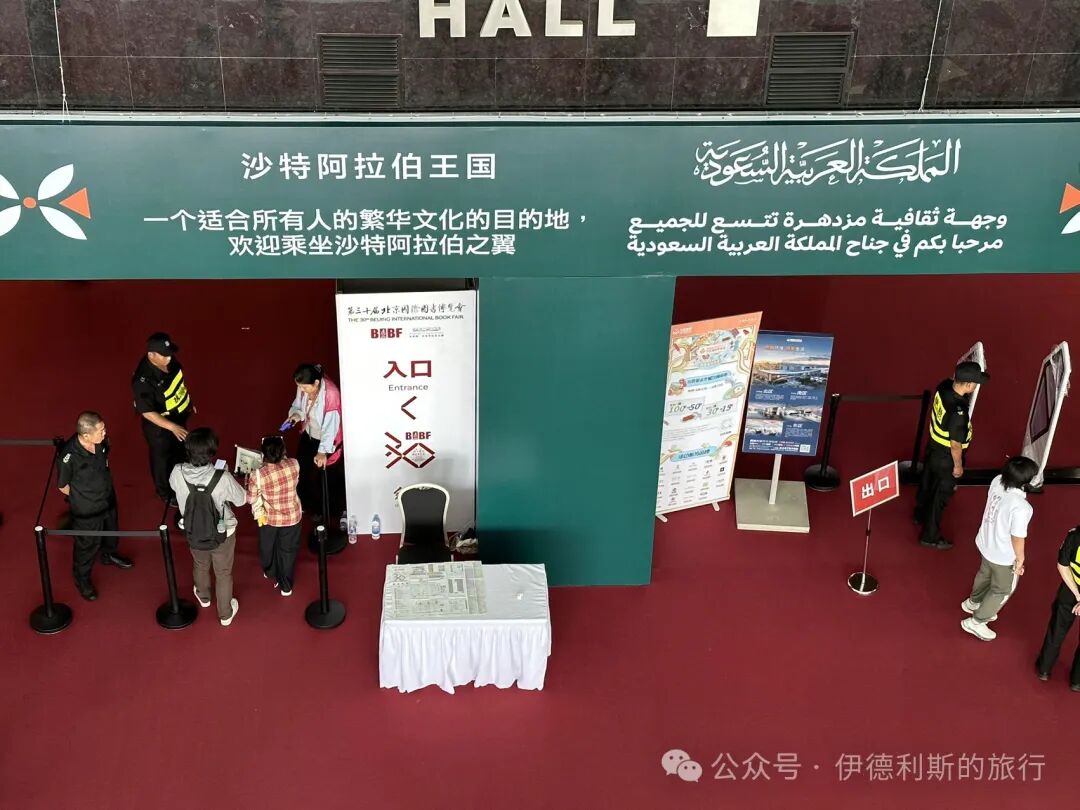
The 30th Beijing International Book Fair took place at the China National Convention Center from June 19 to 23. As the guest of honor, Saudi Arabia carefully planned a series of cultural exchange activities, including displays of calligraphy, clothing, and food culture, which attracted many people interested in learning about Saudi culture.
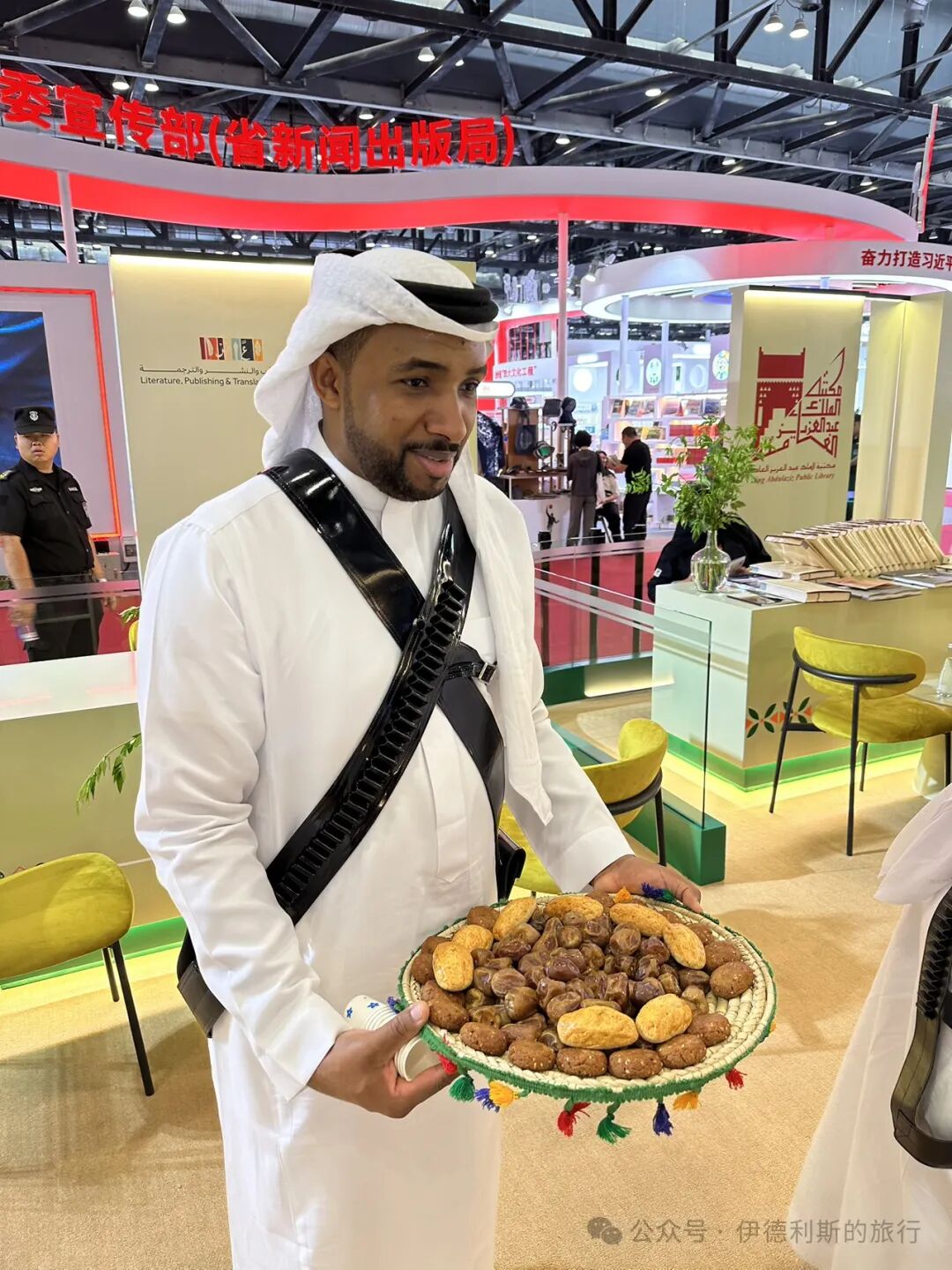
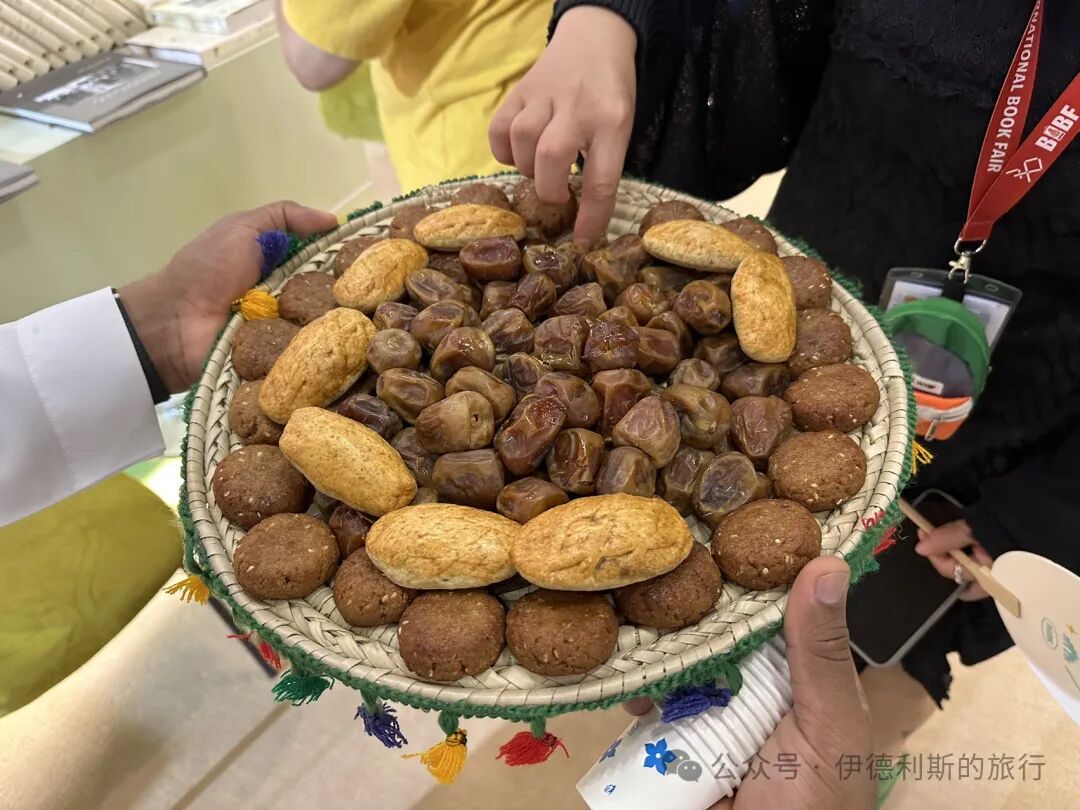
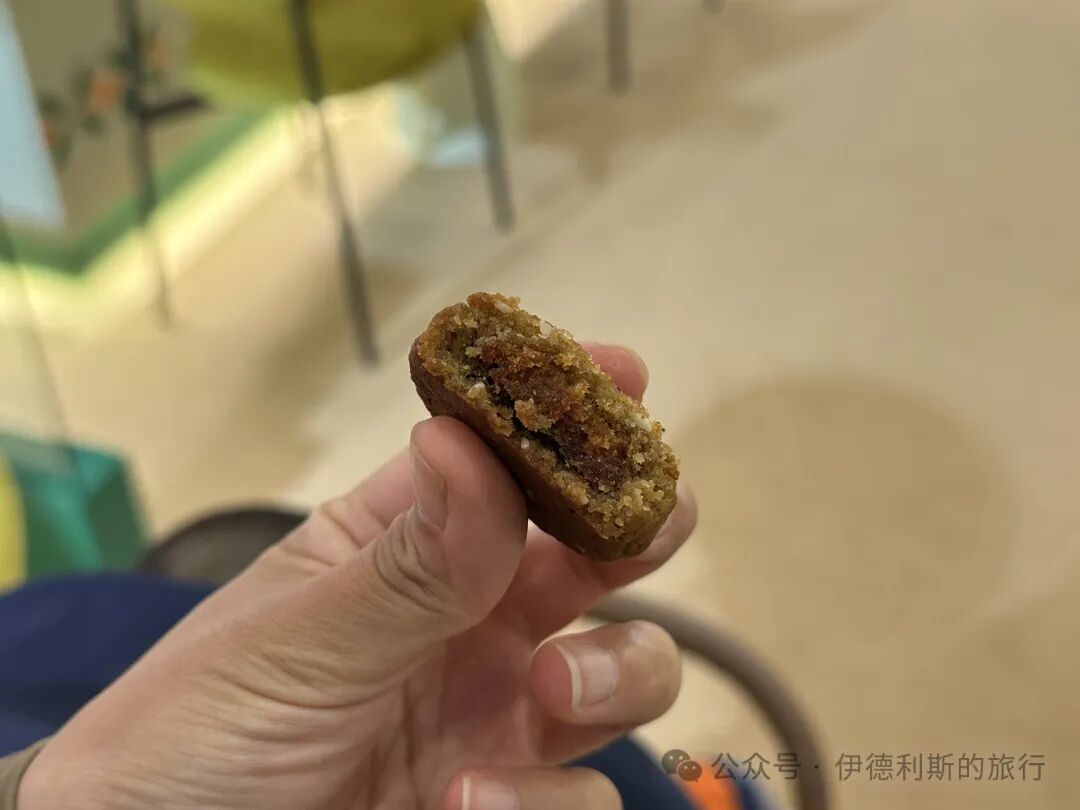
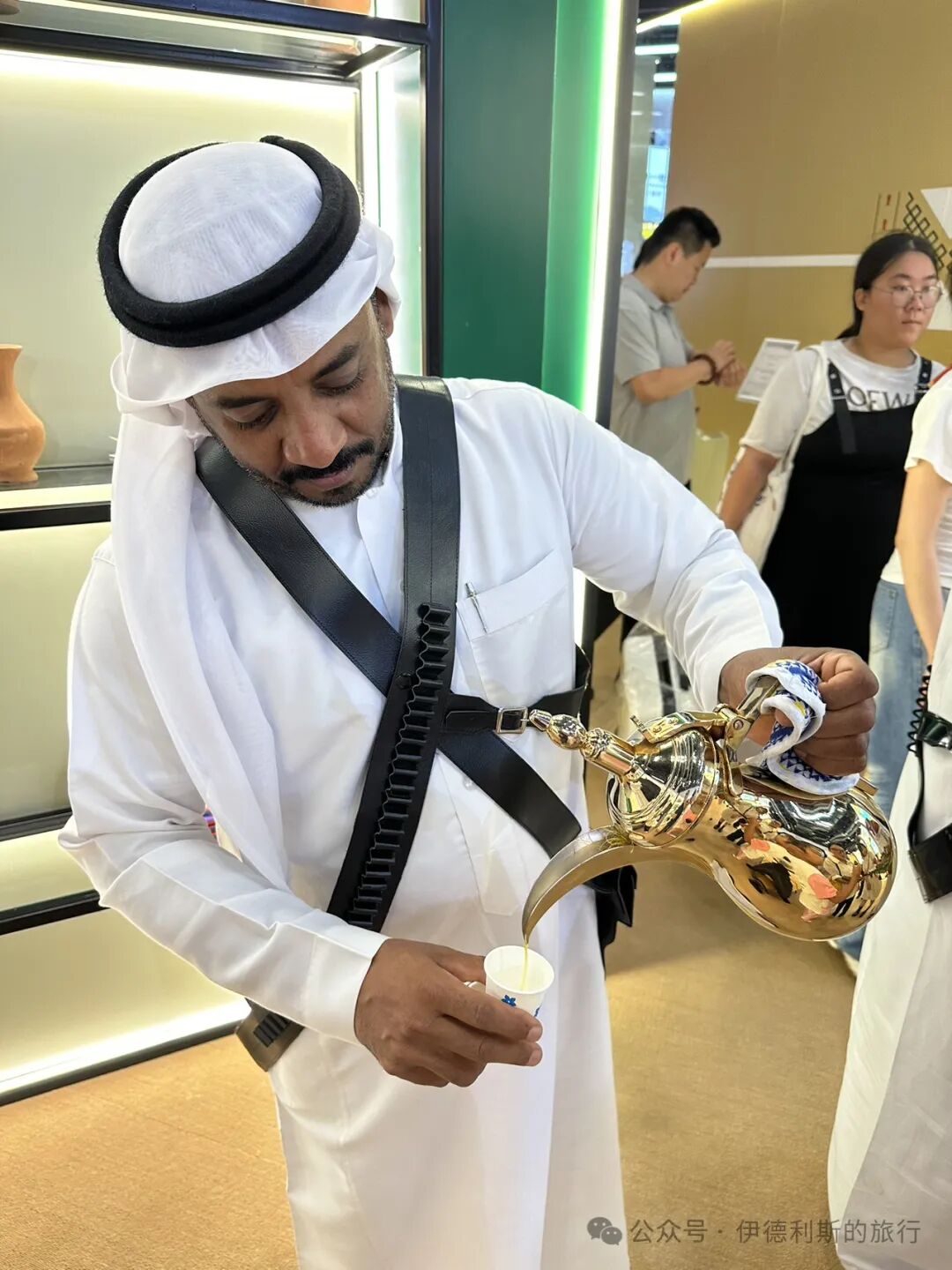
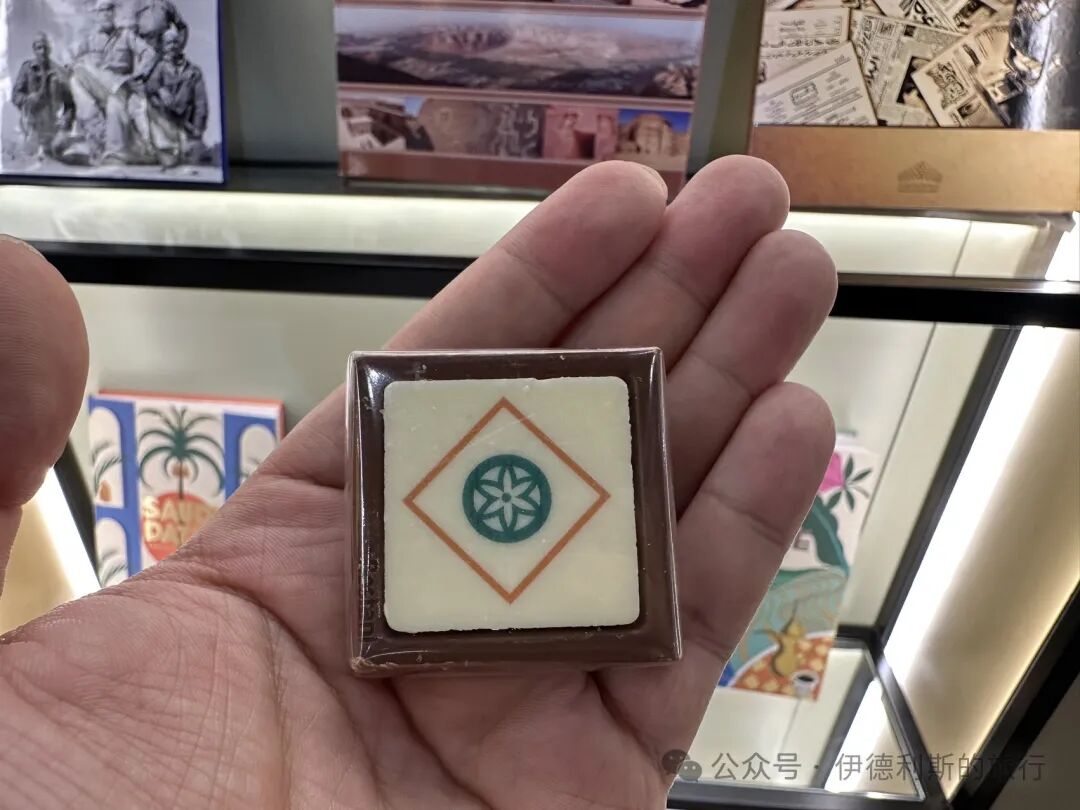
We tasted herbal Arabic coffee, sweet dates, and various date desserts, as well as Saudi-style chocolates. The date-filled cookies were especially delicious.
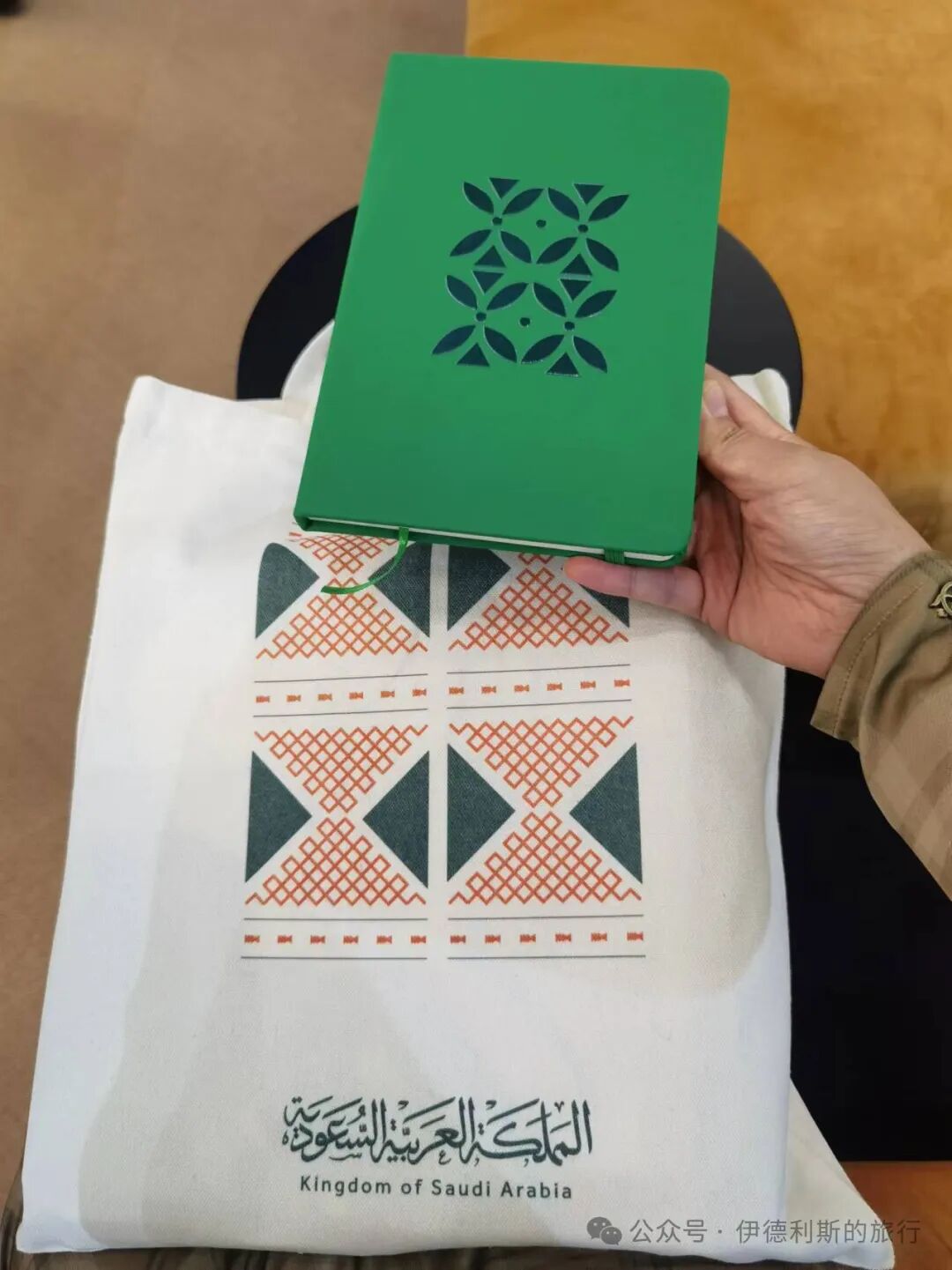
The cloth bag and notebook we received as gifts.
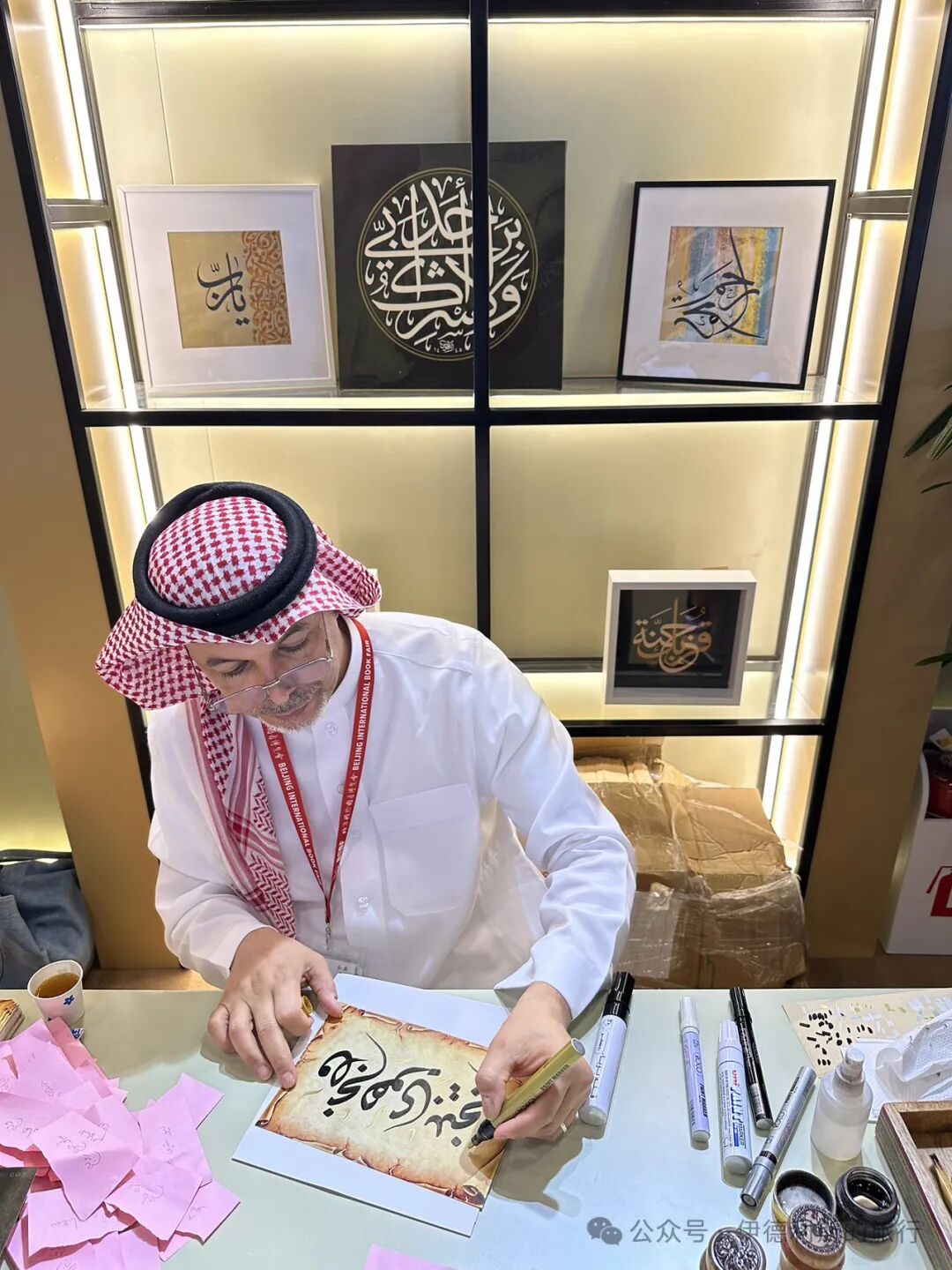
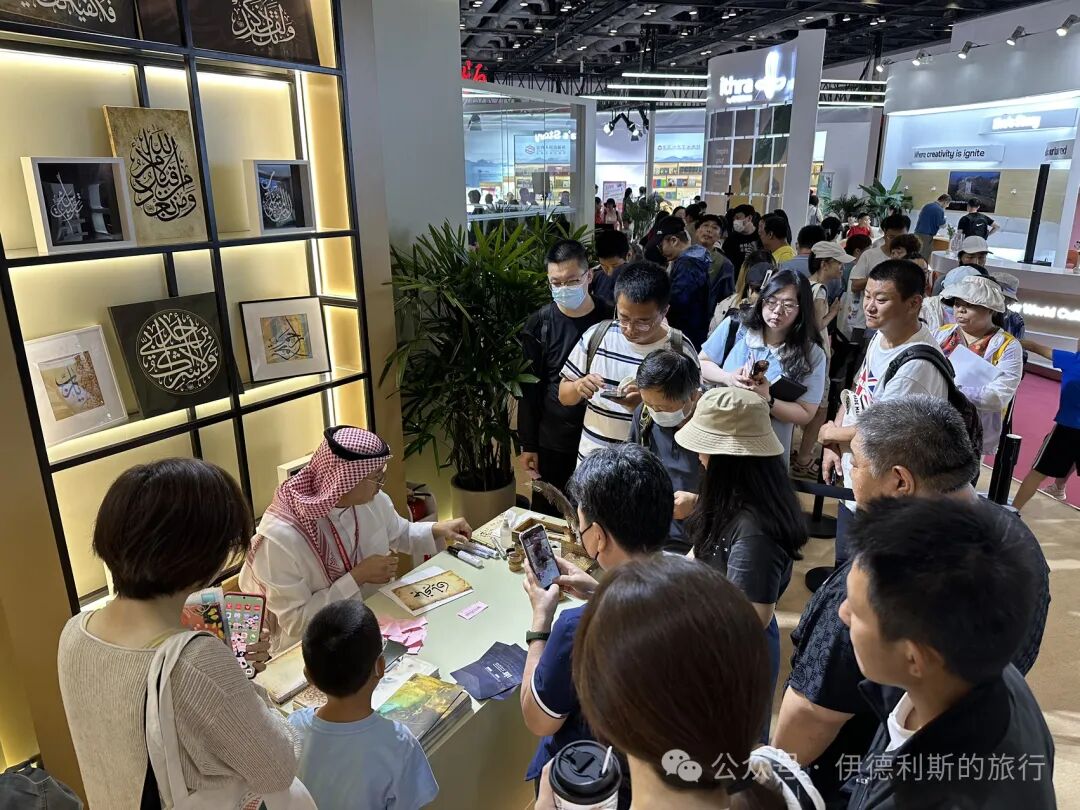
Nearby, a calligrapher was writing Arabic names for visitors. There was a long line, showing that everyone was very enthusiastic about Arabic culture.
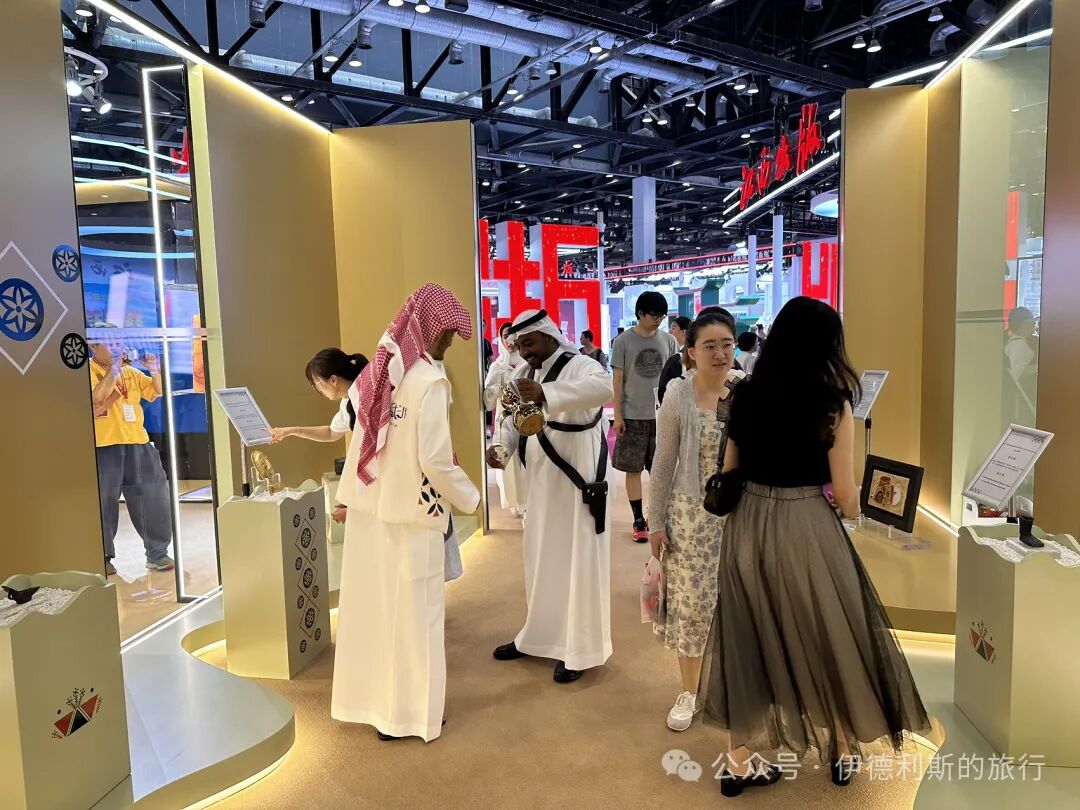
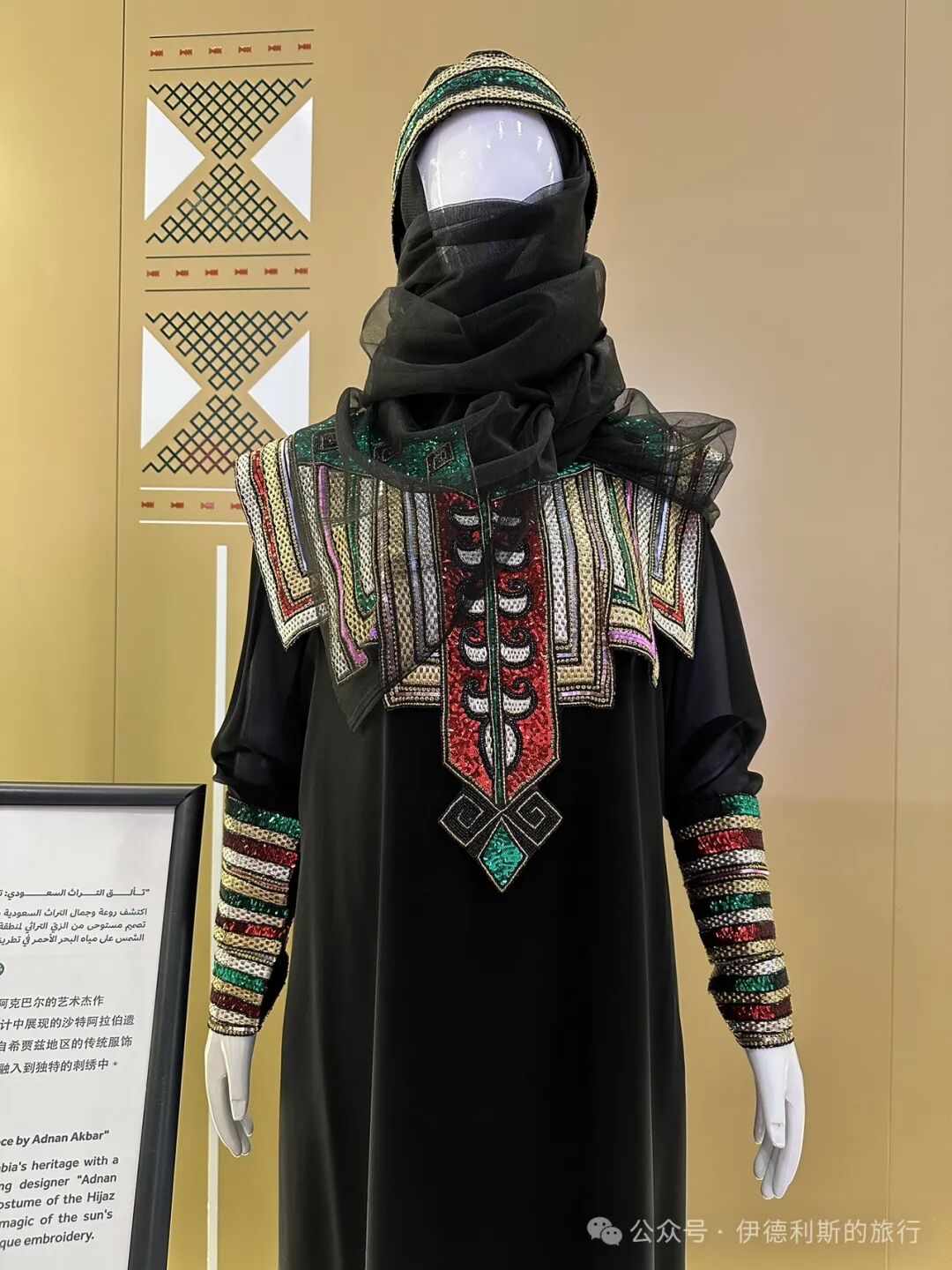
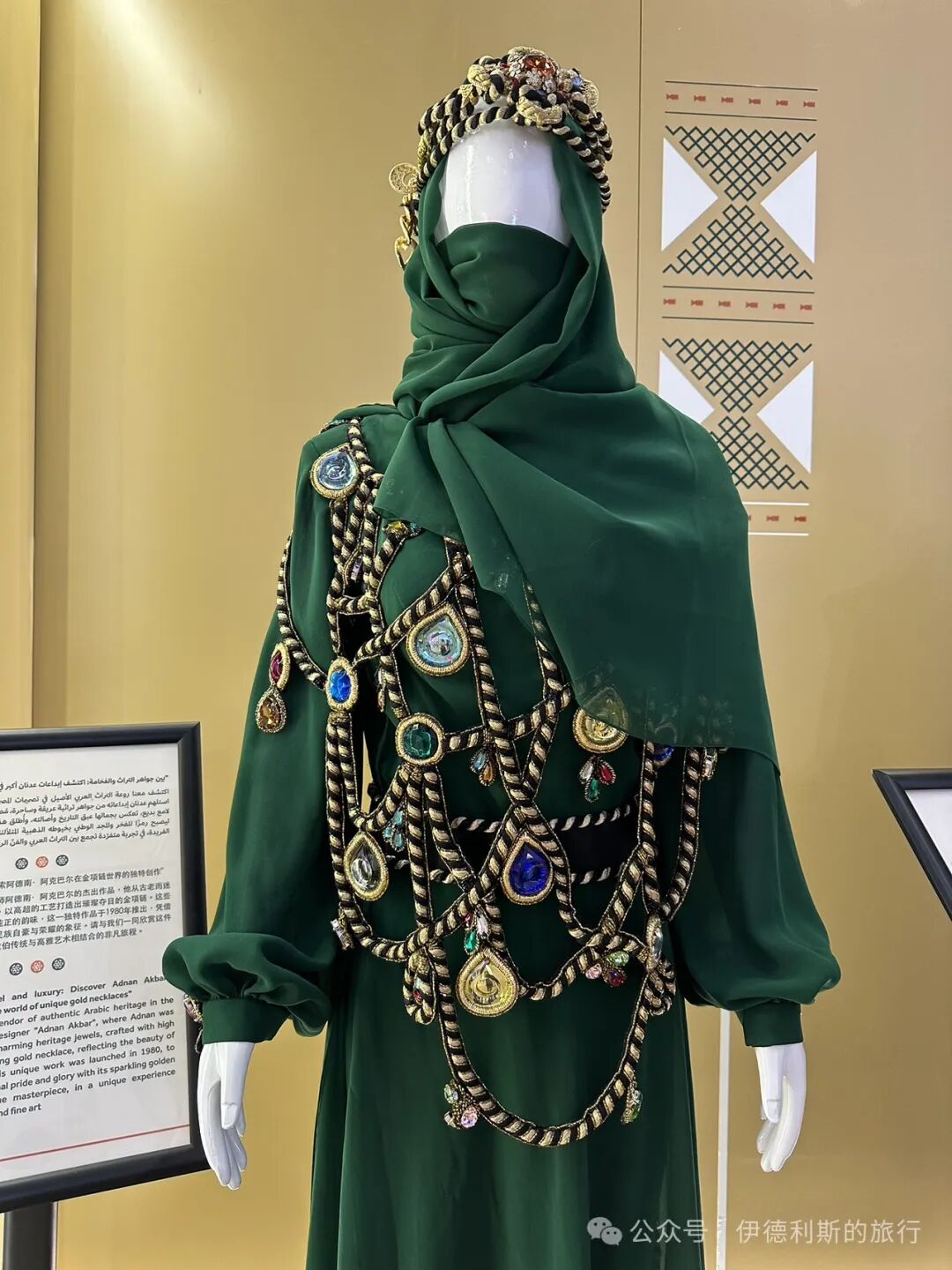
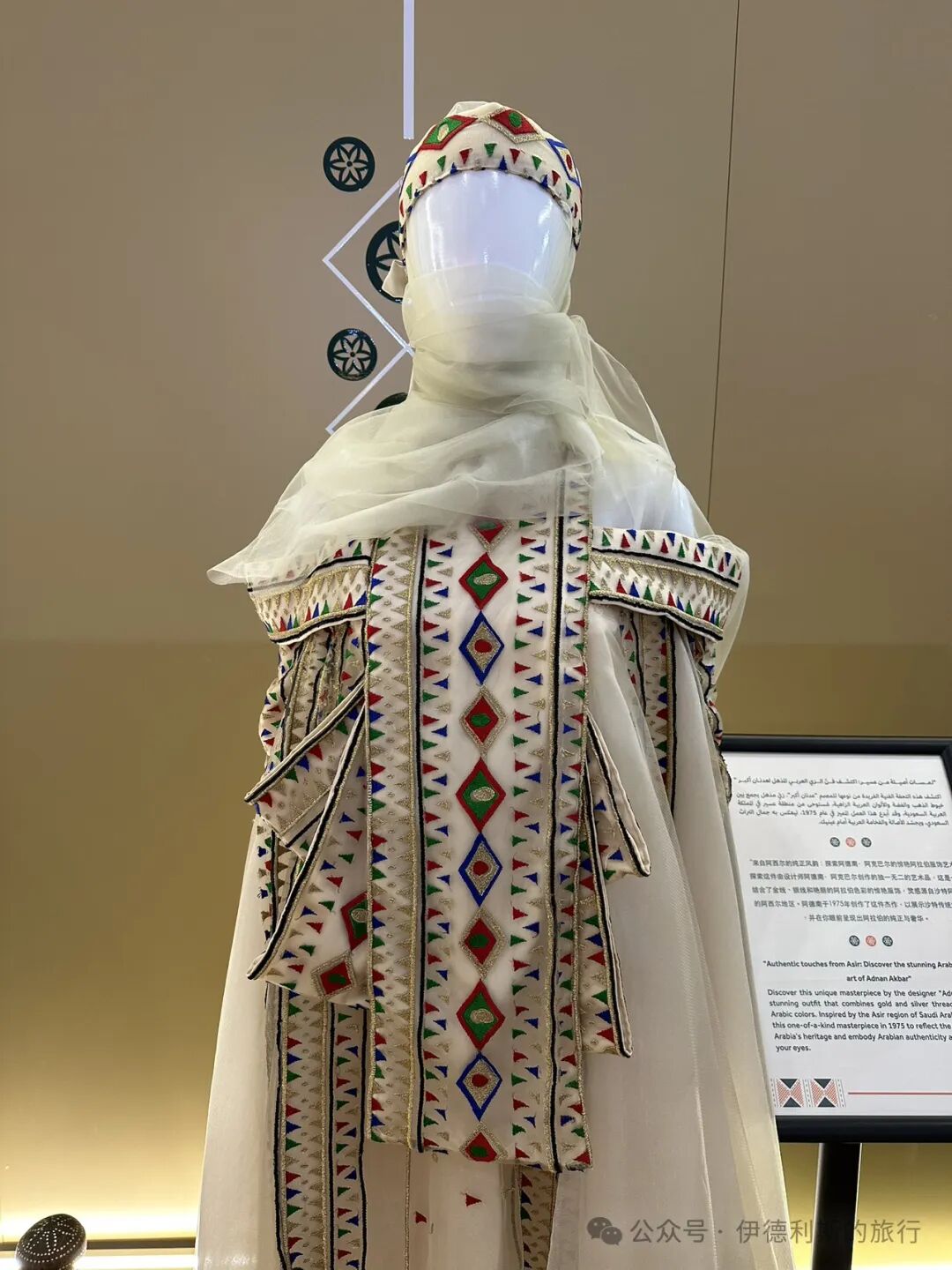
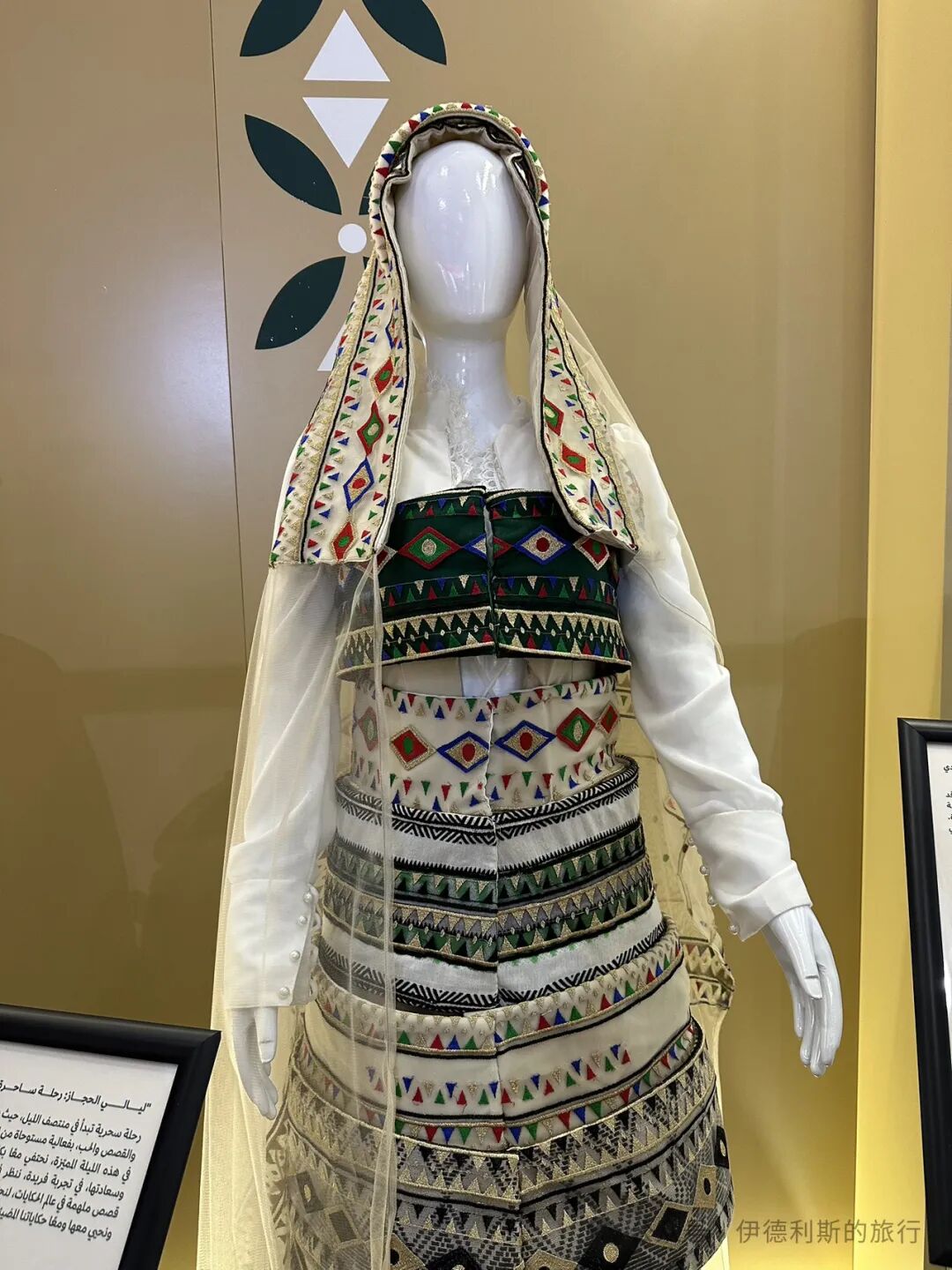
The Saudi women's clothing exhibition perfectly blended tradition with modern style.
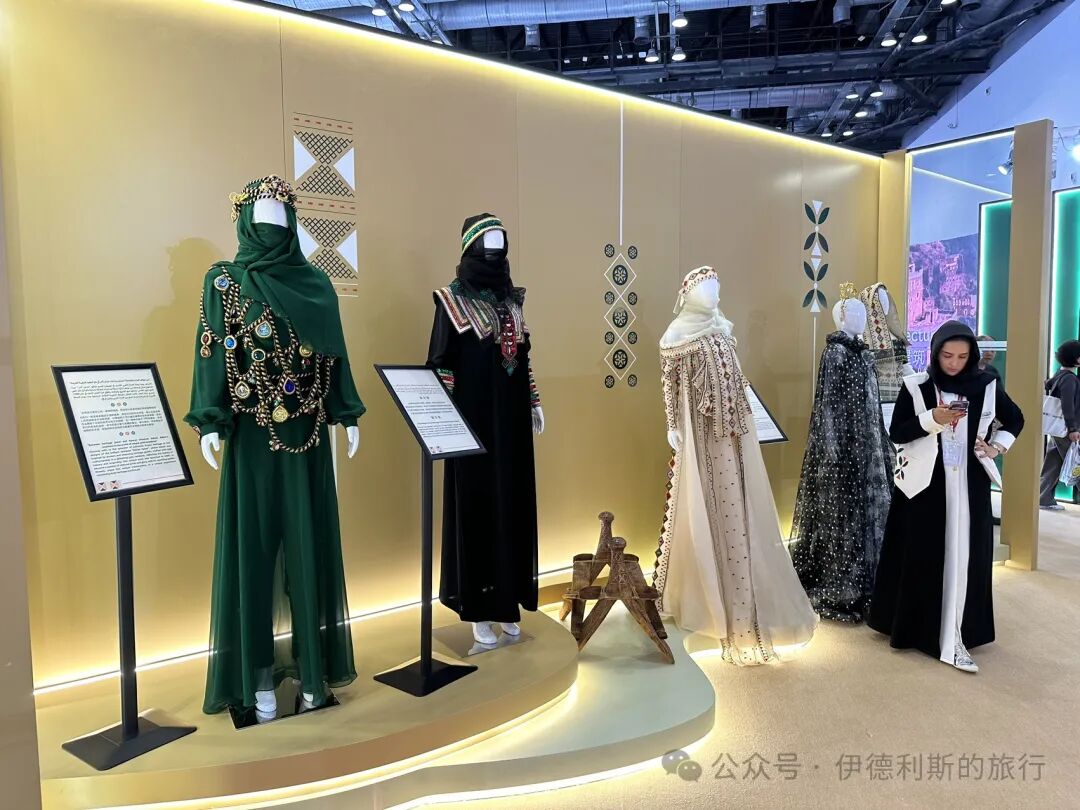
At the "Hejaz Night," under the brilliant starry sky of the Hejaz midnight, everyone shared stories and offered blessings to every Hejaz woman.
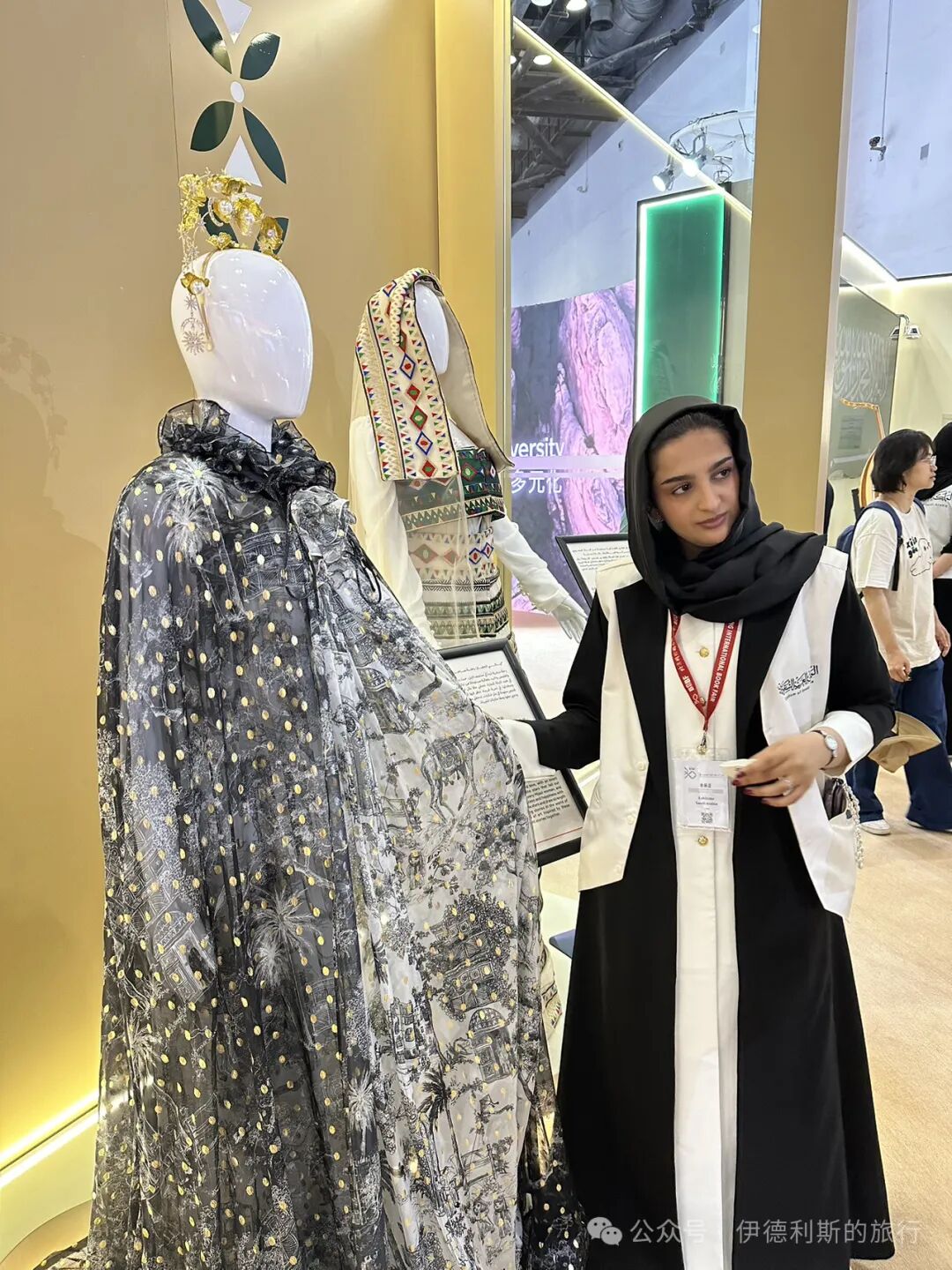
The creator is the famous Saudi fashion designer Adnan Akbar. He learned embroidery as a child and opened the first fashion boutique in Saudi Arabia in the 1970s. This piece was inspired by the traditional clothing of the Hejaz region and cleverly incorporates the beauty of sunlight reflecting off the Red Sea into its unique embroidery.
Adnan's work from the 1980s was inspired by ancient traditional Saudi jewelry.
Adnan's work from 1975 was inspired by the Asir region in southwestern Saudi Arabia, combining gold and silver threads with vibrant Arabian colors.
The "Covenant of Loyalty" combines traditional clothing features from four different regions of Saudi Arabia, innovating while staying rooted in tradition.
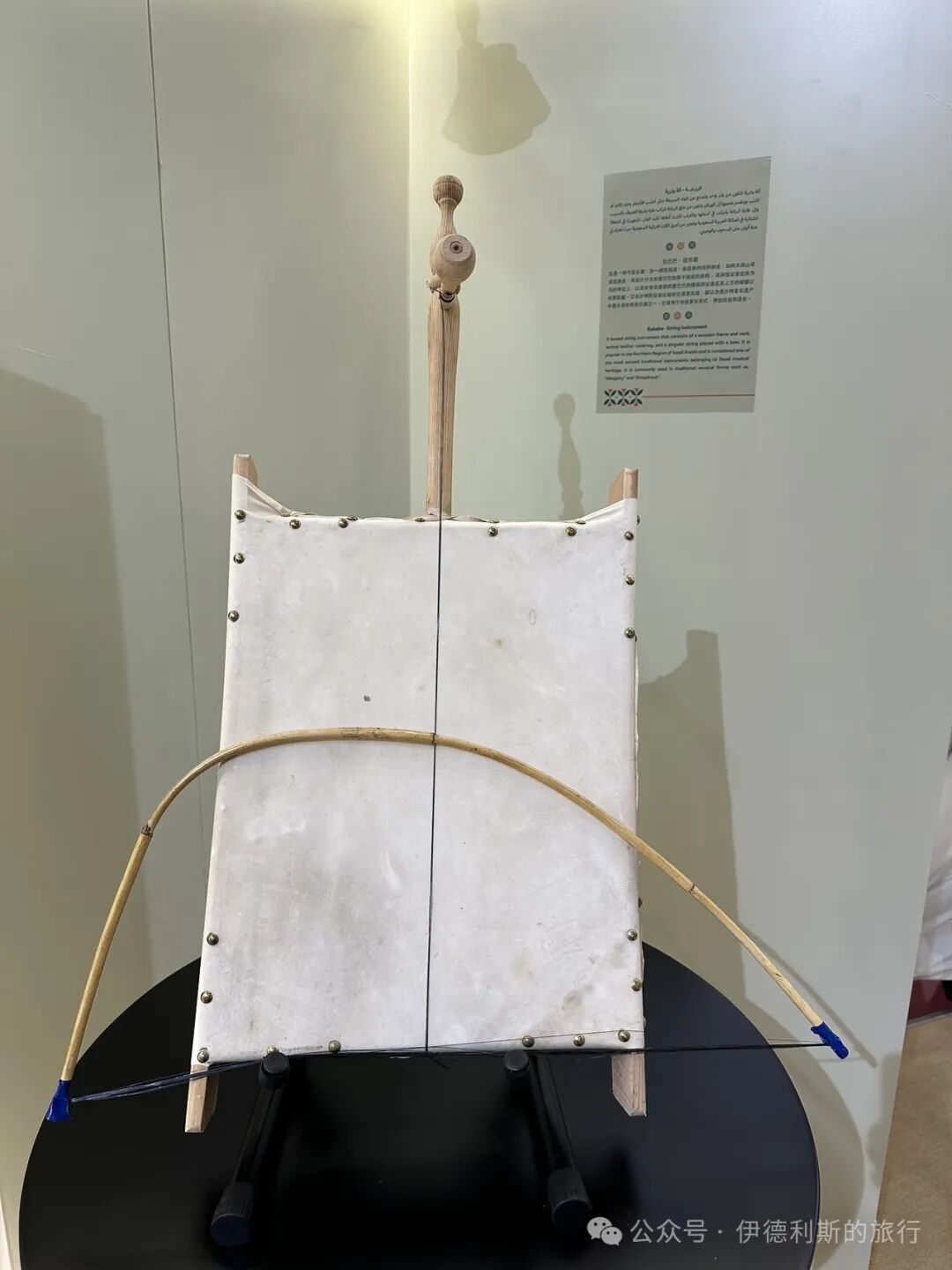
An exhibition of traditional Saudi musical instruments. The first is the bowed string instrument rebab, which is popular in northern Saudi Arabia. The rebab spread along trade routes to many parts of the Middle East, North Africa, Central Asia, and Southeast Asia, developing its own unique characteristics in each place. The rebab is very important in the music of the Arab Bedouin people and is their main bowed string instrument.
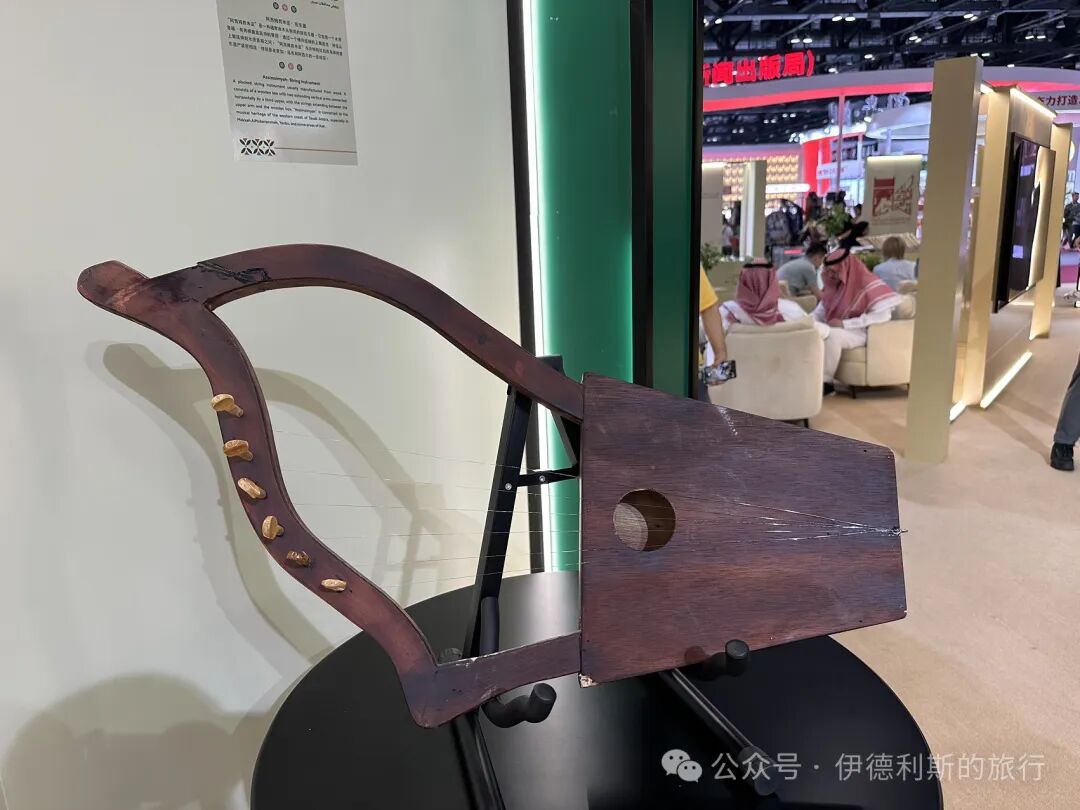
The plucked string instrument simsimiyya is mainly popular along the Red Sea coast in western Saudi Arabia. The simsimiyya is widely used in Egypt. It appeared in paintings from the time of the pharaohs and is an important instrument for accompaniment.
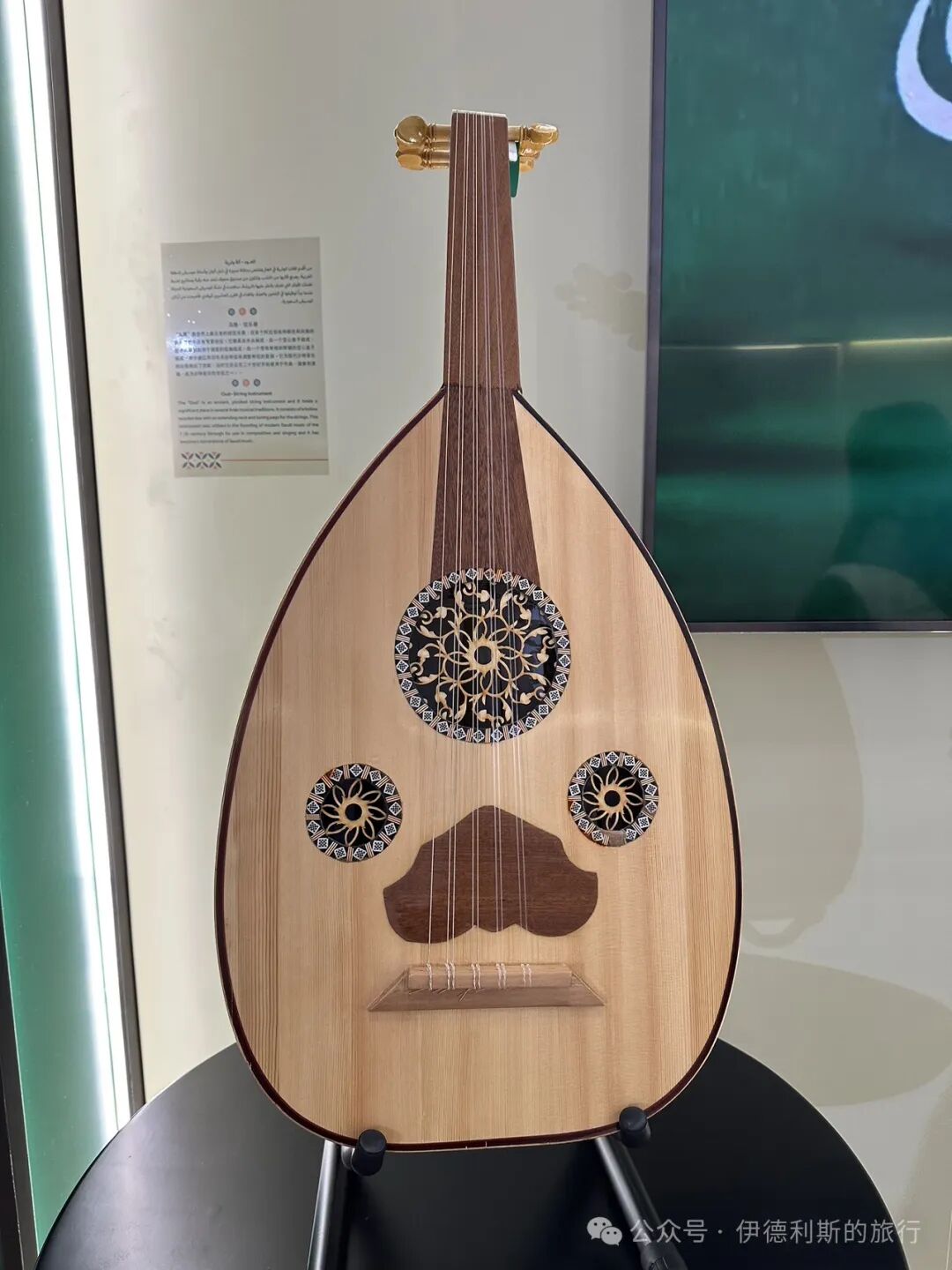
The oud is the oldest plucked string instrument in the world. Many Saudi musicians used the oud to compose, perform, and sing in the 20th century. Today, it is a key part of modern Saudi music. Modern ouds come in three types: Arabic, Turkish, and Persian. The one on display at the exhibition is an Arabic oud. The Arabic oud is larger than the Turkish and Persian versions, and its tone is fuller and deeper.
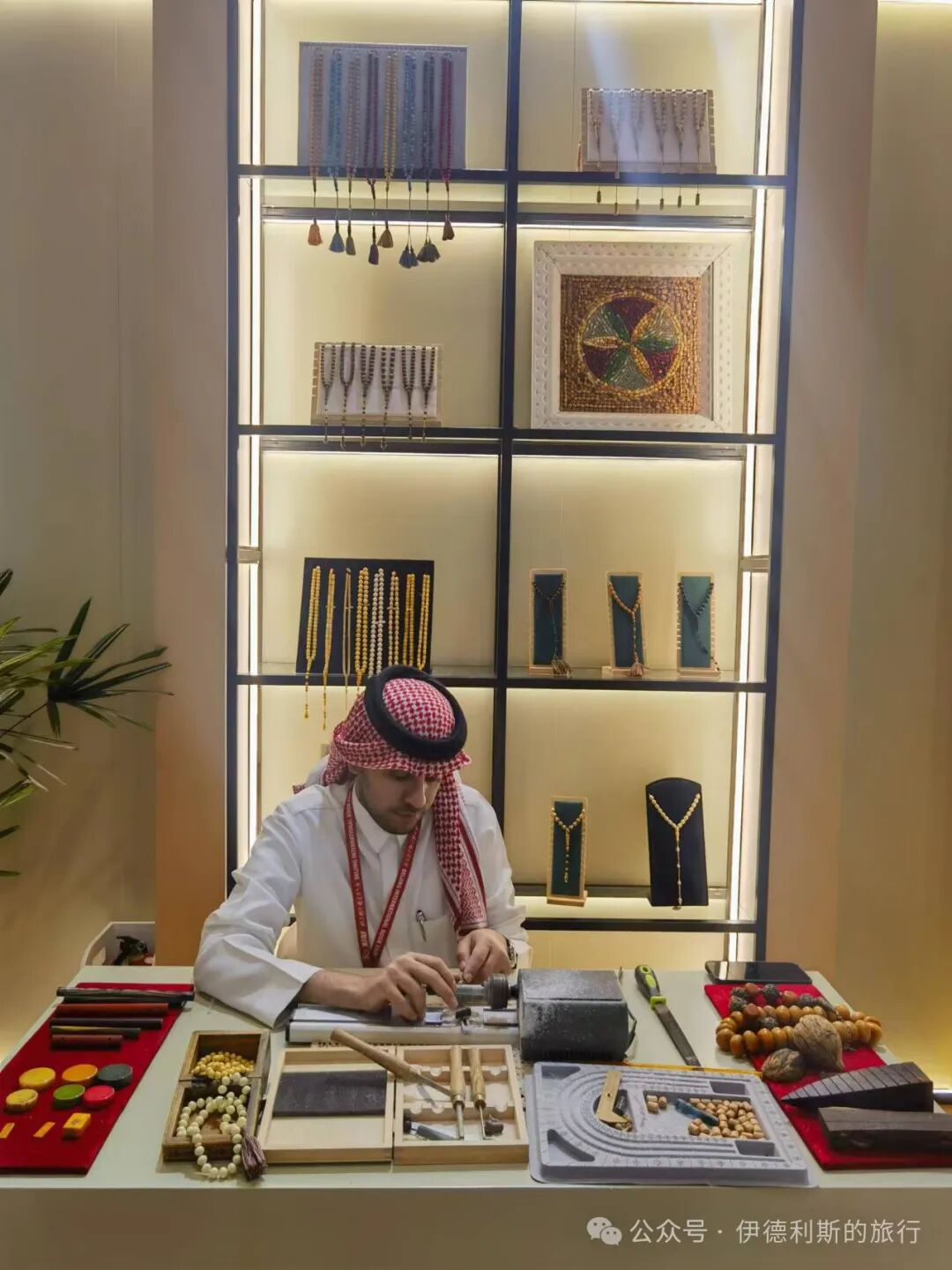
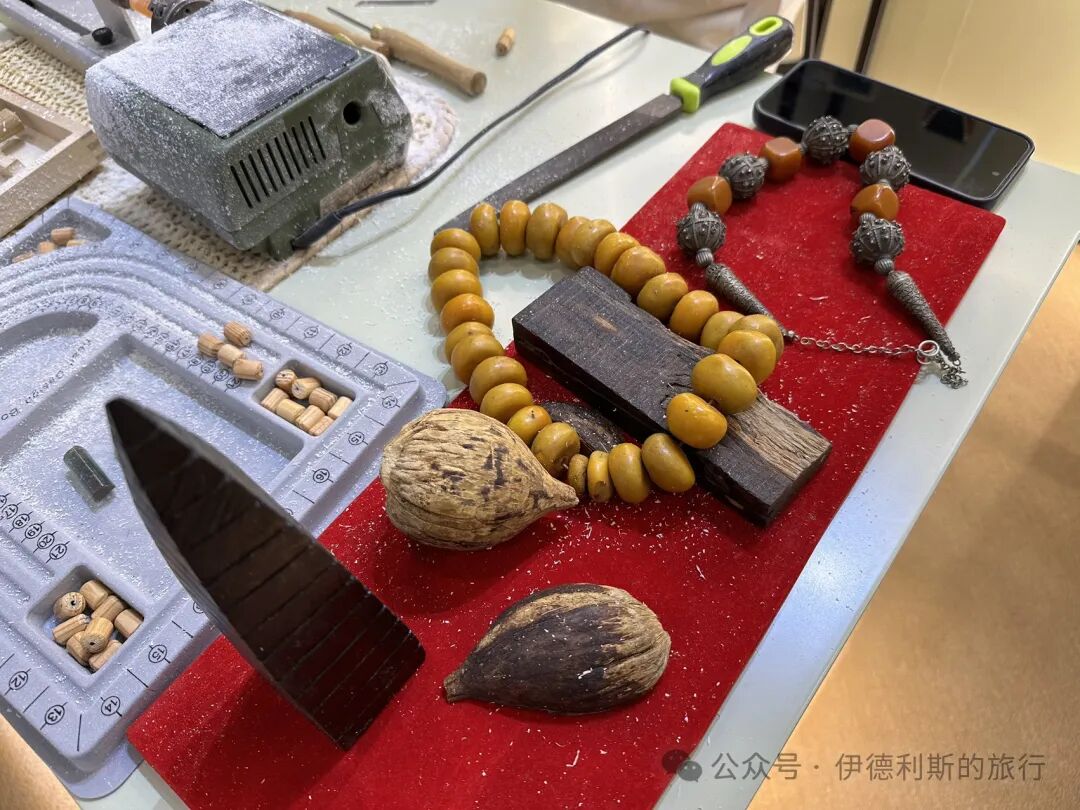
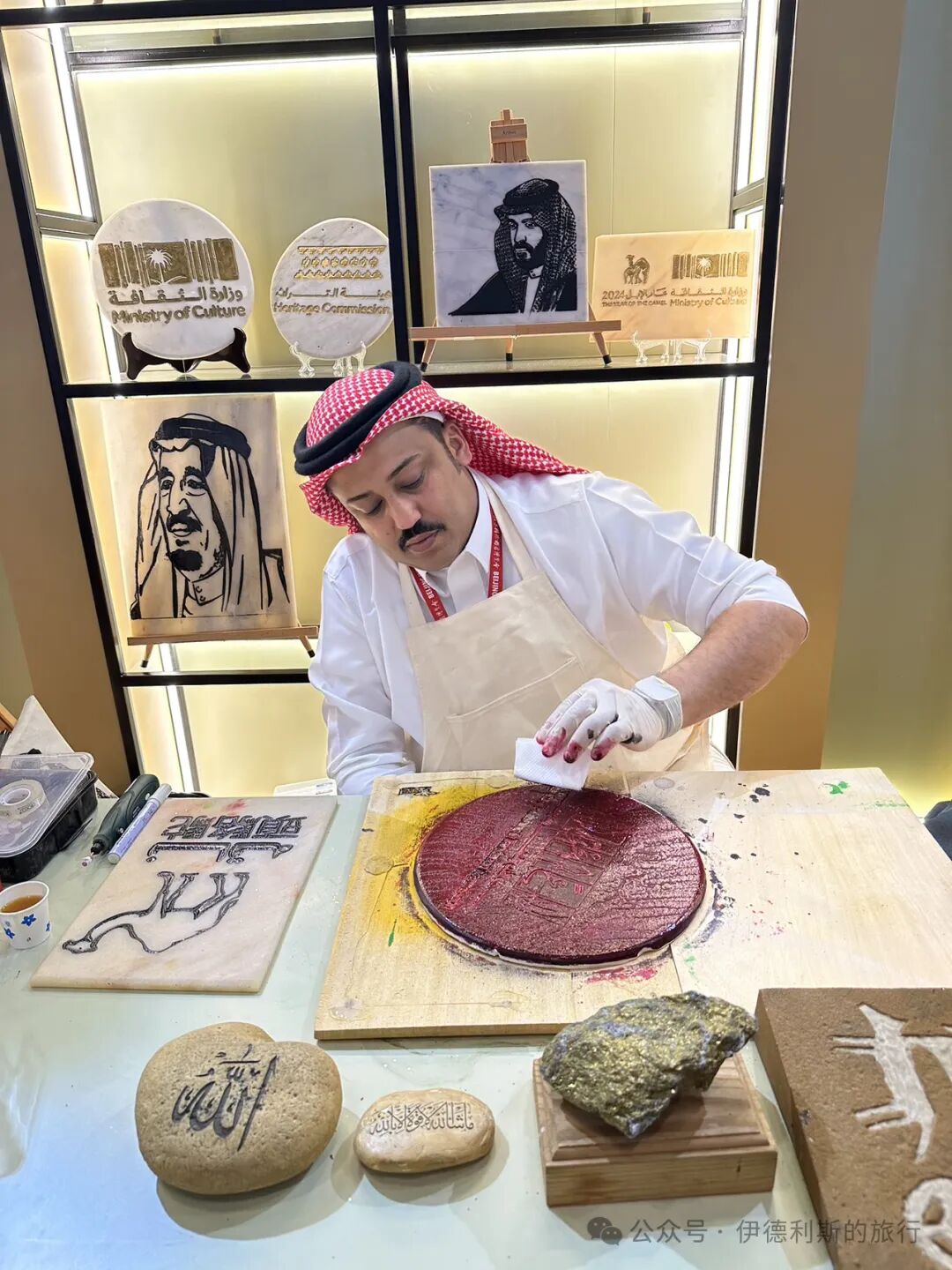
The exhibit shows how to make prayer beads (tasbih) and displays traditional pigments.
In the Middle East, people began using materials like pearl, amber, hardwood, and bone to make counting beads for reciting tasbih during the Ottoman Empire in the 16th century. Since then, tasbih beads have developed into a distinct category of craft.
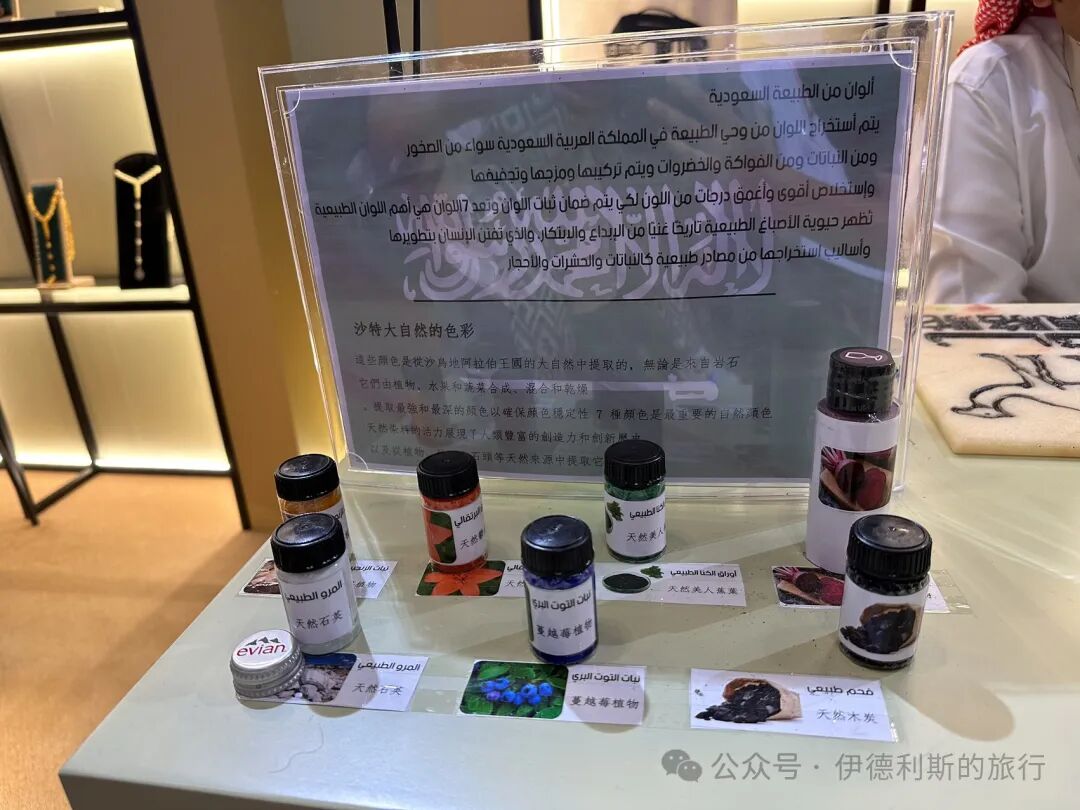
Traditional Saudi pigments are extracted from minerals and plants, including natural quartz, cranberries, canna leaves, and charcoal.
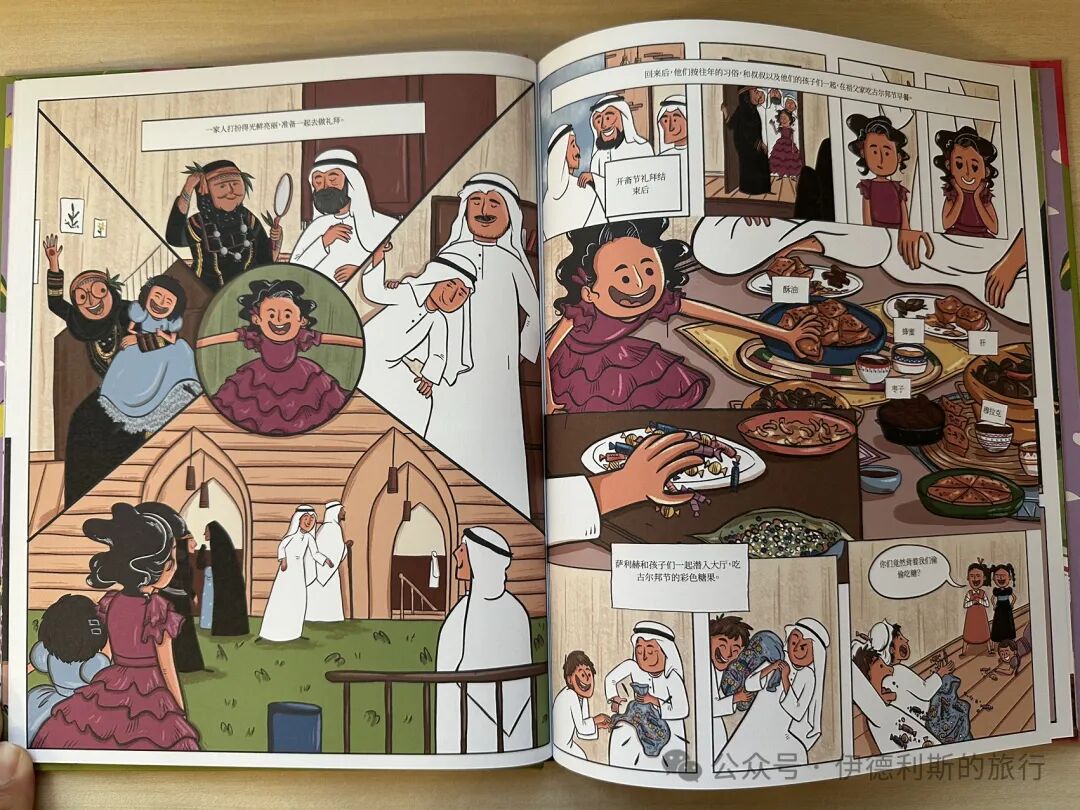
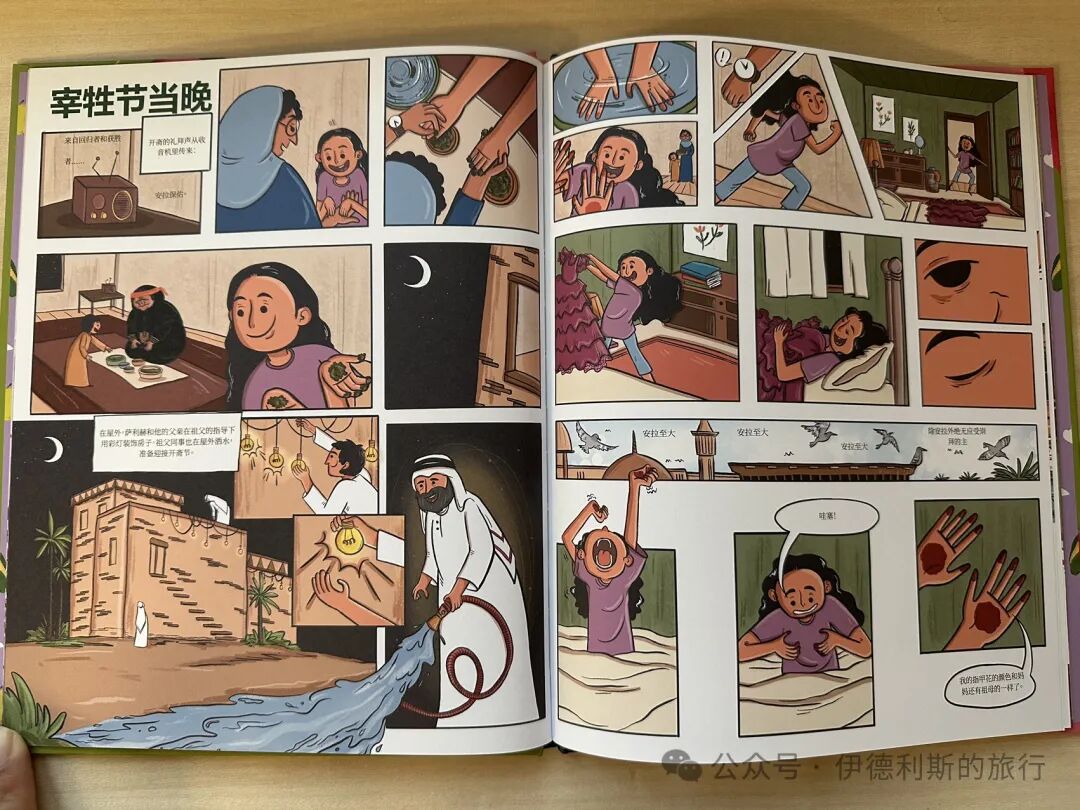
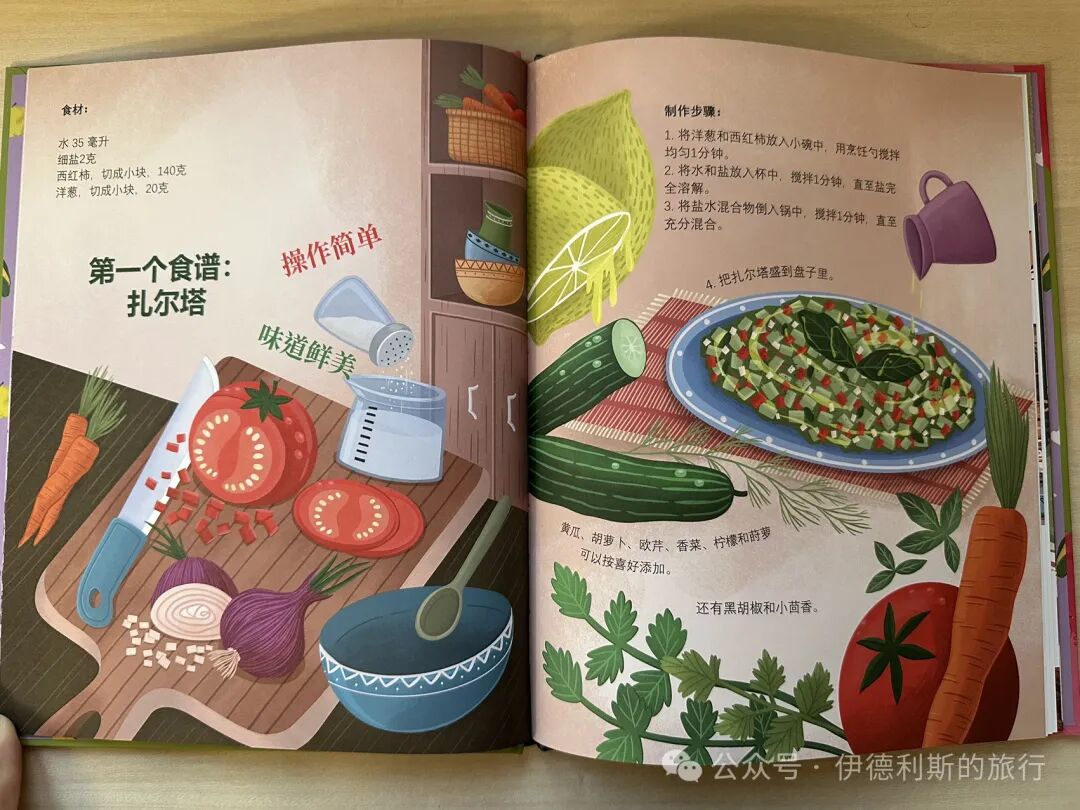
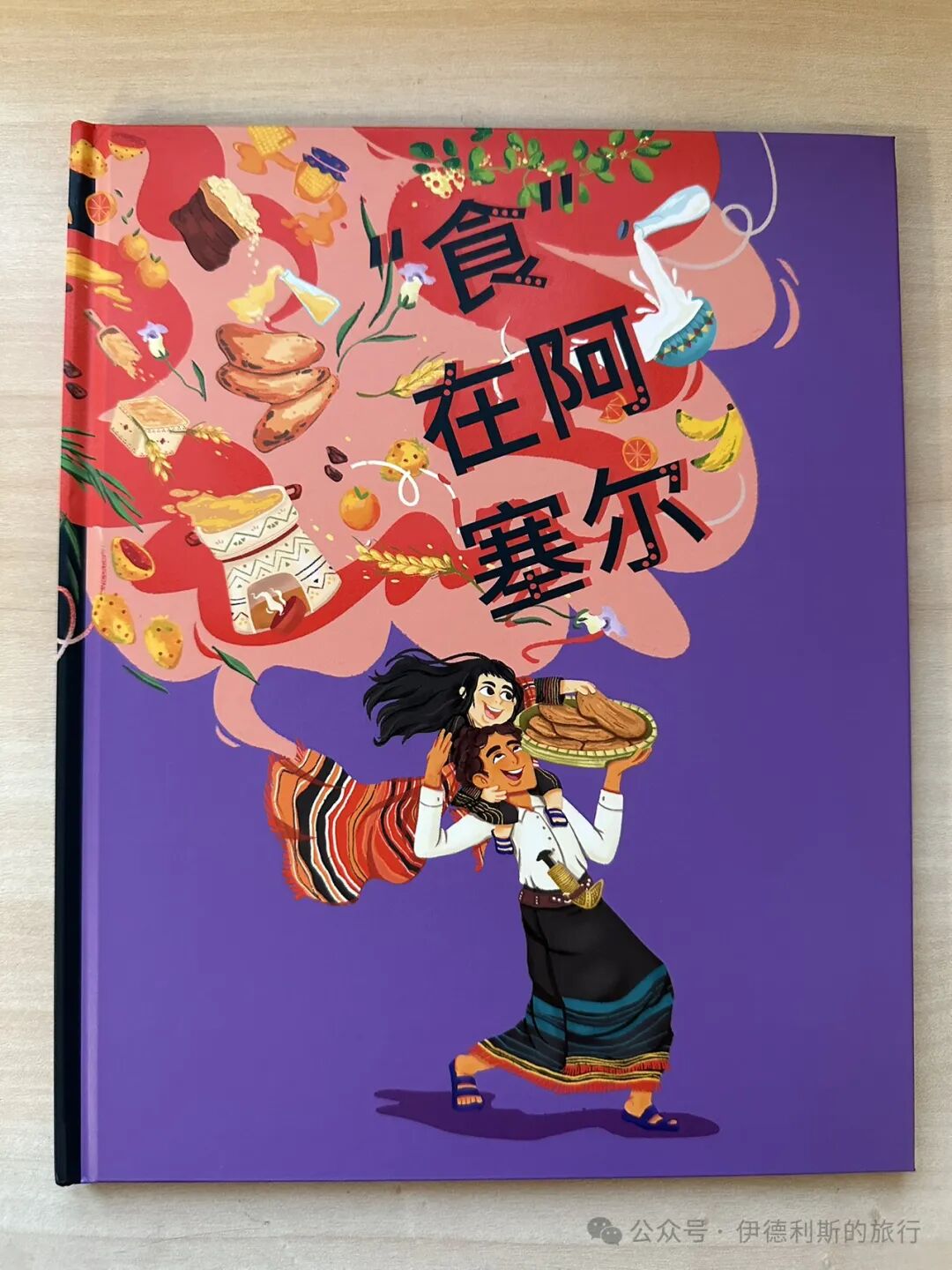
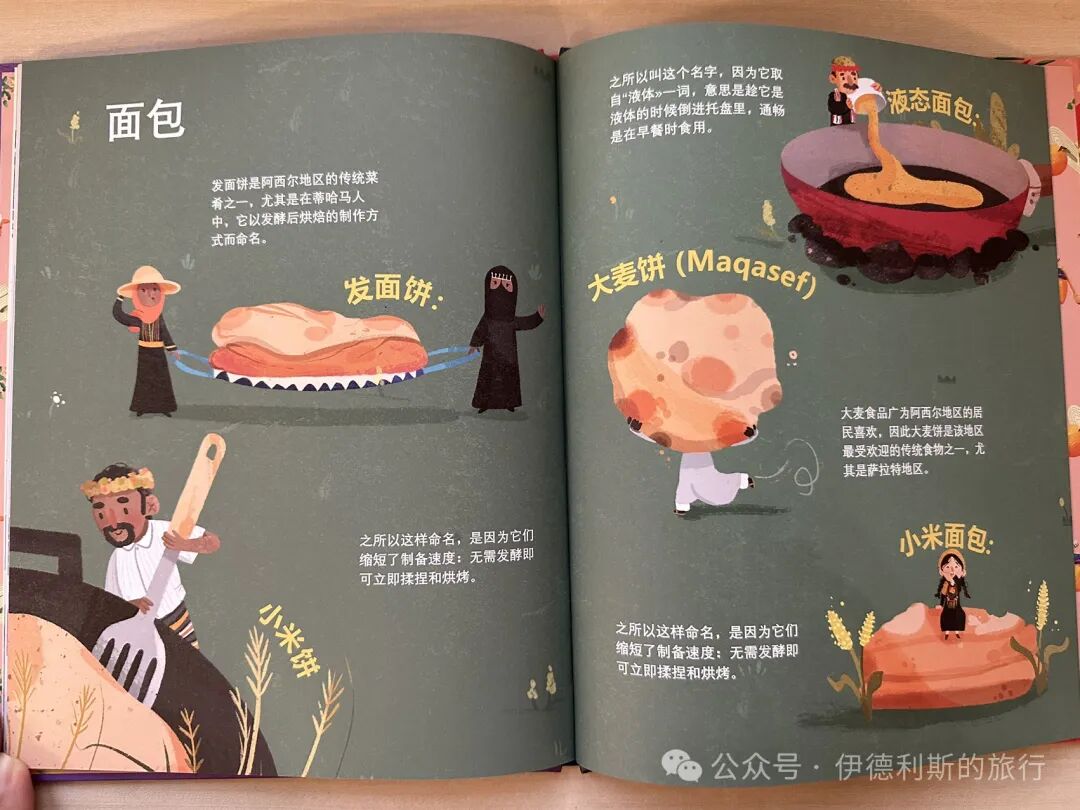
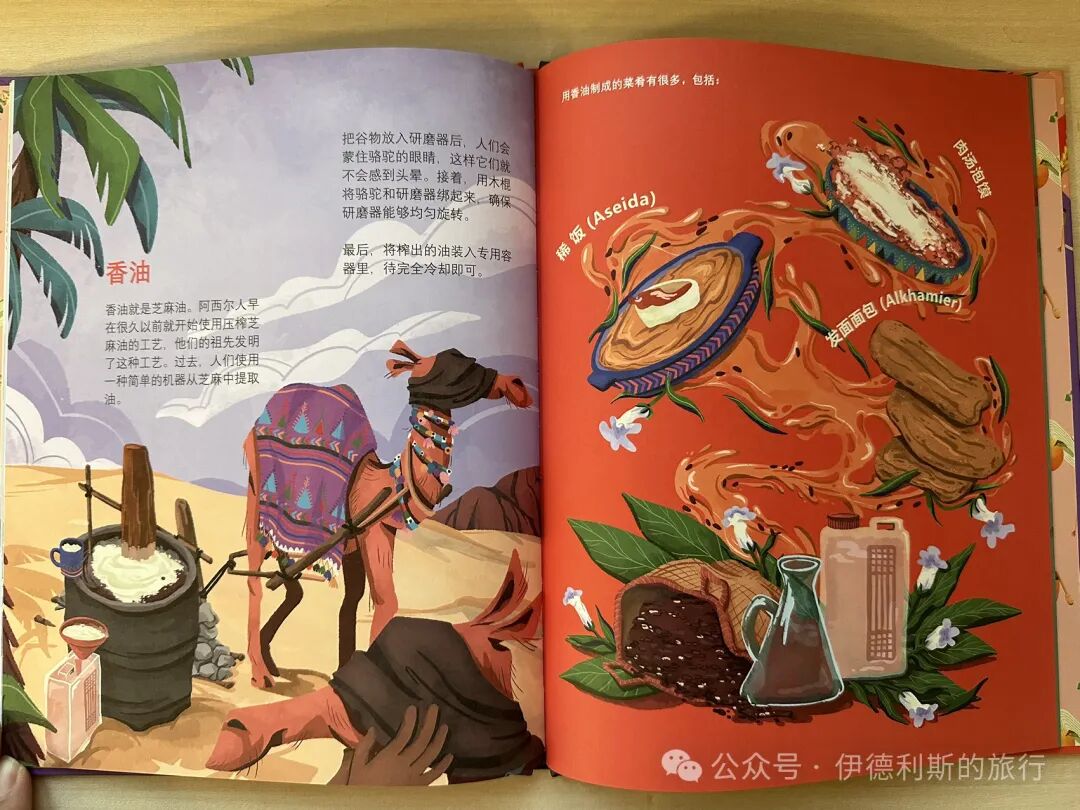
The Saudi exhibition area has many picture books. This set of food-themed books is high quality, with beautiful illustrations and interesting content. Each book uses several engaging stories to introduce food culture.
Our Food From Madinah: Madinah is a desert oasis in the mountains of western Saudi Arabia and is known for its high-quality roses.
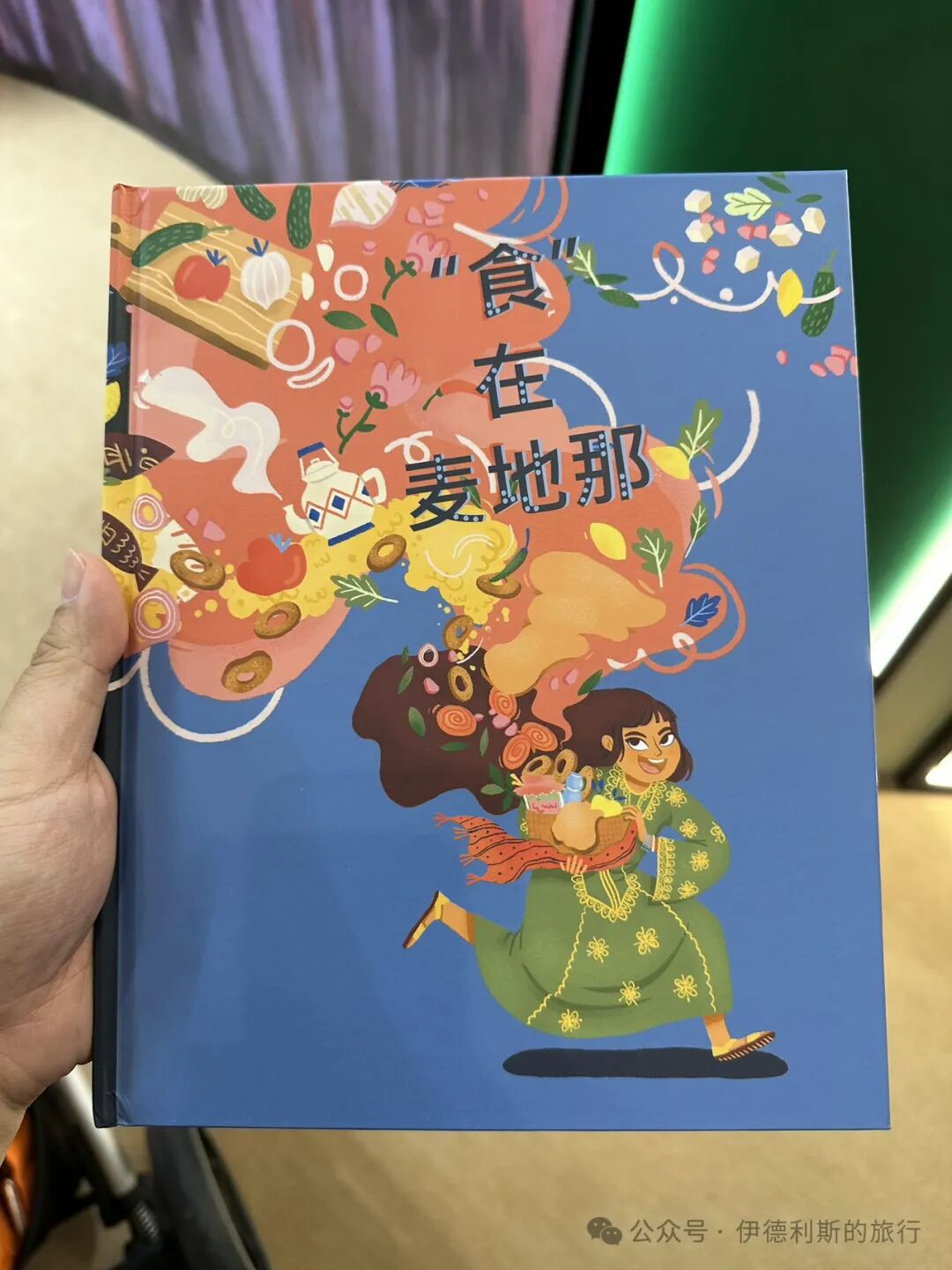
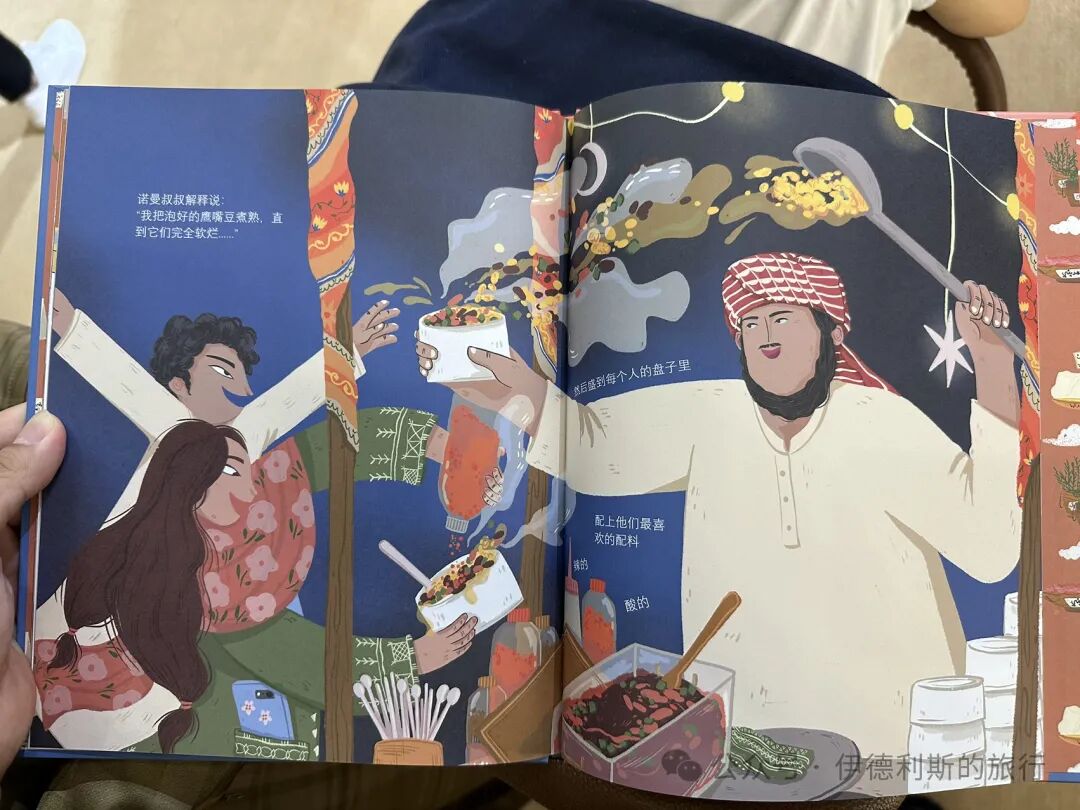
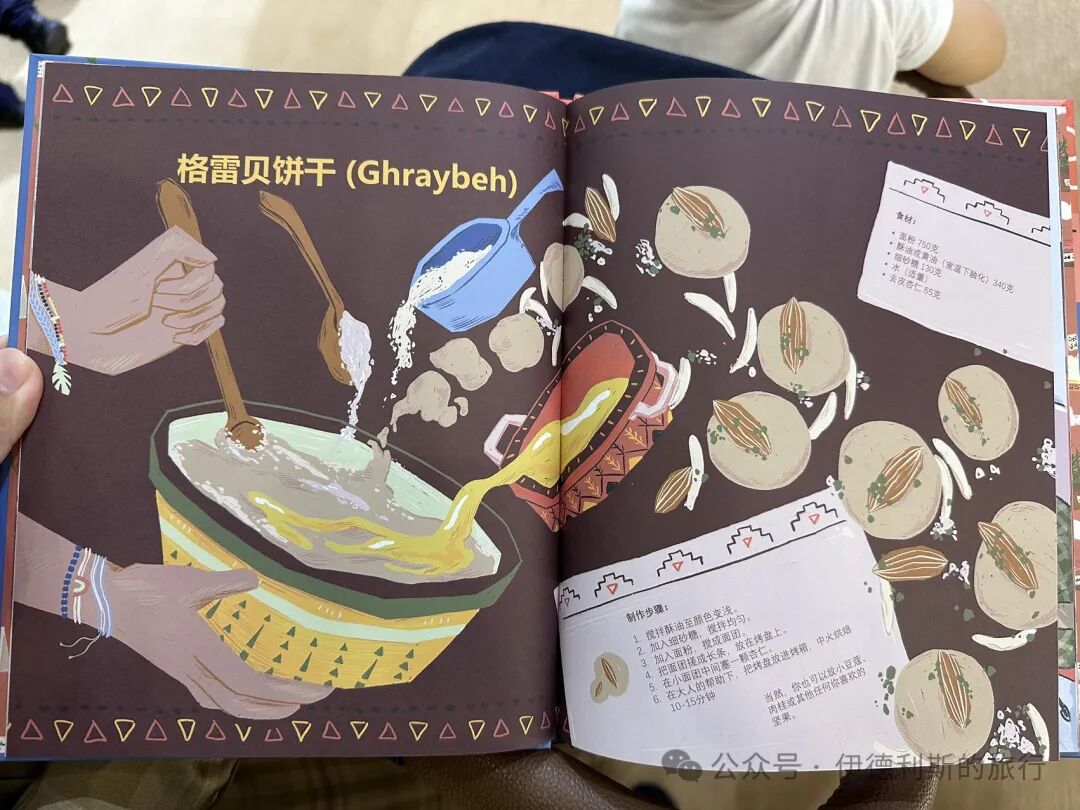
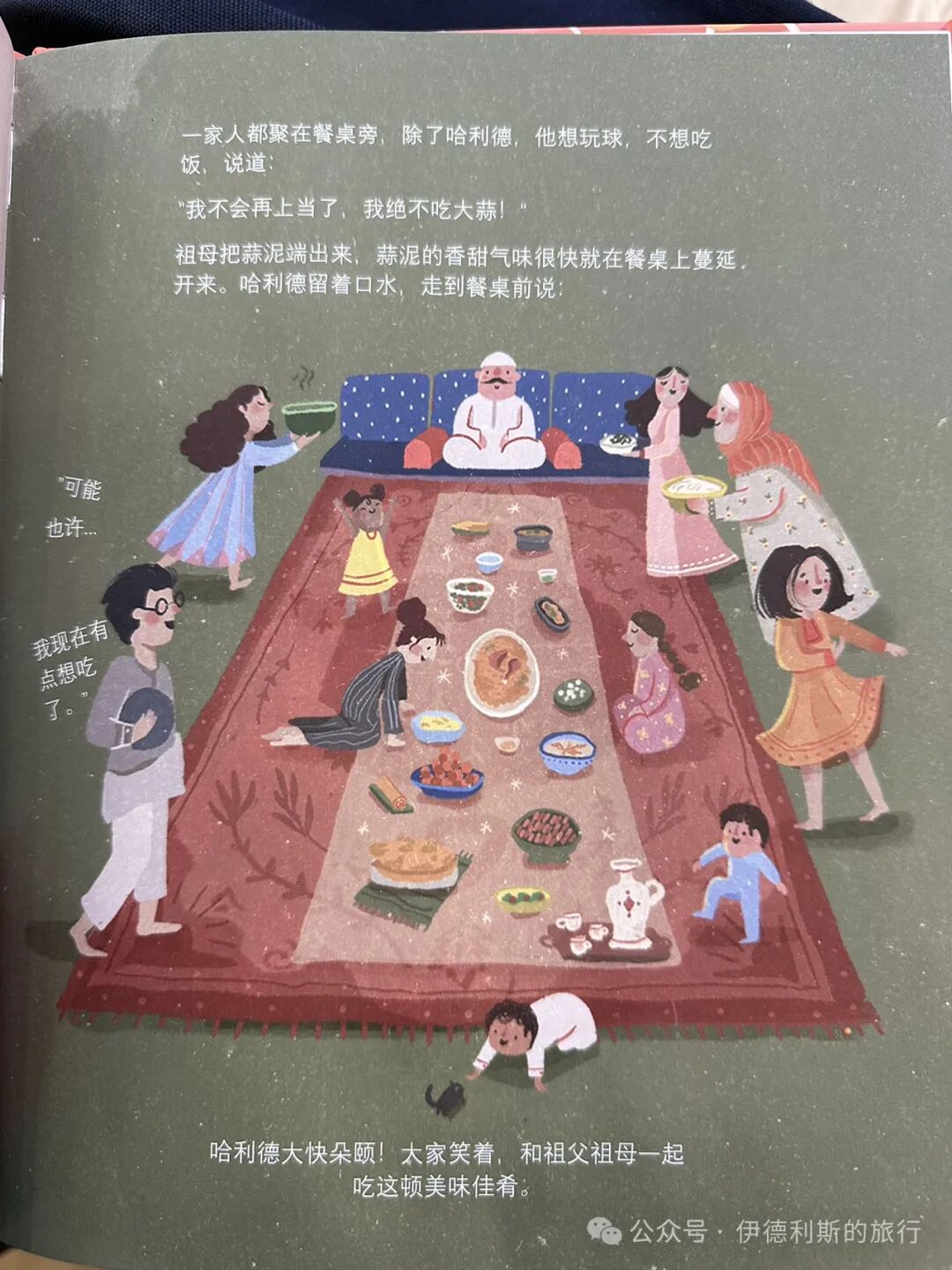
Our Food From Najran: Najran is the date palm capital in southern Saudi Arabia and has the best soil in the country.
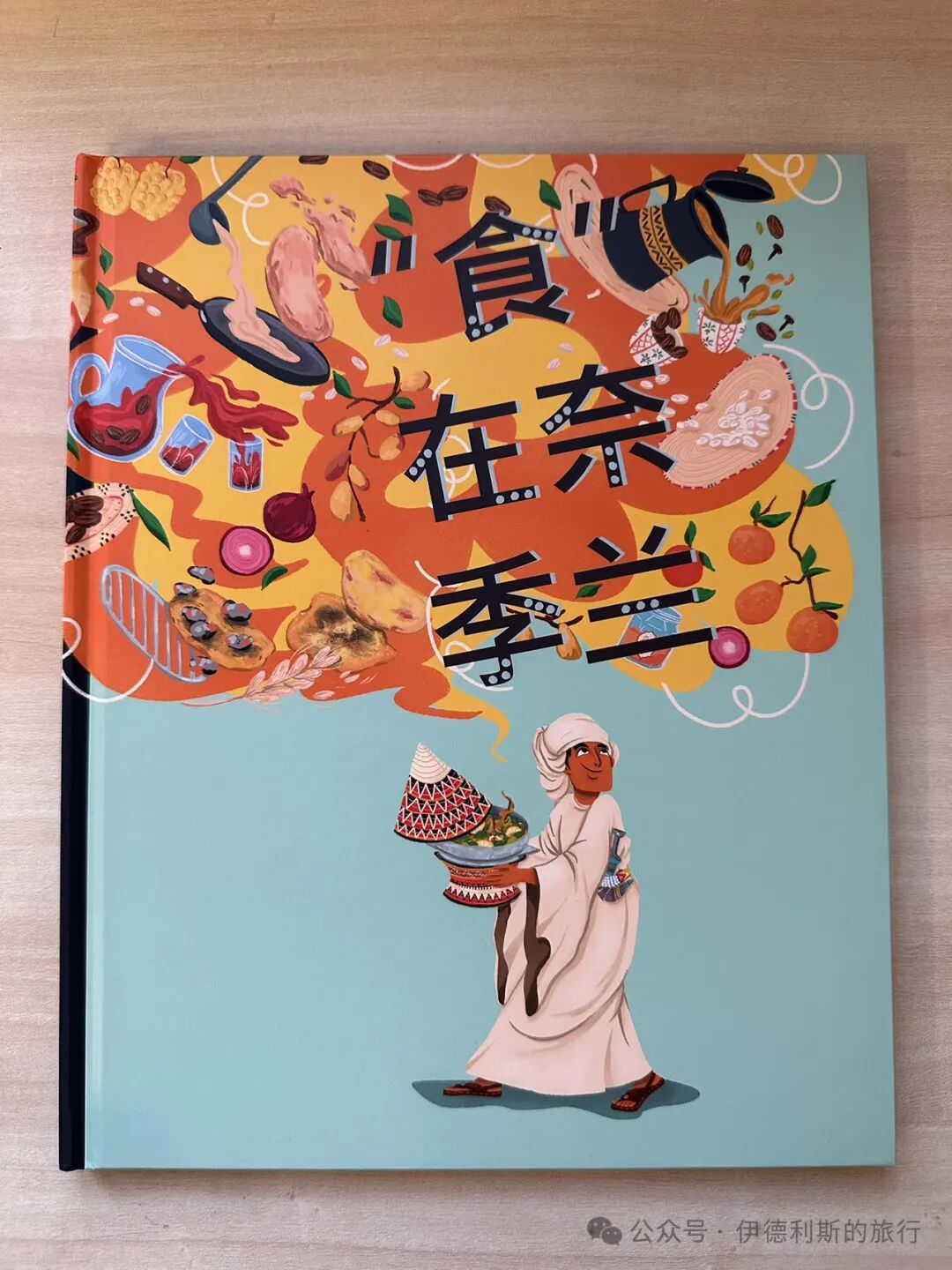
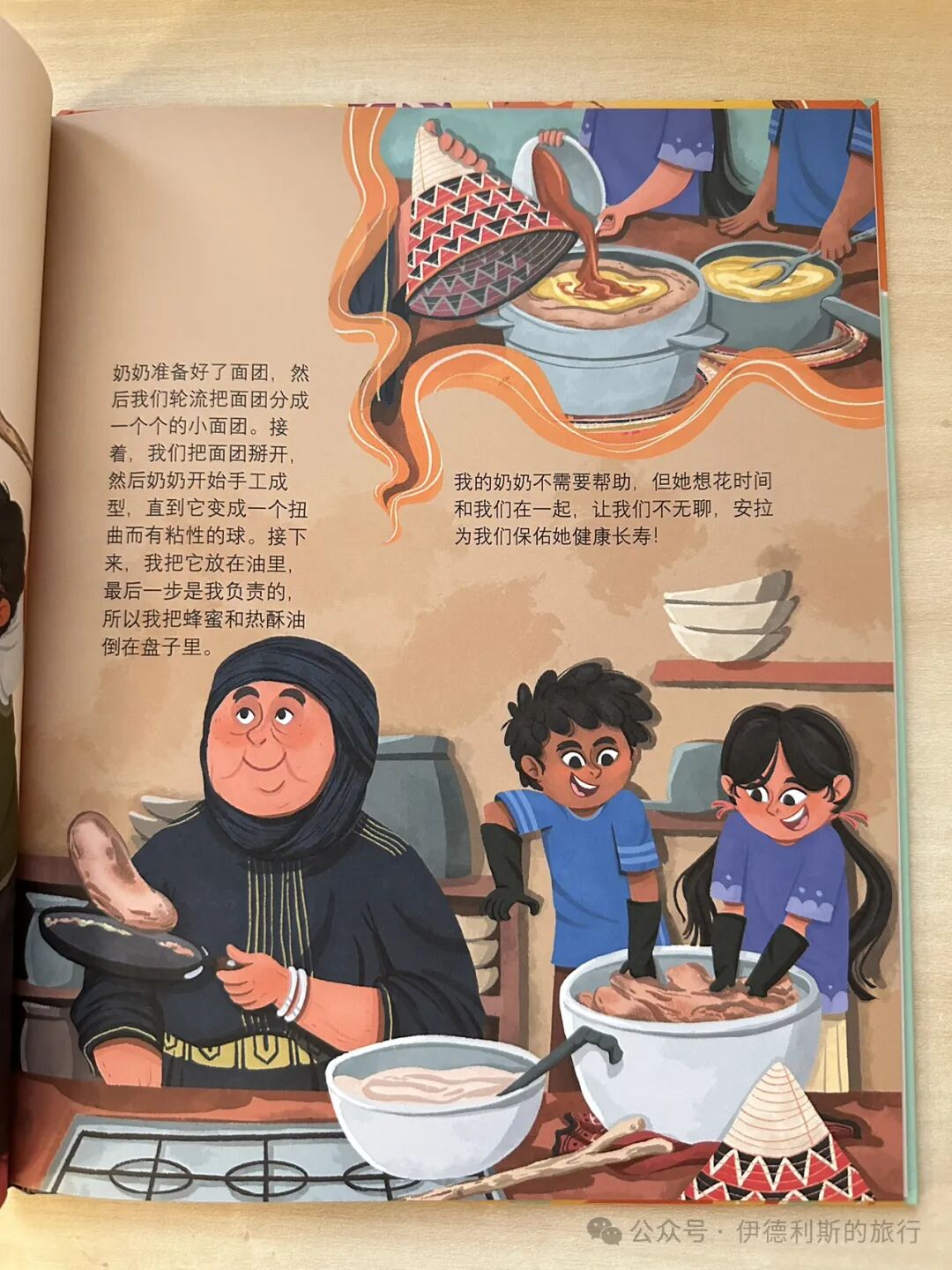
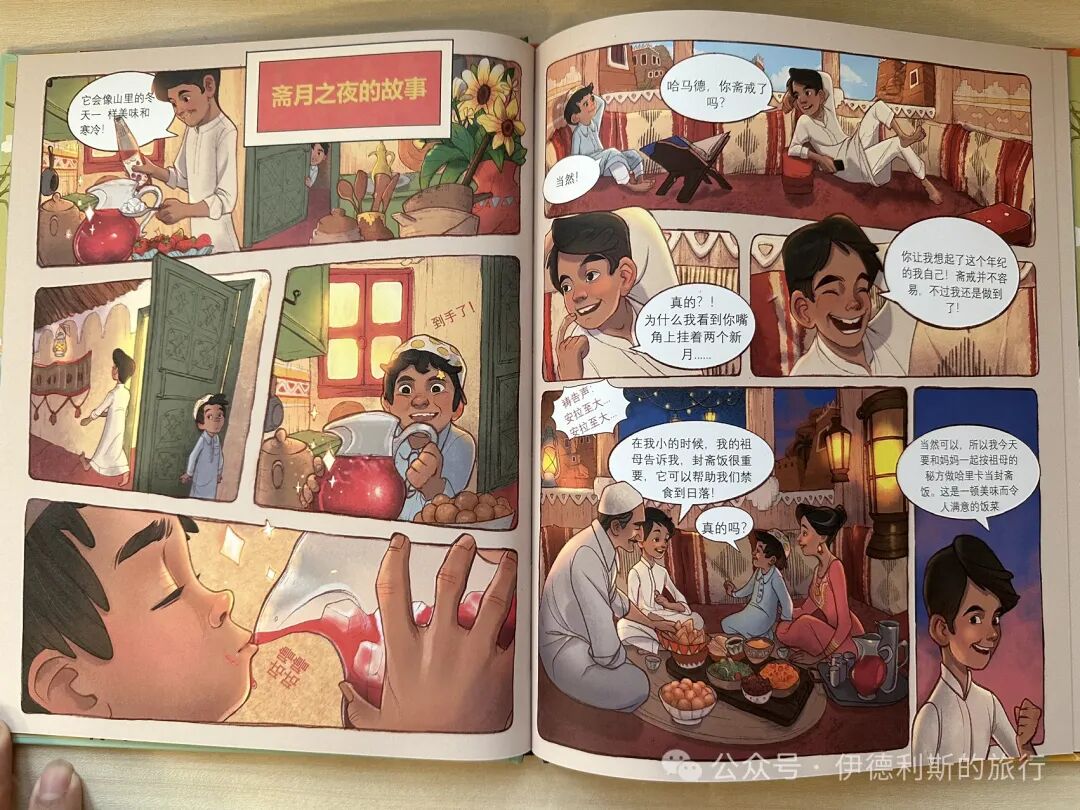
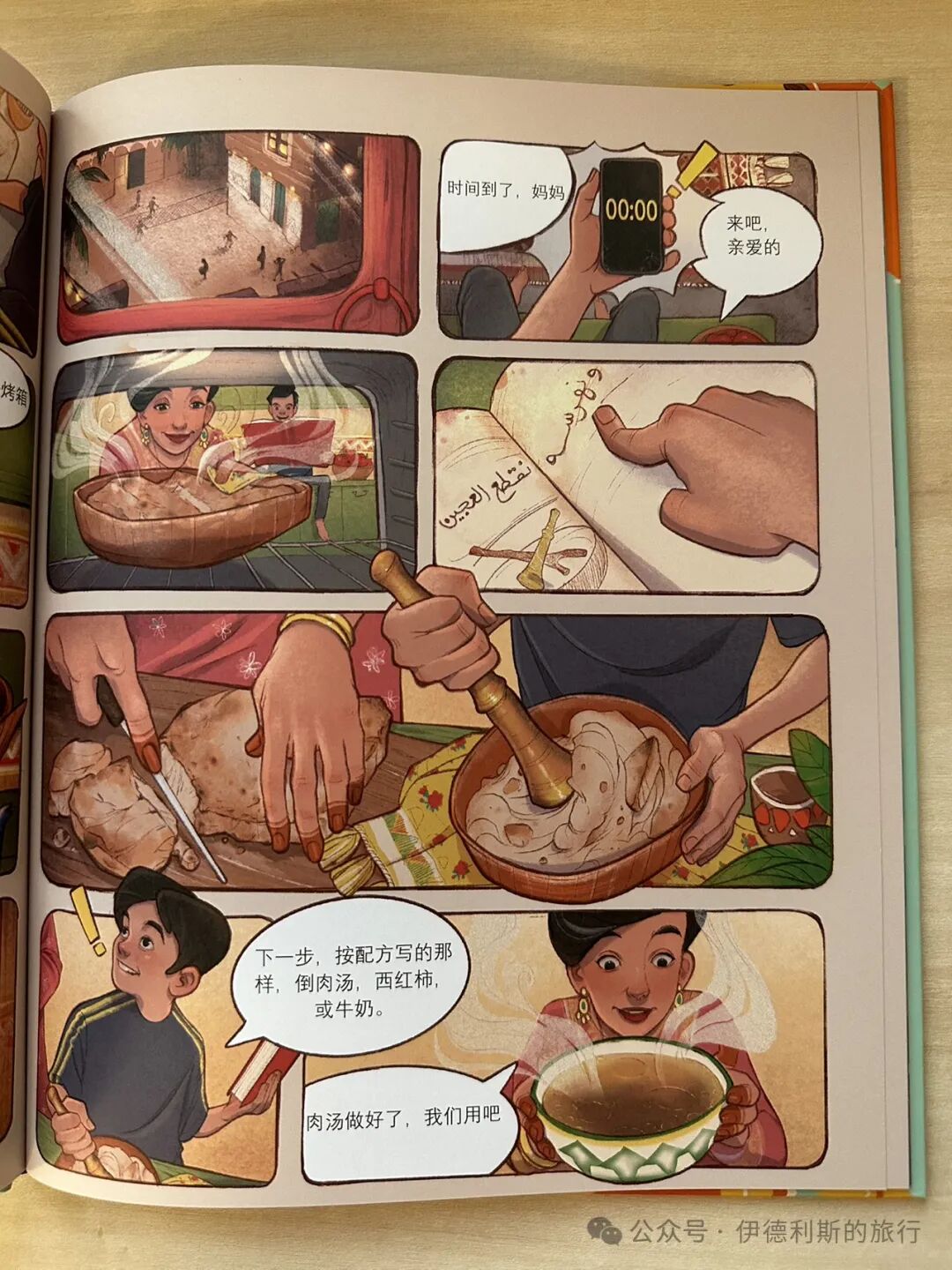
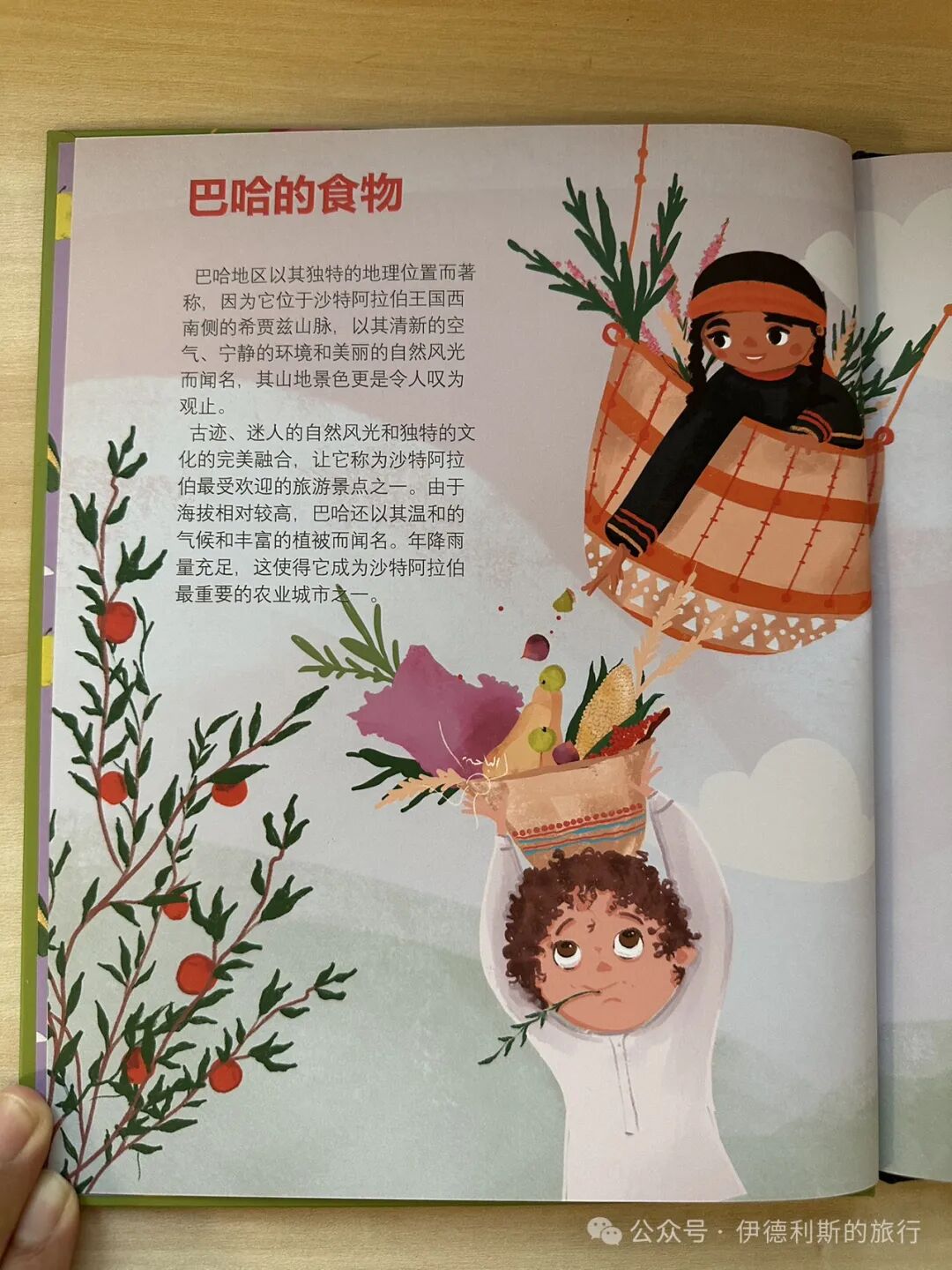
Our Food From Albaha: Albaha is located in the Hejaz Mountains in southwestern Saudi Arabia. It has heavy rainfall, thick forests, and a beautiful environment. Albaha produces many bananas, honey, apples, pomegranates, and pumpkins. This makes the food culture in the Albaha region very different from other parts of Saudi Arabia.
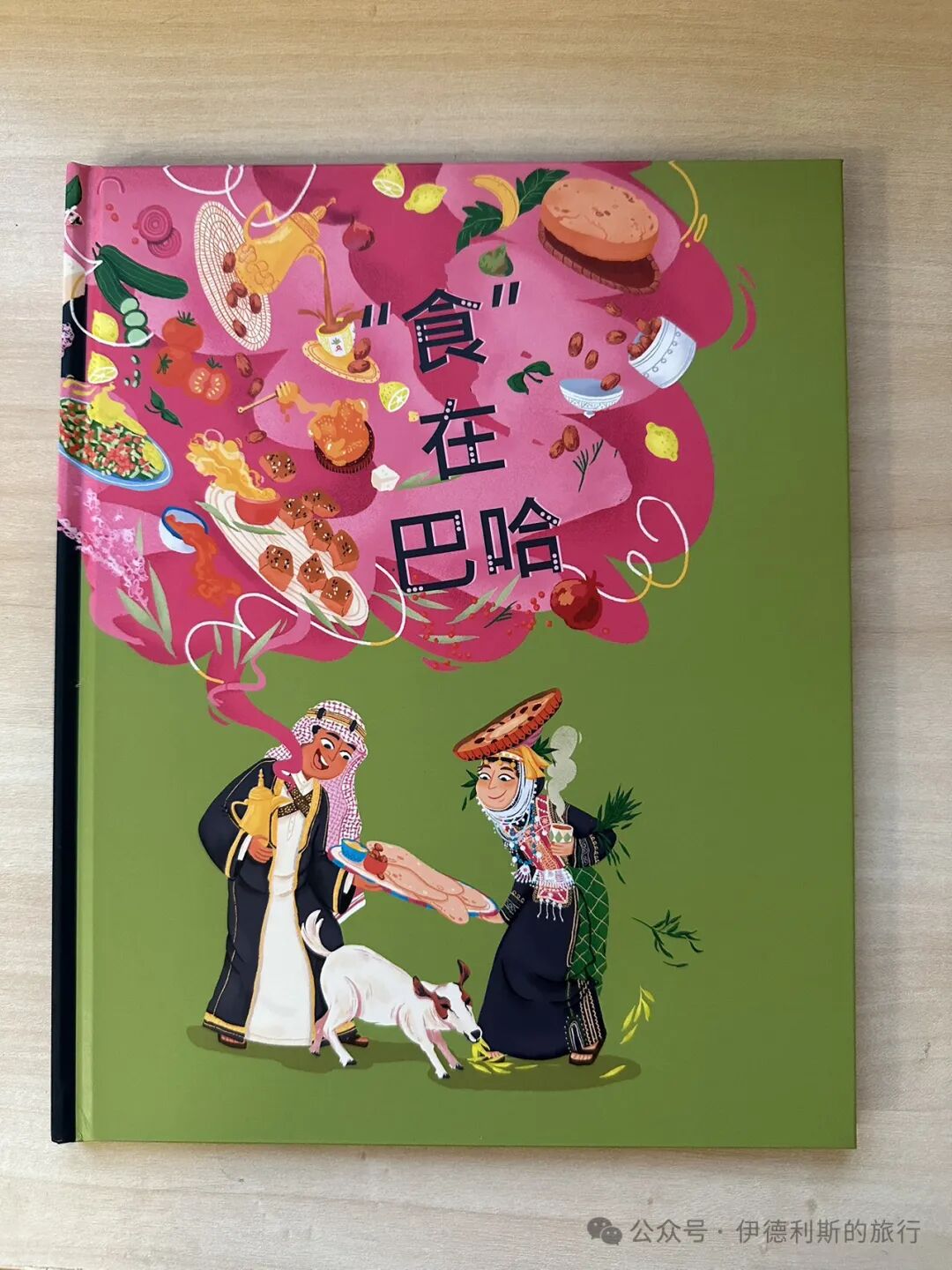
Our Food From Jazan: Jazan is on the Red Sea coast in the far southwest of Saudi Arabia. It sits right next to Yemen and is an important agricultural area. The coffee beans used for Saudi coffee grow on the terraced fields in the mountains of Jazan.
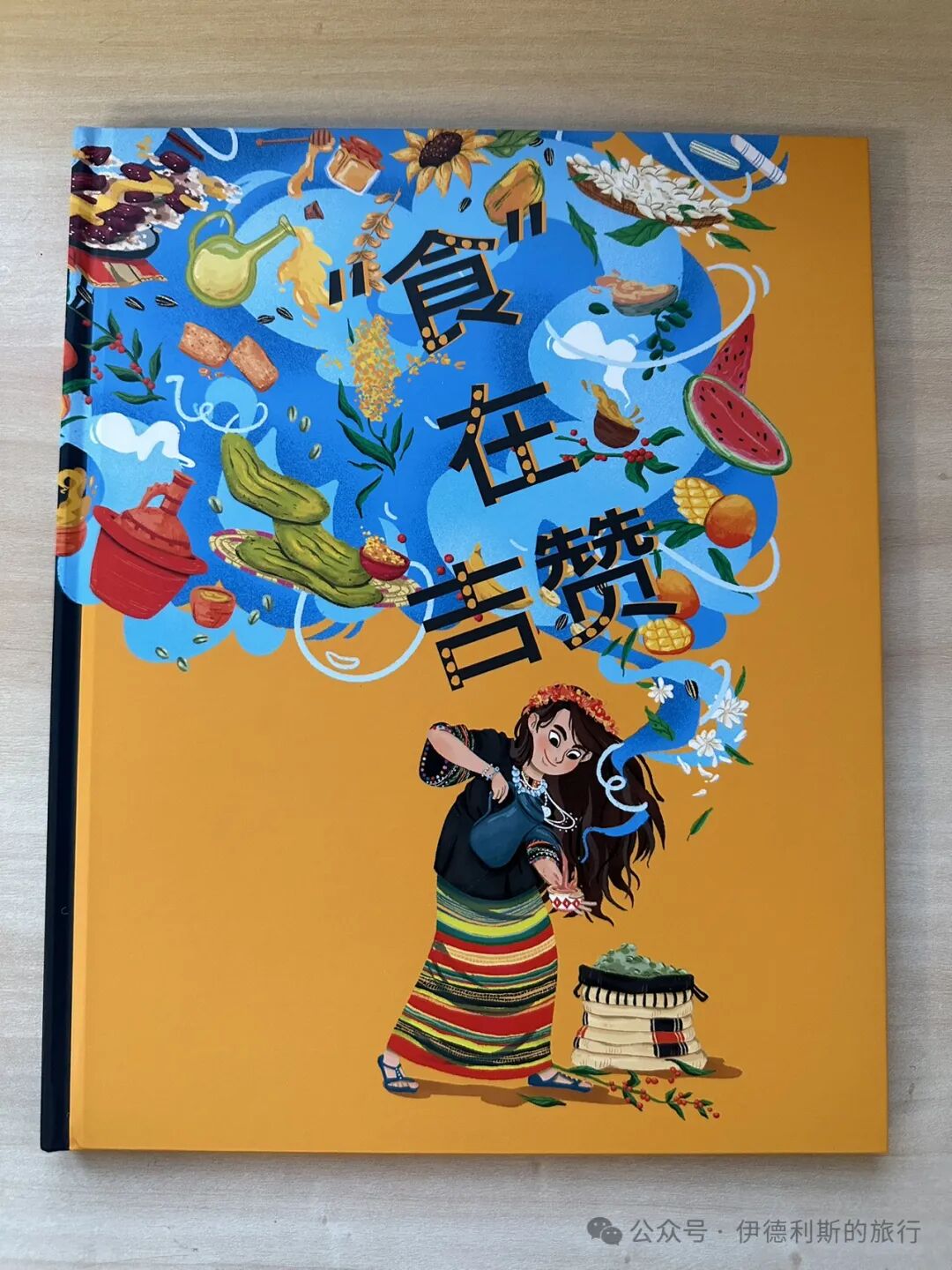
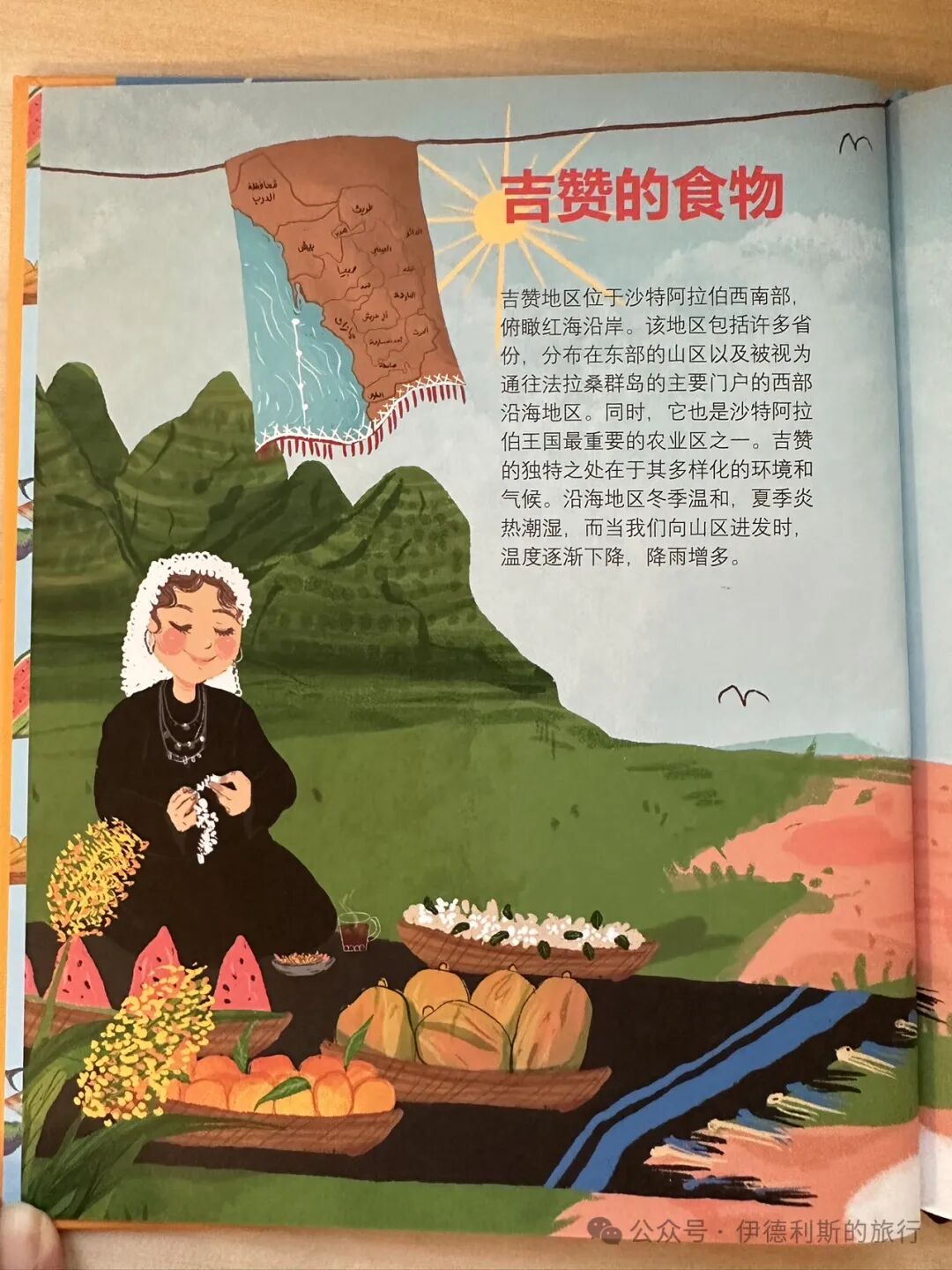
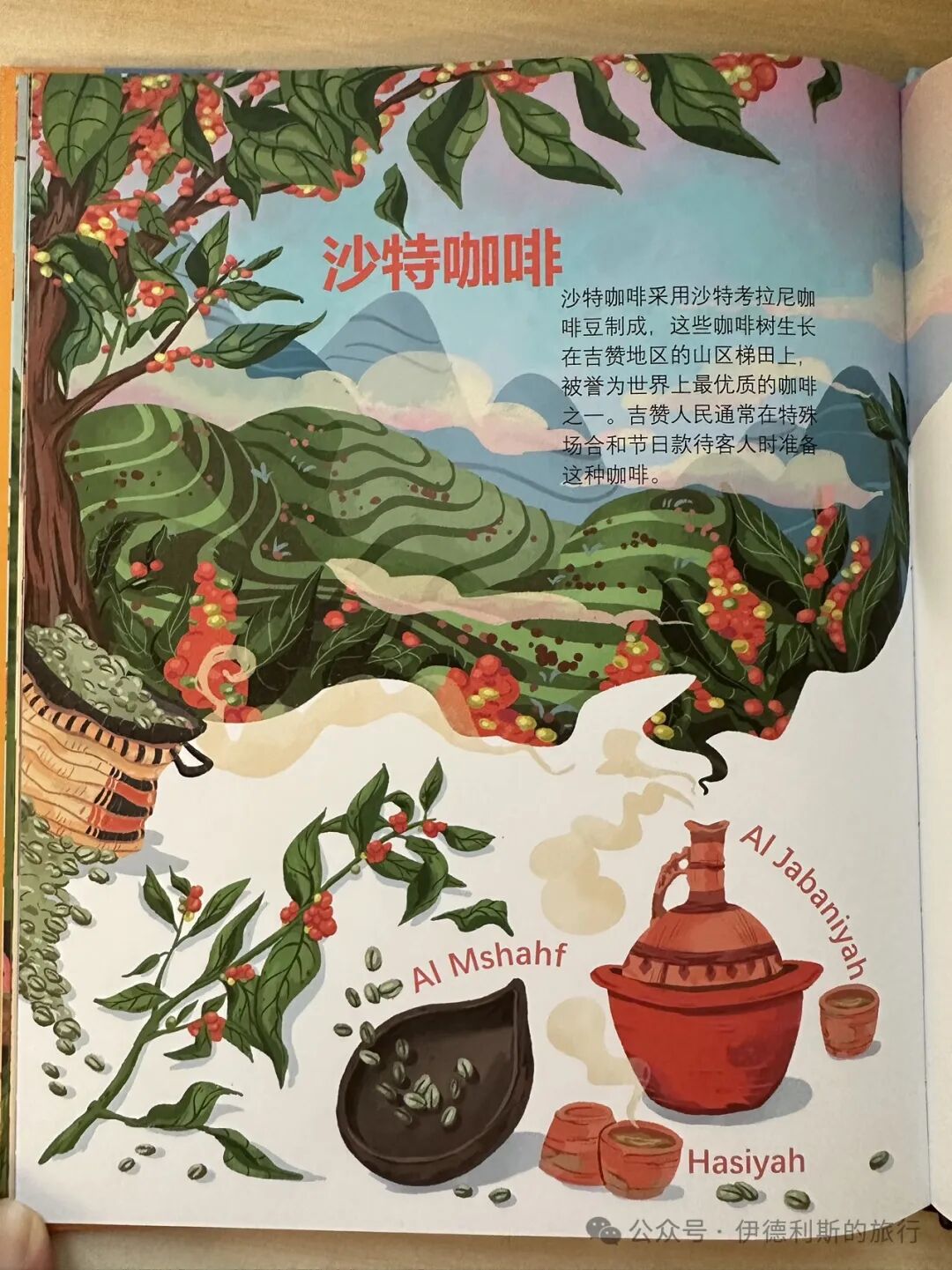
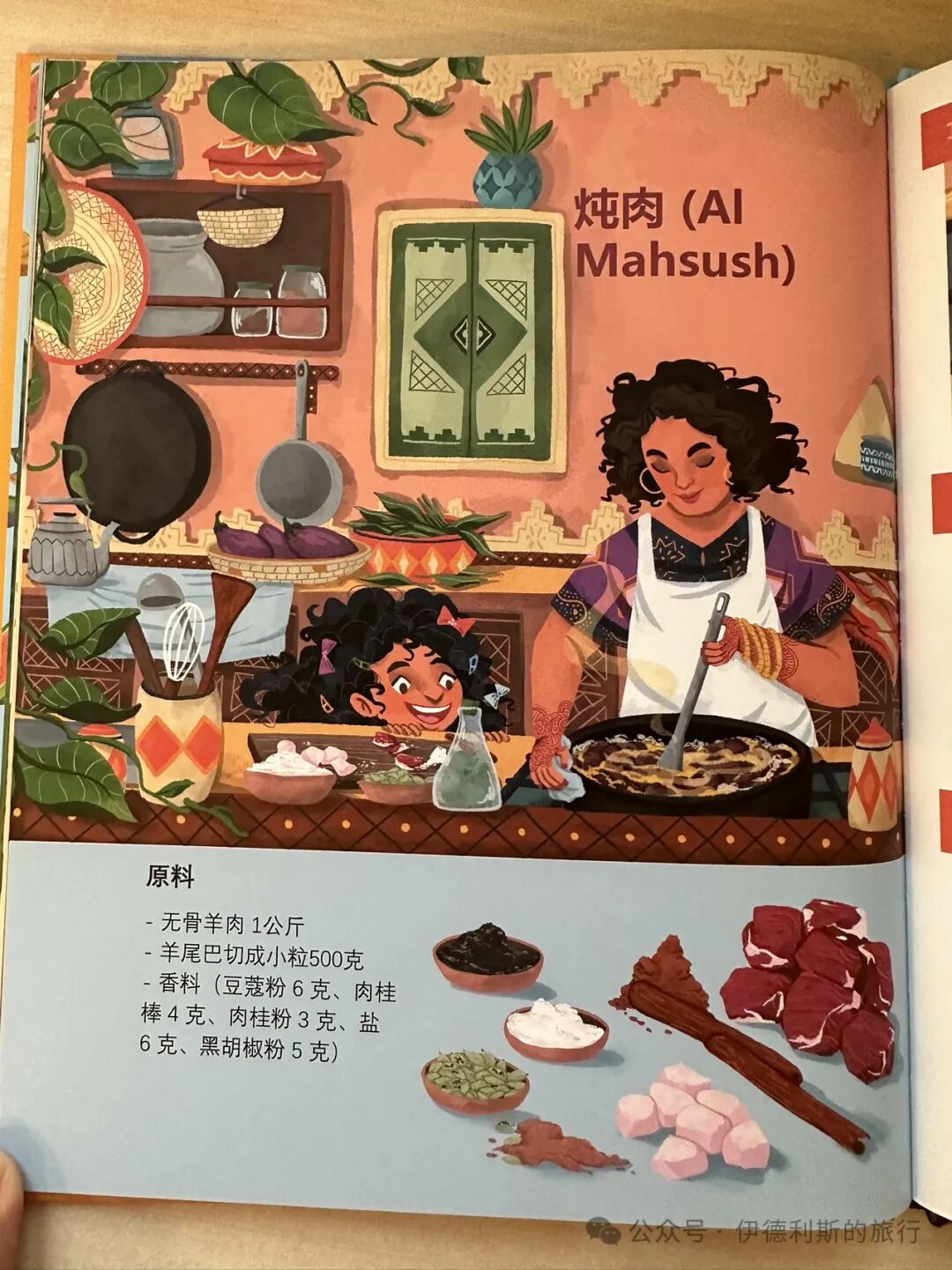
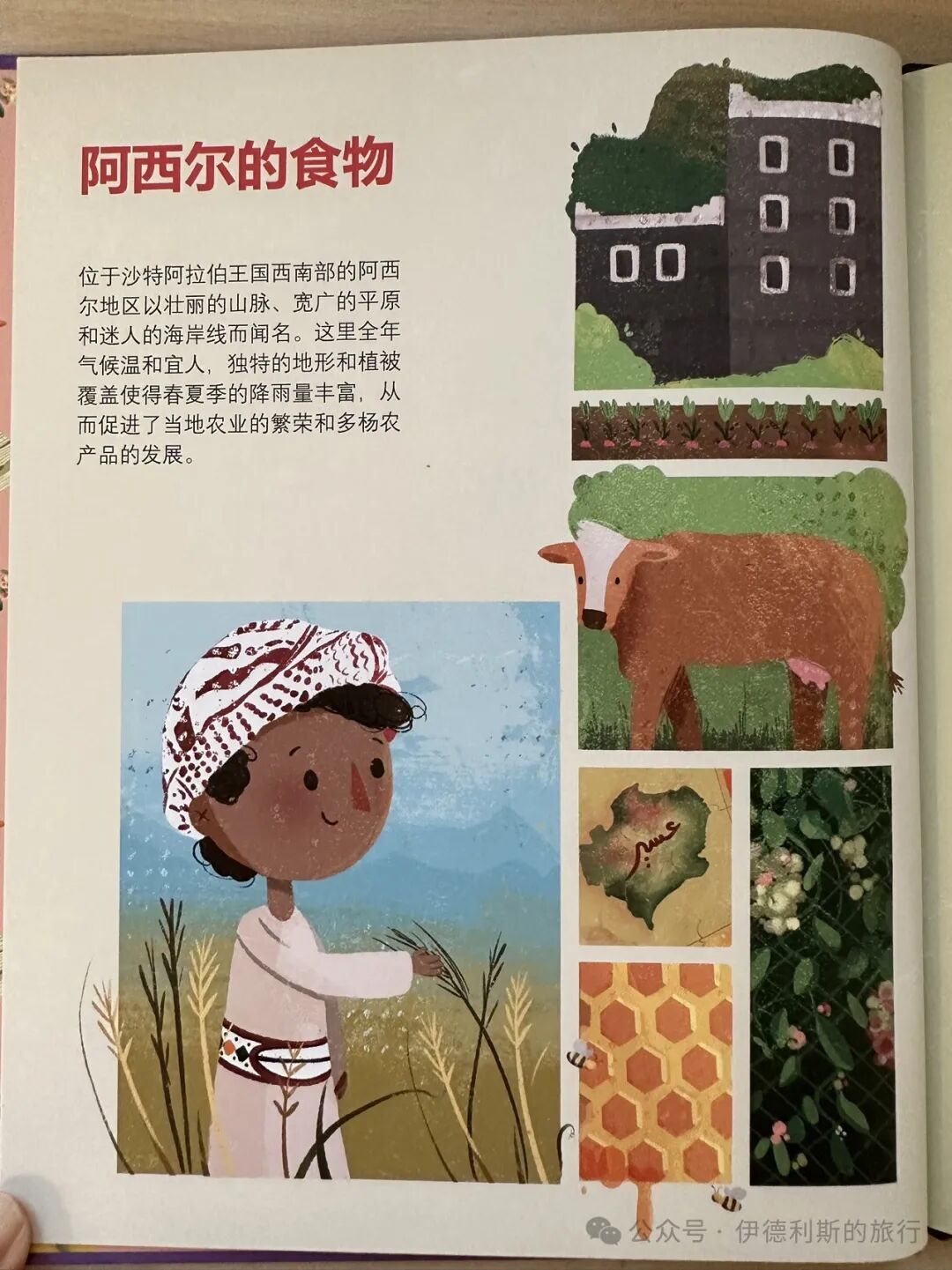
Our Food From Aseer: Aseer is in the southwest of Saudi Arabia. It has magnificent mountains and wide plains, a pleasant climate all year round, and a thriving agricultural sector.
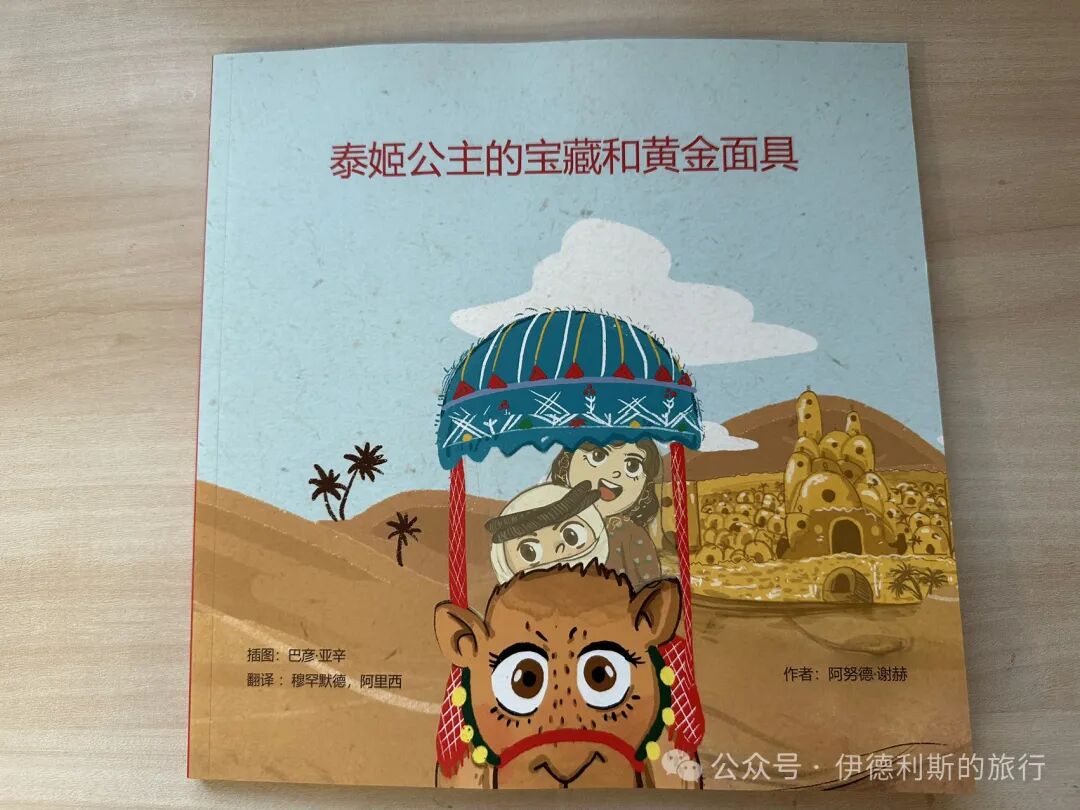
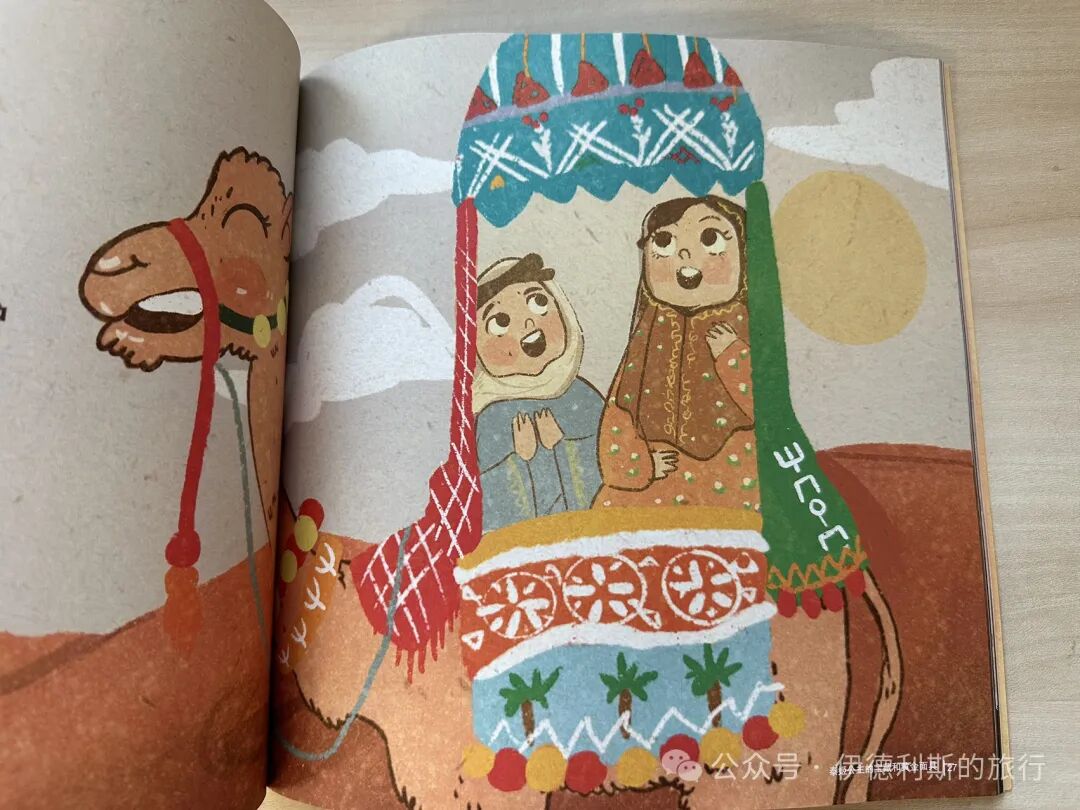
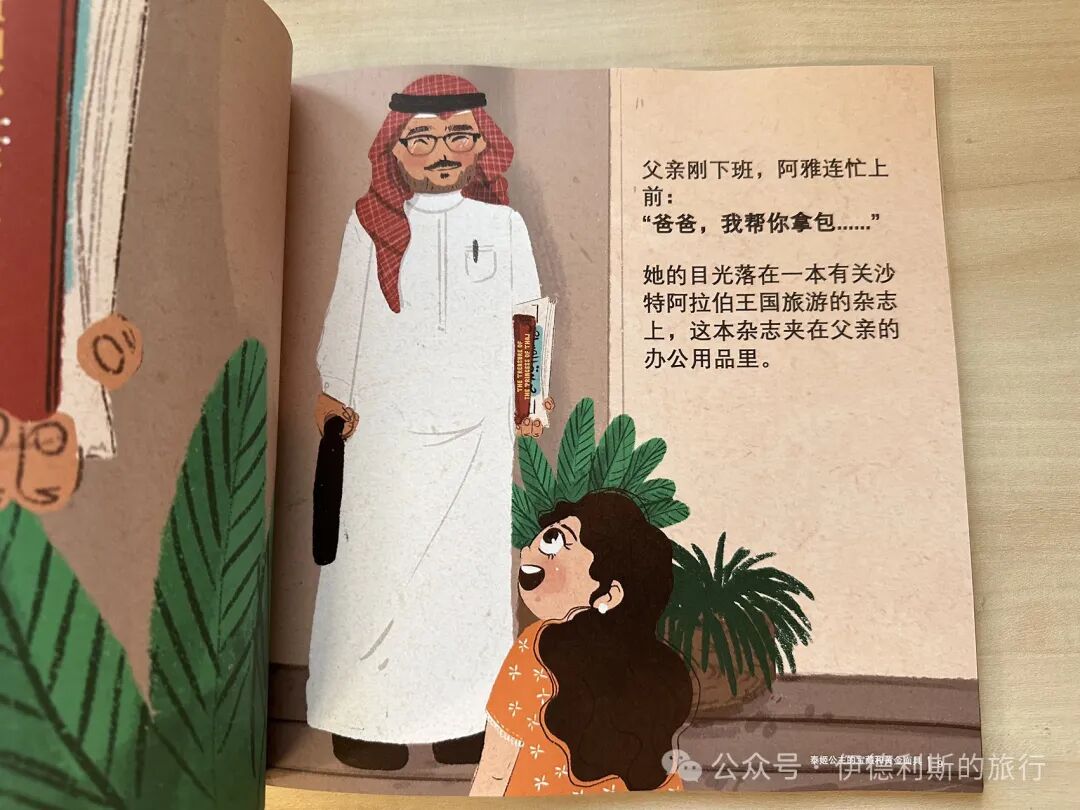
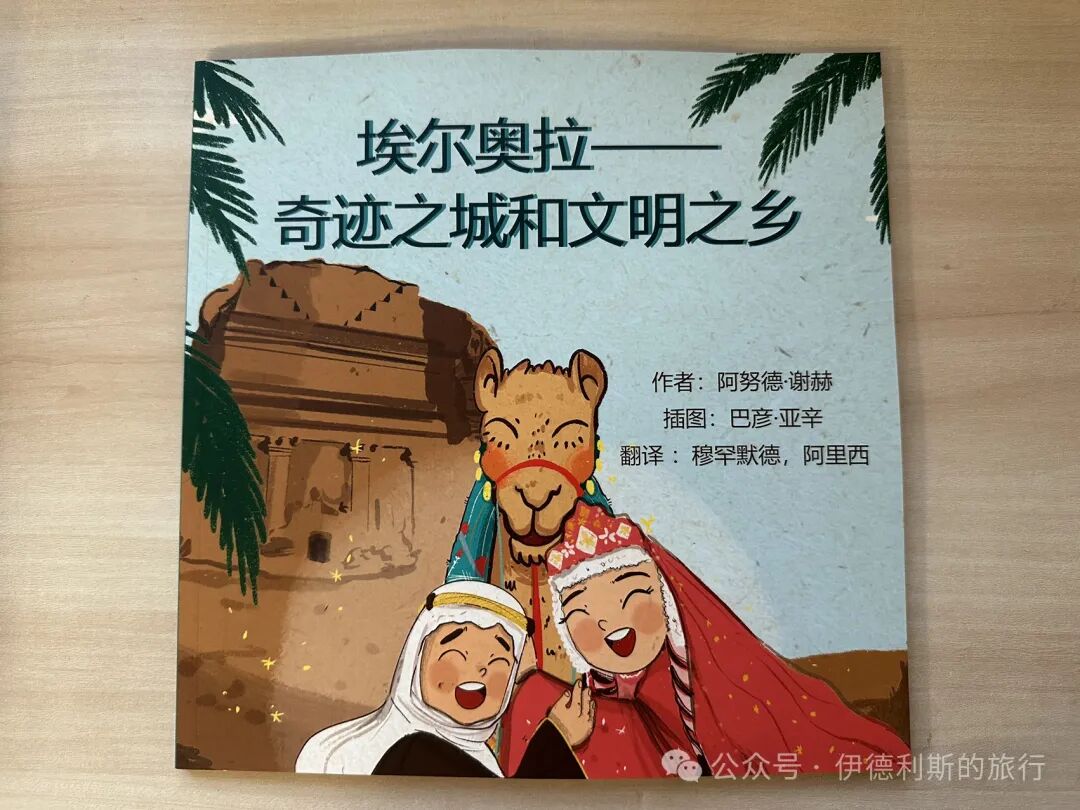
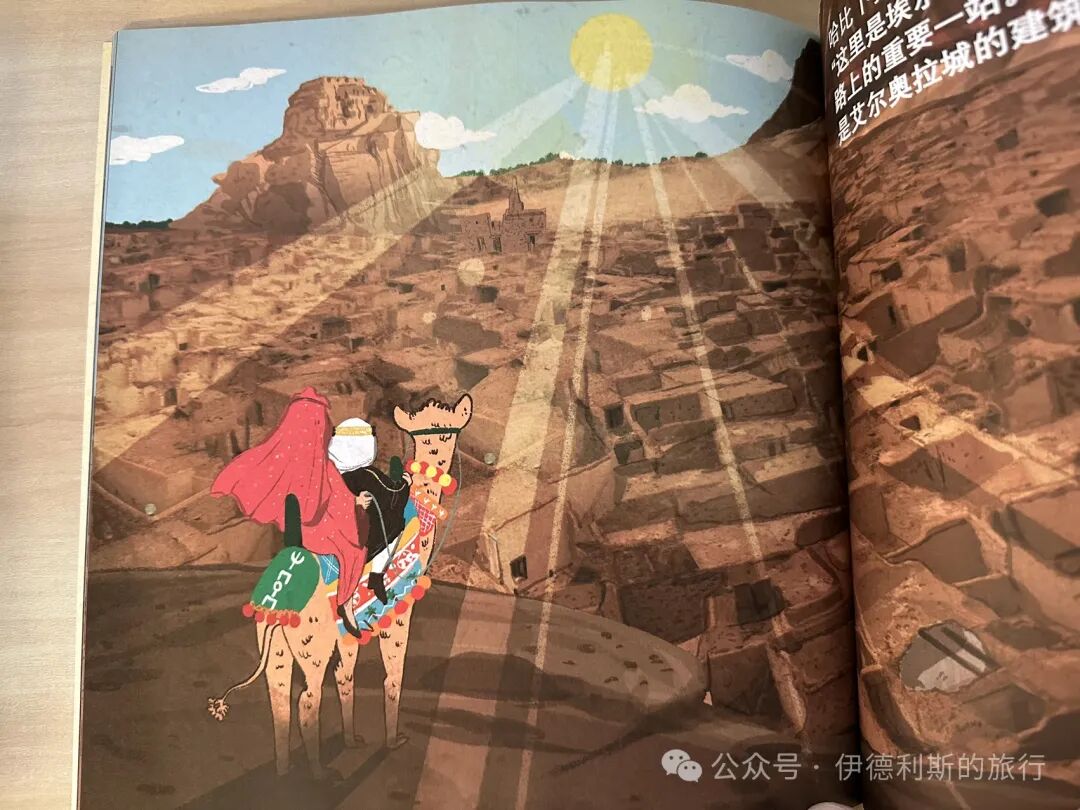
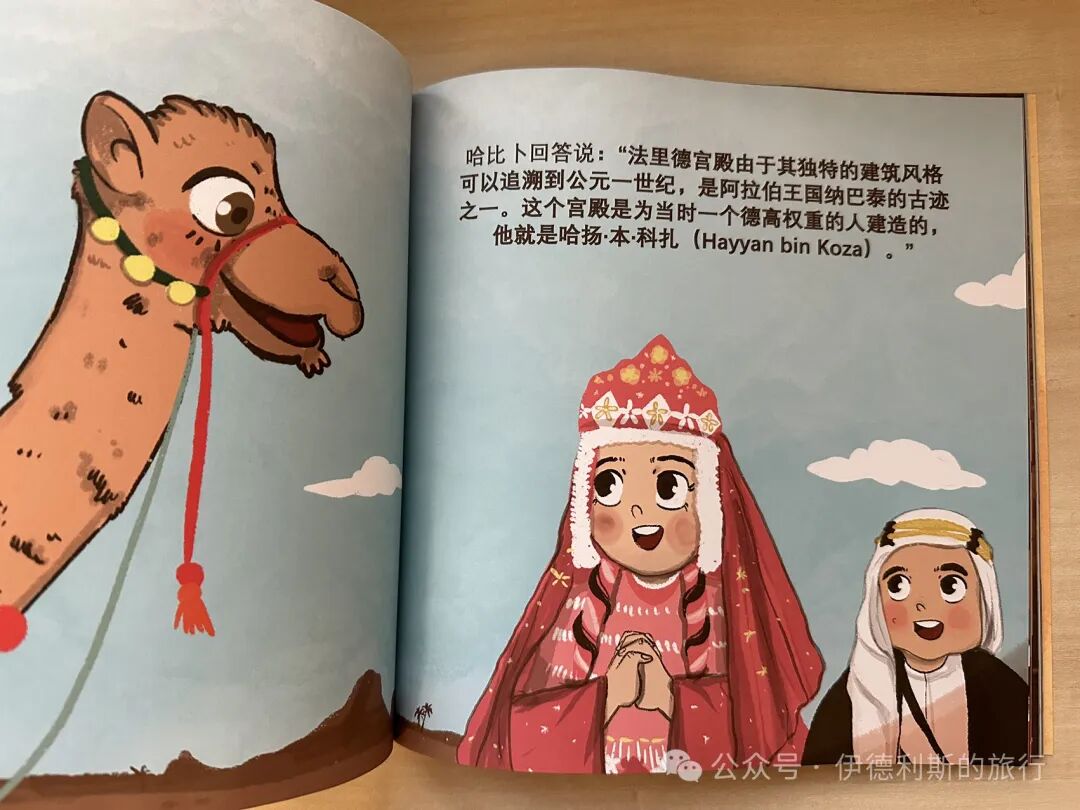
The Saudi exhibition area features two picture books about Saudi historical sites: 'Princess Taj's Treasure and the Golden Mask' and 'AlUla: City of Miracles and Land of Civilization.' They introduce Saudi history and culture from the perspective of a child's adventure. AlUla was recently exhibited at the Gate of Divine Prowess in the Forbidden City, and it feels like Saudi Arabia has really prioritized cultural outreach over the last two years.
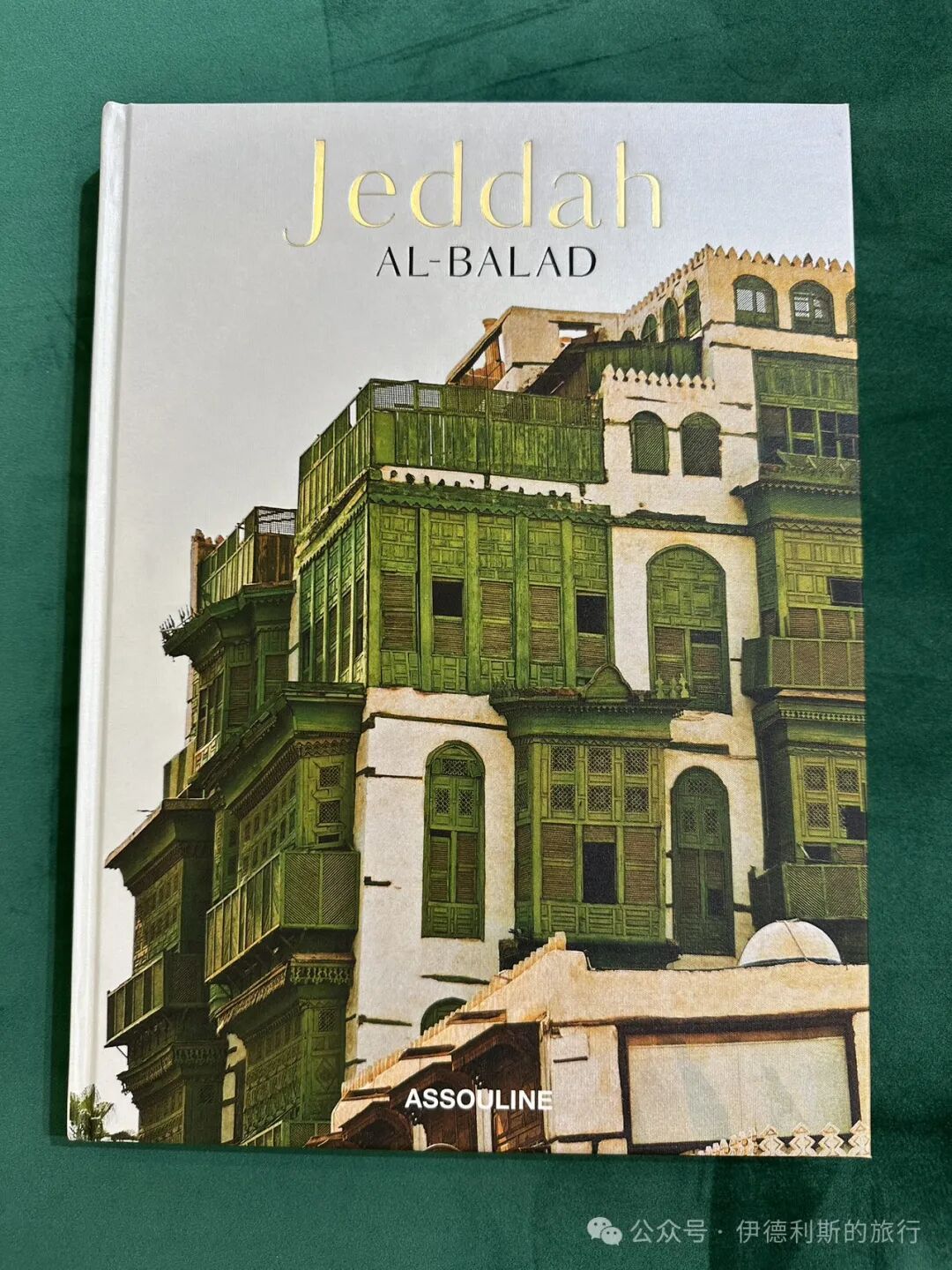
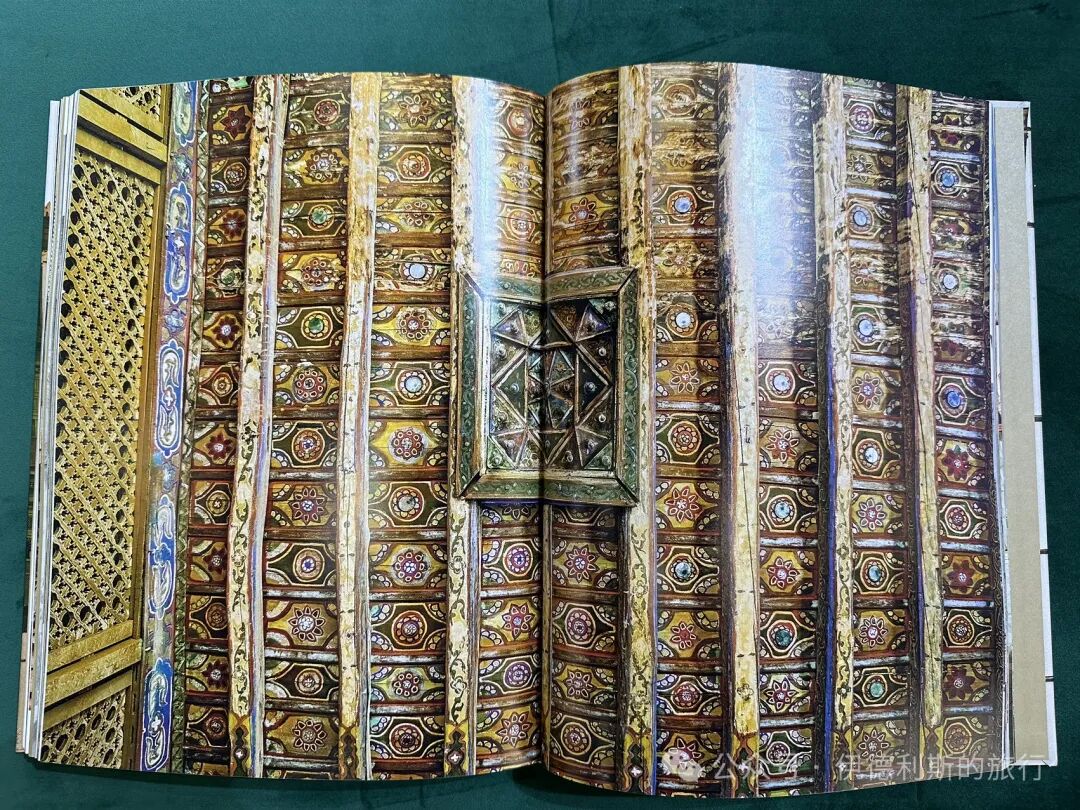
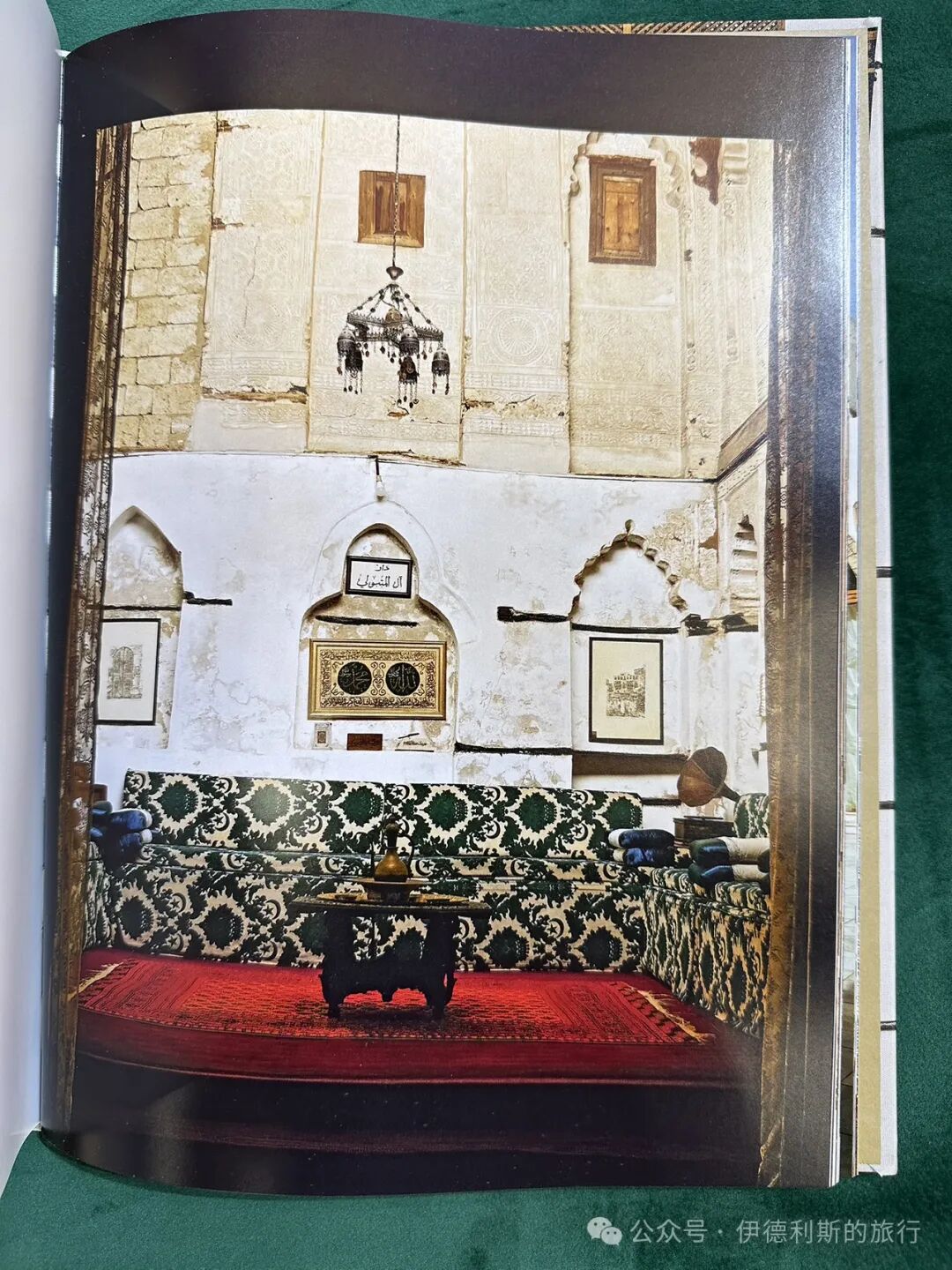
Besides the picture books they are giving away, the Saudi area also has some large display albums, and this photography collection of the Old Town of Jeddah is also very beautiful. The Old Town of Jeddah is probably the most accessible World Heritage site in Saudi Arabia. When we visited last year, the whole old town was under renovation, so we couldn't enter some of the old houses. I am looking forward to seeing how it looks once the repairs are finished.
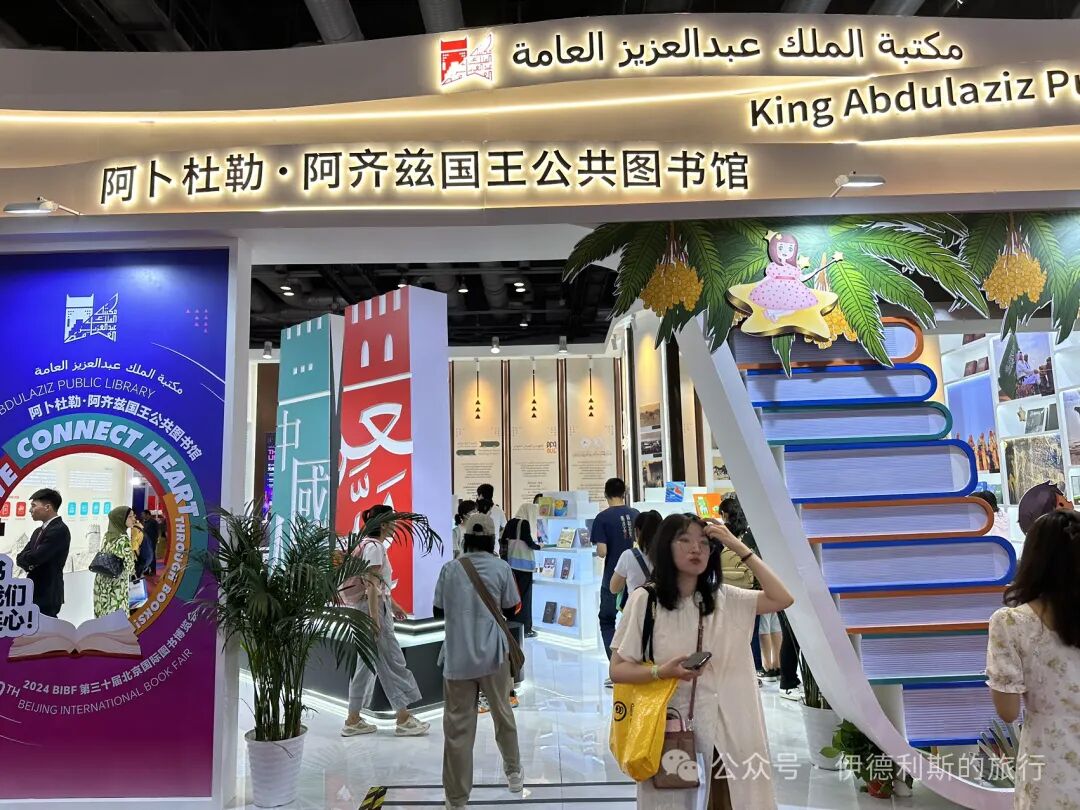
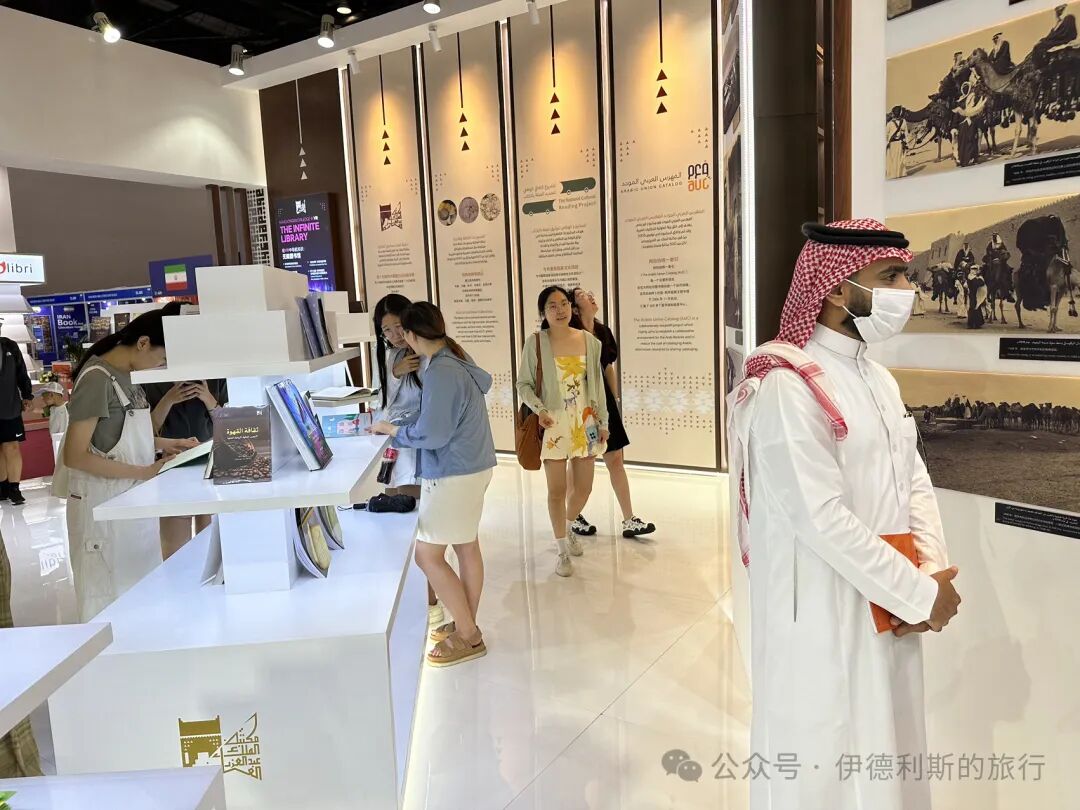
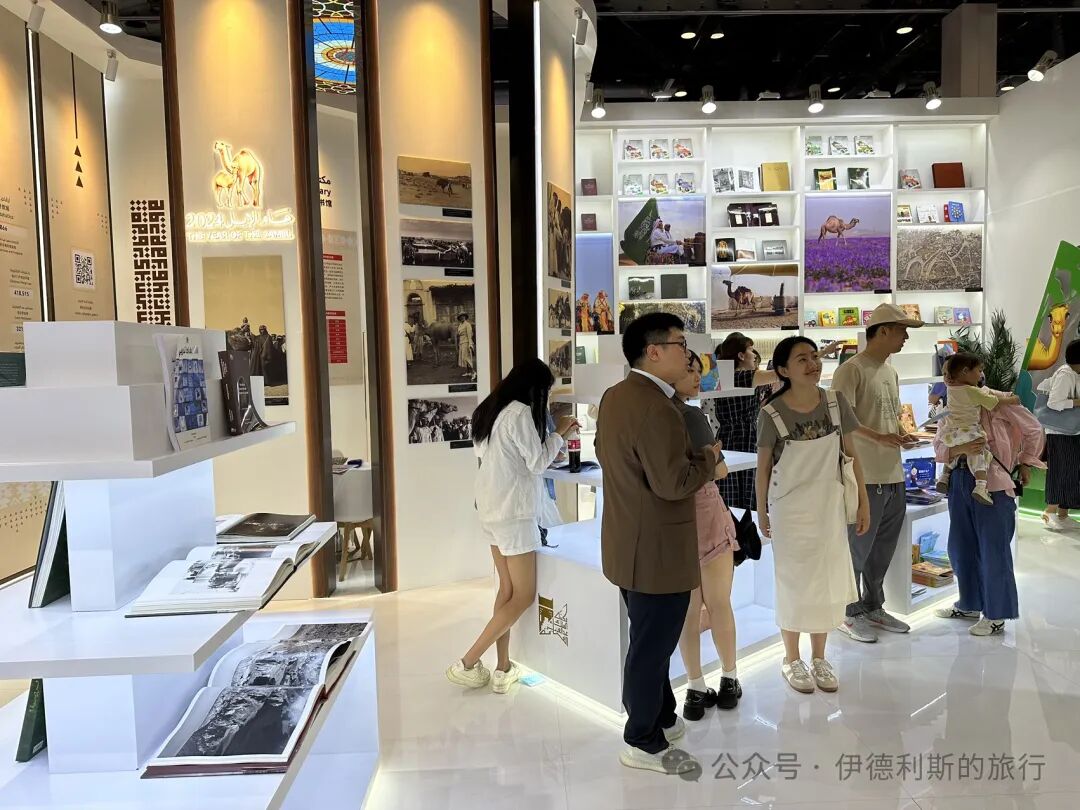
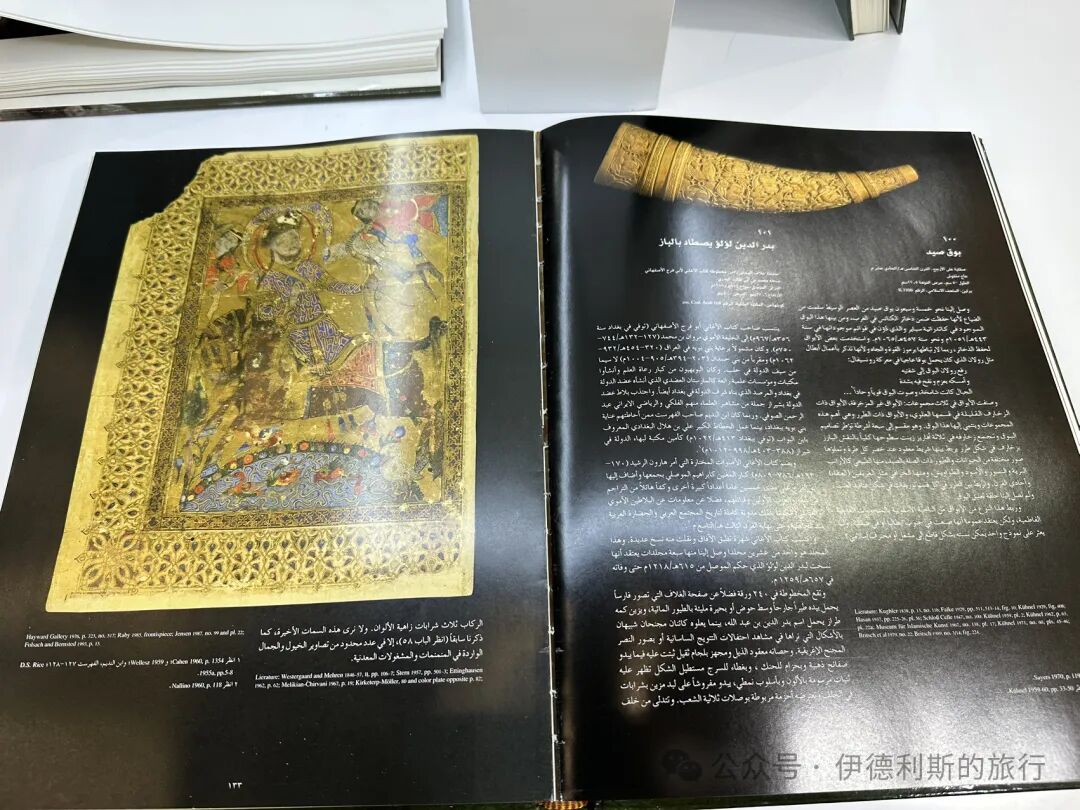
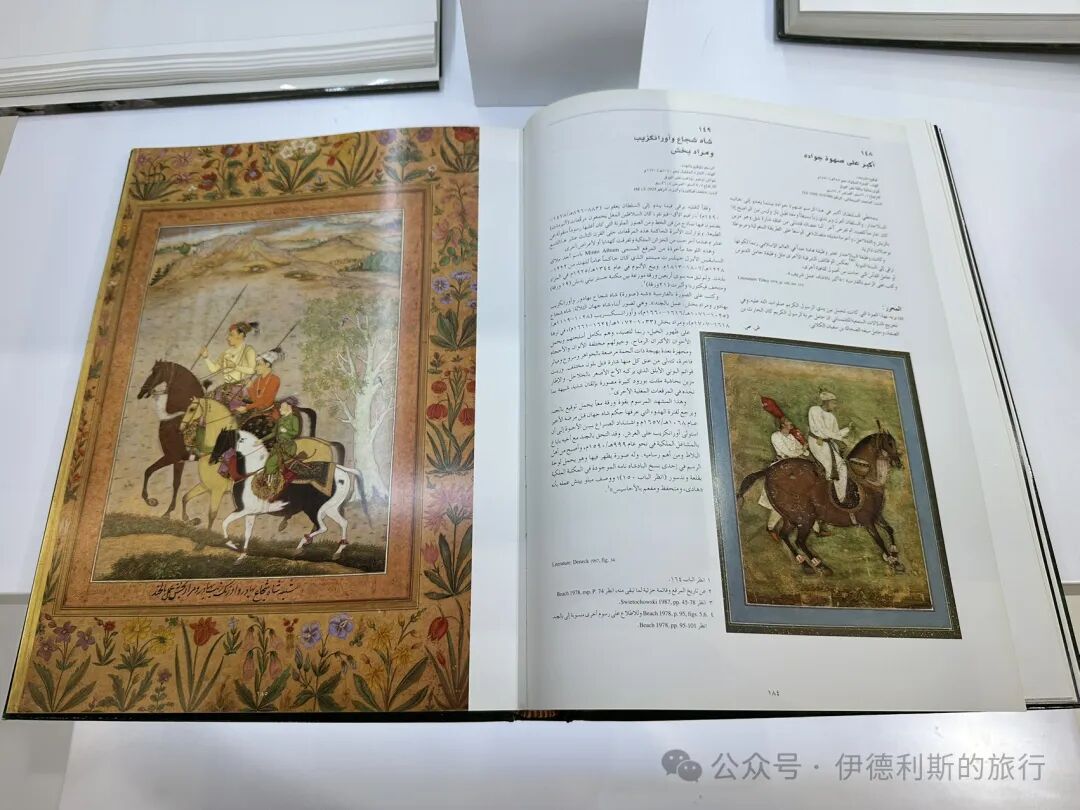
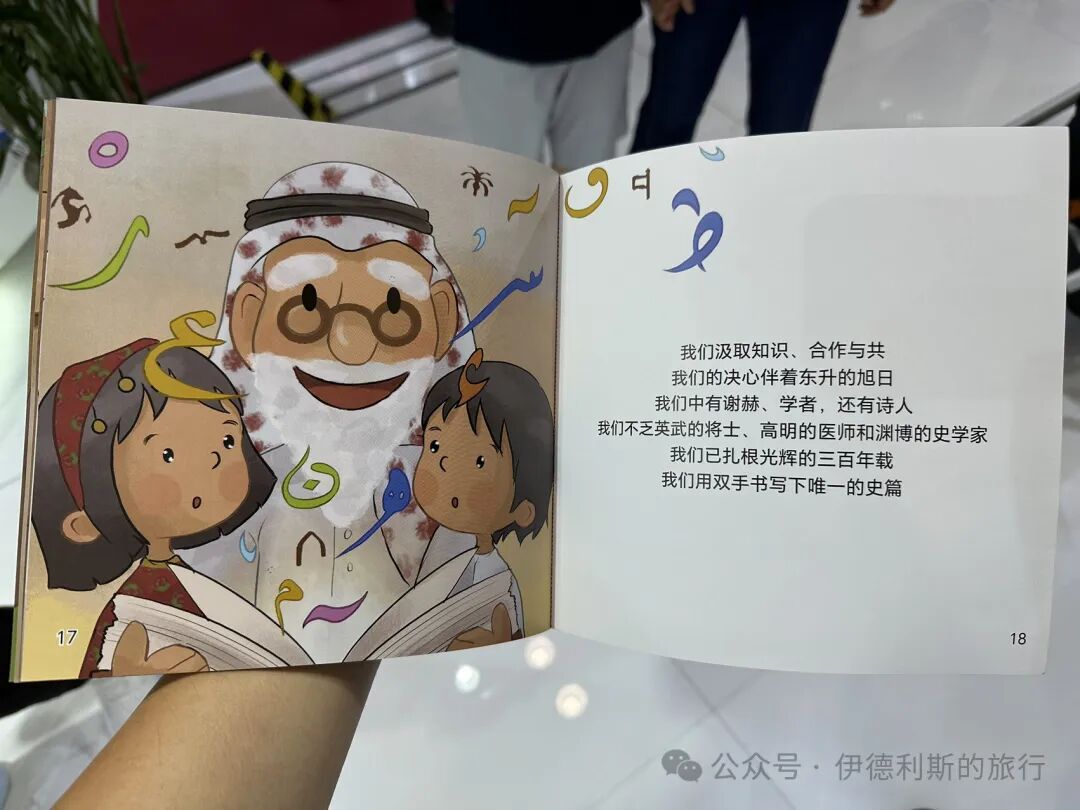
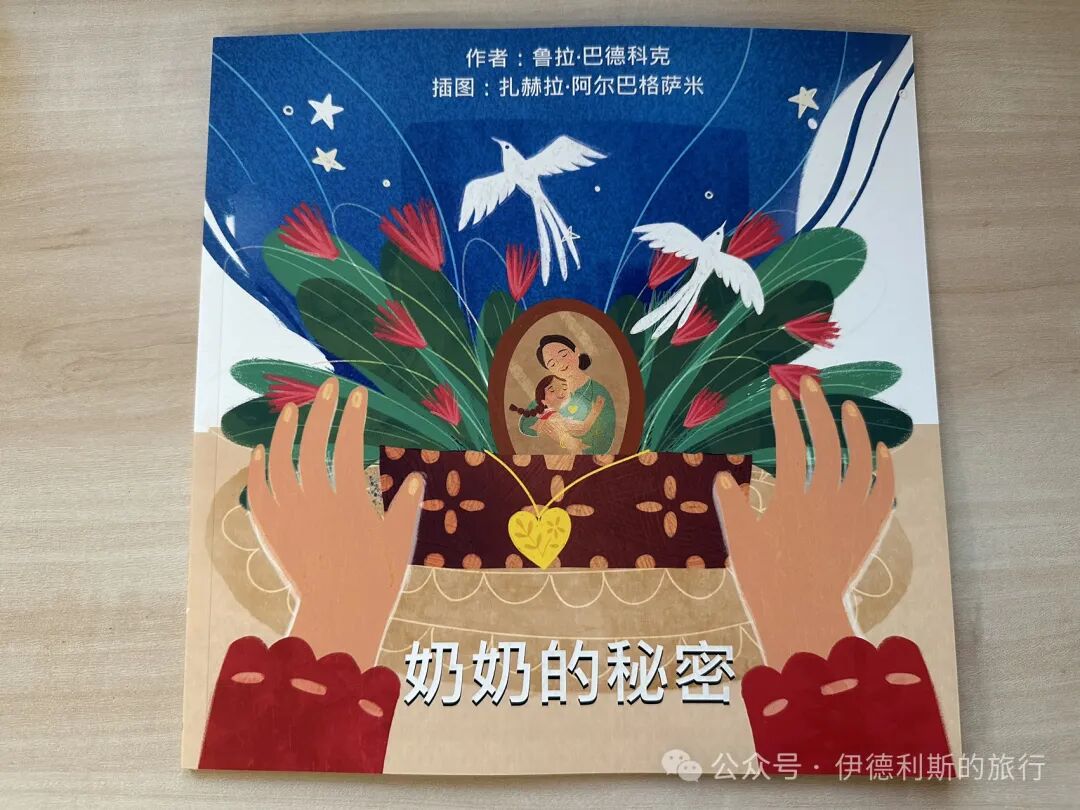
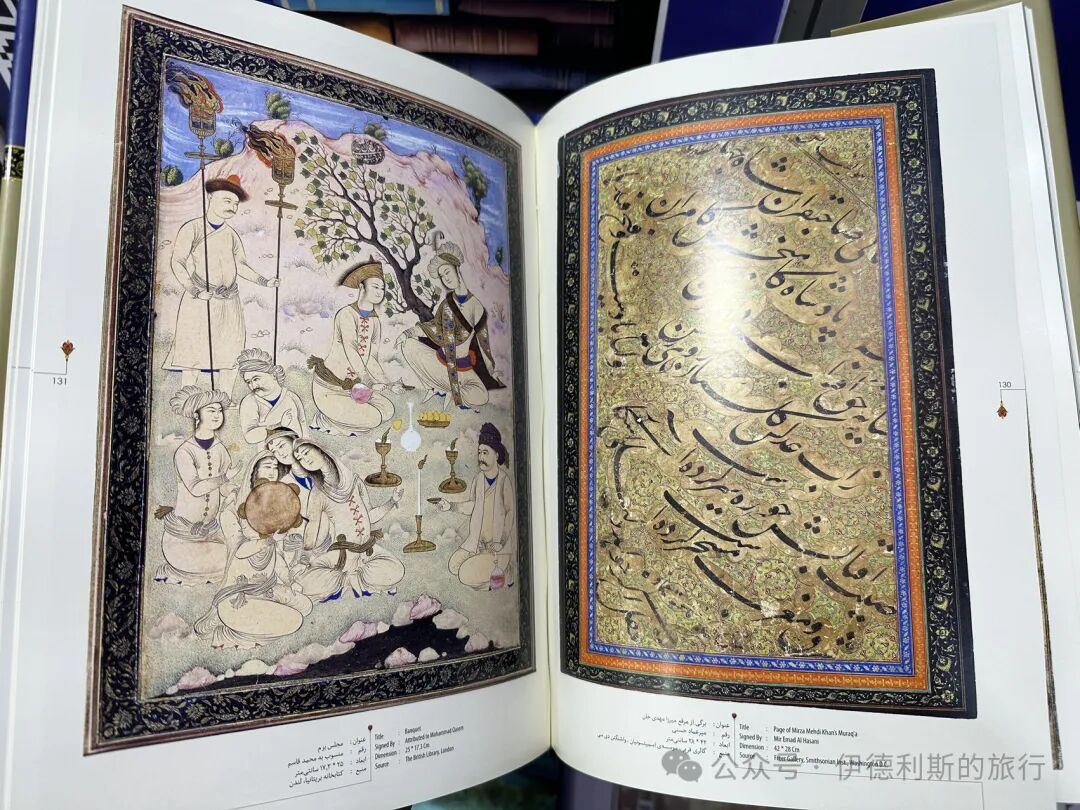
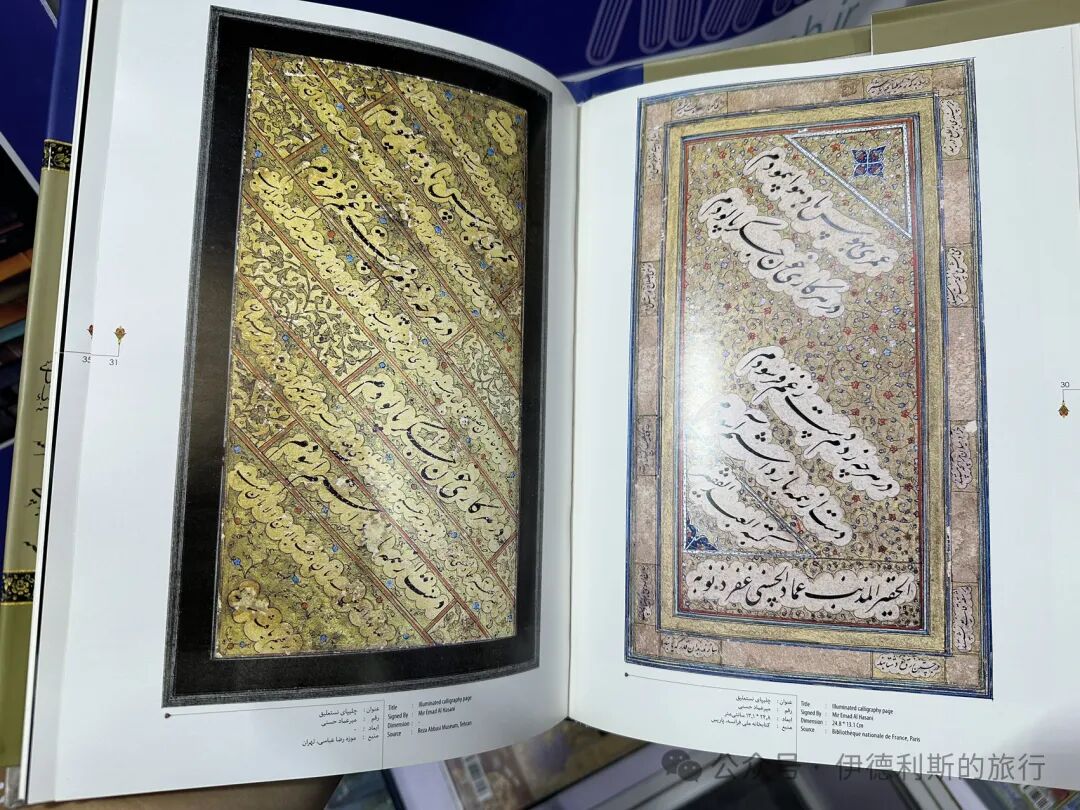
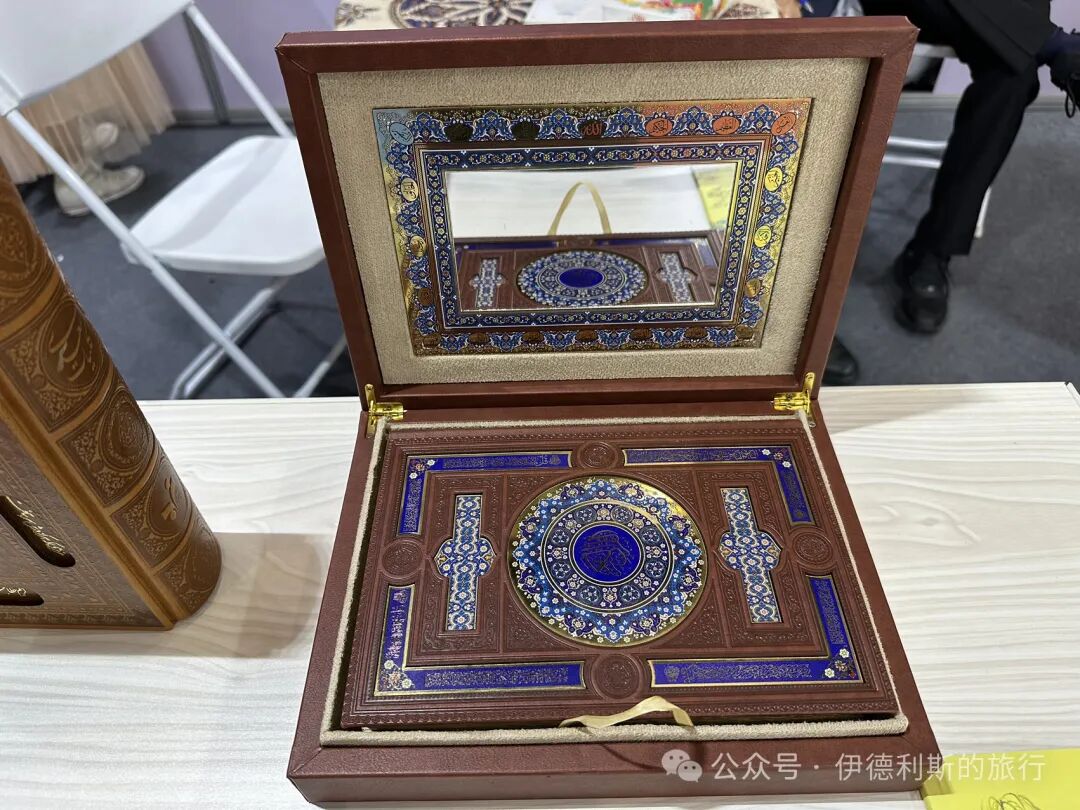
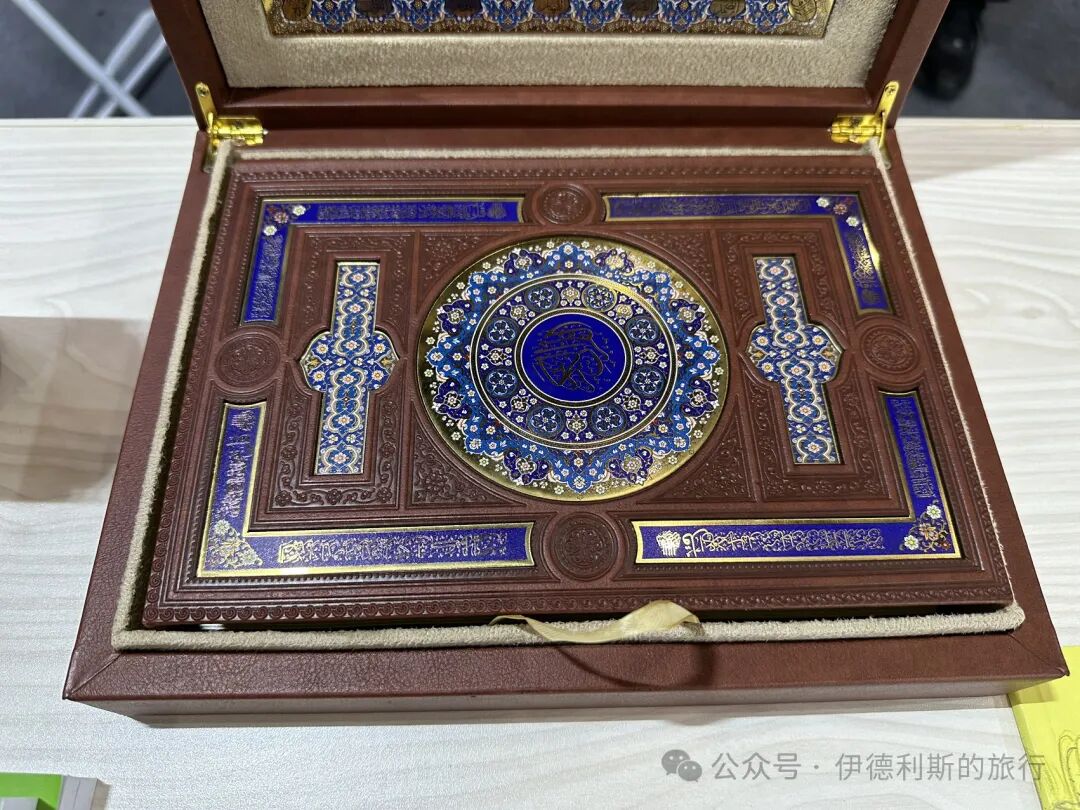
Next to the Saudi exhibition area is the King Abdulaziz Public Library booth. This library has three branches in Riyadh, Casablanca, and Peking University. The Peking University branch was completed in 2017. There are also many exquisite art books inside the booth, including one that displays various miniature painting manuscripts. There are also many free picture books about local Saudi culture, all of which have been translated into Chinese.
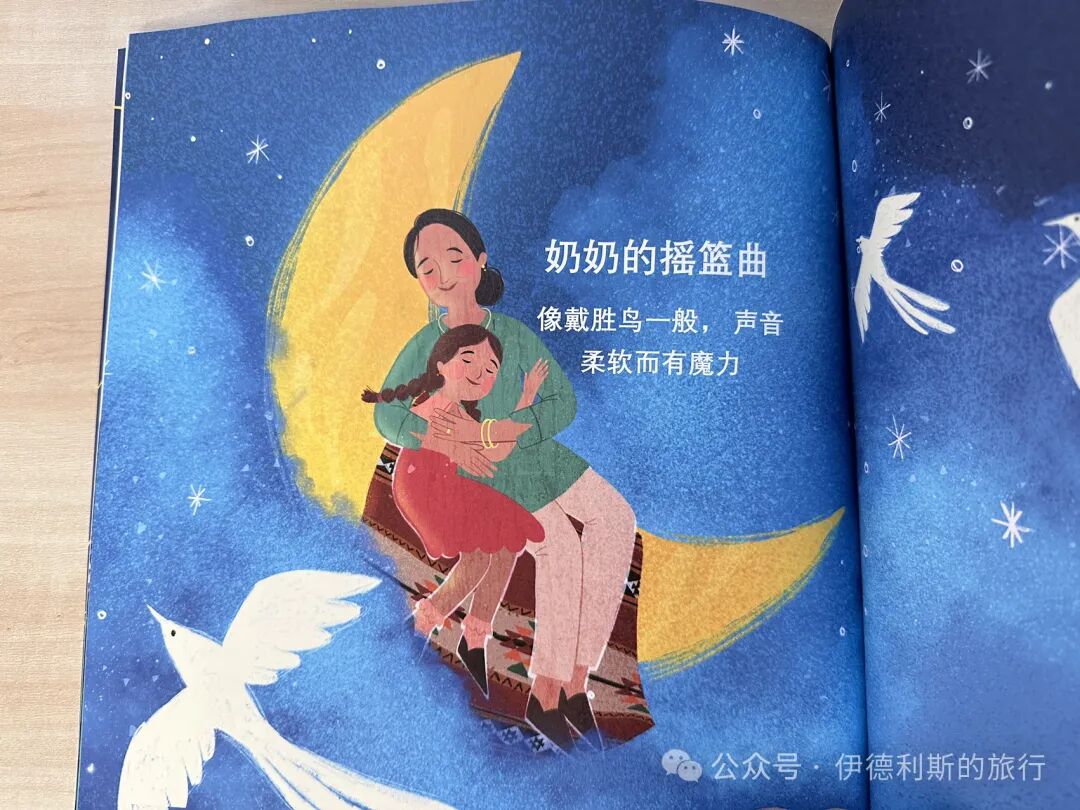
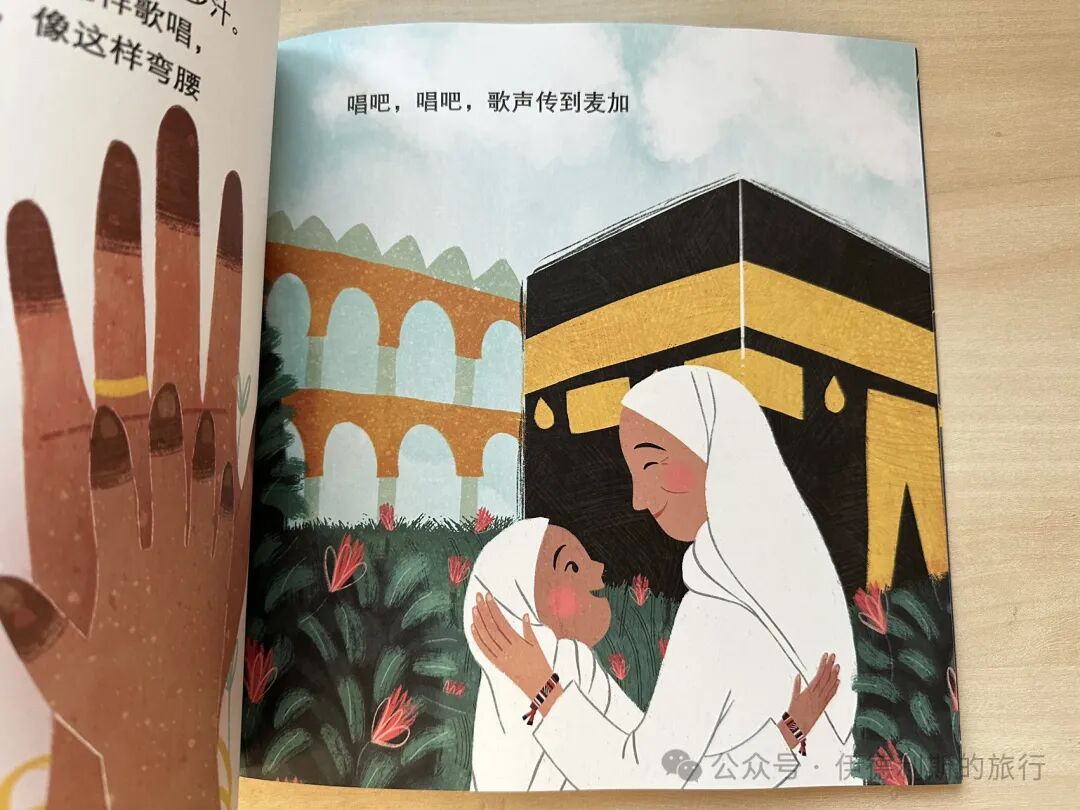
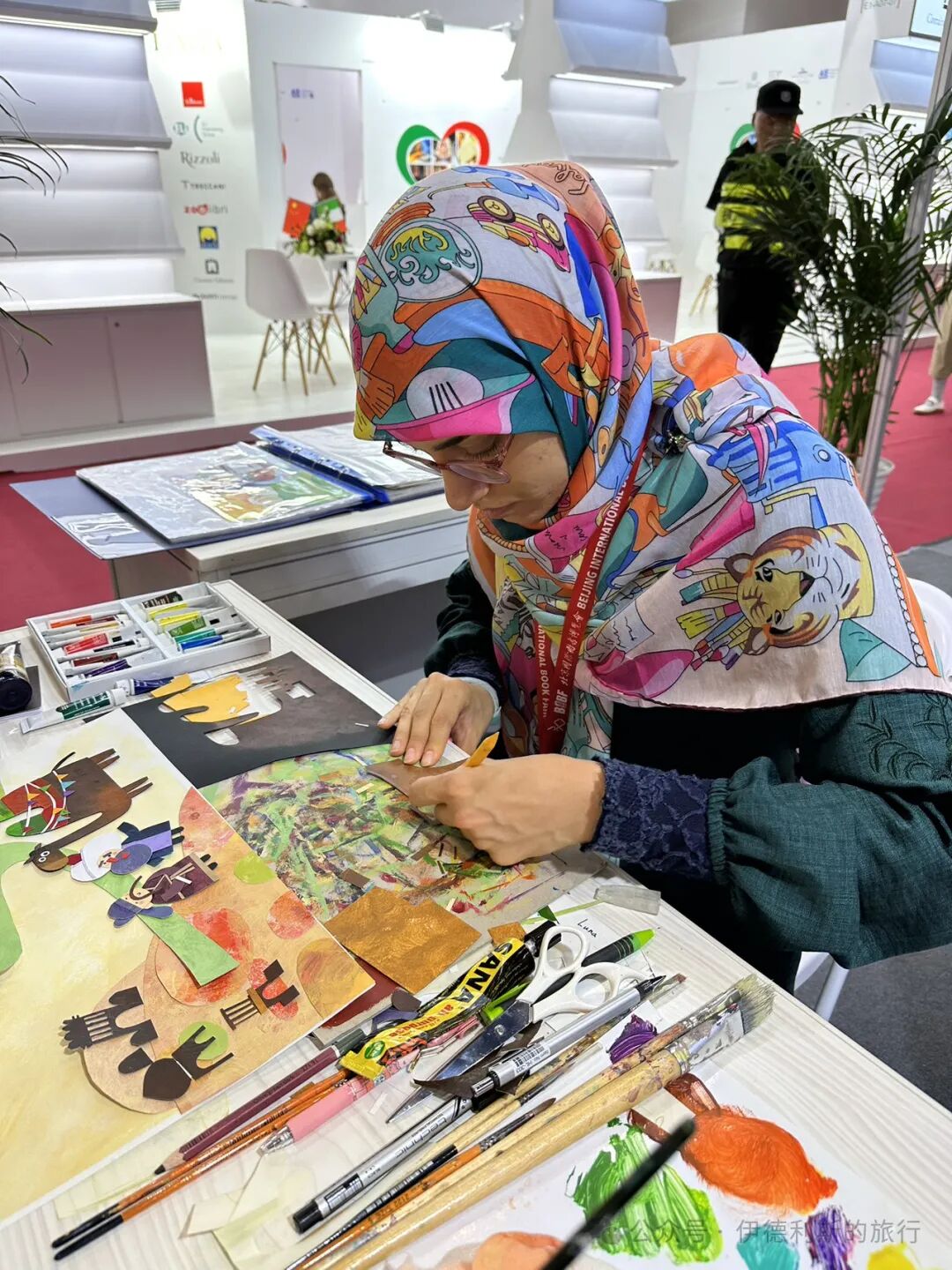
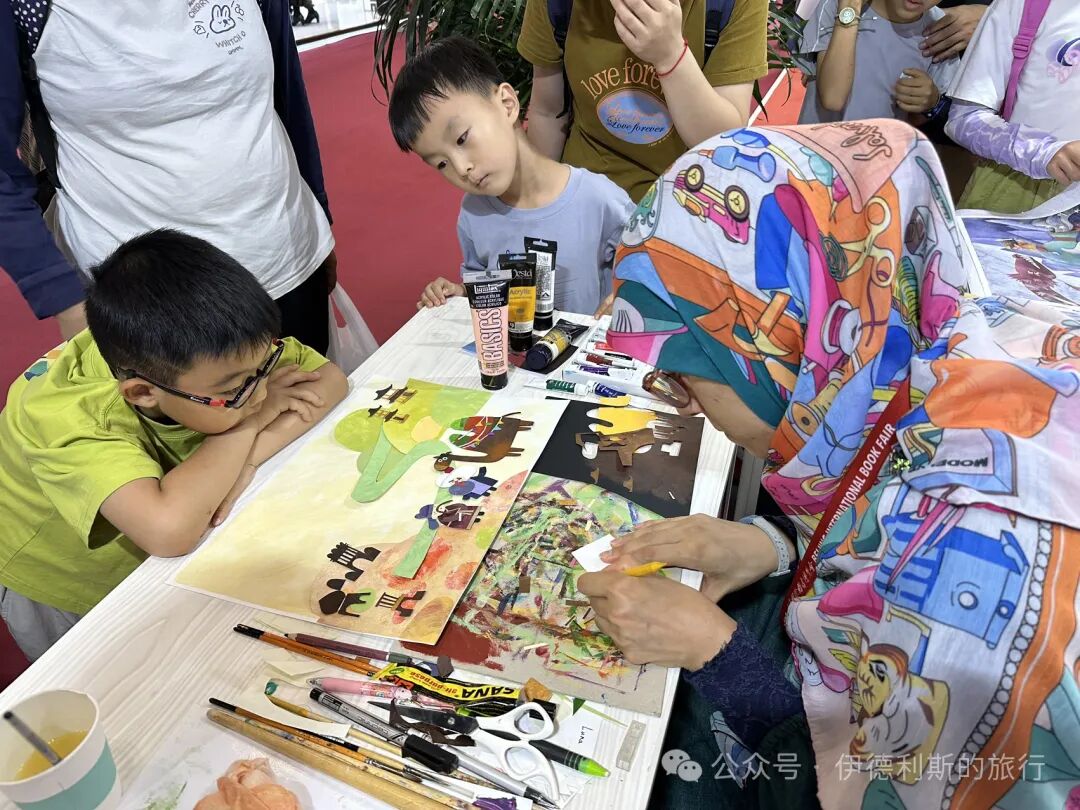
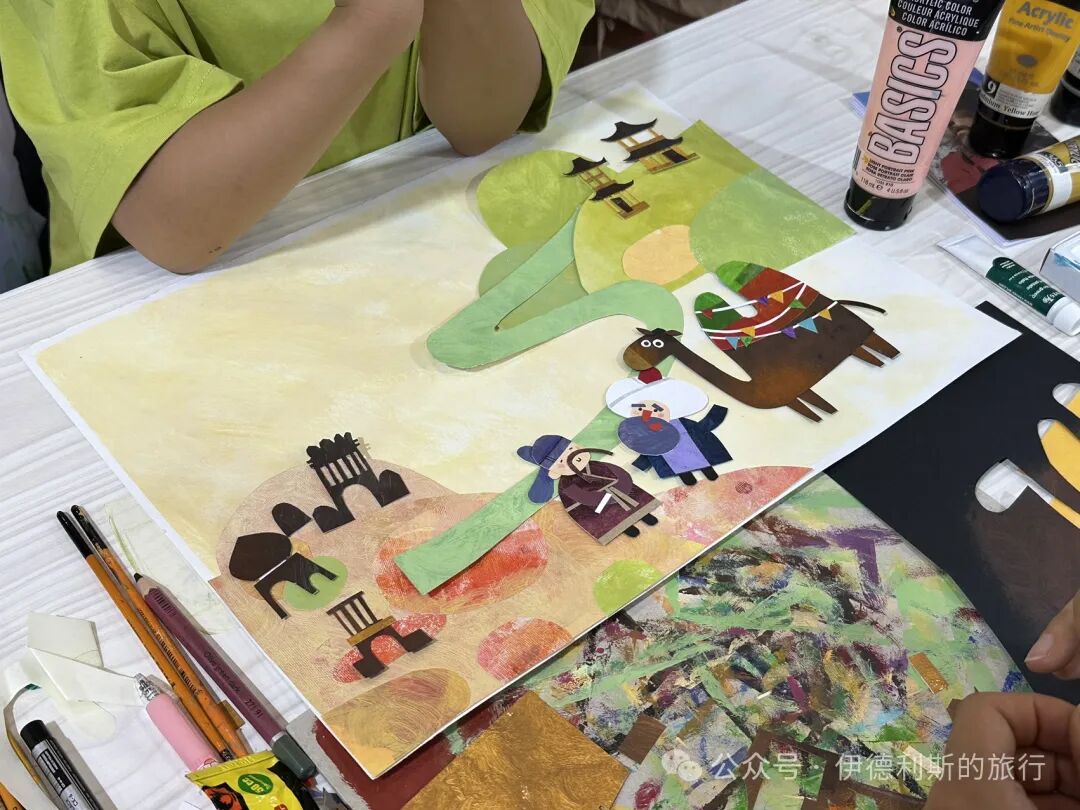
After finishing the Saudi exhibition area, I continued to browse the nearby Iranian exhibition area. The biggest surprise was seeing Iranian artist Zeinab Badri creating her work on the spot. Zeinab was born in Tehran in 1991. She became a professional illustrator in 2015 and has created many works since then. When we visited, Zeinab was working on a piece about China and Iran, which felt very interesting.
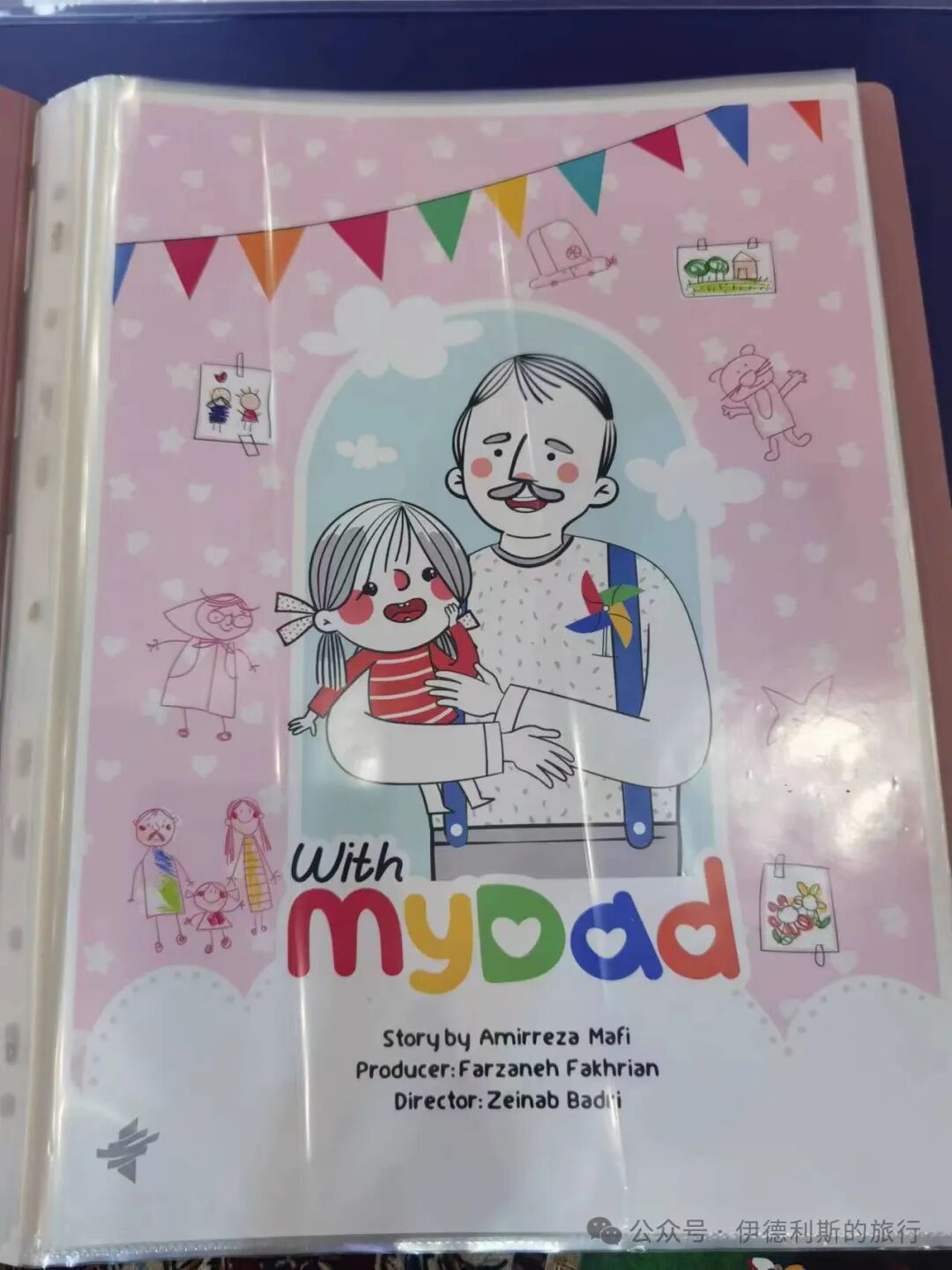
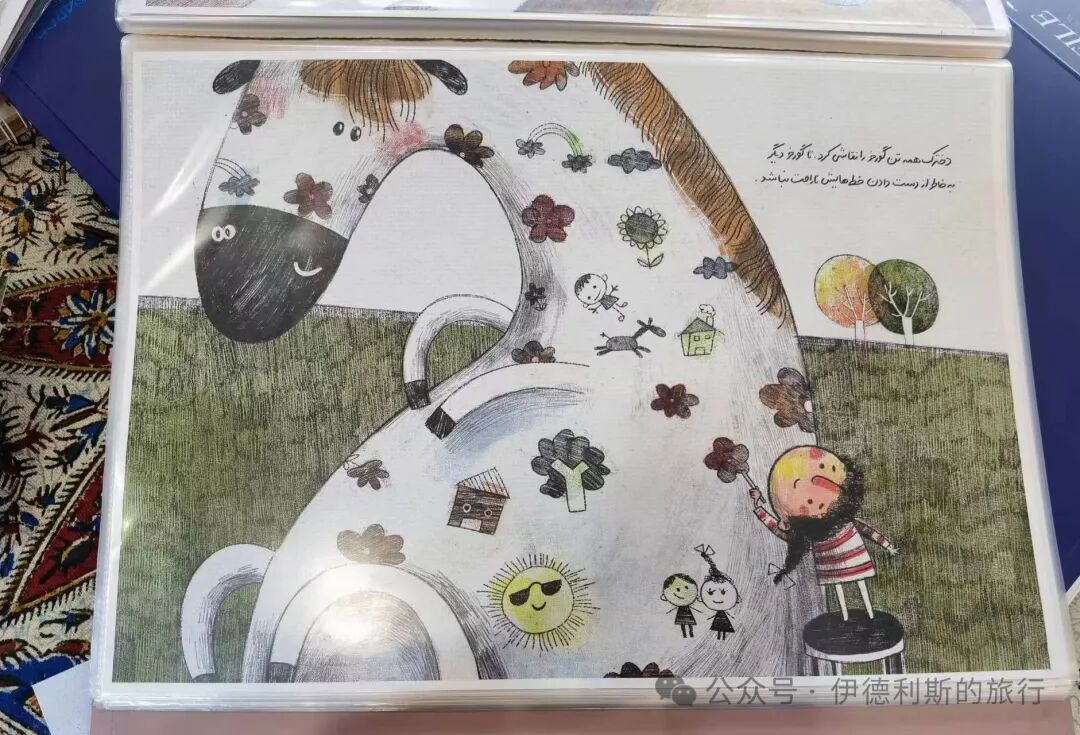
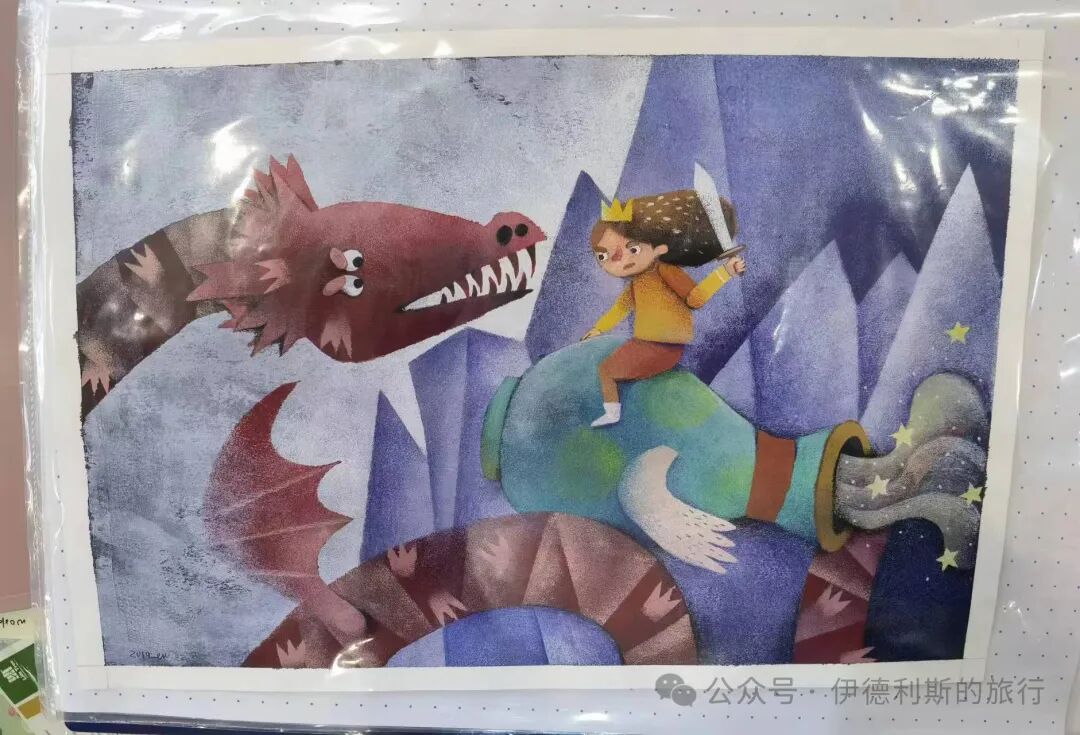
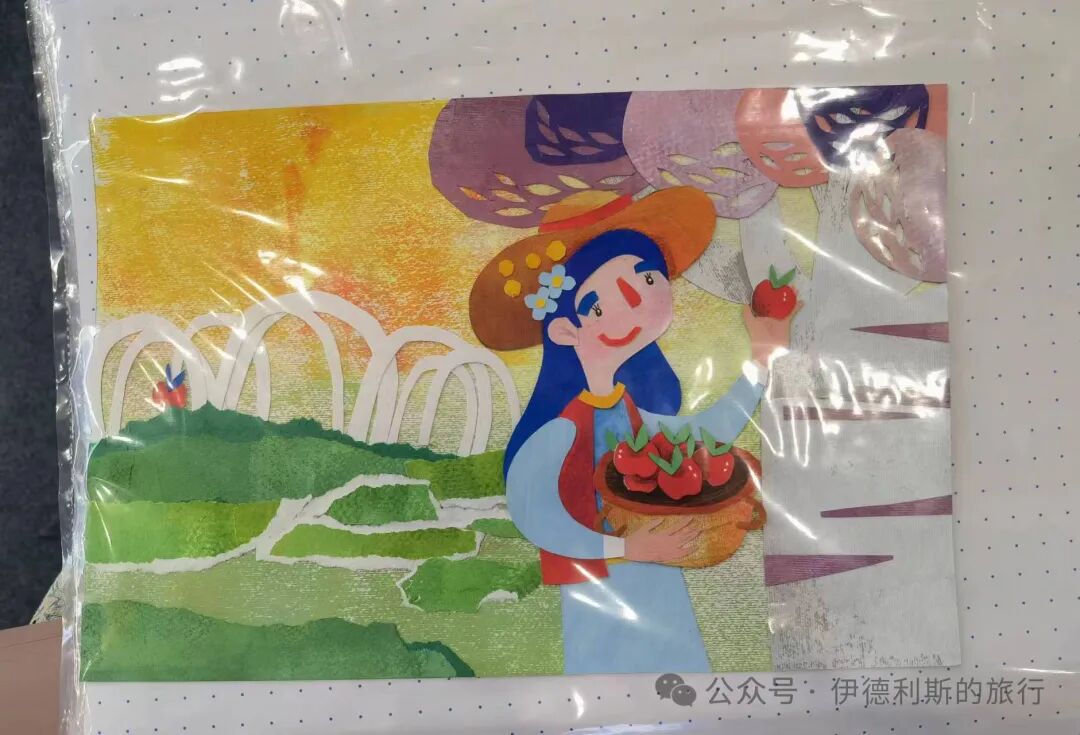
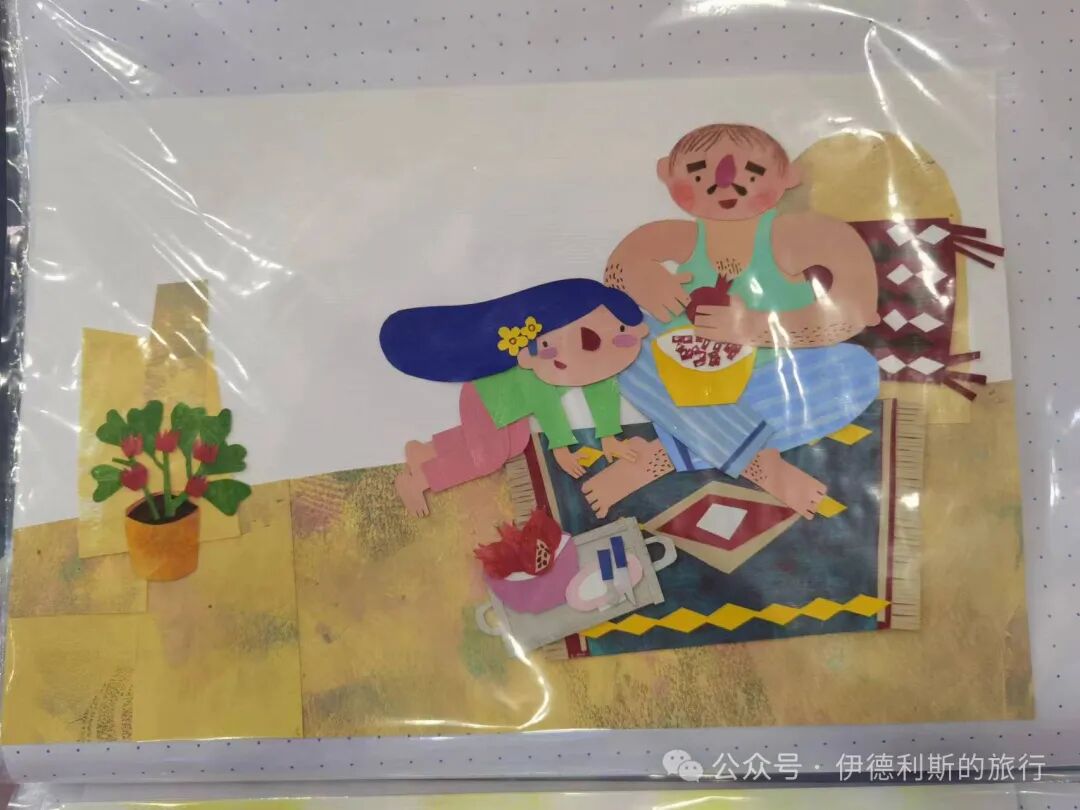
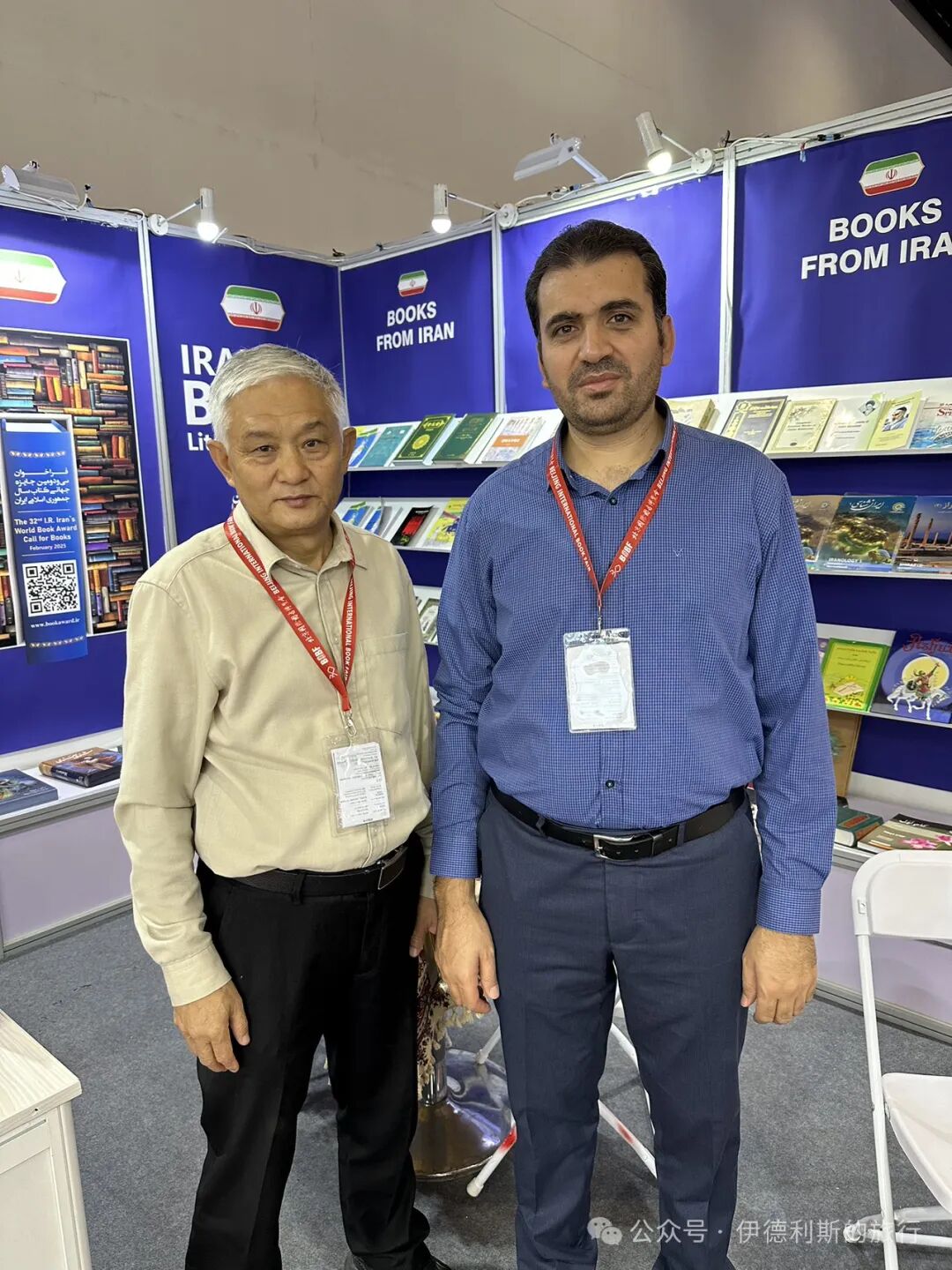
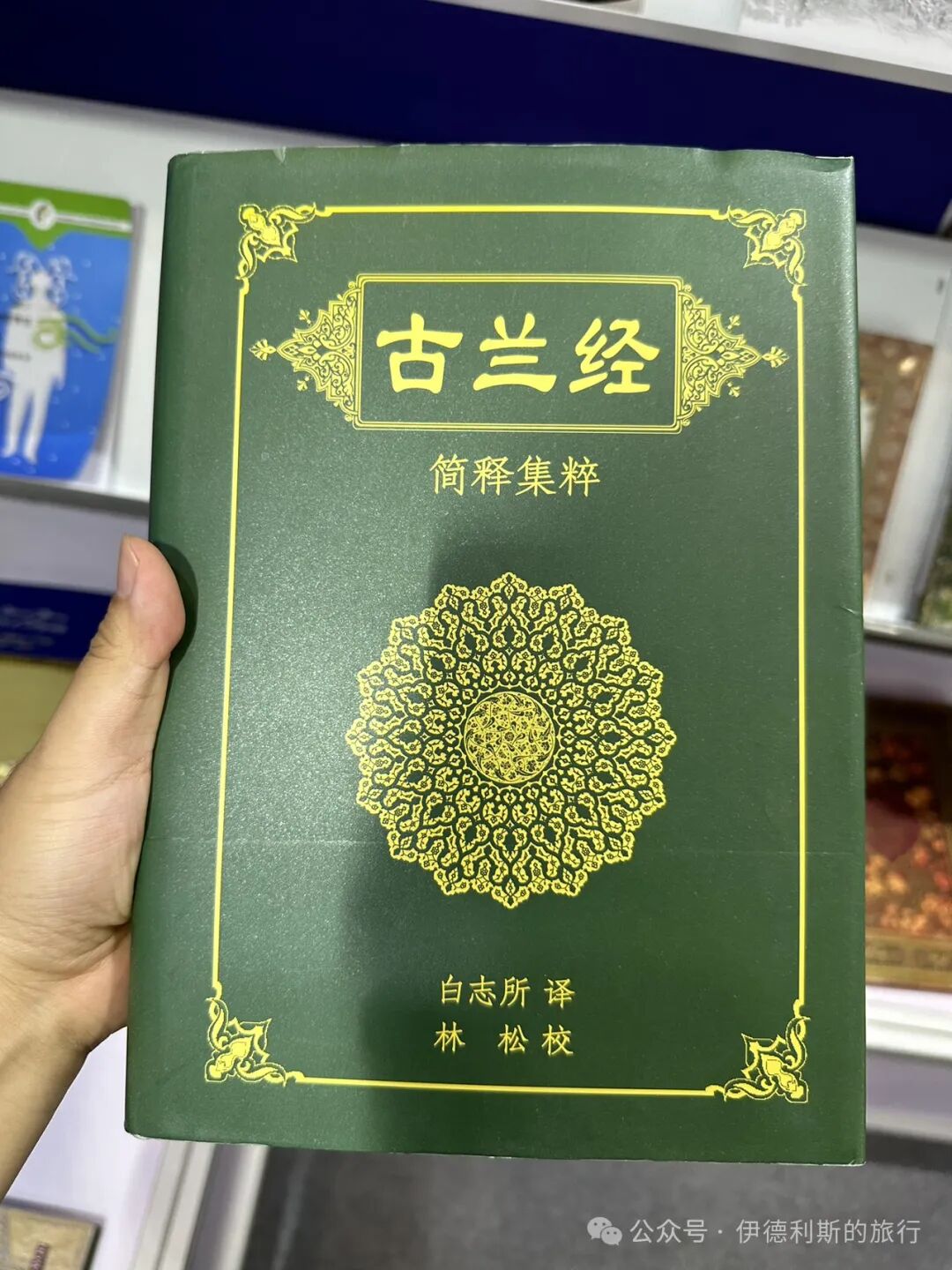
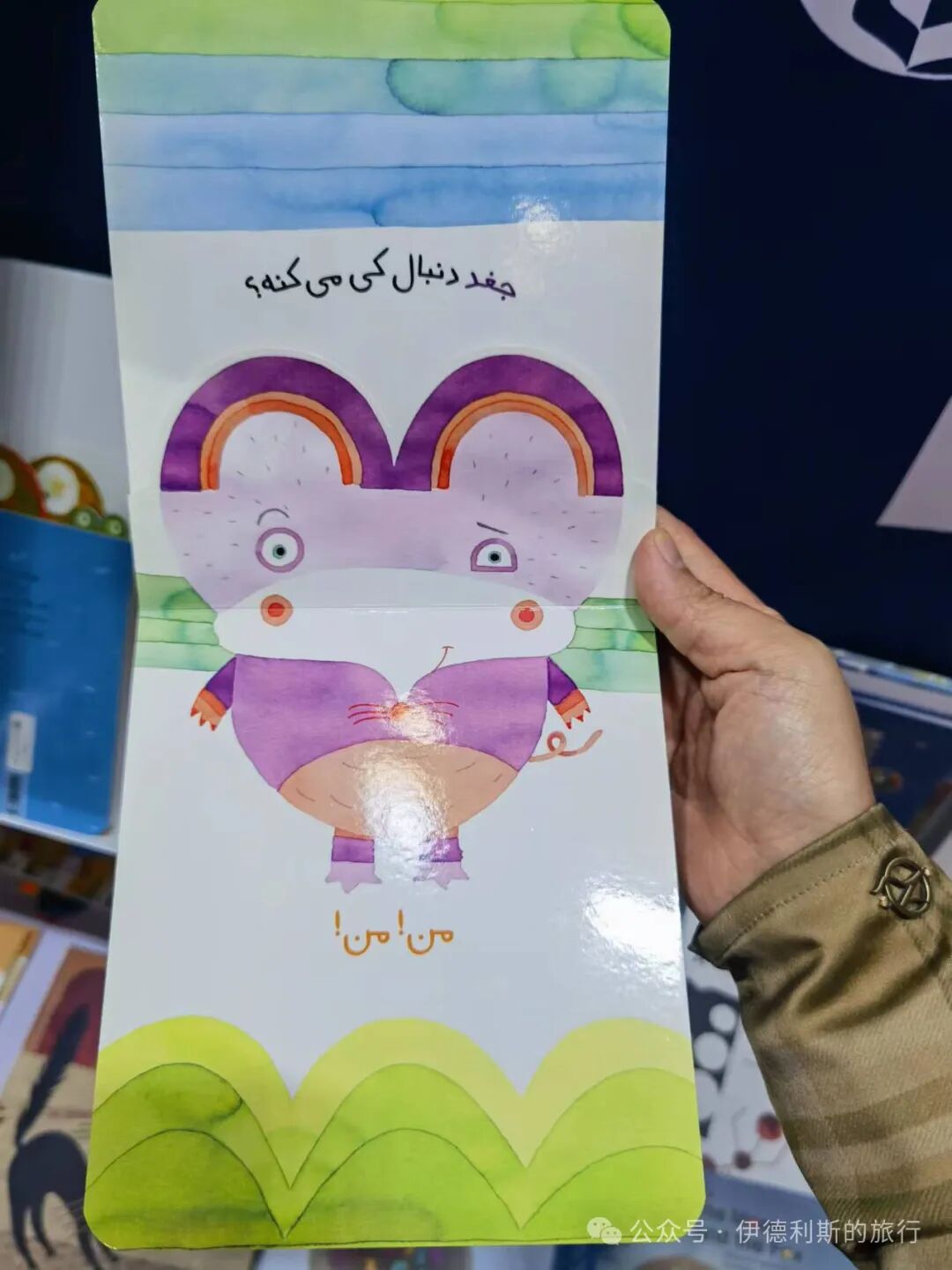
The Iran exhibition area had a rich collection of books, including beautiful miniature painting albums and various children's picture books with very cute art styles, though they were all in Persian. We also saw the famous Persian language expert, Professor Bai Zhisuo, at the exhibition area. He is the one who translated the Complete Works of Masnavi for The Commercial Press. This May, The Commercial Press published two new books he translated, Art History in Islamic Civilization and Suhrawardi on Art and Aesthetic Philosophy. Those interested can buy them to read.
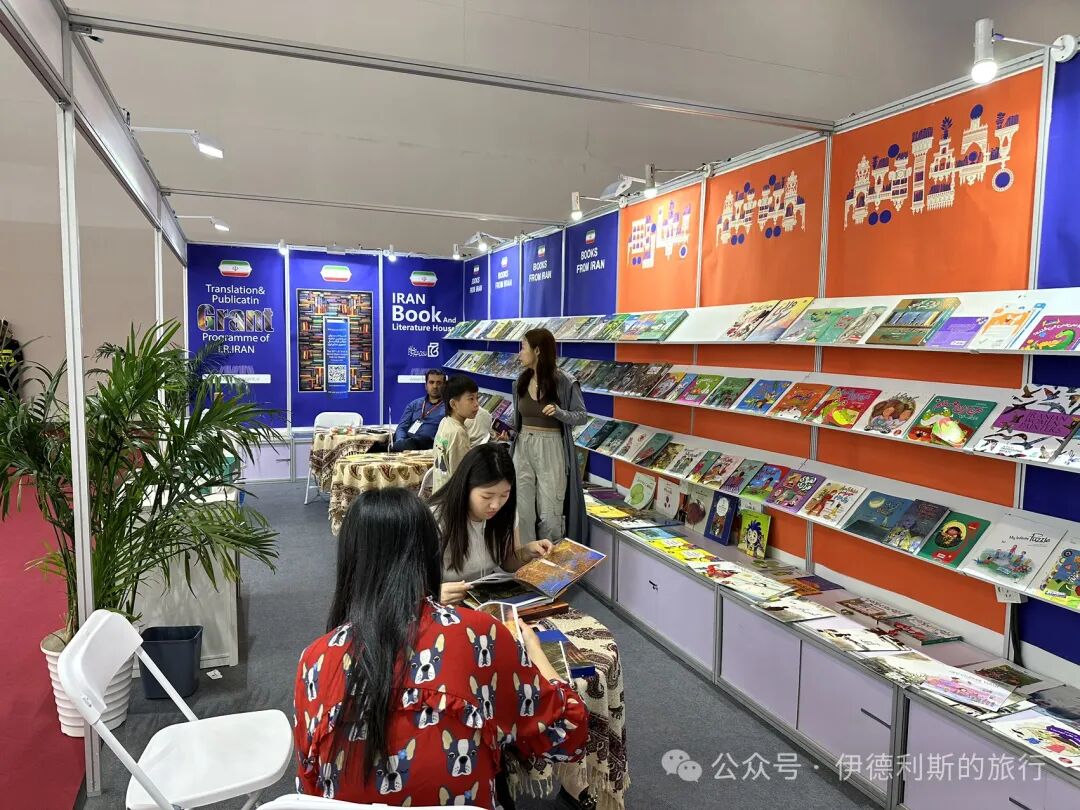
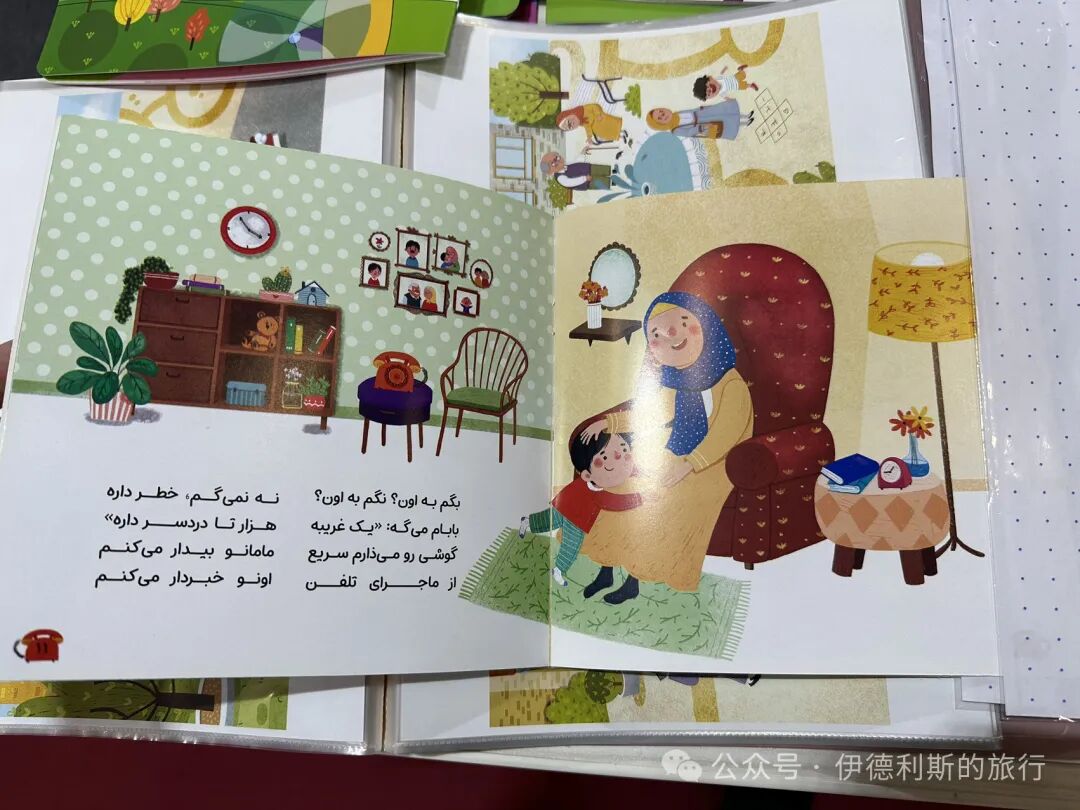
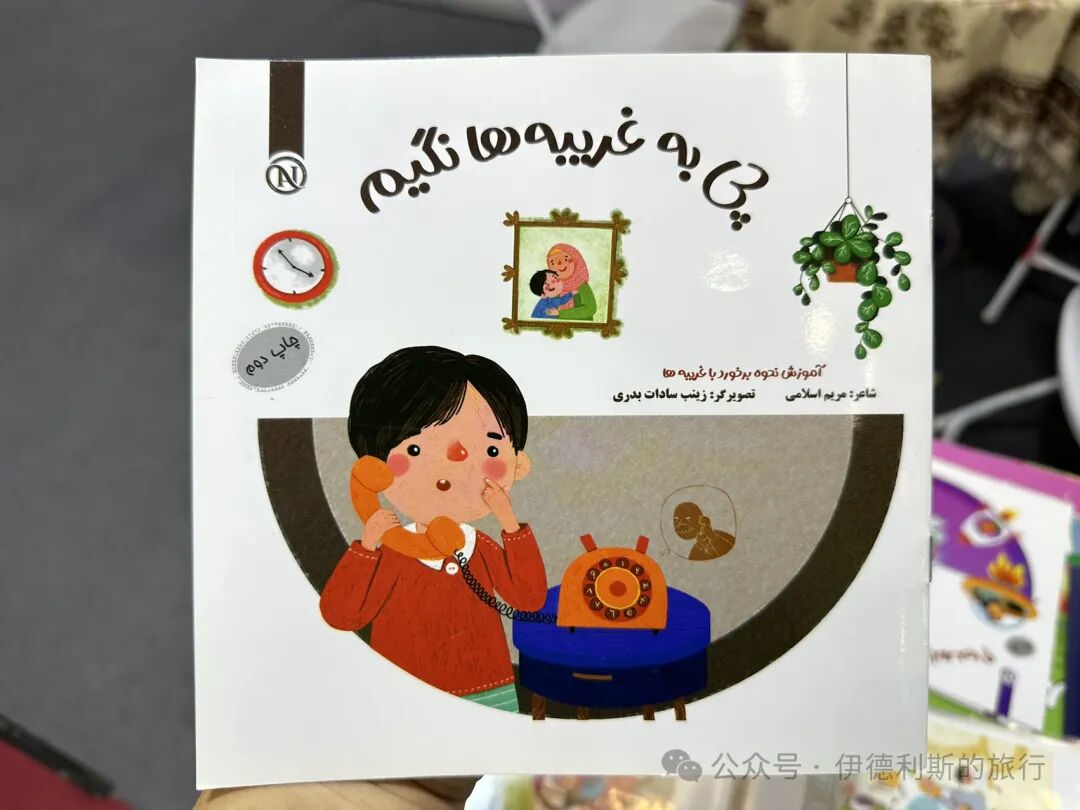
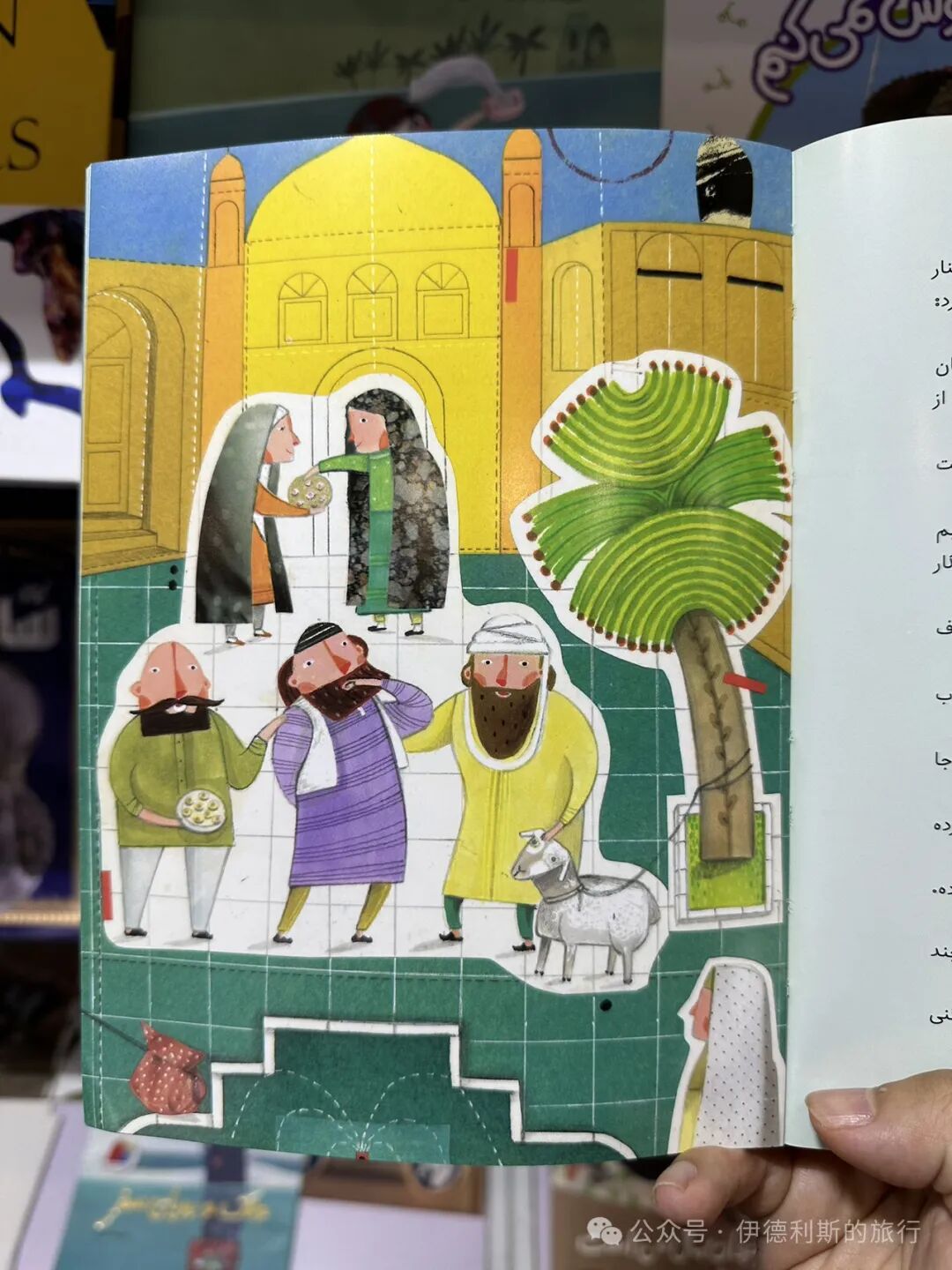
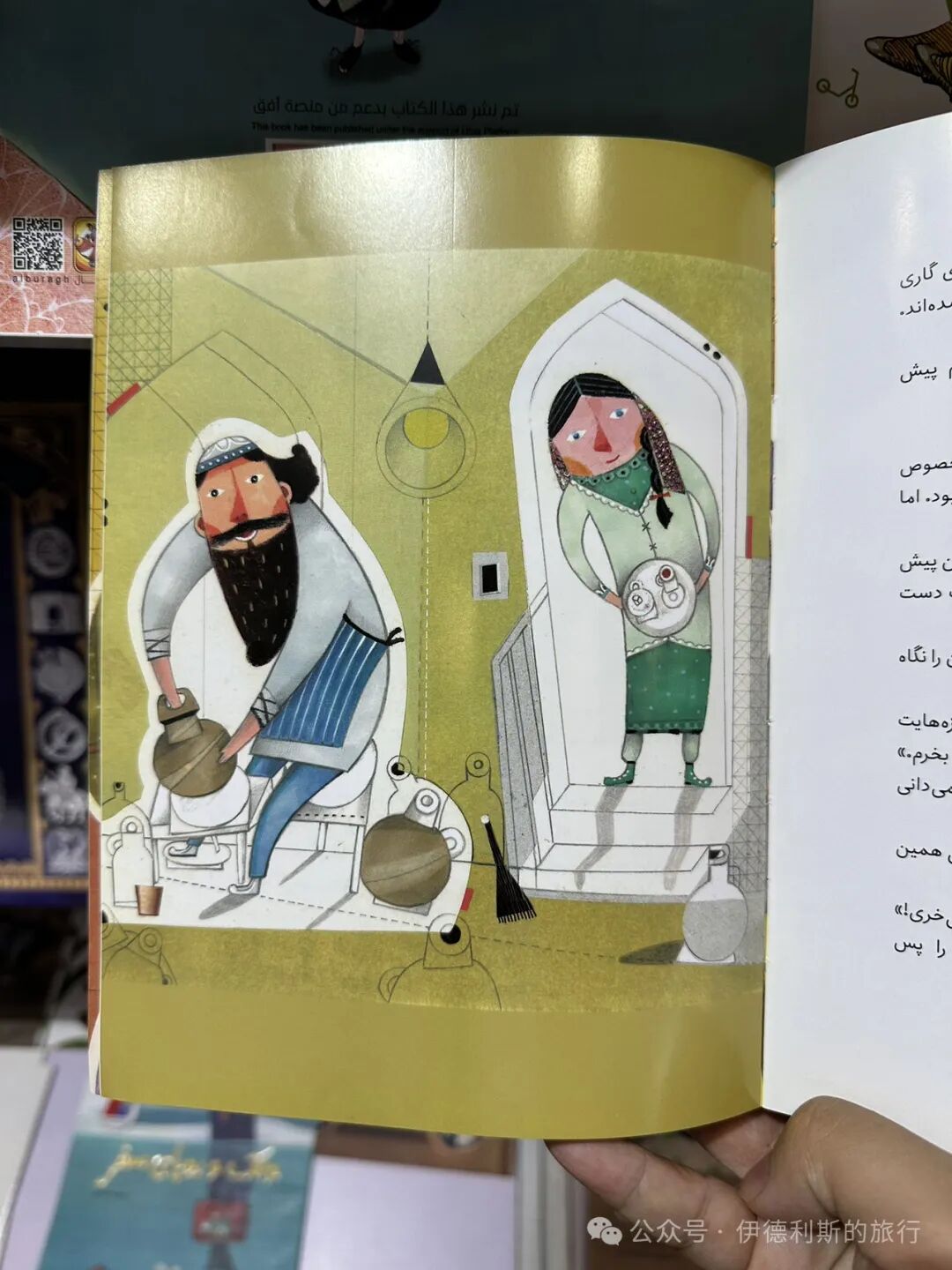
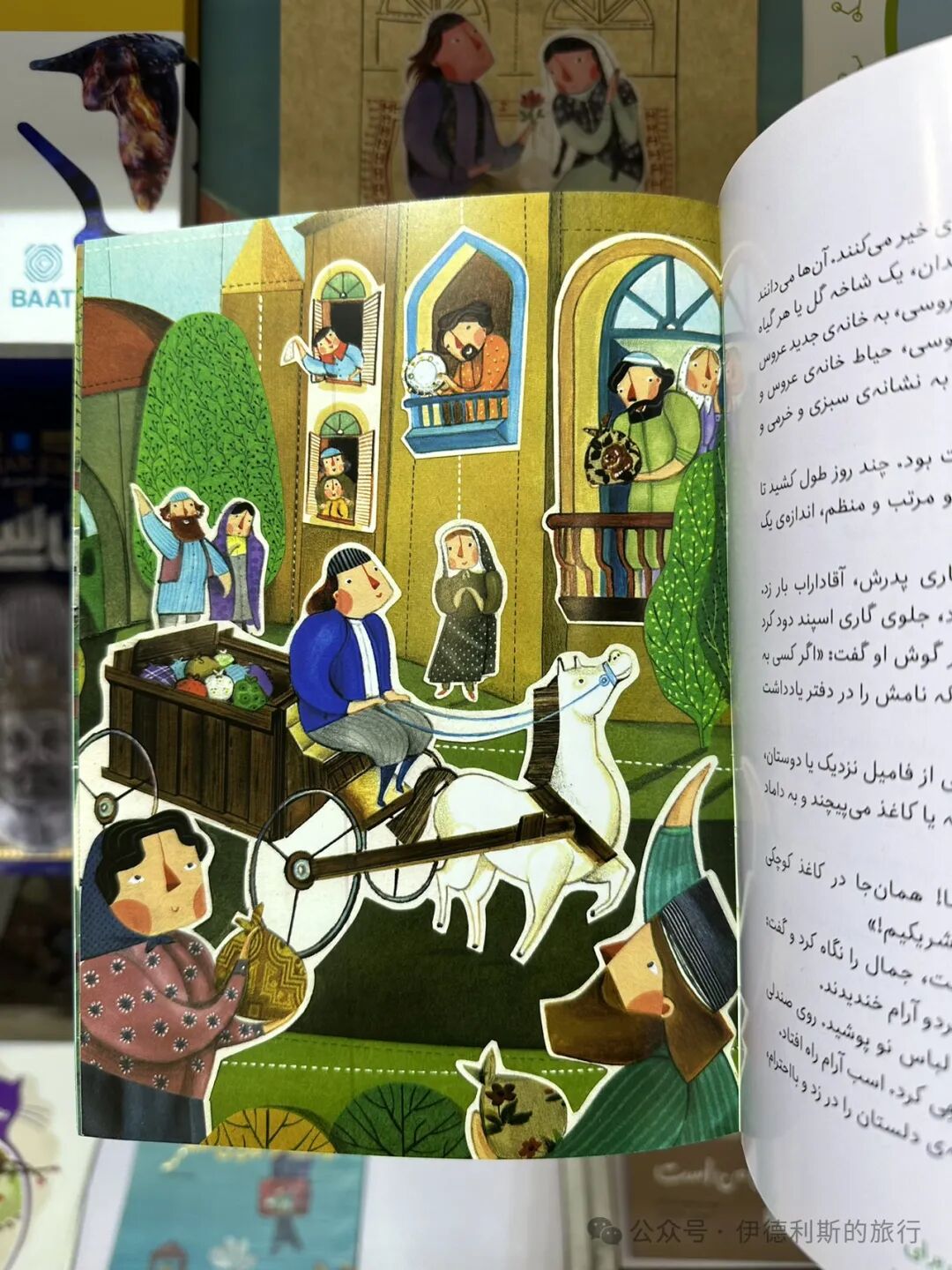
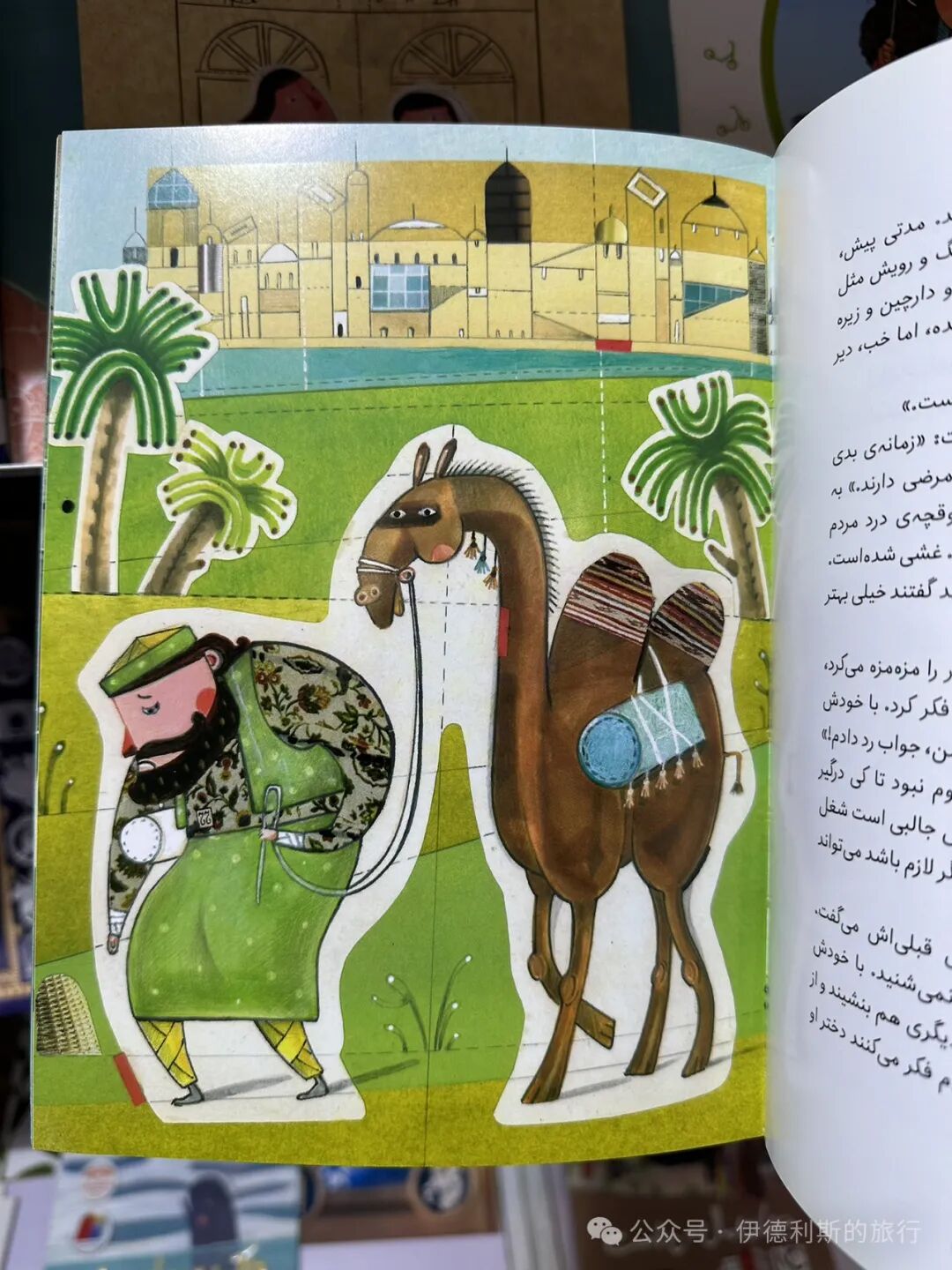
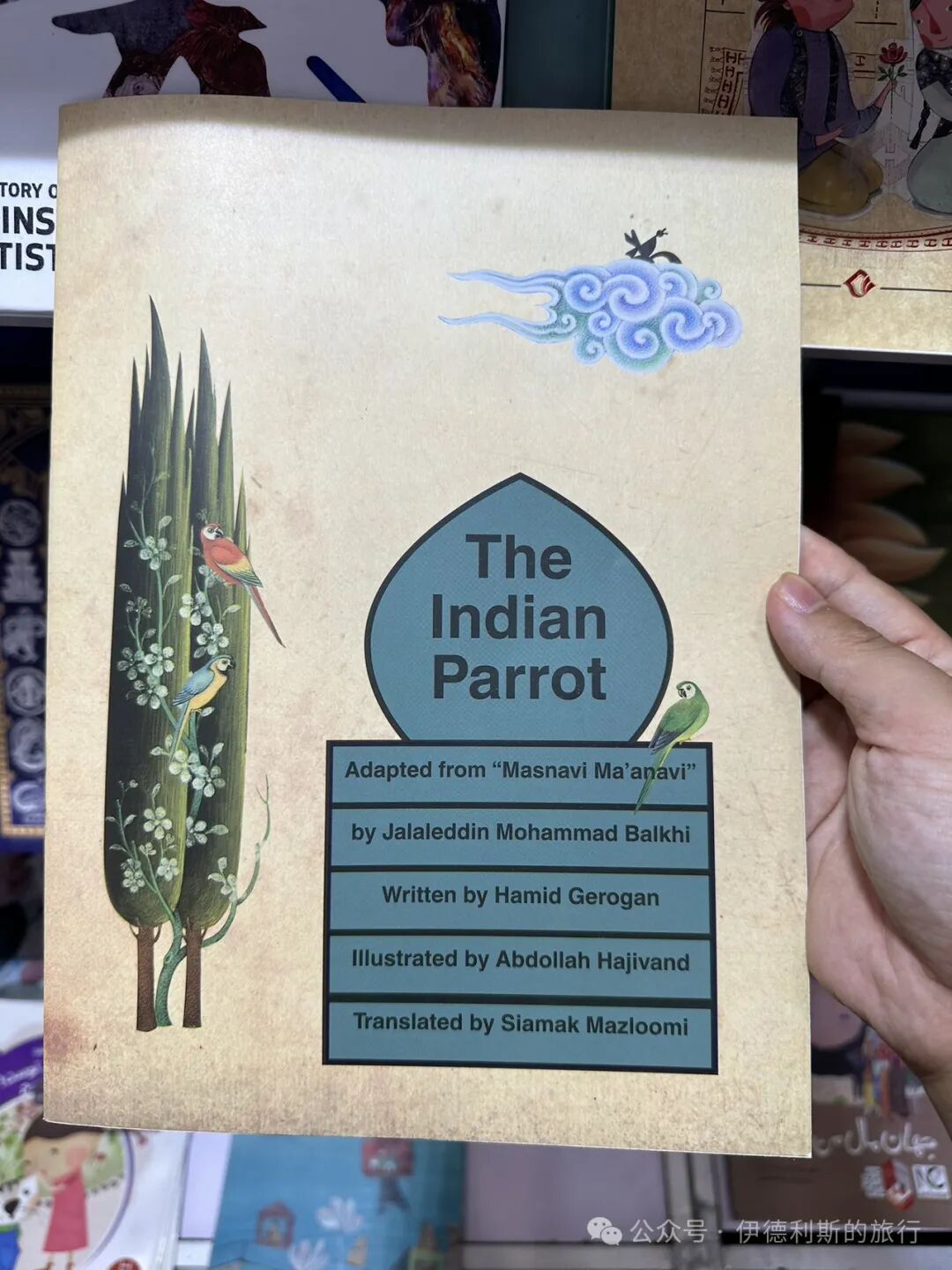
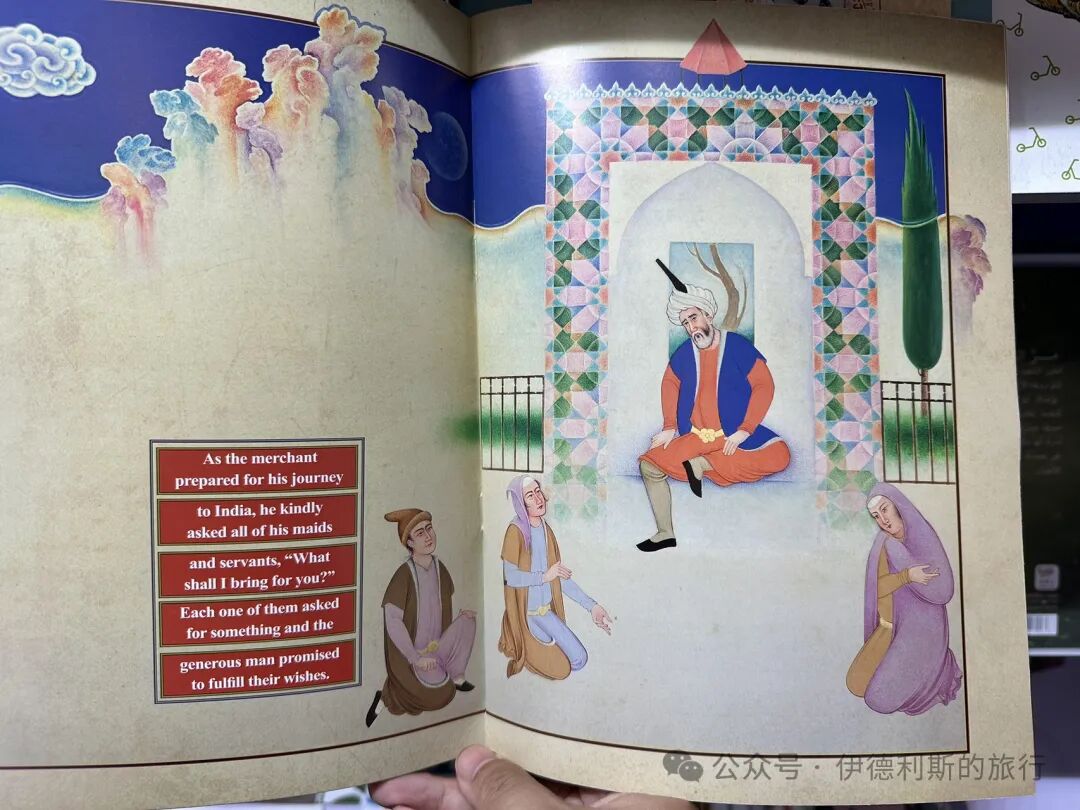
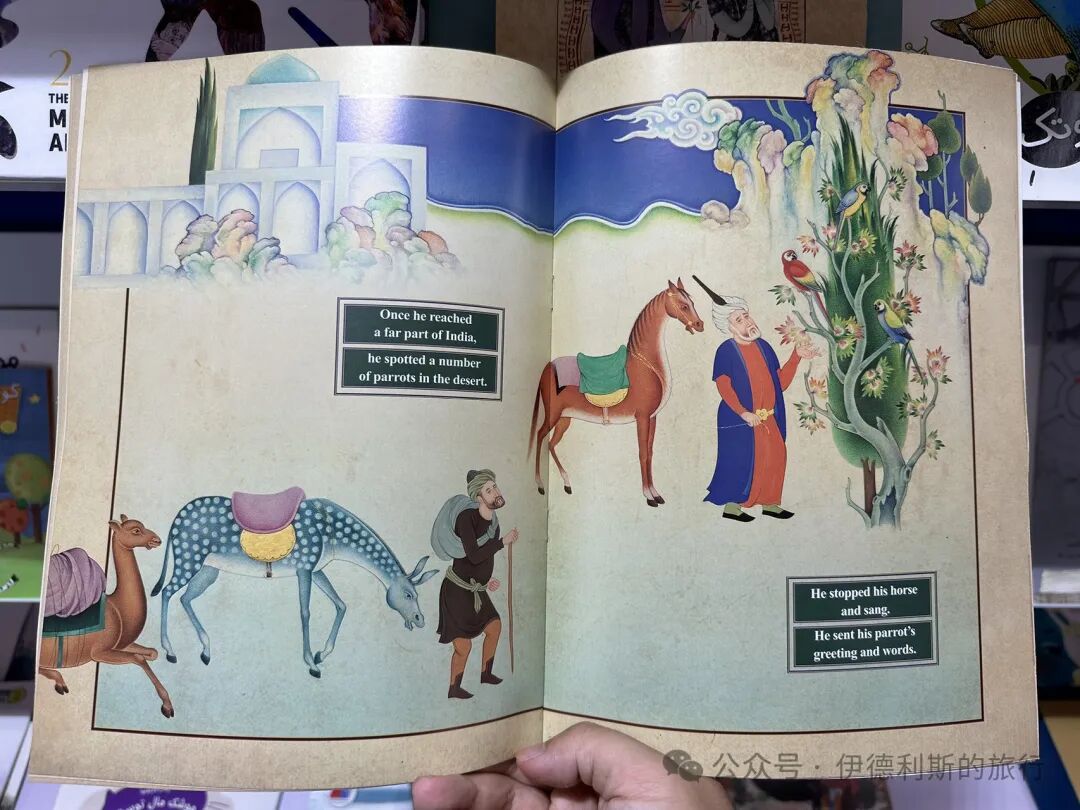
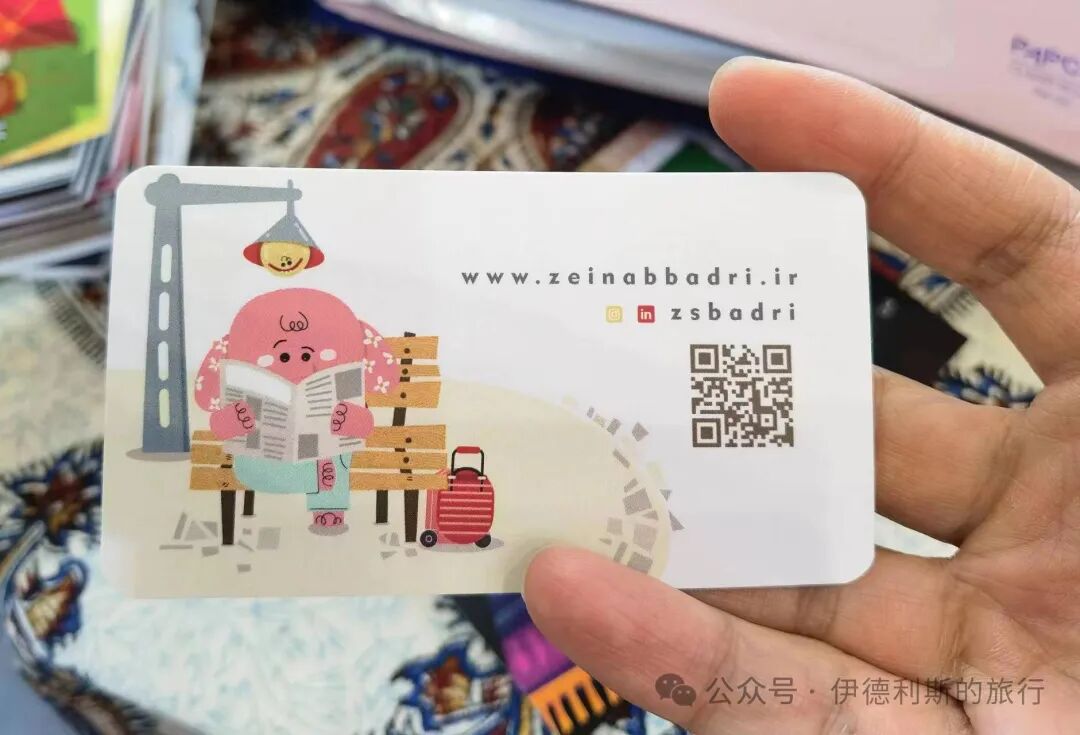
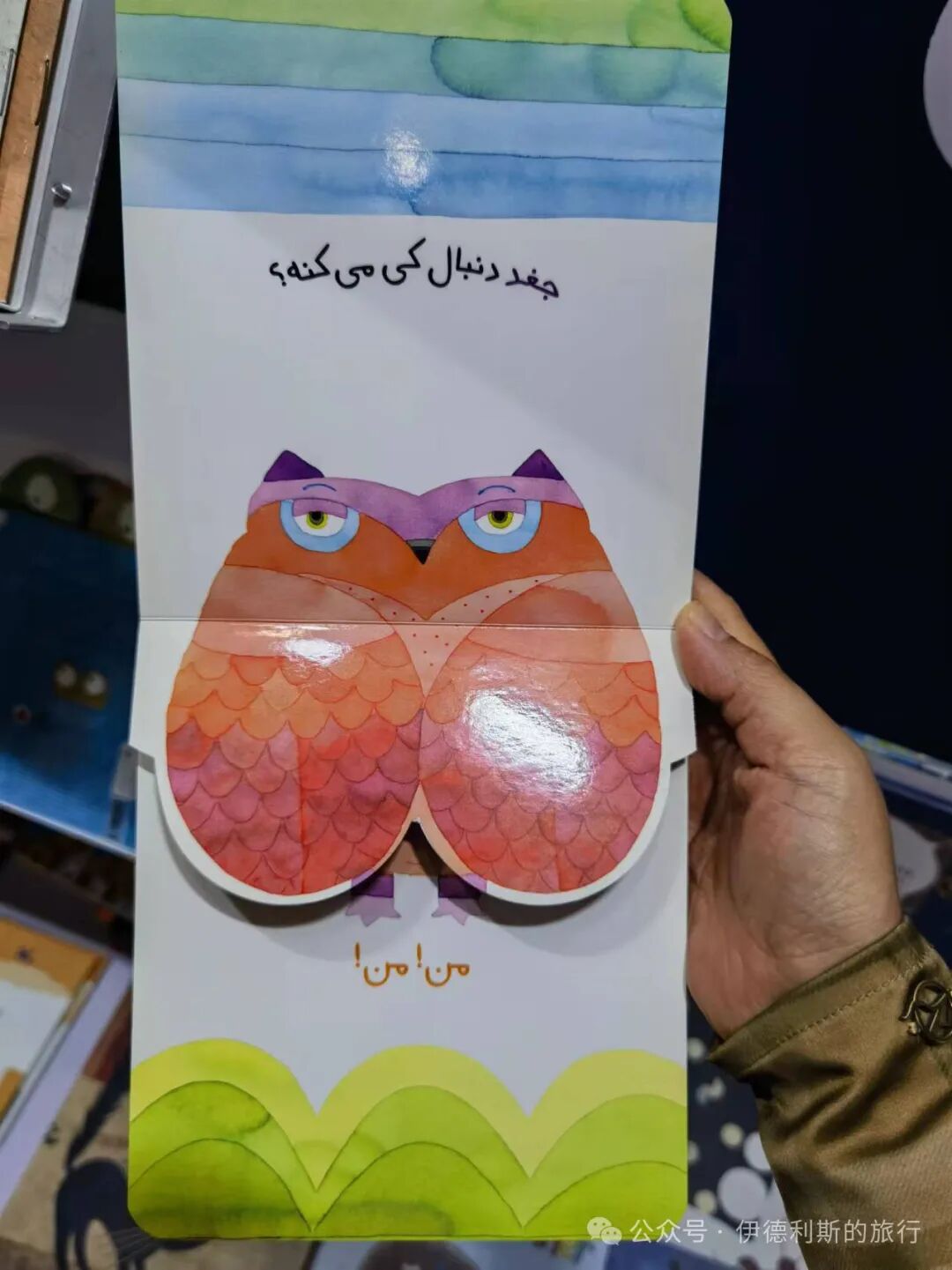
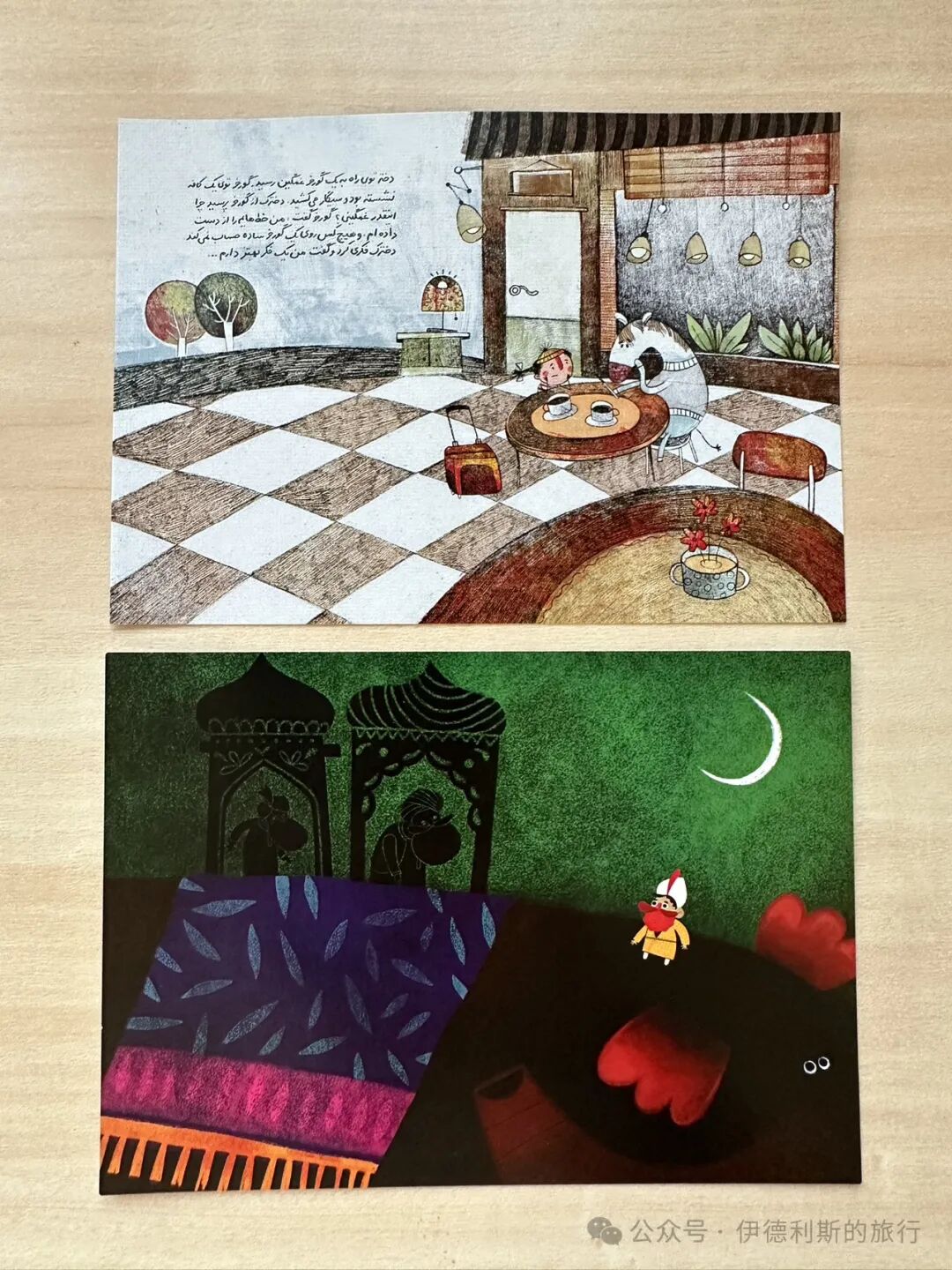
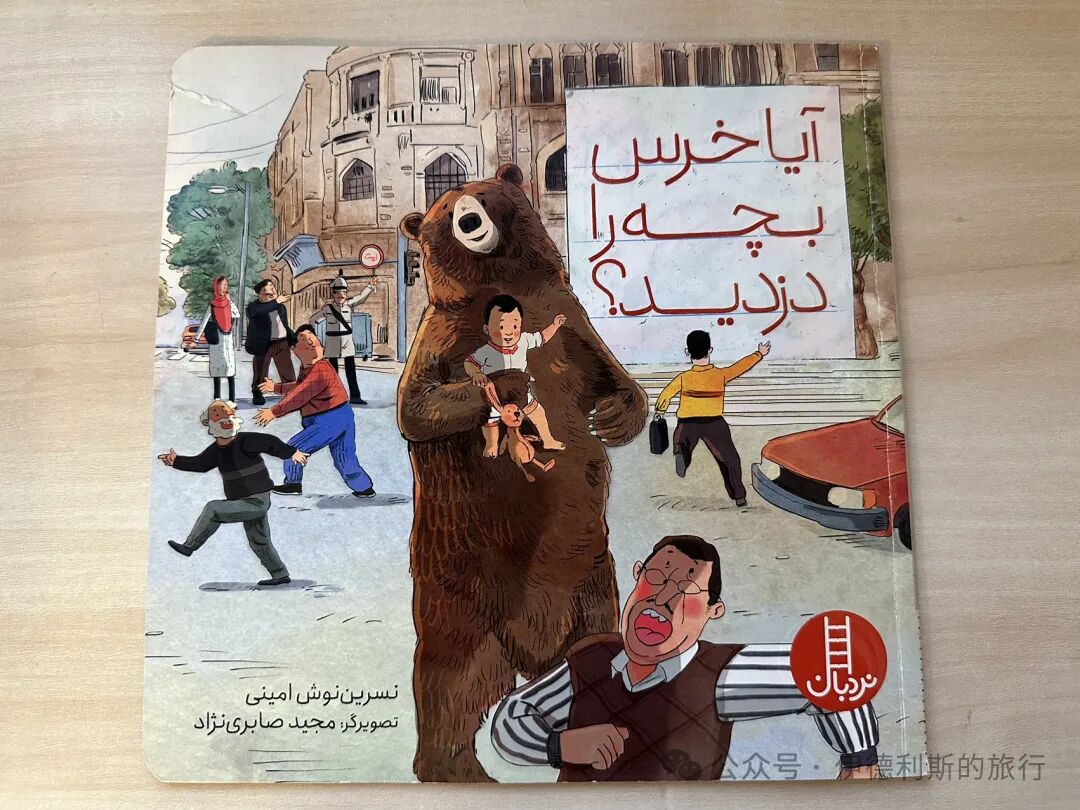
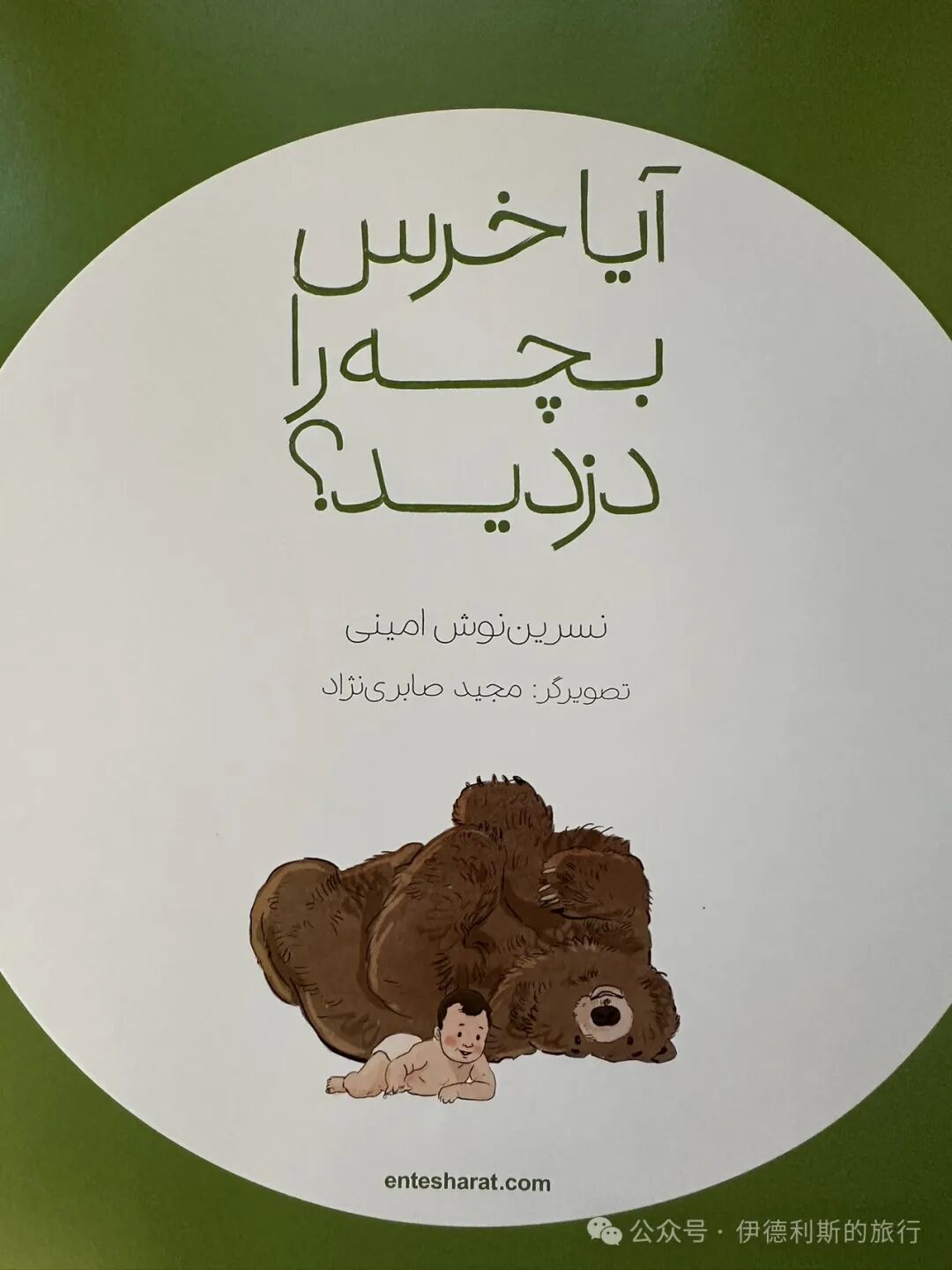
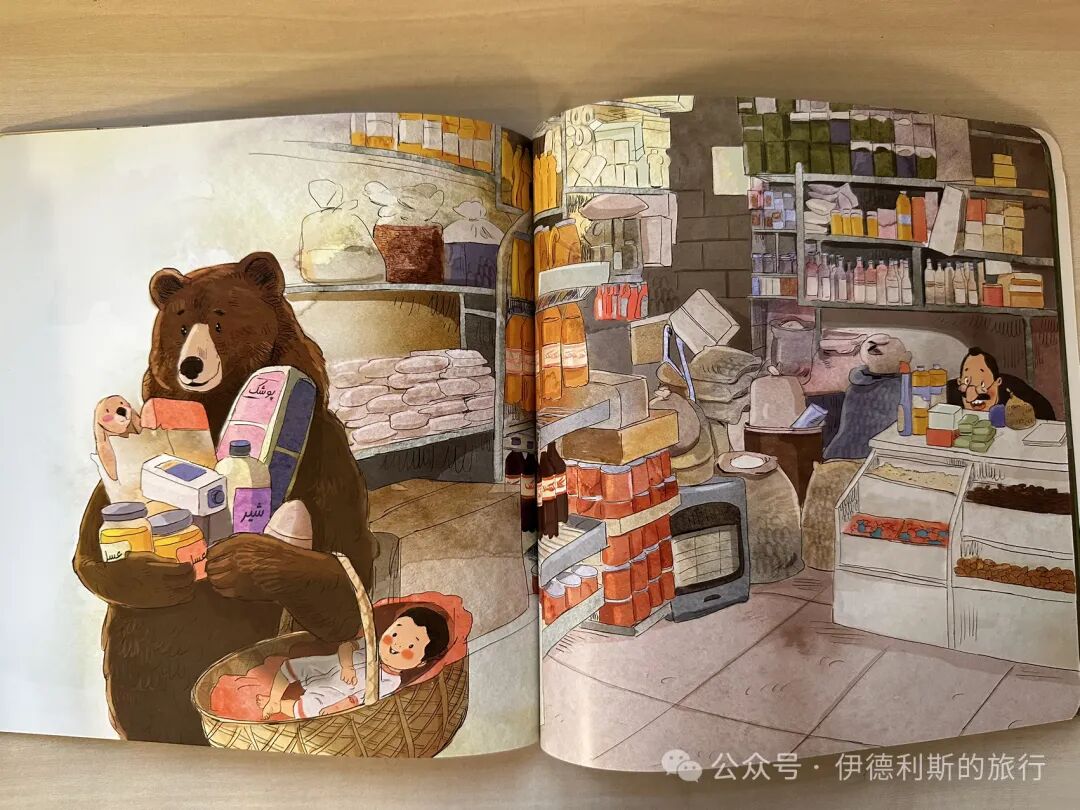
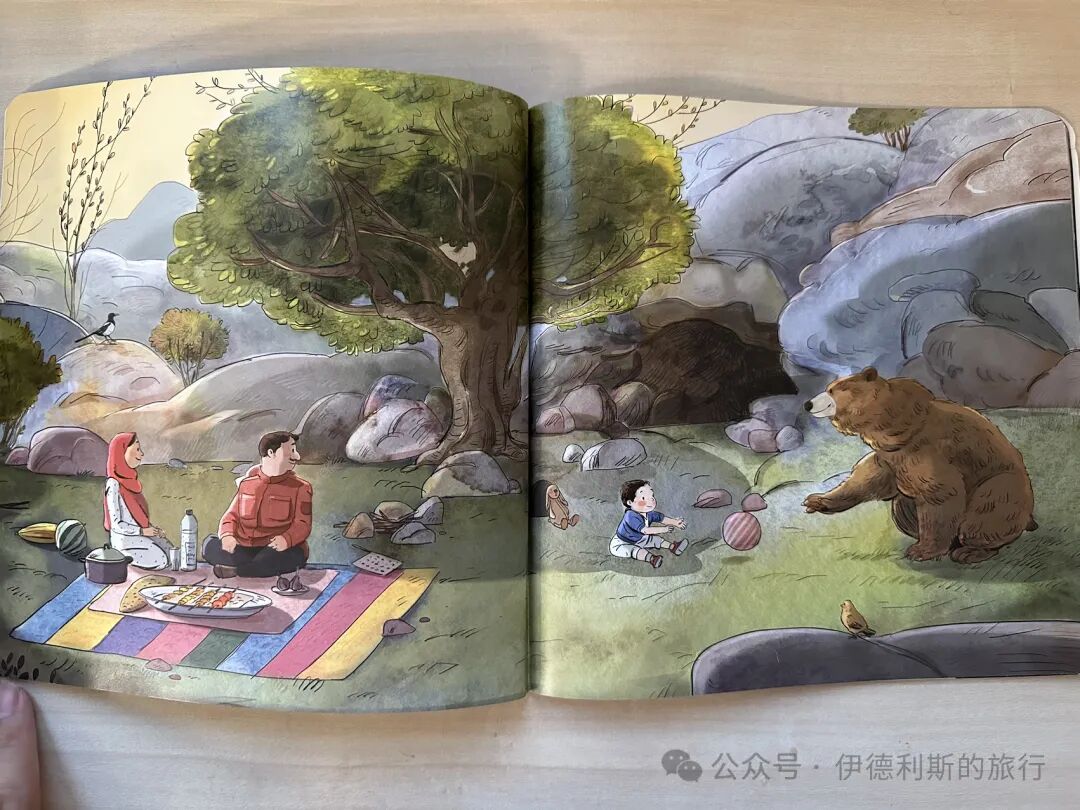
These are the cute picture books collected from the Iran exhibition hall, along with a postcard gifted by the illustrator Zeinab.
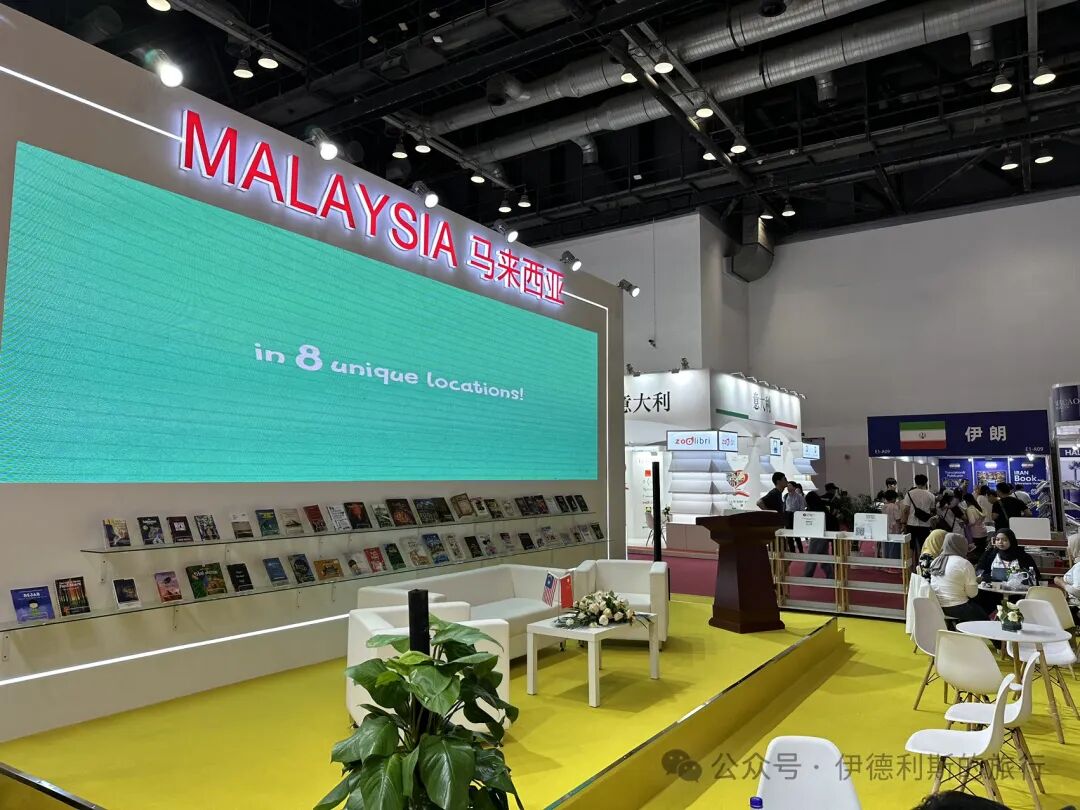
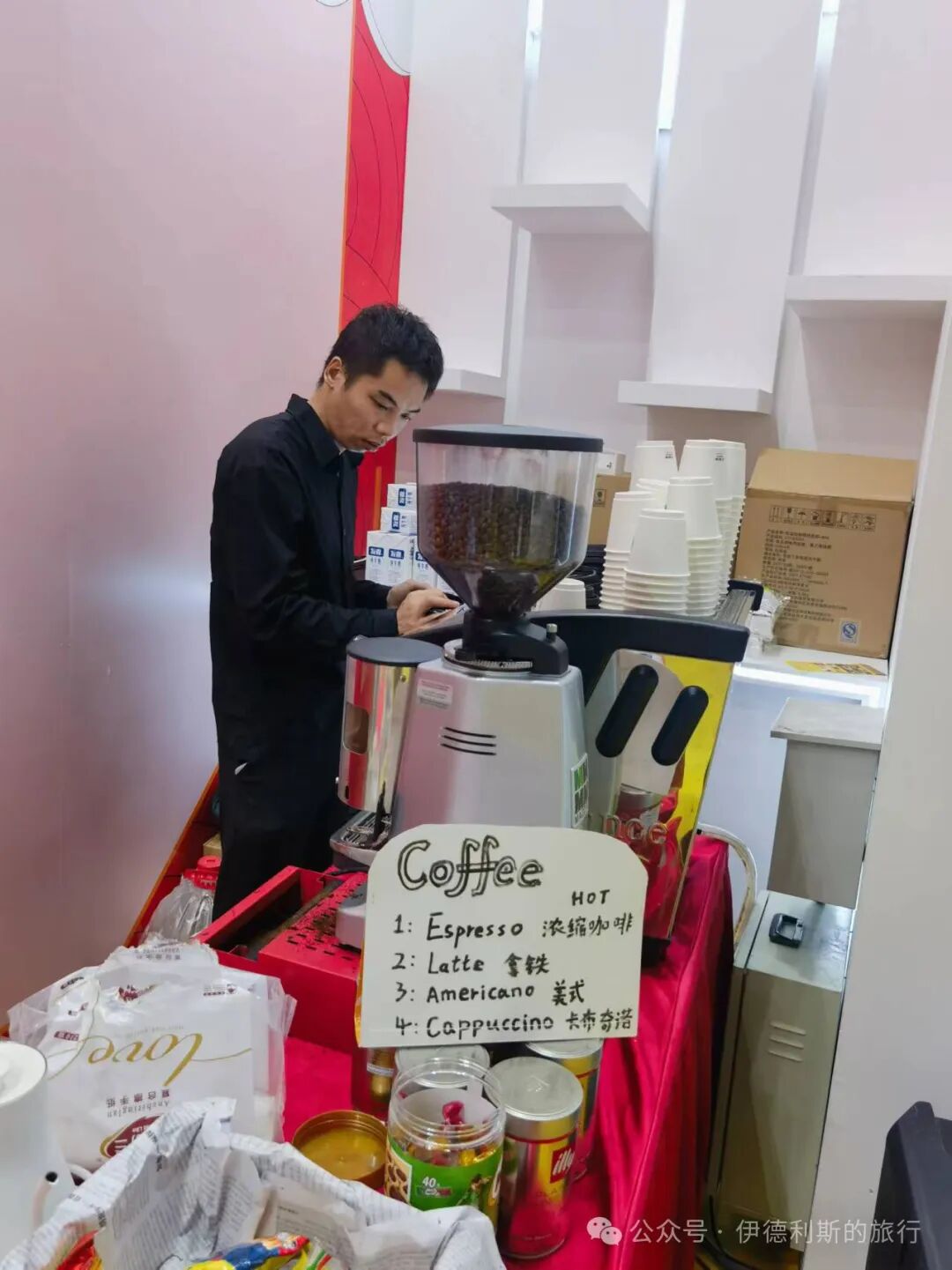
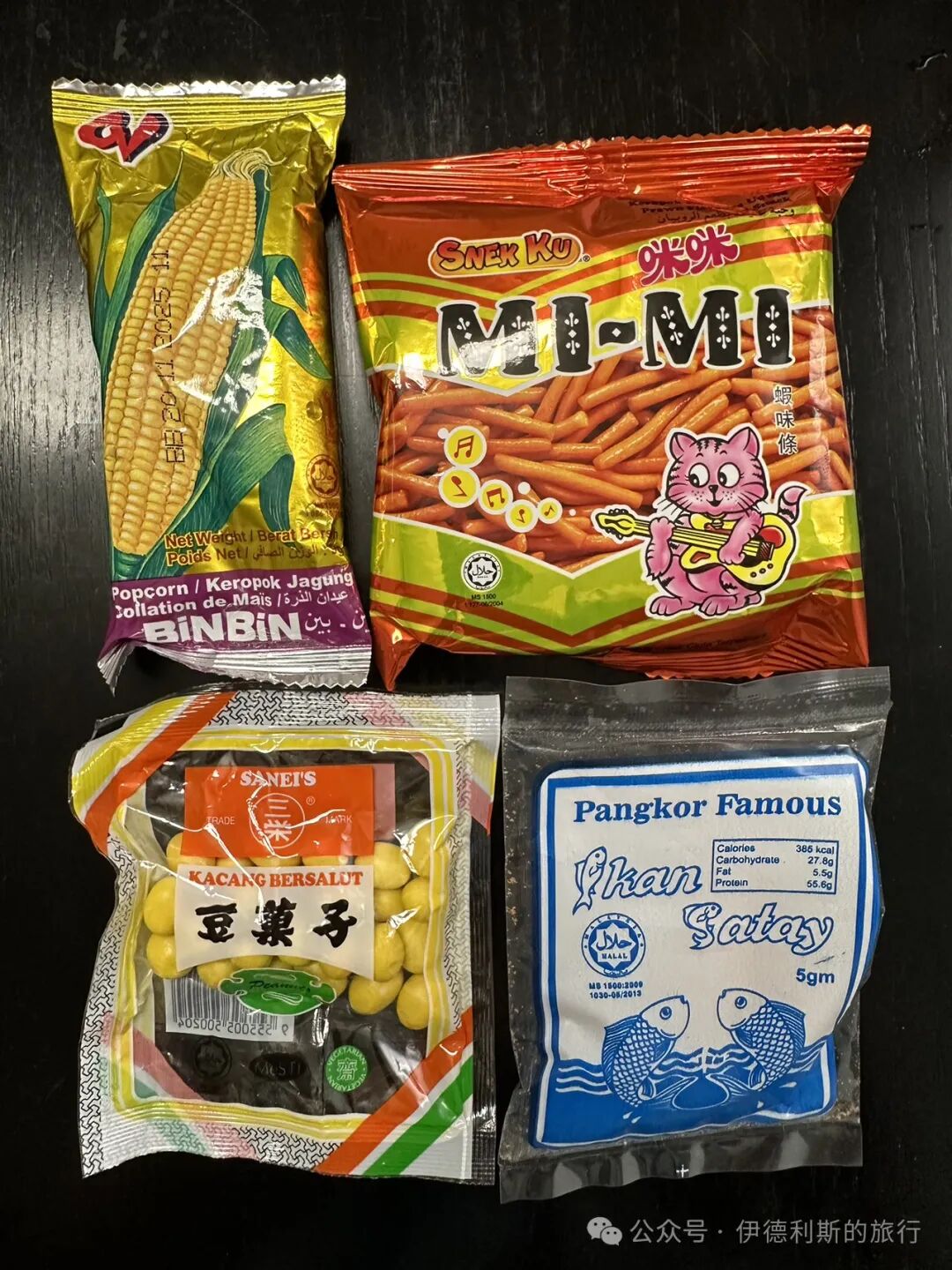
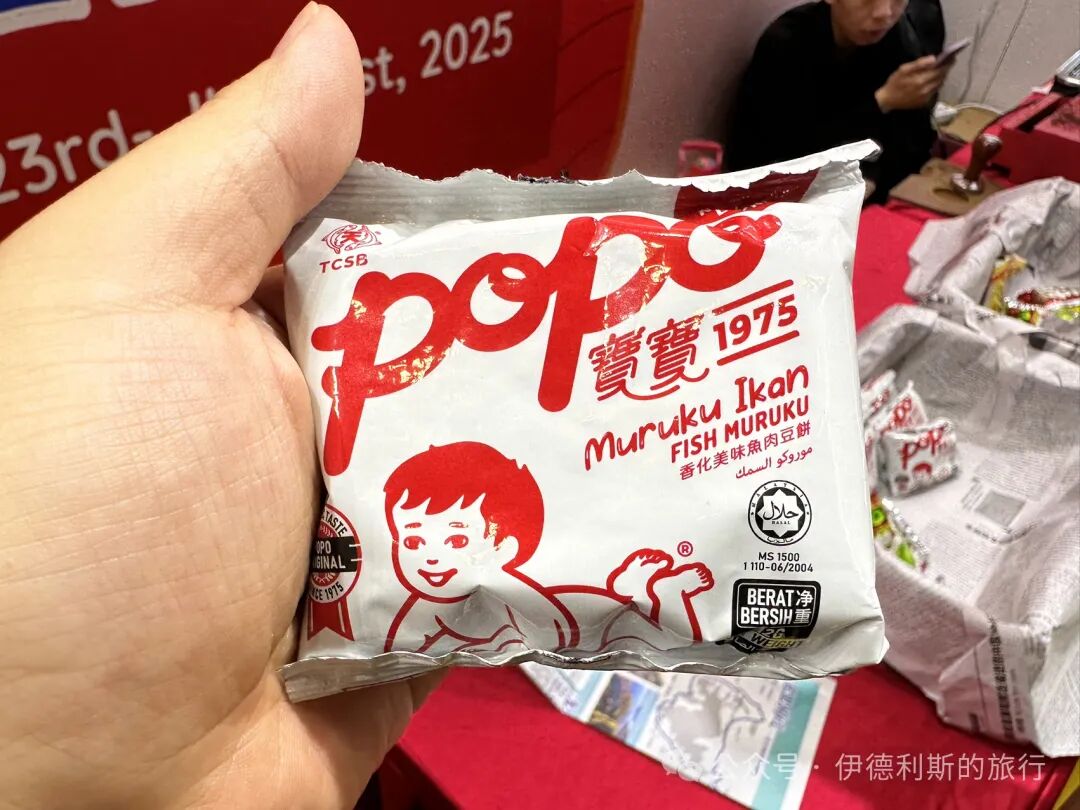
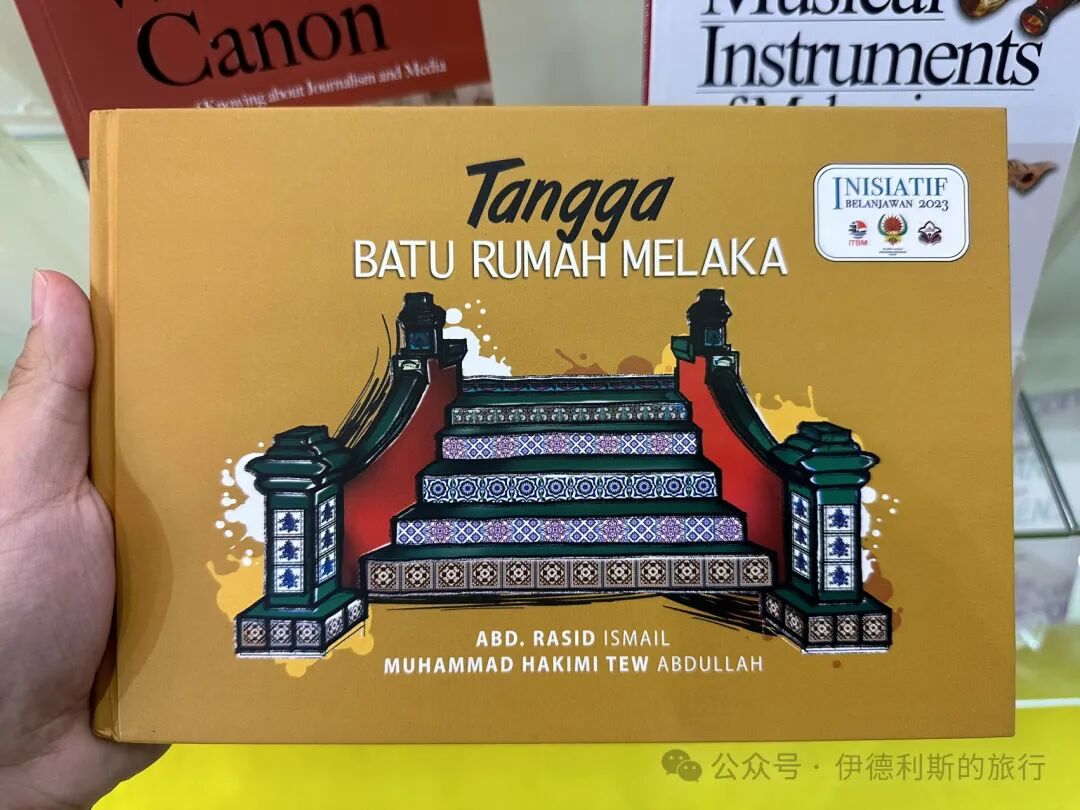
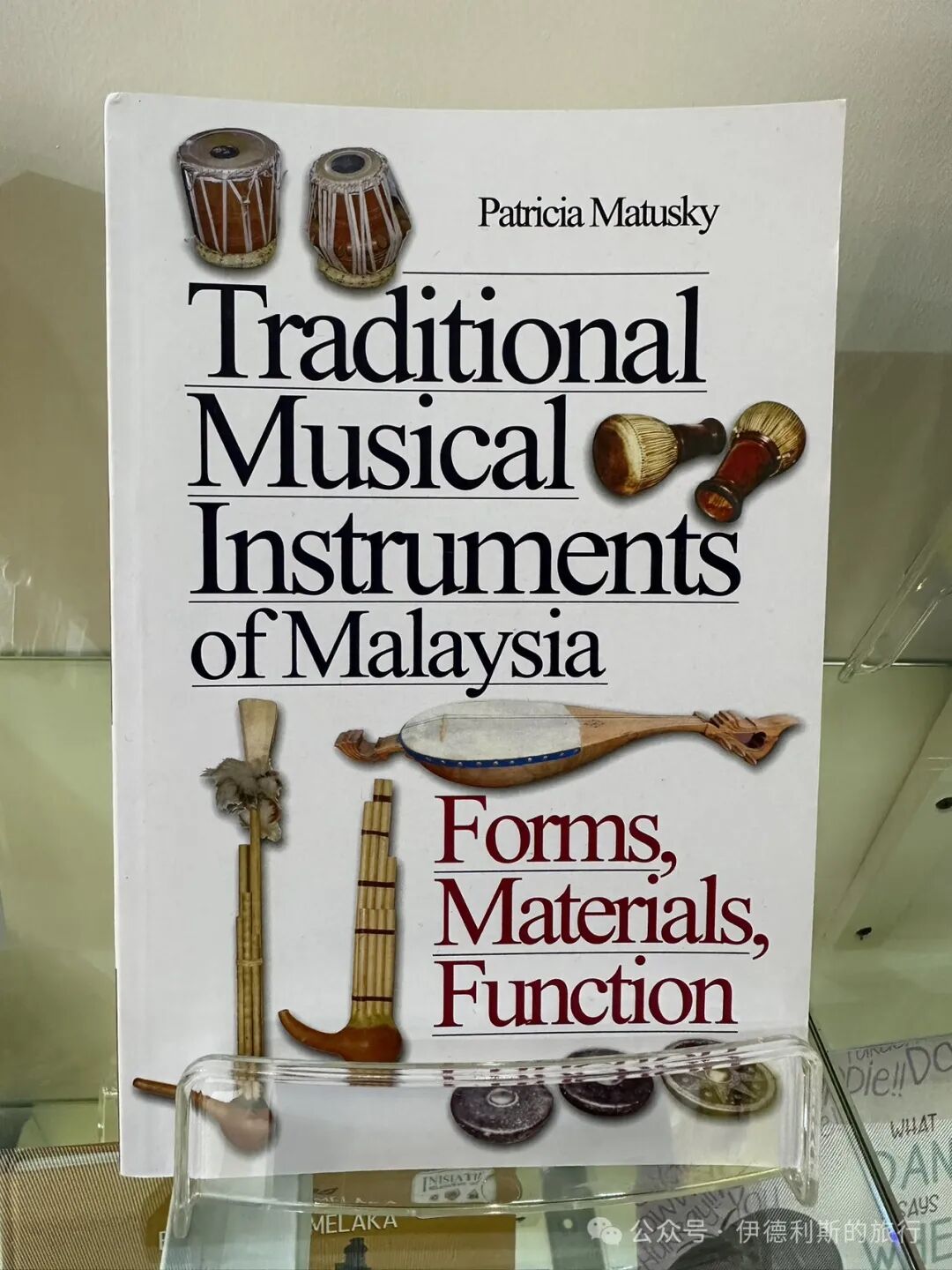
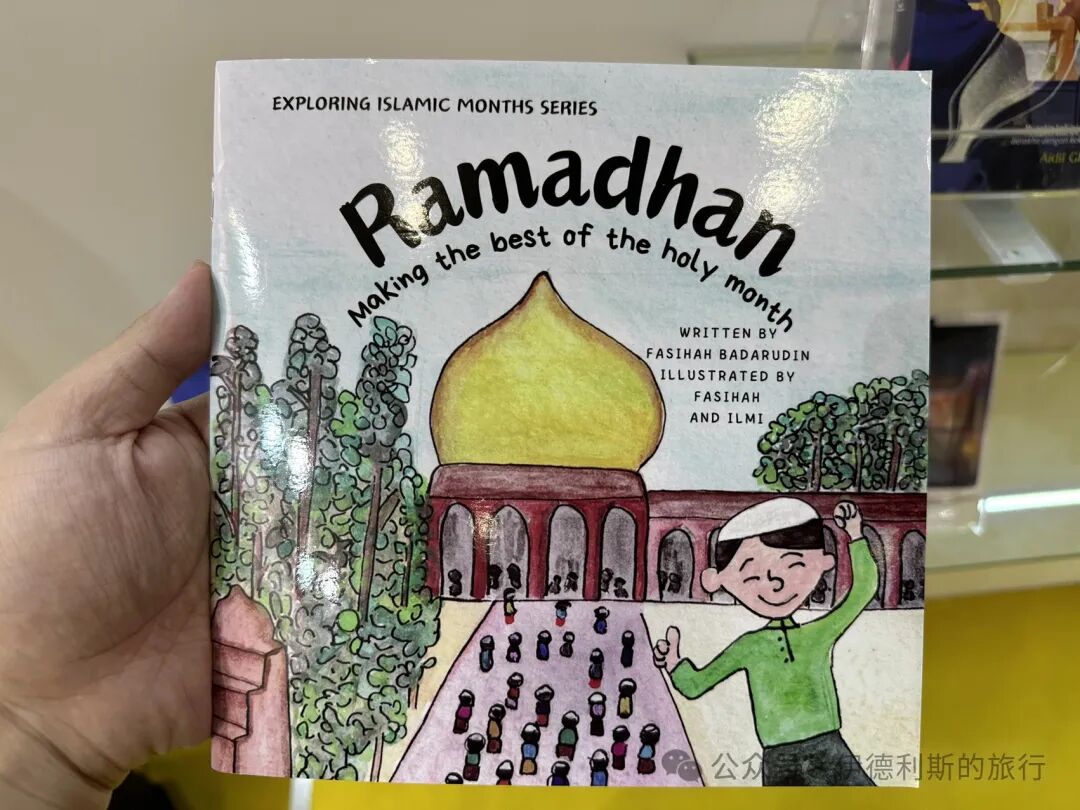
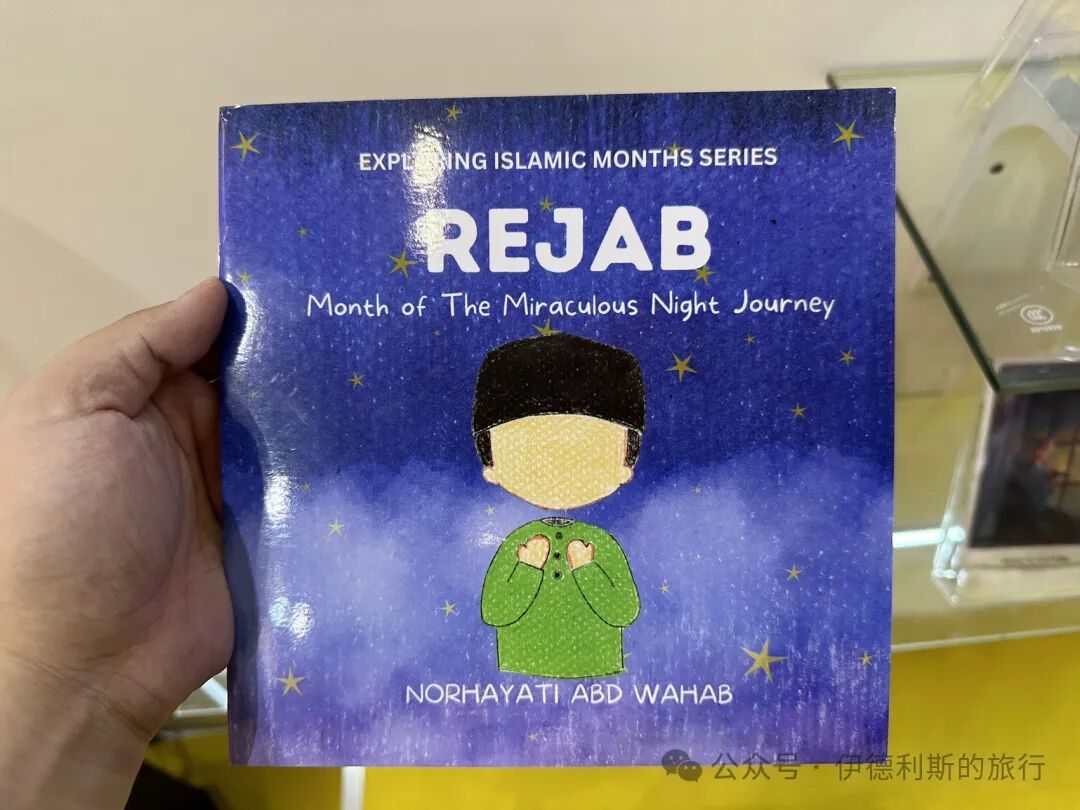
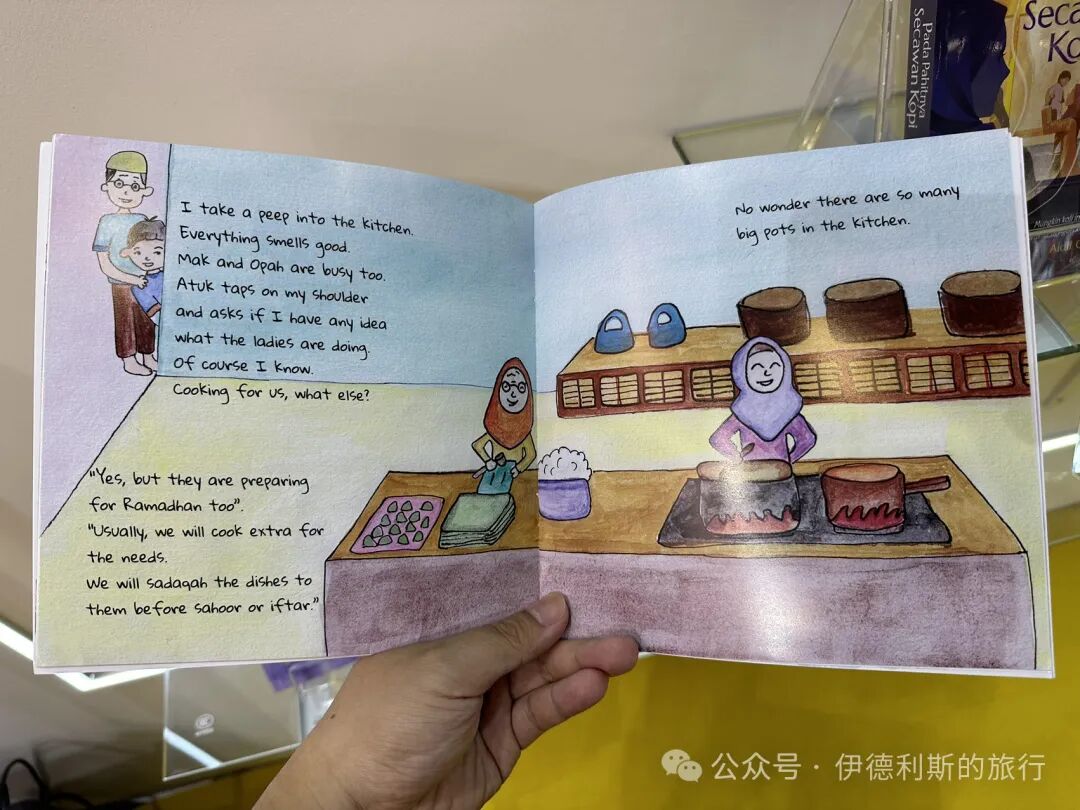
The Malaysia exhibition area is also worth a visit. Besides having many good books, you can also eat various small Malaysian snacks.
Summary: Saudi Culture Guide: Beijing International Book Fair and Saudi Heritage is presented here as a firsthand travel account in clear, natural English. The account focuses on Saudi Culture, Beijing Book Fair, Muslim Travel while preserving the names, places, food, photos, and historical details from the Chinese source.
The 30th Beijing International Book Fair took place at the China National Convention Center from June 19 to 23. As the guest of honor, Saudi Arabia carefully planned a series of cultural exchange activities, including displays of calligraphy, clothing, and food culture, which attracted many people interested in learning about Saudi culture.
We tasted herbal Arabic coffee, sweet dates, and various date desserts, as well as Saudi-style chocolates. The date-filled cookies were especially delicious.
The cloth bag and notebook we received as gifts.
Nearby, a calligrapher was writing Arabic names for visitors. There was a long line, showing that everyone was very enthusiastic about Arabic culture.
The Saudi women's clothing exhibition perfectly blended tradition with modern style.
At the "Hejaz Night," under the brilliant starry sky of the Hejaz midnight, everyone shared stories and offered blessings to every Hejaz woman.
The creator is the famous Saudi fashion designer Adnan Akbar. He learned embroidery as a child and opened the first fashion boutique in Saudi Arabia in the 1970s. This piece was inspired by the traditional clothing of the Hejaz region and cleverly incorporates the beauty of sunlight reflecting off the Red Sea into its unique embroidery.
Adnan's work from the 1980s was inspired by ancient traditional Saudi jewelry.
Adnan's work from 1975 was inspired by the Asir region in southwestern Saudi Arabia, combining gold and silver threads with vibrant Arabian colors.
The "Covenant of Loyalty" combines traditional clothing features from four different regions of Saudi Arabia, innovating while staying rooted in tradition.
An exhibition of traditional Saudi musical instruments. The first is the bowed string instrument rebab, which is popular in northern Saudi Arabia. The rebab spread along trade routes to many parts of the Middle East, North Africa, Central Asia, and Southeast Asia, developing its own unique characteristics in each place. The rebab is very important in the music of the Arab Bedouin people and is their main bowed string instrument.
The plucked string instrument simsimiyya is mainly popular along the Red Sea coast in western Saudi Arabia. The simsimiyya is widely used in Egypt. It appeared in paintings from the time of the pharaohs and is an important instrument for accompaniment.
The oud is the oldest plucked string instrument in the world. Many Saudi musicians used the oud to compose, perform, and sing in the 20th century. Today, it is a key part of modern Saudi music. Modern ouds come in three types: Arabic, Turkish, and Persian. The one on display at the exhibition is an Arabic oud. The Arabic oud is larger than the Turkish and Persian versions, and its tone is fuller and deeper.
The exhibit shows how to make prayer beads (tasbih) and displays traditional pigments.
In the Middle East, people began using materials like pearl, amber, hardwood, and bone to make counting beads for reciting tasbih during the Ottoman Empire in the 16th century. Since then, tasbih beads have developed into a distinct category of craft.
Traditional Saudi pigments are extracted from minerals and plants, including natural quartz, cranberries, canna leaves, and charcoal.
The Saudi exhibition area has many picture books. This set of food-themed books is high quality, with beautiful illustrations and interesting content. Each book uses several engaging stories to introduce food culture.
Our Food From Madinah: Madinah is a desert oasis in the mountains of western Saudi Arabia and is known for its high-quality roses.
Our Food From Najran: Najran is the date palm capital in southern Saudi Arabia and has the best soil in the country.
Our Food From Albaha: Albaha is located in the Hejaz Mountains in southwestern Saudi Arabia. It has heavy rainfall, thick forests, and a beautiful environment. Albaha produces many bananas, honey, apples, pomegranates, and pumpkins. This makes the food culture in the Albaha region very different from other parts of Saudi Arabia.
Our Food From Jazan: Jazan is on the Red Sea coast in the far southwest of Saudi Arabia. It sits right next to Yemen and is an important agricultural area. The coffee beans used for Saudi coffee grow on the terraced fields in the mountains of Jazan.
Our Food From Aseer: Aseer is in the southwest of Saudi Arabia. It has magnificent mountains and wide plains, a pleasant climate all year round, and a thriving agricultural sector.
The Saudi exhibition area features two picture books about Saudi historical sites: 'Princess Taj's Treasure and the Golden Mask' and 'AlUla: City of Miracles and Land of Civilization.' They introduce Saudi history and culture from the perspective of a child's adventure. AlUla was recently exhibited at the Gate of Divine Prowess in the Forbidden City, and it feels like Saudi Arabia has really prioritized cultural outreach over the last two years.
Besides the picture books they are giving away, the Saudi area also has some large display albums, and this photography collection of the Old Town of Jeddah is also very beautiful. The Old Town of Jeddah is probably the most accessible World Heritage site in Saudi Arabia. When we visited last year, the whole old town was under renovation, so we couldn't enter some of the old houses. I am looking forward to seeing how it looks once the repairs are finished.
Next to the Saudi exhibition area is the King Abdulaziz Public Library booth. This library has three branches in Riyadh, Casablanca, and Peking University. The Peking University branch was completed in 2017. There are also many exquisite art books inside the booth, including one that displays various miniature painting manuscripts. There are also many free picture books about local Saudi culture, all of which have been translated into Chinese.
After finishing the Saudi exhibition area, I continued to browse the nearby Iranian exhibition area. The biggest surprise was seeing Iranian artist Zeinab Badri creating her work on the spot. Zeinab was born in Tehran in 1991. She became a professional illustrator in 2015 and has created many works since then. When we visited, Zeinab was working on a piece about China and Iran, which felt very interesting.
The Iran exhibition area had a rich collection of books, including beautiful miniature painting albums and various children's picture books with very cute art styles, though they were all in Persian. We also saw the famous Persian language expert, Professor Bai Zhisuo, at the exhibition area. He is the one who translated the Complete Works of Masnavi for The Commercial Press. This May, The Commercial Press published two new books he translated, Art History in Islamic Civilization and Suhrawardi on Art and Aesthetic Philosophy. Those interested can buy them to read.
These are the cute picture books collected from the Iran exhibition hall, along with a postcard gifted by the illustrator Zeinab.
The Malaysia exhibition area is also worth a visit. Besides having many good books, you can also eat various small Malaysian snacks.
