
Halal Travel Guide: Lebanon - 15 Mosques in Beirut, Tripoli, Baalbek and Sidon
Reposted from the web
Summary: Halal Travel Guide: Lebanon - 15 Mosques in Beirut, Tripoli, Baalbek and Sidon is presented here as a firsthand travel account in clear, natural English. The account focuses on Lebanon, Mosques, Muslim Heritage while preserving the names, places, food, photos, and historical details from the Chinese source.
1. Beirut
Emir Assaf Mosque: late 16th century
Great Omari Mosque: renovated in 1291
2. Tripoli
Taynal Mosque: 1336
Mu'allaq Hanging Mosque: 1561
Mansouri Great Mosque: 1294
Al-Uwaysiyat Mosque: 1461
Attar Mosque: 1350s
Tawba Mosque: Mamluk period
Burtasi Mosque: late 13th century to early 14th century
3. Baalbek
Umayyad Great Mosque of Baalbek: 715
4. Sidon
El Kikhia Mosque: 1625
El Qtaishieh Mosque: 16th century
Great Omari Mosque: renovated in 1291
El-Bahr Mosque: 1373.
El Barrane Mosque: late 16th to 17th century.
1. Beirut
Emir Assaf Mosque: late 16th century
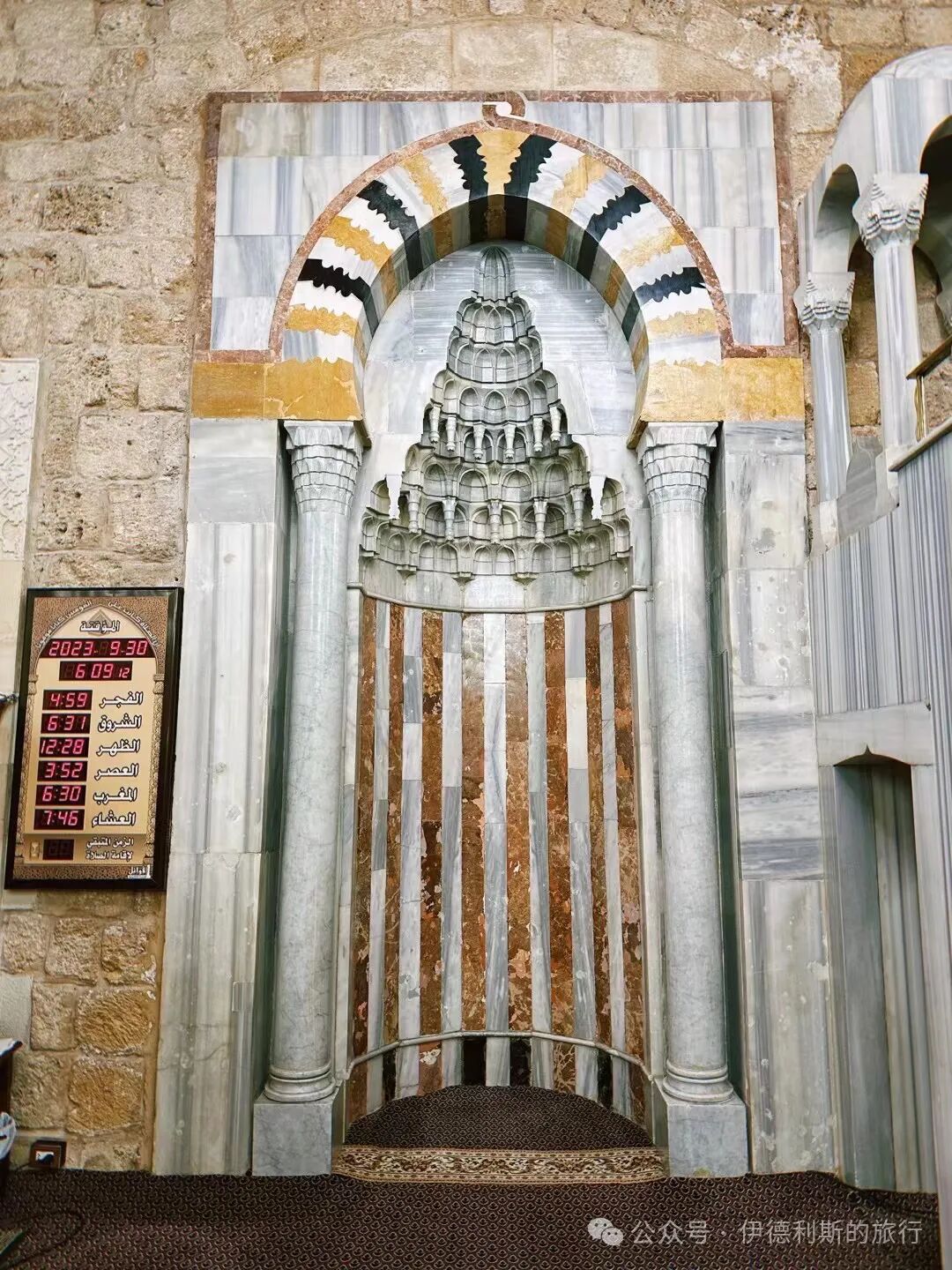
The Emir Assaf Mosque was built in the late 16th century by the Emir rulers of the local Lebanese Assaf dynasty (1306-1591). The Emir's palace and gardens used to be next to the mosque.
The Assaf dynasty was a Sunni Turkmen dynasty. In 1306, the Mamluk governor of Damascus sent the Turkmen tribes led by the Assaf family to suppress a rebellion north of Beirut. Later, the Mamluk dynasty appointed them to guard the coastal area north of Beirut and manage the local Shia residents. In 1516, the Ottoman Empire took the Levant region from the Mamluk Sultanate and appointed the Assaf family as their main agents for the Beirut and Tripoli areas.
The Assaf dynasty lowered taxes and housing prices to attract Maronite Christians to settle in northern Beirut, using them to balance the local Sunni and Shia populations. In 1579, the Ottoman Empire established the Tripoli Eyalet to keep the Assaf dynasty in check. In 1591, the Ottoman governor of Tripoli ordered the execution of the last Assaf emir by gunfire, which brought the Assaf dynasty to an end.
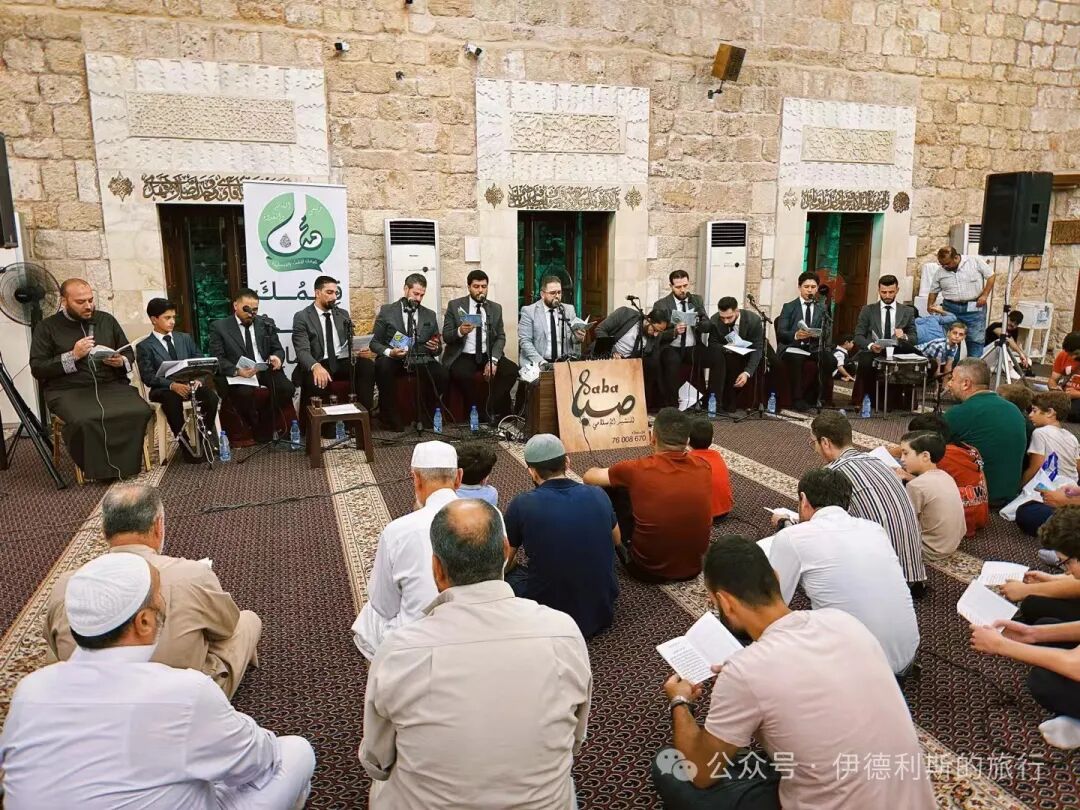
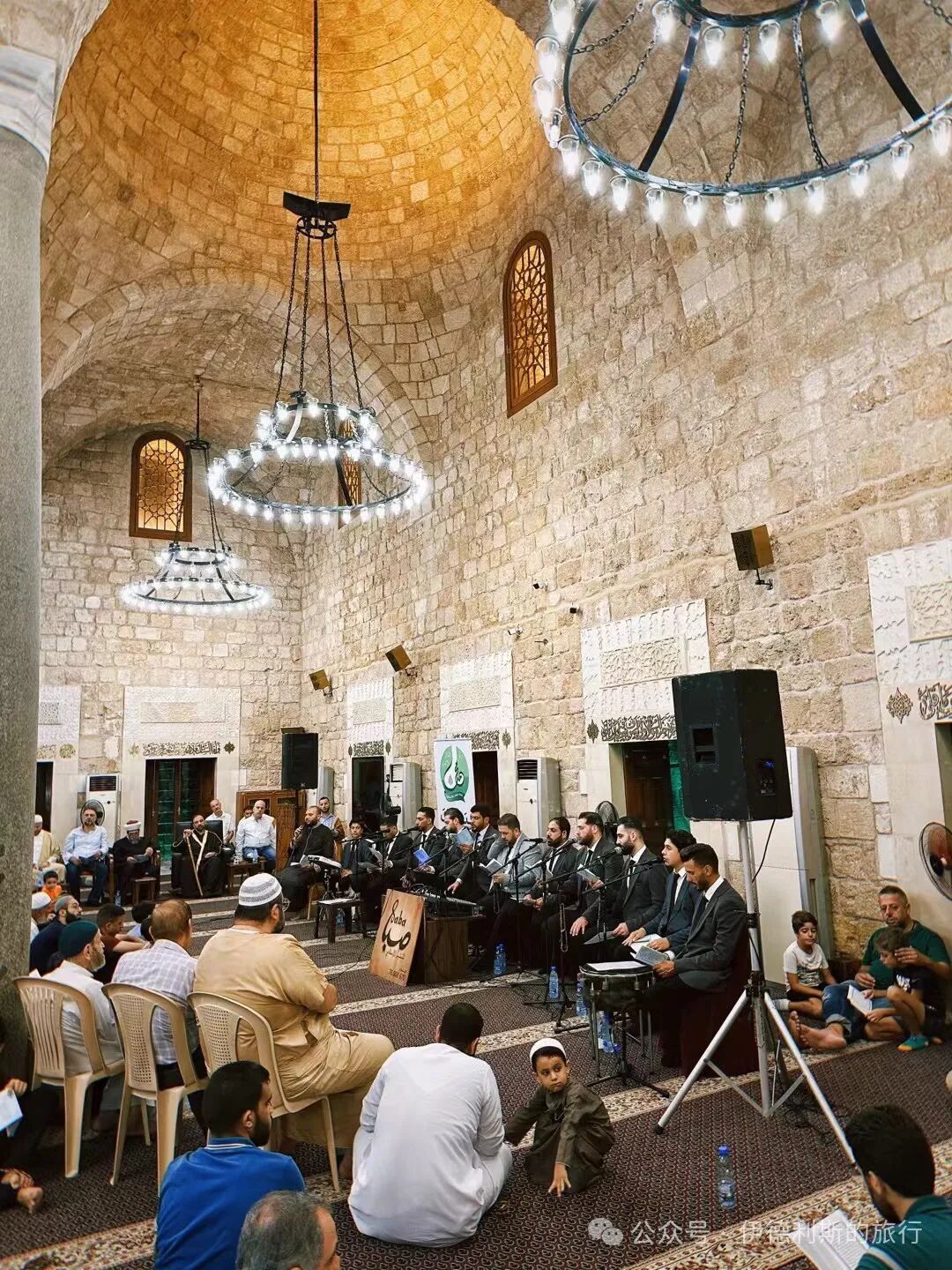
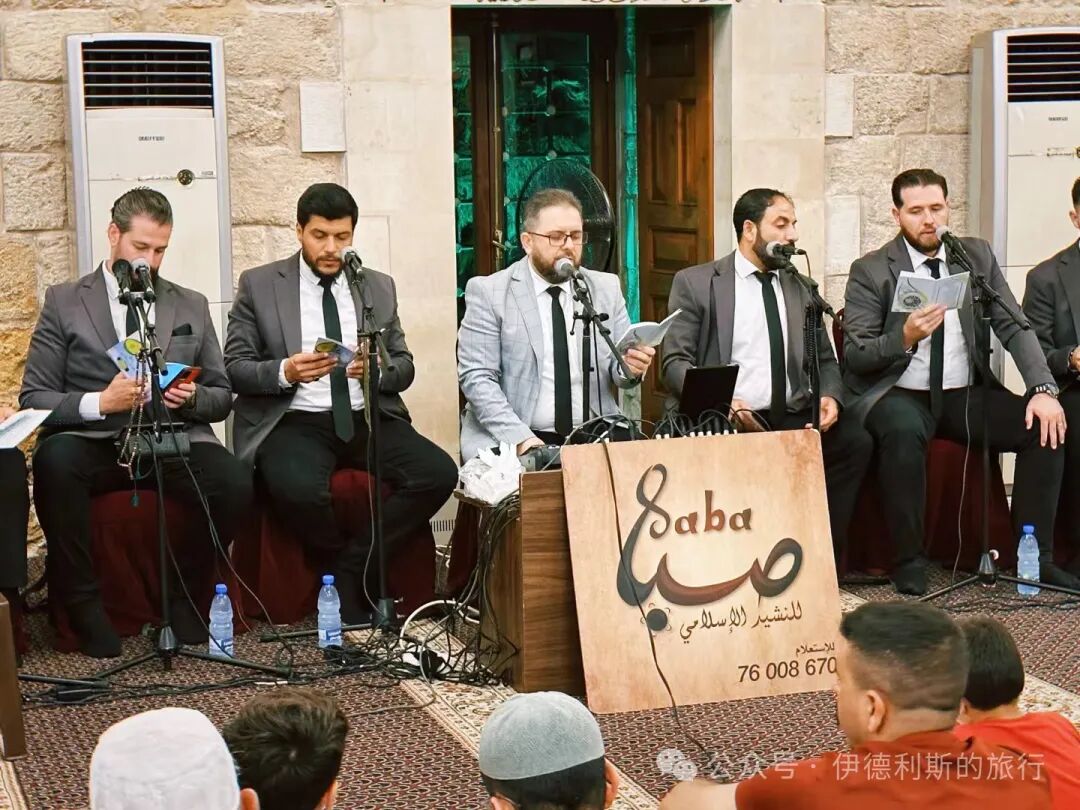
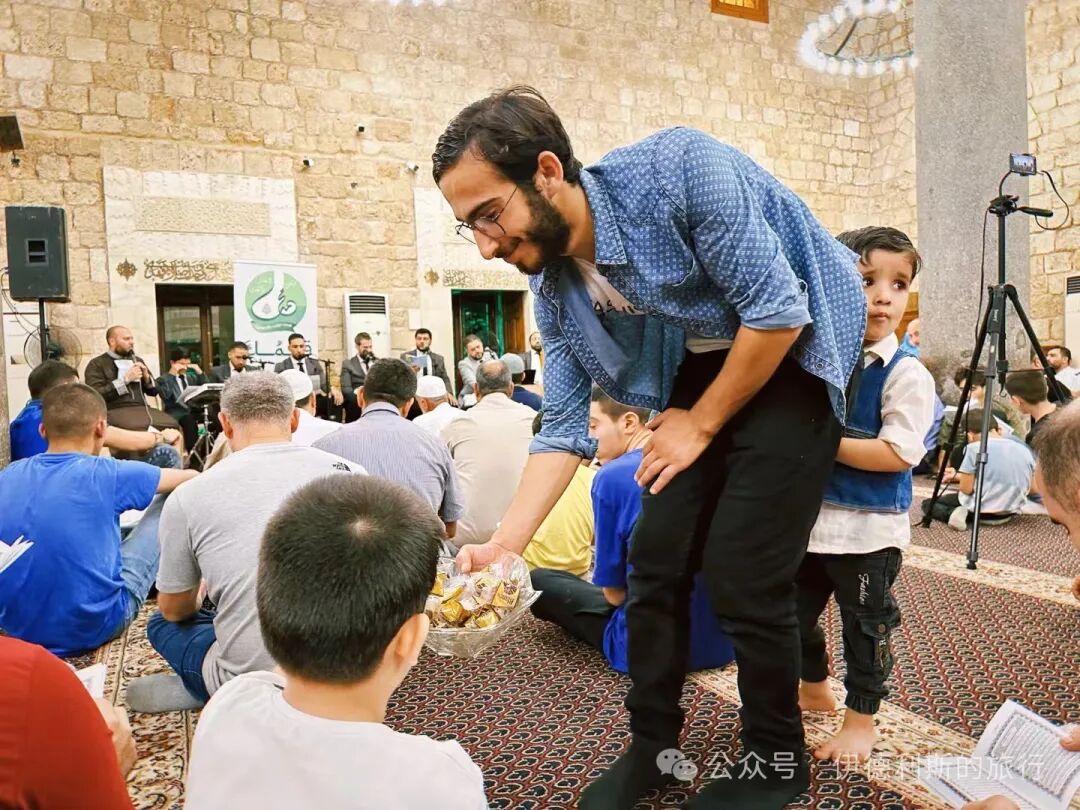
We joined the praise of the Prophet (zansheng) at the mosque, which is part of the Mawlid celebrations. Twelve men in formal wear sat on the east side of the main hall, chanting praises to the Prophet in unison, sometimes accompanied by the beat of a drum. Their voices were deep, loud, and very powerful.
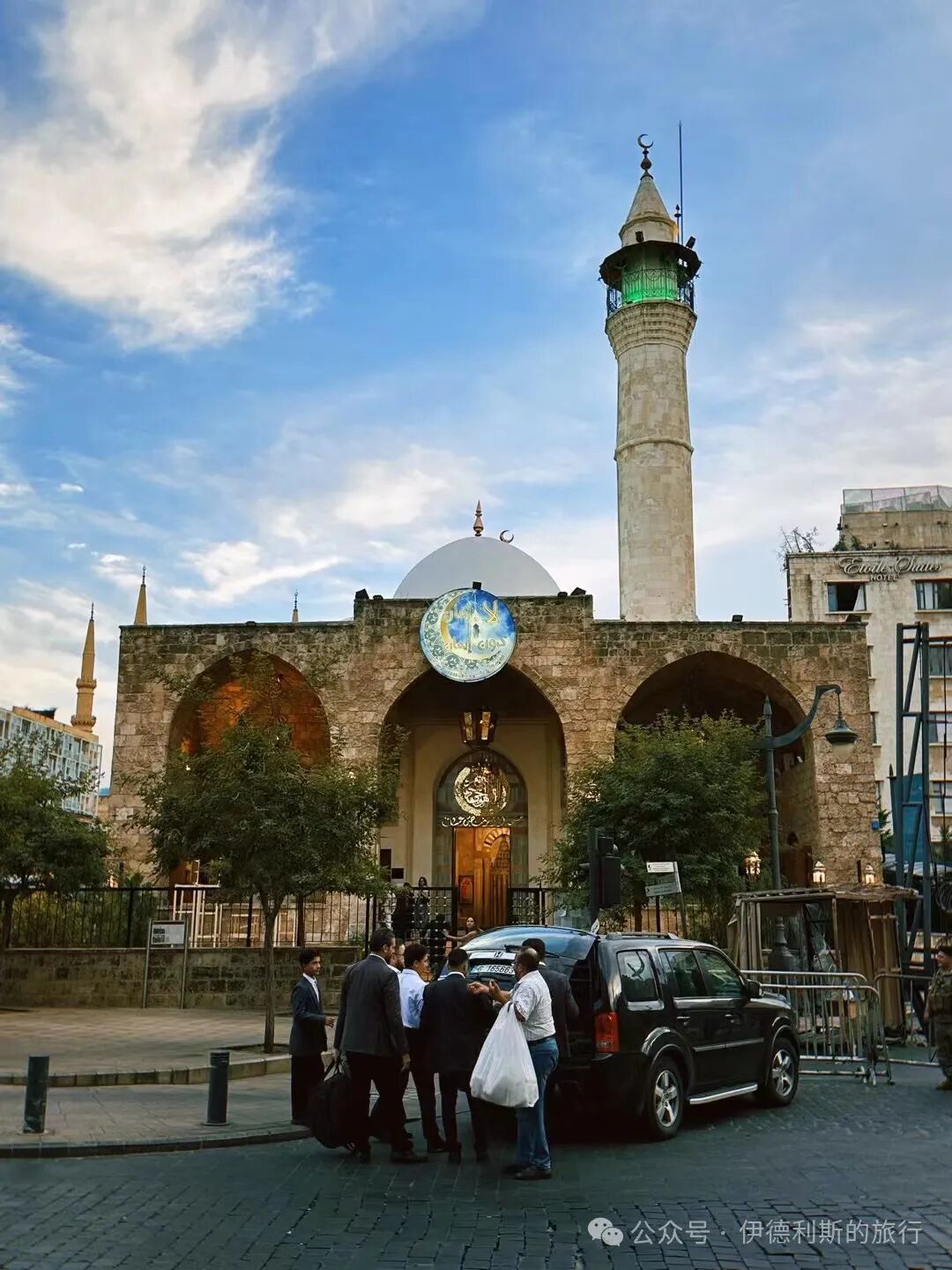
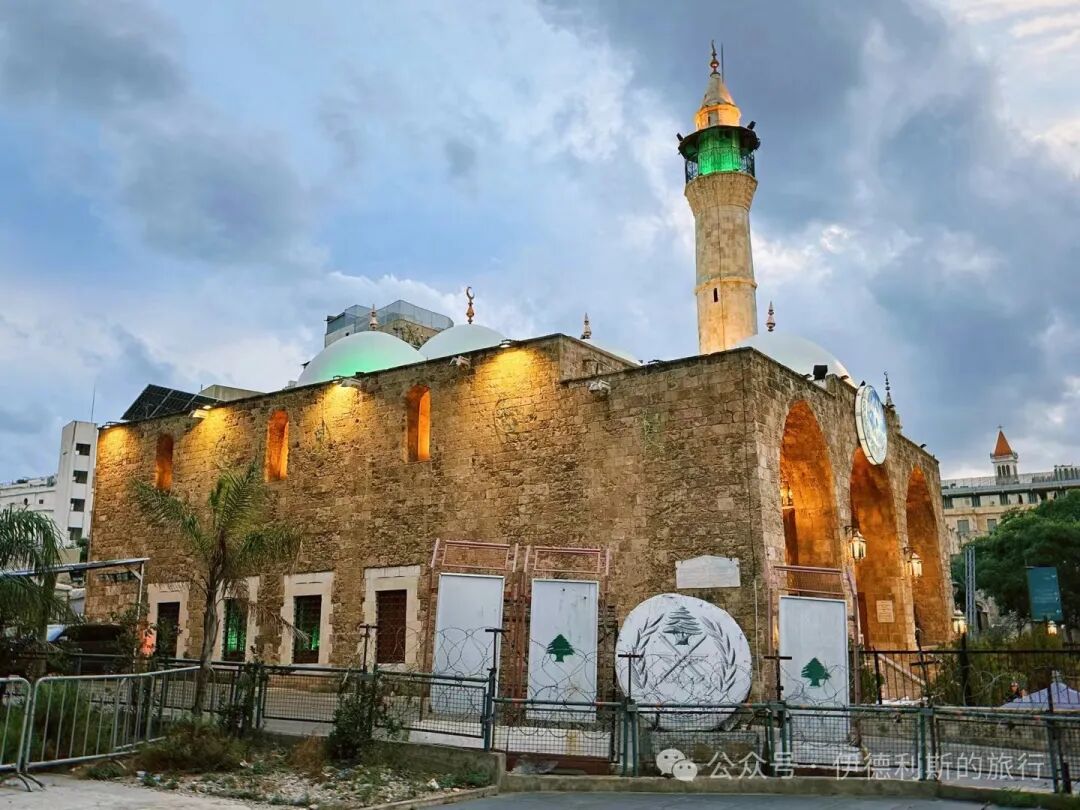
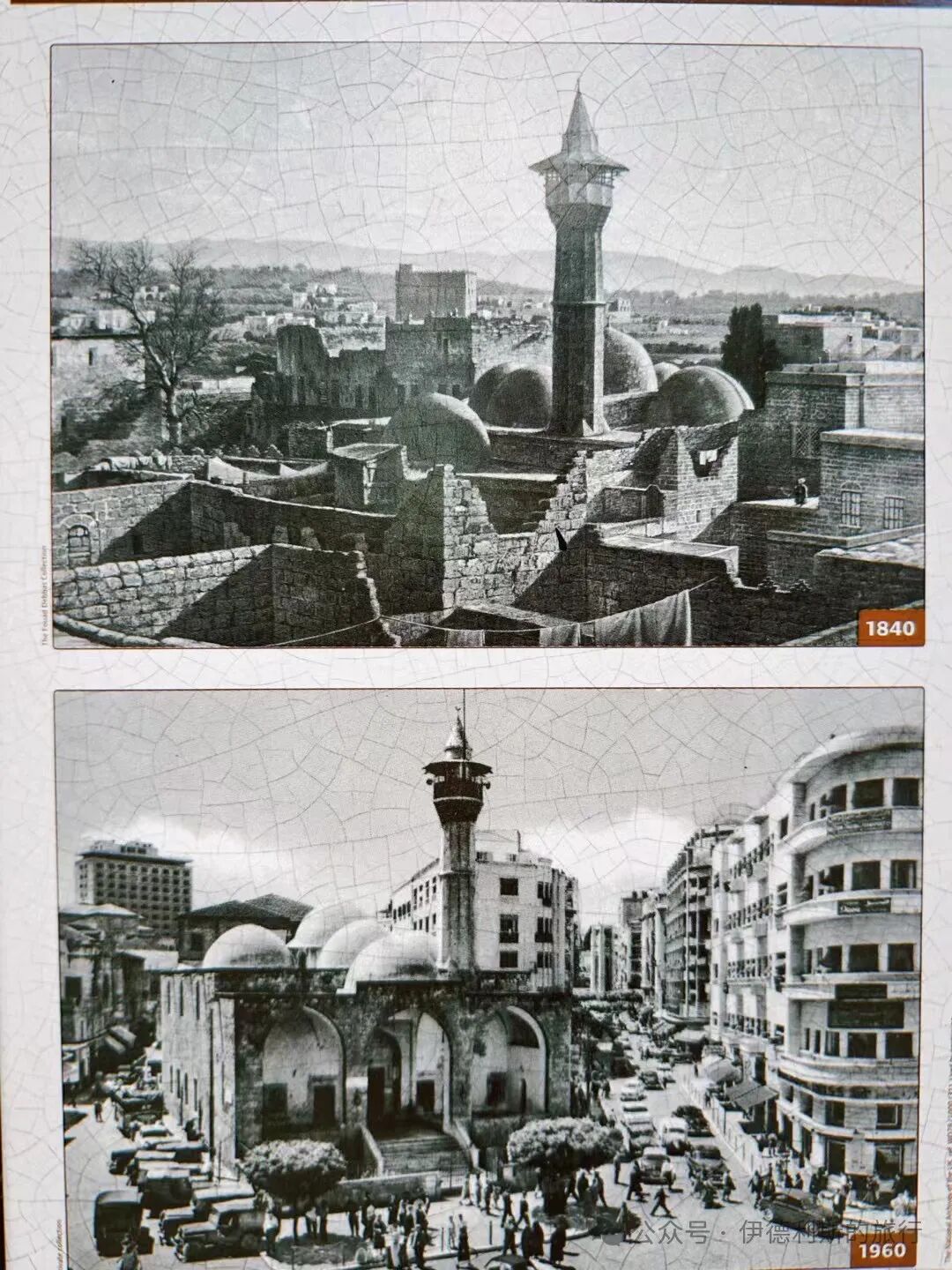
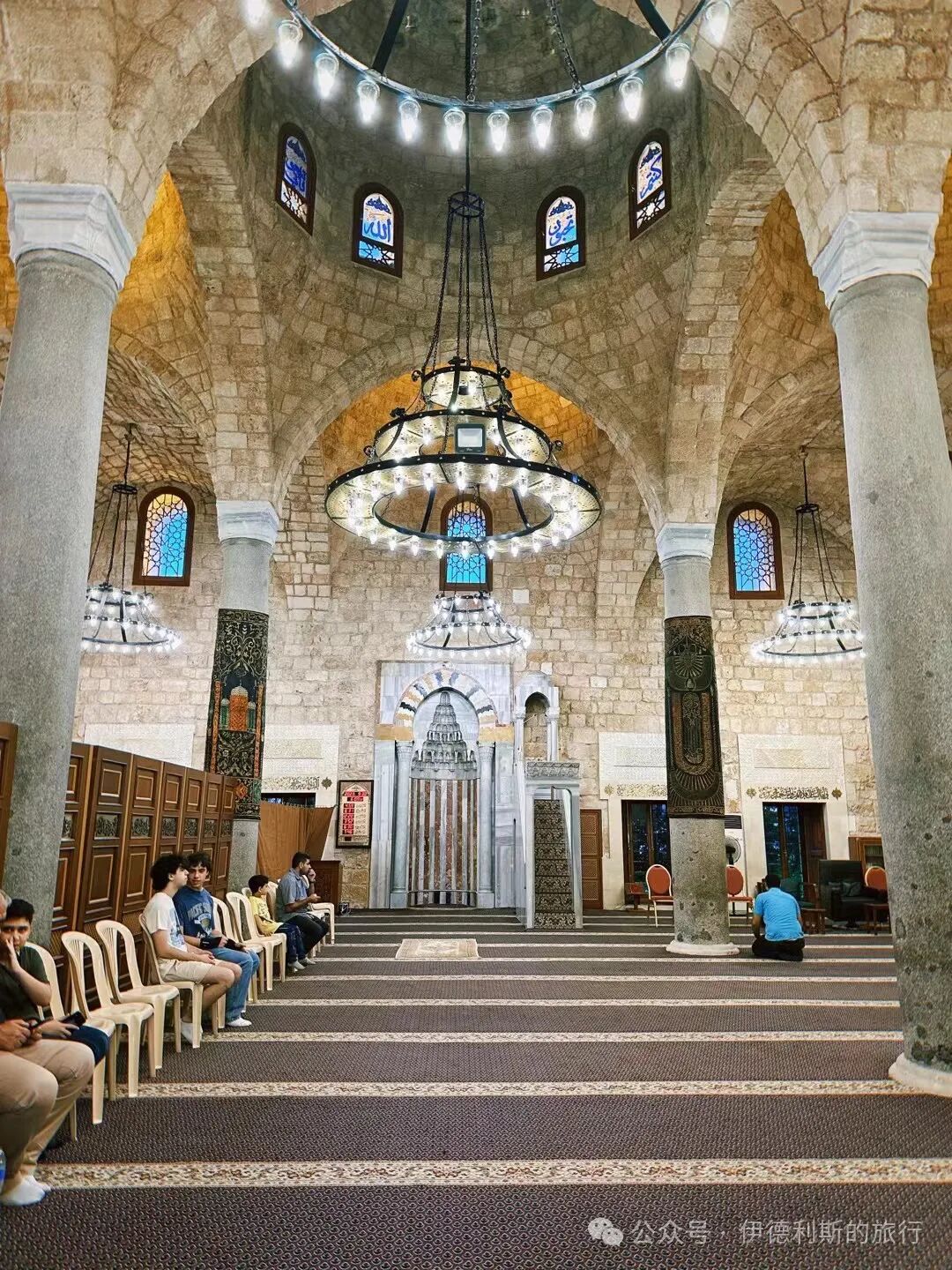
Great Omari Mosque: renovated in 1291
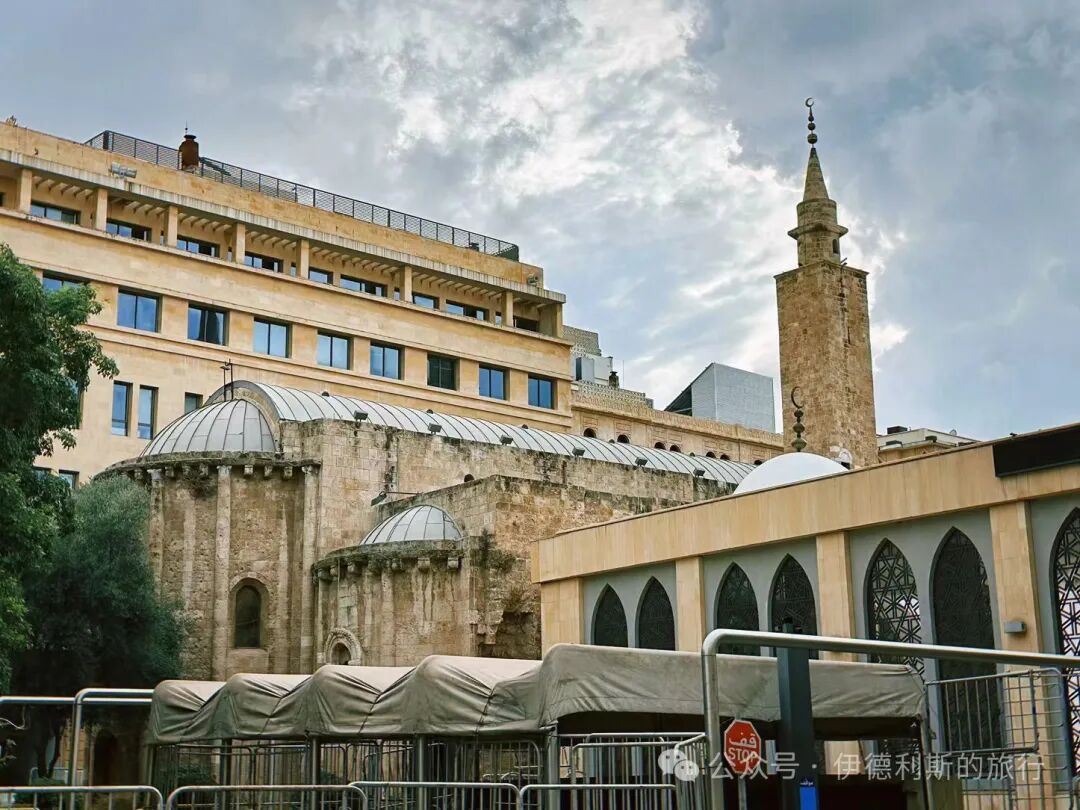
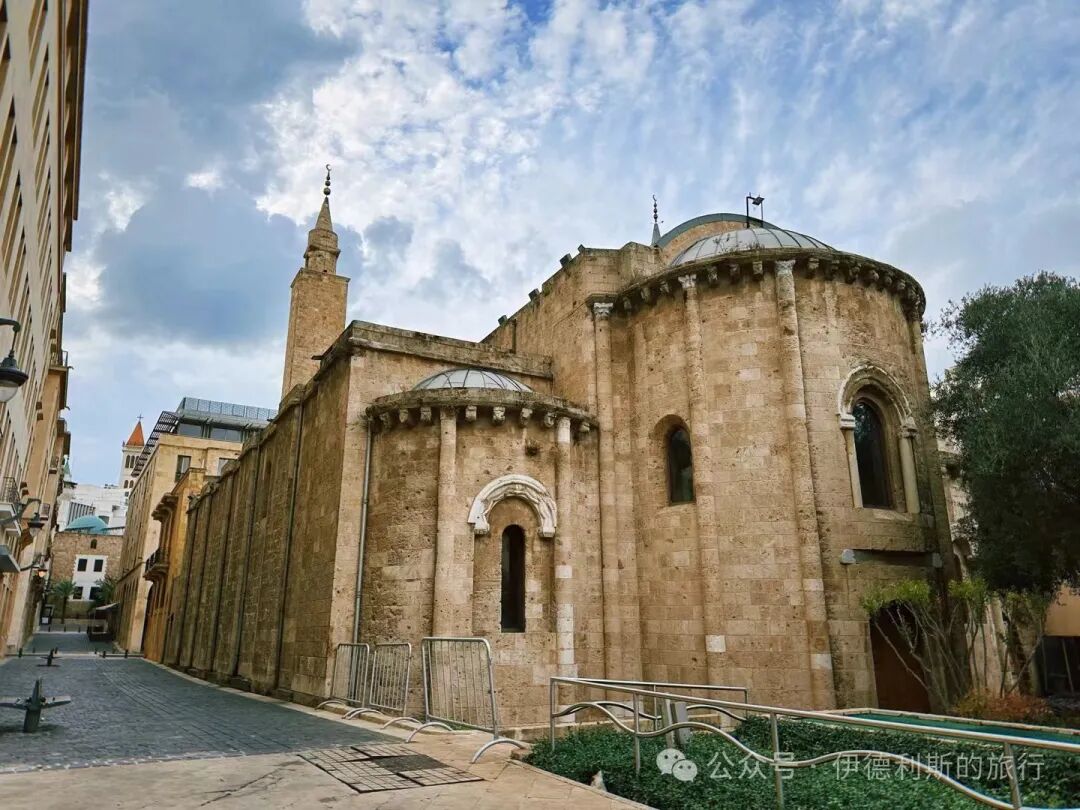
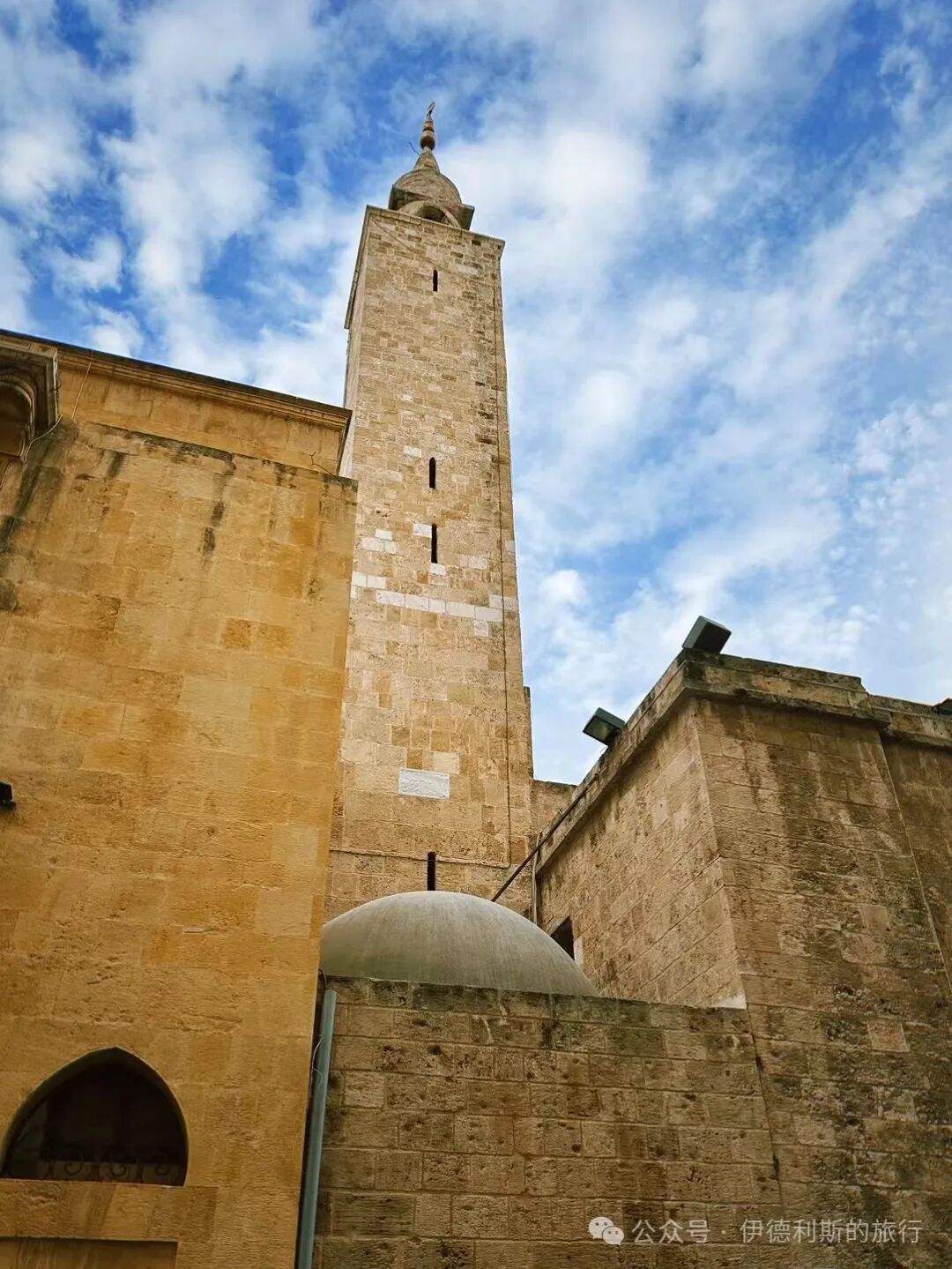
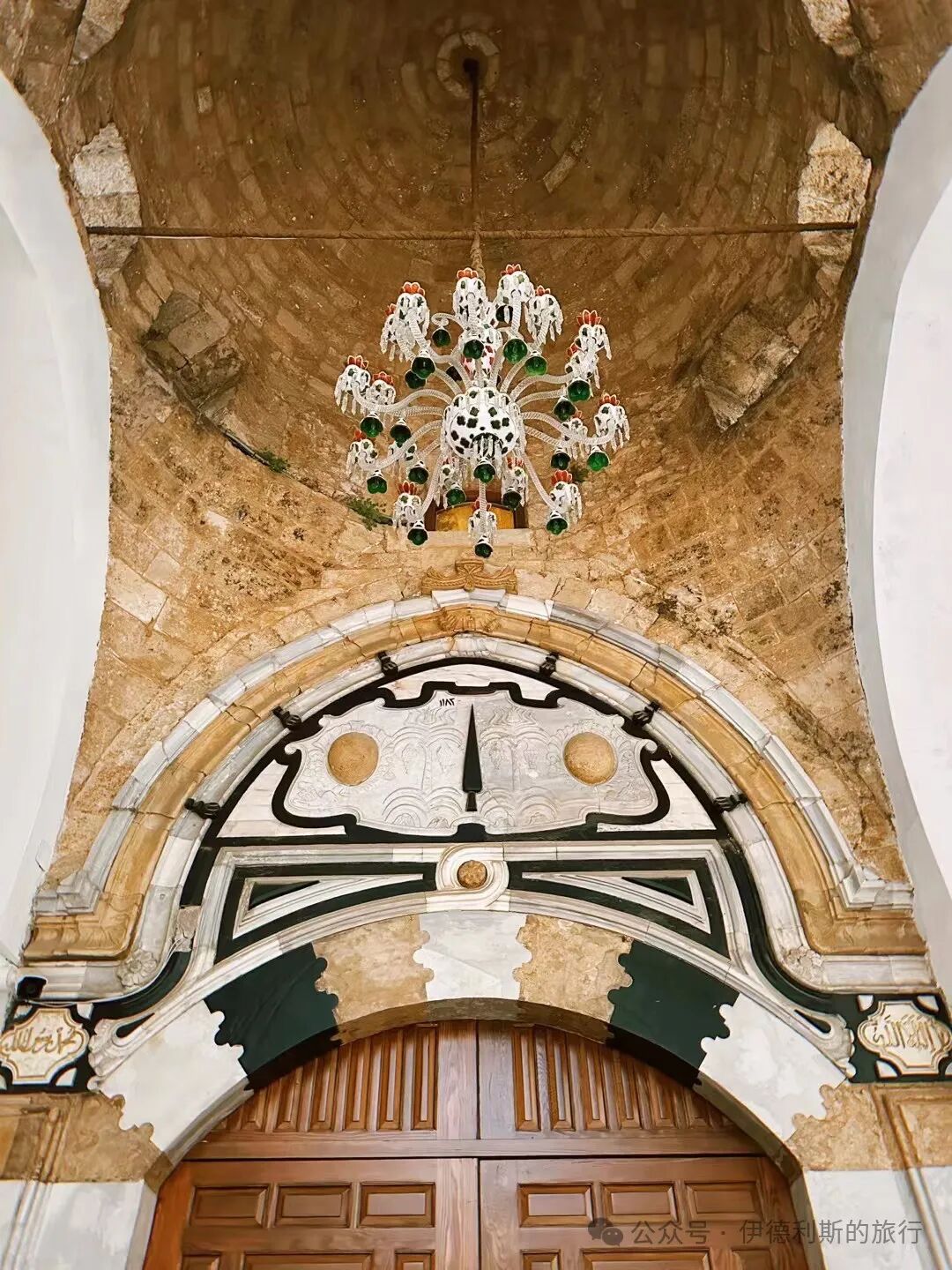
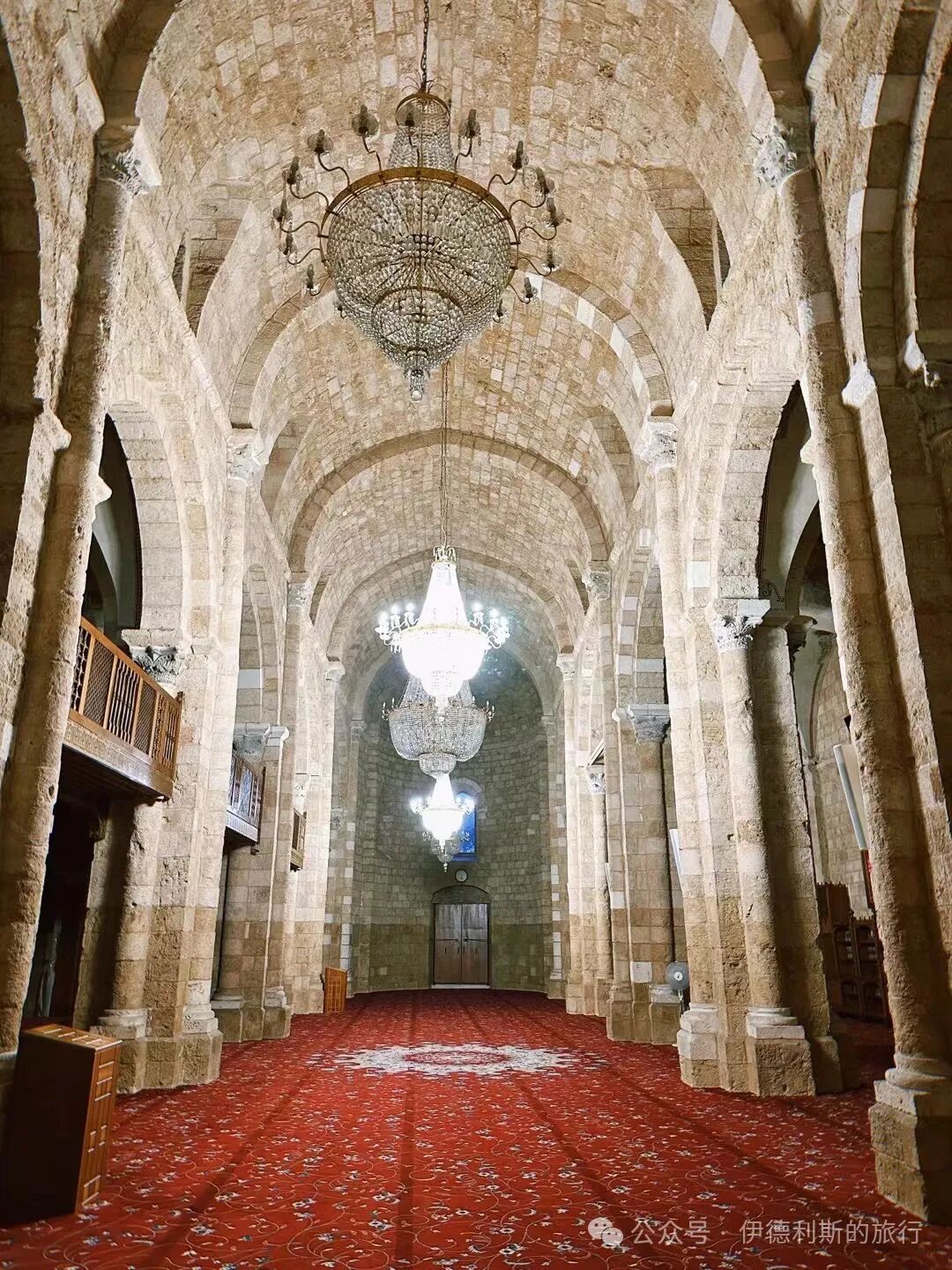
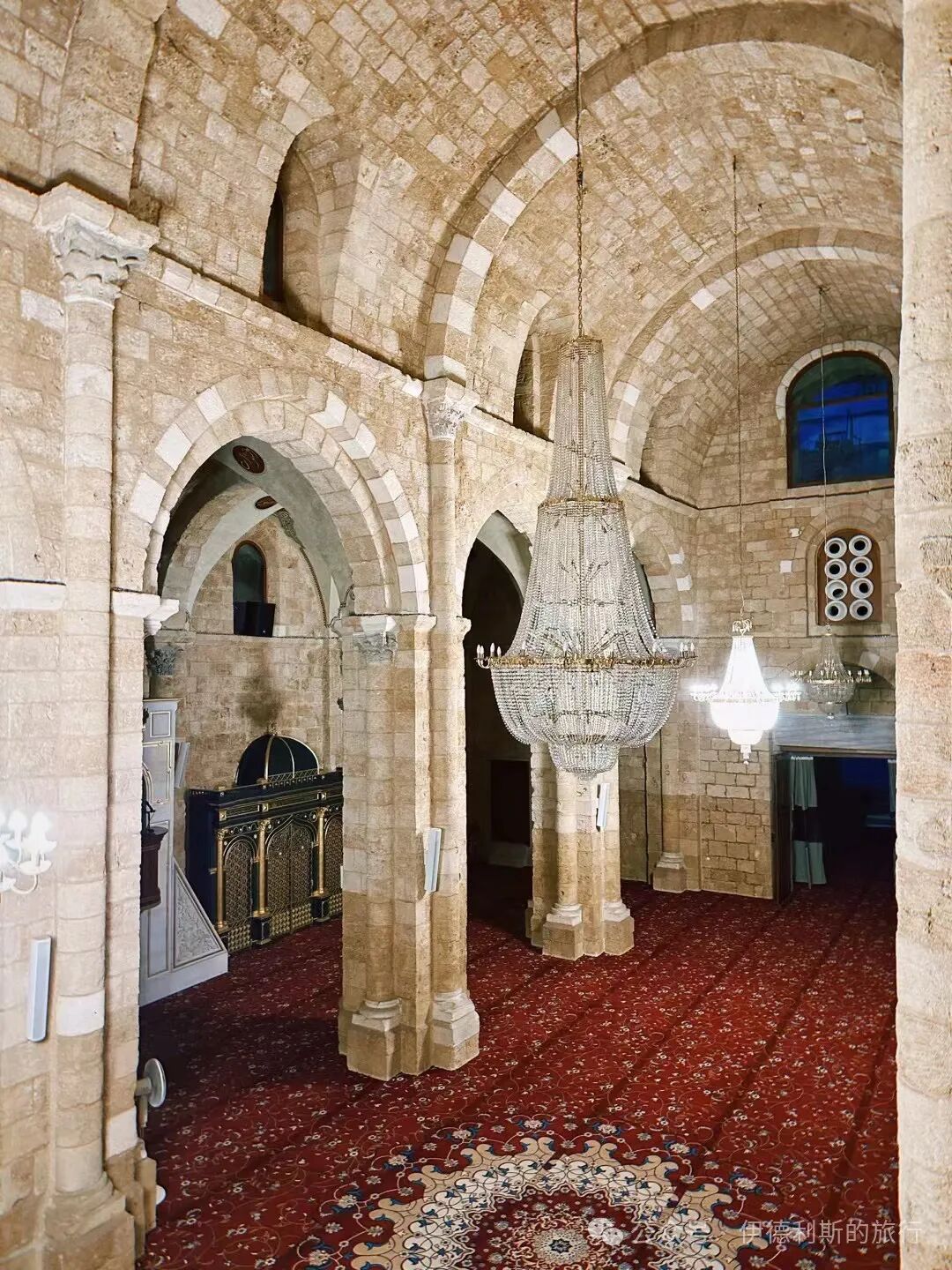
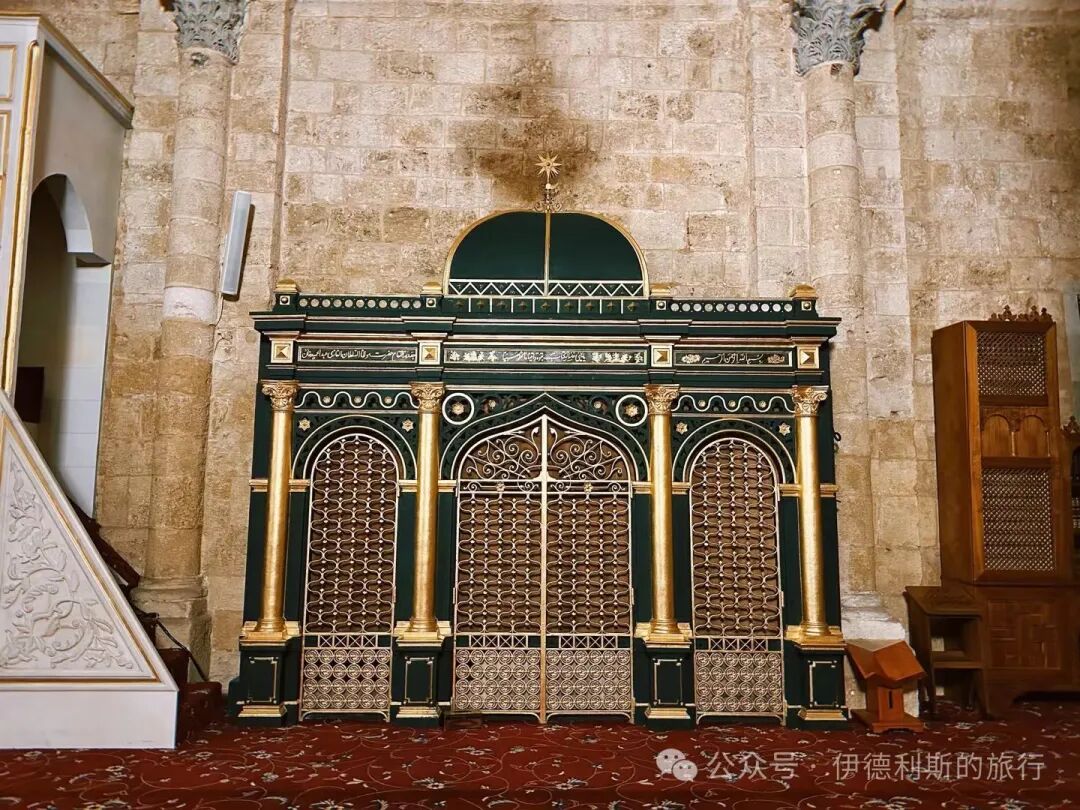
The Great Mosque of Al-Omari is said to have been founded in 635 during the reign of Caliph Umar, and in 1150 the Crusaders built a Romanesque Saint John's Church here. After the Mamluk dynasty captured Tripoli in 1291, they converted it back into a mosque, and in 1350 they added a Mamluk-style gate and minaret. During the French Mandate for Lebanon from 1923 to 1946, the street-facing facade of the Great Mosque of Al-Omari was redesigned to match the architectural style of downtown Beirut, and a porch was added. The Great Mosque of Al-Omari was severely damaged during the Lebanese Civil War, and renovations were completed in 2004.
2. Tripoli
Taynal Mosque: 1336
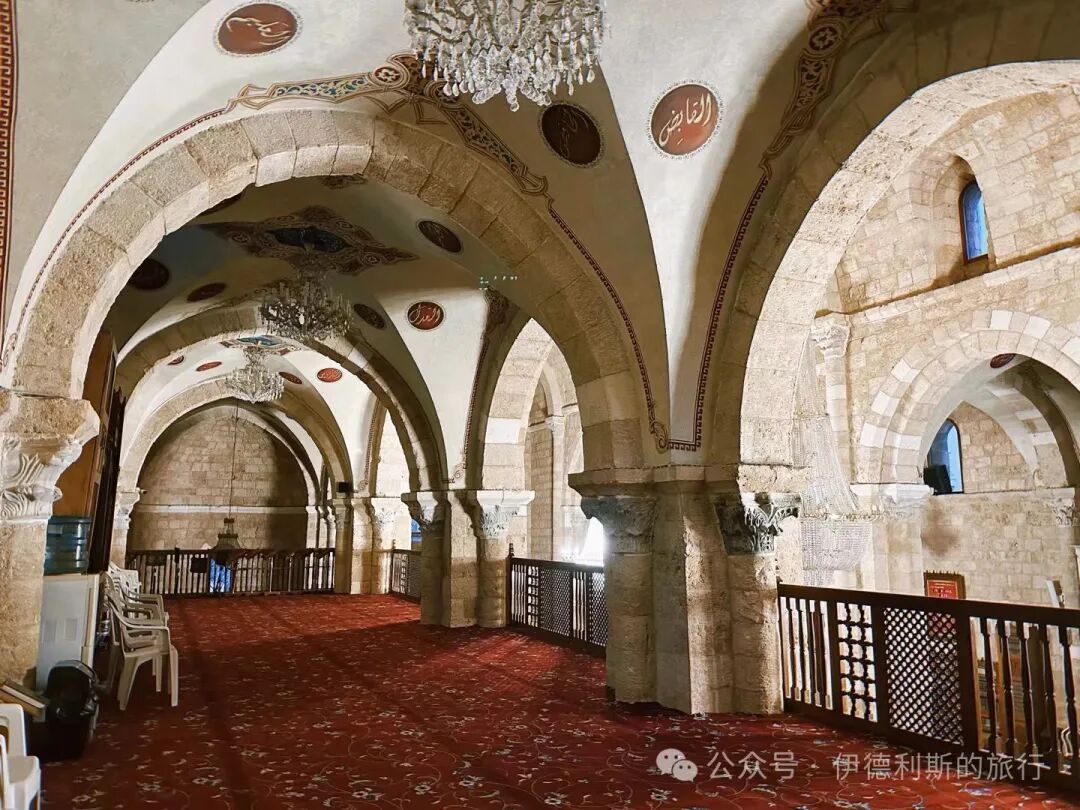
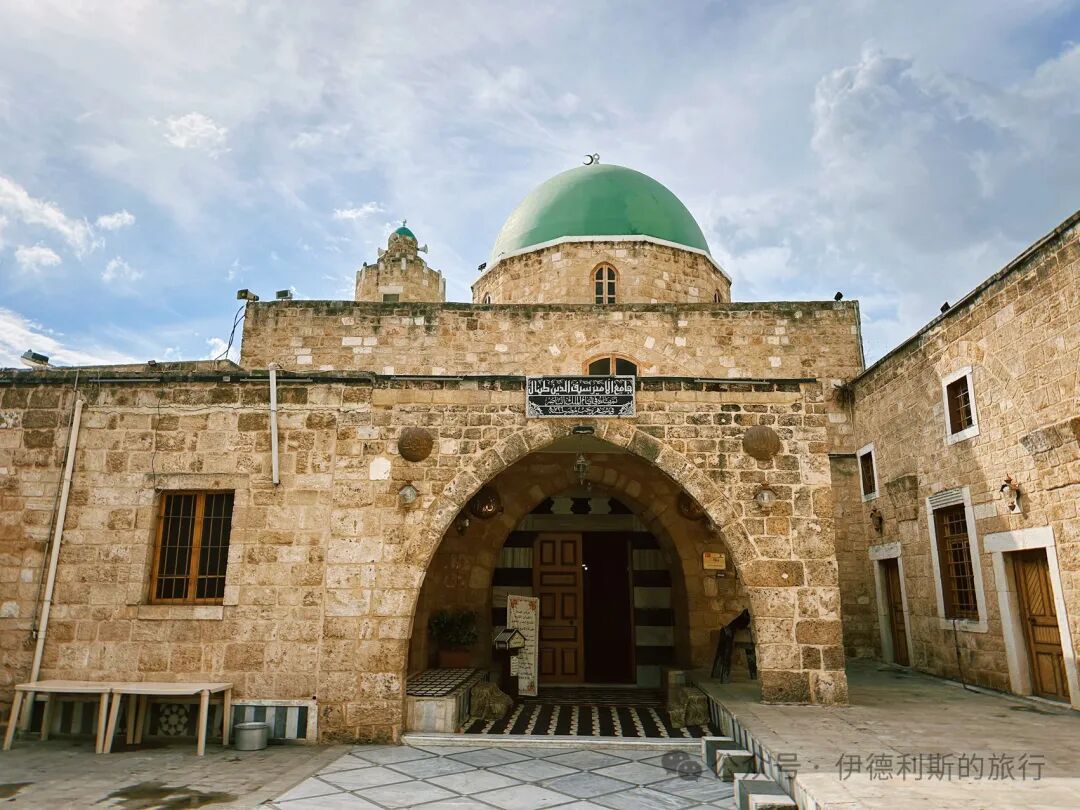
The Taynal Mosque was built in 1336 by order of the Mamluk governor (Na'ib) of Tripoli, Emir Taynal. In the mid-14th century, Taynal served three terms as governor of Tripoli and one term as governor of Gaza. The famous 14th-century traveler Ibn Battuta wrote in his travelogue: 'About forty Turkic princes and nobles live in the city.' The city governor was an emir named Taynal, who was known as the 'King of Chiefs'. His residence was commonly called the 'House of Blessings' (Dar al-Sa'ada). He usually went out riding every Monday and Thursday, accompanied by various chiefs and a large group of guards, and only returned to the city when he was satisfied. Amir Taynal passed away in Damascus in 1343. Although a tomb was built for him at the Taynal Mosque, he was ultimately buried in Damascus.
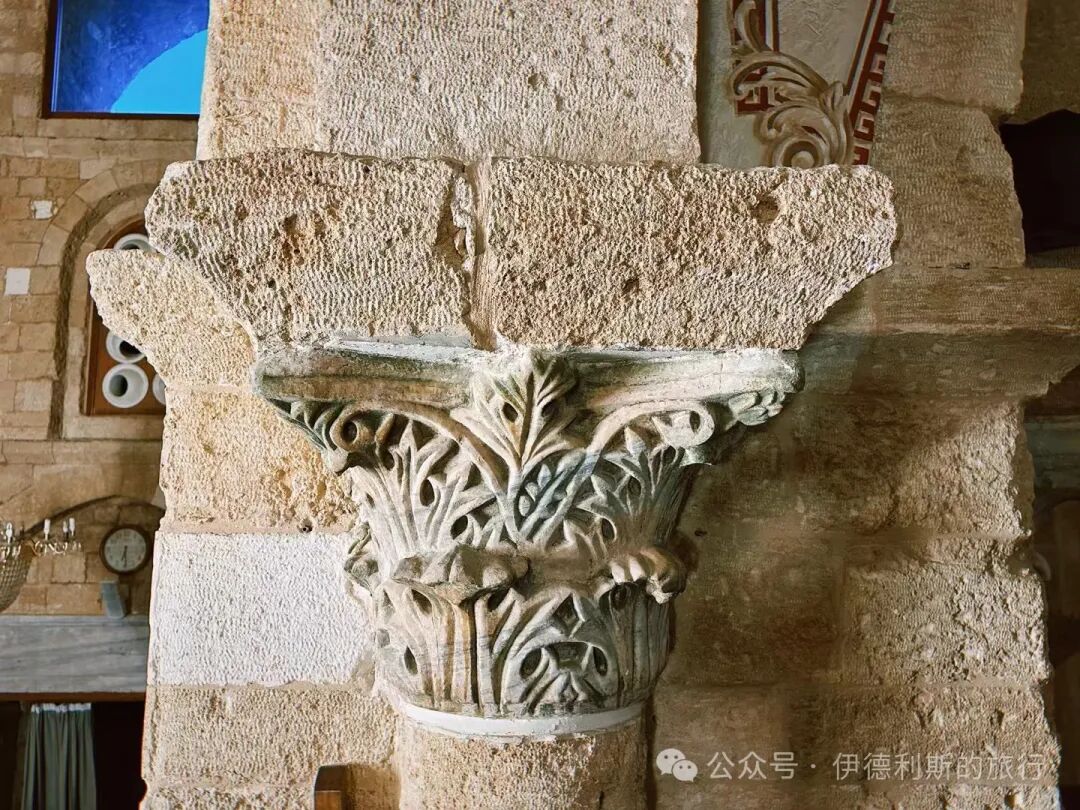
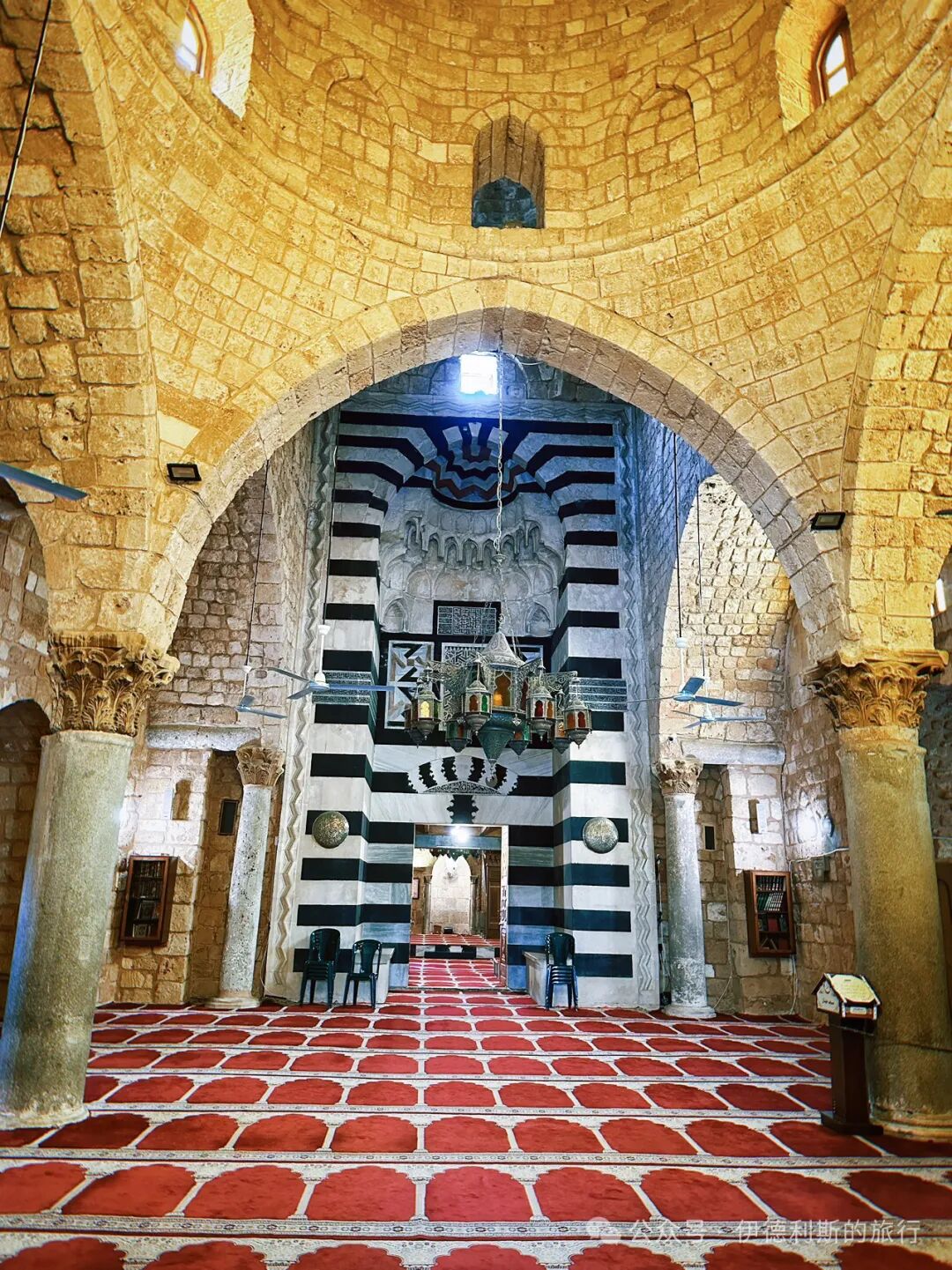
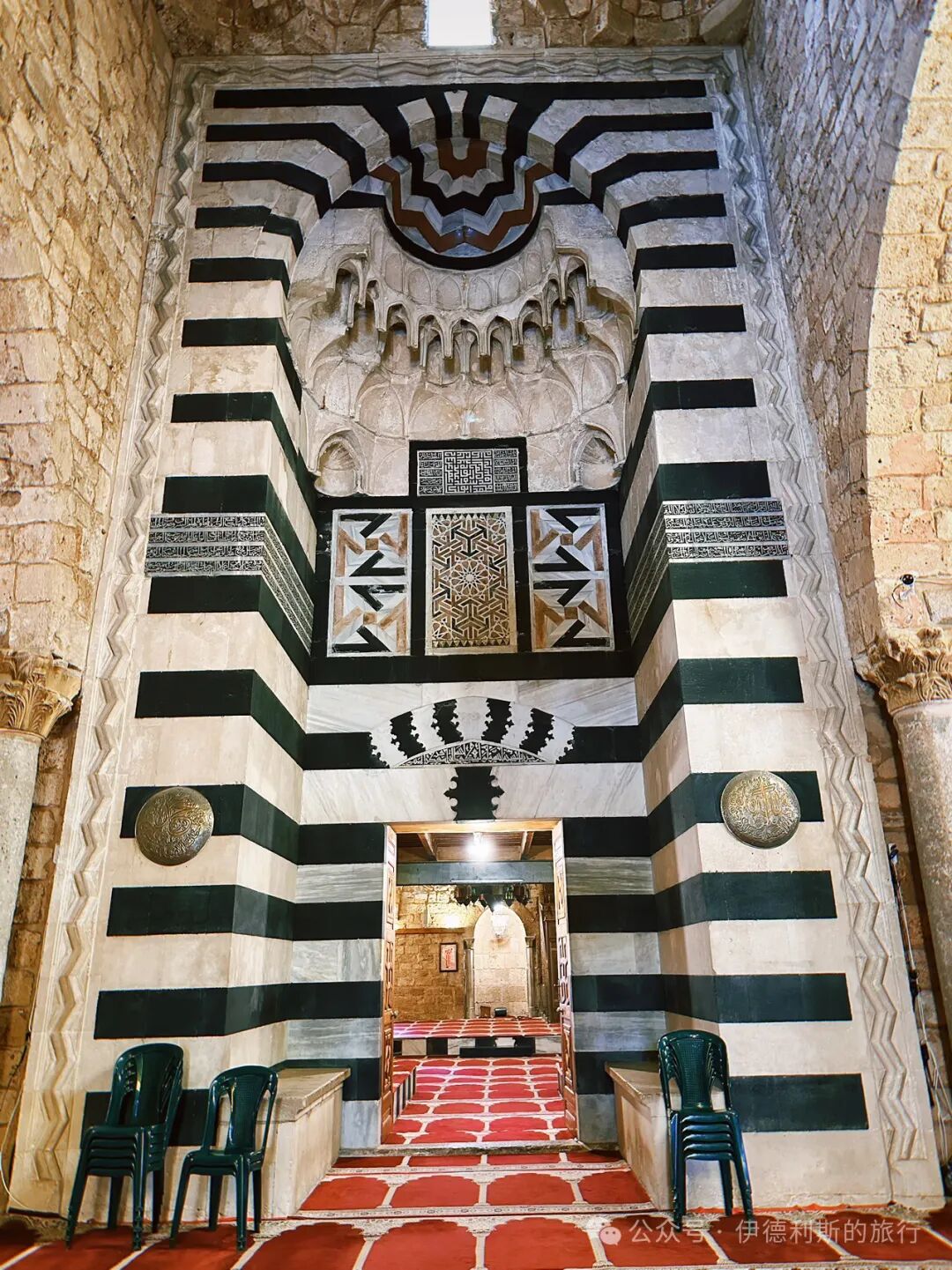
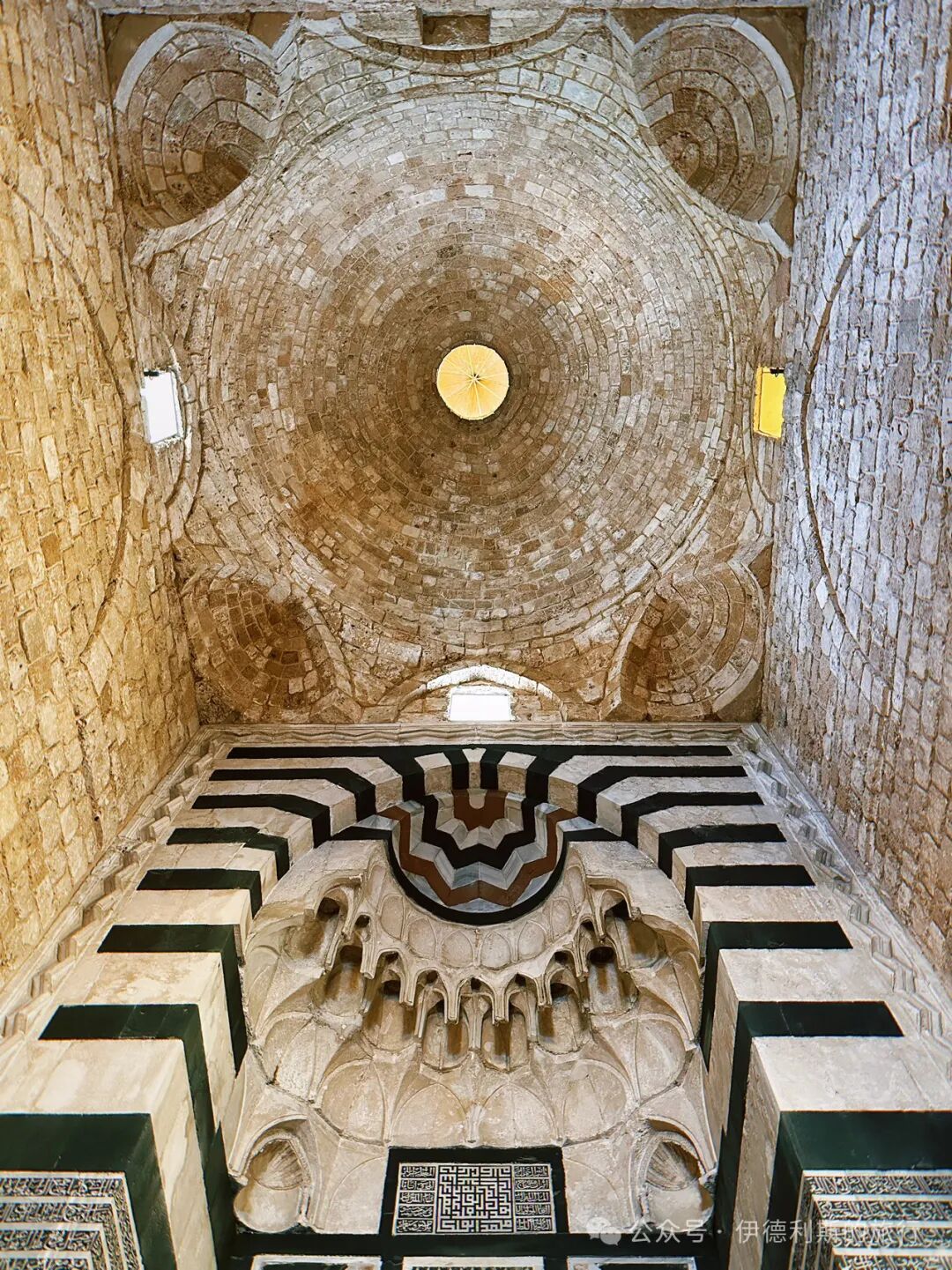
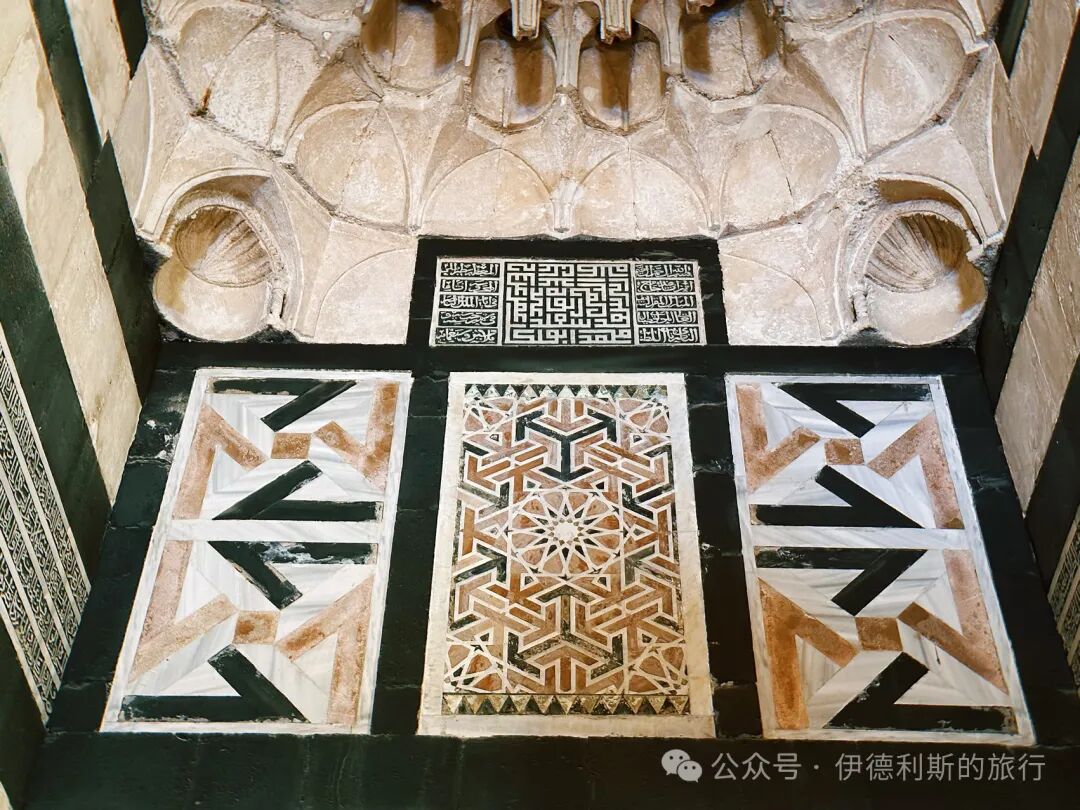
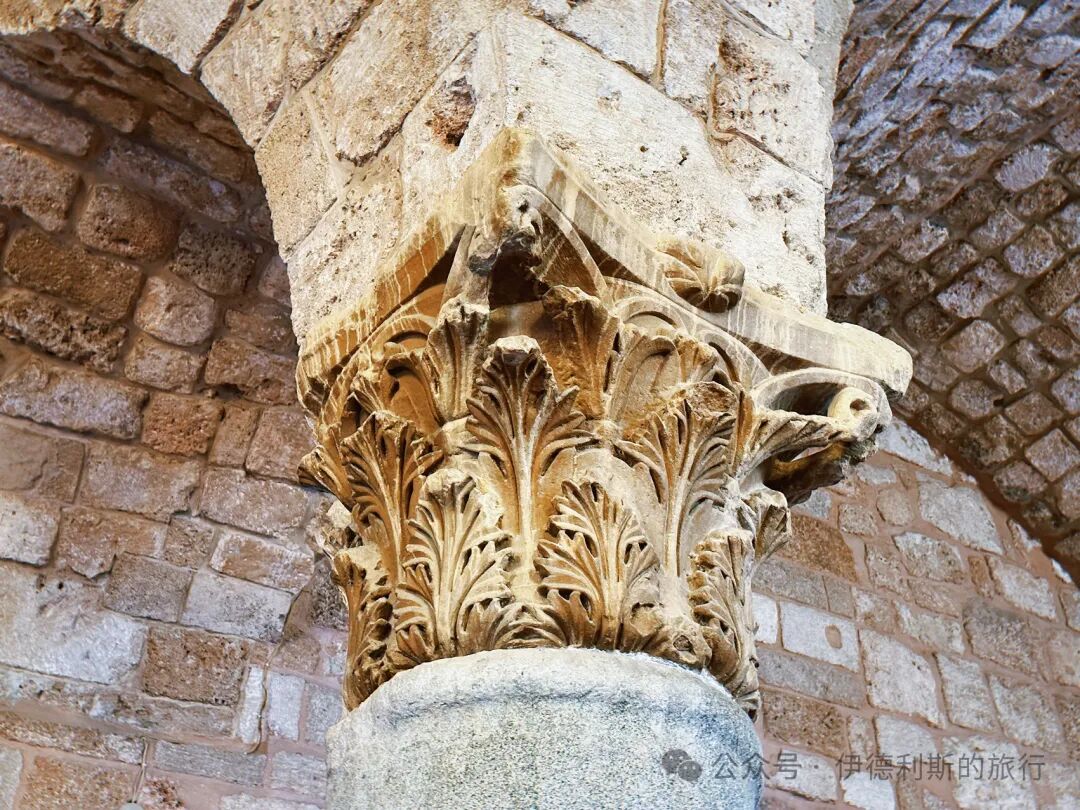
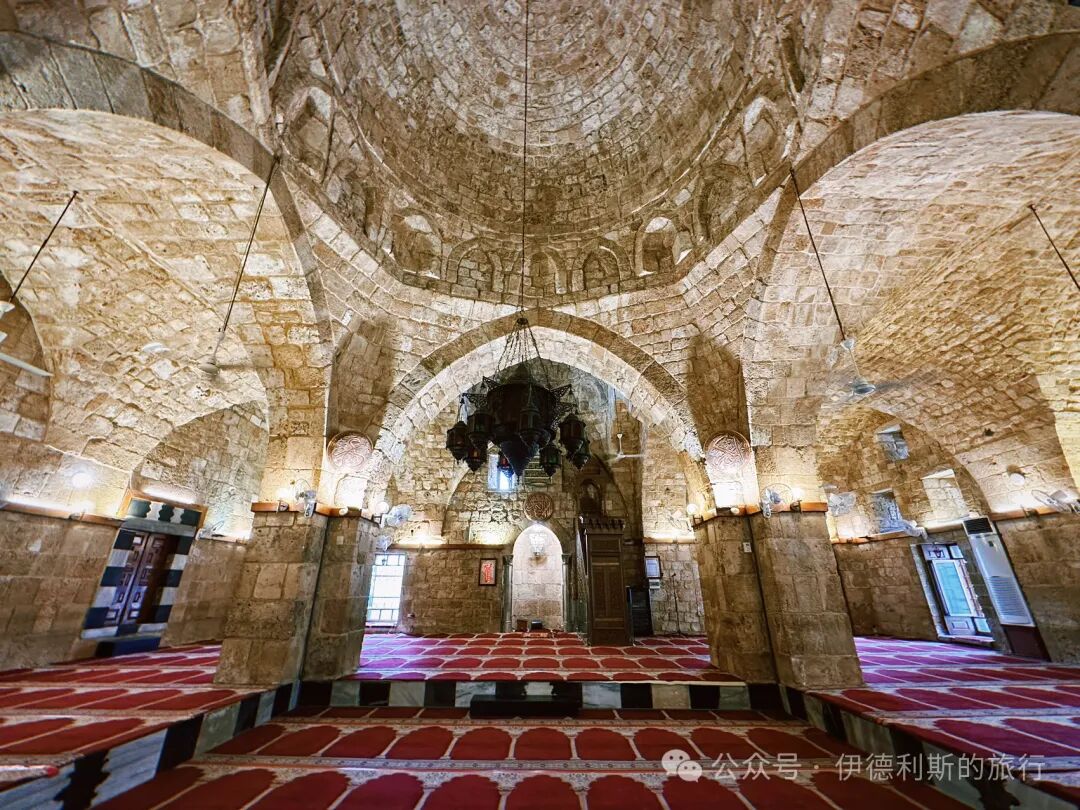
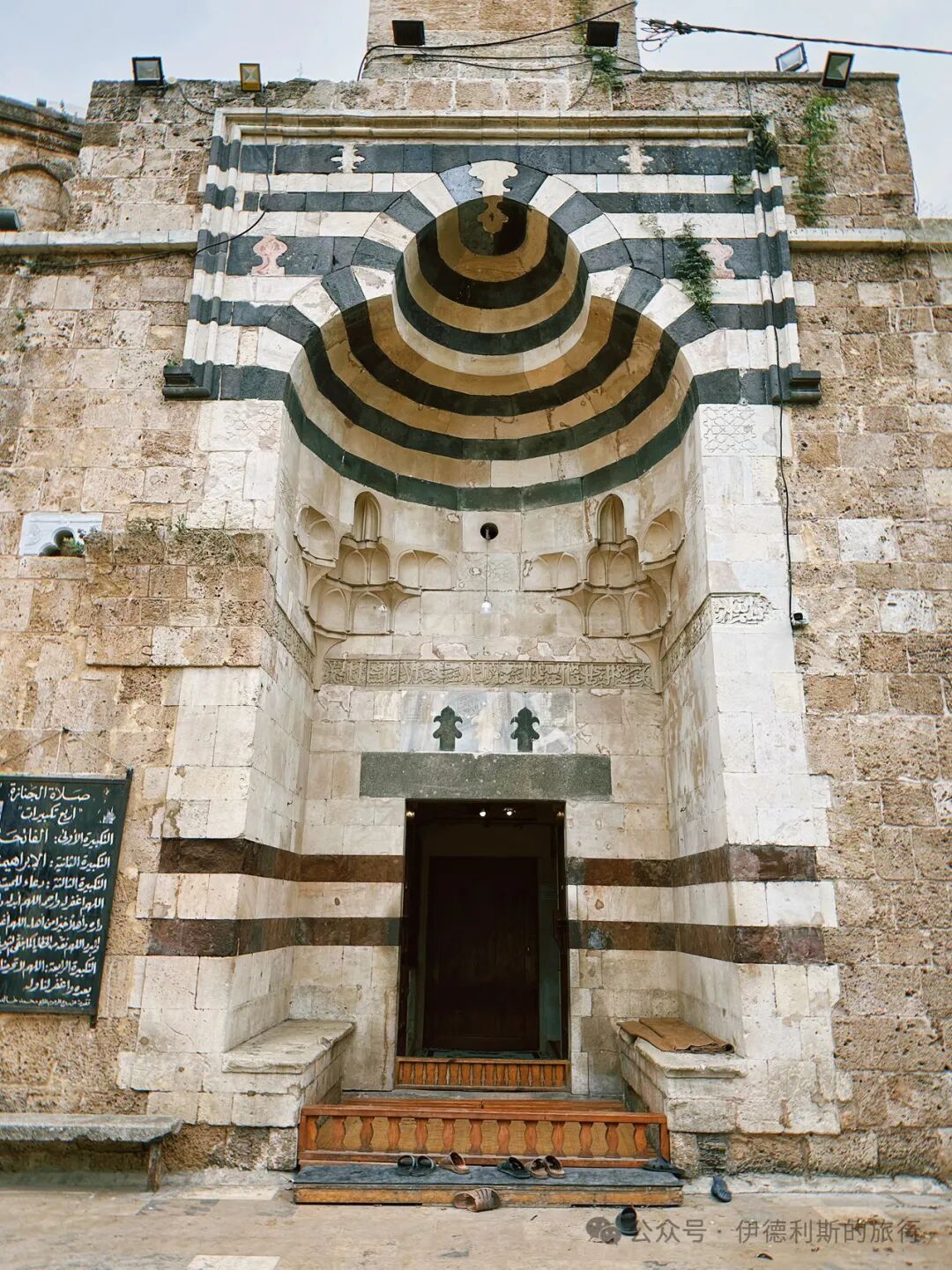
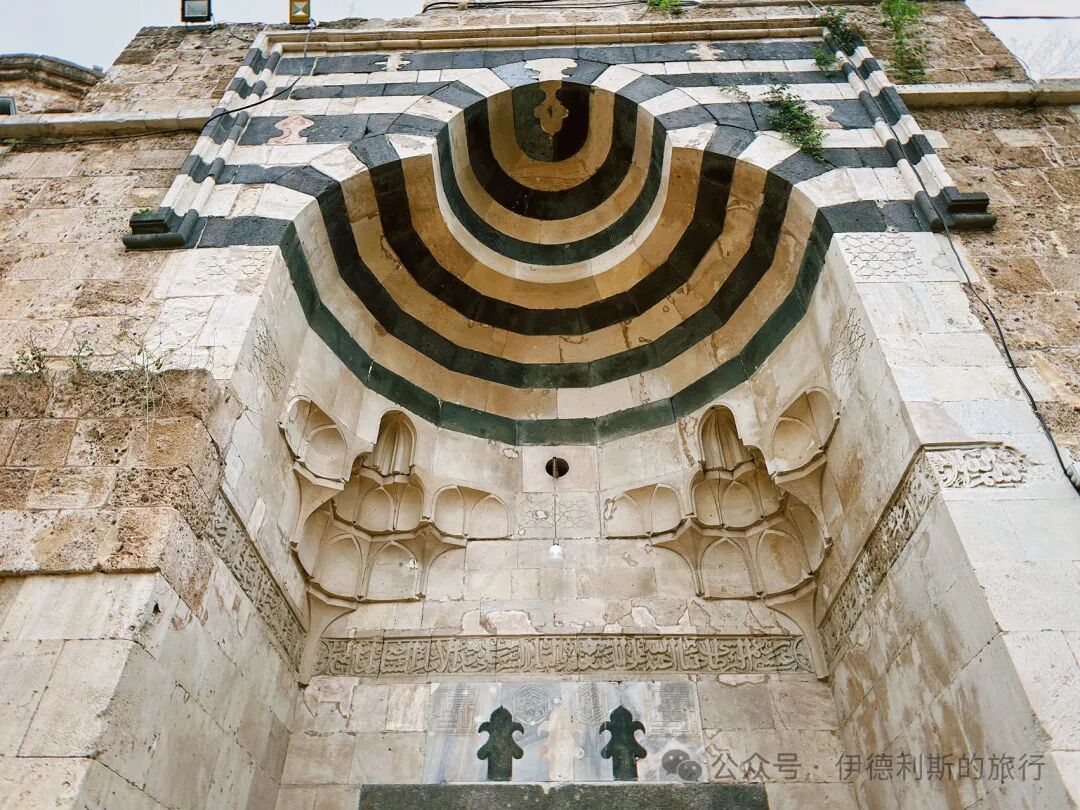
The main hall of the Taynal Mosque consists of two connected halls. The most magnificent part is the entrance to the second hall, which features a gate with a honeycomb-like muqarnas cornice and uses the ablaq technique of alternating black and white marble. Inside the main hall are some ancient Corinthian columns, which are thought to have come from a Crusader-era church or an even older Roman temple. The original pulpit (minbar) in the mosque dated back to its construction in 1336, but it had already been replaced with a new one by the time I visited.
Mu'allaq Hanging Mosque: 1561
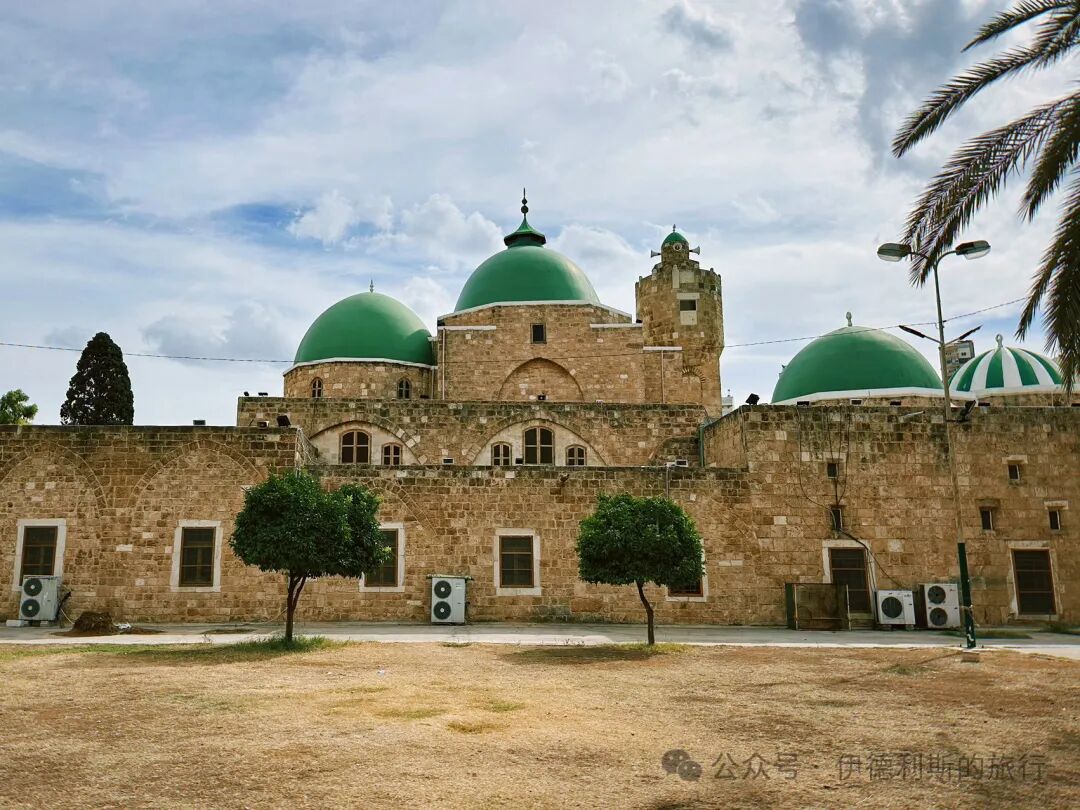
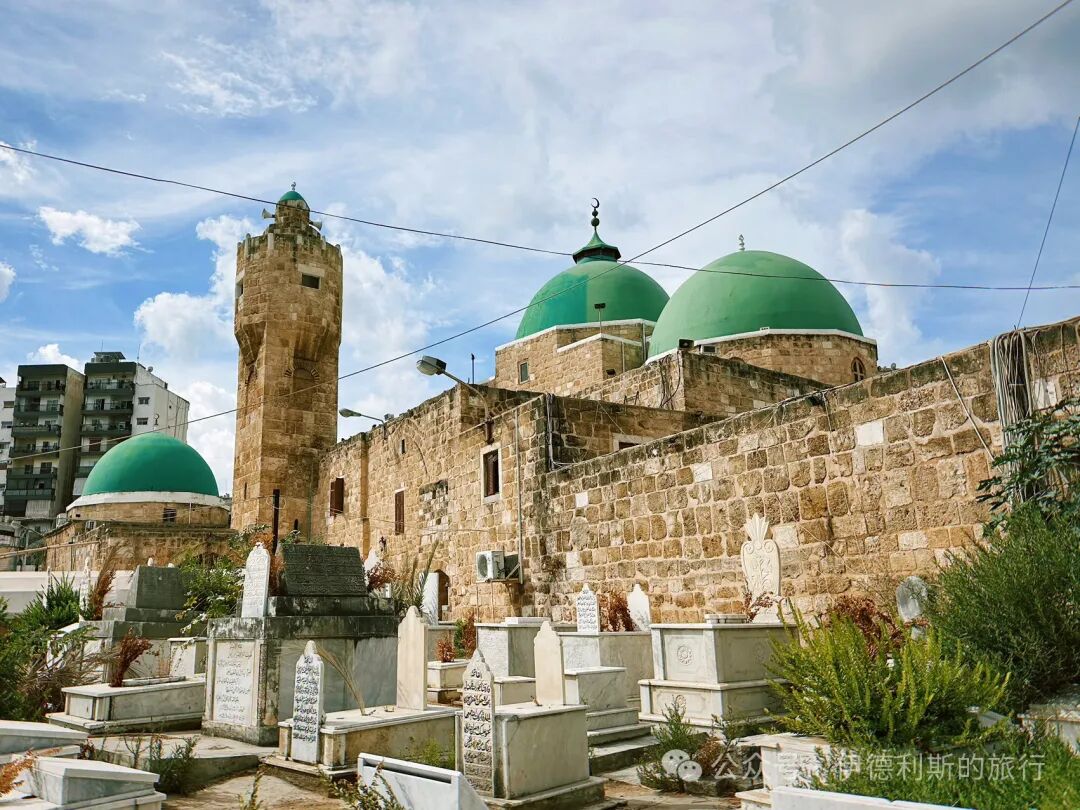
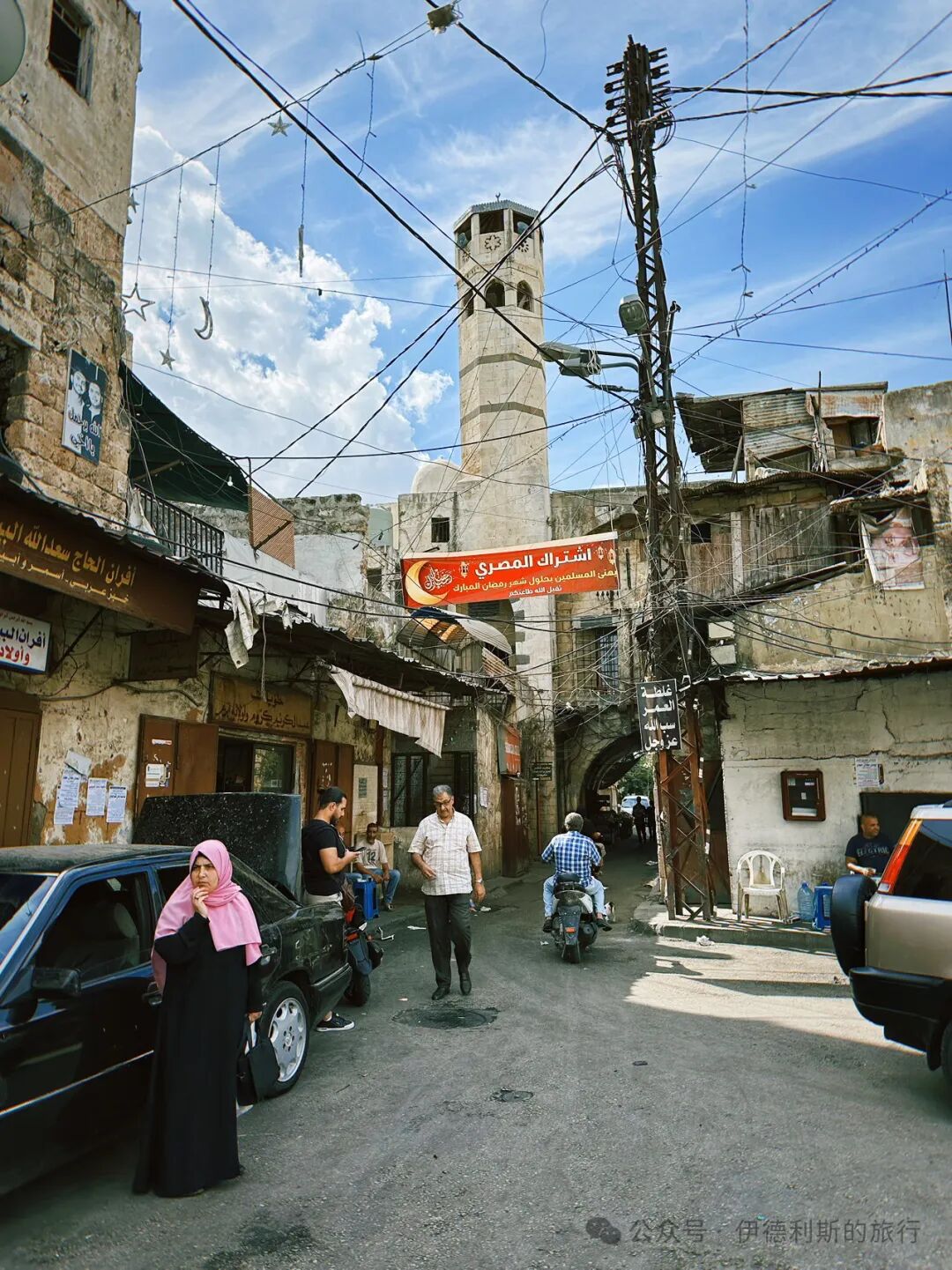
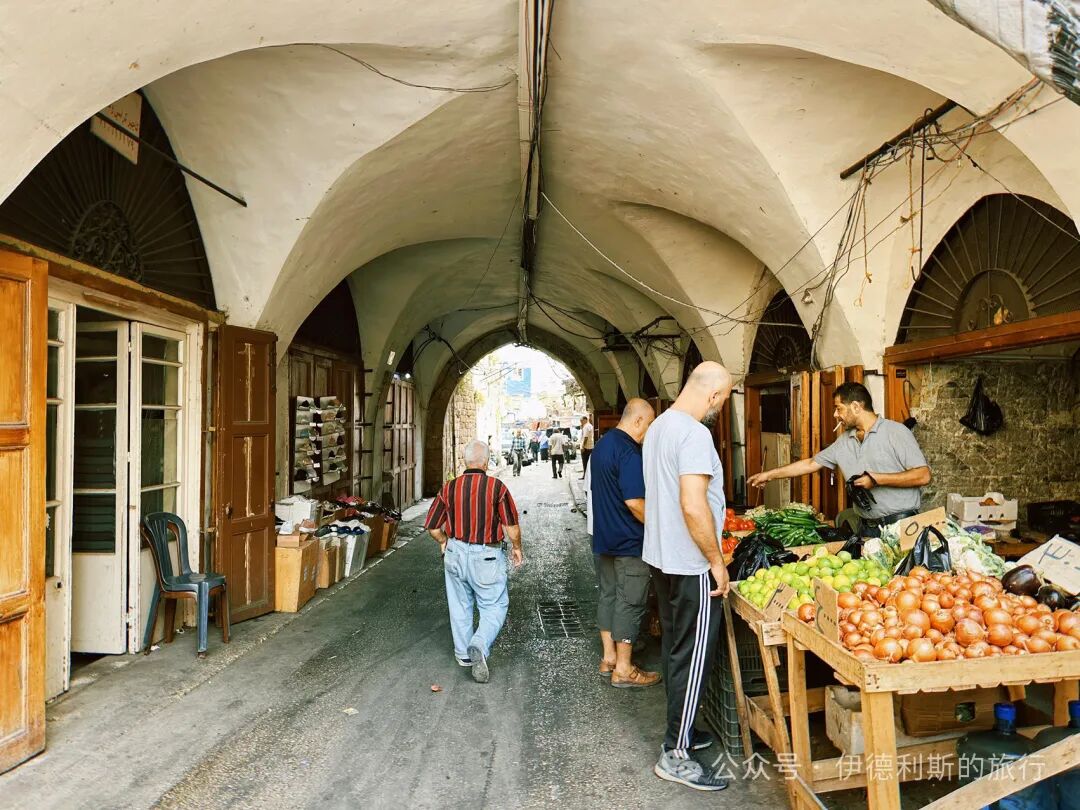
The Hanging Mosque (Muallaq Mosque) was commissioned in 1561 by Mahmud Lutfi al-Za'im, the governor of Tripoli under the Ottoman Empire, during the reign of Sultan Suleiman the Magnificent. The ground floor of the Hanging Mosque is a culvert on the street, so you must climb the stairs to the side to reach the main prayer hall on the second floor. The octagonal minaret next to the main prayer hall is very eye-catching and features two levels of balconies.
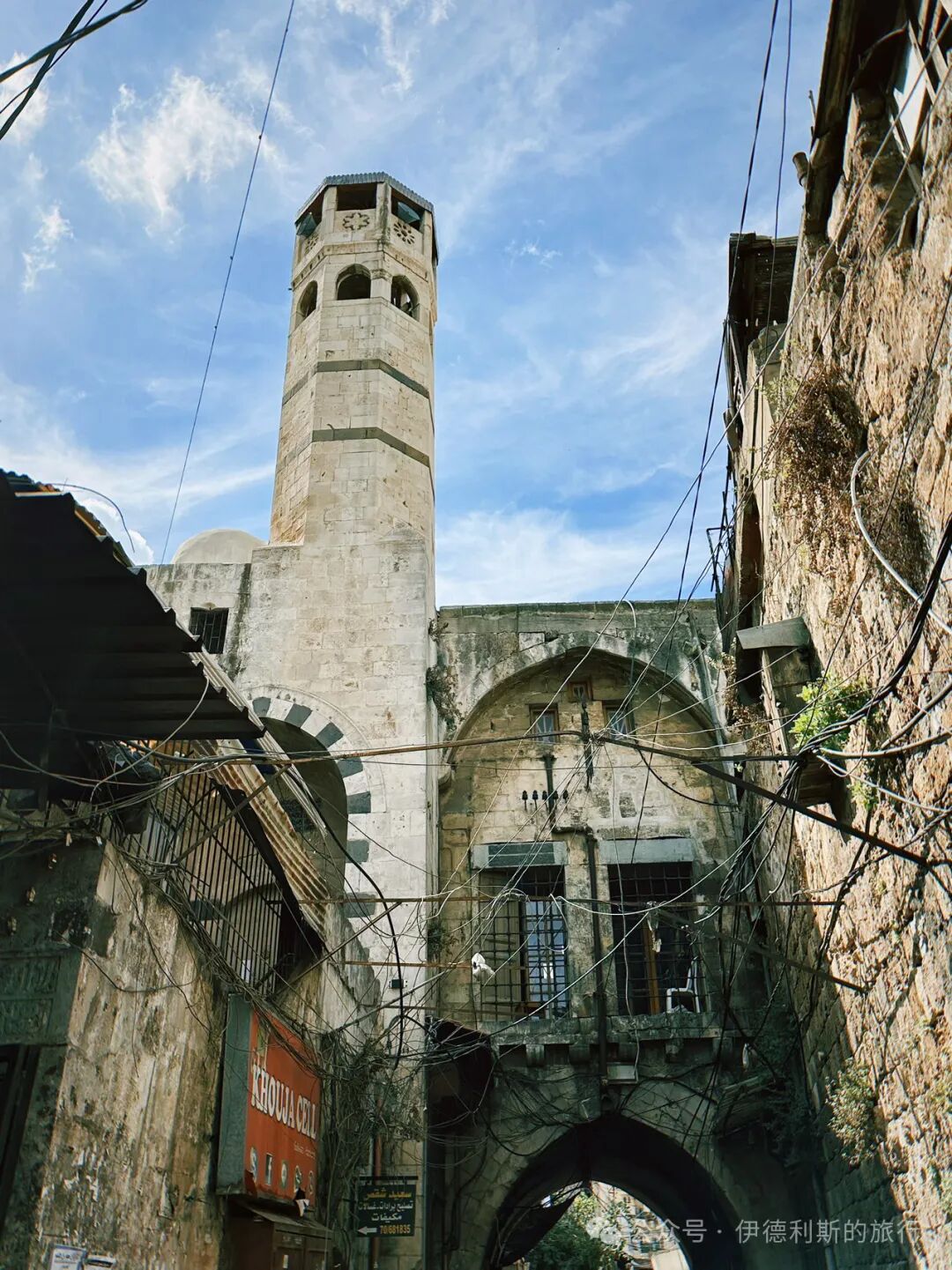
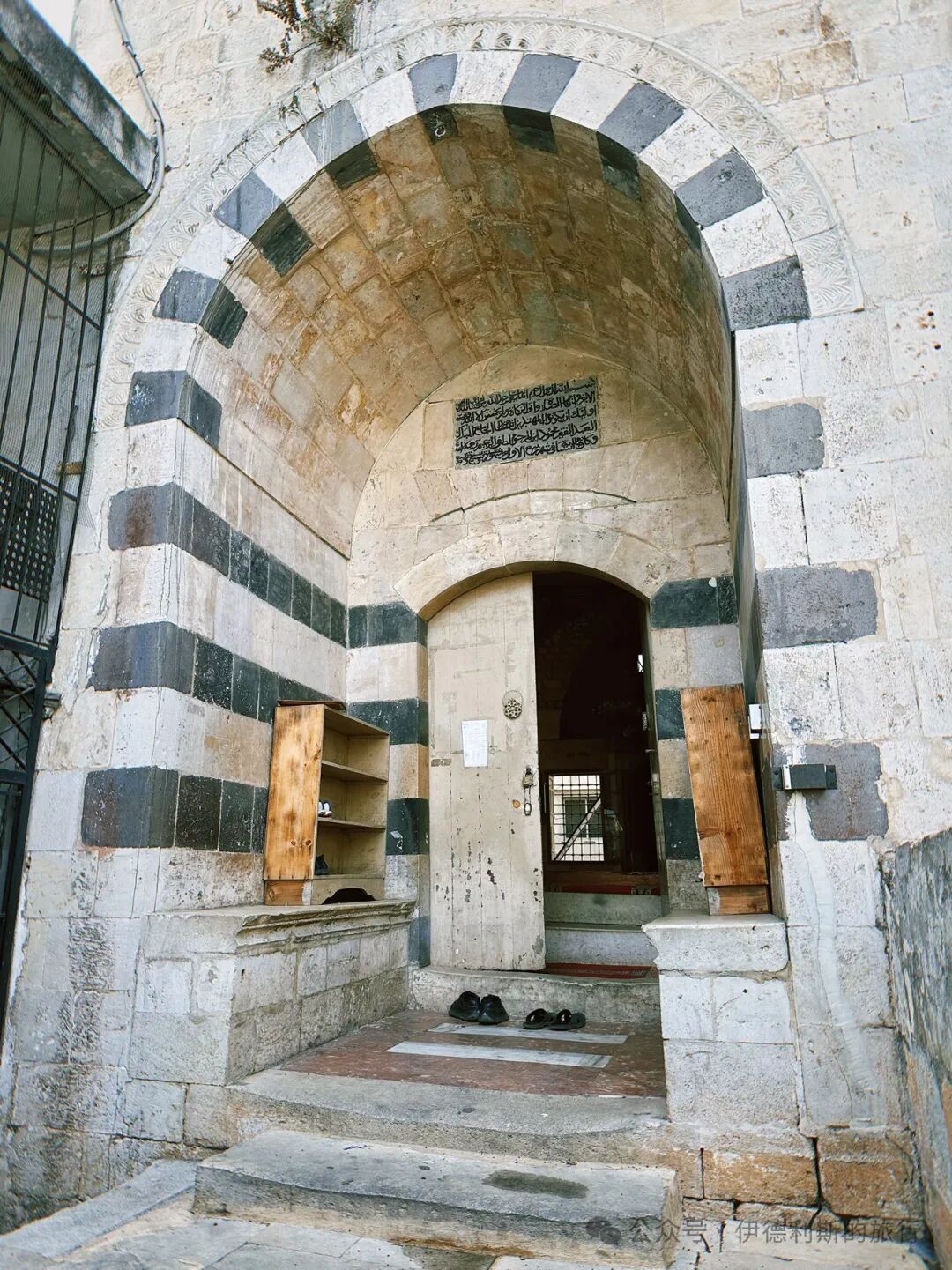
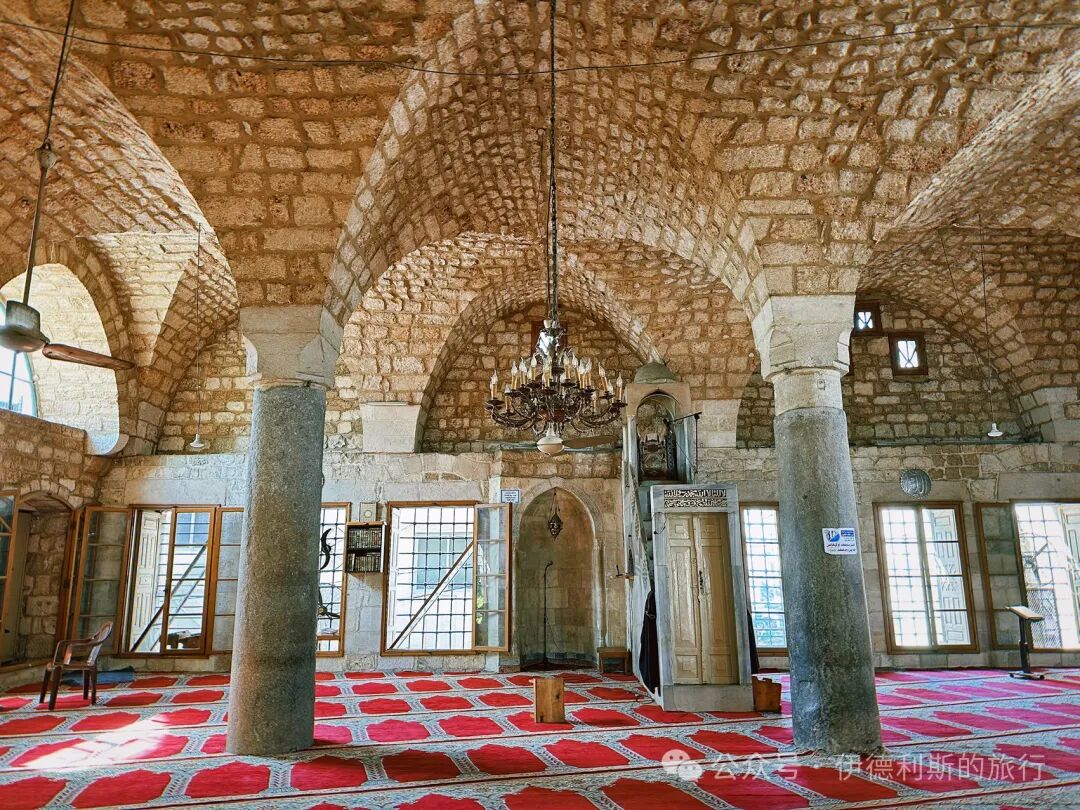
Mansouri Great Mosque: 1294
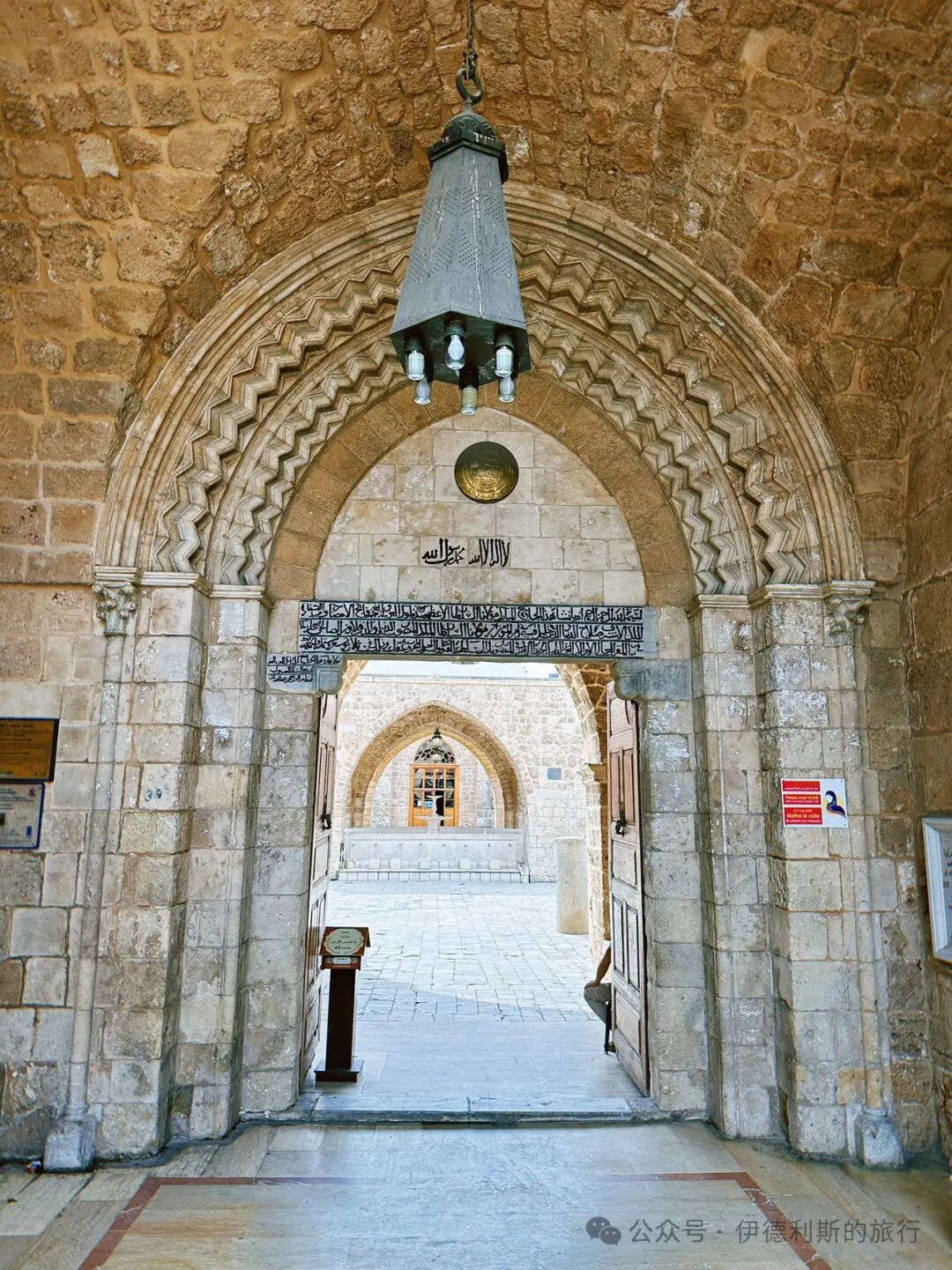
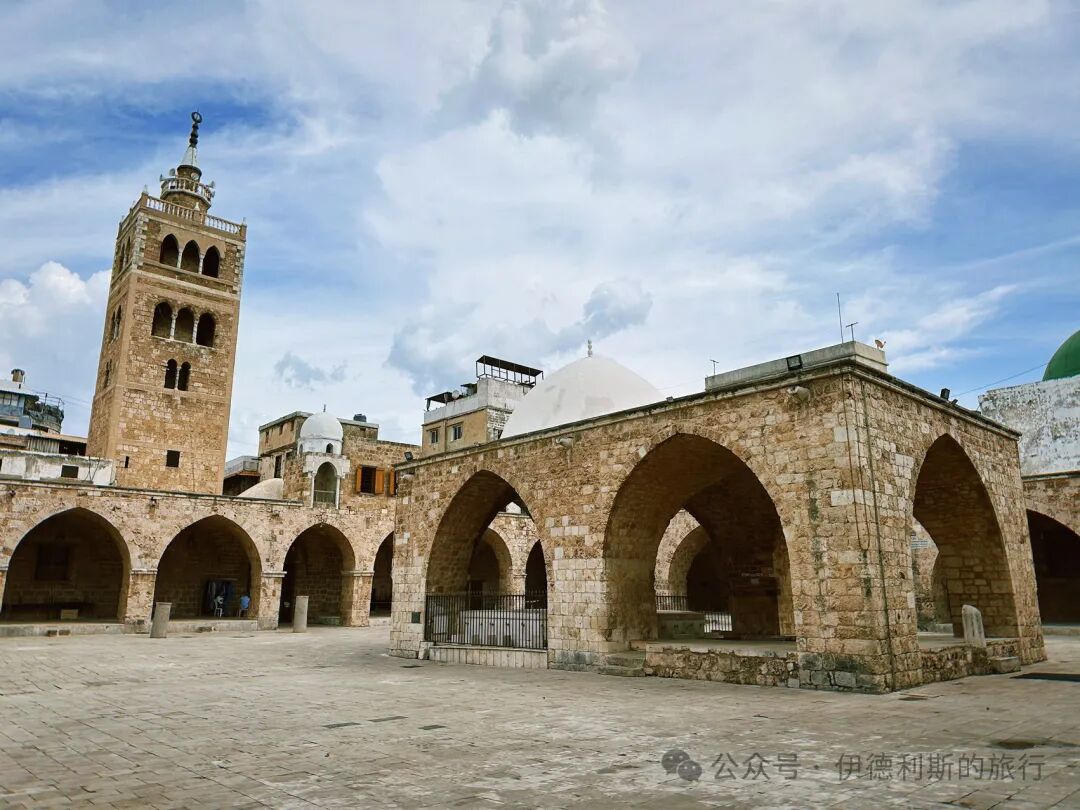
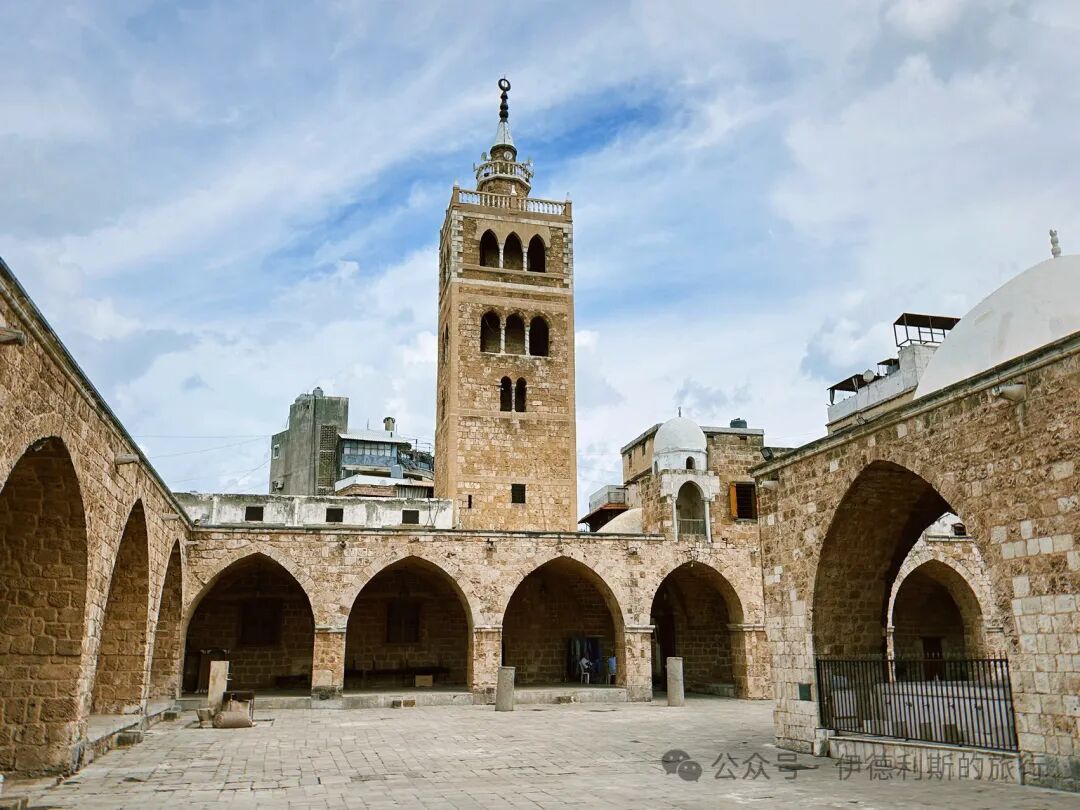
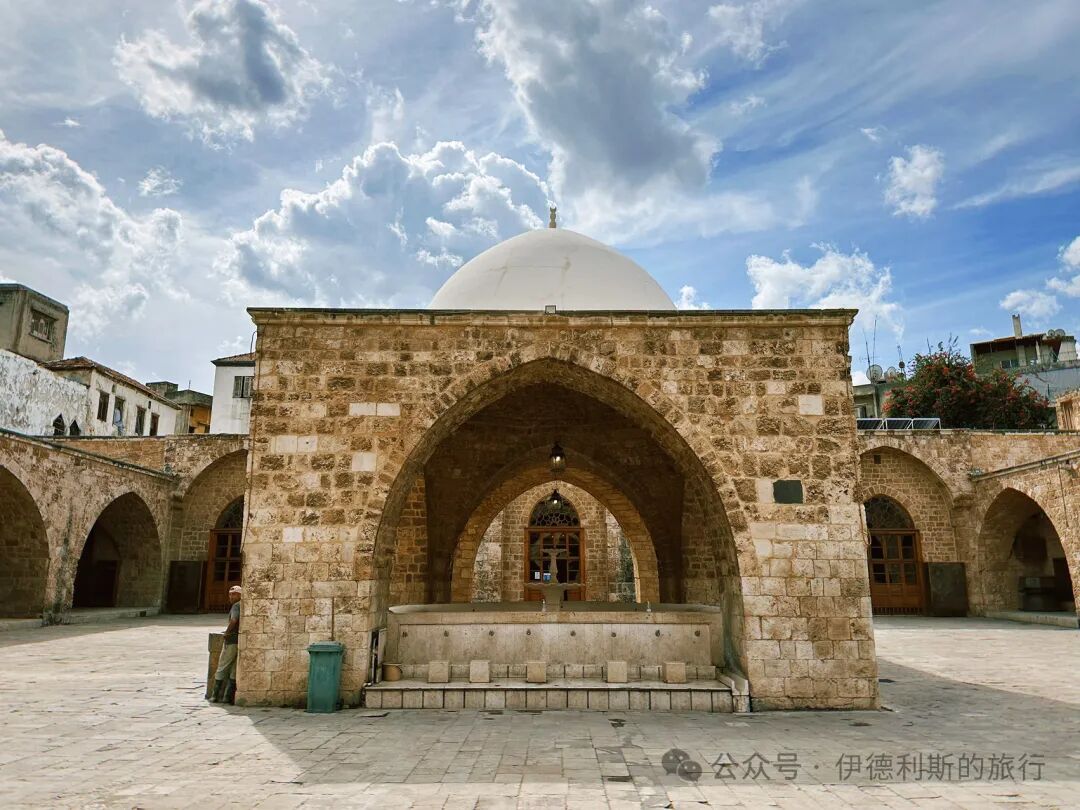
The Mansouri Great Mosque, also known as the Great Mosque of Tripoli, was ordered to be built in 1294 by the Mamluk Sultan Al-Ashraf Khalil and was the first building constructed by the Mamluk dynasty in Tripoli.
In 1109, the French Crusaders captured Tripoli, and for the next 180 years, the city was ruled by European Christian nobles. In 1260, the Mongol army captured Damascus and took the last Ayyubid sultan prisoner, ending the Ayyubid dynasty. From then on, the center of Islamic power on the eastern Mediterranean coast shifted to the Mamluk dynasty in Egypt. In 1289, the Mamluk army arrived at the gates of Tripoli with large catapults. Under the attack of the catapults, two towers in Tripoli soon collapsed. The Mamluk army entered the city and leveled it to the ground.
Soon after, the Mamluk dynasty began building a new city at the foot of the castle on Pilgrim's Mountain in Tripoli. This included building the Great Mansouri Mosque on the ruins of a Crusader church at the foot of the mountain. The minaret inside the mosque today is likely part of the Crusader Church of St. Mary, and the main gate may also contain parts of the original Crusader church gate. The main hall was built by the Mamluk dynasty in 1294, and the courtyard colonnade was built in 1314 by the Mamluk Sultan Al-Nasir Muhammad.
Al-Uwaysiyat Mosque: 1461
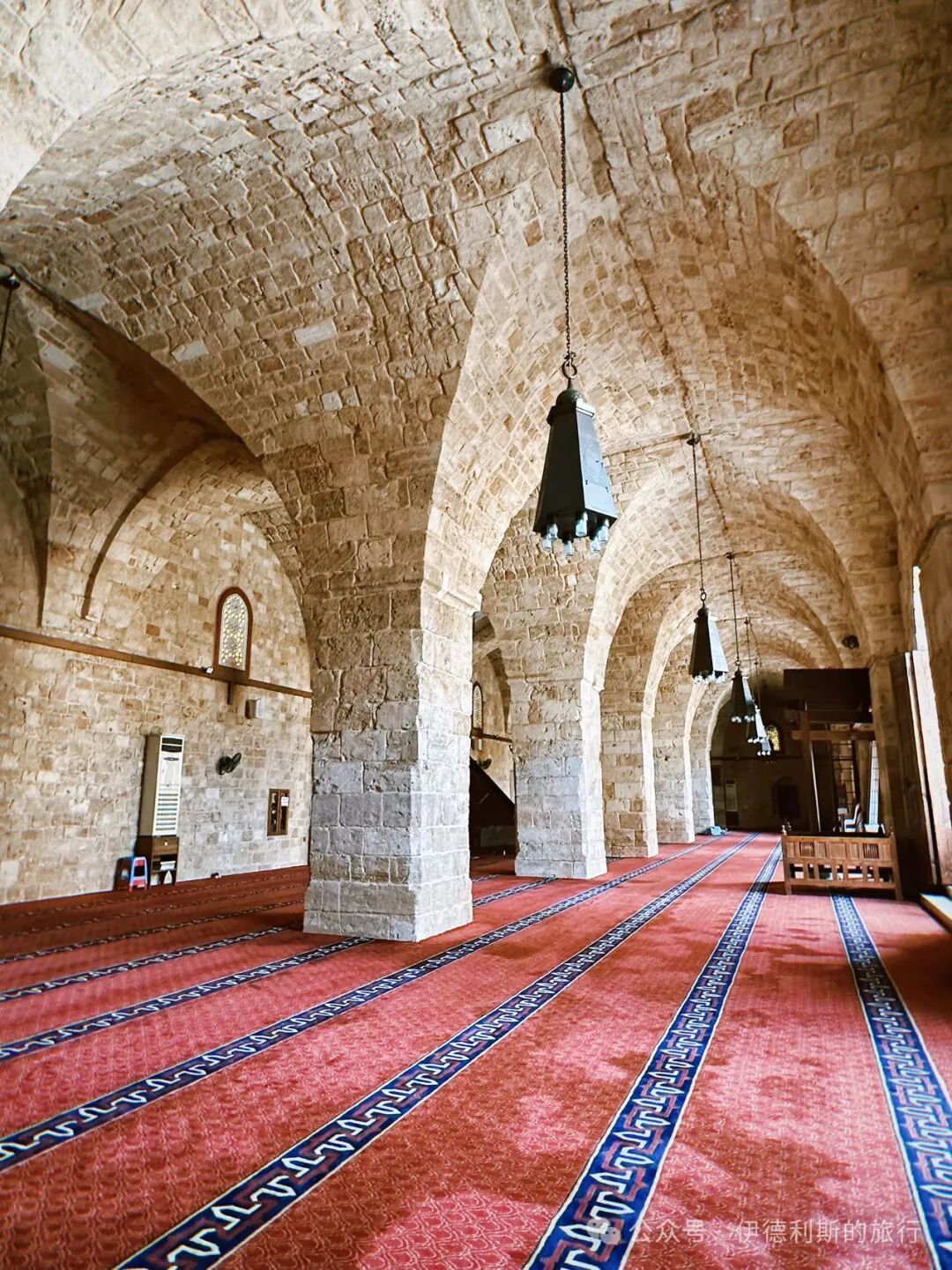
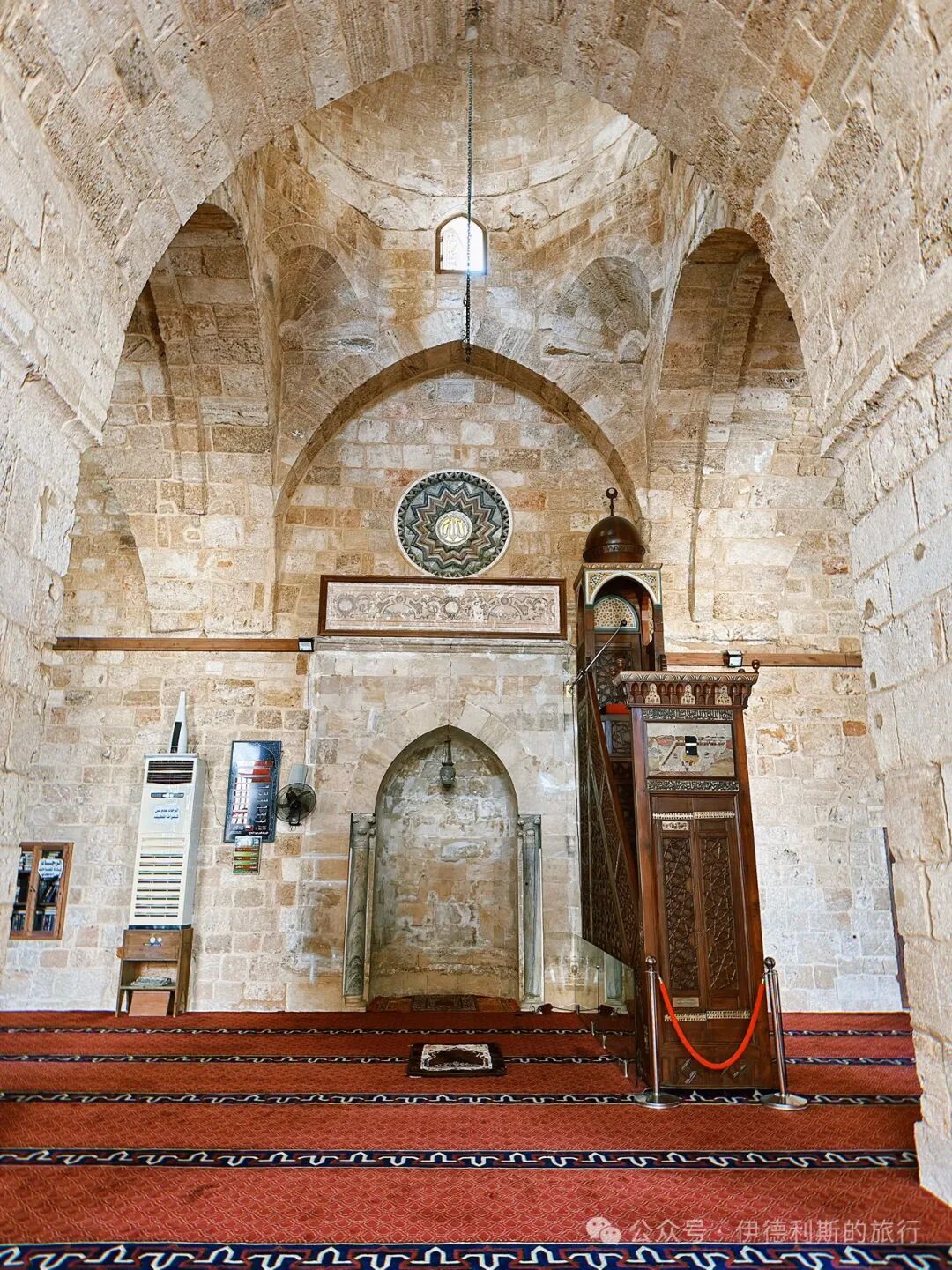
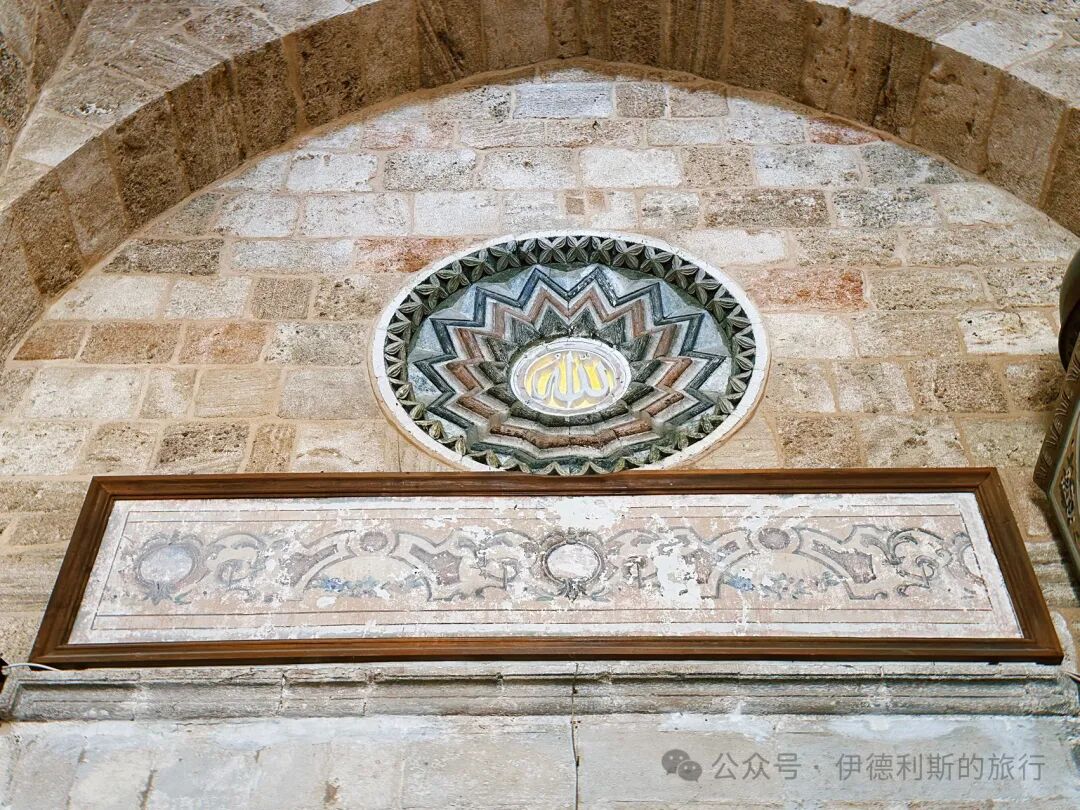
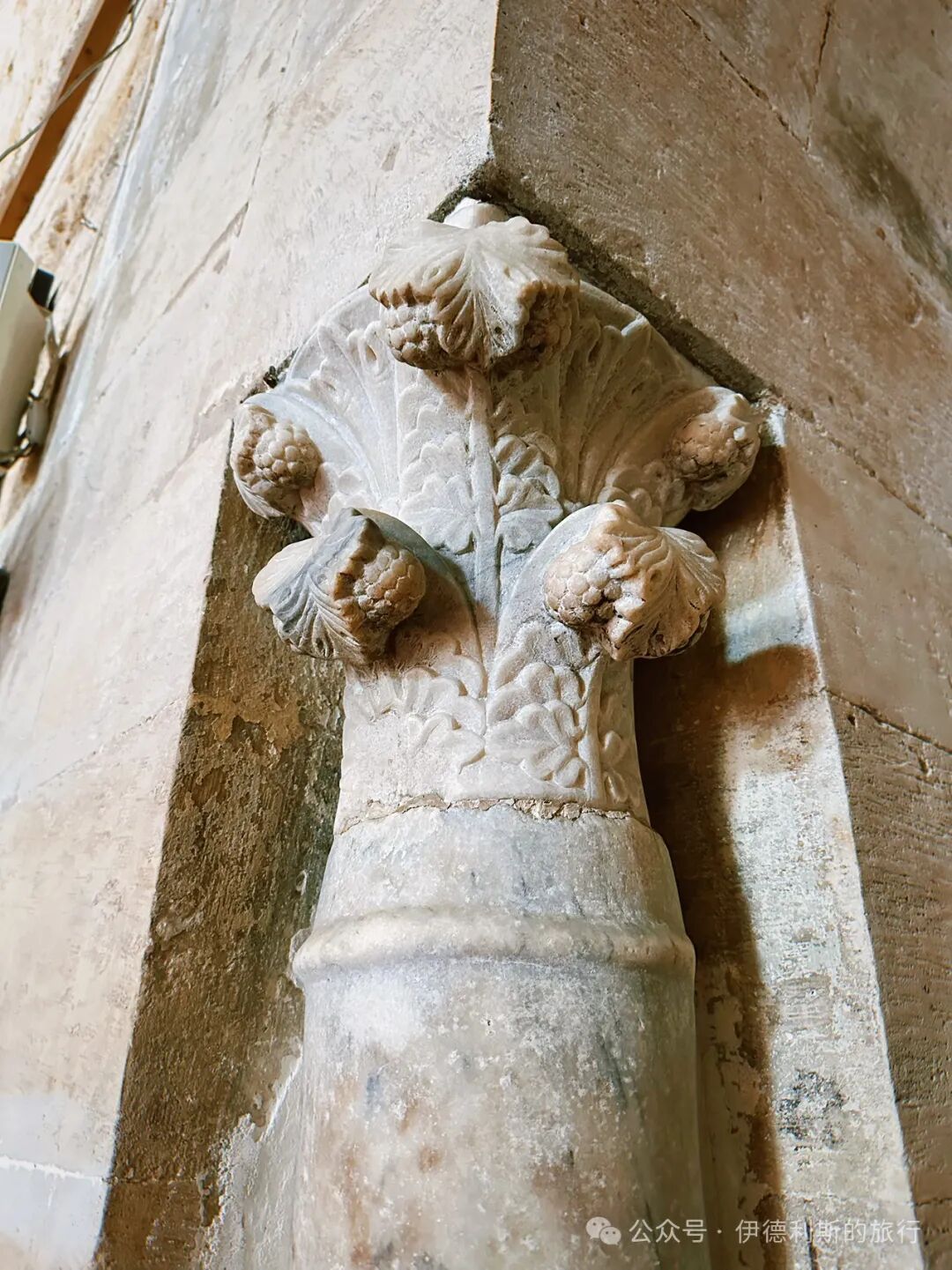
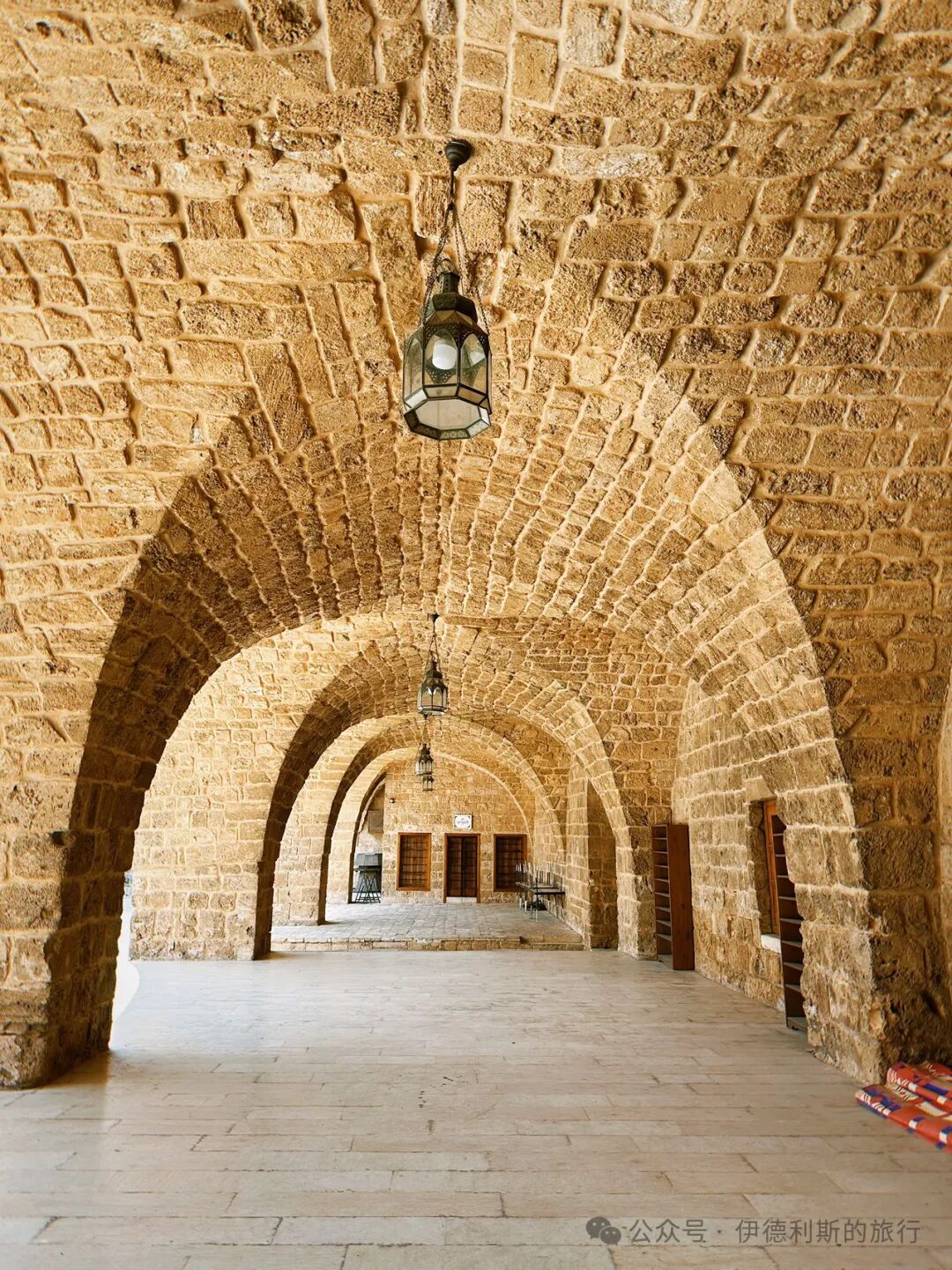
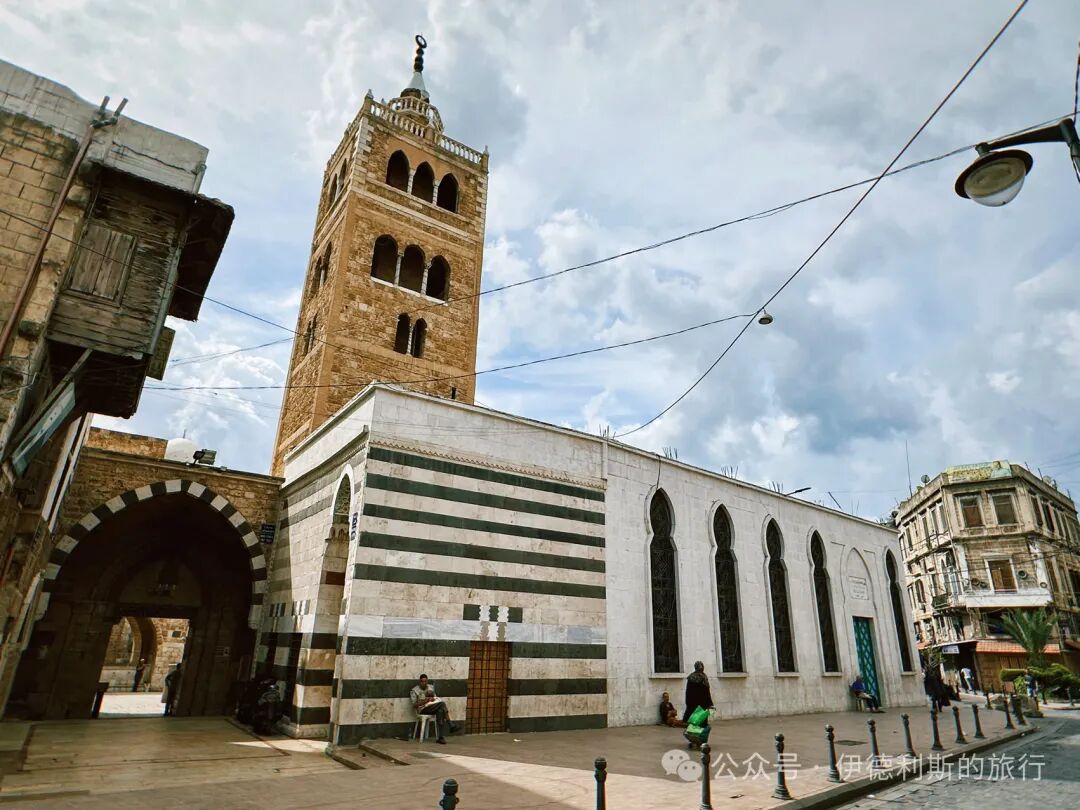
The Al-Uwaysiyat Mosque was first built in 1461 during the Mamluk period and was renovated in 1534 during the time of the Ottoman Sultan Suleiman the Magnificent.
Attar Mosque: 1350s
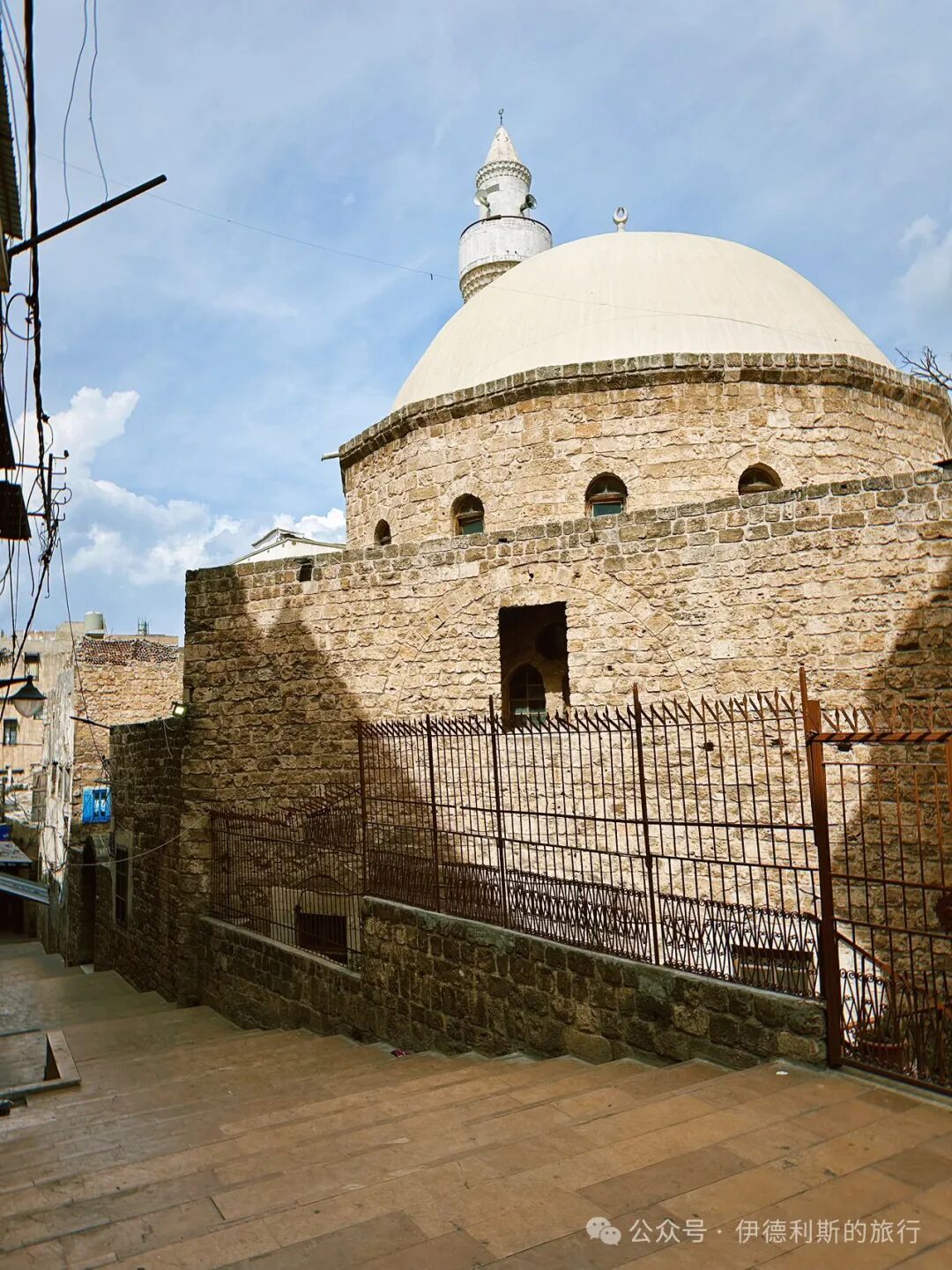
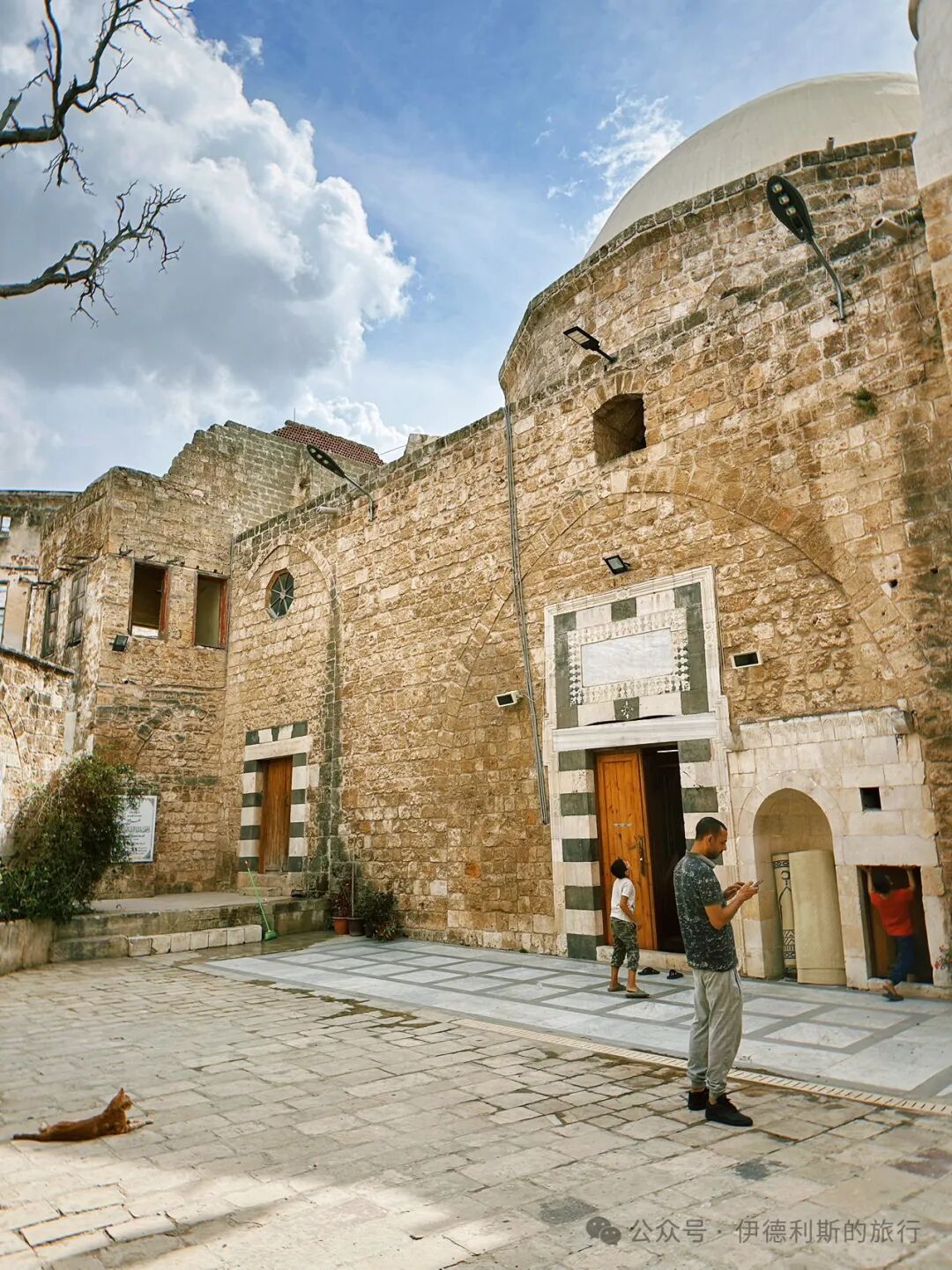
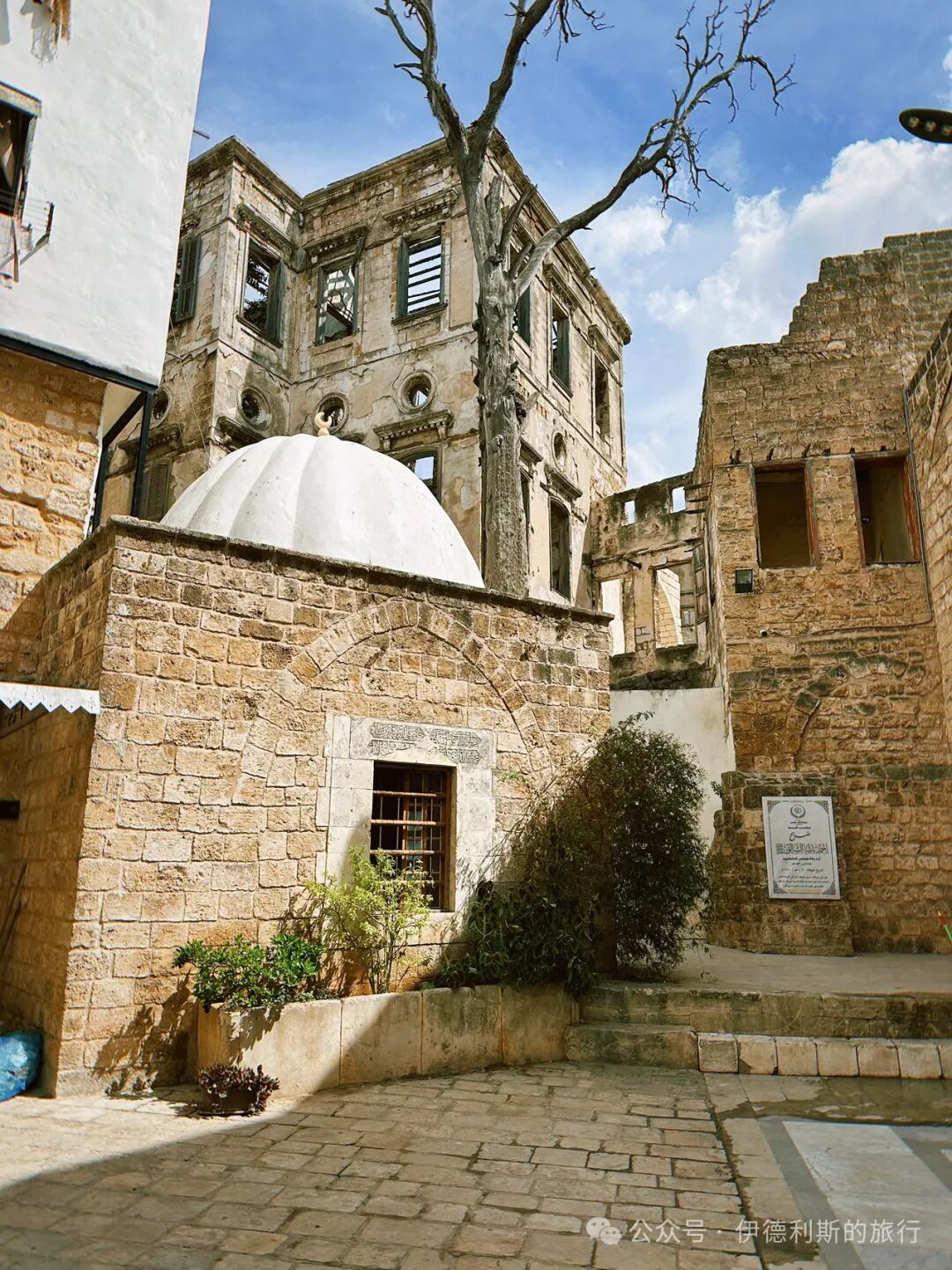
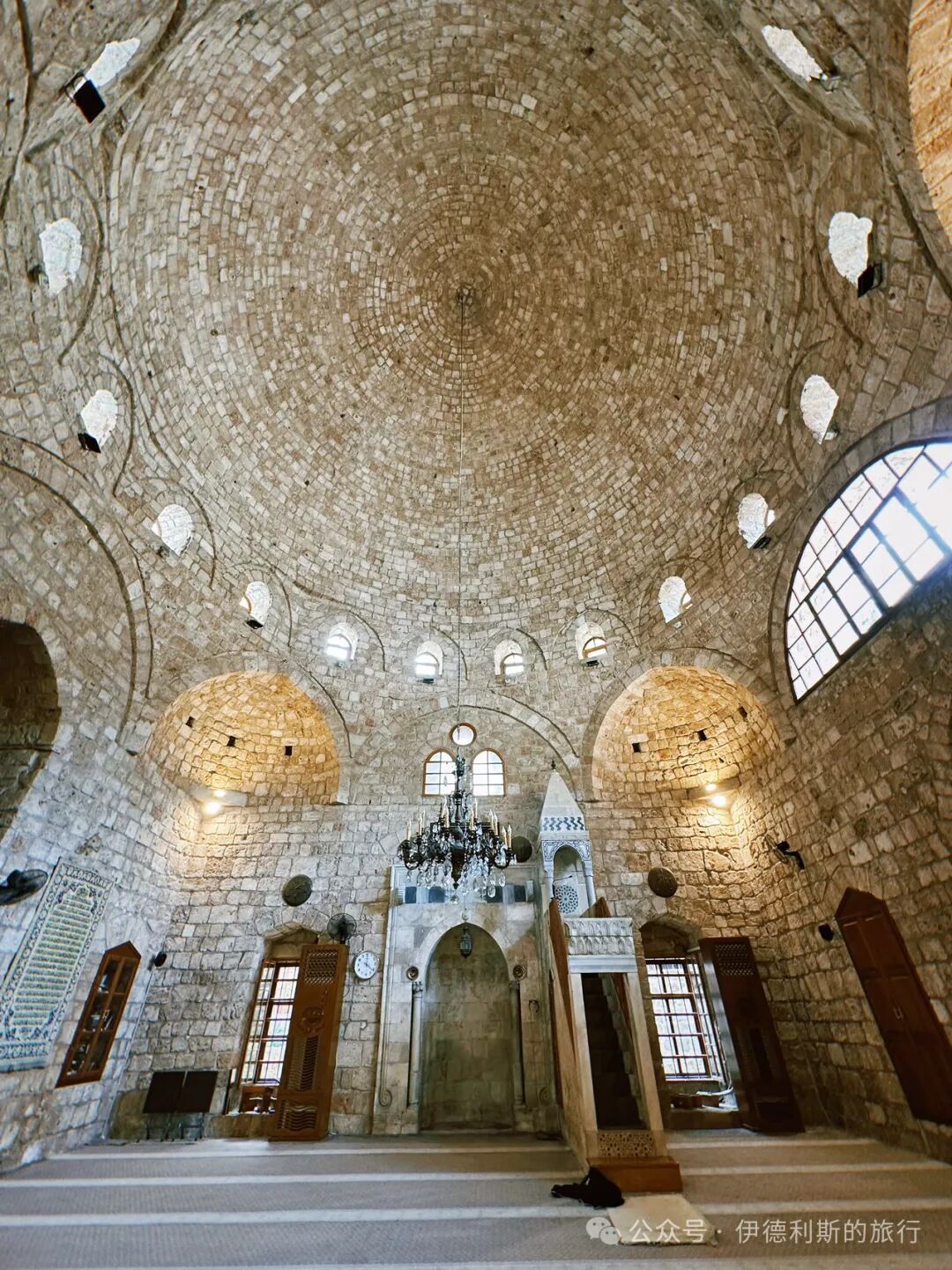
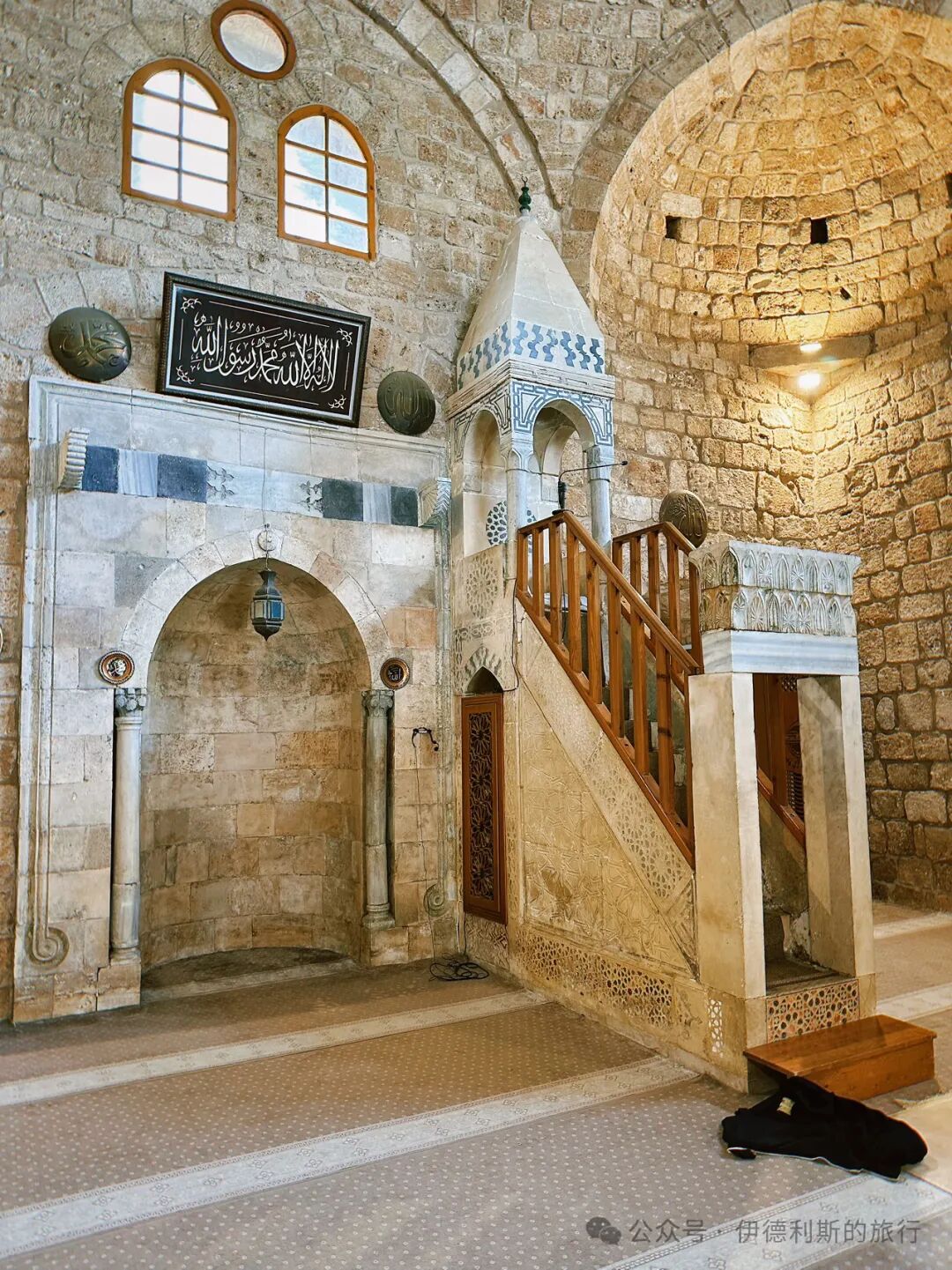
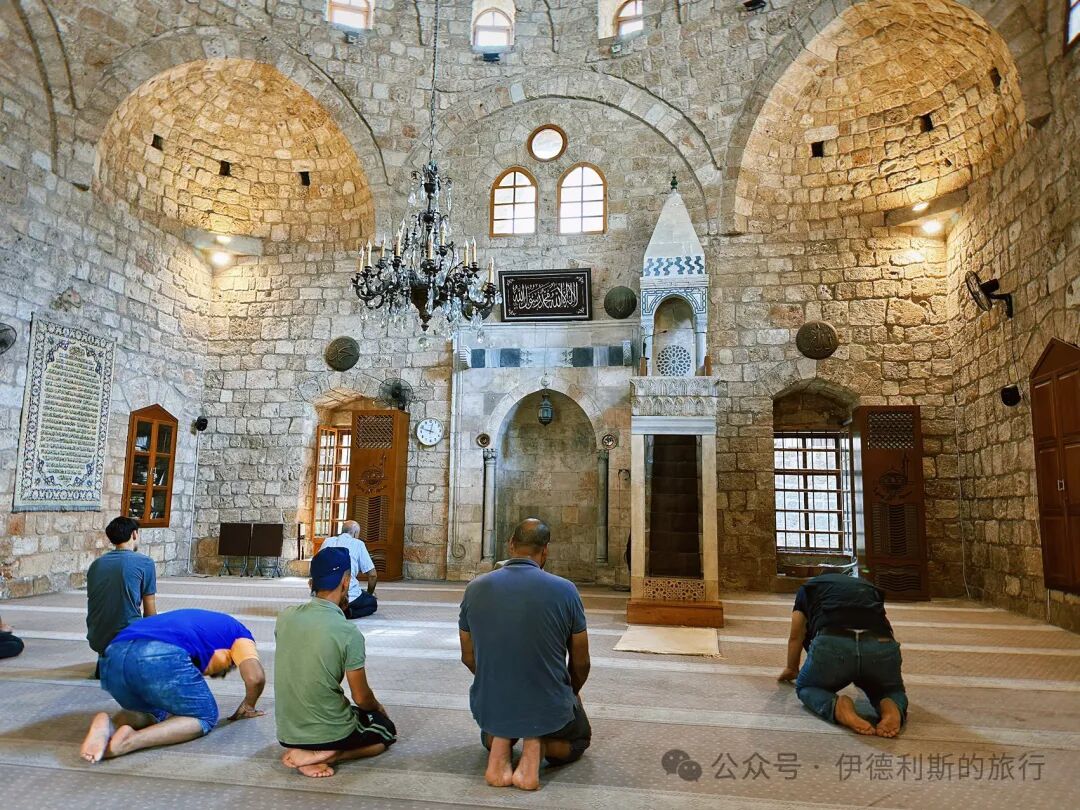
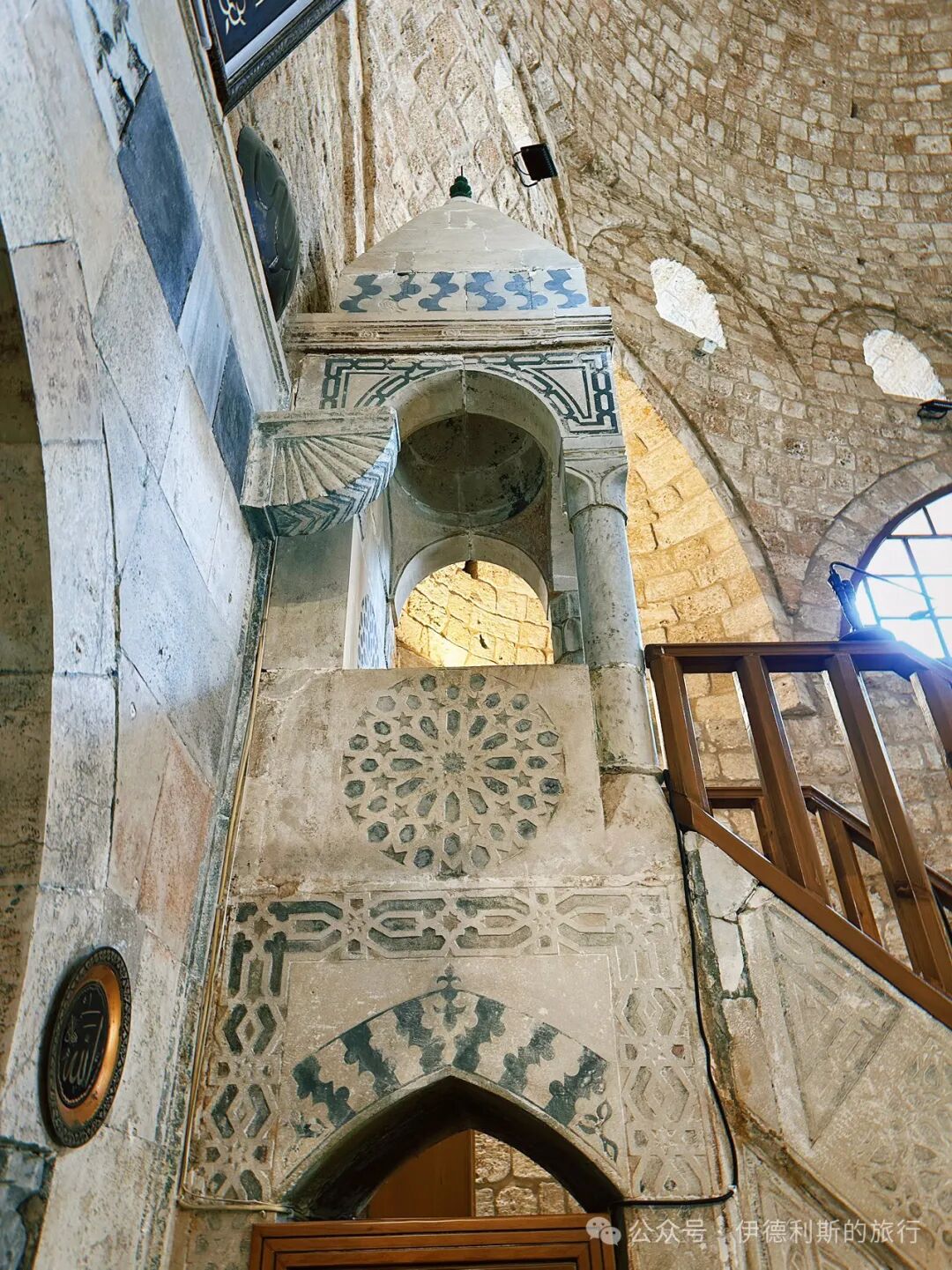
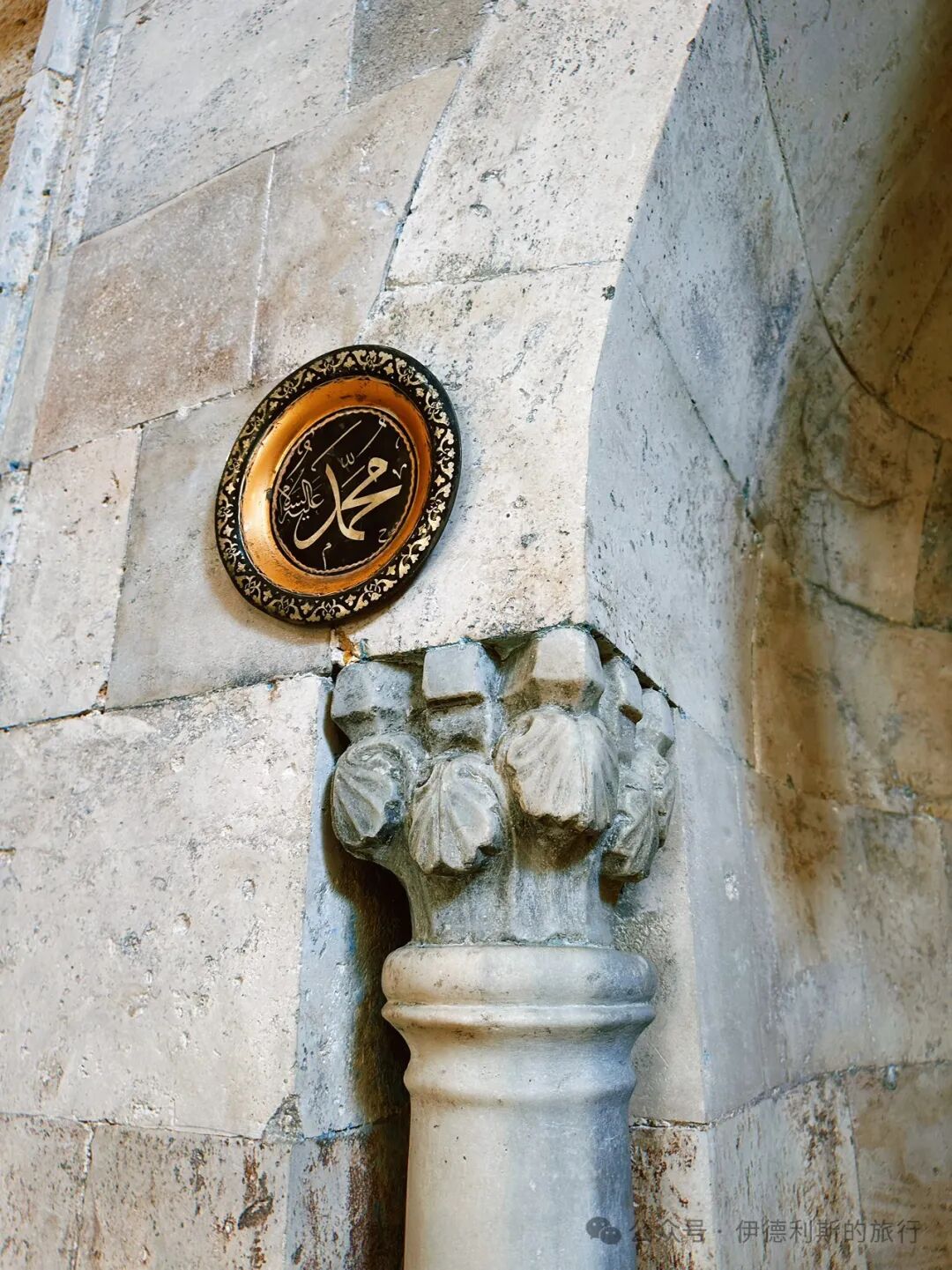
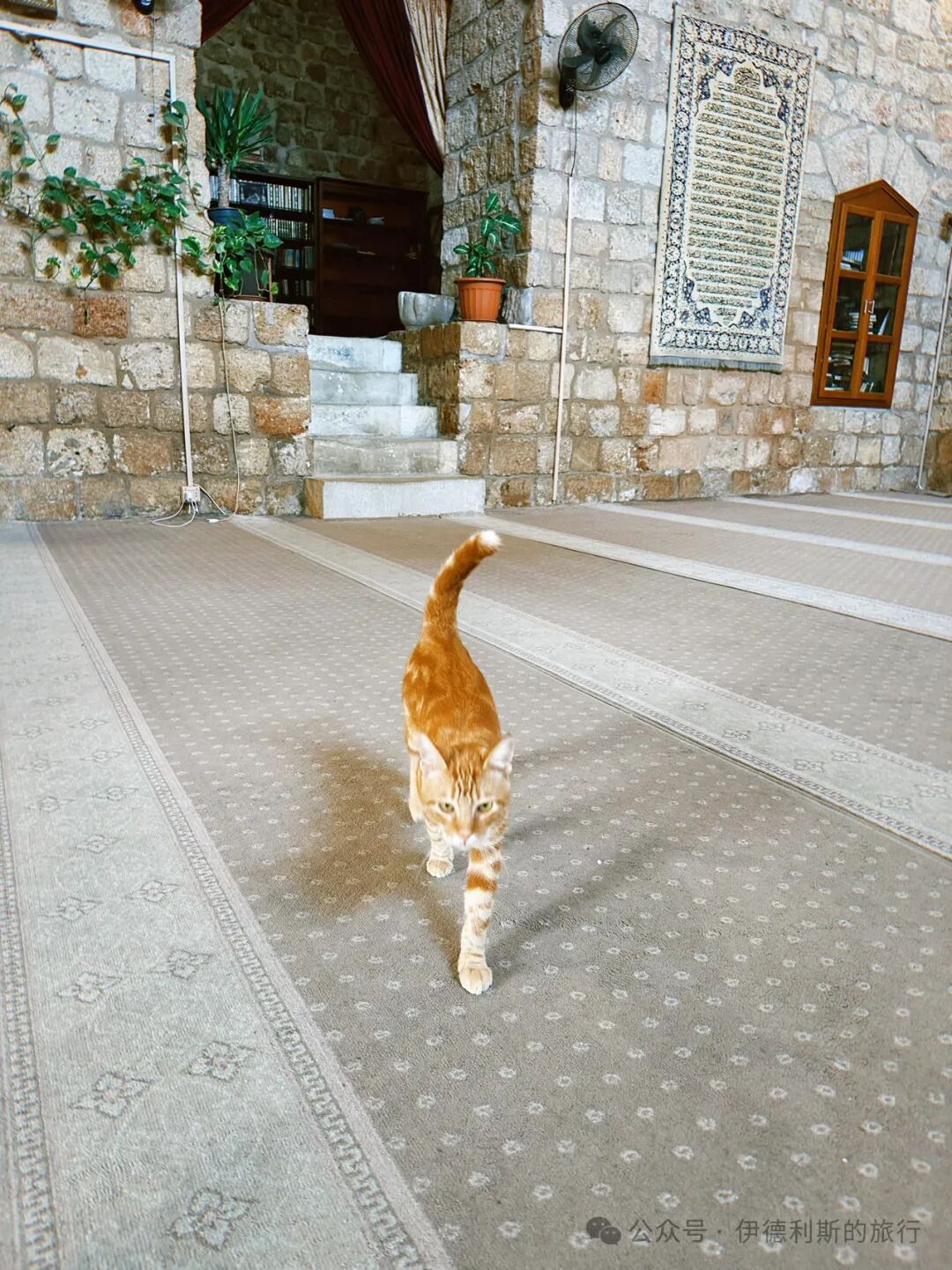
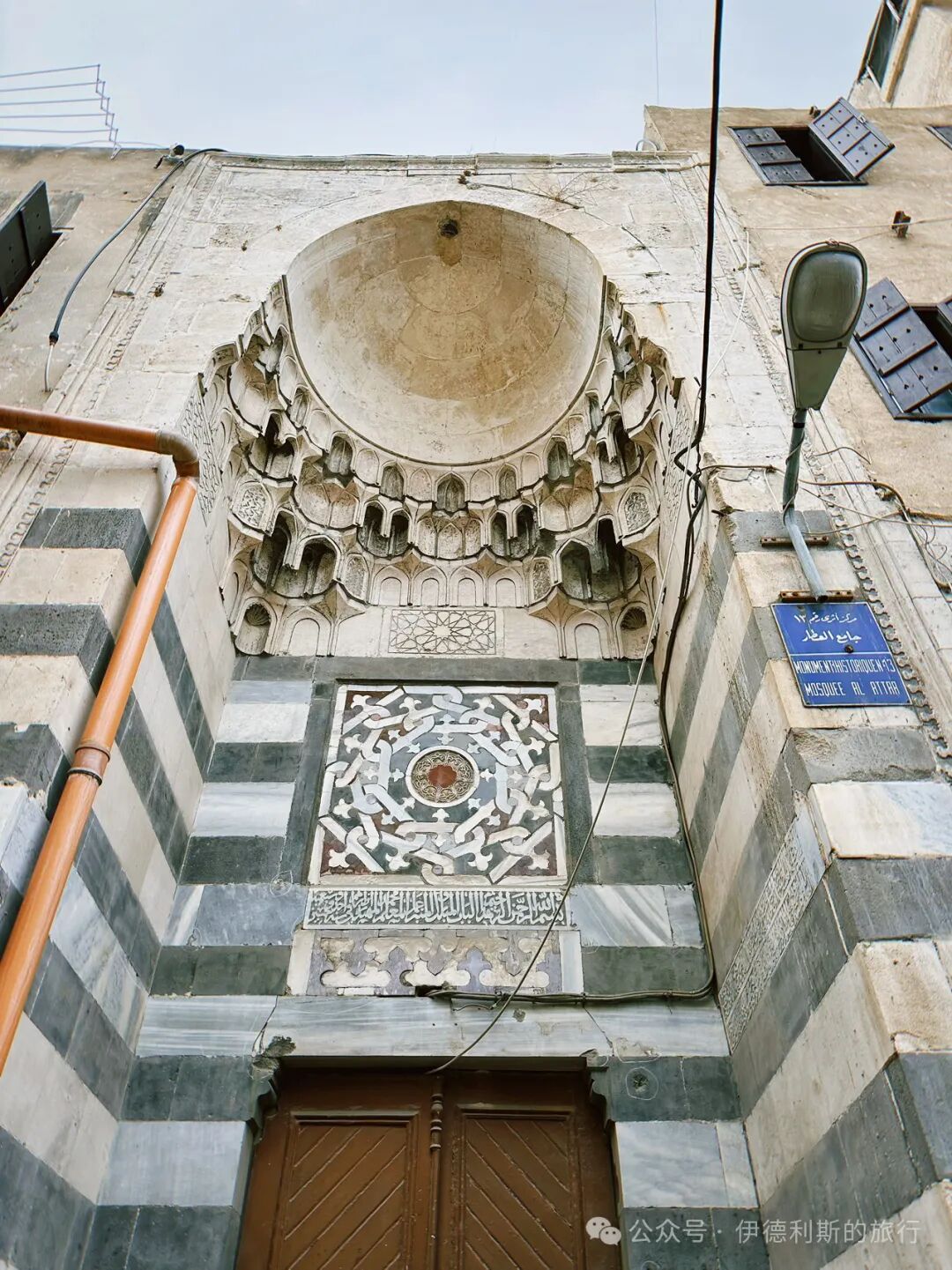
The Attar Mosque was built in the 1350s by a local Tripoli perfume merchant named Badr al-Din al-Attar on the ruins of a Crusader church. It was also the first mosque in Tripoli not built by the Mamluks. Attar Mosque is known as one of the most beautiful ancient mosques in Tripoli, but it has been closed for several years for renovations.
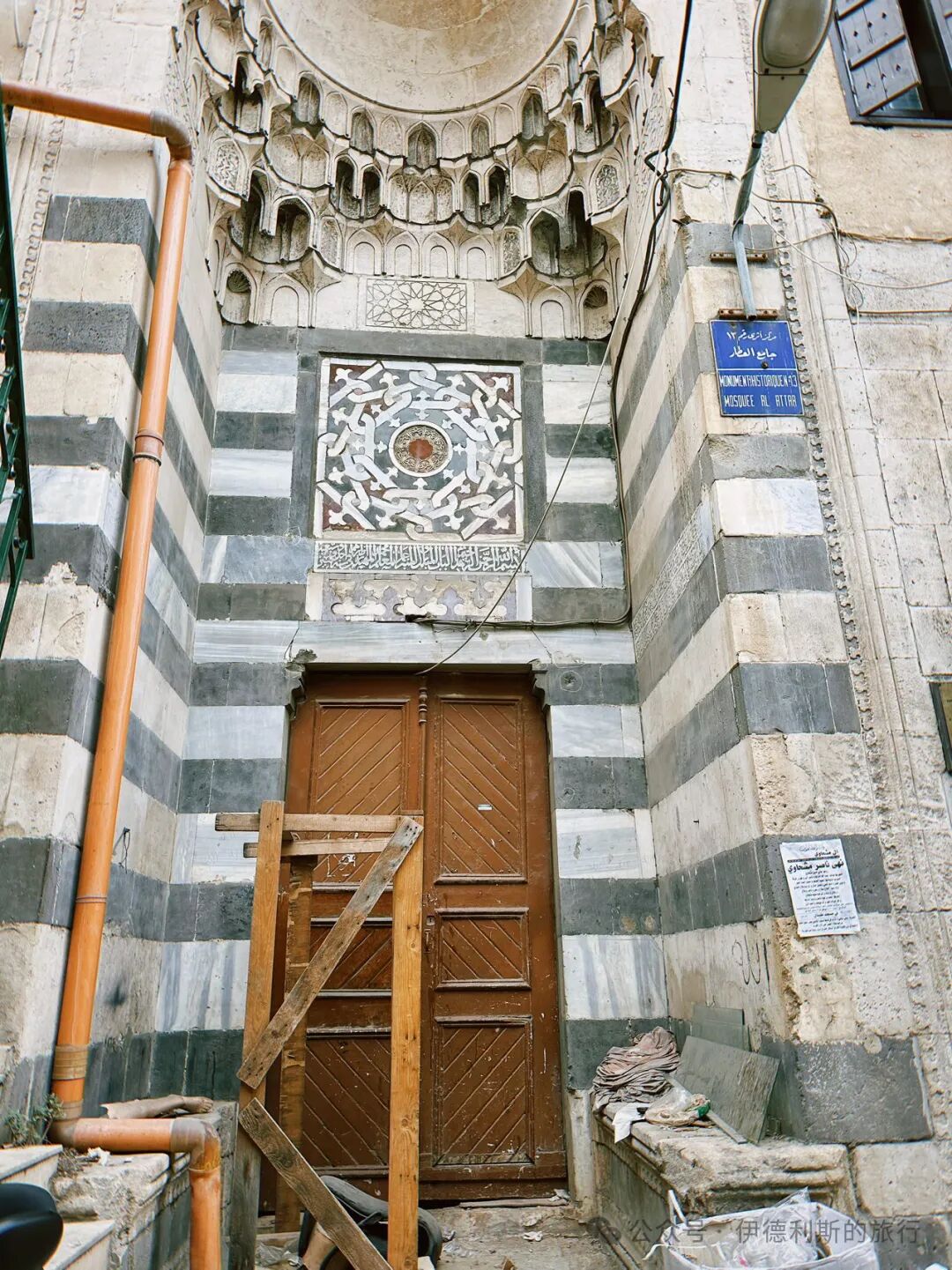
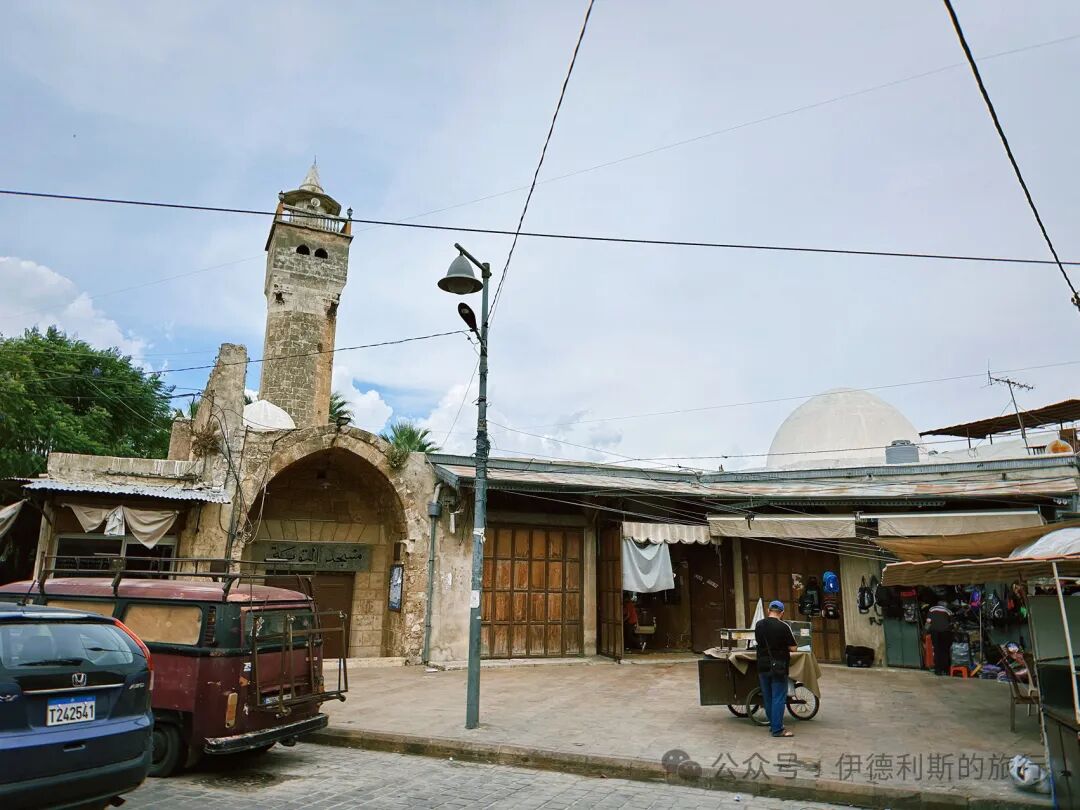
Tawba Mosque: Mamluk period
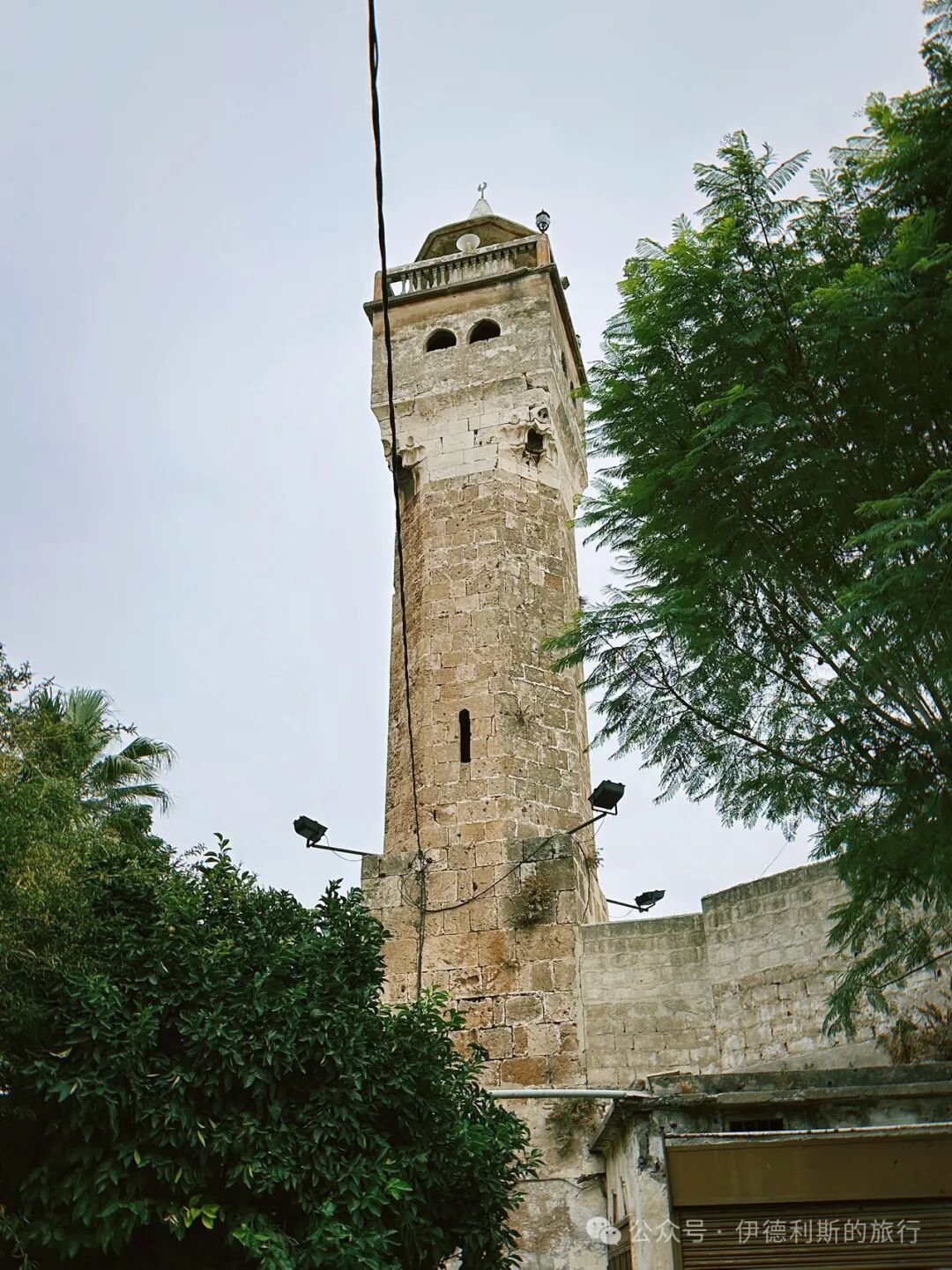
The exact age of Tawba Mosque is unknown, but it is believed to have been built during the Mamluk period. Because it sits right next to the riverbank, the mosque's foundation stone was likely washed away during a flood. The inscription at the mosque entrance now says it was rebuilt after a flood in 1612. Many mosques in Lebanon lock their doors outside of prayer times, so I could not go inside and only saw the octagonal minaret.
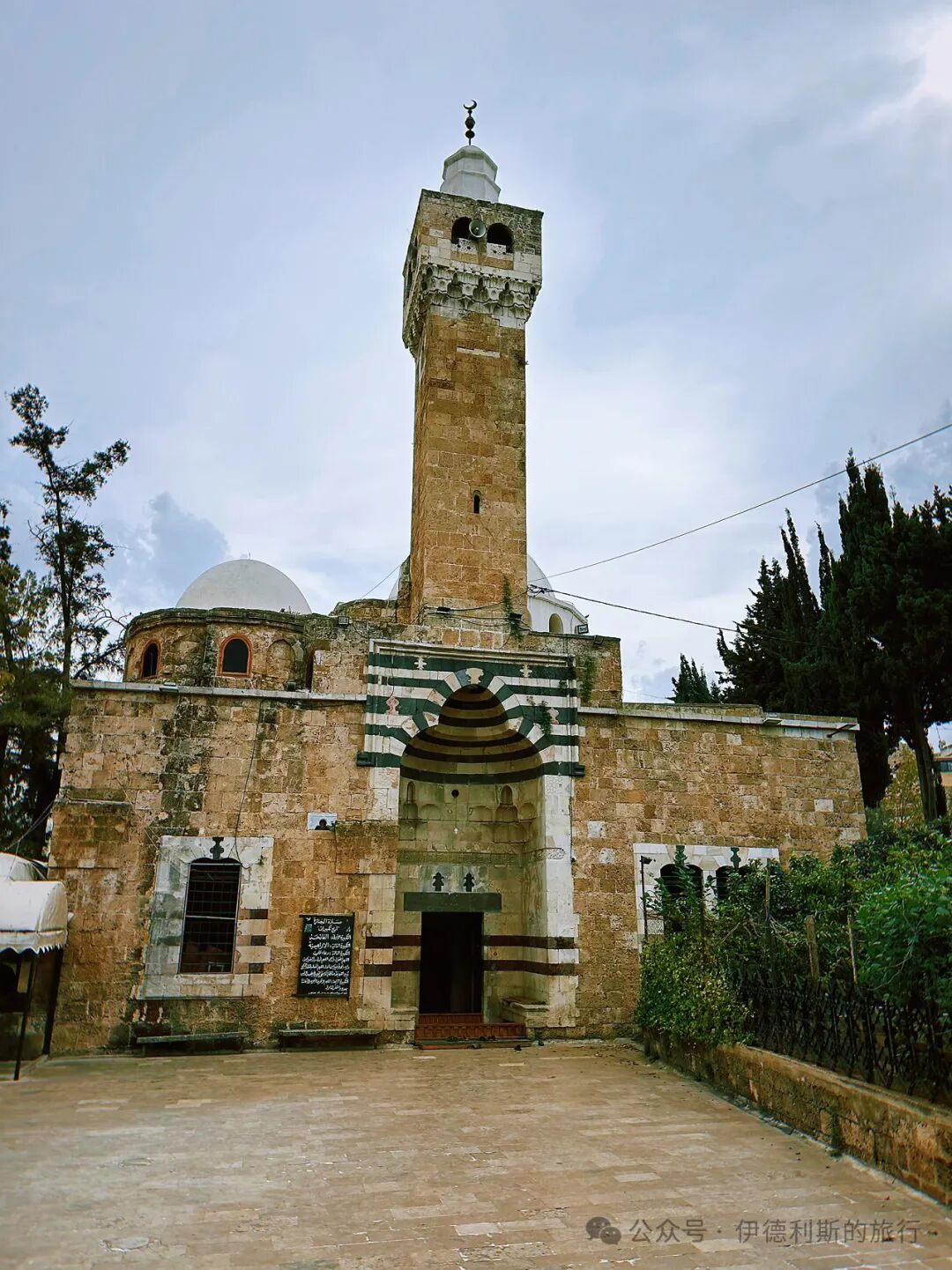
Burtasi Mosque: late 13th century to early 14th century
Isa ibn Umar al-Burtasi built Burtasi Mosque during the Mamluk period. Since Isa passed away in 1324, we can guess the mosque was built between the late 13th century and 1324. A flood in 1955 washed away all the houses around Burtasi Mosque, and today it is the only building left standing on the riverbank. The minaret (bangke ta) above the main gate is known as the most beautiful one in Tripoli. Above the three-story stalactite-style cornice (muqarnas) sits a square balcony featuring Moorish-style double-arched windows. This type of double arch is a classic feature of Muslim architecture from Andalusia in southern Spain.
3. Baalbek
Umayyad Great Mosque of Baalbek: 715
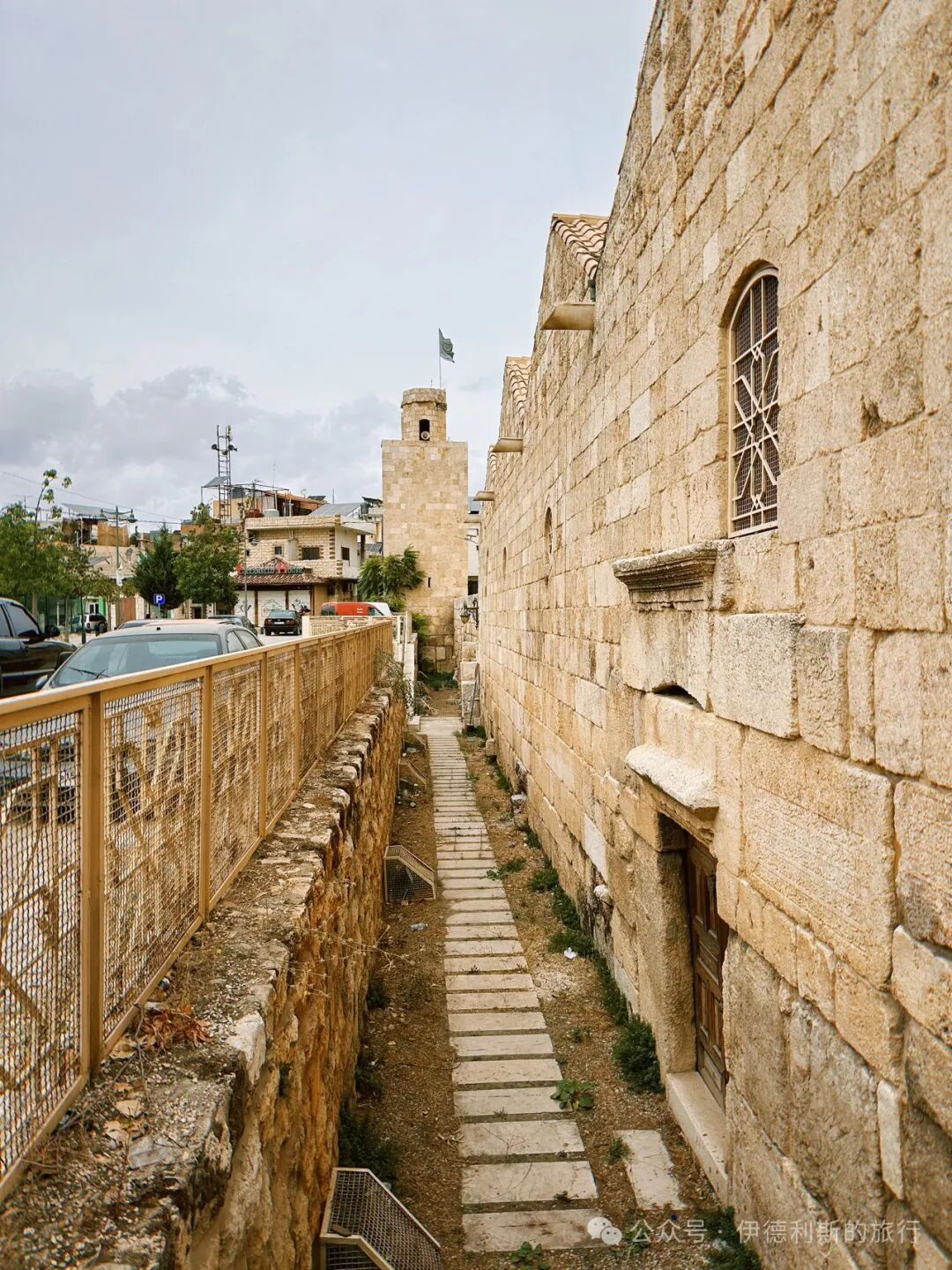
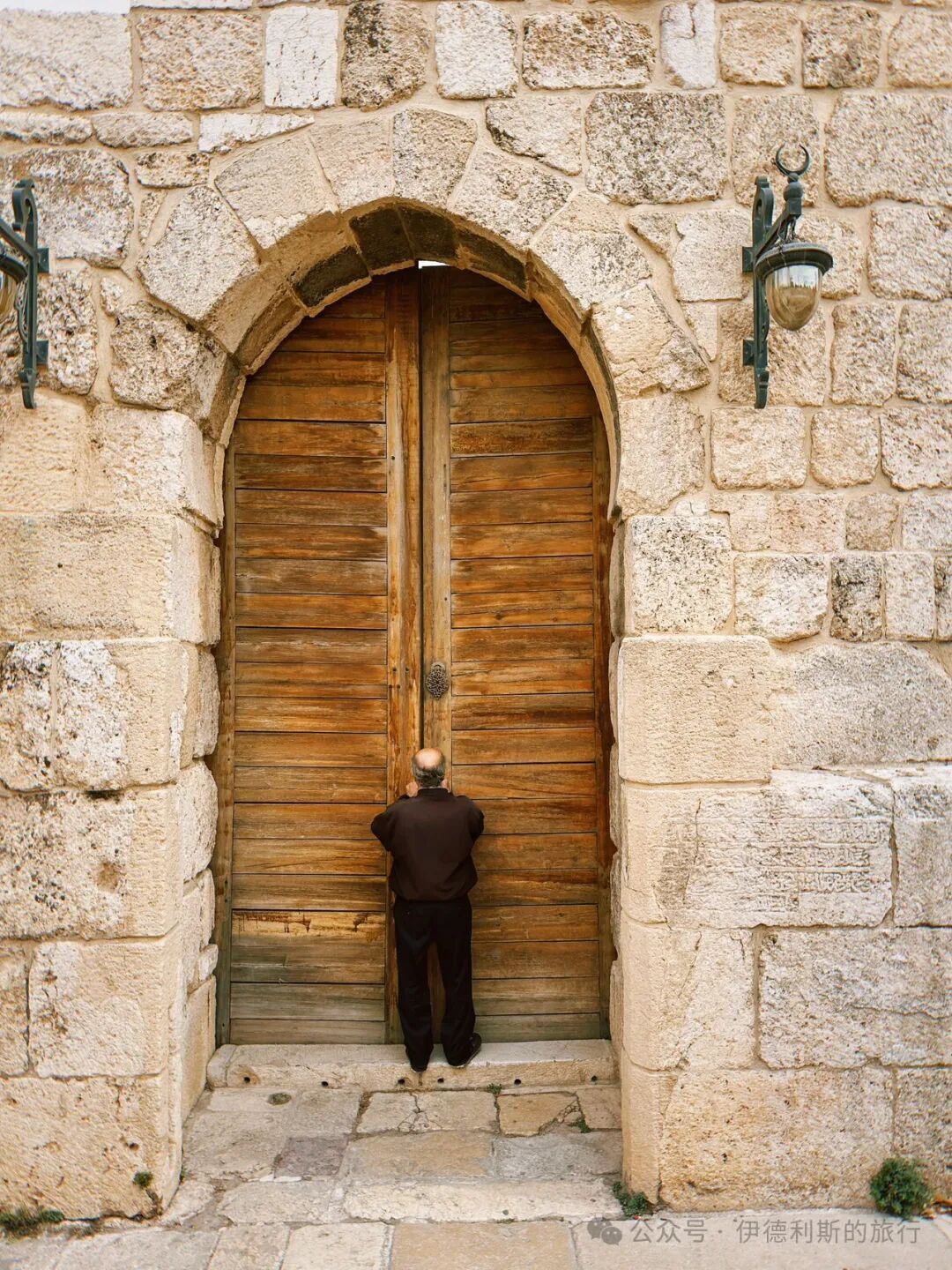
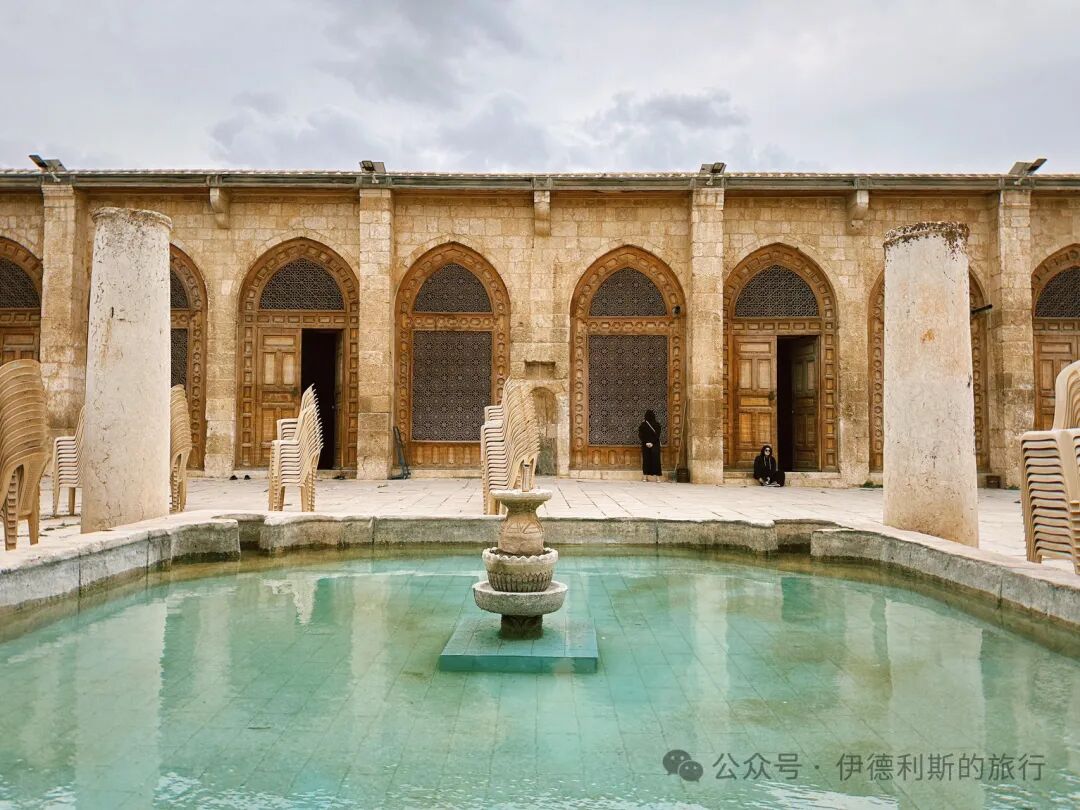
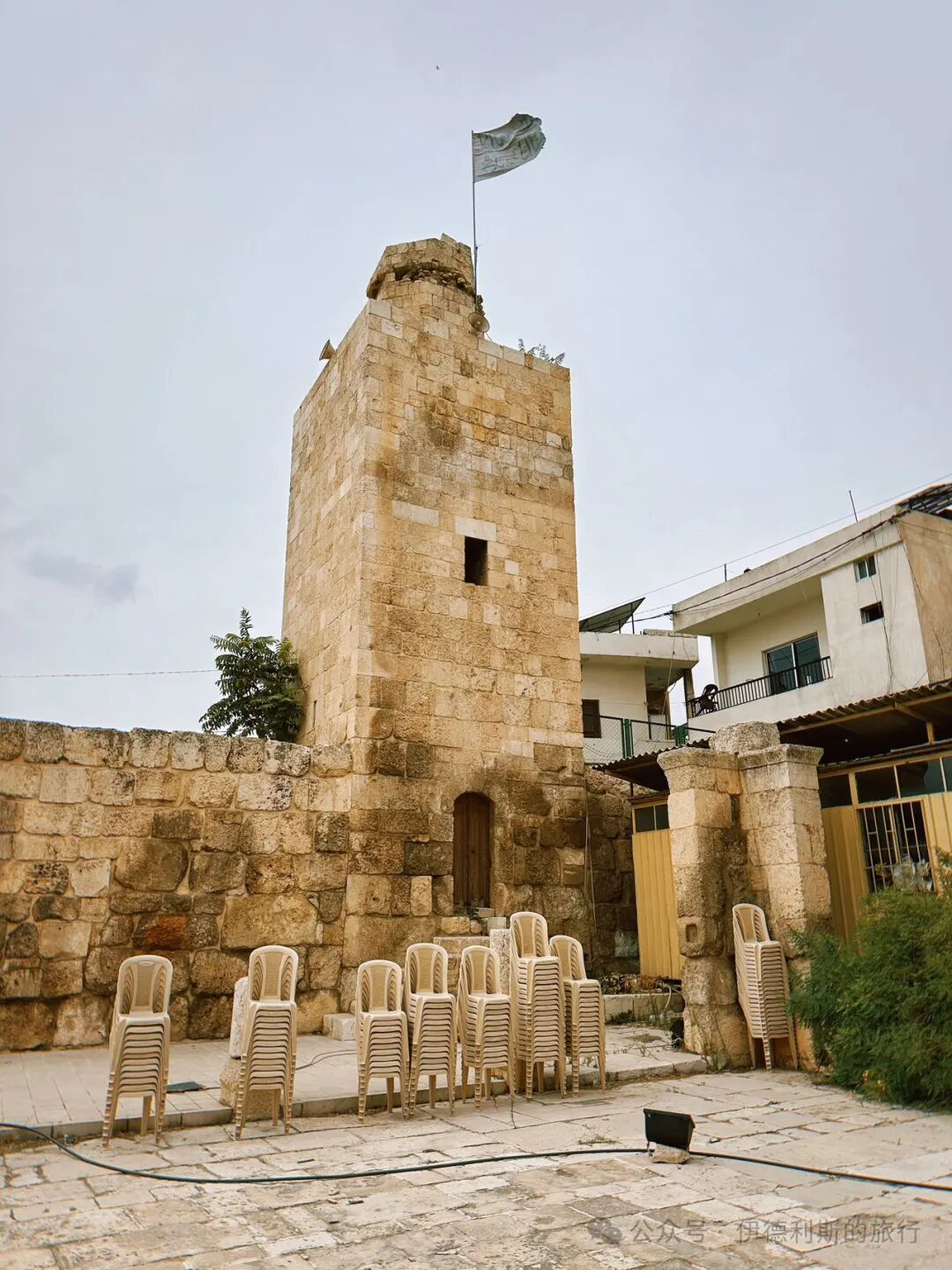
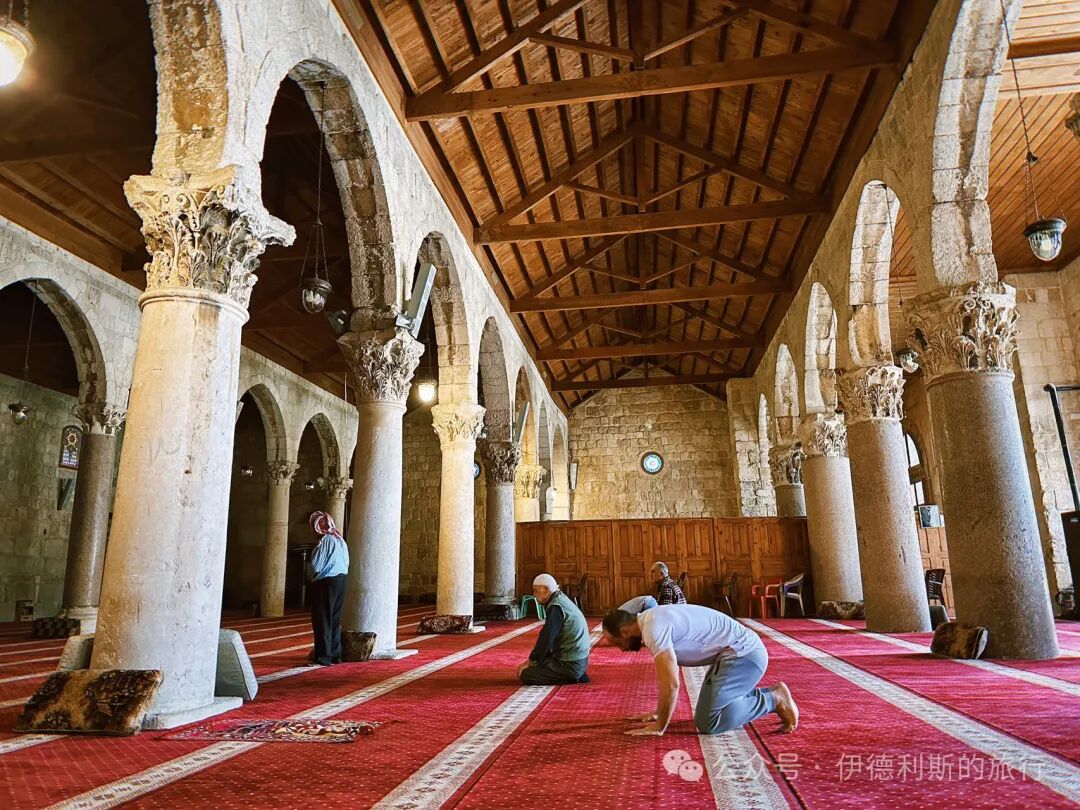
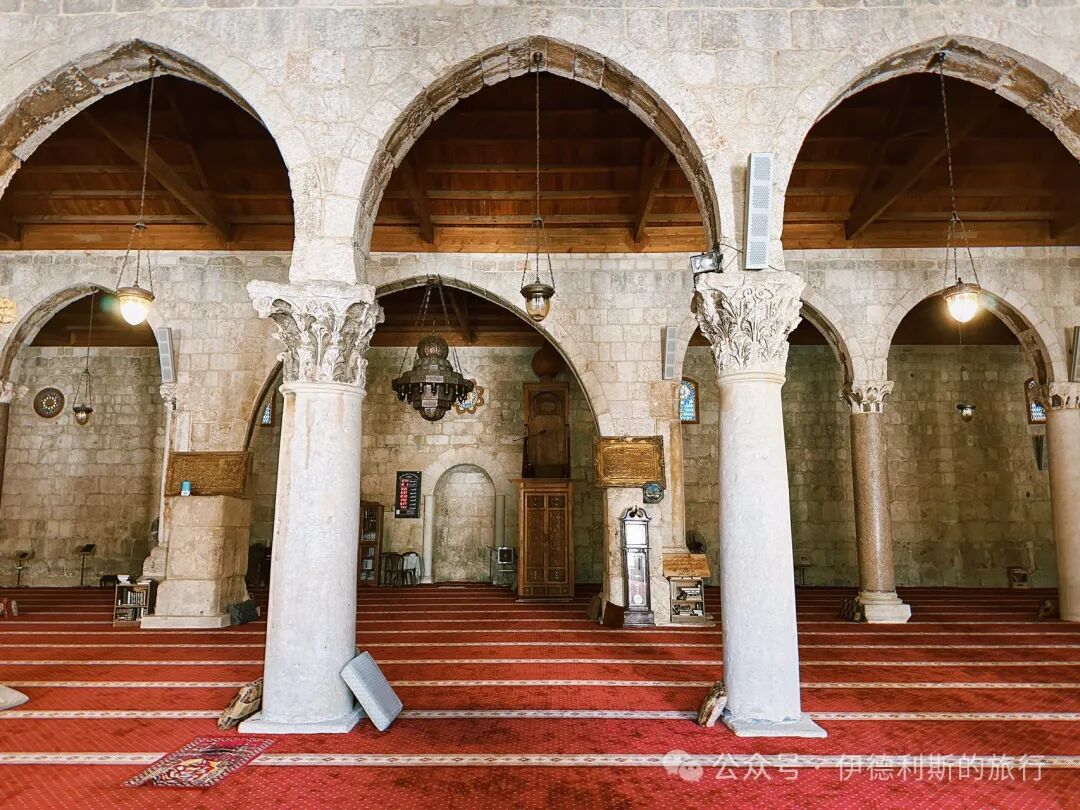
The Umayyad Mosque of Baalbek was built in 715 by the Umayyad Caliph al-Walid I, the same year as the Umayyad Mosque in Damascus, and both stand together as the oldest surviving mosque (masjid) buildings in the world.
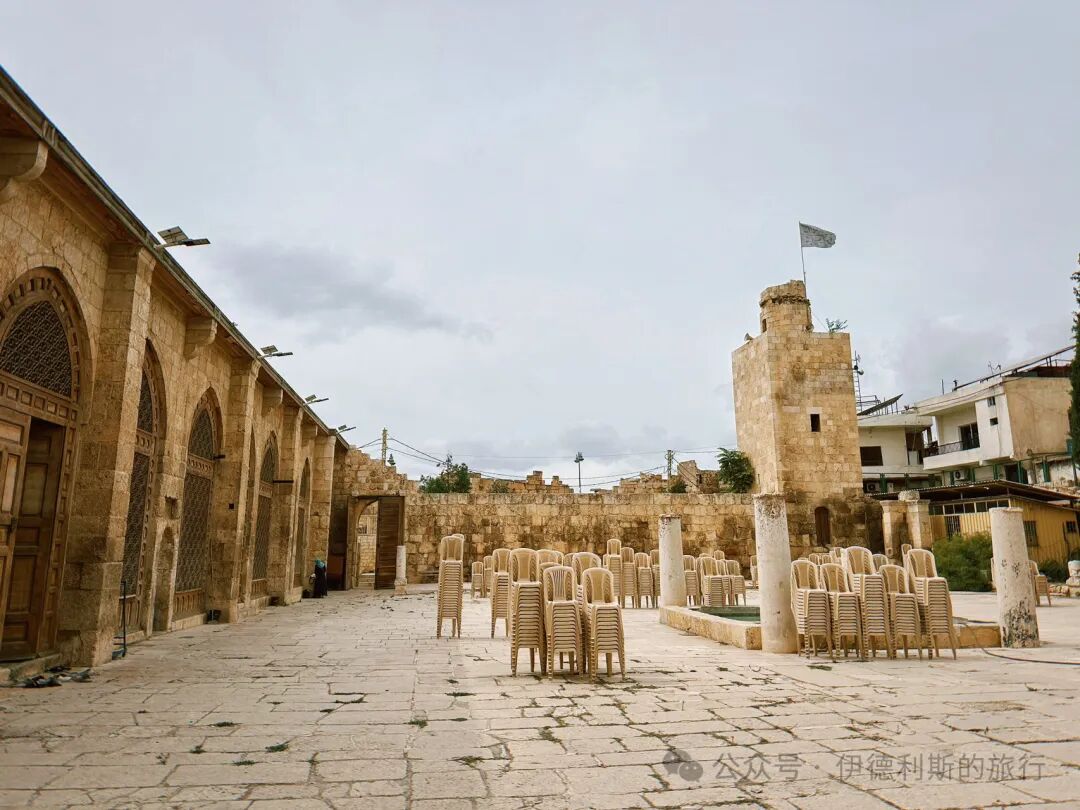
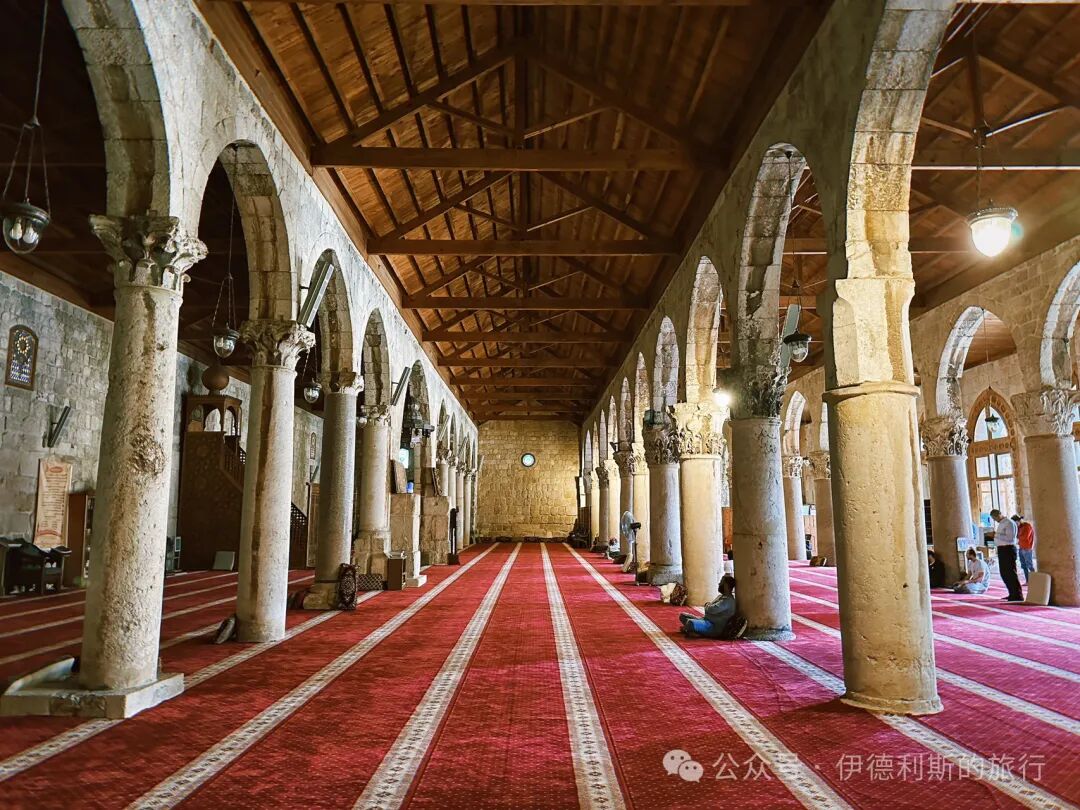
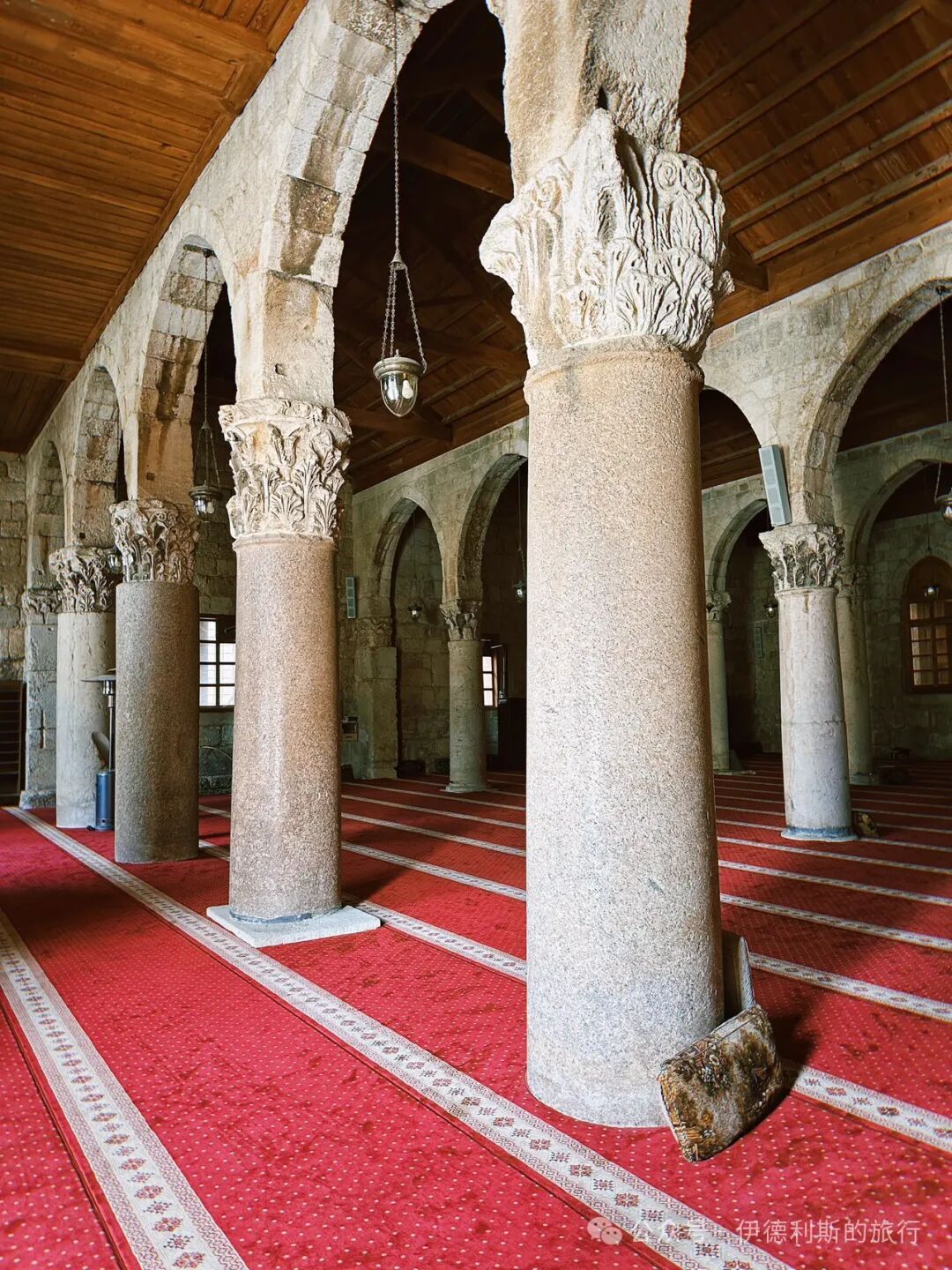
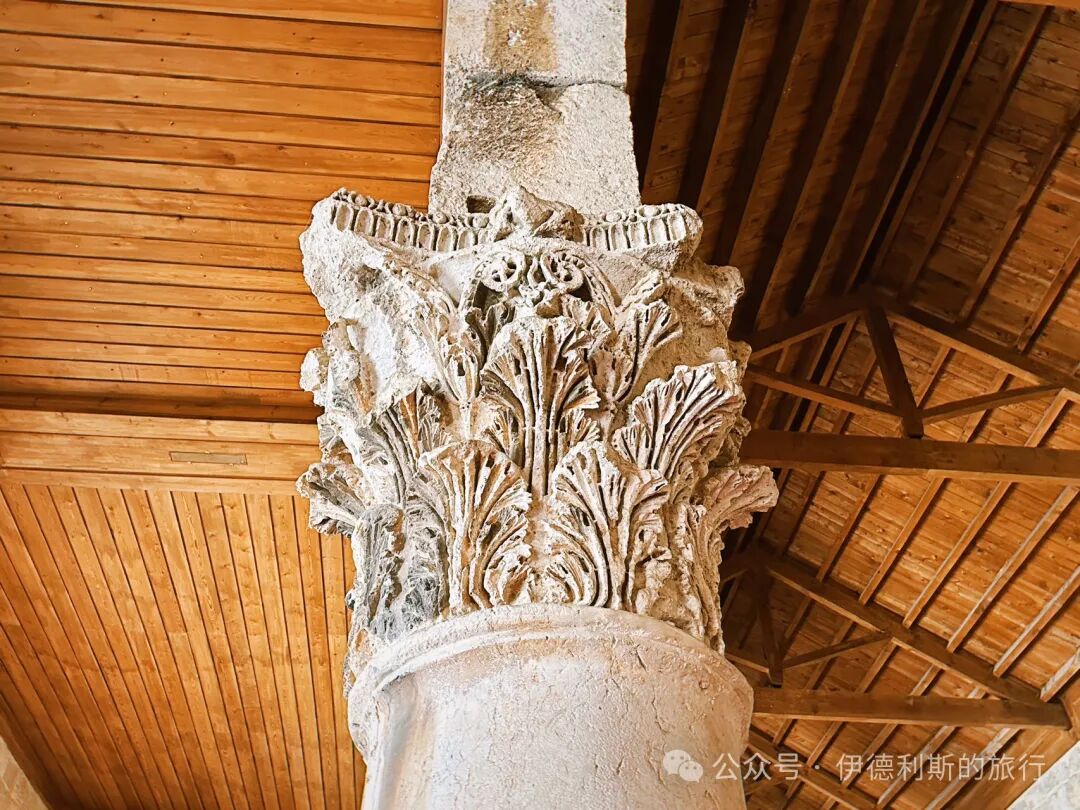
Compared to the Umayyad Mosque in Damascus, the Umayyad Mosque of Baalbek is simpler, but their overall styles are still very similar. Some stone parts inside the main hall may have come from the nearby Roman-era Baalbek Castle, and the column capitals show a strong Roman-Byzantine style. A flood hit Baalbek in 1318 and caused serious damage to the Umayyad Mosque, washing away walls and the pulpit (minbar). The Mamluk prince ruling Baalbek at the time, Najm al-Din Hassan, later repaired it.
The Umayyad Mosque was badly damaged in a 1996 earthquake in Baalbek. A team led by Dr. Saleh Lamei Mustafa, the former dean of the Faculty of Architecture at Beirut Arab University, later carried out the repairs. The repair work lasted for two years and was finished in 1998.
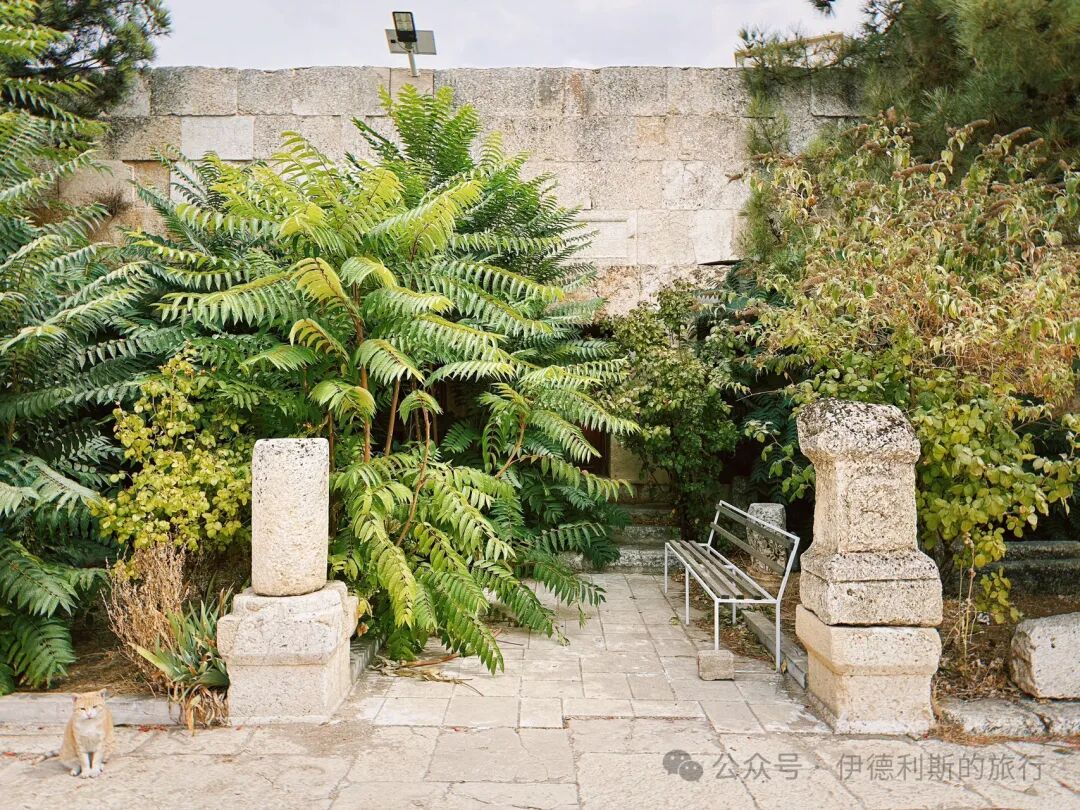
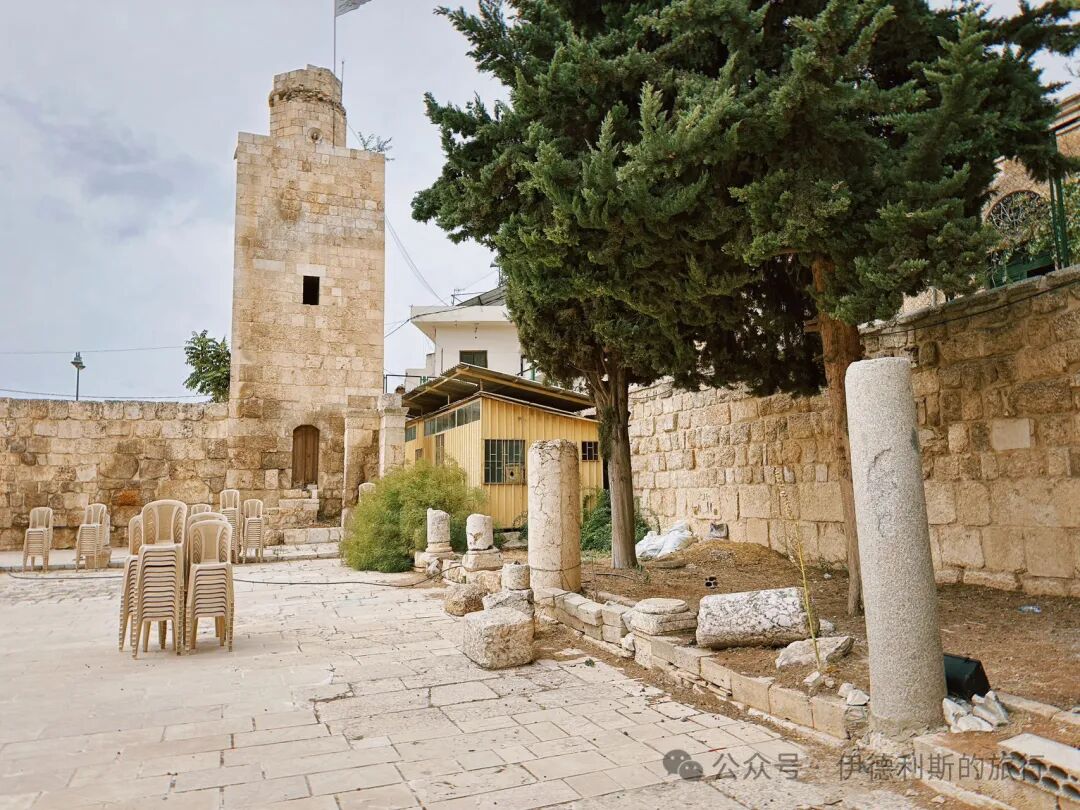
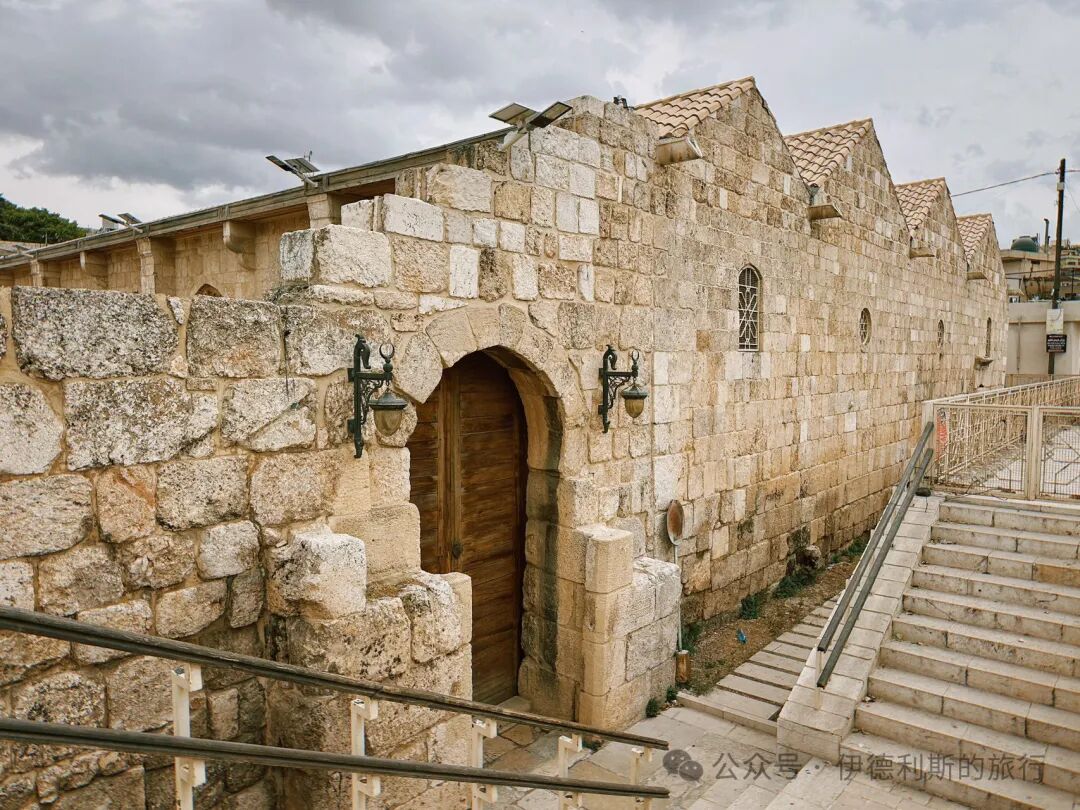
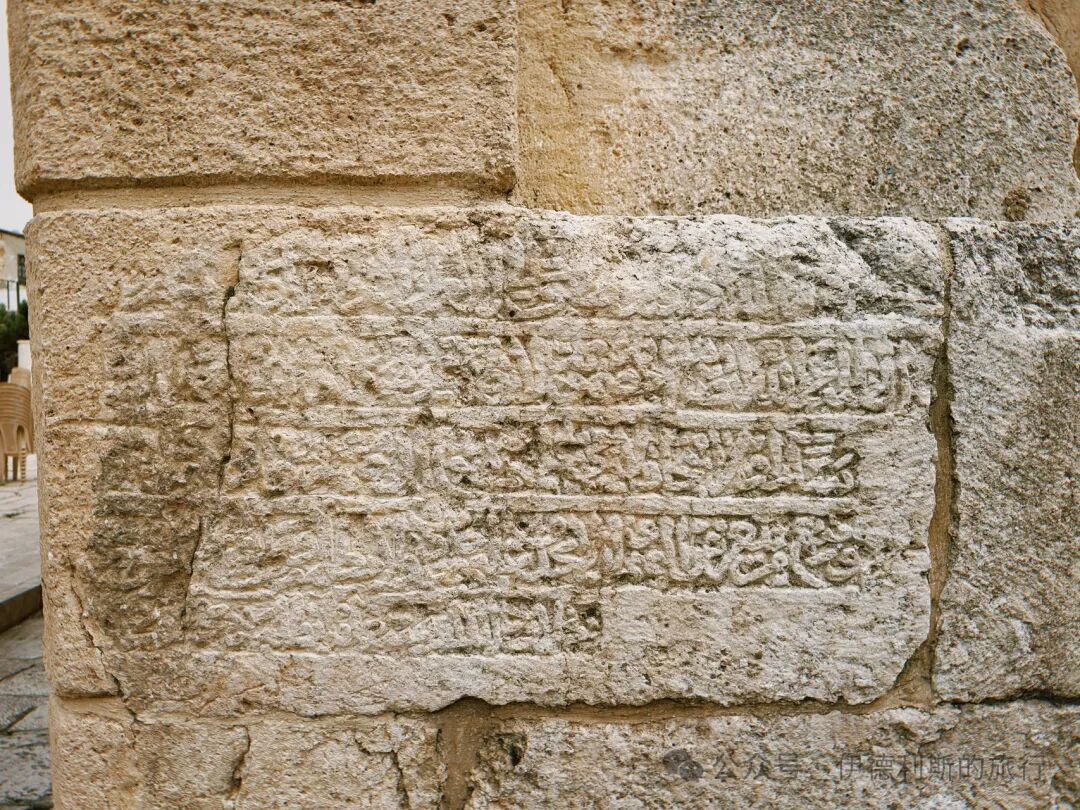
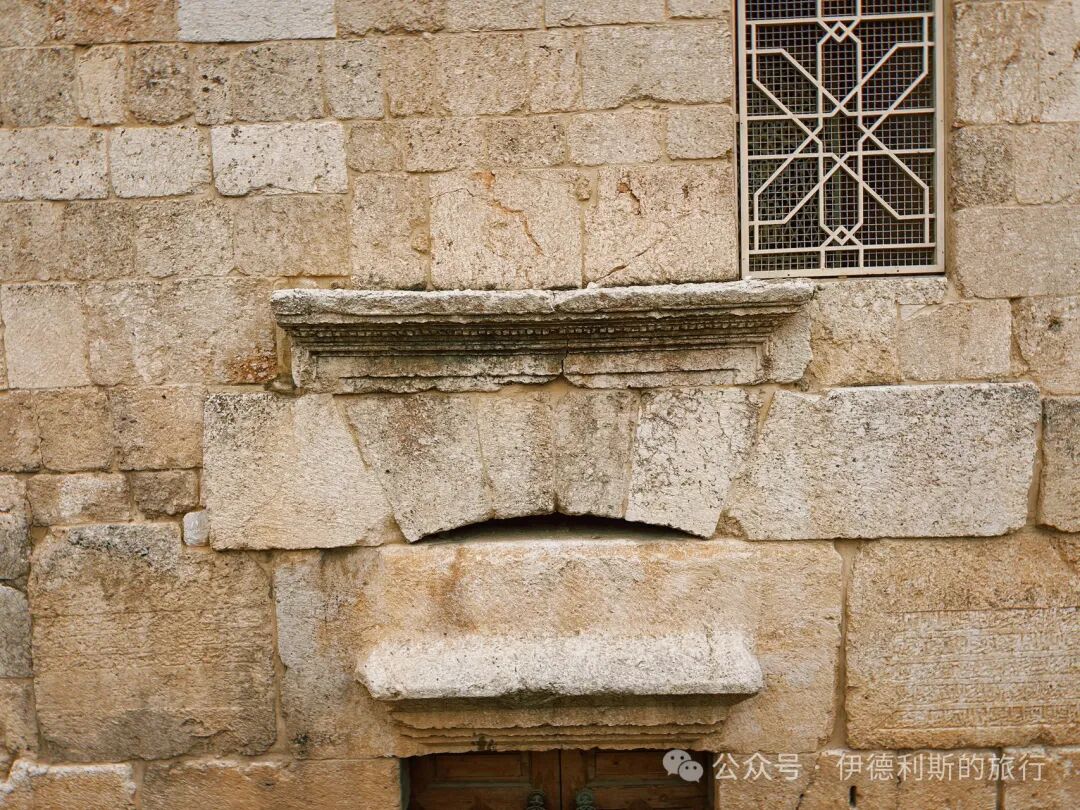
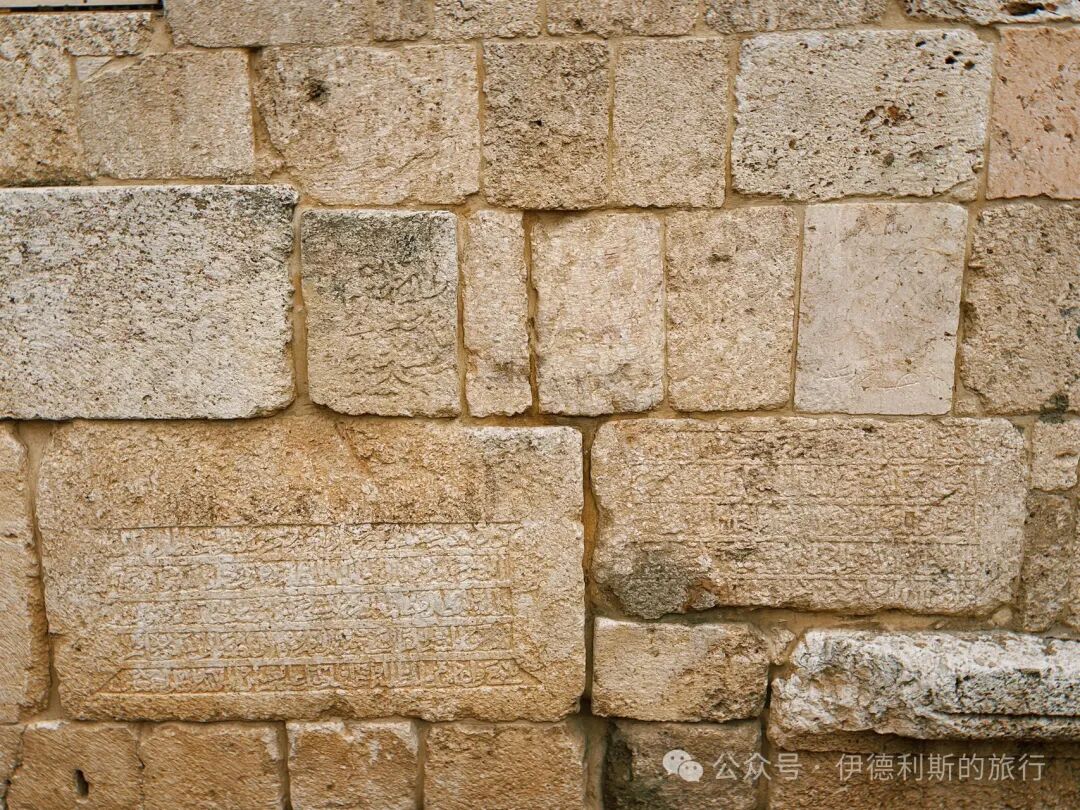
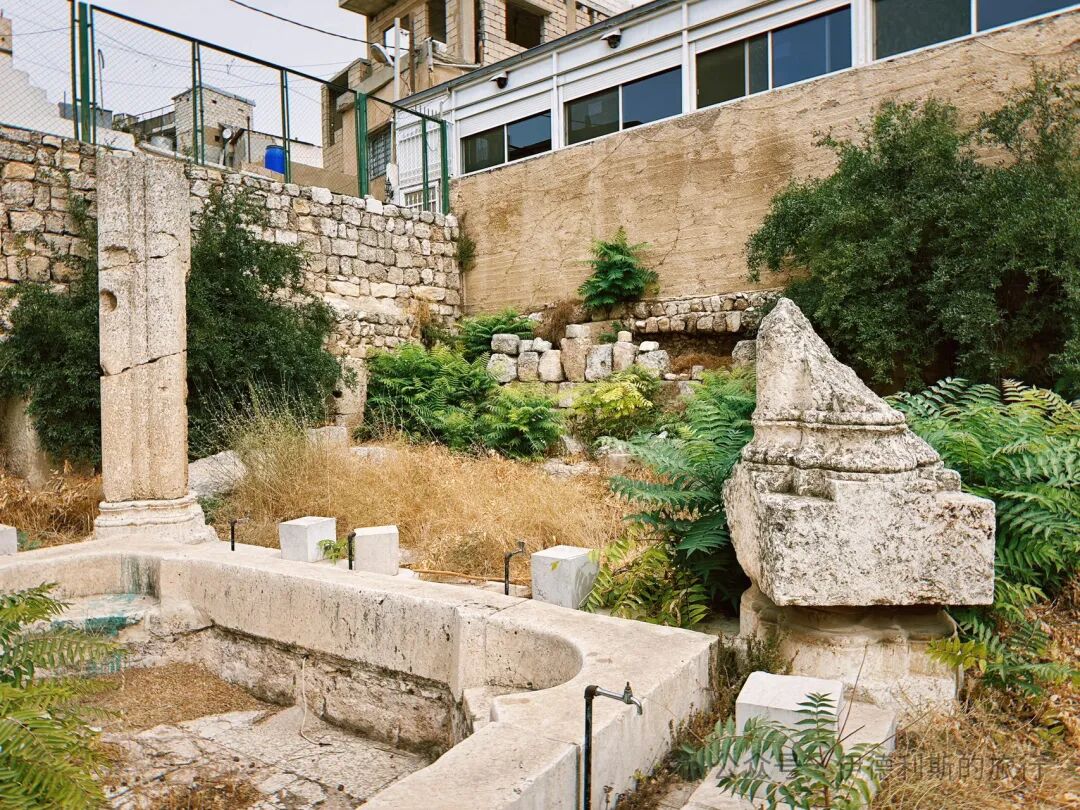
Today, many ancient stone pieces are still scattered around the courtyard of the Umayyad Mosque in Baalbek, giving it a rich sense of history.
4. Sidon
El Kikhia Mosque: 1625
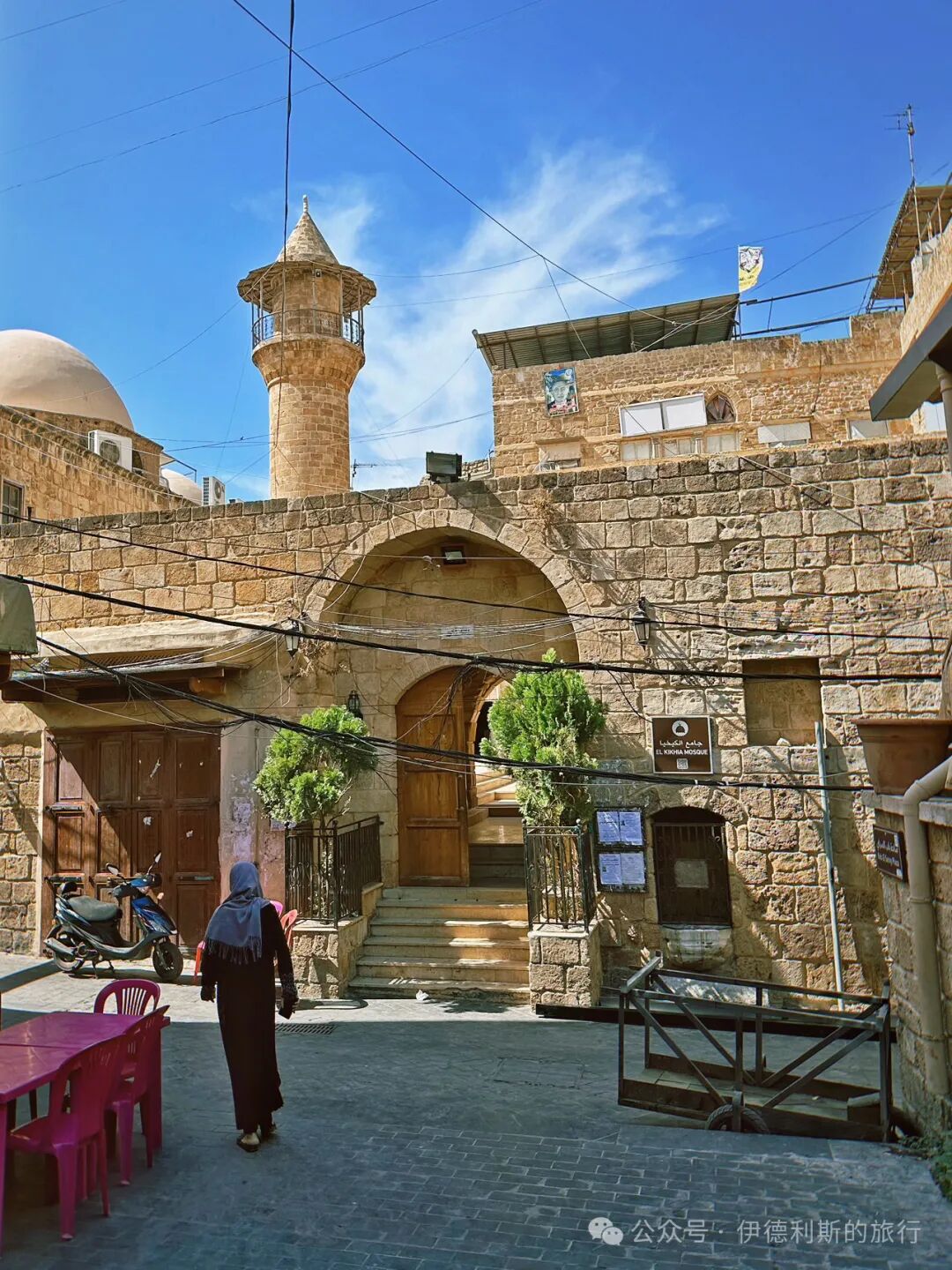
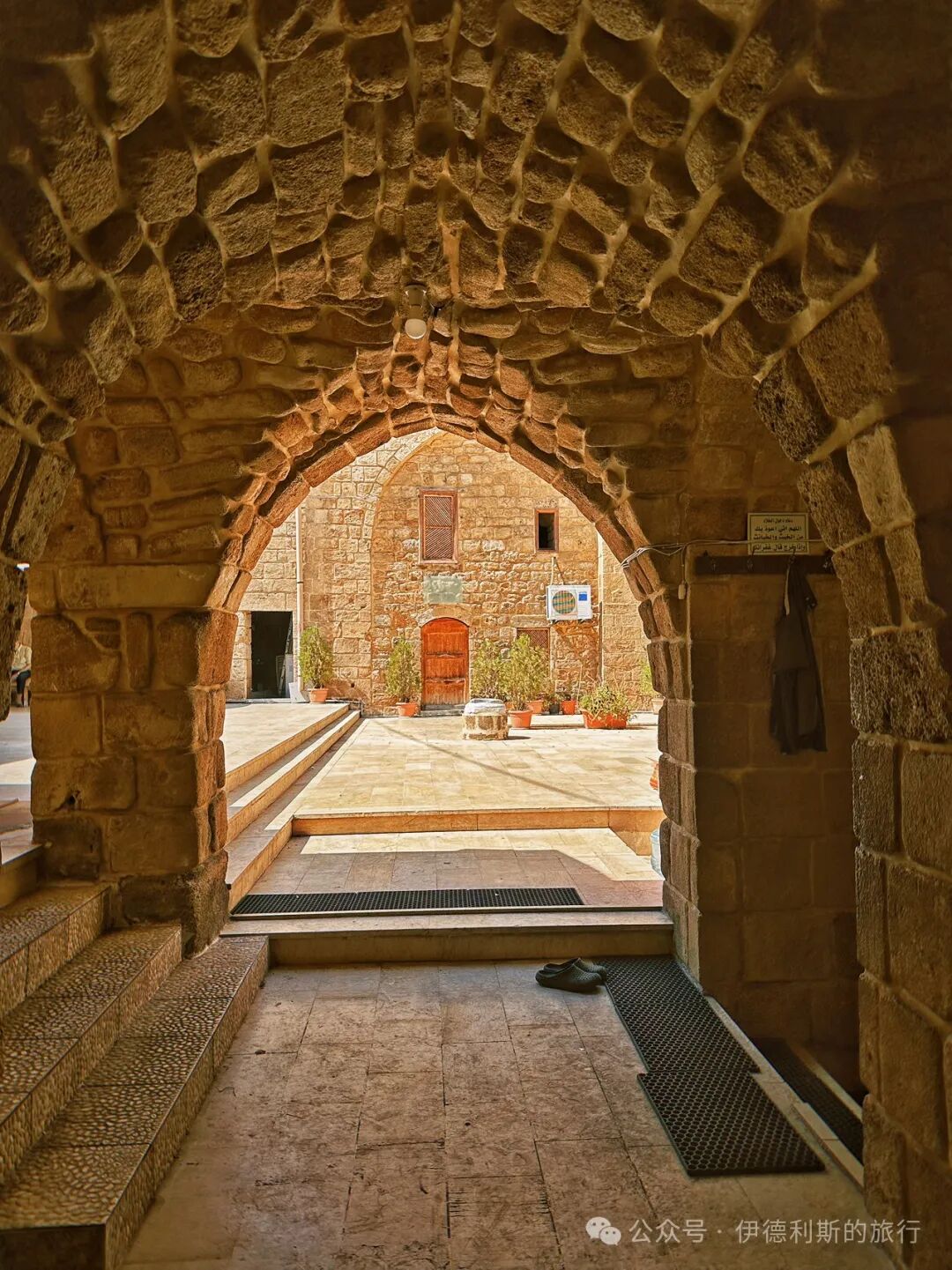
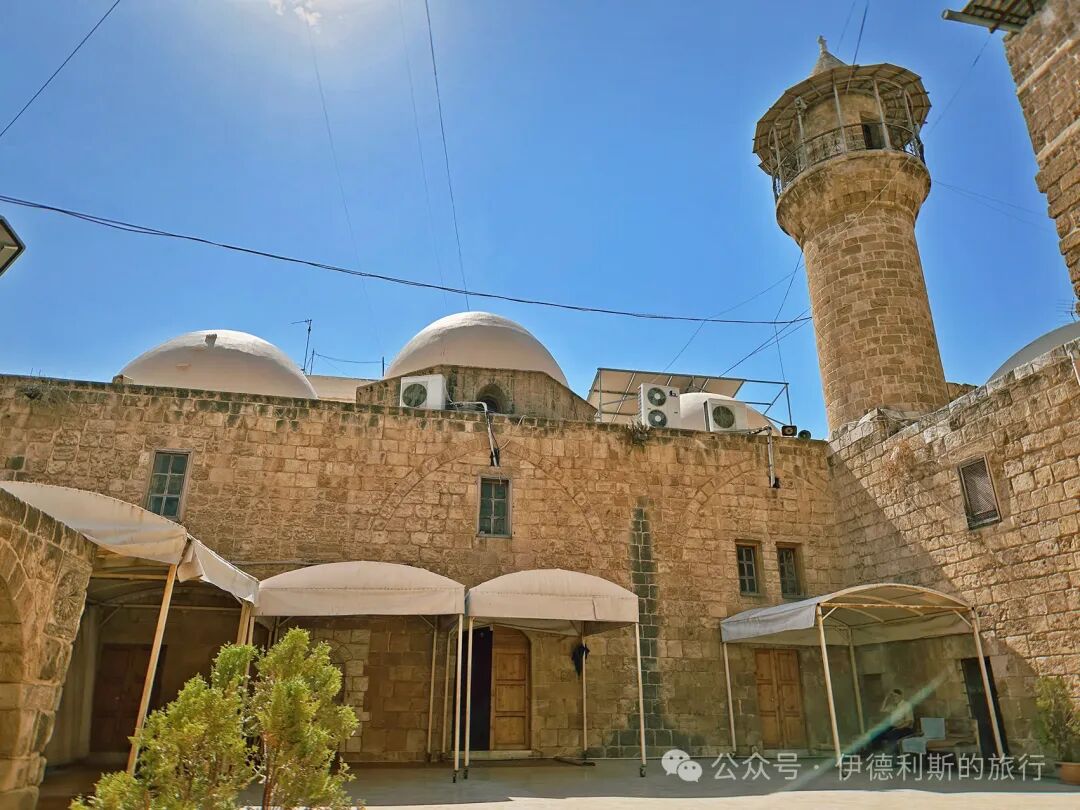
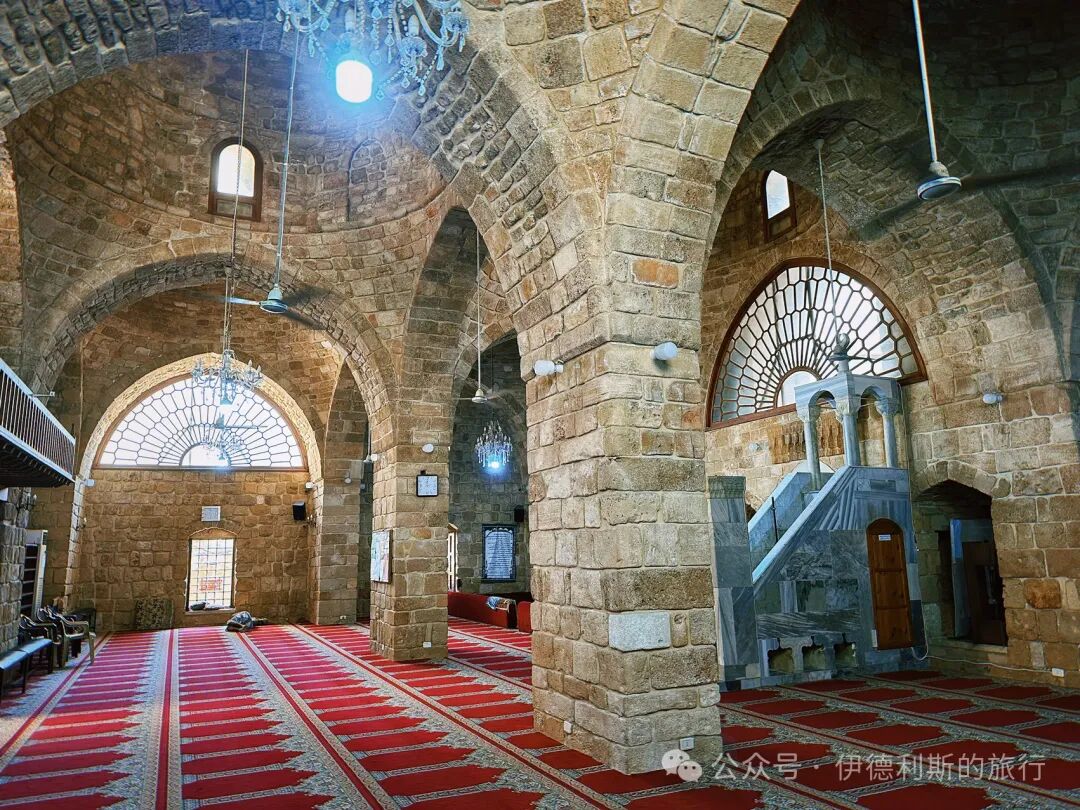
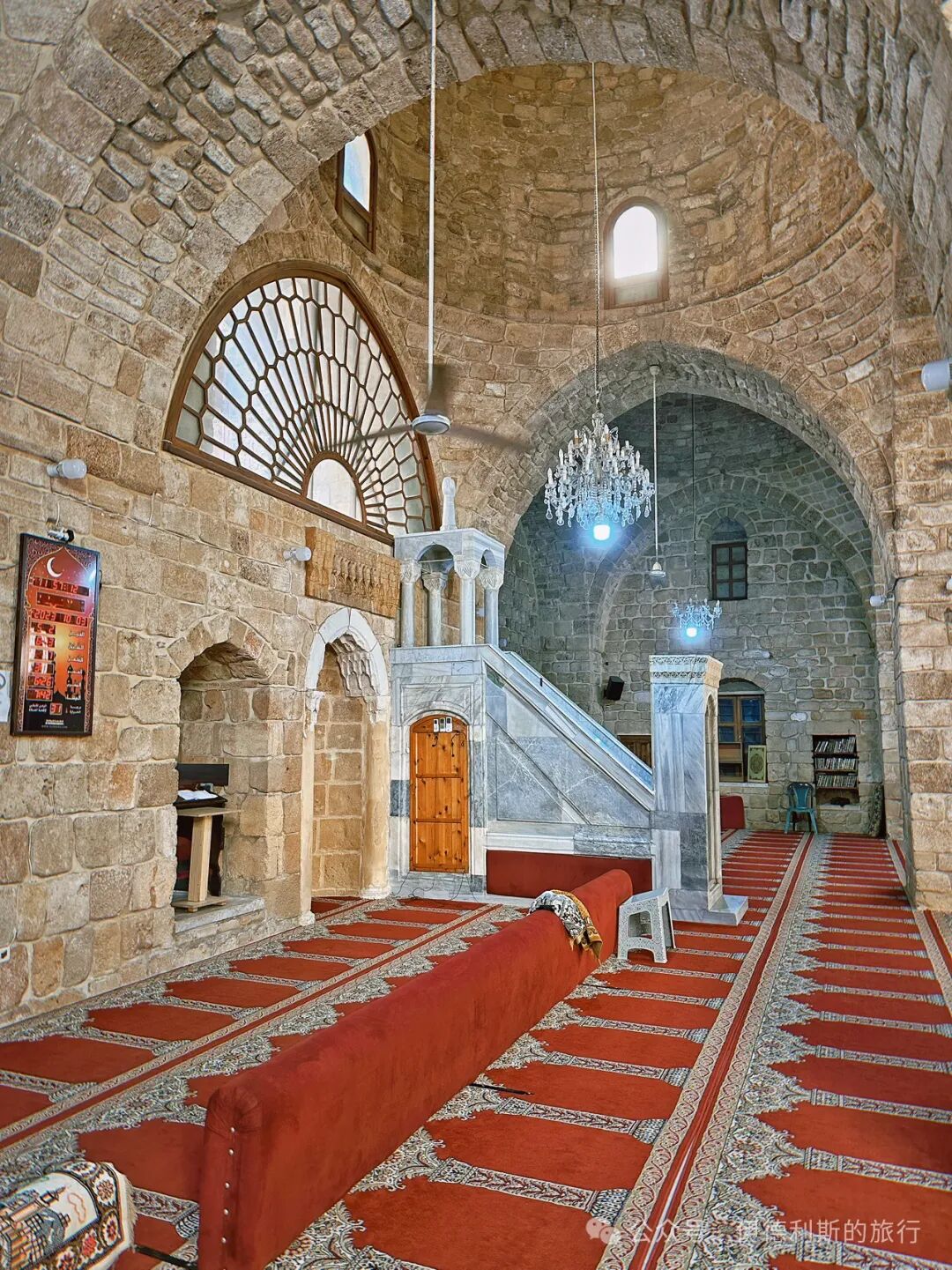
El Kikhia Mosque was built in 1625 by Mahmoud Kitkhuda and is one of the representative works of Ottoman-era architecture in Lebanon. The mosque is famous for its six domes, and inside the main hall, there is a white marble pulpit (minbar).
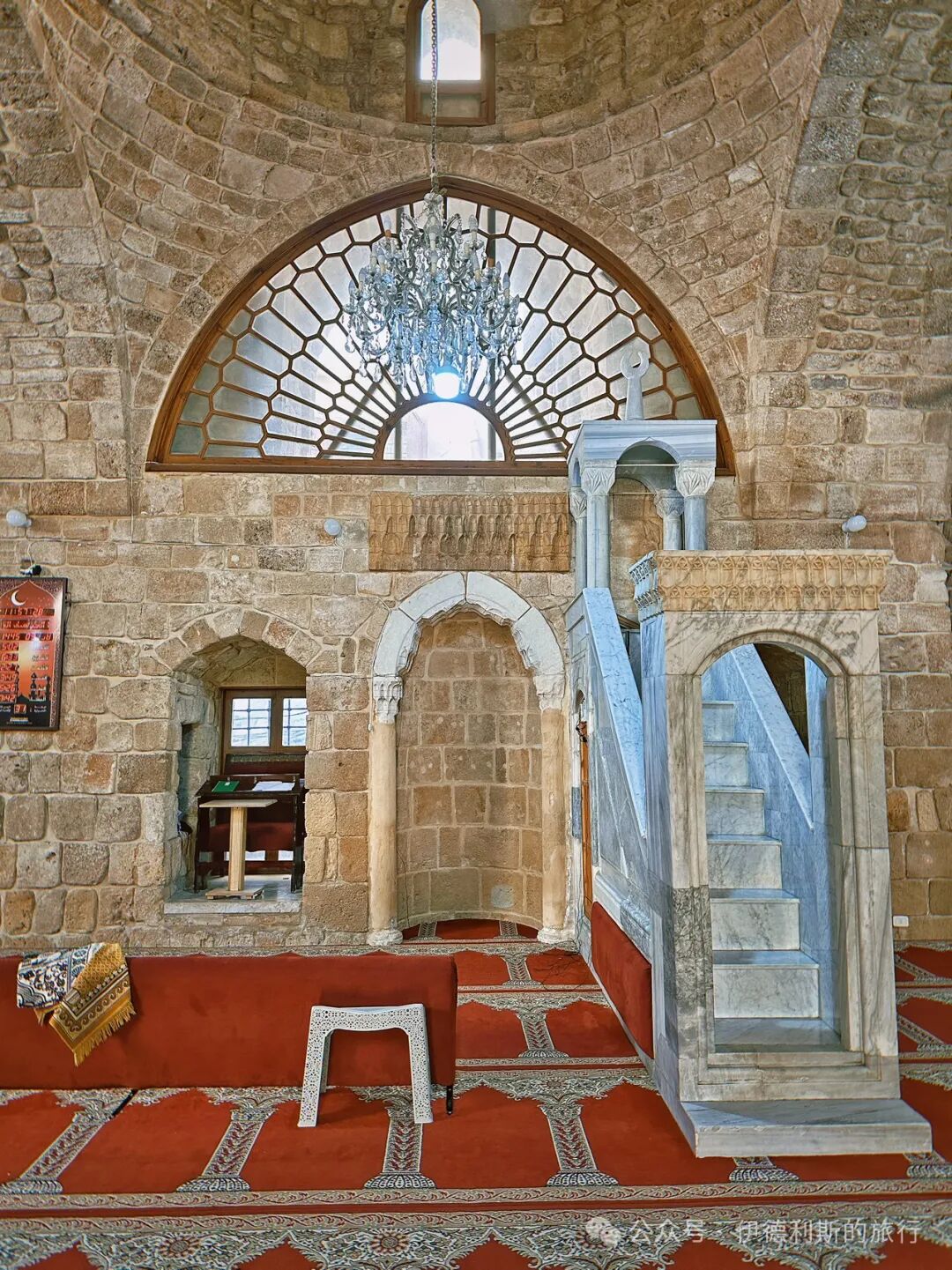
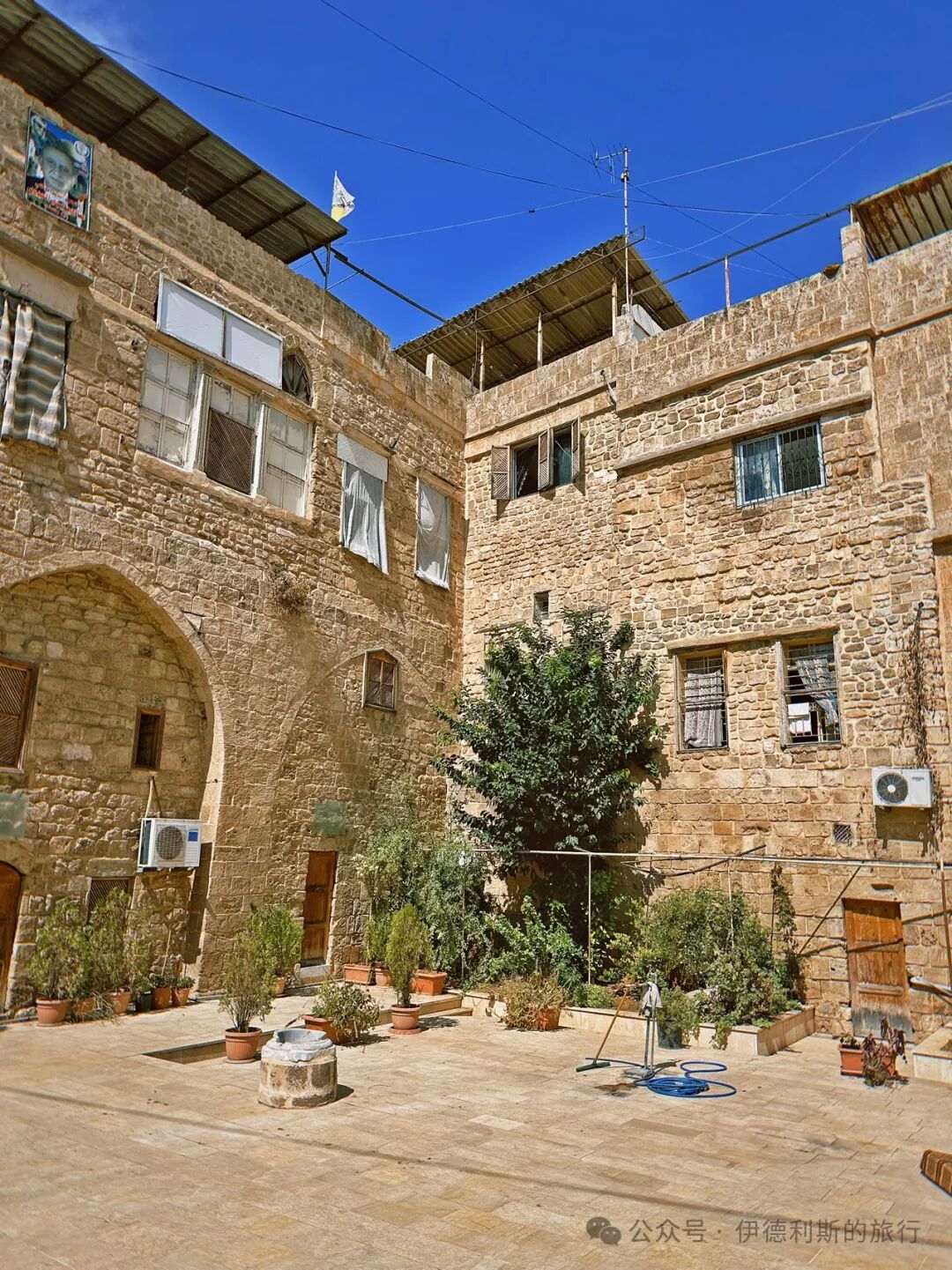
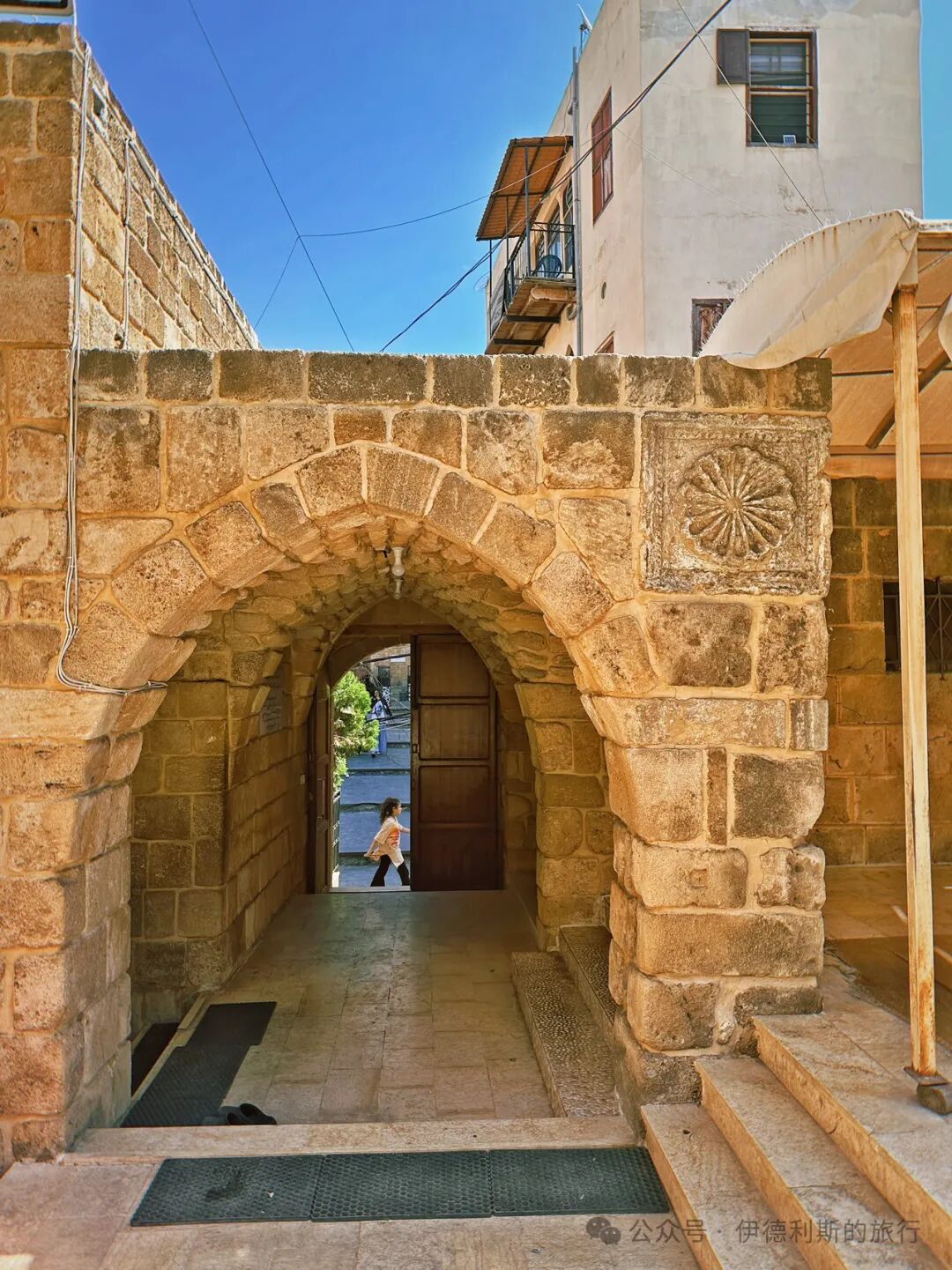
El Qtaishieh Mosque: 16th century
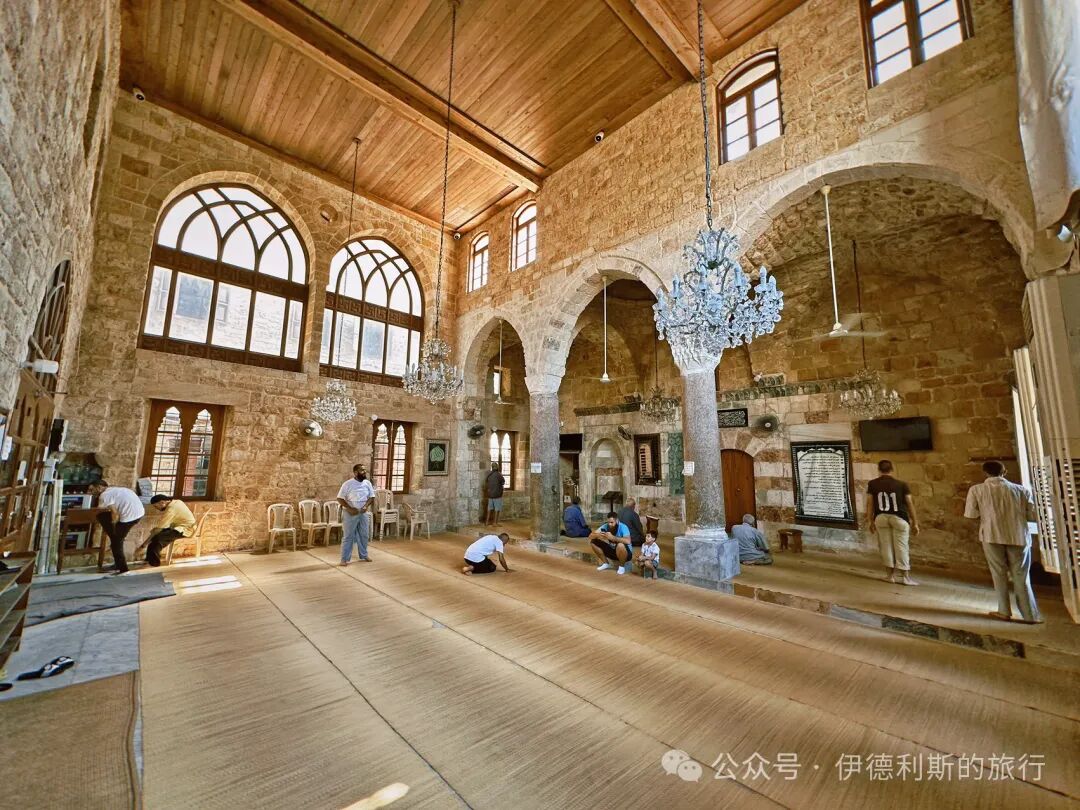
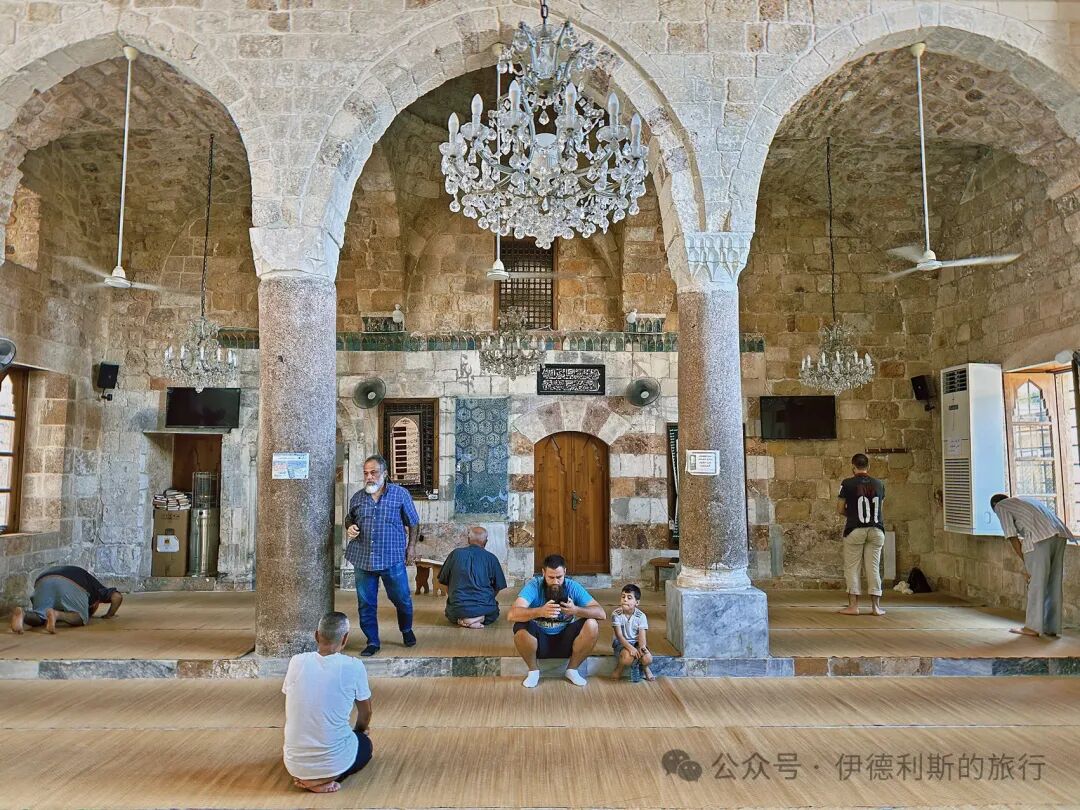
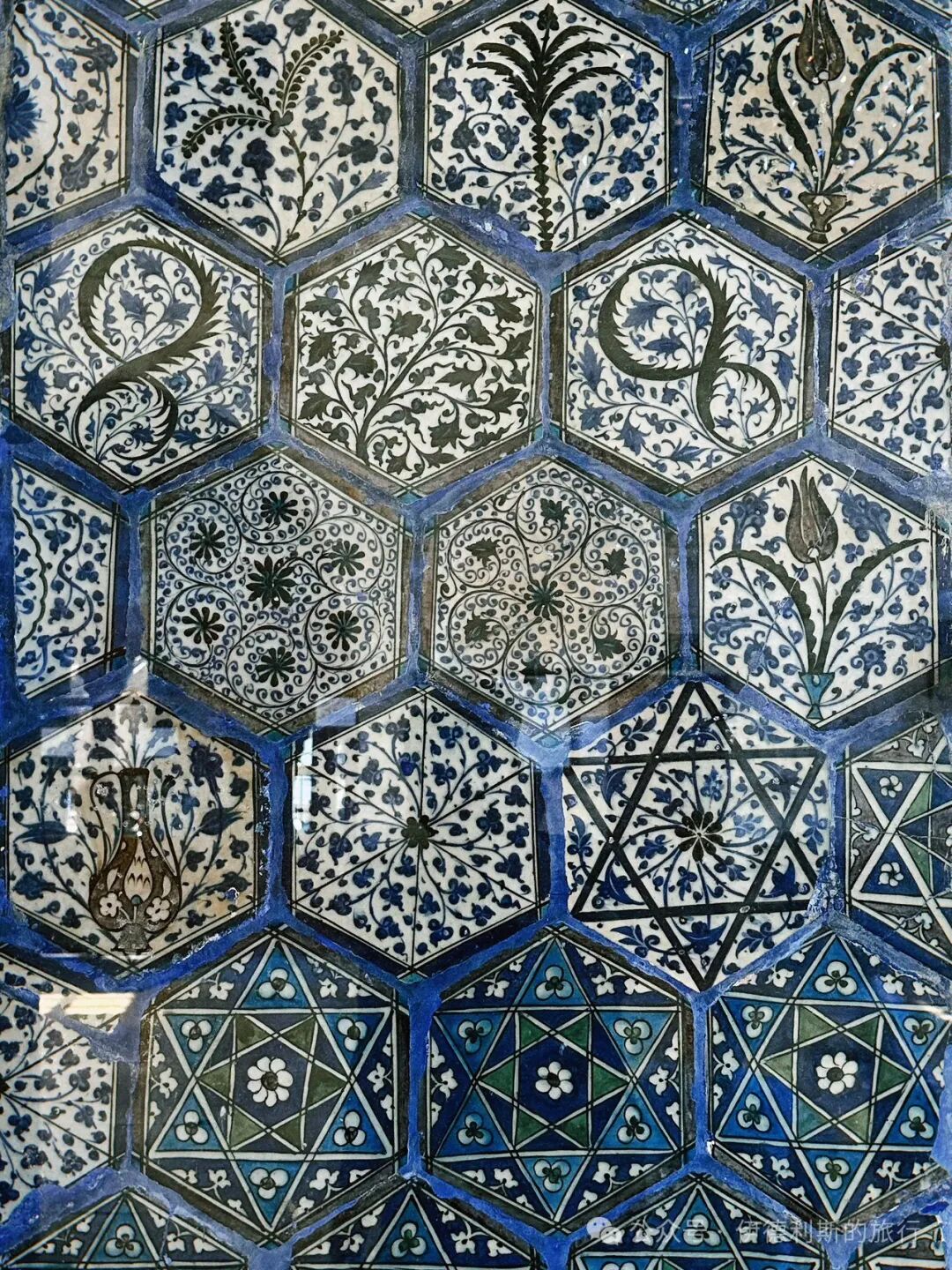
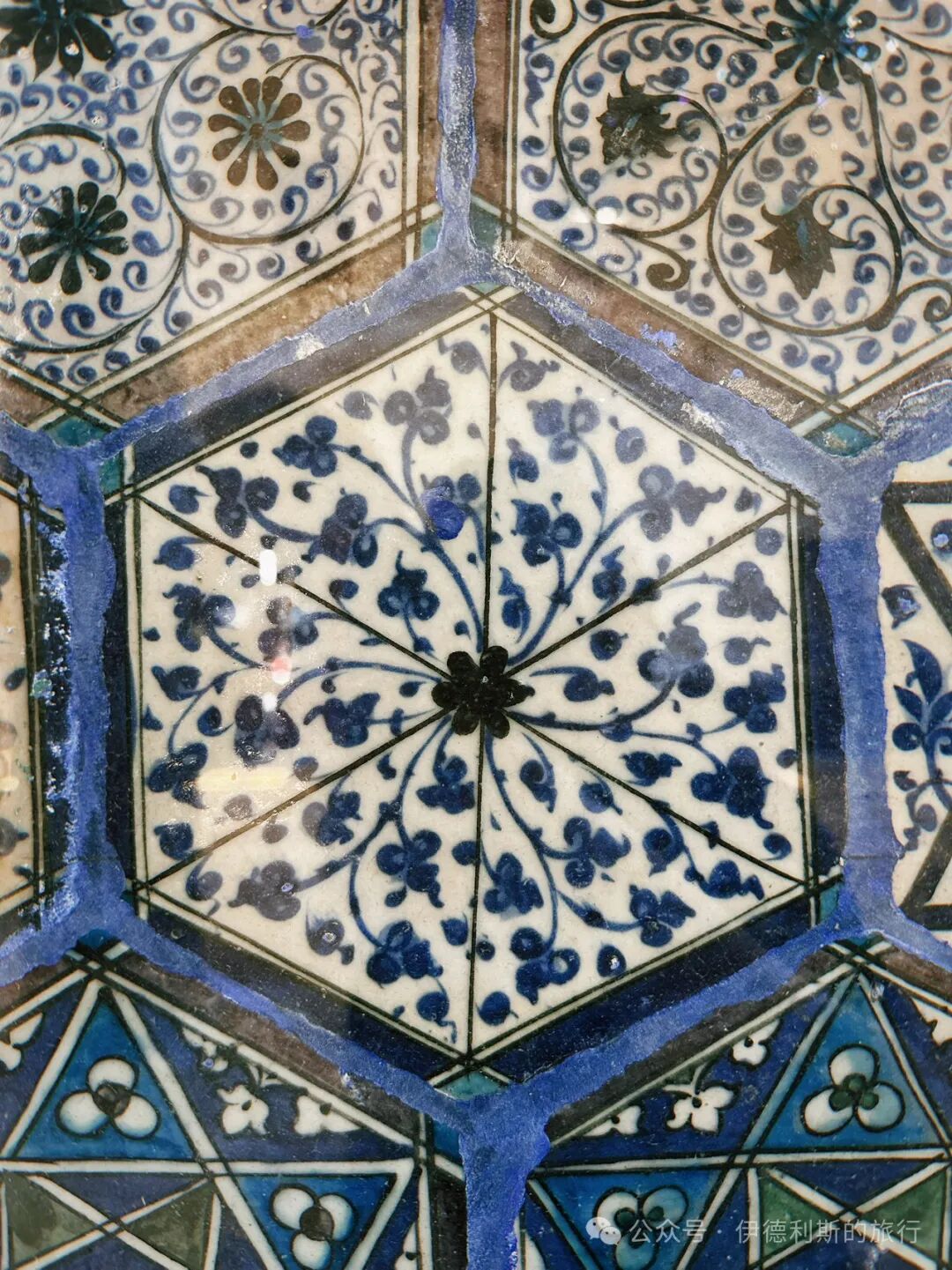
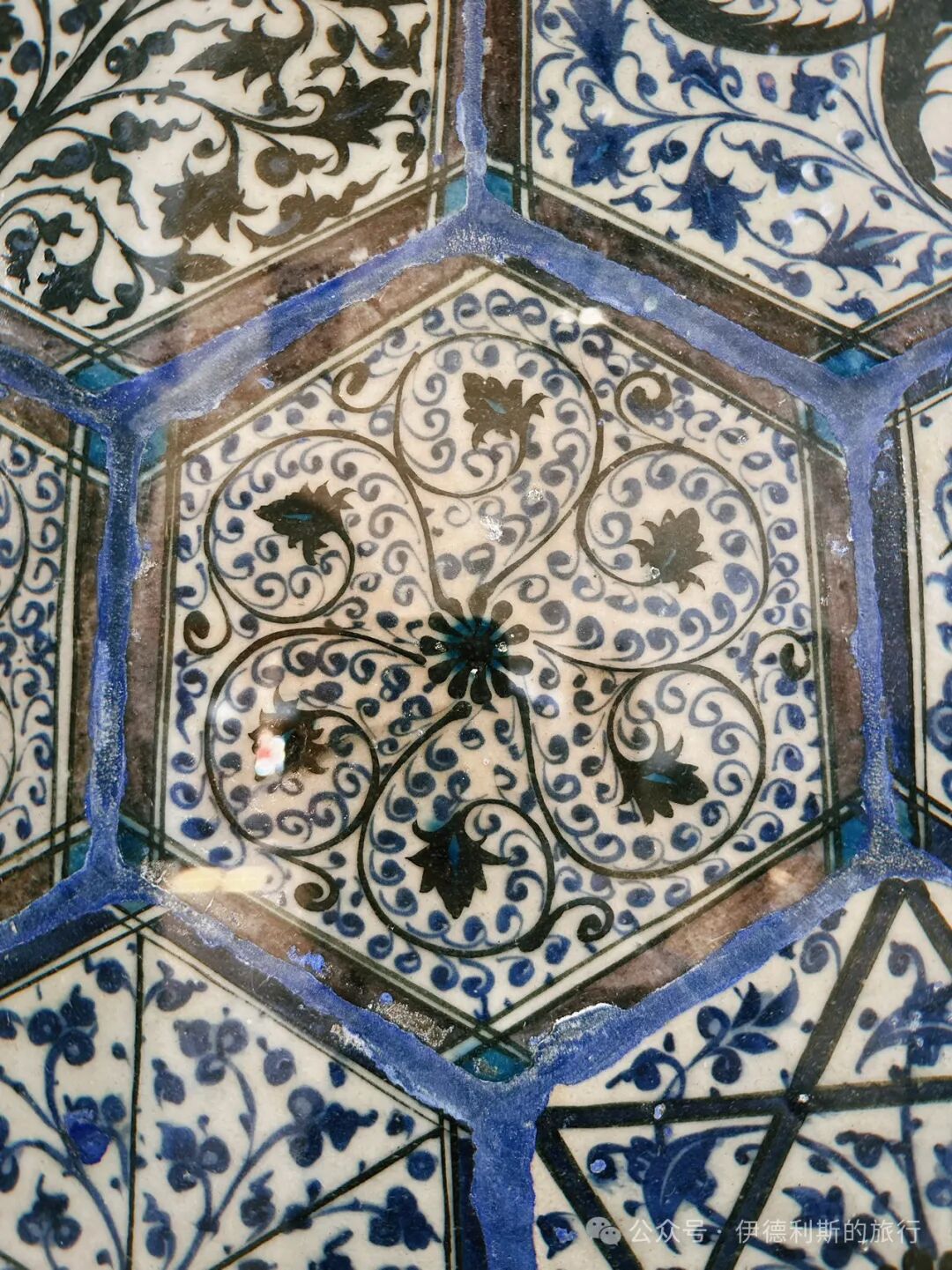
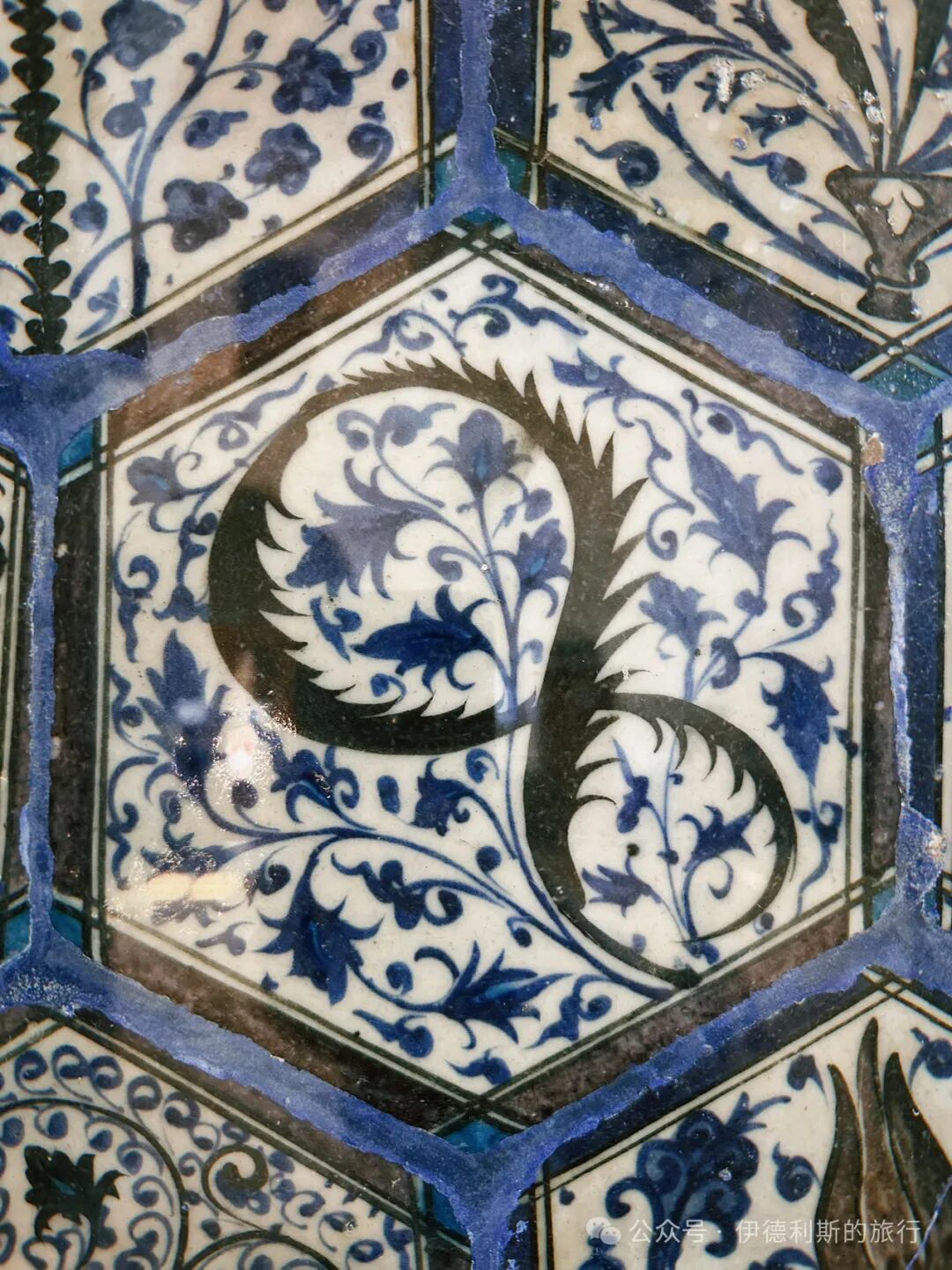
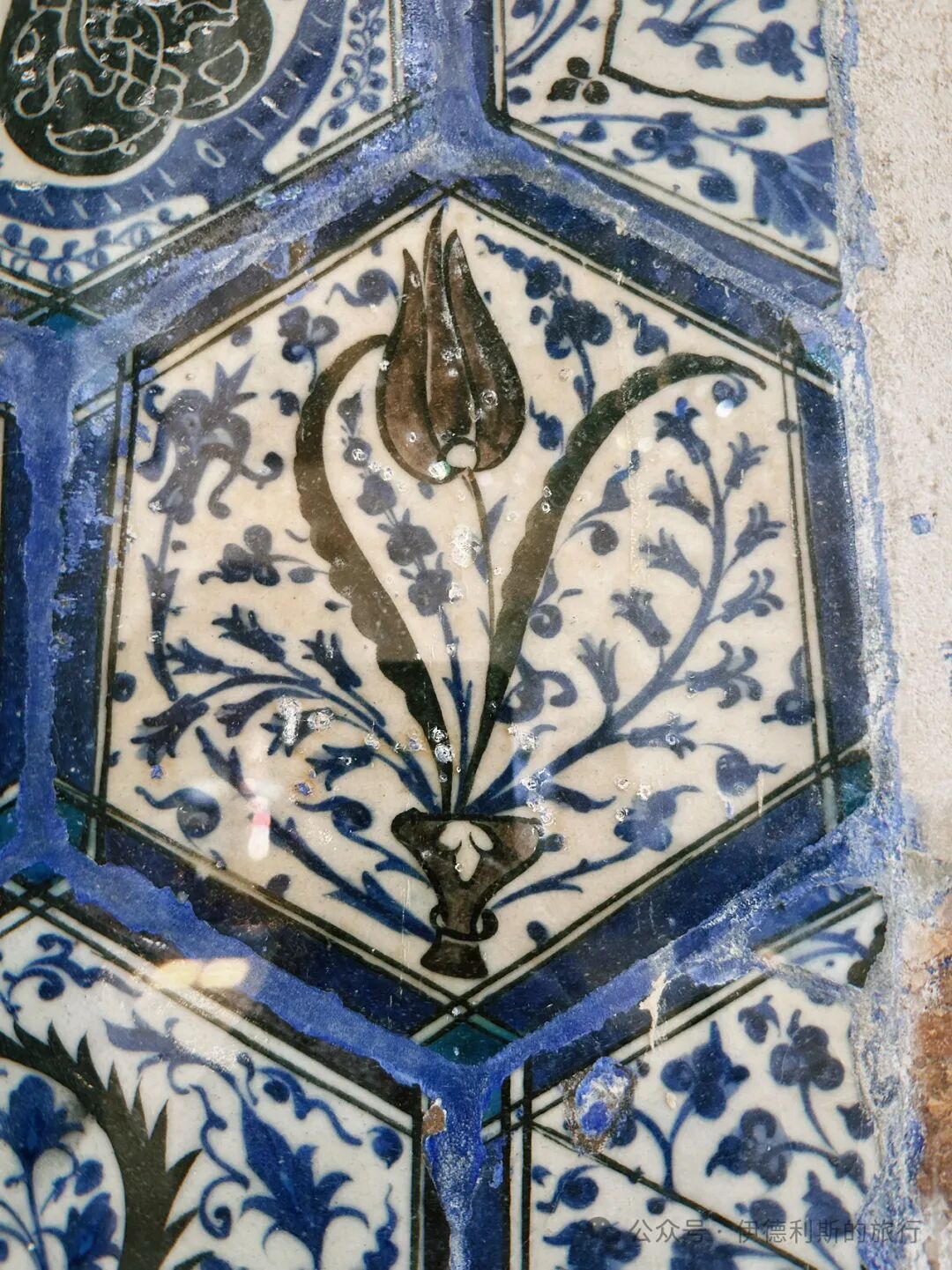
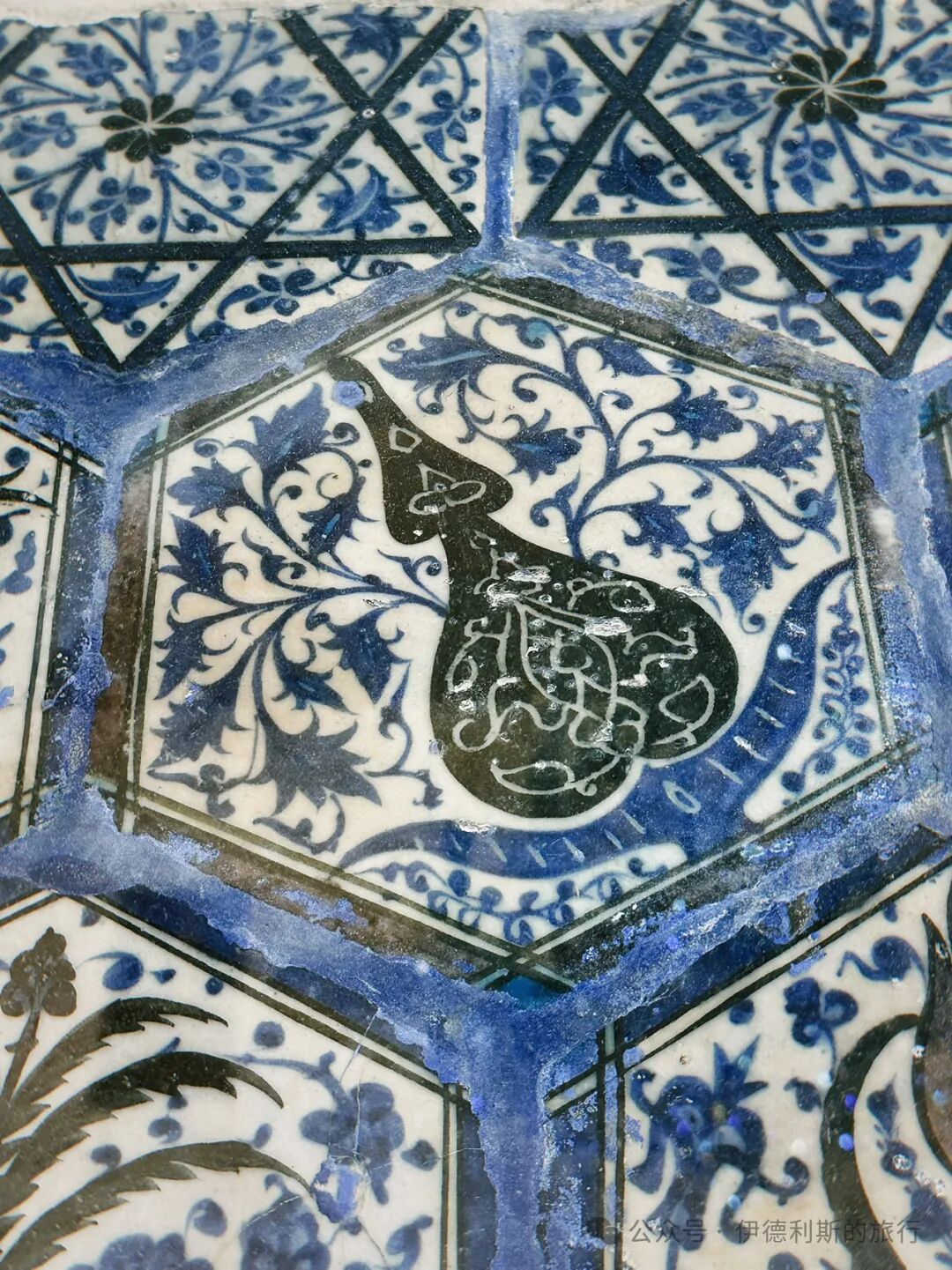
Sheikh Ali Ibn Mohammad Qtaish built the El Qtaishieh mosque in the 16th century, and it still holds beautiful Ottoman tiles.
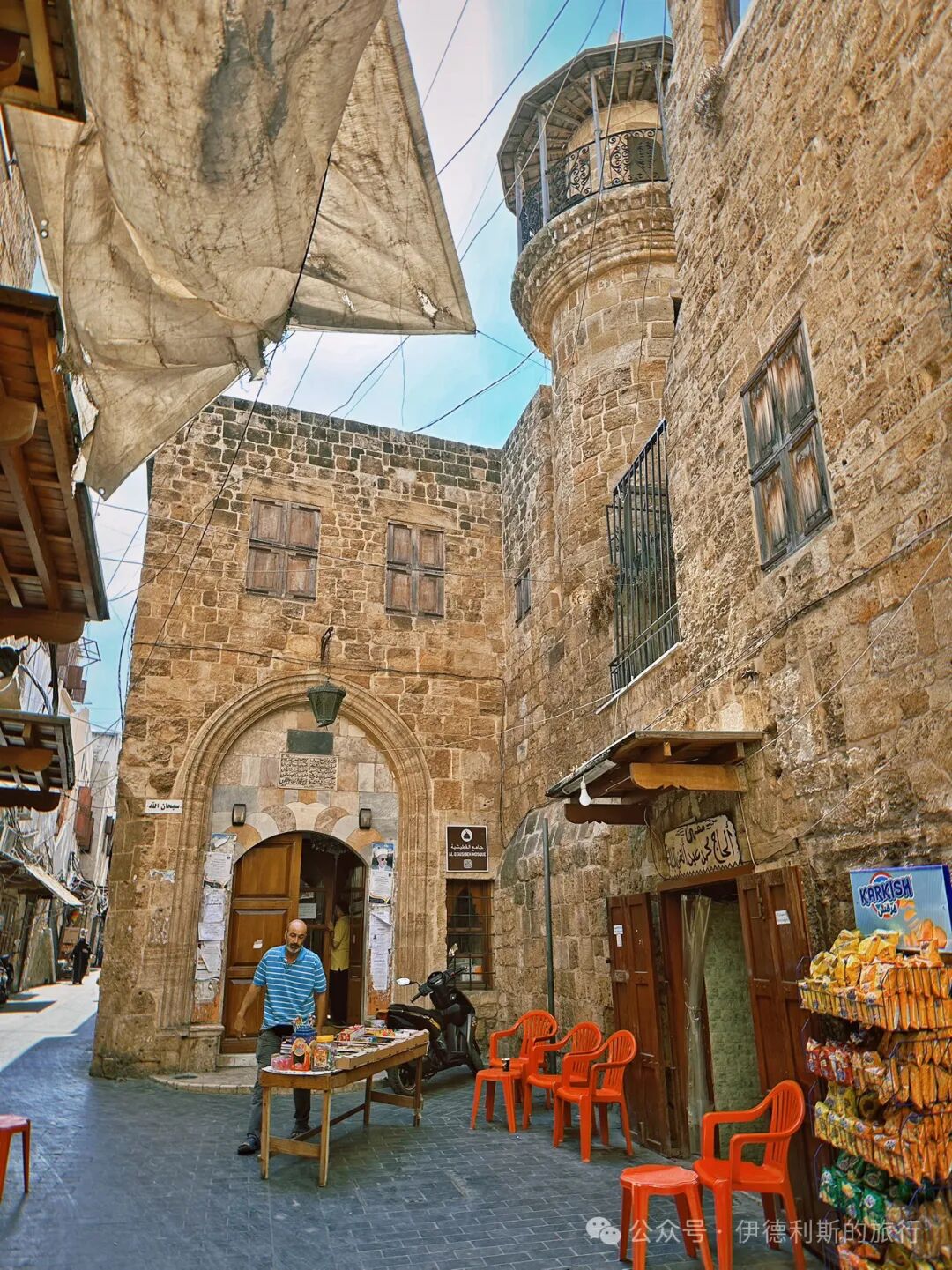
Great Omari Mosque: renovated in 1291
The El-Omari Grand Mosque is the main mosque in the old city of Sidon, and it is where the Eid prayers are held. The Great Mosque of El-Omari sits on a hillside on the west side of the old city of Saida and is built from massive sandstone blocks over a meter thick.
The building dates back to the Crusader era, when the Knights Hospitaller turned it into a military fortress in the 13th century, complete with a dining hall, a church, and stables. In 1291, the Mamluk Sultan Al-Ashraf Khalil (who reigned from 1290 to 1293) conquered the Crusader castles, including Saida, ending the Crusader states that had lasted for nearly two hundred years. The Mamluk dynasty then built the Great Mosque of El-Omari on the foundation of the Knights Hospitaller fortress.
The main hall of the Great Mosque of El-Omari keeps the Byzantine style of the Crusader church, with a ten-meter-high ceiling supported by five sturdy buttresses. The Mamluk dynasty changed the orientation of the main hall from east-west to north-south. They added a mihrab niche and a minbar pulpit on the south side, and built a water room and school in the outer courtyard to the north. In the late 19th century, the Ottoman dynasty renovated the Great Mosque of Omar and built the current minaret (bangkelou).
During the 1982 Israeli invasion of Lebanon, the Great Mosque of Omar was hit by artillery fire many times and suffered serious damage. The Hariri Foundation led the restoration of the site in 1986, and it won the Aga Khan Award for Architecture in 1989.
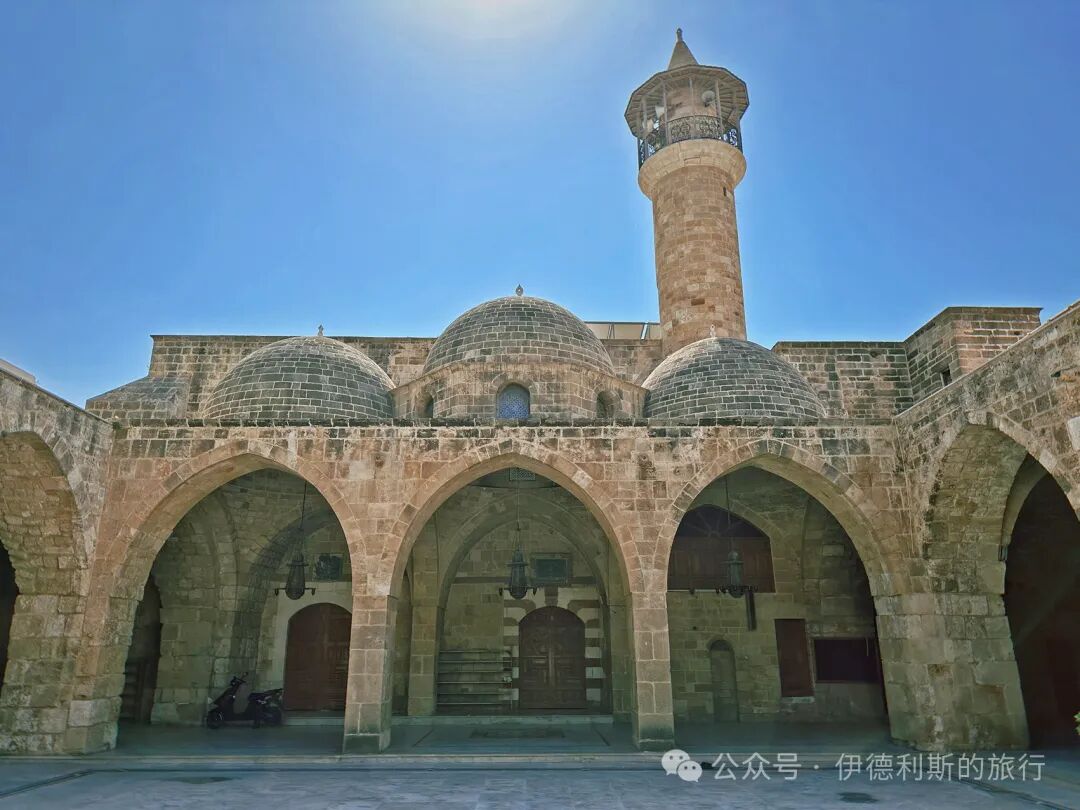
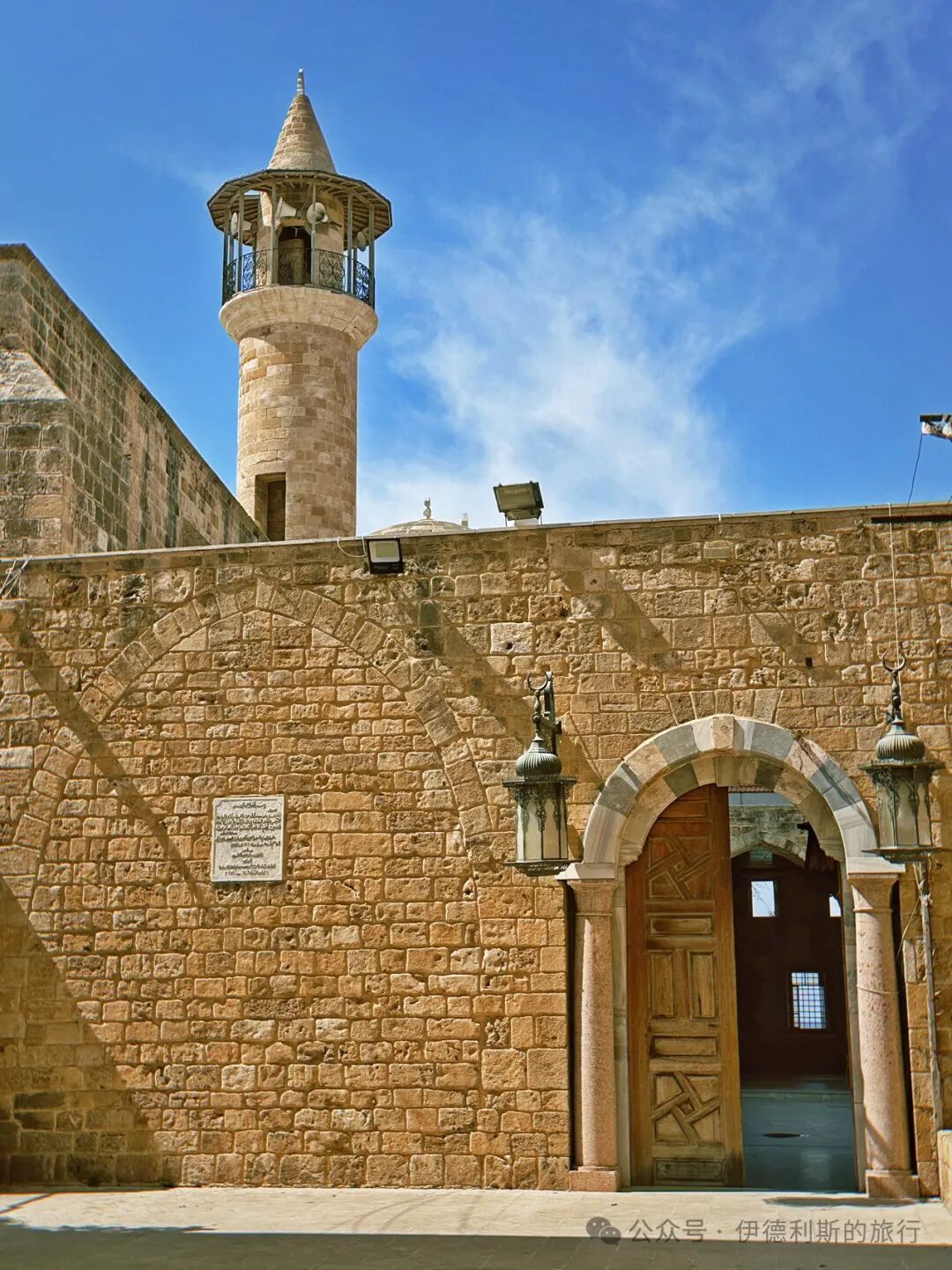
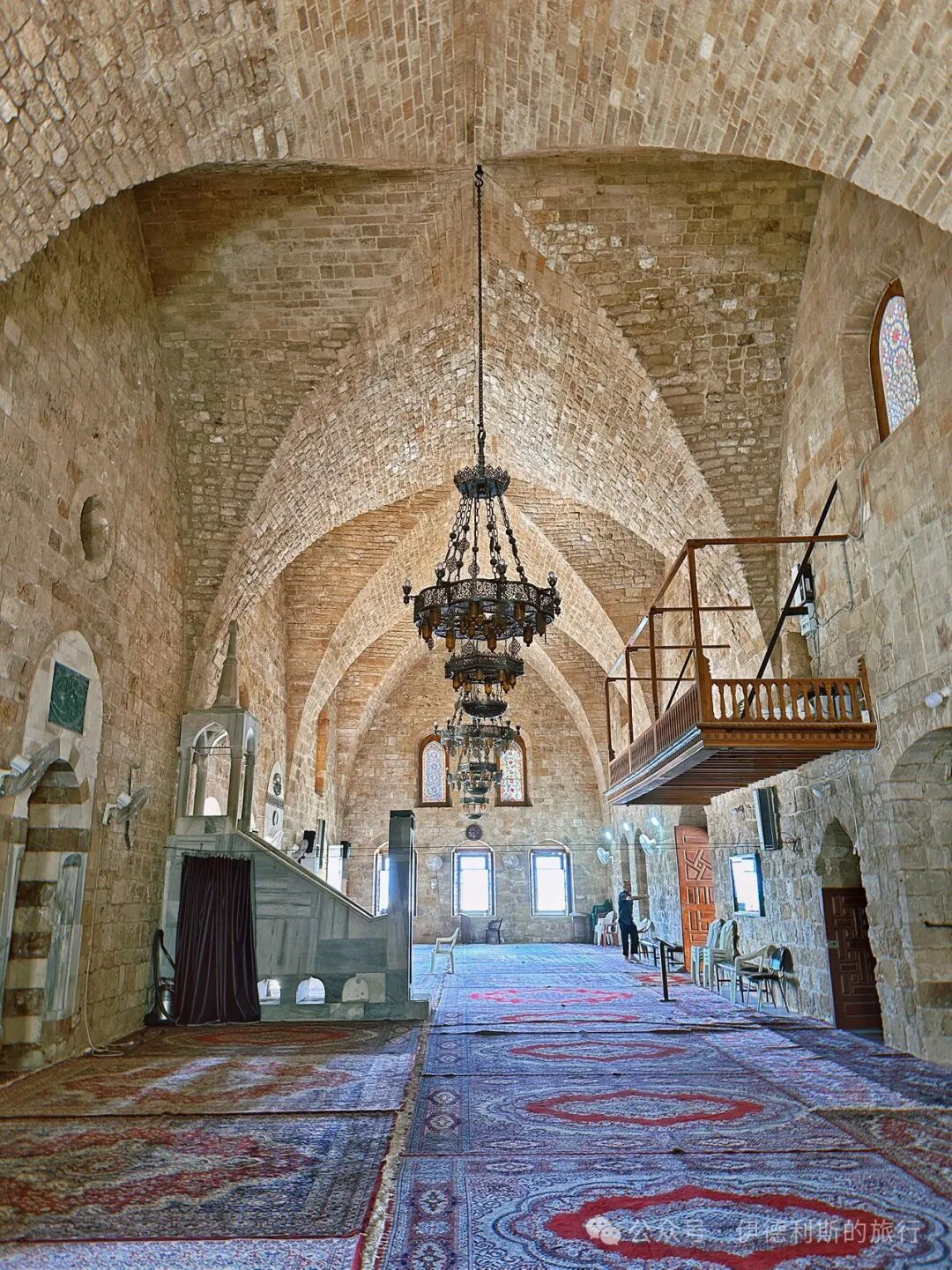
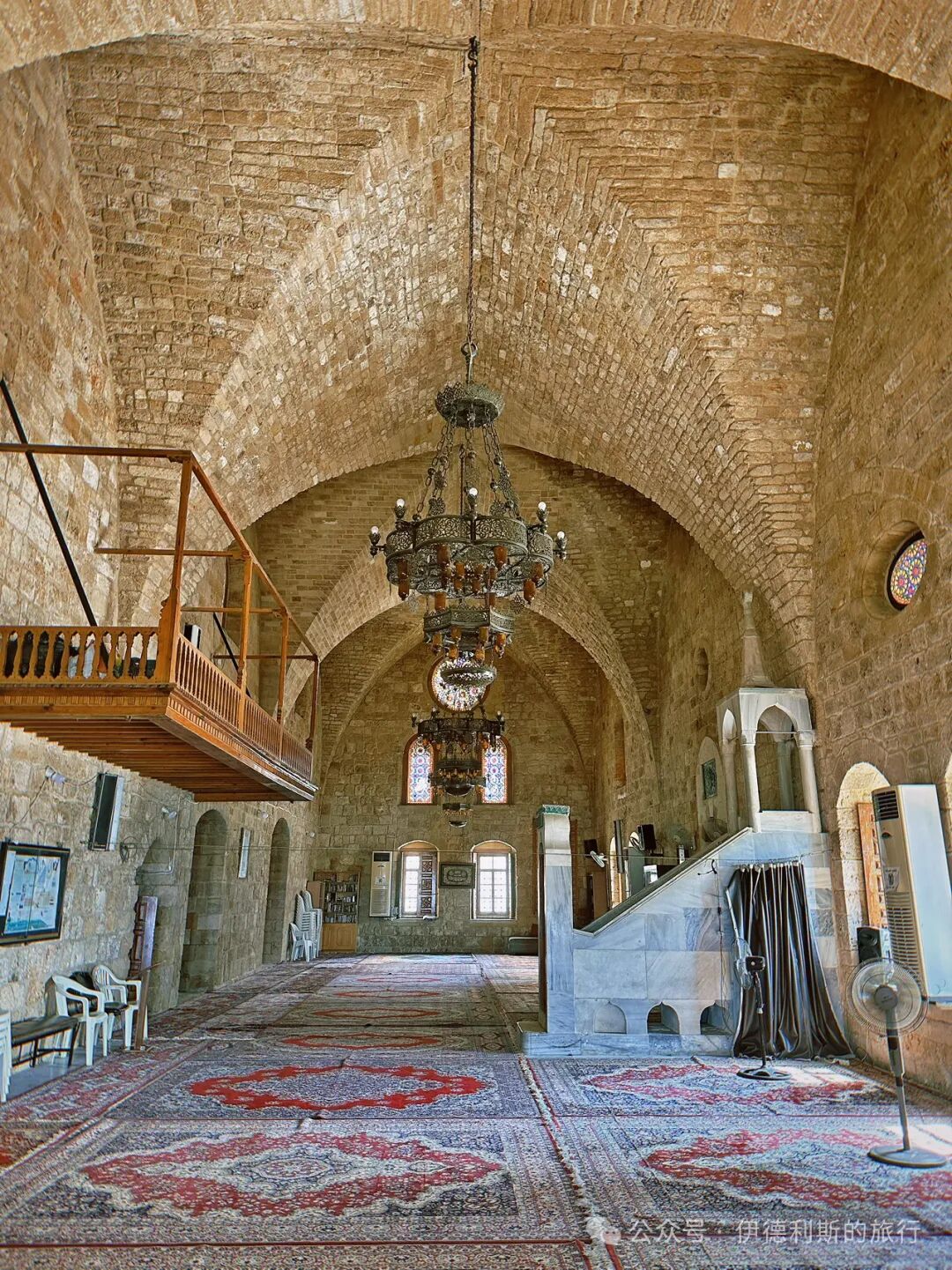
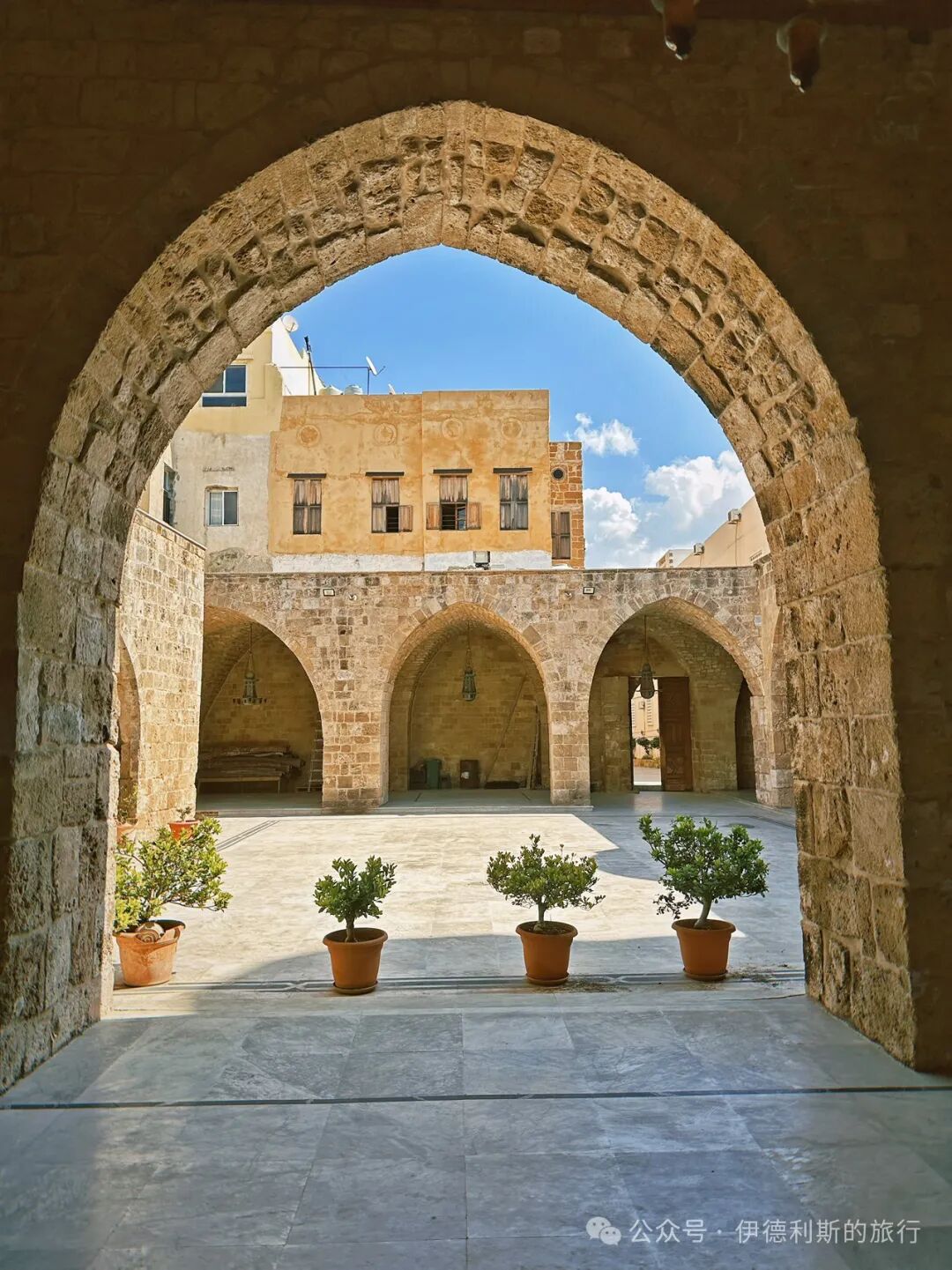
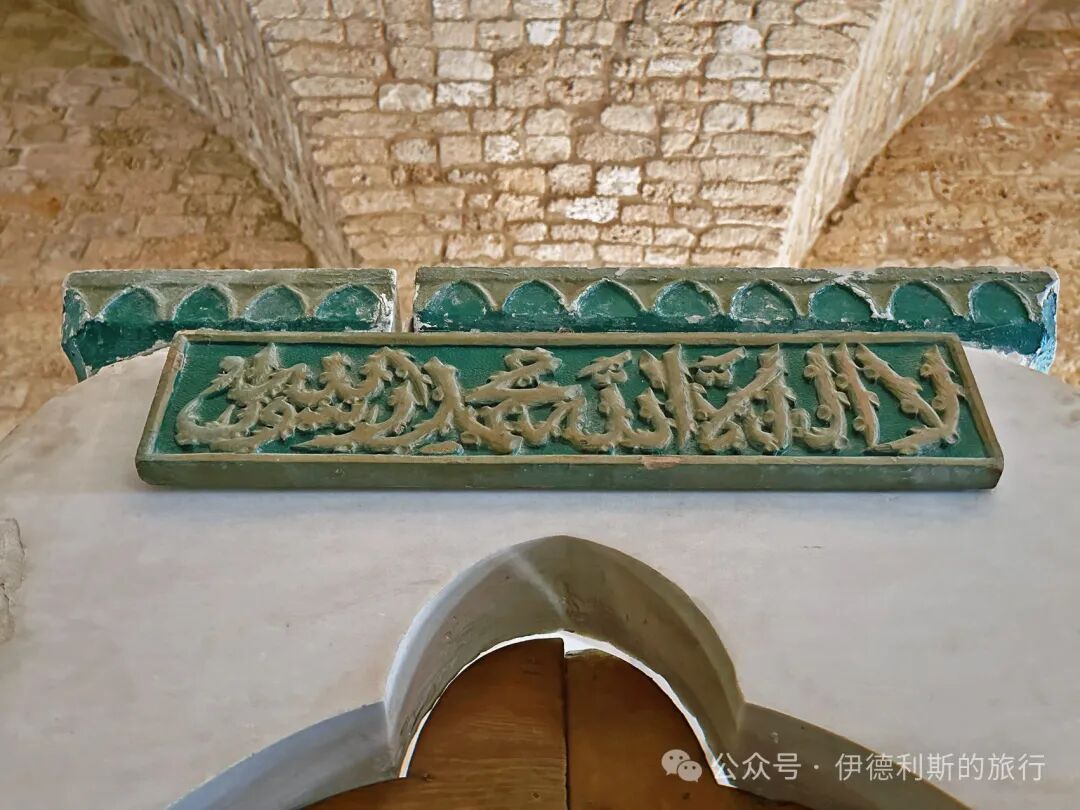
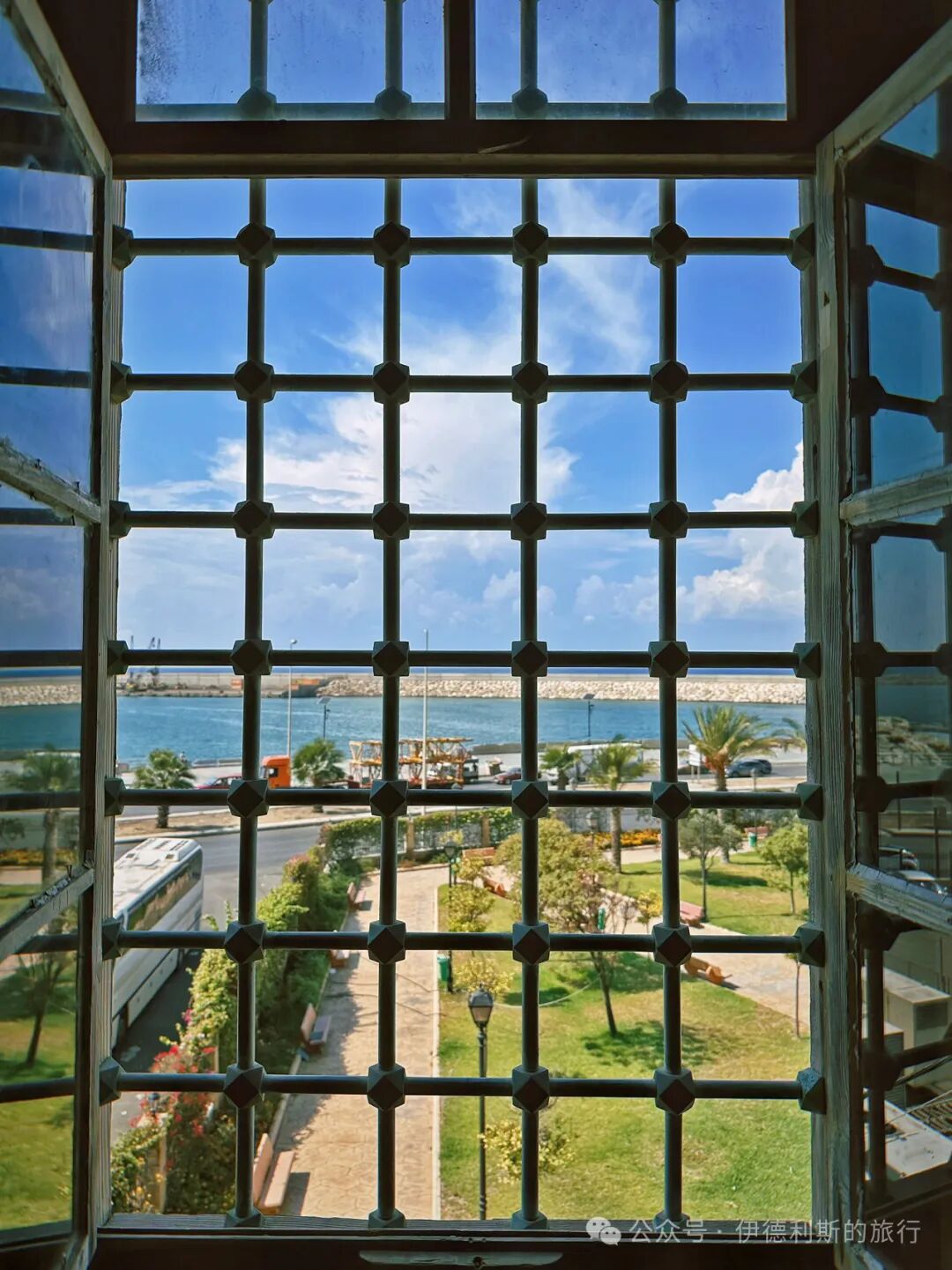
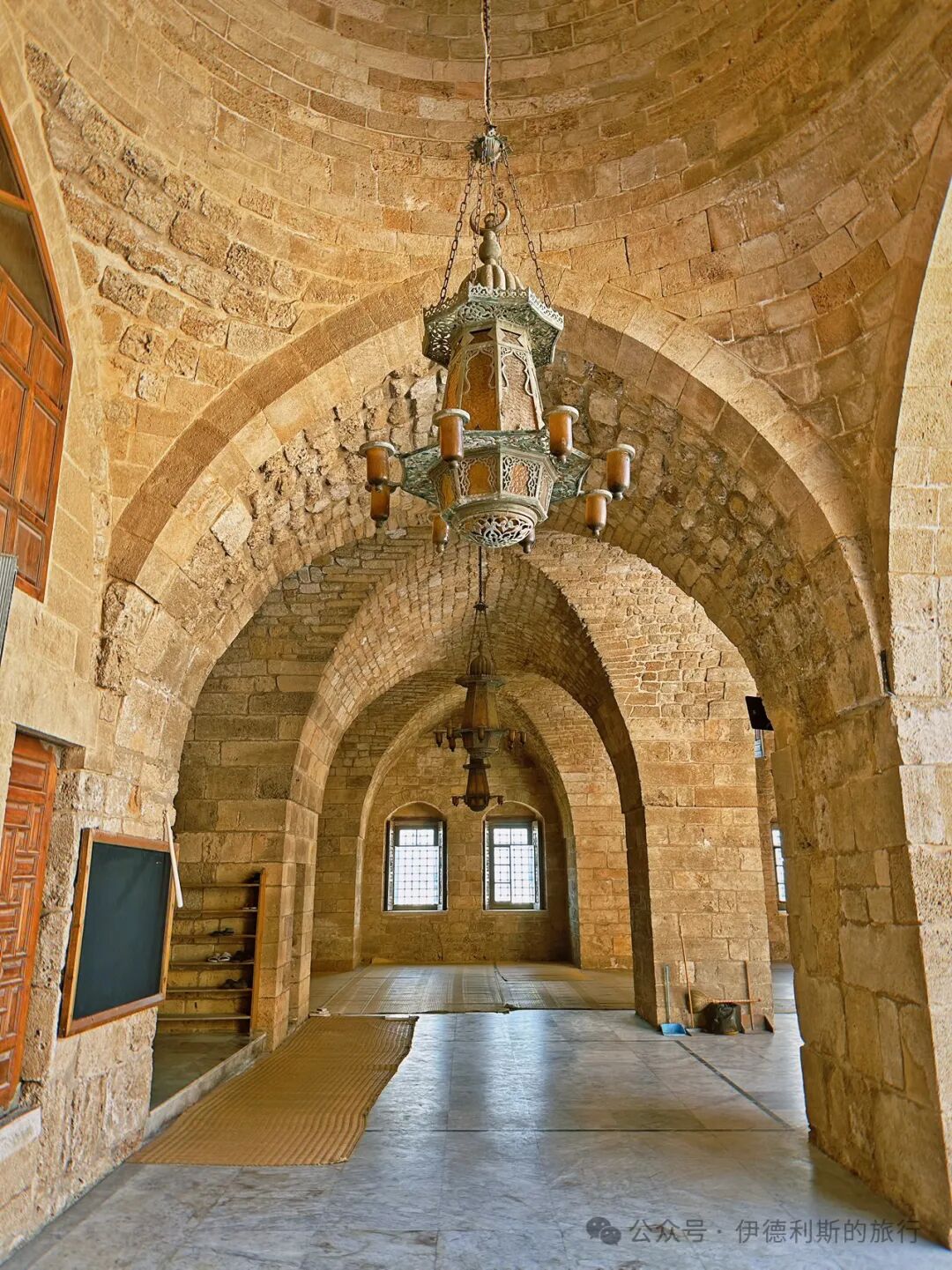
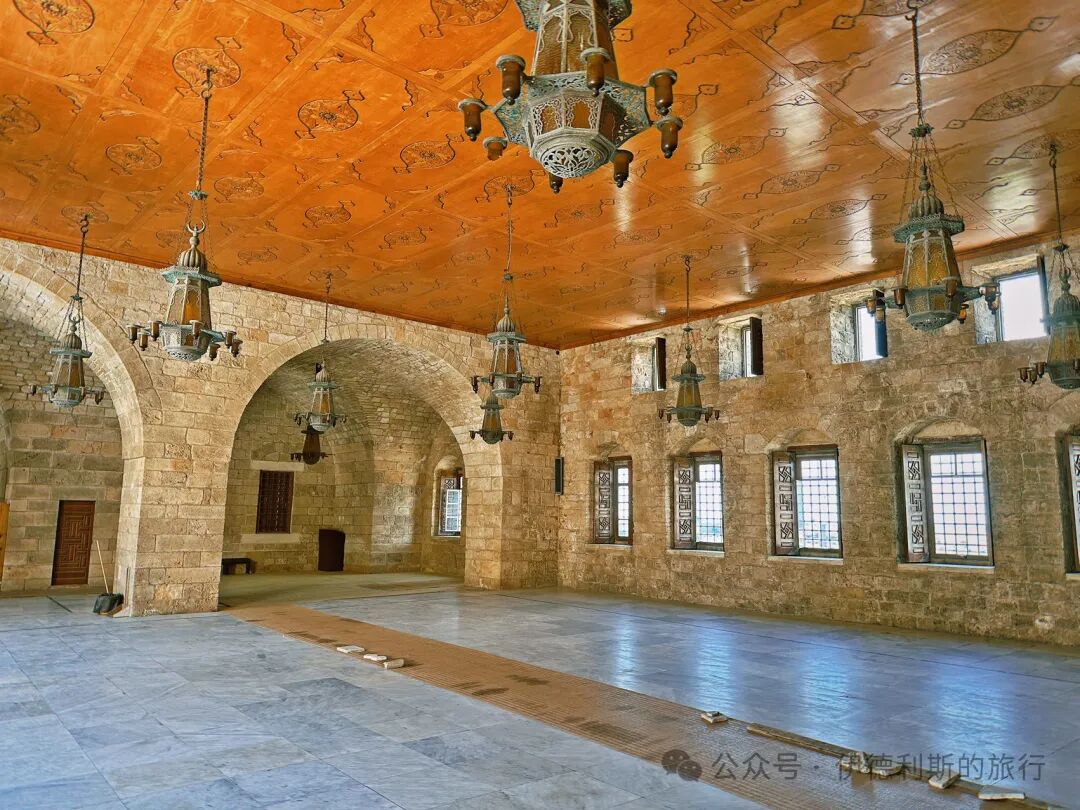
El-Bahr Mosque: 1373.
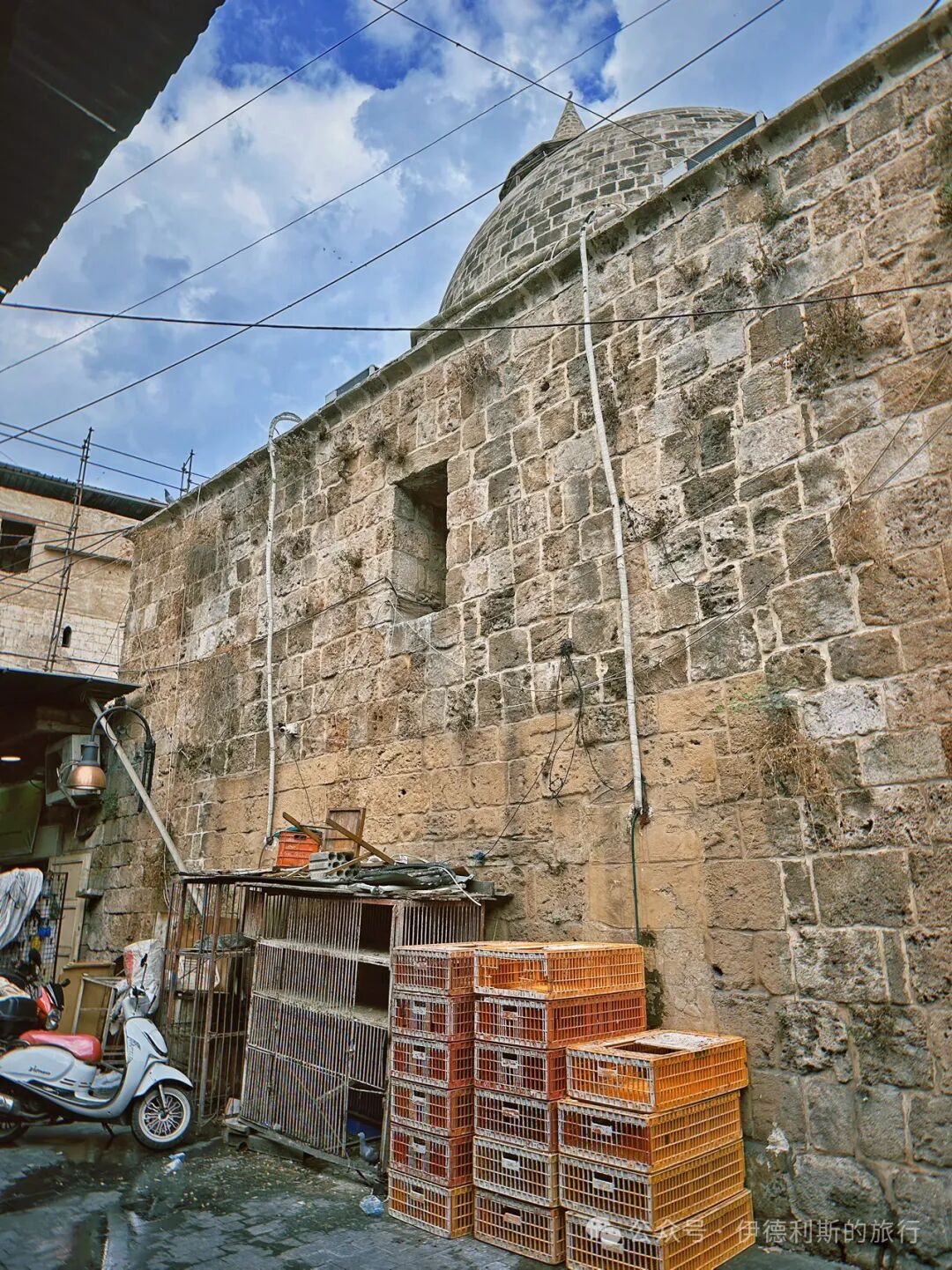
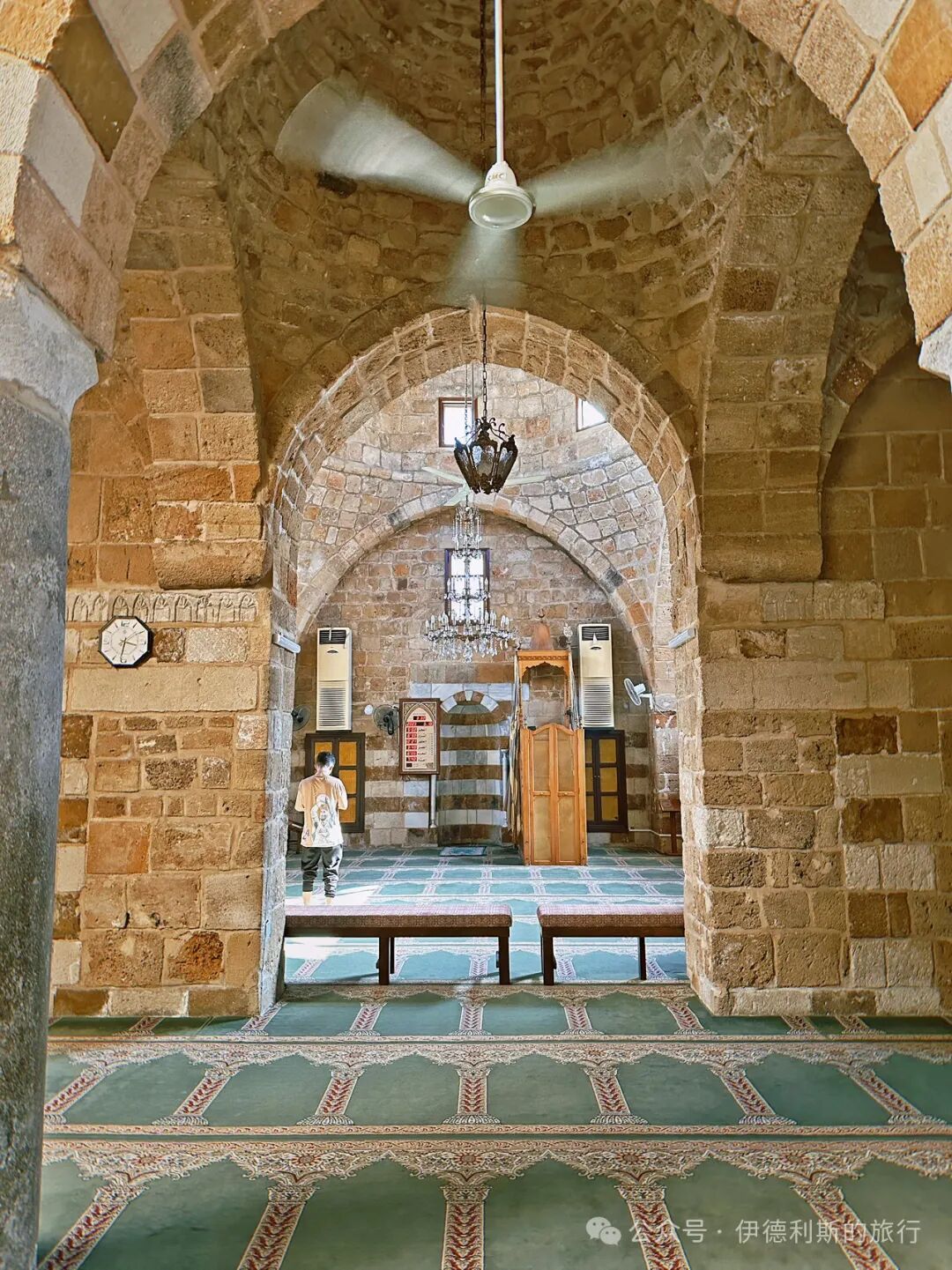
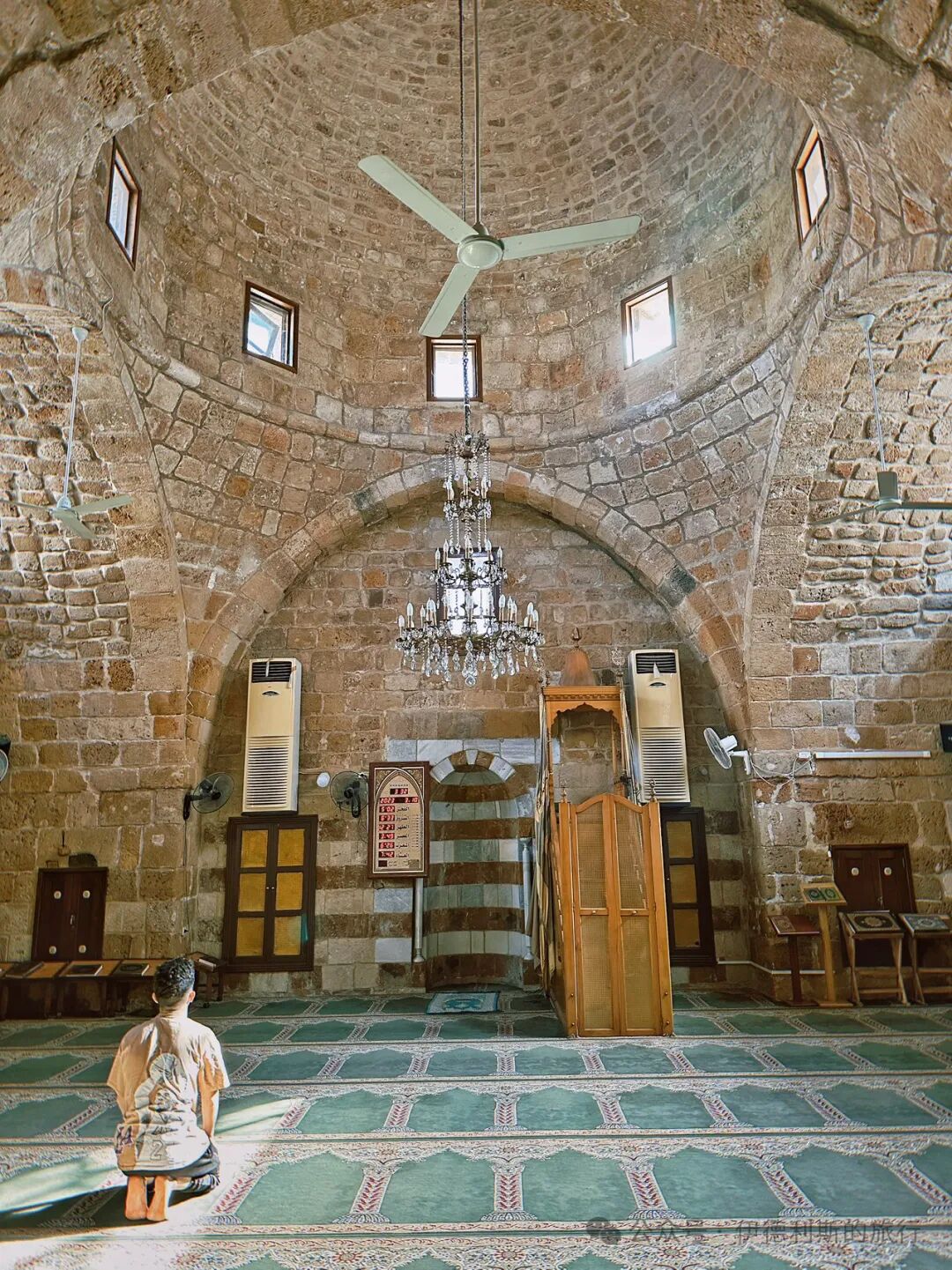
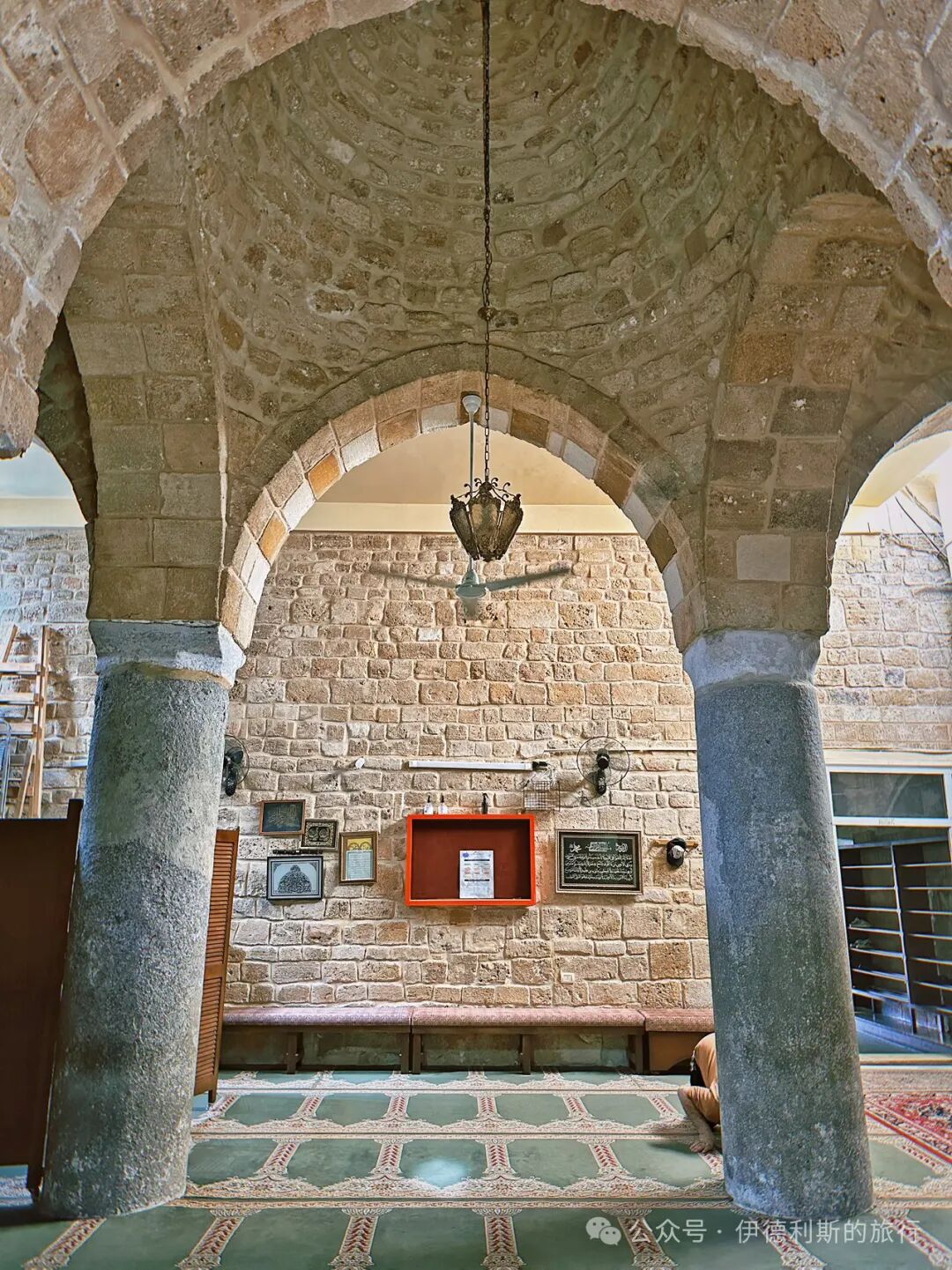
Hassan bin Sawah donated the money to build the El-Bahr mosque in 1373. It features Mamluk-era architecture, including thick walls and cross-vaulted ceilings, and uses granite columns from the ancient Roman period.
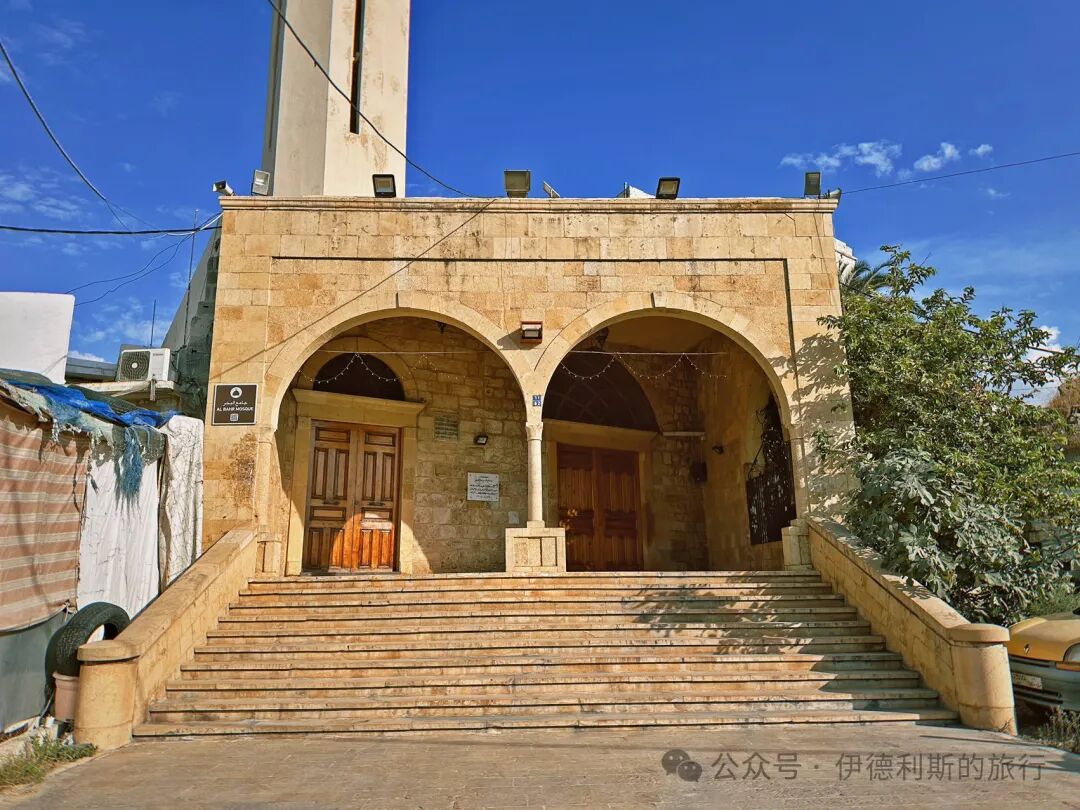
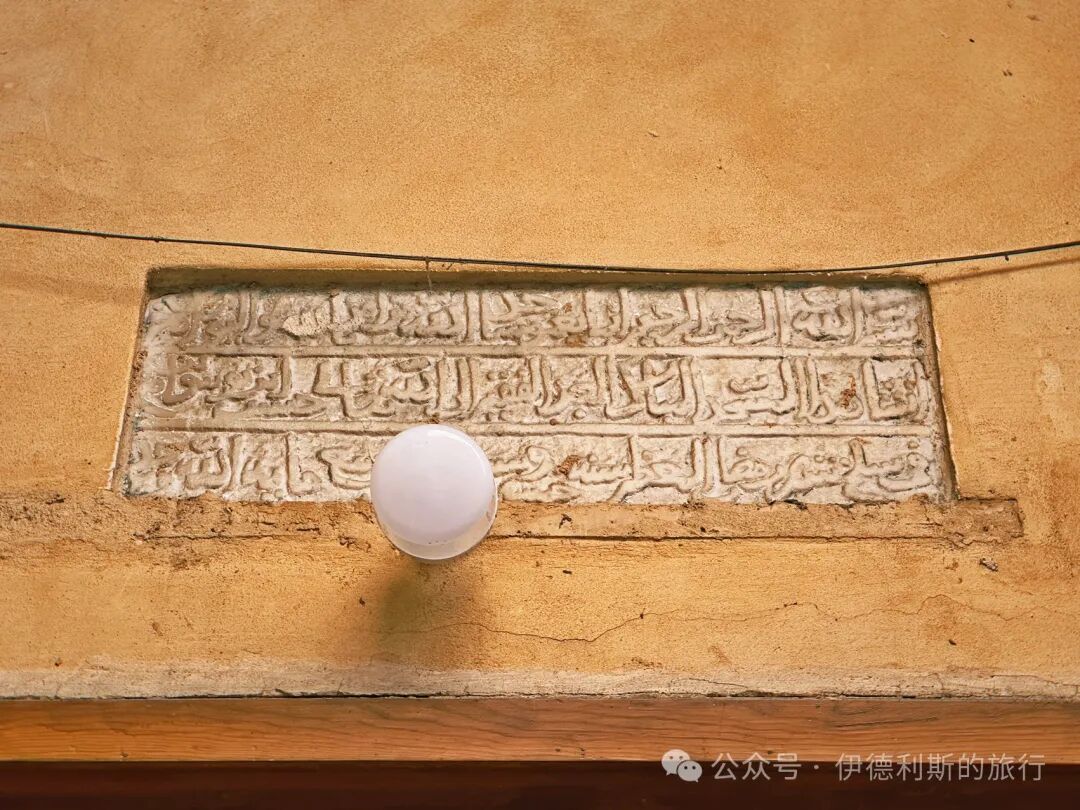
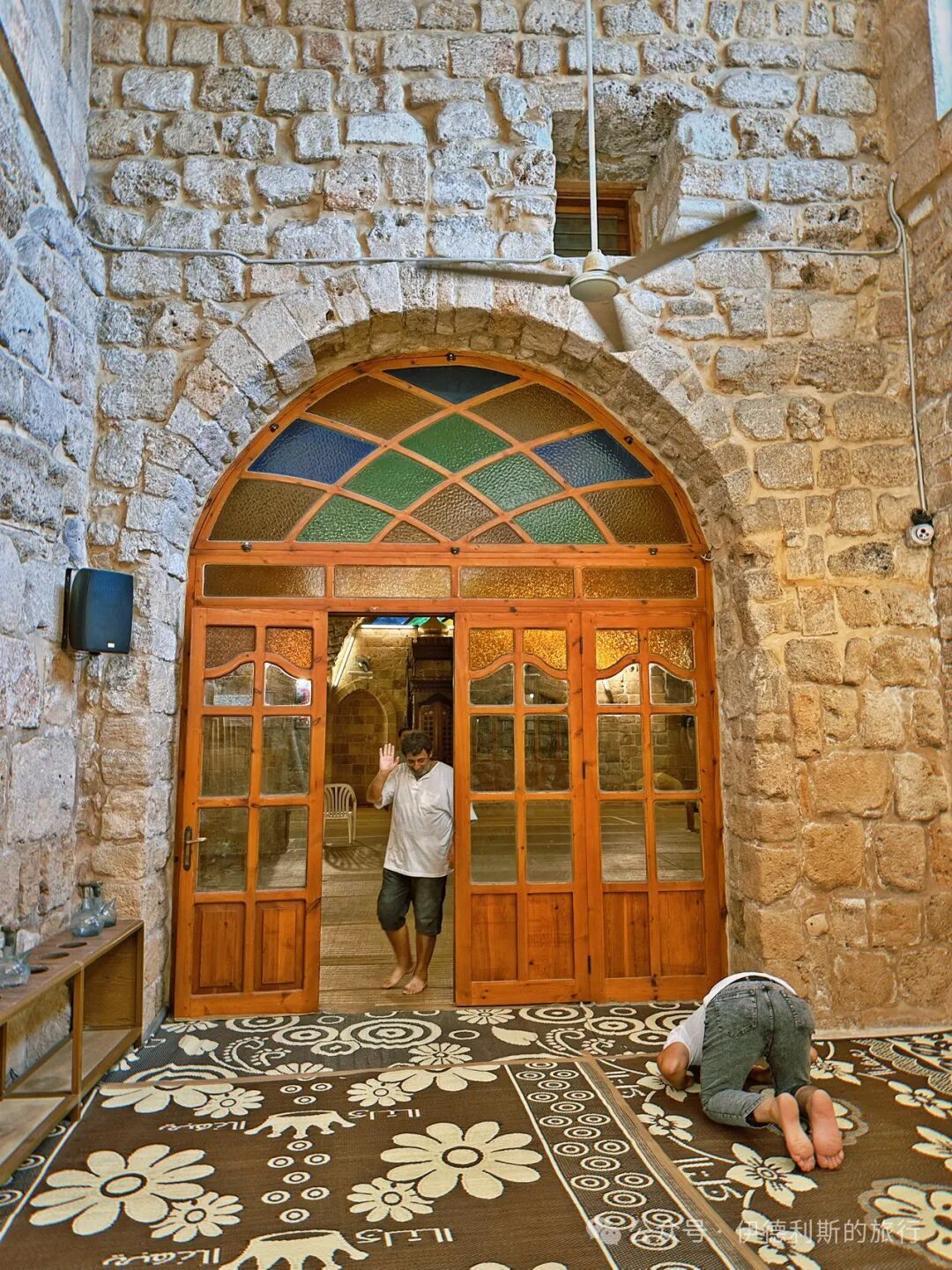
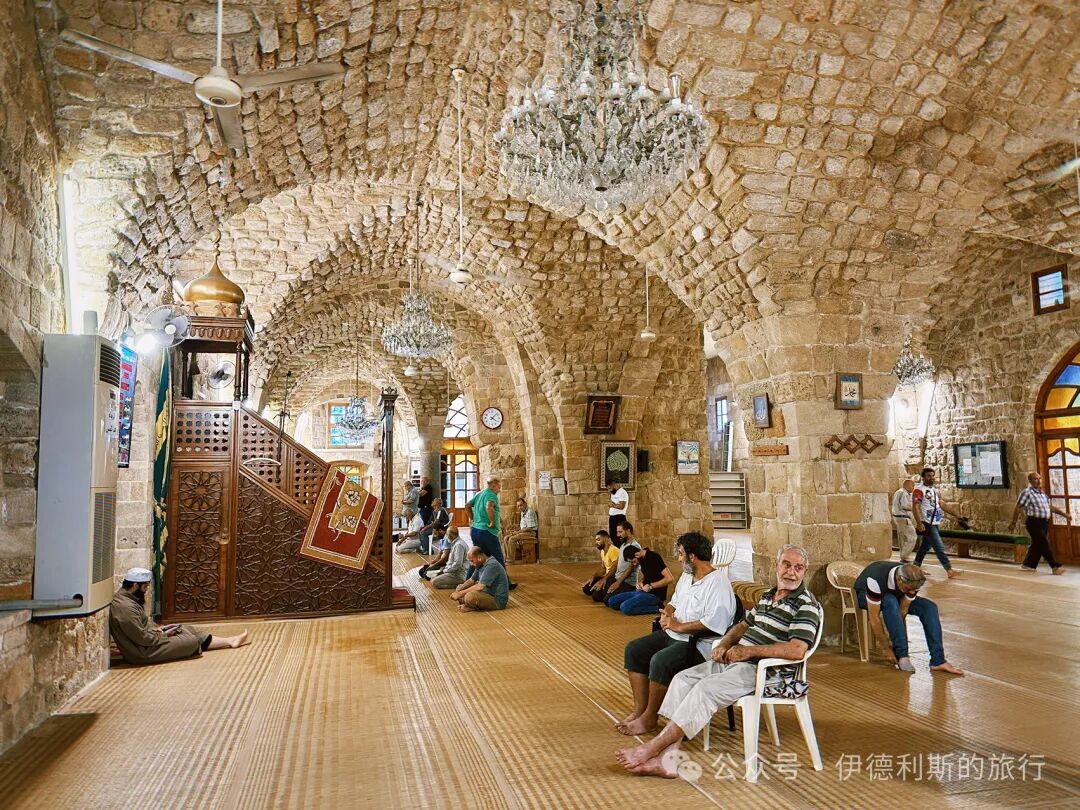
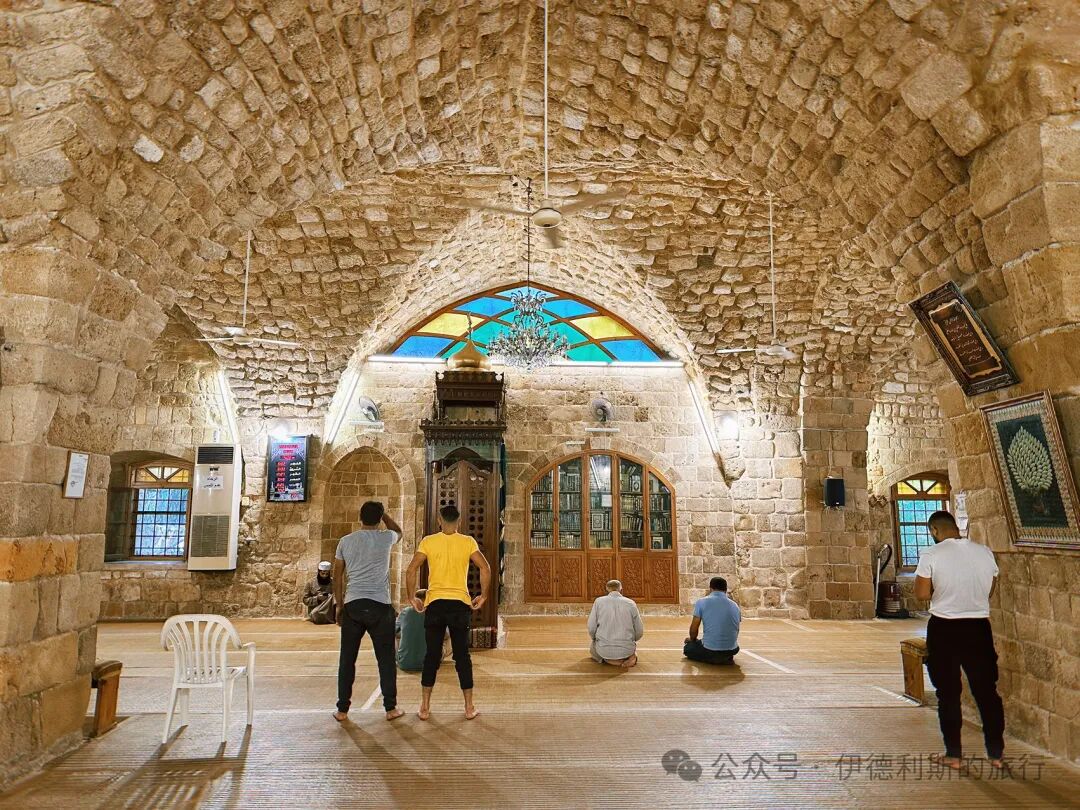
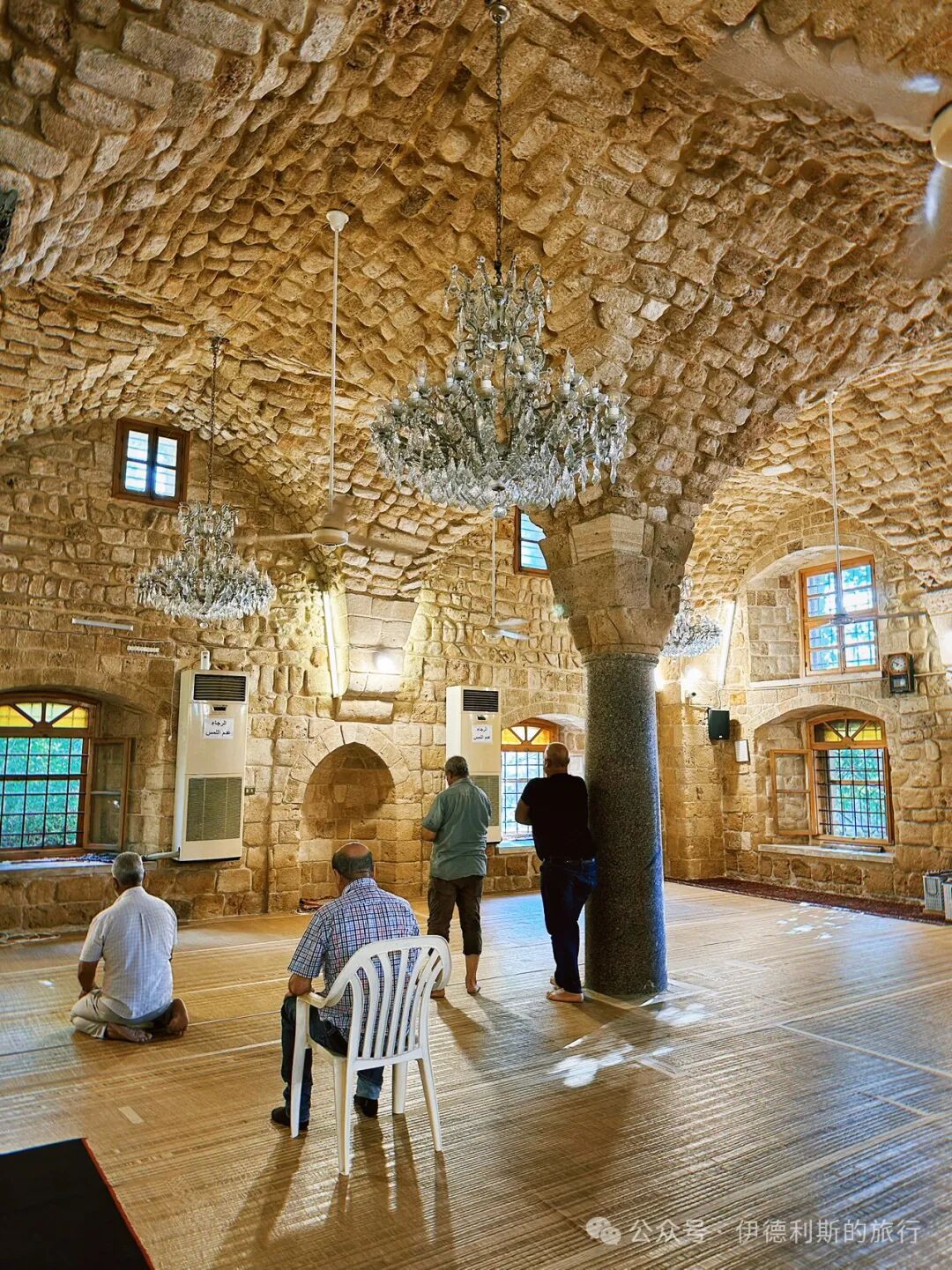
El Barrane Mosque: late 16th to 17th century.
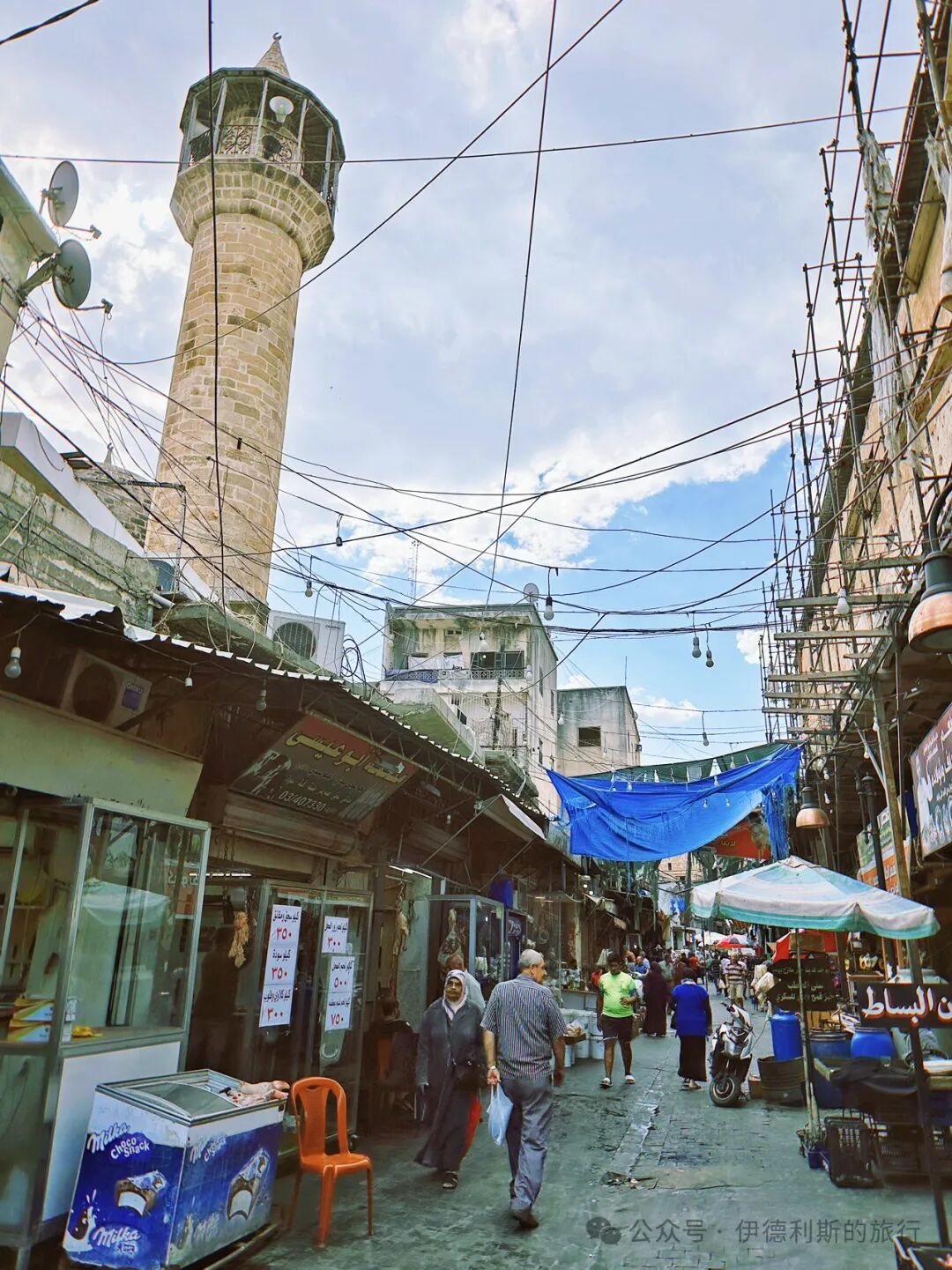
El Barrane Mosque was built between the late 16th and early 17th centuries during the reign of the Druze Emir Fakhr al-Din II. Barrani means "outside" because the mosque was located outside the Beirut Gate, the north gate of the ancient city, at that time.
Summary: Halal Travel Guide: Lebanon - 15 Mosques in Beirut, Tripoli, Baalbek and Sidon is presented here as a firsthand travel account in clear, natural English. The account focuses on Lebanon, Mosques, Muslim Heritage while preserving the names, places, food, photos, and historical details from the Chinese source.
1. Beirut
Emir Assaf Mosque: late 16th century
Great Omari Mosque: renovated in 1291
2. Tripoli
Taynal Mosque: 1336
Mu'allaq Hanging Mosque: 1561
Mansouri Great Mosque: 1294
Al-Uwaysiyat Mosque: 1461
Attar Mosque: 1350s
Tawba Mosque: Mamluk period
Burtasi Mosque: late 13th century to early 14th century
3. Baalbek
Umayyad Great Mosque of Baalbek: 715
4. Sidon
El Kikhia Mosque: 1625
El Qtaishieh Mosque: 16th century
Great Omari Mosque: renovated in 1291
El-Bahr Mosque: 1373.
El Barrane Mosque: late 16th to 17th century.
1. Beirut
Emir Assaf Mosque: late 16th century
The Emir Assaf Mosque was built in the late 16th century by the Emir rulers of the local Lebanese Assaf dynasty (1306-1591). The Emir's palace and gardens used to be next to the mosque.
The Assaf dynasty was a Sunni Turkmen dynasty. In 1306, the Mamluk governor of Damascus sent the Turkmen tribes led by the Assaf family to suppress a rebellion north of Beirut. Later, the Mamluk dynasty appointed them to guard the coastal area north of Beirut and manage the local Shia residents. In 1516, the Ottoman Empire took the Levant region from the Mamluk Sultanate and appointed the Assaf family as their main agents for the Beirut and Tripoli areas.
The Assaf dynasty lowered taxes and housing prices to attract Maronite Christians to settle in northern Beirut, using them to balance the local Sunni and Shia populations. In 1579, the Ottoman Empire established the Tripoli Eyalet to keep the Assaf dynasty in check. In 1591, the Ottoman governor of Tripoli ordered the execution of the last Assaf emir by gunfire, which brought the Assaf dynasty to an end.
We joined the praise of the Prophet (zansheng) at the mosque, which is part of the Mawlid celebrations. Twelve men in formal wear sat on the east side of the main hall, chanting praises to the Prophet in unison, sometimes accompanied by the beat of a drum. Their voices were deep, loud, and very powerful.
Great Omari Mosque: renovated in 1291
The Great Mosque of Al-Omari is said to have been founded in 635 during the reign of Caliph Umar, and in 1150 the Crusaders built a Romanesque Saint John's Church here. After the Mamluk dynasty captured Tripoli in 1291, they converted it back into a mosque, and in 1350 they added a Mamluk-style gate and minaret. During the French Mandate for Lebanon from 1923 to 1946, the street-facing facade of the Great Mosque of Al-Omari was redesigned to match the architectural style of downtown Beirut, and a porch was added. The Great Mosque of Al-Omari was severely damaged during the Lebanese Civil War, and renovations were completed in 2004.
2. Tripoli
Taynal Mosque: 1336
The Taynal Mosque was built in 1336 by order of the Mamluk governor (Na'ib) of Tripoli, Emir Taynal. In the mid-14th century, Taynal served three terms as governor of Tripoli and one term as governor of Gaza. The famous 14th-century traveler Ibn Battuta wrote in his travelogue: 'About forty Turkic princes and nobles live in the city.' The city governor was an emir named Taynal, who was known as the 'King of Chiefs'. His residence was commonly called the 'House of Blessings' (Dar al-Sa'ada). He usually went out riding every Monday and Thursday, accompanied by various chiefs and a large group of guards, and only returned to the city when he was satisfied. Amir Taynal passed away in Damascus in 1343. Although a tomb was built for him at the Taynal Mosque, he was ultimately buried in Damascus.
The main hall of the Taynal Mosque consists of two connected halls. The most magnificent part is the entrance to the second hall, which features a gate with a honeycomb-like muqarnas cornice and uses the ablaq technique of alternating black and white marble. Inside the main hall are some ancient Corinthian columns, which are thought to have come from a Crusader-era church or an even older Roman temple. The original pulpit (minbar) in the mosque dated back to its construction in 1336, but it had already been replaced with a new one by the time I visited.
Mu'allaq Hanging Mosque: 1561
The Hanging Mosque (Muallaq Mosque) was commissioned in 1561 by Mahmud Lutfi al-Za'im, the governor of Tripoli under the Ottoman Empire, during the reign of Sultan Suleiman the Magnificent. The ground floor of the Hanging Mosque is a culvert on the street, so you must climb the stairs to the side to reach the main prayer hall on the second floor. The octagonal minaret next to the main prayer hall is very eye-catching and features two levels of balconies.
Mansouri Great Mosque: 1294
The Mansouri Great Mosque, also known as the Great Mosque of Tripoli, was ordered to be built in 1294 by the Mamluk Sultan Al-Ashraf Khalil and was the first building constructed by the Mamluk dynasty in Tripoli.
In 1109, the French Crusaders captured Tripoli, and for the next 180 years, the city was ruled by European Christian nobles. In 1260, the Mongol army captured Damascus and took the last Ayyubid sultan prisoner, ending the Ayyubid dynasty. From then on, the center of Islamic power on the eastern Mediterranean coast shifted to the Mamluk dynasty in Egypt. In 1289, the Mamluk army arrived at the gates of Tripoli with large catapults. Under the attack of the catapults, two towers in Tripoli soon collapsed. The Mamluk army entered the city and leveled it to the ground.
Soon after, the Mamluk dynasty began building a new city at the foot of the castle on Pilgrim's Mountain in Tripoli. This included building the Great Mansouri Mosque on the ruins of a Crusader church at the foot of the mountain. The minaret inside the mosque today is likely part of the Crusader Church of St. Mary, and the main gate may also contain parts of the original Crusader church gate. The main hall was built by the Mamluk dynasty in 1294, and the courtyard colonnade was built in 1314 by the Mamluk Sultan Al-Nasir Muhammad.
Al-Uwaysiyat Mosque: 1461
The Al-Uwaysiyat Mosque was first built in 1461 during the Mamluk period and was renovated in 1534 during the time of the Ottoman Sultan Suleiman the Magnificent.
Attar Mosque: 1350s
The Attar Mosque was built in the 1350s by a local Tripoli perfume merchant named Badr al-Din al-Attar on the ruins of a Crusader church. It was also the first mosque in Tripoli not built by the Mamluks. Attar Mosque is known as one of the most beautiful ancient mosques in Tripoli, but it has been closed for several years for renovations.
Tawba Mosque: Mamluk period
The exact age of Tawba Mosque is unknown, but it is believed to have been built during the Mamluk period. Because it sits right next to the riverbank, the mosque's foundation stone was likely washed away during a flood. The inscription at the mosque entrance now says it was rebuilt after a flood in 1612. Many mosques in Lebanon lock their doors outside of prayer times, so I could not go inside and only saw the octagonal minaret.
Burtasi Mosque: late 13th century to early 14th century
Isa ibn Umar al-Burtasi built Burtasi Mosque during the Mamluk period. Since Isa passed away in 1324, we can guess the mosque was built between the late 13th century and 1324. A flood in 1955 washed away all the houses around Burtasi Mosque, and today it is the only building left standing on the riverbank. The minaret (bangke ta) above the main gate is known as the most beautiful one in Tripoli. Above the three-story stalactite-style cornice (muqarnas) sits a square balcony featuring Moorish-style double-arched windows. This type of double arch is a classic feature of Muslim architecture from Andalusia in southern Spain.
3. Baalbek
Umayyad Great Mosque of Baalbek: 715
The Umayyad Mosque of Baalbek was built in 715 by the Umayyad Caliph al-Walid I, the same year as the Umayyad Mosque in Damascus, and both stand together as the oldest surviving mosque (masjid) buildings in the world.
Compared to the Umayyad Mosque in Damascus, the Umayyad Mosque of Baalbek is simpler, but their overall styles are still very similar. Some stone parts inside the main hall may have come from the nearby Roman-era Baalbek Castle, and the column capitals show a strong Roman-Byzantine style. A flood hit Baalbek in 1318 and caused serious damage to the Umayyad Mosque, washing away walls and the pulpit (minbar). The Mamluk prince ruling Baalbek at the time, Najm al-Din Hassan, later repaired it.
The Umayyad Mosque was badly damaged in a 1996 earthquake in Baalbek. A team led by Dr. Saleh Lamei Mustafa, the former dean of the Faculty of Architecture at Beirut Arab University, later carried out the repairs. The repair work lasted for two years and was finished in 1998.
Today, many ancient stone pieces are still scattered around the courtyard of the Umayyad Mosque in Baalbek, giving it a rich sense of history.
4. Sidon
El Kikhia Mosque: 1625
El Kikhia Mosque was built in 1625 by Mahmoud Kitkhuda and is one of the representative works of Ottoman-era architecture in Lebanon. The mosque is famous for its six domes, and inside the main hall, there is a white marble pulpit (minbar).
El Qtaishieh Mosque: 16th century
Sheikh Ali Ibn Mohammad Qtaish built the El Qtaishieh mosque in the 16th century, and it still holds beautiful Ottoman tiles.
Great Omari Mosque: renovated in 1291
The El-Omari Grand Mosque is the main mosque in the old city of Sidon, and it is where the Eid prayers are held. The Great Mosque of El-Omari sits on a hillside on the west side of the old city of Saida and is built from massive sandstone blocks over a meter thick.
The building dates back to the Crusader era, when the Knights Hospitaller turned it into a military fortress in the 13th century, complete with a dining hall, a church, and stables. In 1291, the Mamluk Sultan Al-Ashraf Khalil (who reigned from 1290 to 1293) conquered the Crusader castles, including Saida, ending the Crusader states that had lasted for nearly two hundred years. The Mamluk dynasty then built the Great Mosque of El-Omari on the foundation of the Knights Hospitaller fortress.
The main hall of the Great Mosque of El-Omari keeps the Byzantine style of the Crusader church, with a ten-meter-high ceiling supported by five sturdy buttresses. The Mamluk dynasty changed the orientation of the main hall from east-west to north-south. They added a mihrab niche and a minbar pulpit on the south side, and built a water room and school in the outer courtyard to the north. In the late 19th century, the Ottoman dynasty renovated the Great Mosque of Omar and built the current minaret (bangkelou).
During the 1982 Israeli invasion of Lebanon, the Great Mosque of Omar was hit by artillery fire many times and suffered serious damage. The Hariri Foundation led the restoration of the site in 1986, and it won the Aga Khan Award for Architecture in 1989.
El-Bahr Mosque: 1373.
Hassan bin Sawah donated the money to build the El-Bahr mosque in 1373. It features Mamluk-era architecture, including thick walls and cross-vaulted ceilings, and uses granite columns from the ancient Roman period.
El Barrane Mosque: late 16th to 17th century.
El Barrane Mosque was built between the late 16th and early 17th centuries during the reign of the Druze Emir Fakhr al-Din II. Barrani means "outside" because the mosque was located outside the Beirut Gate, the north gate of the ancient city, at that time.
