
Islamic Art Guide: Mosque Plaques and Couplets - 50 Pieces of Muslim Calligraphy
Reposted from the web
Summary: Mosque Plaques and Couplets - 50 Pieces of Muslim Calligraphy is presented as a clear English travel account for readers interested in Muslim life, halal food, mosques, and local history. The article keeps the original names, food details, photographs, and cultural context while focusing on Mosque Plaques, Islamic Calligraphy, Muslim Heritage.
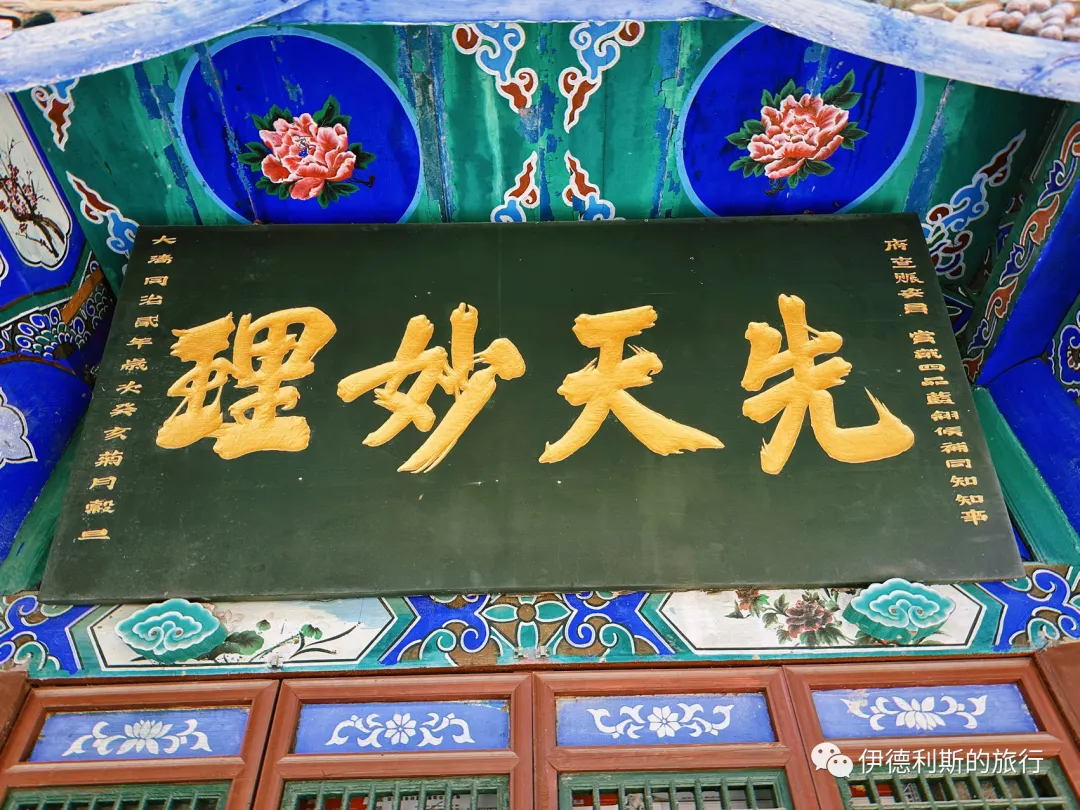
1. The 'Innate Wonderful Truth' (Xiantian Miaoli) plaque at Acheng Mosque in Harbin.
Commissioner of the Prefectural Audit Office, awarded the fourth-rank blue feather, candidate for the position of sub-prefect.
An auspicious day in the ninth lunar month of the Guihai year, the second year of the Tongzhi reign of the Great Qing Dynasty.
This plaque was found in 2006 while repairing the floor of the main hall at Acheng Mosque. Unfortunately, the top and bottom parts of the plaque are missing, so the name of the person who donated it is gone. During the Tongzhi reign, a Manchu Bordered White Banner official named De Kejing'a served as the official for the Alechuka region. It is guessed that he may have donated this plaque.
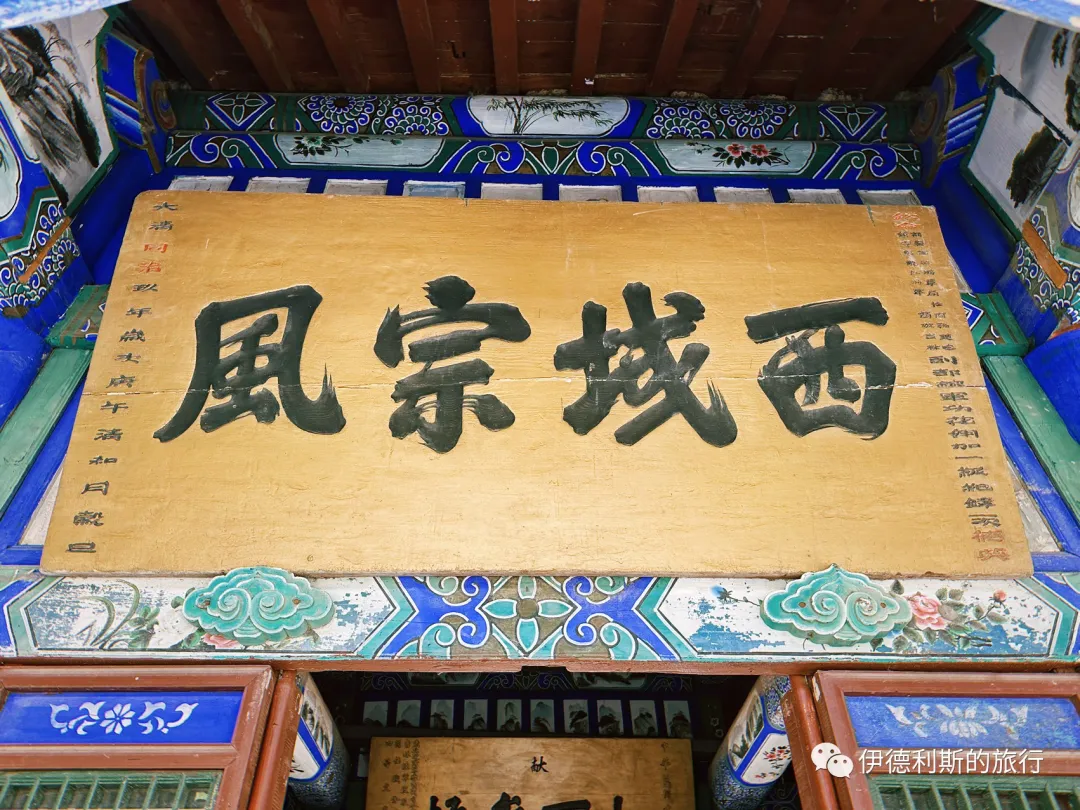
2. The 'Western Regions Sect Style' (Xiyu Zongfeng) plaque at Acheng Mosque in Harbin.
Deying, imperial appointee, former acting Jilin General, former Alechuka garrison commander, Heilongjiang General, appointed Jilin Deputy Lieutenant-General, awarded the peacock feather for military merit, promoted by one rank, and recorded once for merit.
An auspicious day in the sixth lunar month of the Gengwu year, the ninth year of the Tongzhi reign of the Great Qing Dynasty.
Deying was a member of the Mongol Bordered White Banner in Jilin. He became the deputy lieutenant-general of Acheng (Alechuka) in 1864. Later, he served as the military governor of Jilin and then Heilongjiang. He was highly respected by the people, who called him 'Justice De'.
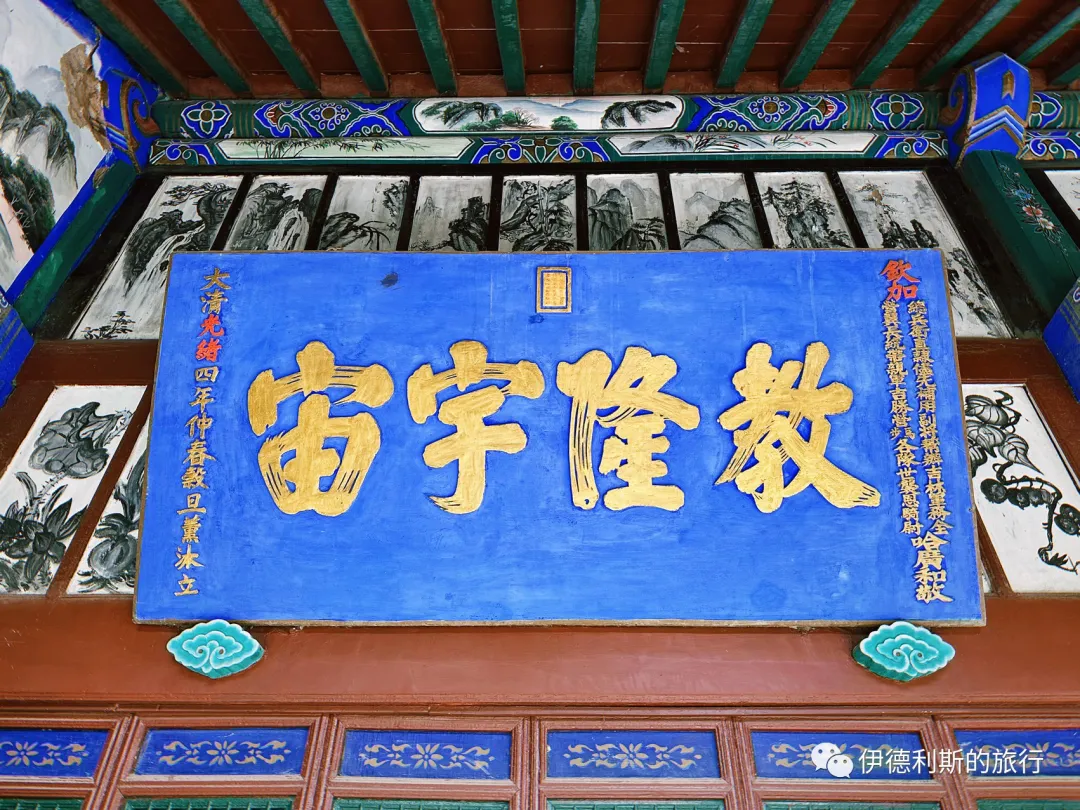
3. The 'Jiaolong Yuzhou' plaque at the Acheng Mosque in Harbin.
Haguang Hejing, a hereditary cavalry captain and commander of the Jisheng Battalion, who held the rank of brigade general and was in charge of Jilin military affairs.
Erected in the second month of the fourth year of the Guangxu reign of the Qing Dynasty.
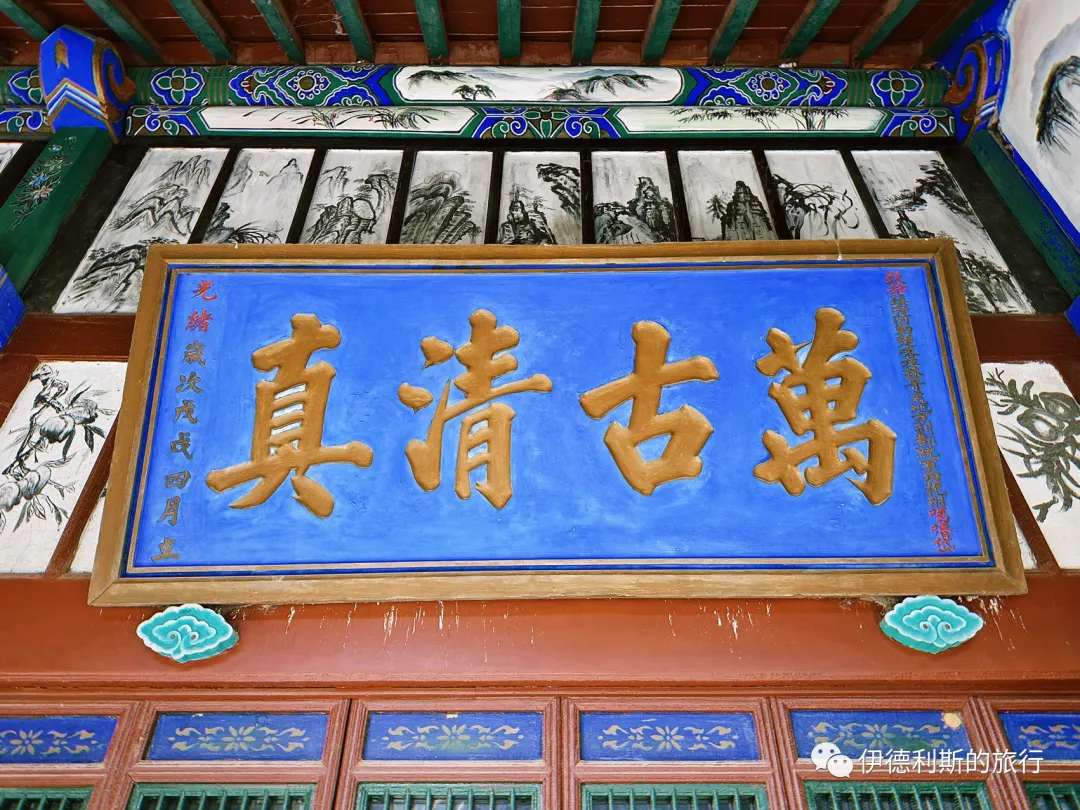
4. The 'Wangu Qingzhen' plaque at the Acheng Mosque in Harbin.
Gadai, a decorated deputy lieutenant-general appointed by the Emperor to guard Acheng (Alechuka) and Lalin.
Erected in the fourth month of the Wuxu year of the Guangxu reign.
Gadai was a member of the Manchu Plain White Banner. He became the deputy lieutenant-general of Acheng (Alechuka) in 1897. He served for one year, presented a plaque to the Acheng Mosque before leaving, and was then transferred to Jinzhou.
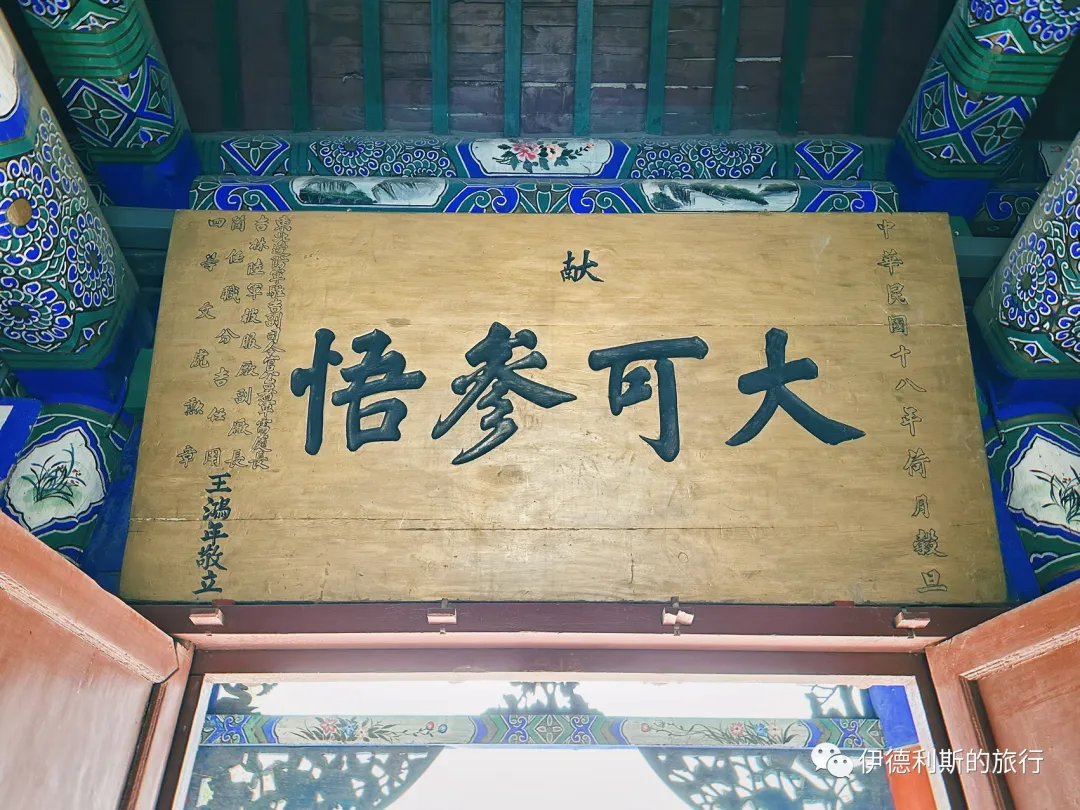
5. Acheng Mosque in Harbin: "Great Insight to be Gained"
Respectfully presented by Wang Hongnian, who held the rank of Jianren, served as the Quartermaster for the Deputy Commander of the Northeast Frontier Defense Force stationed in Jilin, and was the Deputy Director of the Jilin Army Clothing Factory, recipient of the Fourth Class Order of the Tiger.
An auspicious day in the sixth lunar month of the 18th year of the Republic of China.
Wang Hongnian was a Hui Muslim army general who served under Zhang Xueliang in the Northeast Frontier Defense Force in 1929. People say the day the plaque was delivered was a grand and lively event. An honor guard from the Jilin Third Normal School escorted it with loud music and drums, and Acheng County Magistrate Bai Hongkui also took part in the ceremony.
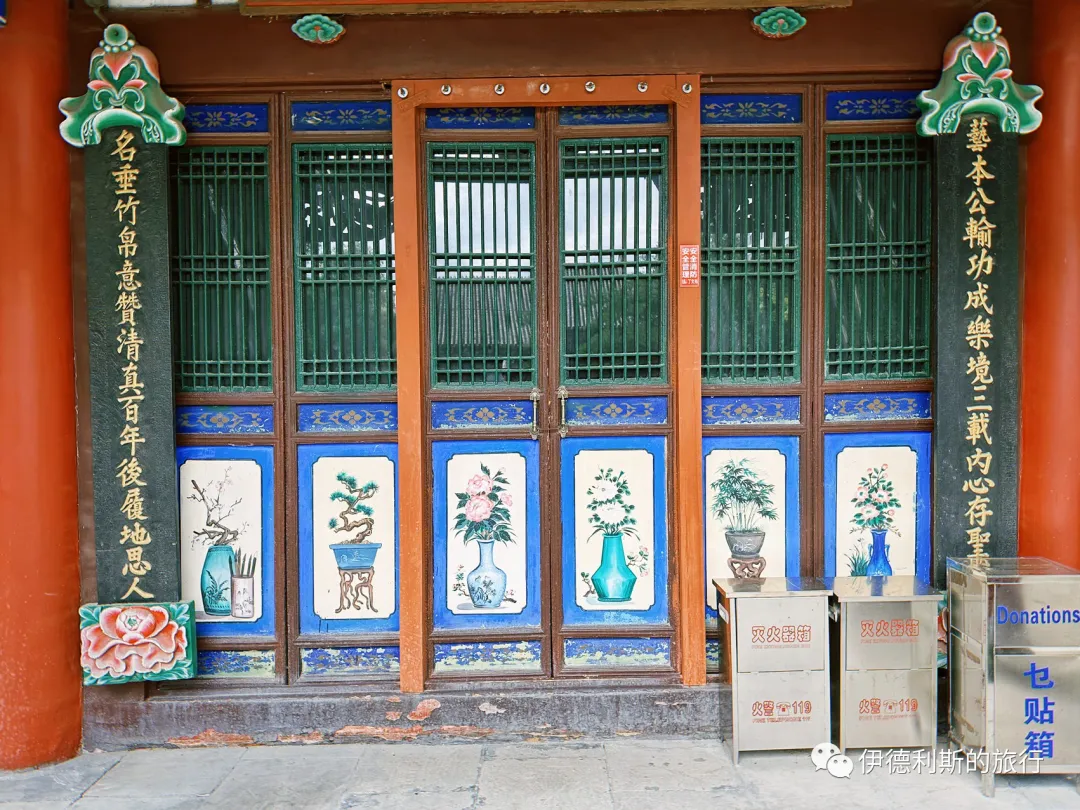
6. Acheng Mosque in Harbin:
Craftsmanship like the master builder Gongshu brings joy to this place, with the holy path kept in the heart for three years.
A name recorded in history books praises the halal faith, and after a hundred years, those who walk this ground remember the person.
This was donated by Sun Yulin, a carpenter from Wula Street in Jilin who helped build the mosque, when the Acheng Mosque was rebuilt and finished in 1900.
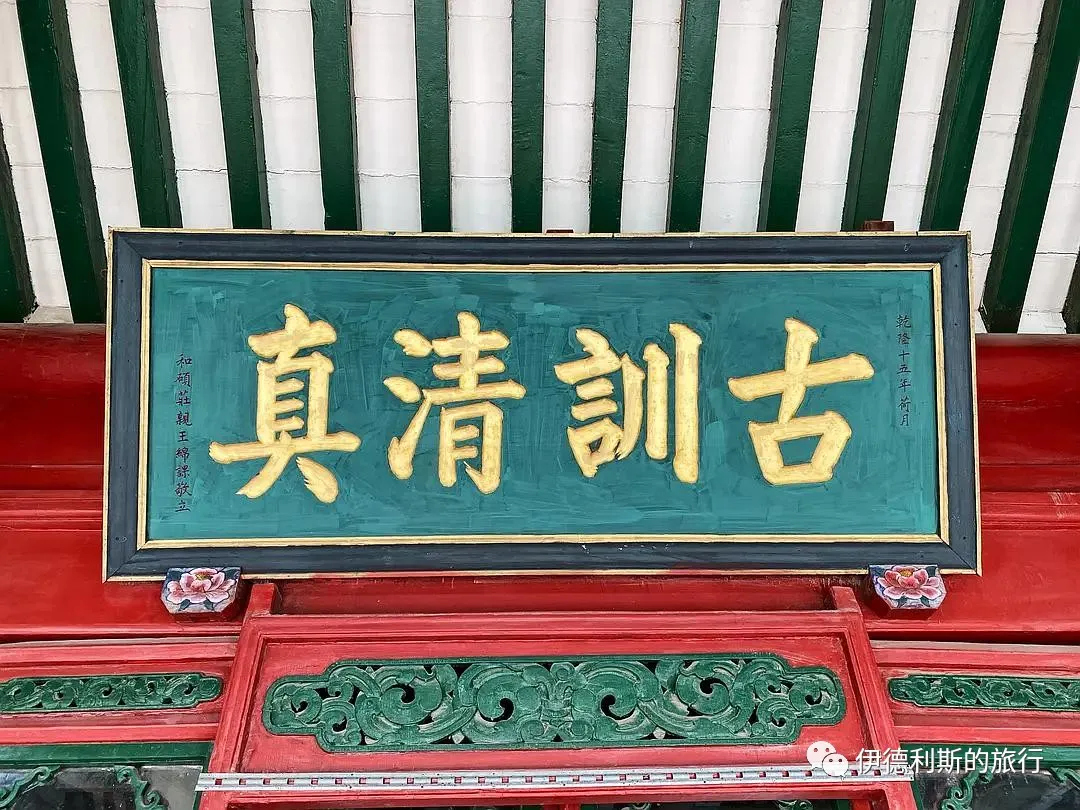
7. Shenyang South Mosque: "Ancient Teachings of Islam" (Guxun Qingzhen)
The sixth lunar month of the 15th year of the Qianlong reign.
Respectfully erected by Prince Heshuo Zhuang, Mianke.
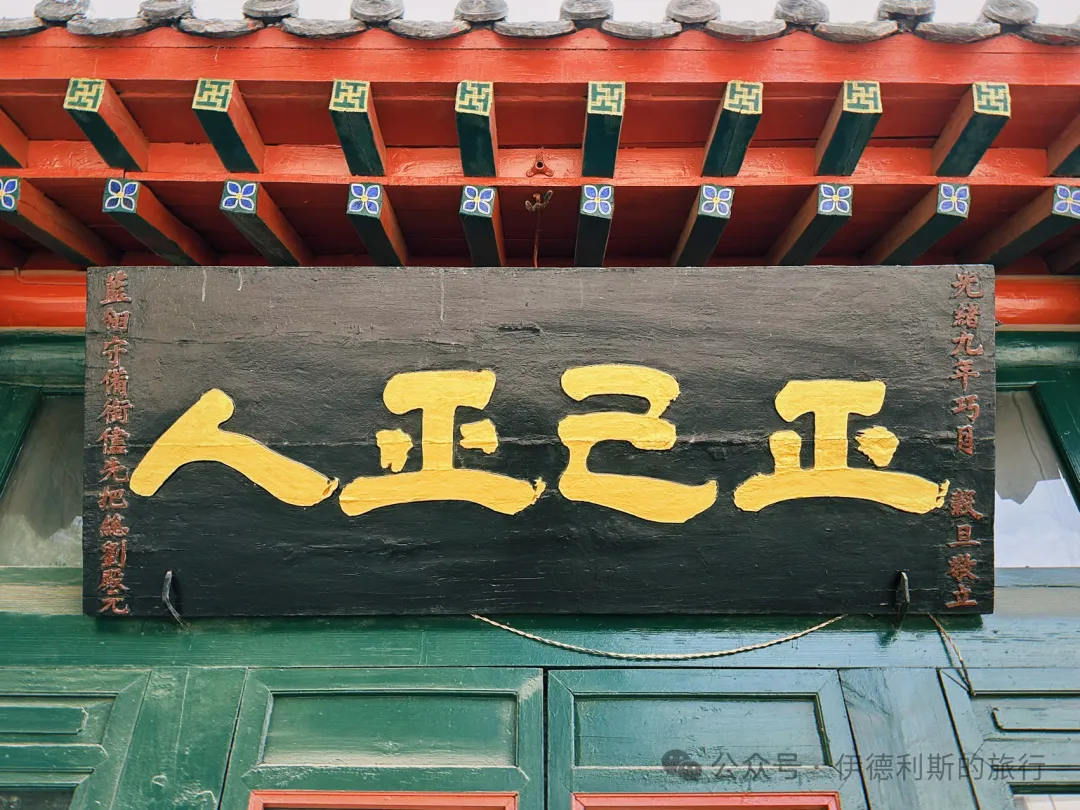
8. Shenyang Xinmin Mosque: "Correct Yourself to Correct Others" (Zhengji Zhengren)
Respectfully erected on an auspicious day in the seventh lunar month of the 9th year of the Guangxu reign.
Liu Dianyuan, holding the rank of Blue Feather Guard and the position of First Captain.
9. Shenyang Xinmin Mosque: "The One and Only for All Eternity" (Wangu Duyi)
Zhang Delu, Wuxian General, decorated with peacock feathers, waiting for a post as a prefect in Zhili.
Ha Zhongguang, holding the rank of assistant general, decorated with peacock feathers, hereditary Enqiwei (a minor noble title), waiting for a post as a department magistrate in Zhili.
Ma Shaochun, holding the fifth-rank title, decorated with blue feathers, waiting for a post as a district magistrate.
The twelfth year of the Tongzhi reign, the year of Guiyou, in the autumn.
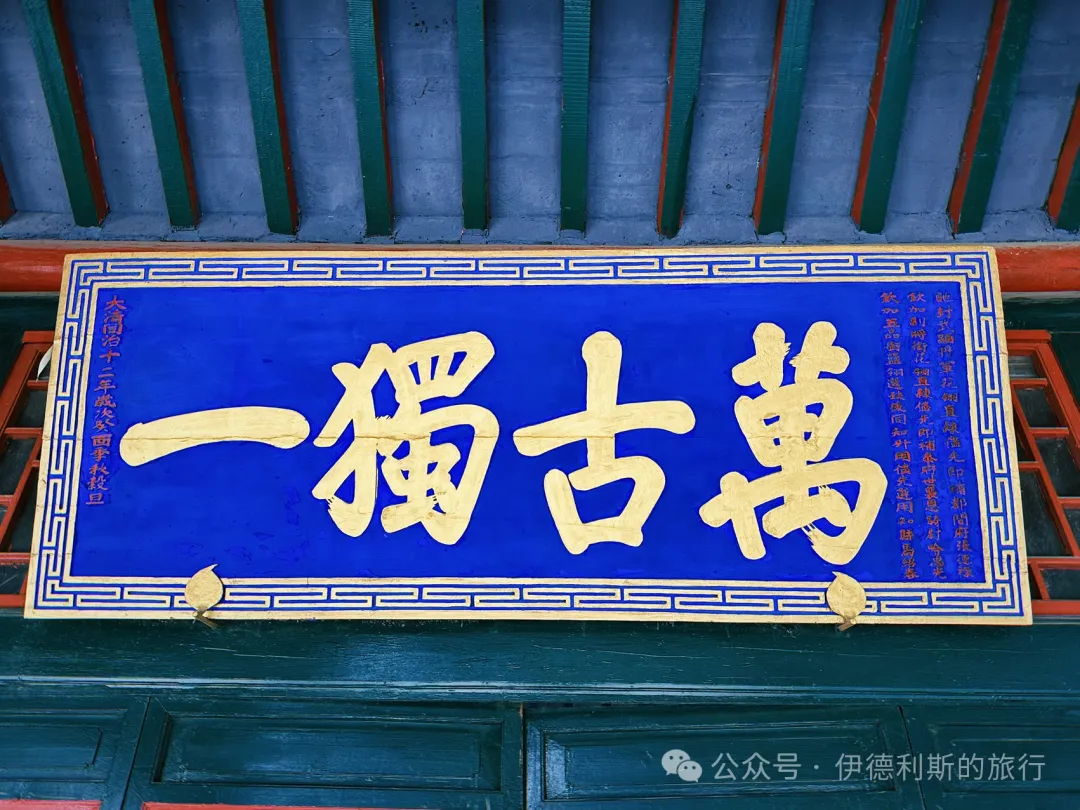
10. The plaque reading "Only Pure, Only One" at Xinmin Mosque in Shenyang.
Respectfully erected on an auspicious day in the seventh lunar month of the 9th year of the Guangxu reign.
Ding Chunxi, holding the rank of assistant general, serving as a guerrilla general, and honored with the title Zhangyong Baturu.
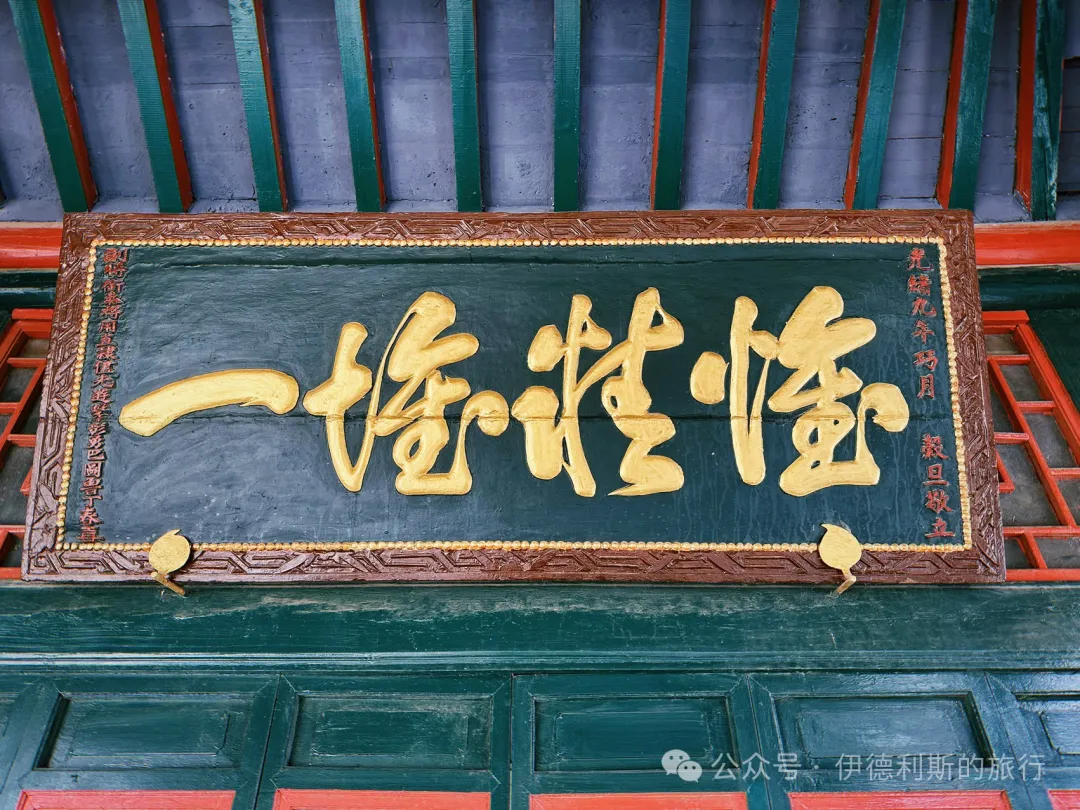
11. The plaque reading "Sincere Intentions and Respectful Heart" at Xinmin Mosque in Shenyang.
Zuo Baogui, Commander of the Fengtian Military Wing, leader of the central, front, and right battalions of infantry and cavalry, and nominated Admiral with the title Menkengse Baturu.
Respectfully erected by hand in the first ten days of the seventh lunar month in the ninth year of the Guangxu reign.
Zuo Baogui was a famous general and anti-Japanese hero in the late Qing Dynasty. He led troops stationed in Fengtian in 1875 (the first year of the Guangxu reign) and began commanding the Fengtian Army in 1880 (the fifth year of the Guangxu reign). Zuo Baogui was stationed in Fengtian for twenty years. During this time, he was devoted to his faith, valued public welfare and education, donated to build many mosques, established several charity schools and porridge kitchens, and wrote plaques for many mosques.
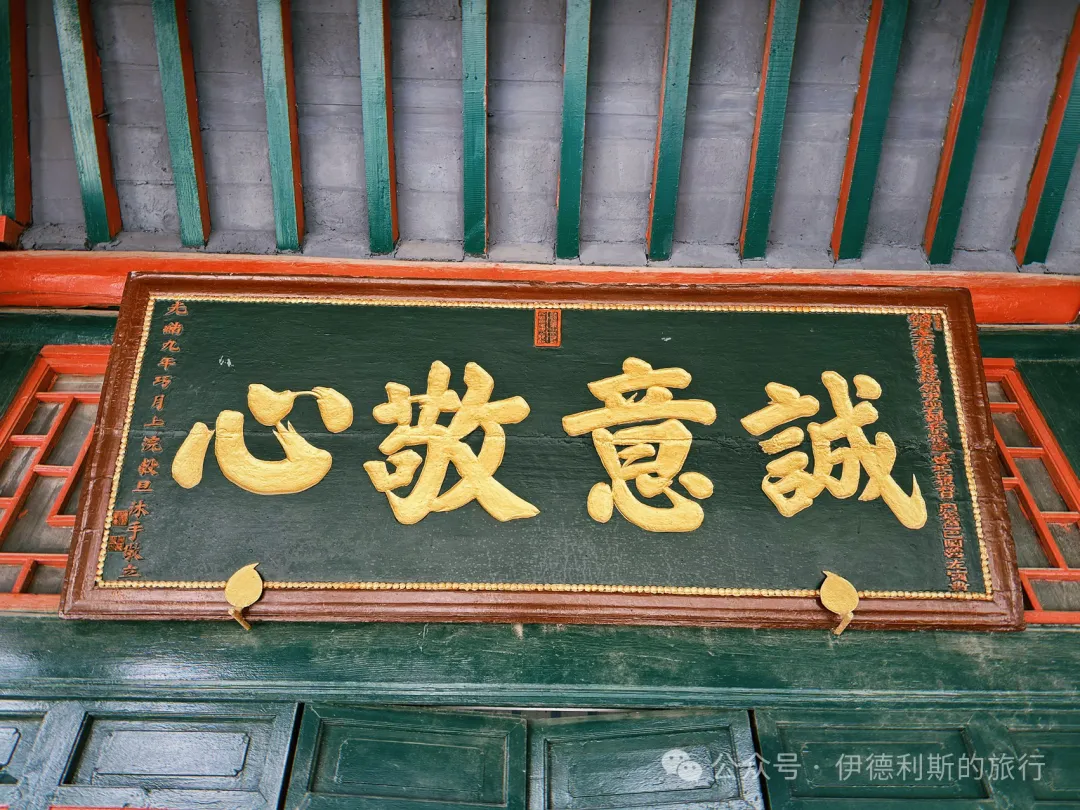
12. Kaiyuan Old City Mosque: 'Allah is One' (Zhenzhu Duyi).
Because the inscriptions are unclear, we welcome friends (dost) to leave comments with their interpretations.
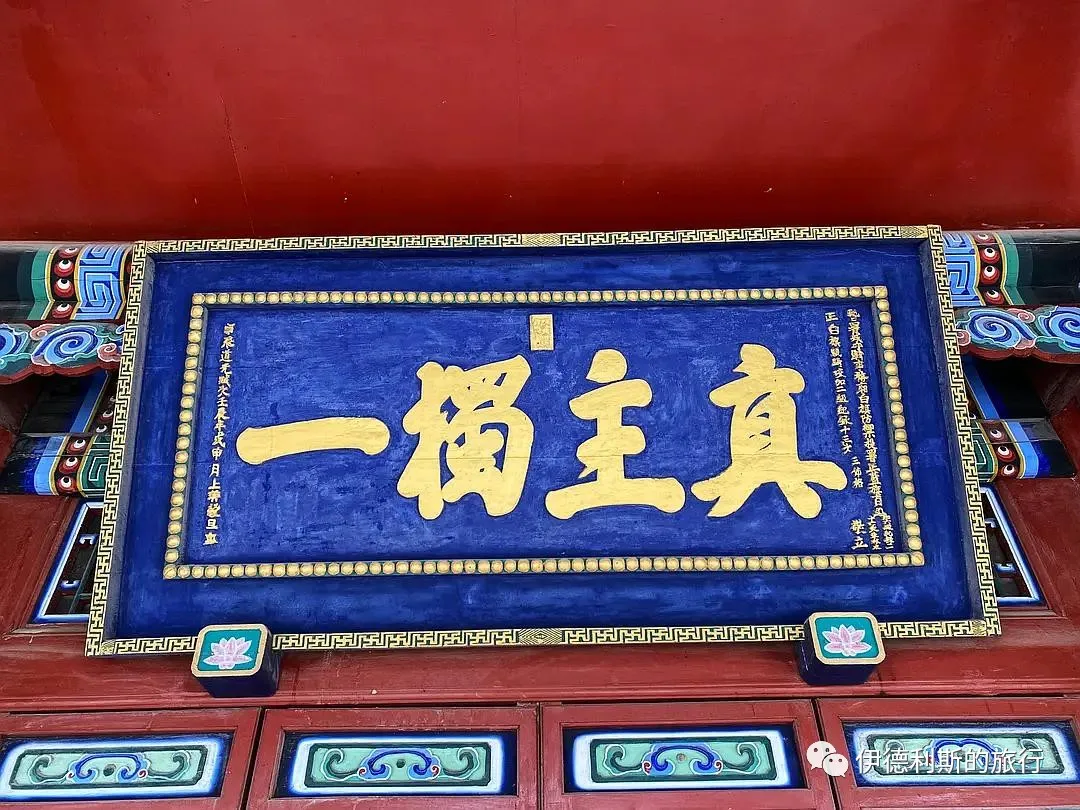
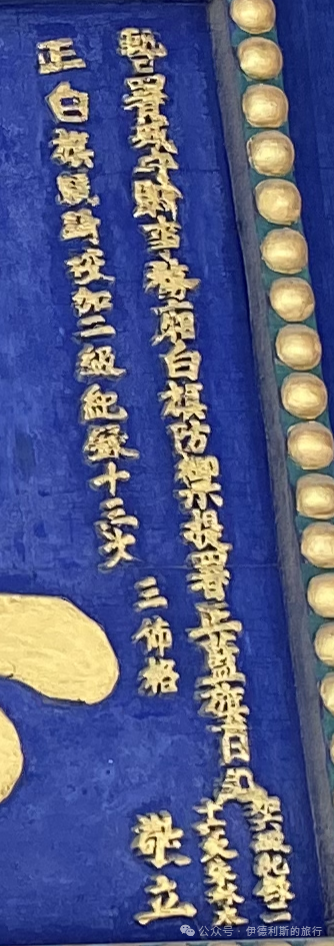
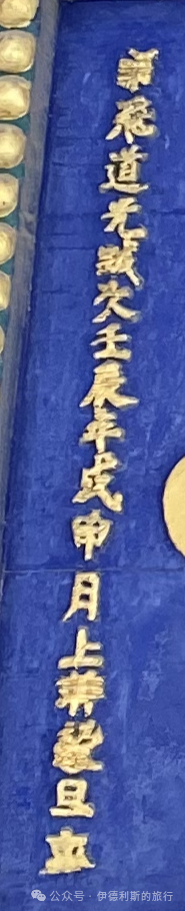
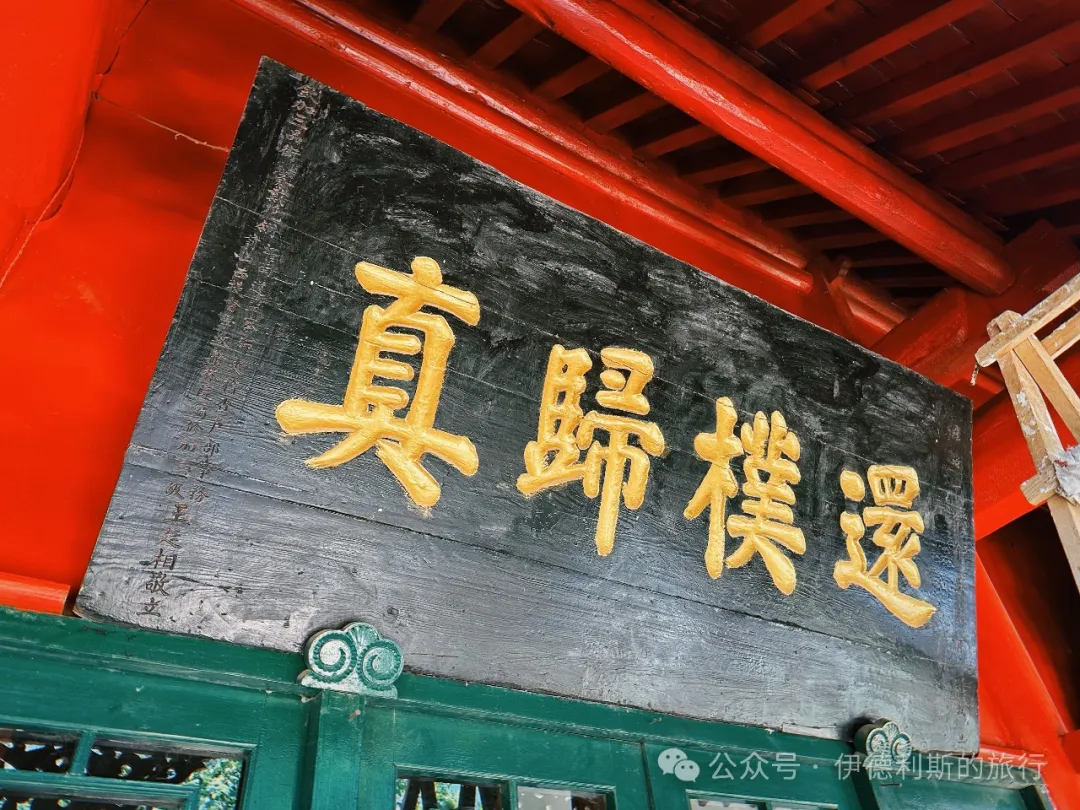
13. Dalian Fuzhou Mosque: 'Return to Simplicity and Truth' (Huanpu Guizhen).
An auspicious day in the first month of winter in the Dingyou year of the Guangxu reign.
Respectfully erected by Wang Tingxiang, who holds the third-rank title, is permitted to wear the peacock feather, serves as the Censor of the Jiangnan Circuit, inspects the Ministry of Revenue, formerly served as the Provincial Education Commissioner of Shanxi, and is a compiler in the Hanlin Academy with a three-grade promotion.
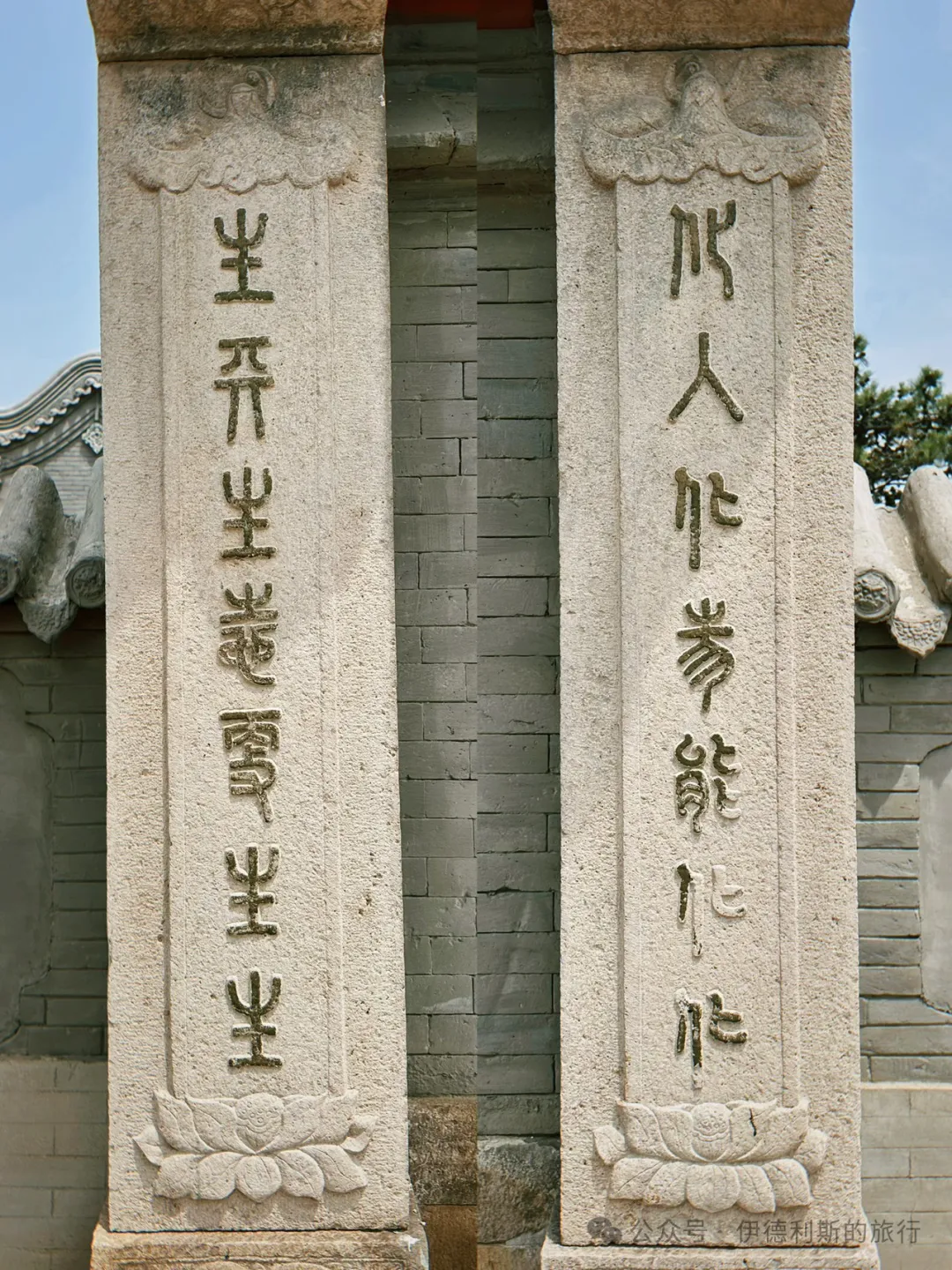
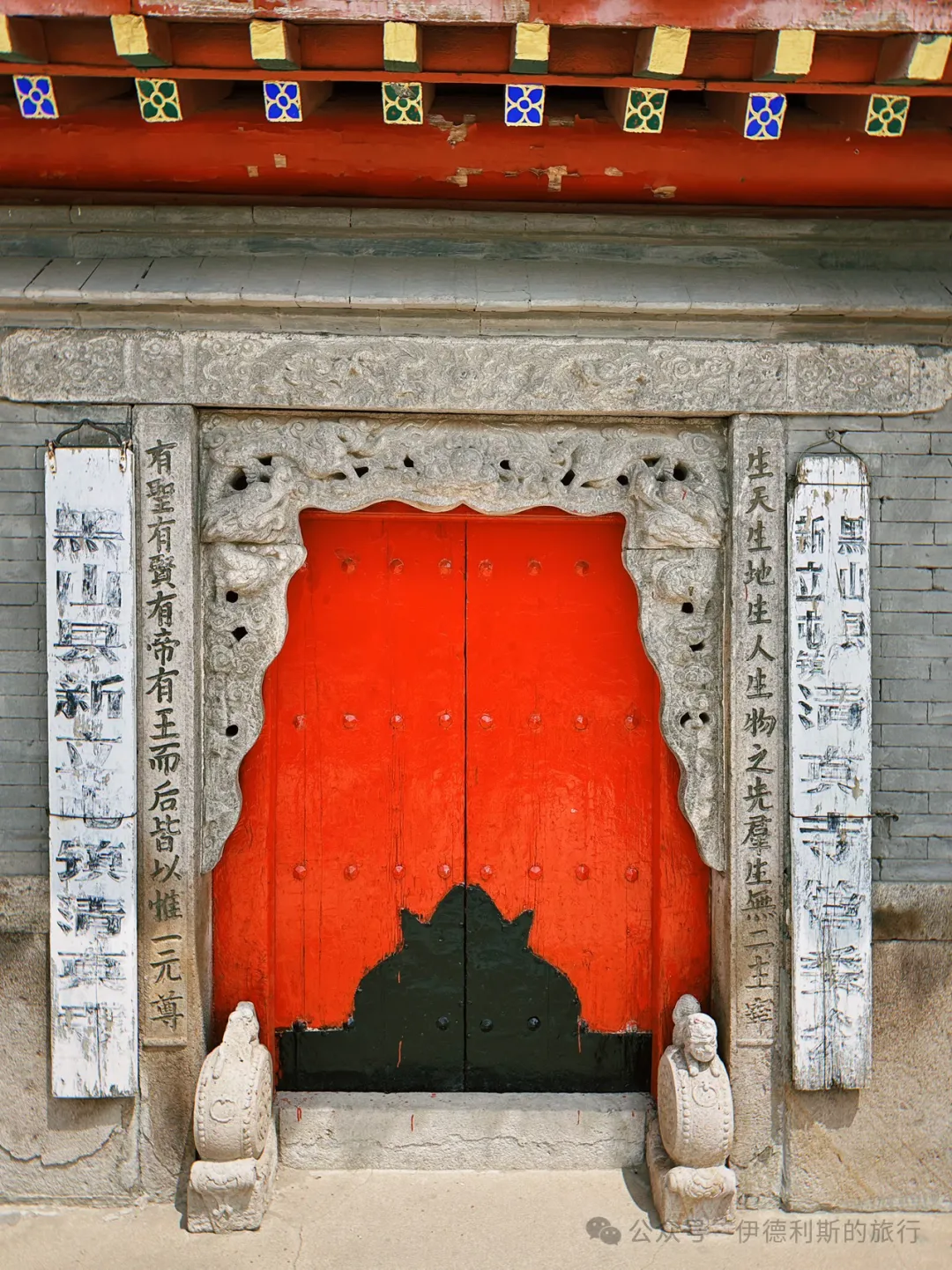
14. Xinlitun Mosque in Jinzhou
Transforming people and things, he is the source of all transformation.
Giving life to heaven and earth, he is the source of all life.
15. Xinlitun Mosque in Jinzhou.
The light that gives life to heaven, earth, people, and all creatures; there is no other master for all living things.
From saints and sages to emperors and kings, all acknowledge the one supreme creator.
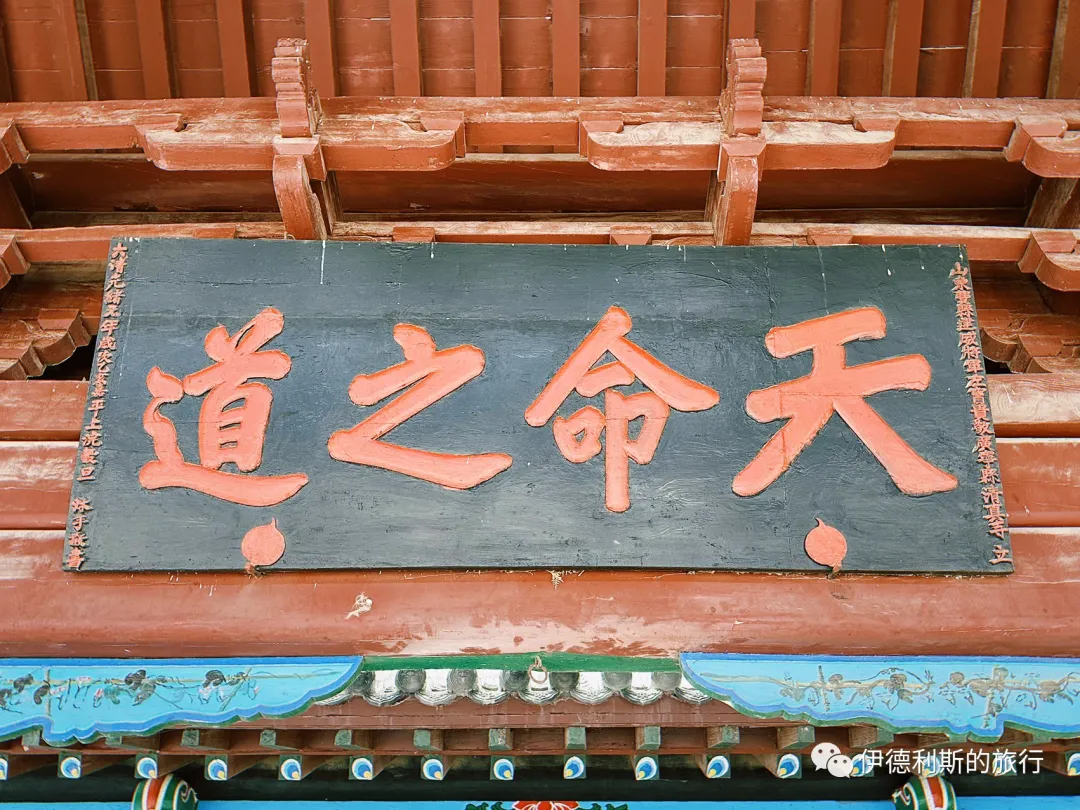
16. The Way of Heaven's Mandate at Beizhen Mosque in Jinzhou.
General Zuo Baogui of Wuwei from Fei County, Shandong, dedicated this to the Guangning County mosque.
Respectfully written by hand on a lucky day in the last month of the first year of the Guangxu reign of the Qing Dynasty.
This was a gift from the famous anti-Japanese general Zuo Baogui when he passed through Beizhen on his way to fight in the war in Korea.
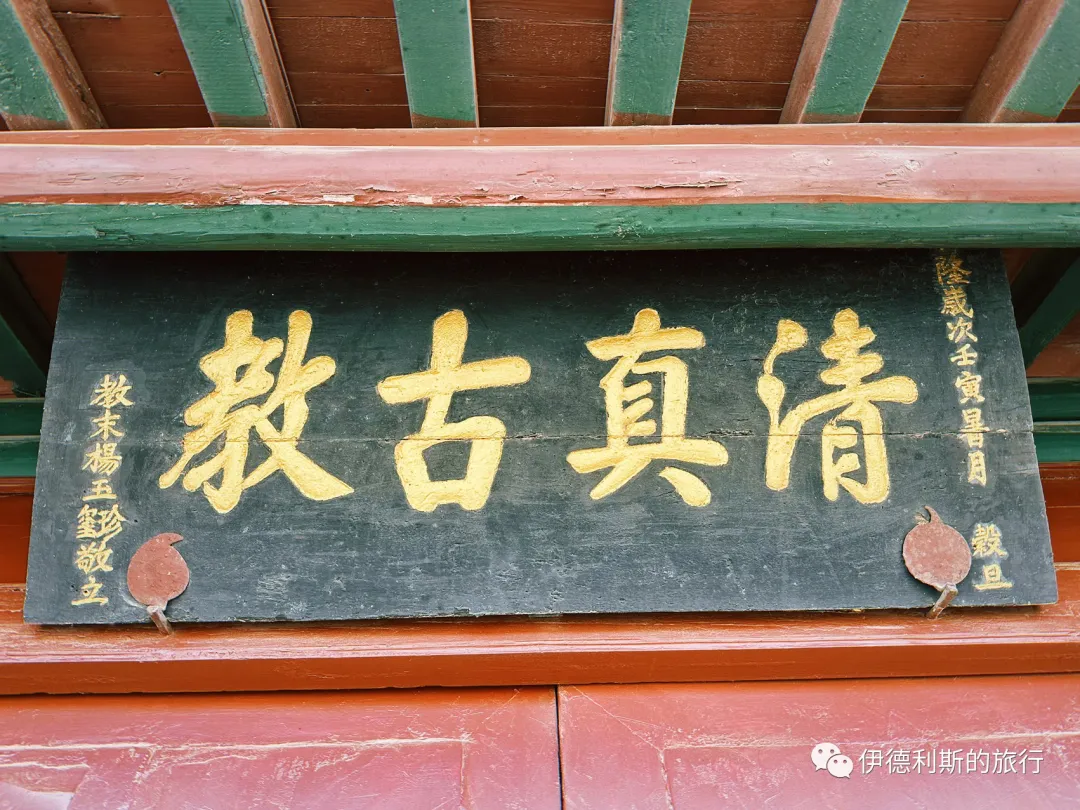
17. The Ancient Islamic Teaching (Qingzhen Gujiao) plaque at Beizhen Mosque in Jinzhou.
A lucky day in the seventh month of the Renyin year during the Qianlong reign.
Respectfully erected by followers Yang Yuxi and Yang Yuzhen.
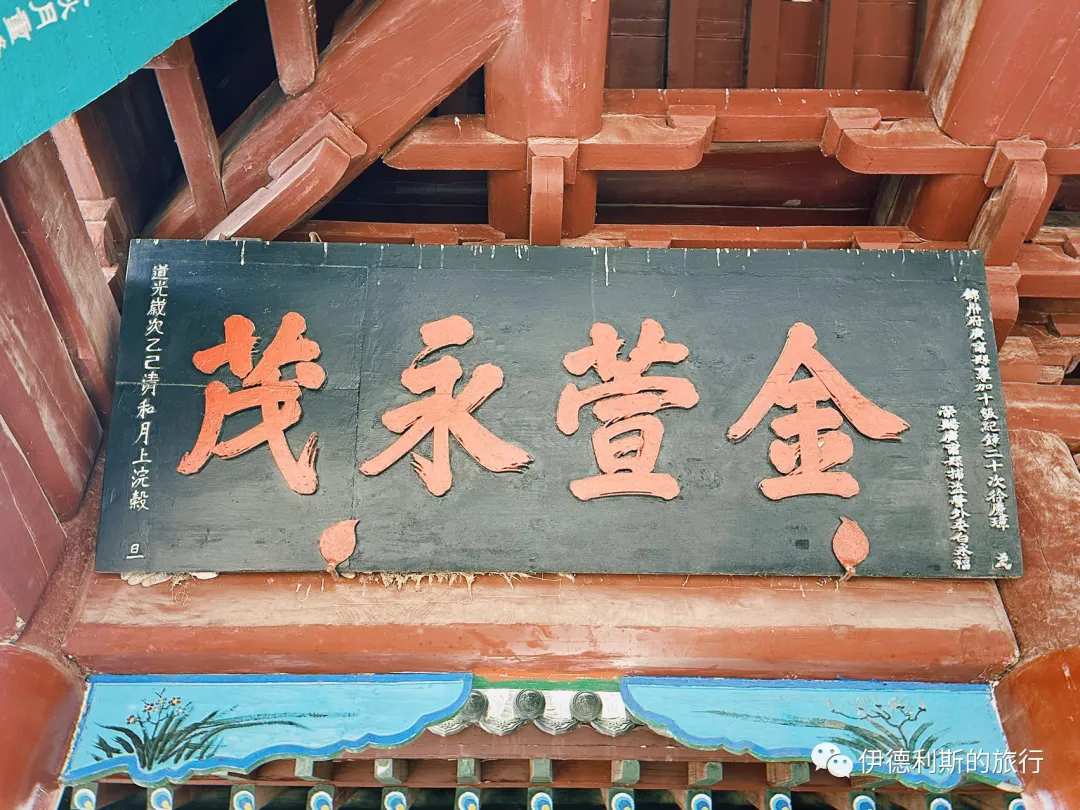
18. The Everlasting Golden Daylily (Jinxuan Yongmao) plaque at Beizhen Mosque in Jinzhou.
Erected by Xu Guangzhang, an official of Guangning County, Jinzhou Prefecture, who held a rank increased by ten levels and had twenty recorded merits.
Honorably bestowed upon Bai Yongfu, a low-ranking officer (waiwei) in the Guangning County anti-bandit patrol.
An auspicious day in the first ten days of the fourth lunar month (qinghe yue) in the Yi-Si year of the Daoguang reign.
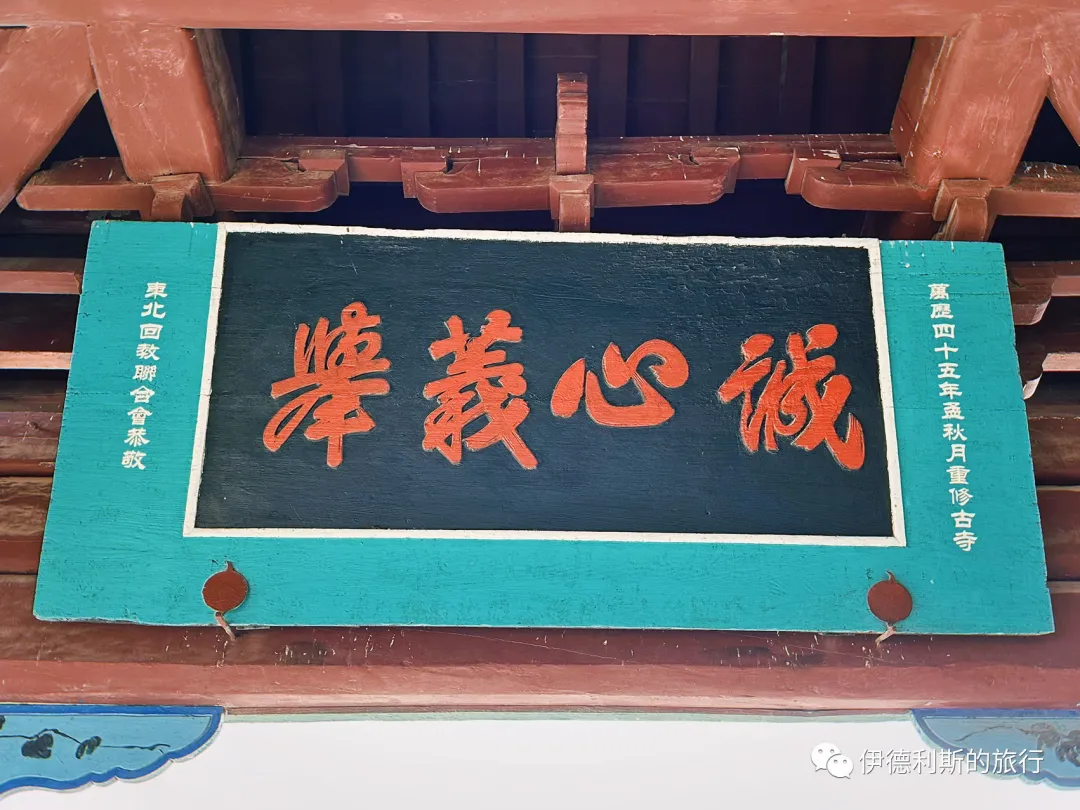
19. "Sincere and Righteous Deed" at Beizhen Mosque in Jinzhou.
The ancient mosque was renovated in the first month of autumn in the 45th year of the Wanli reign.
Respectfully presented by the Northeast Islamic Association.
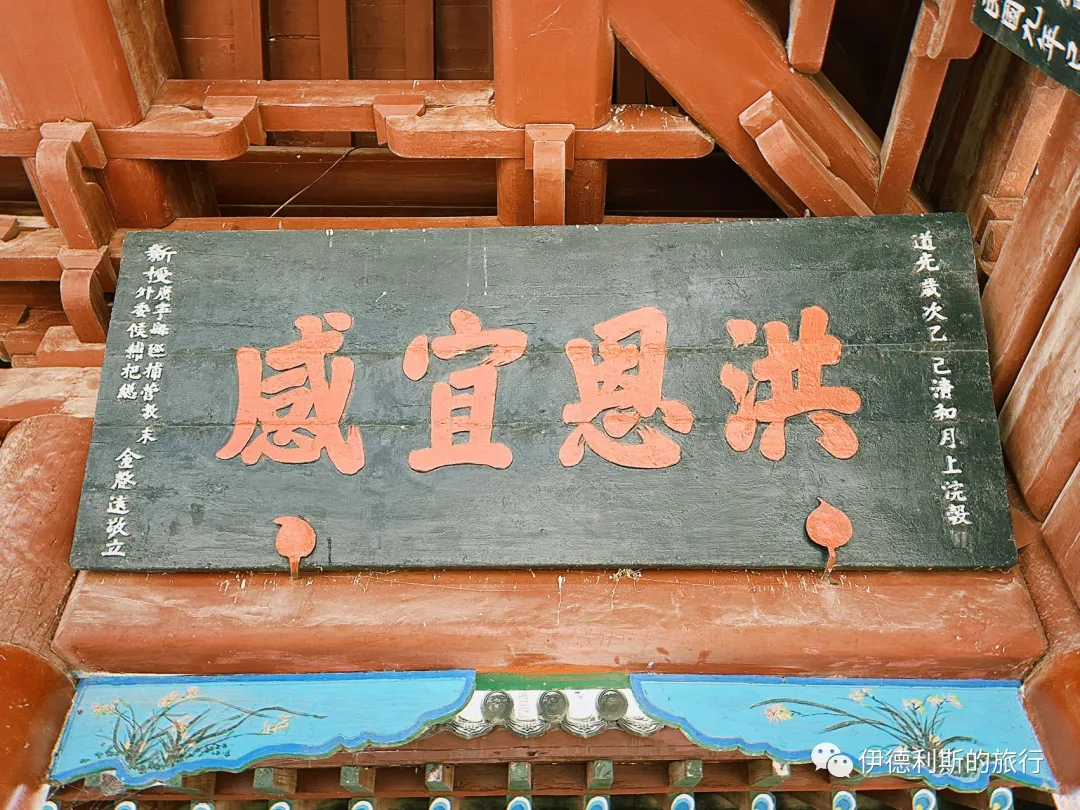
20. "Great Grace Worthy of Gratitude" at Beizhen Mosque in Jinzhou.
An auspicious day in the first ten days of the fourth lunar month (qinghe yue) in the Yi-Si year of the Daoguang reign.
Respectfully erected by Jin Qiyuan, a newly appointed low-ranking officer (waiwei) and lieutenant (bazong) of the Guangning County patrol camp.
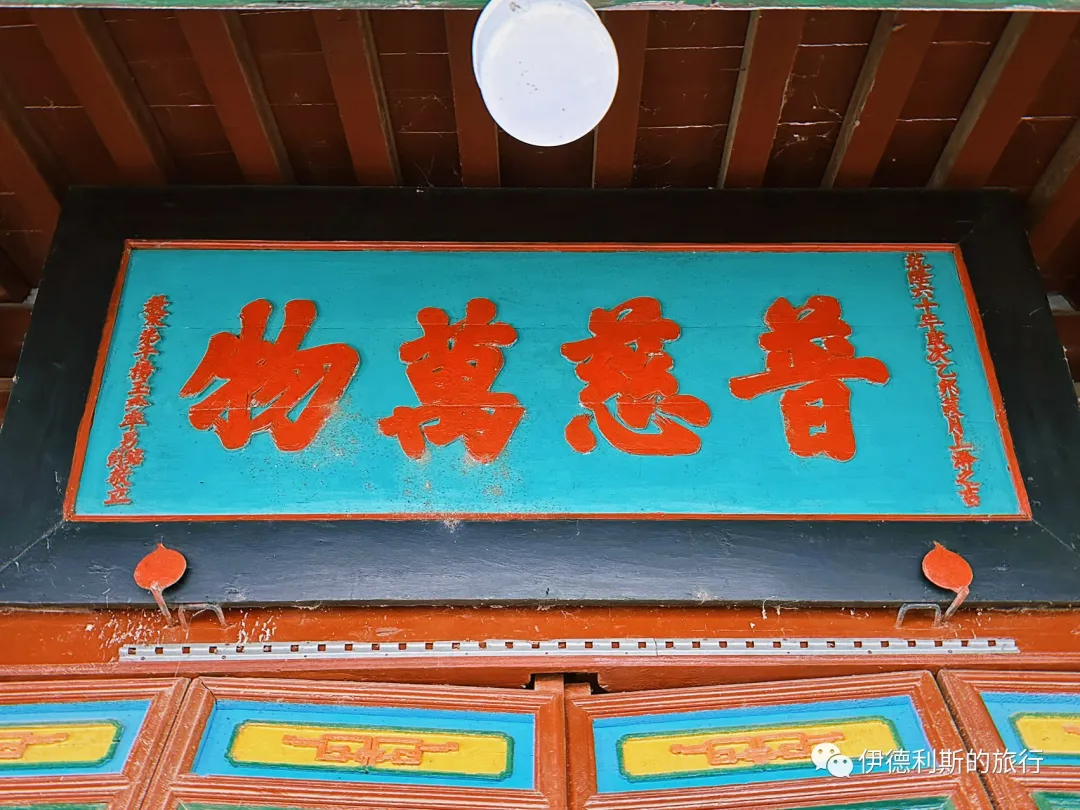
21. Beizhen Mosque in Jinzhou, 'Universal Mercy for All Things'.
An auspicious day in the first ten days of the month, in the 60th year of the Qianlong reign (1795).
Respectfully erected by humble follower Yang Yuzhen and his son Jianming.
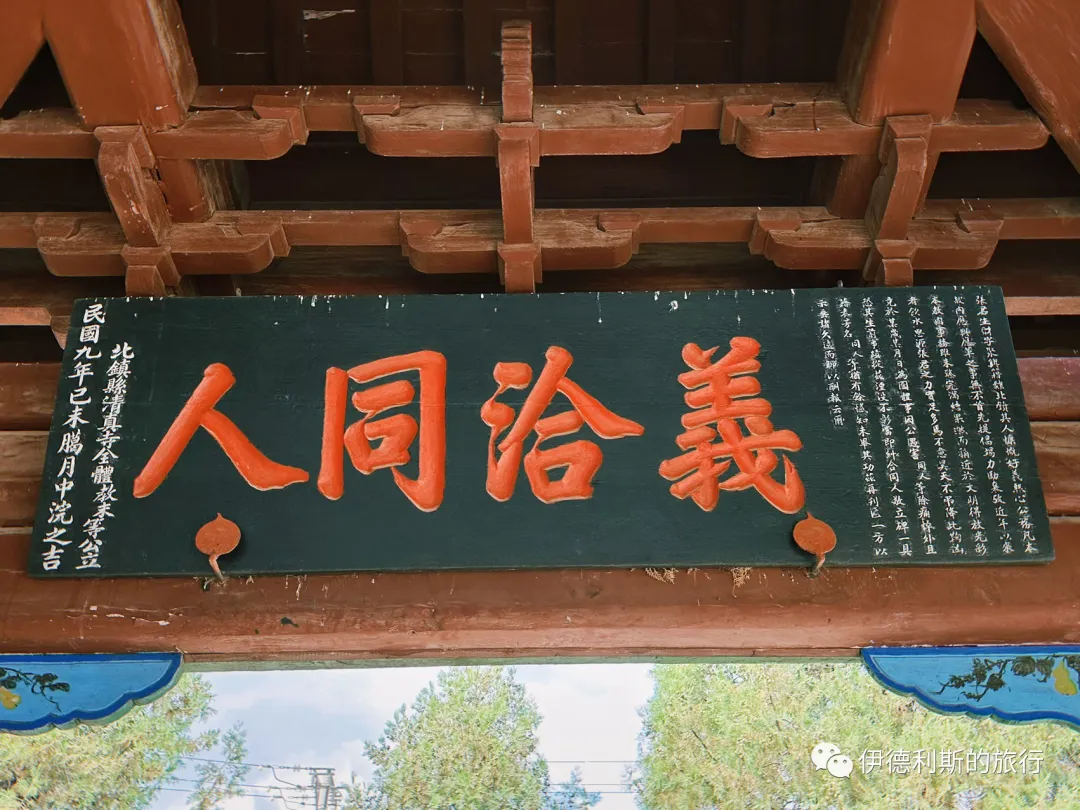
22. Beizhen Mosque in Jinzhou, 'Righteousness Harmonizes All People'.
Mr. Zhang, named Shengcai, courtesy name Juxing. A native of Beizhen. He was generous, righteous, and passionate about public service. Whenever there was something within our faith that needed to be supported or reformed, he was always the first to advocate for it and do his best to help. In recent years, our community affairs have not reached perfection, but they have moved toward a more civilized and brighter path. When we drink water, we think of the source, and Mr. Zhang truly deserves much of the credit for this. Unexpectedly, heaven did not spare him from tragedy, and on a certain day in a certain month of a certain year, he was killed in the line of duty for the sake of the nation. Beyond our deep grief, we feared his life's work would be forgotten, so we gathered together to erect a stone tablet to honor his name. We still feel a sense of regret, knowing this may not fully reflect his contributions. We are now carving a plaque to ensure his memory lasts, as a small way to show our gratitude.
Erected by all the members of the Beizhen County Mosque.
An auspicious day in the middle of the twelfth lunar month, in the ninth year of the Republic of China.
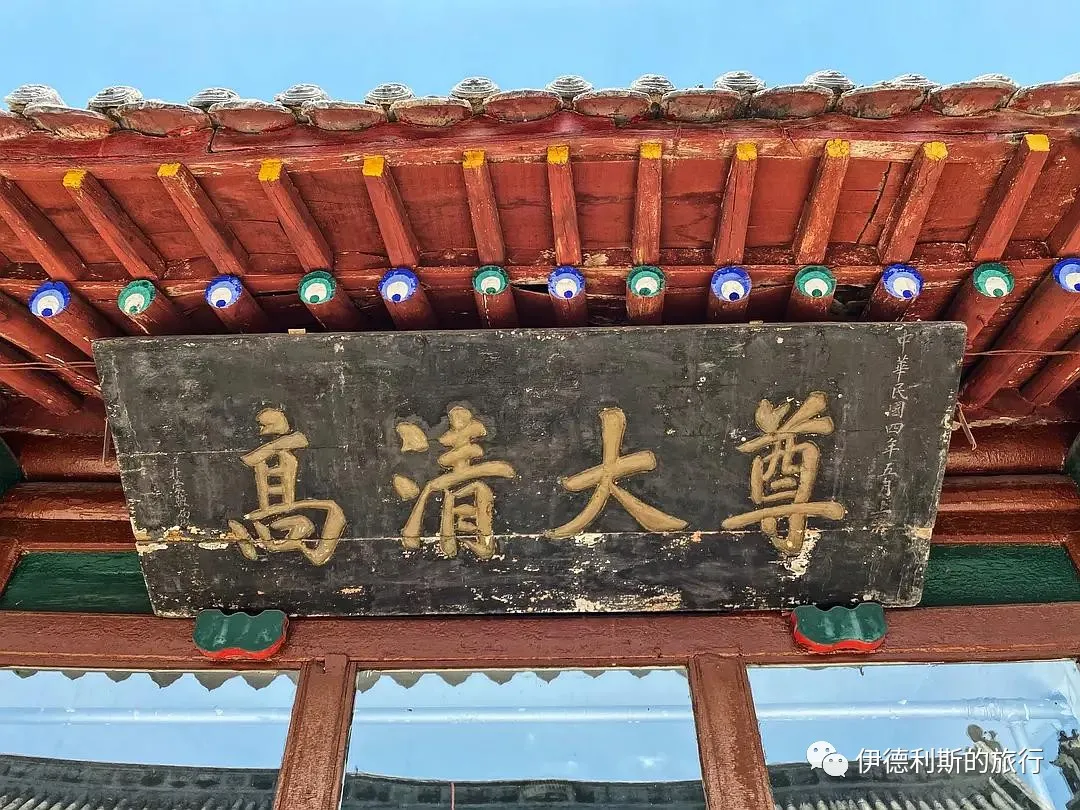
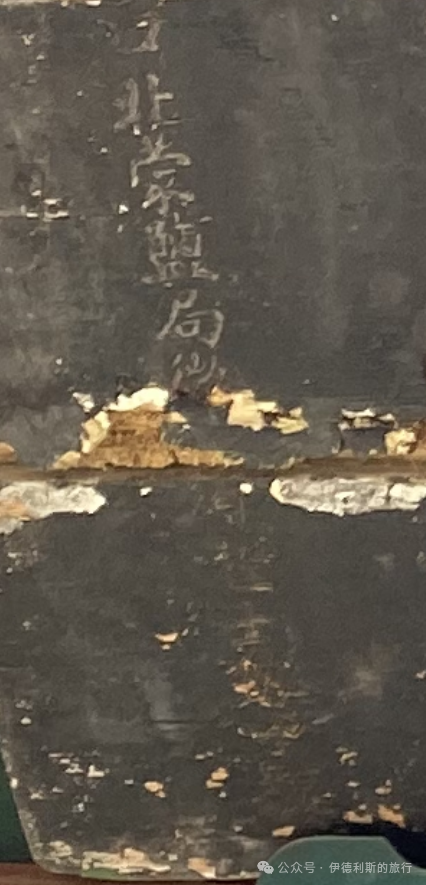
23. Longshengzhuang Mosque in Ulanqab, 'Respect the Great and Noble'
Please leave a comment to help us complete this:
Early May, the fourth year of the Republic of China
Koubei Mongolian Salt Bureau...
From the Qing Dynasty to the Republic of China, all salt produced in the salt lakes of the Inner Mongolian Plateau was called Mongolian salt (mengyan). In 1913, the Beiyang government used salt taxes as collateral to sign a 25 million pound sterling reorganization loan with a banking consortium from Britain, France, Germany, Russia, and Japan. The agreement required China to hire foreigners to help reorganize the salt tax. China then began salt administration reforms and established the Koubei Mongolian Salt Bureau. The main office was in Duolunnor, and a branch was also set up in Longshengzhuang, Fengzhen.
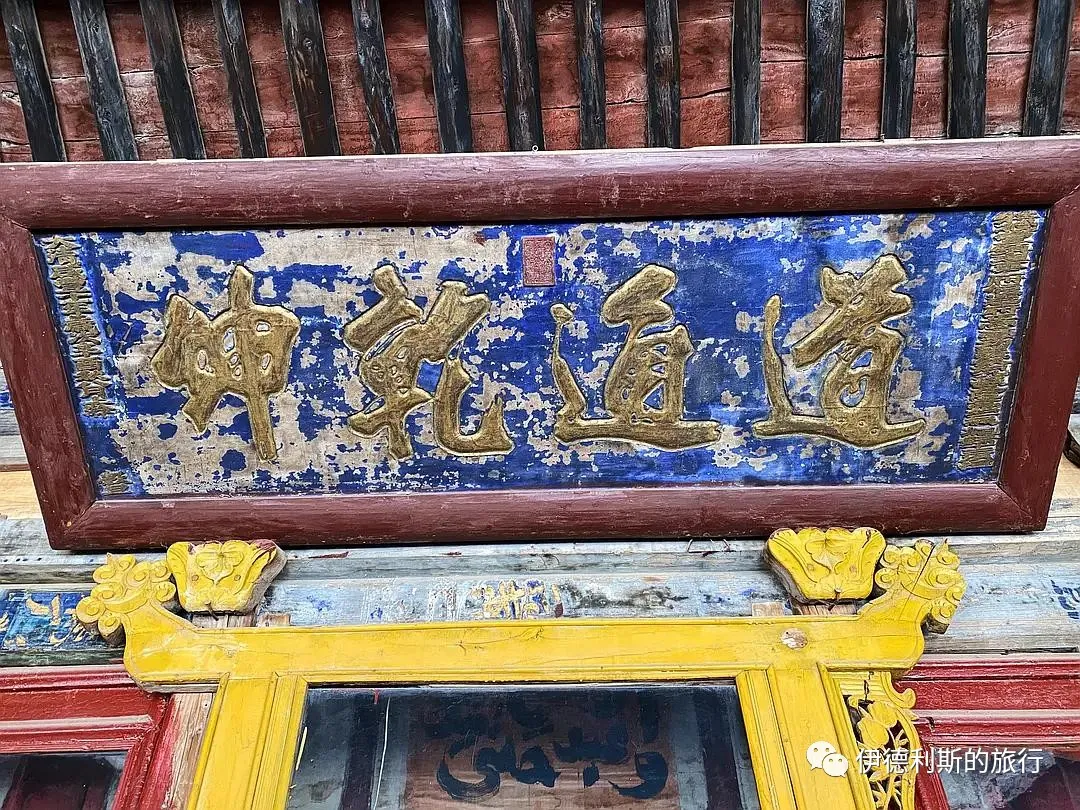
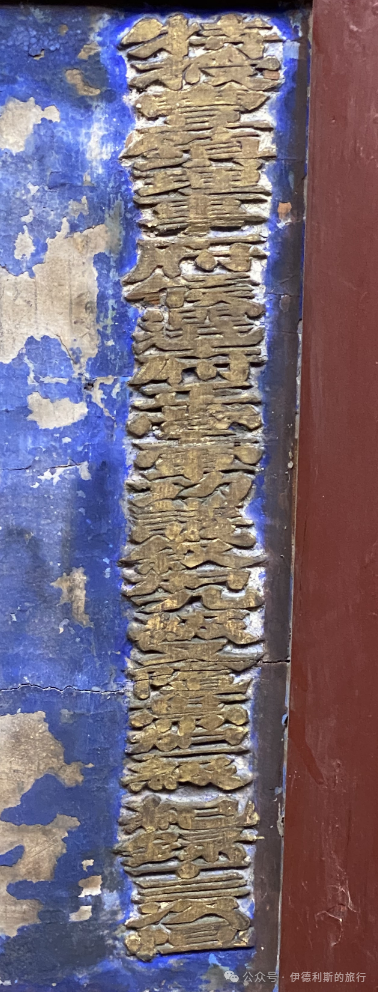
24. Longshengzhuang Mosque in Ulanqab, 'The Way Connects Heaven and Earth'
Please leave a comment to help us complete this:
Specially appointed candidate for the Fengzhen Magistrate's Office, holding a military merit rank.
The first ten days of the autumn month in the Xinyou year, the 11th year of the Xianfeng reign of the Great Qing Dynasty.
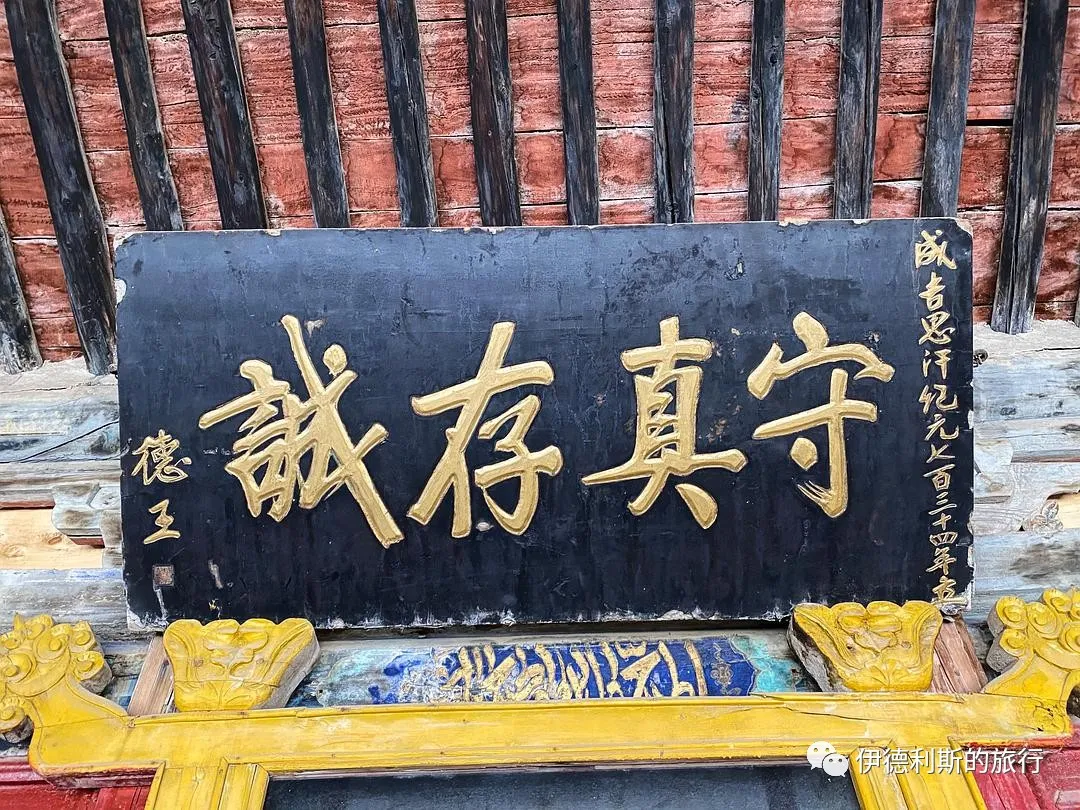
25. "Uphold Truth and Maintain Sincerity" (Shouzhen Cuncheng) at Longshengzhuang Mosque in Ulanqab.
Erected in the 734th year of the Genghis Khan era.
Prince De.
The 734th year of the Genghis Khan era is 1940. Prince Demchugdongrub was a Mongolian noble and the Prince of the Sunid Right Banner. He started the "Inner Mongolia High Autonomy Movement" at Bailingmiao in 1933. In 1939, he became the chairman of the puppet "Mongolian United Autonomous Government." This plaque was inscribed when Prince De took office as chairman.
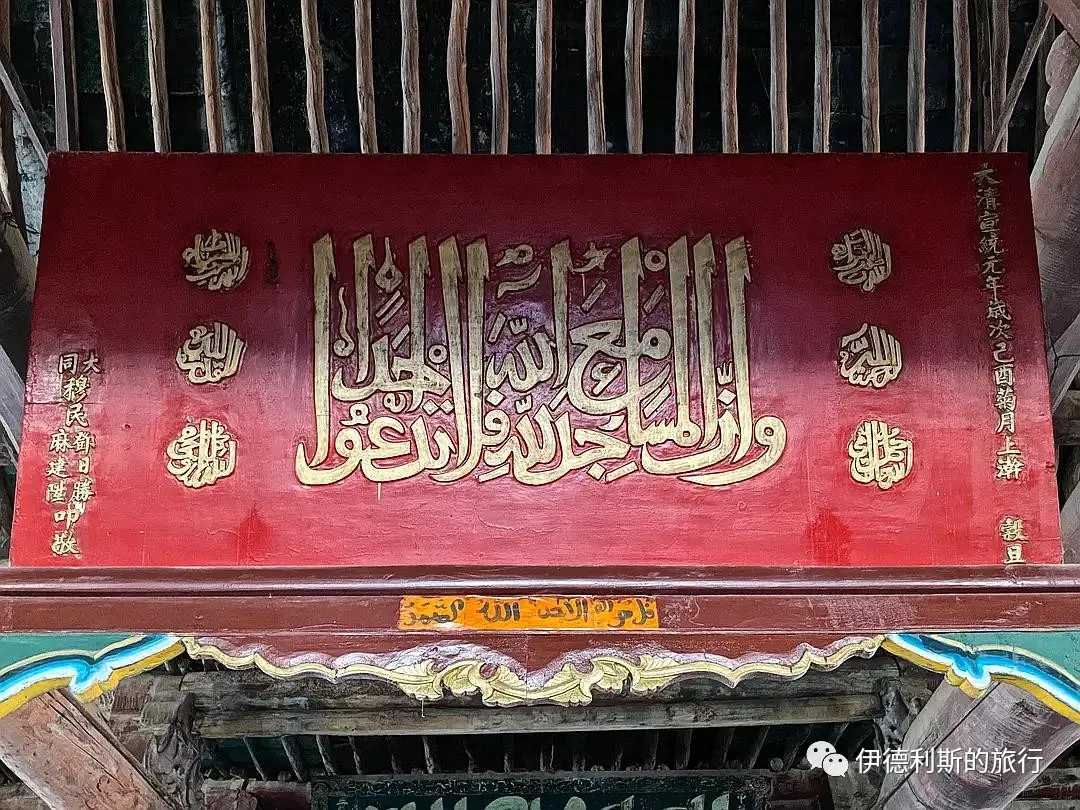
26. Arabic script plaque at Longshengzhuang Mosque in Ulanqab.
Dedicated in the first ten days of the ninth lunar month, in the year of Jiyou, the first year of the Xuantong reign of the Great Qing Dynasty, by Gu Dan.
Respectfully presented by Hui Muslims Deng Risheng and Ma Jiansheng from Datong.
The Ma family of Hui Muslims in Datong originally came from Youwei, Shanxi. During the Ming Dynasty, they were a prominent military family. In the mid-Wanli period, the Ma Family Army, led by Ma Gui and his brothers and nephews, was famous for its combat skills. They earned great merit for defending Youwei for six months against Altan Khan. Since the Ming Dynasty, the Ma family has been a major Hui Muslim clan in Datong. During the Ming and Qing dynasties, they often helped renovate the Datong Mosque and served as imams. After the Qing Dynasty, when military garrisons became counties, the Ma family of Datong transitioned from military life to civilian life. They found success in business and government, and for a time, they were the actual managers of the Datong Mosque.
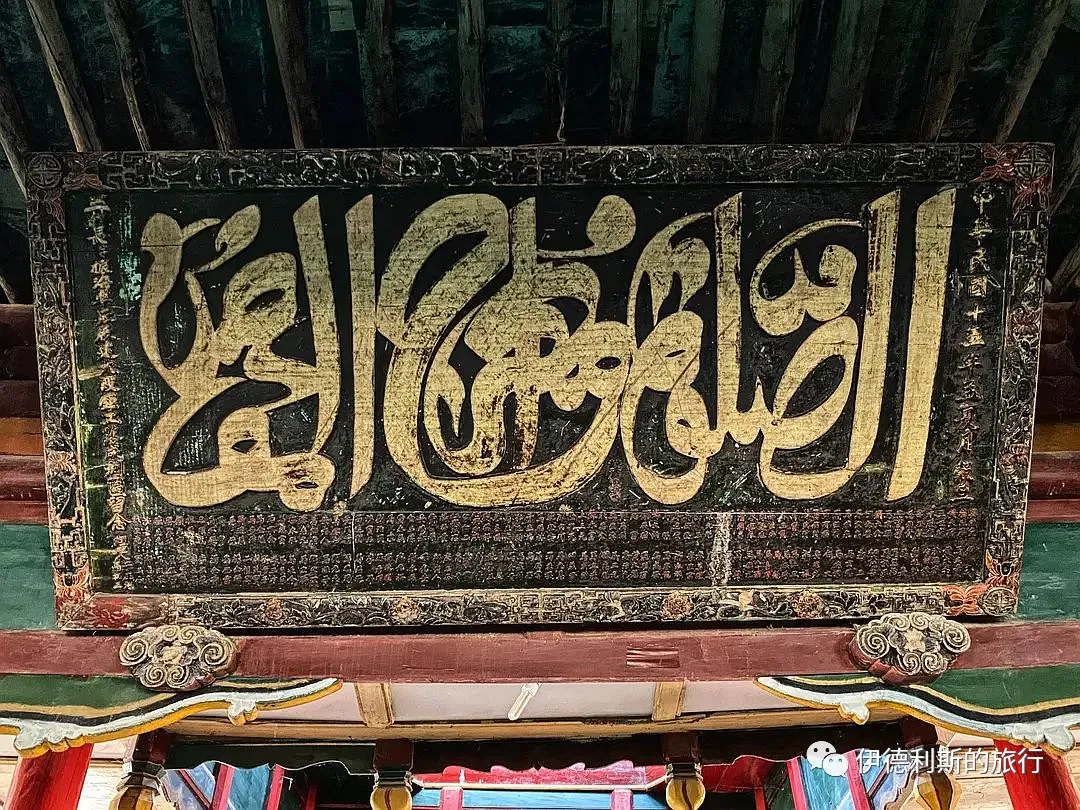
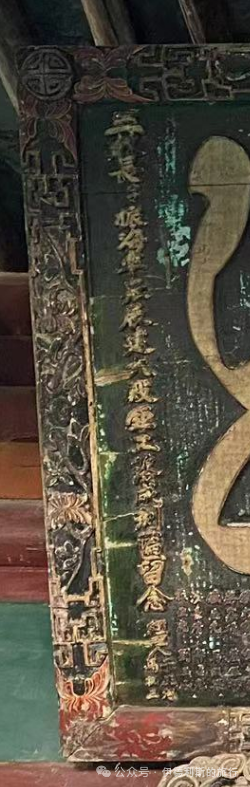
27. Arabic script plaque at Longshengzhuang Mosque in Ulanqab.
We welcome everyone to leave comments and add more information.
An auspicious day in the first month of summer, the 15th year of the Republic of China.
The third elder Zhang Zhenhai led the construction of the main hall, and this plaque was carved to commemorate its completion.
28. Longshengzhuang Mosque in Ulanqab, inscribed with "Its Honor Has No Equal."
An auspicious day in the first month of summer, the 15th year of the Republic of China.
Inscribed by Ma Fuxiang, Army General, Xiangwu General, holder of the Second Class Order, and Military Governor of Suiyuan.
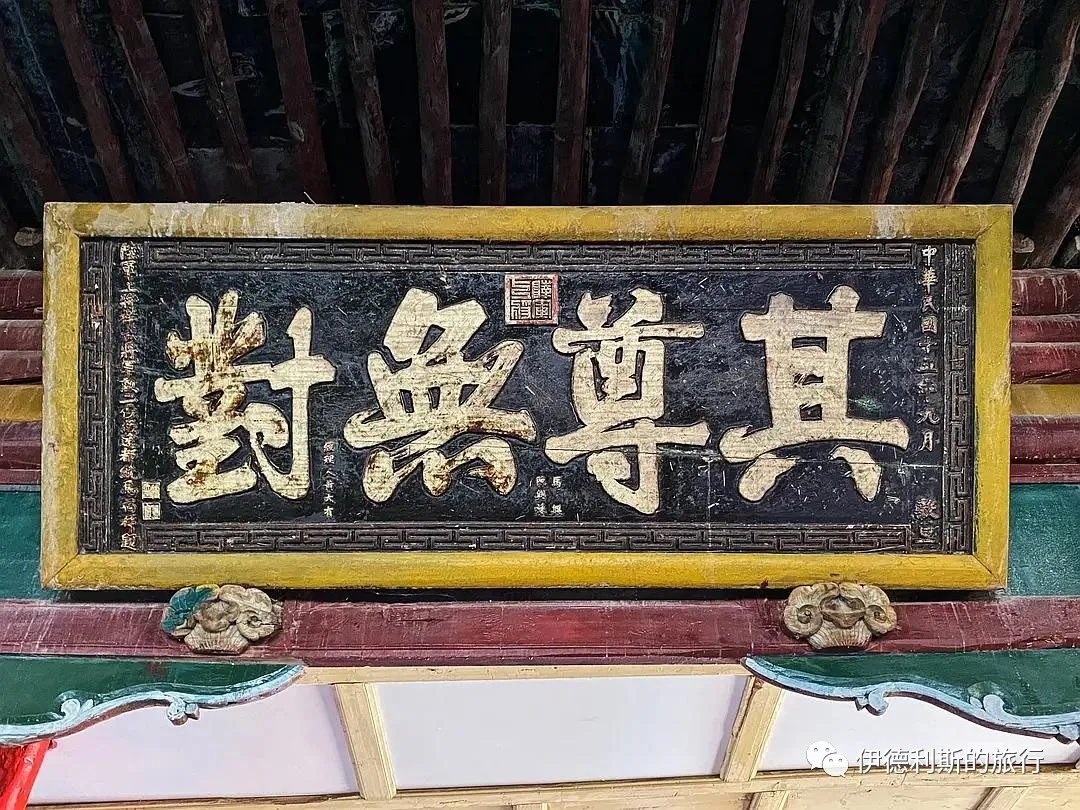
29. Longshengzhuang Mosque in Ulanqab, inscribed with "Ancient Faith That Opened the Heavens."
An auspicious day in the first month of summer, the 15th year of the Republic of China.
Inscribed by Ma Fuxiang, Army General, Xiangwu General, holder of the Second Class Order, and Military Governor of Suiyuan.
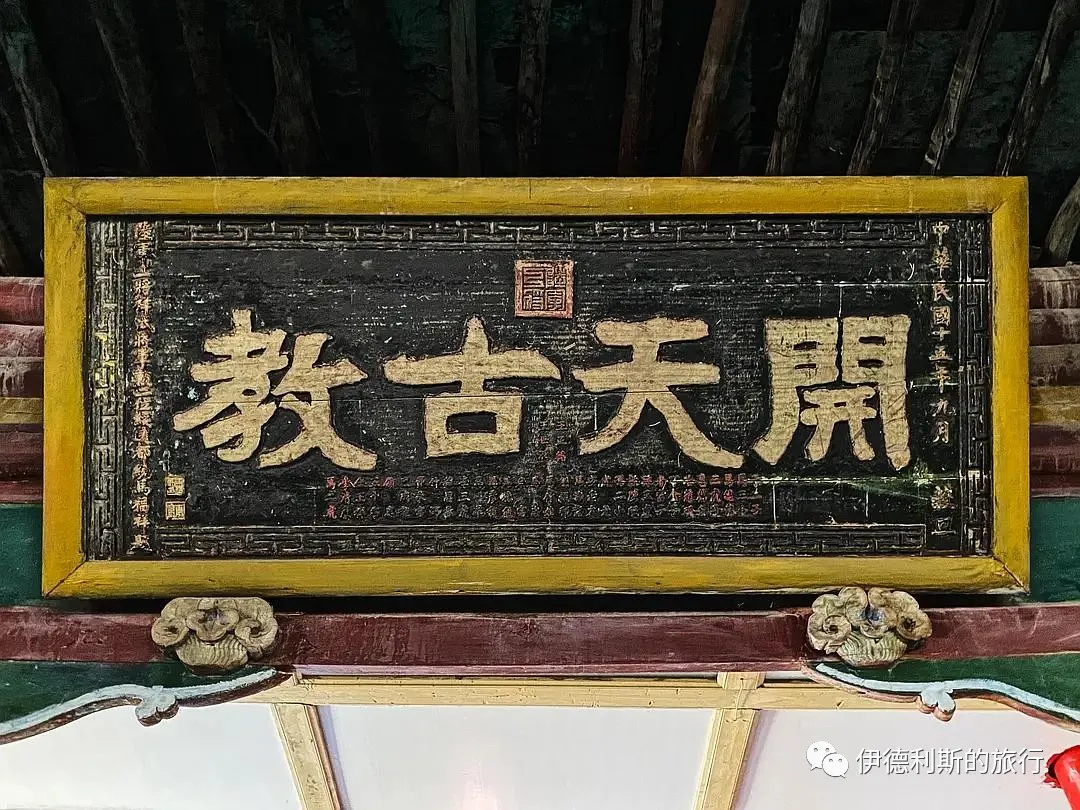
30. Hohhot Great Mosque (Qingzhen Dasi)
An auspicious day in the sixth month of the 16th year of the Guangxu reign of the Great Qing Dynasty
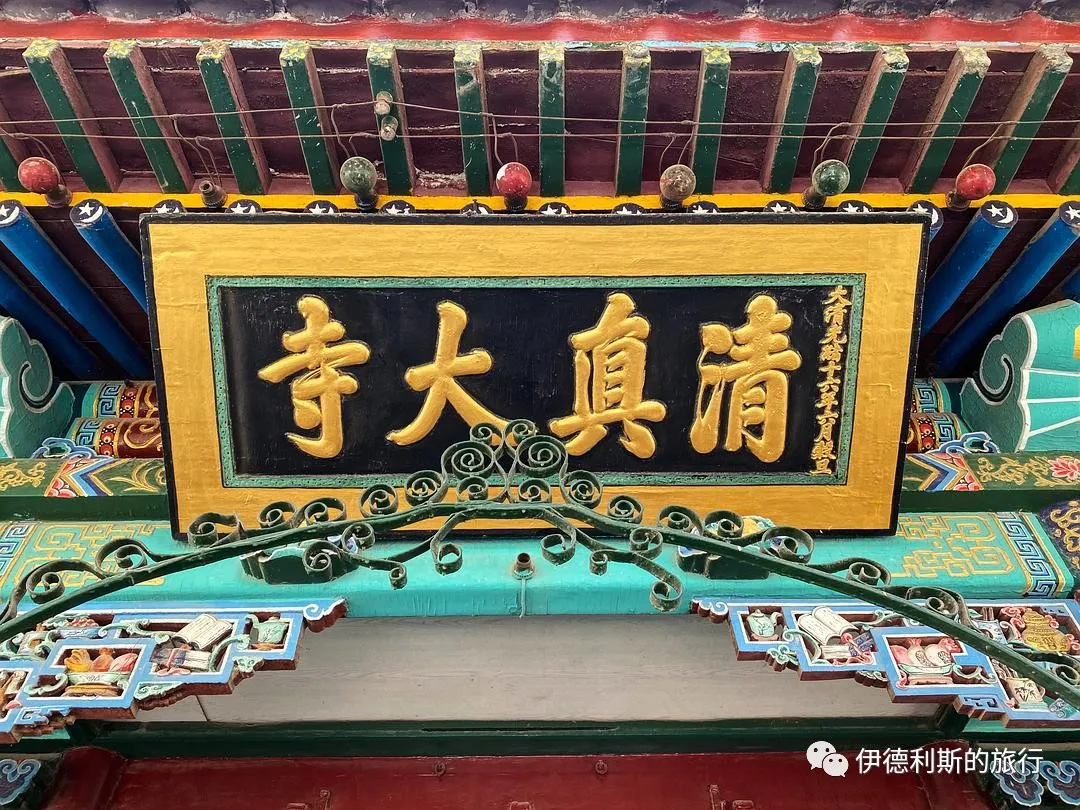
31. Hohhot Great Mosque, 'Acknowledging the Oneness of Allah' (Renzhu Duyi)
13th year of the Republic of China
Inscribed by Ma Fuxiang of Longyou
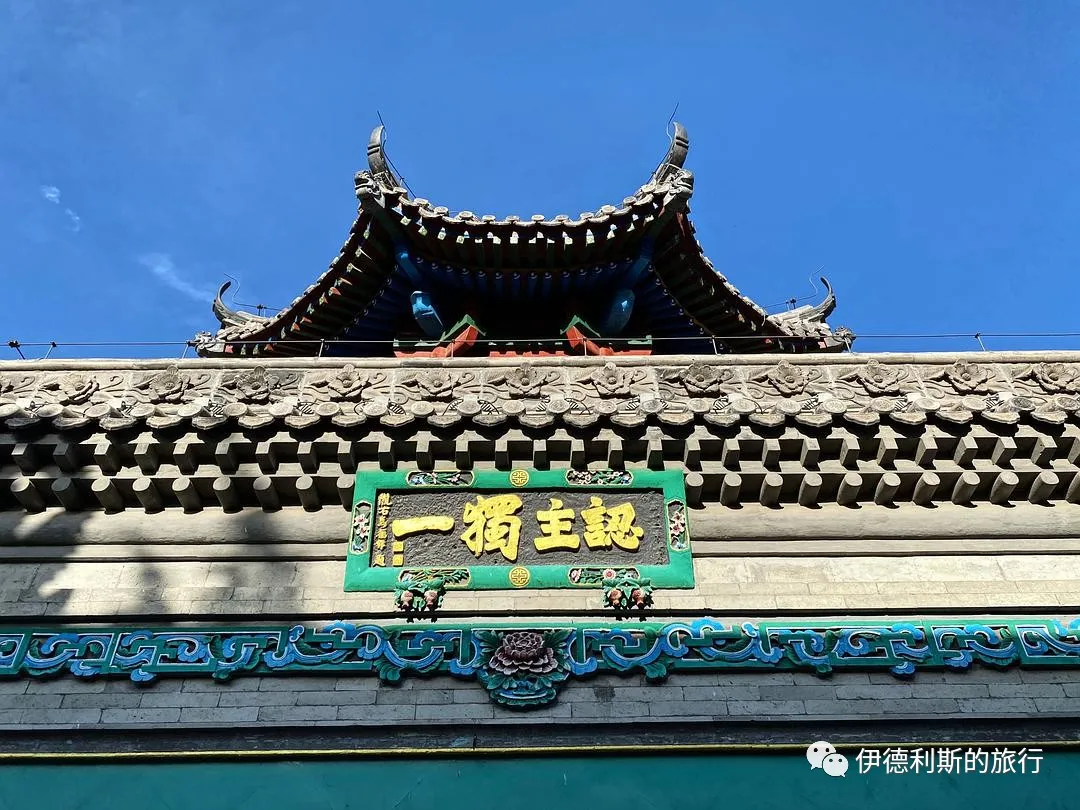
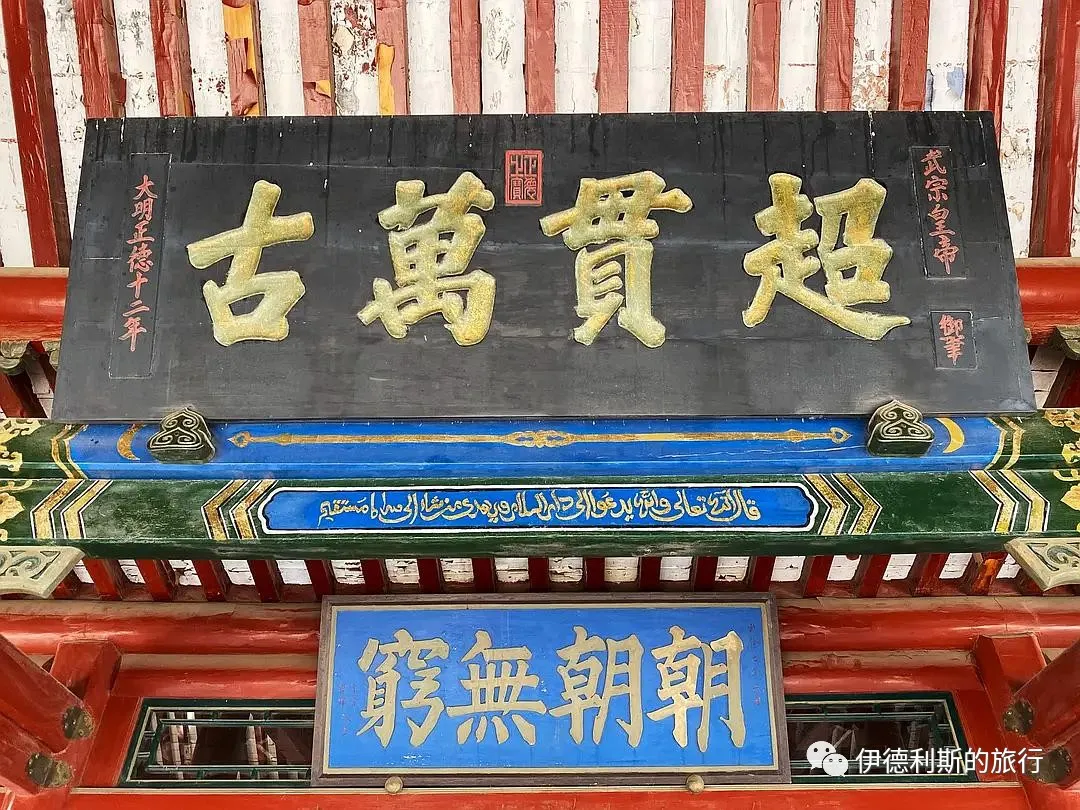
32. Qinhuangdao Shanhaiguan Mosque, 'Transcending Through the Ages' (Chaoguan Wangu)
Imperial brush of Emperor Wuzong
12th year of the Zhengde reign of the Great Ming Dynasty
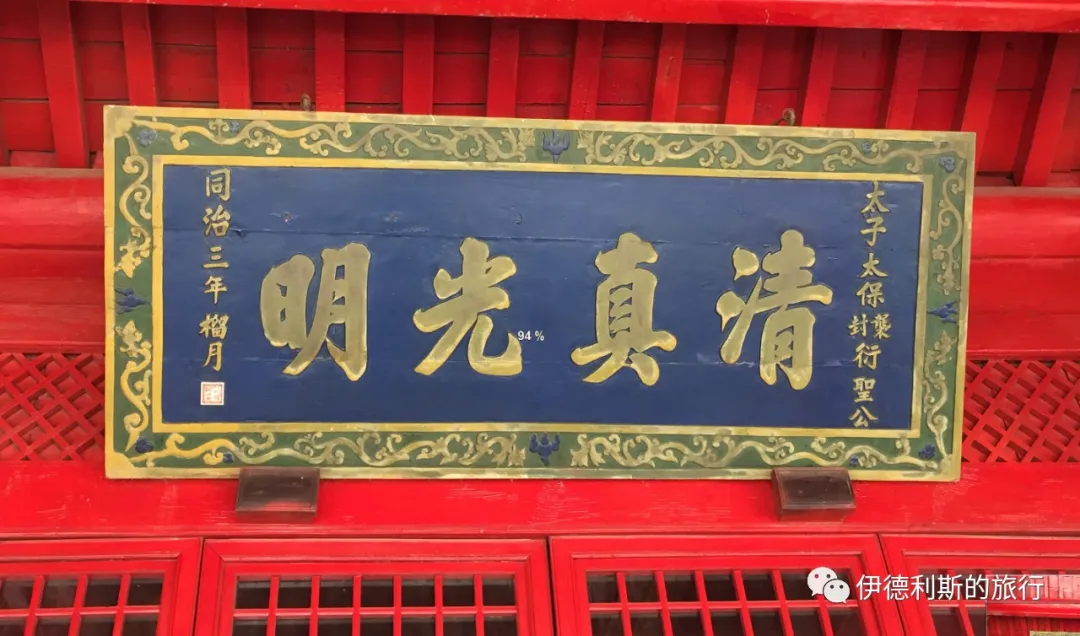
33. The "Light of Islam" (Qingzhen Guangming) plaque at Botou Mosque in Cangzhou.
Grand Guardian of the Heir Apparent and hereditary Duke Yansheng.
The fifth lunar month of the third year of the Tongzhi reign.
After 1966, Botou Mosque stopped its religious activities. The main prayer hall was used as a workshop by an embroidery factory, an oilcloth factory, a straw hat factory, and a sack thread factory. The ablution room (shuifang) was used by an agricultural production team as a machine processing workshop. The side gates on both sides of the main entrance, the charity school, the side halls, and the south lecture hall all collapsed. The spire of the Moon-Watching Tower (Wangyuelou) was smashed, its first-floor walls fell down, and the base walls of the main prayer hall also collapsed. Eighteen original plaques inscribed by figures like Ji Xiaolan and Zhang Zhidong were lost. Eventually, only the damaged "Light of Islam" (Qingzhen Guangming) plaque, inscribed in 1864 (the third year of the Tongzhi reign) by the 75th-generation Duke Yansheng, Kong Xiangke, was found. In 1982, a calligrapher repaired the damaged parts by imitating the original writing.
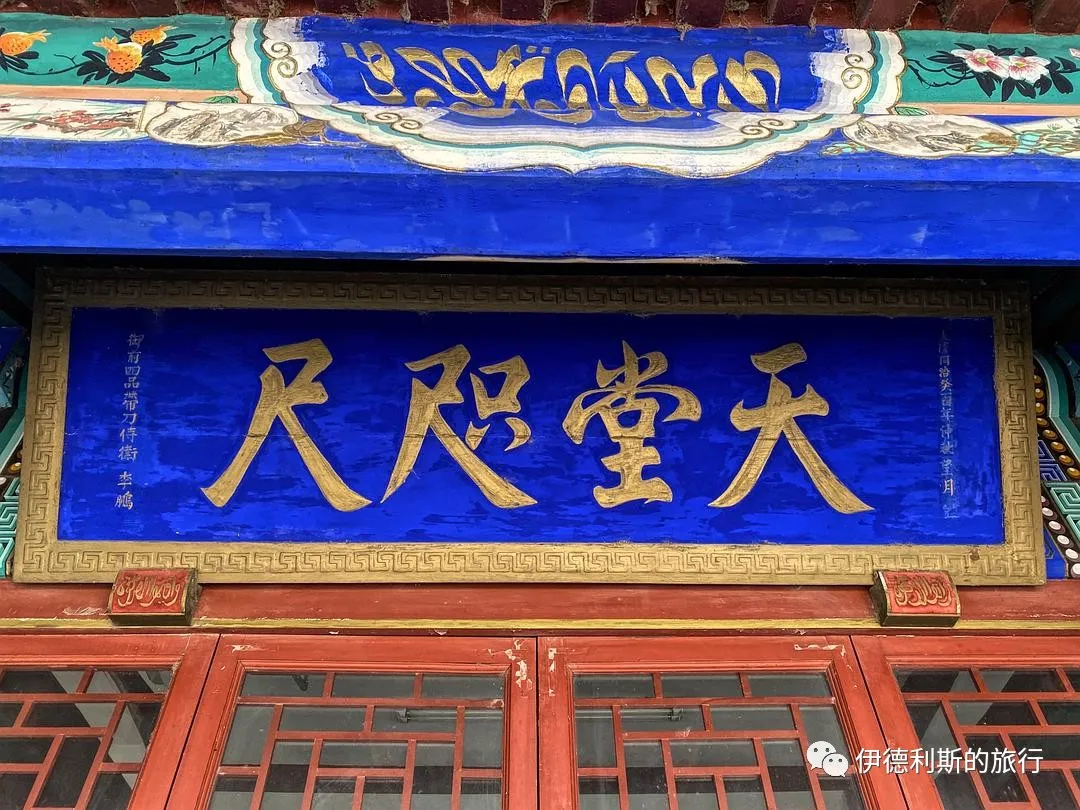
34. The "Heaven is Close at Hand" (Tiantang Zhichi) plaque at Shucun Mosque in Beijing.
The full moon of the mid-autumn season in the Guiyou year of the Tongzhi reign.
Fourth-rank imperial bodyguard with a sword, Li Peng.
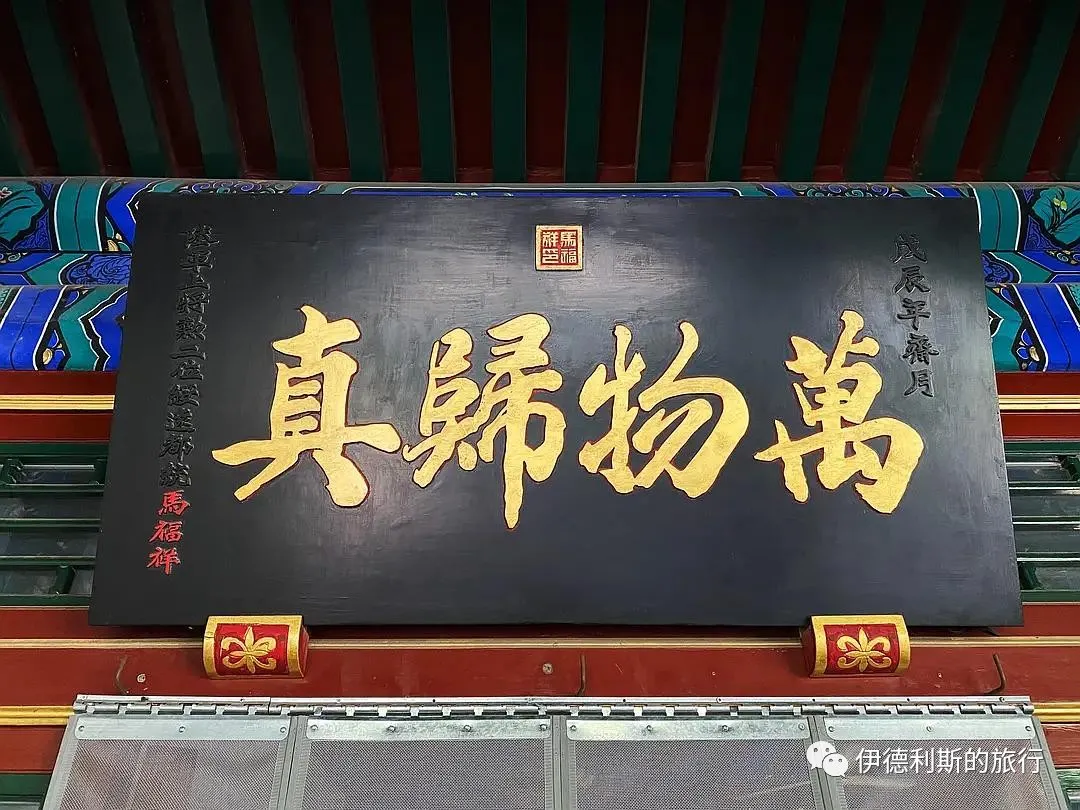
35. Beijing Dewai Fayuan Mosque, 'All Things Return to the Truth'.
Ramadan in the Year of the Dragon.
Army General and Second-Class Medal recipient, Suiyuan Military Governor Ma Fuxiang.
Inscribed by Army General Ma Fuxiang in 1928. In the late 1920s, Ma Fuxiang was living in Beijing without an official post. He spent his time studying Islamic texts and donated money to help build schools for the Muslim community. In 1928, he helped organize the Beiping Muslim Middle School, which was later renamed Northwest Public School. He also donated over a dozen school buildings he had purchased behind the Dongsi Mosque to the Chengda Teachers' College.
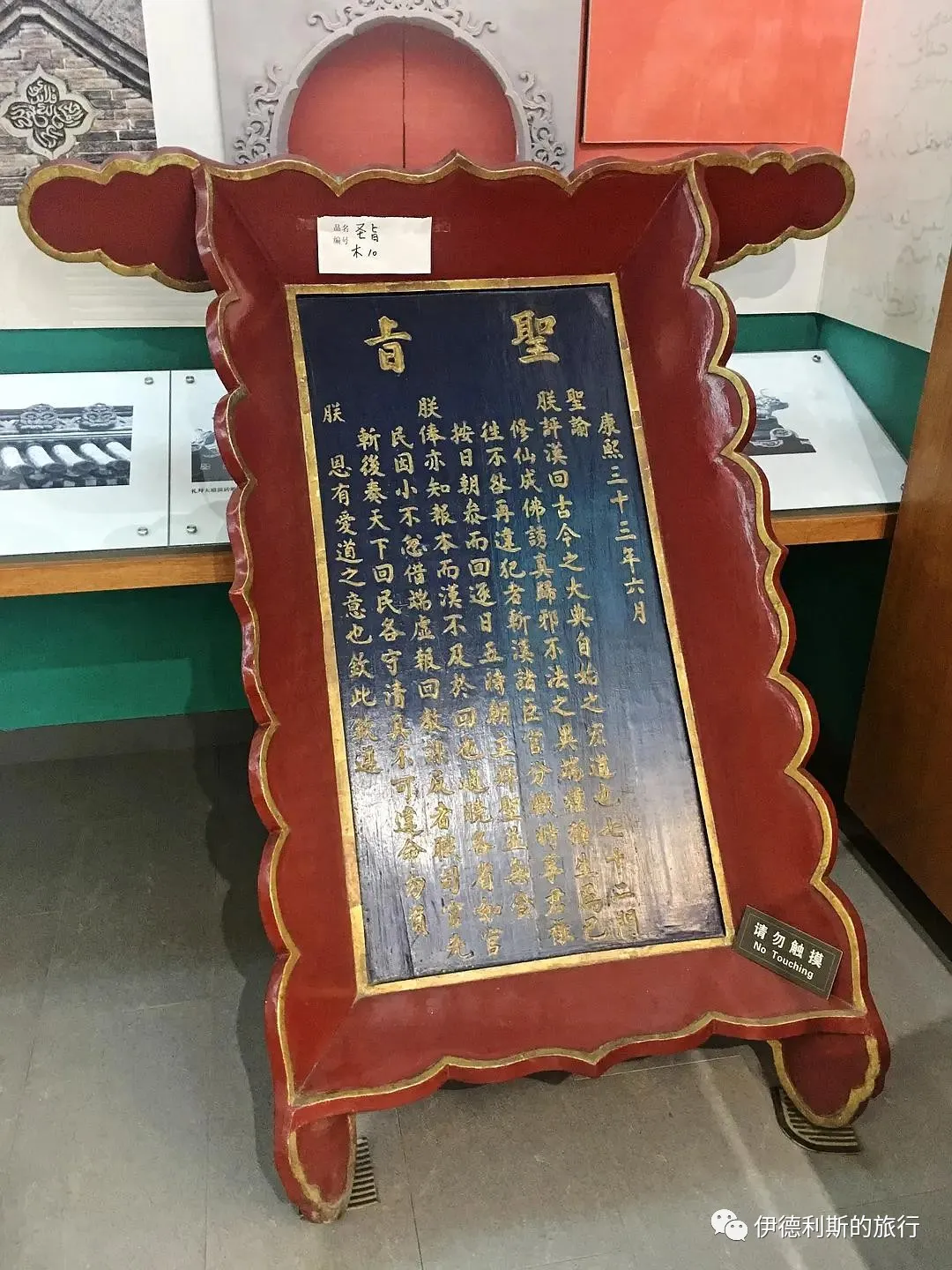
36. Beijing Niujie Mosque, 'Imperial Edict'.
Imperial edict from the sixth month of the 33rd year of the Kangxi reign.
I have reviewed the great records of Han and Hui Muslims throughout history. From the beginning, the great path has been clear. There are seventy-two sects that claim to lead people to immortality or Buddhahood, but they actually lead people toward evil and heresy. I will not punish the past, but anyone who violates this again will be beheaded. Han officials hold positions, receive my salary, and attend court daily. Hui Muslims pray to Allah and honor the Prophet five times a day without receiving any salary from me, yet they know how to show gratitude. In this, the Han are not as good as the Hui. Let all provinces know: if officials or commoners use minor grievances to falsely report that Hui Muslims are plotting a rebellion, the responsible official shall be executed first and reported later. Hui Muslims everywhere must follow the pure faith (qingzhen) and not disobey this order or fail my grace. This shows my love for the path. Respect this and follow it.
Legend has it that in the third month of the 33rd year of the Kangxi reign, during Ramadan, Kangxi received a secret report from Li, the patrol censor of the southern city of Beijing, claiming that Hui Muslims in Niujie were gathering at night to plot a rebellion. Kangxi asked the Grand Councilors Niu Xi and Wang Xi, who lived near Niujie, but neither had heard of such a thing. Kangxi then took the two officials on an undercover visit. At night, they saw many people performing Tarawih prayers inside the brightly lit Niujie mosque, with no other activities, so he issued the imperial edict.
Additionally, the Niujie local gazetteer "Gangzhi," copied by Shen Fengyi during the Daoguang reign (presumably written during the Yongzheng reign), records that in 1694, the teacher at the Niujie mosque, Sayyid Ma Tengyun, was involved in a case of communicating with the enemy. It says that Galdan of the Dzungar Khanate sent two Hami Muslims to Beijing as spies, and Ma Tengyun of the Niujie mosque often hosted them for meals. Later, one of them was caught by the Lifanyuan (the Qing dynasty agency for border affairs) patrol, and he gave up Ma Tengyun. The Lifanyuan immediately arrested Ma Tengyun and Yin Liangxiang from the Jiaozihutong mosque, while the Bingmasi (the city guard) sent troops to seal off Niujie. The Lifanyuan submitted a report to the emperor asking to slaughter all Hui Muslims in the capital, but Kangxi rejected it. Kangxi ordered, "The Hui Muslims in the capital are also my children... just strictly arrest the spies, do not implicate the innocent." In the end, Ma Tengyun and Yin Liangxiang were released, and mosques across Beijing held scripture readings to give thanks. This event matches the timing and content of the imperial decree stele, and it is very likely the reason the decree was issued.
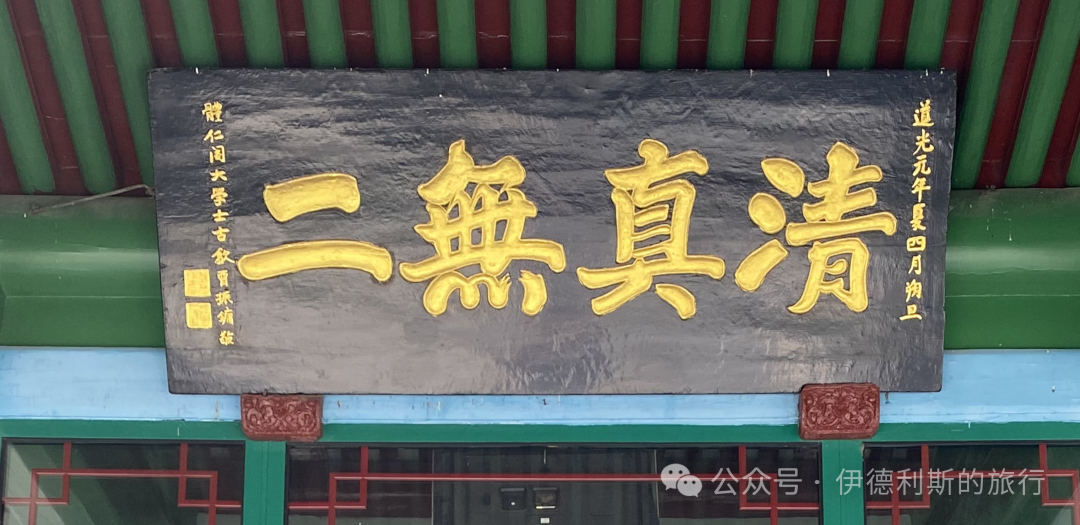
37. Beijing Xihuisi mosque "Qingzhen Wuer" (The only true faith).
The first day of the fourth lunar month in the first year of the Daoguang reign.
Respectfully presented by Cao Zhenyong, Grand Secretary of the Hall of Benevolence (Tiren Ge) from ancient Shexian.
Cao Zhenyong was a key official during the Jiaqing and Daoguang eras of the Qing Dynasty. In the 18th year of the Jiaqing reign, he was promoted to Grand Secretary of the Hall of Benevolence, managed the Ministry of Works, and was given the honorary title of Junior Guardian of the Heir Apparent. Between the 19th and 25th years of the Jiaqing reign, the Jiaqing Emperor visited the imperial tombs six times and went on the Mulan autumn hunt five times. As Prime Minister, Cao Zhenyong stayed behind to guard the capital.
In the first year of the Daoguang reign, Cao Zhenyong was promoted to Junior Tutor of the Heir Apparent and Grand Secretary of the Hall of Martial Valor (Wuying Dian). The Daoguang Emperor praised him, saying, "At the start of my personal rule, he was the first upright man to advance." "He is a trusted official in the most secret of places." "His learning is profound, and his advice is pure and precise." "He is diligent and cautious, and he is the first to handle imperial edicts."
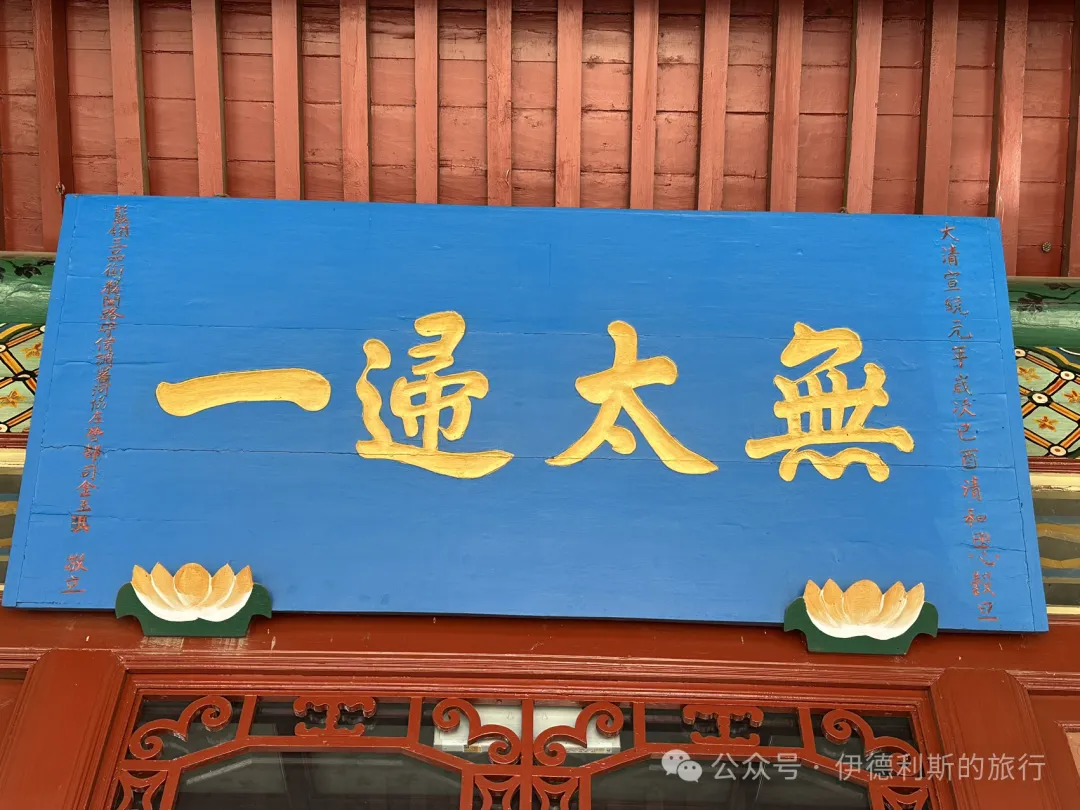
38. The 'Wuta Guiyi' plaque at Hexiwu Mosque in Tianjin.
Erected on a lucky day in the fourth lunar month of the Jiyou year, the first year of the Xuantong reign of the Qing Dynasty.
Respectfully erected by Jin Yuqi, a third-rank official with a blue feather, serving as the garrison commander of the river defense left battalion and acting guard of the Weiwu Pass.
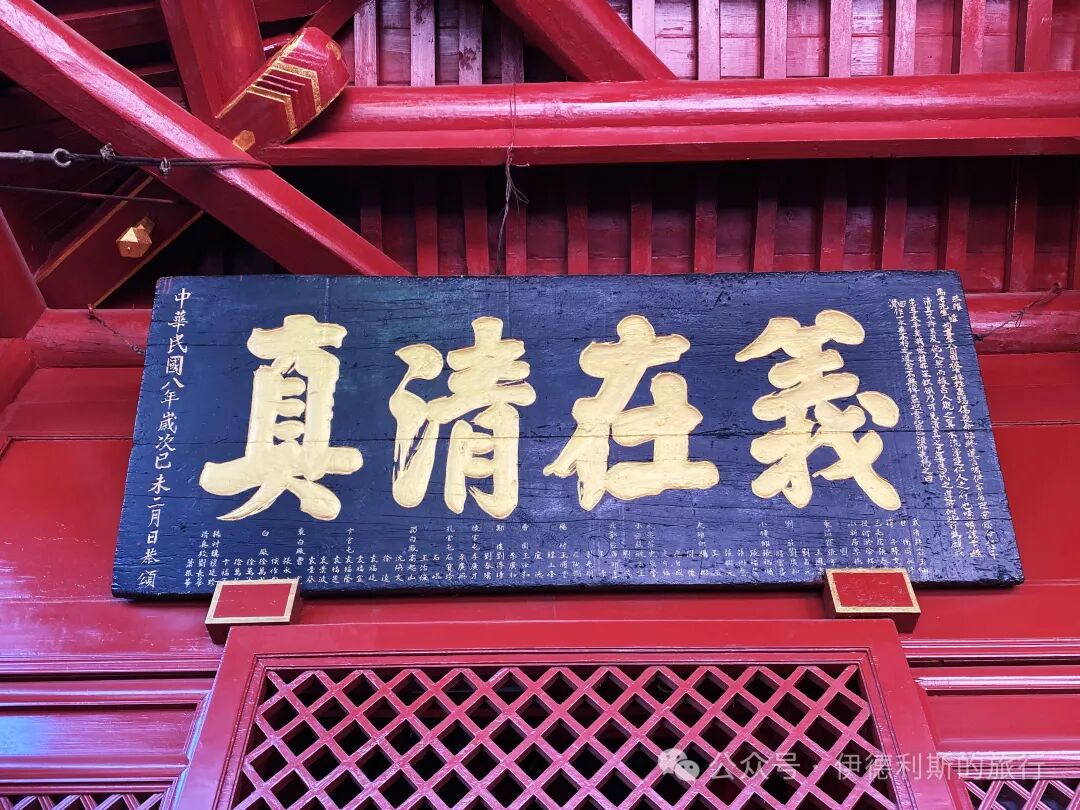
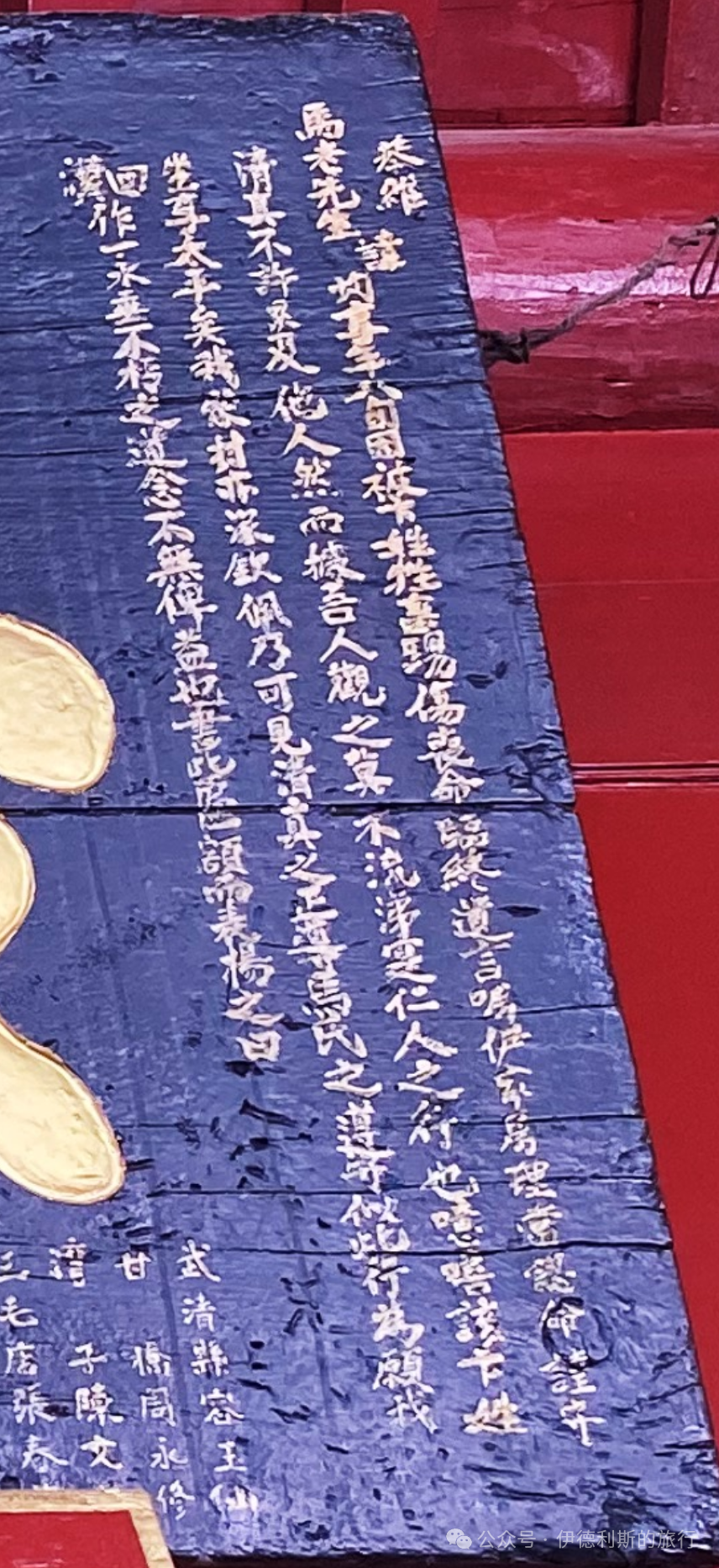
39. The 'Yi Zai Qingzhen' plaque at the North Mosque in Yangcun, Tianjin.
Respectfully honoring.
The late Mr. Ma, whose given name was Jun, lived to the age of eighty. He died after being kicked by livestock belonging to a person named Bian, and his final wish to his family was to accept this fate. He asked them to strictly follow the halal way and not let the incident cause trouble for anyone else. However, in our view, no one could hold back their tears; this is the act of a kind person. Alas, the Bian family enjoys peace, and our village also admires them, for it shows the true path of Islam. The way the Ma family follows these practices is something I hope both Hui Muslims and Han people will remember forever, as it is truly beneficial. We write this plaque to honor and praise them.
Respectfully inscribed in the second month of the year of Jiwei, the eighth year of the Republic of China.
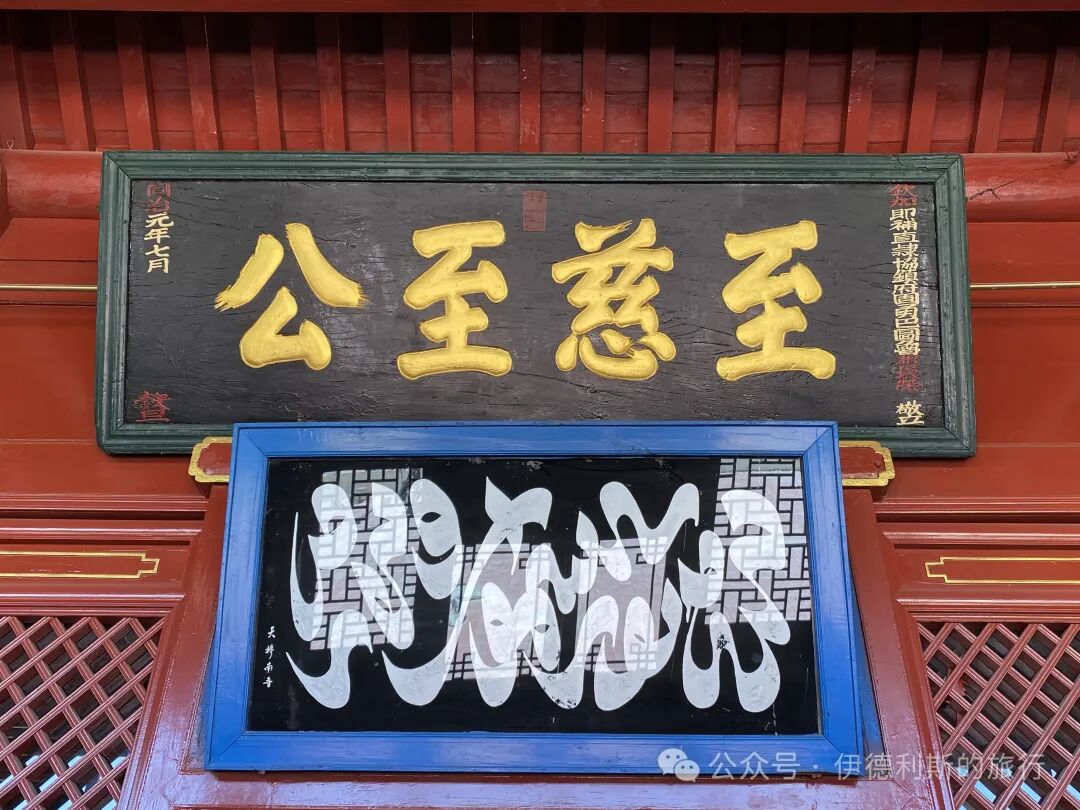
40. The North Mosque (Beidasi) in Yangcun, Tianjin: 'Most Merciful and Most Just'.
Respectfully erected by Mu Changrong, the imperial-appointed and expectant Assistant Brigade General of Zhili, titled Guyong Baturu.
An auspicious day in the seventh month of the first year of the Tongzhi reign.
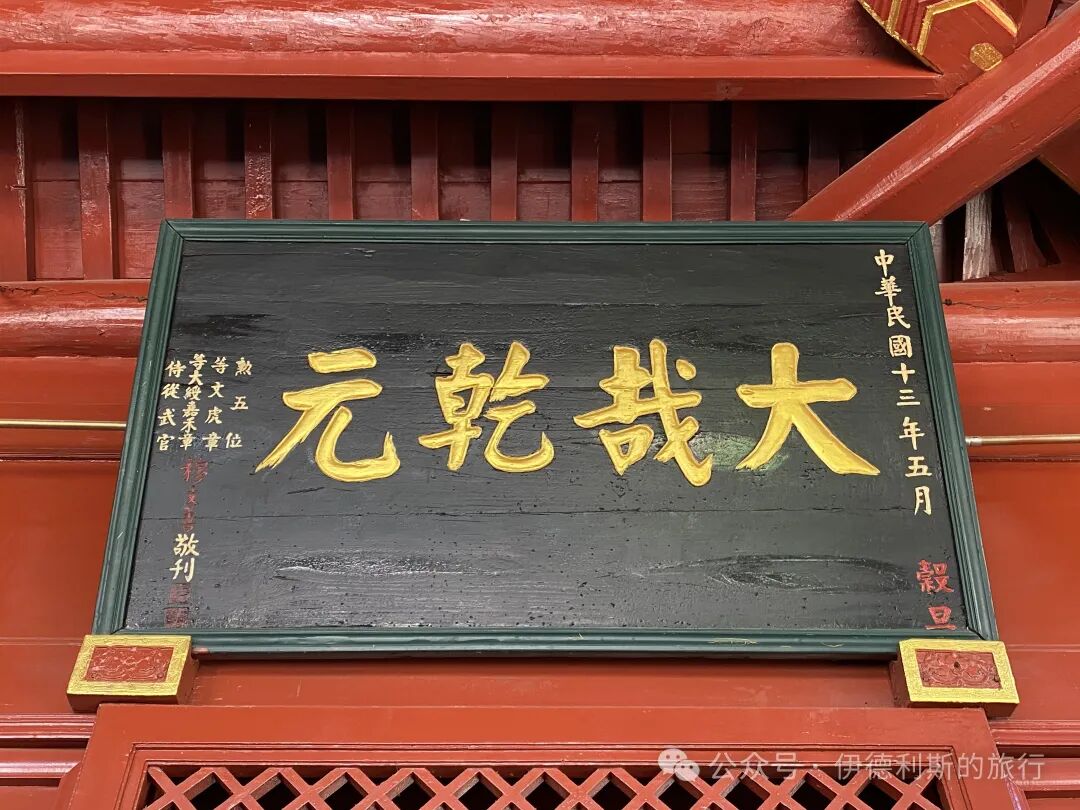
41. The Great Northern Mosque (Beidasi) in Yangcun, Tianjin, features the plaque 'Great is the Creative Power of Heaven' (Dazai Qianyuan).
A lucky day in the fifth month of the 13th year of the Republic of China.
Respectfully inscribed by Mu Wenshan, a military aide-de-camp awarded the Fifth Class Order of the Wenhu and the Grand Cordon of the Order of the Golden Grain.
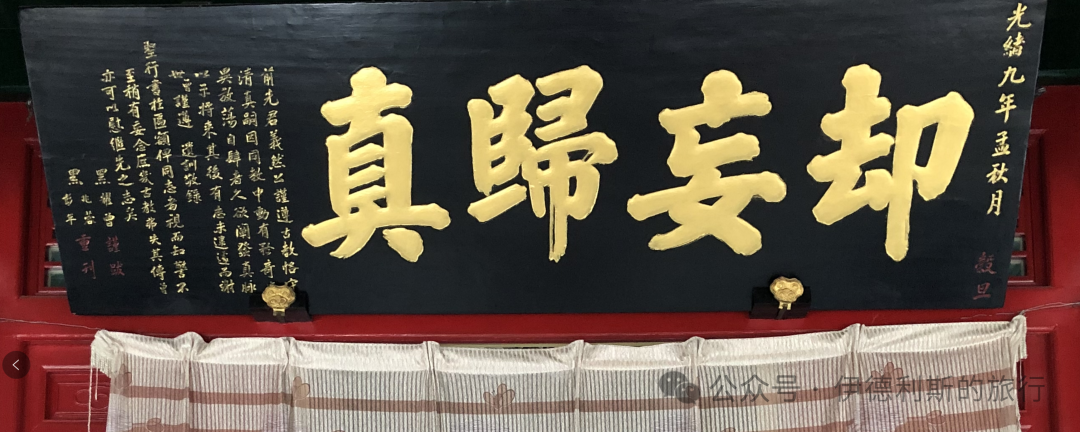
42. The Jinjiayao Mosque in Tianjin features the plaque 'Reject Falsehood and Return to Truth' (Quwang Guizhen).
A lucky day in the first month of autumn in the ninth year of the Guangxu reign.
My late father Yiran followed the ancient teachings and strictly observed the halal way. Because some in our community were showing off and spreading strange ideas, he long wanted to clarify the true path for future generations. He passed away before he could fulfill this wish, so I have carefully recorded his instructions.
I wrote the holy practices on this plaque so that those who share our faith will see it and be reminded not to let any false thoughts enter their minds. If the ancient faith is not lost, this record can comfort the spirits of those who came before.
Respectfully written by Hei Yaozeng.
Republished by Hei Zhaorong and Hei Pengnian.
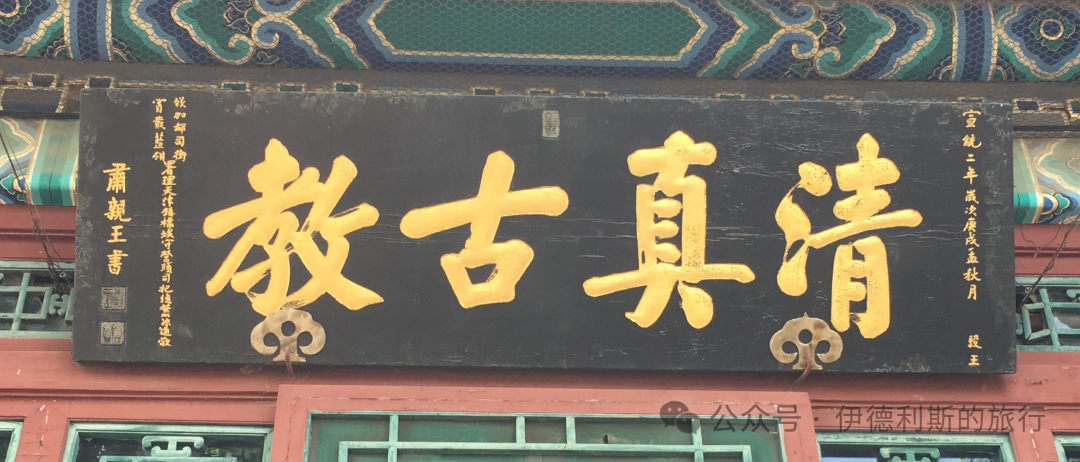
43. The Ancient Islamic Faith plaque at the North Mosque (Beidasi) in Tianmu, Tianjin.
An auspicious day in the autumn of the second year of the Xuantong reign (1910).
Respectfully presented by Xiao Liangtong, a military officer holding the rank of commander with the honor of wearing a blue feather, serving as the acting head of the Tianjin County garrison.
Calligraphy by Prince Su.
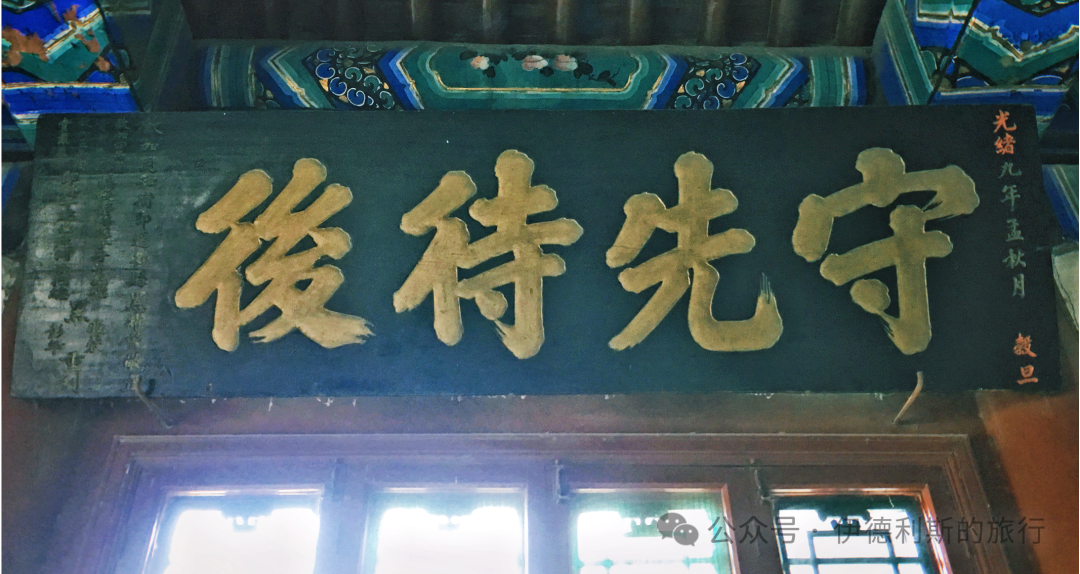
44. The Upholding the Past and Awaiting the Future plaque at the North Mosque (Beidasi) in Tianmu, Tianjin.
An auspicious day in the autumn of the ninth year of the Guangxu reign.
Respectfully erected by Hei Yaozeng, a selected county magistrate with the honorary rank of assistant regional commander.
Hei Zhaorong, a garrison commander (bazong) of the Ziya River patrol in Jinghai County, who holds the honorary fourth-rank title and the privilege of wearing a blue feather.
Reprinted by Hei Pengnian, a garrison commander (bazong) of the South Grand Canal battalion, who holds the honorary fifth-rank title and the privilege of wearing a blue feather.
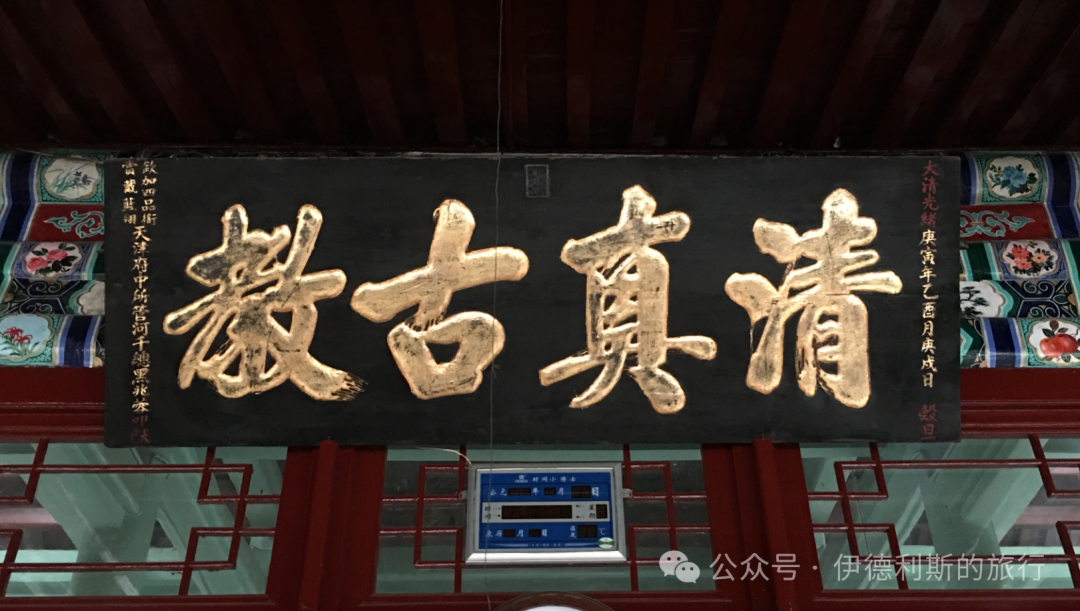
45. The Ancient Islamic Teaching at the South Mosque (Nandasi) in Tianjin.
An auspicious day in the seventh month of the Gengyin year of the Guangxu reign of the Great Qing Dynasty.
Respectfully presented by Hei Zhaorong, a river battalion commander (qianzong) under the jurisdiction of the Tianjin Prefecture, who holds the honorary fourth-rank title and the privilege of wearing a blue feather.
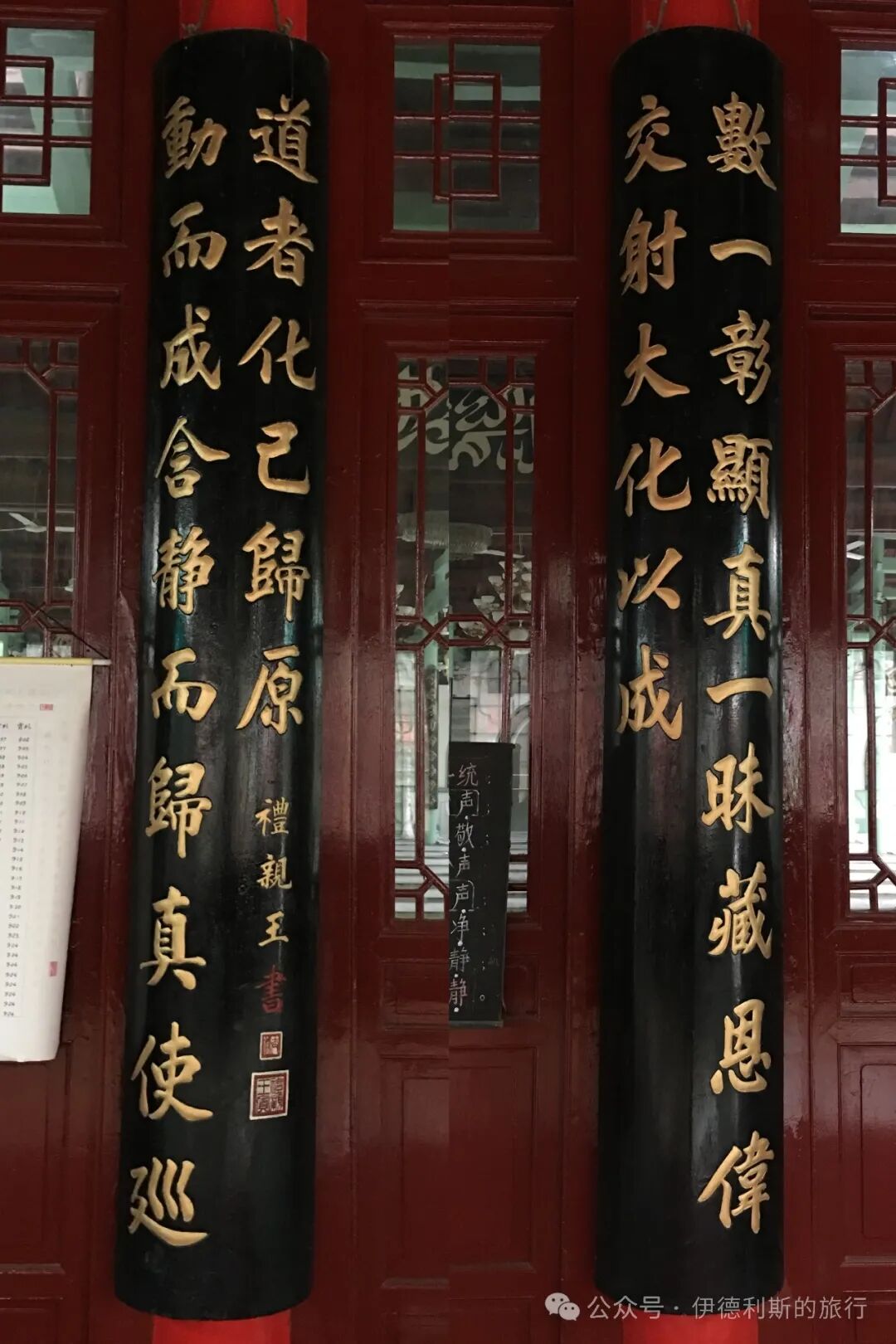
46. The South Mosque (Nandasi) in Tianjin.
The many manifest the one, the hidden essence conceals the great grace, and the great transformation is completed.
Movement creates words, stillness returns to the truth, and the traveler on the path returns to the origin.
Written by Prince Li.
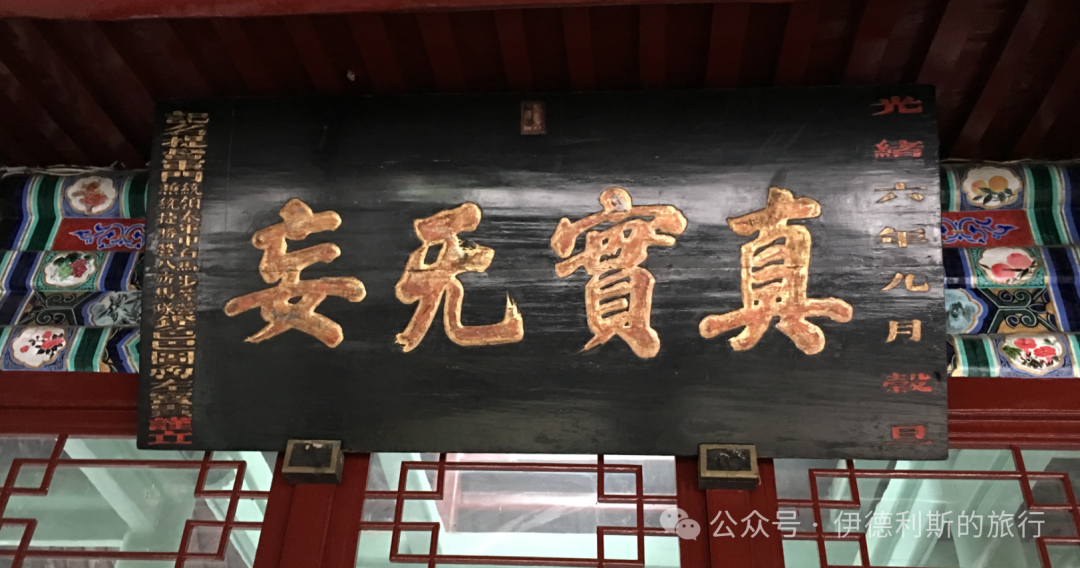
47. Tianjin South Mosque, 'Truth Without Falsehood'.
An auspicious day in the ninth month of the sixth year of the Guangxu reign.
Respectfully erected by Zuo Baogui, a nominated provincial commander-in-chief, leader of the Fengtian army's central-right cavalry and infantry battalions, and commander of the eight brigades of the Jiesheng cavalry, honored with the title Kengse Baturu.
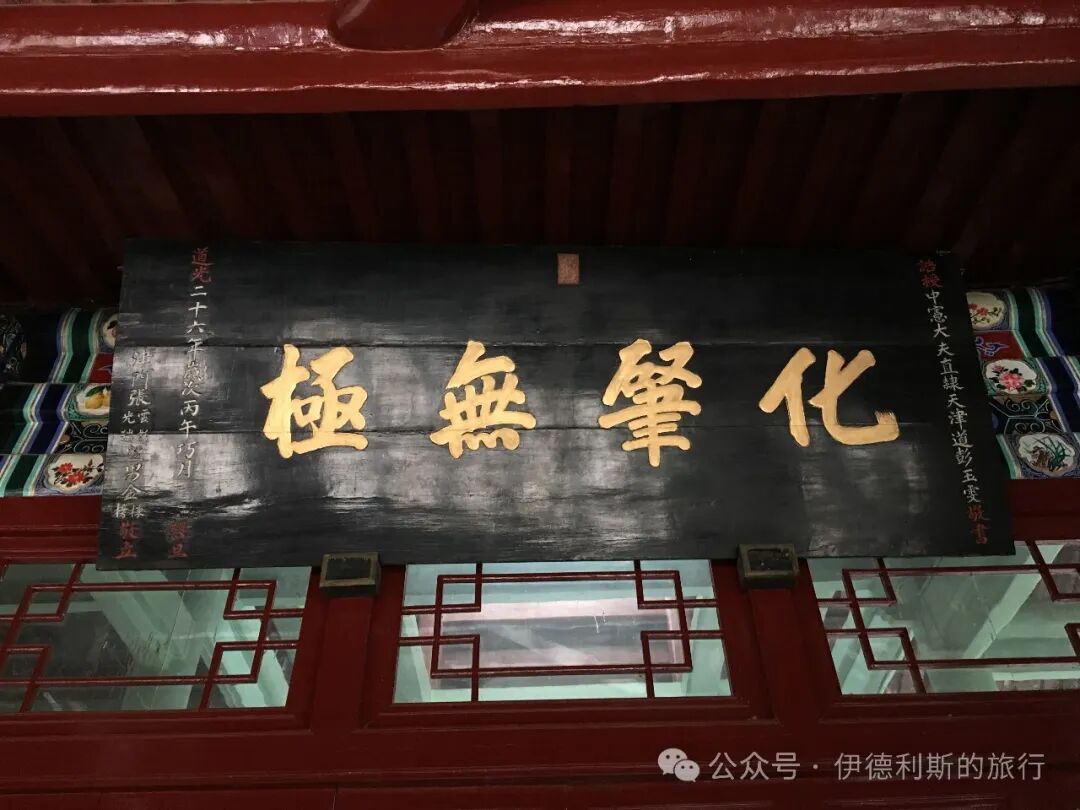
48. Tianjin South Mosque, 'Transformation Originating from the Infinite'.
Respectfully written by Peng Yuwen, a court-appointed official with the rank of Zhongxian Dafu serving as the Tianjin Circuit Intendant of Zhili.
An auspicious day in the seventh lunar month of the bingwu year, the 26th year of the Daoguang reign.
Respectfully erected by Zhang Yunbiao and Zhang Guangrui from Tianjin, along with their sons Jindong and Jinbang.
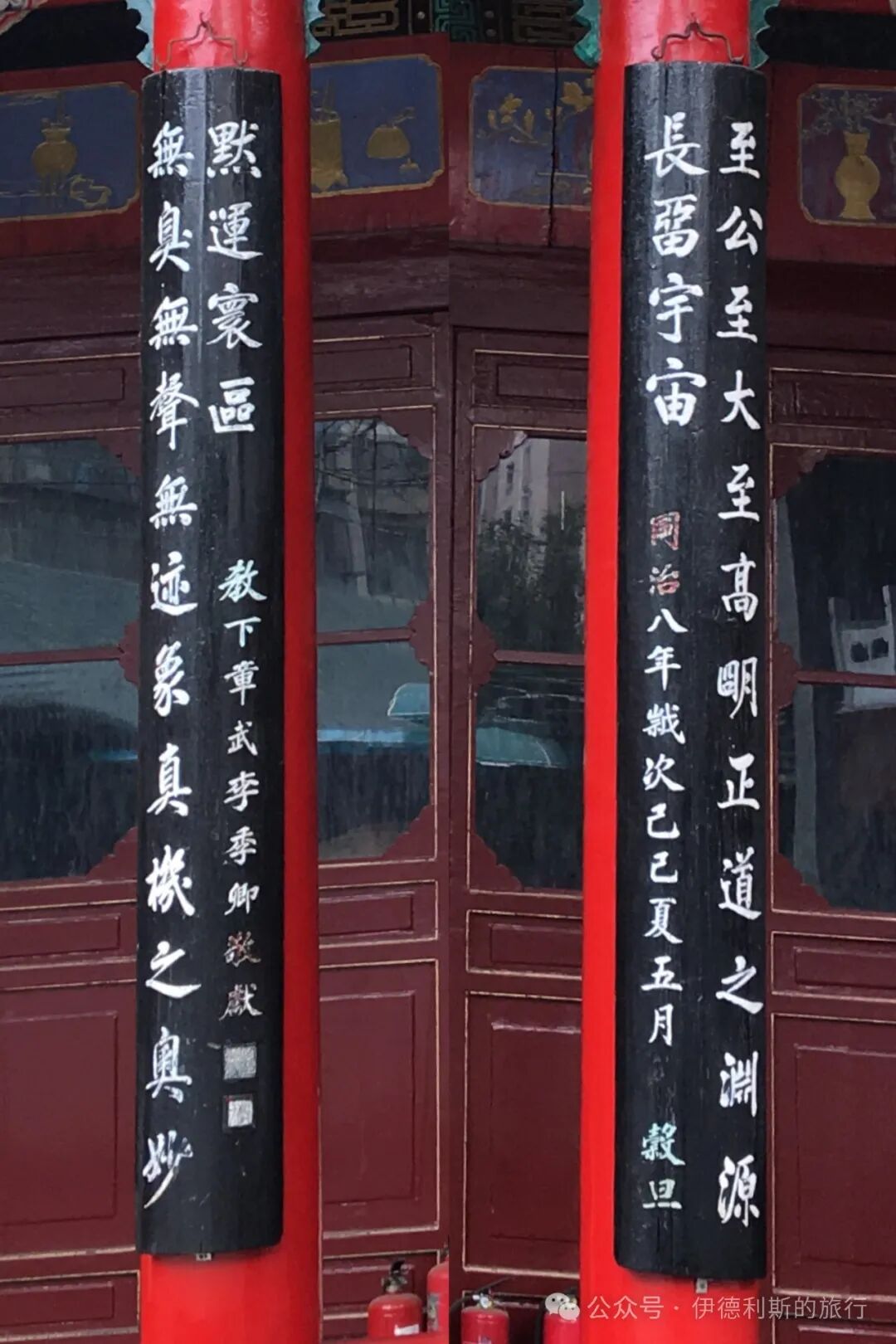
49. Tianjin South Mosque (Nandasi).
The source of the most just, most great, and most high righteous path remains forever in the universe.
The mystery of the true mechanism, which has no scent, no sound, and no trace, silently operates throughout the world.
An auspicious day in the fifth lunar month of summer in the jisi year, the eighth year of the Tongzhi reign.
Respectfully presented by Li Jiqing, a member of the community from Zhangwu.
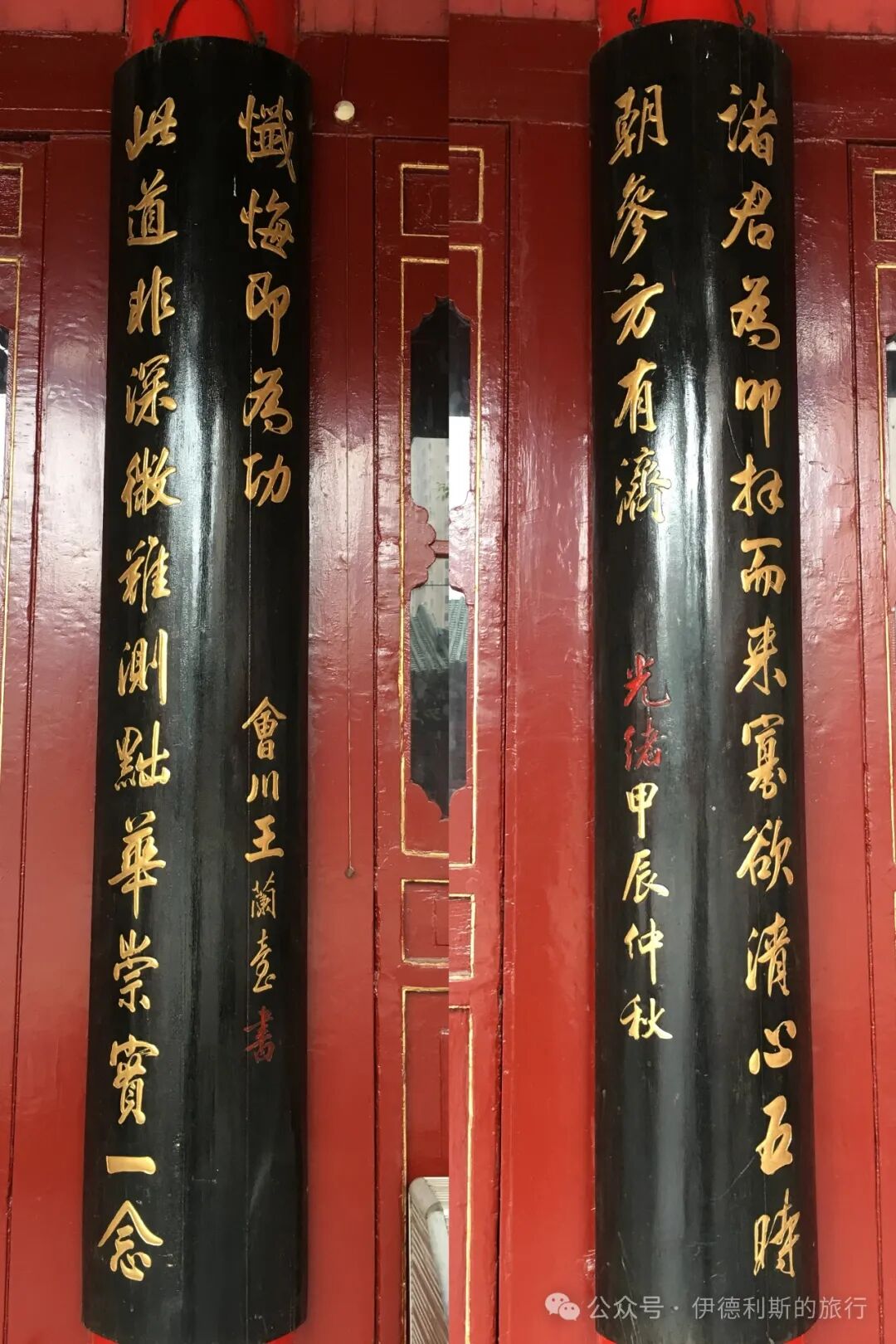
50. Tianjin South Mosque (Nandasi).
You come here to pray with a pure heart and few desires, attending the five daily namaz to find peace.
This path is not too deep or mysterious to understand; cast aside vanity, seek the truth, and a single moment of repentance is enough.
Mid-autumn, the Jia-chen year of the Guangxu reign.
Written by Wang Lantai of Huichuan.
Summary: Mosque Plaques and Couplets - 50 Pieces of Muslim Calligraphy is presented as a clear English travel account for readers interested in Muslim life, halal food, mosques, and local history. The article keeps the original names, food details, photographs, and cultural context while focusing on Mosque Plaques, Islamic Calligraphy, Muslim Heritage.
1. The 'Innate Wonderful Truth' (Xiantian Miaoli) plaque at Acheng Mosque in Harbin.
Commissioner of the Prefectural Audit Office, awarded the fourth-rank blue feather, candidate for the position of sub-prefect.
An auspicious day in the ninth lunar month of the Guihai year, the second year of the Tongzhi reign of the Great Qing Dynasty.
This plaque was found in 2006 while repairing the floor of the main hall at Acheng Mosque. Unfortunately, the top and bottom parts of the plaque are missing, so the name of the person who donated it is gone. During the Tongzhi reign, a Manchu Bordered White Banner official named De Kejing'a served as the official for the Alechuka region. It is guessed that he may have donated this plaque.
2. The 'Western Regions Sect Style' (Xiyu Zongfeng) plaque at Acheng Mosque in Harbin.
Deying, imperial appointee, former acting Jilin General, former Alechuka garrison commander, Heilongjiang General, appointed Jilin Deputy Lieutenant-General, awarded the peacock feather for military merit, promoted by one rank, and recorded once for merit.
An auspicious day in the sixth lunar month of the Gengwu year, the ninth year of the Tongzhi reign of the Great Qing Dynasty.
Deying was a member of the Mongol Bordered White Banner in Jilin. He became the deputy lieutenant-general of Acheng (Alechuka) in 1864. Later, he served as the military governor of Jilin and then Heilongjiang. He was highly respected by the people, who called him 'Justice De'.
3. The 'Jiaolong Yuzhou' plaque at the Acheng Mosque in Harbin.
Haguang Hejing, a hereditary cavalry captain and commander of the Jisheng Battalion, who held the rank of brigade general and was in charge of Jilin military affairs.
Erected in the second month of the fourth year of the Guangxu reign of the Qing Dynasty.
4. The 'Wangu Qingzhen' plaque at the Acheng Mosque in Harbin.
Gadai, a decorated deputy lieutenant-general appointed by the Emperor to guard Acheng (Alechuka) and Lalin.
Erected in the fourth month of the Wuxu year of the Guangxu reign.
Gadai was a member of the Manchu Plain White Banner. He became the deputy lieutenant-general of Acheng (Alechuka) in 1897. He served for one year, presented a plaque to the Acheng Mosque before leaving, and was then transferred to Jinzhou.
5. Acheng Mosque in Harbin: "Great Insight to be Gained"
Respectfully presented by Wang Hongnian, who held the rank of Jianren, served as the Quartermaster for the Deputy Commander of the Northeast Frontier Defense Force stationed in Jilin, and was the Deputy Director of the Jilin Army Clothing Factory, recipient of the Fourth Class Order of the Tiger.
An auspicious day in the sixth lunar month of the 18th year of the Republic of China.
Wang Hongnian was a Hui Muslim army general who served under Zhang Xueliang in the Northeast Frontier Defense Force in 1929. People say the day the plaque was delivered was a grand and lively event. An honor guard from the Jilin Third Normal School escorted it with loud music and drums, and Acheng County Magistrate Bai Hongkui also took part in the ceremony.
6. Acheng Mosque in Harbin:
Craftsmanship like the master builder Gongshu brings joy to this place, with the holy path kept in the heart for three years.
A name recorded in history books praises the halal faith, and after a hundred years, those who walk this ground remember the person.
This was donated by Sun Yulin, a carpenter from Wula Street in Jilin who helped build the mosque, when the Acheng Mosque was rebuilt and finished in 1900.
7. Shenyang South Mosque: "Ancient Teachings of Islam" (Guxun Qingzhen)
The sixth lunar month of the 15th year of the Qianlong reign.
Respectfully erected by Prince Heshuo Zhuang, Mianke.
8. Shenyang Xinmin Mosque: "Correct Yourself to Correct Others" (Zhengji Zhengren)
Respectfully erected on an auspicious day in the seventh lunar month of the 9th year of the Guangxu reign.
Liu Dianyuan, holding the rank of Blue Feather Guard and the position of First Captain.
9. Shenyang Xinmin Mosque: "The One and Only for All Eternity" (Wangu Duyi)
Zhang Delu, Wuxian General, decorated with peacock feathers, waiting for a post as a prefect in Zhili.
Ha Zhongguang, holding the rank of assistant general, decorated with peacock feathers, hereditary Enqiwei (a minor noble title), waiting for a post as a department magistrate in Zhili.
Ma Shaochun, holding the fifth-rank title, decorated with blue feathers, waiting for a post as a district magistrate.
The twelfth year of the Tongzhi reign, the year of Guiyou, in the autumn.
10. The plaque reading "Only Pure, Only One" at Xinmin Mosque in Shenyang.
Respectfully erected on an auspicious day in the seventh lunar month of the 9th year of the Guangxu reign.
Ding Chunxi, holding the rank of assistant general, serving as a guerrilla general, and honored with the title Zhangyong Baturu.
11. The plaque reading "Sincere Intentions and Respectful Heart" at Xinmin Mosque in Shenyang.
Zuo Baogui, Commander of the Fengtian Military Wing, leader of the central, front, and right battalions of infantry and cavalry, and nominated Admiral with the title Menkengse Baturu.
Respectfully erected by hand in the first ten days of the seventh lunar month in the ninth year of the Guangxu reign.
Zuo Baogui was a famous general and anti-Japanese hero in the late Qing Dynasty. He led troops stationed in Fengtian in 1875 (the first year of the Guangxu reign) and began commanding the Fengtian Army in 1880 (the fifth year of the Guangxu reign). Zuo Baogui was stationed in Fengtian for twenty years. During this time, he was devoted to his faith, valued public welfare and education, donated to build many mosques, established several charity schools and porridge kitchens, and wrote plaques for many mosques.
12. Kaiyuan Old City Mosque: 'Allah is One' (Zhenzhu Duyi).
Because the inscriptions are unclear, we welcome friends (dost) to leave comments with their interpretations.
13. Dalian Fuzhou Mosque: 'Return to Simplicity and Truth' (Huanpu Guizhen).
An auspicious day in the first month of winter in the Dingyou year of the Guangxu reign.
Respectfully erected by Wang Tingxiang, who holds the third-rank title, is permitted to wear the peacock feather, serves as the Censor of the Jiangnan Circuit, inspects the Ministry of Revenue, formerly served as the Provincial Education Commissioner of Shanxi, and is a compiler in the Hanlin Academy with a three-grade promotion.
14. Xinlitun Mosque in Jinzhou
Transforming people and things, he is the source of all transformation.
Giving life to heaven and earth, he is the source of all life.
15. Xinlitun Mosque in Jinzhou.
The light that gives life to heaven, earth, people, and all creatures; there is no other master for all living things.
From saints and sages to emperors and kings, all acknowledge the one supreme creator.
16. The Way of Heaven's Mandate at Beizhen Mosque in Jinzhou.
General Zuo Baogui of Wuwei from Fei County, Shandong, dedicated this to the Guangning County mosque.
Respectfully written by hand on a lucky day in the last month of the first year of the Guangxu reign of the Qing Dynasty.
This was a gift from the famous anti-Japanese general Zuo Baogui when he passed through Beizhen on his way to fight in the war in Korea.
17. The Ancient Islamic Teaching (Qingzhen Gujiao) plaque at Beizhen Mosque in Jinzhou.
A lucky day in the seventh month of the Renyin year during the Qianlong reign.
Respectfully erected by followers Yang Yuxi and Yang Yuzhen.
18. The Everlasting Golden Daylily (Jinxuan Yongmao) plaque at Beizhen Mosque in Jinzhou.
Erected by Xu Guangzhang, an official of Guangning County, Jinzhou Prefecture, who held a rank increased by ten levels and had twenty recorded merits.
Honorably bestowed upon Bai Yongfu, a low-ranking officer (waiwei) in the Guangning County anti-bandit patrol.
An auspicious day in the first ten days of the fourth lunar month (qinghe yue) in the Yi-Si year of the Daoguang reign.
19. "Sincere and Righteous Deed" at Beizhen Mosque in Jinzhou.
The ancient mosque was renovated in the first month of autumn in the 45th year of the Wanli reign.
Respectfully presented by the Northeast Islamic Association.
20. "Great Grace Worthy of Gratitude" at Beizhen Mosque in Jinzhou.
An auspicious day in the first ten days of the fourth lunar month (qinghe yue) in the Yi-Si year of the Daoguang reign.
Respectfully erected by Jin Qiyuan, a newly appointed low-ranking officer (waiwei) and lieutenant (bazong) of the Guangning County patrol camp.
21. Beizhen Mosque in Jinzhou, 'Universal Mercy for All Things'.
An auspicious day in the first ten days of the month, in the 60th year of the Qianlong reign (1795).
Respectfully erected by humble follower Yang Yuzhen and his son Jianming.
22. Beizhen Mosque in Jinzhou, 'Righteousness Harmonizes All People'.
Mr. Zhang, named Shengcai, courtesy name Juxing. A native of Beizhen. He was generous, righteous, and passionate about public service. Whenever there was something within our faith that needed to be supported or reformed, he was always the first to advocate for it and do his best to help. In recent years, our community affairs have not reached perfection, but they have moved toward a more civilized and brighter path. When we drink water, we think of the source, and Mr. Zhang truly deserves much of the credit for this. Unexpectedly, heaven did not spare him from tragedy, and on a certain day in a certain month of a certain year, he was killed in the line of duty for the sake of the nation. Beyond our deep grief, we feared his life's work would be forgotten, so we gathered together to erect a stone tablet to honor his name. We still feel a sense of regret, knowing this may not fully reflect his contributions. We are now carving a plaque to ensure his memory lasts, as a small way to show our gratitude.
Erected by all the members of the Beizhen County Mosque.
An auspicious day in the middle of the twelfth lunar month, in the ninth year of the Republic of China.
23. Longshengzhuang Mosque in Ulanqab, 'Respect the Great and Noble'
Please leave a comment to help us complete this:
Early May, the fourth year of the Republic of China
Koubei Mongolian Salt Bureau...
From the Qing Dynasty to the Republic of China, all salt produced in the salt lakes of the Inner Mongolian Plateau was called Mongolian salt (mengyan). In 1913, the Beiyang government used salt taxes as collateral to sign a 25 million pound sterling reorganization loan with a banking consortium from Britain, France, Germany, Russia, and Japan. The agreement required China to hire foreigners to help reorganize the salt tax. China then began salt administration reforms and established the Koubei Mongolian Salt Bureau. The main office was in Duolunnor, and a branch was also set up in Longshengzhuang, Fengzhen.
24. Longshengzhuang Mosque in Ulanqab, 'The Way Connects Heaven and Earth'
Please leave a comment to help us complete this:
Specially appointed candidate for the Fengzhen Magistrate's Office, holding a military merit rank.
The first ten days of the autumn month in the Xinyou year, the 11th year of the Xianfeng reign of the Great Qing Dynasty.
25. "Uphold Truth and Maintain Sincerity" (Shouzhen Cuncheng) at Longshengzhuang Mosque in Ulanqab.
Erected in the 734th year of the Genghis Khan era.
Prince De.
The 734th year of the Genghis Khan era is 1940. Prince Demchugdongrub was a Mongolian noble and the Prince of the Sunid Right Banner. He started the "Inner Mongolia High Autonomy Movement" at Bailingmiao in 1933. In 1939, he became the chairman of the puppet "Mongolian United Autonomous Government." This plaque was inscribed when Prince De took office as chairman.
26. Arabic script plaque at Longshengzhuang Mosque in Ulanqab.
Dedicated in the first ten days of the ninth lunar month, in the year of Jiyou, the first year of the Xuantong reign of the Great Qing Dynasty, by Gu Dan.
Respectfully presented by Hui Muslims Deng Risheng and Ma Jiansheng from Datong.
The Ma family of Hui Muslims in Datong originally came from Youwei, Shanxi. During the Ming Dynasty, they were a prominent military family. In the mid-Wanli period, the Ma Family Army, led by Ma Gui and his brothers and nephews, was famous for its combat skills. They earned great merit for defending Youwei for six months against Altan Khan. Since the Ming Dynasty, the Ma family has been a major Hui Muslim clan in Datong. During the Ming and Qing dynasties, they often helped renovate the Datong Mosque and served as imams. After the Qing Dynasty, when military garrisons became counties, the Ma family of Datong transitioned from military life to civilian life. They found success in business and government, and for a time, they were the actual managers of the Datong Mosque.
27. Arabic script plaque at Longshengzhuang Mosque in Ulanqab.
We welcome everyone to leave comments and add more information.
An auspicious day in the first month of summer, the 15th year of the Republic of China.
The third elder Zhang Zhenhai led the construction of the main hall, and this plaque was carved to commemorate its completion.
28. Longshengzhuang Mosque in Ulanqab, inscribed with "Its Honor Has No Equal."
An auspicious day in the first month of summer, the 15th year of the Republic of China.
Inscribed by Ma Fuxiang, Army General, Xiangwu General, holder of the Second Class Order, and Military Governor of Suiyuan.
29. Longshengzhuang Mosque in Ulanqab, inscribed with "Ancient Faith That Opened the Heavens."
An auspicious day in the first month of summer, the 15th year of the Republic of China.
Inscribed by Ma Fuxiang, Army General, Xiangwu General, holder of the Second Class Order, and Military Governor of Suiyuan.
30. Hohhot Great Mosque (Qingzhen Dasi)
An auspicious day in the sixth month of the 16th year of the Guangxu reign of the Great Qing Dynasty
31. Hohhot Great Mosque, 'Acknowledging the Oneness of Allah' (Renzhu Duyi)
13th year of the Republic of China
Inscribed by Ma Fuxiang of Longyou
32. Qinhuangdao Shanhaiguan Mosque, 'Transcending Through the Ages' (Chaoguan Wangu)
Imperial brush of Emperor Wuzong
12th year of the Zhengde reign of the Great Ming Dynasty
33. The "Light of Islam" (Qingzhen Guangming) plaque at Botou Mosque in Cangzhou.
Grand Guardian of the Heir Apparent and hereditary Duke Yansheng.
The fifth lunar month of the third year of the Tongzhi reign.
After 1966, Botou Mosque stopped its religious activities. The main prayer hall was used as a workshop by an embroidery factory, an oilcloth factory, a straw hat factory, and a sack thread factory. The ablution room (shuifang) was used by an agricultural production team as a machine processing workshop. The side gates on both sides of the main entrance, the charity school, the side halls, and the south lecture hall all collapsed. The spire of the Moon-Watching Tower (Wangyuelou) was smashed, its first-floor walls fell down, and the base walls of the main prayer hall also collapsed. Eighteen original plaques inscribed by figures like Ji Xiaolan and Zhang Zhidong were lost. Eventually, only the damaged "Light of Islam" (Qingzhen Guangming) plaque, inscribed in 1864 (the third year of the Tongzhi reign) by the 75th-generation Duke Yansheng, Kong Xiangke, was found. In 1982, a calligrapher repaired the damaged parts by imitating the original writing.
34. The "Heaven is Close at Hand" (Tiantang Zhichi) plaque at Shucun Mosque in Beijing.
The full moon of the mid-autumn season in the Guiyou year of the Tongzhi reign.
Fourth-rank imperial bodyguard with a sword, Li Peng.
35. Beijing Dewai Fayuan Mosque, 'All Things Return to the Truth'.
Ramadan in the Year of the Dragon.
Army General and Second-Class Medal recipient, Suiyuan Military Governor Ma Fuxiang.
Inscribed by Army General Ma Fuxiang in 1928. In the late 1920s, Ma Fuxiang was living in Beijing without an official post. He spent his time studying Islamic texts and donated money to help build schools for the Muslim community. In 1928, he helped organize the Beiping Muslim Middle School, which was later renamed Northwest Public School. He also donated over a dozen school buildings he had purchased behind the Dongsi Mosque to the Chengda Teachers' College.
36. Beijing Niujie Mosque, 'Imperial Edict'.
Imperial edict from the sixth month of the 33rd year of the Kangxi reign.
I have reviewed the great records of Han and Hui Muslims throughout history. From the beginning, the great path has been clear. There are seventy-two sects that claim to lead people to immortality or Buddhahood, but they actually lead people toward evil and heresy. I will not punish the past, but anyone who violates this again will be beheaded. Han officials hold positions, receive my salary, and attend court daily. Hui Muslims pray to Allah and honor the Prophet five times a day without receiving any salary from me, yet they know how to show gratitude. In this, the Han are not as good as the Hui. Let all provinces know: if officials or commoners use minor grievances to falsely report that Hui Muslims are plotting a rebellion, the responsible official shall be executed first and reported later. Hui Muslims everywhere must follow the pure faith (qingzhen) and not disobey this order or fail my grace. This shows my love for the path. Respect this and follow it.
Legend has it that in the third month of the 33rd year of the Kangxi reign, during Ramadan, Kangxi received a secret report from Li, the patrol censor of the southern city of Beijing, claiming that Hui Muslims in Niujie were gathering at night to plot a rebellion. Kangxi asked the Grand Councilors Niu Xi and Wang Xi, who lived near Niujie, but neither had heard of such a thing. Kangxi then took the two officials on an undercover visit. At night, they saw many people performing Tarawih prayers inside the brightly lit Niujie mosque, with no other activities, so he issued the imperial edict.
Additionally, the Niujie local gazetteer "Gangzhi," copied by Shen Fengyi during the Daoguang reign (presumably written during the Yongzheng reign), records that in 1694, the teacher at the Niujie mosque, Sayyid Ma Tengyun, was involved in a case of communicating with the enemy. It says that Galdan of the Dzungar Khanate sent two Hami Muslims to Beijing as spies, and Ma Tengyun of the Niujie mosque often hosted them for meals. Later, one of them was caught by the Lifanyuan (the Qing dynasty agency for border affairs) patrol, and he gave up Ma Tengyun. The Lifanyuan immediately arrested Ma Tengyun and Yin Liangxiang from the Jiaozihutong mosque, while the Bingmasi (the city guard) sent troops to seal off Niujie. The Lifanyuan submitted a report to the emperor asking to slaughter all Hui Muslims in the capital, but Kangxi rejected it. Kangxi ordered, "The Hui Muslims in the capital are also my children... just strictly arrest the spies, do not implicate the innocent." In the end, Ma Tengyun and Yin Liangxiang were released, and mosques across Beijing held scripture readings to give thanks. This event matches the timing and content of the imperial decree stele, and it is very likely the reason the decree was issued.
37. Beijing Xihuisi mosque "Qingzhen Wuer" (The only true faith).
The first day of the fourth lunar month in the first year of the Daoguang reign.
Respectfully presented by Cao Zhenyong, Grand Secretary of the Hall of Benevolence (Tiren Ge) from ancient Shexian.
Cao Zhenyong was a key official during the Jiaqing and Daoguang eras of the Qing Dynasty. In the 18th year of the Jiaqing reign, he was promoted to Grand Secretary of the Hall of Benevolence, managed the Ministry of Works, and was given the honorary title of Junior Guardian of the Heir Apparent. Between the 19th and 25th years of the Jiaqing reign, the Jiaqing Emperor visited the imperial tombs six times and went on the Mulan autumn hunt five times. As Prime Minister, Cao Zhenyong stayed behind to guard the capital.
In the first year of the Daoguang reign, Cao Zhenyong was promoted to Junior Tutor of the Heir Apparent and Grand Secretary of the Hall of Martial Valor (Wuying Dian). The Daoguang Emperor praised him, saying, "At the start of my personal rule, he was the first upright man to advance." "He is a trusted official in the most secret of places." "His learning is profound, and his advice is pure and precise." "He is diligent and cautious, and he is the first to handle imperial edicts."
38. The 'Wuta Guiyi' plaque at Hexiwu Mosque in Tianjin.
Erected on a lucky day in the fourth lunar month of the Jiyou year, the first year of the Xuantong reign of the Qing Dynasty.
Respectfully erected by Jin Yuqi, a third-rank official with a blue feather, serving as the garrison commander of the river defense left battalion and acting guard of the Weiwu Pass.
39. The 'Yi Zai Qingzhen' plaque at the North Mosque in Yangcun, Tianjin.
Respectfully honoring.
The late Mr. Ma, whose given name was Jun, lived to the age of eighty. He died after being kicked by livestock belonging to a person named Bian, and his final wish to his family was to accept this fate. He asked them to strictly follow the halal way and not let the incident cause trouble for anyone else. However, in our view, no one could hold back their tears; this is the act of a kind person. Alas, the Bian family enjoys peace, and our village also admires them, for it shows the true path of Islam. The way the Ma family follows these practices is something I hope both Hui Muslims and Han people will remember forever, as it is truly beneficial. We write this plaque to honor and praise them.
Respectfully inscribed in the second month of the year of Jiwei, the eighth year of the Republic of China.
40. The North Mosque (Beidasi) in Yangcun, Tianjin: 'Most Merciful and Most Just'.
Respectfully erected by Mu Changrong, the imperial-appointed and expectant Assistant Brigade General of Zhili, titled Guyong Baturu.
An auspicious day in the seventh month of the first year of the Tongzhi reign.
41. The Great Northern Mosque (Beidasi) in Yangcun, Tianjin, features the plaque 'Great is the Creative Power of Heaven' (Dazai Qianyuan).
A lucky day in the fifth month of the 13th year of the Republic of China.
Respectfully inscribed by Mu Wenshan, a military aide-de-camp awarded the Fifth Class Order of the Wenhu and the Grand Cordon of the Order of the Golden Grain.
42. The Jinjiayao Mosque in Tianjin features the plaque 'Reject Falsehood and Return to Truth' (Quwang Guizhen).
A lucky day in the first month of autumn in the ninth year of the Guangxu reign.
My late father Yiran followed the ancient teachings and strictly observed the halal way. Because some in our community were showing off and spreading strange ideas, he long wanted to clarify the true path for future generations. He passed away before he could fulfill this wish, so I have carefully recorded his instructions.
I wrote the holy practices on this plaque so that those who share our faith will see it and be reminded not to let any false thoughts enter their minds. If the ancient faith is not lost, this record can comfort the spirits of those who came before.
Respectfully written by Hei Yaozeng.
Republished by Hei Zhaorong and Hei Pengnian.
43. The Ancient Islamic Faith plaque at the North Mosque (Beidasi) in Tianmu, Tianjin.
An auspicious day in the autumn of the second year of the Xuantong reign (1910).
Respectfully presented by Xiao Liangtong, a military officer holding the rank of commander with the honor of wearing a blue feather, serving as the acting head of the Tianjin County garrison.
Calligraphy by Prince Su.
44. The Upholding the Past and Awaiting the Future plaque at the North Mosque (Beidasi) in Tianmu, Tianjin.
An auspicious day in the autumn of the ninth year of the Guangxu reign.
Respectfully erected by Hei Yaozeng, a selected county magistrate with the honorary rank of assistant regional commander.
Hei Zhaorong, a garrison commander (bazong) of the Ziya River patrol in Jinghai County, who holds the honorary fourth-rank title and the privilege of wearing a blue feather.
Reprinted by Hei Pengnian, a garrison commander (bazong) of the South Grand Canal battalion, who holds the honorary fifth-rank title and the privilege of wearing a blue feather.
45. The Ancient Islamic Teaching at the South Mosque (Nandasi) in Tianjin.
An auspicious day in the seventh month of the Gengyin year of the Guangxu reign of the Great Qing Dynasty.
Respectfully presented by Hei Zhaorong, a river battalion commander (qianzong) under the jurisdiction of the Tianjin Prefecture, who holds the honorary fourth-rank title and the privilege of wearing a blue feather.
46. The South Mosque (Nandasi) in Tianjin.
The many manifest the one, the hidden essence conceals the great grace, and the great transformation is completed.
Movement creates words, stillness returns to the truth, and the traveler on the path returns to the origin.
Written by Prince Li.
47. Tianjin South Mosque, 'Truth Without Falsehood'.
An auspicious day in the ninth month of the sixth year of the Guangxu reign.
Respectfully erected by Zuo Baogui, a nominated provincial commander-in-chief, leader of the Fengtian army's central-right cavalry and infantry battalions, and commander of the eight brigades of the Jiesheng cavalry, honored with the title Kengse Baturu.
48. Tianjin South Mosque, 'Transformation Originating from the Infinite'.
Respectfully written by Peng Yuwen, a court-appointed official with the rank of Zhongxian Dafu serving as the Tianjin Circuit Intendant of Zhili.
An auspicious day in the seventh lunar month of the bingwu year, the 26th year of the Daoguang reign.
Respectfully erected by Zhang Yunbiao and Zhang Guangrui from Tianjin, along with their sons Jindong and Jinbang.
49. Tianjin South Mosque (Nandasi).
The source of the most just, most great, and most high righteous path remains forever in the universe.
The mystery of the true mechanism, which has no scent, no sound, and no trace, silently operates throughout the world.
An auspicious day in the fifth lunar month of summer in the jisi year, the eighth year of the Tongzhi reign.
Respectfully presented by Li Jiqing, a member of the community from Zhangwu.
50. Tianjin South Mosque (Nandasi).
You come here to pray with a pure heart and few desires, attending the five daily namaz to find peace.
This path is not too deep or mysterious to understand; cast aside vanity, seek the truth, and a single moment of repentance is enough.
Mid-autumn, the Jia-chen year of the Guangxu reign.
Written by Wang Lantai of Huichuan.
