
Halal Food Guide: Beijing Malaysia Festival 2024 - Malaysian Food and Culture
Reposted from the web
Summary: Beijing Malaysia Festival 2024 - Malaysian Food and Culture is presented as a clear English travel account for readers interested in Muslim life, halal food, architecture, and local history. The article keeps the original names, food details, photographs, and cultural context while focusing on Malaysian Food, Beijing Festival, Halal Food.
I went to the Rasa Malaysia festival at the West Square of Taikoo Li Sanlitun yesterday. It is still on today from 11:30 to 21:00.
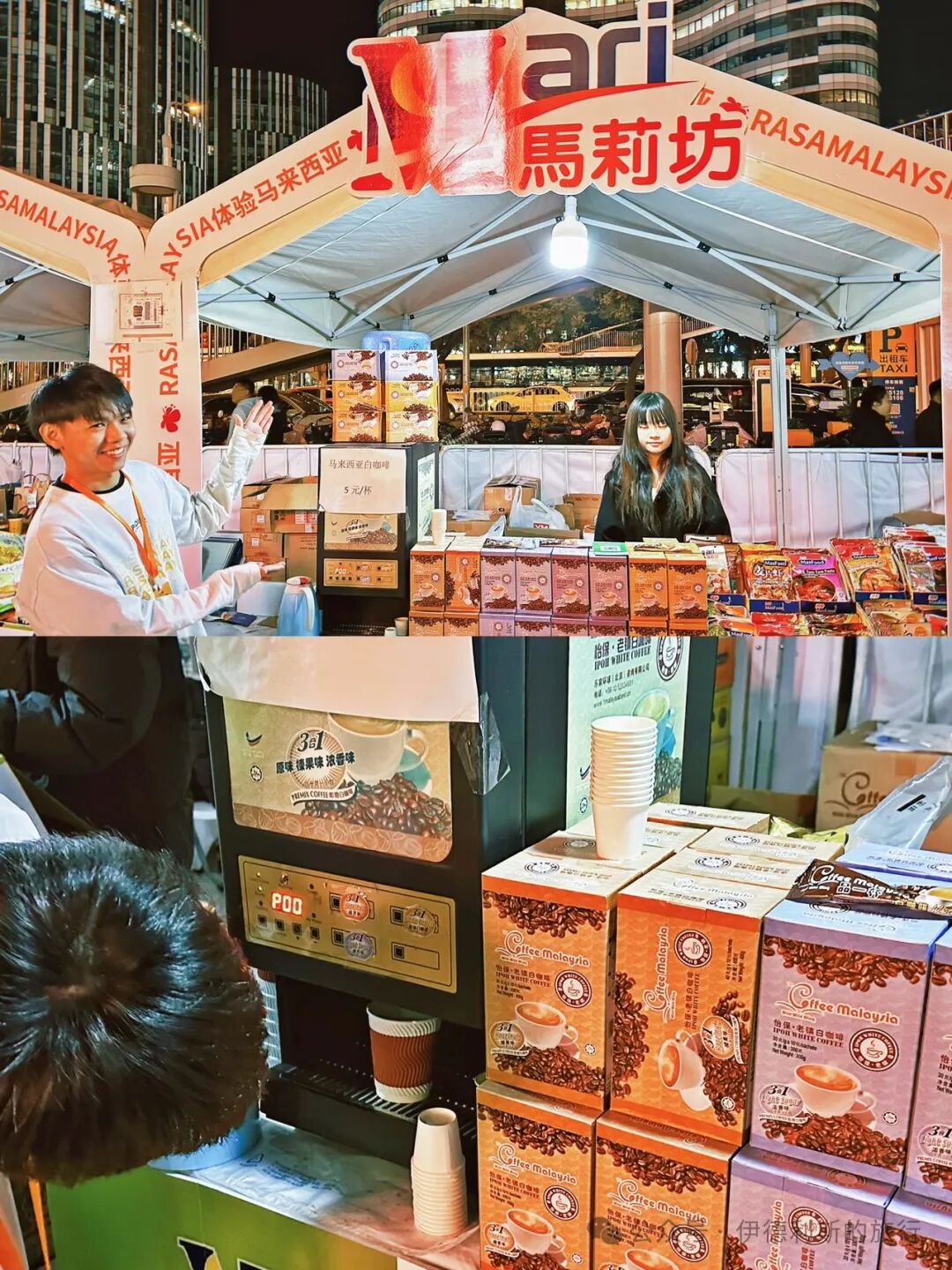
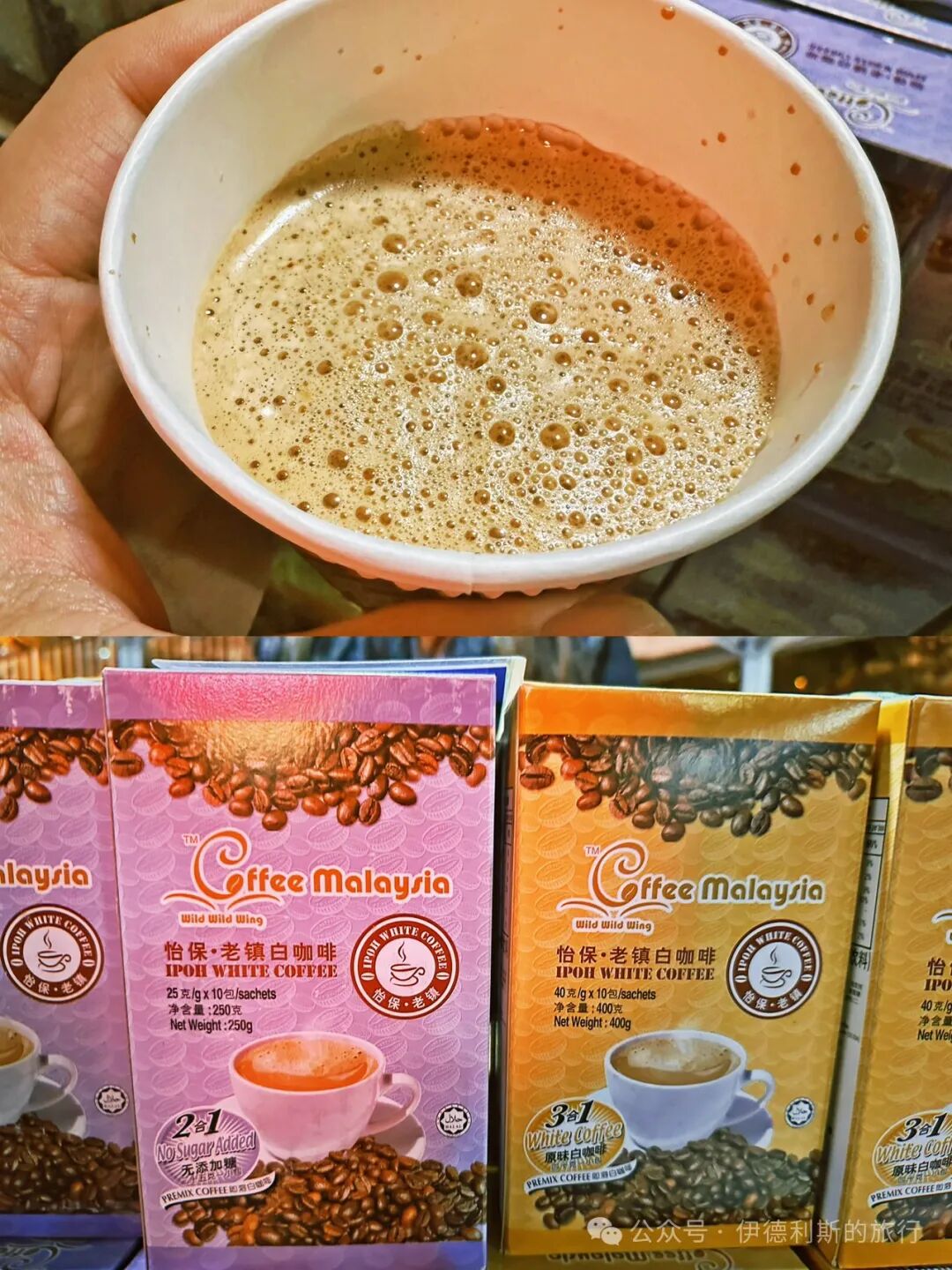
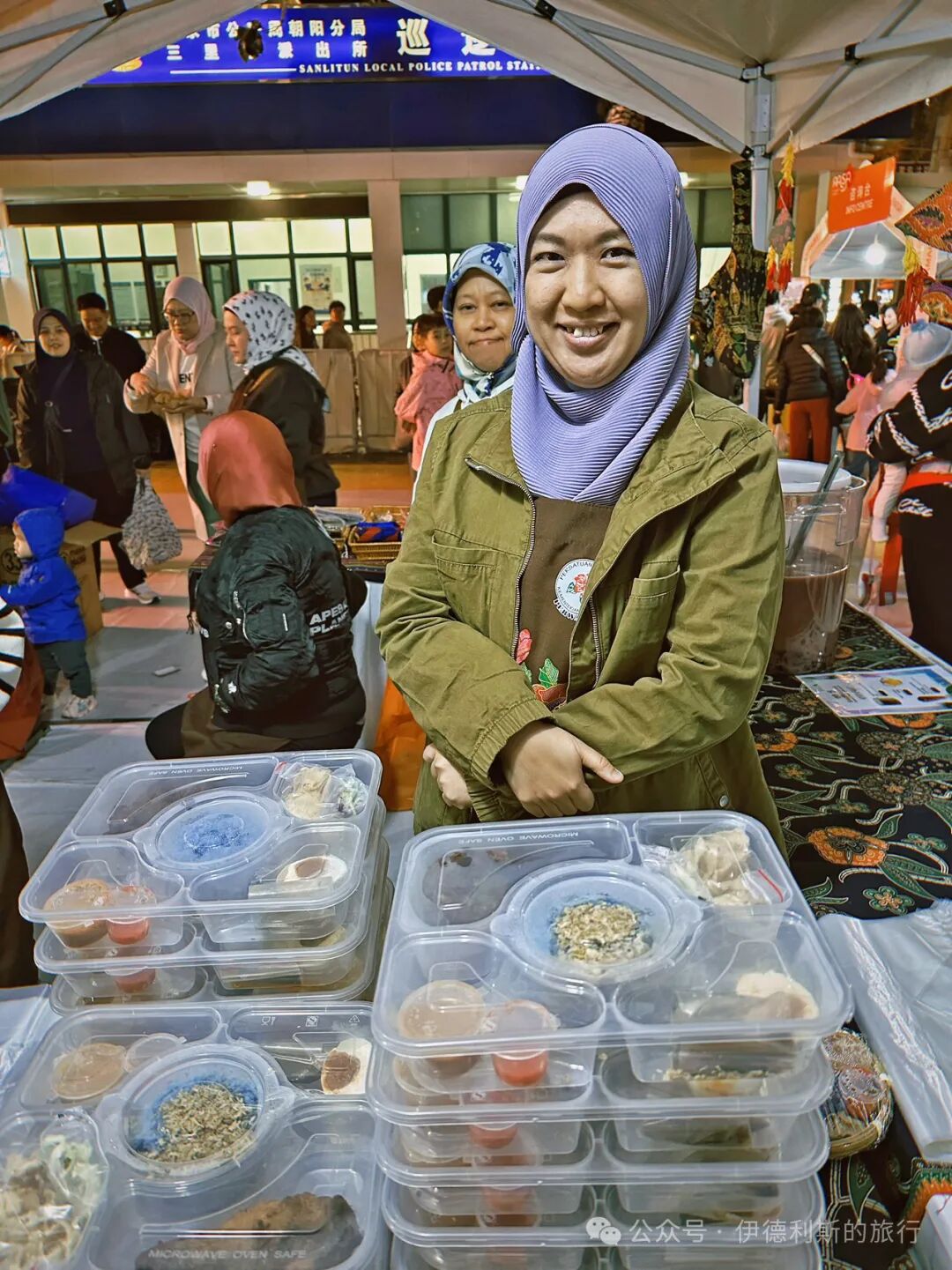
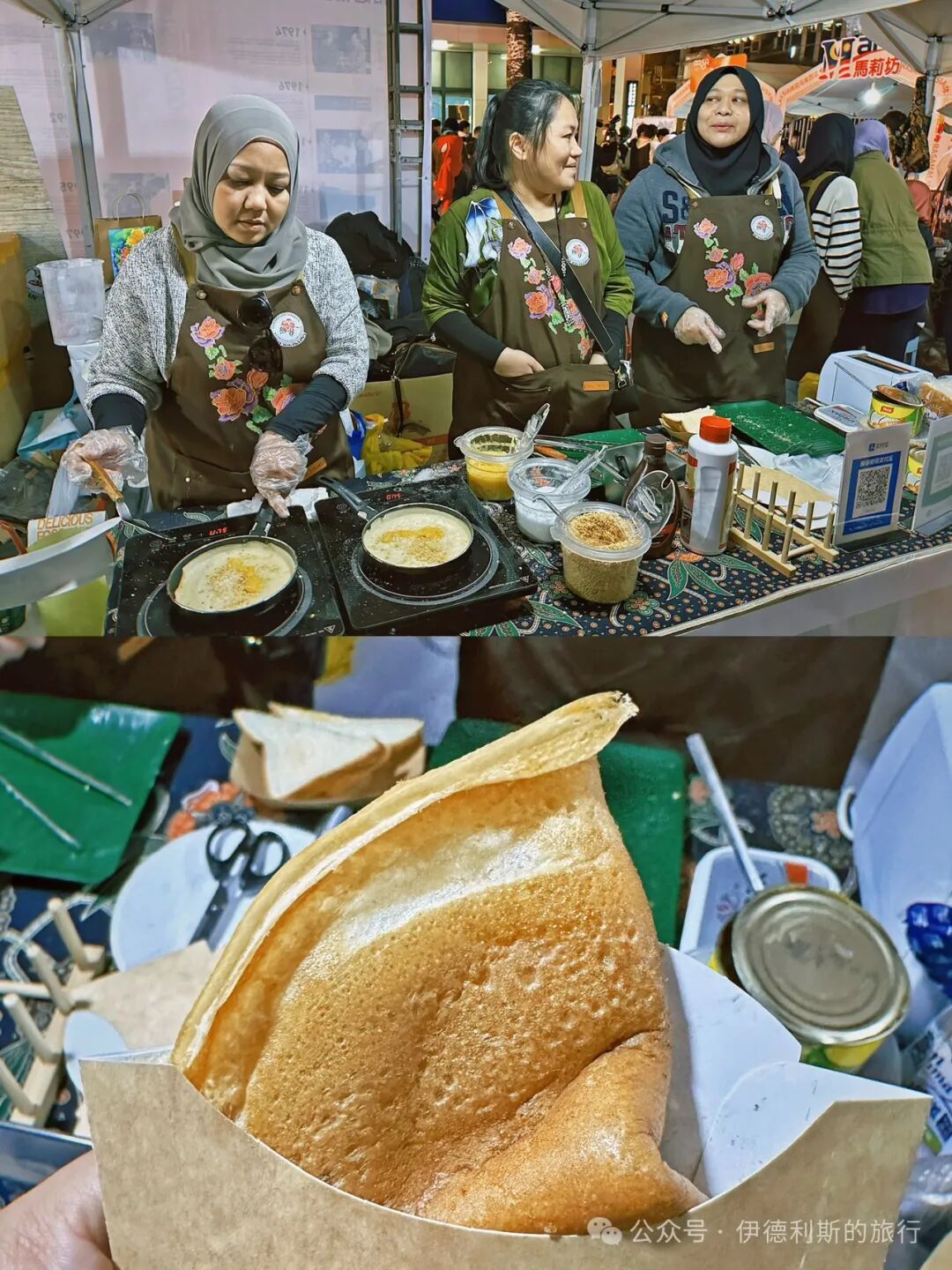
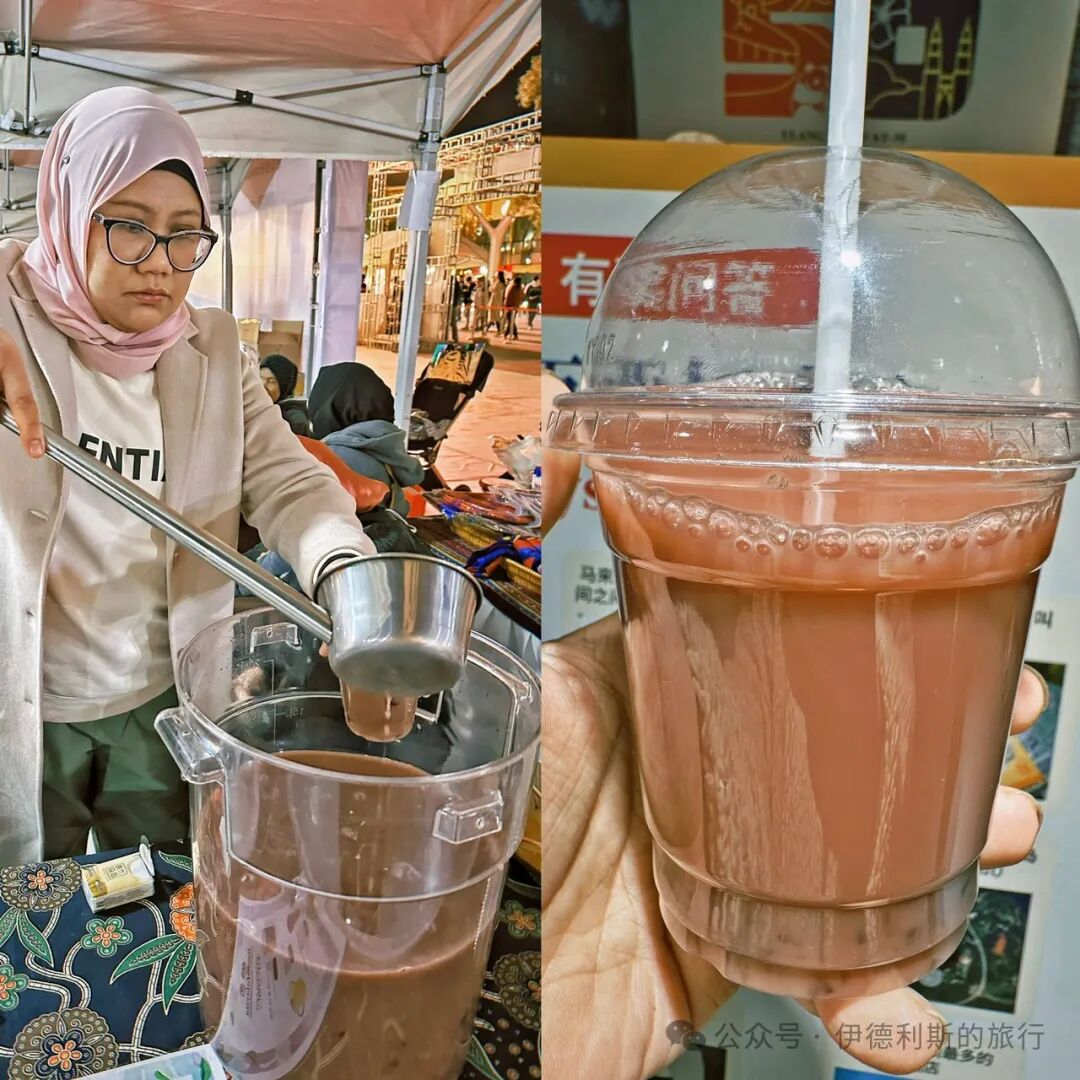
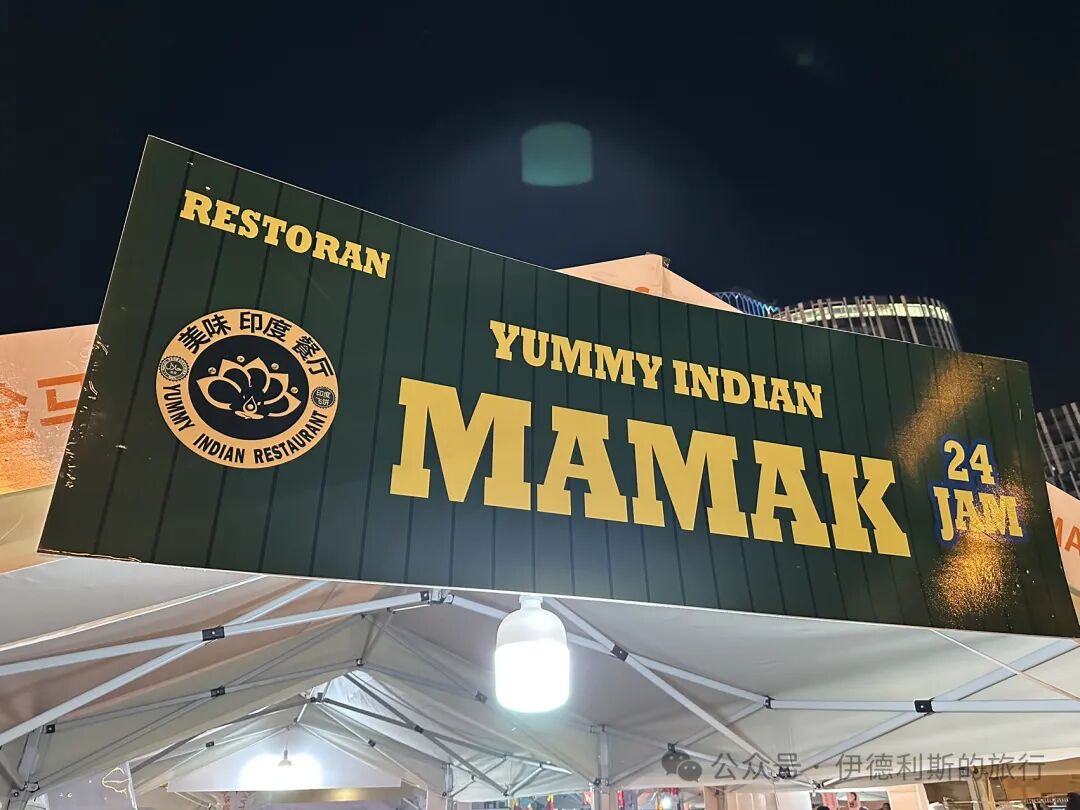
We started at the Chinese stall Mari (Mari Fang) for some Ipoh white coffee. Then we went to the Malay stall Perwakilan Beijing to buy blue pea flower rice (Nasi Kerabu), folded pancake (Apam Balik), and rose syrup grass jelly drink (Bandung Cincau). Finally, we went to the Indian mamak stall Yummy Indian Mamak to buy egg flatbread (Roti Telur). You could say we tried food from all three major ethnic groups in Malaysia! The Indian flatbread had a long line because they were making it fresh on the spot, but I only waited about ten minutes to get mine.
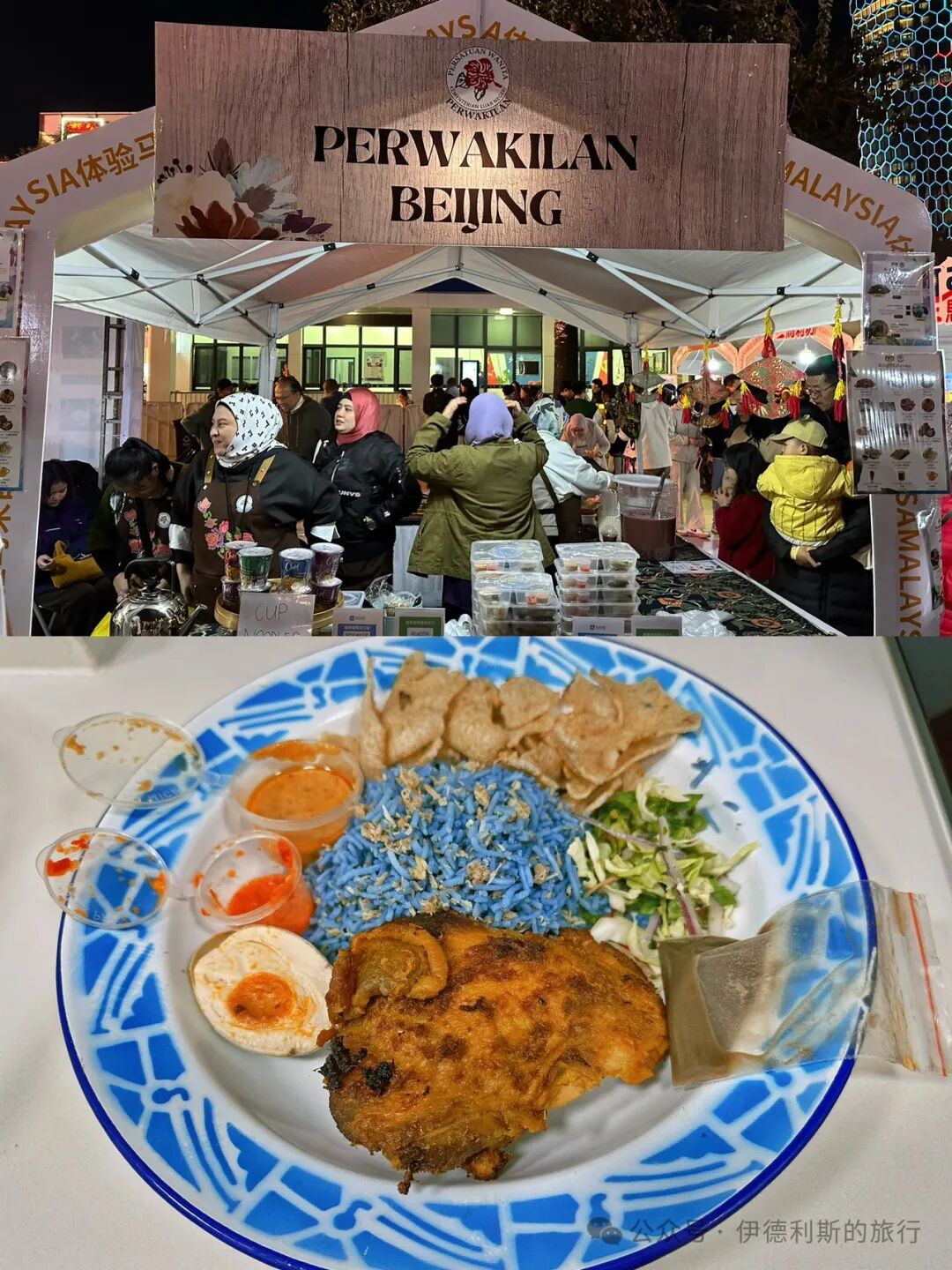
Blue pea flower rice (Nasi Kerabu) is a traditional dish from the Kelantan and Terengganu regions on the east coast of the Malay Peninsula. It is also very popular in Malay communities in southern Thailand, where it is seen as an important cultural symbol. To make the rice, you soak it in butterfly pea flower water and add spices like lemongrass, kaffir lime leaves, and pandan. Besides the rice, the dish comes with dried small fish, grilled chicken, stuffed chili with fish paste (Solok Lada), salted egg, and crackers (Krupuk).
Legend says the folded pancake (Apam Balik) was created in 1855 when Zuo Zongtang led his army into Fujian to suppress the Taiping Rebellion. He adapted a northern-style wrap into a sweet version filled with sugar and crushed peanuts. Later, Fujianese people brought it to Southeast Asia, where it spread to Malaysia, Indonesia, Brunei, and Singapore, becoming a classic street snack. In Malaysia, the folded pancake made by Chinese vendors is usually thicker, while the version made by Malay vendors is typically thinner.
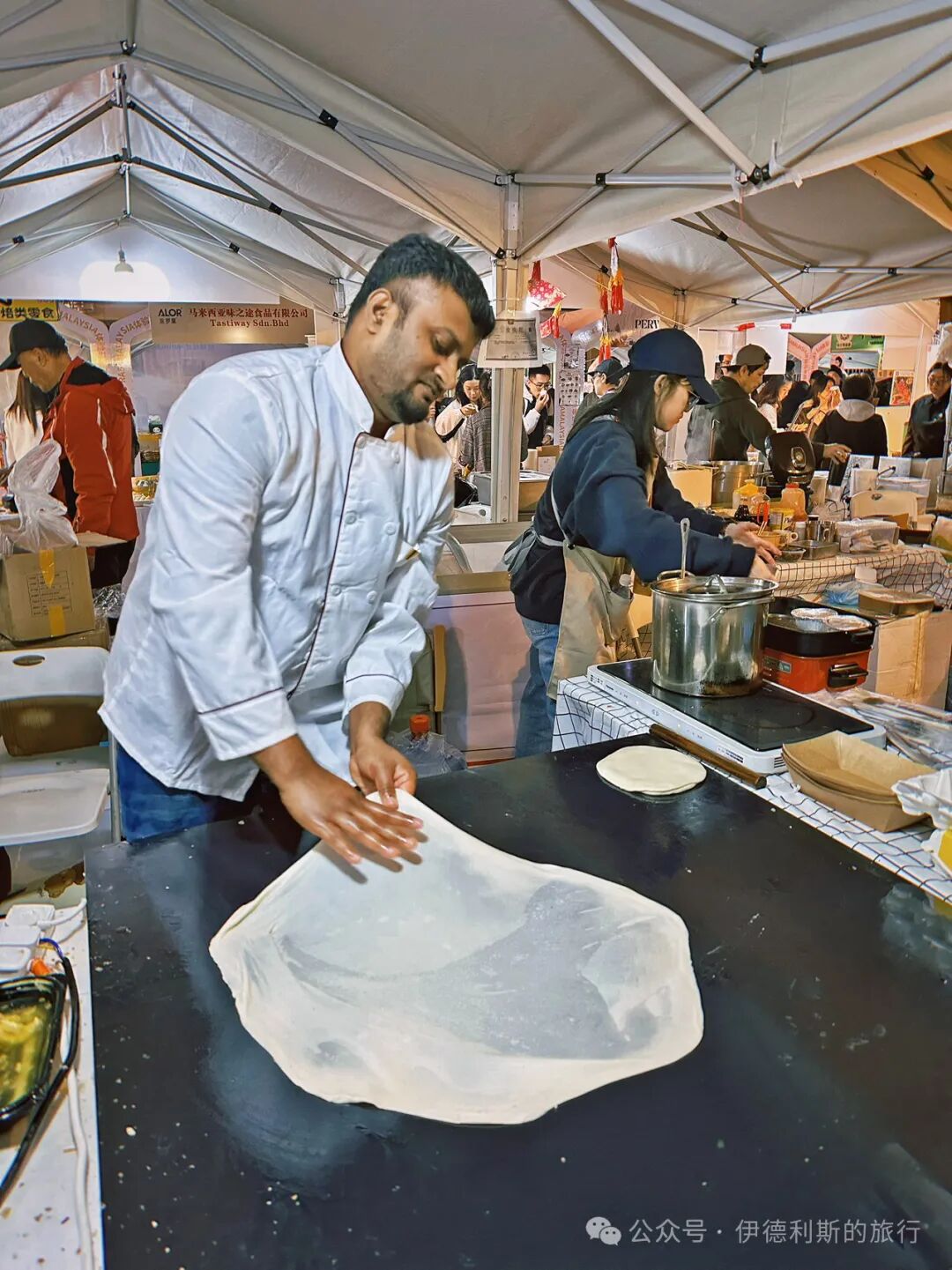
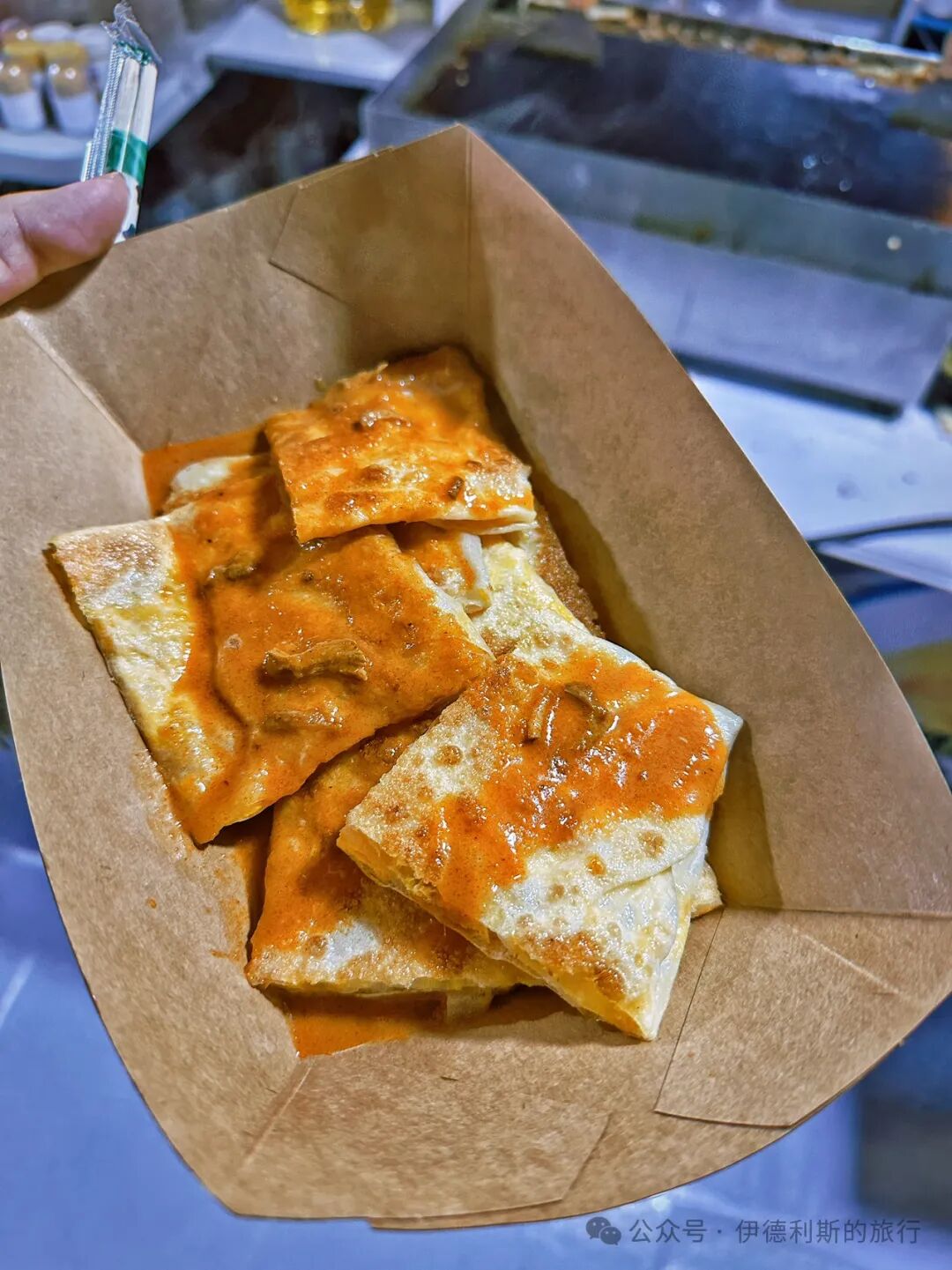
Roti Telur is a type of South Indian flatbread (roti canai) brought to Malaysia in the 19th century during the British colonial era by Tamil Muslims. Roti Telur is also called egg "tossed bread" (roti telur) because the dough is constantly tossed to make it thinner and thinner. At the mamak stall (mamak dang), the classic way to eat Roti Telur is with various curries. We poured chicken curry over ours, and it smelled amazing.
There are two more shows today, one at 2:10 PM and one at 6:30 PM. The performances include lion dance with twenty-four festive drums, singing and dancing, Chinese yo-yo (diabolo), and the Kadazan bamboo dance. Suleiman even tried the bamboo dance, haha.
Summary: Beijing Malaysia Festival 2024 - Malaysian Food and Culture is presented as a clear English travel account for readers interested in Muslim life, halal food, architecture, and local history. The article keeps the original names, food details, photographs, and cultural context while focusing on Malaysian Food, Beijing Festival, Halal Food.
I went to the Rasa Malaysia festival at the West Square of Taikoo Li Sanlitun yesterday. It is still on today from 11:30 to 21:00.
We started at the Chinese stall Mari (Mari Fang) for some Ipoh white coffee. Then we went to the Malay stall Perwakilan Beijing to buy blue pea flower rice (Nasi Kerabu), folded pancake (Apam Balik), and rose syrup grass jelly drink (Bandung Cincau). Finally, we went to the Indian mamak stall Yummy Indian Mamak to buy egg flatbread (Roti Telur). You could say we tried food from all three major ethnic groups in Malaysia! The Indian flatbread had a long line because they were making it fresh on the spot, but I only waited about ten minutes to get mine.
Blue pea flower rice (Nasi Kerabu) is a traditional dish from the Kelantan and Terengganu regions on the east coast of the Malay Peninsula. It is also very popular in Malay communities in southern Thailand, where it is seen as an important cultural symbol. To make the rice, you soak it in butterfly pea flower water and add spices like lemongrass, kaffir lime leaves, and pandan. Besides the rice, the dish comes with dried small fish, grilled chicken, stuffed chili with fish paste (Solok Lada), salted egg, and crackers (Krupuk).
Legend says the folded pancake (Apam Balik) was created in 1855 when Zuo Zongtang led his army into Fujian to suppress the Taiping Rebellion. He adapted a northern-style wrap into a sweet version filled with sugar and crushed peanuts. Later, Fujianese people brought it to Southeast Asia, where it spread to Malaysia, Indonesia, Brunei, and Singapore, becoming a classic street snack. In Malaysia, the folded pancake made by Chinese vendors is usually thicker, while the version made by Malay vendors is typically thinner.
Roti Telur is a type of South Indian flatbread (roti canai) brought to Malaysia in the 19th century during the British colonial era by Tamil Muslims. Roti Telur is also called egg "tossed bread" (roti telur) because the dough is constantly tossed to make it thinner and thinner. At the mamak stall (mamak dang), the classic way to eat Roti Telur is with various curries. We poured chicken curry over ours, and it smelled amazing.
There are two more shows today, one at 2:10 PM and one at 6:30 PM. The performances include lion dance with twenty-four festive drums, singing and dancing, Chinese yo-yo (diabolo), and the Kadazan bamboo dance. Suleiman even tried the bamboo dance, haha.
