
Travel Guide: Malacca Malay Wooden Houses and Historic Sites (Part 2)
Reposted from the web
Summary: This second part continues through Malay wooden houses and historic sites in Malacca, focusing on house forms, museum displays, and old neighborhood details. It keeps the original place names, photographs, architectural notes, and cultural context for readers exploring Malacca heritage.
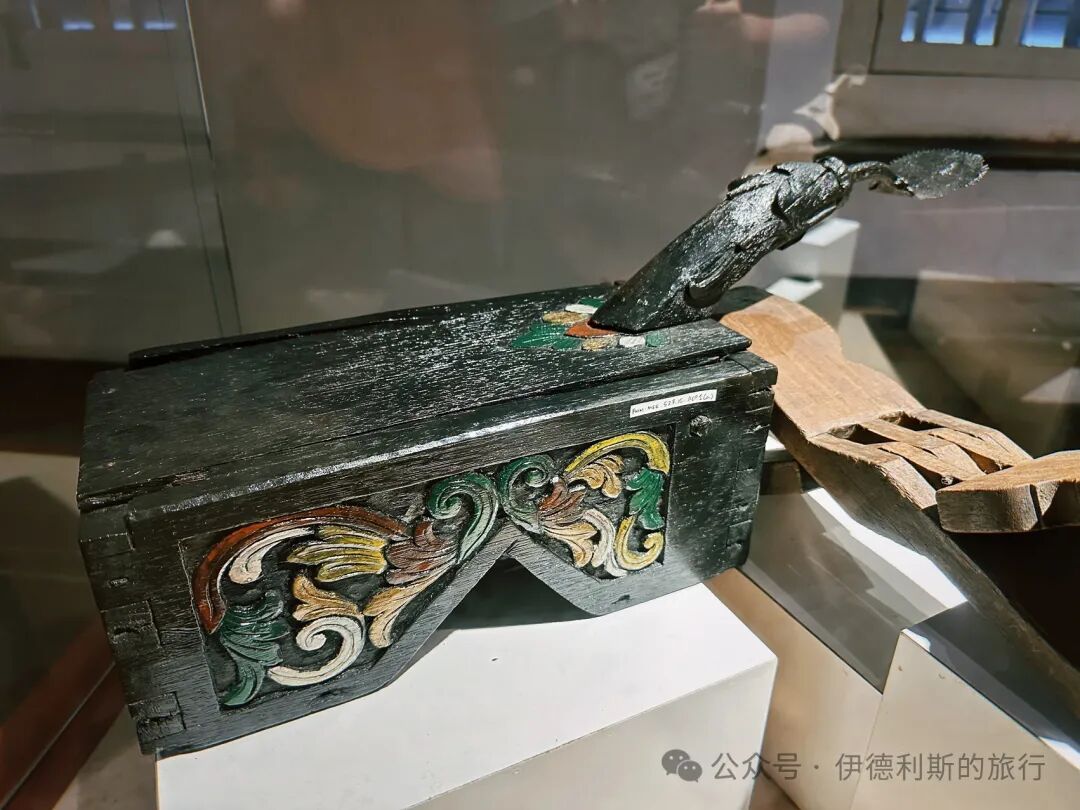
A traditional wooden box used by the Malays in Malacca to open coconuts.
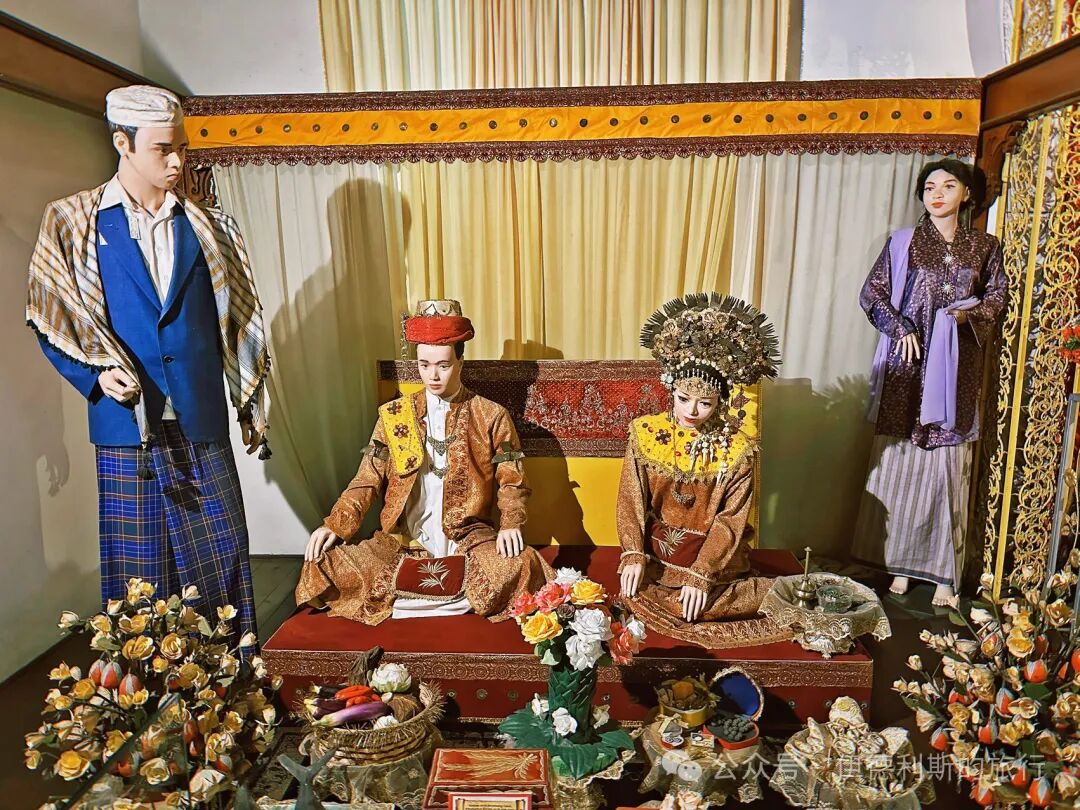
Attire worn during traditional Malay wedding ceremonies in Malacca from the 1940s to the 1960s.
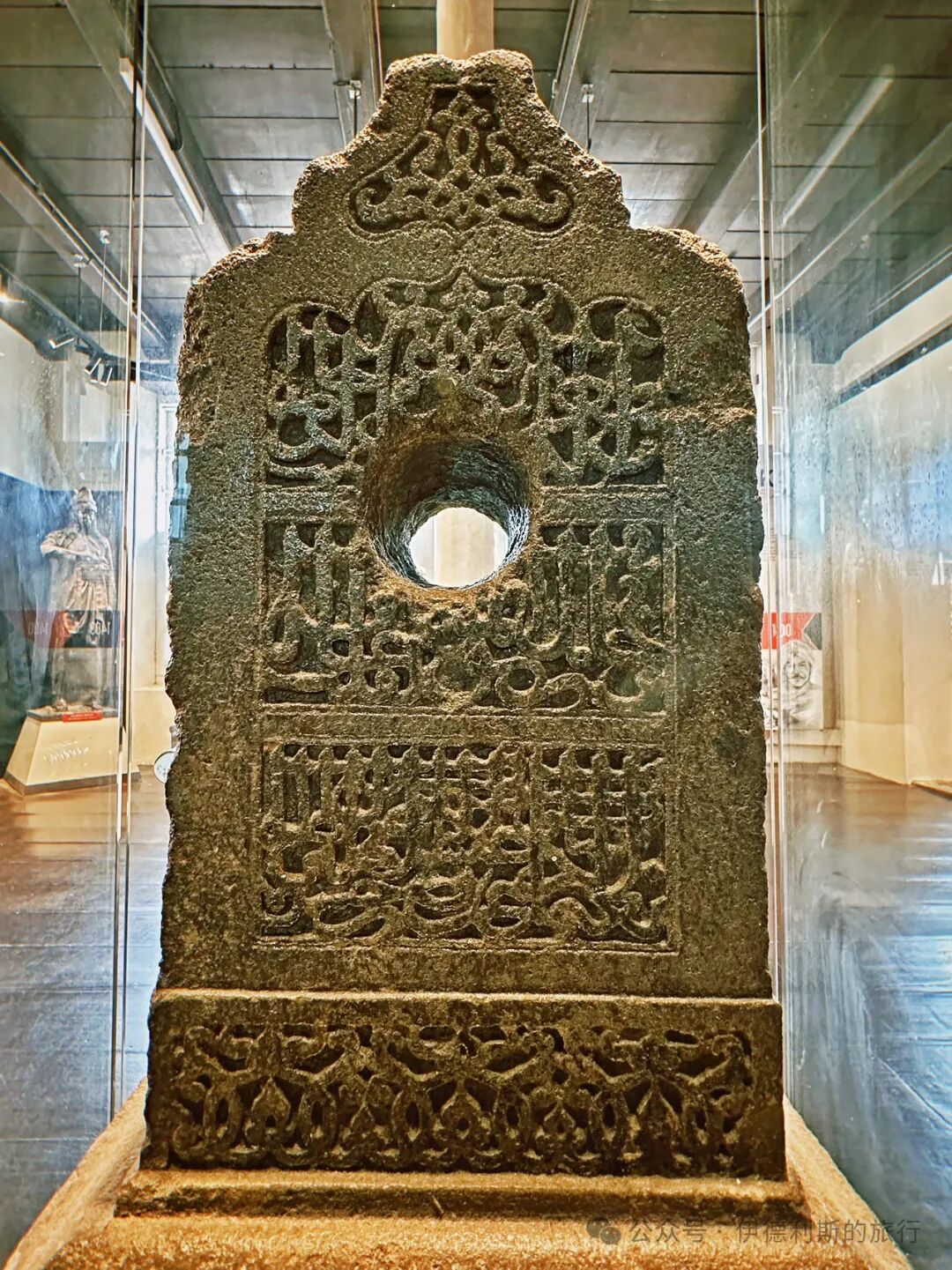
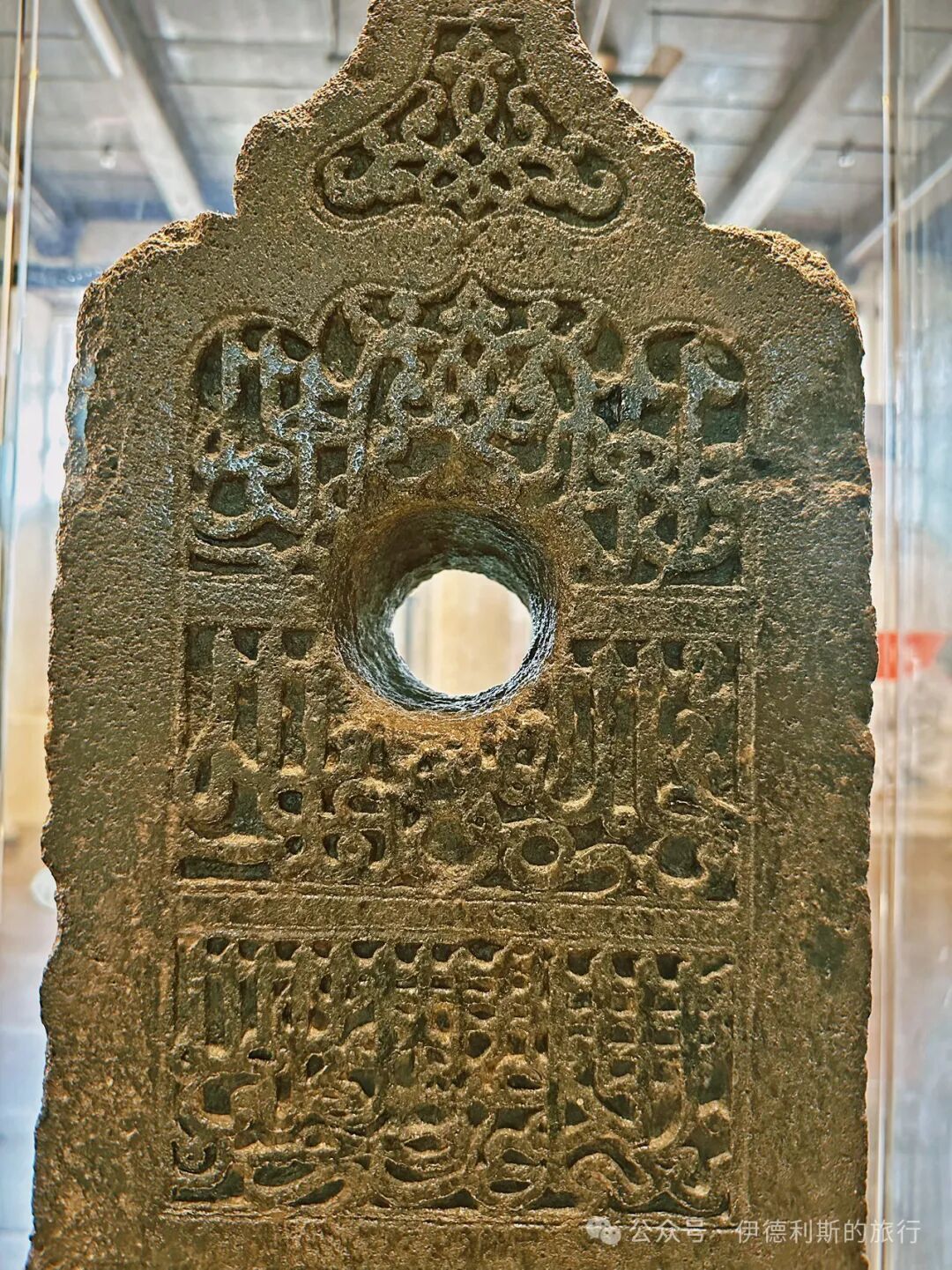
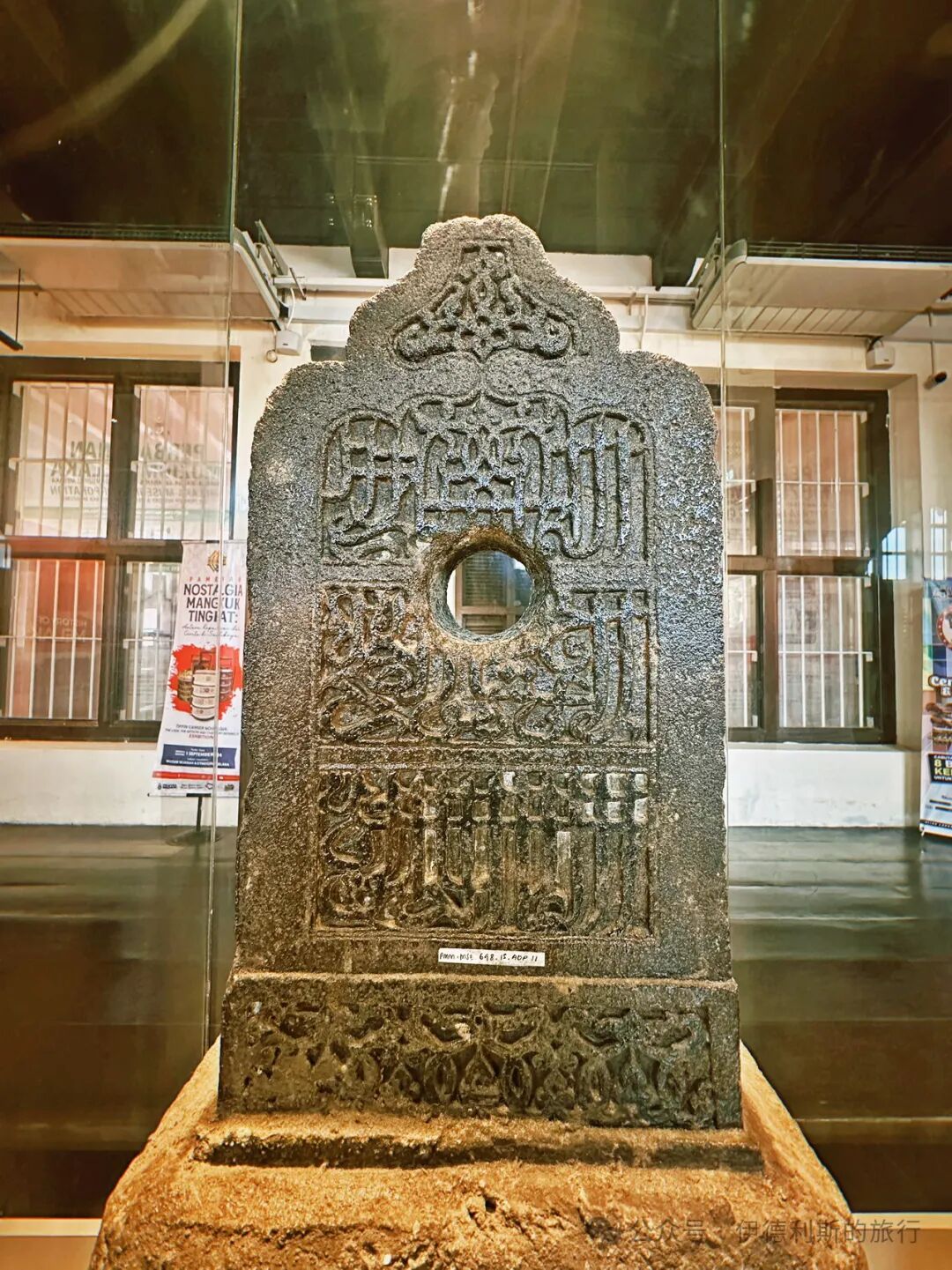
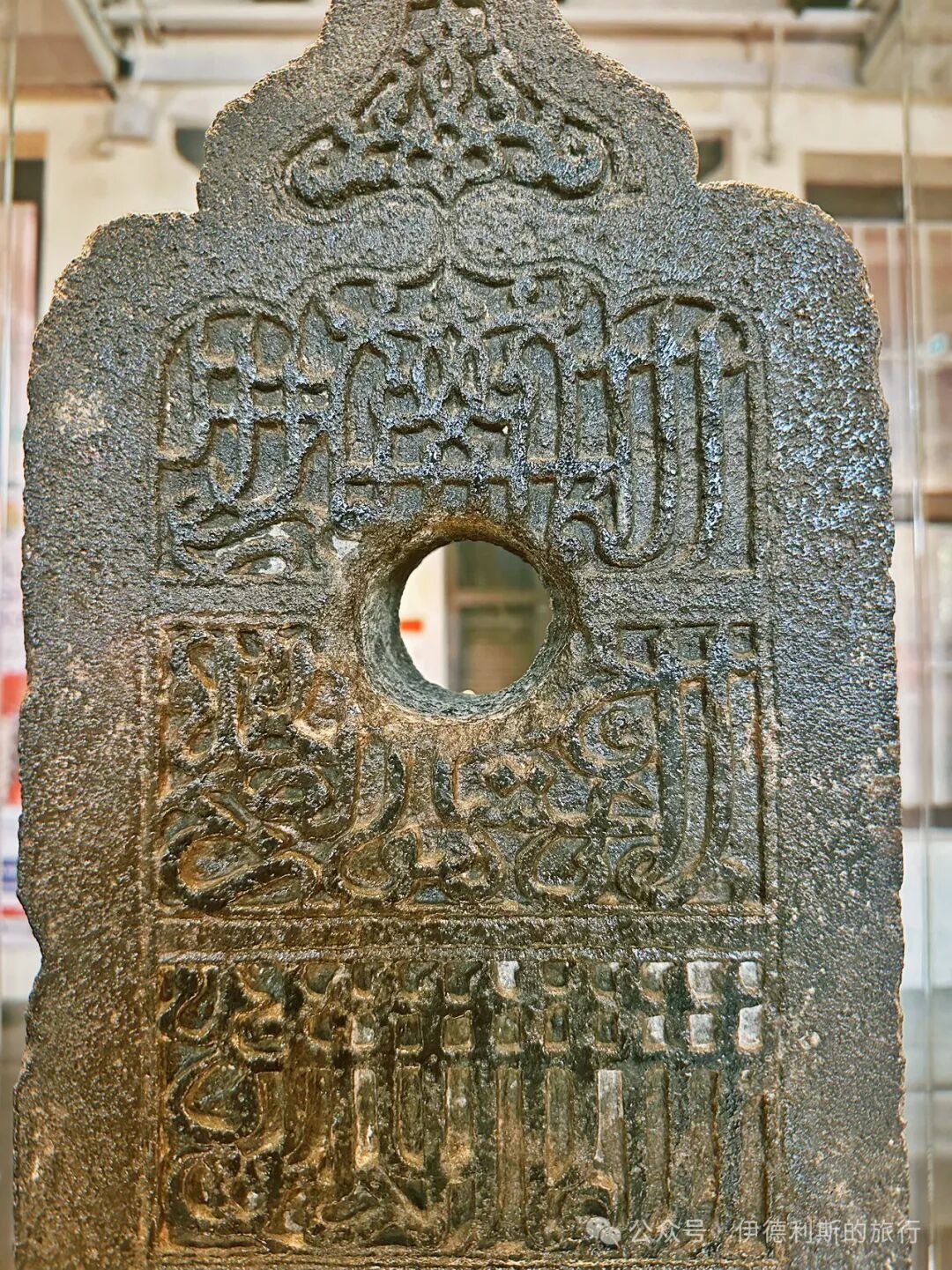
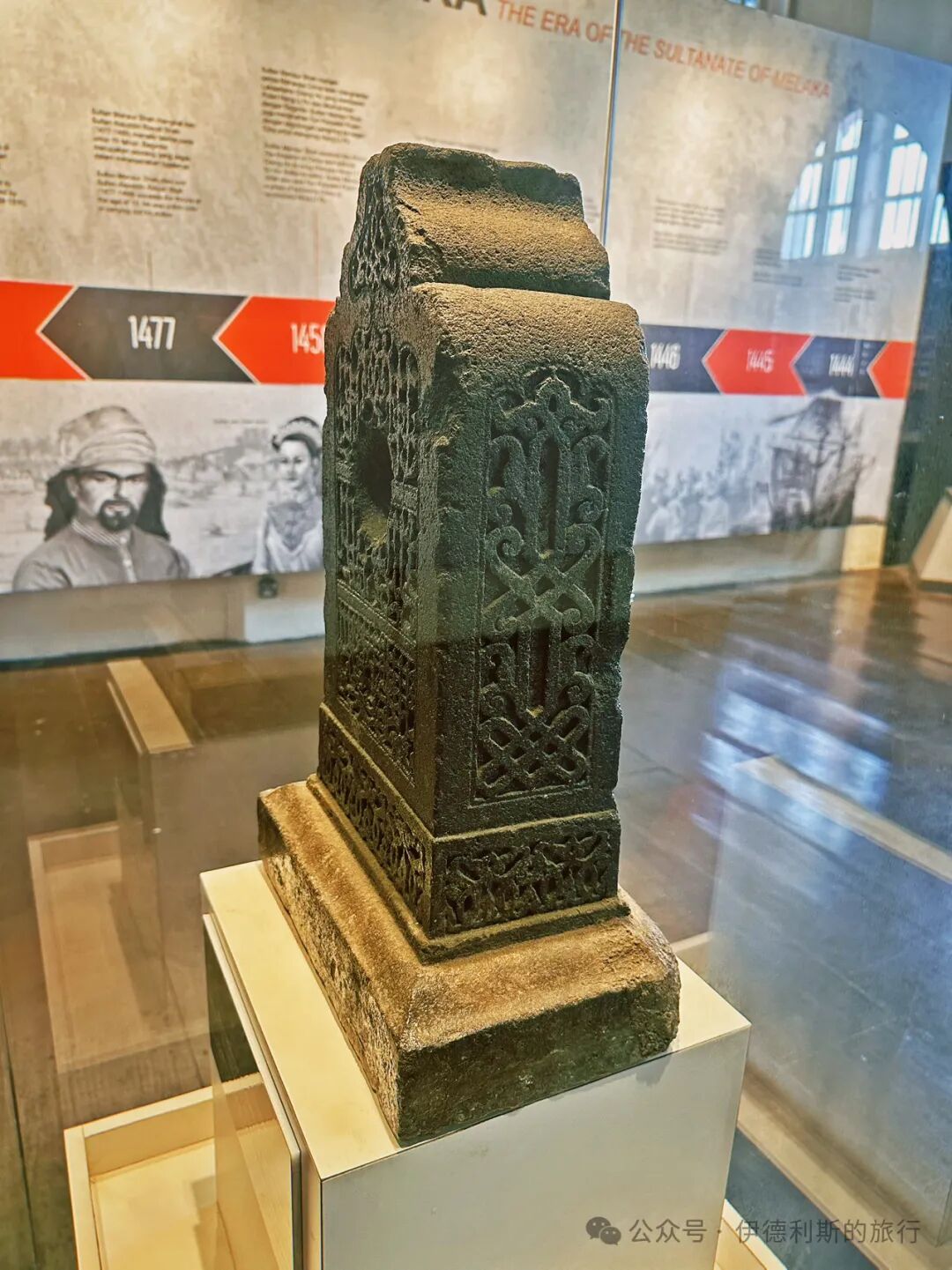
The tombstone of Mansur Shah, the sixth Sultan of Malacca (reigned 1459-77), held in the collection of the Malacca History Museum.
Sultan Mansur Shah began the golden age of the Malacca Sultanate, and he was known as a knowledgeable, fair, and pious ruler. He followed an expansionist policy, occupying many areas including the Malay Peninsula, eastern Sumatra, Singapore, and Bintan Island, and he helped spread the faith widely across the Malay Peninsula through marriage alliances.
During his reign, Sultan Mansur Shah lowered trade taxes, charging 6% to Arab and Indian merchants from the west, 3% to local merchants, and exempting merchants from China, Japan, and Java, which made trade in Malacca more prosperous.
Sultan Mansur Shah was passionate about the faith and encouraged Sufi studies, personally studying under Maulana Abu Bakr and translating the famous commentary Ad Darrul Manzum into Malay.
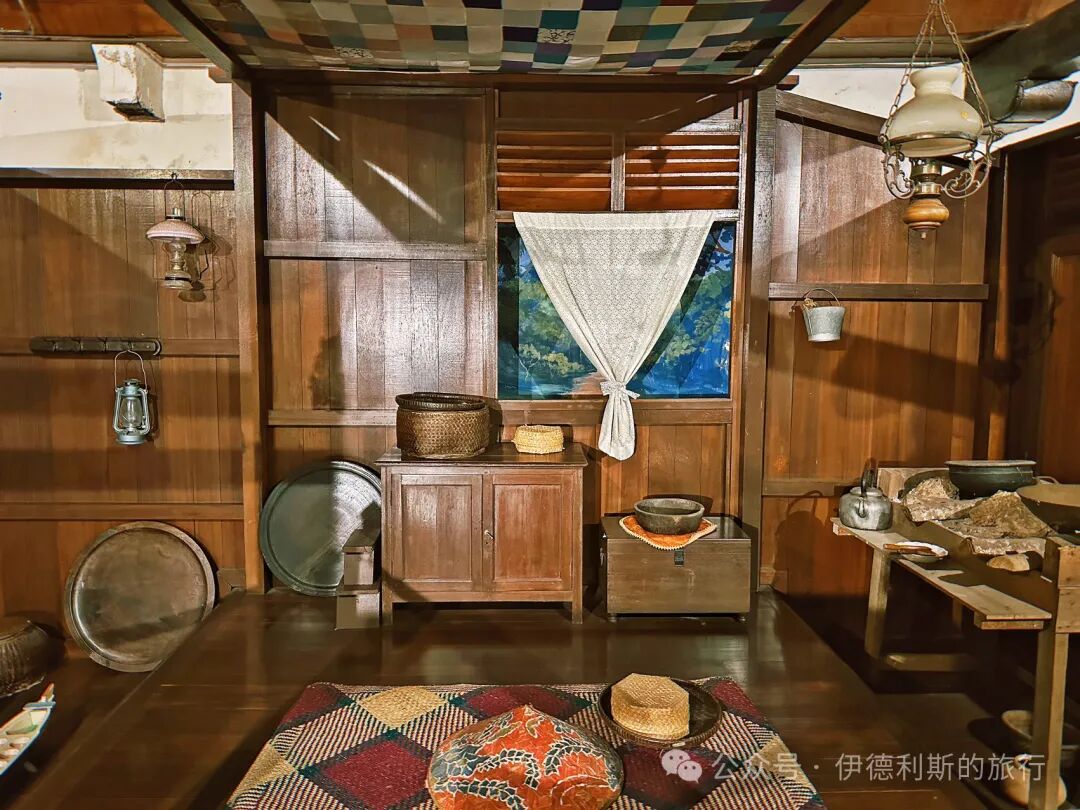
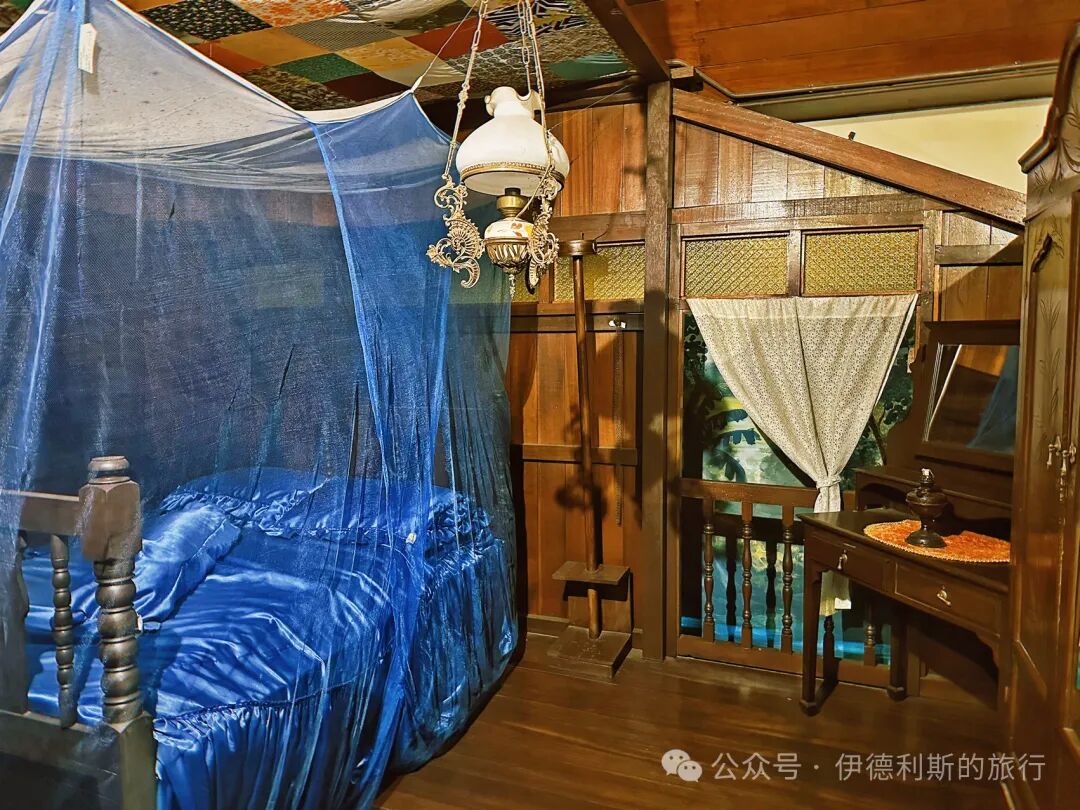
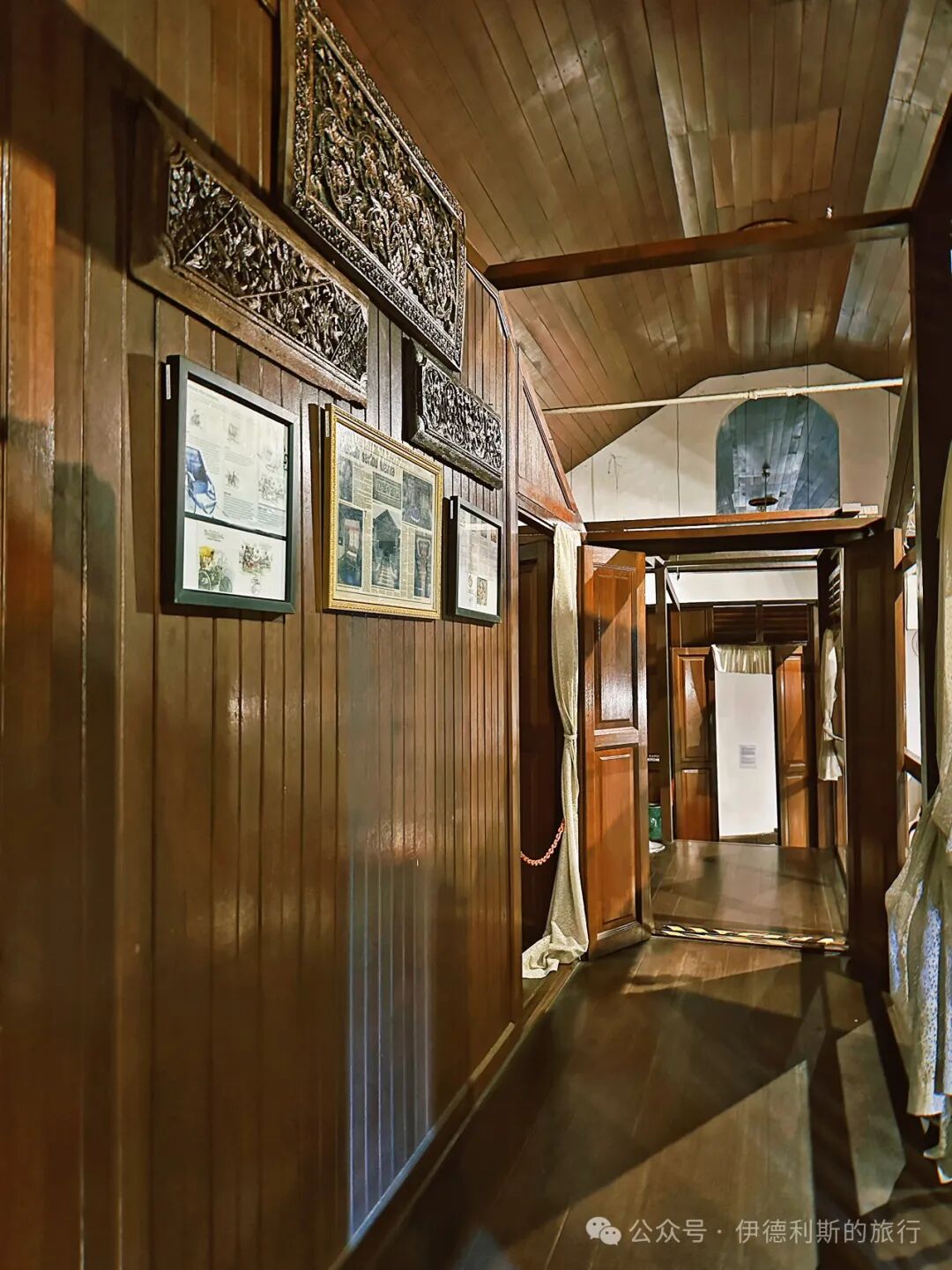
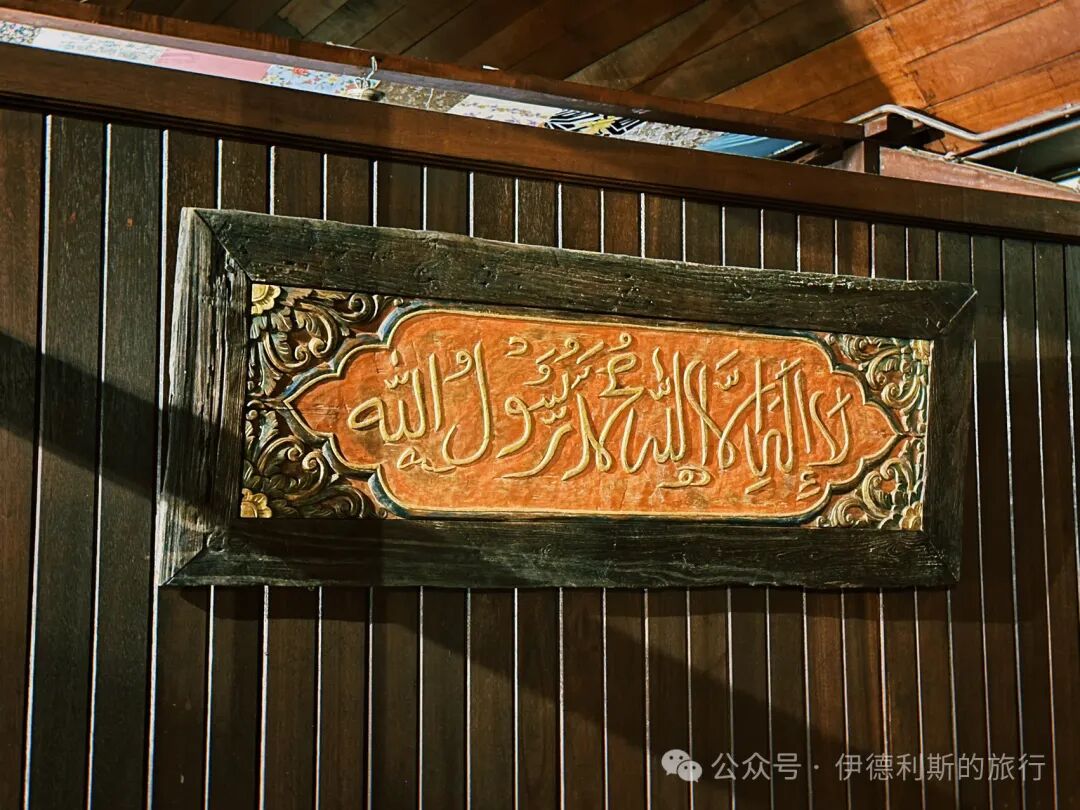
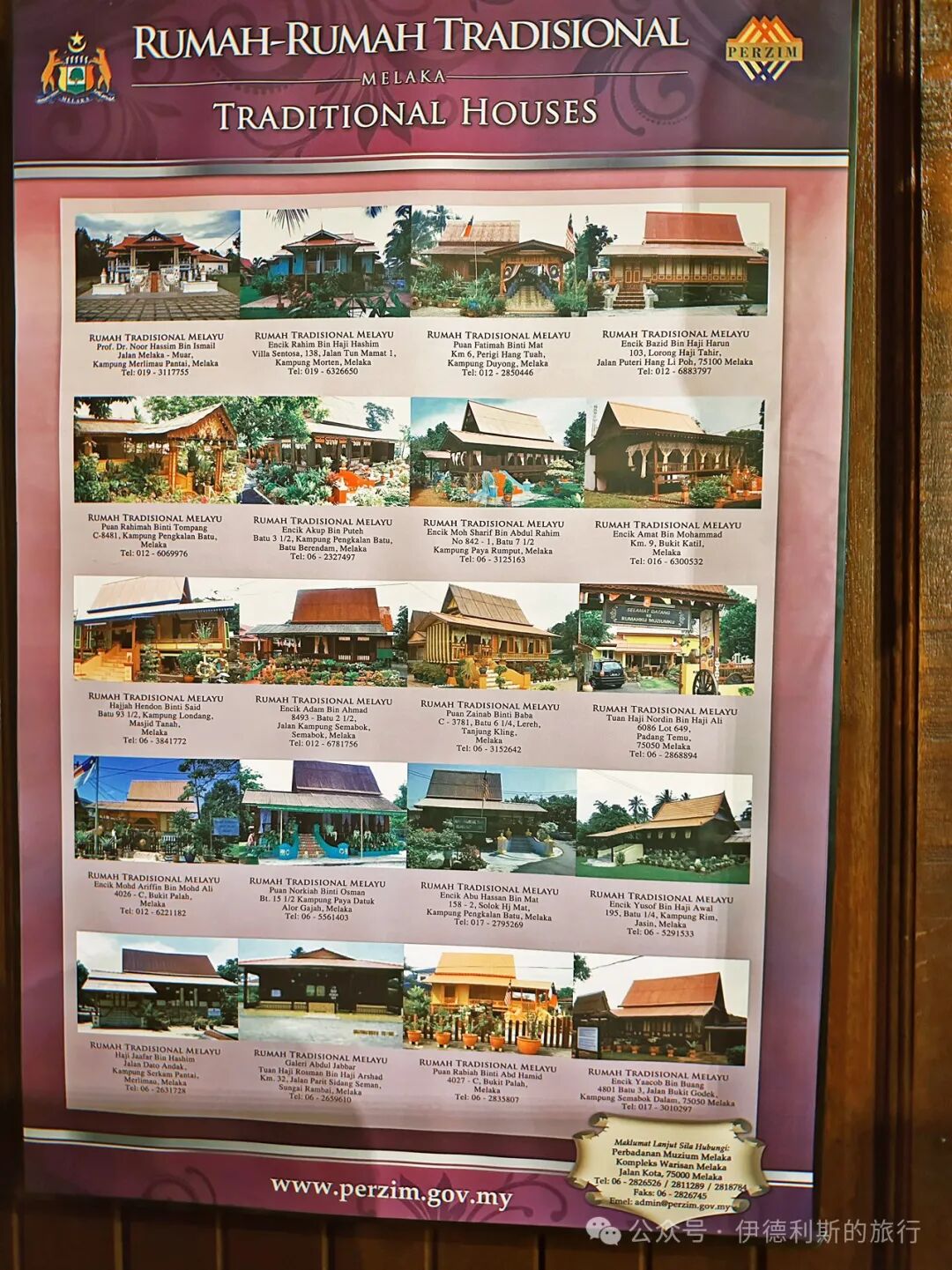
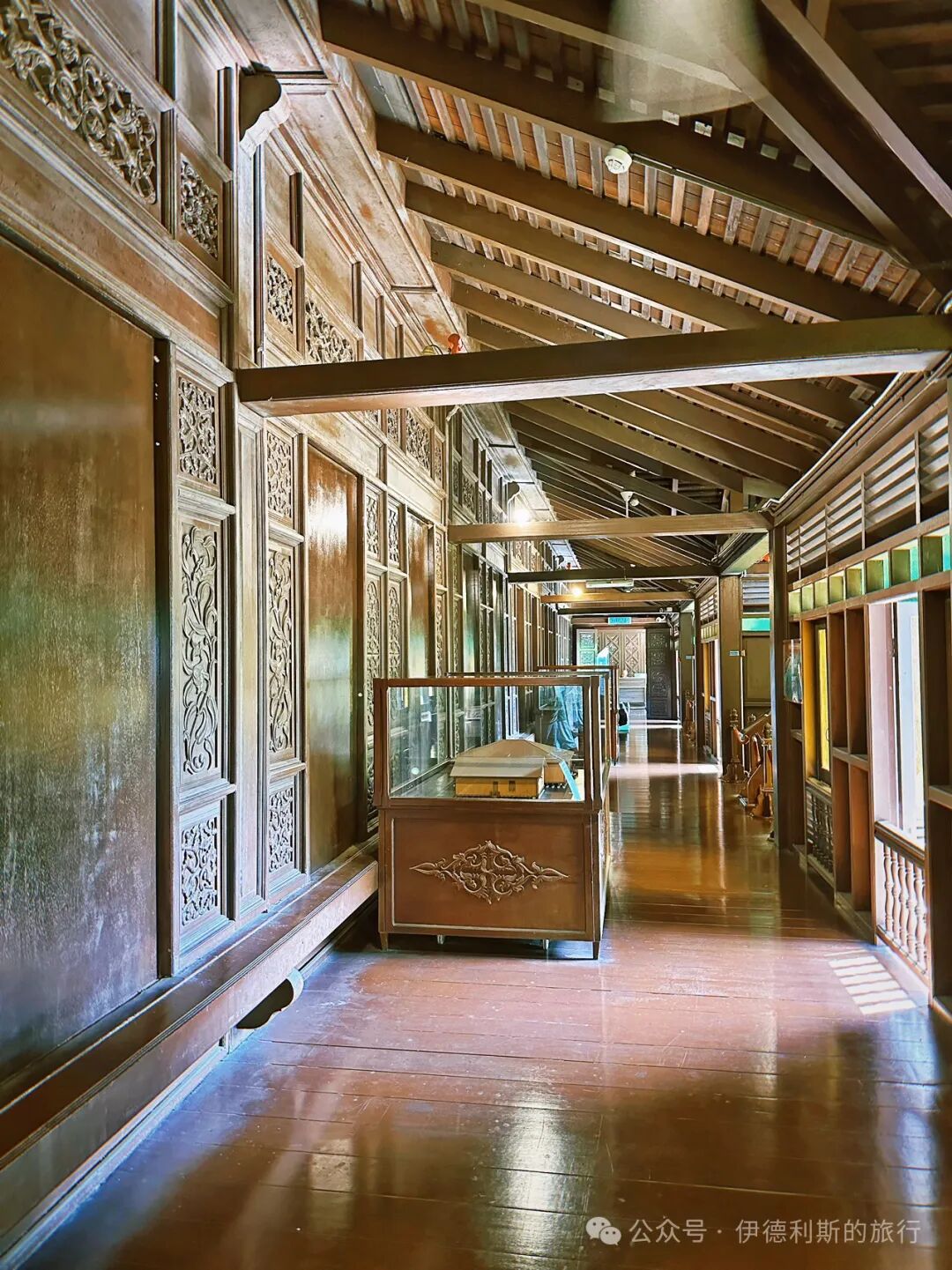
The interior layout of a traditional Malay wooden house recreated at the Malacca History Museum feels quite authentic. The exhibition hall also has a map showing the locations of typical Malay wooden houses in Malacca, so interested friends (dosti) can follow the map to visit them in person.
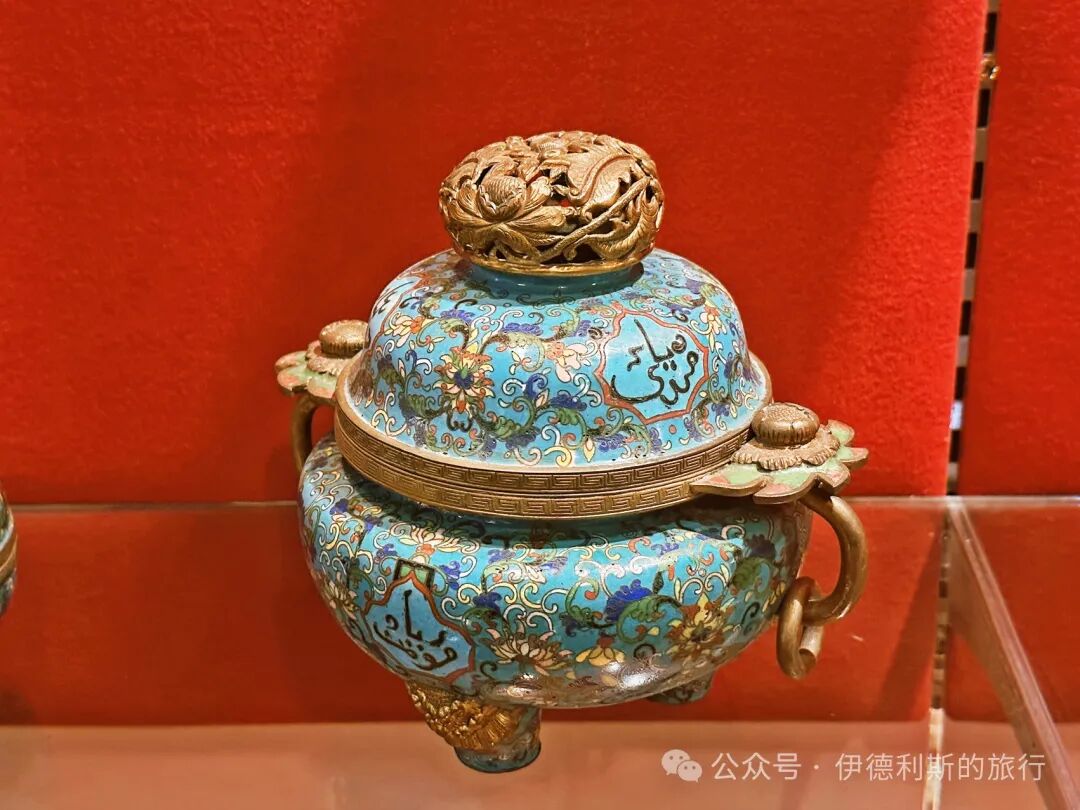
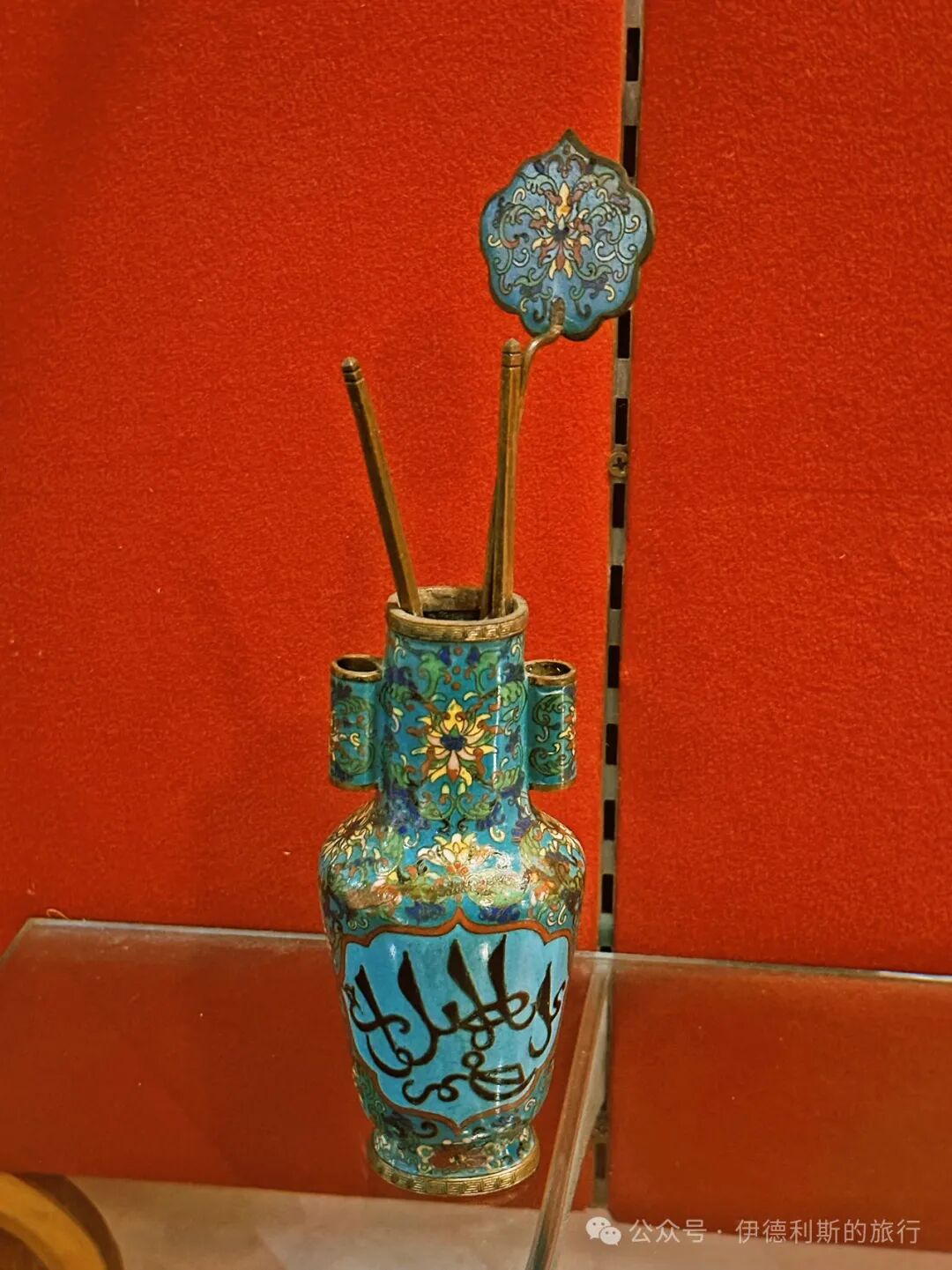
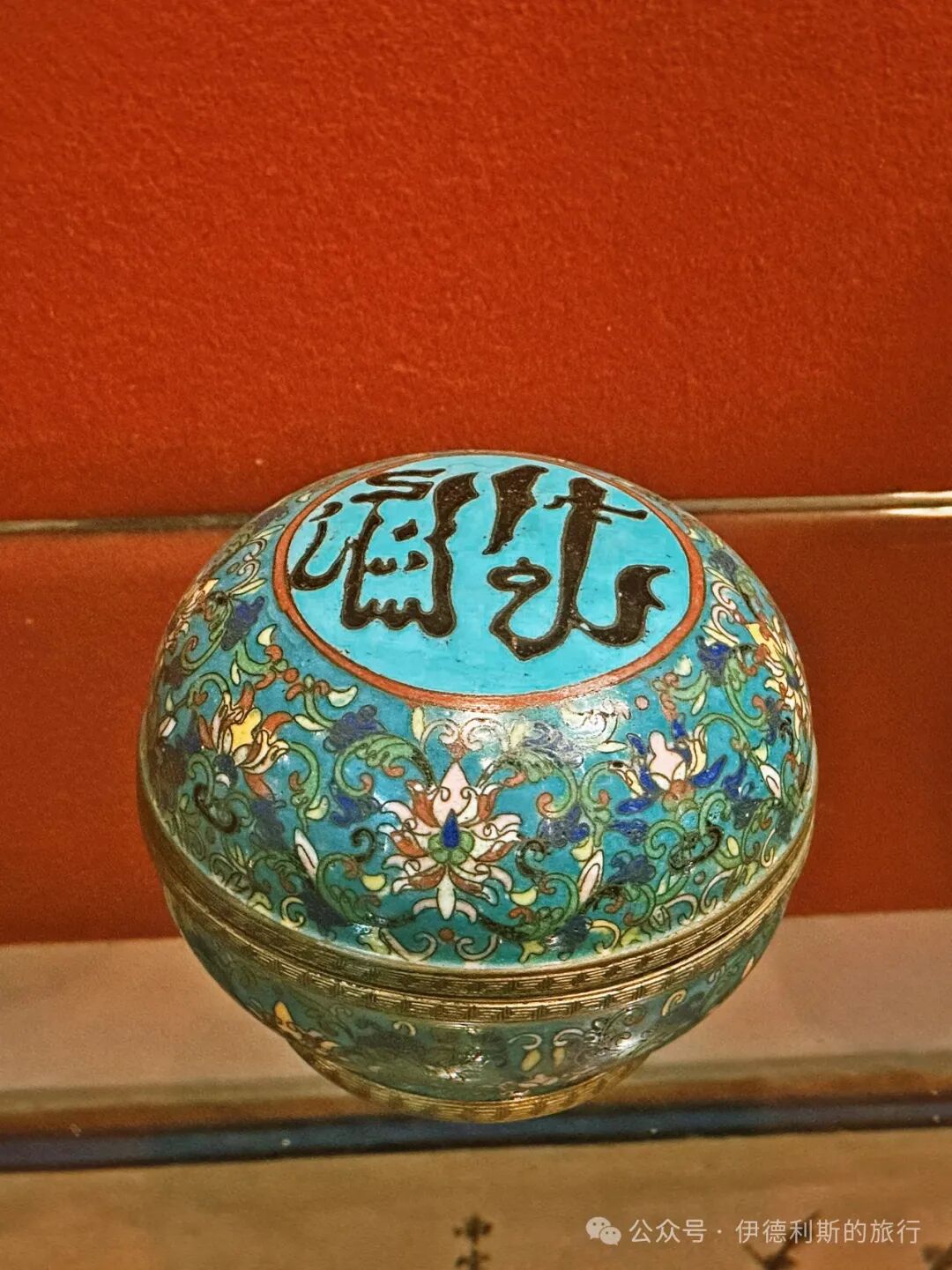
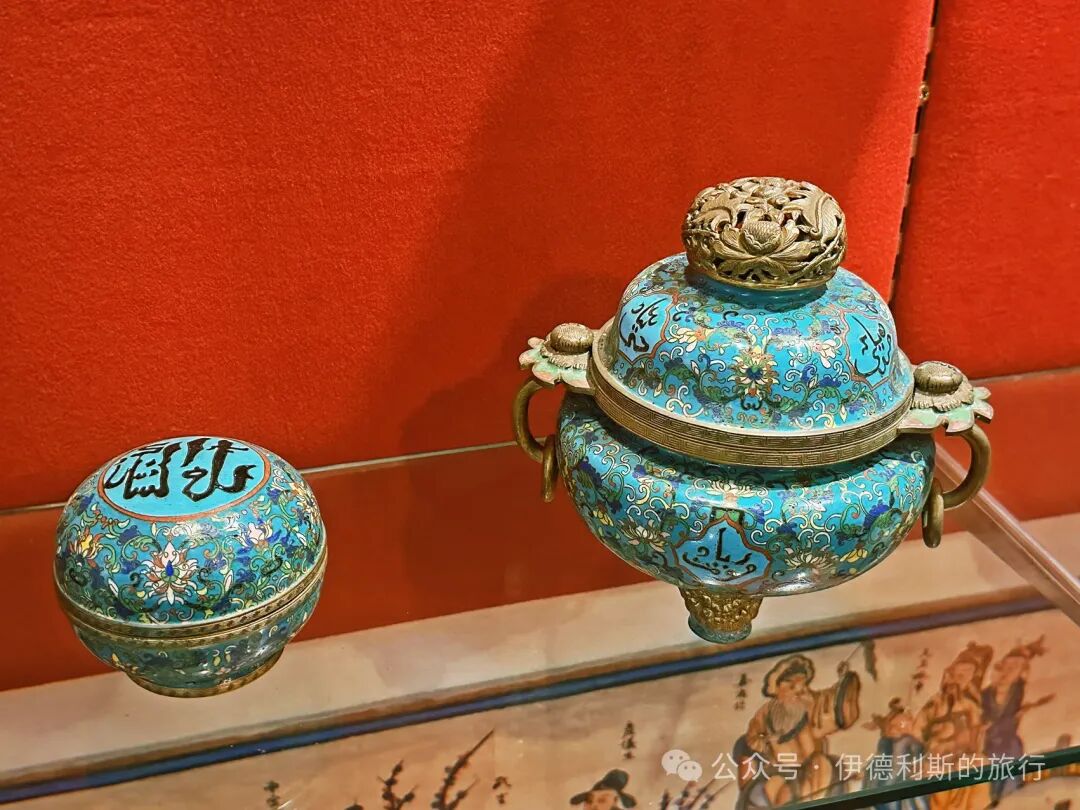
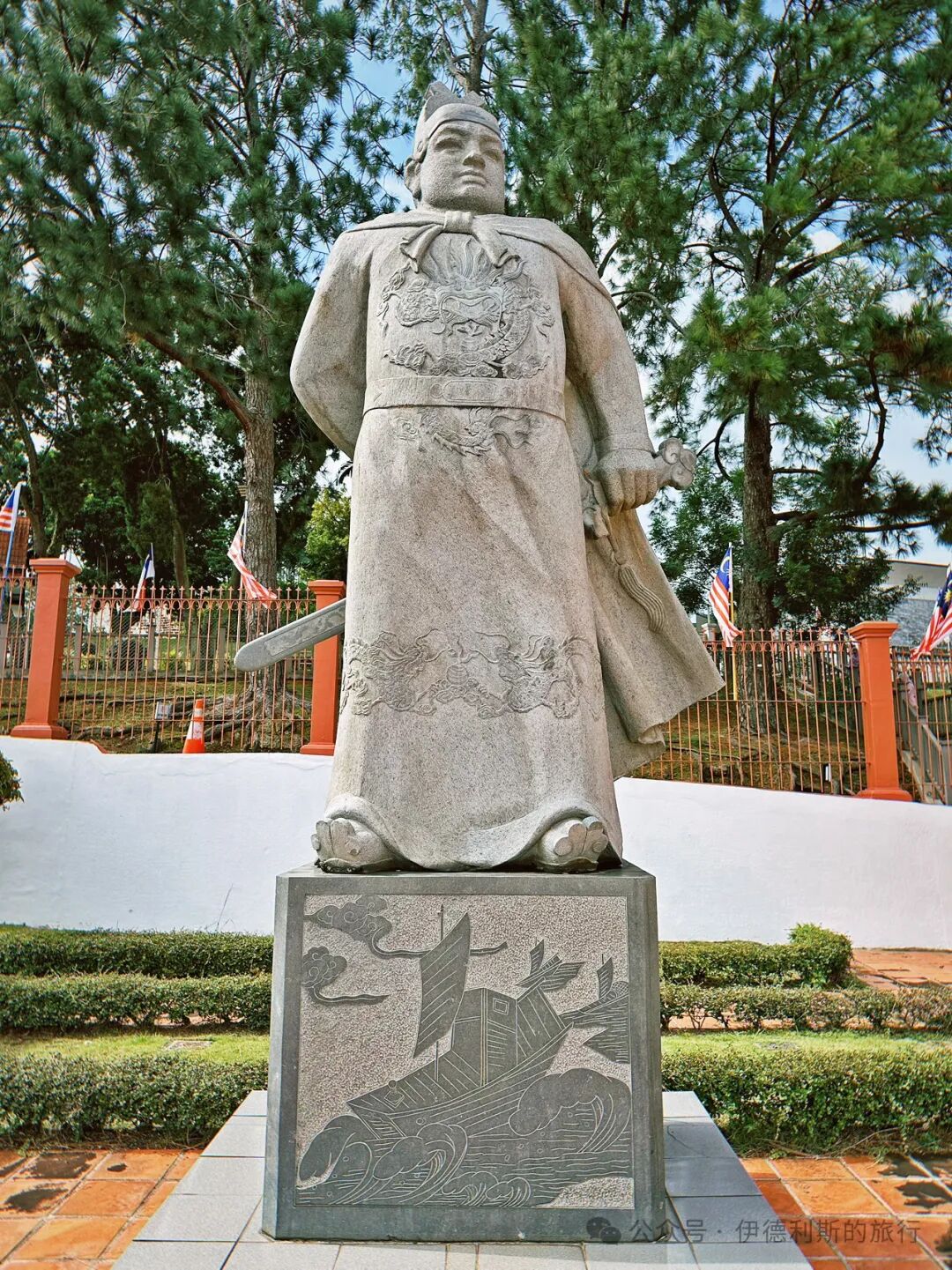
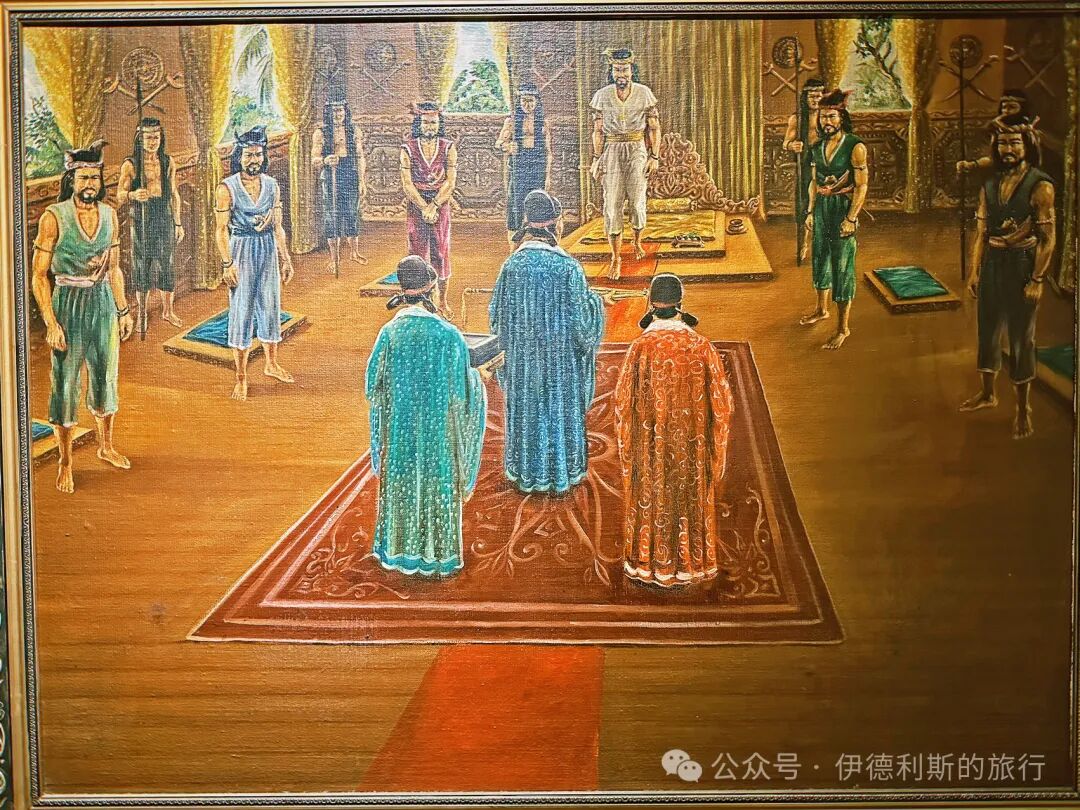
The Malacca History Museum houses a set of three enamel incense burners and vases, and there is a statue of Zheng He in the museum courtyard. The museum also features a painting of the Ming Emperor Chengzu sending his envoy Yin Qing to issue an imperial decree to the Sultan of Malacca in 1403 (the first year of the Yongle era).
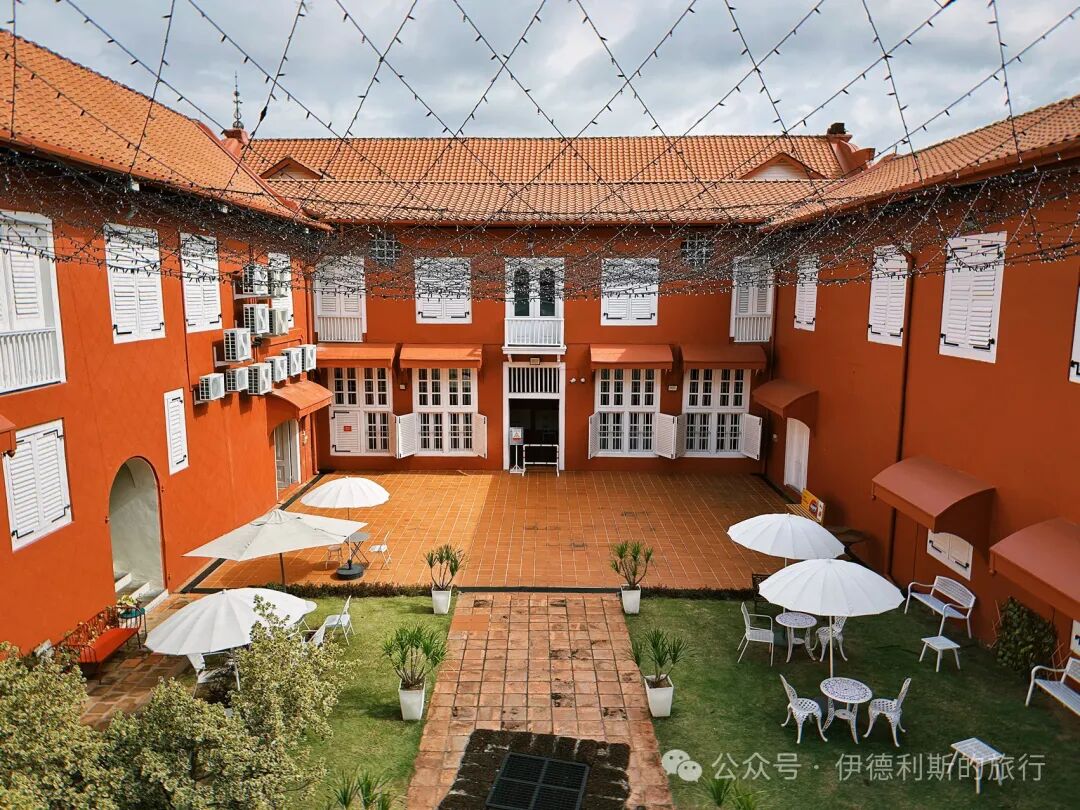
Muzium Budaya Melayu dan Islam Melaka (Malacca Malay and Islamic World Museum).
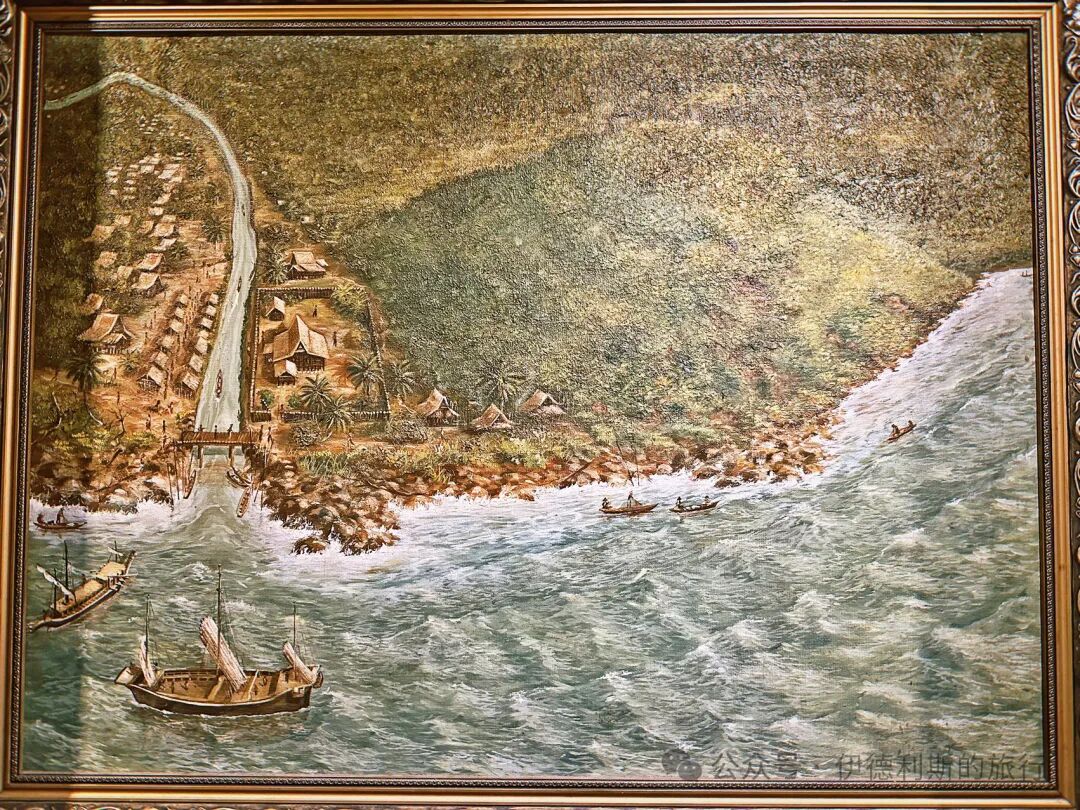
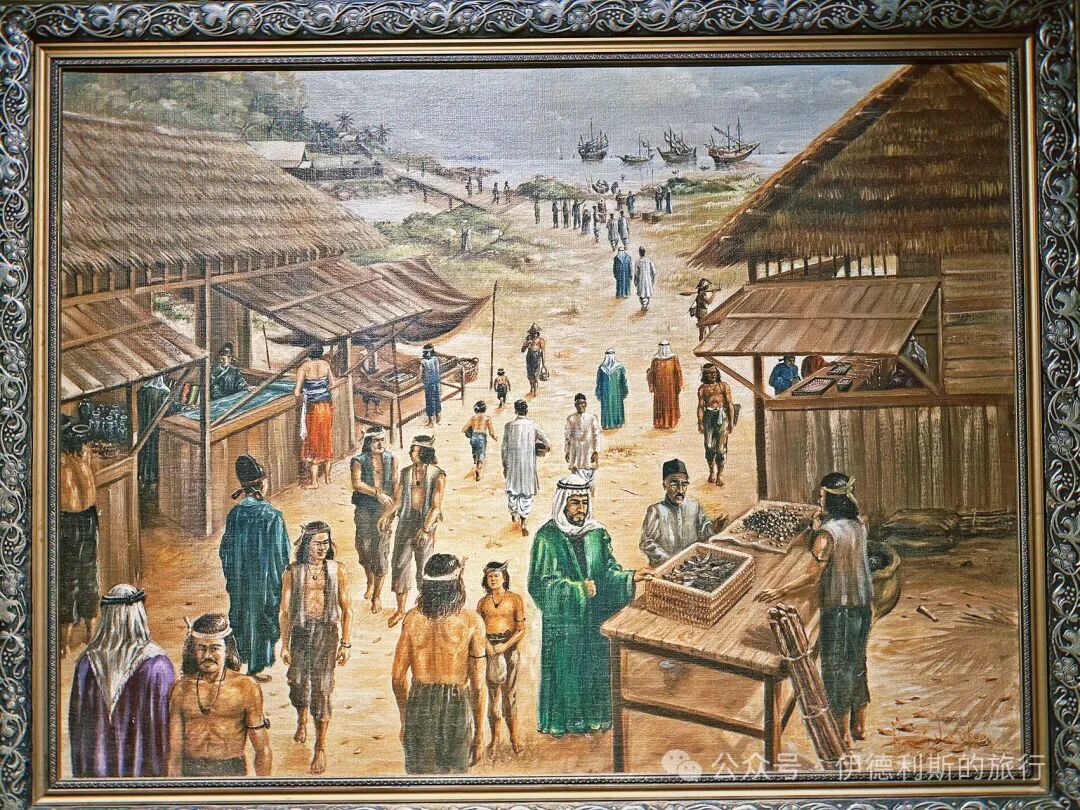
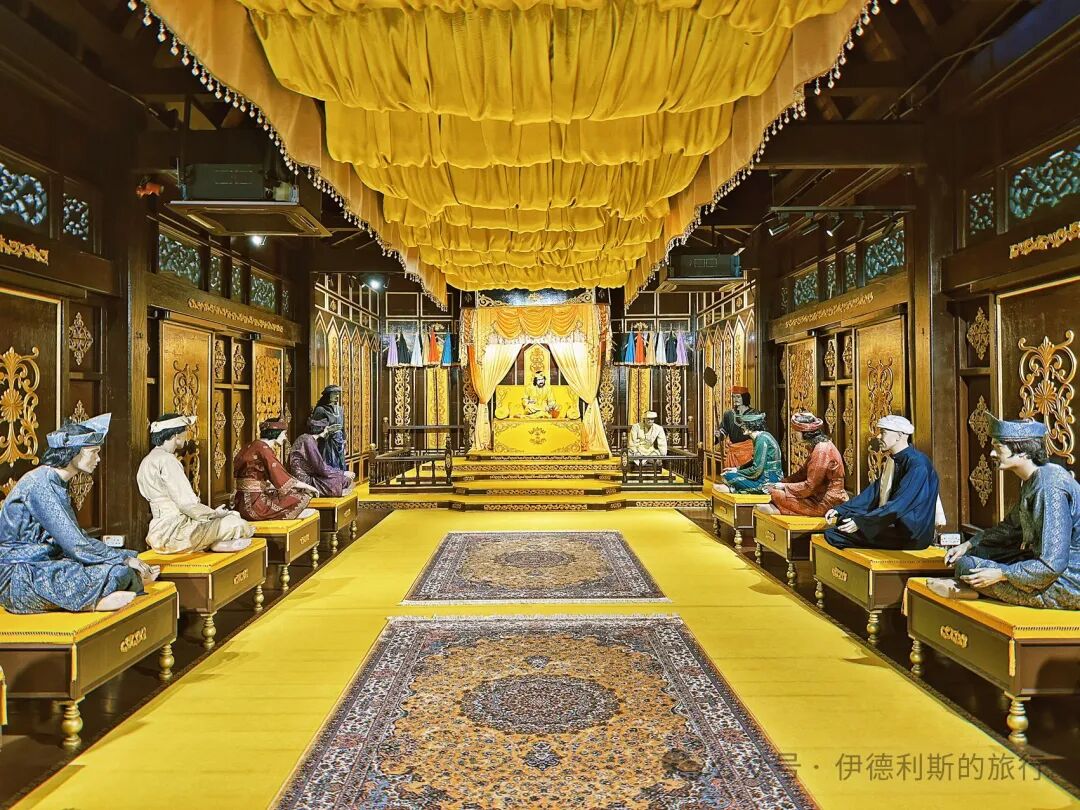
A glimpse into what life looked like during the Malacca Sultanate era.
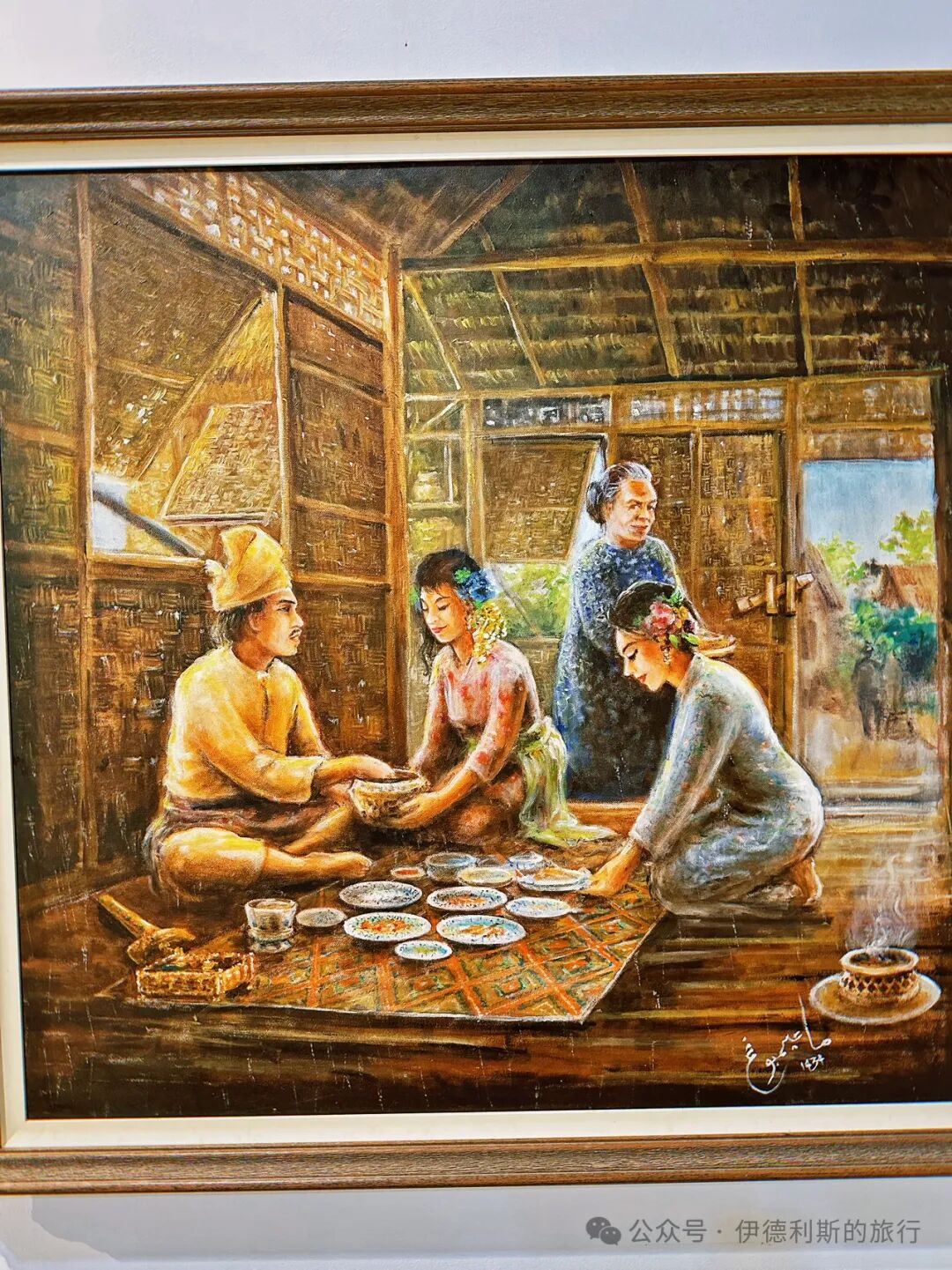
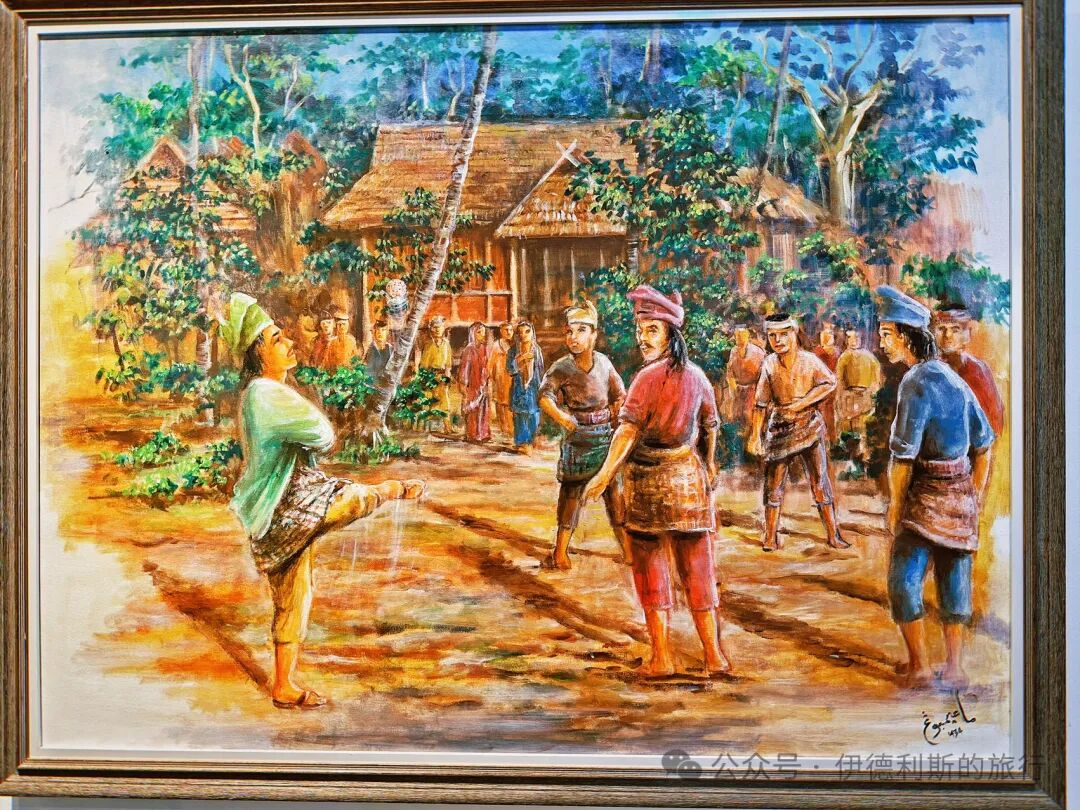
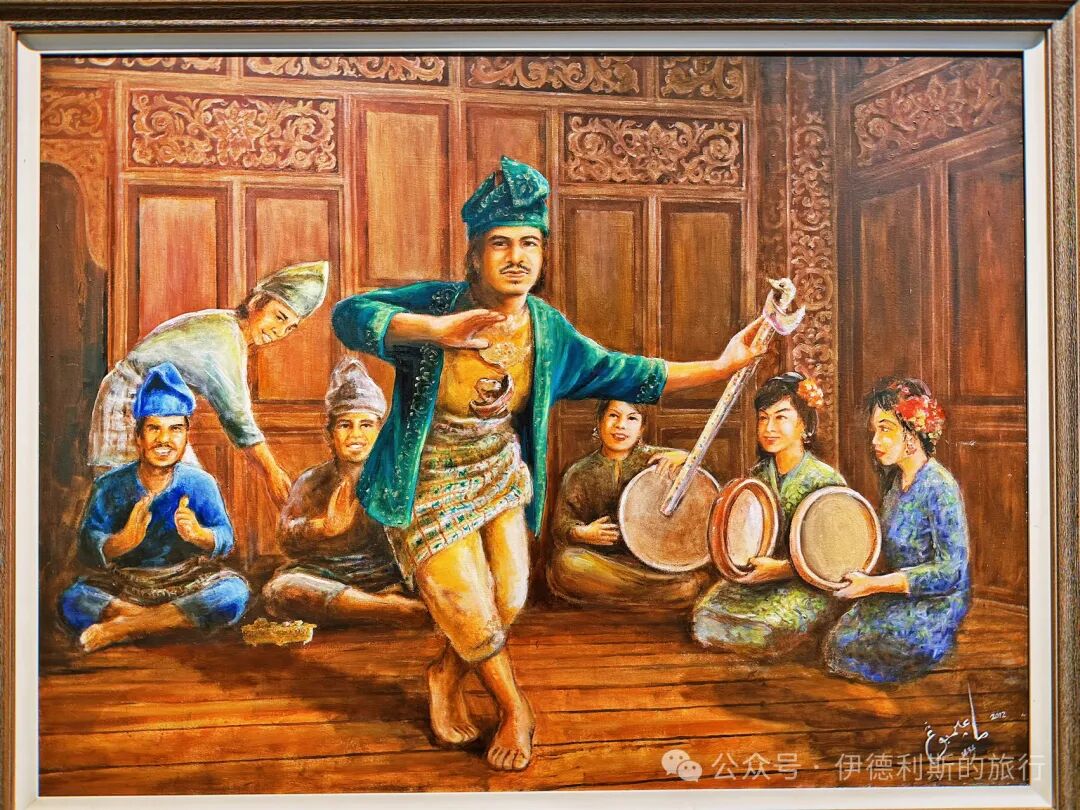
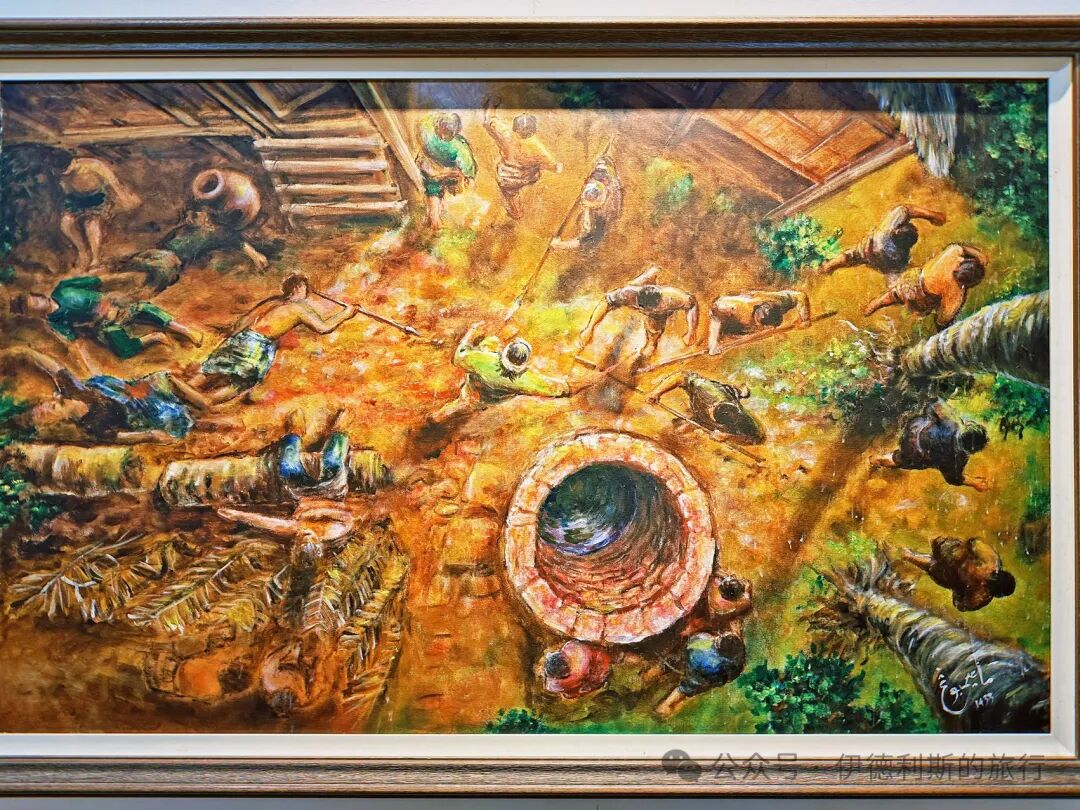
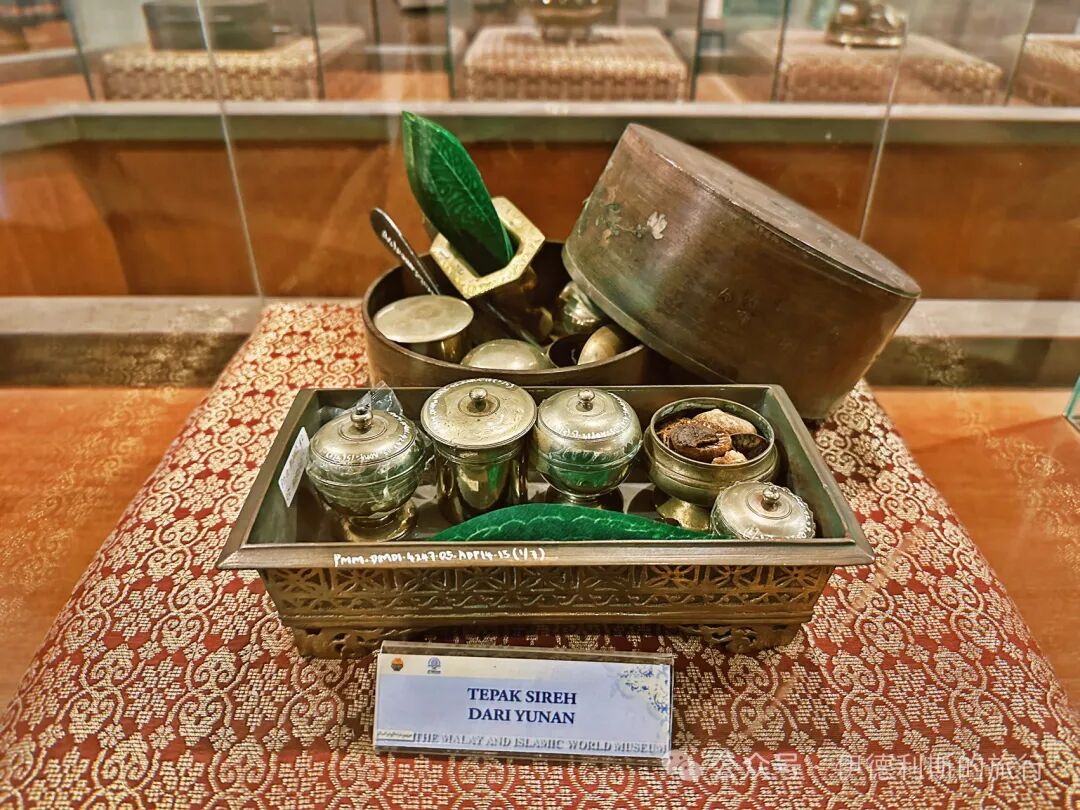
Tepak Sireh is a metal container for storing betel nut, used when welcoming guests, during traditional dances, and in royal ceremonies.
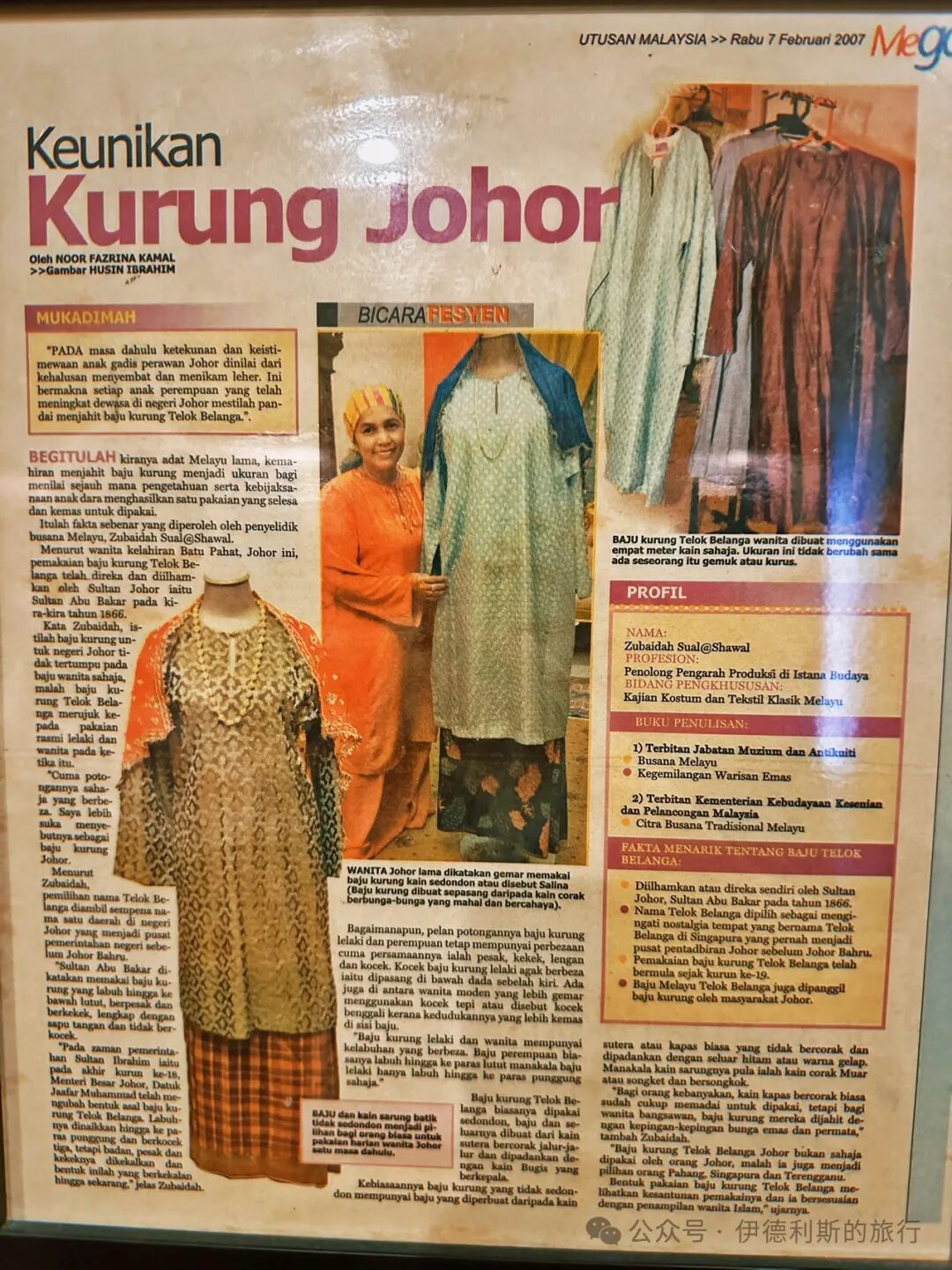
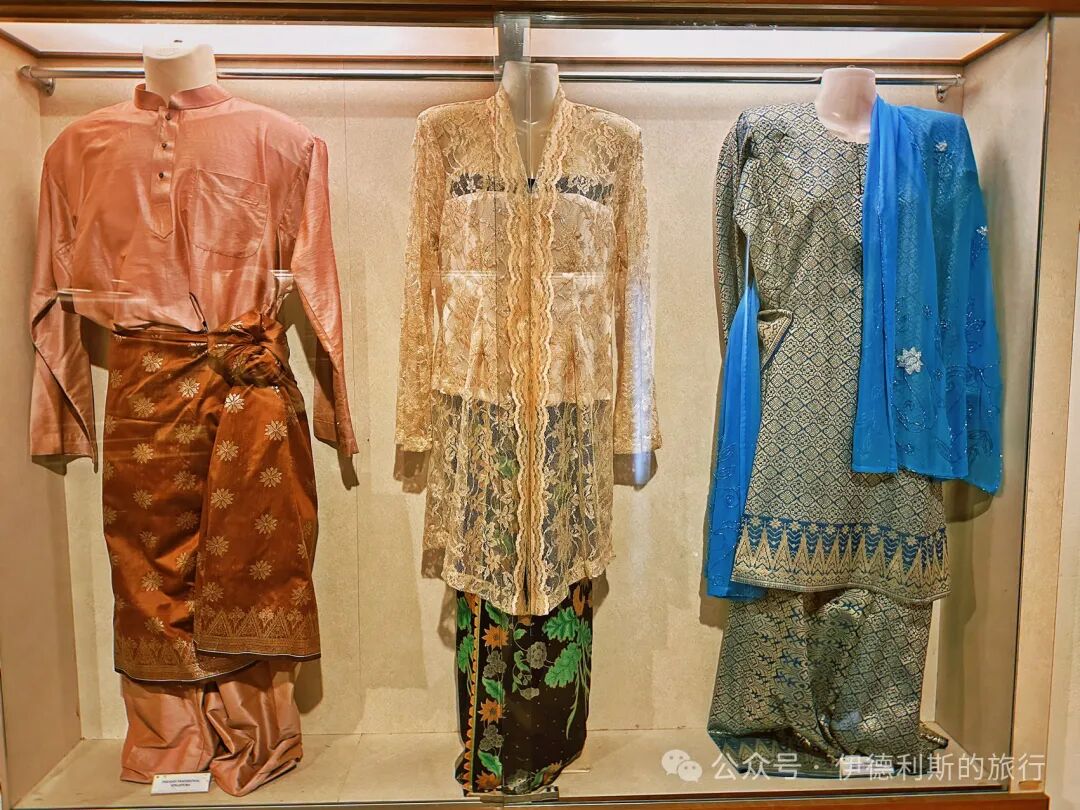
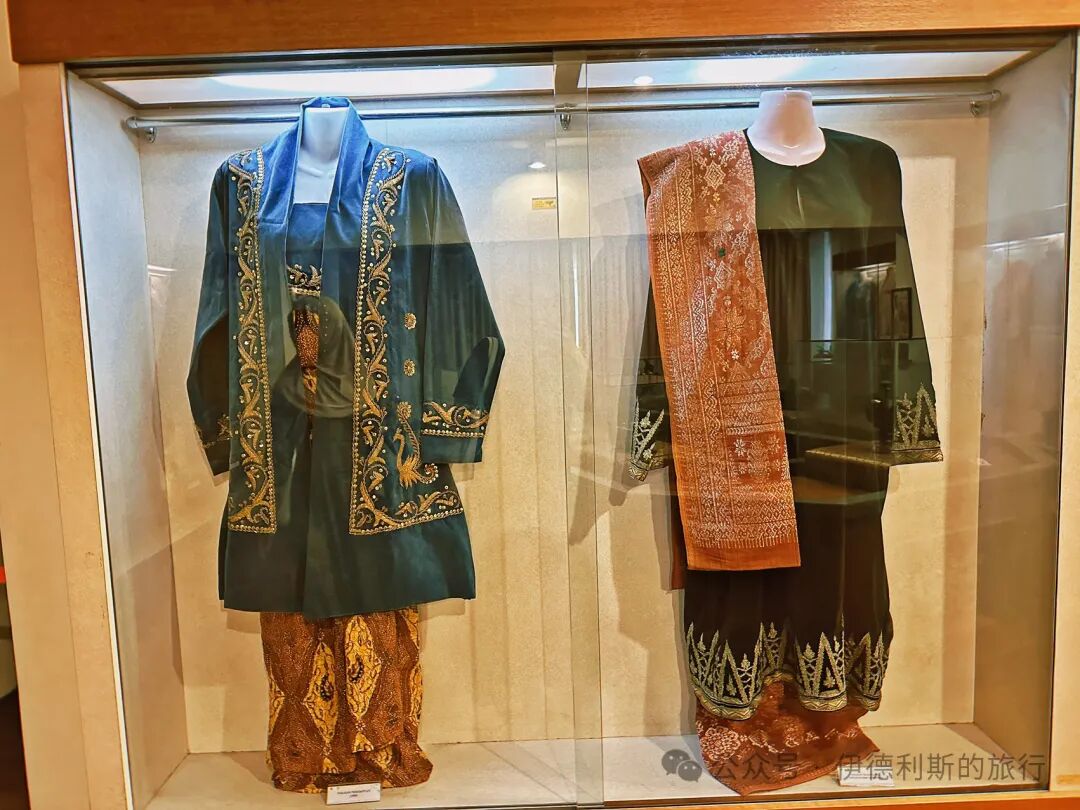
Traditional Malay clothing.
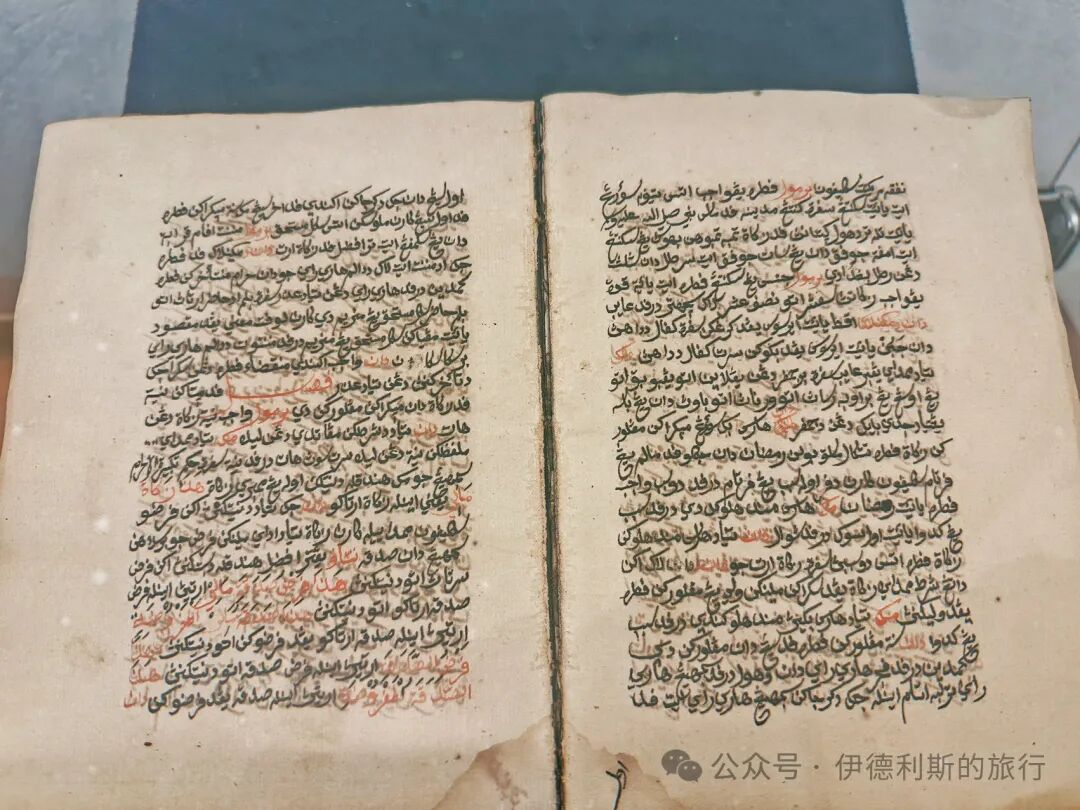
Traditional Malay manuscripts.
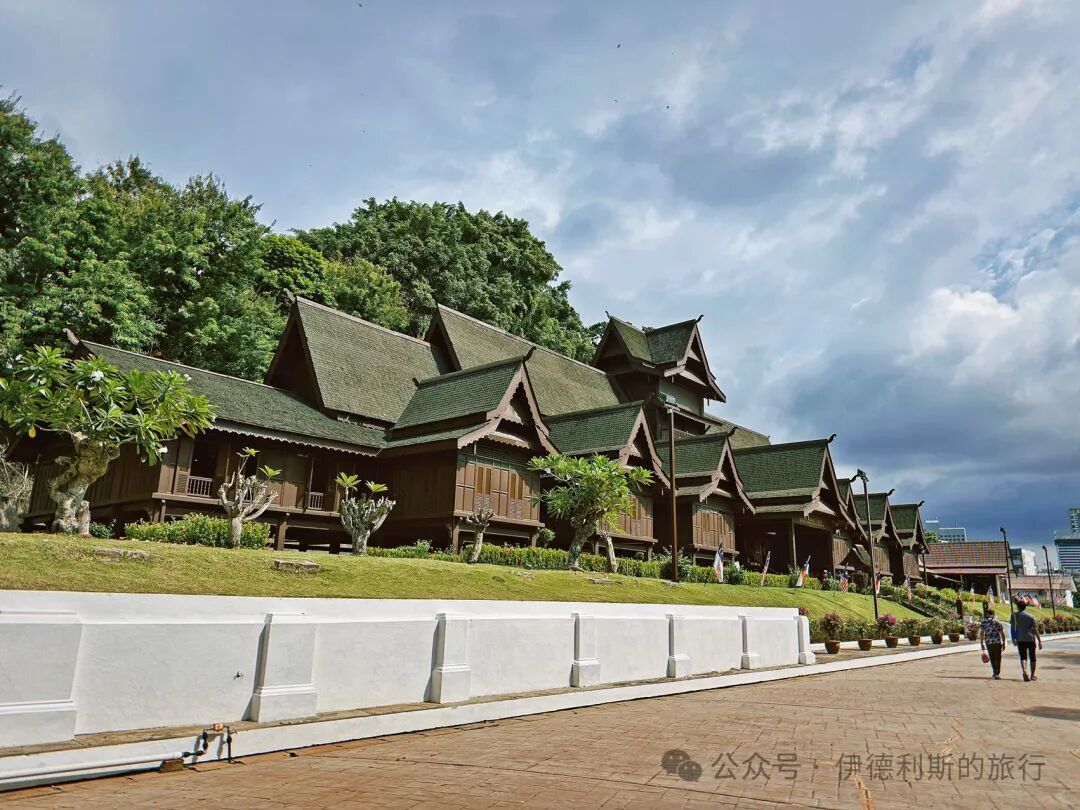
Malacca Sultanate Palace Museum.
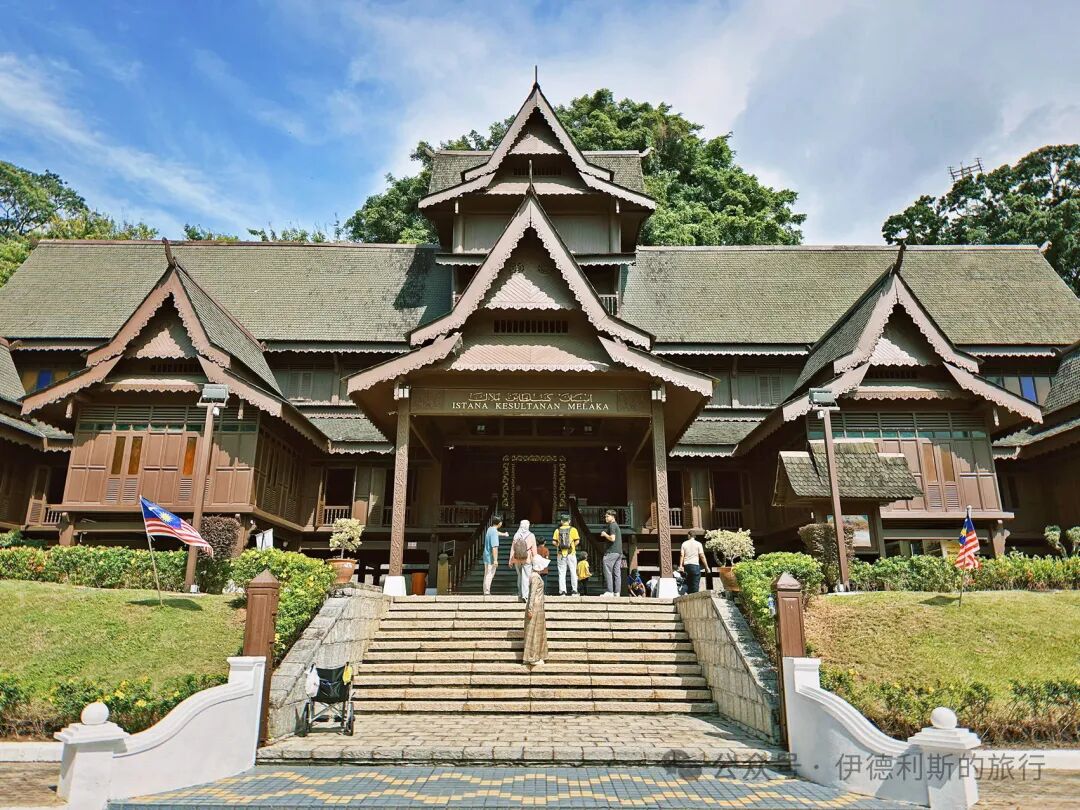
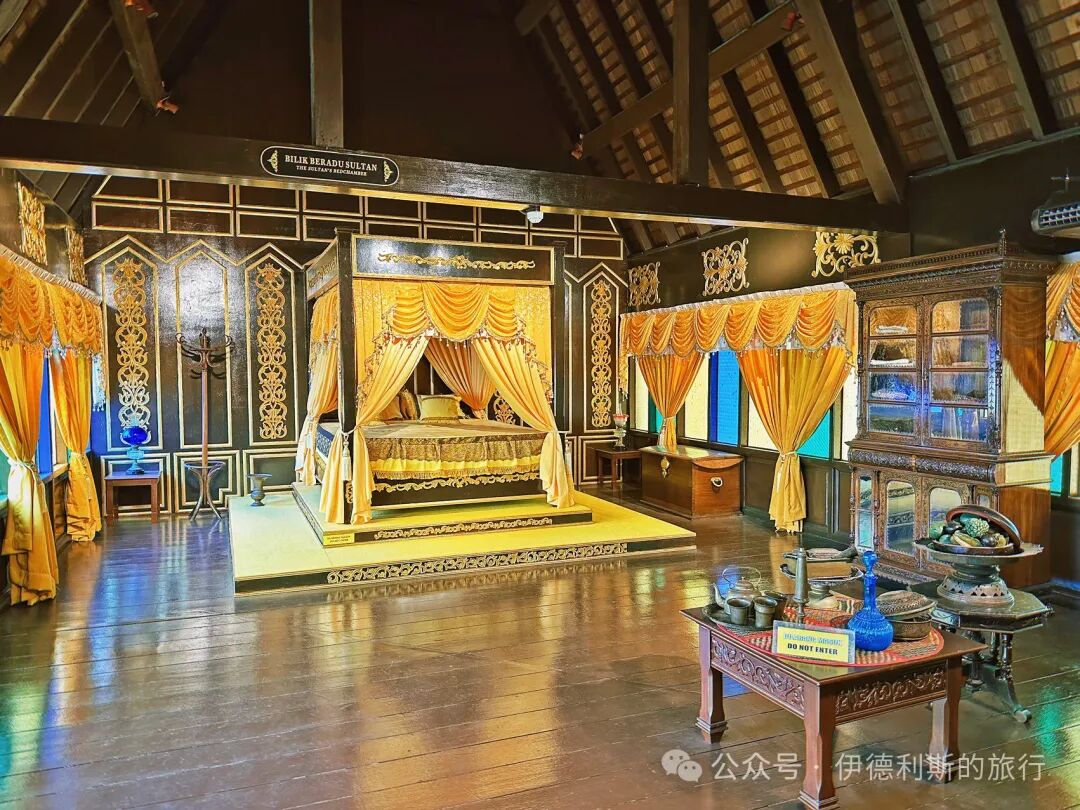
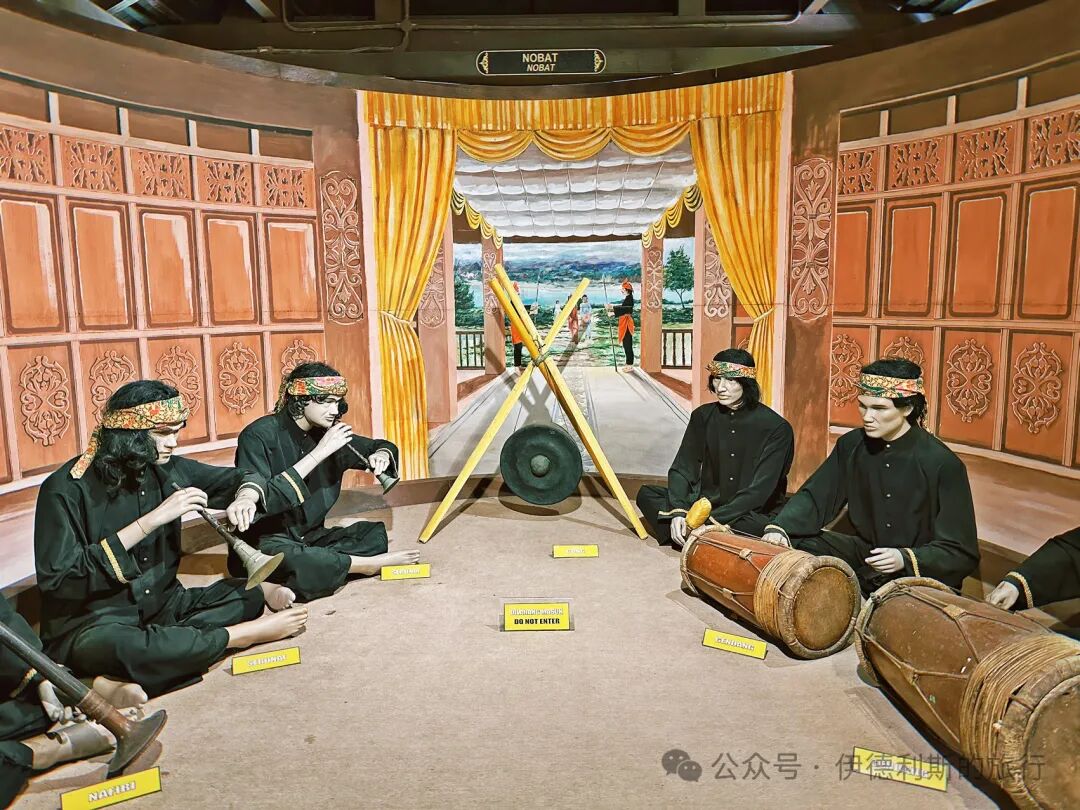
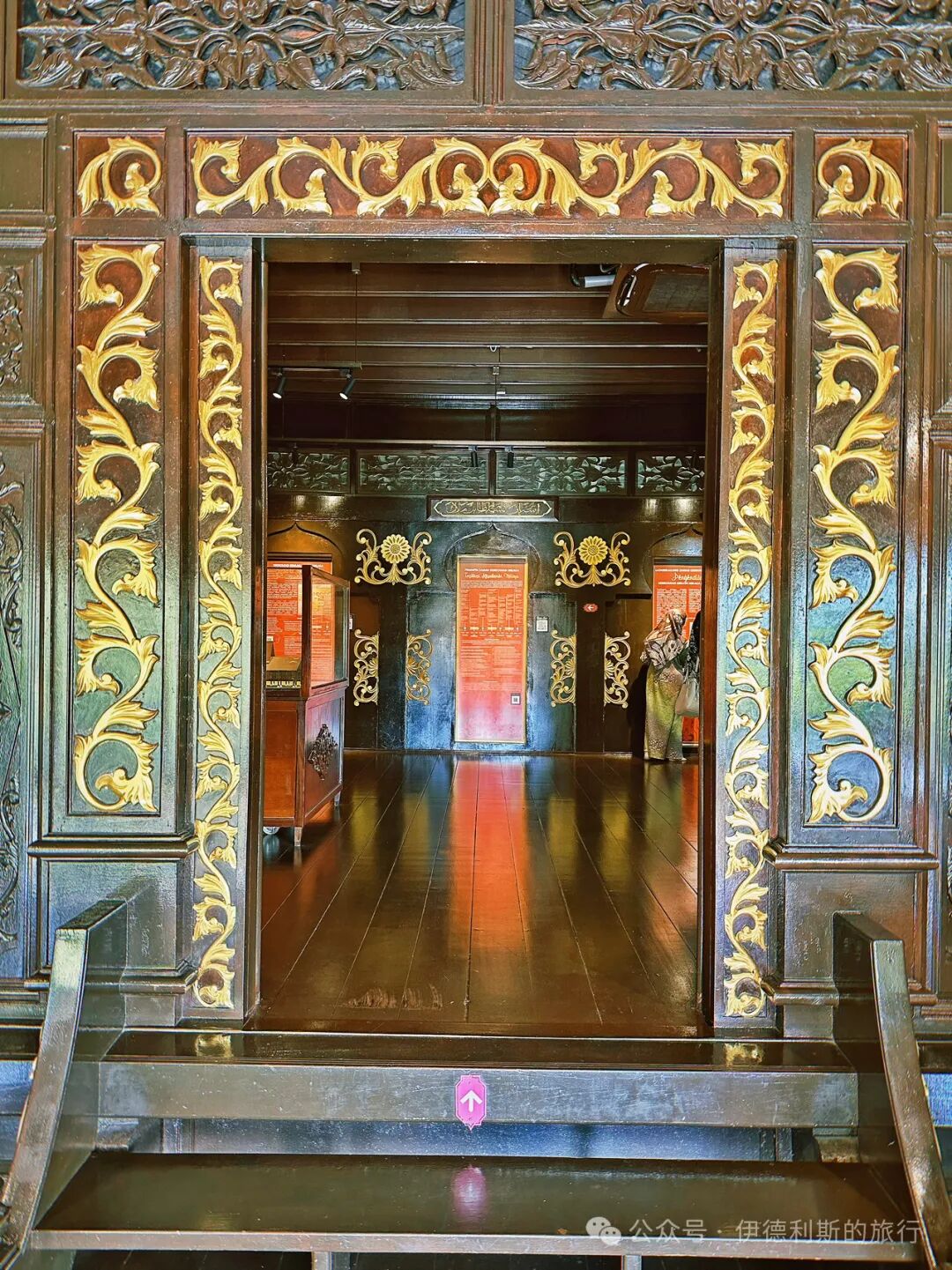
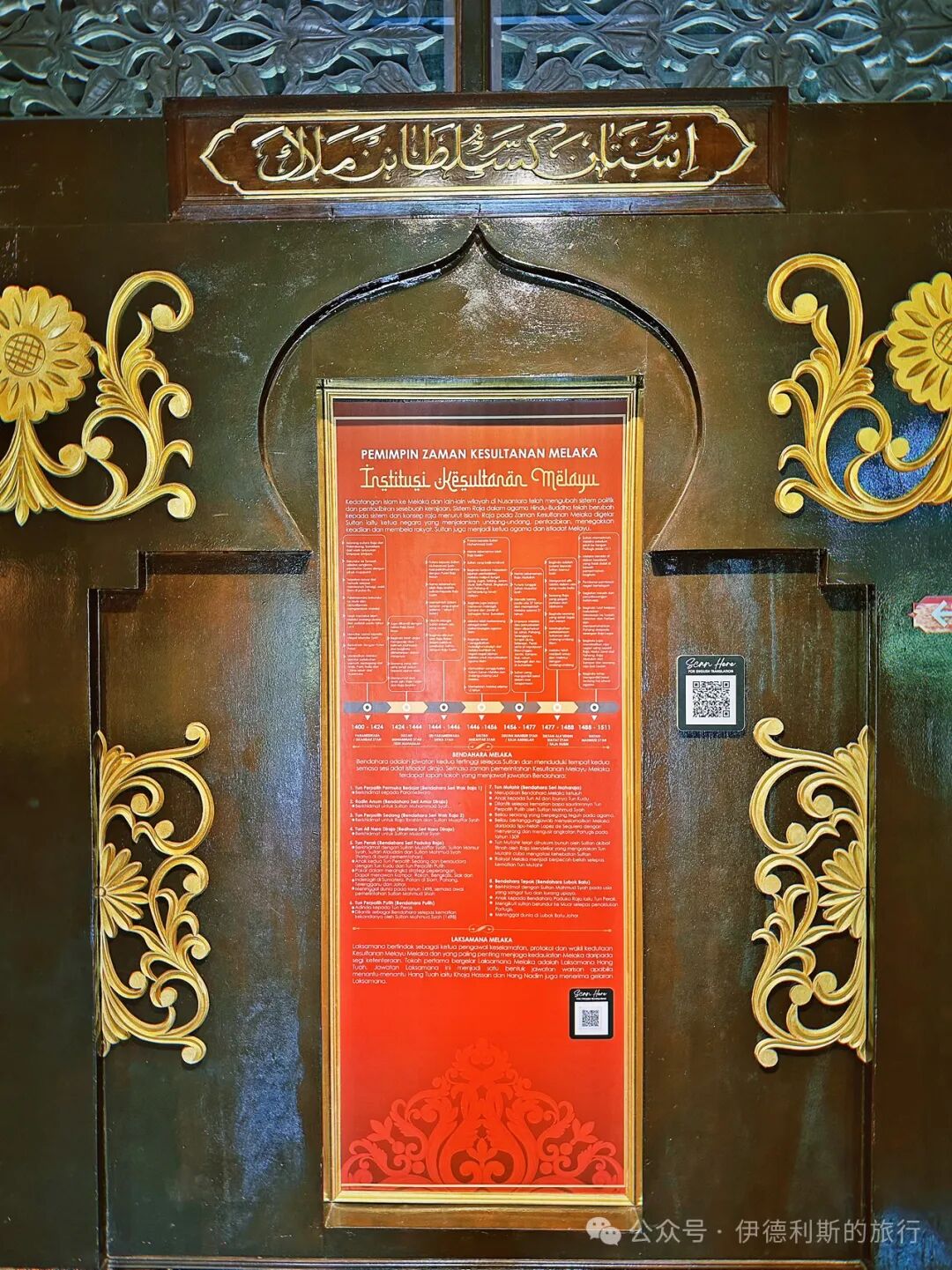
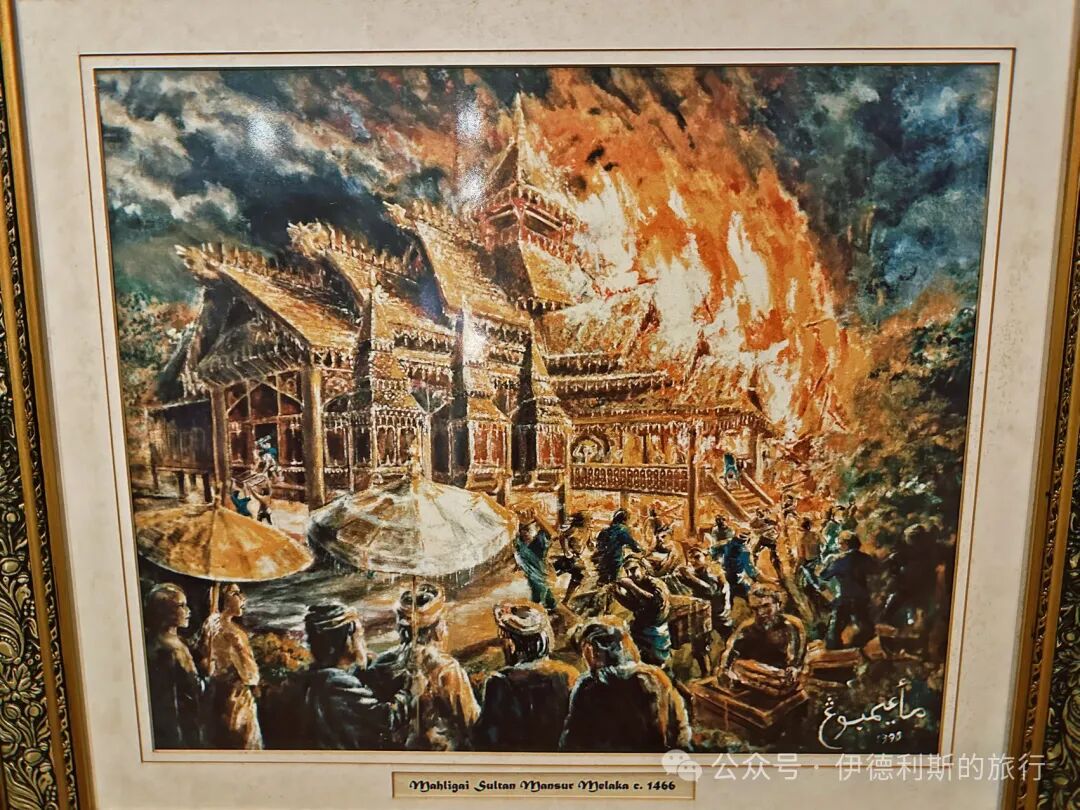
The Malacca Sultanate Palace Museum, a reconstruction of the palace from the reign of Sultan Mansur Shah (1459-77) built in 1984 based on records in the Malay Annals.
Summary: This second part continues through Malay wooden houses and historic sites in Malacca, focusing on house forms, museum displays, and old neighborhood details. It keeps the original place names, photographs, architectural notes, and cultural context for readers exploring Malacca heritage.
A traditional wooden box used by the Malays in Malacca to open coconuts.
Attire worn during traditional Malay wedding ceremonies in Malacca from the 1940s to the 1960s.
The tombstone of Mansur Shah, the sixth Sultan of Malacca (reigned 1459-77), held in the collection of the Malacca History Museum.
Sultan Mansur Shah began the golden age of the Malacca Sultanate, and he was known as a knowledgeable, fair, and pious ruler. He followed an expansionist policy, occupying many areas including the Malay Peninsula, eastern Sumatra, Singapore, and Bintan Island, and he helped spread the faith widely across the Malay Peninsula through marriage alliances.
During his reign, Sultan Mansur Shah lowered trade taxes, charging 6% to Arab and Indian merchants from the west, 3% to local merchants, and exempting merchants from China, Japan, and Java, which made trade in Malacca more prosperous.
Sultan Mansur Shah was passionate about the faith and encouraged Sufi studies, personally studying under Maulana Abu Bakr and translating the famous commentary Ad Darrul Manzum into Malay.
The interior layout of a traditional Malay wooden house recreated at the Malacca History Museum feels quite authentic. The exhibition hall also has a map showing the locations of typical Malay wooden houses in Malacca, so interested friends (dosti) can follow the map to visit them in person.
The Malacca History Museum houses a set of three enamel incense burners and vases, and there is a statue of Zheng He in the museum courtyard. The museum also features a painting of the Ming Emperor Chengzu sending his envoy Yin Qing to issue an imperial decree to the Sultan of Malacca in 1403 (the first year of the Yongle era).
Muzium Budaya Melayu dan Islam Melaka (Malacca Malay and Islamic World Museum).
A glimpse into what life looked like during the Malacca Sultanate era.
Tepak Sireh is a metal container for storing betel nut, used when welcoming guests, during traditional dances, and in royal ceremonies.
Traditional Malay clothing.
Traditional Malay manuscripts.
Malacca Sultanate Palace Museum.
The Malacca Sultanate Palace Museum, a reconstruction of the palace from the reign of Sultan Mansur Shah (1459-77) built in 1984 based on records in the Malay Annals.
