
Halal Travel Guide: Malaysia — 25 Historic Mosques, Muslim Communities & Heritage
Reposted from the web
Summary: Malaysia has many old mosques tied to local Muslim communities, trade routes, and regional history. This travel account follows visits to 25 historic mosques in Malaysia, preserving the names, locations, photos, and cultural notes from the Chinese source.
Javanese style
Kampung Laut Mosque in Kota Bharu: late 18th century
Kampung Hulu Mosque in Malacca: 1728
Tengkera Mosque in Malacca: 1782
Kampung Kling Mosque in Malacca: 1872
Tranquerah Mosque (Sanbaoshan Mosque) in Malacca: 1865
Pengkalan Rama Mosque in Malacca: 1917
Duyong Mosque in Malacca: 1850
Serkam Pantai Mosque in Malacca: 1853
Peringgit Mosque in Malacca: 1868
Acheen Street Mosque in Penang: 1808
Jamek Mosque in Seremban: 1900
Indian style
Indian Mosque in Ipoh: 1908
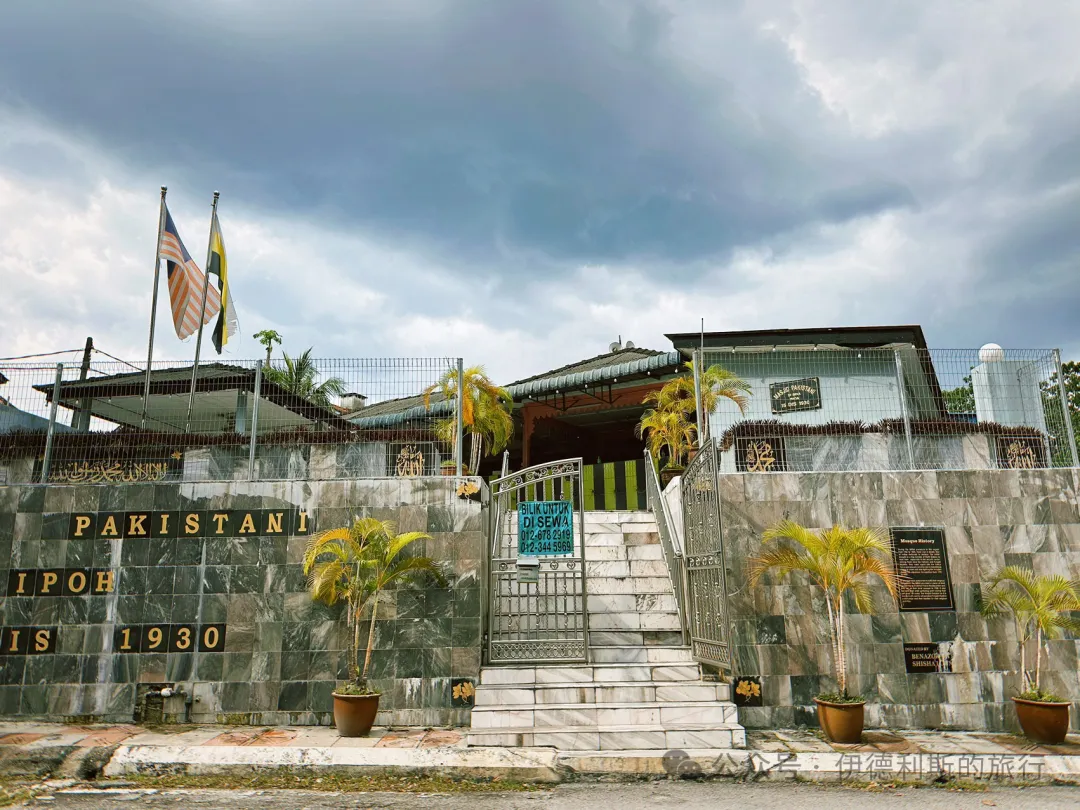
Pakistani Mosque in Ipoh: 1930
Panglima Kinta Mosque in Ipoh: 1898
Indian Mosque in Kuching: 1876
Mughal Revival style
Ubudiah Mosque in Kuala Kangsar: 1917
Alauddin Mosque in Jugra: 1905
Kapitan Keling Mosque in Penang: 1801
Jamek Mosque in Kuala Lumpur: 1909
Art Deco style
Sultan Sulaiman Royal Mosque in Klang: 1933.
Victorian style.
Sultan Abu Bakar Mosque in Johor Bahru: 1900.
Kampung Mamudiah Mosque: 1926.
Sultan Ibrahim Mosque in Muar: 1930.
Neoclassical style.
Pasir Pelangi Royal Mosque in Johor Bahru: 1911.
Muhammadi Mosque in Kota Bharu: 1922.
Javanese style
Kampung Laut Mosque in Kota Bharu: late 18th century
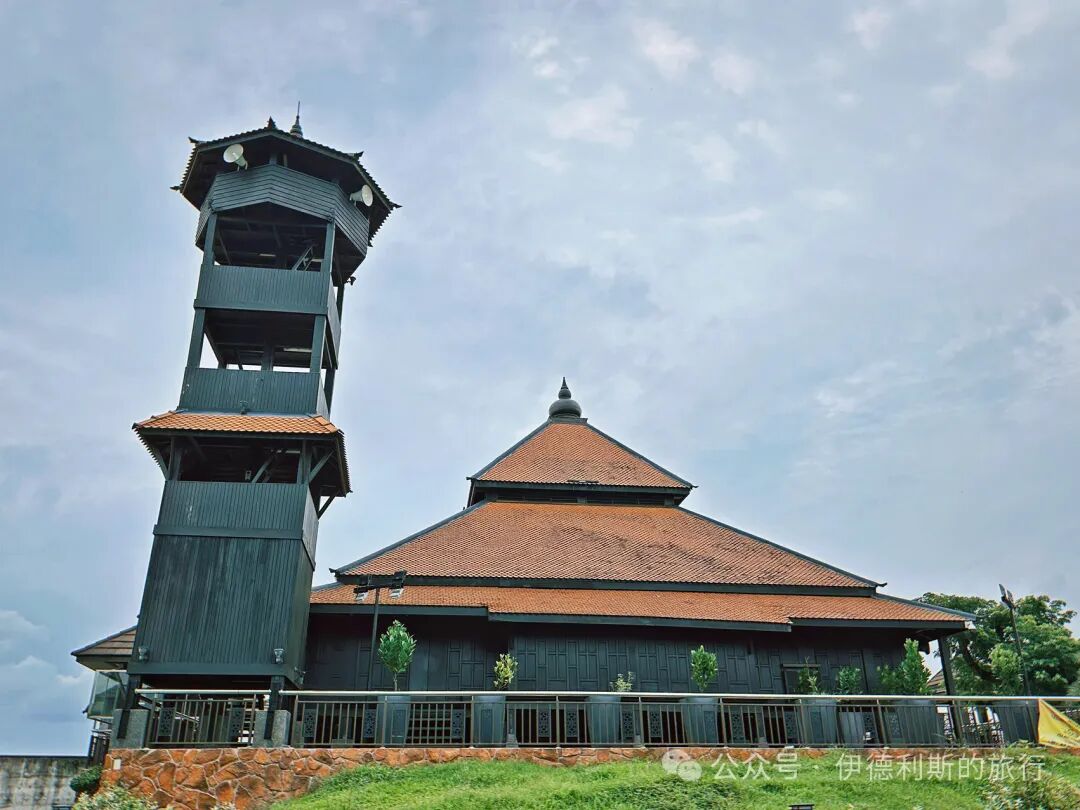
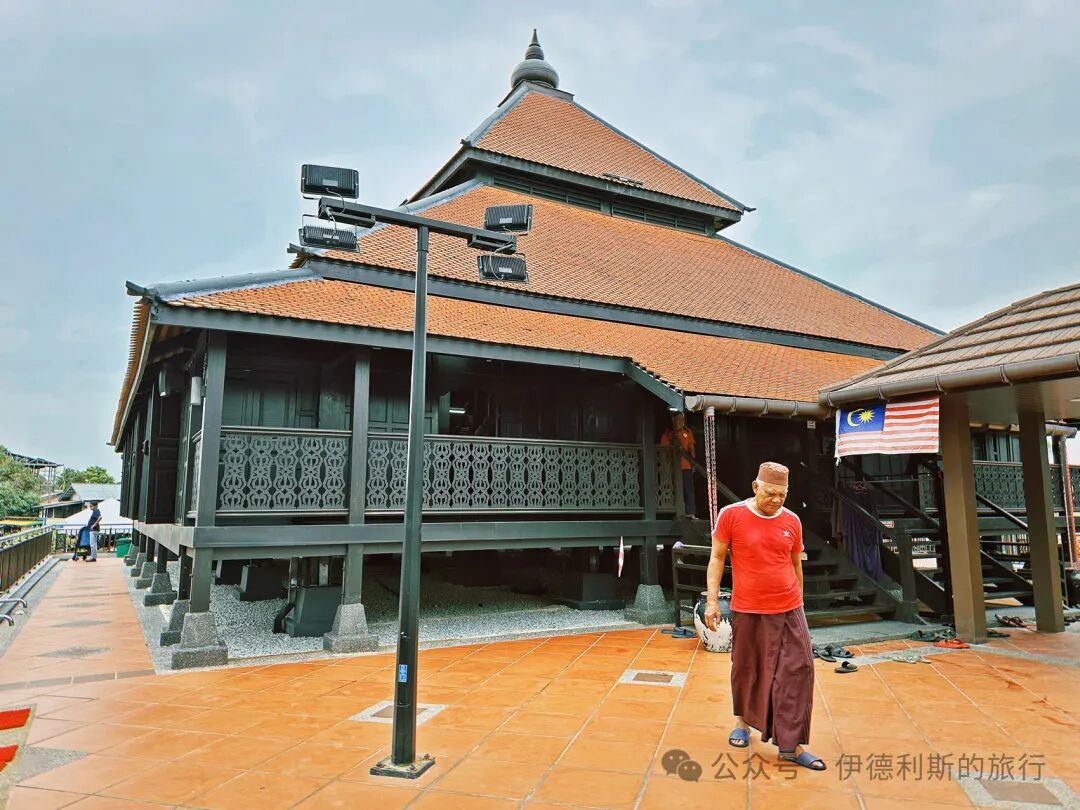
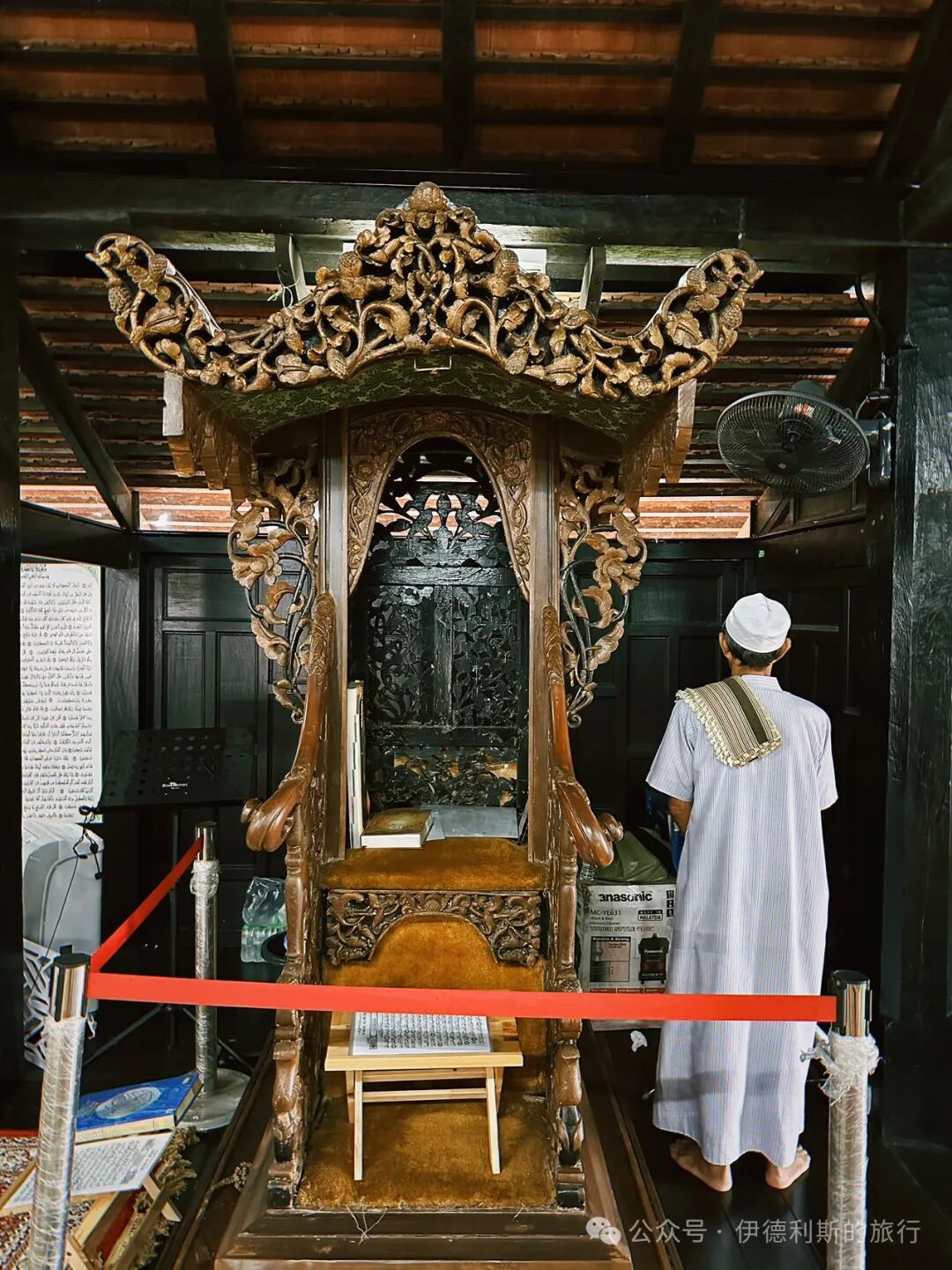
Kampung Laut Mosque (Masjid Kampung Laut) sits by the Kelantan River north of Kota Bharu and is known as one of the oldest mosques in Malaysia. Local legends passed down through generations say that early missionaries sailed from Champa in southern Vietnam toward Java to spread the faith, but a storm damaged their boat and left them stranded on the Kelantan coast. They made a dua to build a mosque wherever they could safely dock their boat. Just then, a school of barracuda swam into the boat and plugged the leaks, keeping it from sinking. After the storm, they sailed along the Kelantan River and docked safely at Kampung Laut, where they built the first Kampung Laut Mosque.
There is no clear record of when the mosque was first built, but it is estimated to be between the 15th and 18th centuries. It is said the original main hall was just a pavilion, and it was not expanded until the late 18th century into a wooden house on stilts high enough to tether an elephant. Between 1886 and 1889, the original sago palm leaf roof was replaced with clay tiles, and a wooden minaret was added in the 1890s. The Kampung Laut Mosque was destroyed by floods in 1967, rebuilt in Nilam Puri, and finally moved back to a raised platform in Kampung Laut in 2020.
Kampung Hulu Mosque in Malacca: 1728
After the Portuguese occupied Malacca, they destroyed all the mosques of the Malacca Sultanate and promoted Catholicism. The Portuguese were not successful, and Catholicism did not have much influence in Malacca until the Dutch took over.
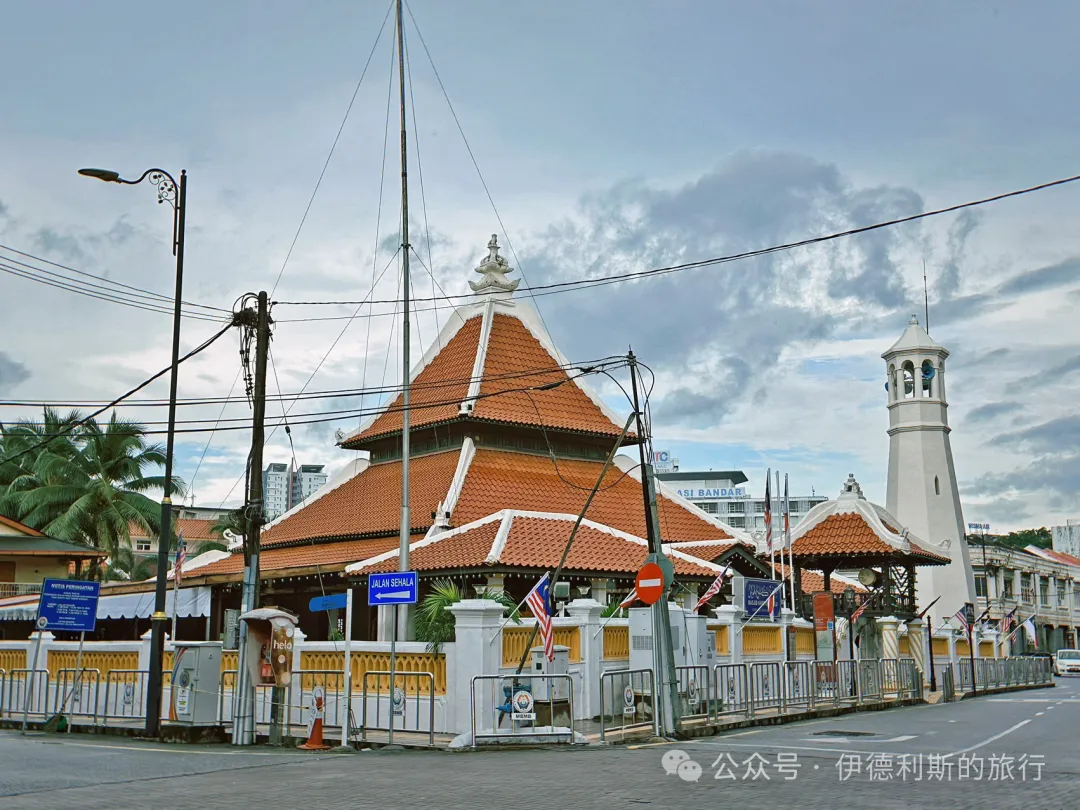
The Dutch took a more tolerant approach in Malacca and allowed the faith to spread. In 1728, the Dutch East India Company commissioned a Chinese Muslim, Dato' Samsuddin Bin Arom, to build a new mosque near the site of an old mosque destroyed by the Portuguese, which became the oldest surviving mosque in Malacca, Kampung Hulu Mosque (Masjid Kampung Hulu).
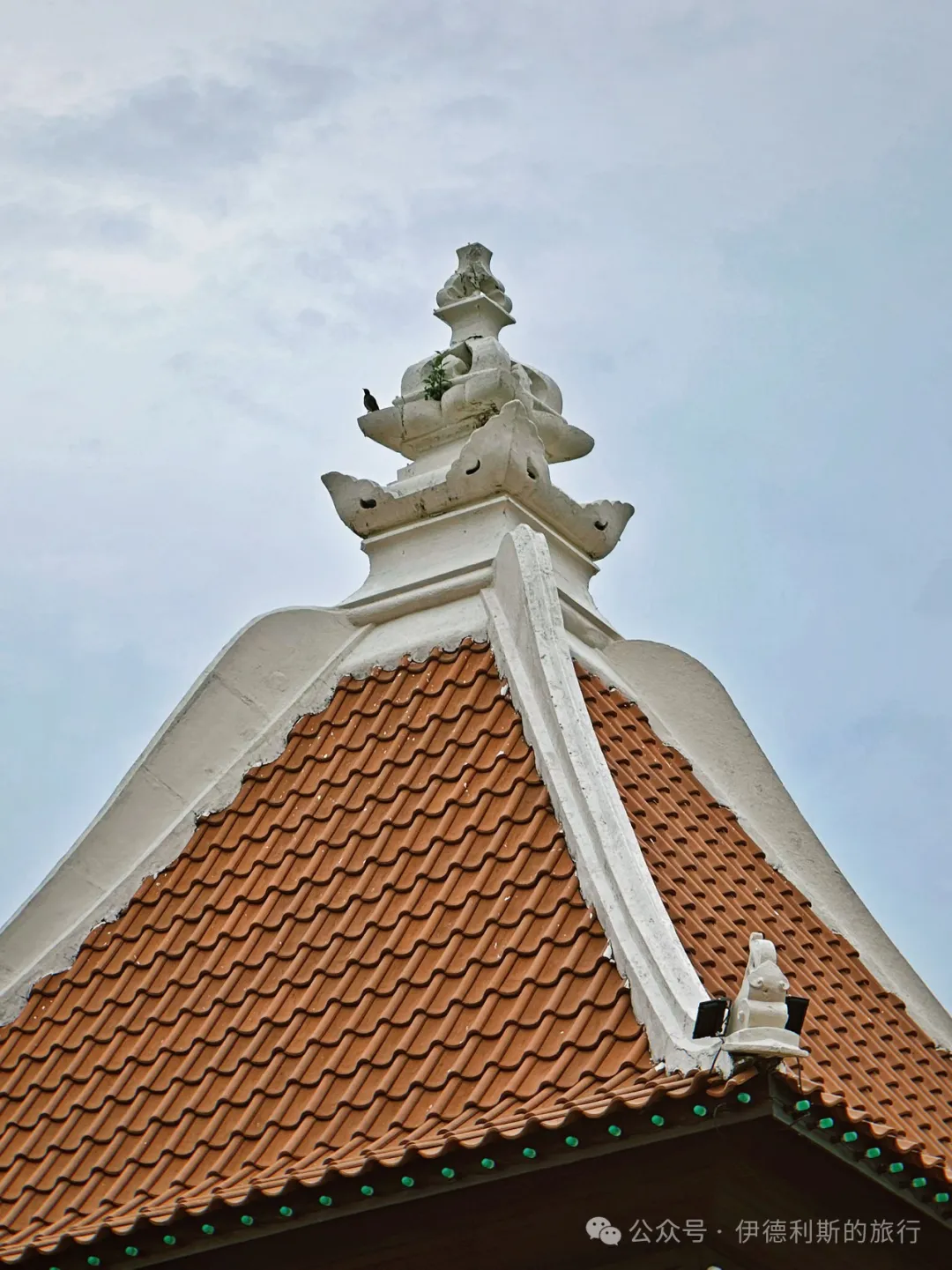
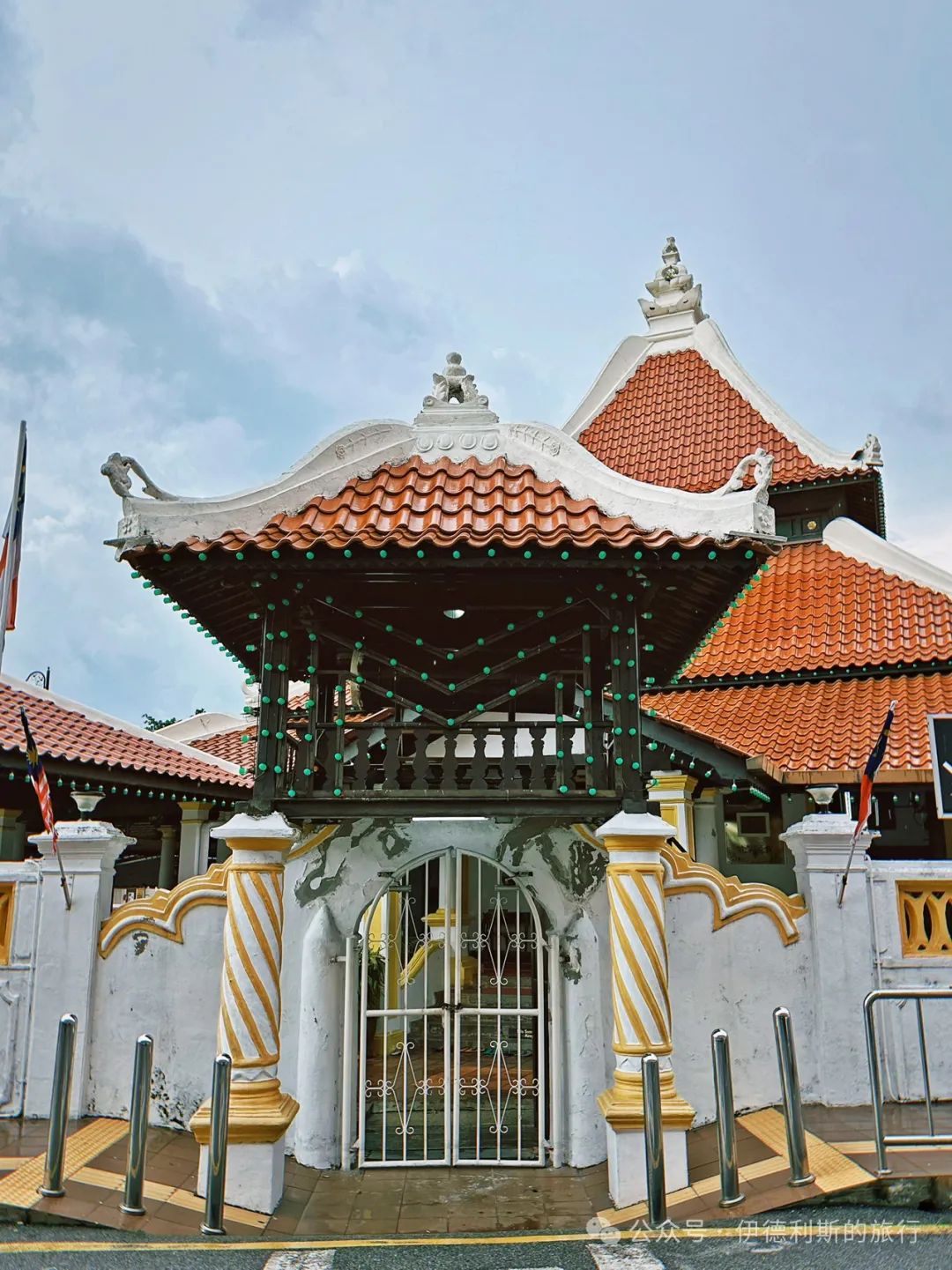
The main hall of Kampung Hulu Mosque uses the traditional Javanese Tajug multi-layered pyramid roof. The decoration at the very top is called Mustoko or Memolo in Javanese. This roof structure leaves space between the upper and middle layers for ventilation and light, which helps it adapt well to the humid and rainy tropical climate.
Unlike traditional all-wood Javanese mosques, Kampung Hulu Mosque is built with brick and stone and covered in plaster, an influence from Dutch colonial architecture. The tiles and floor tiles inside the mosque were all imported from China, and the patterns on the windows also show Chinese influence.
A traditional drum called a Beduk sits above the main gate. Early mosques in Southeast Asia used these drums to call people to prayer. Today, many mosques still use drums to call people to prayer and signal the end of the daily fast during Jumu'ah and Ramadan.
The minaret looks like a lighthouse, which was a first for the Malay Peninsula, as there was no previous tradition of building minarets there. On Java Island, the Great Mosque of Banten, built in 1632, was the first to have a lighthouse-style minaret designed and built by a Chinese man named Cek-ban-cut.
Tengkera Mosque in Malacca: 1782
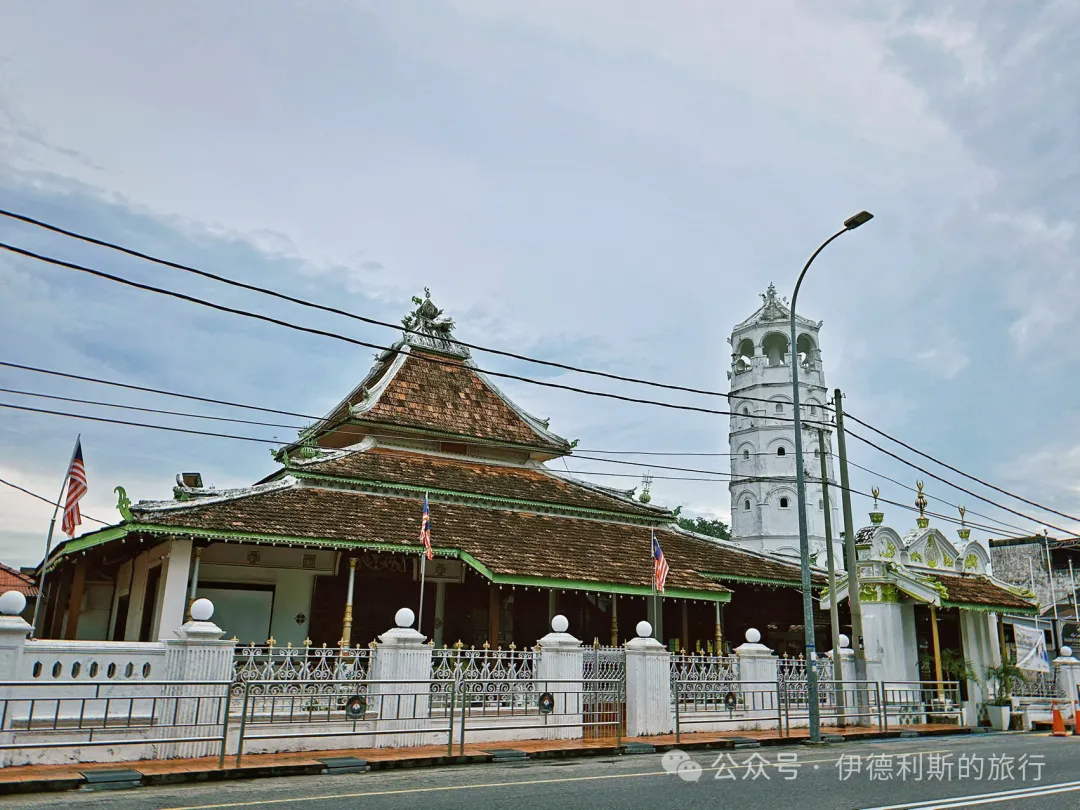
In 1782, Tengkera Mosque (Masjid Tengkera) was built to the west of the smaller Tengkera Mosque. Tengkera Mosque also features a traditional three-layered Javanese pyramid roof (bumbung tiga lapis), and the main hall is supported by four ironwood pillars from Kalimantan. After being renovated twice in 1890 and 1910, the current Tengkera Mosque has brick walls and a tiled roof. Like the smaller Tengkera Mosque, the minaret at Tengkera Mosque is a Chinese-style pagoda structure, continuing the design of the smaller mosque's minaret.
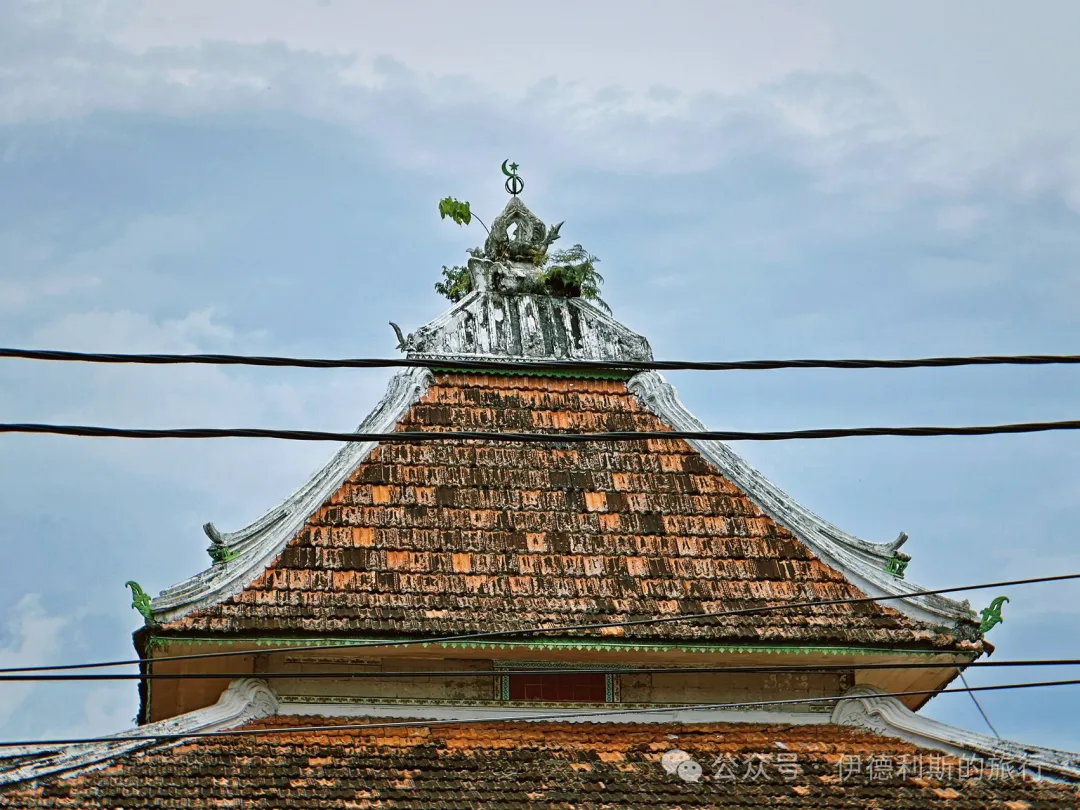
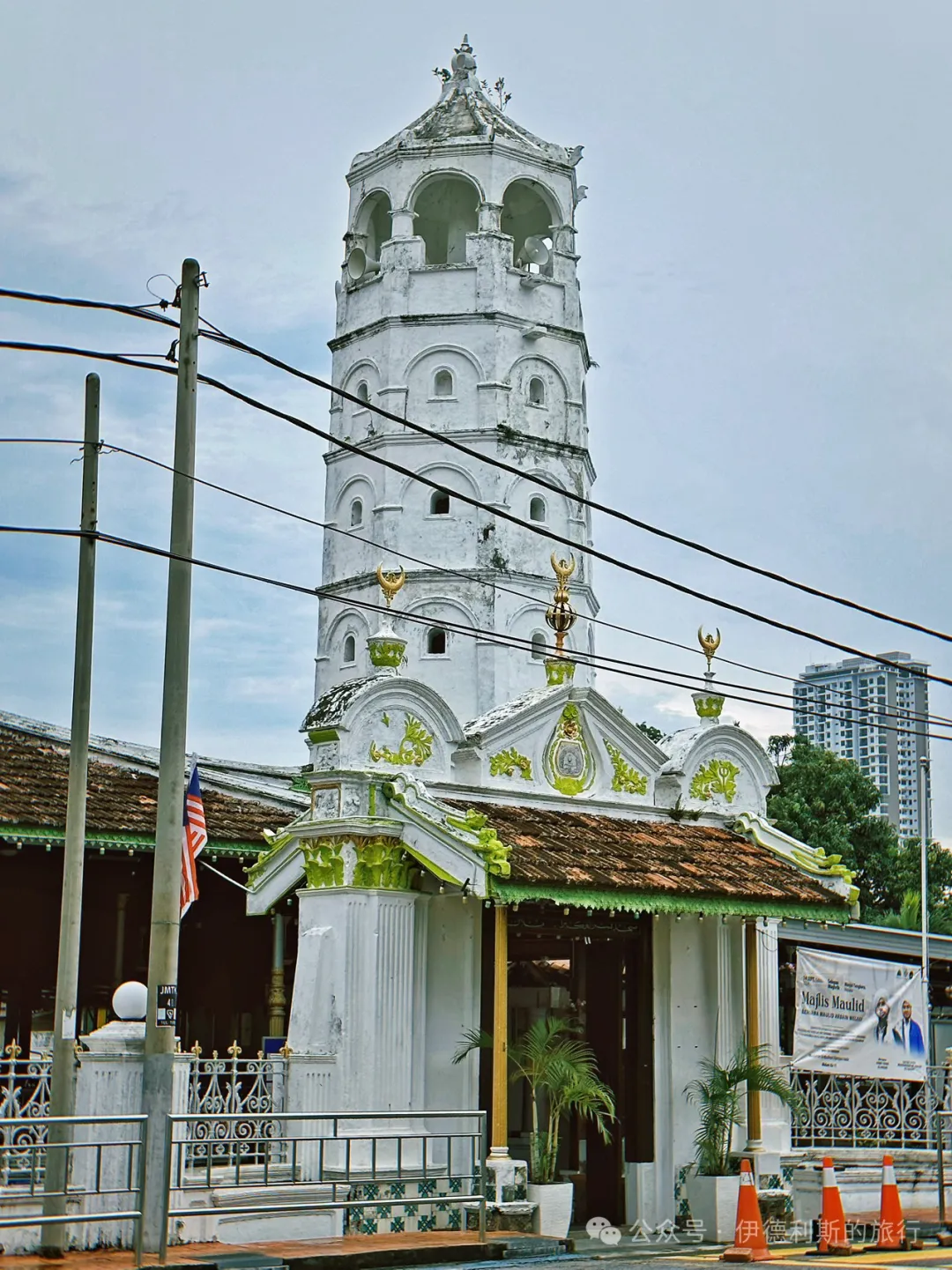
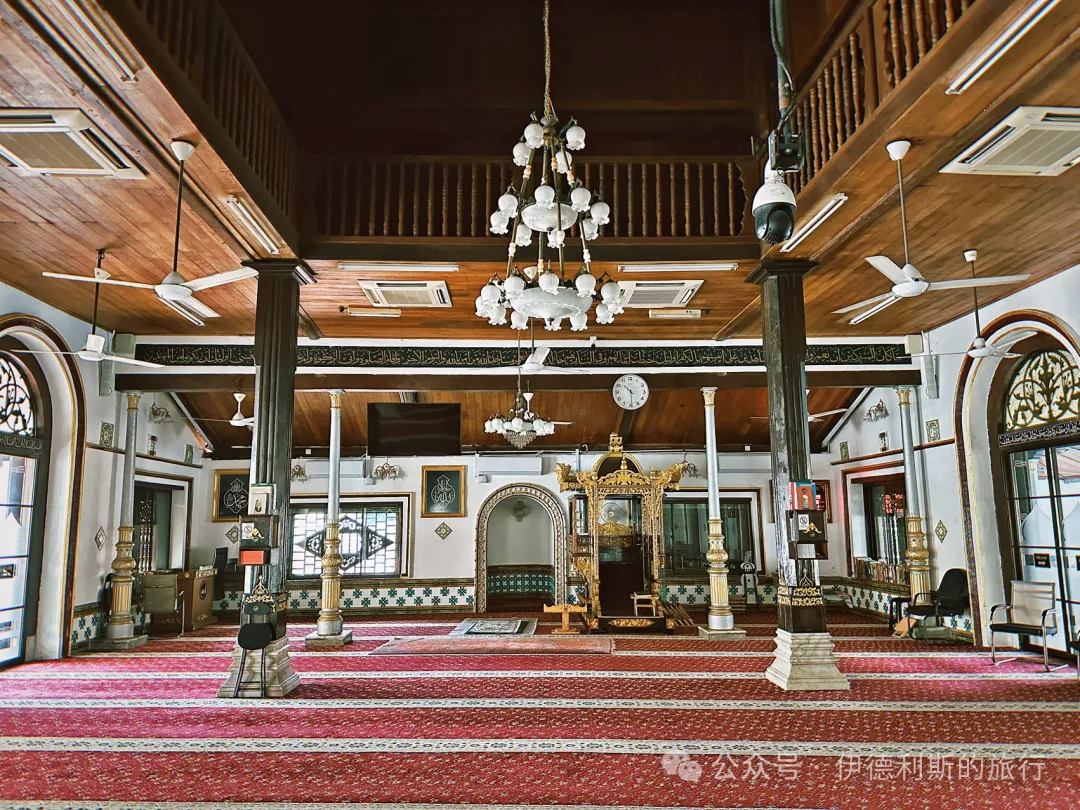
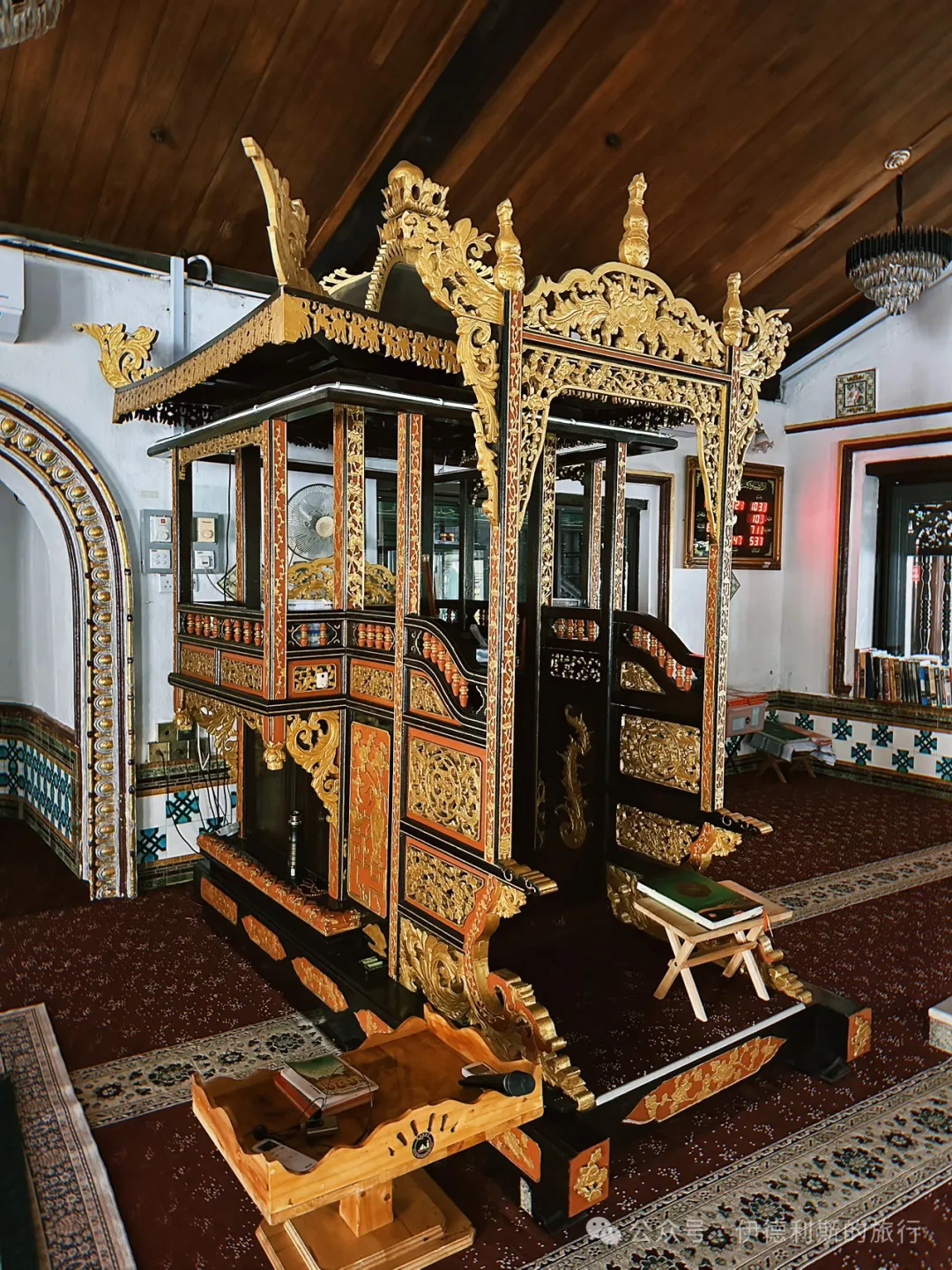
Kampung Kling Mosque in Malacca: 1872
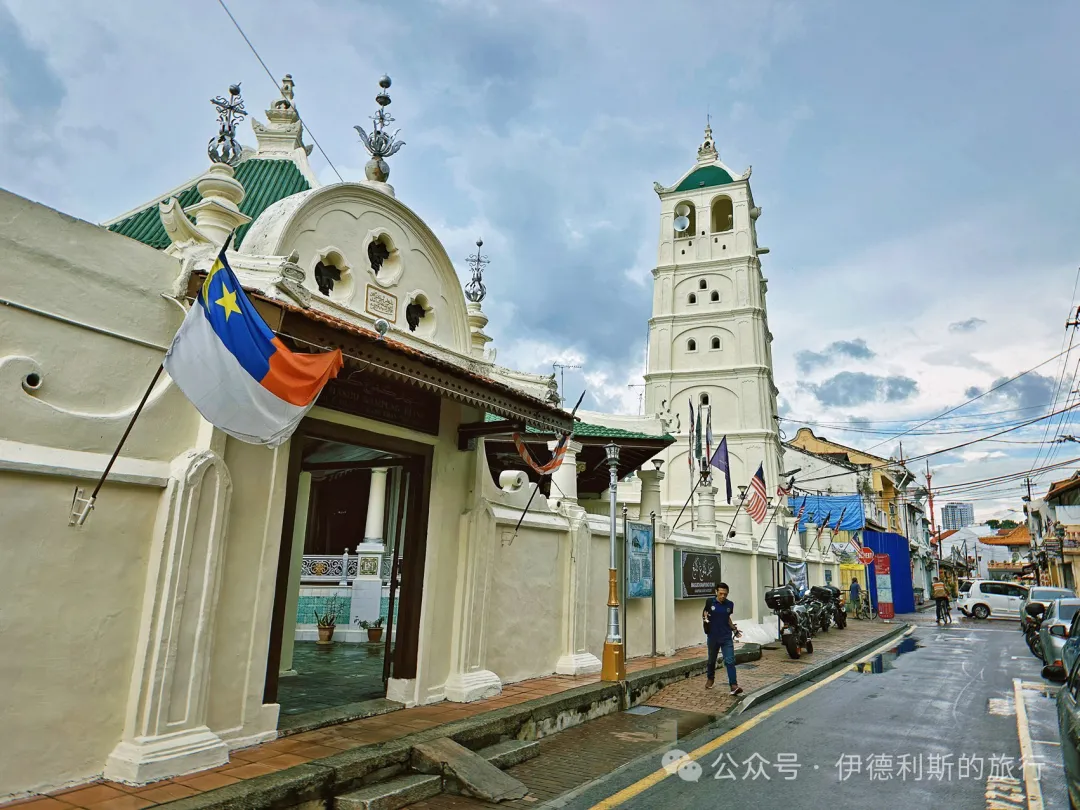
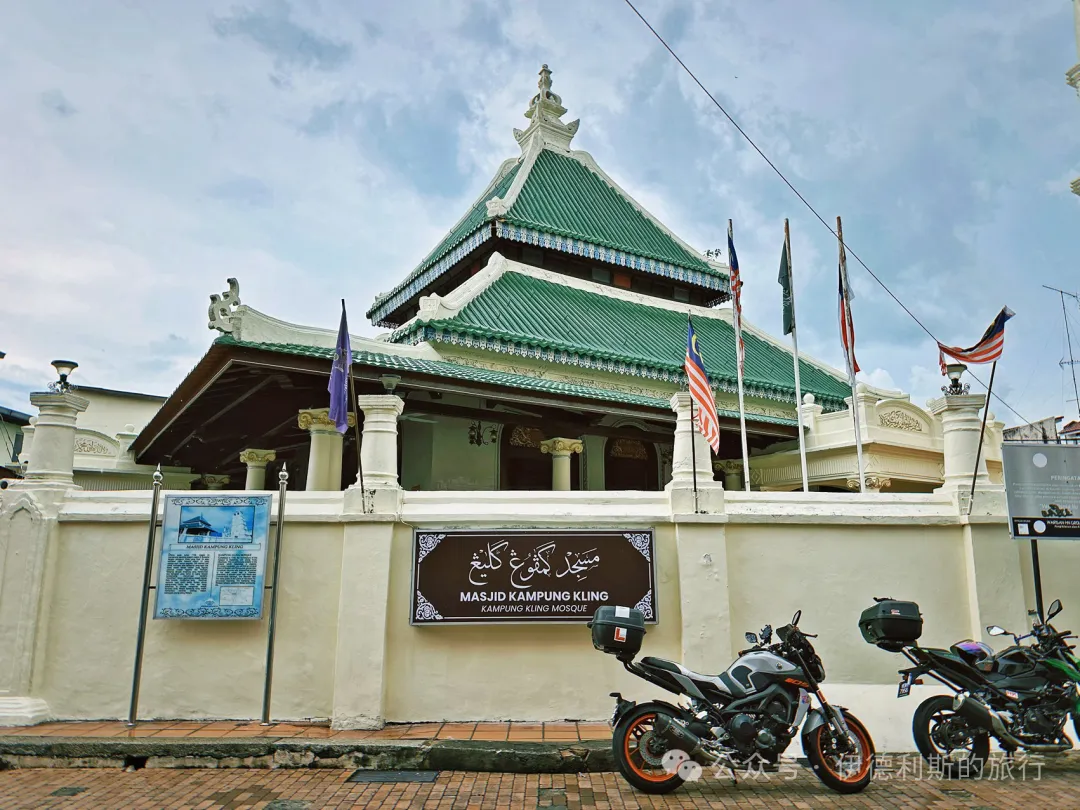
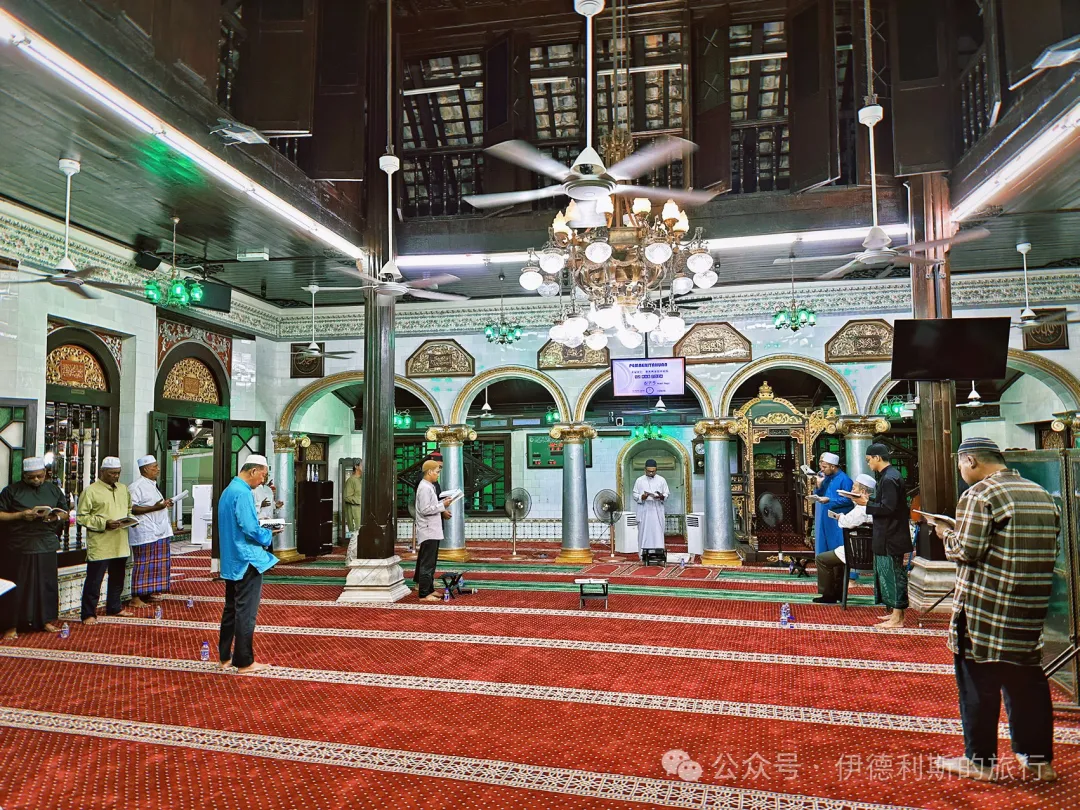
Kampung Kling Mosque (Masjid Kampong Kling) is located in the center of Malacca. It was founded by Indian merchants in 1748 and changed from a wooden structure to its current brick form in 1872. The mosque features a traditional three-layered Javanese pyramid roof (bumbung tiga lapis). The classical Corinthian columns between the main hall and the mihrab, along with the plaster walls, show the influence of Dutch colonists. The Chinese tiles on the roof, floor, and walls, as well as the wood carvings on the doors and windows, show Chinese influence.
Legend says that during the Malacca Sultanate, Kampung Kling was a settlement for Indian Muslim merchants. Kling was the historical term used in the Malay Archipelago for Indians, especially Tamils. On a 1690 map of Malacca, this place is marked as Mosquée de Maures (Moorish Mosque), but its relationship to Kampung Kling Mosque is uncertain. In the 18th century, this was still a village for South Indian immigrants. After the rubber industry boomed in Malacca from the 19th to the early 20th century, it became a settlement for Chinese people working in the rubber industry. Today, the mosque is surrounded by Chinese shophouses.
Tranquerah Mosque (Sanbaoshan Mosque) in Malacca: 1865
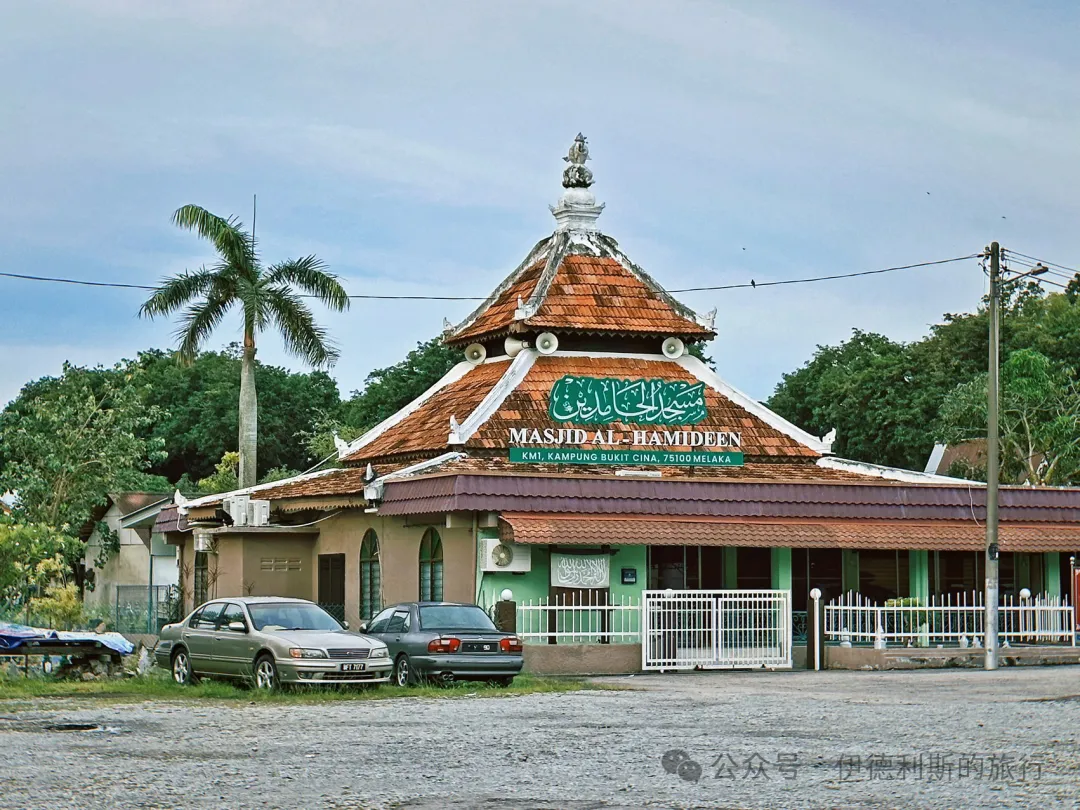
Bukit Cina Mosque (Masjid Bukit Cina), also called Al-Hamideen Mosque, was built in 1865. A new main hall was added in 1978, but it kept the layout of the original old hall. The old hall has a traditional Javanese-style three-layered pyramid roof (bumbung tiga lapis) and four wooden pillars (Soko Guru). Each pillar connects to the foundation using a stone base called a Umpak. These bases stop groundwater from soaking into the wooden pillars and help absorb shock during earthquakes.
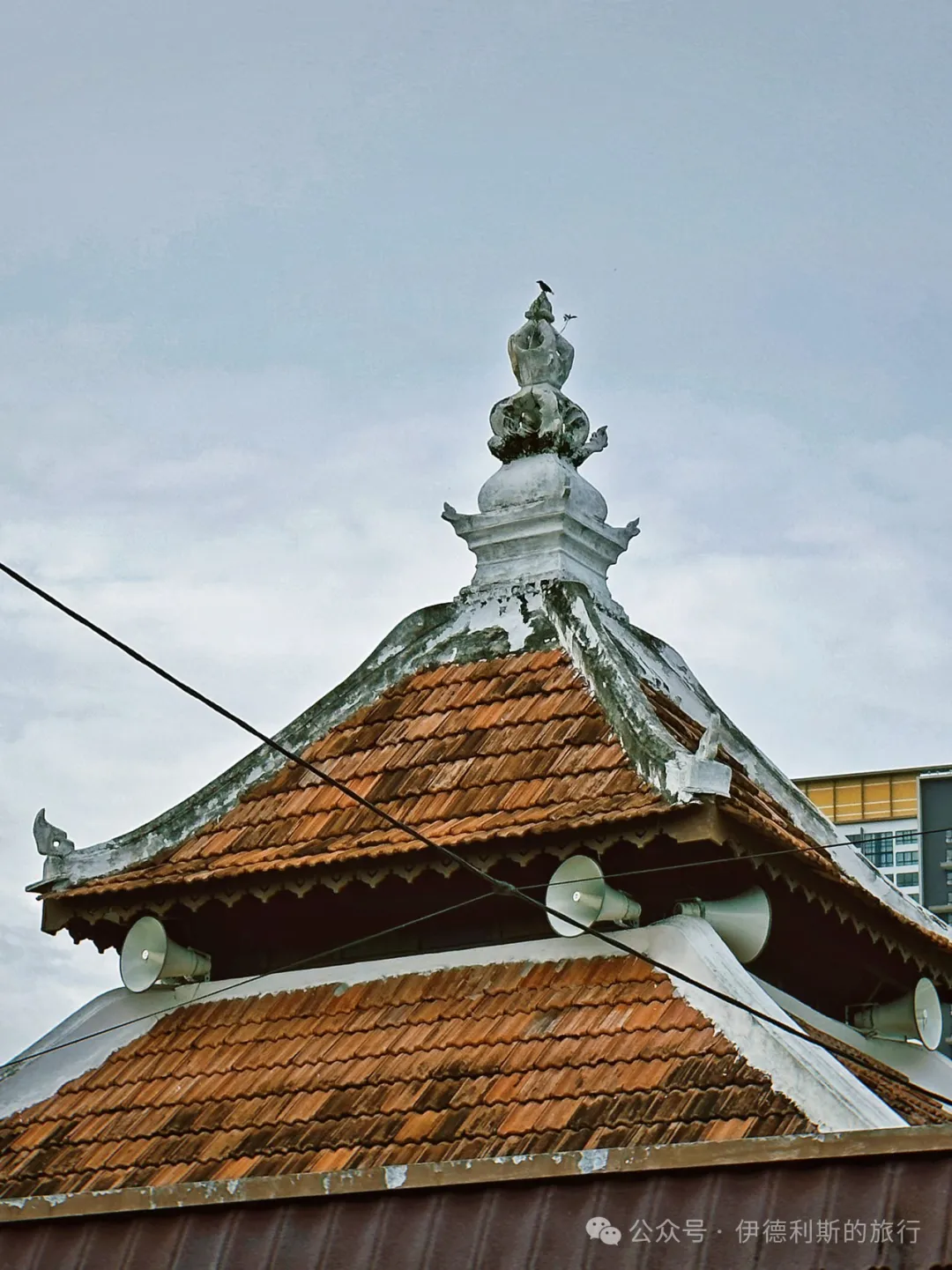
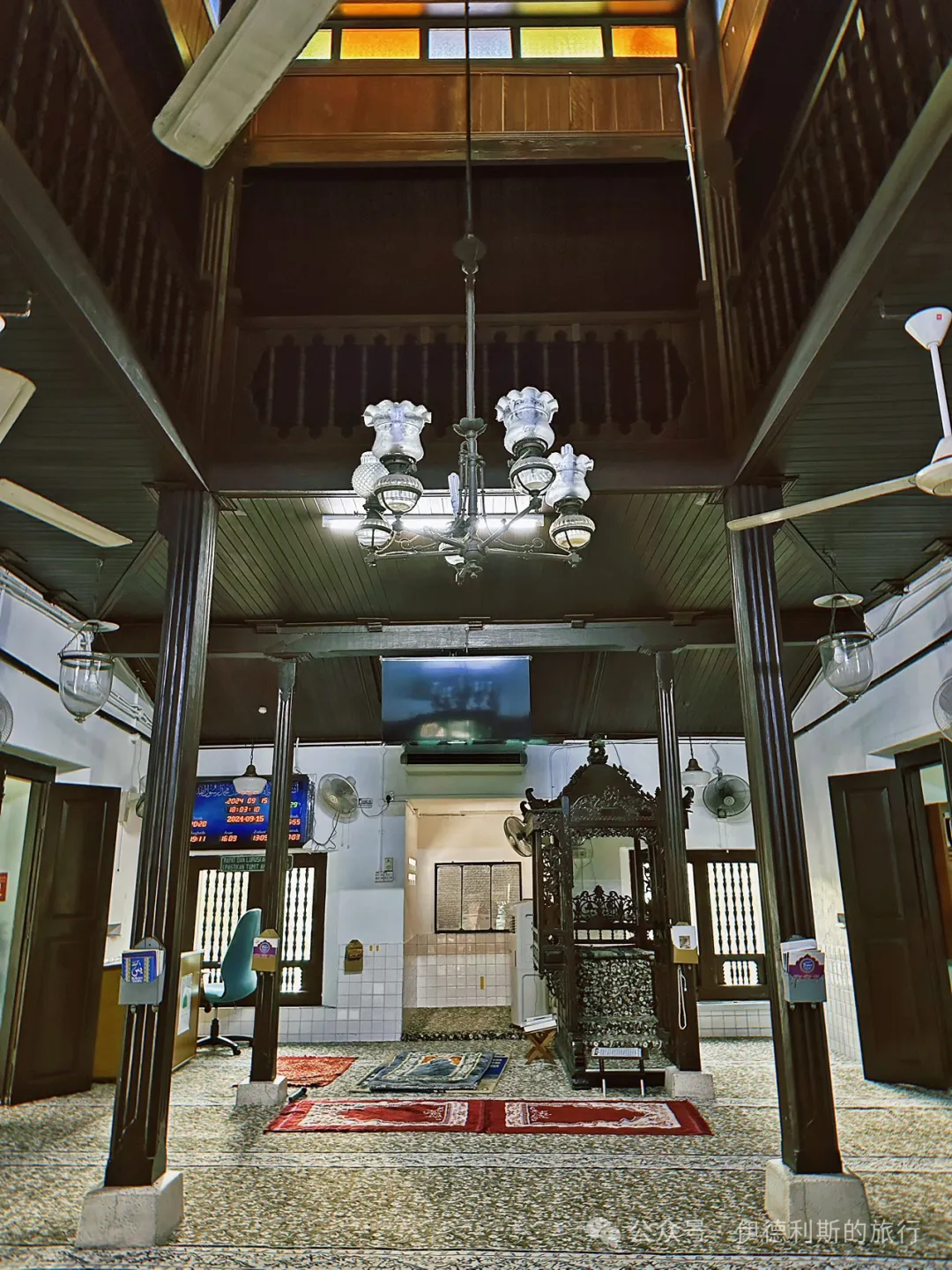
Pengkalan Rama Mosque in Malacca: 1917
Pengkalan Rama Mosque was first built in the 1730s. Datuk Penghulu Abdul Ghani paid for its renovation in 1917, and a new main hall was added in 2004. It still keeps its traditional Javanese style, including the old hall's three-tiered pyramid roof (bumbung tiga lapis) and four wooden pillars (Soko Guru).
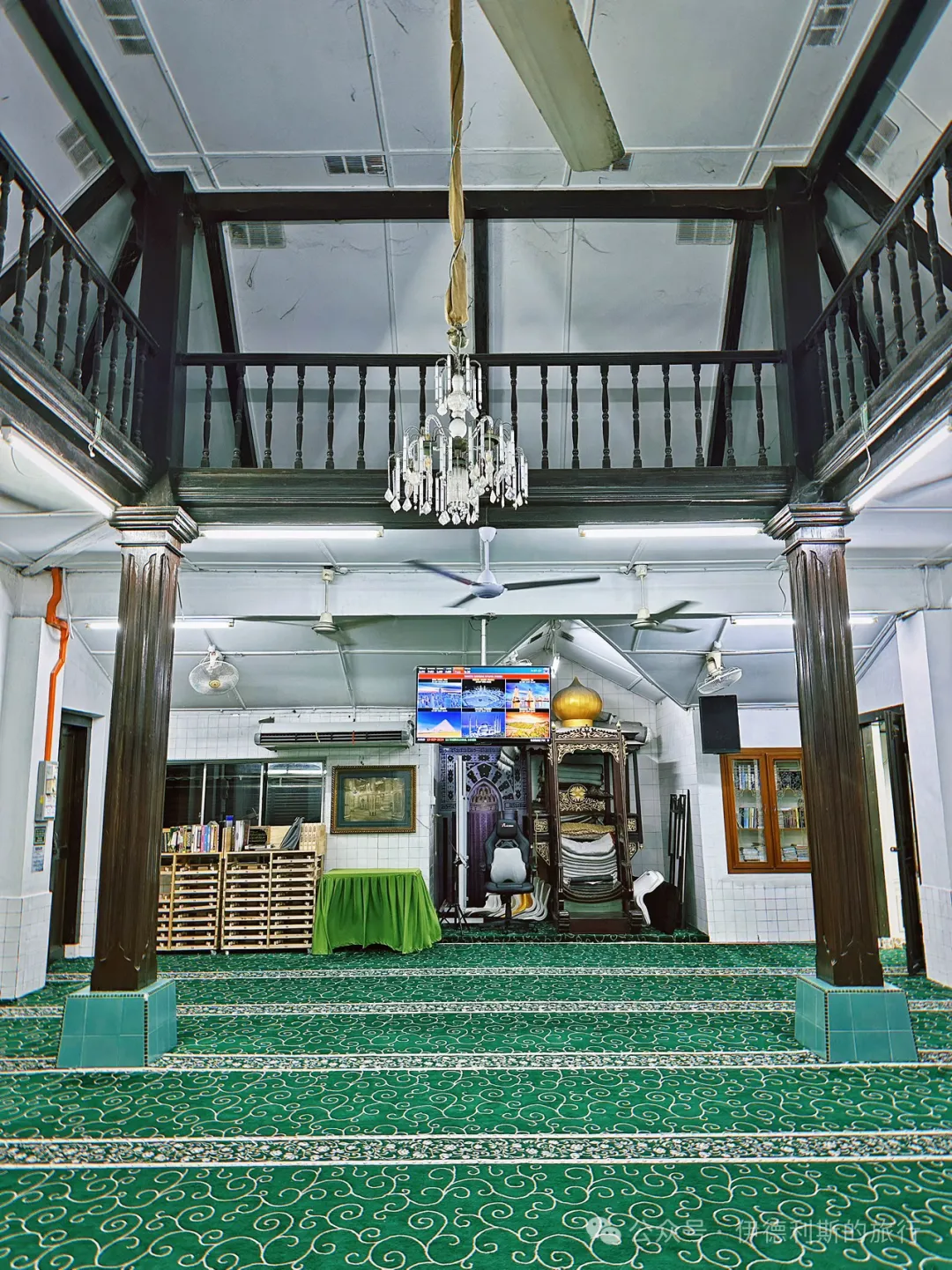
Duyong Mosque in Malacca: 1850
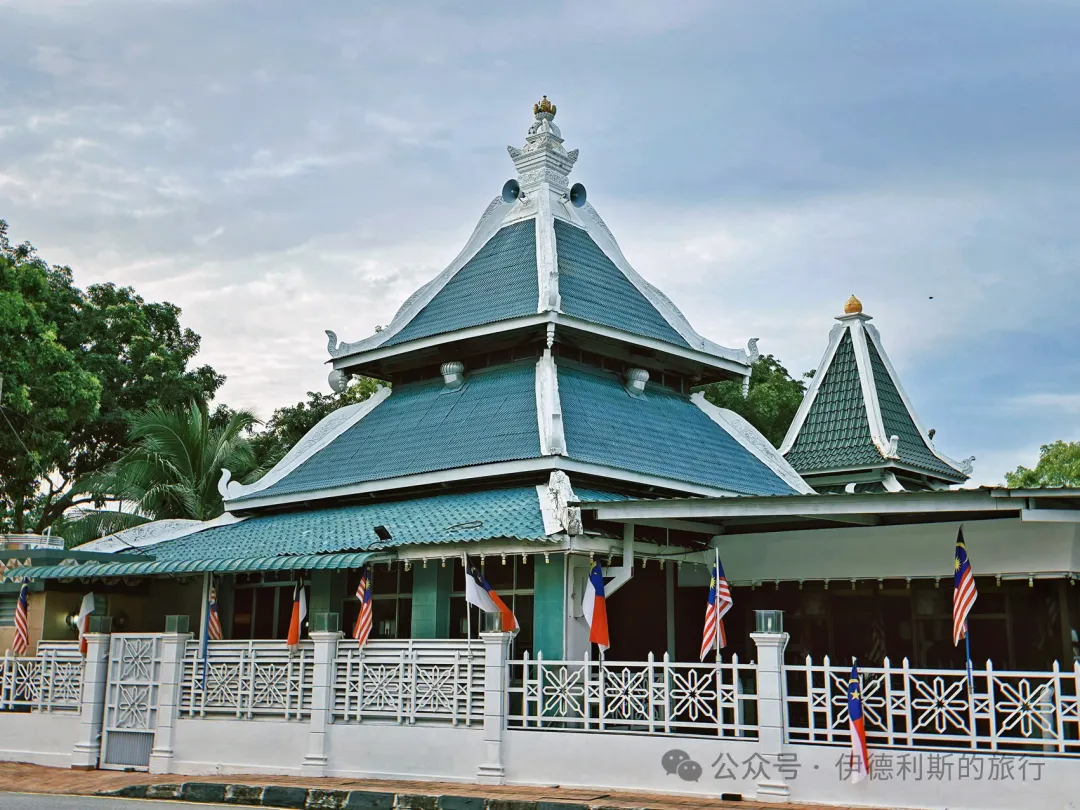
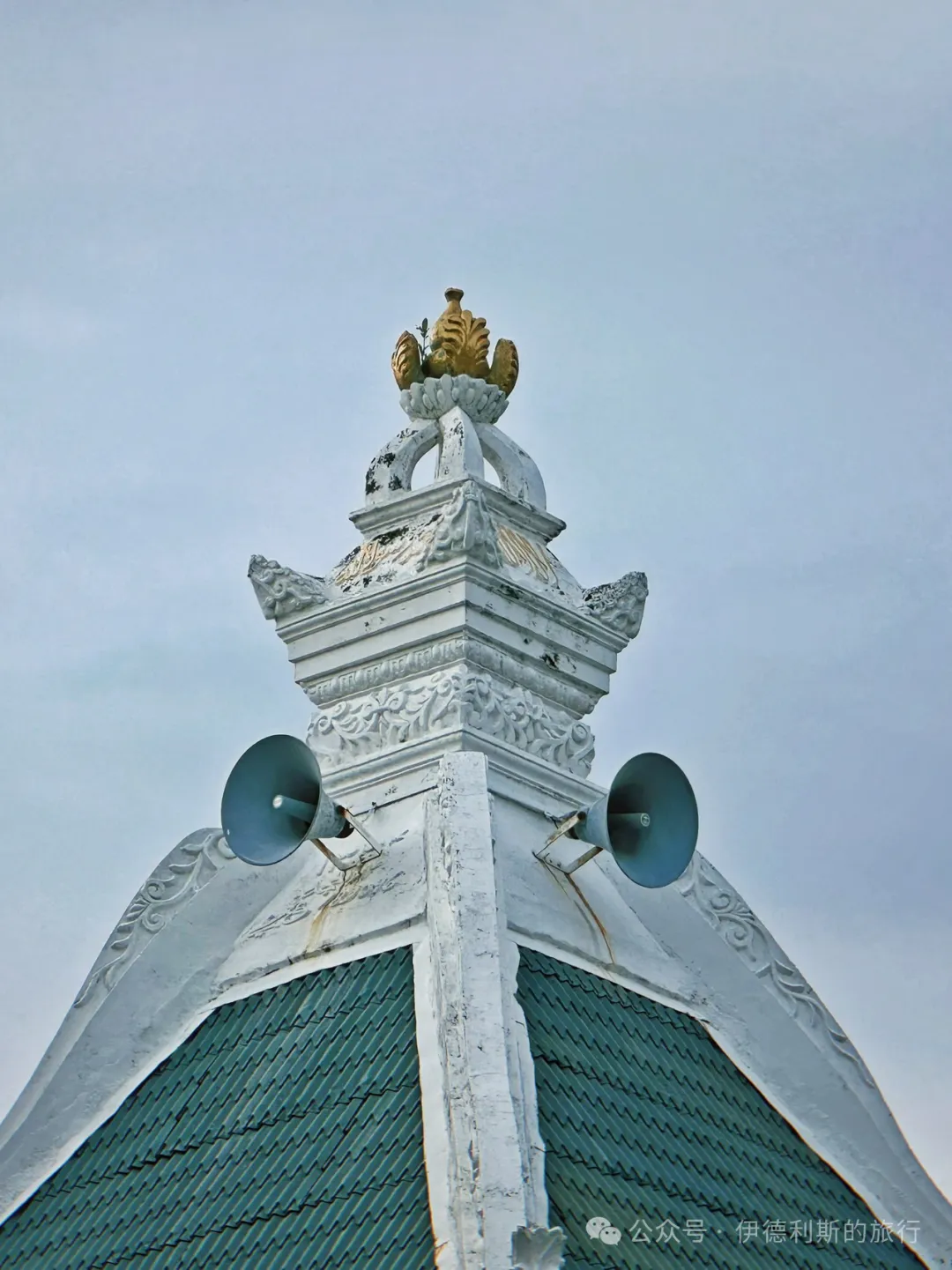
Duyong Mosque (Masjid Duyong) was built in 1850 under the leadership of Wan Chilek. It was originally made of red clay and wood, with a roof made of Chinese and Dutch tiles. In 1908, a minaret (bangkar) was added, blending the look of a Chinese pagoda with a Western lighthouse.
The site underwent several renovations and expansions in 1967, 1973, and 1976. It was damaged by fire in 1982 and later repaired. In 2002, the Malaysia Museums and Antiquities Department carried out protective repairs on the site.
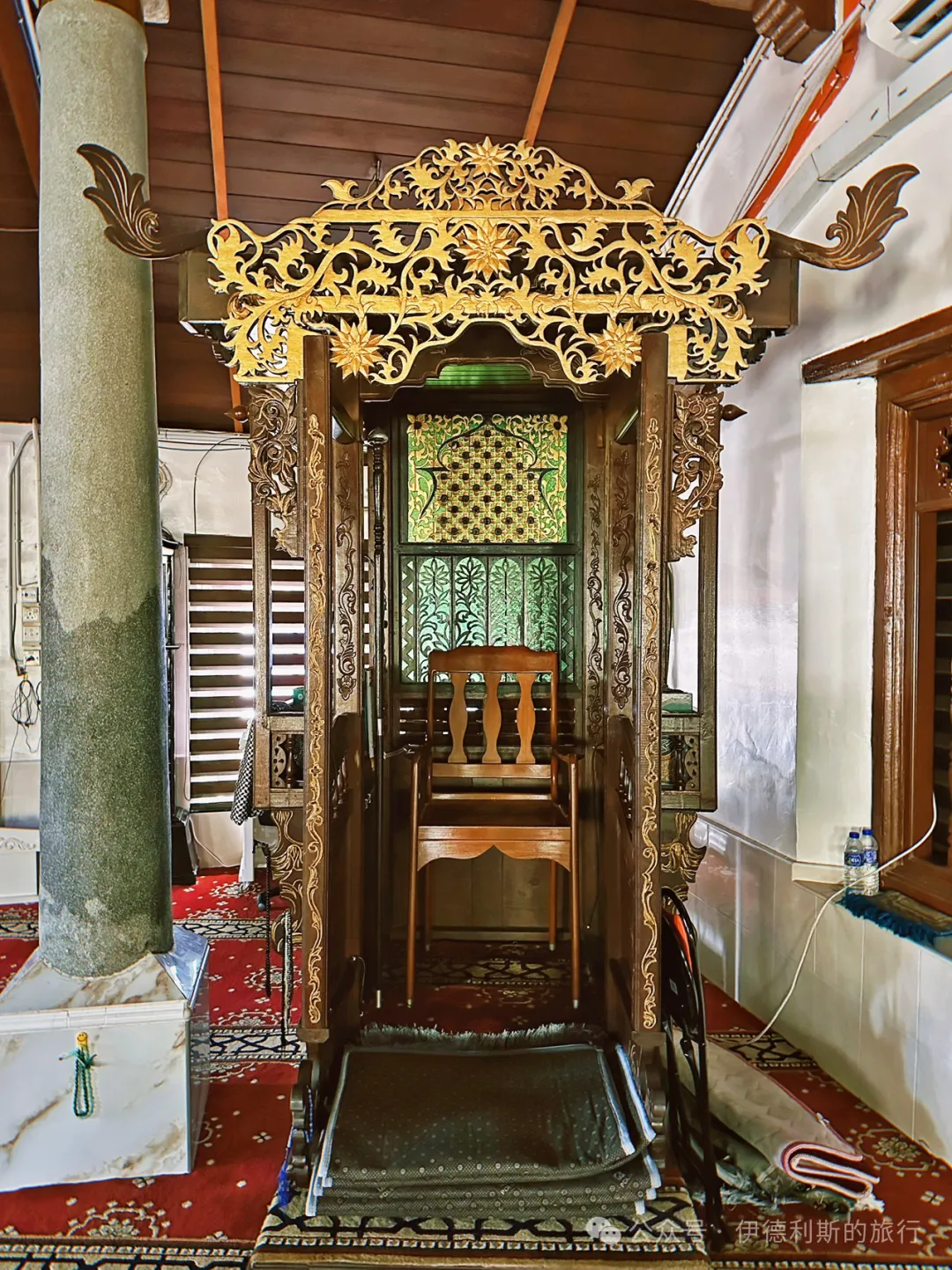
Serkam Pantai Mosque in Malacca: 1853
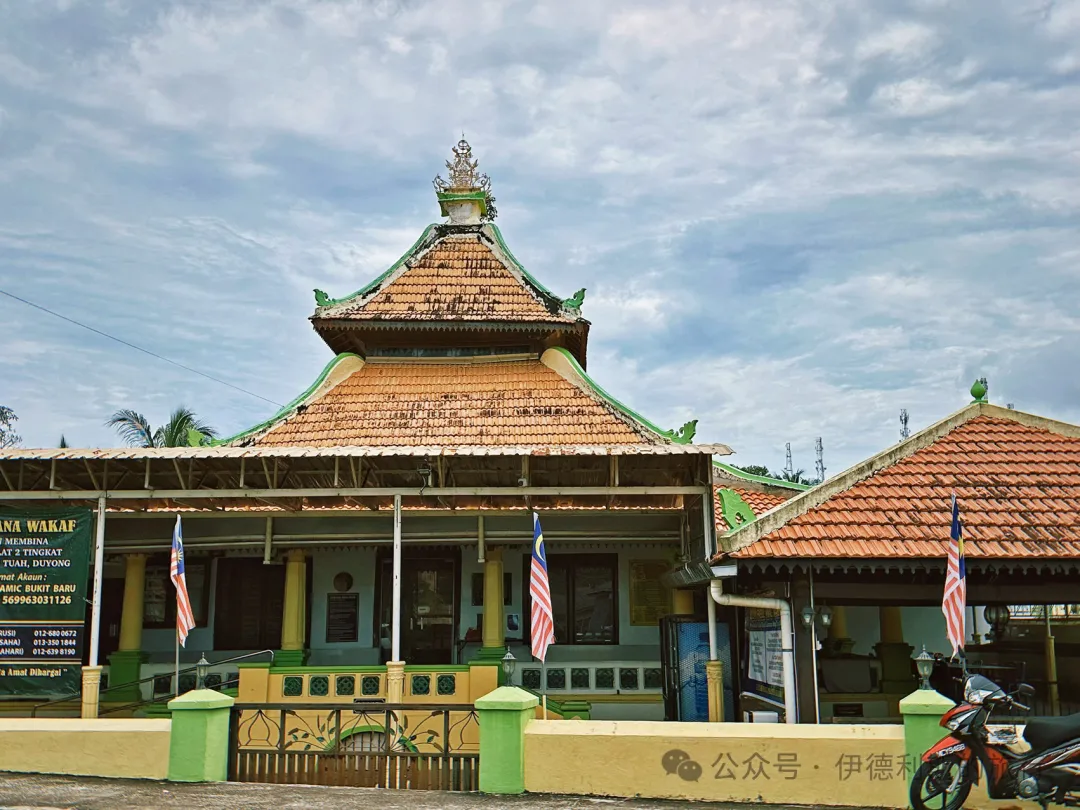
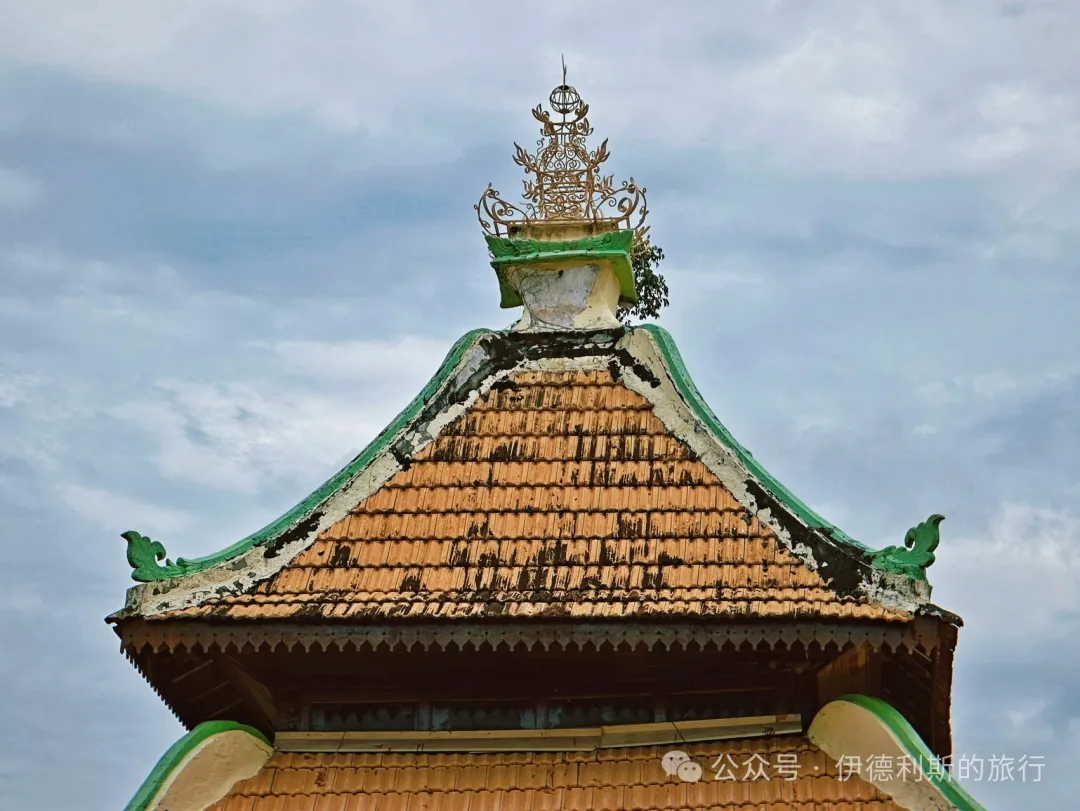
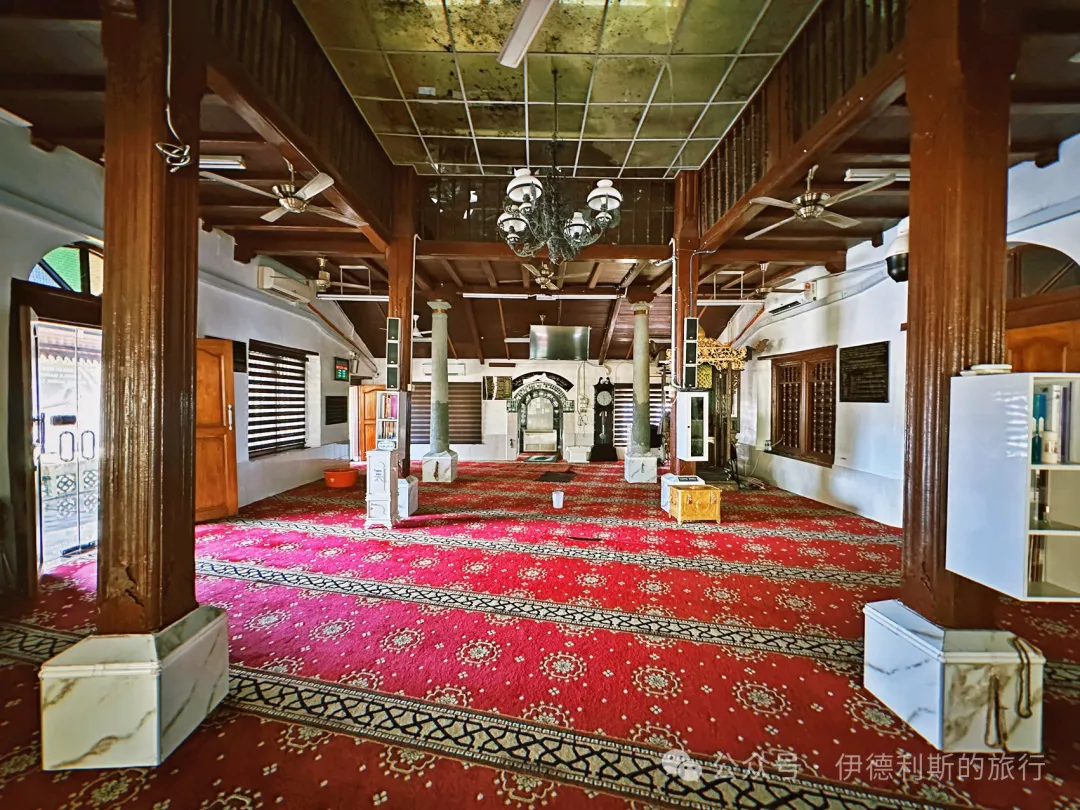
At Telok Mas Al-Khairiah Mosque (Masjid Telok Mas Al-Khairiah) for namaz. Telok Mas Al-Khairiah Mosque was first built in 1853. When it was built, the beams and roof were made from timber cut in local forests and hauled by water buffalo. The walls were built from reef stones mined near Big Island (Pulau Besar) and brought over by small boats (sampan). The main gate still has the year 1269 of the Hijri calendar, which is 1853 in the Gregorian calendar, carved into it. In 1913, a minaret (bangkar) shaped like a Chinese pagoda was added. Its architectural style is basically the same as the Kampung Kling and Tranquerah mosques.
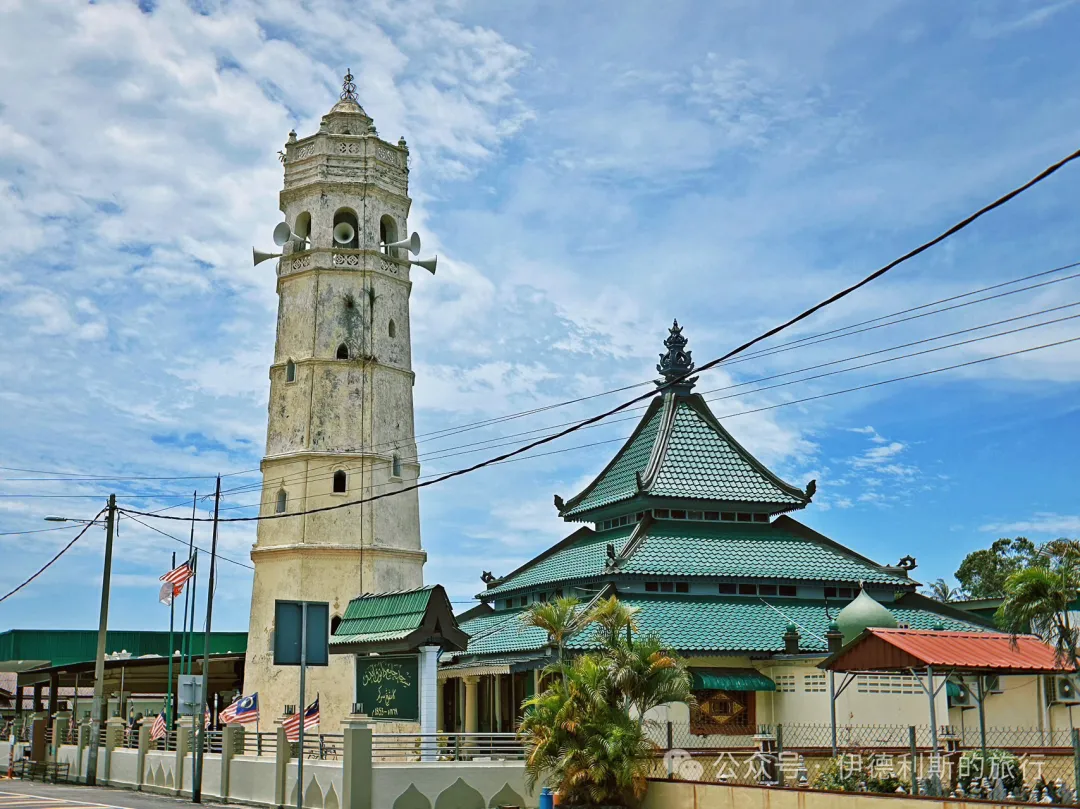
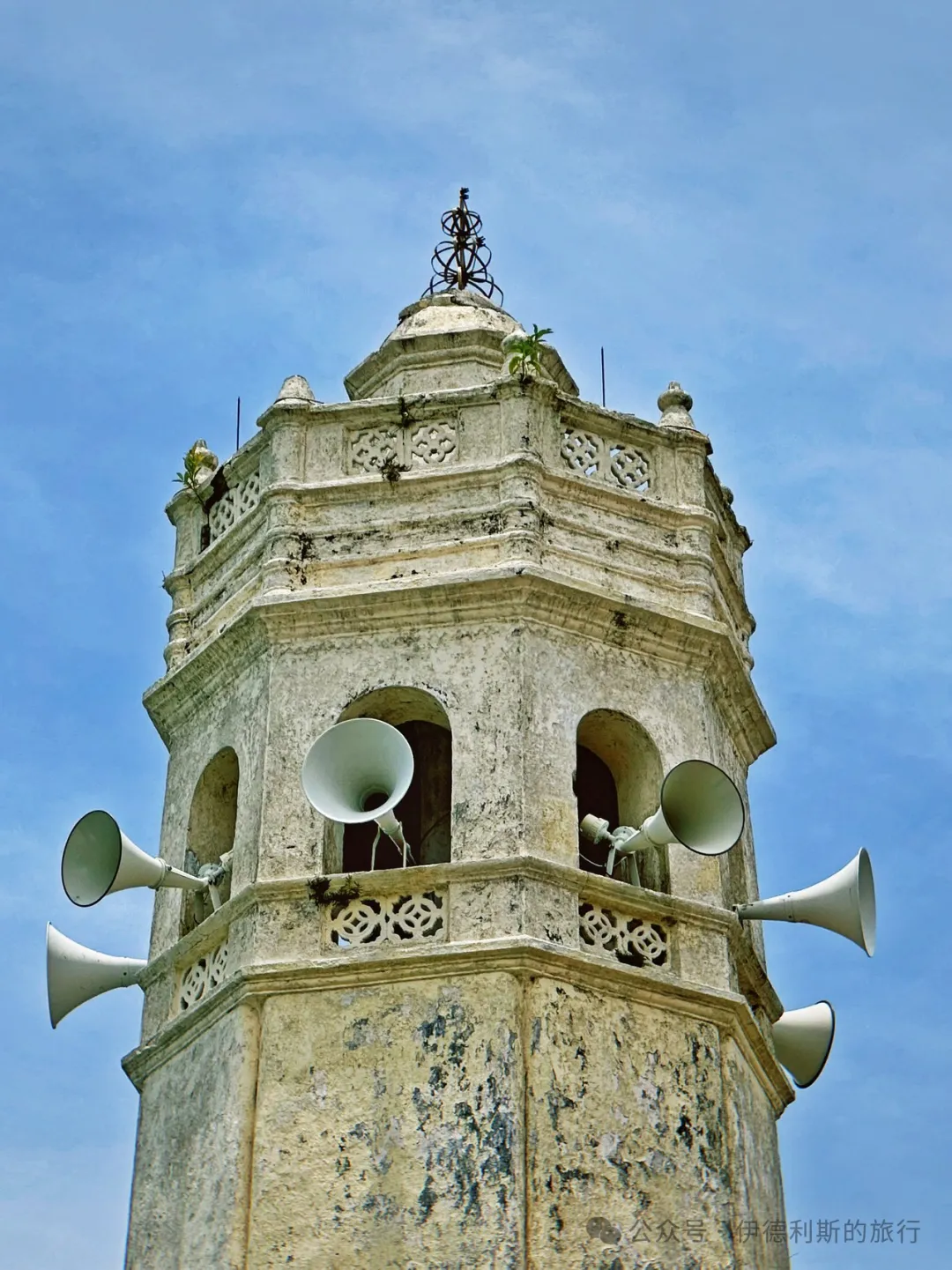
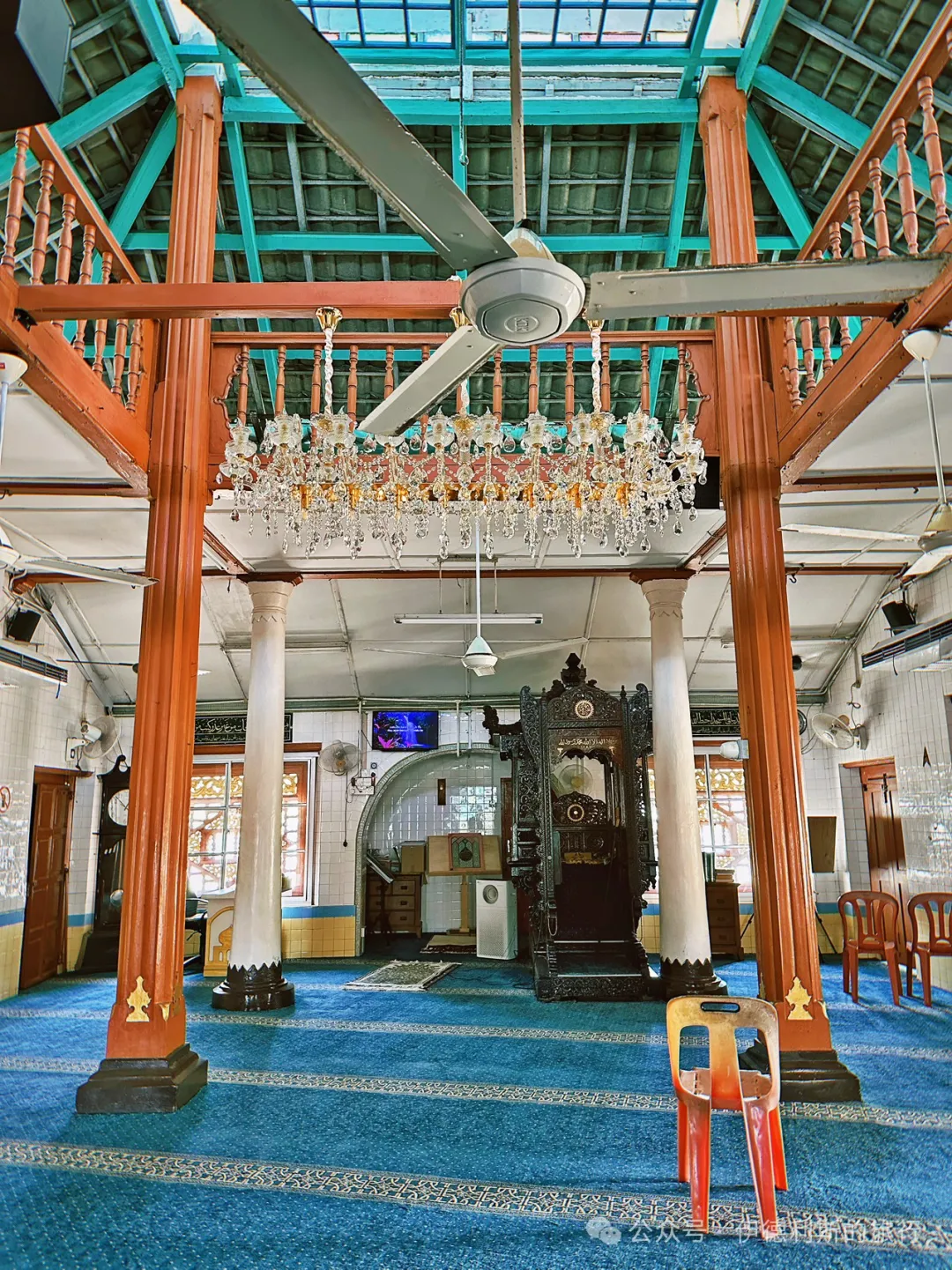
Peringgit Mosque in Malacca: 1868
Peringgit Mosque (Masjid Peringgit) was first built in 1726 but was later destroyed. It was rebuilt in 1868. Peringgi is what the Malay people call the Portuguese, because a fort built by the Portuguese once stood here. Peringgit Mosque was originally built from granite and Dutch bricks, with wooden doors and windows. The roof is a traditional Javanese three-tiered pyramid (bumbung tiga lapis). The bottom layer is covered in Chinese tiles, while the middle and top layers are covered in Dutch tiles. The decoration at the very top is carved from reef stone.
As later renovations and expansions took place, the mosque's Dutch bricks were covered with cement, and the Chinese and Dutch tiles were replaced with modern ones. In 2002, the Southern Region Museums and Antiquities Department of Malaysia repaired the site.
Acheen Street Mosque in Penang: 1808
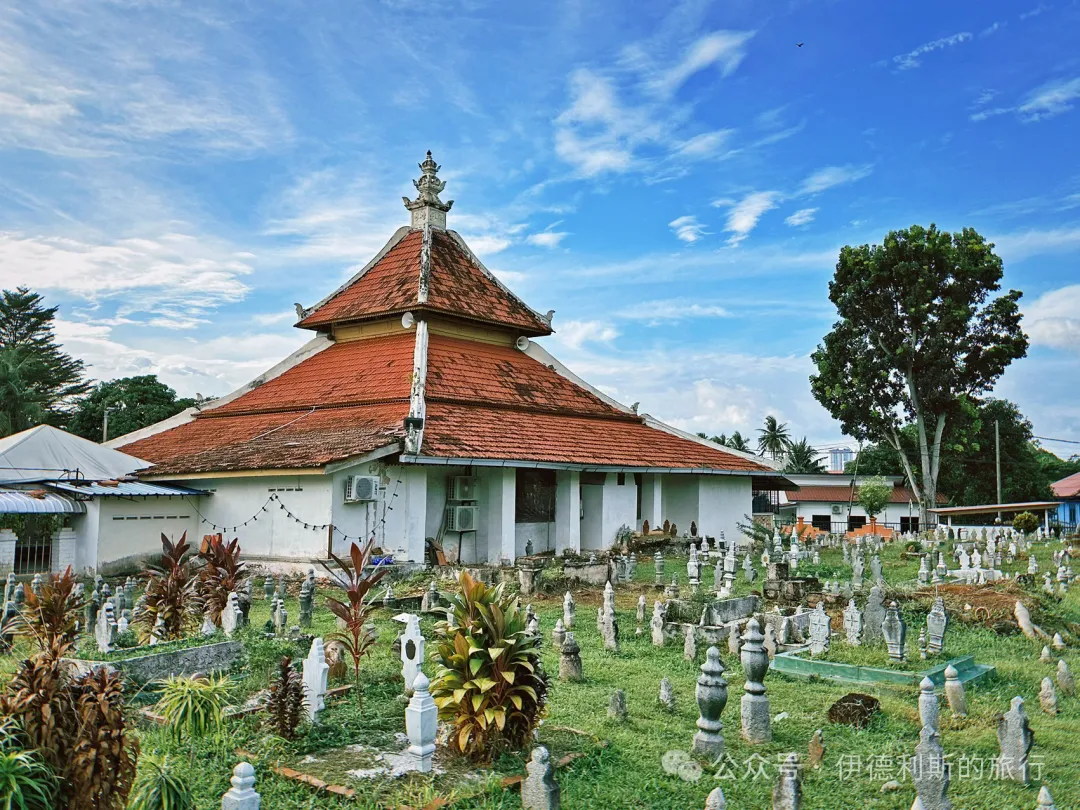
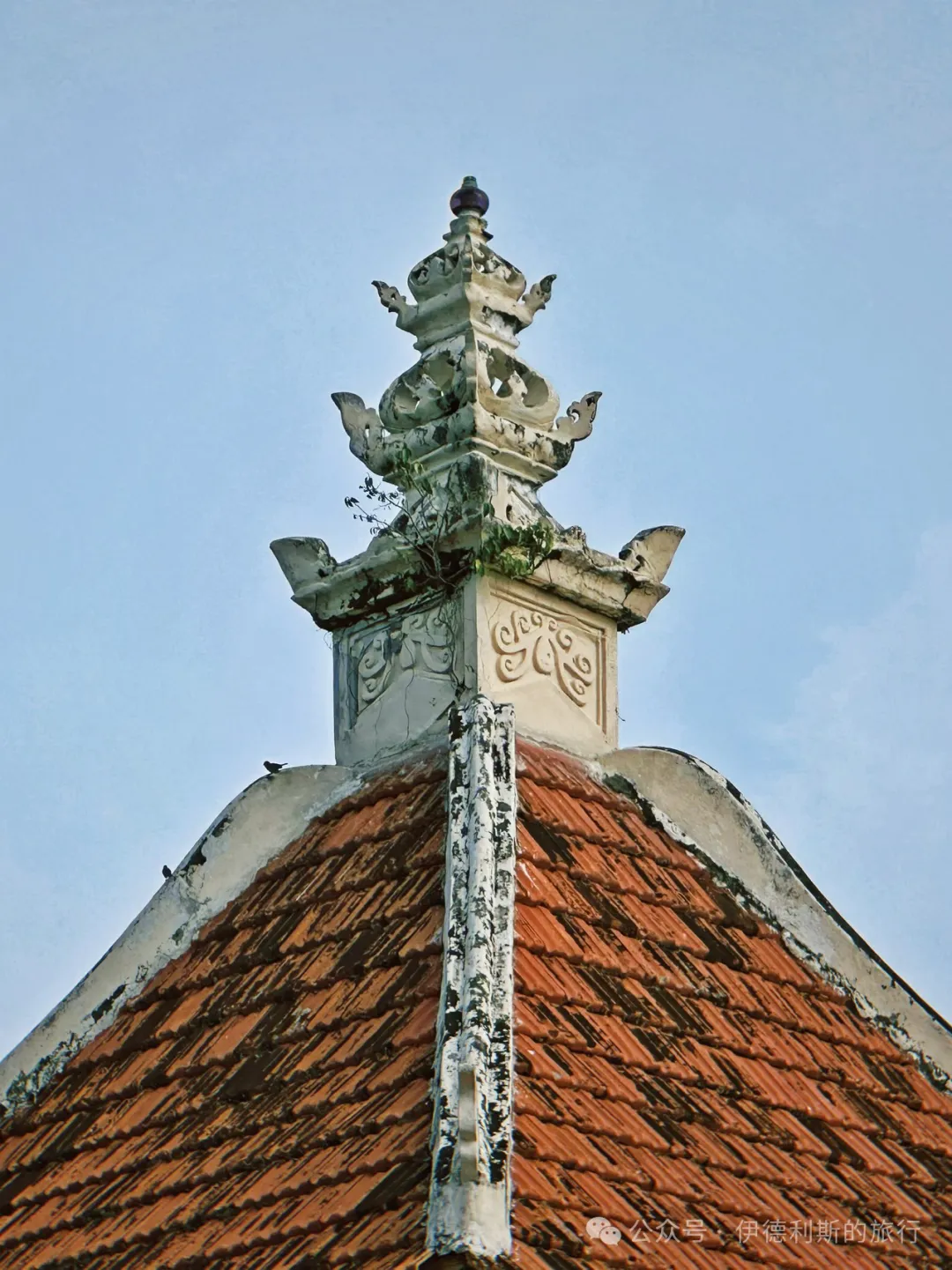
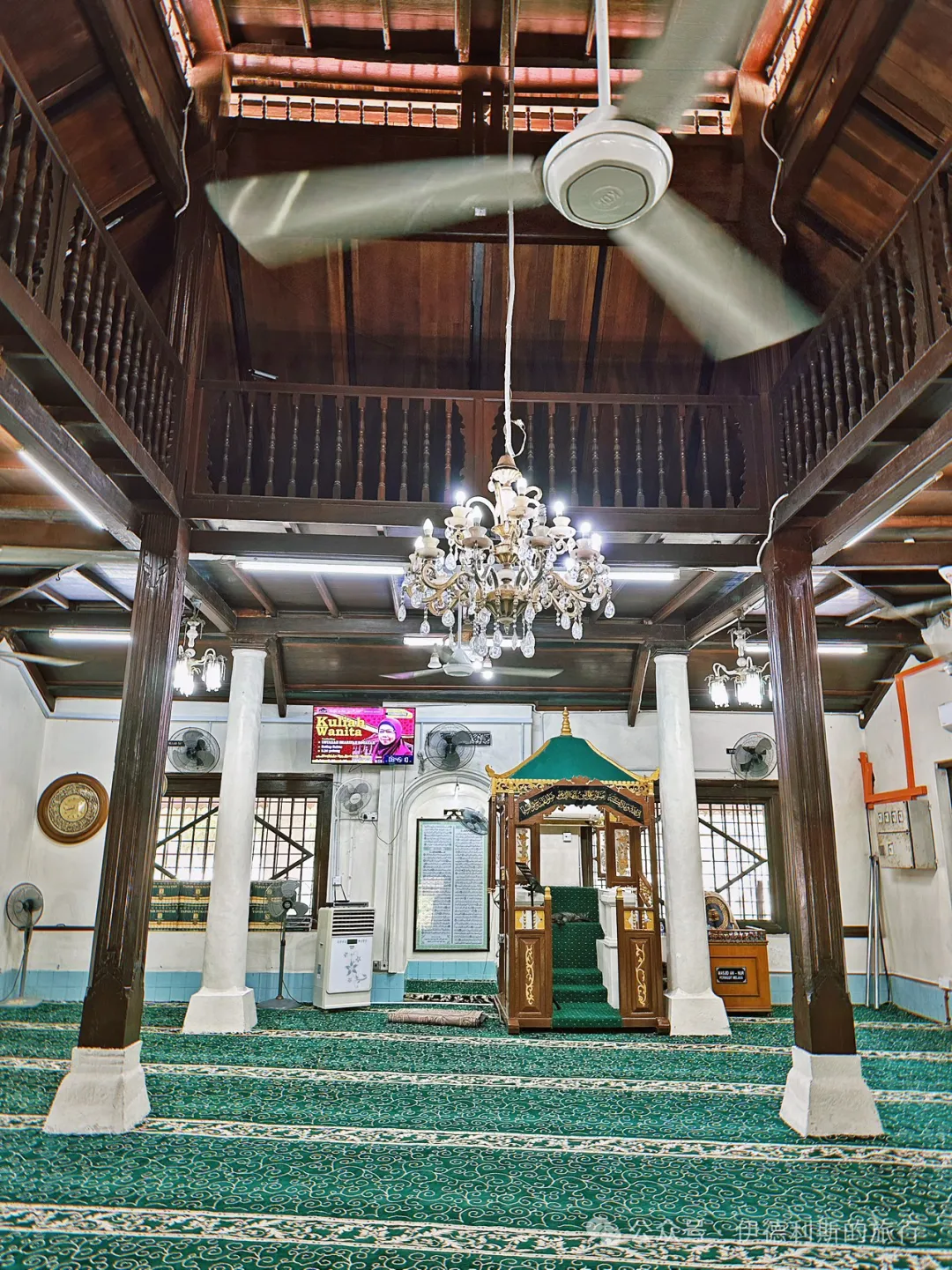
Aceh Street Mosque (Masjid Melayu Lebuh Acheh) in Penang was established by the Acehnese in 1808. It is surrounded by the oldest mosque neighborhood in Penang. The Acehnese are an Austronesian people living on the northernmost tip of Sumatra. They established the Aceh Sultanate in 1499, which flourished in the 17th century. In the late 18th and early 19th centuries, Penang's first Chinese Kapitan, Koh Lay Huan, built a good relationship with the Aceh Sultanate, starting the pepper trade between Aceh and Penang.
In 1791, Tengku Syed Hussain Al-Aidid, an Acehnese pepper merchant and nobleman of Arab descent, moved from Aceh to Penang. He built the first mosque in the area near what is now Aceh Street. After that, merchants from the Malay Archipelago, India, and Arabia kept arriving. In 1808, Tengku Syed Hussain donated money and land to build the mosque. The first imam of the Acheen Street Mosque was Sheikh Omar Basheer Al-Khalilee, and his son Sheikh Zakaria later succeeded him. Sheikh Zakaria became the first Mufti of Penang in 1888.
After Tengku Hussain passed away in the mid-19th century, the Acheen Street Mosque neighborhood continued to thrive and was known as the second Jeddah (the port city leading to Mecca). Every year during the Hajj season, aspiring pilgrims (haji) from all over would pack the entire Acheen Street community before taking ships from Penang to Mecca. This busy scene lasted until the establishment of the Pilgrims Fund Board (Lembaga Tabung Haji) in Malaysia in the 1970s.
Jamek Mosque in Seremban: 1900
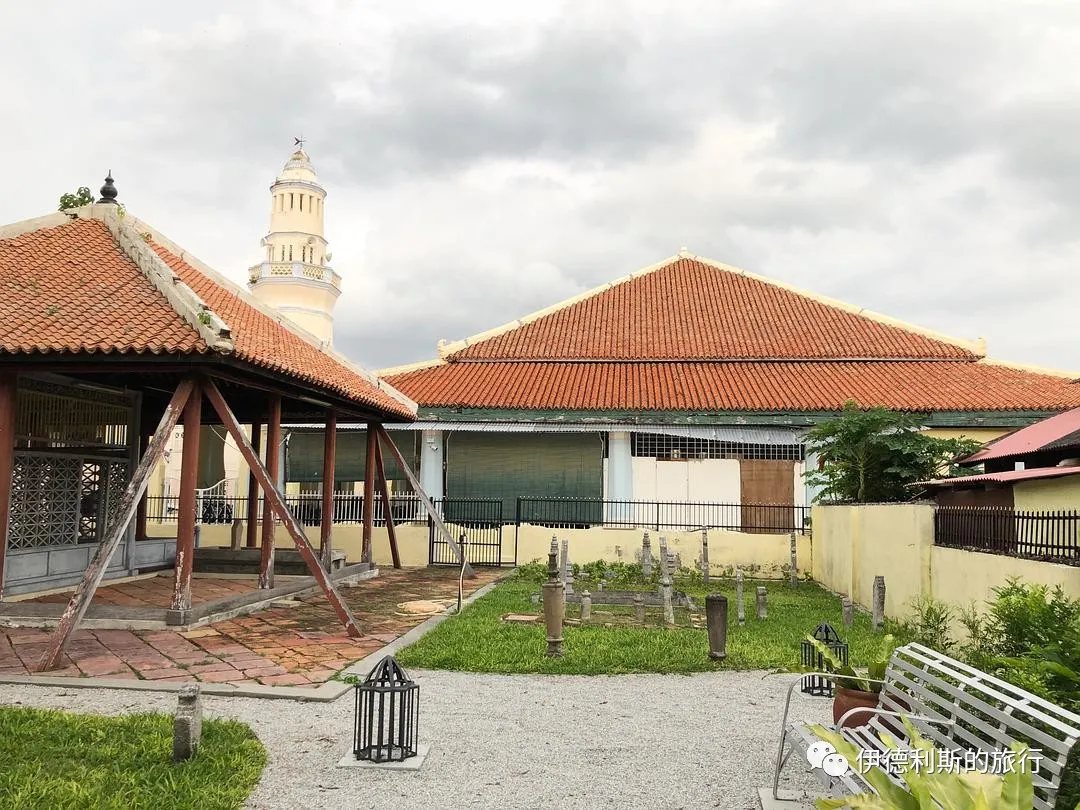
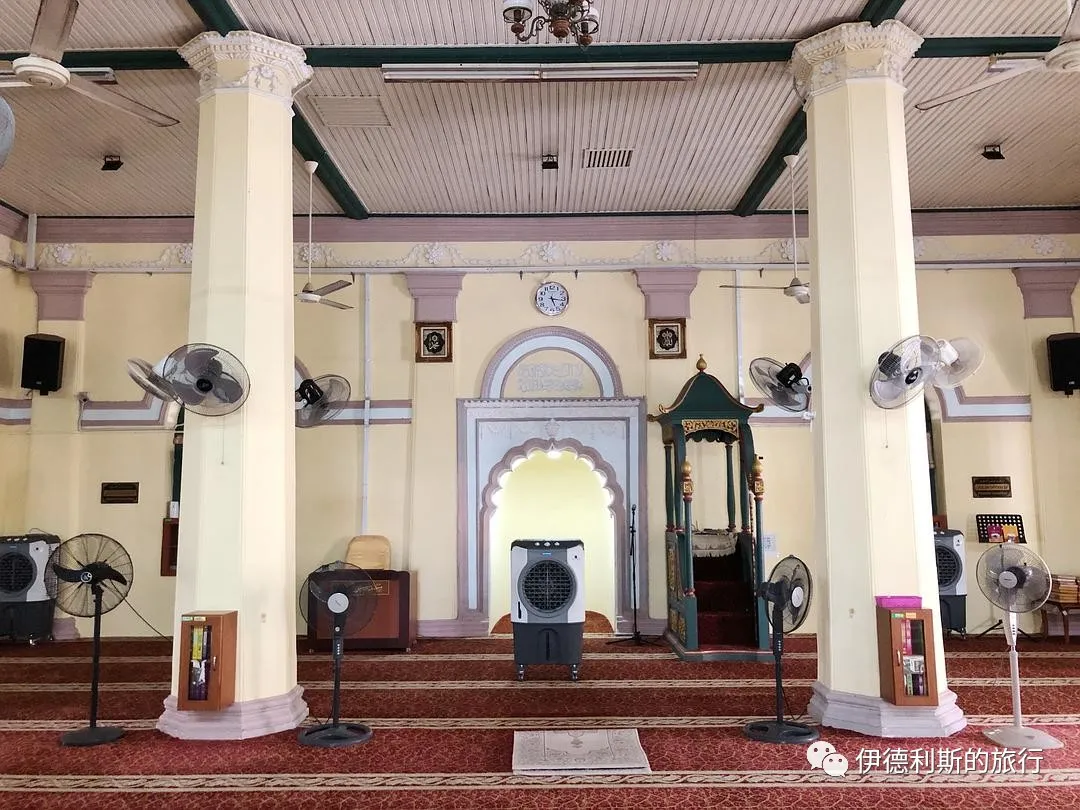
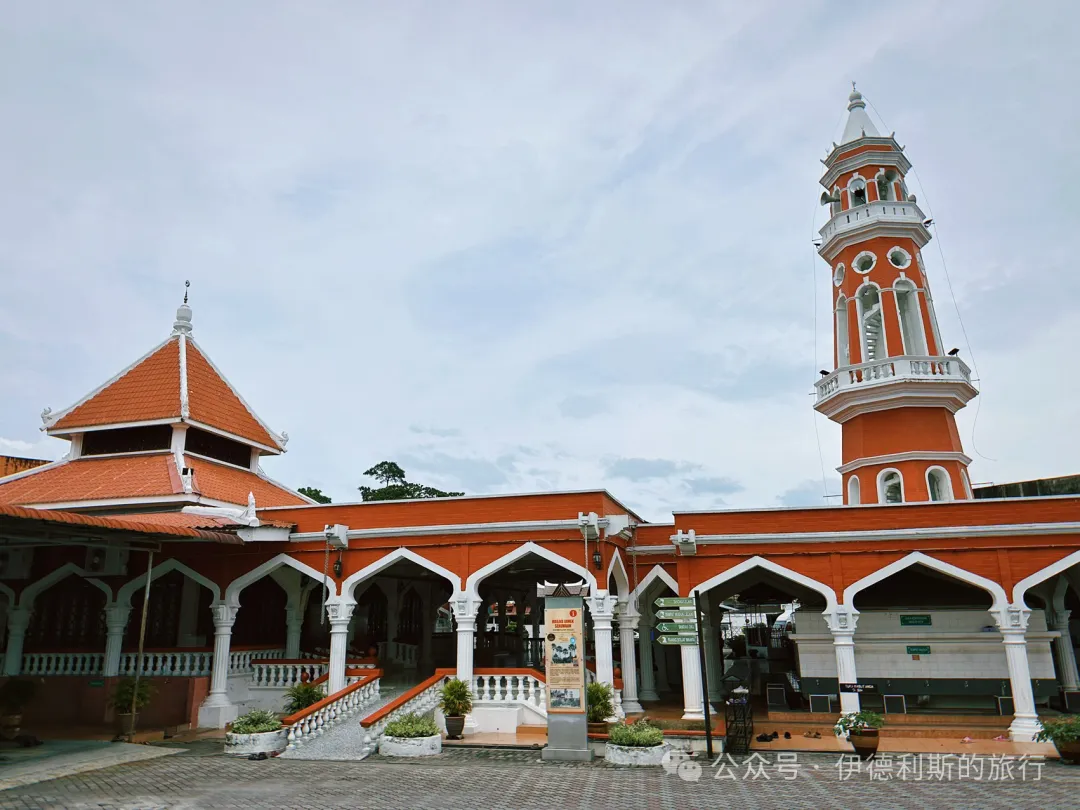
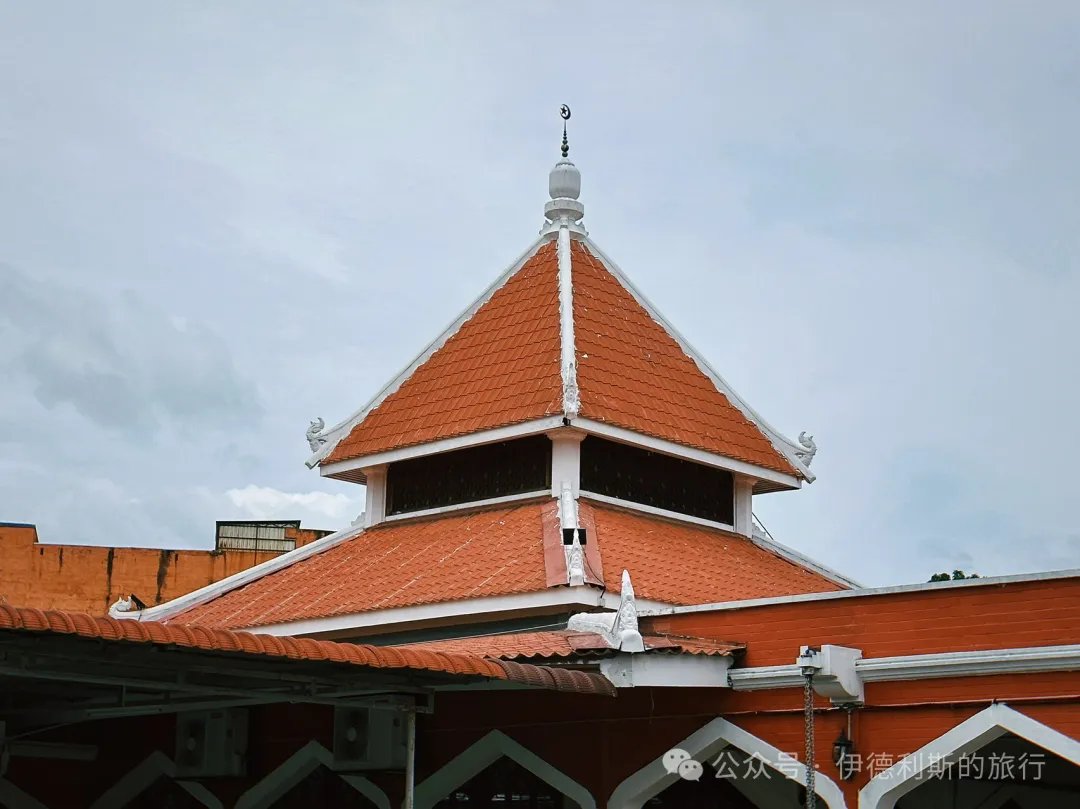
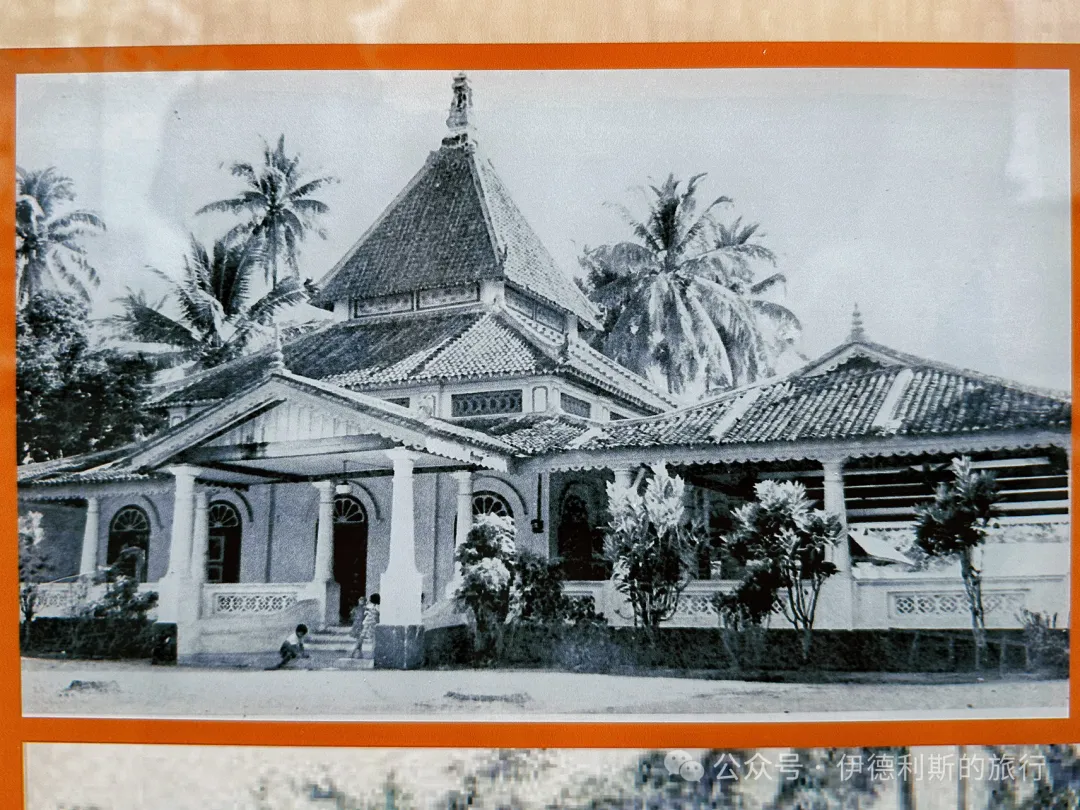
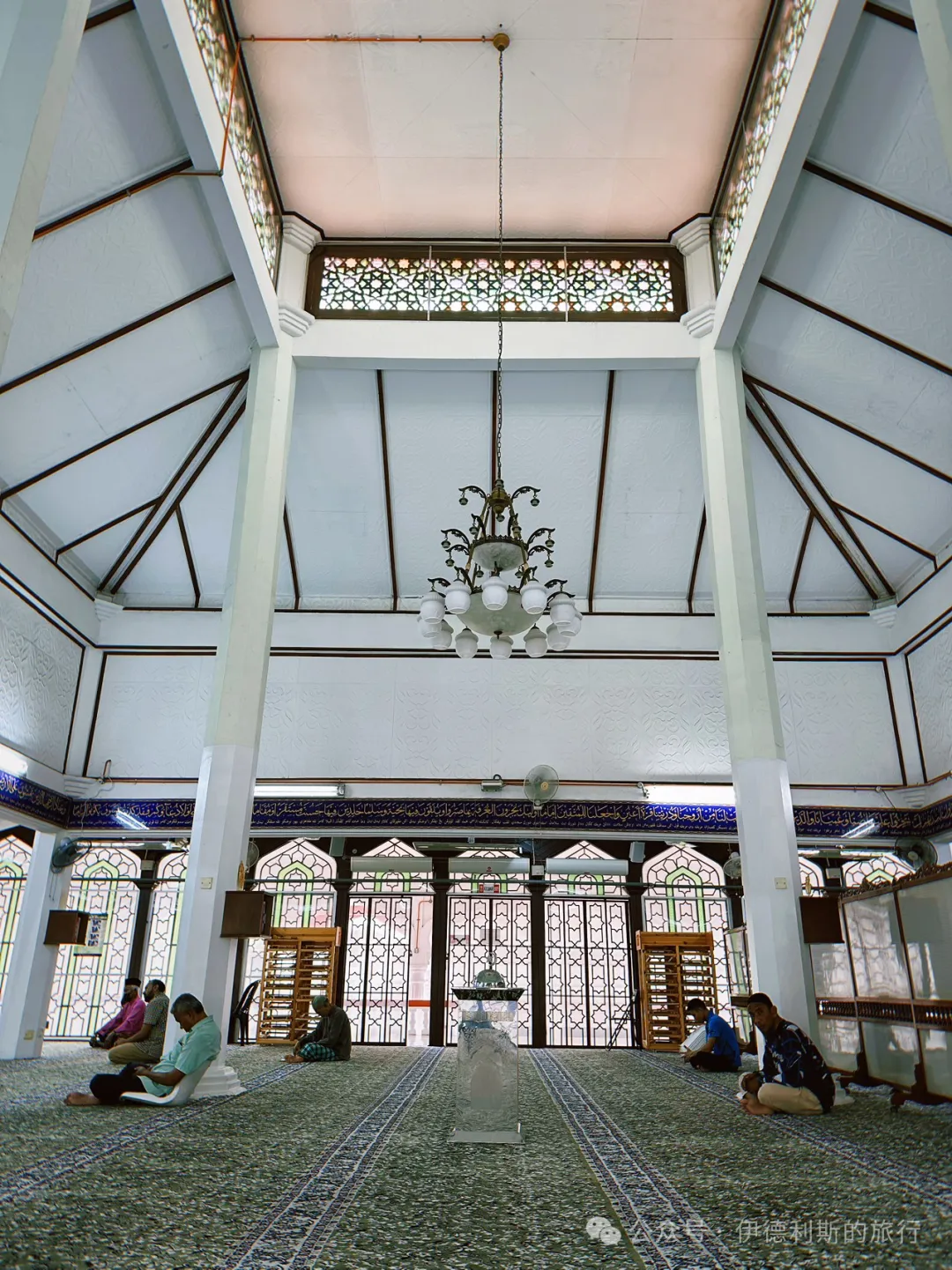
The Jamek Mosque of Seremban was originally a wooden mosque, rebuilt into its current structure in 1900, added a minaret (bangker) in 1924, and was listed as a national heritage building in 2005. The mosque's architecture is similar to traditional mosque styles in Malacca, featuring a two-tiered pyramid roof and a minaret (bangker) influenced by Chinese pagoda architecture.
Indian style
Indian Mosque in Ipoh: 1908
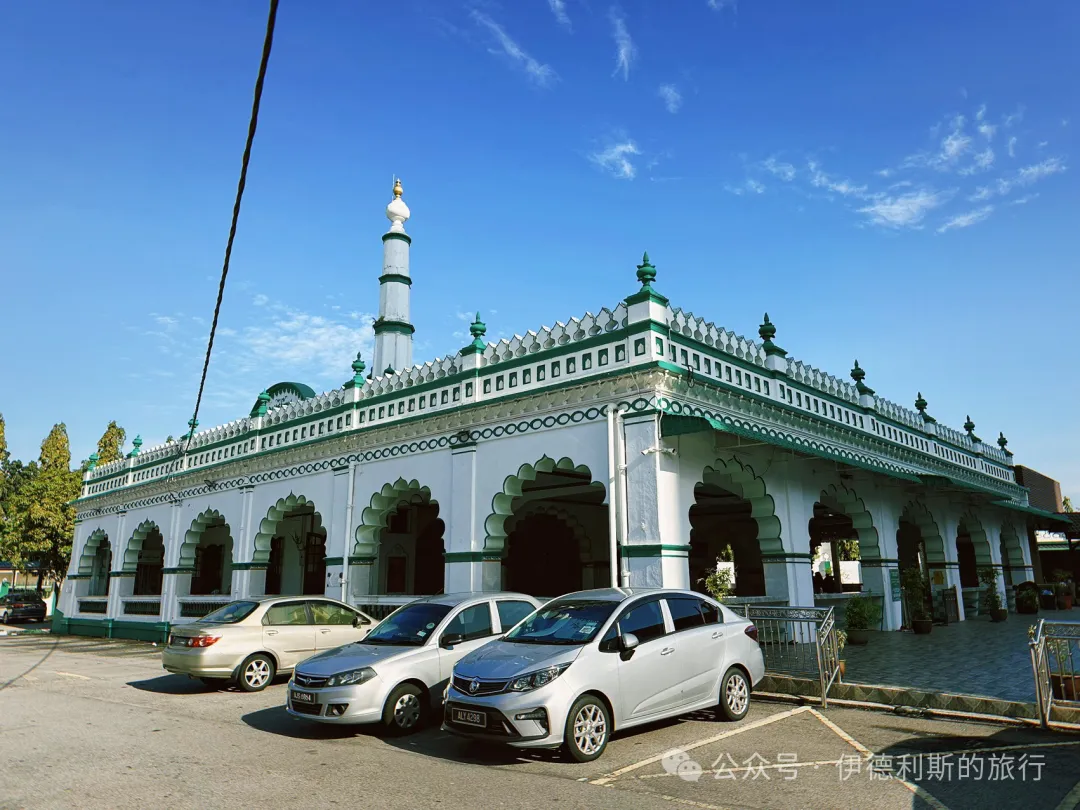
Many South Indian Tamils came to Ipoh to make a living in the late 19th century, with the wealthy merchant Shaik Adam Mohammad Ghaus being the most influential; he founded Ipoh's first ice factory and soda factory. Under his leadership, his Indian laborers built the Ipoh Indian Mosque between 1905 and 1908.
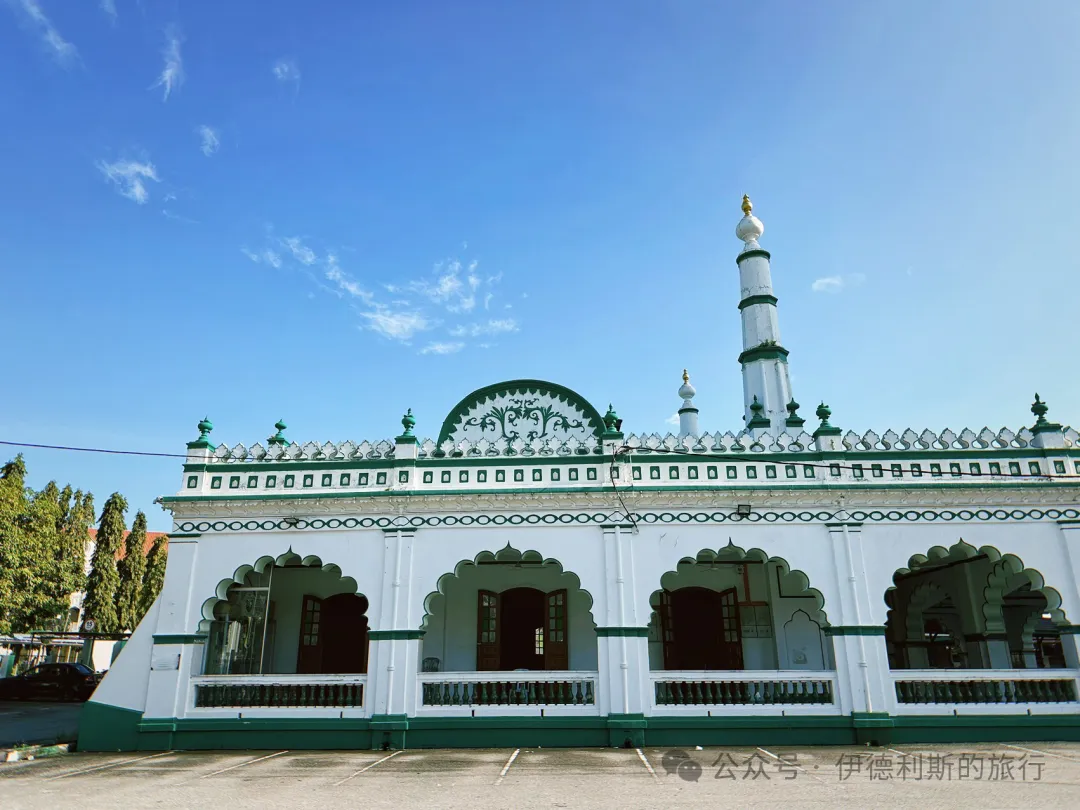
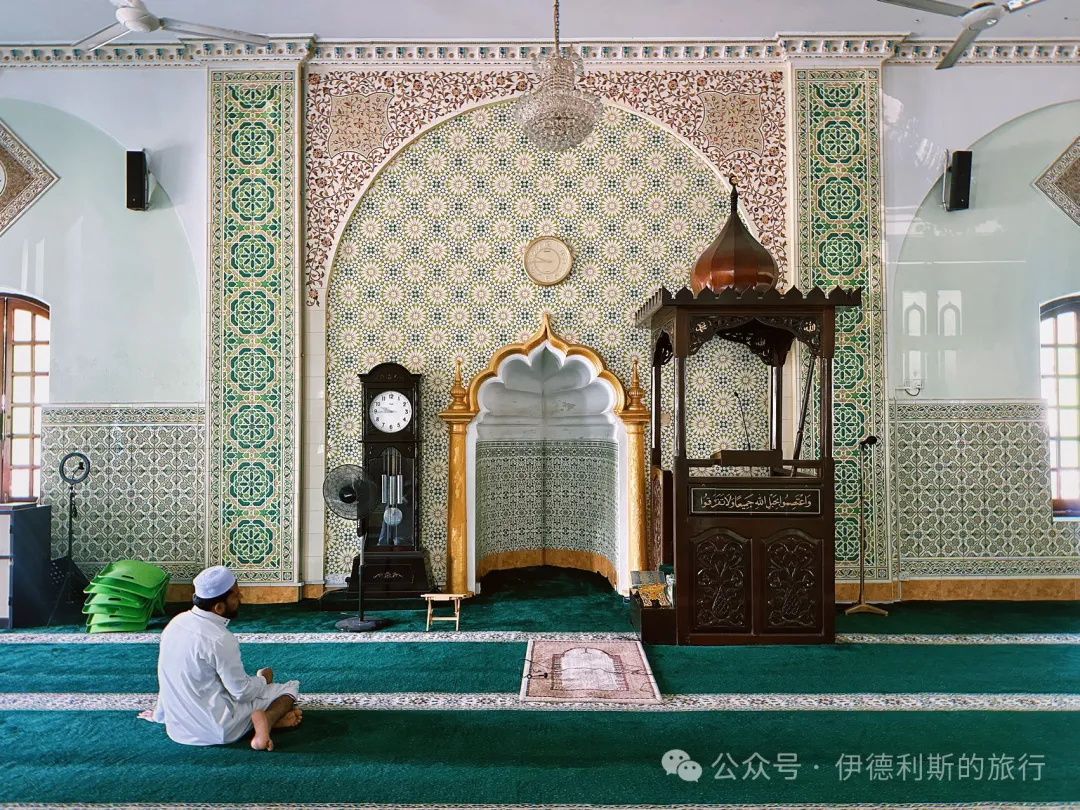
The main prayer hall of the Ipoh Indian Mosque was modeled after the Hall of Private Audience (Diwan-i-Khas) at the Red Fort in Delhi, sharing the same rectangular layout and scalloped archways. The fortification-like railings on the roof of the main hall were also influenced by Mughal architecture.
Pakistani Mosque in Ipoh: 1930
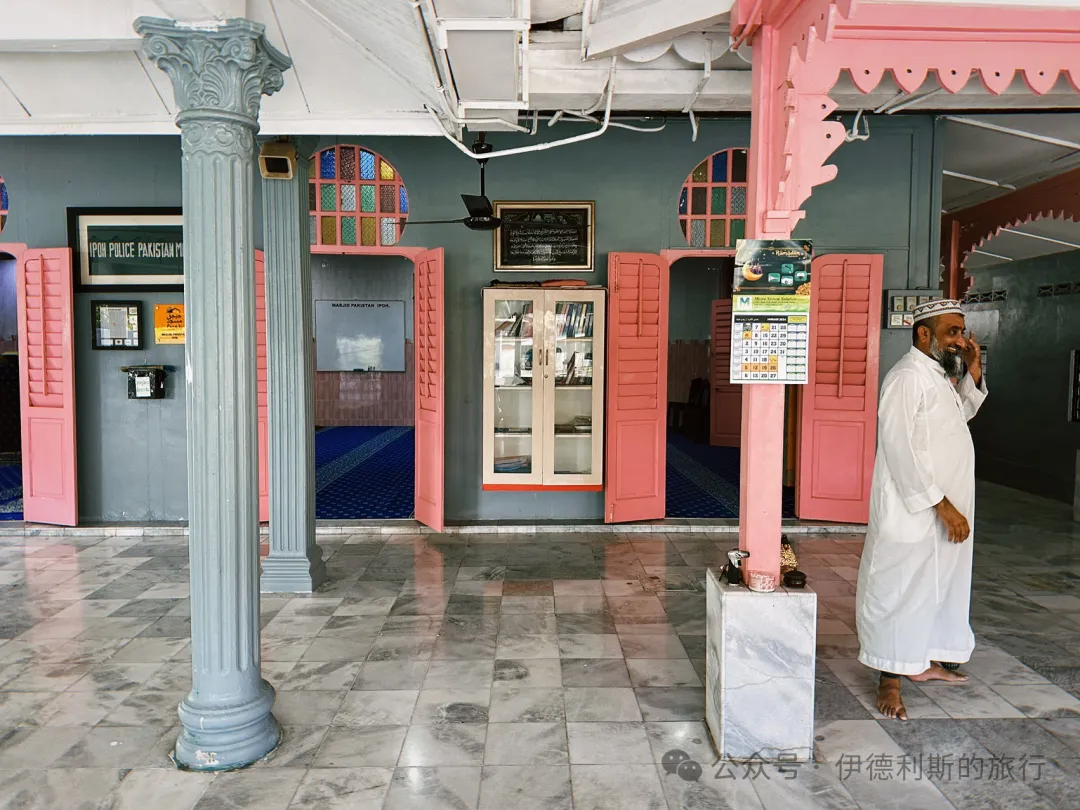
Besides South Indian Tamils, some North Indian Pathans (Pashtun descent) and Punjabis also came to Ipoh under British Malaya rule to work as police officers. They were responsible for maintaining order during peacetime and fought bravely against the invaders during the Japanese occupation in 1941. The British allocated a piece of land to them in 1930 to build a mosque, which became their main gathering place on their days off. Today, this mosque is still used by Pakistani Punjabi Muslims and is known as the Pakistan Mosque.
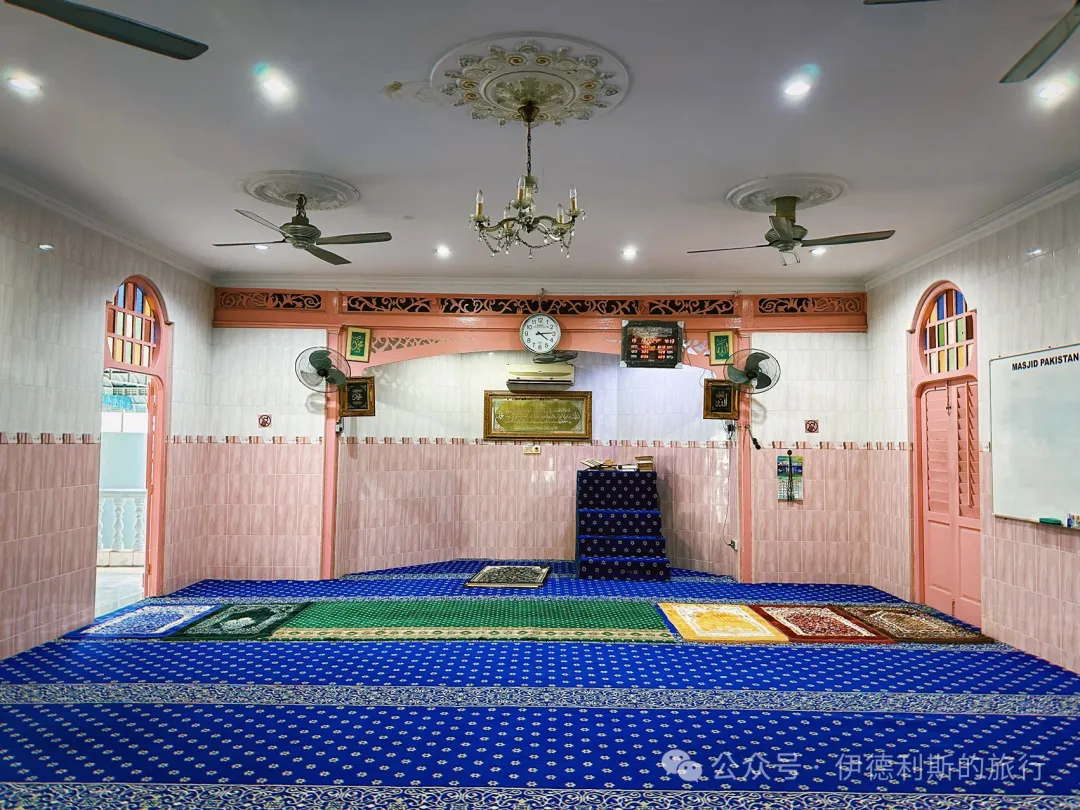
The Pakistan Mosque in Ipoh is primarily pink, which makes it look very lovely. The imam was very kind and took the initiative to show us where we could get water.
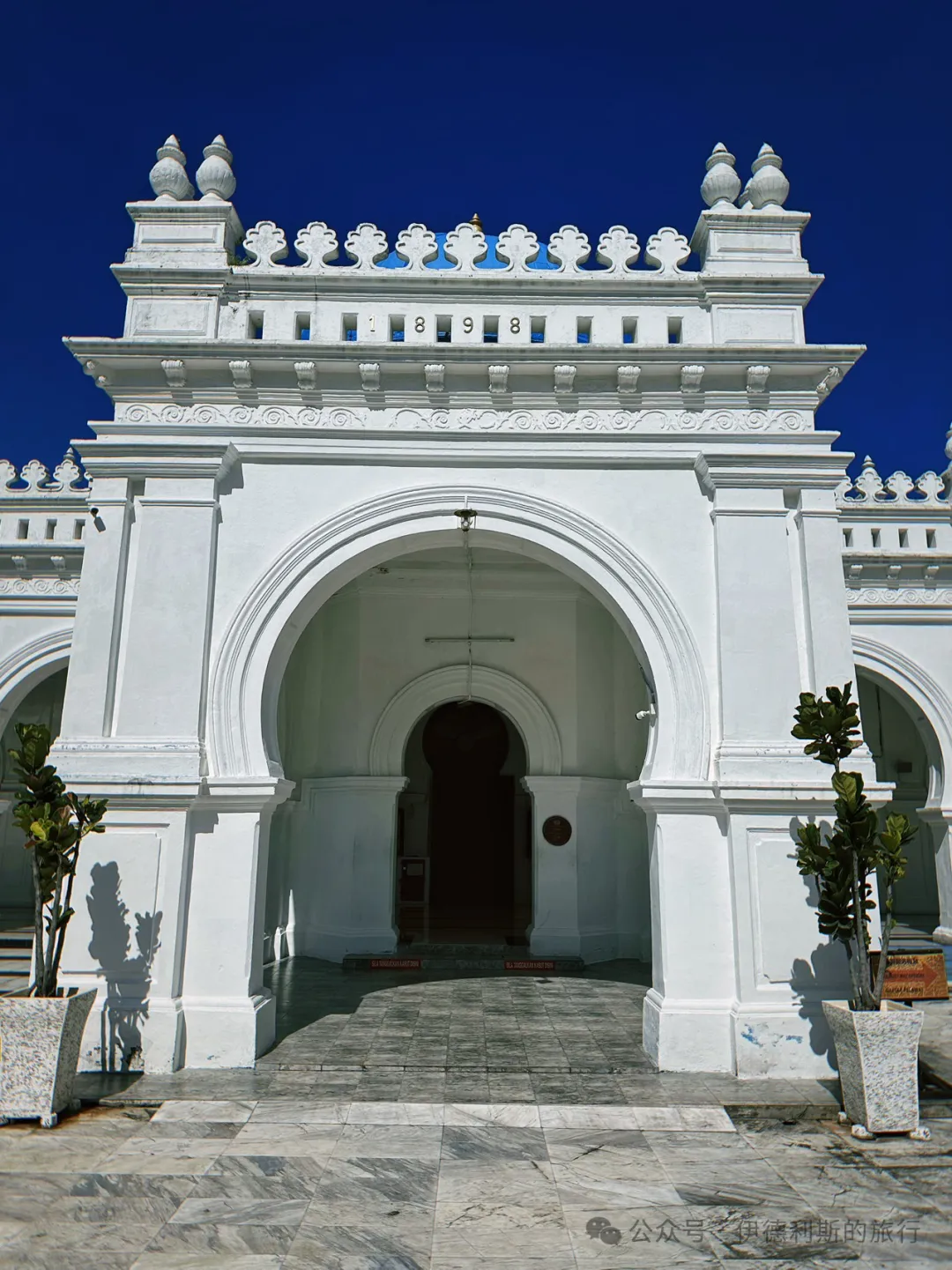
Panglima Kinta Mosque in Ipoh: 1898
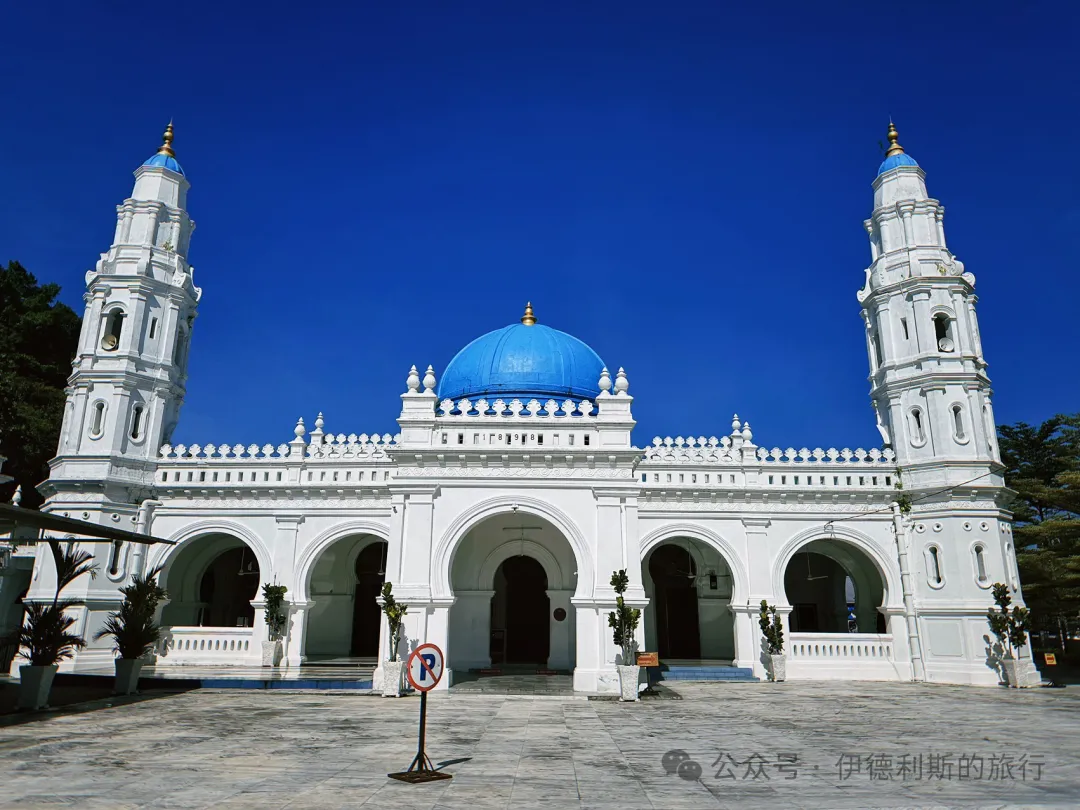
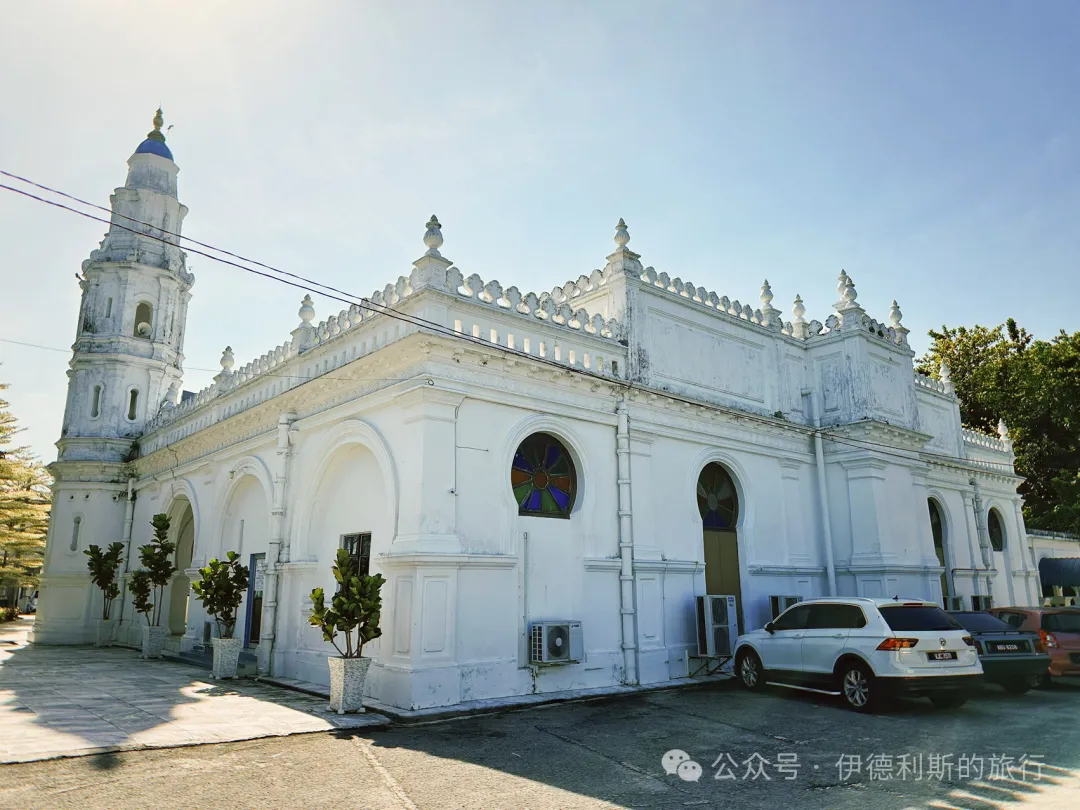
The Panglima Kinta Mosque is located by the Kinta River in Ipoh; it was built in 1898 by the Malay chief who ruled Ipoh at the time, Panglima Kinta Muhamad Yusuff, to commemorate his wife, and it became the religious center for the Malay people in Ipoh after it was completed.
Panglima Kinta was one of the eight chiefs of Perak and was the lord of the Kinta region. Under his rule, many laborers came to the Kinta Valley where Ipoh is located to mine tin. Ipoh quickly grew from a quiet Malay village (kampung) into a city of shophouses (qilou). By the time Panglima Kinta passed away in 1903, he was likely one of the wealthiest lords in the Malay Peninsula.
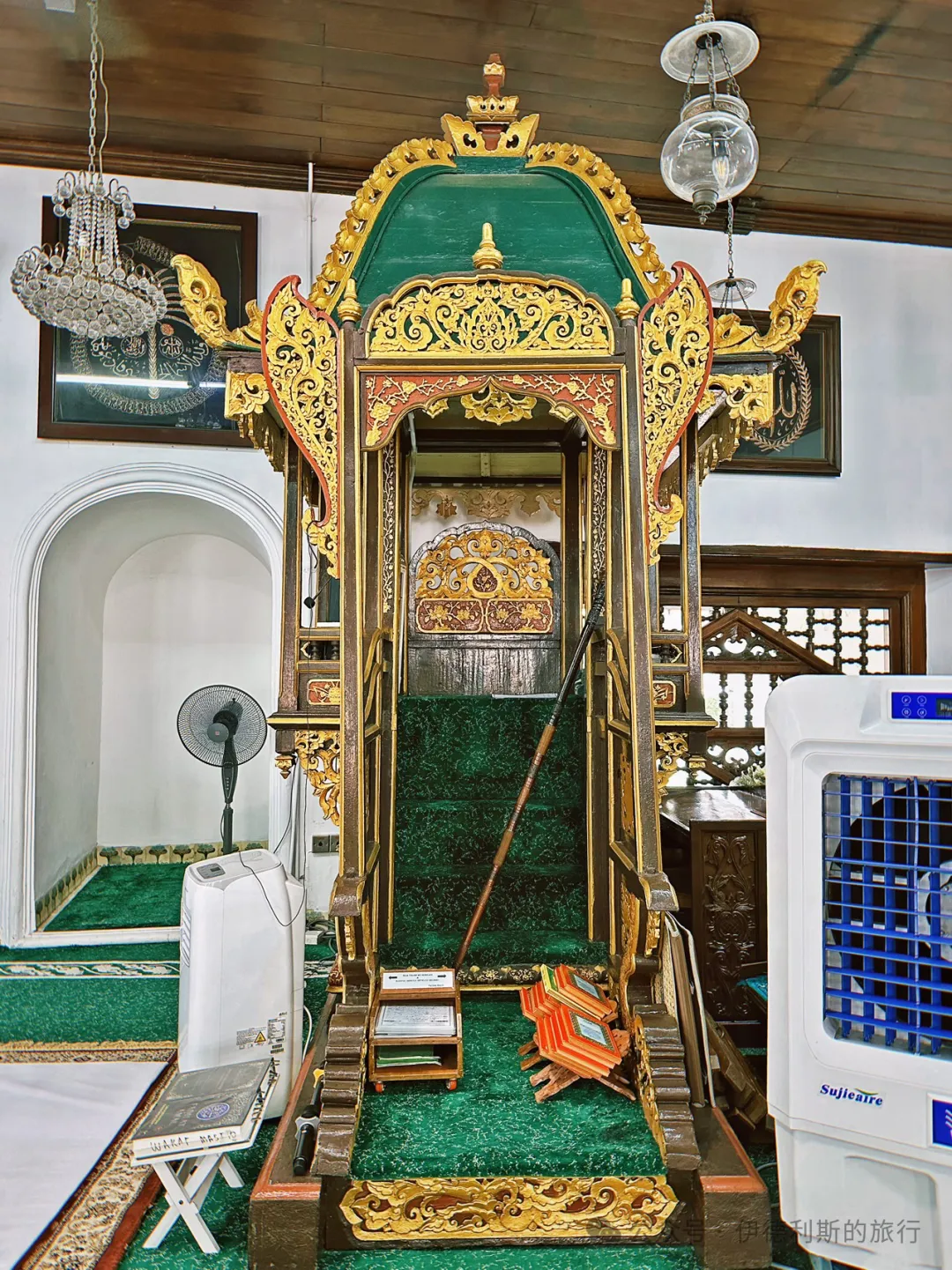
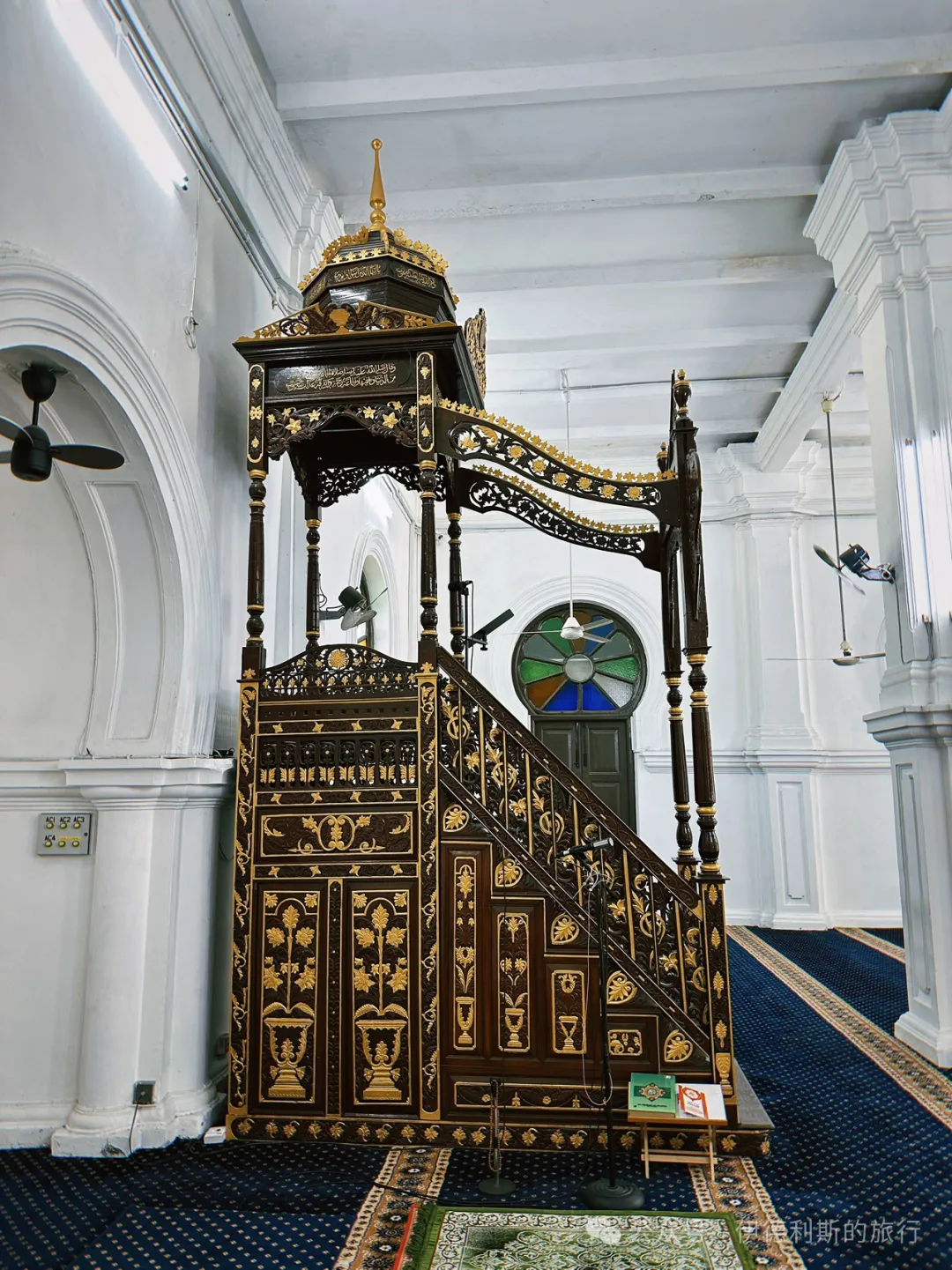
Panglima Kinta Mosque blends Indian-based Mughal style with Roman-Greek inspired neoclassical style. The main hall has a semi-circular Mughal dome, while the octagonal minarets (bangketta) on both sides are influenced by Chinese brick towers. The pulpit (minbar) inside the main hall was built by a master Malay craftsman from Penang named Tuan Haji Mohamed Sopian, and its design is very exquisite.
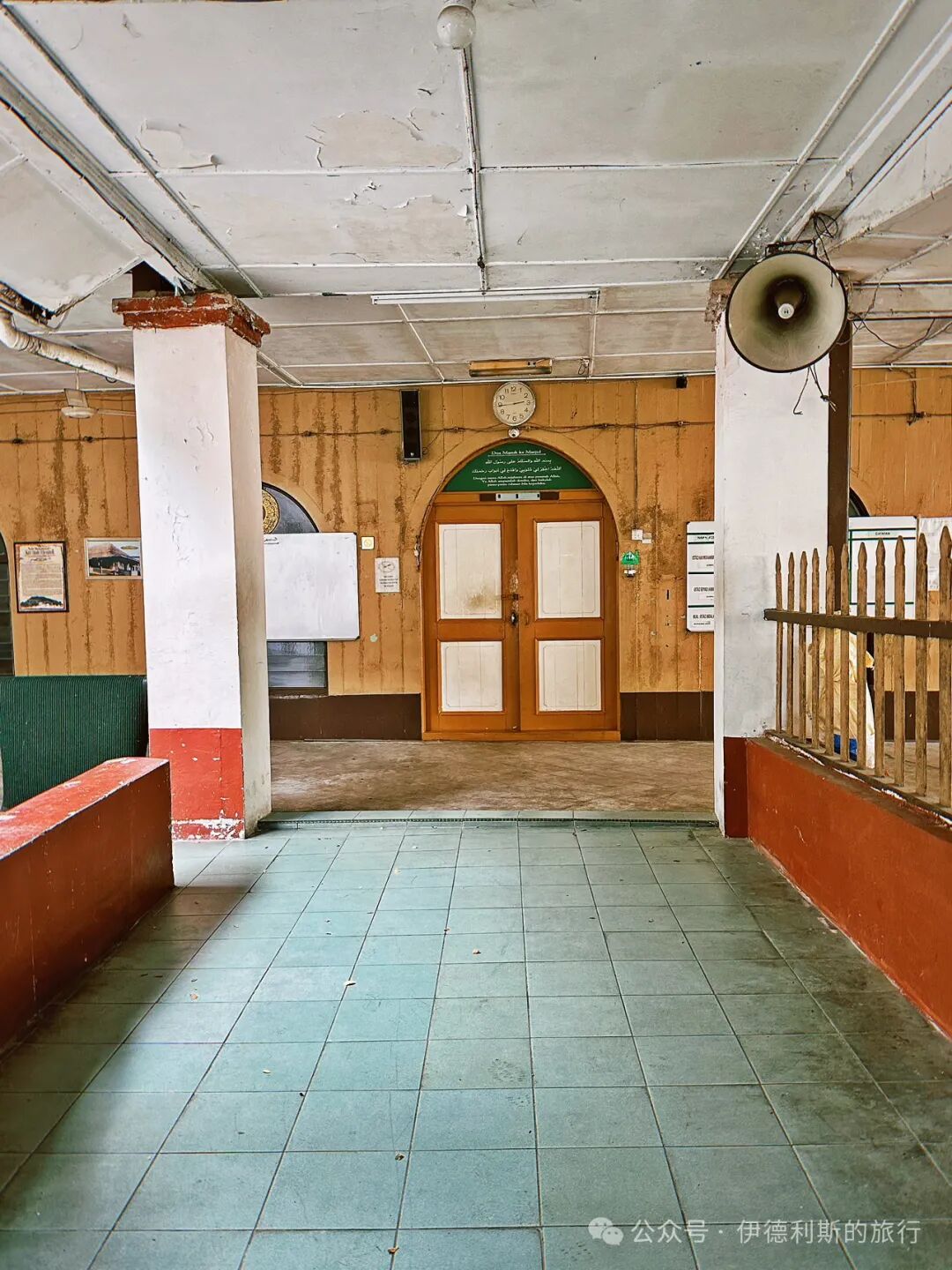
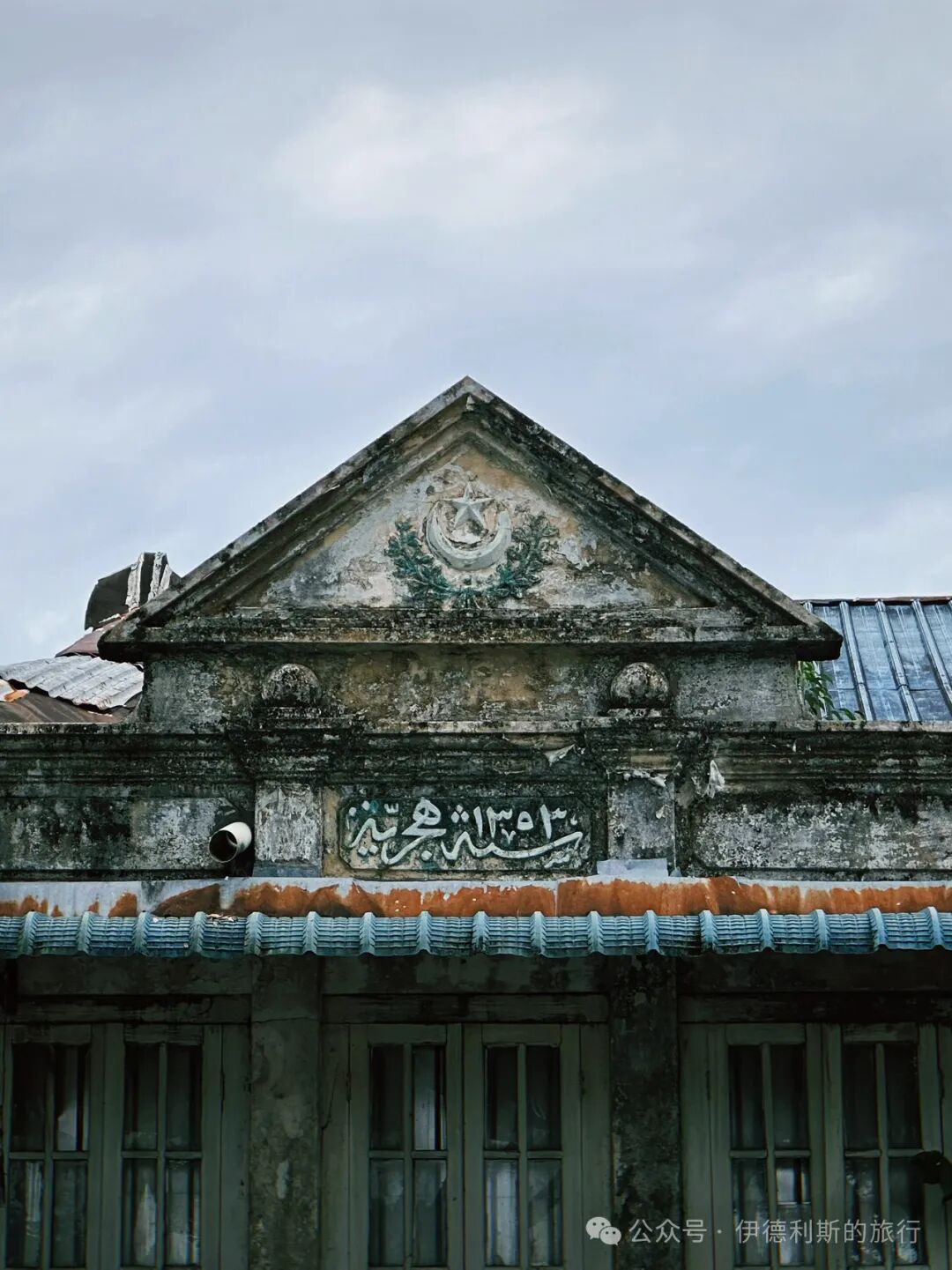
Indian Mosque in Kuching: 1876
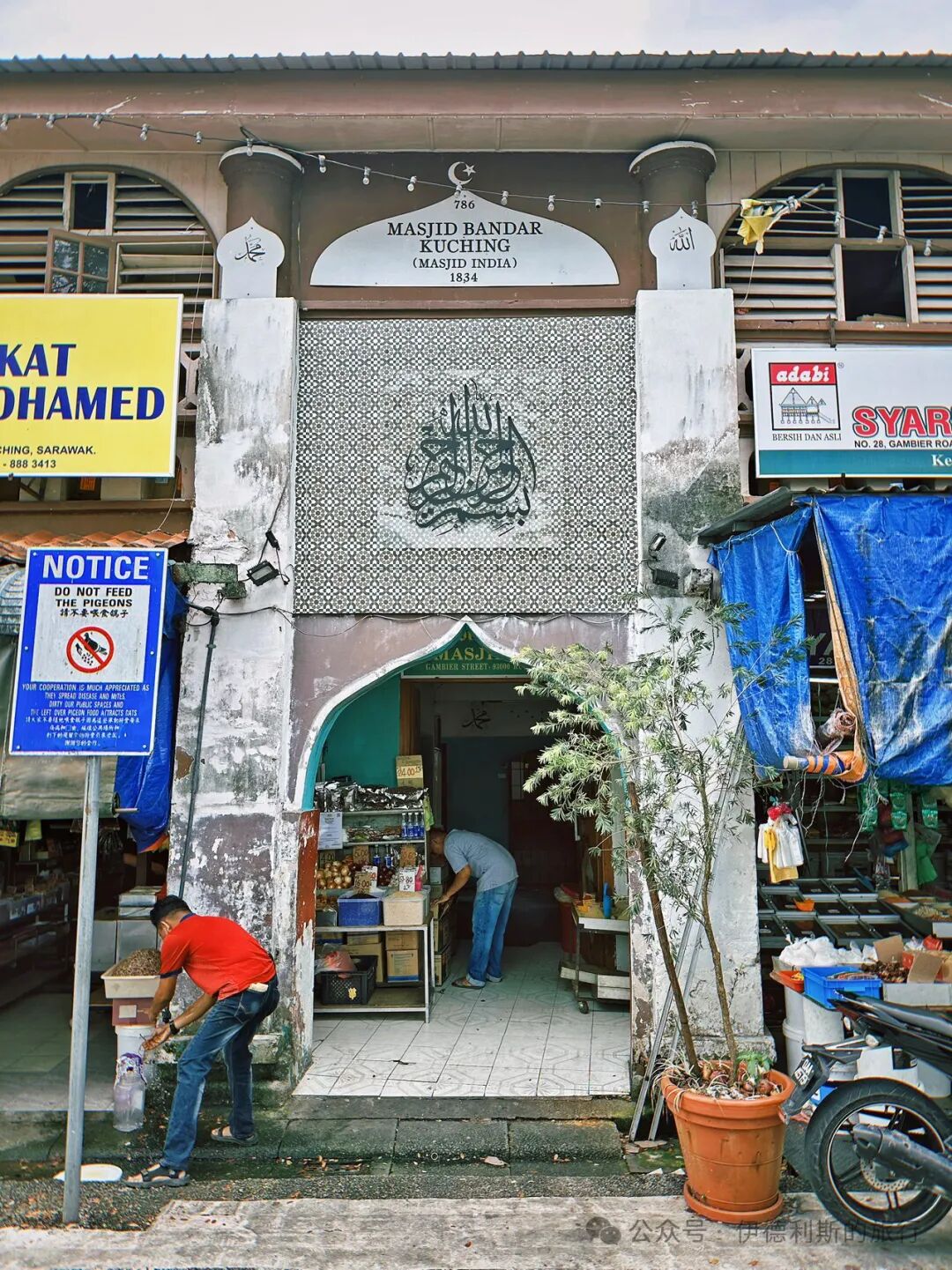
Kuching Indian Mosque was first built by South Indian Tamil merchants in 1837. Its roof and walls were originally made of nipa palm wood until it was rebuilt into the current structure using Borneo ironwood in 1876. The mosque collects rent from 23 surrounding shops. 21 of these are run by Indian Muslims selling groceries, spices, fabrics, and books, while two are owned by Chinese bosses. These shops have been passed down through families for generations.
In 2019, a new Indian mosque was built and opened on the Sarawak River opposite the old one, becoming a landmark floating mosque. The old mosque was closed as a result.
Mughal Revival style
Ubudiah Mosque in Kuala Kangsar: 1917
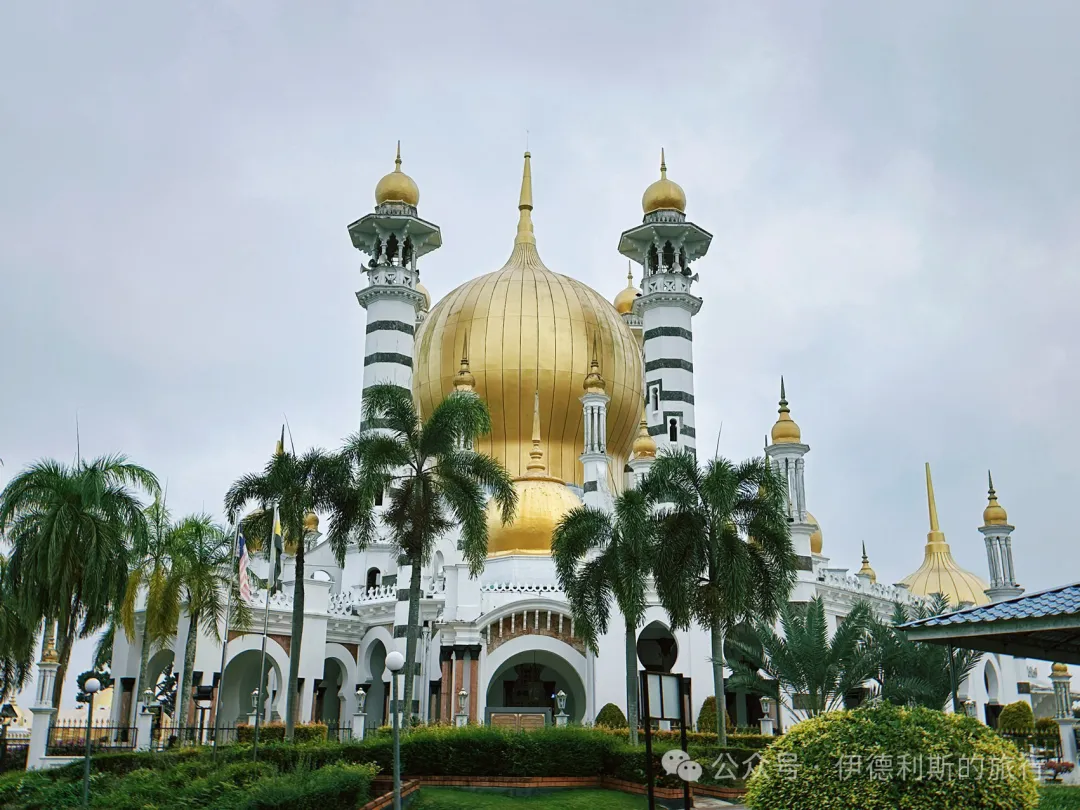
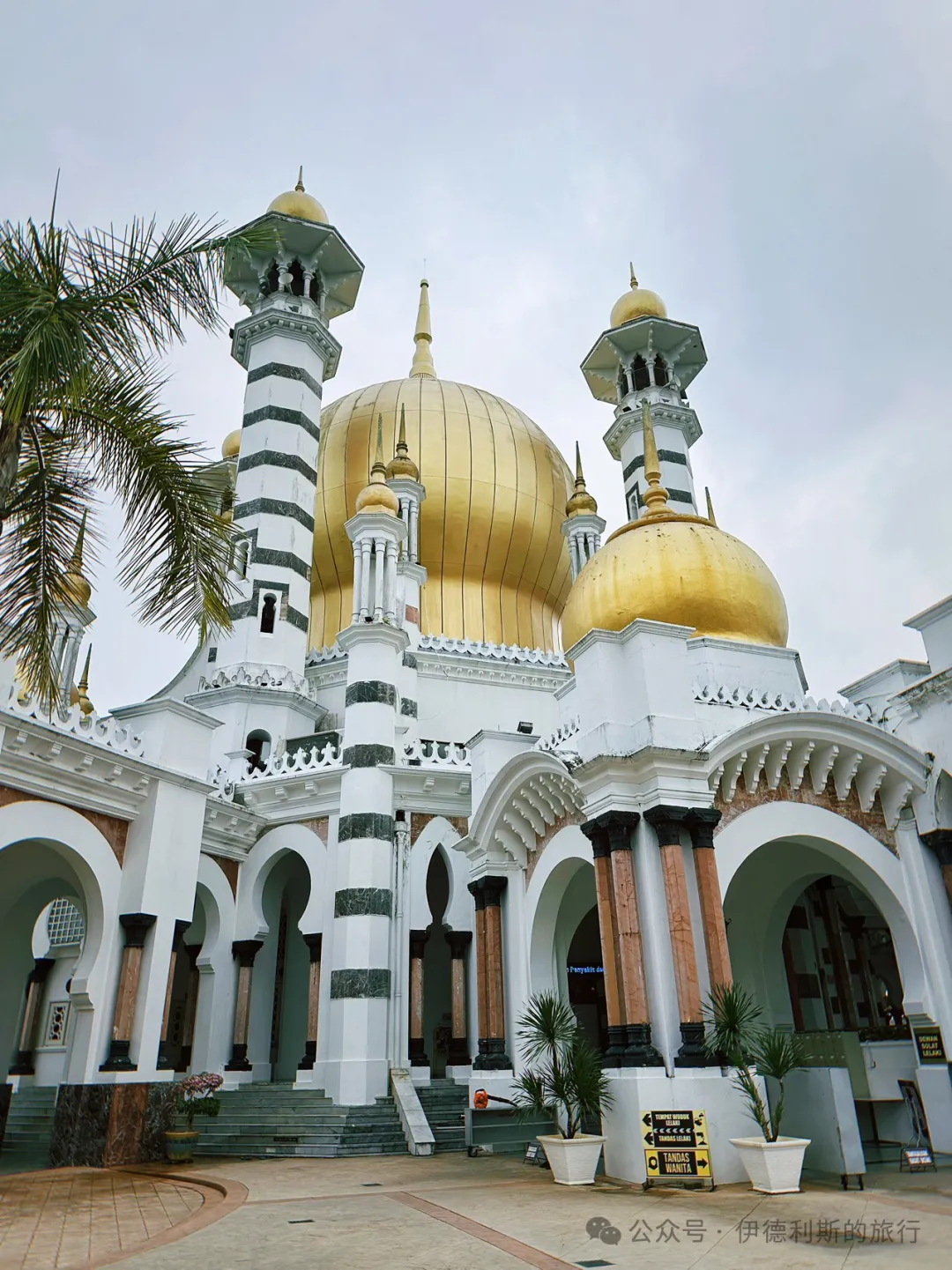
East of the Perak Sultan's Hulu Palace stands Ubudiah Mosque (Masjid Ubudiah), the royal mosque of the Sultan of Perak, commissioned by Sultan Idris I and built between 1913 and 1917. Sultan Idris I fell seriously ill in 1911 and made a vow to build a mosque if he recovered. He recovered as hoped, so he hired British architect Arthur Benison Hubback to design and build Ubudiah Mosque. Arthur designed many Indo-Saracenic style buildings for British Malaya, including the Kuala Lumpur Railway Station, Jamek Mosque, and the National Textile Museum.
Ubudiah Mosque also features a typical Indo-Saracenic architectural style, with tall golden Mughal onion domes, while the main body is made of marble imported from Italy and England. After construction began in 1913, the marble shipped from Italy was crushed during a fight between two elephants belonging to the Sultan's royal household, and it had to be reordered from Italy. However, World War I broke out, and the marble took a long journey through South Africa before finally arriving. Sultan Idris I passed away in 1916 without seeing the mosque finished, and it was not officially opened until 1918 by his successor, Sultan Abdul Jalil.
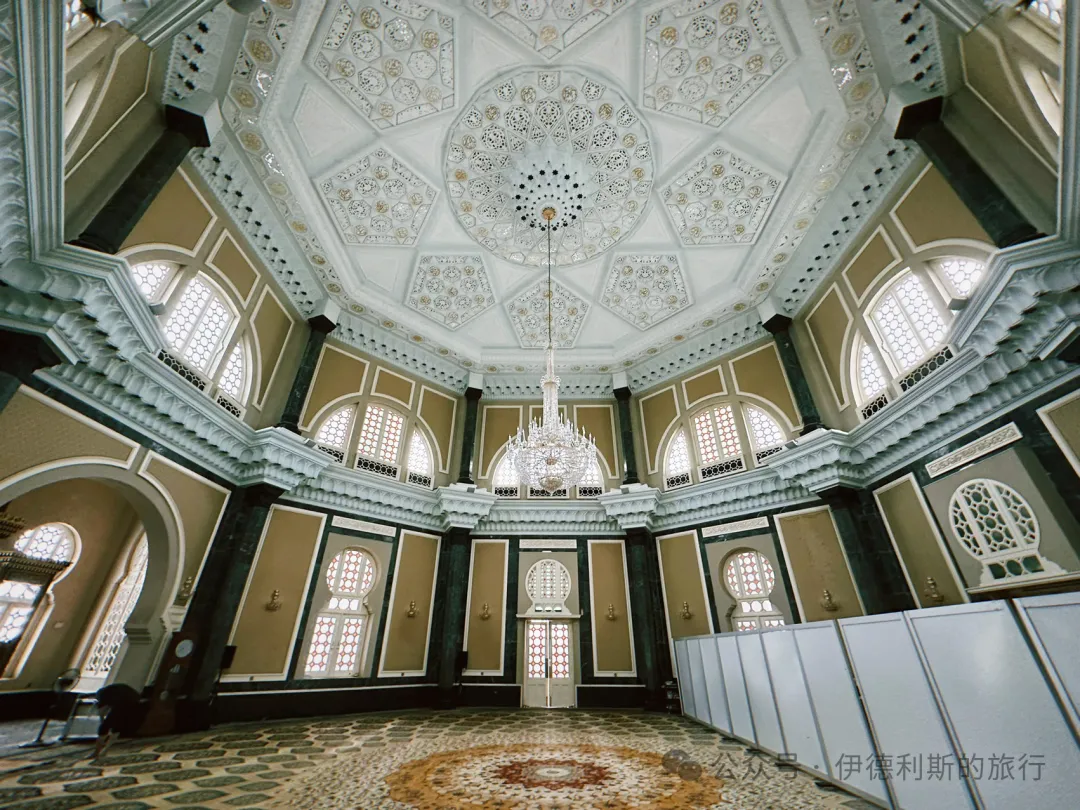
Alauddin Mosque in Jugra: 1905
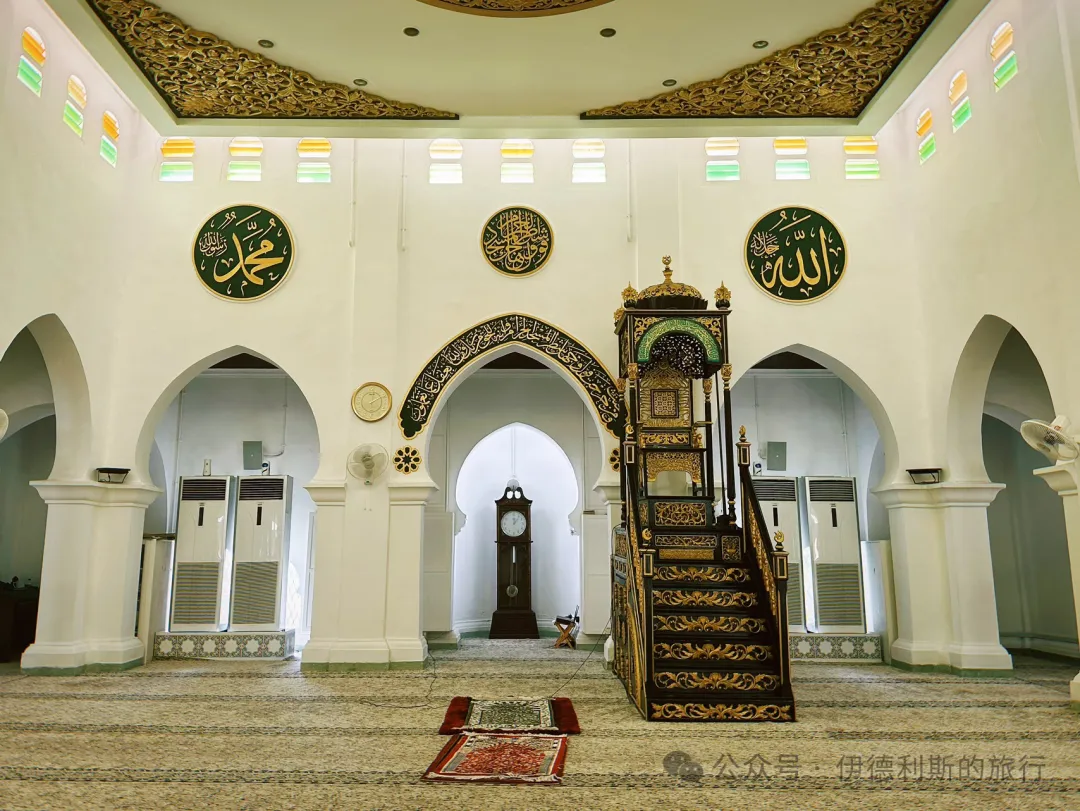
Alaeddin Mosque is located not far north of Alaeddin Palace and was built in 1905 by order of Sultan Alaeddin Sulaiman Shah of Selangor. The mosque's dome and arches feature a typical Mughal Revival style, while other design elements come from the Sultanate of Deli on Sumatra island. The pulpit (minbar) inside the mosque is very beautiful, especially the Arabic calligraphy wood carvings on the top, which are very unique.
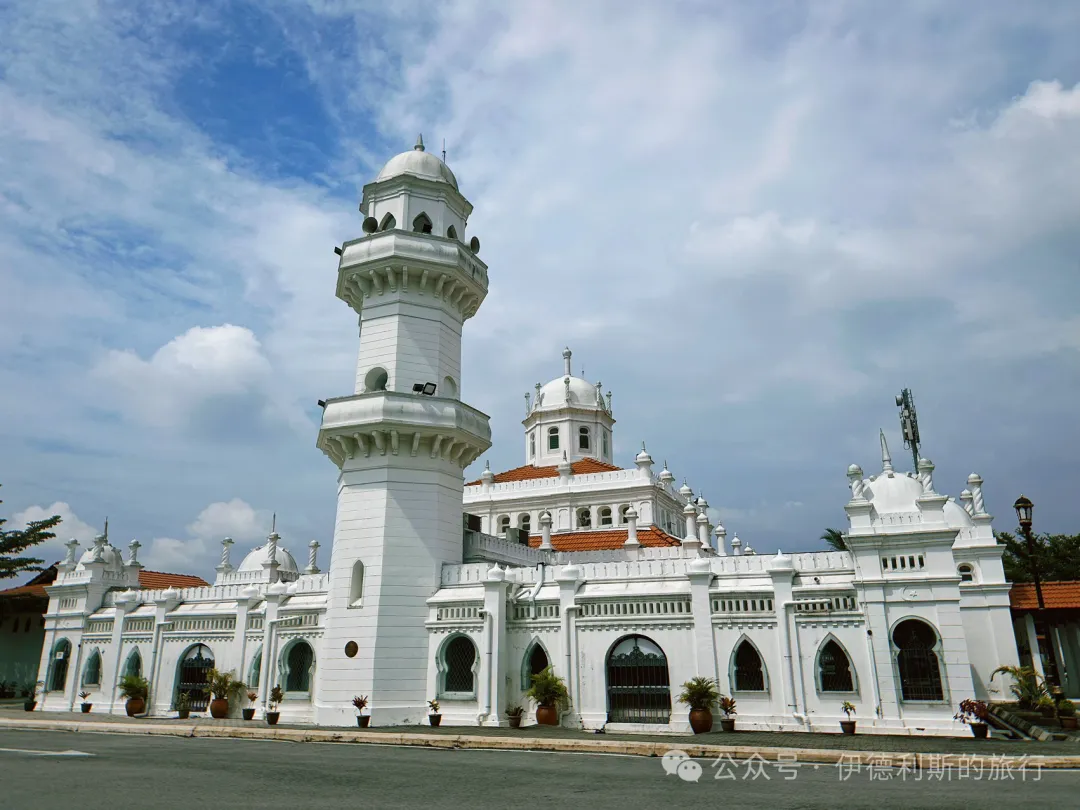
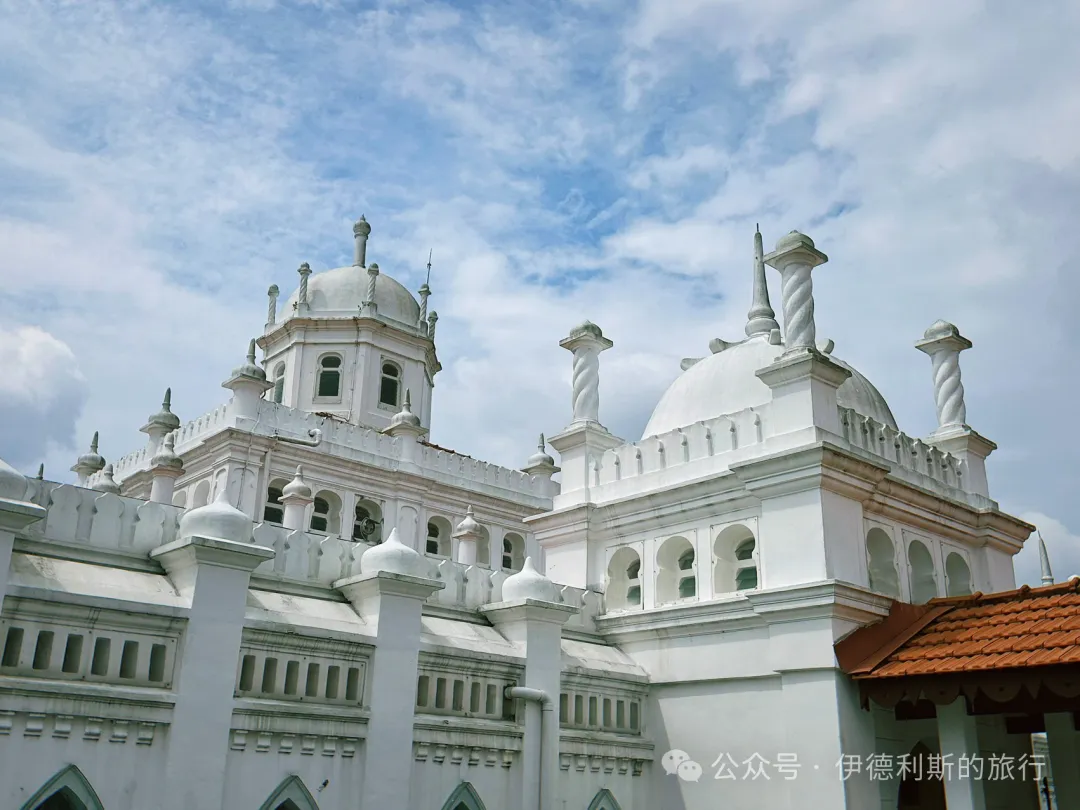
Kapitan Keling Mosque in Penang: 1801
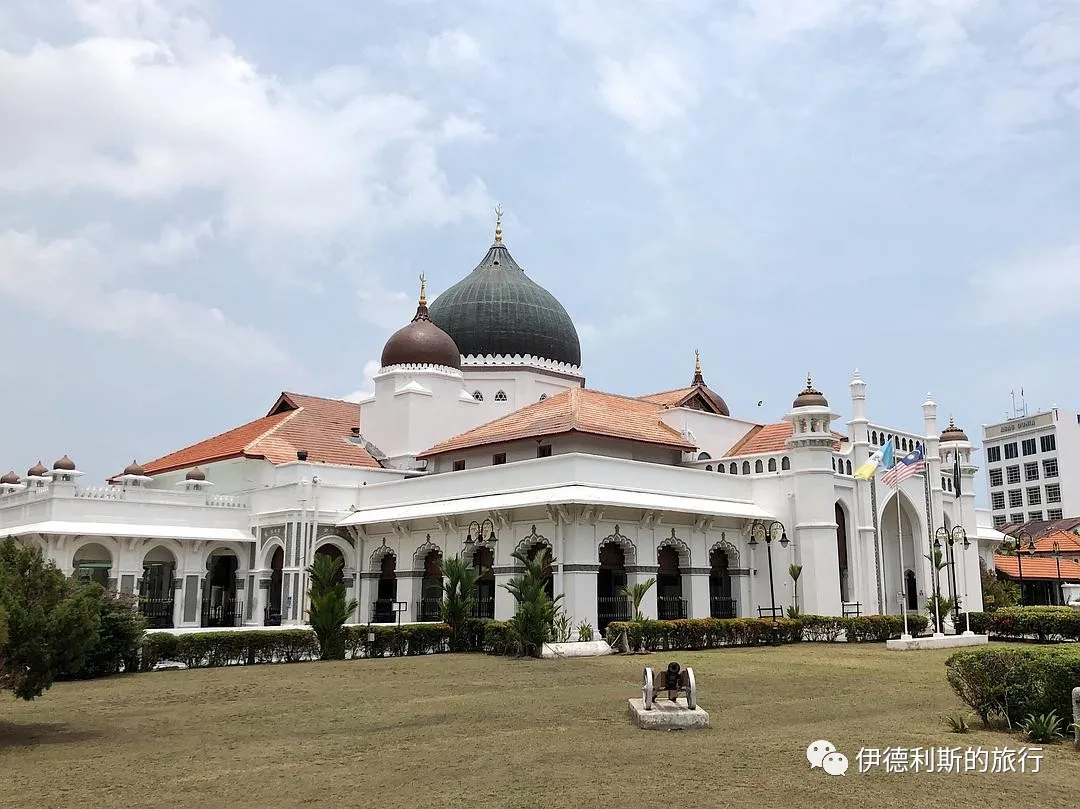
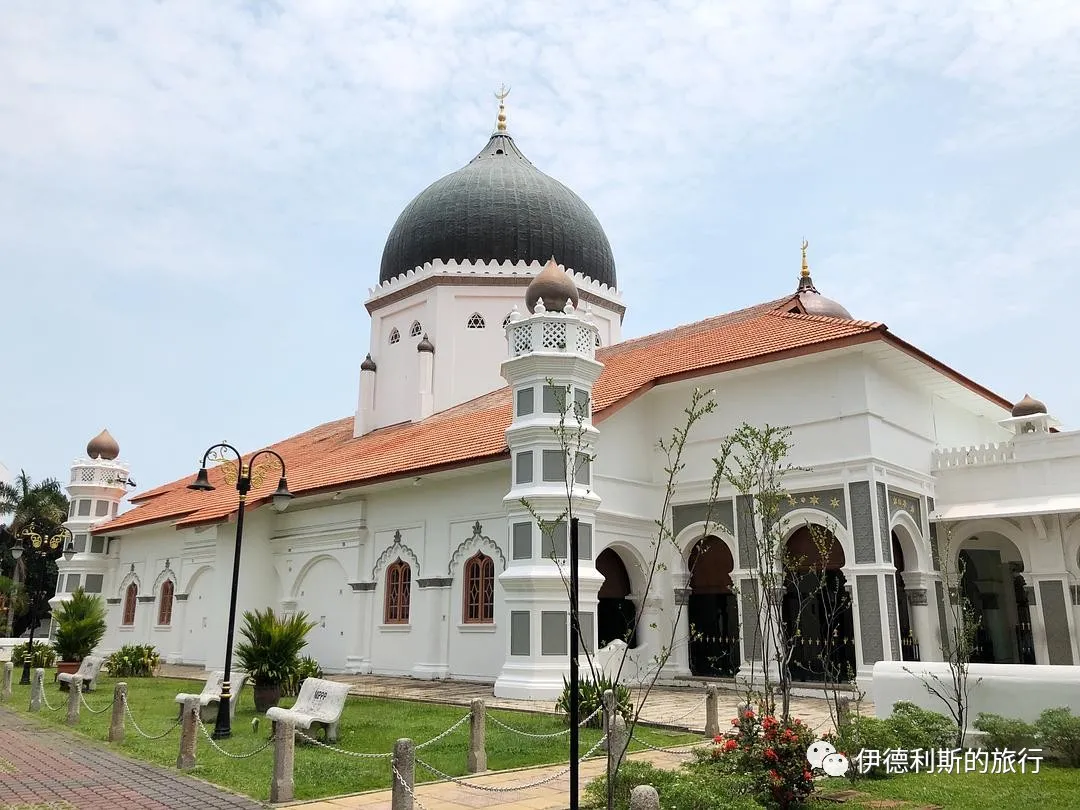
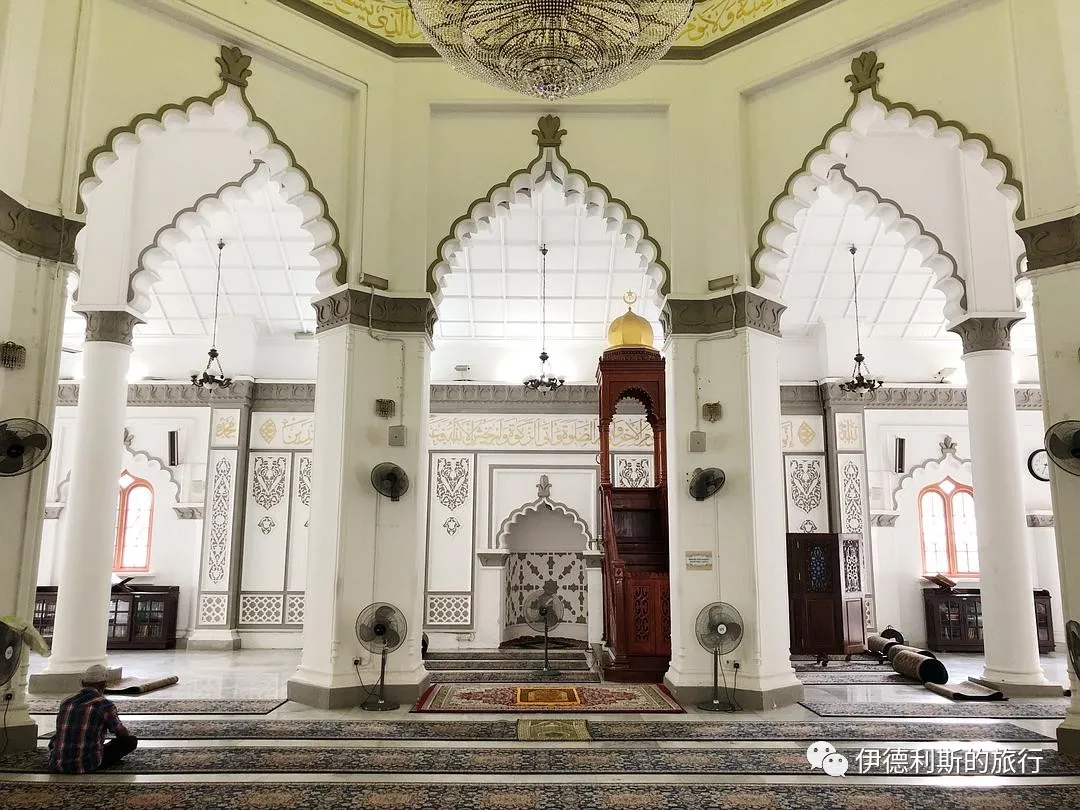
Kapitan Keling Mosque (Masjid Kapitan Keling) is a mosque built in 1801 by Indian Muslims in Penang, located in the heart of the Chulias Indian community in George Town, Penang.
Kapitan Keling was an official title appointed by European colonists to manage the Indian community in Southeast Asia. 'Keling' was a historical term for Indians in the Malay Archipelago; it was neutral at first but gradually became derogatory after the 20th century. The first Kapitan Keling of Penang was named Cauder Mohideen. He was born around 1759 and came from Tamil Nadu in the southernmost part of India.
In 1795, he joined the first Kapitan Cina, Koh Lay Huan, and other important figures in Penang to form the first Penang Assessment Committee to decide on taxes and tax rates.
Shortly after Penang was founded in 1786, Indian Muslim soldiers serving the British East India Company set up a temporary place for namaz. Later, as the number of Indian Muslims in Penang grew, the community asked the Kapitan Keling to lead the construction of a formal mosque.
In 1801, the Penang government officially approved the Kapitan Keling's application and granted an 18-acre plot of land to build a mosque, a Muslim cemetery, and shops to collect rent. The Kapitan Keling and other Indian Muslims in Penang brought in workers and stone from India to build the first Penang Indian mosque, which was named after the Kapitan Keling.
The earliest Kapitan Keling Mosque was a single-story rectangular building with a minaret at each of the four corners. At that time, the mosque was surrounded by shops and could only be reached through narrow passages. It was not until 1905 that large-scale urban construction took place around the mosque, replacing the original simple houses with covered walkways (qilou) and opening new roads.
In 1910, architect N. A. Neubronner led an expansion of the mosque, adding Mughal-style domes and a large minaret. After the expansion was completed in 1916, the mosque became a building in the British Mughal Revival style. In the 1930s, the mosque was finally expanded to its current appearance. The height of the main prayer hall was doubled, and the ventilation system was improved.
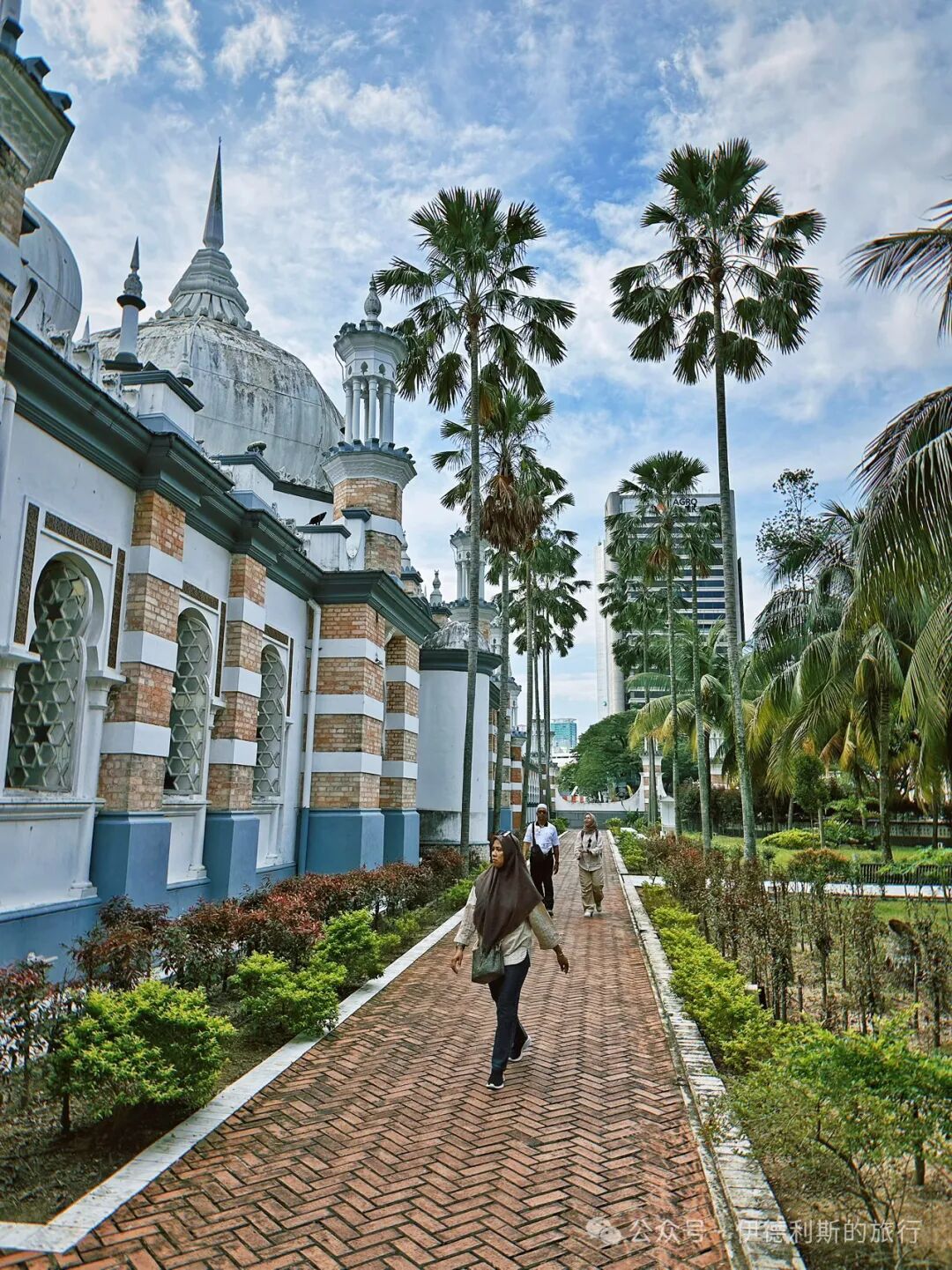
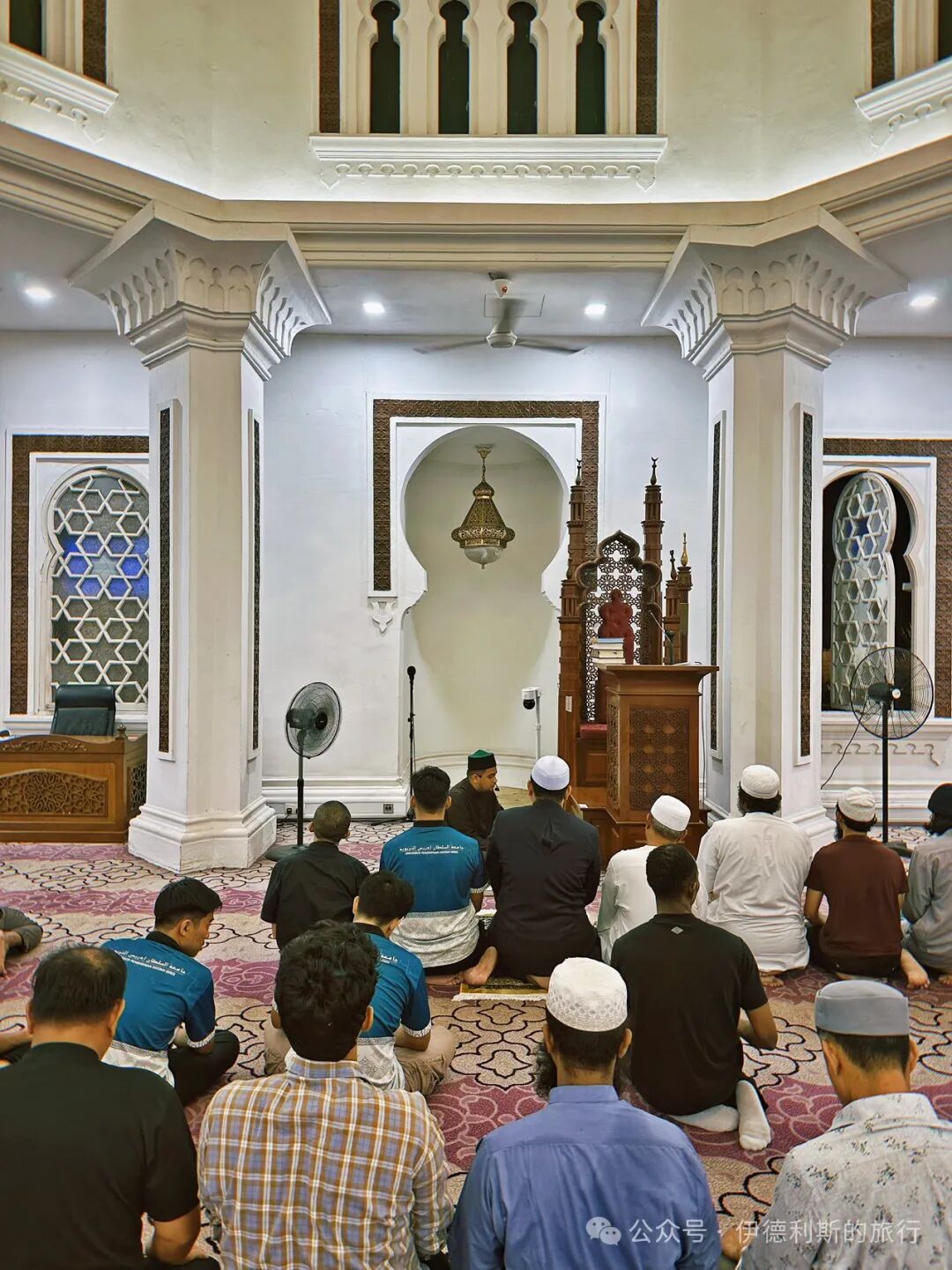
Jamek Mosque in Kuala Lumpur: 1909
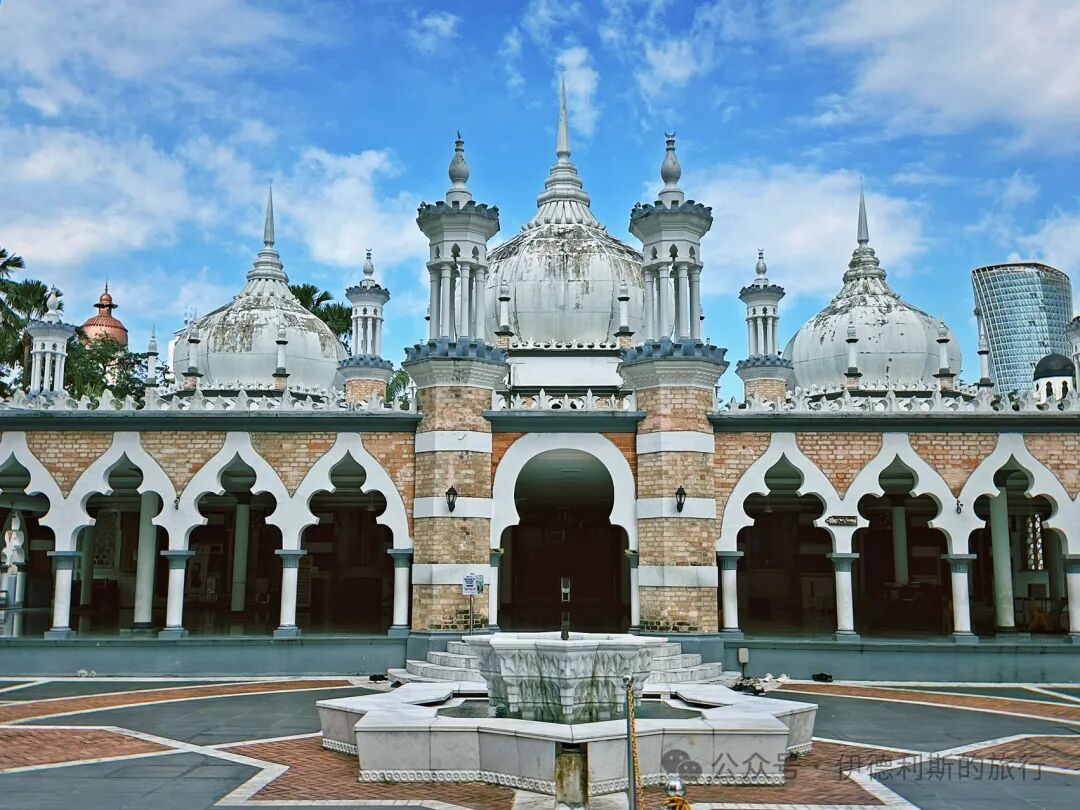
The Jamek Mosque in Kuala Lumpur is located at the confluence of the Klang River and the Gombak River. It was founded by Sultan Sulaiman of Selangor in 1908 and officially completed in 1909. The mosque was built under the direction of British architect Arthur Benison Hubback, who also designed other Malaysian landmarks such as the Kuala Lumpur Railway Station, the Ubudiah Mosque in Perak, and the Sultan Abdul Samad Building.
In the 19th century, various ethnic groups including Malays, Javanese, and Minangkabau people lived at the confluence of the Klang and Gombak rivers, forming place names like Java Street (now Tun Perak Road) and Malay Street. In the 1870s, the Rawa tribe of Minangkabau people from western Sumatra, with the permission of the Sultan of Selangor, built the Java Street Mosque on the east side of the Klang River. The Java Street Mosque at that time had a pyramid-shaped roof and wooden pillars, following a traditional Sumatran style.
In 1903, the Java Street Mosque was forced to be demolished due to road widening, so the mosque committee submitted a petition to build a new one. In 1905, Sultan Sulaiman of Selangor and the British Resident agreed to build a new mosque on the Malay cemetery at the confluence of the Klang and Gombak rivers. The new mosque adopted the then-popular Mughal Revival style, a style the British used for a series of public buildings in British India and British Malaya in the late 19th century.
Art Deco style
Sultan Sulaiman Royal Mosque in Klang: 1933.
During the reign of Sultan Alaeddin Sulaiman Shah of Selangor, the Sultan built the Alam Shah Palace in Klang to the Alaeddin Palace located in Jugra. Since then, Klang has become the royal city of the Sultan of Selangor, and various Selangor royal ceremonies are held here.
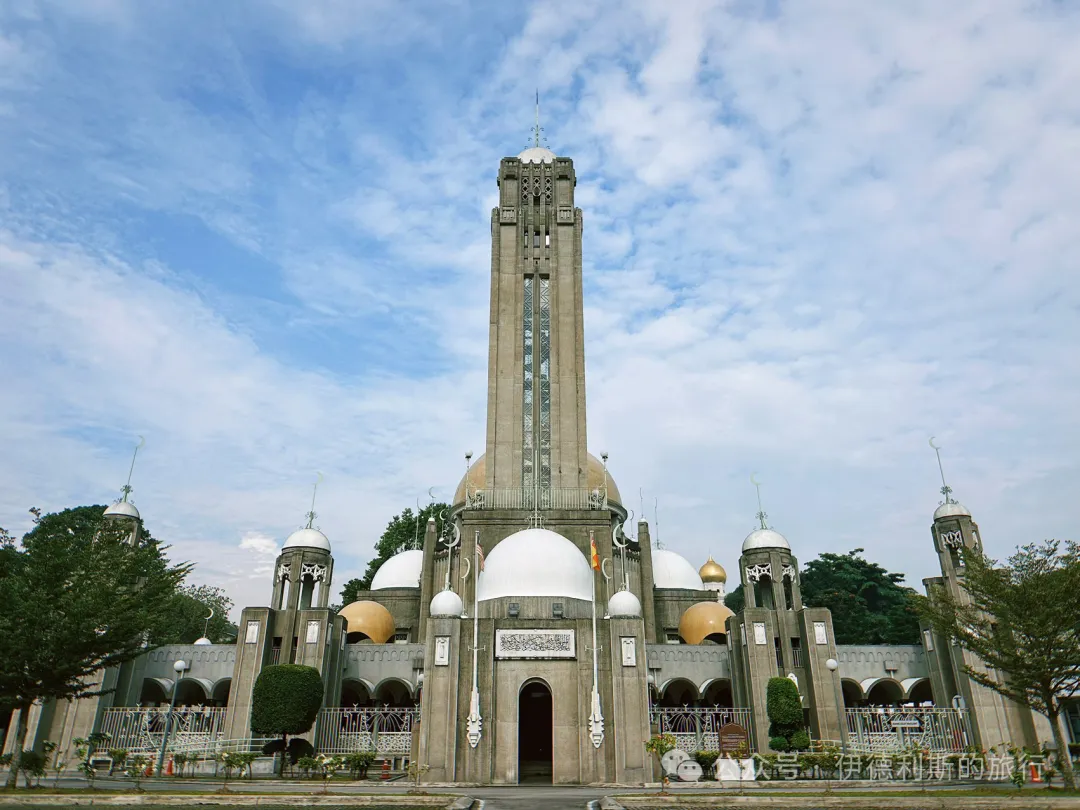
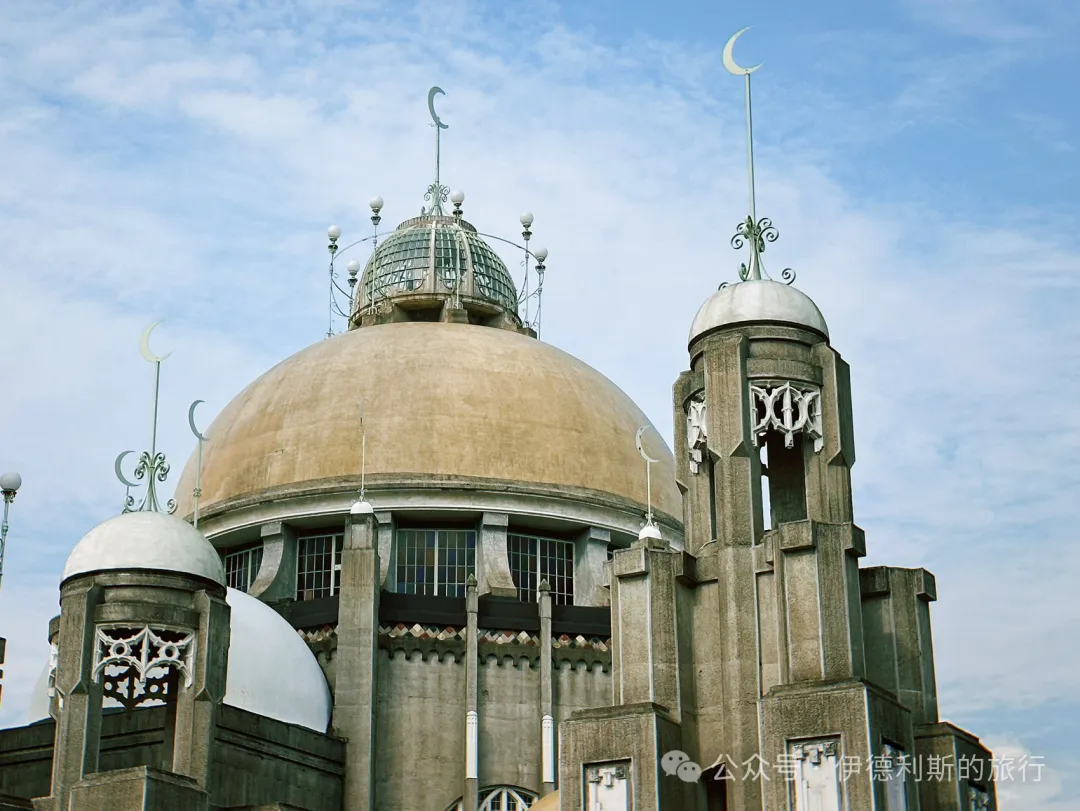
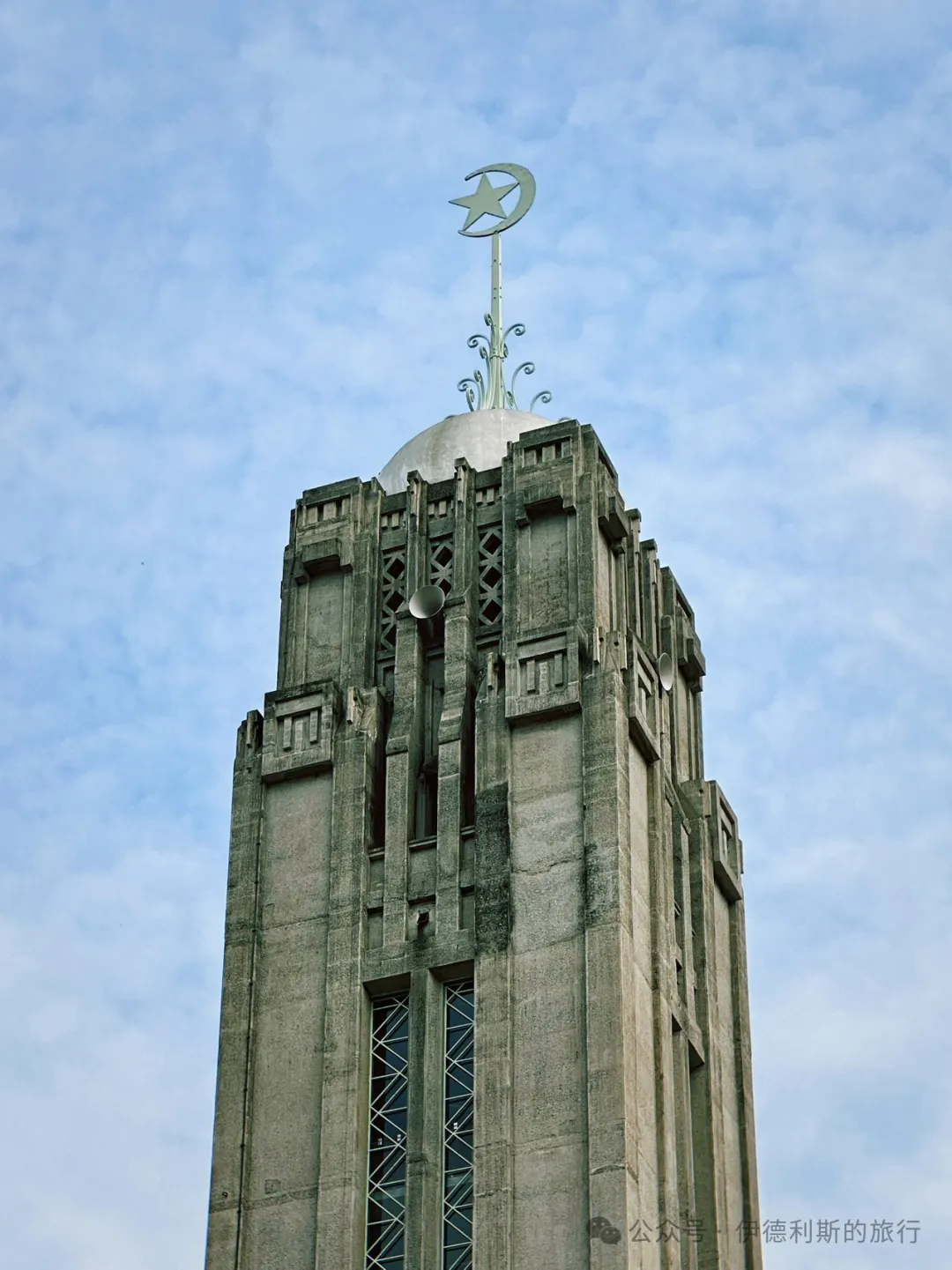
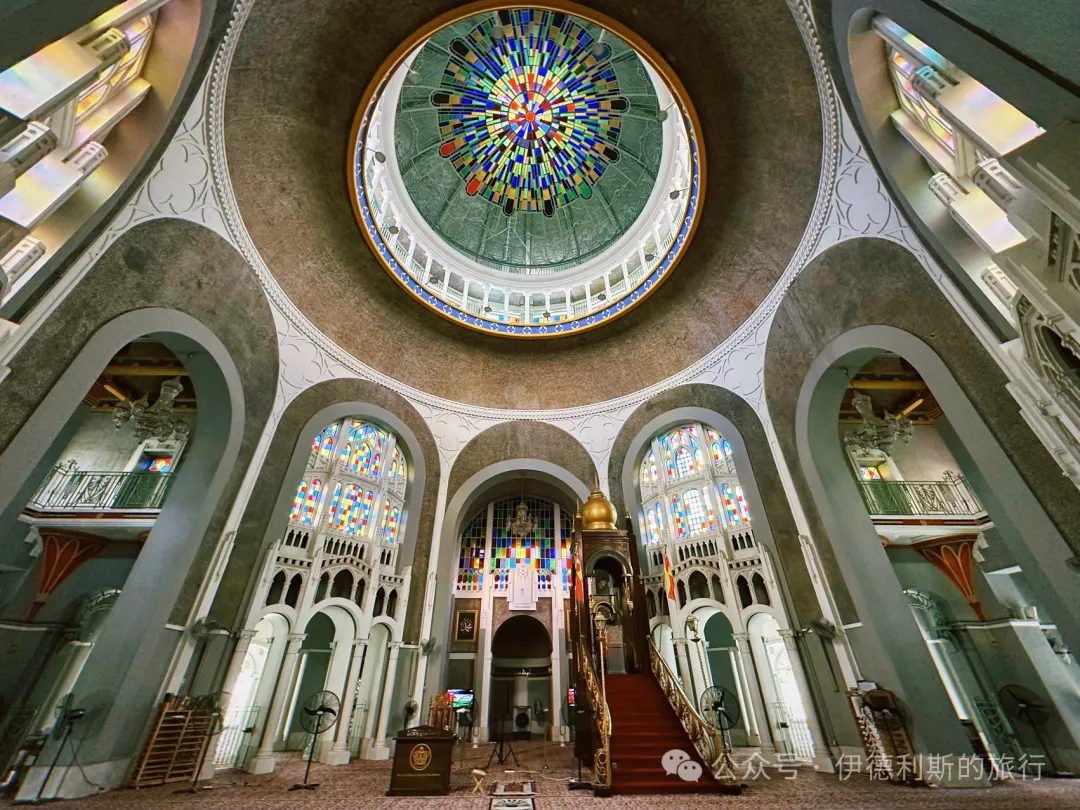
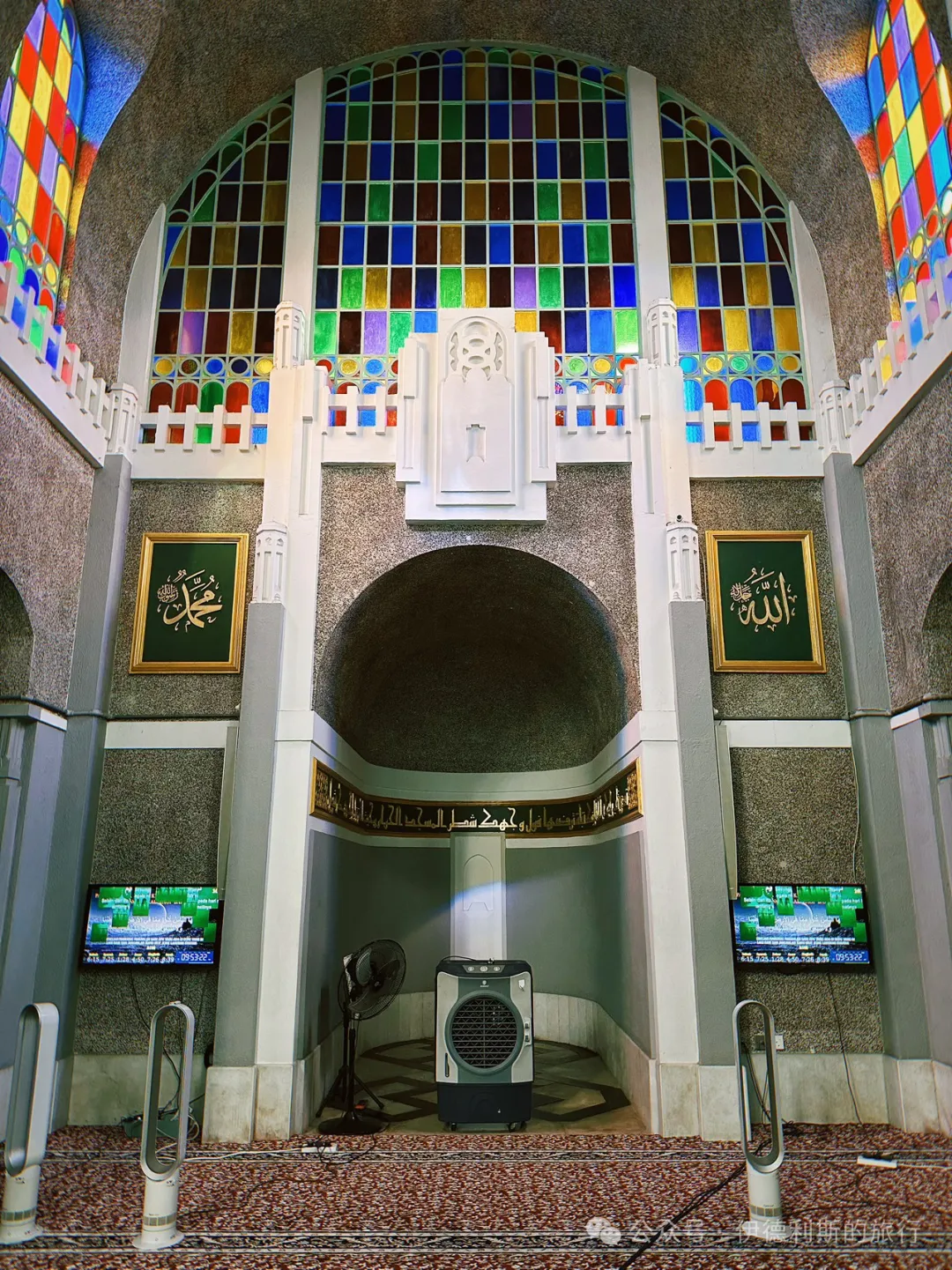
Although the Alam Shah Palace is not open to the public, the Sultan Sulaiman Royal Mosque (Masjid Diraja Sultan Sulaiman) right next to it is definitely worth a visit. The Sultan Sulaiman Royal Mosque was a gift from the British to Sultan Sulaiman at the time, replacing the Pengkalan Batu Mosque which was demolished to build the Klang railway station. The mosque was built between 1932 and 1933. Upon completion, it was the largest mosque in the Federated Malay States at the time and has since remained the royal mosque of the Sultan of Selangor.
Unlike the Moorish Revival style common in Malaysia in the early 20th century, the Sultan Sulaiman Royal Mosque uses the Art Deco style. The mosque was designed by Leofric Kesteven from the UK, who served as the president of the Institute of Architects Malaya from 1931 to 1933. Reinforced concrete expert John Thomas Chester and Singapore-based Italian sculptor Rodolfo Nolli also participated in the construction. The Art Deco style flourished in Europe and America during the 1920s and 1930s. This style is known for its use of reinforced concrete and simple, clear lines, making it quite unique.
Victorian style.
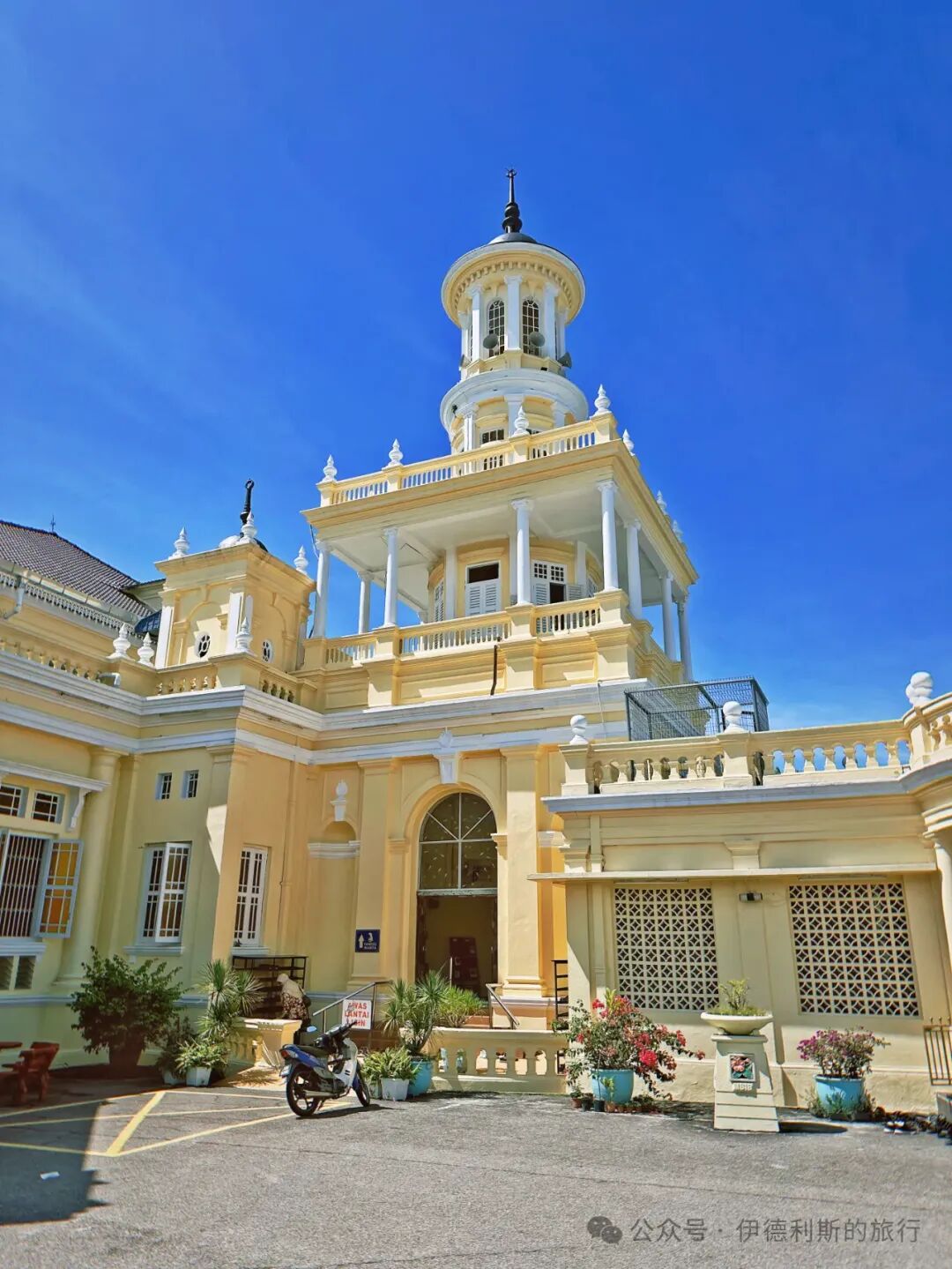
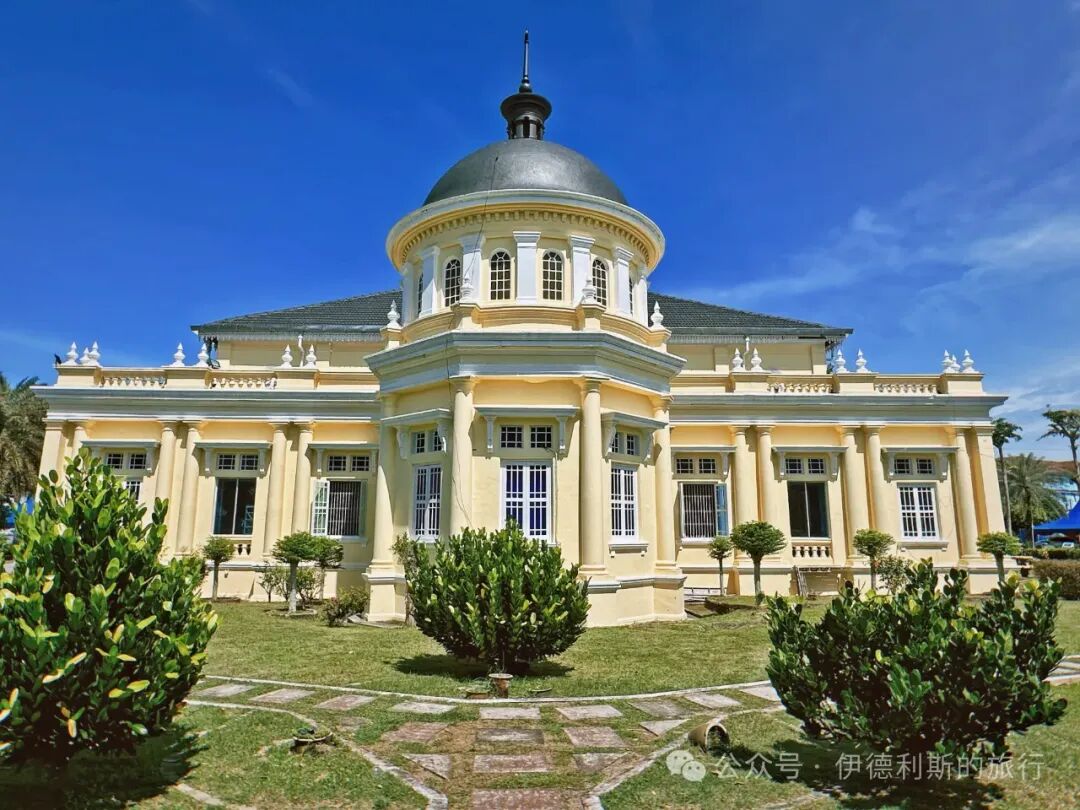
Sultan Abu Bakar Mosque in Johor Bahru: 1900.
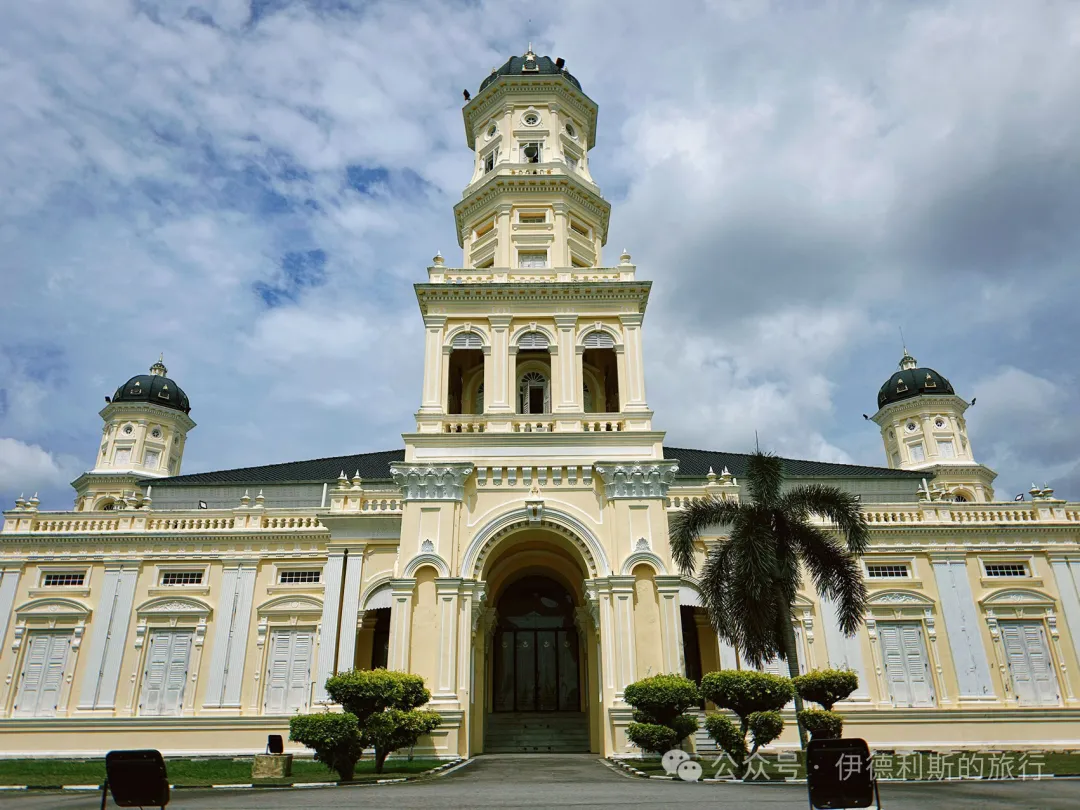
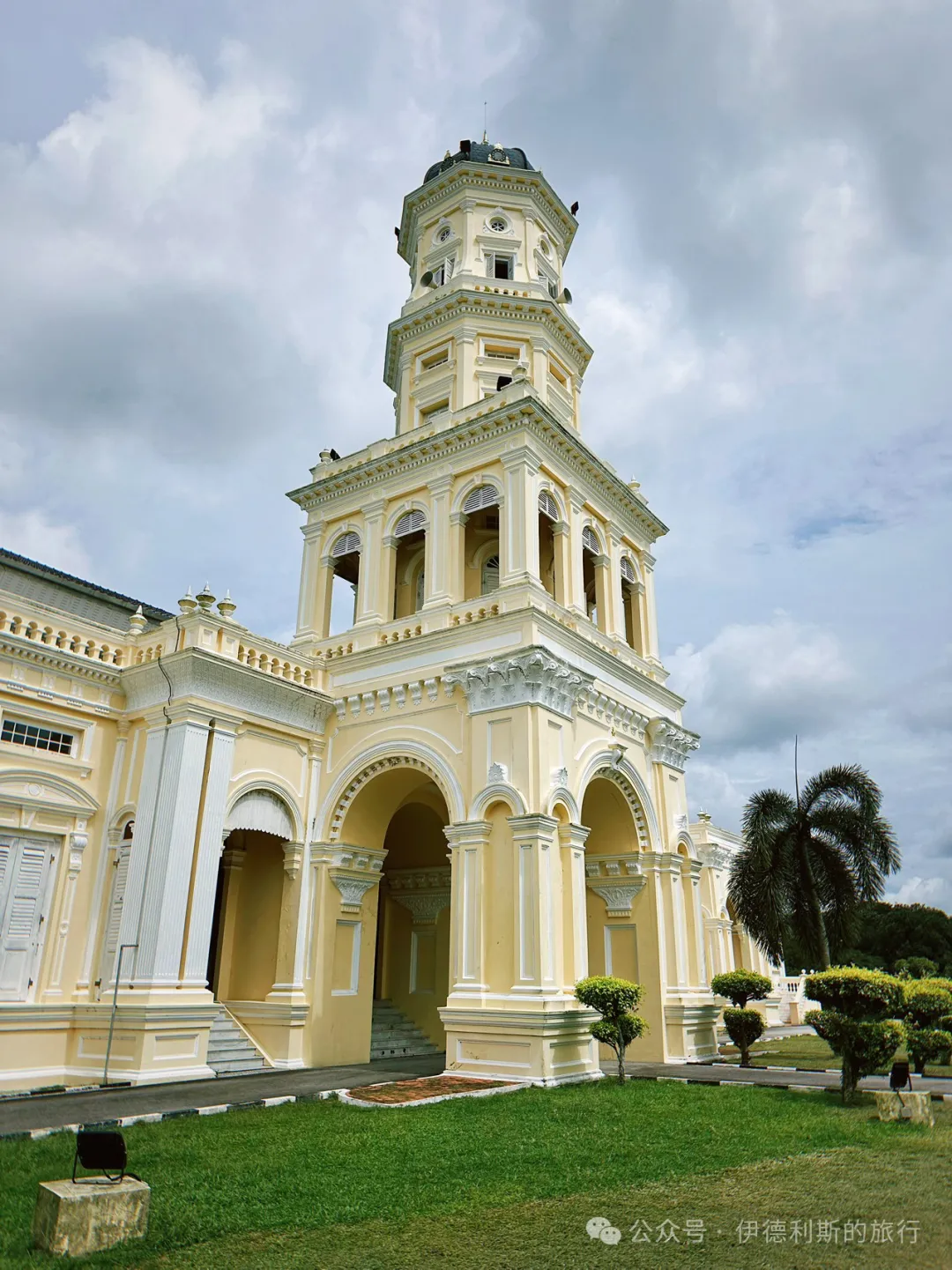
The Sultan Abu Bakar Mosque (Masjid Negeri Sultan Abu Bakar) was commissioned by Sultan Abu Bakar in 1892 and officially completed in 1900. It is a very distinctive Victorian-style mosque in Malaysia. The mosque is located on a hilltop along Skudai Road in Johor Bahru, overlooking the Straits of Johor and facing Singapore across the sea.
The Victorian style is a revivalist architectural style that emerged during the reign of Queen Victoria of the United Kingdom (reigned 1837-1901). Due to the pro-British sentiment of the Johor Sultanate at the time, many official buildings were built in the British style, and the Sultan Abu Bakar Mosque is a prime example. The minaret of the Sultan Abu Bakar Mosque was modeled after 19th-century British clock towers while incorporating some Moorish architectural elements. Looking up at the minaret is quite spectacular.
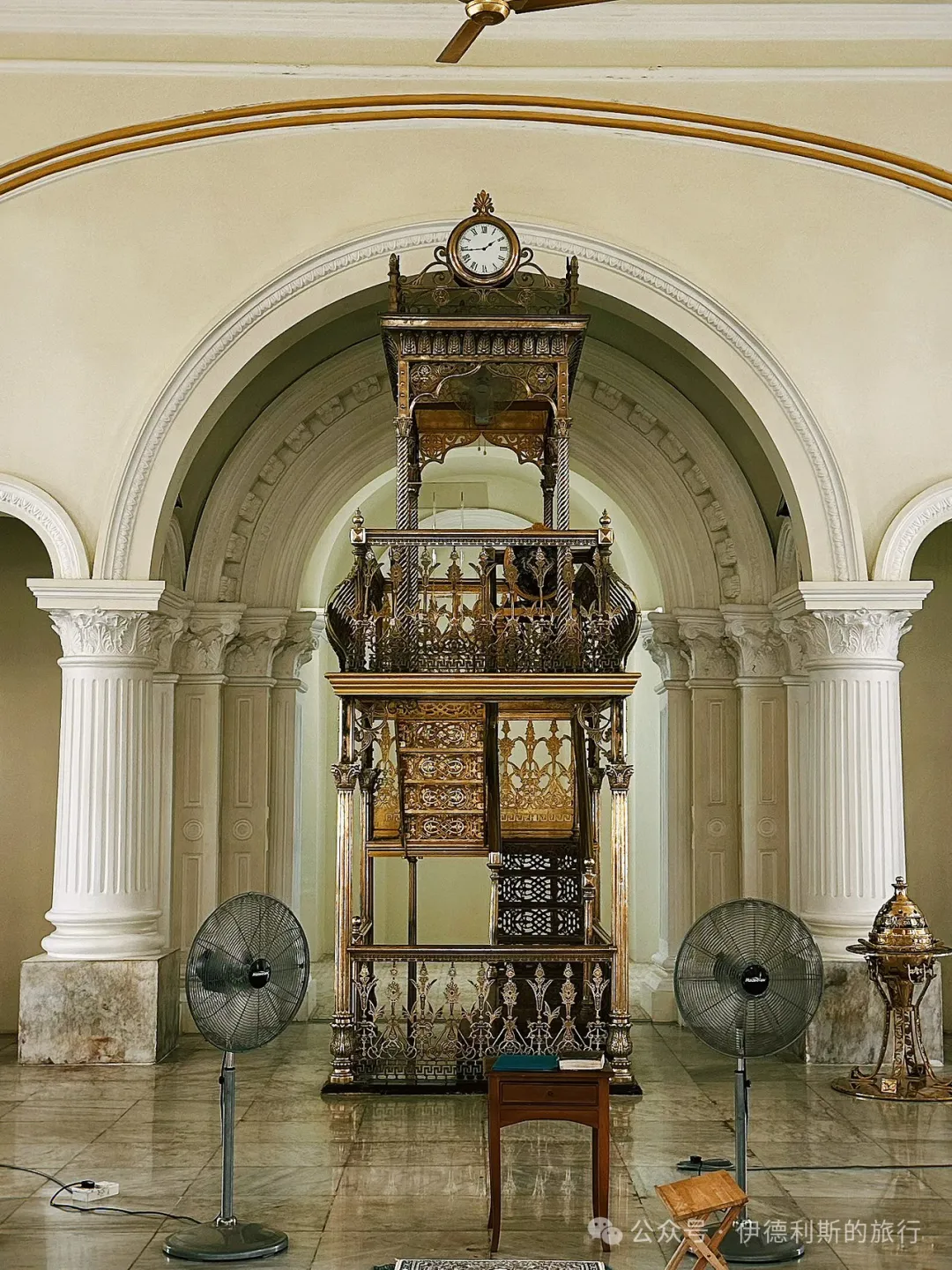
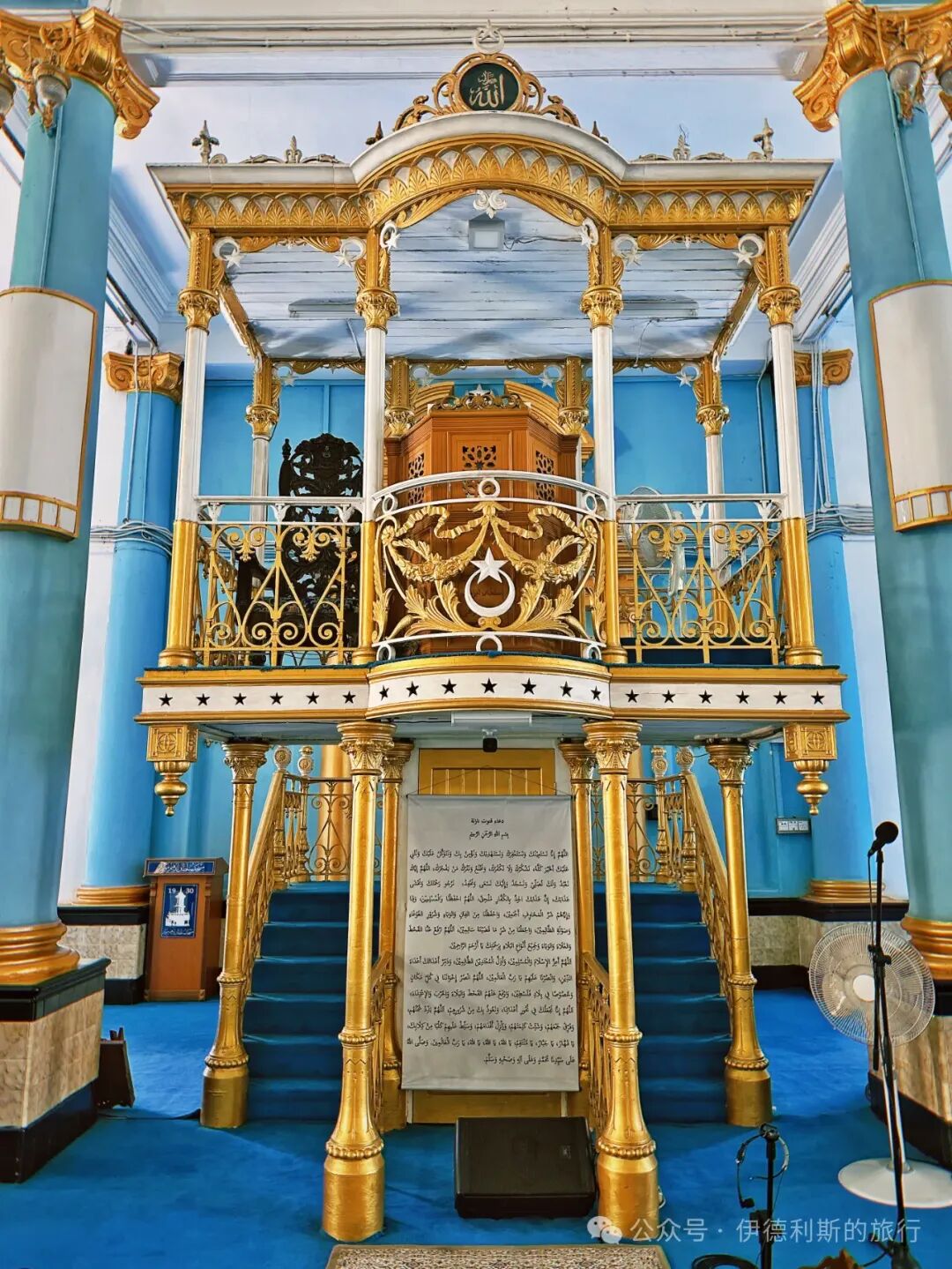
The main prayer hall is dominated by yellow tones, with the golden roof and pale yellow walls complementing each other to create an elegant look. In the center of the main hall stands a metal mechanical-style minbar (pulpit), which has a Victorian steampunk feel.
Kampung Mamudiah Mosque: 1926.
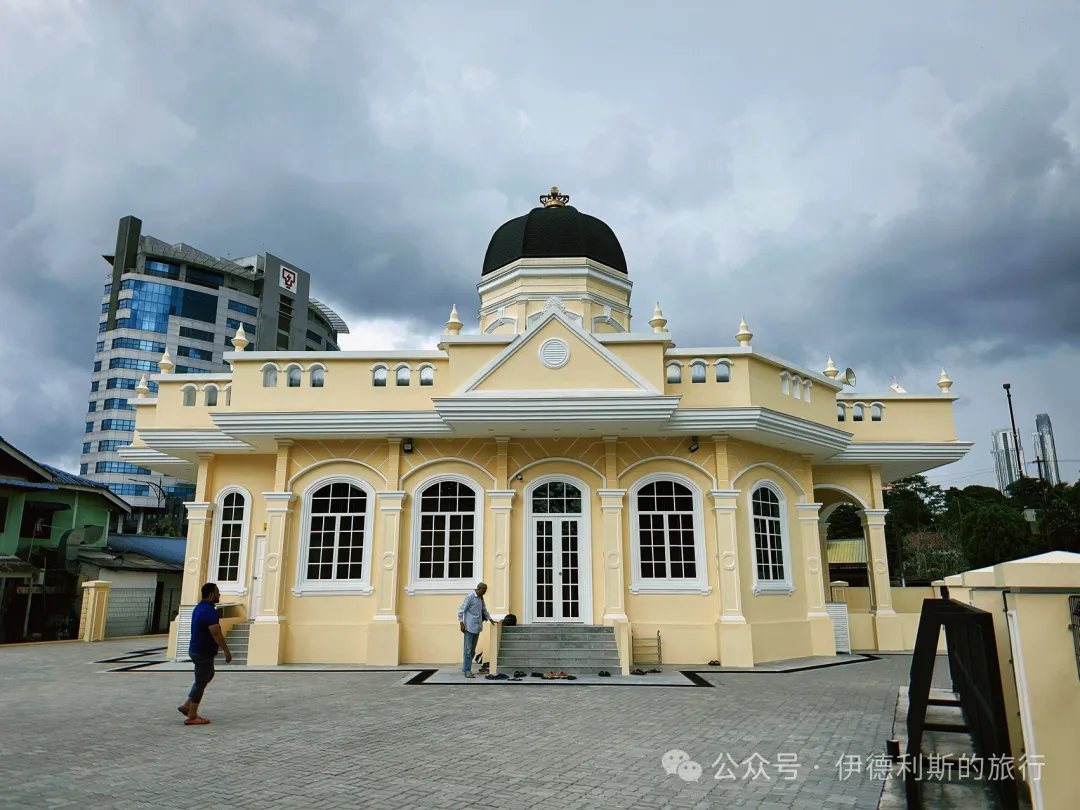
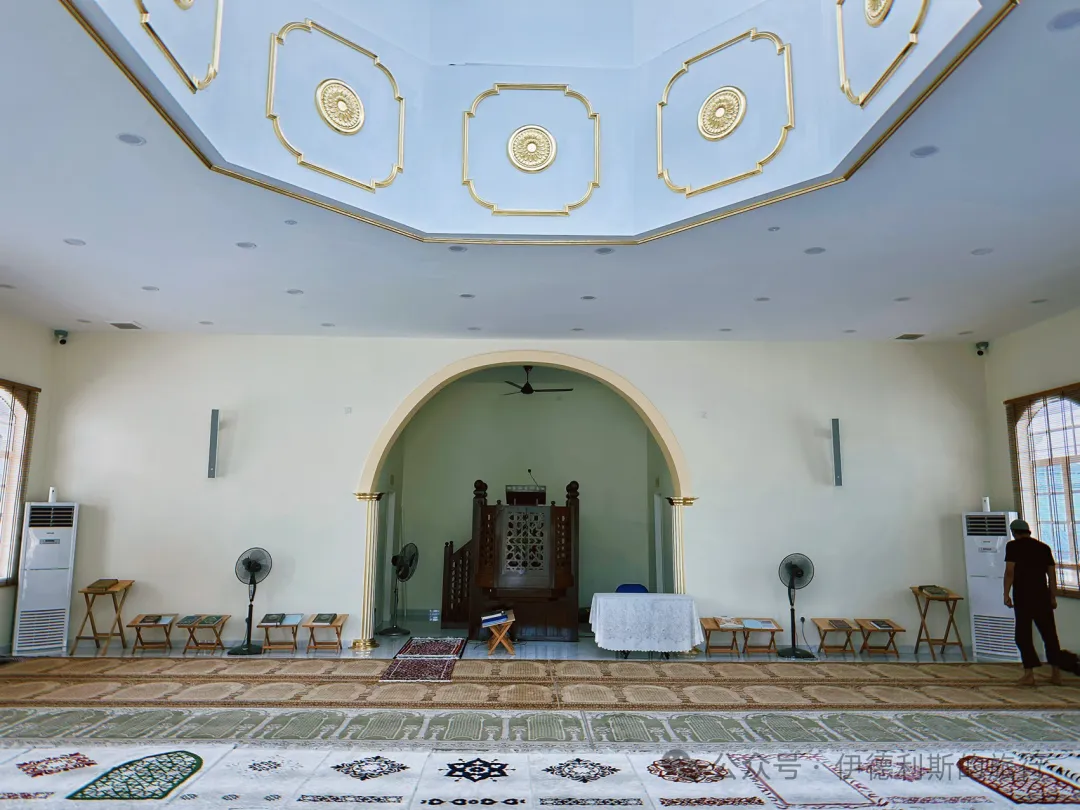
The Mahmoodiah Royal Mausoleum (Makam Diraja Mahmoodiah) is the royal burial ground for the Sultans of Johor. It was built in 1895 for the burial of Sultan Abu Bakar of Johor. Since then, it has been the final resting place for all subsequent Sultans of Johor, many royal family members, Johor Chief Ministers, and other important figures. The Kampung Mahmoodiah Mosque (Masjid Kampung Mahmoodiah) shares the same style as the mausoleum. This mosque was first built in 1926 as a small mosque and was only upgraded to a Jamek mosque (a mosque for Friday prayers) in 2023.
Sultan Ibrahim Mosque in Muar: 1930.
The Sultan Ibrahim Jamek Mosque (Masjid Jamek Sultan Ibrahim) is the Jamek mosque of Muar. It was built in 1887 along with the town of Muar, underwent reconstruction starting in 1925, and was officially completed in 1930. The Sultan Ibrahim Mosque is the second mosque in Malaysia to feature a distinct Victorian style, following the Sultan Abu Bakar Mosque in Johor Bahru. Due to the pro-British sentiment of the Johor Sultanate at the time, many official buildings were constructed in an English style, with the Sultan Ibrahim Mosque and the Sultan Abu Bakar Mosque being prime examples.
The main prayer hall of the Muar Sultan Ibrahim Mosque is very spacious. The pulpit (minbar) was ordered from France a century ago and, like the one in the Sultan Abu Bakar Mosque in Johor Bahru, it sits in the center of the hall and features exquisite ironwork.
Neoclassical style.
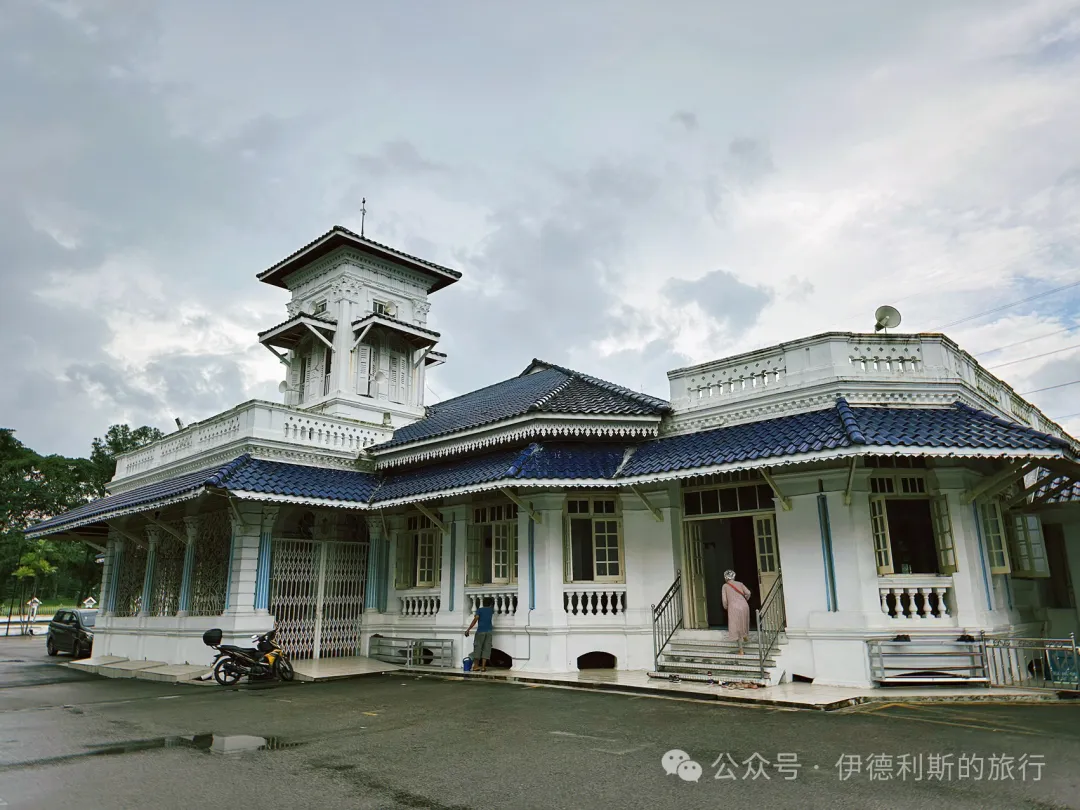
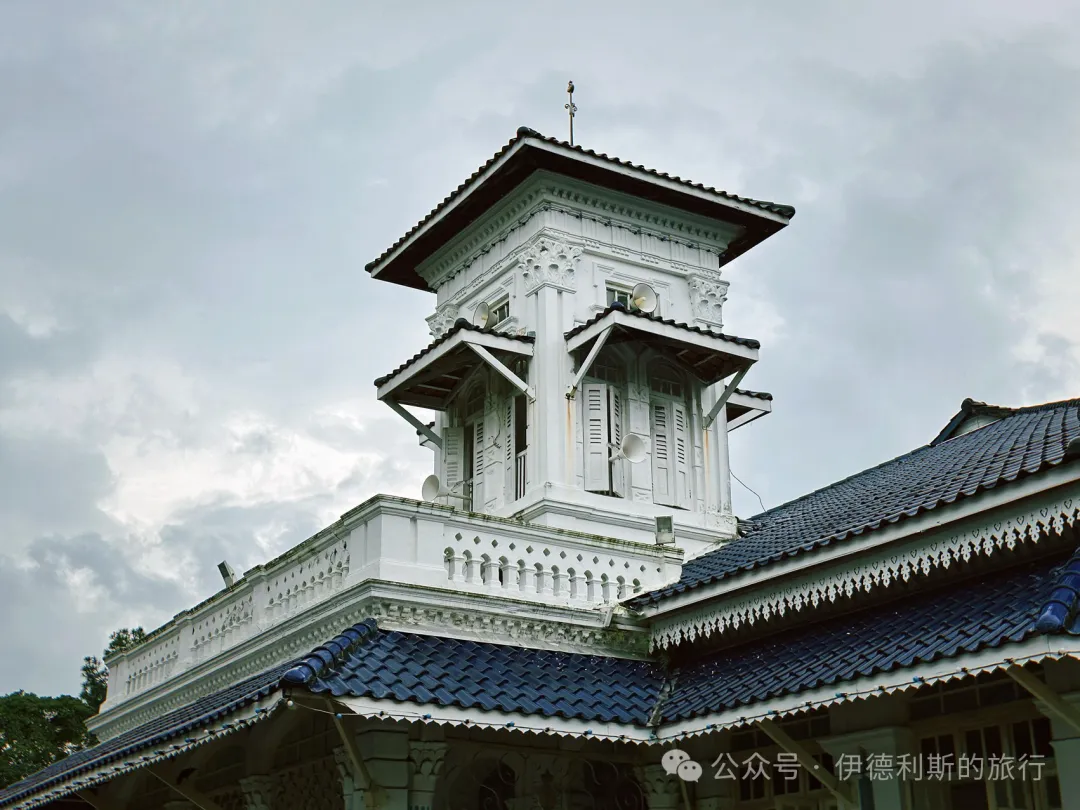
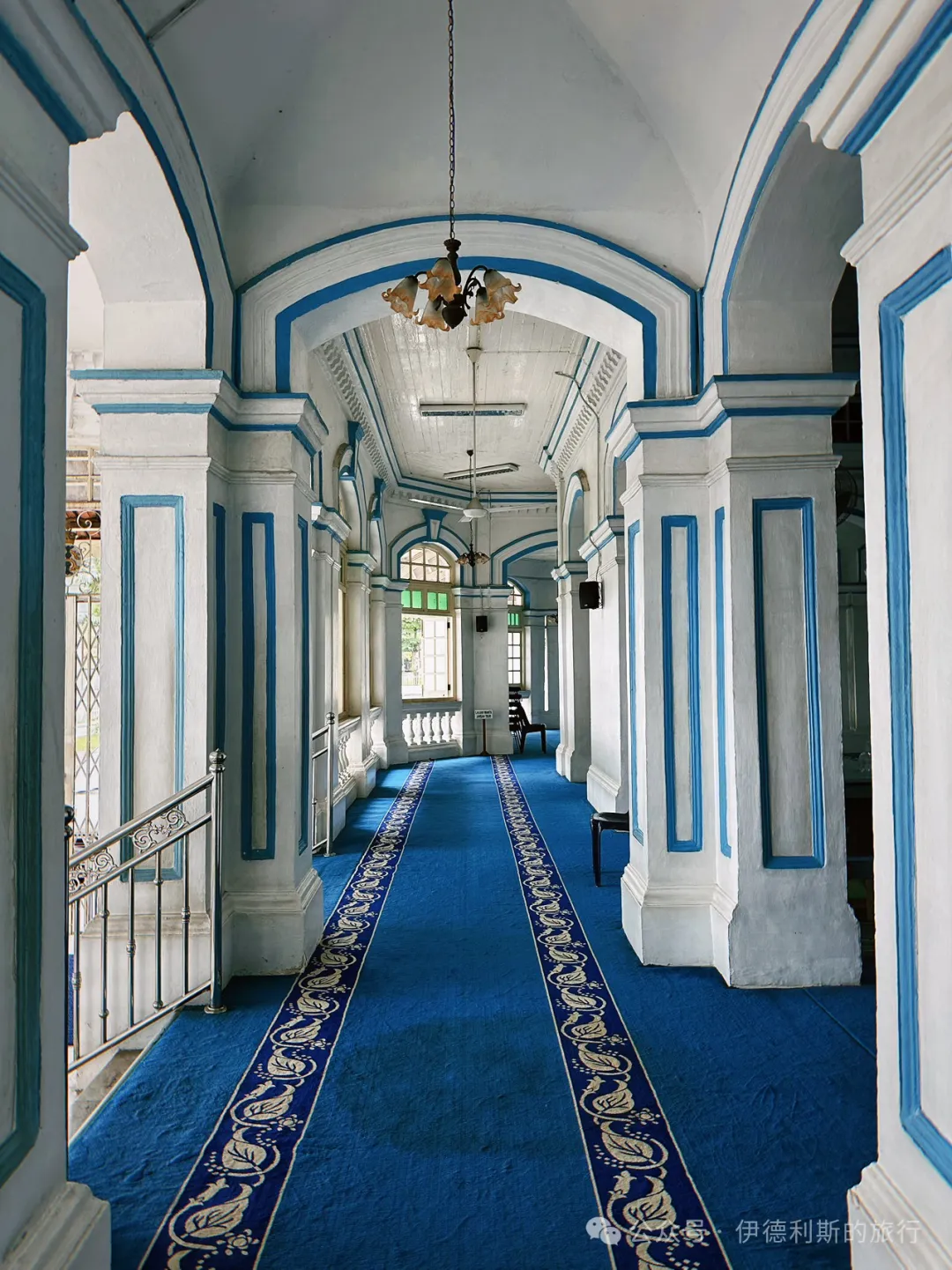
Pasir Pelangi Royal Mosque in Johor Bahru: 1911.
The Royal Mosque of Pasir Pelangi (Masjid Diraja Pasir Pelangi) was built in 1911 next to the Johor Sultan's Pasir Pelangi Palace. The mosque is built in a neoclassical style and shows clear British influence.
Muhammadi Mosque in Kota Bharu: 1922.
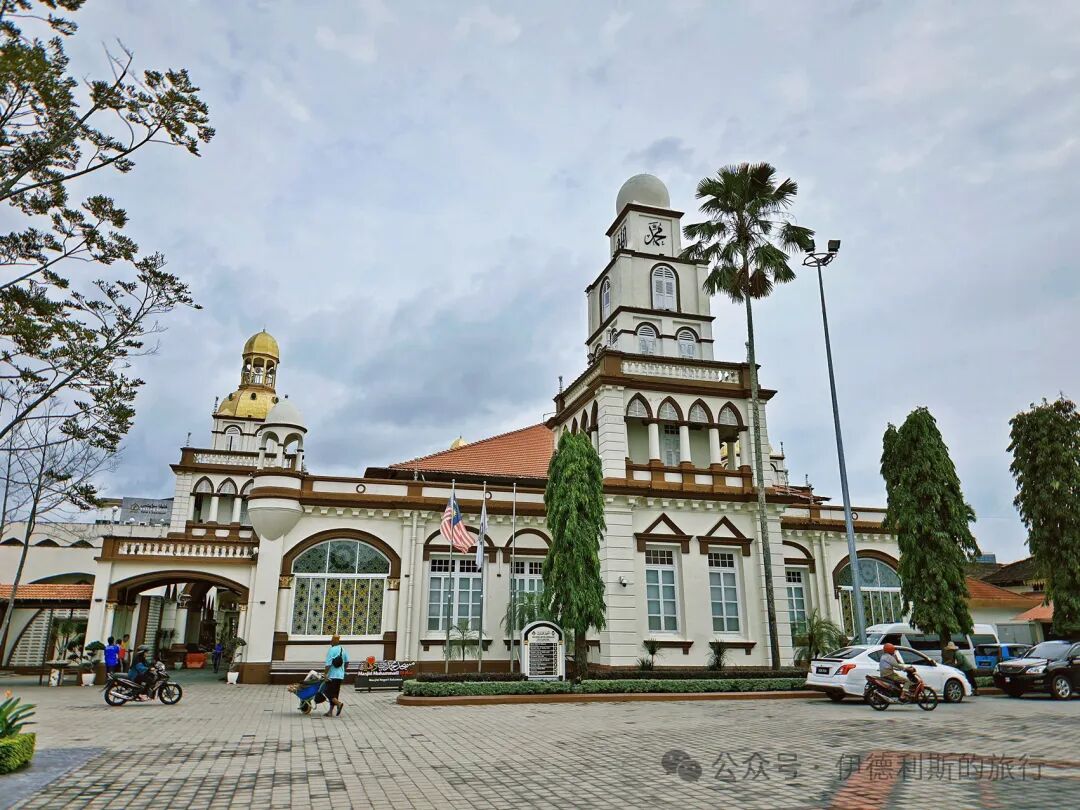
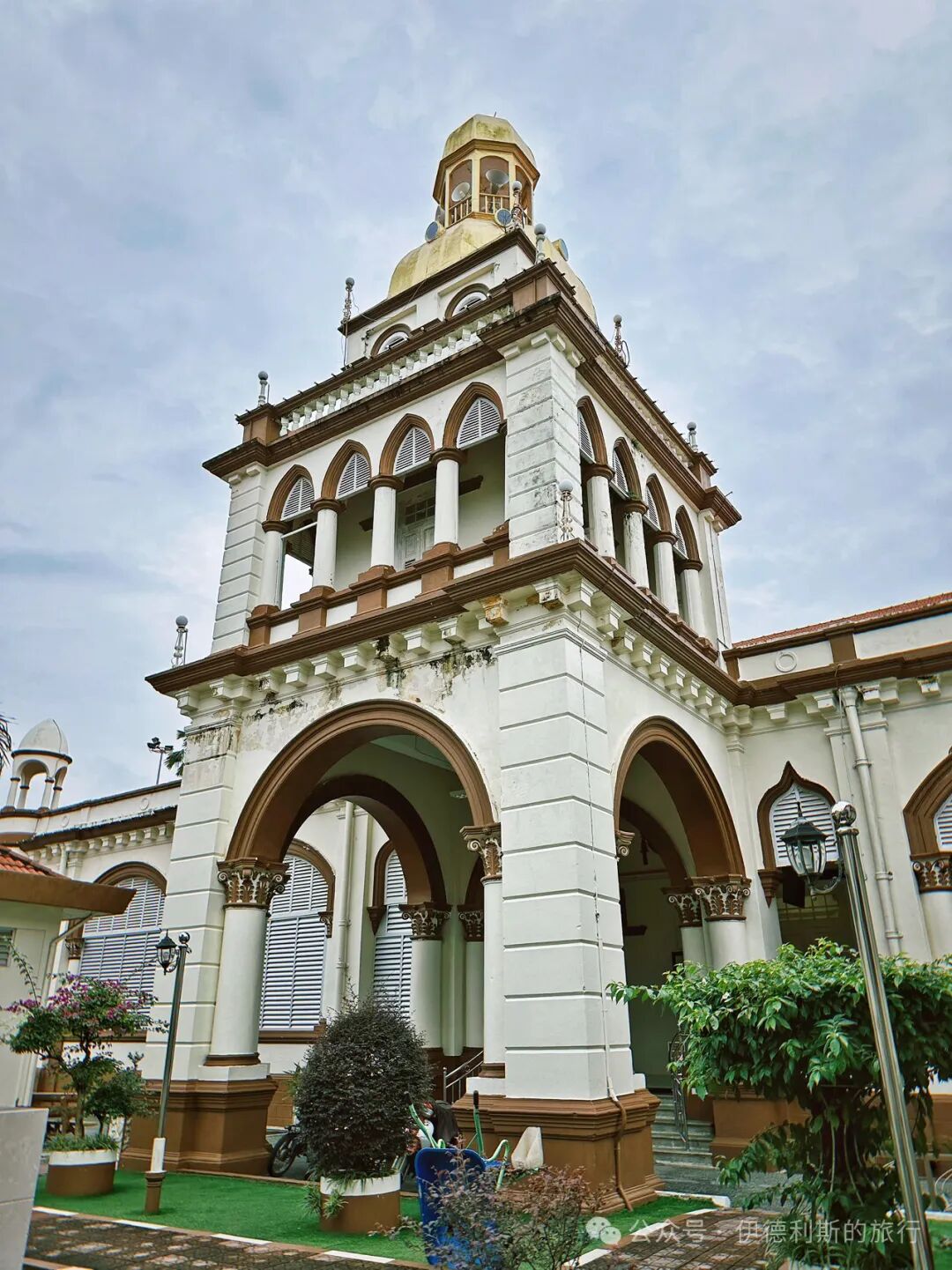
The Muhammadi Mosque (Masjid Jamek Muhammadi) in Kota Bharu is the state mosque of Kelantan. It was built in 1867 by Sultan Muhammad II of Kelantan and was converted from a wooden structure to concrete in 1922, featuring a neoclassical revival style. In 1931, Sultan Ismail presided over the opening ceremony and officially named it the Muhammadi Mosque.
From the late 19th century to the 20th century, this place was an important center for Islamic studies in Malaysia, and many great scholars taught here. Because many students went to Mecca for further studies after graduating, it became known as the Gateway to Mecca.
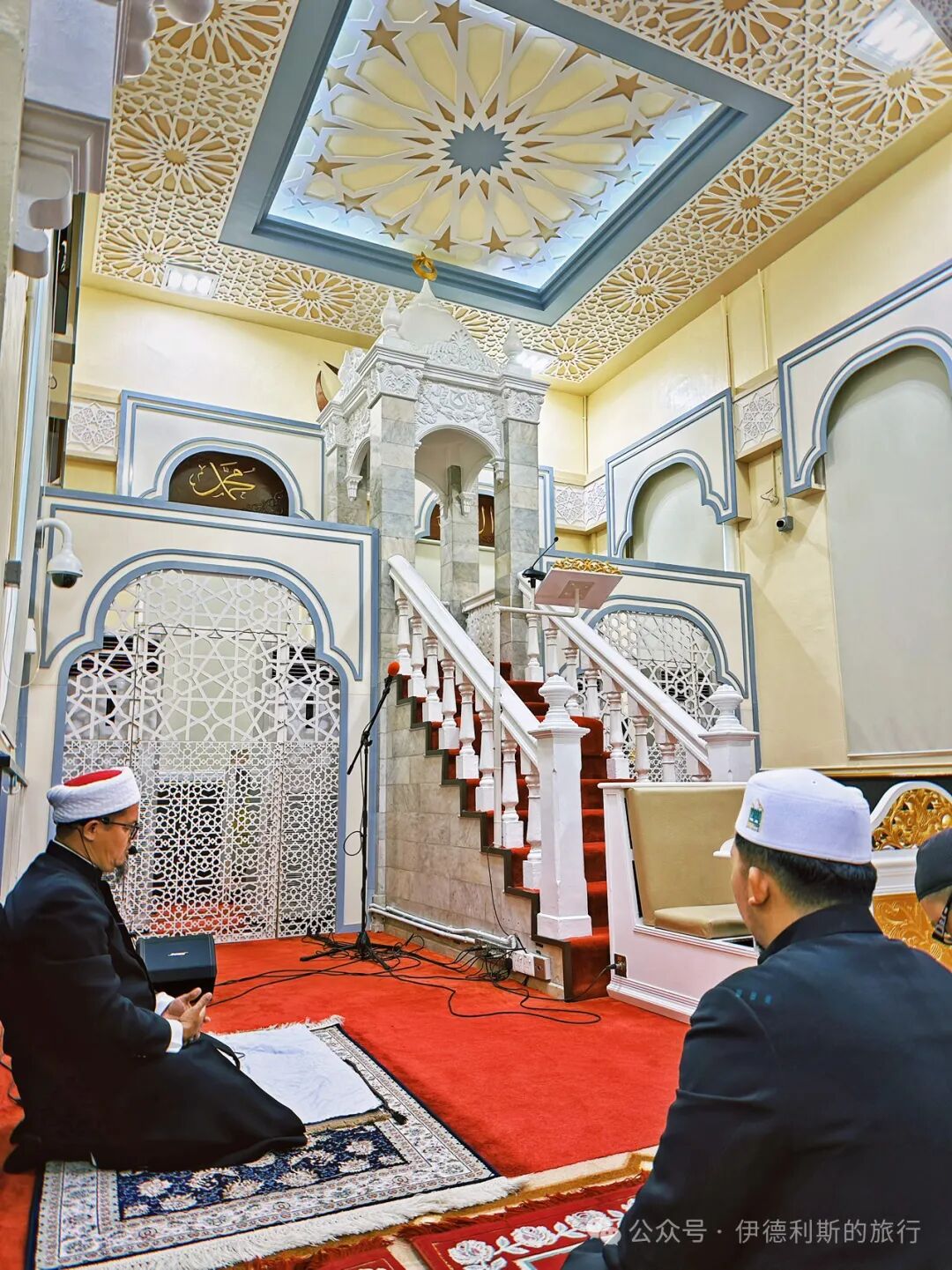
Summary: Malaysia has many old mosques tied to local Muslim communities, trade routes, and regional history. This travel account follows visits to 25 historic mosques in Malaysia, preserving the names, locations, photos, and cultural notes from the Chinese source.
Javanese style
Kampung Laut Mosque in Kota Bharu: late 18th century
Kampung Hulu Mosque in Malacca: 1728
Tengkera Mosque in Malacca: 1782
Kampung Kling Mosque in Malacca: 1872
Tranquerah Mosque (Sanbaoshan Mosque) in Malacca: 1865
Pengkalan Rama Mosque in Malacca: 1917
Duyong Mosque in Malacca: 1850
Serkam Pantai Mosque in Malacca: 1853
Peringgit Mosque in Malacca: 1868
Acheen Street Mosque in Penang: 1808
Jamek Mosque in Seremban: 1900
Indian style
Indian Mosque in Ipoh: 1908
Pakistani Mosque in Ipoh: 1930
Panglima Kinta Mosque in Ipoh: 1898
Indian Mosque in Kuching: 1876
Mughal Revival style
Ubudiah Mosque in Kuala Kangsar: 1917
Alauddin Mosque in Jugra: 1905
Kapitan Keling Mosque in Penang: 1801
Jamek Mosque in Kuala Lumpur: 1909
Art Deco style
Sultan Sulaiman Royal Mosque in Klang: 1933.
Victorian style.
Sultan Abu Bakar Mosque in Johor Bahru: 1900.
Kampung Mamudiah Mosque: 1926.
Sultan Ibrahim Mosque in Muar: 1930.
Neoclassical style.
Pasir Pelangi Royal Mosque in Johor Bahru: 1911.
Muhammadi Mosque in Kota Bharu: 1922.
Javanese style
Kampung Laut Mosque in Kota Bharu: late 18th century
Kampung Laut Mosque (Masjid Kampung Laut) sits by the Kelantan River north of Kota Bharu and is known as one of the oldest mosques in Malaysia. Local legends passed down through generations say that early missionaries sailed from Champa in southern Vietnam toward Java to spread the faith, but a storm damaged their boat and left them stranded on the Kelantan coast. They made a dua to build a mosque wherever they could safely dock their boat. Just then, a school of barracuda swam into the boat and plugged the leaks, keeping it from sinking. After the storm, they sailed along the Kelantan River and docked safely at Kampung Laut, where they built the first Kampung Laut Mosque.
There is no clear record of when the mosque was first built, but it is estimated to be between the 15th and 18th centuries. It is said the original main hall was just a pavilion, and it was not expanded until the late 18th century into a wooden house on stilts high enough to tether an elephant. Between 1886 and 1889, the original sago palm leaf roof was replaced with clay tiles, and a wooden minaret was added in the 1890s. The Kampung Laut Mosque was destroyed by floods in 1967, rebuilt in Nilam Puri, and finally moved back to a raised platform in Kampung Laut in 2020.
Kampung Hulu Mosque in Malacca: 1728
After the Portuguese occupied Malacca, they destroyed all the mosques of the Malacca Sultanate and promoted Catholicism. The Portuguese were not successful, and Catholicism did not have much influence in Malacca until the Dutch took over.
The Dutch took a more tolerant approach in Malacca and allowed the faith to spread. In 1728, the Dutch East India Company commissioned a Chinese Muslim, Dato' Samsuddin Bin Arom, to build a new mosque near the site of an old mosque destroyed by the Portuguese, which became the oldest surviving mosque in Malacca, Kampung Hulu Mosque (Masjid Kampung Hulu).
The main hall of Kampung Hulu Mosque uses the traditional Javanese Tajug multi-layered pyramid roof. The decoration at the very top is called Mustoko or Memolo in Javanese. This roof structure leaves space between the upper and middle layers for ventilation and light, which helps it adapt well to the humid and rainy tropical climate.
Unlike traditional all-wood Javanese mosques, Kampung Hulu Mosque is built with brick and stone and covered in plaster, an influence from Dutch colonial architecture. The tiles and floor tiles inside the mosque were all imported from China, and the patterns on the windows also show Chinese influence.
A traditional drum called a Beduk sits above the main gate. Early mosques in Southeast Asia used these drums to call people to prayer. Today, many mosques still use drums to call people to prayer and signal the end of the daily fast during Jumu'ah and Ramadan.
The minaret looks like a lighthouse, which was a first for the Malay Peninsula, as there was no previous tradition of building minarets there. On Java Island, the Great Mosque of Banten, built in 1632, was the first to have a lighthouse-style minaret designed and built by a Chinese man named Cek-ban-cut.
Tengkera Mosque in Malacca: 1782
In 1782, Tengkera Mosque (Masjid Tengkera) was built to the west of the smaller Tengkera Mosque. Tengkera Mosque also features a traditional three-layered Javanese pyramid roof (bumbung tiga lapis), and the main hall is supported by four ironwood pillars from Kalimantan. After being renovated twice in 1890 and 1910, the current Tengkera Mosque has brick walls and a tiled roof. Like the smaller Tengkera Mosque, the minaret at Tengkera Mosque is a Chinese-style pagoda structure, continuing the design of the smaller mosque's minaret.
Kampung Kling Mosque in Malacca: 1872
Kampung Kling Mosque (Masjid Kampong Kling) is located in the center of Malacca. It was founded by Indian merchants in 1748 and changed from a wooden structure to its current brick form in 1872. The mosque features a traditional three-layered Javanese pyramid roof (bumbung tiga lapis). The classical Corinthian columns between the main hall and the mihrab, along with the plaster walls, show the influence of Dutch colonists. The Chinese tiles on the roof, floor, and walls, as well as the wood carvings on the doors and windows, show Chinese influence.
Legend says that during the Malacca Sultanate, Kampung Kling was a settlement for Indian Muslim merchants. Kling was the historical term used in the Malay Archipelago for Indians, especially Tamils. On a 1690 map of Malacca, this place is marked as Mosquée de Maures (Moorish Mosque), but its relationship to Kampung Kling Mosque is uncertain. In the 18th century, this was still a village for South Indian immigrants. After the rubber industry boomed in Malacca from the 19th to the early 20th century, it became a settlement for Chinese people working in the rubber industry. Today, the mosque is surrounded by Chinese shophouses.
Tranquerah Mosque (Sanbaoshan Mosque) in Malacca: 1865
Bukit Cina Mosque (Masjid Bukit Cina), also called Al-Hamideen Mosque, was built in 1865. A new main hall was added in 1978, but it kept the layout of the original old hall. The old hall has a traditional Javanese-style three-layered pyramid roof (bumbung tiga lapis) and four wooden pillars (Soko Guru). Each pillar connects to the foundation using a stone base called a Umpak. These bases stop groundwater from soaking into the wooden pillars and help absorb shock during earthquakes.
Pengkalan Rama Mosque in Malacca: 1917
Pengkalan Rama Mosque was first built in the 1730s. Datuk Penghulu Abdul Ghani paid for its renovation in 1917, and a new main hall was added in 2004. It still keeps its traditional Javanese style, including the old hall's three-tiered pyramid roof (bumbung tiga lapis) and four wooden pillars (Soko Guru).
Duyong Mosque in Malacca: 1850
Duyong Mosque (Masjid Duyong) was built in 1850 under the leadership of Wan Chilek. It was originally made of red clay and wood, with a roof made of Chinese and Dutch tiles. In 1908, a minaret (bangkar) was added, blending the look of a Chinese pagoda with a Western lighthouse.
The site underwent several renovations and expansions in 1967, 1973, and 1976. It was damaged by fire in 1982 and later repaired. In 2002, the Malaysia Museums and Antiquities Department carried out protective repairs on the site.
Serkam Pantai Mosque in Malacca: 1853
At Telok Mas Al-Khairiah Mosque (Masjid Telok Mas Al-Khairiah) for namaz. Telok Mas Al-Khairiah Mosque was first built in 1853. When it was built, the beams and roof were made from timber cut in local forests and hauled by water buffalo. The walls were built from reef stones mined near Big Island (Pulau Besar) and brought over by small boats (sampan). The main gate still has the year 1269 of the Hijri calendar, which is 1853 in the Gregorian calendar, carved into it. In 1913, a minaret (bangkar) shaped like a Chinese pagoda was added. Its architectural style is basically the same as the Kampung Kling and Tranquerah mosques.
Peringgit Mosque in Malacca: 1868
Peringgit Mosque (Masjid Peringgit) was first built in 1726 but was later destroyed. It was rebuilt in 1868. Peringgi is what the Malay people call the Portuguese, because a fort built by the Portuguese once stood here. Peringgit Mosque was originally built from granite and Dutch bricks, with wooden doors and windows. The roof is a traditional Javanese three-tiered pyramid (bumbung tiga lapis). The bottom layer is covered in Chinese tiles, while the middle and top layers are covered in Dutch tiles. The decoration at the very top is carved from reef stone.
As later renovations and expansions took place, the mosque's Dutch bricks were covered with cement, and the Chinese and Dutch tiles were replaced with modern ones. In 2002, the Southern Region Museums and Antiquities Department of Malaysia repaired the site.
Acheen Street Mosque in Penang: 1808
Aceh Street Mosque (Masjid Melayu Lebuh Acheh) in Penang was established by the Acehnese in 1808. It is surrounded by the oldest mosque neighborhood in Penang. The Acehnese are an Austronesian people living on the northernmost tip of Sumatra. They established the Aceh Sultanate in 1499, which flourished in the 17th century. In the late 18th and early 19th centuries, Penang's first Chinese Kapitan, Koh Lay Huan, built a good relationship with the Aceh Sultanate, starting the pepper trade between Aceh and Penang.
In 1791, Tengku Syed Hussain Al-Aidid, an Acehnese pepper merchant and nobleman of Arab descent, moved from Aceh to Penang. He built the first mosque in the area near what is now Aceh Street. After that, merchants from the Malay Archipelago, India, and Arabia kept arriving. In 1808, Tengku Syed Hussain donated money and land to build the mosque. The first imam of the Acheen Street Mosque was Sheikh Omar Basheer Al-Khalilee, and his son Sheikh Zakaria later succeeded him. Sheikh Zakaria became the first Mufti of Penang in 1888.
After Tengku Hussain passed away in the mid-19th century, the Acheen Street Mosque neighborhood continued to thrive and was known as the second Jeddah (the port city leading to Mecca). Every year during the Hajj season, aspiring pilgrims (haji) from all over would pack the entire Acheen Street community before taking ships from Penang to Mecca. This busy scene lasted until the establishment of the Pilgrims Fund Board (Lembaga Tabung Haji) in Malaysia in the 1970s.
Jamek Mosque in Seremban: 1900
The Jamek Mosque of Seremban was originally a wooden mosque, rebuilt into its current structure in 1900, added a minaret (bangker) in 1924, and was listed as a national heritage building in 2005. The mosque's architecture is similar to traditional mosque styles in Malacca, featuring a two-tiered pyramid roof and a minaret (bangker) influenced by Chinese pagoda architecture.
Indian style
Indian Mosque in Ipoh: 1908
Many South Indian Tamils came to Ipoh to make a living in the late 19th century, with the wealthy merchant Shaik Adam Mohammad Ghaus being the most influential; he founded Ipoh's first ice factory and soda factory. Under his leadership, his Indian laborers built the Ipoh Indian Mosque between 1905 and 1908.
The main prayer hall of the Ipoh Indian Mosque was modeled after the Hall of Private Audience (Diwan-i-Khas) at the Red Fort in Delhi, sharing the same rectangular layout and scalloped archways. The fortification-like railings on the roof of the main hall were also influenced by Mughal architecture.
Pakistani Mosque in Ipoh: 1930
Besides South Indian Tamils, some North Indian Pathans (Pashtun descent) and Punjabis also came to Ipoh under British Malaya rule to work as police officers. They were responsible for maintaining order during peacetime and fought bravely against the invaders during the Japanese occupation in 1941. The British allocated a piece of land to them in 1930 to build a mosque, which became their main gathering place on their days off. Today, this mosque is still used by Pakistani Punjabi Muslims and is known as the Pakistan Mosque.
The Pakistan Mosque in Ipoh is primarily pink, which makes it look very lovely. The imam was very kind and took the initiative to show us where we could get water.
Panglima Kinta Mosque in Ipoh: 1898
The Panglima Kinta Mosque is located by the Kinta River in Ipoh; it was built in 1898 by the Malay chief who ruled Ipoh at the time, Panglima Kinta Muhamad Yusuff, to commemorate his wife, and it became the religious center for the Malay people in Ipoh after it was completed.
Panglima Kinta was one of the eight chiefs of Perak and was the lord of the Kinta region. Under his rule, many laborers came to the Kinta Valley where Ipoh is located to mine tin. Ipoh quickly grew from a quiet Malay village (kampung) into a city of shophouses (qilou). By the time Panglima Kinta passed away in 1903, he was likely one of the wealthiest lords in the Malay Peninsula.
Panglima Kinta Mosque blends Indian-based Mughal style with Roman-Greek inspired neoclassical style. The main hall has a semi-circular Mughal dome, while the octagonal minarets (bangketta) on both sides are influenced by Chinese brick towers. The pulpit (minbar) inside the main hall was built by a master Malay craftsman from Penang named Tuan Haji Mohamed Sopian, and its design is very exquisite.
Indian Mosque in Kuching: 1876
Kuching Indian Mosque was first built by South Indian Tamil merchants in 1837. Its roof and walls were originally made of nipa palm wood until it was rebuilt into the current structure using Borneo ironwood in 1876. The mosque collects rent from 23 surrounding shops. 21 of these are run by Indian Muslims selling groceries, spices, fabrics, and books, while two are owned by Chinese bosses. These shops have been passed down through families for generations.
In 2019, a new Indian mosque was built and opened on the Sarawak River opposite the old one, becoming a landmark floating mosque. The old mosque was closed as a result.
Mughal Revival style
Ubudiah Mosque in Kuala Kangsar: 1917
East of the Perak Sultan's Hulu Palace stands Ubudiah Mosque (Masjid Ubudiah), the royal mosque of the Sultan of Perak, commissioned by Sultan Idris I and built between 1913 and 1917. Sultan Idris I fell seriously ill in 1911 and made a vow to build a mosque if he recovered. He recovered as hoped, so he hired British architect Arthur Benison Hubback to design and build Ubudiah Mosque. Arthur designed many Indo-Saracenic style buildings for British Malaya, including the Kuala Lumpur Railway Station, Jamek Mosque, and the National Textile Museum.
Ubudiah Mosque also features a typical Indo-Saracenic architectural style, with tall golden Mughal onion domes, while the main body is made of marble imported from Italy and England. After construction began in 1913, the marble shipped from Italy was crushed during a fight between two elephants belonging to the Sultan's royal household, and it had to be reordered from Italy. However, World War I broke out, and the marble took a long journey through South Africa before finally arriving. Sultan Idris I passed away in 1916 without seeing the mosque finished, and it was not officially opened until 1918 by his successor, Sultan Abdul Jalil.
Alauddin Mosque in Jugra: 1905
Alaeddin Mosque is located not far north of Alaeddin Palace and was built in 1905 by order of Sultan Alaeddin Sulaiman Shah of Selangor. The mosque's dome and arches feature a typical Mughal Revival style, while other design elements come from the Sultanate of Deli on Sumatra island. The pulpit (minbar) inside the mosque is very beautiful, especially the Arabic calligraphy wood carvings on the top, which are very unique.
Kapitan Keling Mosque in Penang: 1801
Kapitan Keling Mosque (Masjid Kapitan Keling) is a mosque built in 1801 by Indian Muslims in Penang, located in the heart of the Chulias Indian community in George Town, Penang.
Kapitan Keling was an official title appointed by European colonists to manage the Indian community in Southeast Asia. 'Keling' was a historical term for Indians in the Malay Archipelago; it was neutral at first but gradually became derogatory after the 20th century. The first Kapitan Keling of Penang was named Cauder Mohideen. He was born around 1759 and came from Tamil Nadu in the southernmost part of India.
In 1795, he joined the first Kapitan Cina, Koh Lay Huan, and other important figures in Penang to form the first Penang Assessment Committee to decide on taxes and tax rates.
Shortly after Penang was founded in 1786, Indian Muslim soldiers serving the British East India Company set up a temporary place for namaz. Later, as the number of Indian Muslims in Penang grew, the community asked the Kapitan Keling to lead the construction of a formal mosque.
In 1801, the Penang government officially approved the Kapitan Keling's application and granted an 18-acre plot of land to build a mosque, a Muslim cemetery, and shops to collect rent. The Kapitan Keling and other Indian Muslims in Penang brought in workers and stone from India to build the first Penang Indian mosque, which was named after the Kapitan Keling.
The earliest Kapitan Keling Mosque was a single-story rectangular building with a minaret at each of the four corners. At that time, the mosque was surrounded by shops and could only be reached through narrow passages. It was not until 1905 that large-scale urban construction took place around the mosque, replacing the original simple houses with covered walkways (qilou) and opening new roads.
In 1910, architect N. A. Neubronner led an expansion of the mosque, adding Mughal-style domes and a large minaret. After the expansion was completed in 1916, the mosque became a building in the British Mughal Revival style. In the 1930s, the mosque was finally expanded to its current appearance. The height of the main prayer hall was doubled, and the ventilation system was improved.
Jamek Mosque in Kuala Lumpur: 1909
The Jamek Mosque in Kuala Lumpur is located at the confluence of the Klang River and the Gombak River. It was founded by Sultan Sulaiman of Selangor in 1908 and officially completed in 1909. The mosque was built under the direction of British architect Arthur Benison Hubback, who also designed other Malaysian landmarks such as the Kuala Lumpur Railway Station, the Ubudiah Mosque in Perak, and the Sultan Abdul Samad Building.
In the 19th century, various ethnic groups including Malays, Javanese, and Minangkabau people lived at the confluence of the Klang and Gombak rivers, forming place names like Java Street (now Tun Perak Road) and Malay Street. In the 1870s, the Rawa tribe of Minangkabau people from western Sumatra, with the permission of the Sultan of Selangor, built the Java Street Mosque on the east side of the Klang River. The Java Street Mosque at that time had a pyramid-shaped roof and wooden pillars, following a traditional Sumatran style.
In 1903, the Java Street Mosque was forced to be demolished due to road widening, so the mosque committee submitted a petition to build a new one. In 1905, Sultan Sulaiman of Selangor and the British Resident agreed to build a new mosque on the Malay cemetery at the confluence of the Klang and Gombak rivers. The new mosque adopted the then-popular Mughal Revival style, a style the British used for a series of public buildings in British India and British Malaya in the late 19th century.
Art Deco style
Sultan Sulaiman Royal Mosque in Klang: 1933.
During the reign of Sultan Alaeddin Sulaiman Shah of Selangor, the Sultan built the Alam Shah Palace in Klang to the Alaeddin Palace located in Jugra. Since then, Klang has become the royal city of the Sultan of Selangor, and various Selangor royal ceremonies are held here.
Although the Alam Shah Palace is not open to the public, the Sultan Sulaiman Royal Mosque (Masjid Diraja Sultan Sulaiman) right next to it is definitely worth a visit. The Sultan Sulaiman Royal Mosque was a gift from the British to Sultan Sulaiman at the time, replacing the Pengkalan Batu Mosque which was demolished to build the Klang railway station. The mosque was built between 1932 and 1933. Upon completion, it was the largest mosque in the Federated Malay States at the time and has since remained the royal mosque of the Sultan of Selangor.
Unlike the Moorish Revival style common in Malaysia in the early 20th century, the Sultan Sulaiman Royal Mosque uses the Art Deco style. The mosque was designed by Leofric Kesteven from the UK, who served as the president of the Institute of Architects Malaya from 1931 to 1933. Reinforced concrete expert John Thomas Chester and Singapore-based Italian sculptor Rodolfo Nolli also participated in the construction. The Art Deco style flourished in Europe and America during the 1920s and 1930s. This style is known for its use of reinforced concrete and simple, clear lines, making it quite unique.
Victorian style.
Sultan Abu Bakar Mosque in Johor Bahru: 1900.
The Sultan Abu Bakar Mosque (Masjid Negeri Sultan Abu Bakar) was commissioned by Sultan Abu Bakar in 1892 and officially completed in 1900. It is a very distinctive Victorian-style mosque in Malaysia. The mosque is located on a hilltop along Skudai Road in Johor Bahru, overlooking the Straits of Johor and facing Singapore across the sea.
The Victorian style is a revivalist architectural style that emerged during the reign of Queen Victoria of the United Kingdom (reigned 1837-1901). Due to the pro-British sentiment of the Johor Sultanate at the time, many official buildings were built in the British style, and the Sultan Abu Bakar Mosque is a prime example. The minaret of the Sultan Abu Bakar Mosque was modeled after 19th-century British clock towers while incorporating some Moorish architectural elements. Looking up at the minaret is quite spectacular.
The main prayer hall is dominated by yellow tones, with the golden roof and pale yellow walls complementing each other to create an elegant look. In the center of the main hall stands a metal mechanical-style minbar (pulpit), which has a Victorian steampunk feel.
Kampung Mamudiah Mosque: 1926.
The Mahmoodiah Royal Mausoleum (Makam Diraja Mahmoodiah) is the royal burial ground for the Sultans of Johor. It was built in 1895 for the burial of Sultan Abu Bakar of Johor. Since then, it has been the final resting place for all subsequent Sultans of Johor, many royal family members, Johor Chief Ministers, and other important figures. The Kampung Mahmoodiah Mosque (Masjid Kampung Mahmoodiah) shares the same style as the mausoleum. This mosque was first built in 1926 as a small mosque and was only upgraded to a Jamek mosque (a mosque for Friday prayers) in 2023.
Sultan Ibrahim Mosque in Muar: 1930.
The Sultan Ibrahim Jamek Mosque (Masjid Jamek Sultan Ibrahim) is the Jamek mosque of Muar. It was built in 1887 along with the town of Muar, underwent reconstruction starting in 1925, and was officially completed in 1930. The Sultan Ibrahim Mosque is the second mosque in Malaysia to feature a distinct Victorian style, following the Sultan Abu Bakar Mosque in Johor Bahru. Due to the pro-British sentiment of the Johor Sultanate at the time, many official buildings were constructed in an English style, with the Sultan Ibrahim Mosque and the Sultan Abu Bakar Mosque being prime examples.
The main prayer hall of the Muar Sultan Ibrahim Mosque is very spacious. The pulpit (minbar) was ordered from France a century ago and, like the one in the Sultan Abu Bakar Mosque in Johor Bahru, it sits in the center of the hall and features exquisite ironwork.
Neoclassical style.
Pasir Pelangi Royal Mosque in Johor Bahru: 1911.
The Royal Mosque of Pasir Pelangi (Masjid Diraja Pasir Pelangi) was built in 1911 next to the Johor Sultan's Pasir Pelangi Palace. The mosque is built in a neoclassical style and shows clear British influence.
Muhammadi Mosque in Kota Bharu: 1922.
The Muhammadi Mosque (Masjid Jamek Muhammadi) in Kota Bharu is the state mosque of Kelantan. It was built in 1867 by Sultan Muhammad II of Kelantan and was converted from a wooden structure to concrete in 1922, featuring a neoclassical revival style. In 1931, Sultan Ismail presided over the opening ceremony and officially named it the Muhammadi Mosque.
From the late 19th century to the 20th century, this place was an important center for Islamic studies in Malaysia, and many great scholars taught here. Because many students went to Mecca for further studies after graduating, it became known as the Gateway to Mecca.
