
Islamic Museum Guide: Malaysia — Collection Highlights, Artifacts and Muslim Heritage
Reposted from the web
Summary: The Islamic Arts Museum Malaysia presents objects tied to Muslim art, manuscripts, architecture, and everyday culture across many regions. This article follows selected collection highlights while preserving the original photos, captions, and museum details.
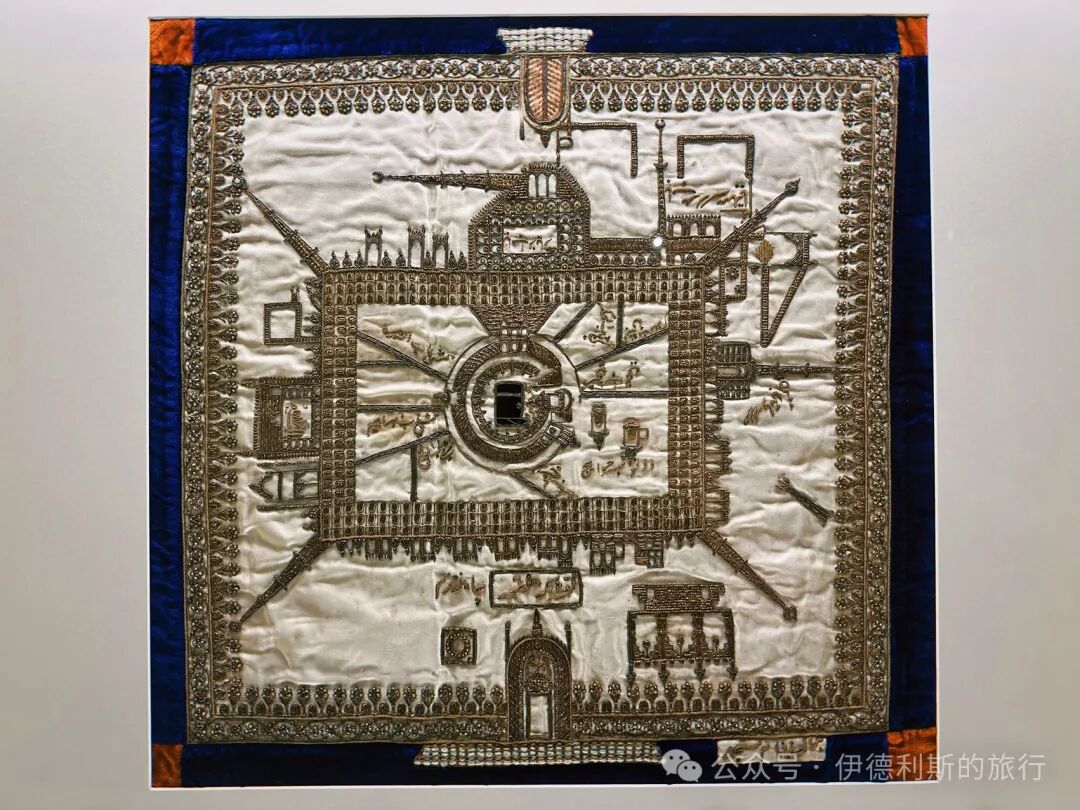
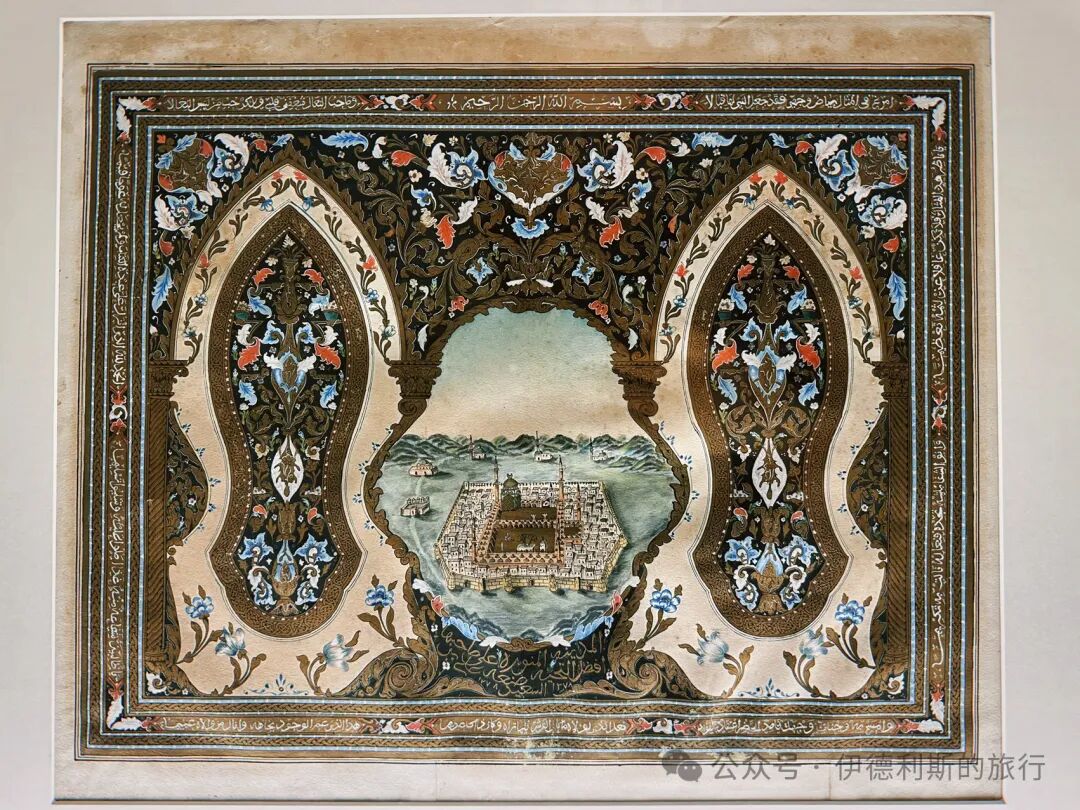
Depictions of Mecca (tianfangtu) are a key part of Islamic art. They appear on textiles, paintings, and tiles, with each region having its own style.
19th-century embroidery from North India.
1861 illustration from the Ottoman Empire.
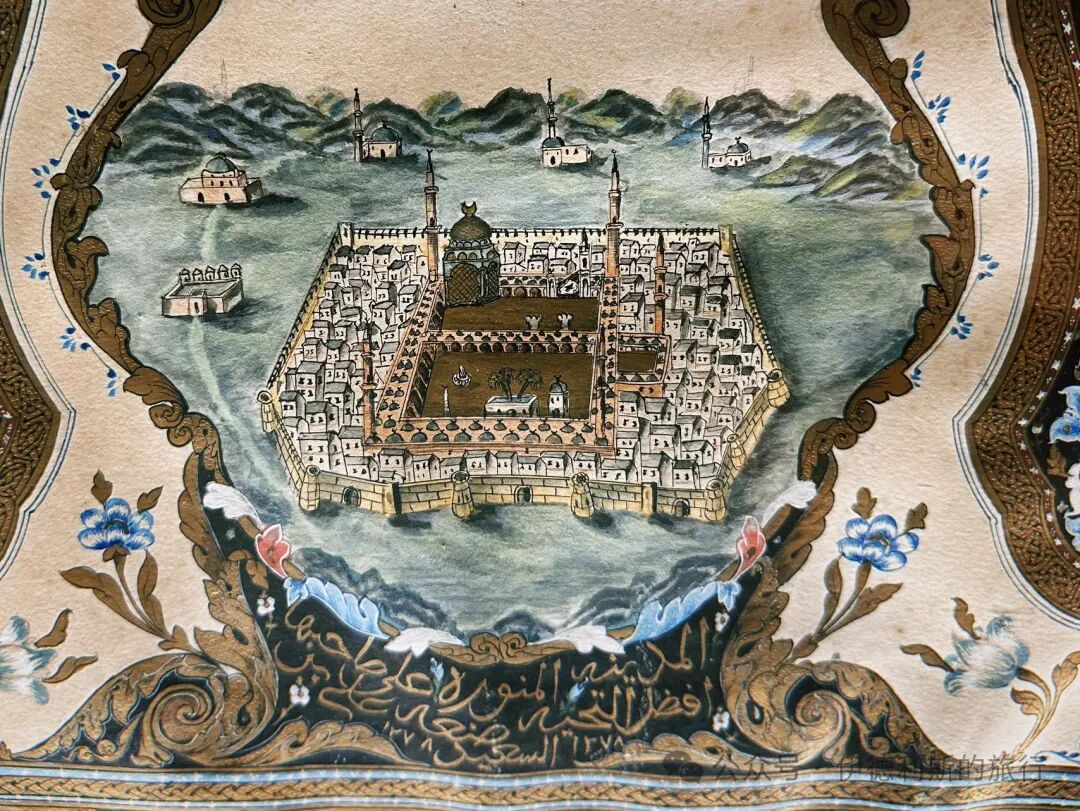
North India, 19th century.
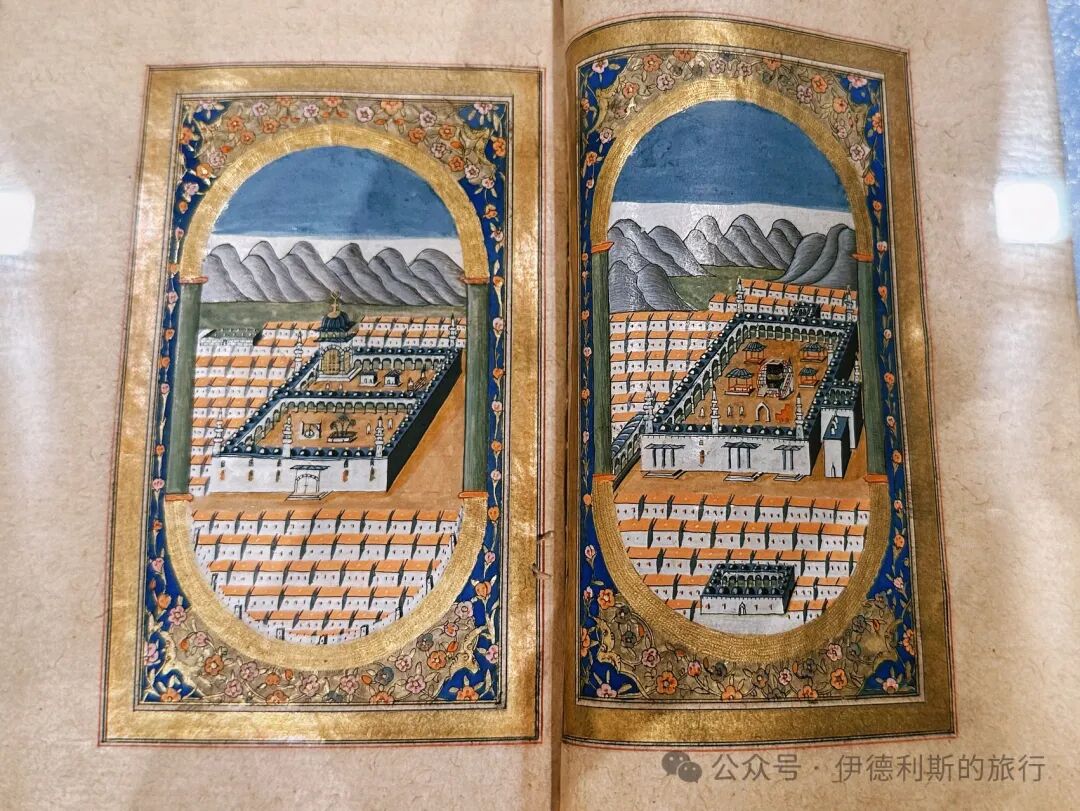
Ottoman Turkey, 1846.
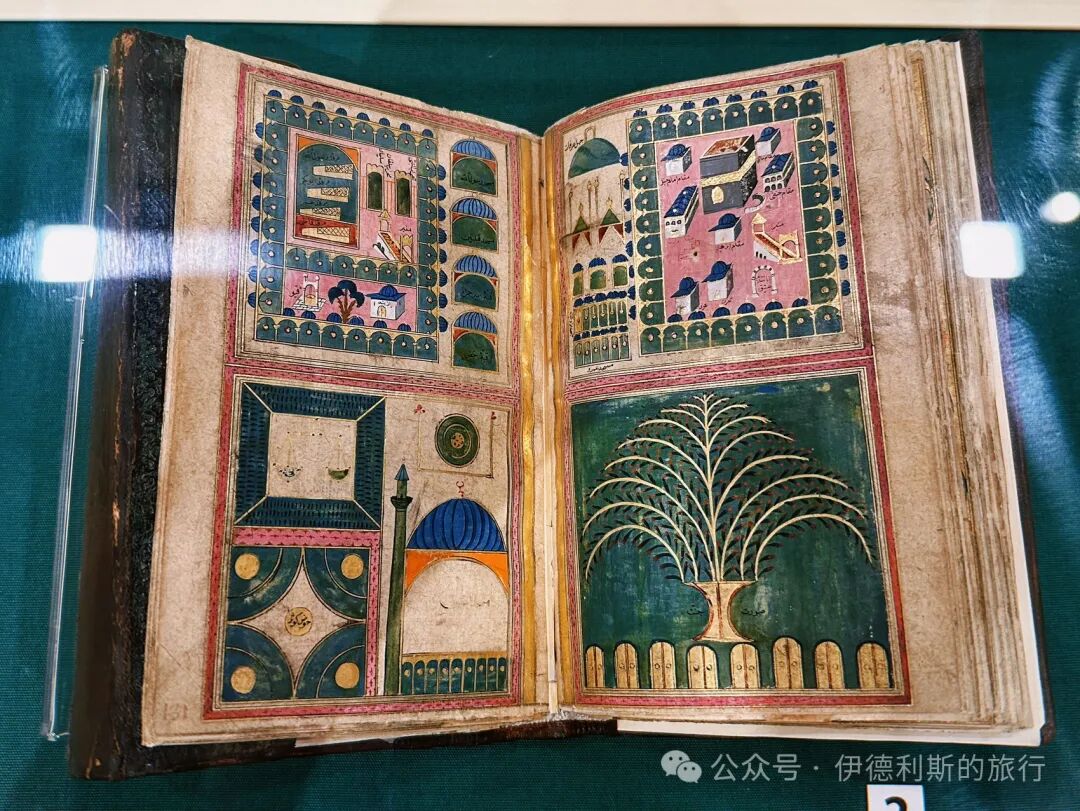
Ottoman Turkey, 1794-5.
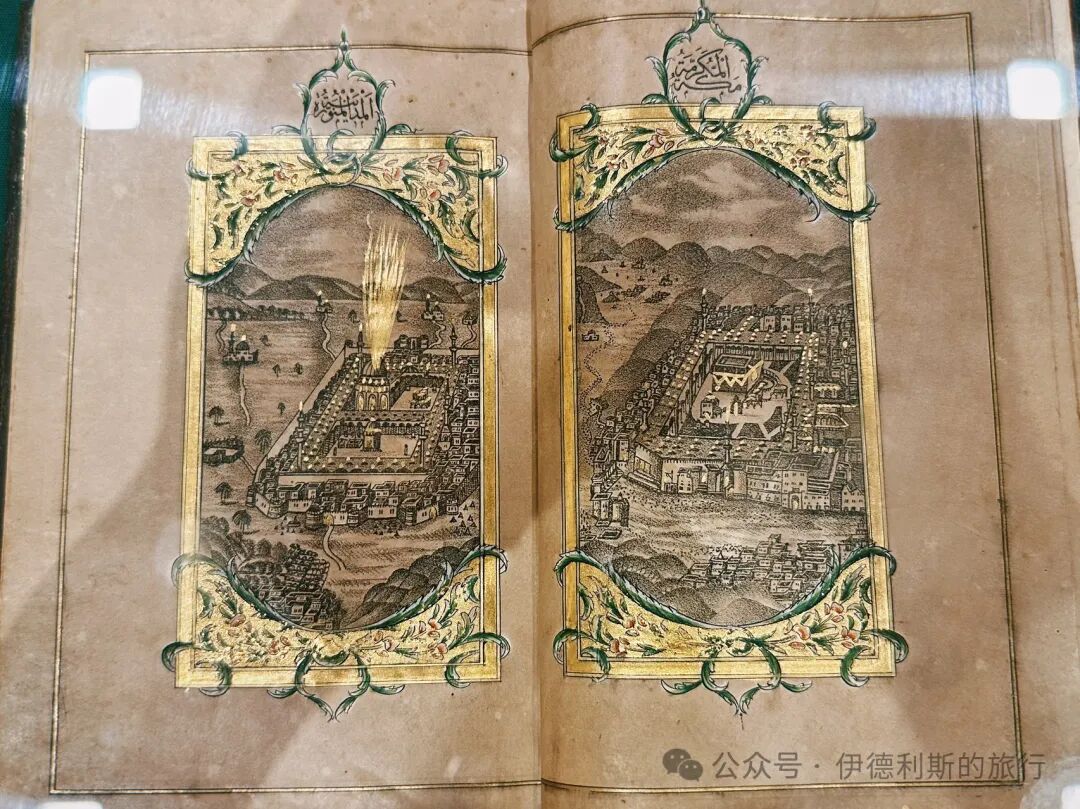
Ottoman Turkey, 18th century.
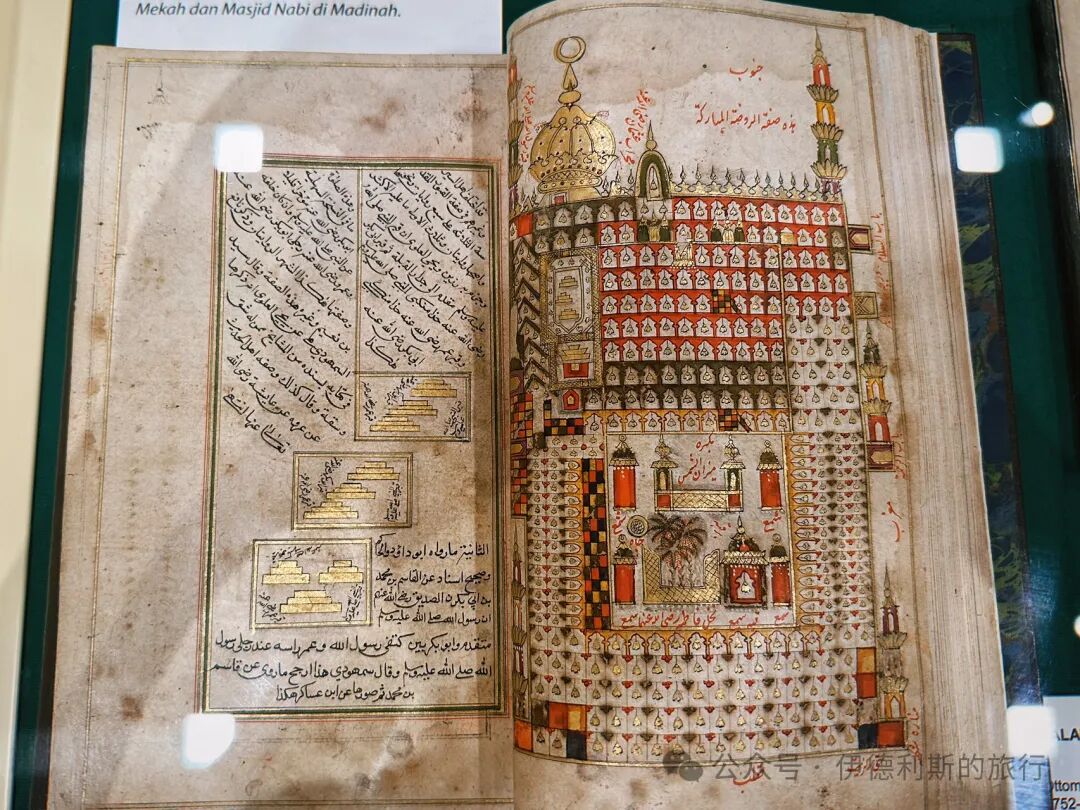
Ottoman Turkey, 1752-53.
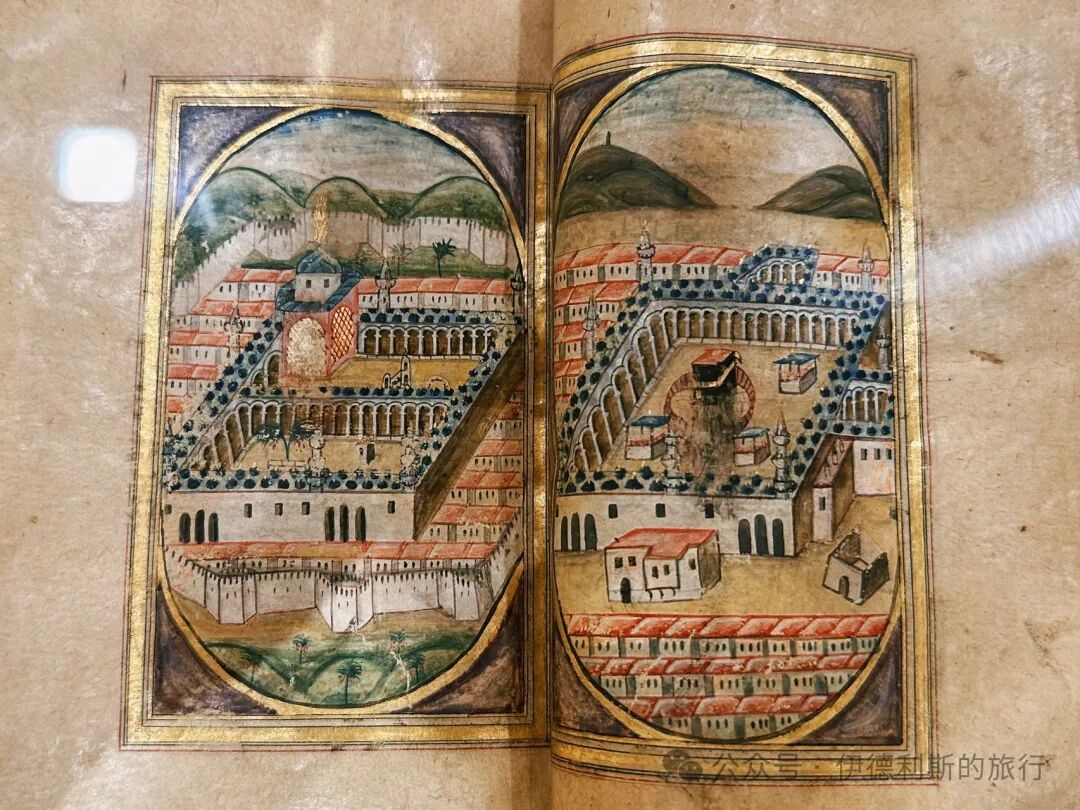
Ottoman Turkey, 1771-2.
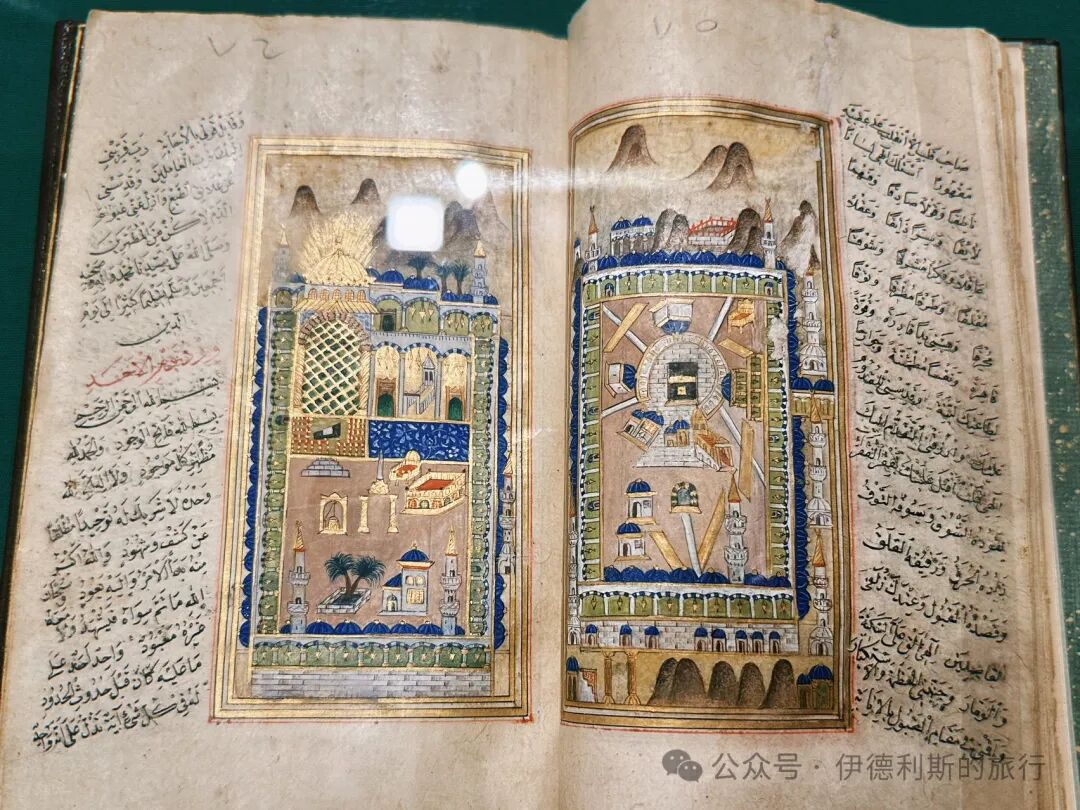
Depiction of Mecca (tianfangtu), Ottoman Turkey, 1795-6.
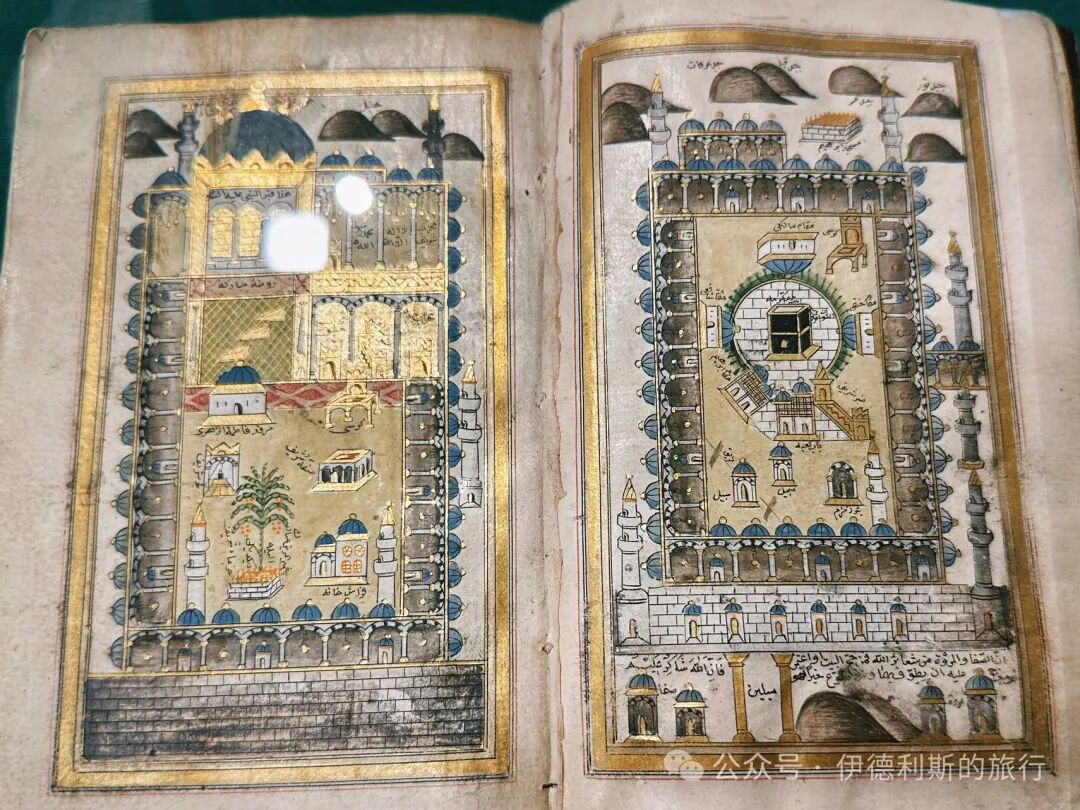
Ottoman Turkey, 1837-8.
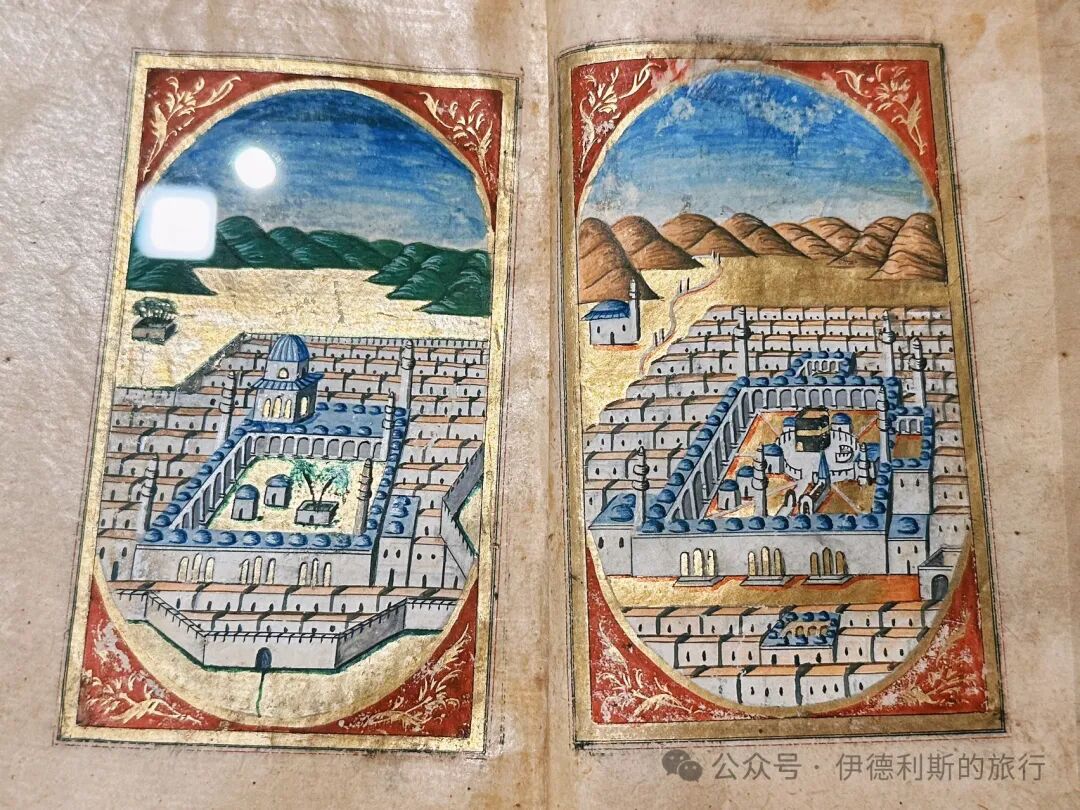
Ottoman Turkey, 1801-2.
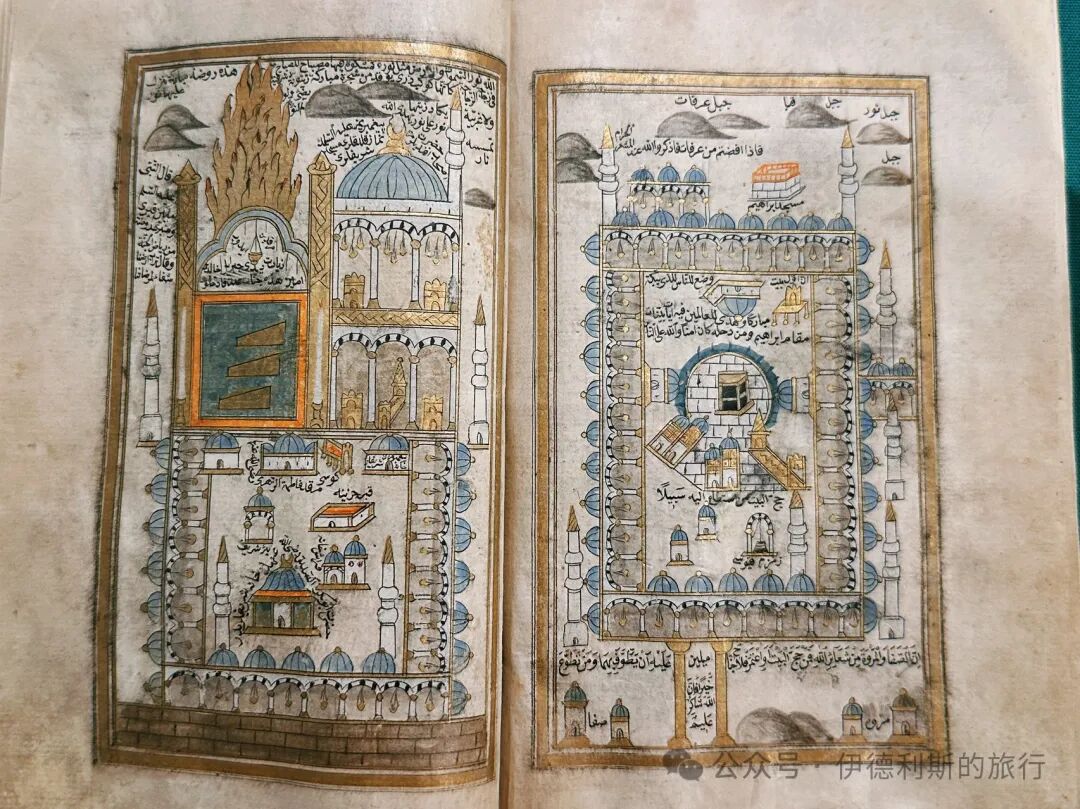
Ottoman North Africa, 19th century.
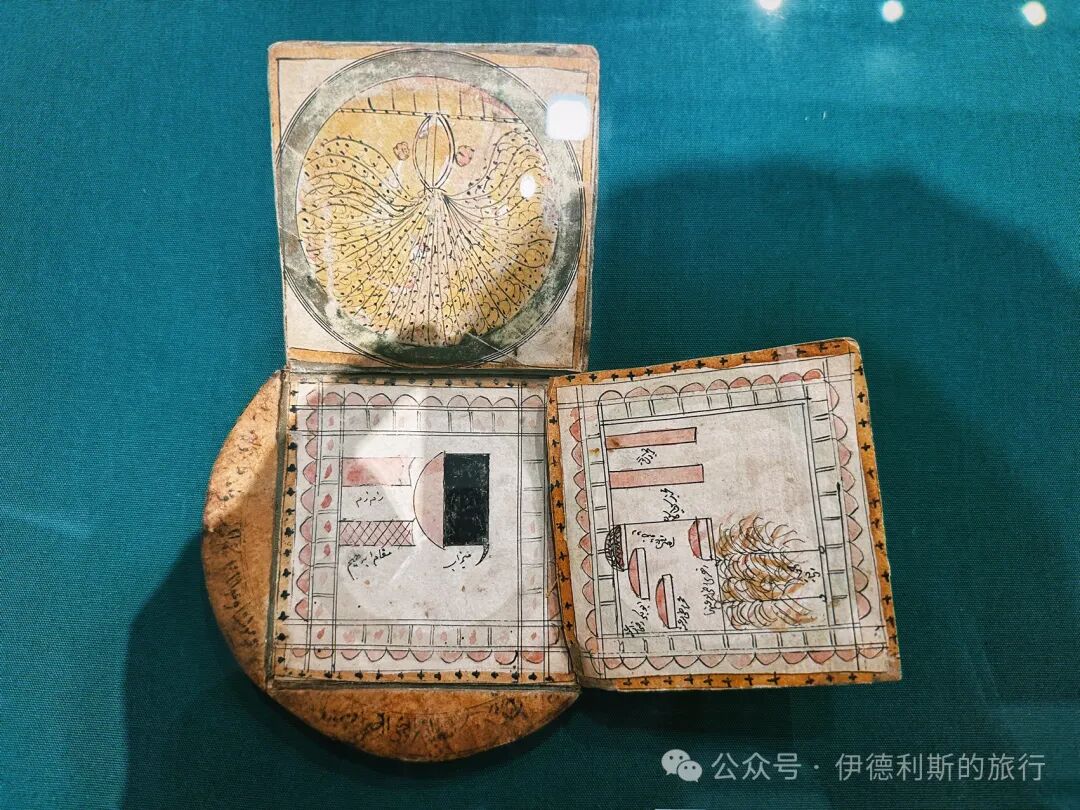
Ottoman Turkey, 1856-7.
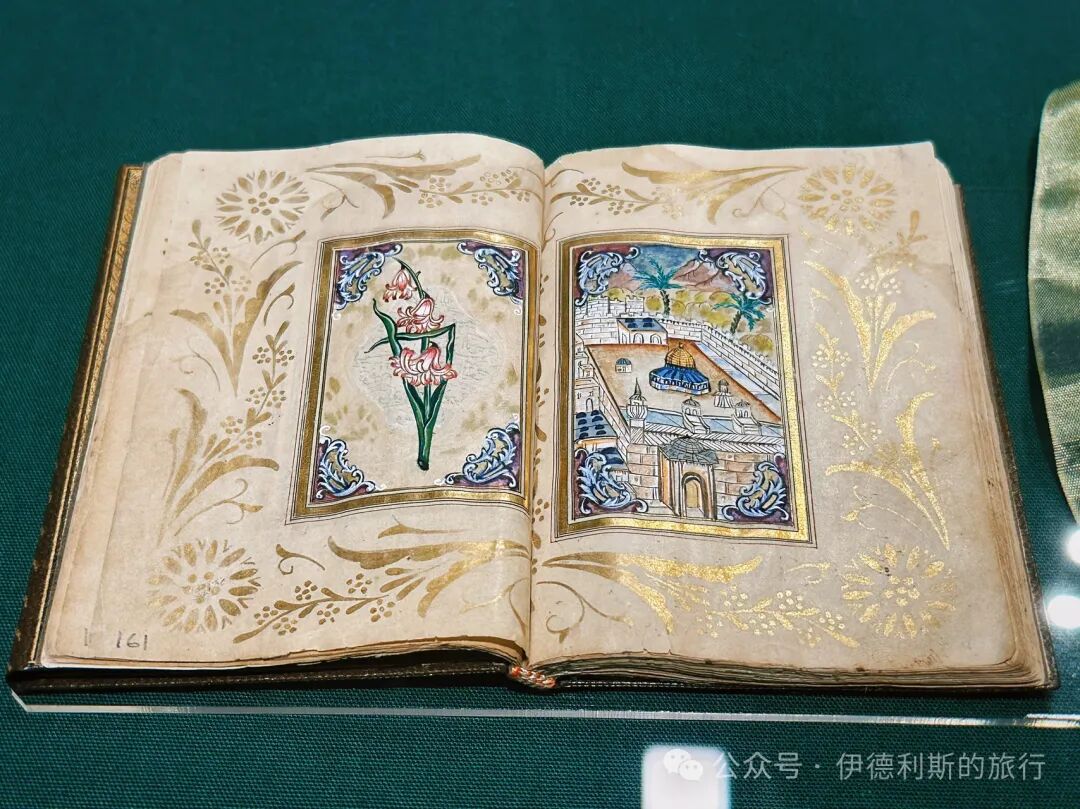
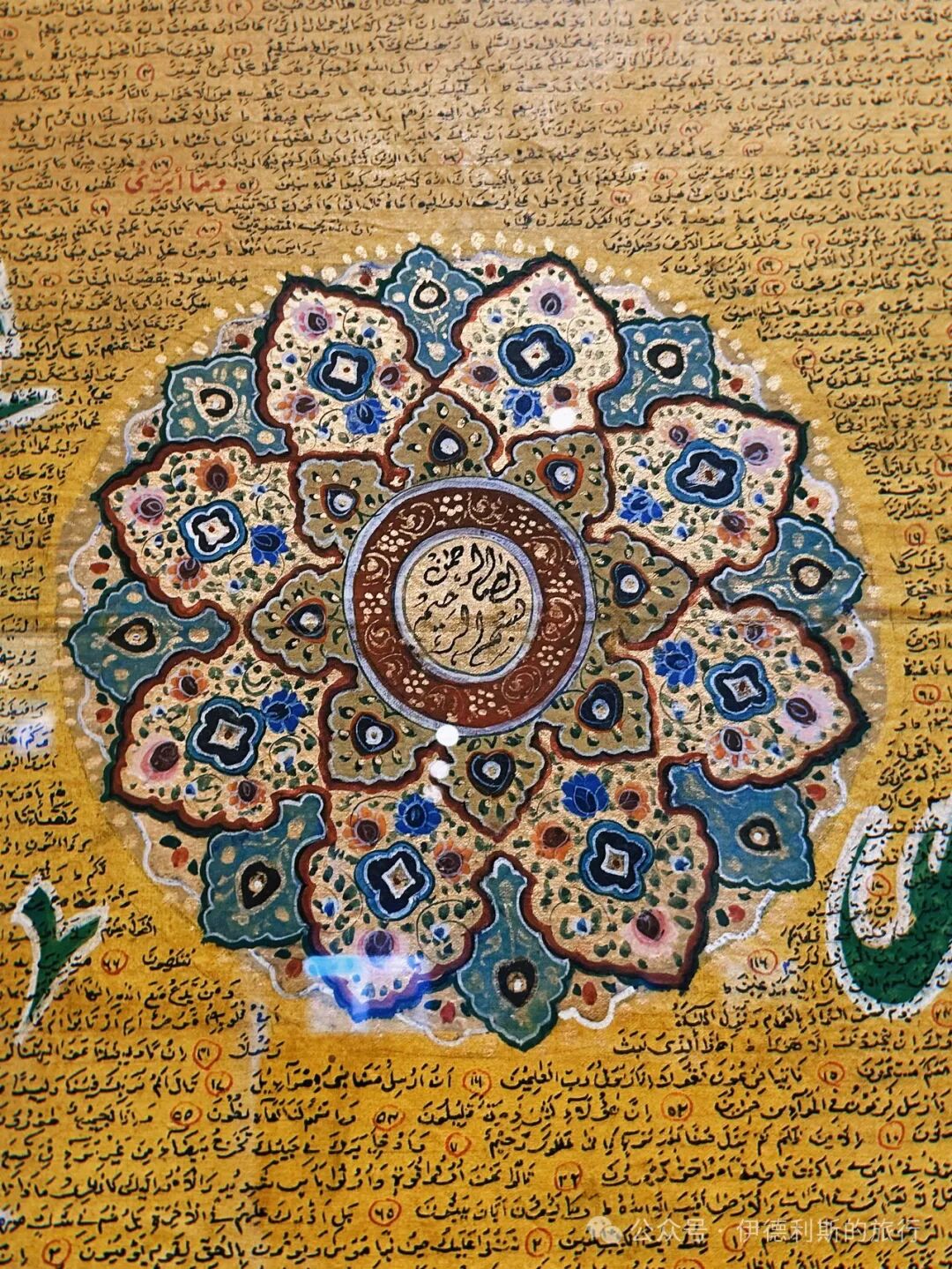
A 1738 manuscript written on fabric from India, featuring floral designs with a distinct local Indian style.
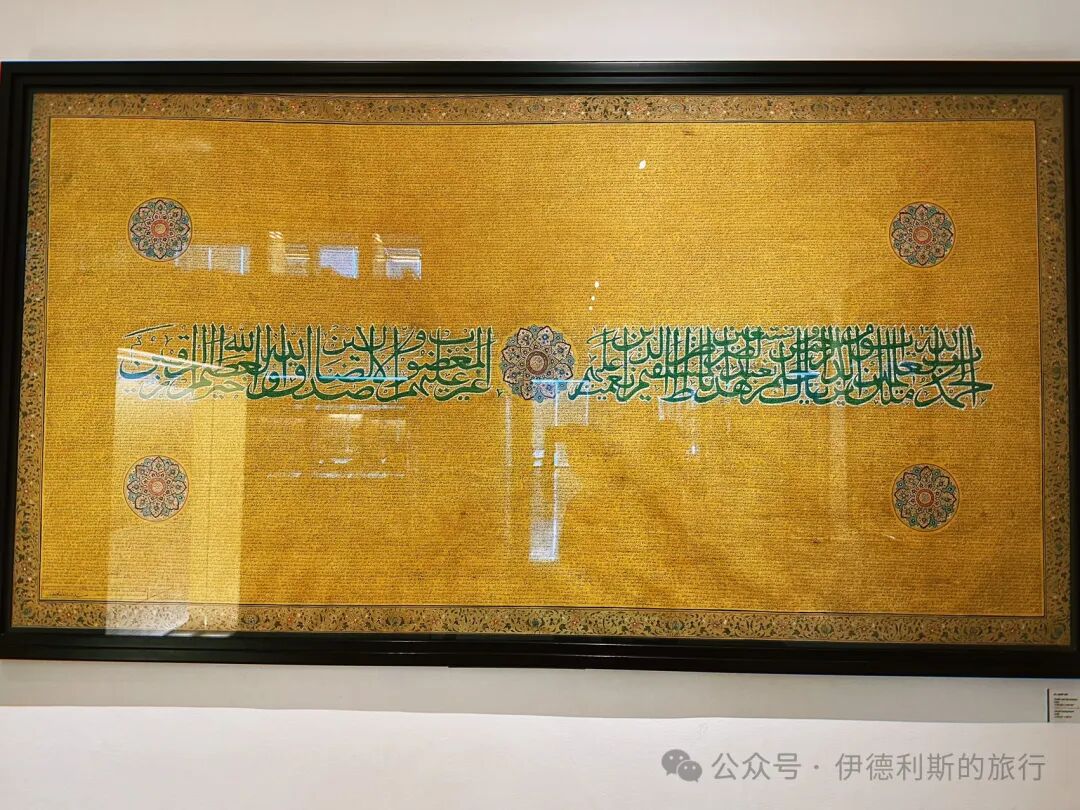
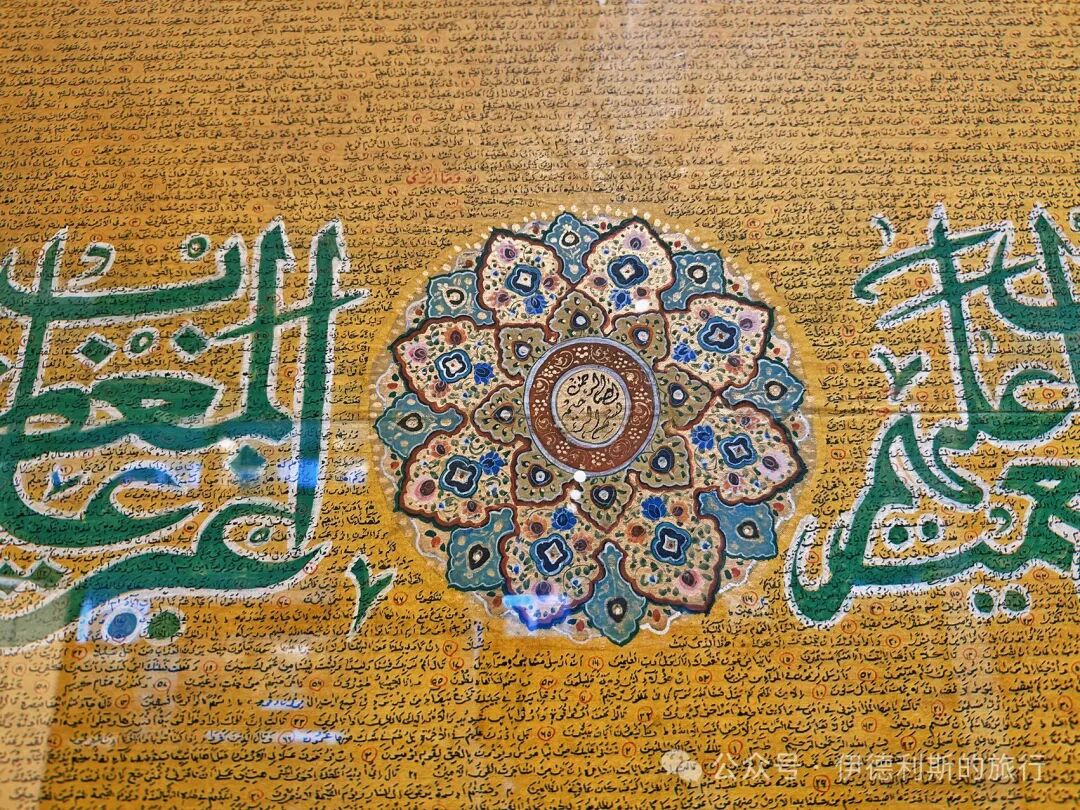
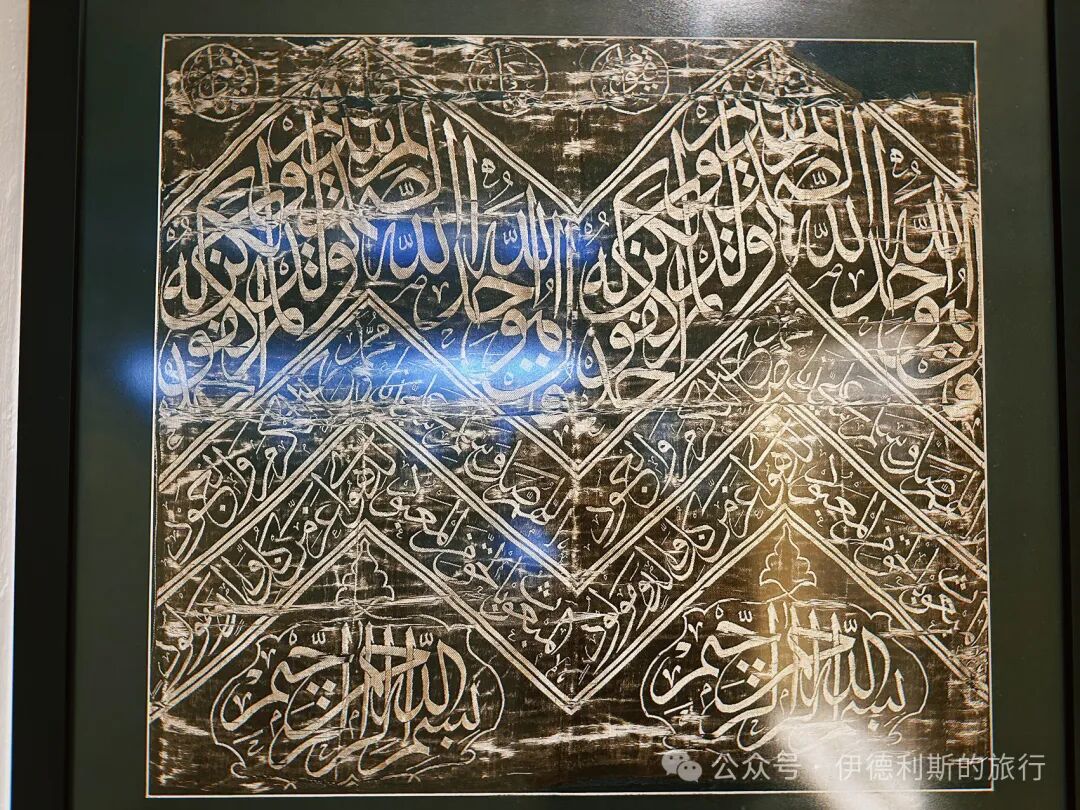
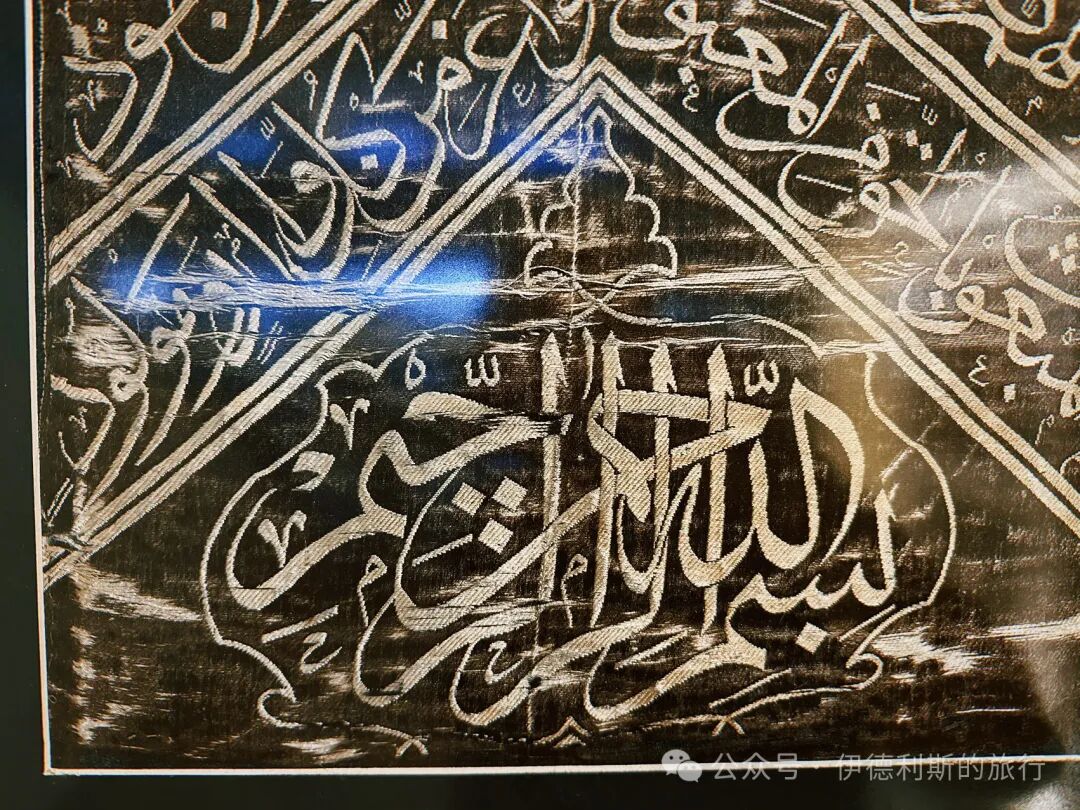
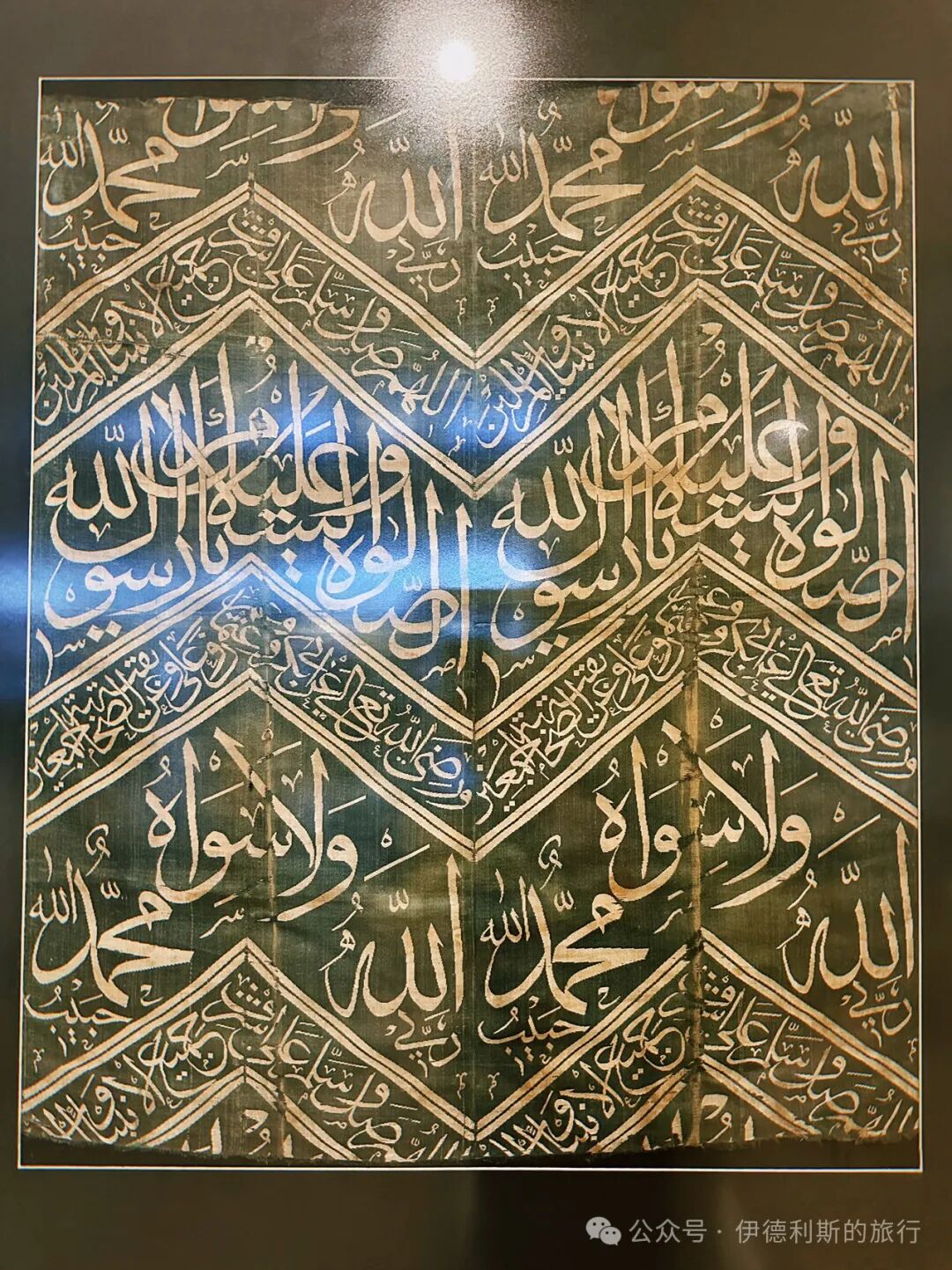
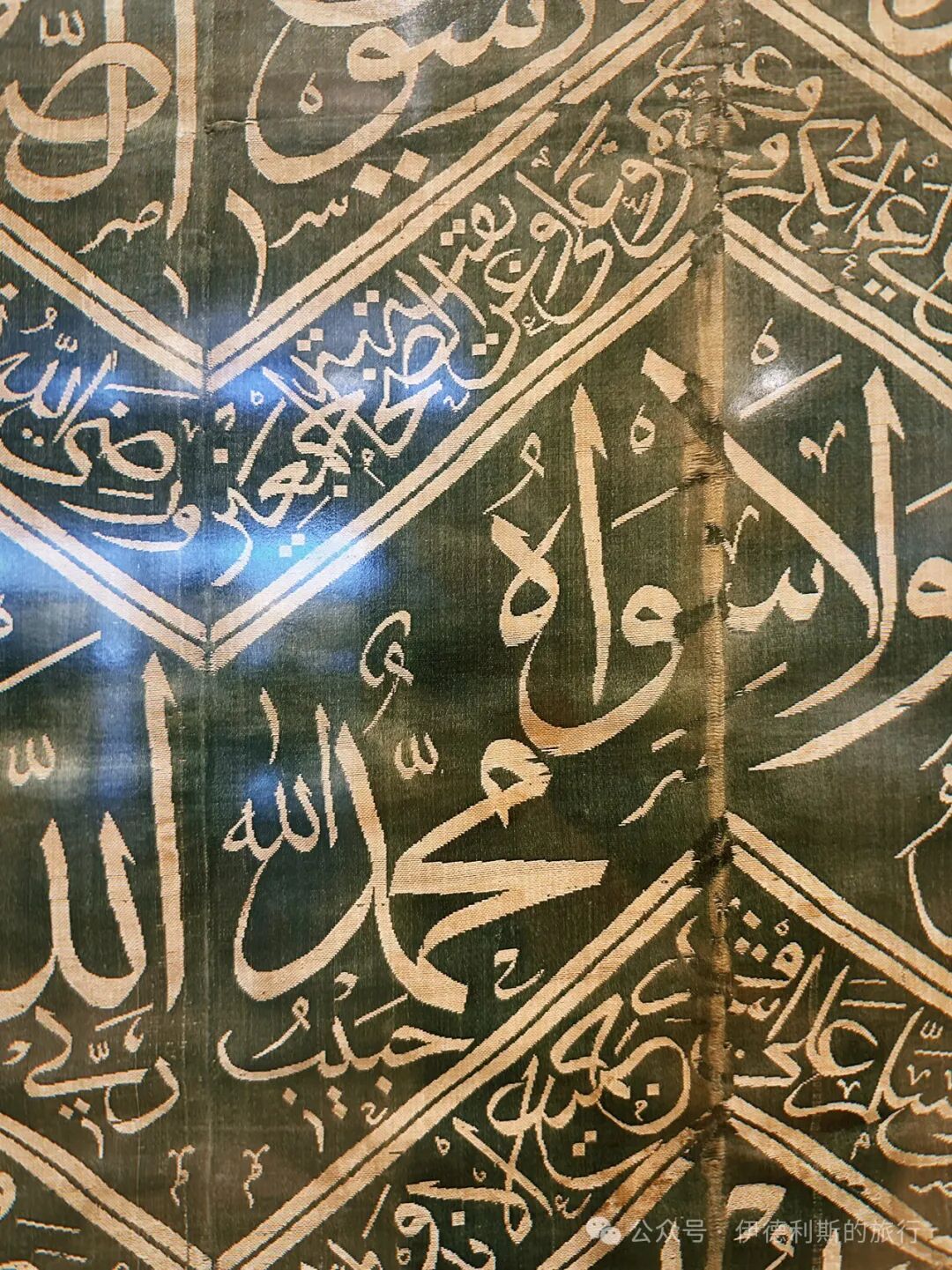
17th-century silk embroidery of the Kaaba cover (tianfang manzhang) from Ottoman Turkey.
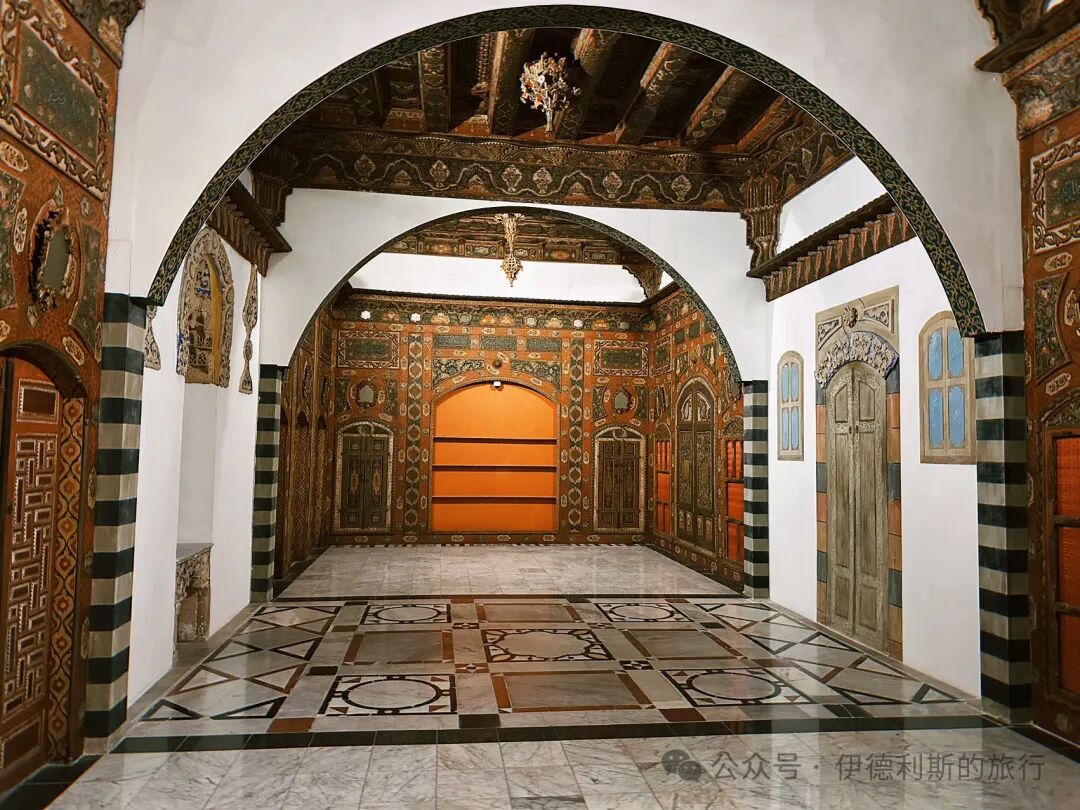
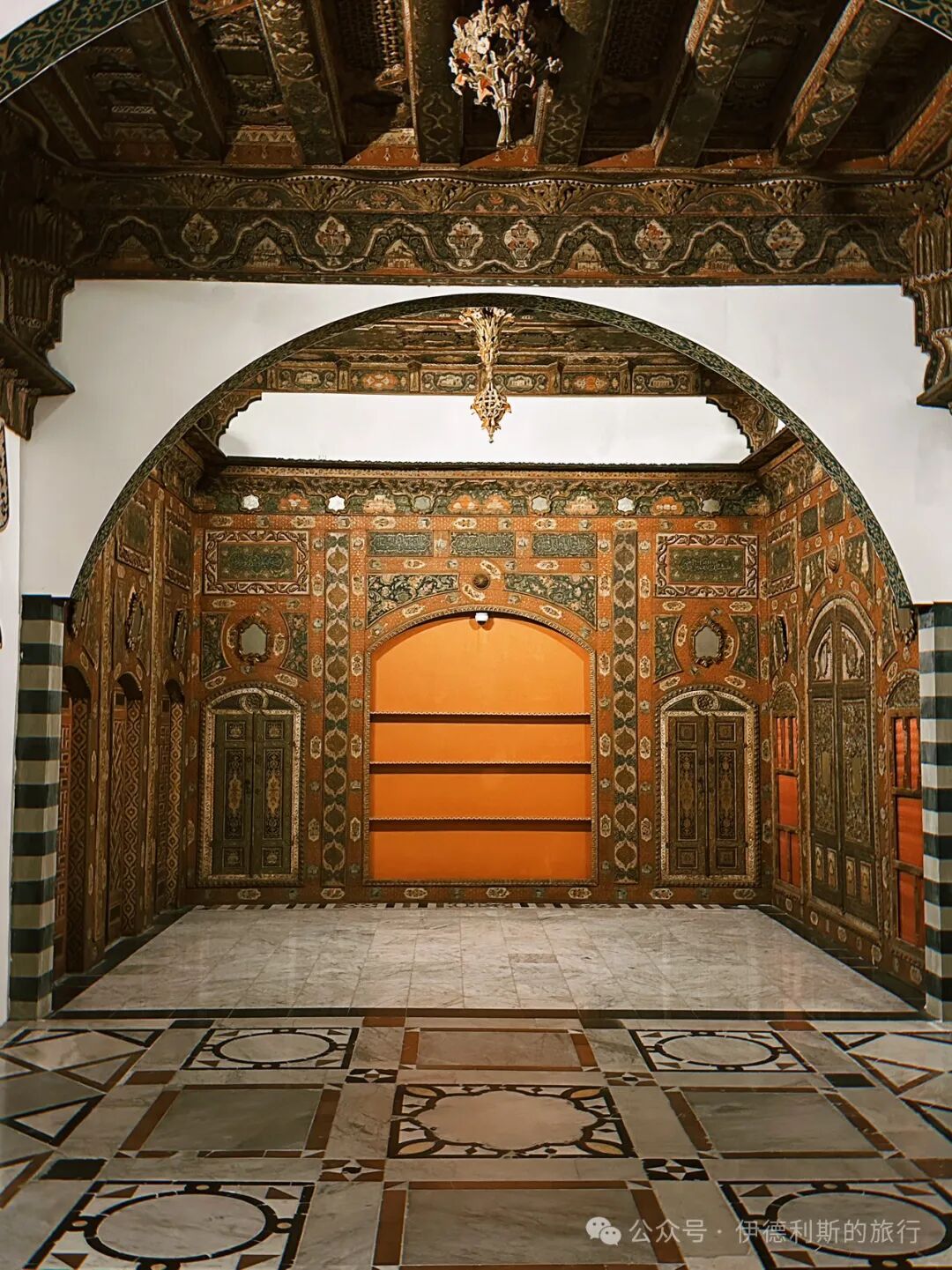
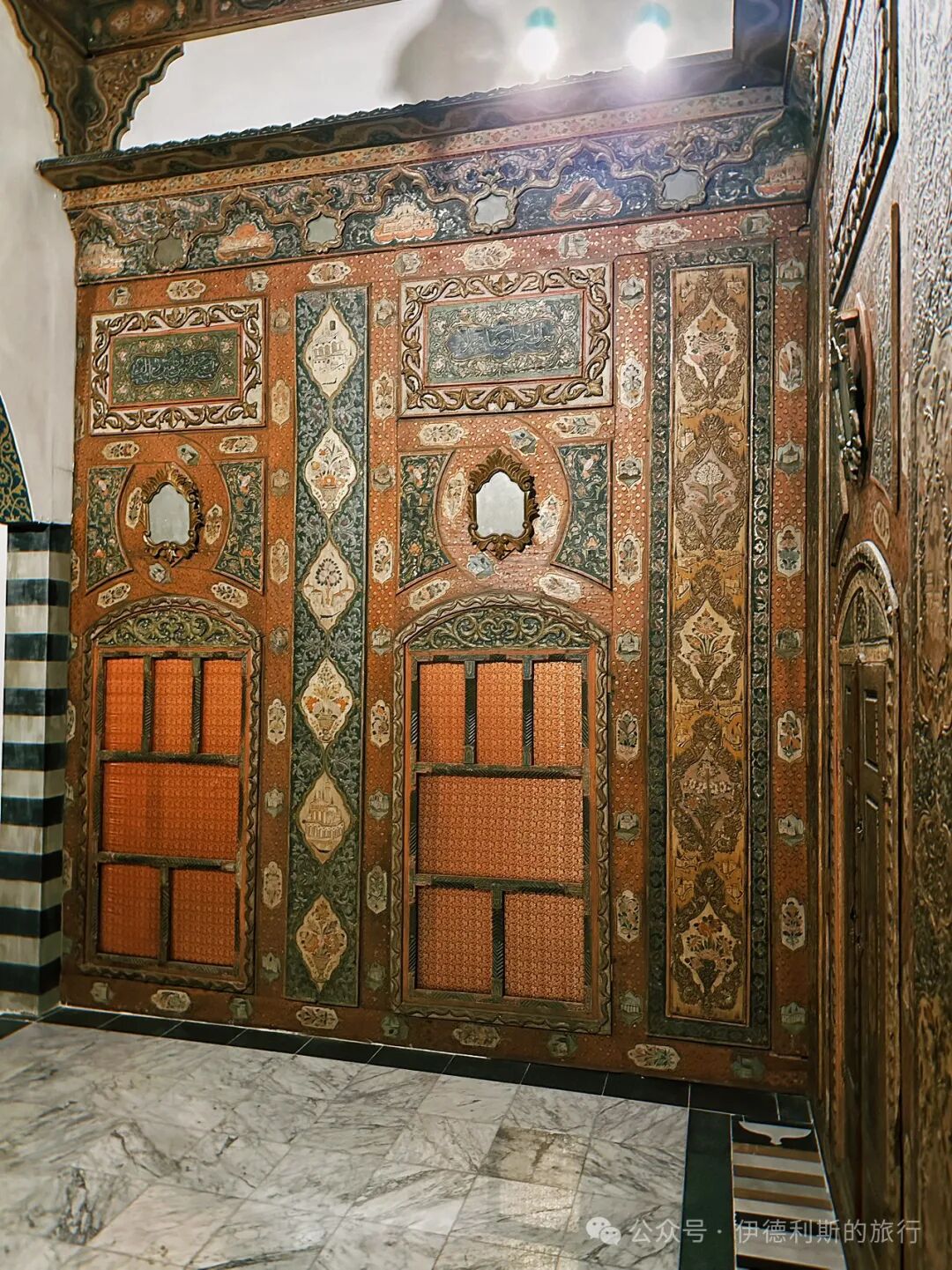
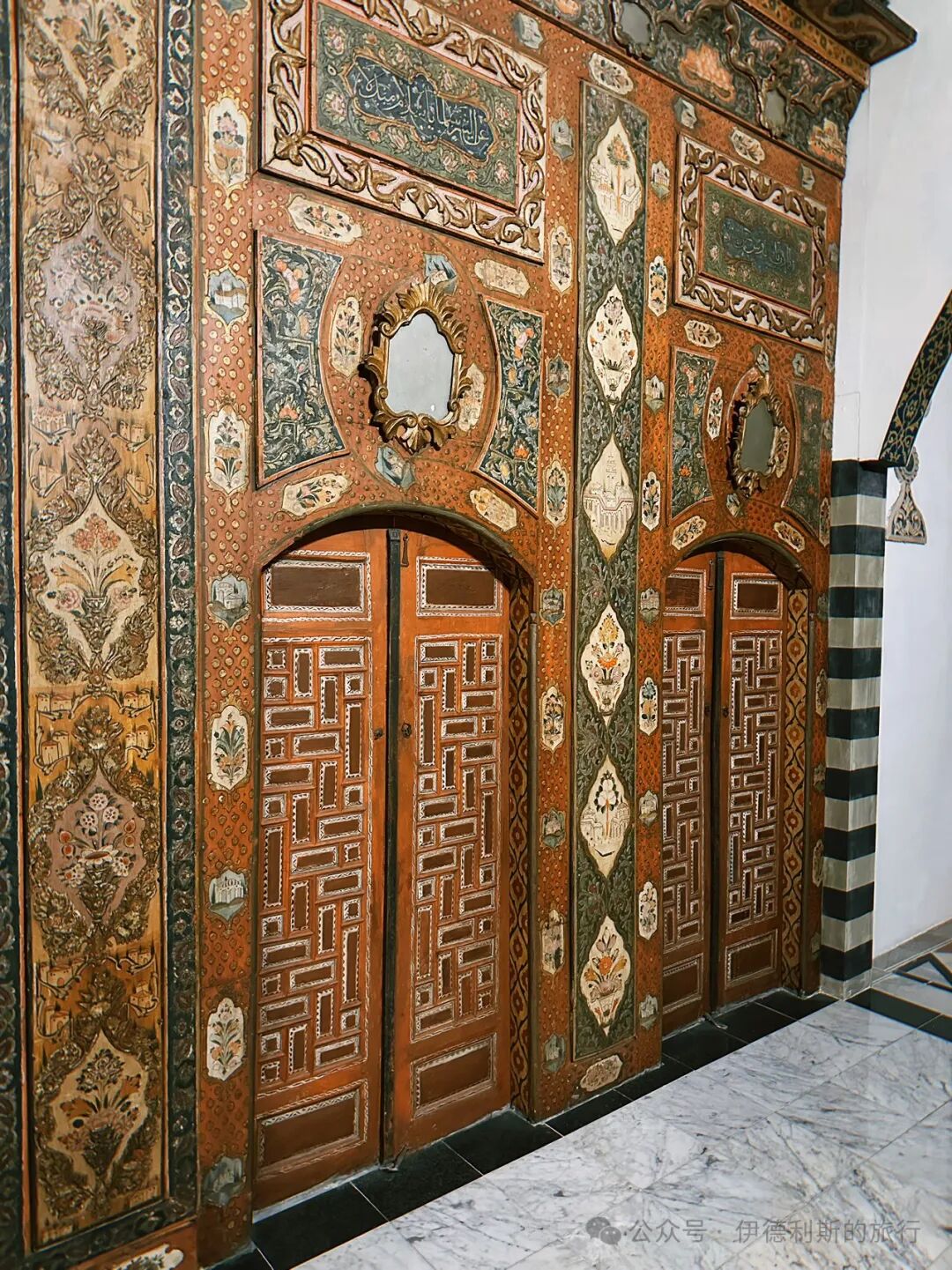
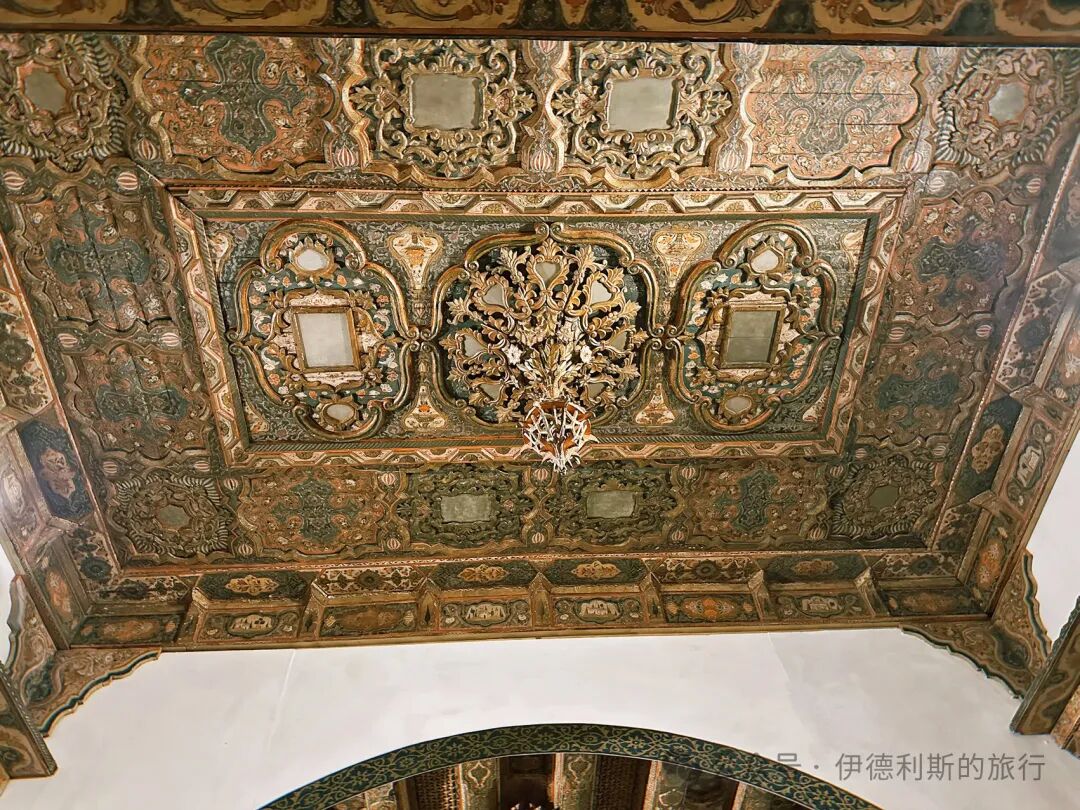
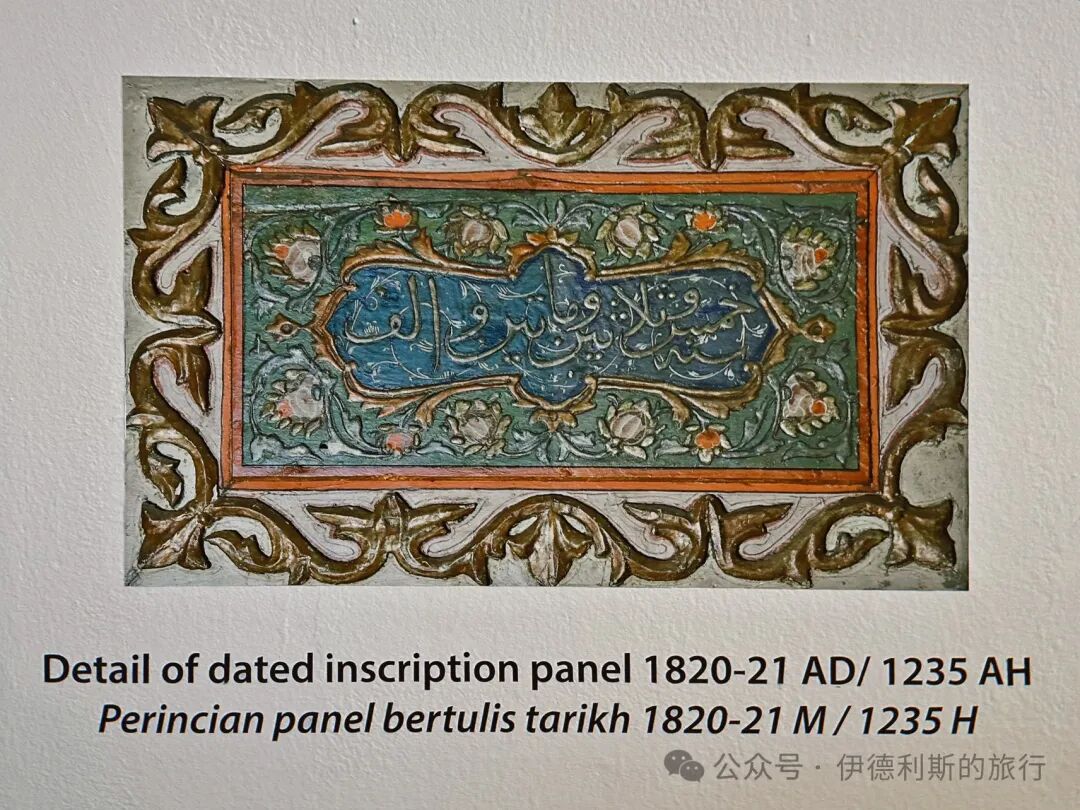
The museum's centerpiece is a painted wooden room from Damascus, dated 1820-21, which shows the typical late Ottoman Syrian decorative style.
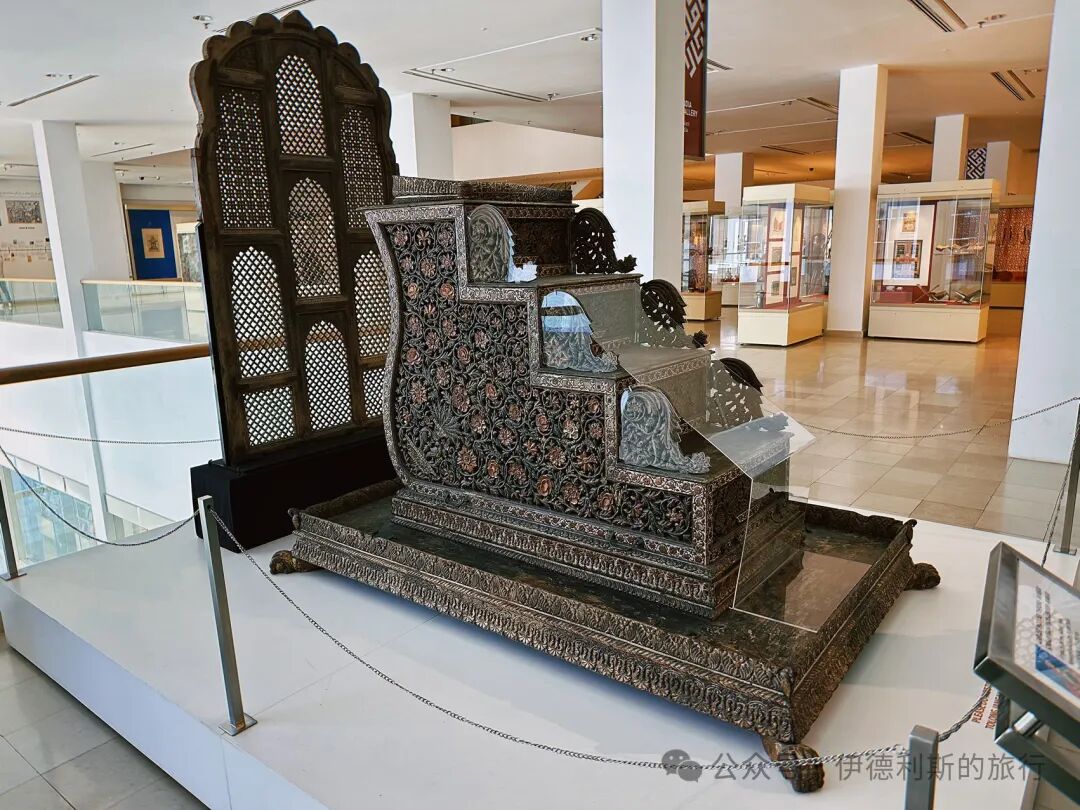
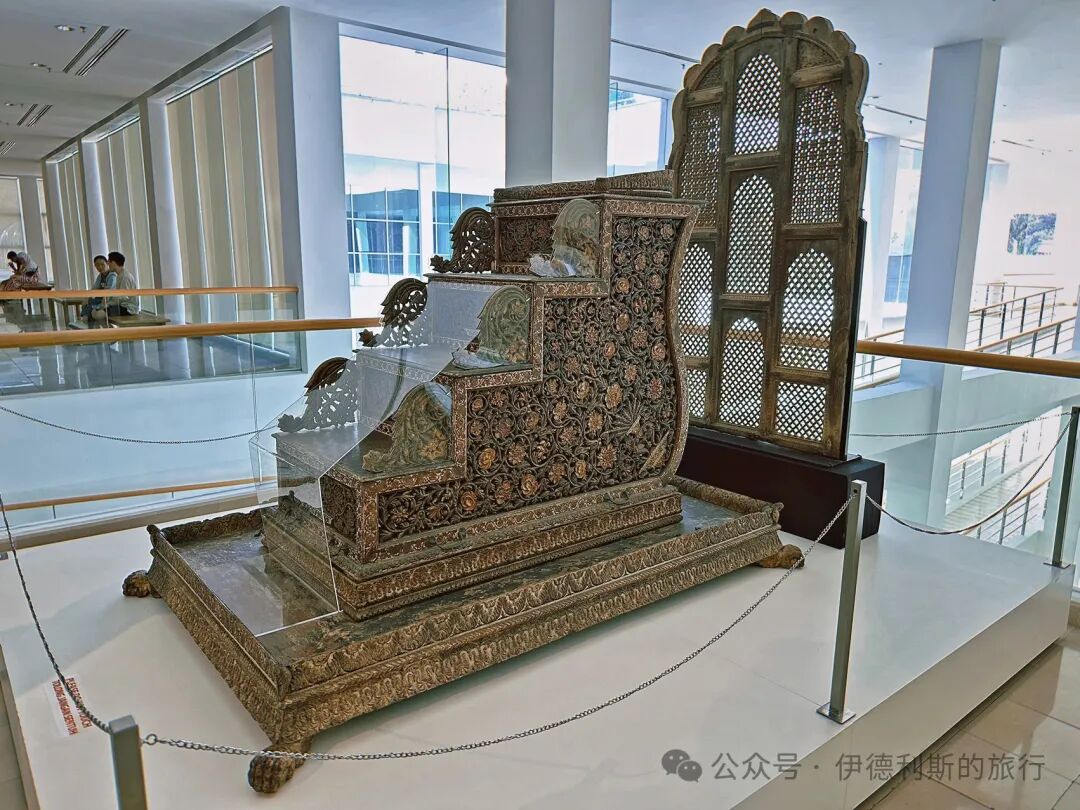
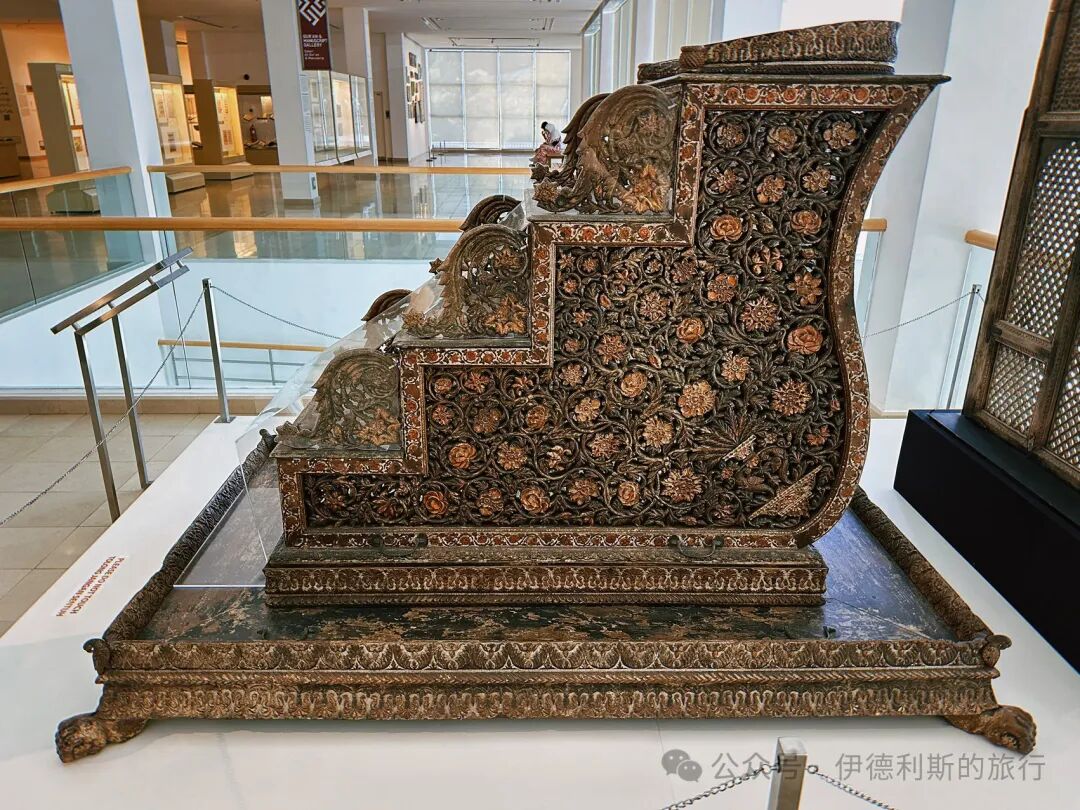
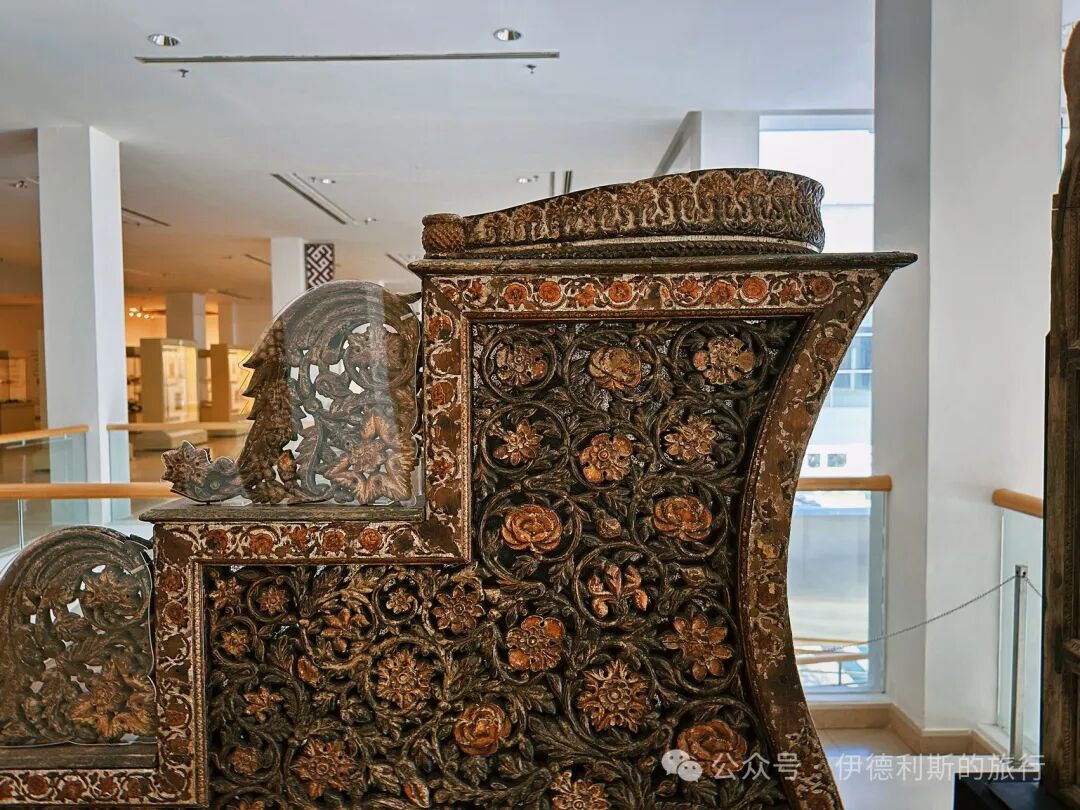
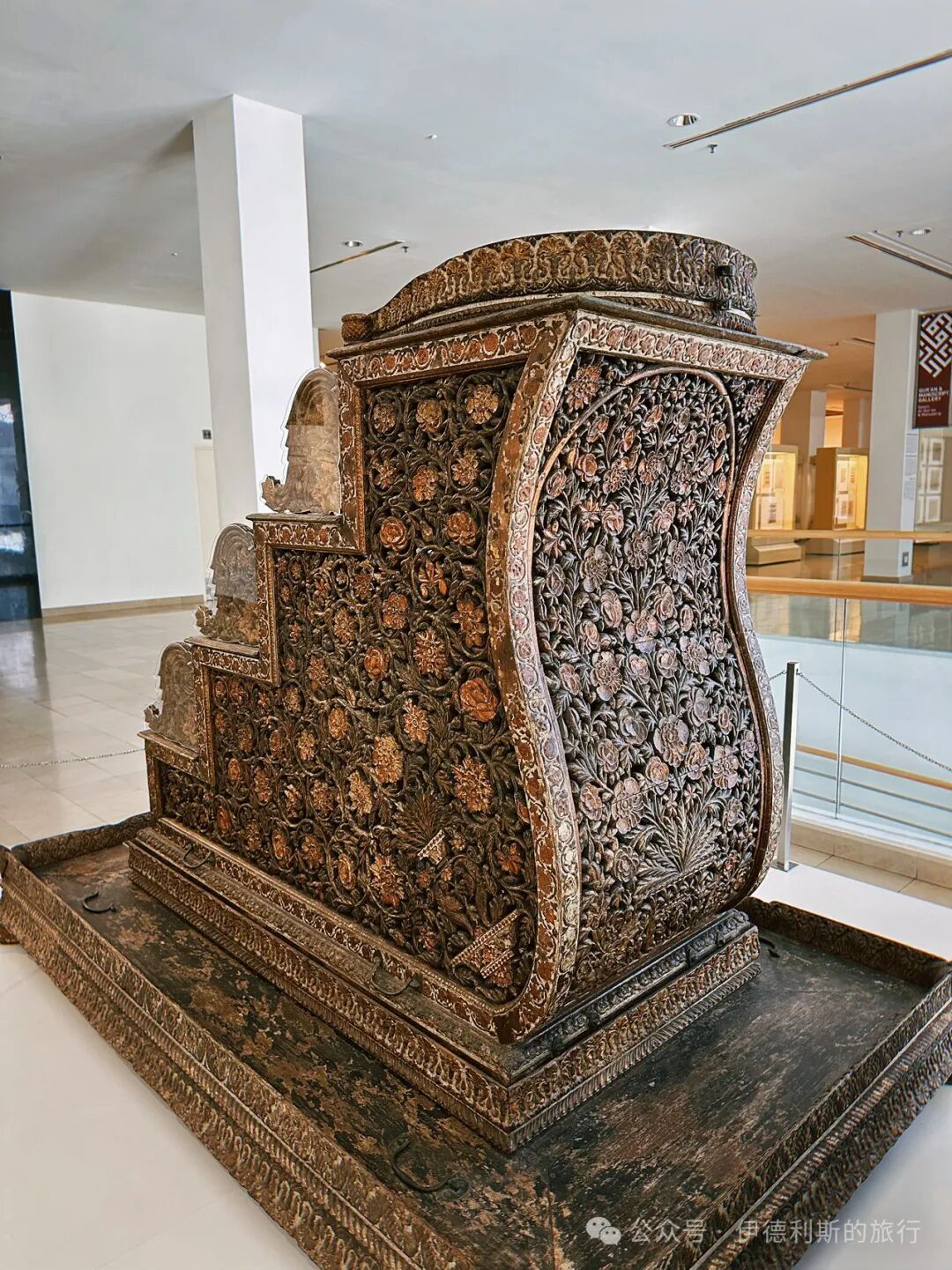
A pulpit (minbar) from a prince's palace of the Asaf Jahi dynasty in Hyderabad, South India, dated 1879-80. It is carved with Urdu praise for the Prophet, along with flowers, parrots, and plant patterns.
Hats and turbans of the Acehnese people in Sumatra.
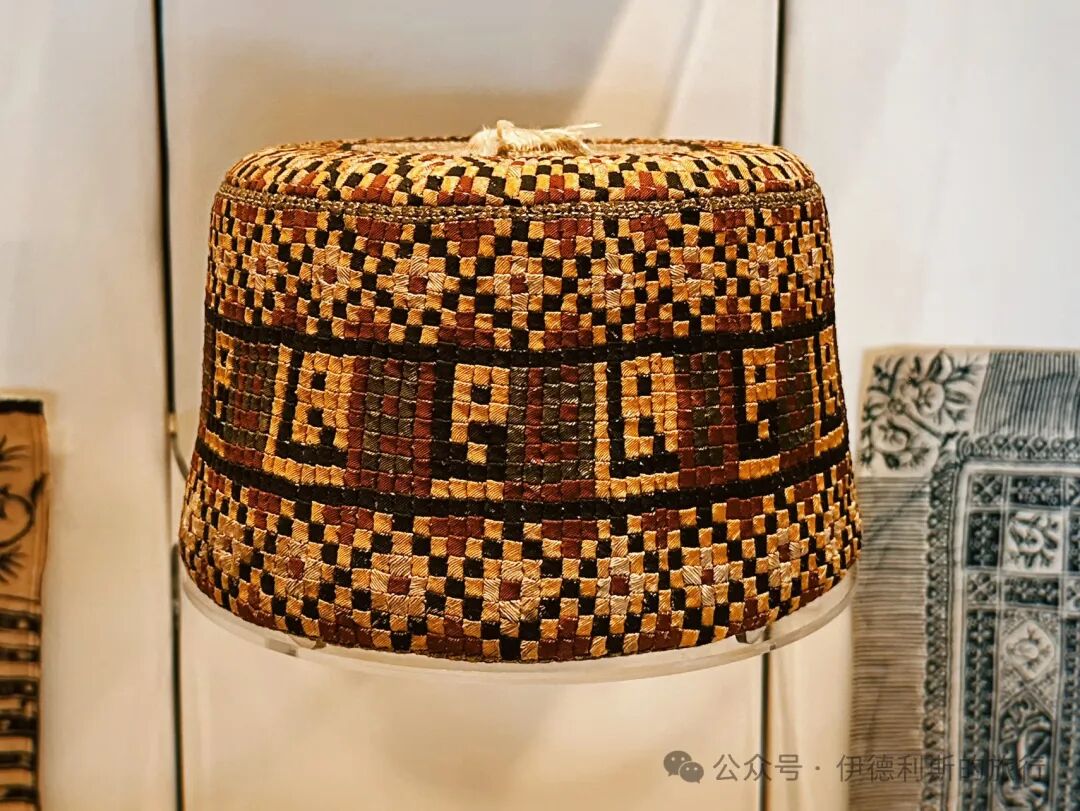
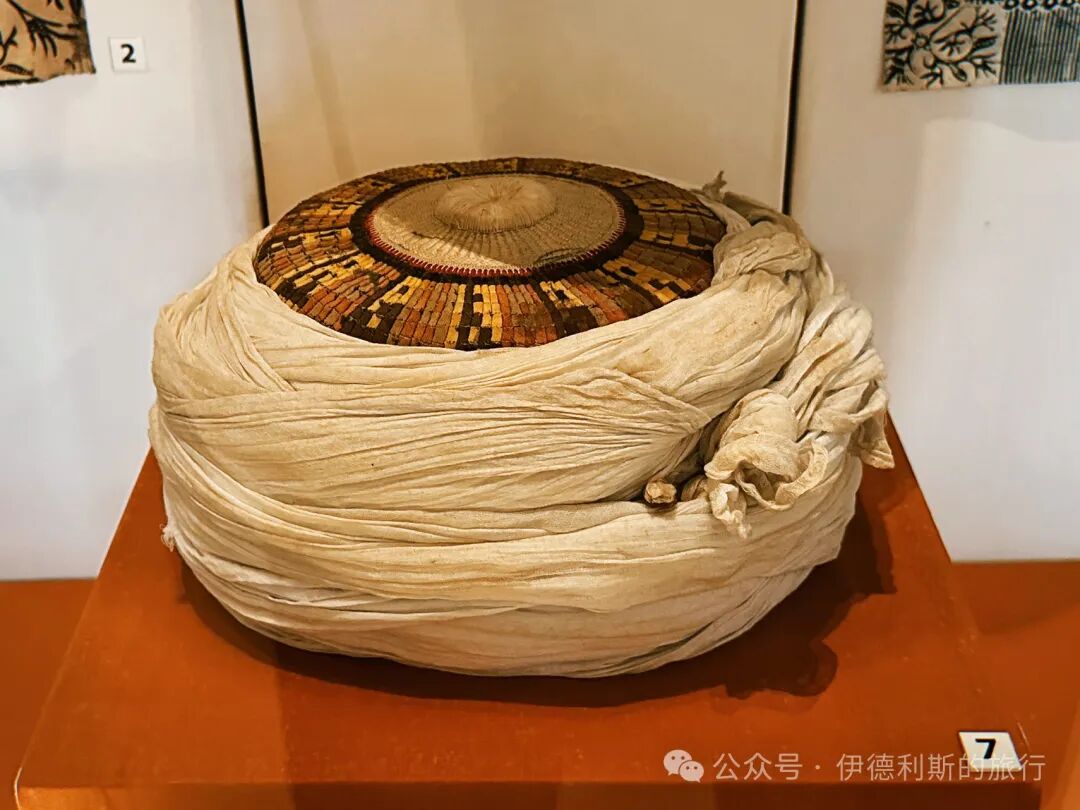
Hats of the Dayak people in Sarawak, Borneo.
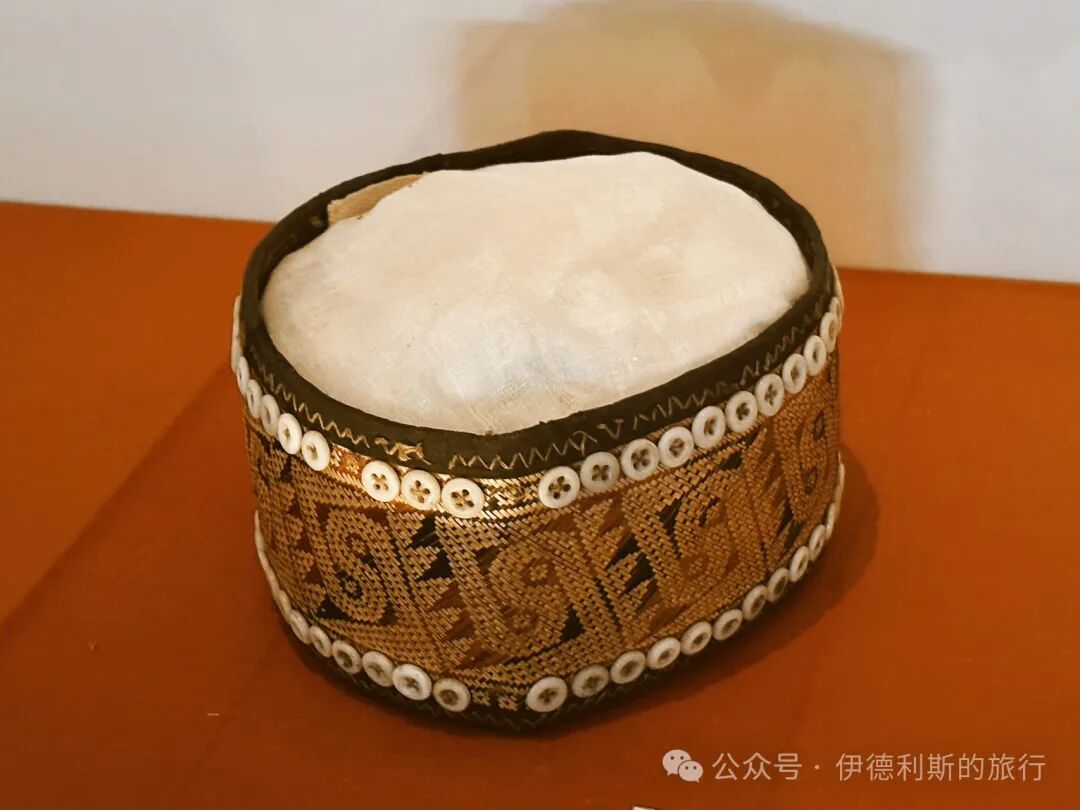
Hats of the Malay people on the Malay Peninsula.
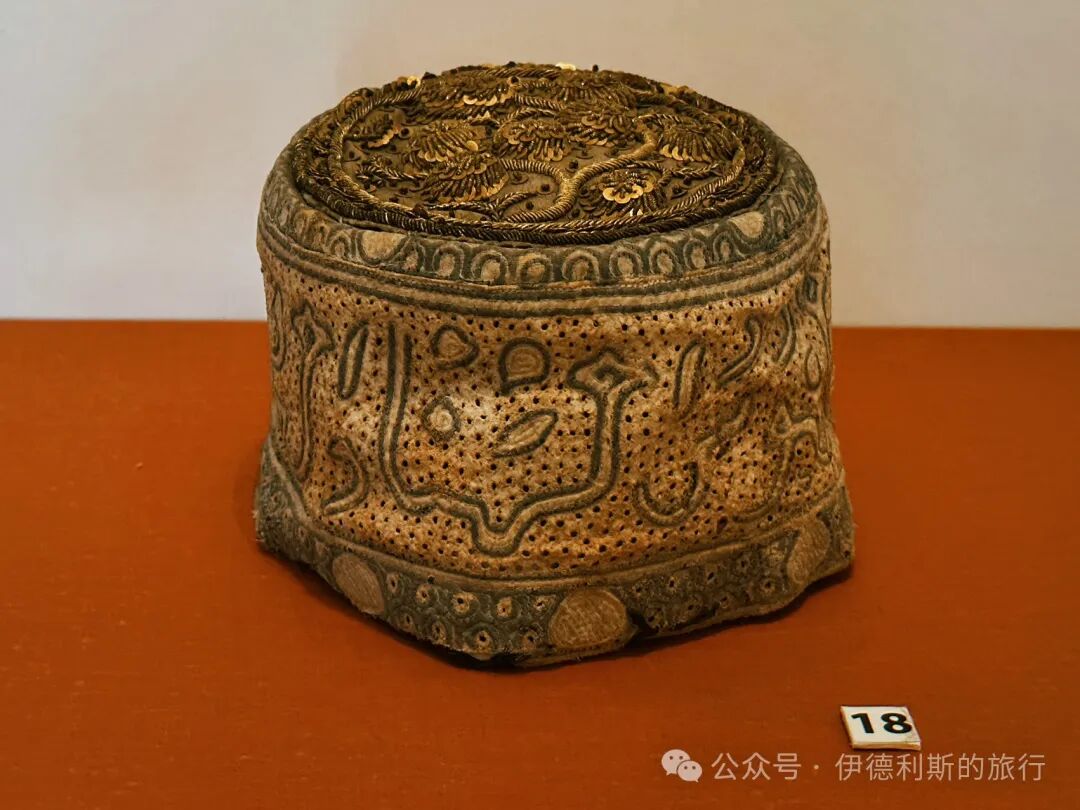
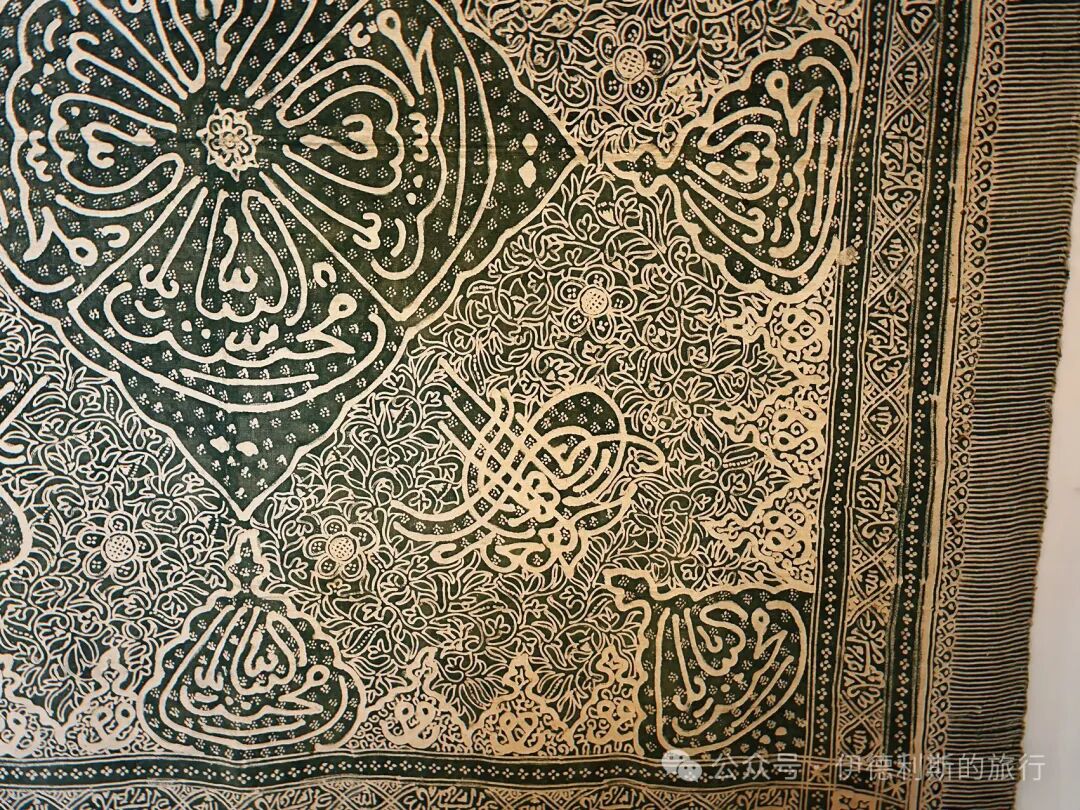
Wax-resist dyed (batik) dua-yi turbans from the Malay Archipelago, late 19th to early 20th century. Before the 19th century, men in the Malay Archipelago rarely wore hats and mostly wore turbans.
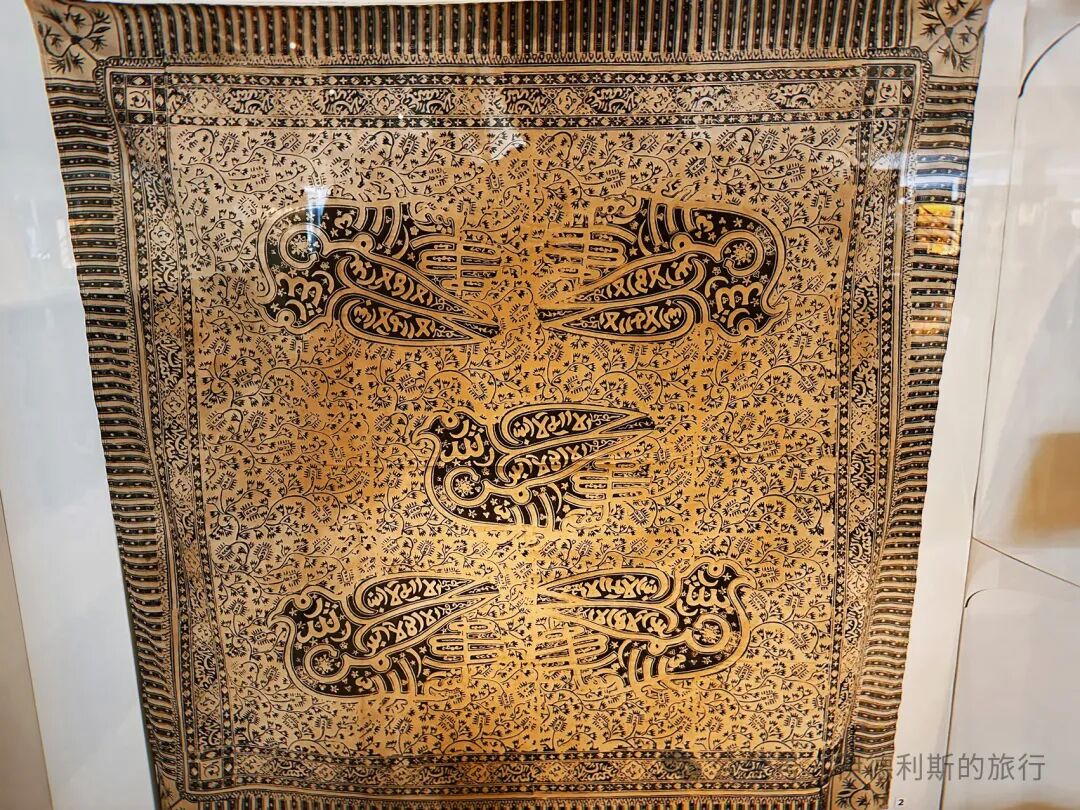
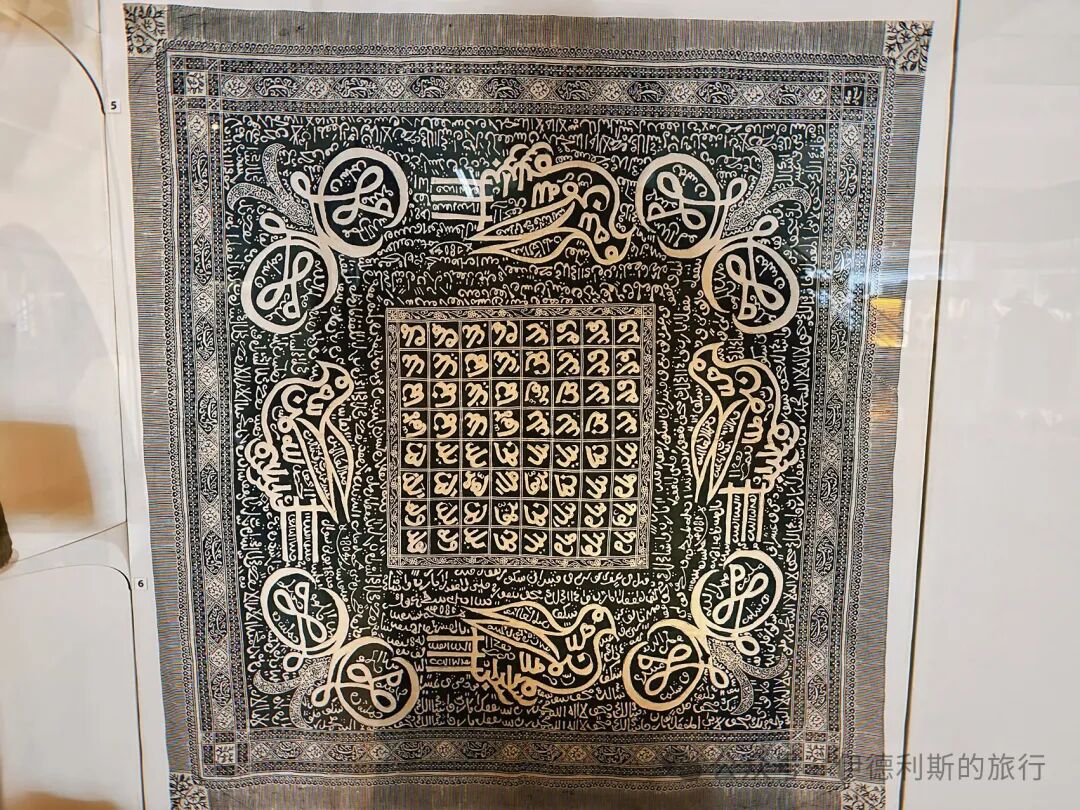
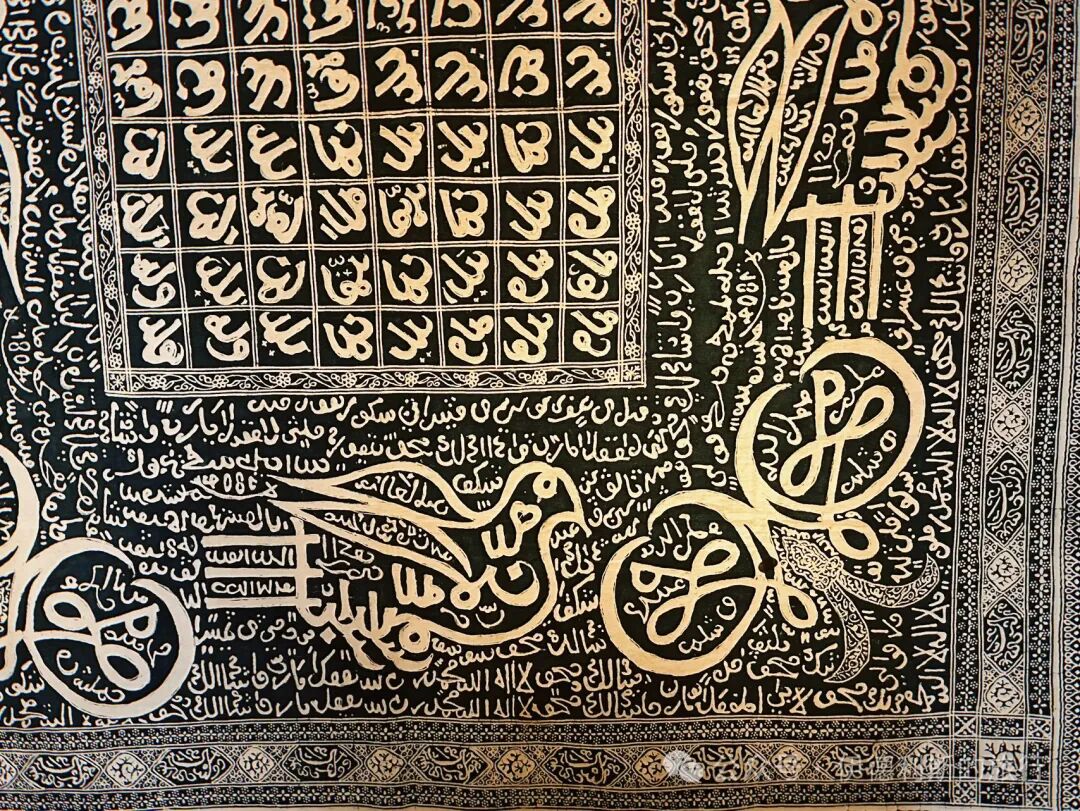
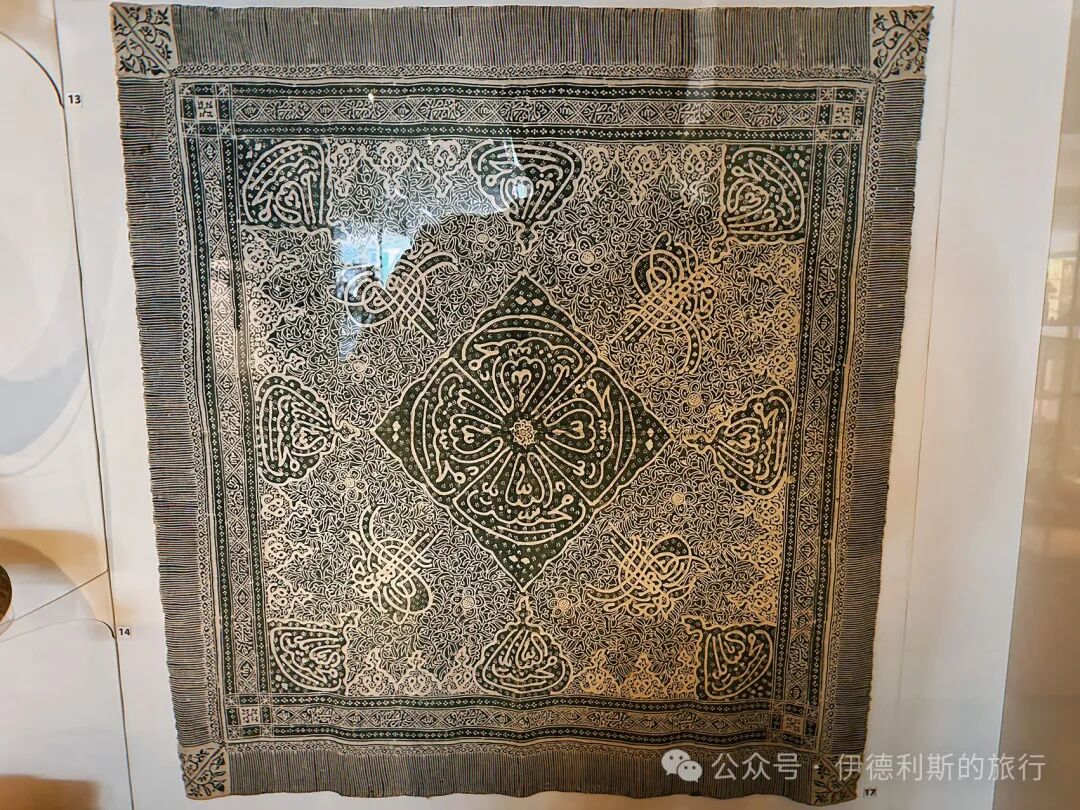
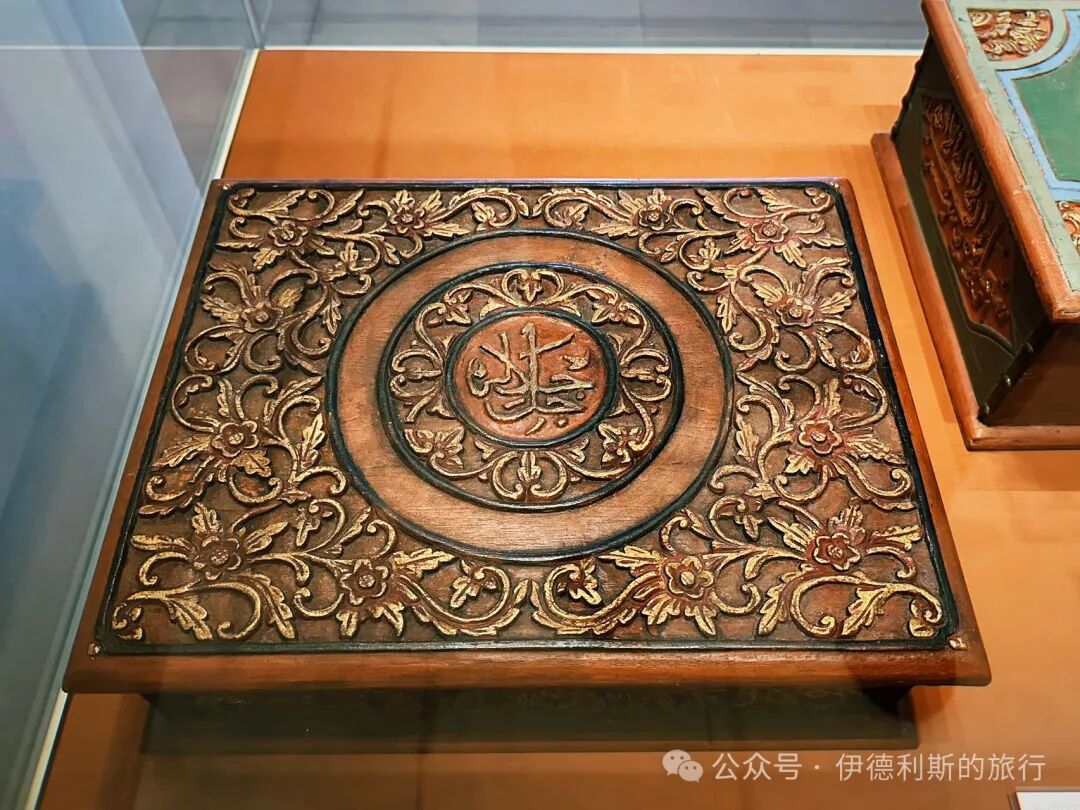
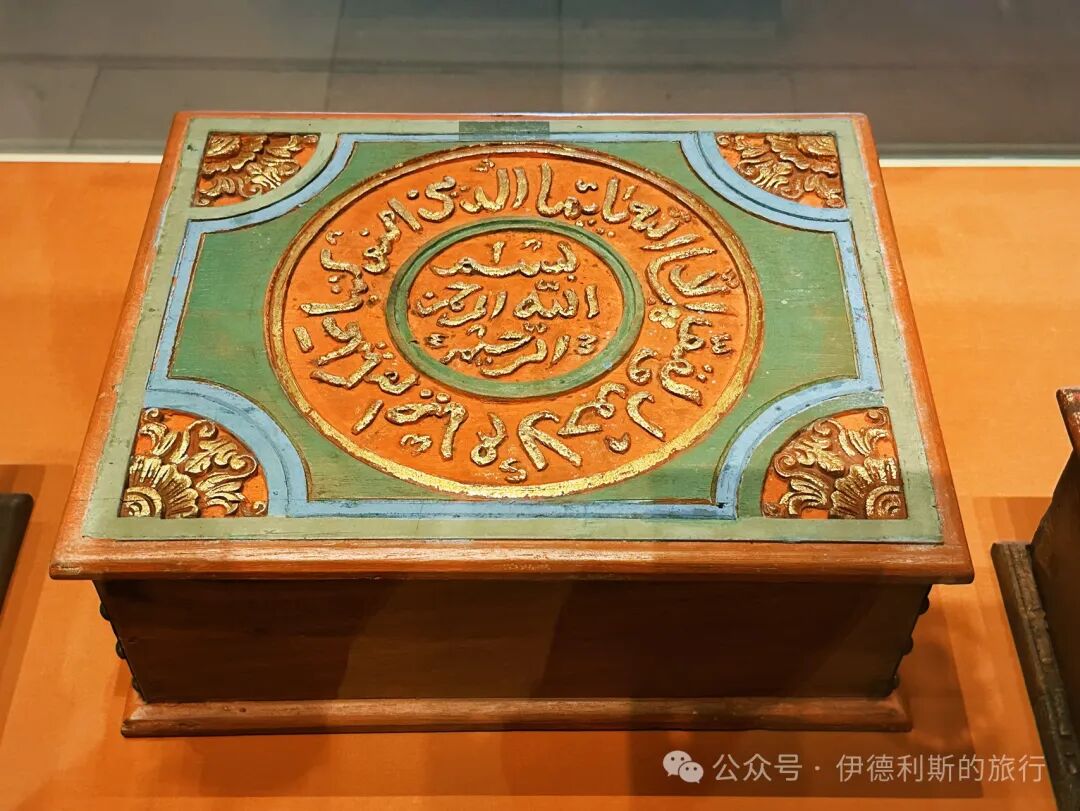
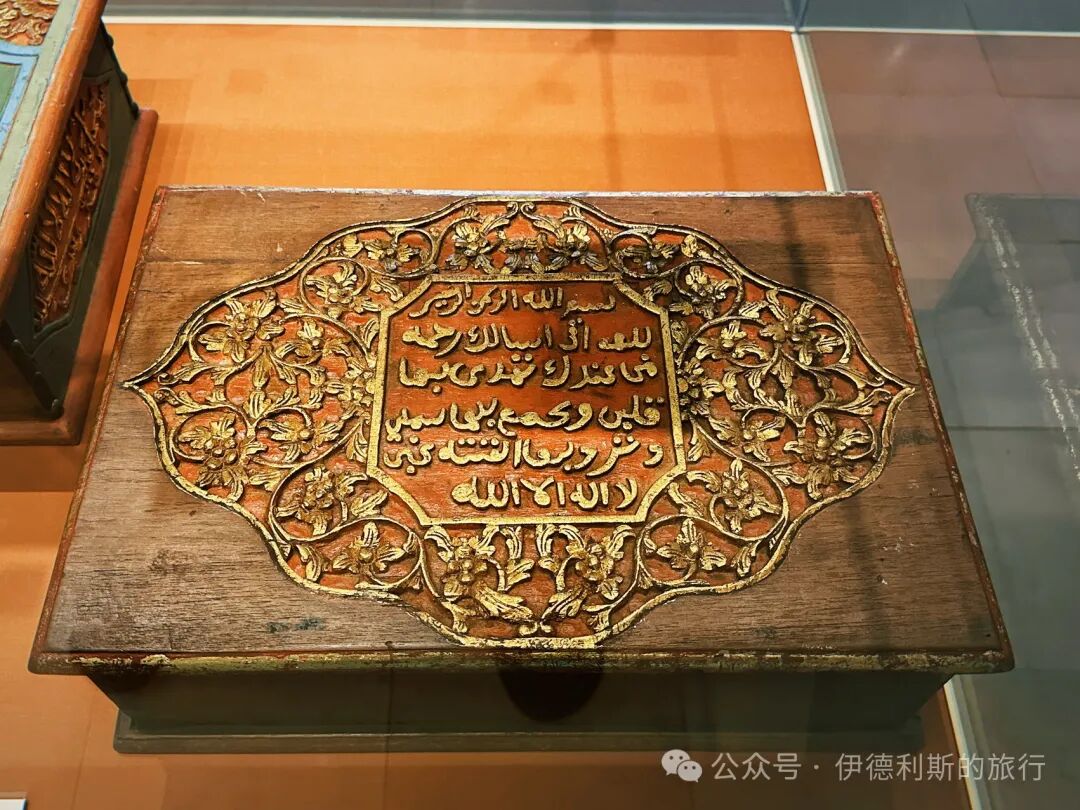
Specialized scripture boxes (jingxia) from the Malay Archipelago: Aceh, Sumatra, 19th-20th century; Malay Peninsula, late 19th century; Terengganu, Malay Peninsula, 19th century.
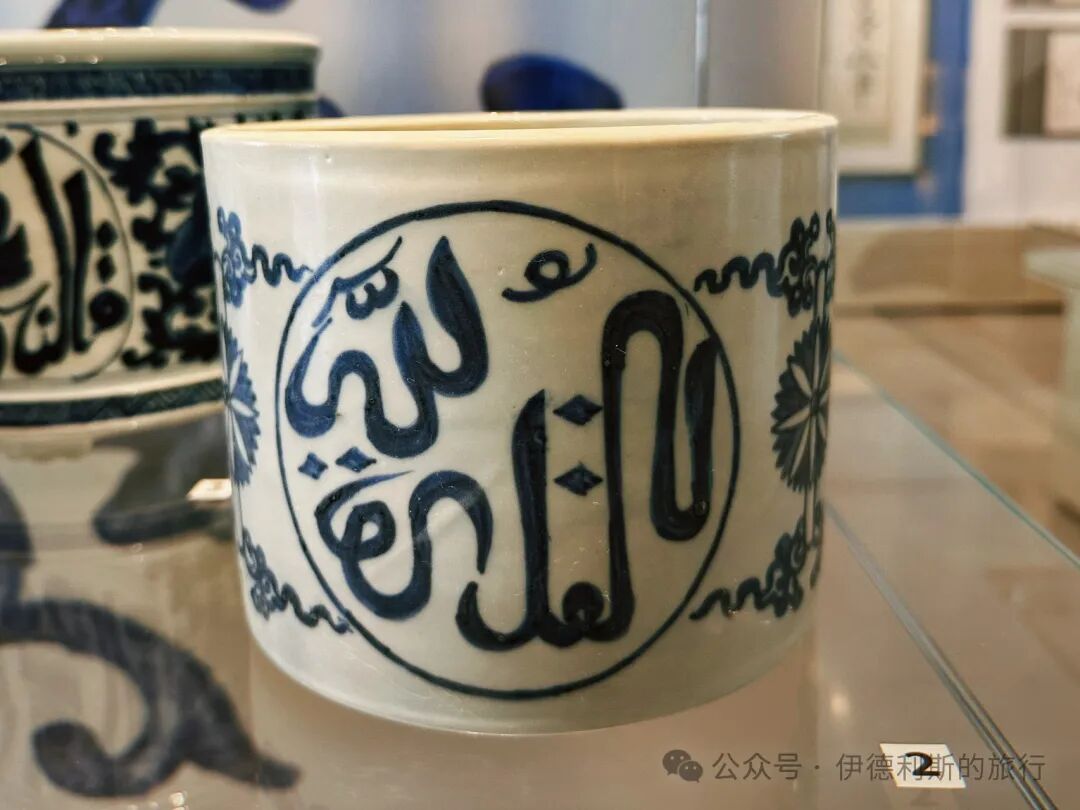
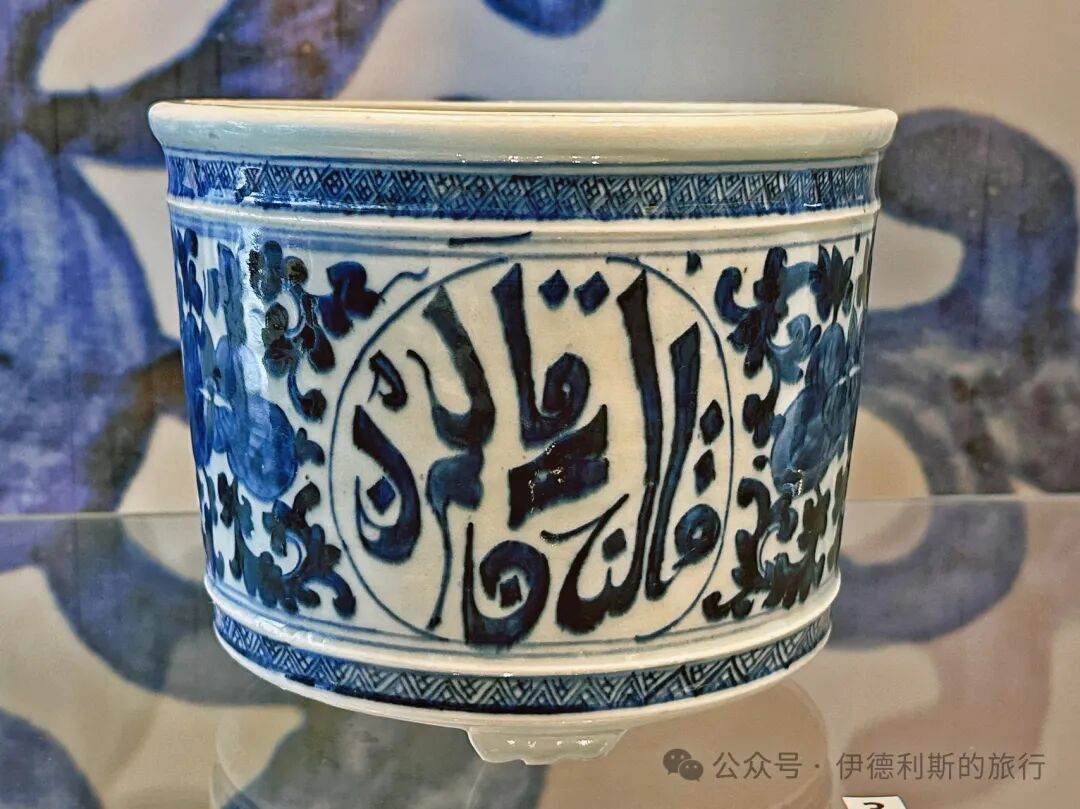
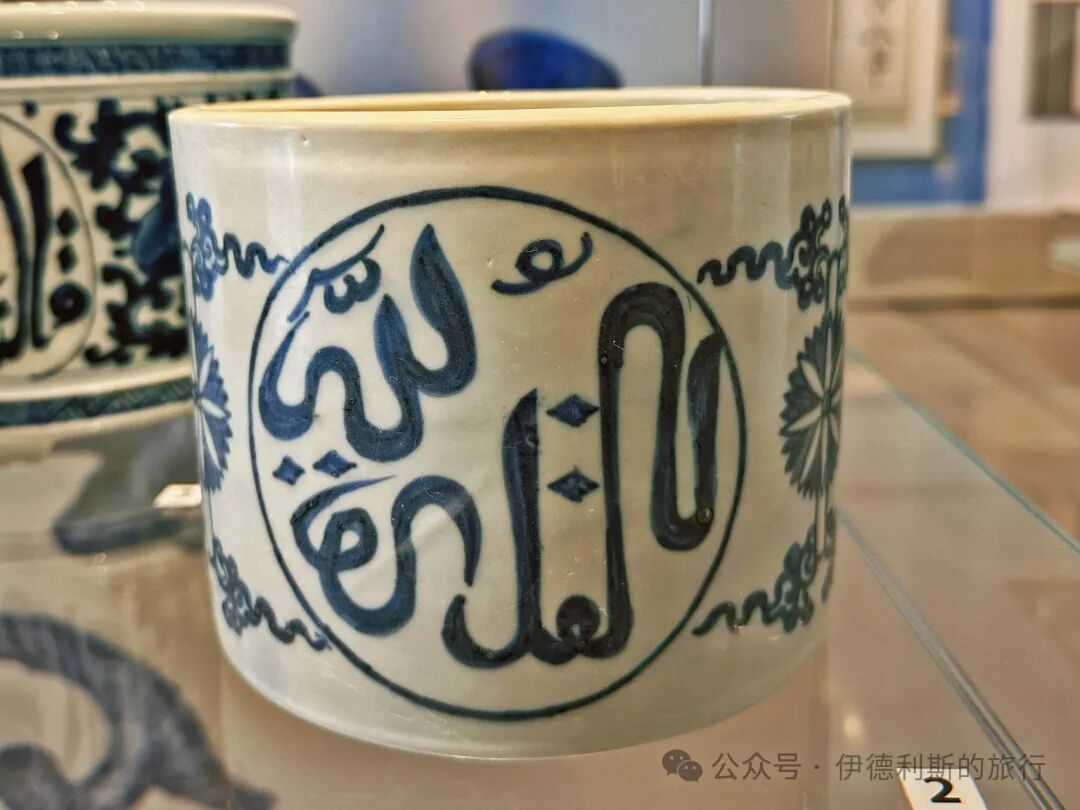
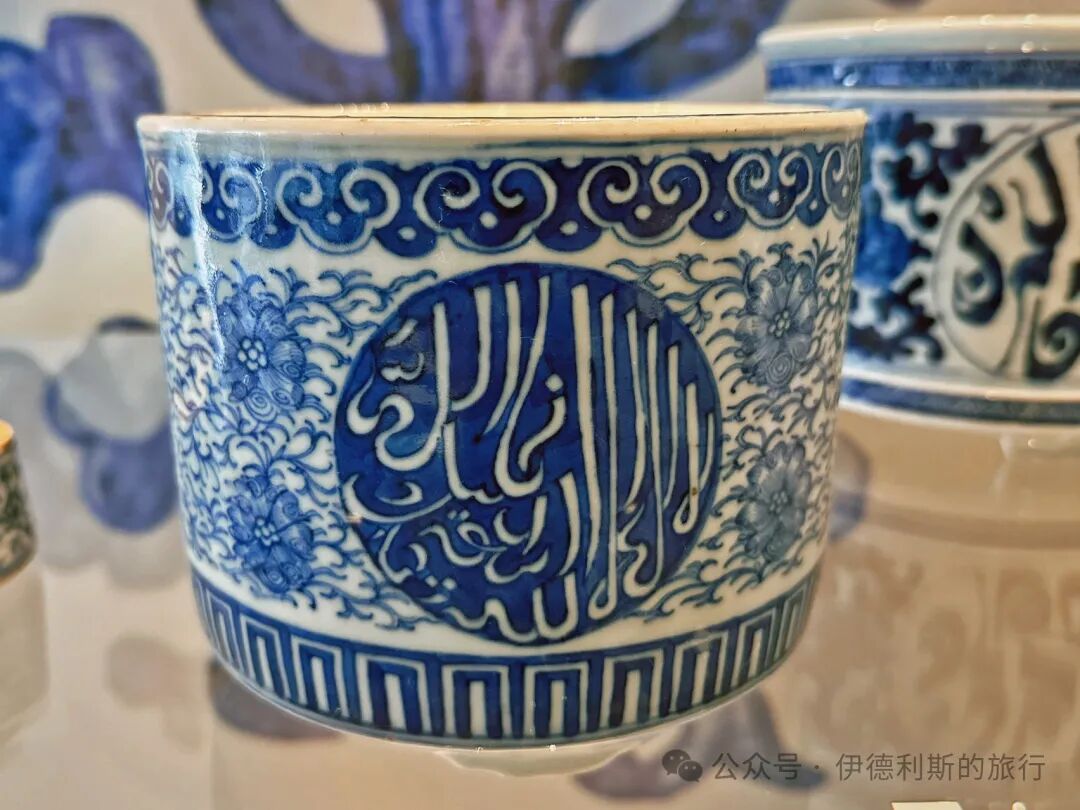
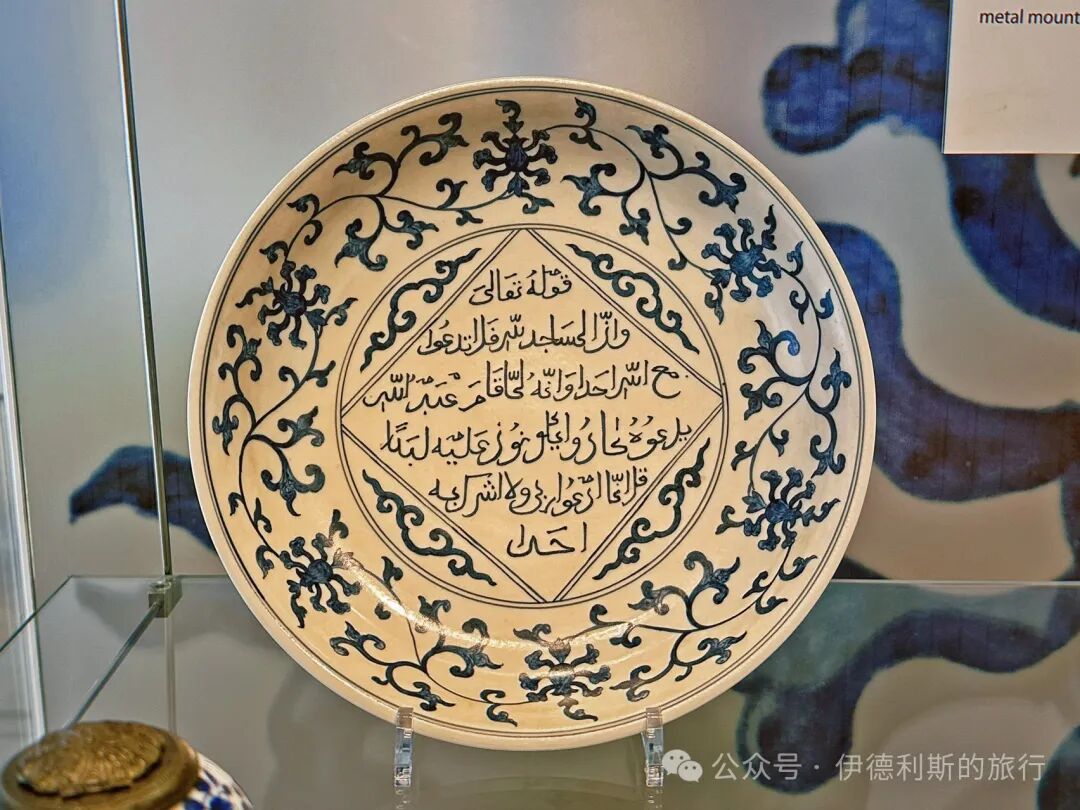
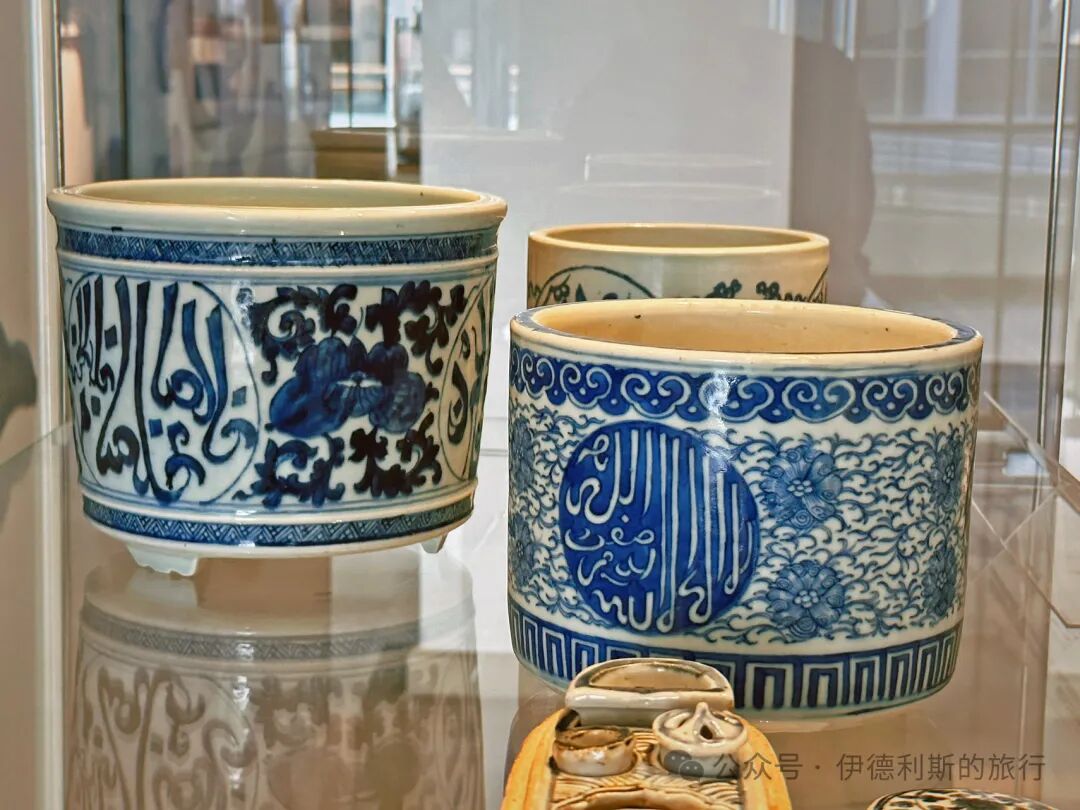
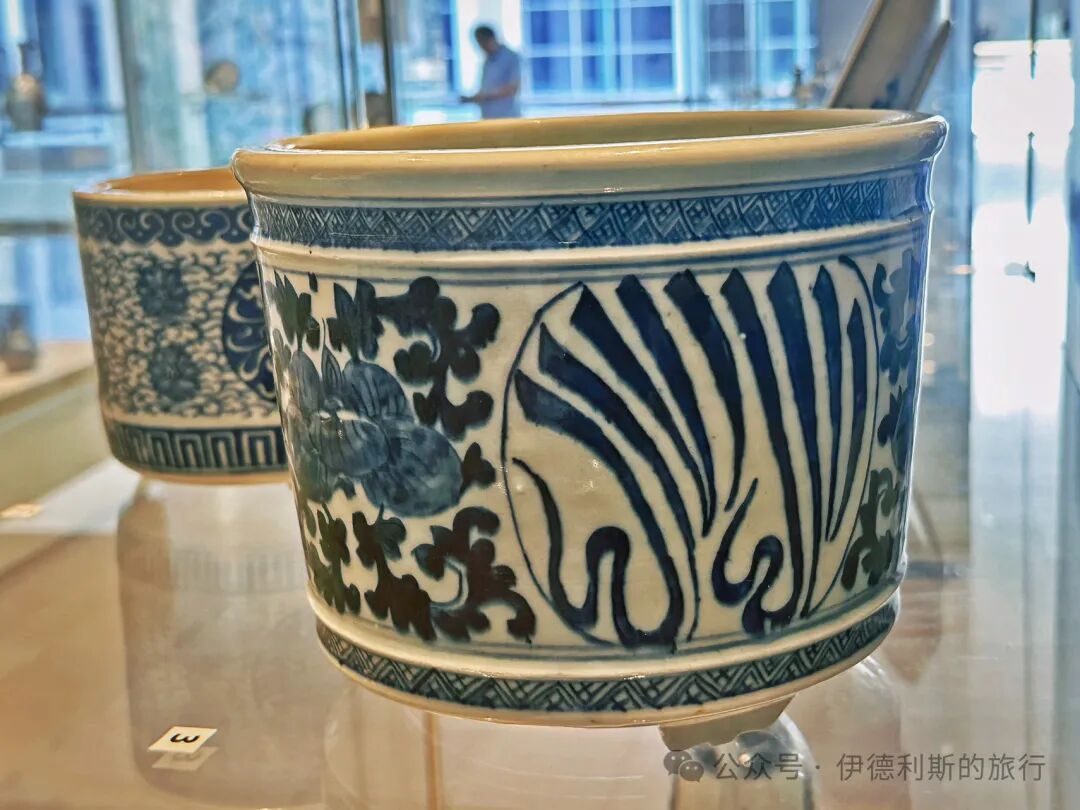
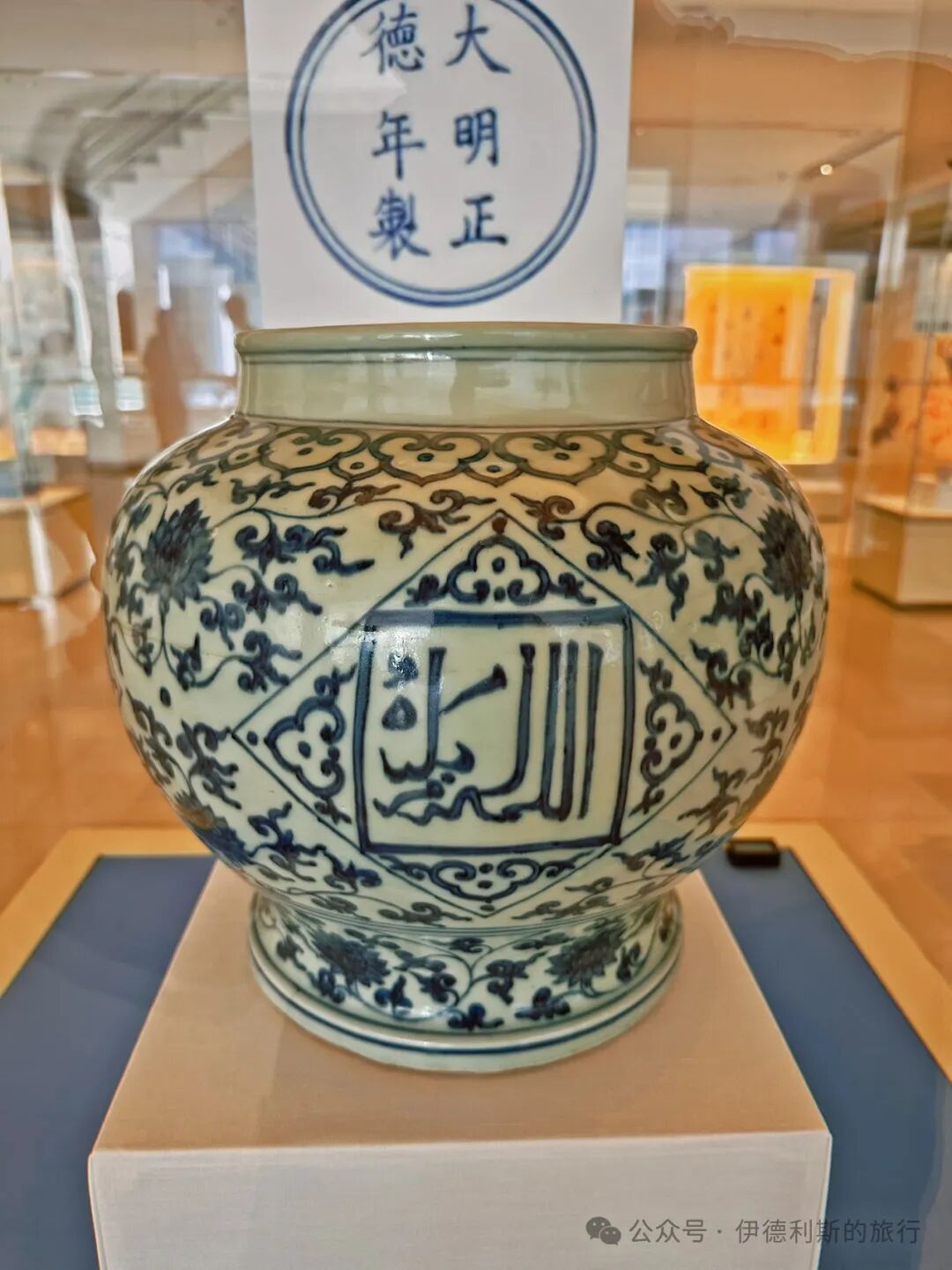
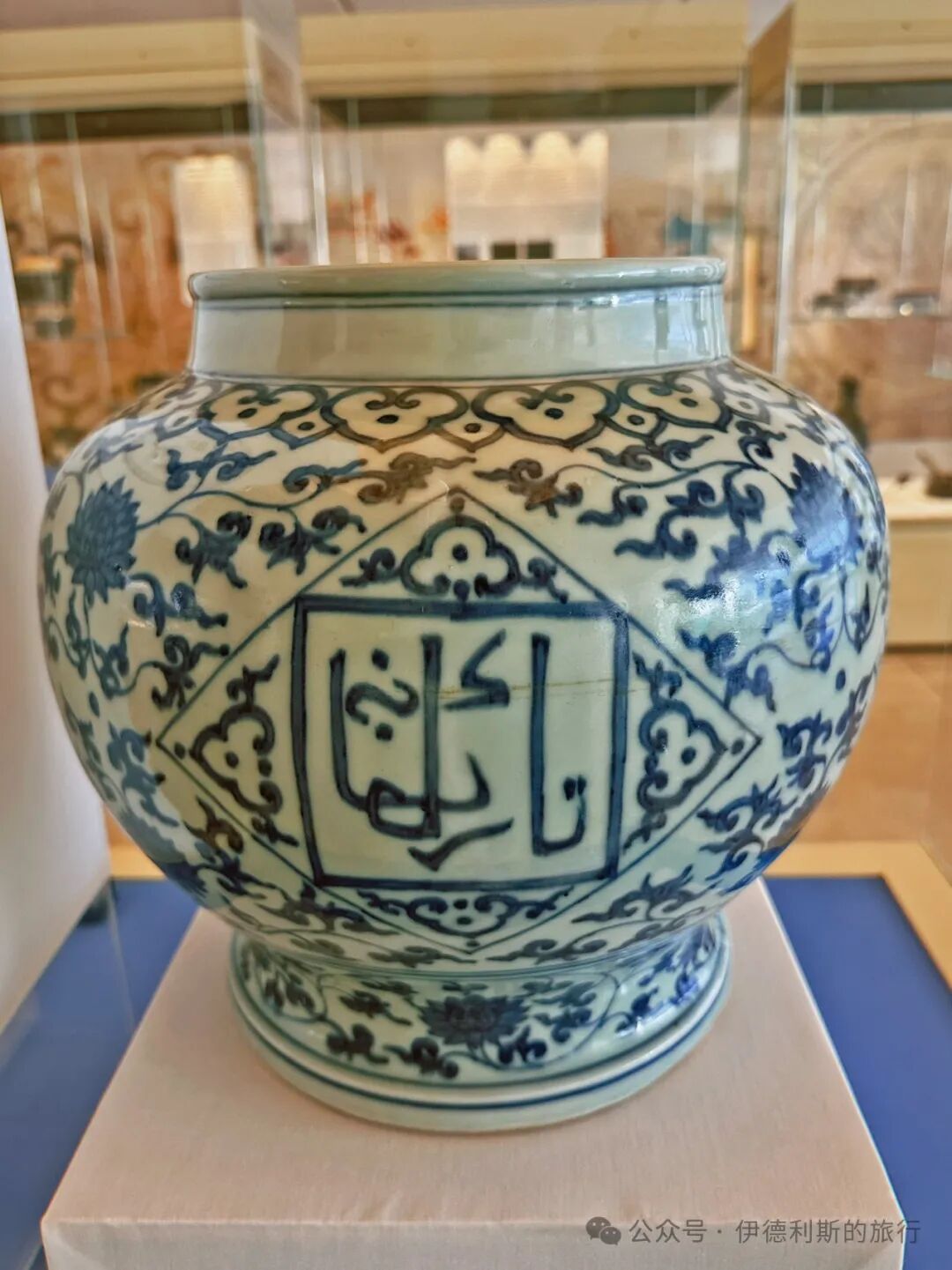
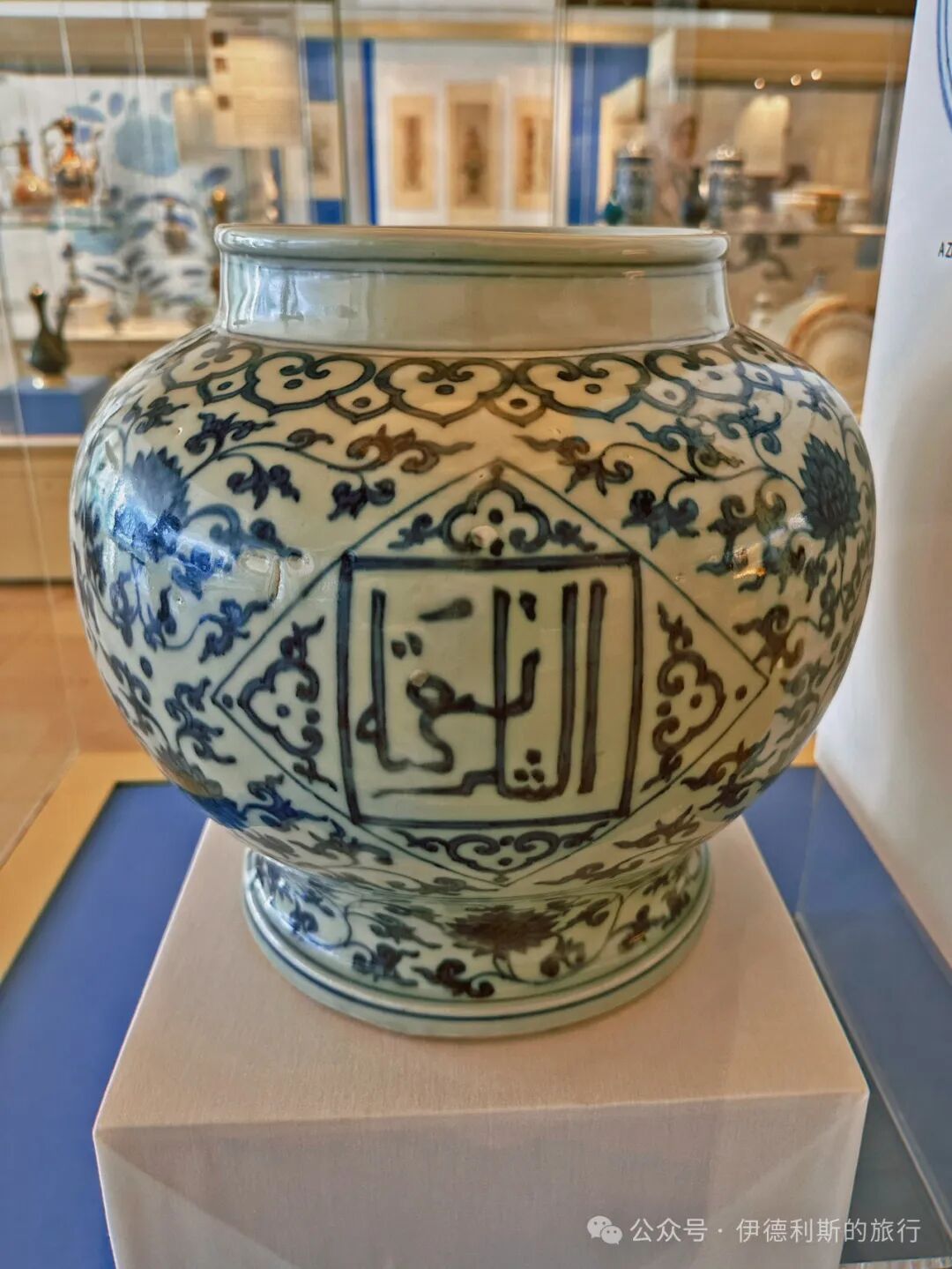
Blue and white porcelain with Arabic calligraphy (jingzi) from the Ming and Qing dynasties.
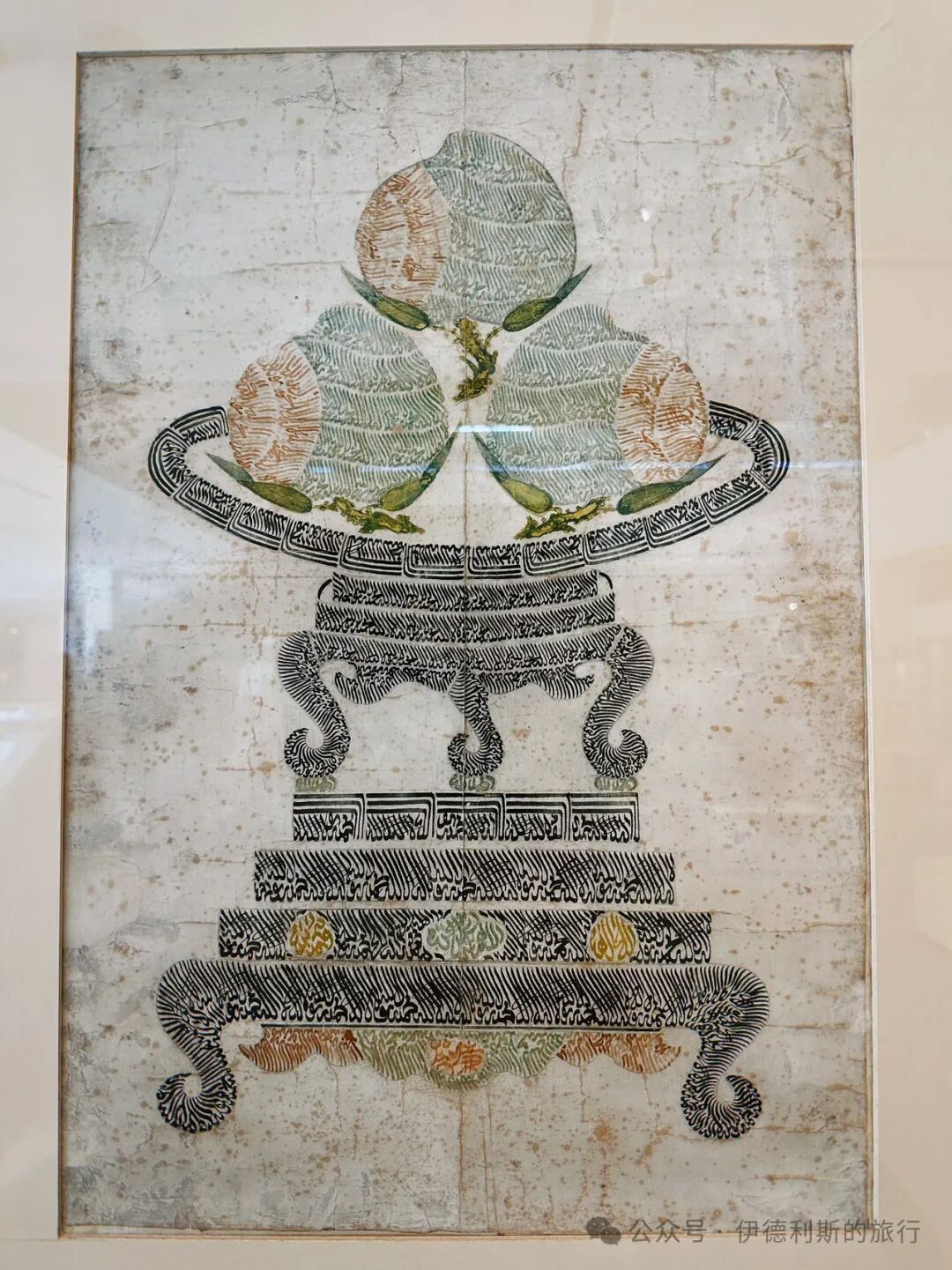
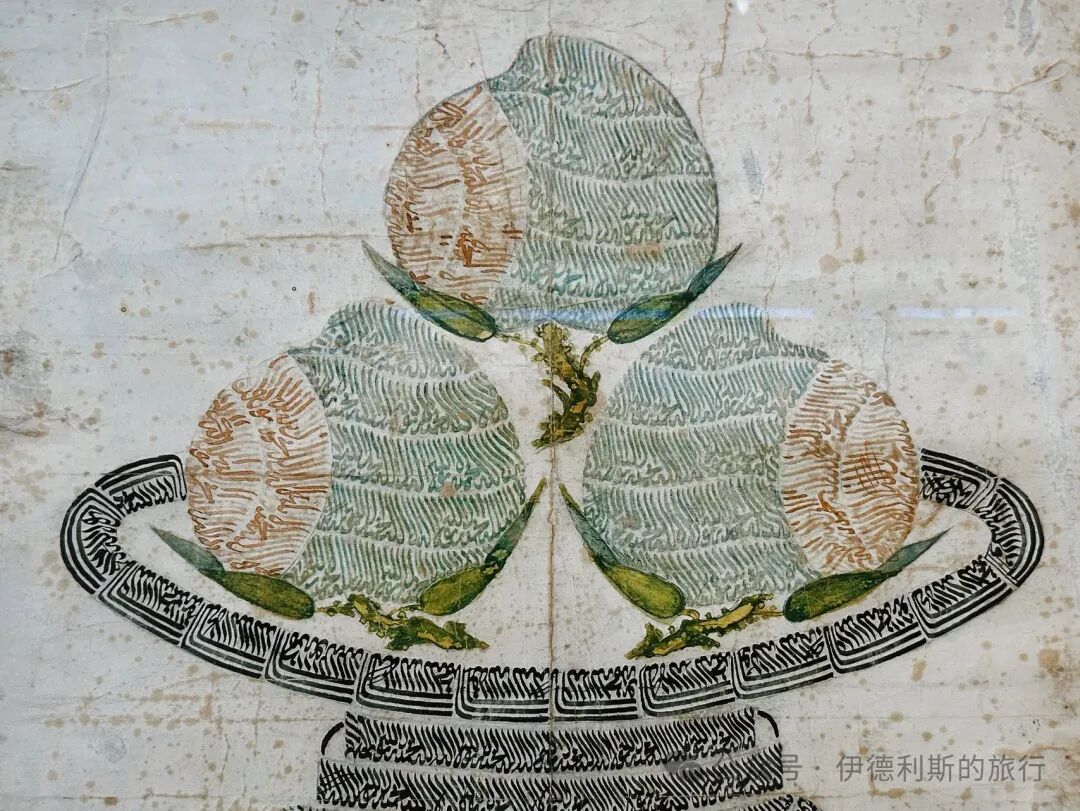
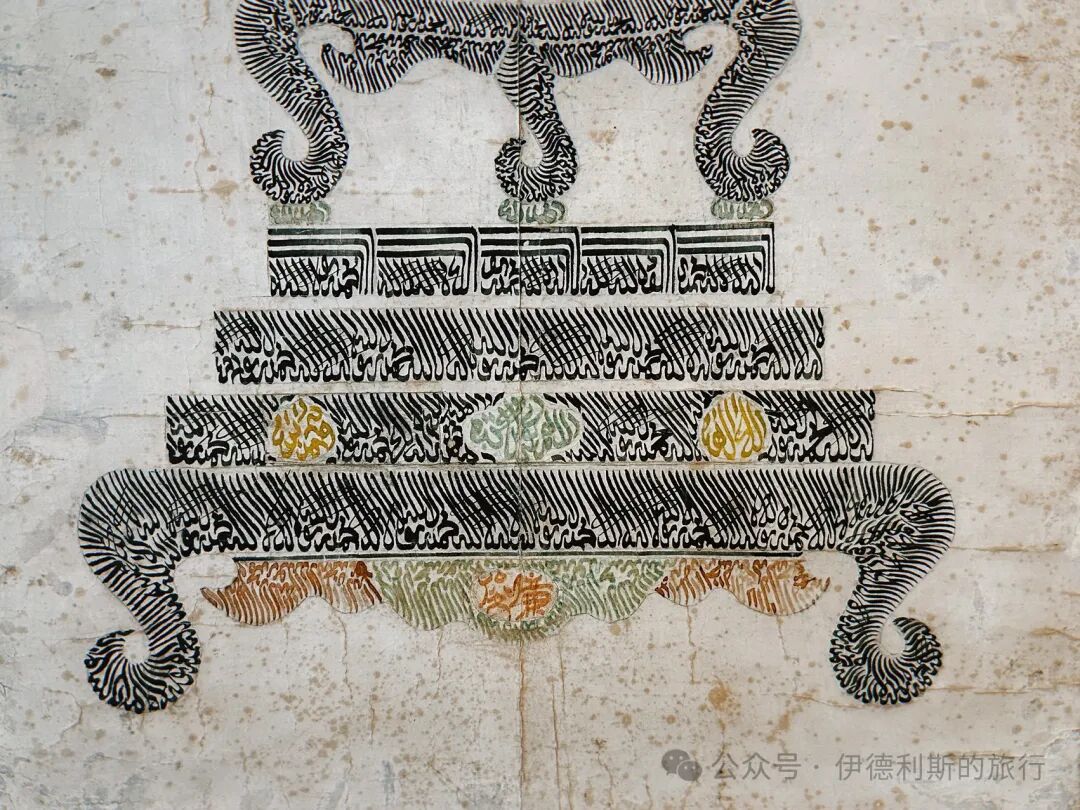
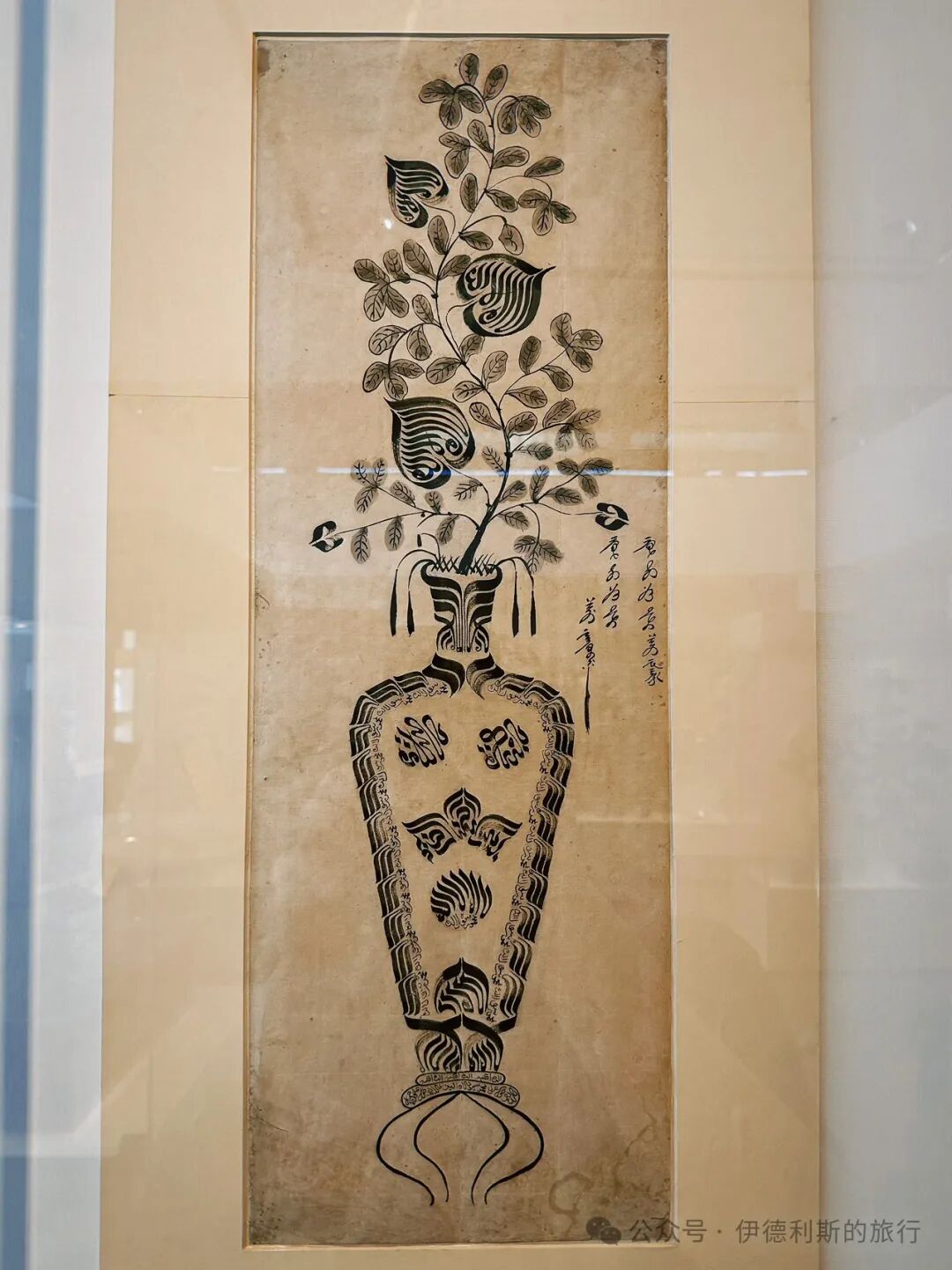
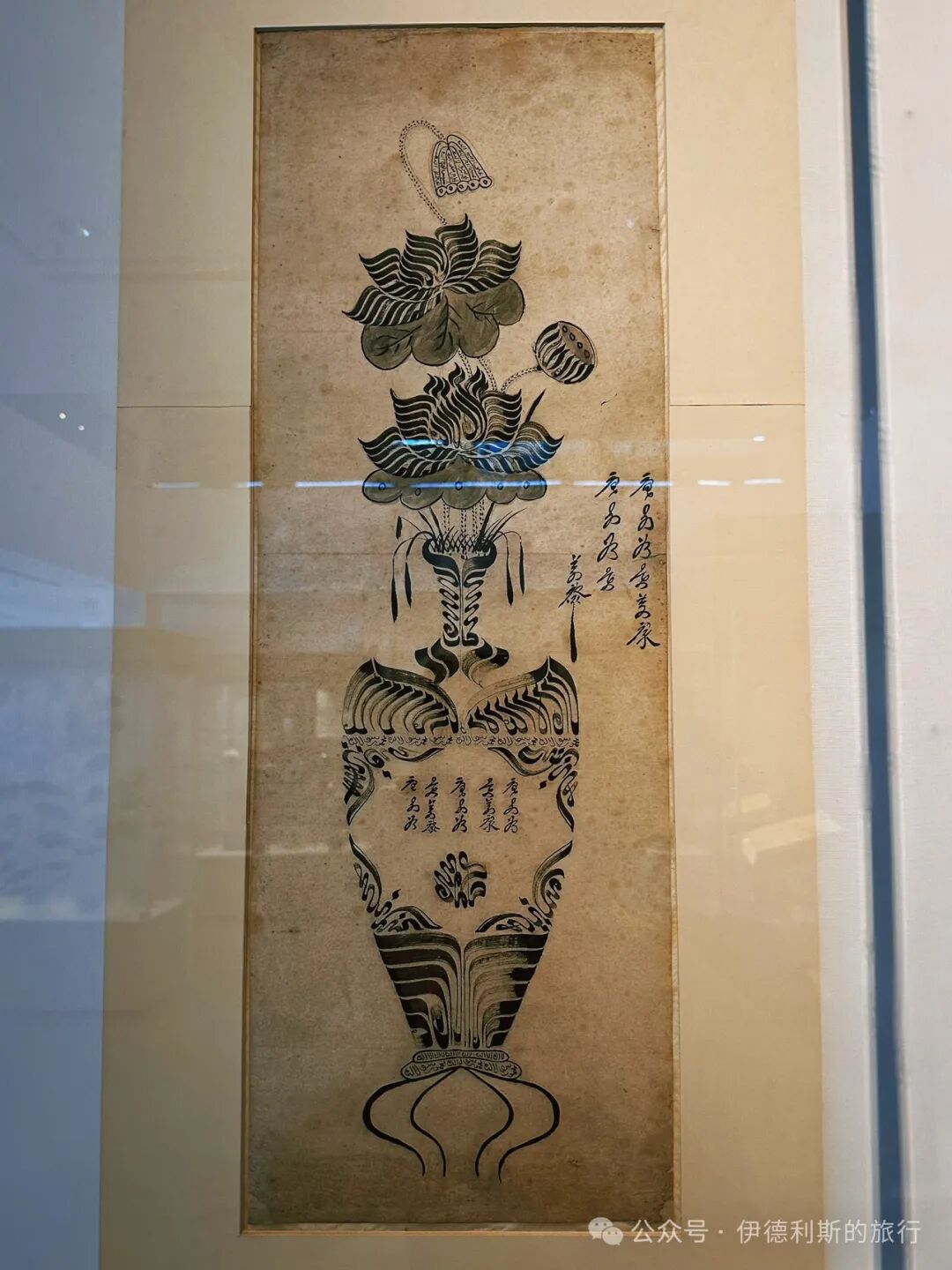
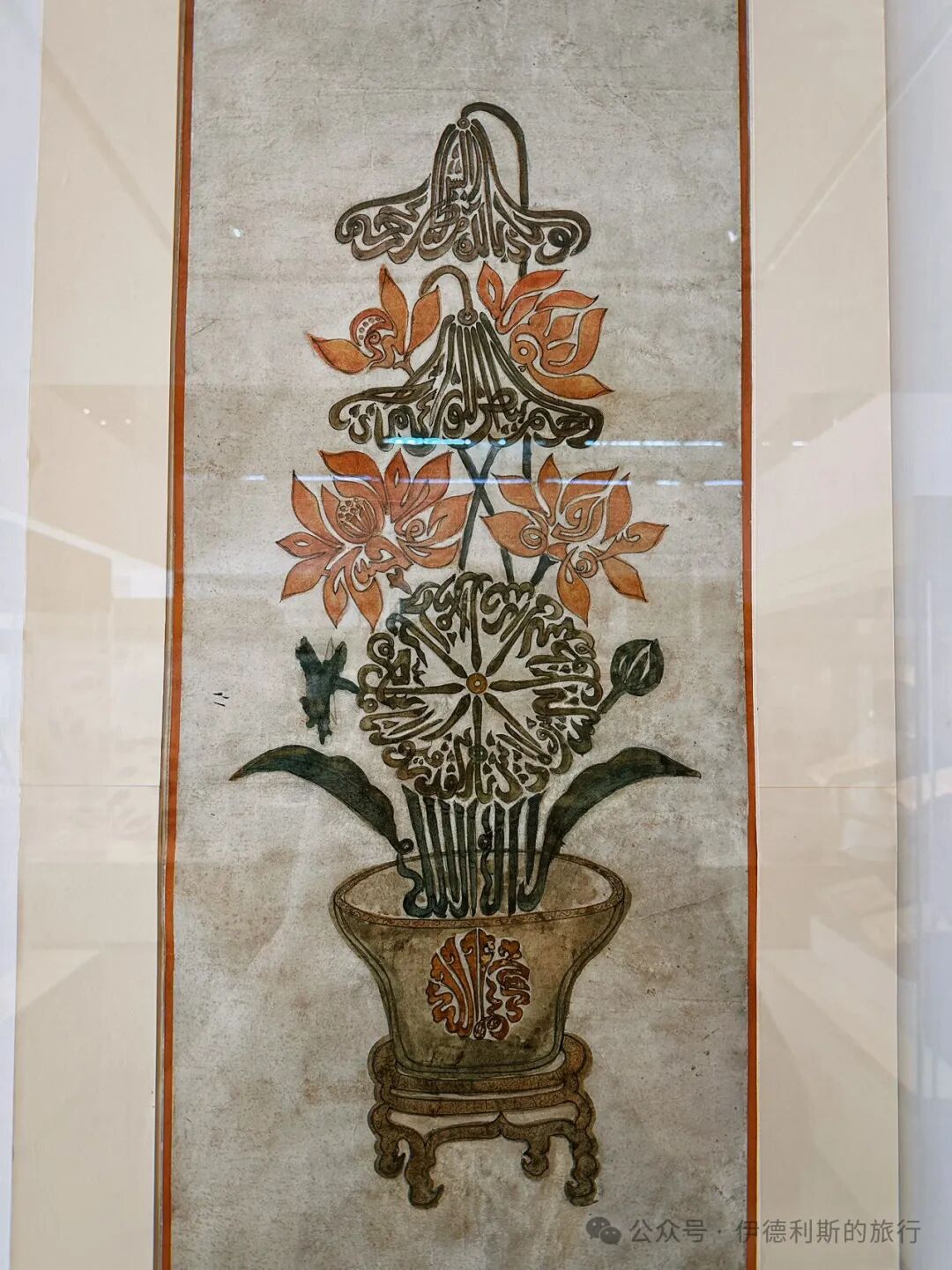
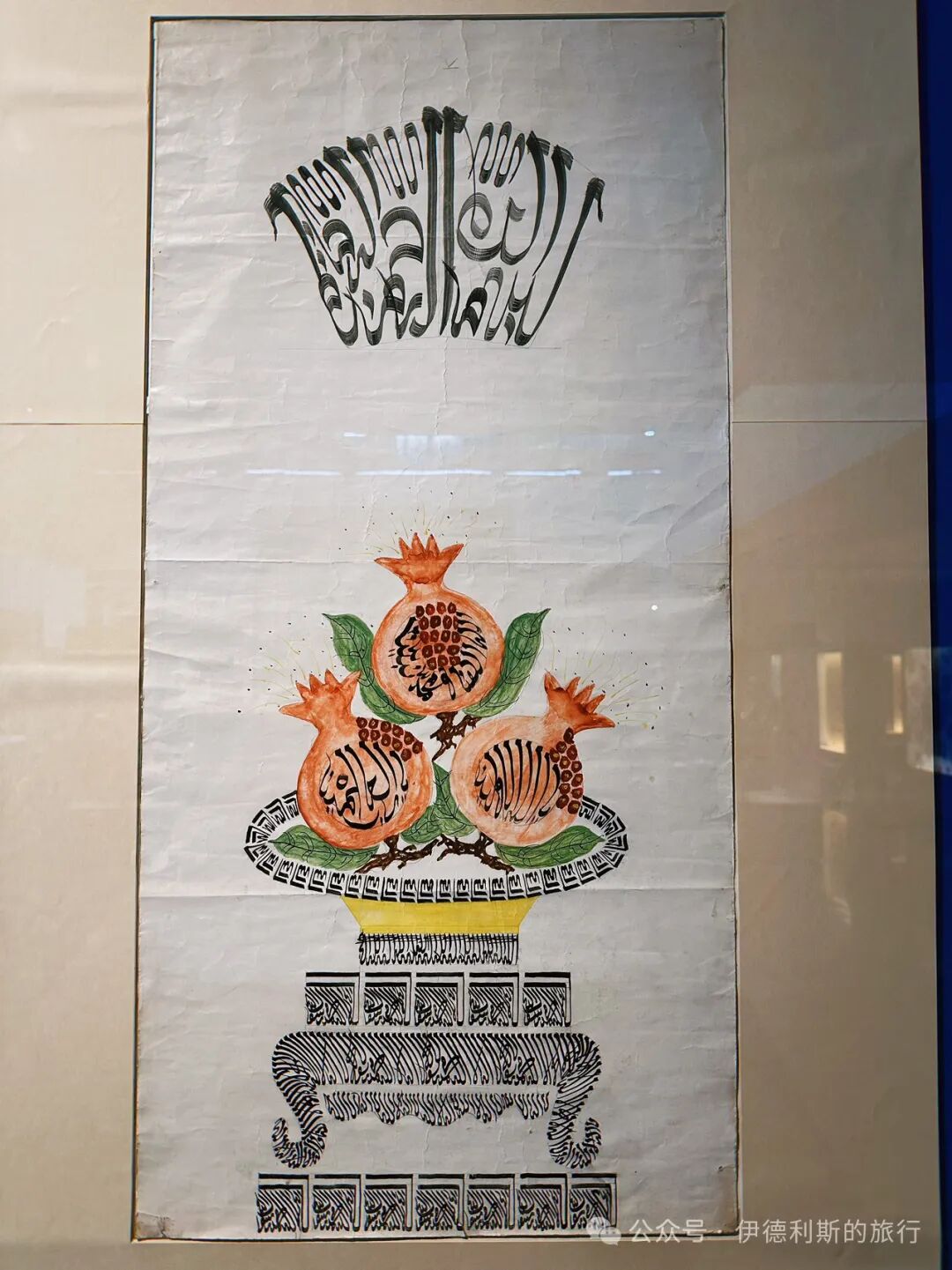
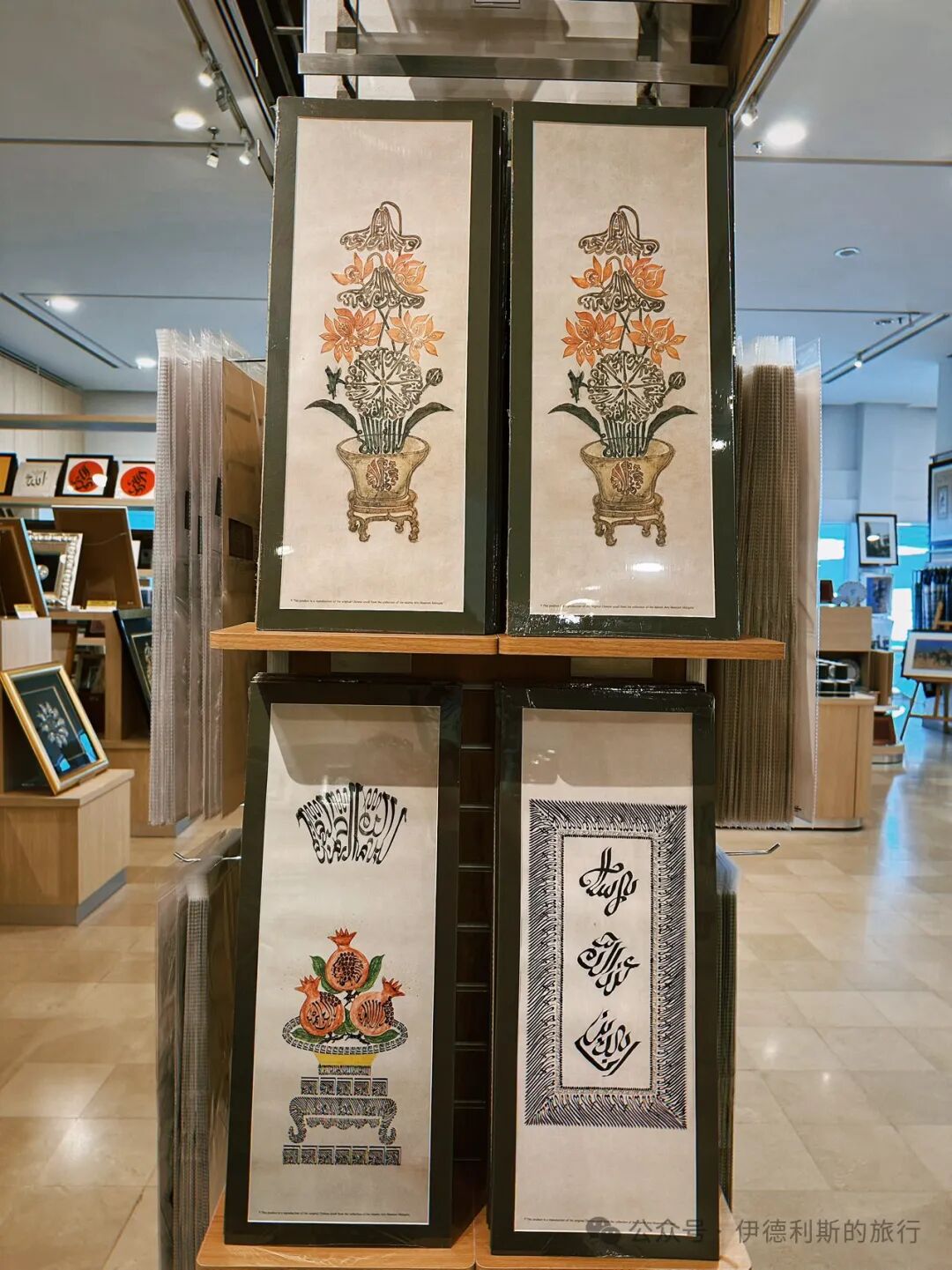
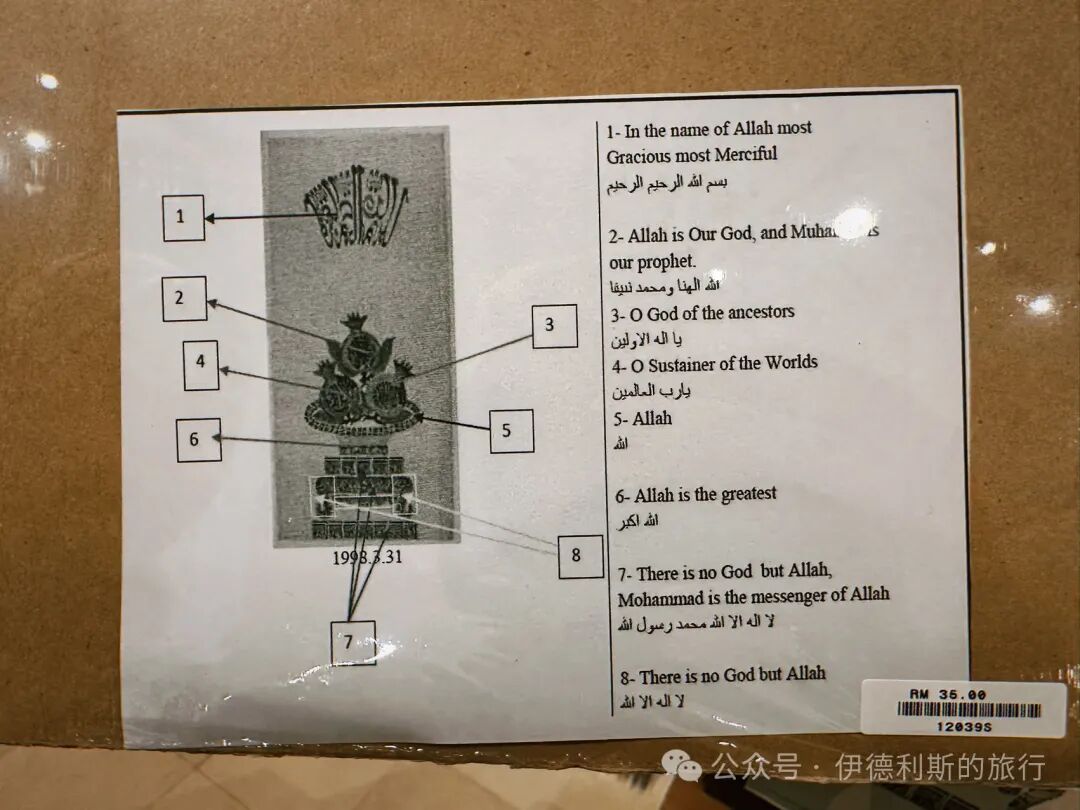
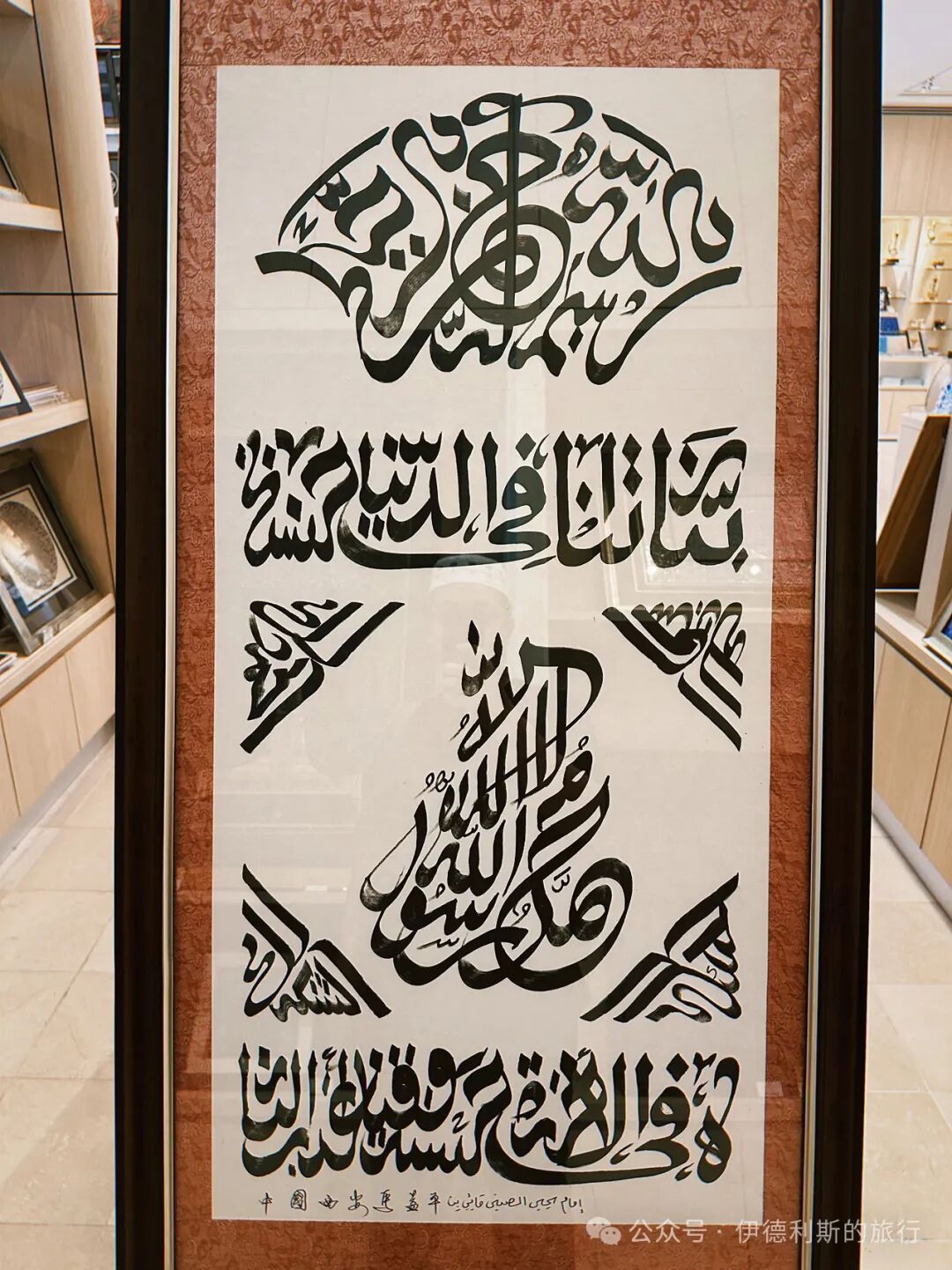
Traditional Hui Muslim calligraphy art (jingzi hua), where the peach-shaped tray design is a classic Xi'an style. The first piece was created by Imam Liu Junlian of Xi'an in the 1950s, and it is the most exquisite of these few works. You can buy printed versions of these calligraphy artworks at the museum's gift shop, and I think they are well worth collecting.
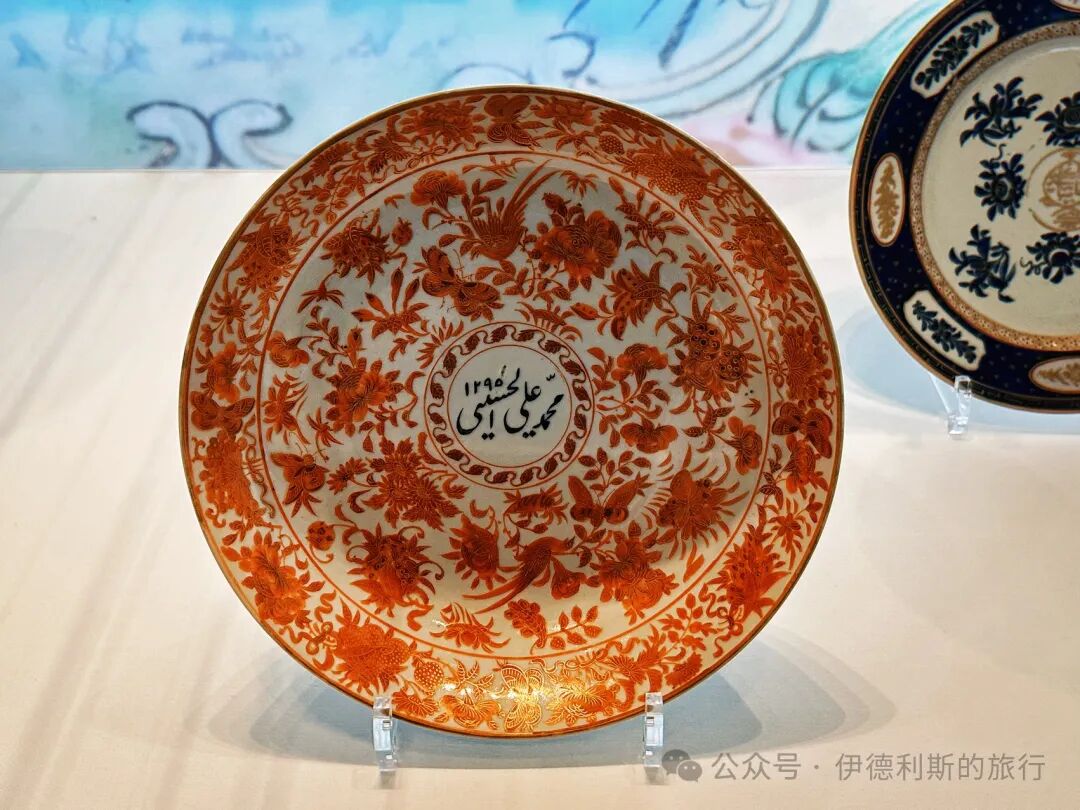
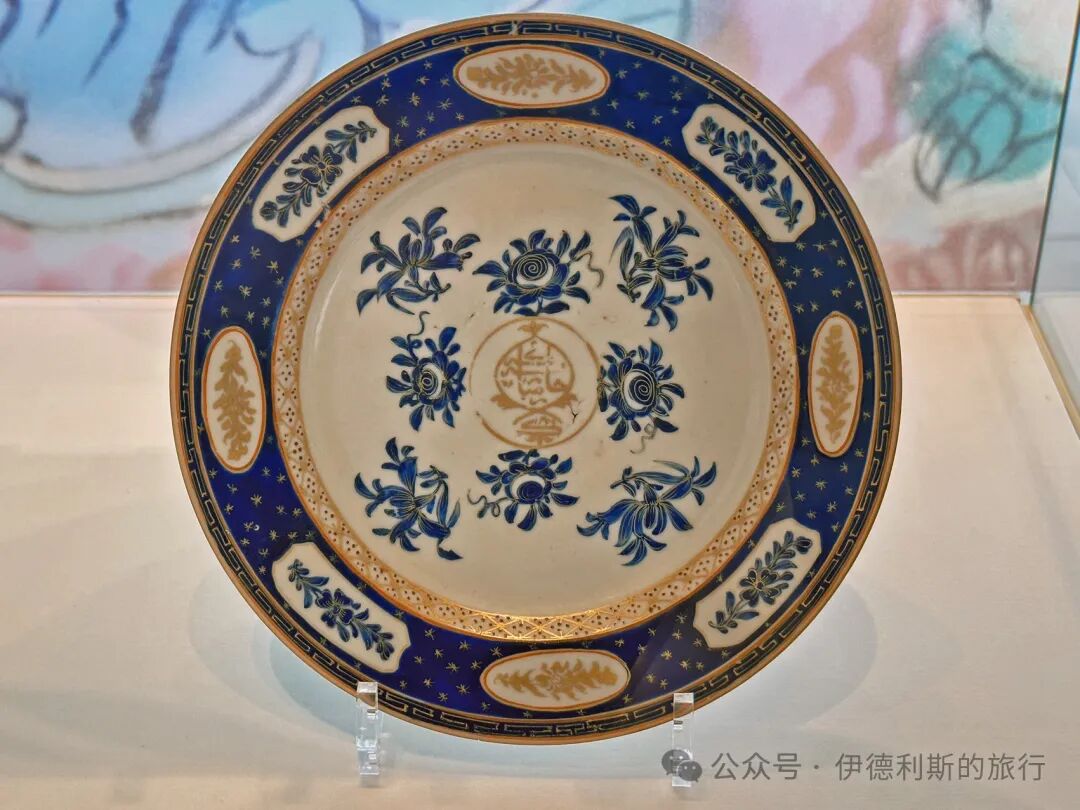
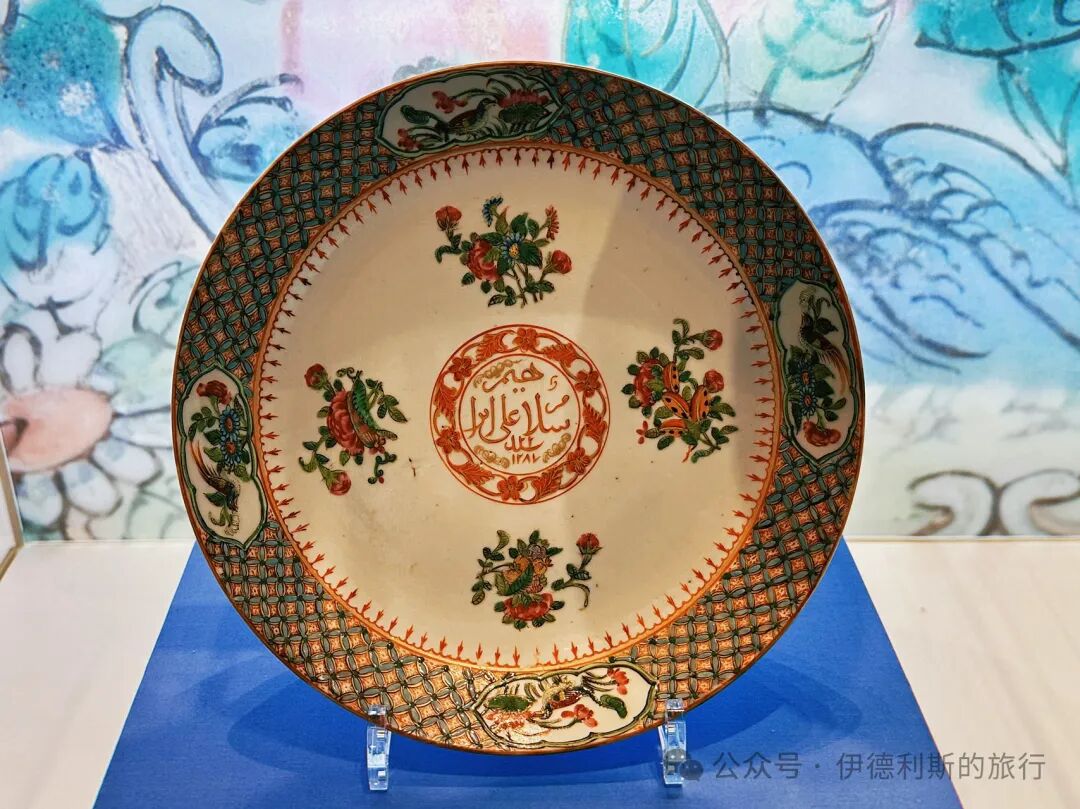
Naser al-Din Shah Qajar (reigned 1848-1896), the fourth monarch of the Persian Qajar dynasty, and his eldest son Mass'oud Mirza Zell-e Soltan (1850-1918) once ordered a large amount of Chinese export porcelain. These porcelains were mainly Canton enamel (guangcai), along with some Canton blue porcelain and Fitzhugh porcelain.
Canton enamel (guangcai), short for Guangzhou gold-woven colored porcelain, was a famous export porcelain from Guangzhou during the mid-to-late Qing dynasty. During the mid-Qing dynasty, porcelain merchants in Guangzhou began shipping white porcelain blanks from Jingdezhen to Guangzhou, where they hired Jingdezhen craftsmen to perform low-temperature overglaze painting. Most Canton enamel pieces feature a gold-rimmed circle in the center, with the surrounding area filled in a 'full-coverage' style with various flowers, fruits, birds, insects, figures, and landscapes, often including logos specified by foreign merchants.
The first three Canton enamel pieces are all inscribed with the Islamic calendar year 1297, which is 1880 AD.
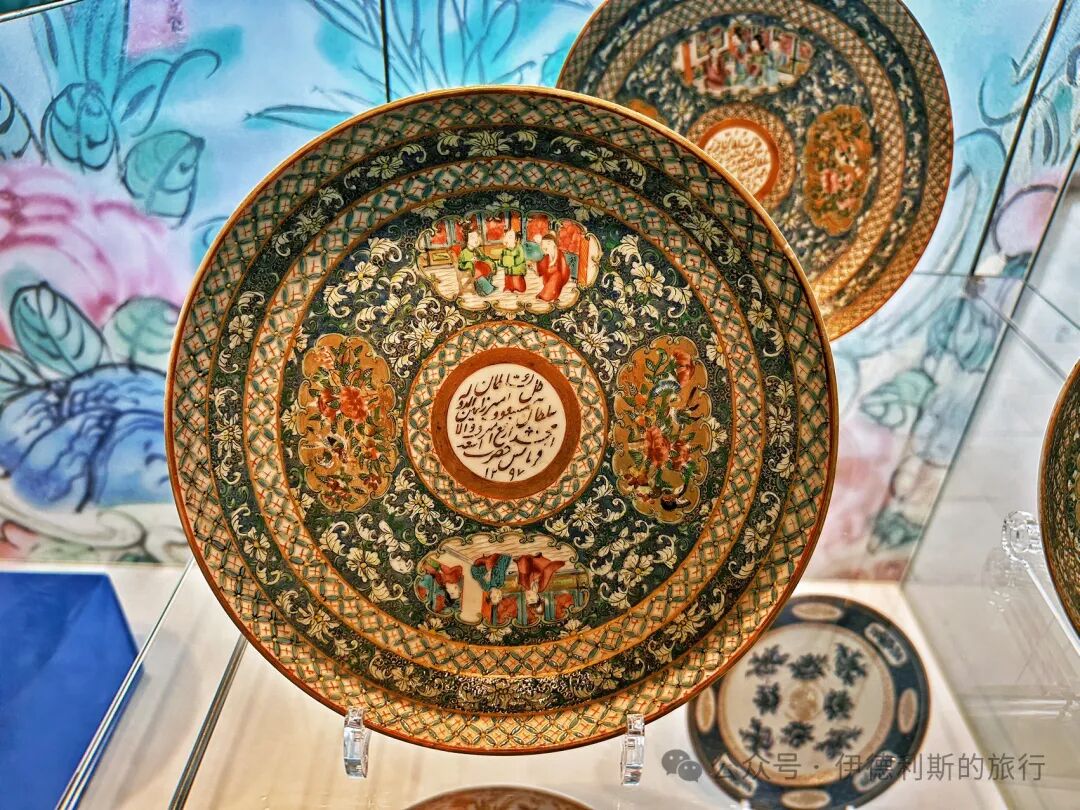
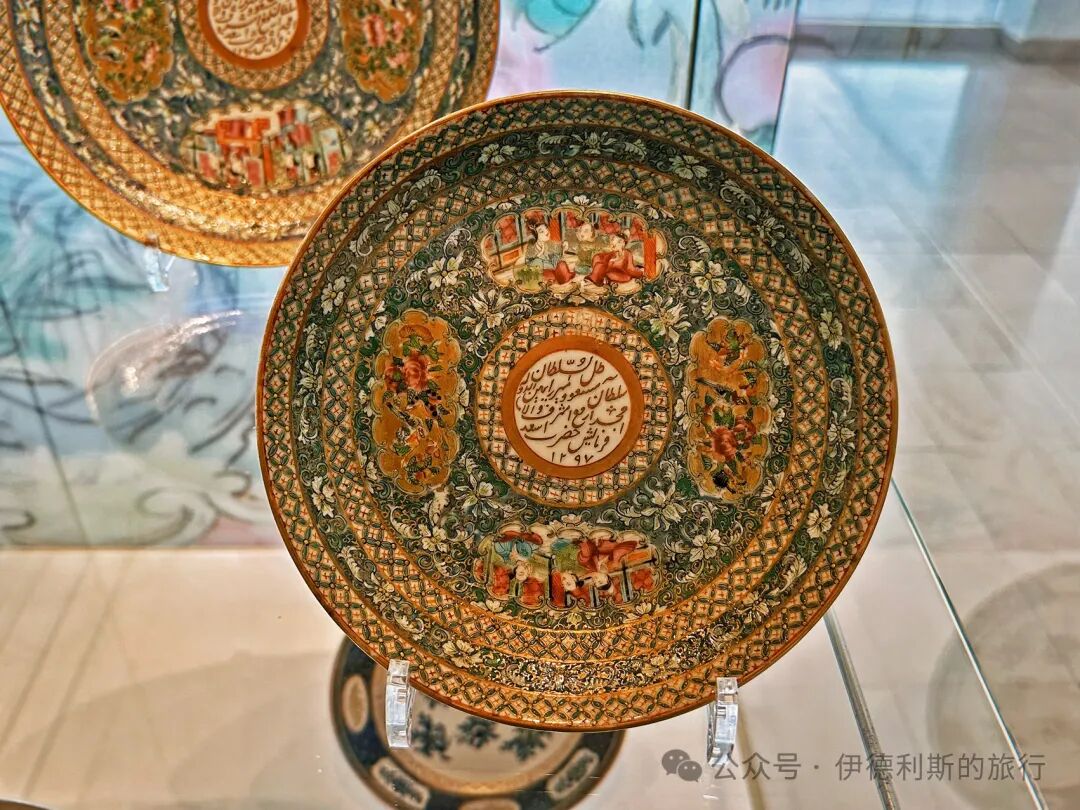
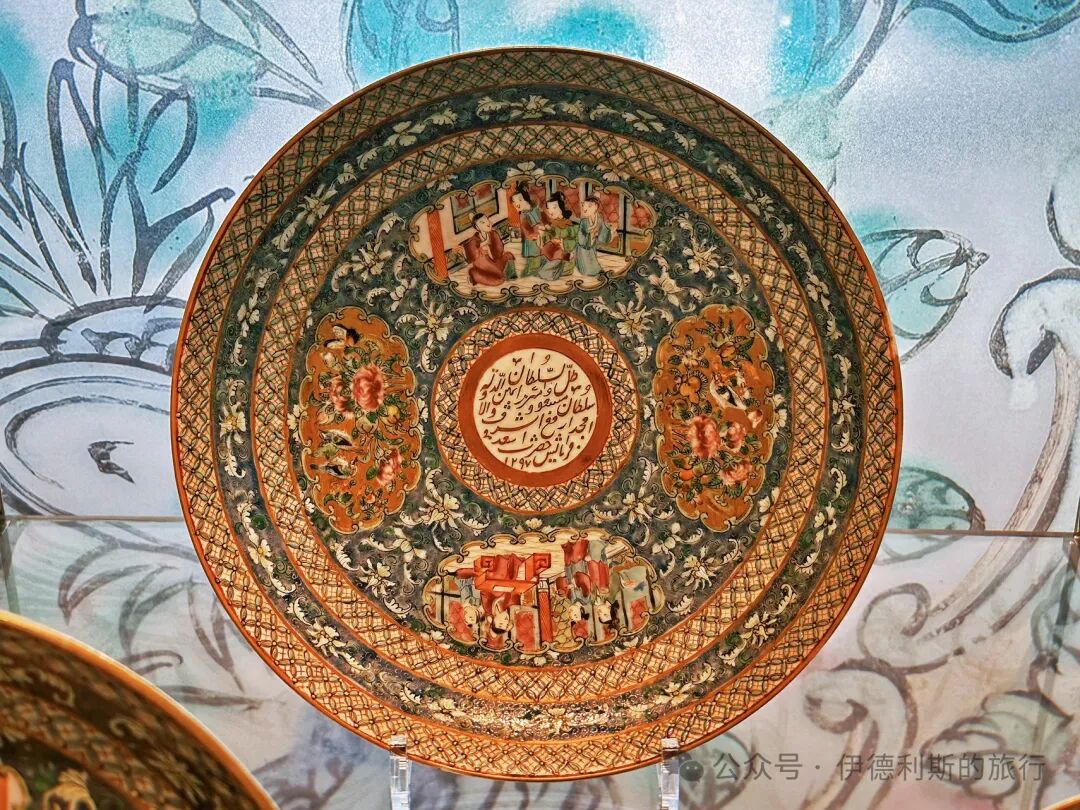
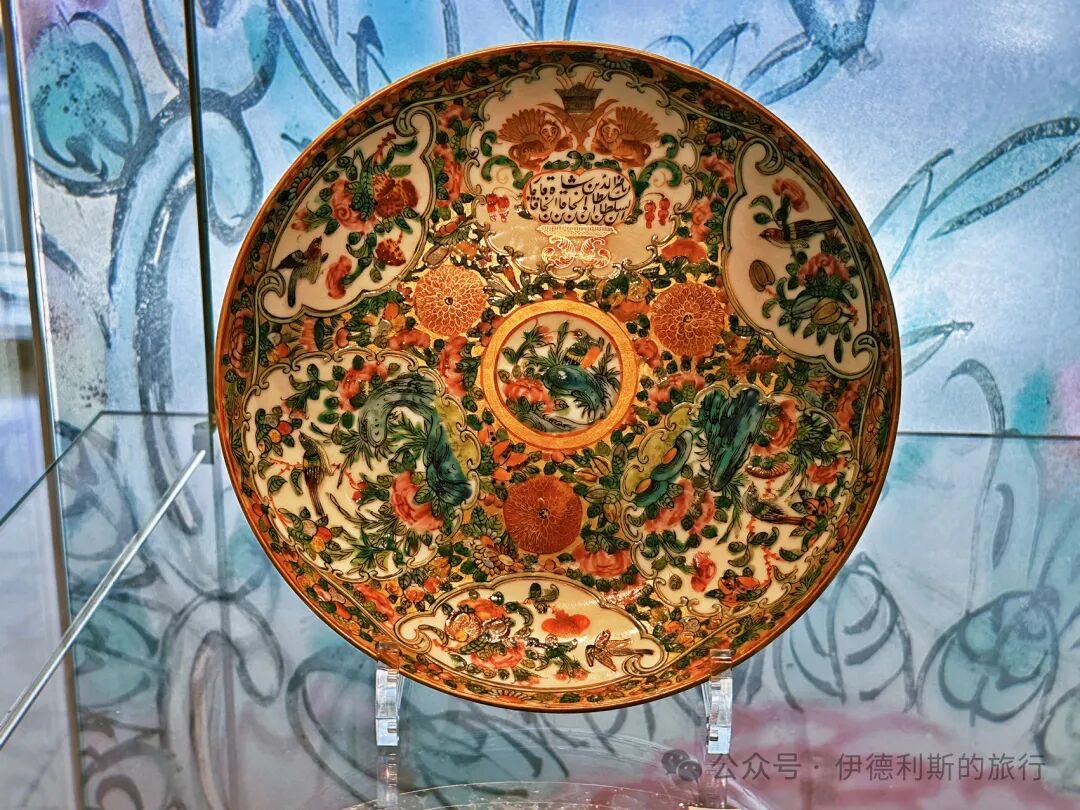
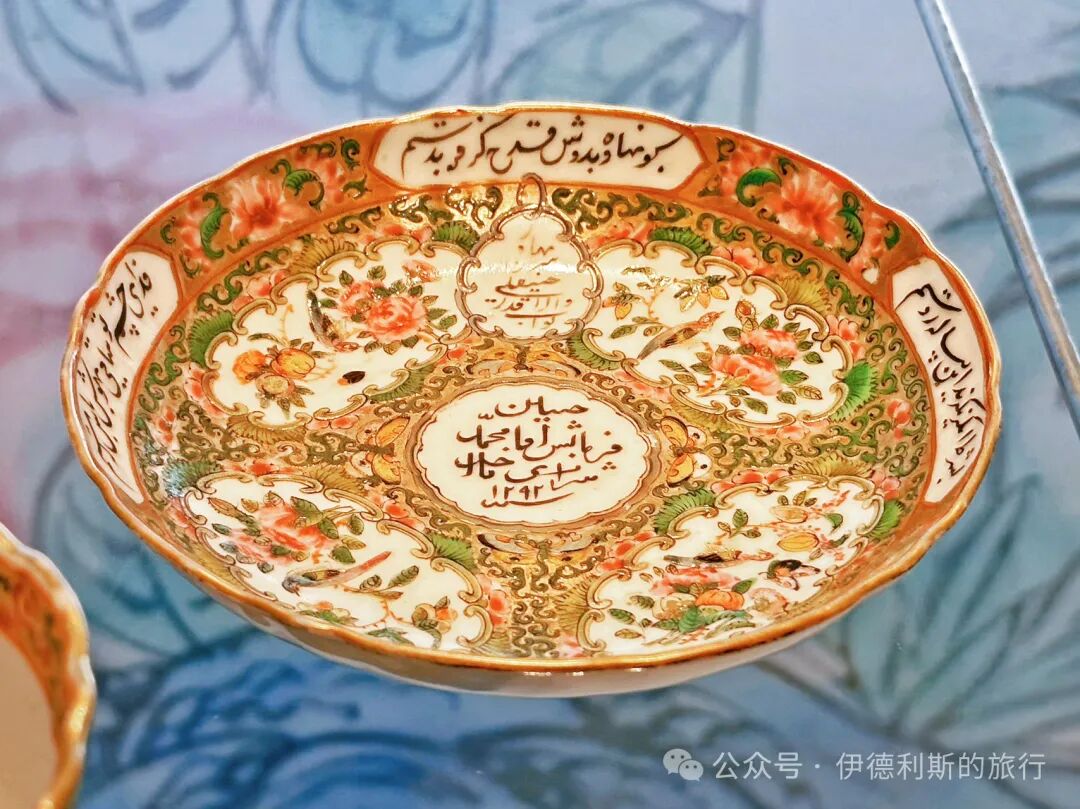
The Fitzhugh porcelain plate is inscribed with the Islamic calendar year 1295, which is 1878 AD. Fitzhugh porcelain is named after Thomas Fitzhugh, a director of the British East India Company's resident committee in Guangzhou in the 1760s. He ordered many pieces in this style between 1787 and 1800, making it the most popular export porcelain during the Jiaqing reign, a trend that continued into the Daoguang reign. The most prominent feature of Fitzhugh porcelain is a central medallion pattern surrounded by various traditional Chinese elements.
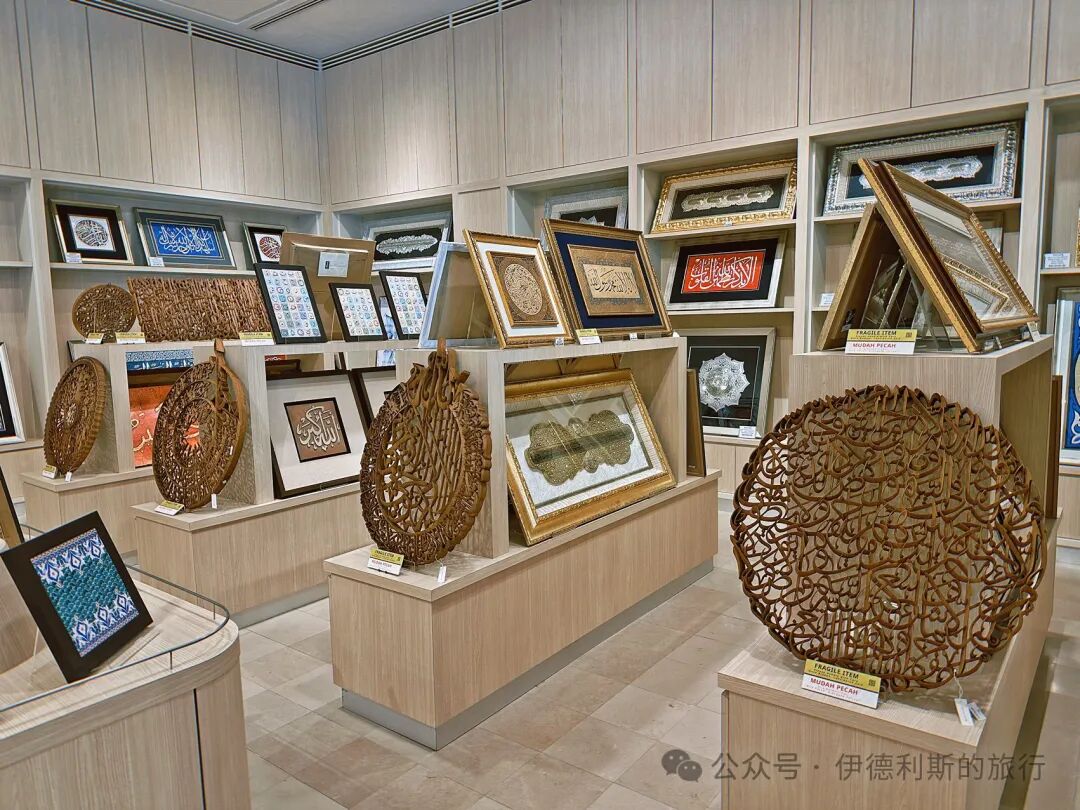
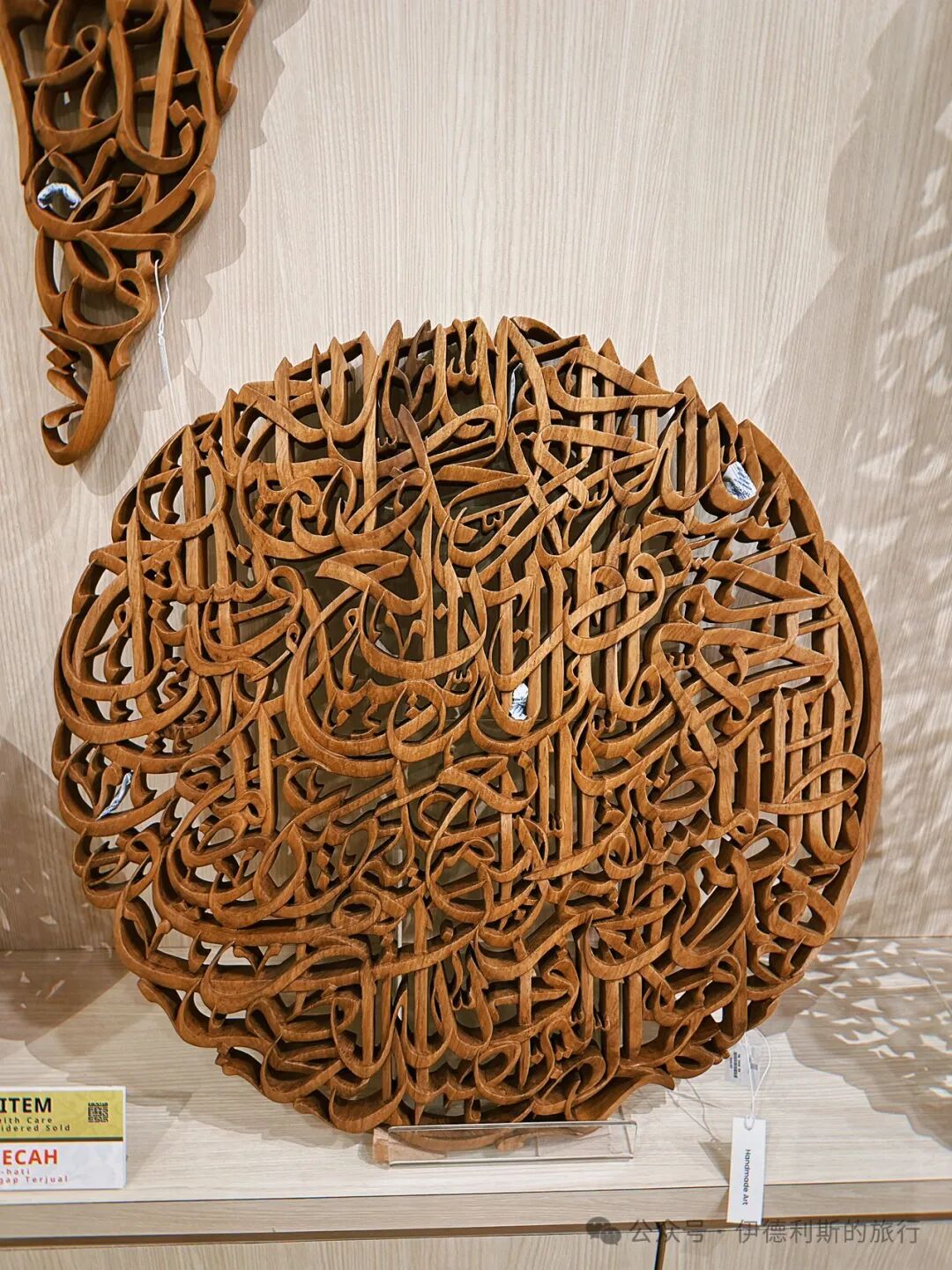
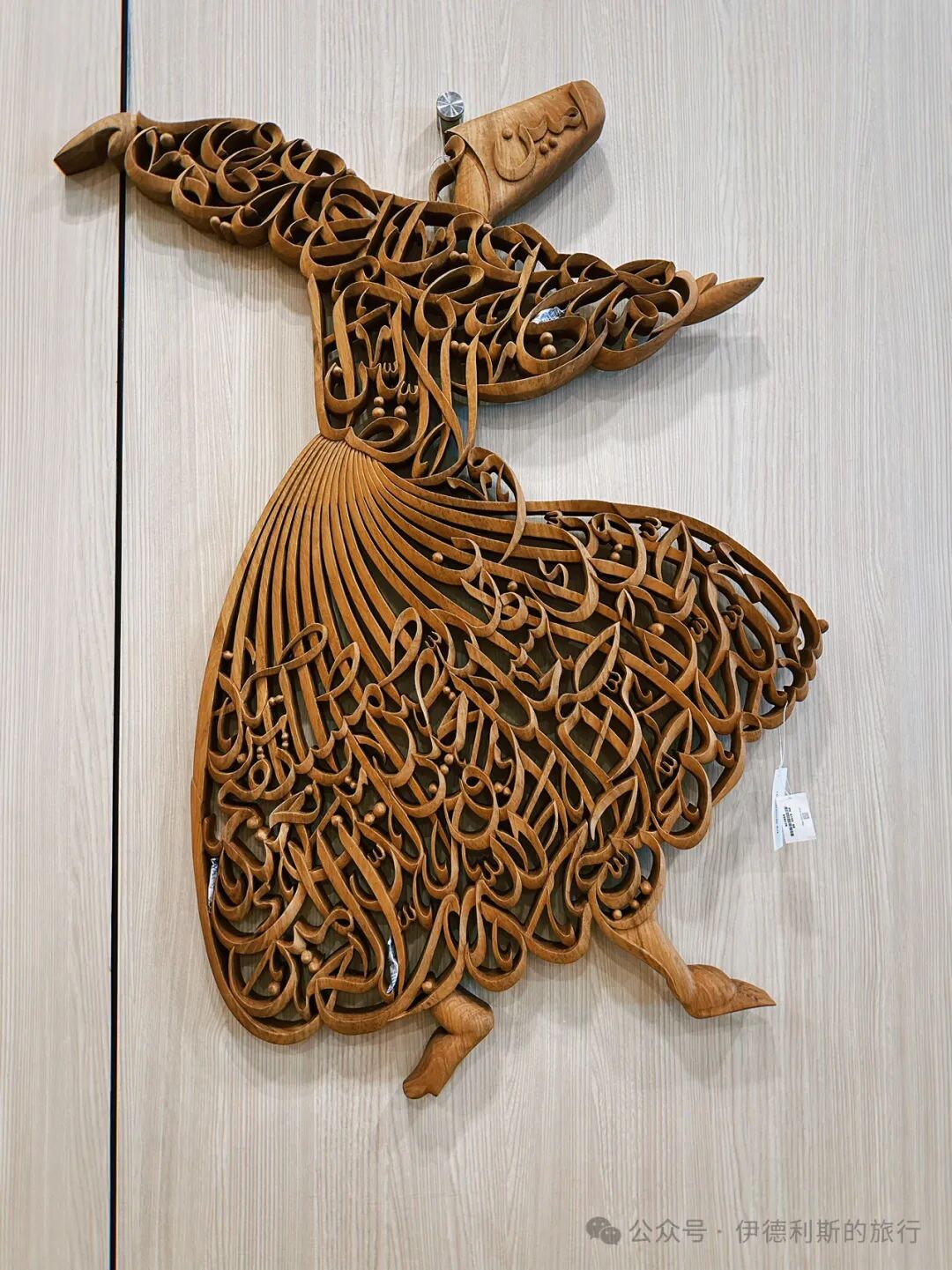
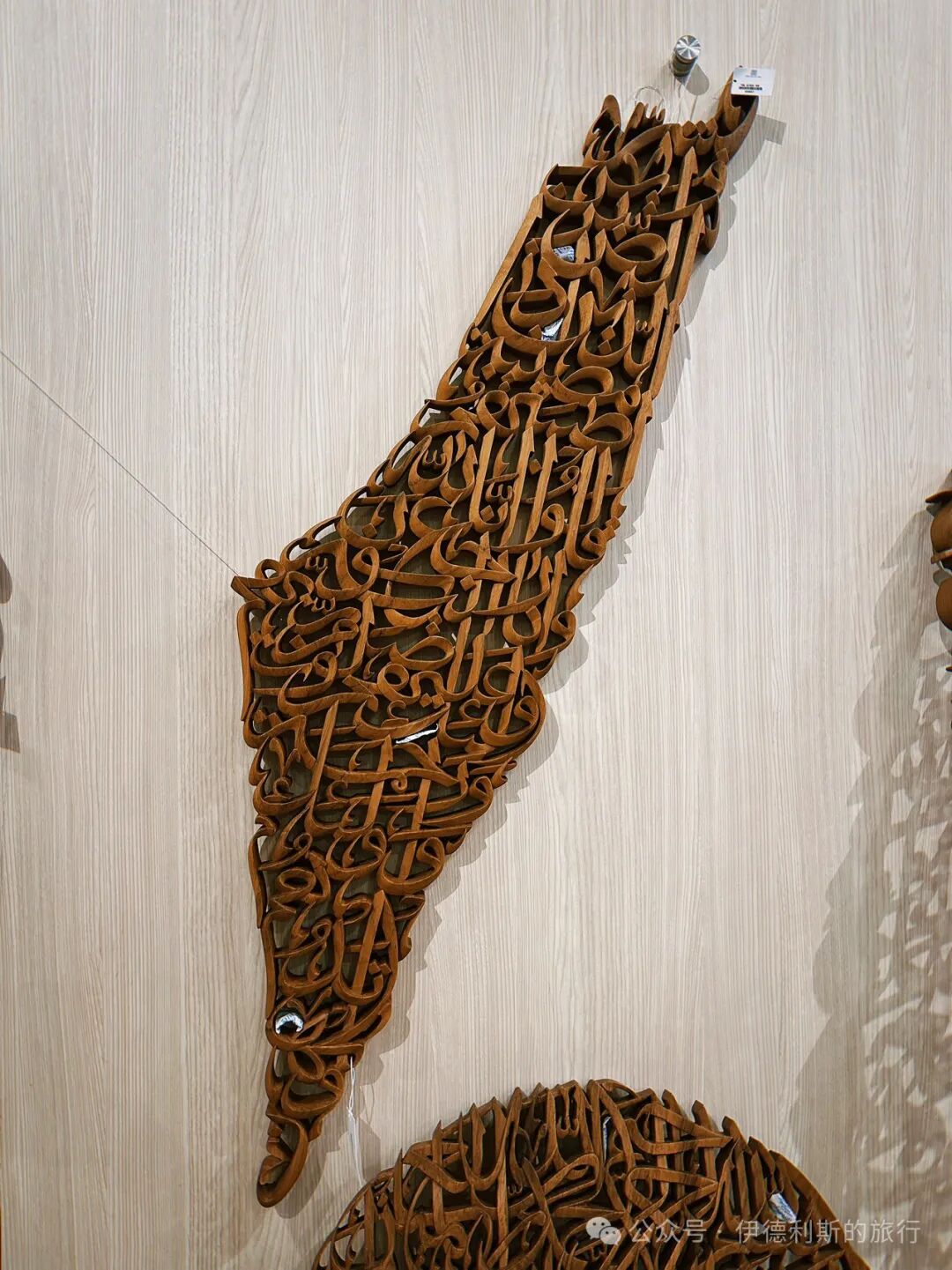
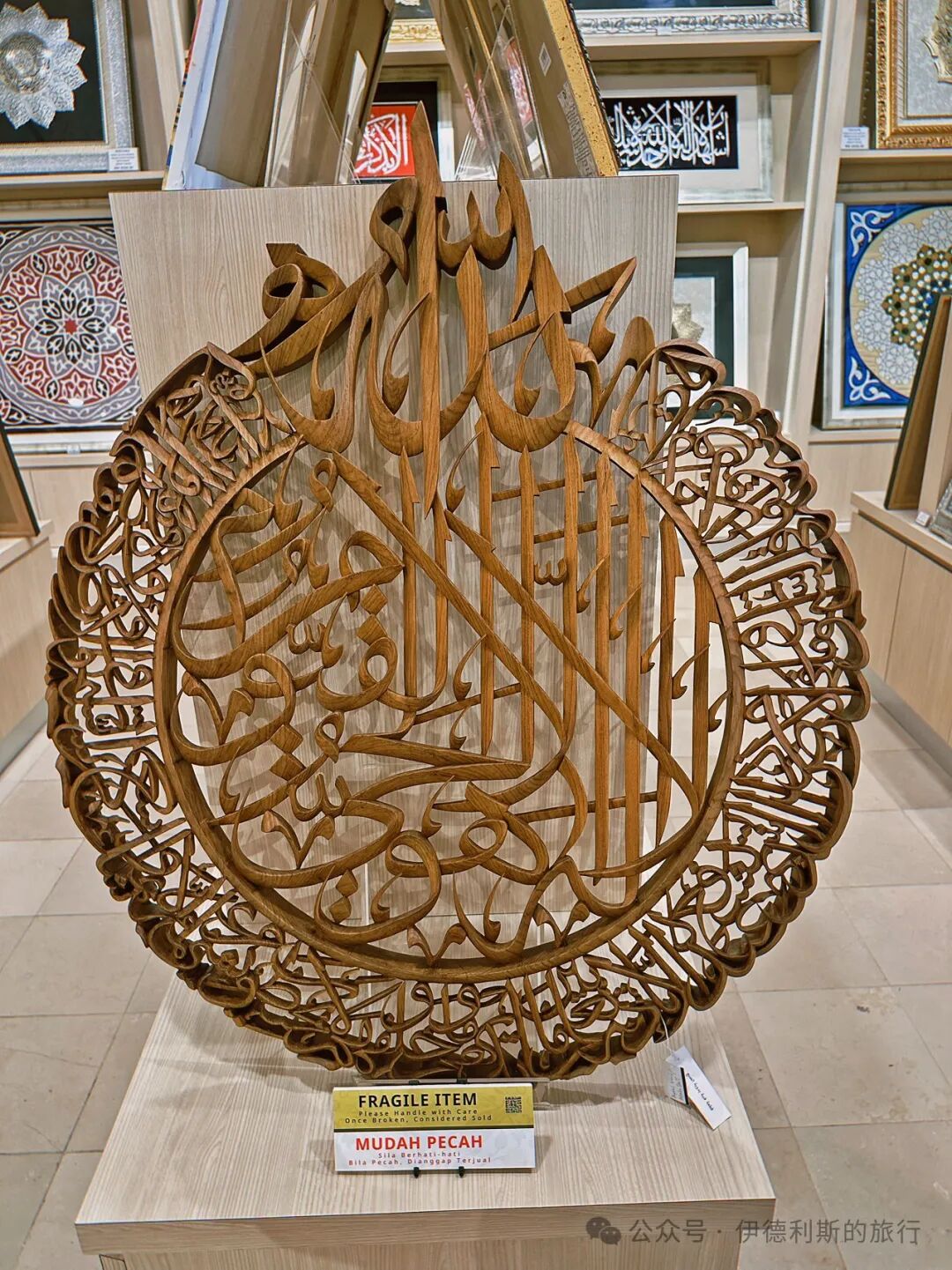
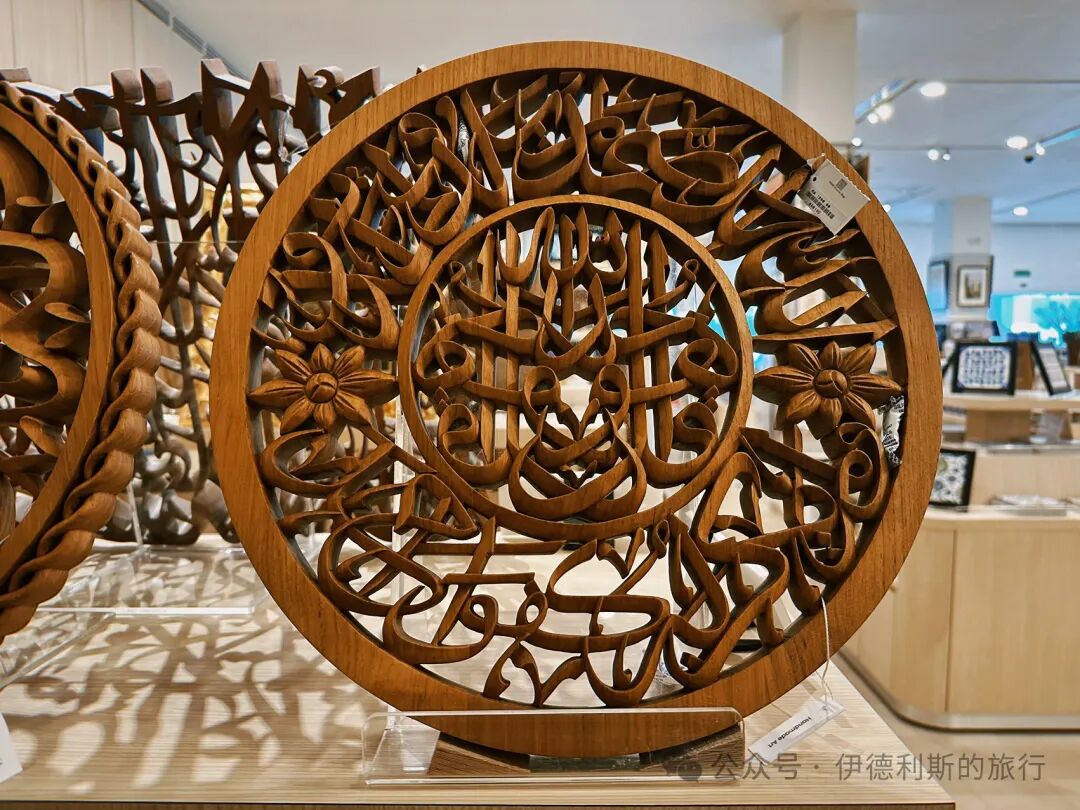
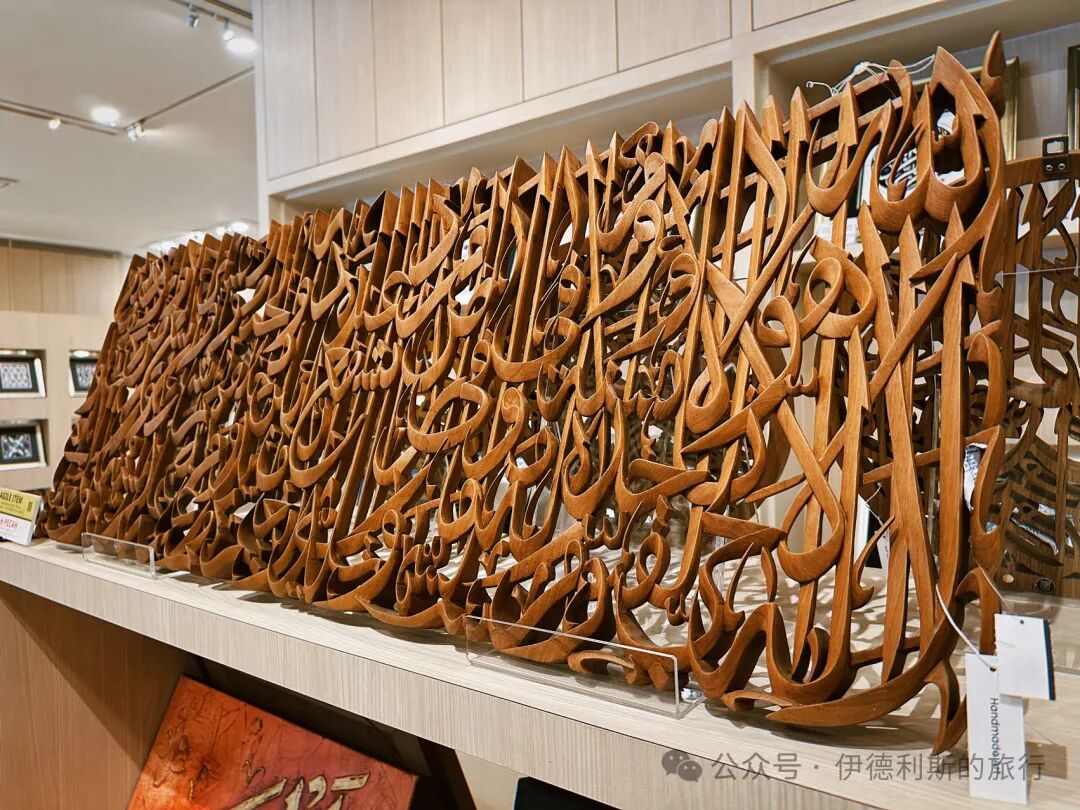
The museum gift shop features works by Muslim artists from various countries, replicas of museum artifacts, and delicate, small creative items; it is the best museum shop for Islamic art I have ever visited.
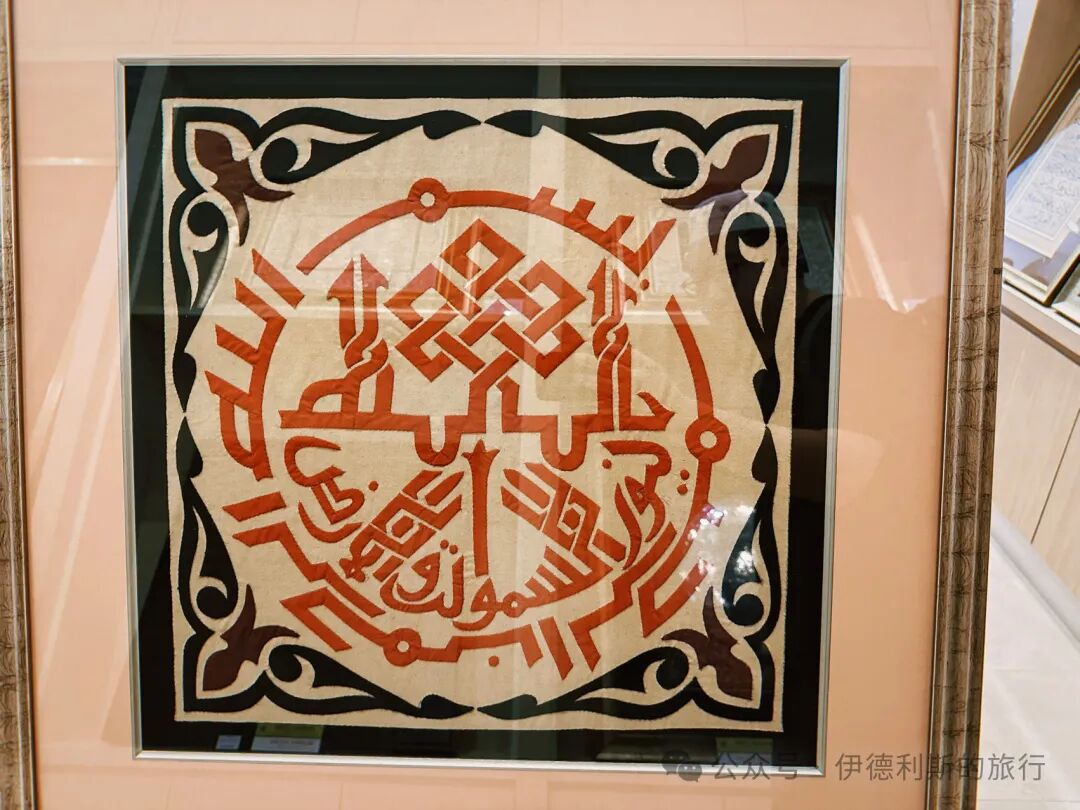
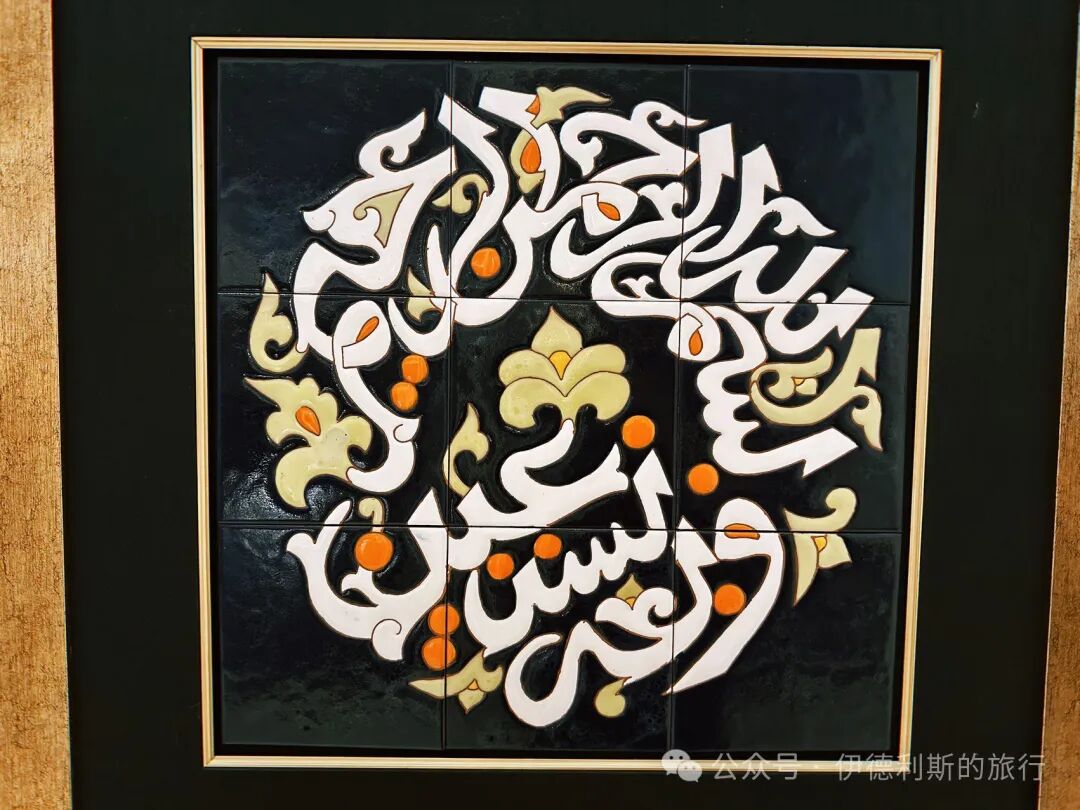
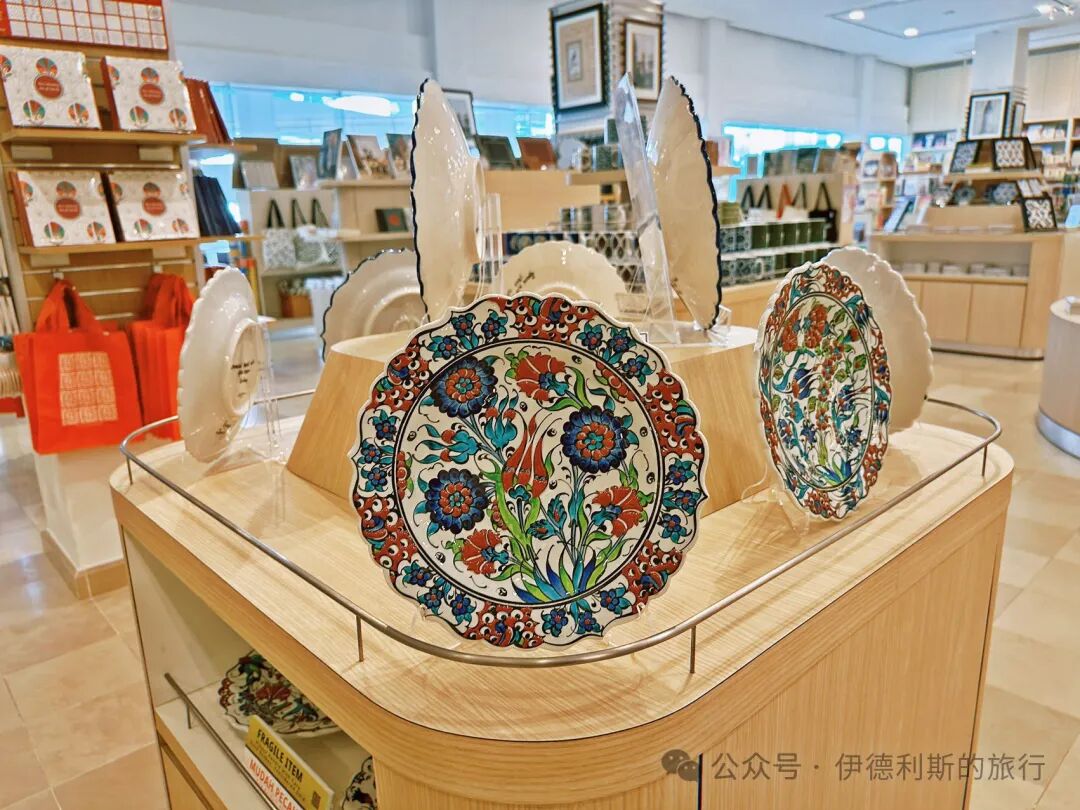
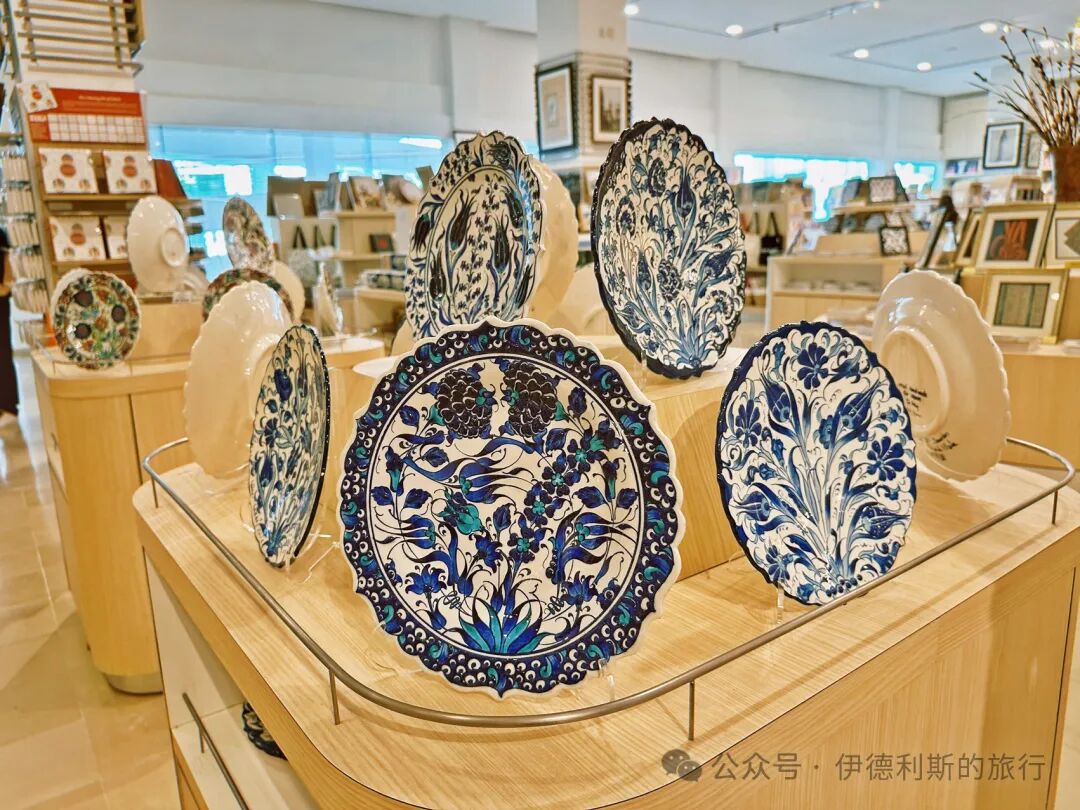
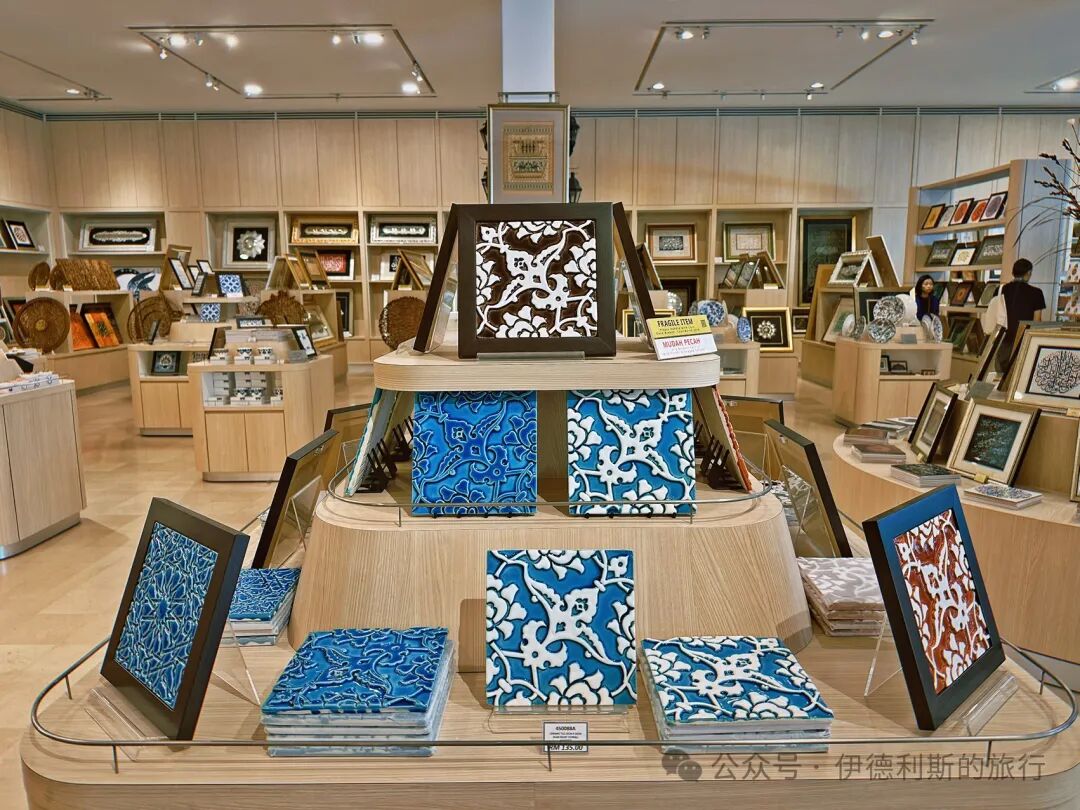
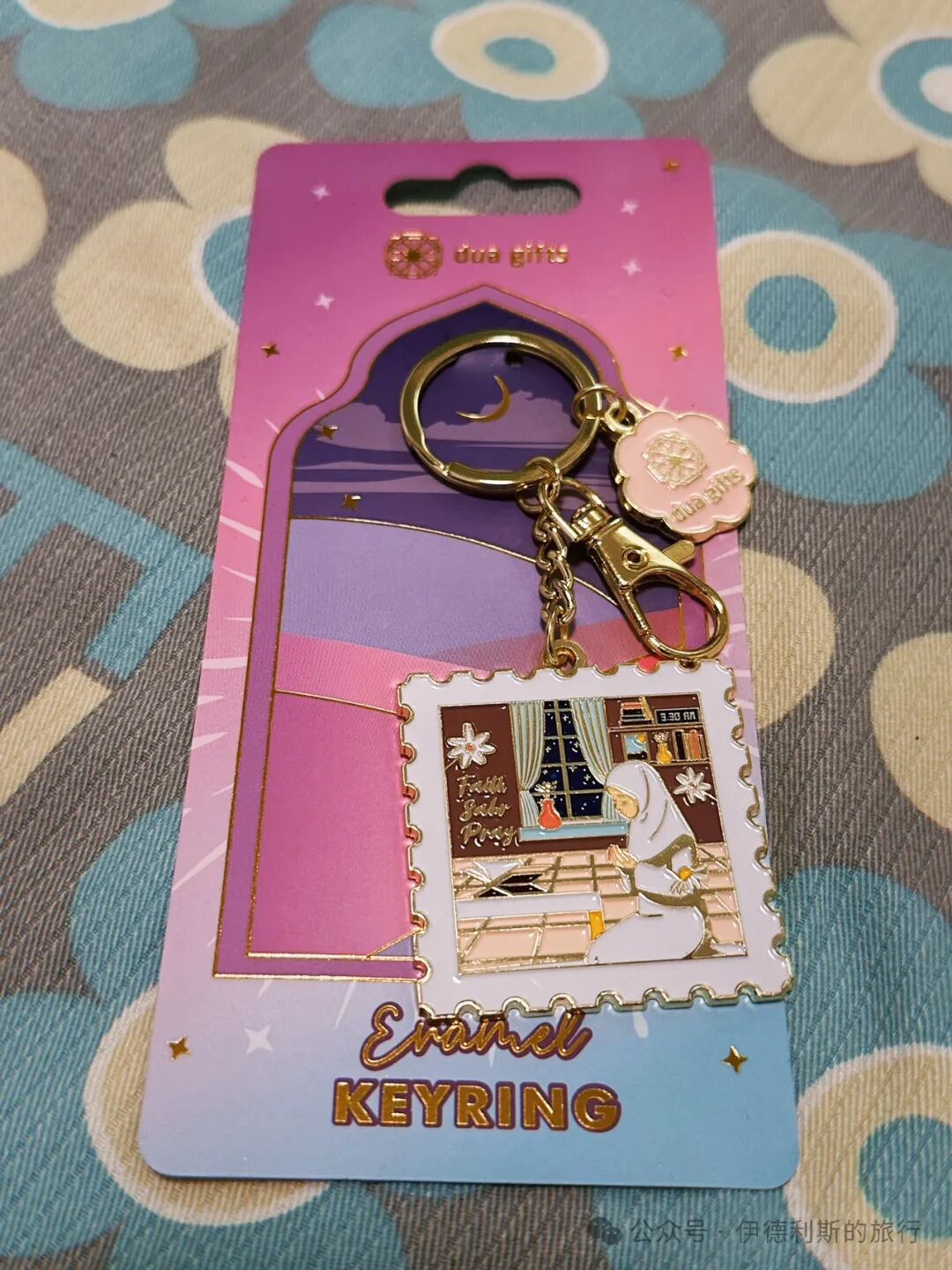
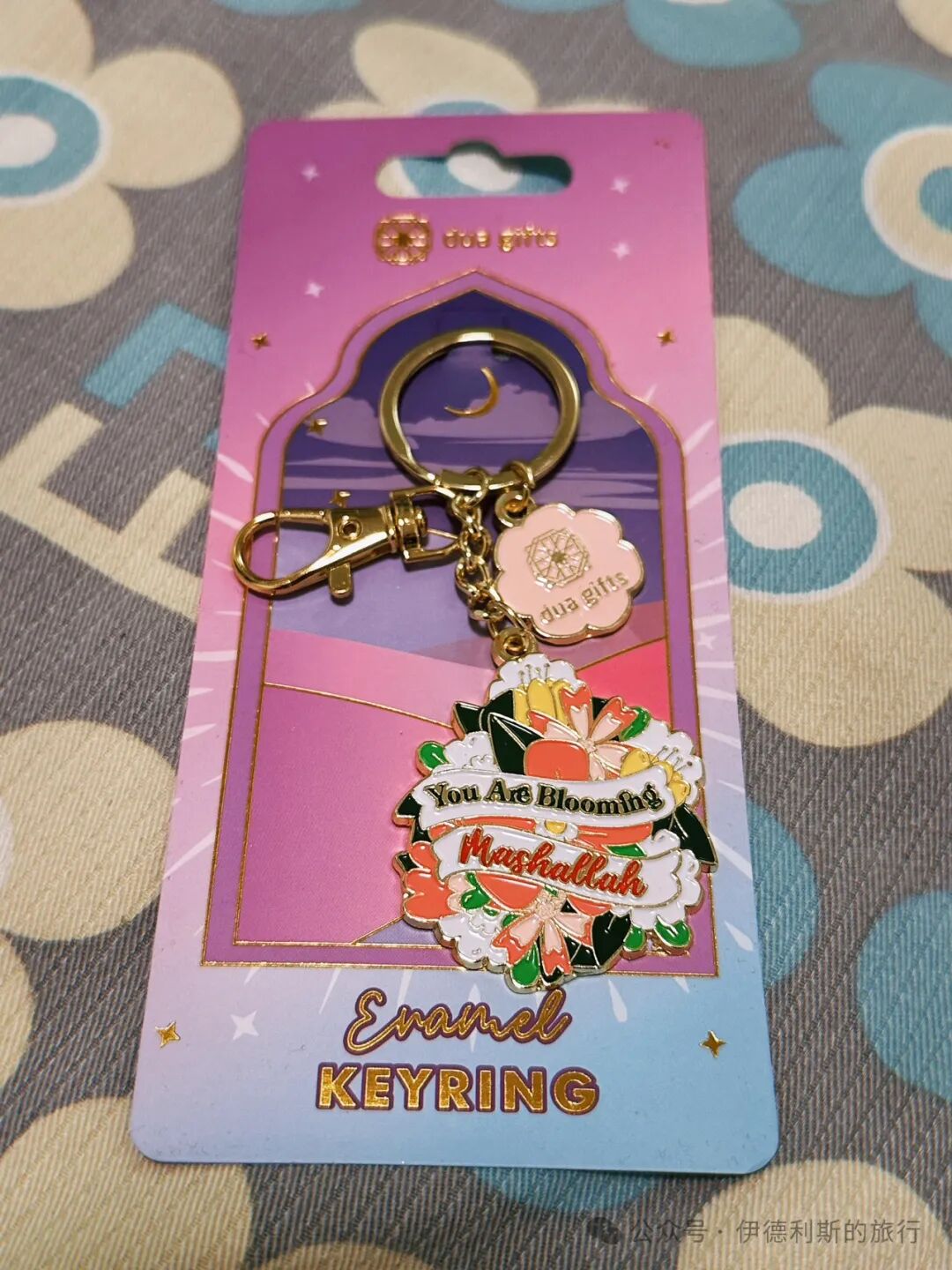
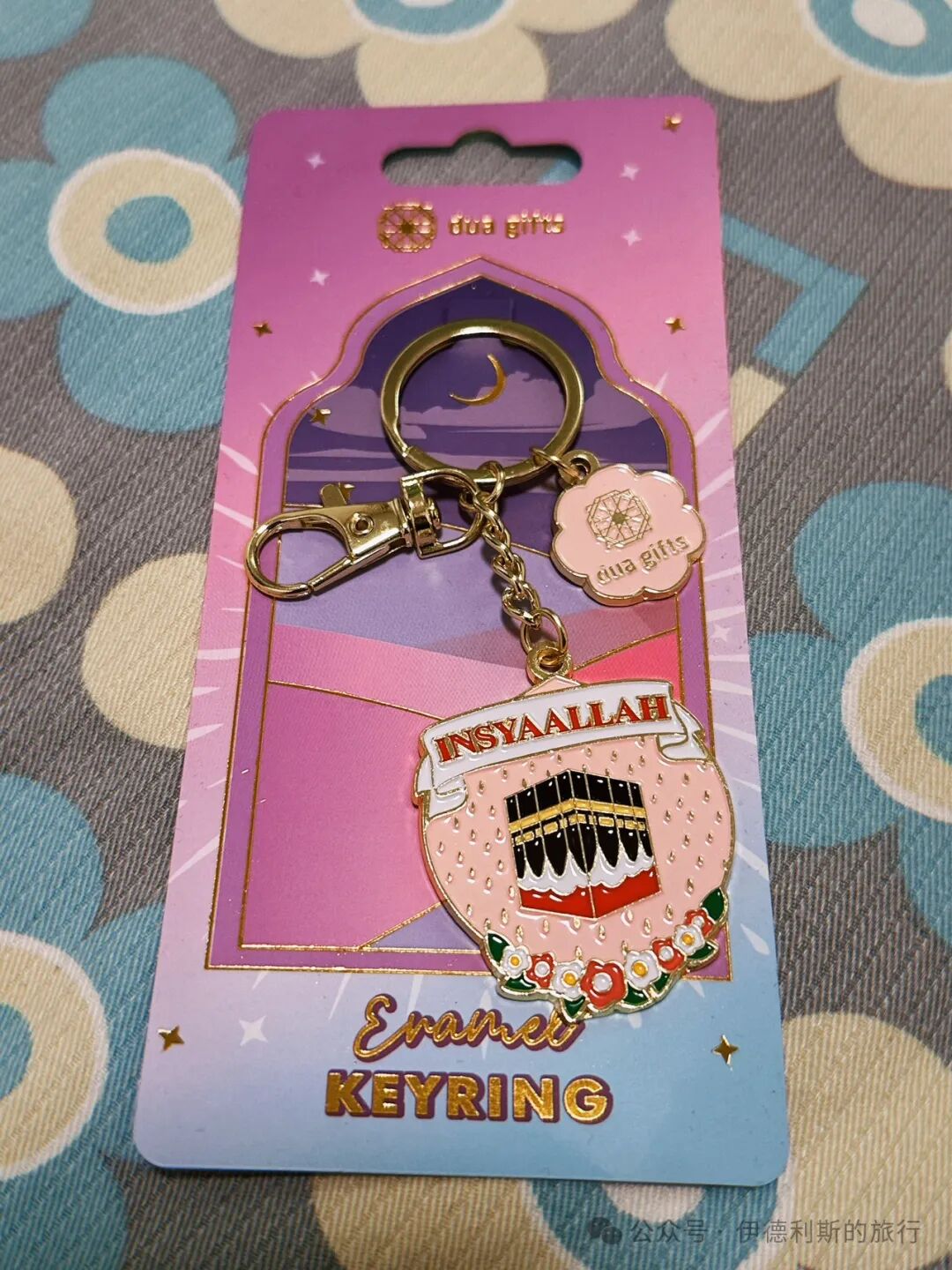
Exquisite wood-carved calligraphy crafts at the gift shop.
Summary: The Islamic Arts Museum Malaysia presents objects tied to Muslim art, manuscripts, architecture, and everyday culture across many regions. This article follows selected collection highlights while preserving the original photos, captions, and museum details.
Depictions of Mecca (tianfangtu) are a key part of Islamic art. They appear on textiles, paintings, and tiles, with each region having its own style.
19th-century embroidery from North India.
1861 illustration from the Ottoman Empire.
North India, 19th century.
Ottoman Turkey, 1846.
Ottoman Turkey, 1794-5.
Ottoman Turkey, 18th century.
Ottoman Turkey, 1752-53.
Ottoman Turkey, 1771-2.
Depiction of Mecca (tianfangtu), Ottoman Turkey, 1795-6.
Ottoman Turkey, 1837-8.
Ottoman Turkey, 1801-2.
Ottoman North Africa, 19th century.
Ottoman Turkey, 1856-7.
A 1738 manuscript written on fabric from India, featuring floral designs with a distinct local Indian style.
17th-century silk embroidery of the Kaaba cover (tianfang manzhang) from Ottoman Turkey.
The museum's centerpiece is a painted wooden room from Damascus, dated 1820-21, which shows the typical late Ottoman Syrian decorative style.
A pulpit (minbar) from a prince's palace of the Asaf Jahi dynasty in Hyderabad, South India, dated 1879-80. It is carved with Urdu praise for the Prophet, along with flowers, parrots, and plant patterns.
Hats and turbans of the Acehnese people in Sumatra.
Hats of the Dayak people in Sarawak, Borneo.
Hats of the Malay people on the Malay Peninsula.
Wax-resist dyed (batik) dua-yi turbans from the Malay Archipelago, late 19th to early 20th century. Before the 19th century, men in the Malay Archipelago rarely wore hats and mostly wore turbans.
Specialized scripture boxes (jingxia) from the Malay Archipelago: Aceh, Sumatra, 19th-20th century; Malay Peninsula, late 19th century; Terengganu, Malay Peninsula, 19th century.
Blue and white porcelain with Arabic calligraphy (jingzi) from the Ming and Qing dynasties.
Traditional Hui Muslim calligraphy art (jingzi hua), where the peach-shaped tray design is a classic Xi'an style. The first piece was created by Imam Liu Junlian of Xi'an in the 1950s, and it is the most exquisite of these few works. You can buy printed versions of these calligraphy artworks at the museum's gift shop, and I think they are well worth collecting.
Naser al-Din Shah Qajar (reigned 1848-1896), the fourth monarch of the Persian Qajar dynasty, and his eldest son Mass'oud Mirza Zell-e Soltan (1850-1918) once ordered a large amount of Chinese export porcelain. These porcelains were mainly Canton enamel (guangcai), along with some Canton blue porcelain and Fitzhugh porcelain.
Canton enamel (guangcai), short for Guangzhou gold-woven colored porcelain, was a famous export porcelain from Guangzhou during the mid-to-late Qing dynasty. During the mid-Qing dynasty, porcelain merchants in Guangzhou began shipping white porcelain blanks from Jingdezhen to Guangzhou, where they hired Jingdezhen craftsmen to perform low-temperature overglaze painting. Most Canton enamel pieces feature a gold-rimmed circle in the center, with the surrounding area filled in a 'full-coverage' style with various flowers, fruits, birds, insects, figures, and landscapes, often including logos specified by foreign merchants.
The first three Canton enamel pieces are all inscribed with the Islamic calendar year 1297, which is 1880 AD.
The Fitzhugh porcelain plate is inscribed with the Islamic calendar year 1295, which is 1878 AD. Fitzhugh porcelain is named after Thomas Fitzhugh, a director of the British East India Company's resident committee in Guangzhou in the 1760s. He ordered many pieces in this style between 1787 and 1800, making it the most popular export porcelain during the Jiaqing reign, a trend that continued into the Daoguang reign. The most prominent feature of Fitzhugh porcelain is a central medallion pattern surrounded by various traditional Chinese elements.
The museum gift shop features works by Muslim artists from various countries, replicas of museum artifacts, and delicate, small creative items; it is the best museum shop for Islamic art I have ever visited.
Exquisite wood-carved calligraphy crafts at the gift shop.
