
Halal Travel Guide: Kuching Malay History & Indigenous Food
Reposted from the web
Summary: This travel account explores Malay history, culture, and indigenous food in Kuching. It keeps the original place names, museum and street details, food notes, and photographs while using natural English for international readers.
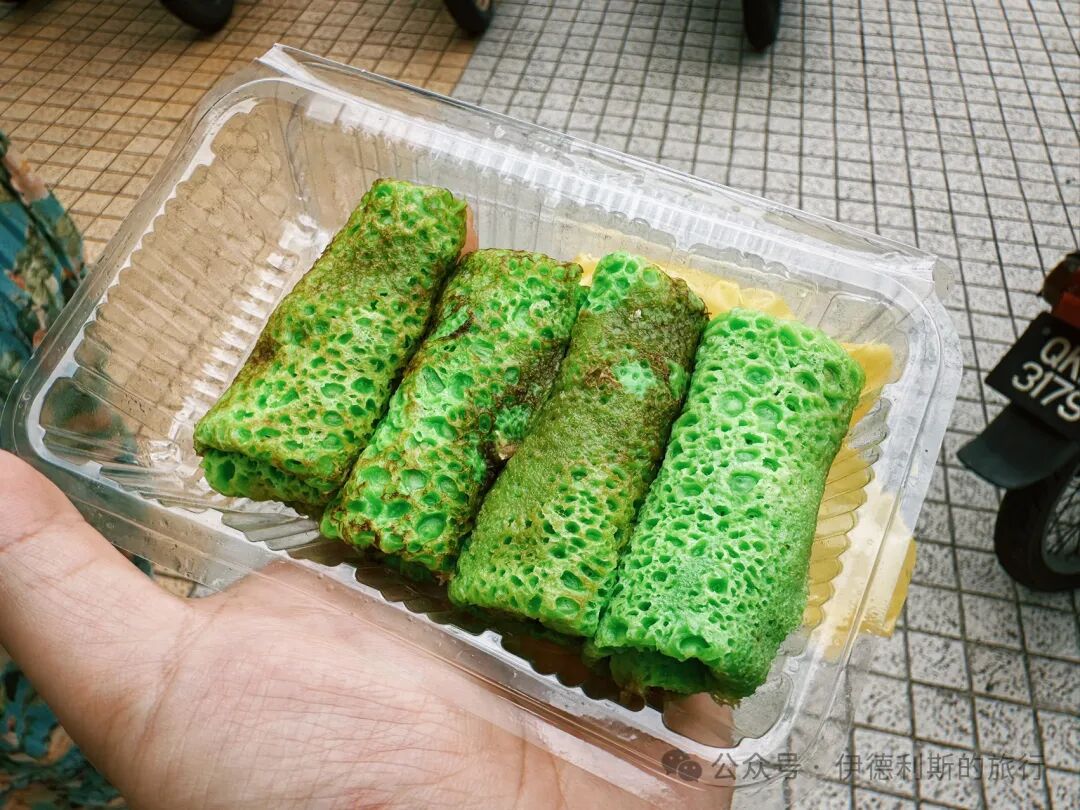
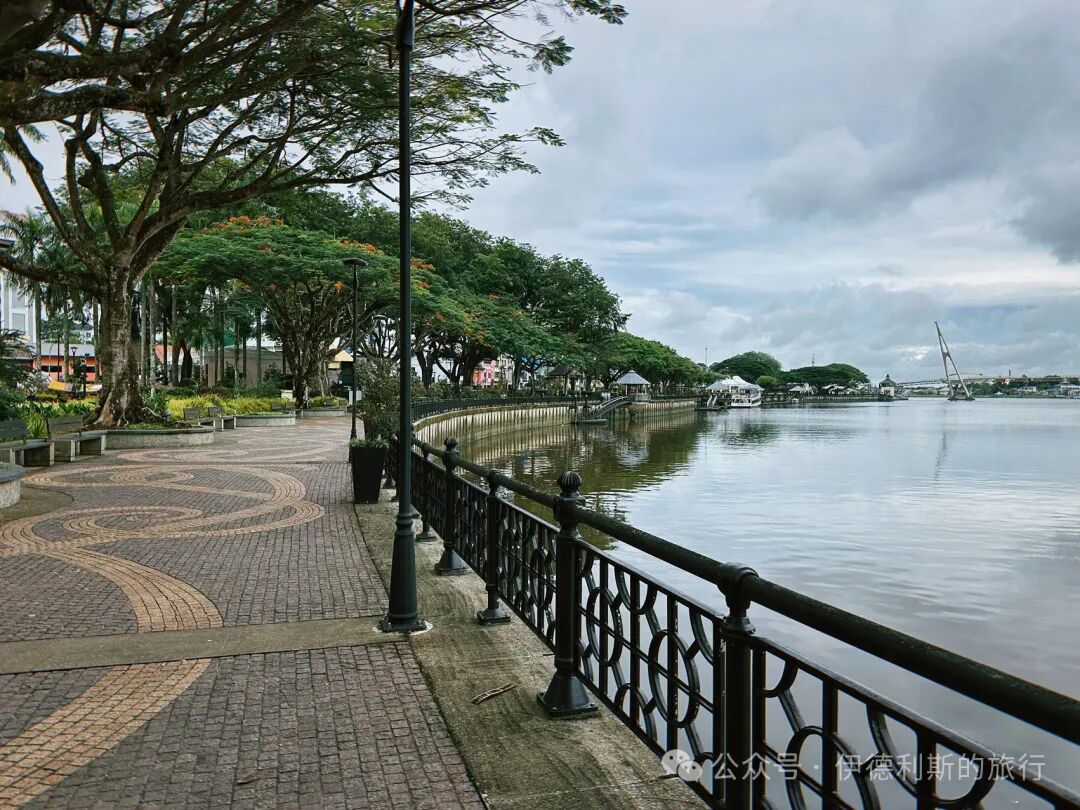
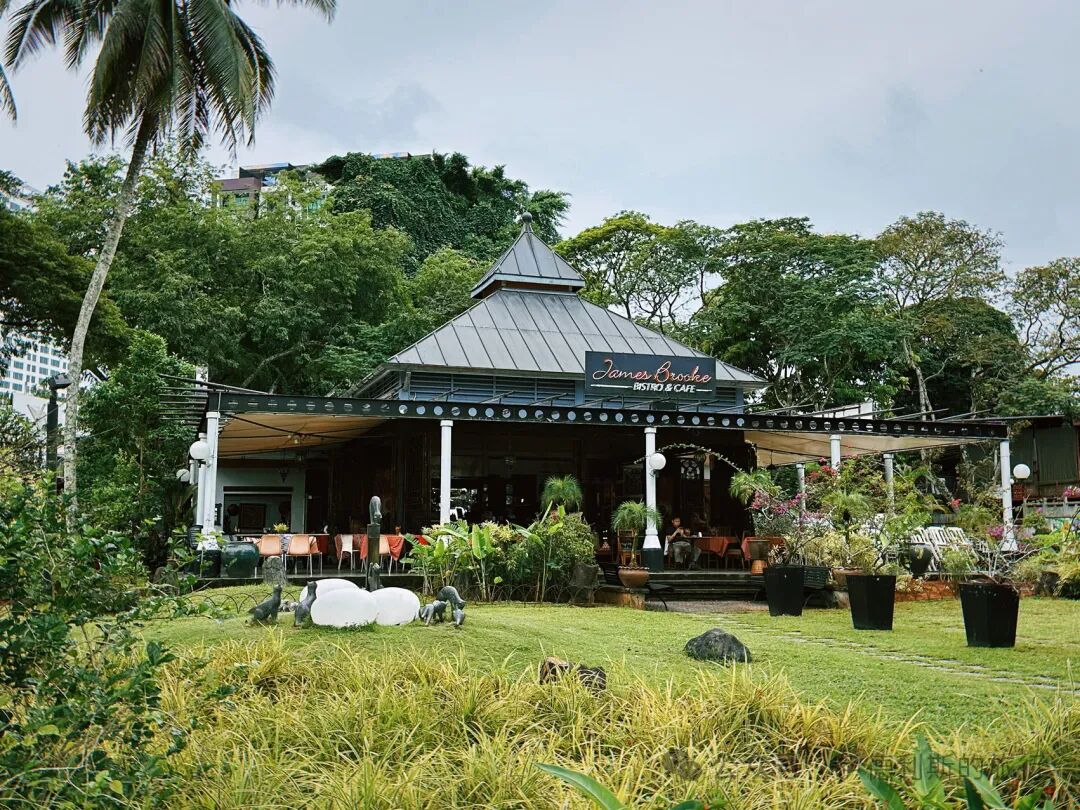
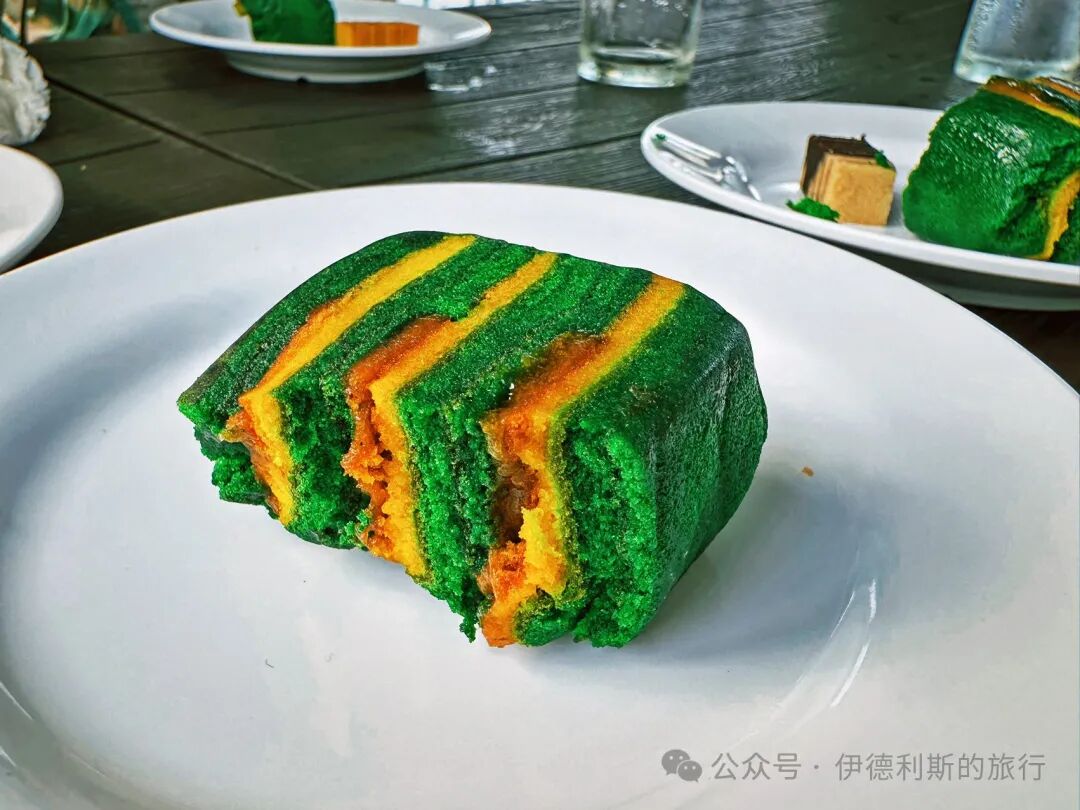
At a traditional snack stall on a Kuching street, we bought a traditional Malay pastry called Kuih gulung. It is made from a mix of rice flour, eggs, and coconut milk, colored with pandan leaf juice, and filled with shredded coconut and palm sugar. After dessert, we took a walk along the Kuching riverfront. The temperature had not risen yet in the early morning, so it felt very cool.
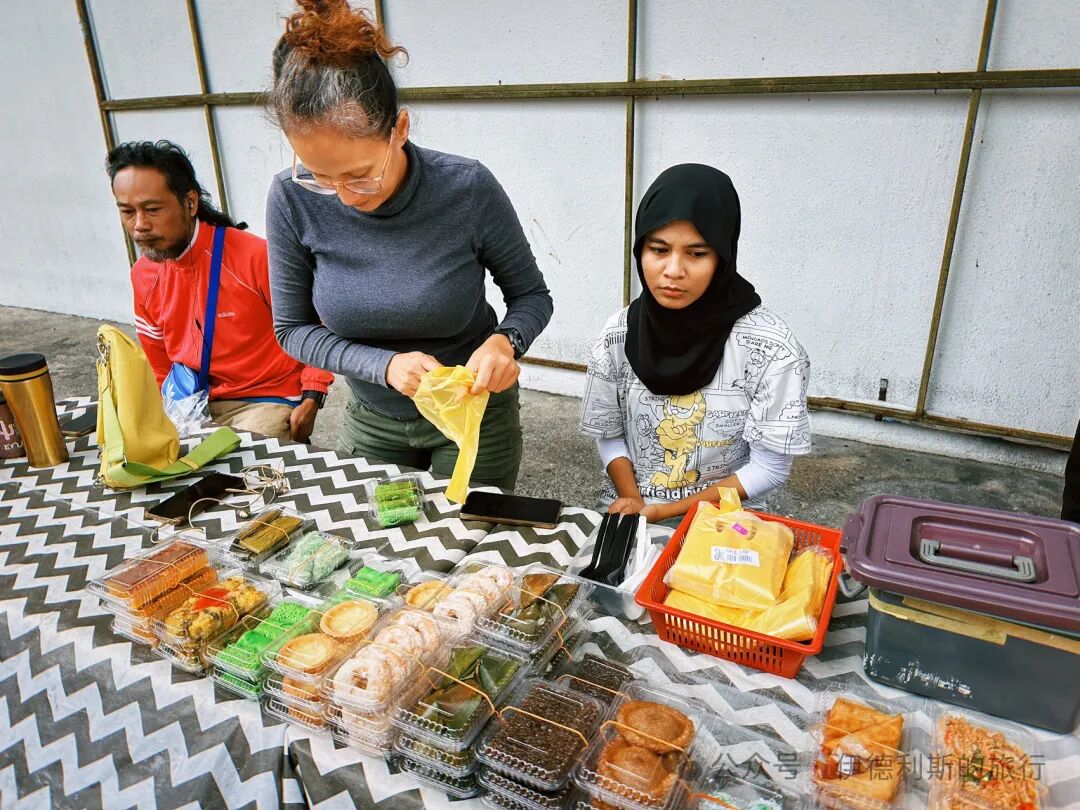
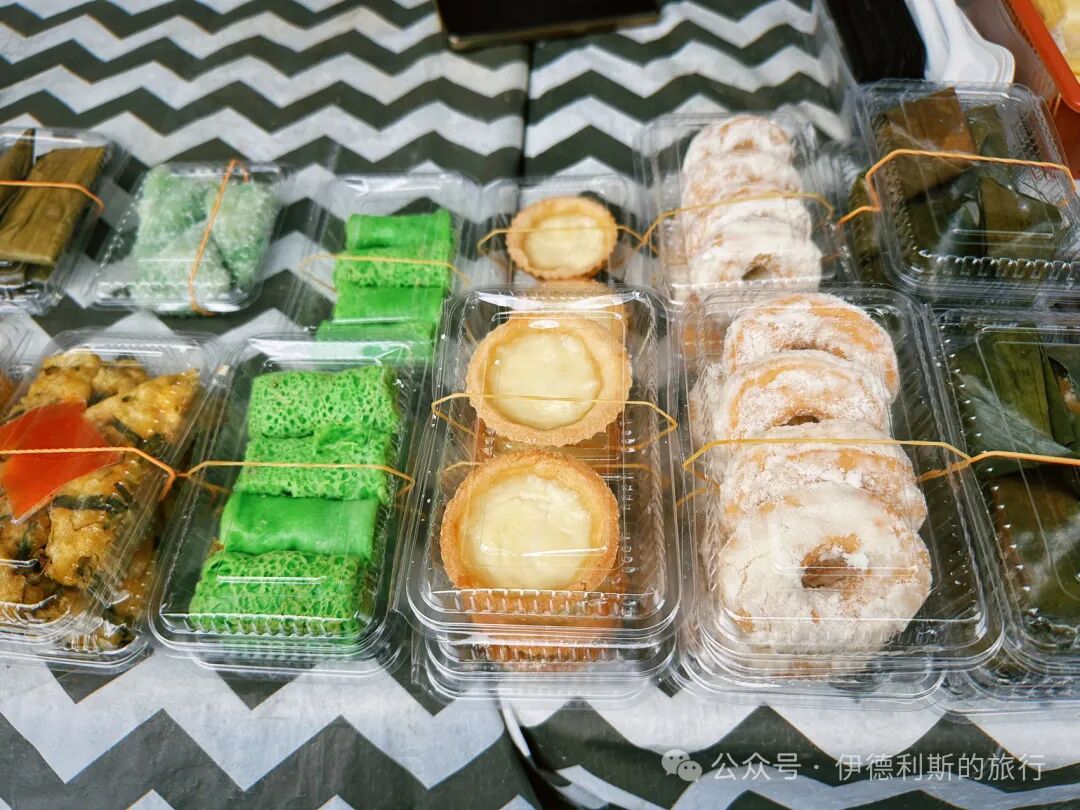
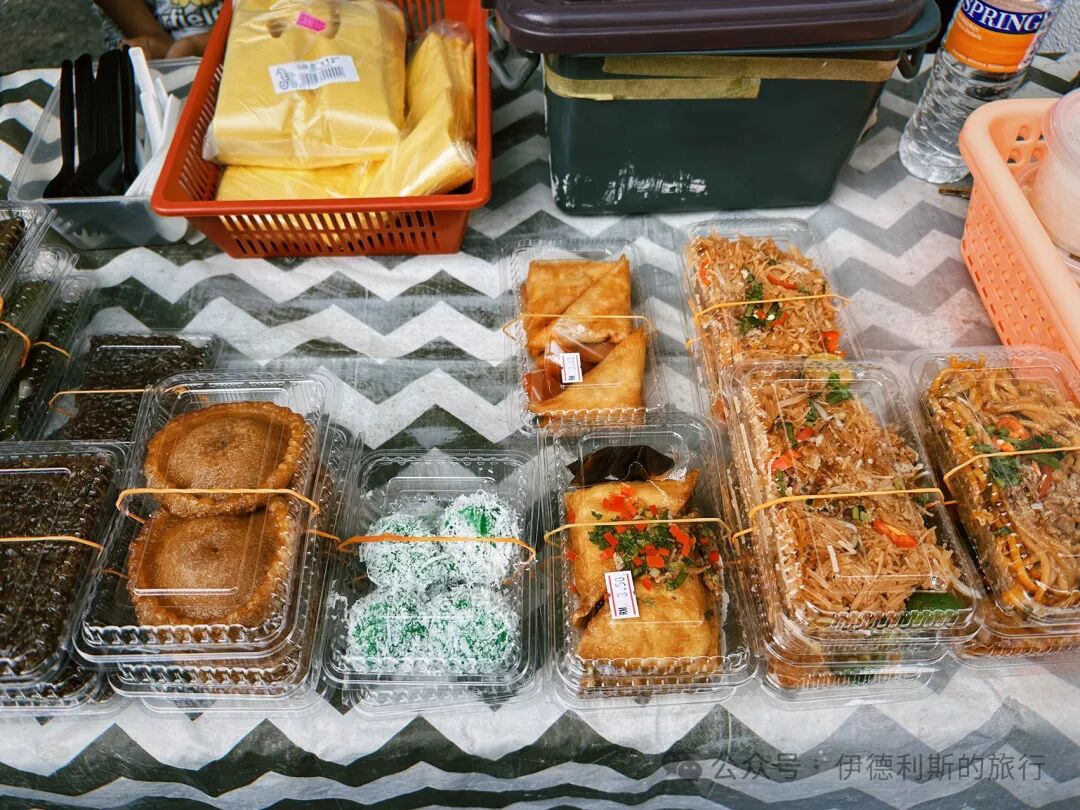
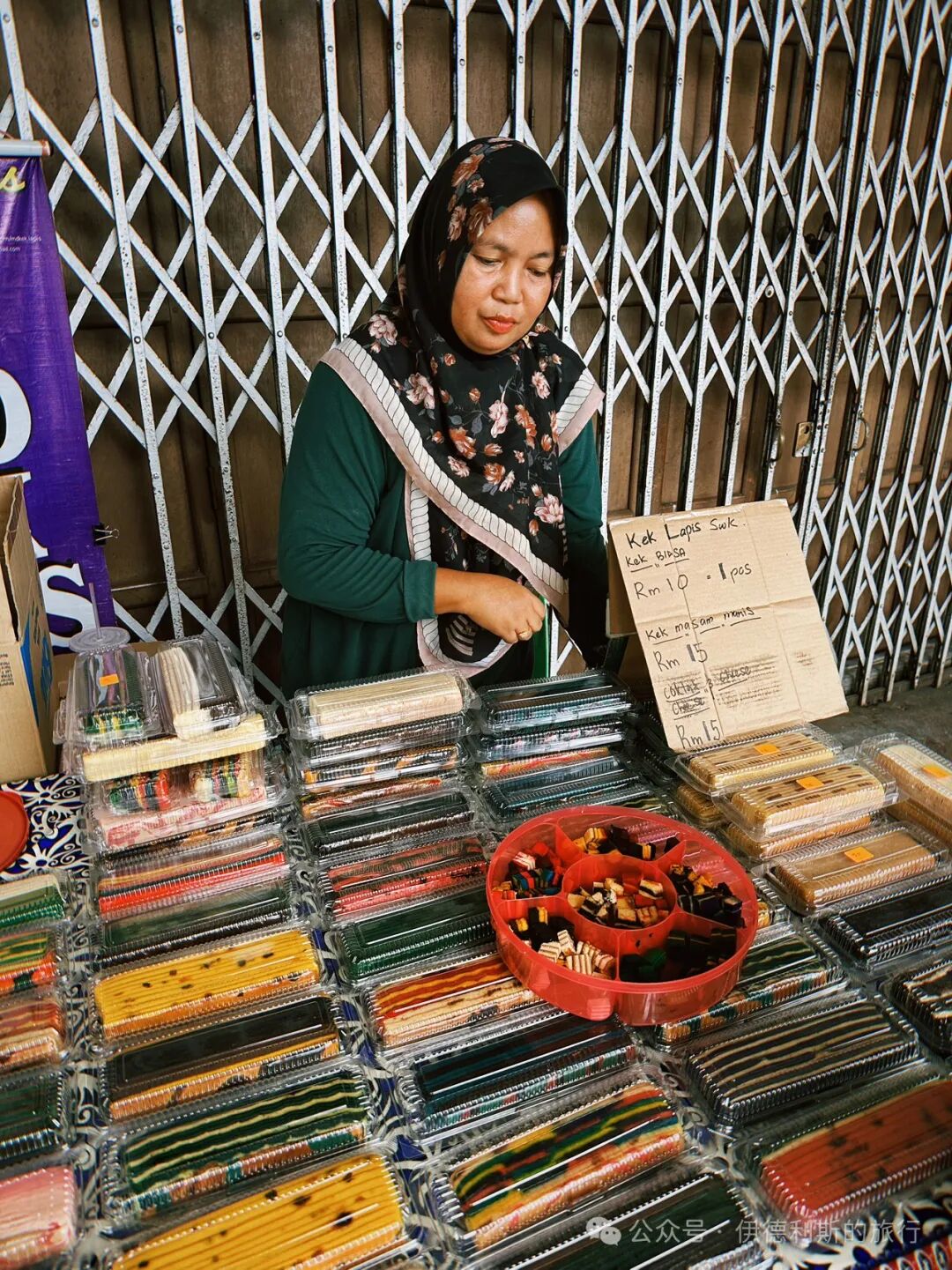
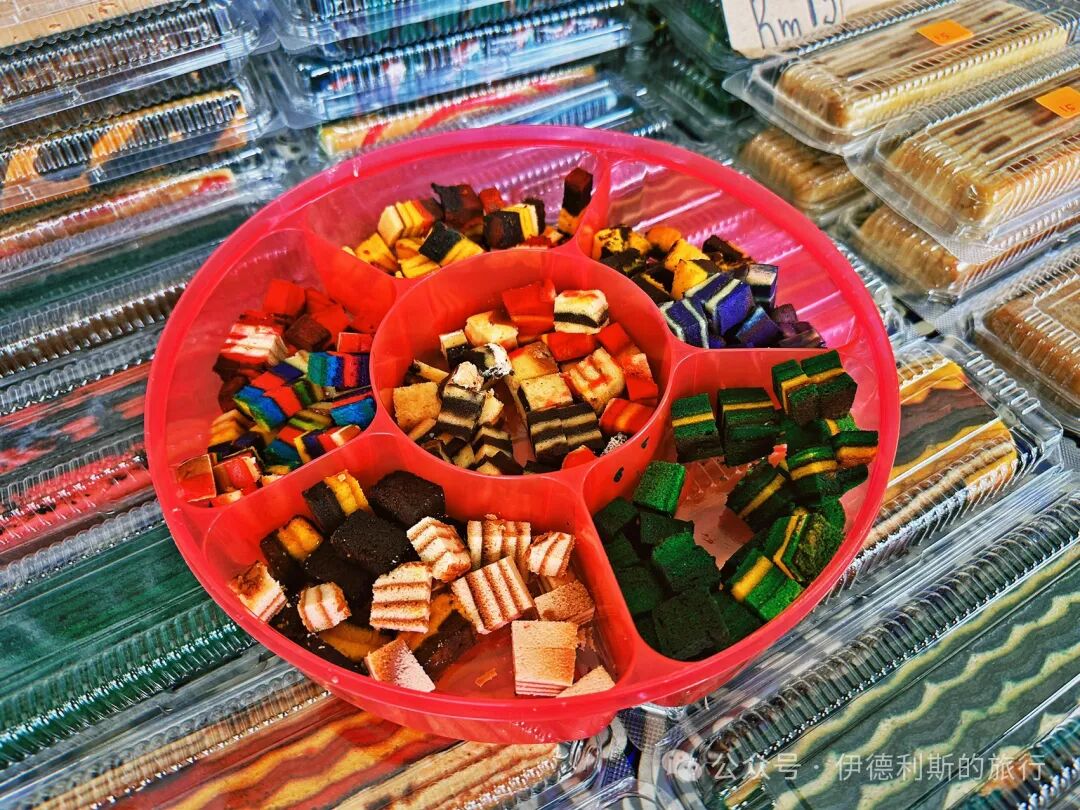
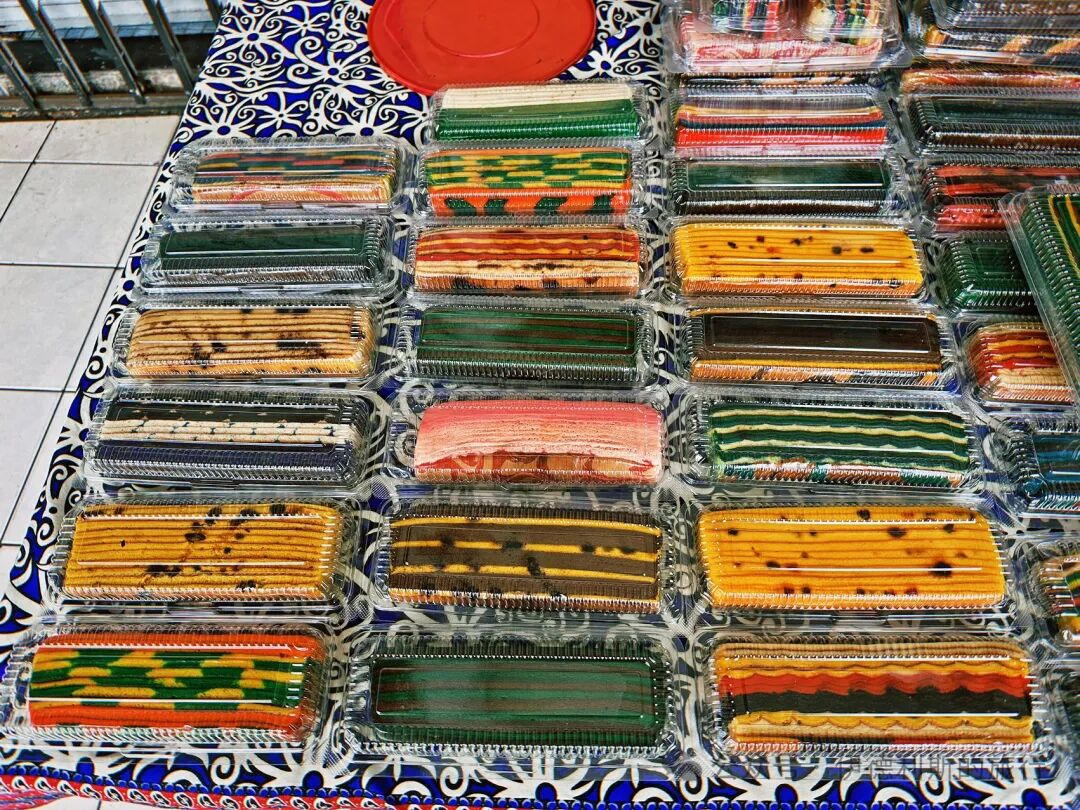
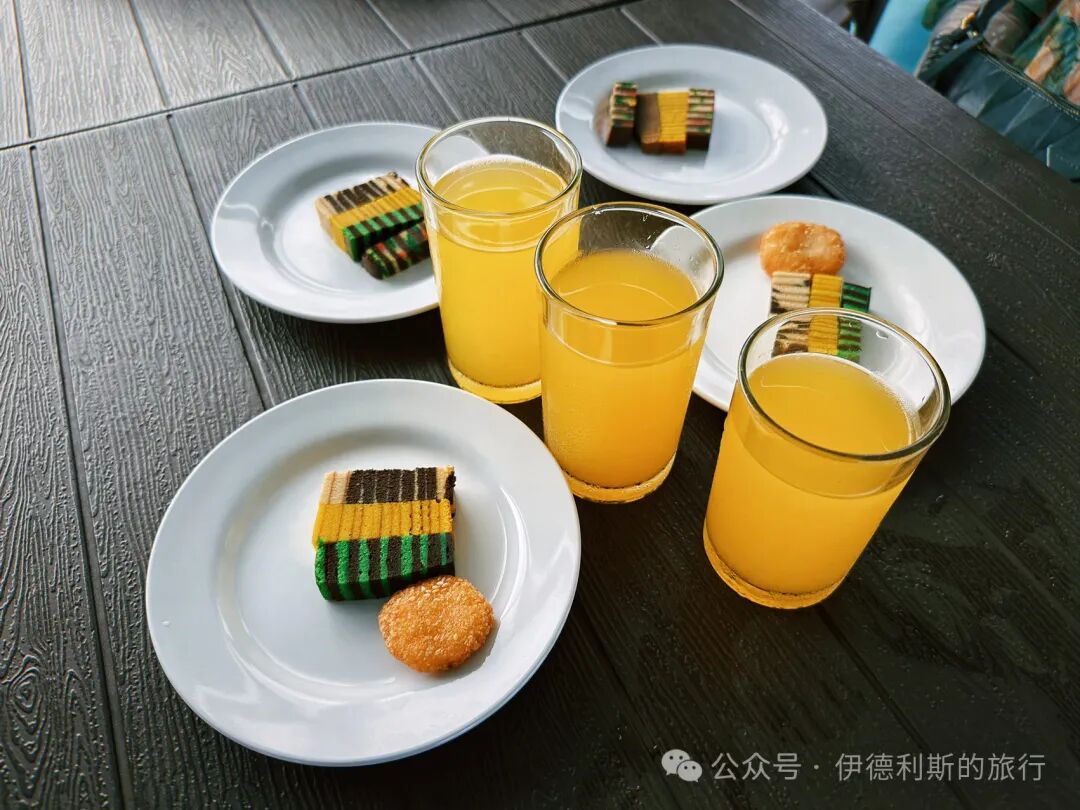
The classic Kuching street snack is Sarawak layer cake (kek lapis). Many shops in the old town sell it. Sarawak layer cake comes from the Betawi people's layer cake in Jakarta, Indonesia. It is a local version of a European cake made by the wives of Dutch officials during the Dutch East Indies era. After the Indonesian layer cake reached Sarawak, locals made it more colorful and flavorful. Today, it is a classic snack for celebrations like Eid al-Fitr, birthdays, and weddings.
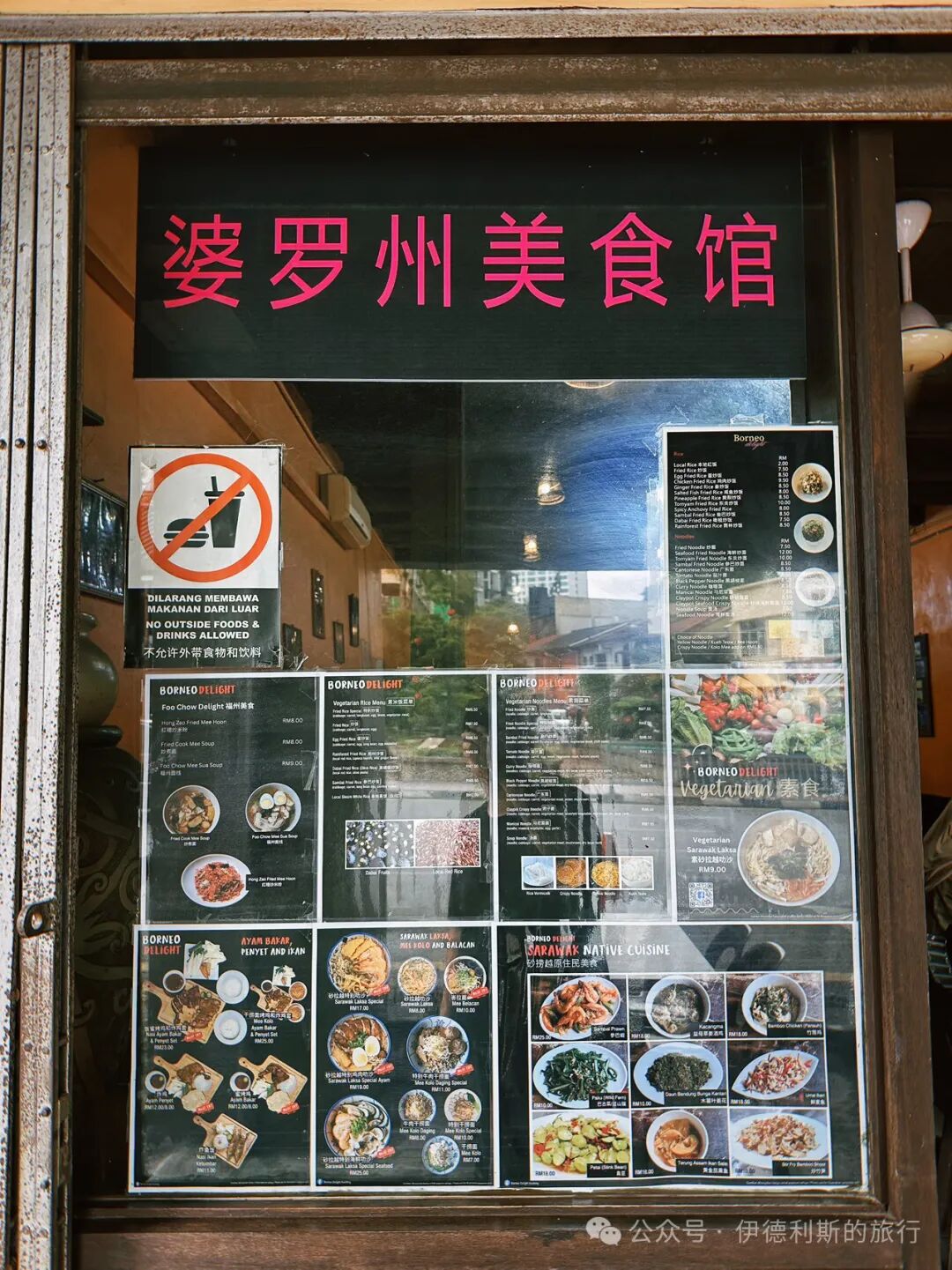
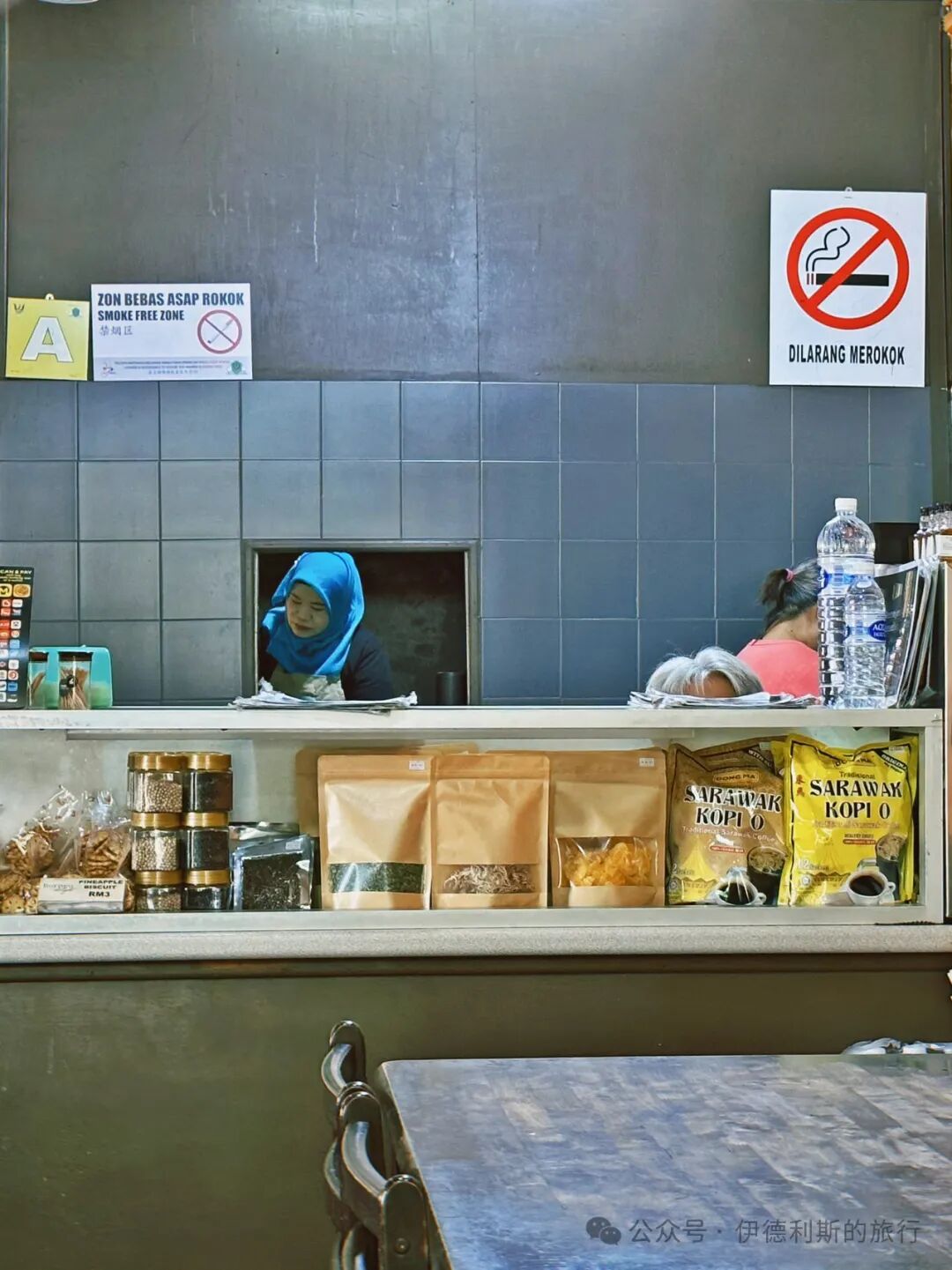
On Wayang Street (Lebuh Wayang) in Kuching's old town, there is a Borneo food restaurant. It has a Chinese owner and an indigenous Borneo chef, where you can eat authentic indigenous Borneo food.
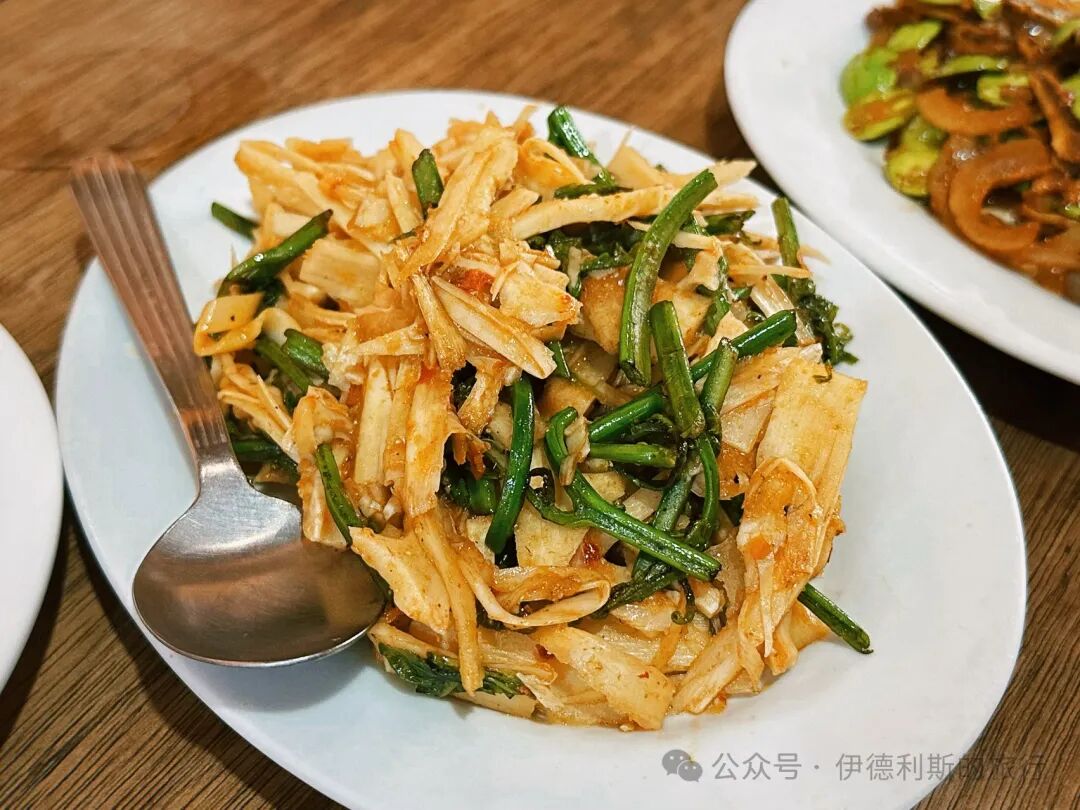
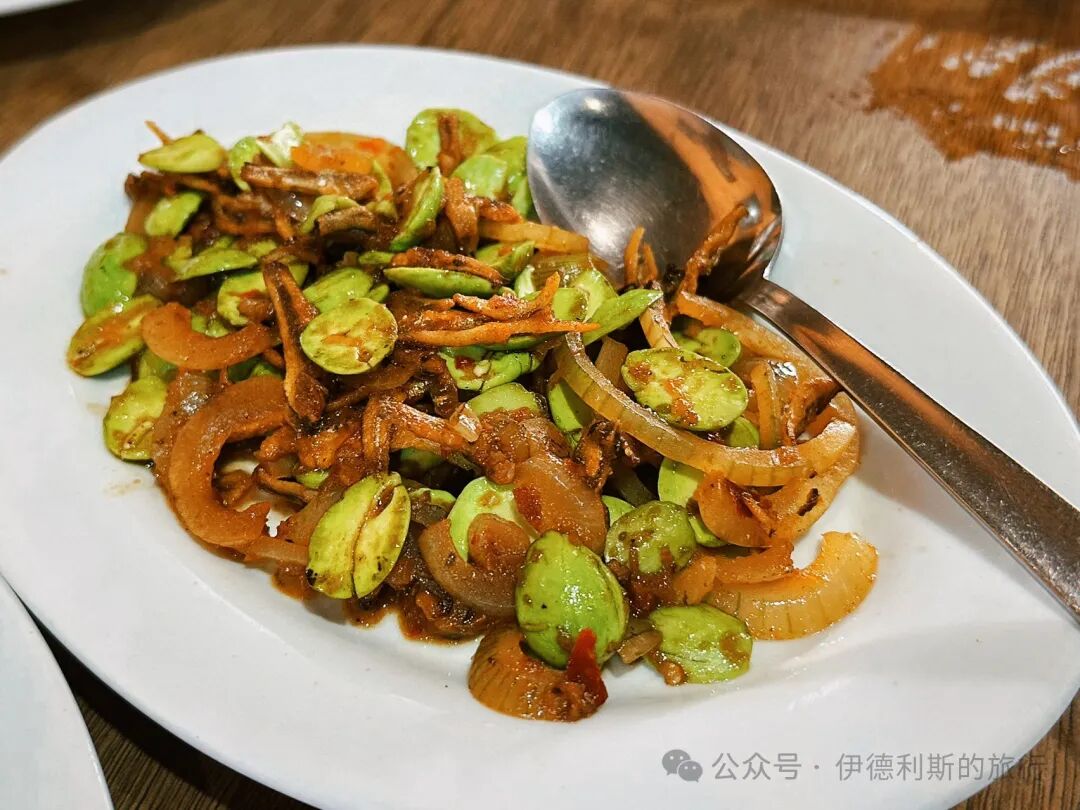
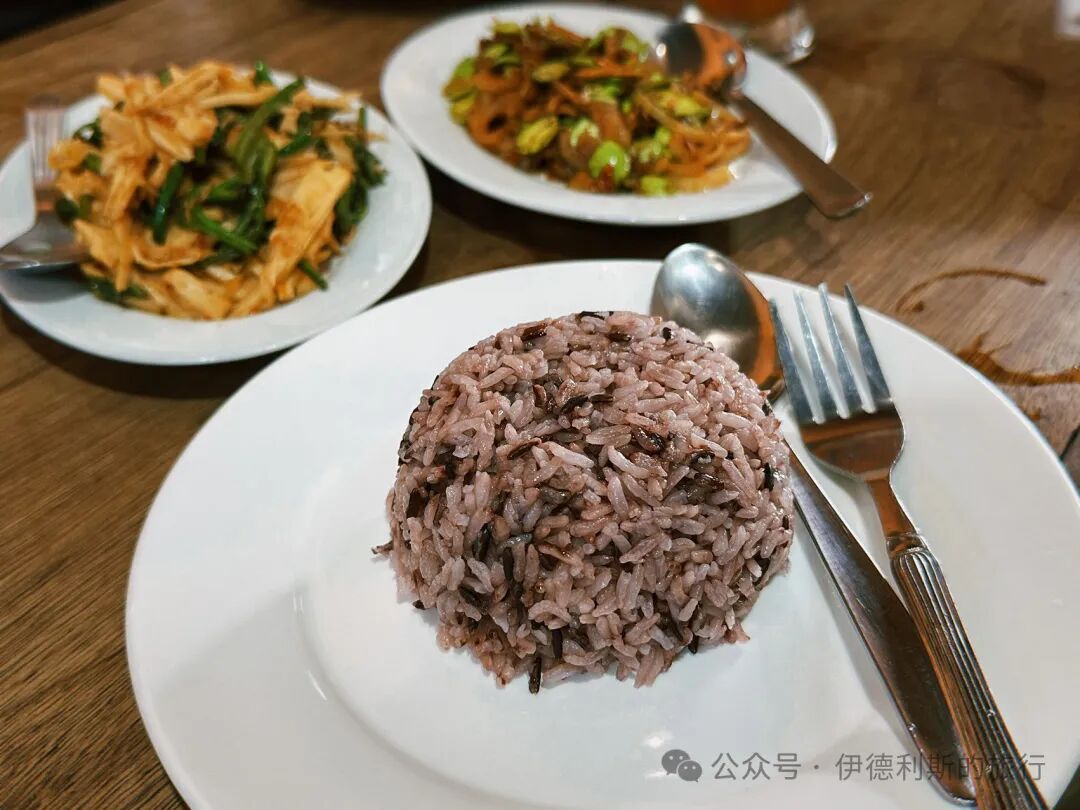
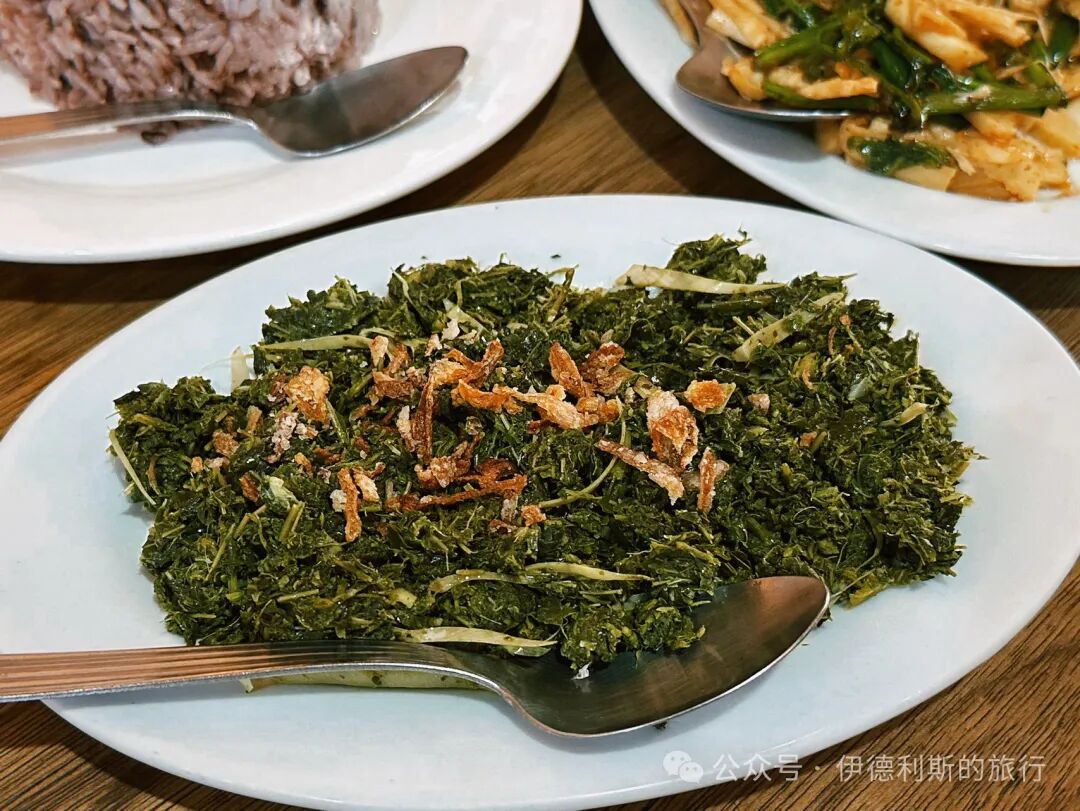
We ordered cassava leaves with torch ginger, bamboo chicken, stir-fried bamboo shoots, and stir-fried stink beans with local red rice. It was very much in the style of Borneo. Torch ginger is a special ingredient in Thailand, Indonesia, and Malaysia. The stir-fried bamboo shoots were very fresh and went well with rice.
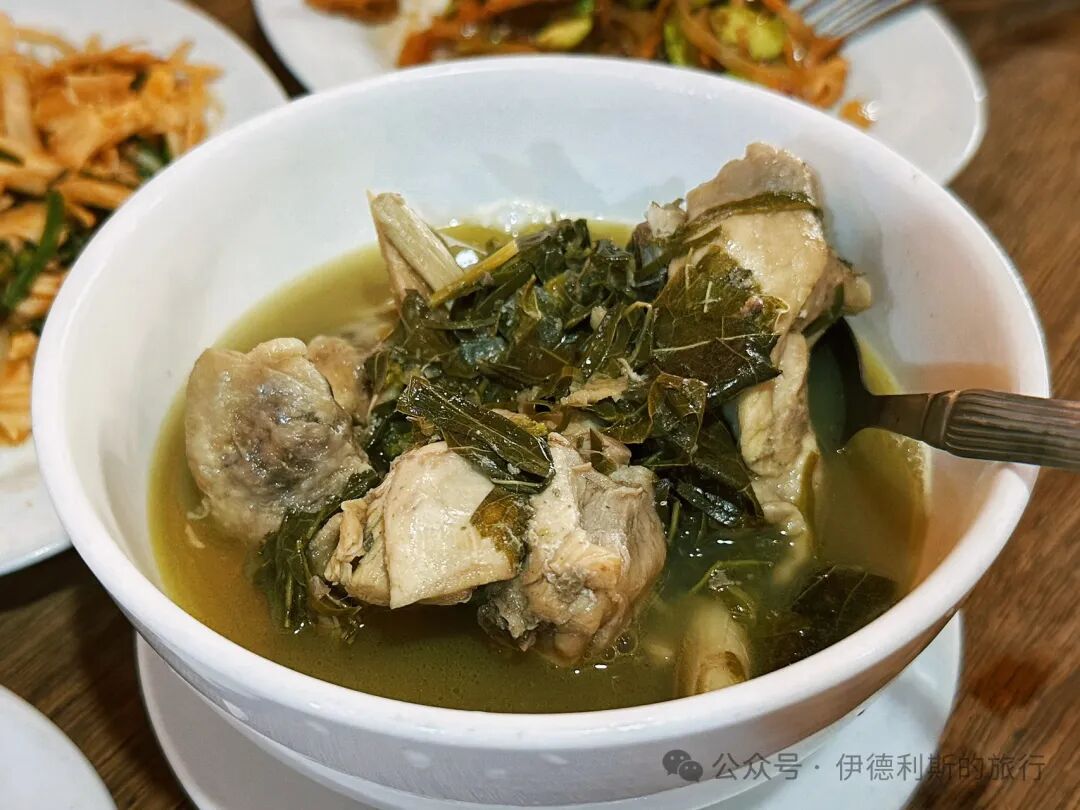
Bamboo chicken is called Ayam pansuh in Malay, and it is a specialty of Borneo. To make it, chicken and seasonings are placed in a bamboo tube, covered with cassava leaves, and cooked. You eat the chicken and cassava leaves together.
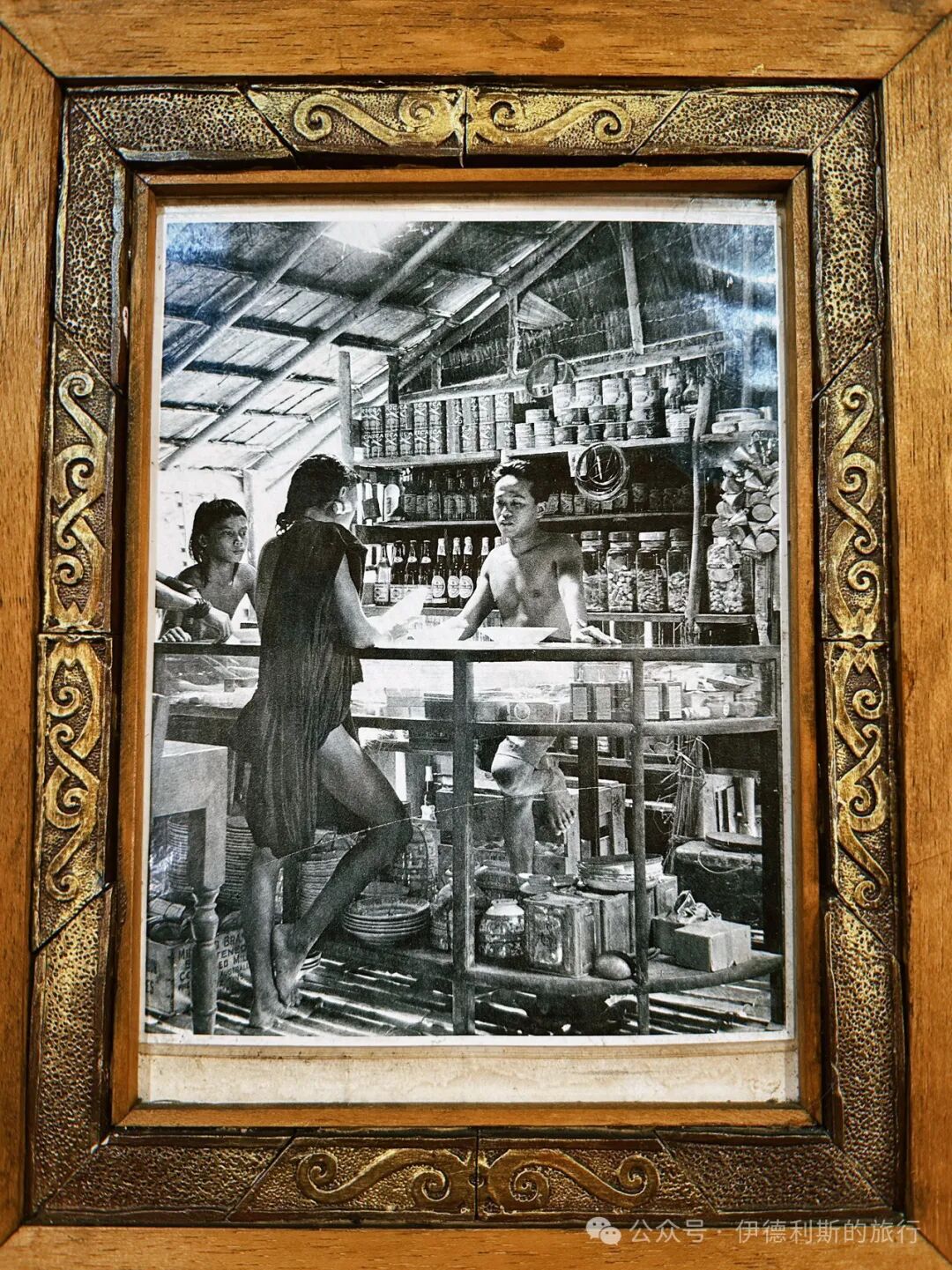
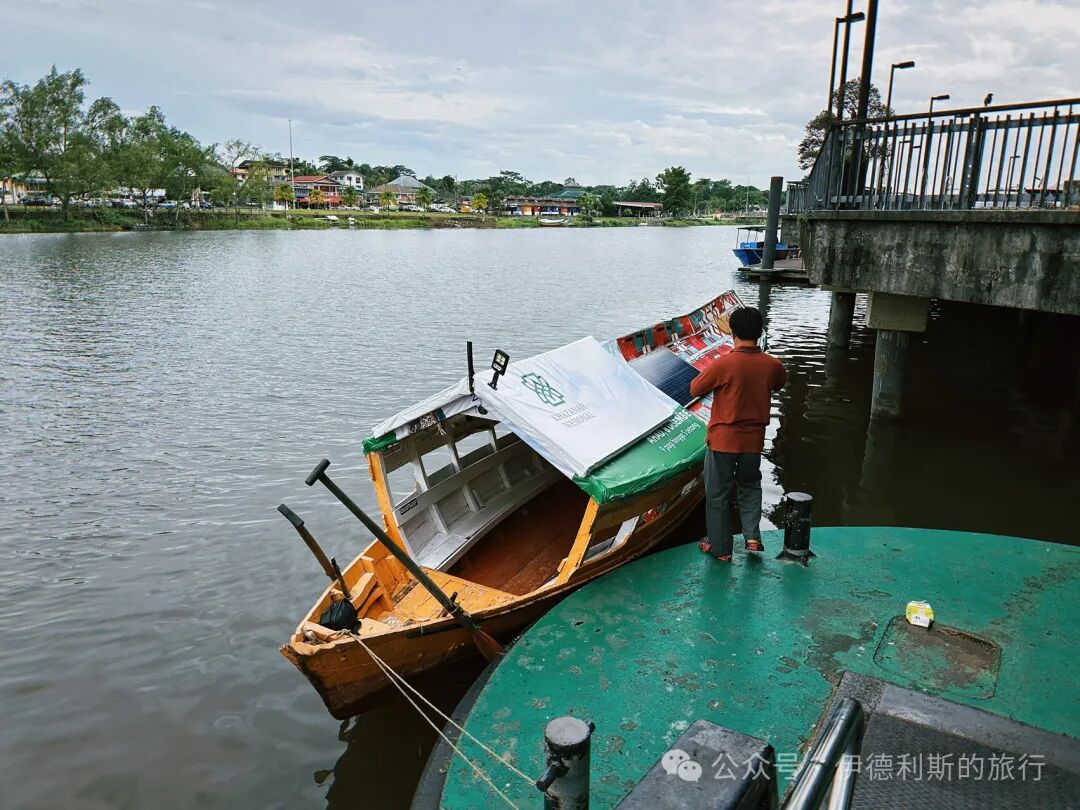
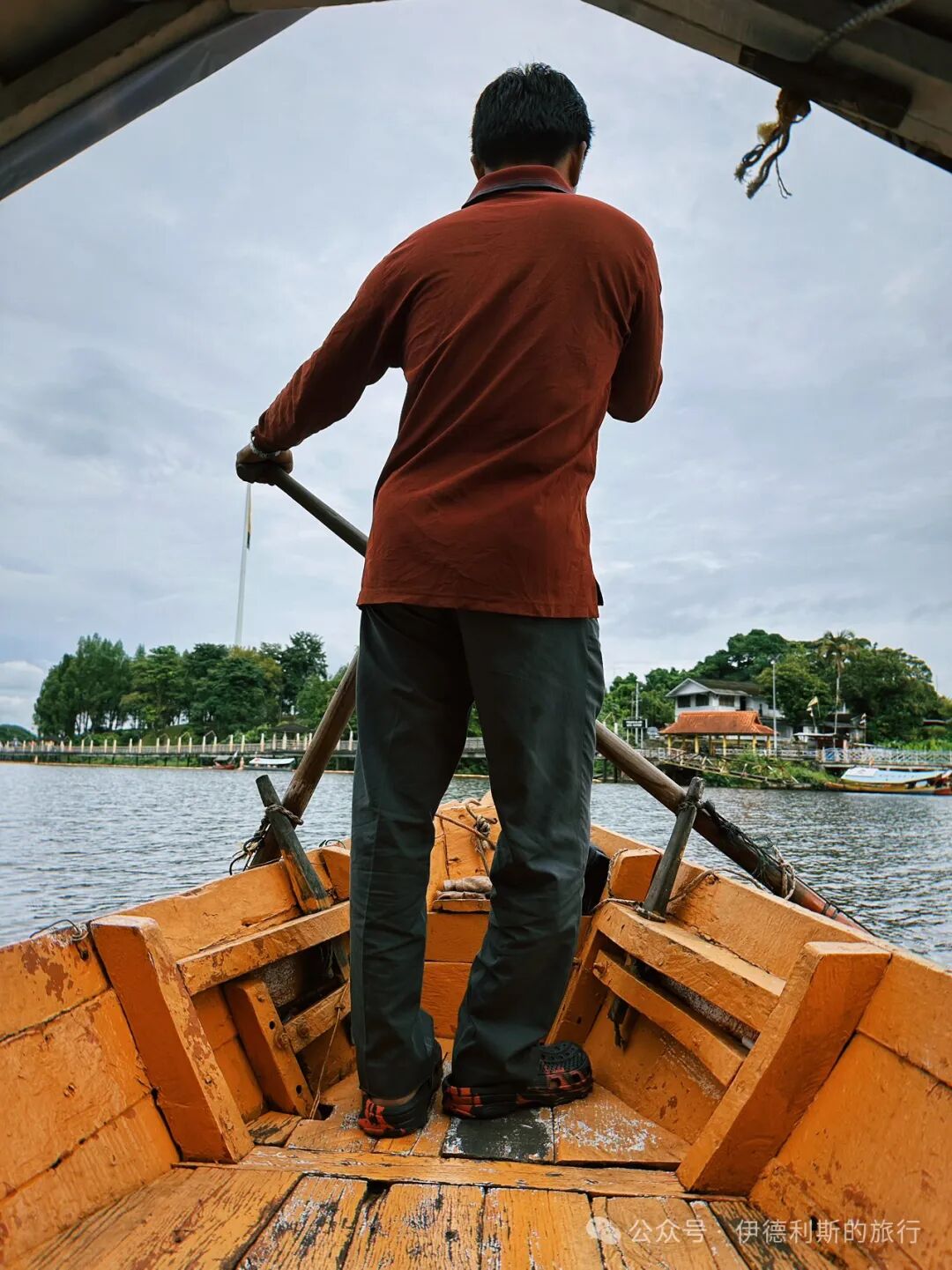
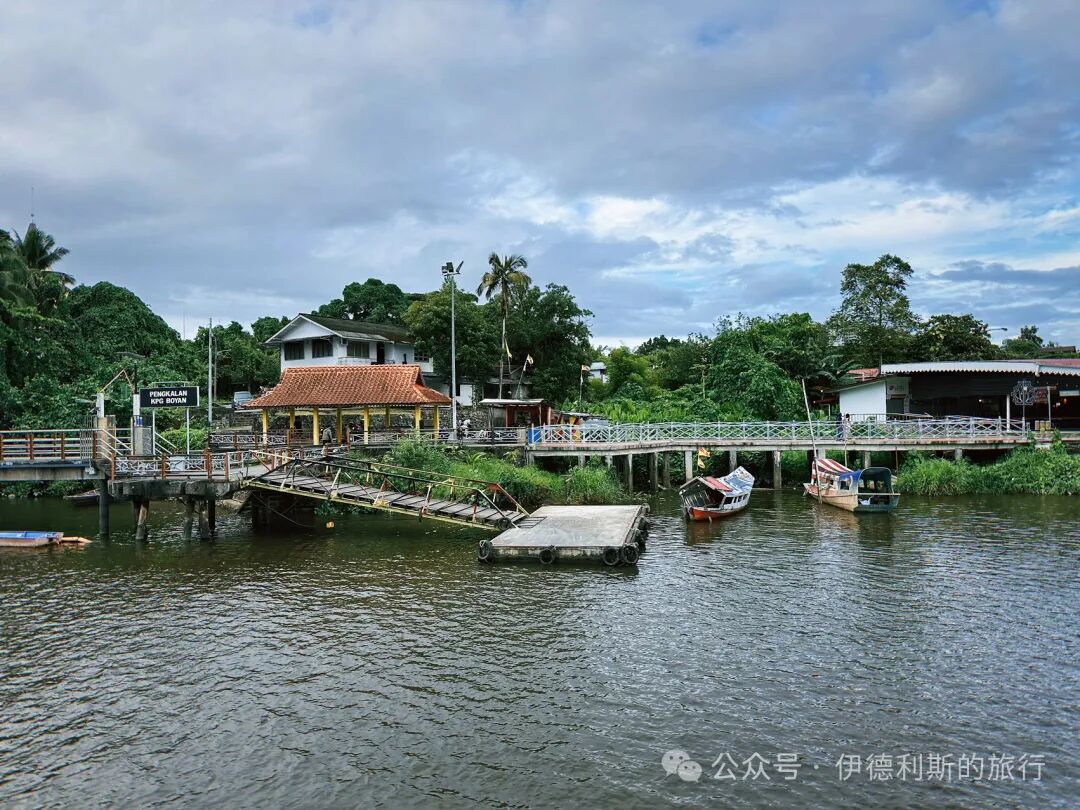
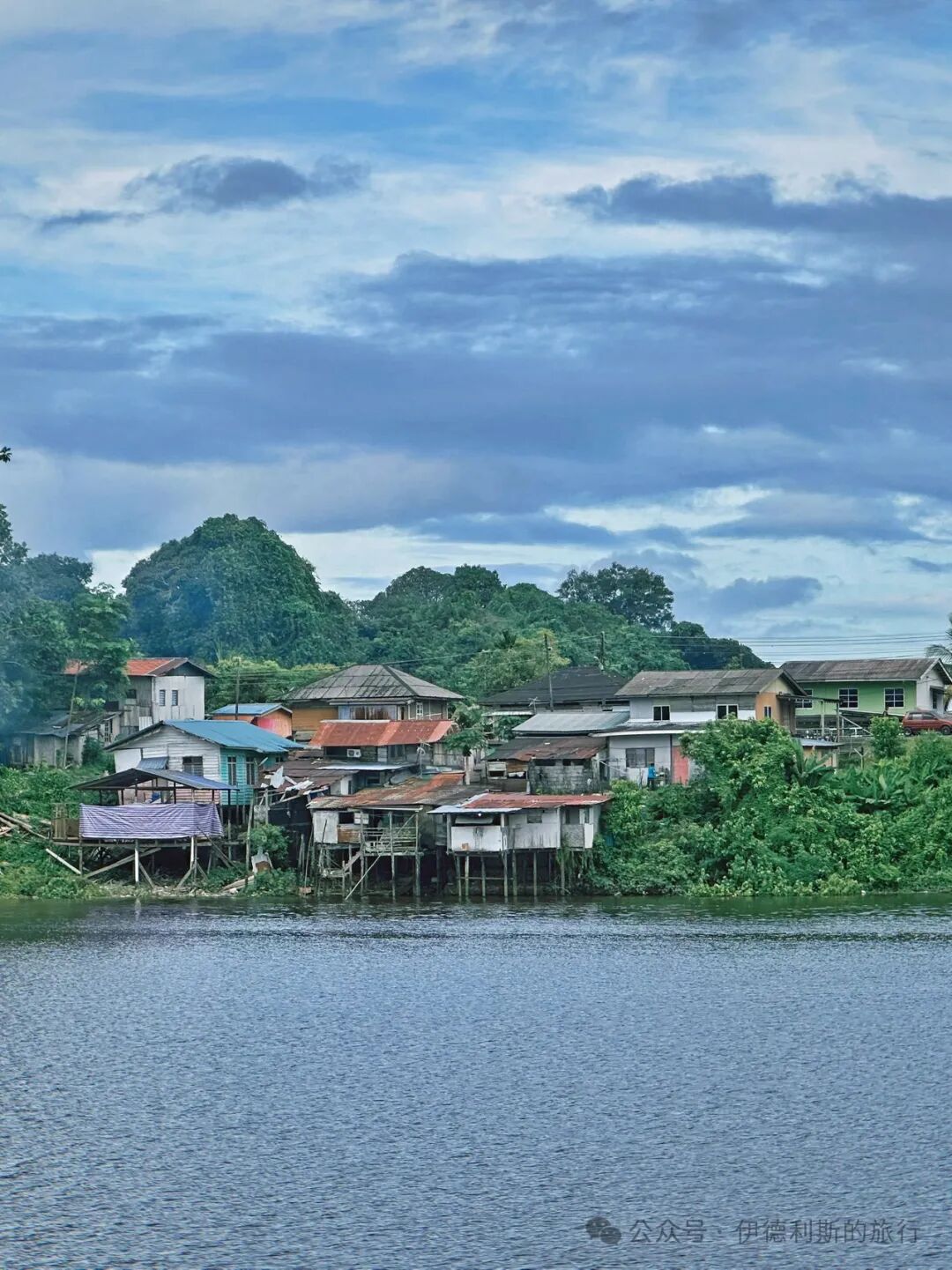
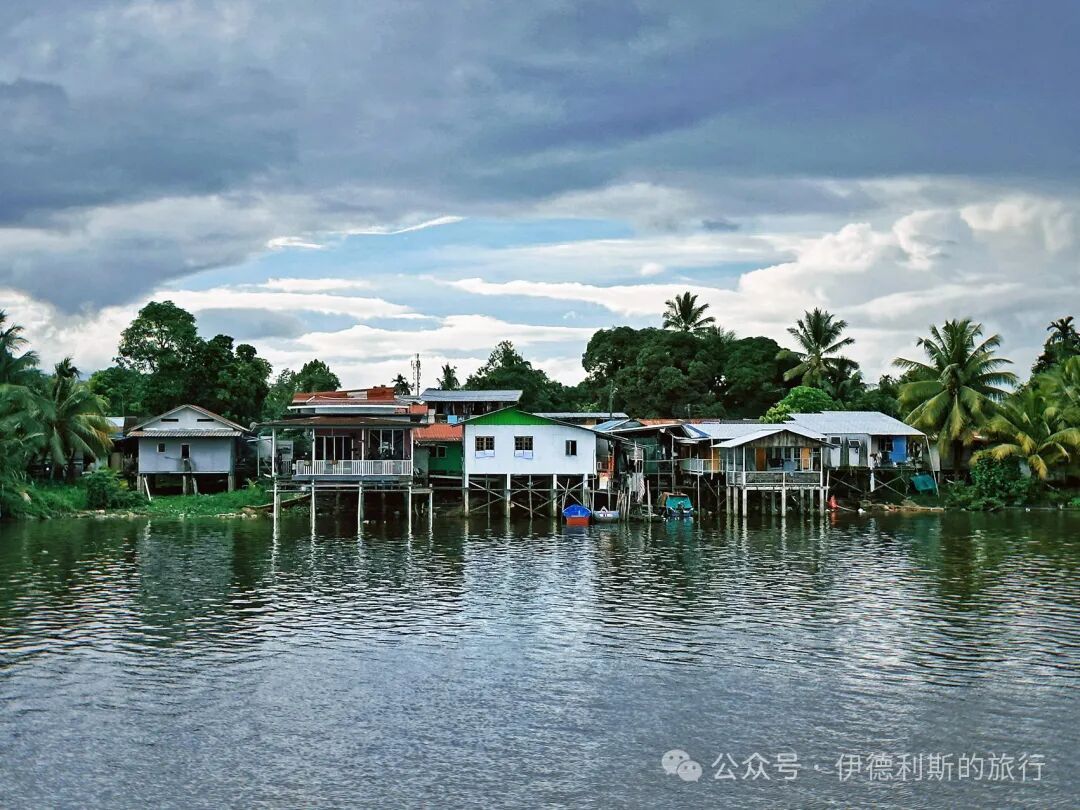
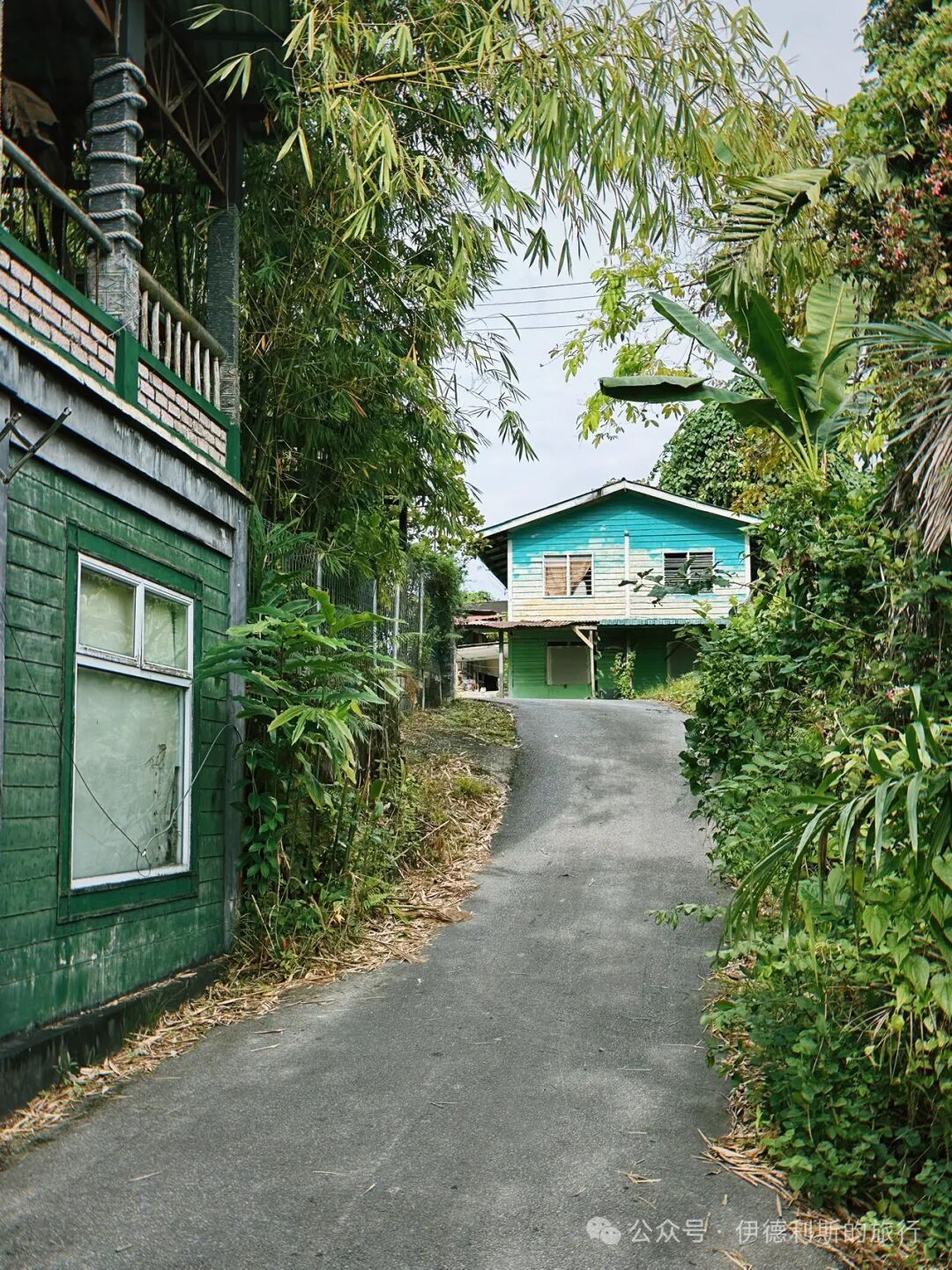
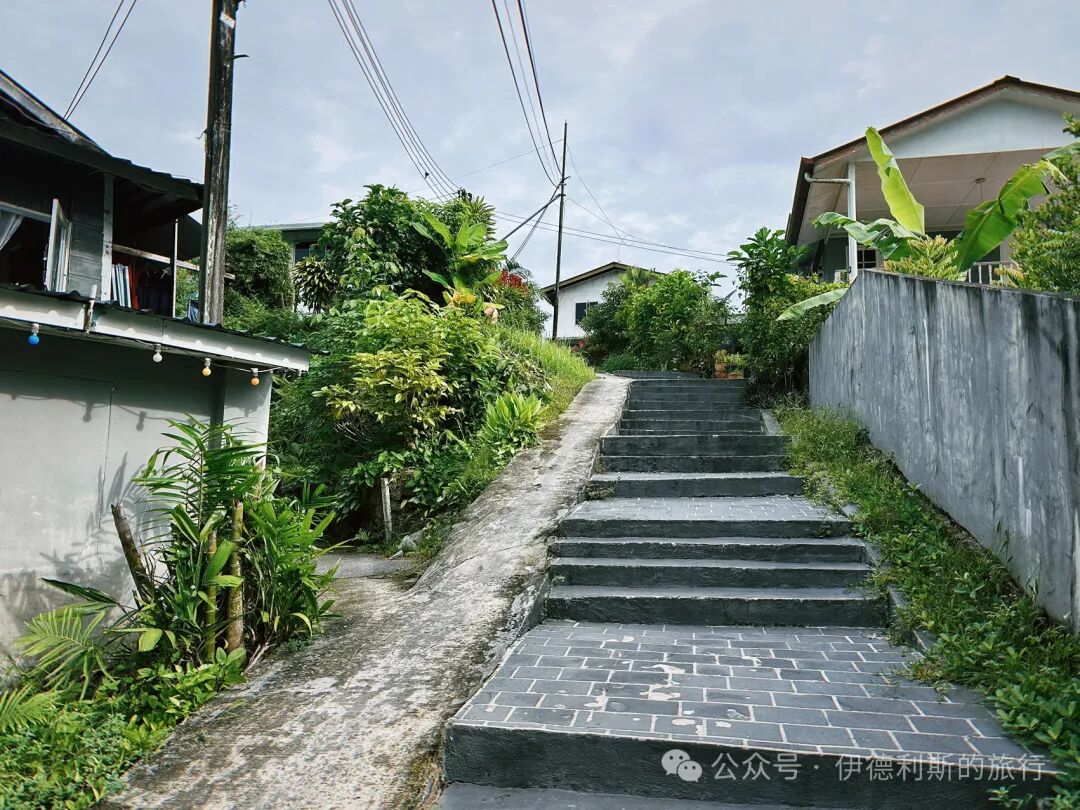
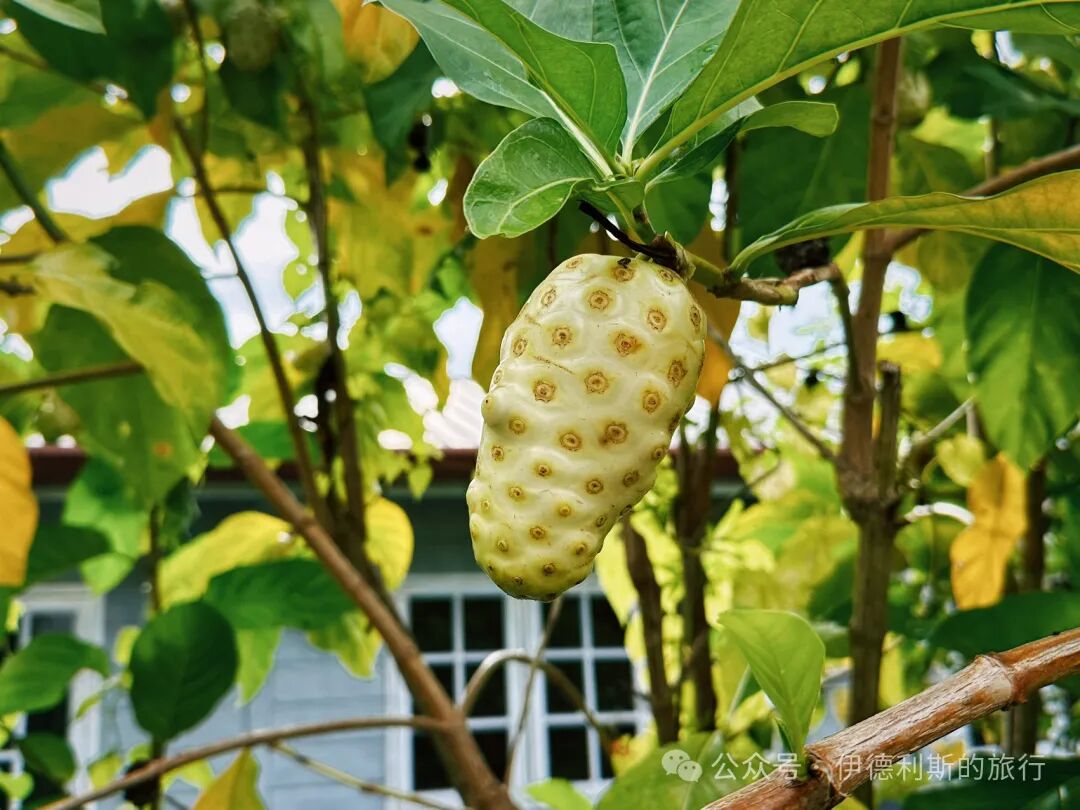
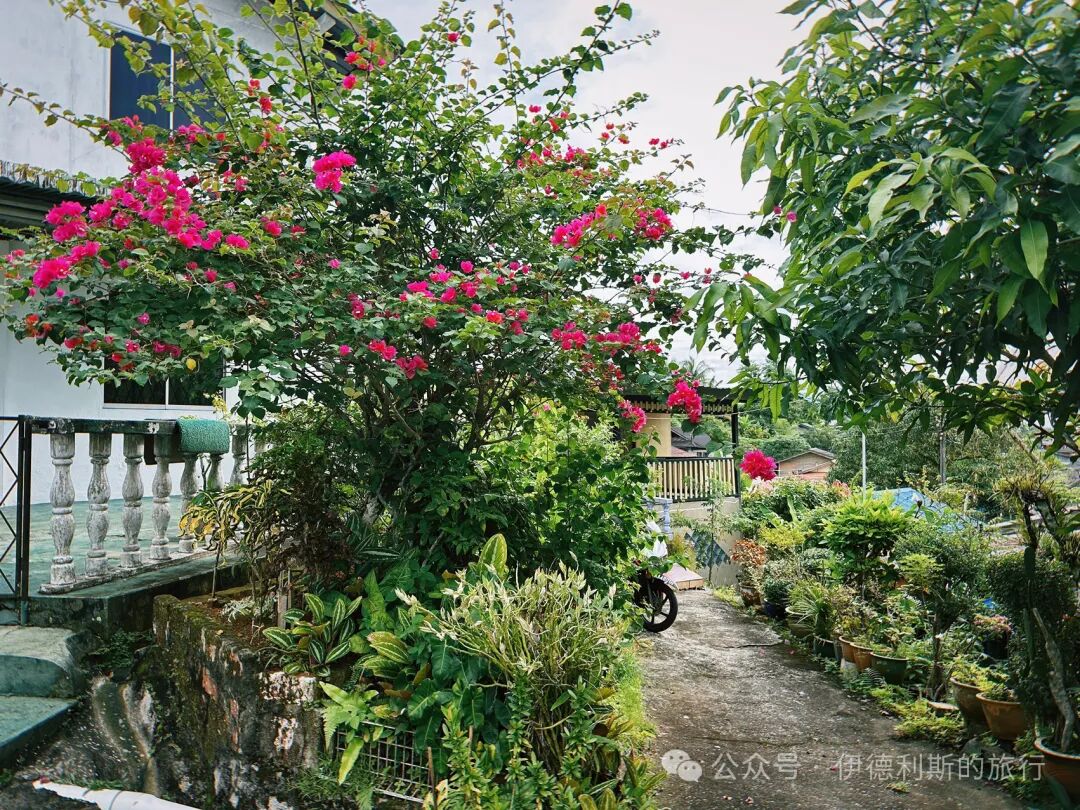
Across from downtown Kuching is a traditional Malay village. Many people still live in stilt houses there. There are many small piers along the riverbank where you can take a wooden boat to cross quickly. The village on the other side is shaded by trees and full of blooming flowers, like a hidden paradise.
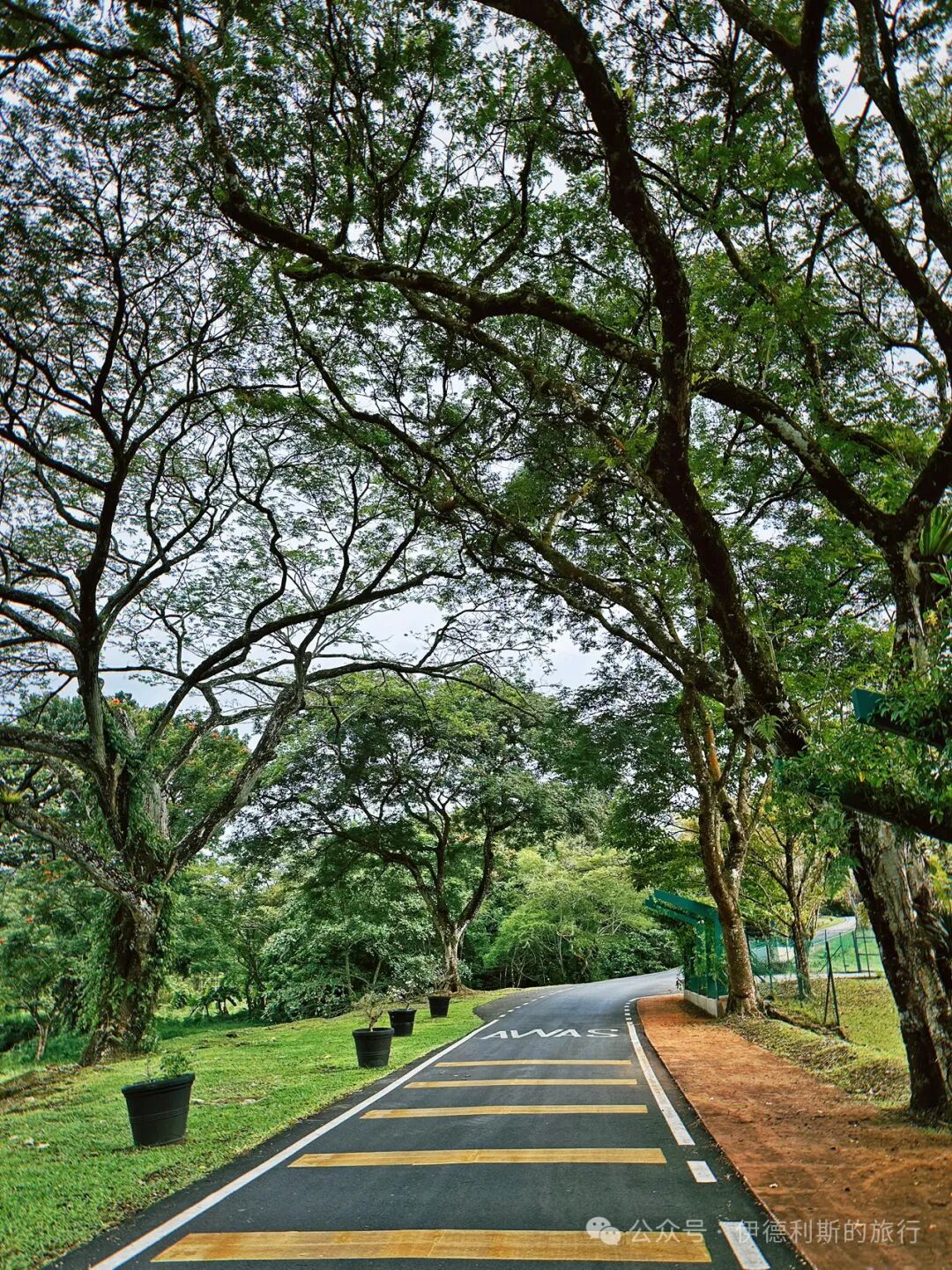
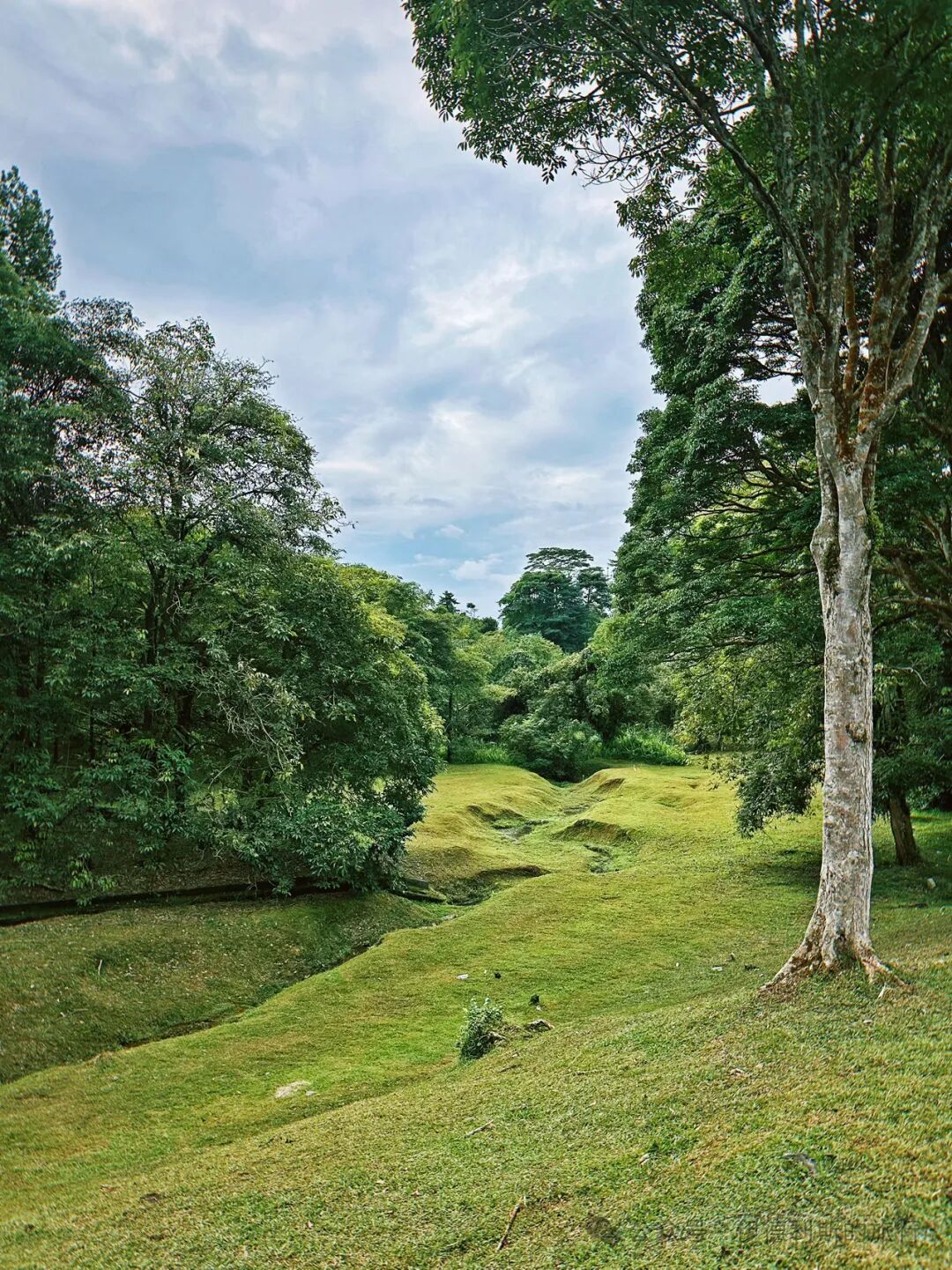
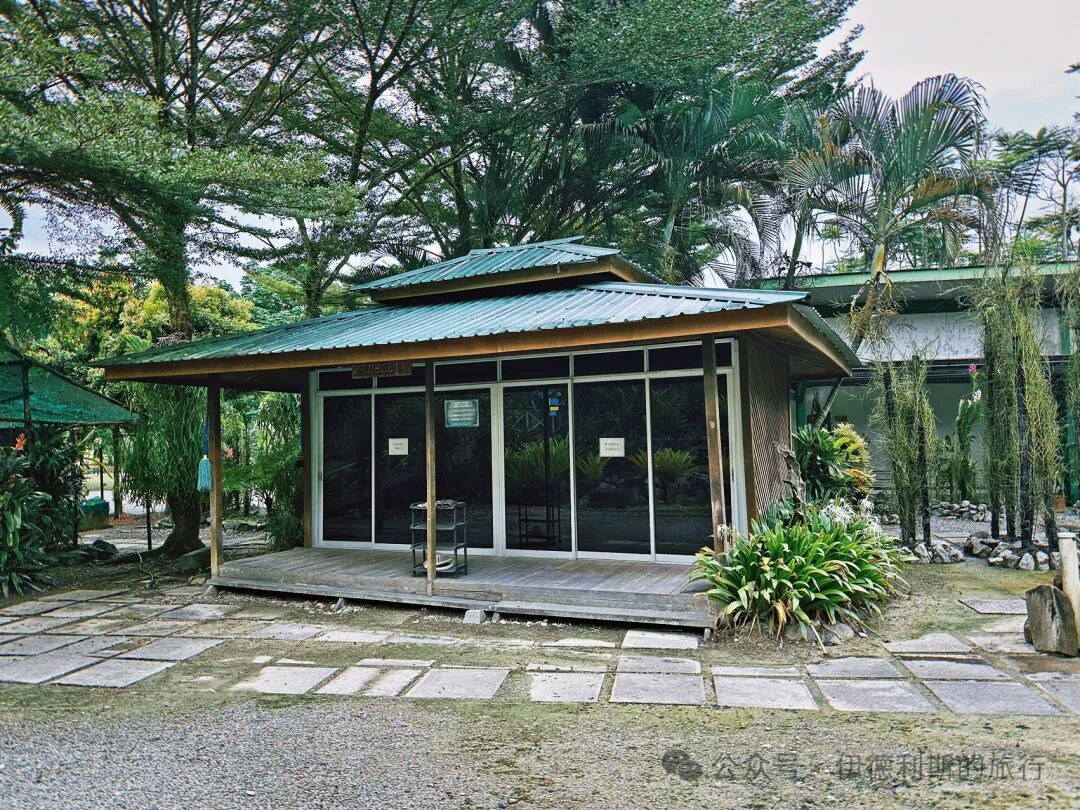
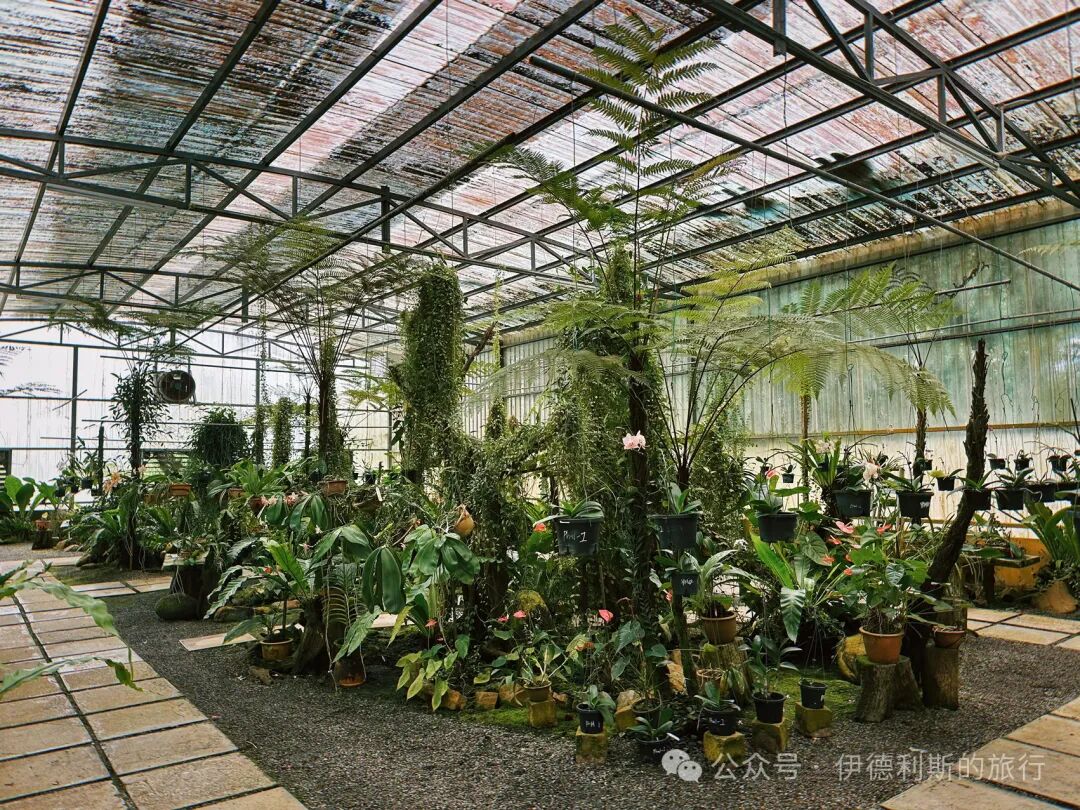
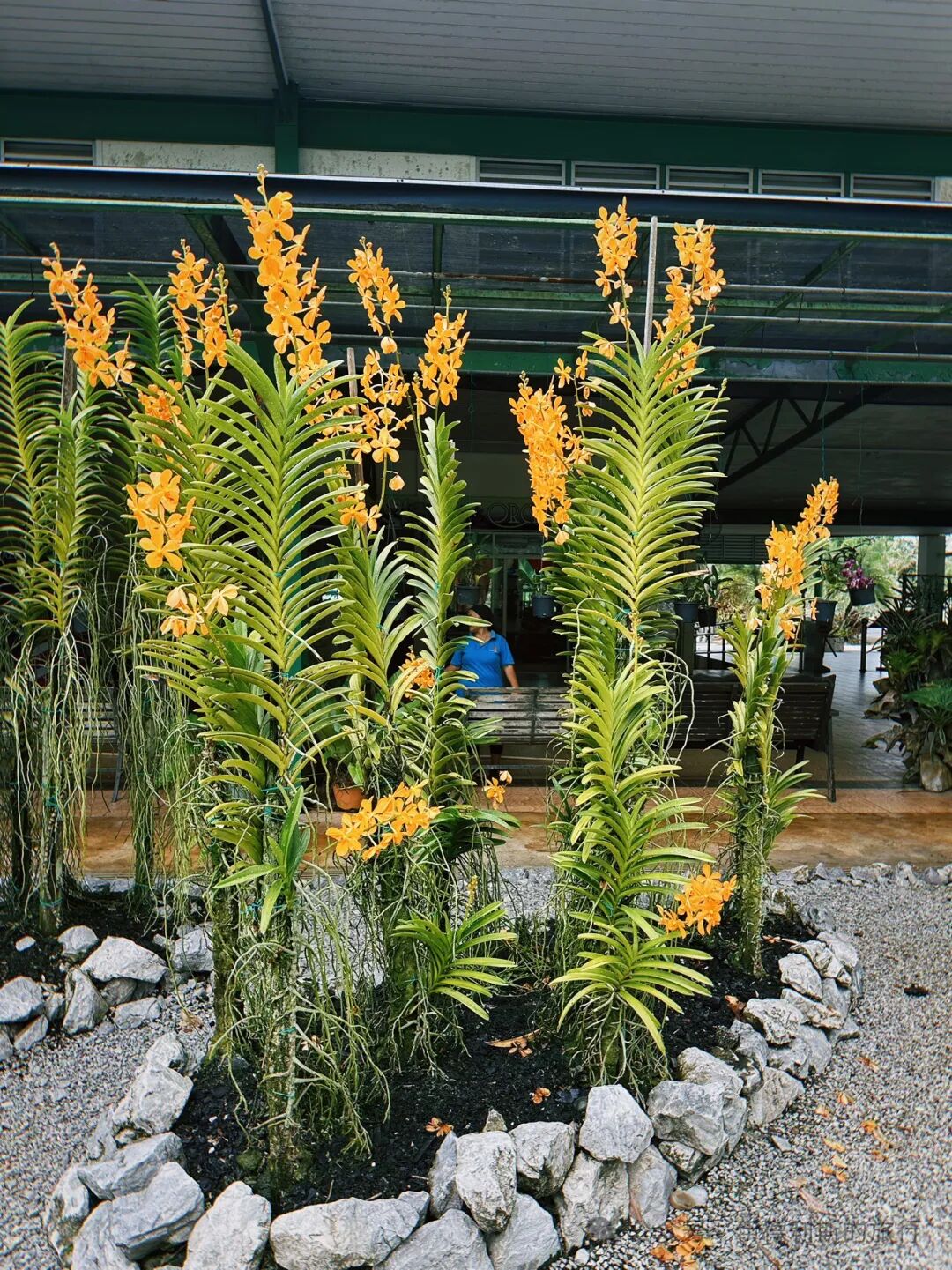
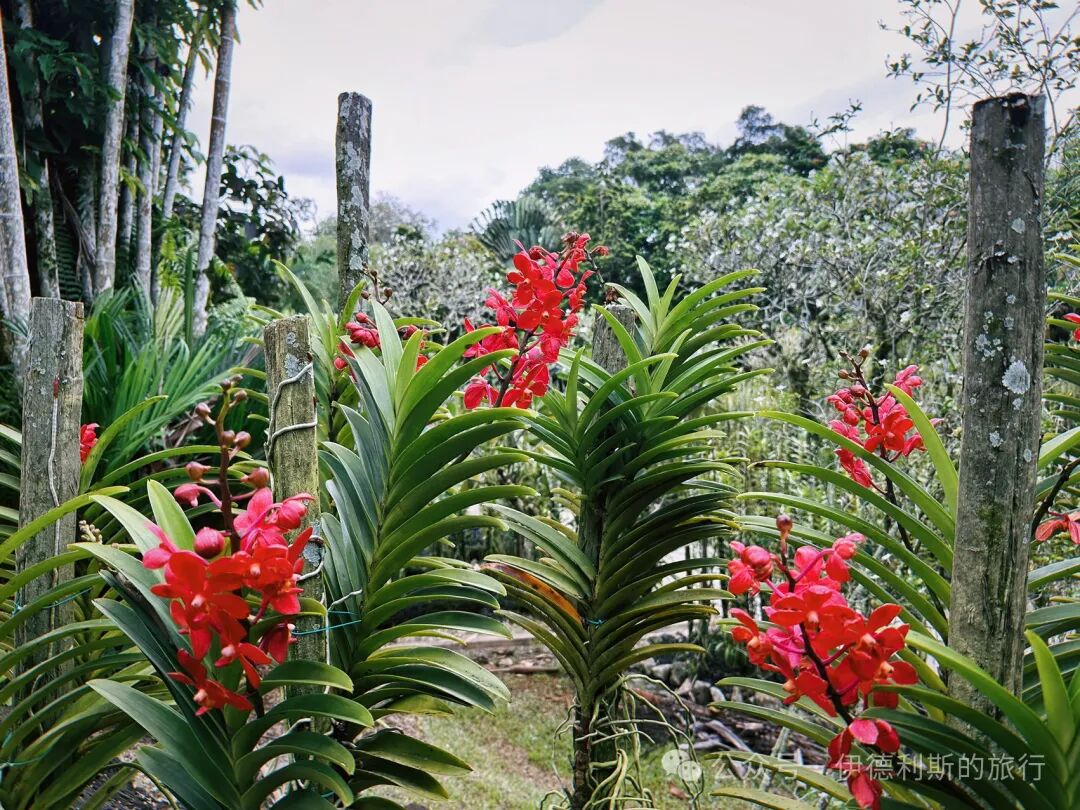
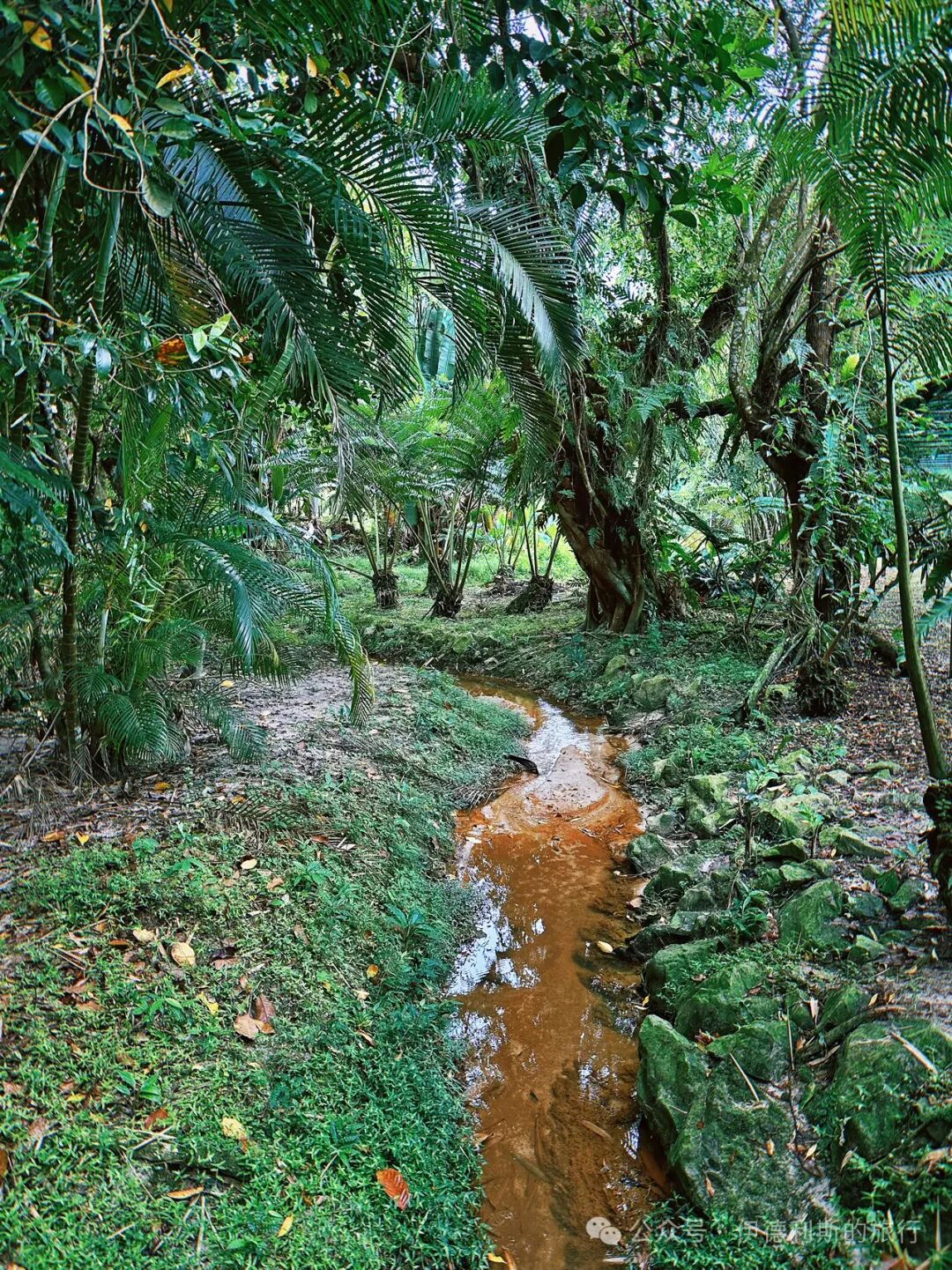
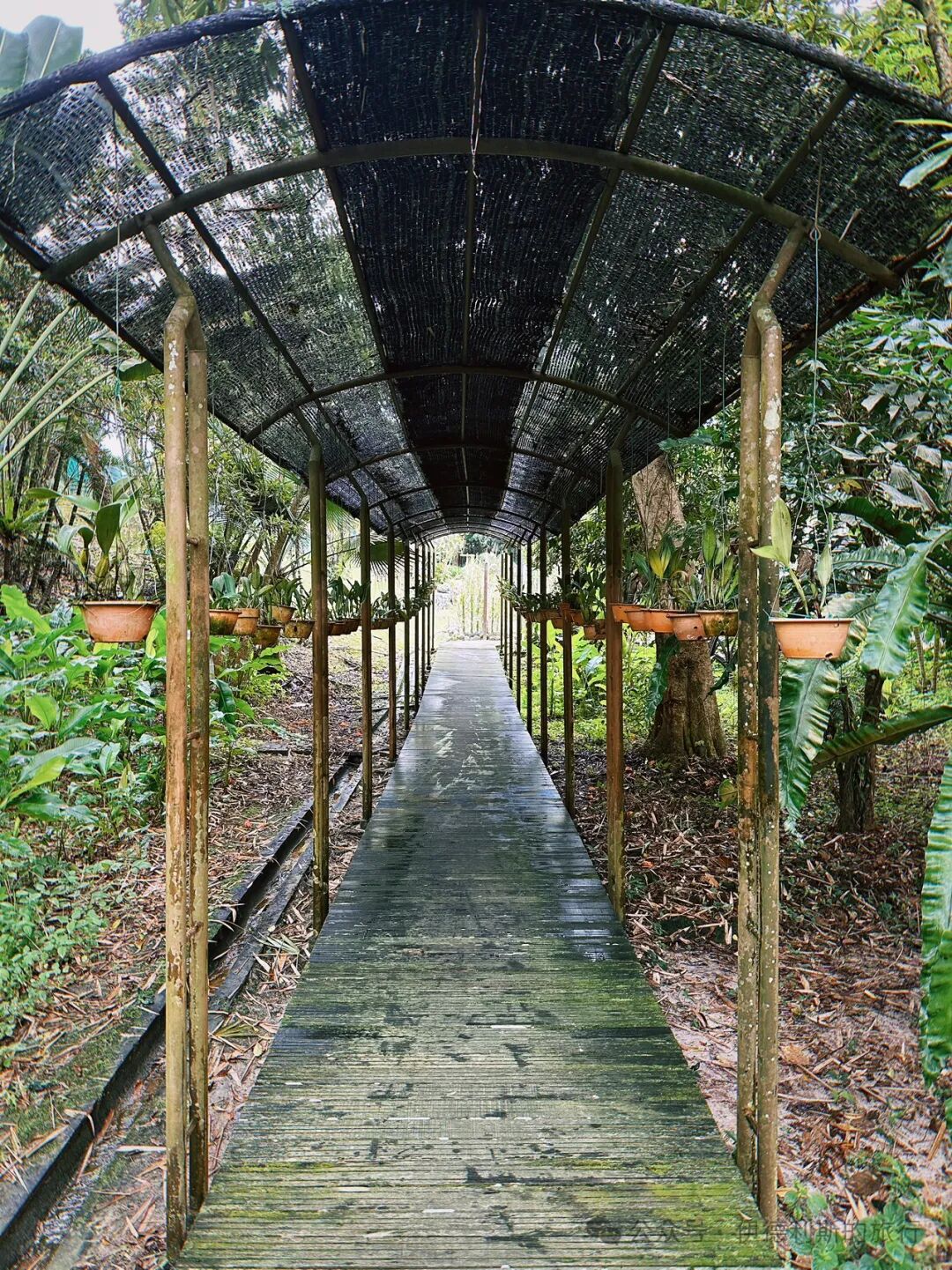
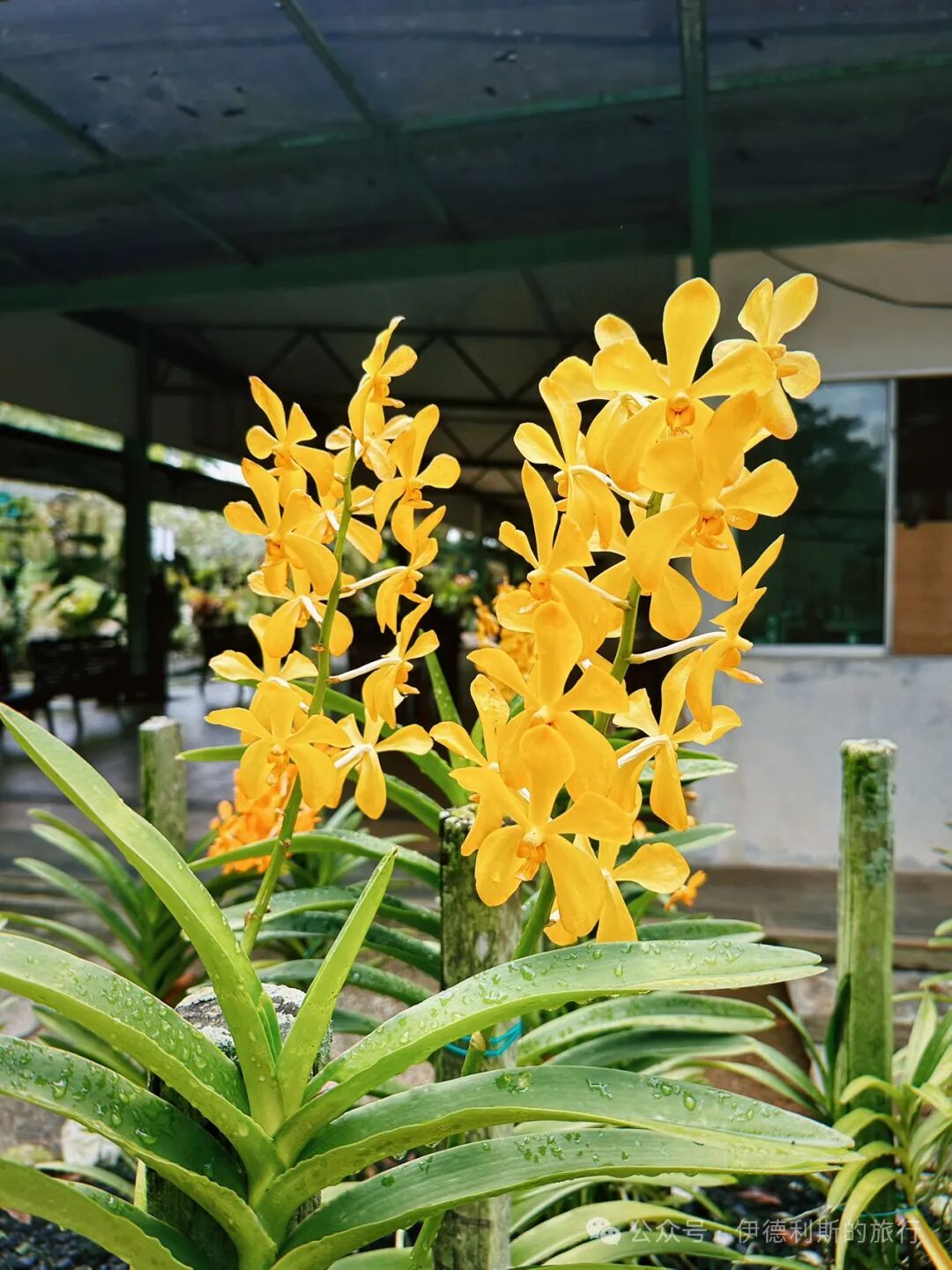
There are large gardens on the north bank of the Sarawak River. There are very few tourists, and the scenery is beautiful. There is a free orchid garden inside. It is very pretty during the orchid season. Not many were blooming when we went, but it was still very pleasant. The orchid garden also has a small prayer hall, so you can sightsee and perform your prayers.
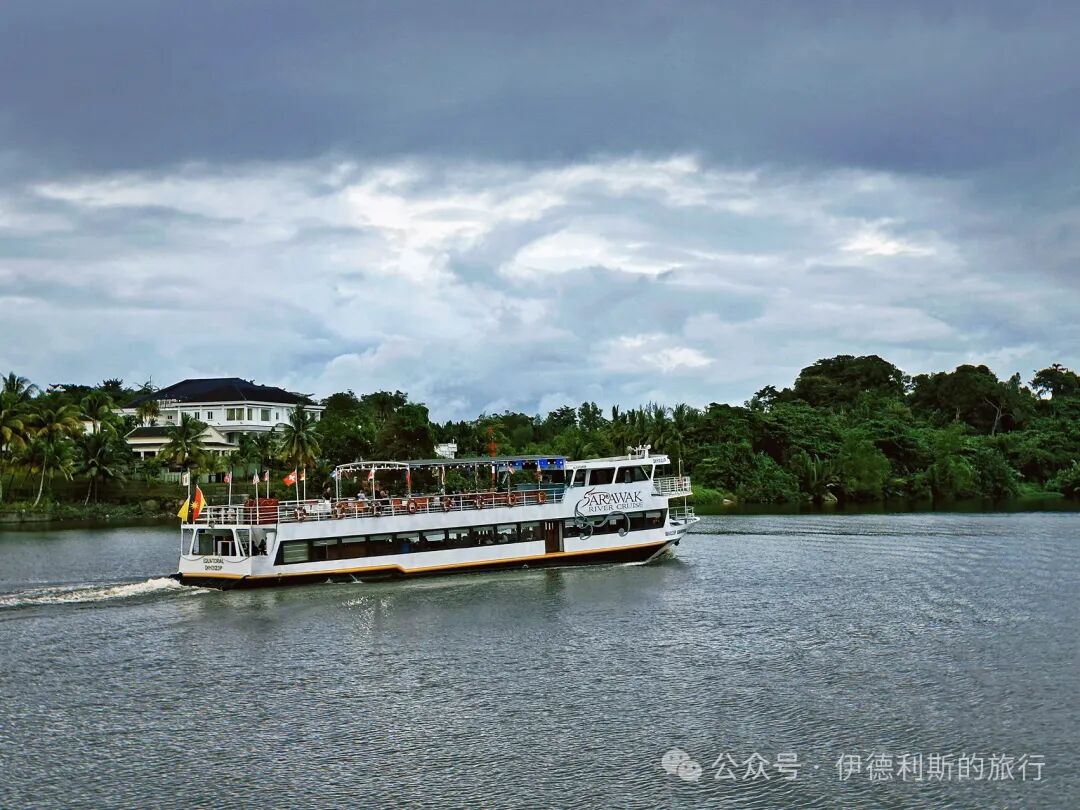
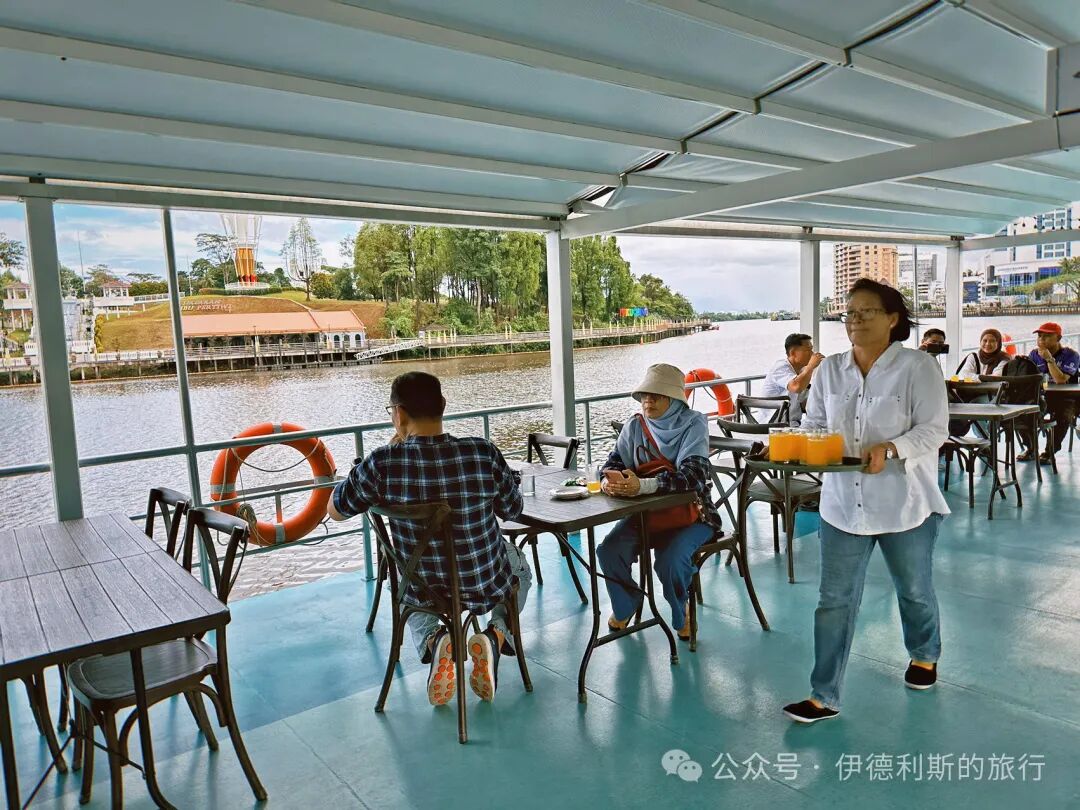
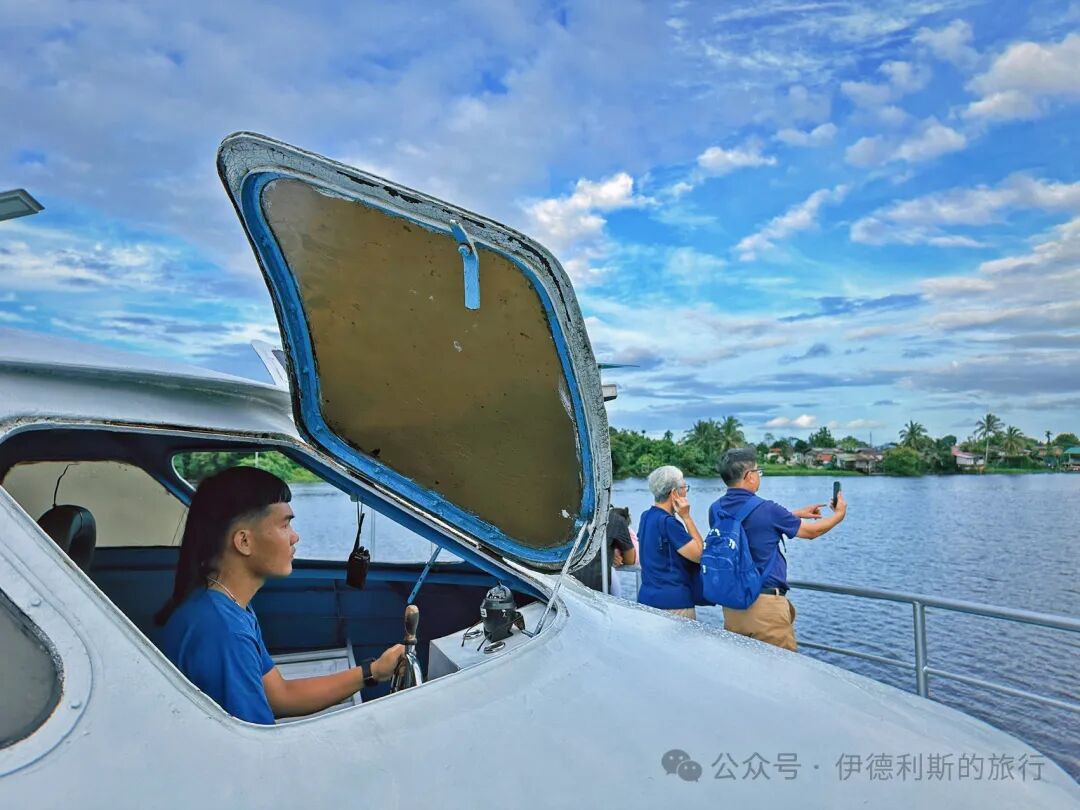
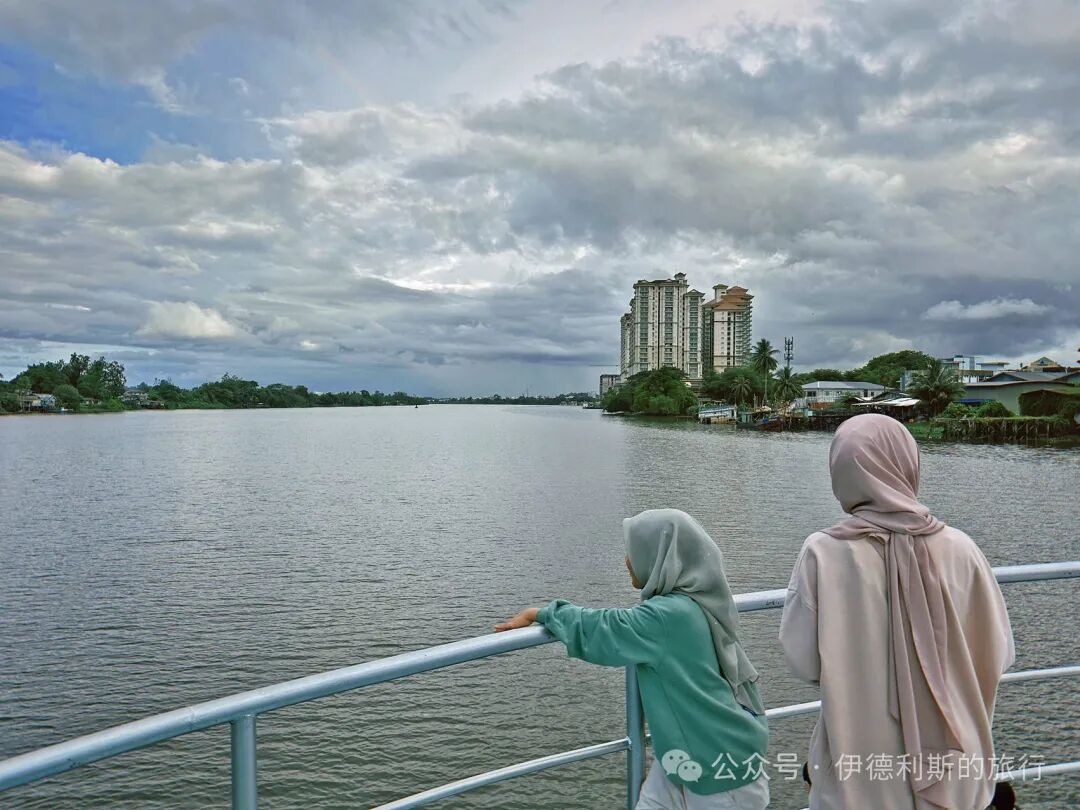
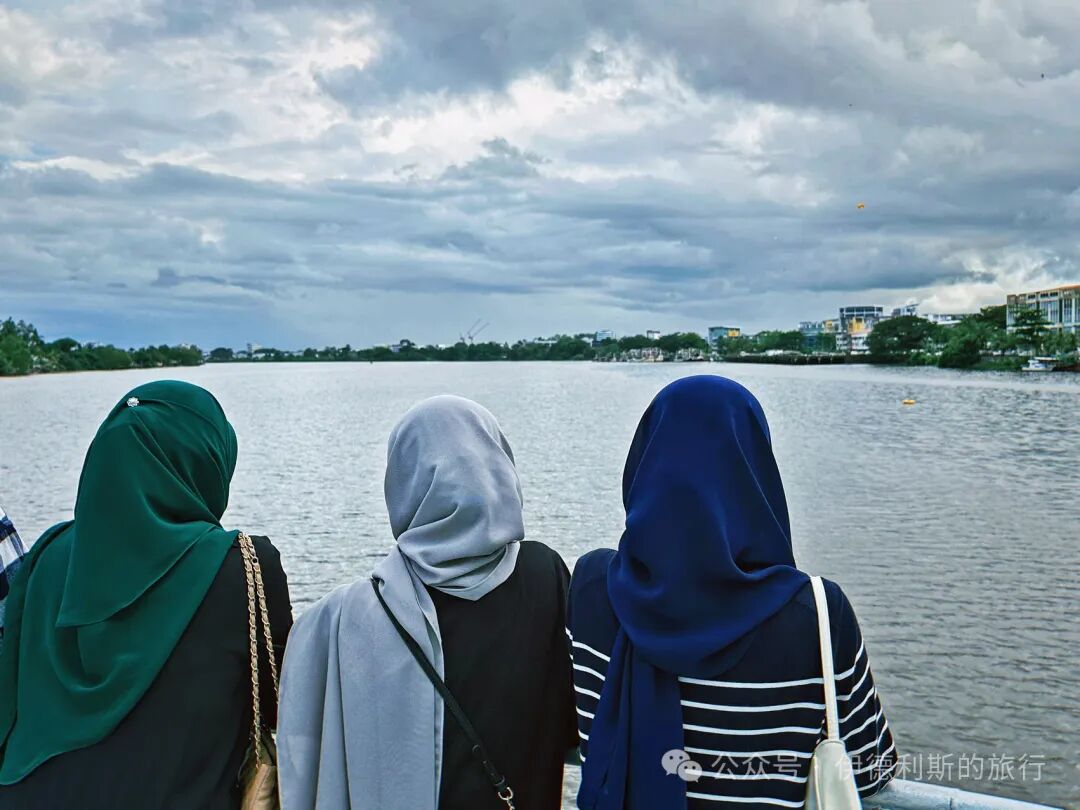
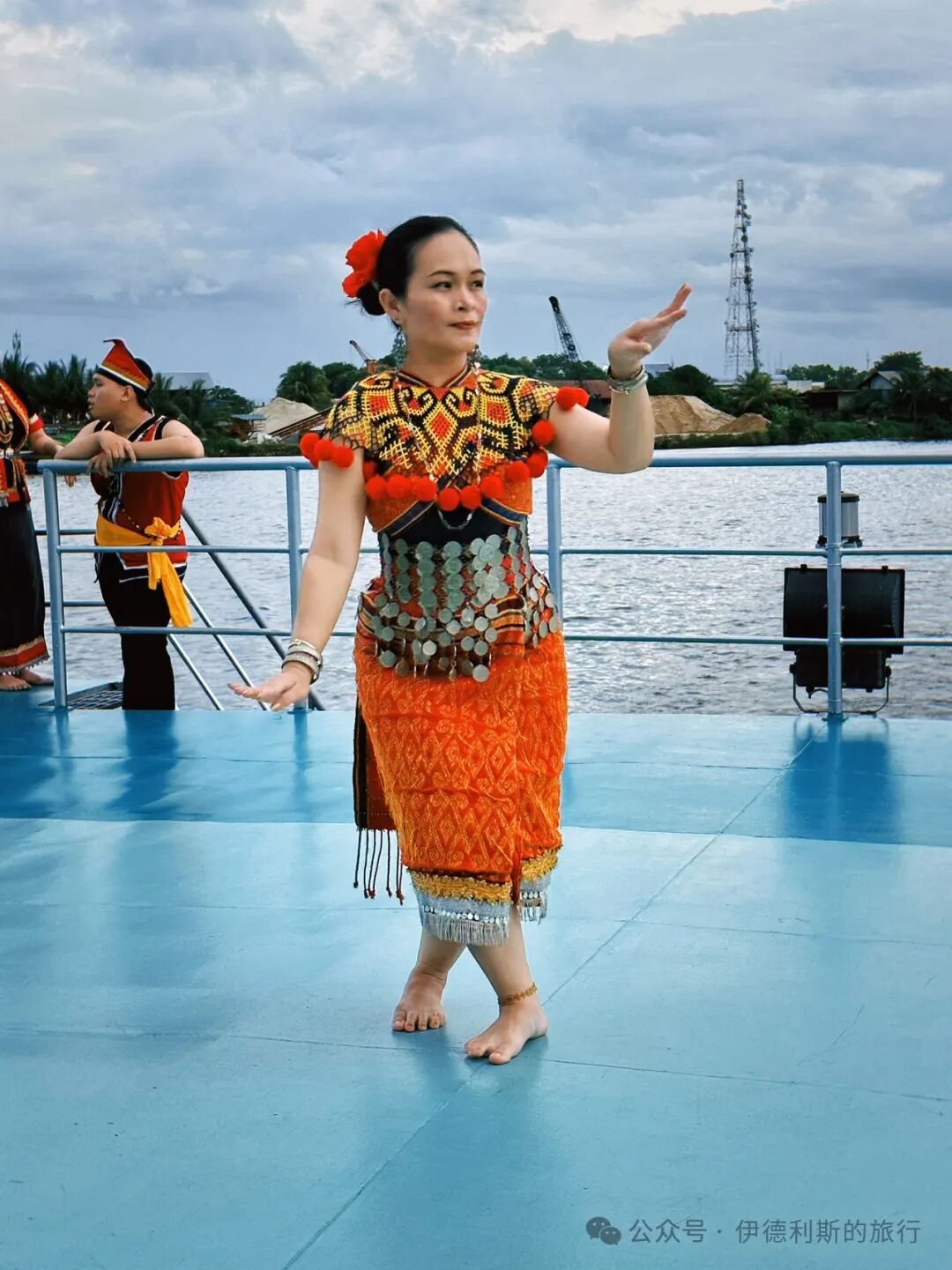
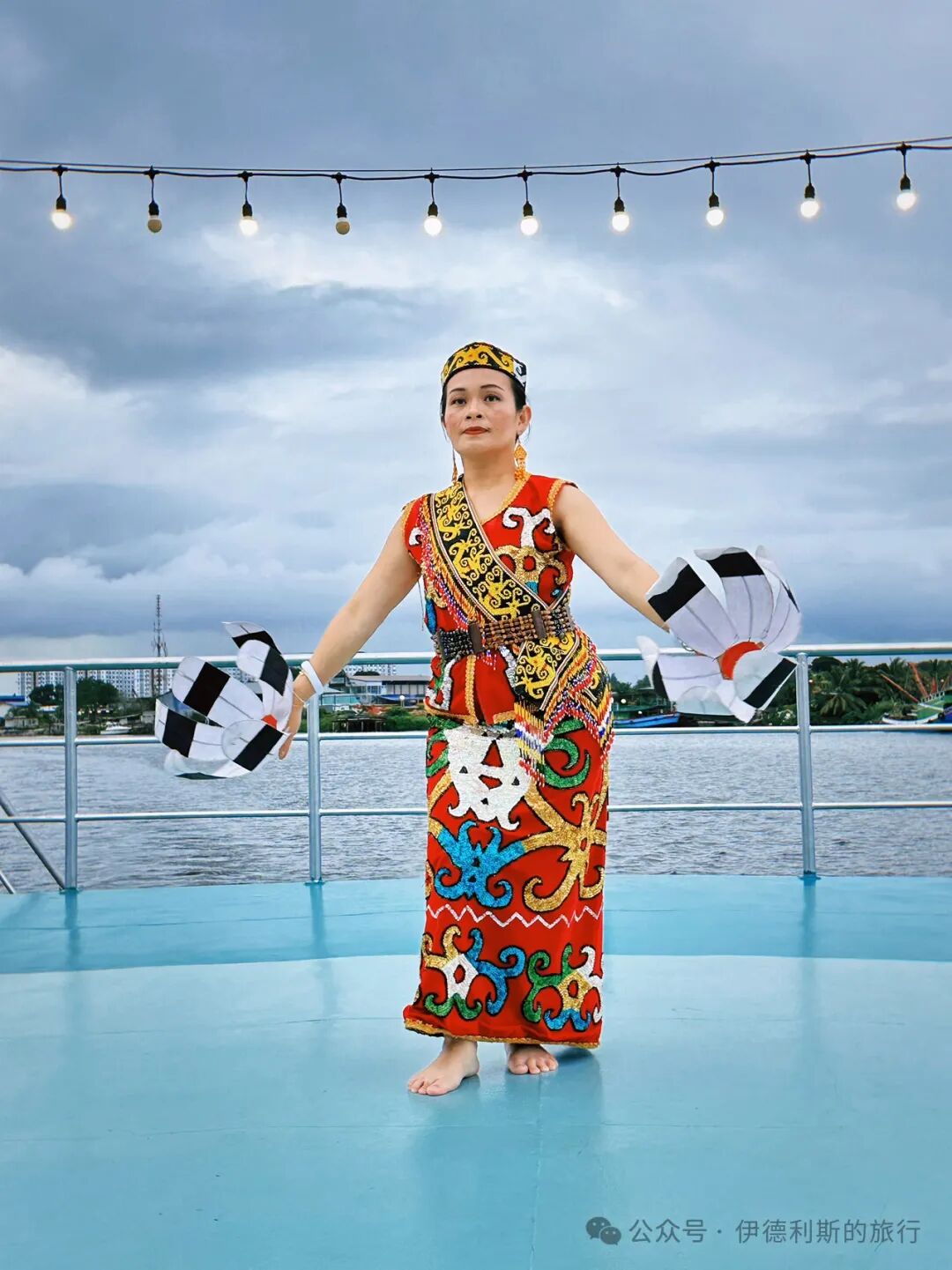
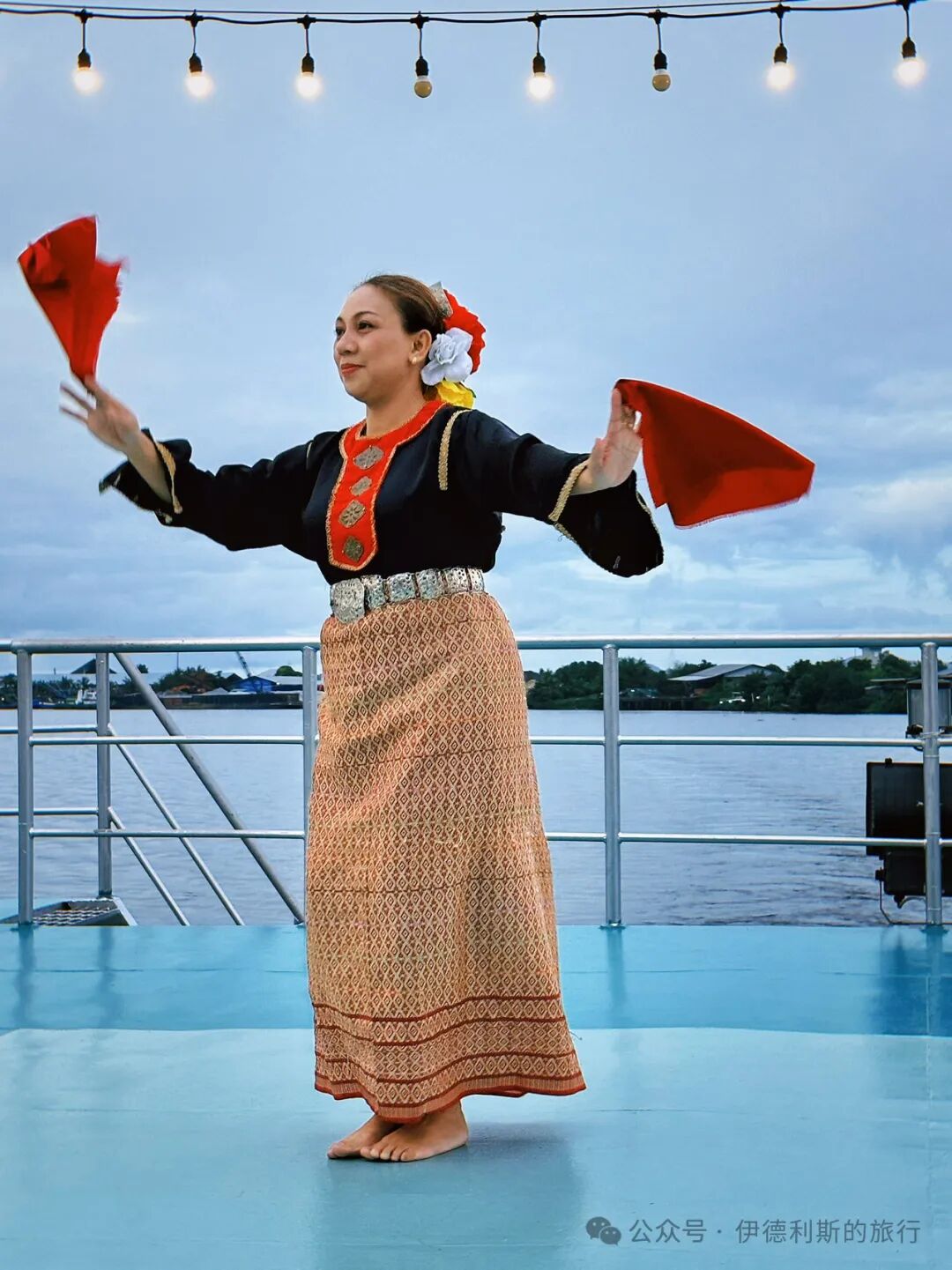
The Sarawak River sunset cruise runs daily from 5:30 to 7:00 PM. It costs 70 Malaysian Ringgit for adults and includes free orange juice, Sarawak layer cake, fried snacks, and traditional indigenous dances.
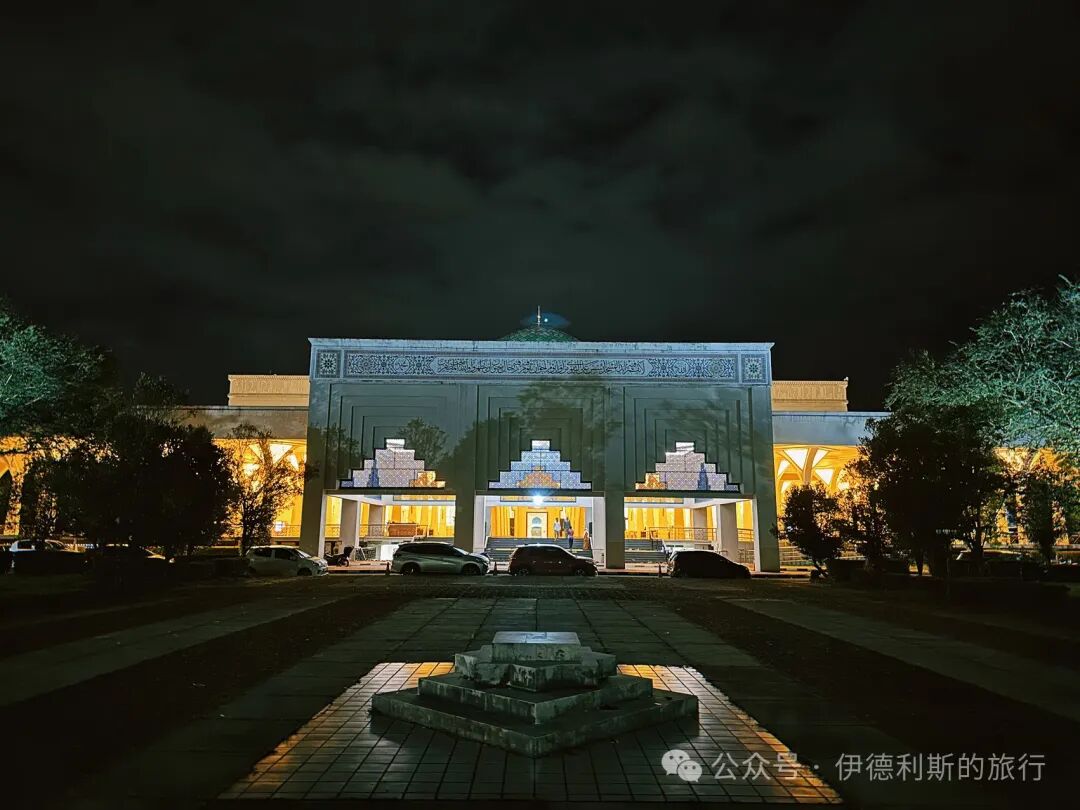
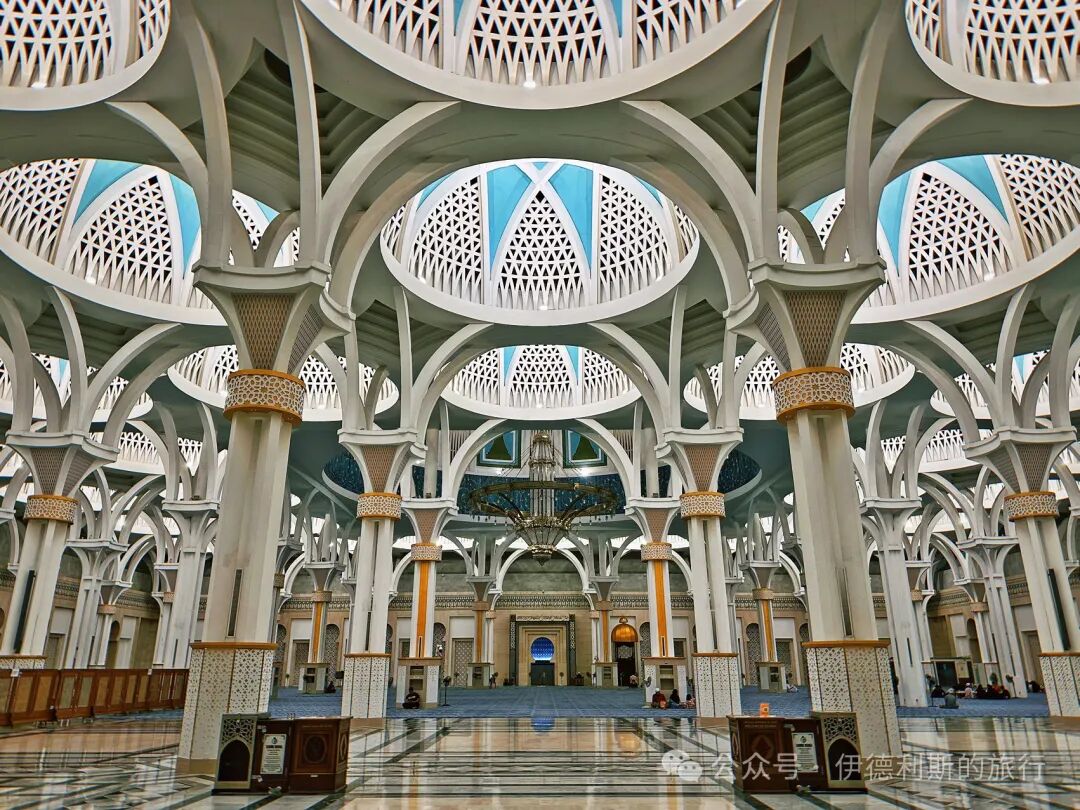
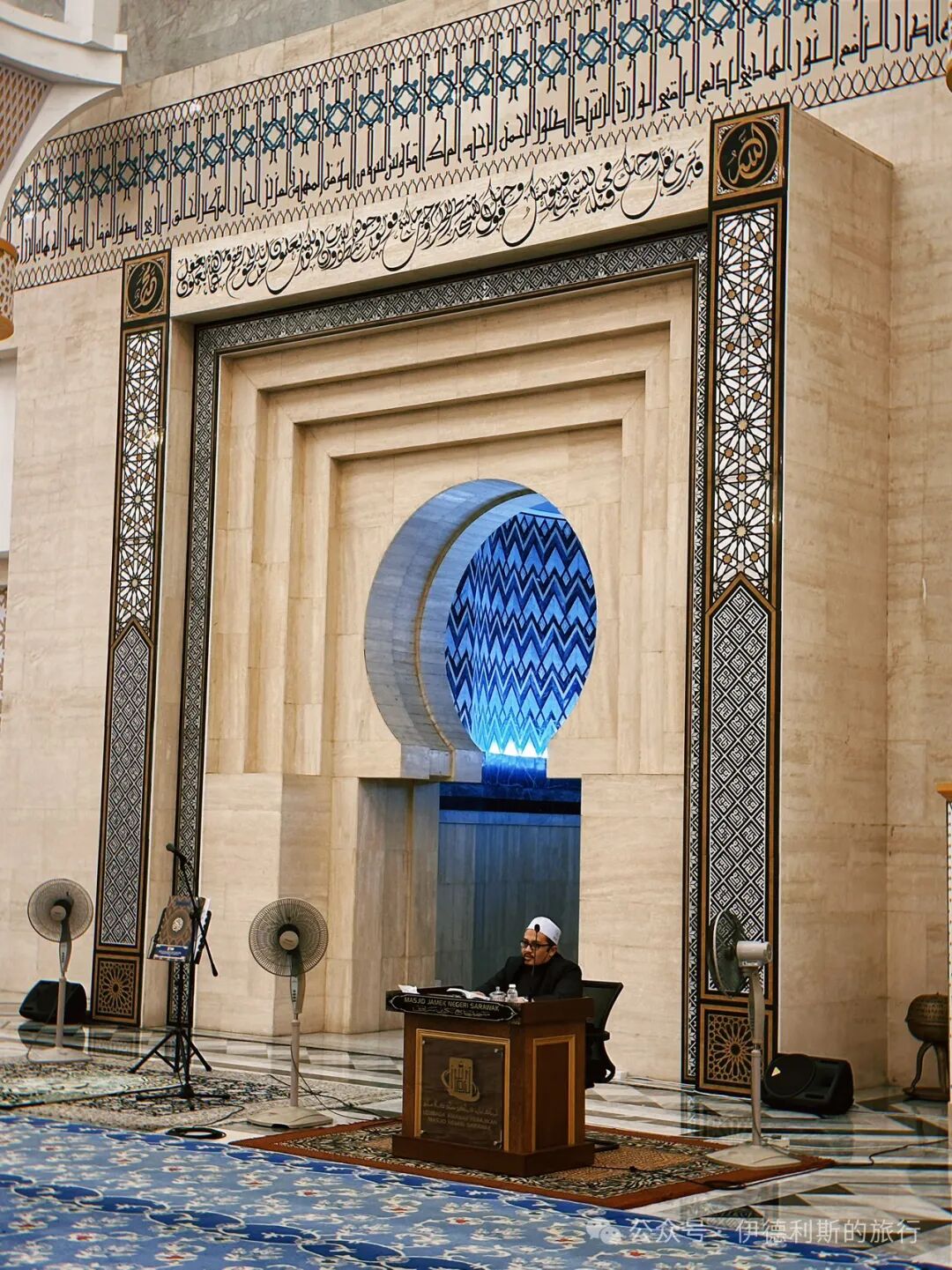
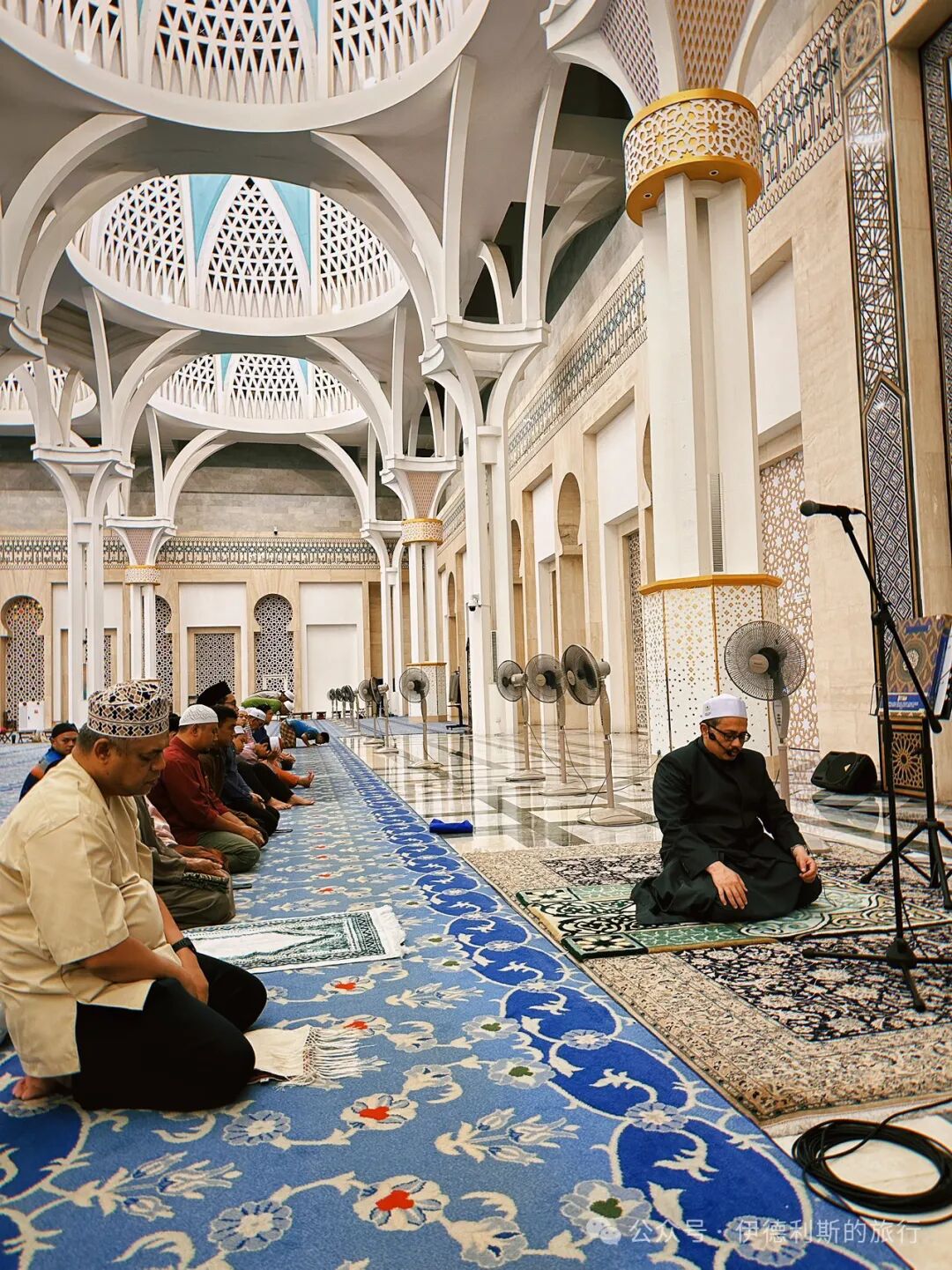
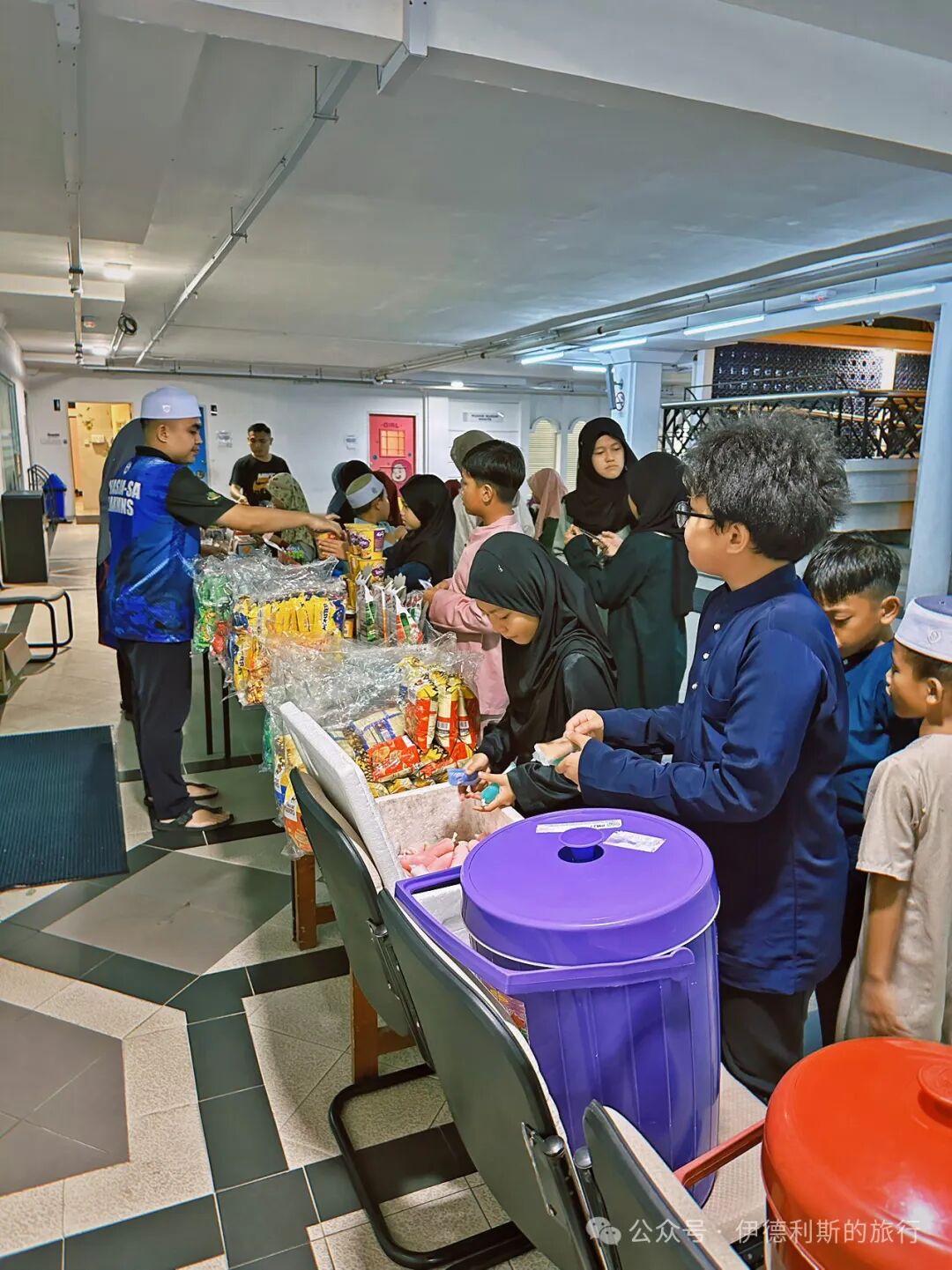
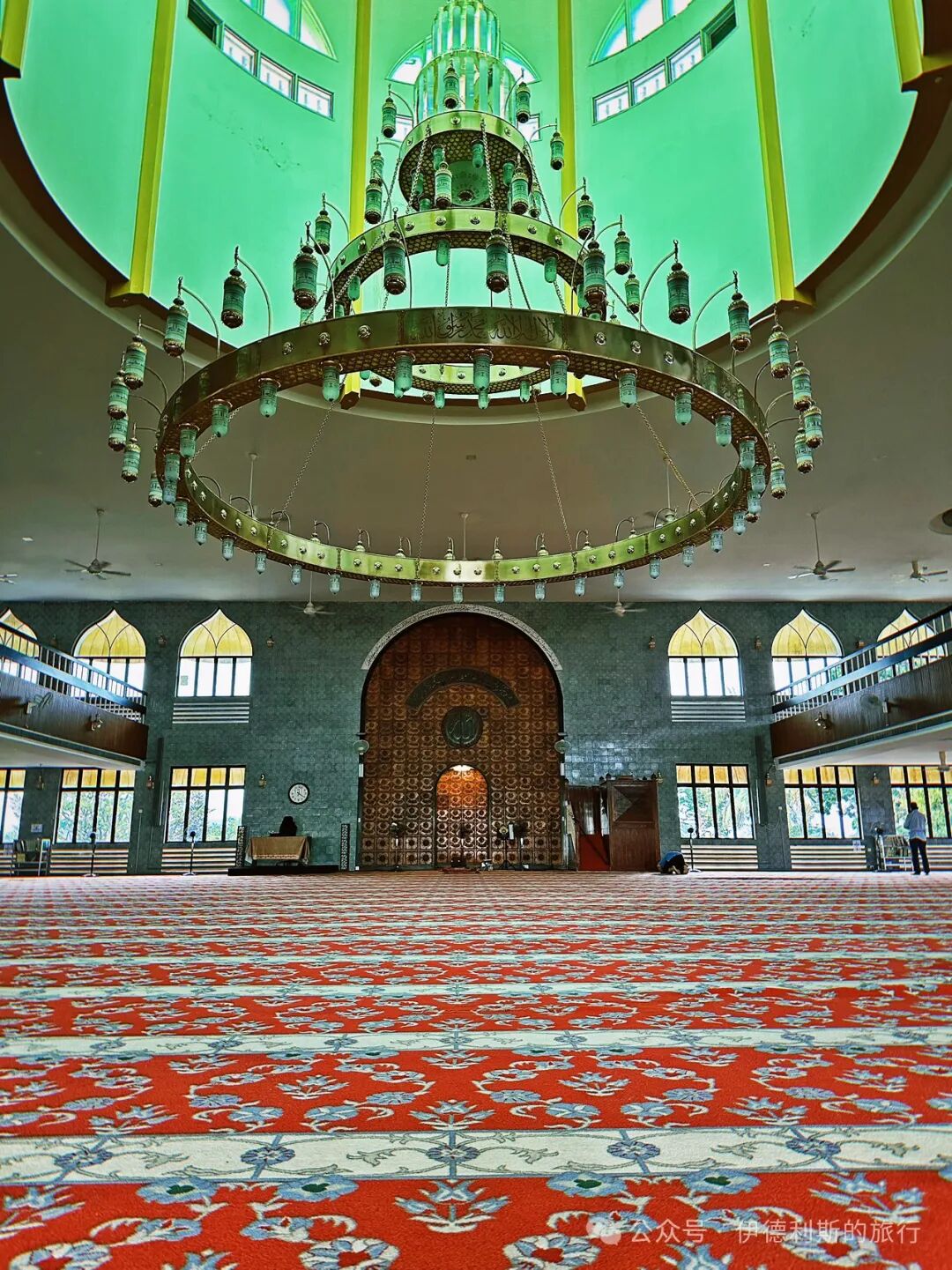
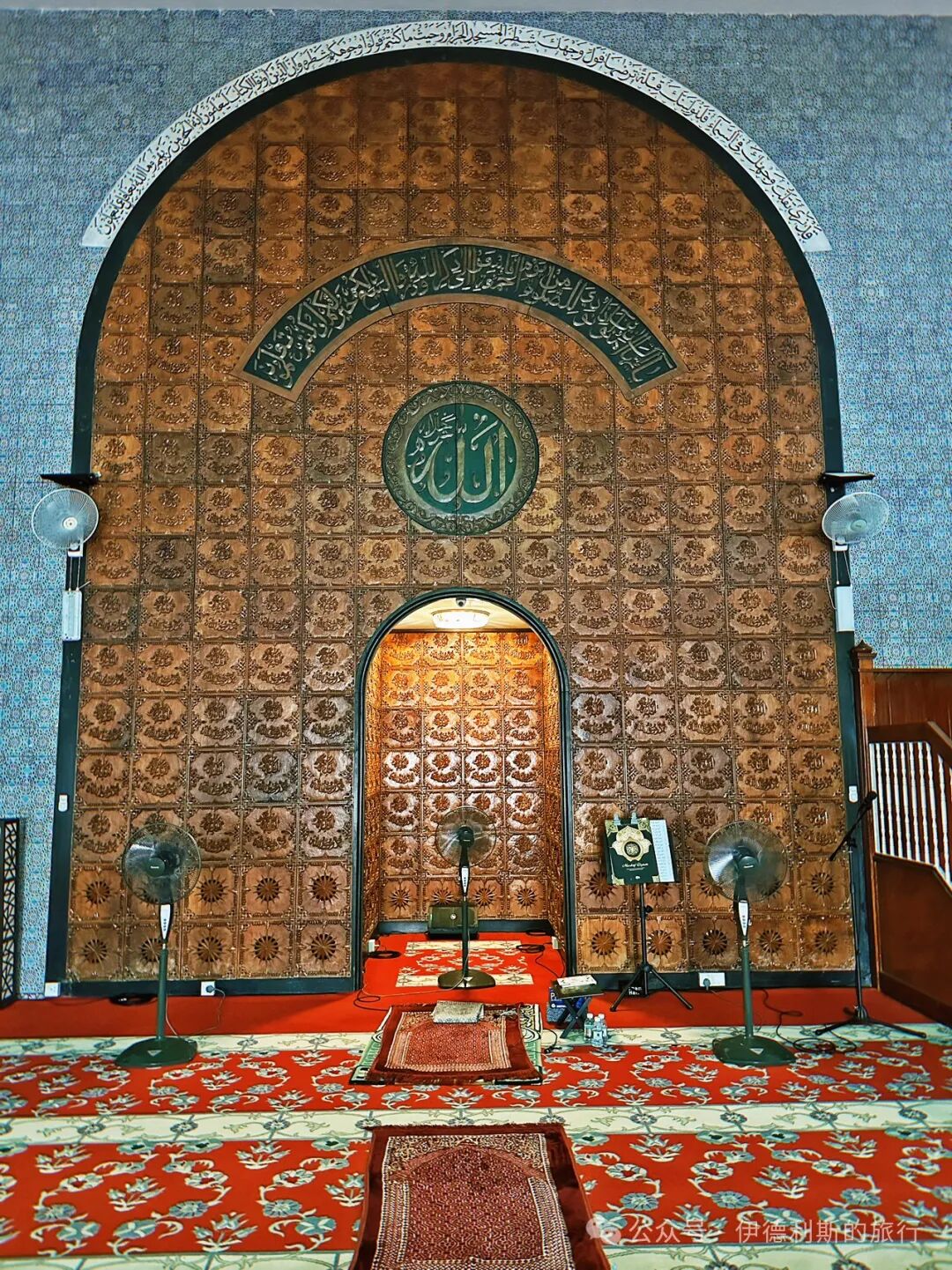
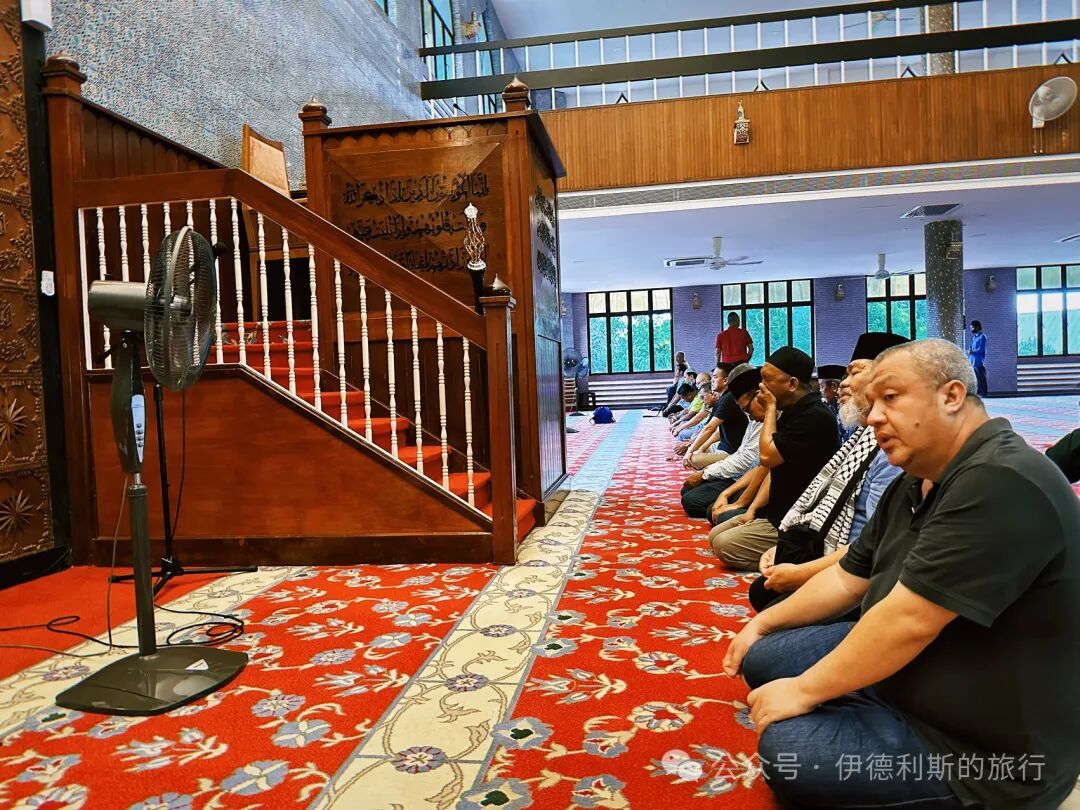
In the evening, we performed namaz at the Sarawak State Mosque. The State Mosque is the largest in Sarawak. The main hall can hold 14,000 people. It is the largest mosque I have visited in Malaysia. The experience was moving, and under the huge dome, people felt as small as ants. When I went, the main hall was full of children learning to recite the Quran. After the prayer, they all rushed to the small shop to buy snacks, which was very cute.
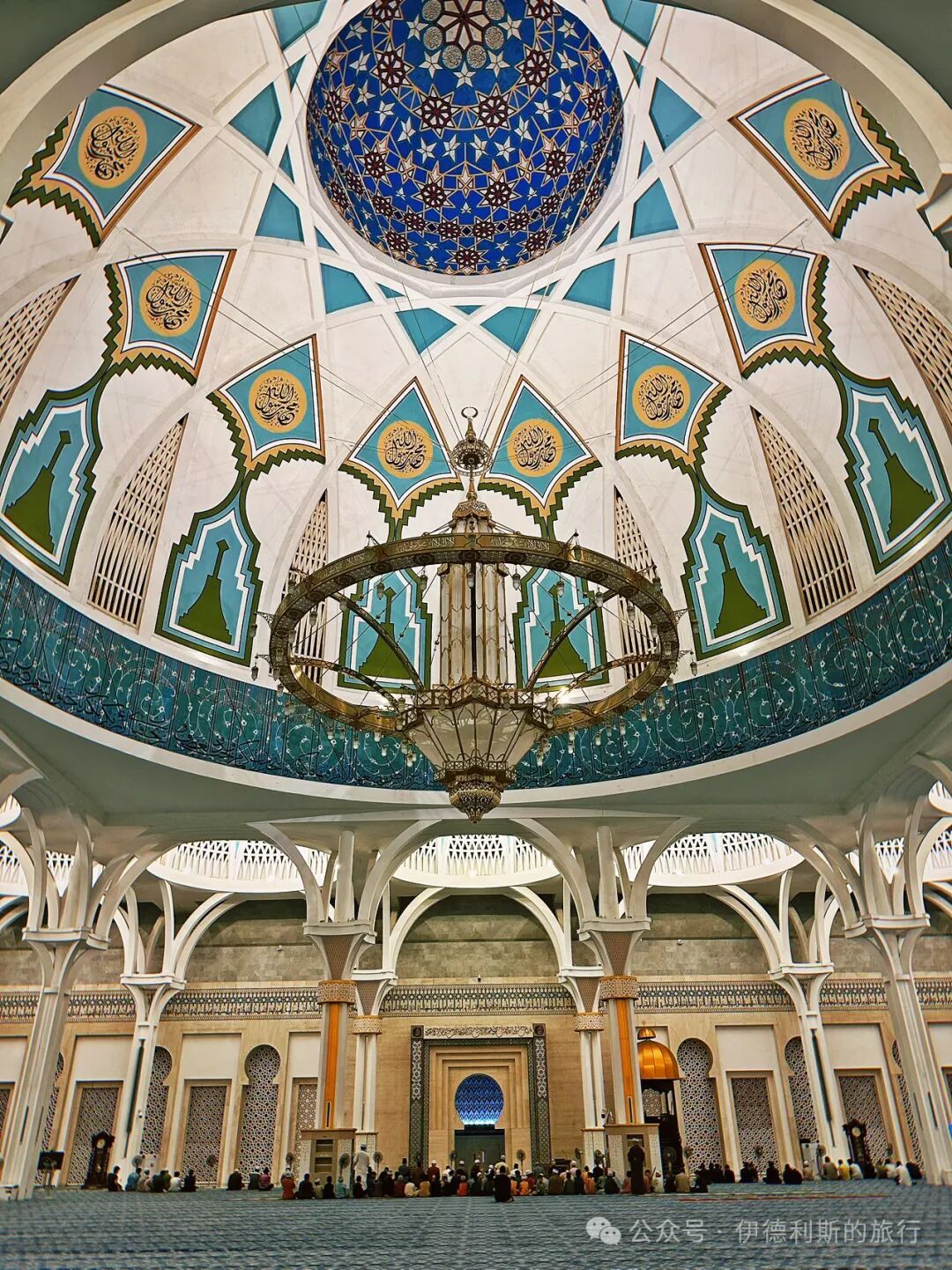
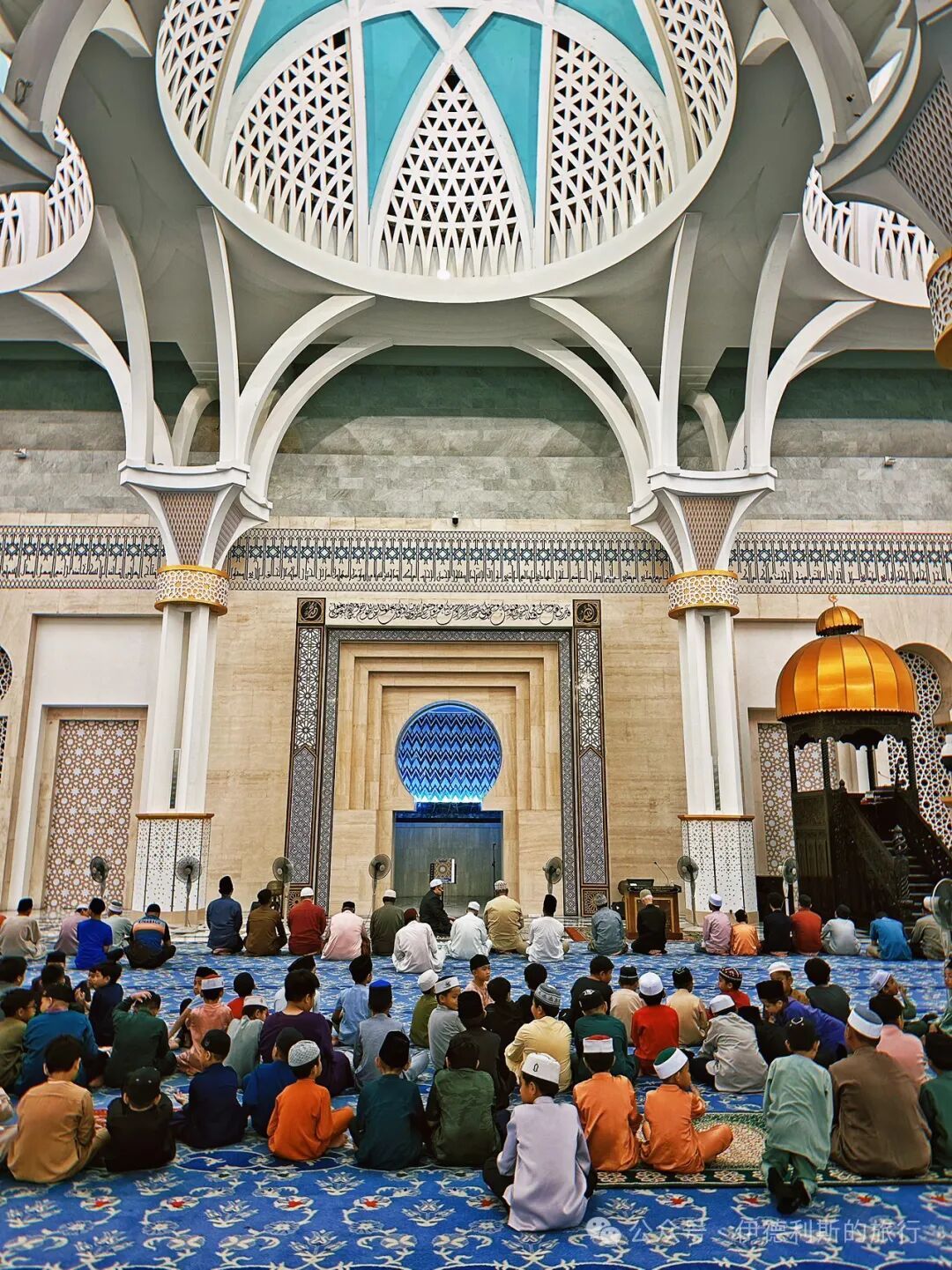
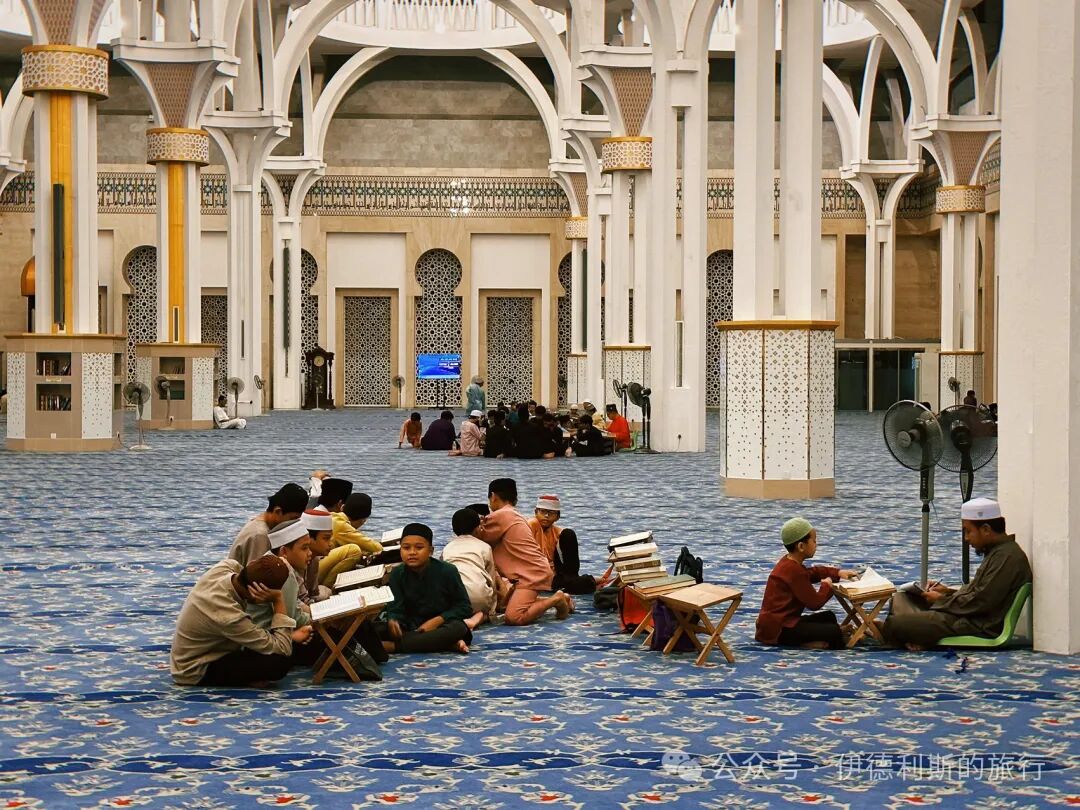
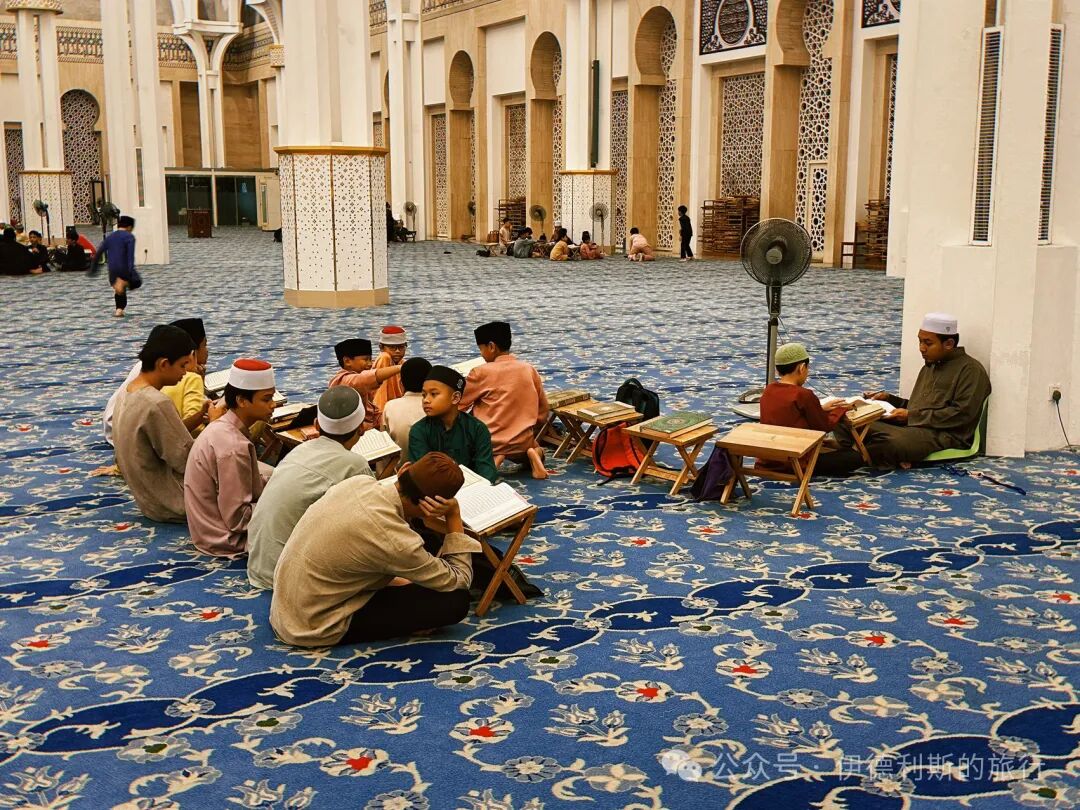
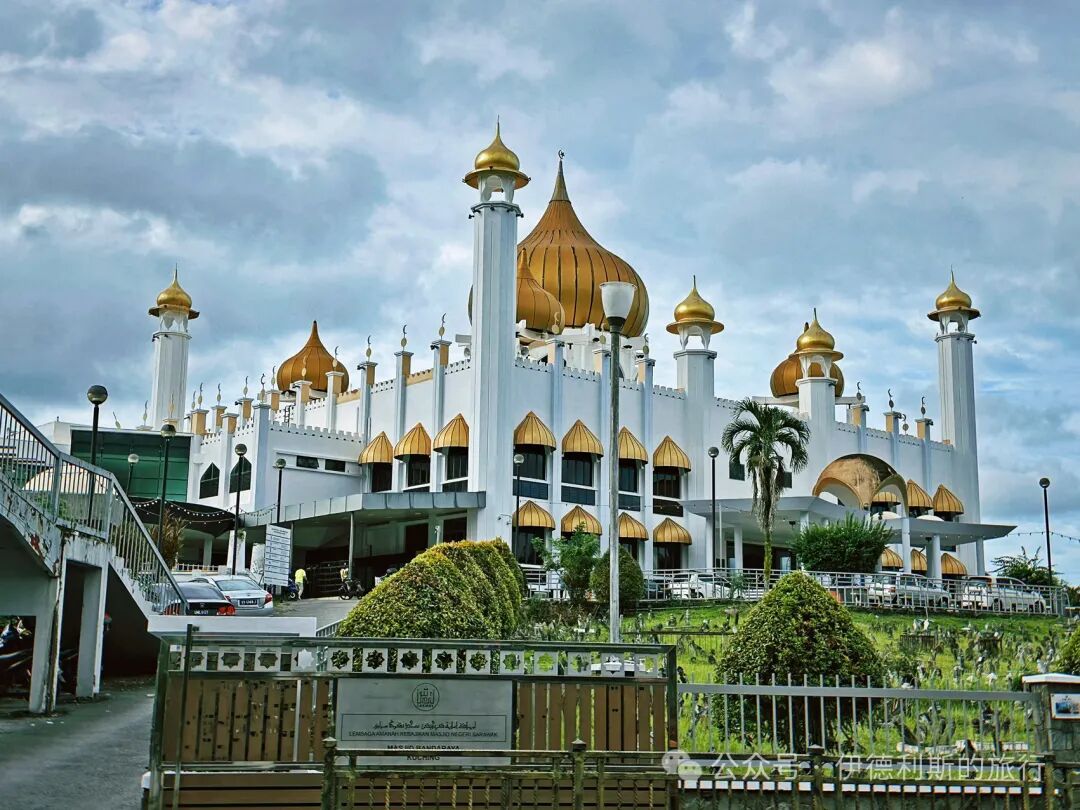
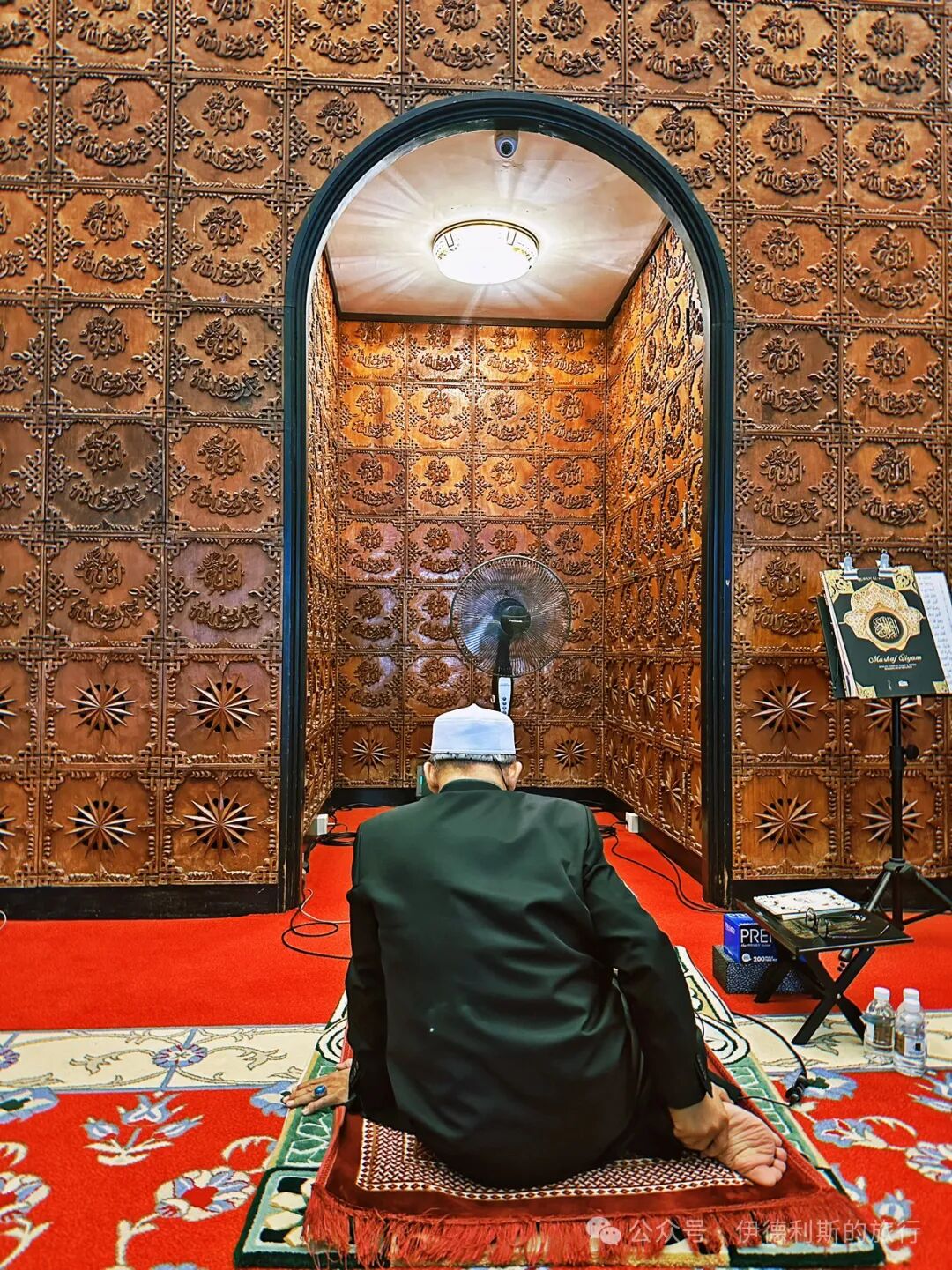
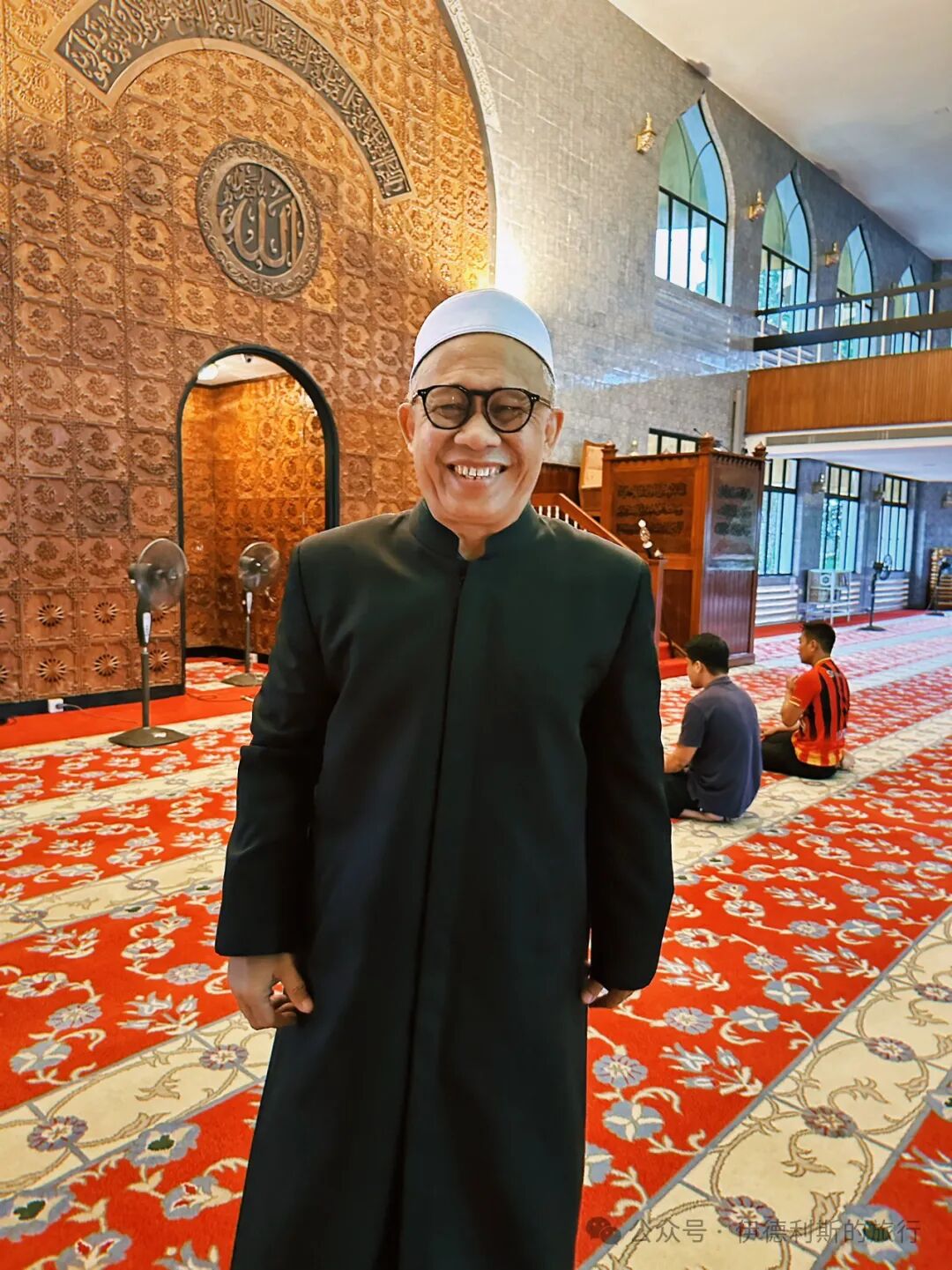
The Kuching City Mosque was built in 1847 under the leadership of Datu Patinggi Ali. It was rebuilt in 1968 to its current form. The mosque is on a hill west of Kuching and overlooks the whole city. We performed Dhuhr prayer at the mosque and chatted with the imam, who was very friendly.
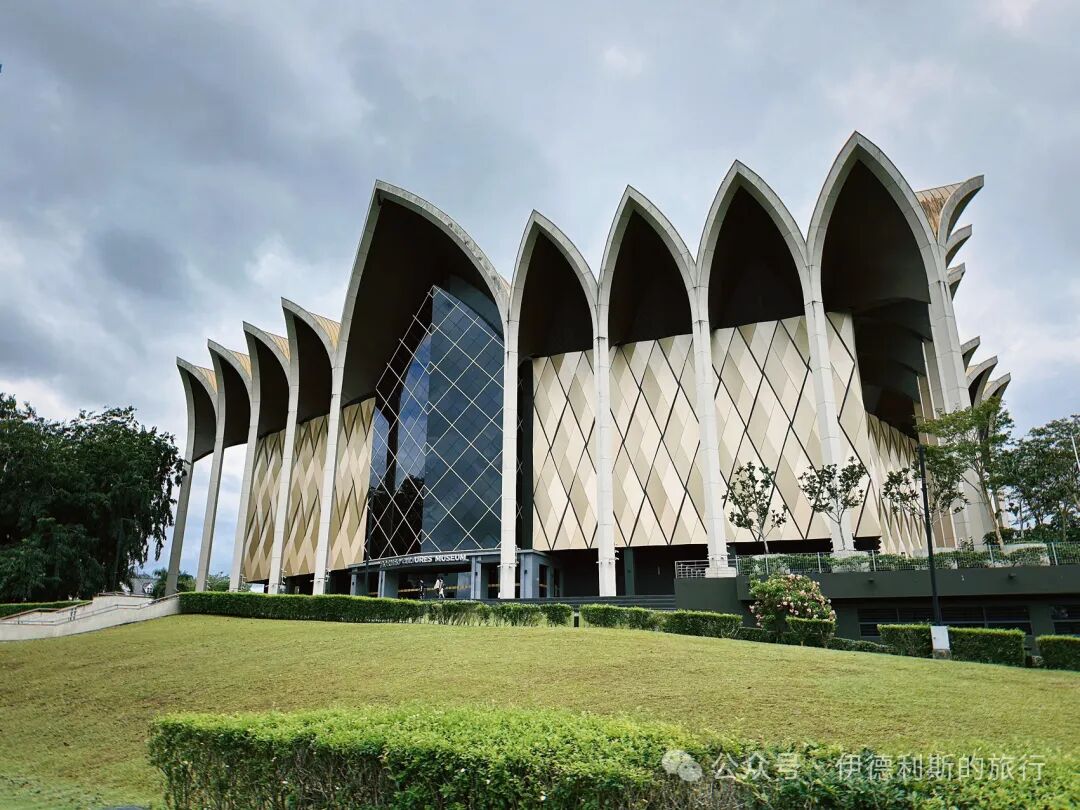
Artifacts in the Borneo Cultures Museum.
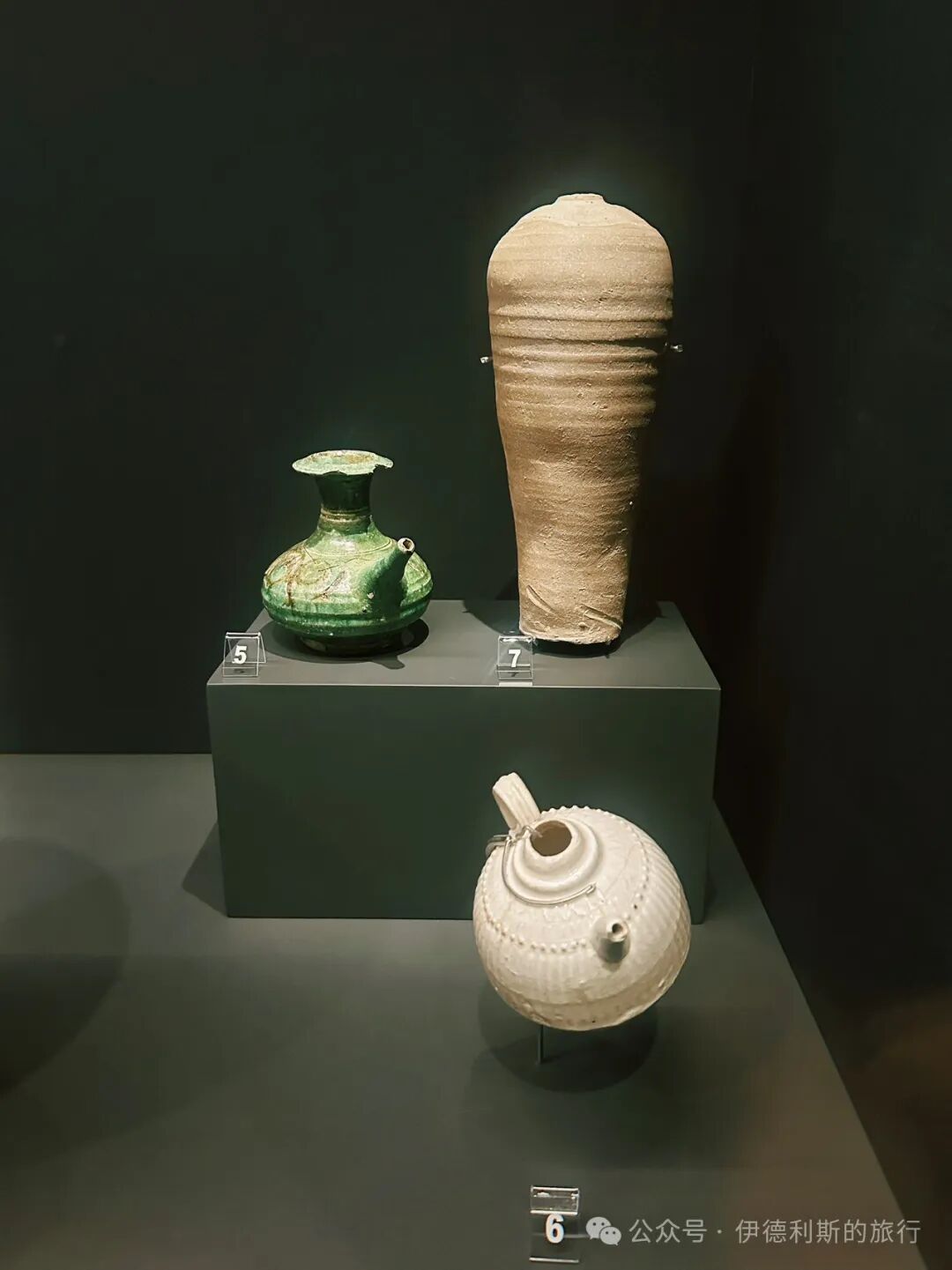
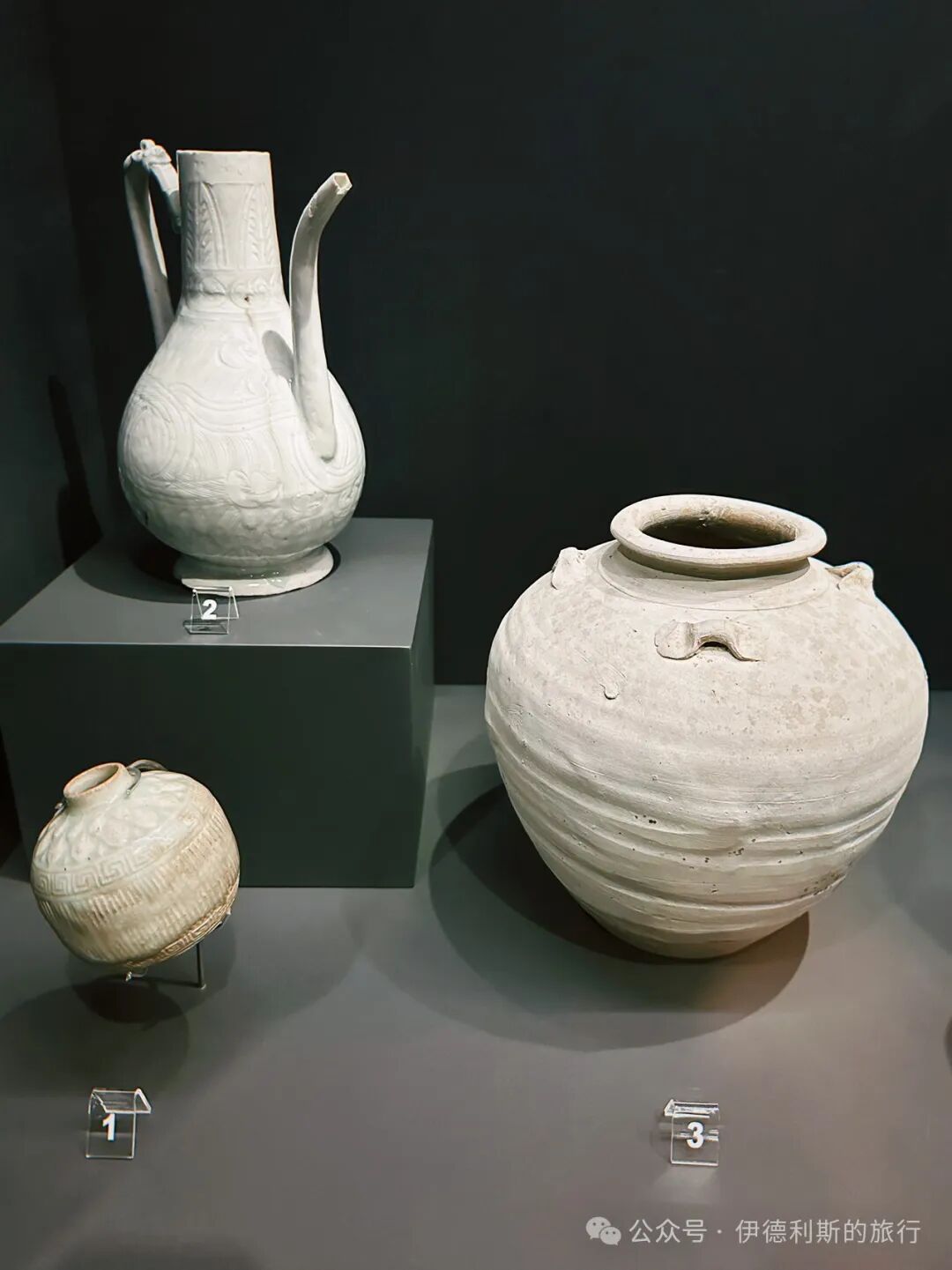
Artifacts from the Brunei Sultanate era, unearthed in 2003 in a village near Kuching called Kampung Benat. This place may have been where the Brunei Sultanate sent representatives to collect taxes and tributes from the Sarawak region.
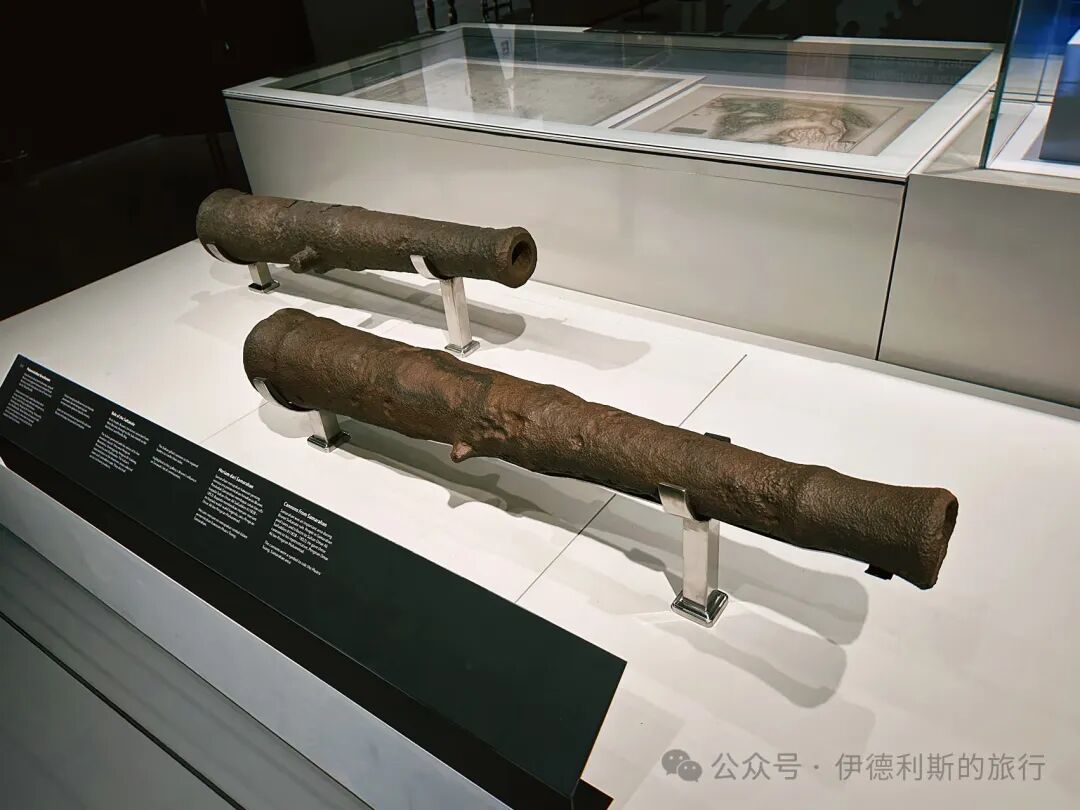
A Brunei Sultanate cannon unearthed in Samarahan. Samarahan was once an important trading port for the Brunei Sultanate. In the 19th century, Sultan Omar Ali Saifuddin II of Brunei (reigned 1828-52) gifted the cannon to his representative in Sarawak, symbolizing the Brunei Sultanate's rule over the region. Shortly after this, however, Sarawak was ceded by the Brunei Sultanate to James Brooke's Kingdom of Sarawak.
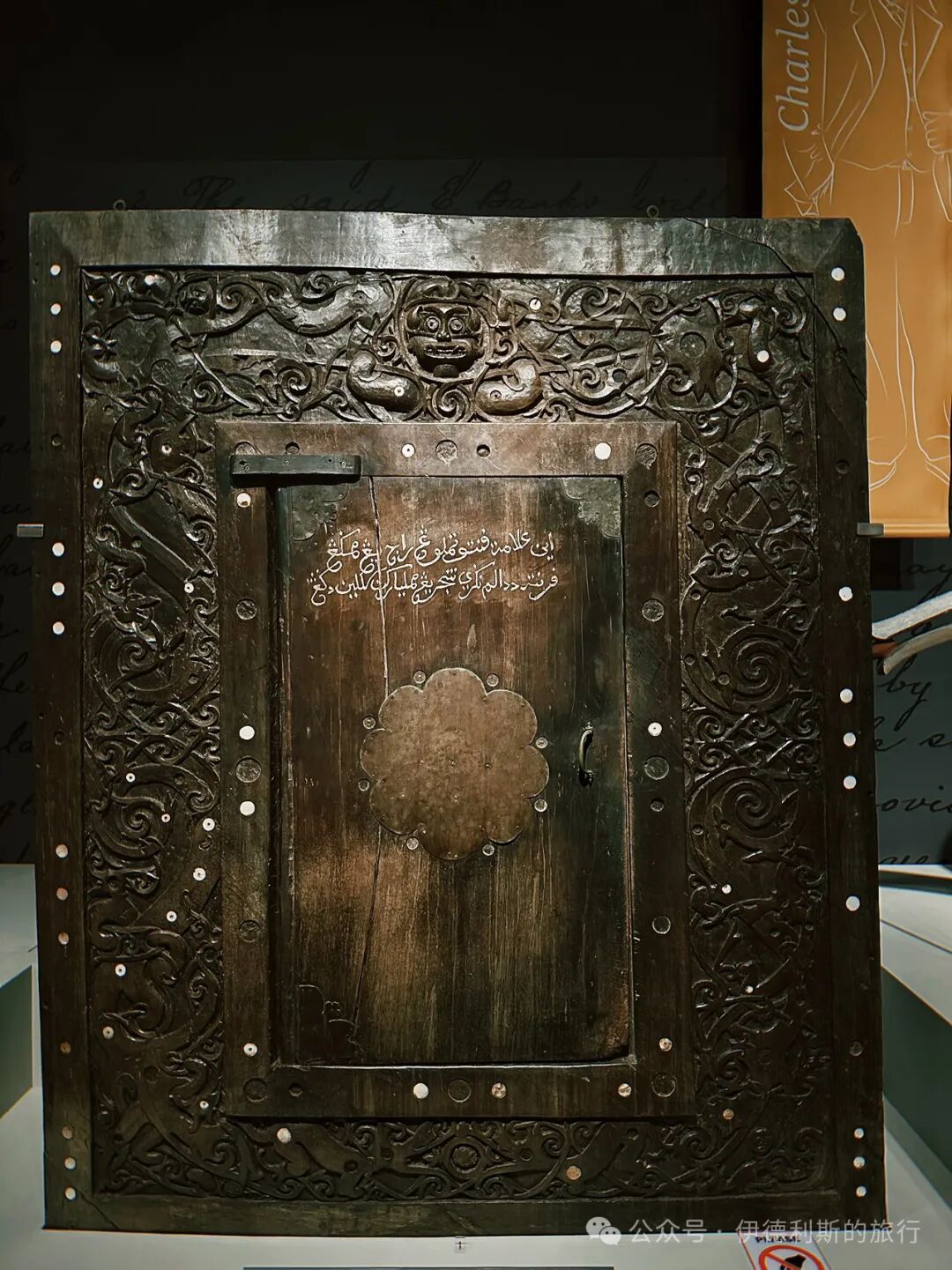
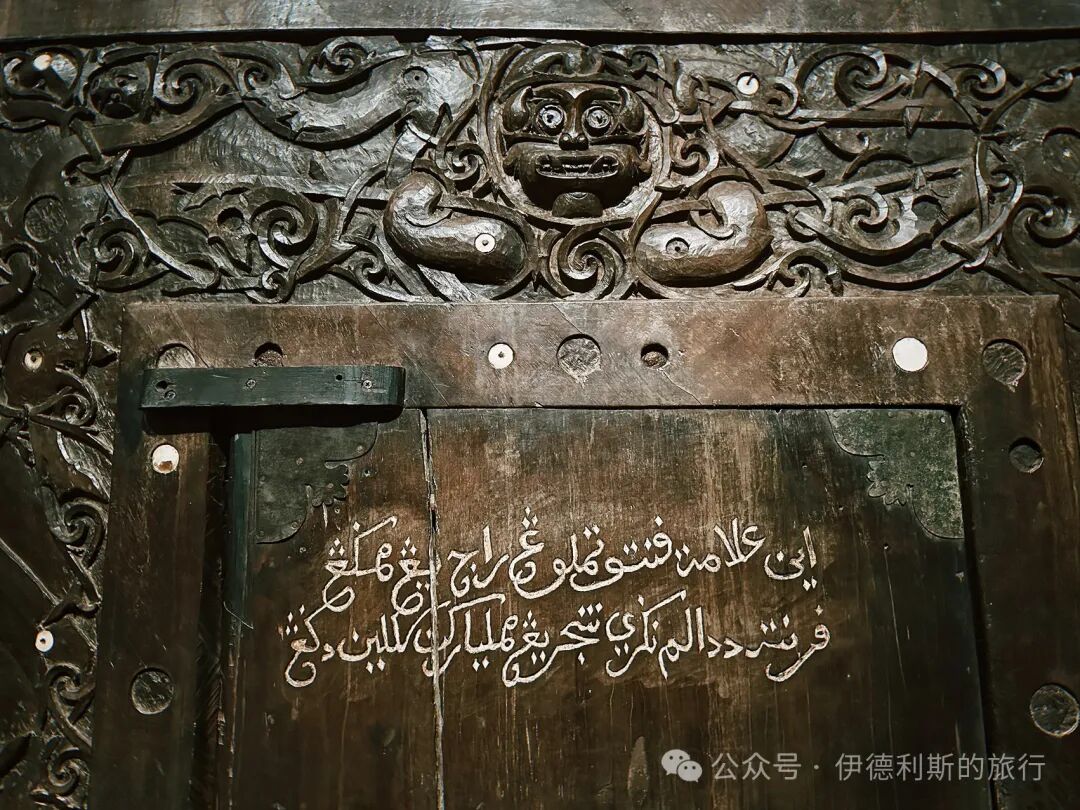
The gate of the 19th-century Sarawak indigenous leader (Rajah) Aban Jau (Tama Long) bears an inscription: 'This is the gate of Tama Long, the Rajah who holds power in the Tinjar region and controls all trade.' This leader once opposed the rule of the Kingdom of Sarawak but later became a friend of the British official and ethnologist Charles Hose. This gate was later gifted to Charles Hose by Aban Jau's daughter.
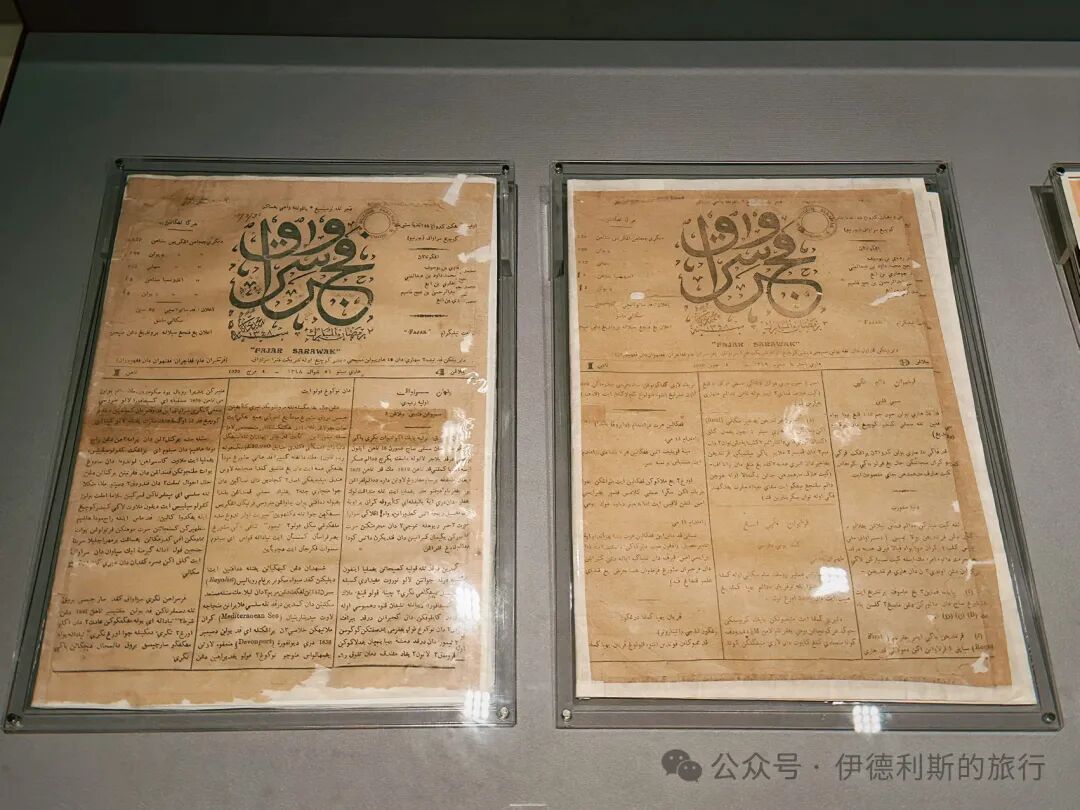
Fajar Sarawak, the first Malay-language newspaper in Sarawak, founded in 1929. At that time, communication between East and West Malaysia grew stronger, and publications were constantly arriving in Kuching from Singapore by steamship.
The prayer drum (beduk) used at the Sarawak State Mosque between 1852 and 1967. In the past, Malay people would strike the mosque's beduk to signal the call to prayer, the end of a fast, or Friday prayers.
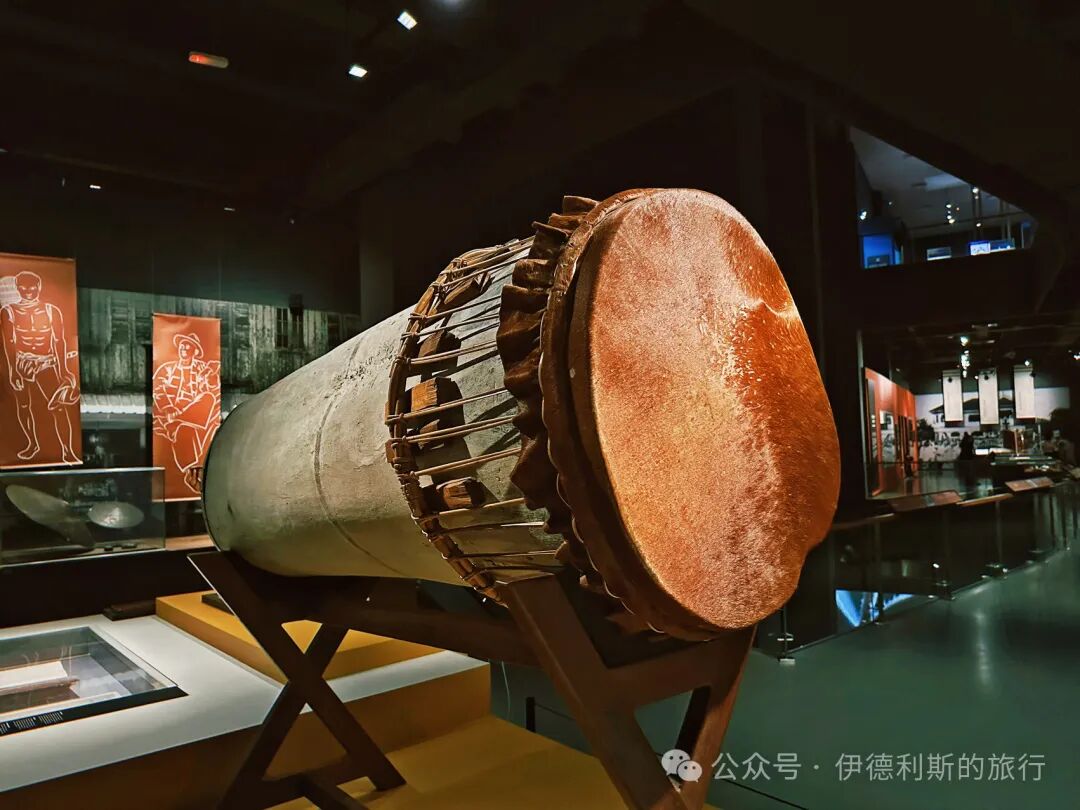
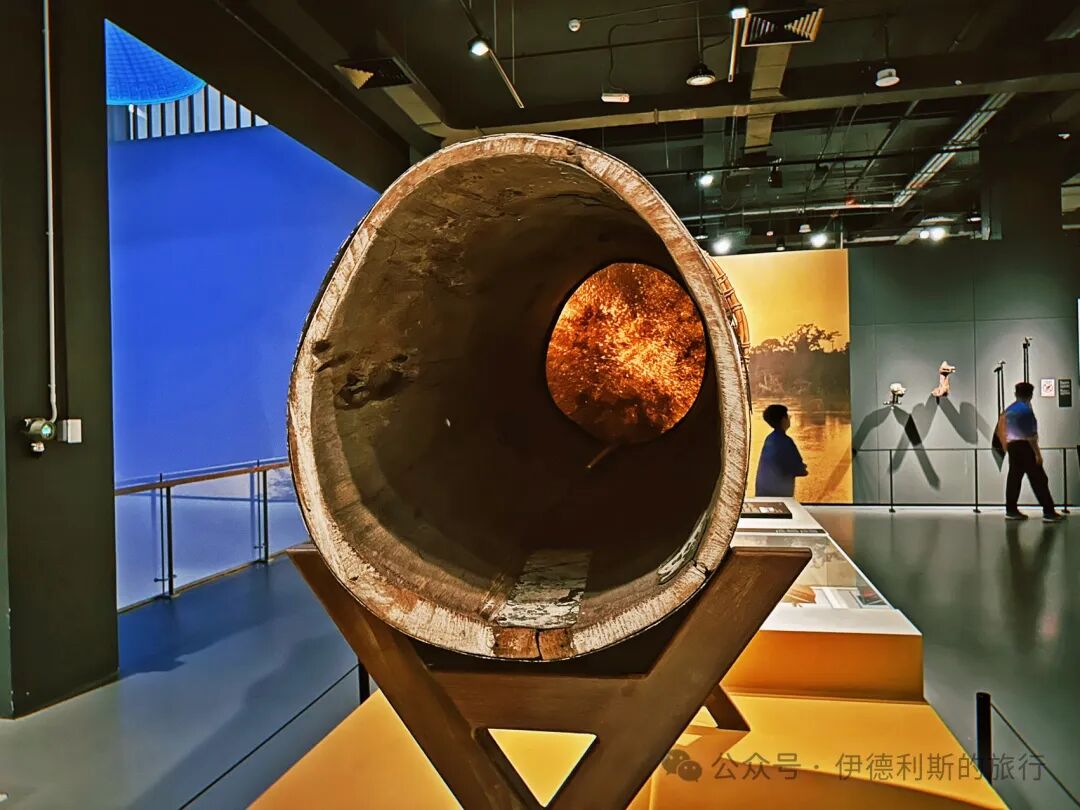
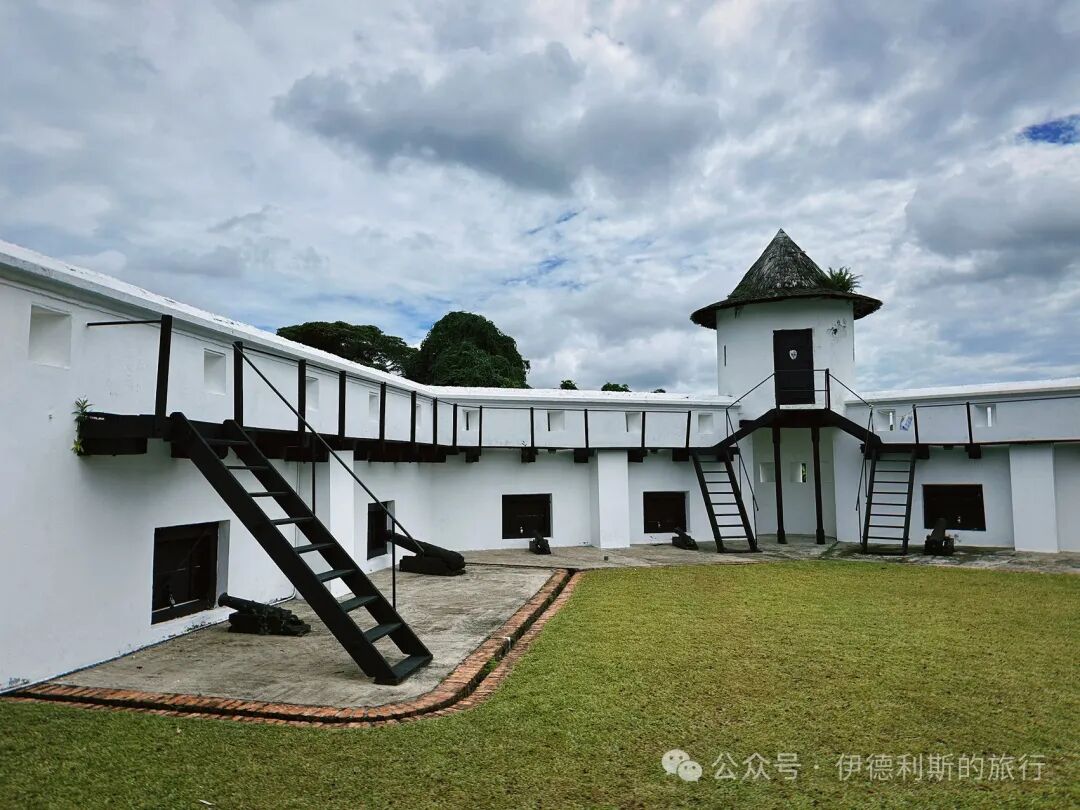
The Brooke Gallery inside Fort Margherita in Kuching.
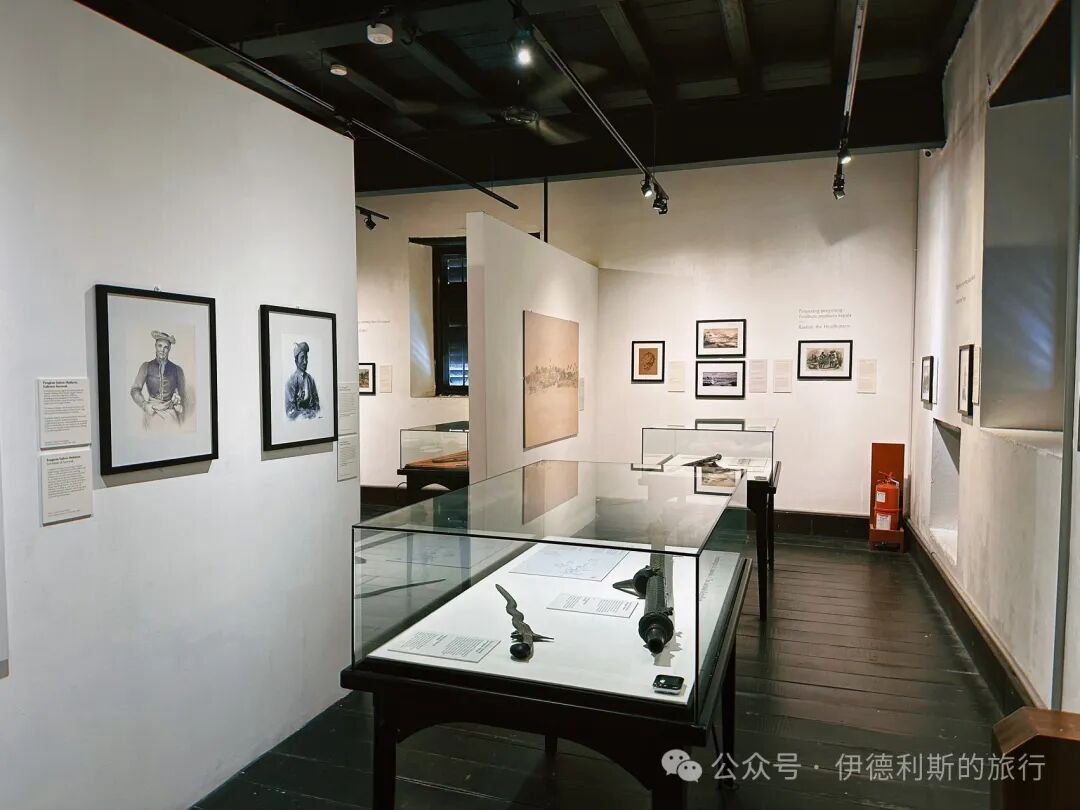
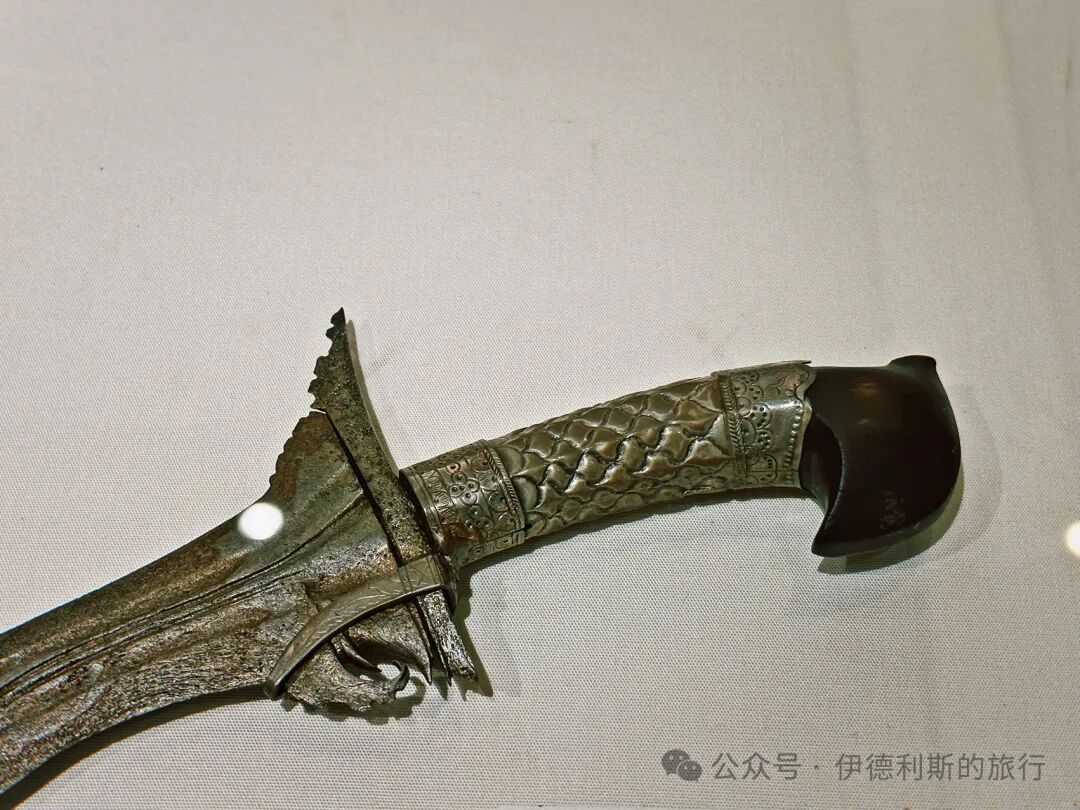
A dagger (keris) used by Sarawak Malays in the mid-19th century, which has always been a symbol of Malay bravery.
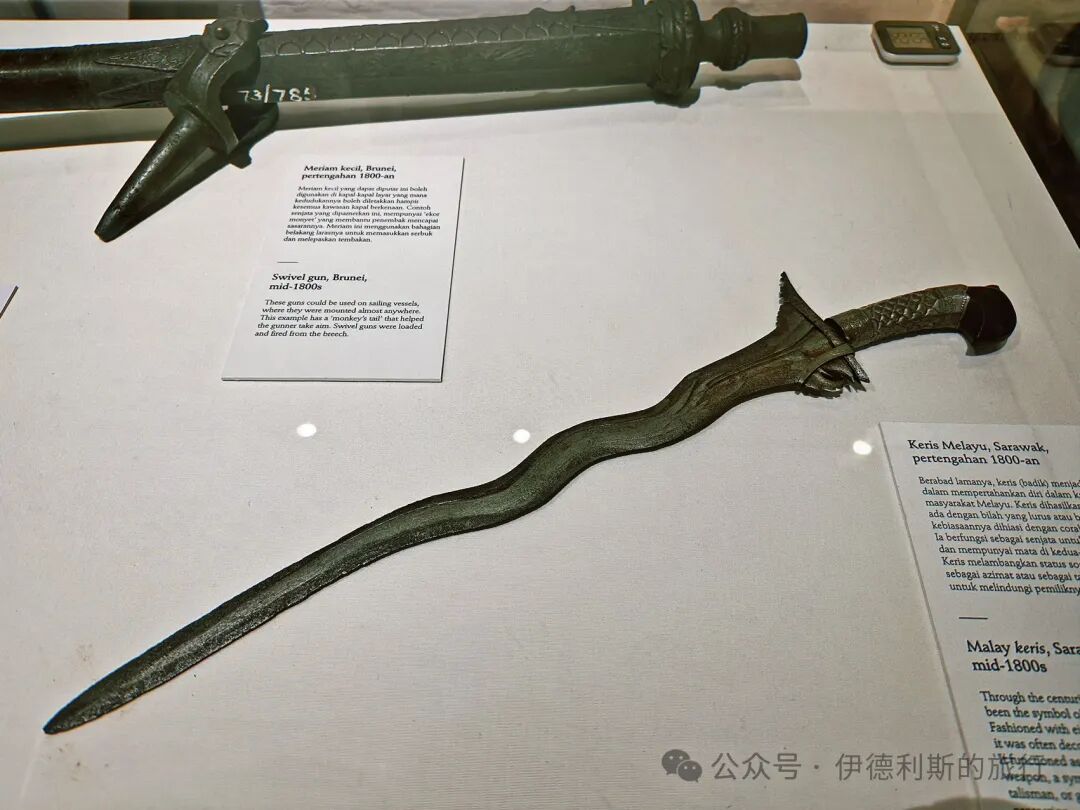
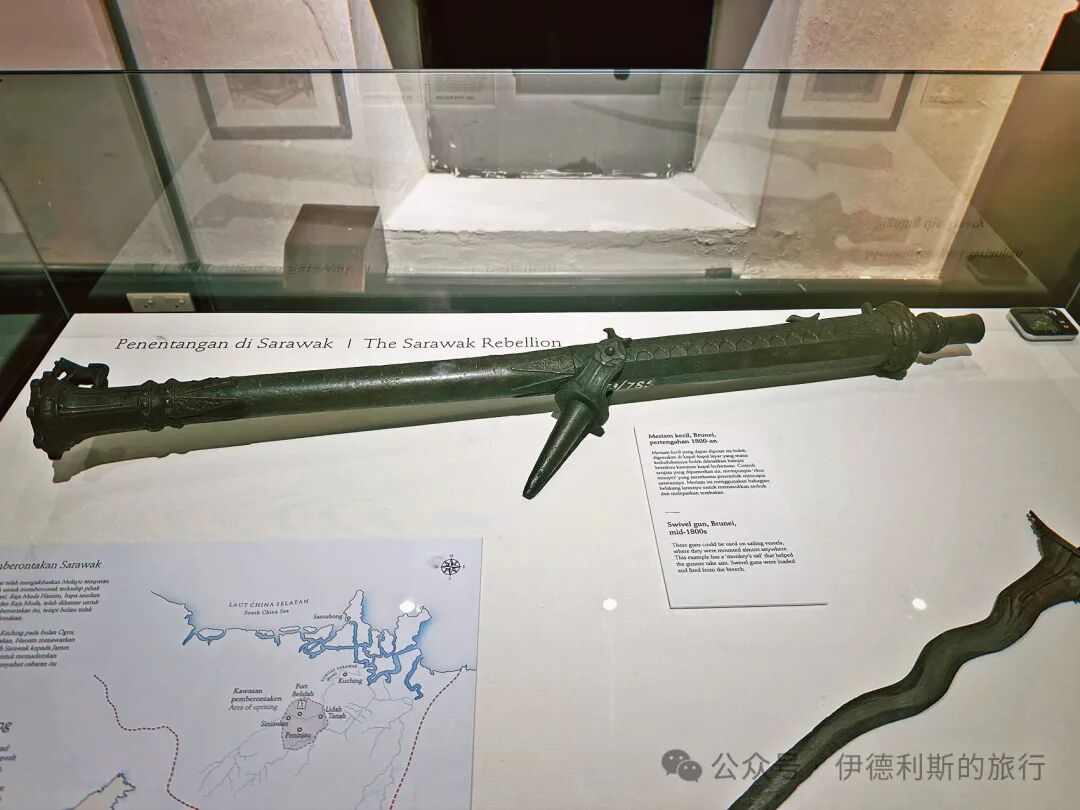
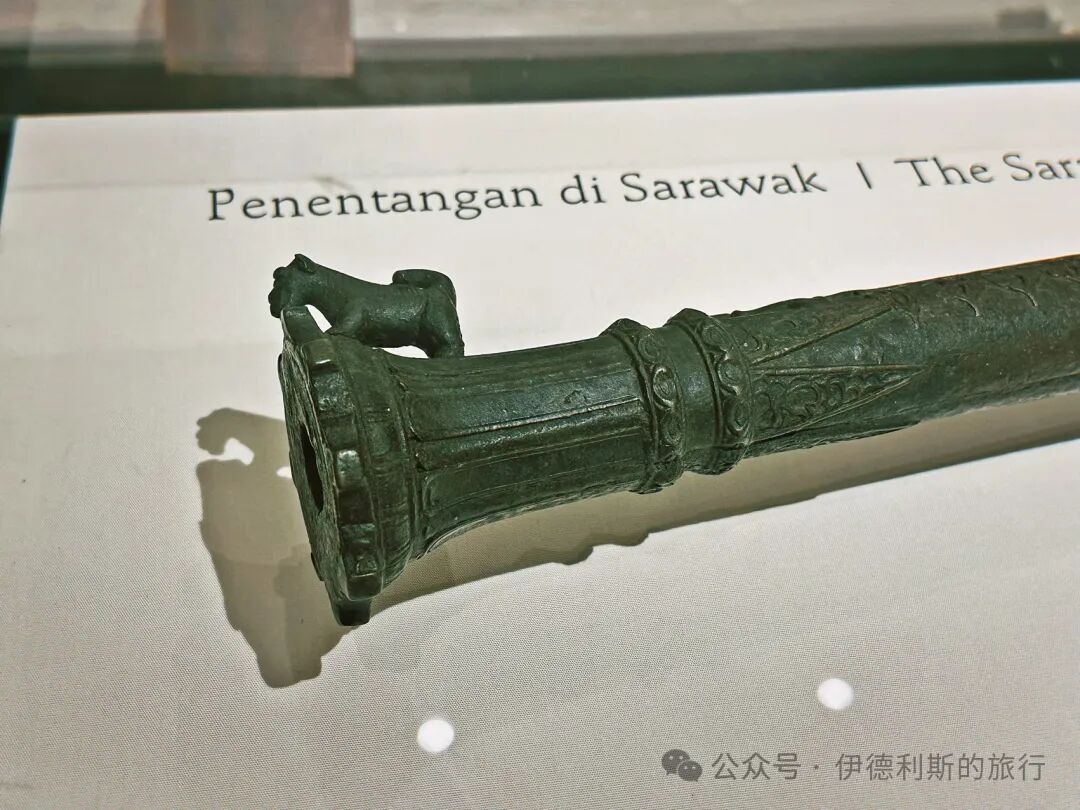
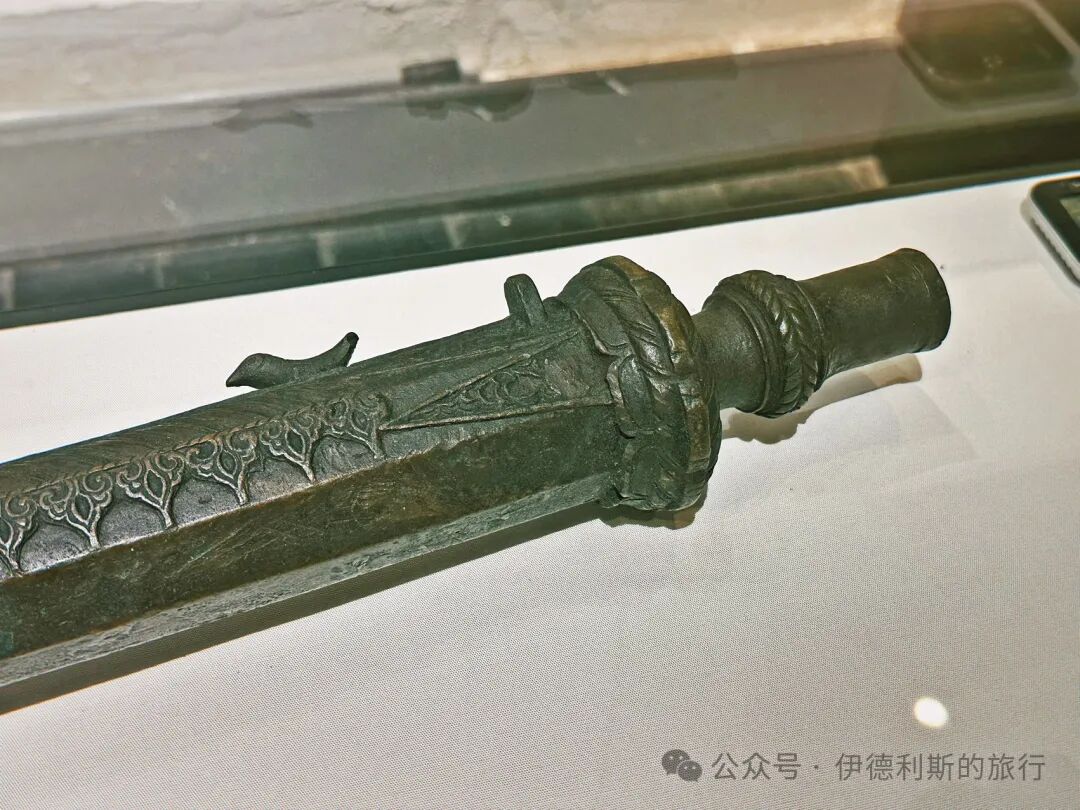
A swivel gun (lantaka) used by the Brunei Sultanate in the mid-19th century, which could be mounted on sailing ships.
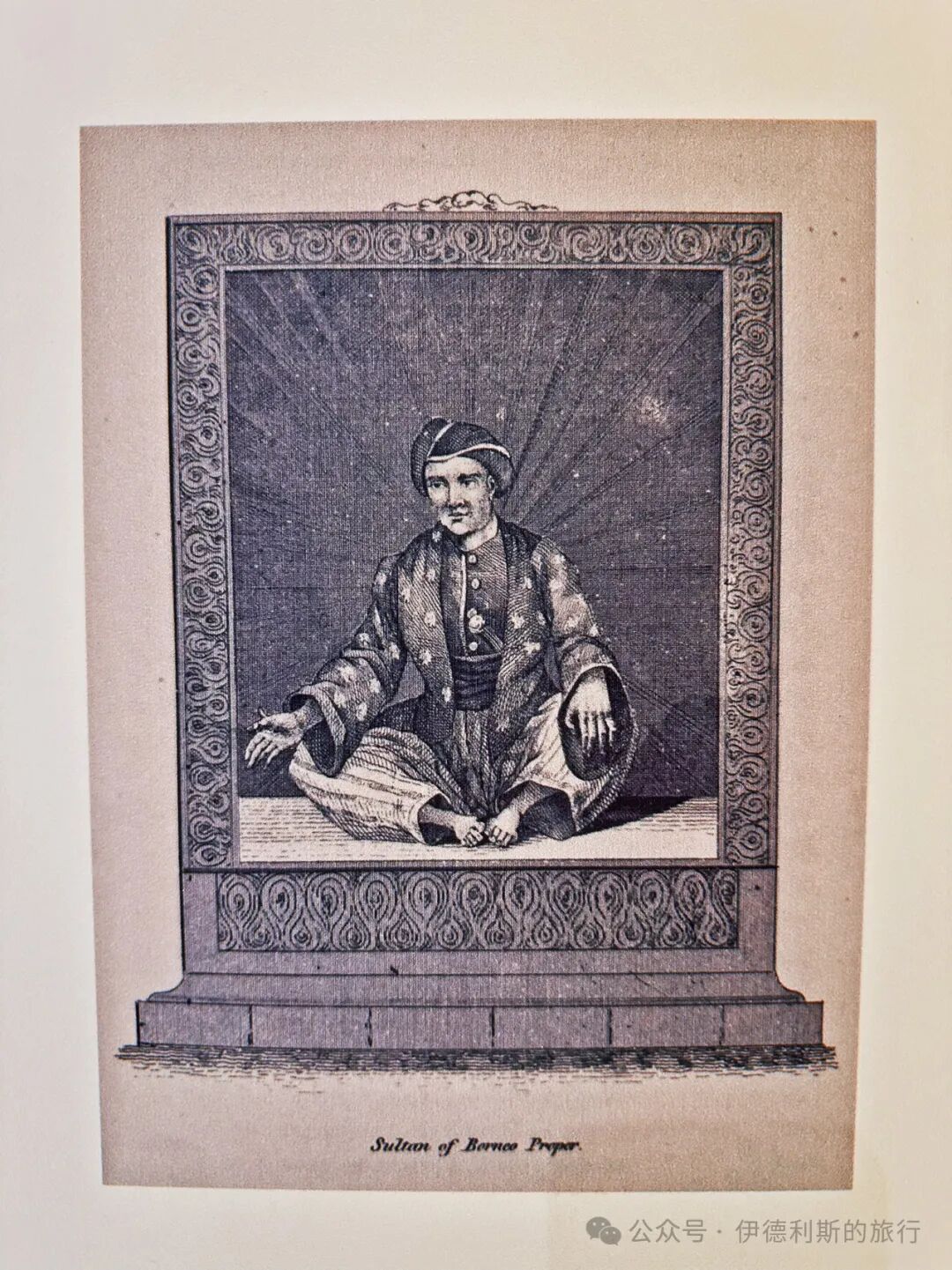
A portrait of Sultan Omar Ali Saifuddin II of Brunei drawn by British naturalist Arthur Adams in 1846. Under his rule, the Brunei Sultanate ceded the Sarawak region to James Brooke's Kingdom of Sarawak.
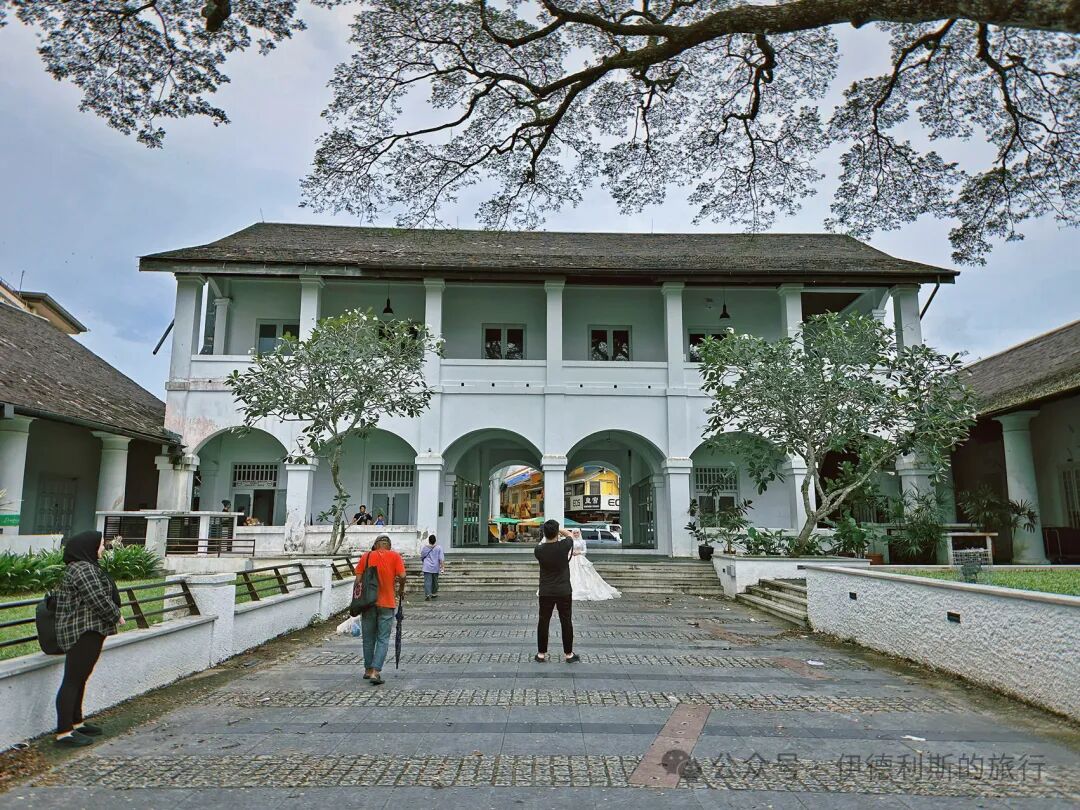
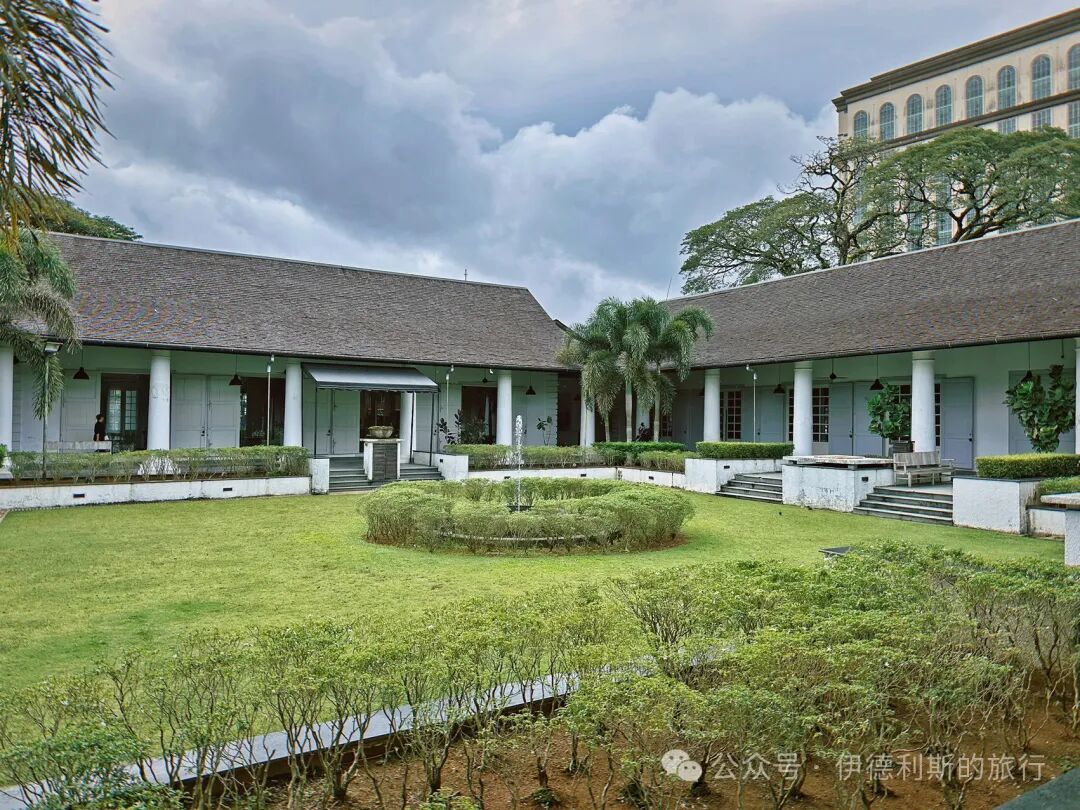
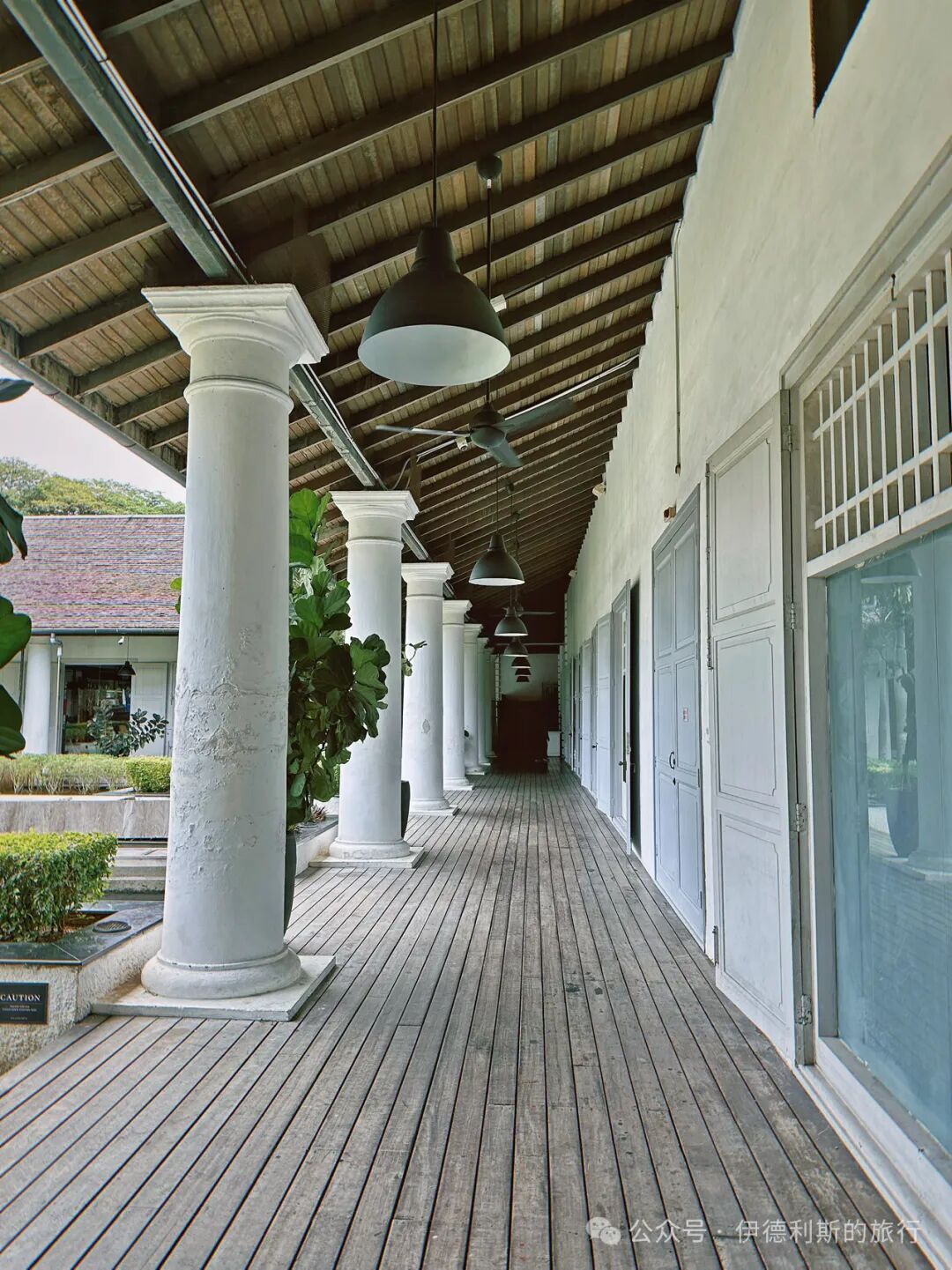
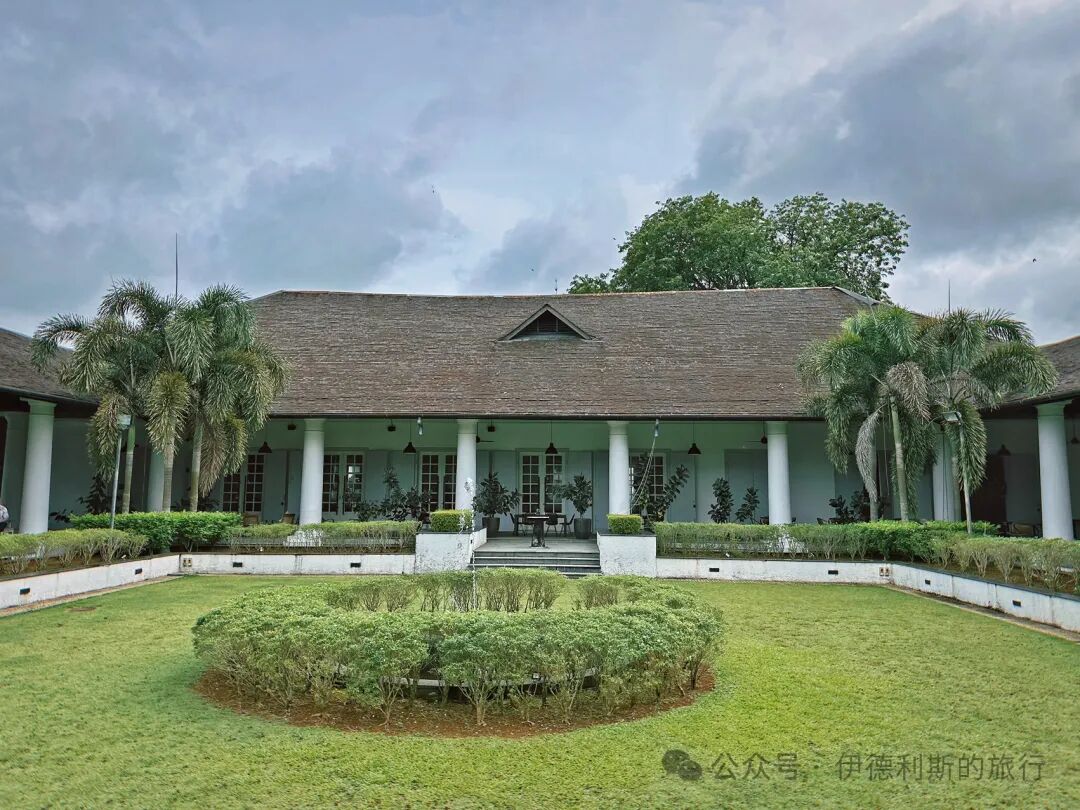
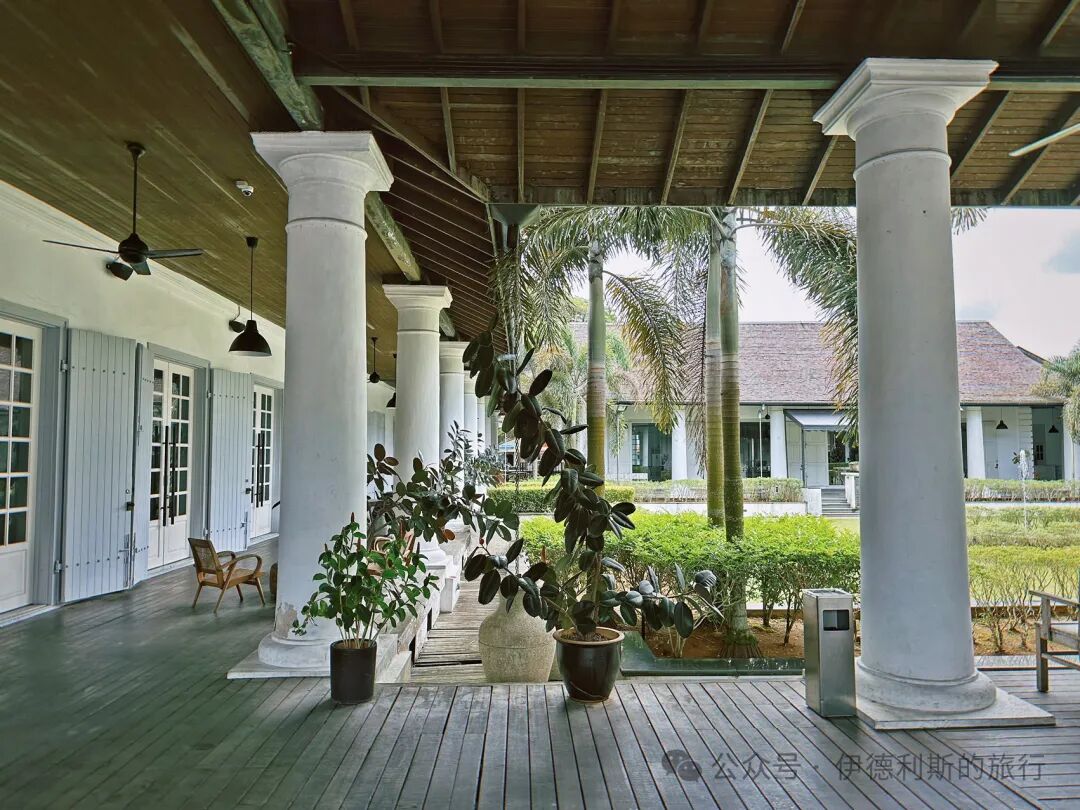
The west side of the Old Bazaar in Kuching faces the former site of the Kingdom of Sarawak courthouse, built between 1868 and 1874. After 2003, this site became the Sarawak Tourism Complex, housing a museum, restaurants, and other institutions. The old courthouse features a roof made of Borneo ironwood (belian) and is a typical example of Kingdom of Sarawak architecture.
In the courtyard is The Ranee Museum, which introduces Margaret, the wife of the second Rajah of the Kingdom of Sarawak. She published her memoir, 'My Life in Sarawak,' in 1913, which serves as a precious record of the region.
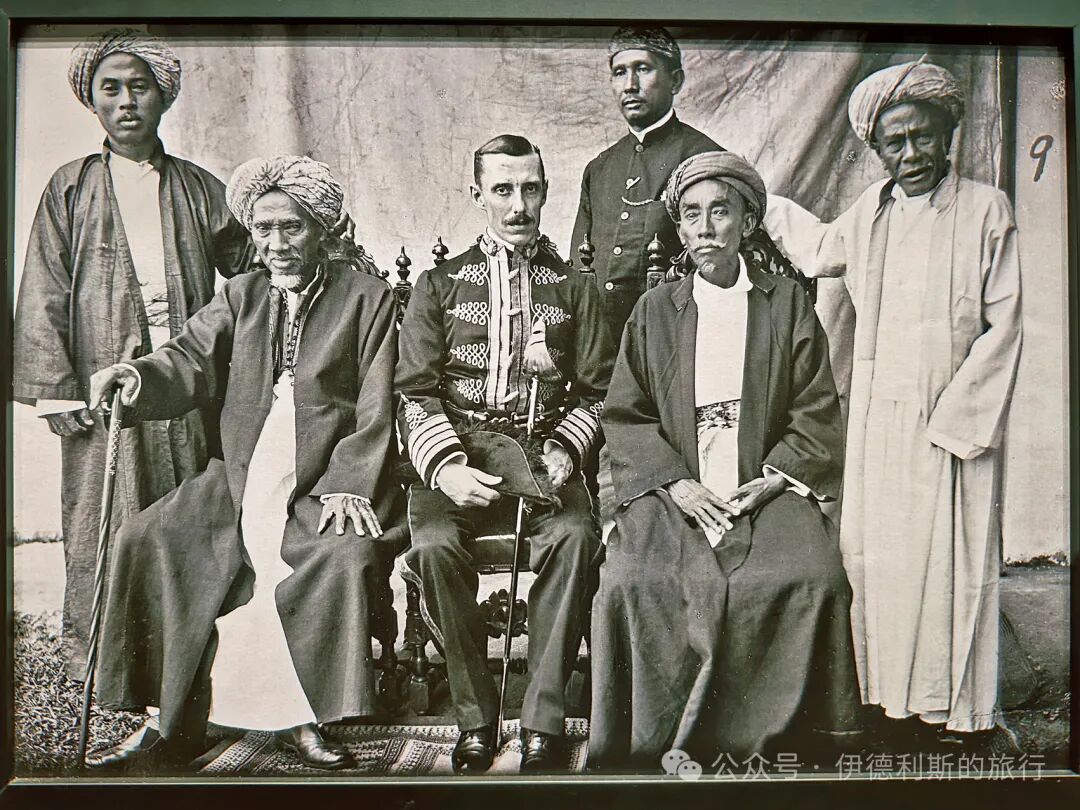
A precious photo taken by Ranee Margaret in 1880, featuring four Malay chiefs of the Kingdom of Sarawak at the time. From left to right: Datu Hakim, Dato Bandar, First Resident Francis Maxwell, translator Inchi Bakar, Dato Imam, and Haji Suden. You can see that these four Malay chiefs are all wearing ornate robes and headscarves (destar).
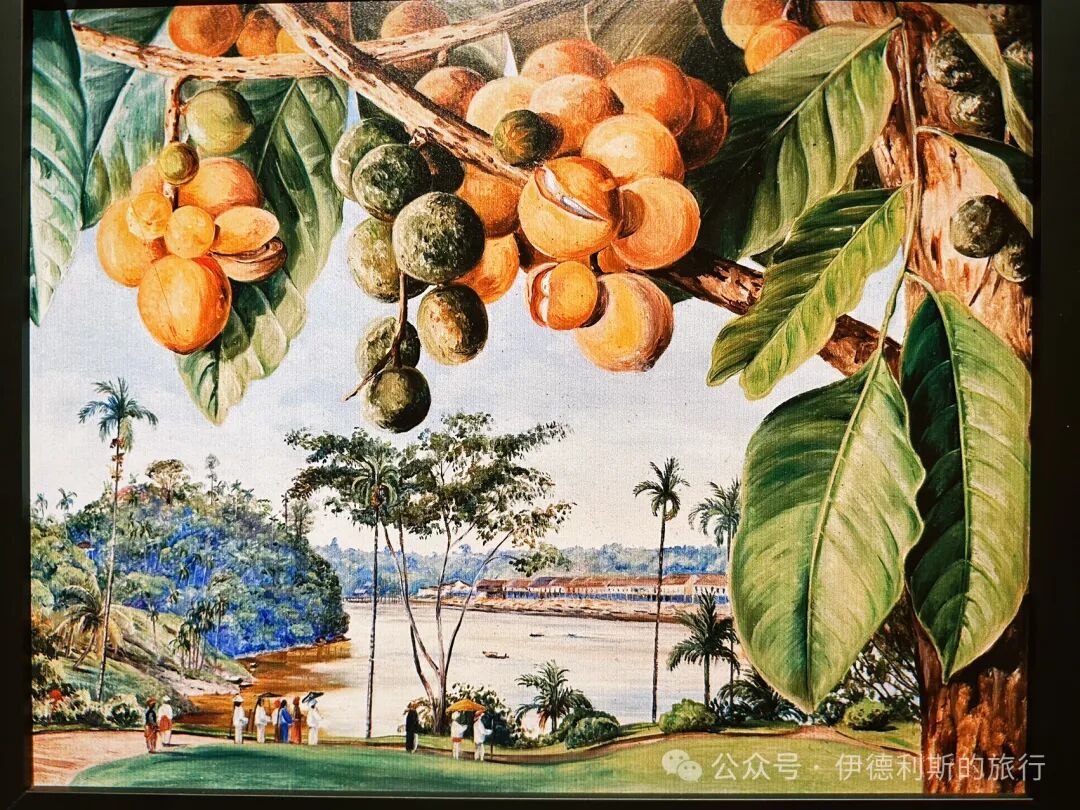
A painting by British biologist Marianne North from the 1870s, showing the view of the Old Bazaar from the Sarawak Palace. Margaret wrote in her memoir, "There is a picturesque commercial street by the water, which is the Chinese bazaar (pasar)." Parked near the coast are all kinds of strange boats—Chinese junk sailboats, Malay schooner sailboats, and barge rowboats.
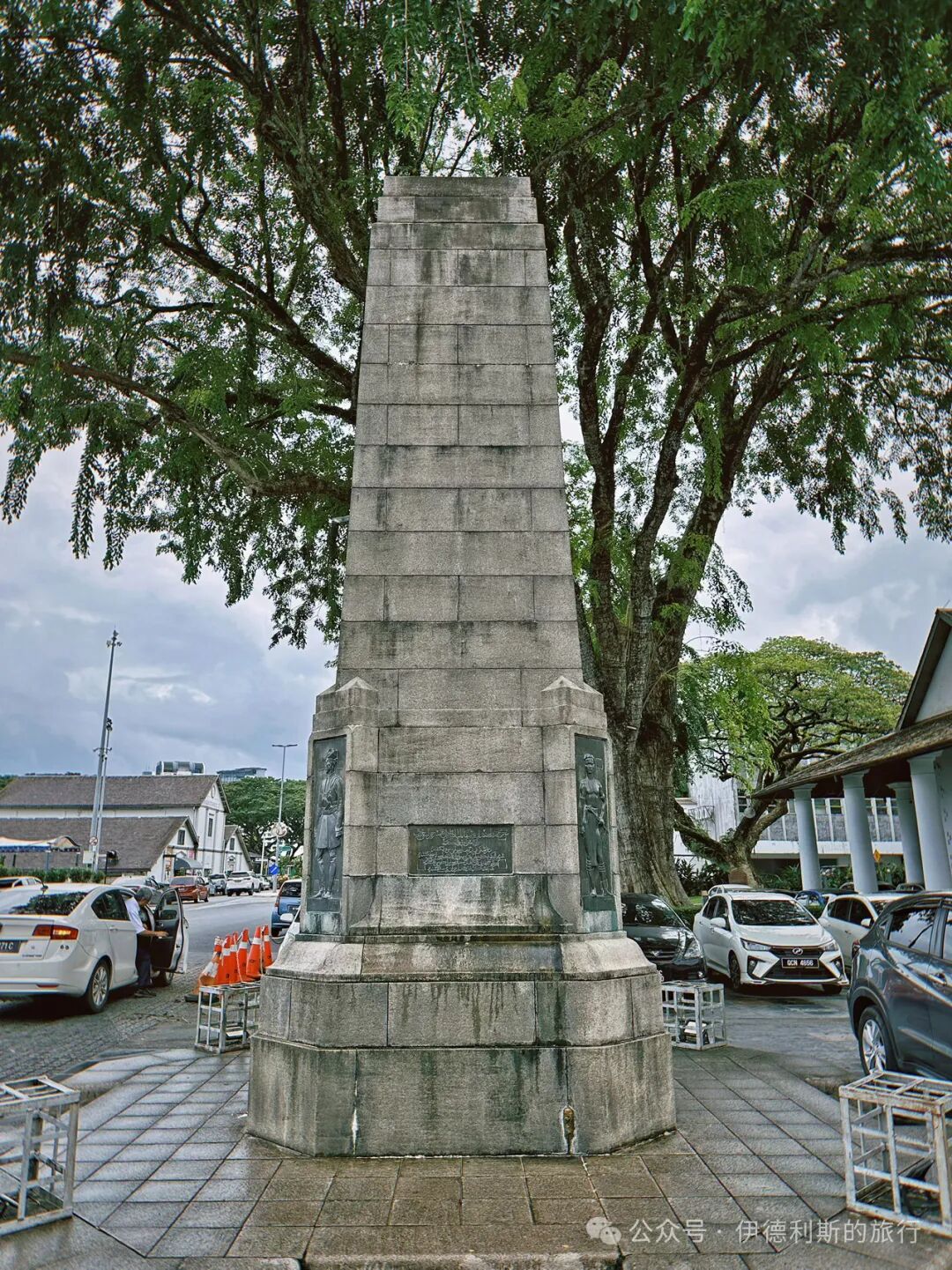
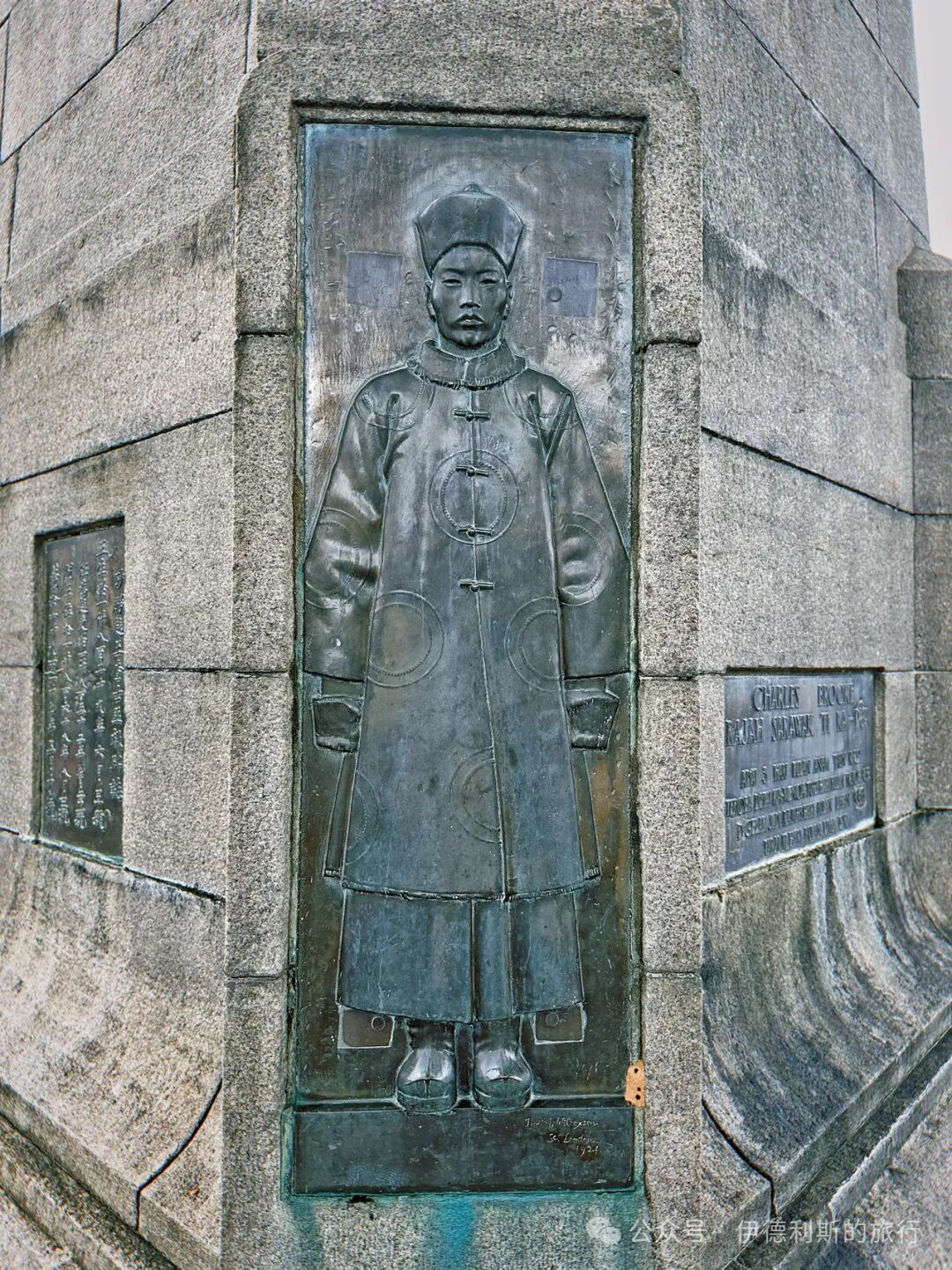
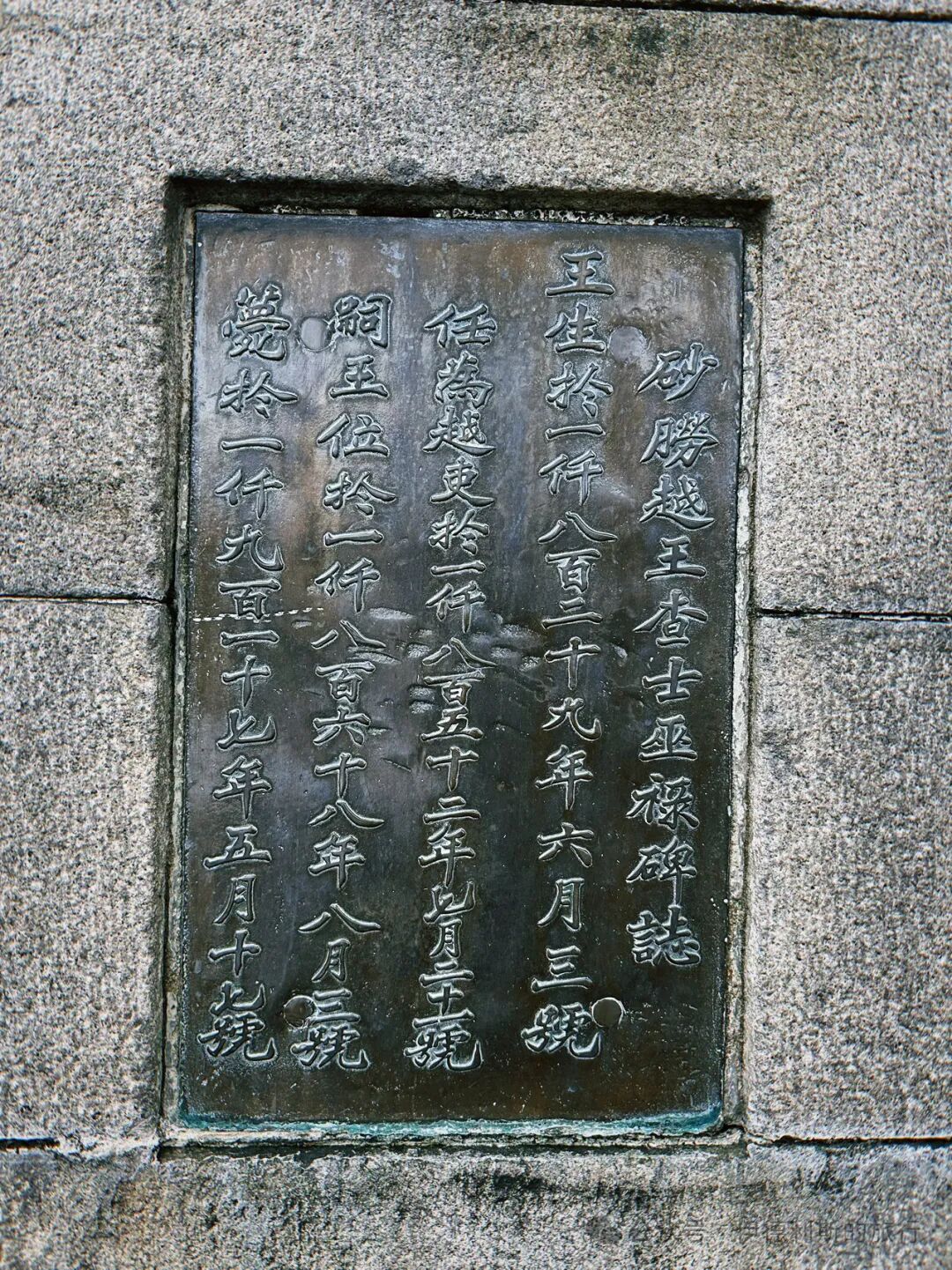
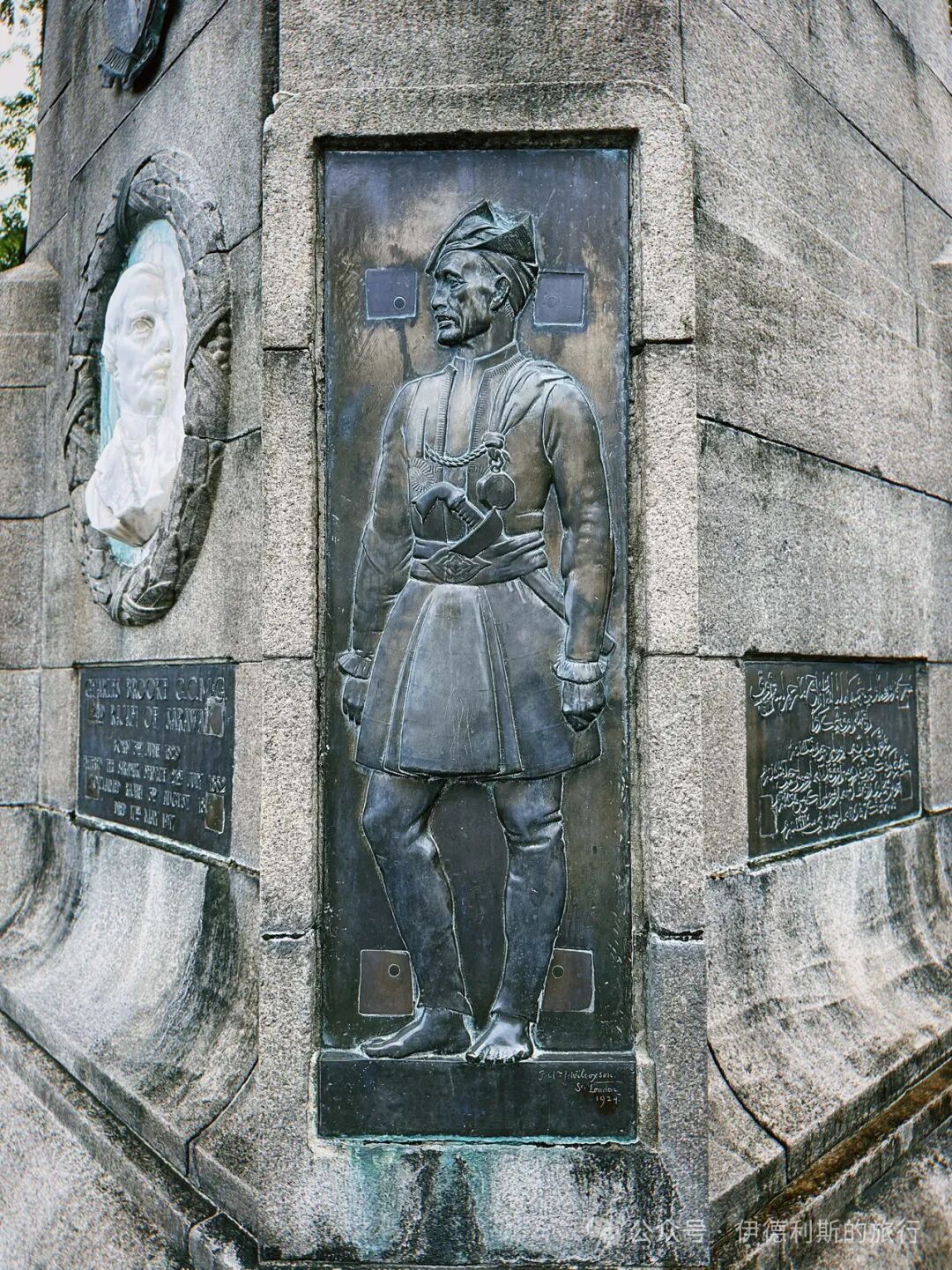
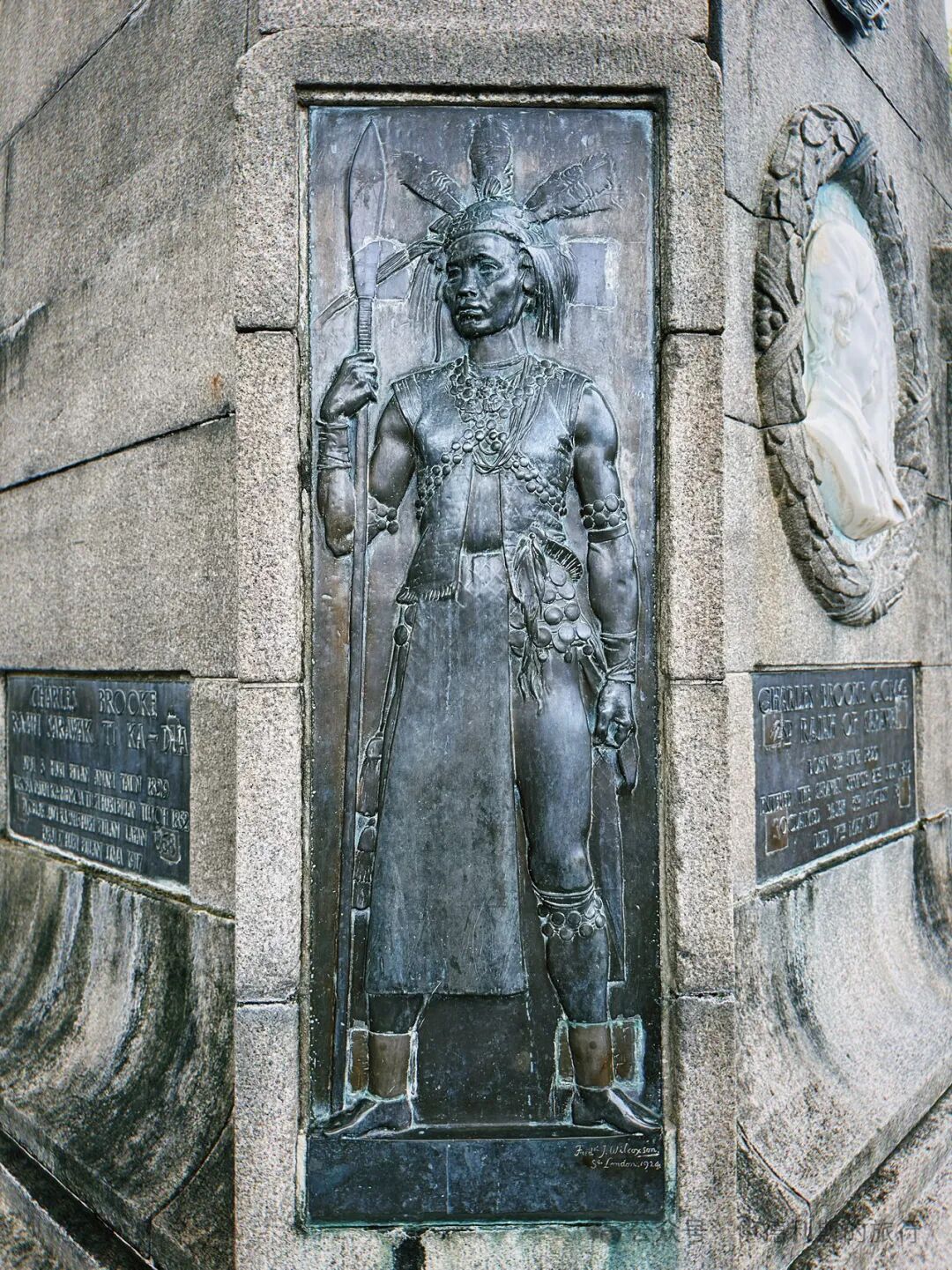
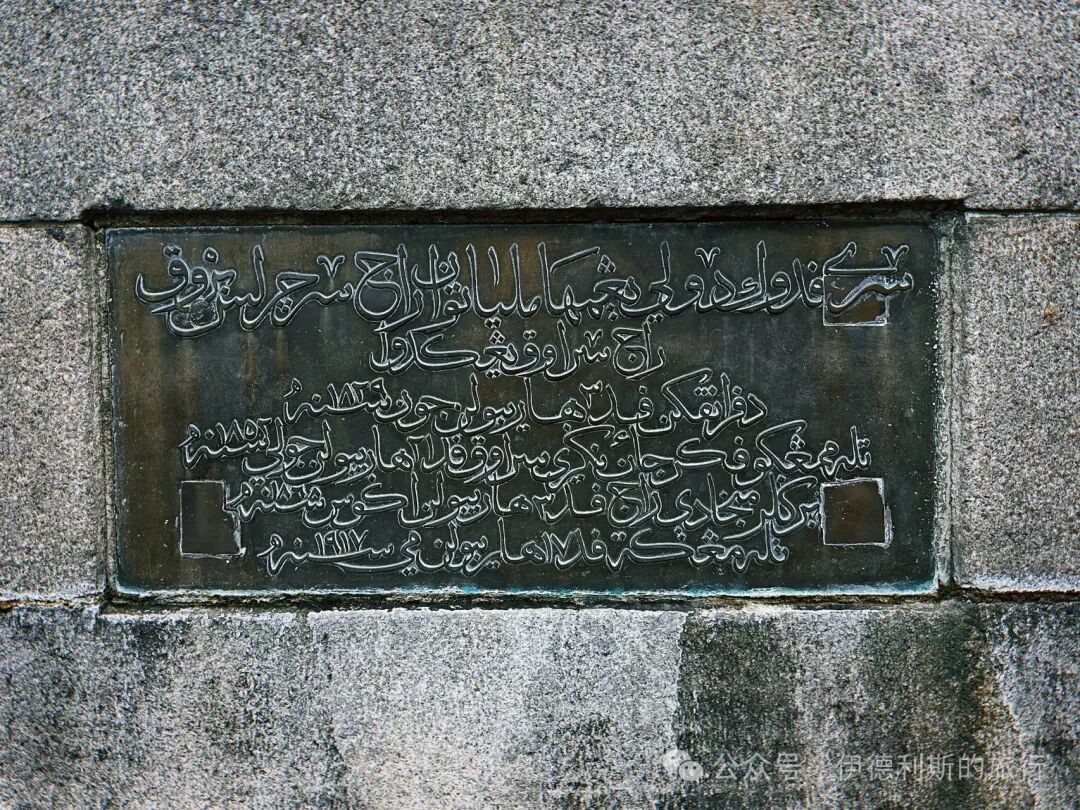
In front of the old courthouse stands the Brooke Memorial, built in 1924 to honor the second Rajah of the Kingdom of Sarawak, Charles Brooke, who reigned from 1868 to 1917. The monument features bronze reliefs of the four major ethnic groups of the Kingdom of Sarawak: Chinese, Malay, Dayak, and Kayan, with the Rajah's birth and death years inscribed in each group's language.
Summary: This travel account explores Malay history, culture, and indigenous food in Kuching. It keeps the original place names, museum and street details, food notes, and photographs while using natural English for international readers.
At a traditional snack stall on a Kuching street, we bought a traditional Malay pastry called Kuih gulung. It is made from a mix of rice flour, eggs, and coconut milk, colored with pandan leaf juice, and filled with shredded coconut and palm sugar. After dessert, we took a walk along the Kuching riverfront. The temperature had not risen yet in the early morning, so it felt very cool.
The classic Kuching street snack is Sarawak layer cake (kek lapis). Many shops in the old town sell it. Sarawak layer cake comes from the Betawi people's layer cake in Jakarta, Indonesia. It is a local version of a European cake made by the wives of Dutch officials during the Dutch East Indies era. After the Indonesian layer cake reached Sarawak, locals made it more colorful and flavorful. Today, it is a classic snack for celebrations like Eid al-Fitr, birthdays, and weddings.
On Wayang Street (Lebuh Wayang) in Kuching's old town, there is a Borneo food restaurant. It has a Chinese owner and an indigenous Borneo chef, where you can eat authentic indigenous Borneo food.
We ordered cassava leaves with torch ginger, bamboo chicken, stir-fried bamboo shoots, and stir-fried stink beans with local red rice. It was very much in the style of Borneo. Torch ginger is a special ingredient in Thailand, Indonesia, and Malaysia. The stir-fried bamboo shoots were very fresh and went well with rice.
Bamboo chicken is called Ayam pansuh in Malay, and it is a specialty of Borneo. To make it, chicken and seasonings are placed in a bamboo tube, covered with cassava leaves, and cooked. You eat the chicken and cassava leaves together.
Across from downtown Kuching is a traditional Malay village. Many people still live in stilt houses there. There are many small piers along the riverbank where you can take a wooden boat to cross quickly. The village on the other side is shaded by trees and full of blooming flowers, like a hidden paradise.
There are large gardens on the north bank of the Sarawak River. There are very few tourists, and the scenery is beautiful. There is a free orchid garden inside. It is very pretty during the orchid season. Not many were blooming when we went, but it was still very pleasant. The orchid garden also has a small prayer hall, so you can sightsee and perform your prayers.
The Sarawak River sunset cruise runs daily from 5:30 to 7:00 PM. It costs 70 Malaysian Ringgit for adults and includes free orange juice, Sarawak layer cake, fried snacks, and traditional indigenous dances.
In the evening, we performed namaz at the Sarawak State Mosque. The State Mosque is the largest in Sarawak. The main hall can hold 14,000 people. It is the largest mosque I have visited in Malaysia. The experience was moving, and under the huge dome, people felt as small as ants. When I went, the main hall was full of children learning to recite the Quran. After the prayer, they all rushed to the small shop to buy snacks, which was very cute.
The Kuching City Mosque was built in 1847 under the leadership of Datu Patinggi Ali. It was rebuilt in 1968 to its current form. The mosque is on a hill west of Kuching and overlooks the whole city. We performed Dhuhr prayer at the mosque and chatted with the imam, who was very friendly.
Artifacts in the Borneo Cultures Museum.
Artifacts from the Brunei Sultanate era, unearthed in 2003 in a village near Kuching called Kampung Benat. This place may have been where the Brunei Sultanate sent representatives to collect taxes and tributes from the Sarawak region.
A Brunei Sultanate cannon unearthed in Samarahan. Samarahan was once an important trading port for the Brunei Sultanate. In the 19th century, Sultan Omar Ali Saifuddin II of Brunei (reigned 1828-52) gifted the cannon to his representative in Sarawak, symbolizing the Brunei Sultanate's rule over the region. Shortly after this, however, Sarawak was ceded by the Brunei Sultanate to James Brooke's Kingdom of Sarawak.
The gate of the 19th-century Sarawak indigenous leader (Rajah) Aban Jau (Tama Long) bears an inscription: 'This is the gate of Tama Long, the Rajah who holds power in the Tinjar region and controls all trade.' This leader once opposed the rule of the Kingdom of Sarawak but later became a friend of the British official and ethnologist Charles Hose. This gate was later gifted to Charles Hose by Aban Jau's daughter.
Fajar Sarawak, the first Malay-language newspaper in Sarawak, founded in 1929. At that time, communication between East and West Malaysia grew stronger, and publications were constantly arriving in Kuching from Singapore by steamship.
The prayer drum (beduk) used at the Sarawak State Mosque between 1852 and 1967. In the past, Malay people would strike the mosque's beduk to signal the call to prayer, the end of a fast, or Friday prayers.
The Brooke Gallery inside Fort Margherita in Kuching.
A dagger (keris) used by Sarawak Malays in the mid-19th century, which has always been a symbol of Malay bravery.
A swivel gun (lantaka) used by the Brunei Sultanate in the mid-19th century, which could be mounted on sailing ships.
A portrait of Sultan Omar Ali Saifuddin II of Brunei drawn by British naturalist Arthur Adams in 1846. Under his rule, the Brunei Sultanate ceded the Sarawak region to James Brooke's Kingdom of Sarawak.
The west side of the Old Bazaar in Kuching faces the former site of the Kingdom of Sarawak courthouse, built between 1868 and 1874. After 2003, this site became the Sarawak Tourism Complex, housing a museum, restaurants, and other institutions. The old courthouse features a roof made of Borneo ironwood (belian) and is a typical example of Kingdom of Sarawak architecture.
In the courtyard is The Ranee Museum, which introduces Margaret, the wife of the second Rajah of the Kingdom of Sarawak. She published her memoir, 'My Life in Sarawak,' in 1913, which serves as a precious record of the region.
A precious photo taken by Ranee Margaret in 1880, featuring four Malay chiefs of the Kingdom of Sarawak at the time. From left to right: Datu Hakim, Dato Bandar, First Resident Francis Maxwell, translator Inchi Bakar, Dato Imam, and Haji Suden. You can see that these four Malay chiefs are all wearing ornate robes and headscarves (destar).
A painting by British biologist Marianne North from the 1870s, showing the view of the Old Bazaar from the Sarawak Palace. Margaret wrote in her memoir, "There is a picturesque commercial street by the water, which is the Chinese bazaar (pasar)." Parked near the coast are all kinds of strange boats—Chinese junk sailboats, Malay schooner sailboats, and barge rowboats.
In front of the old courthouse stands the Brooke Memorial, built in 1924 to honor the second Rajah of the Kingdom of Sarawak, Charles Brooke, who reigned from 1868 to 1917. The monument features bronze reliefs of the four major ethnic groups of the Kingdom of Sarawak: Chinese, Malay, Dayak, and Kayan, with the Rajah's birth and death years inscribed in each group's language.
