
Halal Travel Guide: Halal Chinese Food in Kuala Lumpur, Part 2
Reposted from the web
Summary: This is the second part of a visit to halal Chinese food around Little India in Kuala Lumpur. It keeps the original restaurant names, dishes, prices, street details, and photographs while making the English smooth and easy to follow.
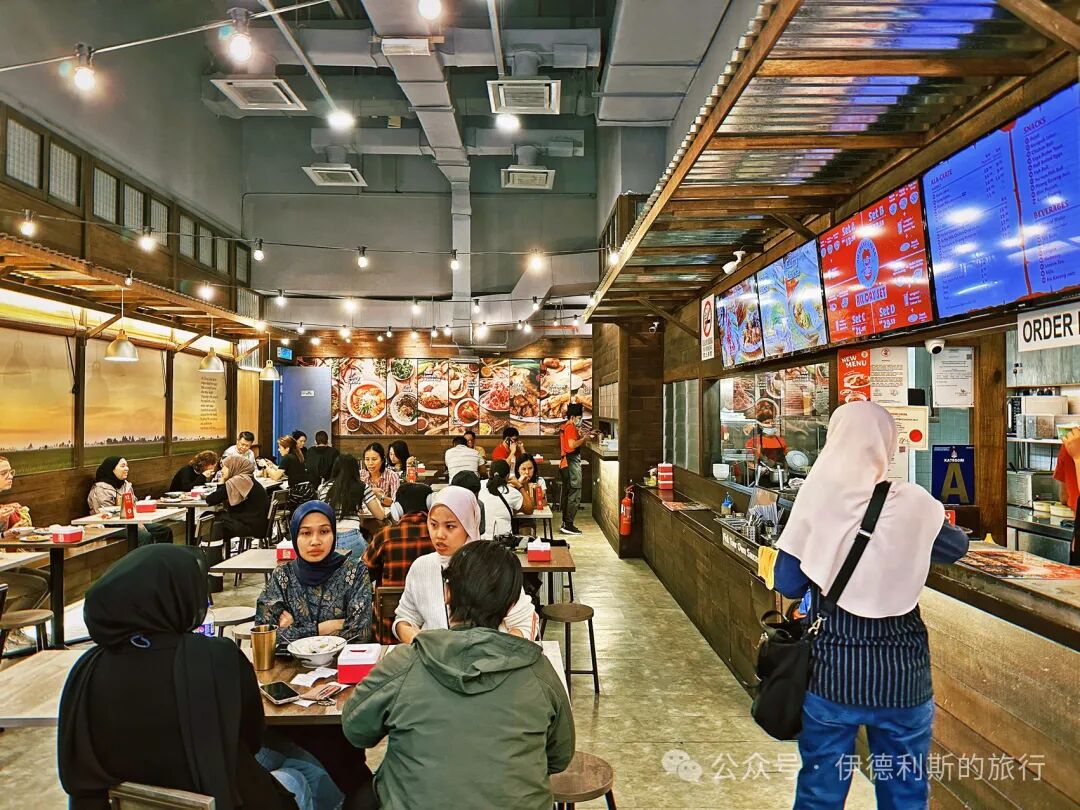
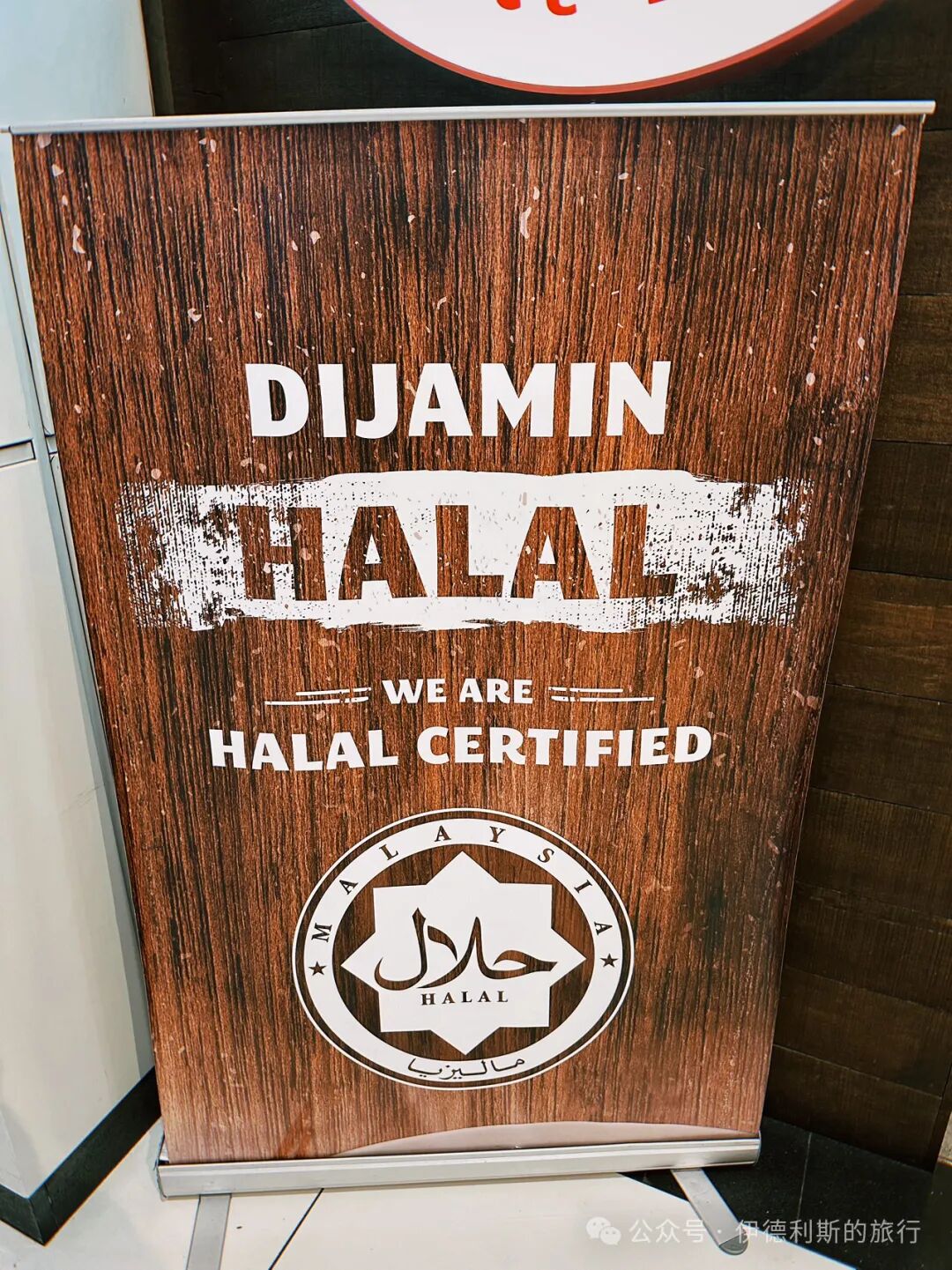
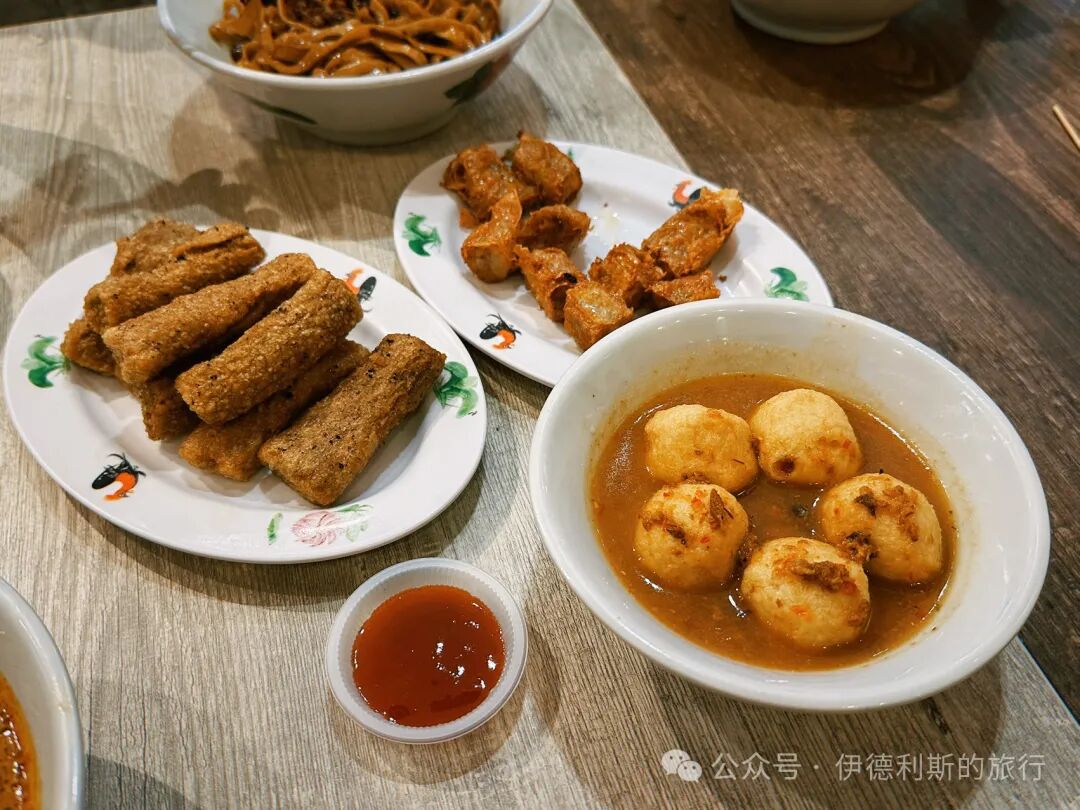
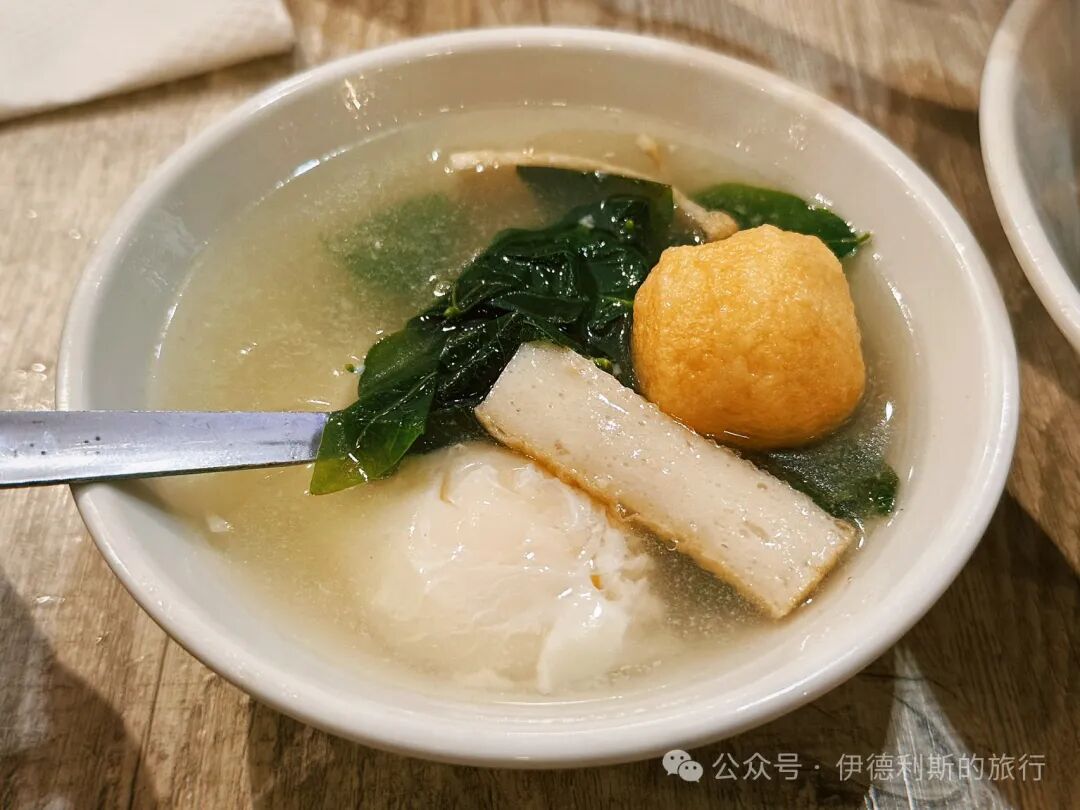
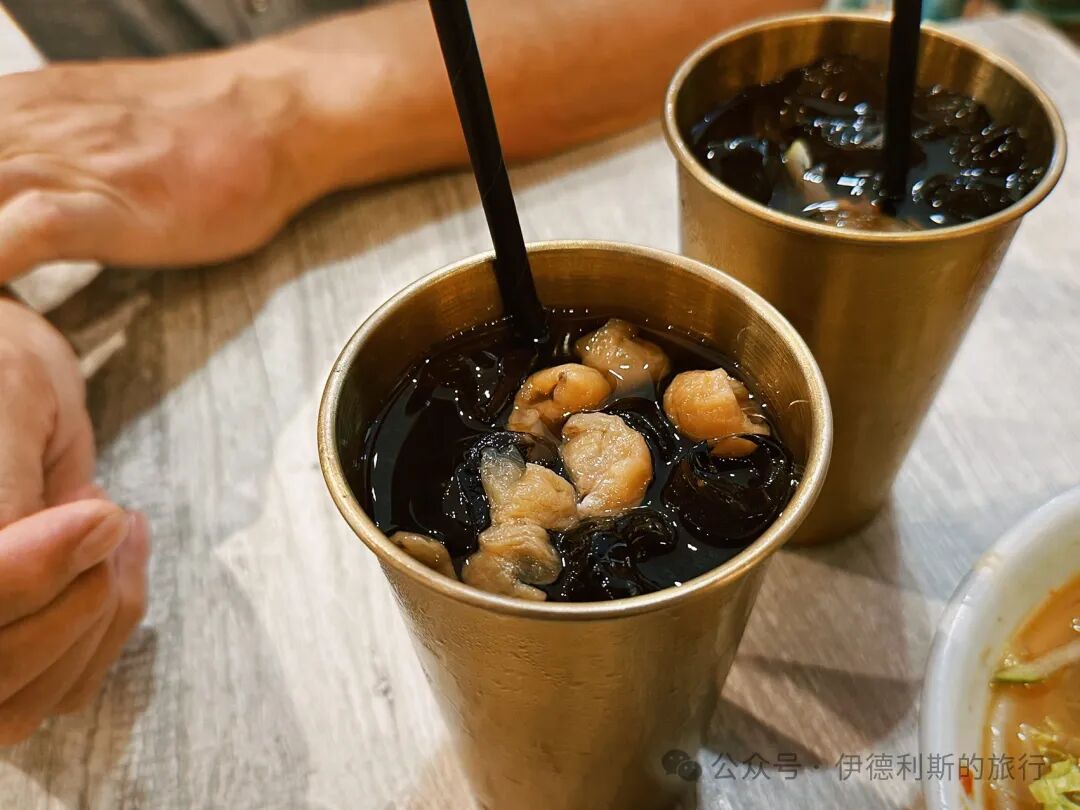
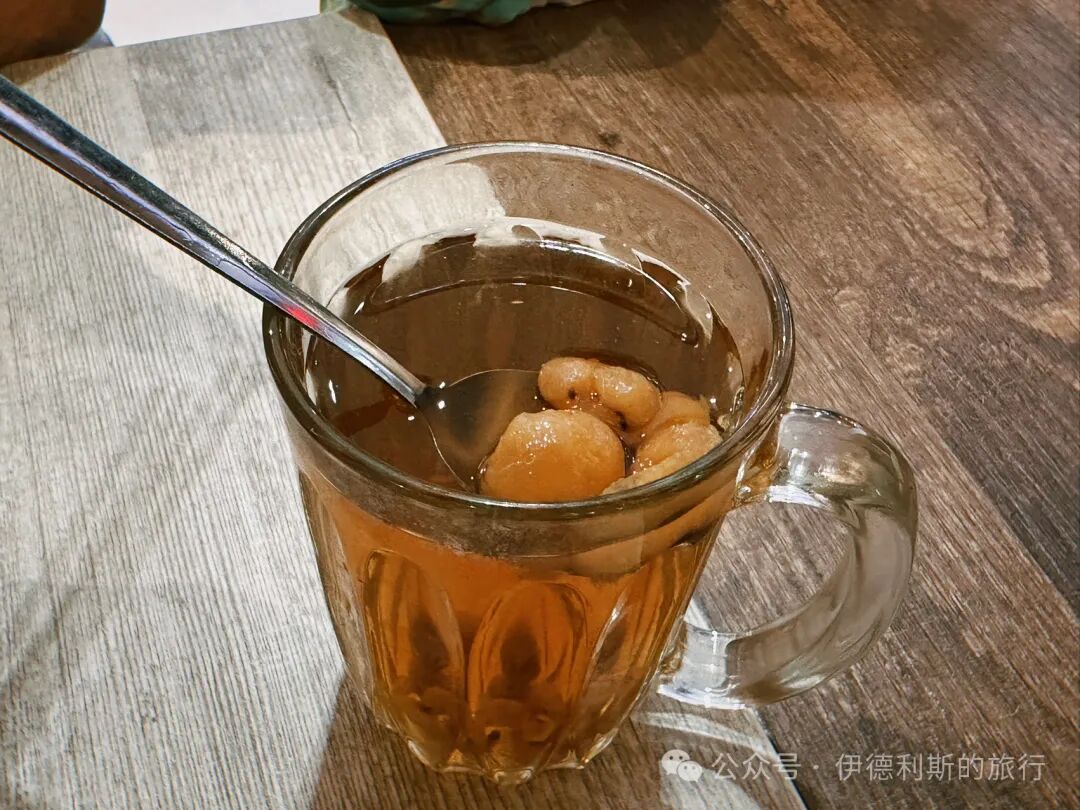
We ordered asam laksa, curry laksa, pan mee, dry pan mee, curry fish balls, fish crackers (keropok lekor), and longan drink.
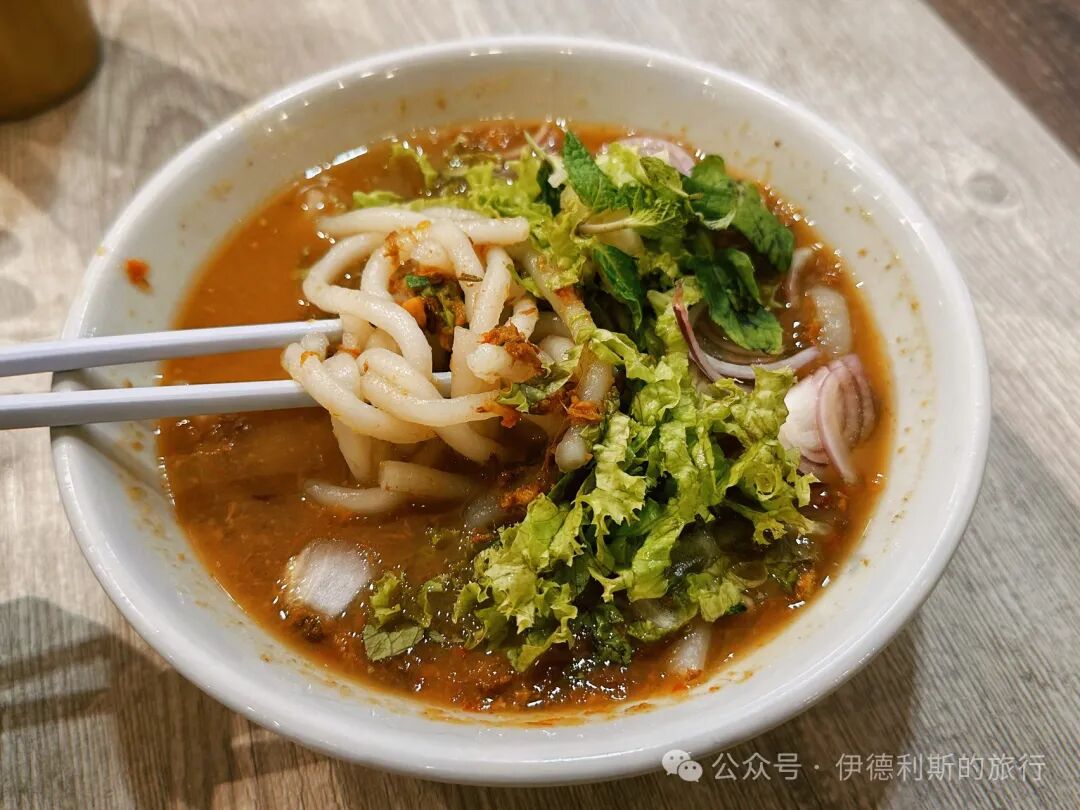
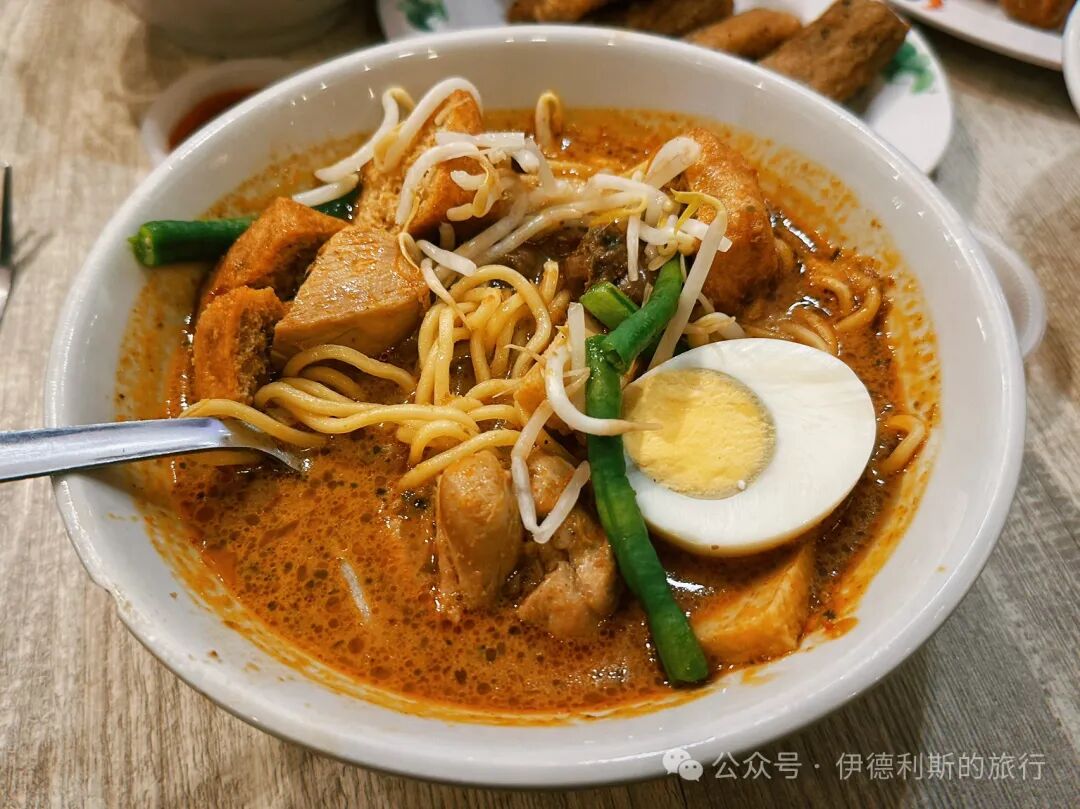
Asam laksa and curry laksa are the two most common types of laksa in Malaysia. Curry laksa uses a curry coconut milk broth. Asam laksa uses a rich broth made from mackerel (kembung) or Spanish mackerel (tenggiri), seasoned with asam fruit slices, tamarind paste (asam keping), and various spices. It is the spiciest and most sour of all laksa varieties. To make the fish broth, you first boil the whole fish, then shred the meat and add it back into the soup to simmer until the flavors are fully absorbed. Asam laksa is usually served with Cantonese rice noodles (lai fun). These are round, chewy, and smooth noodles made by steaming a mixture of rice flour and water.
Fish crackers (keropok lekor) are fried snacks made from fish and fine rice flour. They originated in the Terengganu region of Malaysia. They are chewy and a classic street food in West Malaysia.
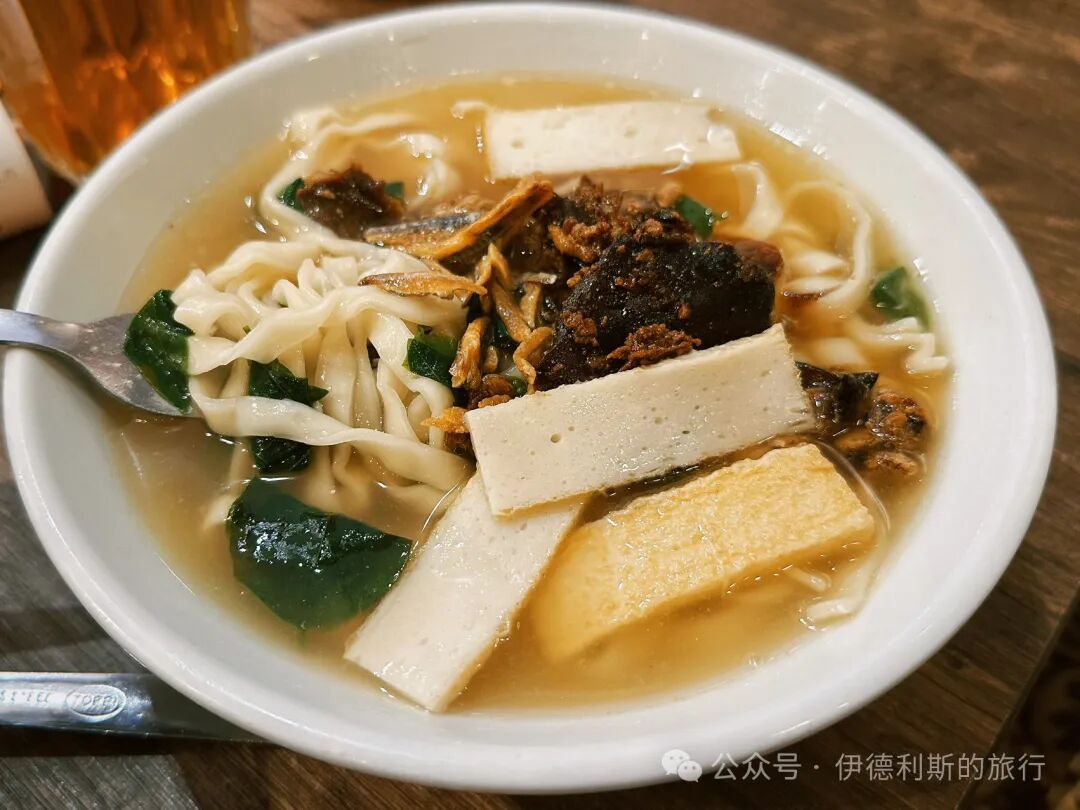
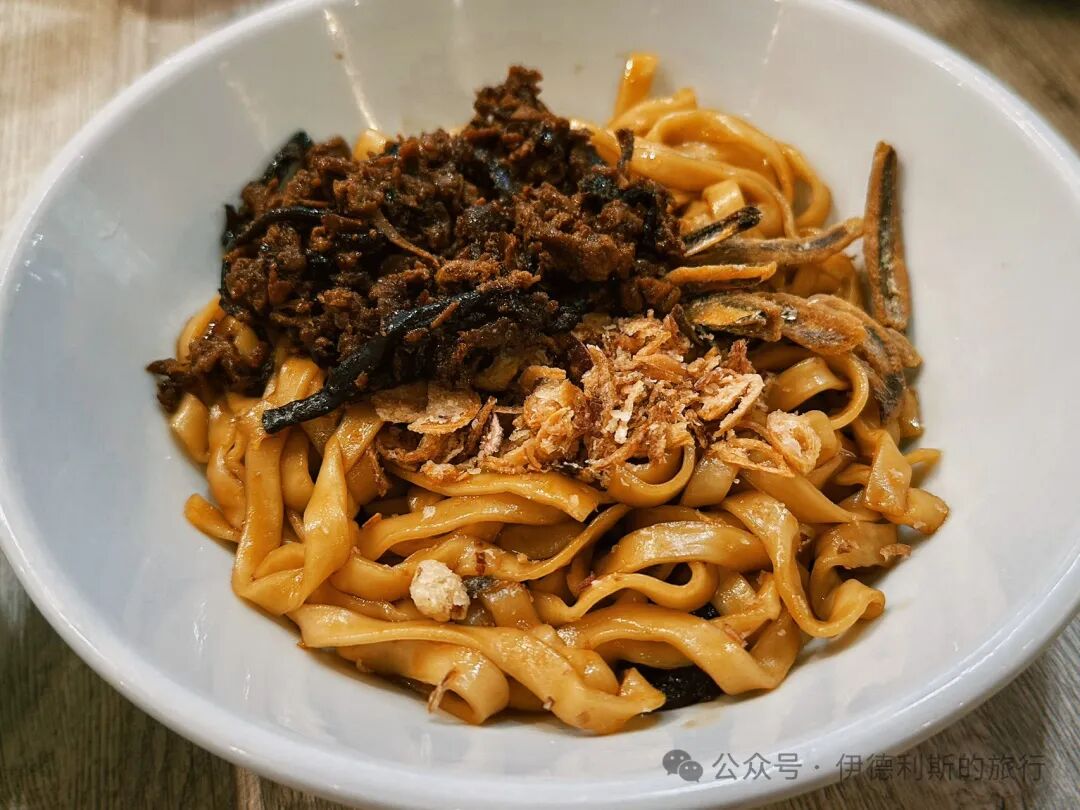
Pan mee comes from the Hakka snack called daomaoqie. It started when Hakka people in Malaysia used large knives to cut dough into strips. Later, Hakka restaurants in Kuala Lumpur worried that local Cantonese-speaking Chinese would not understand the term daomaoqie. They started calling it pan mee, and the name became popular across Malaysia. Pan mee is usually served as either soup pan mee or dry pan mee. Soup pan mee uses a fish-based broth. Dry pan mee is mixed with minced meat, fried onions, and dried anchovies, and can be served with dried chili or sambal sauce.
Malaysia Series:
Visiting the Filipino Market and eating Hainanese food in Kota Kinabalu
Indian temples and nasi kandar in Kuching, Malaysia
Malay history and culture and indigenous food in Kuching
Selected collection of the Islamic Arts Museum Malaysia
92 handwritten scriptures at the Islamic Arts Museum Malaysia
[Exhibition Visit] Sabah Islamic Civilization Museum, Malaysia
[Exhibition Visit] Sarawak Islamic History Museum
Indian and Malay mosques in Ipoh, Malaysia
Negeri Sembilan, home of the Minangkabau people in Malaysia
Attending Jumu'ah prayer at a Chinese mosque in Malaysia
Eating Nyonya food in Johor Bahru and Kuala Lumpur, Malaysia
Tasting halal Chinese food in Malaysia
Halal Chinese food in Penang, Malaysia
Indian Tamil Muslims in Penang, Malaysia
Johor Bahru, the royal city of the Temenggong dynasty of the Johor Sultanate
The Perak Sultanate royal city and the lively Malay night market
Malay wooden houses and historical sites in Malacca
Eight traditional mosques in Malacca
A guide to eating and staying in the ancient city of Malacca
Selangor Sultanate royal cities: Jugra and Klang
Summary: This is the second part of a visit to halal Chinese food around Little India in Kuala Lumpur. It keeps the original restaurant names, dishes, prices, street details, and photographs while making the English smooth and easy to follow.
We ordered asam laksa, curry laksa, pan mee, dry pan mee, curry fish balls, fish crackers (keropok lekor), and longan drink.
Asam laksa and curry laksa are the two most common types of laksa in Malaysia. Curry laksa uses a curry coconut milk broth. Asam laksa uses a rich broth made from mackerel (kembung) or Spanish mackerel (tenggiri), seasoned with asam fruit slices, tamarind paste (asam keping), and various spices. It is the spiciest and most sour of all laksa varieties. To make the fish broth, you first boil the whole fish, then shred the meat and add it back into the soup to simmer until the flavors are fully absorbed. Asam laksa is usually served with Cantonese rice noodles (lai fun). These are round, chewy, and smooth noodles made by steaming a mixture of rice flour and water.
Fish crackers (keropok lekor) are fried snacks made from fish and fine rice flour. They originated in the Terengganu region of Malaysia. They are chewy and a classic street food in West Malaysia.
Pan mee comes from the Hakka snack called daomaoqie. It started when Hakka people in Malaysia used large knives to cut dough into strips. Later, Hakka restaurants in Kuala Lumpur worried that local Cantonese-speaking Chinese would not understand the term daomaoqie. They started calling it pan mee, and the name became popular across Malaysia. Pan mee is usually served as either soup pan mee or dry pan mee. Soup pan mee uses a fish-based broth. Dry pan mee is mixed with minced meat, fried onions, and dried anchovies, and can be served with dried chili or sambal sauce.
Malaysia Series:
Visiting the Filipino Market and eating Hainanese food in Kota Kinabalu
Indian temples and nasi kandar in Kuching, Malaysia
Malay history and culture and indigenous food in Kuching
Selected collection of the Islamic Arts Museum Malaysia
92 handwritten scriptures at the Islamic Arts Museum Malaysia
[Exhibition Visit] Sabah Islamic Civilization Museum, Malaysia
[Exhibition Visit] Sarawak Islamic History Museum
Indian and Malay mosques in Ipoh, Malaysia
Negeri Sembilan, home of the Minangkabau people in Malaysia
Attending Jumu'ah prayer at a Chinese mosque in Malaysia
Eating Nyonya food in Johor Bahru and Kuala Lumpur, Malaysia
Tasting halal Chinese food in Malaysia
Halal Chinese food in Penang, Malaysia
Indian Tamil Muslims in Penang, Malaysia
Johor Bahru, the royal city of the Temenggong dynasty of the Johor Sultanate
The Perak Sultanate royal city and the lively Malay night market
Malay wooden houses and historical sites in Malacca
Eight traditional mosques in Malacca
A guide to eating and staying in the ancient city of Malacca
Selangor Sultanate royal cities: Jugra and Klang
