
Halal Travel Guide: Halal Chinese Food in Kuala Lumpur, Part 1
Reposted from the web
Summary: This is the first part of a visit to halal Chinese food around Little India in Kuala Lumpur. The English version preserves the original food names, shop details, routes, observations, and photographs in the same order.
Hainan chicken rice (hainanjifan)
After landing at Kuala Lumpur airport, we took the airport express train to the final stop, KL Sentral. We went upstairs to the Nu Sentral shopping mall, where we almost always eat whenever we visit Kuala Lumpur. The mall has many types of restaurants. There are three halal Nyonya restaurants alone, plus many other halal Chinese options.
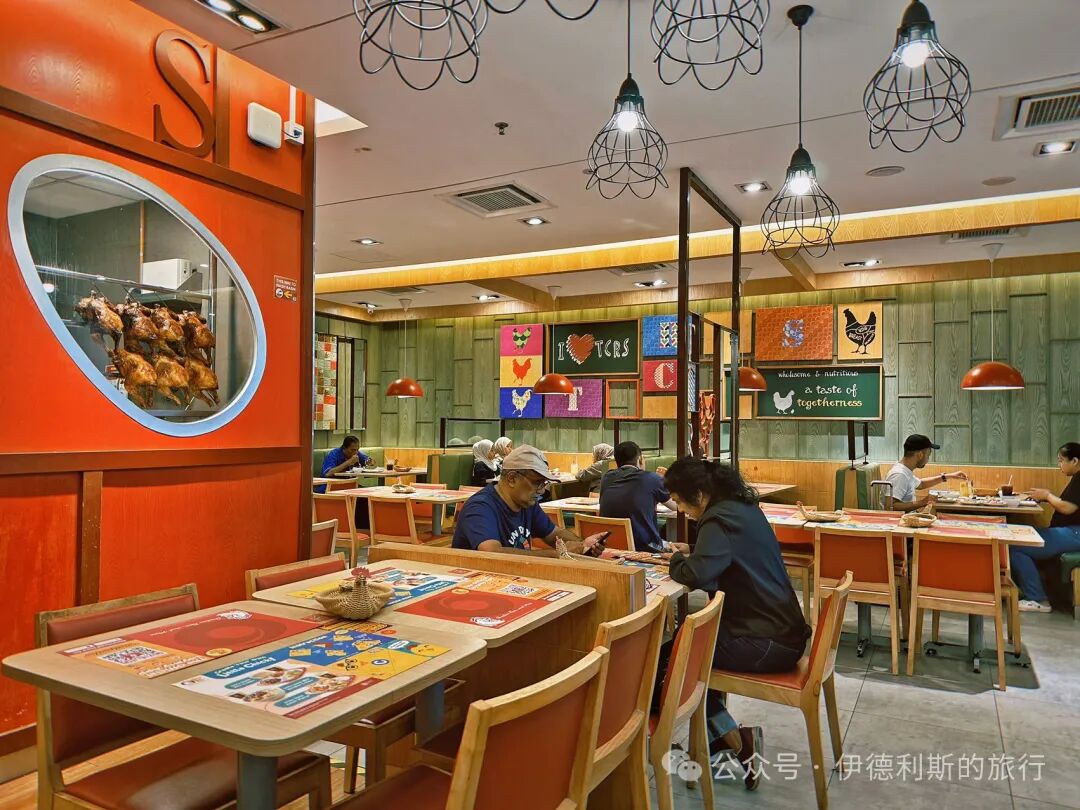
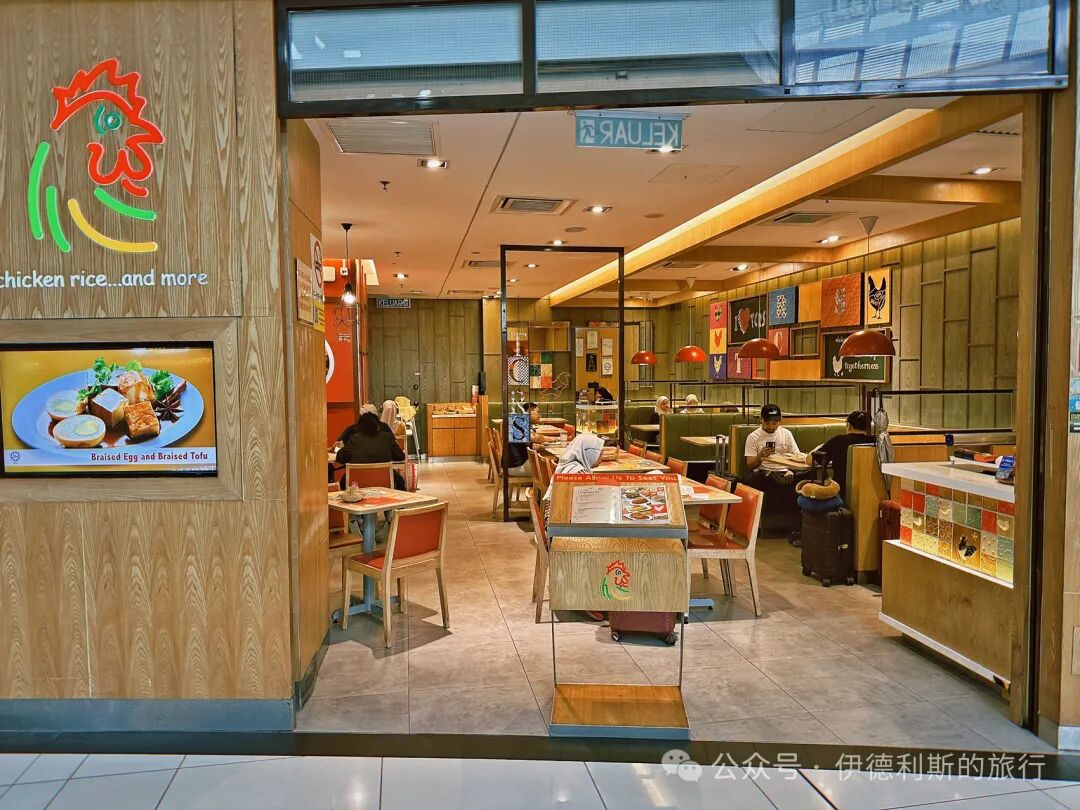
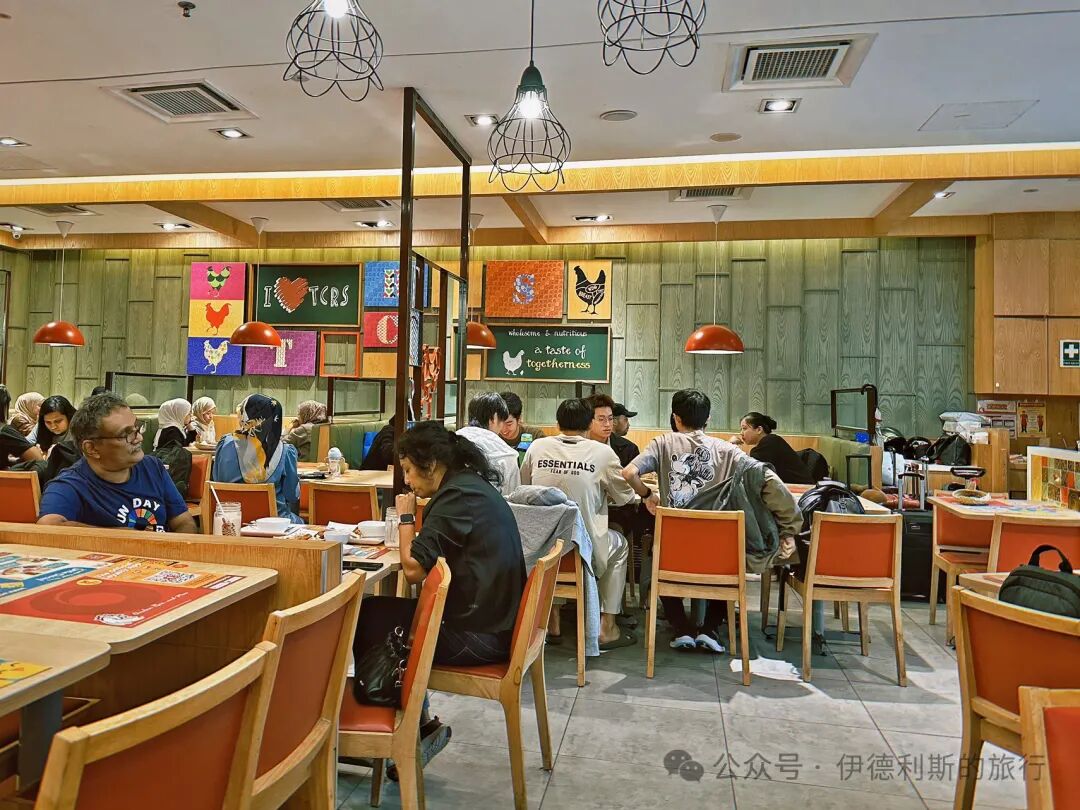
This time, we ate at The Chicken Rice Shop, a famous halal Hainan chicken rice chain in Malaysia. The founder, Wong Kah Heng, was once an executive director at KFC Malaysia and had worked in the fast-food industry for 25 years before starting this business. In 2000, 54-year-old Wong Kah Heng and her daughter, Gaik Lean, opened the first The Chicken Rice Shop in Taipan, Selangor, officially launching their halal Hainan chicken rice brand.
Wong Kah Heng's parents were from Penang and her grandmother was from Hainan, so she loved Hainan chicken rice since she was a child. During the 20th century, Hainan chicken rice was mostly sold at food stalls, and almost none of it was halal. When they started the business, the mother and daughter had a clear goal: to bring Hainan chicken rice into clean, comfortable shopping malls suitable for family meals, and to make it halal for everyone to enjoy. Today, The Chicken Rice Shop has 135 locations and is the largest halal Hainan chicken rice chain in Malaysia. Led by their success, more halal Chinese food has appeared in Malaysia, allowing friends (dosti) from all over the world to taste delicious Chinese food here.
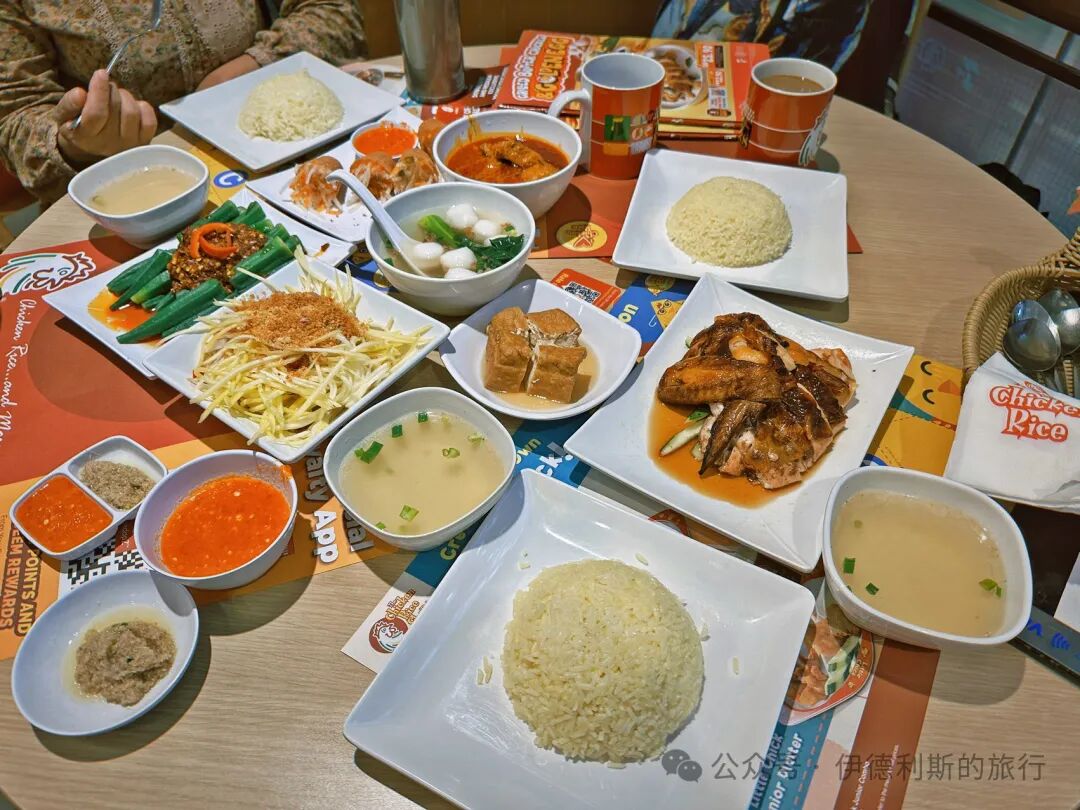
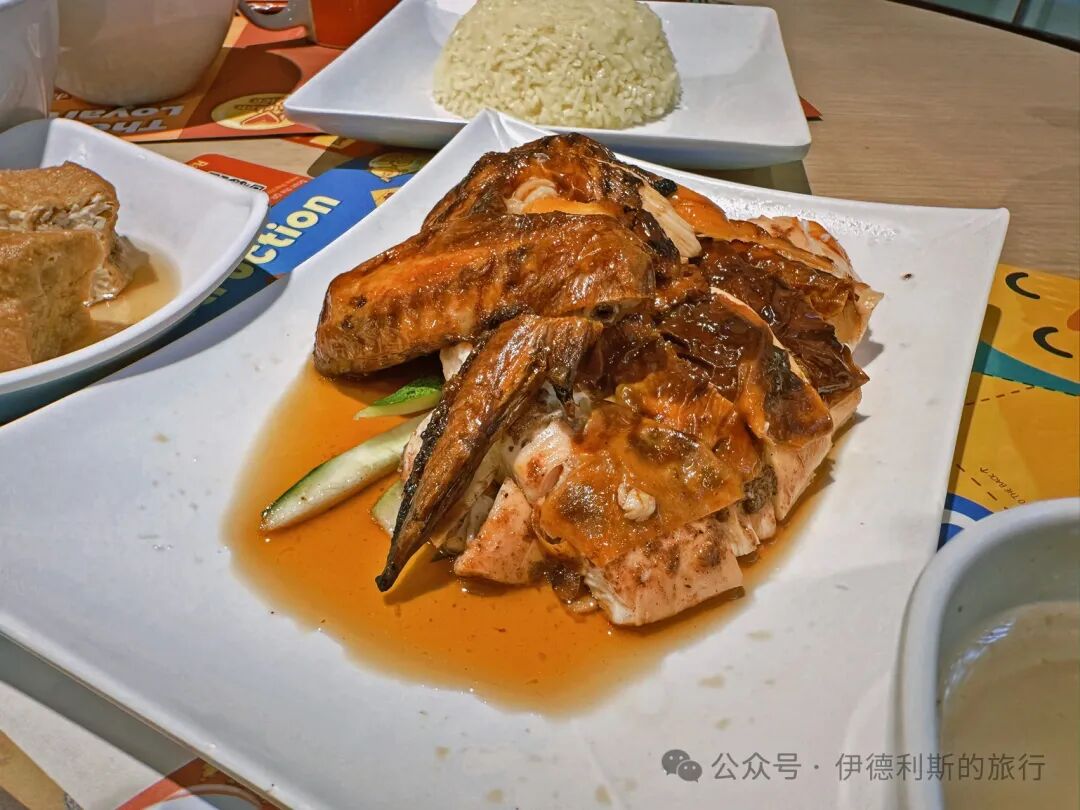
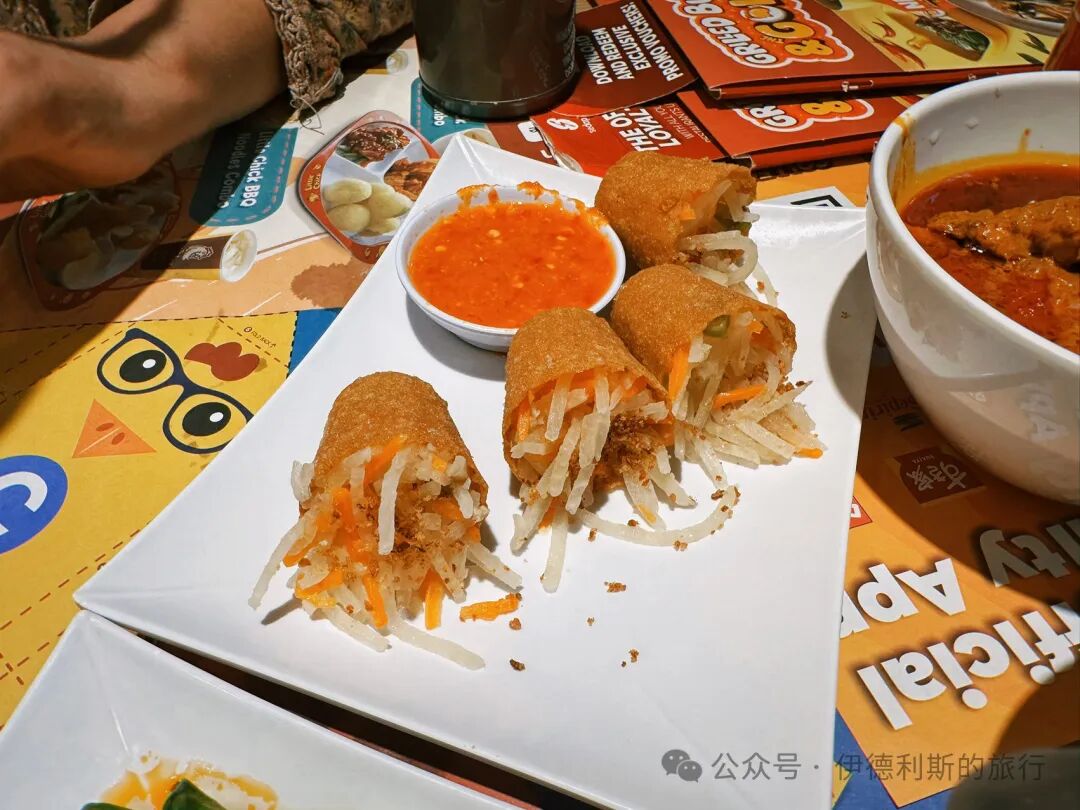
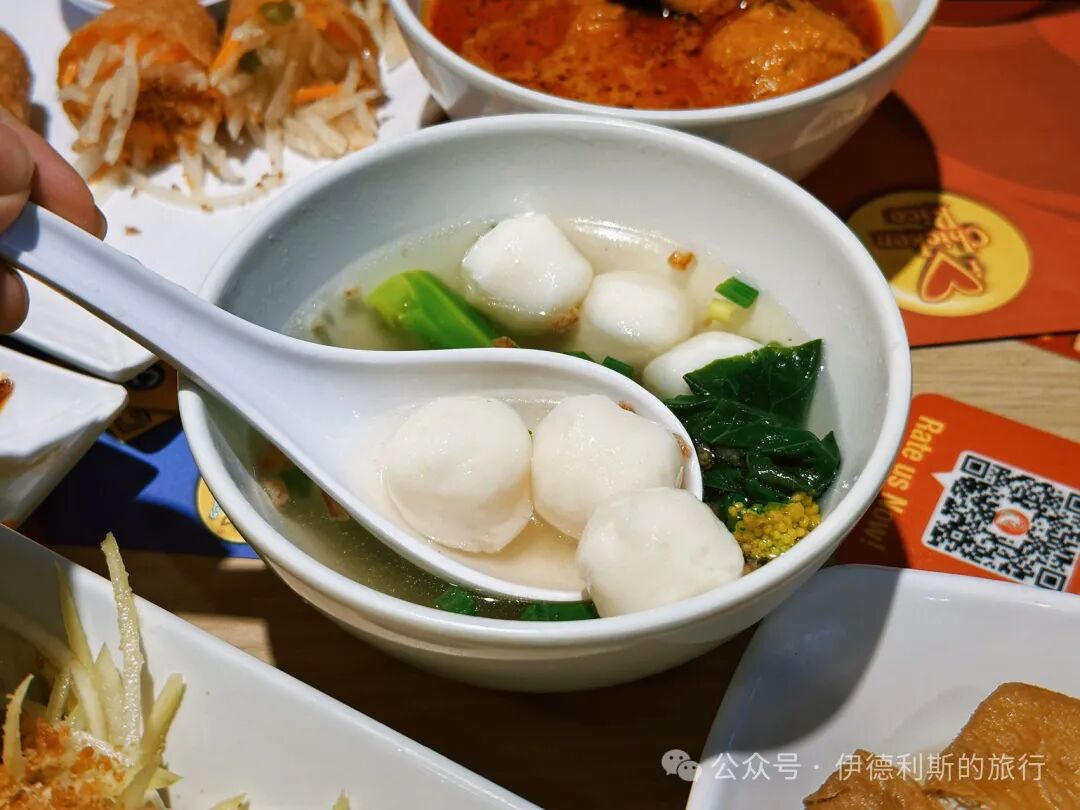
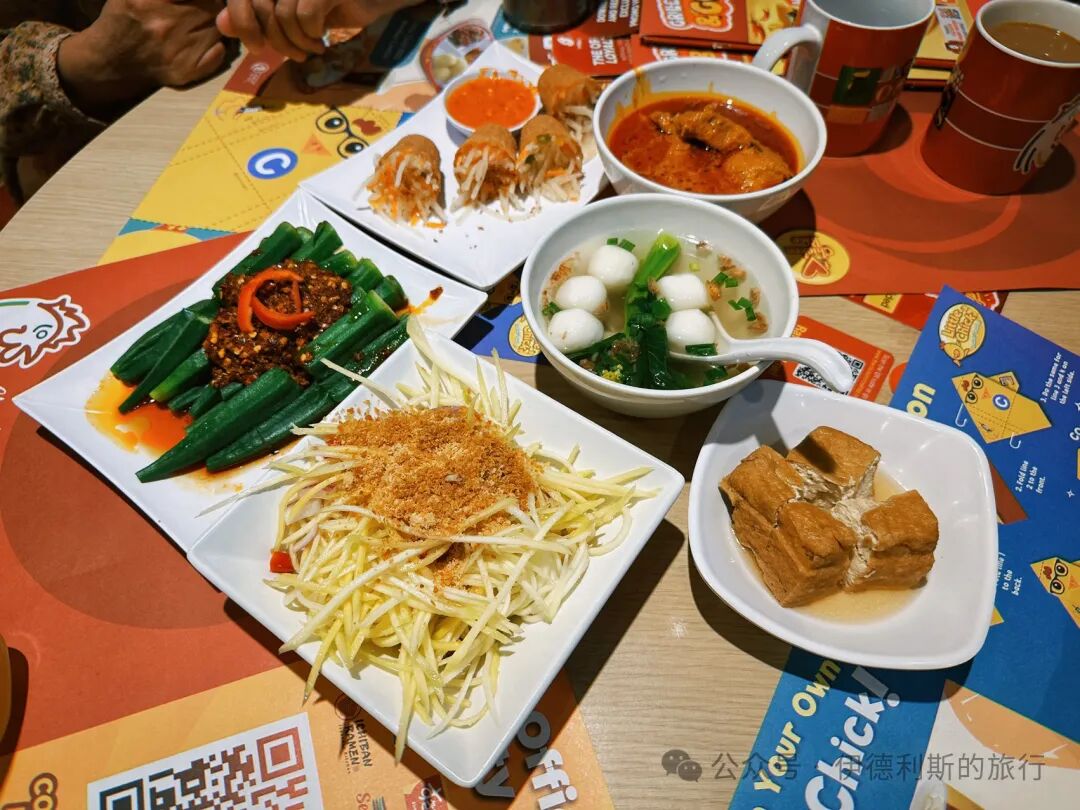
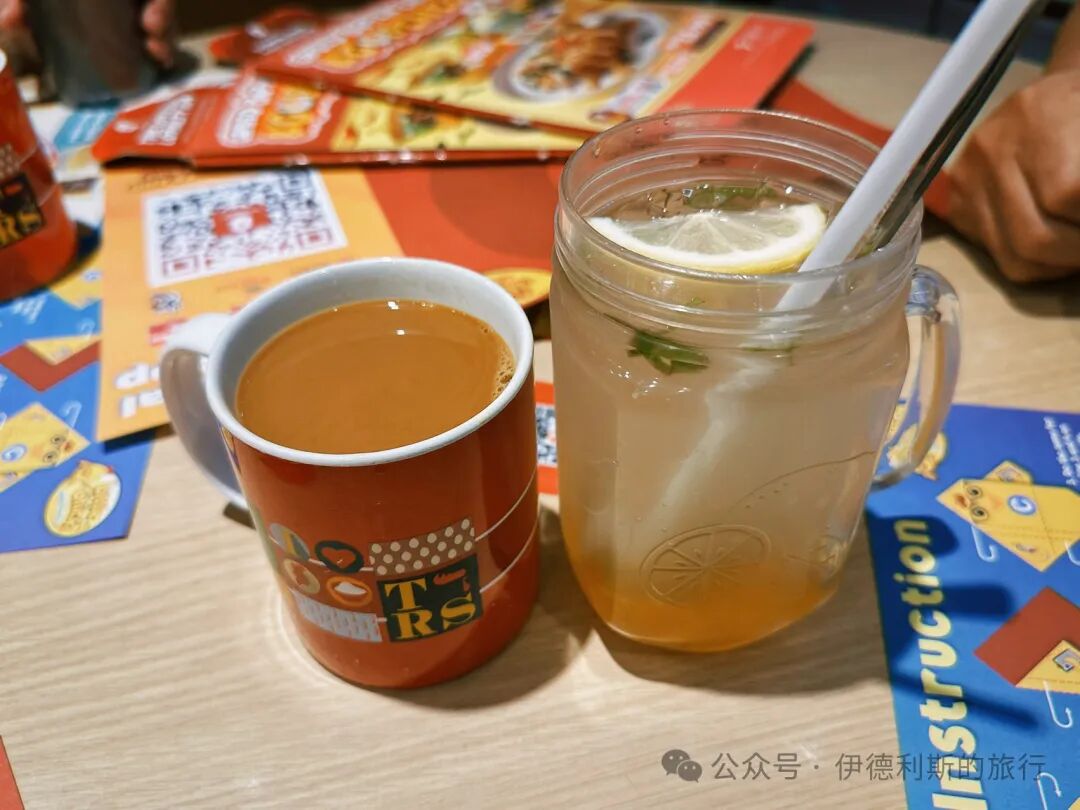
We ordered a 3-person set meal, which included Nyonya top hats (pai tee), mango salad, roasted chicken, Hainan chicken curry, okra, wolf herring fish balls (xidao yuwan), and rice. We also ordered a side of roasted tofu, which was perfect for our family. Nyonya top hats (pai tee) are a classic snack for weddings and New Year celebrations among Malaysian Peranakan Chinese. They originated in Singapore, where they are also called little gold cups (xiao jin bei), and are filled with shredded carrots and daikon radish. Wolf herring fish balls (xidao yuwan) are Teochew-style fish balls made from wolf herring, and they are very popular in Malaysia.
National Mosque of Malaysia
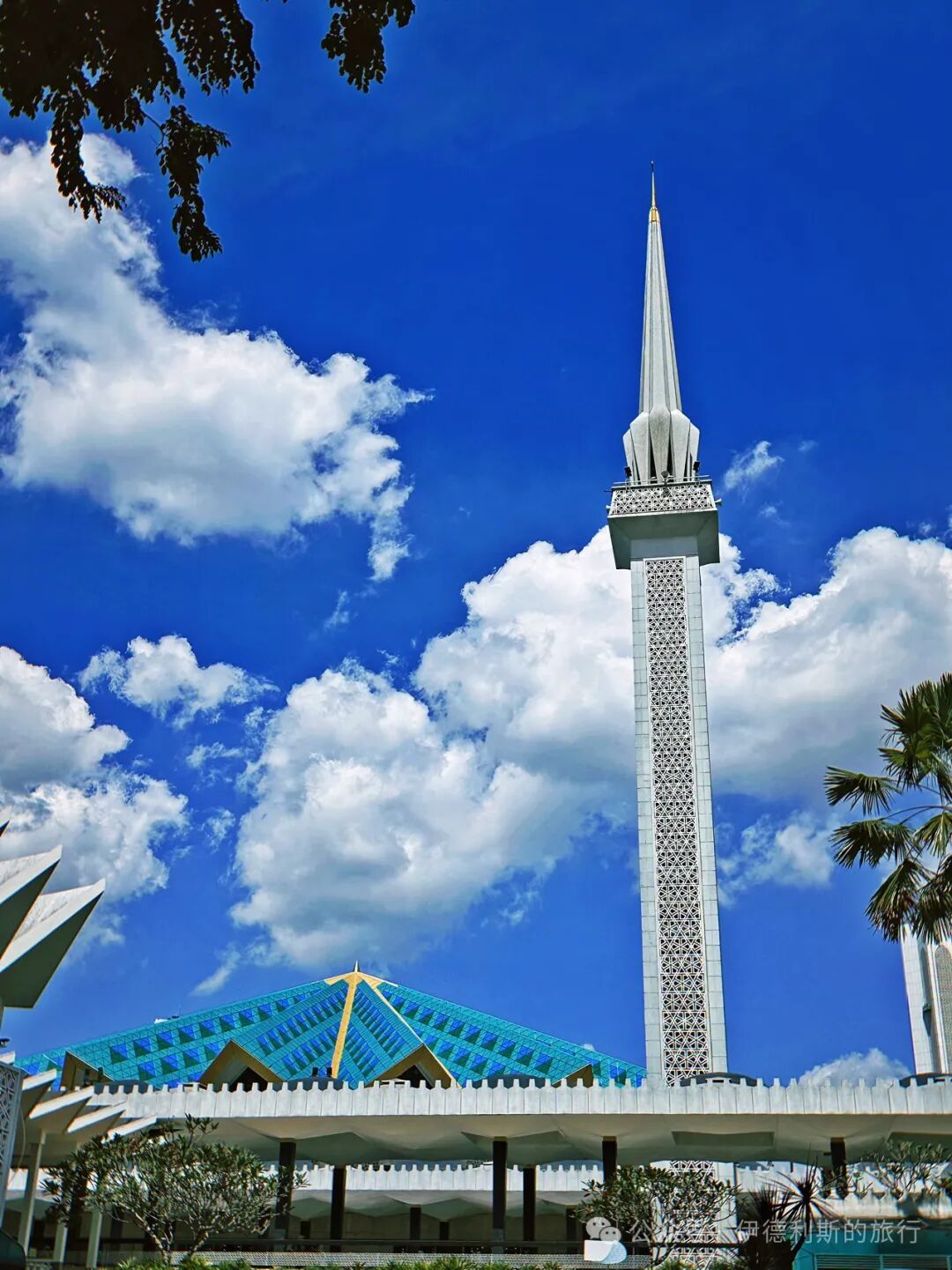
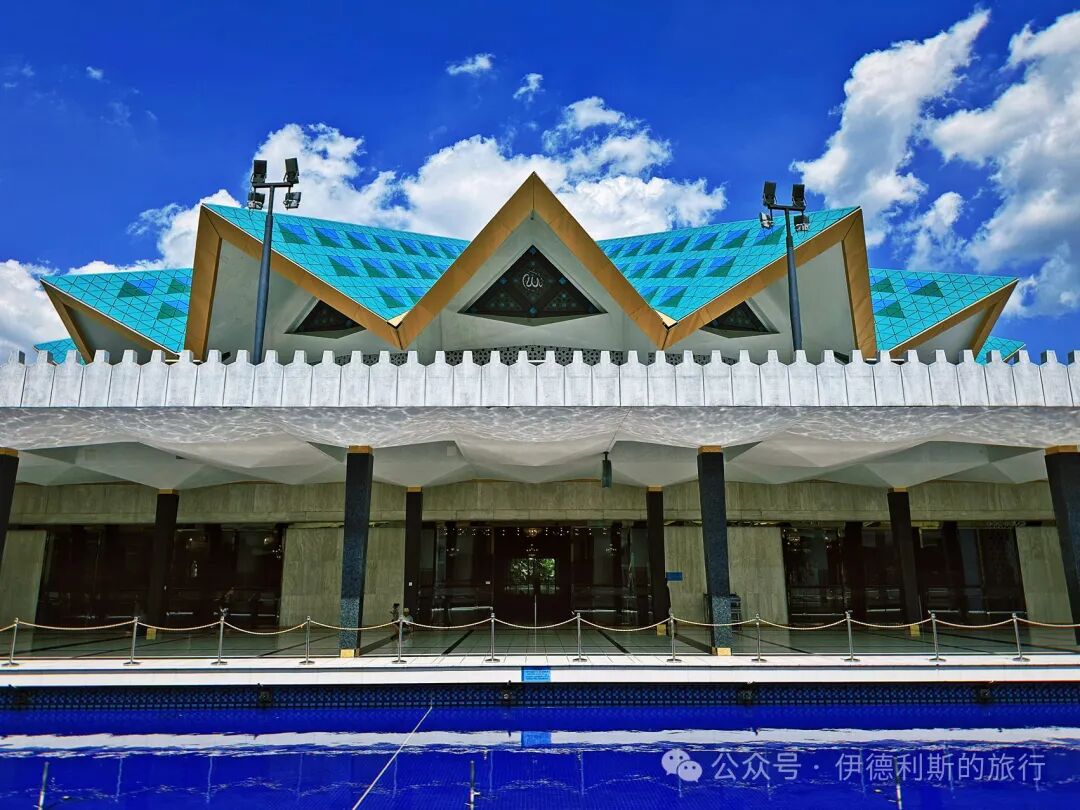
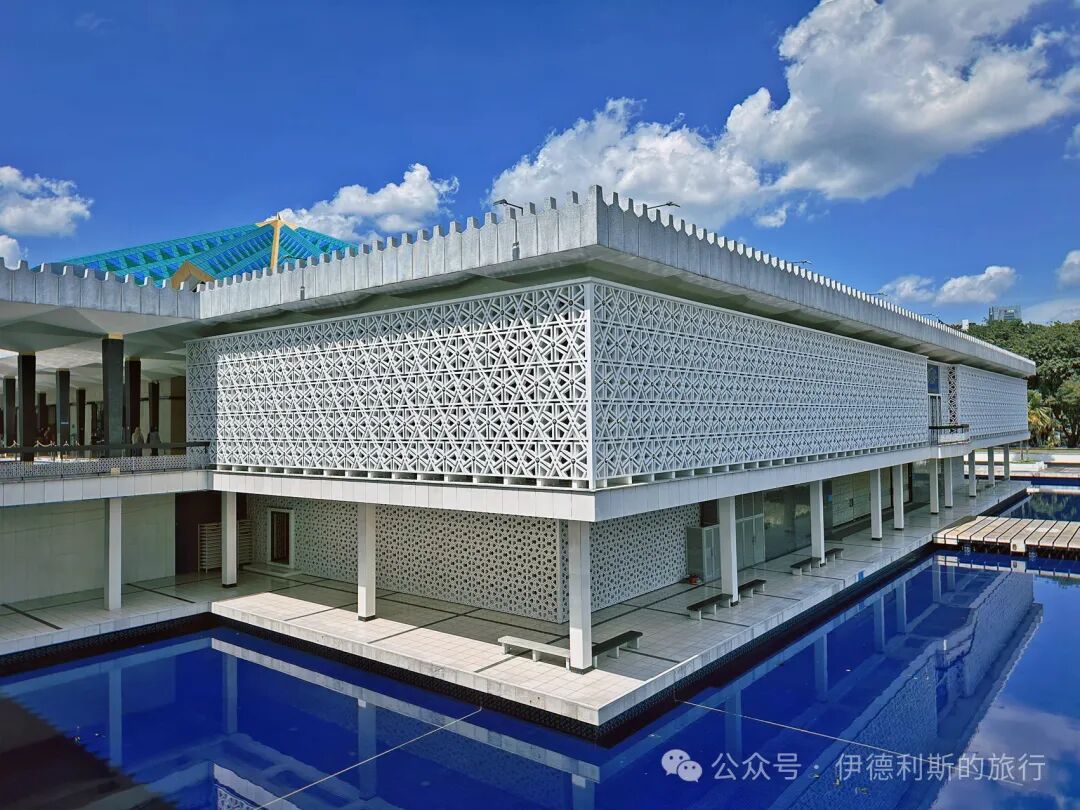
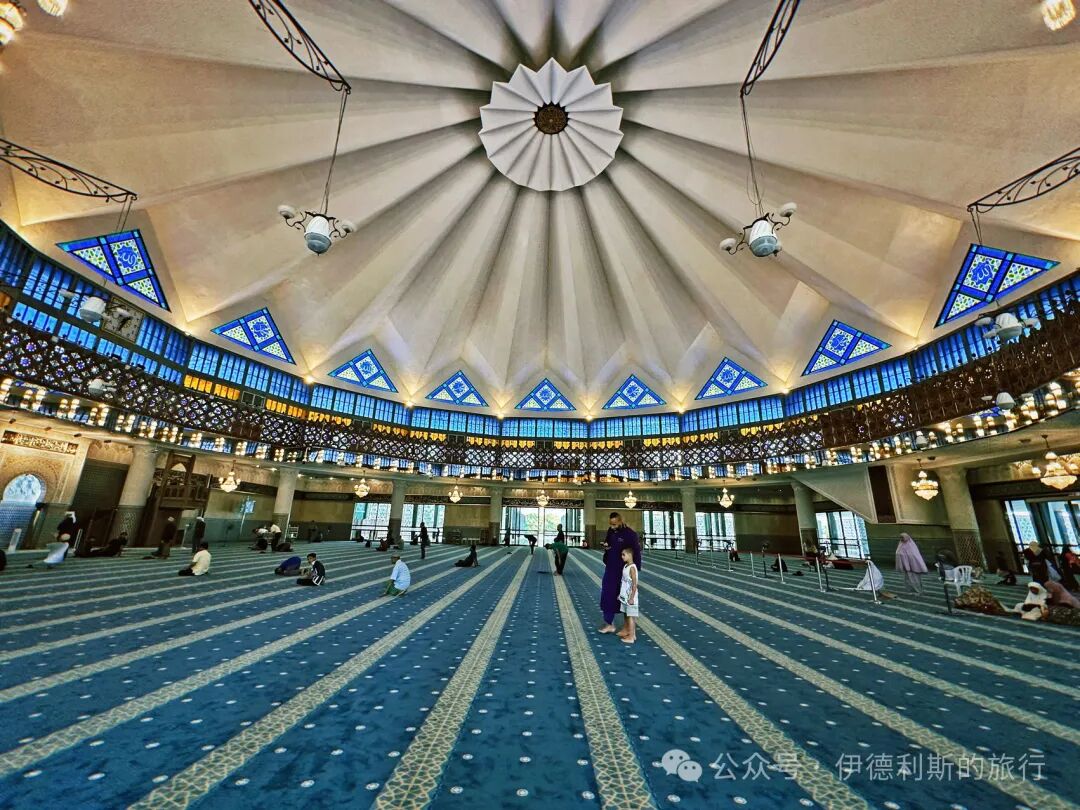
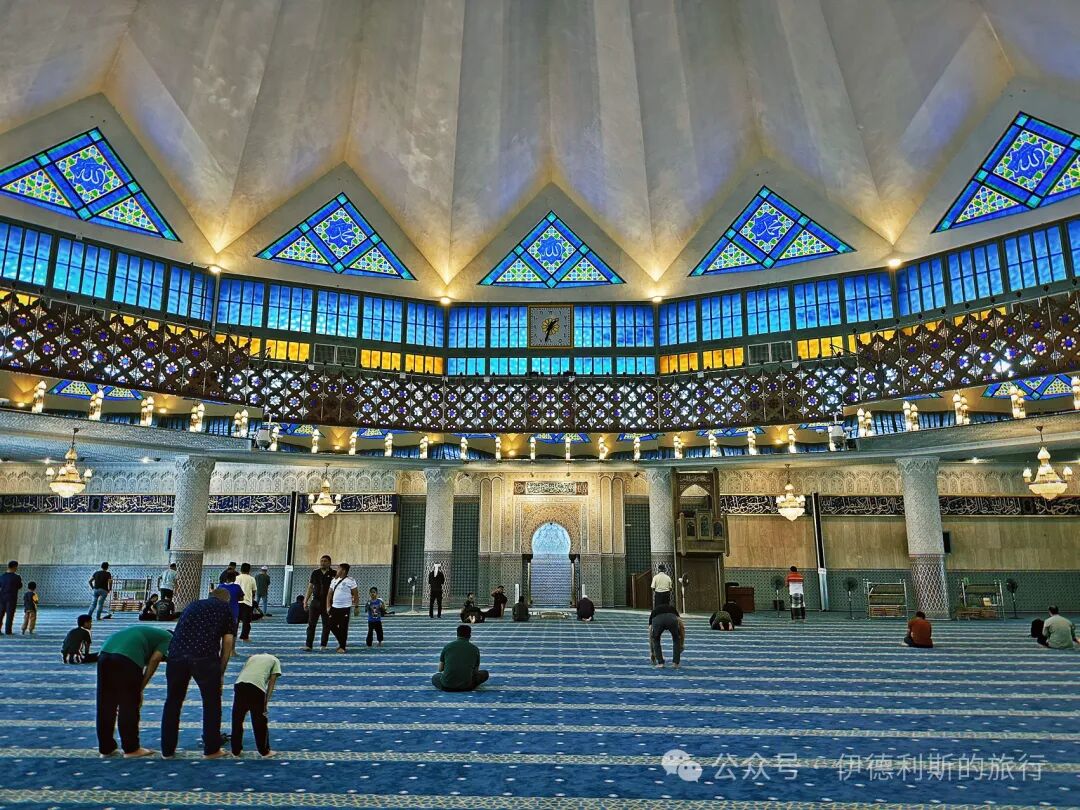
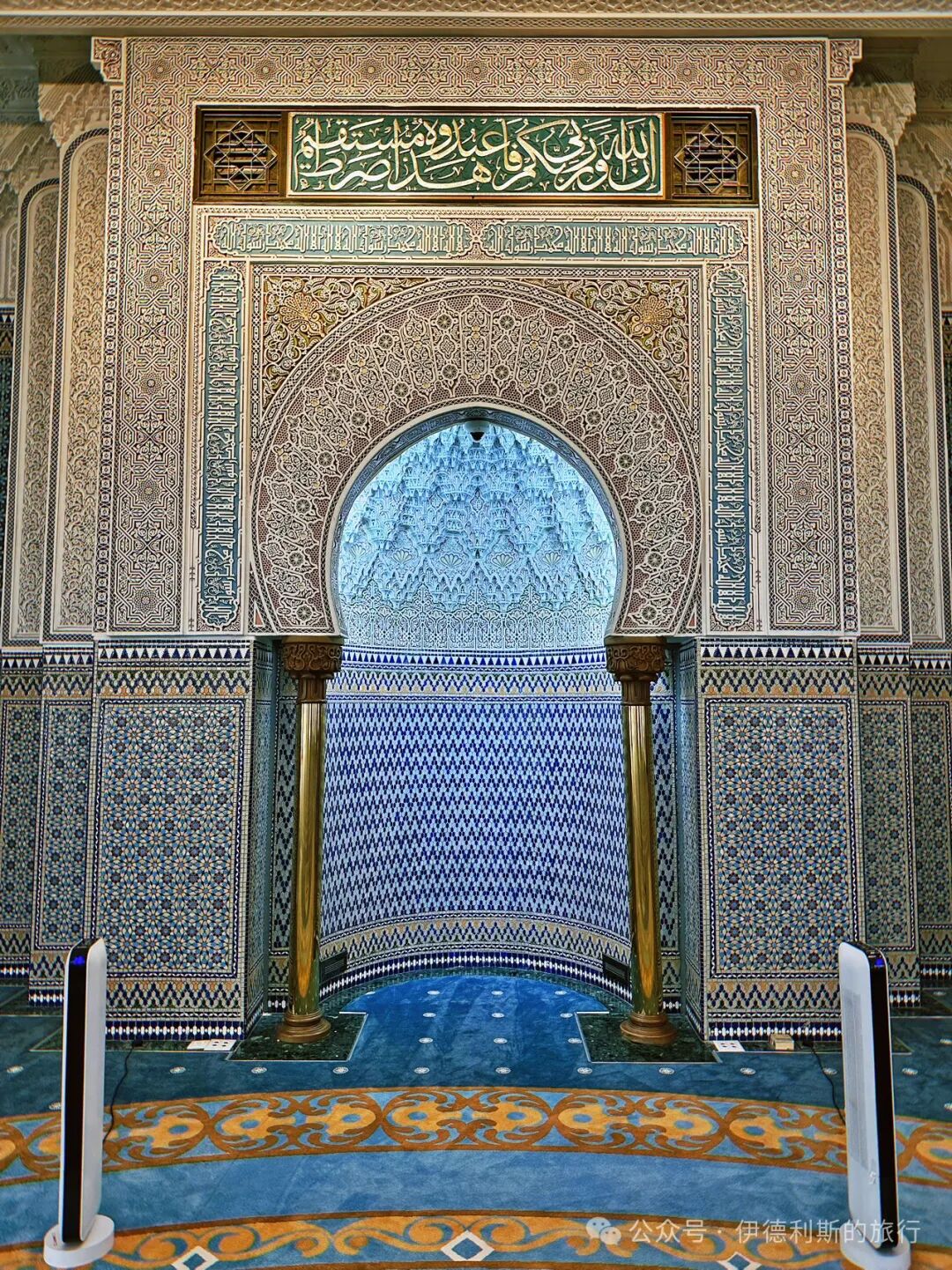
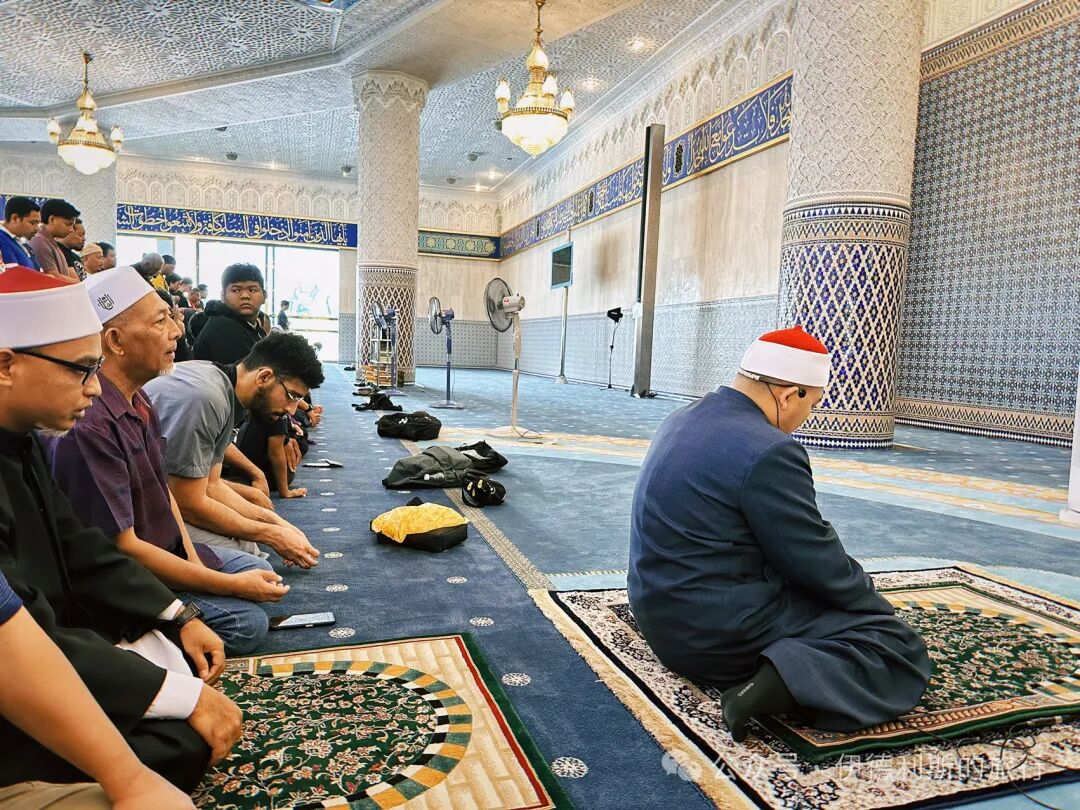
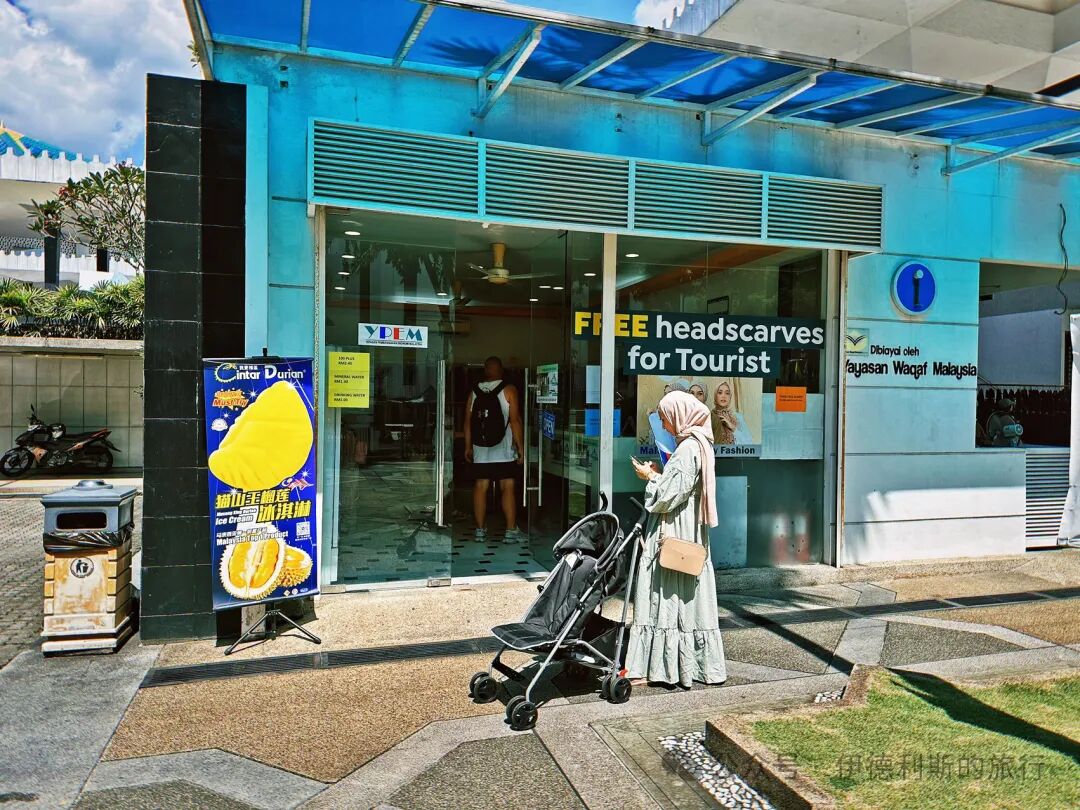
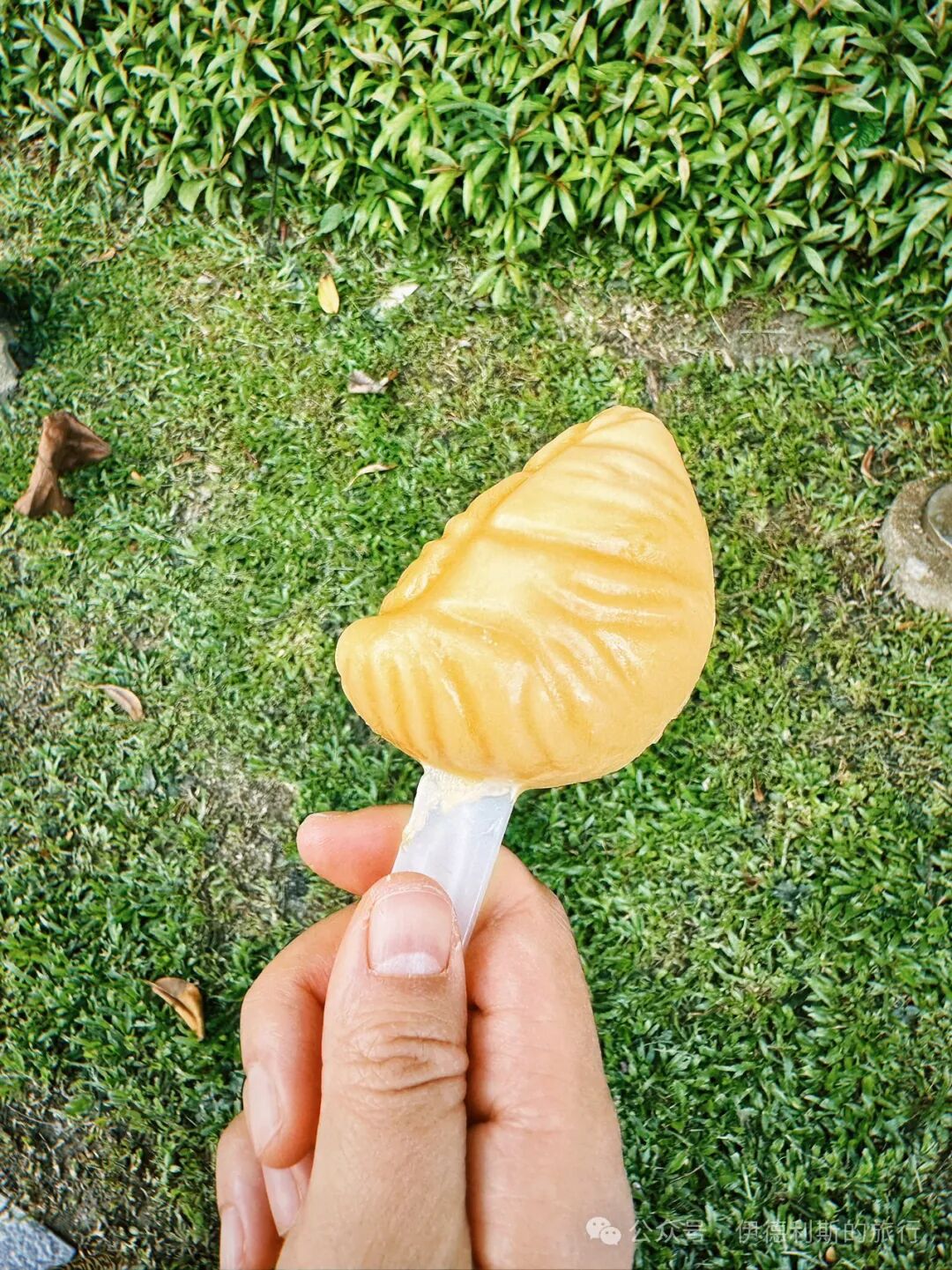
After lunch, we went to the National Mosque of Malaysia to perform namaz. The National Mosque was built in 1965 and renovated in 1987. It was the largest mosque in Malaysia until the Blue Mosque in Shah Alam was completed in 1988. There is a stall at the mosque entrance selling Musang King durian ice cream. It is very refreshing to have one after prayer.
Malay wooden house homestay
This time, we stayed in a Malay wooden house just two subway stops away from the Petronas Twin Towers. The wooden house is located in Kampung Datuk Keramat, a famous traditional Malay village in Kuala Lumpur. Like Kampung Baru, it is one of the best places in the city to experience traditional Malay culture.
Kampung Datuk Keramat was originally a tin mining site. After 1920, it became a Malay village made up of descendants of Javanese, Minangkabau, Baweanese, and Bugis people. The area is named after two respected graves once located here: one belonging to the Bugis man Haji Ali, and the other to the Sumatran man Sheikh Taih. Datuk Keramat is a product of the fusion between indigenous Malay beliefs and Sufism. Datuk refers to a respected person in Malay society, while Keramat refers to the miraculous signs of the pious predecessors of the faith. In Malay society, Datuk Keramat figures held special social status during their lifetimes, whether as leaders, warriors, doctors, or devout believers. Their graves are respected, and people light incense, place flowers, and perform dua at the gravesites.
After the 1970s, as the wave of Islamic orthodoxy advanced in Malaysia, Datuk Keramat practices gradually declined among the Malays. Kampung Datuk Keramat officially stopped Datuk Keramat activities in the 1990s, but the village name remains.
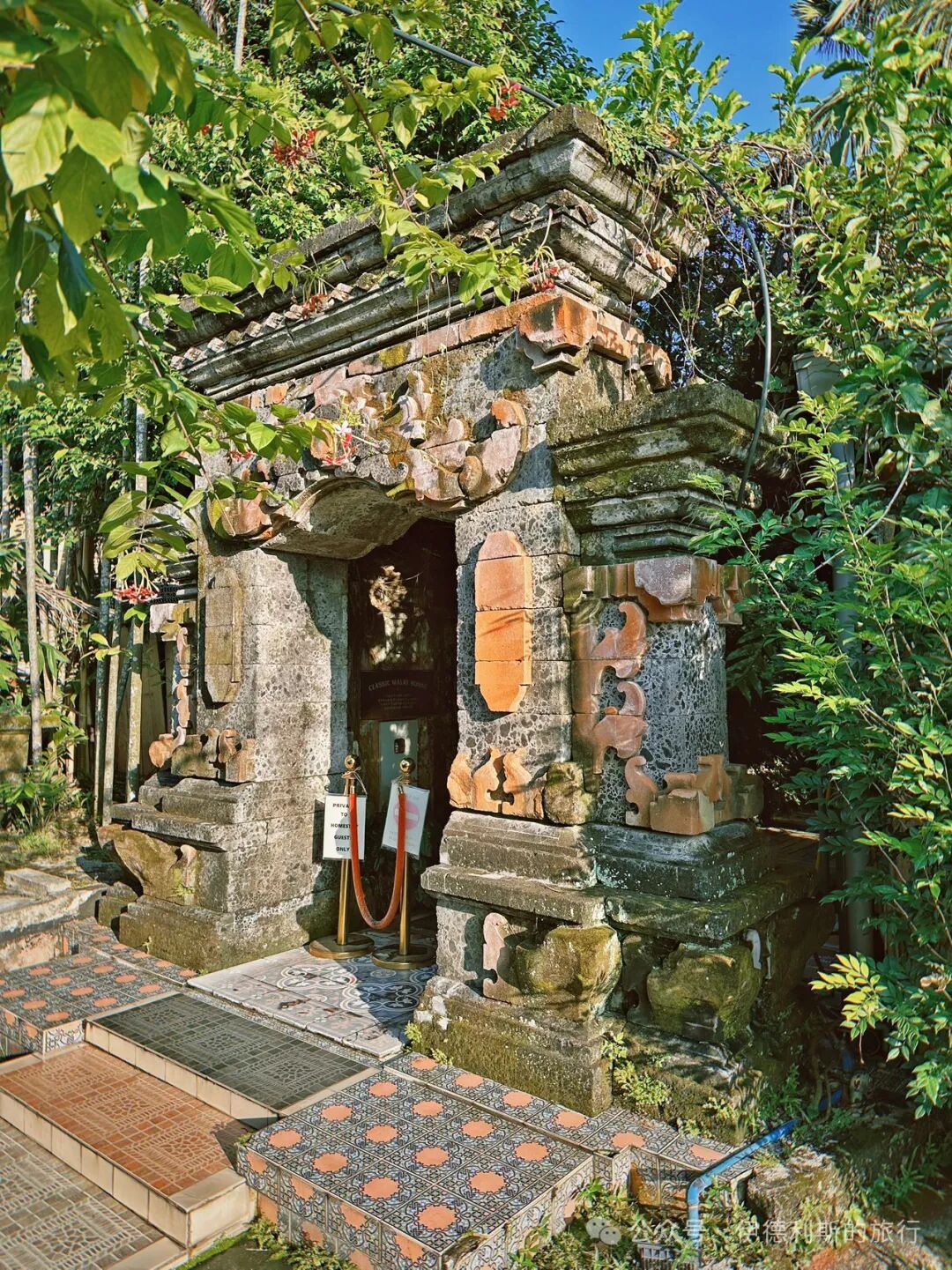
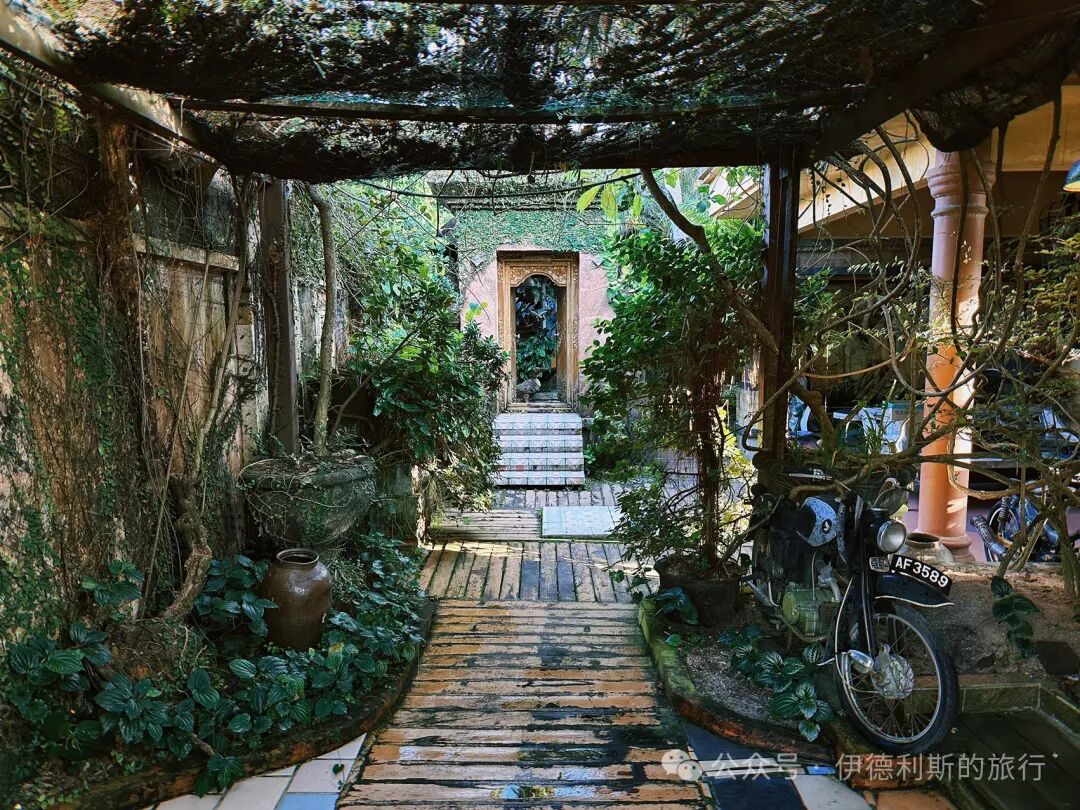
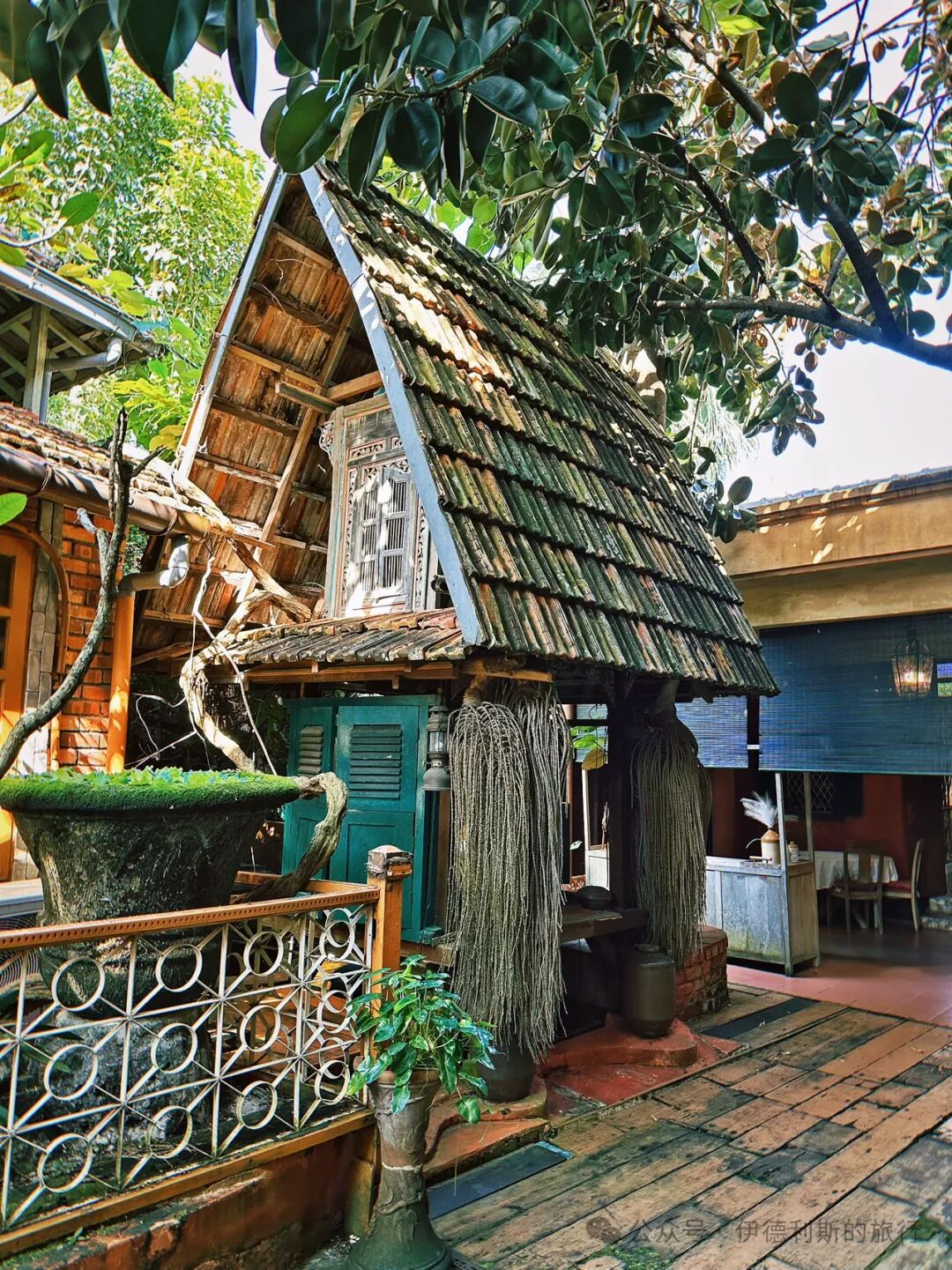
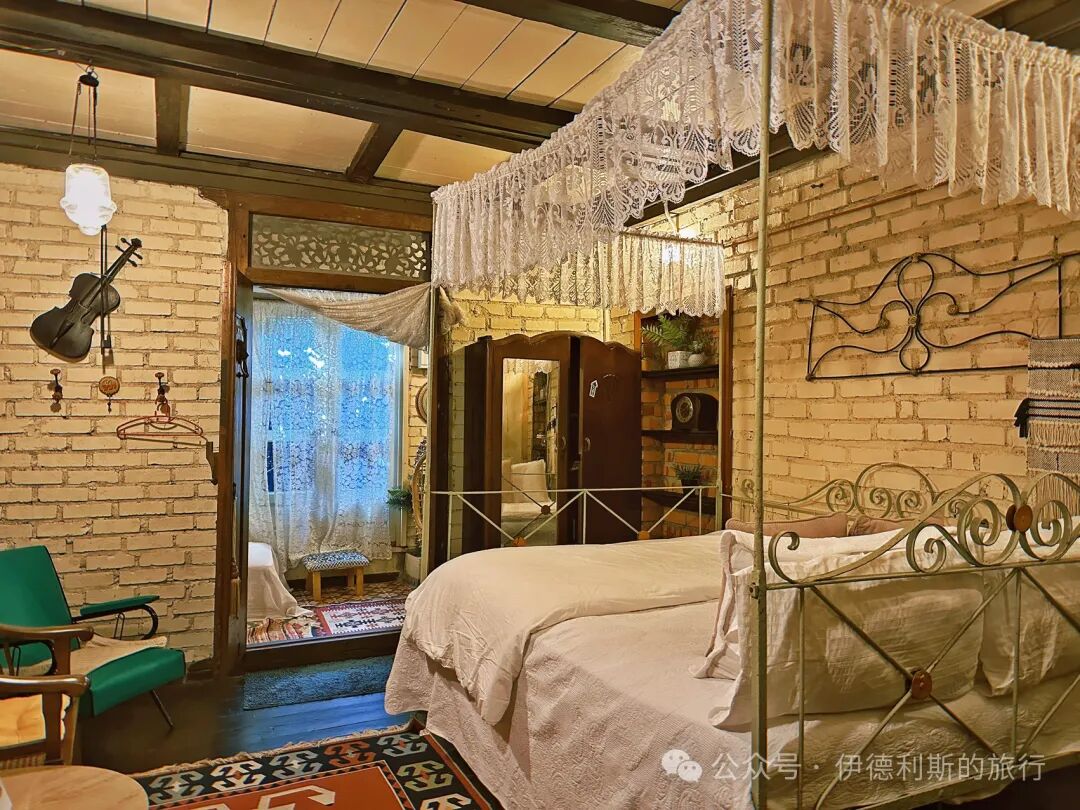
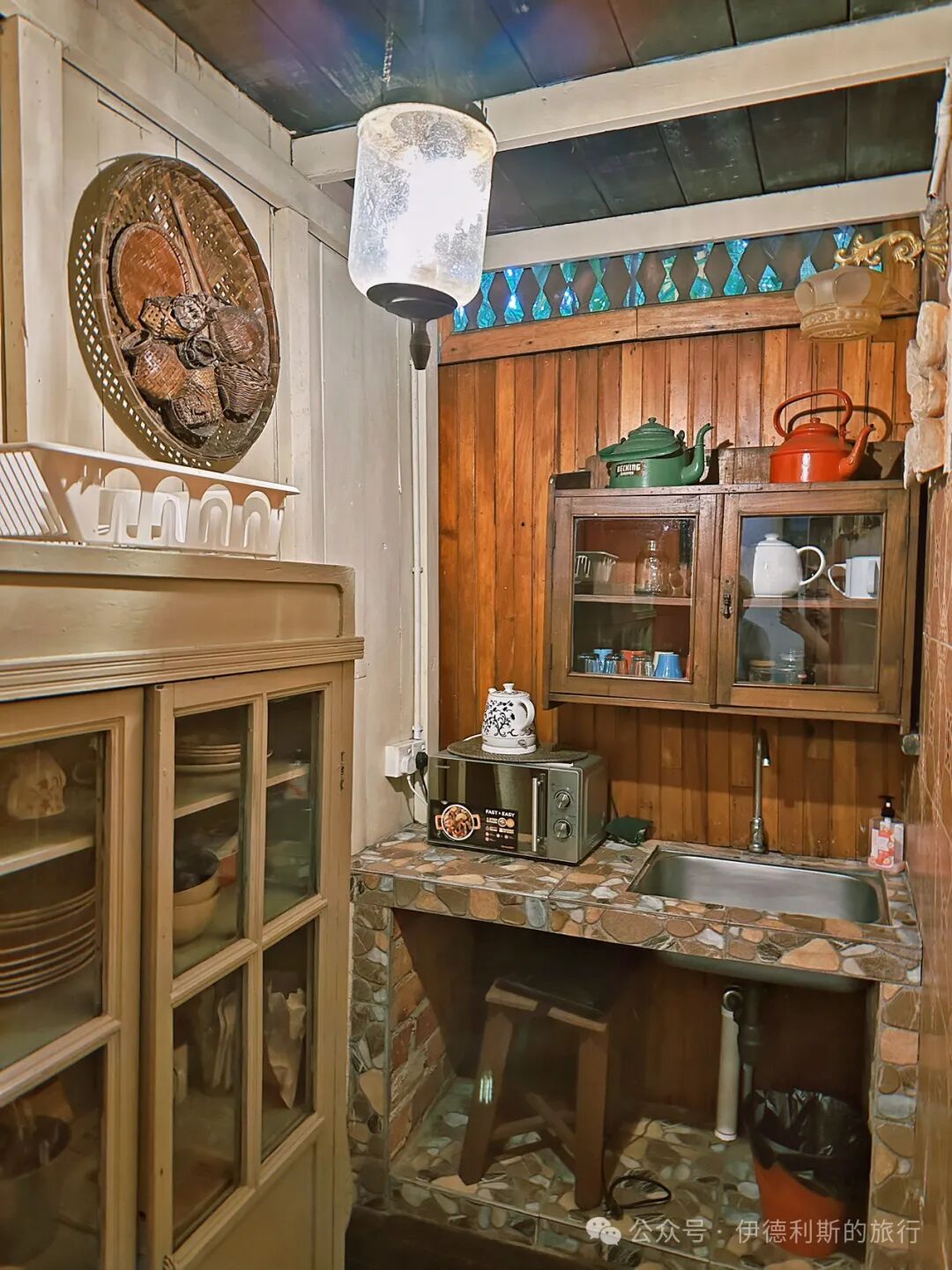
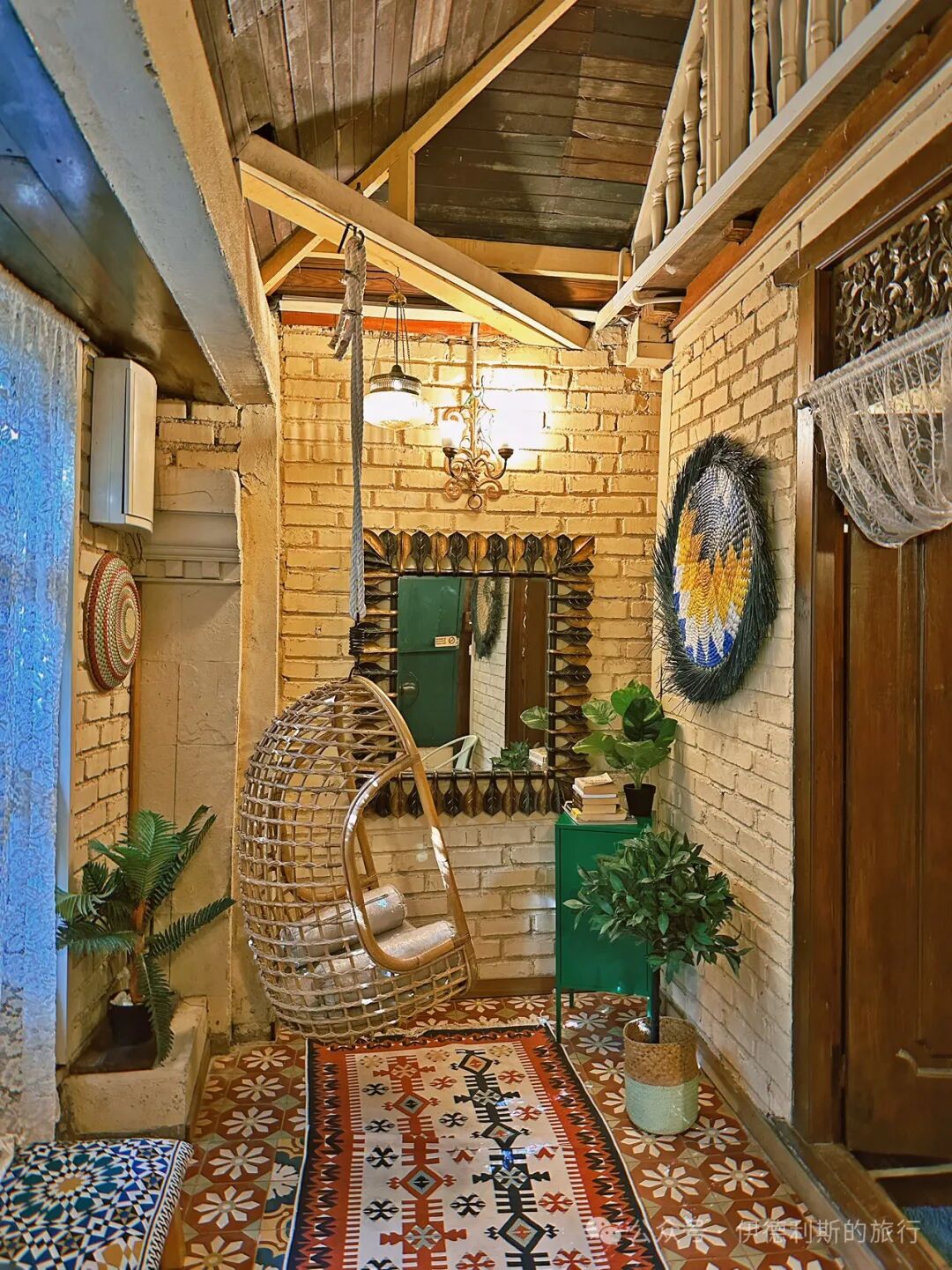
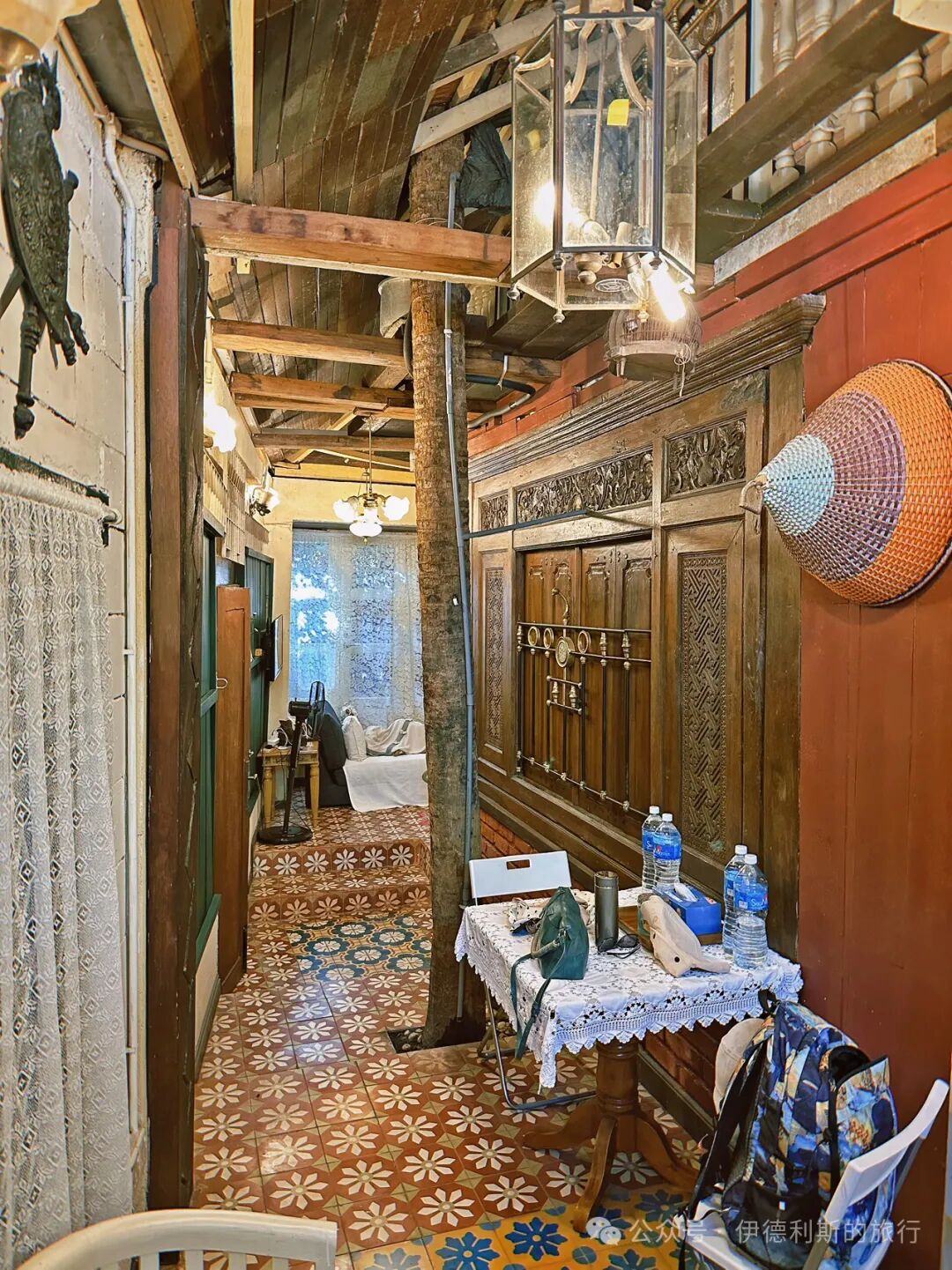
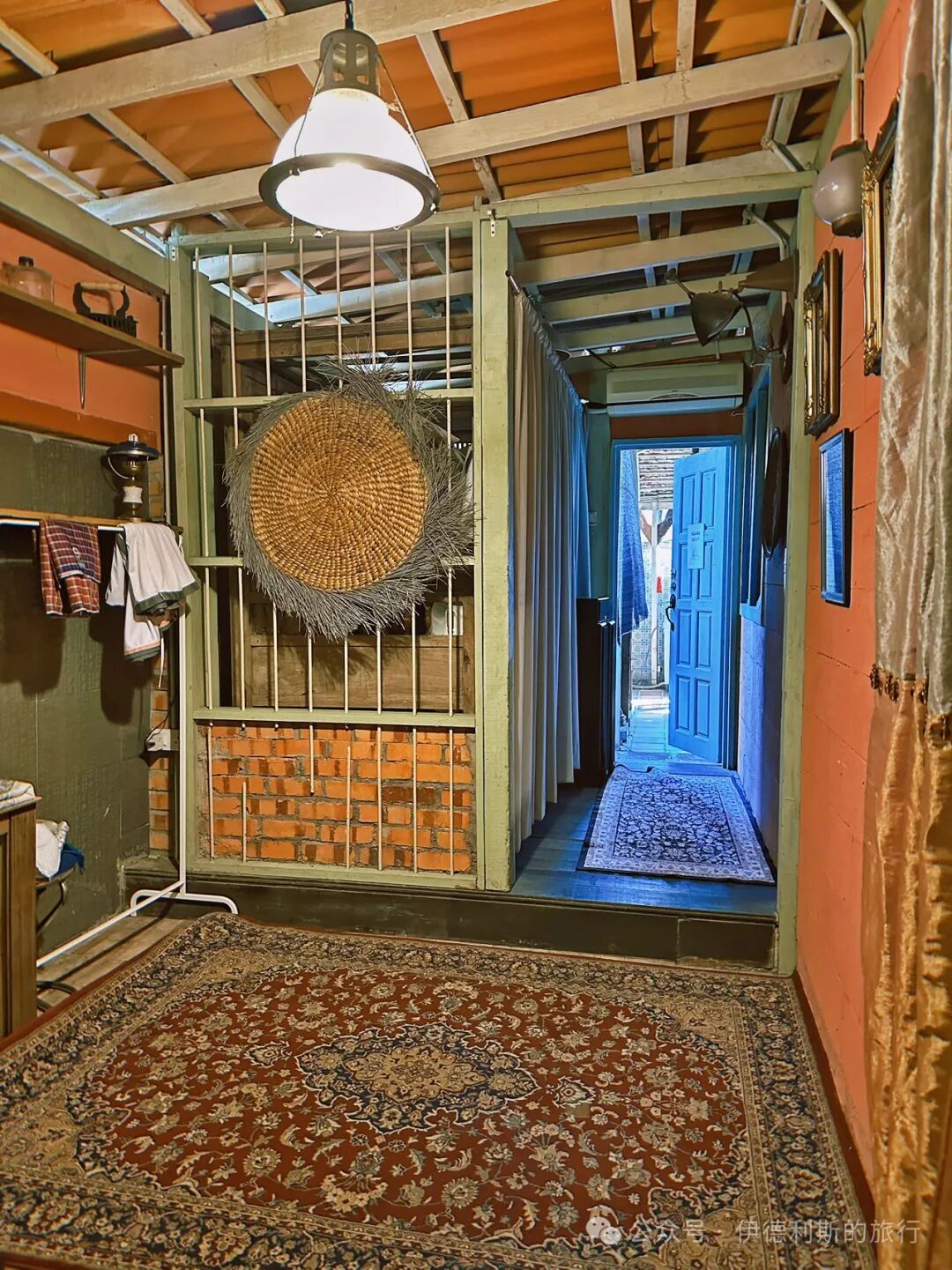
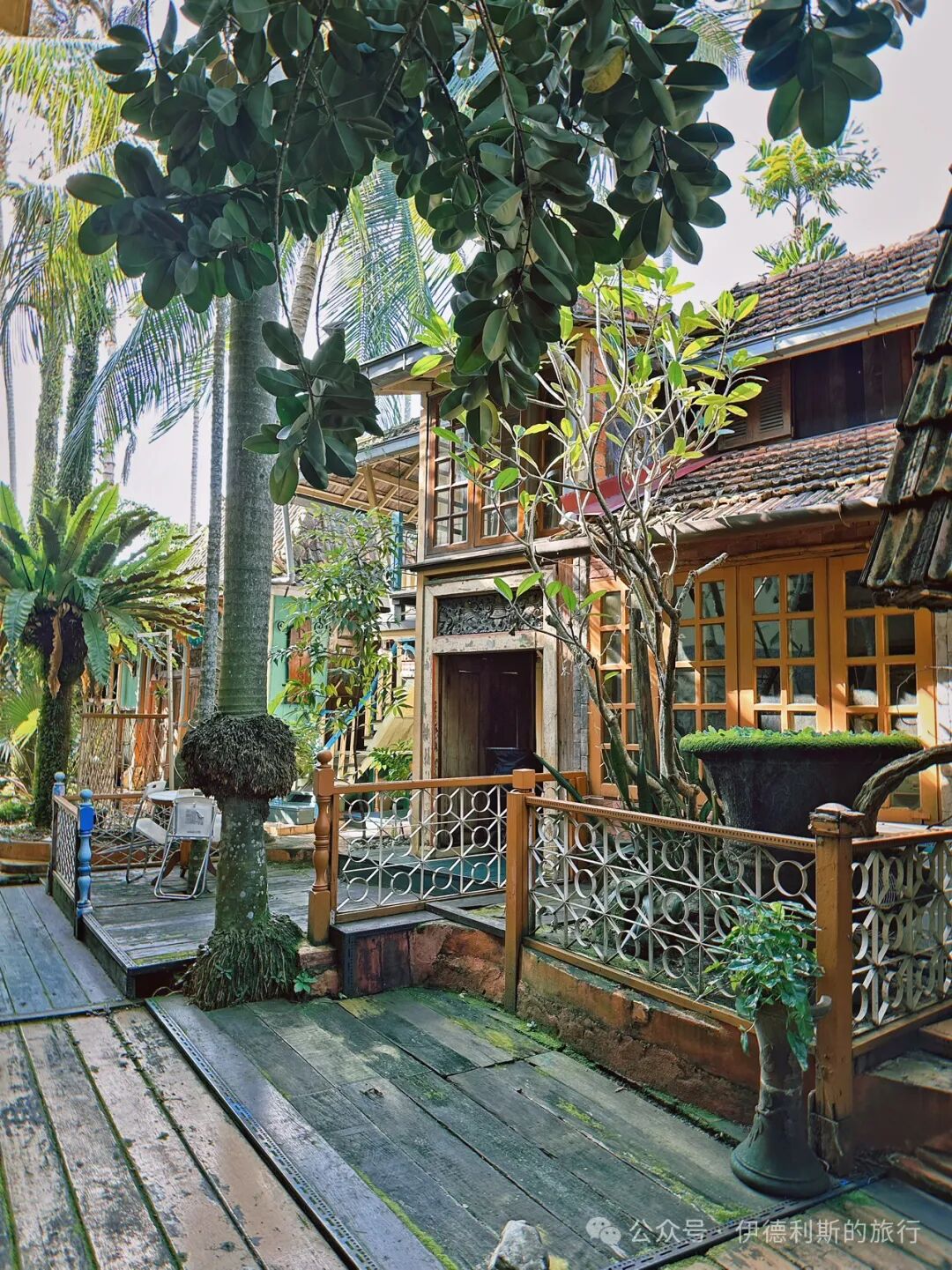
The wooden house we stayed in is very close to the Damai LRT station. It is called Classic Malay House KL. The owner is a kind auntie, and the courtyard is full of wooden houses. Once you step inside, you are instantly away from the city noise. The only thing is that because Kuala Lumpur is in the tropics, staying in a wooden house means there will definitely be mosquitoes, so everyone must take anti-mosquito precautions.
Malay village (kampung)
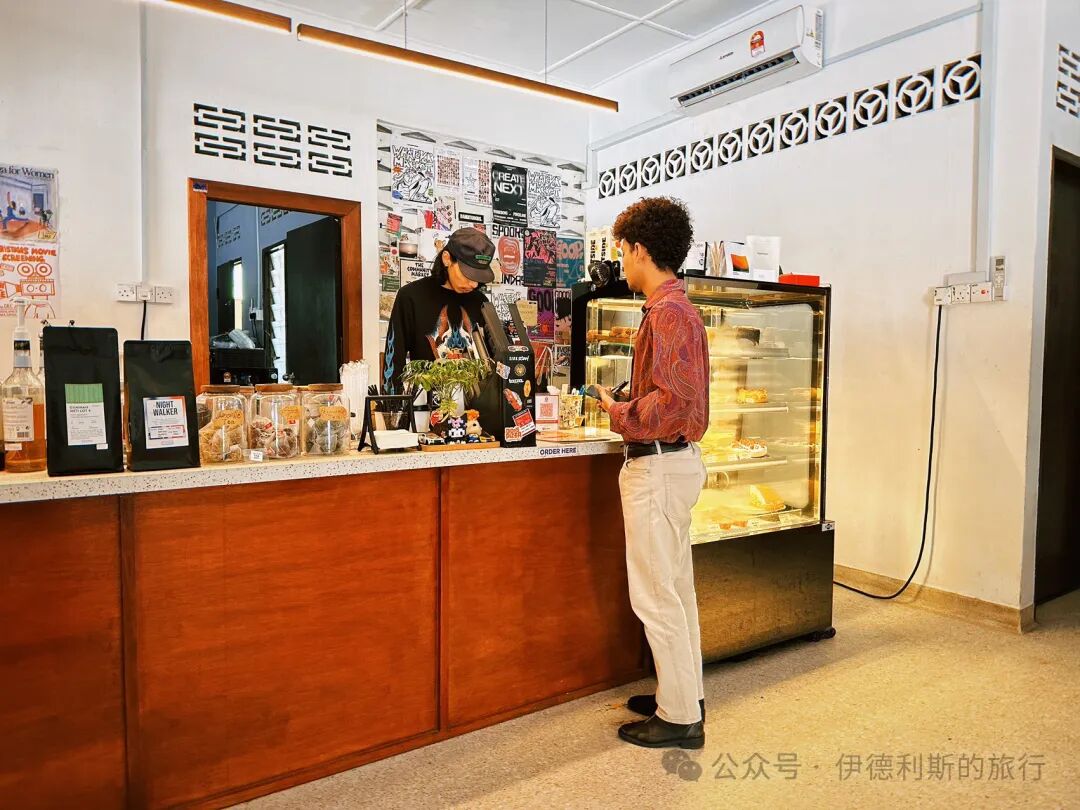
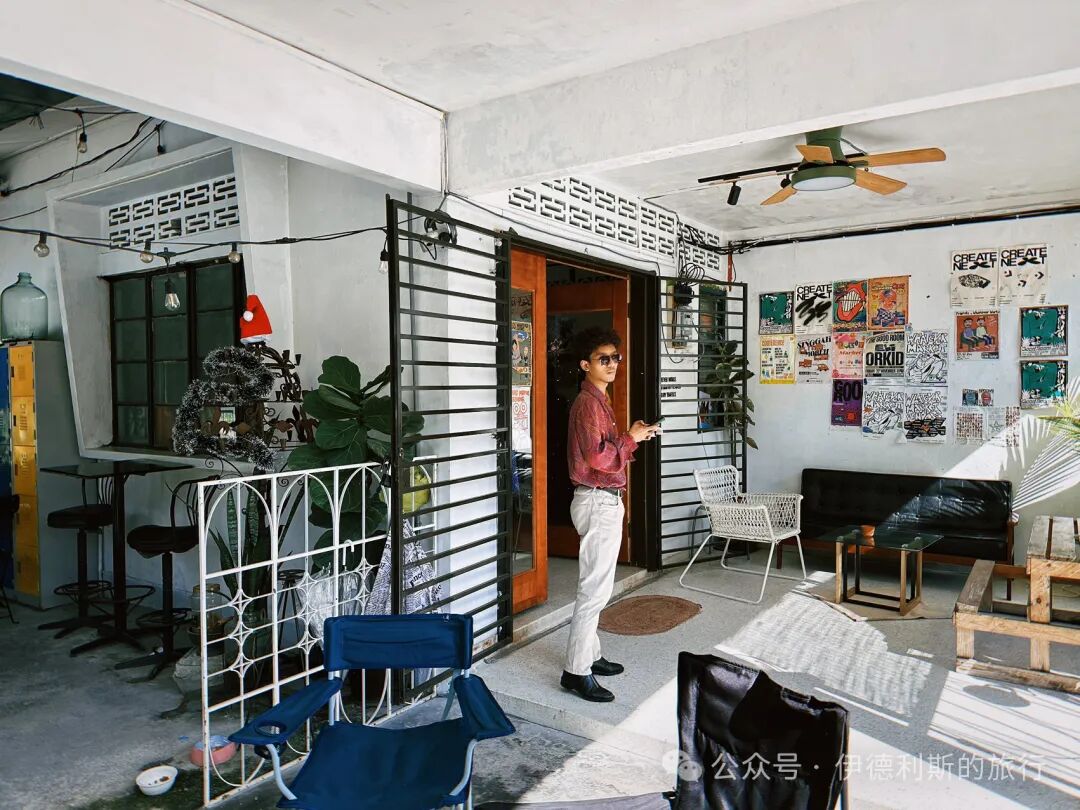
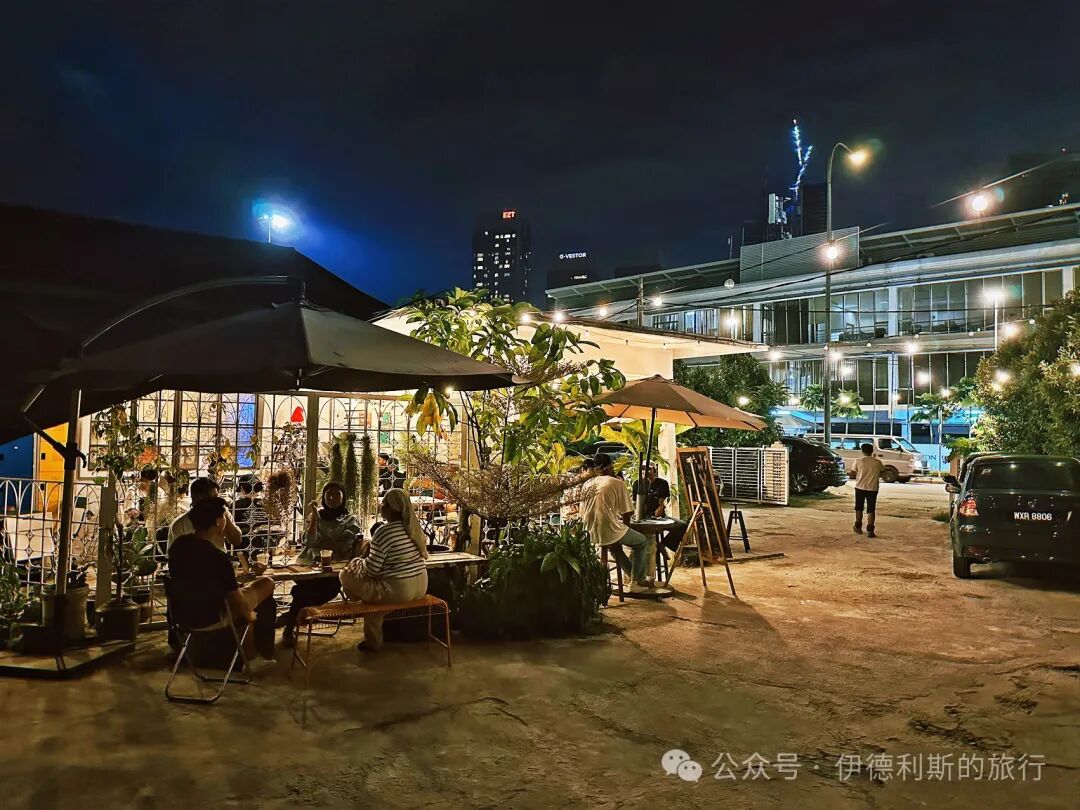
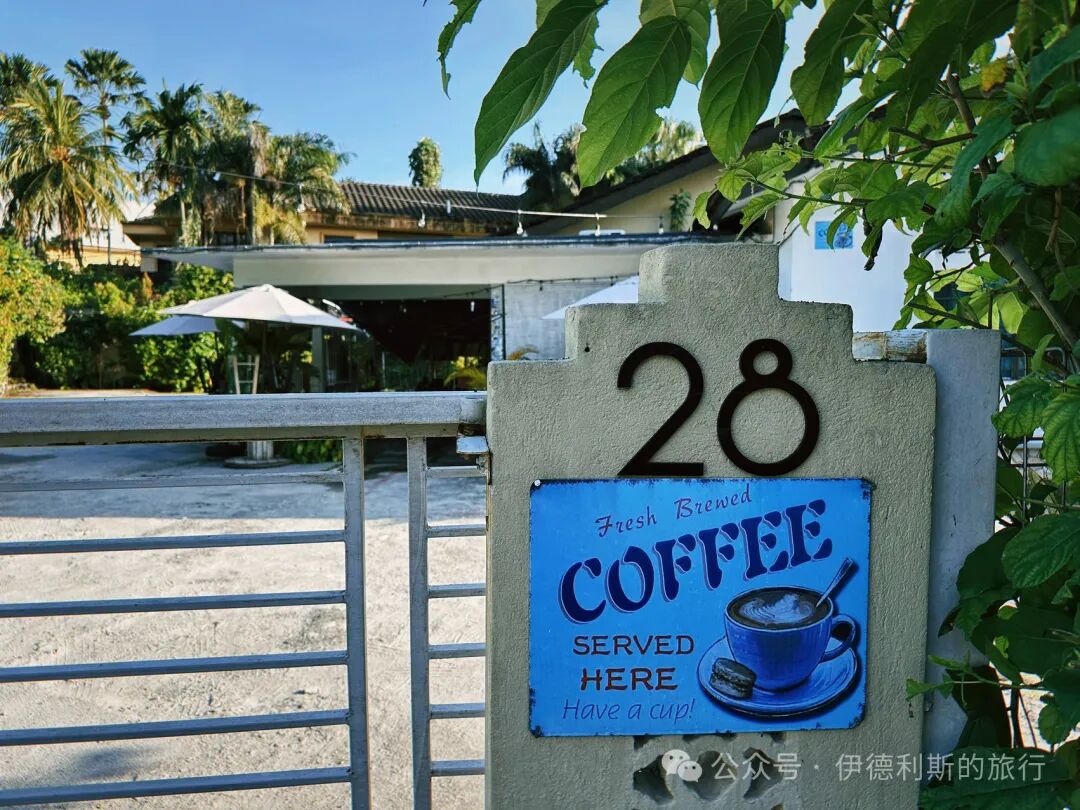
Whatever Works Coffee in the courtyard of the Classic Malay House KL is a gathering place for artistic youth in Kampung Datuk Keramat. Many young people come here at night to drink coffee and watch art film screenings.
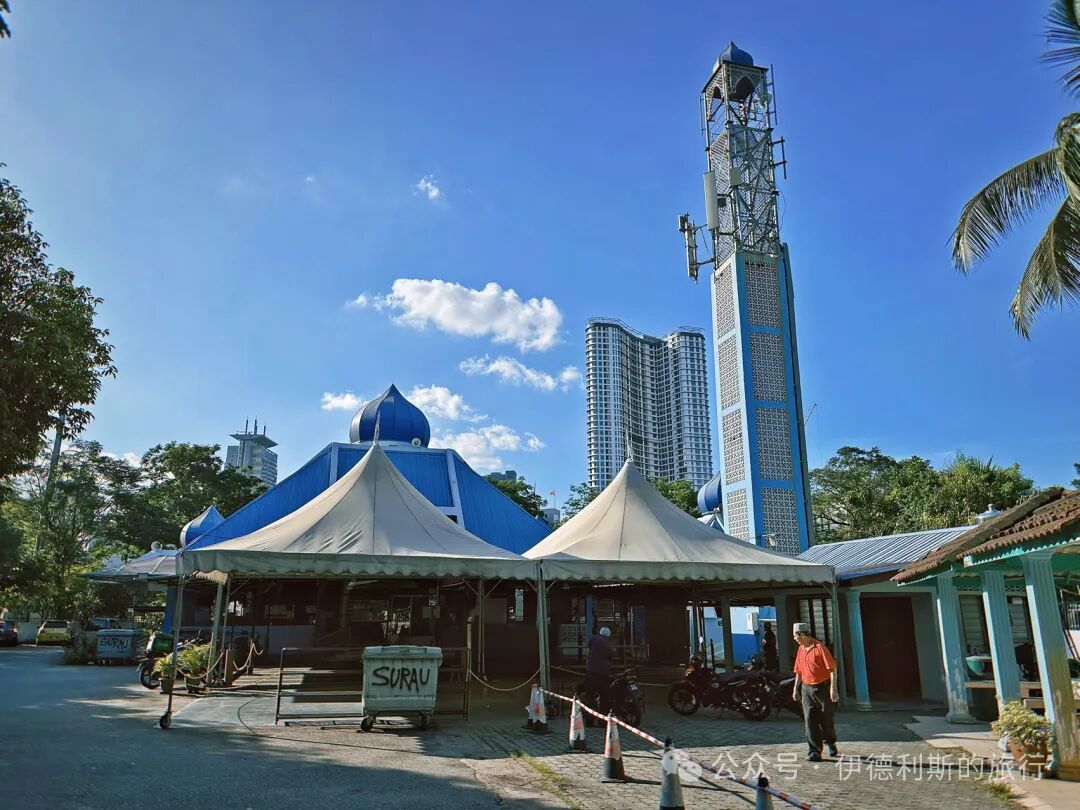
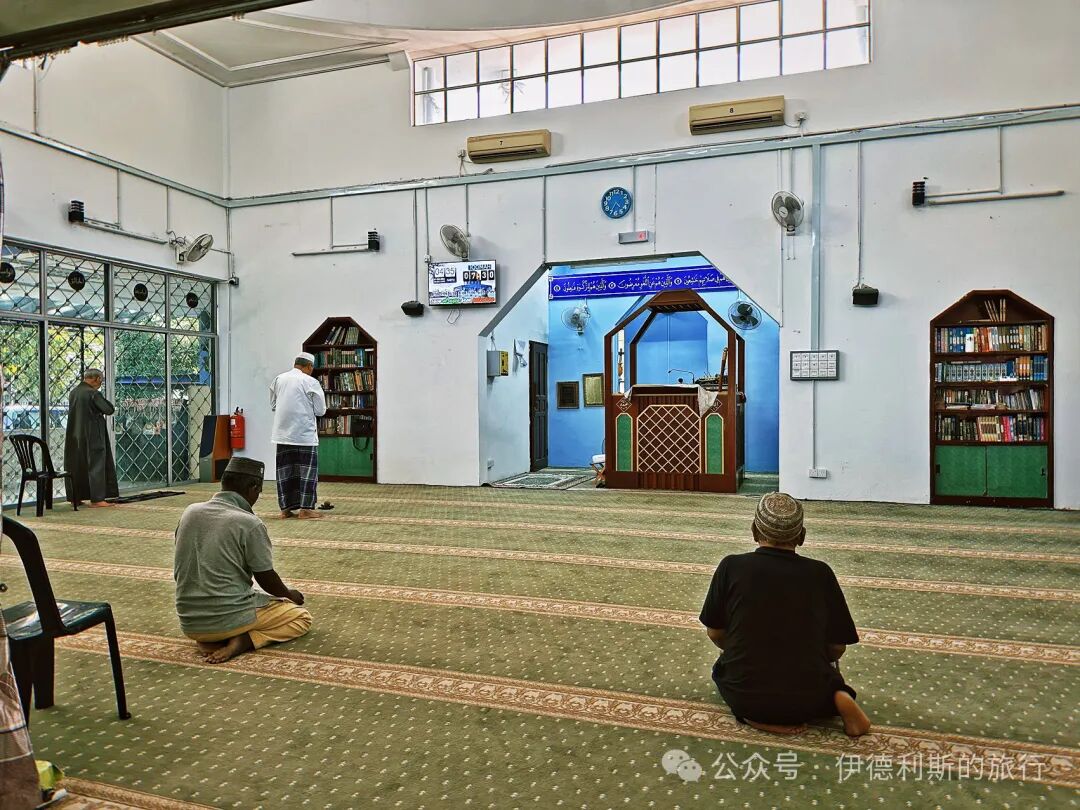
Not far from the wooden house is a small mosque (surau), Surau Al-Ikhlasiah Datuk Keramat, which makes it convenient to perform daily prayers.
Malay breakfast
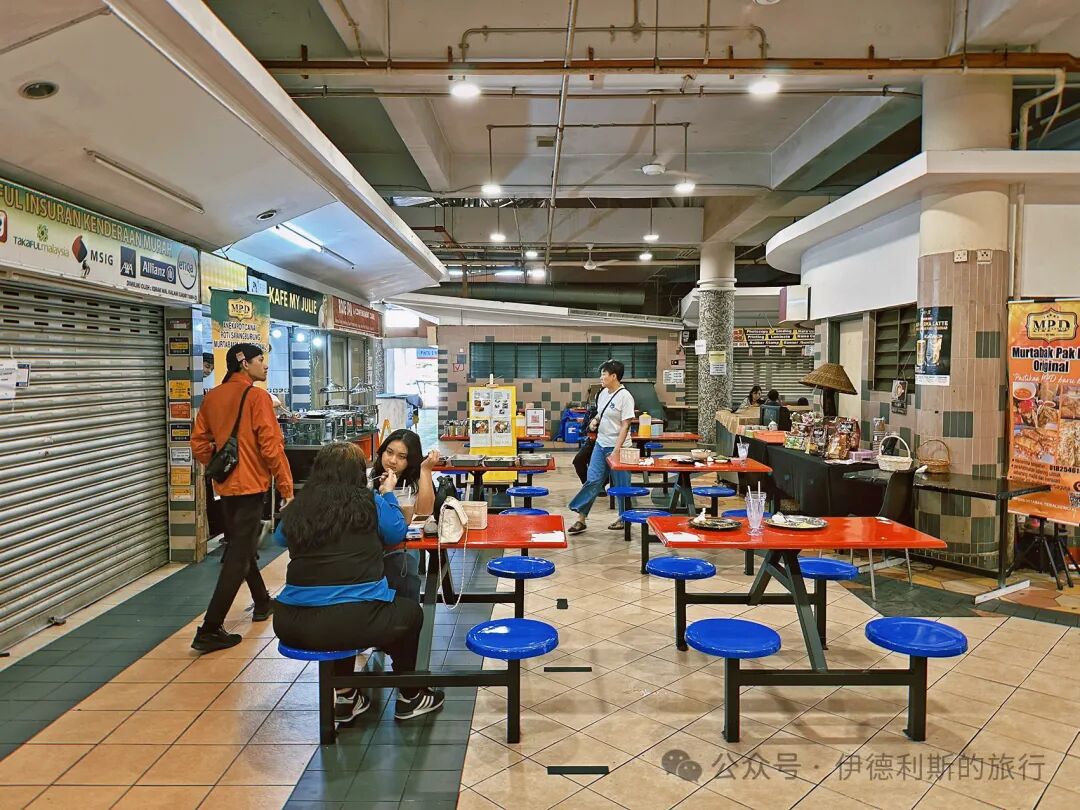
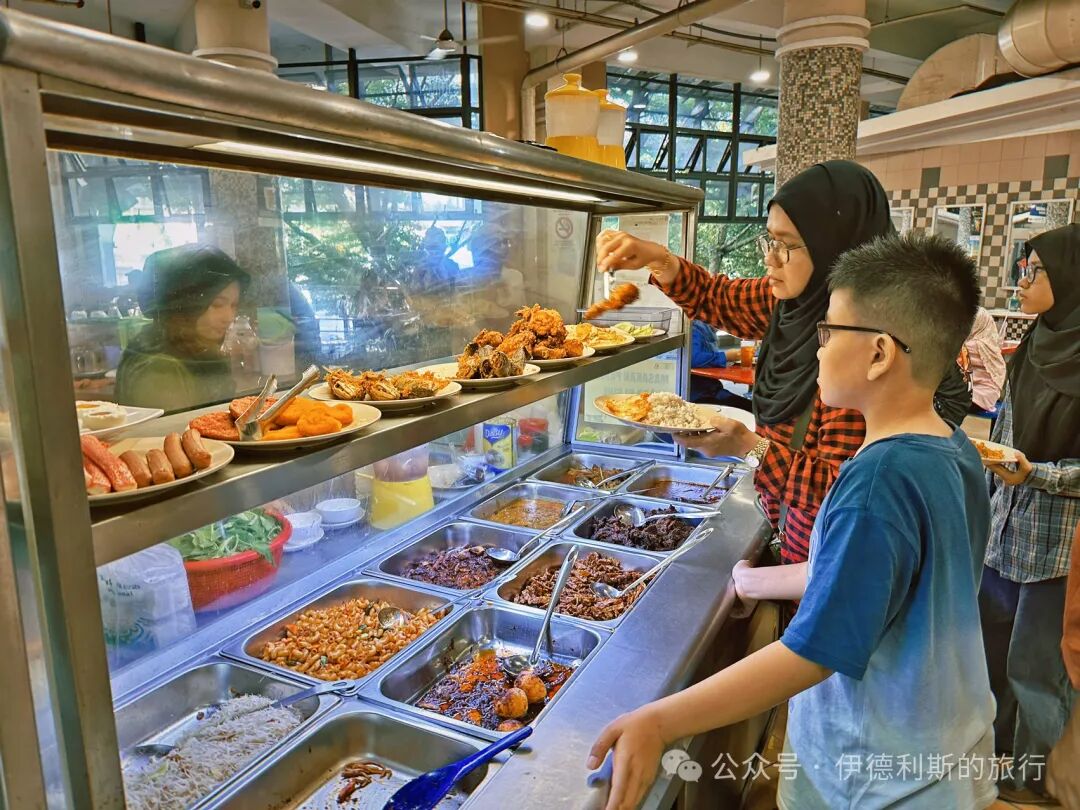
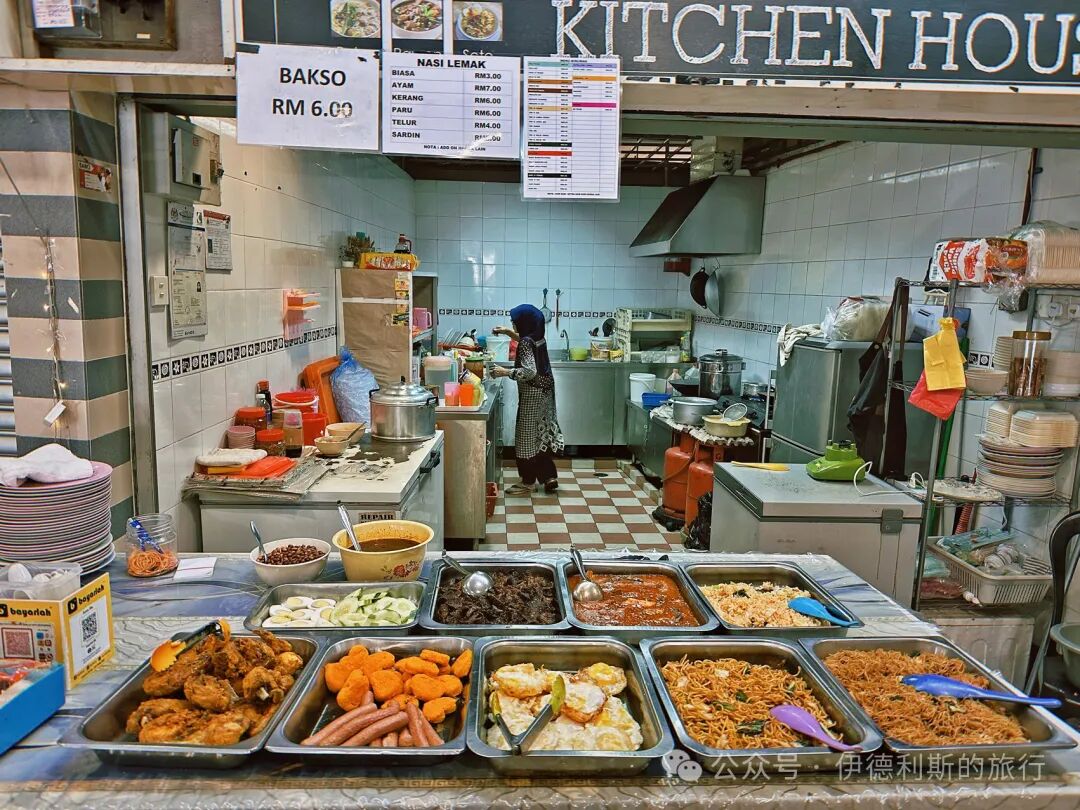
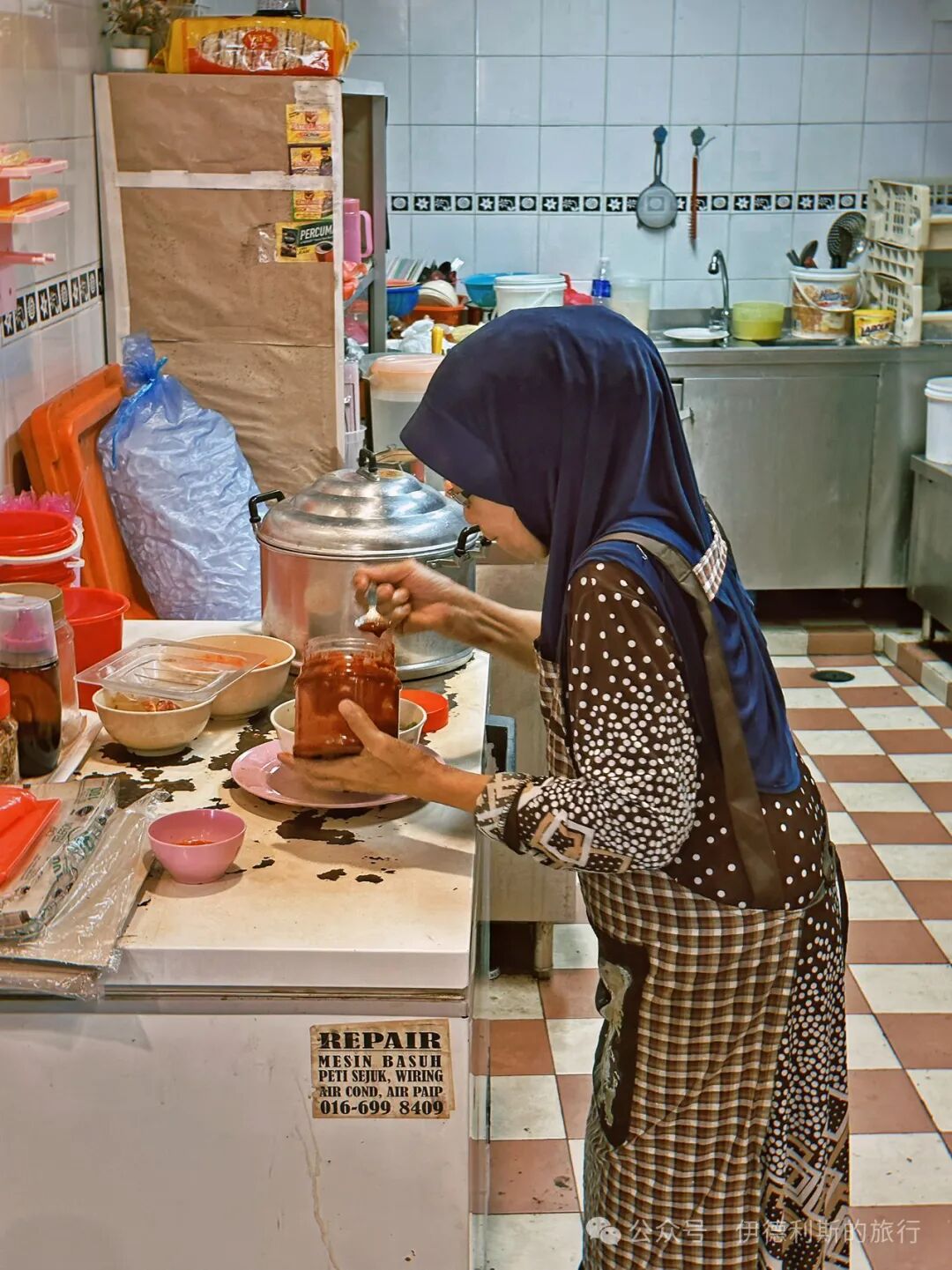
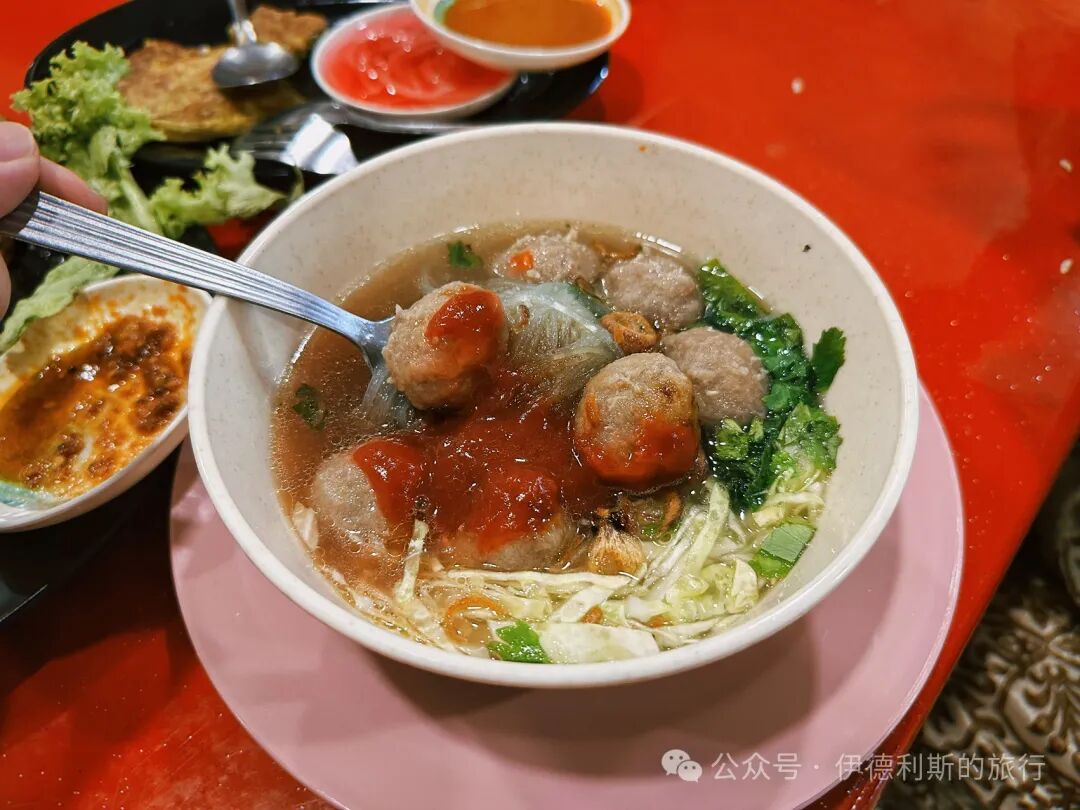
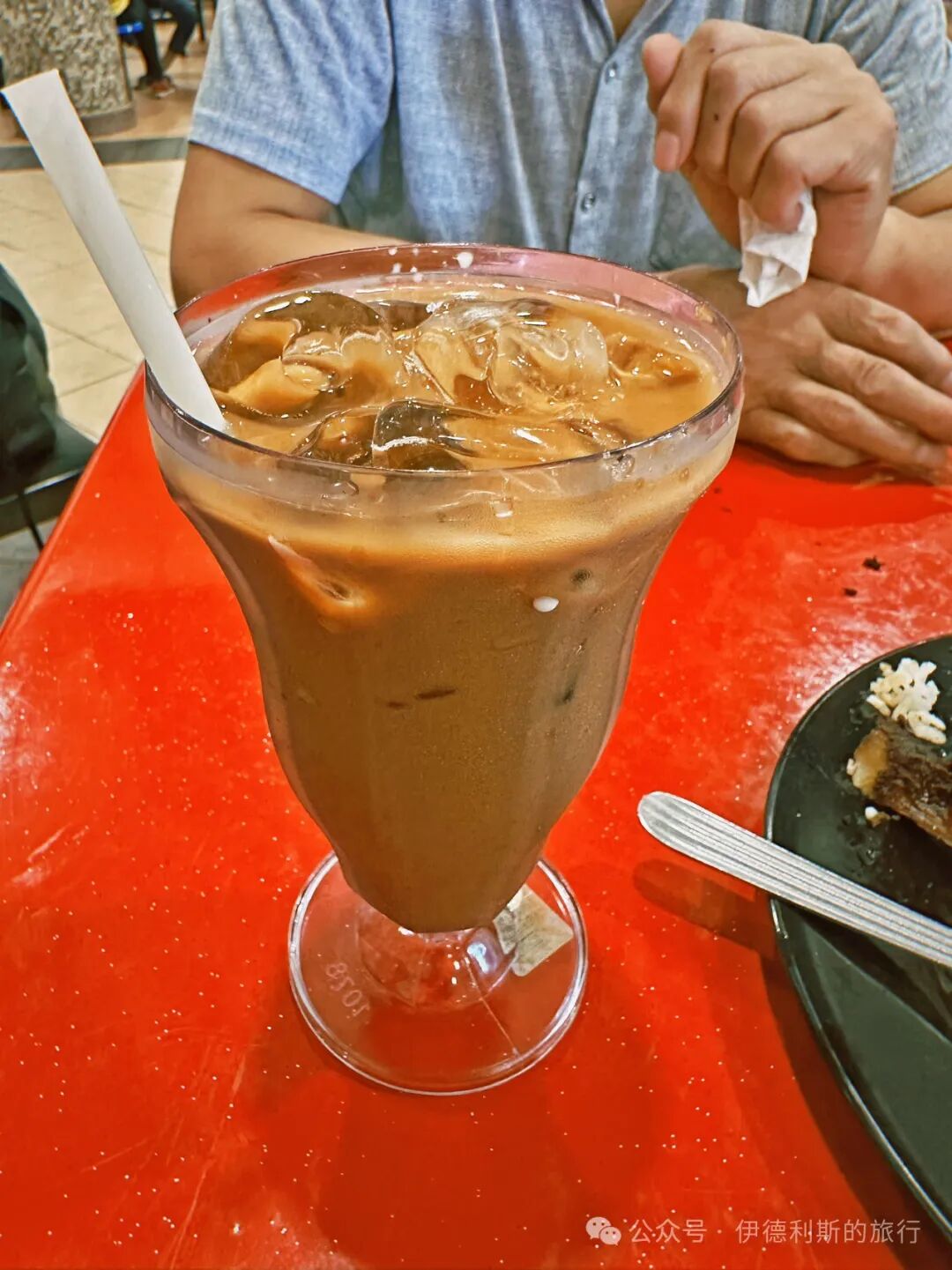
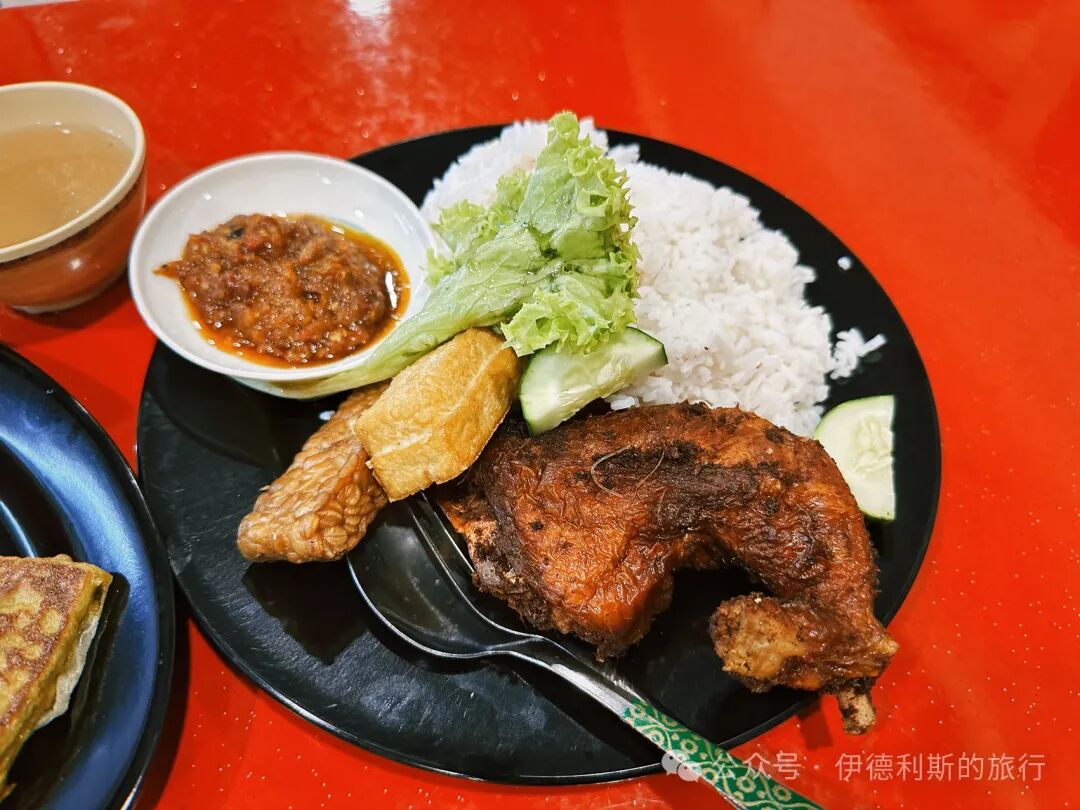
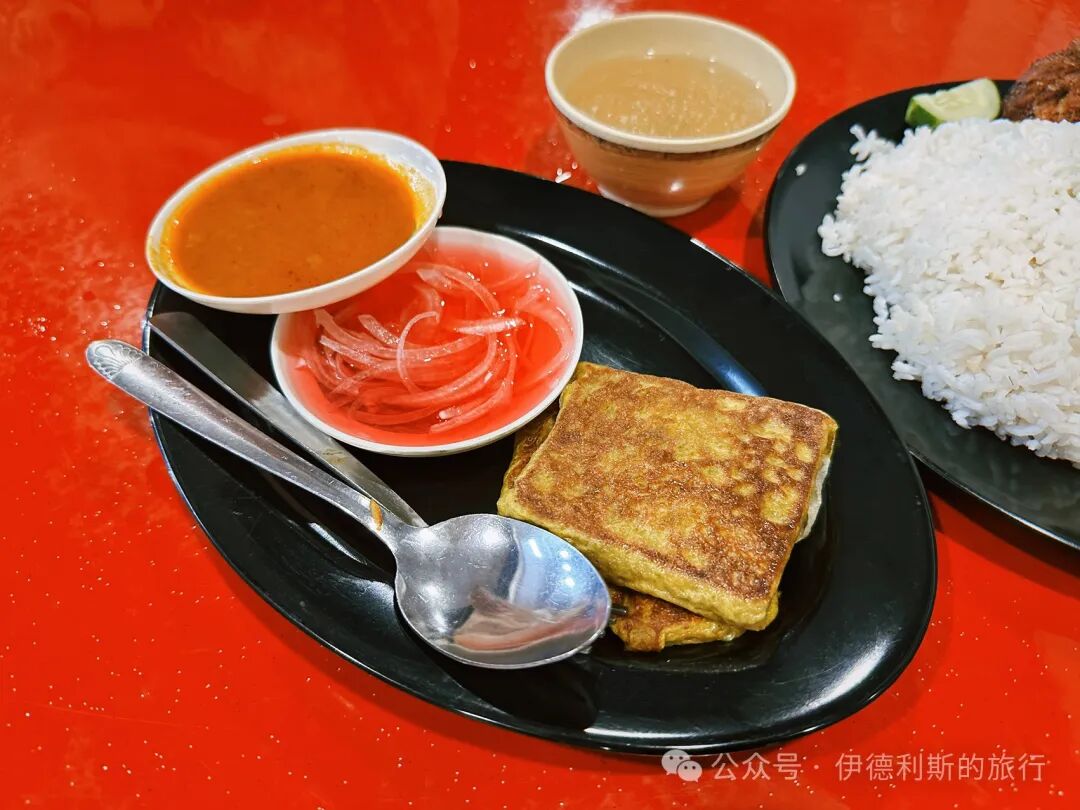
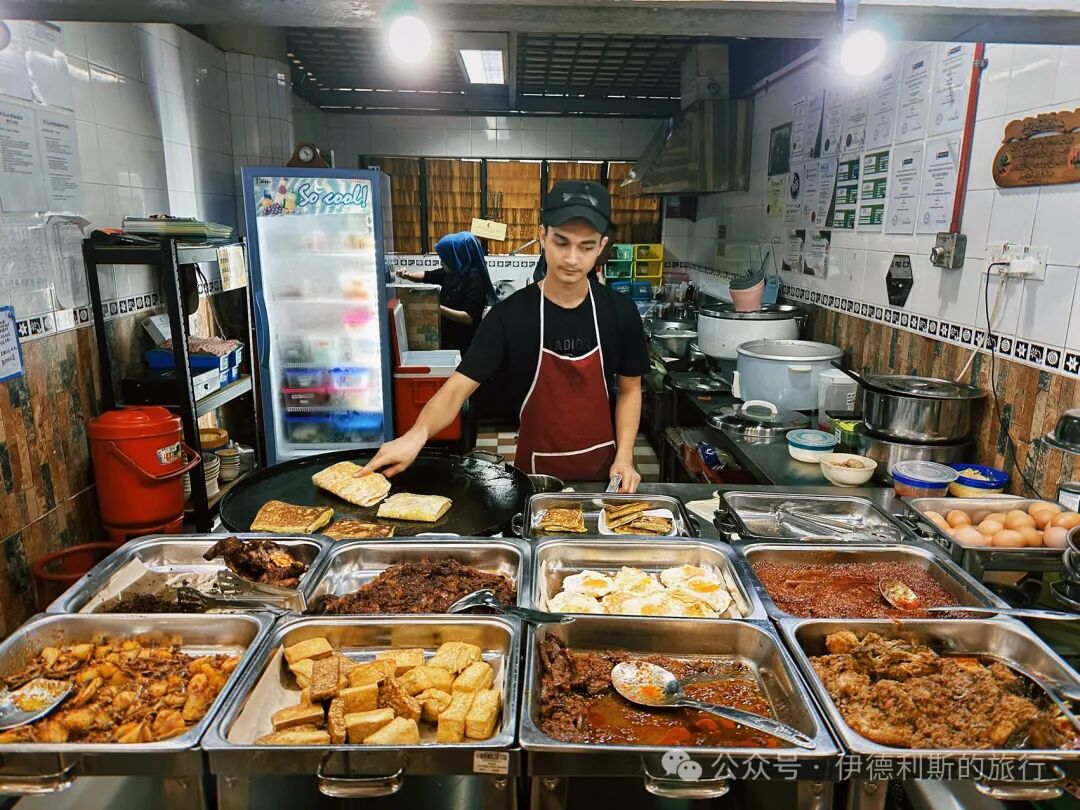
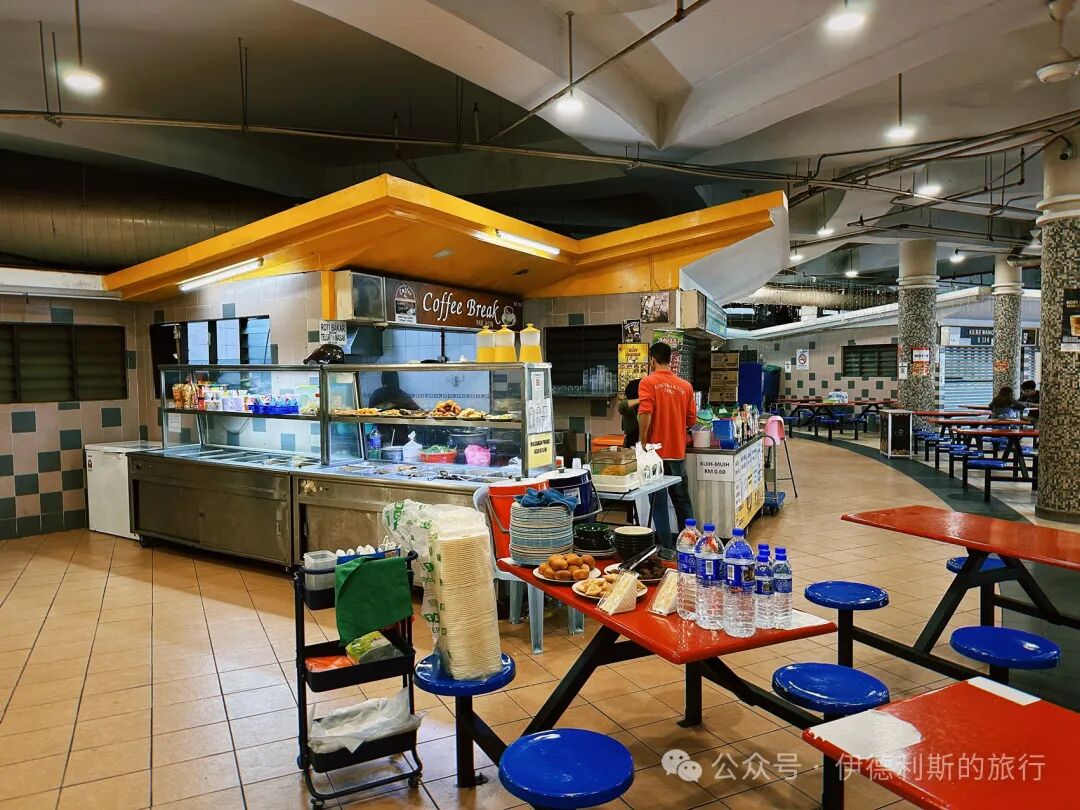
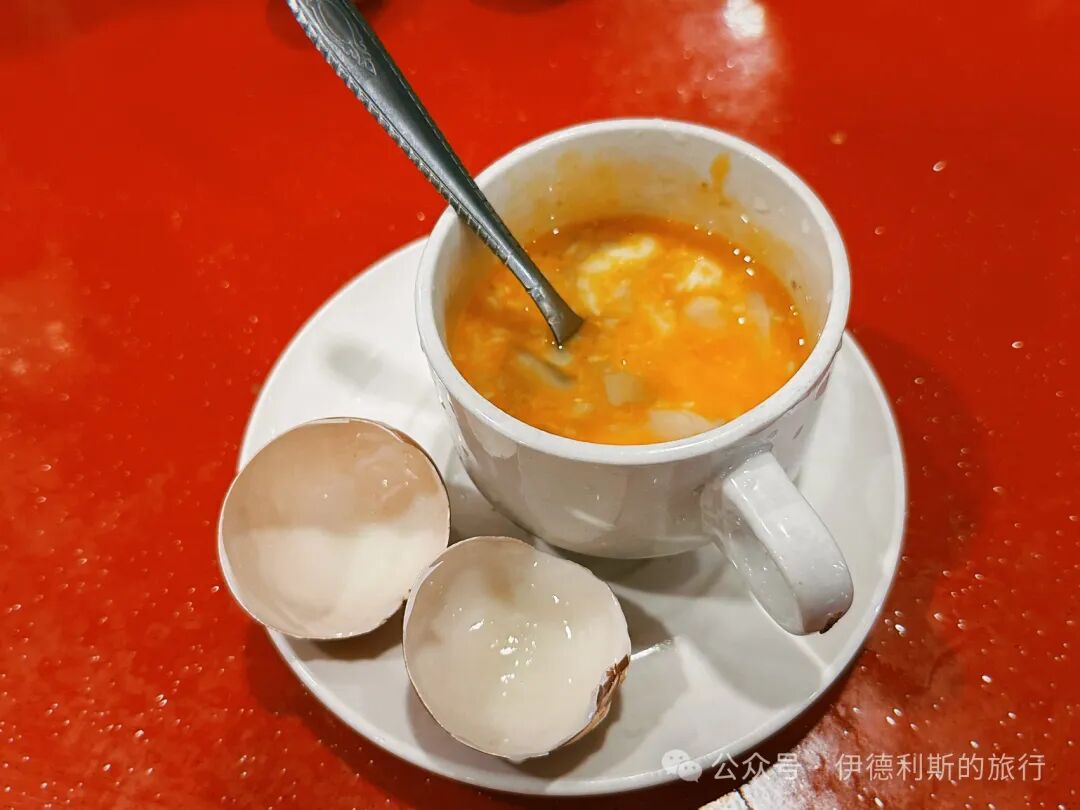
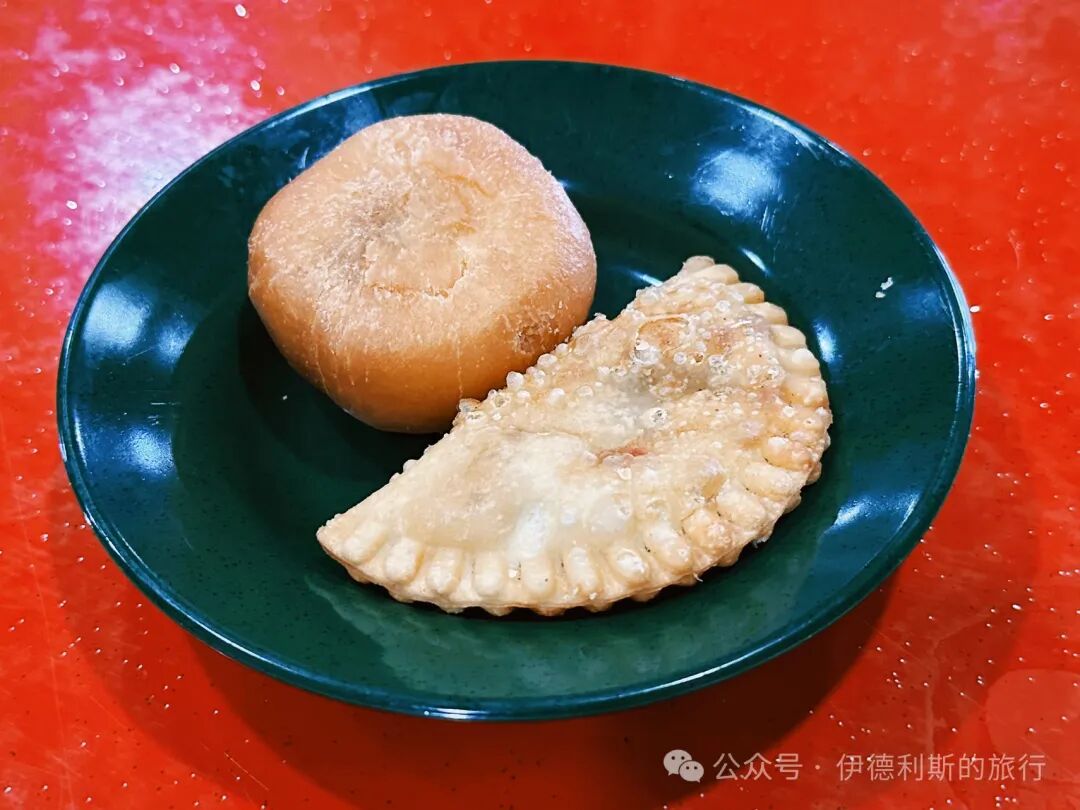
Right at the LRT station entrance next to the wooden house is the Keramat Mall, which has many traditional Malay snacks and is a great place for breakfast. We ate stuffed flatbread (murtabak), coconut milk rice (nasi lemak), meatball soup (bakso), and soft-boiled eggs. I must say, the environment in this urban village is quite good and very convenient.
Kuala Lumpur Little India
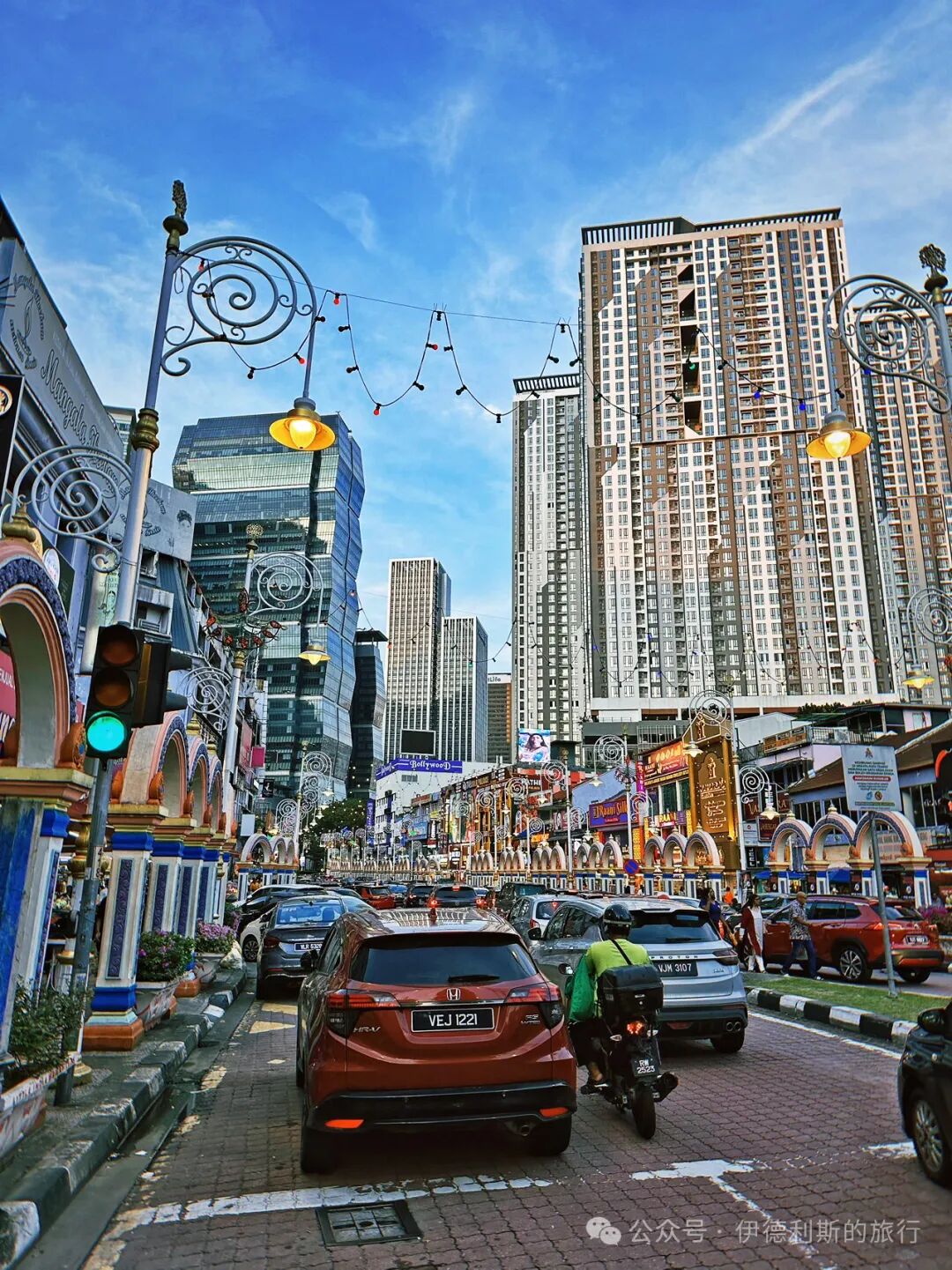
Brickfields is located right next to the south side of KL Sentral station. It is an Indian residential area in Kuala Lumpur known as Little India.
In 1878, a railway was built from the city center to the port, and in 1891, a Selangor state factory was established south of the railway at the current site of the central station, which brought in a large number of laborers from South India and Sri Lanka. In 1905, a 'hundred-man dormitory' was built in Brickfields to provide housing for the laborers. From then on, Brickfields gradually developed into the most important Indian community in Kuala Lumpur.
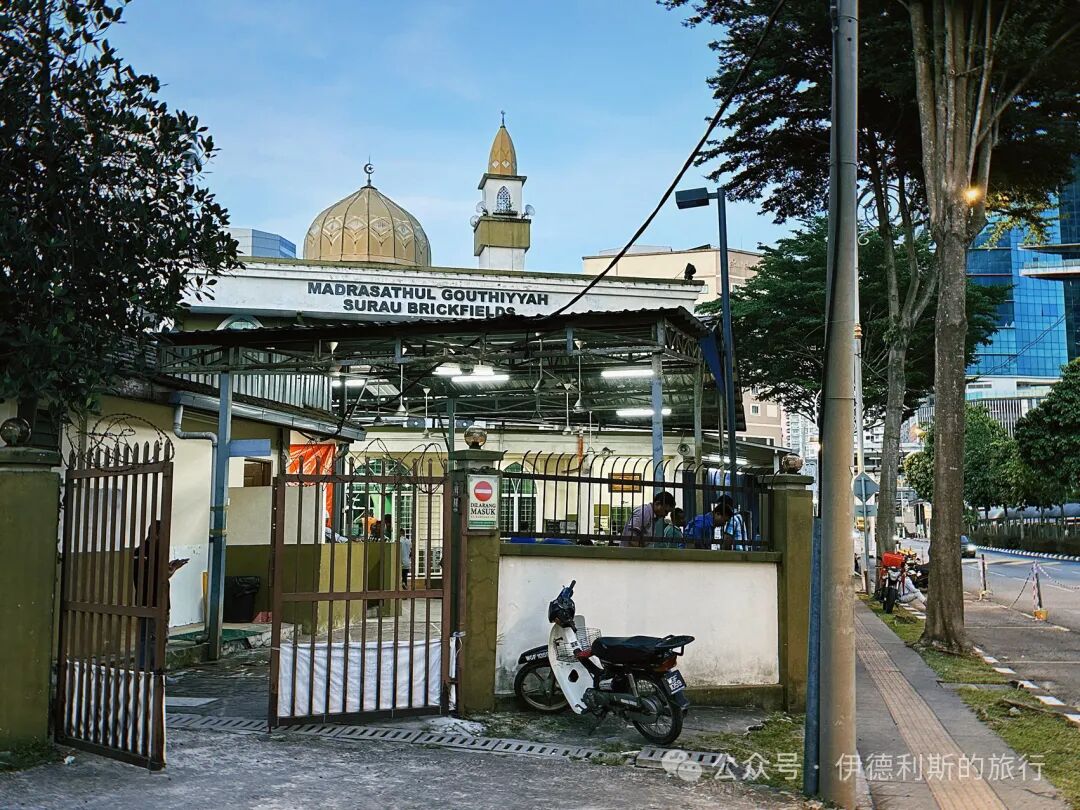
Brickfields is also called a 'sacred place.' It brings together Buddhist, Hindu, Christian, and Eastern Orthodox communities from South India and Sri Lanka, and it also has a Hanafi mosque (surau), which is rare in Kuala Lumpur.
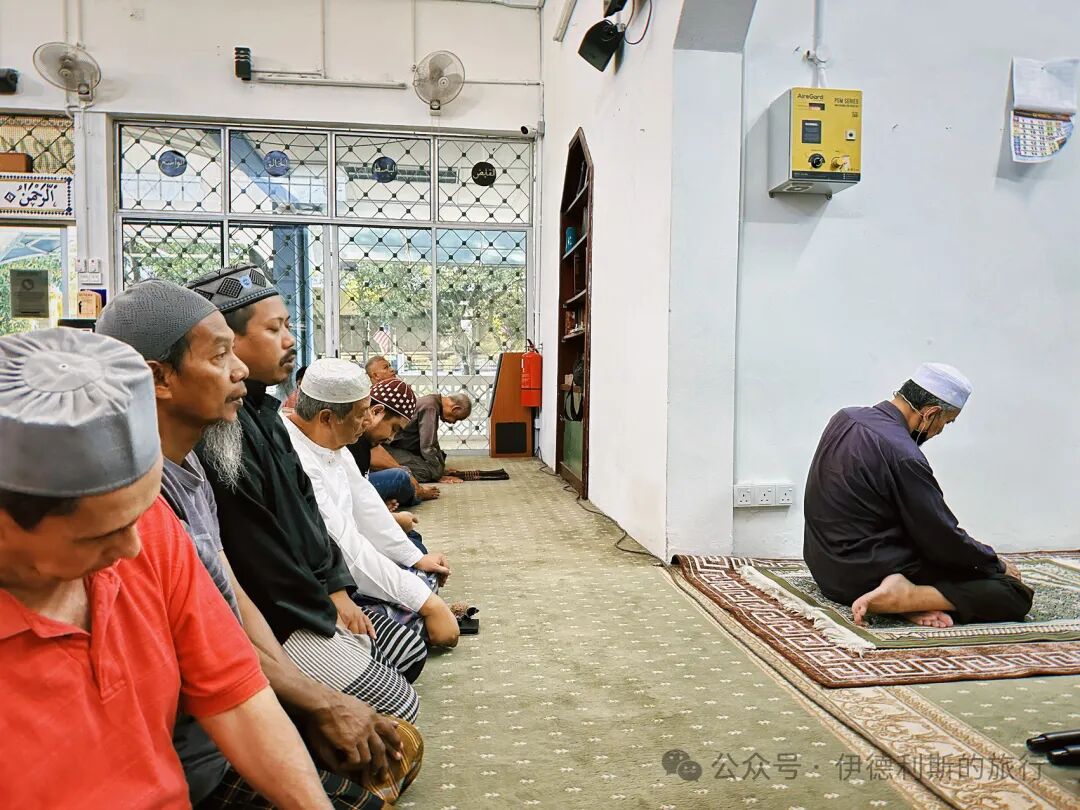
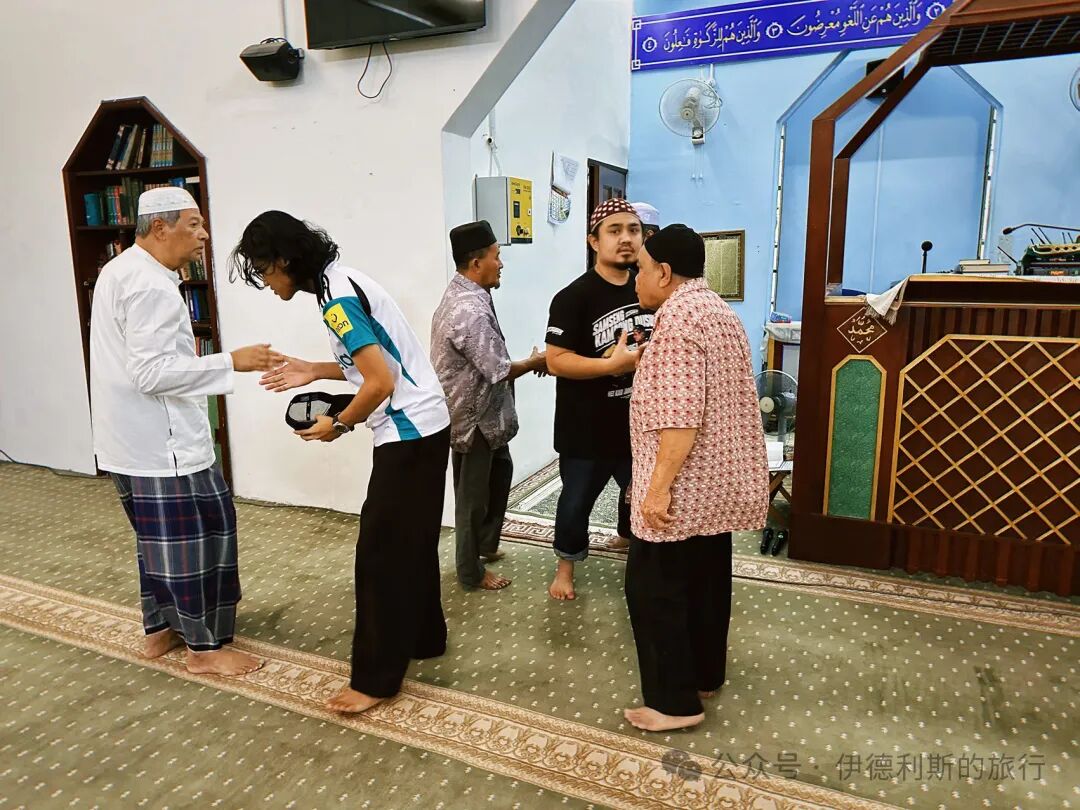
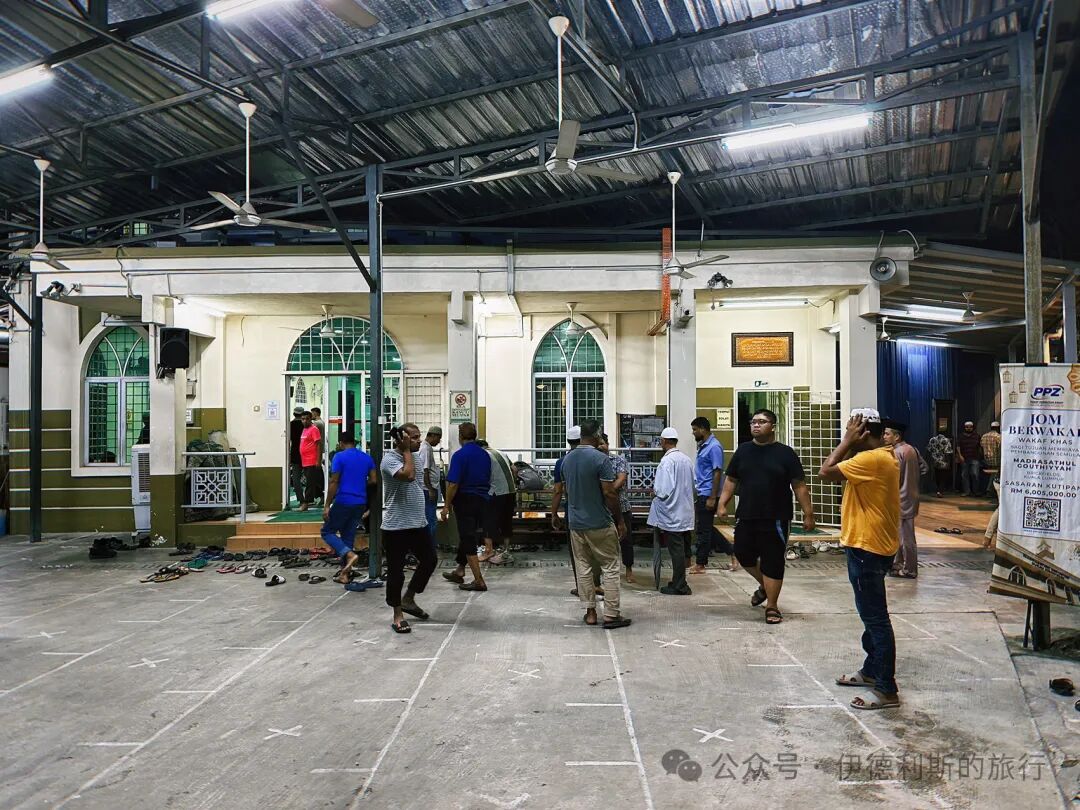
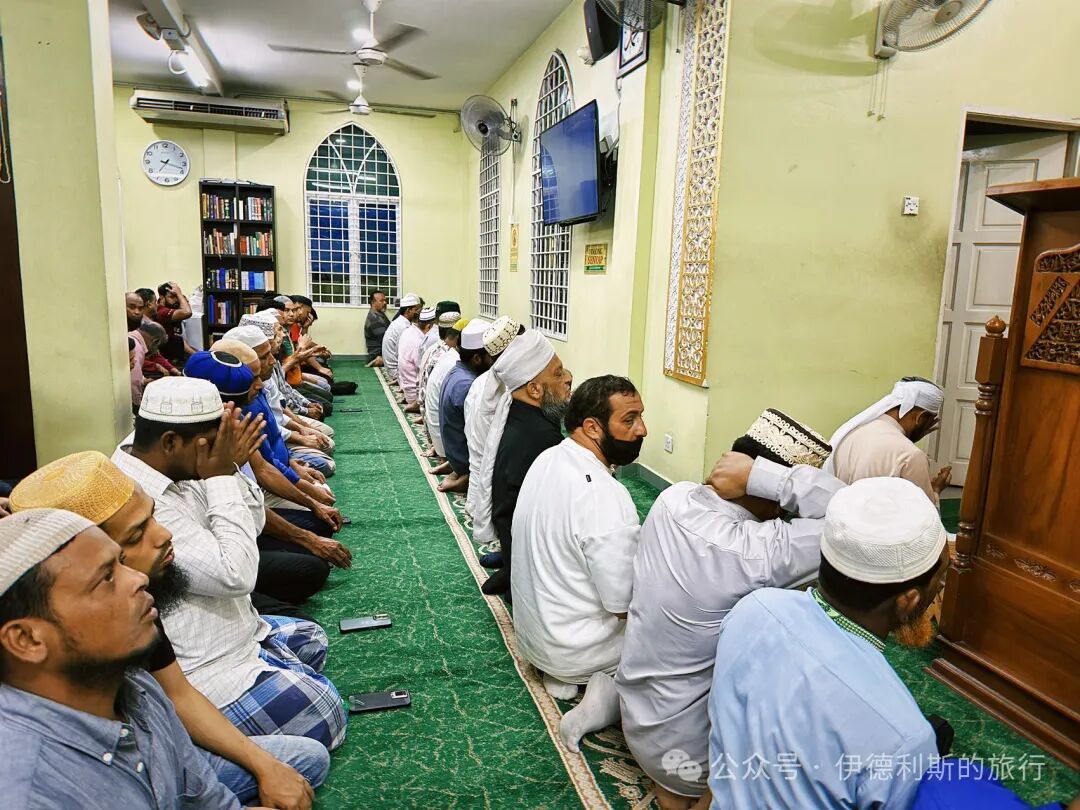
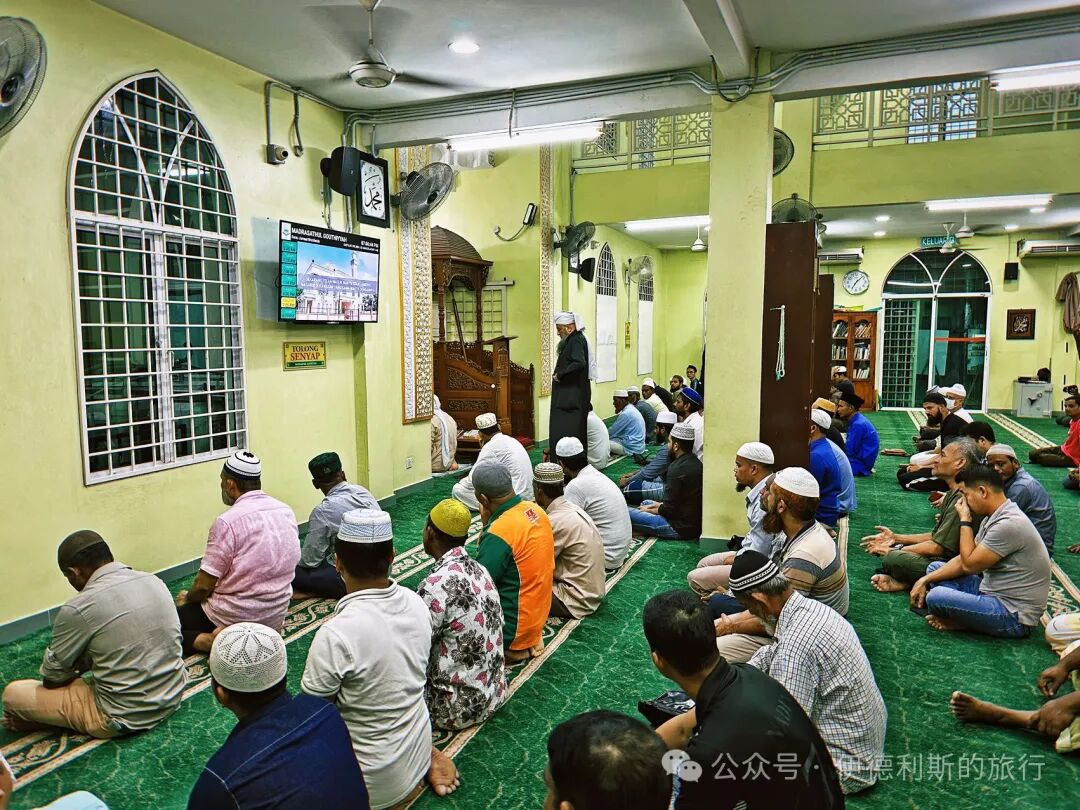
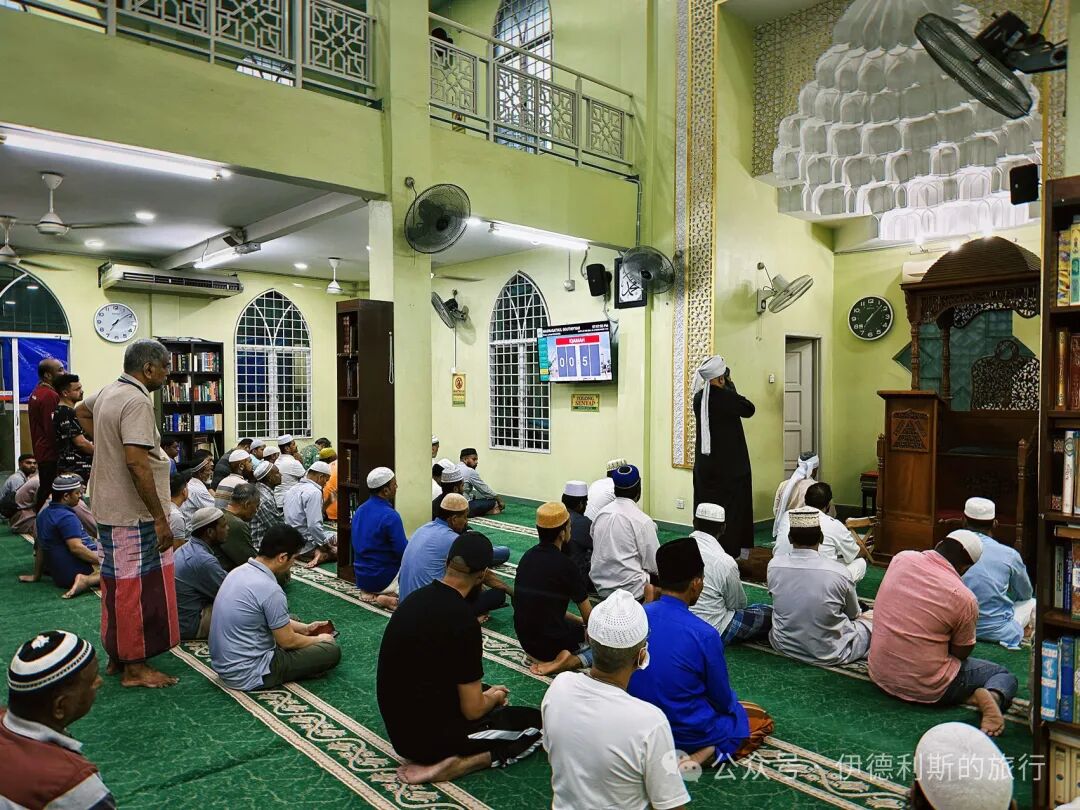
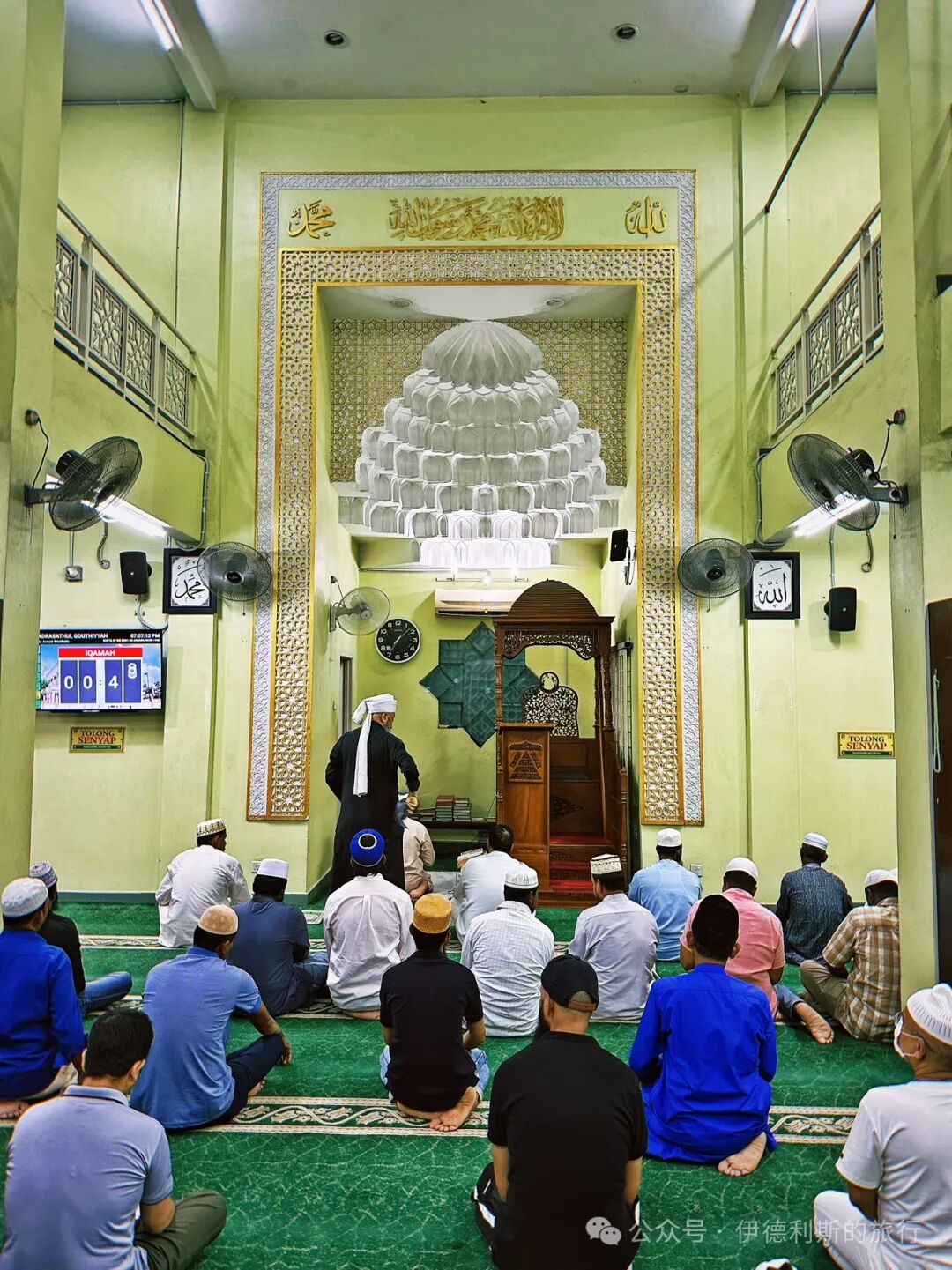
The Madrasathul Gouthiyyah Surau in Brickfields is a small mosque built by South Indian Tamils. Like Hui Muslims in China, the Tamils follow the Hanafi school of thought. Therefore, the order, movements, and timing of their prayers are the same as those of Hui Muslims, which differs from the Malays who follow the Shafi'i school. The prayer time here is one hour different from the surrounding Shafi'i mosques. I encountered this same situation before at a Hanafi mosque in Singapore's Little India.
During Friday prayers (Jumu'ah), the sermon (wa'z) is delivered in Tamil. Hanafi Tamil Muslims from downtown Kuala Lumpur all come here, and it is very crowded even during the five daily prayers.
Tamil Hanafi Muslims are mainly divided into two groups, the majority of whom belong to the Rowther people, who have a history spanning over a thousand years. The Rowther people were originally cavalrymen during the Chola dynasty in South India. In the 10th and 11th centuries, they converted to Islam after being influenced by the saint Nathar Shah, who came from Anatolia to preach to the Tamil community. Rowther means rider in the Telugu language. Another group is the Labbay people, descendants of Arab merchants who married Tamil women. They are known for being skilled in business and very knowledgeable. Besides merchants, many Labbay people are imams, which gives them high social status.
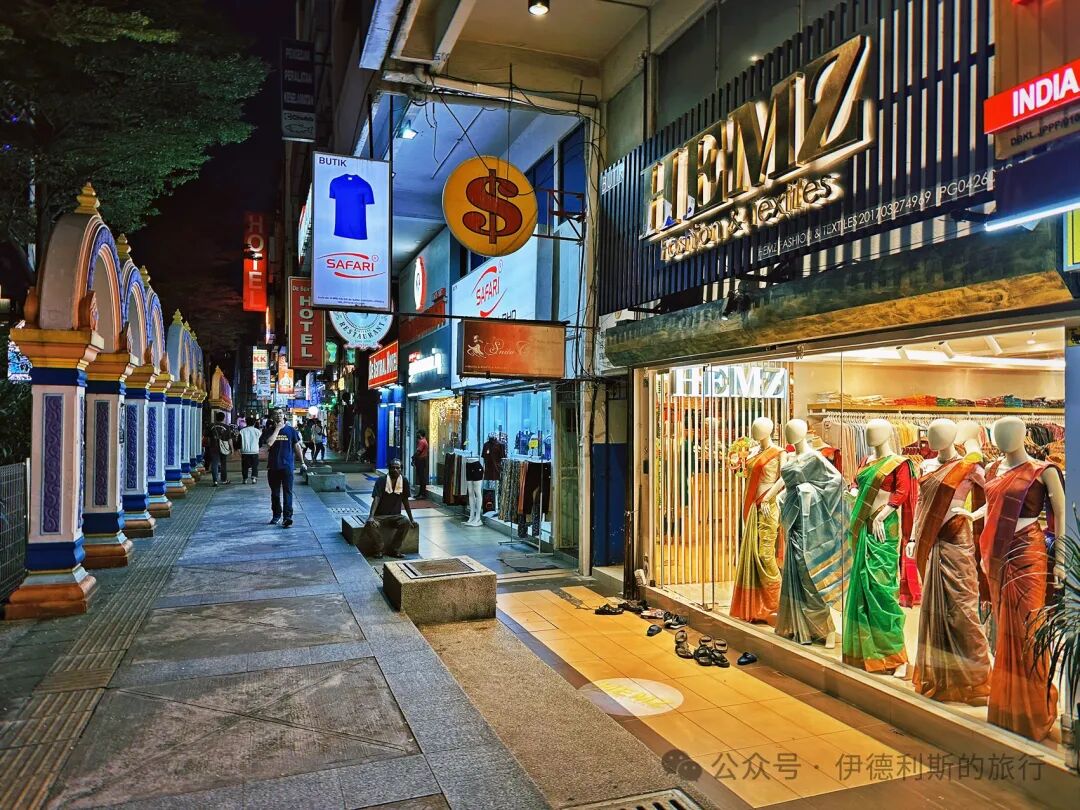
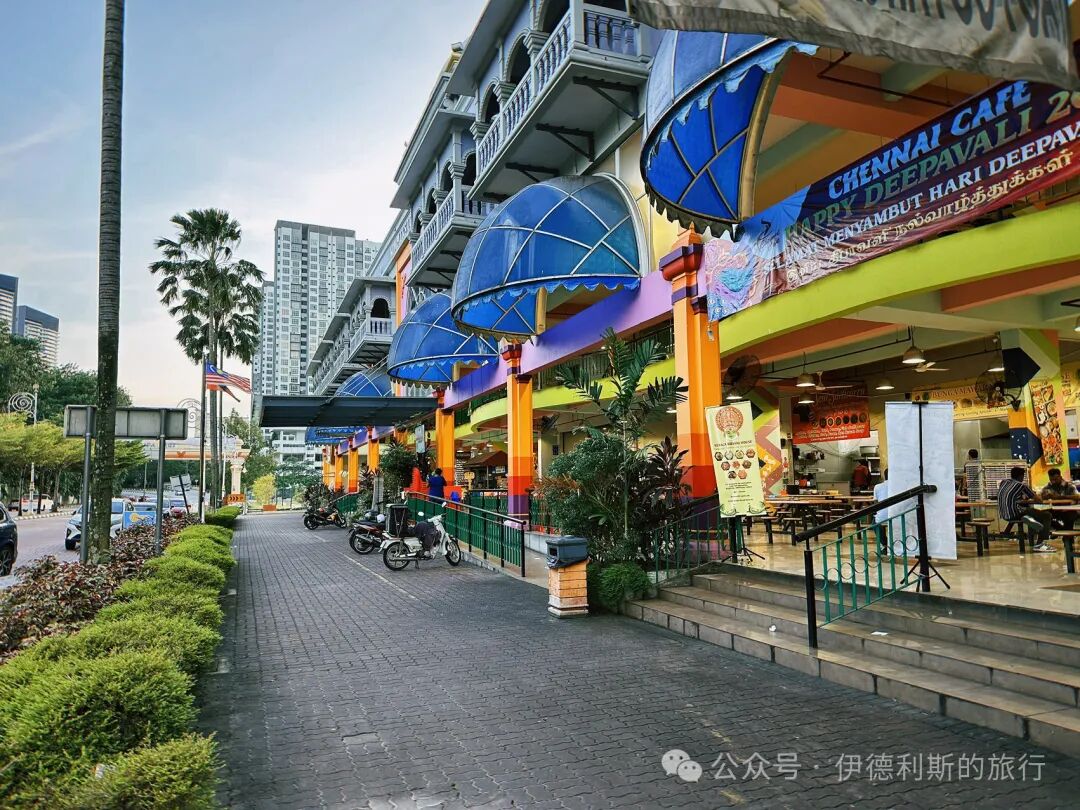
A Chinese restaurant in Little India.
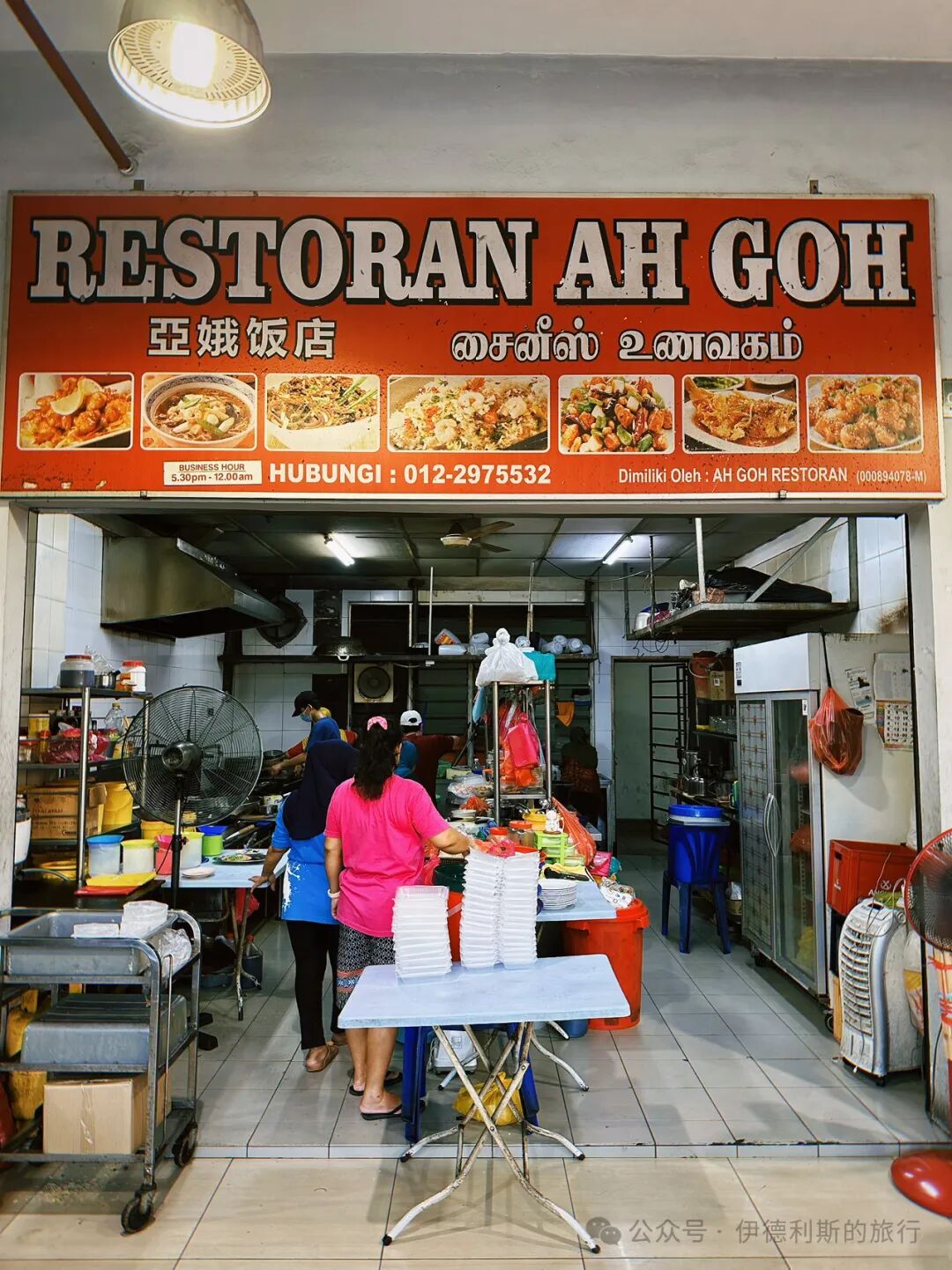
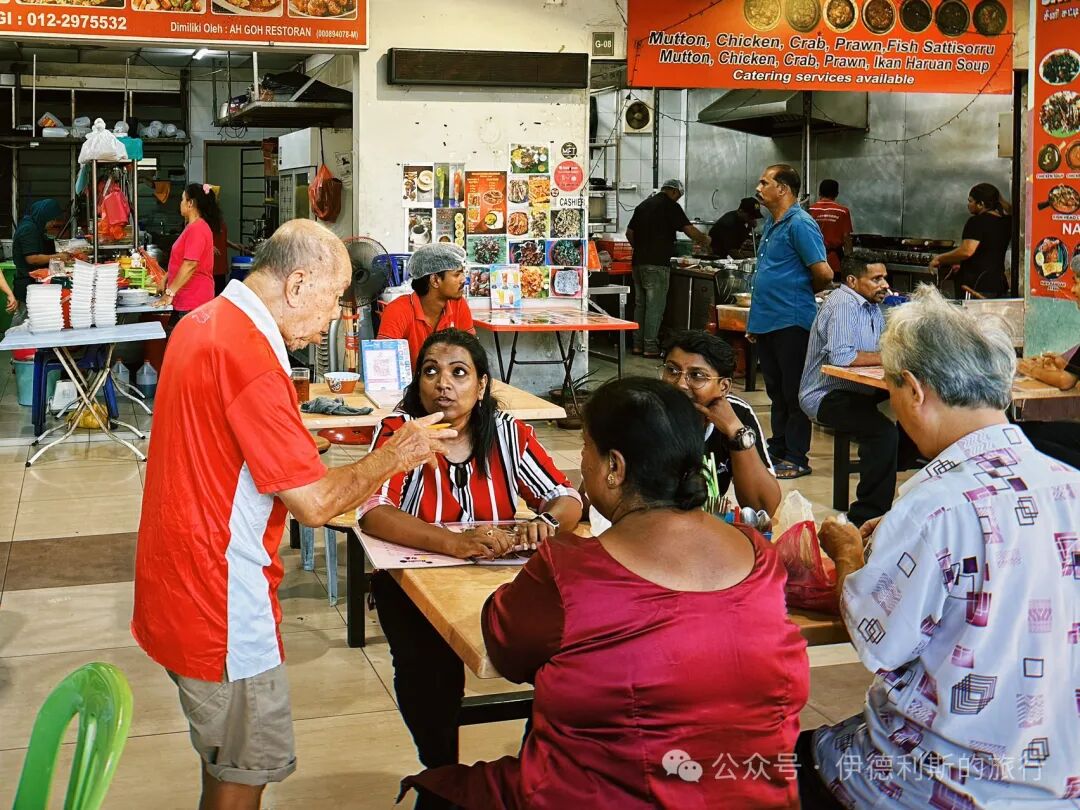
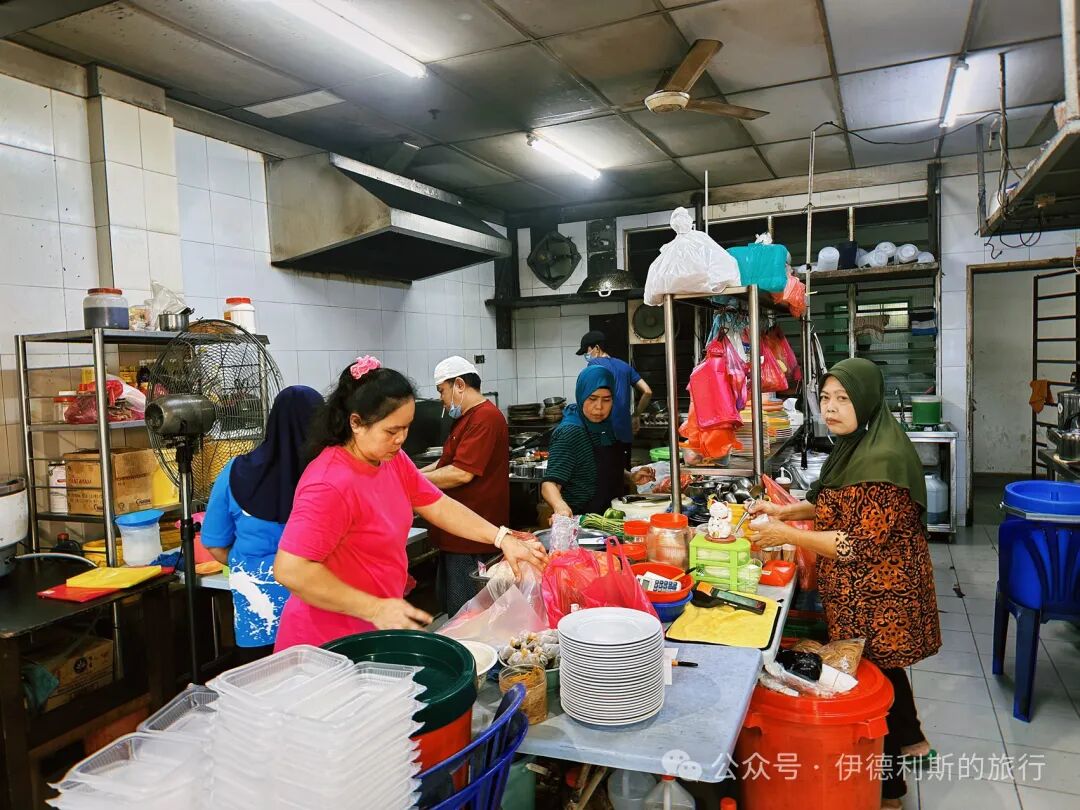
Brickfields is famous for South Indian Tamil food, but it hides a halal Chinese restaurant that people of all backgrounds love: Yaa's Restaurant (Ya'e Fandian). The owner of Yaa's Restaurant is a Nanyang Chinese, and the staff are Malay. They serve authentic Nanyang halal Chinese food that Indians, Chinese, and Malays all enjoy.
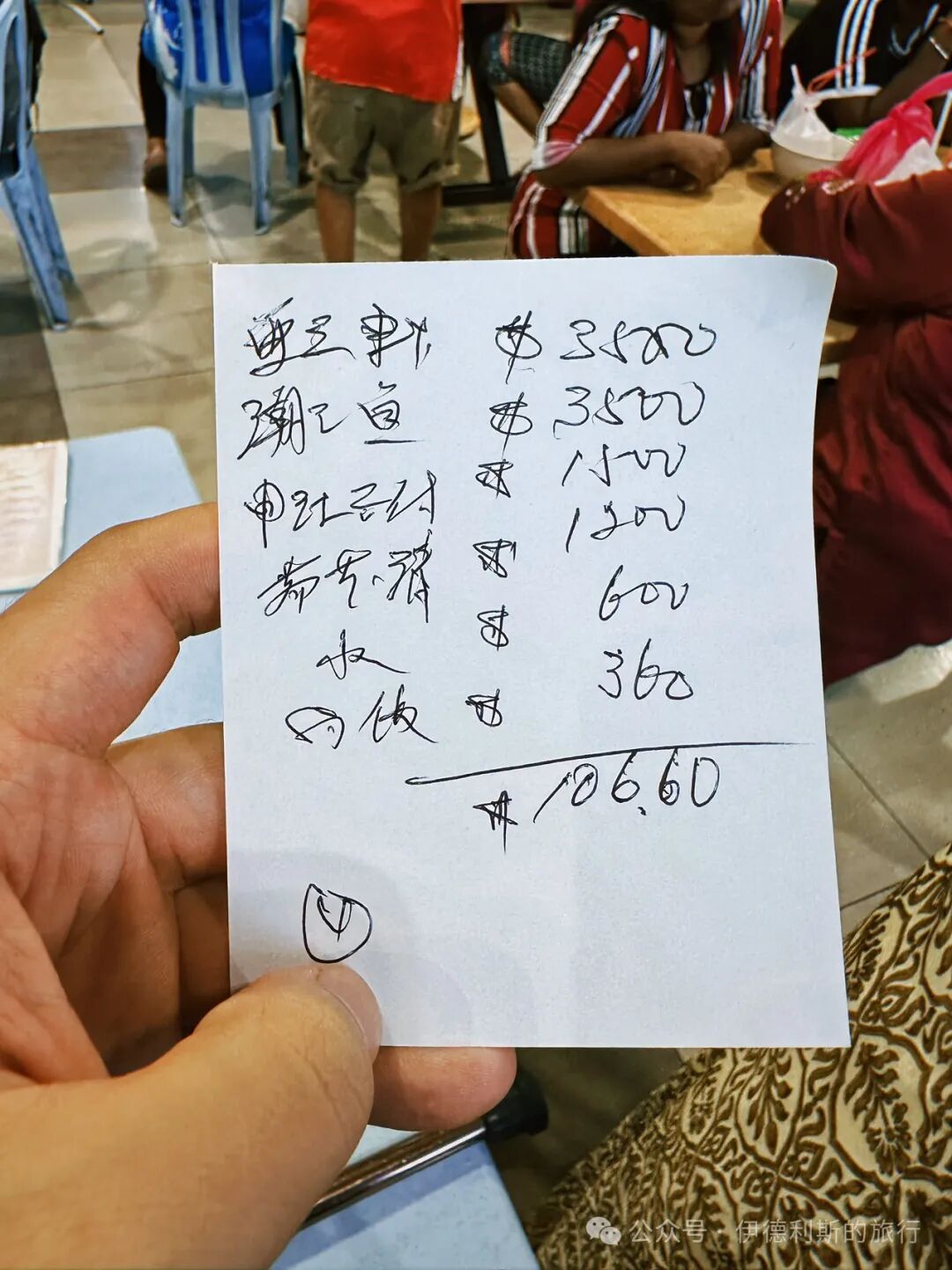
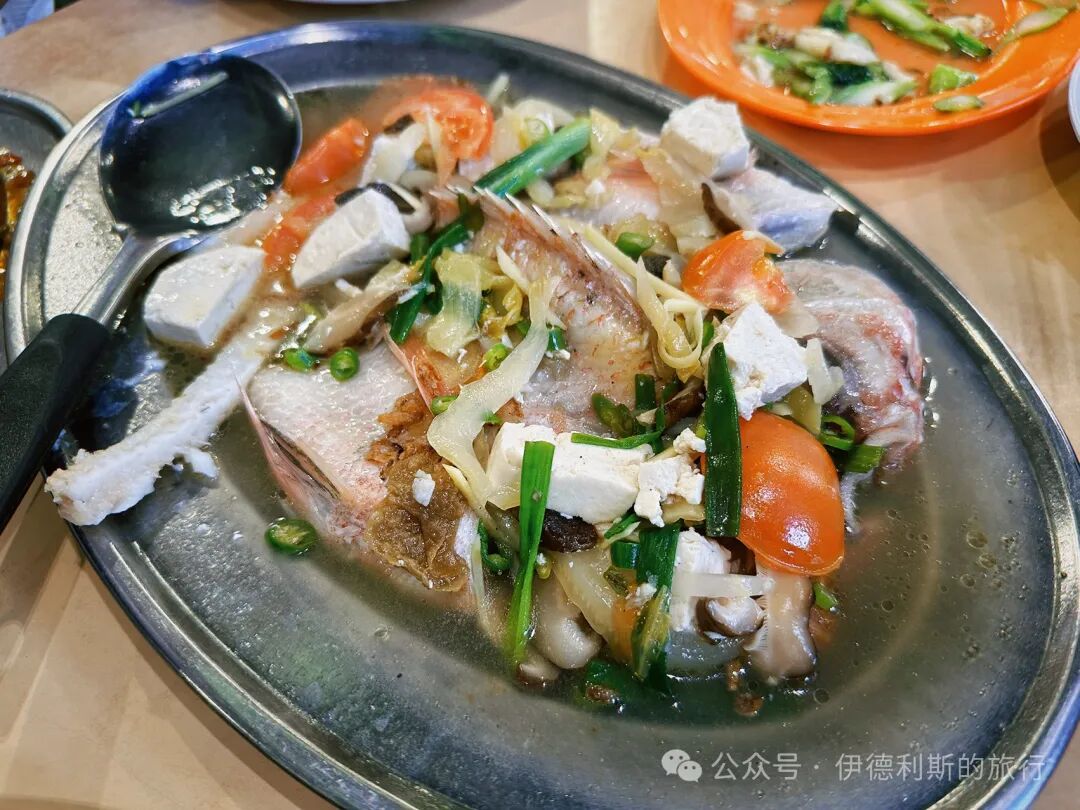
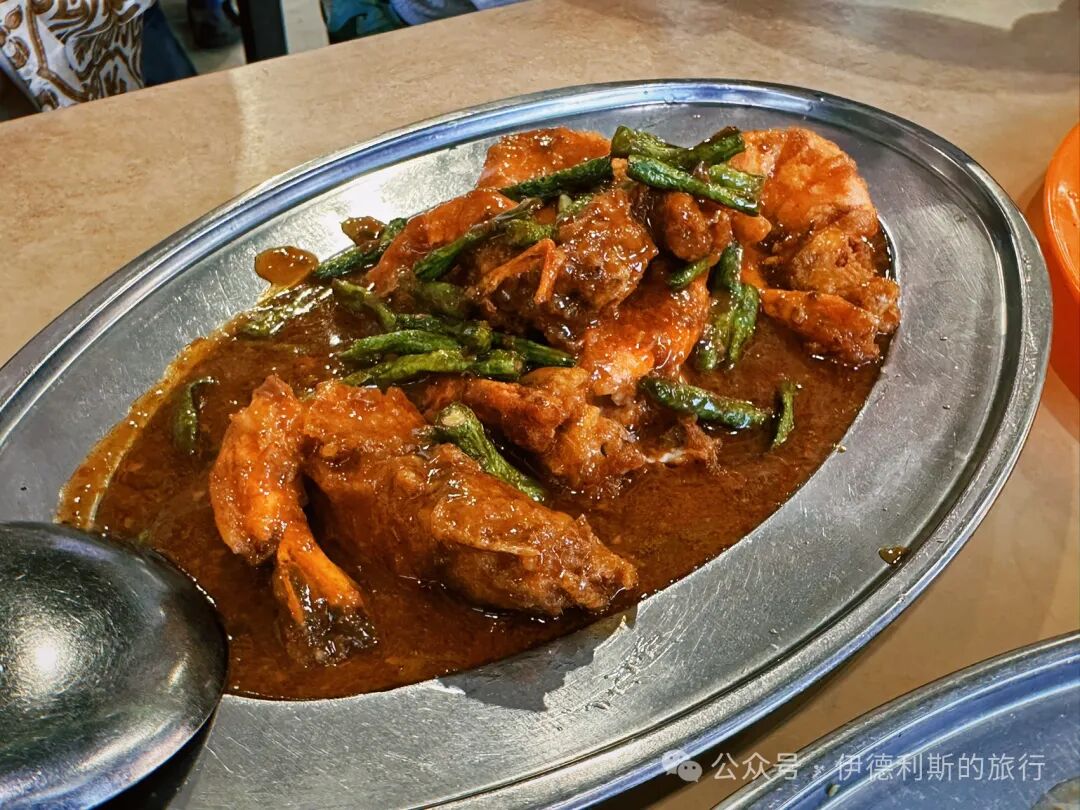
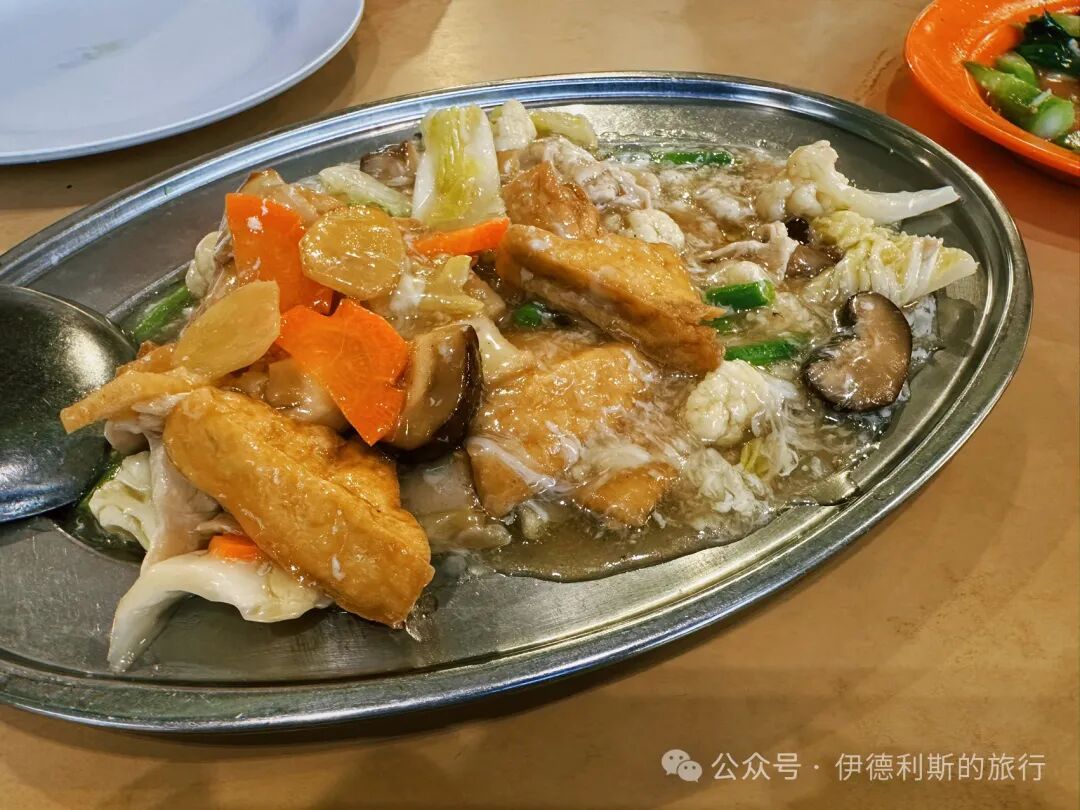
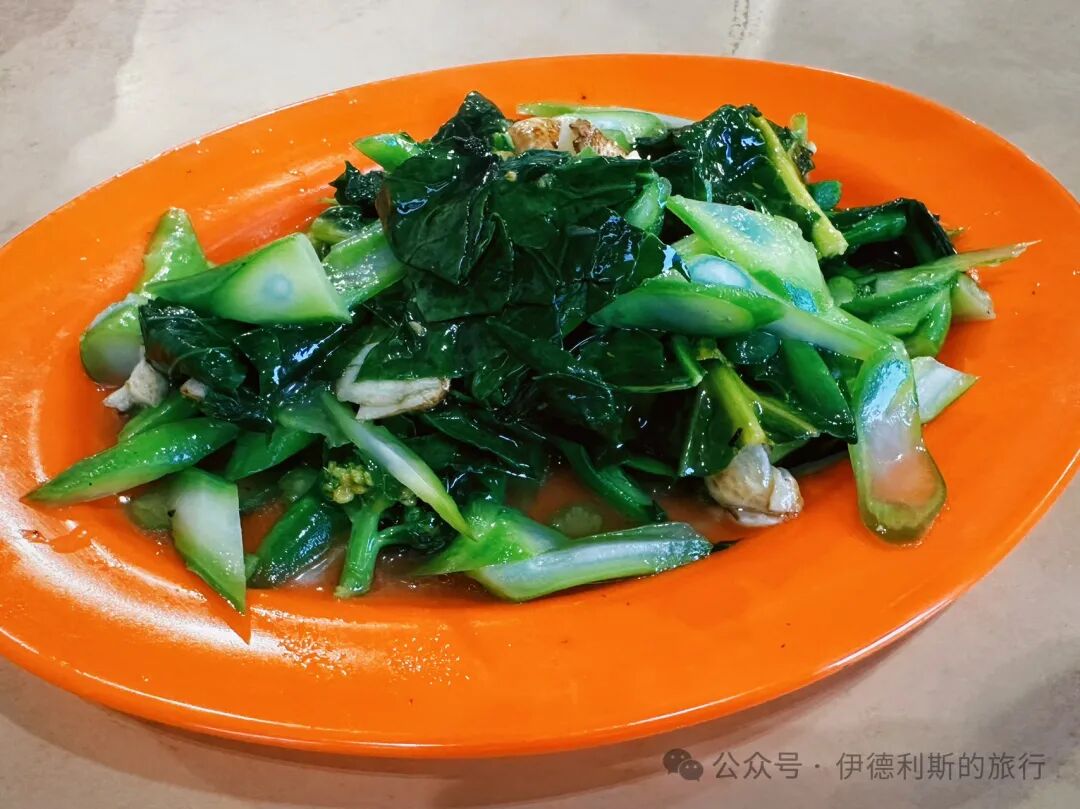
We ordered tamarind prawns (asam xia), Teochew-style steamed fish (chaozhou zheng yu), Shenjiang tofu (shenjiang doufu), and stir-fried mustard greens with salted fish (xianyu jielan). Except for the seafood, you can choose small or large portions for the stir-fried dishes, and the prices are very affordable. The grandfather who takes orders can speak and write Chinese, giving the place a classic old-school Nanyang Chinese feel.
Teochew-style steamed fish is a Nanyang Chinese dish I personally love. To make it, you layer tomatoes, pickled mustard greens (suan baicai), and tofu over the fish, then drizzle it with fish sauce after steaming.
Tamarind prawns are a Nyonya dish. Asam means sour in Malay. It uses tamarind mixed with sugar to create a rich, sweet-and-sour caramel-colored sauce that goes perfectly with rice.
Shenjiang tofu, also called Sing Kong tofu, is fried tofu cooked in egg sauce with mushrooms, cabbage, carrots, and other ingredients. It is very nutritious.
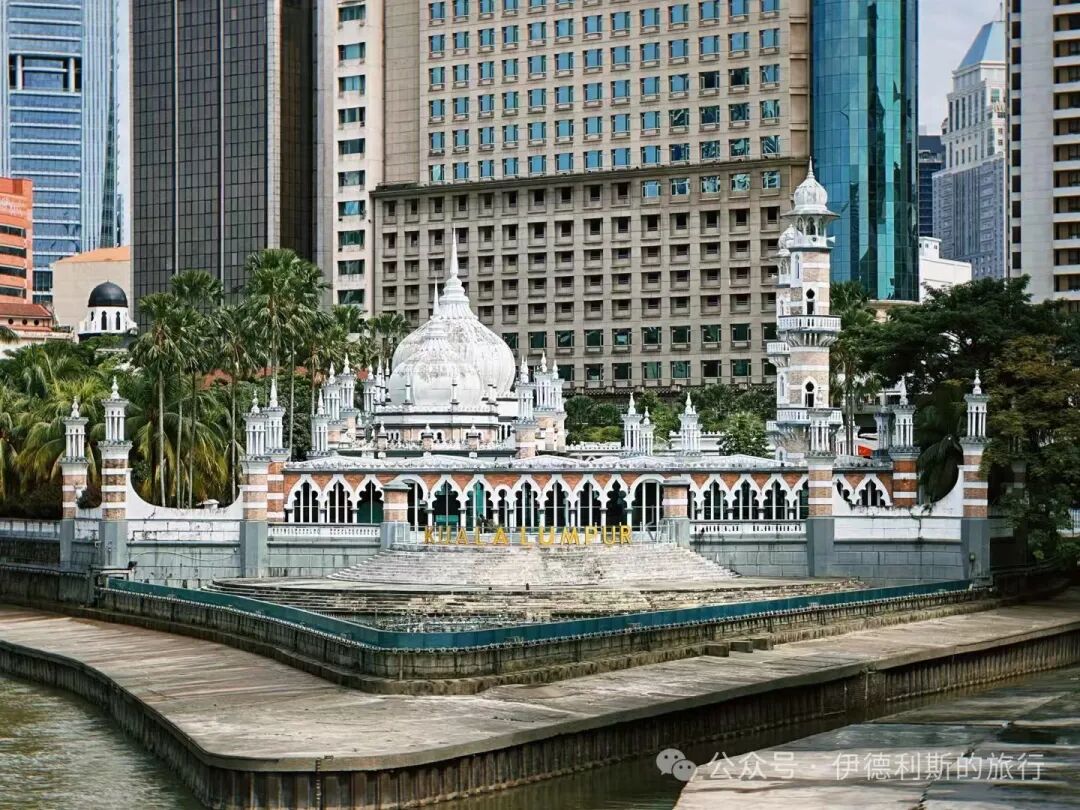
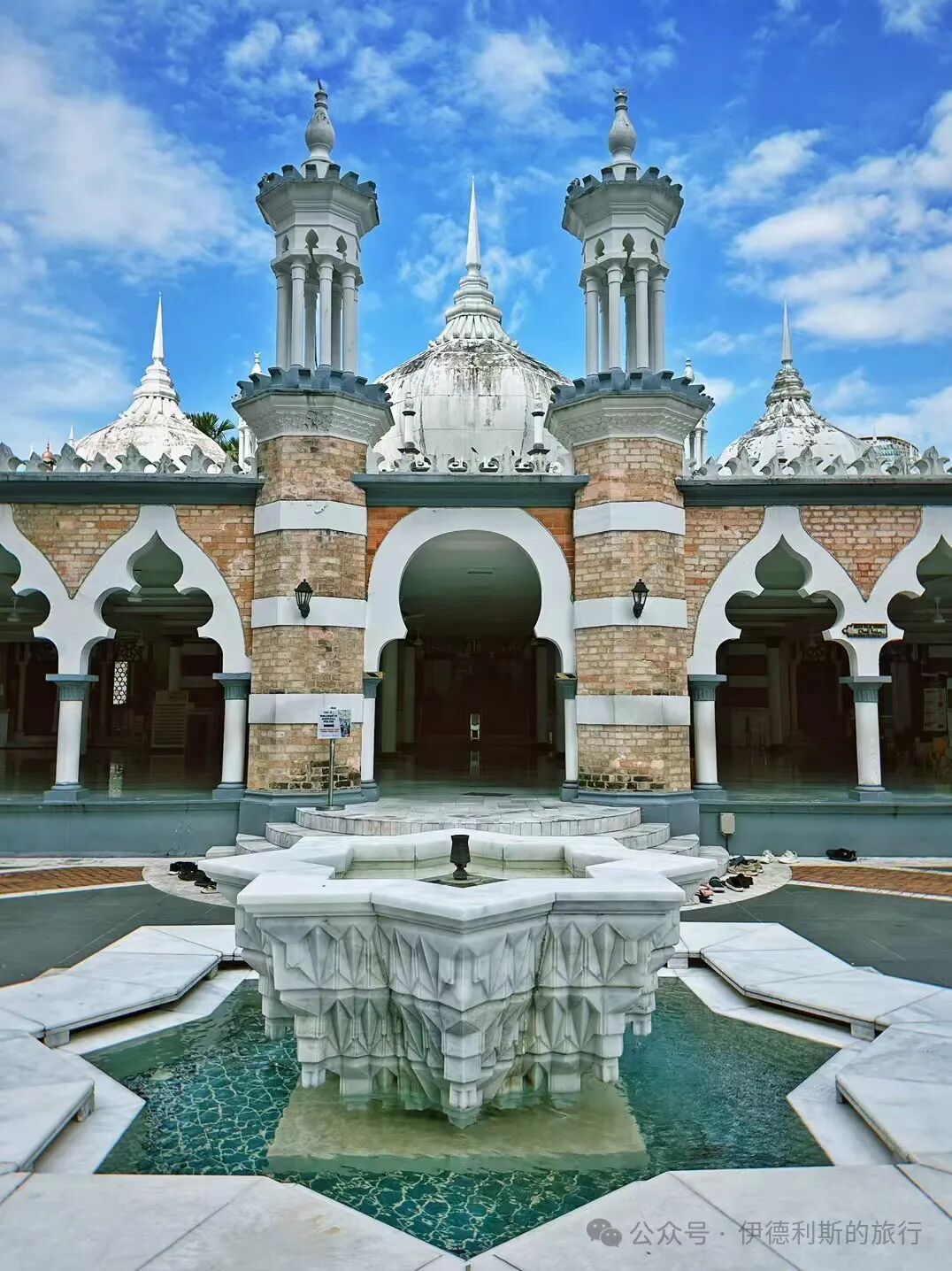
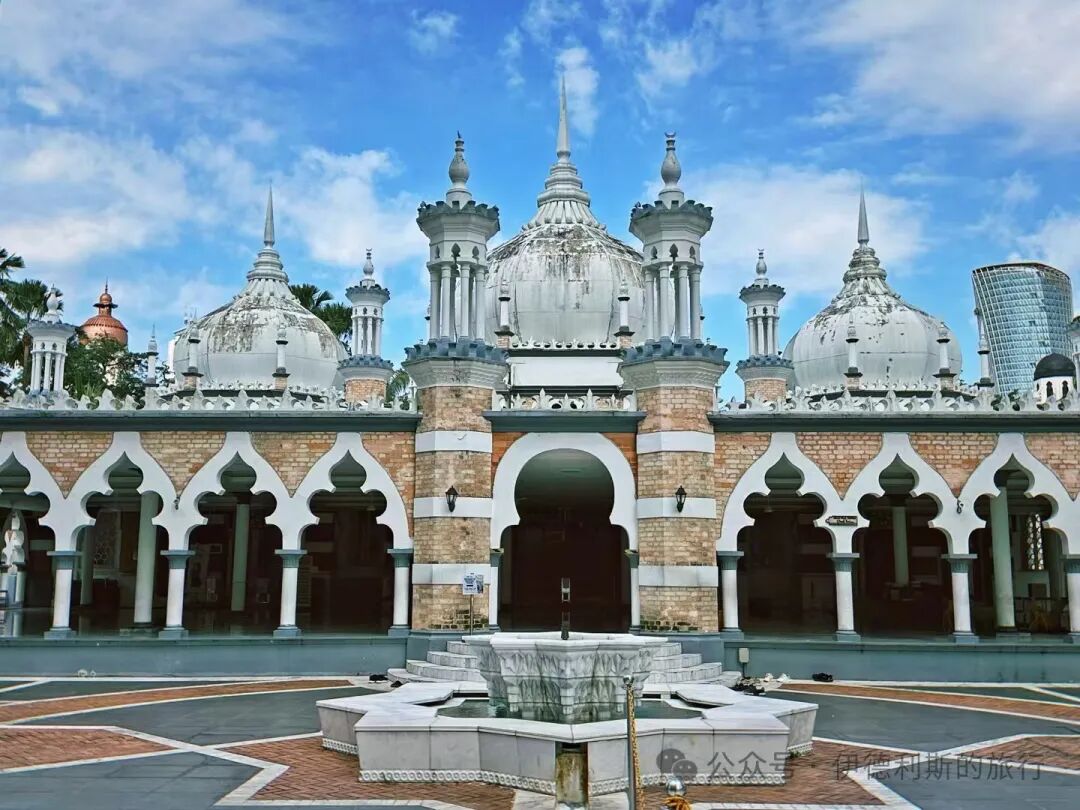
Jamek Mosque in Kuala Lumpur.
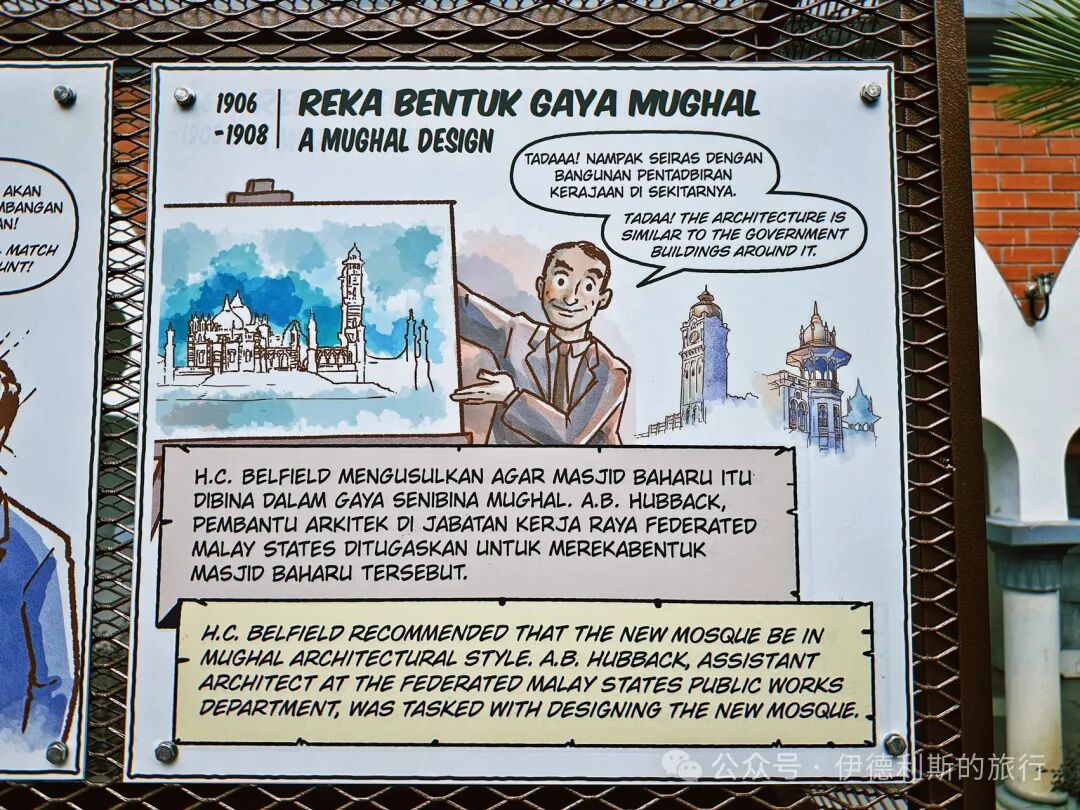
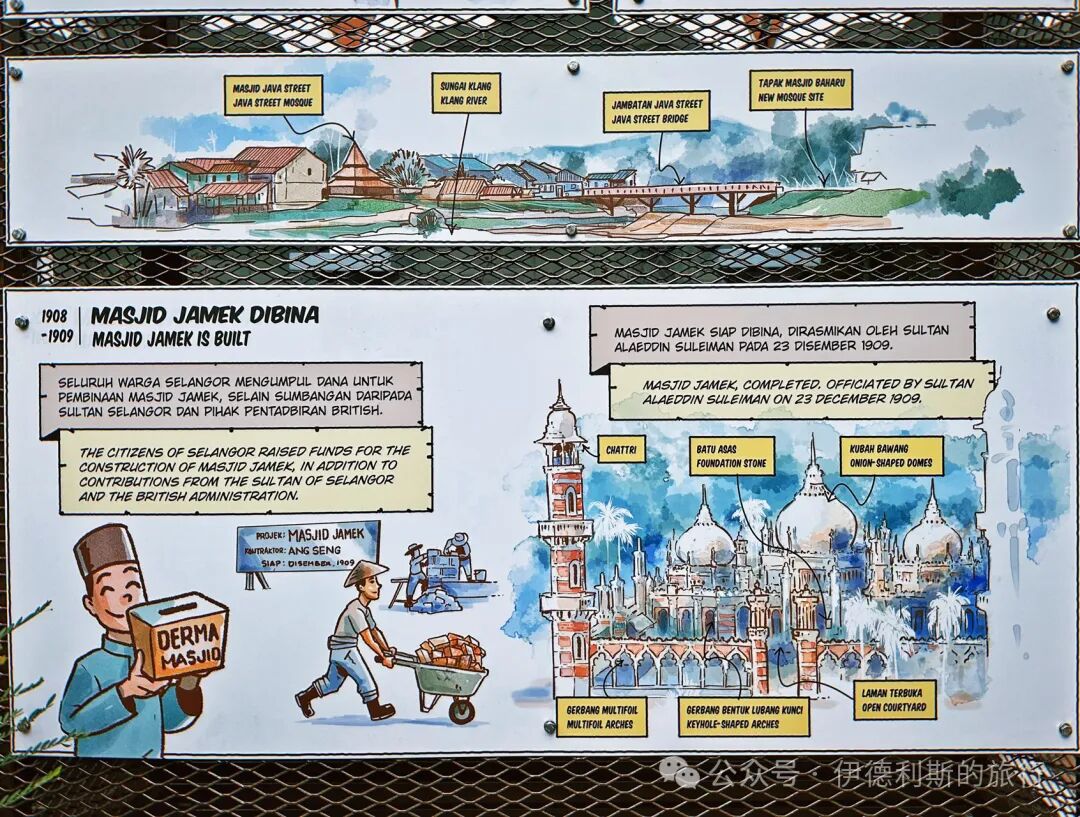
Jamek Mosque sits at the meeting point of the Klang River and the Gombak River. Sultan Sulaiman of Selangor laid the foundation in 1908, and it was finished in 1909. British architect Arthur Benison Hubback designed the mosque. He also designed other Malaysian landmarks like the Kuala Lumpur Railway Station, the Ubudiah Mosque in Perak, and the Sultan Abdul Samad Building.
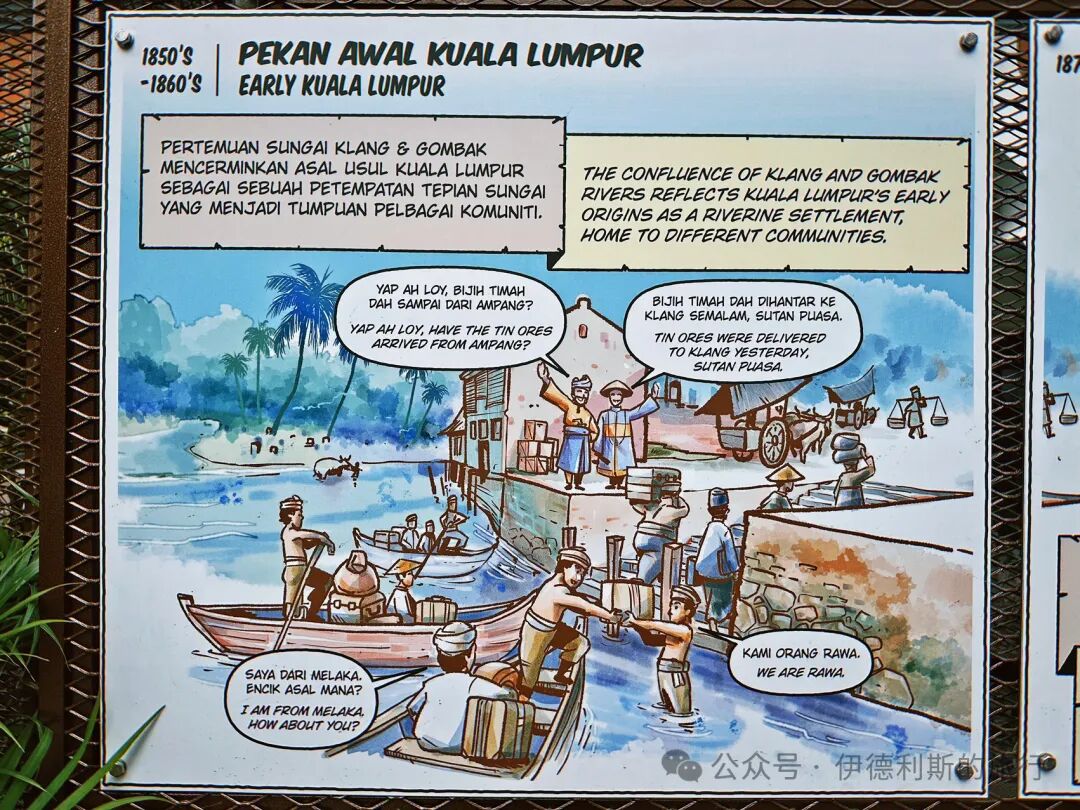
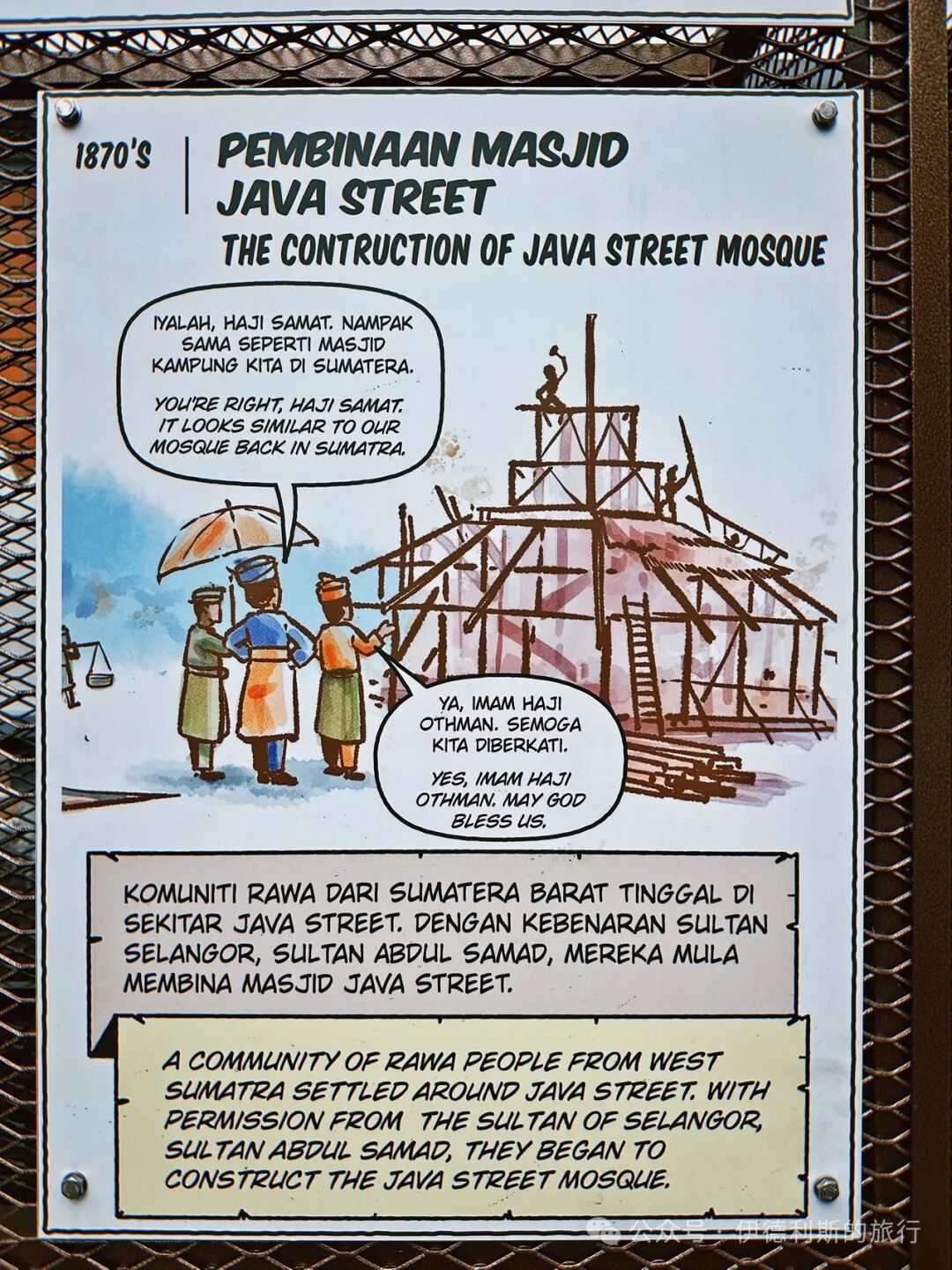
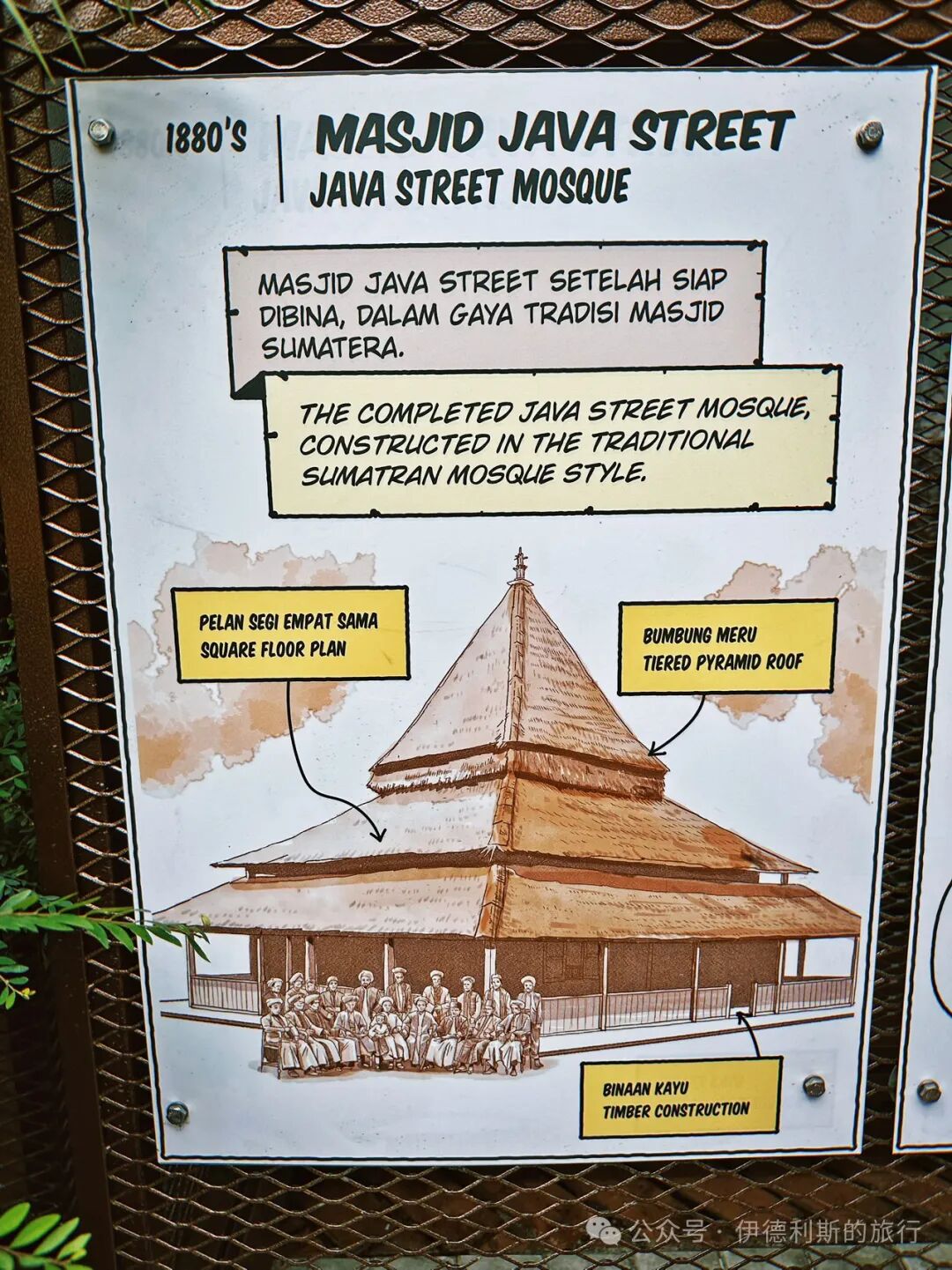
In the 19th century, Malays, Javanese, Minangkabau, and other groups lived where the Klang and Gombak rivers meet. This area became known for places like Java Street (now Jalan Tun Perak) and Malay Street. In the 1870s, the Rawa tribe of the Minangkabau people from western Sumatra received permission from the Sultan of Selangor to build the Java Street Mosque on the east side of the Klang River. The original Java Street Mosque had a pyramid-shaped roof and wooden pillars, following traditional Sumatran style.
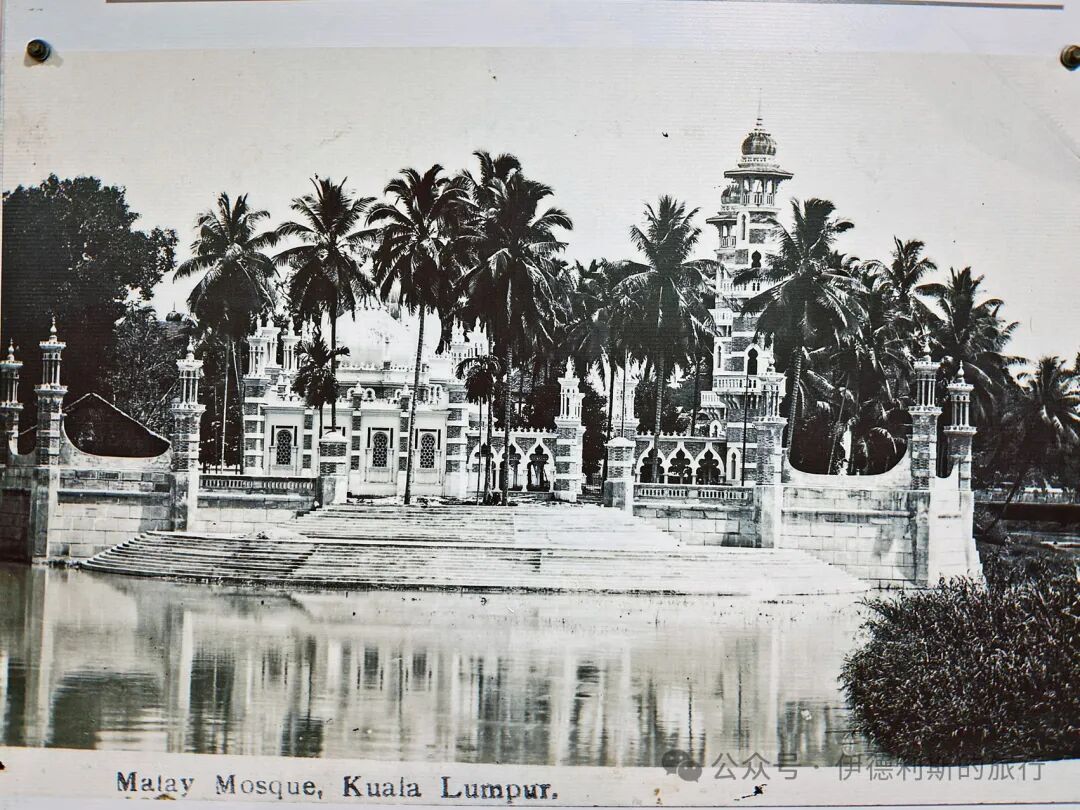
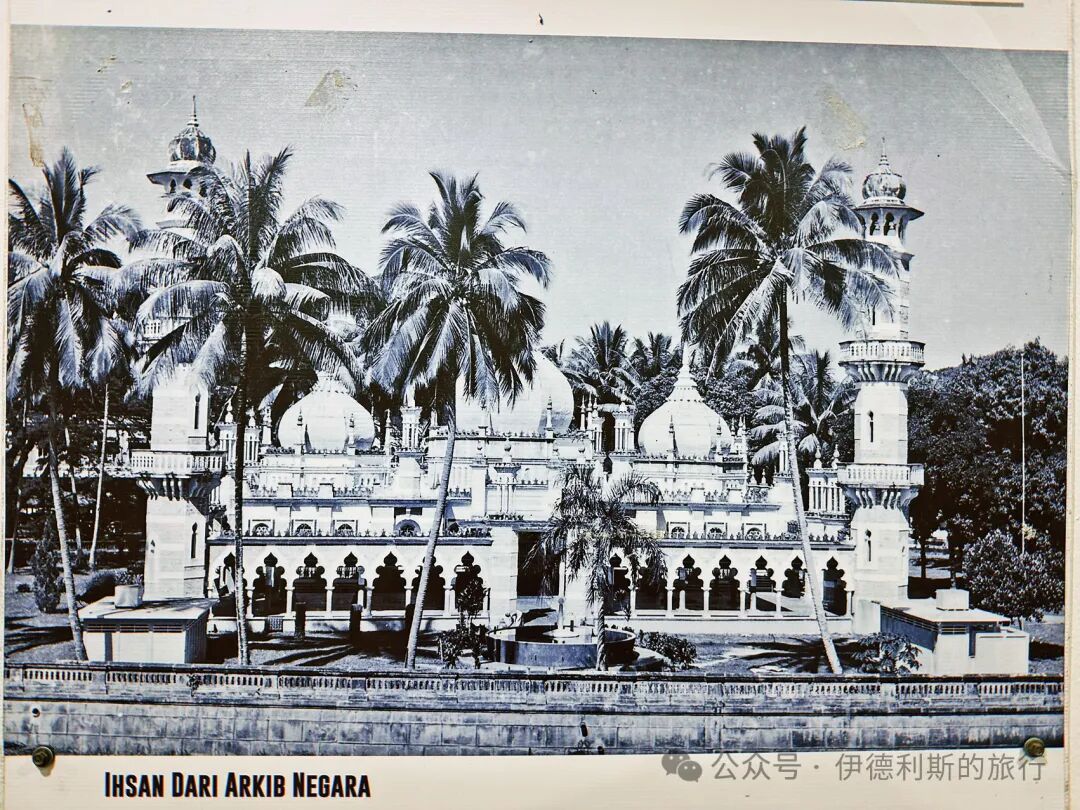
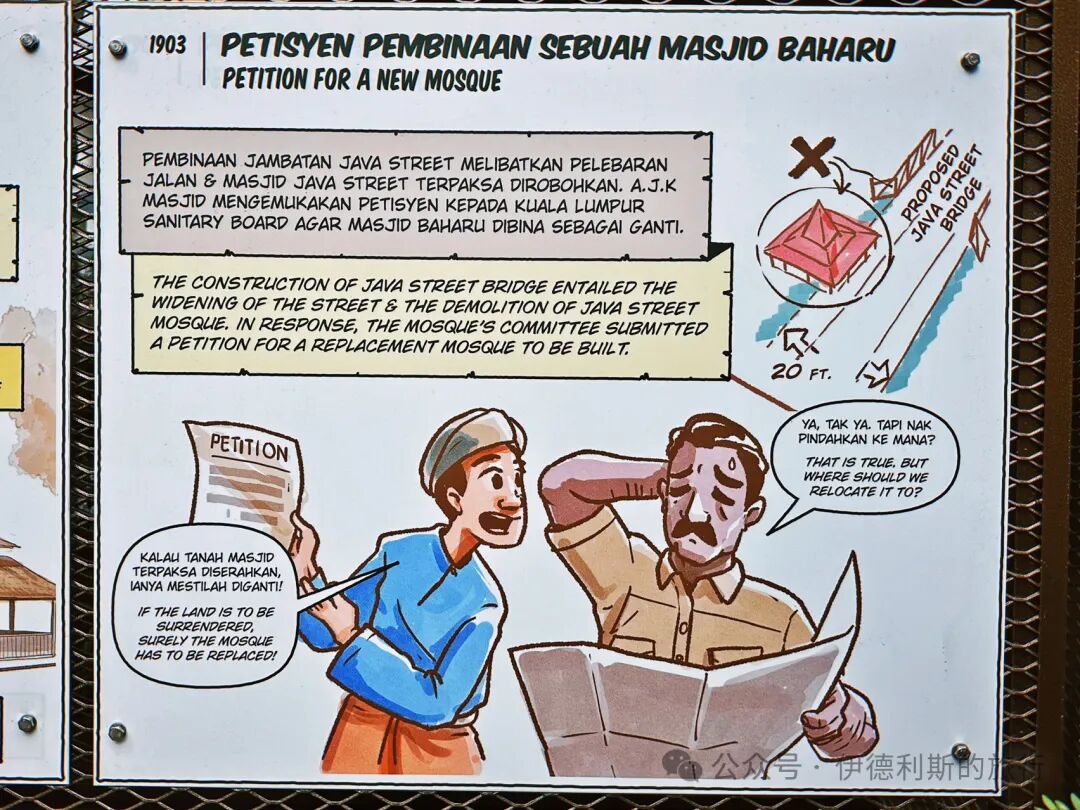
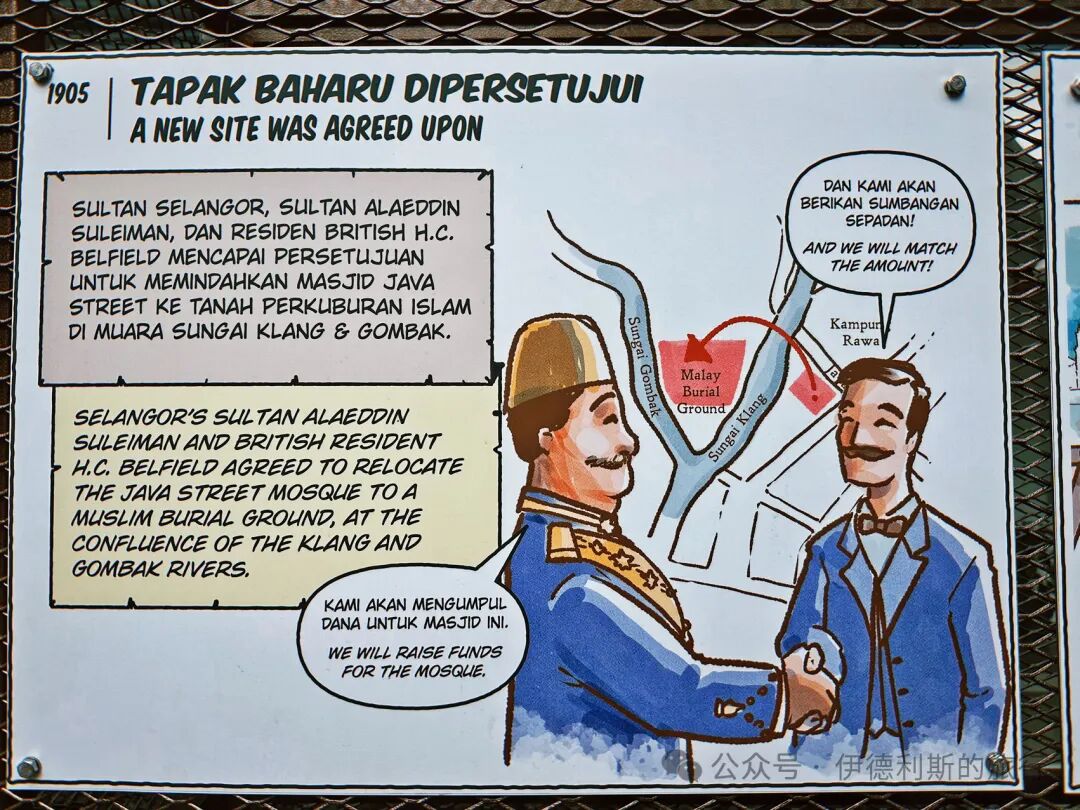
In 1903, the Java Street Mosque was torn down for road widening, so the mosque committee petitioned to build a new one. In 1905, Sultan Sulaiman of Selangor and the British Resident agreed to build the new mosque on the site of an old Malay cemetery at the river junction. The new mosque used the popular Mughal Revival style. The British built many public buildings in this style across British India and British Malaya in the late 19th century.
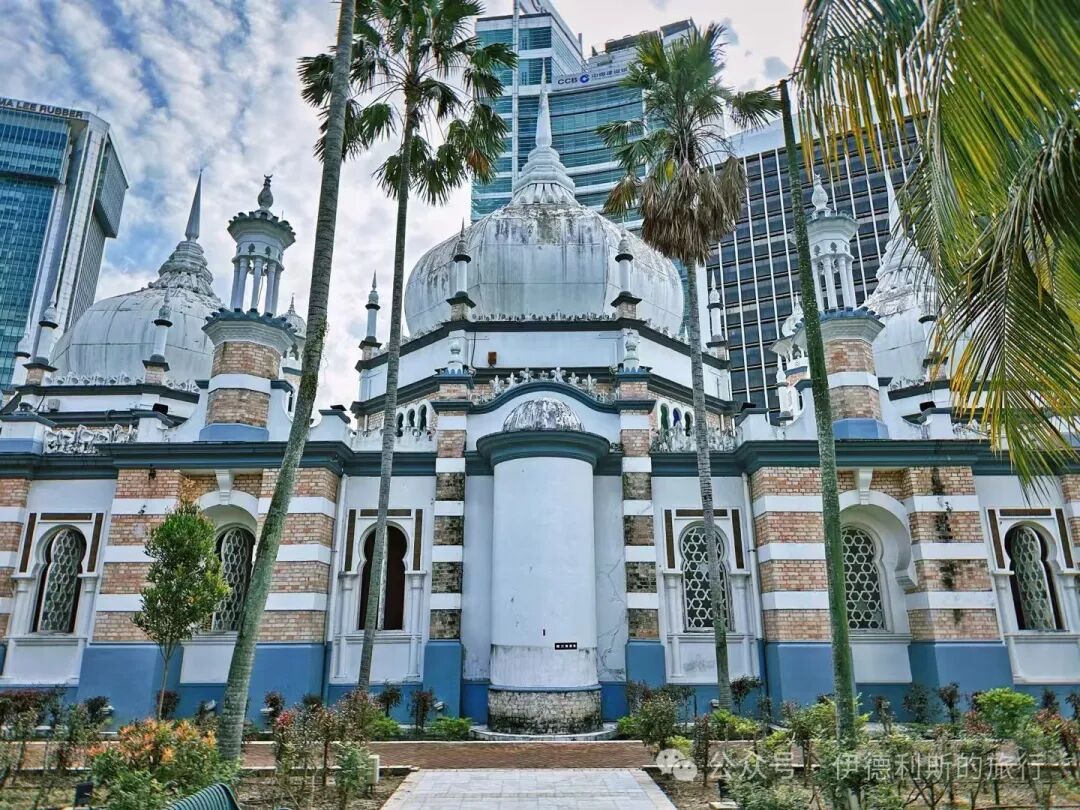
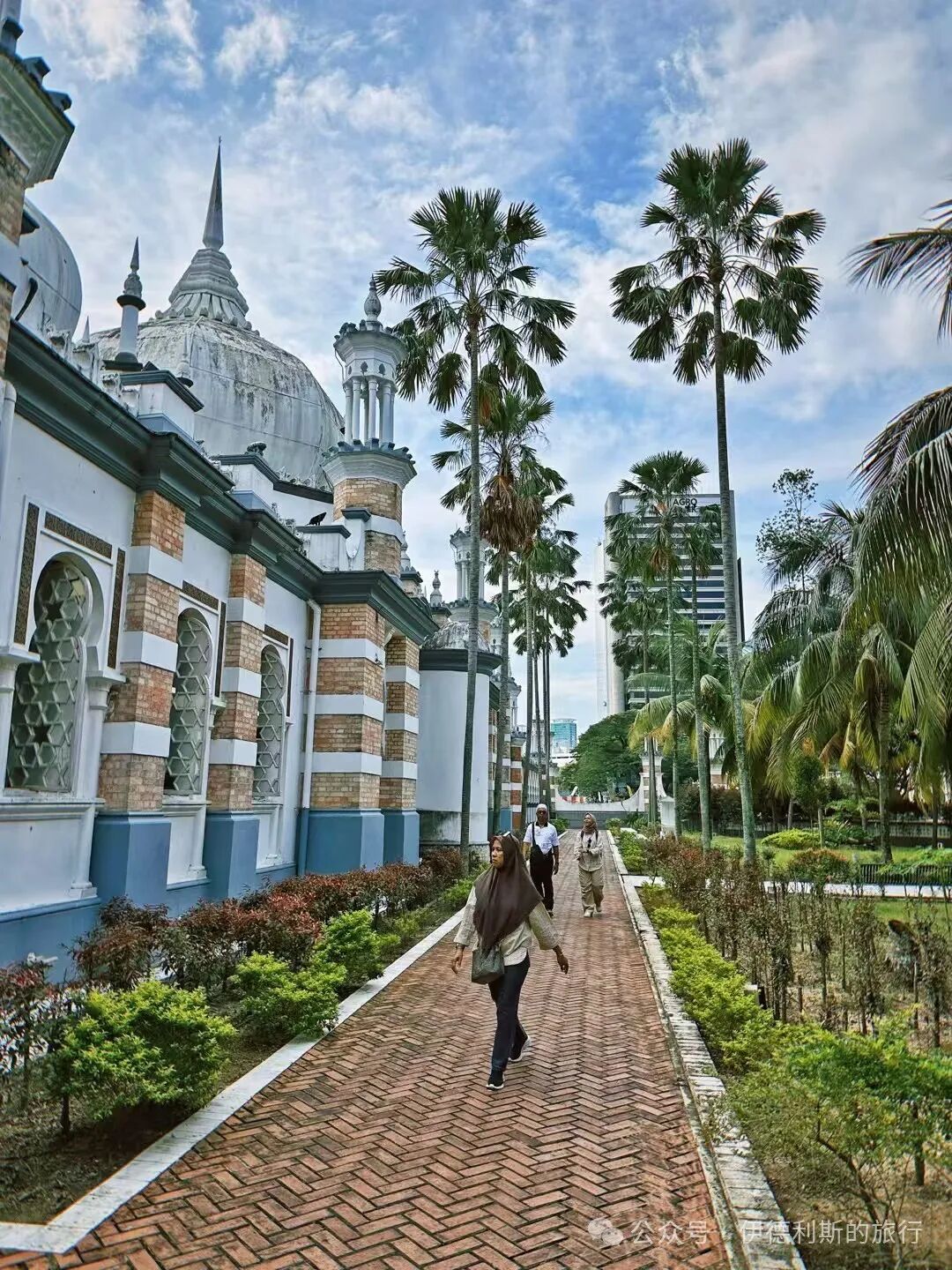
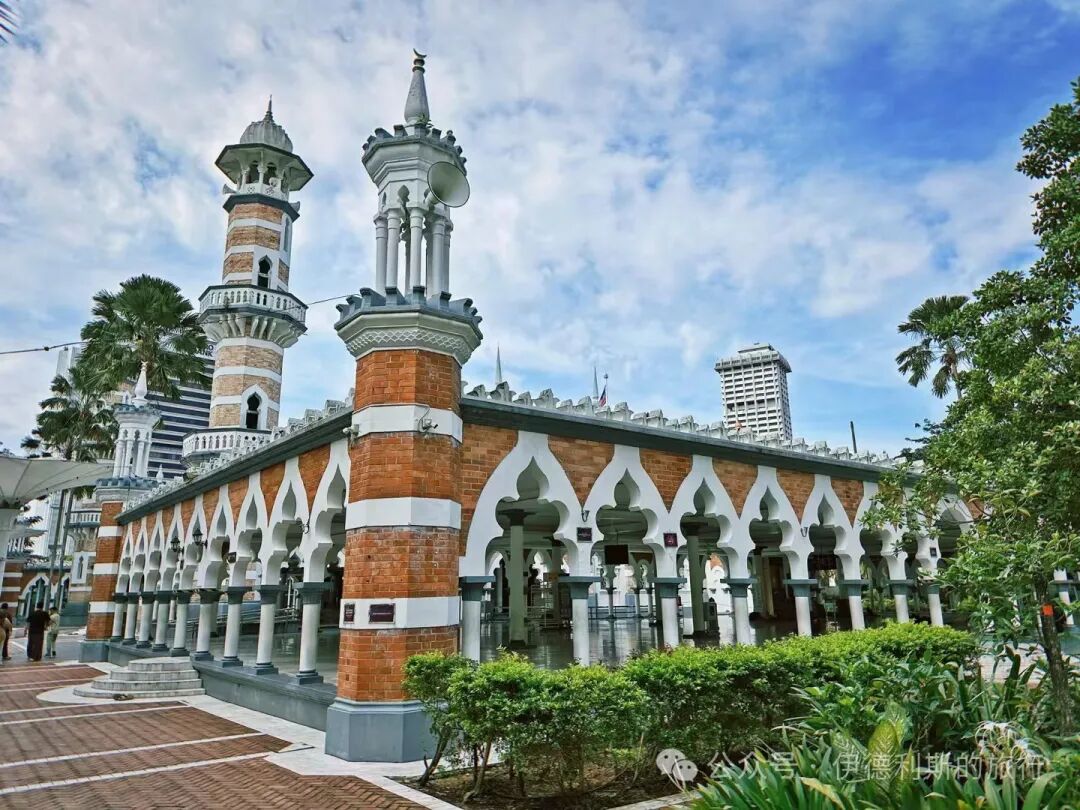
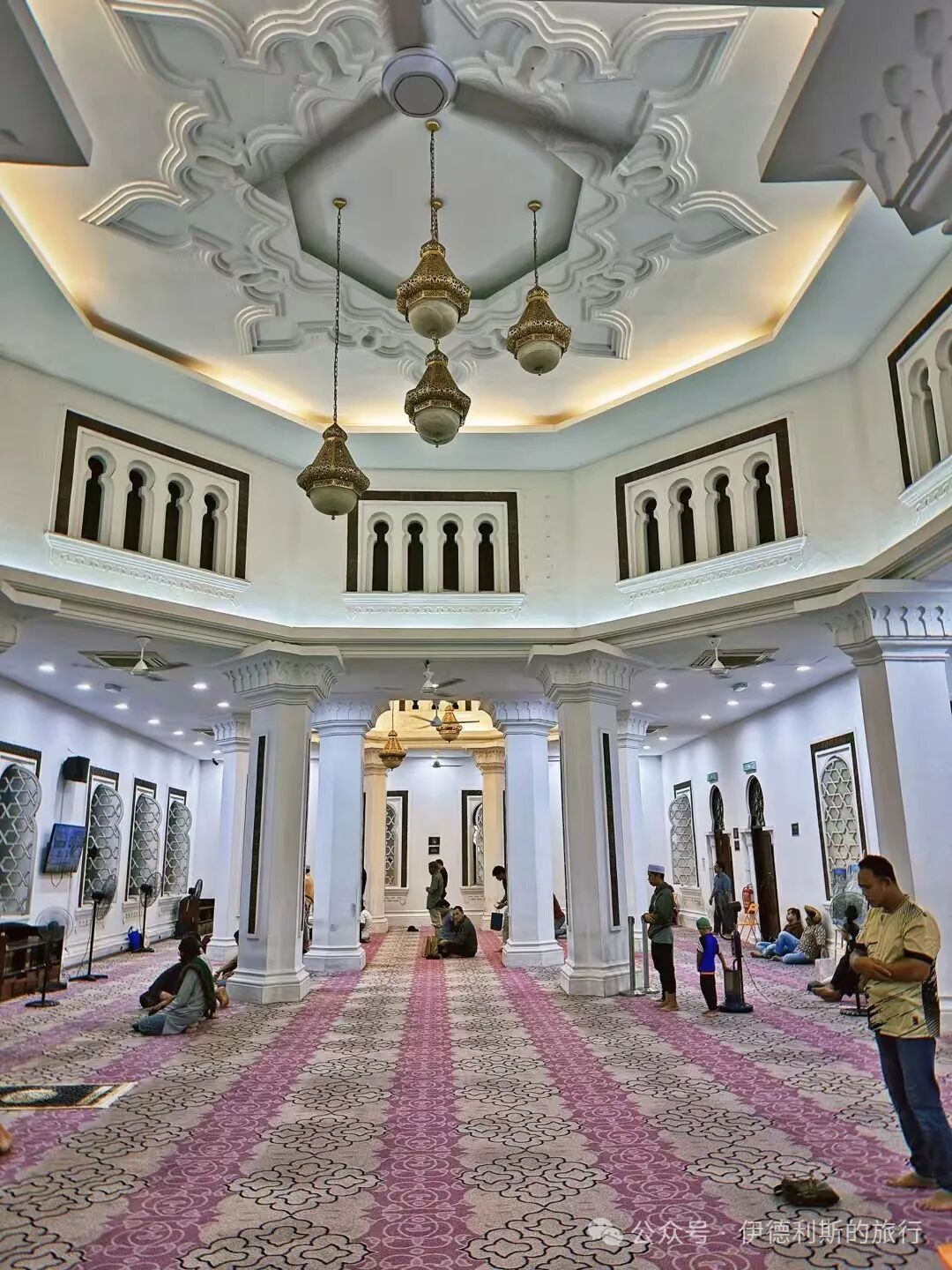
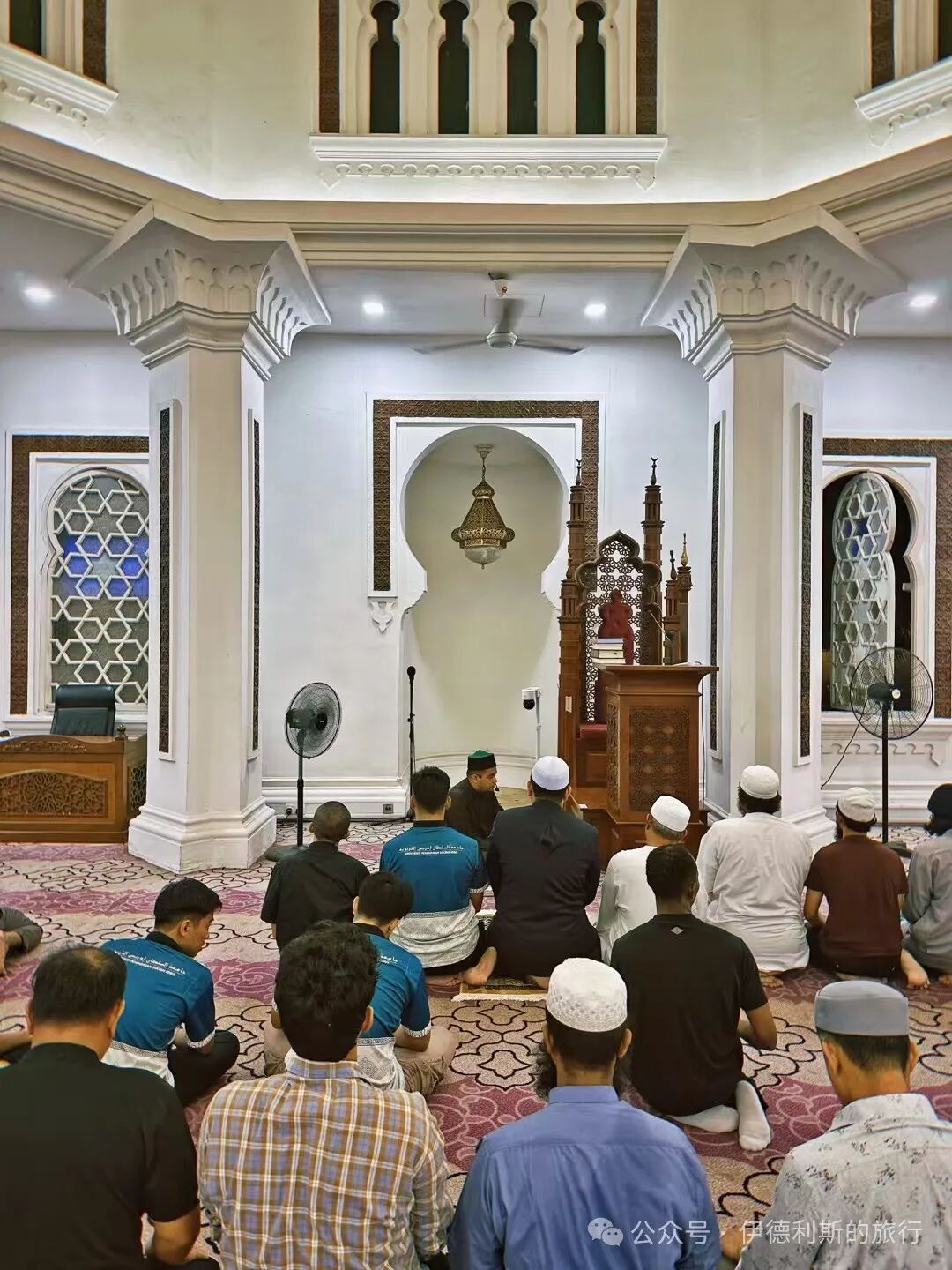
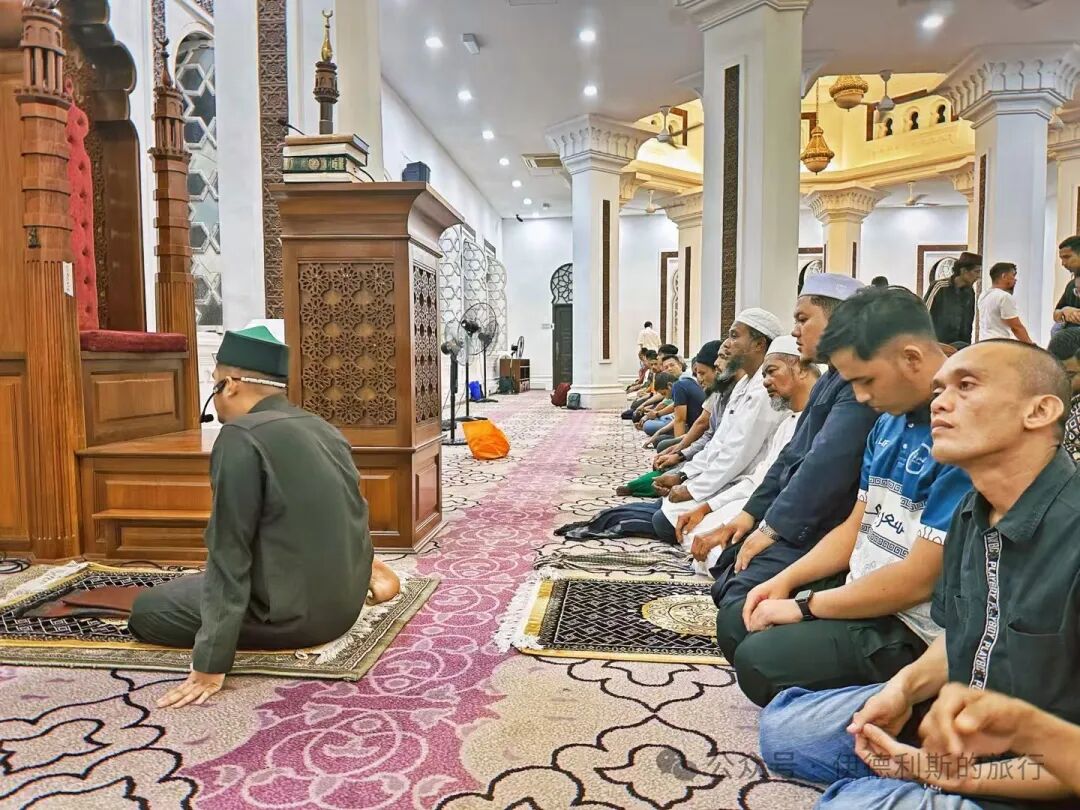
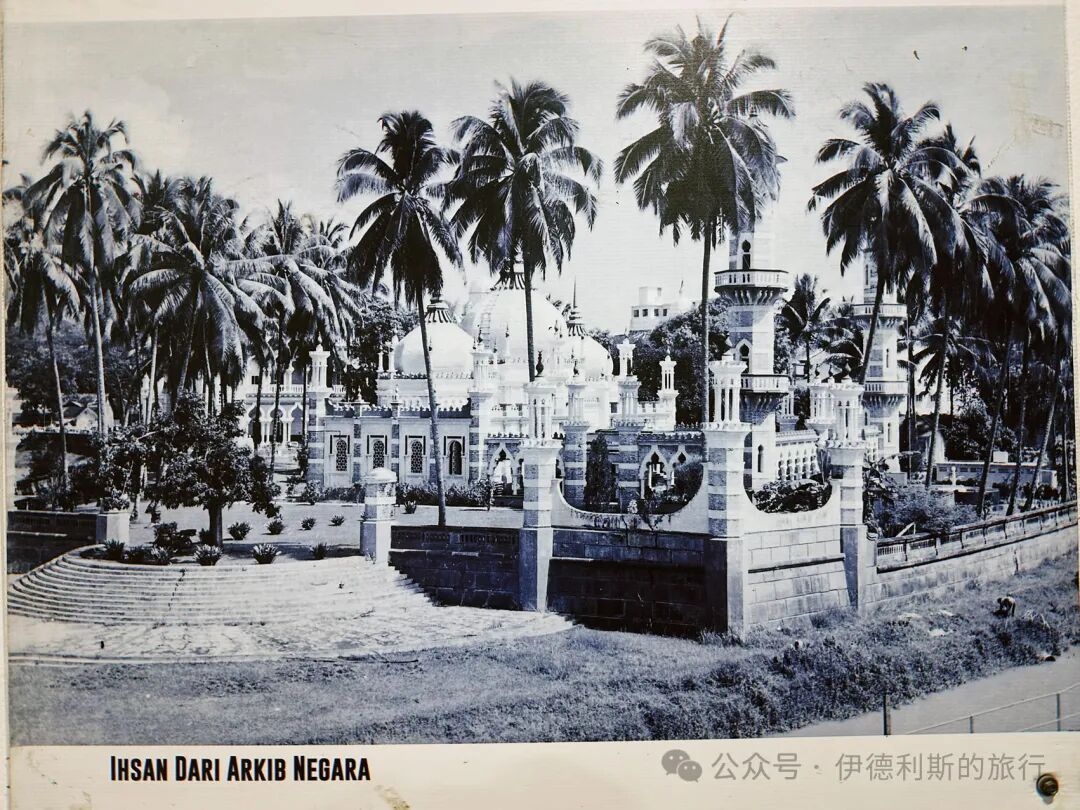
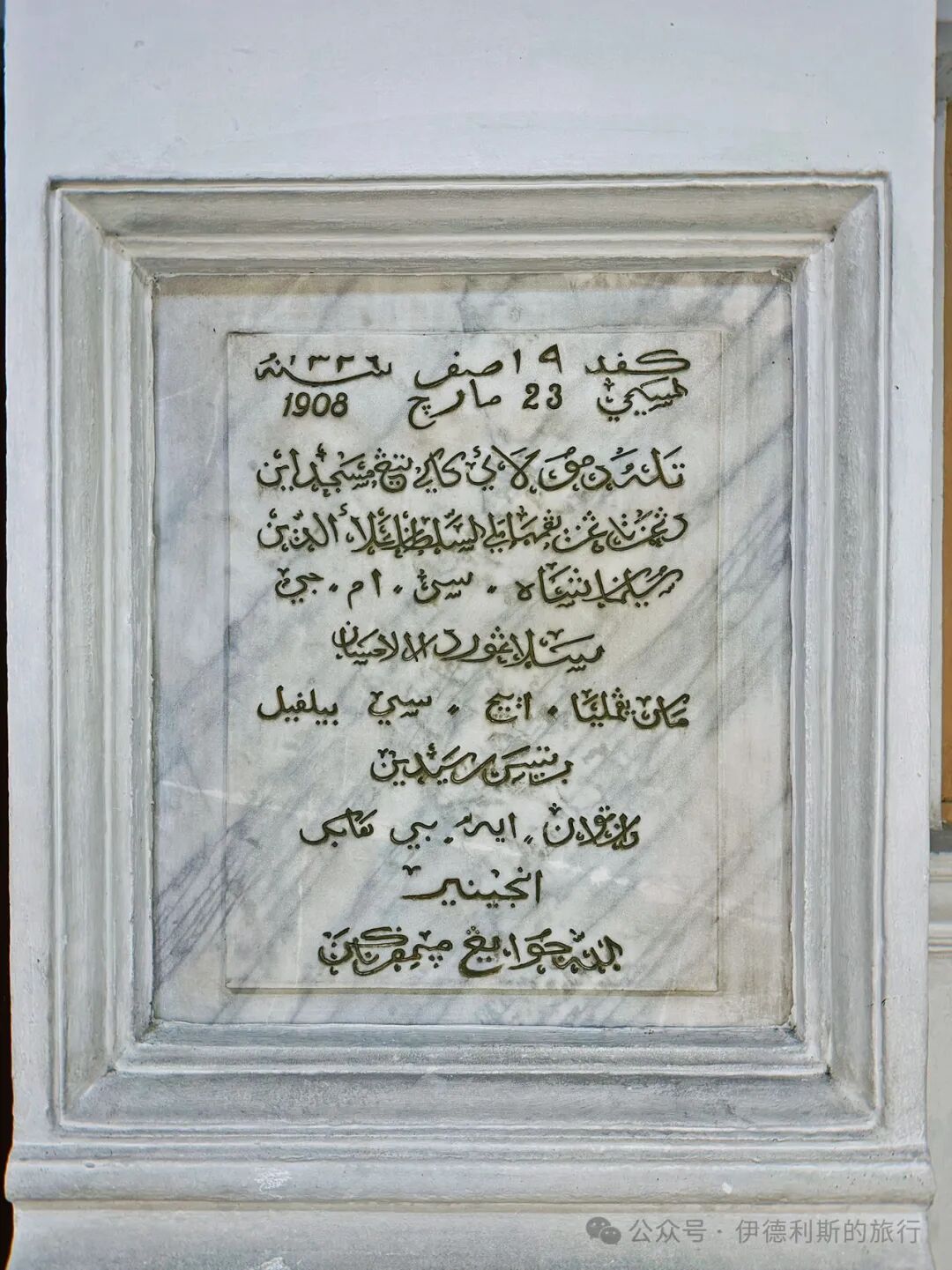
Jamek Mosque displays old photos and a stone tablet from when Sultan Sulaiman of Selangor laid the foundation in 1908.
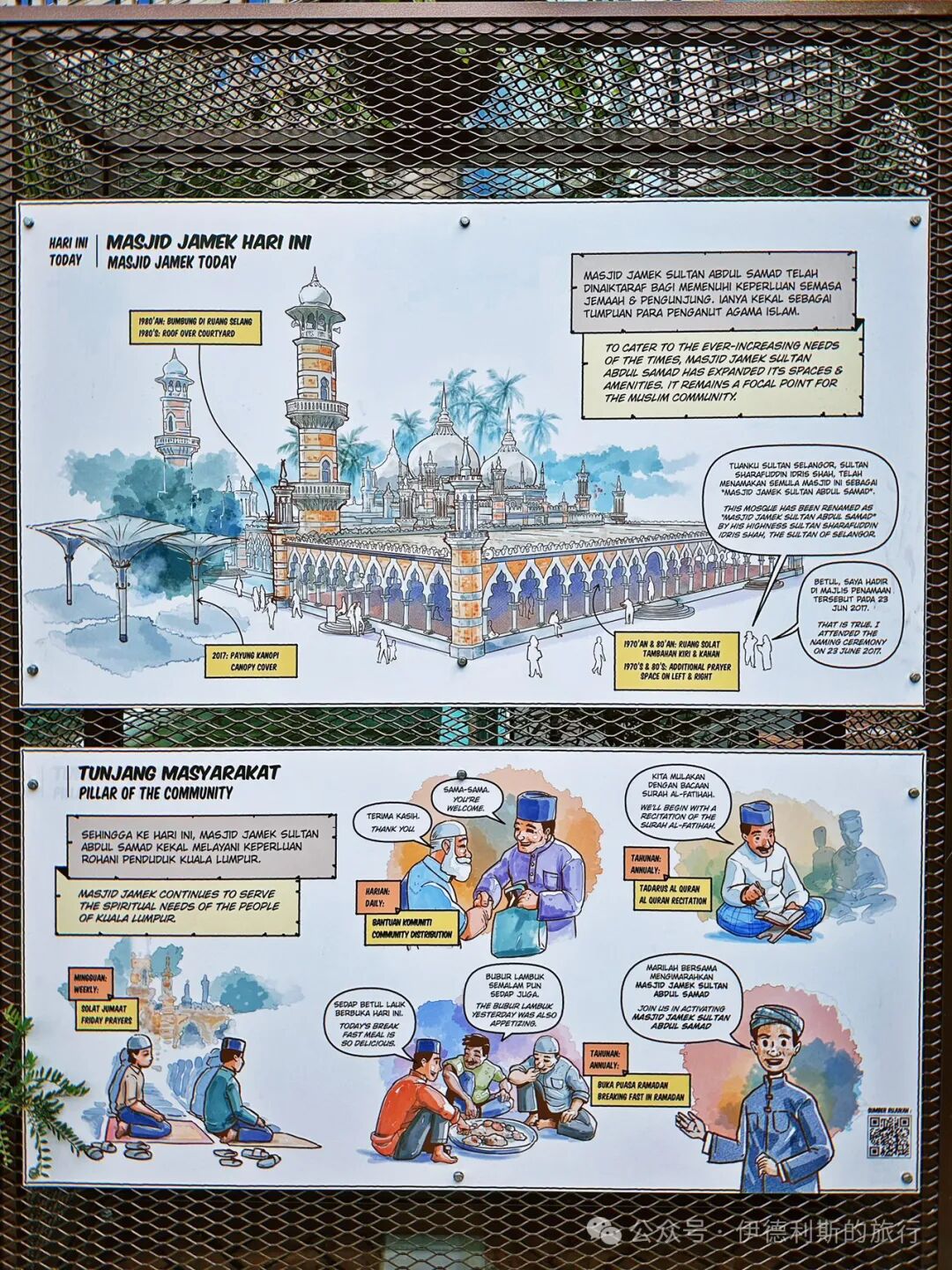
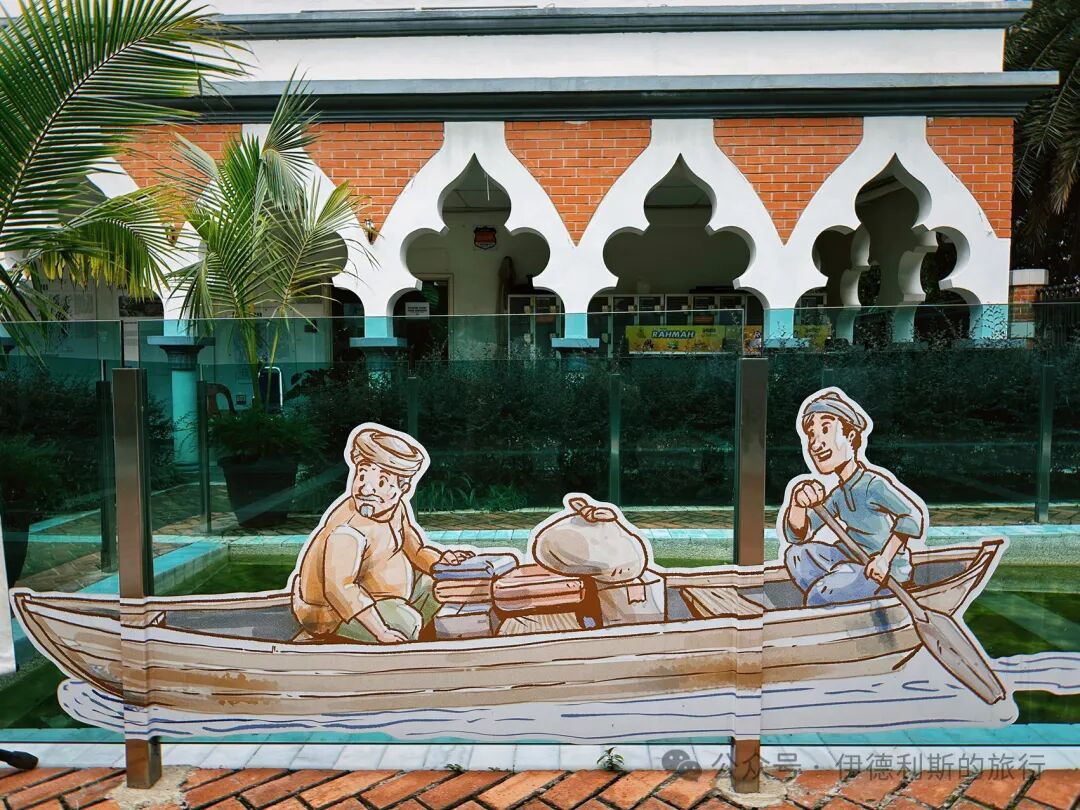
Cartoon panels at the entrance of Jamek Mosque vividly show the history of its construction. This includes the Java Street Mosque built by the Minangkabau in the 1870s and the current Jamek Mosque, which Sultan Sulaiman of Selangor approved to be built on the old Malay cemetery after road expansion in 1903.
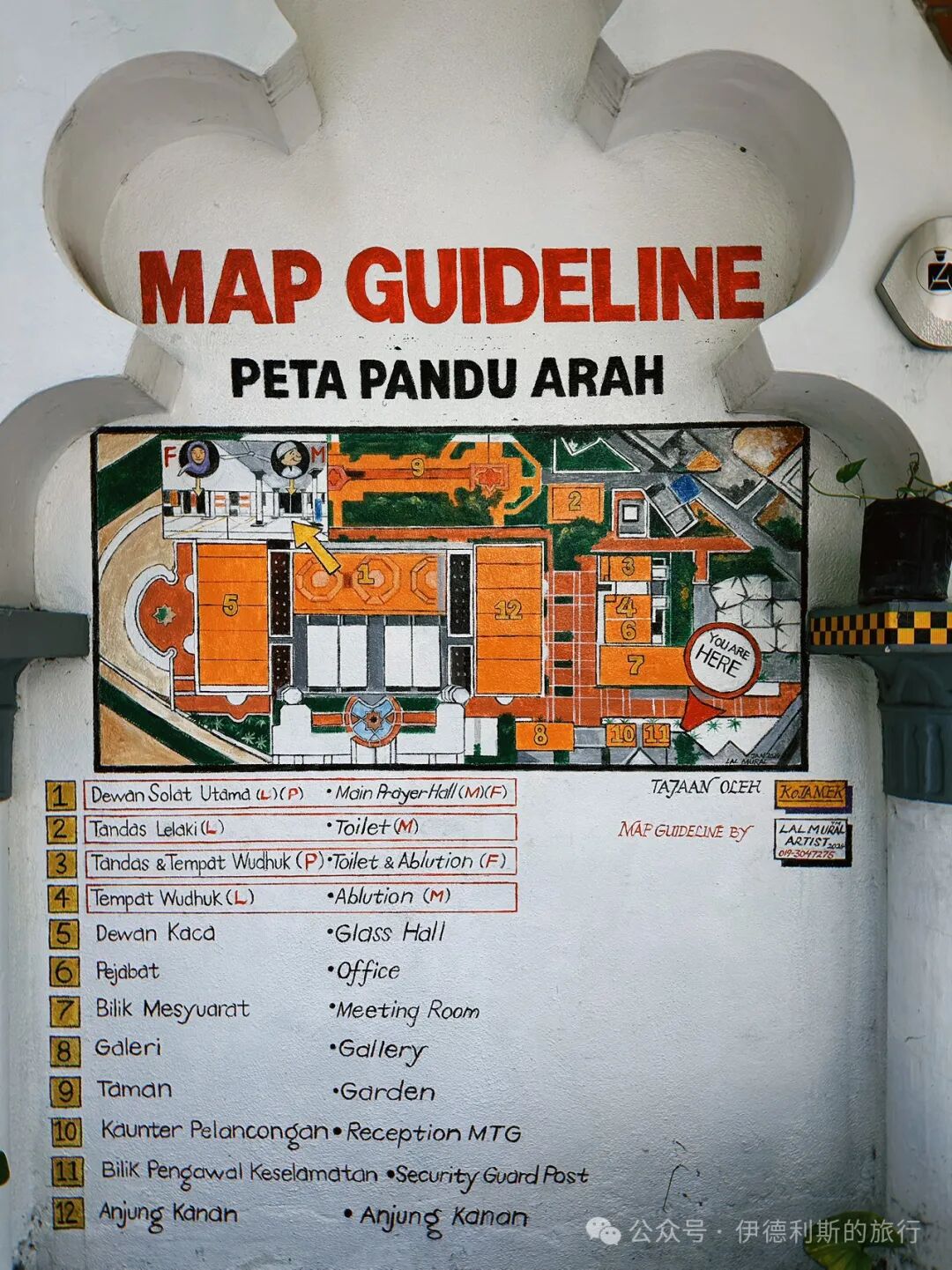
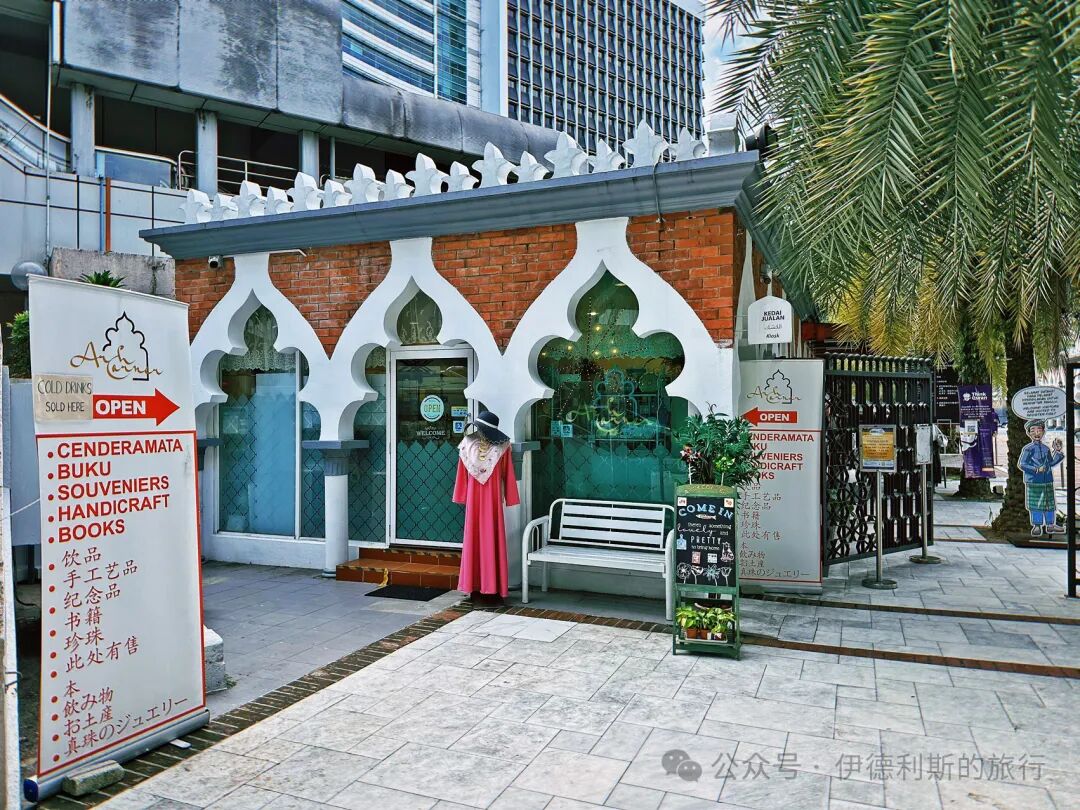
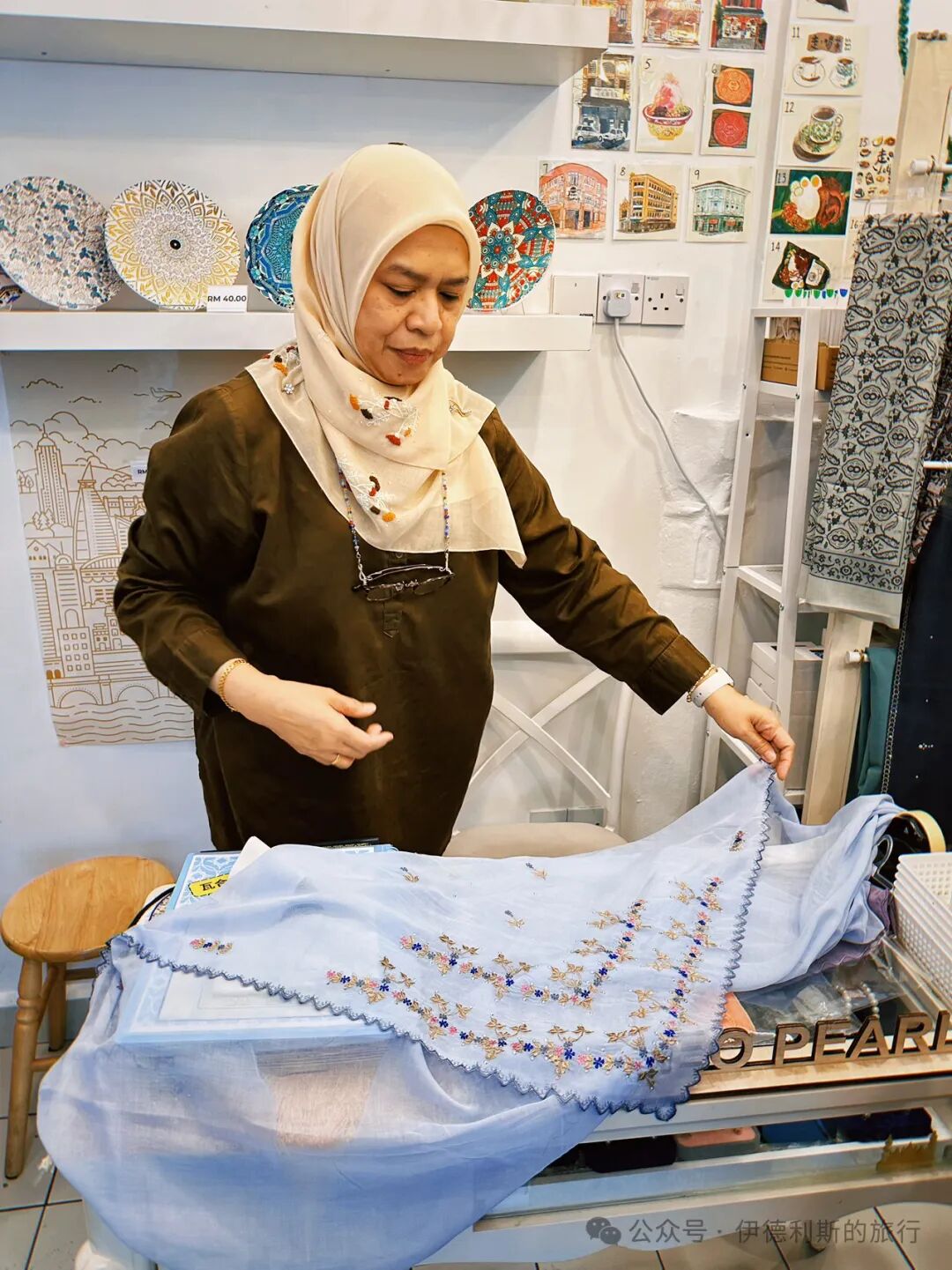
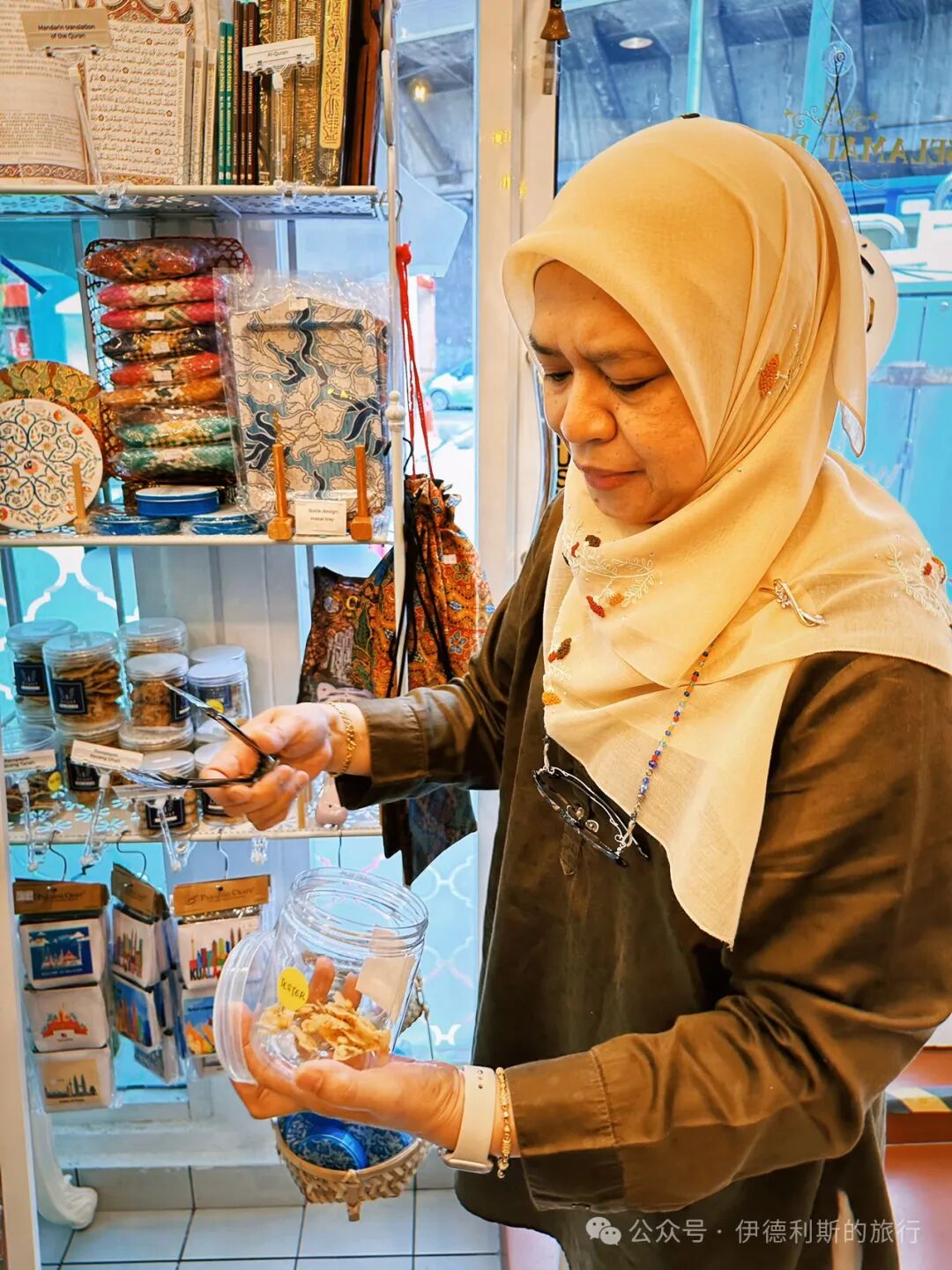
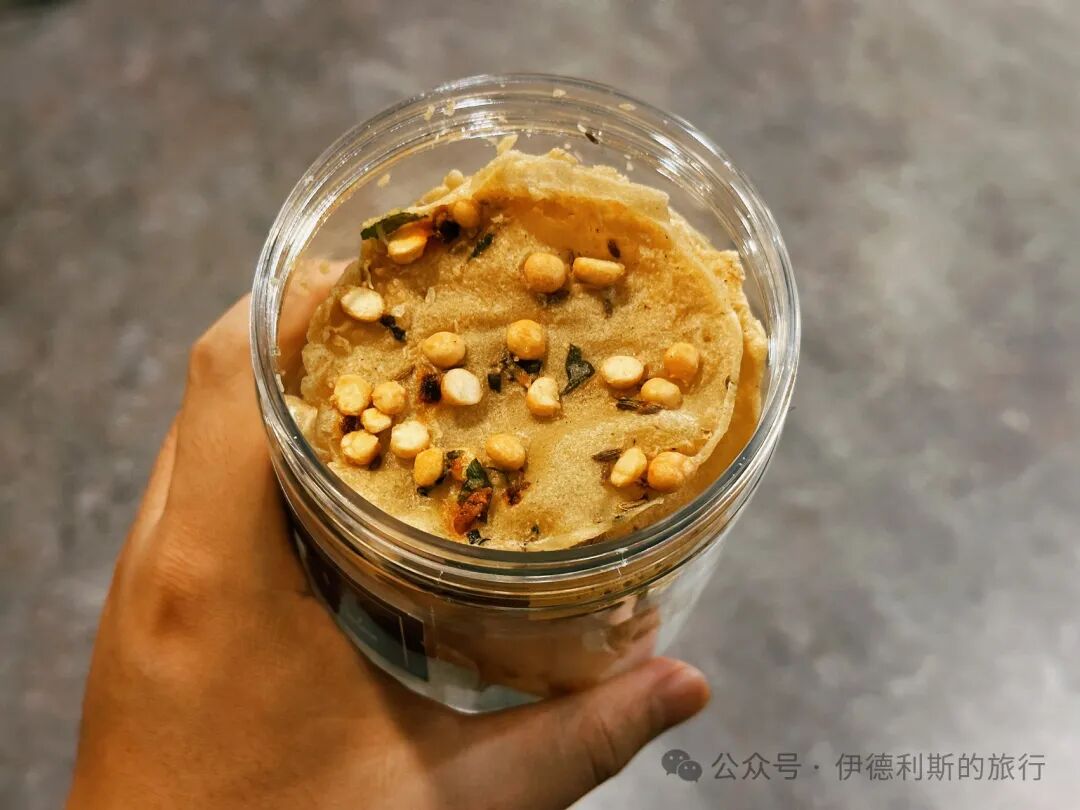
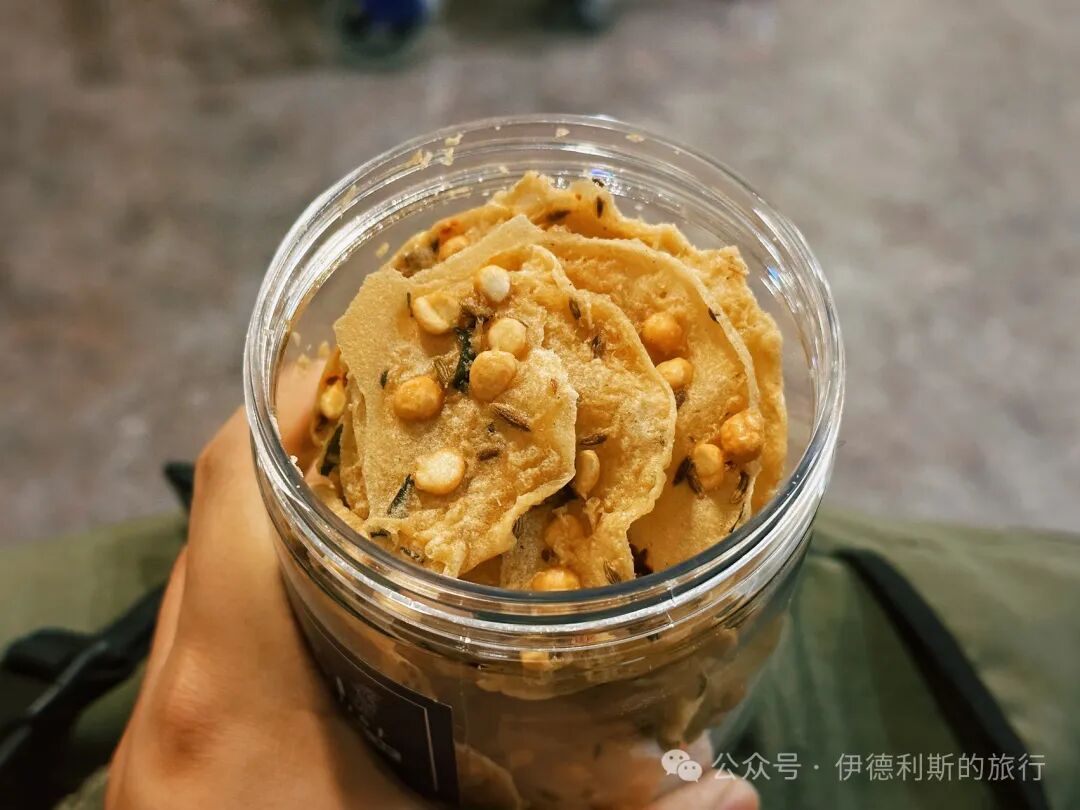
The souvenir shop at the entrance of Jamek Mosque is worth a visit. We bought beautiful headscarves there and tried some free traditional Malay snacks. We bought a jar and it was delicious.
Traditional Malay dance
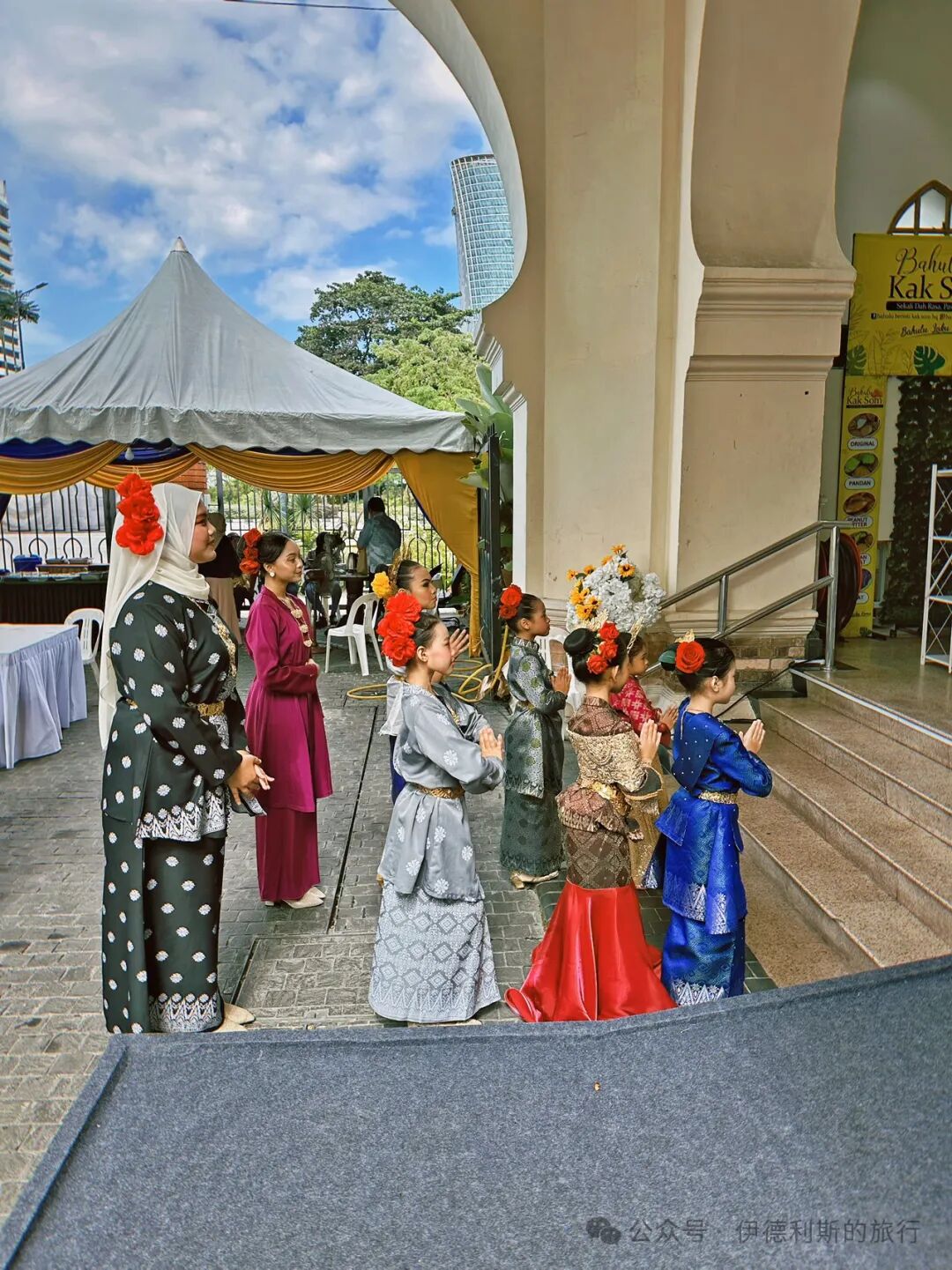
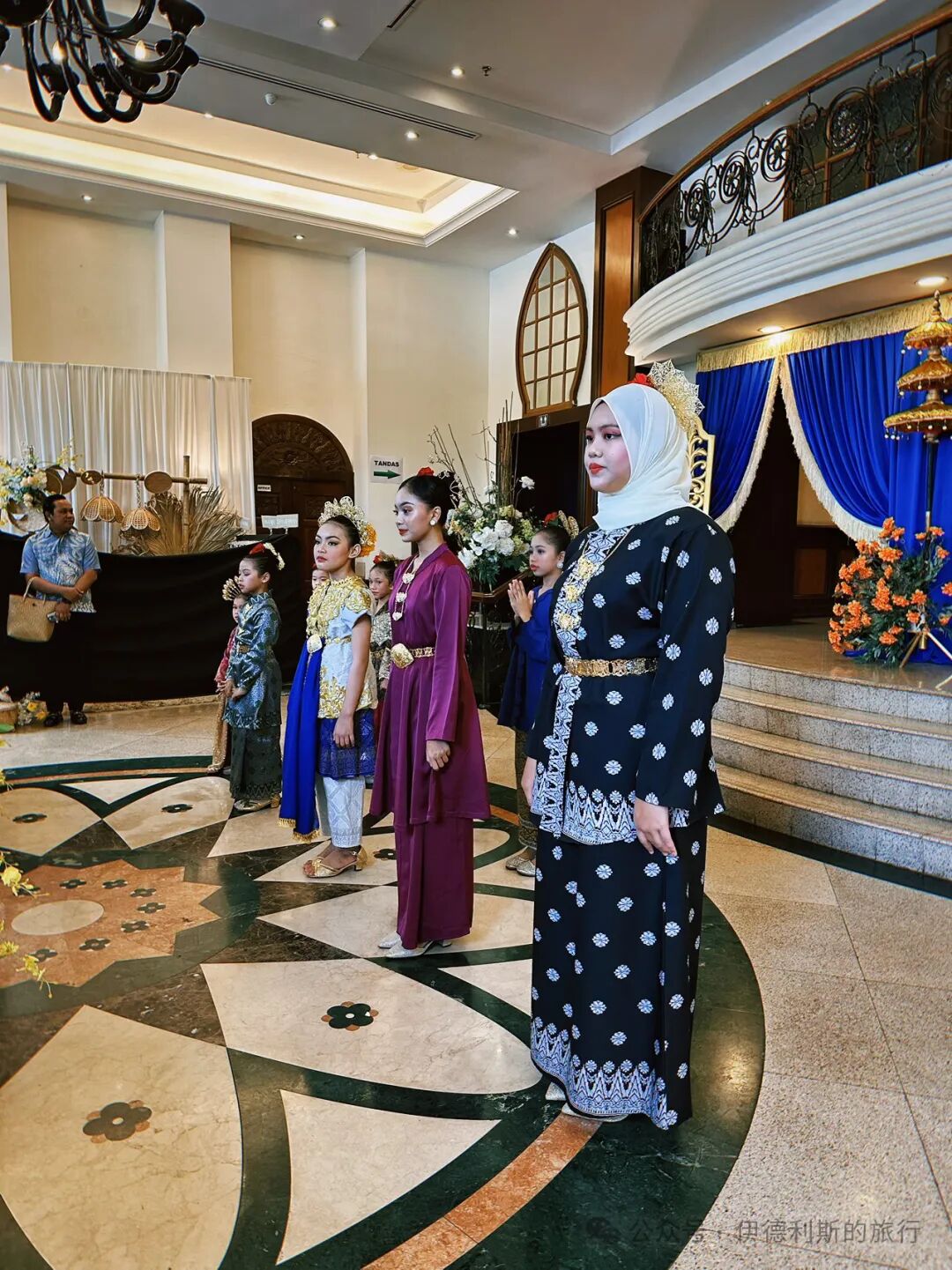
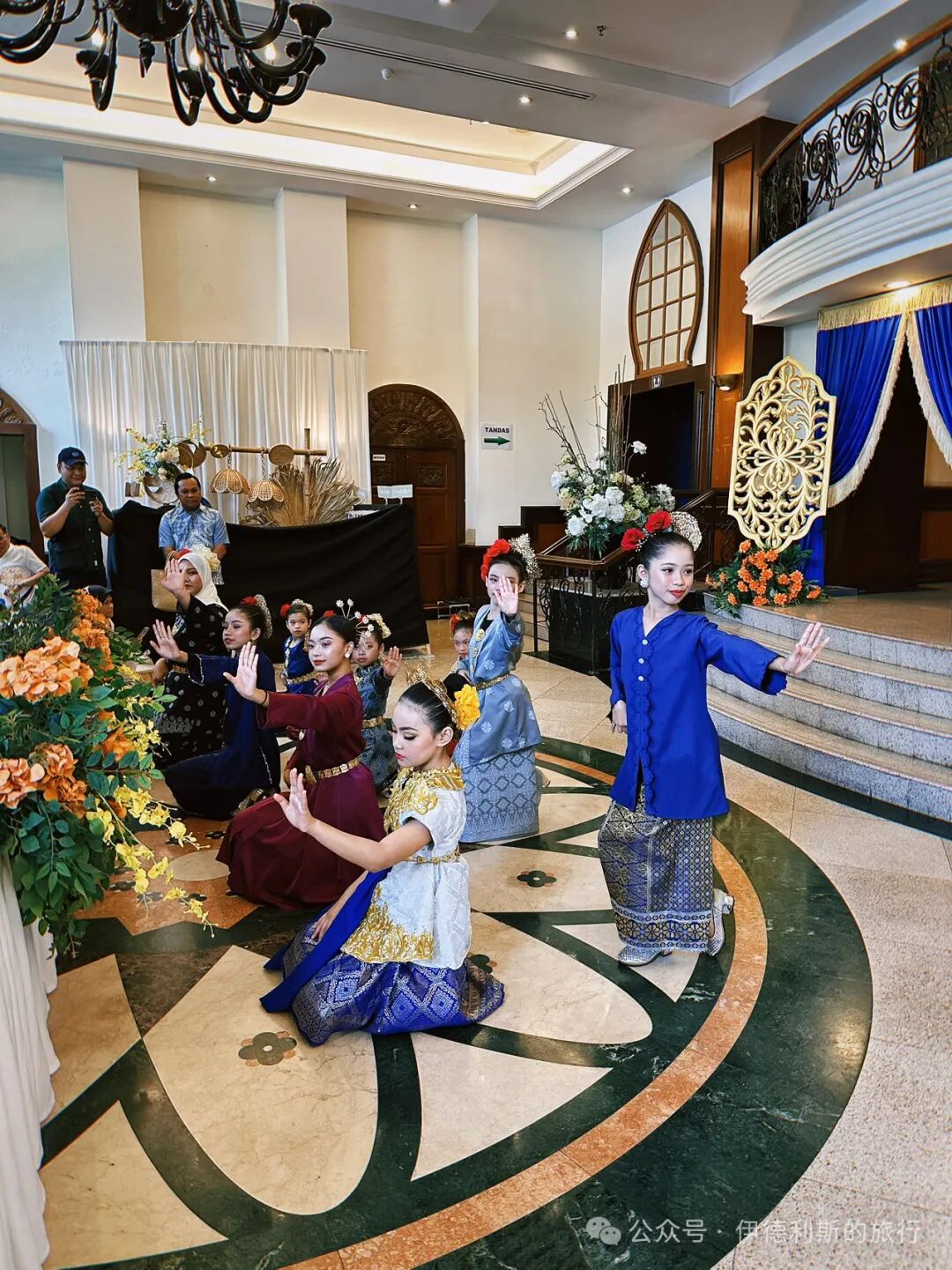
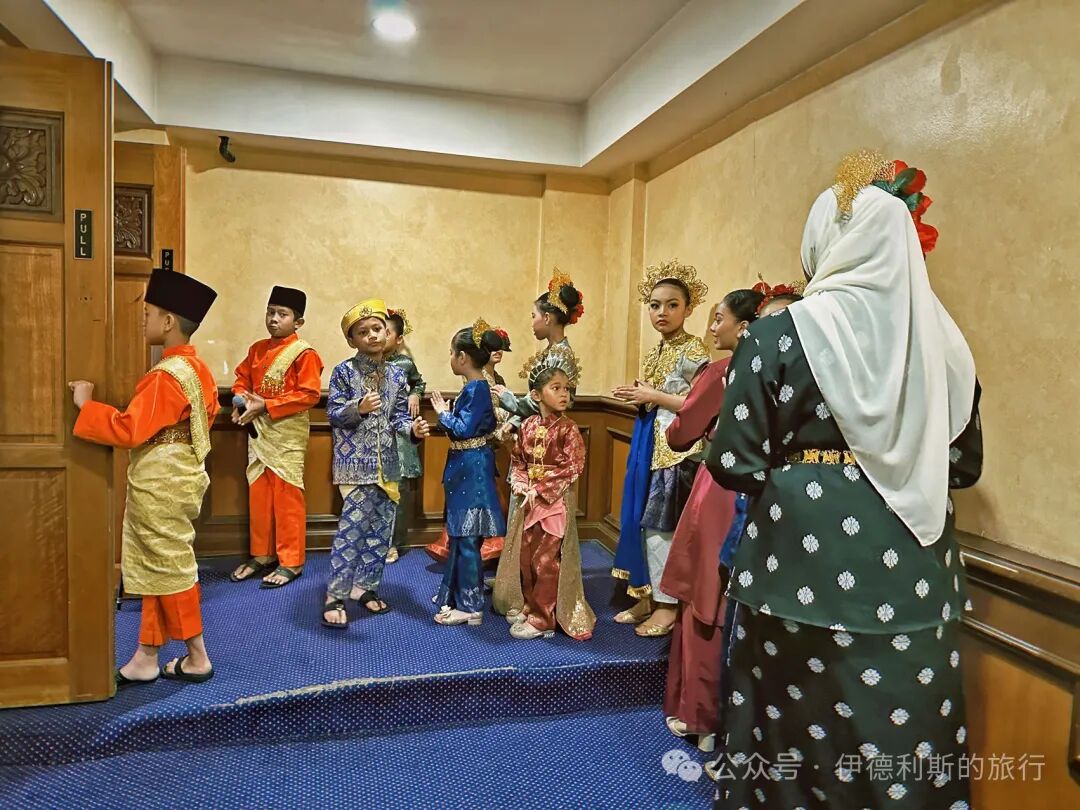
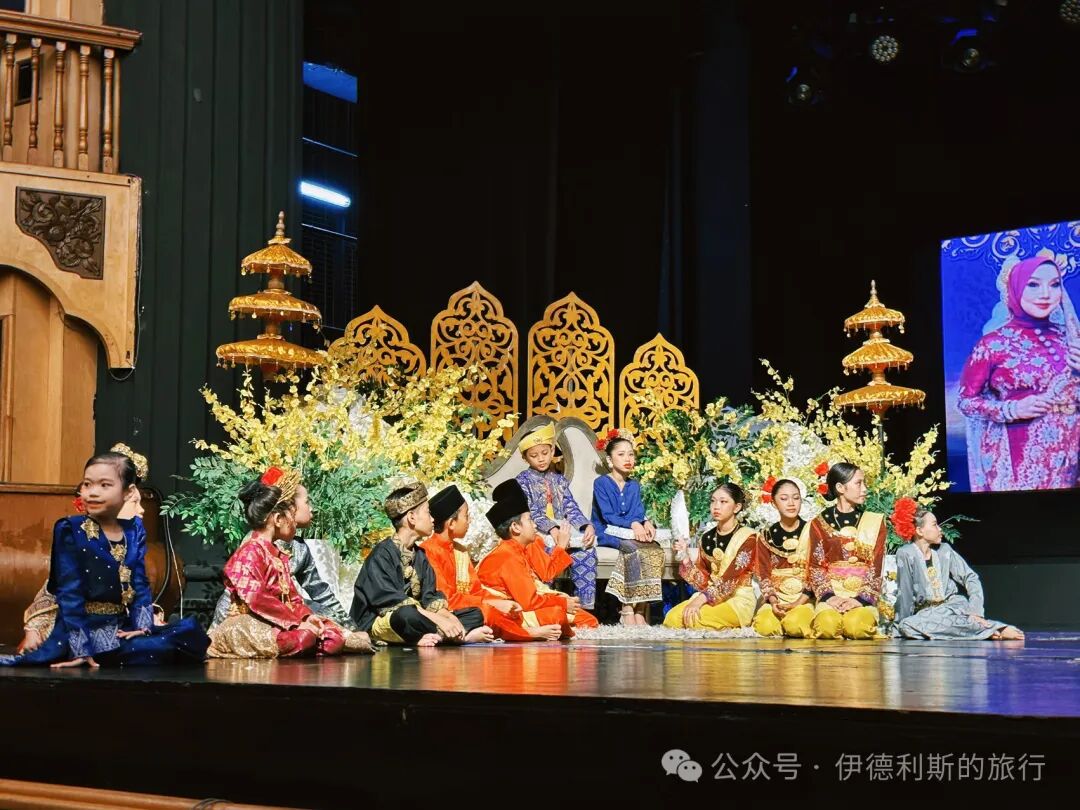
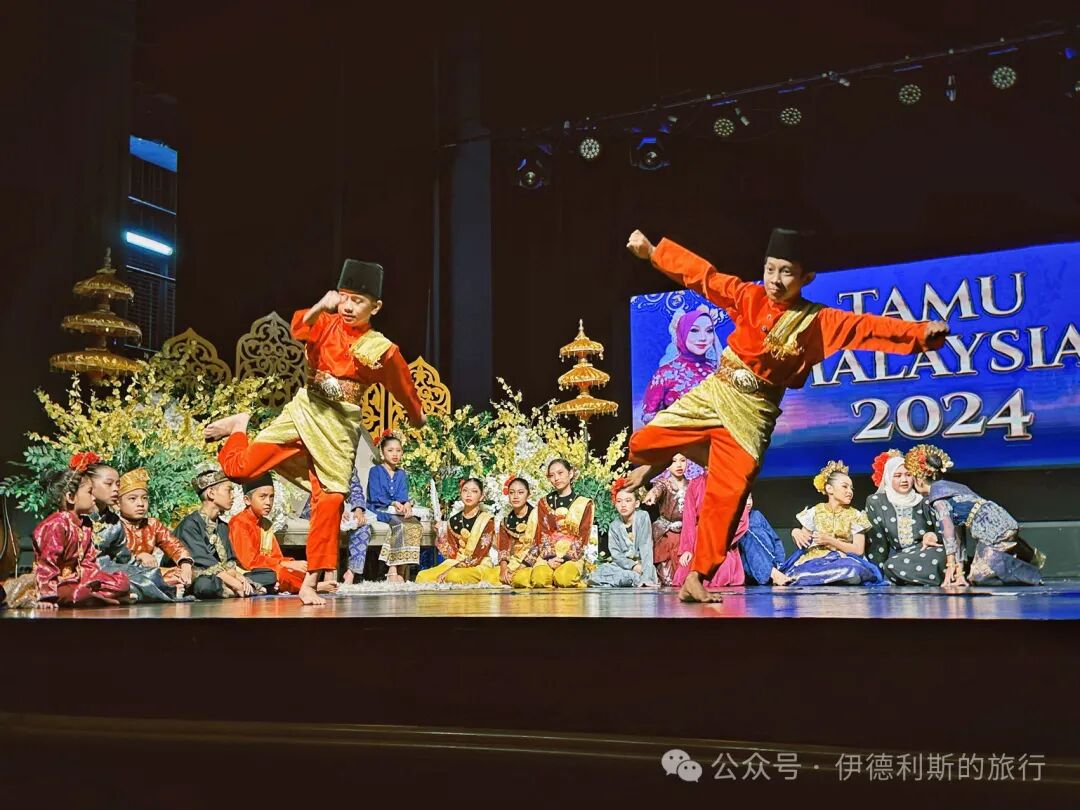
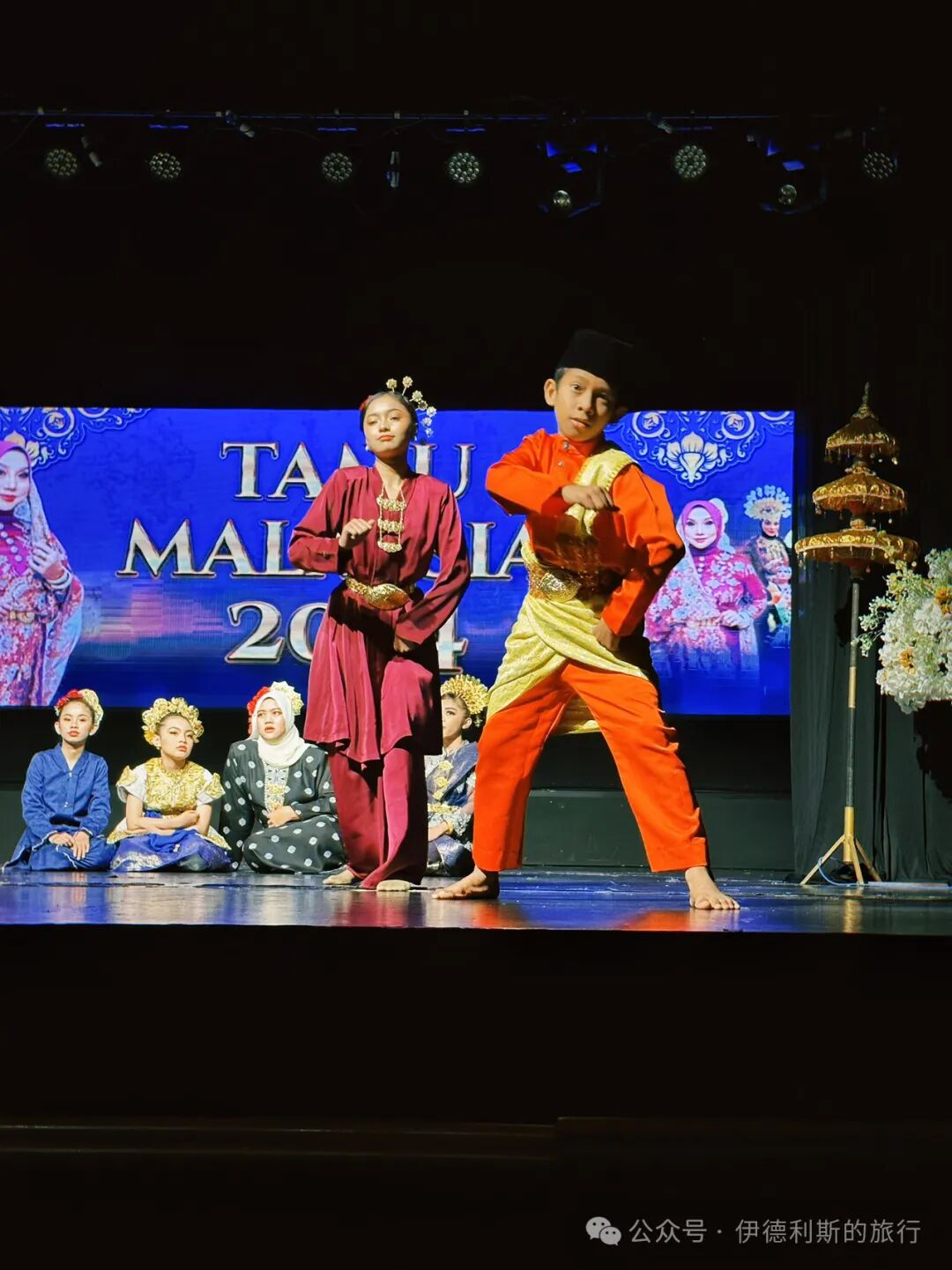
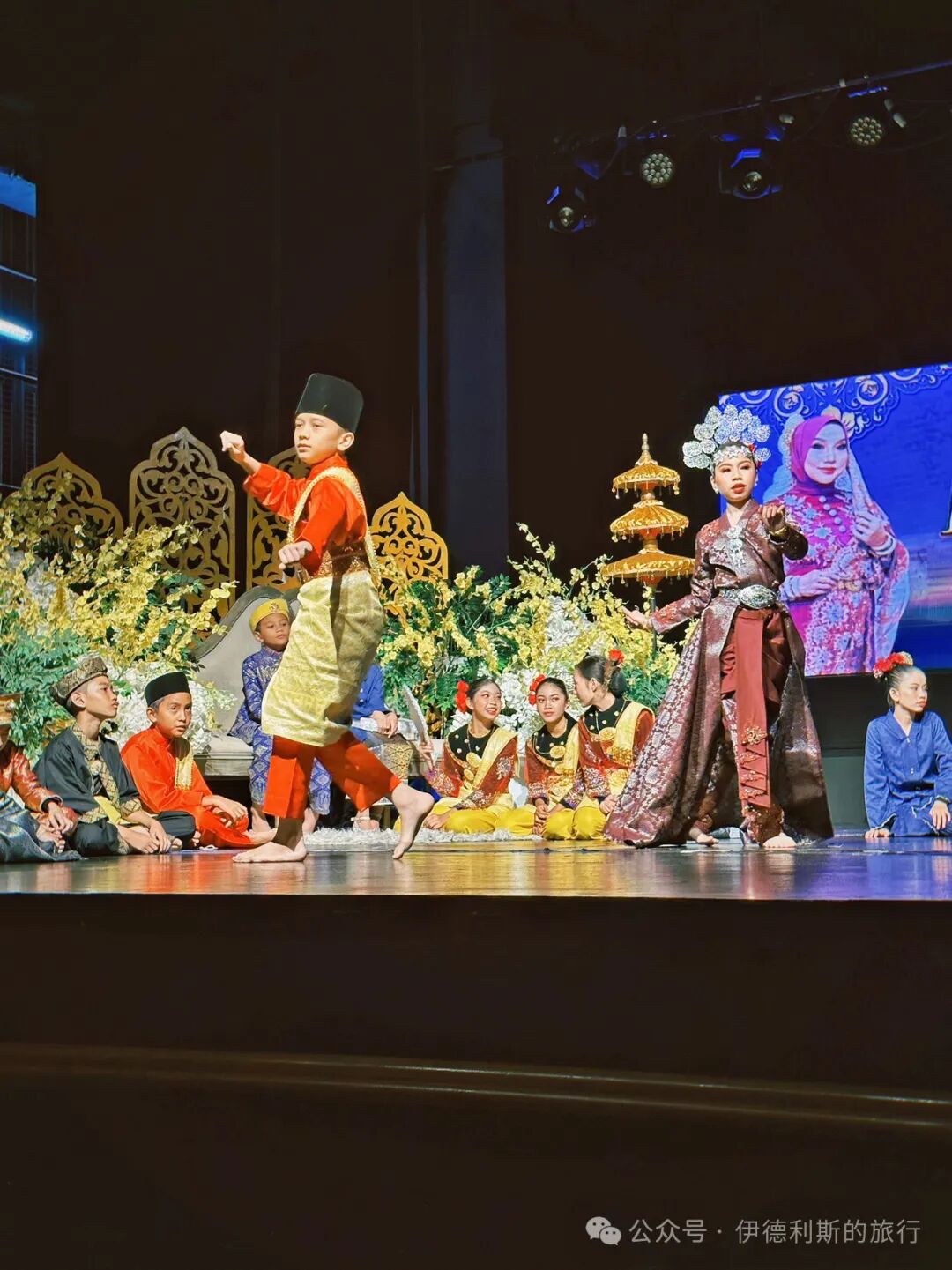
While walking around the old town of Kuala Lumpur, we happened upon a festival at the DBKL City Theatre. Children in traditional Malay formal wear performed welcoming and celebration rituals, and even danced. It was a rare sight!
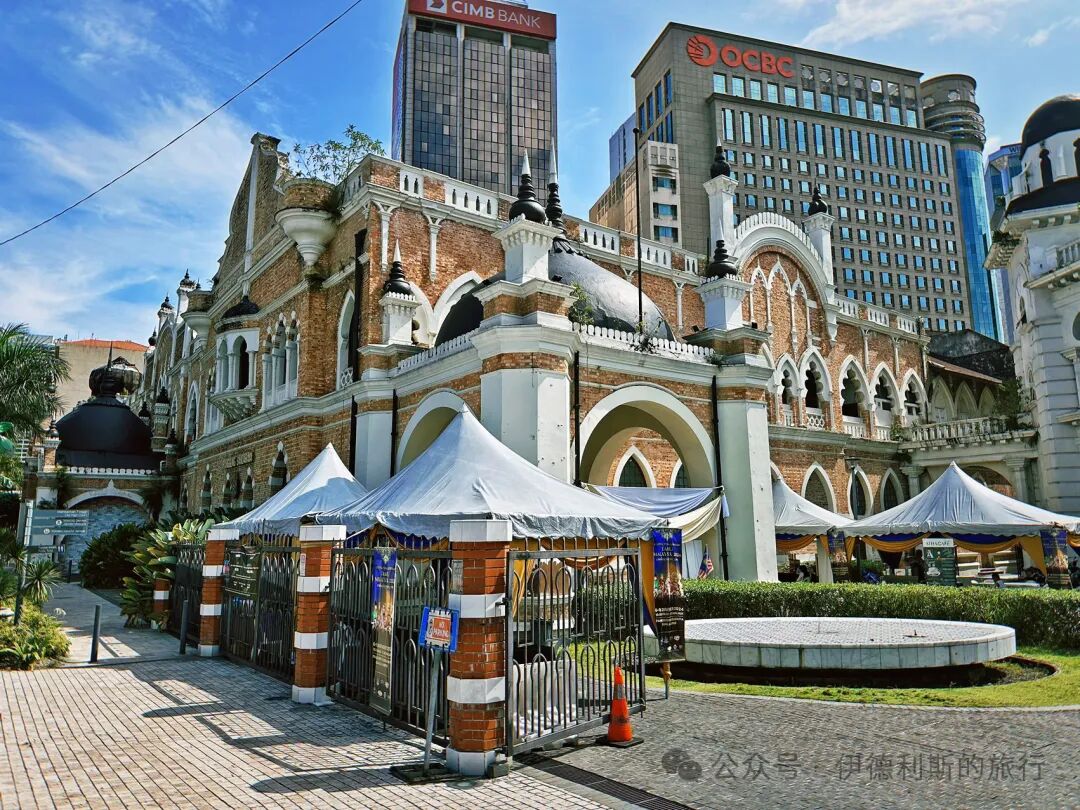
Built between 1896 and 1904, the DBKL City Theatre is one of the Moorish-style buildings in the heart of Kuala Lumpur's old town. It has hosted plays and musicals for 120 years.
Traditional Malay headscarf
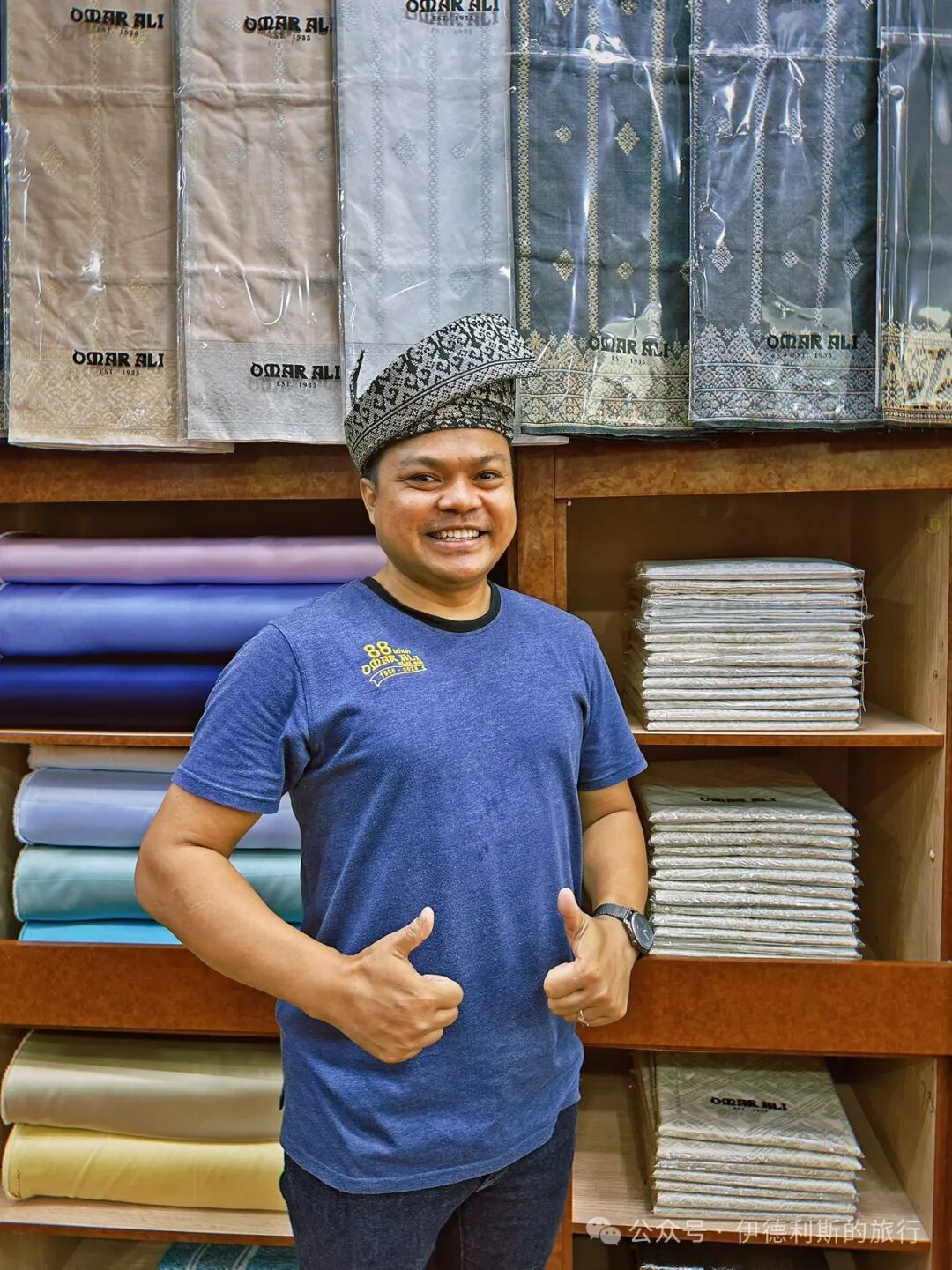
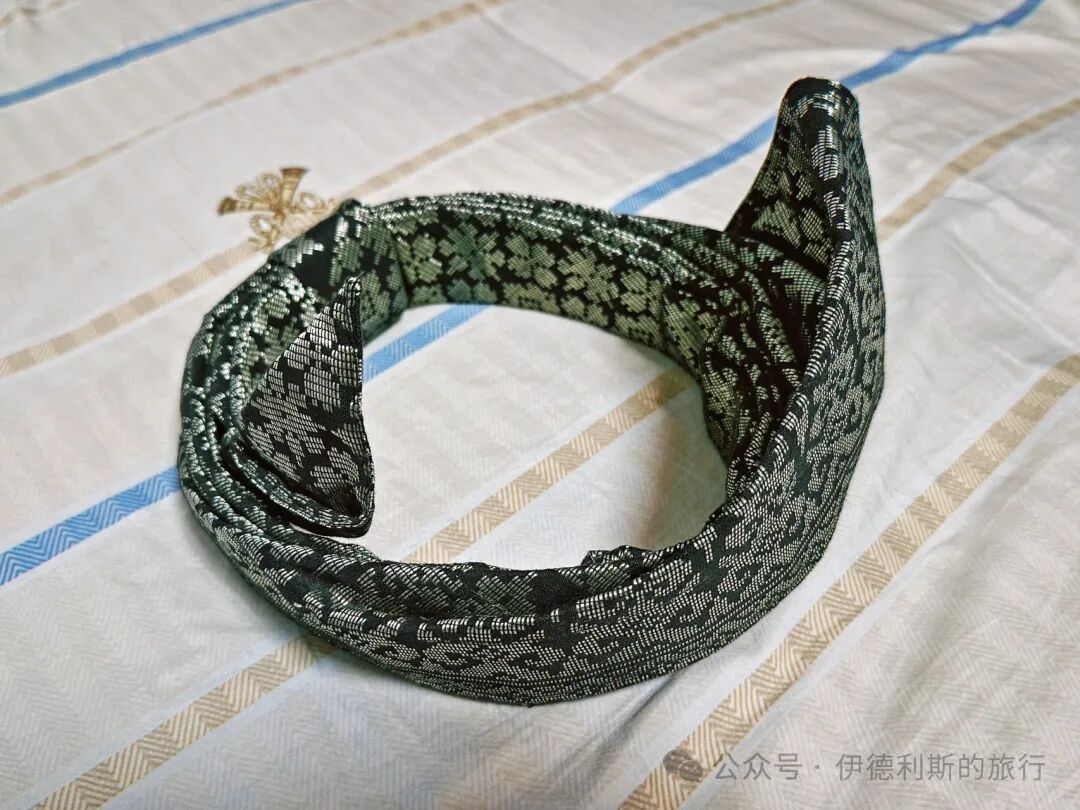
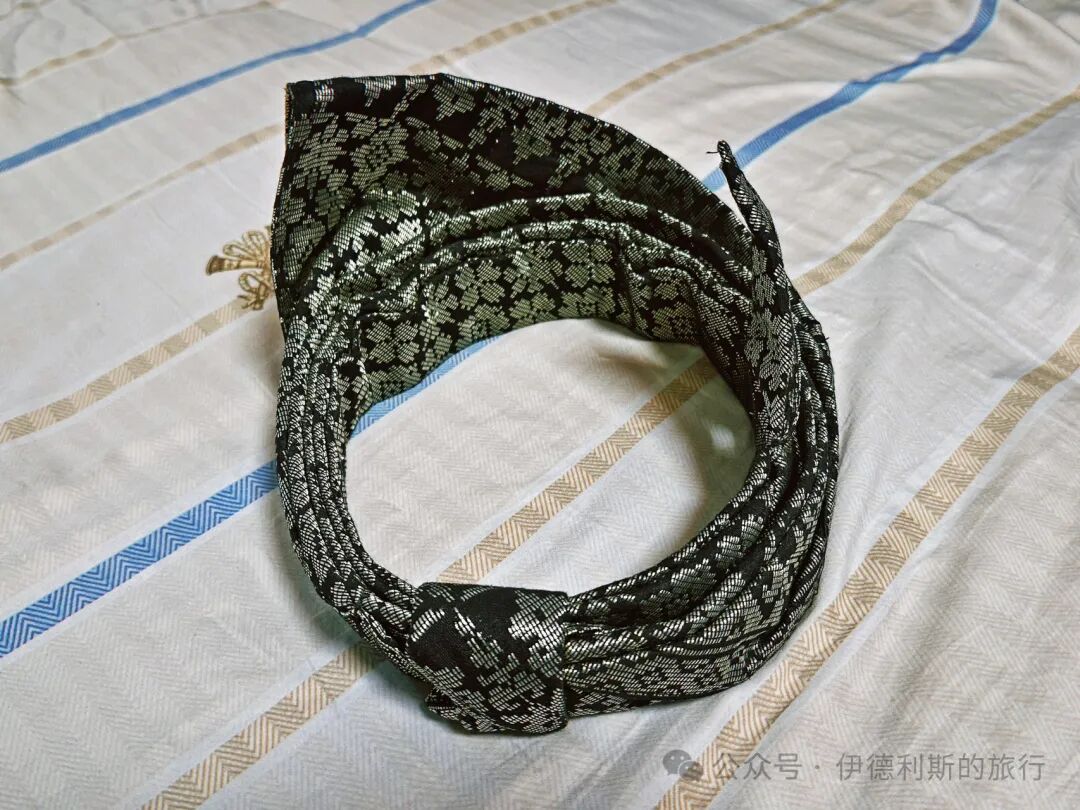
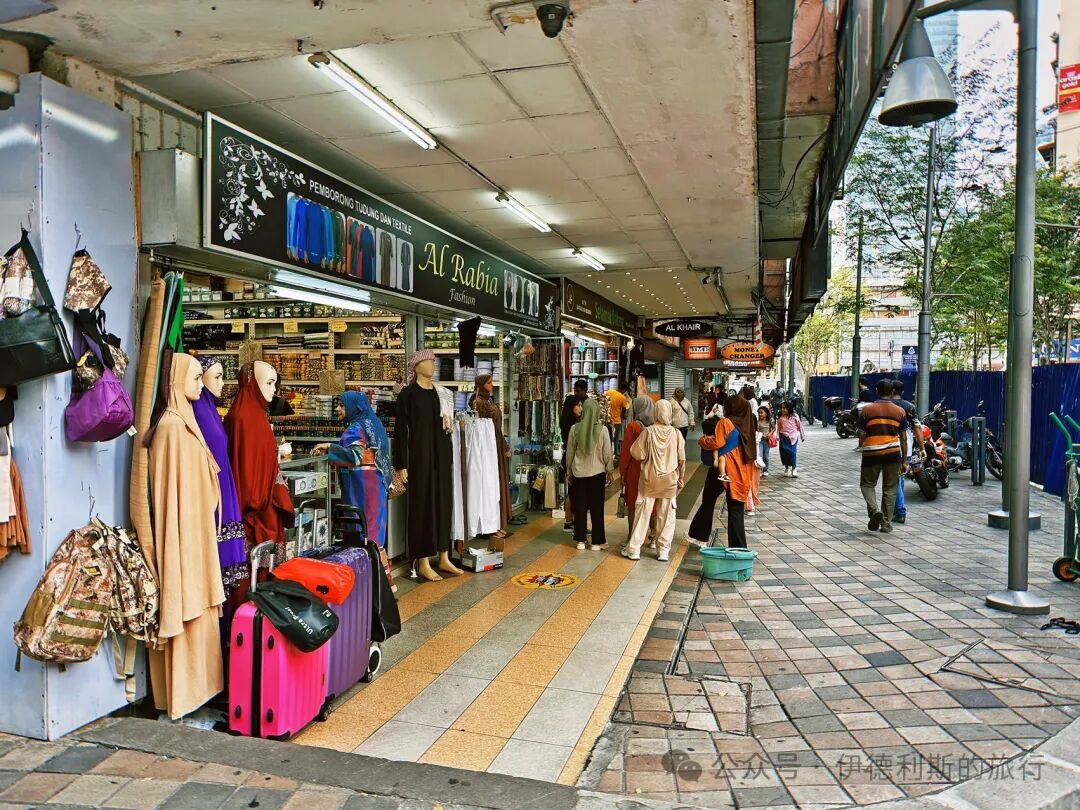
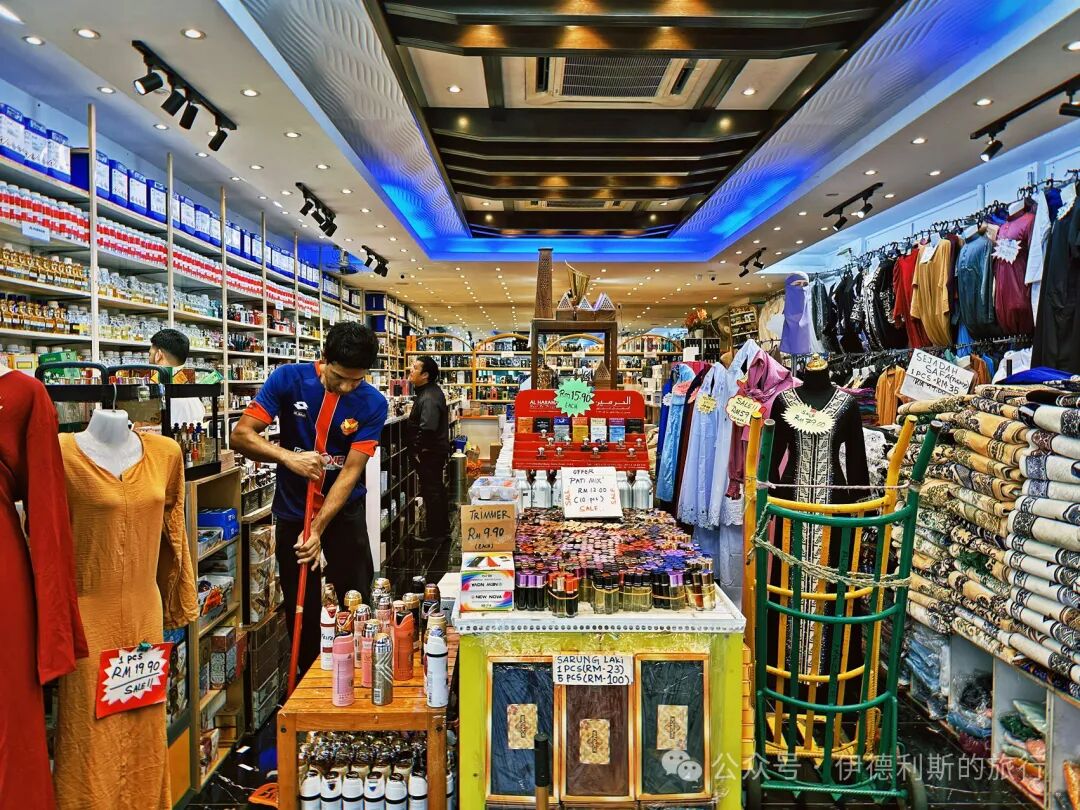
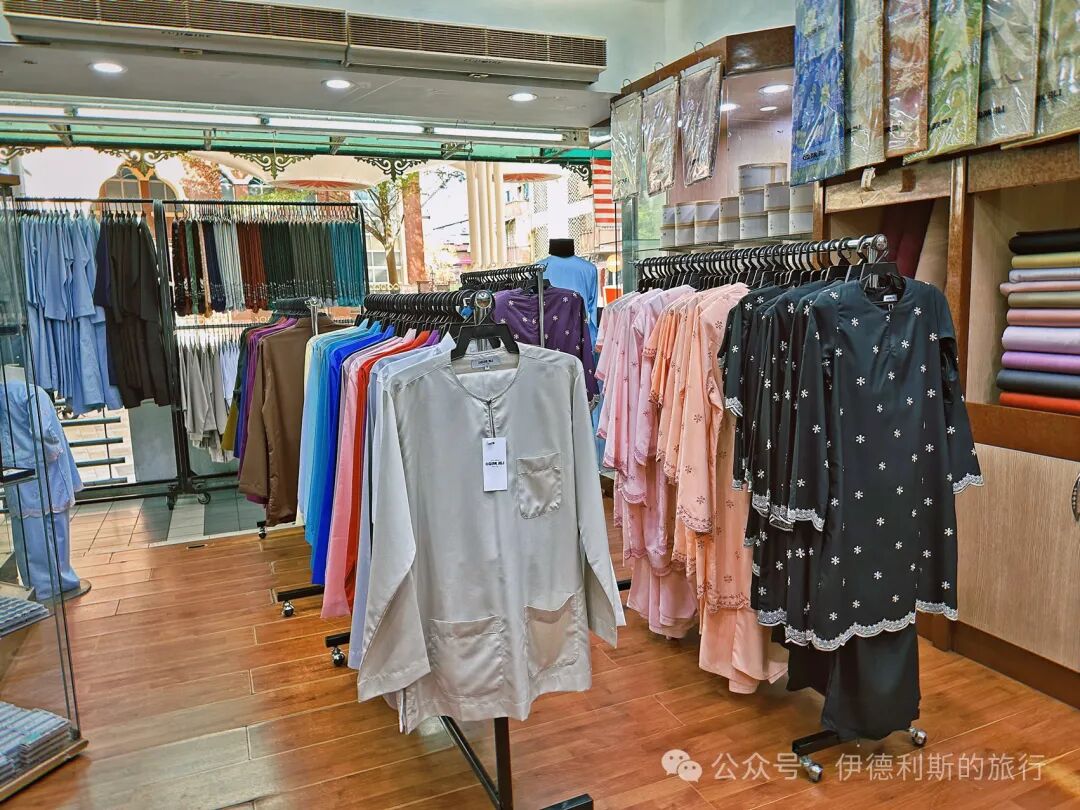
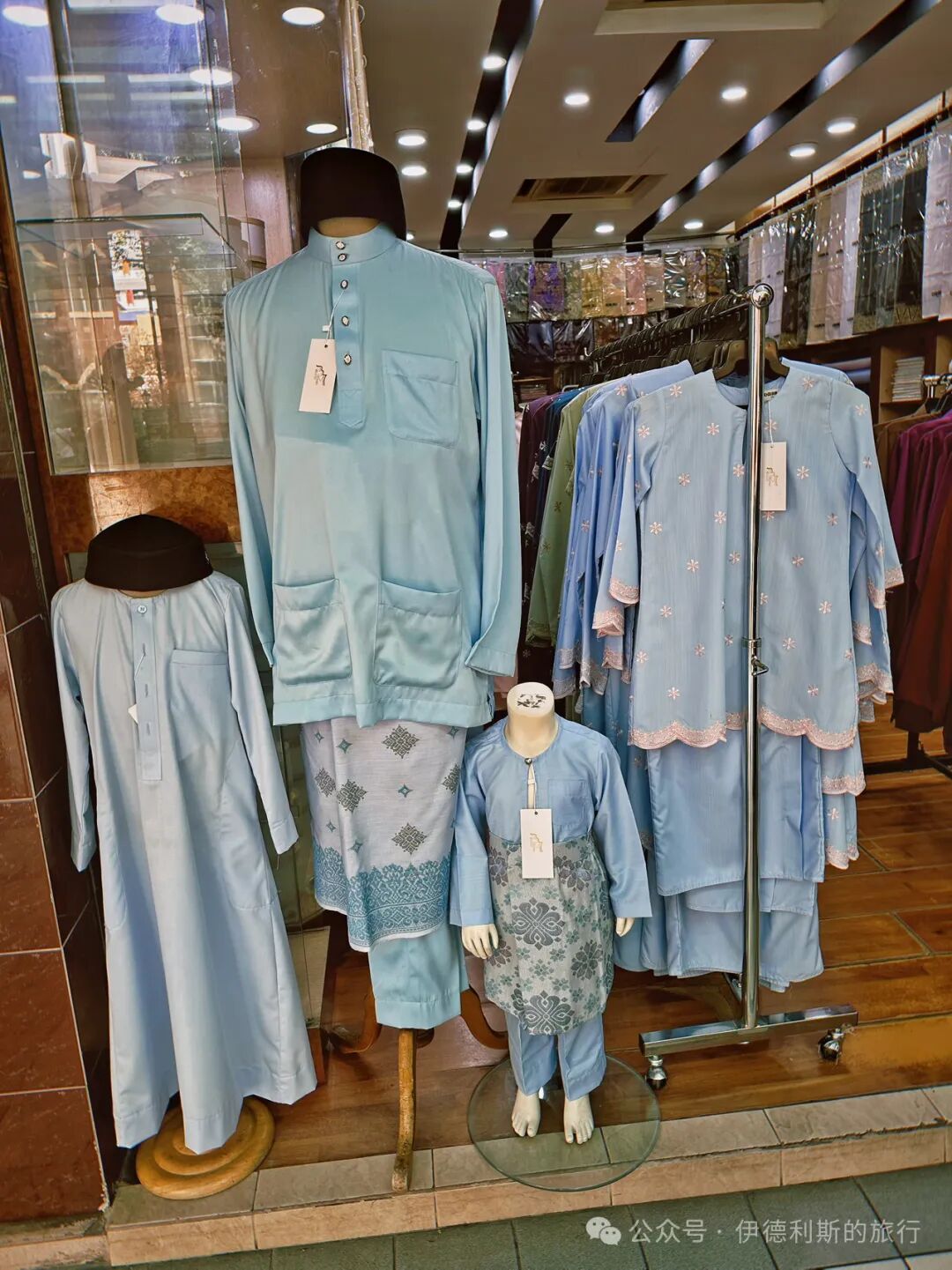
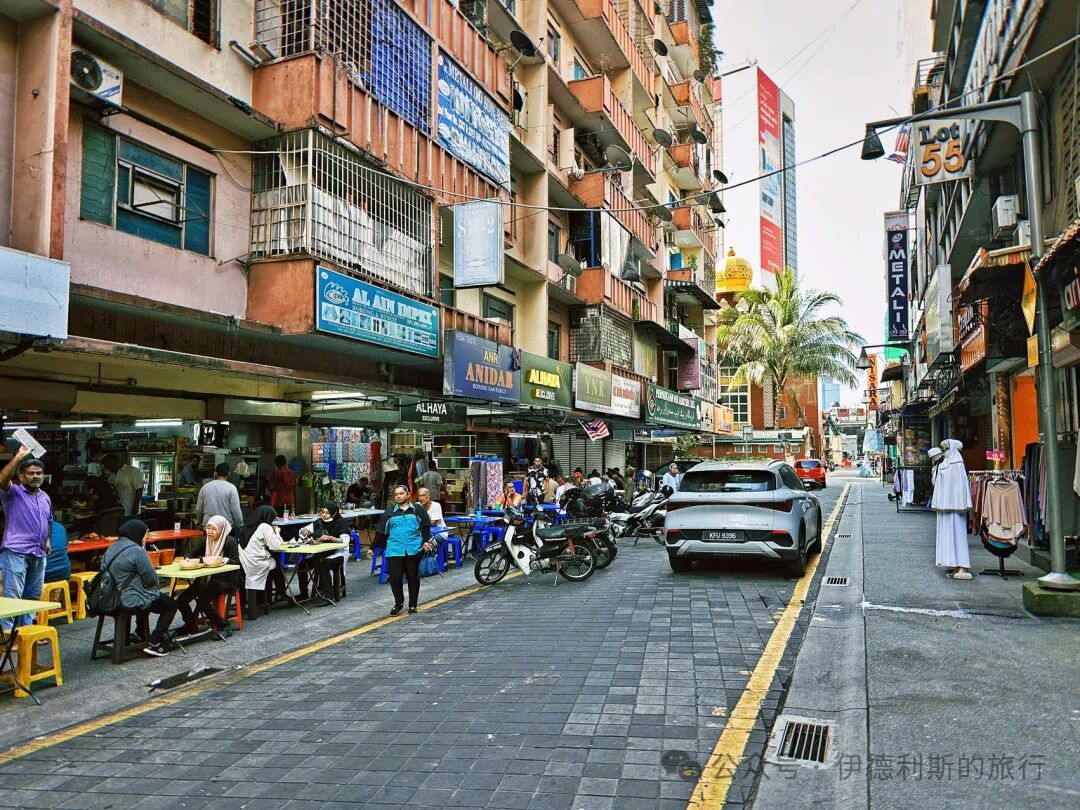
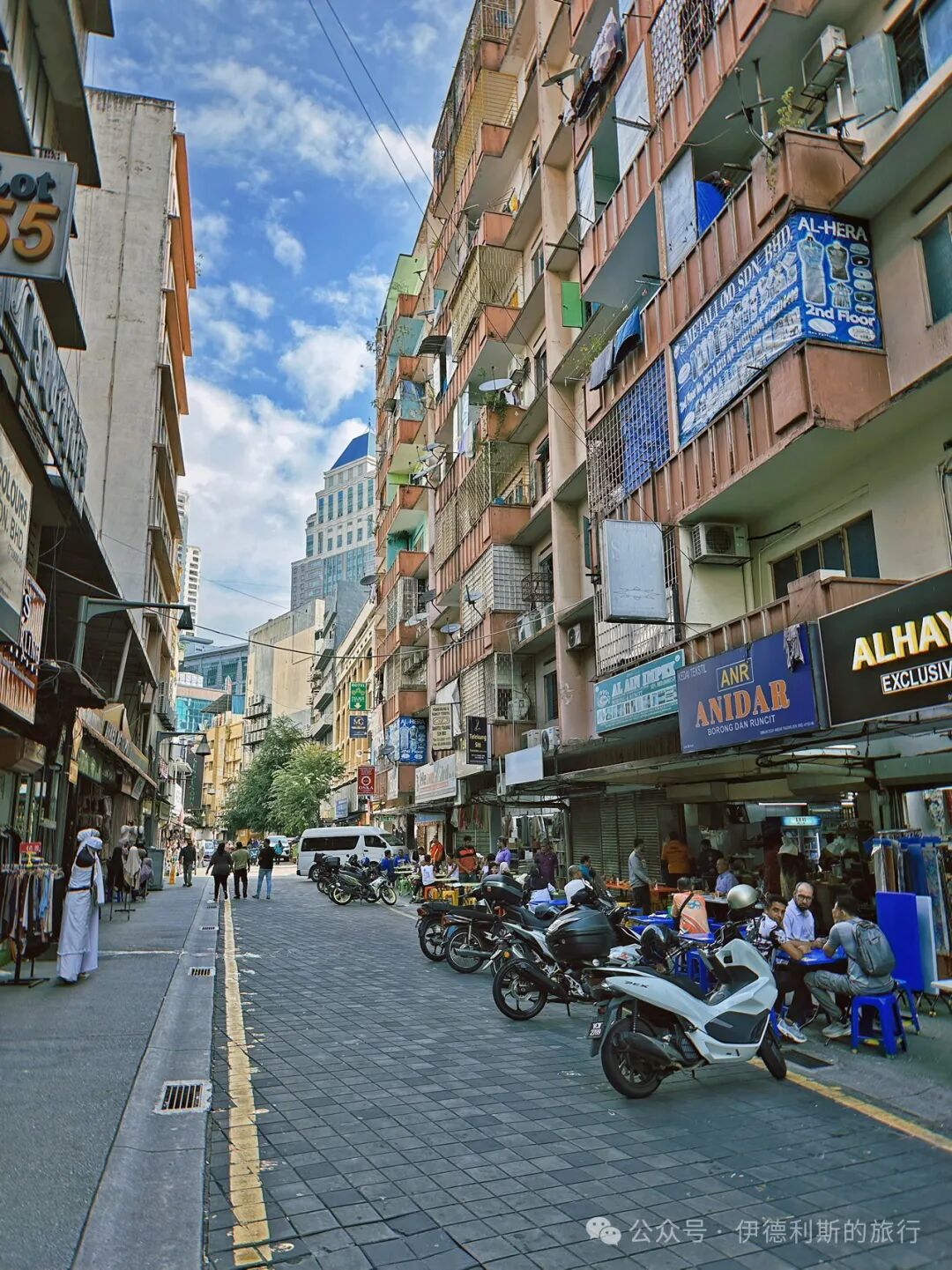
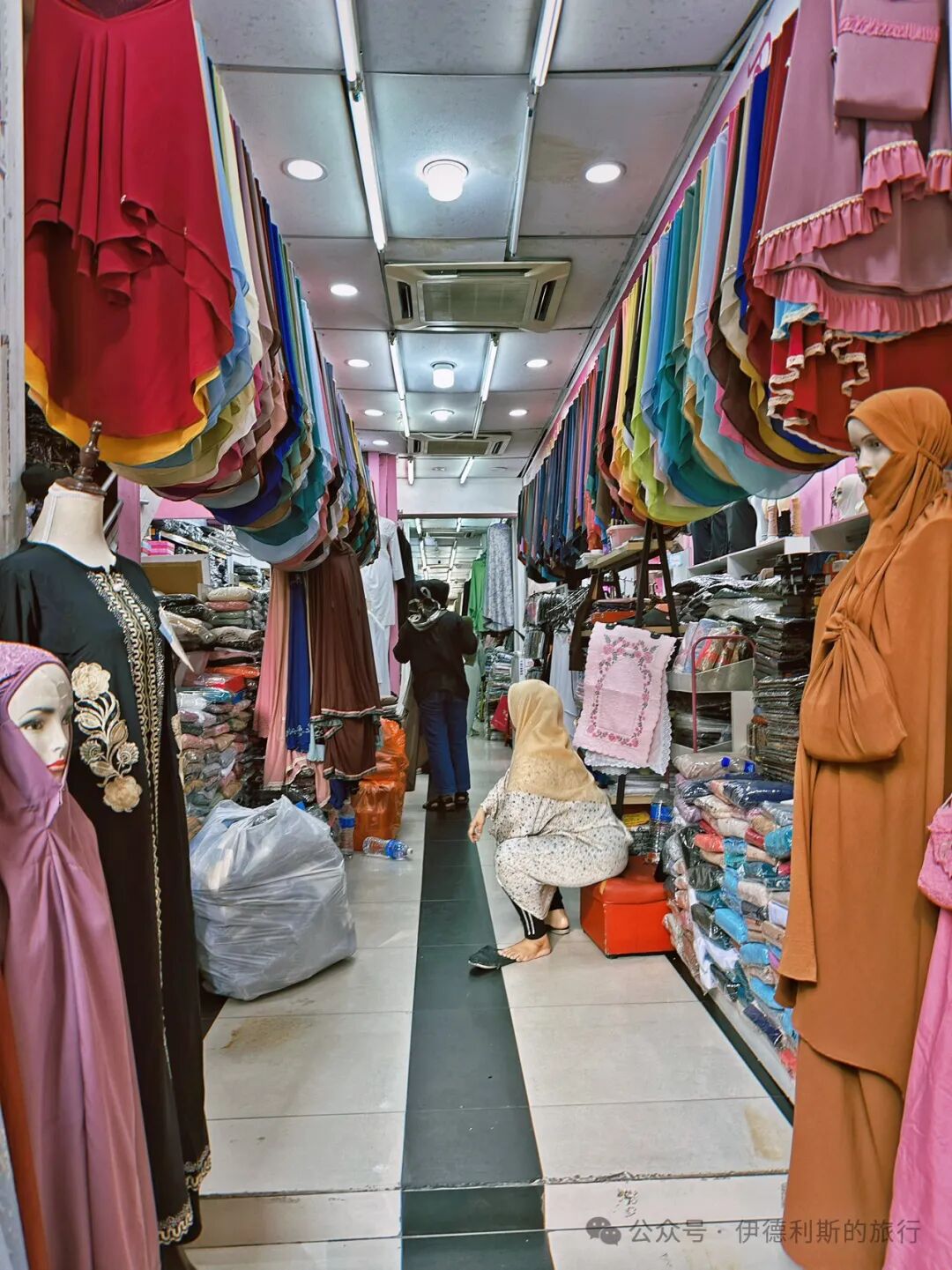
The Jalan Masjid India area in Kuala Lumpur's old town is a famous wholesale market for traditional clothing where you can buy all kinds of traditional Malay outfits. I bought a traditional Malay headpiece called a tengkolok at one of the shops.
A tengkolok headpiece is folded from traditional Malay brocade fabric known as songket and is usually worn for celebrations and weddings. Leaders across Malaysia, Brunei, and Indonesia have their own styles of tengkolok. In Malaysia, the sultans, rajas, and the Yang di-Pertuan Besar of every state except Johor wear a tengkolok for formal ceremonies. Only the Sultan of Johor wears a crown due to British influence.
Traditional Malay food
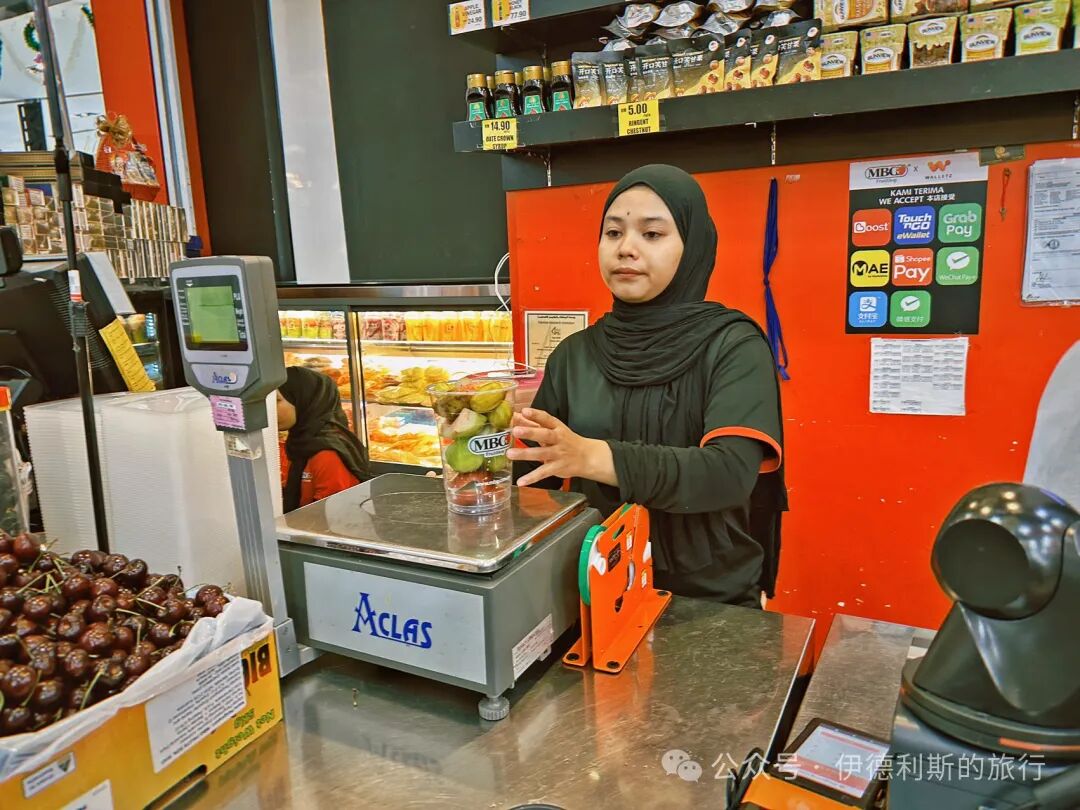
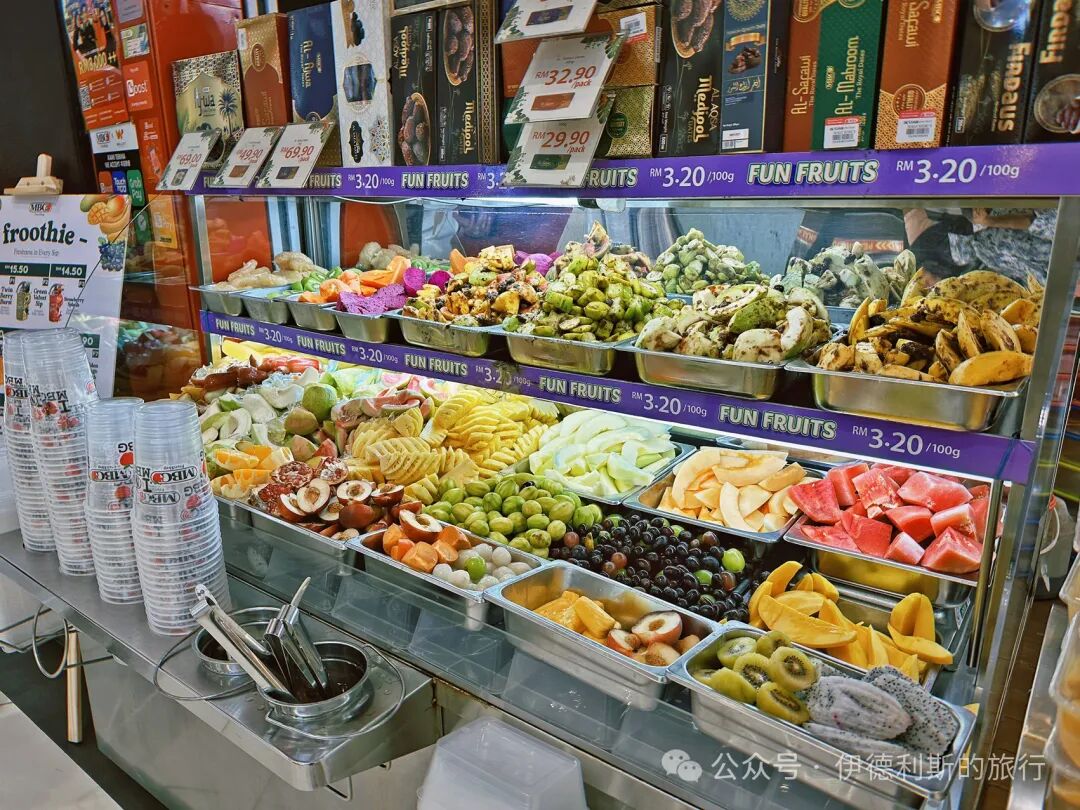
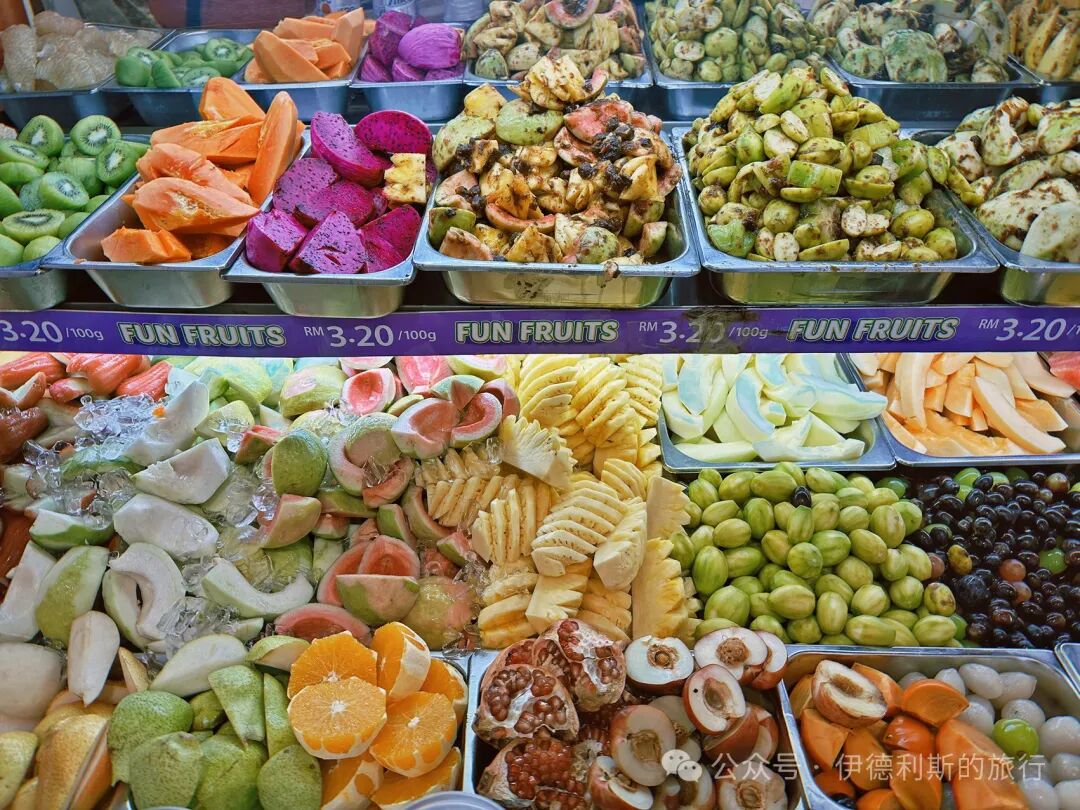
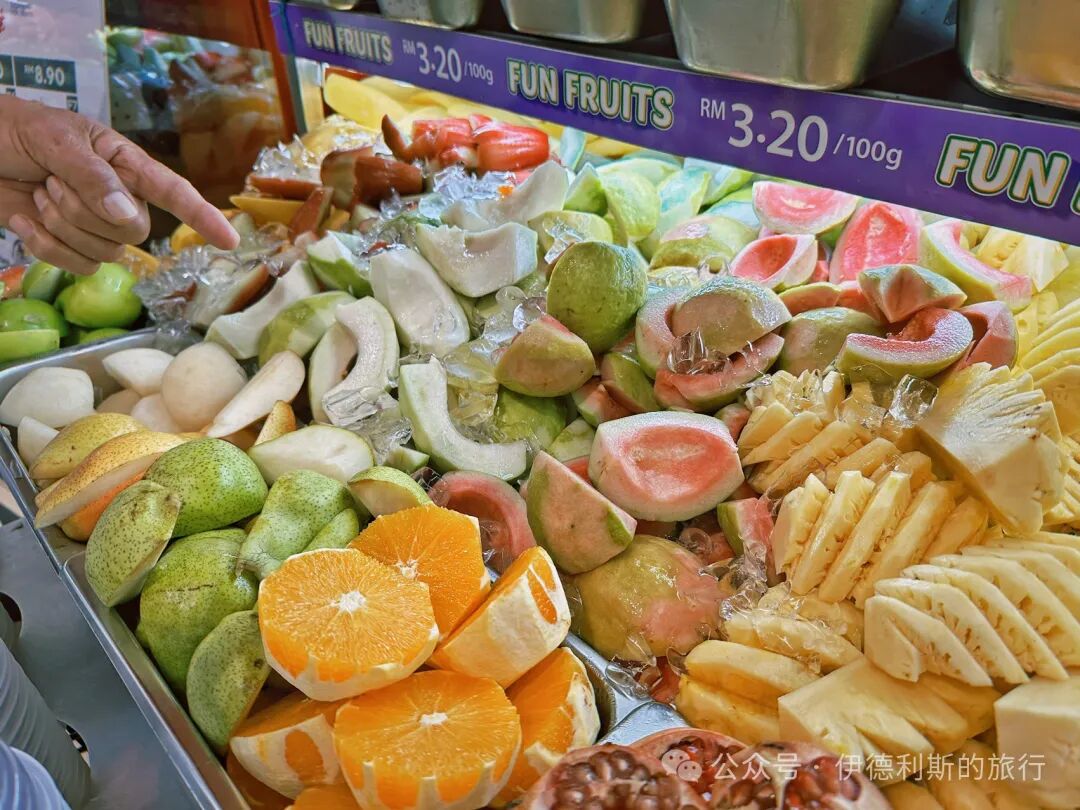
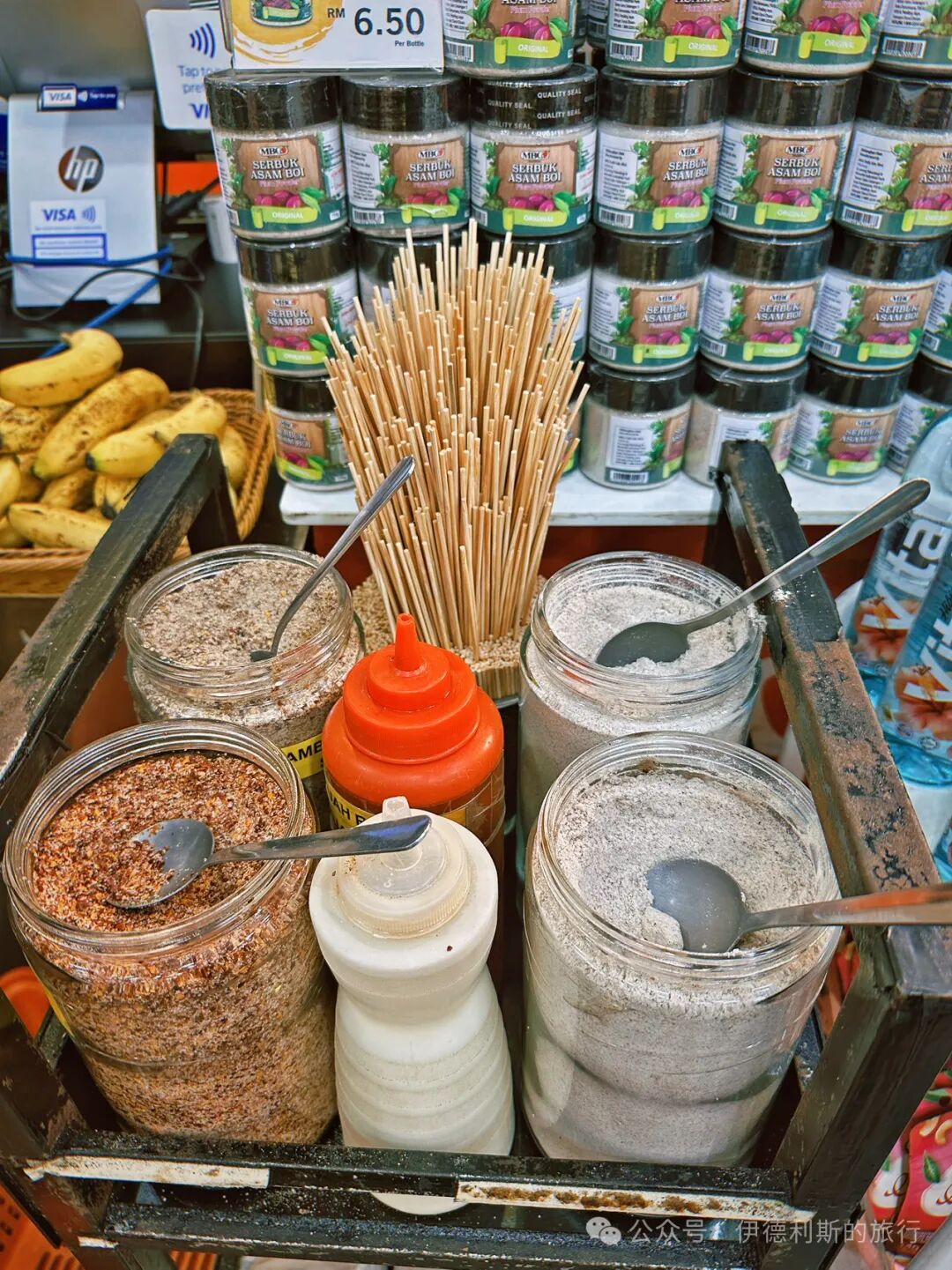
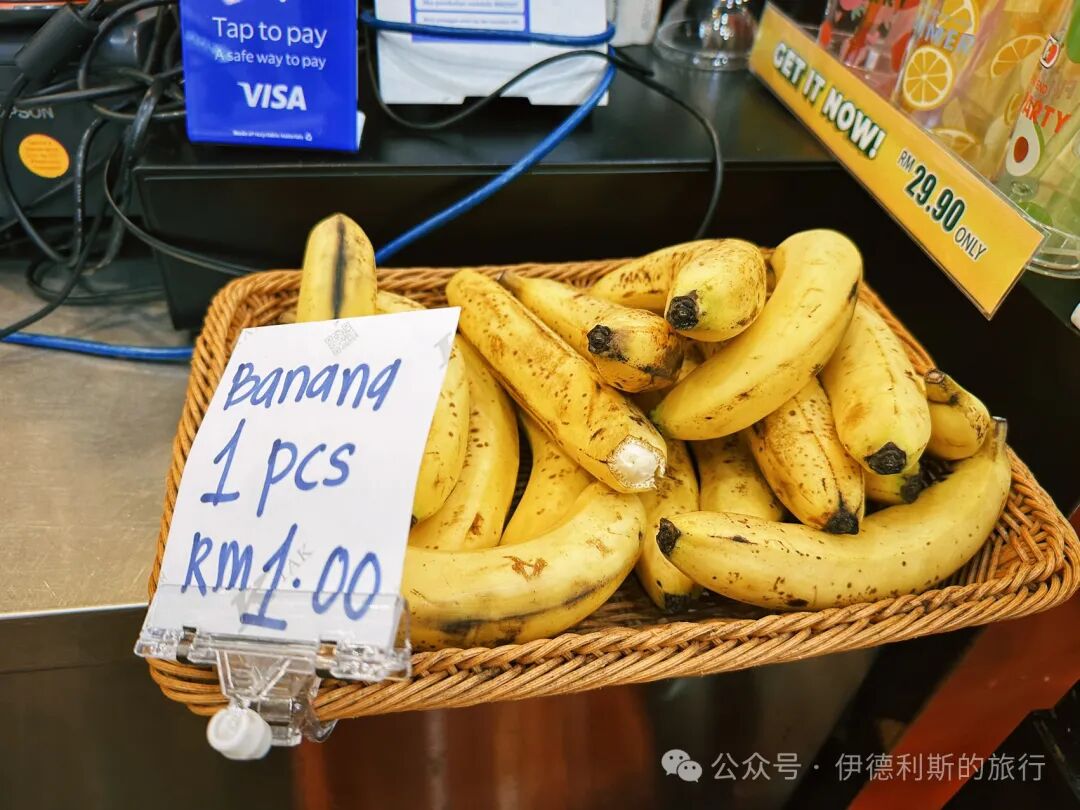
Before leaving, we went back to the Nu Sentral mall next to Kuala Lumpur Sentral station. The fruit salad here is also served with sour plum powder and chili powder. There is a huge variety of tropical fruits, and bananas cost one ringgit each.
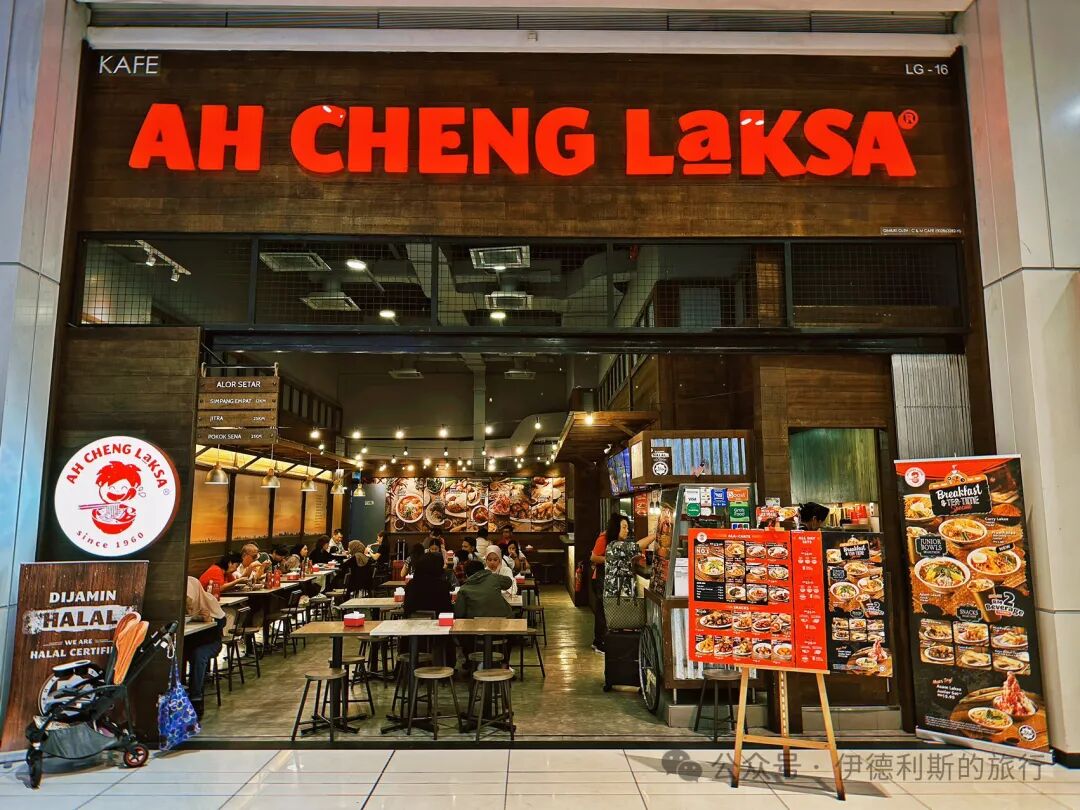
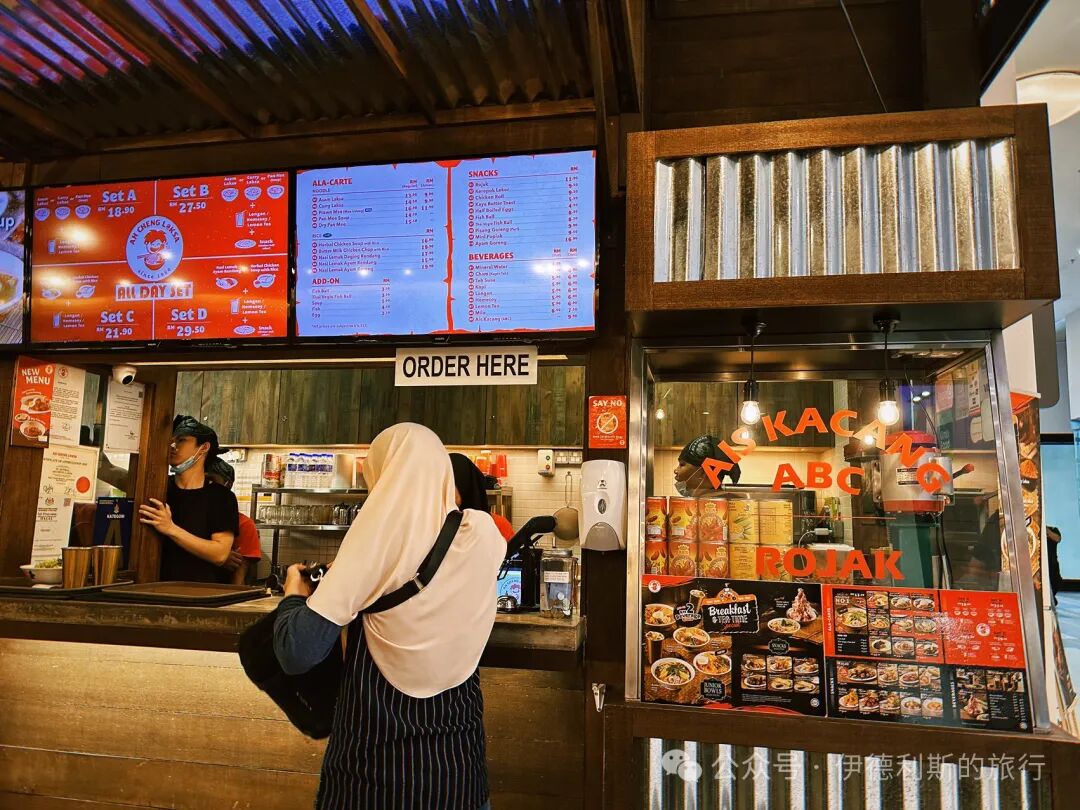
Inside Nu Sentral mall, there is a restaurant called Ah Cheng Laksa that specializes in food from Kedah in northern Malaysia. They started selling sour tamarind noodle soup (asam laksa) in a village in Kedah in 1960. Later, a descendant named Ah Cheng turned it into a chain in Kuala Lumpur. Now, the staff includes both Chinese and Malay employees, and they serve both Malay laksa and Chinese flat noodles (banmian).
Summary: This is the first part of a visit to halal Chinese food around Little India in Kuala Lumpur. The English version preserves the original food names, shop details, routes, observations, and photographs in the same order.
Hainan chicken rice (hainanjifan)
After landing at Kuala Lumpur airport, we took the airport express train to the final stop, KL Sentral. We went upstairs to the Nu Sentral shopping mall, where we almost always eat whenever we visit Kuala Lumpur. The mall has many types of restaurants. There are three halal Nyonya restaurants alone, plus many other halal Chinese options.
This time, we ate at The Chicken Rice Shop, a famous halal Hainan chicken rice chain in Malaysia. The founder, Wong Kah Heng, was once an executive director at KFC Malaysia and had worked in the fast-food industry for 25 years before starting this business. In 2000, 54-year-old Wong Kah Heng and her daughter, Gaik Lean, opened the first The Chicken Rice Shop in Taipan, Selangor, officially launching their halal Hainan chicken rice brand.
Wong Kah Heng's parents were from Penang and her grandmother was from Hainan, so she loved Hainan chicken rice since she was a child. During the 20th century, Hainan chicken rice was mostly sold at food stalls, and almost none of it was halal. When they started the business, the mother and daughter had a clear goal: to bring Hainan chicken rice into clean, comfortable shopping malls suitable for family meals, and to make it halal for everyone to enjoy. Today, The Chicken Rice Shop has 135 locations and is the largest halal Hainan chicken rice chain in Malaysia. Led by their success, more halal Chinese food has appeared in Malaysia, allowing friends (dosti) from all over the world to taste delicious Chinese food here.
We ordered a 3-person set meal, which included Nyonya top hats (pai tee), mango salad, roasted chicken, Hainan chicken curry, okra, wolf herring fish balls (xidao yuwan), and rice. We also ordered a side of roasted tofu, which was perfect for our family. Nyonya top hats (pai tee) are a classic snack for weddings and New Year celebrations among Malaysian Peranakan Chinese. They originated in Singapore, where they are also called little gold cups (xiao jin bei), and are filled with shredded carrots and daikon radish. Wolf herring fish balls (xidao yuwan) are Teochew-style fish balls made from wolf herring, and they are very popular in Malaysia.
National Mosque of Malaysia
After lunch, we went to the National Mosque of Malaysia to perform namaz. The National Mosque was built in 1965 and renovated in 1987. It was the largest mosque in Malaysia until the Blue Mosque in Shah Alam was completed in 1988. There is a stall at the mosque entrance selling Musang King durian ice cream. It is very refreshing to have one after prayer.
Malay wooden house homestay
This time, we stayed in a Malay wooden house just two subway stops away from the Petronas Twin Towers. The wooden house is located in Kampung Datuk Keramat, a famous traditional Malay village in Kuala Lumpur. Like Kampung Baru, it is one of the best places in the city to experience traditional Malay culture.
Kampung Datuk Keramat was originally a tin mining site. After 1920, it became a Malay village made up of descendants of Javanese, Minangkabau, Baweanese, and Bugis people. The area is named after two respected graves once located here: one belonging to the Bugis man Haji Ali, and the other to the Sumatran man Sheikh Taih. Datuk Keramat is a product of the fusion between indigenous Malay beliefs and Sufism. Datuk refers to a respected person in Malay society, while Keramat refers to the miraculous signs of the pious predecessors of the faith. In Malay society, Datuk Keramat figures held special social status during their lifetimes, whether as leaders, warriors, doctors, or devout believers. Their graves are respected, and people light incense, place flowers, and perform dua at the gravesites.
After the 1970s, as the wave of Islamic orthodoxy advanced in Malaysia, Datuk Keramat practices gradually declined among the Malays. Kampung Datuk Keramat officially stopped Datuk Keramat activities in the 1990s, but the village name remains.
The wooden house we stayed in is very close to the Damai LRT station. It is called Classic Malay House KL. The owner is a kind auntie, and the courtyard is full of wooden houses. Once you step inside, you are instantly away from the city noise. The only thing is that because Kuala Lumpur is in the tropics, staying in a wooden house means there will definitely be mosquitoes, so everyone must take anti-mosquito precautions.
Malay village (kampung)
Whatever Works Coffee in the courtyard of the Classic Malay House KL is a gathering place for artistic youth in Kampung Datuk Keramat. Many young people come here at night to drink coffee and watch art film screenings.
Not far from the wooden house is a small mosque (surau), Surau Al-Ikhlasiah Datuk Keramat, which makes it convenient to perform daily prayers.
Malay breakfast
Right at the LRT station entrance next to the wooden house is the Keramat Mall, which has many traditional Malay snacks and is a great place for breakfast. We ate stuffed flatbread (murtabak), coconut milk rice (nasi lemak), meatball soup (bakso), and soft-boiled eggs. I must say, the environment in this urban village is quite good and very convenient.
Kuala Lumpur Little India
Brickfields is located right next to the south side of KL Sentral station. It is an Indian residential area in Kuala Lumpur known as Little India.
In 1878, a railway was built from the city center to the port, and in 1891, a Selangor state factory was established south of the railway at the current site of the central station, which brought in a large number of laborers from South India and Sri Lanka. In 1905, a 'hundred-man dormitory' was built in Brickfields to provide housing for the laborers. From then on, Brickfields gradually developed into the most important Indian community in Kuala Lumpur.
Brickfields is also called a 'sacred place.' It brings together Buddhist, Hindu, Christian, and Eastern Orthodox communities from South India and Sri Lanka, and it also has a Hanafi mosque (surau), which is rare in Kuala Lumpur.
The Madrasathul Gouthiyyah Surau in Brickfields is a small mosque built by South Indian Tamils. Like Hui Muslims in China, the Tamils follow the Hanafi school of thought. Therefore, the order, movements, and timing of their prayers are the same as those of Hui Muslims, which differs from the Malays who follow the Shafi'i school. The prayer time here is one hour different from the surrounding Shafi'i mosques. I encountered this same situation before at a Hanafi mosque in Singapore's Little India.
During Friday prayers (Jumu'ah), the sermon (wa'z) is delivered in Tamil. Hanafi Tamil Muslims from downtown Kuala Lumpur all come here, and it is very crowded even during the five daily prayers.
Tamil Hanafi Muslims are mainly divided into two groups, the majority of whom belong to the Rowther people, who have a history spanning over a thousand years. The Rowther people were originally cavalrymen during the Chola dynasty in South India. In the 10th and 11th centuries, they converted to Islam after being influenced by the saint Nathar Shah, who came from Anatolia to preach to the Tamil community. Rowther means rider in the Telugu language. Another group is the Labbay people, descendants of Arab merchants who married Tamil women. They are known for being skilled in business and very knowledgeable. Besides merchants, many Labbay people are imams, which gives them high social status.
A Chinese restaurant in Little India.
Brickfields is famous for South Indian Tamil food, but it hides a halal Chinese restaurant that people of all backgrounds love: Yaa's Restaurant (Ya'e Fandian). The owner of Yaa's Restaurant is a Nanyang Chinese, and the staff are Malay. They serve authentic Nanyang halal Chinese food that Indians, Chinese, and Malays all enjoy.
We ordered tamarind prawns (asam xia), Teochew-style steamed fish (chaozhou zheng yu), Shenjiang tofu (shenjiang doufu), and stir-fried mustard greens with salted fish (xianyu jielan). Except for the seafood, you can choose small or large portions for the stir-fried dishes, and the prices are very affordable. The grandfather who takes orders can speak and write Chinese, giving the place a classic old-school Nanyang Chinese feel.
Teochew-style steamed fish is a Nanyang Chinese dish I personally love. To make it, you layer tomatoes, pickled mustard greens (suan baicai), and tofu over the fish, then drizzle it with fish sauce after steaming.
Tamarind prawns are a Nyonya dish. Asam means sour in Malay. It uses tamarind mixed with sugar to create a rich, sweet-and-sour caramel-colored sauce that goes perfectly with rice.
Shenjiang tofu, also called Sing Kong tofu, is fried tofu cooked in egg sauce with mushrooms, cabbage, carrots, and other ingredients. It is very nutritious.
Jamek Mosque in Kuala Lumpur.
Jamek Mosque sits at the meeting point of the Klang River and the Gombak River. Sultan Sulaiman of Selangor laid the foundation in 1908, and it was finished in 1909. British architect Arthur Benison Hubback designed the mosque. He also designed other Malaysian landmarks like the Kuala Lumpur Railway Station, the Ubudiah Mosque in Perak, and the Sultan Abdul Samad Building.
In the 19th century, Malays, Javanese, Minangkabau, and other groups lived where the Klang and Gombak rivers meet. This area became known for places like Java Street (now Jalan Tun Perak) and Malay Street. In the 1870s, the Rawa tribe of the Minangkabau people from western Sumatra received permission from the Sultan of Selangor to build the Java Street Mosque on the east side of the Klang River. The original Java Street Mosque had a pyramid-shaped roof and wooden pillars, following traditional Sumatran style.
In 1903, the Java Street Mosque was torn down for road widening, so the mosque committee petitioned to build a new one. In 1905, Sultan Sulaiman of Selangor and the British Resident agreed to build the new mosque on the site of an old Malay cemetery at the river junction. The new mosque used the popular Mughal Revival style. The British built many public buildings in this style across British India and British Malaya in the late 19th century.
Jamek Mosque displays old photos and a stone tablet from when Sultan Sulaiman of Selangor laid the foundation in 1908.
Cartoon panels at the entrance of Jamek Mosque vividly show the history of its construction. This includes the Java Street Mosque built by the Minangkabau in the 1870s and the current Jamek Mosque, which Sultan Sulaiman of Selangor approved to be built on the old Malay cemetery after road expansion in 1903.
The souvenir shop at the entrance of Jamek Mosque is worth a visit. We bought beautiful headscarves there and tried some free traditional Malay snacks. We bought a jar and it was delicious.
Traditional Malay dance
While walking around the old town of Kuala Lumpur, we happened upon a festival at the DBKL City Theatre. Children in traditional Malay formal wear performed welcoming and celebration rituals, and even danced. It was a rare sight!
Built between 1896 and 1904, the DBKL City Theatre is one of the Moorish-style buildings in the heart of Kuala Lumpur's old town. It has hosted plays and musicals for 120 years.
Traditional Malay headscarf
The Jalan Masjid India area in Kuala Lumpur's old town is a famous wholesale market for traditional clothing where you can buy all kinds of traditional Malay outfits. I bought a traditional Malay headpiece called a tengkolok at one of the shops.
A tengkolok headpiece is folded from traditional Malay brocade fabric known as songket and is usually worn for celebrations and weddings. Leaders across Malaysia, Brunei, and Indonesia have their own styles of tengkolok. In Malaysia, the sultans, rajas, and the Yang di-Pertuan Besar of every state except Johor wear a tengkolok for formal ceremonies. Only the Sultan of Johor wears a crown due to British influence.
Traditional Malay food
Before leaving, we went back to the Nu Sentral mall next to Kuala Lumpur Sentral station. The fruit salad here is also served with sour plum powder and chili powder. There is a huge variety of tropical fruits, and bananas cost one ringgit each.
Inside Nu Sentral mall, there is a restaurant called Ah Cheng Laksa that specializes in food from Kedah in northern Malaysia. They started selling sour tamarind noodle soup (asam laksa) in a village in Kedah in 1960. Later, a descendant named Ah Cheng turned it into a chain in Kuala Lumpur. Now, the staff includes both Chinese and Malay employees, and they serve both Malay laksa and Chinese flat noodles (banmian).
