
Halal Travel Guide: Moscow - Mosques and Muslim History
Reposted from the web
Summary: Moscow is shown through Tatar history, Muslim neighborhoods, mosques, markets, and the city's older links to the Volga region. This account keeps the original site names, historical notes, food details, and photographs from the trip.
Tatars from the Golden Horde settled in Moscow as early as the 14th century. In the early 17th century, the Romanov dynasty was established and Moscow began to thrive again, drawing many Tatars from the Volga River and the steppes to trade. The Tatar community (Tatarskoy slobode) formed south of the Moskva River, across from the Kremlin, and its main road, Tatarskaya Street, was first mentioned in documents in 1682.
Mosque
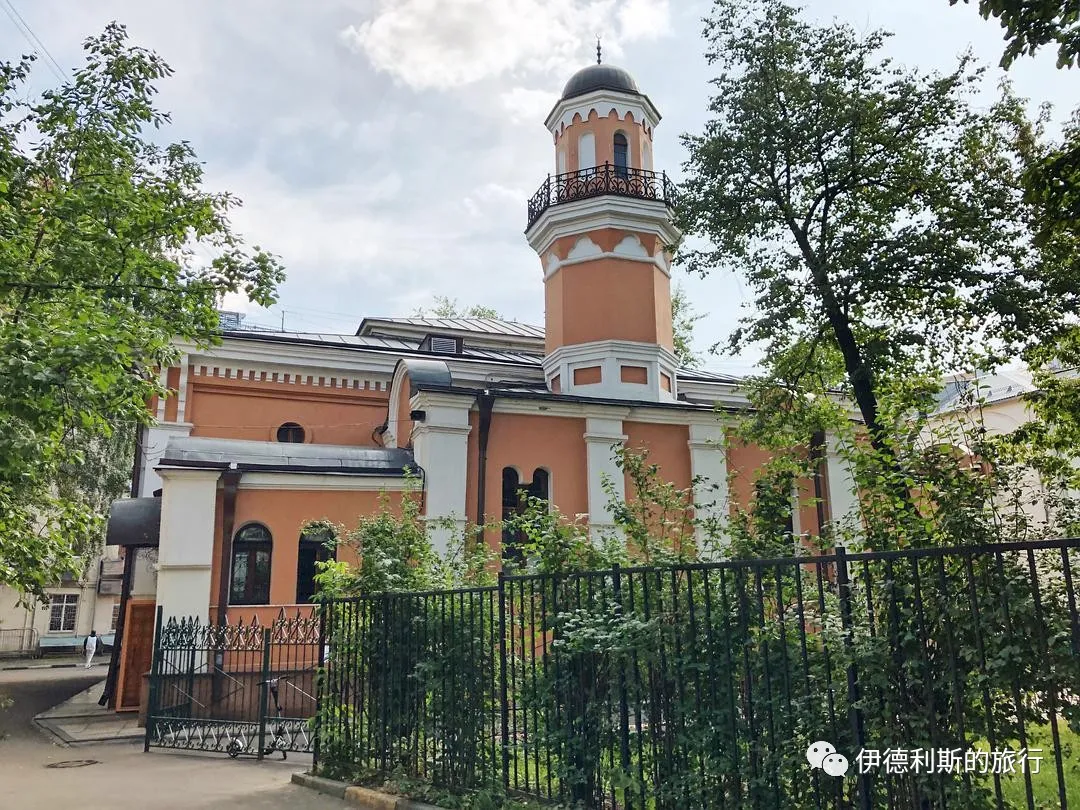
The mosque in the Tatar community is now called the Historical Mosque, and its origins date back to 1712. During the Moscow plague in the 1770s, the mosque's owner and many worshippers passed away, leading to the sale of the building, which was eventually destroyed by fire when Napoleon withdrew from Moscow in 1812; after this, religious activities moved to the homes of local Tatar merchants.
After the old mosque was destroyed, Tatar Muslim merchants in Moscow repeatedly applied to build a new one, but their requests were always denied. In 1823, Tatar merchant Nazarbay Khashalov finally received permission to build a mosque on Bolshaya Tatarskaya Street, provided it was not named a mosque (mecheti) and did not look like one from the outside. Because of this, the mosque building looked almost identical to the surrounding houses at the time.
Between 1833 and 1867, the imam of the mosque was Rafek Bekbulatovich Ageev. Through his efforts, the Muslim community in Moscow gradually became more established. From 1867 to 1913, the imam was Khairetdin Rafekovich Ageev, a graduate of a Kazan madrasa who spoke eight languages, taught Islamic studies and the Tatar language to military cadets for many years, and also worked as a translator for the Armory.
In the mid-to-late 19th century, the number of Muslims in Moscow grew, and many people had to pray outside the mosque during Friday Jumu'ah prayers, which was very cold in the winter. In 1881, Tsar Alexander II granted permission for the mosque to have the appearance of a religious building. In 1882, architect Dmitry Pevnitsky led an expansion project for the mosque. The new mosque was expanded on both its east and west sides and a minaret was added, allowing it to hold 1,500 people after the renovation.
The imam of the mosque from 1914 to 1937 was Abdulla Hasanovich Shamsutdinov. He was a Qasim Tatar who studied at an Islamic seminary in Bukhara and once served as an imam in Yining City, Xinjiang. In 1914, he led the opening of a new Islamic seminary at the mosque and helped revive the Moscow Muslim Charitable Society, which made the Moscow Muslim community more united and organized.
The mosque was forced to close in 1939. During the Soviet era, the mosque was occupied by a printing plant and several other departments. Between 1944 and 1947, Moscow Muslims tried to get the mosque back, but they were not successful. The minaret of the mosque was torn down in 1967.
After the 1980s, the elders of the Tatar community repeatedly asked for the return of the mosque. However, since the early 1980s, the printing workshop of the Art Carving Association that occupied the mosque protested, which delayed the return process until it was finally given back to the Muslims in 1991.
The mosque was renovated in 1992 and reopened in 1993. It was renovated again in 1997 to reach its current appearance.
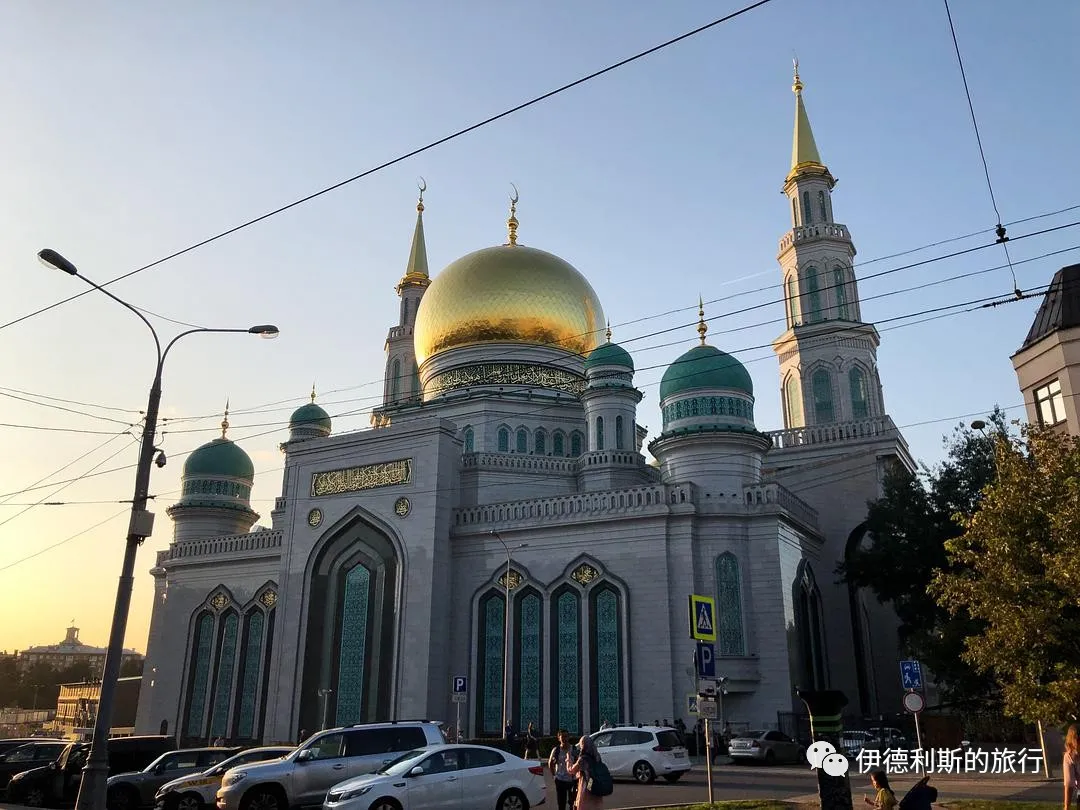
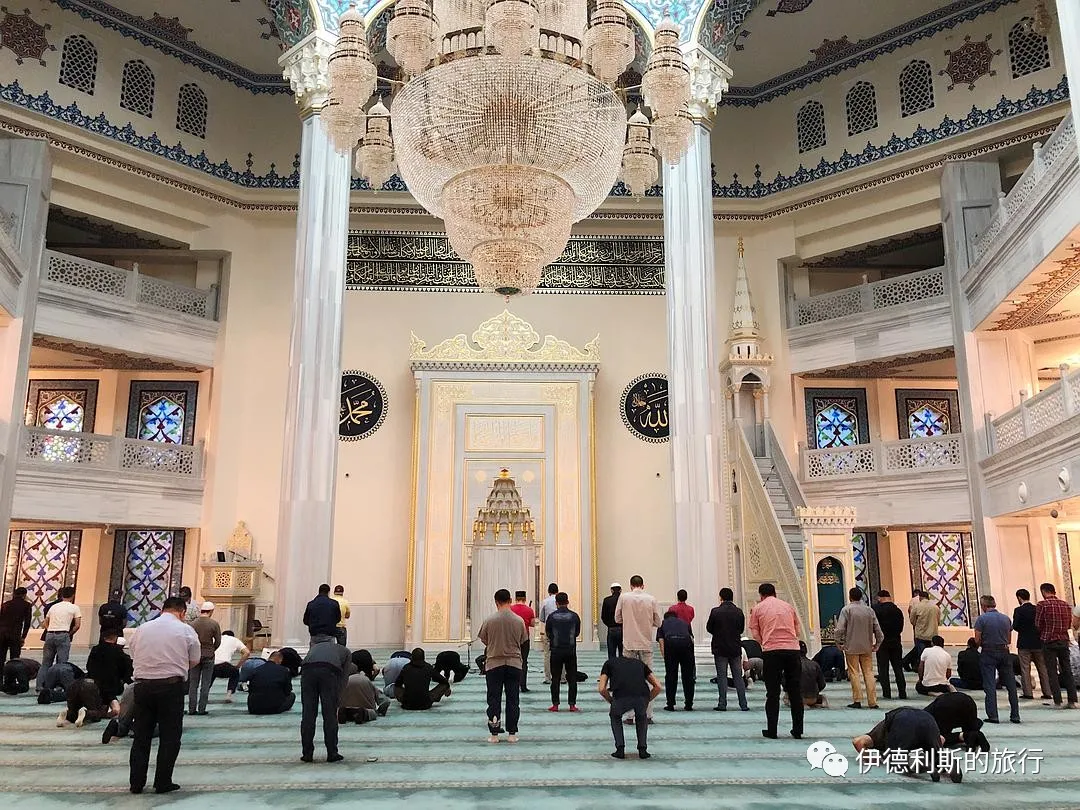
The Moscow Cathedral Mosque was built by Tatar merchants in 1904. It was originally called the Tatar Mosque, and its main congregation was mostly Tatar. Before the 1980 Moscow Olympics, there were plans to demolish the mosque because it was right next to the Olympic Sports Center, but it was saved by the efforts of Moscow religious leaders and ambassadors from Arab countries.
In 2011, amid huge controversy, the original historic mosque building was demolished, becoming the first religious building in Moscow to be torn down since 1978. The new mosque was completed in 2015.
Food
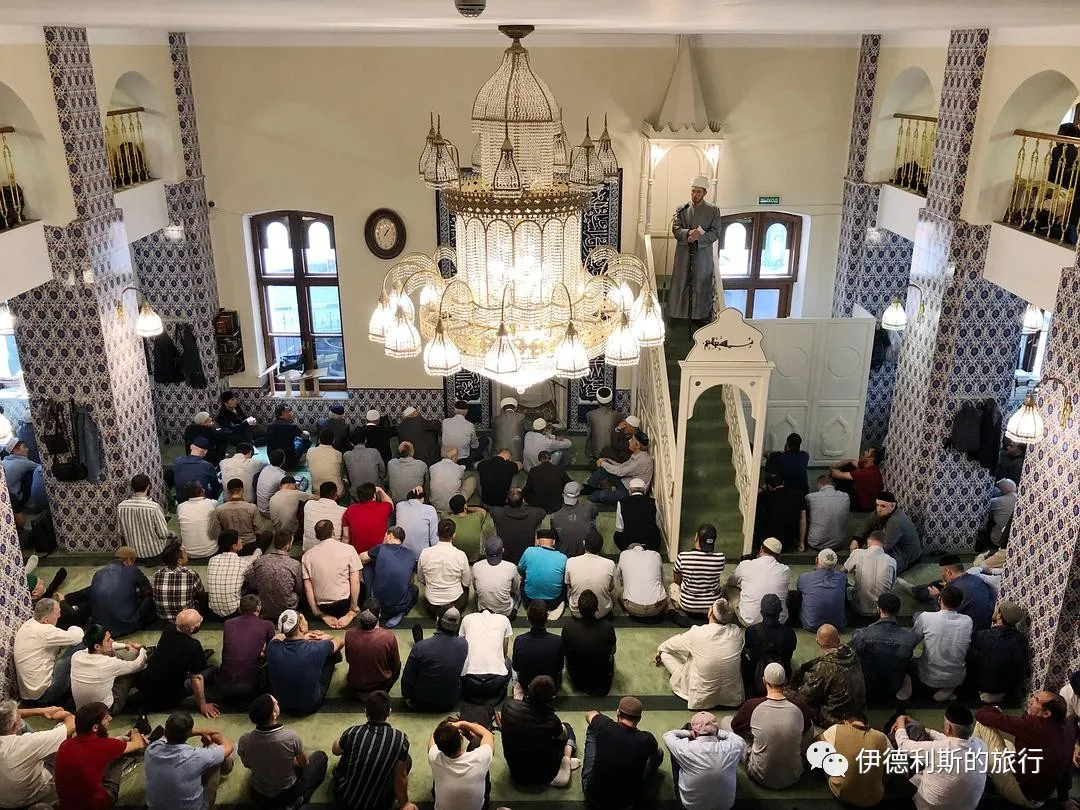
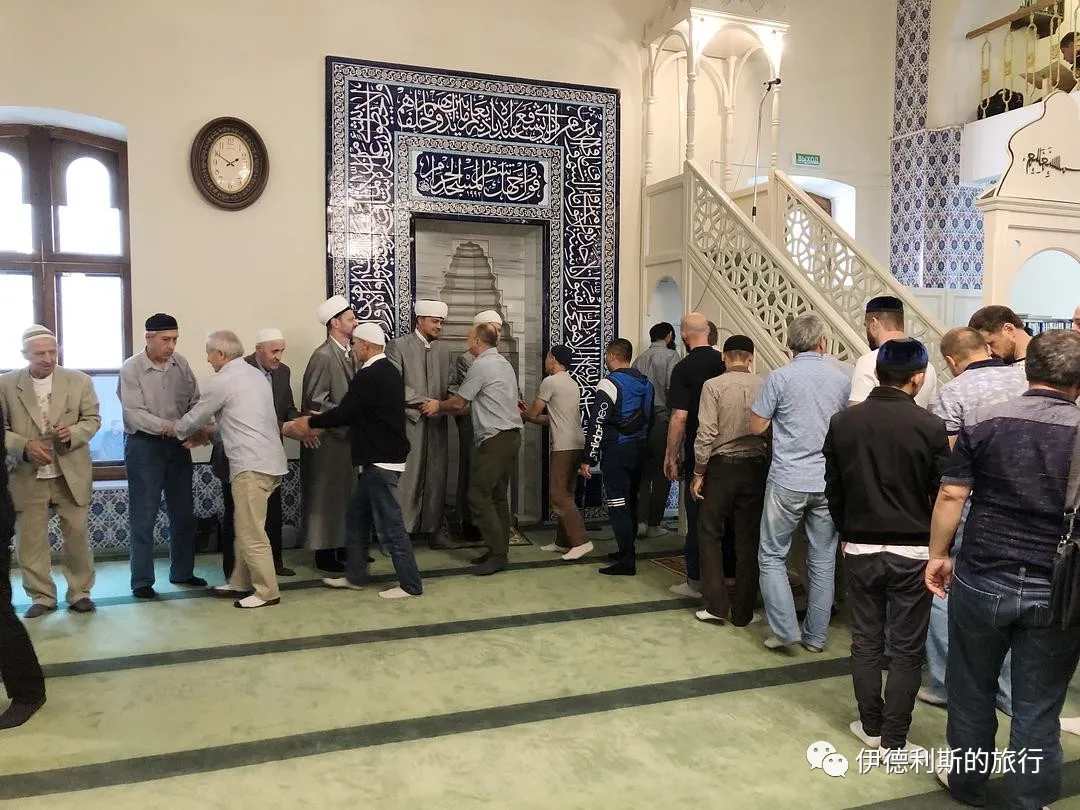
There is a restaurant inside the historic Tatar mosque. It is very crowded during Friday Jumu'ah, and most of the people there are Muslims from Central Asia and the Caucasus.
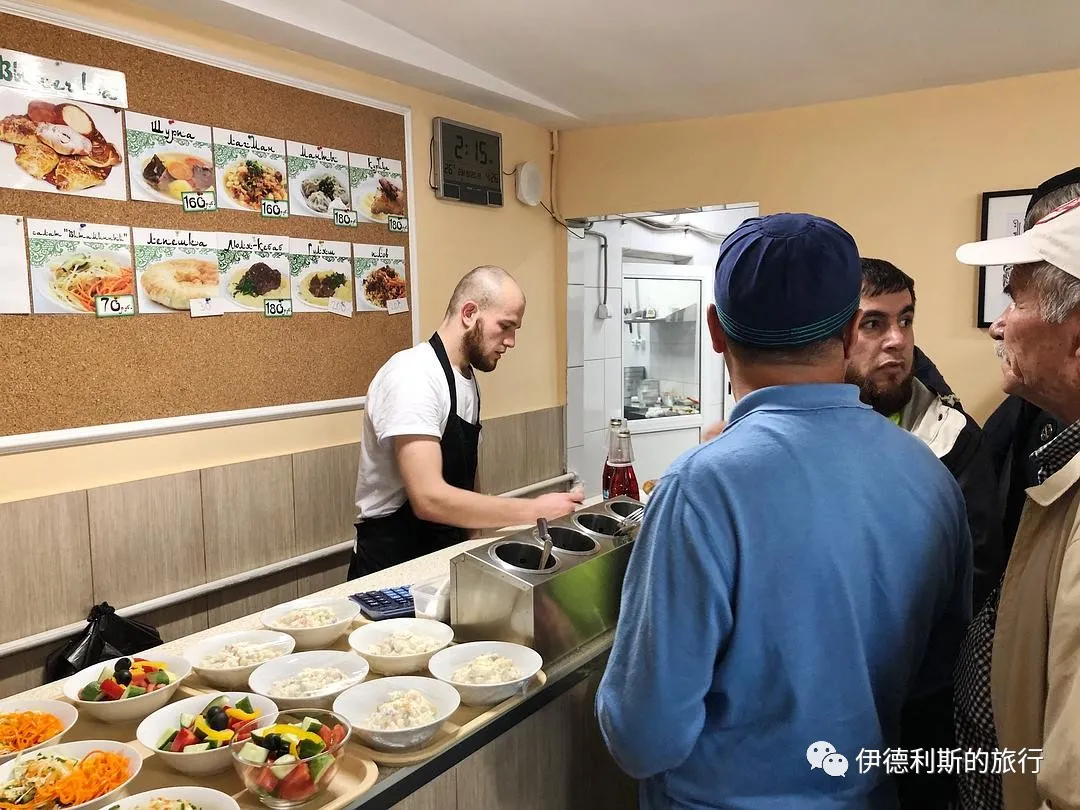
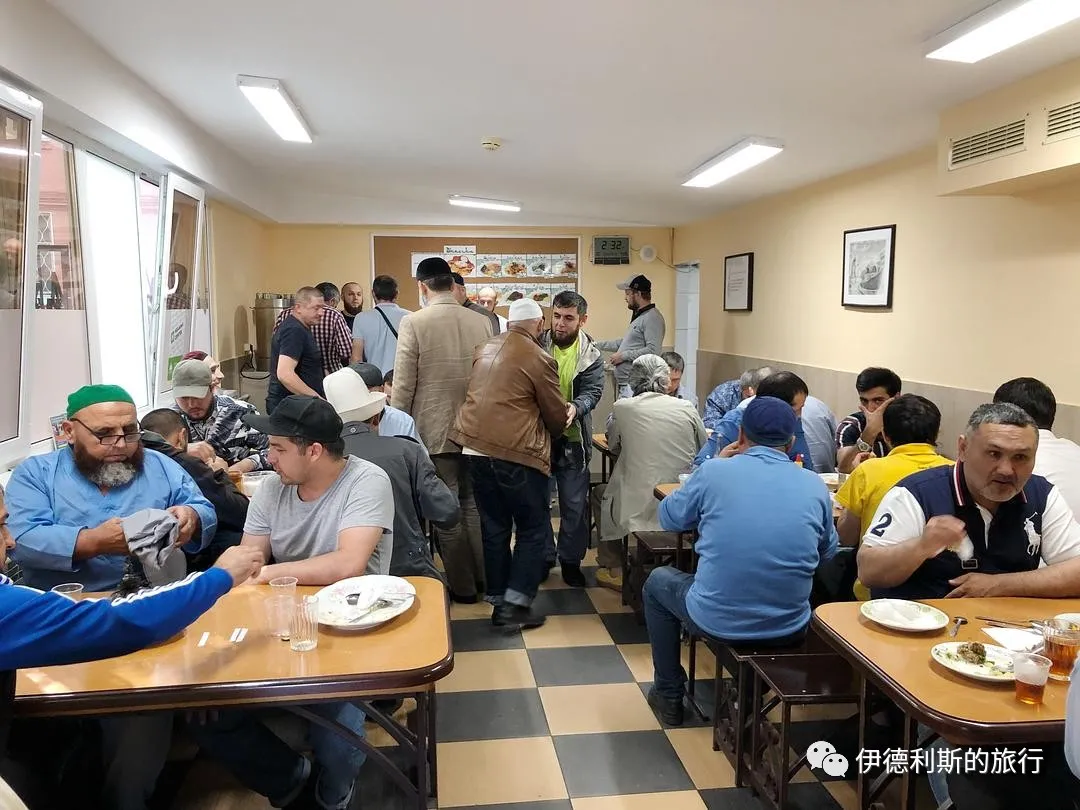
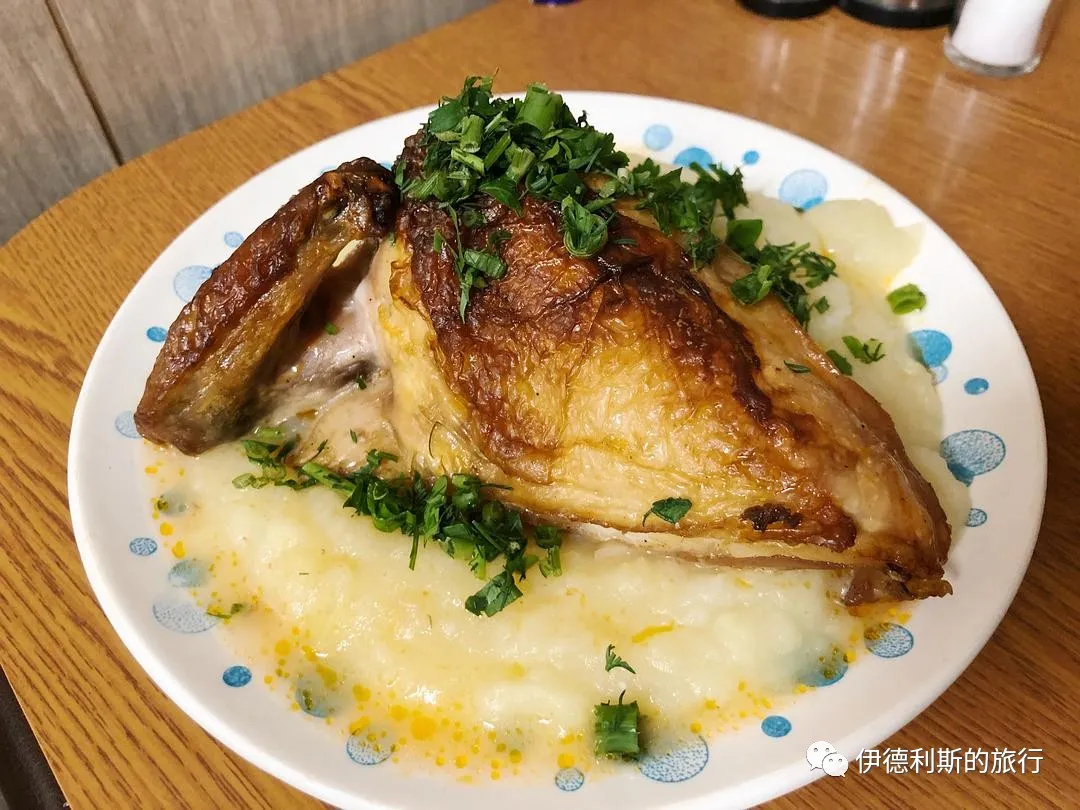
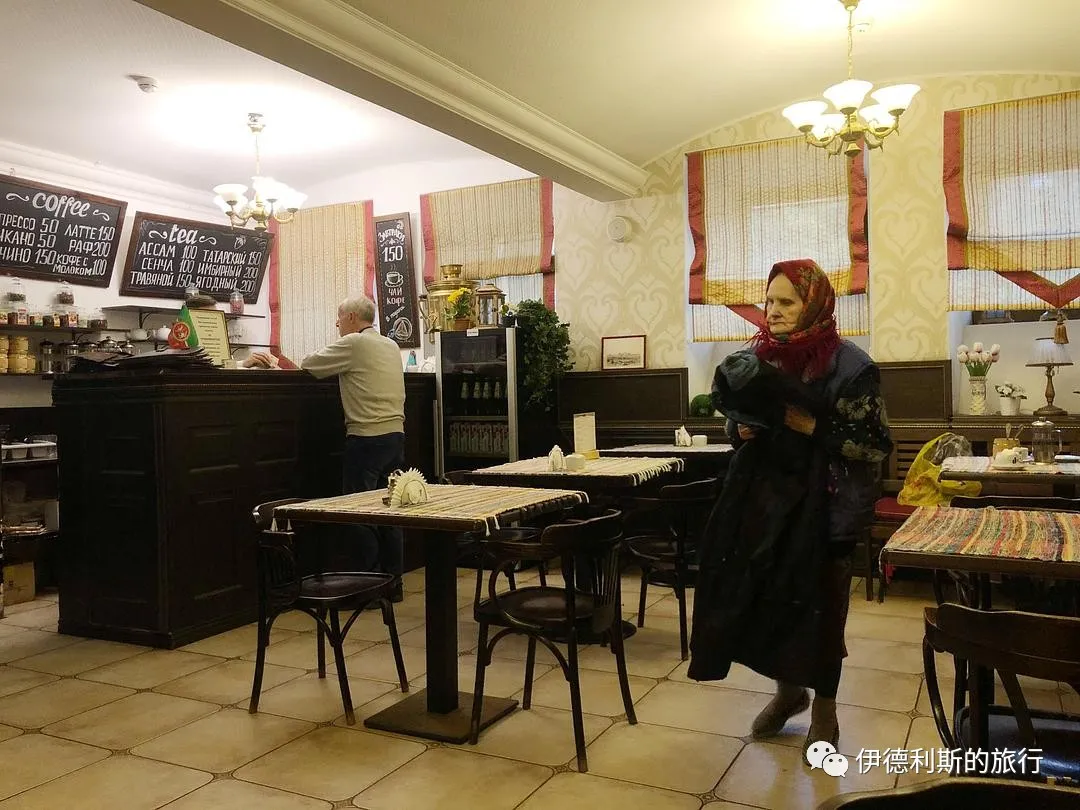
The Tatar historical community has a Tatar restaurant called Kazan Tea Bar (Kazan Chaguan), which also serves as the Kazan cultural center in Moscow and often hosts various Tatar cultural events.
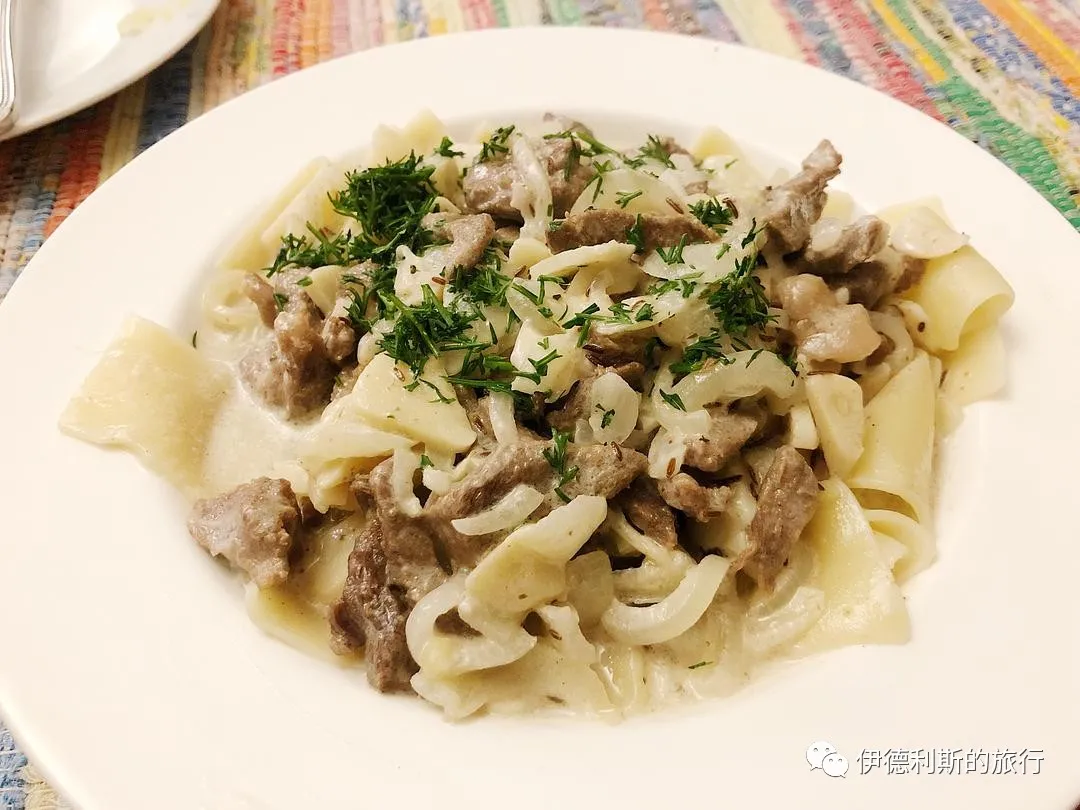
Inside, I ate five-finger stew (beshbarmak), flatbread pie (kystyby), Tatar-style horse sausage (kazy), pilaf, Kazan chicken salad, and Tatar milk tea. Tatar milk tea is made with black tea, green tea, thyme, linden leaves, chamomile flowers, oregano leaves, mint leaves, and sage.
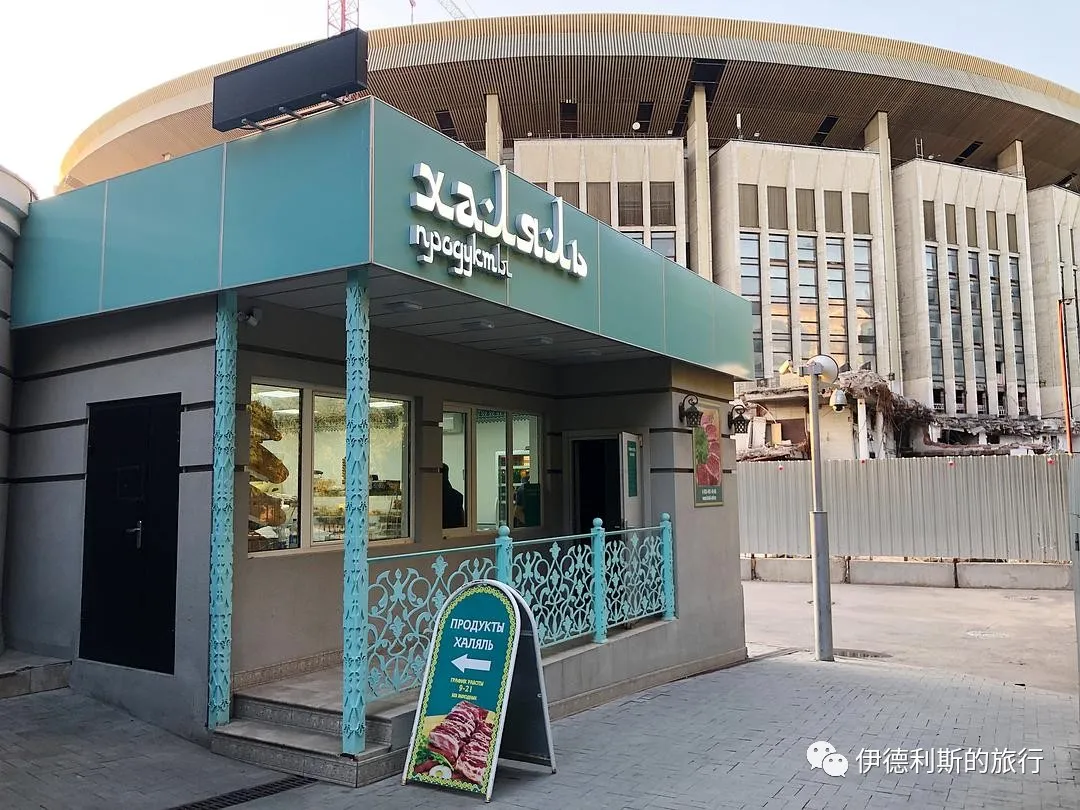
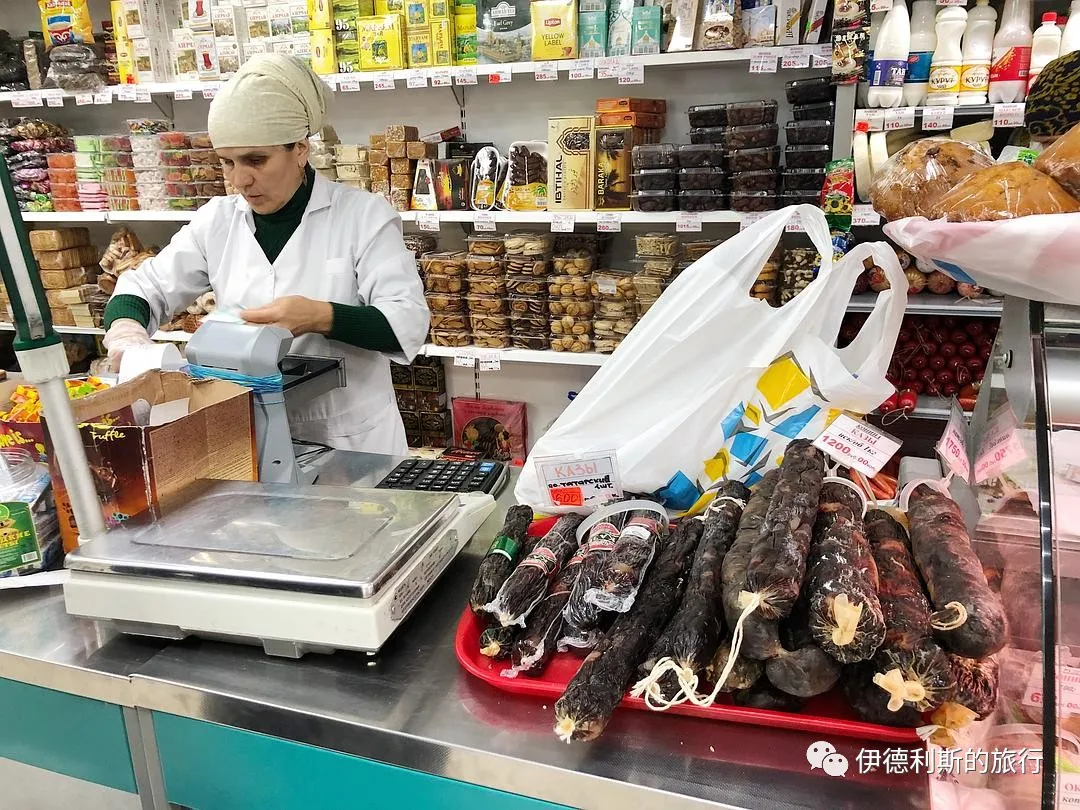
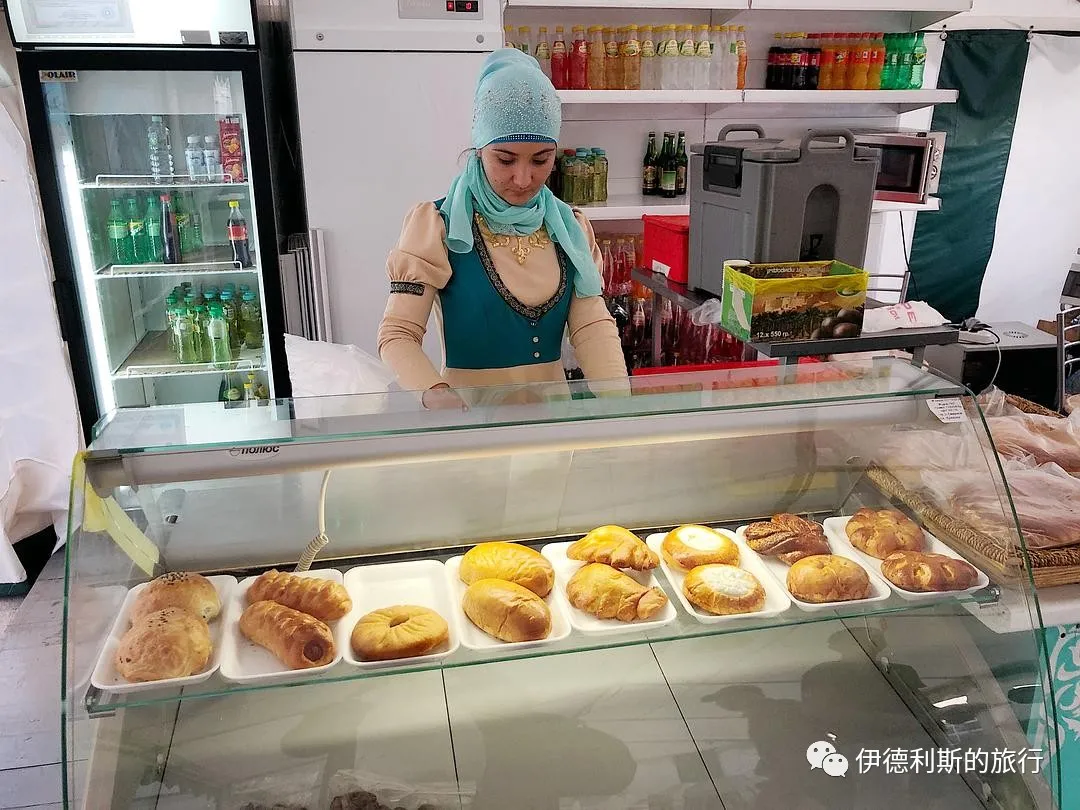
At the Moscow Cathedral Mosque food shop, the halal label in Russia is written as 'халяль'. By the checkout counter, there are rows of horse meat, along with various pastries. Muslims in Russia and Central Asia are accustomed to eating horse meat.
There is a small tea house set up in a tent in the courtyard of the Cathedral Mosque, where I drank tea and ate a cream bun.
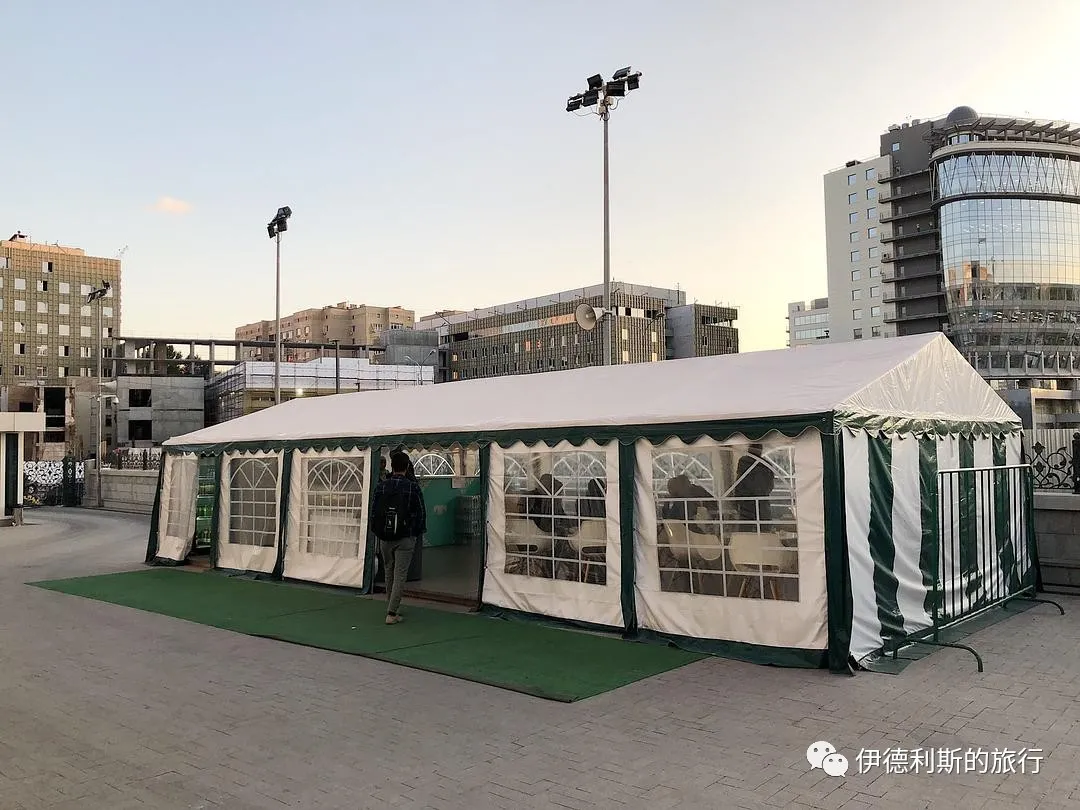
The Moscow Cathedral Mosque also has its own canteen selling pilaf, baked buns (kaobaozi), and pulled noodles (latiaozi), but I ate at the tea house (chaykhana) across from the mosque. The word tea house (chaykhana) refers to tea shops in Central Asia and the Caucasus. Central Asian tea houses usually serve a wide variety of food, while those in the Caucasus focus mainly on tea. to Central Asian food, Moscow's Central Asian tea houses also serve Caucasian food. I ordered the Azerbaijani-style green pilaf (syabzi plov), which can be translated as vegetable pilaf, and also ate grilled beef and Caucasian yogurt drink (ayran). This meal was just like the one I had in the old city of Baku.
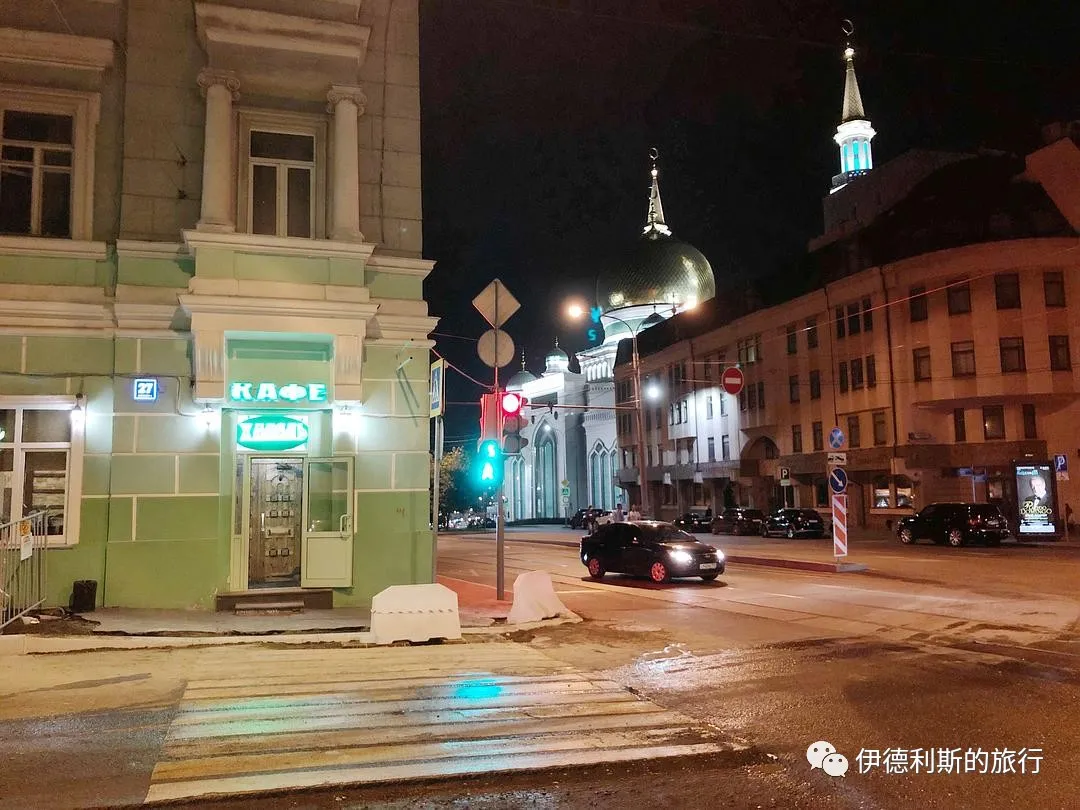
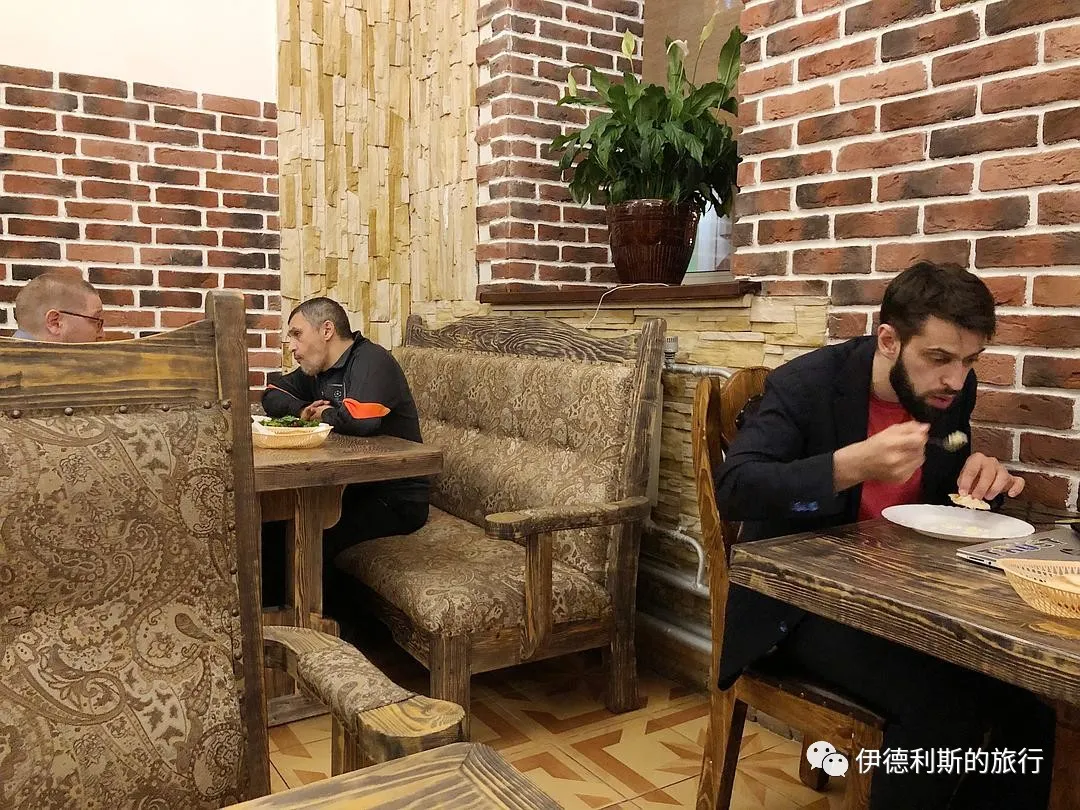
In 1951, the Ministry of Trade of the Uzbek Soviet Socialist Republic decided to open a restaurant in Moscow called 'Uzbekistan'. It is now a long-standing Uzbek brand in Moscow, though it has been transferred to private ownership.
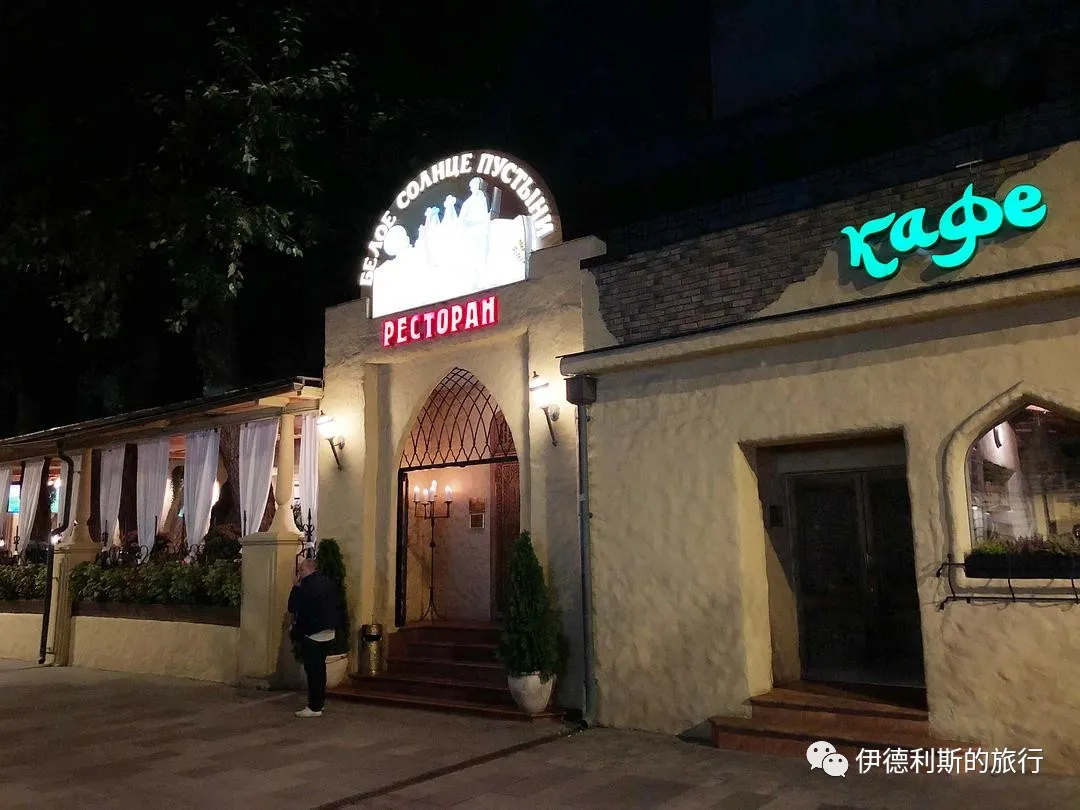
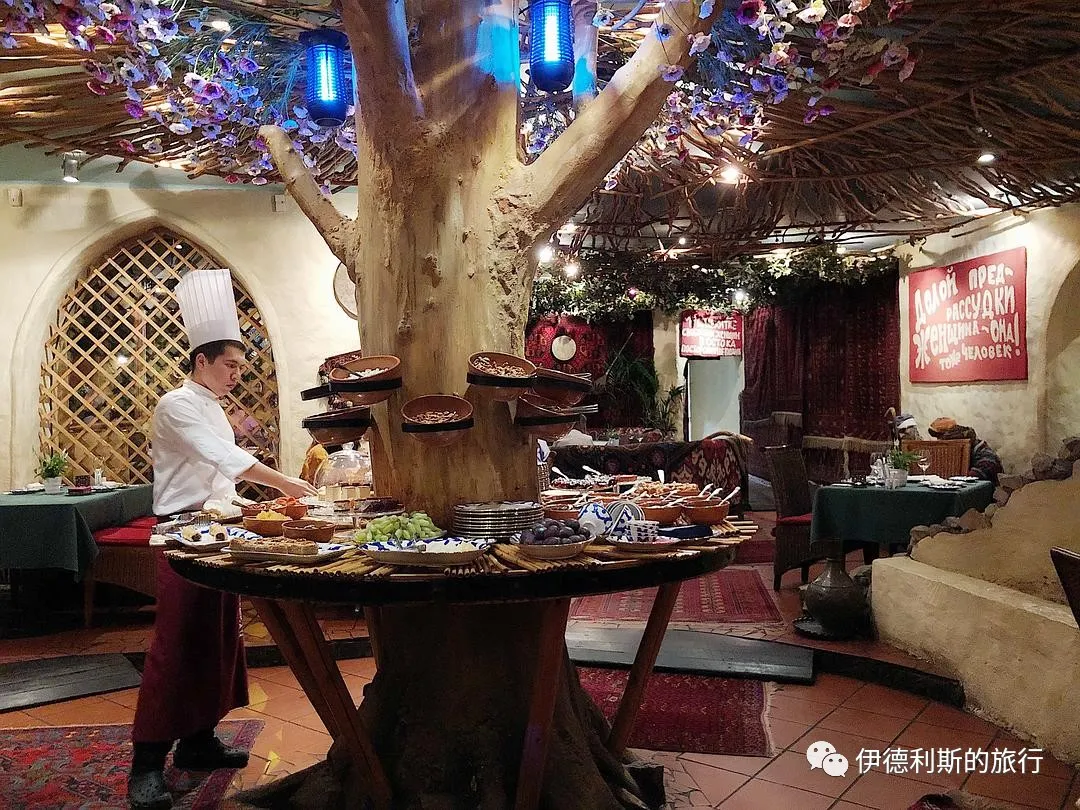
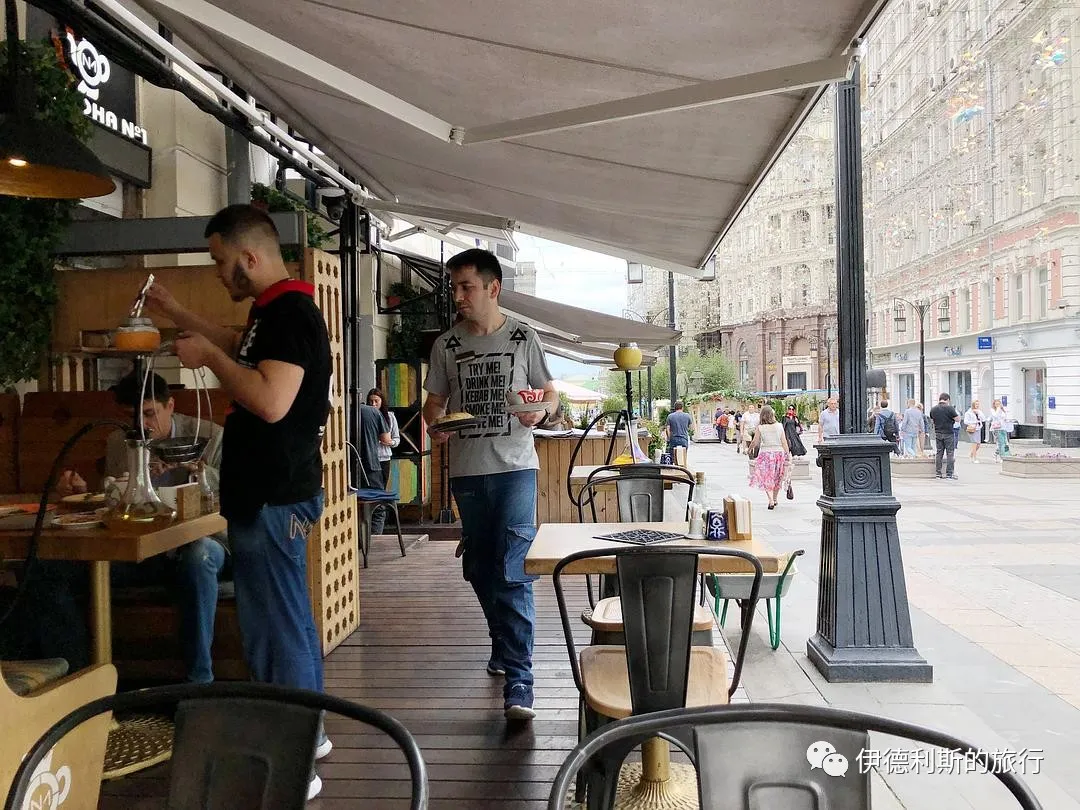
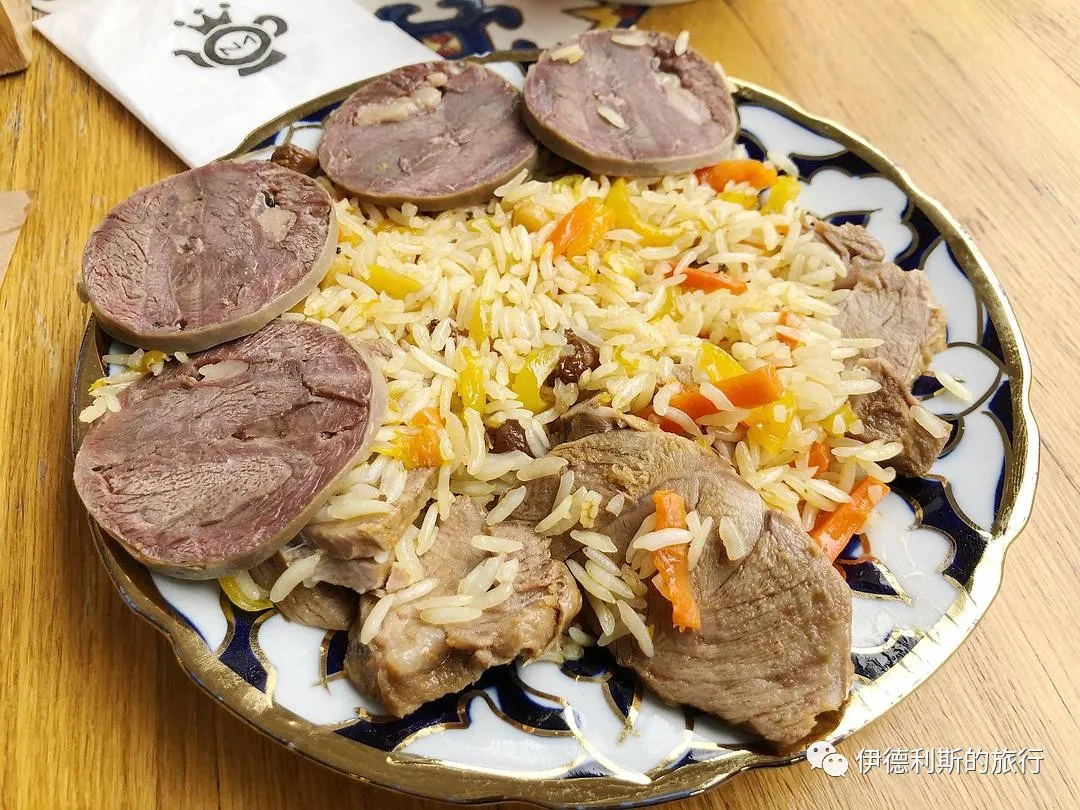
Since the collapse of the Soviet Union, a large number of Uzbeks have come to Moscow for work, and some of them have opened restaurants. Moscow has a chain of Uzbek tea houses called Chaihona No. 1. I ate Tashkent pilaf with horse sausage and lamb skewers at one of them.
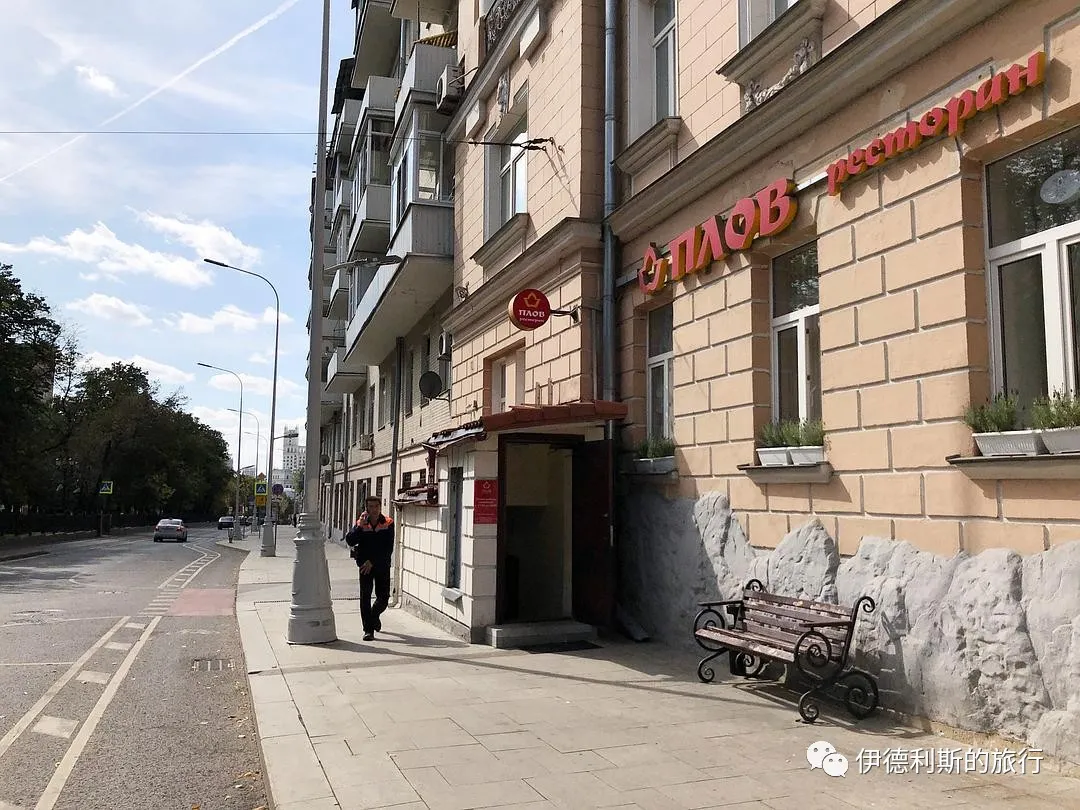
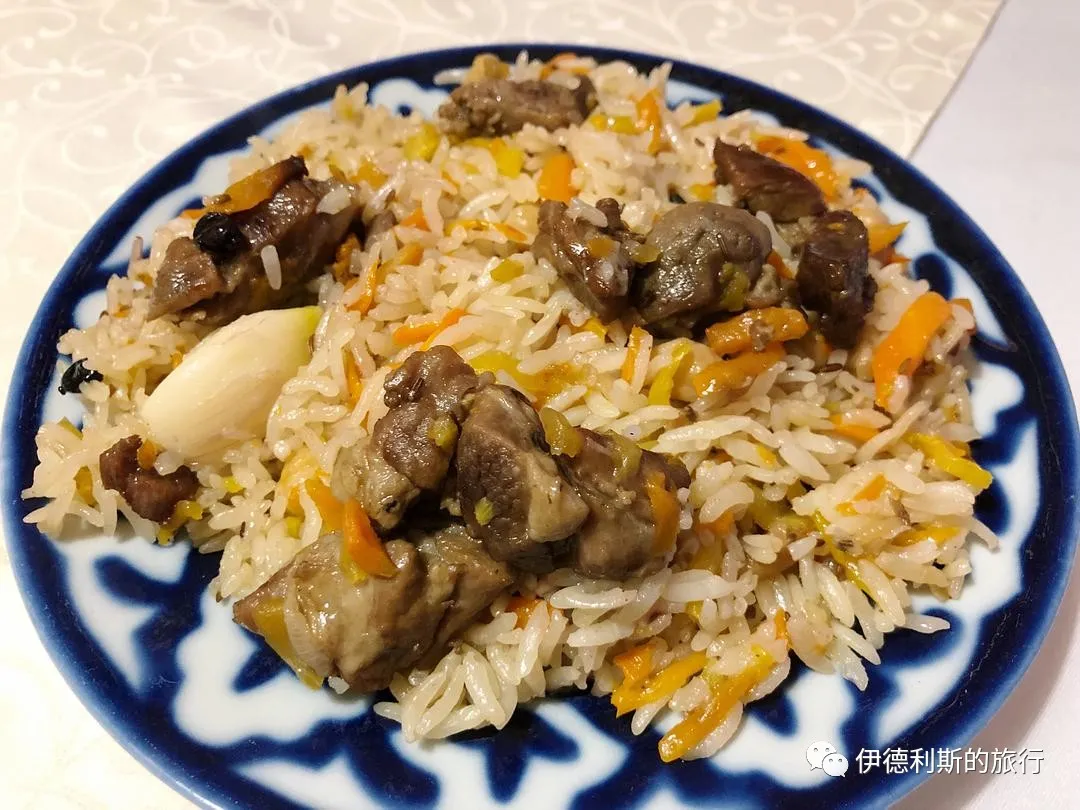
At the Uzbek Tashkent restaurant 'Pilaf (plov)' in Moscow, I ate pilaf, fava bean soup, and eggplant salad.
Shopping
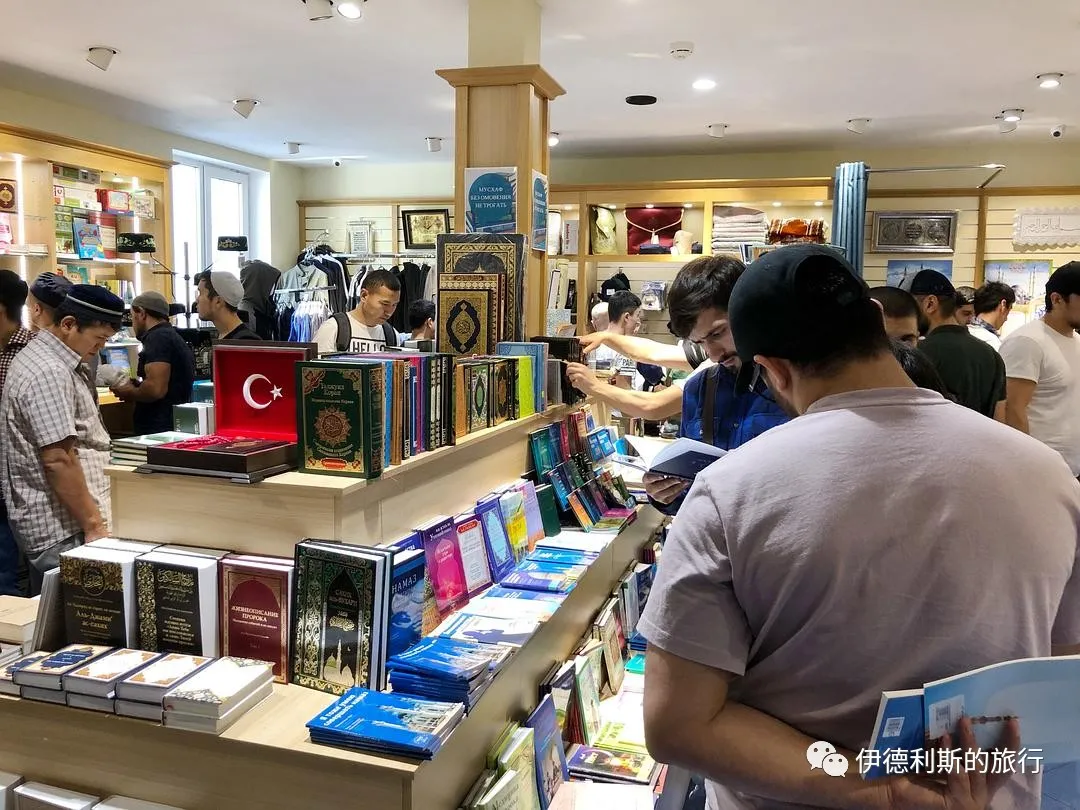
There is a shop selling Islamic supplies upstairs in the Tatar historical mosque.
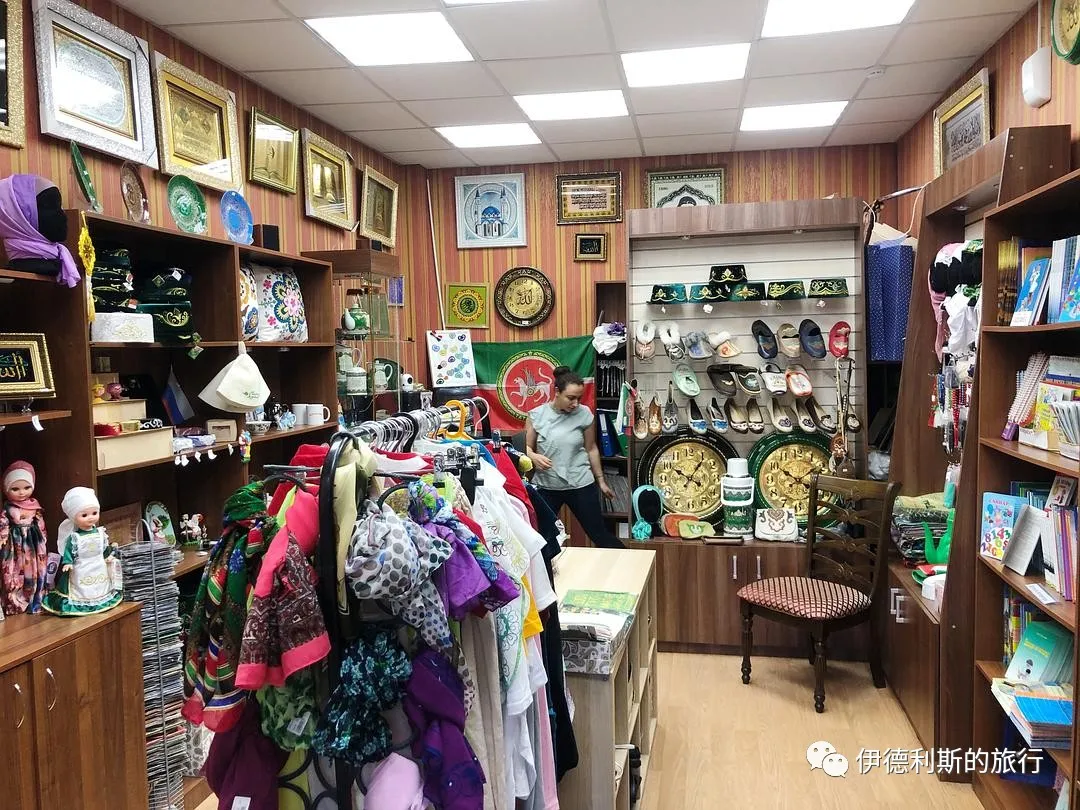
Next to the Kazan teahouse is a shop selling Kazan Tatar souvenirs, where I bought two Kazan Tatar female magnets and a traditional Kazan Tatar cap (tubetei).
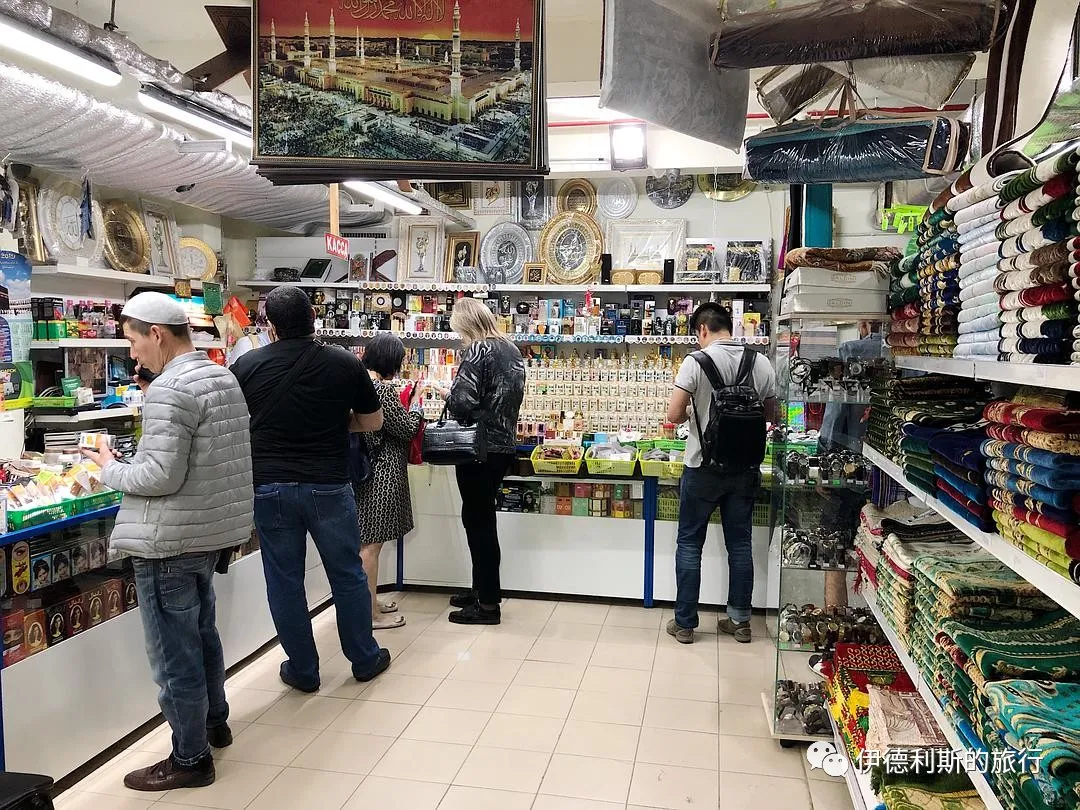
The shop selling Islamic supplies at the entrance of the Moscow Cathedral Mosque.
Summary: Moscow is shown through Tatar history, Muslim neighborhoods, mosques, markets, and the city's older links to the Volga region. This account keeps the original site names, historical notes, food details, and photographs from the trip.
Tatars from the Golden Horde settled in Moscow as early as the 14th century. In the early 17th century, the Romanov dynasty was established and Moscow began to thrive again, drawing many Tatars from the Volga River and the steppes to trade. The Tatar community (Tatarskoy slobode) formed south of the Moskva River, across from the Kremlin, and its main road, Tatarskaya Street, was first mentioned in documents in 1682.
Mosque
The mosque in the Tatar community is now called the Historical Mosque, and its origins date back to 1712. During the Moscow plague in the 1770s, the mosque's owner and many worshippers passed away, leading to the sale of the building, which was eventually destroyed by fire when Napoleon withdrew from Moscow in 1812; after this, religious activities moved to the homes of local Tatar merchants.
After the old mosque was destroyed, Tatar Muslim merchants in Moscow repeatedly applied to build a new one, but their requests were always denied. In 1823, Tatar merchant Nazarbay Khashalov finally received permission to build a mosque on Bolshaya Tatarskaya Street, provided it was not named a mosque (mecheti) and did not look like one from the outside. Because of this, the mosque building looked almost identical to the surrounding houses at the time.
Between 1833 and 1867, the imam of the mosque was Rafek Bekbulatovich Ageev. Through his efforts, the Muslim community in Moscow gradually became more established. From 1867 to 1913, the imam was Khairetdin Rafekovich Ageev, a graduate of a Kazan madrasa who spoke eight languages, taught Islamic studies and the Tatar language to military cadets for many years, and also worked as a translator for the Armory.
In the mid-to-late 19th century, the number of Muslims in Moscow grew, and many people had to pray outside the mosque during Friday Jumu'ah prayers, which was very cold in the winter. In 1881, Tsar Alexander II granted permission for the mosque to have the appearance of a religious building. In 1882, architect Dmitry Pevnitsky led an expansion project for the mosque. The new mosque was expanded on both its east and west sides and a minaret was added, allowing it to hold 1,500 people after the renovation.
The imam of the mosque from 1914 to 1937 was Abdulla Hasanovich Shamsutdinov. He was a Qasim Tatar who studied at an Islamic seminary in Bukhara and once served as an imam in Yining City, Xinjiang. In 1914, he led the opening of a new Islamic seminary at the mosque and helped revive the Moscow Muslim Charitable Society, which made the Moscow Muslim community more united and organized.
The mosque was forced to close in 1939. During the Soviet era, the mosque was occupied by a printing plant and several other departments. Between 1944 and 1947, Moscow Muslims tried to get the mosque back, but they were not successful. The minaret of the mosque was torn down in 1967.
After the 1980s, the elders of the Tatar community repeatedly asked for the return of the mosque. However, since the early 1980s, the printing workshop of the Art Carving Association that occupied the mosque protested, which delayed the return process until it was finally given back to the Muslims in 1991.
The mosque was renovated in 1992 and reopened in 1993. It was renovated again in 1997 to reach its current appearance.
The Moscow Cathedral Mosque was built by Tatar merchants in 1904. It was originally called the Tatar Mosque, and its main congregation was mostly Tatar. Before the 1980 Moscow Olympics, there were plans to demolish the mosque because it was right next to the Olympic Sports Center, but it was saved by the efforts of Moscow religious leaders and ambassadors from Arab countries.
In 2011, amid huge controversy, the original historic mosque building was demolished, becoming the first religious building in Moscow to be torn down since 1978. The new mosque was completed in 2015.
Food
There is a restaurant inside the historic Tatar mosque. It is very crowded during Friday Jumu'ah, and most of the people there are Muslims from Central Asia and the Caucasus.
The Tatar historical community has a Tatar restaurant called Kazan Tea Bar (Kazan Chaguan), which also serves as the Kazan cultural center in Moscow and often hosts various Tatar cultural events.
Inside, I ate five-finger stew (beshbarmak), flatbread pie (kystyby), Tatar-style horse sausage (kazy), pilaf, Kazan chicken salad, and Tatar milk tea. Tatar milk tea is made with black tea, green tea, thyme, linden leaves, chamomile flowers, oregano leaves, mint leaves, and sage.
At the Moscow Cathedral Mosque food shop, the halal label in Russia is written as 'халяль'. By the checkout counter, there are rows of horse meat, along with various pastries. Muslims in Russia and Central Asia are accustomed to eating horse meat.
There is a small tea house set up in a tent in the courtyard of the Cathedral Mosque, where I drank tea and ate a cream bun.
The Moscow Cathedral Mosque also has its own canteen selling pilaf, baked buns (kaobaozi), and pulled noodles (latiaozi), but I ate at the tea house (chaykhana) across from the mosque. The word tea house (chaykhana) refers to tea shops in Central Asia and the Caucasus. Central Asian tea houses usually serve a wide variety of food, while those in the Caucasus focus mainly on tea. to Central Asian food, Moscow's Central Asian tea houses also serve Caucasian food. I ordered the Azerbaijani-style green pilaf (syabzi plov), which can be translated as vegetable pilaf, and also ate grilled beef and Caucasian yogurt drink (ayran). This meal was just like the one I had in the old city of Baku.
In 1951, the Ministry of Trade of the Uzbek Soviet Socialist Republic decided to open a restaurant in Moscow called 'Uzbekistan'. It is now a long-standing Uzbek brand in Moscow, though it has been transferred to private ownership.
Since the collapse of the Soviet Union, a large number of Uzbeks have come to Moscow for work, and some of them have opened restaurants. Moscow has a chain of Uzbek tea houses called Chaihona No. 1. I ate Tashkent pilaf with horse sausage and lamb skewers at one of them.
At the Uzbek Tashkent restaurant 'Pilaf (plov)' in Moscow, I ate pilaf, fava bean soup, and eggplant salad.
Shopping
There is a shop selling Islamic supplies upstairs in the Tatar historical mosque.
Next to the Kazan teahouse is a shop selling Kazan Tatar souvenirs, where I bought two Kazan Tatar female magnets and a traditional Kazan Tatar cap (tubetei).
The shop selling Islamic supplies at the entrance of the Moscow Cathedral Mosque.
