
Halal Travel Guide: Bolgar, Tatarstan - Mosques and Muslim History
Reposted from the web
Summary: Bolgar on the Volga River is presented as a major Tatar Muslim heritage site south of Kazan. This account keeps the old city, mosques, museum notes, Islamic history, local names, and photographs from the trip.
The ancient city of Bolghar sits on the banks of the Volga River, south of Kazan, the capital of Tatarstan. It served as the capital of Volga Bulgaria during the 10th and 11th centuries. The Volga Bulgars converted to Islam in 922, making it 1,103 years ago this year.
Before the Crusades, Bolghar was a key trade hub between Europe and Asia and one of the wealthiest cities in the Islamic world. After 1236, Bolghar was rebuilt into an important economic, commercial, cultural, and religious center for the Golden Horde. Influenced by the Bolgars, the Mongol rulers of the Golden Horde also converted to Islam and built a series of mosques in the city. Most of the ruins standing in Bolghar today date back to this period.
After Ivan the Terrible of Russia conquered the Kazan Khanate in 1552, the ancient city fell into complete decline. In the early 18th century, there were over 70 buildings within the ruins, including nine minarets, but only one minaret remains today. During the Soviet era, because they could not go on Hajj, some Muslims in Tatarstan and other parts of the Soviet Union chose to visit the ancient city of Bolghar for a 'minor pilgrimage'.
Today, the ancient city of Bolghar holds a special place in the hearts of the Volga Tatars. They view the Volga Bulgars as their ancestors and see Bolghar as their historical and religious capital. In 2014, the ancient city of Bolghar was added to the UNESCO World Heritage list.
Palace
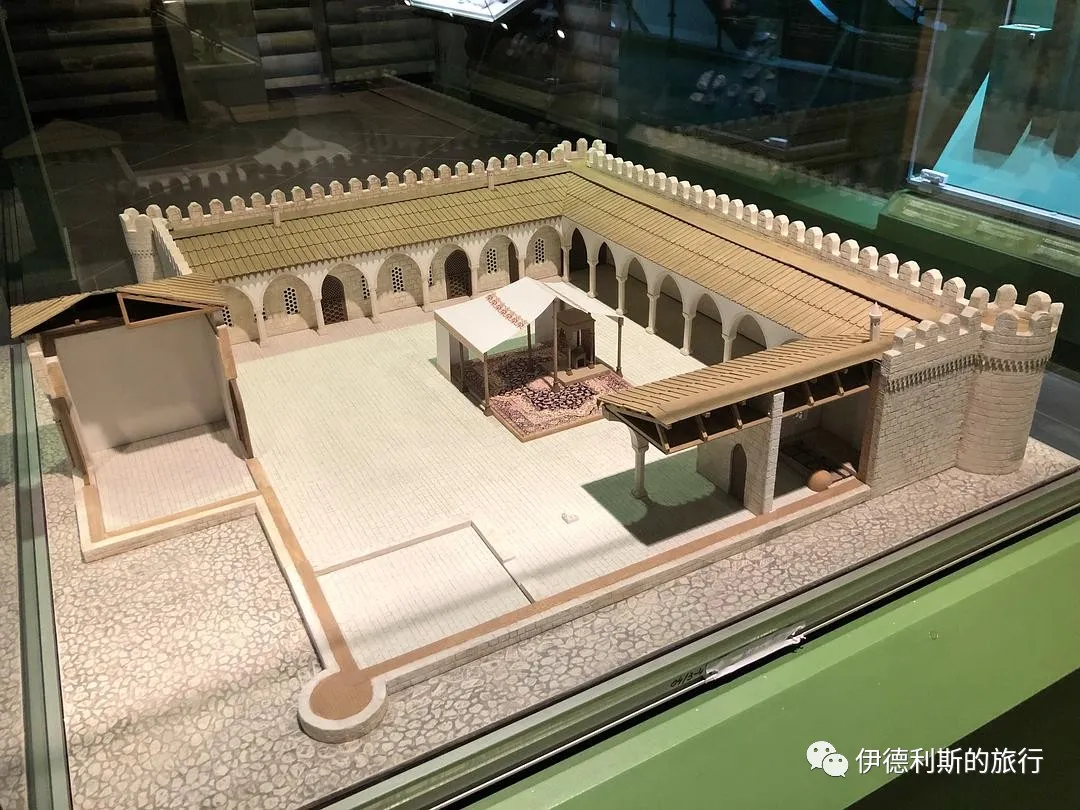
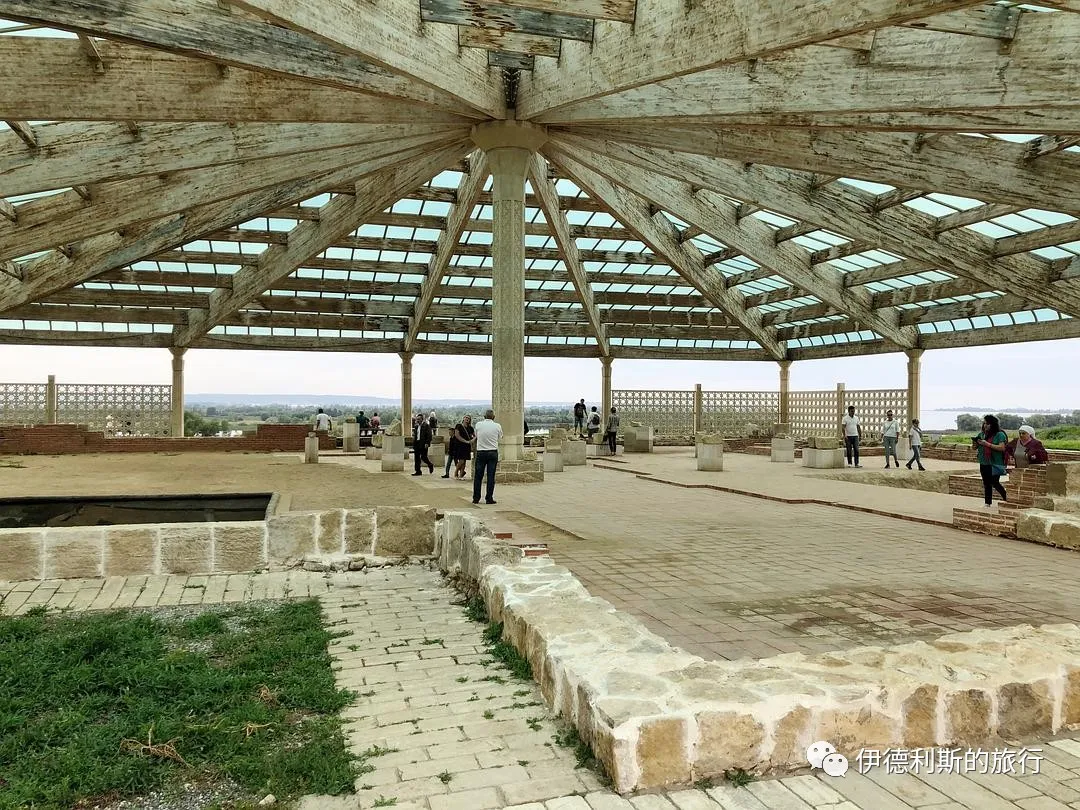
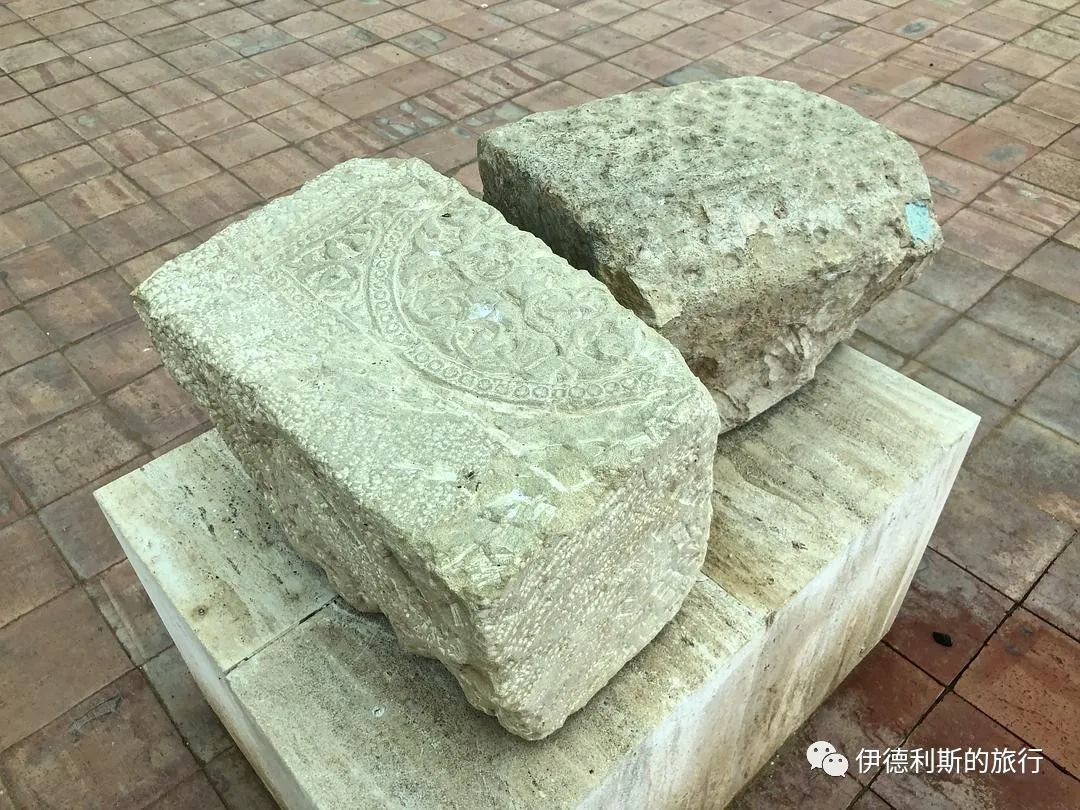
The Khan's Palace is located east of the Great Mosque and was built in the mid-13th century during the early Golden Horde period. Since 1994, over 1,000 square meters of archaeological excavations have been conducted, and 30% of the coins unearthed date from 1240 to 1259.
City Gates
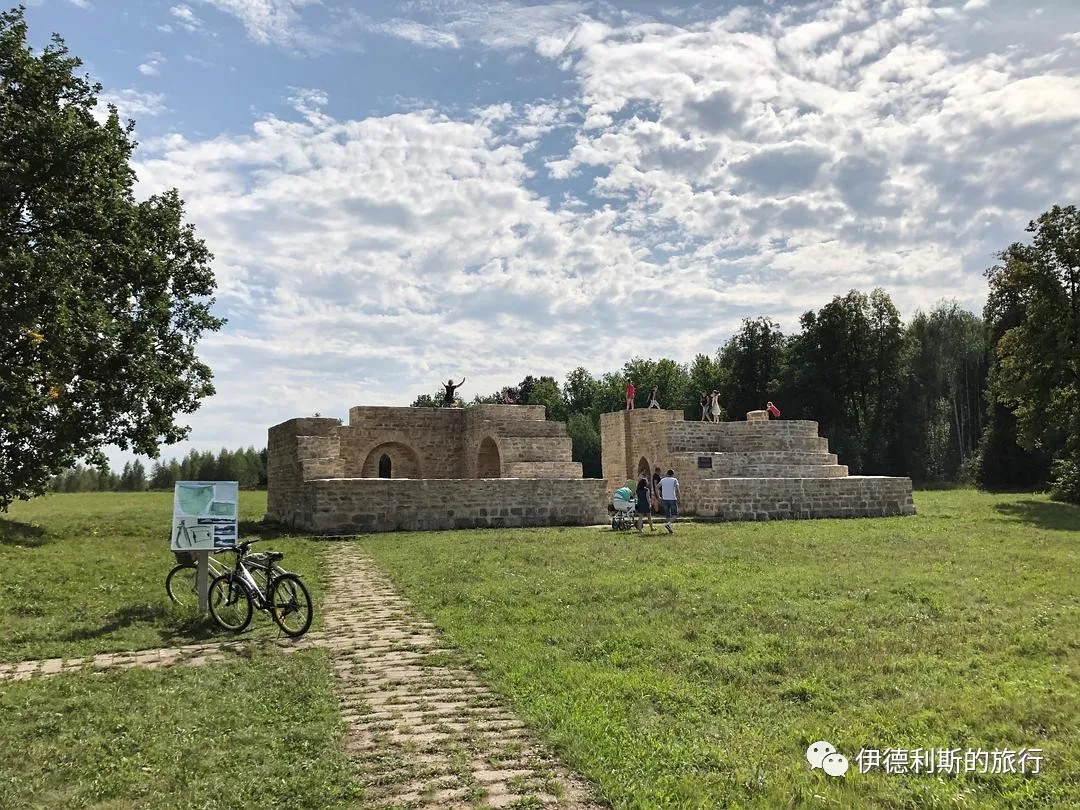
Outside the south gate of the ancient city of Bolghar lies the site of a small town from the 13th to 14th-century Golden Horde period. It is believed this was built to strengthen the defenses of the south gate of Bolghar.
Mosque
The Great Mosque (Qingzhen Dasi) is the most important building site from the Golden Horde era still standing in the ancient city of Bolgar. It served as the city center of Bolgar during the 13th and 14th centuries and features the classic architectural style of the Golden Horde period.
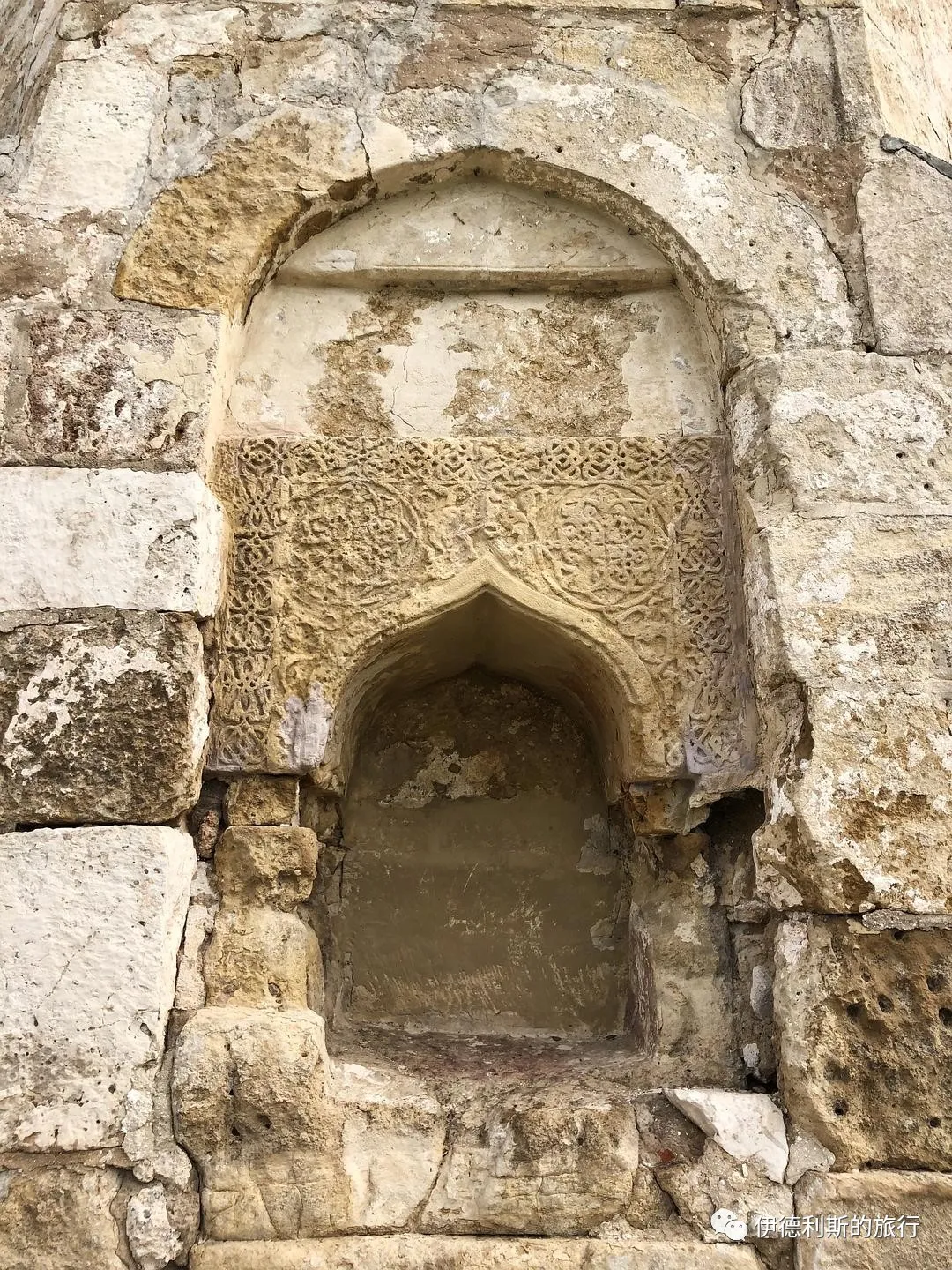
The Great Mosque is made of limestone. It measures 34 meters long and 32 meters wide, with 20 columns and a wooden gabled roof. The four walls are plastered and reinforced with buttresses. The north side of the mosque has an arched gate and a minaret, while the south side features a mihrab niche with beautiful carvings. The Great Mosque was renovated in the early 14th century, and corner towers were added in the 1440s.
Archaeologists excavated the Great Mosque three times in 1892, 1915, and 1946. It underwent two restoration projects between 1964 and 1966, and again from 2003 to 2005. The limestone walls are covered with a protective layer. The ground is now paved with white flooring, and walkways and drainage ditches have been built.
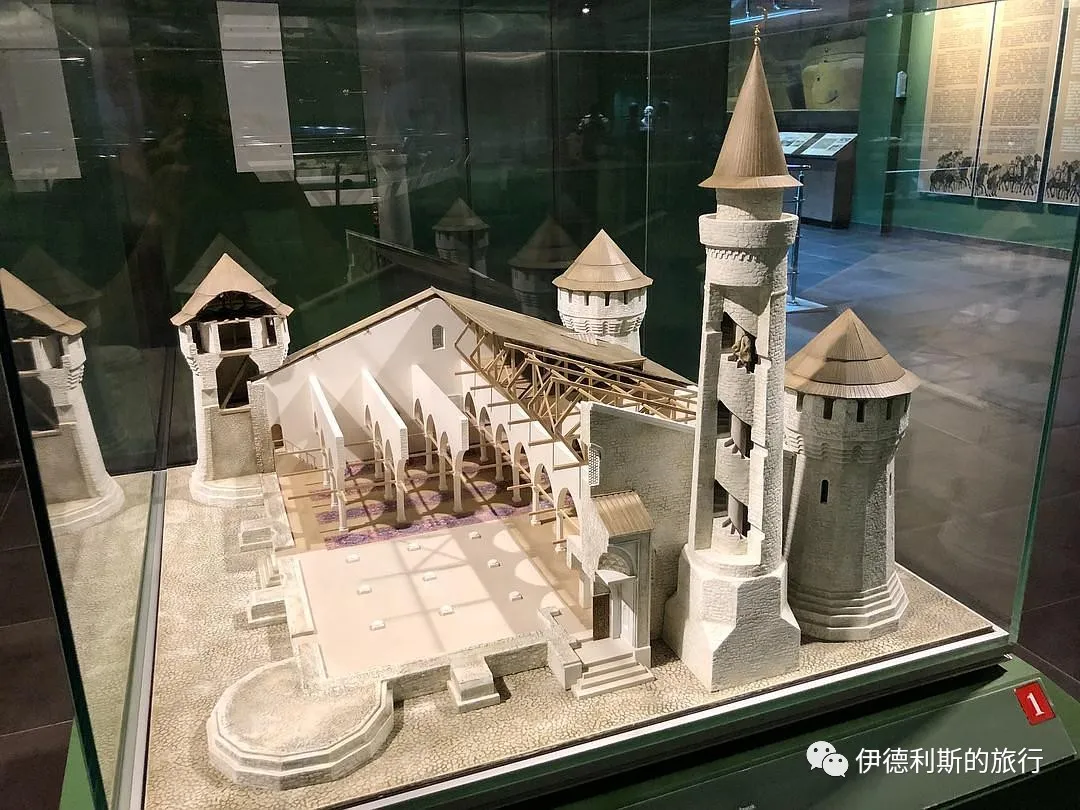
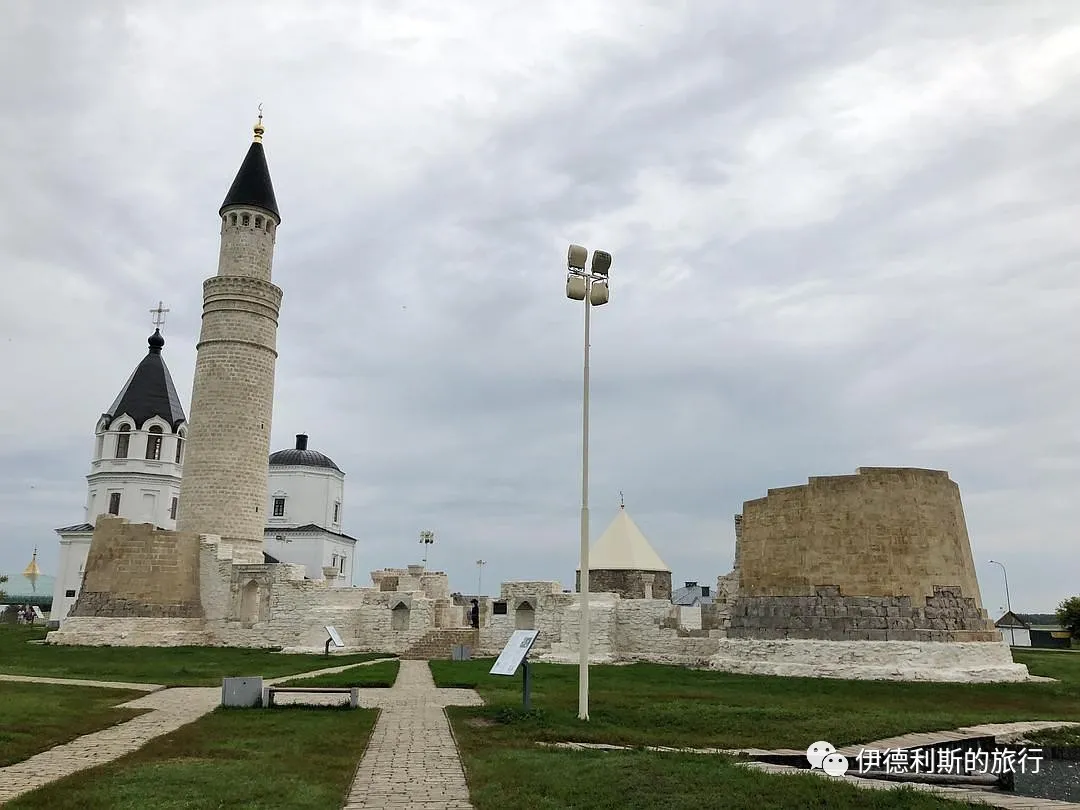
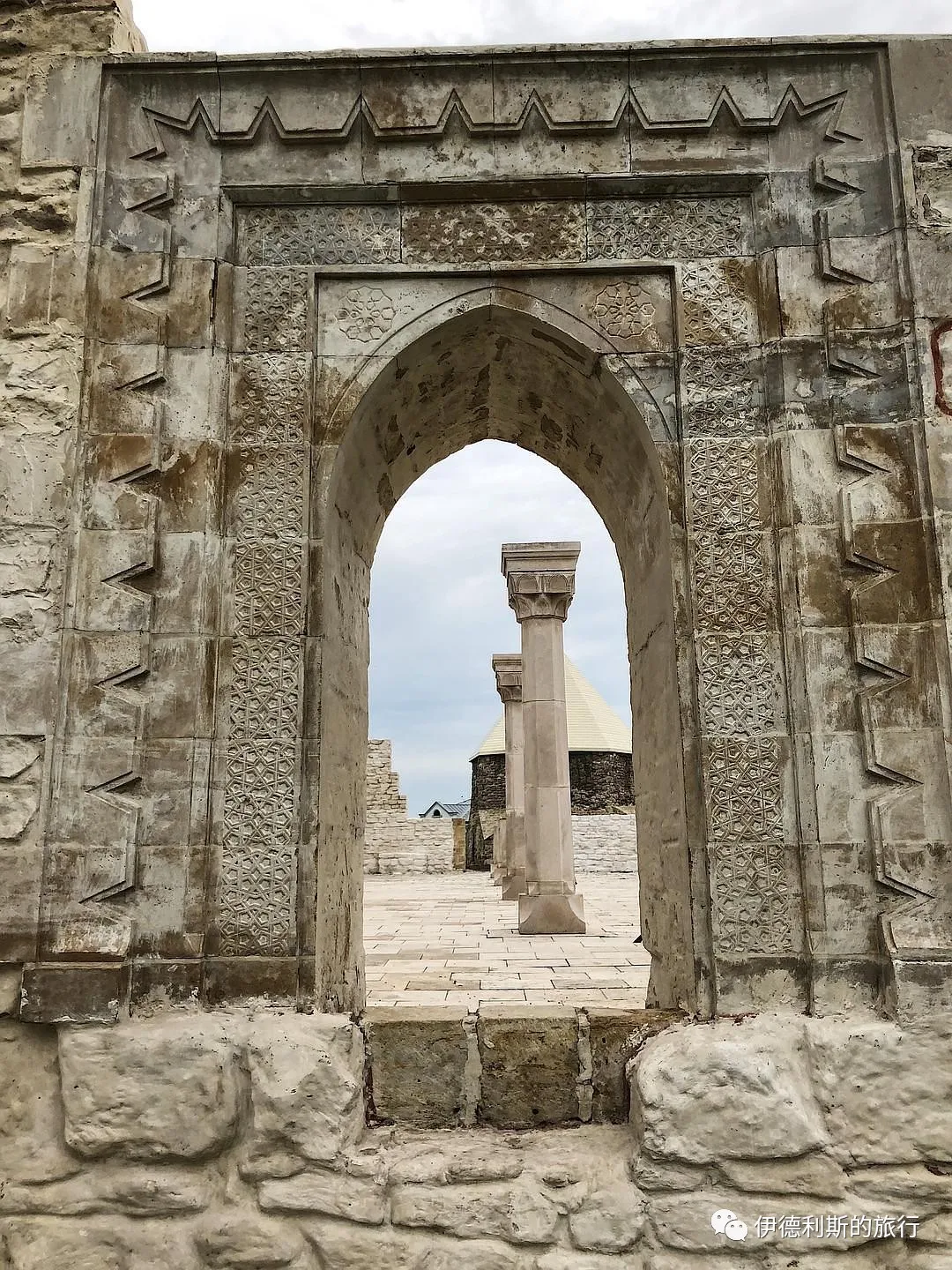
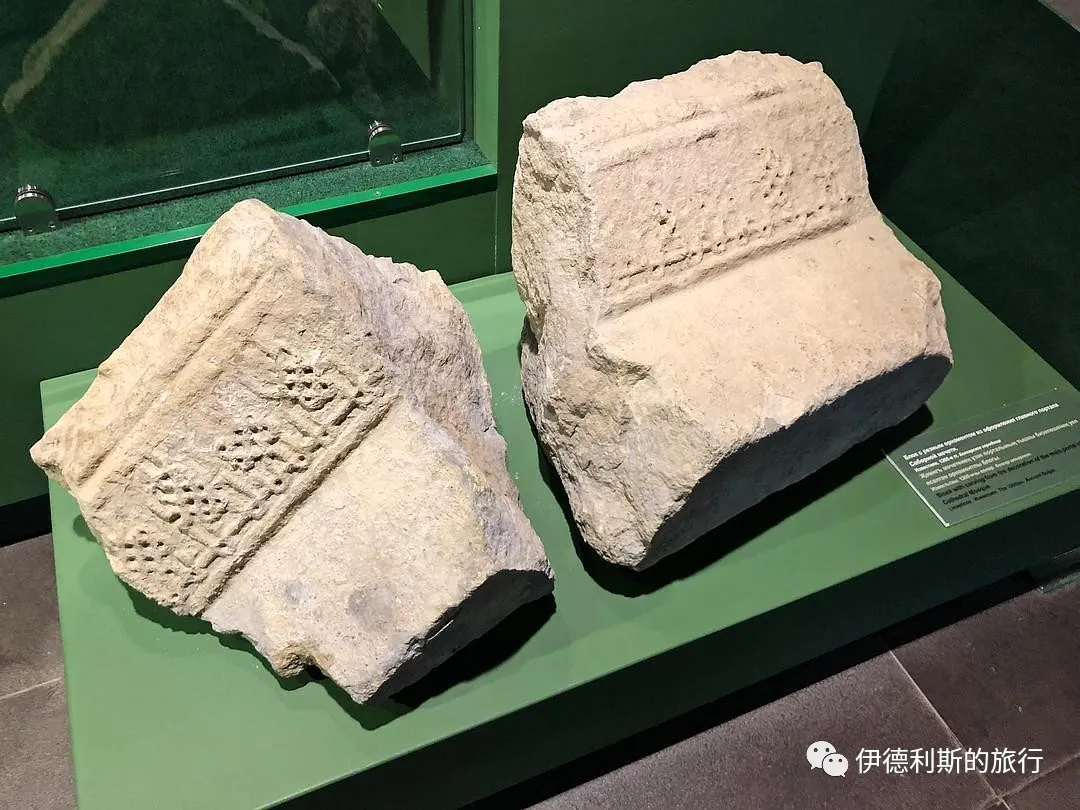
A 24-meter-tall Great Minaret once stood on the north side of the Great Mosque. It collapsed in 1841, and locals took the stones away. When Kazan University professor I. Berezin passed through Bolgar in 1846, he saw several stone carvings with Quran verses at the site of the Great Minaret.
Based on a series of drawings and documents from the 18th and 19th centuries, the Great Minaret was rebuilt in 2000.
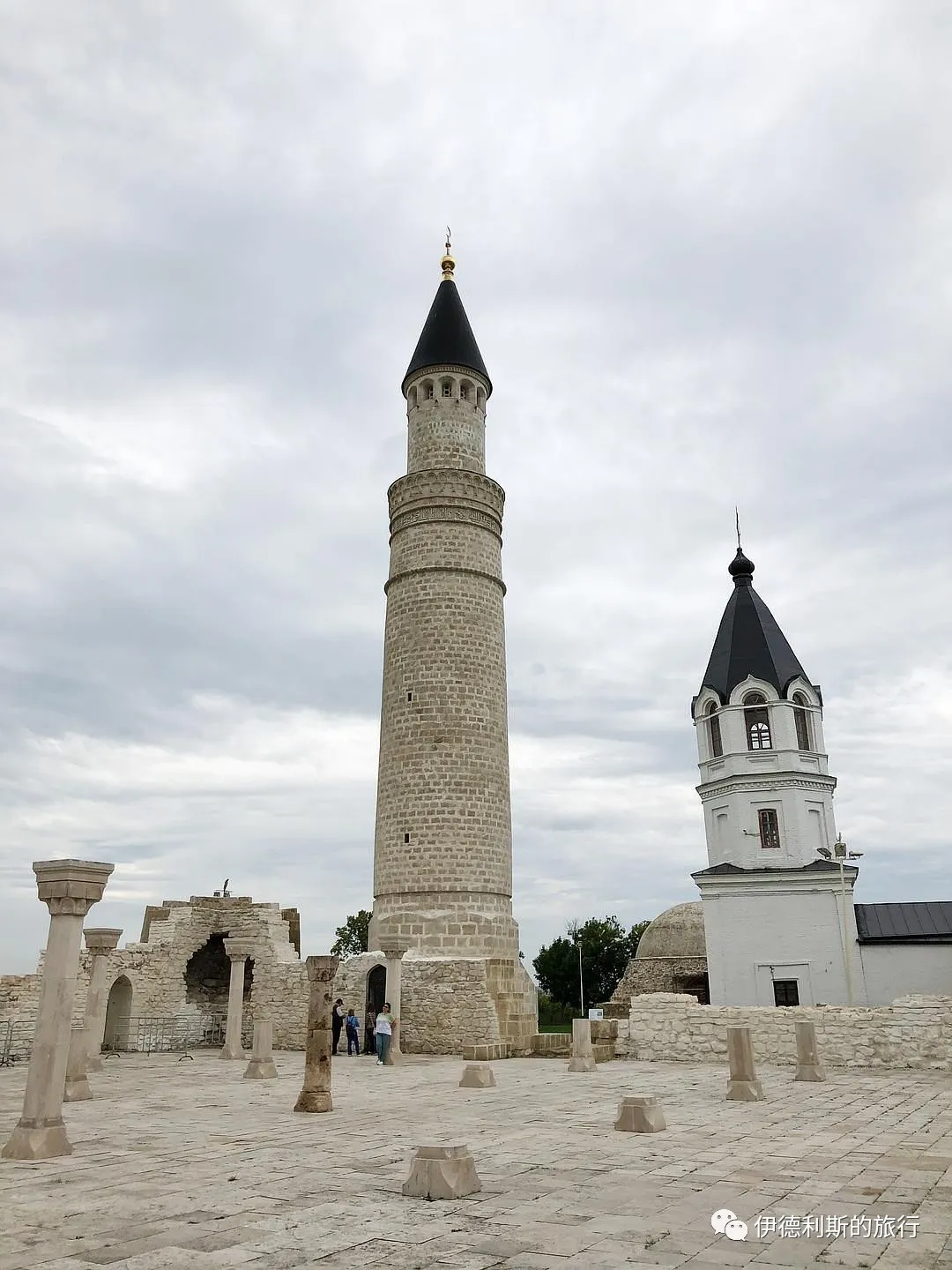
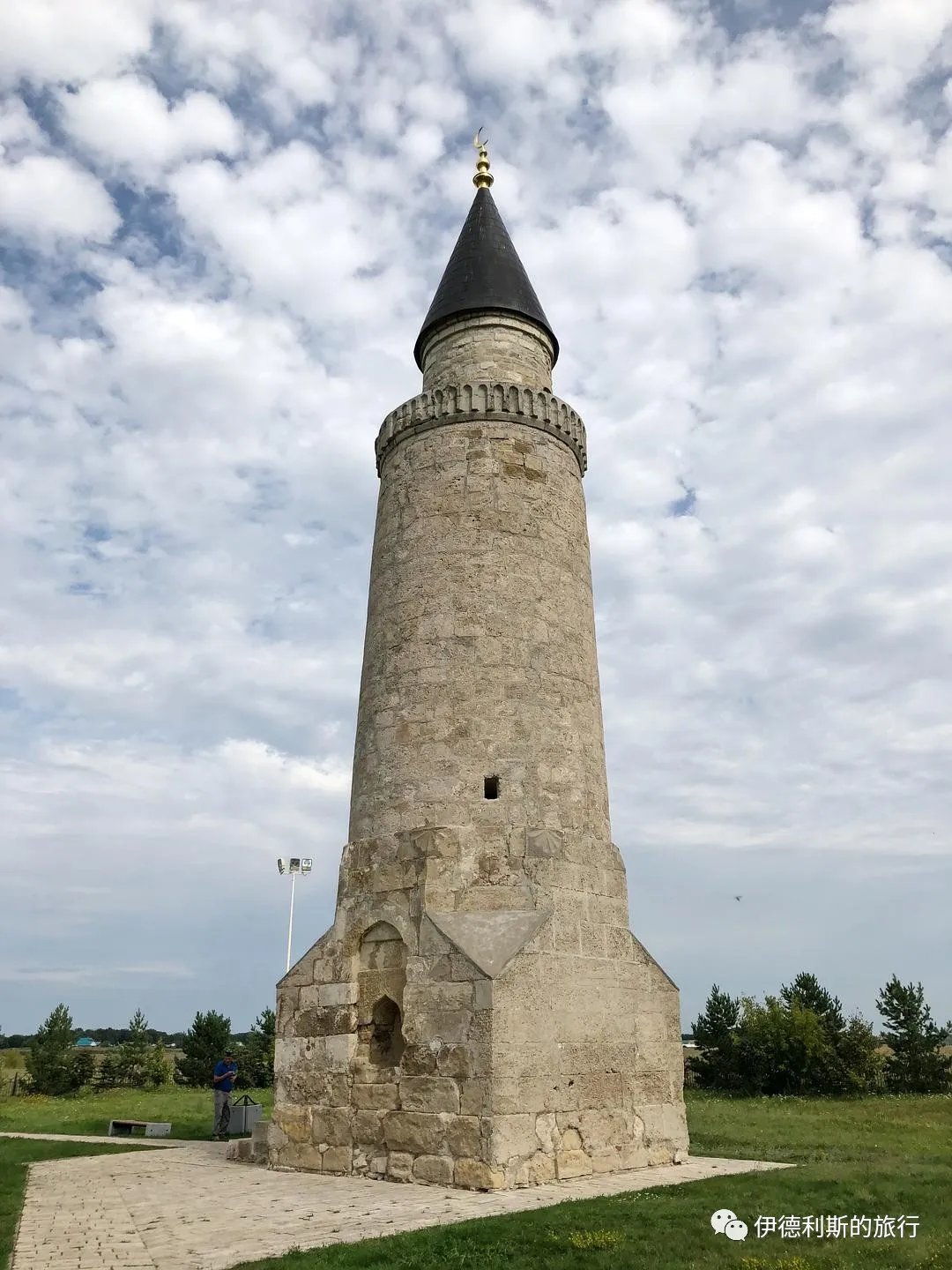
The Small Minaret was built in the late 14th century during the Golden Horde period. It is similar in design to the Great Minaret of the Great Mosque and is the only minaret in the ancient city that has survived to this day. Archaeologists excavated this site in 1914 and again from 1968 to 1969. Repairs were carried out between 1968 and 1970.
Hammam
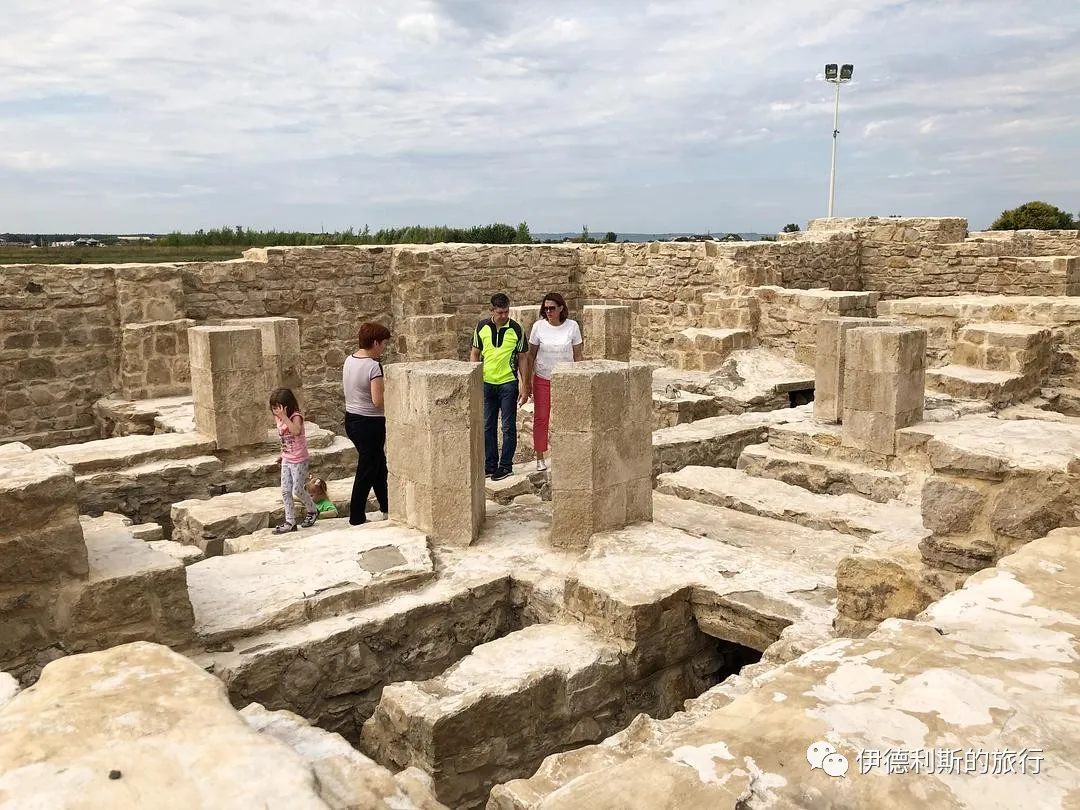
The Eastern House is the remains of a public bathhouse built in the 1290s during the Golden Horde period. It is the oldest and largest public bathhouse site remaining in the ancient city of Bolgar. The entire bathhouse consists of three parts. The central space includes a heated changing room, a central cross-shaped hall, and four bathrooms. The western space includes a heated changing room and a boiler room, which consists of a furnace and two hot air ducts. The eastern space consists of a boiler with three air ducts.
Archaeological excavations took place at the bathhouse between 1984 and 1992, and coins found there show it was likely in use from the 1290s to the 1340s.
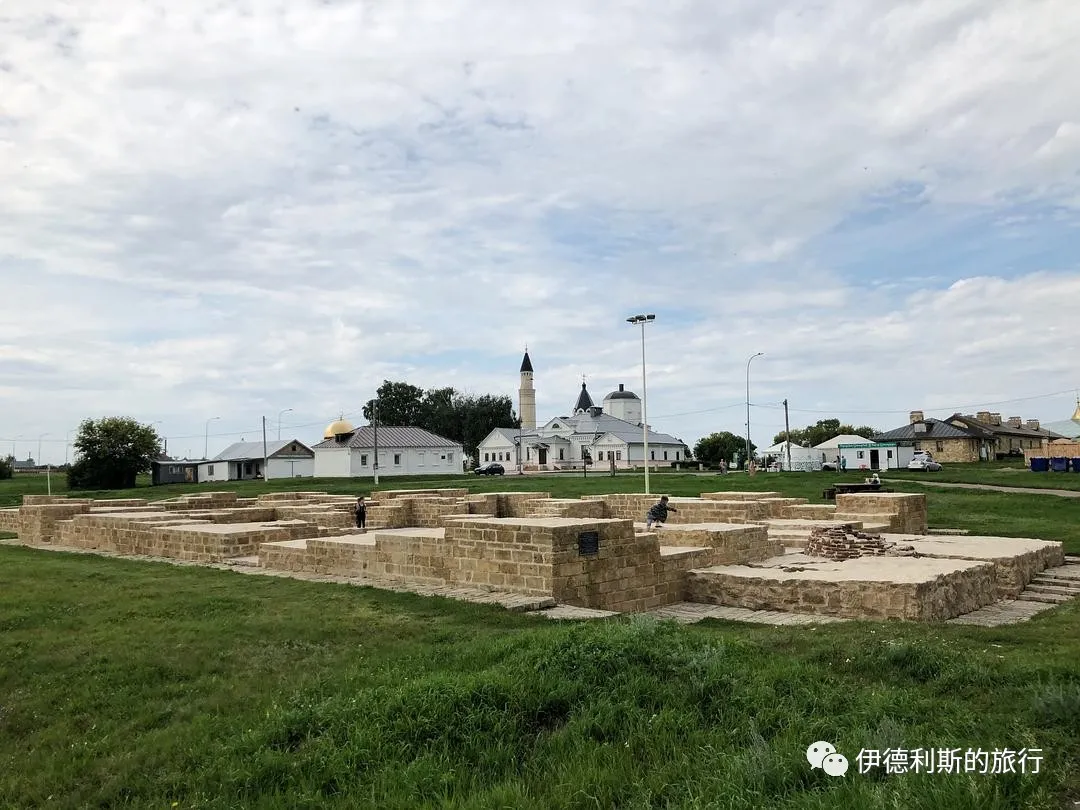
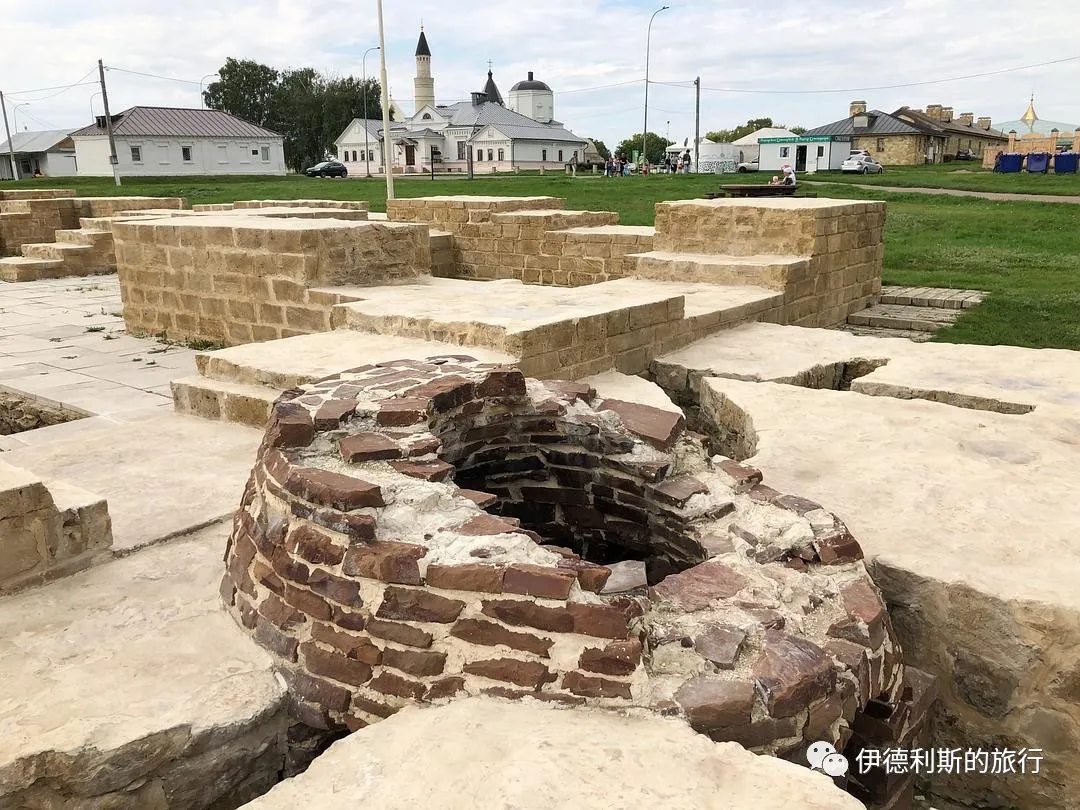
The White House is a public bathhouse located 250 meters southeast of the Black House; it was built in the 1340s during the Golden Horde period and abandoned in the 1460s.
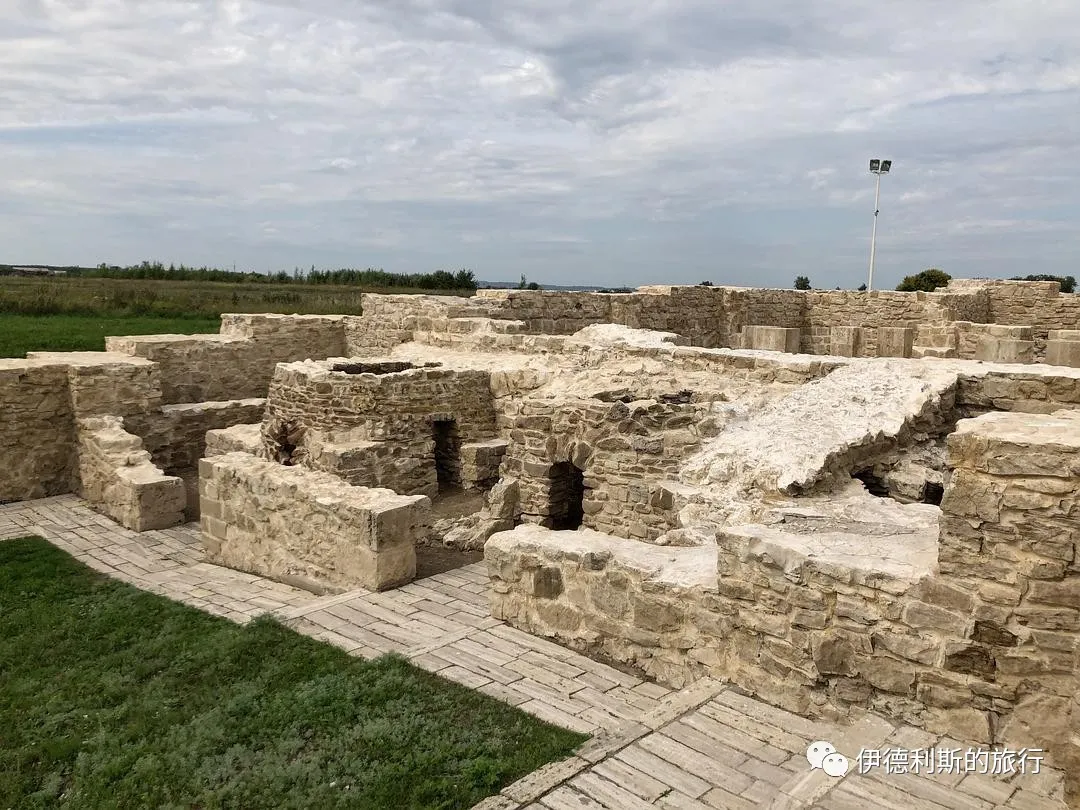
The bathhouse consists of several rectangular rooms of different sizes, including a cross-shaped central hall that once had a dome. The site still has the washing area with pools, fountains, and soap rooms, where you can clearly see the network of heating pipes, sewage systems, and well water facilities underneath.
Two circular furnaces heat the bathhouse, and these furnaces also have domed covers. The furnaces and air ducts are made of sandstone, while the causeway under the furnaces is made of limestone.
The White House you see today is how it looked after restoration and protection work in 2011.
Mausoleum
The Khan's Mausoleum was built in the early 14th century during the Golden Horde period, on the site of a former stone bathhouse. The mausoleum was rebuilt in the mid-14th century. There are 8 graves inside the mausoleum, some of which have tombstones. The archaeological monument was studied in 1968, and protection and partial restoration work took place in 1968, 1971, 1990, and 2006.
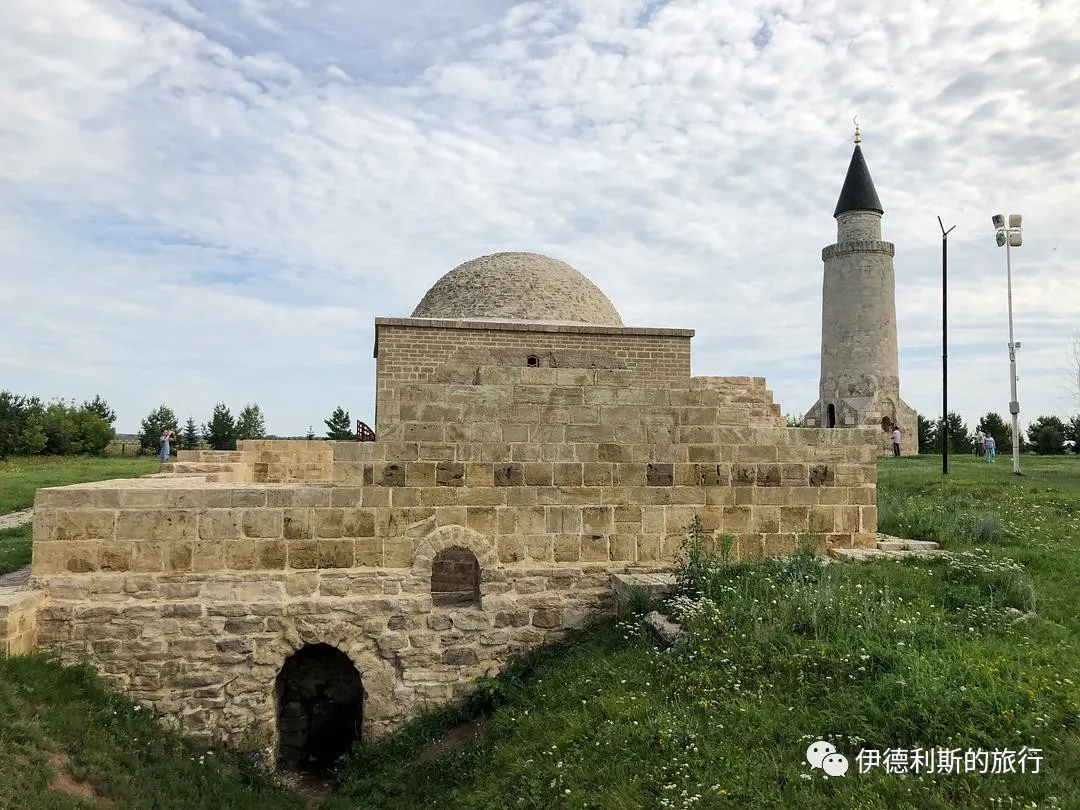
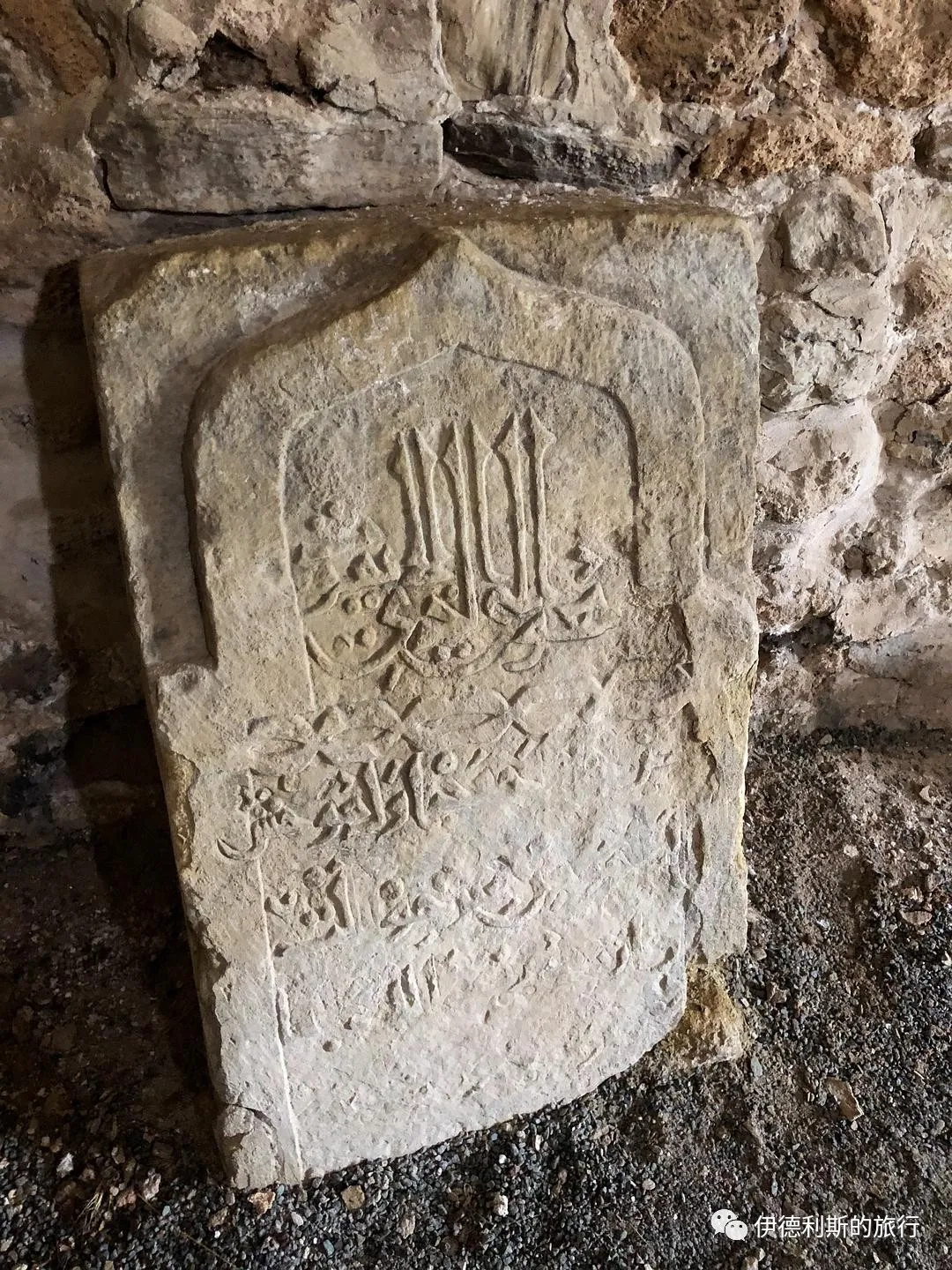
The Eastern Mausoleum is located on the east side of the Great Mosque. It was built in the 1330s during the Golden Horde period, when the Great Mosque underwent its second renovation and the central square of the ancient city of Bolgar was further developed.
The Northern Mausoleum was originally the family tomb of the Bolgar noble family, the Burashbeks. It later became St. Nicholas Church in the early 18th century, when an onion dome and a cross were added.
Archaeological excavations in 1964-1966 and 1991 uncovered 7 graves from the Golden Horde period inside the mausoleum. A strong wind damaged the roof in 1965, and the mausoleum was restored between 1967 and 1968.
The tombstone with an inscription in the mausoleum belonged to Sabar-llchzhi, the daughter of Prince Burash. It was discovered during the renovation of St. Nicholas Church between 1889 and 1890, moved to Kazan in 1994, and the item currently on display in the mausoleum is a replica.
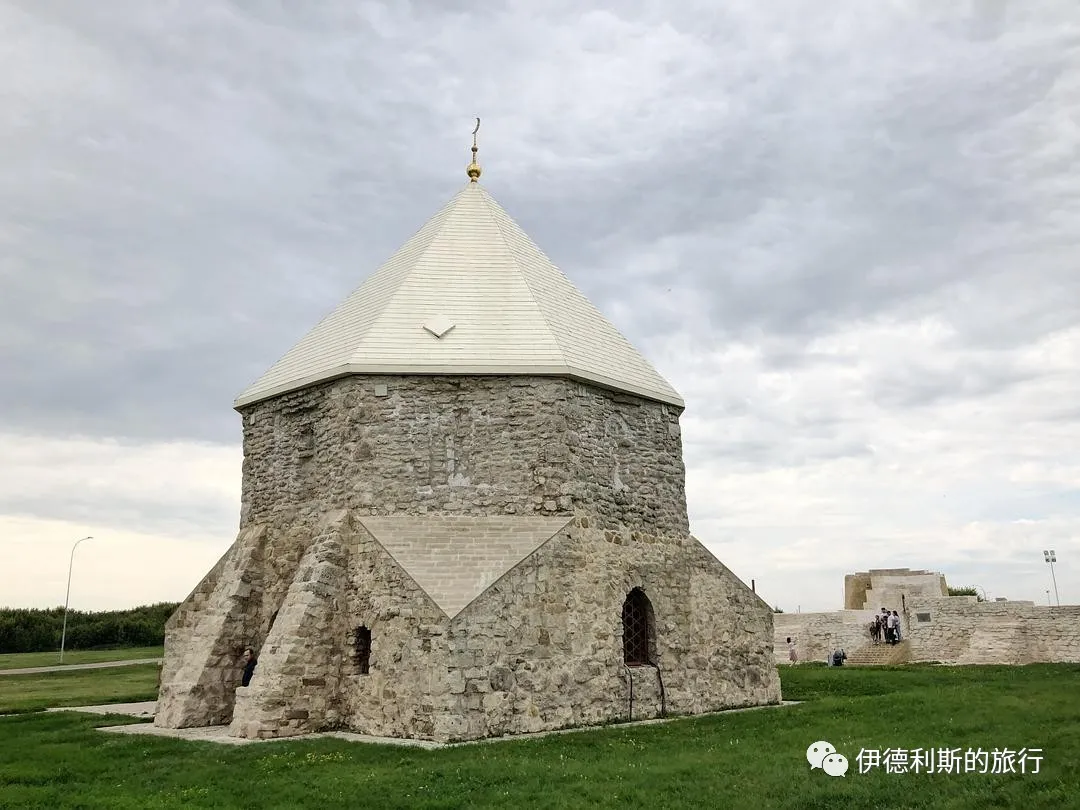
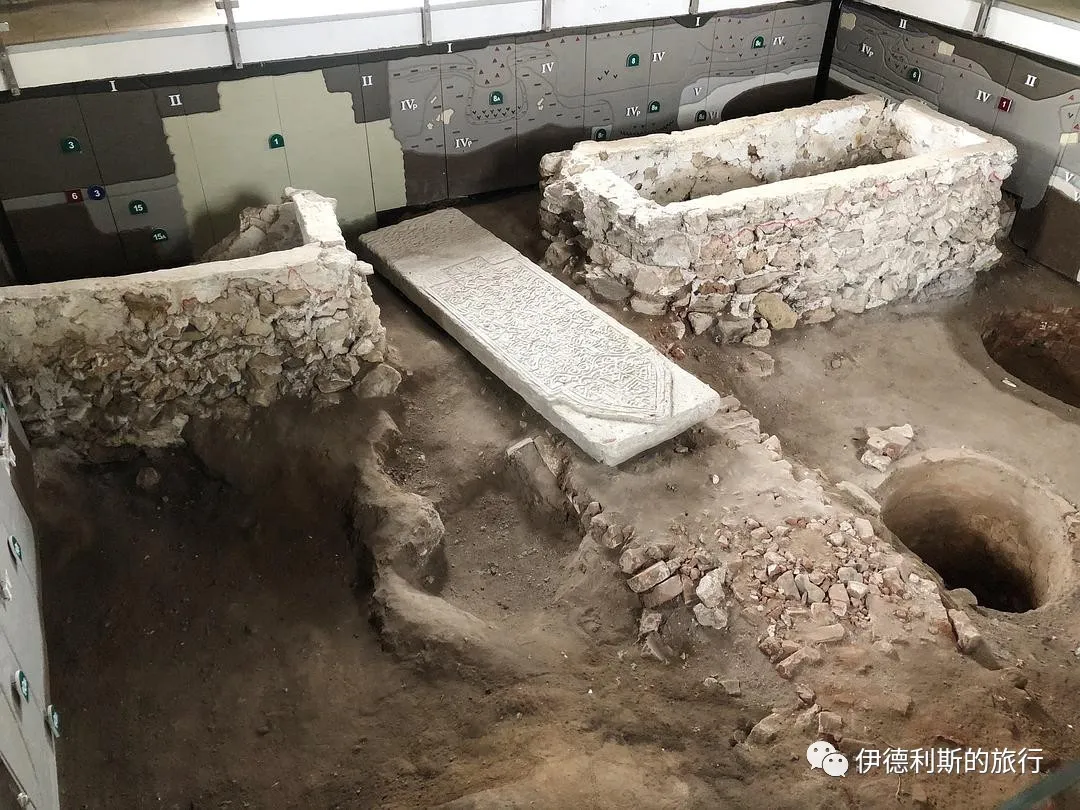
The Northern Mausoleum sits on the north side of the Great Mosque and, like the Eastern Mausoleum, was built in the 1330s during the Golden Horde period.
The Northern Mausoleum was originally a family tomb for Bulgar nobility, but it became a monastery cellar in the early 18th century. Archaeologists excavated the site twice, in 1964 and 1966, and partial restoration work took place between 1968 and 1969.
The interior of the mausoleum was closed when I visited, so I only saw the outside.
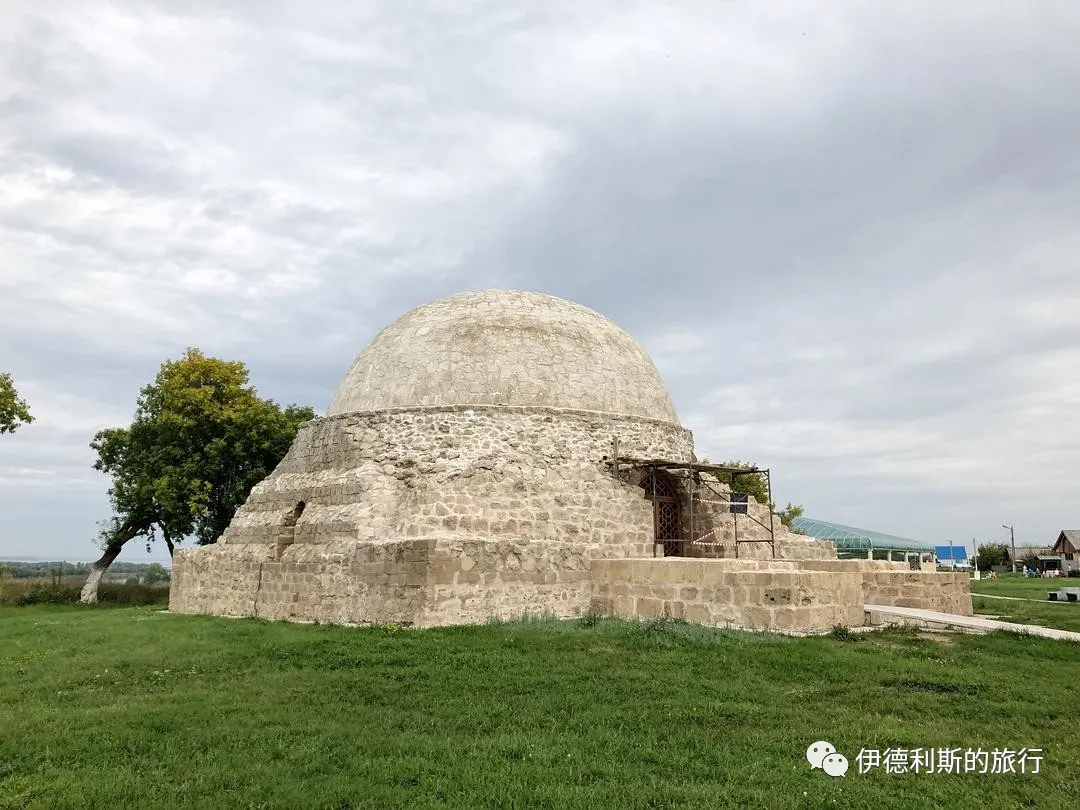
Several tombs from the Golden Horde period, dating from the mid-14th to the early 15th century, are scattered throughout the ancient city of Bolghar. These tombs were archaeologically excavated between the 1970s and 1980s.
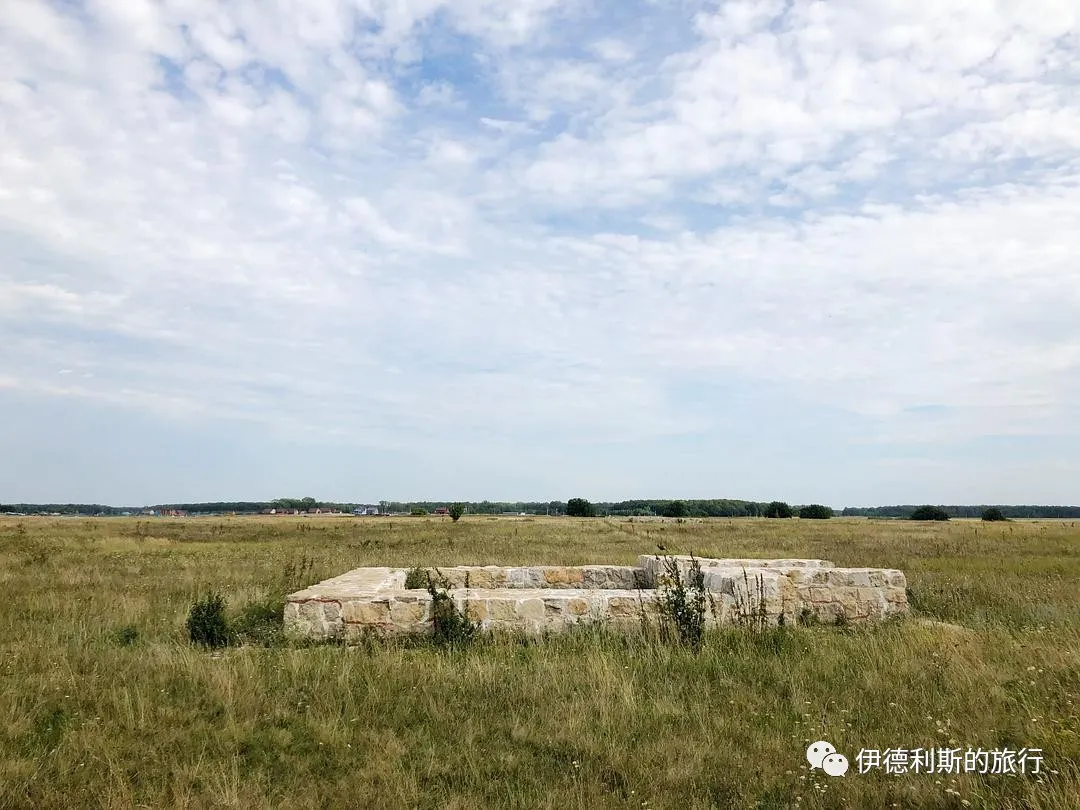
Hostel
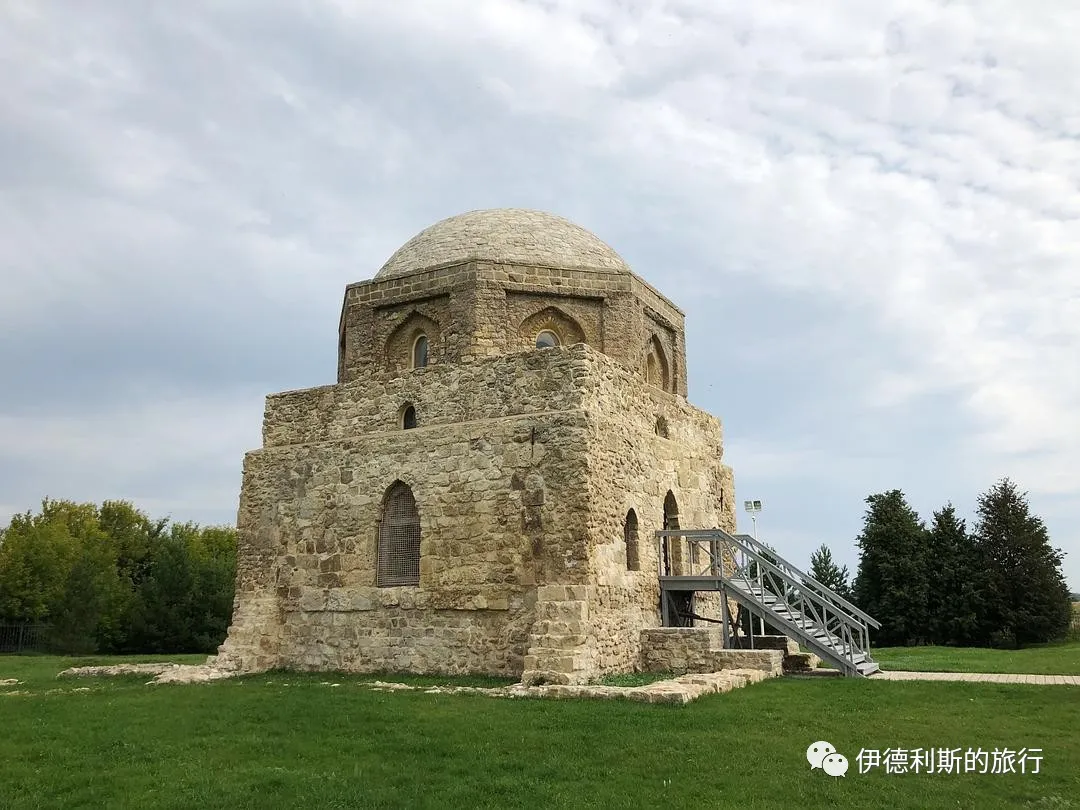
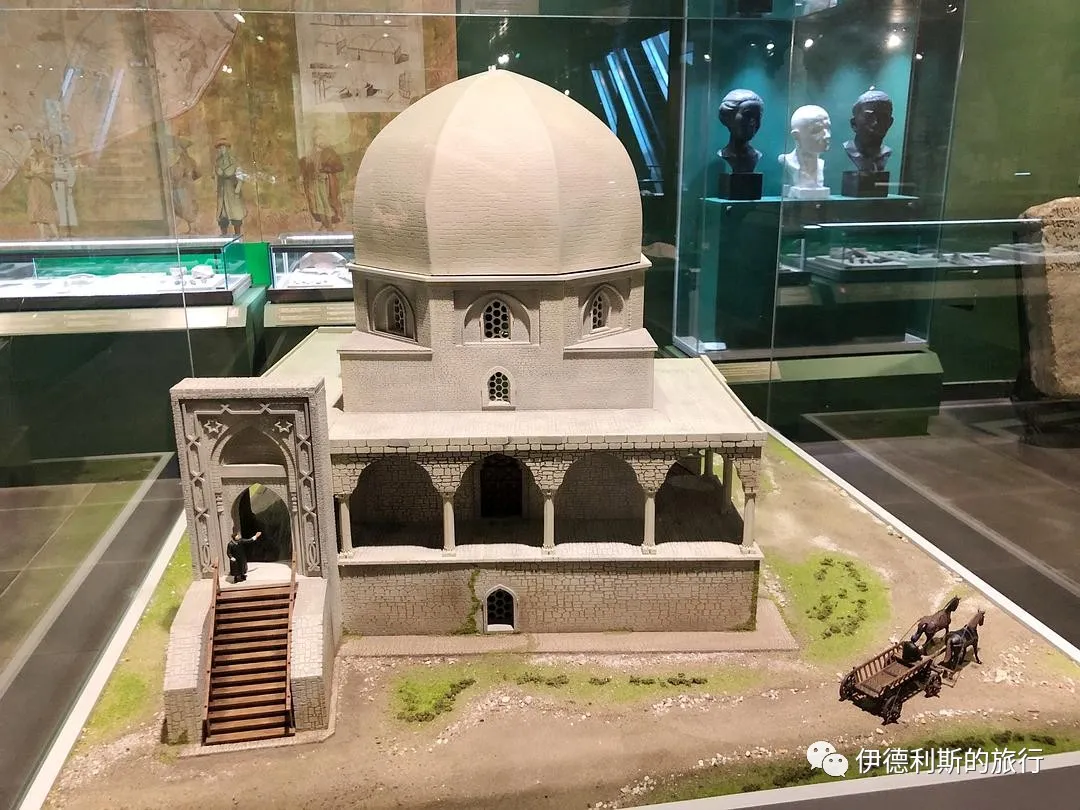
The Black Chamber was built in the mid-14th century during the Golden Horde period using white limestone. The Black Chamber is the only 14th-century civil building in the ancient city that still stands today. Its exact purpose is unknown, though it is thought to have been a courthouse or a pilgrim hostel. Archaeological excavations in 1957 and 1966 revealed that the building once had a surrounding gallery.
Unearthed artifacts
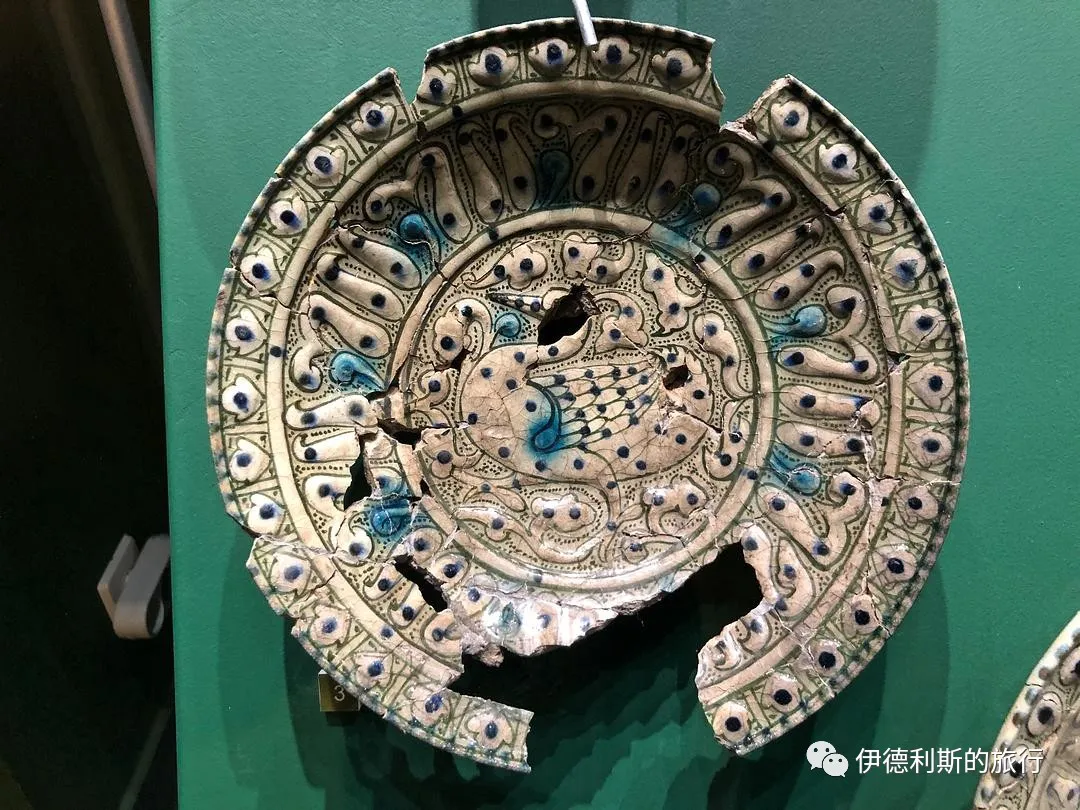
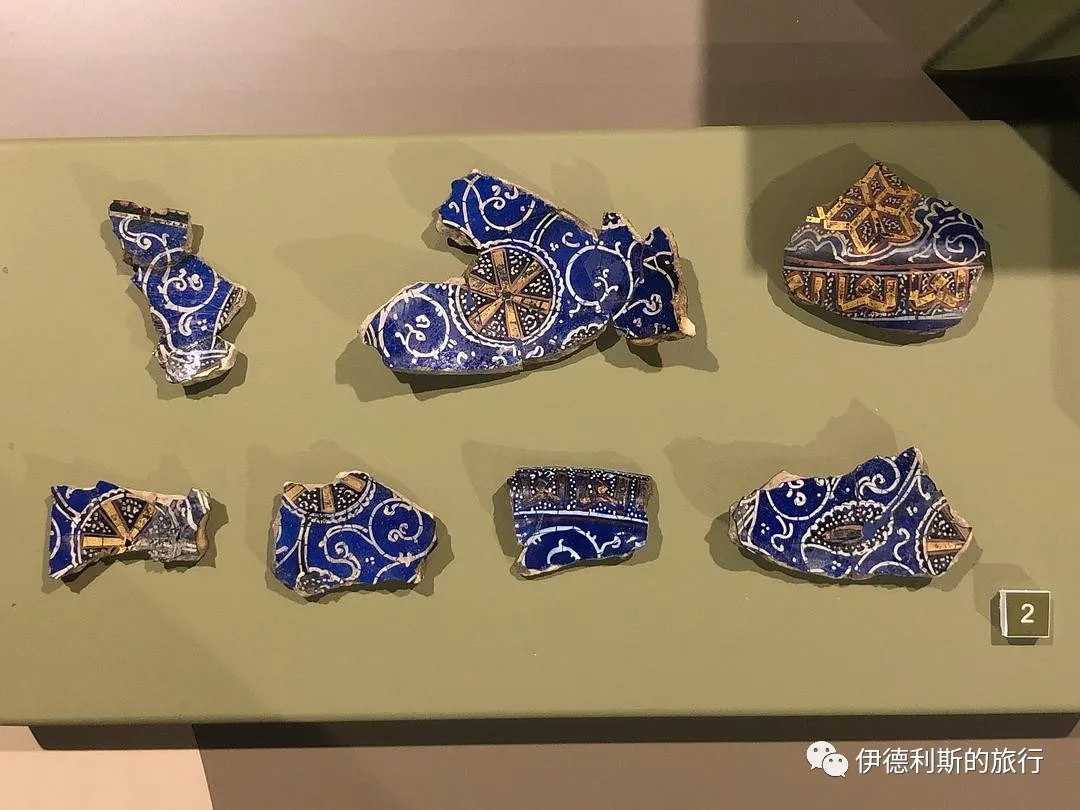
The Museum of Bulgar Civilization displays artifacts from the Golden Horde period found in the ancient city, including items with Chinese and Iranian styles.
Food
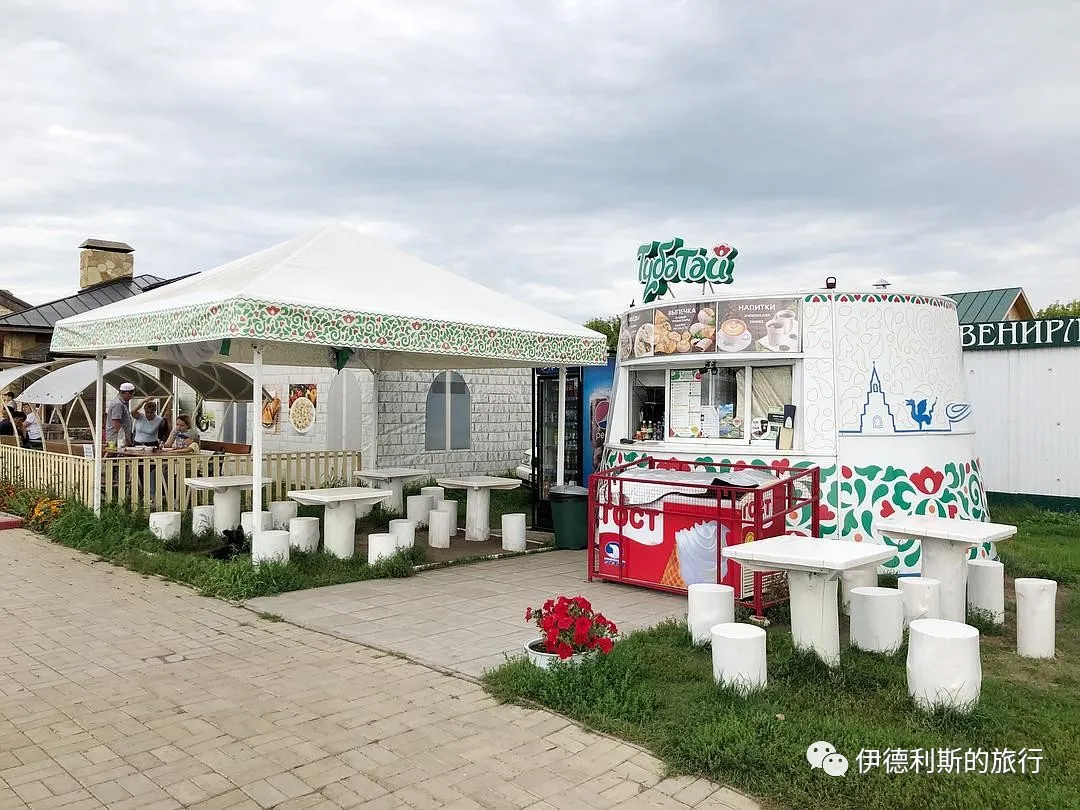
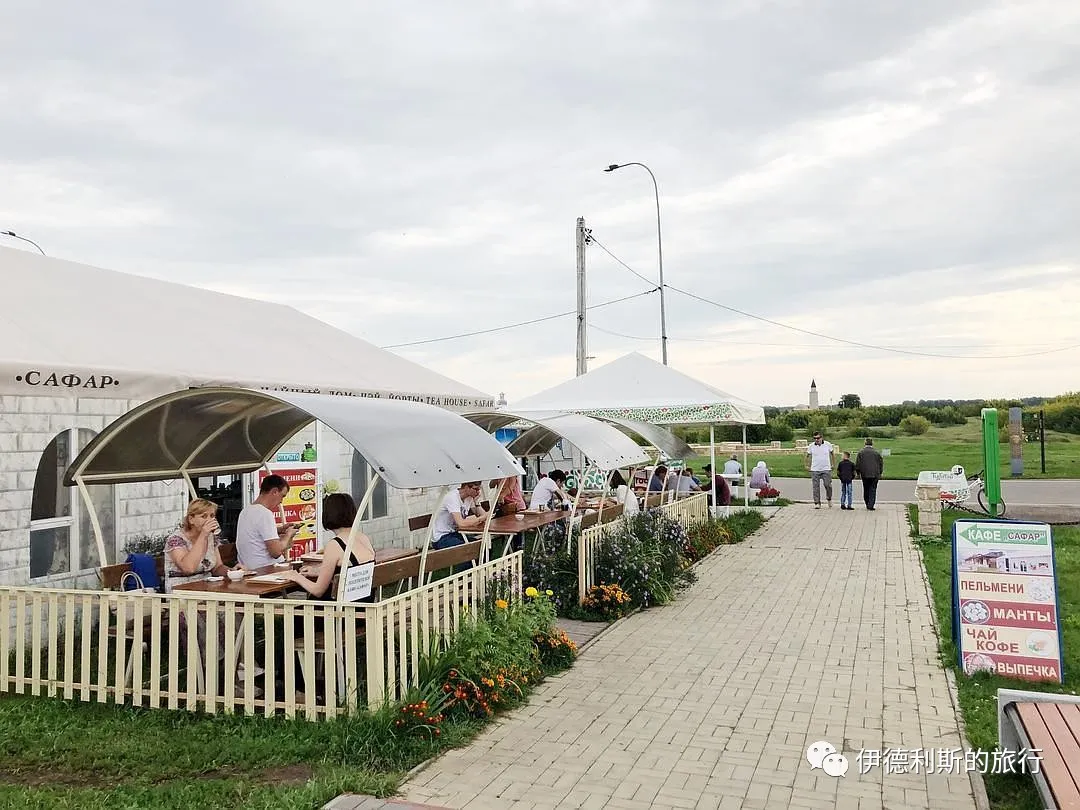
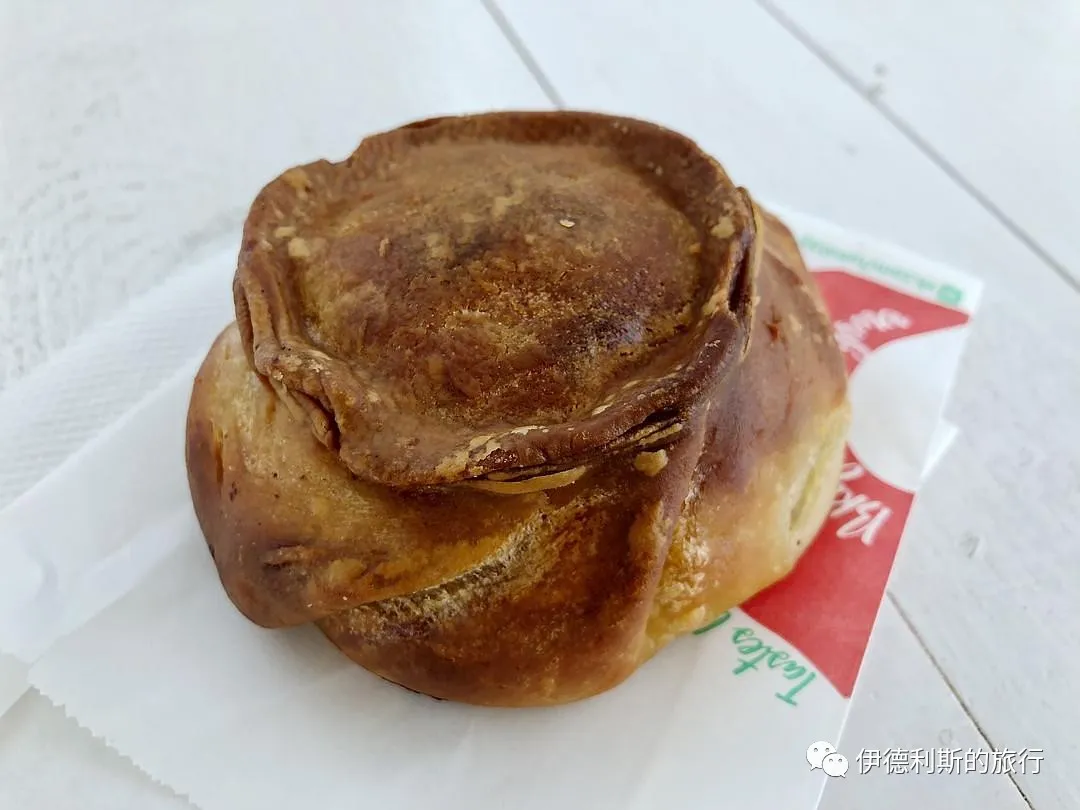
There are souvenir shops and snack bars around the ancient ruins. I ate at Tubatay (Тюбетей), a chain restaurant serving traditional Volga Tatar snacks. I had the pilaf and a traditional Volga Tatar meat pie called elesh (элеш), which is made with sour cream and yeast dough and filled with chicken, potatoes, and onions.
Summary: Bolgar on the Volga River is presented as a major Tatar Muslim heritage site south of Kazan. This account keeps the old city, mosques, museum notes, Islamic history, local names, and photographs from the trip.
The ancient city of Bolghar sits on the banks of the Volga River, south of Kazan, the capital of Tatarstan. It served as the capital of Volga Bulgaria during the 10th and 11th centuries. The Volga Bulgars converted to Islam in 922, making it 1,103 years ago this year.
Before the Crusades, Bolghar was a key trade hub between Europe and Asia and one of the wealthiest cities in the Islamic world. After 1236, Bolghar was rebuilt into an important economic, commercial, cultural, and religious center for the Golden Horde. Influenced by the Bolgars, the Mongol rulers of the Golden Horde also converted to Islam and built a series of mosques in the city. Most of the ruins standing in Bolghar today date back to this period.
After Ivan the Terrible of Russia conquered the Kazan Khanate in 1552, the ancient city fell into complete decline. In the early 18th century, there were over 70 buildings within the ruins, including nine minarets, but only one minaret remains today. During the Soviet era, because they could not go on Hajj, some Muslims in Tatarstan and other parts of the Soviet Union chose to visit the ancient city of Bolghar for a 'minor pilgrimage'.
Today, the ancient city of Bolghar holds a special place in the hearts of the Volga Tatars. They view the Volga Bulgars as their ancestors and see Bolghar as their historical and religious capital. In 2014, the ancient city of Bolghar was added to the UNESCO World Heritage list.
Palace
The Khan's Palace is located east of the Great Mosque and was built in the mid-13th century during the early Golden Horde period. Since 1994, over 1,000 square meters of archaeological excavations have been conducted, and 30% of the coins unearthed date from 1240 to 1259.
City Gates
Outside the south gate of the ancient city of Bolghar lies the site of a small town from the 13th to 14th-century Golden Horde period. It is believed this was built to strengthen the defenses of the south gate of Bolghar.
Mosque
The Great Mosque (Qingzhen Dasi) is the most important building site from the Golden Horde era still standing in the ancient city of Bolgar. It served as the city center of Bolgar during the 13th and 14th centuries and features the classic architectural style of the Golden Horde period.
The Great Mosque is made of limestone. It measures 34 meters long and 32 meters wide, with 20 columns and a wooden gabled roof. The four walls are plastered and reinforced with buttresses. The north side of the mosque has an arched gate and a minaret, while the south side features a mihrab niche with beautiful carvings. The Great Mosque was renovated in the early 14th century, and corner towers were added in the 1440s.
Archaeologists excavated the Great Mosque three times in 1892, 1915, and 1946. It underwent two restoration projects between 1964 and 1966, and again from 2003 to 2005. The limestone walls are covered with a protective layer. The ground is now paved with white flooring, and walkways and drainage ditches have been built.
A 24-meter-tall Great Minaret once stood on the north side of the Great Mosque. It collapsed in 1841, and locals took the stones away. When Kazan University professor I. Berezin passed through Bolgar in 1846, he saw several stone carvings with Quran verses at the site of the Great Minaret.
Based on a series of drawings and documents from the 18th and 19th centuries, the Great Minaret was rebuilt in 2000.
The Small Minaret was built in the late 14th century during the Golden Horde period. It is similar in design to the Great Minaret of the Great Mosque and is the only minaret in the ancient city that has survived to this day. Archaeologists excavated this site in 1914 and again from 1968 to 1969. Repairs were carried out between 1968 and 1970.
Hammam
The Eastern House is the remains of a public bathhouse built in the 1290s during the Golden Horde period. It is the oldest and largest public bathhouse site remaining in the ancient city of Bolgar. The entire bathhouse consists of three parts. The central space includes a heated changing room, a central cross-shaped hall, and four bathrooms. The western space includes a heated changing room and a boiler room, which consists of a furnace and two hot air ducts. The eastern space consists of a boiler with three air ducts.
Archaeological excavations took place at the bathhouse between 1984 and 1992, and coins found there show it was likely in use from the 1290s to the 1340s.
The White House is a public bathhouse located 250 meters southeast of the Black House; it was built in the 1340s during the Golden Horde period and abandoned in the 1460s.
The bathhouse consists of several rectangular rooms of different sizes, including a cross-shaped central hall that once had a dome. The site still has the washing area with pools, fountains, and soap rooms, where you can clearly see the network of heating pipes, sewage systems, and well water facilities underneath.
Two circular furnaces heat the bathhouse, and these furnaces also have domed covers. The furnaces and air ducts are made of sandstone, while the causeway under the furnaces is made of limestone.
The White House you see today is how it looked after restoration and protection work in 2011.
Mausoleum
The Khan's Mausoleum was built in the early 14th century during the Golden Horde period, on the site of a former stone bathhouse. The mausoleum was rebuilt in the mid-14th century. There are 8 graves inside the mausoleum, some of which have tombstones. The archaeological monument was studied in 1968, and protection and partial restoration work took place in 1968, 1971, 1990, and 2006.
The Eastern Mausoleum is located on the east side of the Great Mosque. It was built in the 1330s during the Golden Horde period, when the Great Mosque underwent its second renovation and the central square of the ancient city of Bolgar was further developed.
The Northern Mausoleum was originally the family tomb of the Bolgar noble family, the Burashbeks. It later became St. Nicholas Church in the early 18th century, when an onion dome and a cross were added.
Archaeological excavations in 1964-1966 and 1991 uncovered 7 graves from the Golden Horde period inside the mausoleum. A strong wind damaged the roof in 1965, and the mausoleum was restored between 1967 and 1968.
The tombstone with an inscription in the mausoleum belonged to Sabar-llchzhi, the daughter of Prince Burash. It was discovered during the renovation of St. Nicholas Church between 1889 and 1890, moved to Kazan in 1994, and the item currently on display in the mausoleum is a replica.
The Northern Mausoleum sits on the north side of the Great Mosque and, like the Eastern Mausoleum, was built in the 1330s during the Golden Horde period.
The Northern Mausoleum was originally a family tomb for Bulgar nobility, but it became a monastery cellar in the early 18th century. Archaeologists excavated the site twice, in 1964 and 1966, and partial restoration work took place between 1968 and 1969.
The interior of the mausoleum was closed when I visited, so I only saw the outside.
Several tombs from the Golden Horde period, dating from the mid-14th to the early 15th century, are scattered throughout the ancient city of Bolghar. These tombs were archaeologically excavated between the 1970s and 1980s.
Hostel
The Black Chamber was built in the mid-14th century during the Golden Horde period using white limestone. The Black Chamber is the only 14th-century civil building in the ancient city that still stands today. Its exact purpose is unknown, though it is thought to have been a courthouse or a pilgrim hostel. Archaeological excavations in 1957 and 1966 revealed that the building once had a surrounding gallery.
Unearthed artifacts
The Museum of Bulgar Civilization displays artifacts from the Golden Horde period found in the ancient city, including items with Chinese and Iranian styles.
Food
There are souvenir shops and snack bars around the ancient ruins. I ate at Tubatay (Тюбетей), a chain restaurant serving traditional Volga Tatar snacks. I had the pilaf and a traditional Volga Tatar meat pie called elesh (элеш), which is made with sour cream and yeast dough and filled with chicken, potatoes, and onions.
