
Halal Food Guide: Indonesian Embassy - Authentic Indonesian Dishes
Reposted from the web
Summary: The Indonesian Embassy in Beijing hosted its annual Indonesian cultural festival on August 17, Indonesia's Independence Day. The visit records traditional performances, crafts, Indonesian coffee, and halal Indonesian dishes served at the event.
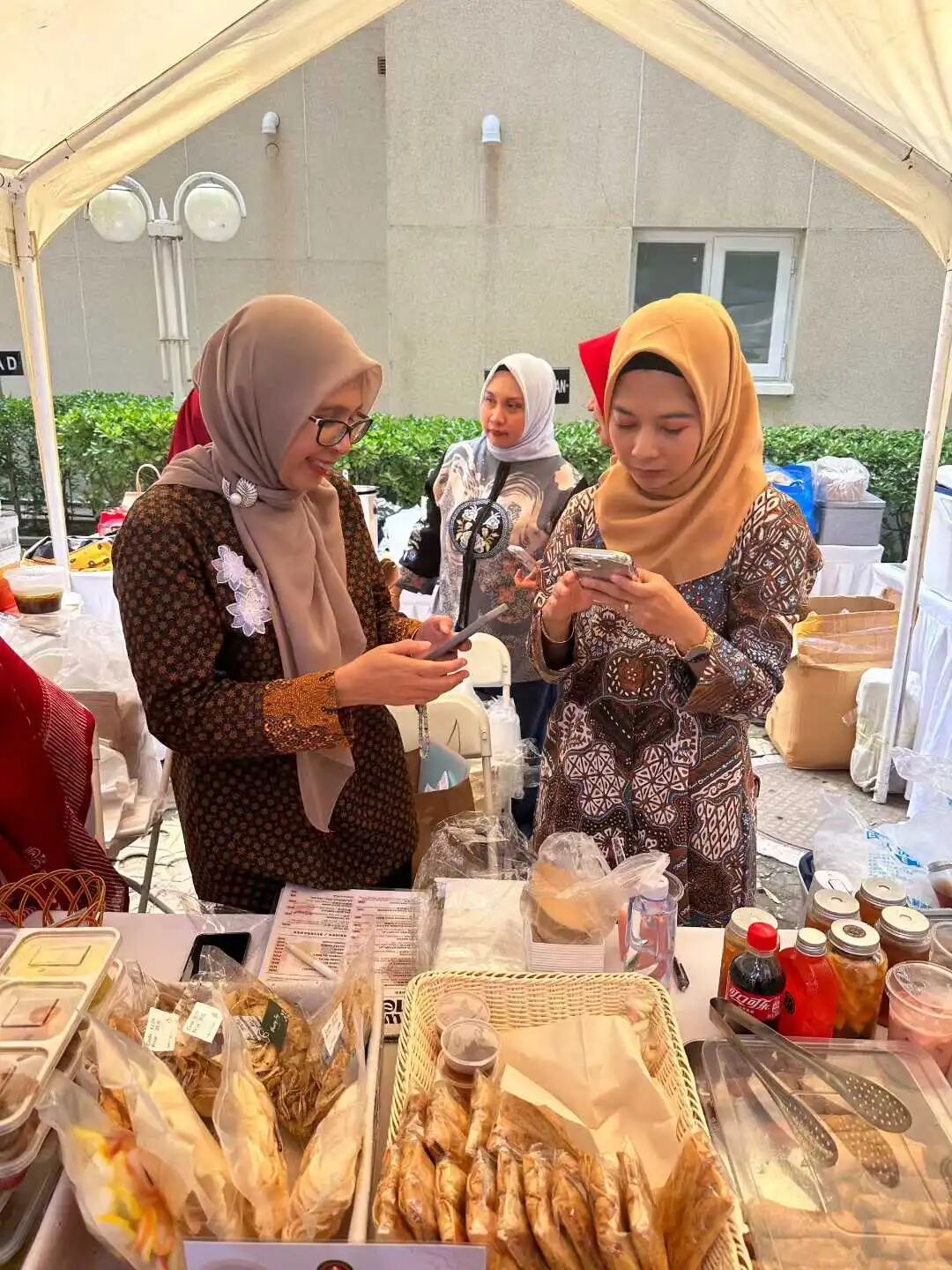
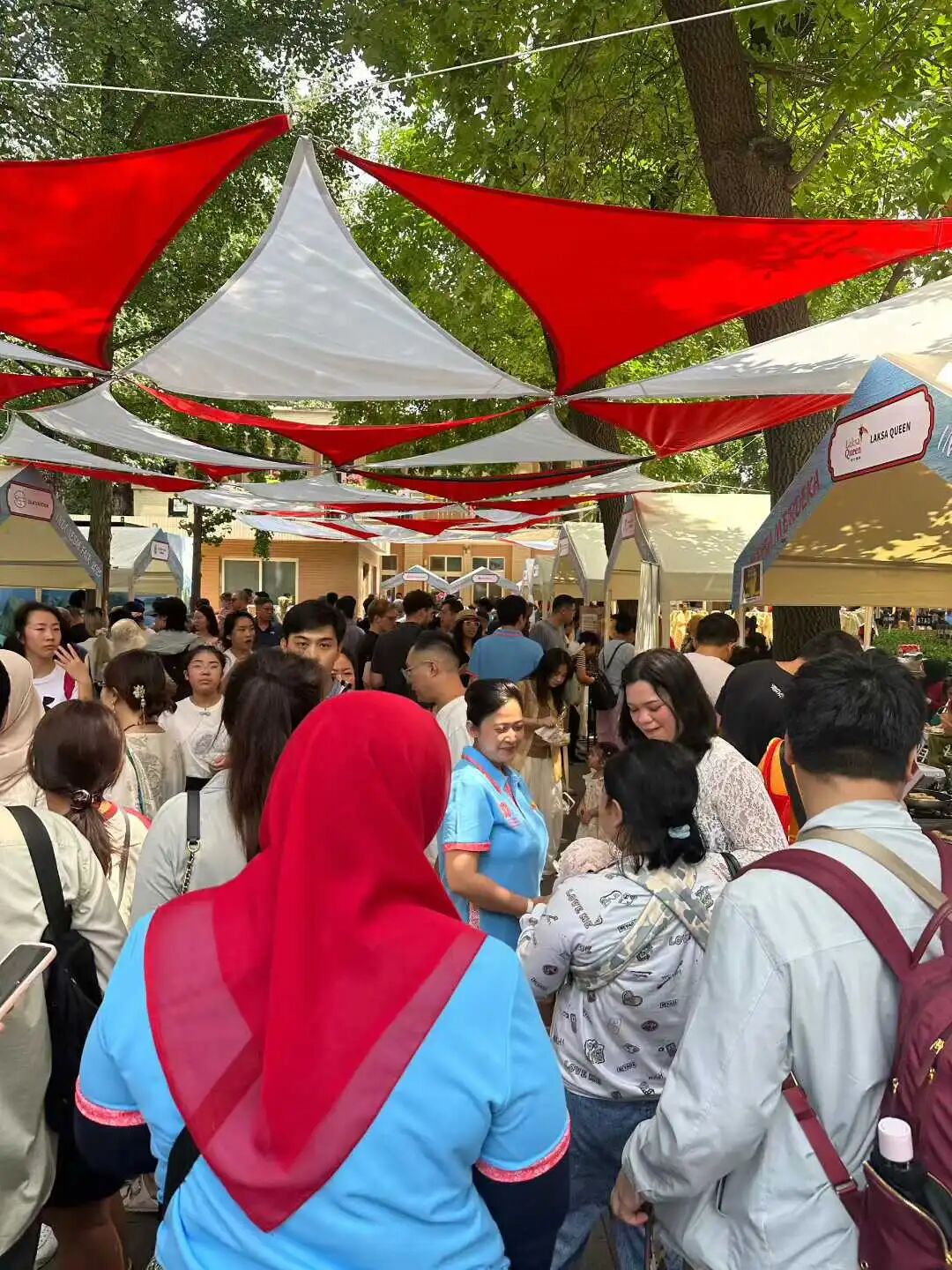
August 17 is Indonesia's Independence Day, and the Indonesian Embassy in China held its annual Indonesian Cultural Festival. There were displays of traditional Indonesian songs, dances, clothing, and crafts, and I also drank some dark-roasted Indonesian coffee.

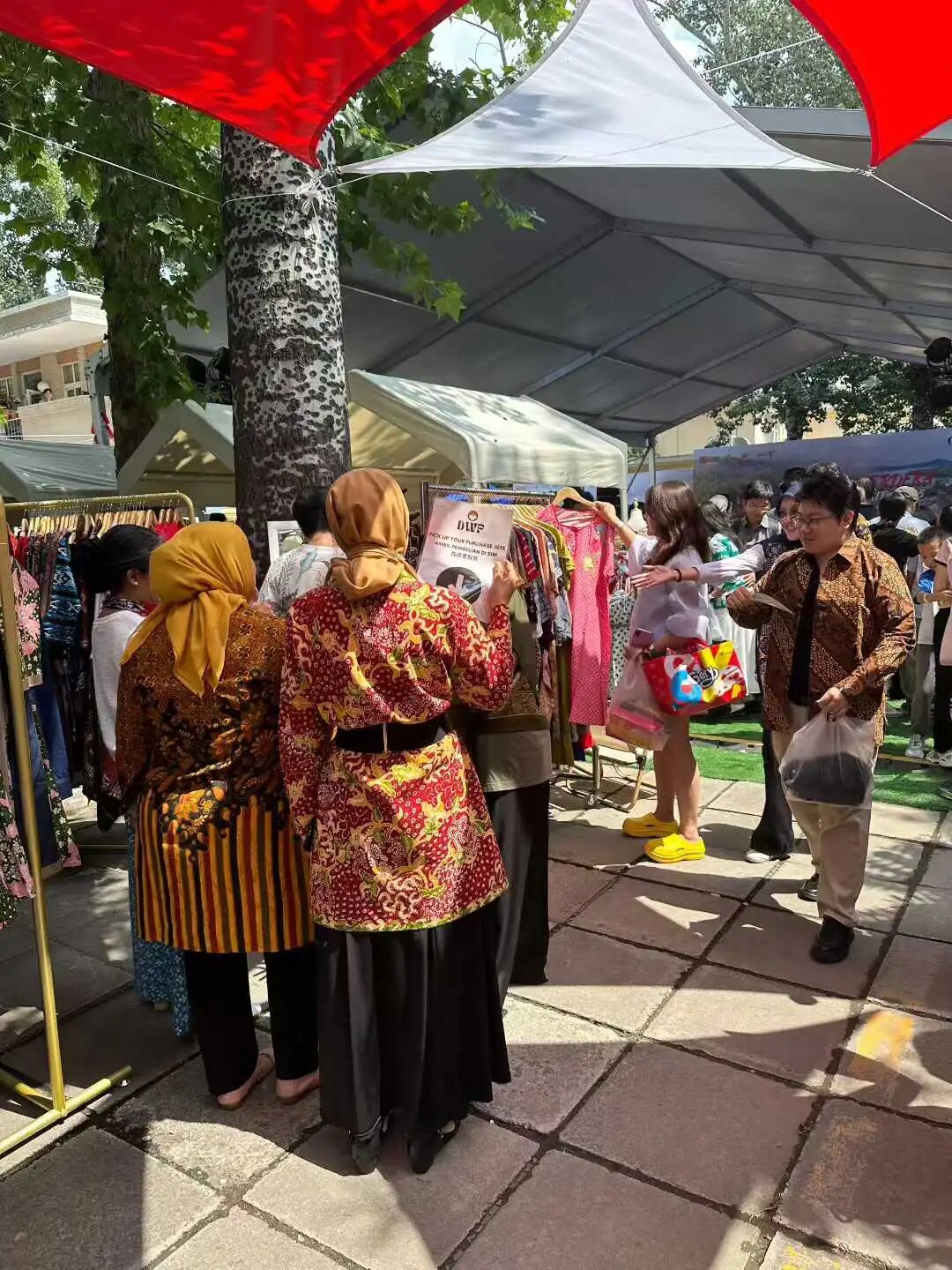
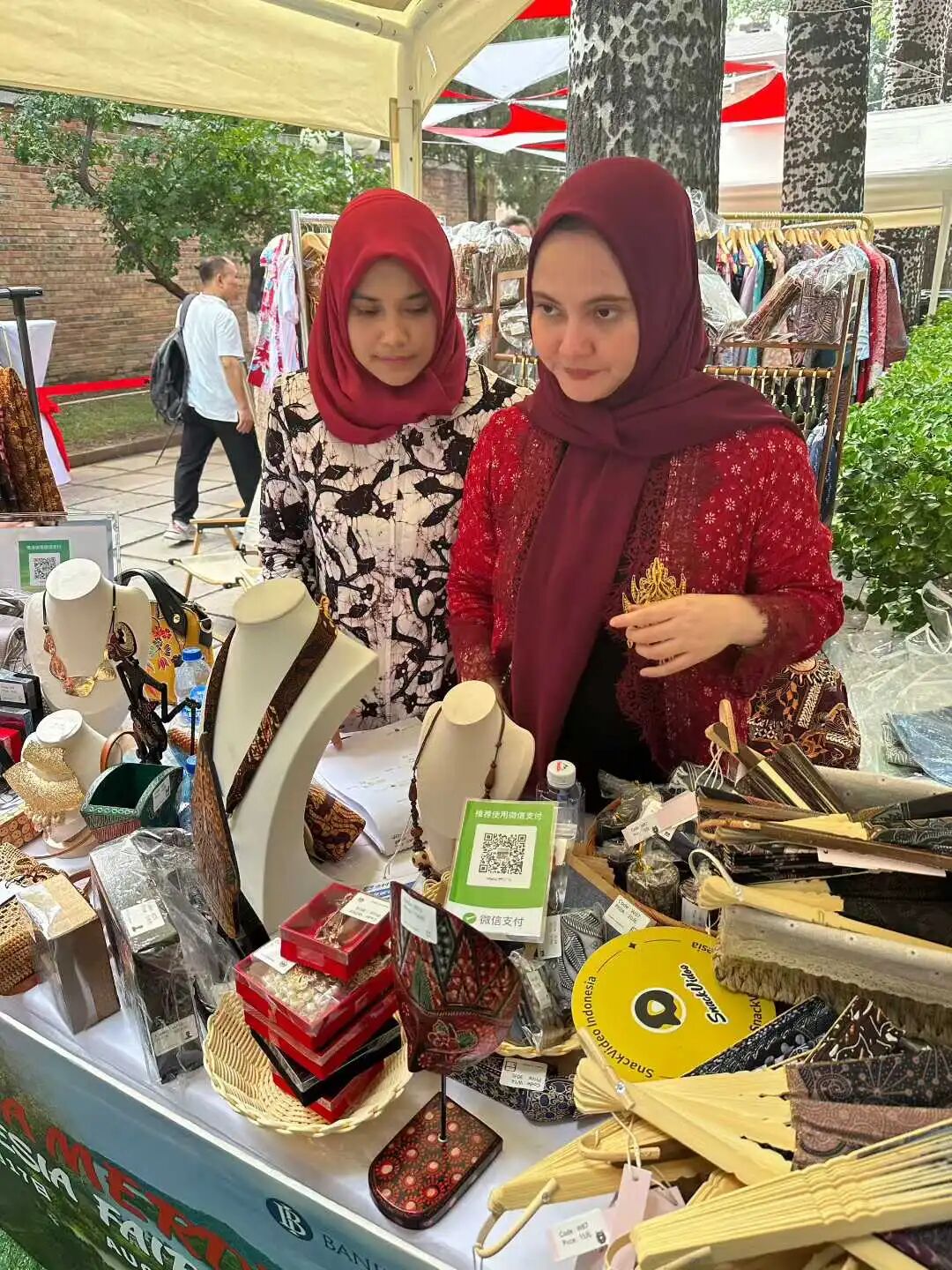
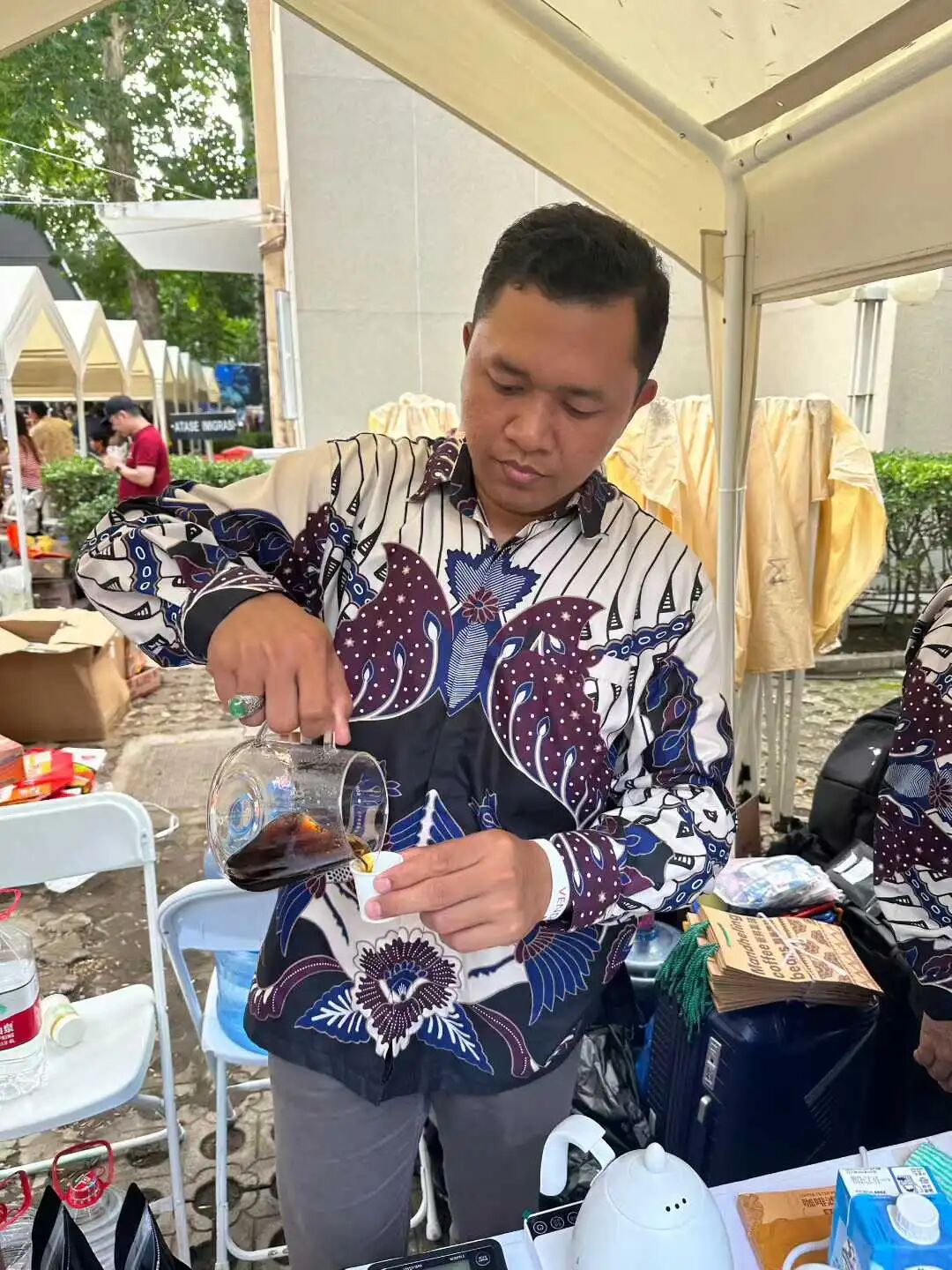
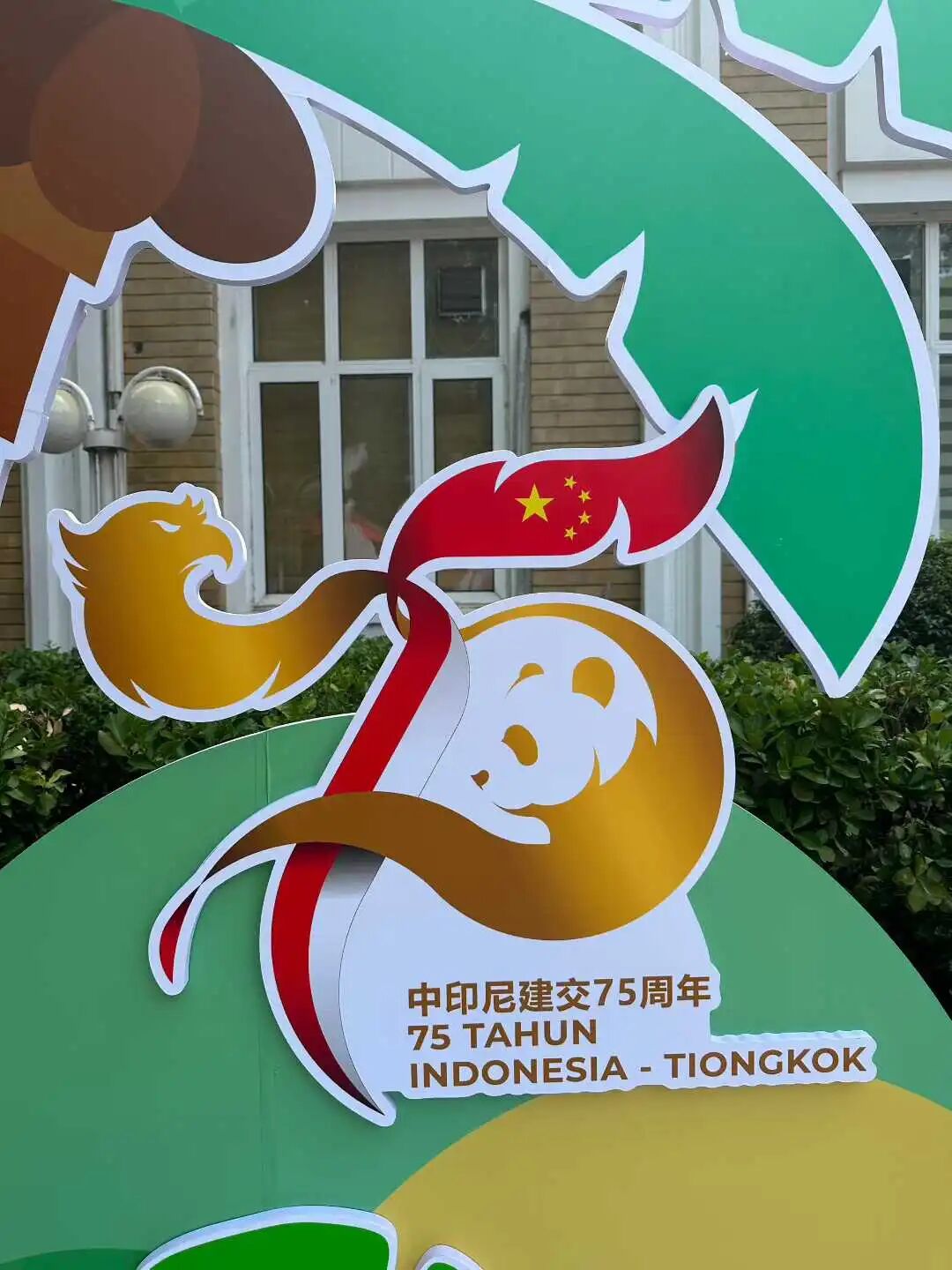
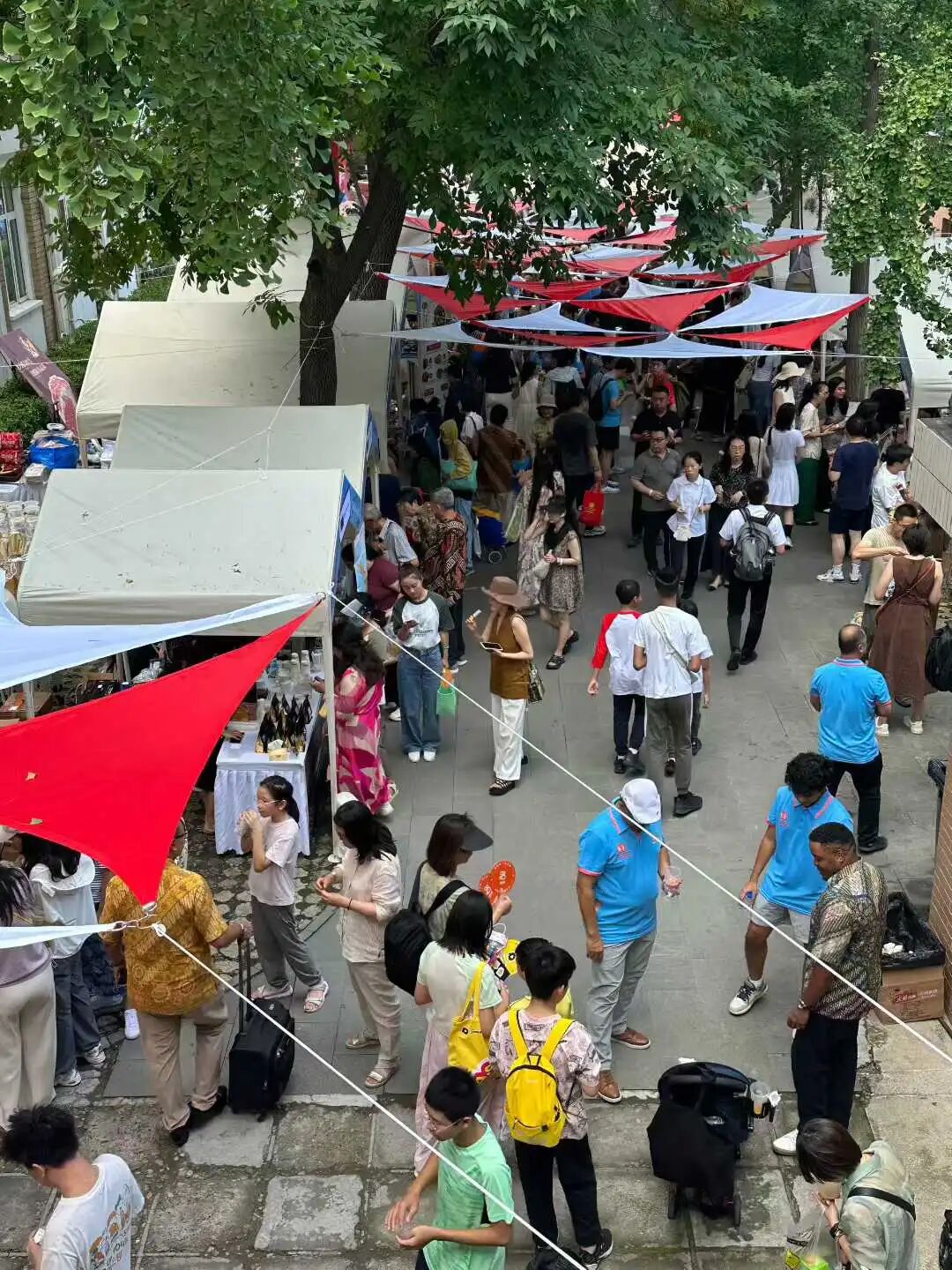
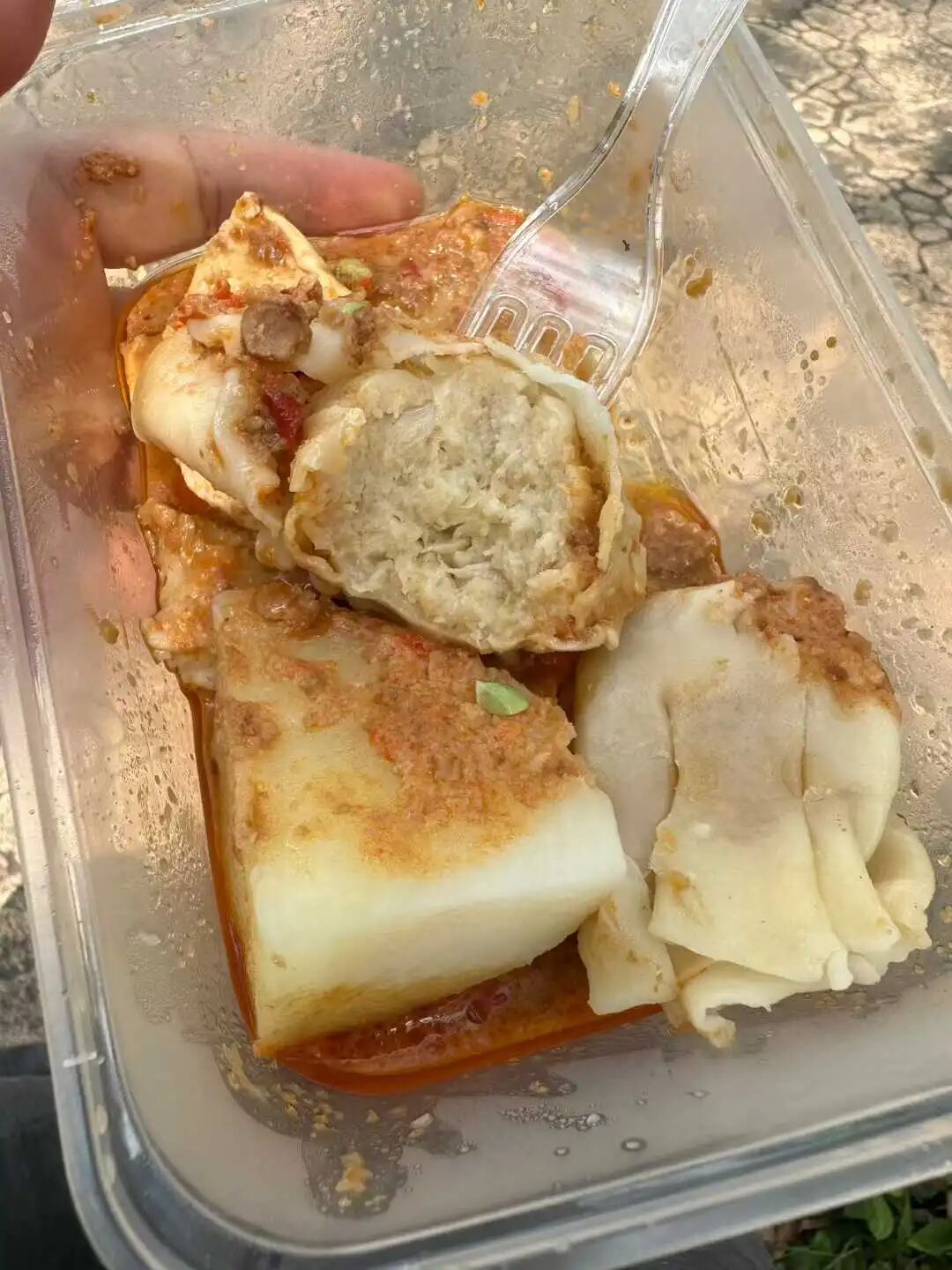
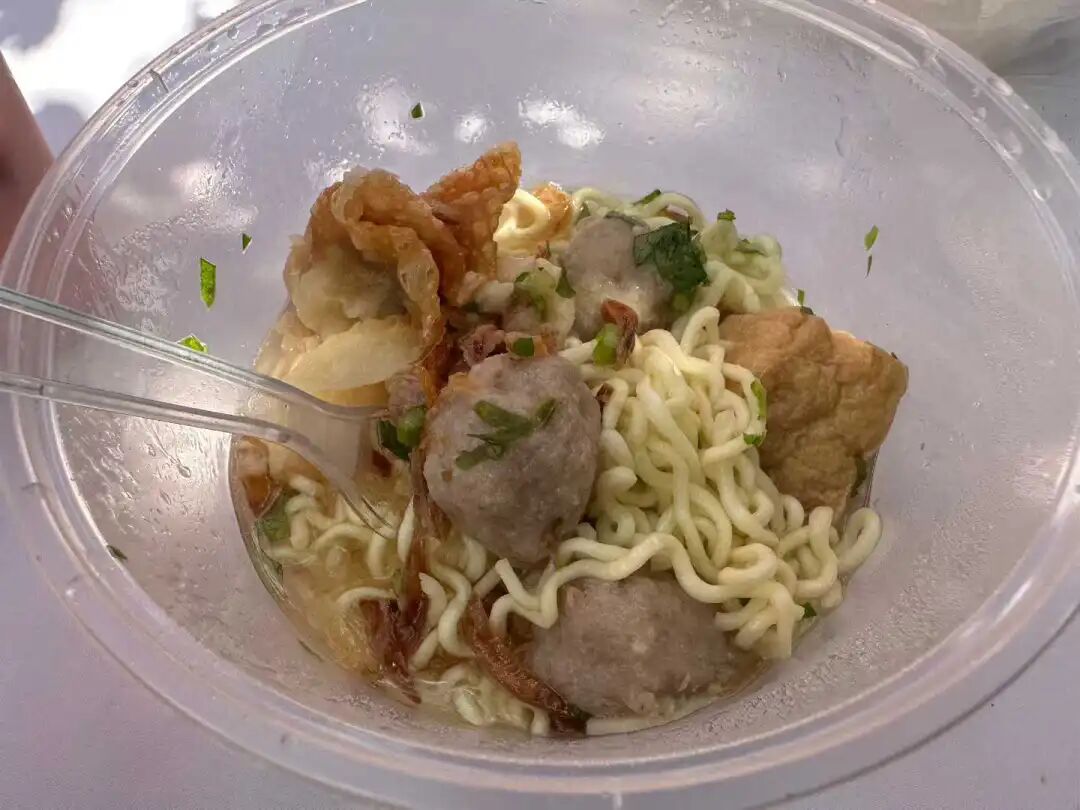
This is our third year attending, and the crowds get bigger every year. As usual, we bought Indonesian steamed dumplings (siomay) and beef ball noodle soup (mie bakso) at the Ella's Kitchen stall.
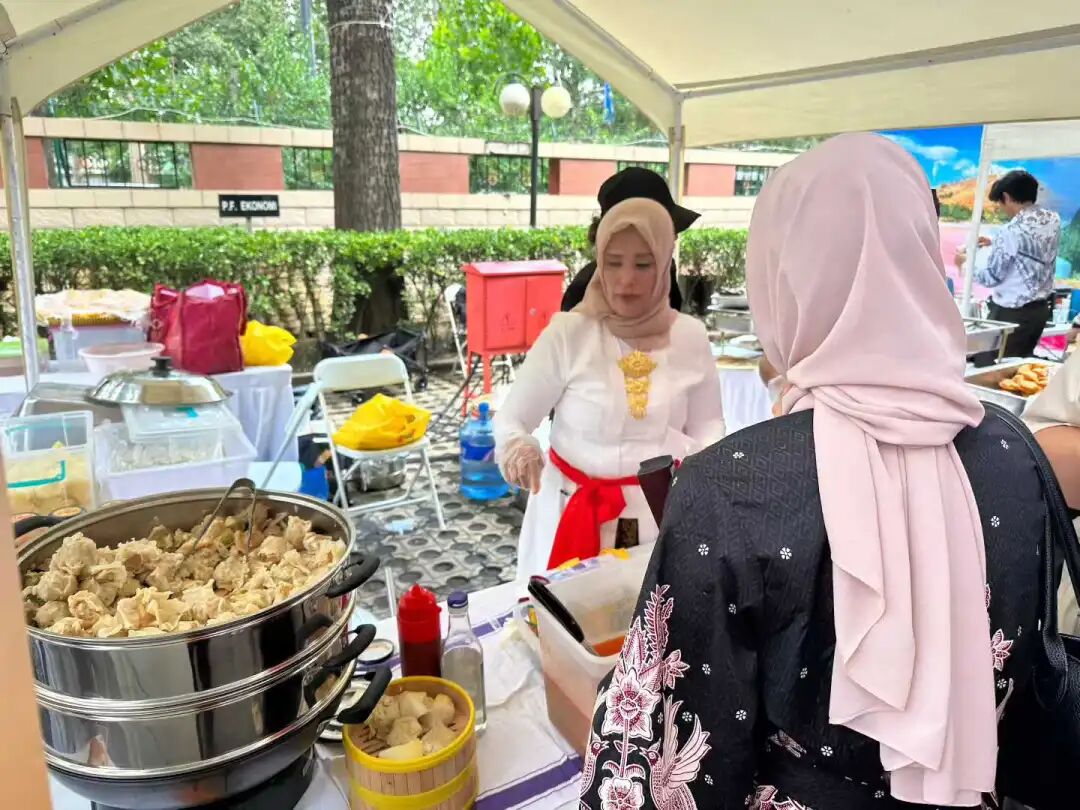
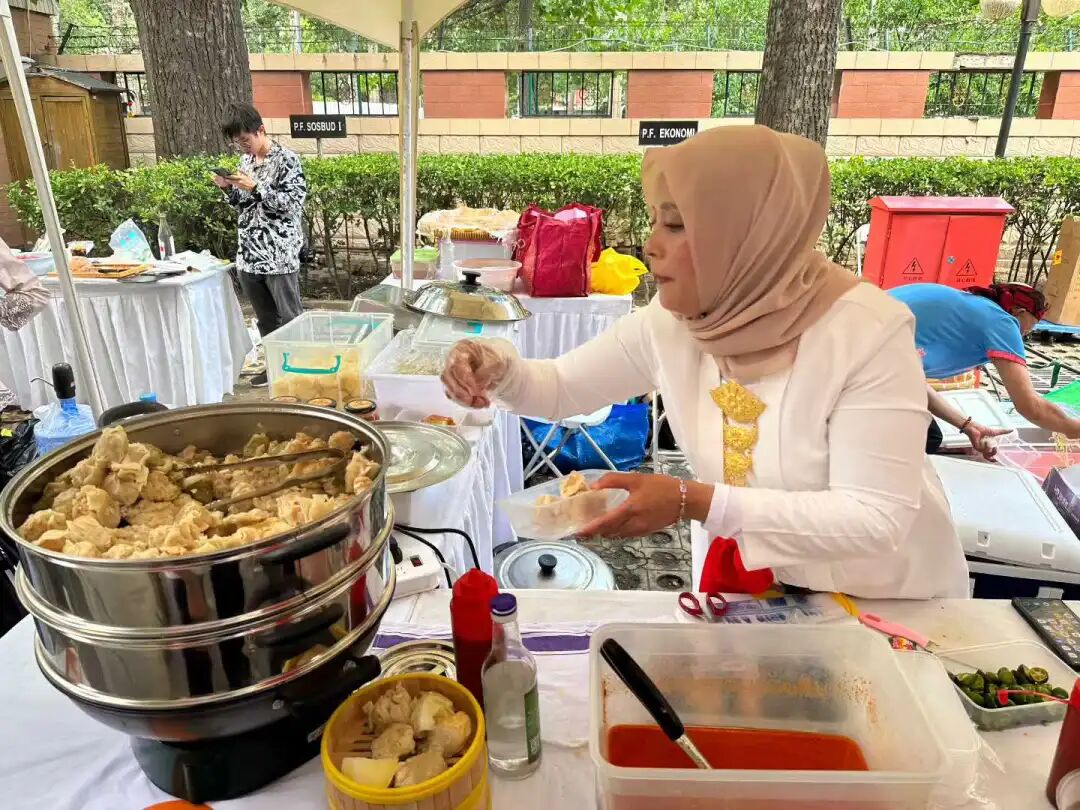
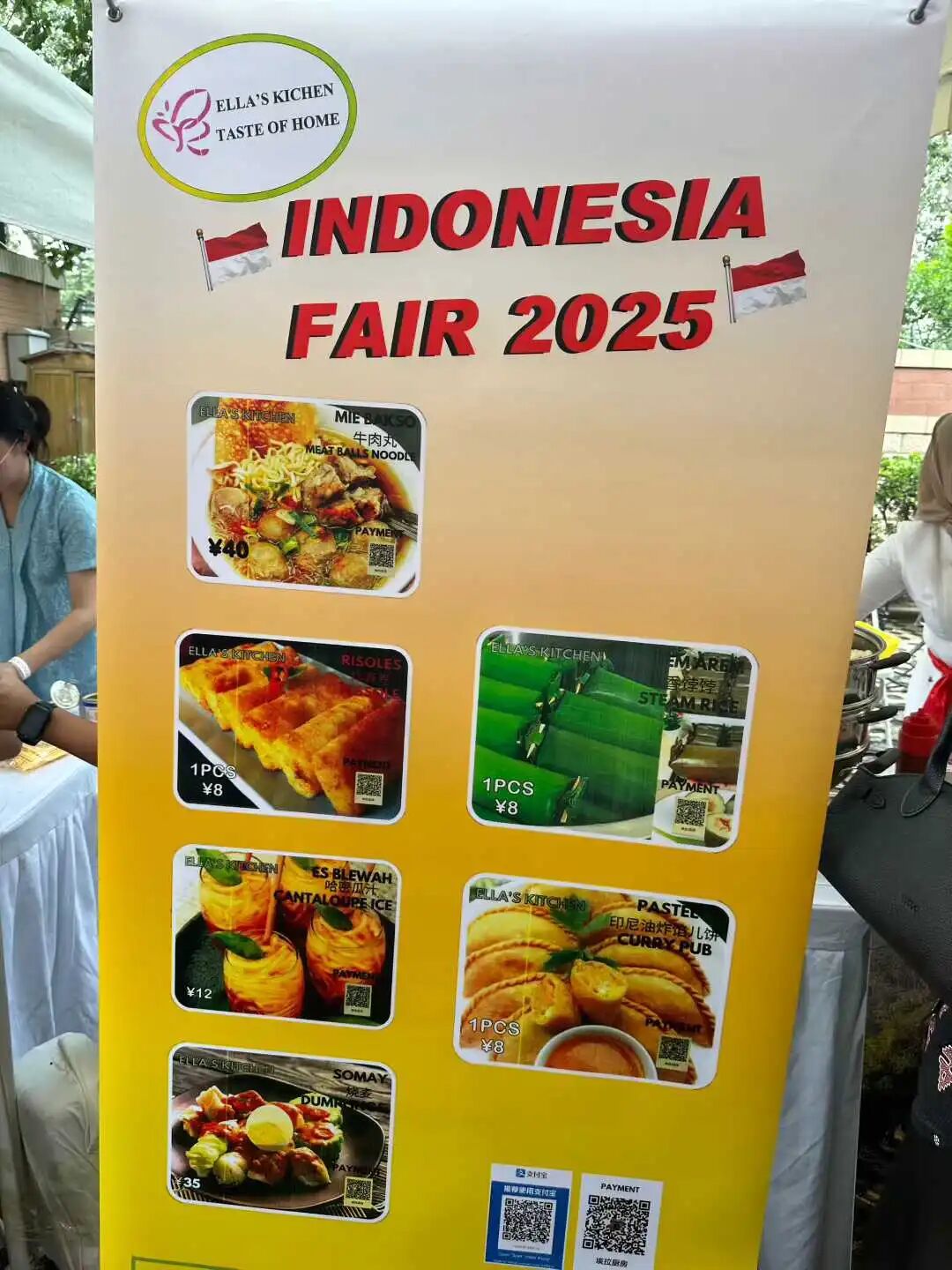
Indonesian siomay comes from the siomay of southern China. It was first adapted by the Sundanese people of West Java, who replaced the pork filling with fish. It is served with cabbage, tofu, potatoes, boiled eggs, and stuffed bitter melon, then topped with peanut sauce and sweet soy sauce. It is now a classic street snack across Indonesia.
The bakso balls are made from beef, fish paste, and a small amount of tapioca flour, making them very firm. The finished balls are usually placed in beef broth and served with tofu, glass noodles, and various side dishes.
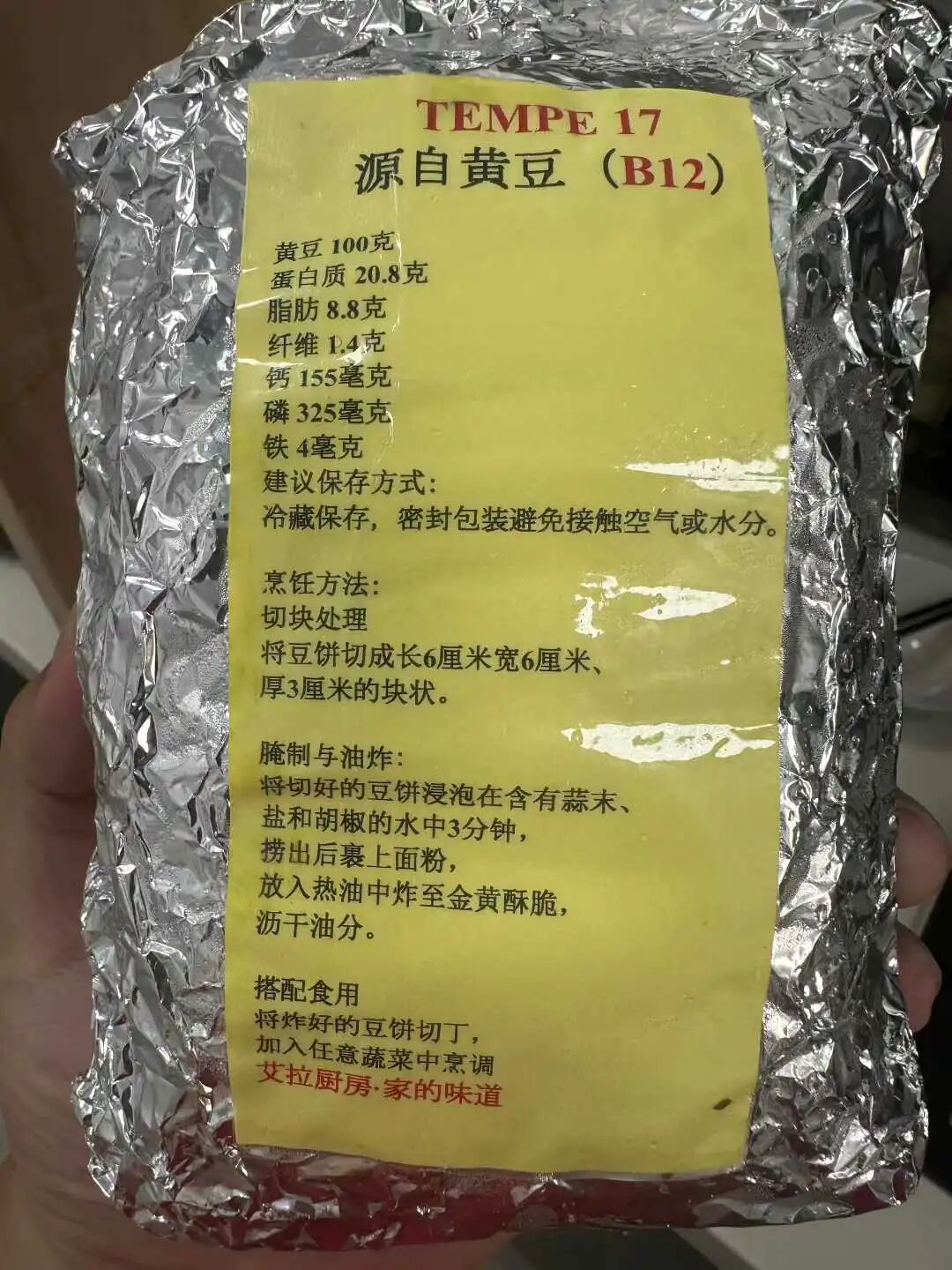
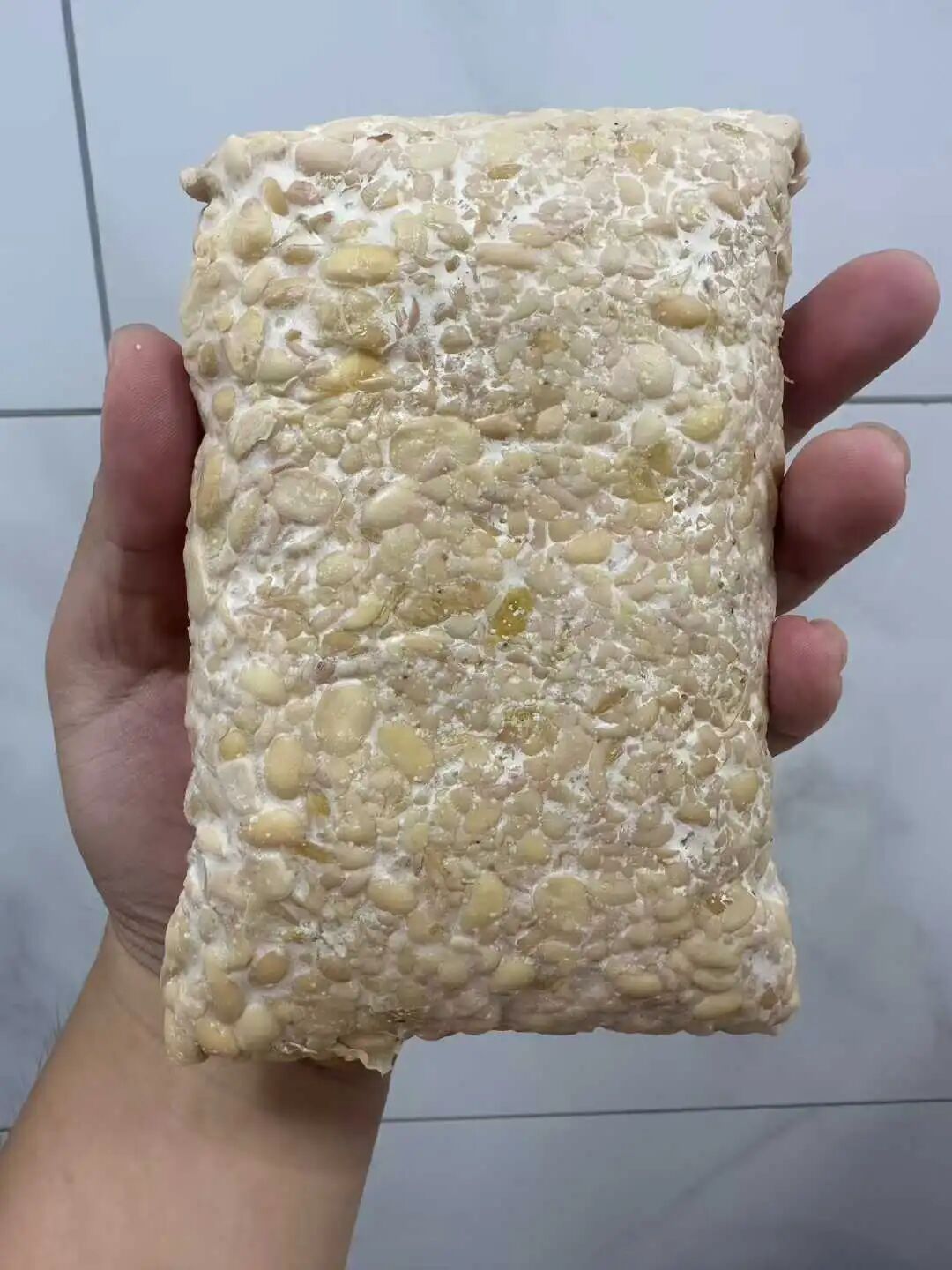
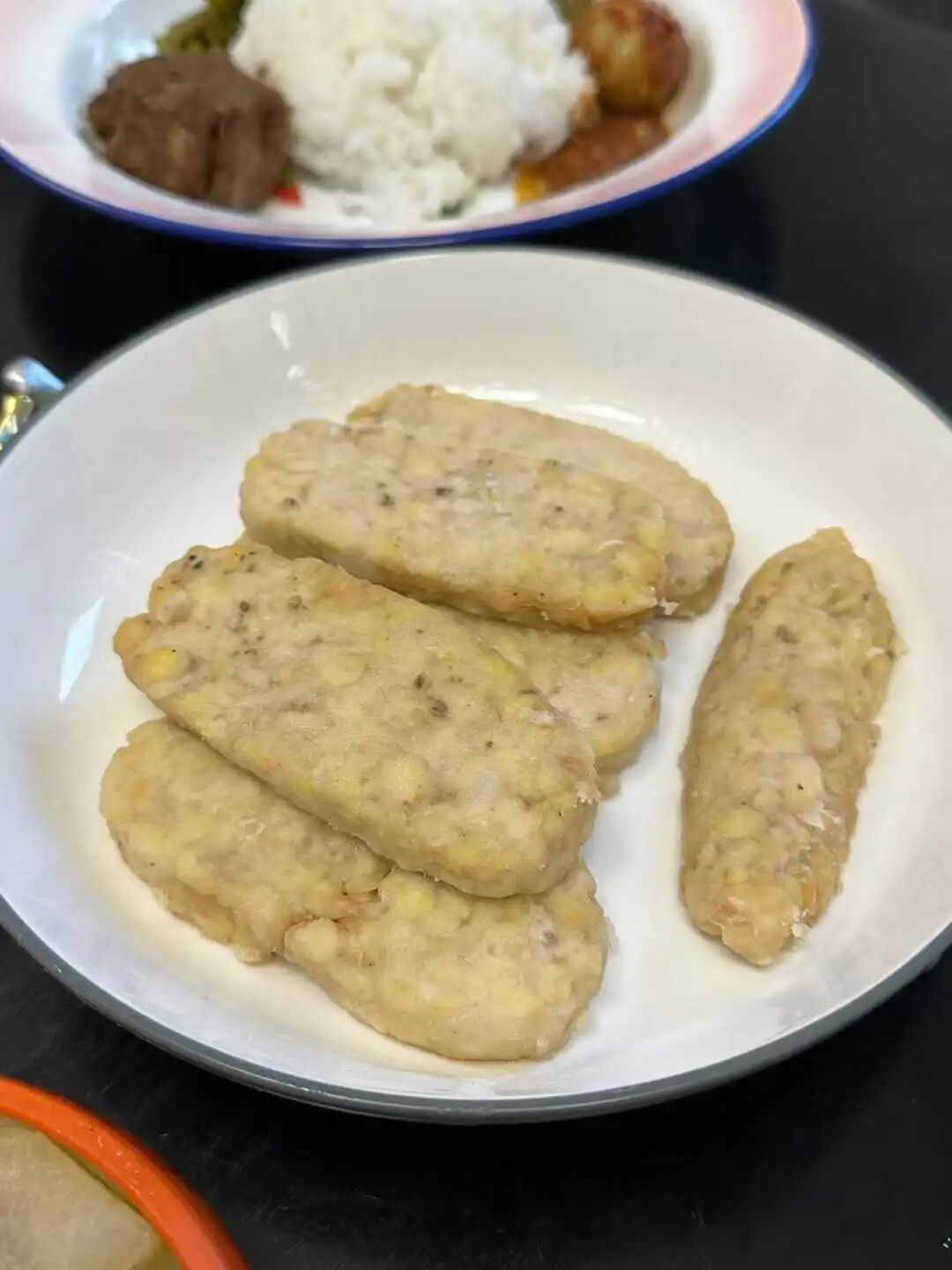
We also bought some Javanese-style fermented soybean cakes (tempeh) to slice, marinate, and fry at home. This soybean cake, made by pressing fermented soybeans, originated in central and eastern Java. It is fermented using a fungus that grows on teak and hibiscus leaves.
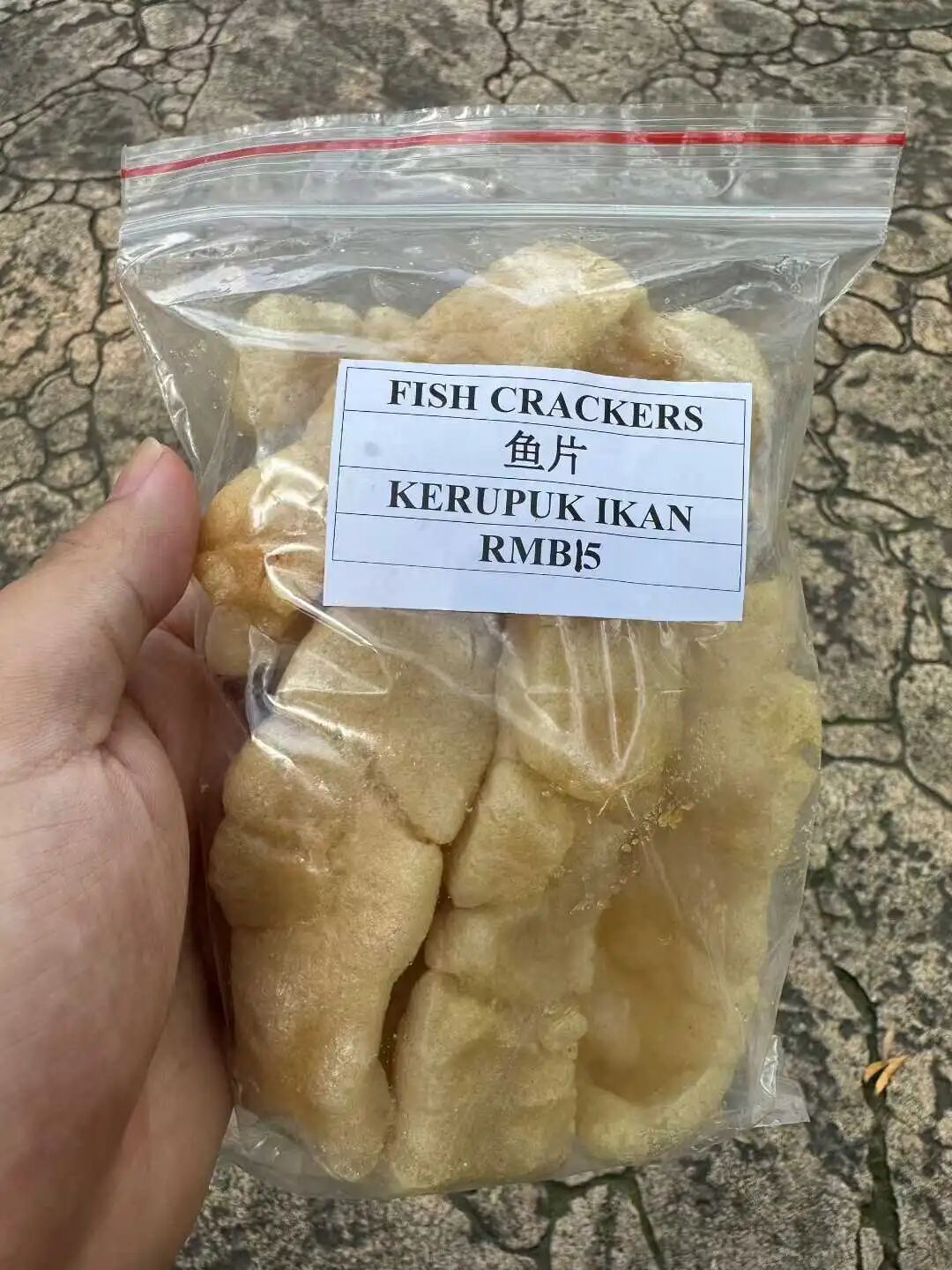
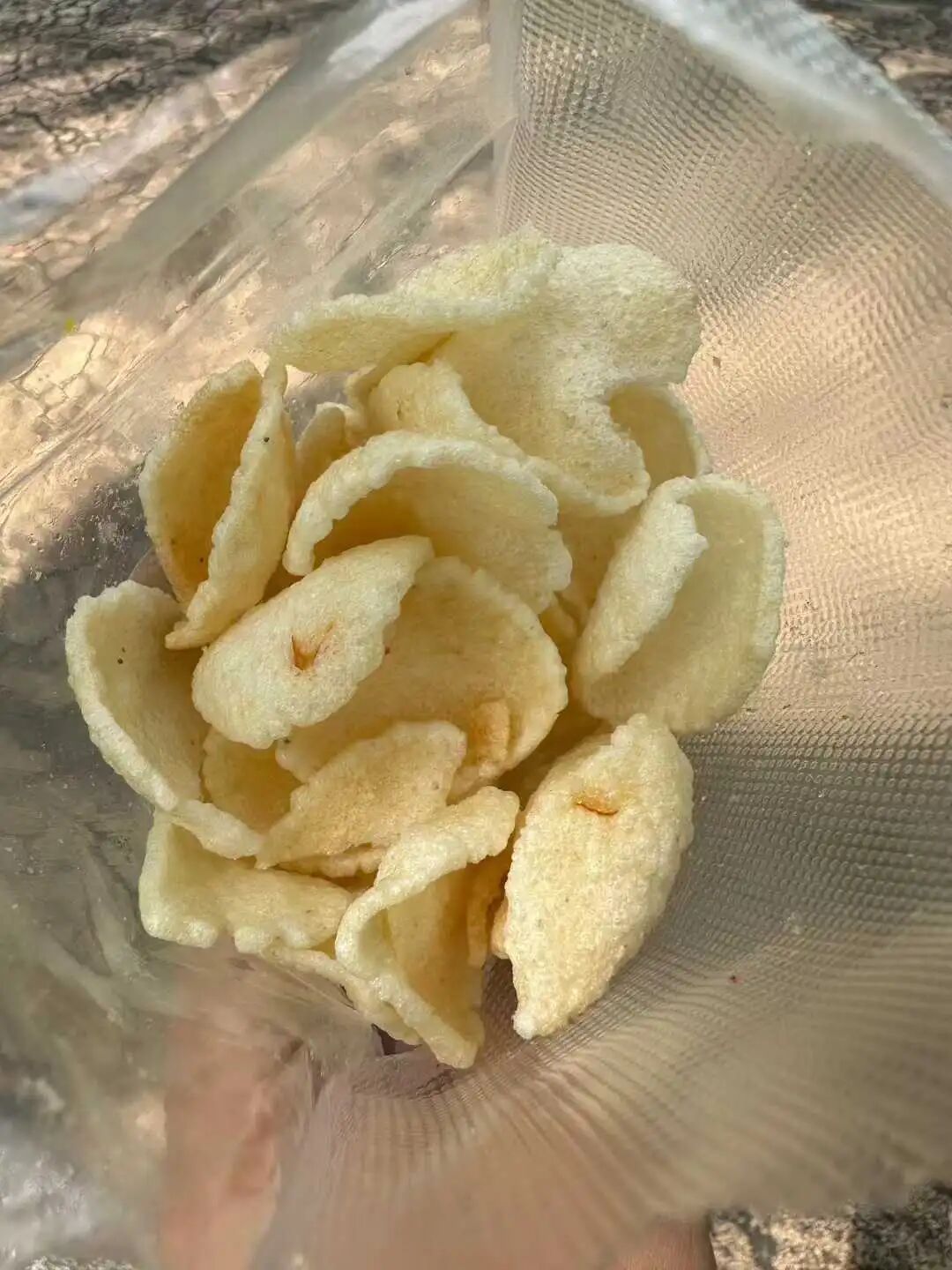
We also bought traditional Indonesian fried fish crackers (kerupuk ikan). Kerupuk was originally an onomatopoeic word in Javanese for the sound of chewing crunchy food, and it later came to mean fried crackers. Kerupuk can be made from shrimp, fish, or squid. The fried fish version is mainly made from wahoo or skipjack tuna mixed with tapioca or sago flour. The shape of these fried fish crackers varies across Indonesia. In West Java and South Sumatra, they are usually made into flat fish cakes, while in the coastal regions of Borneo, they are typically cylindrical.
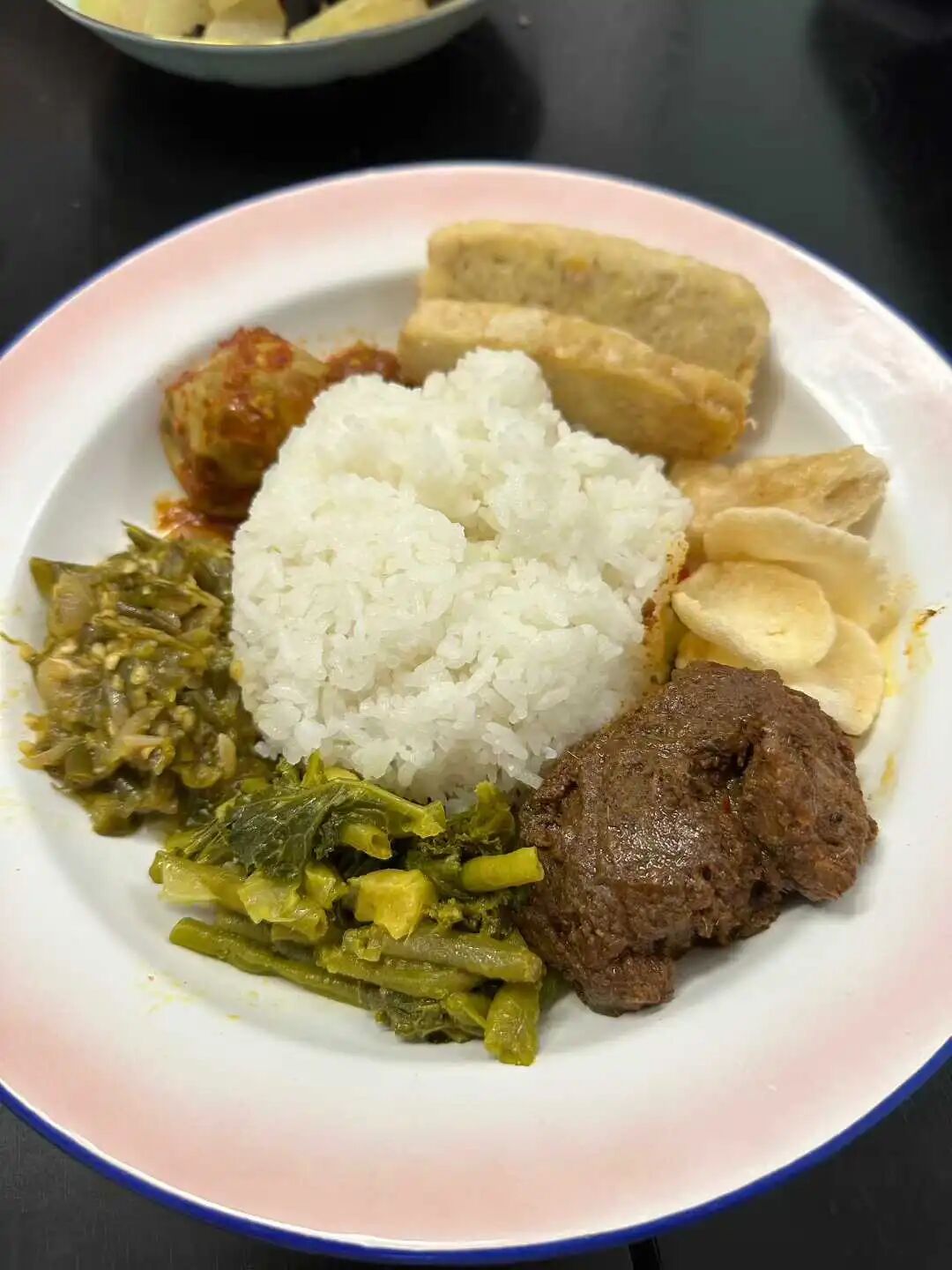
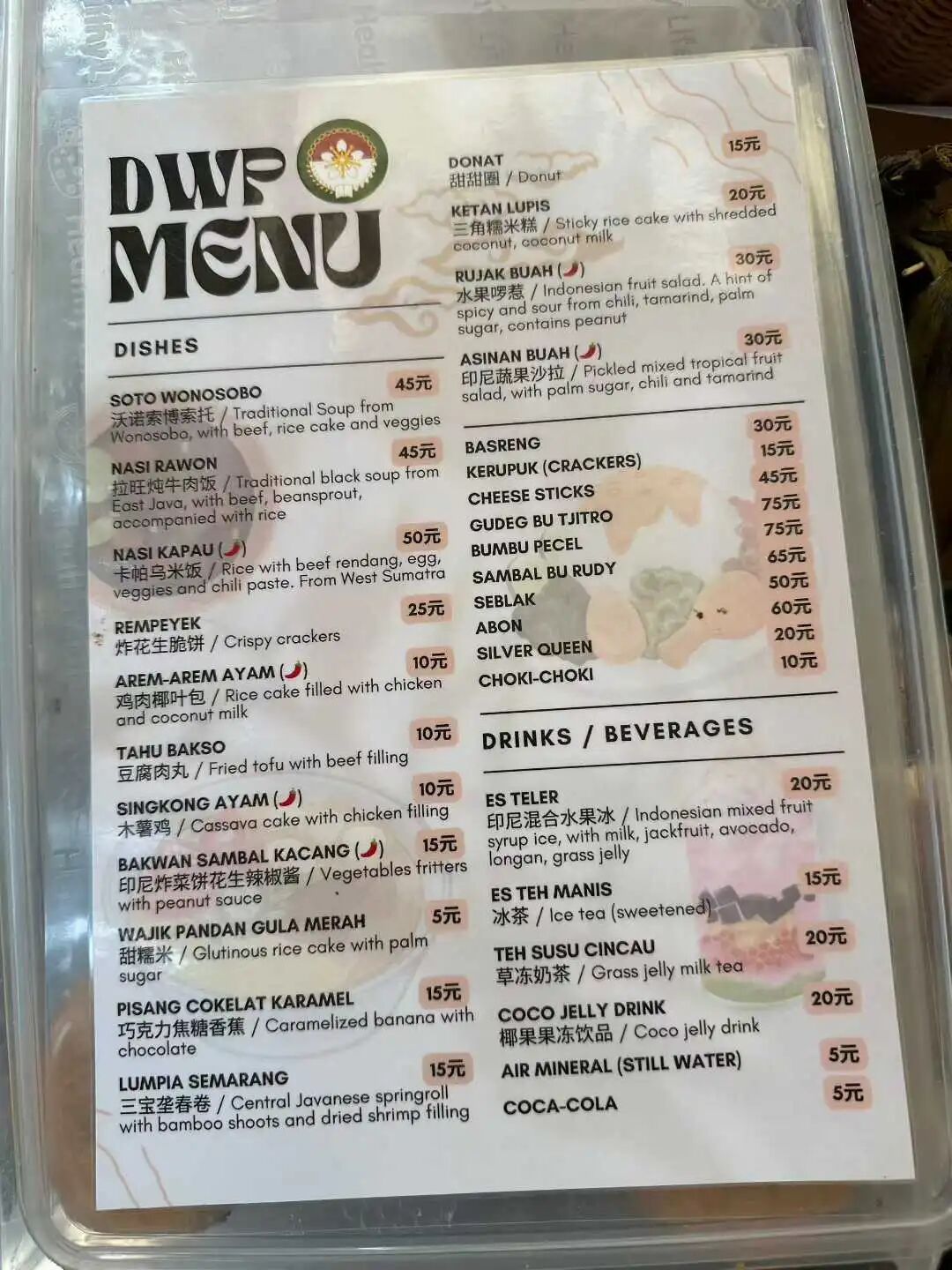
We bought some Minangkabau steamed rice (nasi kapau). Nasi kapau is similar to the common Padang rice (nasi padang) found throughout Indonesia, but it features some unique side dishes. Our version came with beef rendang, long bean curry, boiled eggs, and chili sauce. Beef rendang likely originated from curries brought by Indian merchants who came to Sumatra to trade before the 15th century, which then evolved through the local diet of the Minangkabau people. The main ingredients for rendang are meat, coconut milk, chili, and various spices. To suit the needs of Minangkabau merchants on long voyages, the dish is slow-cooked until it becomes rich and dry, allowing it to be stored for several weeks.
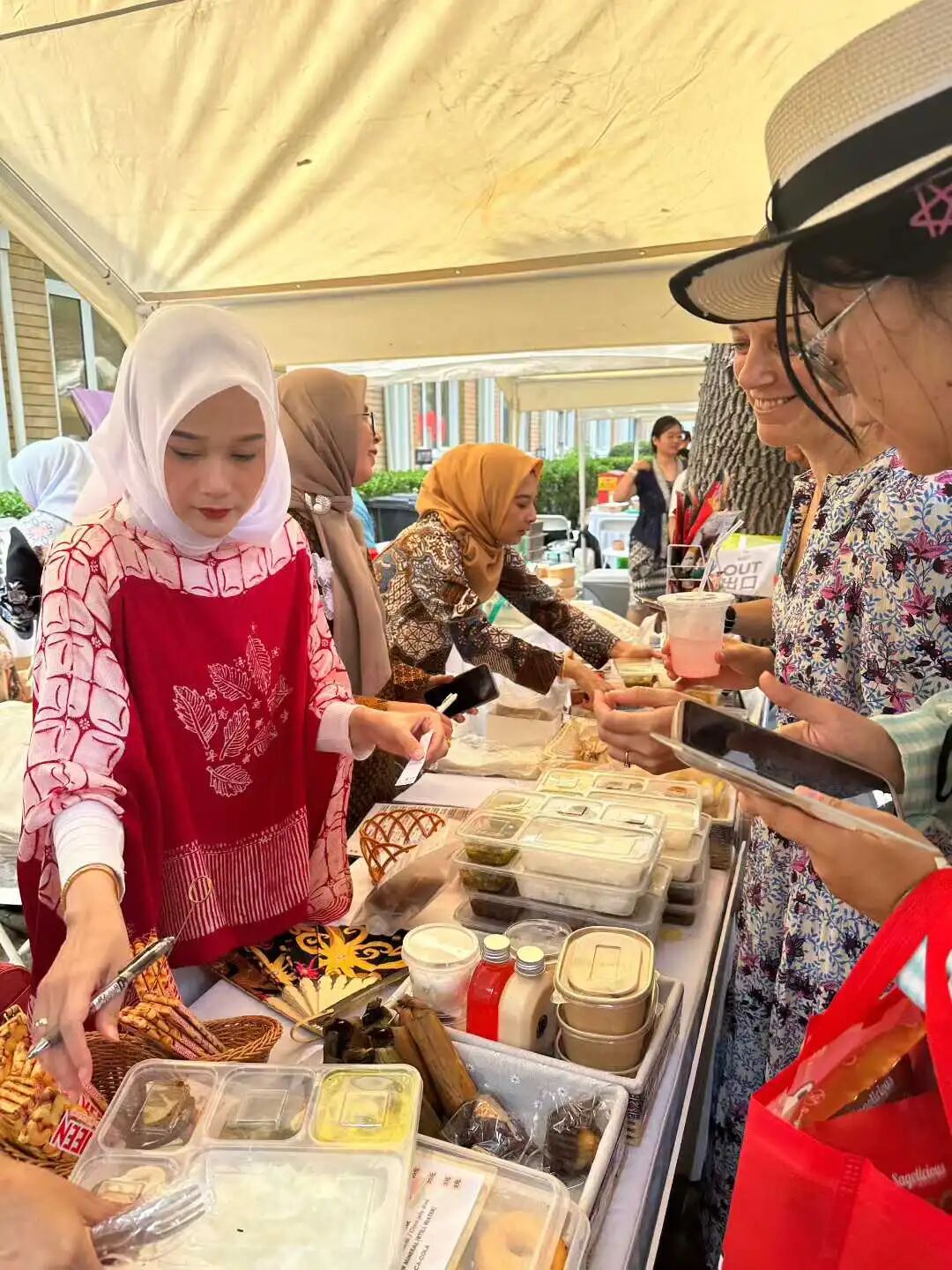
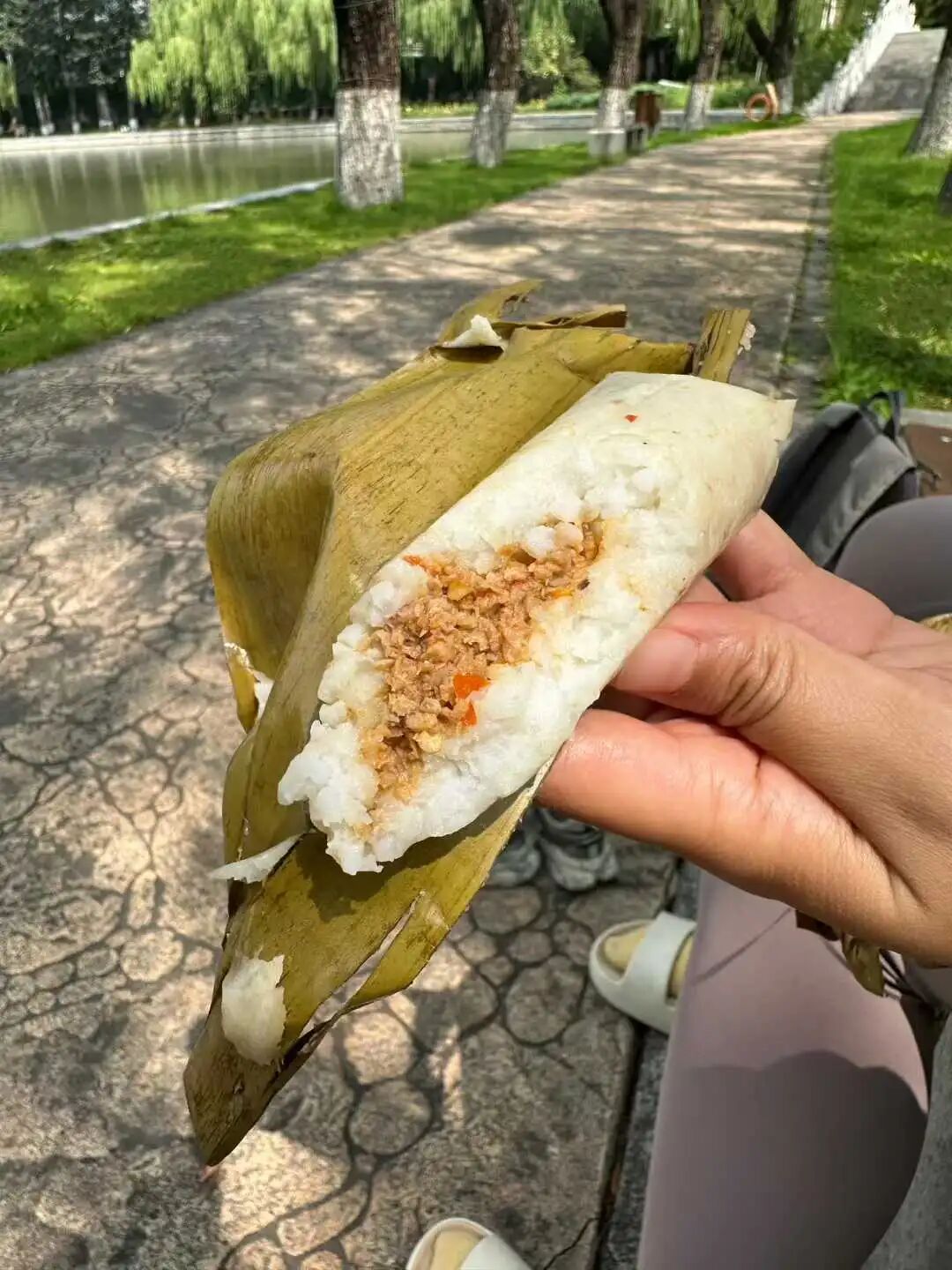
Then we bought some Indonesian rice cakes (arem arem). Arem arem is most common on Java. It is made by cooking rice in coconut milk, stuffing it with meat and vegetables, shaping it into a cylinder, and wrapping it in banana leaves.
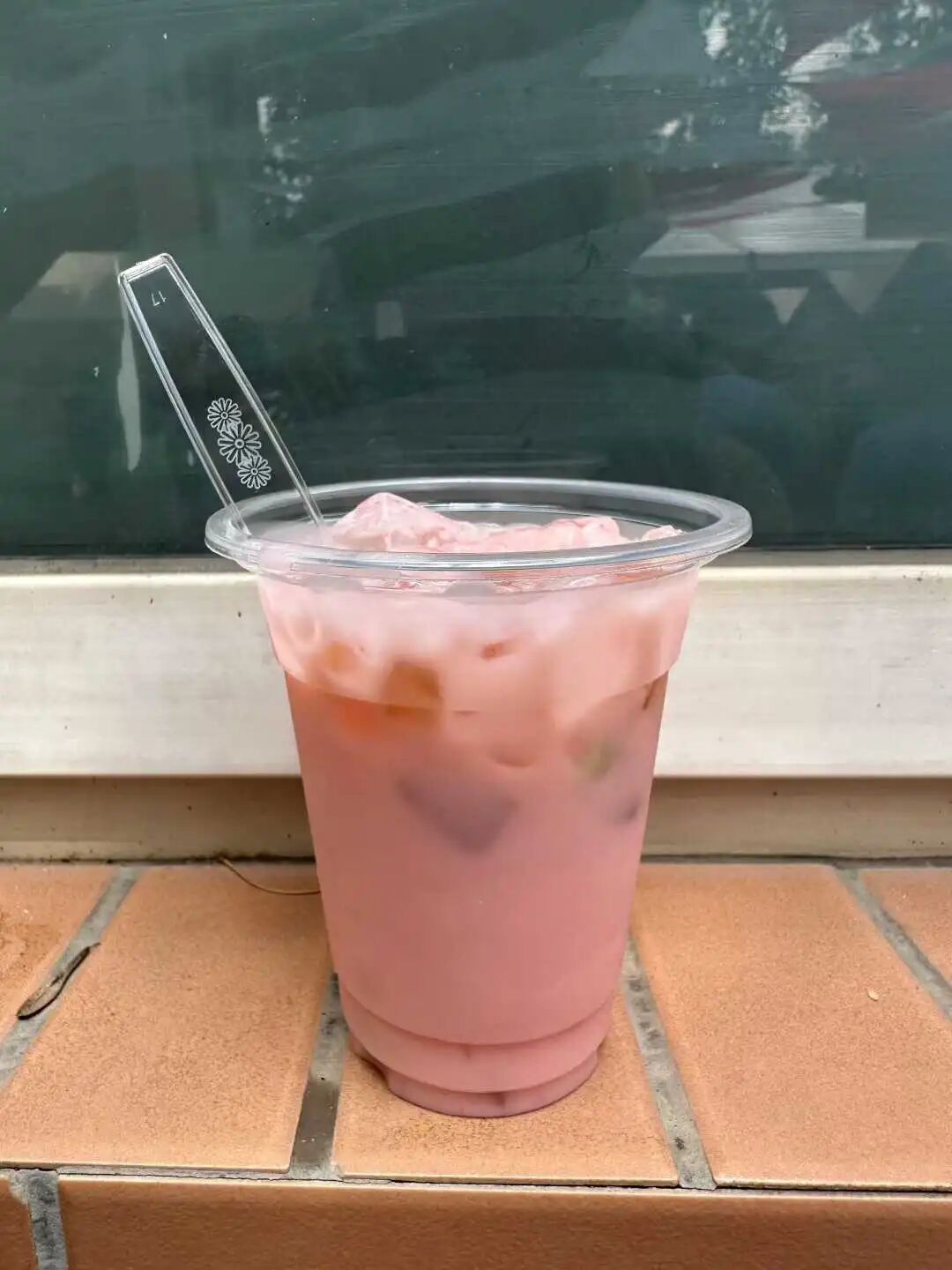
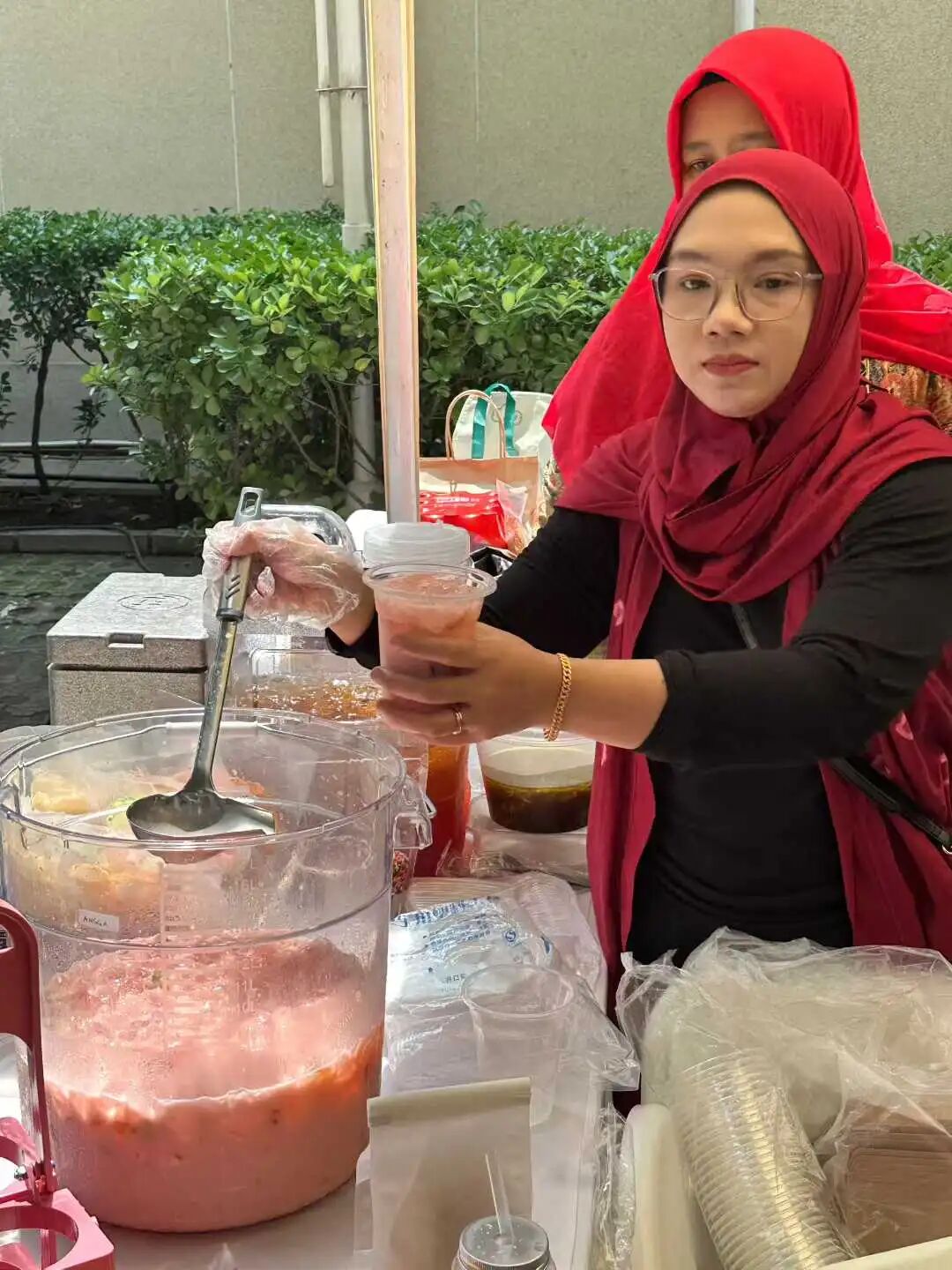
We drank a Javanese mixed drink (es teler), which contains jackfruit, avocado, longan, and coconut meat mixed with condensed milk and syrup. In 1981, an Indonesian housewife named Murniati Widjaja won a television competition with her es teler. The following year, she opened a specialty food shop in Jakarta called Es Teler 77, which has now grown into a massive food chain.
Summary: The Indonesian Embassy in Beijing hosted its annual Indonesian cultural festival on August 17, Indonesia's Independence Day. The visit records traditional performances, crafts, Indonesian coffee, and halal Indonesian dishes served at the event.
August 17 is Indonesia's Independence Day, and the Indonesian Embassy in China held its annual Indonesian Cultural Festival. There were displays of traditional Indonesian songs, dances, clothing, and crafts, and I also drank some dark-roasted Indonesian coffee.
This is our third year attending, and the crowds get bigger every year. As usual, we bought Indonesian steamed dumplings (siomay) and beef ball noodle soup (mie bakso) at the Ella's Kitchen stall.
Indonesian siomay comes from the siomay of southern China. It was first adapted by the Sundanese people of West Java, who replaced the pork filling with fish. It is served with cabbage, tofu, potatoes, boiled eggs, and stuffed bitter melon, then topped with peanut sauce and sweet soy sauce. It is now a classic street snack across Indonesia.
The bakso balls are made from beef, fish paste, and a small amount of tapioca flour, making them very firm. The finished balls are usually placed in beef broth and served with tofu, glass noodles, and various side dishes.
We also bought some Javanese-style fermented soybean cakes (tempeh) to slice, marinate, and fry at home. This soybean cake, made by pressing fermented soybeans, originated in central and eastern Java. It is fermented using a fungus that grows on teak and hibiscus leaves.
We also bought traditional Indonesian fried fish crackers (kerupuk ikan). Kerupuk was originally an onomatopoeic word in Javanese for the sound of chewing crunchy food, and it later came to mean fried crackers. Kerupuk can be made from shrimp, fish, or squid. The fried fish version is mainly made from wahoo or skipjack tuna mixed with tapioca or sago flour. The shape of these fried fish crackers varies across Indonesia. In West Java and South Sumatra, they are usually made into flat fish cakes, while in the coastal regions of Borneo, they are typically cylindrical.
We bought some Minangkabau steamed rice (nasi kapau). Nasi kapau is similar to the common Padang rice (nasi padang) found throughout Indonesia, but it features some unique side dishes. Our version came with beef rendang, long bean curry, boiled eggs, and chili sauce. Beef rendang likely originated from curries brought by Indian merchants who came to Sumatra to trade before the 15th century, which then evolved through the local diet of the Minangkabau people. The main ingredients for rendang are meat, coconut milk, chili, and various spices. To suit the needs of Minangkabau merchants on long voyages, the dish is slow-cooked until it becomes rich and dry, allowing it to be stored for several weeks.
Then we bought some Indonesian rice cakes (arem arem). Arem arem is most common on Java. It is made by cooking rice in coconut milk, stuffing it with meat and vegetables, shaping it into a cylinder, and wrapping it in banana leaves.
We drank a Javanese mixed drink (es teler), which contains jackfruit, avocado, longan, and coconut meat mixed with condensed milk and syrup. In 1981, an Indonesian housewife named Murniati Widjaja won a television competition with her es teler. The following year, she opened a specialty food shop in Jakarta called Es Teler 77, which has now grown into a massive food chain.
