
Islamic Art Guide: Hanoi - Javanese Glass Paintings at Vietnam Museum
Reposted from the web
Summary: The Vietnam Museum of Ethnology in Hanoi holds Javanese glass paintings donated by O'ong Maryono and Rosalia Sciortino. This exhibition note explains the paintings, wayang imagery, Javanese court culture, and Islamic themes preserved in the source.
The Vietnam Museum of Ethnology is in Hanoi and opened in 1997. It has a building focused on Asian ethnology, including a gallery featuring Javanese glass paintings donated by O'ong Maryono and Rosalia Sciortino.
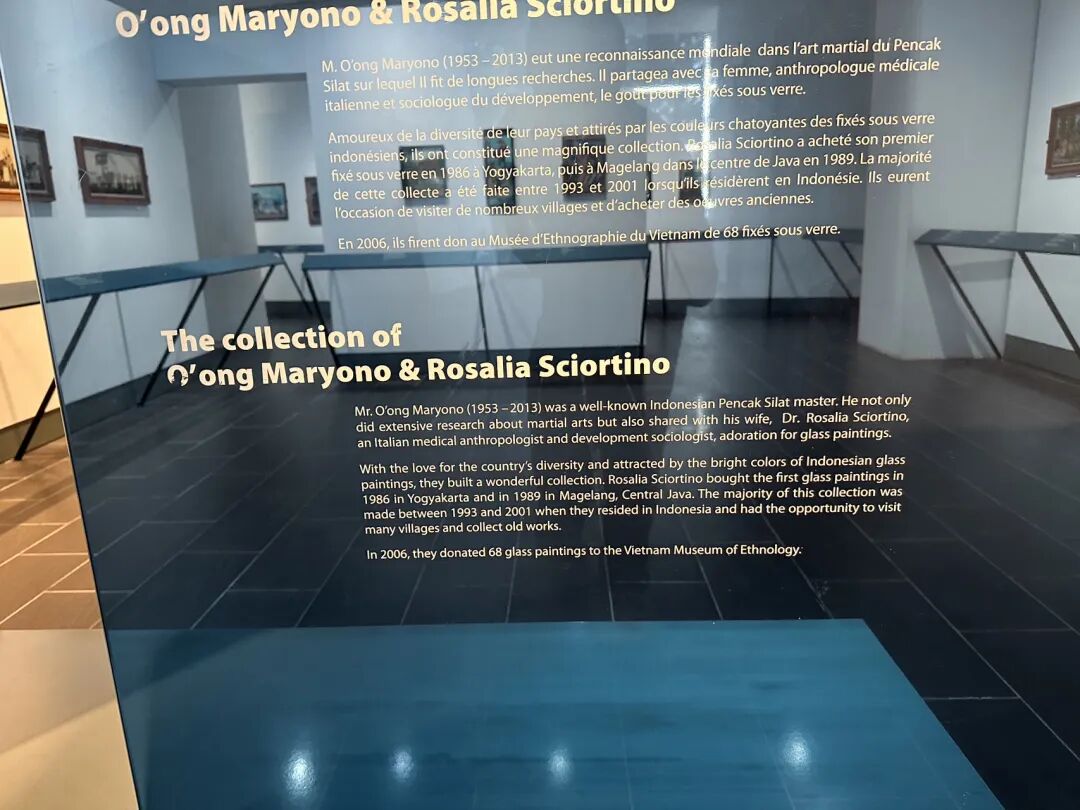
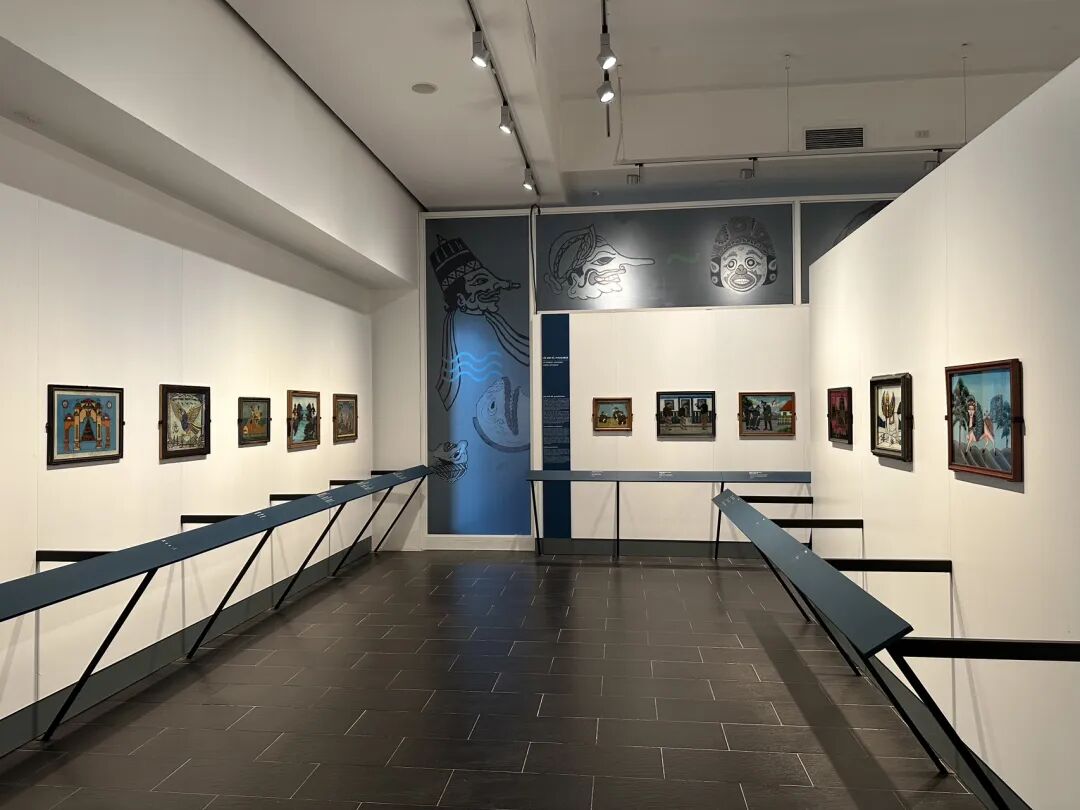
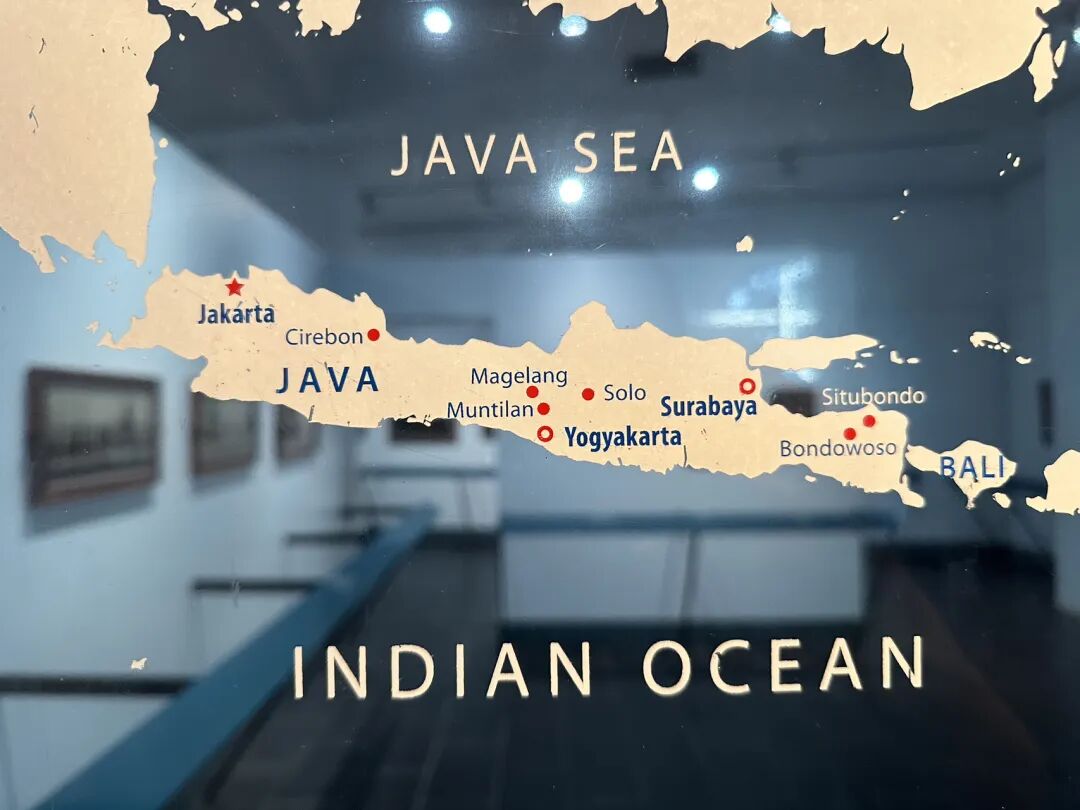
Glass paintings (lukisan kaca) are an important traditional art form in Java, Indonesia. In the late 18th and early 19th centuries, Javanese artists began using a reverse glass painting technique from Europe. The art blends Javanese, European, Chinese, and Islamic cultures. It covers local history, theater, and daily life, serving as a key record of Javanese art and culture.
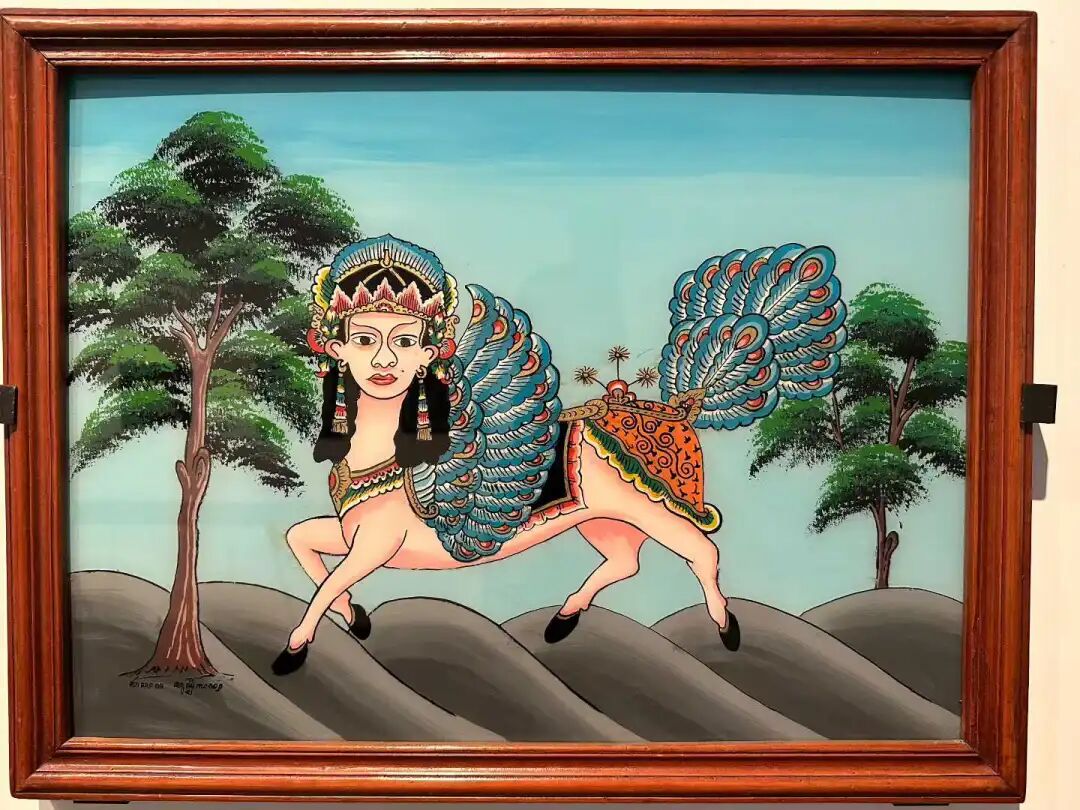
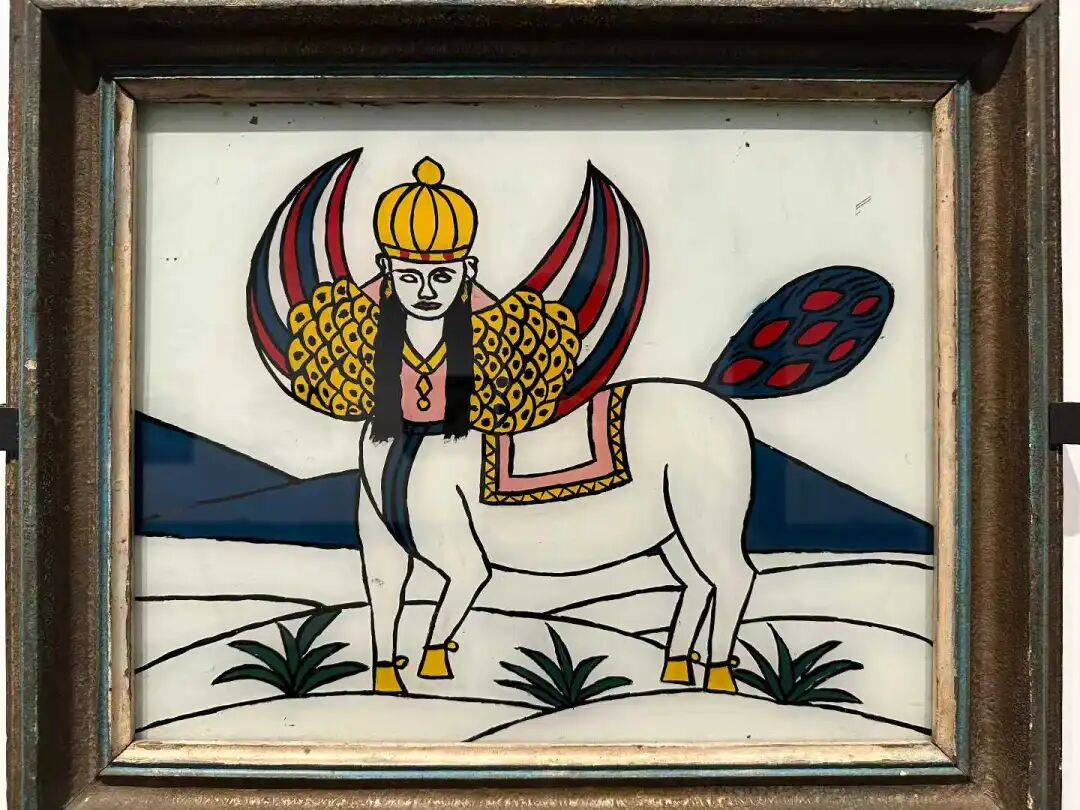
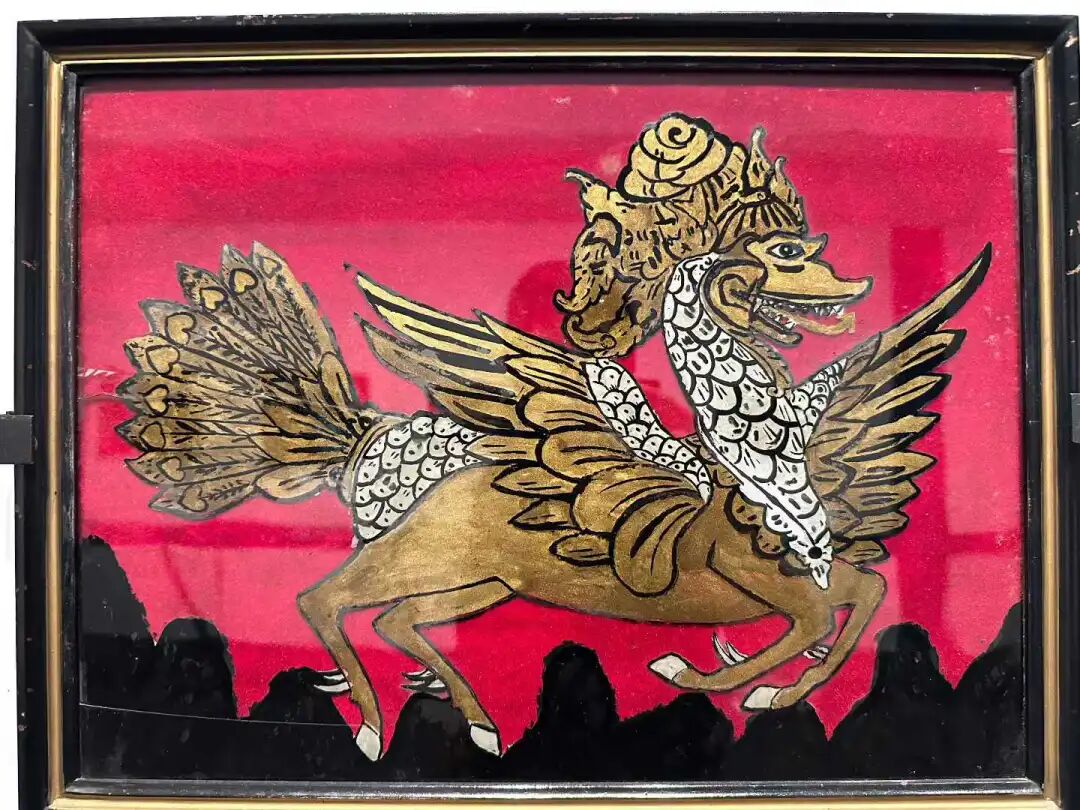
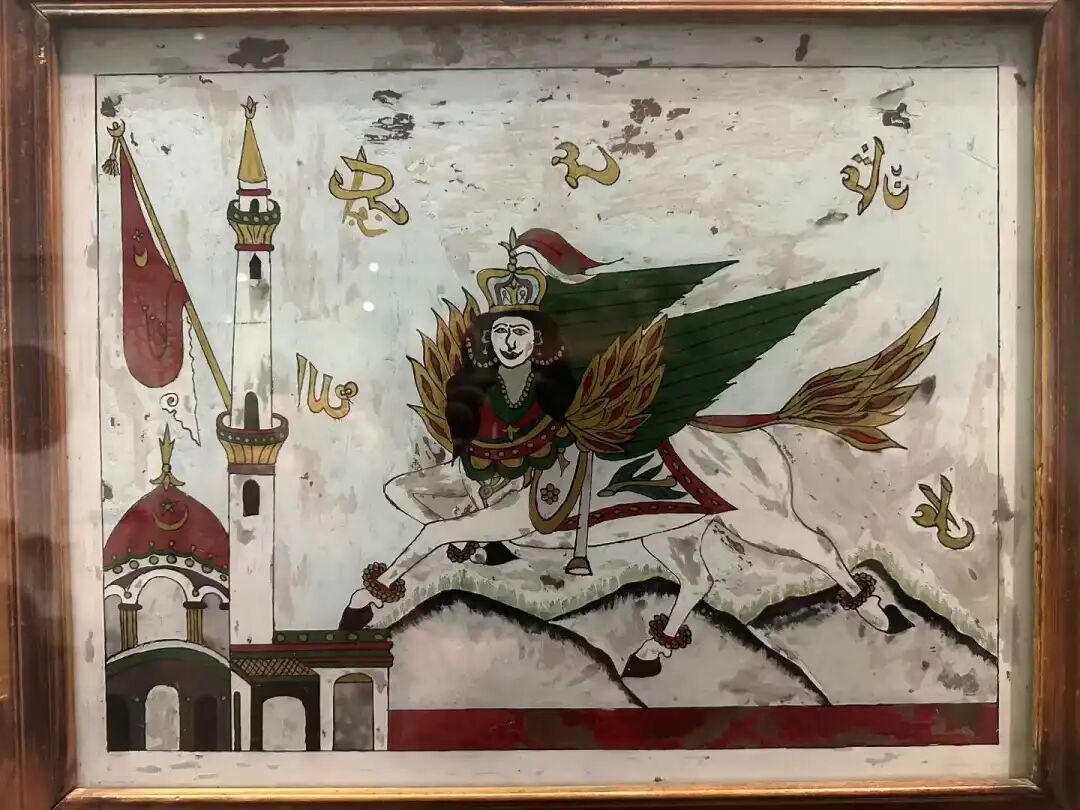
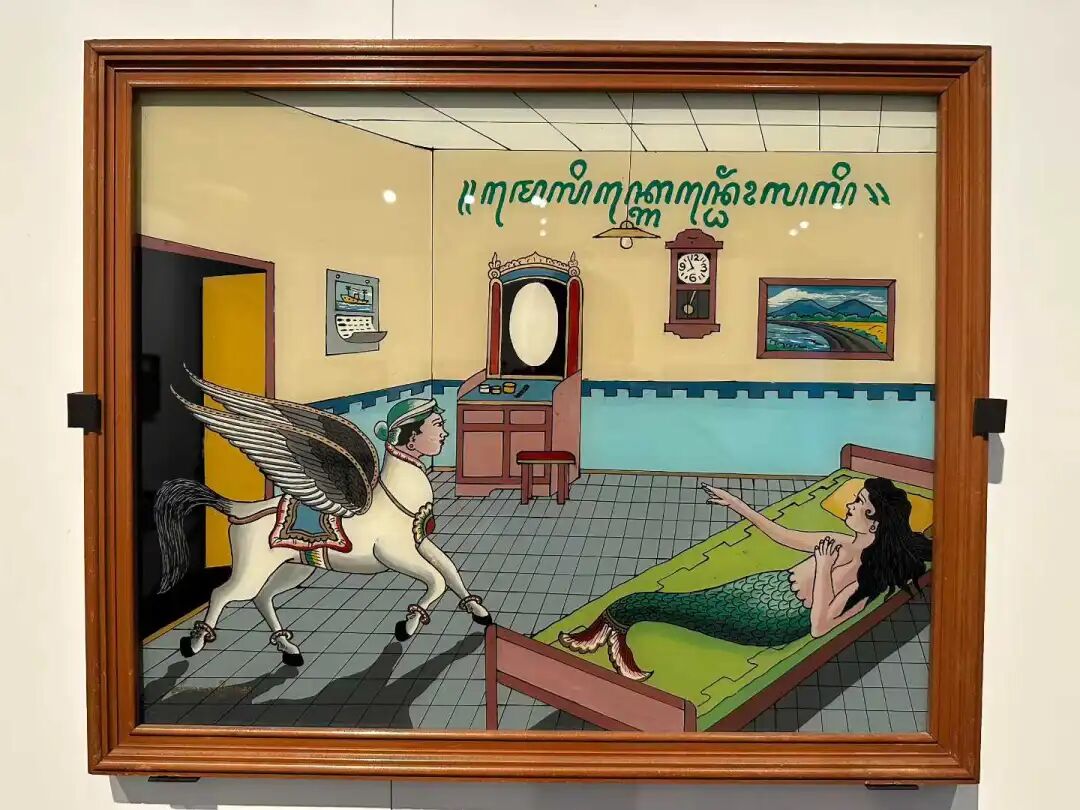
The Buraq, the creature ridden by the Prophet during his Night Journey. While the Hadith does not describe the Buraq's face, it mentions a 'handsome face.' Because of this, Persian and South Asian miniature paintings often show the Buraq with a human face and horse body. In the southern Philippines, on Mindanao Island, people also carve wooden figures of the Buraq.
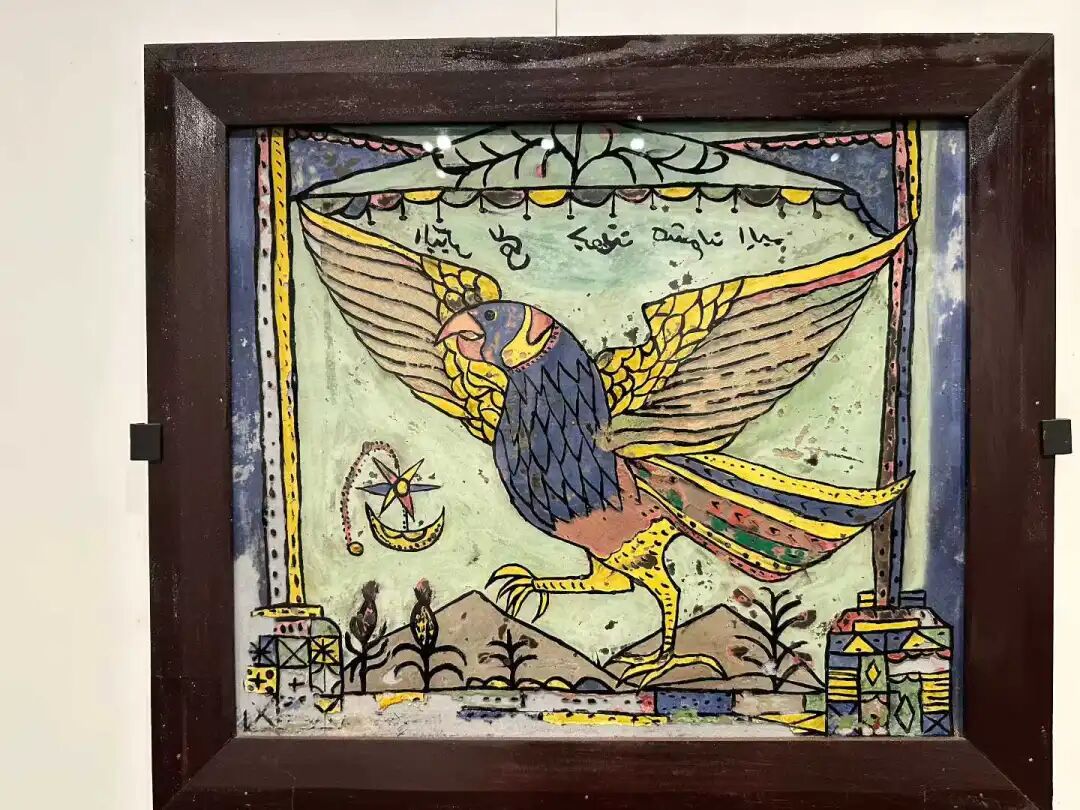
A bird with Arabic calligraphy.
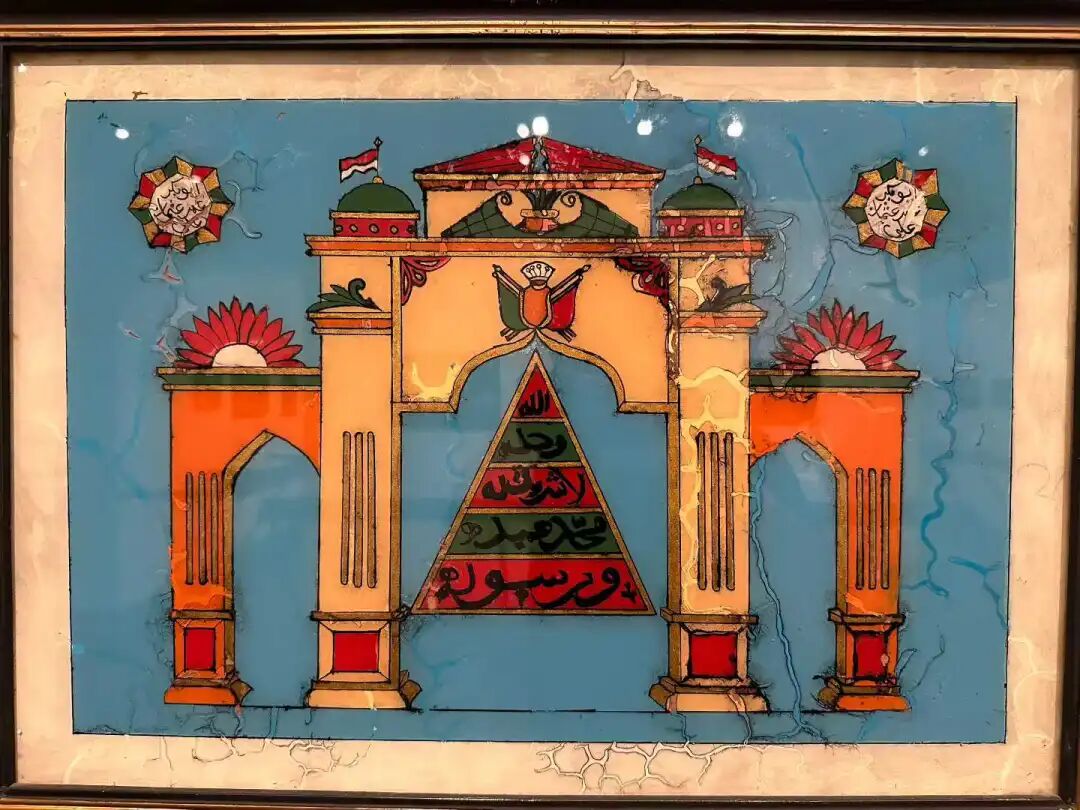
A gate with Arabic calligraphy.
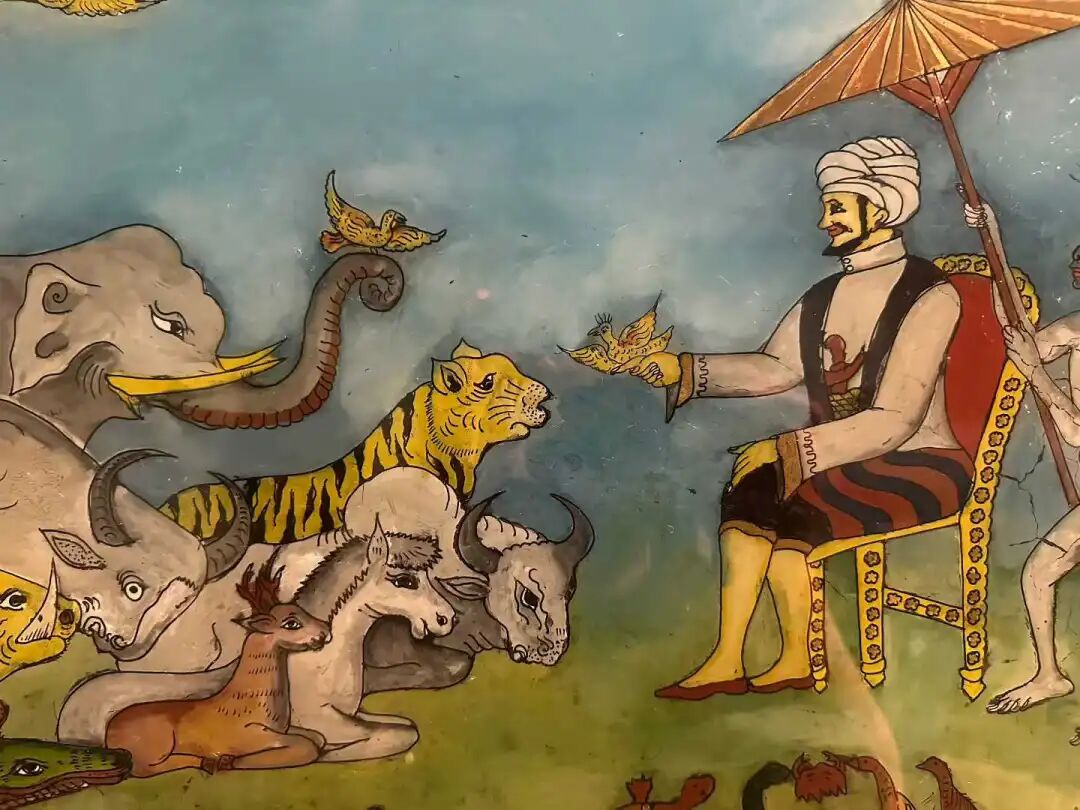
The scriptures mention that Prophet Sulaiman could understand the languages of birds and all kinds of animals.
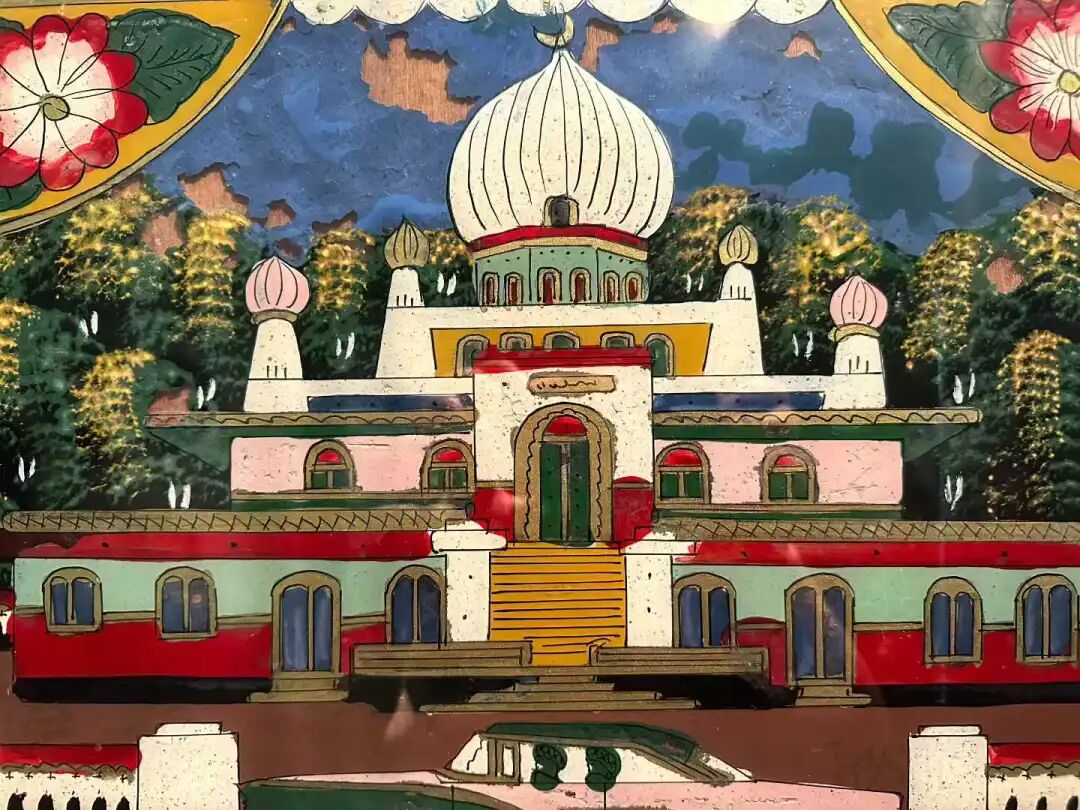
A mosque.
A religious warning painting: do not be greedy for the pleasures of this world, as only the afterlife is your true home.
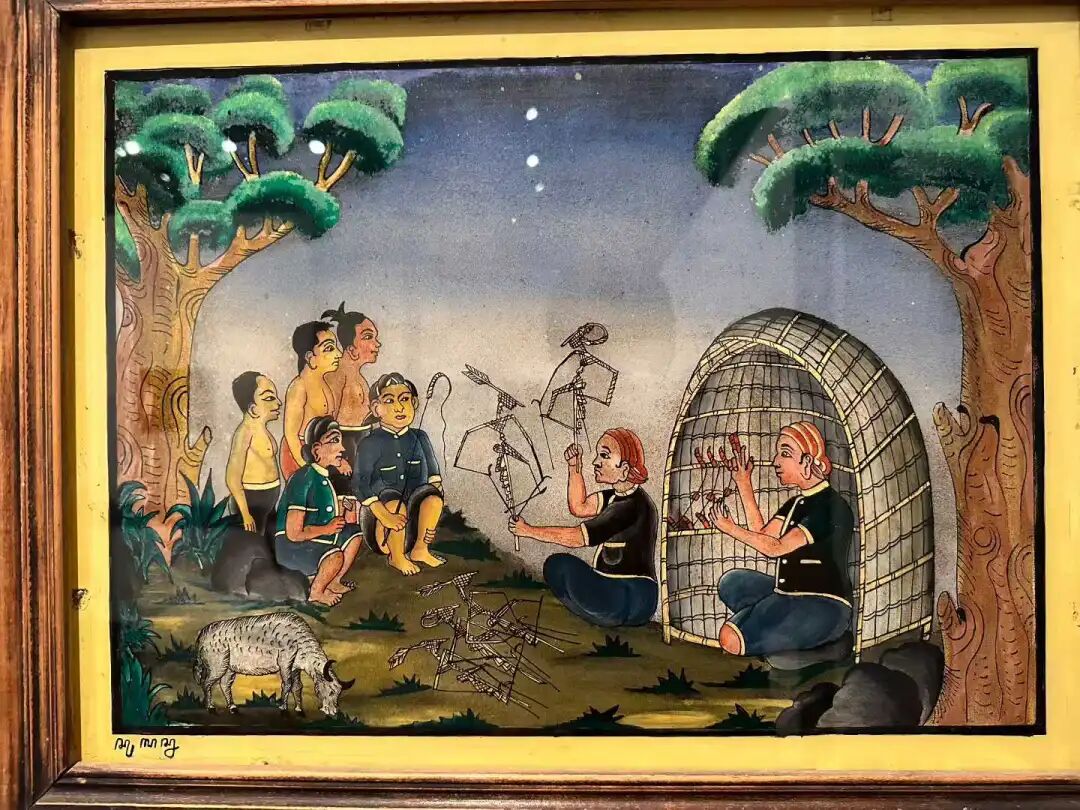
Sunan Bonang, one of the nine Javanese saints (Wali Songo), used shadow puppetry (wayang) to spread the faith. Between the 15th and 16th centuries, nine Sufi saints spread the faith across Java. They used traditional Javanese arts like shadow puppetry (wayang) and gamelan music to help their mission, eventually creating a unique local Islamic culture.
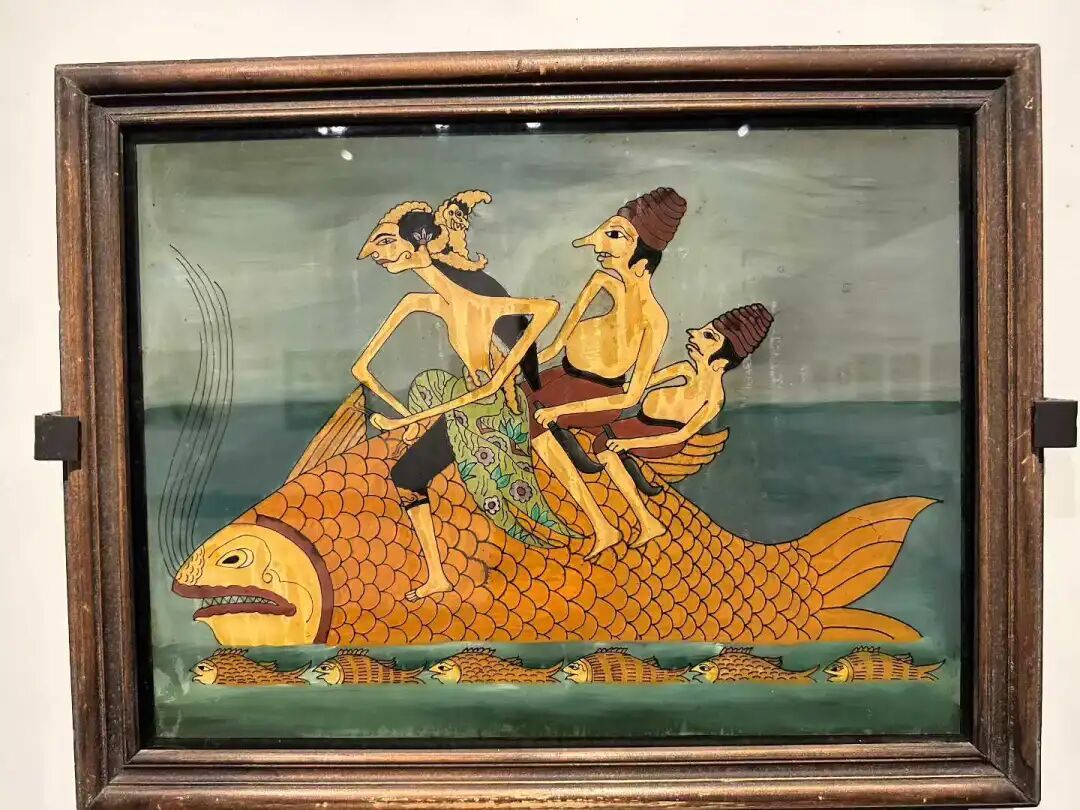
The local legend of how the Javanese people converted to Islam, known as 'The Journey of Prince Mursada'. Legend says Prince Mursada went on many adventures to cure his stepmother's illness, eventually reaching Salaka Island to find a talisman of firm faith. In the painting, he rides a fish with golden scales that he caught as a child, which later became his protector. Behind him follow two devout believers, Mashru and Mashud, who symbolize the Javanese people following their ruler in converting to the faith. The story of 'The Journey of Prince Mursada' has roots in the Hindu epics Ramayana and Mahabharata, which is part of the local Javanese Islamic tradition.
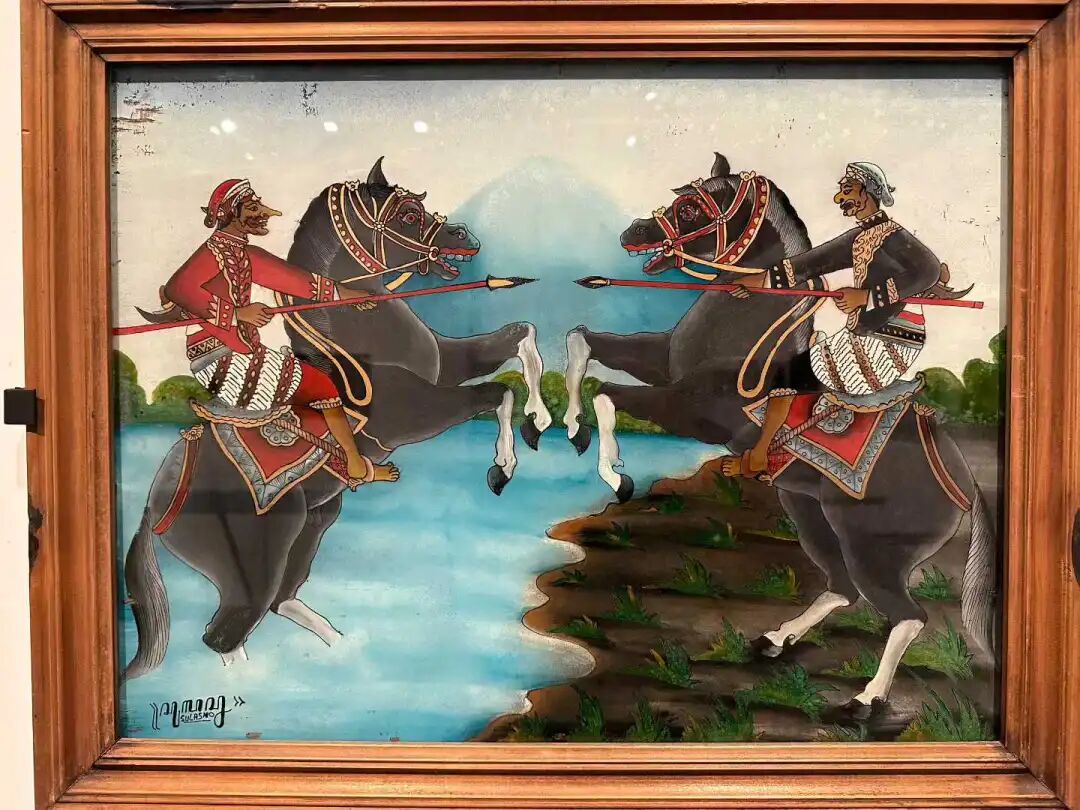
In 1568, Adiwijaya, the first Sultan of the Pajang Sultanate, defeated Arya Penangsang, the last Sultan of the Demak Sultanate, marking a change in power in Java. The first Sultan of the Demak Sultanate was originally a prince of the Majapahit Kingdom. He later converted to the faith under the influence of one of the nine Javanese saints, declared himself Sultan, and began the Islamic era on Java.
Prince Diponegoro of the Yogyakarta Sultanate, who bravely resisted Dutch colonial rule, led his army to fight the Dutch. He fought the Dutch from 1825 to 1830, dealing them heavy blows, but was eventually defeated, captured, and exiled to Makassar. Diponegoro is honored as an Indonesian national hero. The Indonesian Central Java Military Command, two ships, and roads in many Indonesian cities are named after him.
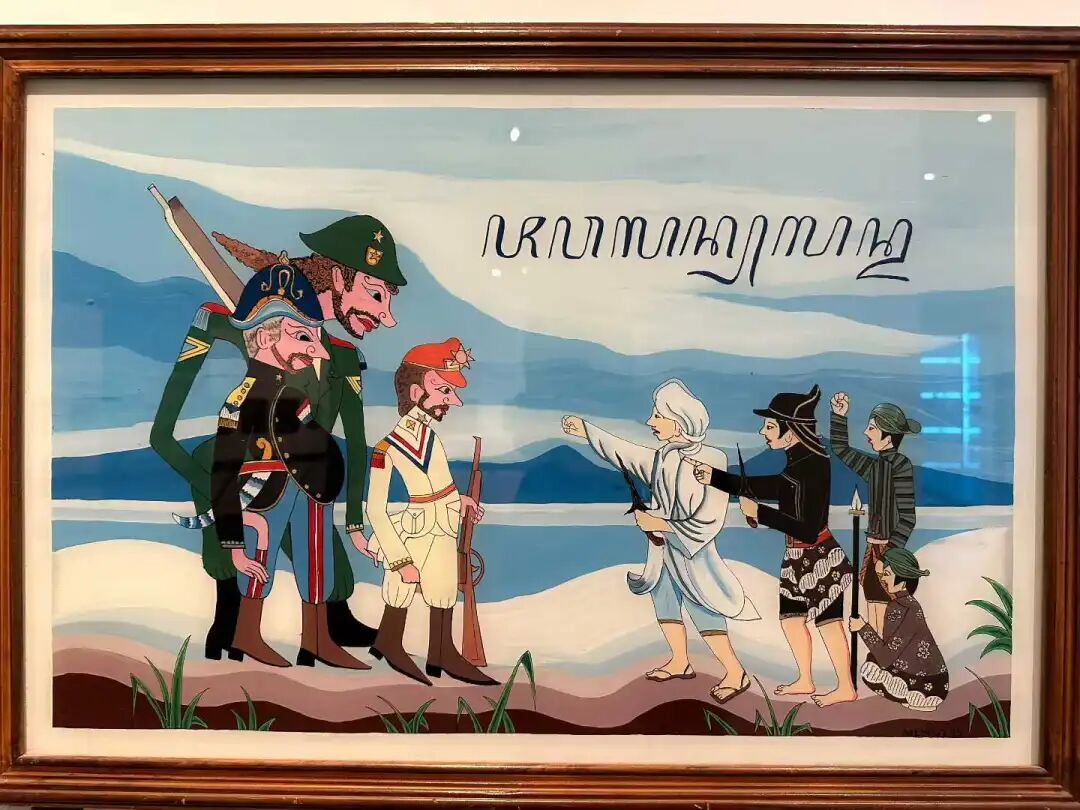
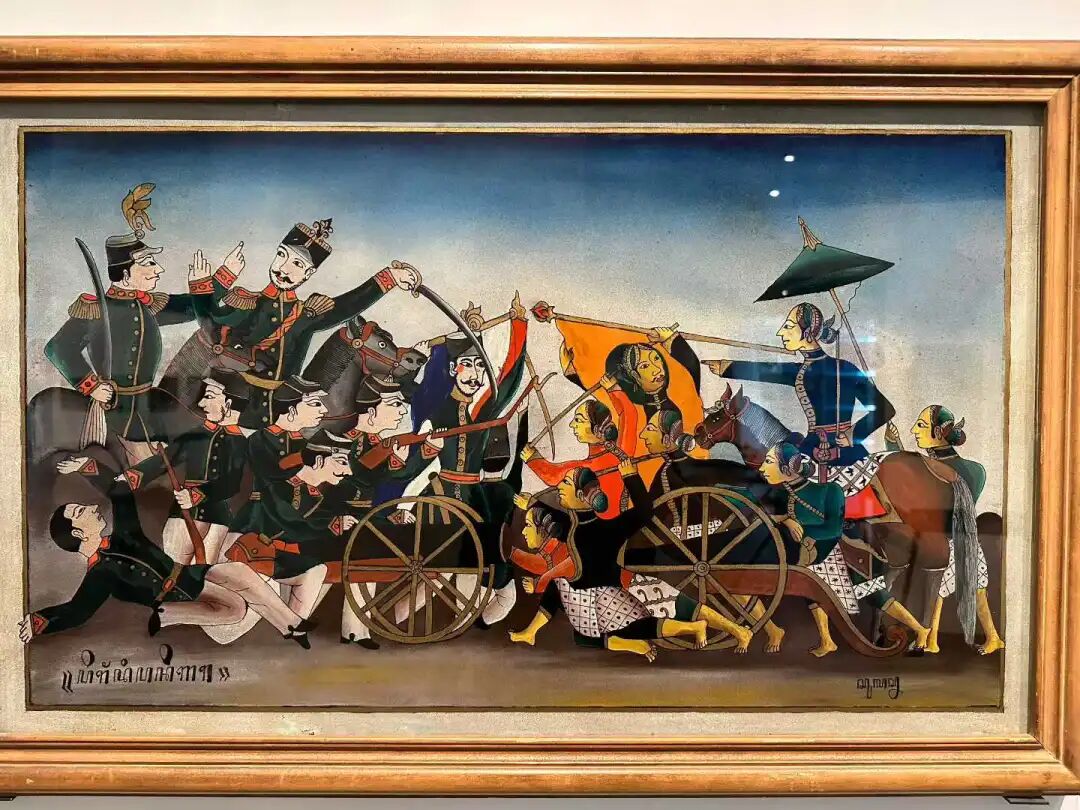
Diponegoro on horseback and inside his residence.
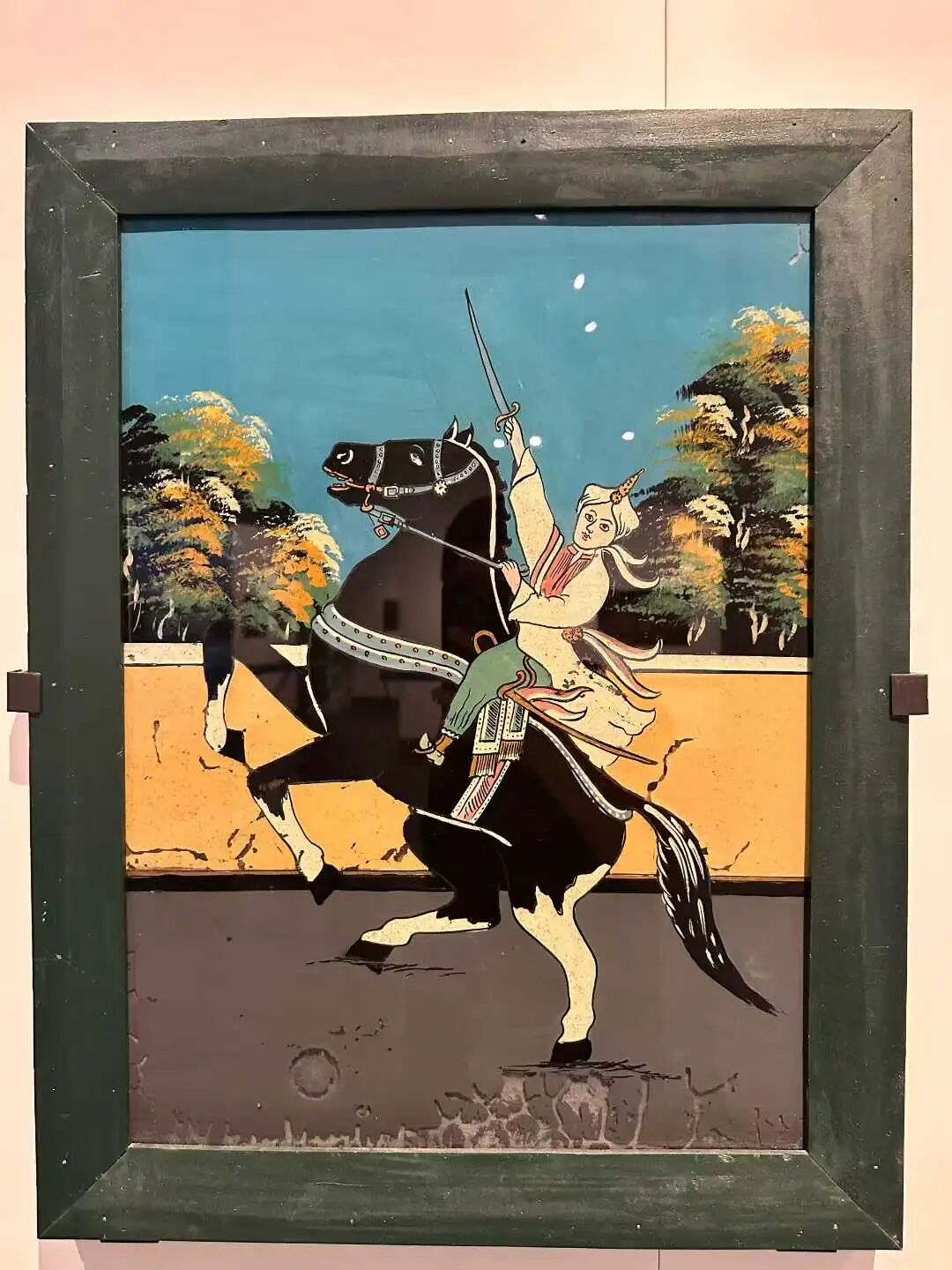
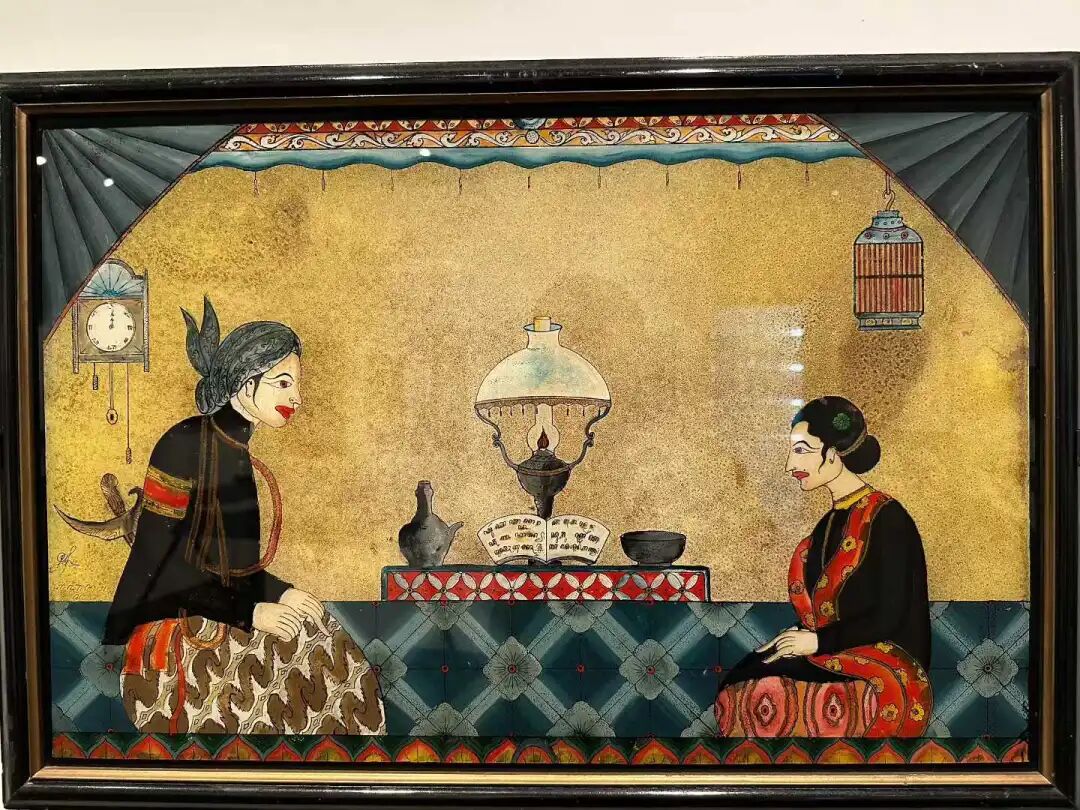
In 1666, Sultan Hasanuddin of Gowa in the Sulawesi region (reigned 1653-69) led his army to resist the Dutch in Makassar. He was defeated in 1669 and forced to abdicate. Sultan Hasanuddin is also honored as a national hero in Indonesia, and there is a monument to the Sultan in Makassar.
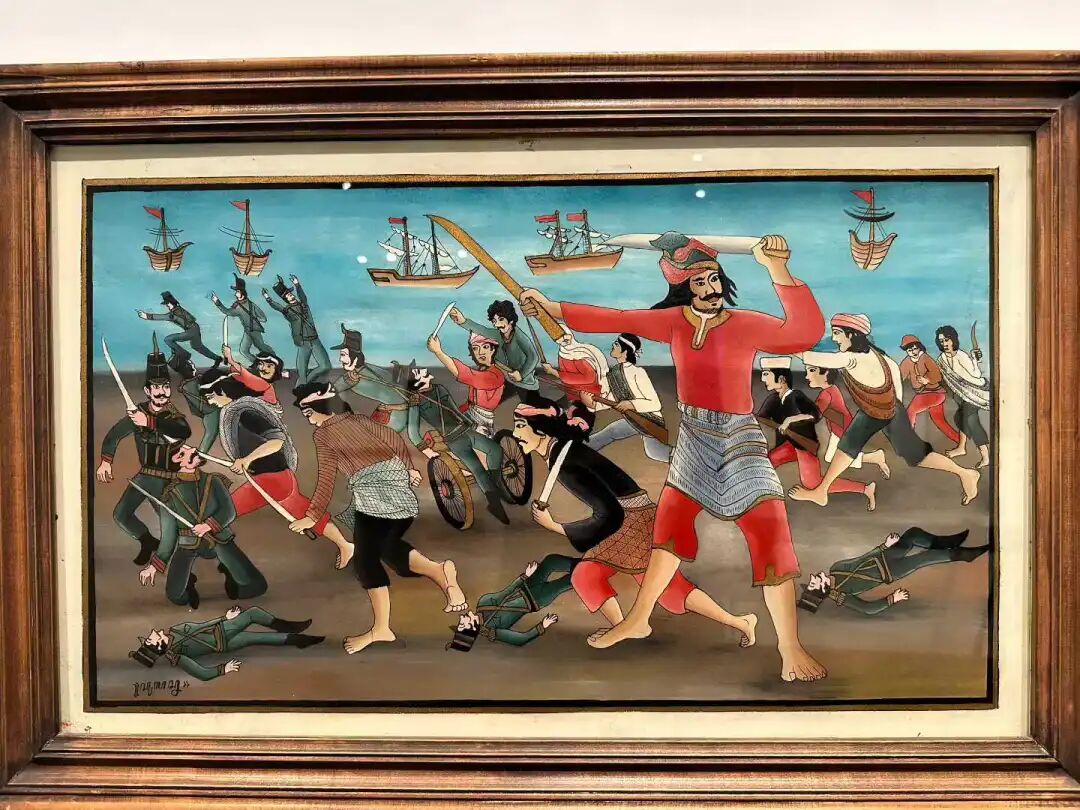
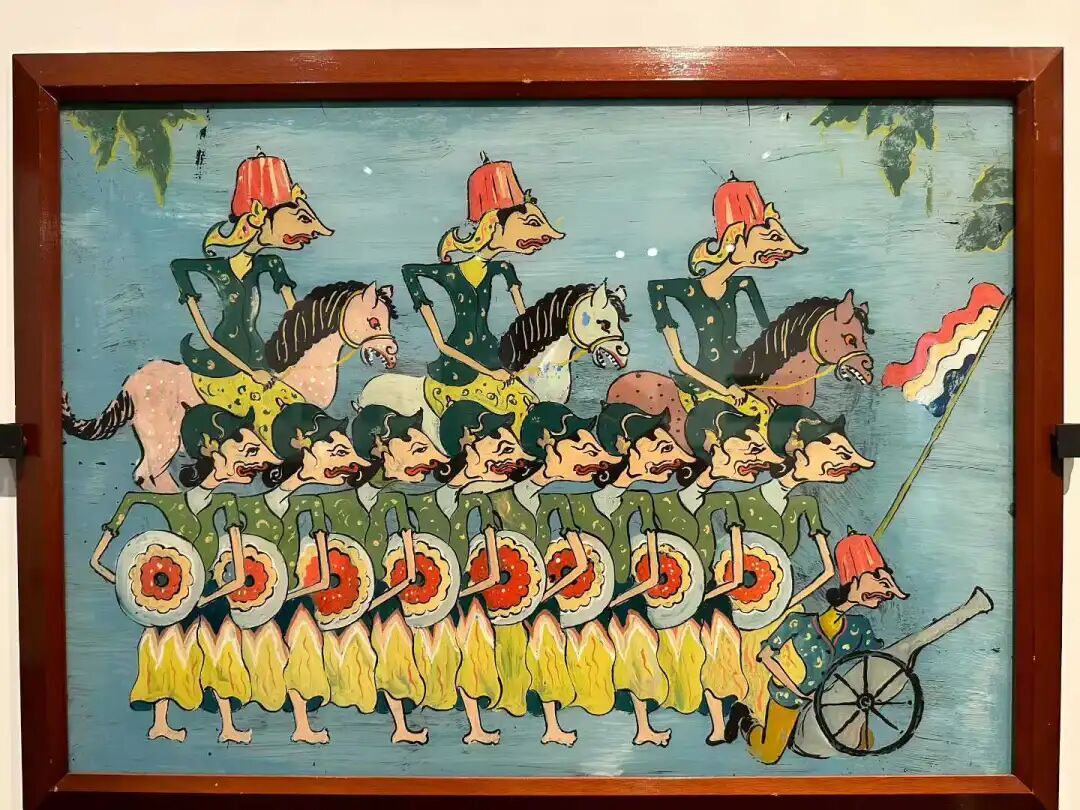
The army of the Surakarta Sunanate. After the 1670s, the Dutch East India Company used power struggles within the Mataram Sultanate to slowly increase its control over Central Java. In 1755, the Dutch East India Company sent representatives to negotiate with Sultan Pakubuwono III and Prince Mangkubumi. A treaty was finally signed, splitting the Mataram Sultanate into two parts: the Yogyakarta Sultanate and the Surakarta Sunanate. The prestige and power of the Surakarta Sunanate reached its peak during the reign of Pakubuwono X, who ruled from 1893 to 1939. He raised funds by leasing land to European developers and buying shares in commercial properties. He oversaw the construction of many buildings and infrastructure projects in the city of Solo, and brought water and electricity to many parts of the Sunanate, earning him widespread respect.
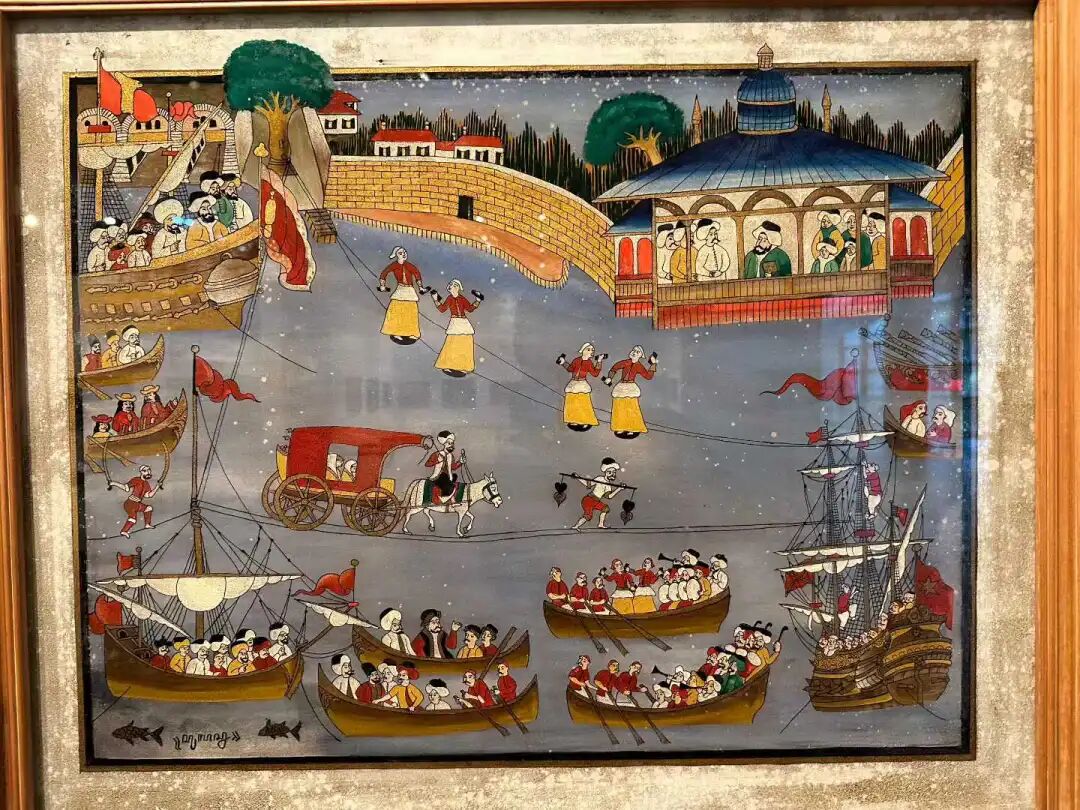
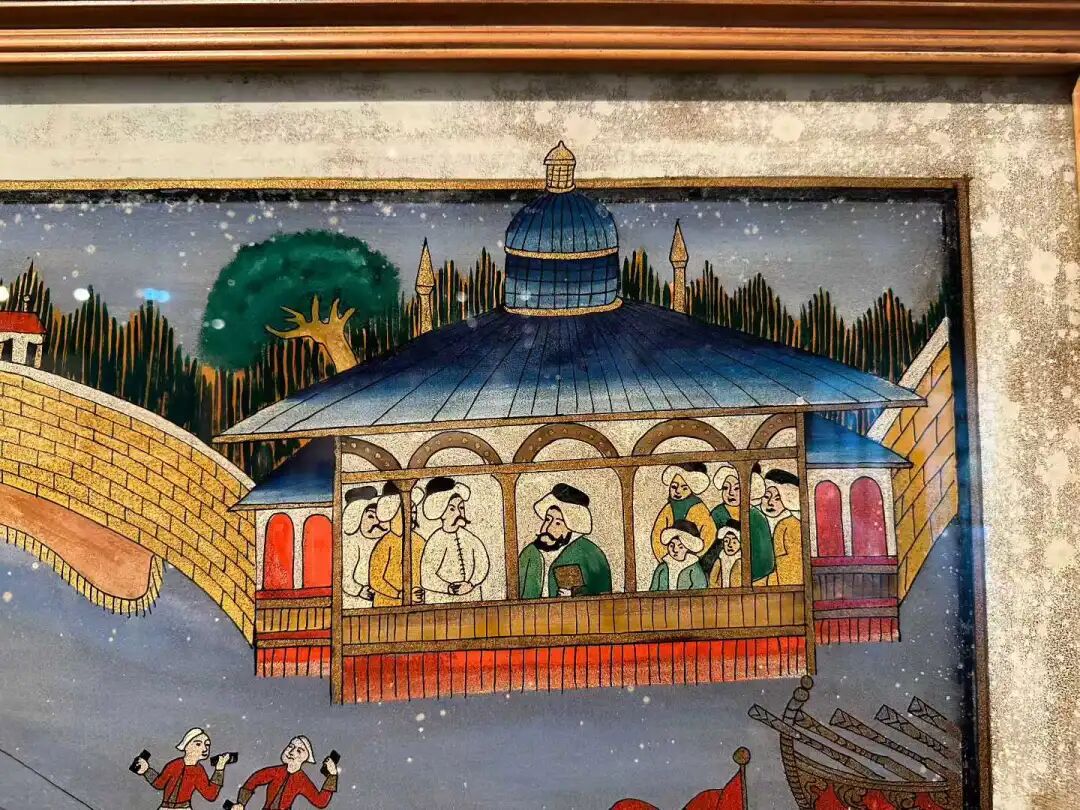
A Sultan from the Middle East watching acrobatics.
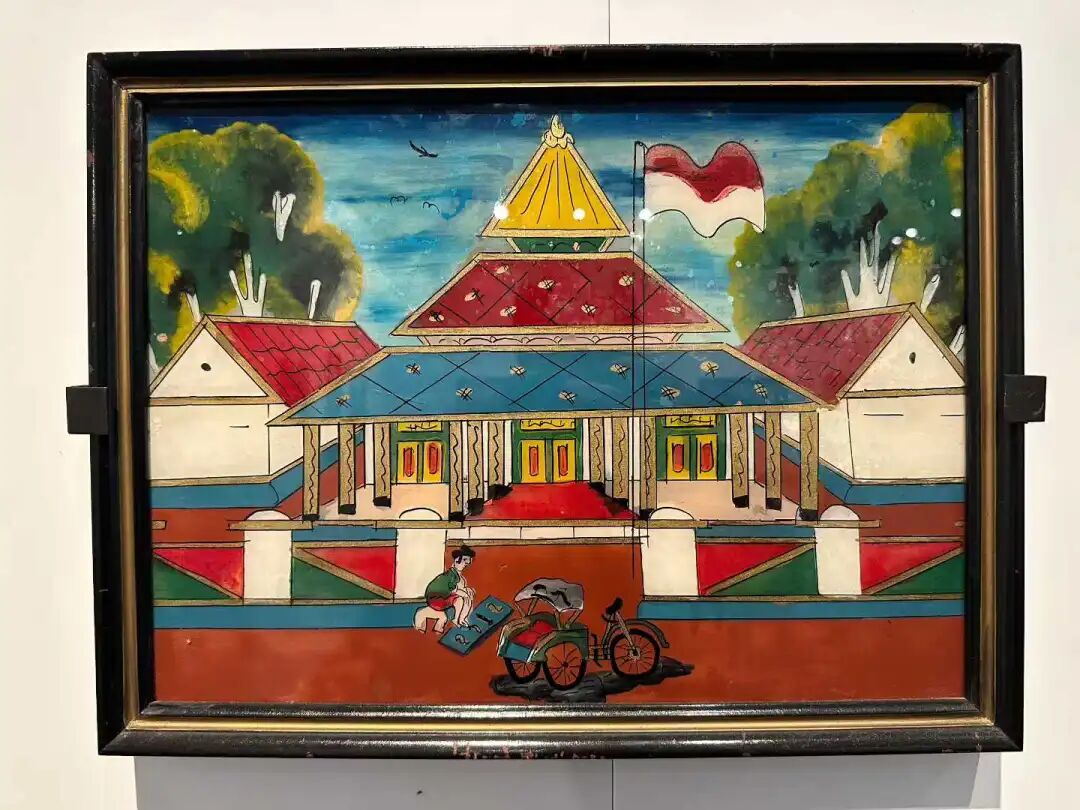
A traditional Javanese ceremonial hall (pendopo).
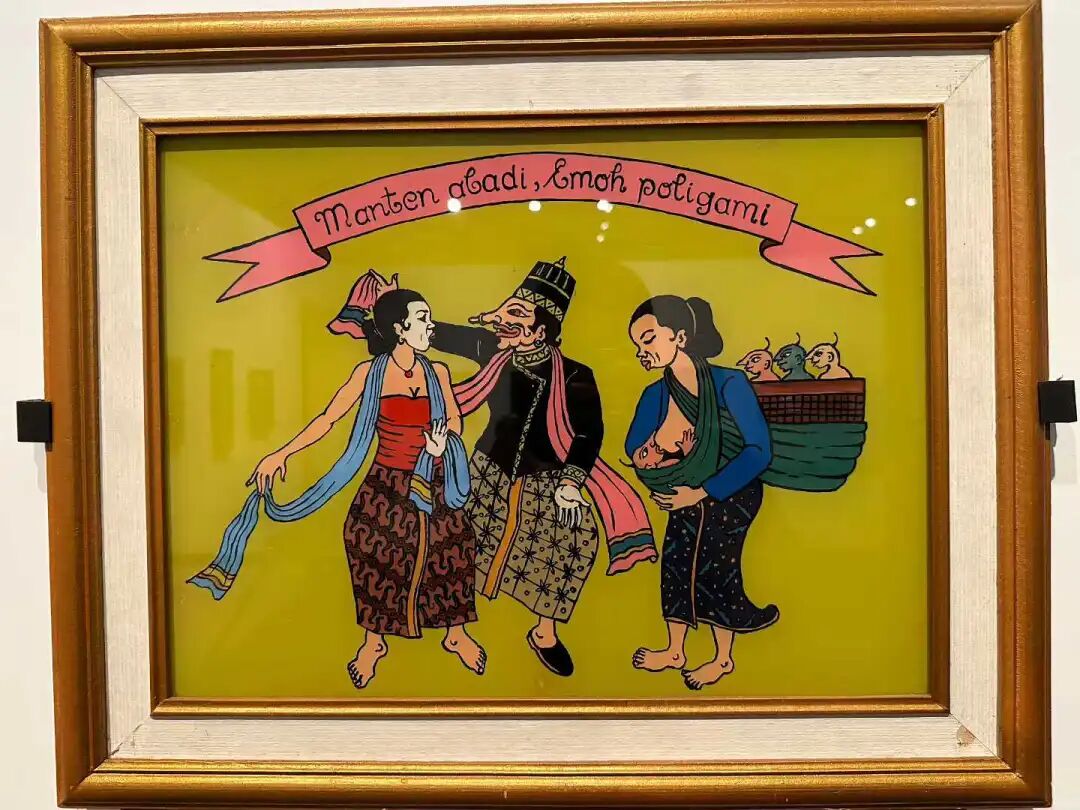
A poster promoting monogamy.
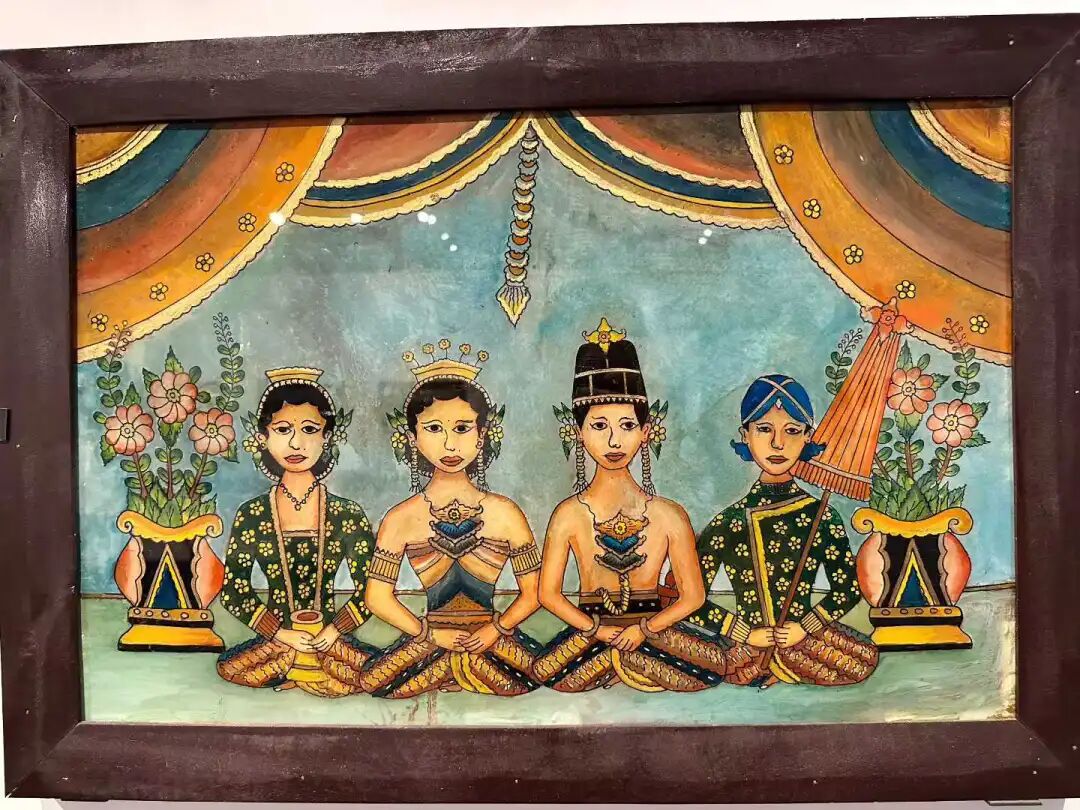
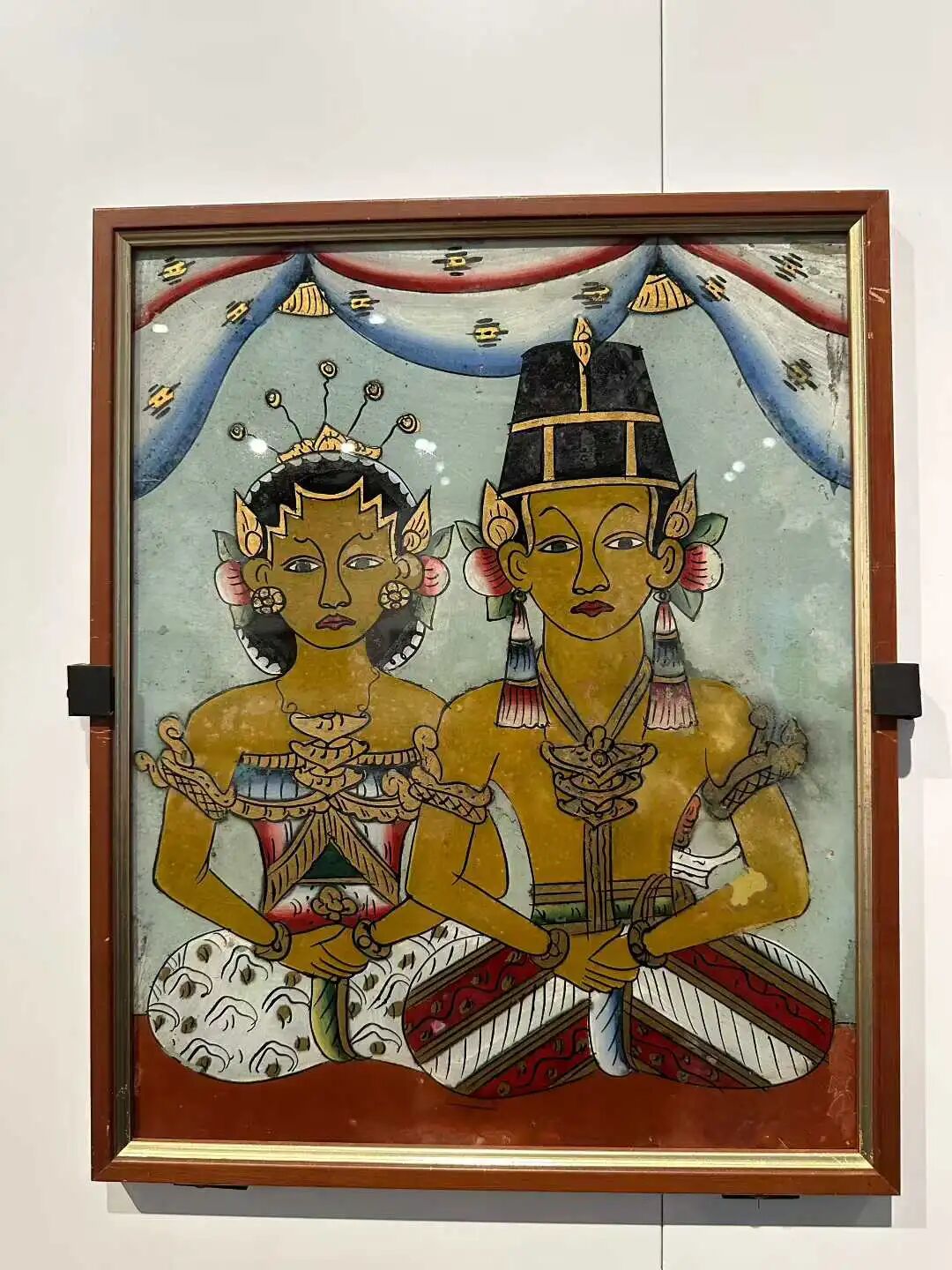
Traditional wedding attire.
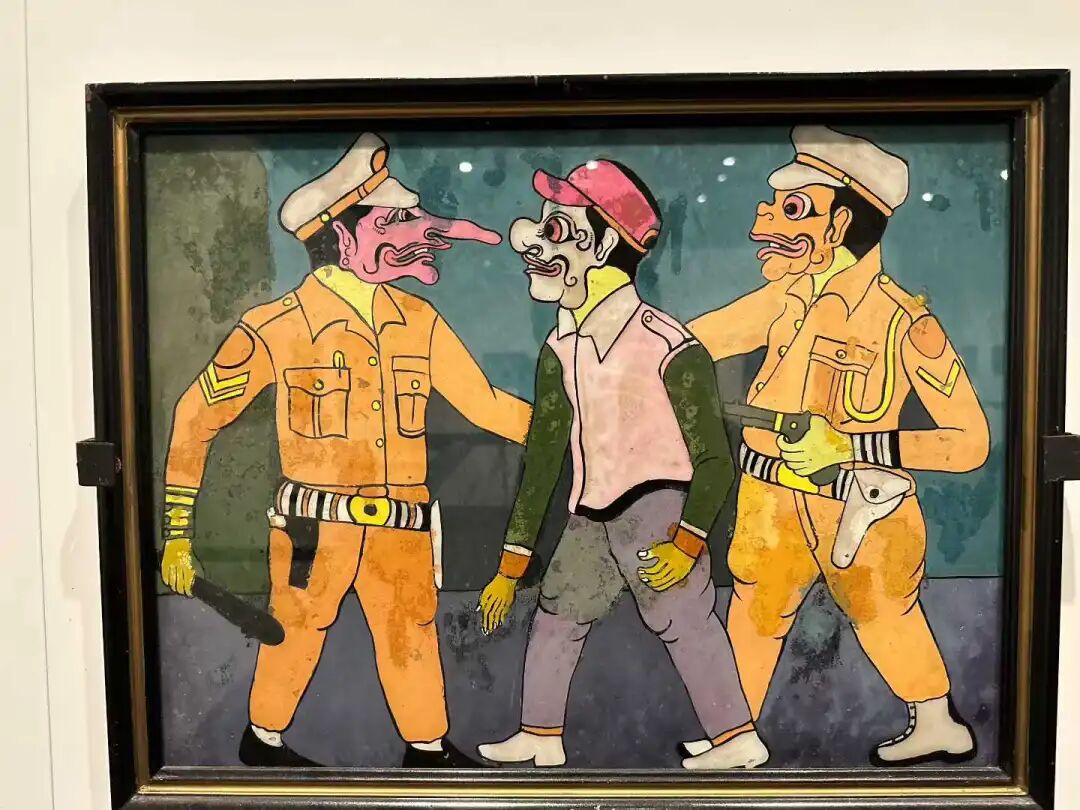
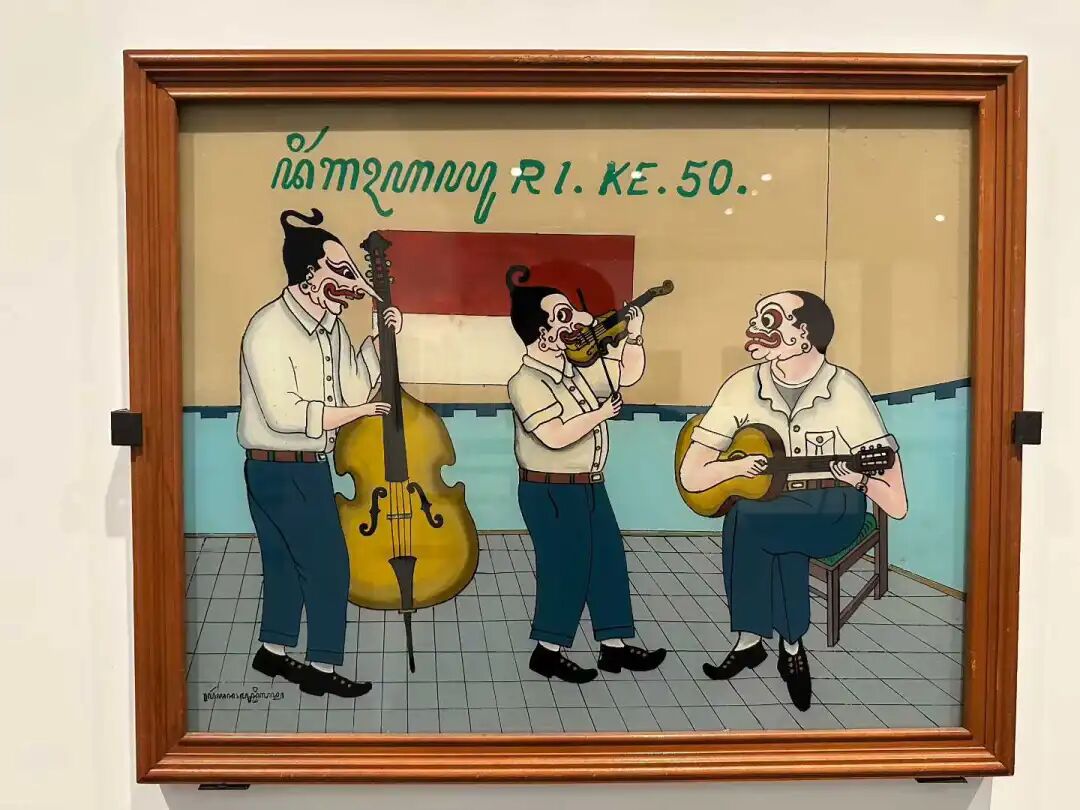
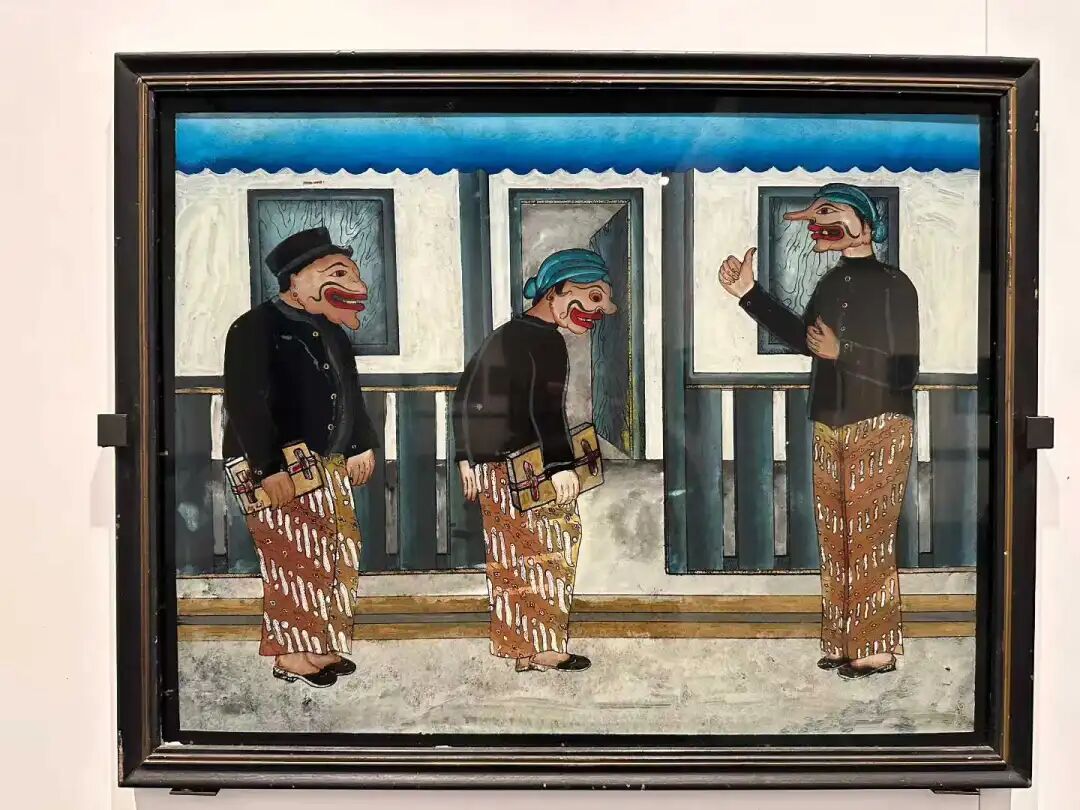
Adapting characters from shadow puppetry (wayang) into real-life scenes like police and thieves or musical performances.
Summary: The Vietnam Museum of Ethnology in Hanoi holds Javanese glass paintings donated by O'ong Maryono and Rosalia Sciortino. This exhibition note explains the paintings, wayang imagery, Javanese court culture, and Islamic themes preserved in the source.
The Vietnam Museum of Ethnology is in Hanoi and opened in 1997. It has a building focused on Asian ethnology, including a gallery featuring Javanese glass paintings donated by O'ong Maryono and Rosalia Sciortino.
Glass paintings (lukisan kaca) are an important traditional art form in Java, Indonesia. In the late 18th and early 19th centuries, Javanese artists began using a reverse glass painting technique from Europe. The art blends Javanese, European, Chinese, and Islamic cultures. It covers local history, theater, and daily life, serving as a key record of Javanese art and culture.
The Buraq, the creature ridden by the Prophet during his Night Journey. While the Hadith does not describe the Buraq's face, it mentions a 'handsome face.' Because of this, Persian and South Asian miniature paintings often show the Buraq with a human face and horse body. In the southern Philippines, on Mindanao Island, people also carve wooden figures of the Buraq.
A bird with Arabic calligraphy.
A gate with Arabic calligraphy.
The scriptures mention that Prophet Sulaiman could understand the languages of birds and all kinds of animals.
A mosque.
A religious warning painting: do not be greedy for the pleasures of this world, as only the afterlife is your true home.
Sunan Bonang, one of the nine Javanese saints (Wali Songo), used shadow puppetry (wayang) to spread the faith. Between the 15th and 16th centuries, nine Sufi saints spread the faith across Java. They used traditional Javanese arts like shadow puppetry (wayang) and gamelan music to help their mission, eventually creating a unique local Islamic culture.
The local legend of how the Javanese people converted to Islam, known as 'The Journey of Prince Mursada'. Legend says Prince Mursada went on many adventures to cure his stepmother's illness, eventually reaching Salaka Island to find a talisman of firm faith. In the painting, he rides a fish with golden scales that he caught as a child, which later became his protector. Behind him follow two devout believers, Mashru and Mashud, who symbolize the Javanese people following their ruler in converting to the faith. The story of 'The Journey of Prince Mursada' has roots in the Hindu epics Ramayana and Mahabharata, which is part of the local Javanese Islamic tradition.
In 1568, Adiwijaya, the first Sultan of the Pajang Sultanate, defeated Arya Penangsang, the last Sultan of the Demak Sultanate, marking a change in power in Java. The first Sultan of the Demak Sultanate was originally a prince of the Majapahit Kingdom. He later converted to the faith under the influence of one of the nine Javanese saints, declared himself Sultan, and began the Islamic era on Java.
Prince Diponegoro of the Yogyakarta Sultanate, who bravely resisted Dutch colonial rule, led his army to fight the Dutch. He fought the Dutch from 1825 to 1830, dealing them heavy blows, but was eventually defeated, captured, and exiled to Makassar. Diponegoro is honored as an Indonesian national hero. The Indonesian Central Java Military Command, two ships, and roads in many Indonesian cities are named after him.
Diponegoro on horseback and inside his residence.
In 1666, Sultan Hasanuddin of Gowa in the Sulawesi region (reigned 1653-69) led his army to resist the Dutch in Makassar. He was defeated in 1669 and forced to abdicate. Sultan Hasanuddin is also honored as a national hero in Indonesia, and there is a monument to the Sultan in Makassar.
The army of the Surakarta Sunanate. After the 1670s, the Dutch East India Company used power struggles within the Mataram Sultanate to slowly increase its control over Central Java. In 1755, the Dutch East India Company sent representatives to negotiate with Sultan Pakubuwono III and Prince Mangkubumi. A treaty was finally signed, splitting the Mataram Sultanate into two parts: the Yogyakarta Sultanate and the Surakarta Sunanate. The prestige and power of the Surakarta Sunanate reached its peak during the reign of Pakubuwono X, who ruled from 1893 to 1939. He raised funds by leasing land to European developers and buying shares in commercial properties. He oversaw the construction of many buildings and infrastructure projects in the city of Solo, and brought water and electricity to many parts of the Sunanate, earning him widespread respect.
A Sultan from the Middle East watching acrobatics.
A traditional Javanese ceremonial hall (pendopo).
A poster promoting monogamy.
Traditional wedding attire.
Adapting characters from shadow puppetry (wayang) into real-life scenes like police and thieves or musical performances.
