
Halal Travel Guide: Hanoi - Al-Noor Mosque and Halal Beef Pho
Reposted from the web
Summary: Hanoi's Al-Noor Mosque is the only active mosque in northern Vietnam and was funded by Indian Muslim merchants from Mumbai in the late nineteenth century. This account follows the mosque, halal beef pho, Muslim restaurants, and local community details recorded in the source.
Al-Noor Mosque and beef noodle soup in Hanoi, Vietnam.
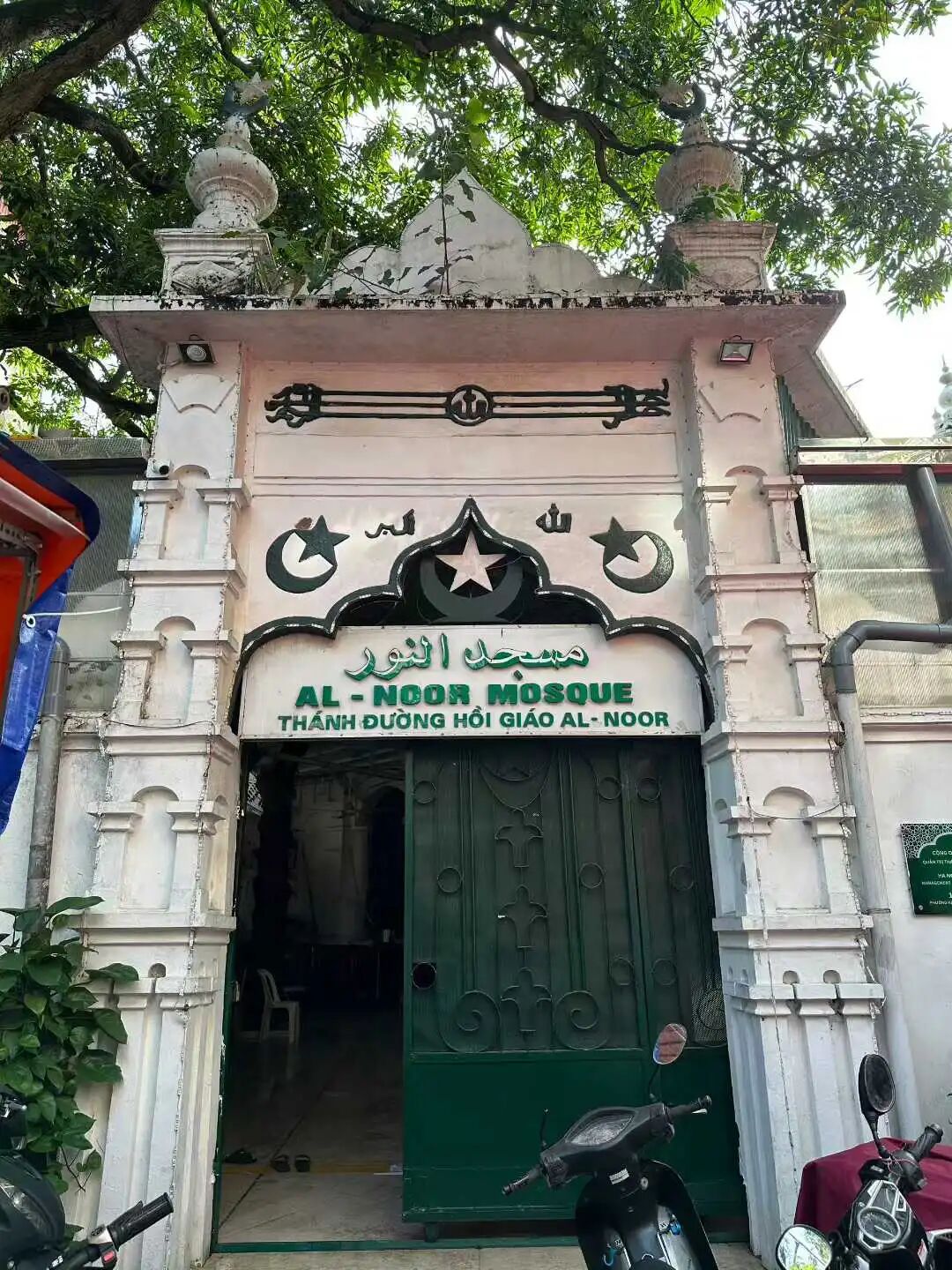
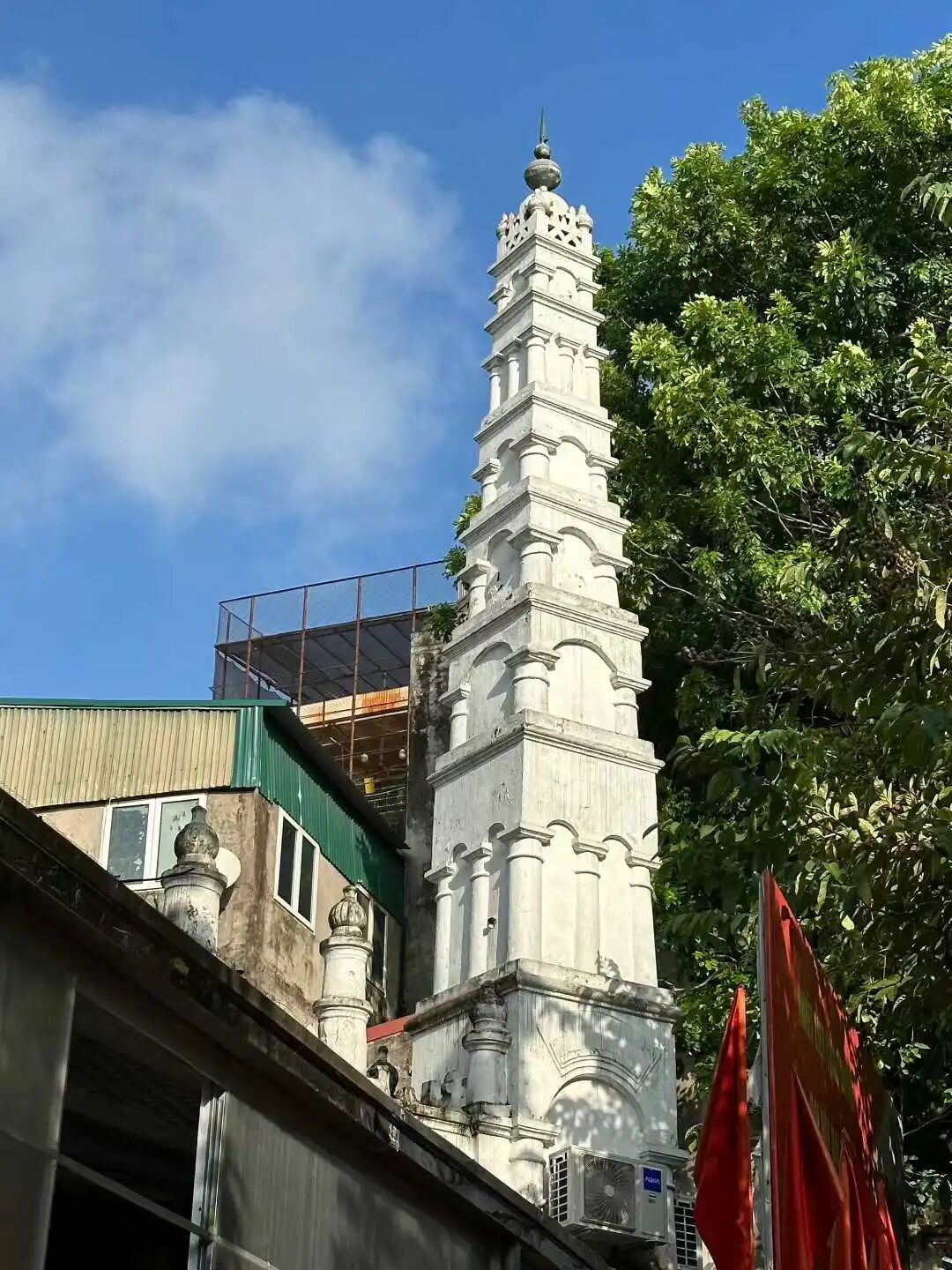
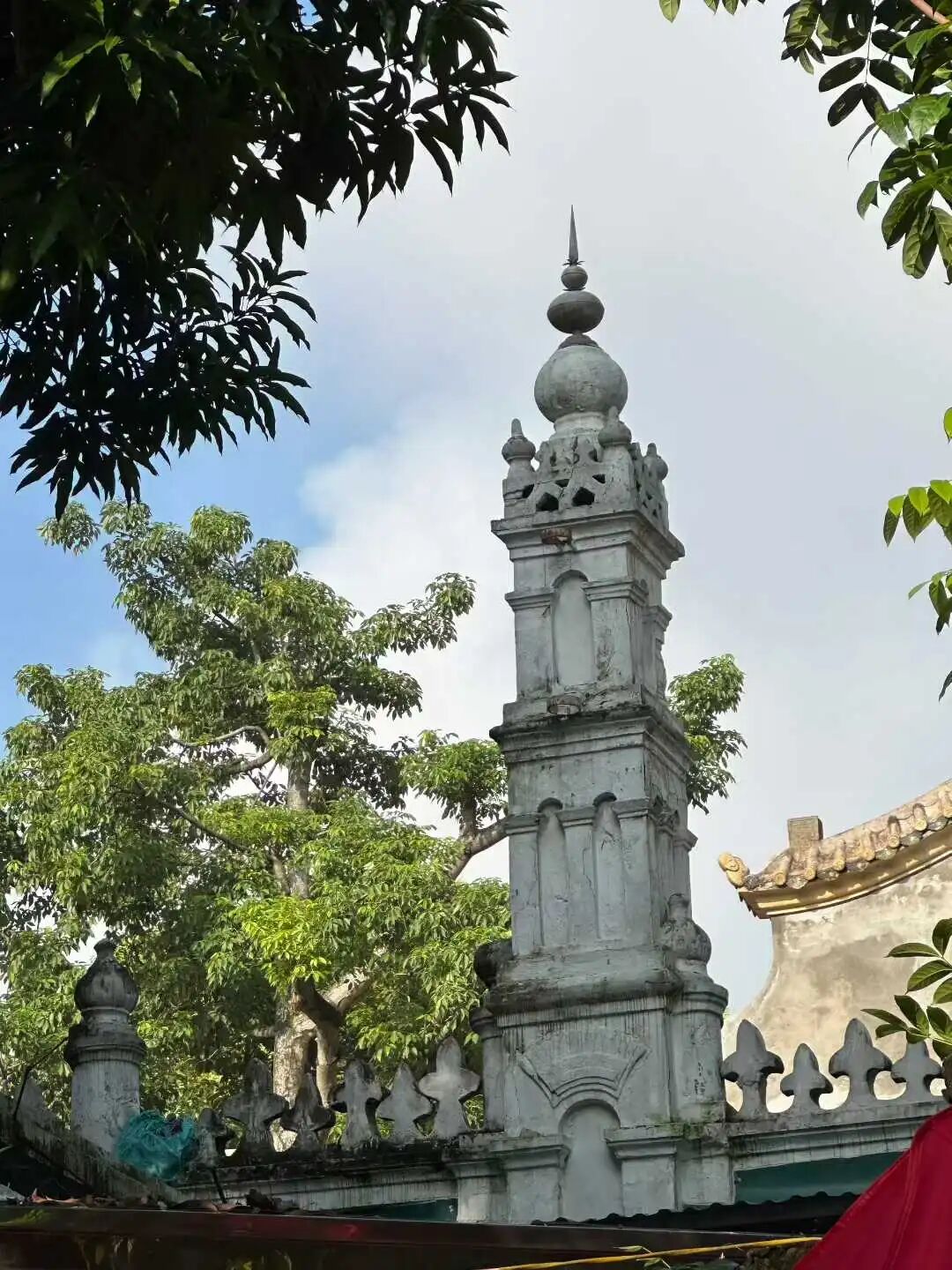
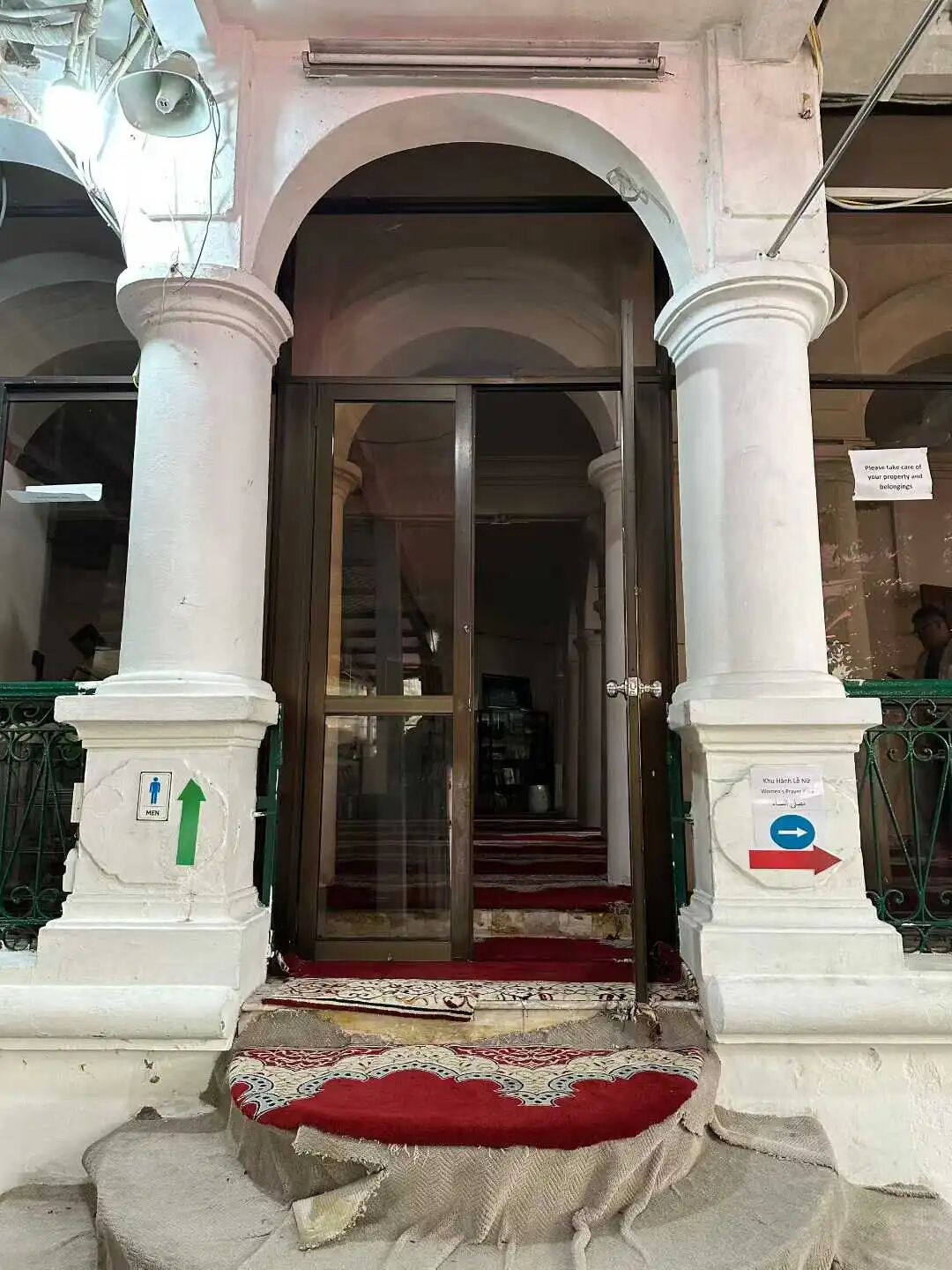
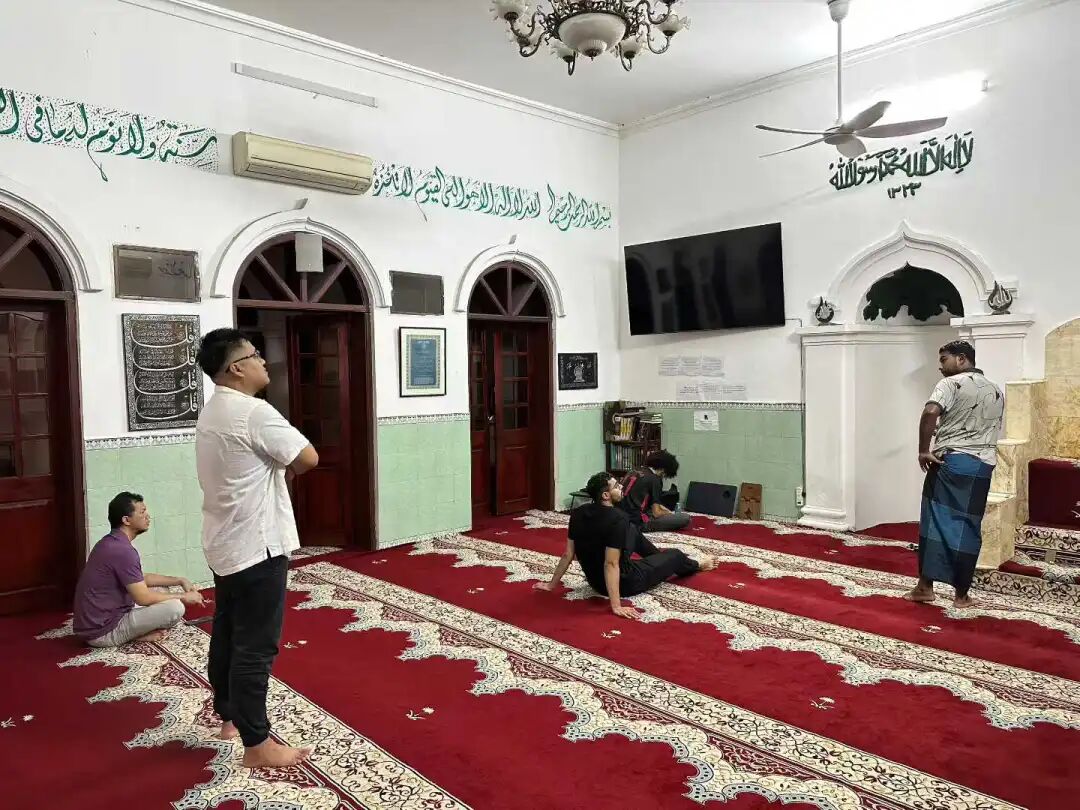
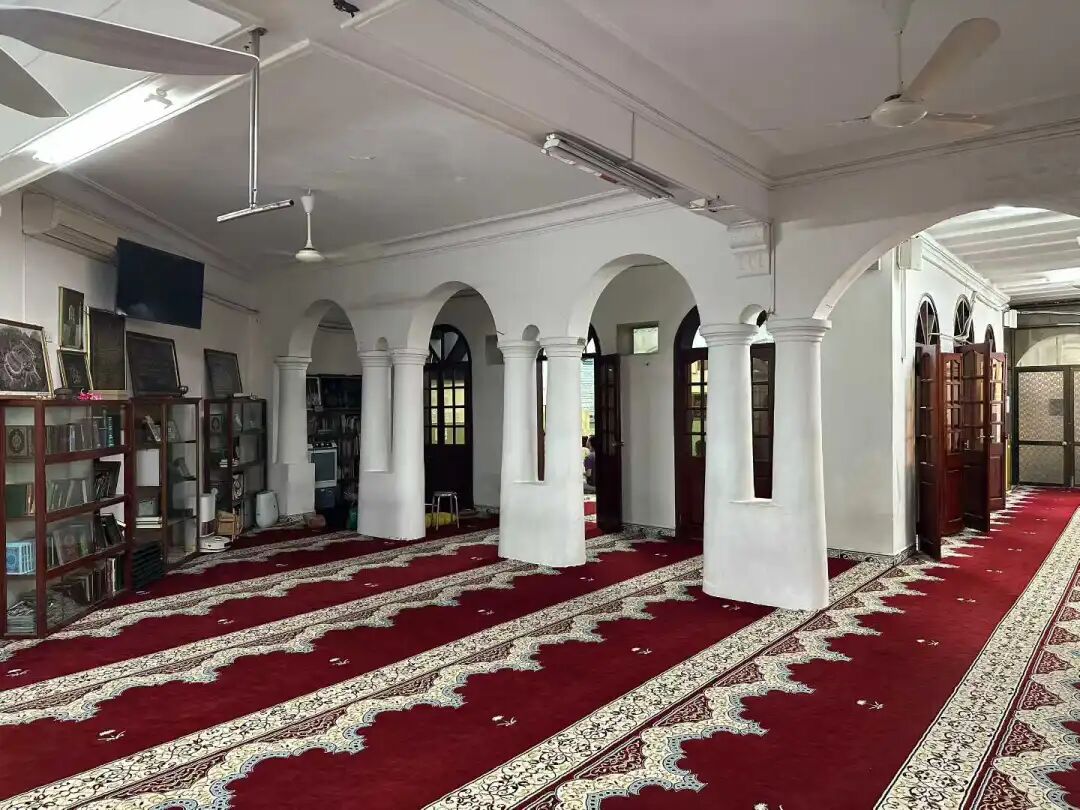
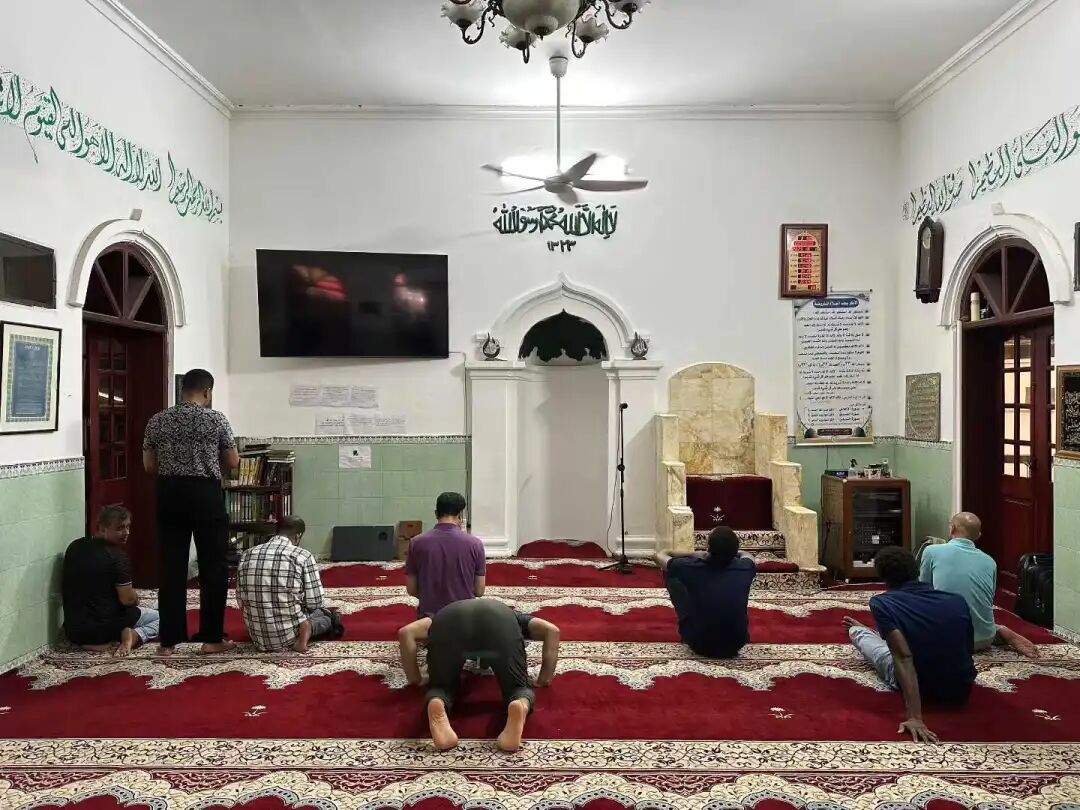
Al-Noor Mosque in Hanoi is the only active mosque in northern Vietnam today. It was built with funds from Indian merchants from Mumbai in 1885 and officially opened in 1890, featuring a classic Indian architectural style. In the early 19th century, Indian merchants began selling textiles and exchanging currency on Hang Dao Street in Hanoi's Old Quarter. Many settled there, and later they formally established the Al-Noor mosque community.
After the Vietnam War began, Indian merchants in Hanoi gradually left. In 1964, when the war escalated, Al-Noor Mosque officially closed, and the Hanoi mosque community dissolved. Fortunately, Al-Noor Mosque survived the U. S. military's widespread bombing of Hanoi, and the century-old building was preserved. In 1986, Vietnam announced its reform and opening-up policy. In 1990, Al-Noor Mosque reopened through the efforts of people like the Malaysia Airlines manager Khalid and the Iranian ambassador.
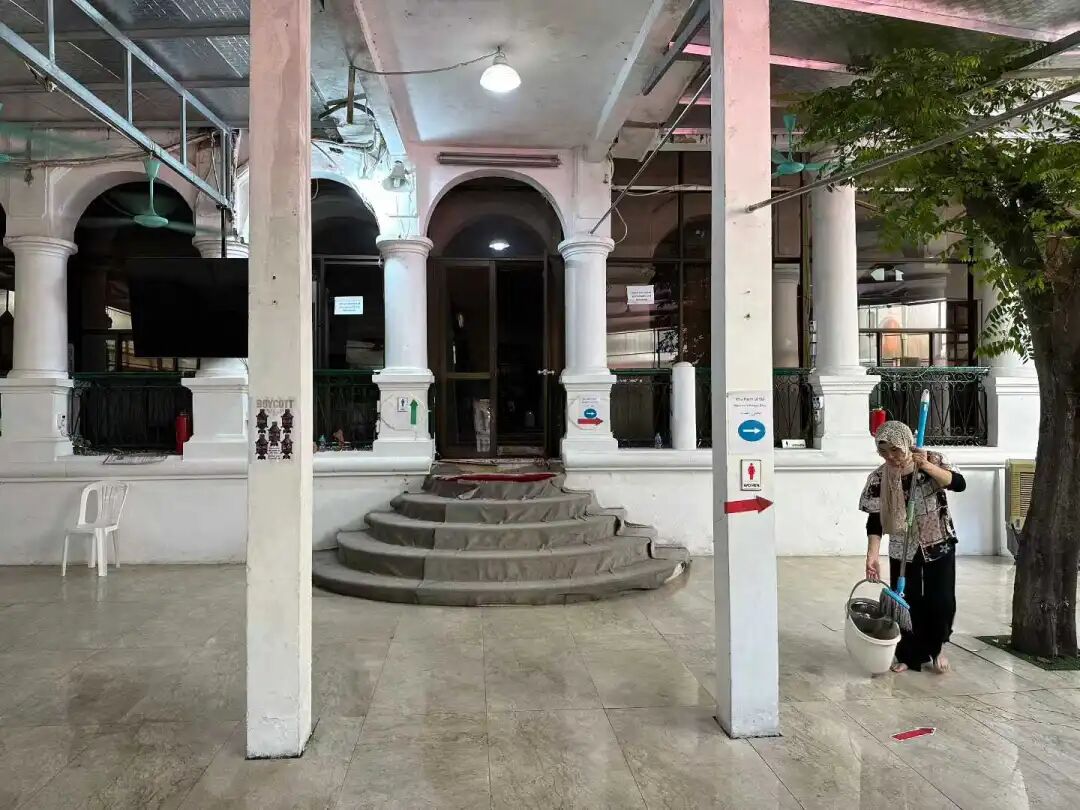
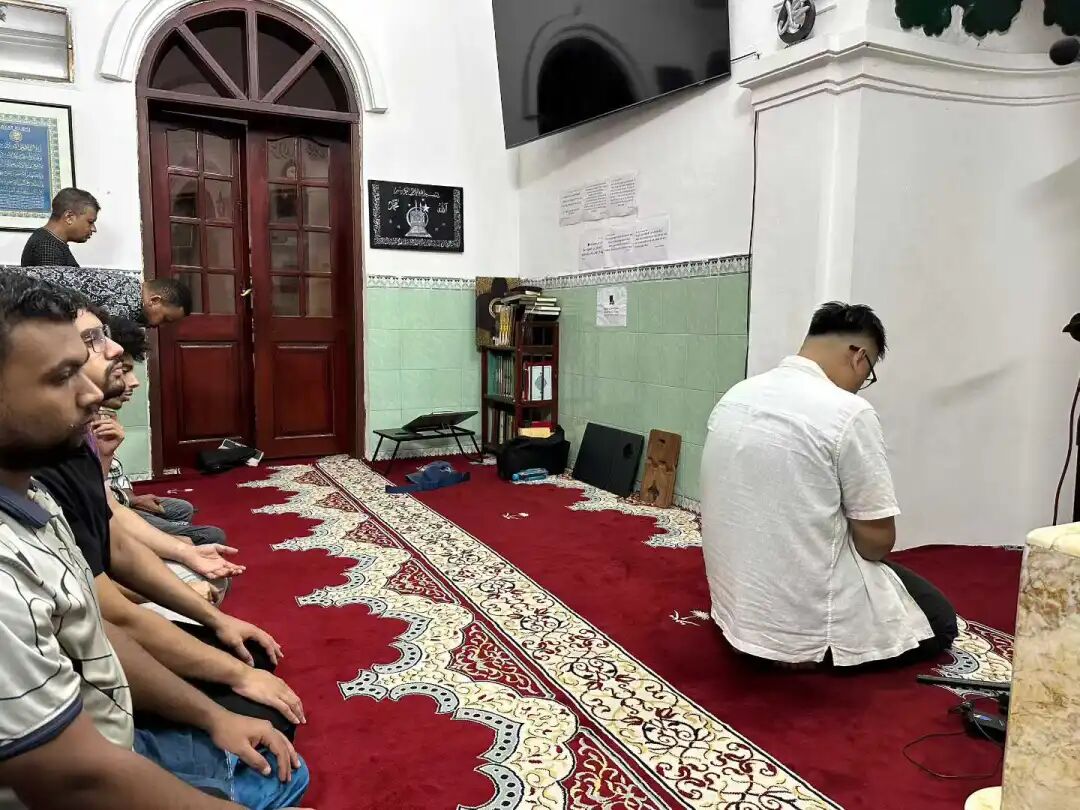
In 1990, the mosque community had no local members, and it was used mainly by diplomats and staff from embassies. Over the past thirty years, as Vietnam's international exchanges have increased, the number of people in the mosque community has also grown. In 2011, Al-Noor Mosque officially established a management committee. Today, to over 500 embassy staff and foreign workers, more than 100 local Vietnamese Cham people and local converts (dosti) regularly visit the mosque.
The current imam of Al-Noor Mosque is a Cham person from An Giang in southern Vietnam, and the director is a descendant of a Pakistani family who managed the mosque during the French colonial period. The Cham people have lived in southern Vietnam for generations. After the 16th century, Malays influenced the Cham through trade and intermarriage, leading the Cham to gradually embrace the faith. After the 18th century, the Cham began living in the Mekong Delta. The Mubarak Mosque in An Giang, built in 1750, is one of the oldest existing mosques in Vietnam.
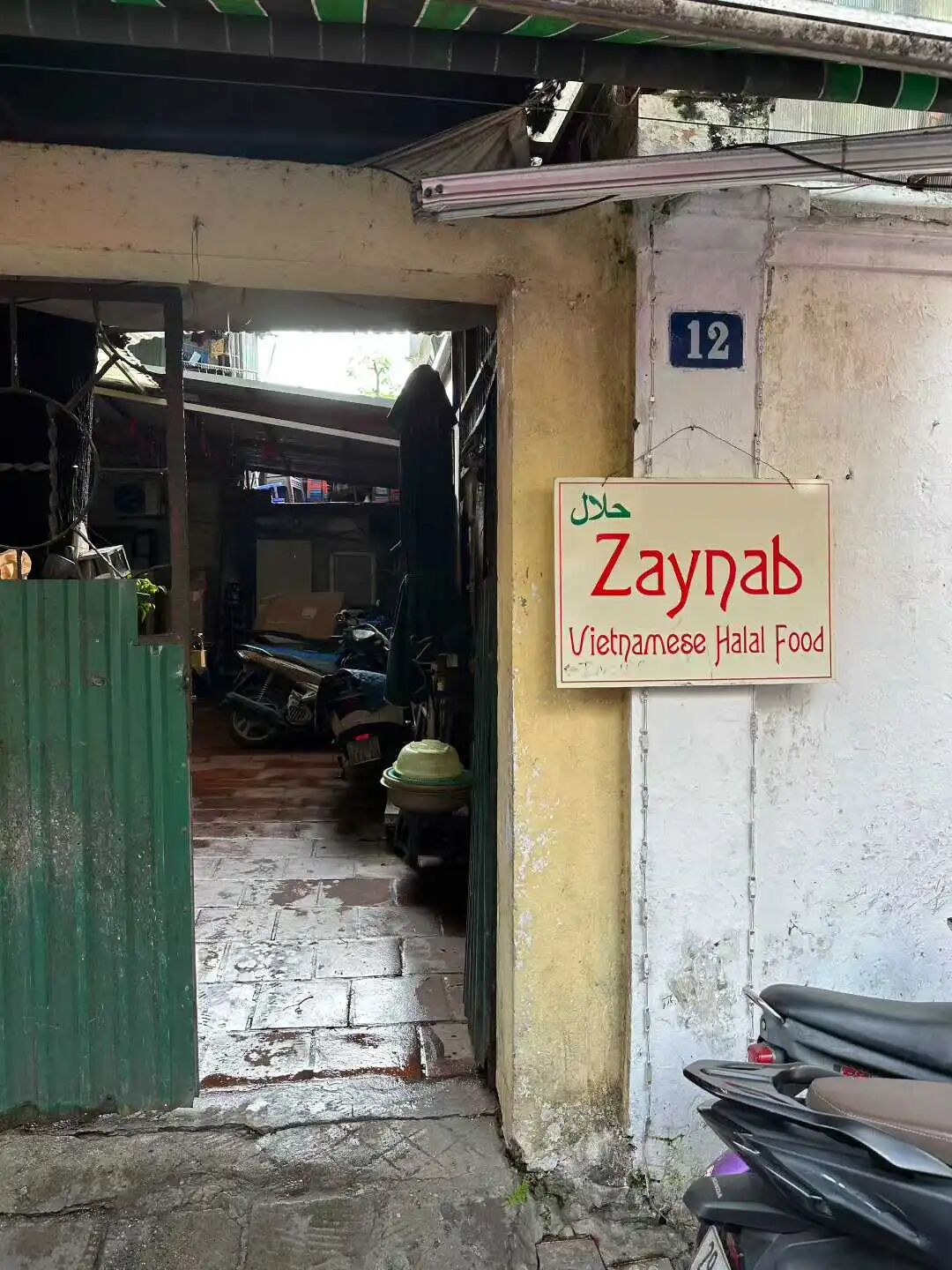
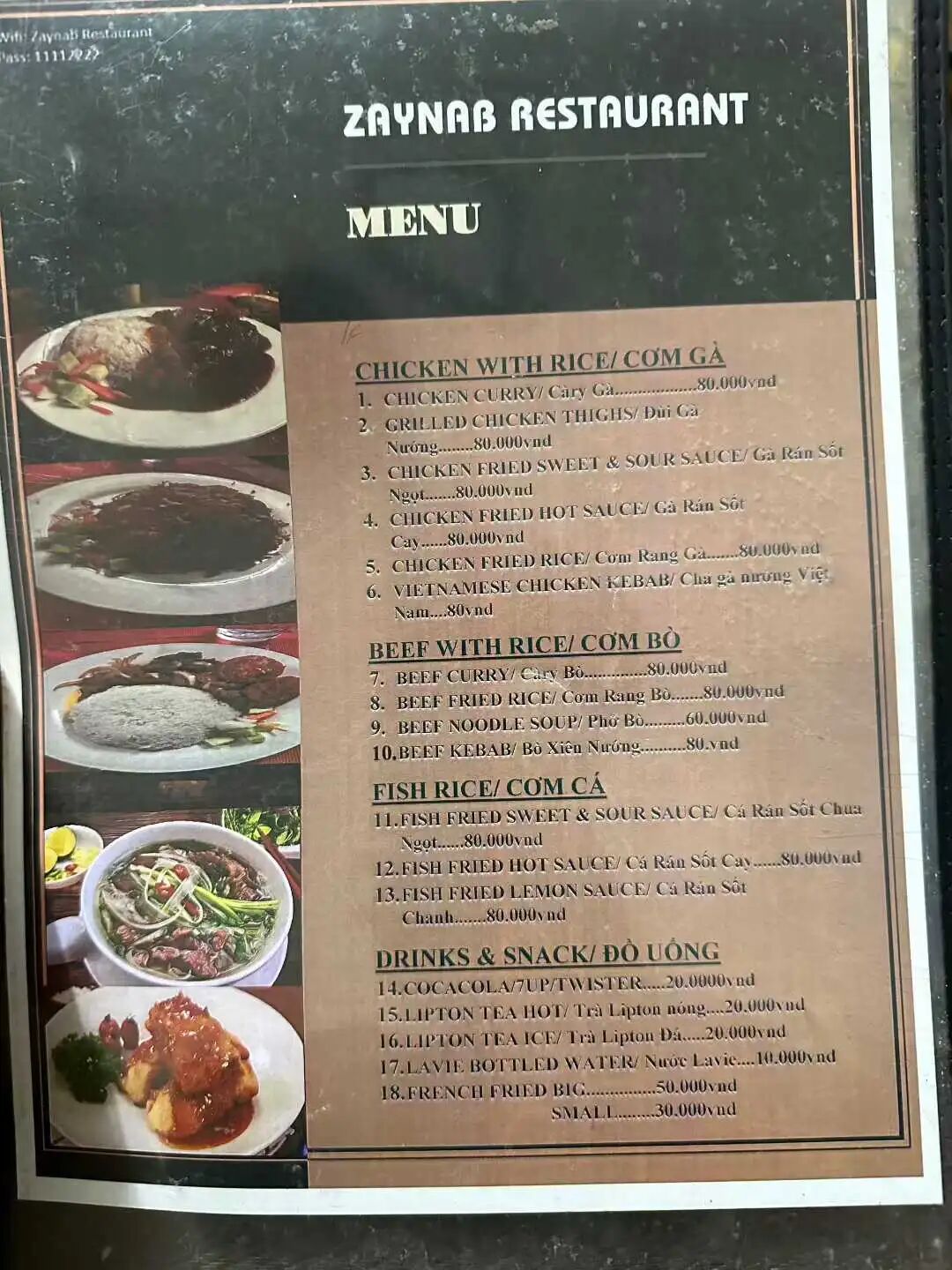
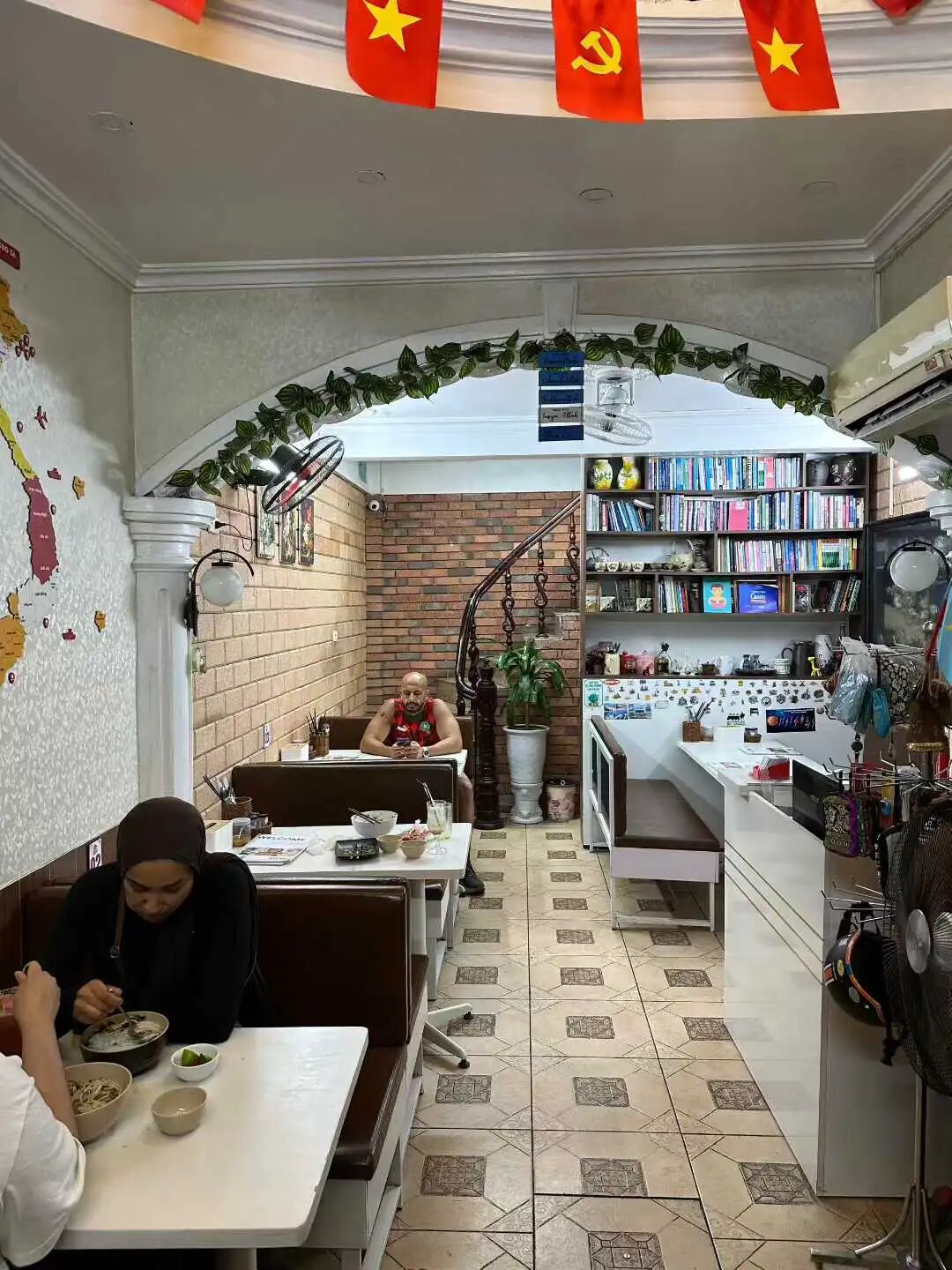
Hidden in the courtyard next to Al-Noor Mosque is a local halal eatery called Zaynab Restaurant. It specializes in beef noodle soup and rice sets. The owner, Zaynab, once cooked for the family of the Iranian ambassador to Vietnam for many years. They are open daily from 11:00 to 16:00, but they stop serving food after 3:00 PM, so be sure to go early for lunch.
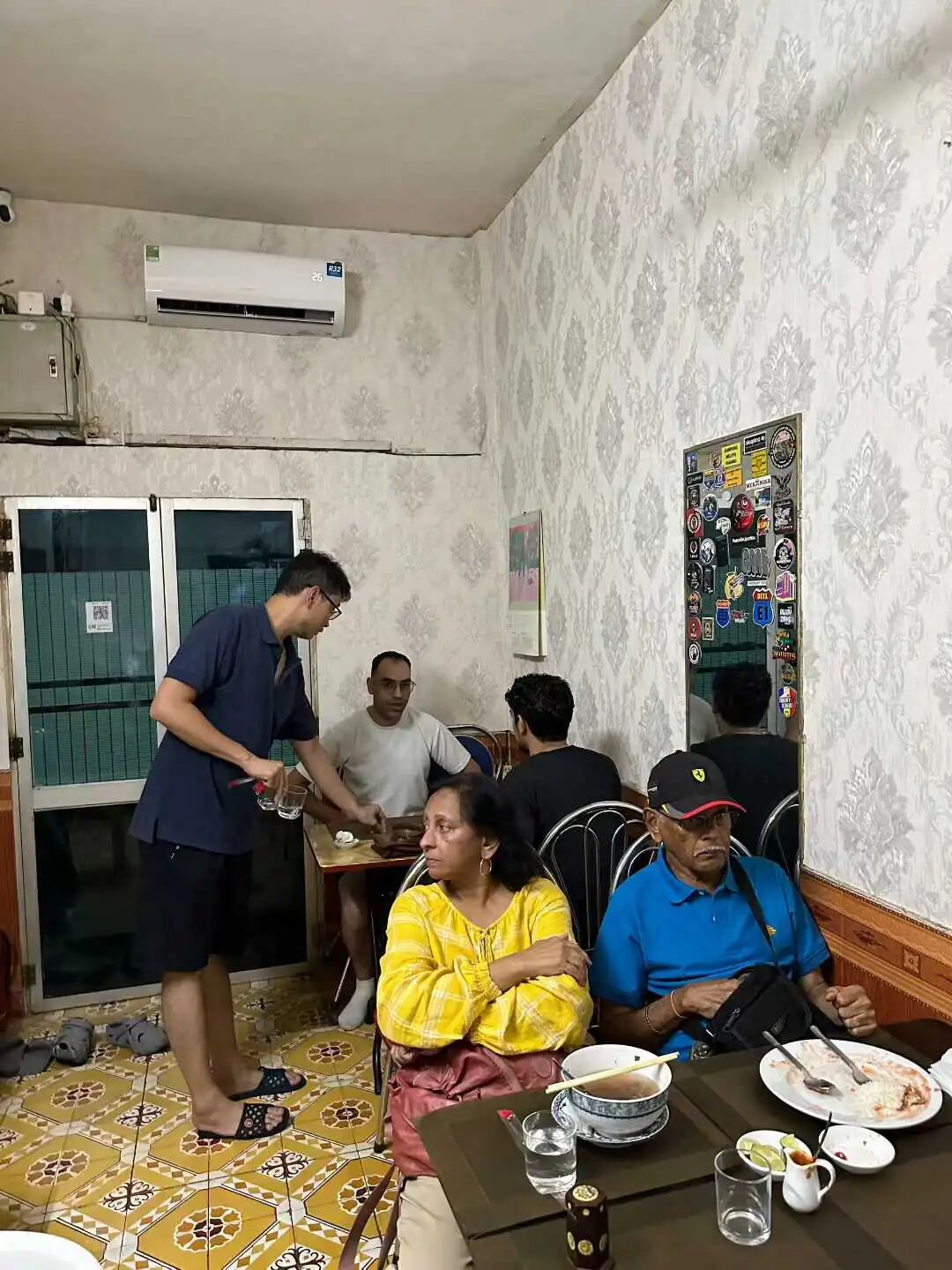
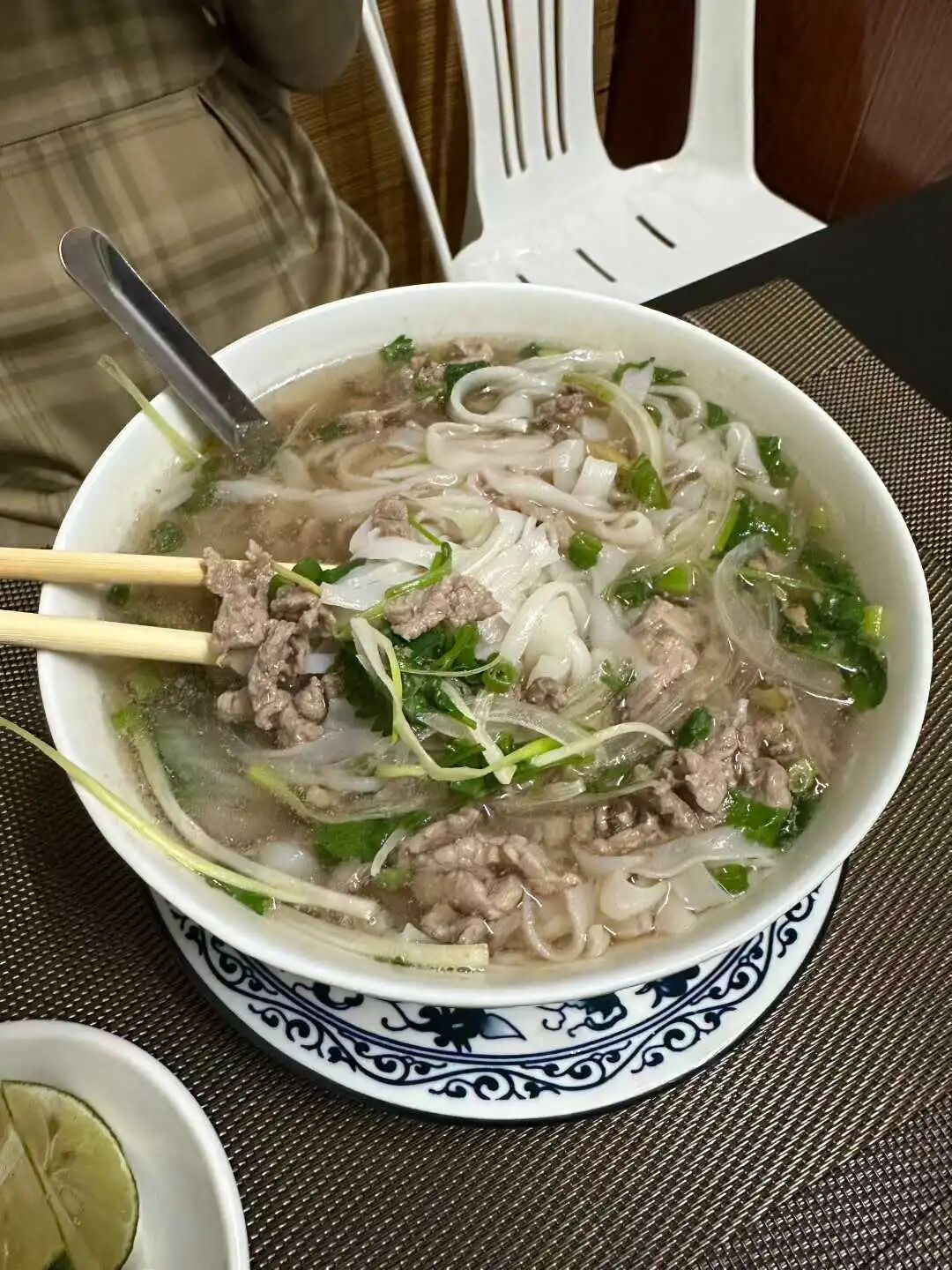
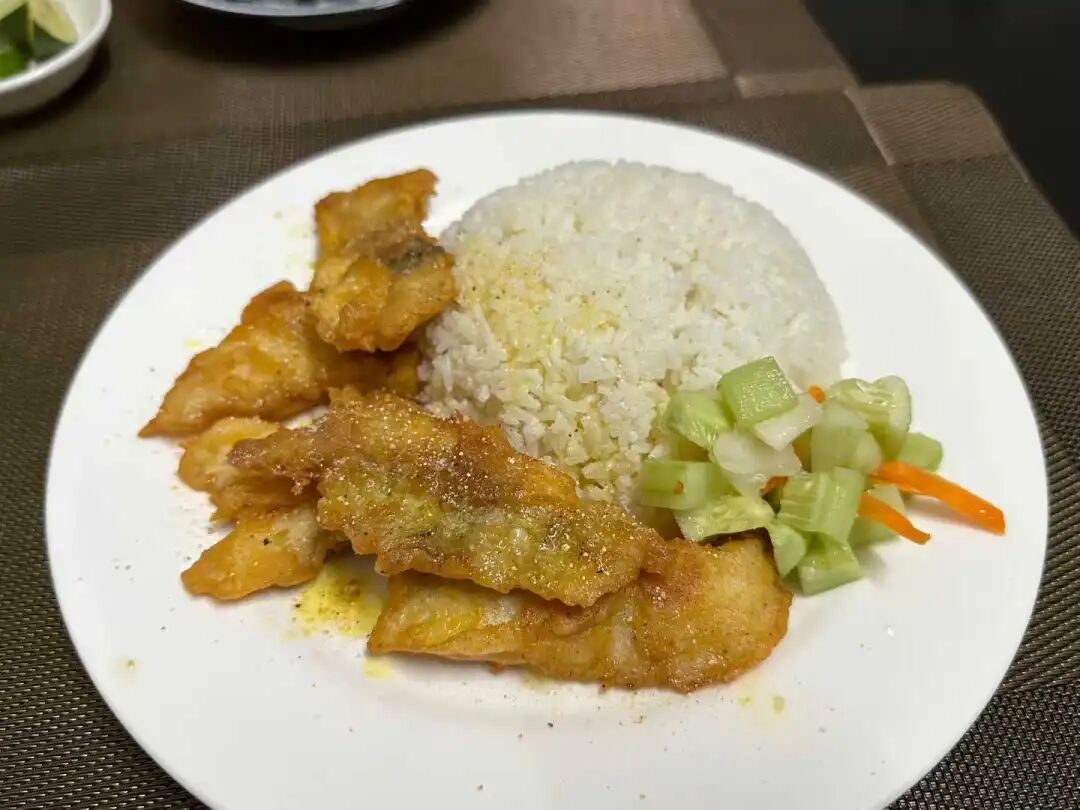
The place is very small with only four tables. The waiter and the chef is just Zaynab's son. We arrived at 3:00 PM, which felt right. We ordered beef noodle soup (pho bo) and lemon fish with rice (ca ran sot chanh). I had previously eaten southern-style Saigon pho at a Cham restaurant in Ho Chi Minh City, and this time I finally got to try northern-style Hanoi pho.
Vietnamese pho is said to have developed from a fusion of French beef stew and Chinese rice noodles. It began appearing on the streets of Hanoi in the early 20th century and only spread to Saigon after the division of North and South Vietnam in 1954. Compared to Saigon pho, Hanoi pho noodles are thicker and the broth is lighter. The main garnish is green onion, unlike Saigon pho which uses bean sprouts and basil. Hanoi pho is usually seasoned with rice vinegar and fish sauce, while Saigon pho is seasoned with lime and seafood sauce.
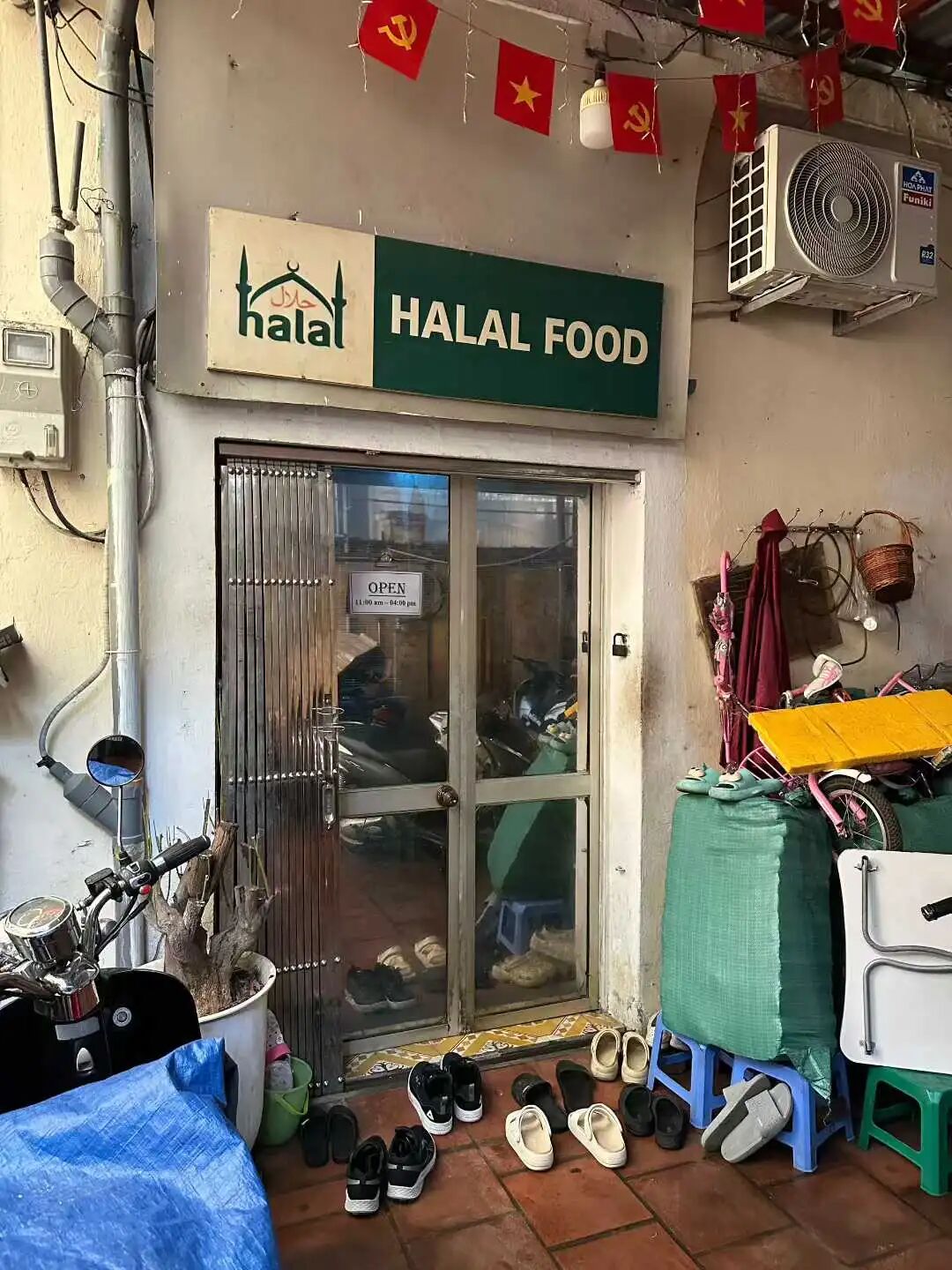
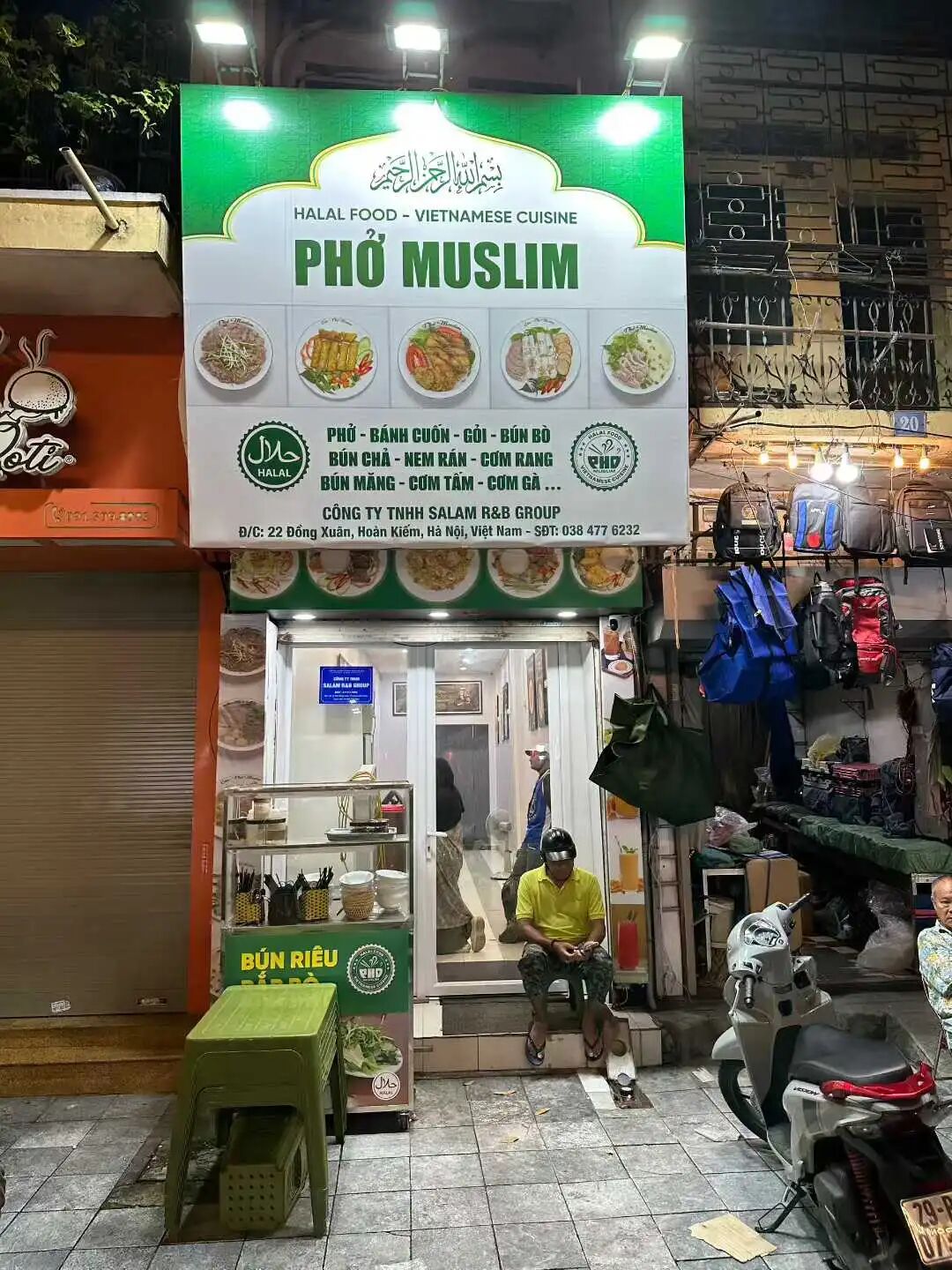
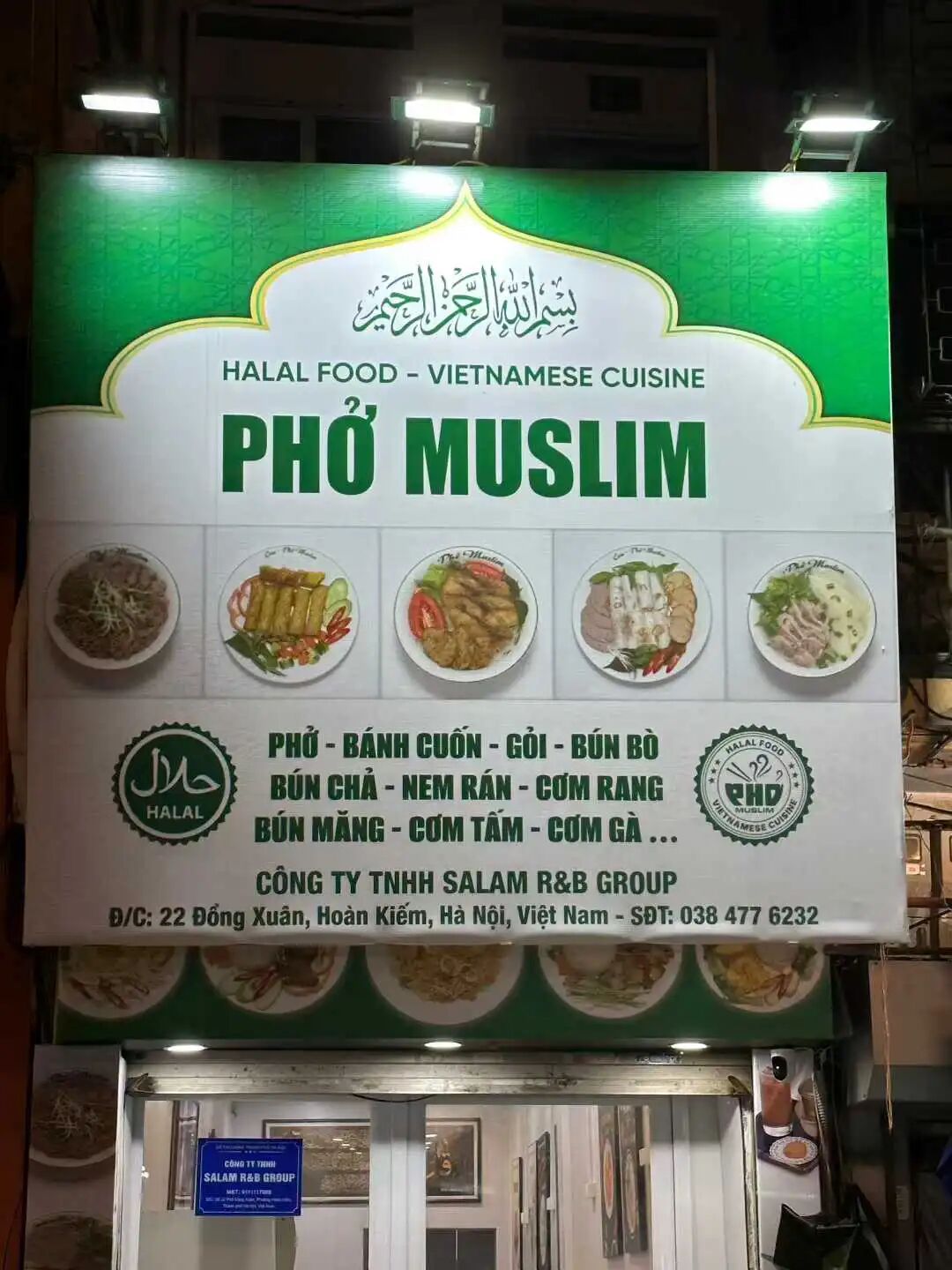
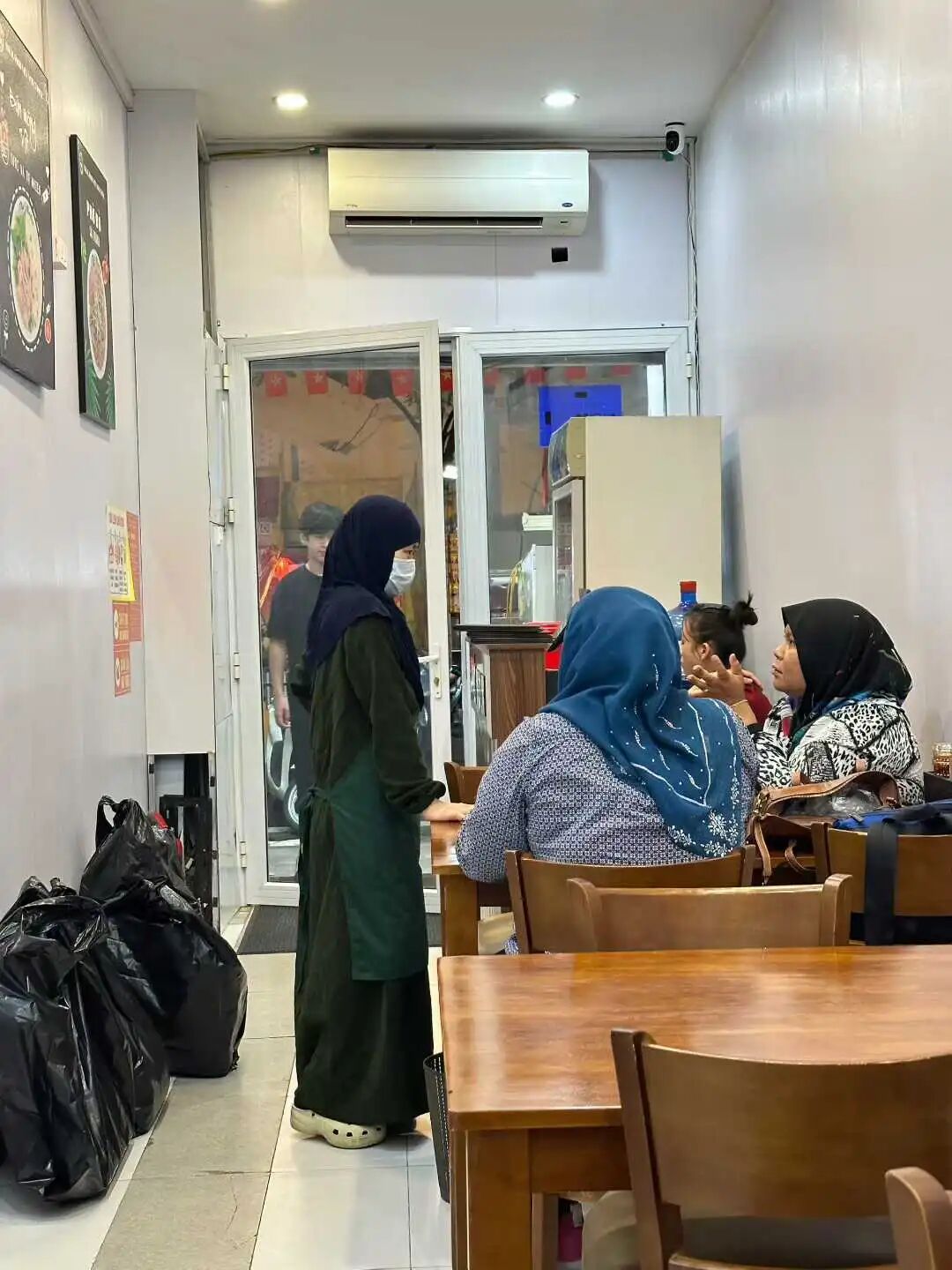
The most authentic local halal eatery in Hanoi is Pho Muslim on Dong Xuan Street in the Old Quarter. It is very close to Al-Noor Mosque, right across from the largest market in the Old Quarter, Dong Xuan Market. They have very long business hours, open from 9:00 AM until 11:30 PM. We went at 9:30 PM and it was still very busy.
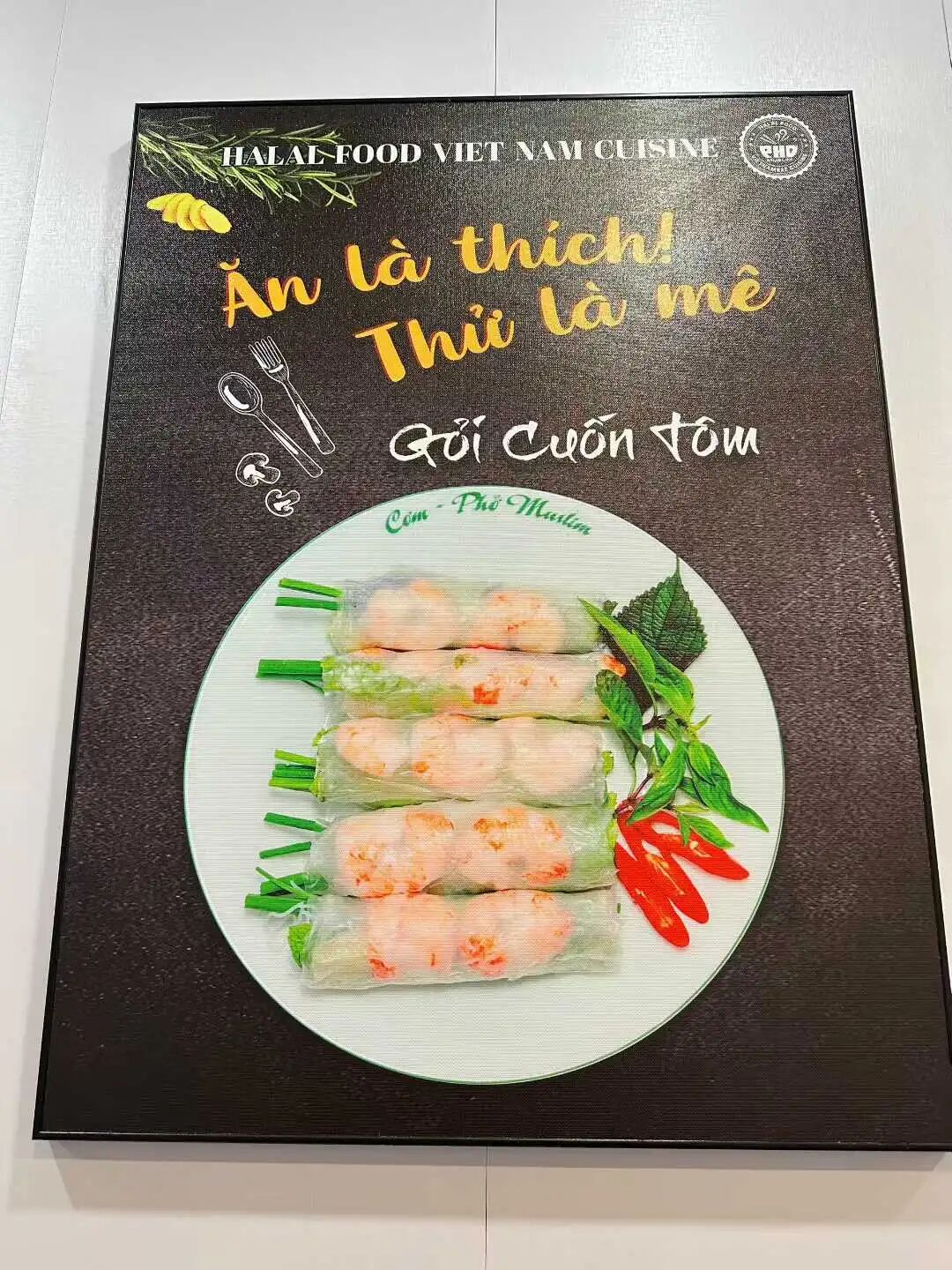
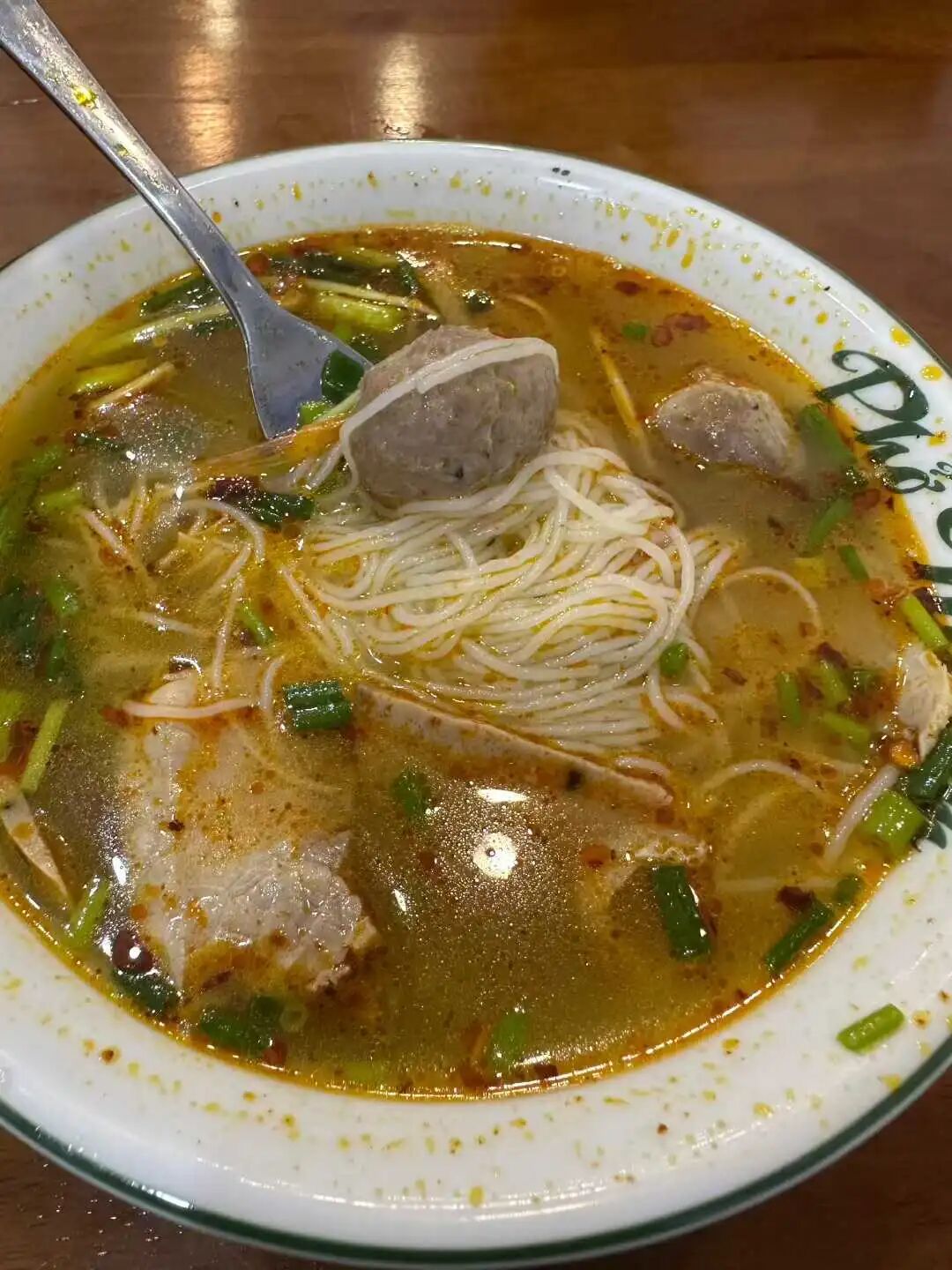
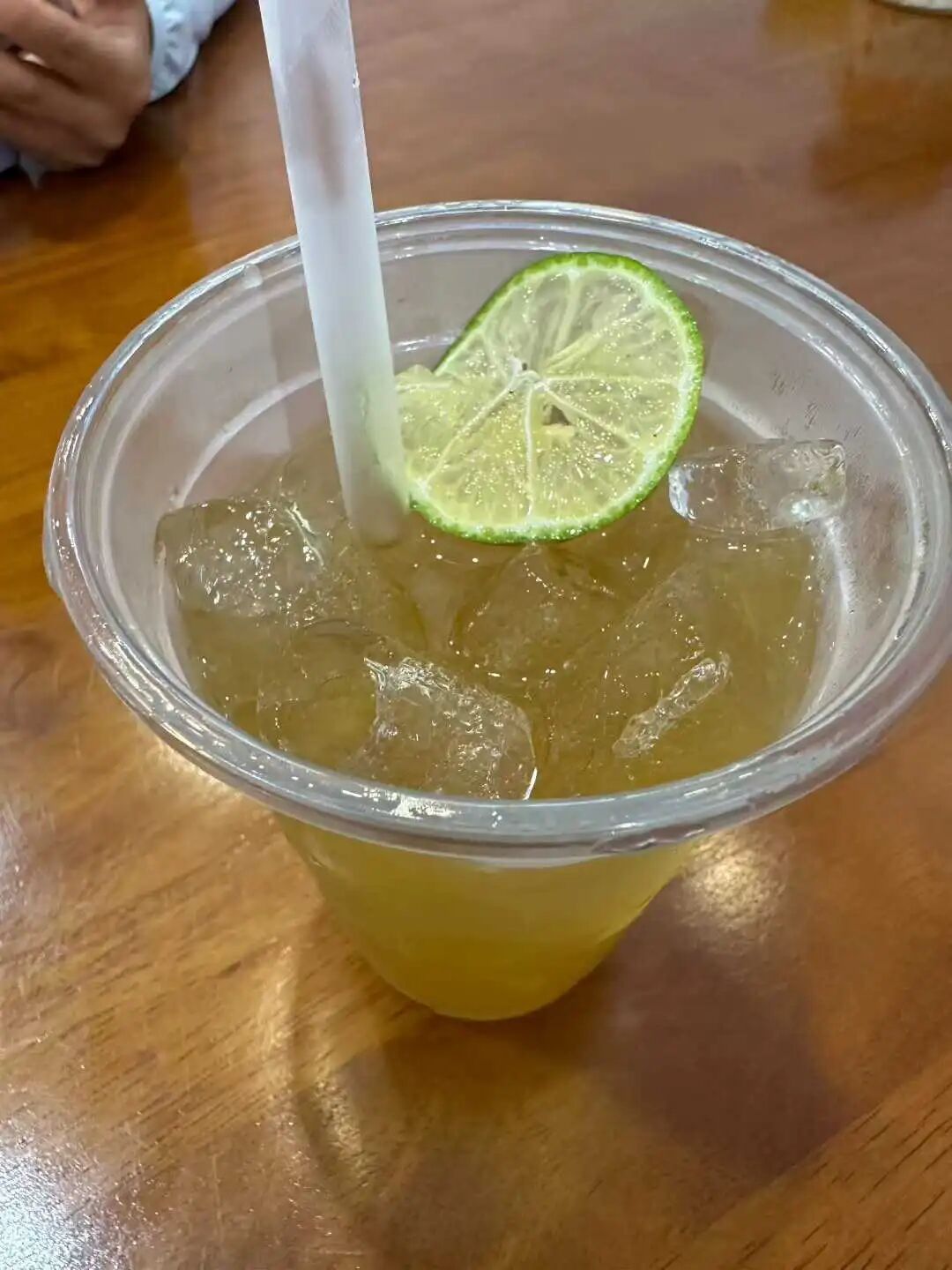
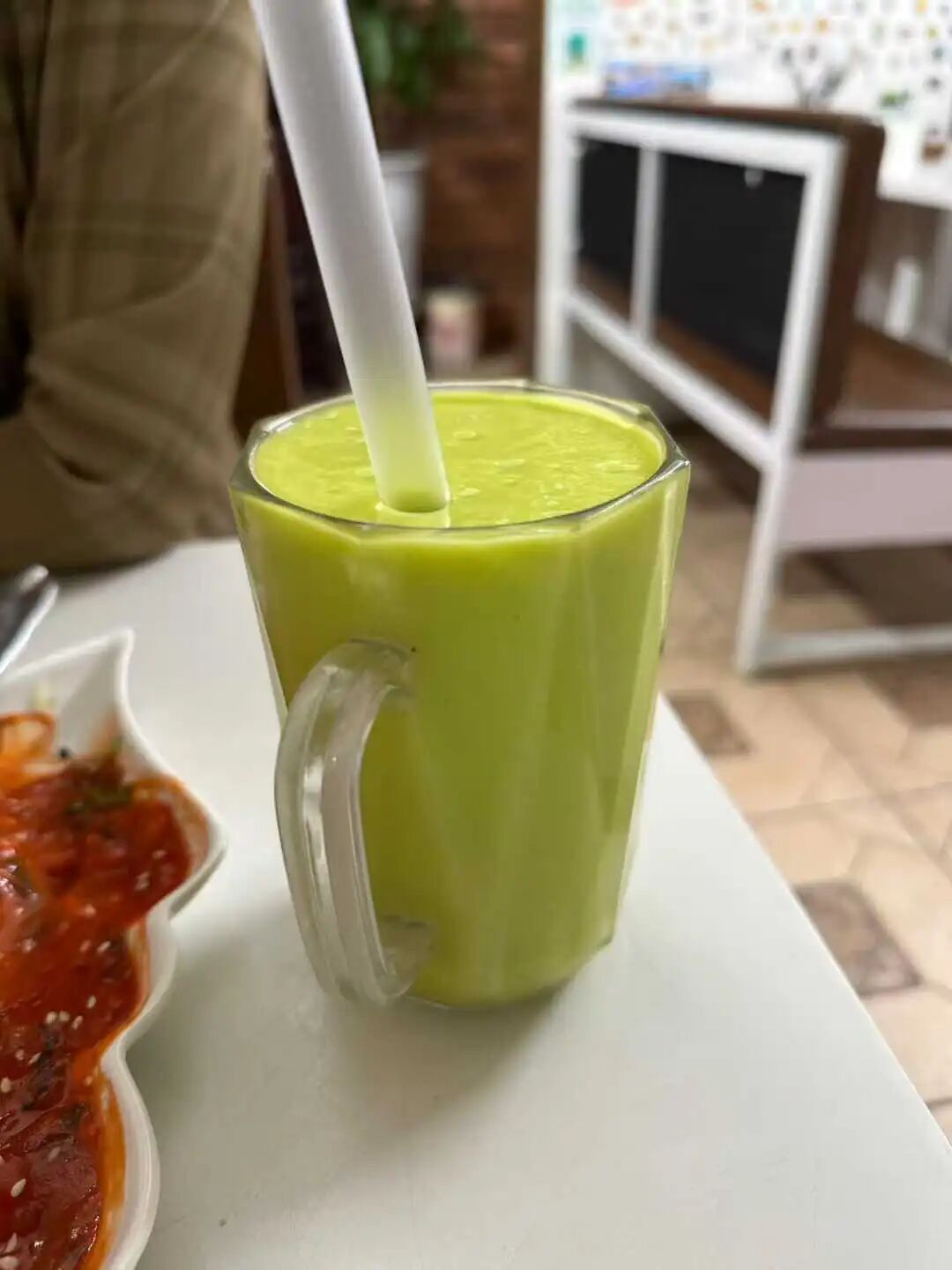
The owner, Maryam, is a local Vietnamese convert (dosti) who can make many types of traditional Vietnamese snacks. Besides their famous pho, their most recommended dishes are Hue-style beef noodles (bun bo hue) and fresh shrimp spring rolls (goi cuon tom thit). Since we were too full from dinner, we just ordered a bowl of Hue-style beef noodles and an iced lemon tea.
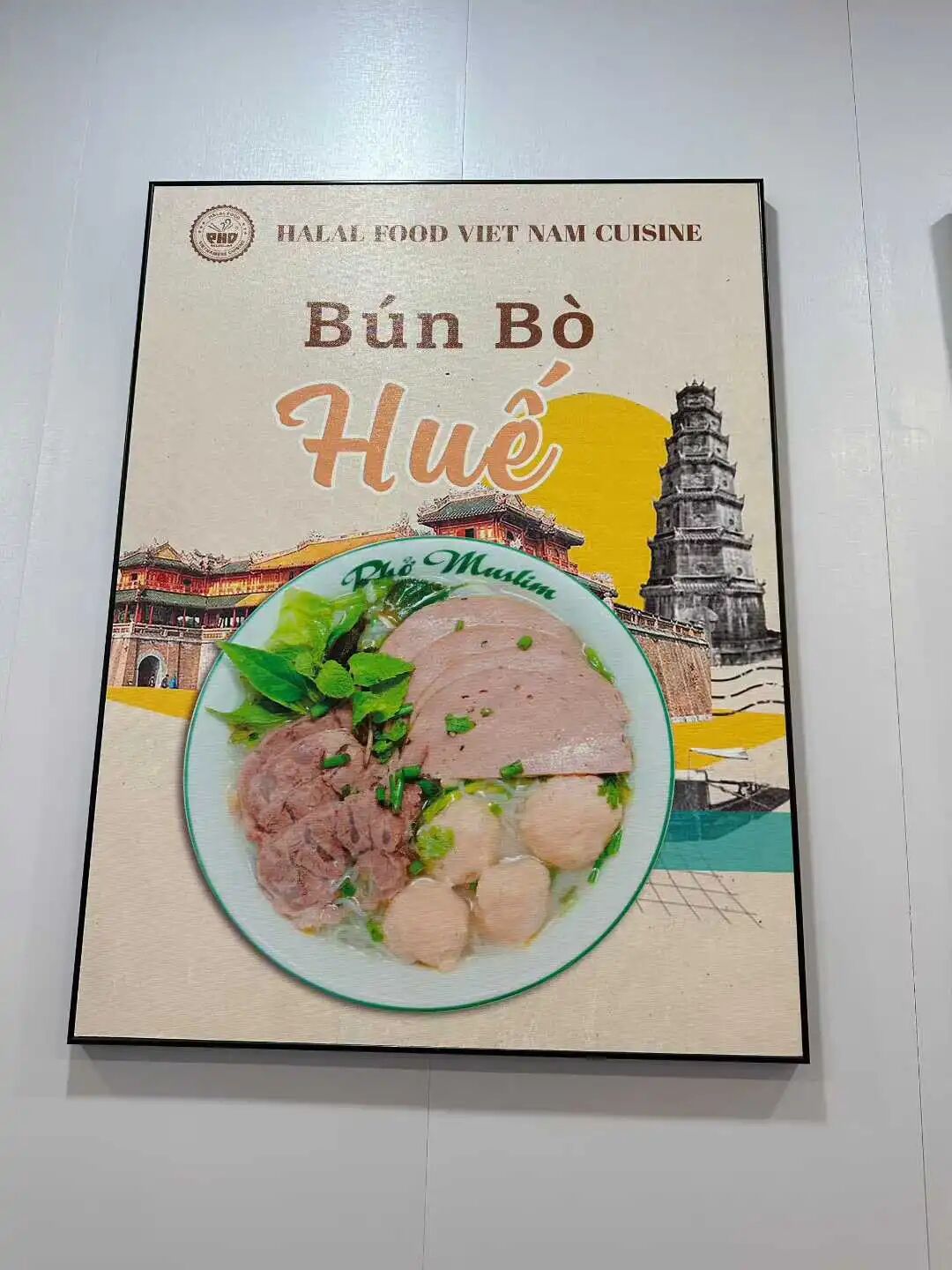
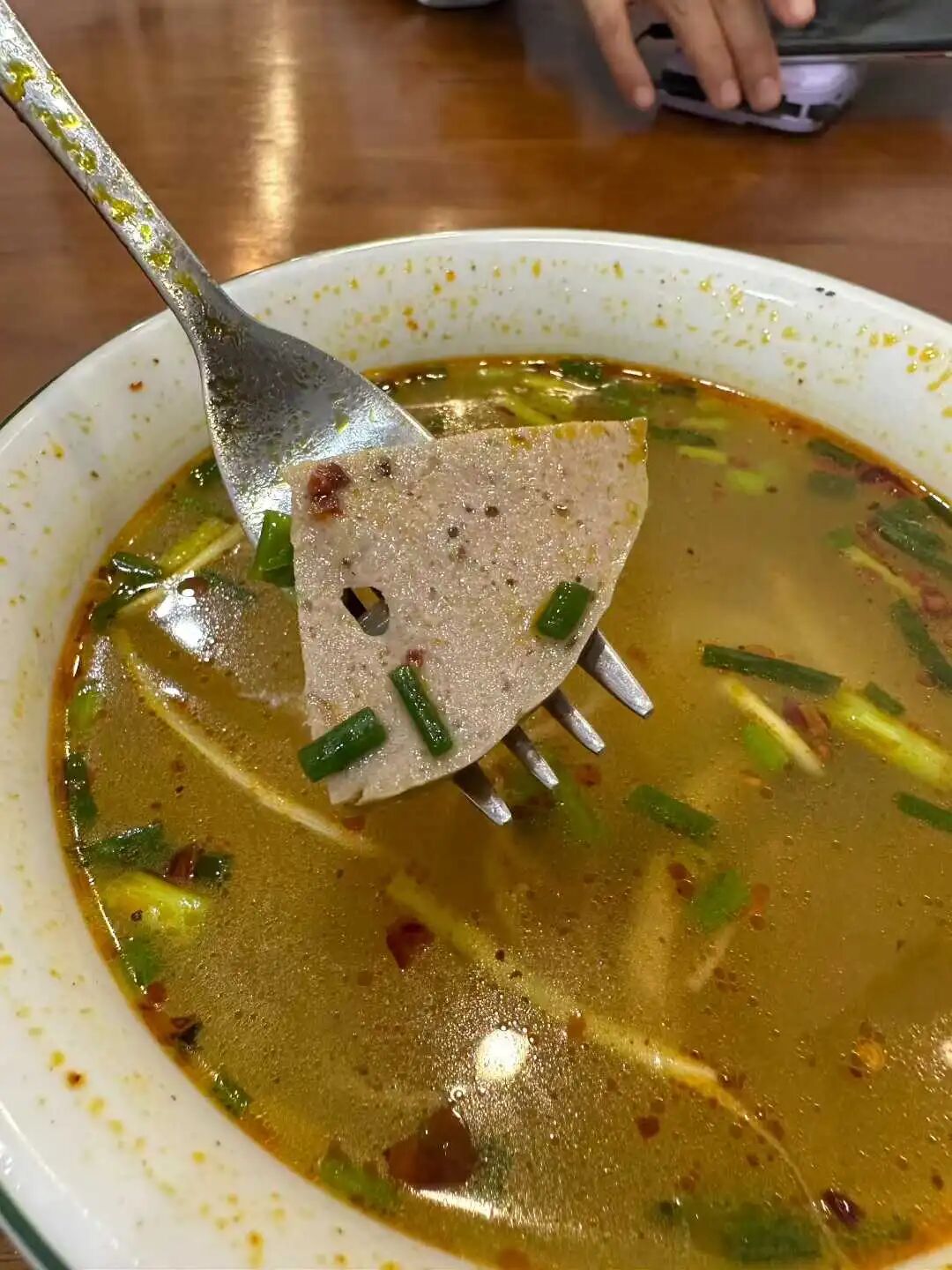
Hue-style beef noodle soup (bun bo hue) is very spicy. It contains beef meatballs, beef slices, and beef sausage. The broth is simmered with beef bones, beef shank, and lemongrass, seasoned with fermented shrimp paste, and finished with Vietnamese chili sauce (Ot Sa Te). Hue-style beef noodle soup dates back to the 16th century when Hue was the capital of the Vietnamese Nguyen Lords' territory, and it is said to have originated in the Nguyen royal court. The Nguyen Lords' territory was the predecessor to the Nguyen Dynasty and ruled southern Vietnam for over 200 years.
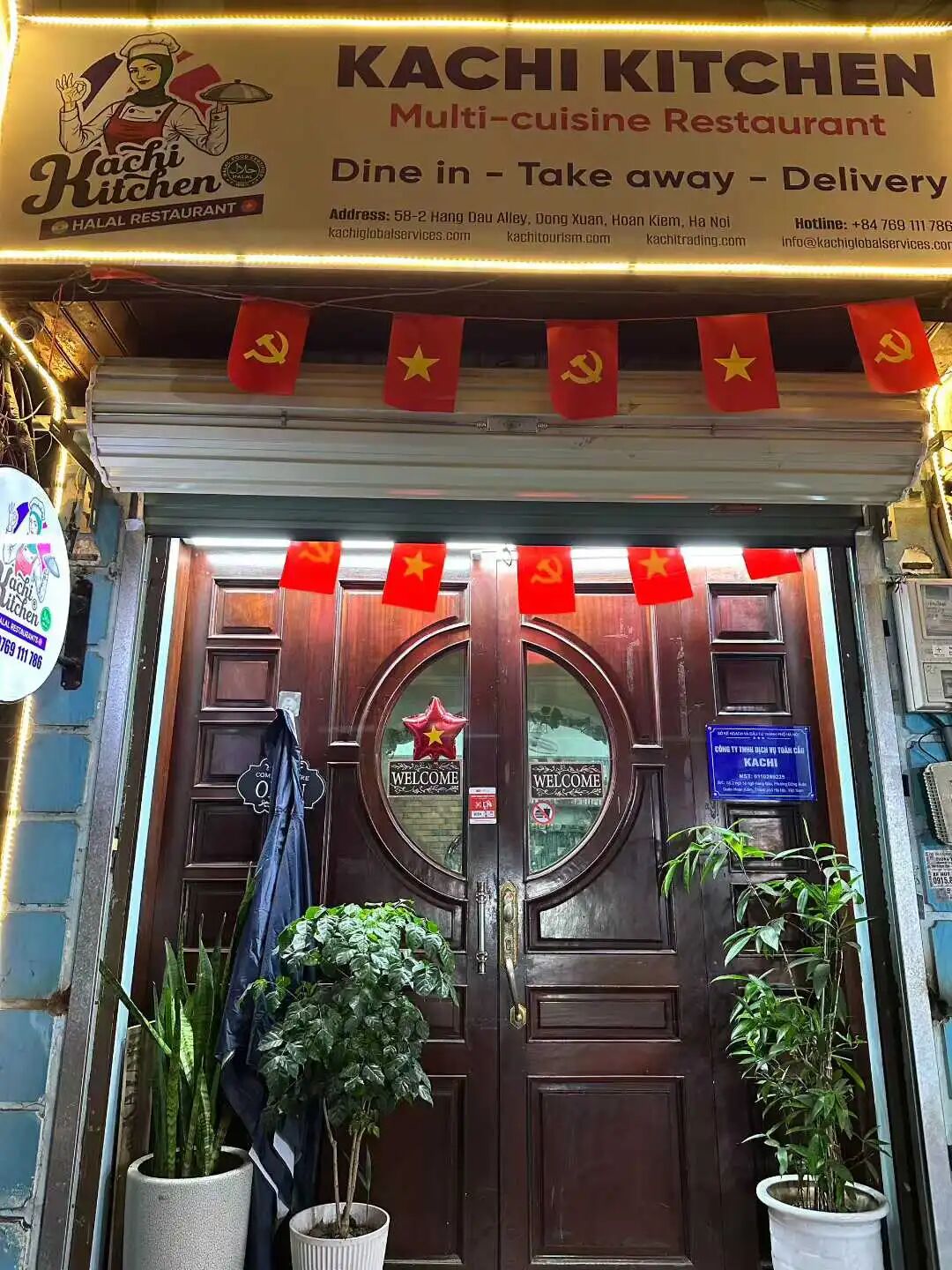
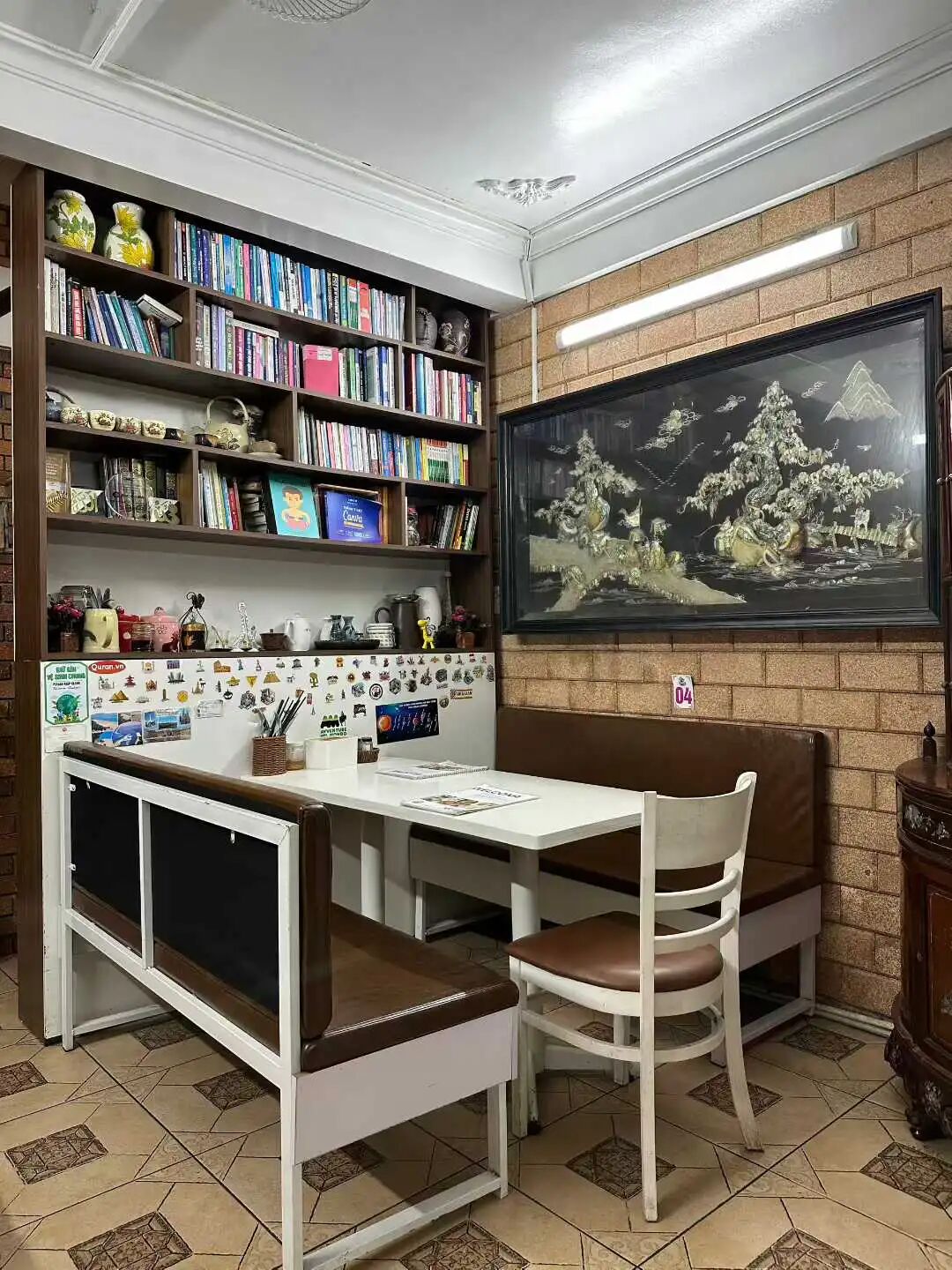
Kachi Kitchen is a restaurant opened by Khanh Chi Vu, a local ethnic Kinh Vietnamese sister who converted to Islam. They have two locations in Hanoi and one in the Sapa ward of Lao Cai, near the China-Vietnam border. The branch we visited is in a small alley next to Hang Dau Street in the Old Quarter's 36 Streets area. The shop serves both Vietnamese and South Asian food.
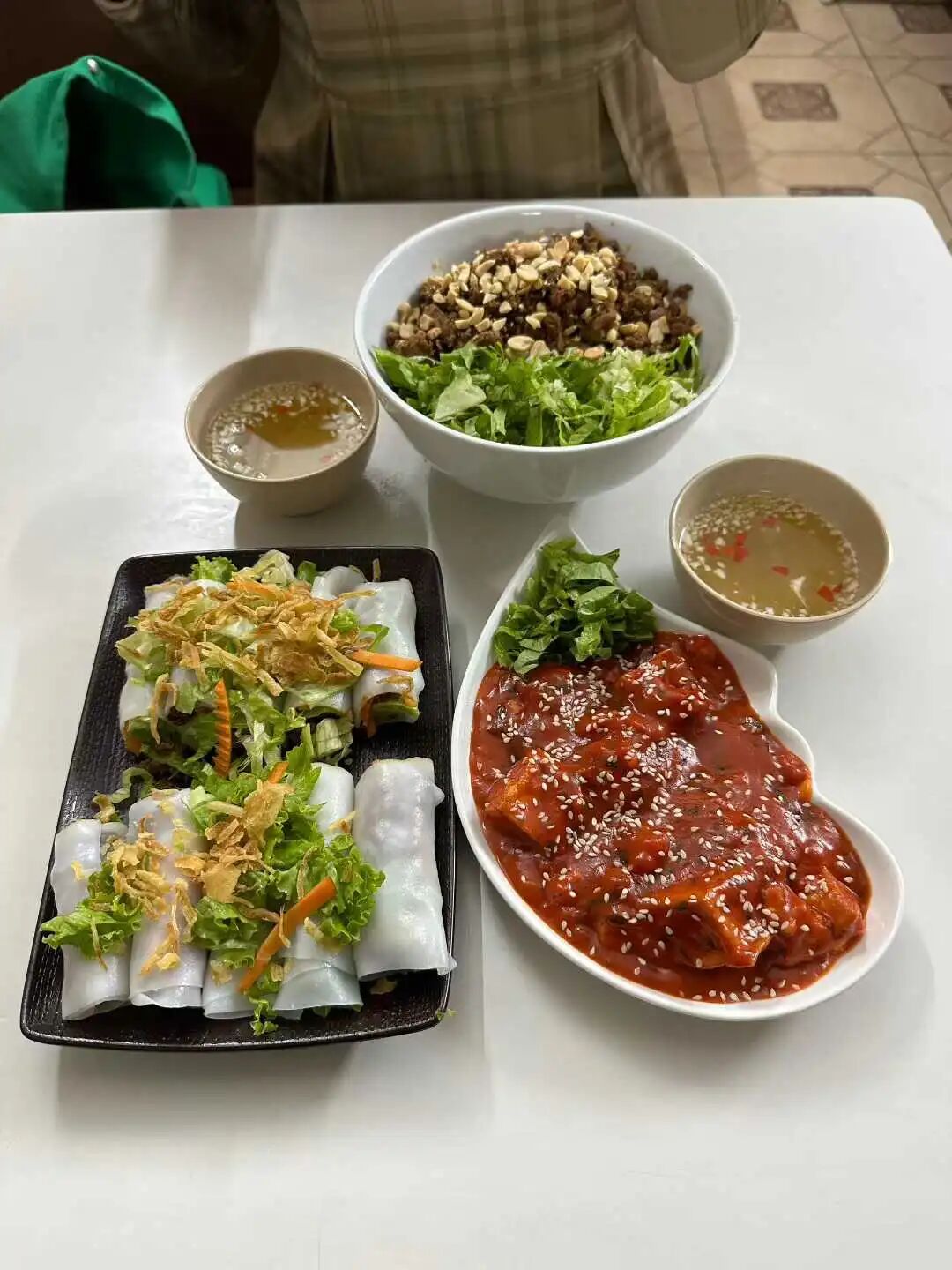
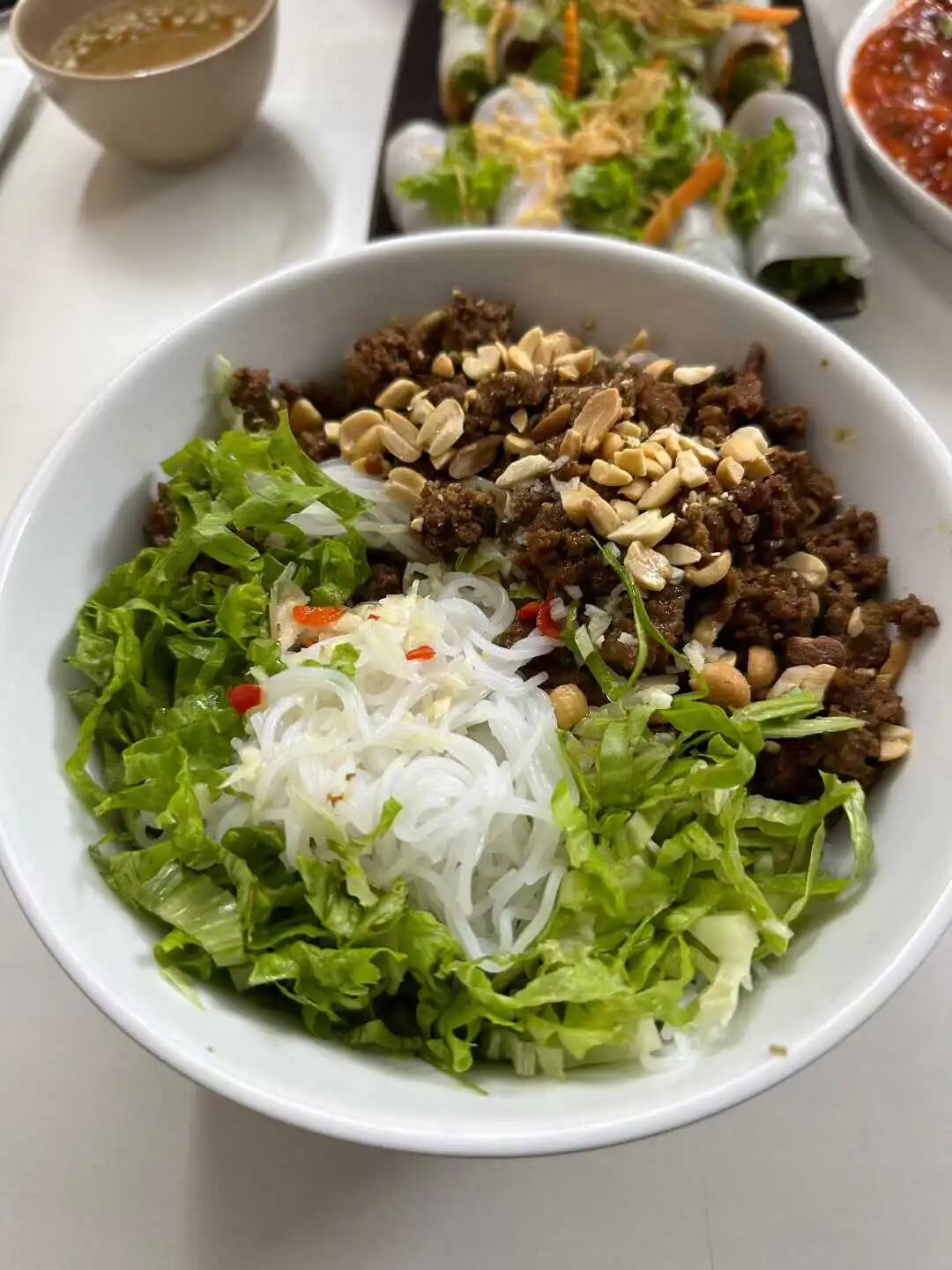
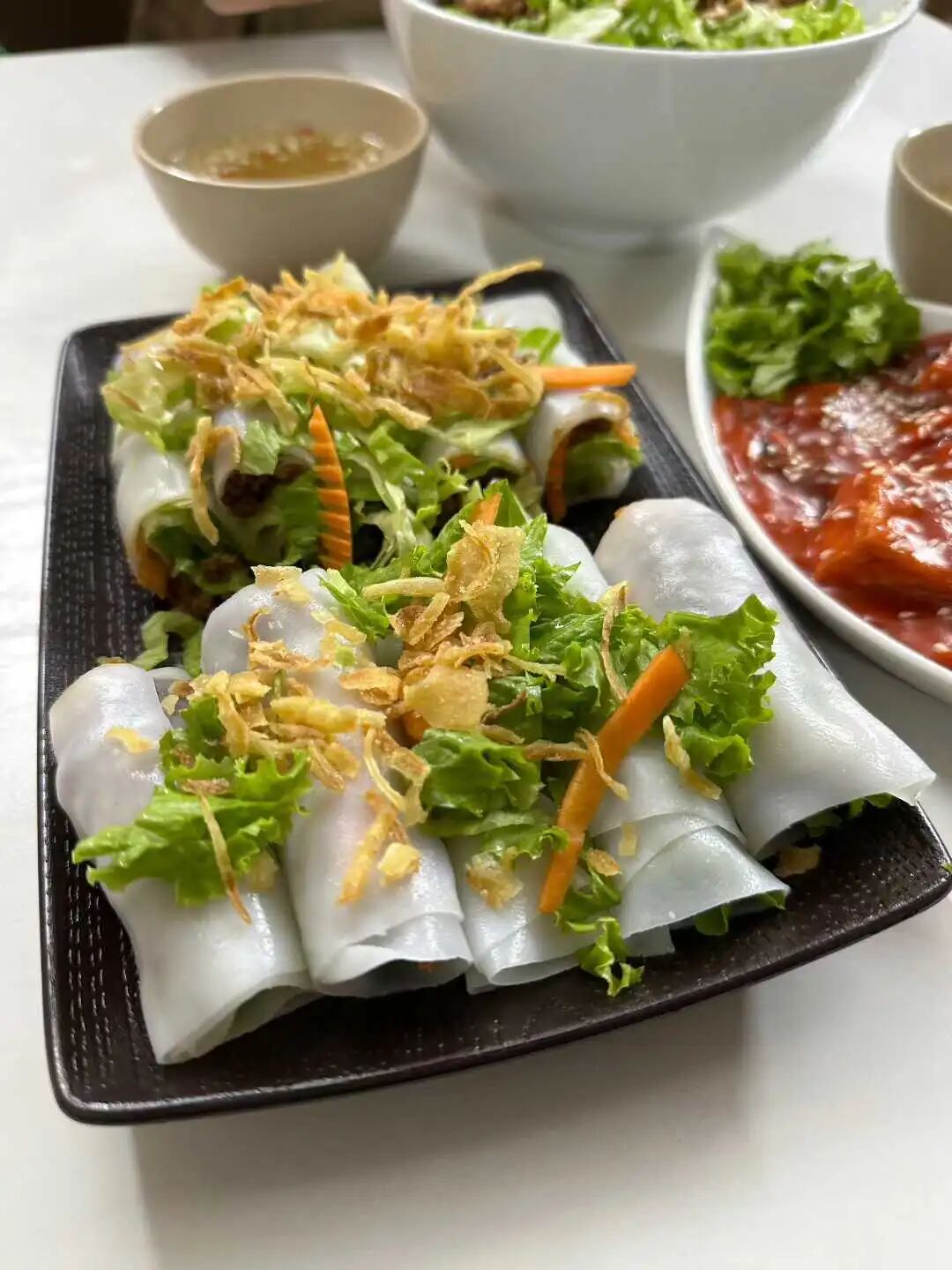
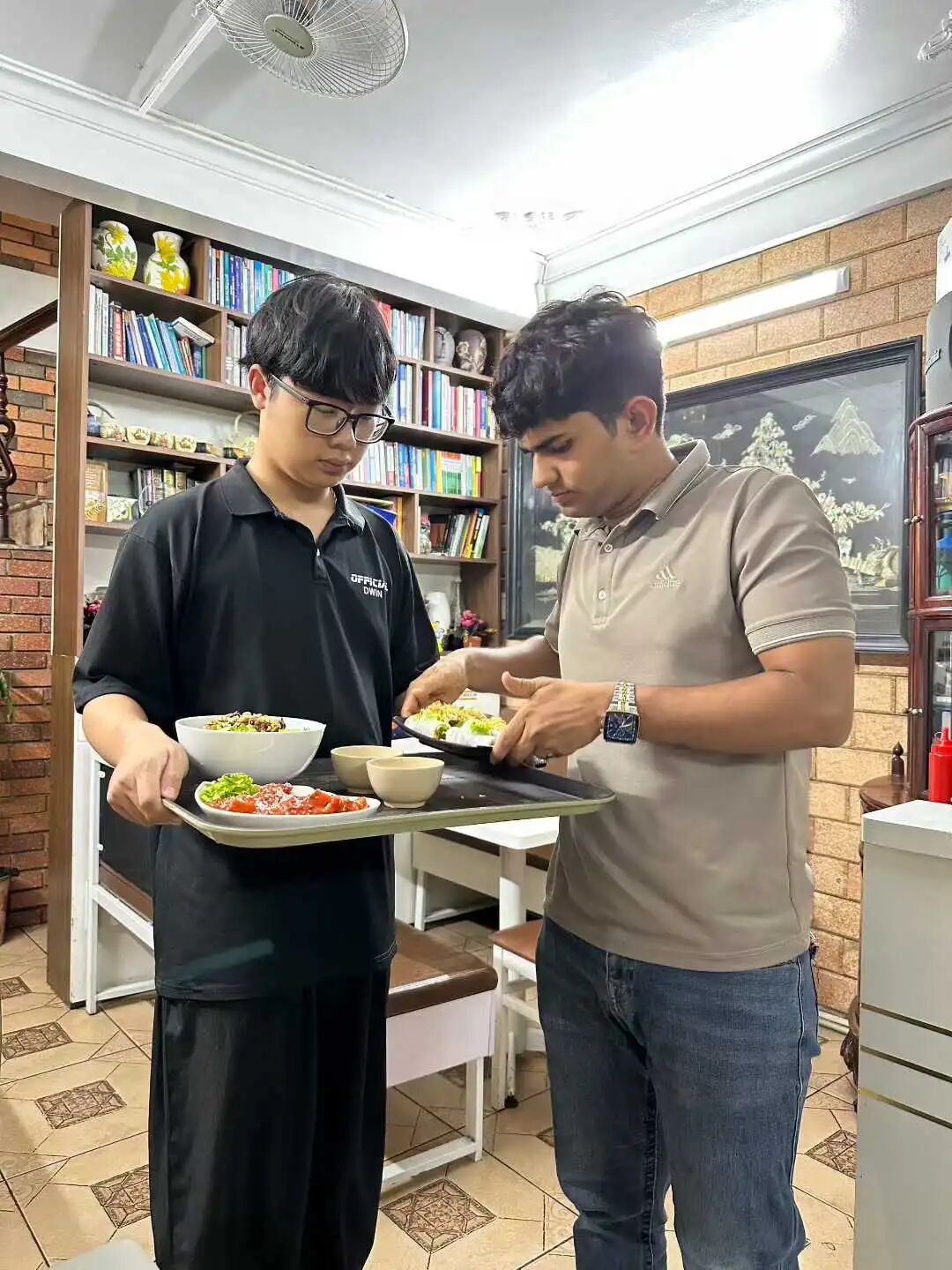
We ordered grilled beef dry noodles (bun bo nuong), rolled pho noodles (pho cuon), and fried tofu with tomato sauce. Bun bo nuong consists of rice noodles topped with grilled minced beef, roasted peanuts, and lettuce, served with a drizzle of fish sauce. It is delicious. Pho cuon is made by wrapping stir-fried beef, ginger, garlic, lettuce, and mint inside uncut sheets of pho noodles. You dip them in a sauce made of fish sauce, sugar, vinegar, and chili. A Hanoi pho vendor reportedly ran out of broth one day but still had noodles and toppings left, so they invented the rolled pho.
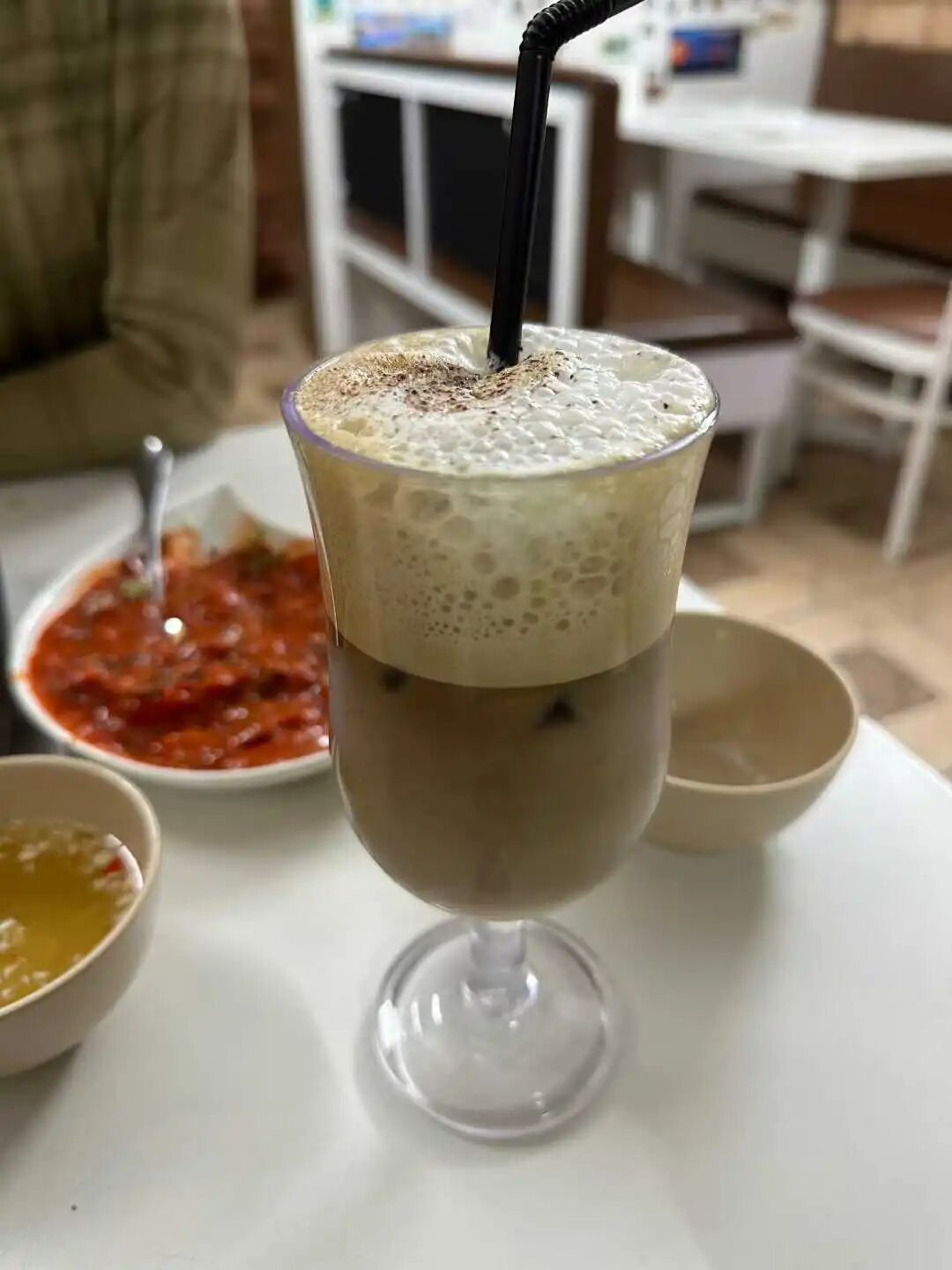
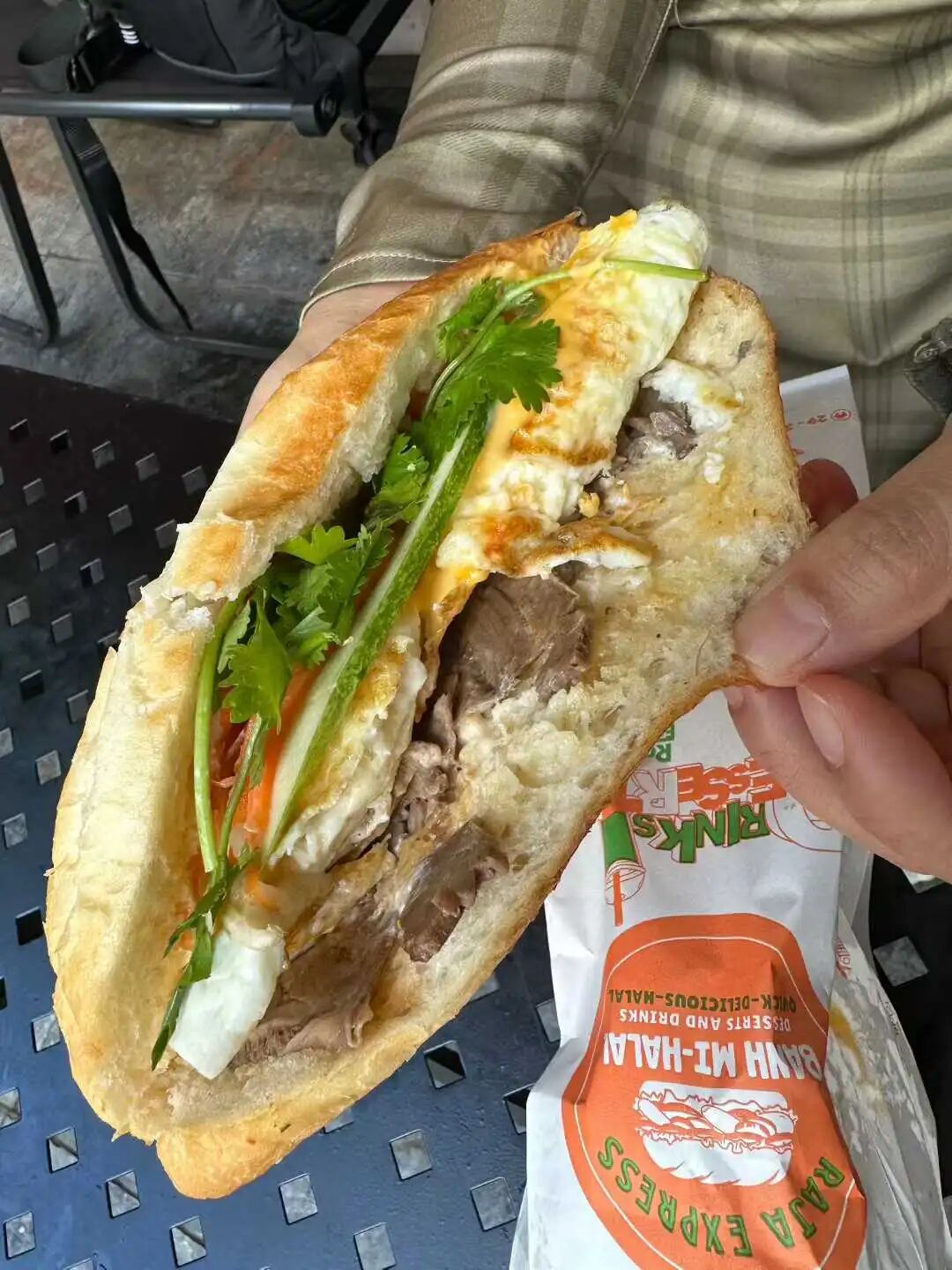
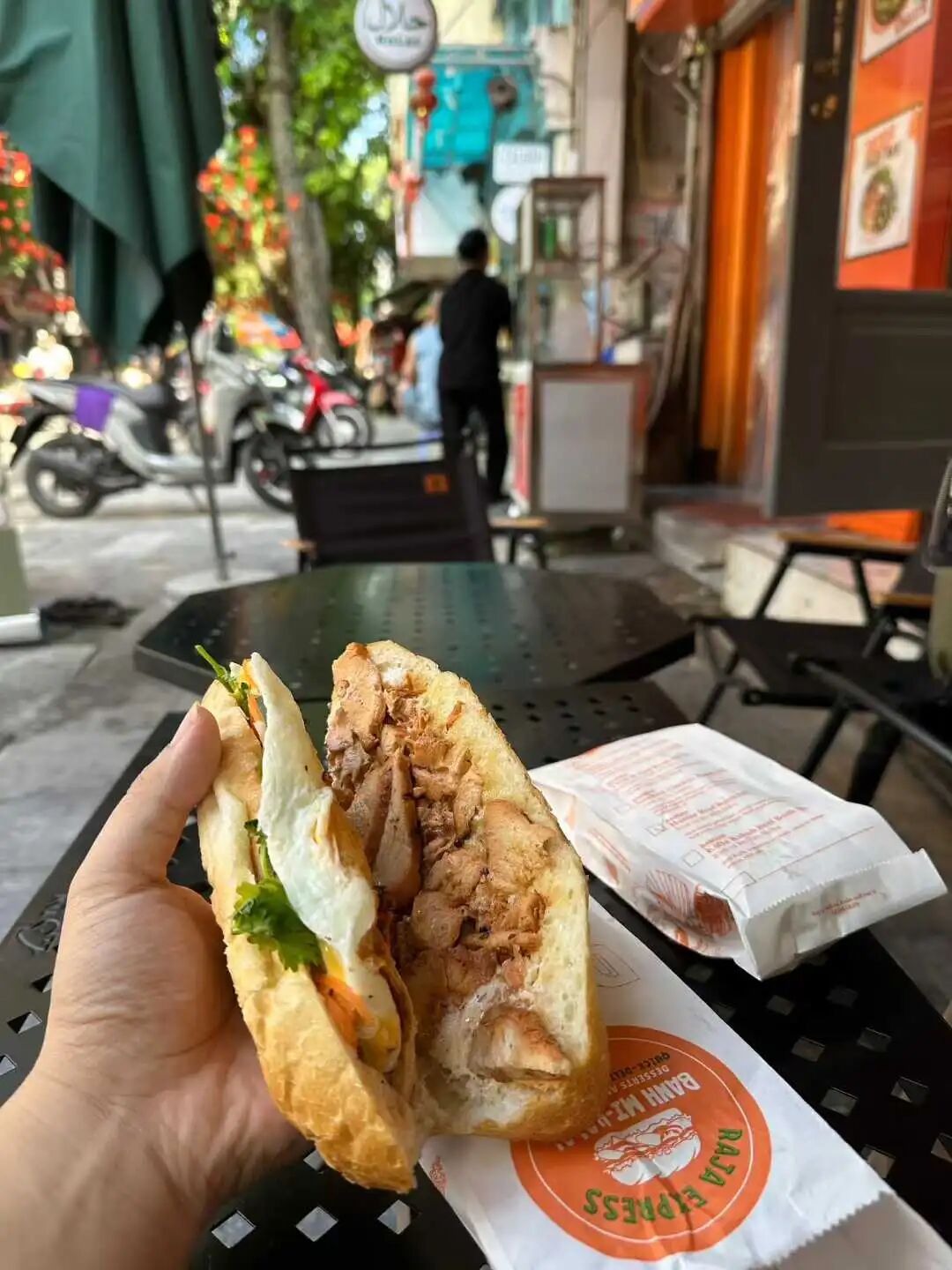
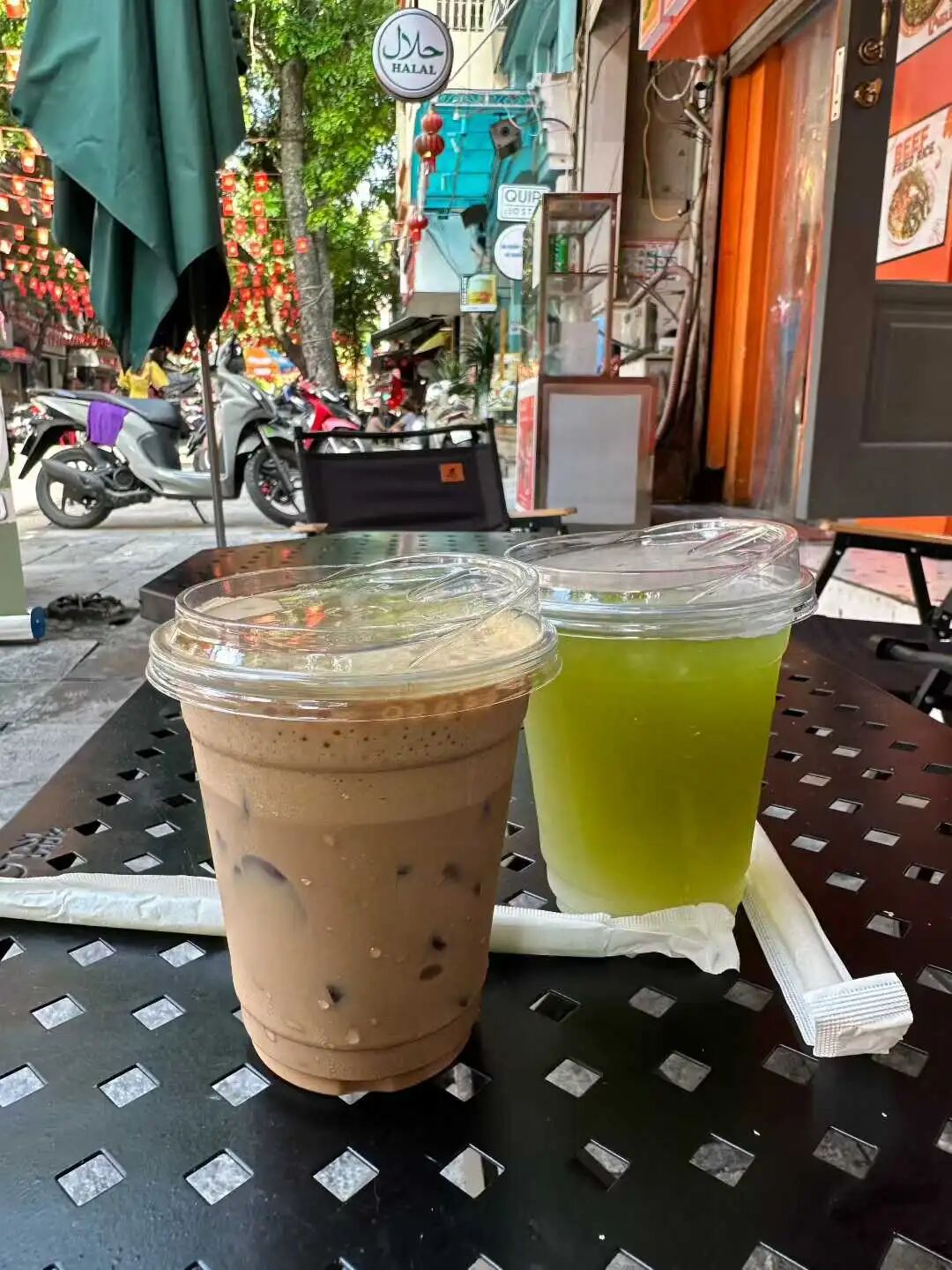
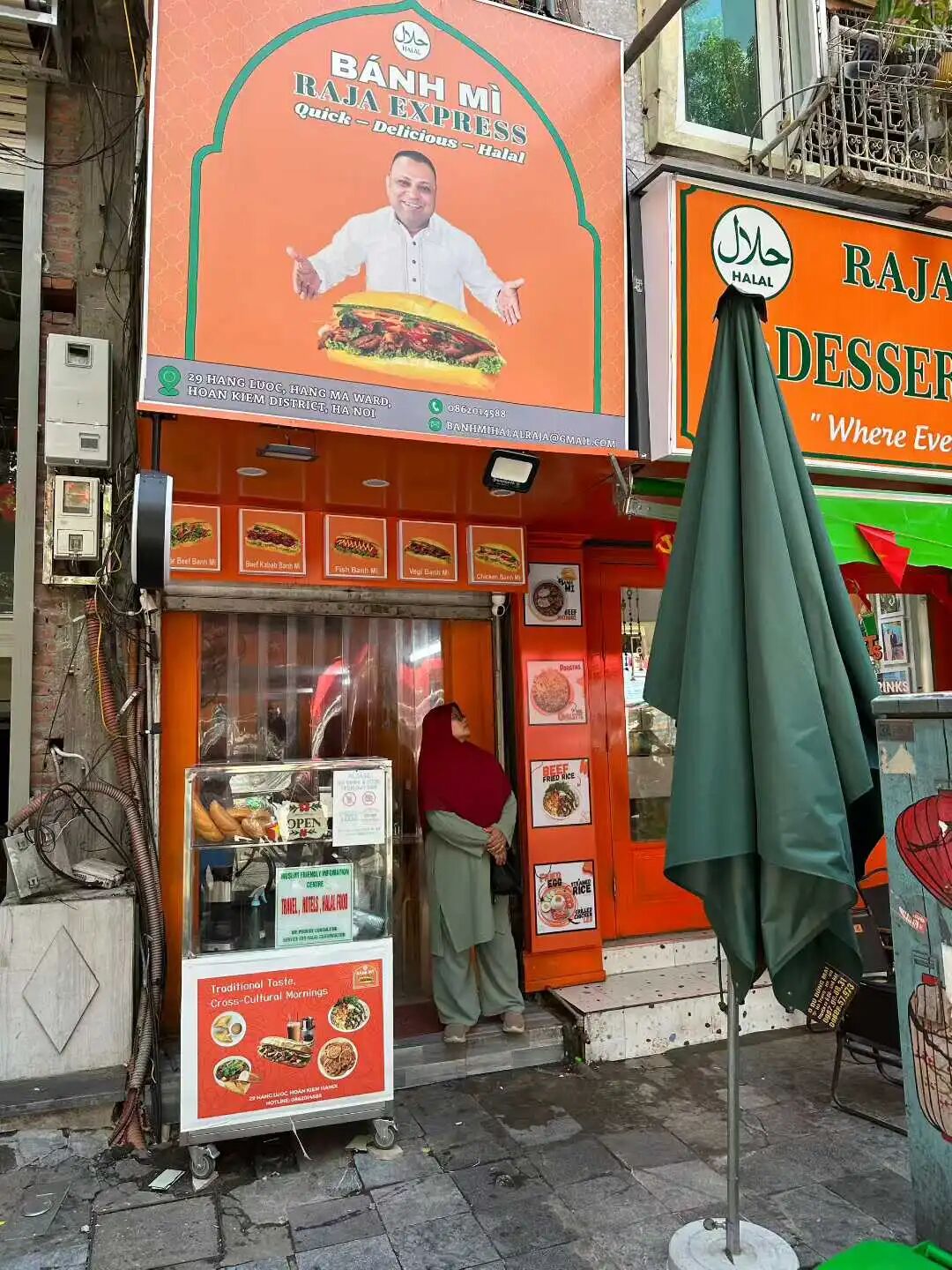
Besides pho, you must try the Vietnamese-style baguette sandwich (banh mi) when in Hanoi. There is a shop across from Al-Noor Mosque (Nur Si) run by South Asian friends (dosti) where you can get takeout or sit by the door. We ordered beef and chicken banh mi with Vietnamese coffee to experience a classic Hanoi street breakfast.
The French introduced the baguette to Vietnam in the mid-19th century. During World War I, flour imports were interrupted, which led to the fluffy texture of today's Vietnamese baguette. In the 1950s, northern immigrants in Saigon invented the unique Vietnamese-style banh mi, which quickly became a popular street snack.
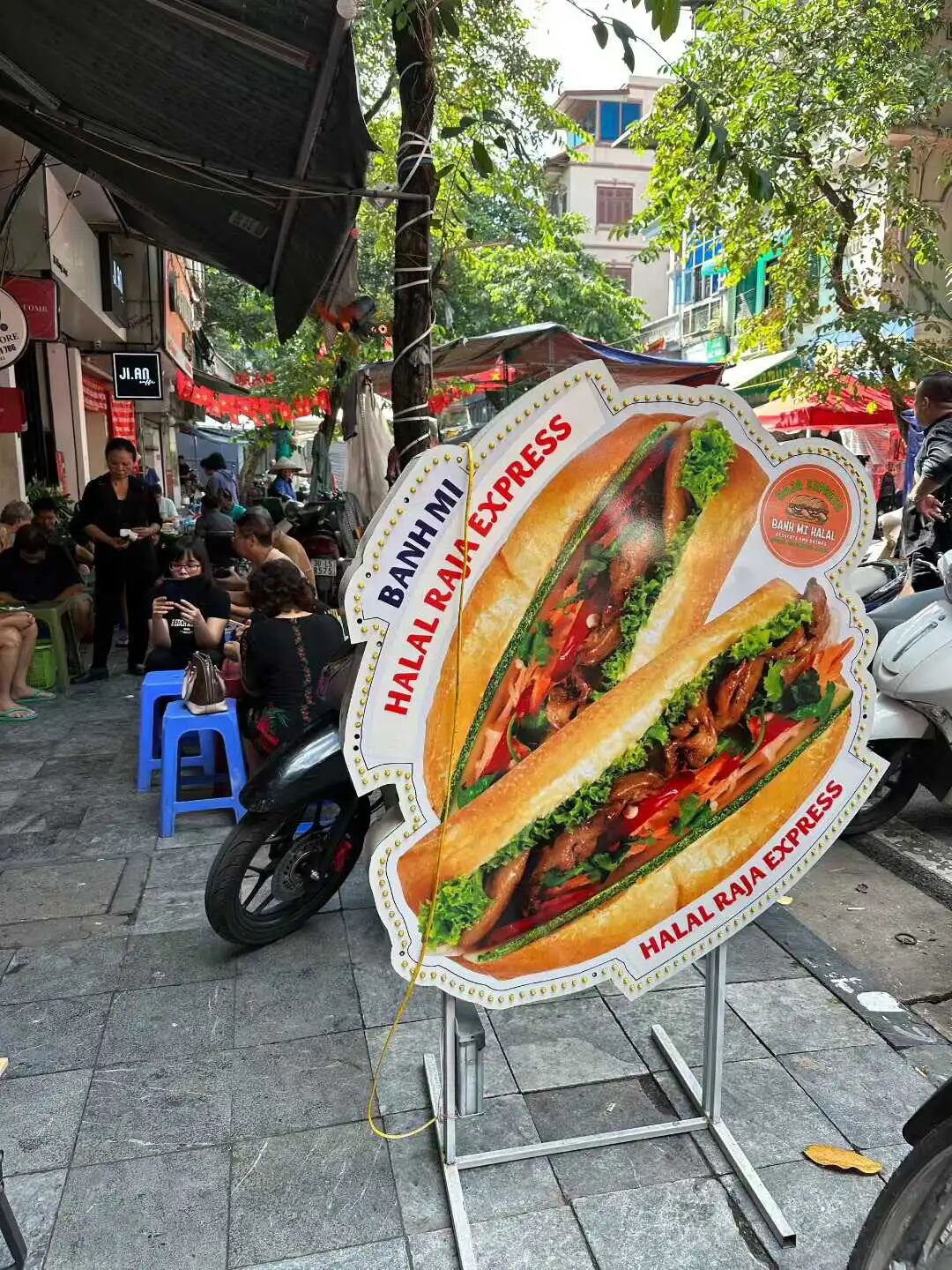
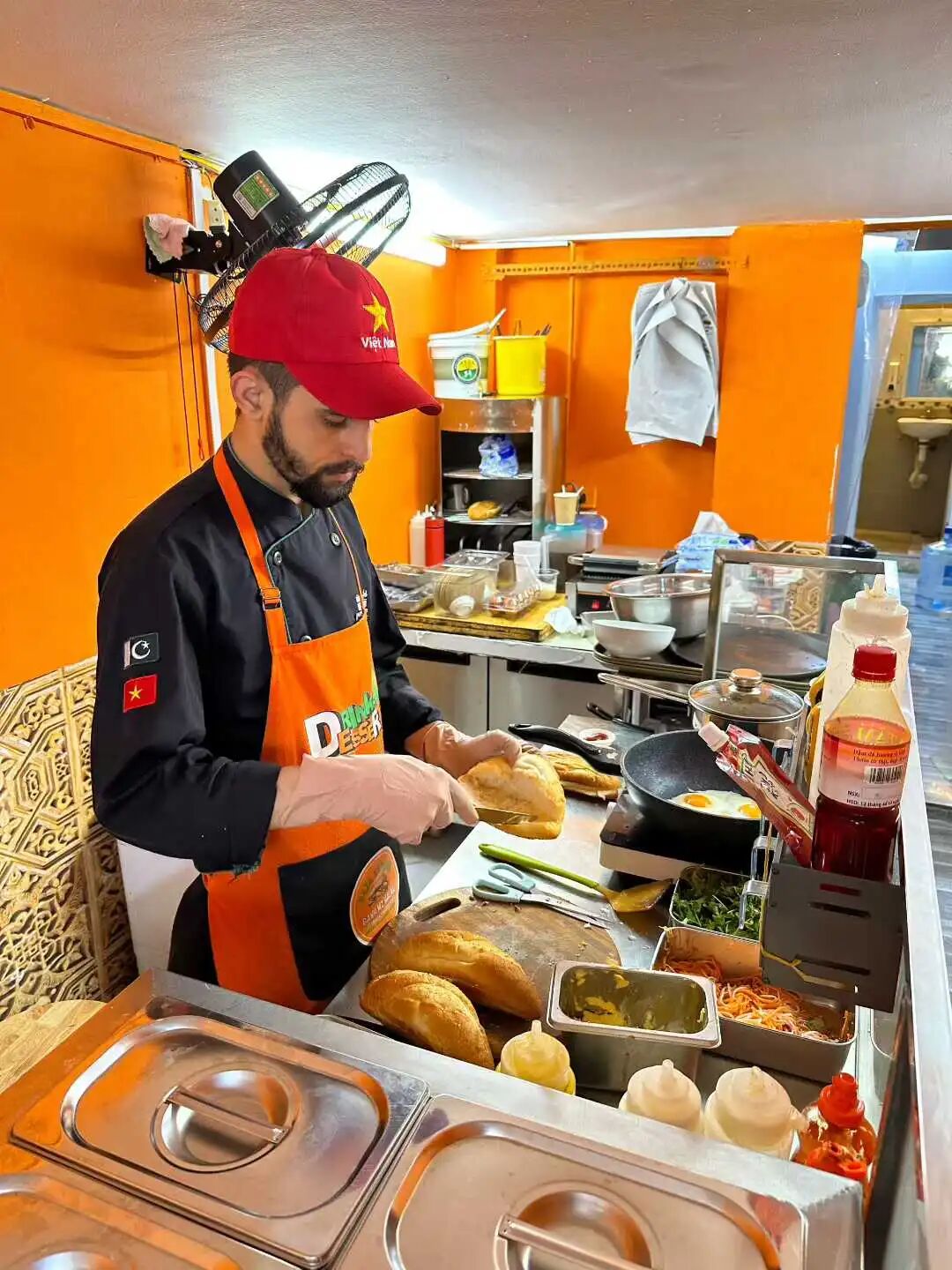
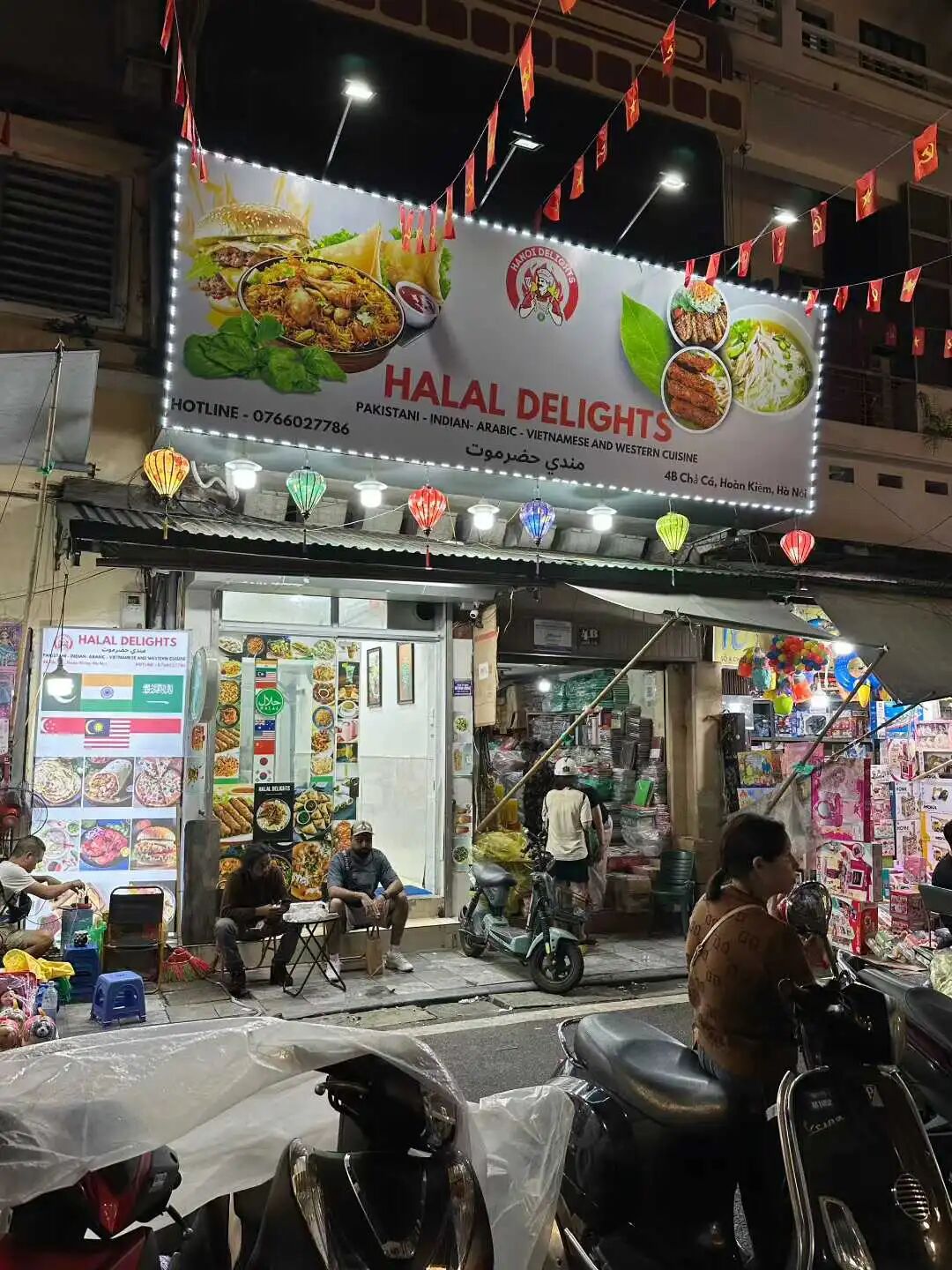
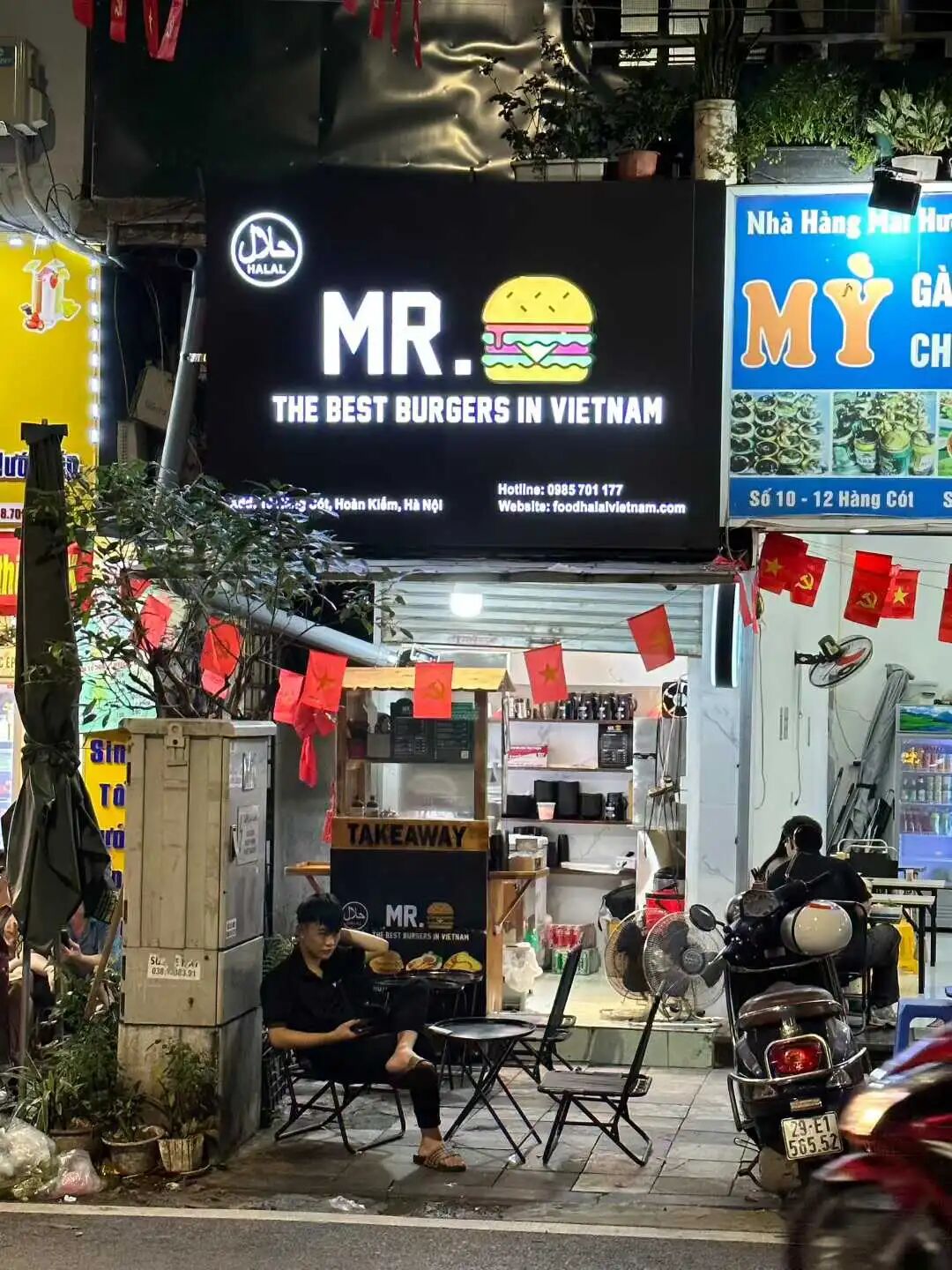
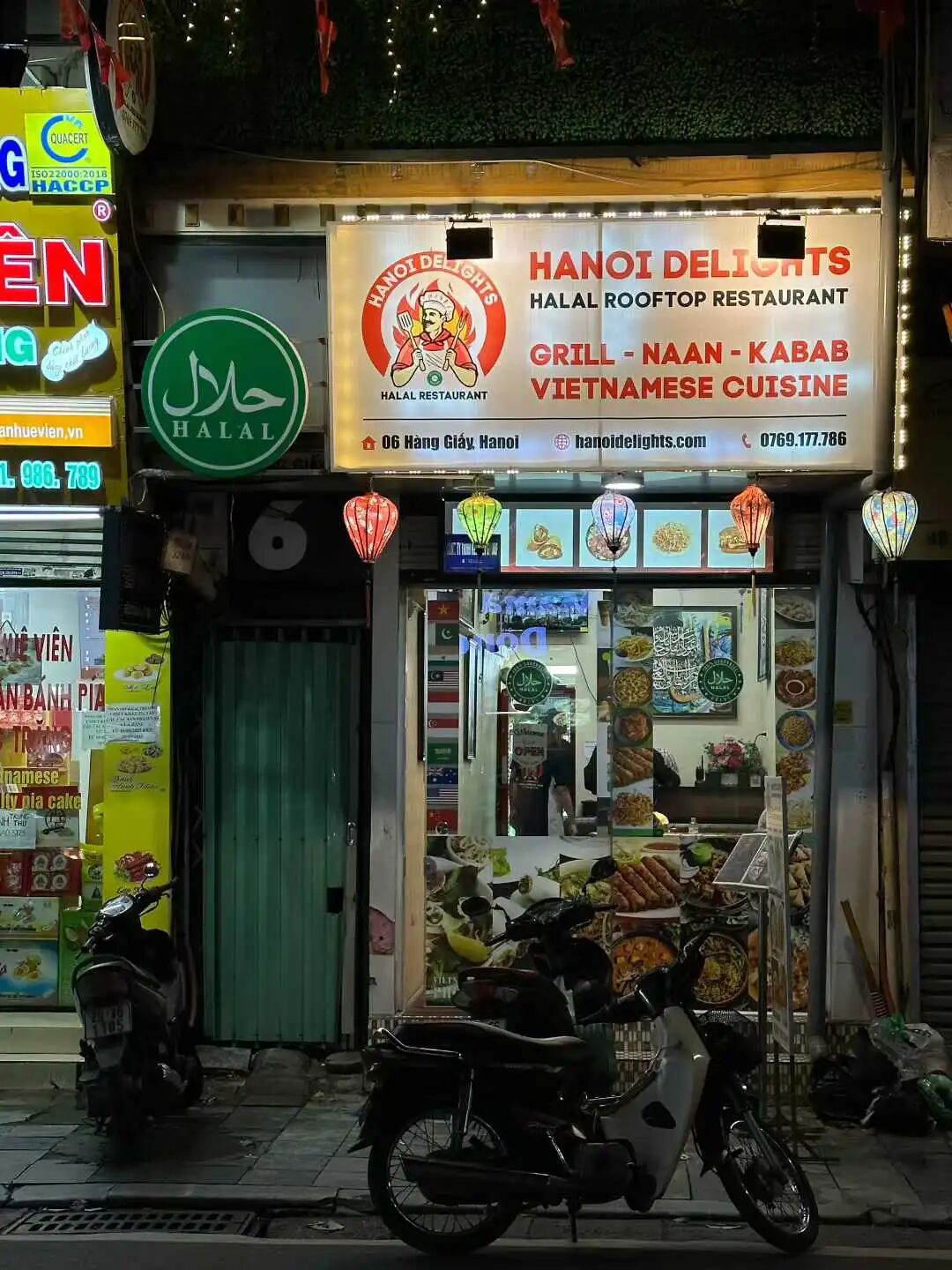
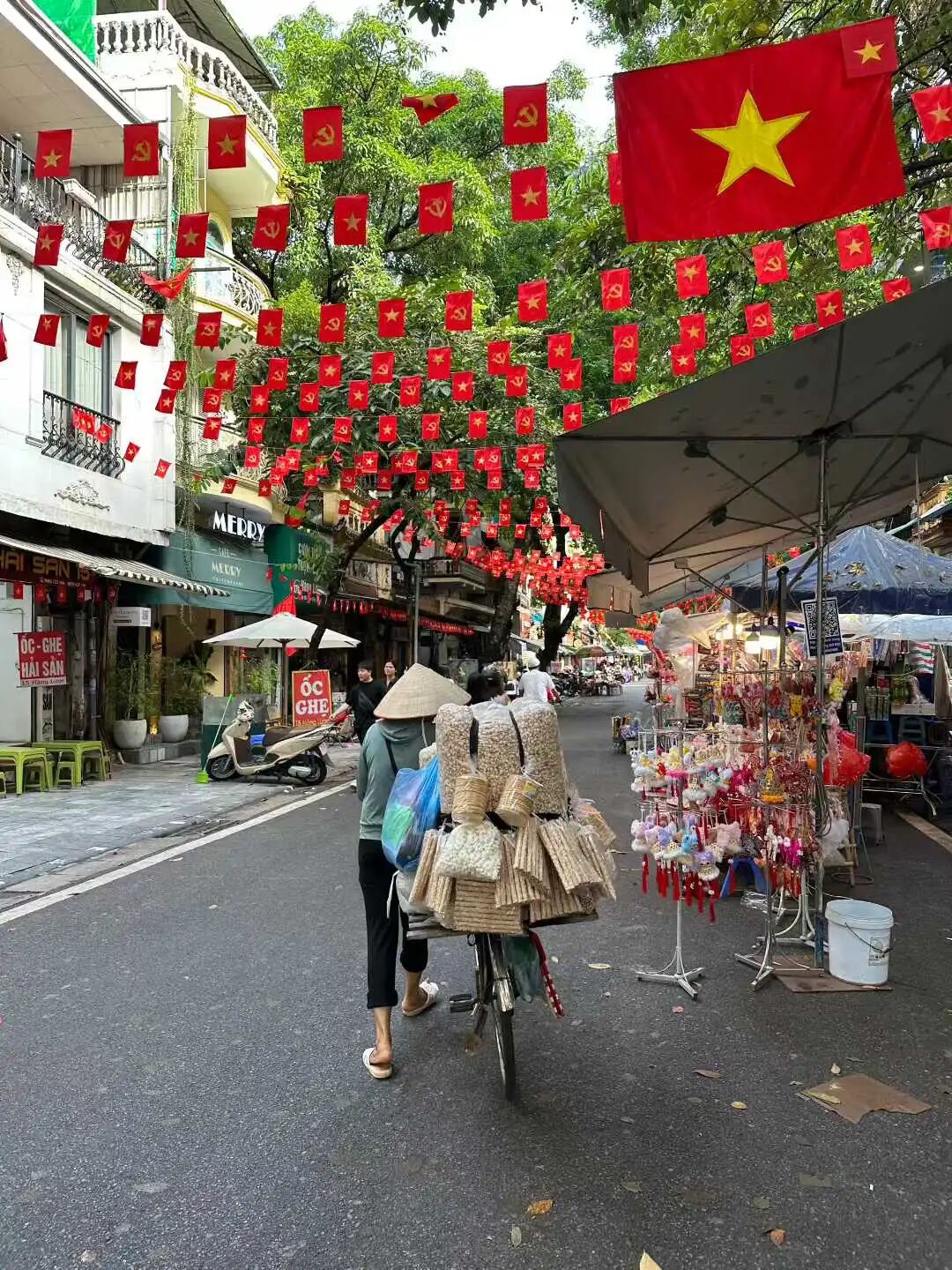
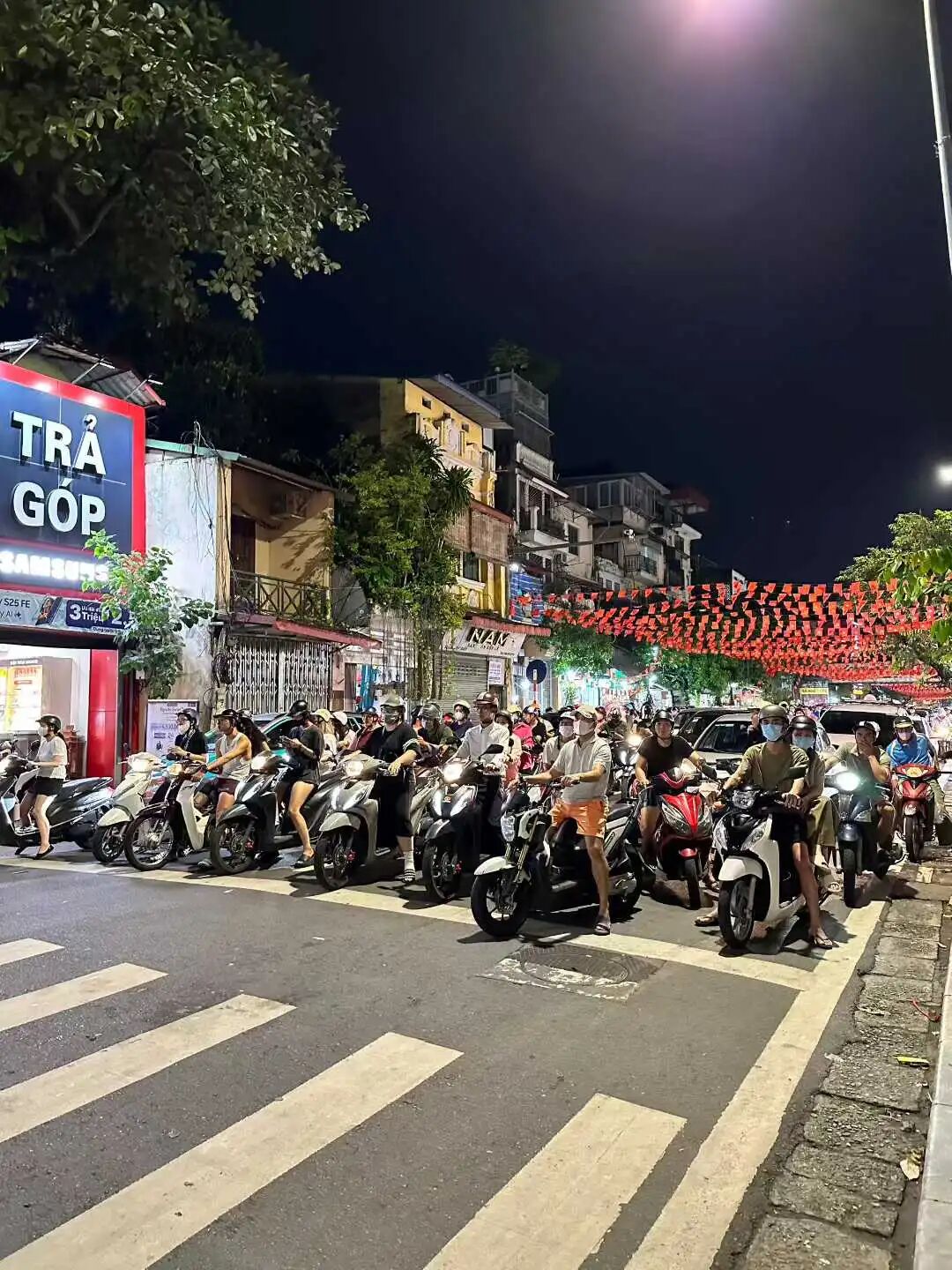
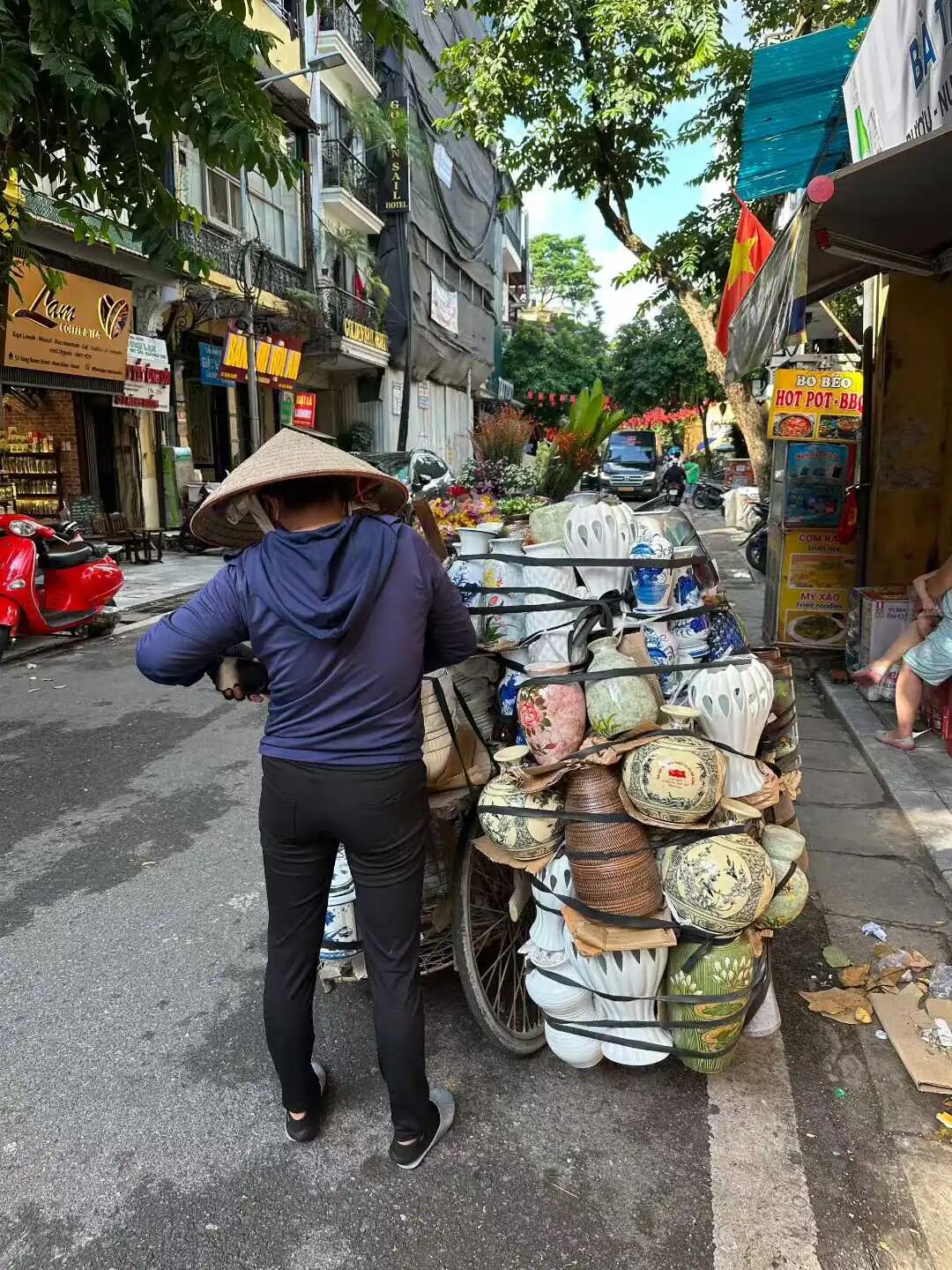
There are many other restaurants near Al-Noor Mosque, many run by South Asian dosti, so finding food in the Old Quarter is easy. The main problem in Hanoi's Old Quarter is that sidewalks are completely occupied and the streets are full of motorbikes, making walking very difficult and dangerous.
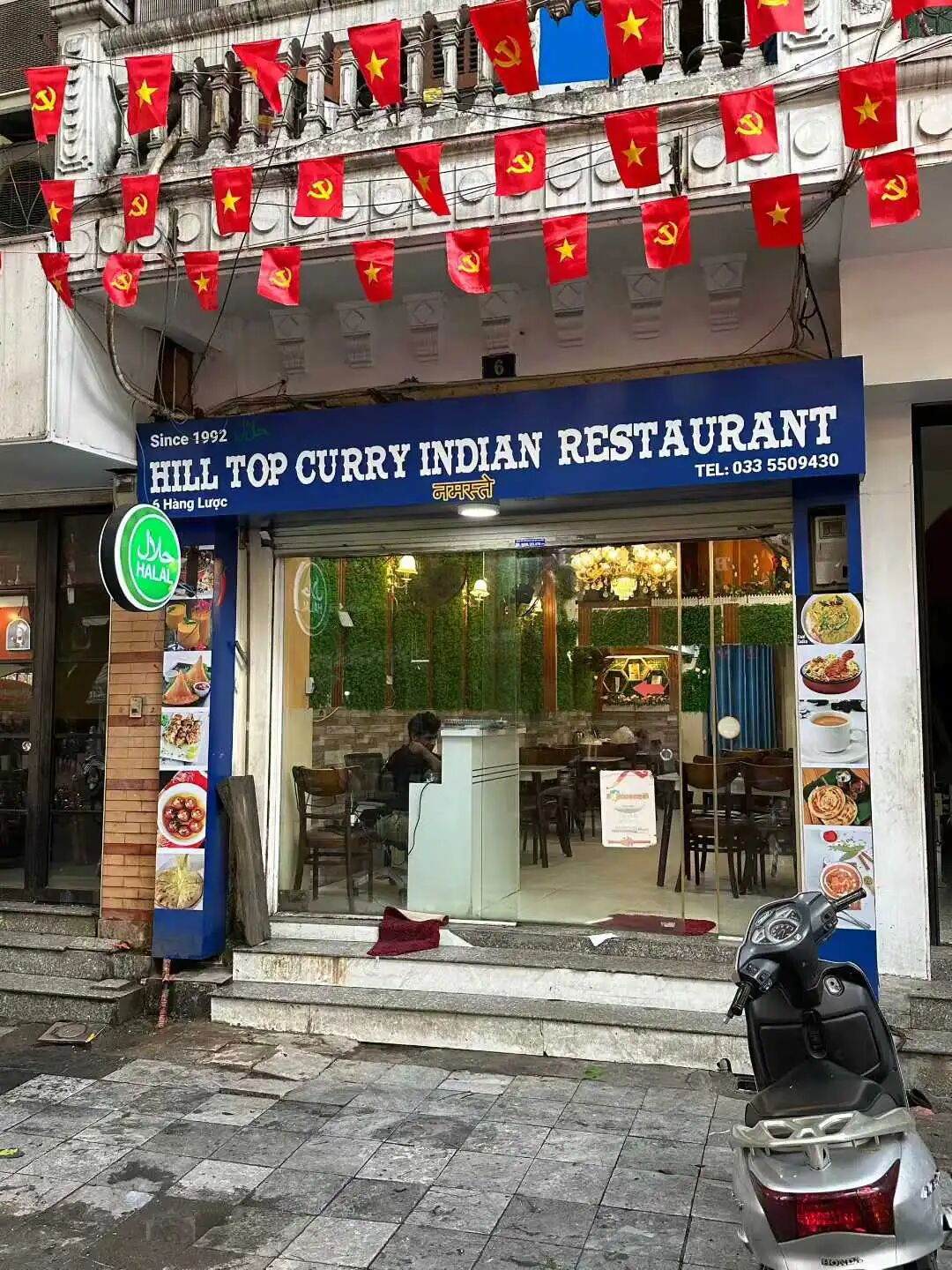
Hanoi's Muslim community and Chinese community are both located in the Old Quarter's 36 Streets, so you can visit both while exploring the area.
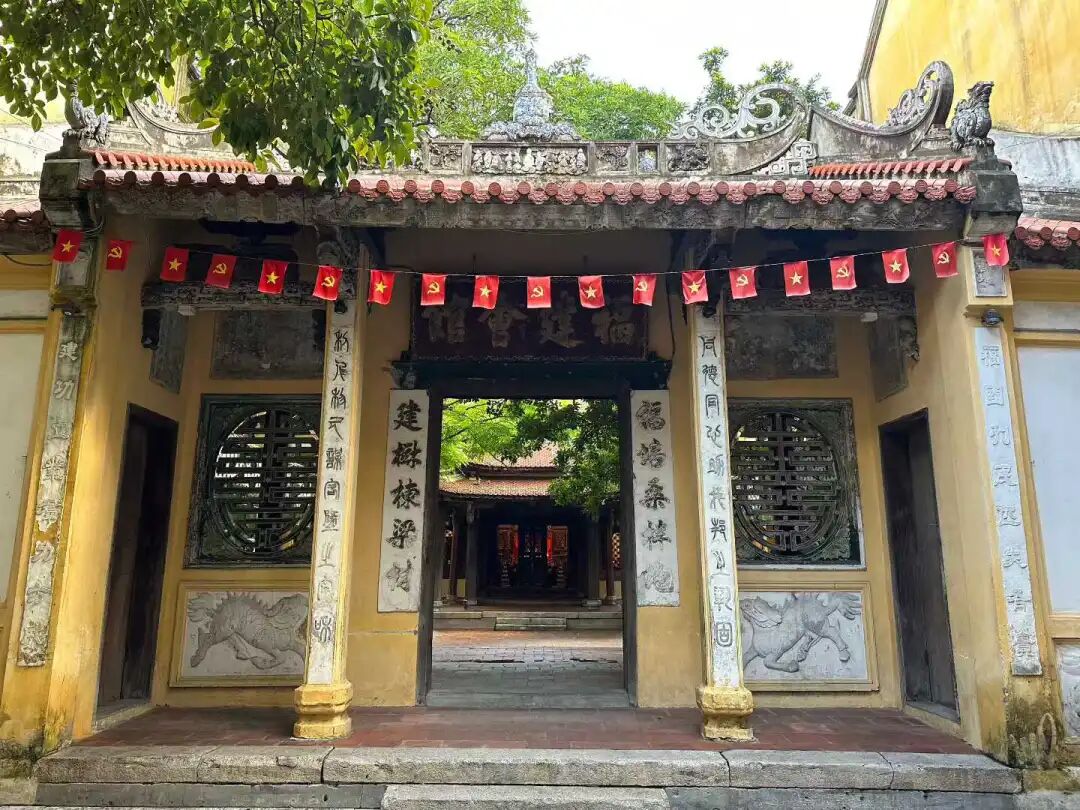
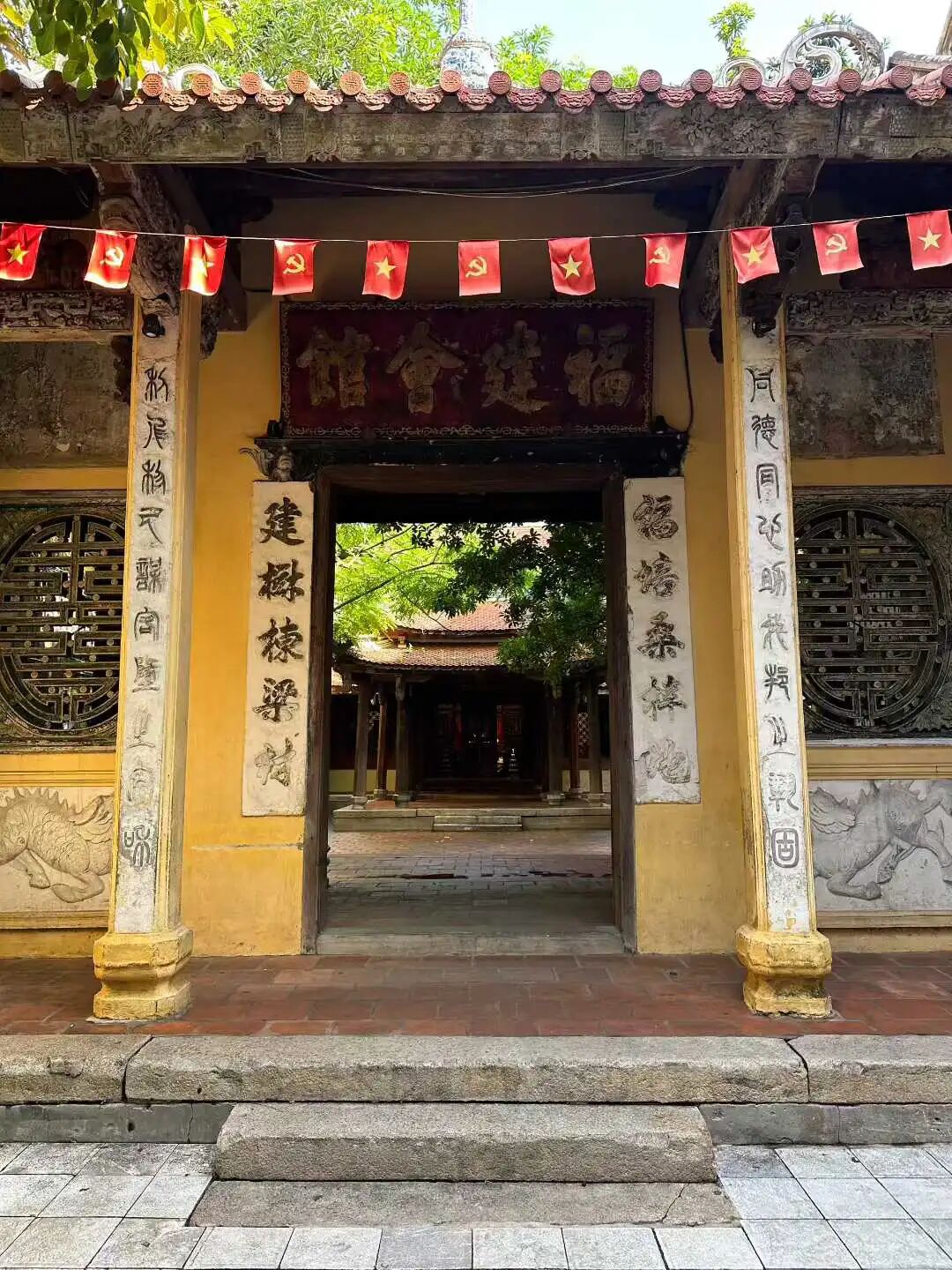
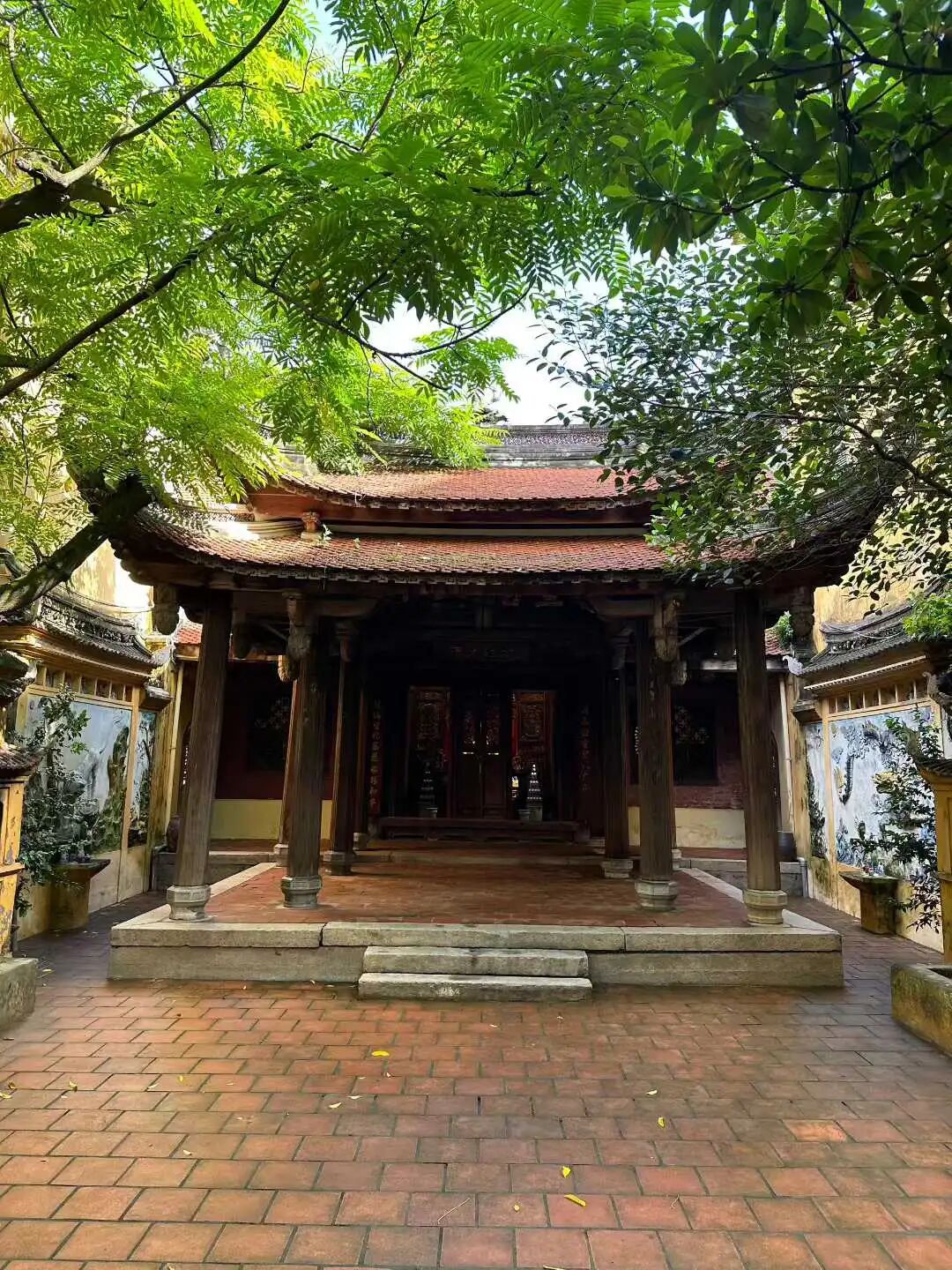
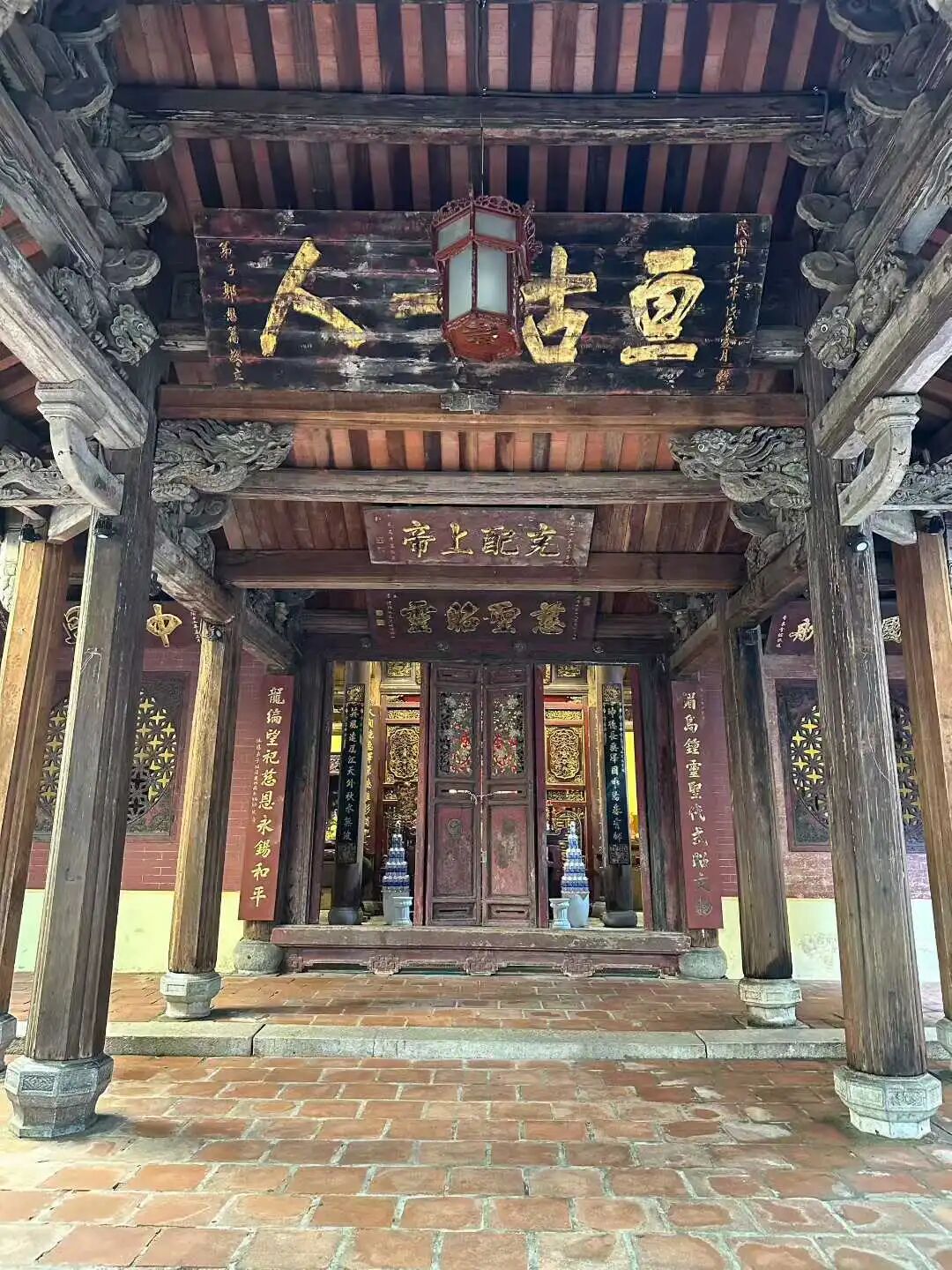
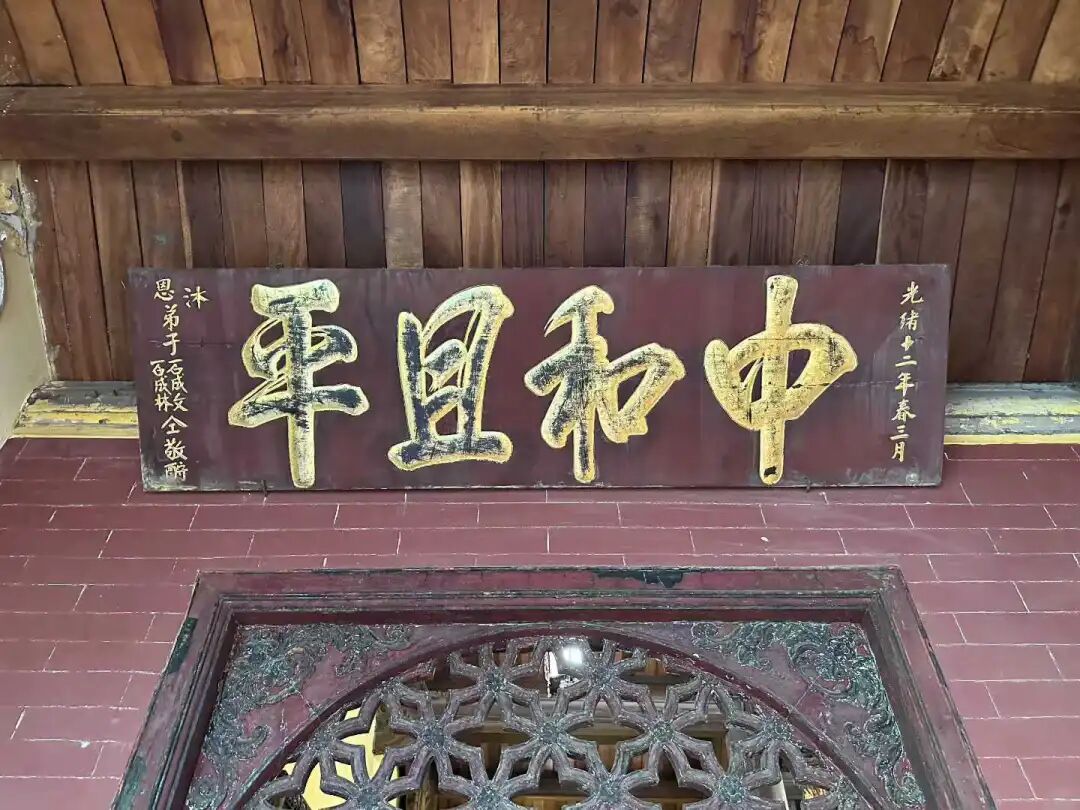
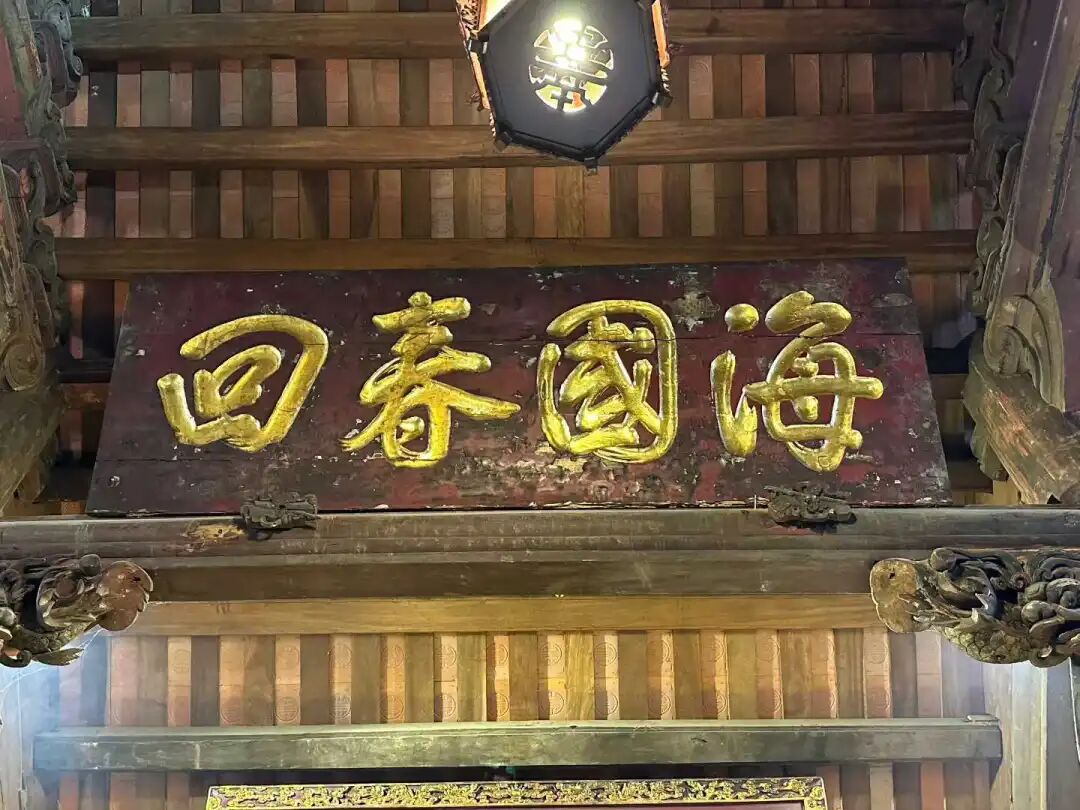
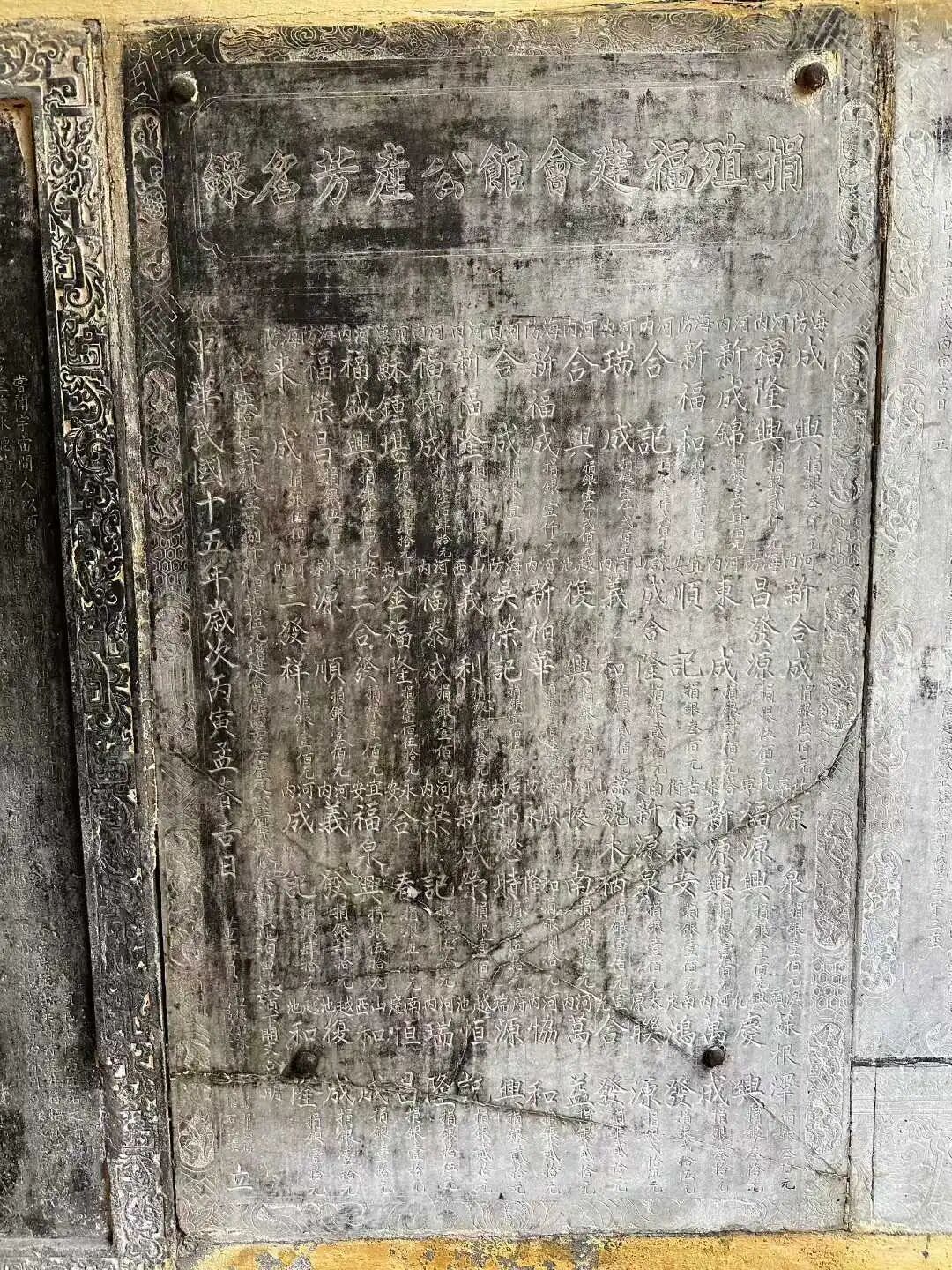
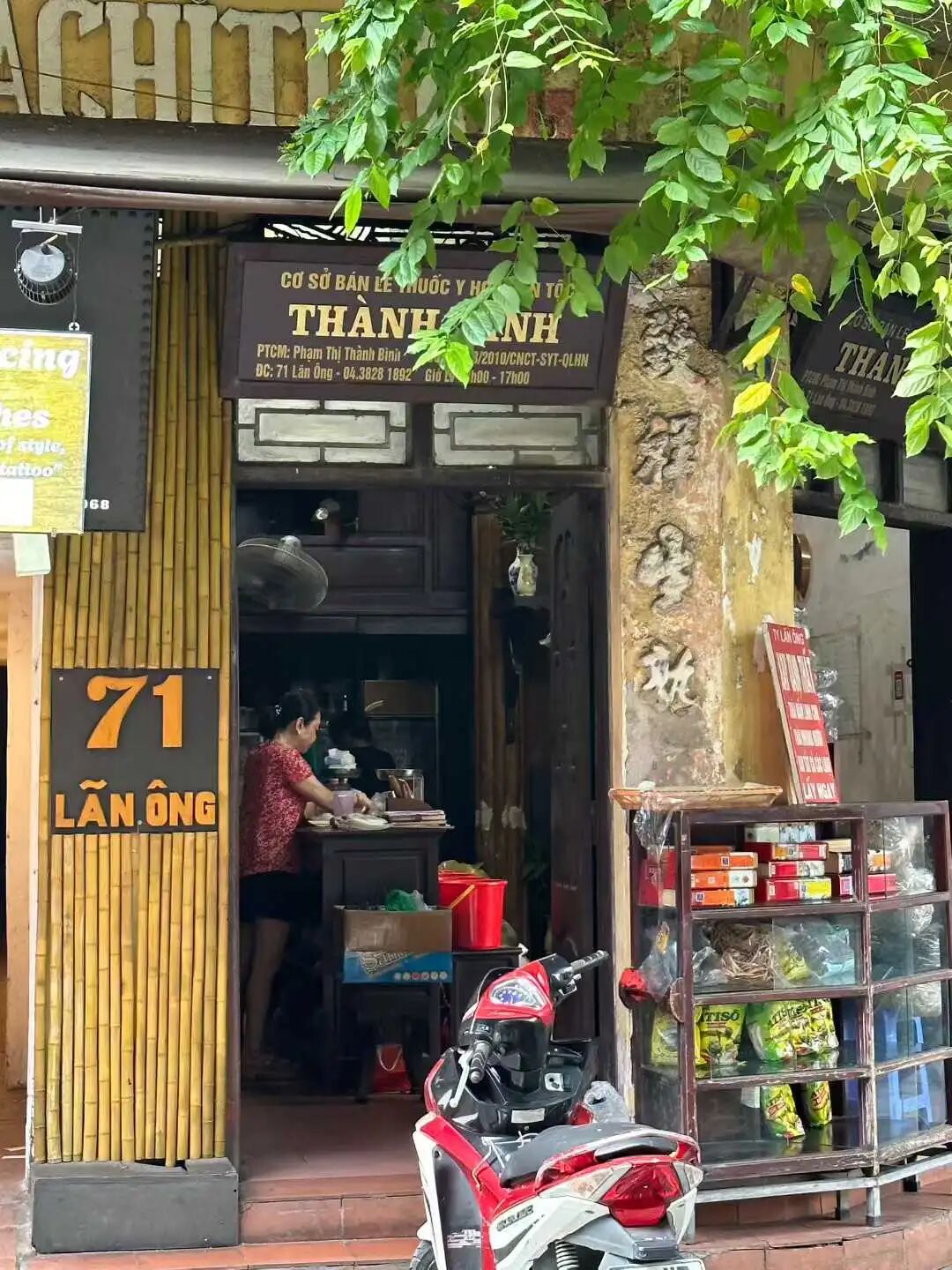
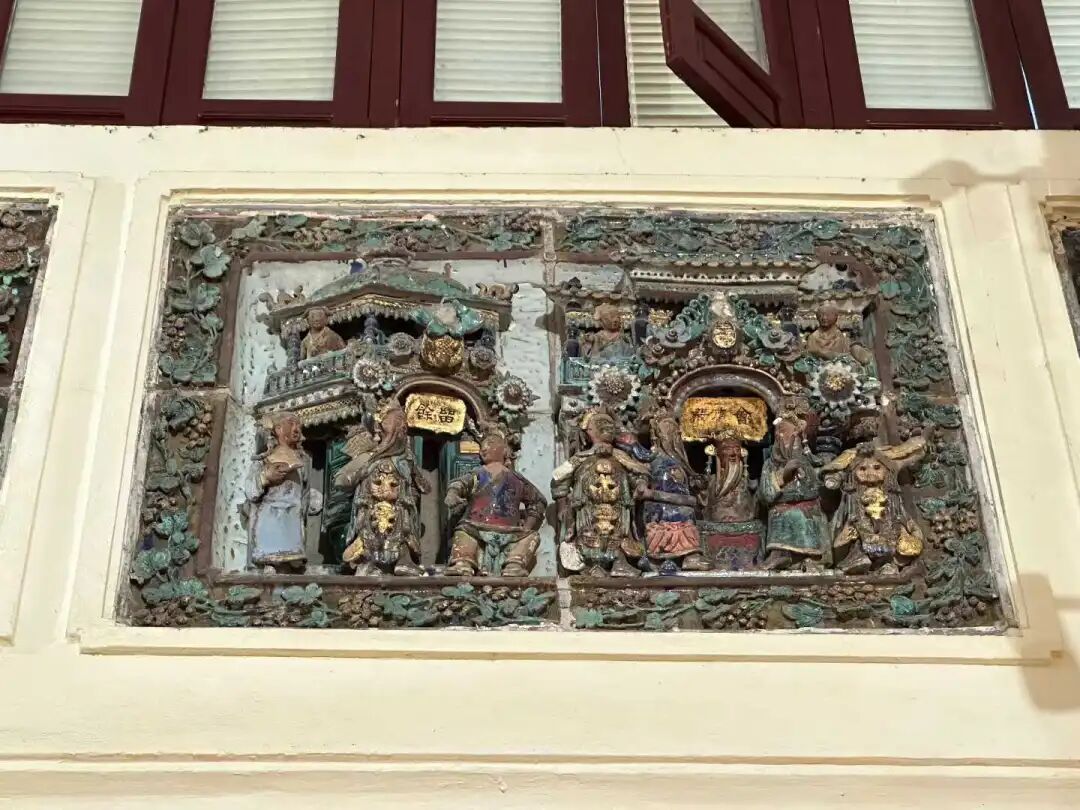
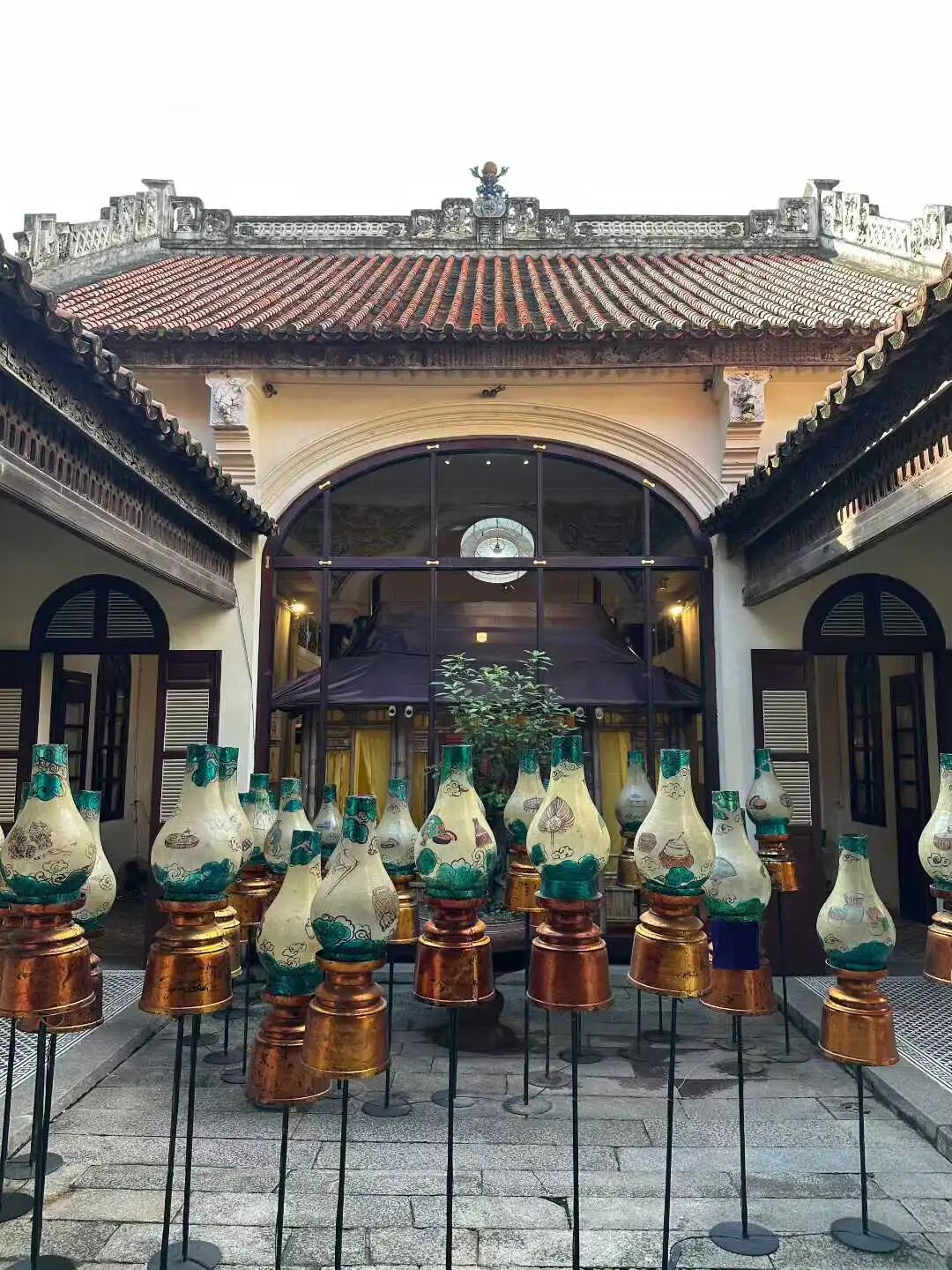
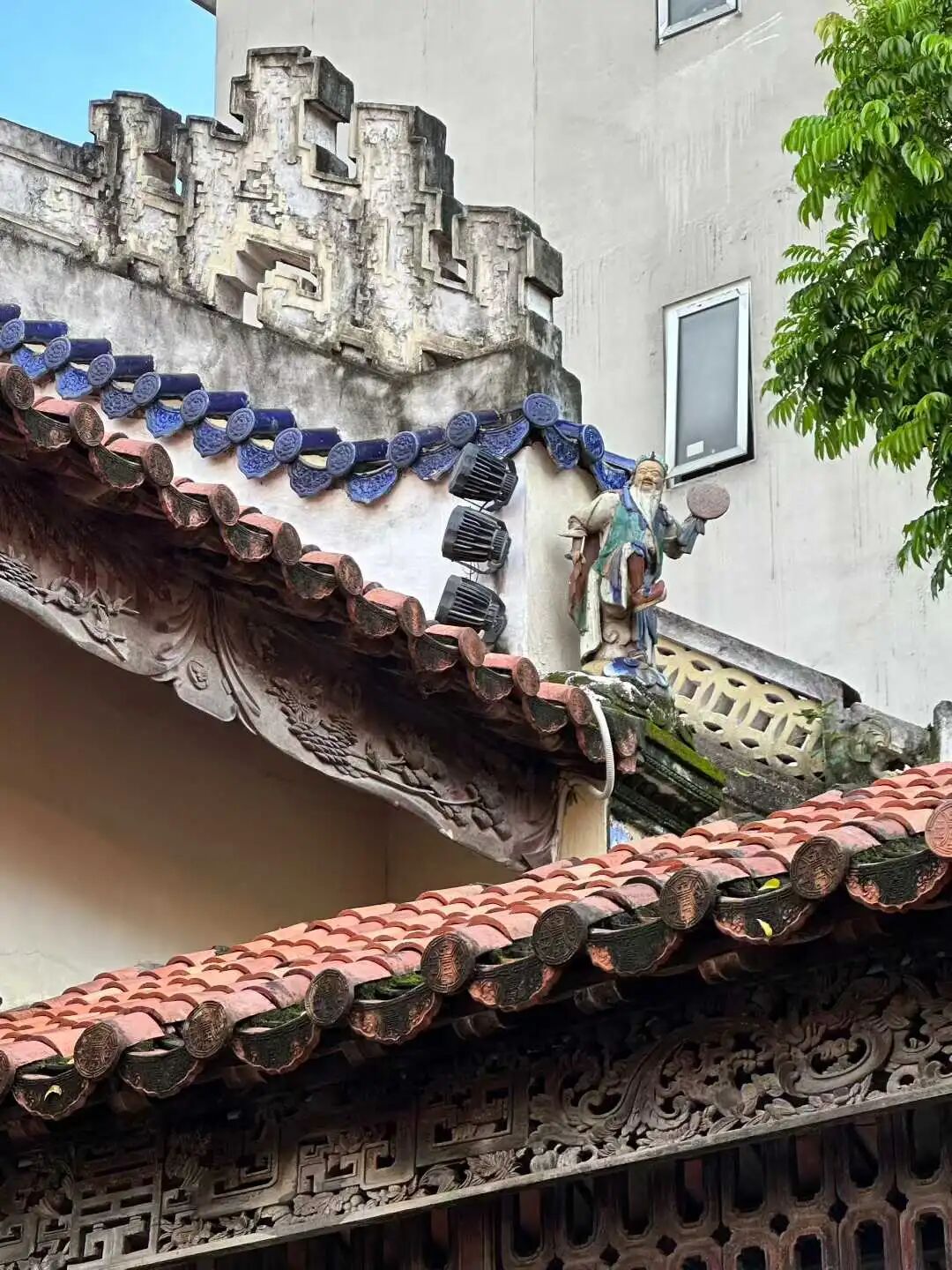
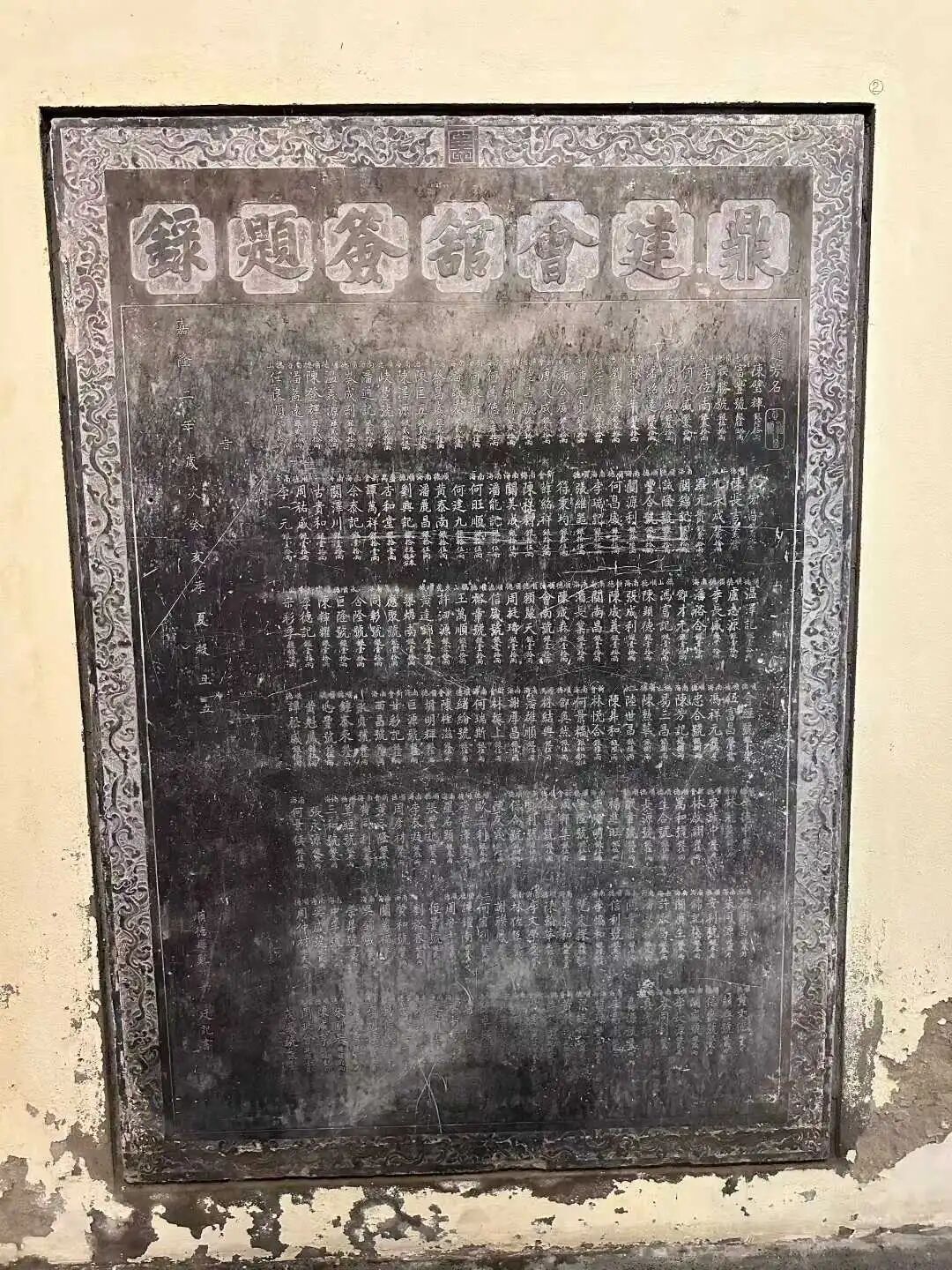
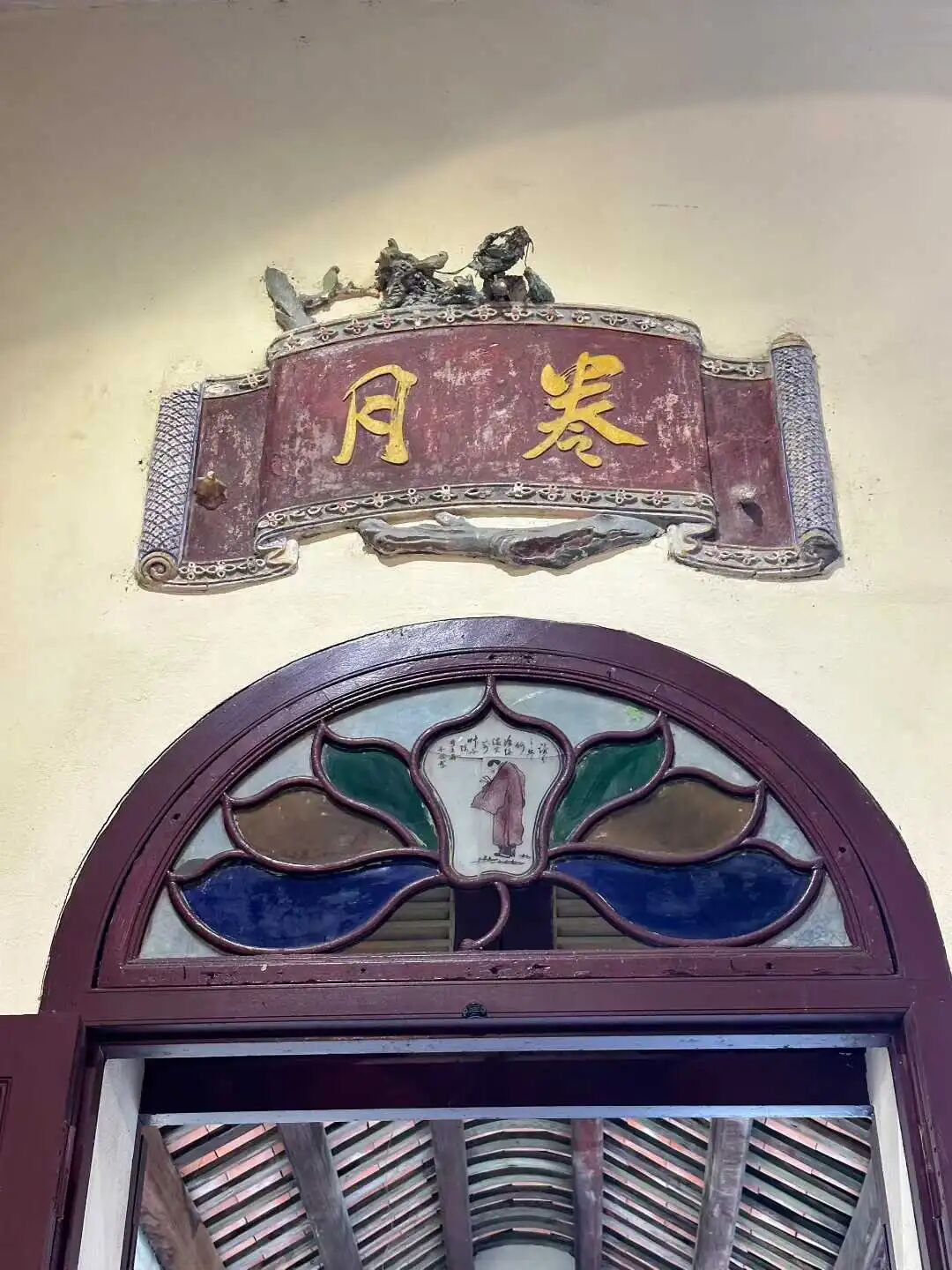
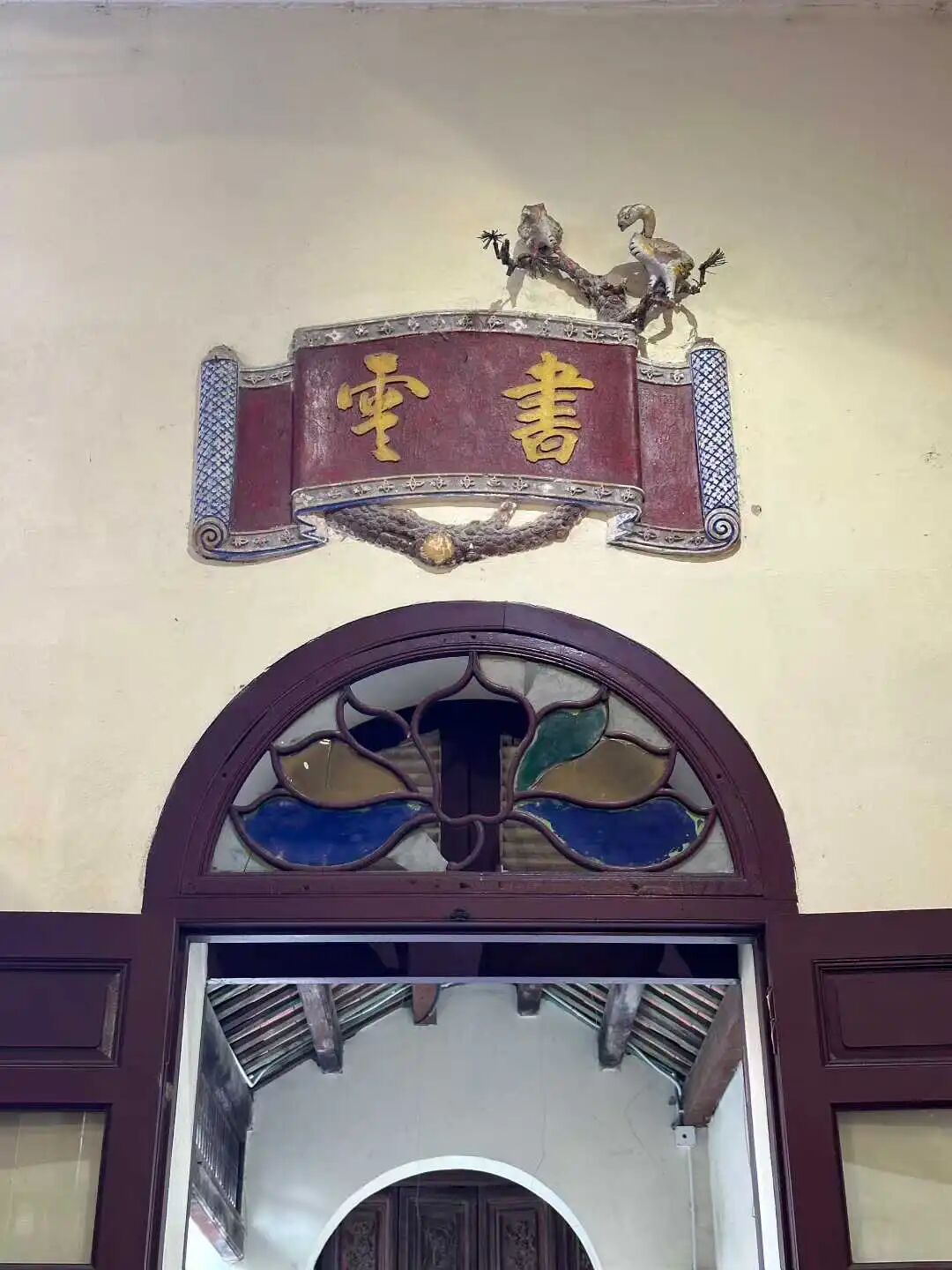
The Hanoi Fujian Assembly Hall is located on Fujian Street (now called Lan Ong Street). It was built in 1815 and has been renovated many times. The main gate features a couplet that reads, 'Cultivating blessings in the hometown, building pillars of strength.' Inside, there are several plaques with inscriptions like 'Spring returns to the sea nation' and 'Harmony and peace.' The courtyard contains stone tablets recording the renovations, which list many Fujian merchant houses that donated funds, such as Chengxing, Heji, Hexing, and Futai Cheng.
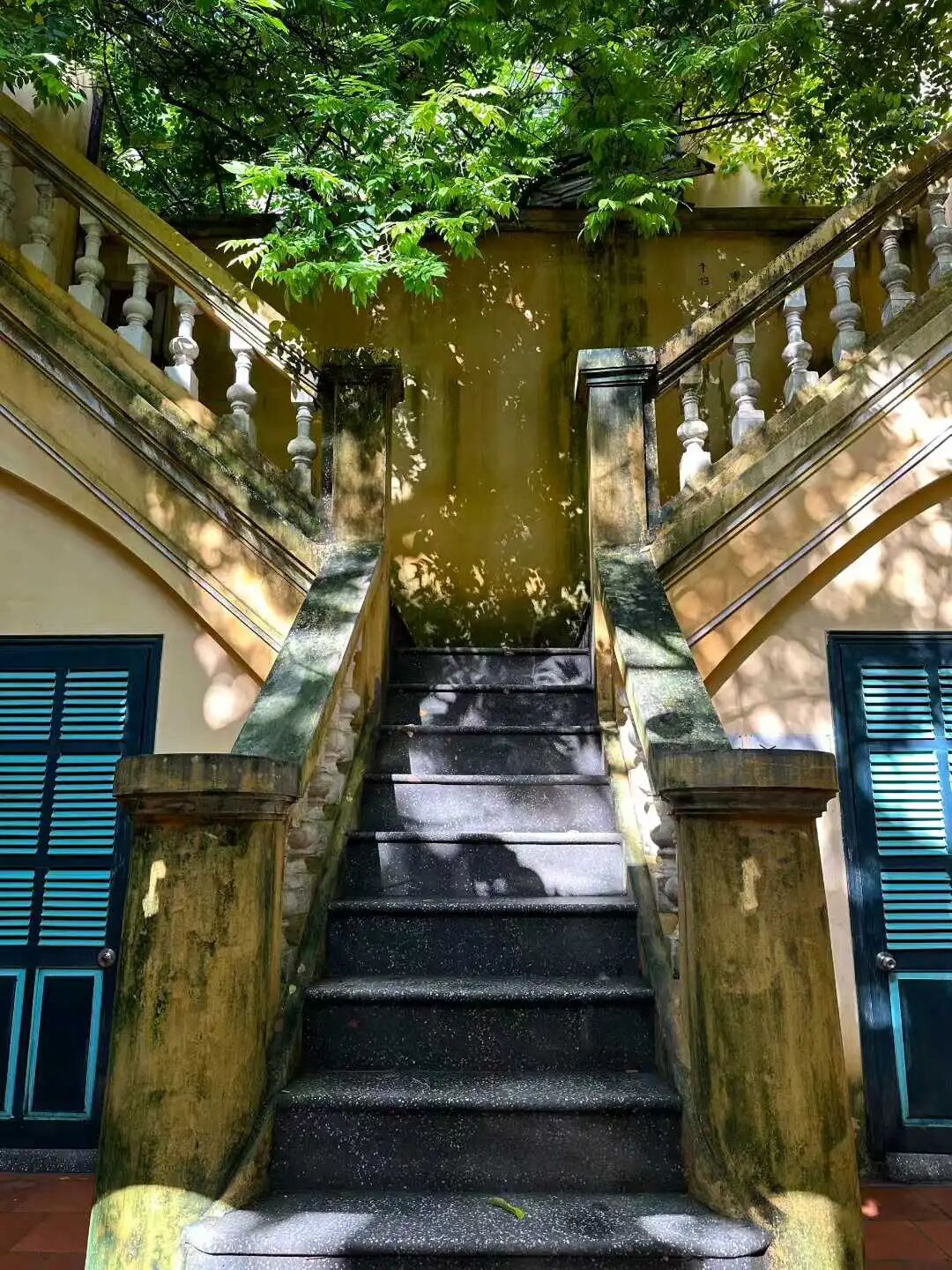
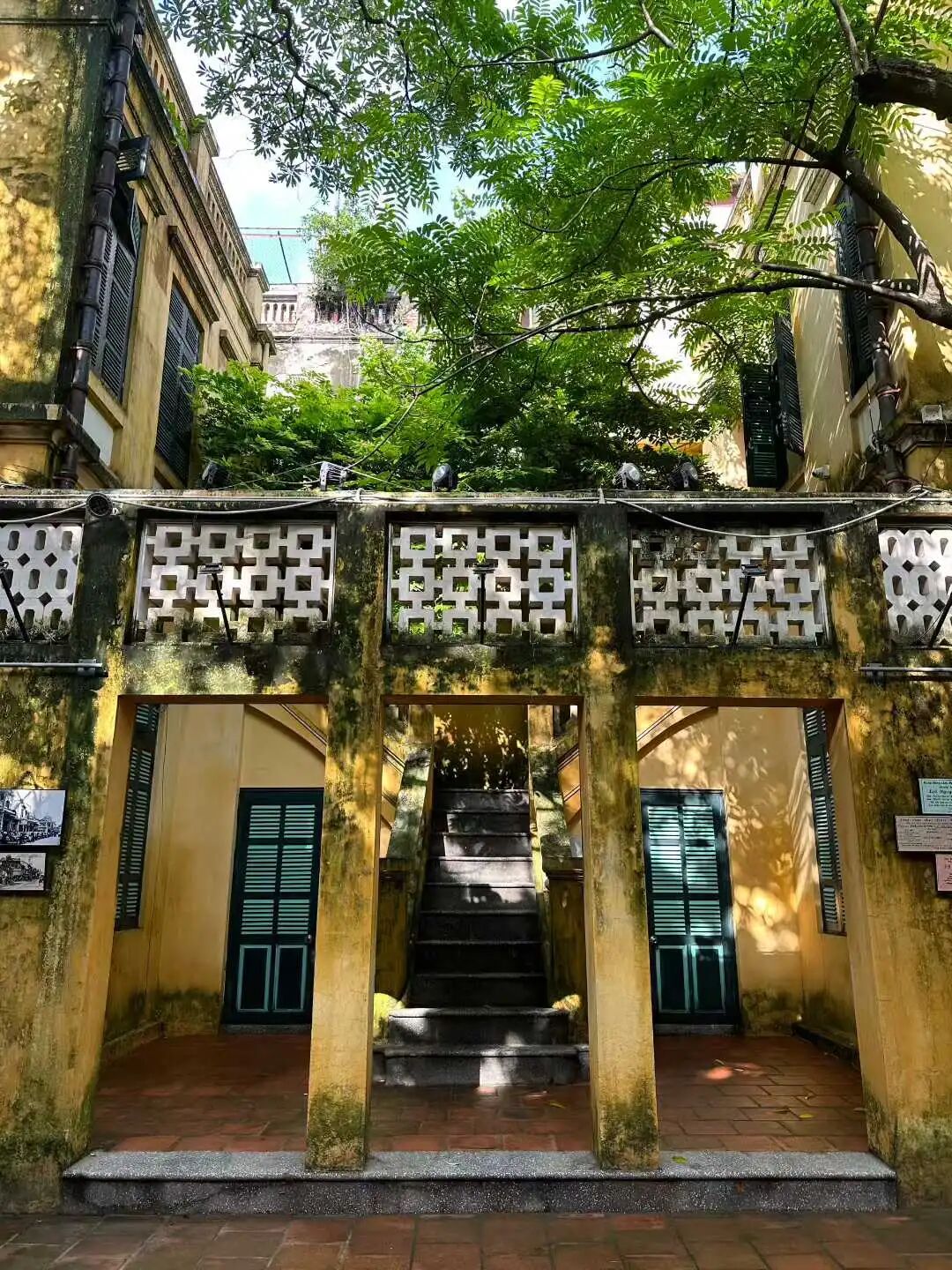
Old photos displayed in the Fujian Assembly Hall show that it once served as the First Primary School attached to the Chinese Middle School.
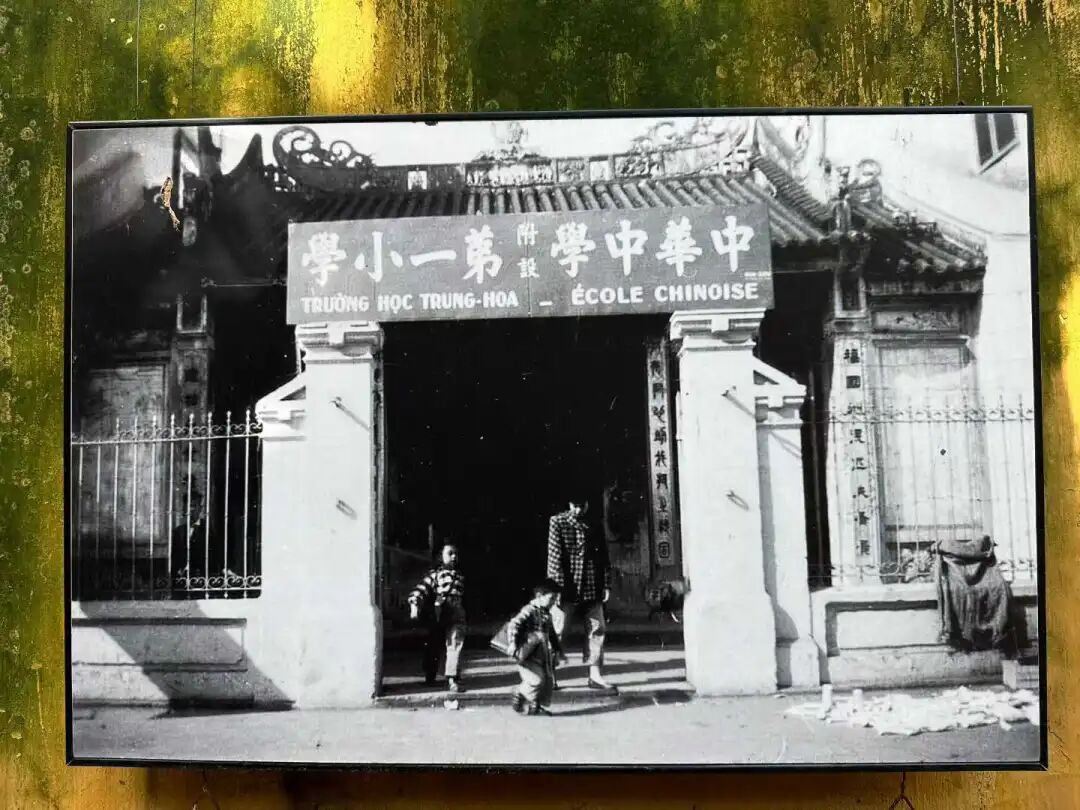
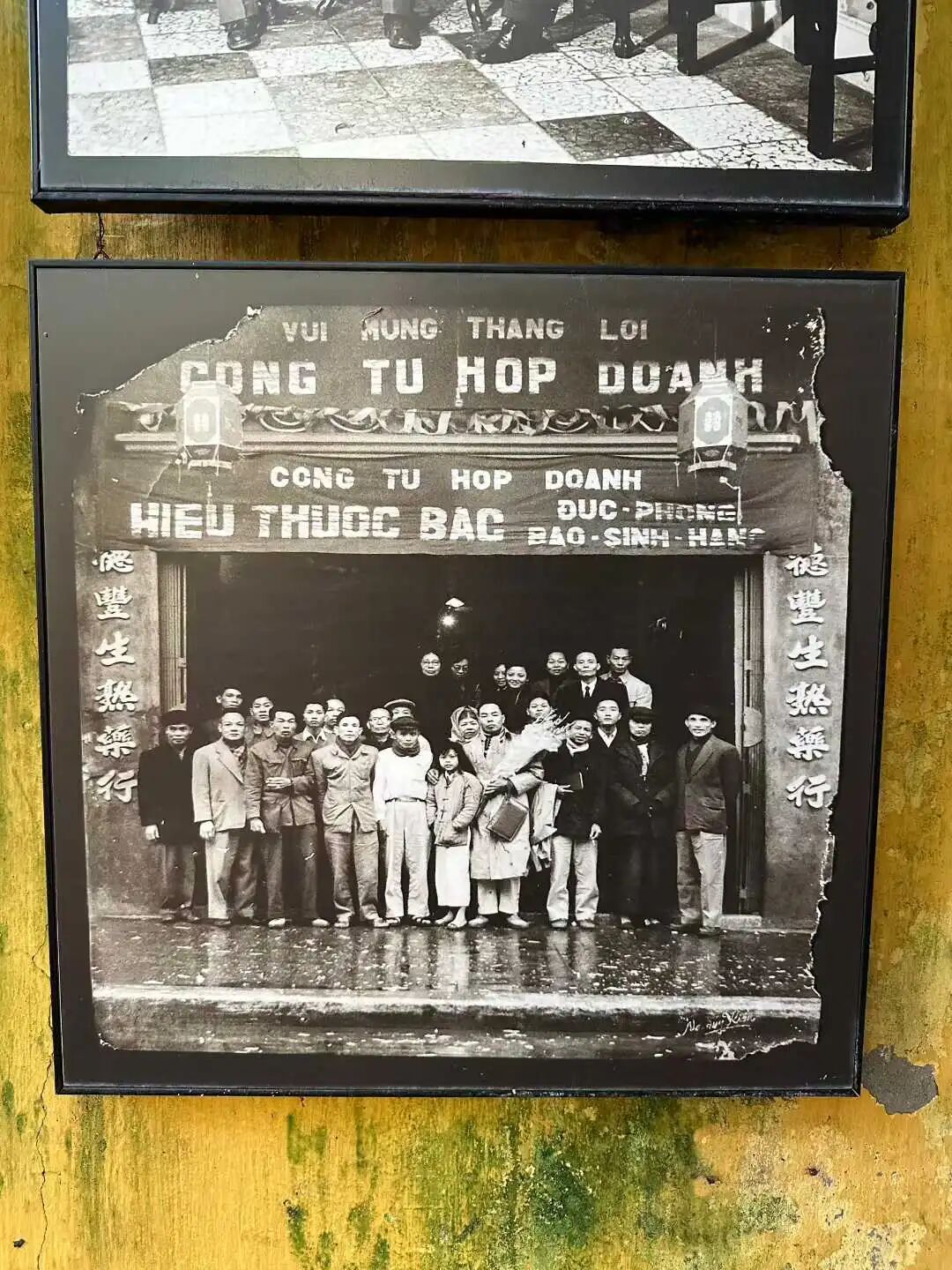
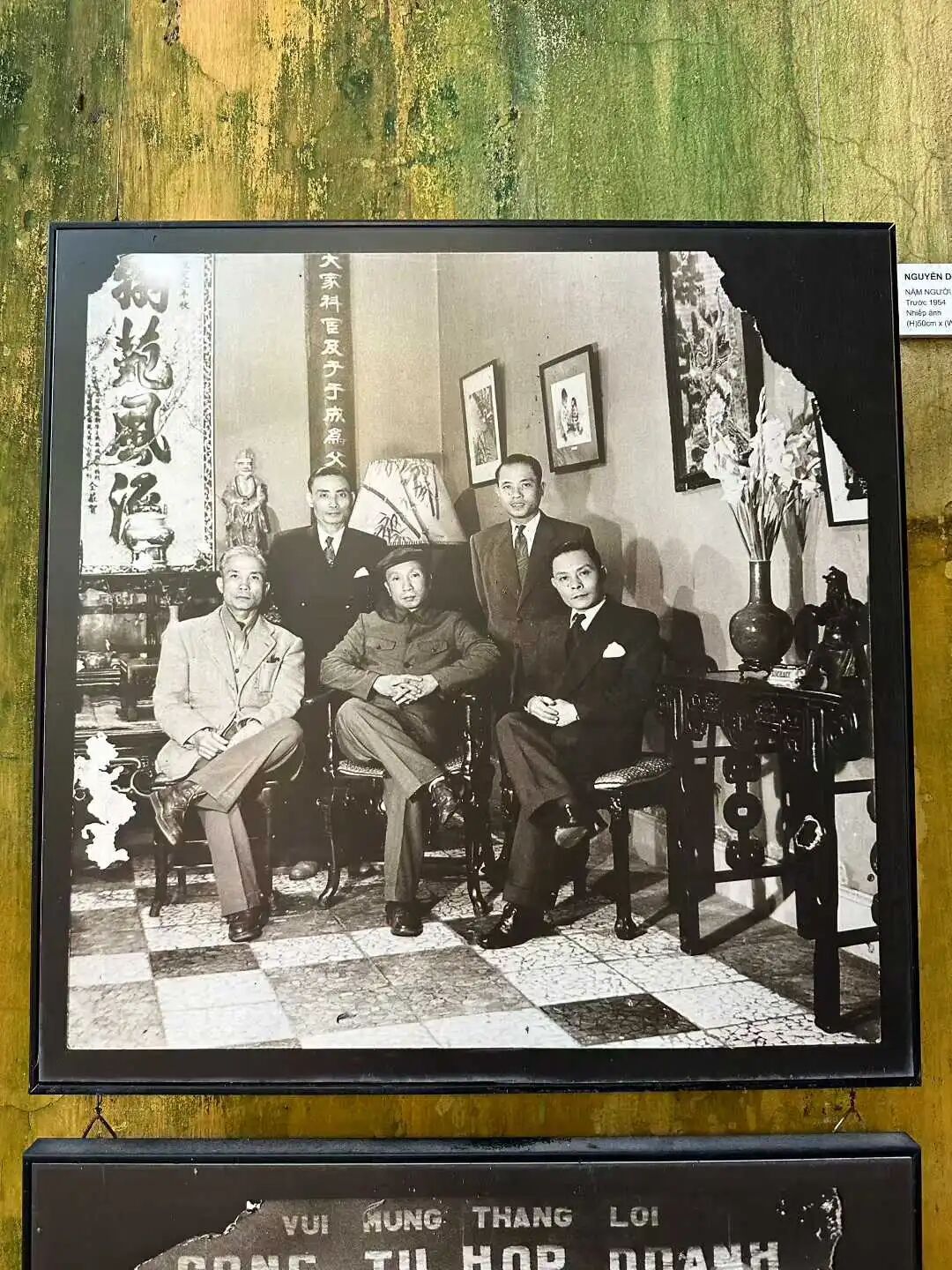
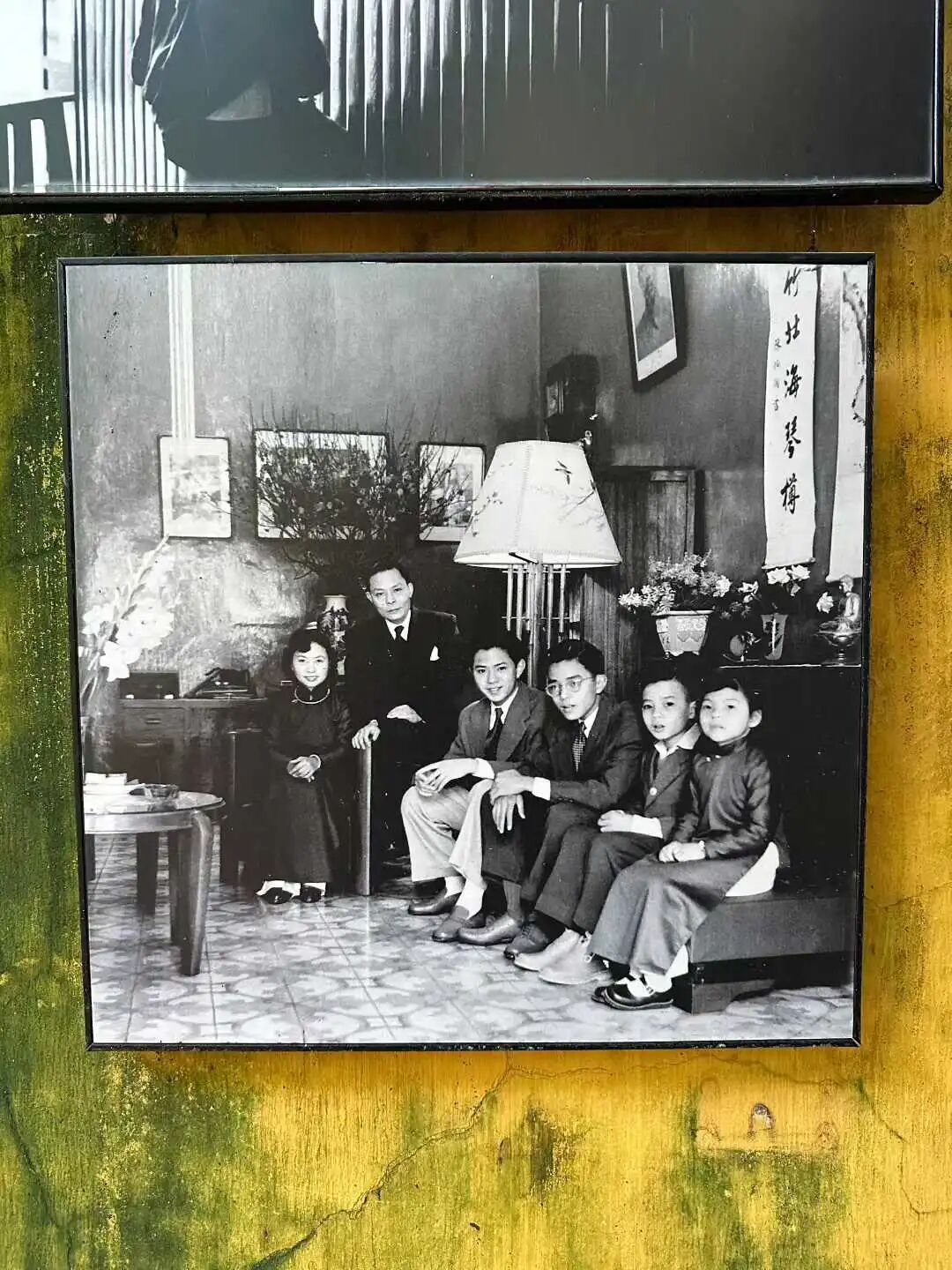
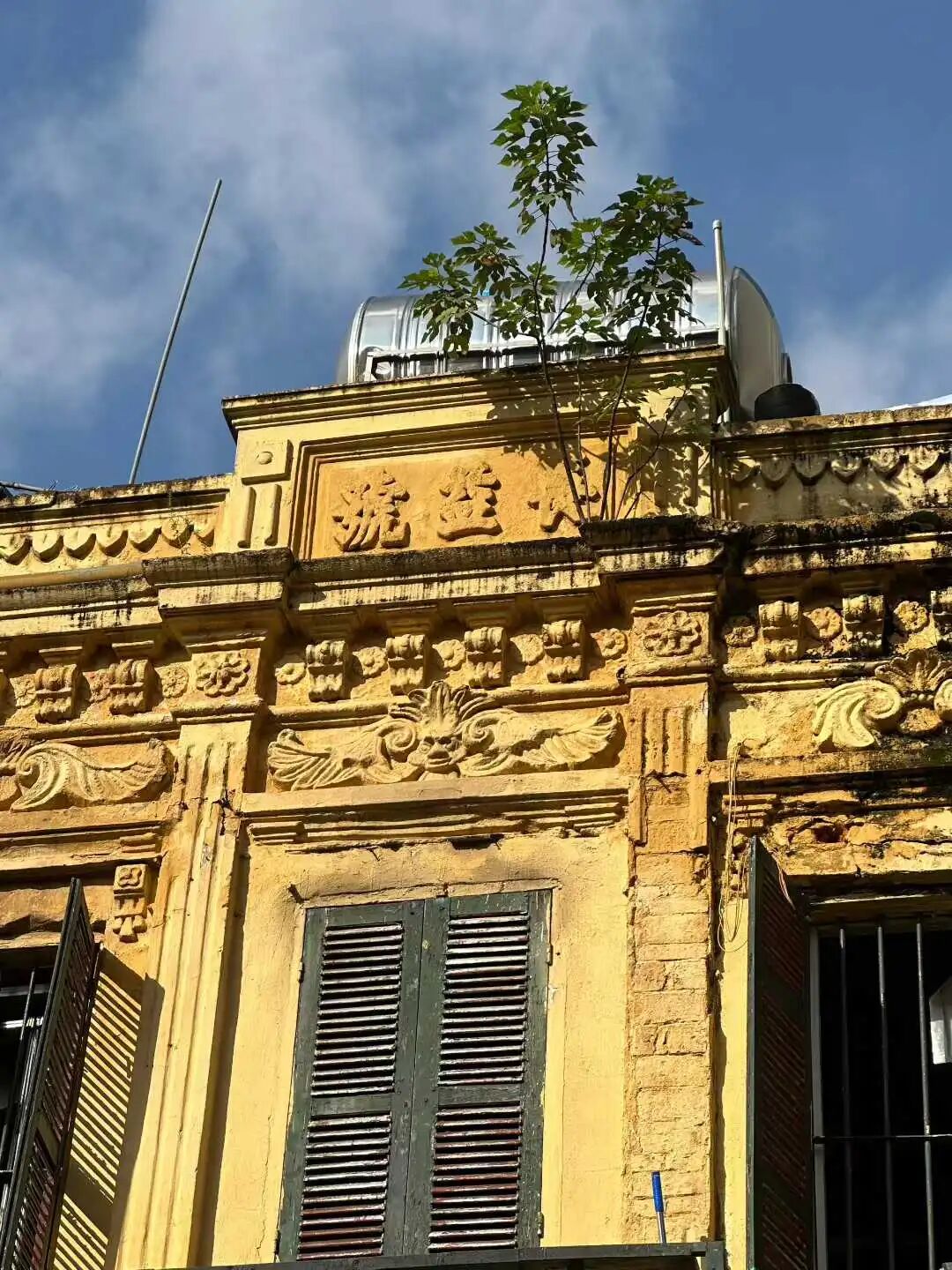
After Vietnam's anti-Chinese campaign in 1977, most Chinese in Hanoi's Old Quarter dispersed, while a few chose to hide their identities. Now, you can only imagine the former Chinese community by looking at the Chinese characters on the historic buildings.
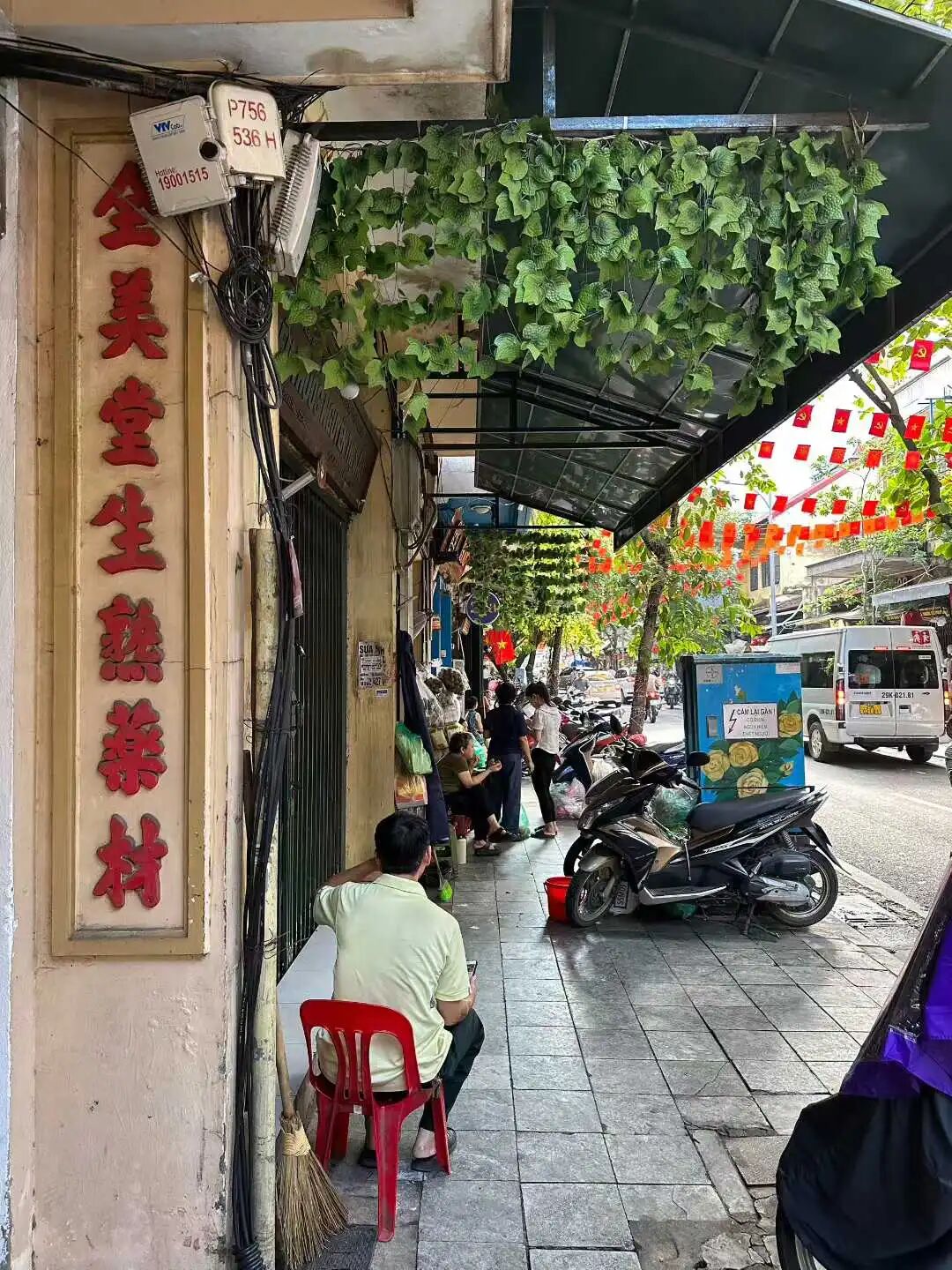
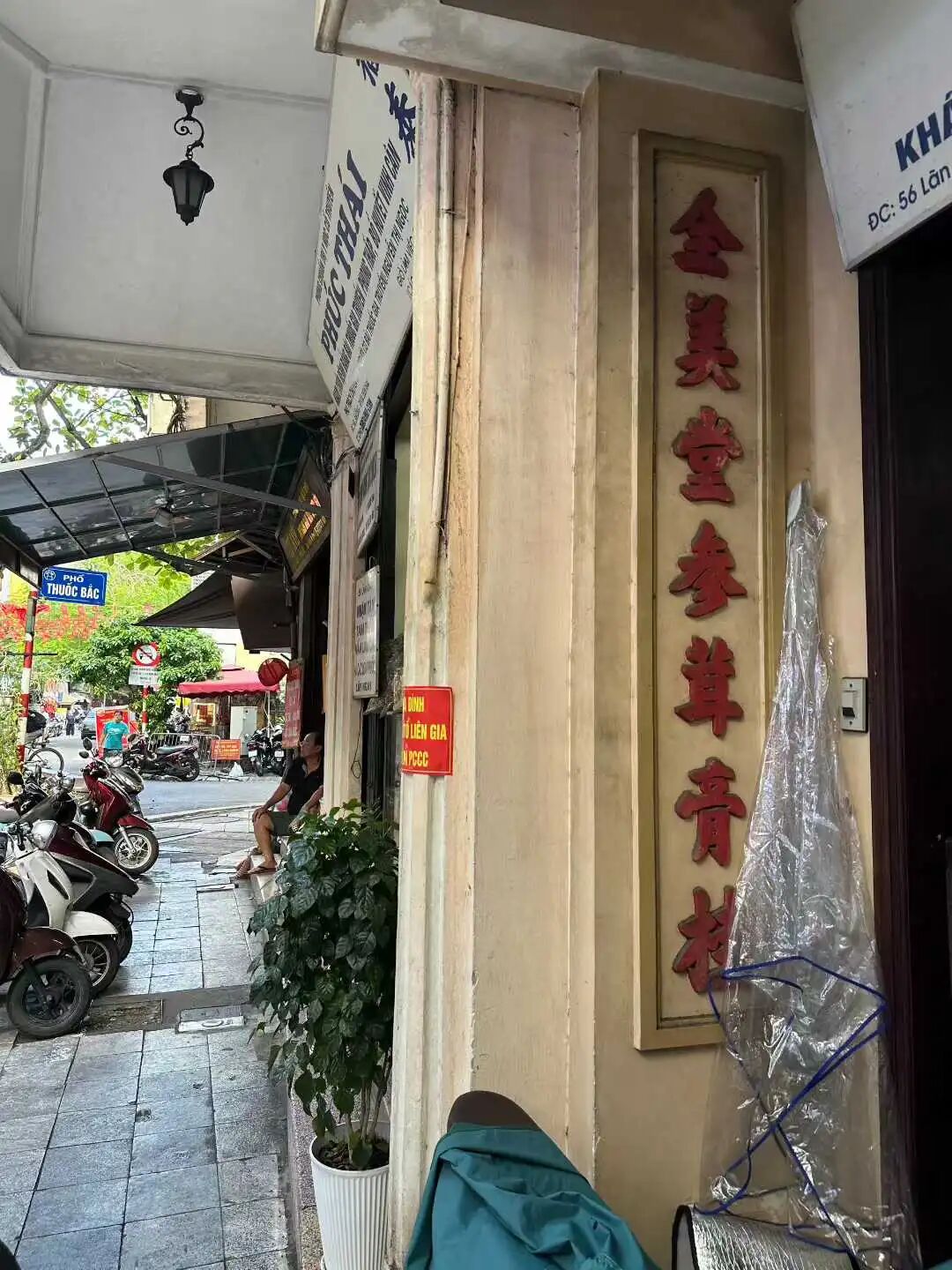
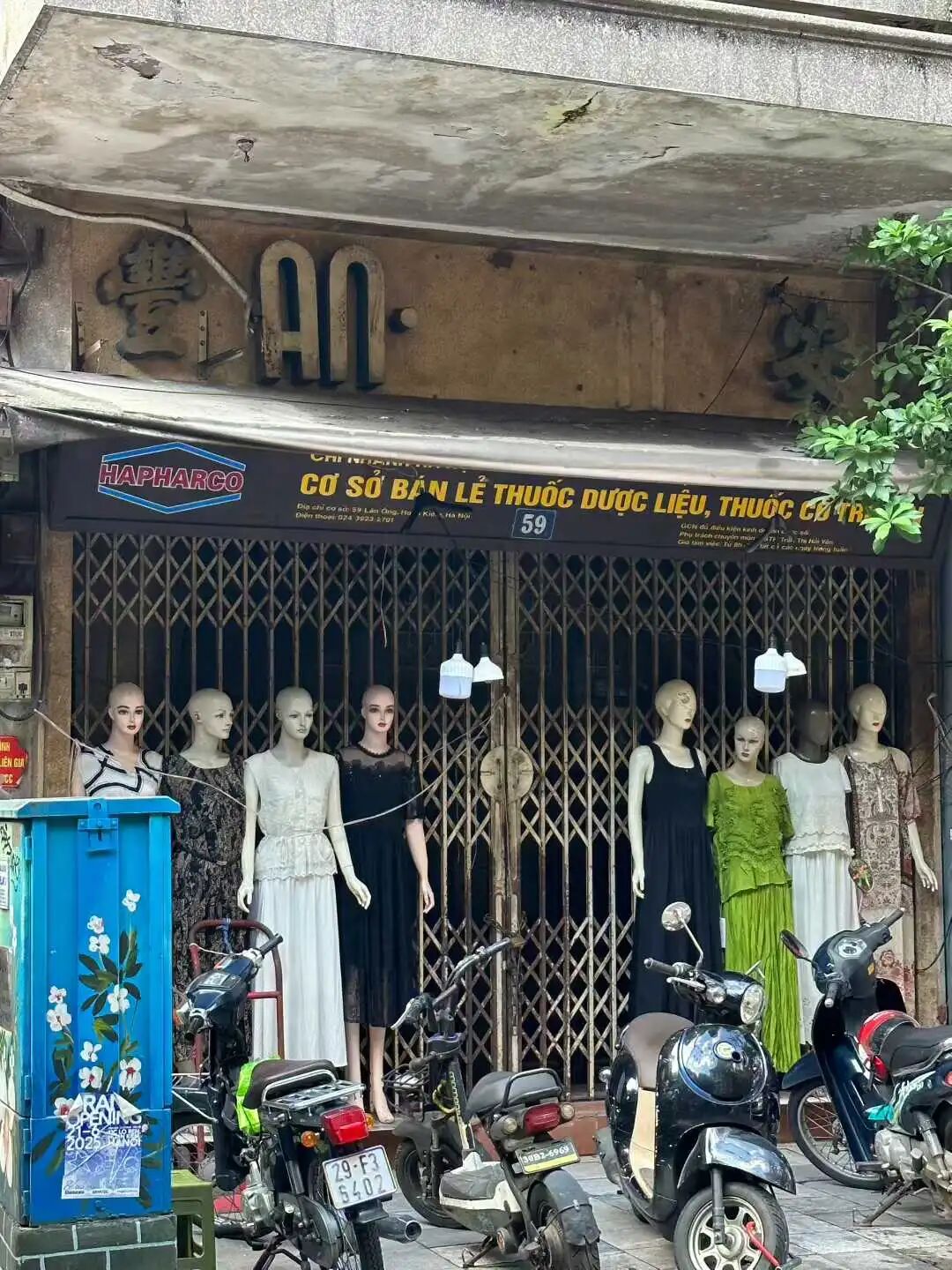
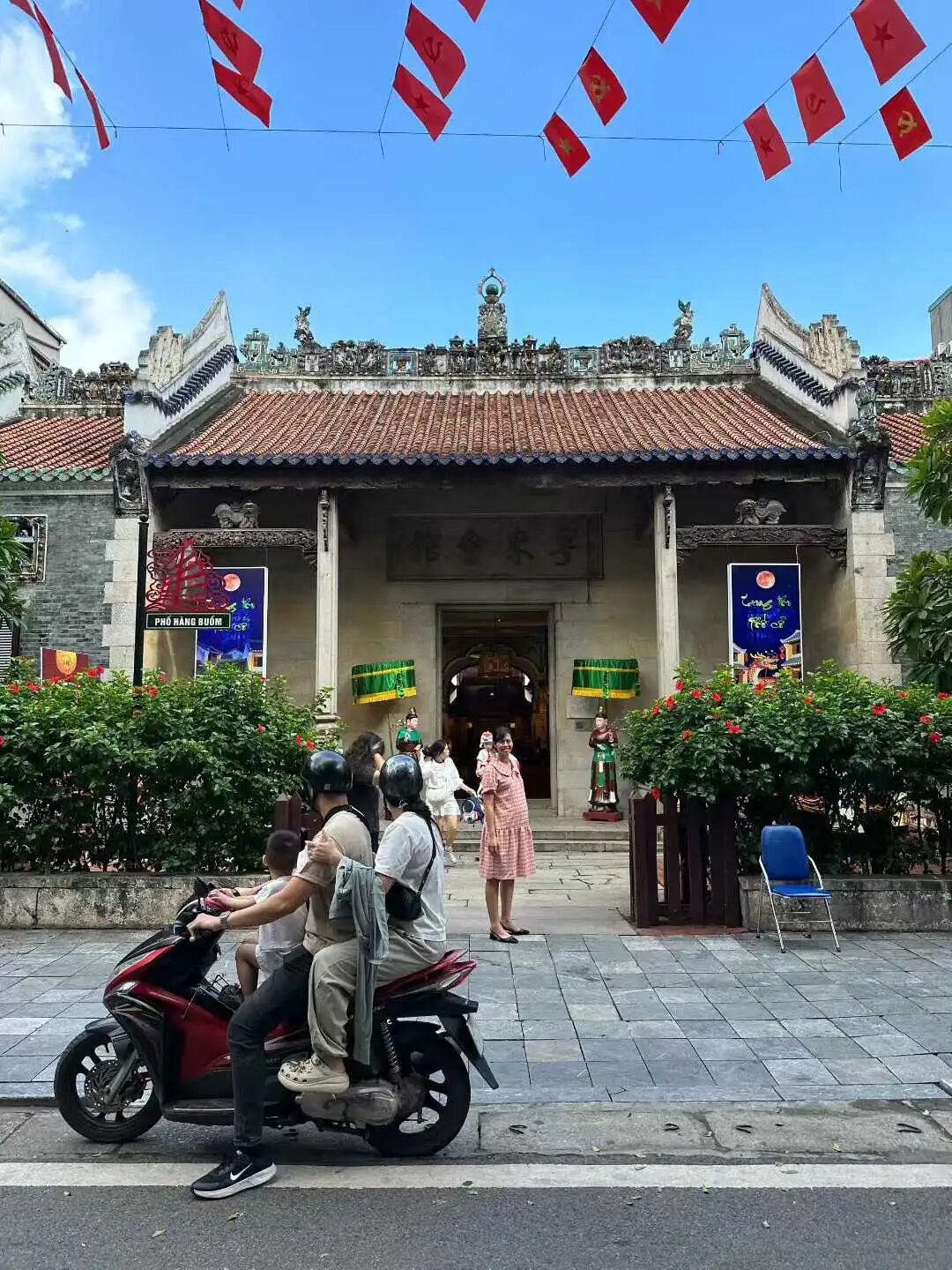
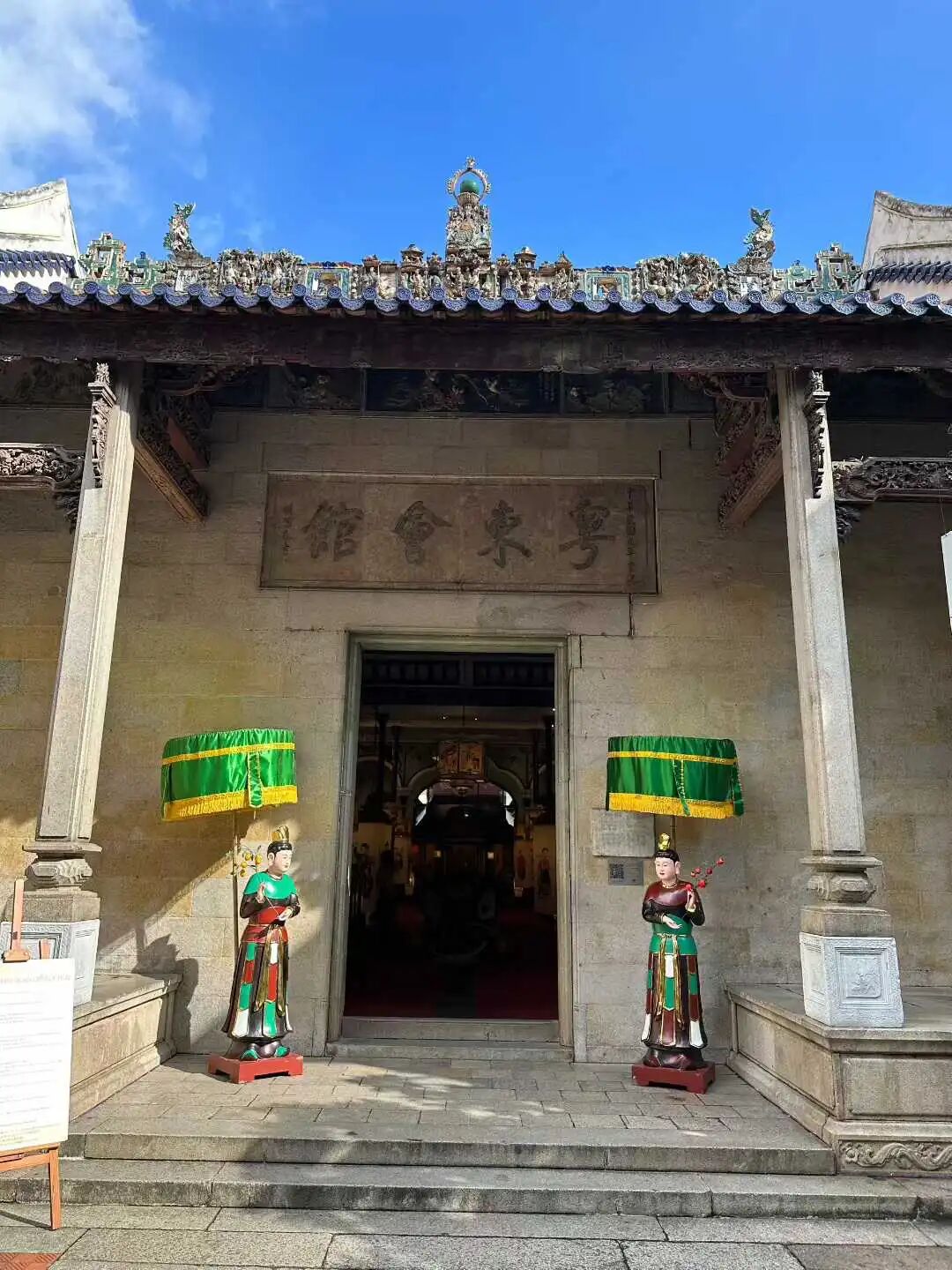
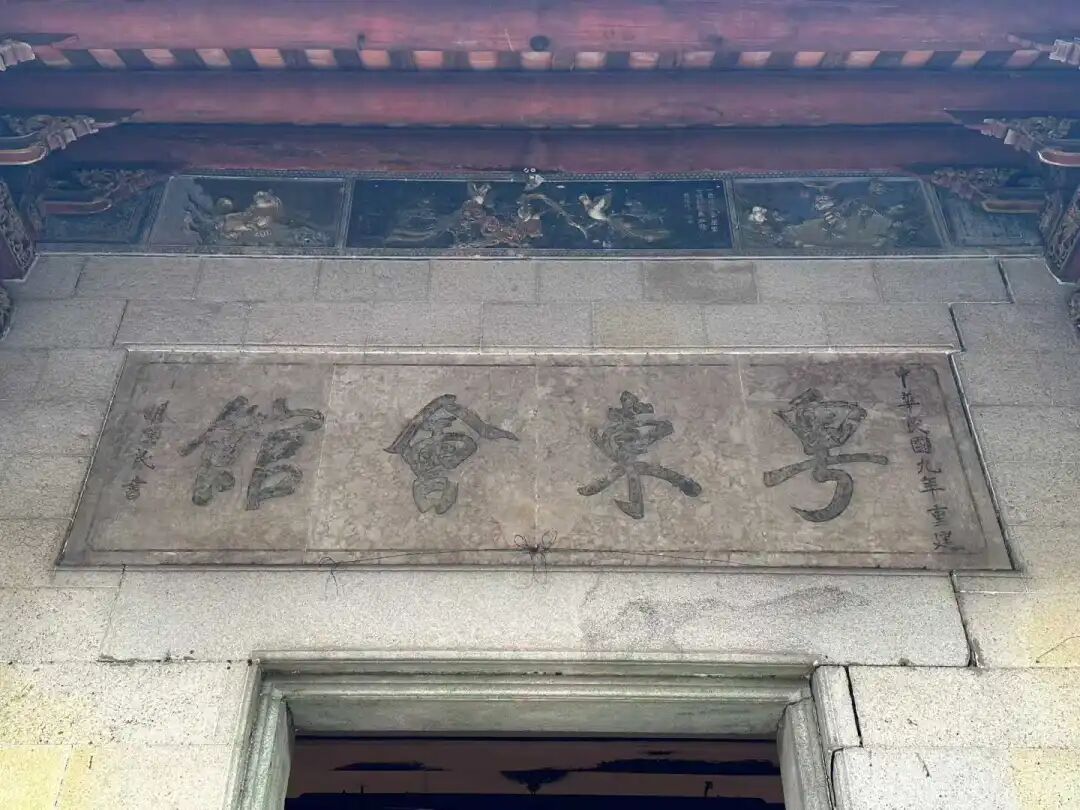
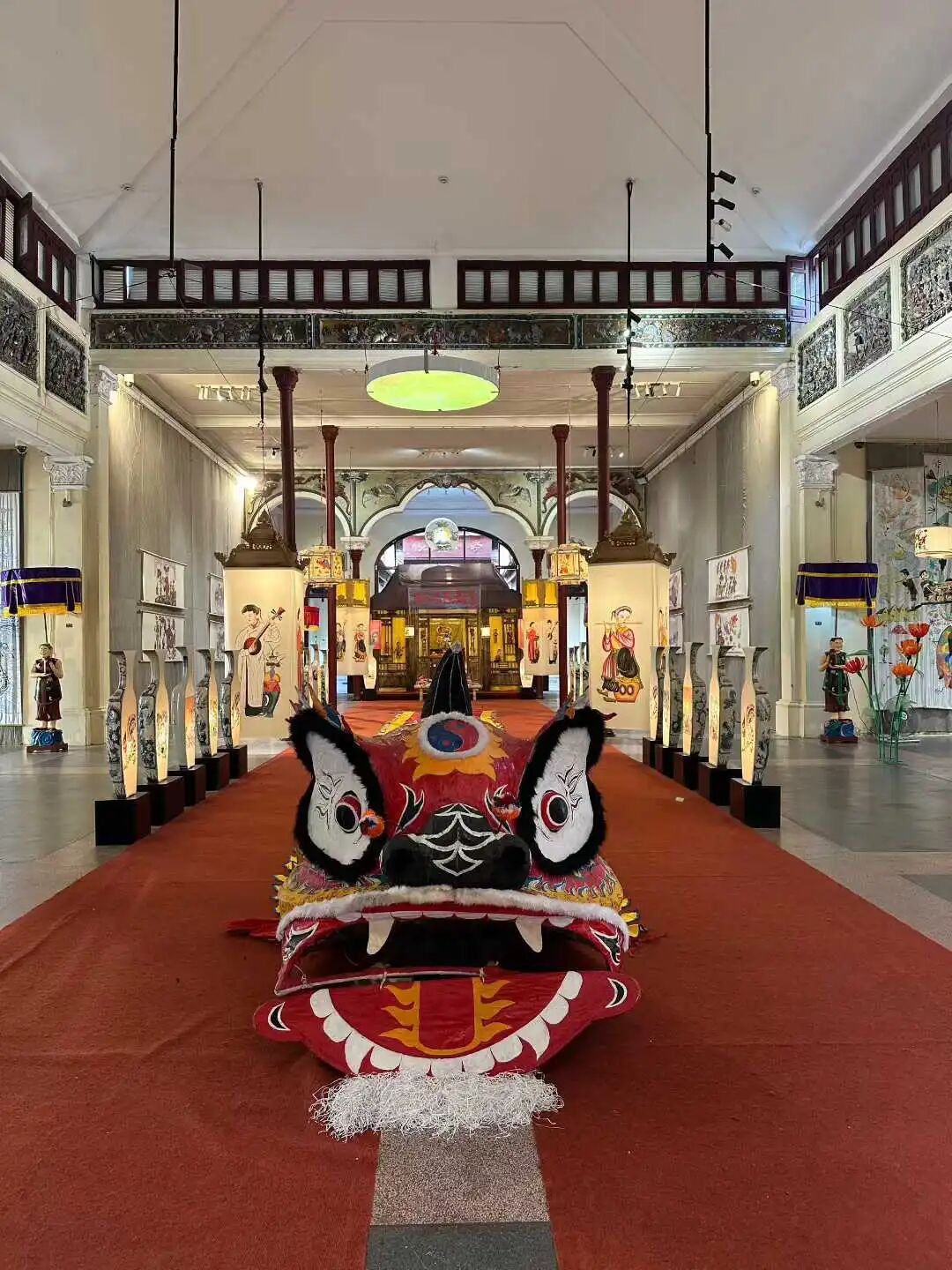
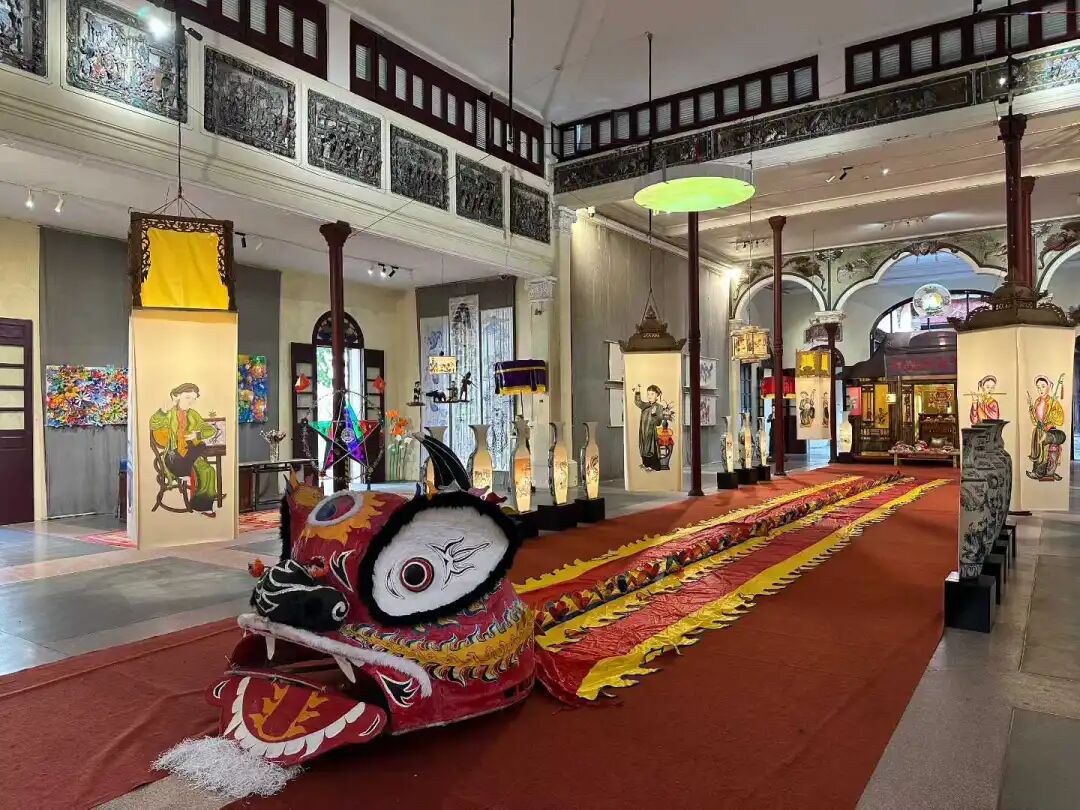
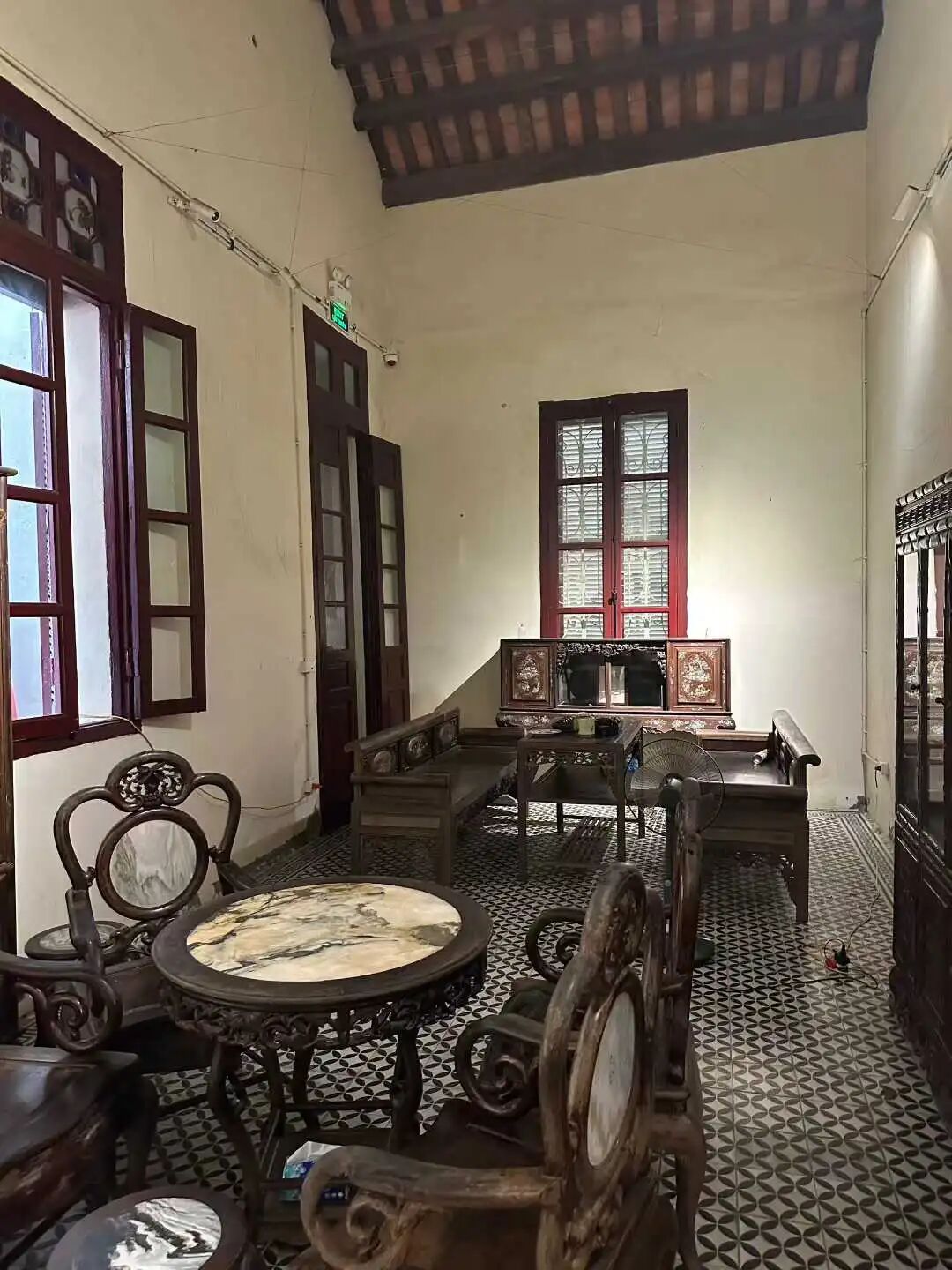
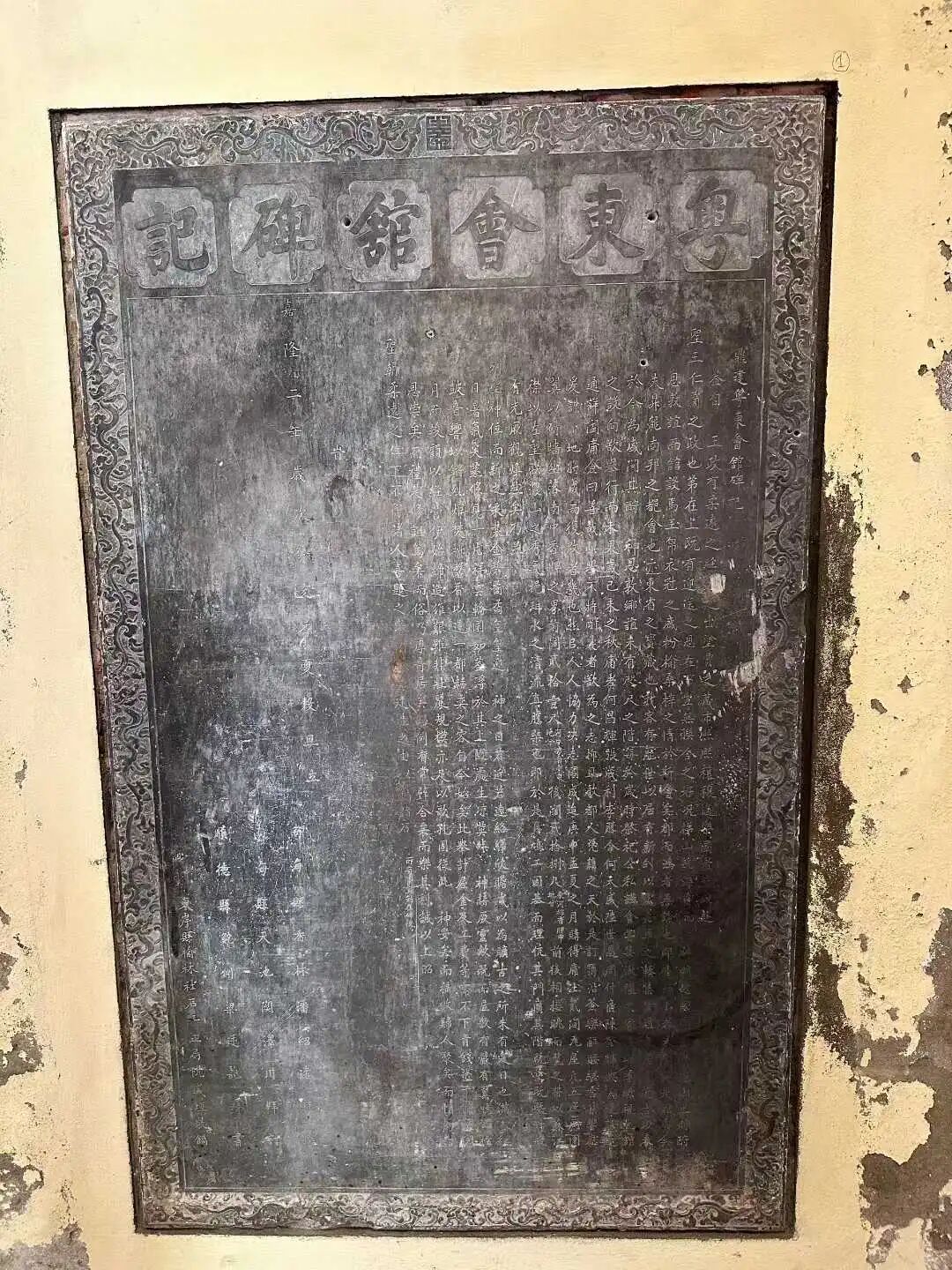
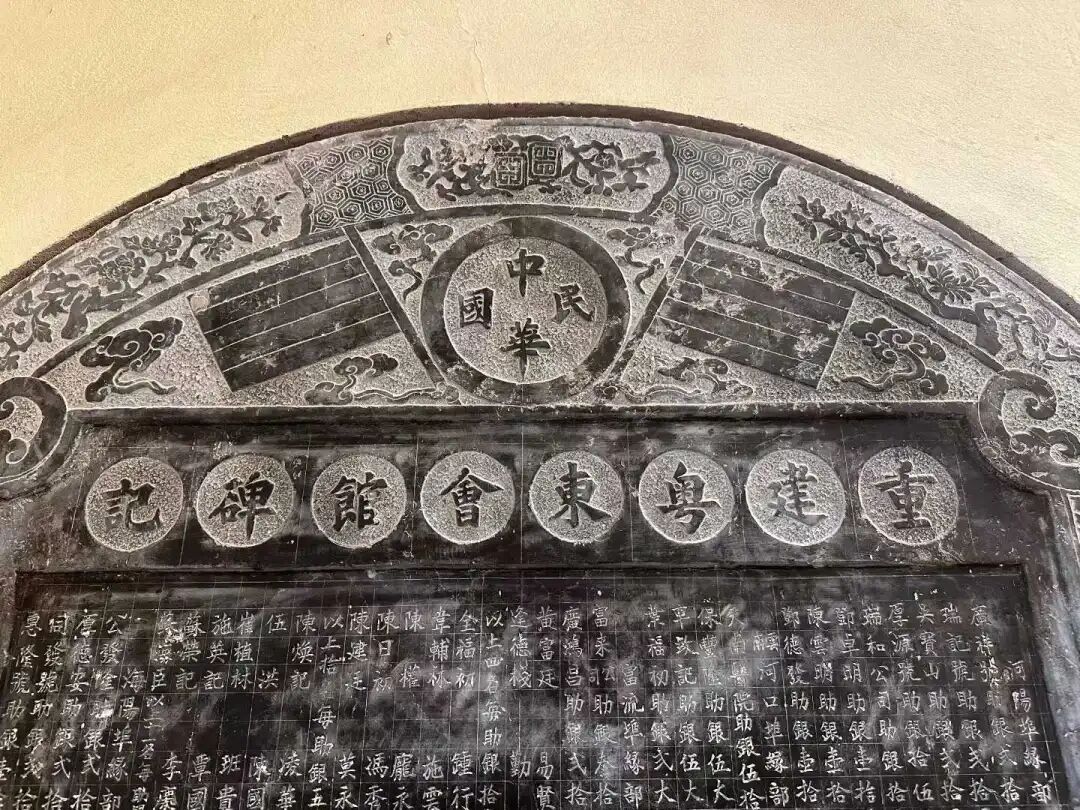
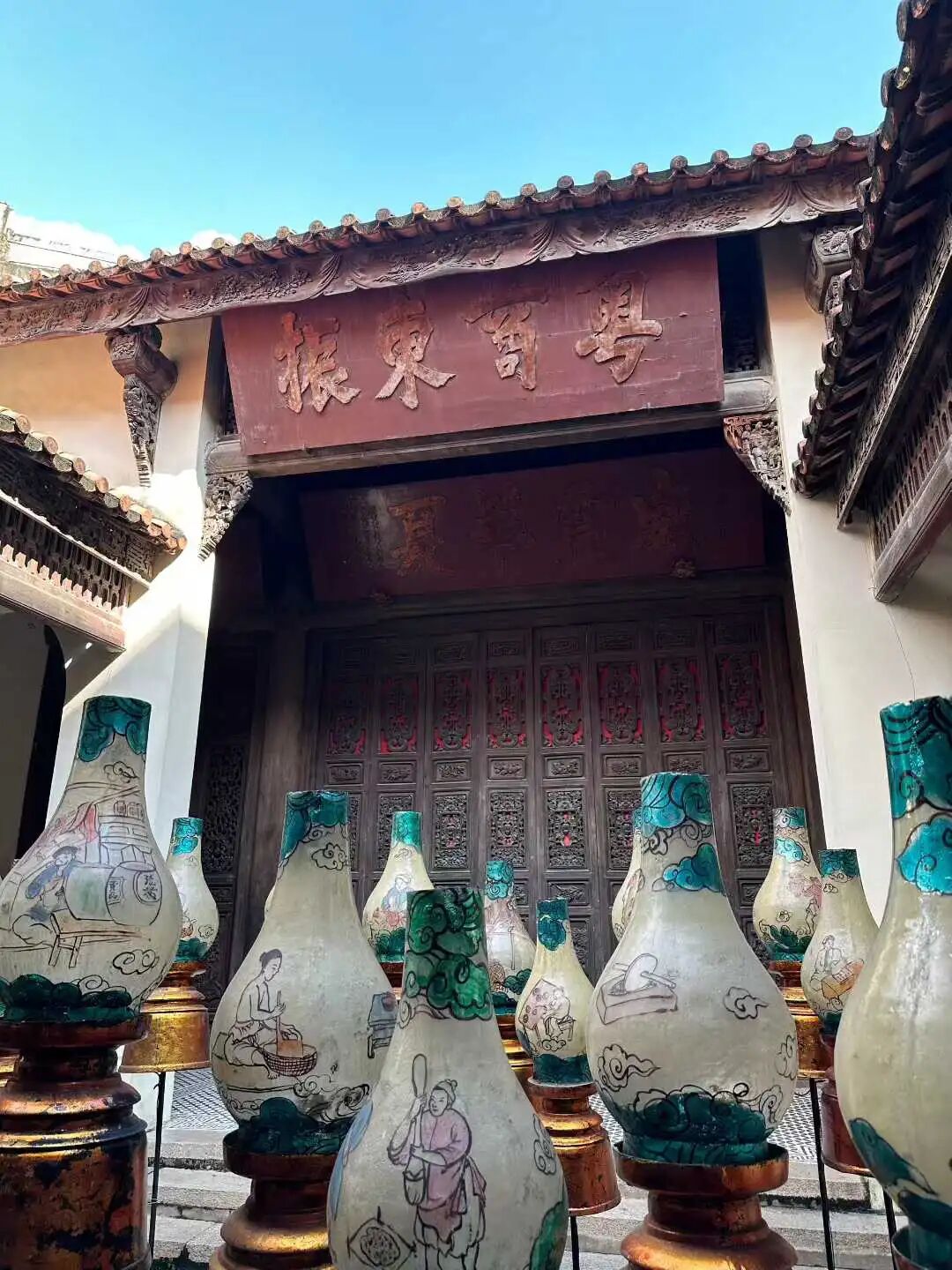
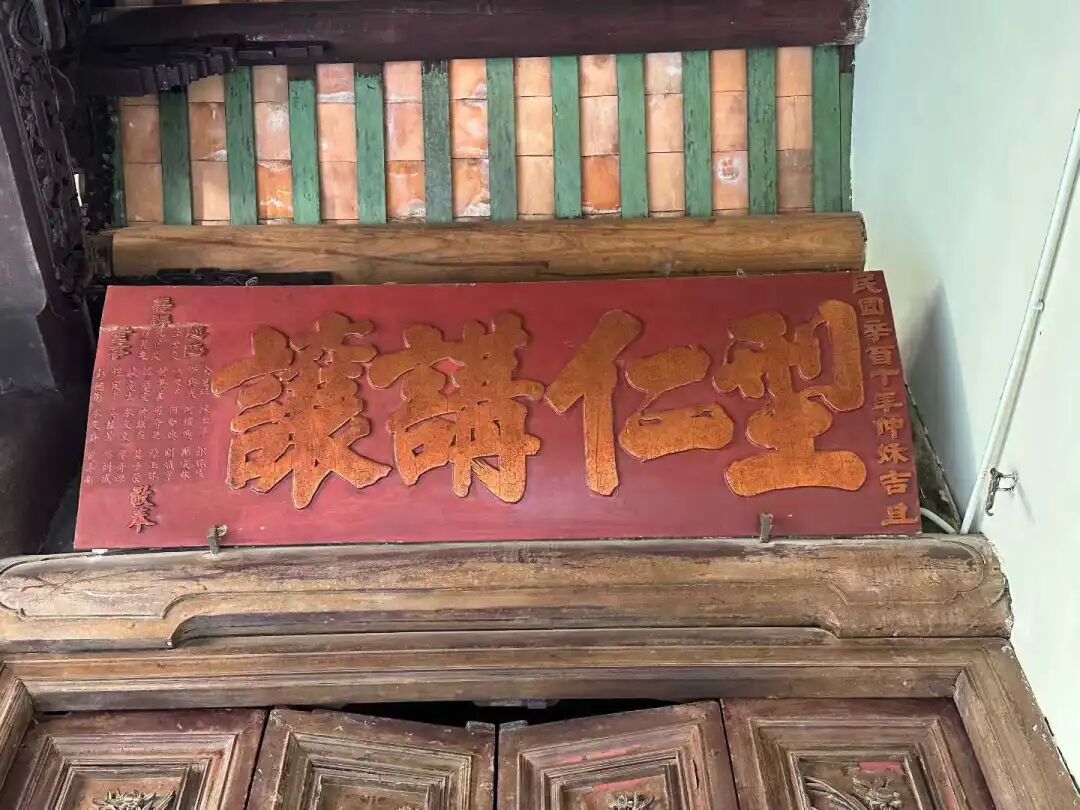
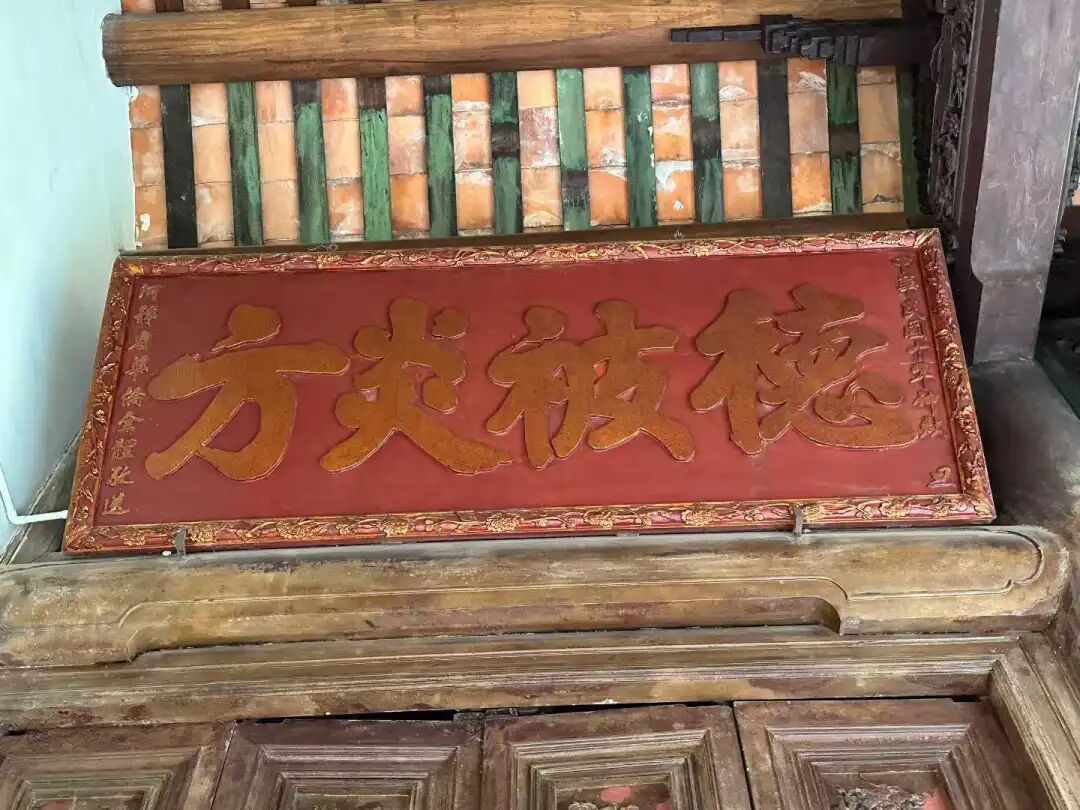
The Hanoi Guangdong Assembly Hall is located on Fan Hang Street. It was built by Guangdong merchants in 1803, renovated in 1820 and 1844, and rebuilt into its current form between 1920 and 1925. Judging by the hometowns of the donors listed on the stone tablets, most came from Shunde and Nanhai counties in Guangdong.
The four characters for 'Guangdong Assembly Hall' above the main gate were written by Kuomintang veteran Hu Hanmin. In 1907, Sun Yat-sen and Hu Hanmin founded the Hanoi branch of the Tongmenghui, and the Guangdong Guild Hall (Yuedong Huiguan) became a key meeting place. After that, Hu Hanmin traveled back and forth between Hanoi and Hong Kong many times to raise funds and transport weapons.
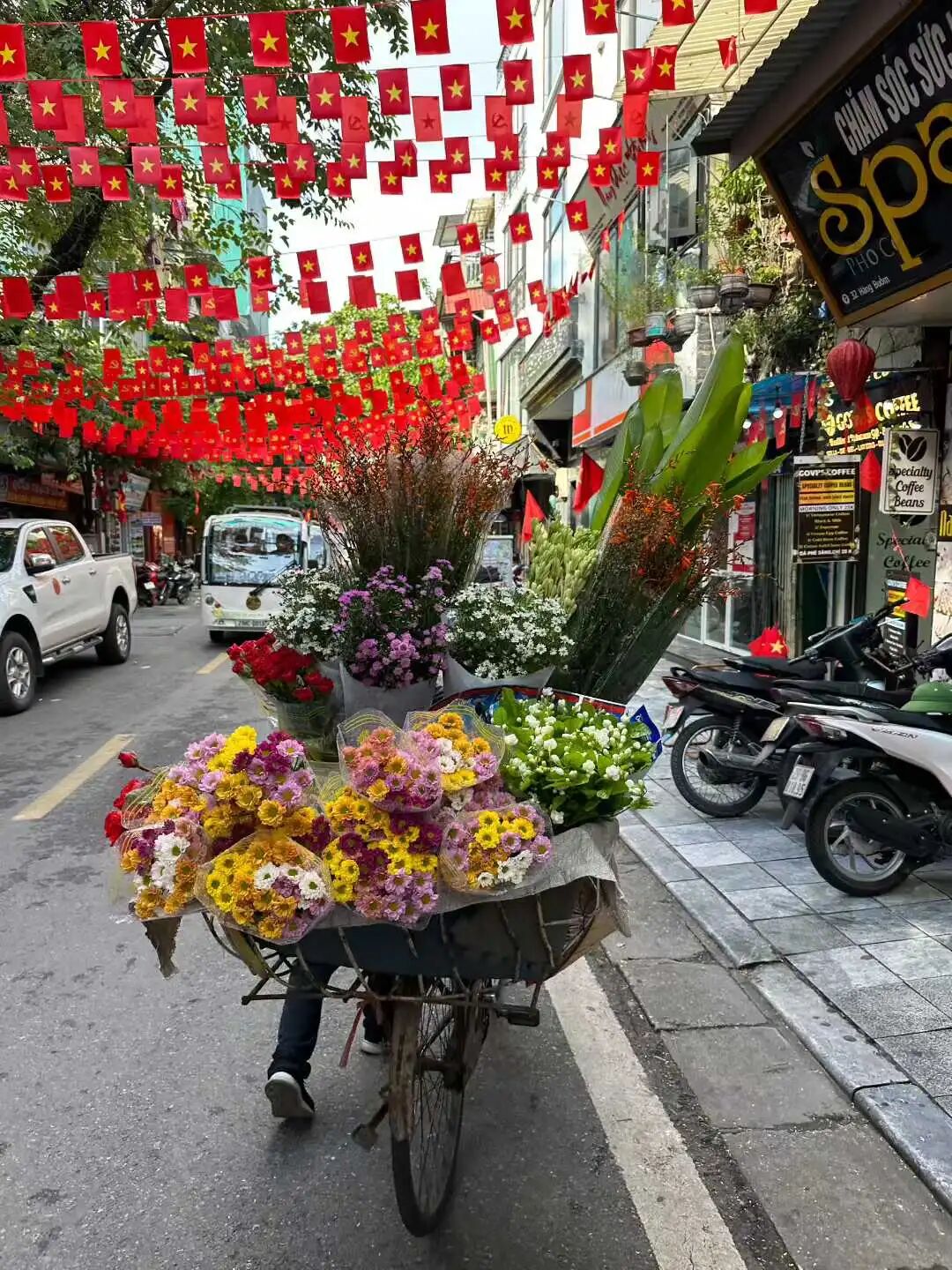
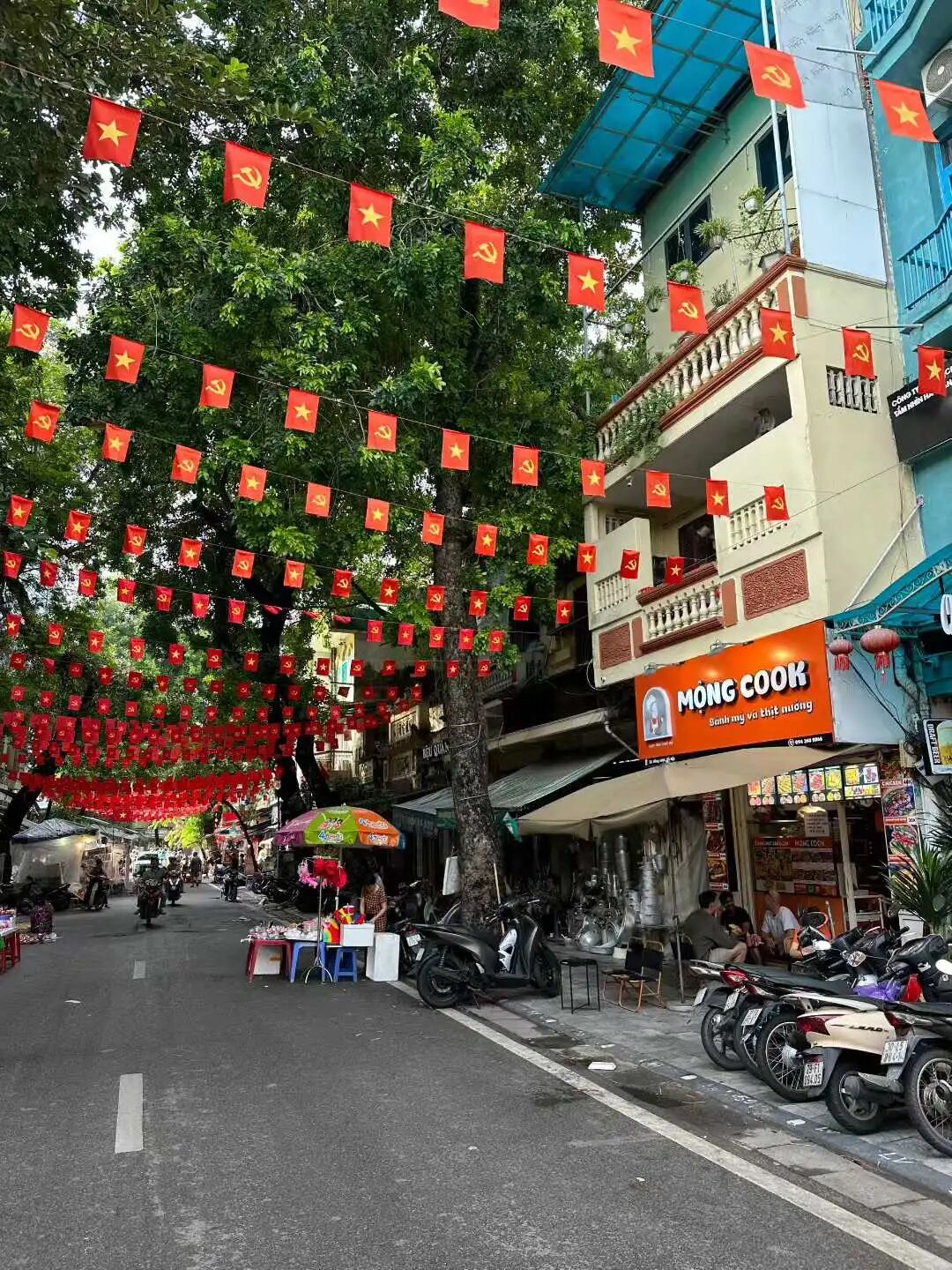
Sail Street (Hang Buom), where the Guangdong Guild Hall is located, was once the main place where Chinese people from Guangdong lived. After the 1950s, they mostly made a living selling candy. After Vietnam's anti-Chinese policies in 1977, most moved away, and now only a few Chinese families remain on the street.
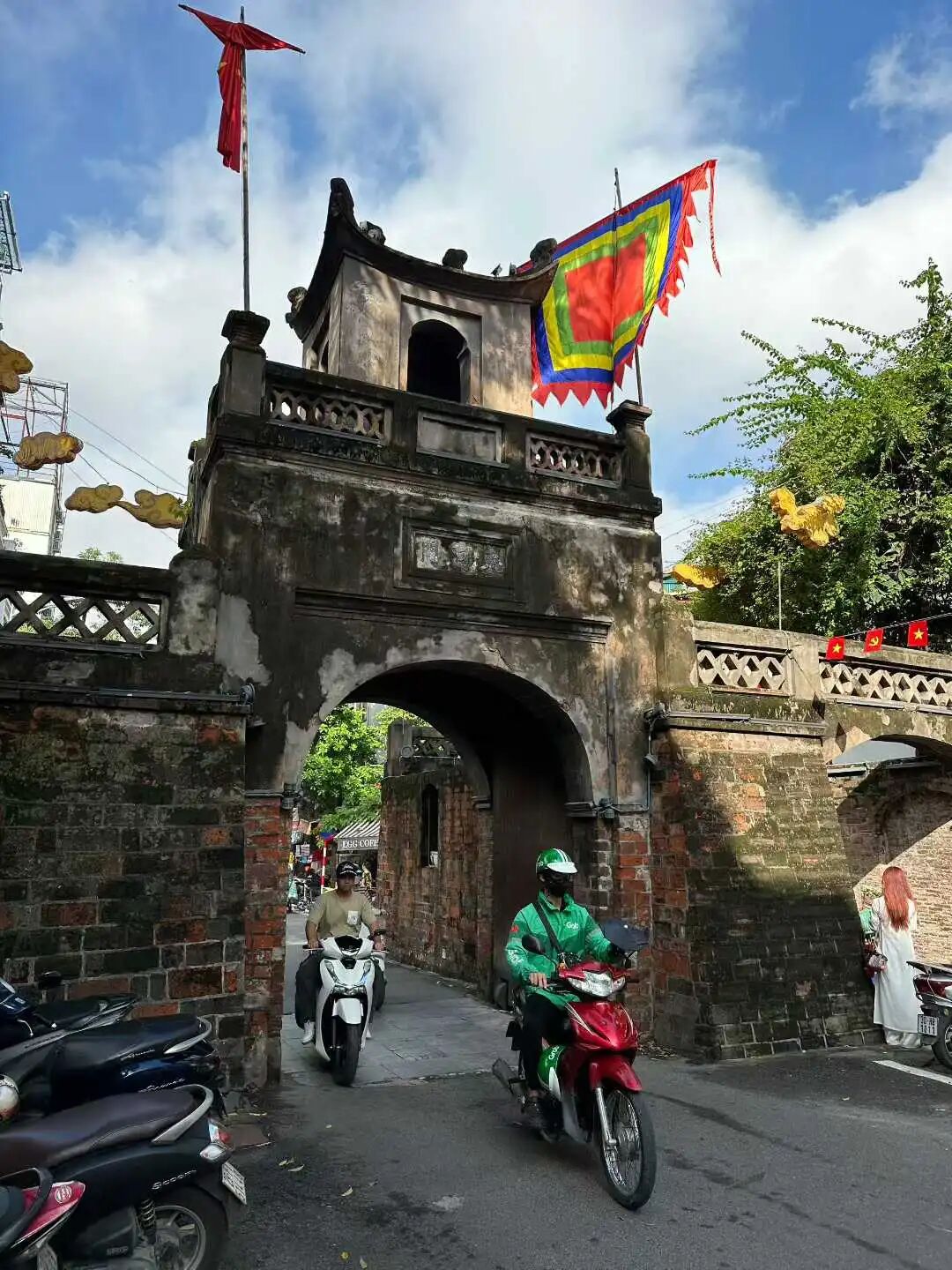
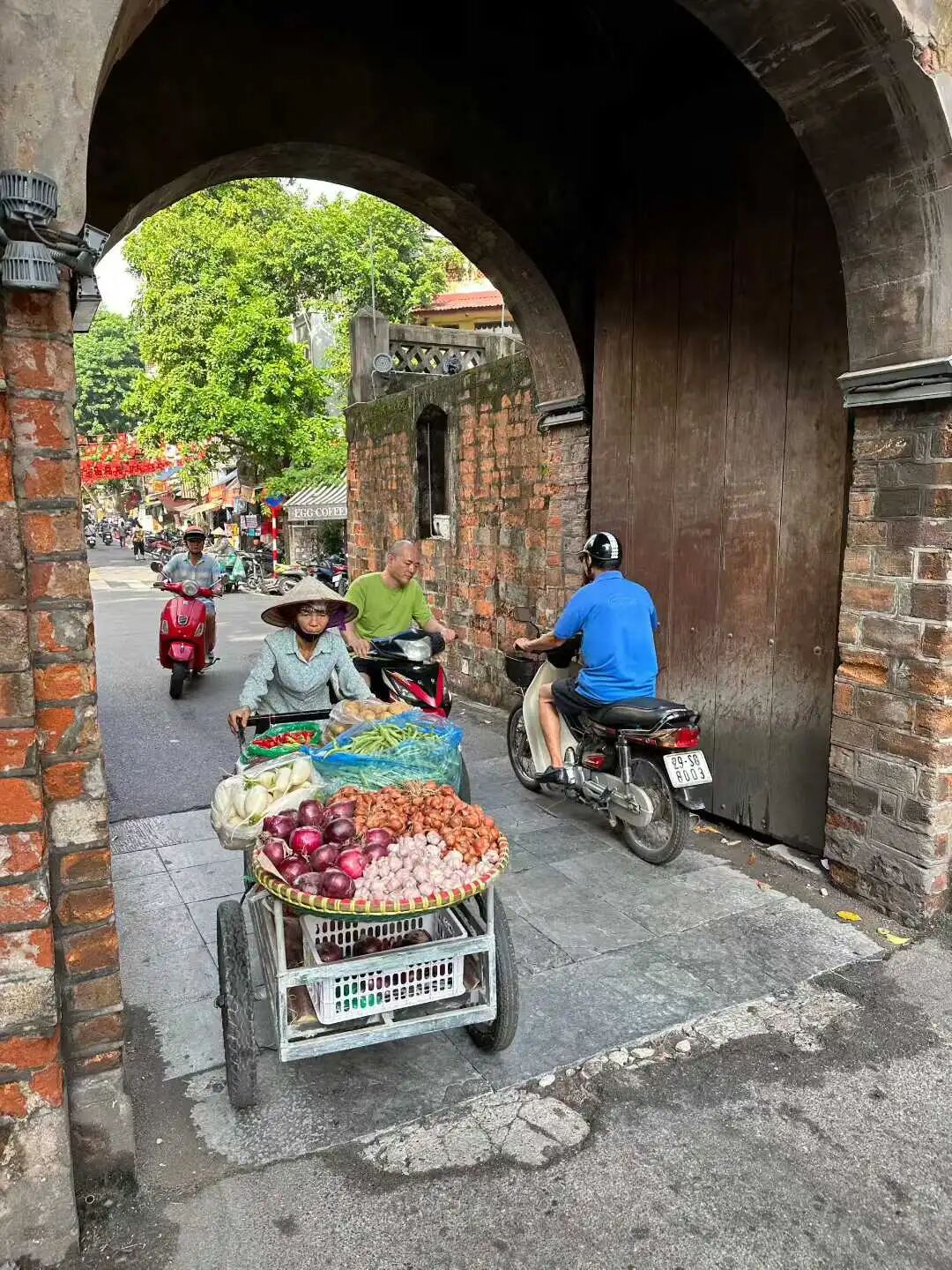
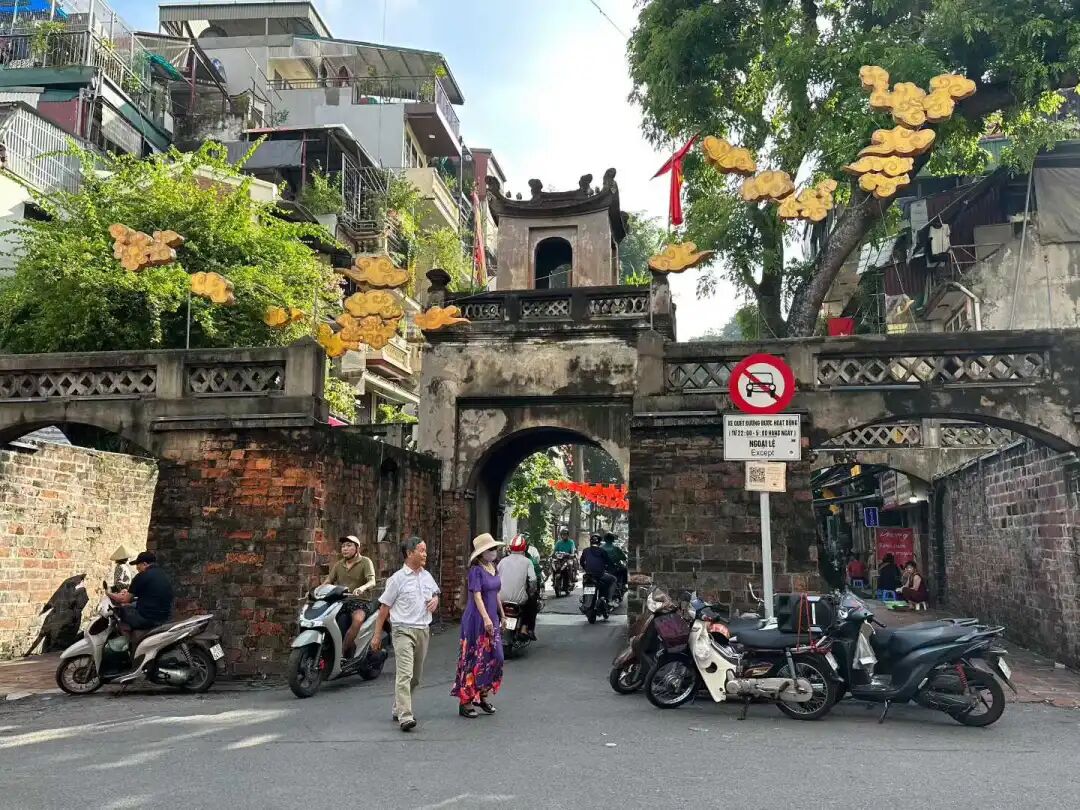
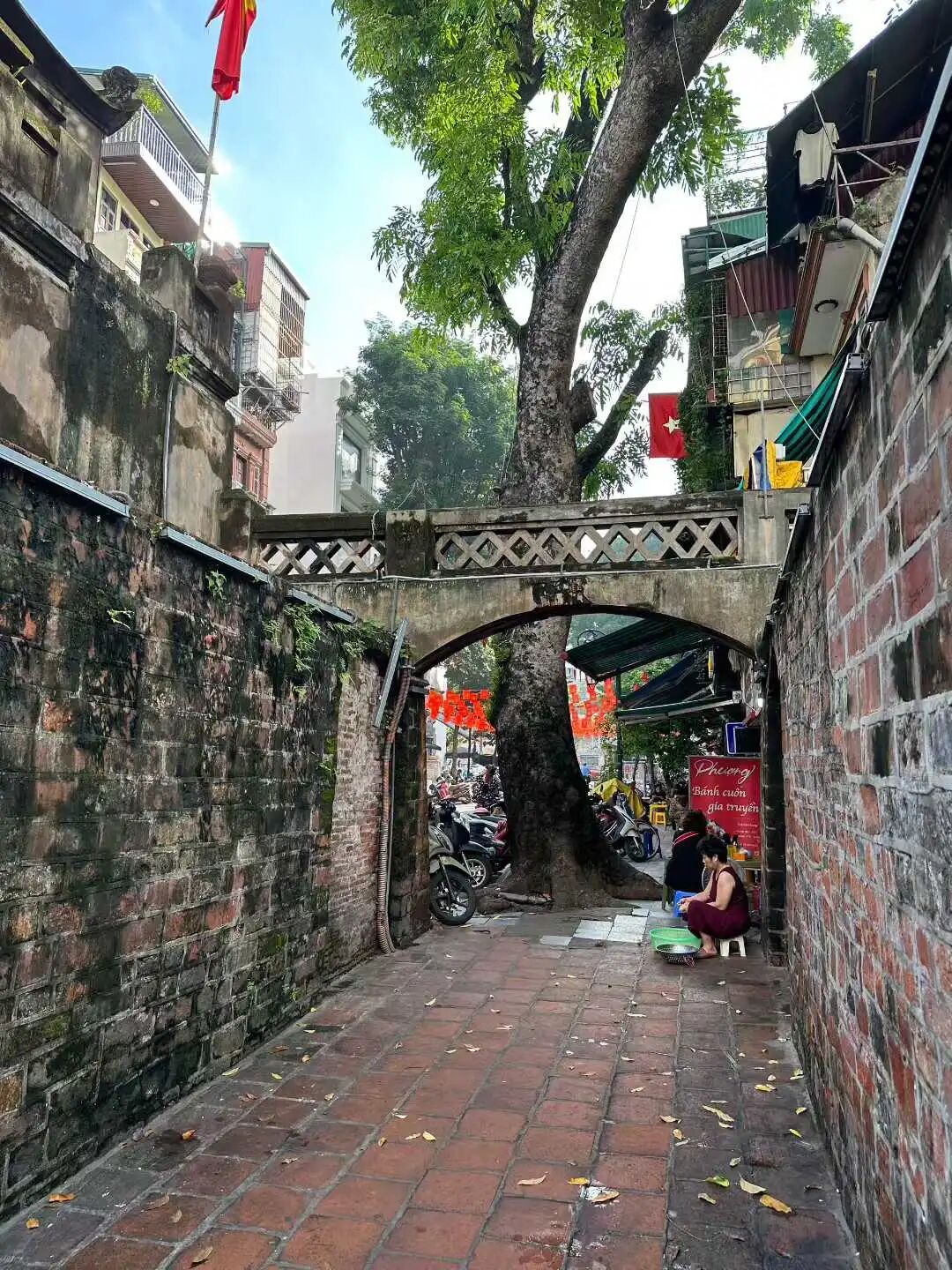
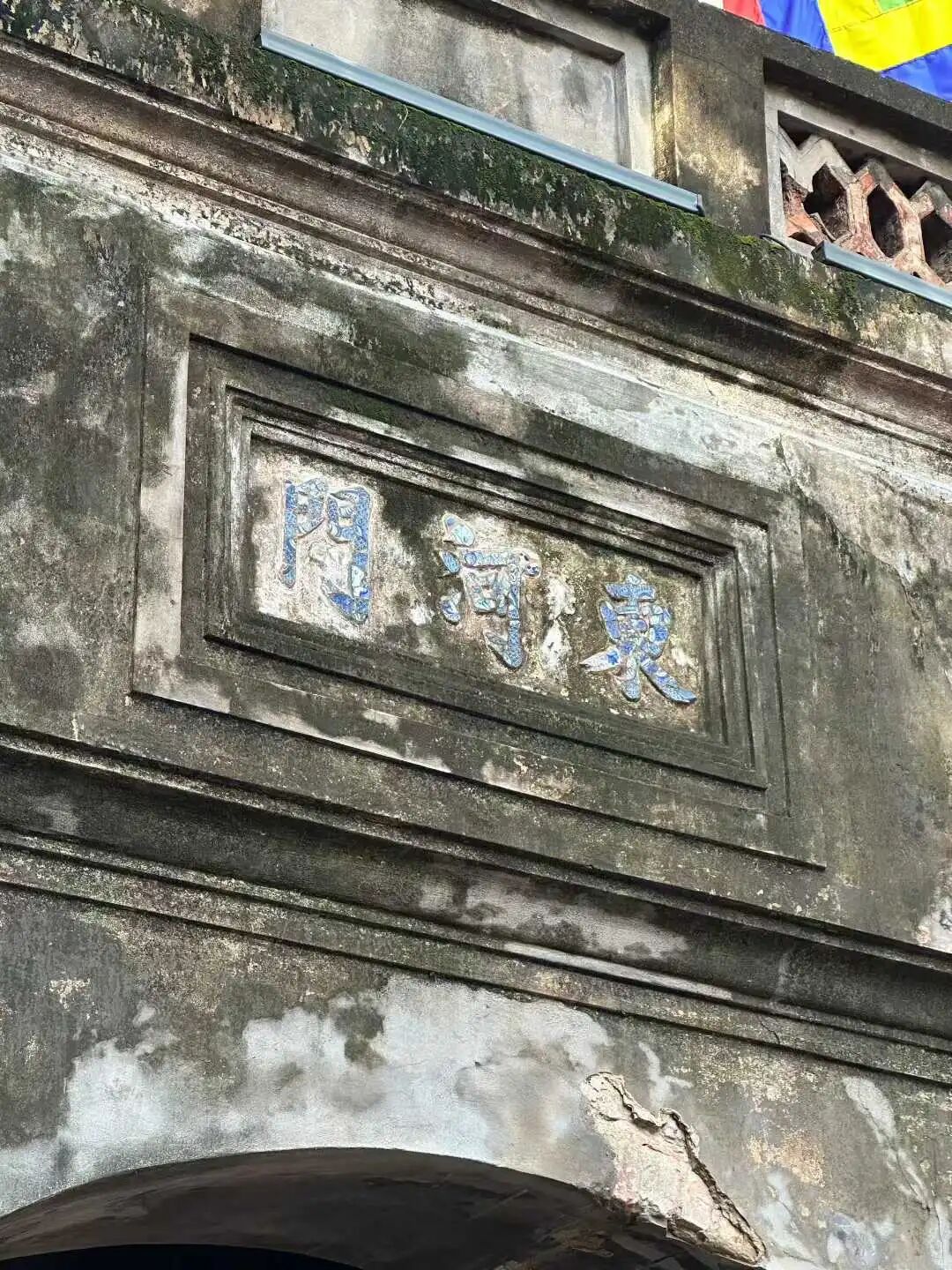
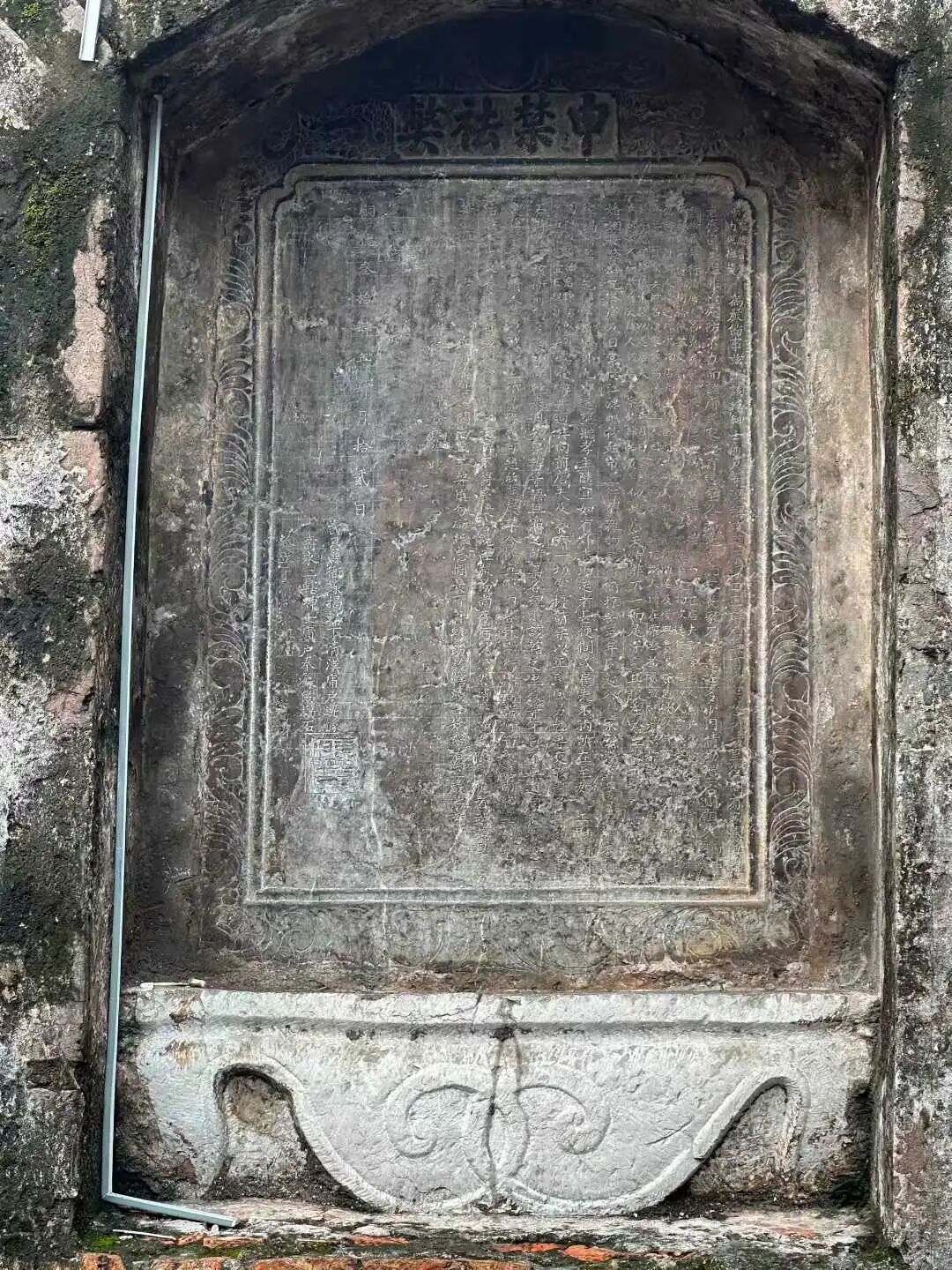
Of the old city gates in Hanoi, only the East Gate (O Quan Chuong) on Mat Street (Hang Chieu) still stands today. The East Gate was first built in 1749 and rebuilt in 1804 and 1817. It features the classic watchtower style of the Nguyen Dynasty. When the French invaded Hanoi in 1873, one hundred Vietnamese soldiers fought the French army at the East Gate until the very last moment. Inside the gate, there is a stone tablet from 1881 during the reign of Emperor Tu Duc of the Nguyen Dynasty. It says, 'Guards must be strict, but they must not disturb the people.'
Summary: Hanoi's Al-Noor Mosque is the only active mosque in northern Vietnam and was funded by Indian Muslim merchants from Mumbai in the late nineteenth century. This account follows the mosque, halal beef pho, Muslim restaurants, and local community details recorded in the source.
Al-Noor Mosque and beef noodle soup in Hanoi, Vietnam.
Al-Noor Mosque in Hanoi is the only active mosque in northern Vietnam today. It was built with funds from Indian merchants from Mumbai in 1885 and officially opened in 1890, featuring a classic Indian architectural style. In the early 19th century, Indian merchants began selling textiles and exchanging currency on Hang Dao Street in Hanoi's Old Quarter. Many settled there, and later they formally established the Al-Noor mosque community.
After the Vietnam War began, Indian merchants in Hanoi gradually left. In 1964, when the war escalated, Al-Noor Mosque officially closed, and the Hanoi mosque community dissolved. Fortunately, Al-Noor Mosque survived the U. S. military's widespread bombing of Hanoi, and the century-old building was preserved. In 1986, Vietnam announced its reform and opening-up policy. In 1990, Al-Noor Mosque reopened through the efforts of people like the Malaysia Airlines manager Khalid and the Iranian ambassador.
In 1990, the mosque community had no local members, and it was used mainly by diplomats and staff from embassies. Over the past thirty years, as Vietnam's international exchanges have increased, the number of people in the mosque community has also grown. In 2011, Al-Noor Mosque officially established a management committee. Today, to over 500 embassy staff and foreign workers, more than 100 local Vietnamese Cham people and local converts (dosti) regularly visit the mosque.
The current imam of Al-Noor Mosque is a Cham person from An Giang in southern Vietnam, and the director is a descendant of a Pakistani family who managed the mosque during the French colonial period. The Cham people have lived in southern Vietnam for generations. After the 16th century, Malays influenced the Cham through trade and intermarriage, leading the Cham to gradually embrace the faith. After the 18th century, the Cham began living in the Mekong Delta. The Mubarak Mosque in An Giang, built in 1750, is one of the oldest existing mosques in Vietnam.
Hidden in the courtyard next to Al-Noor Mosque is a local halal eatery called Zaynab Restaurant. It specializes in beef noodle soup and rice sets. The owner, Zaynab, once cooked for the family of the Iranian ambassador to Vietnam for many years. They are open daily from 11:00 to 16:00, but they stop serving food after 3:00 PM, so be sure to go early for lunch.
The place is very small with only four tables. The waiter and the chef is just Zaynab's son. We arrived at 3:00 PM, which felt right. We ordered beef noodle soup (pho bo) and lemon fish with rice (ca ran sot chanh). I had previously eaten southern-style Saigon pho at a Cham restaurant in Ho Chi Minh City, and this time I finally got to try northern-style Hanoi pho.
Vietnamese pho is said to have developed from a fusion of French beef stew and Chinese rice noodles. It began appearing on the streets of Hanoi in the early 20th century and only spread to Saigon after the division of North and South Vietnam in 1954. Compared to Saigon pho, Hanoi pho noodles are thicker and the broth is lighter. The main garnish is green onion, unlike Saigon pho which uses bean sprouts and basil. Hanoi pho is usually seasoned with rice vinegar and fish sauce, while Saigon pho is seasoned with lime and seafood sauce.
The most authentic local halal eatery in Hanoi is Pho Muslim on Dong Xuan Street in the Old Quarter. It is very close to Al-Noor Mosque, right across from the largest market in the Old Quarter, Dong Xuan Market. They have very long business hours, open from 9:00 AM until 11:30 PM. We went at 9:30 PM and it was still very busy.
The owner, Maryam, is a local Vietnamese convert (dosti) who can make many types of traditional Vietnamese snacks. Besides their famous pho, their most recommended dishes are Hue-style beef noodles (bun bo hue) and fresh shrimp spring rolls (goi cuon tom thit). Since we were too full from dinner, we just ordered a bowl of Hue-style beef noodles and an iced lemon tea.
Hue-style beef noodle soup (bun bo hue) is very spicy. It contains beef meatballs, beef slices, and beef sausage. The broth is simmered with beef bones, beef shank, and lemongrass, seasoned with fermented shrimp paste, and finished with Vietnamese chili sauce (Ot Sa Te). Hue-style beef noodle soup dates back to the 16th century when Hue was the capital of the Vietnamese Nguyen Lords' territory, and it is said to have originated in the Nguyen royal court. The Nguyen Lords' territory was the predecessor to the Nguyen Dynasty and ruled southern Vietnam for over 200 years.
Kachi Kitchen is a restaurant opened by Khanh Chi Vu, a local ethnic Kinh Vietnamese sister who converted to Islam. They have two locations in Hanoi and one in the Sapa ward of Lao Cai, near the China-Vietnam border. The branch we visited is in a small alley next to Hang Dau Street in the Old Quarter's 36 Streets area. The shop serves both Vietnamese and South Asian food.
We ordered grilled beef dry noodles (bun bo nuong), rolled pho noodles (pho cuon), and fried tofu with tomato sauce. Bun bo nuong consists of rice noodles topped with grilled minced beef, roasted peanuts, and lettuce, served with a drizzle of fish sauce. It is delicious. Pho cuon is made by wrapping stir-fried beef, ginger, garlic, lettuce, and mint inside uncut sheets of pho noodles. You dip them in a sauce made of fish sauce, sugar, vinegar, and chili. A Hanoi pho vendor reportedly ran out of broth one day but still had noodles and toppings left, so they invented the rolled pho.
Besides pho, you must try the Vietnamese-style baguette sandwich (banh mi) when in Hanoi. There is a shop across from Al-Noor Mosque (Nur Si) run by South Asian friends (dosti) where you can get takeout or sit by the door. We ordered beef and chicken banh mi with Vietnamese coffee to experience a classic Hanoi street breakfast.
The French introduced the baguette to Vietnam in the mid-19th century. During World War I, flour imports were interrupted, which led to the fluffy texture of today's Vietnamese baguette. In the 1950s, northern immigrants in Saigon invented the unique Vietnamese-style banh mi, which quickly became a popular street snack.
There are many other restaurants near Al-Noor Mosque, many run by South Asian dosti, so finding food in the Old Quarter is easy. The main problem in Hanoi's Old Quarter is that sidewalks are completely occupied and the streets are full of motorbikes, making walking very difficult and dangerous.
Hanoi's Muslim community and Chinese community are both located in the Old Quarter's 36 Streets, so you can visit both while exploring the area.
The Hanoi Fujian Assembly Hall is located on Fujian Street (now called Lan Ong Street). It was built in 1815 and has been renovated many times. The main gate features a couplet that reads, 'Cultivating blessings in the hometown, building pillars of strength.' Inside, there are several plaques with inscriptions like 'Spring returns to the sea nation' and 'Harmony and peace.' The courtyard contains stone tablets recording the renovations, which list many Fujian merchant houses that donated funds, such as Chengxing, Heji, Hexing, and Futai Cheng.
Old photos displayed in the Fujian Assembly Hall show that it once served as the First Primary School attached to the Chinese Middle School.
After Vietnam's anti-Chinese campaign in 1977, most Chinese in Hanoi's Old Quarter dispersed, while a few chose to hide their identities. Now, you can only imagine the former Chinese community by looking at the Chinese characters on the historic buildings.
The Hanoi Guangdong Assembly Hall is located on Fan Hang Street. It was built by Guangdong merchants in 1803, renovated in 1820 and 1844, and rebuilt into its current form between 1920 and 1925. Judging by the hometowns of the donors listed on the stone tablets, most came from Shunde and Nanhai counties in Guangdong.
The four characters for 'Guangdong Assembly Hall' above the main gate were written by Kuomintang veteran Hu Hanmin. In 1907, Sun Yat-sen and Hu Hanmin founded the Hanoi branch of the Tongmenghui, and the Guangdong Guild Hall (Yuedong Huiguan) became a key meeting place. After that, Hu Hanmin traveled back and forth between Hanoi and Hong Kong many times to raise funds and transport weapons.
Sail Street (Hang Buom), where the Guangdong Guild Hall is located, was once the main place where Chinese people from Guangdong lived. After the 1950s, they mostly made a living selling candy. After Vietnam's anti-Chinese policies in 1977, most moved away, and now only a few Chinese families remain on the street.
Of the old city gates in Hanoi, only the East Gate (O Quan Chuong) on Mat Street (Hang Chieu) still stands today. The East Gate was first built in 1749 and rebuilt in 1804 and 1817. It features the classic watchtower style of the Nguyen Dynasty. When the French invaded Hanoi in 1873, one hundred Vietnamese soldiers fought the French army at the East Gate until the very last moment. Inside the gate, there is a stone tablet from 1881 during the reign of Emperor Tu Duc of the Nguyen Dynasty. It says, 'Guards must be strict, but they must not disturb the people.'
