
Halal Travel Guide: Cairo - 22 Ancient Mosques, Part Two
Reposted from the web
Summary: This middle part of the Cairo mosque journey follows medieval mosques such as Al-Salih Tala'i and other landmarks tied to the Fatimid, Ayyubid, and Mamluk periods. It keeps the source's sequence, mosque dates, architectural observations, and historical details intact.
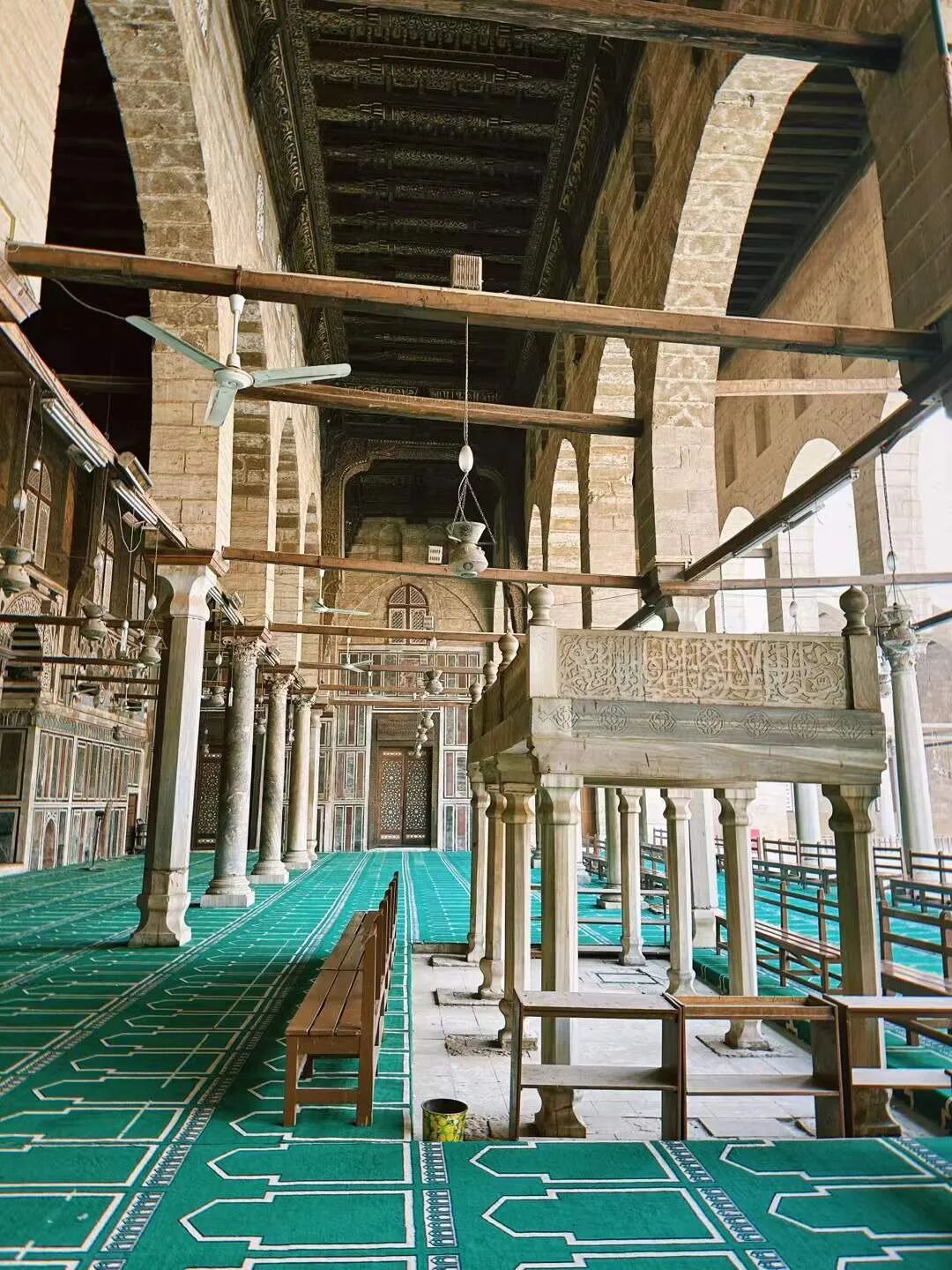
Al-Salih Tala'i Mosque: 1160
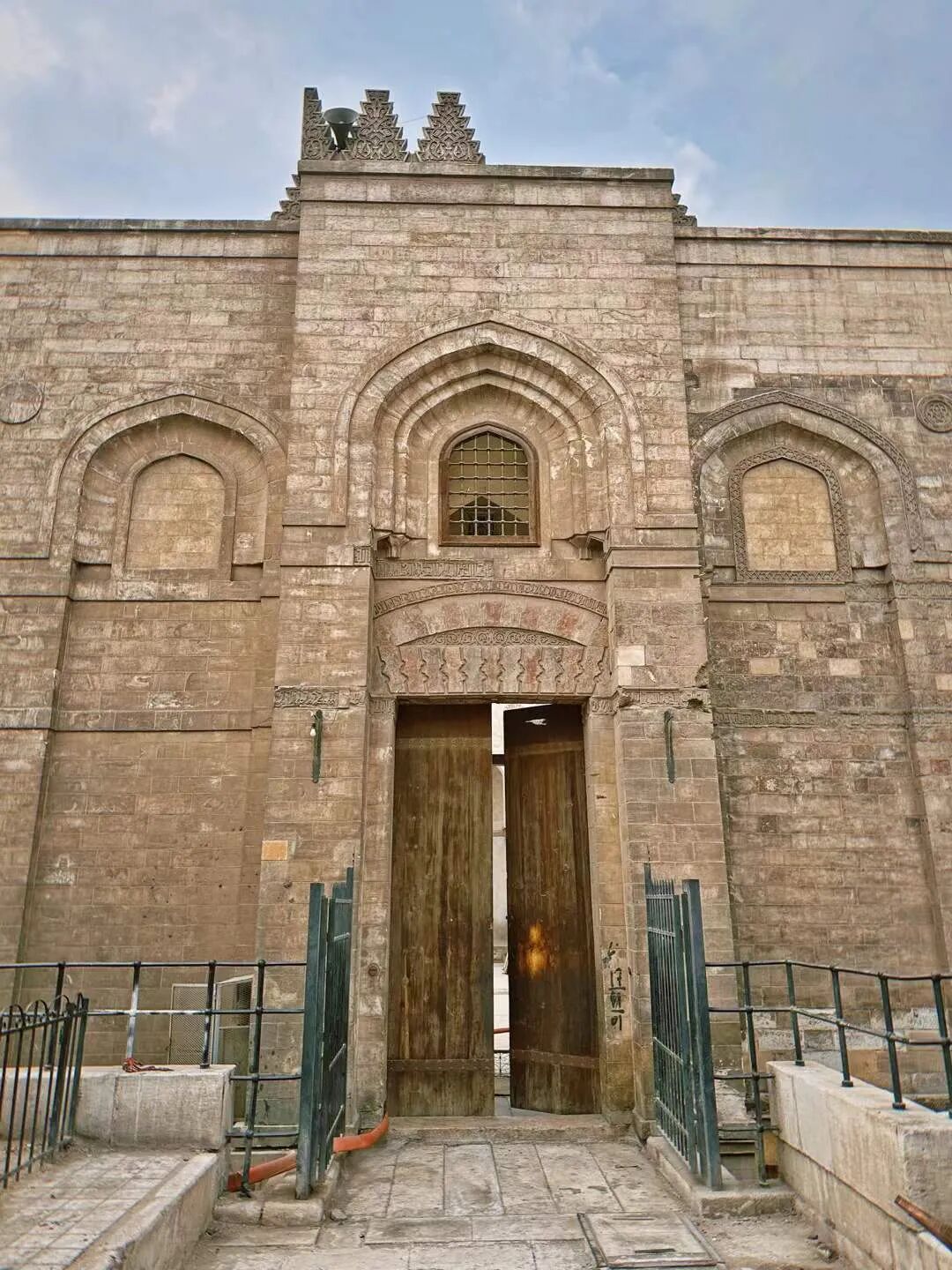
Just outside the southern gate of Old Cairo stands the Al-Salih Tala'i Mosque, built in 1160 by the Fatimid vizier Tala'i ibn Ruzzik. It is the last major historical building remaining from the Fatimid dynasty.
Tala'i was one of the last powerful viziers of the Fatimid dynasty, and he helped keep the dynasty stable for its final decades. The Al-Salih Tala'i Mosque was originally built to house the head of Imam Hussein, but the head was eventually placed inside the Fatimid palace and later became the Hussein Mosque.
The Al-Salih Tala'i Mosque is the first hanging mosque in Cairo. It is built on a platform with shops on three sides of the ground floor, while the main prayer hall sits above them. After more than 800 years of ground level rising, the shops are now nearly two meters below the street. The side of the mosque facing the street has five arched galleries, which is unique for pre-Ottoman Egypt. One theory suggests this was a royal viewing platform for ceremonial processions passing through the south gate of Old Cairo, while another suggests it relates to the ceremony for placing the head of Imam Hussein.
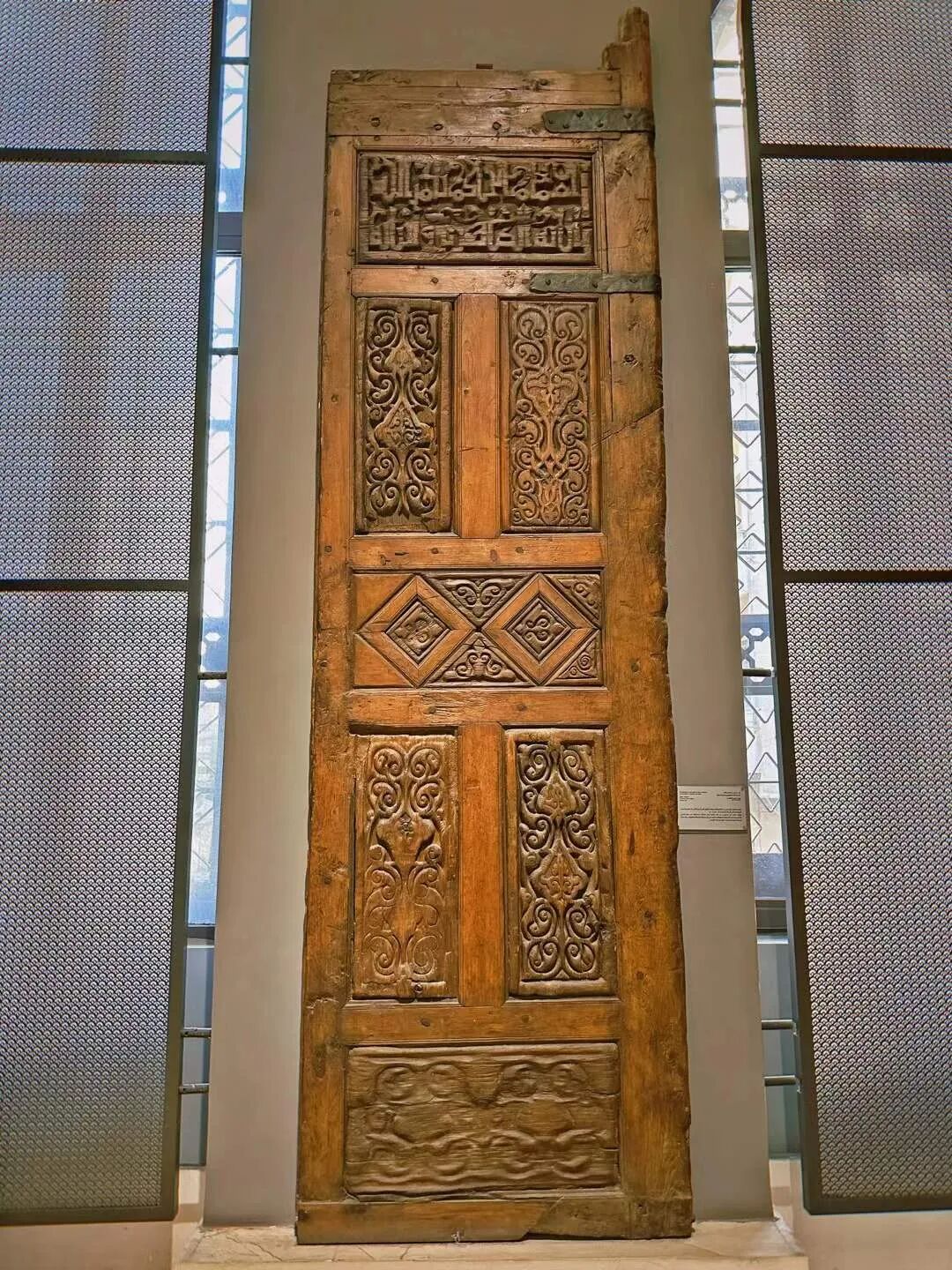
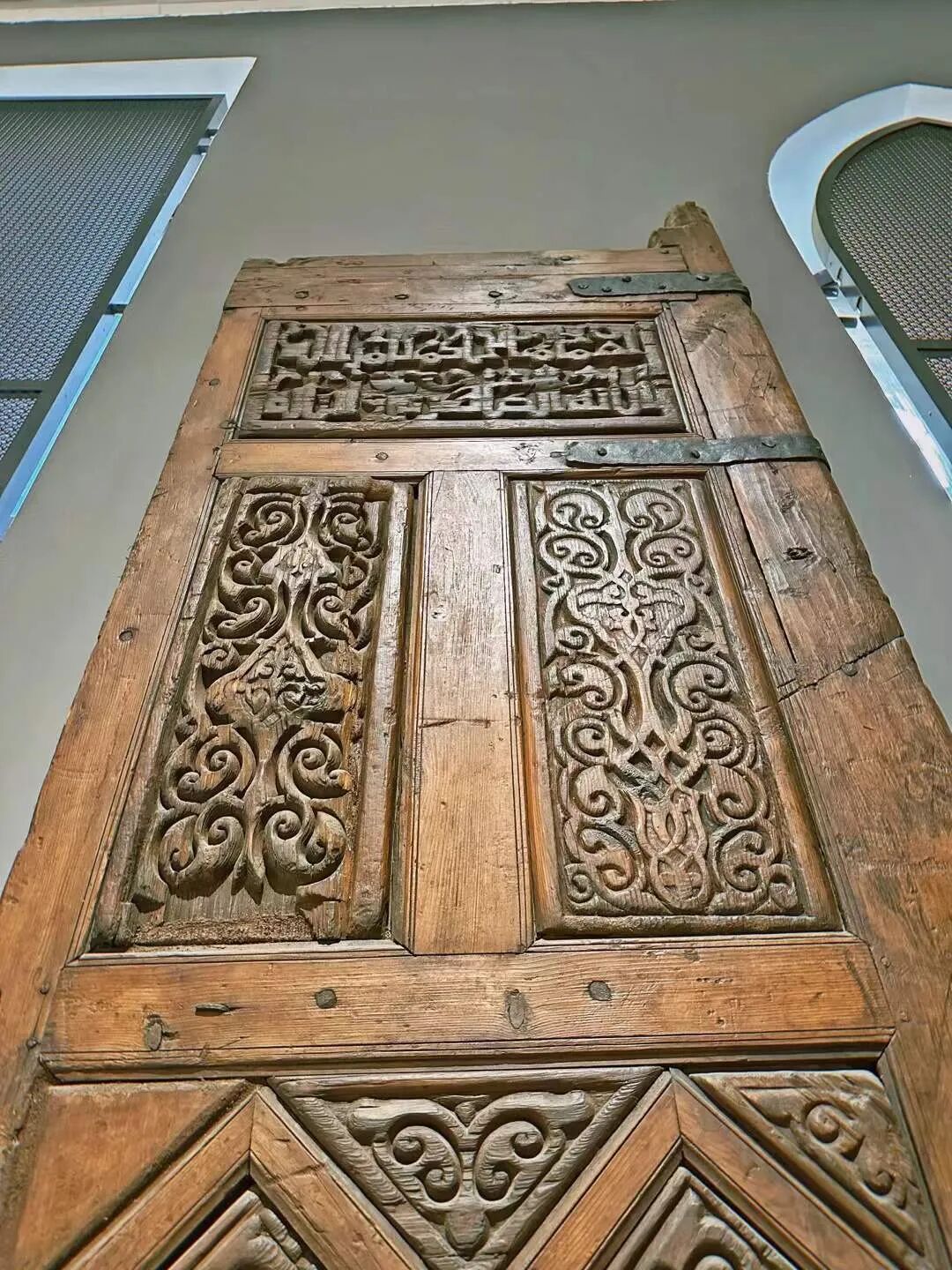
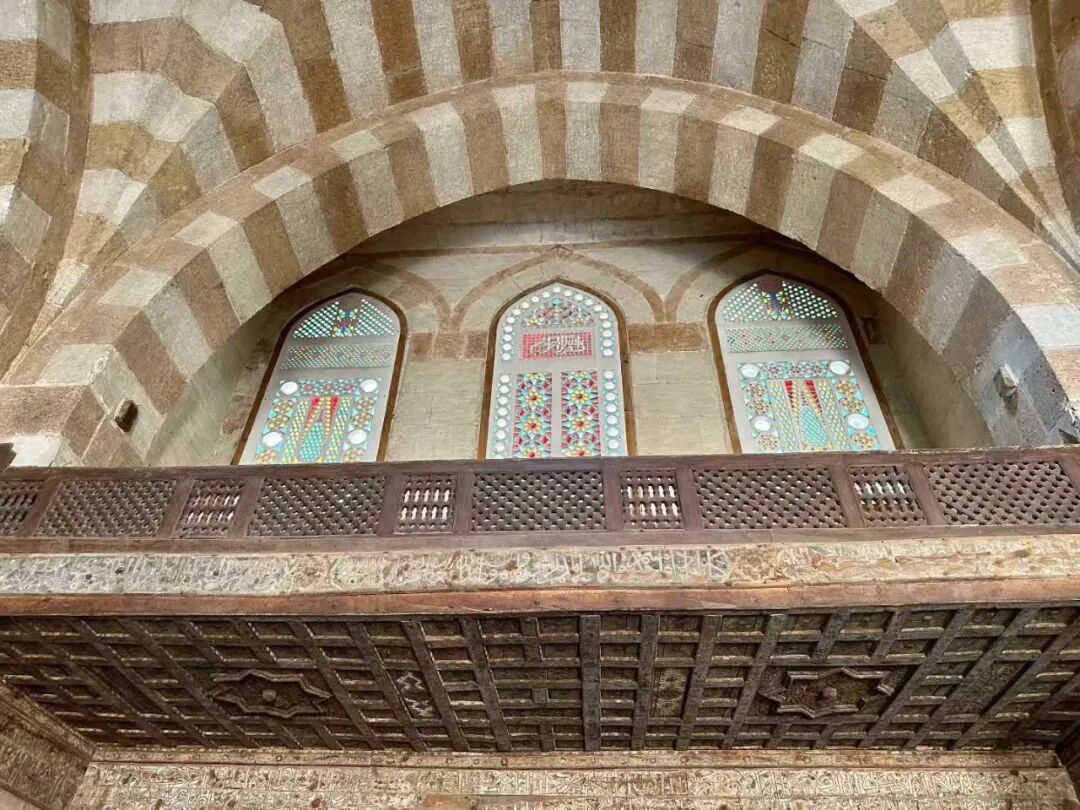
The 1303 earthquake caused the minaret above the mosque's front porch to collapse. It was later repaired during the Mamluk dynasty, and you can now see the wooden Mashrabiya railings added at that time. The Mamluk dynasty also added bronze-carved doors to the mosque, which are now kept in the Museum of Islamic Art in Cairo.
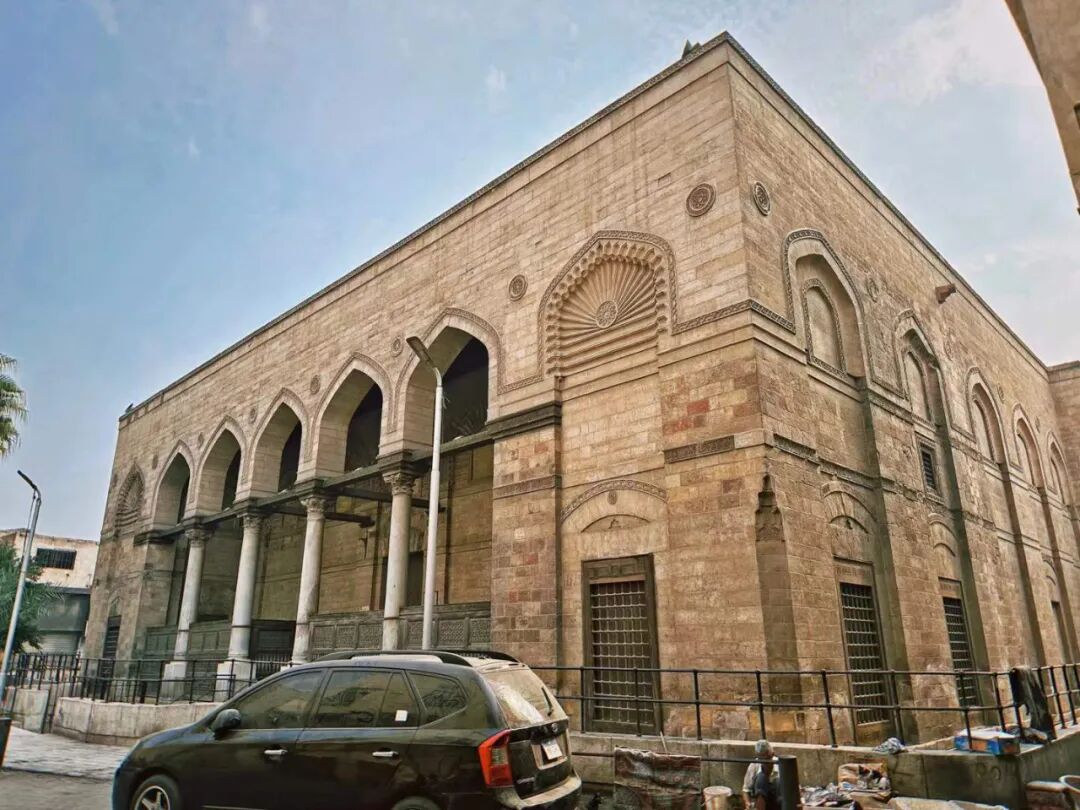
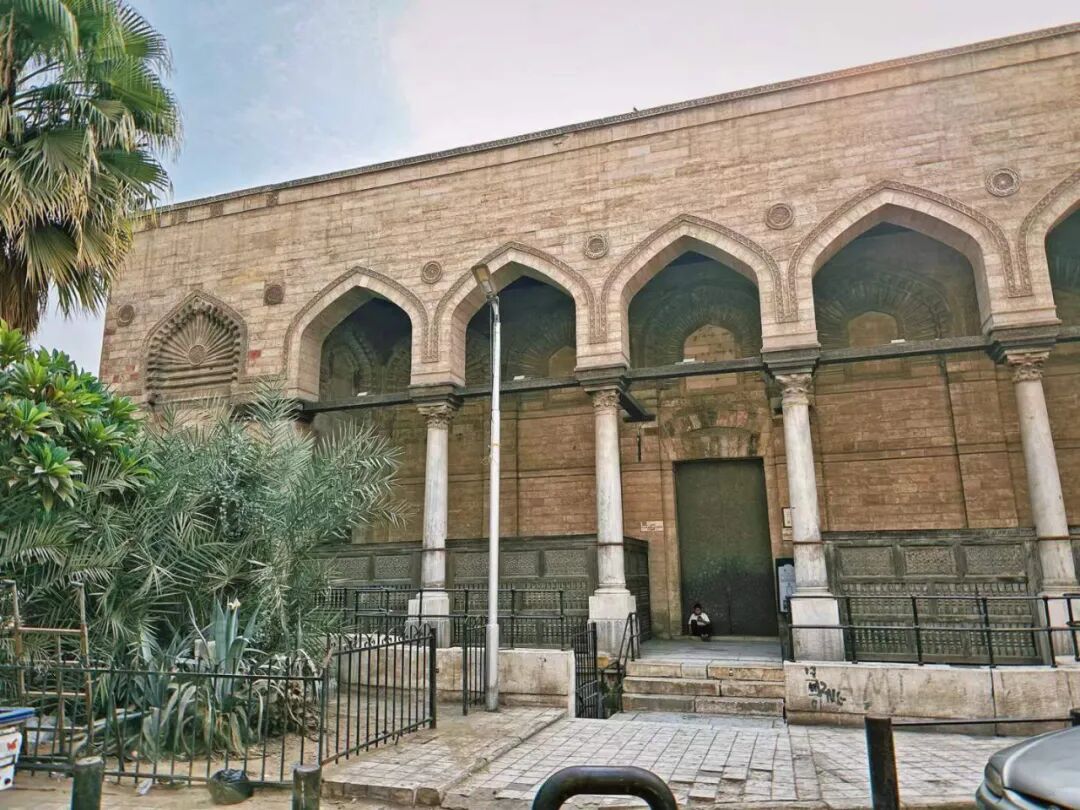
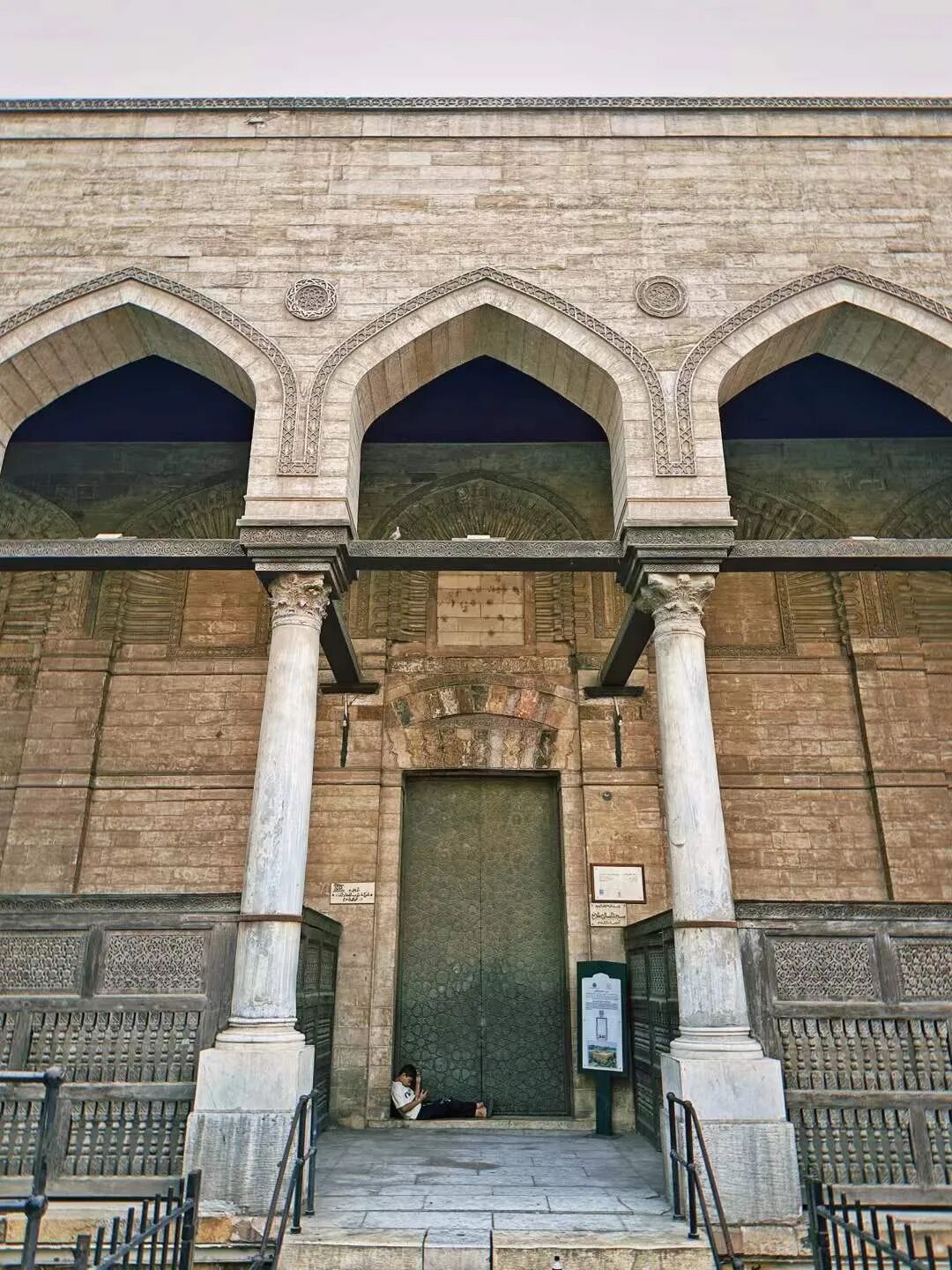
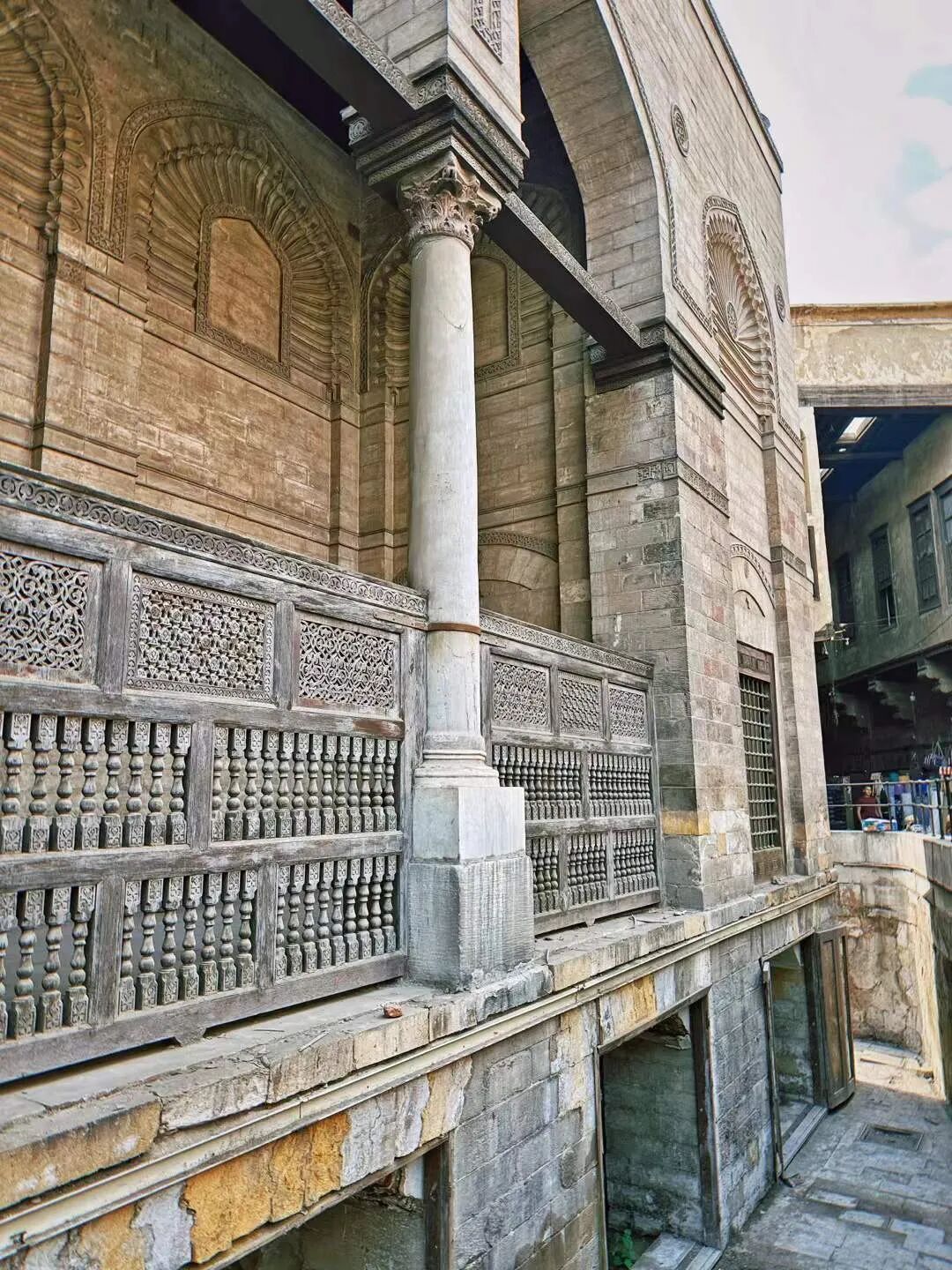
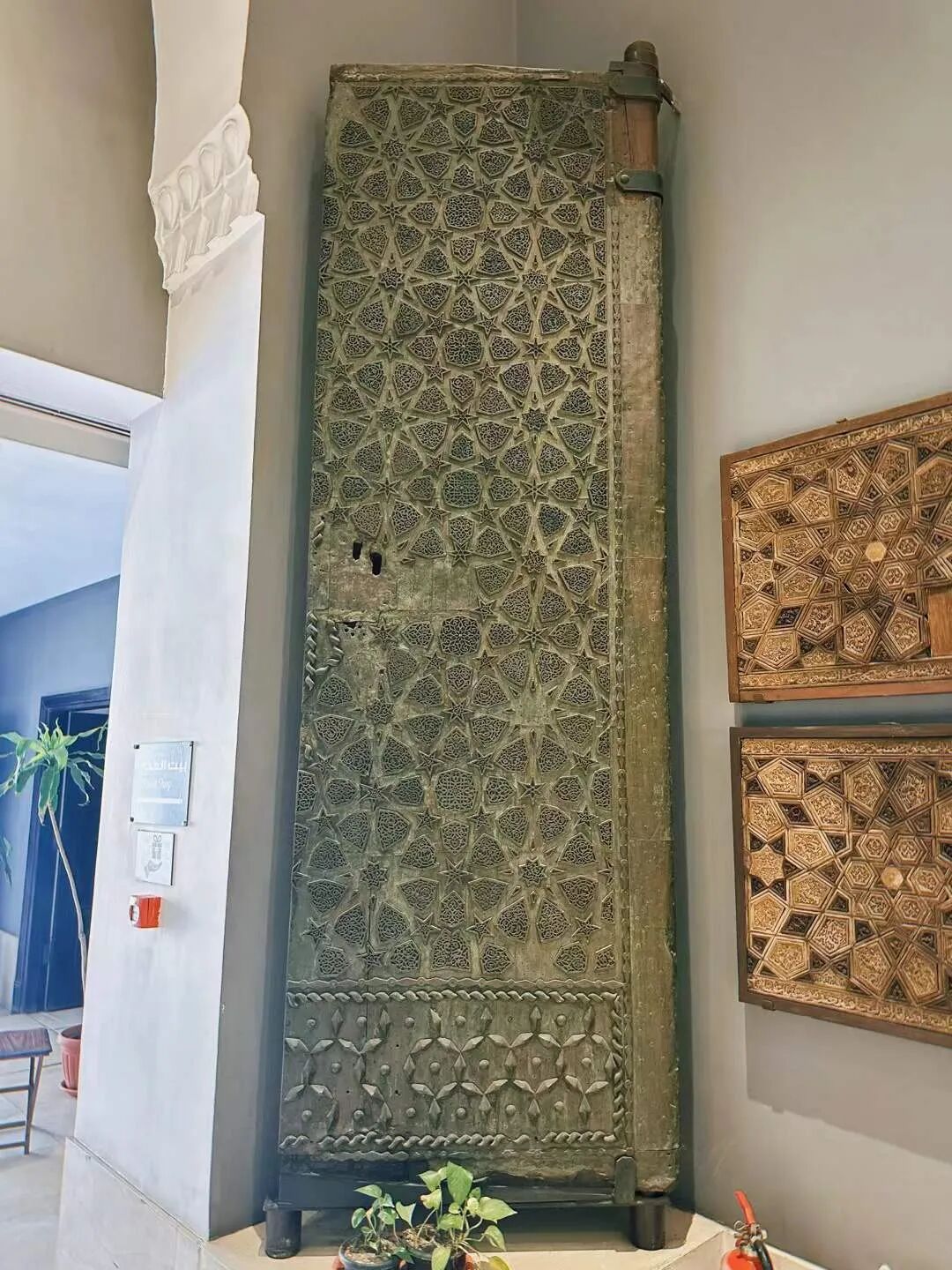
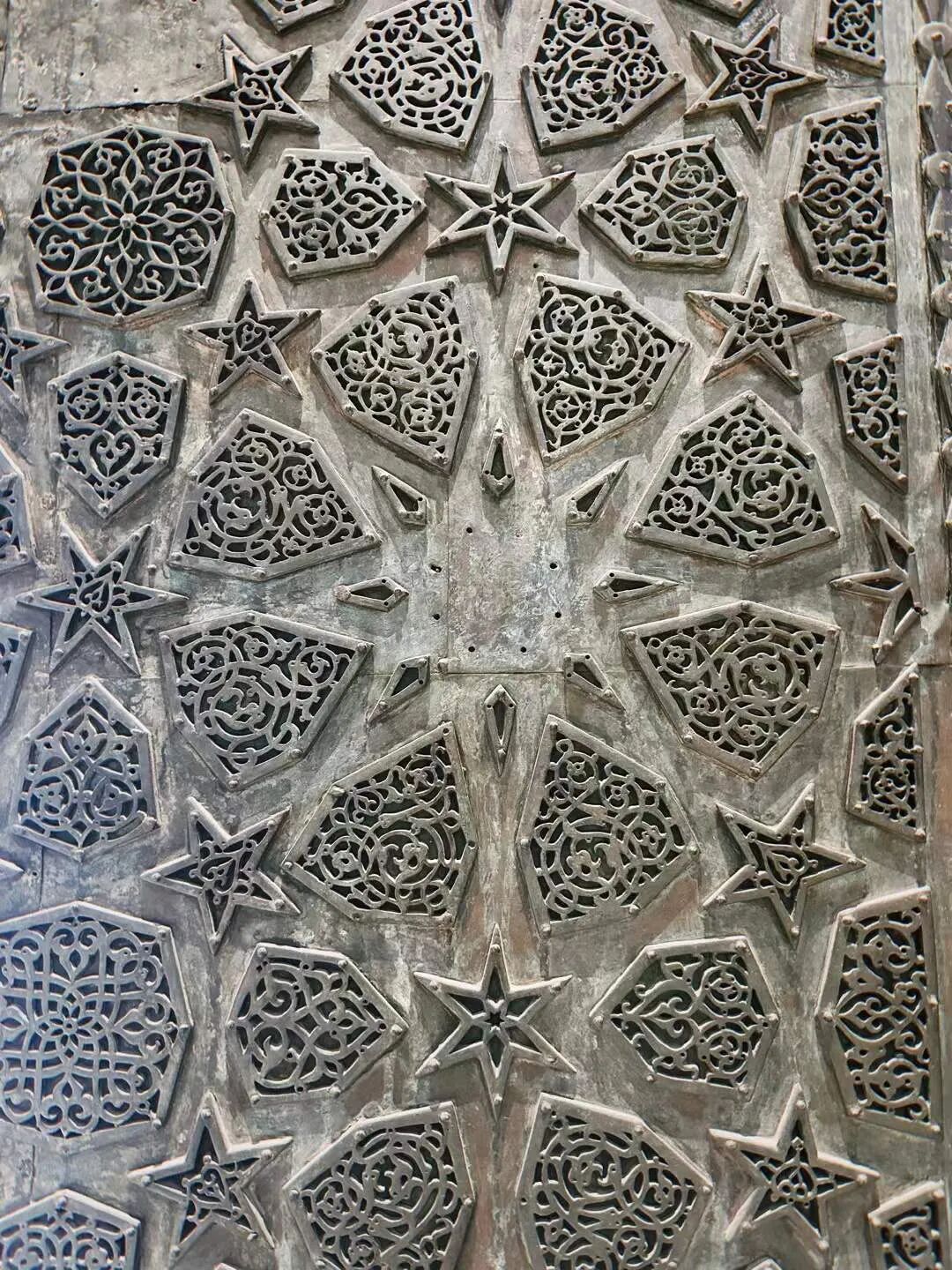
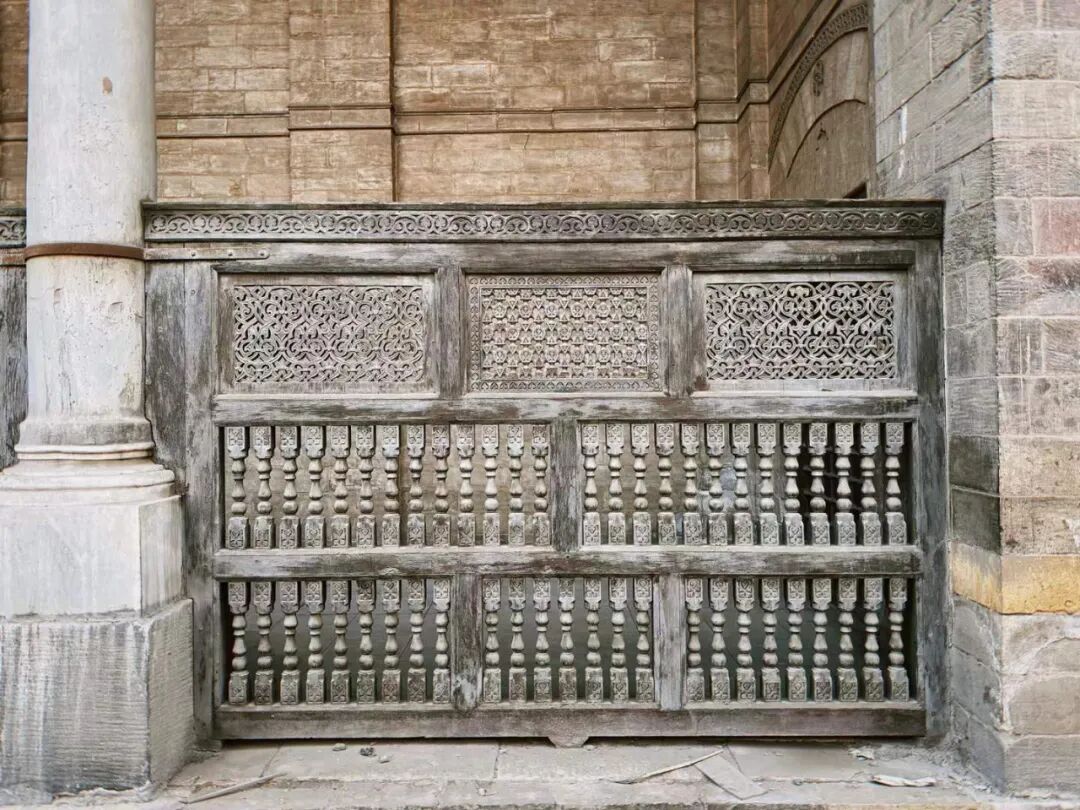
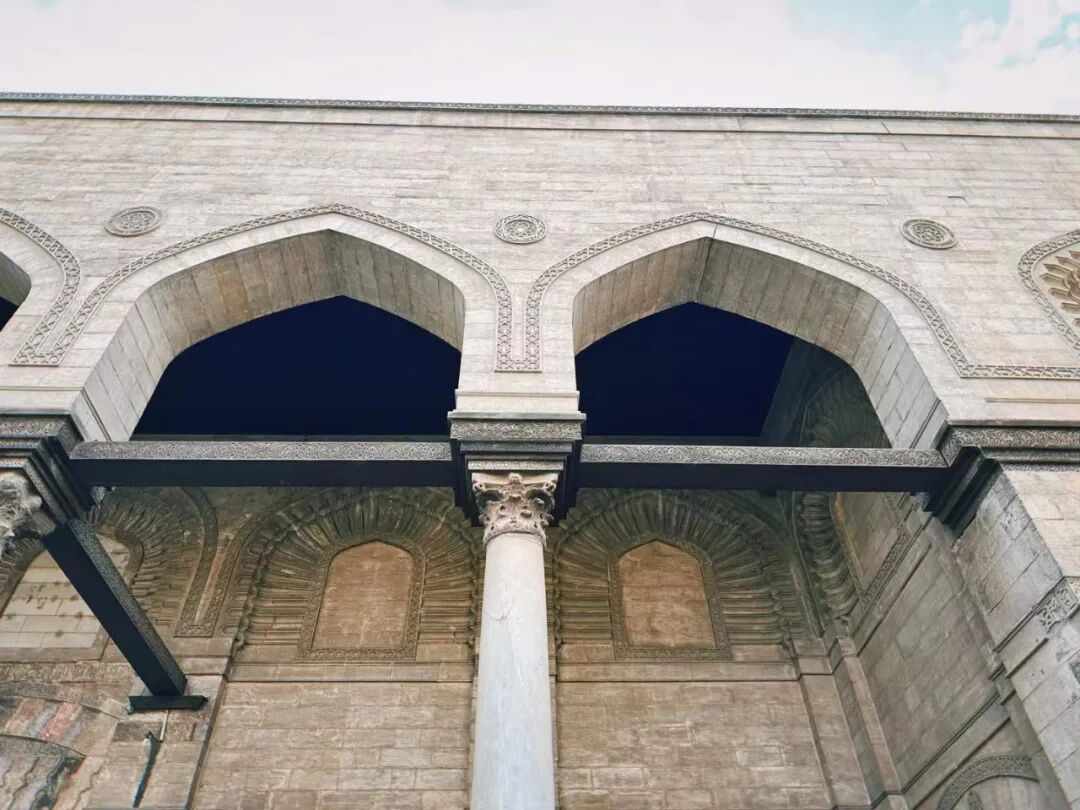
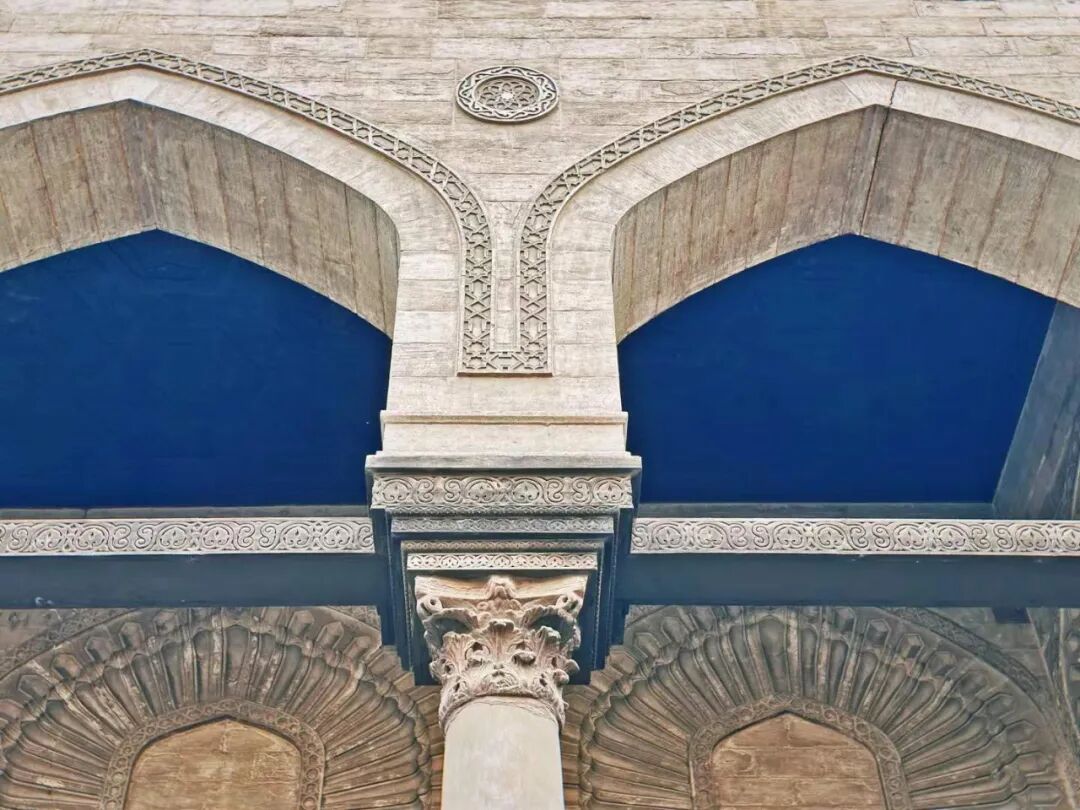
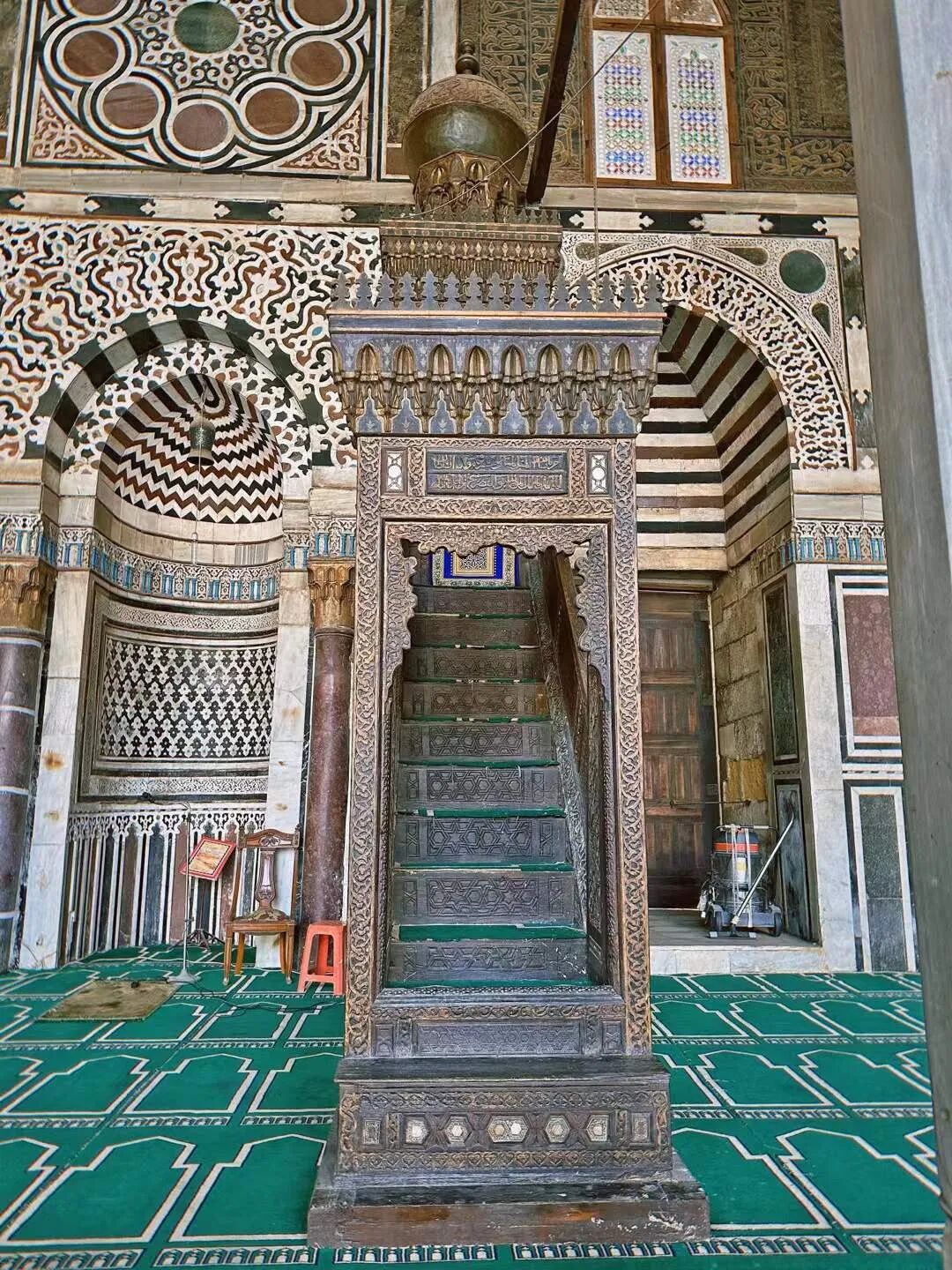
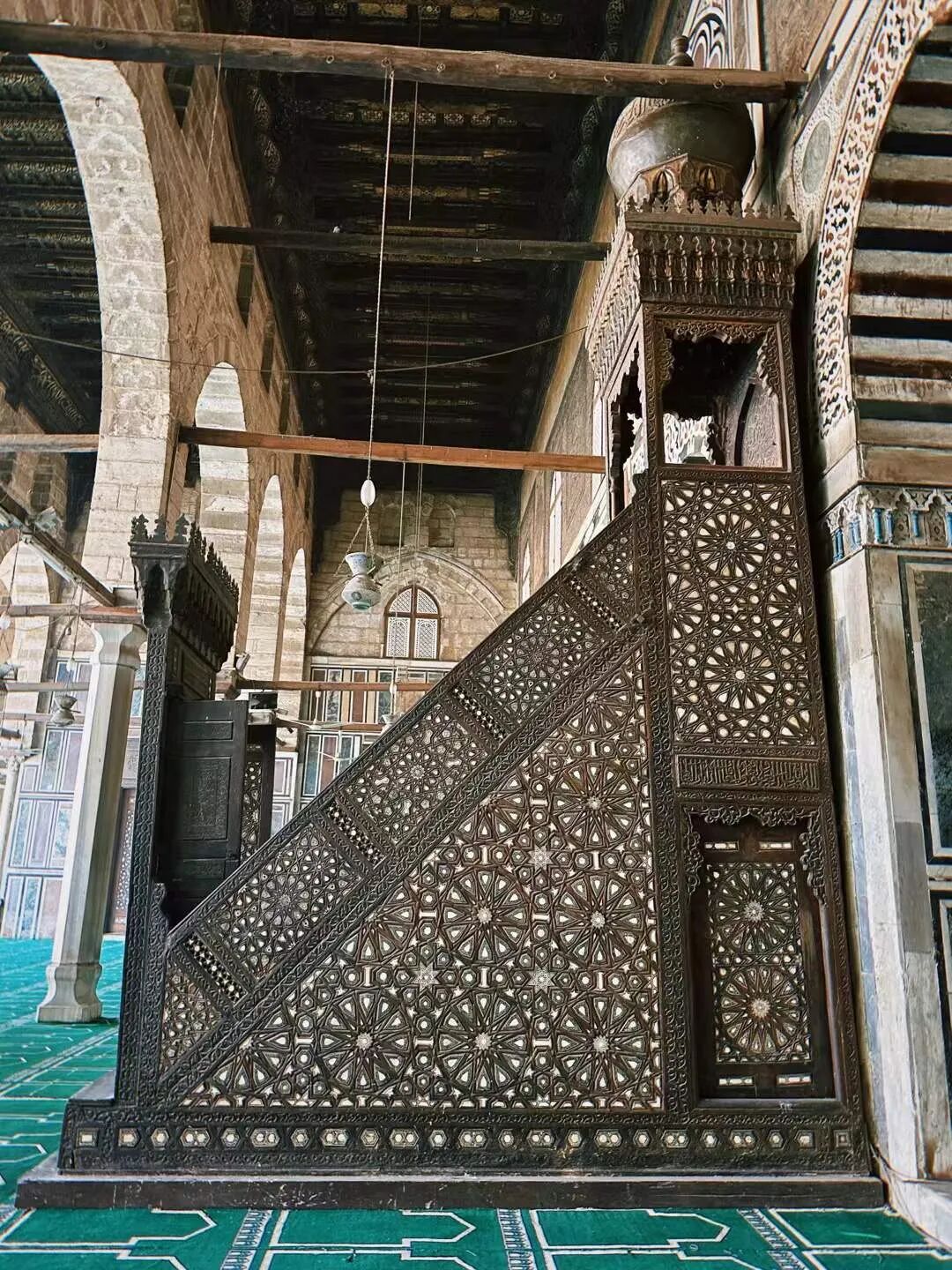
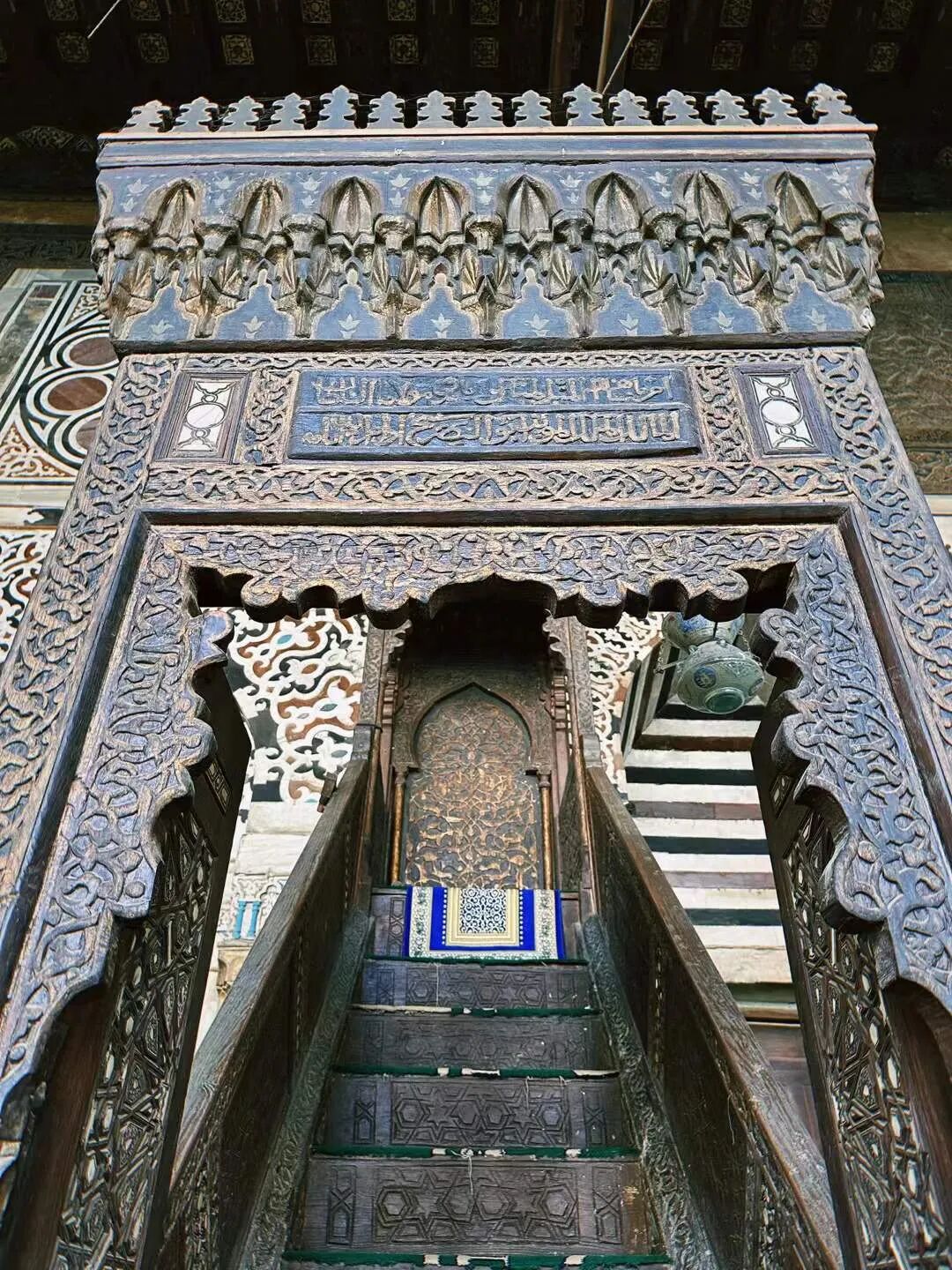
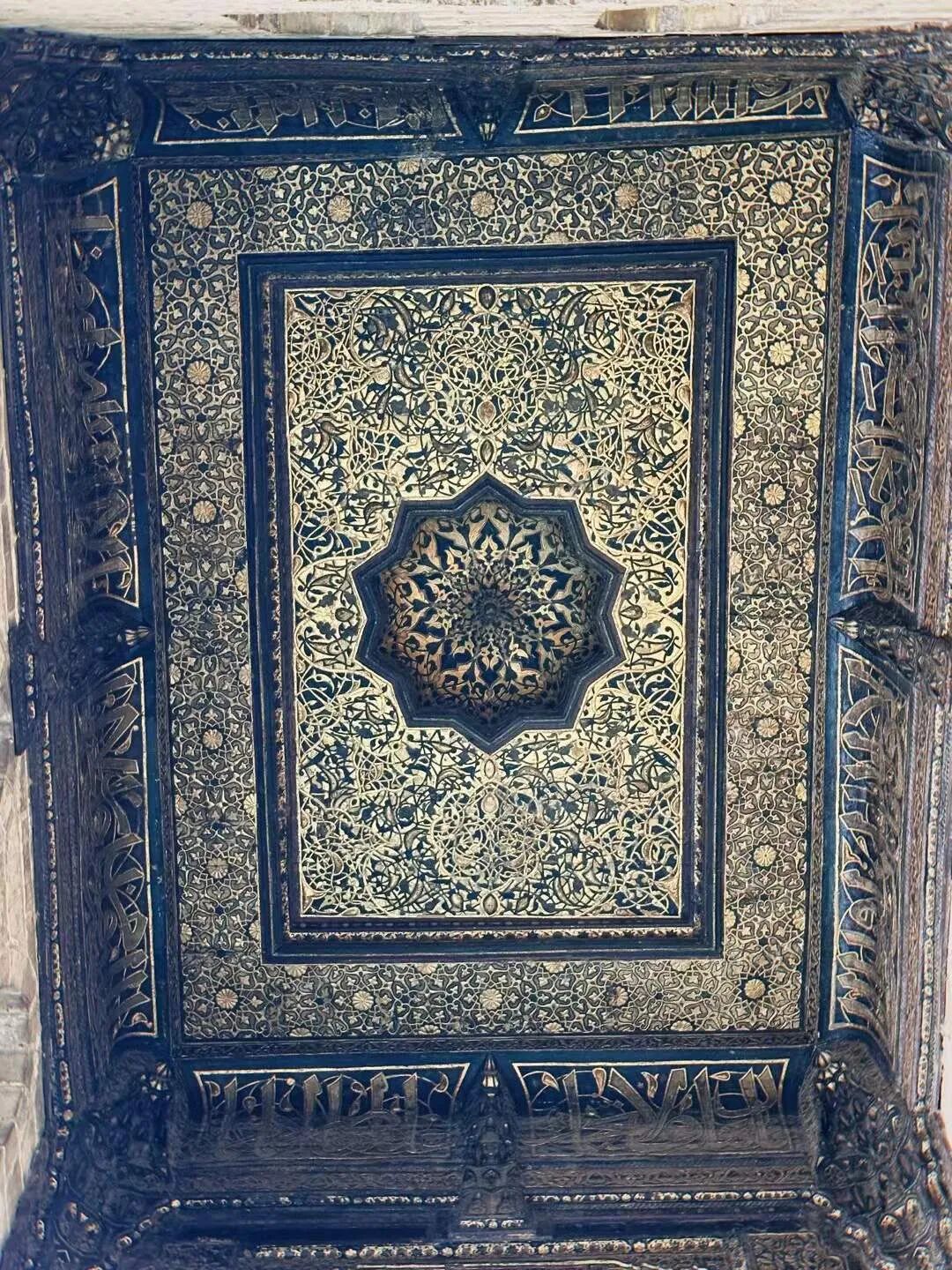
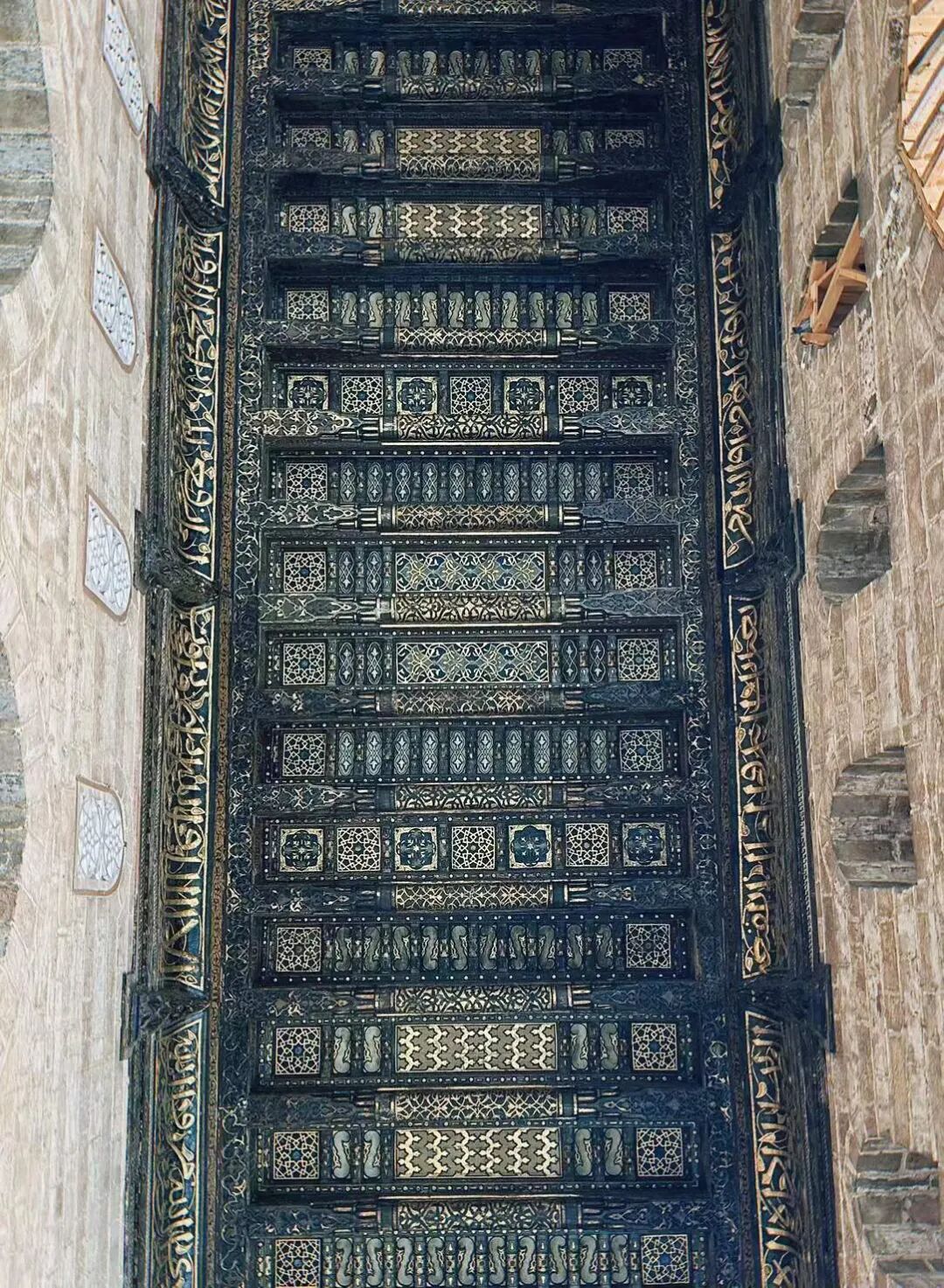
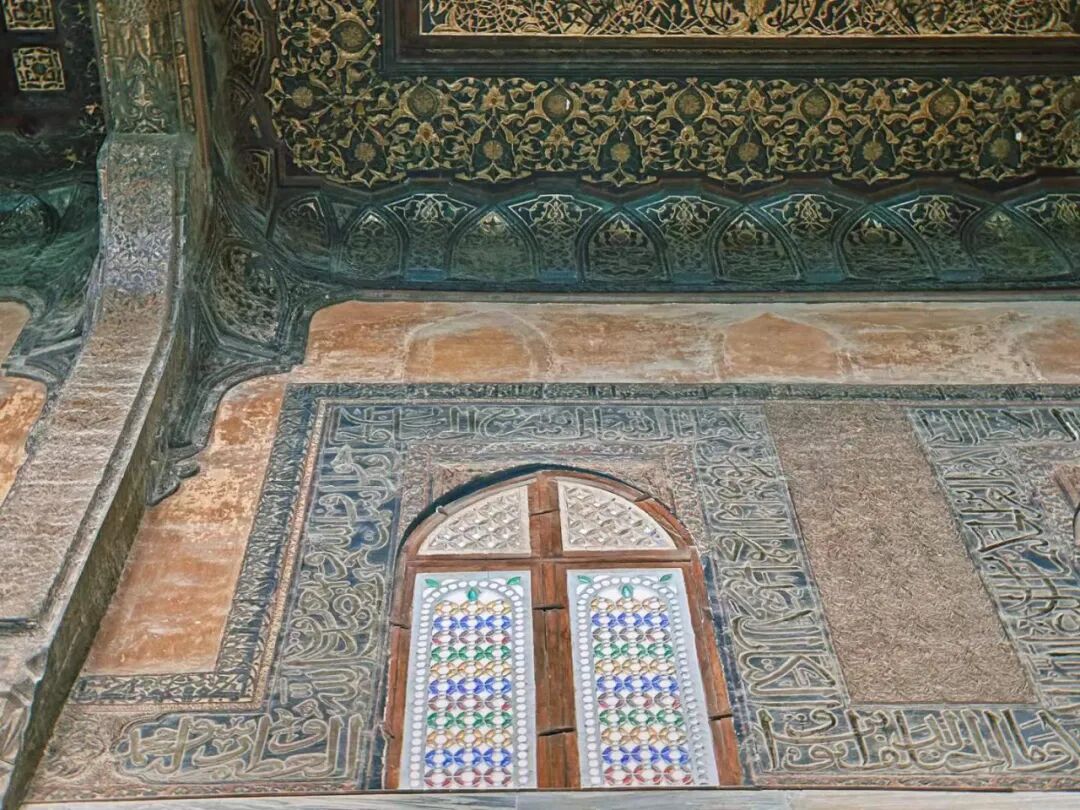
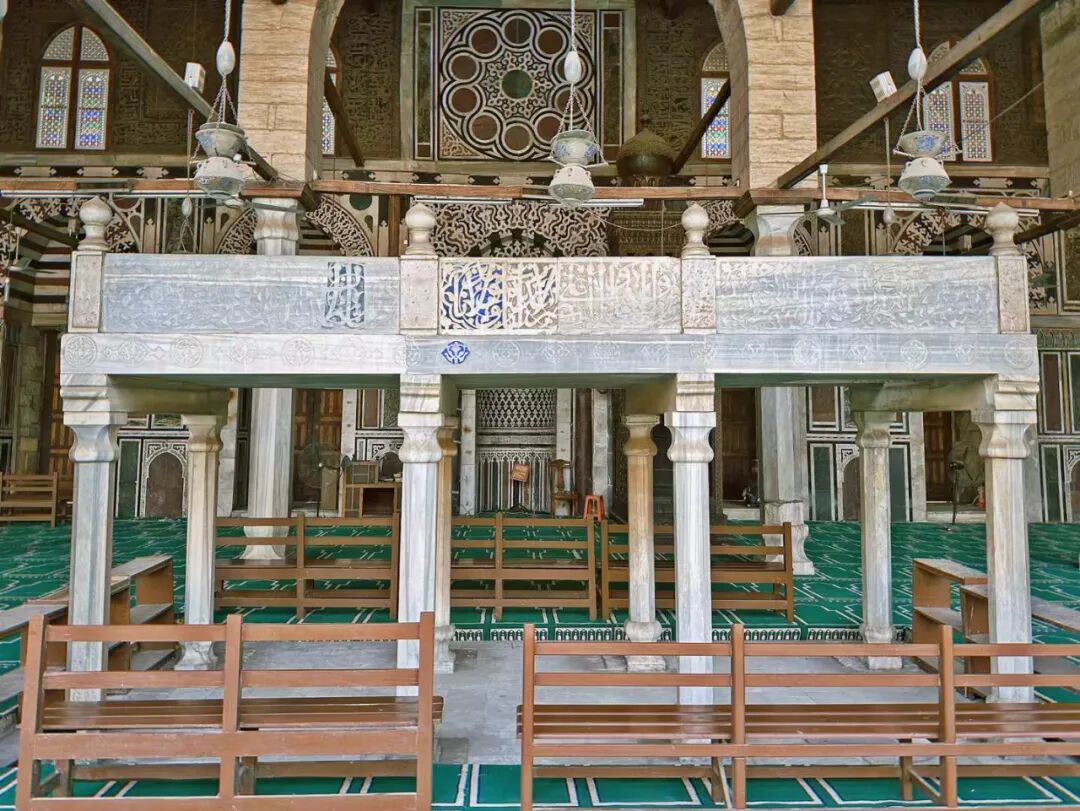
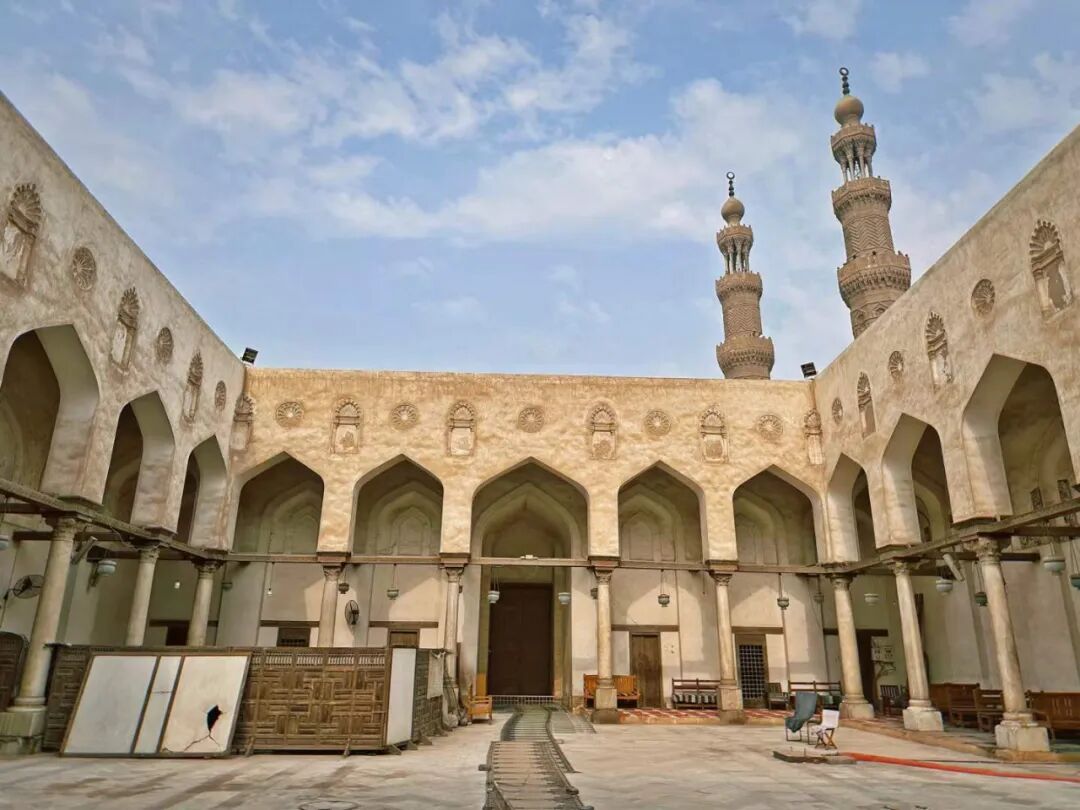
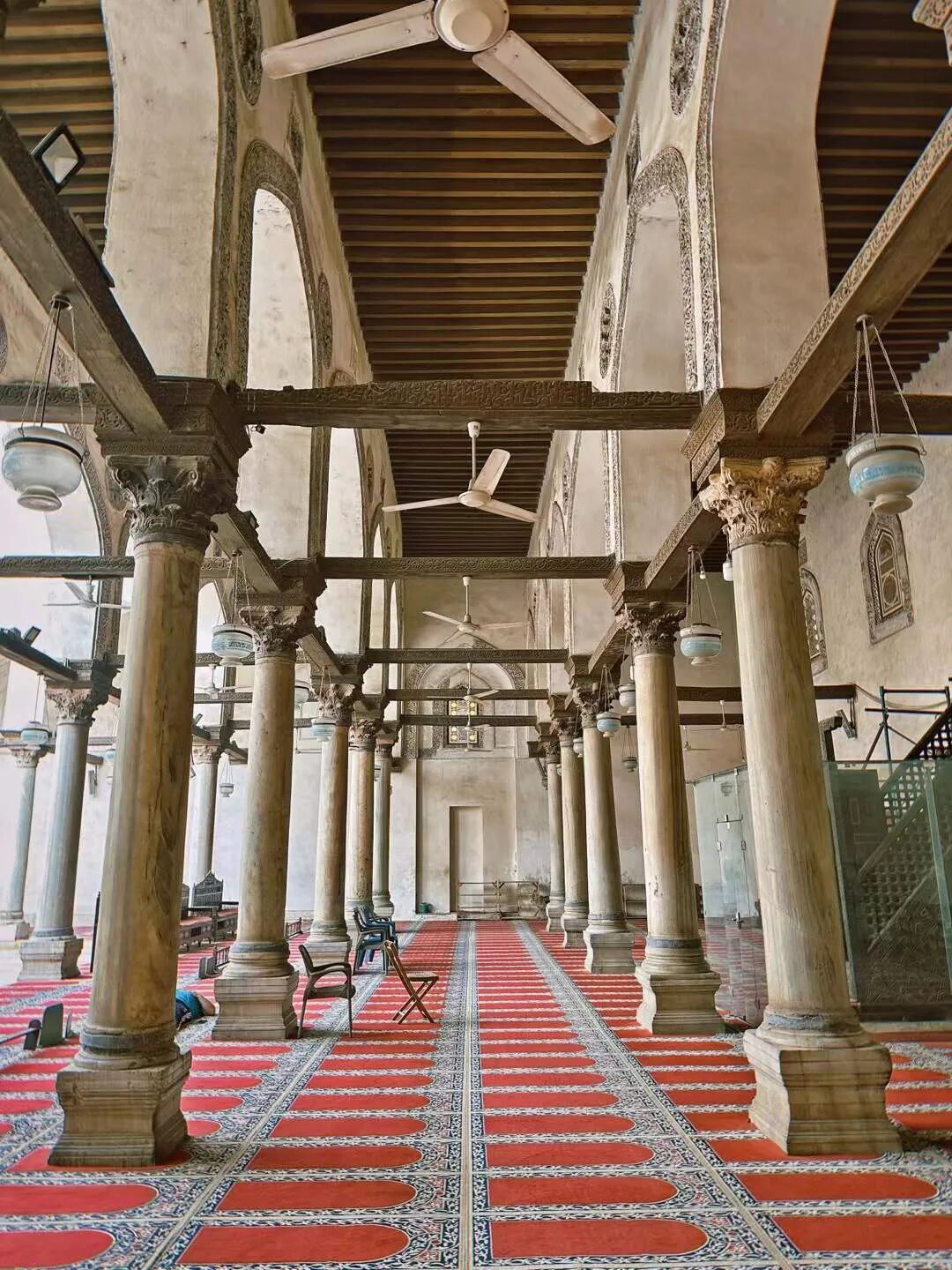
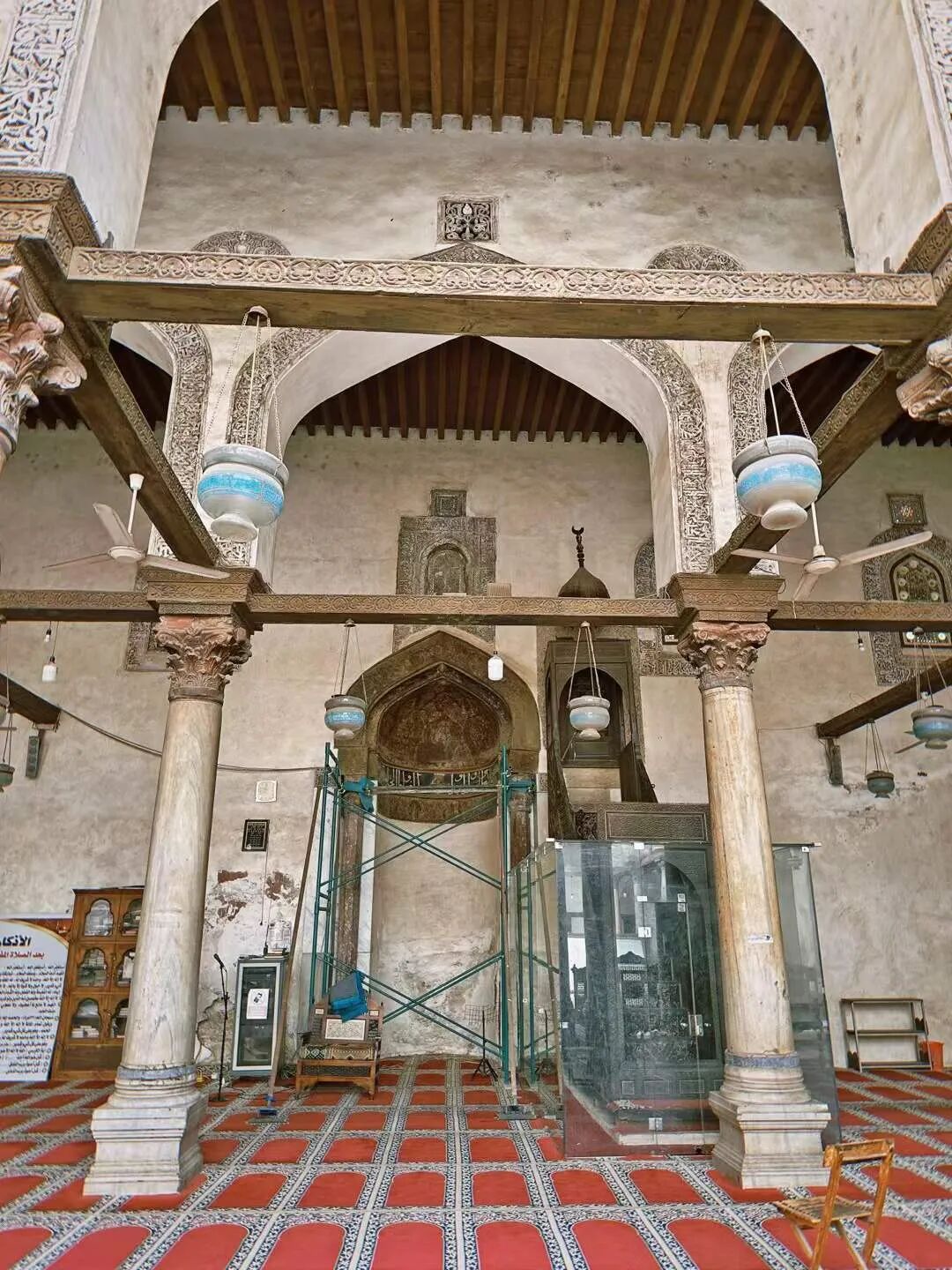
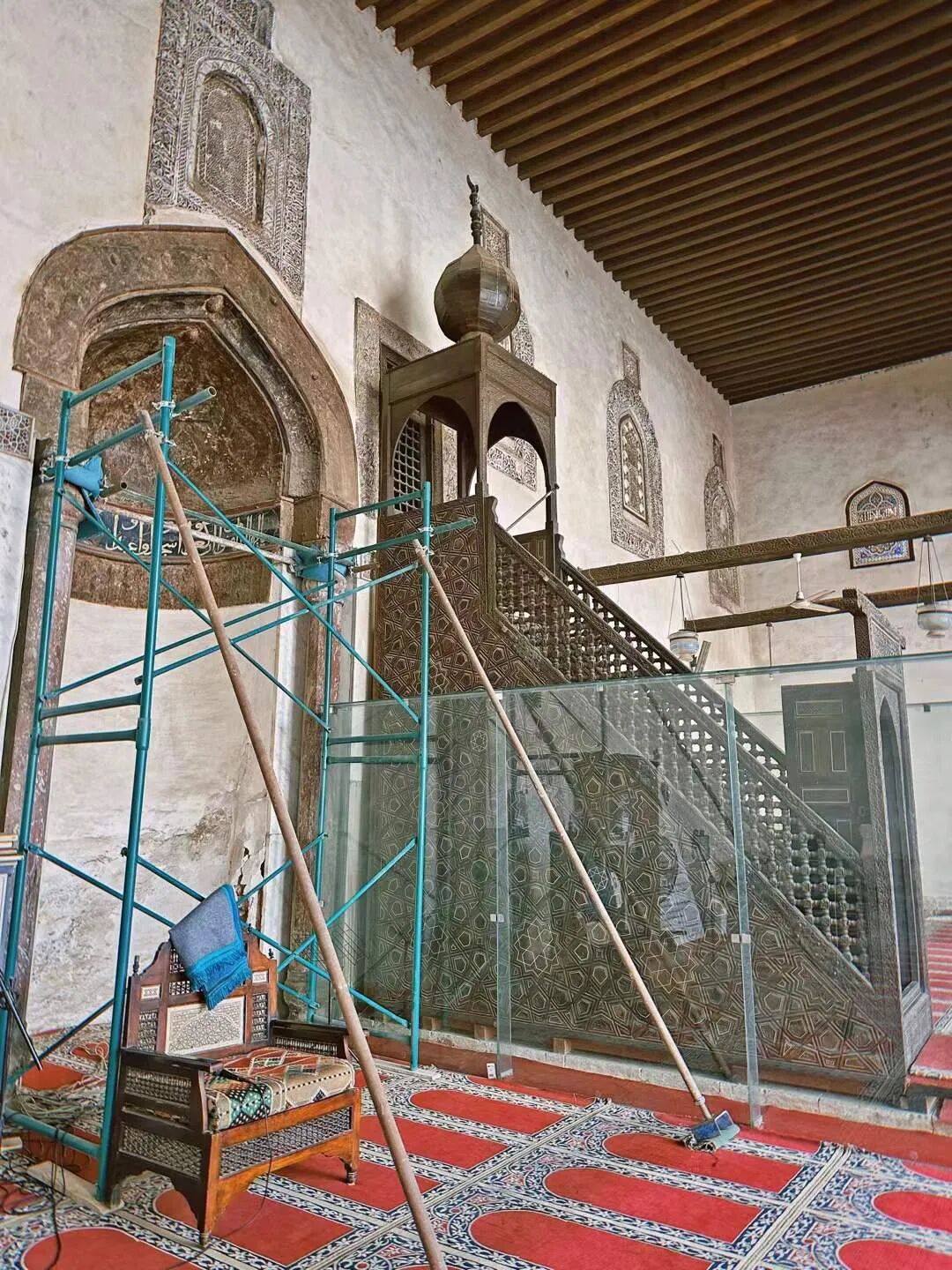
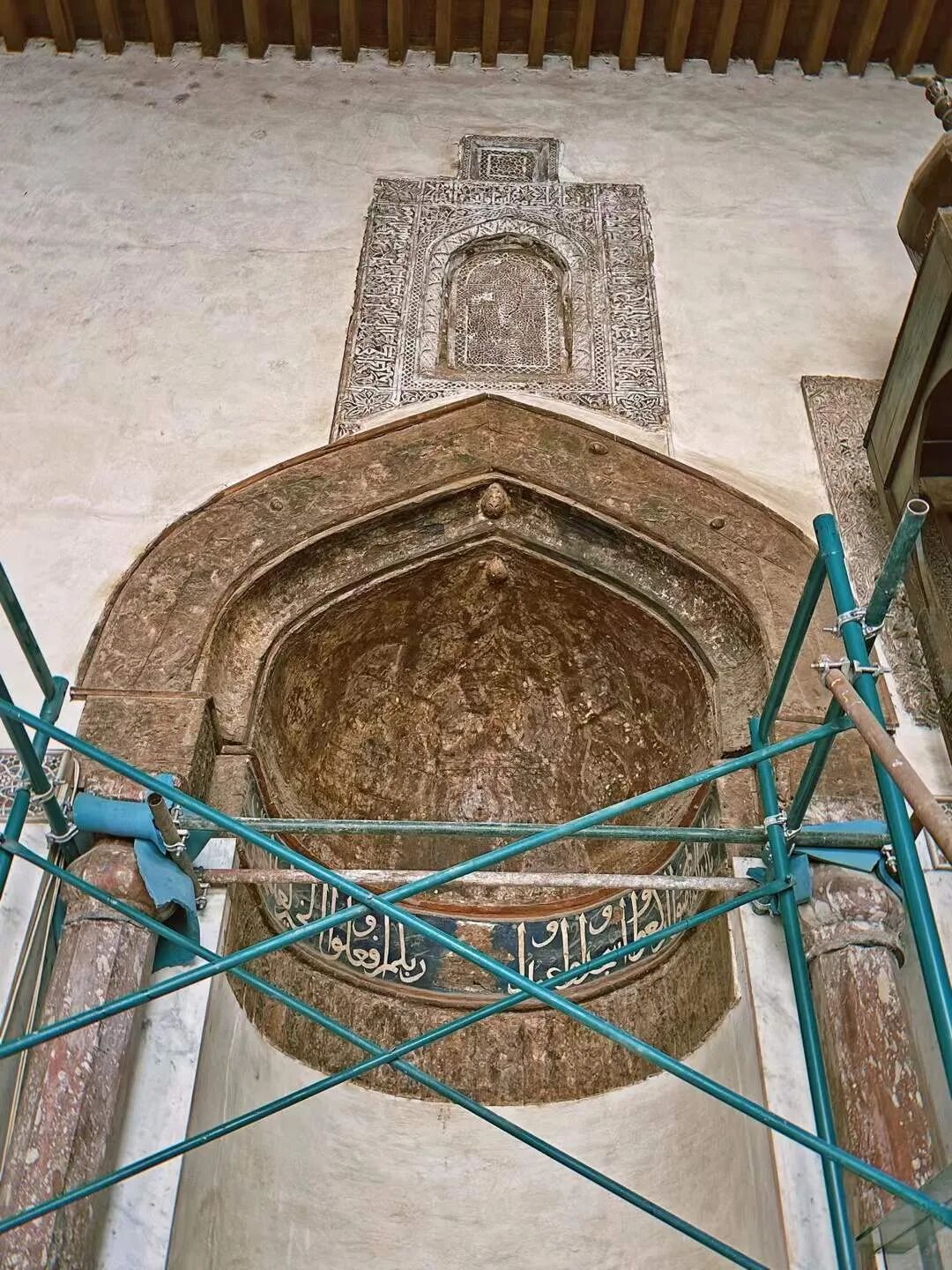
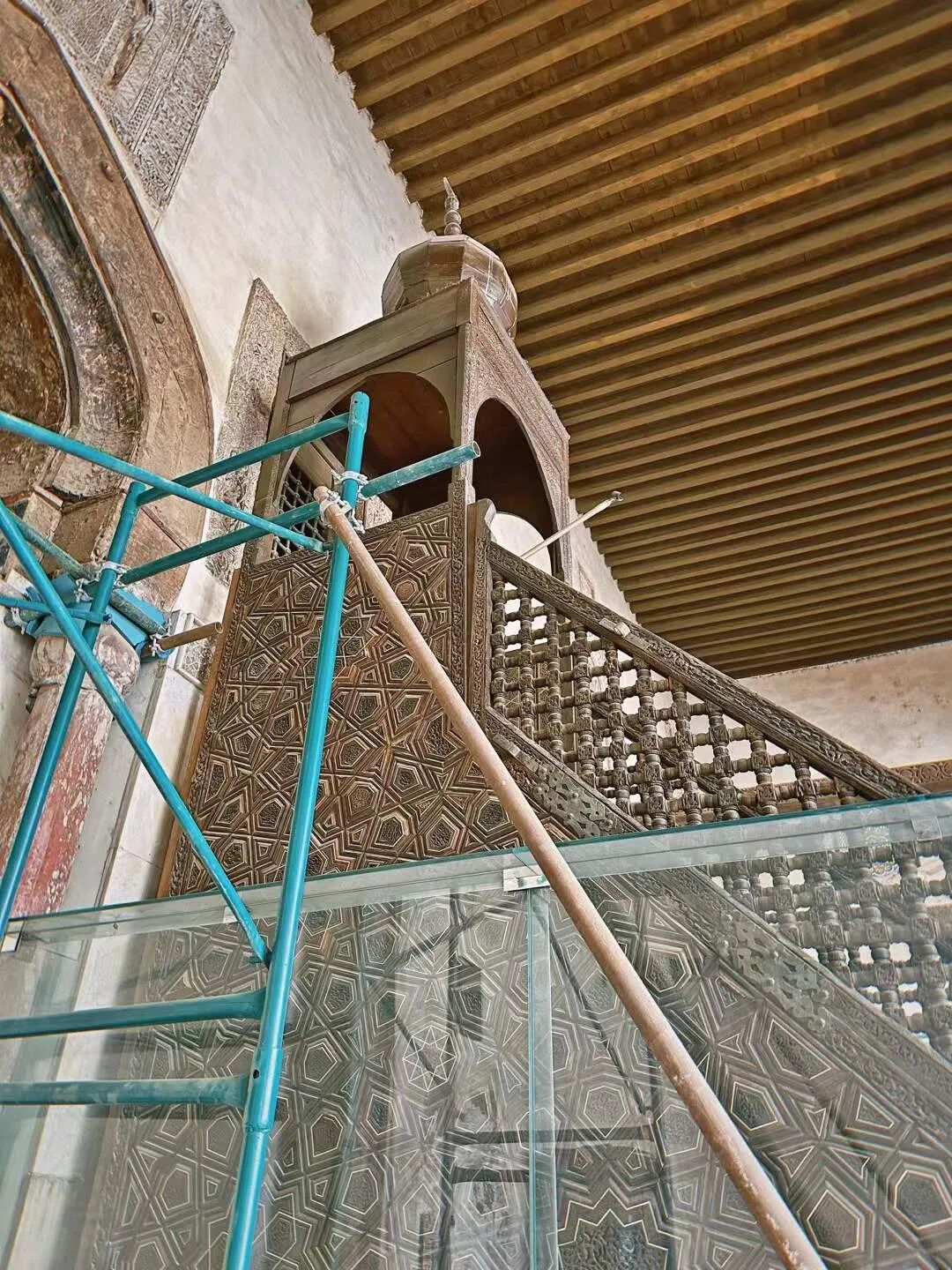
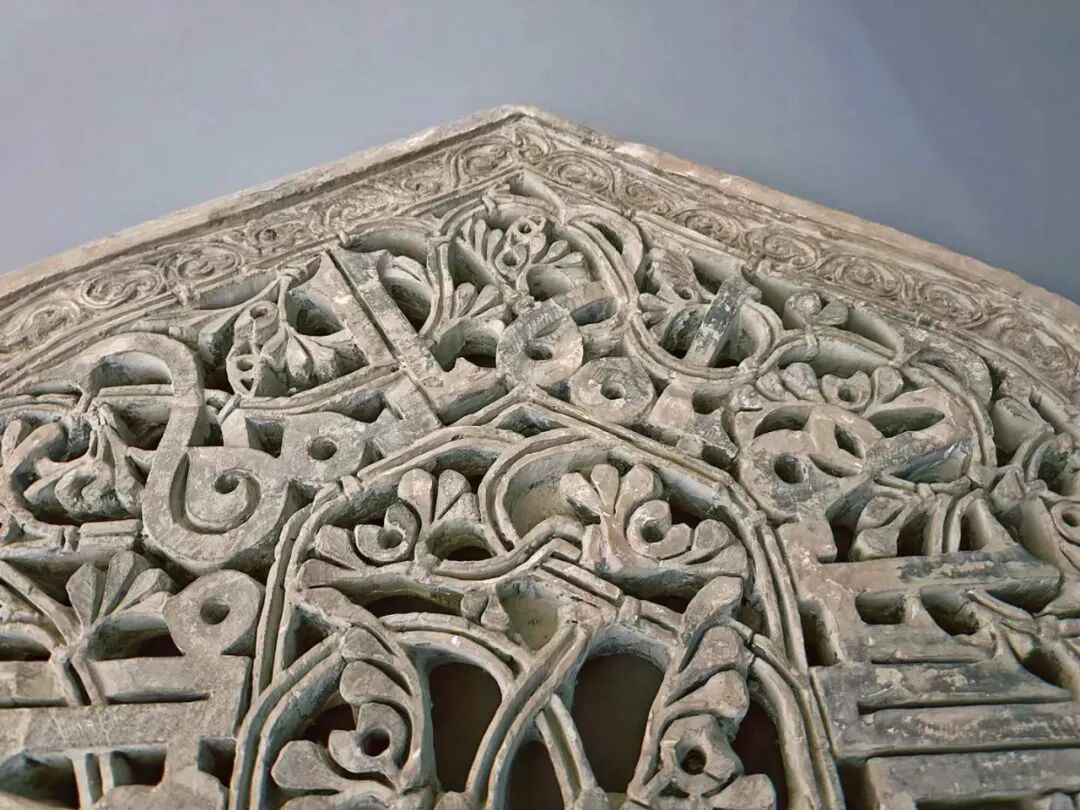
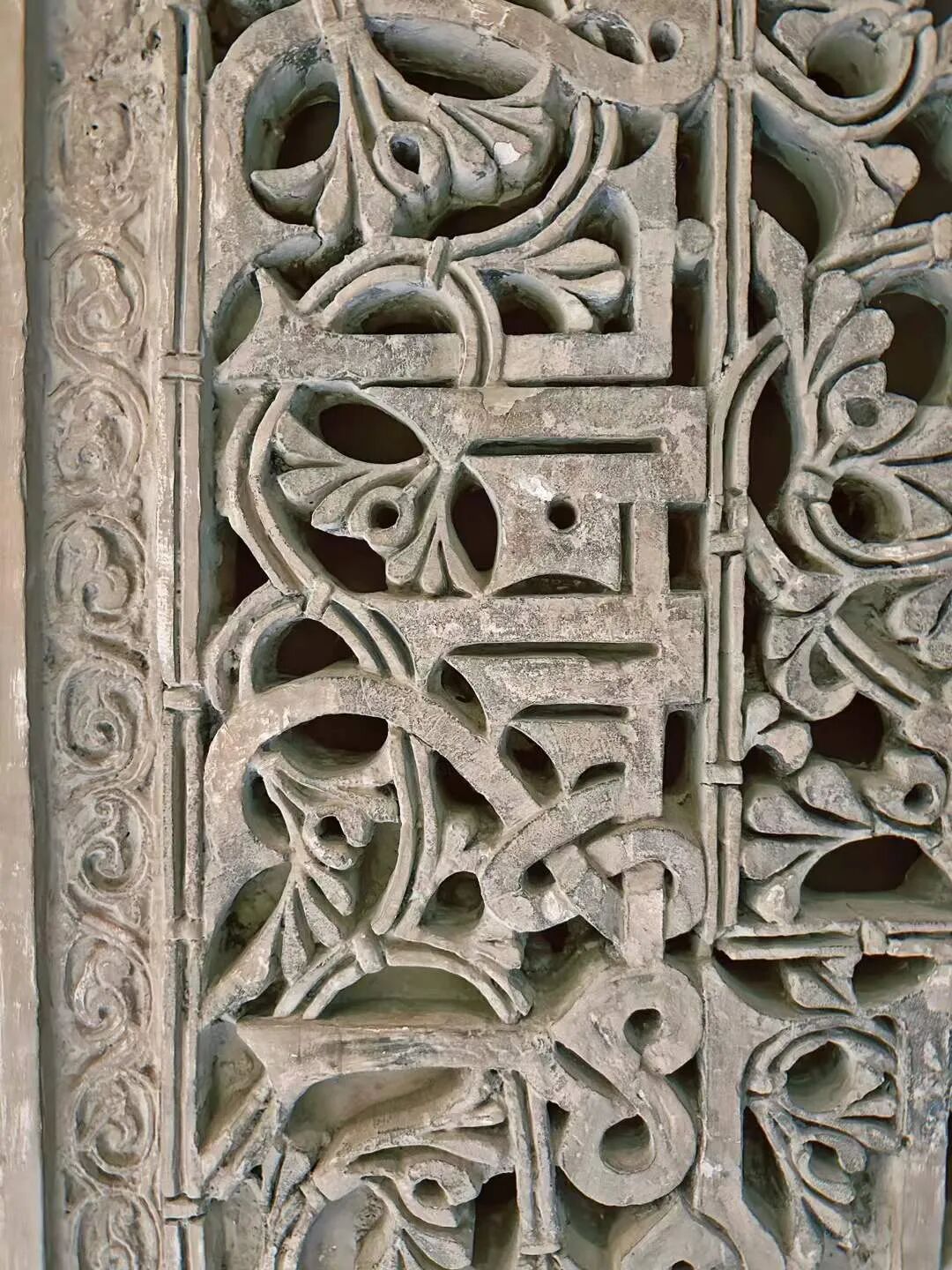
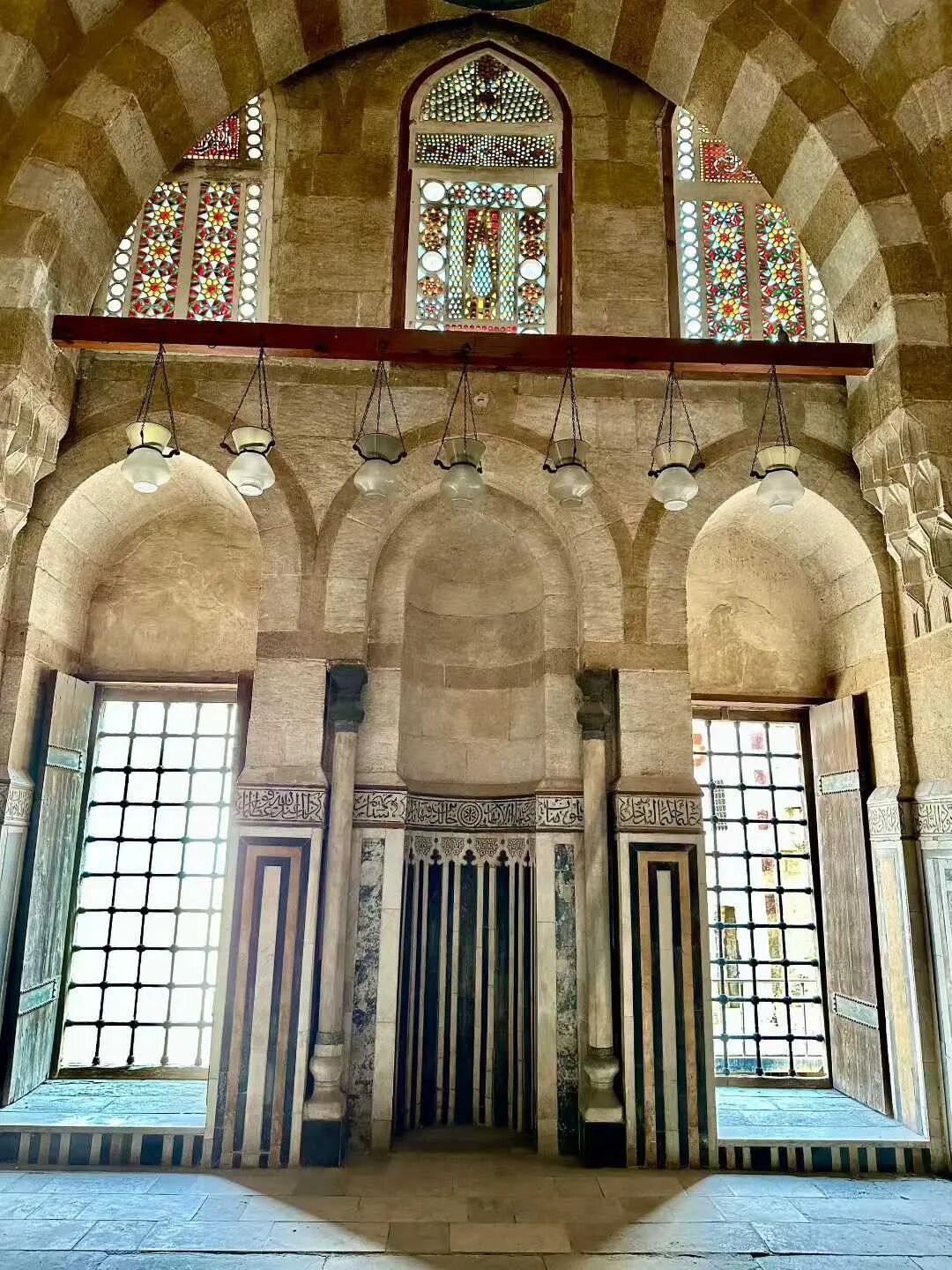
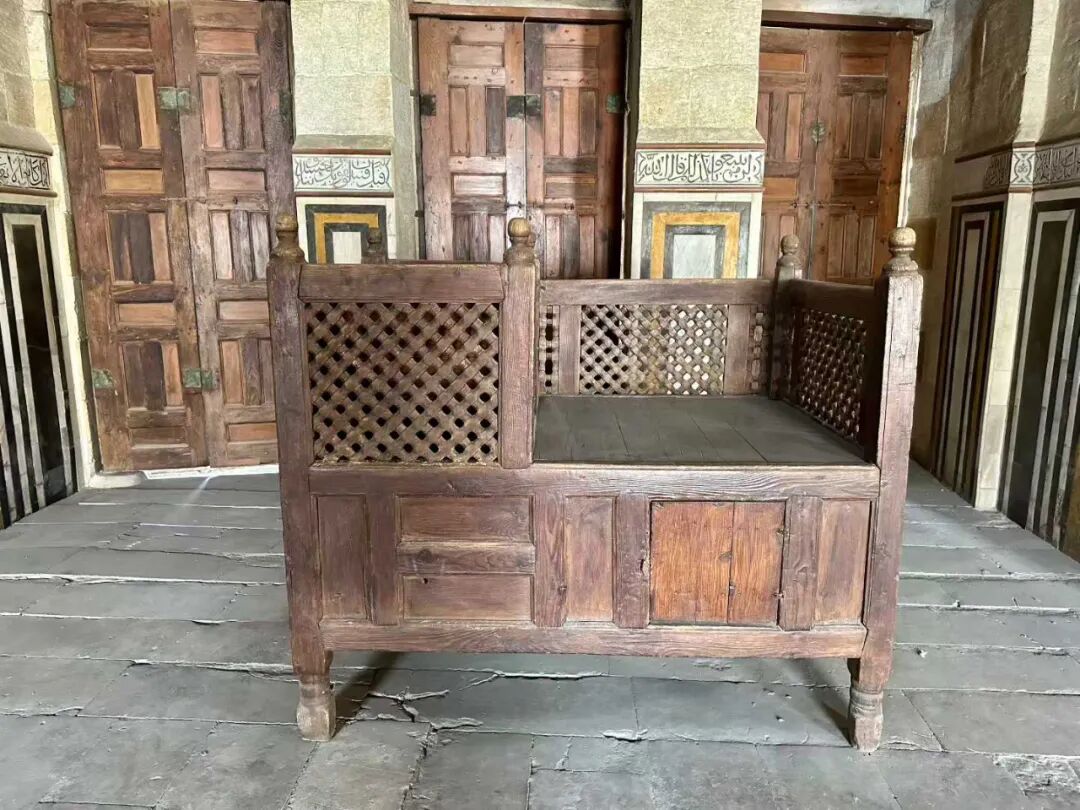
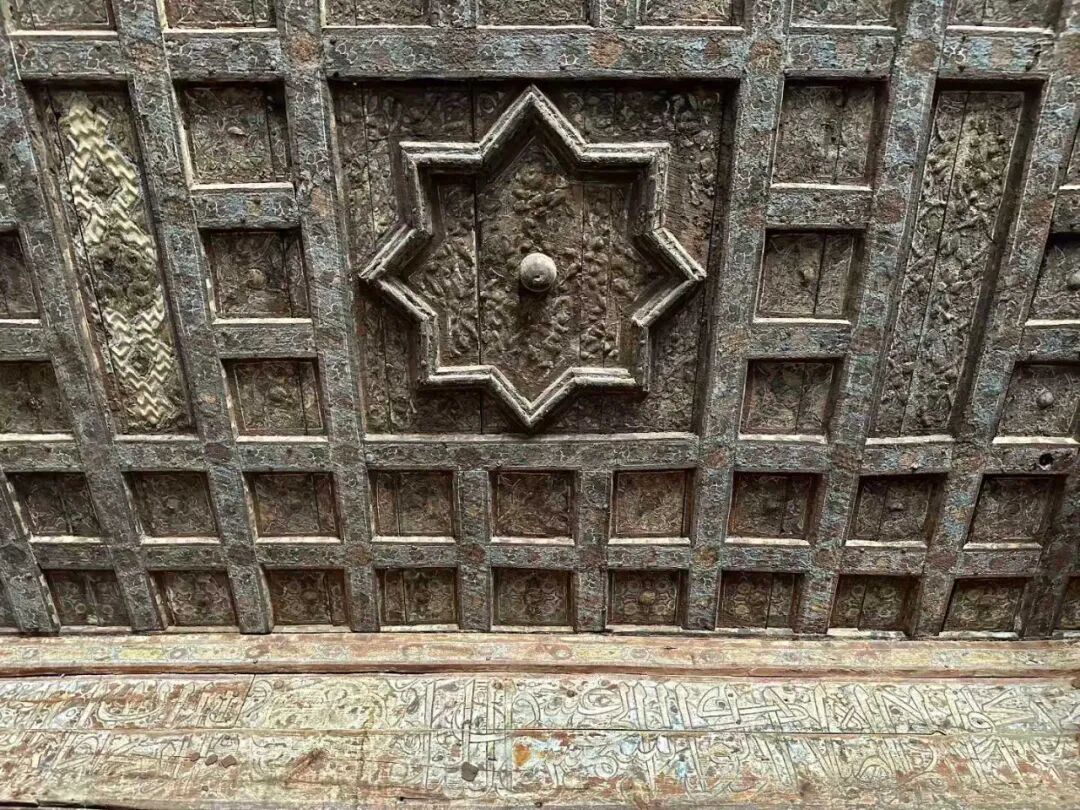
The interior of the Al-Salih Tala'i Mosque preserves late Fatimid Kufic script stucco carvings, which are very ornate. The column capitals in the main hall are from the pre-Islamic period, and the mihrab was rebuilt with painted wood during the Mamluk period. The minbar (pulpit) next to it also belongs to the Mamluk period. It features exquisite craftsmanship and is one of the oldest surviving minbars in Cairo.
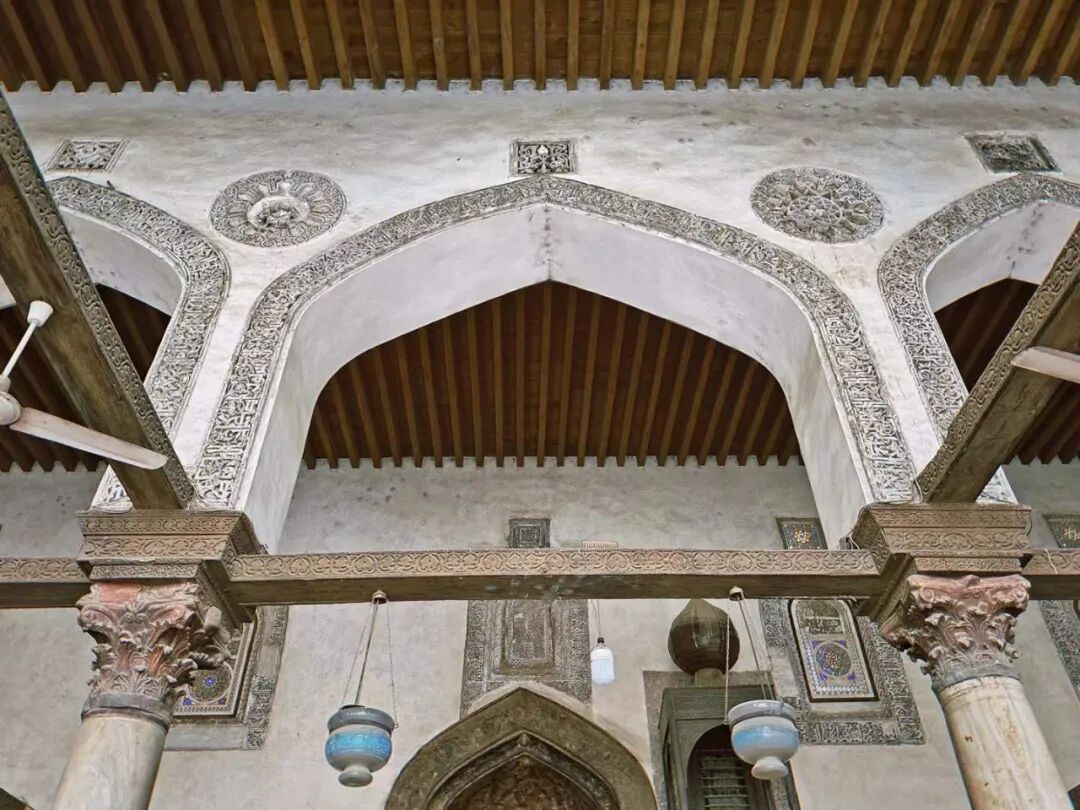
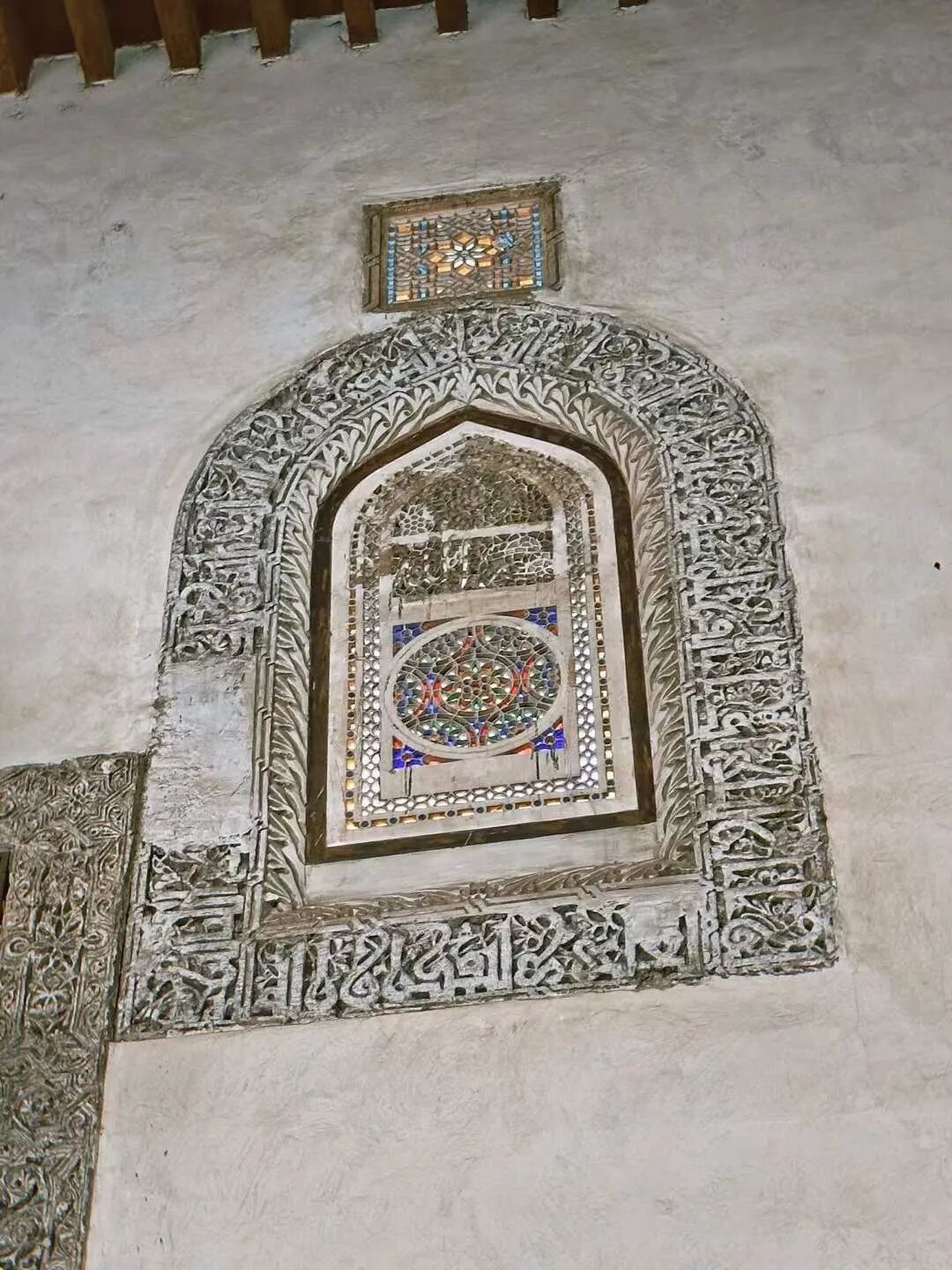
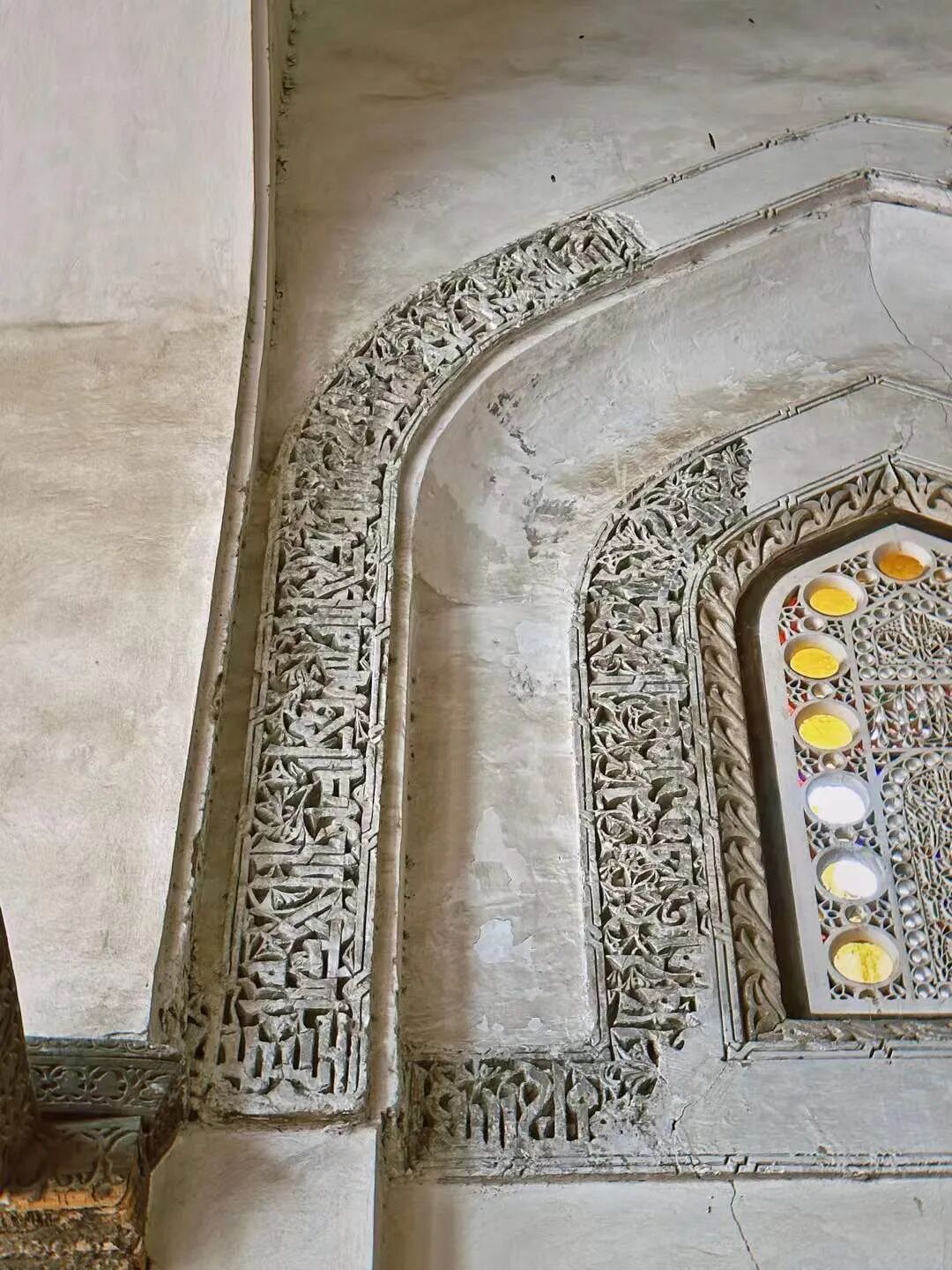
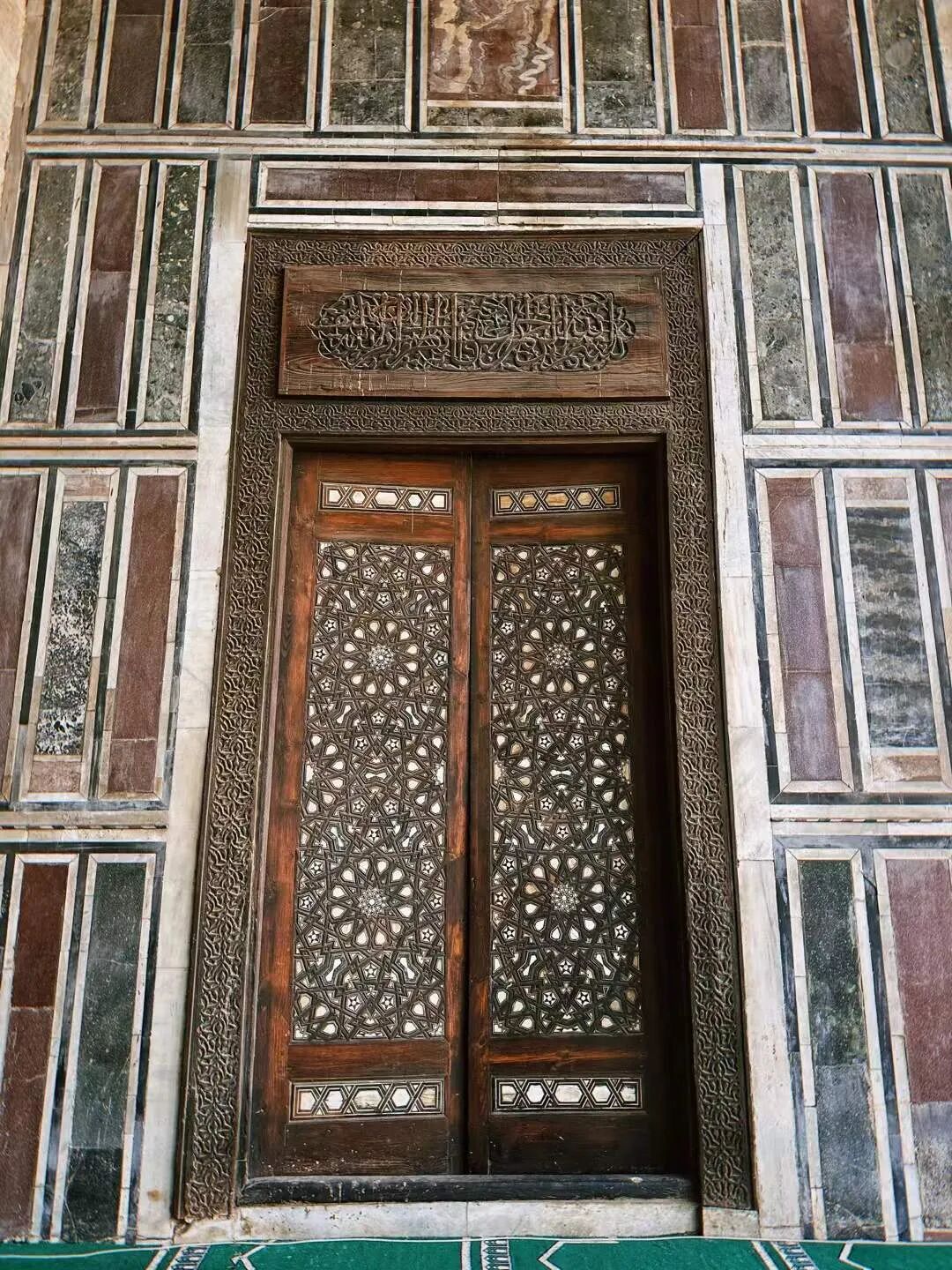
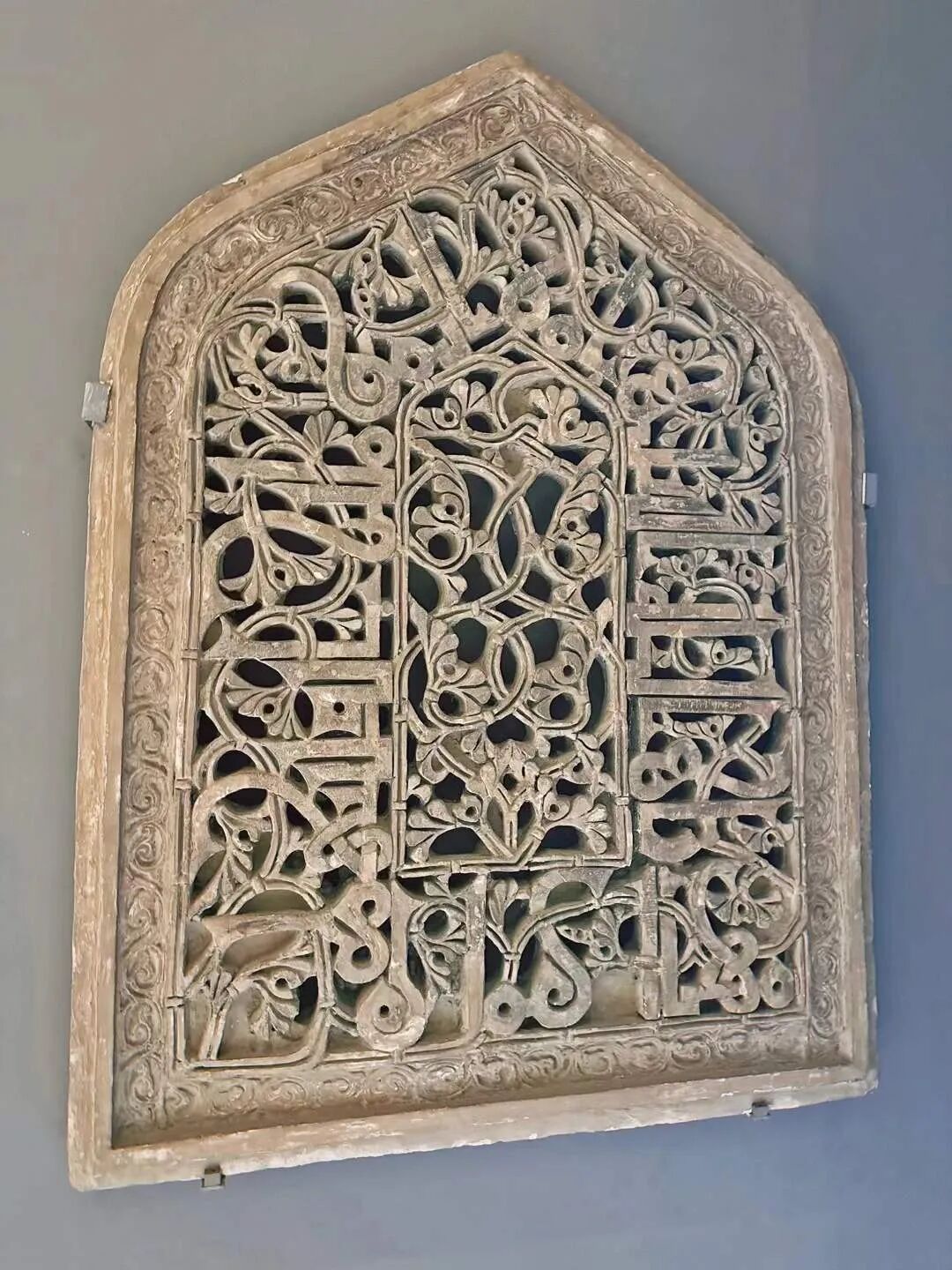
The late Fatimid stucco carved windows and wooden doors from the Al-Salih Tala'i Mosque, now in the Museum of Islamic Art in Cairo, are masterpieces of late Fatimid carving art.
Mahmud al-Kurdi Mosque: 1395
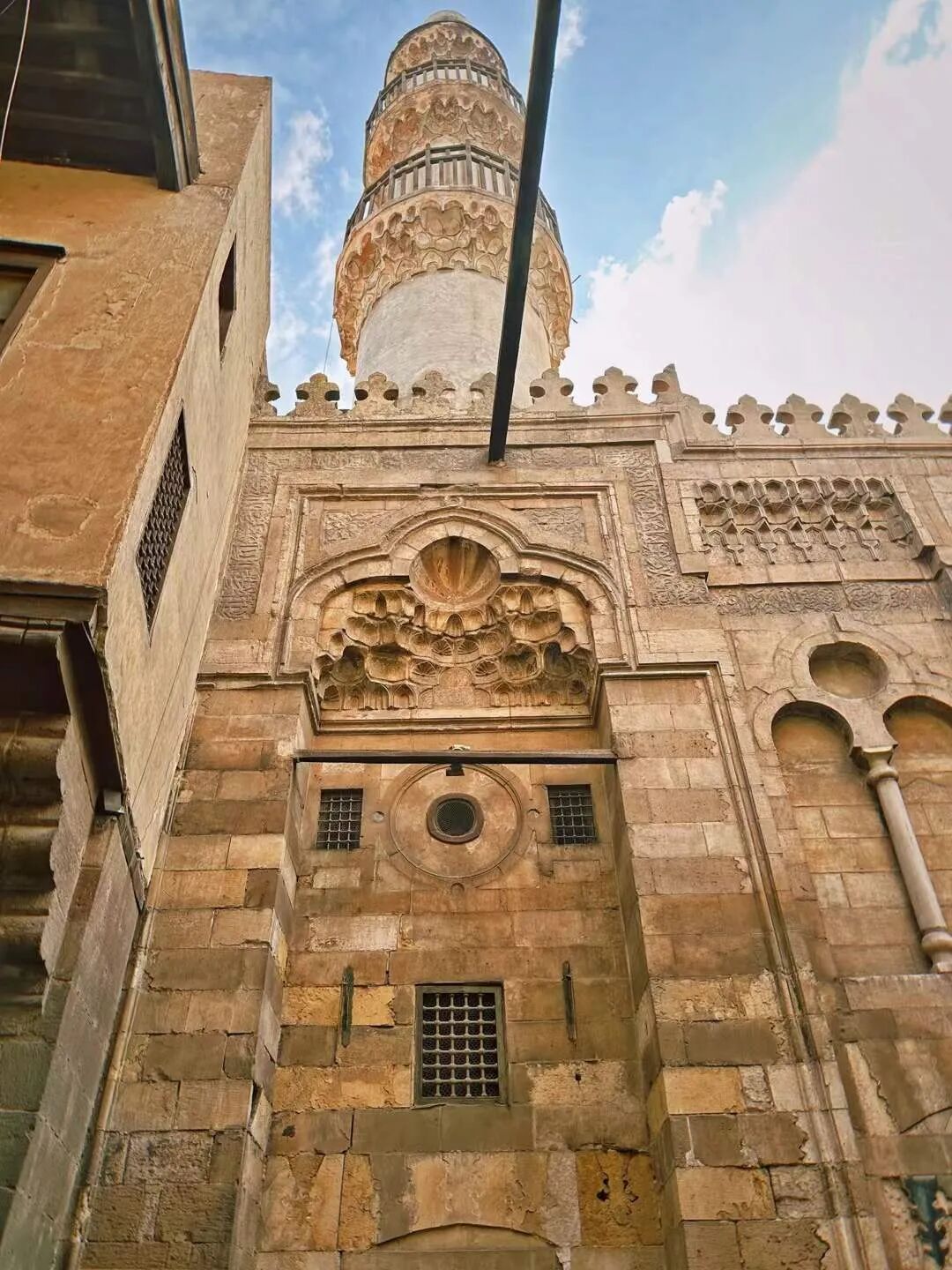
The Mahmud al-Kurdi Mosque was built in 1395 by Mahmud al-Kurdi, a high-ranking official of the Mamluk dynasty. The Mahmud al-Kurdi Mosque features the earliest dome carved with V-shaped patterns; domes before this had spiral patterns. The dome on the minaret was also very rare at the time, though it was widely used later during the Ottoman dynasty.
Qijmas al-Ishaqi Mosque: 1480
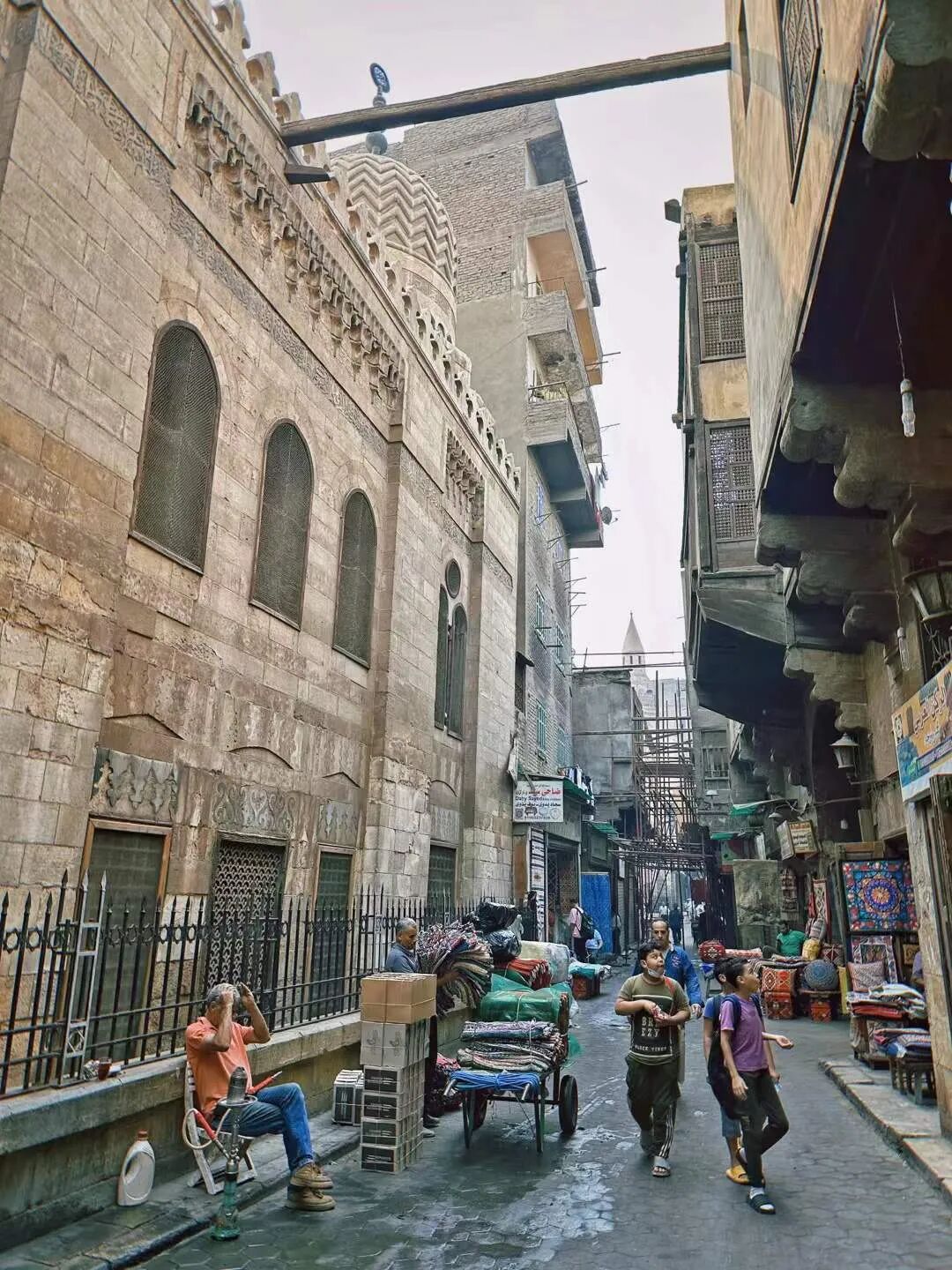
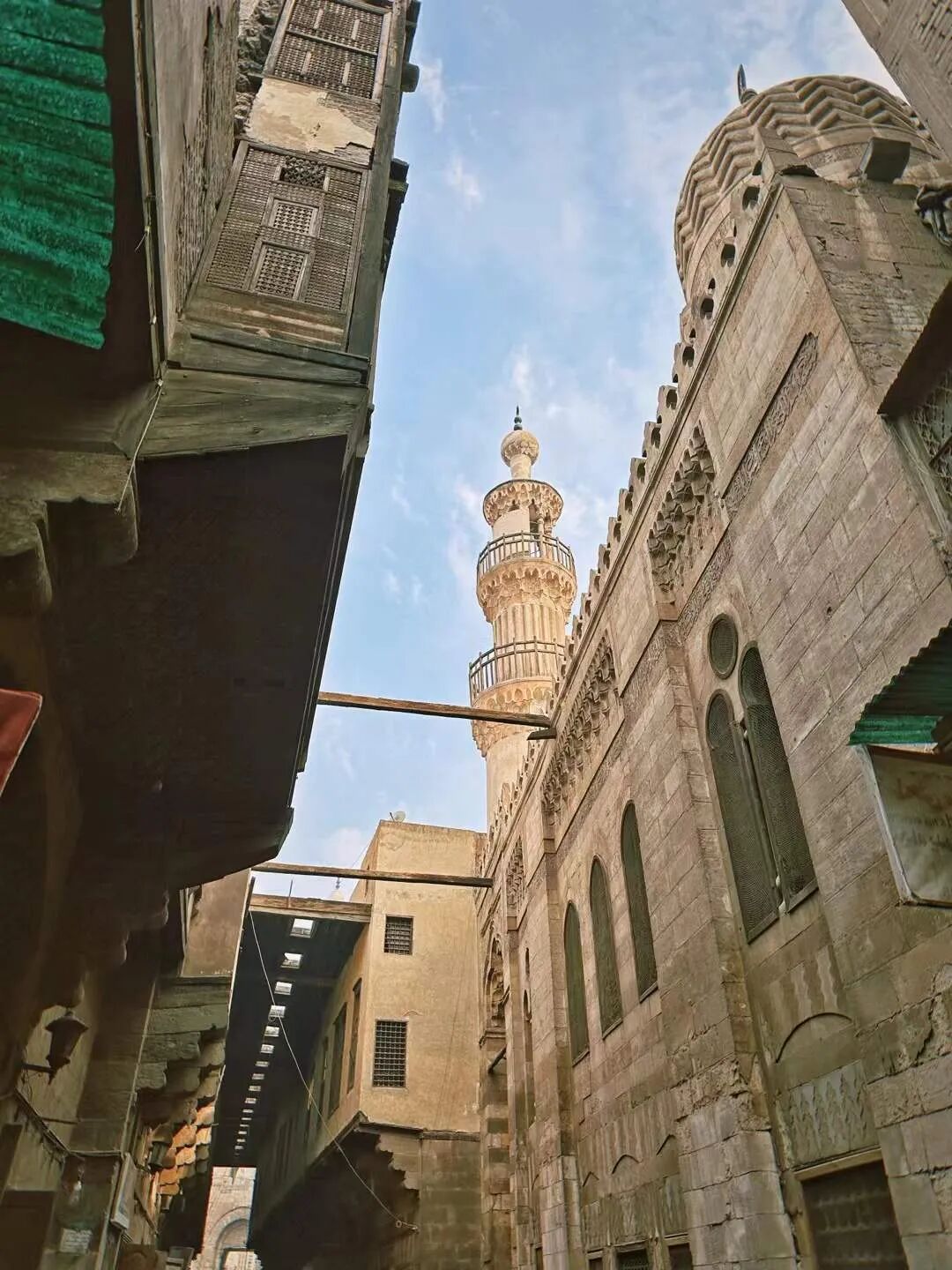
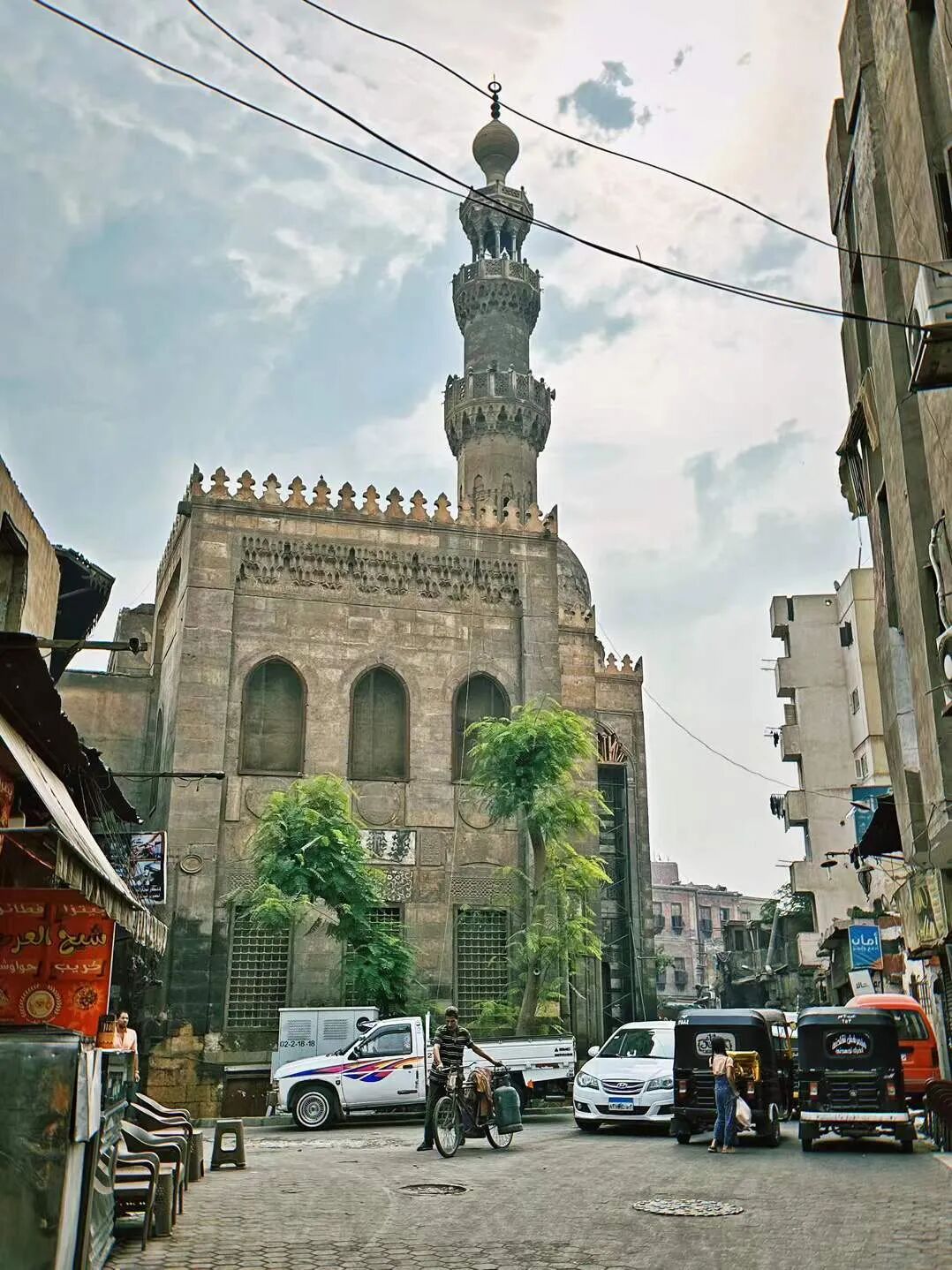
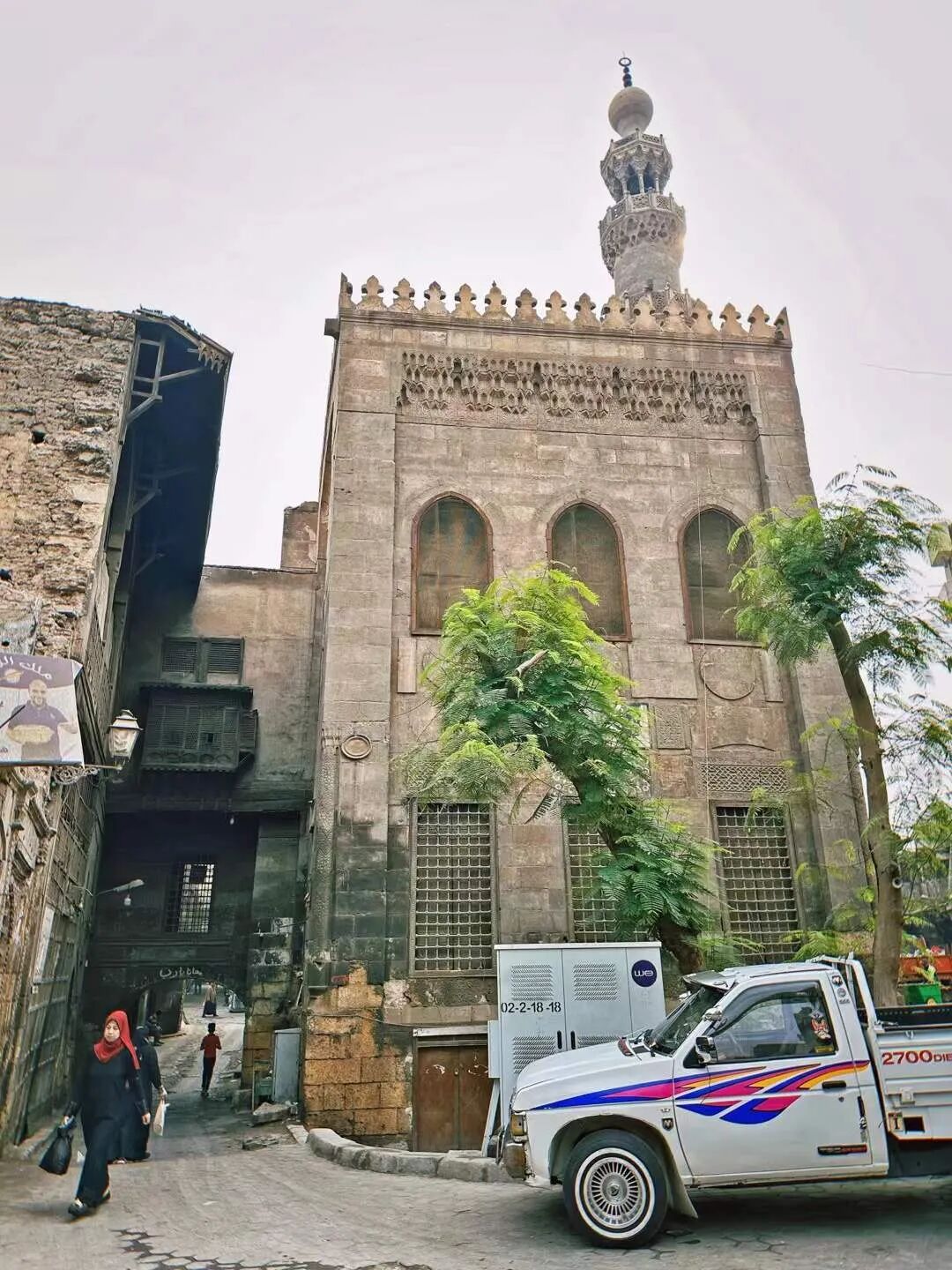
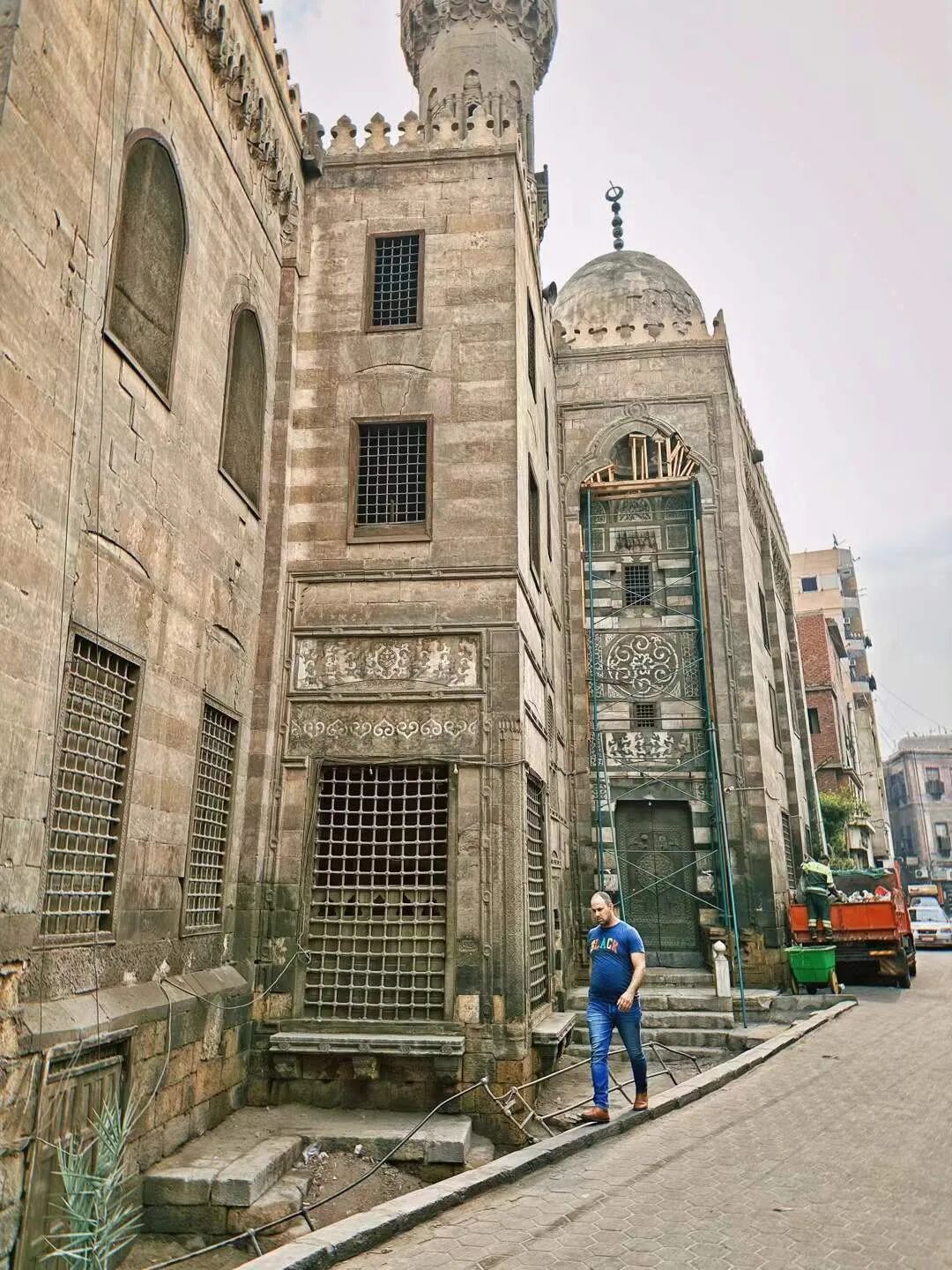
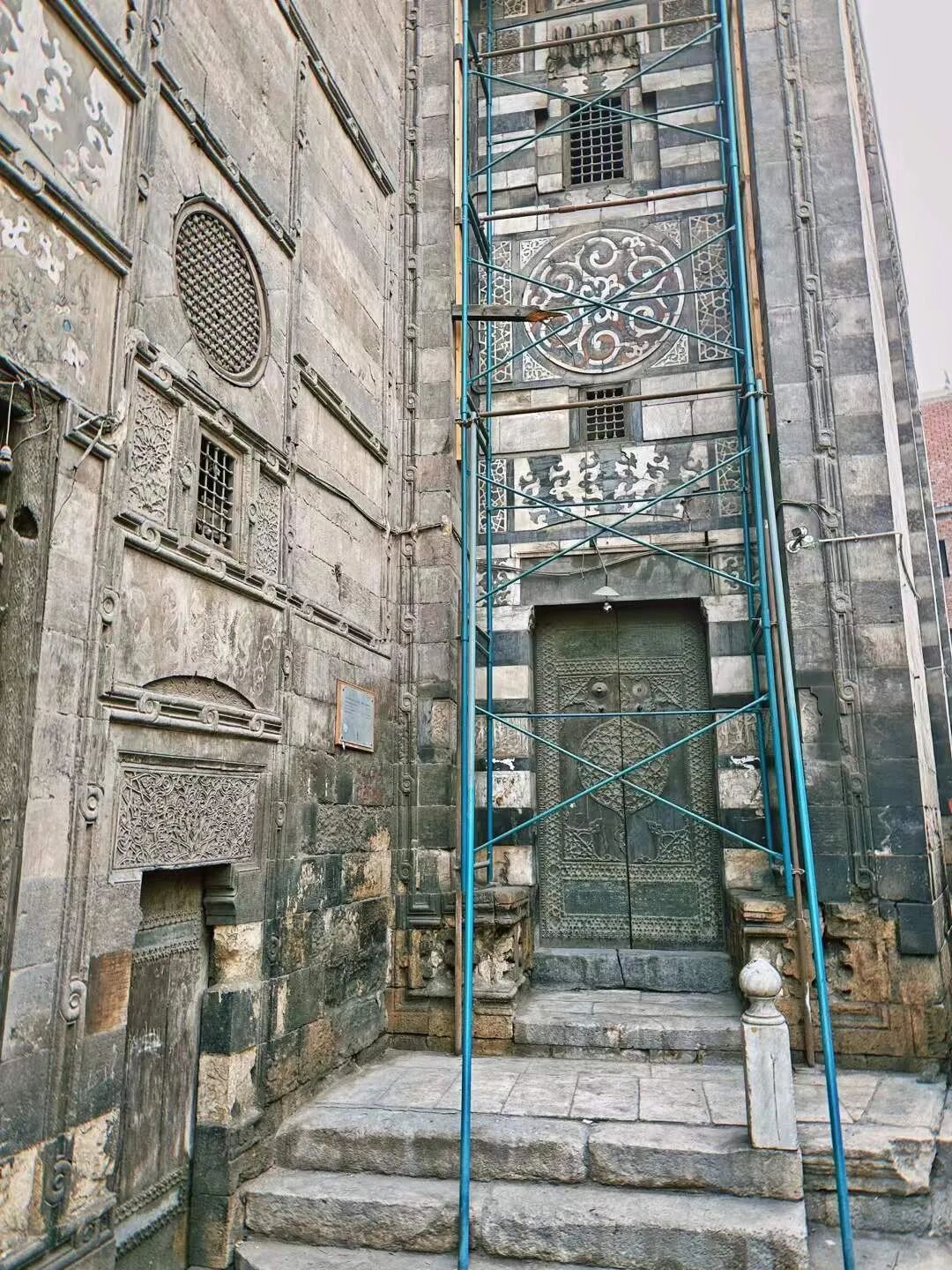
Walking east from the south gate, the first thing you see is the Qijmas al-Ishaqi Mosque, built between 1480 and 1481 by the Mamluk emir Qijmas al-Ishaqi. This mosque is considered a model and masterpiece of late Mamluk architecture and is printed on the 50 Egyptian pound banknote. Unfortunately, the interior was under renovation when we visited, so we could only see the outside.
Qijmas al-Ishaqi was a high-ranking official in the late Mamluk dynasty. He was responsible for the royal stables and Hajj affairs, and also served as governor of Alexandria and Syria.
The Qijmas al-Ishaqi Mosque is also a hanging mosque, with the entire ground floor used for shops and the main prayer hall located on the upper level. The main building and the annex are connected by a bridge building, which features mashrabiyya wooden screens. The mosque's facade shows the architectural style typical of the Mamluk Sultan Qaitbay (reigned 1468-96). The arabesque stone carvings, the stalactite-like cornices (muqarnas) above the windows, and the combination of red, black, and white marble are all very delicate. The main gate once had bronze door knockers shaped like dragon heads, but they were recently stolen.
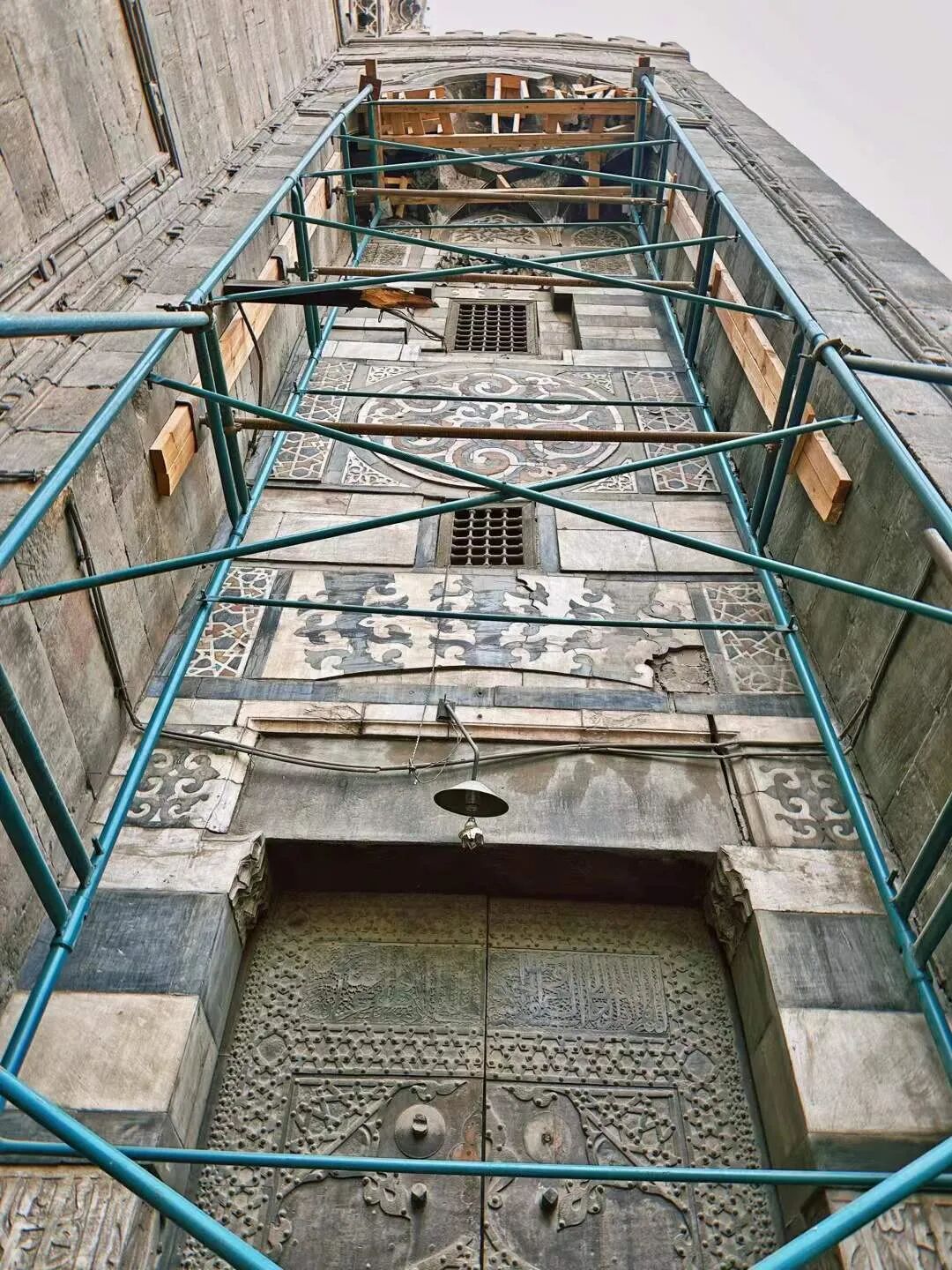
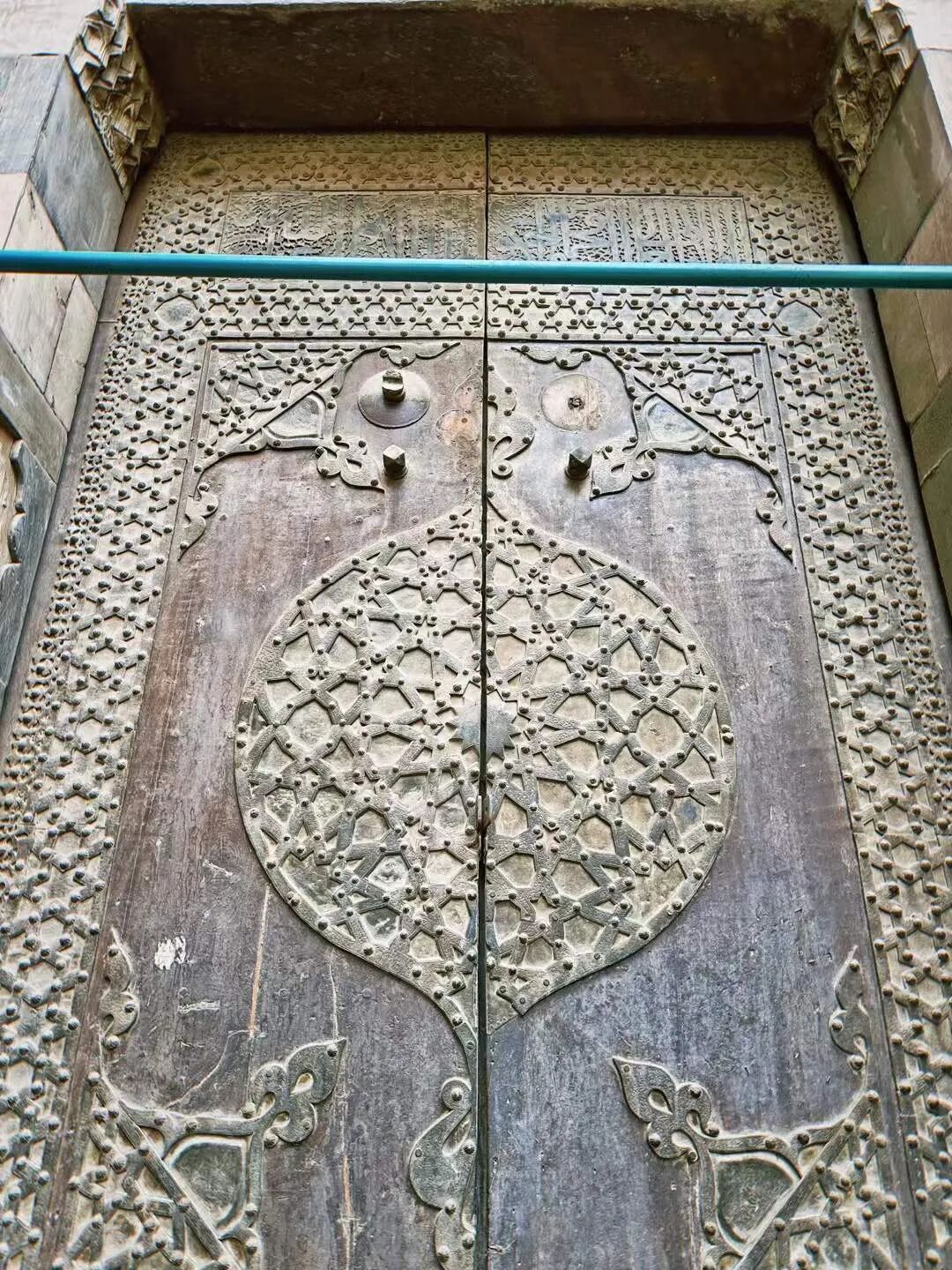
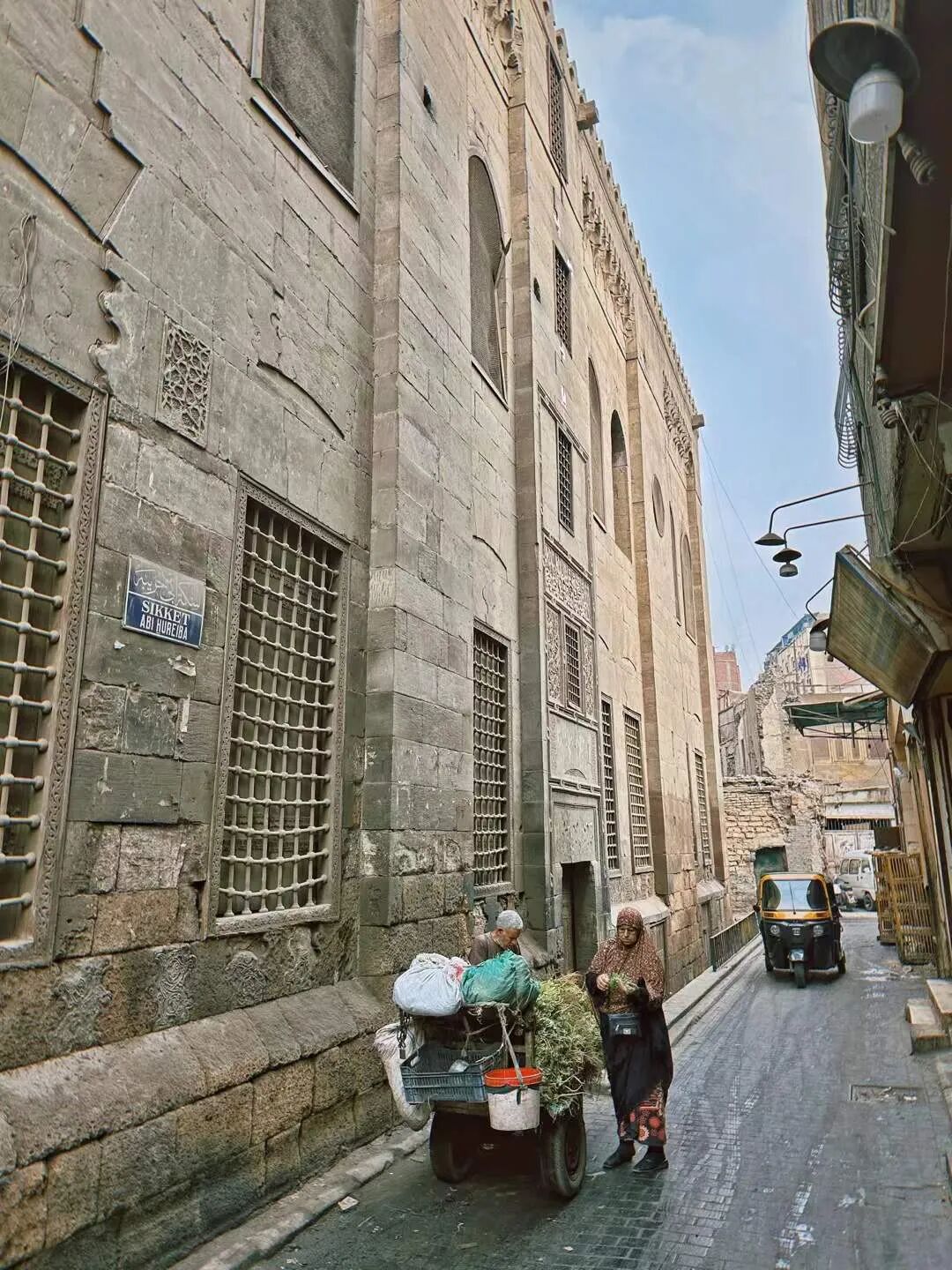
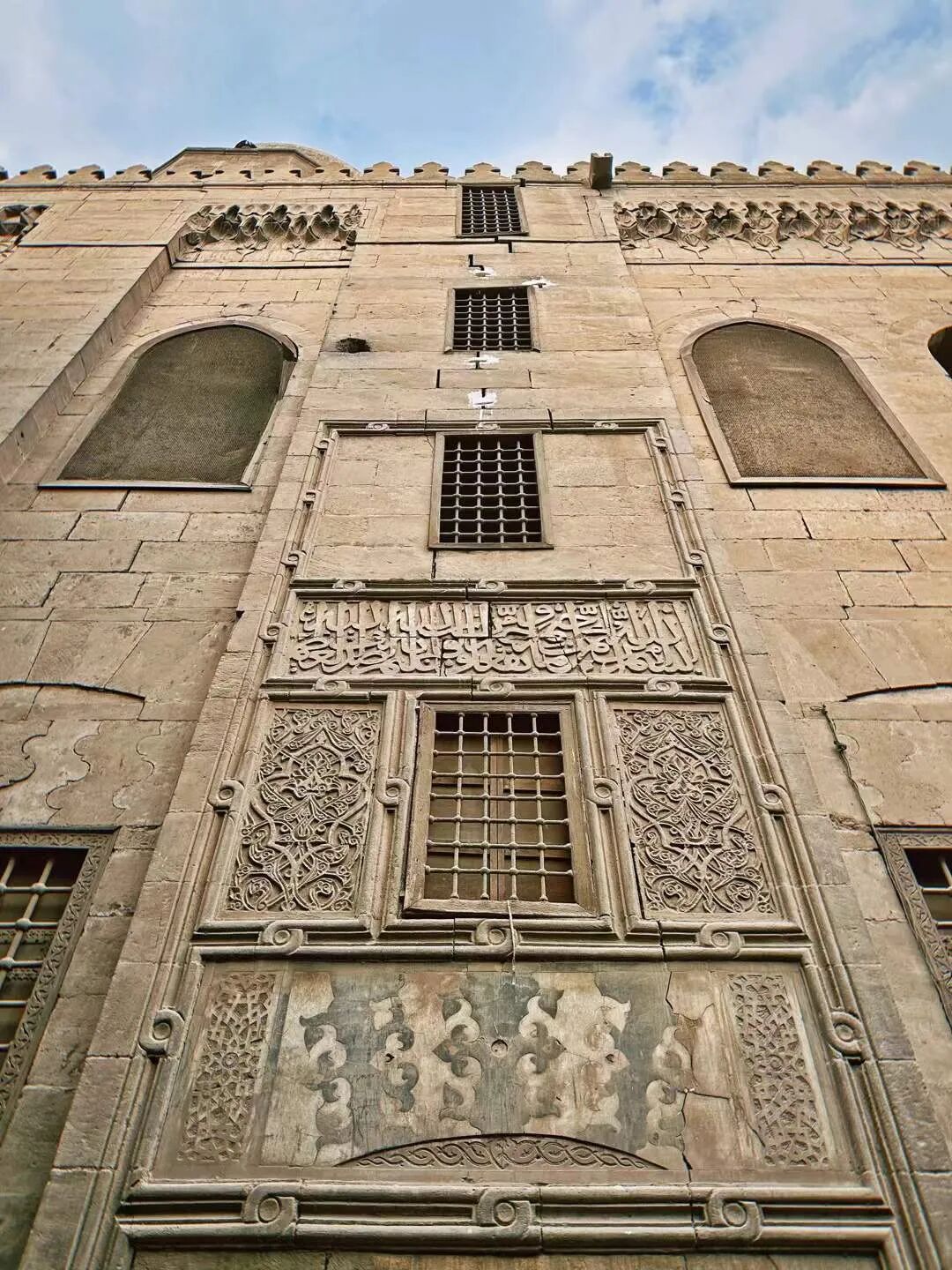
Mosque of Ahmad al-Mihmandar: 1324
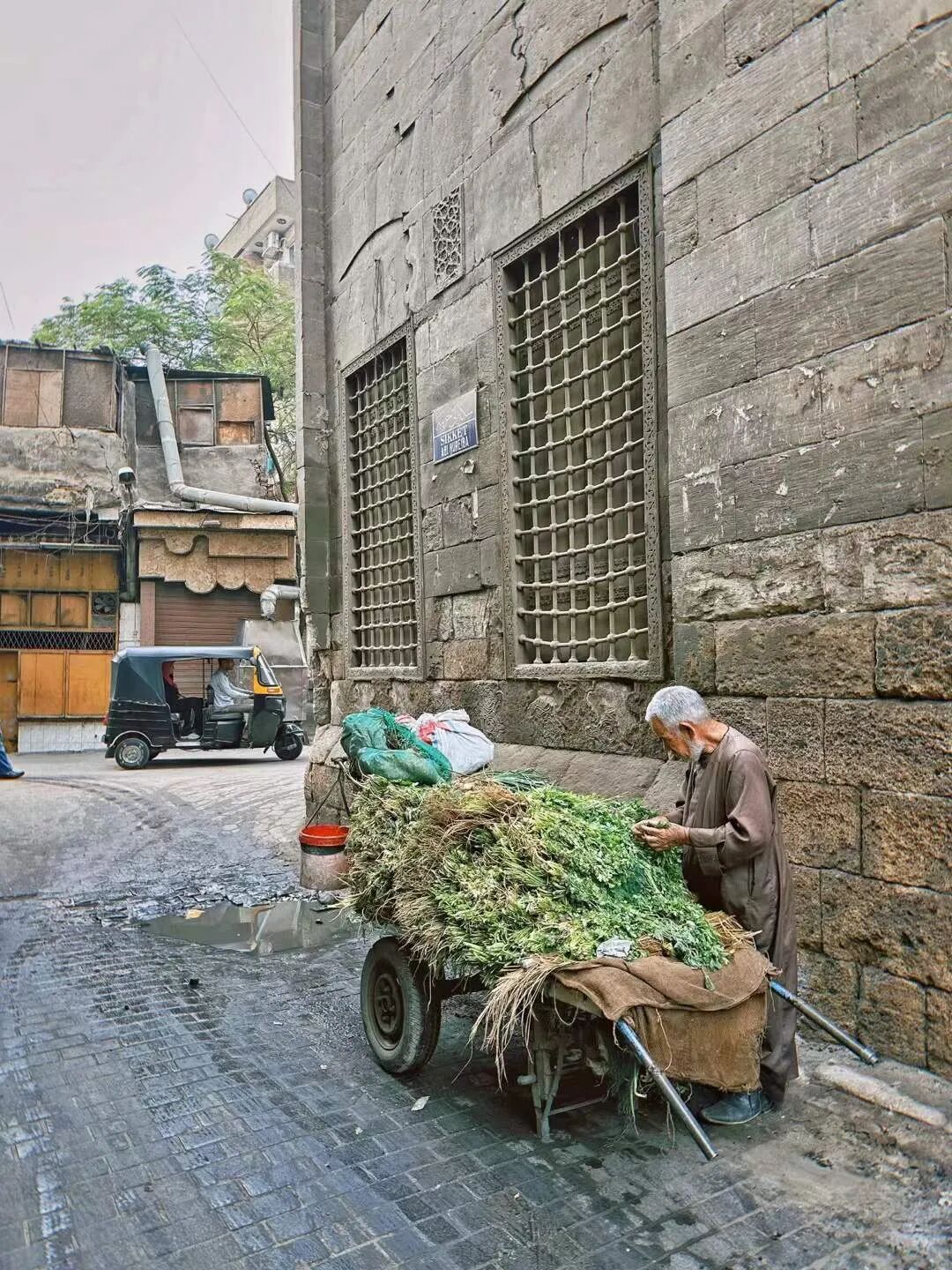
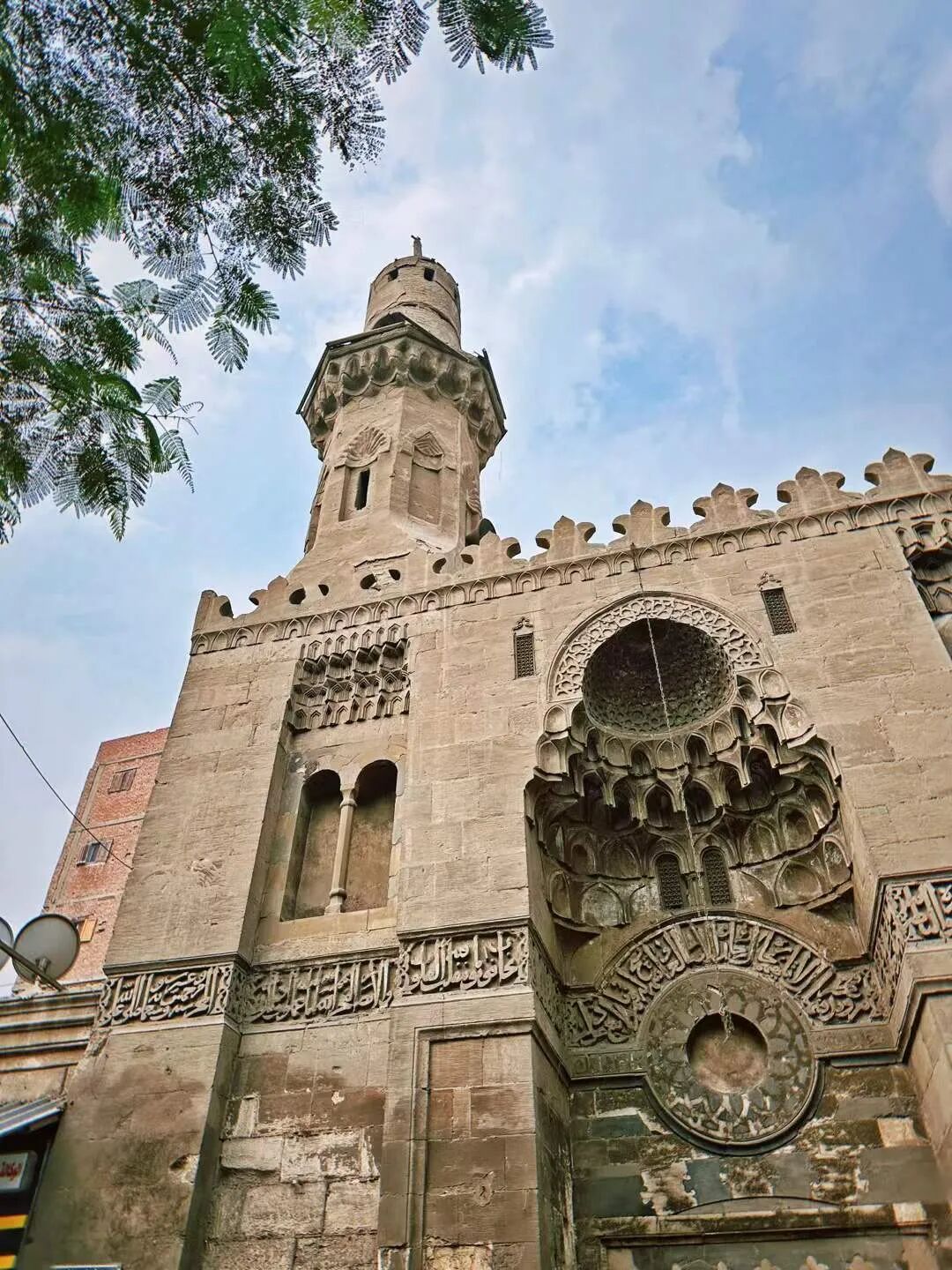
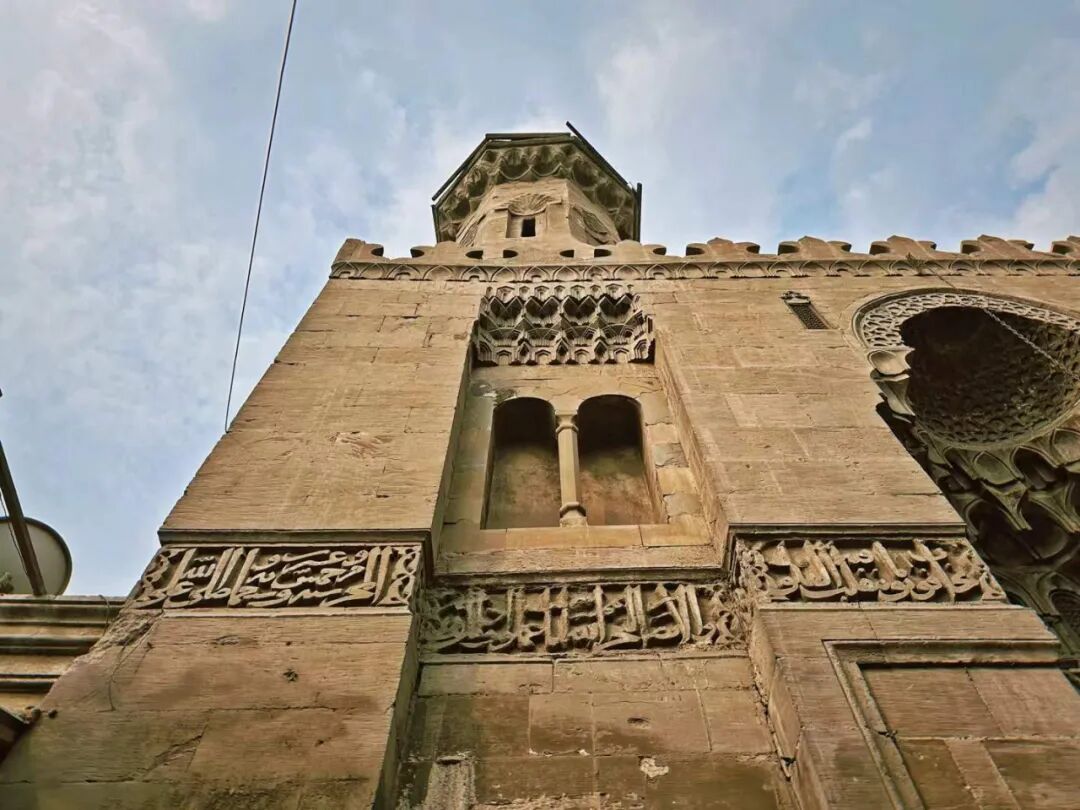
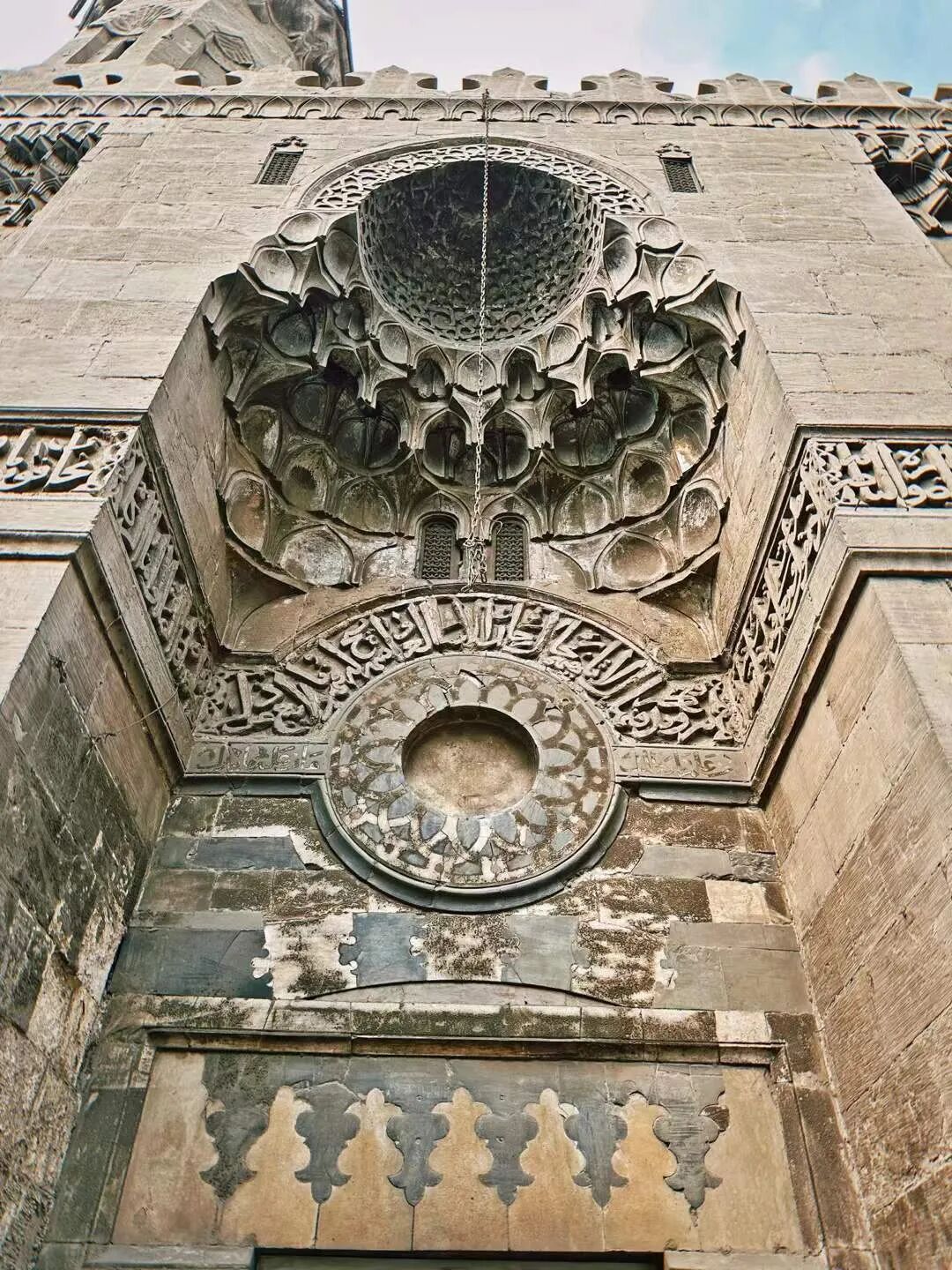
Continuing forward, you reach the Mosque of Ahmad al-Mihmandar, built between 1324 and 1325 by the Mamluk Emir Ahmad al-Mihmandar. This place was originally a madrasa (religious school) and was not converted into a mosque until the Ottoman period in 1722. The mosque's facade is very exquisite, featuring the typical Mamluk decorative style with calligraphic inscriptions and muqarnas cornices.
Mosque of Amir Altinbugha al-Mardani: 1338
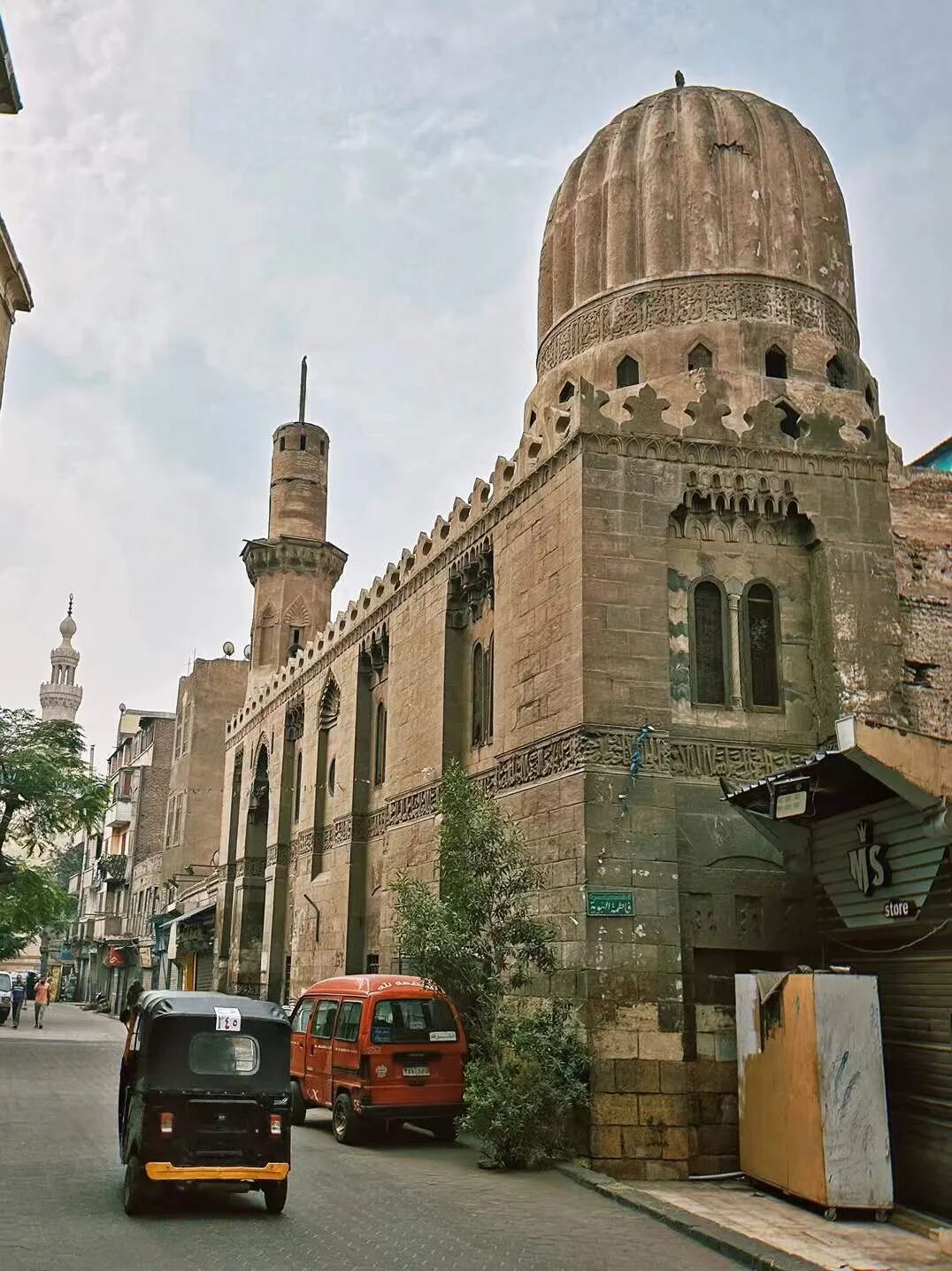
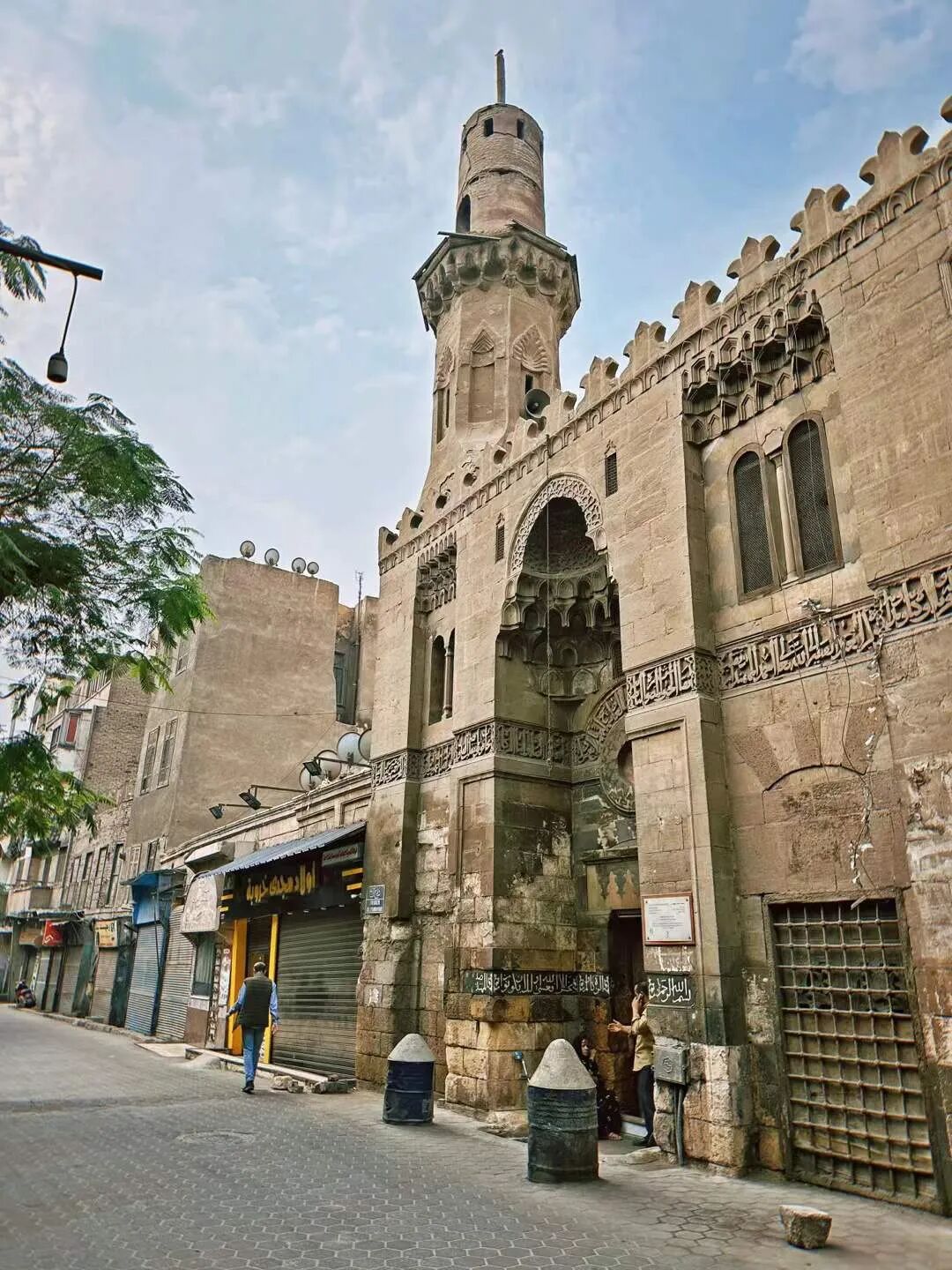
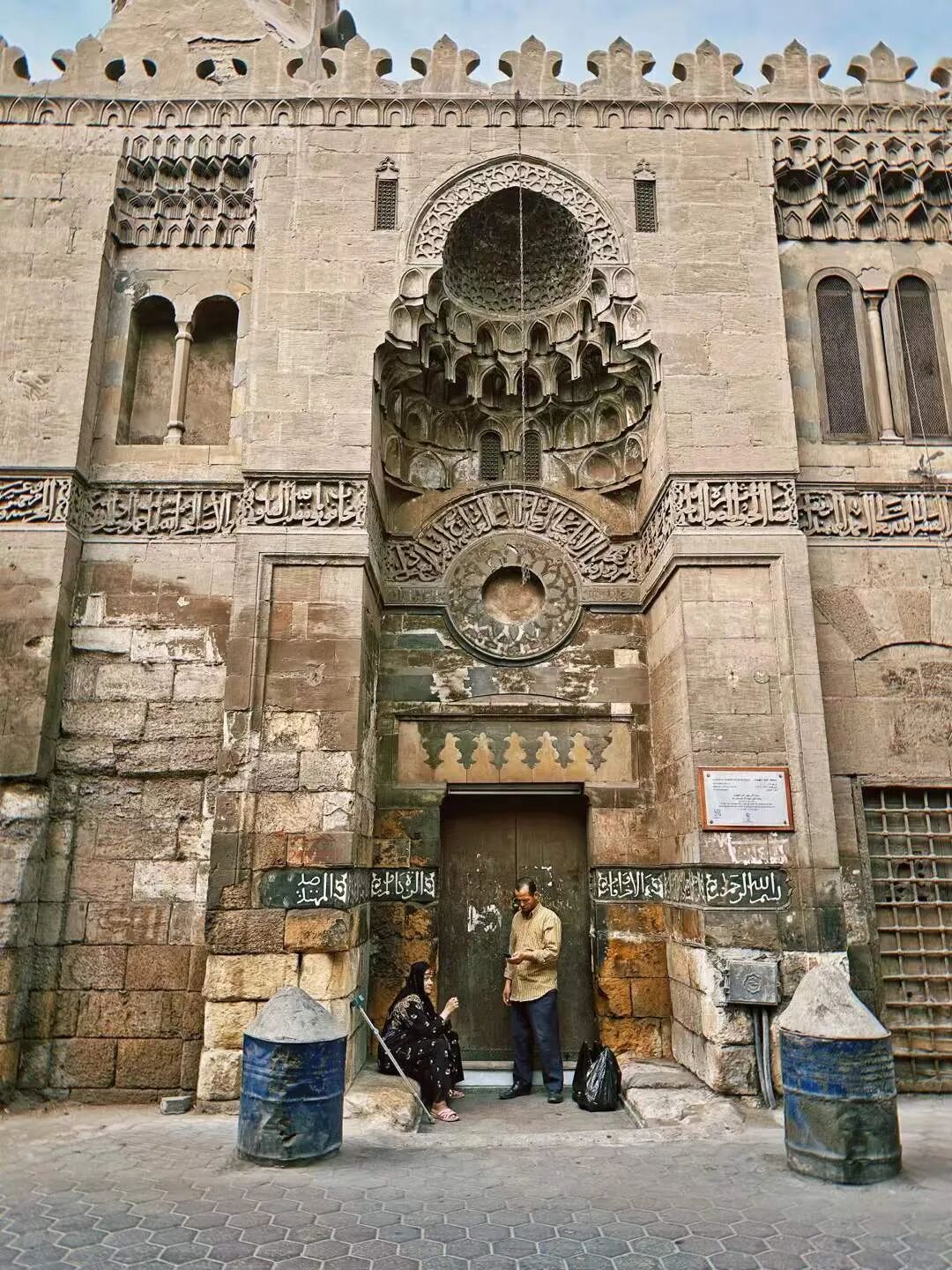
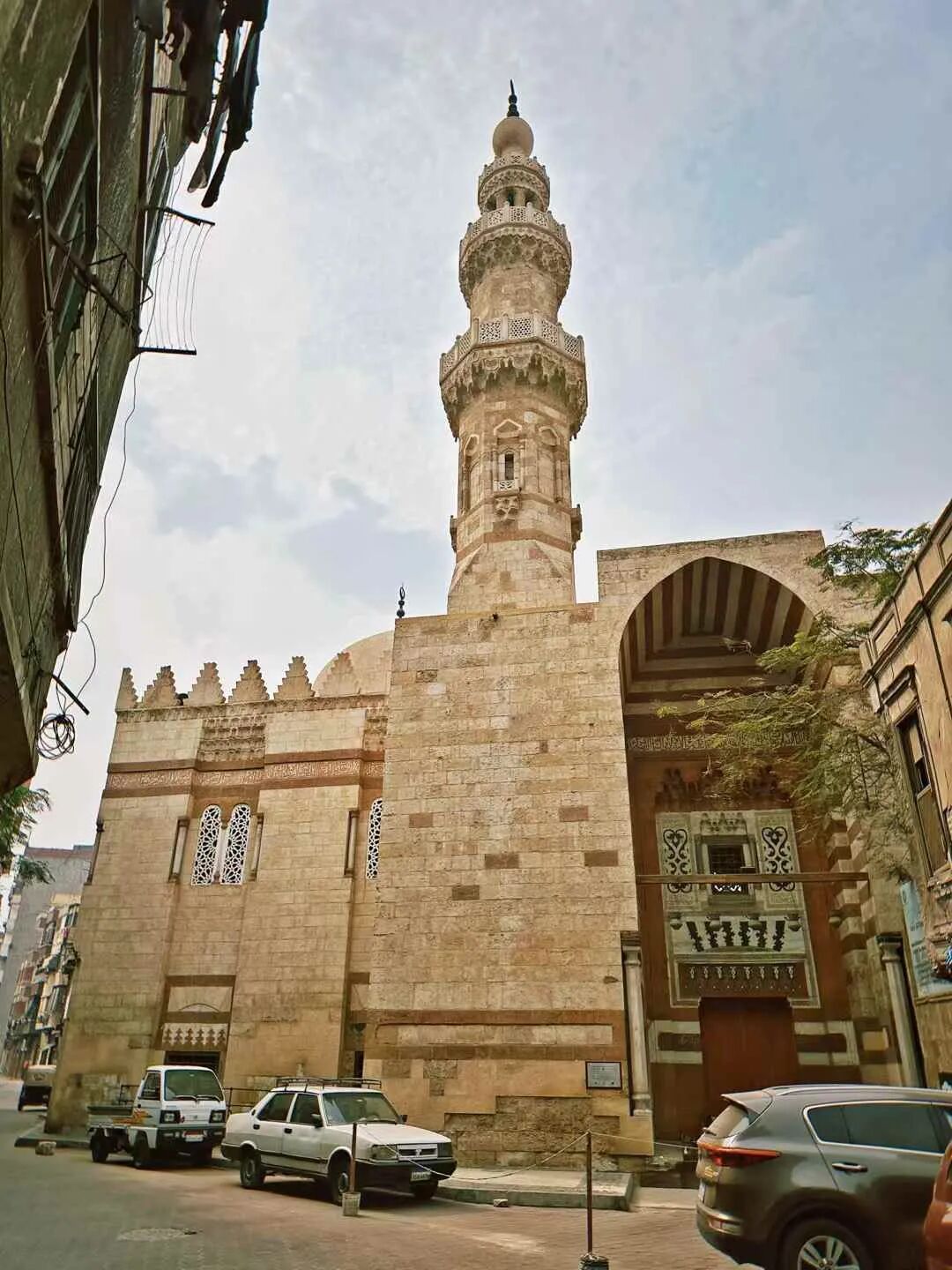
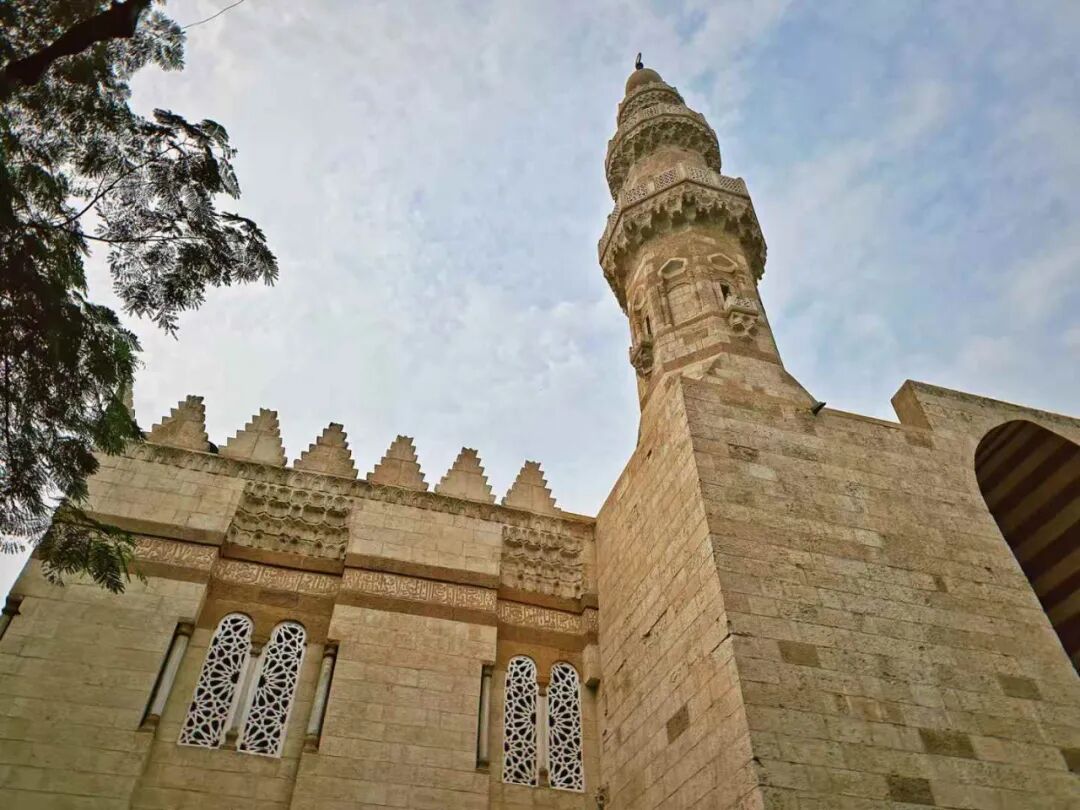
The Mosque of Amir Altinbugha al-Mardani was built between 1338 and 1340 by Amir Altinbugha al-Mardani, the son-in-law of the Mamluk Sultan Al-Nasir Muhammad. It is a typical Mamluk-style mosque with the most luxurious decorations of that time and is the first large mosque to feature an octagonal minaret and a large dome as standard.
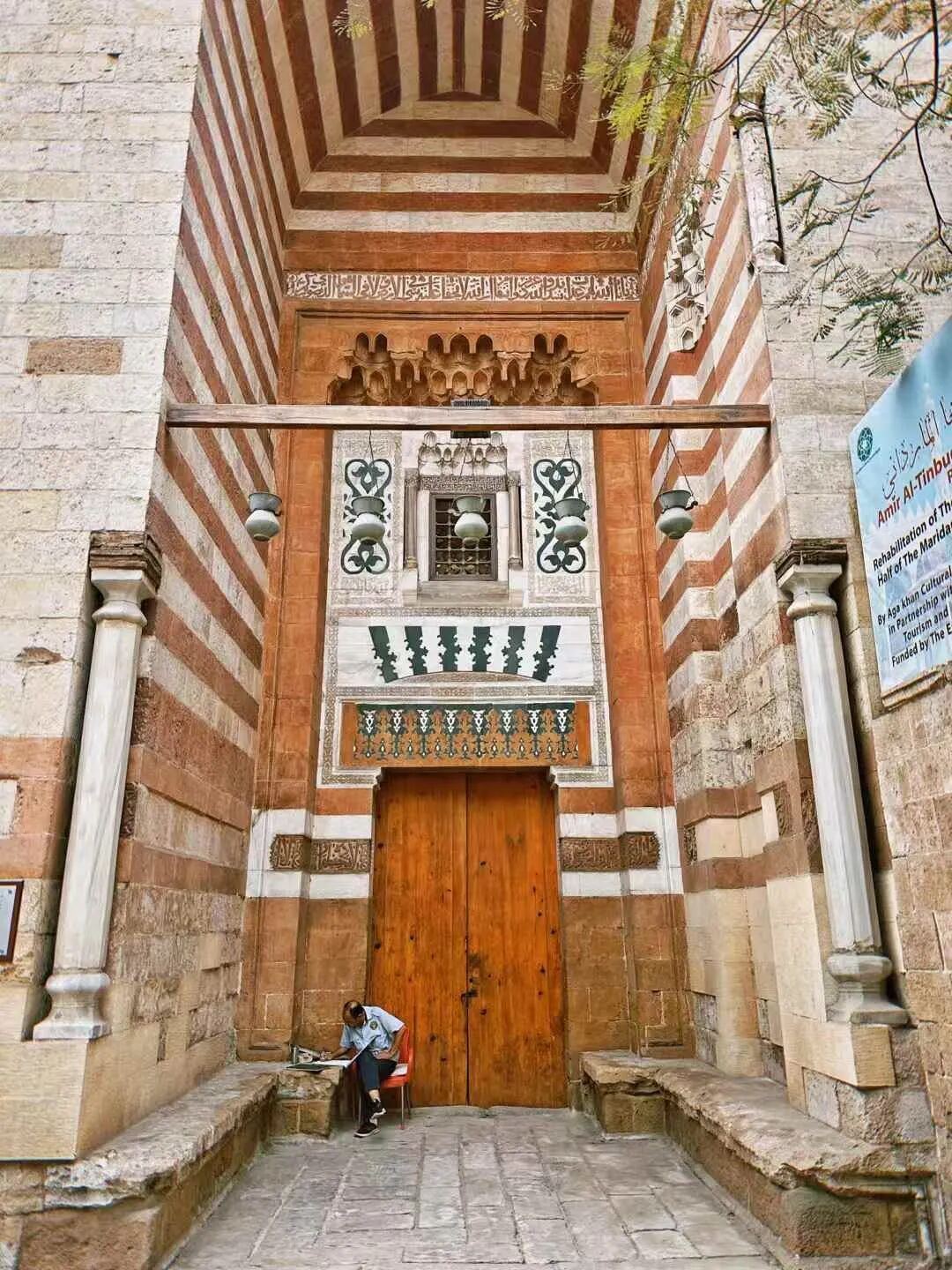
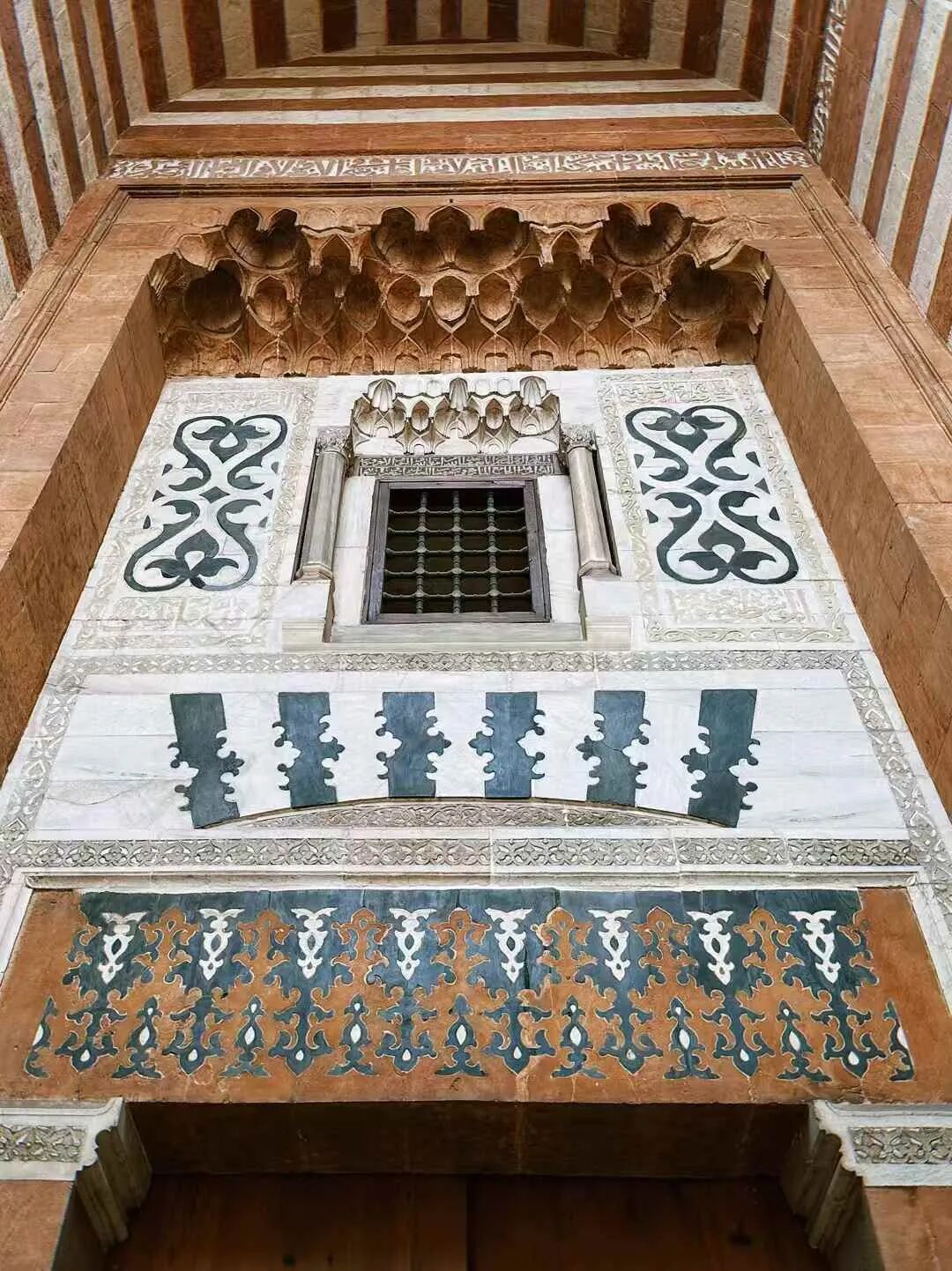
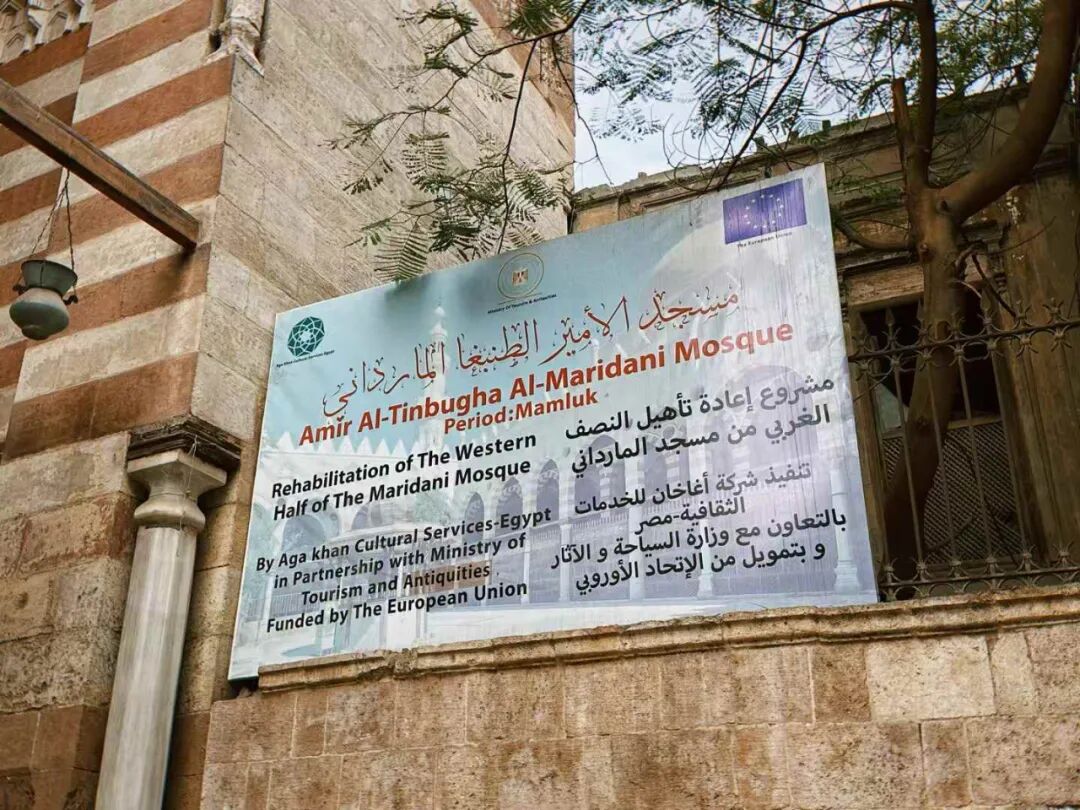
When I visited in 2023, the Aga Khan Trust for Culture was restoring the mosque, so I could not enter and only saw the exterior. The mosque's entrance is an iwan (vaulted hall), decorated inside with muqarnas cornices and rich marble patterns, including joggle lintels and alternating light and dark ablaq brickwork.
Mosque of Umm al-Sultan Sha'ban: 1368
The Mosque of Umm al-Sultan Sha'ban was built between 1368 and 1369 by the Mamluk Sultan Al-Ashraf Sha'ban (reigned 1363-77) to commemorate his mother, Umm al-Sultan Sha'ban, who was performing the Hajj at the time.
The mosque has a typical Mamluk architectural style and features a dome with spiral and fluted patterns. The outer wall is 18 meters high and looks imposing, with three levels of windows, some of which are decorative blind windows. The mosque's gate features a towering, pyramid-shaped muqarnas cornice with rich stone masonry decorations below it. The interior of the main hall is shaped like a cross-vaulted iwan, and the qibla wall is also in the Mamluk style with colorful stone masonry.
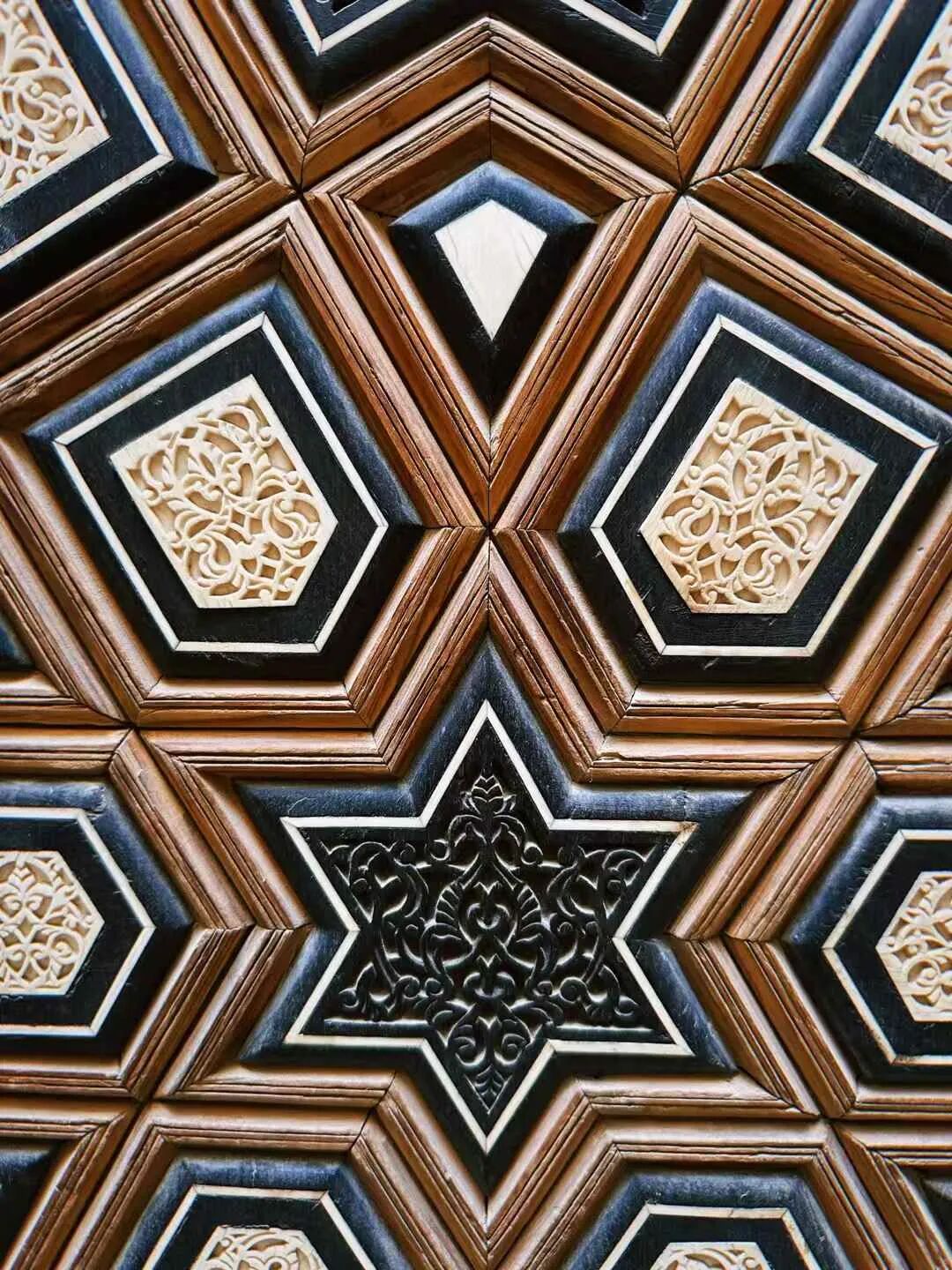
Blue Mosque: 1347
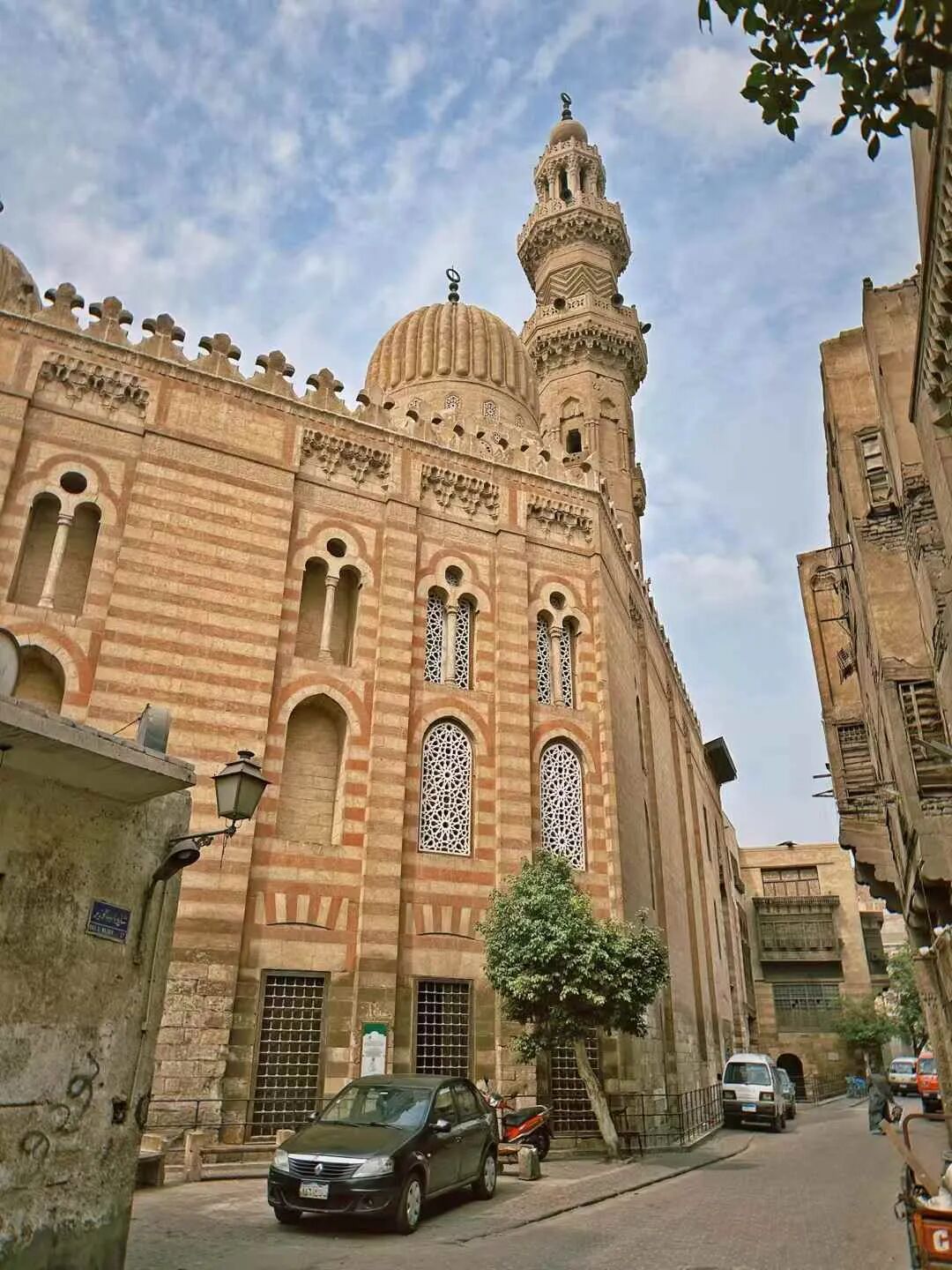
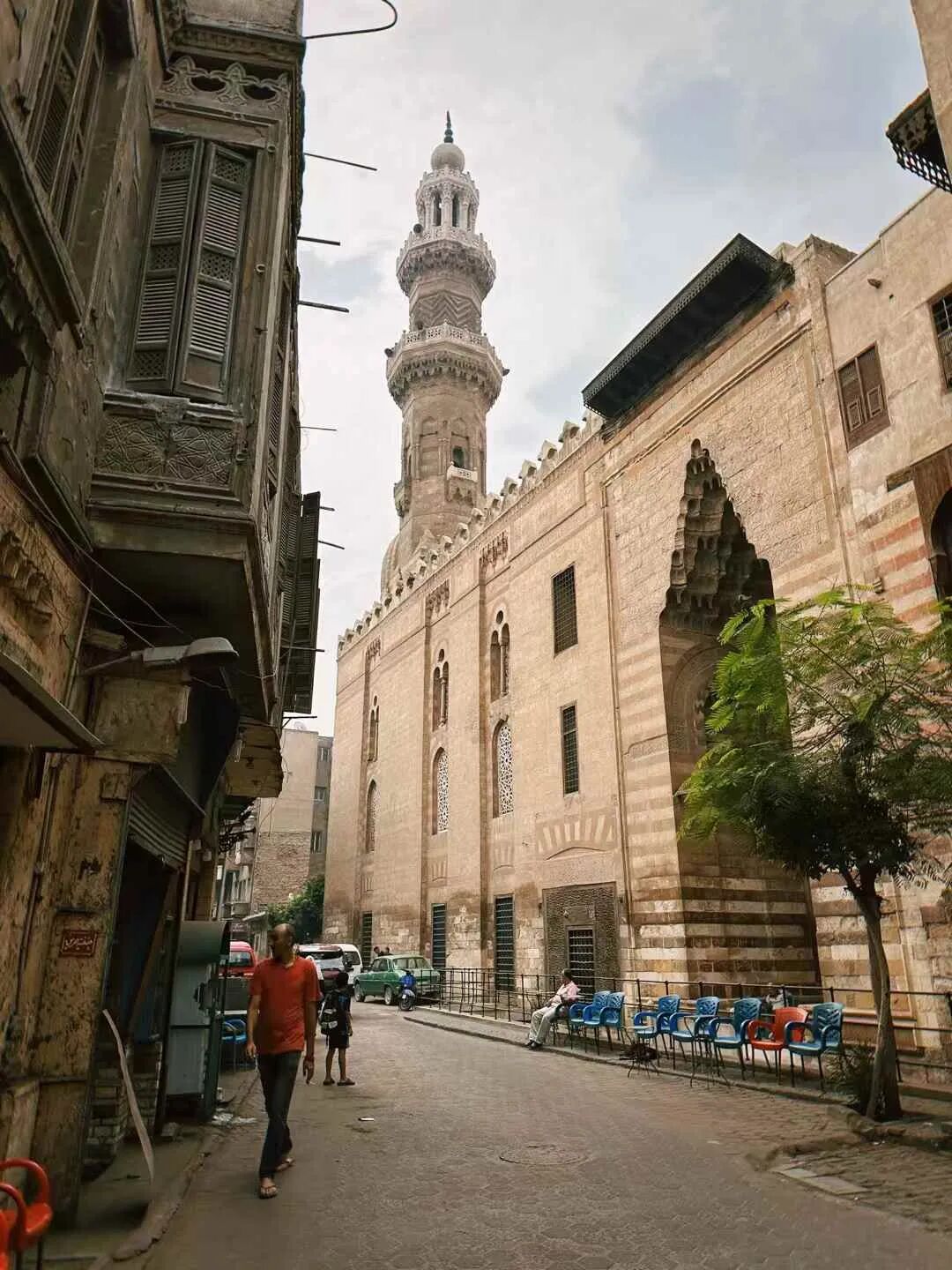
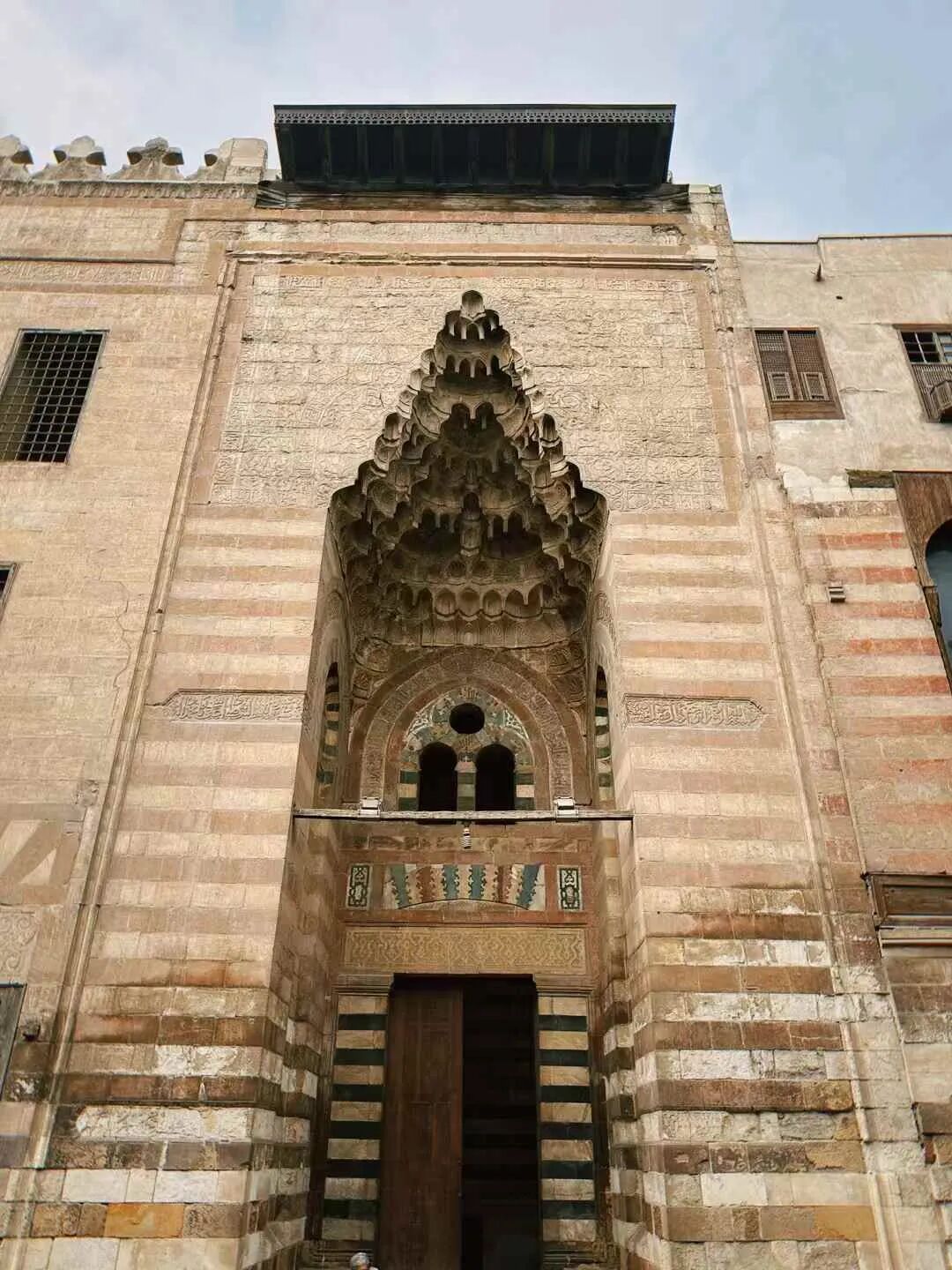
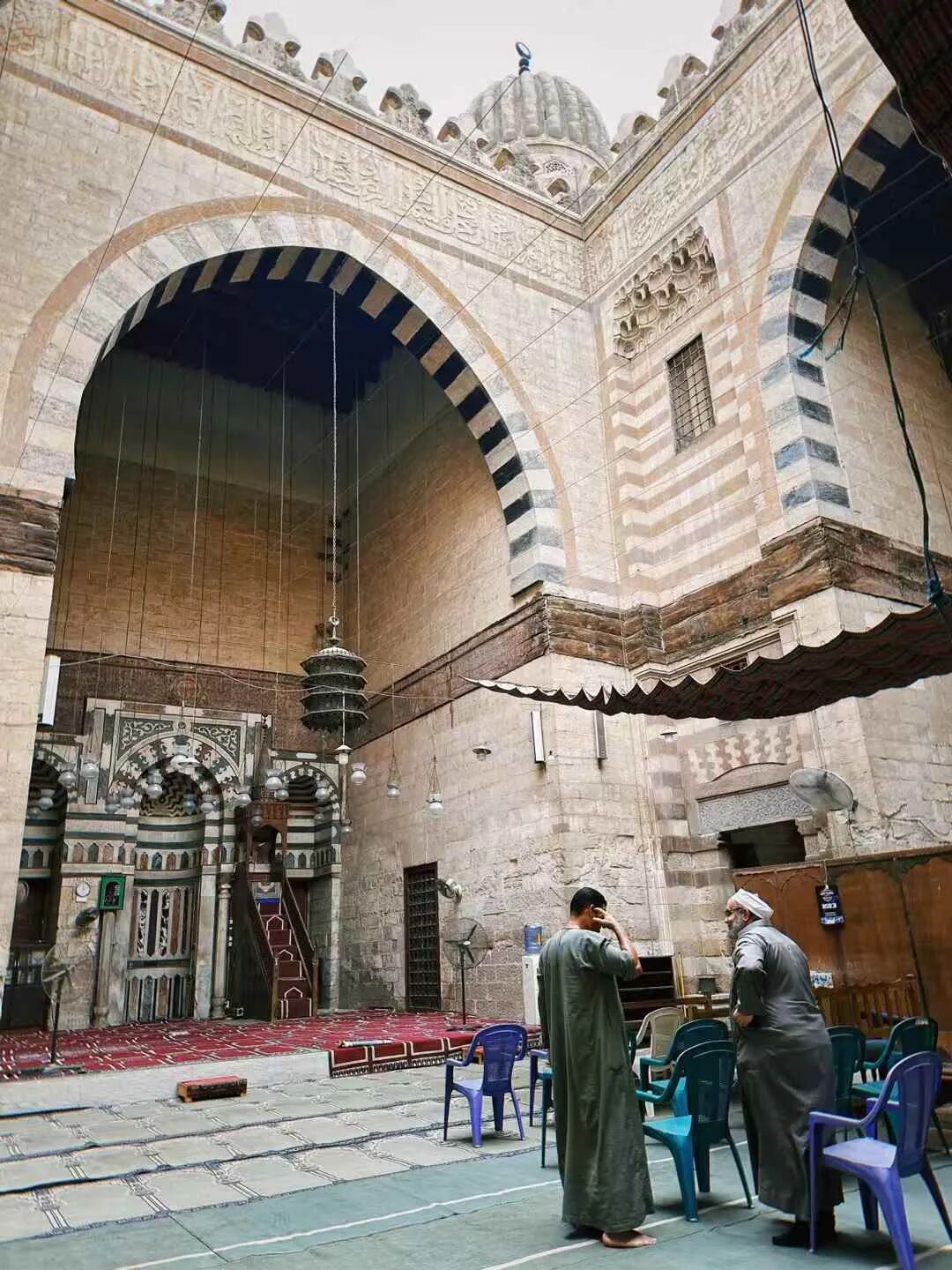
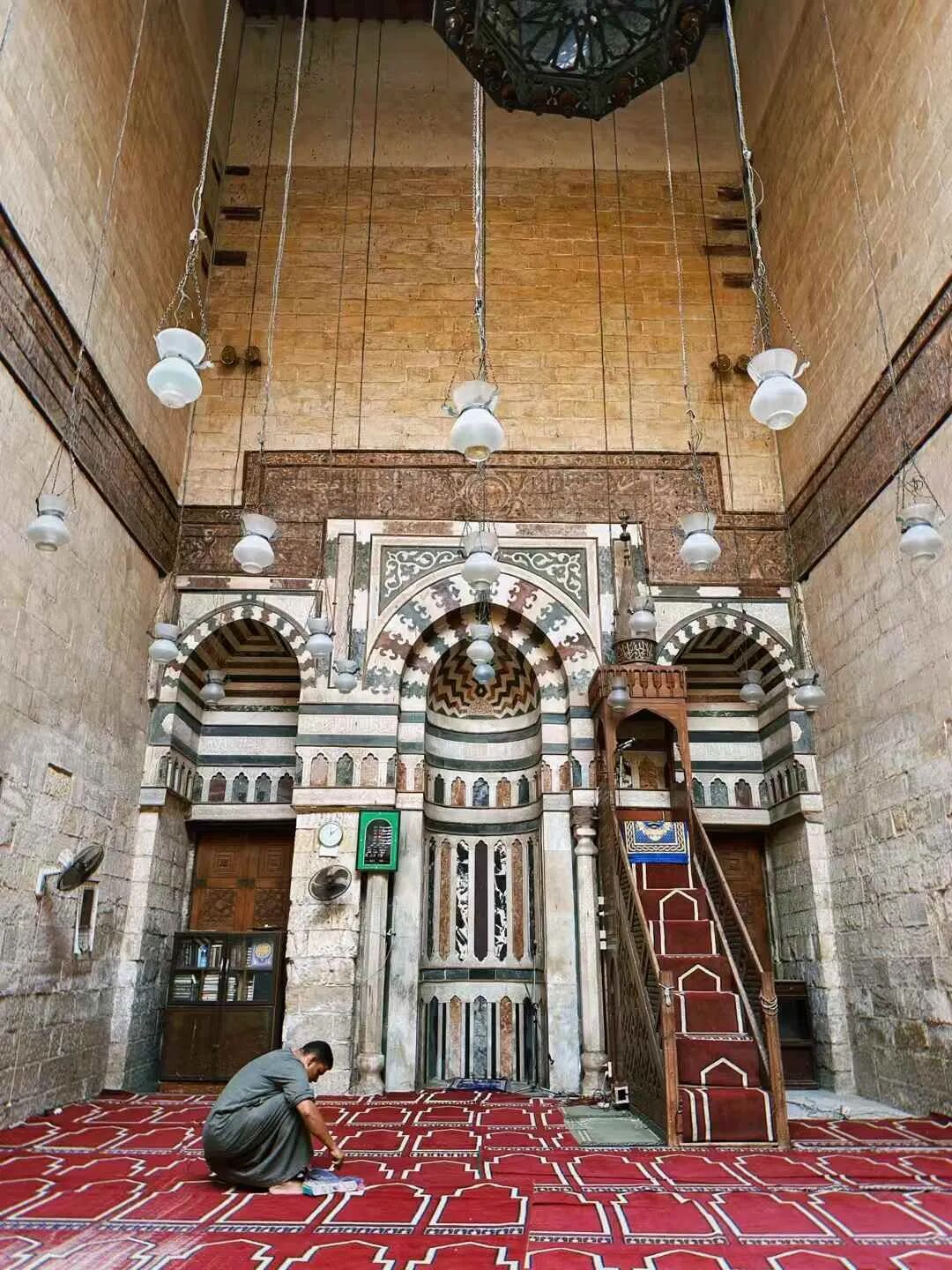
I attended Jumu'ah prayer at the Blue Mosque in Cairo at noon.
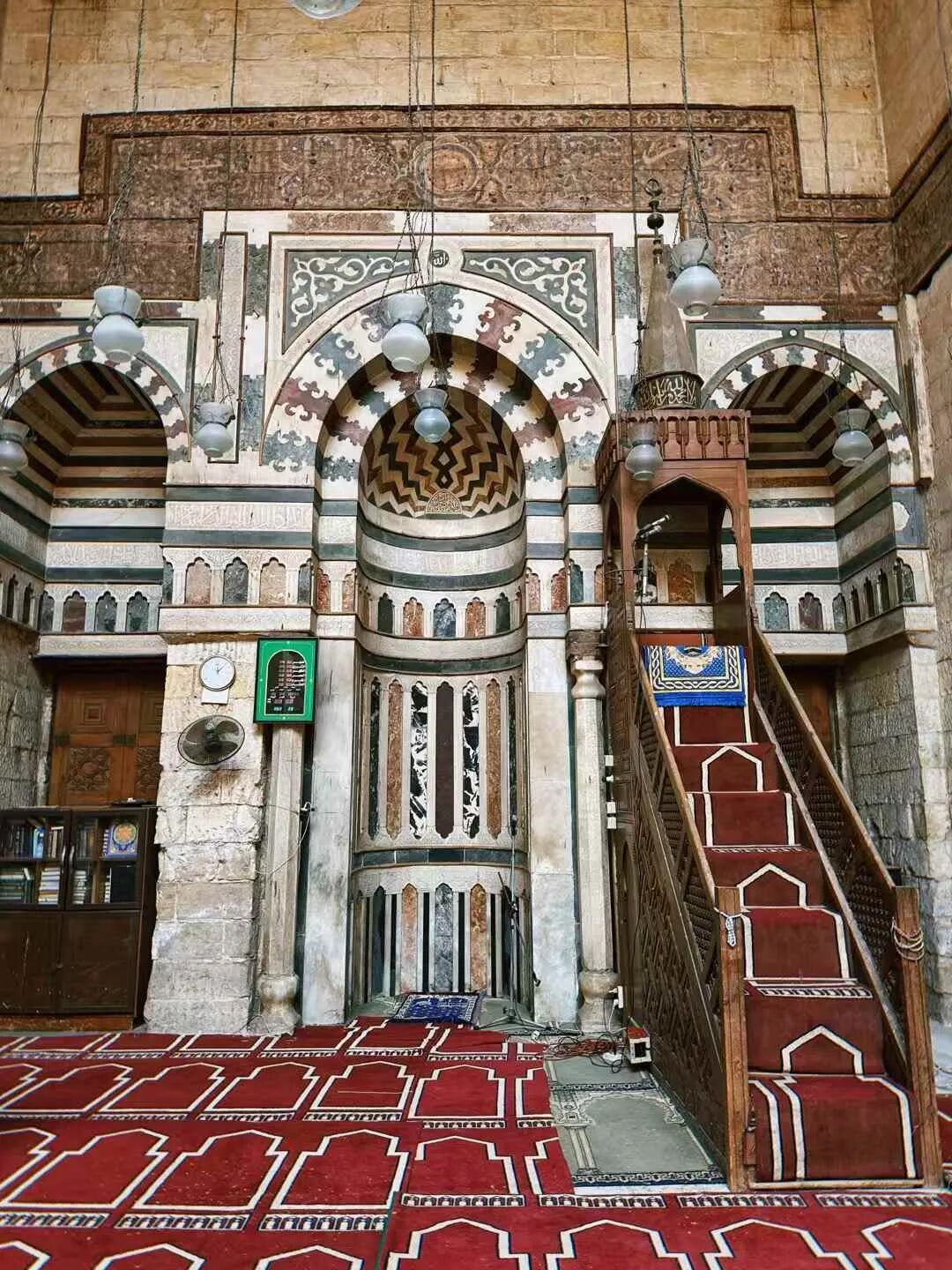
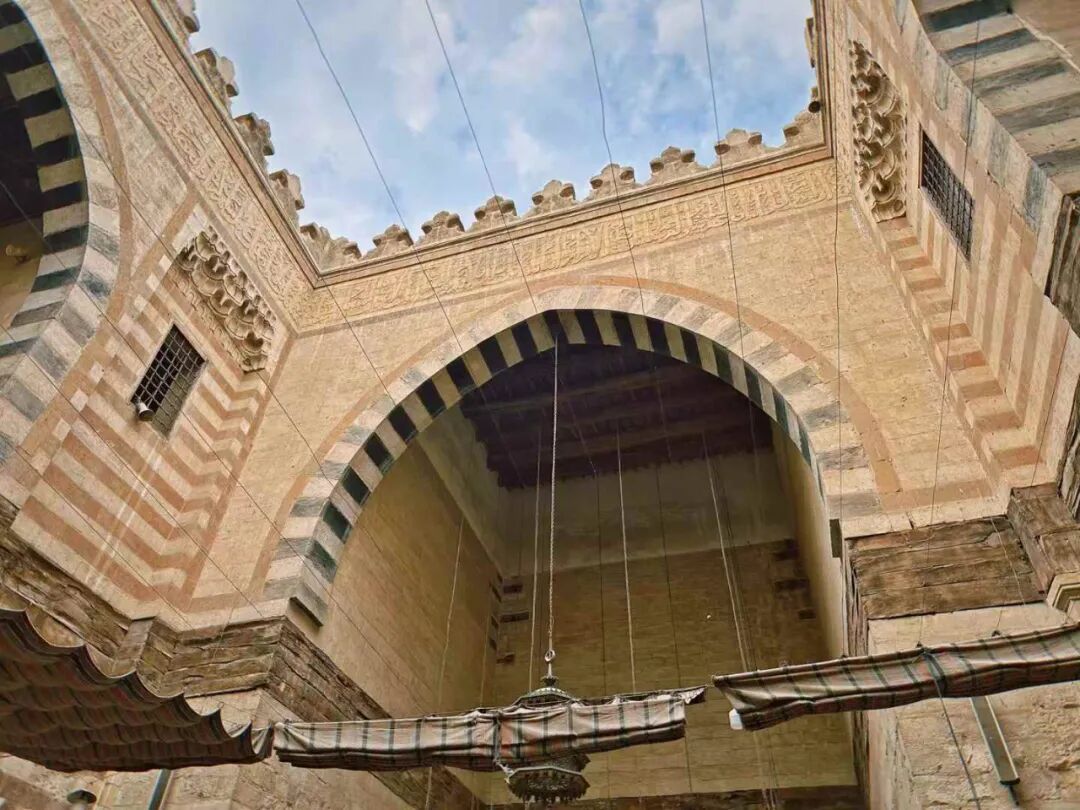
The Blue Mosque is originally named the Aqsunqur Mosque and was ordered to be built in 1347 by Emir Shams ad-Din Aqsunqur, the son-in-law of the Mamluk Sultan. As the former governor of Tripoli, Aqsunqur built the mosque in a Syrian style, which is different from the surrounding Mamluk-style mosques. The Syrian style includes cross-vaults and a columned layout, both of which are rare in Cairo.
The Blue Mosque has the oldest marble minbar (pulpit) in Cairo, which is also a rare example of a marble pulpit in the city.
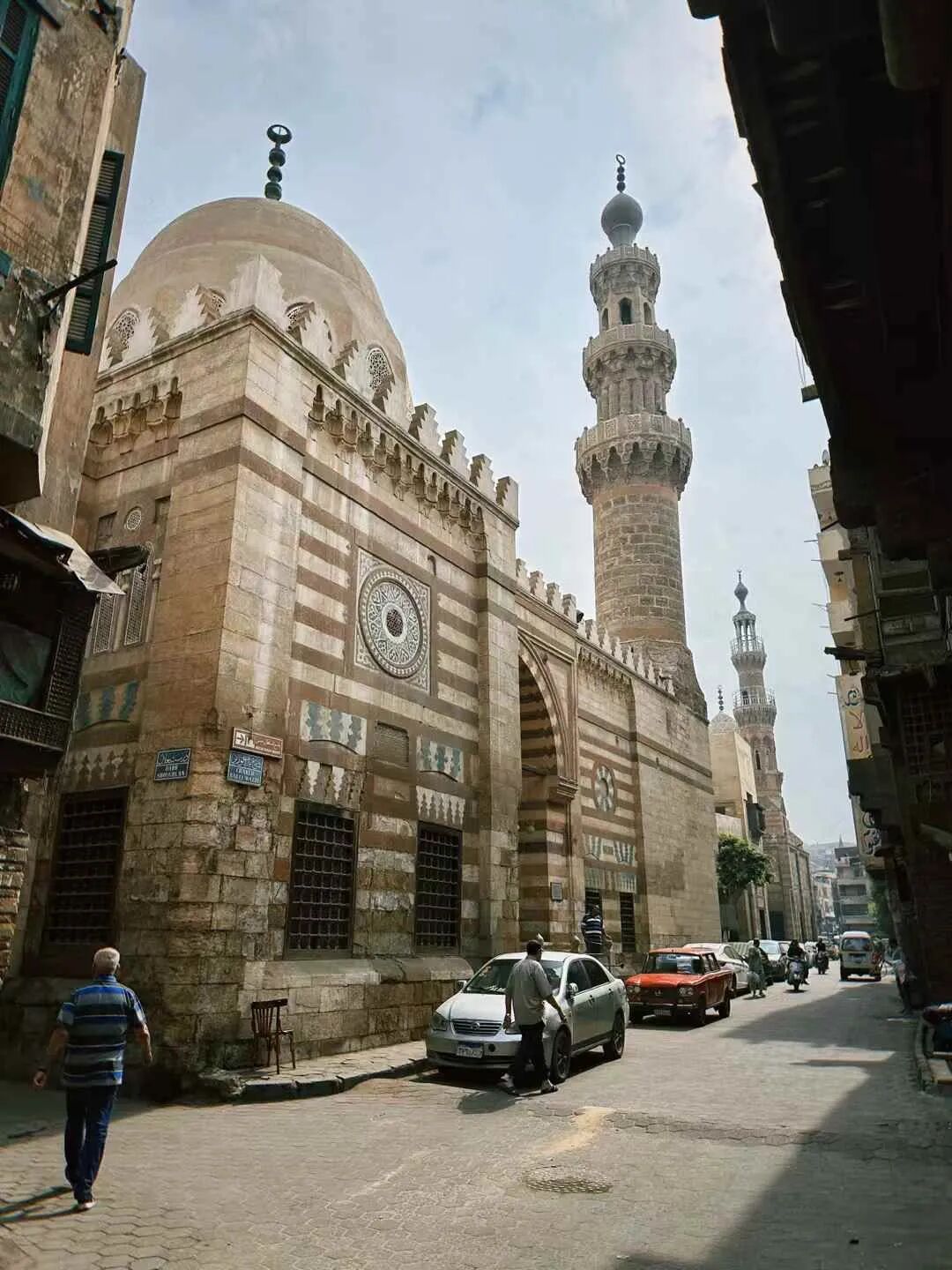
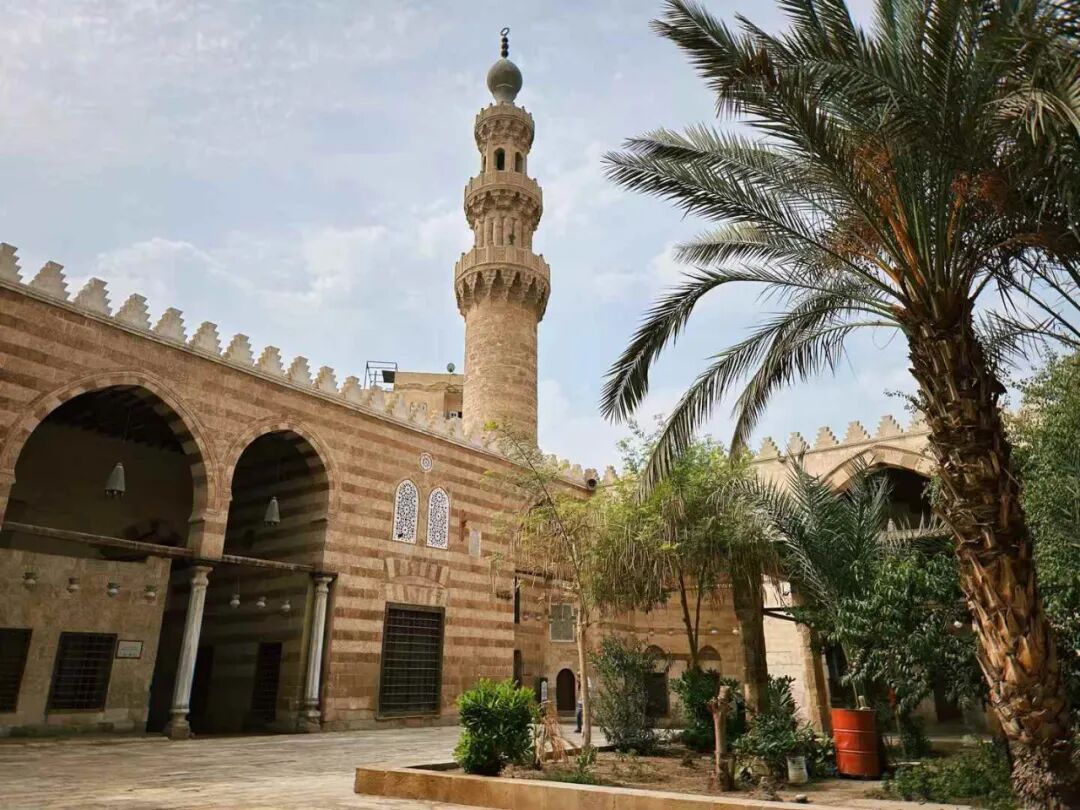
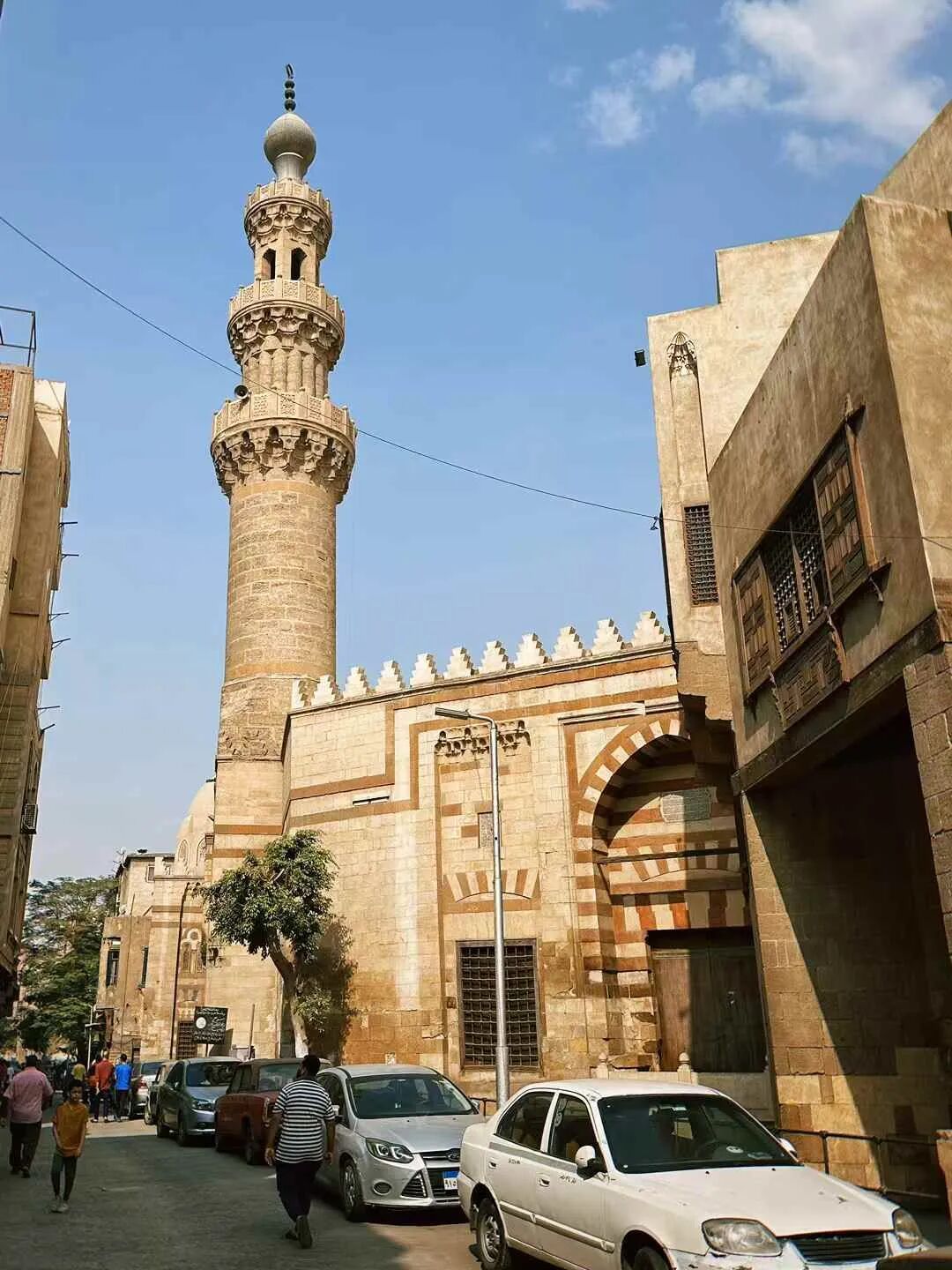
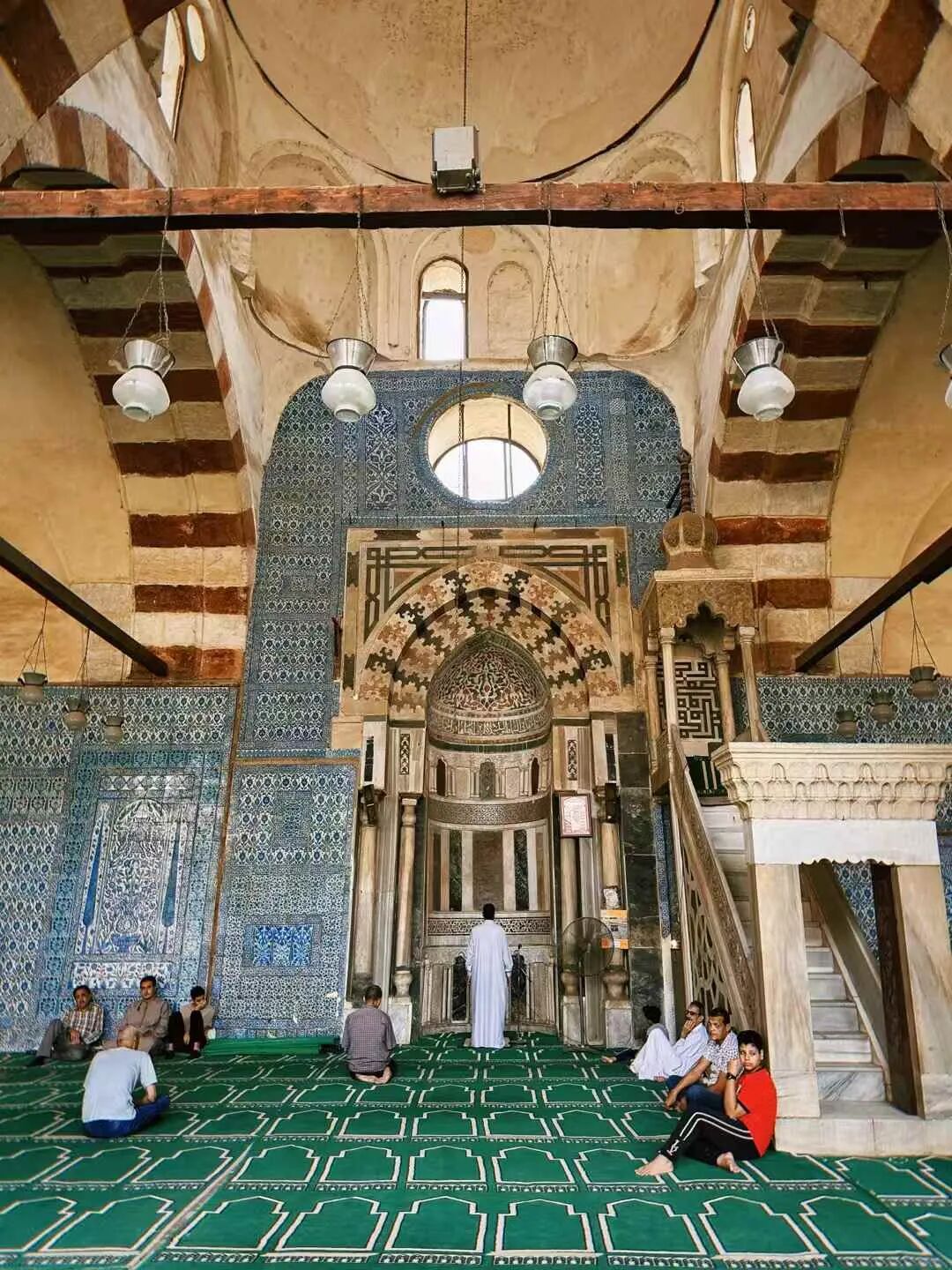
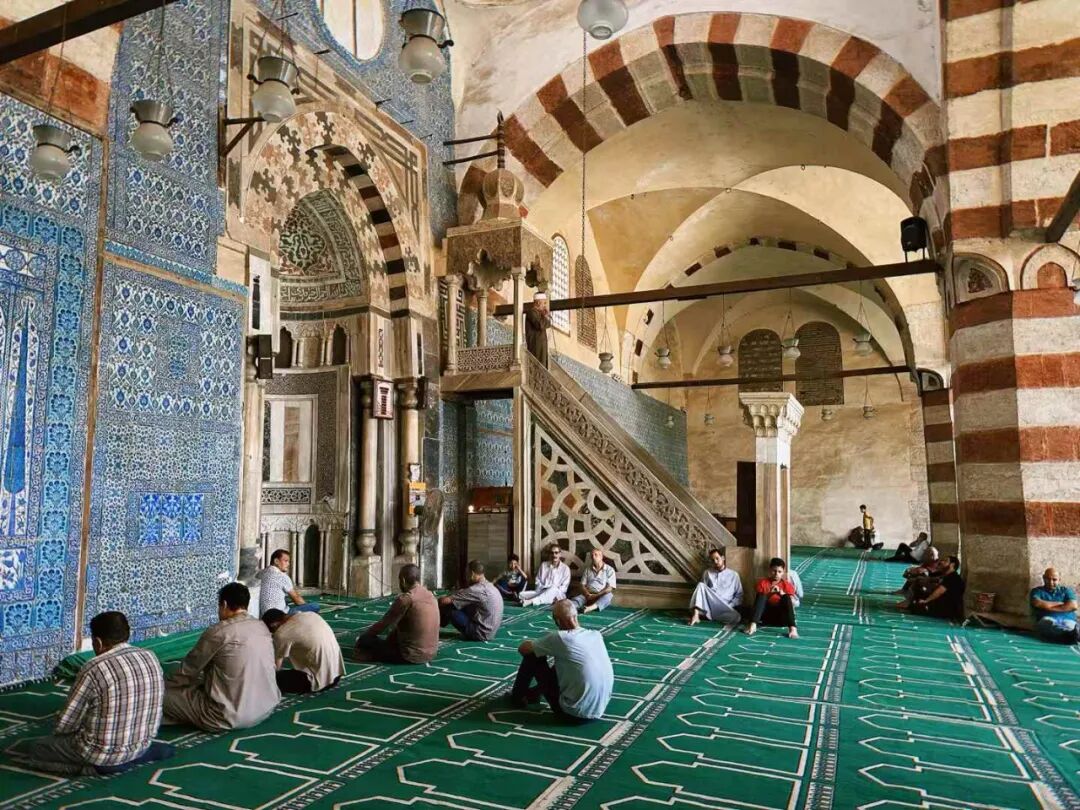
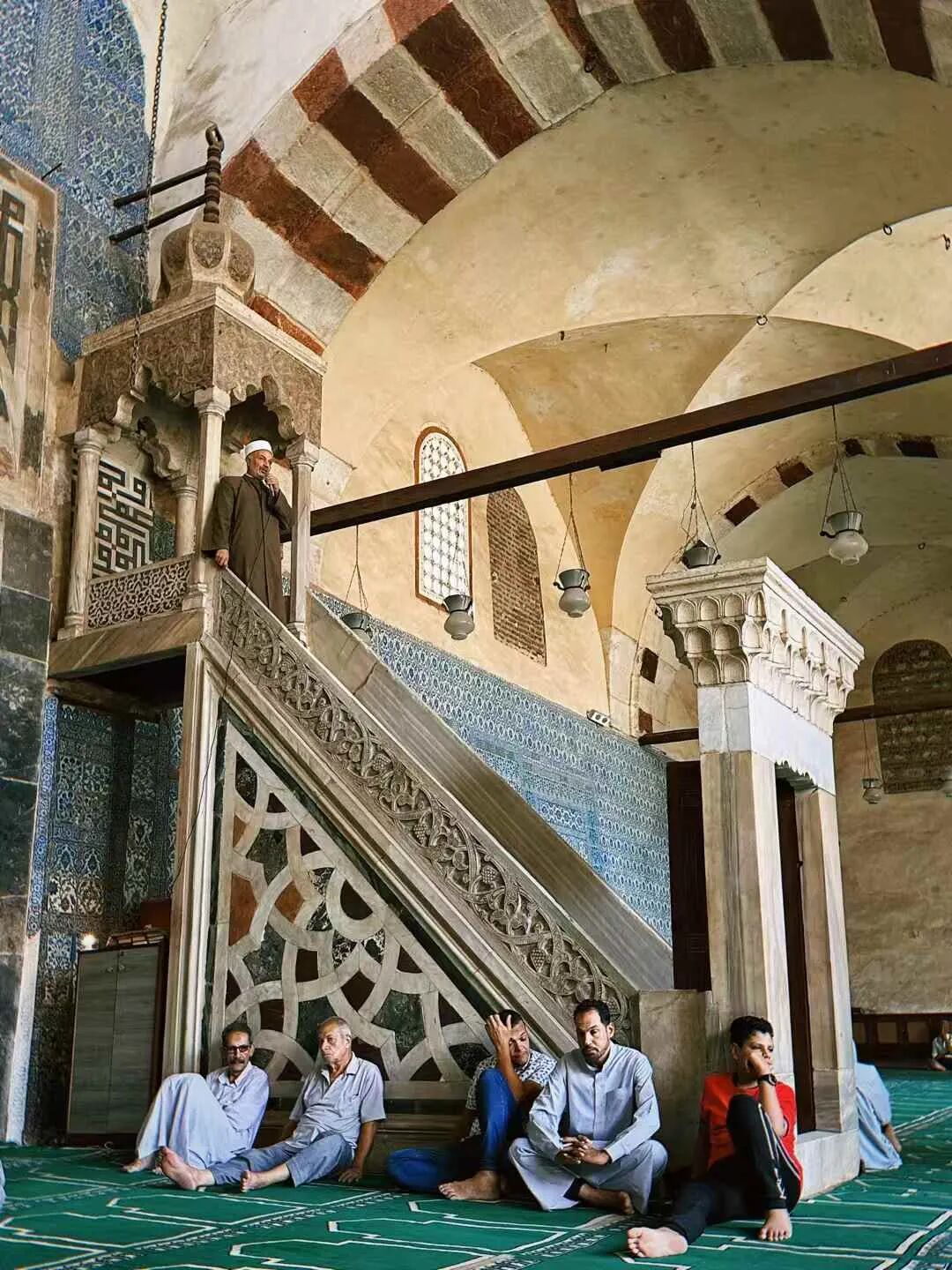
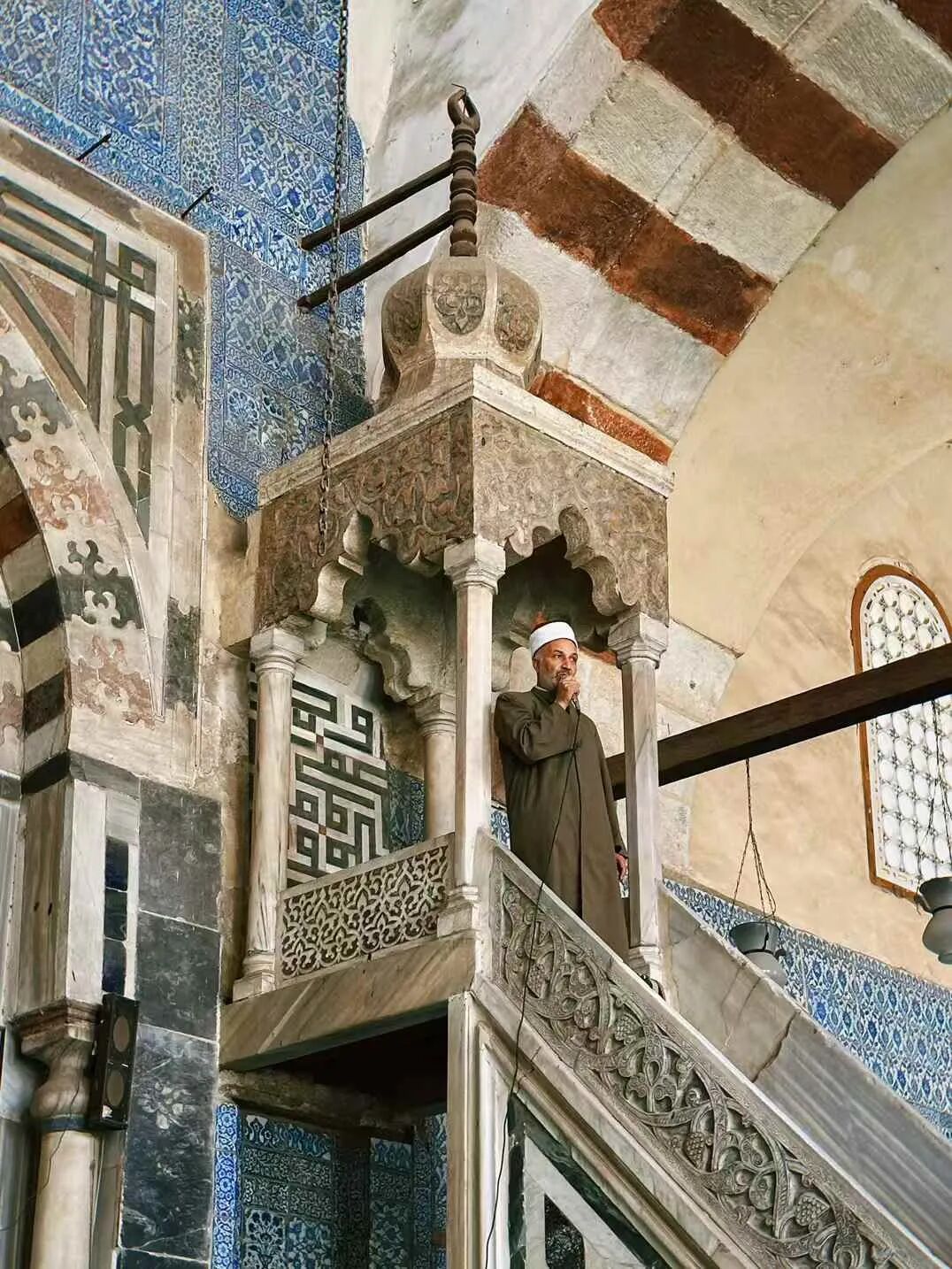
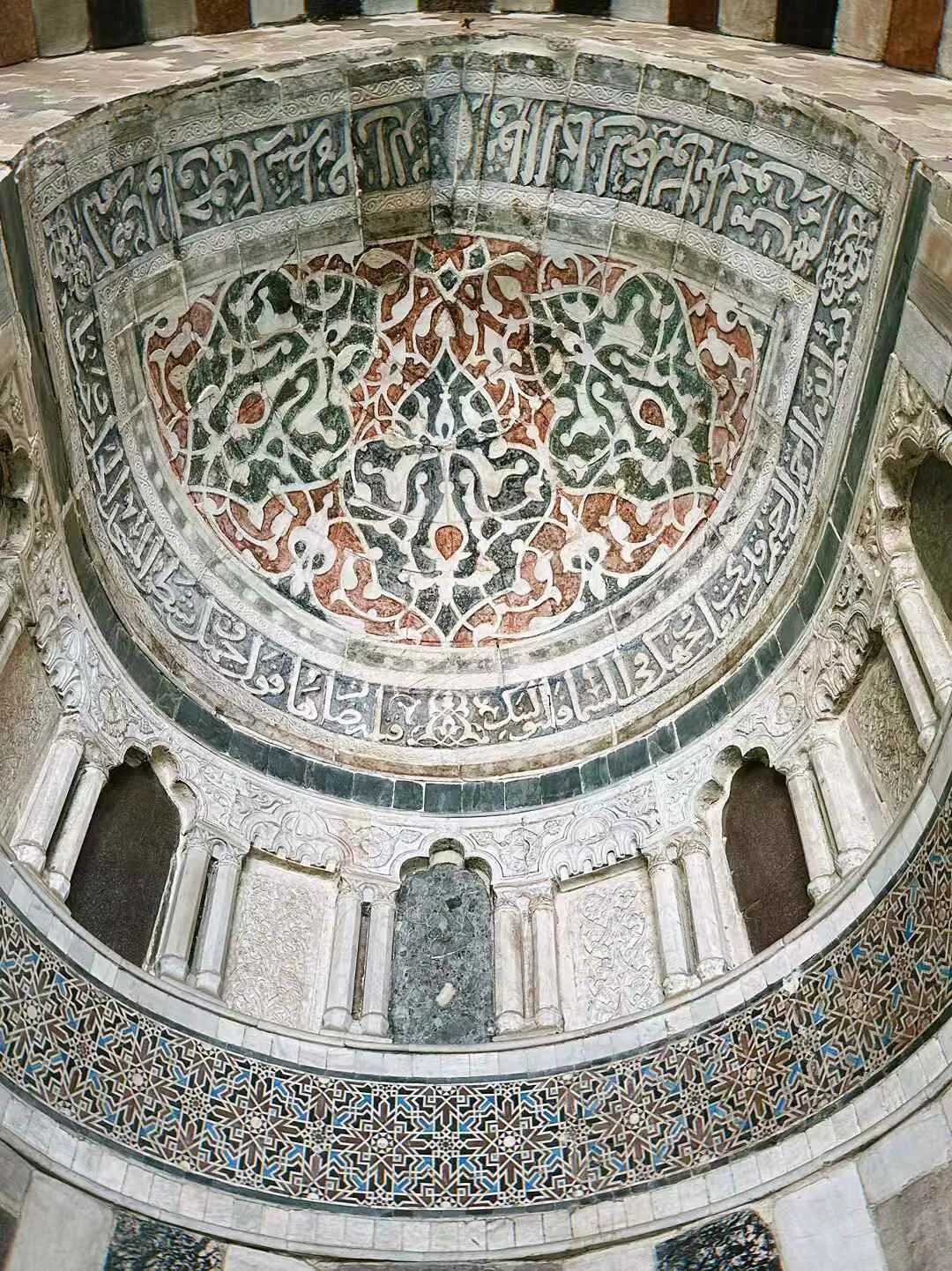
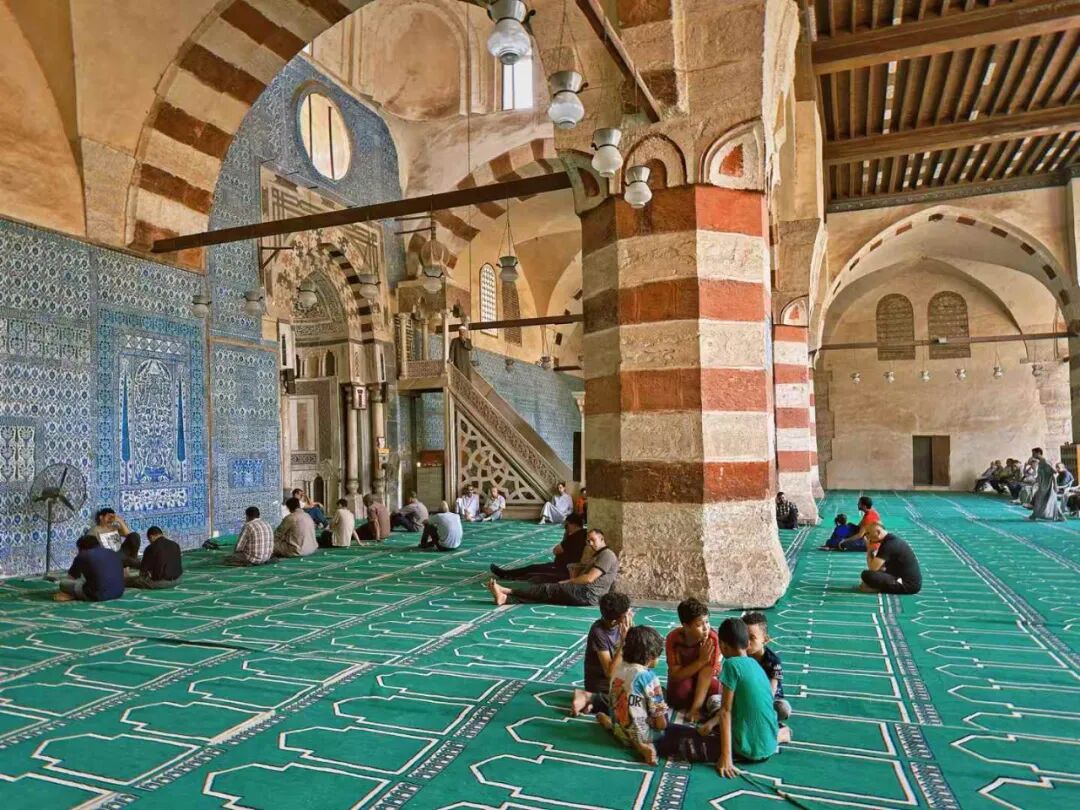
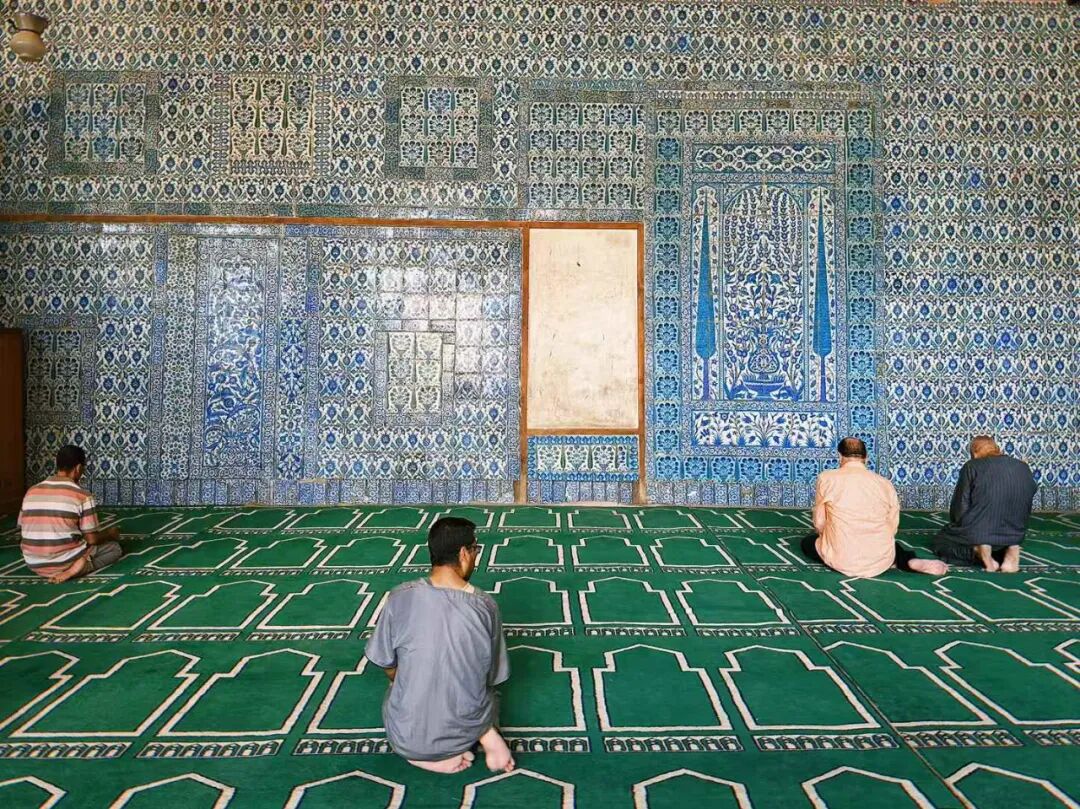
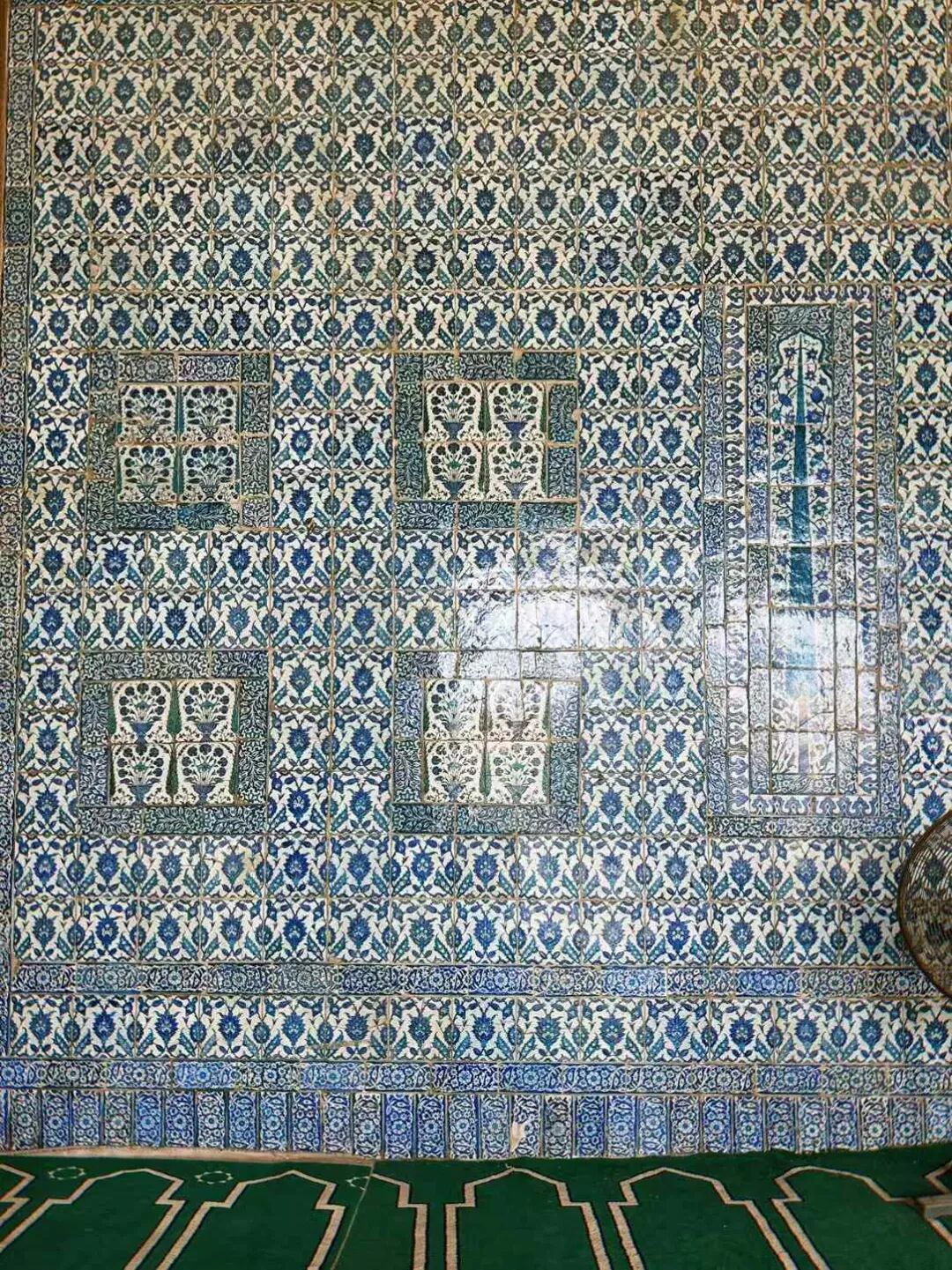
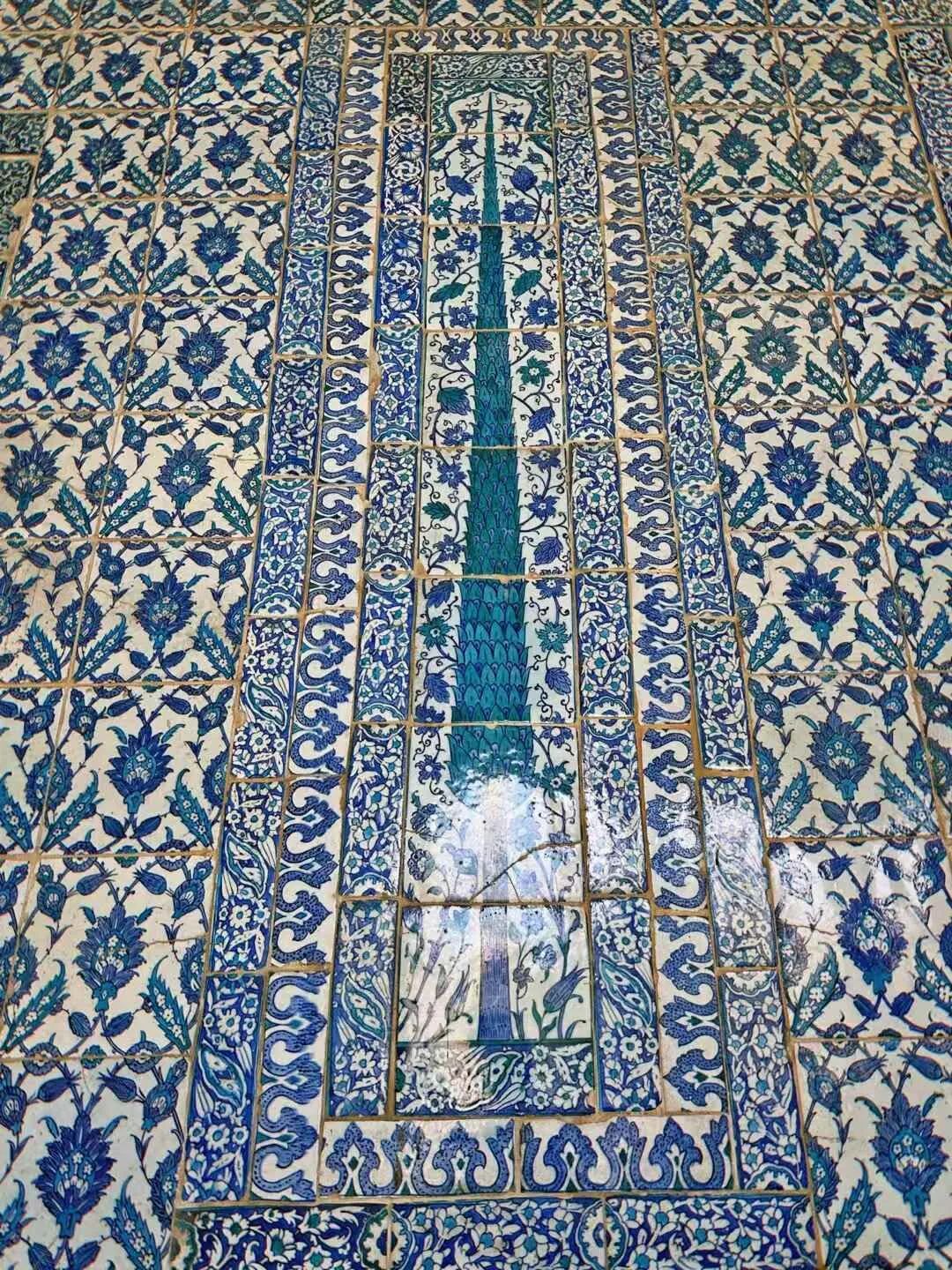
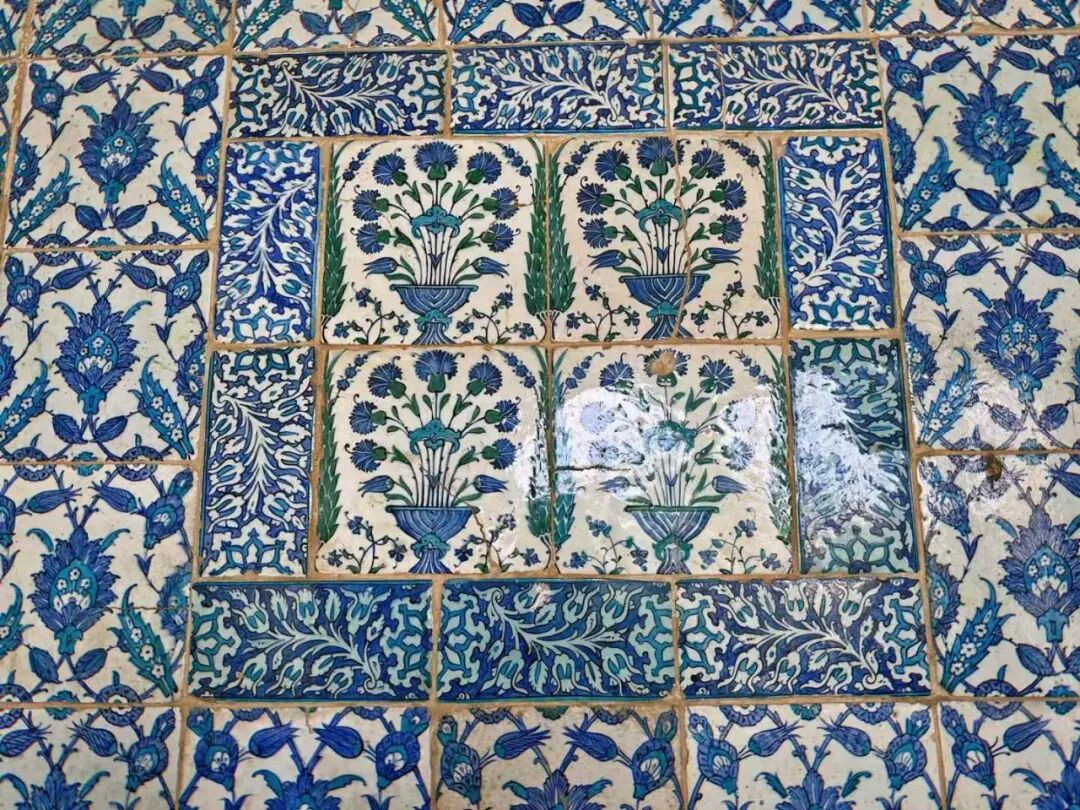
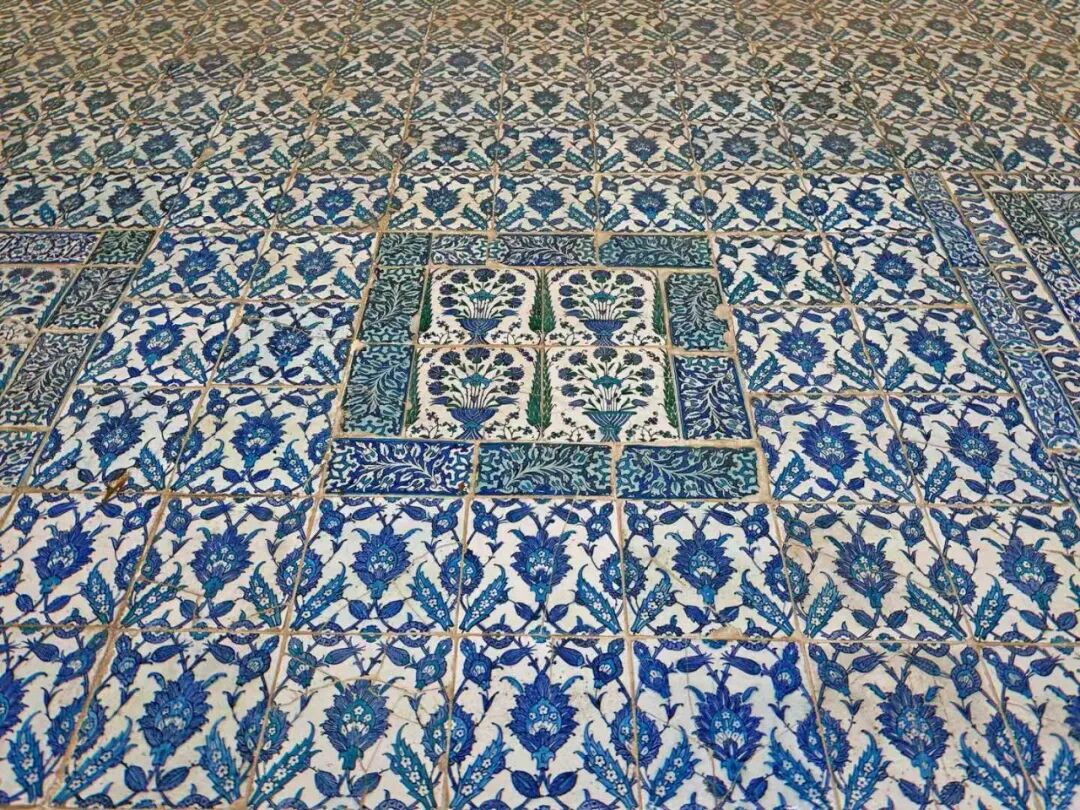
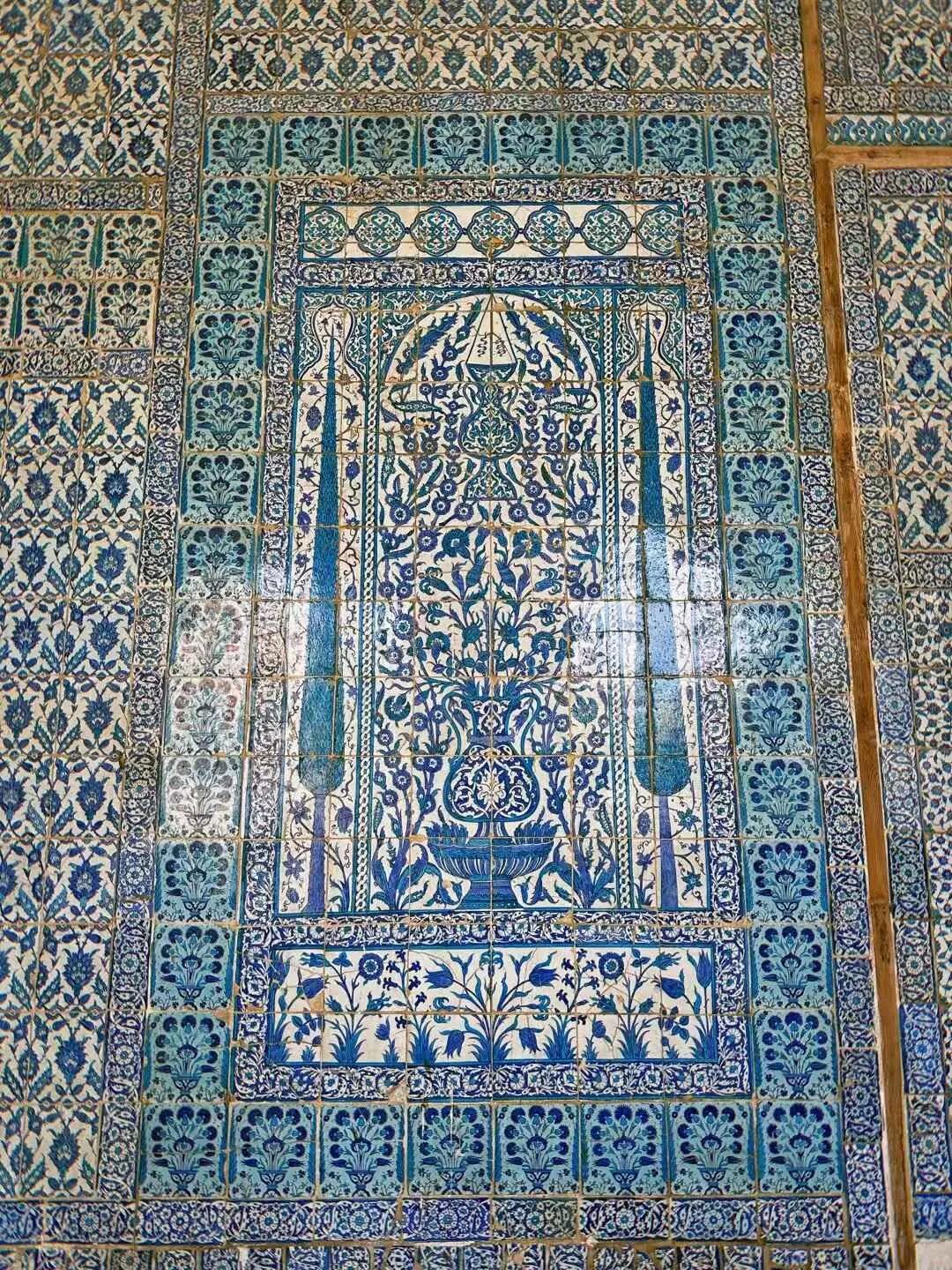
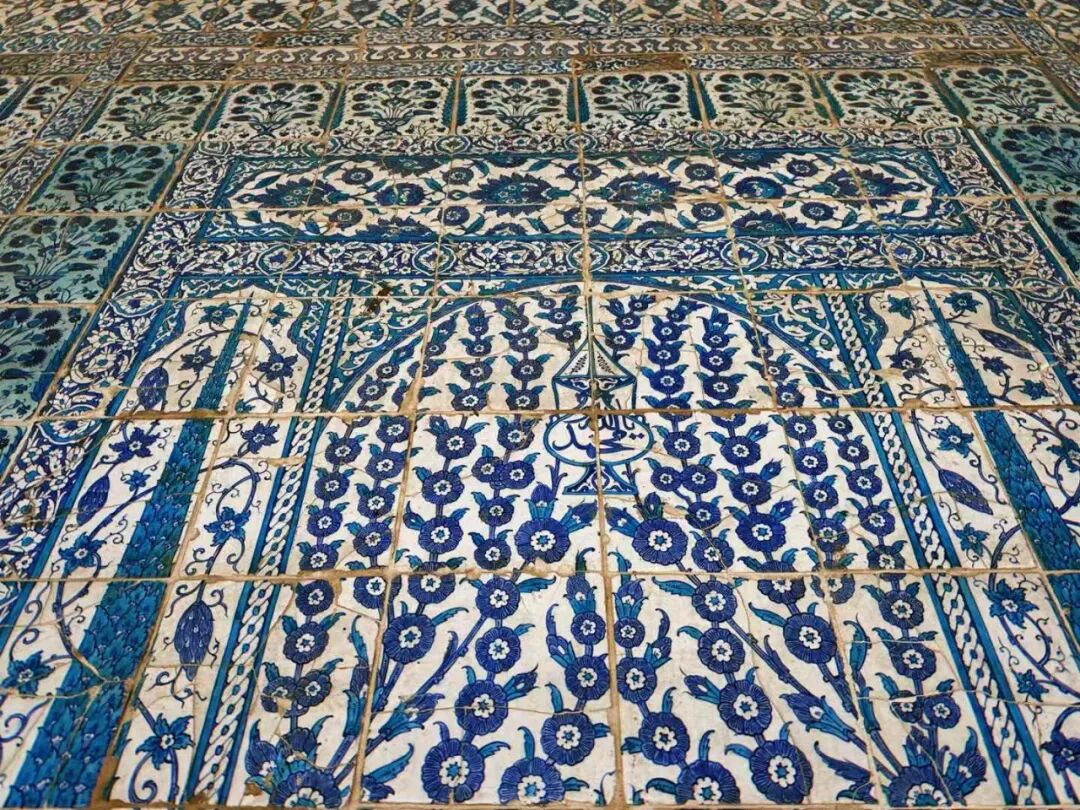
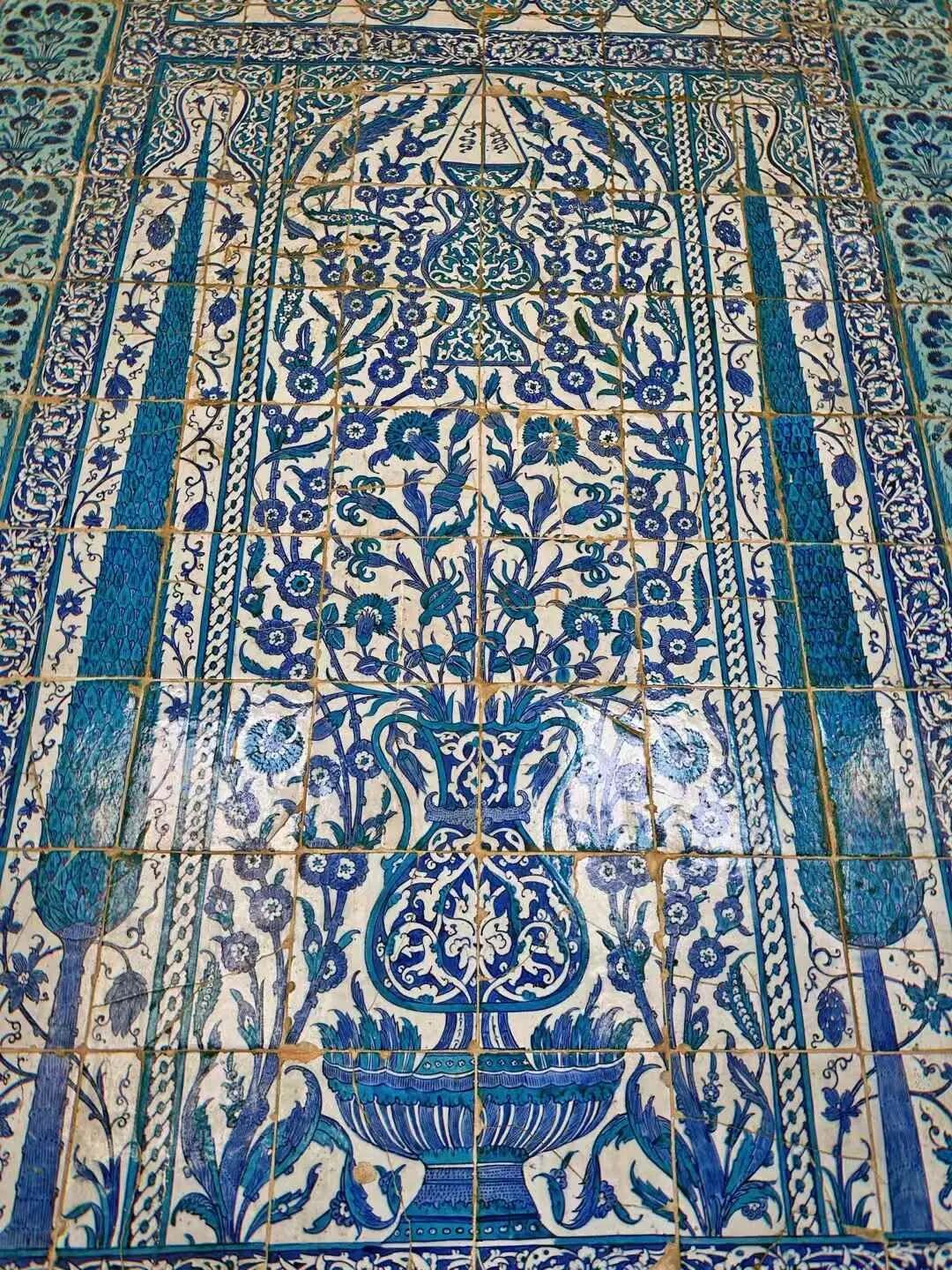
Between 1652 and 1654, Ottoman Janissary commander Ibrahim Agha al-Mustahfizan gave the Blue Mosque a major renovation. He decorated the prayer wall (qibla wall) with Ottoman tiles imported from Istanbul and Damascus, which is how the mosque got its name. These tiles are in the Iznik style and feature cypress tree and tulip patterns.
Sayyida Fatima Mosque: 18th-century expansion
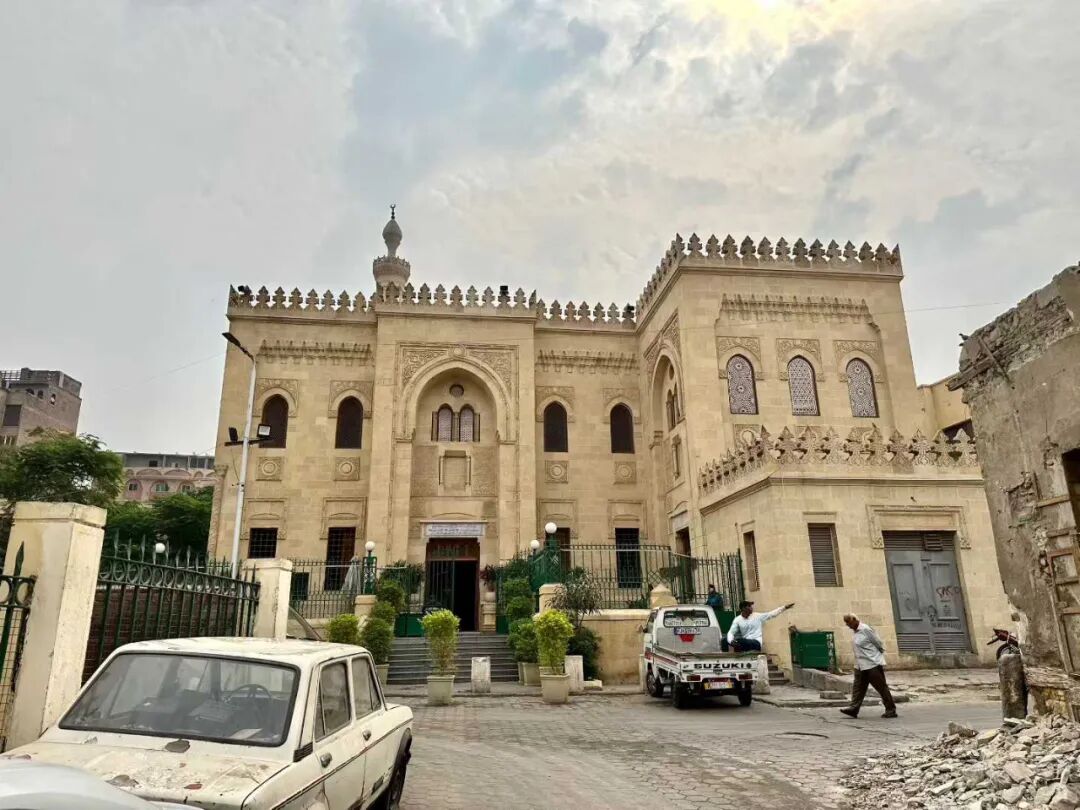
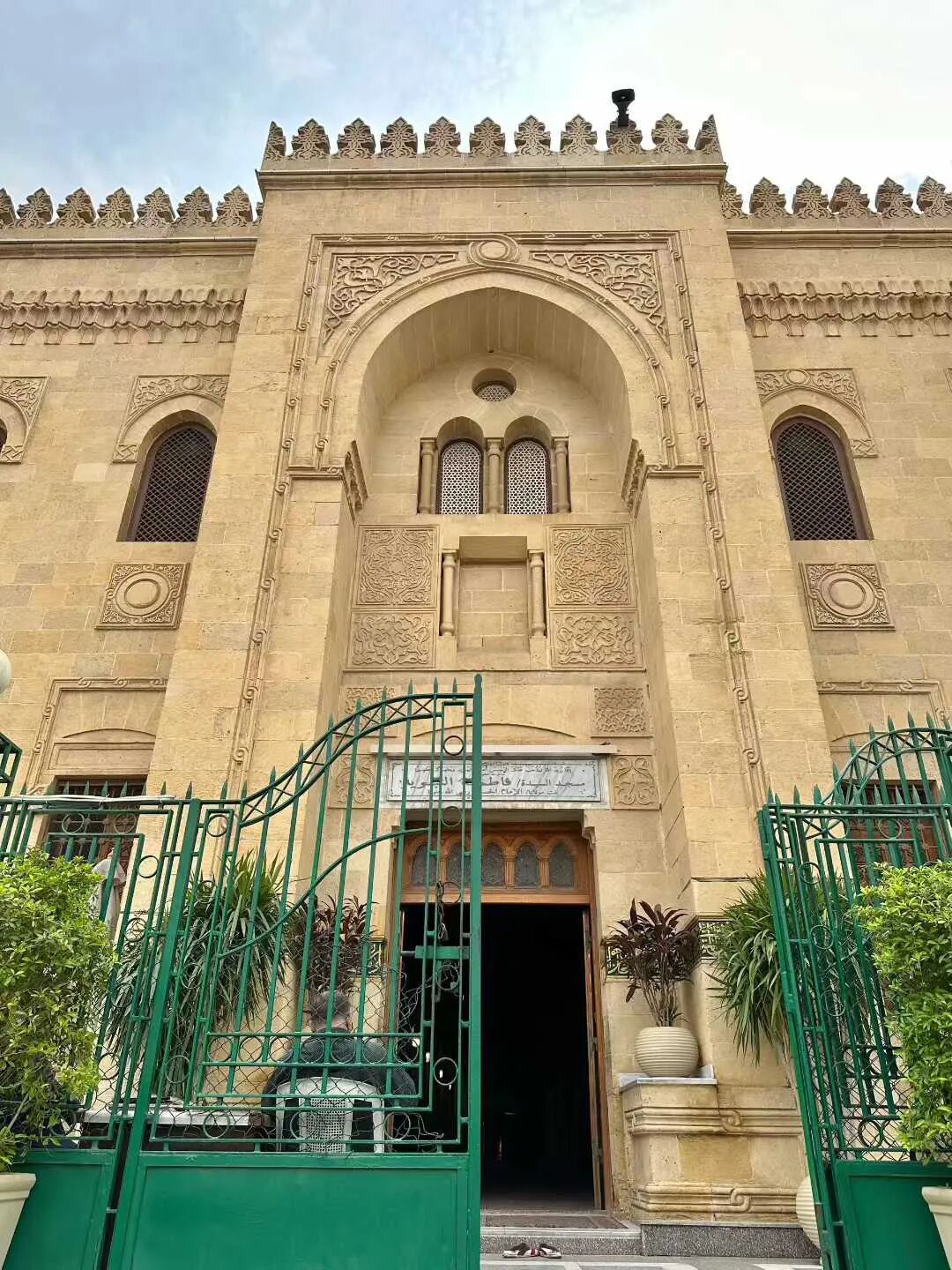
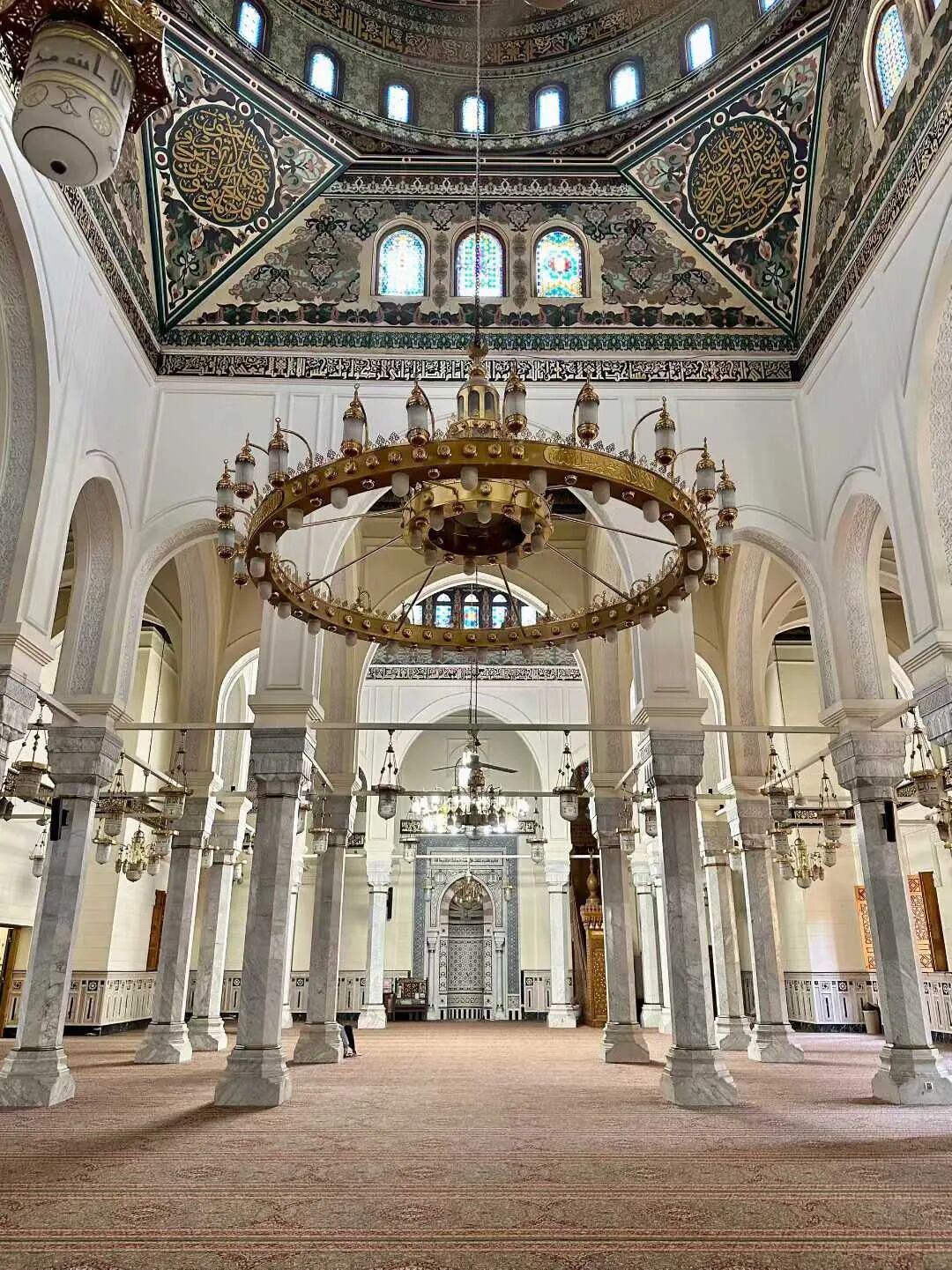
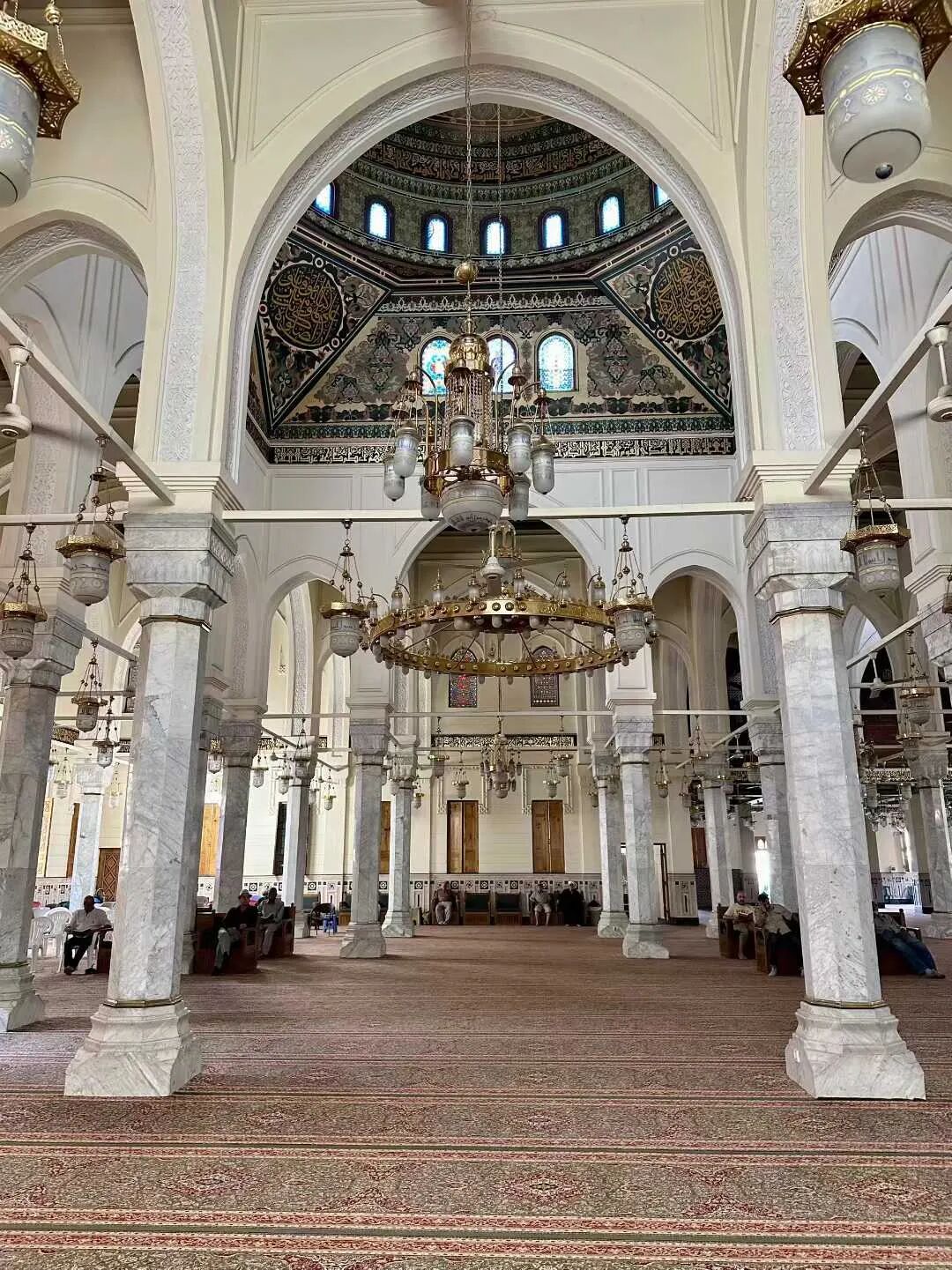
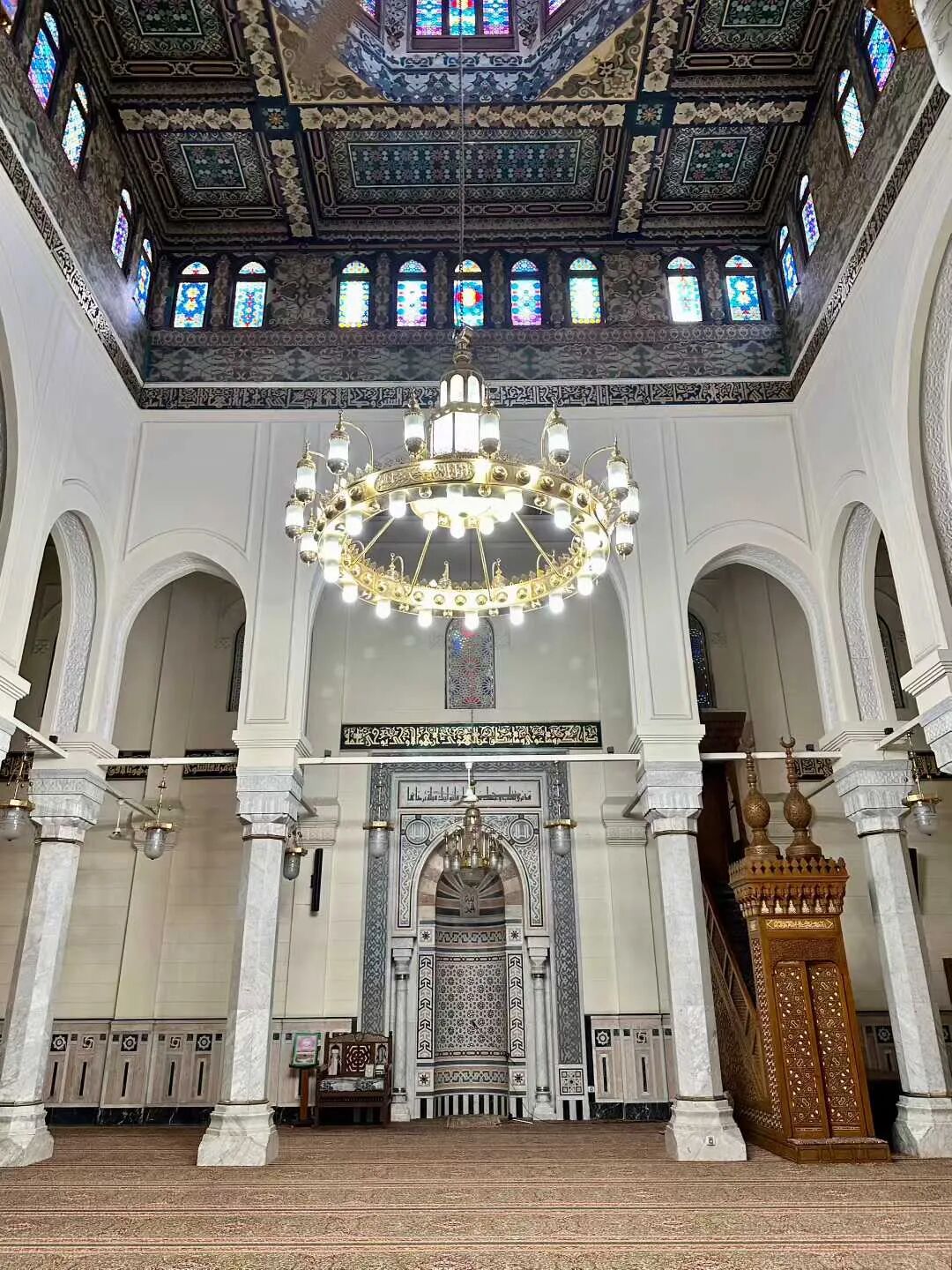
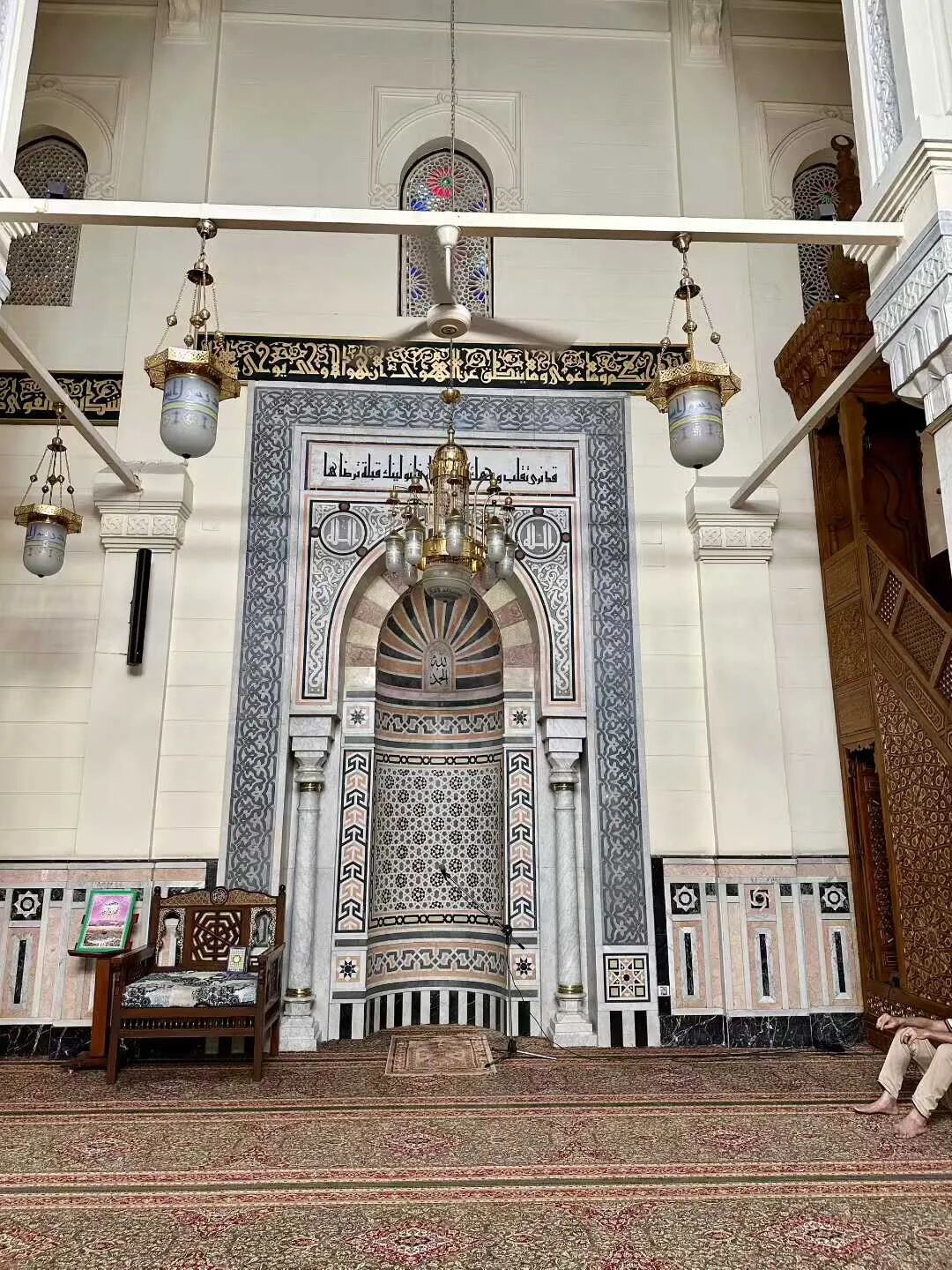
The Sayyida Fatima Mosque was originally the home of Sayyida Fatima. In the 18th century, the Mamluk prince Abd al-Rahman Katkhuda expanded it into a large mosque. The main hall developed serious cracks in 1992, and it was expanded into its current form between 1999 and 2003.
Sayyida Fatima (660-728) was the great-granddaughter of the noble Prophet and the daughter of Imam Hussein. She grew up in her father's house and later married her cousin, Hasan ibn Hasan. They had several children. The most famous was the martyr Abdullah al-Mahd, who resisted the Abbasid Caliphate. His son, Idris, established the Idrisid dynasty in 788, which was the first unified dynasty in Moroccan history and is considered the beginning of the Moroccan state.
After the Battle of Karbala, Sayyida Fatima fled to Cairo. In Cairo, she adopted many orphans and opened her home to the poor, earning her the titles Mother of Orphans and Mother of the Poor. She raised seven orphaned girls who were later buried alongside her. She was also a scholar of Islamic law and Hadith, and she is considered a reliable narrator of Hadith.
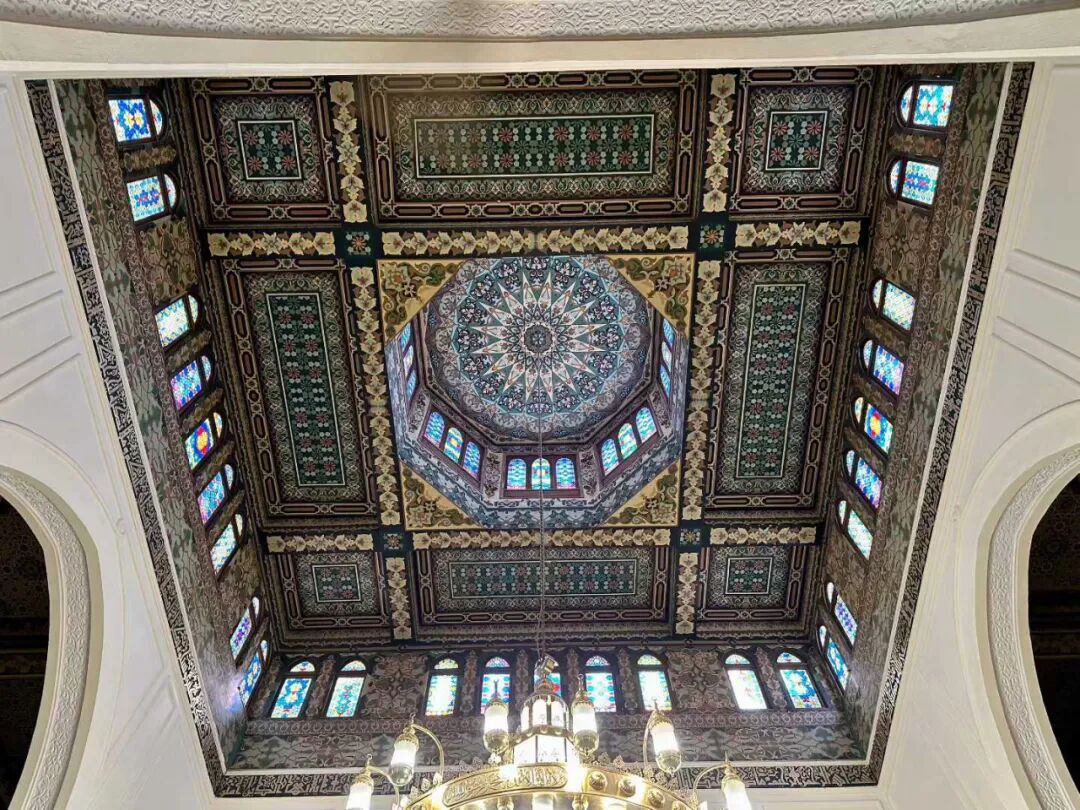
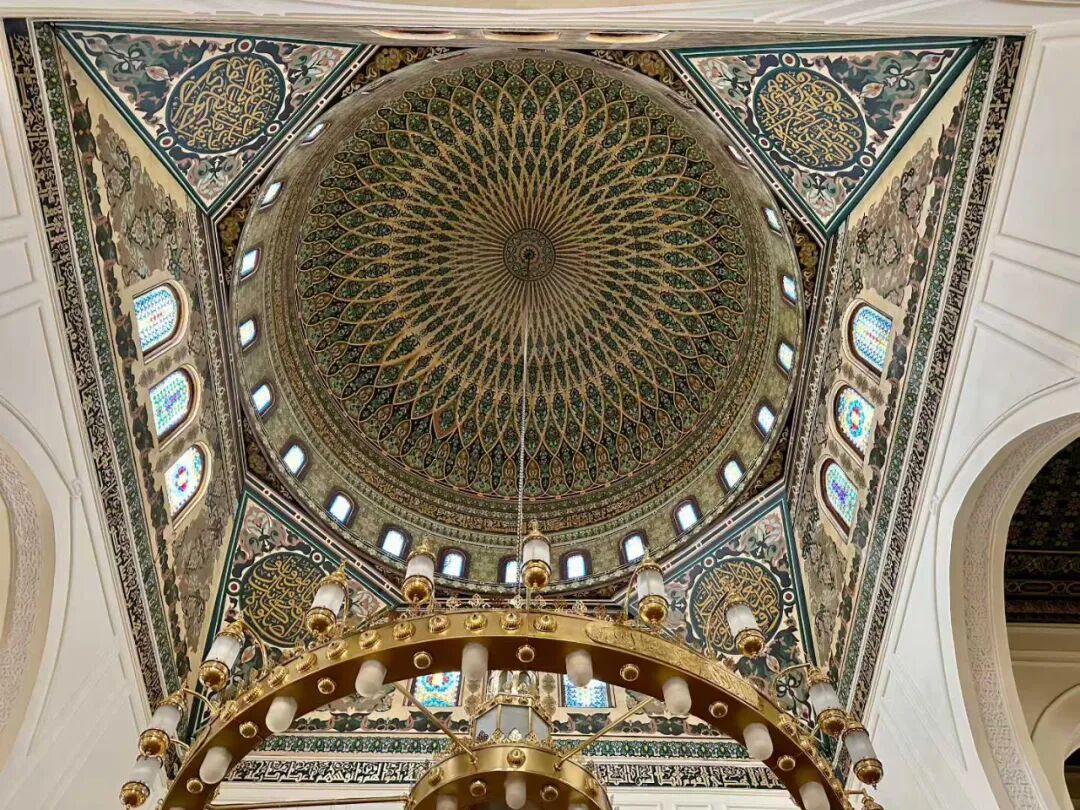
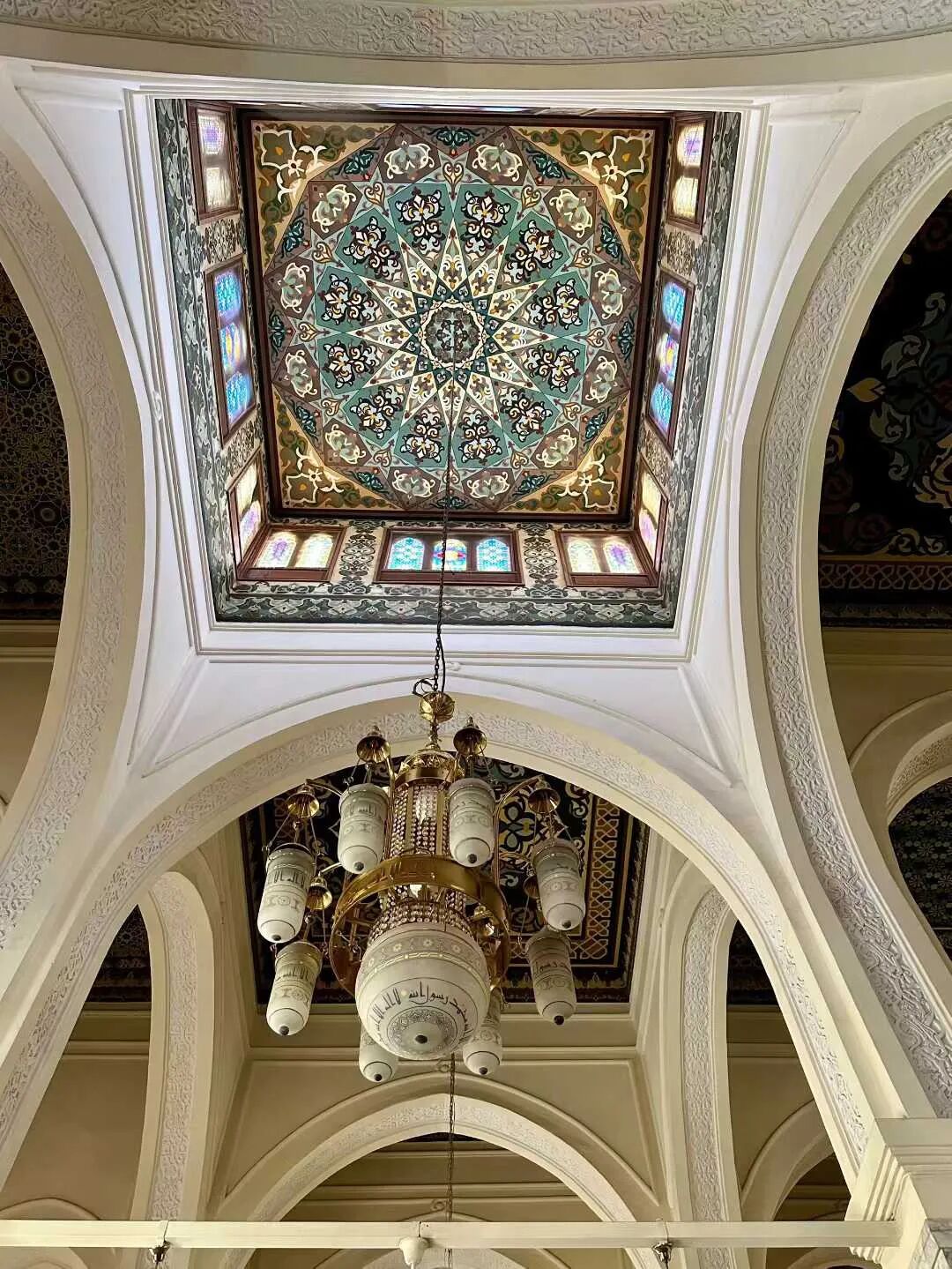
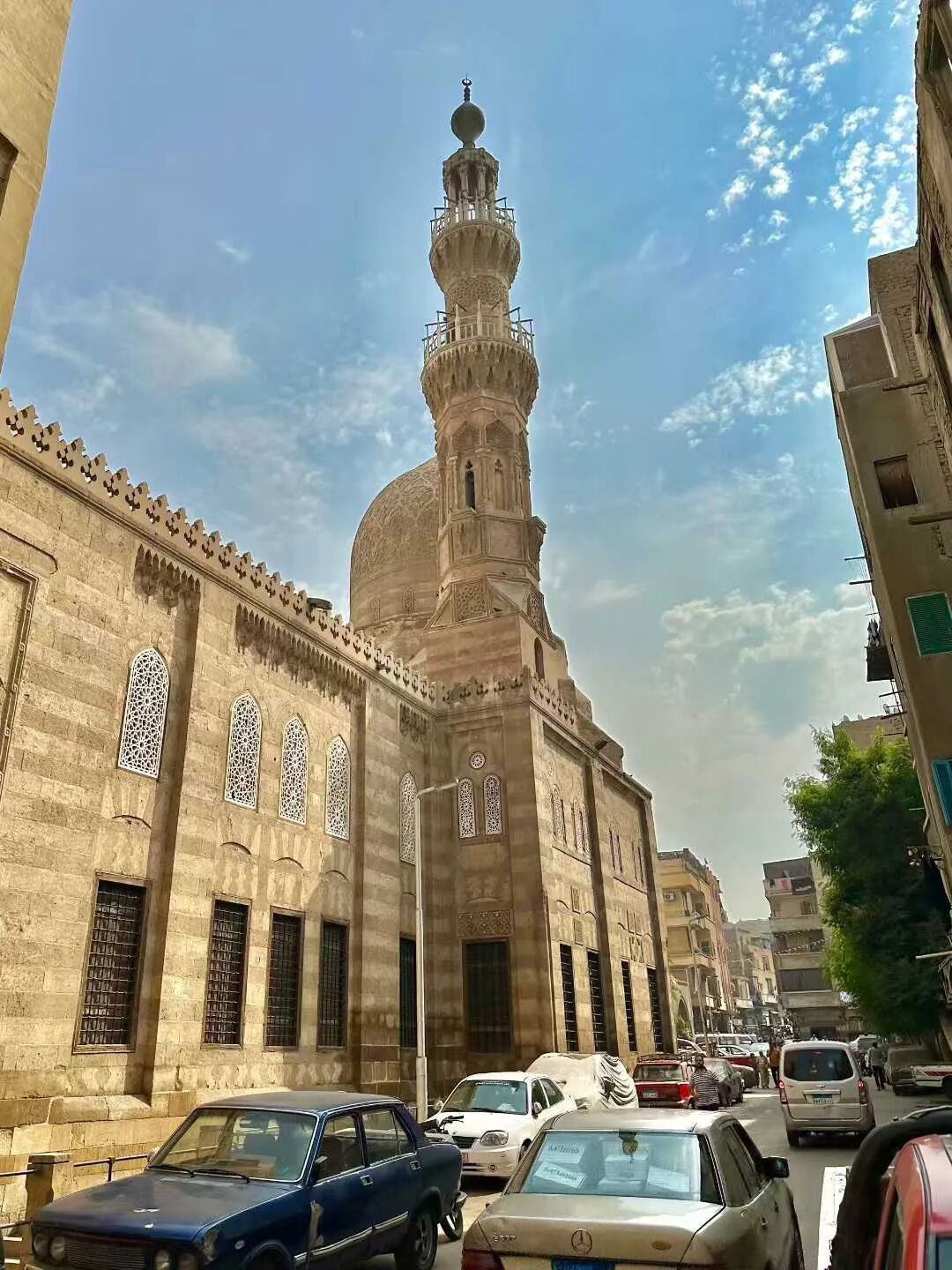
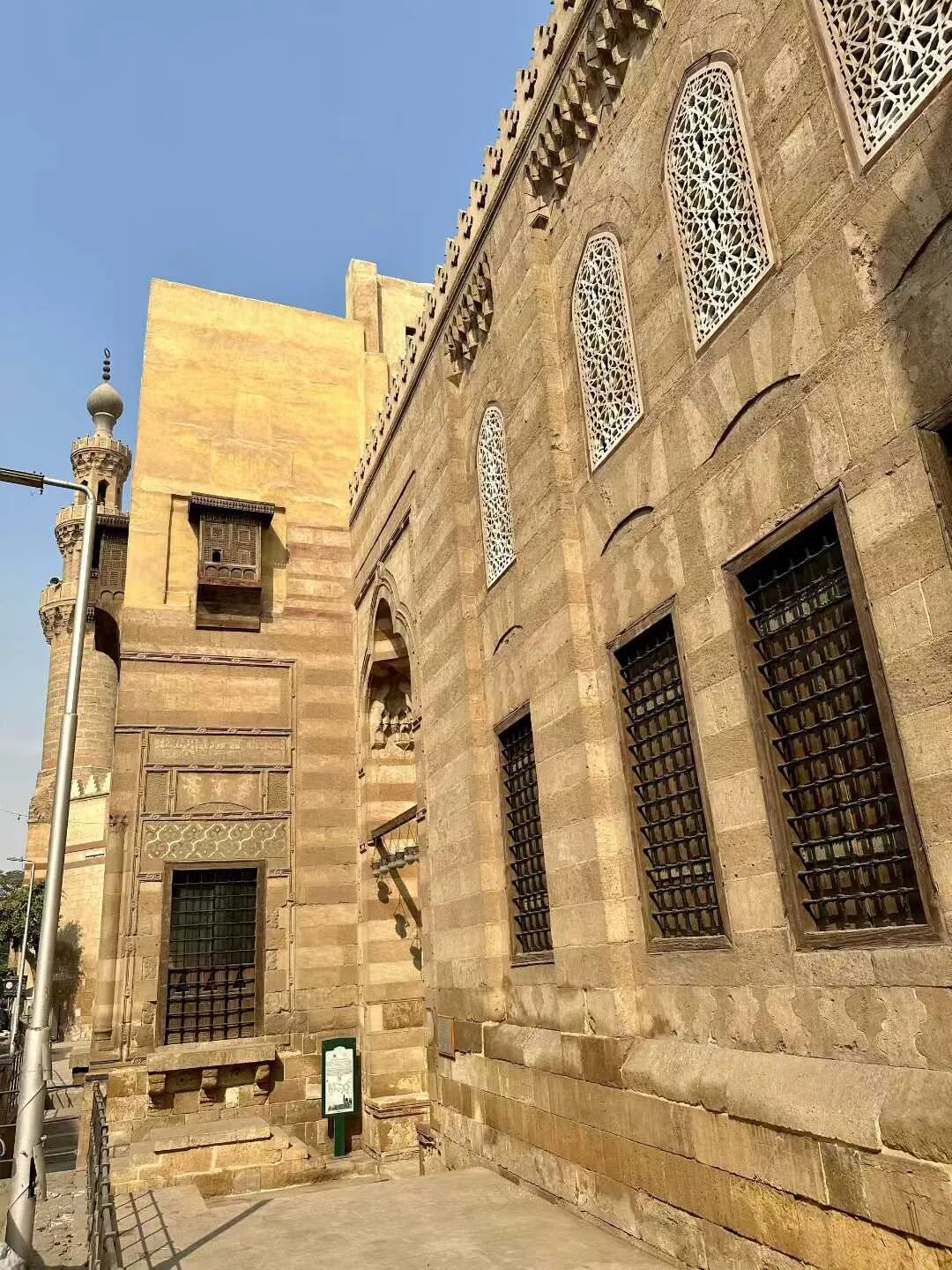
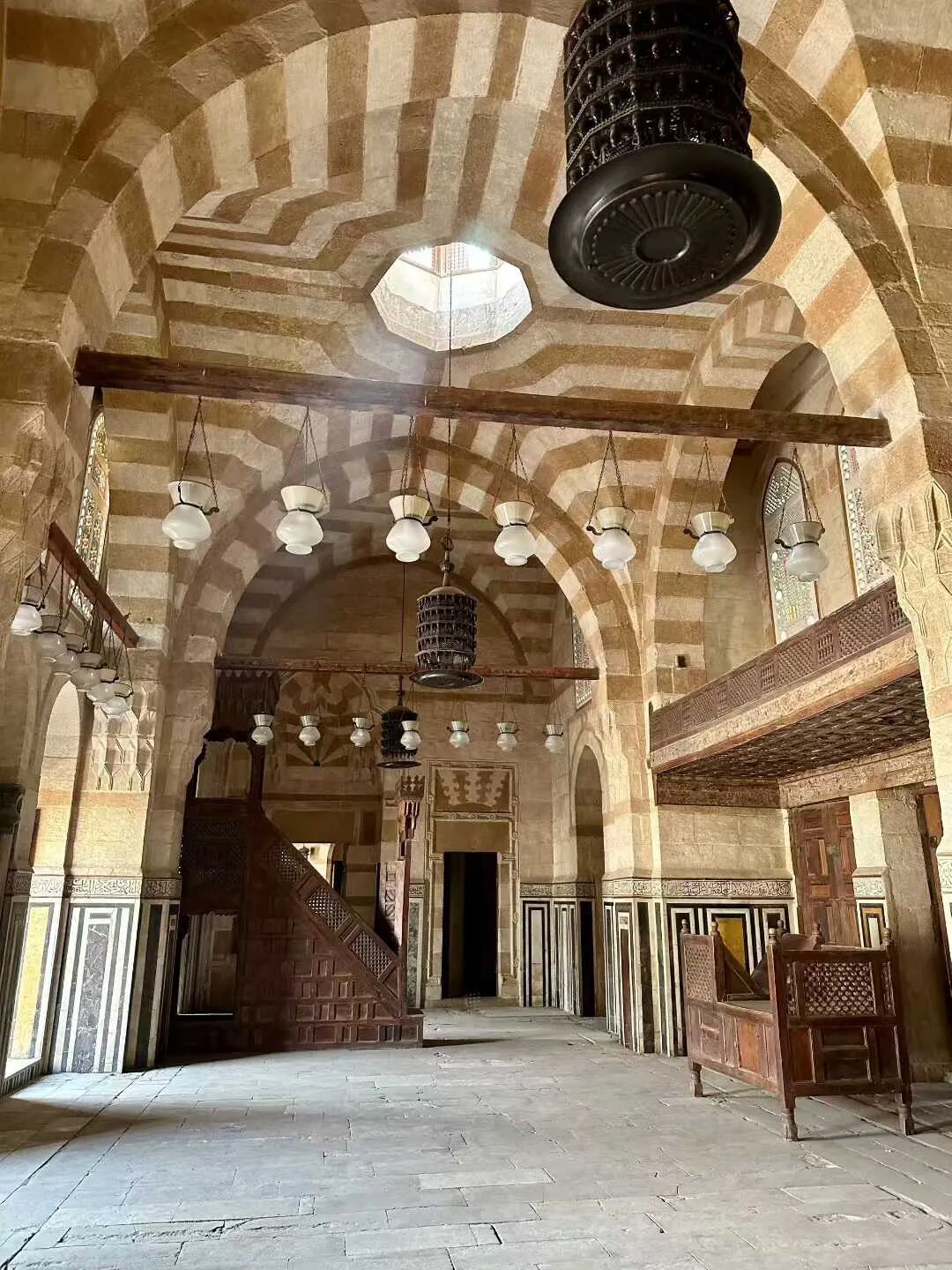
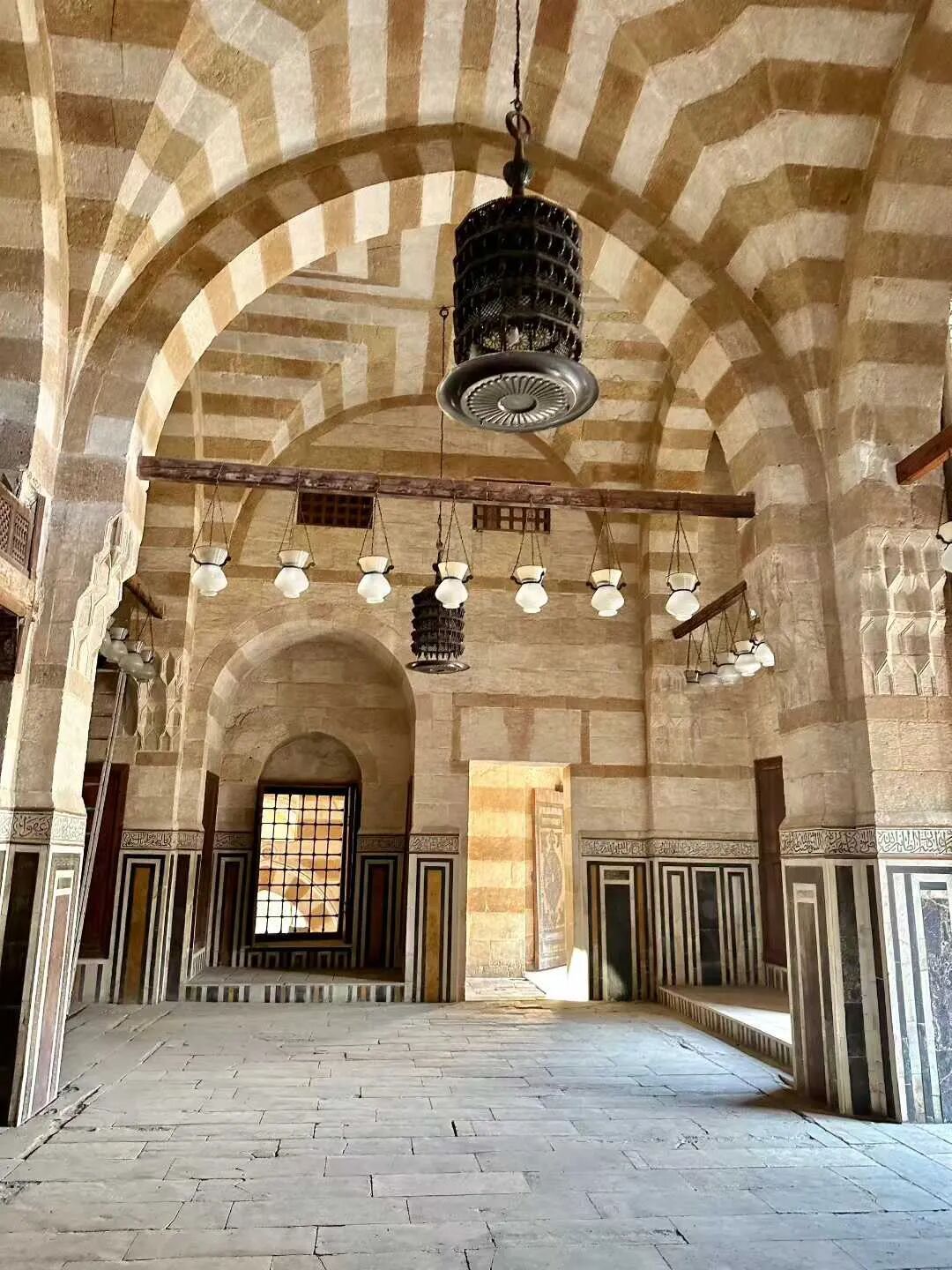
Khayrbak Mosque: 1519
The Khayrbak Mosque was built in 1519 by the Ottoman governor of Egypt, Khayrbak, just two years after the Ottoman Empire conquered Egypt in 1517. Although the Mamluk Sultanate had already fallen when it was built, the mosque still features the typical Mamluk style.
Khayrbak was originally a Mamluk emir and governor of Aleppo, but he defected to the Ottomans in 1516 and became the first Ottoman governor of Egypt in 1517.
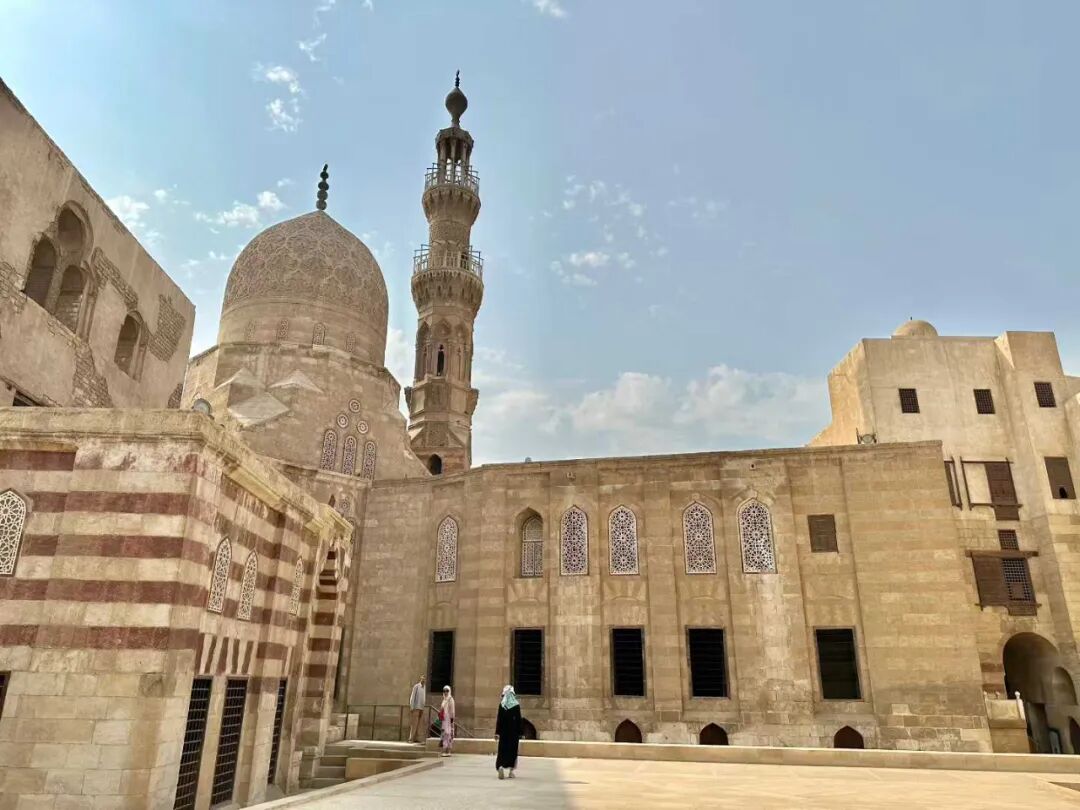
Sultan Hasan Mosque: 1356
The Sultan Hasan Mosque was built between 1356 and 1363 by the Mamluk Sultan Al-Nasir Hasan, who reigned from 1347 to 1351 and again from 1355 to 1361. This large mosque is massive in scale and cost over 10,000 dinars, making it the most expensive mosque built in medieval Cairo. The high cost attracted craftsmen from all over the Mamluk Sultanate, including Anatolia, which is why the mosque has such a diverse range of decorative styles.
The Sultan Hasan Mosque also witnessed the fall of the Mamluk Sultanate. In 1517, the last Mamluk Sultan, Tuman Bay II, resisted the Ottoman army from inside the Sultan Hasan Mosque. The Ottoman army fired cannons at the mosque from the Citadel of Saladin across the way. The Sultan was forced to flee, and Cairo fell completely into Ottoman hands.
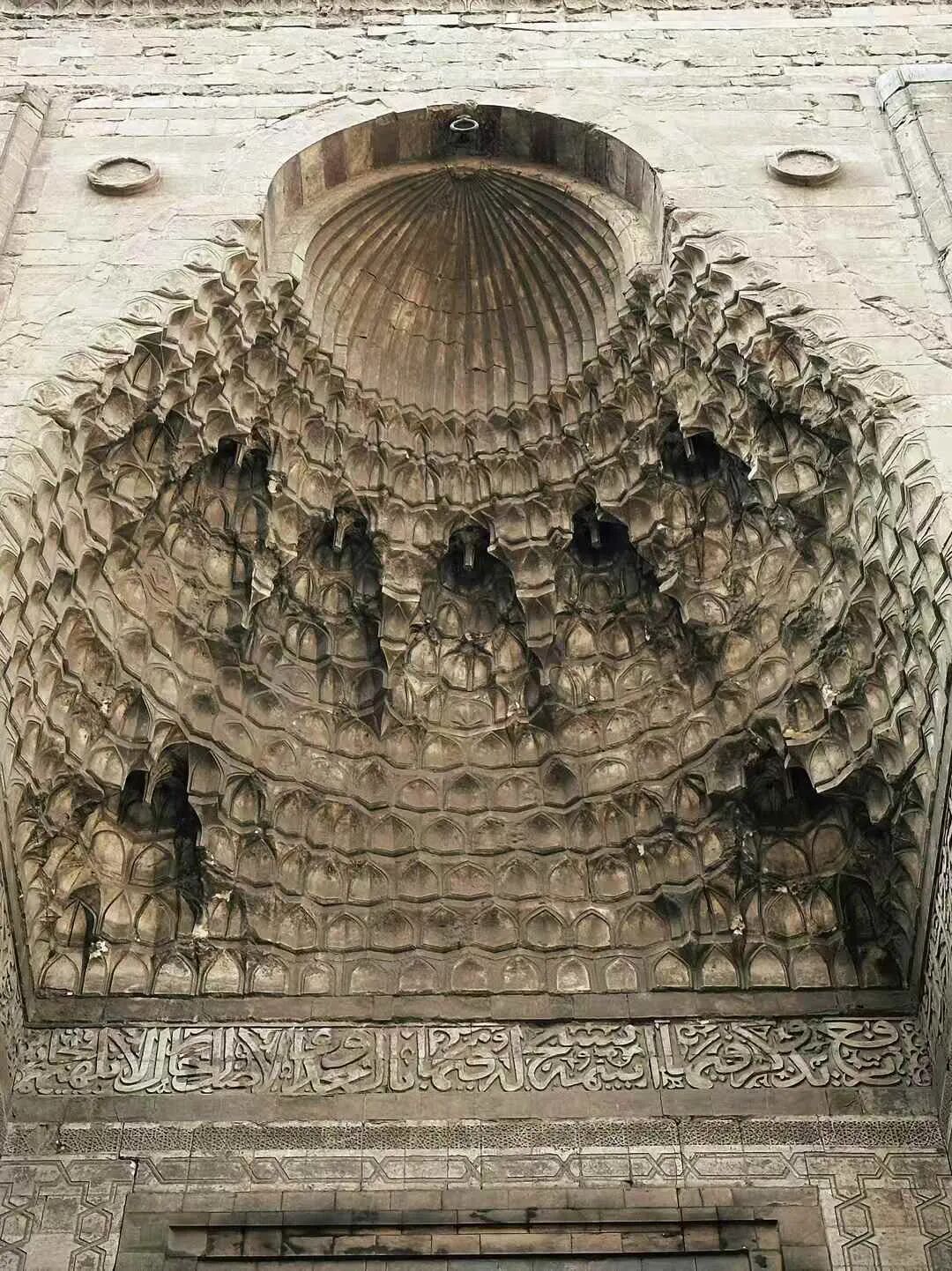
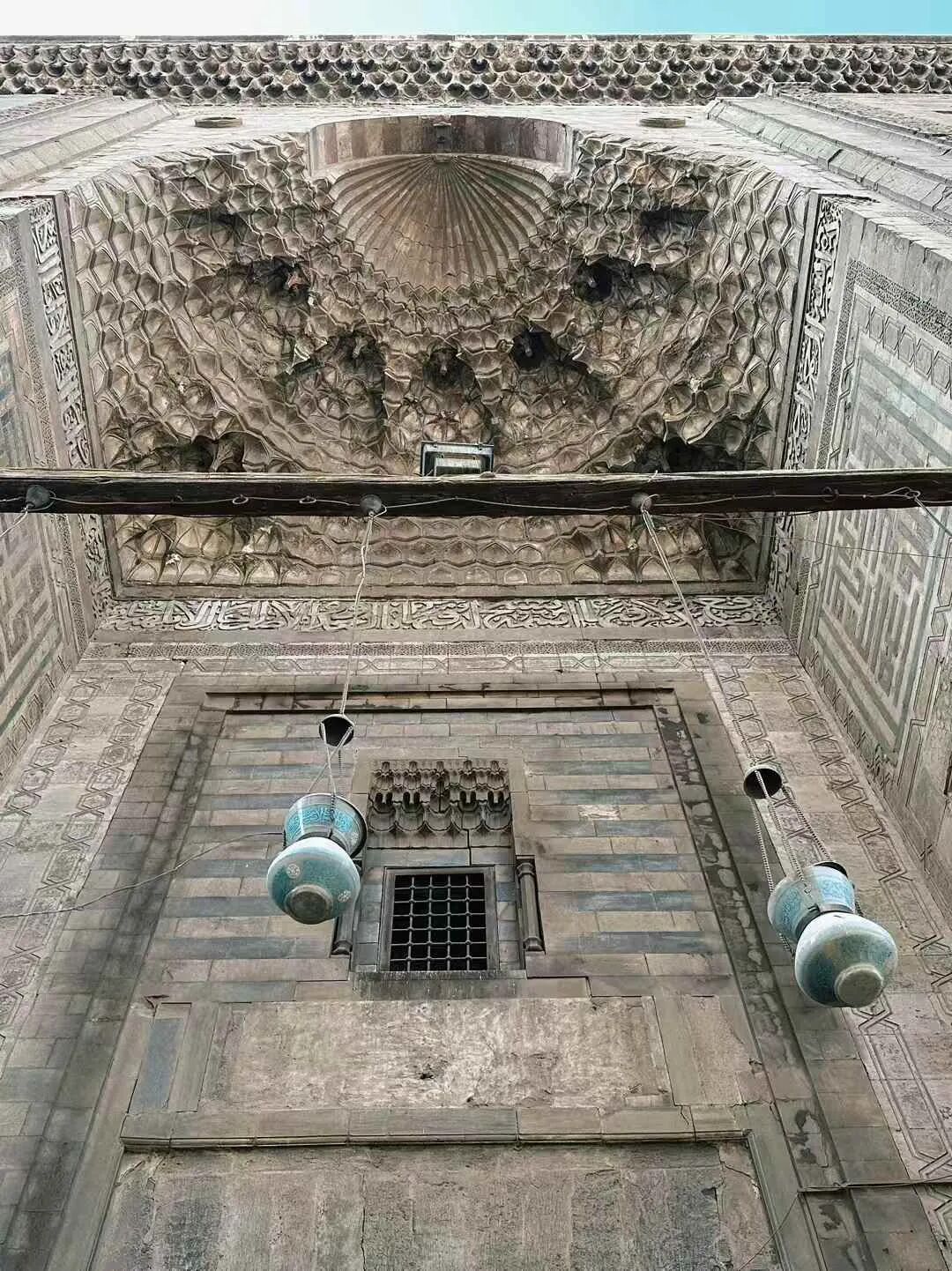
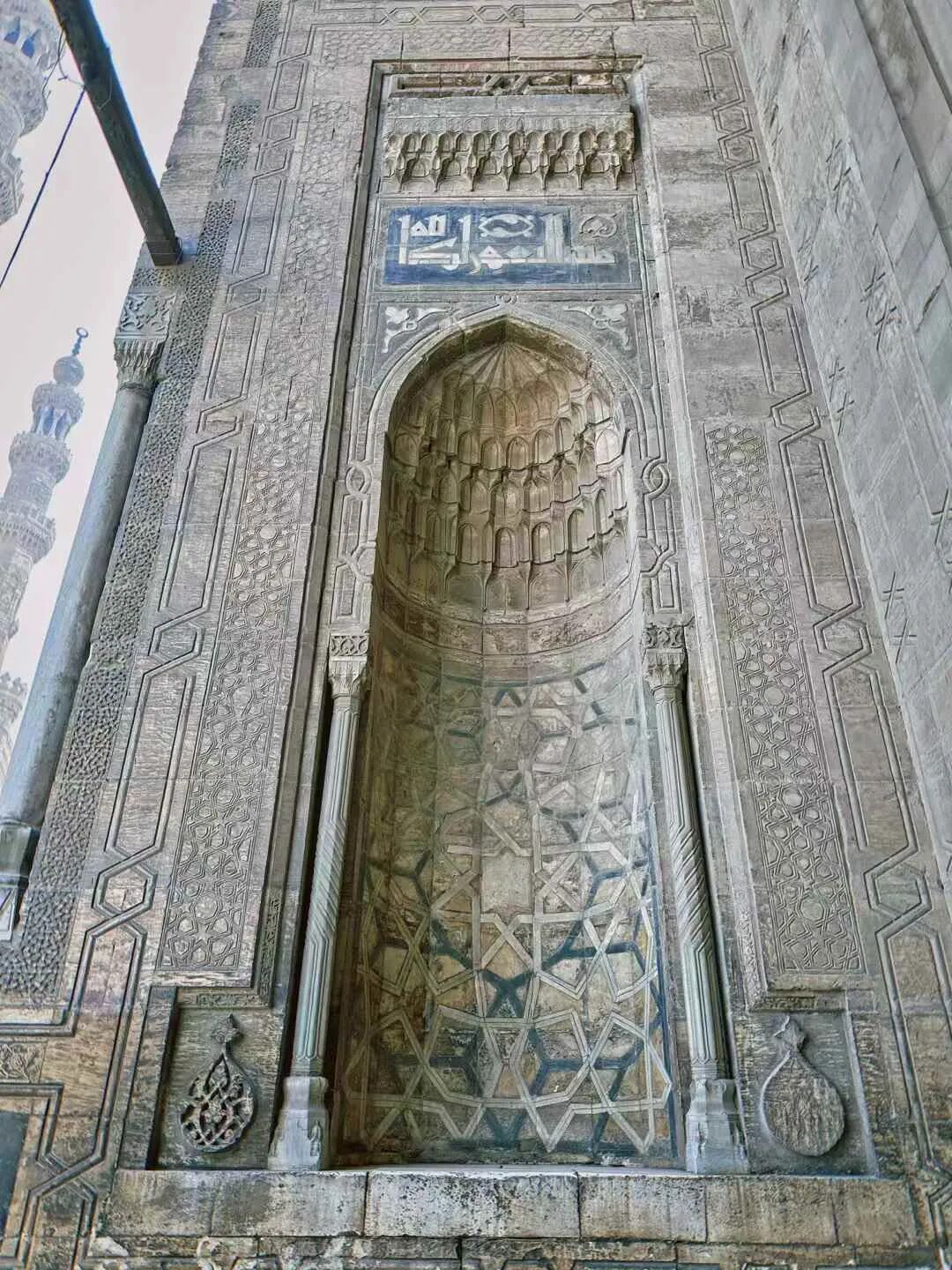
The Sultan Hasan Mosque is 150 meters long and 36 meters high. It has eight windows arranged vertically on its southwest and northeast facades, which visually emphasize the height of the building. The top edge of the mosque's facade features a 1.5-meter-high stalactite cornice, a detail never seen before in Mamluk architecture.
The Sultan Hassan Mosque has two minarets. When the southern minaret was finished, it stood 84 meters above the street, making it the tallest minaret in all of Mamluk architecture. The northern minaret collapsed in 1659 and was rebuilt between 1671 and 1672. The original design for the mosque called for four minarets in the Seljuk style, but one collapsed during construction in 1361, killing 300 people, so only two were ever completed.
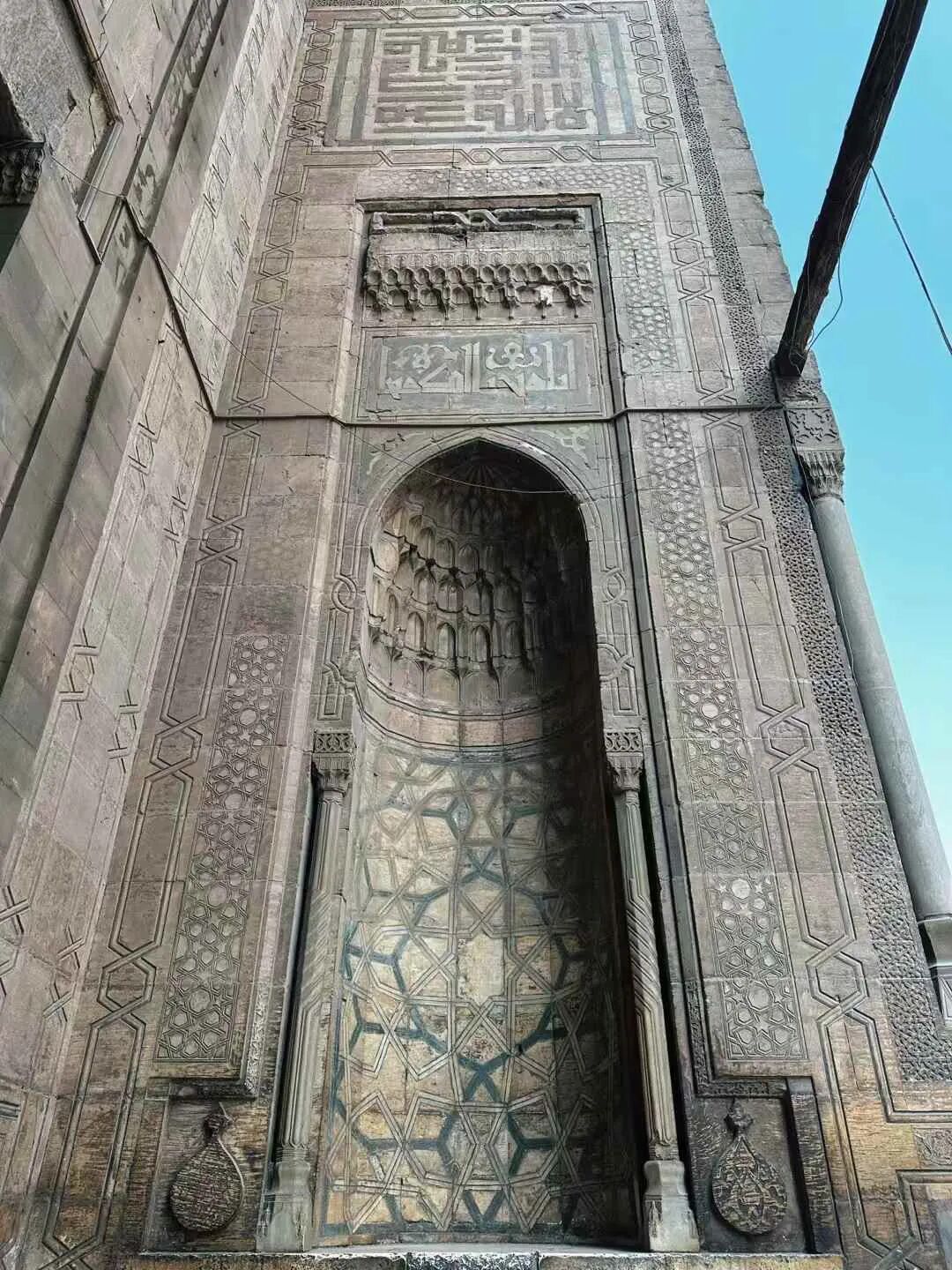
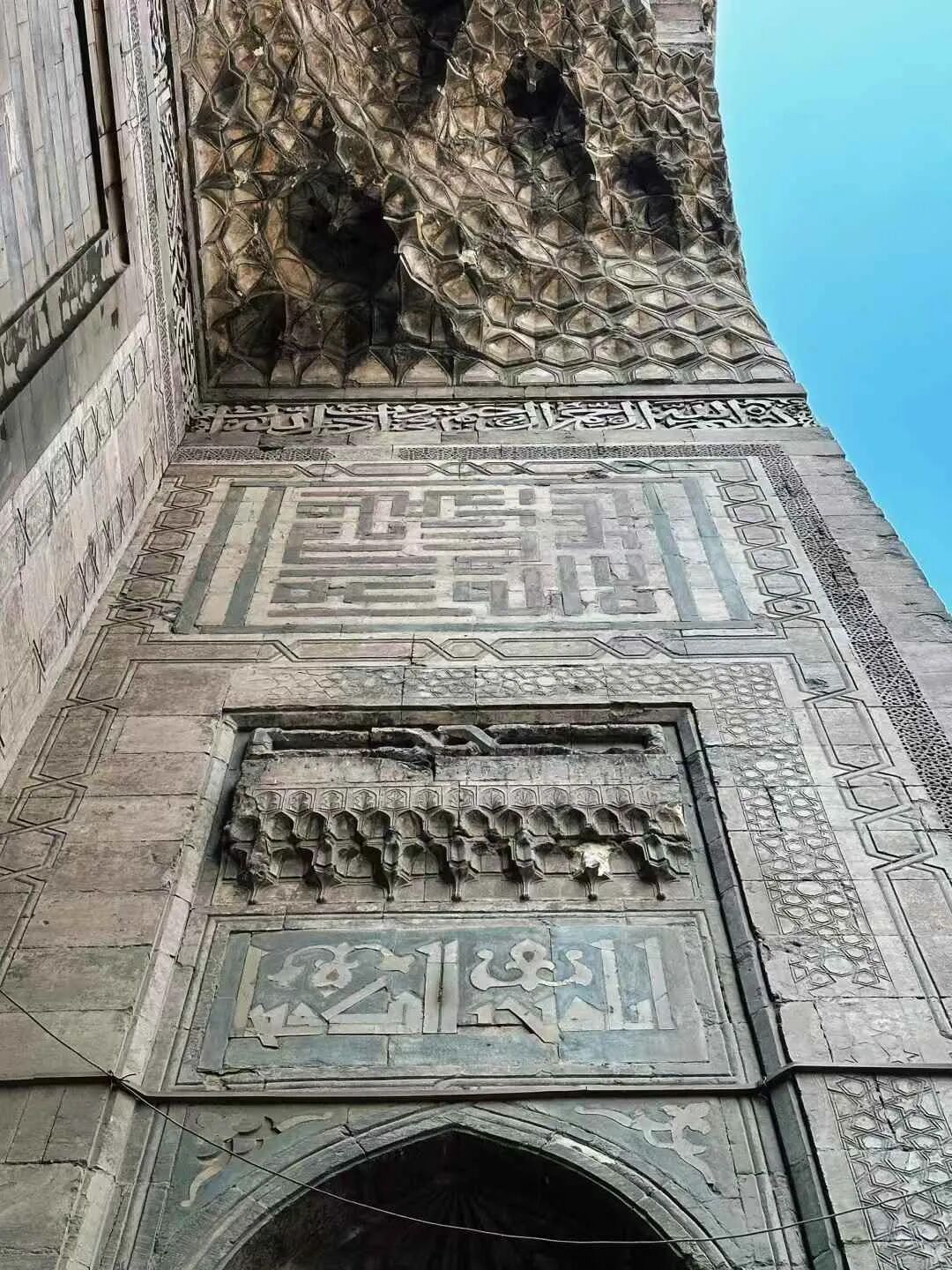
The main gate of the Sultan Hassan Mosque is 38 meters high. Its decorative style was strongly influenced by Anatolian Seljuk and Ilkhanate architecture, and it looks very similar to the gate of the Blue Madrasa in Sivas, Turkey. Unfortunately, the marble carvings on the gate were never finished, and some only show the outlines. This actually lets us see the stone carving process of the time, where a master craftsman would carve the outline first, and then an apprentice would finish the rest.
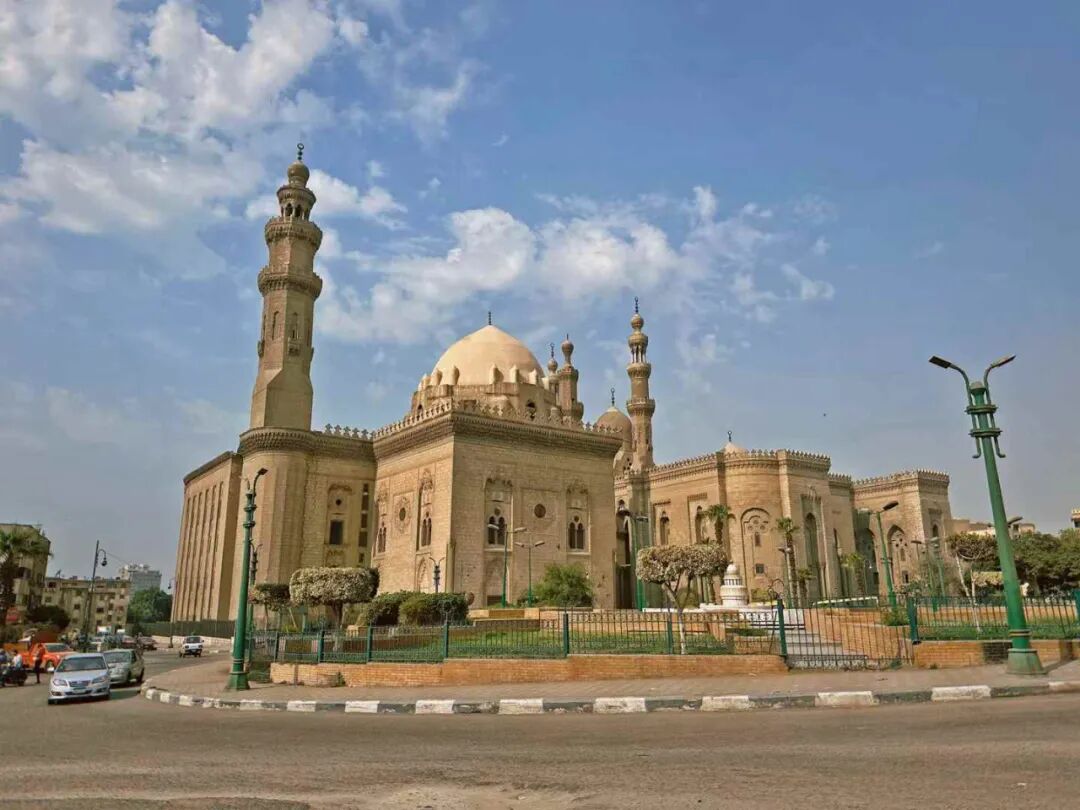
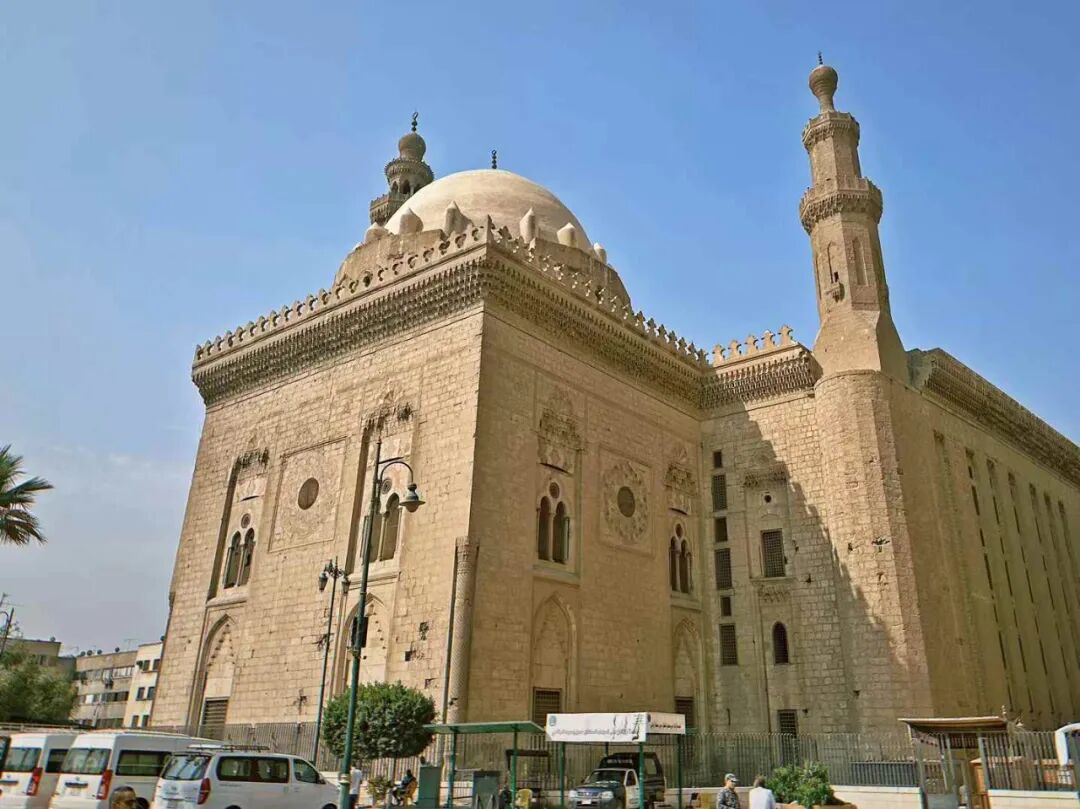
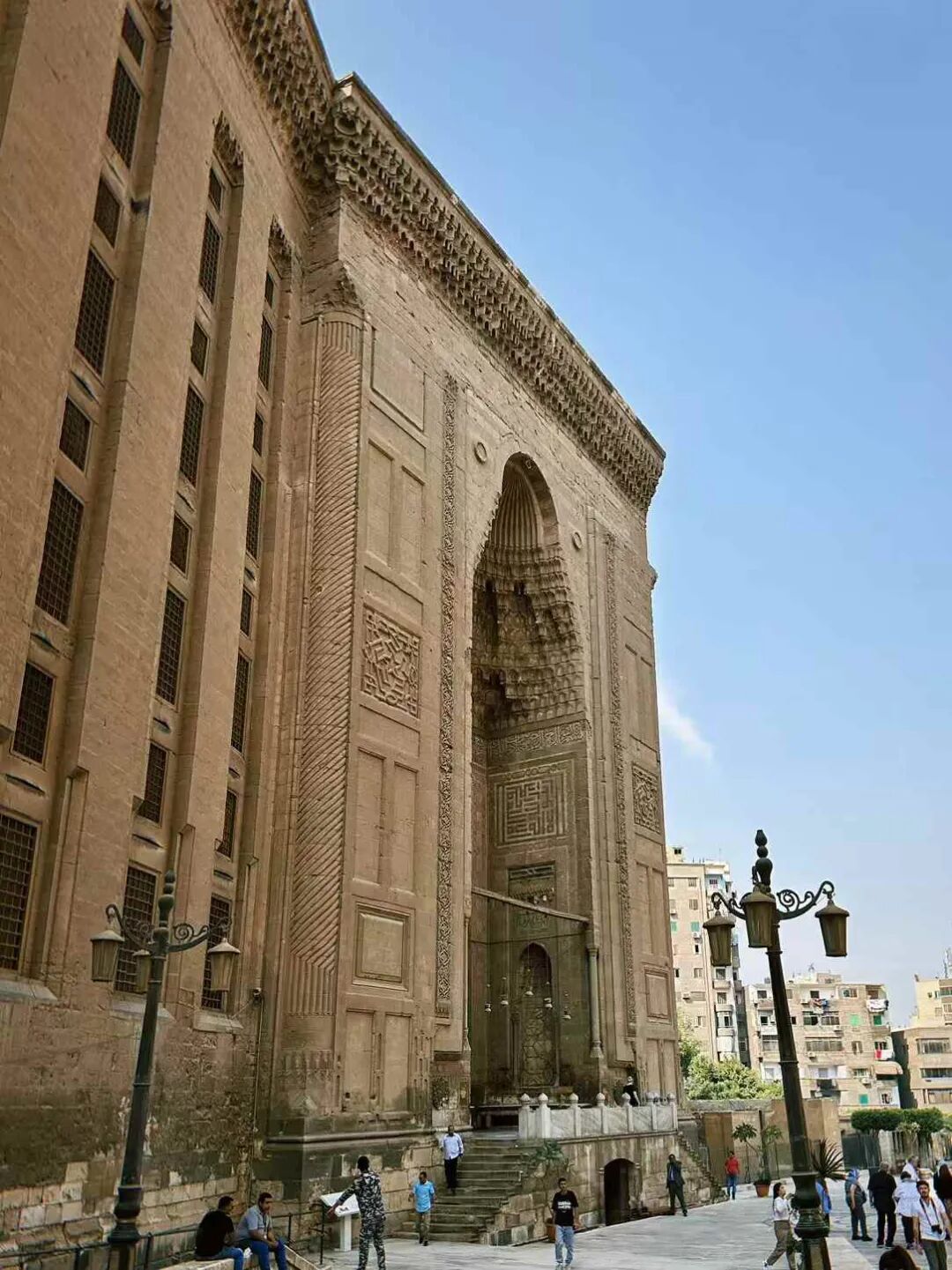
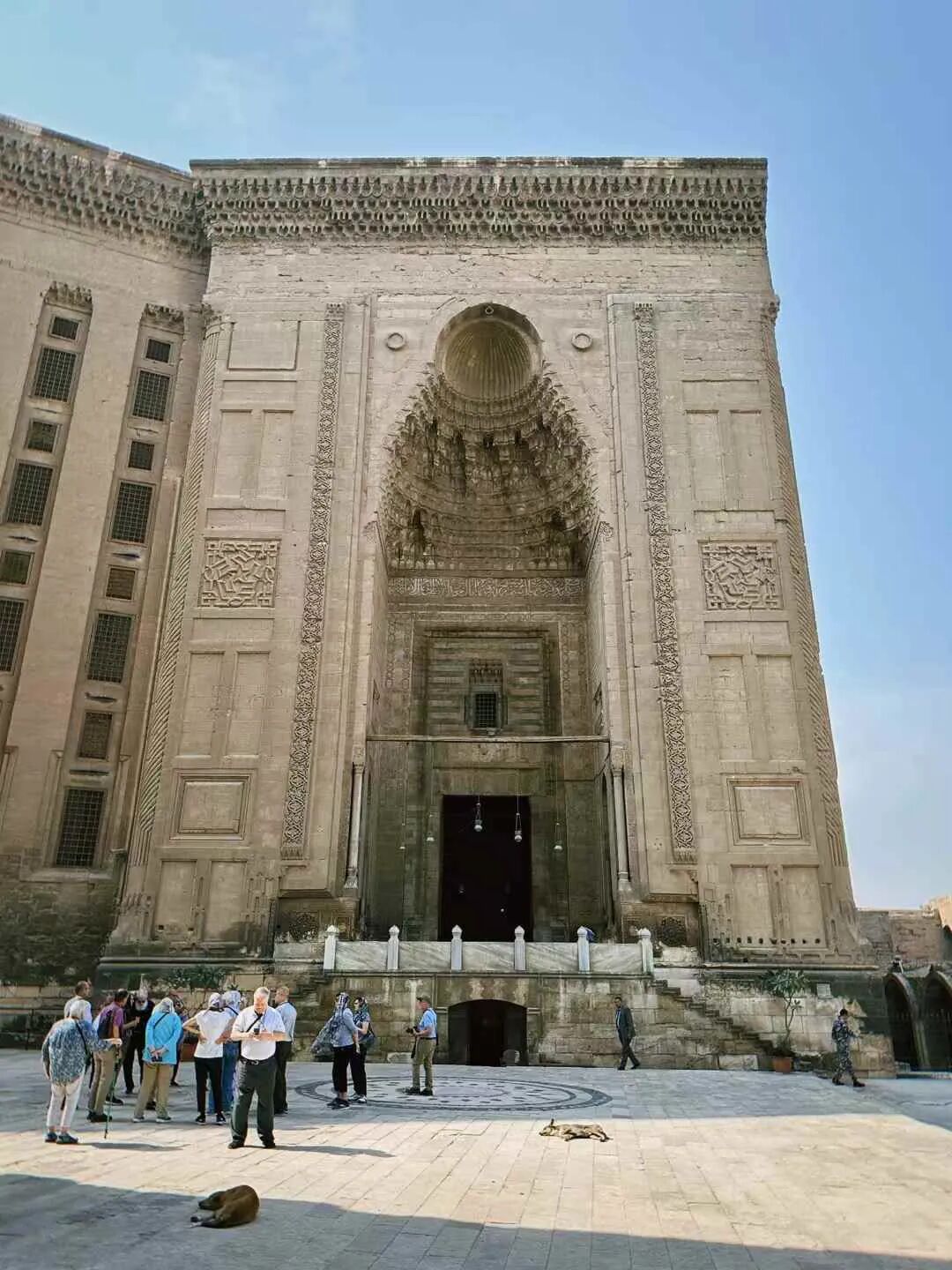
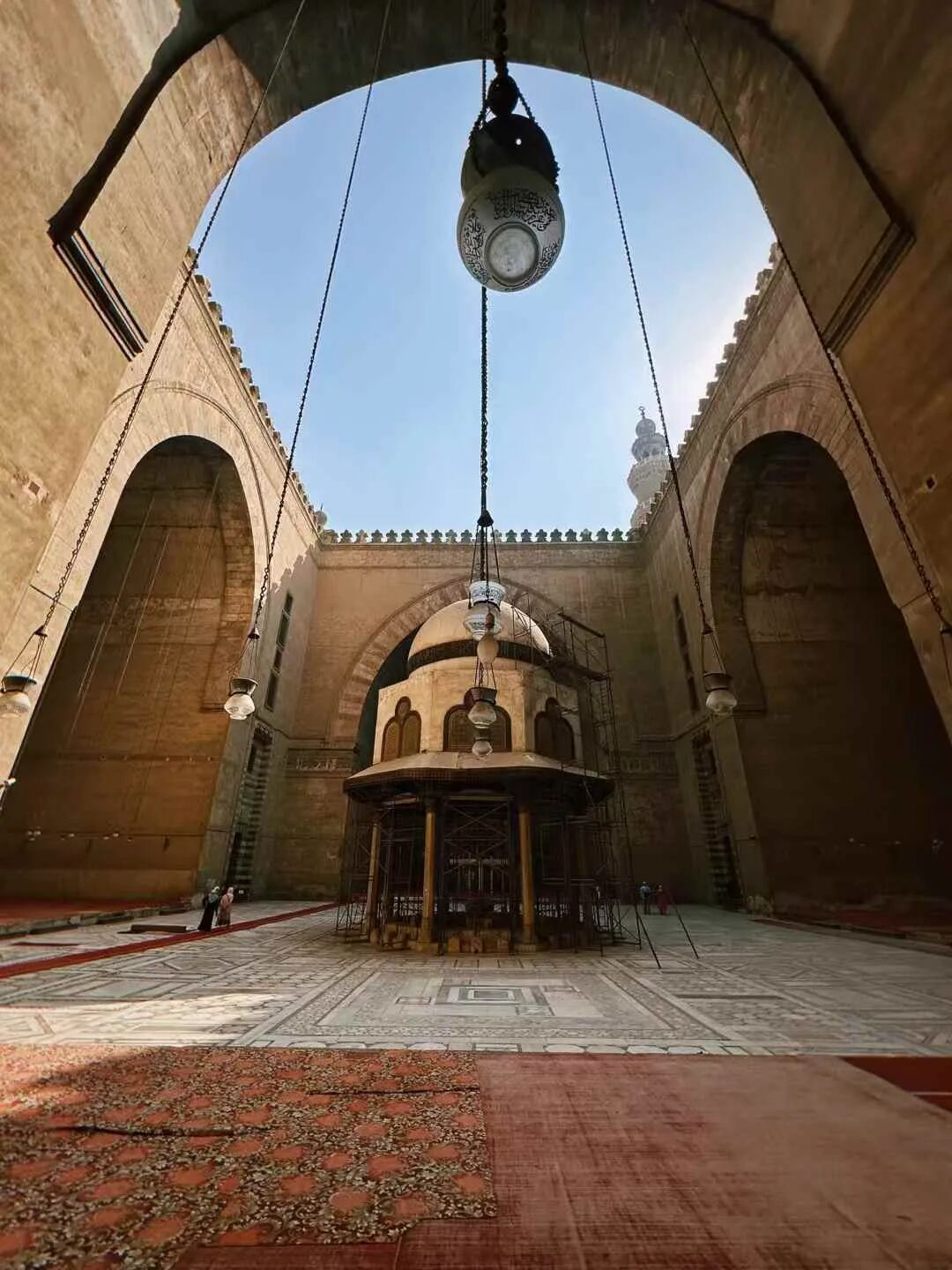
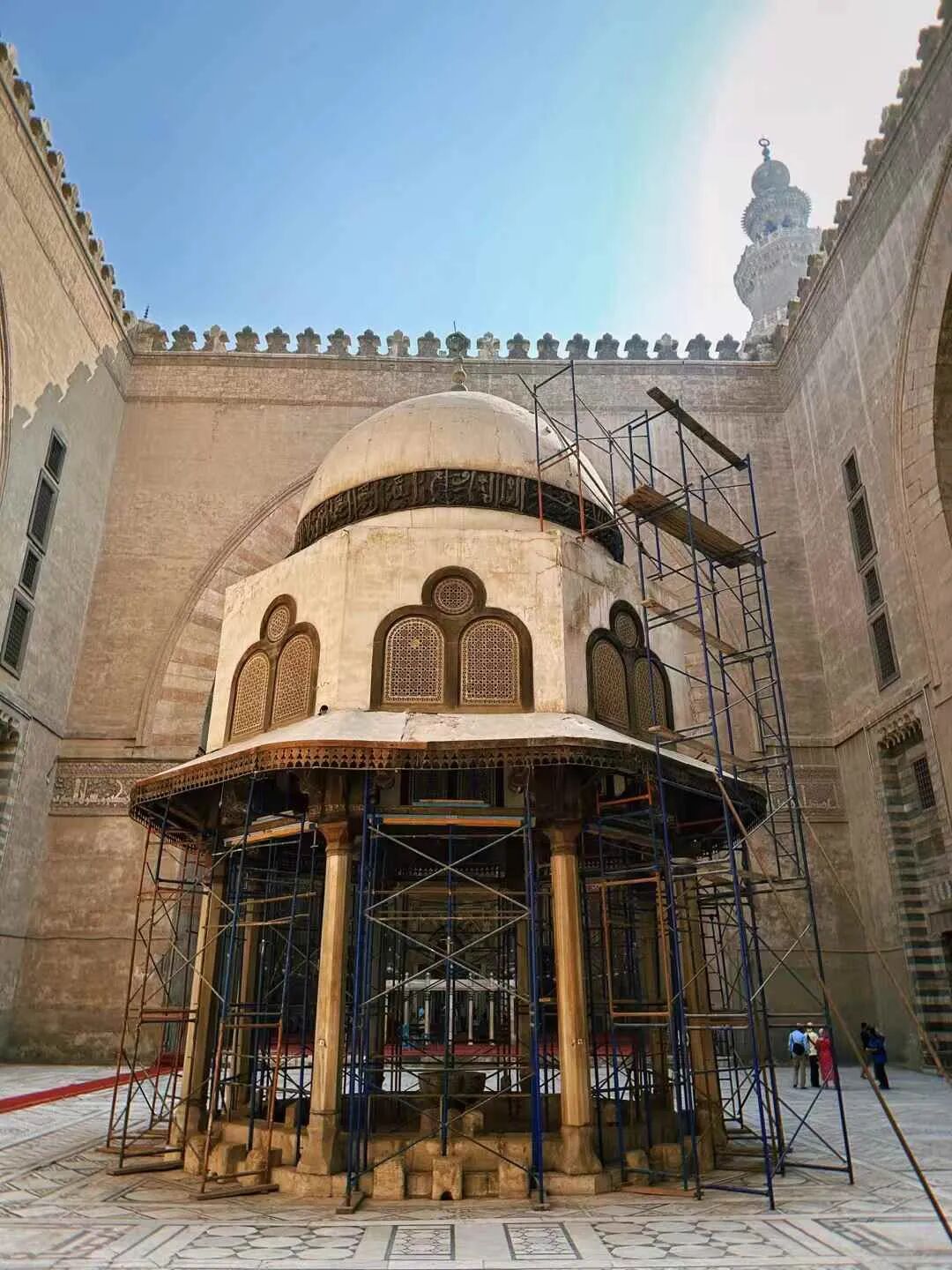
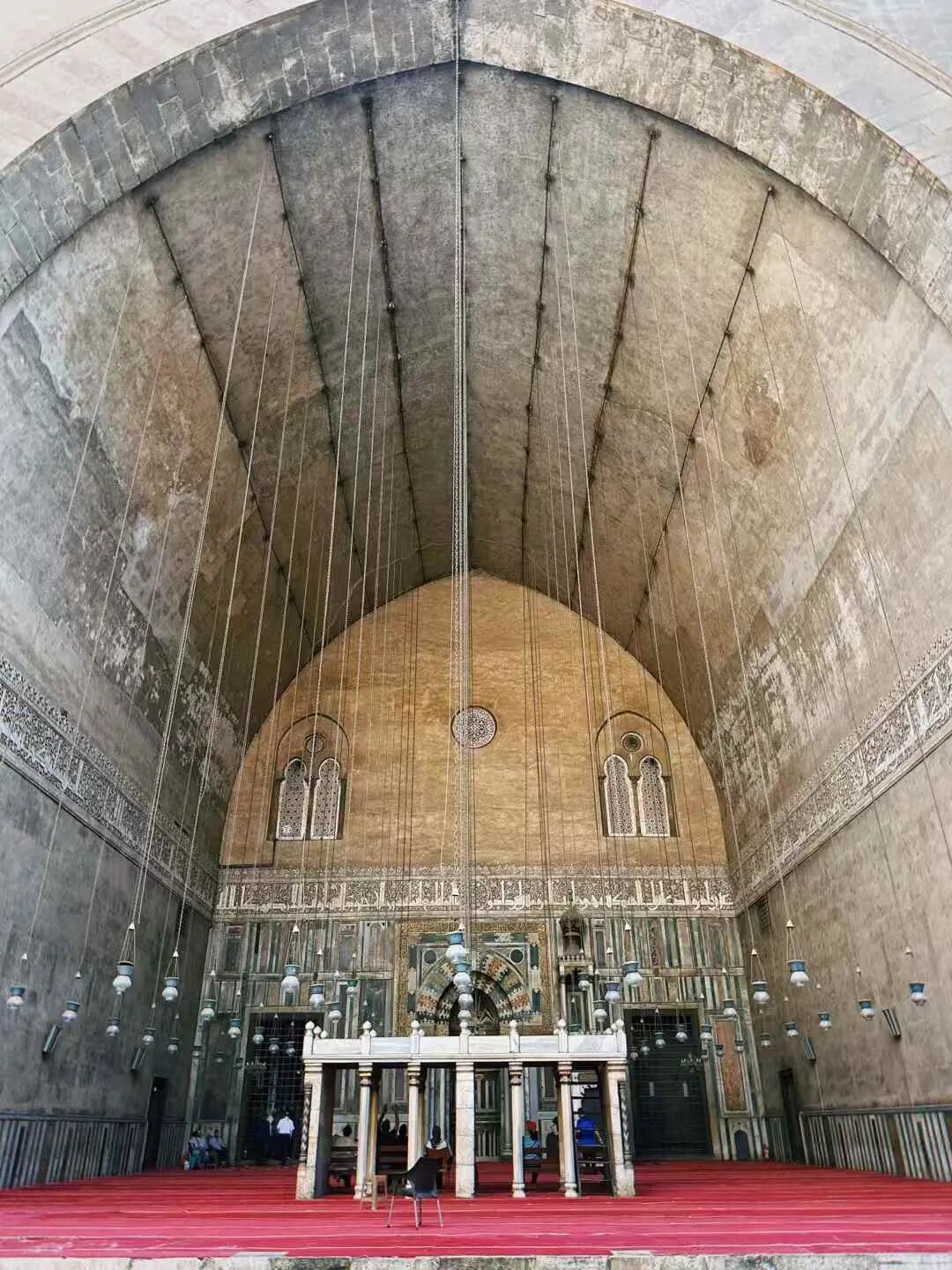
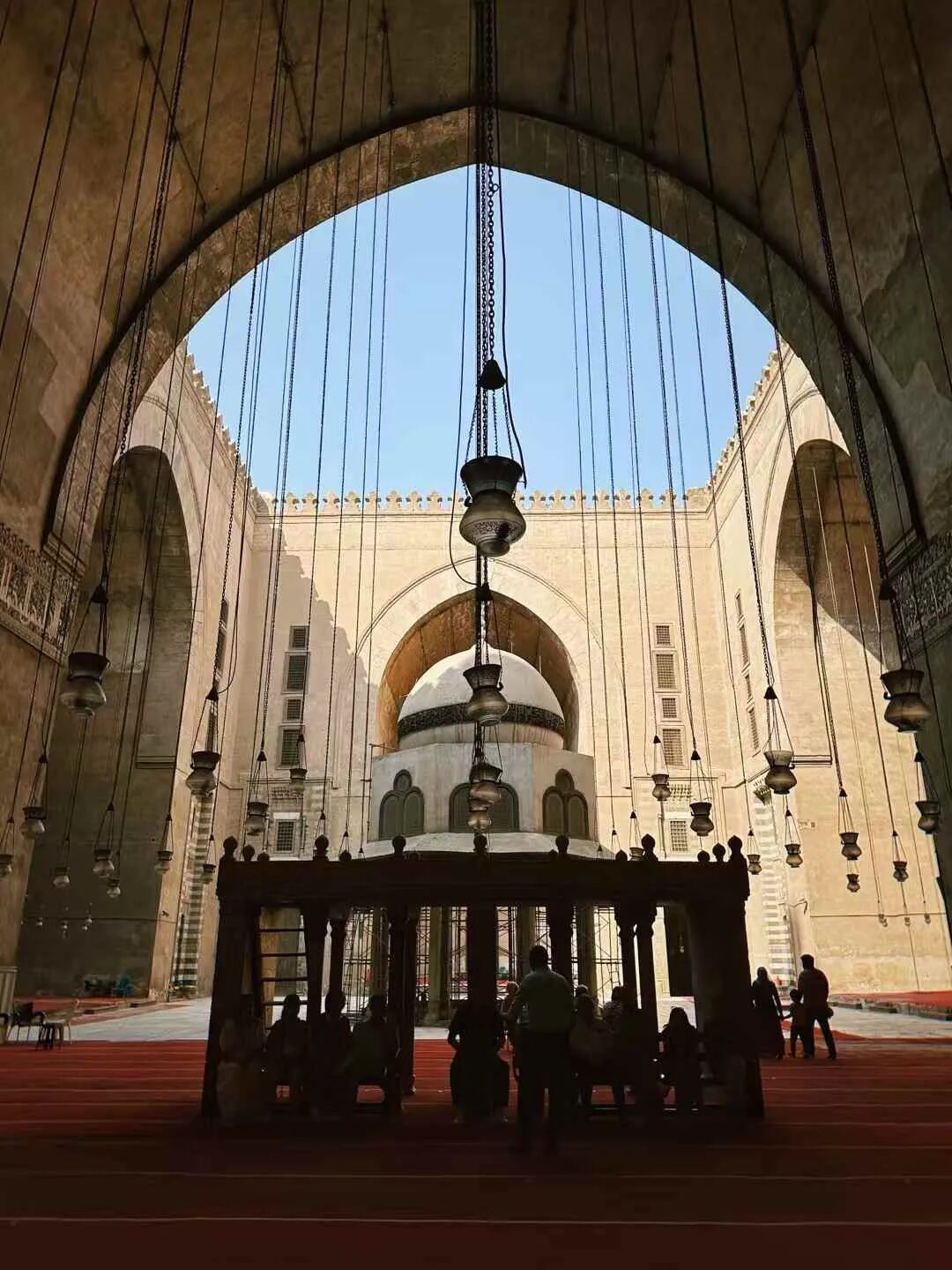
The Sultan Hassan Mosque has a classic Mamluk cruciform layout, consisting of a central courtyard and four massive vaulted halls (iwan). The ablution fountain (wudu fountain) in the center of the courtyard was renovated during the Ottoman period, but it remains the oldest one in Mamluk architecture.
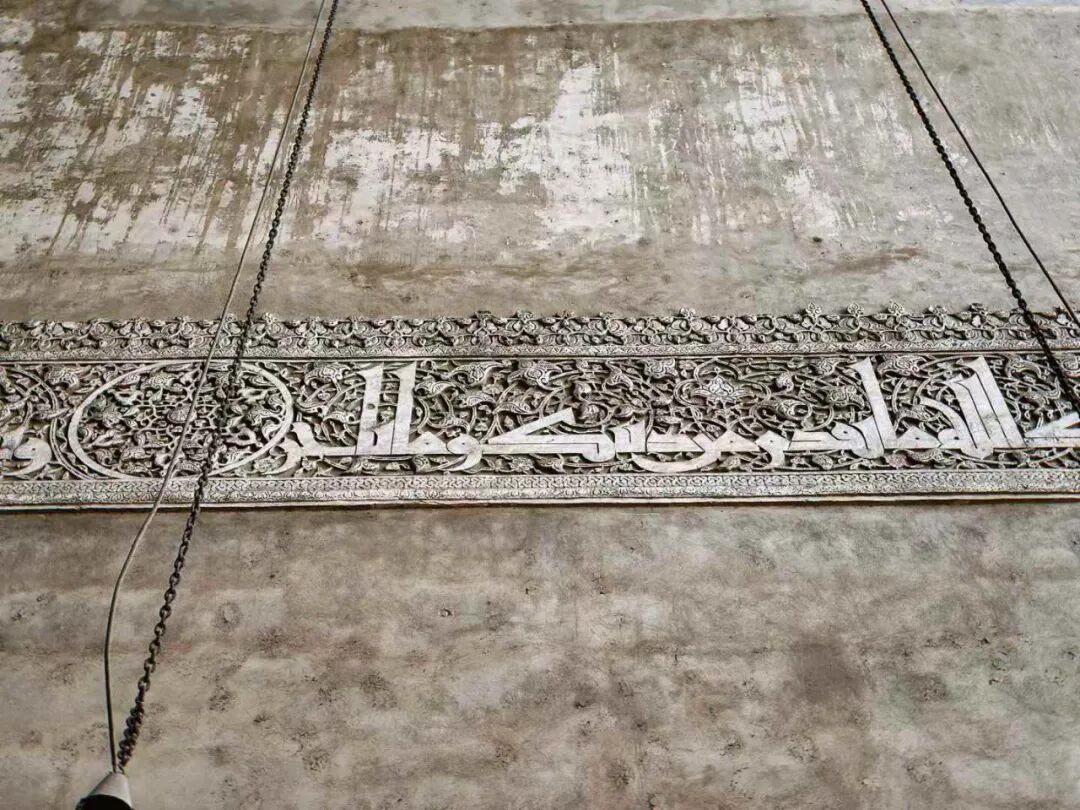
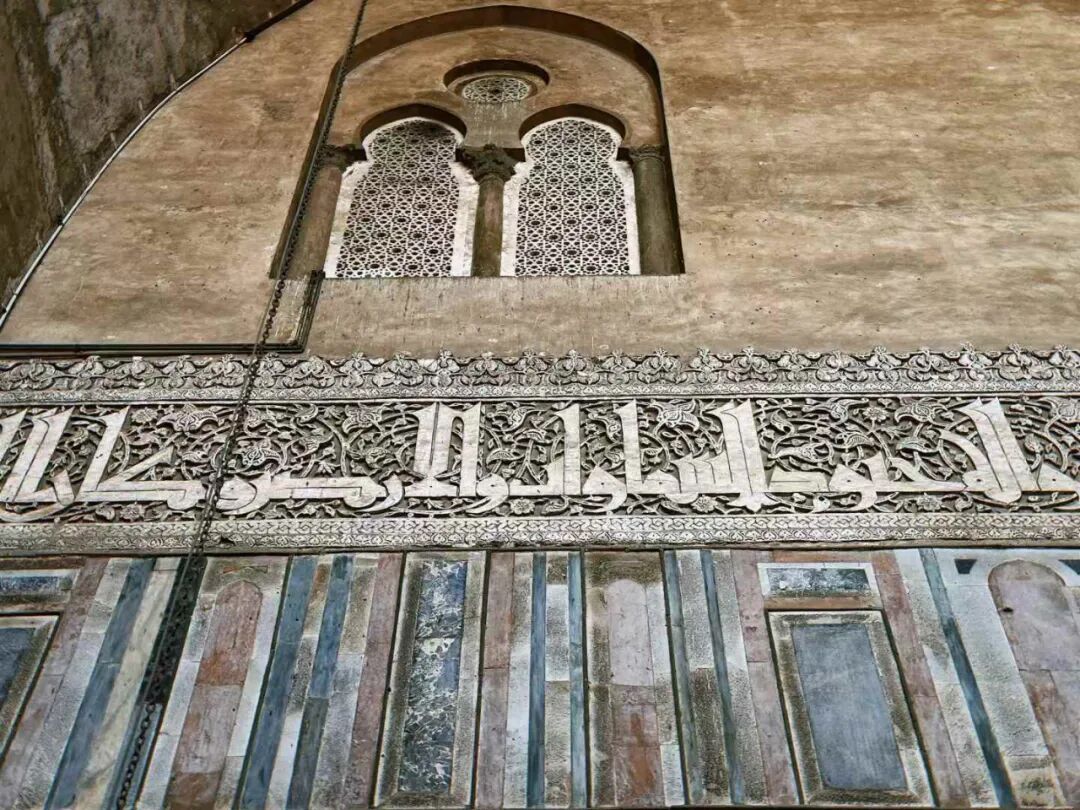
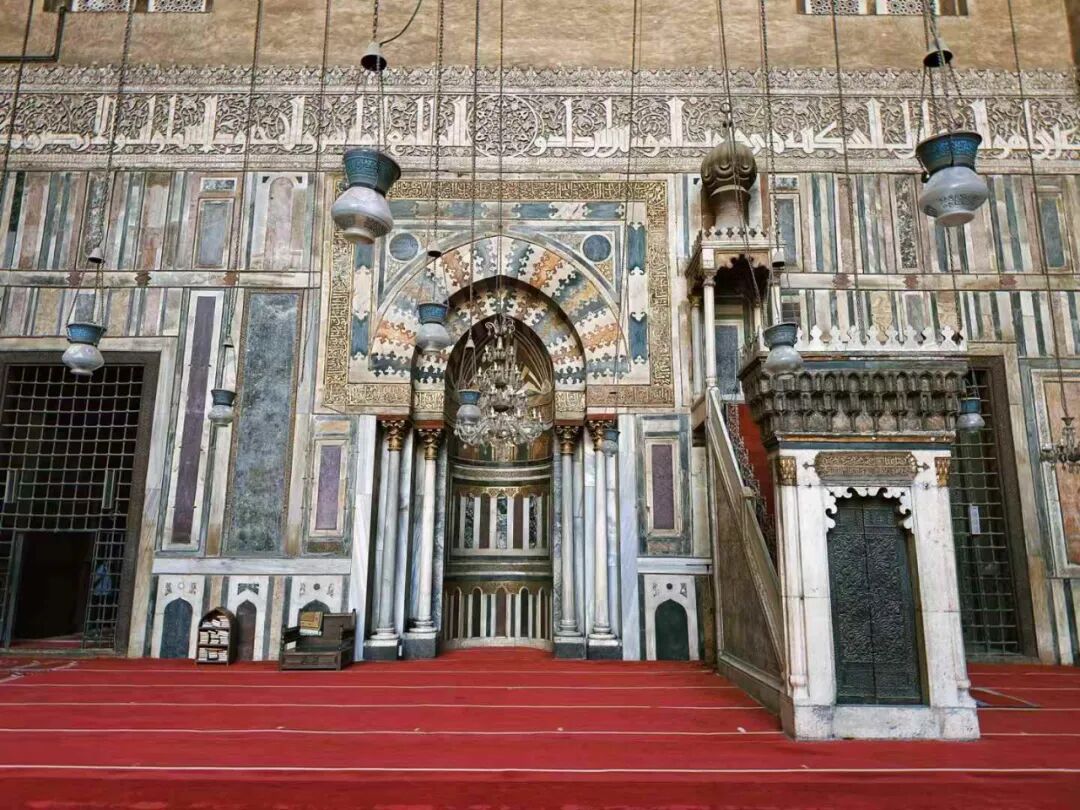
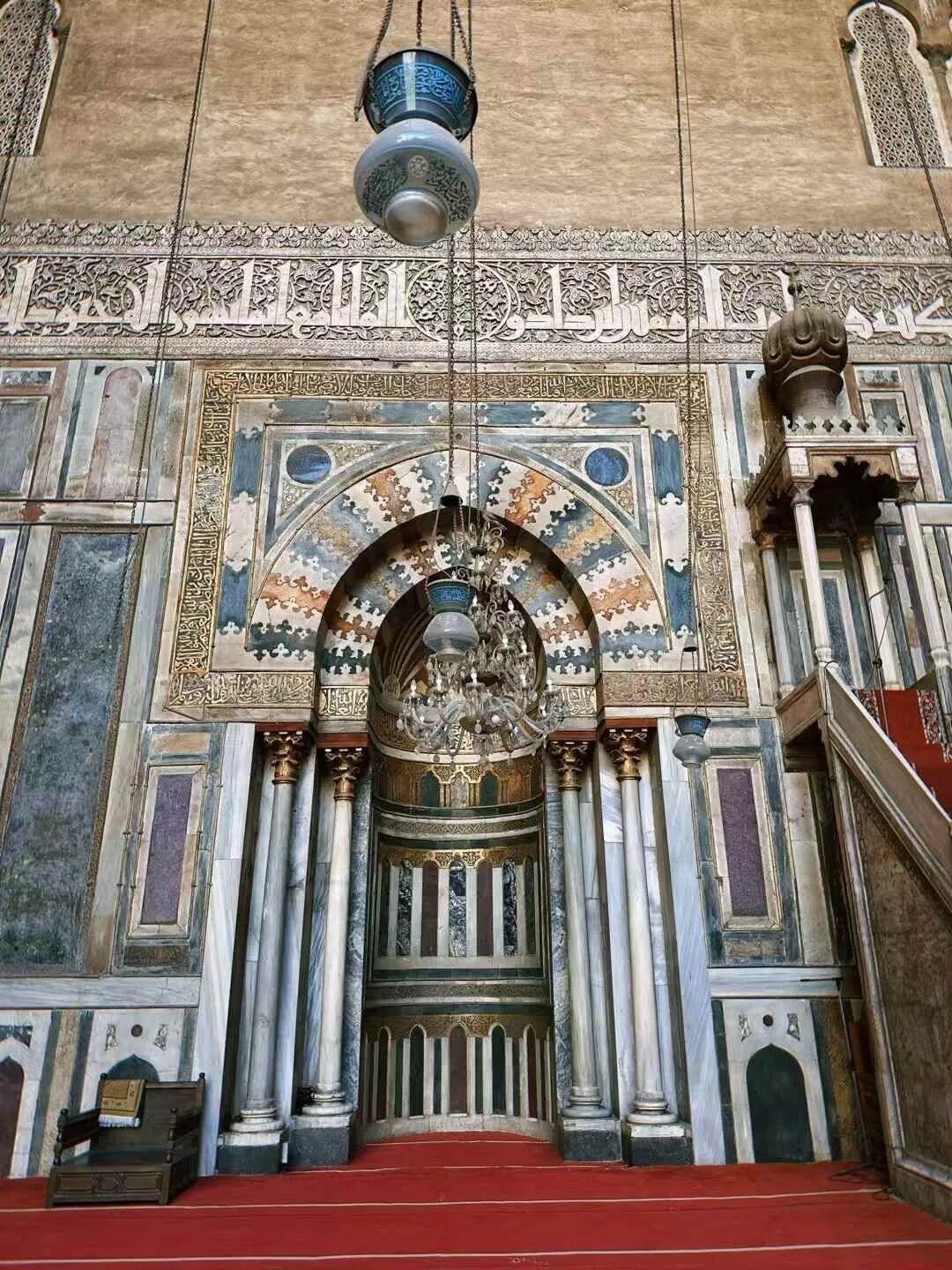
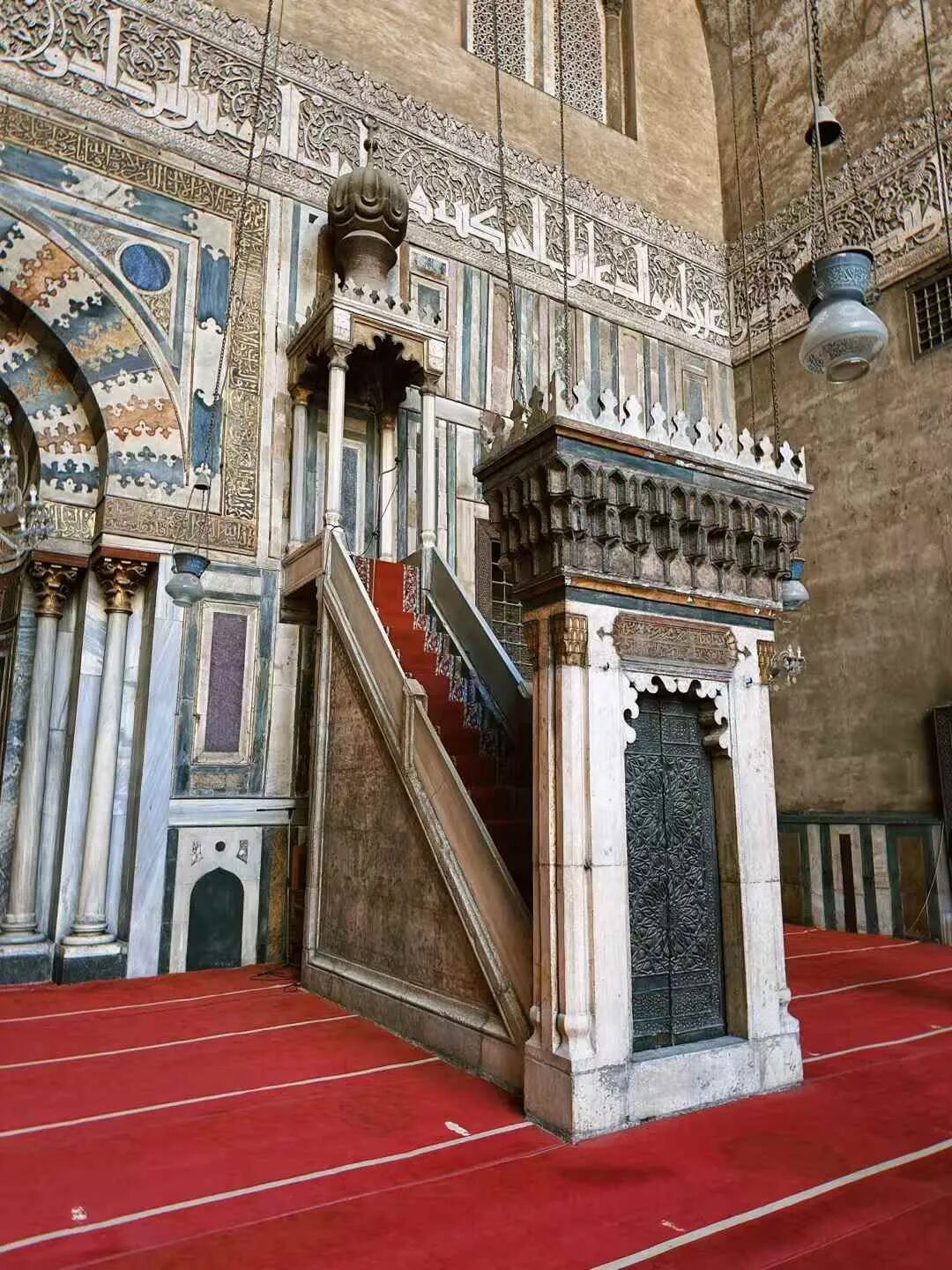
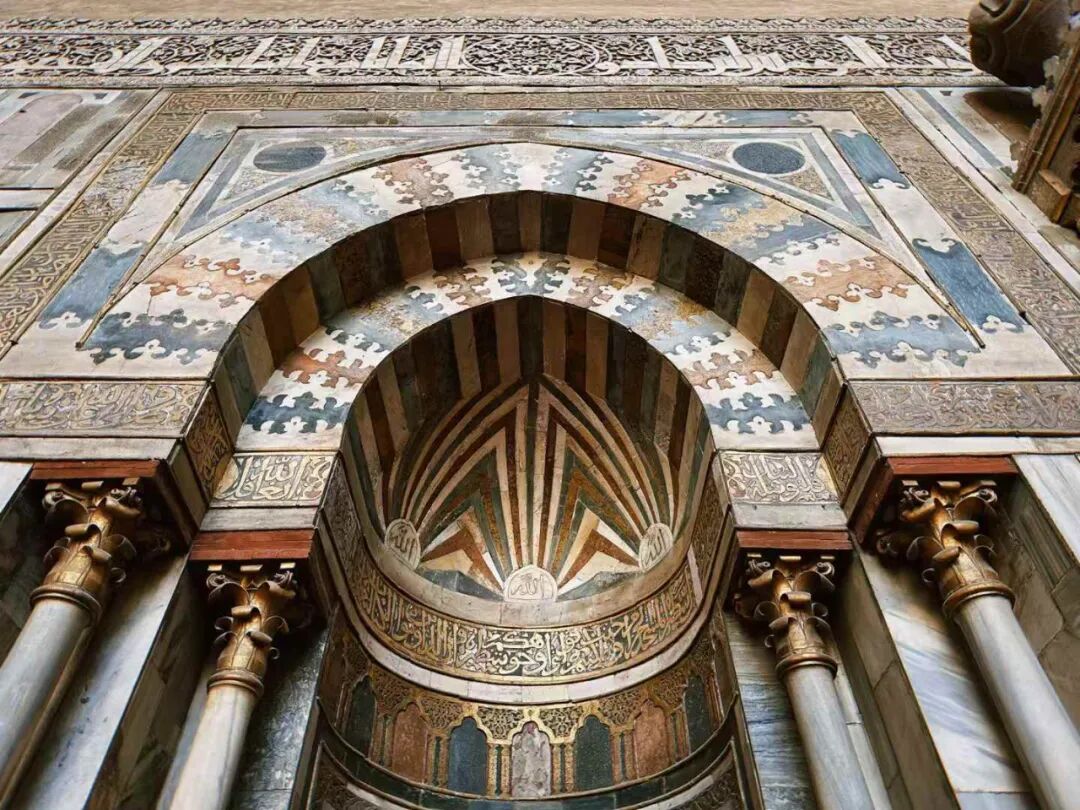
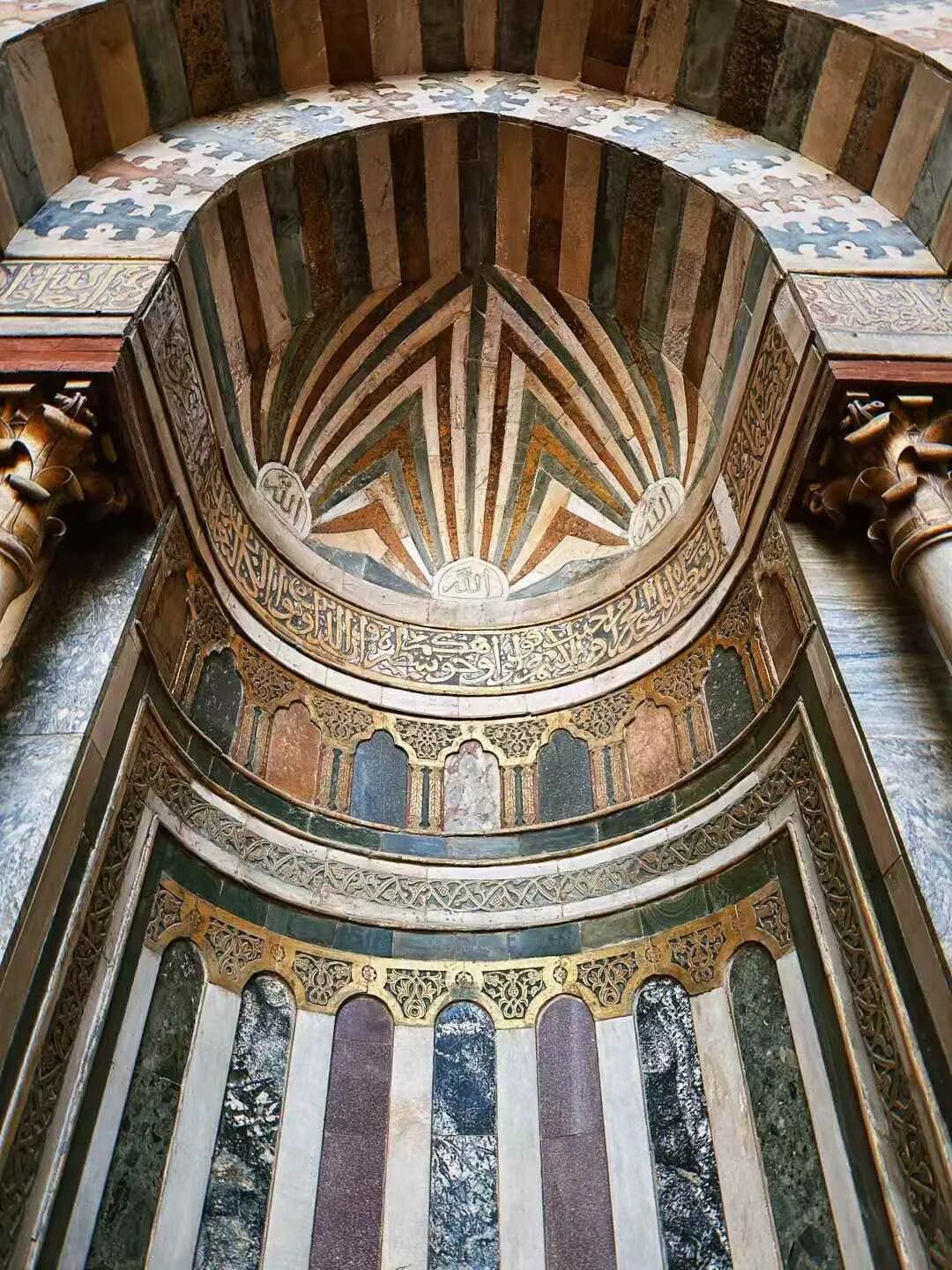
The center of the main hall is decorated with Kufic calligraphy and swirling arabesque patterns, which is unique in Mamluk architecture. The qibla wall is decorated with colorful marble panels. The center of the mihrab features three rising suns, each with the word Allah written in gold in the middle. The minbar has beautifully patterned bronze doors, which are also very rare in Mamluk architecture.
Summary: This middle part of the Cairo mosque journey follows medieval mosques such as Al-Salih Tala'i and other landmarks tied to the Fatimid, Ayyubid, and Mamluk periods. It keeps the source's sequence, mosque dates, architectural observations, and historical details intact.
Al-Salih Tala'i Mosque: 1160
Just outside the southern gate of Old Cairo stands the Al-Salih Tala'i Mosque, built in 1160 by the Fatimid vizier Tala'i ibn Ruzzik. It is the last major historical building remaining from the Fatimid dynasty.
Tala'i was one of the last powerful viziers of the Fatimid dynasty, and he helped keep the dynasty stable for its final decades. The Al-Salih Tala'i Mosque was originally built to house the head of Imam Hussein, but the head was eventually placed inside the Fatimid palace and later became the Hussein Mosque.
The Al-Salih Tala'i Mosque is the first hanging mosque in Cairo. It is built on a platform with shops on three sides of the ground floor, while the main prayer hall sits above them. After more than 800 years of ground level rising, the shops are now nearly two meters below the street. The side of the mosque facing the street has five arched galleries, which is unique for pre-Ottoman Egypt. One theory suggests this was a royal viewing platform for ceremonial processions passing through the south gate of Old Cairo, while another suggests it relates to the ceremony for placing the head of Imam Hussein.
The 1303 earthquake caused the minaret above the mosque's front porch to collapse. It was later repaired during the Mamluk dynasty, and you can now see the wooden Mashrabiya railings added at that time. The Mamluk dynasty also added bronze-carved doors to the mosque, which are now kept in the Museum of Islamic Art in Cairo.
The interior of the Al-Salih Tala'i Mosque preserves late Fatimid Kufic script stucco carvings, which are very ornate. The column capitals in the main hall are from the pre-Islamic period, and the mihrab was rebuilt with painted wood during the Mamluk period. The minbar (pulpit) next to it also belongs to the Mamluk period. It features exquisite craftsmanship and is one of the oldest surviving minbars in Cairo.
The late Fatimid stucco carved windows and wooden doors from the Al-Salih Tala'i Mosque, now in the Museum of Islamic Art in Cairo, are masterpieces of late Fatimid carving art.
Mahmud al-Kurdi Mosque: 1395
The Mahmud al-Kurdi Mosque was built in 1395 by Mahmud al-Kurdi, a high-ranking official of the Mamluk dynasty. The Mahmud al-Kurdi Mosque features the earliest dome carved with V-shaped patterns; domes before this had spiral patterns. The dome on the minaret was also very rare at the time, though it was widely used later during the Ottoman dynasty.
Qijmas al-Ishaqi Mosque: 1480
Walking east from the south gate, the first thing you see is the Qijmas al-Ishaqi Mosque, built between 1480 and 1481 by the Mamluk emir Qijmas al-Ishaqi. This mosque is considered a model and masterpiece of late Mamluk architecture and is printed on the 50 Egyptian pound banknote. Unfortunately, the interior was under renovation when we visited, so we could only see the outside.
Qijmas al-Ishaqi was a high-ranking official in the late Mamluk dynasty. He was responsible for the royal stables and Hajj affairs, and also served as governor of Alexandria and Syria.
The Qijmas al-Ishaqi Mosque is also a hanging mosque, with the entire ground floor used for shops and the main prayer hall located on the upper level. The main building and the annex are connected by a bridge building, which features mashrabiyya wooden screens. The mosque's facade shows the architectural style typical of the Mamluk Sultan Qaitbay (reigned 1468-96). The arabesque stone carvings, the stalactite-like cornices (muqarnas) above the windows, and the combination of red, black, and white marble are all very delicate. The main gate once had bronze door knockers shaped like dragon heads, but they were recently stolen.
Mosque of Ahmad al-Mihmandar: 1324
Continuing forward, you reach the Mosque of Ahmad al-Mihmandar, built between 1324 and 1325 by the Mamluk Emir Ahmad al-Mihmandar. This place was originally a madrasa (religious school) and was not converted into a mosque until the Ottoman period in 1722. The mosque's facade is very exquisite, featuring the typical Mamluk decorative style with calligraphic inscriptions and muqarnas cornices.
Mosque of Amir Altinbugha al-Mardani: 1338
The Mosque of Amir Altinbugha al-Mardani was built between 1338 and 1340 by Amir Altinbugha al-Mardani, the son-in-law of the Mamluk Sultan Al-Nasir Muhammad. It is a typical Mamluk-style mosque with the most luxurious decorations of that time and is the first large mosque to feature an octagonal minaret and a large dome as standard.
When I visited in 2023, the Aga Khan Trust for Culture was restoring the mosque, so I could not enter and only saw the exterior. The mosque's entrance is an iwan (vaulted hall), decorated inside with muqarnas cornices and rich marble patterns, including joggle lintels and alternating light and dark ablaq brickwork.
Mosque of Umm al-Sultan Sha'ban: 1368
The Mosque of Umm al-Sultan Sha'ban was built between 1368 and 1369 by the Mamluk Sultan Al-Ashraf Sha'ban (reigned 1363-77) to commemorate his mother, Umm al-Sultan Sha'ban, who was performing the Hajj at the time.
The mosque has a typical Mamluk architectural style and features a dome with spiral and fluted patterns. The outer wall is 18 meters high and looks imposing, with three levels of windows, some of which are decorative blind windows. The mosque's gate features a towering, pyramid-shaped muqarnas cornice with rich stone masonry decorations below it. The interior of the main hall is shaped like a cross-vaulted iwan, and the qibla wall is also in the Mamluk style with colorful stone masonry.
Blue Mosque: 1347
I attended Jumu'ah prayer at the Blue Mosque in Cairo at noon.
The Blue Mosque is originally named the Aqsunqur Mosque and was ordered to be built in 1347 by Emir Shams ad-Din Aqsunqur, the son-in-law of the Mamluk Sultan. As the former governor of Tripoli, Aqsunqur built the mosque in a Syrian style, which is different from the surrounding Mamluk-style mosques. The Syrian style includes cross-vaults and a columned layout, both of which are rare in Cairo.
The Blue Mosque has the oldest marble minbar (pulpit) in Cairo, which is also a rare example of a marble pulpit in the city.
Between 1652 and 1654, Ottoman Janissary commander Ibrahim Agha al-Mustahfizan gave the Blue Mosque a major renovation. He decorated the prayer wall (qibla wall) with Ottoman tiles imported from Istanbul and Damascus, which is how the mosque got its name. These tiles are in the Iznik style and feature cypress tree and tulip patterns.
Sayyida Fatima Mosque: 18th-century expansion
The Sayyida Fatima Mosque was originally the home of Sayyida Fatima. In the 18th century, the Mamluk prince Abd al-Rahman Katkhuda expanded it into a large mosque. The main hall developed serious cracks in 1992, and it was expanded into its current form between 1999 and 2003.
Sayyida Fatima (660-728) was the great-granddaughter of the noble Prophet and the daughter of Imam Hussein. She grew up in her father's house and later married her cousin, Hasan ibn Hasan. They had several children. The most famous was the martyr Abdullah al-Mahd, who resisted the Abbasid Caliphate. His son, Idris, established the Idrisid dynasty in 788, which was the first unified dynasty in Moroccan history and is considered the beginning of the Moroccan state.
After the Battle of Karbala, Sayyida Fatima fled to Cairo. In Cairo, she adopted many orphans and opened her home to the poor, earning her the titles Mother of Orphans and Mother of the Poor. She raised seven orphaned girls who were later buried alongside her. She was also a scholar of Islamic law and Hadith, and she is considered a reliable narrator of Hadith.
Khayrbak Mosque: 1519
The Khayrbak Mosque was built in 1519 by the Ottoman governor of Egypt, Khayrbak, just two years after the Ottoman Empire conquered Egypt in 1517. Although the Mamluk Sultanate had already fallen when it was built, the mosque still features the typical Mamluk style.
Khayrbak was originally a Mamluk emir and governor of Aleppo, but he defected to the Ottomans in 1516 and became the first Ottoman governor of Egypt in 1517.
Sultan Hasan Mosque: 1356
The Sultan Hasan Mosque was built between 1356 and 1363 by the Mamluk Sultan Al-Nasir Hasan, who reigned from 1347 to 1351 and again from 1355 to 1361. This large mosque is massive in scale and cost over 10,000 dinars, making it the most expensive mosque built in medieval Cairo. The high cost attracted craftsmen from all over the Mamluk Sultanate, including Anatolia, which is why the mosque has such a diverse range of decorative styles.
The Sultan Hasan Mosque also witnessed the fall of the Mamluk Sultanate. In 1517, the last Mamluk Sultan, Tuman Bay II, resisted the Ottoman army from inside the Sultan Hasan Mosque. The Ottoman army fired cannons at the mosque from the Citadel of Saladin across the way. The Sultan was forced to flee, and Cairo fell completely into Ottoman hands.
The Sultan Hasan Mosque is 150 meters long and 36 meters high. It has eight windows arranged vertically on its southwest and northeast facades, which visually emphasize the height of the building. The top edge of the mosque's facade features a 1.5-meter-high stalactite cornice, a detail never seen before in Mamluk architecture.
The Sultan Hassan Mosque has two minarets. When the southern minaret was finished, it stood 84 meters above the street, making it the tallest minaret in all of Mamluk architecture. The northern minaret collapsed in 1659 and was rebuilt between 1671 and 1672. The original design for the mosque called for four minarets in the Seljuk style, but one collapsed during construction in 1361, killing 300 people, so only two were ever completed.
The main gate of the Sultan Hassan Mosque is 38 meters high. Its decorative style was strongly influenced by Anatolian Seljuk and Ilkhanate architecture, and it looks very similar to the gate of the Blue Madrasa in Sivas, Turkey. Unfortunately, the marble carvings on the gate were never finished, and some only show the outlines. This actually lets us see the stone carving process of the time, where a master craftsman would carve the outline first, and then an apprentice would finish the rest.
The Sultan Hassan Mosque has a classic Mamluk cruciform layout, consisting of a central courtyard and four massive vaulted halls (iwan). The ablution fountain (wudu fountain) in the center of the courtyard was renovated during the Ottoman period, but it remains the oldest one in Mamluk architecture.
The center of the main hall is decorated with Kufic calligraphy and swirling arabesque patterns, which is unique in Mamluk architecture. The qibla wall is decorated with colorful marble panels. The center of the mihrab features three rising suns, each with the word Allah written in gold in the middle. The minbar has beautifully patterned bronze doors, which are also very rare in Mamluk architecture.
