
Halal Travel Guide: Jordan Desert Castles - Qasr al-Hallabat, Part Two
Reposted from the web
Summary: This second part of the Jordan desert-palace route centers on Qasr al-Hallabat and continues toward the Amman Citadel. It keeps the source's details on mosaics, basalt and limestone walls, towers, cisterns, travel distance, and photographs.
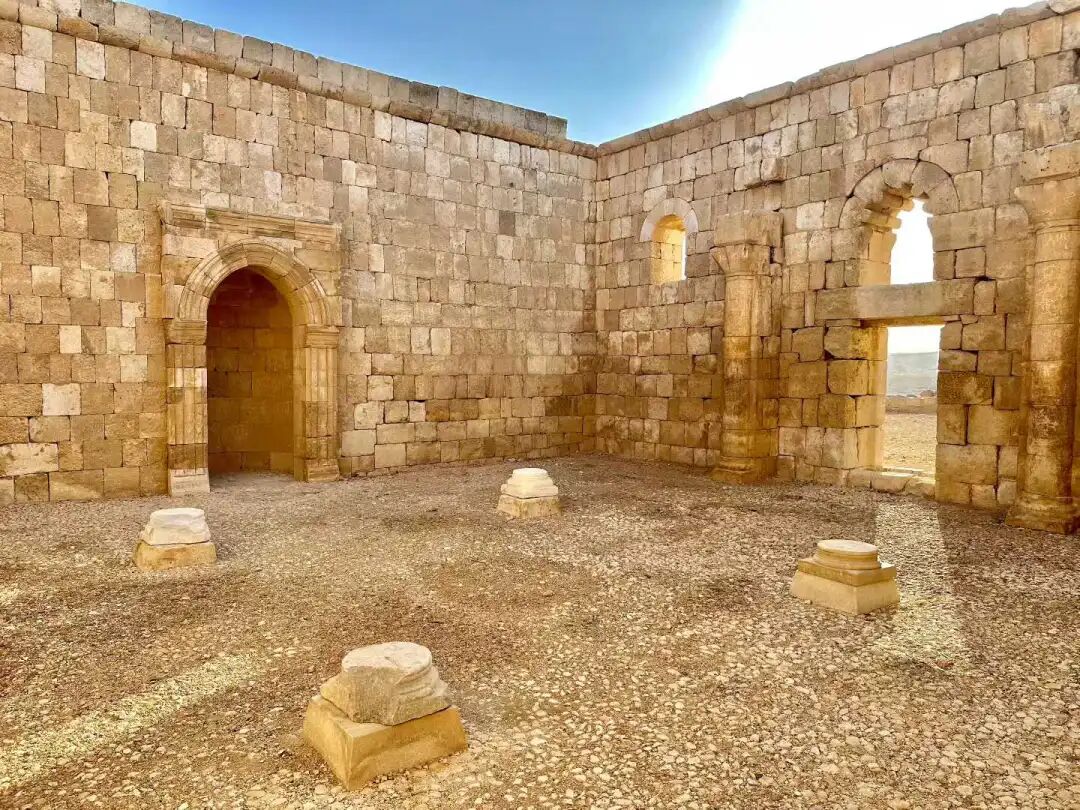
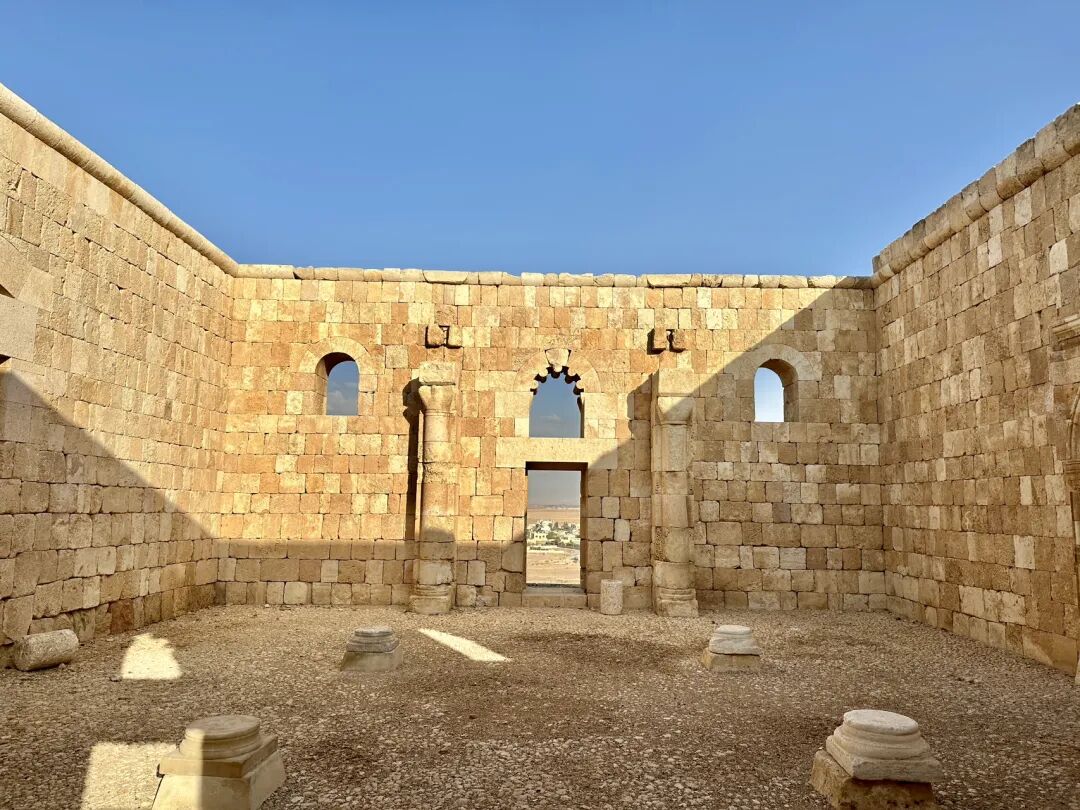
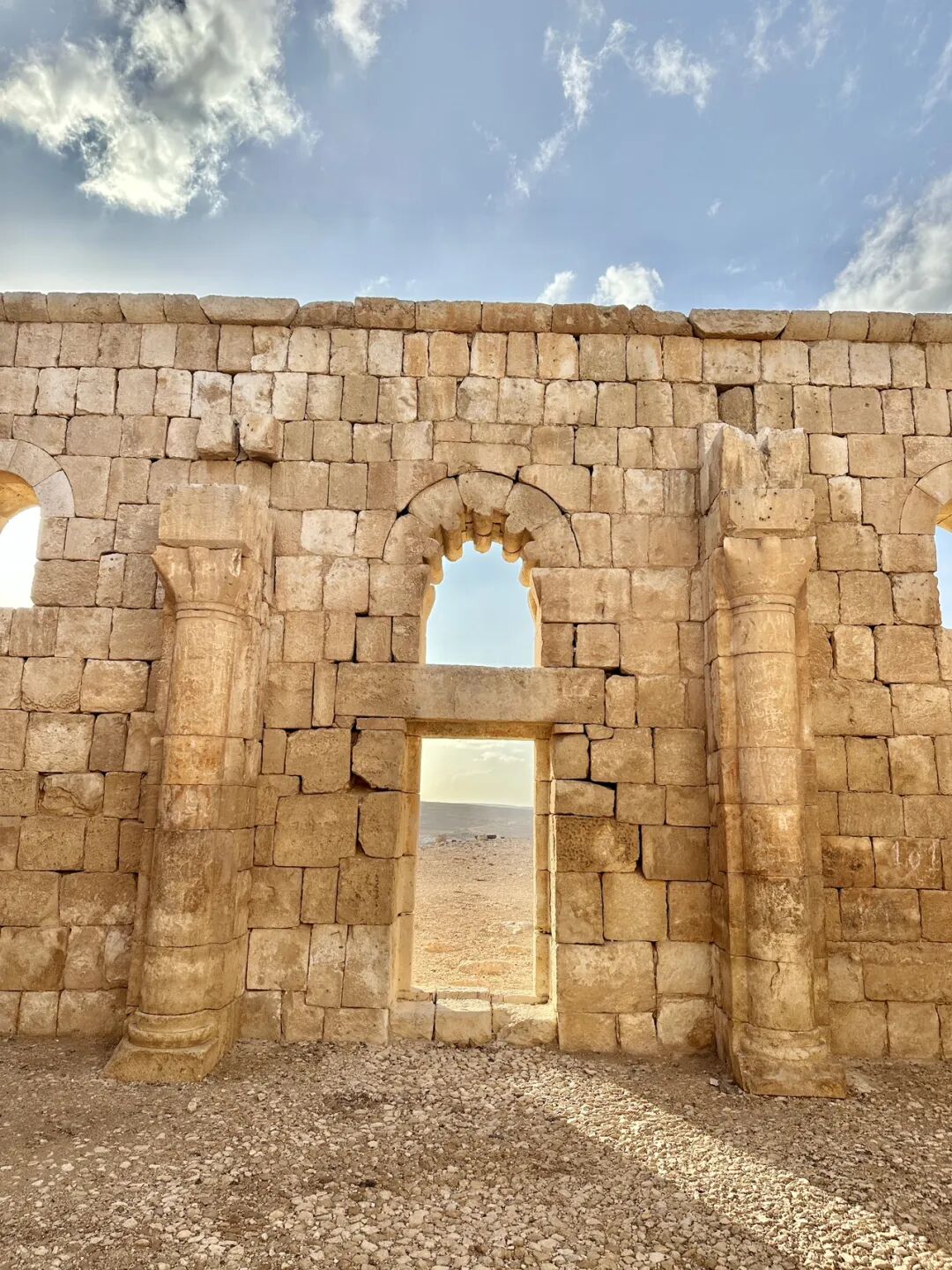
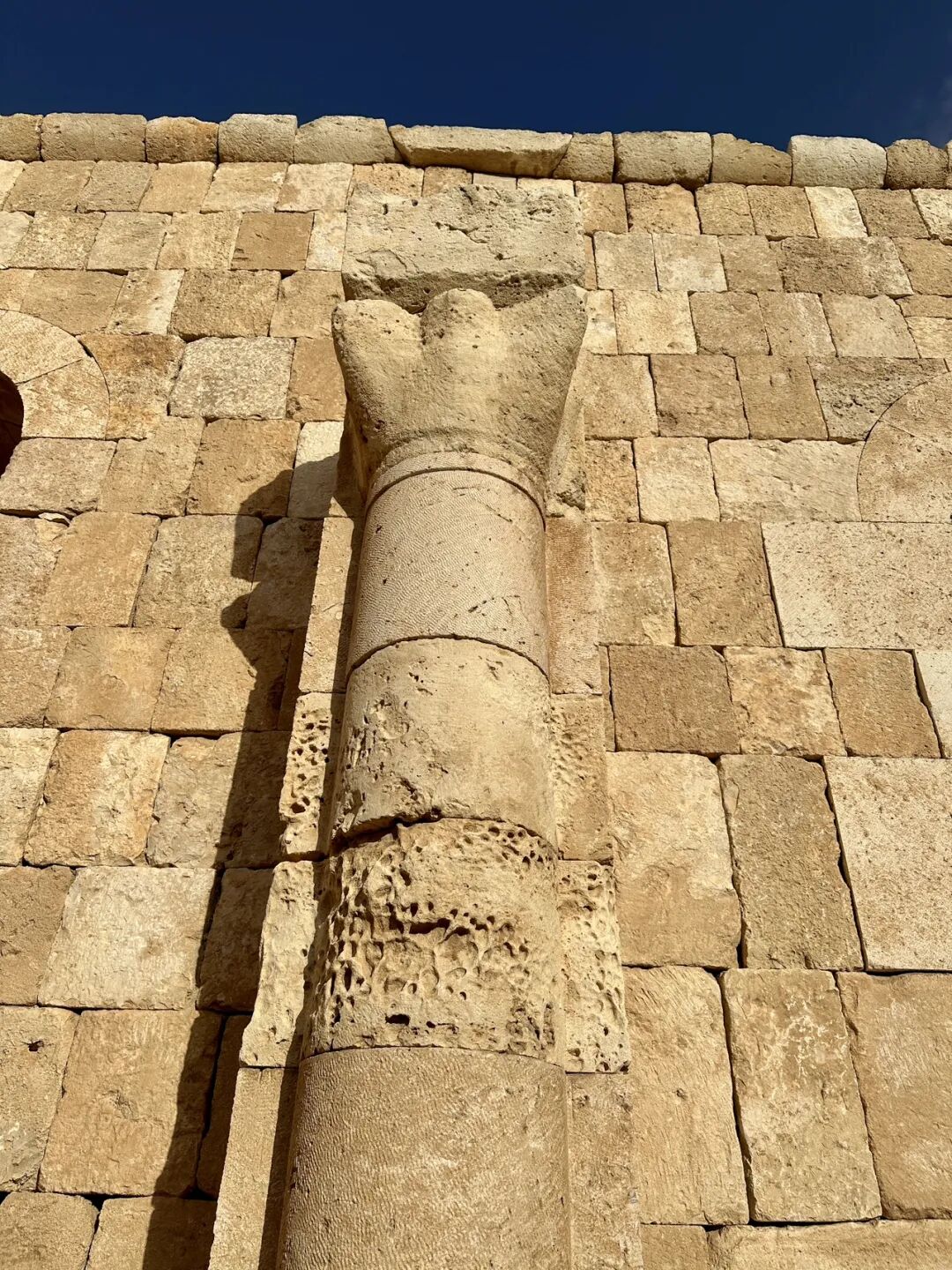
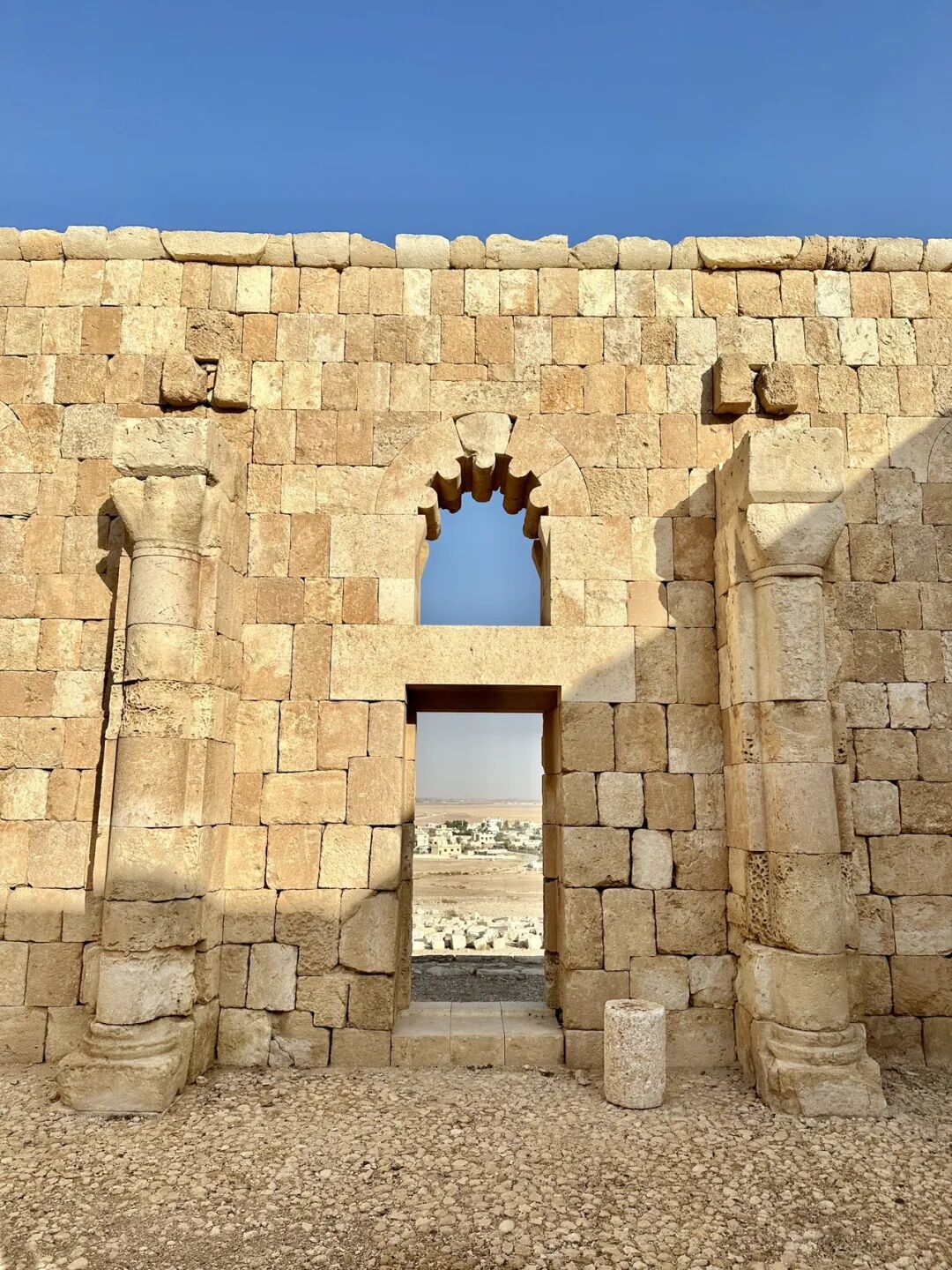
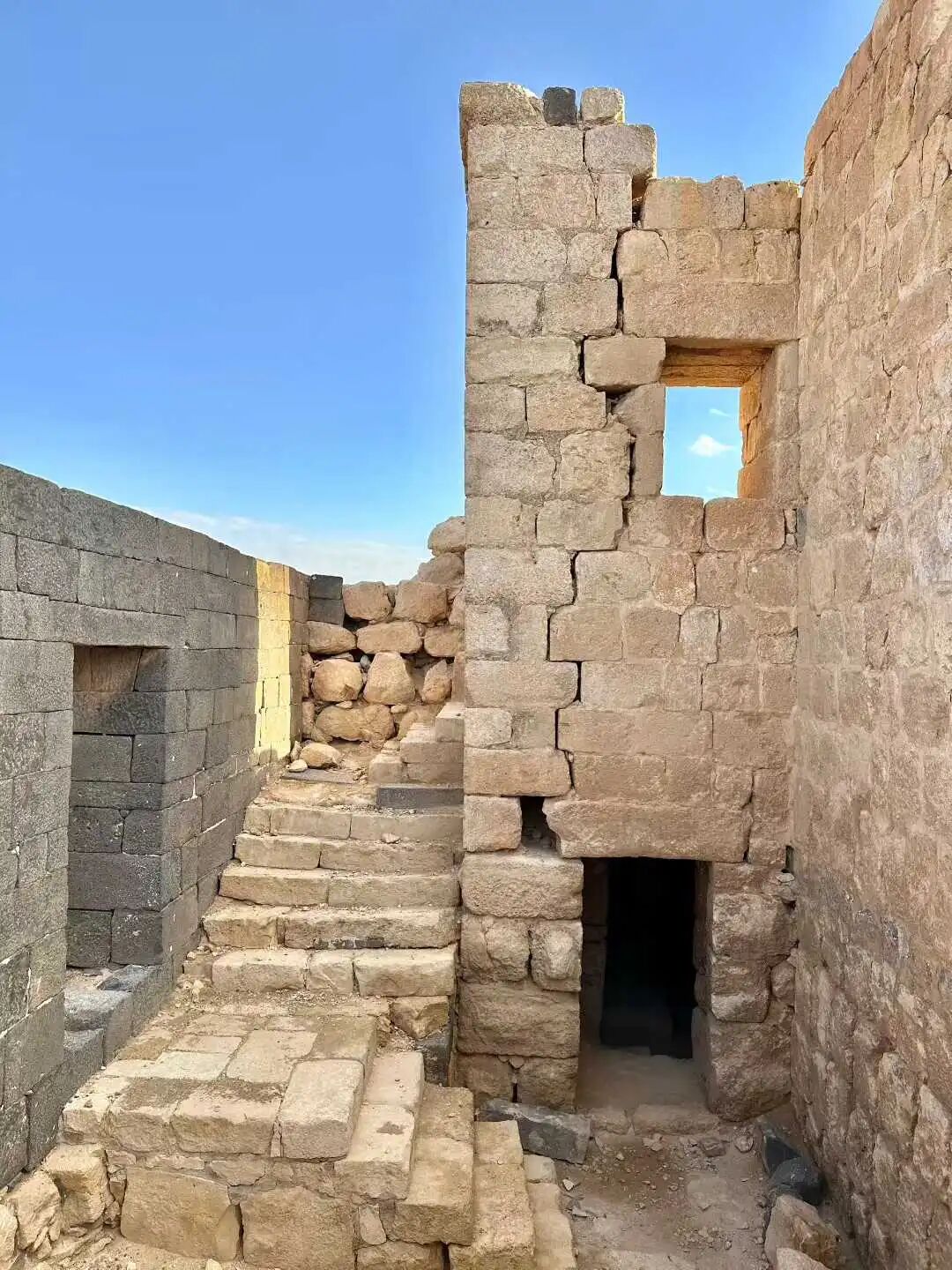
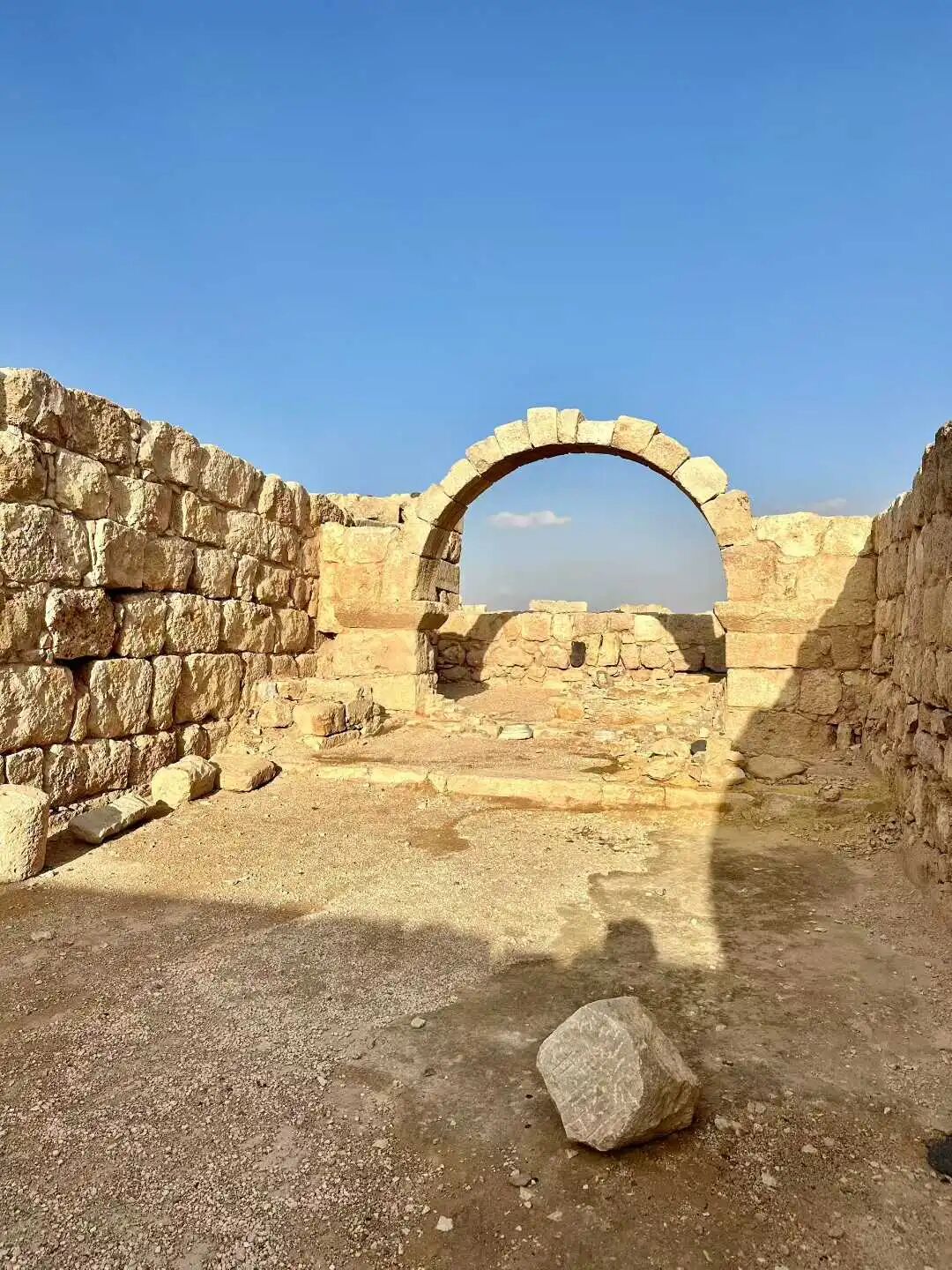
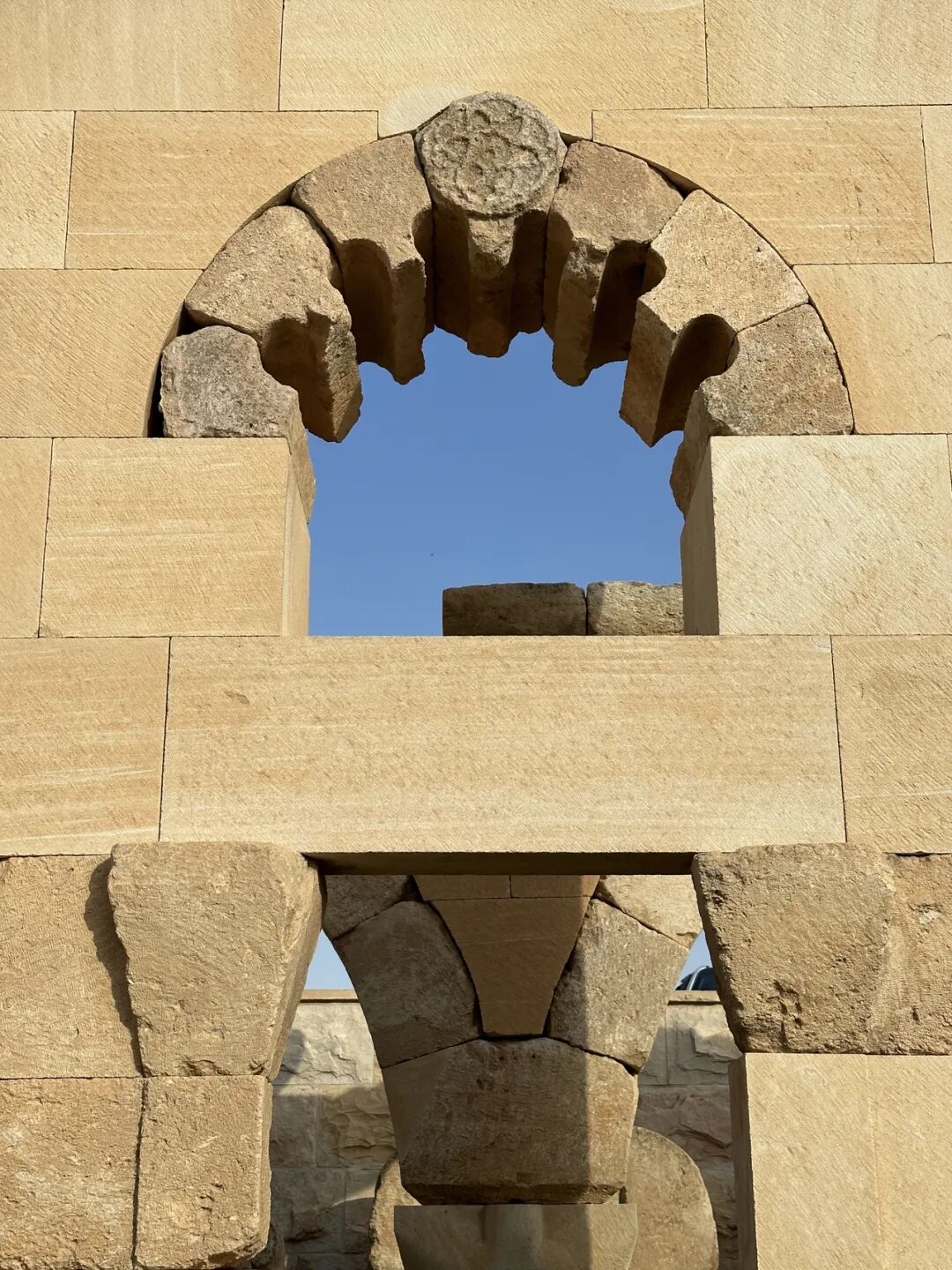
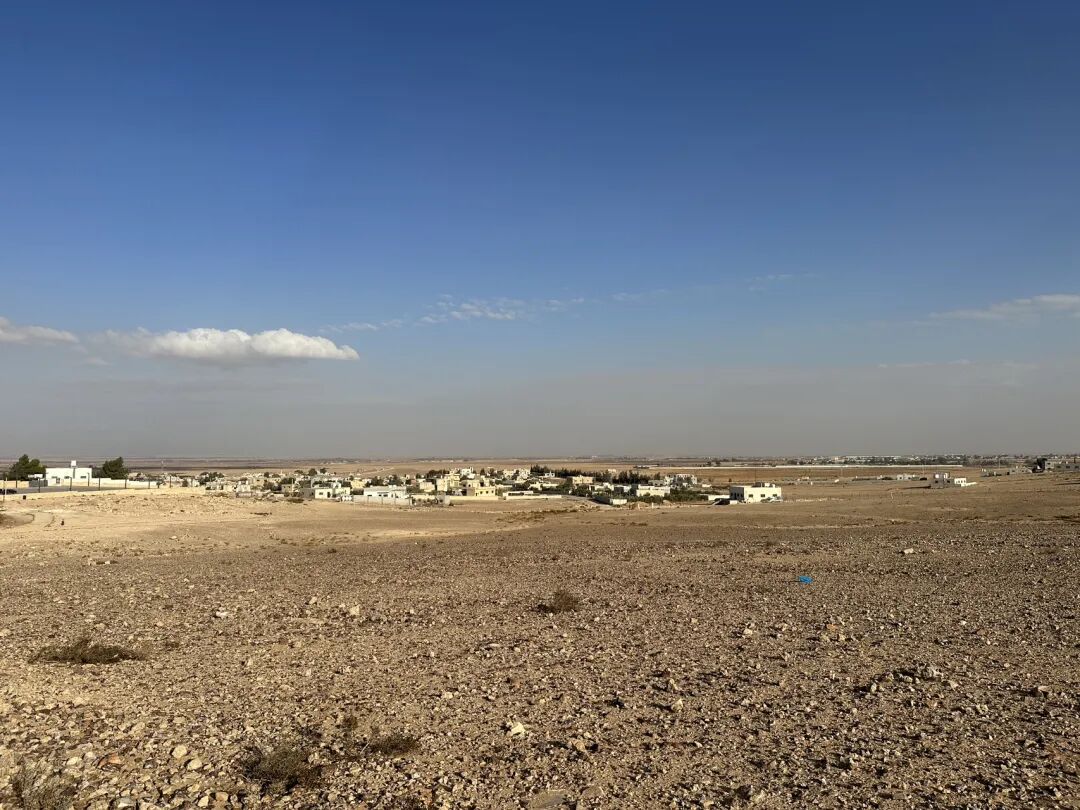
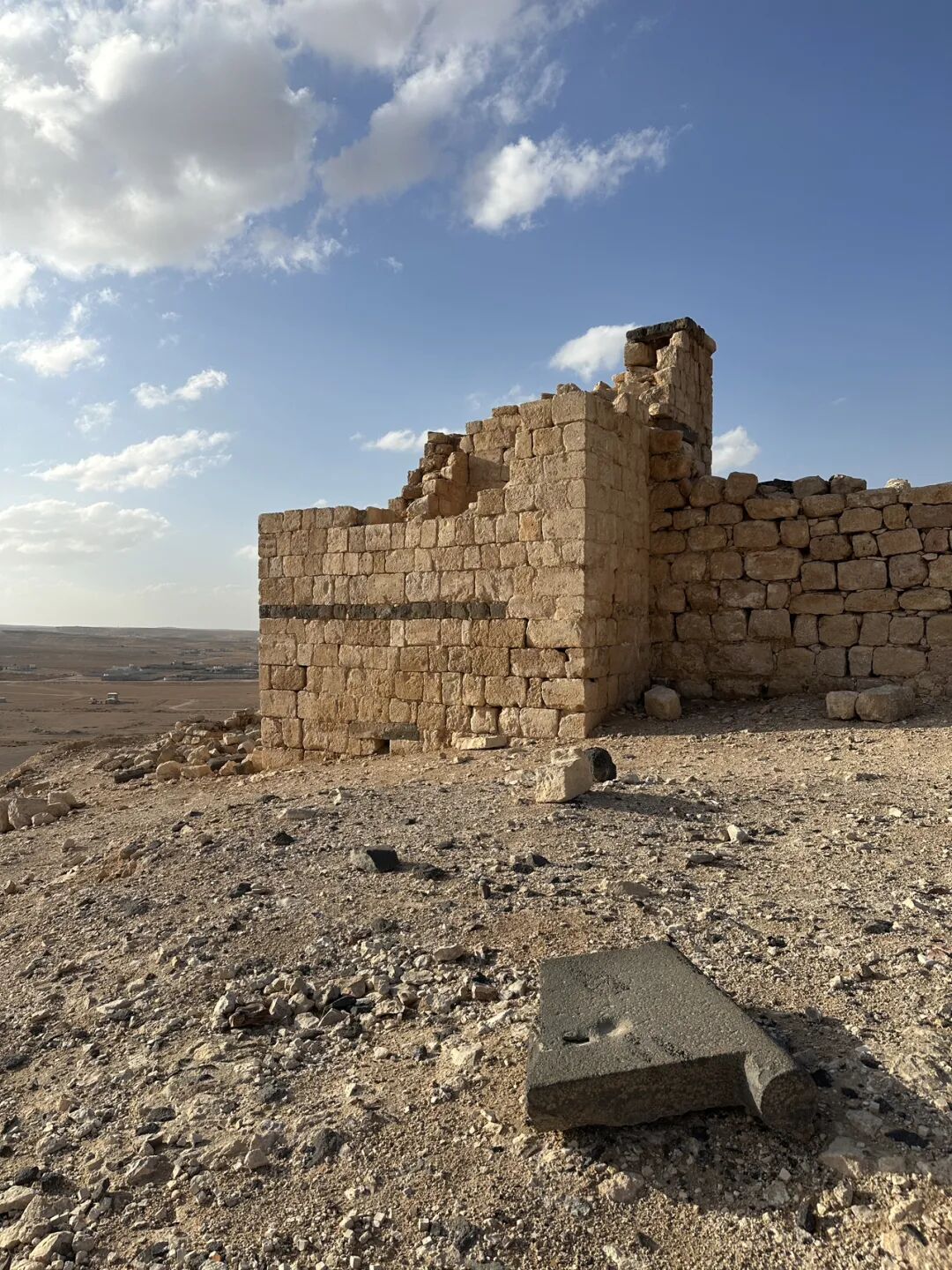
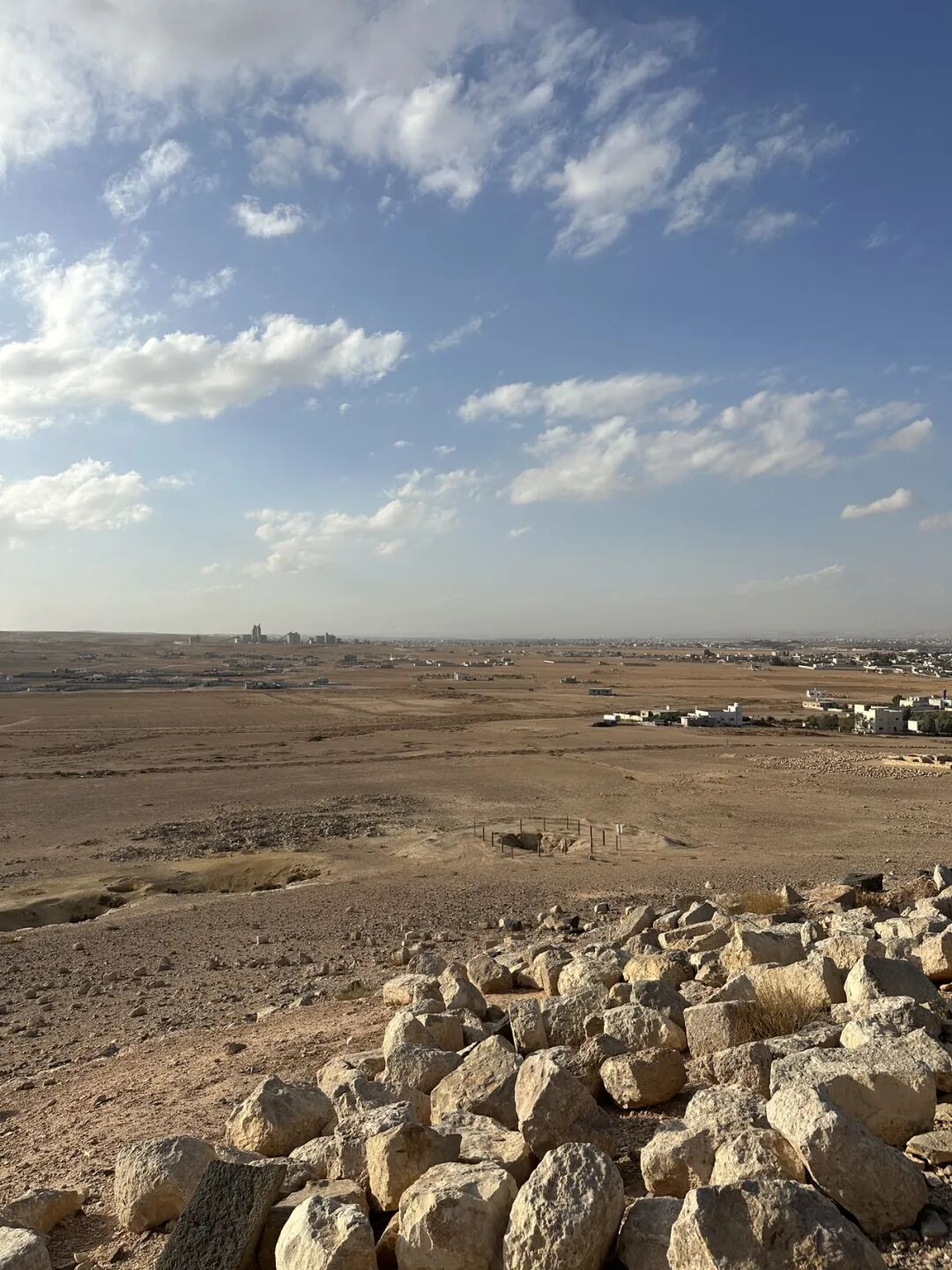
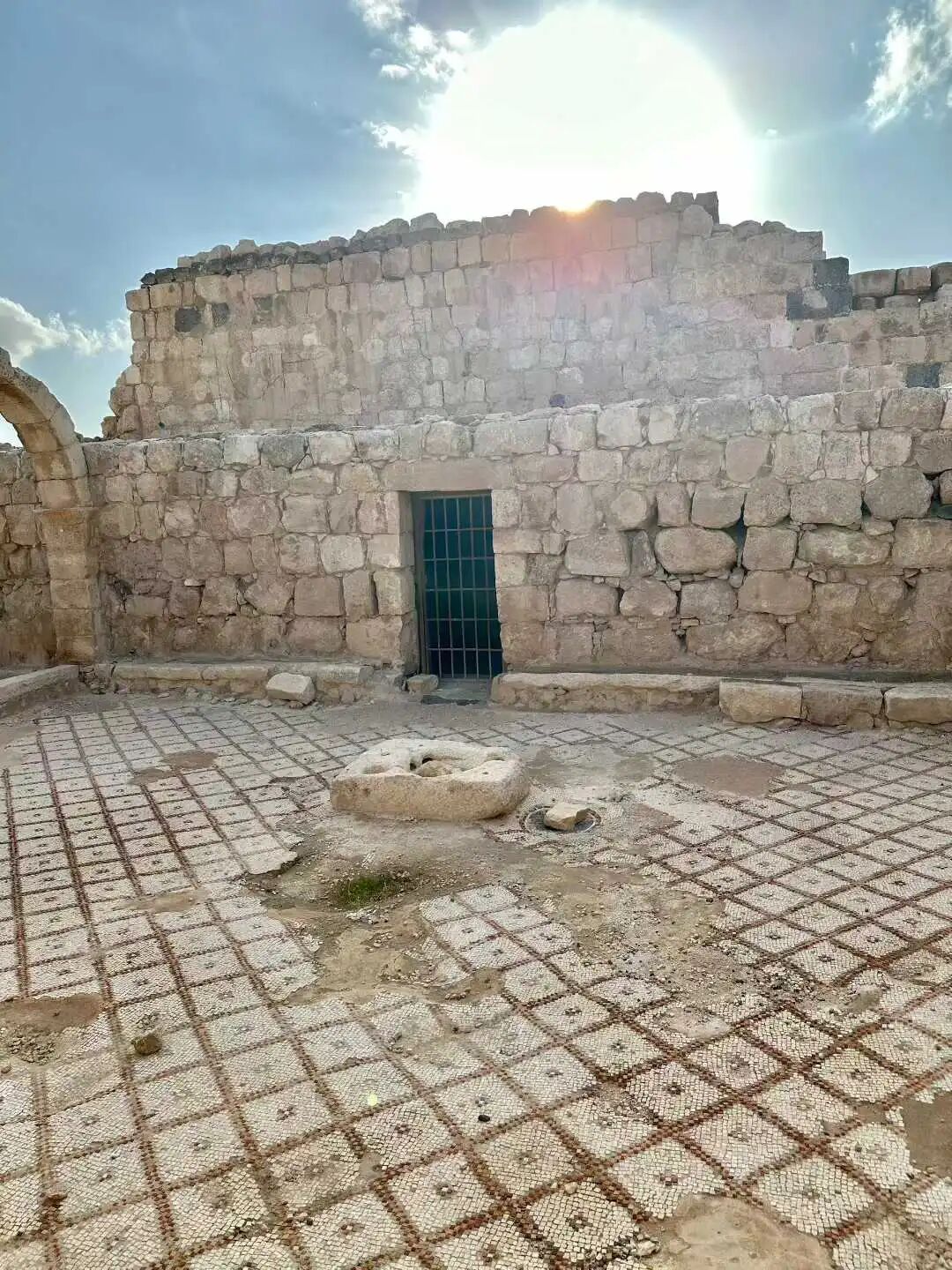
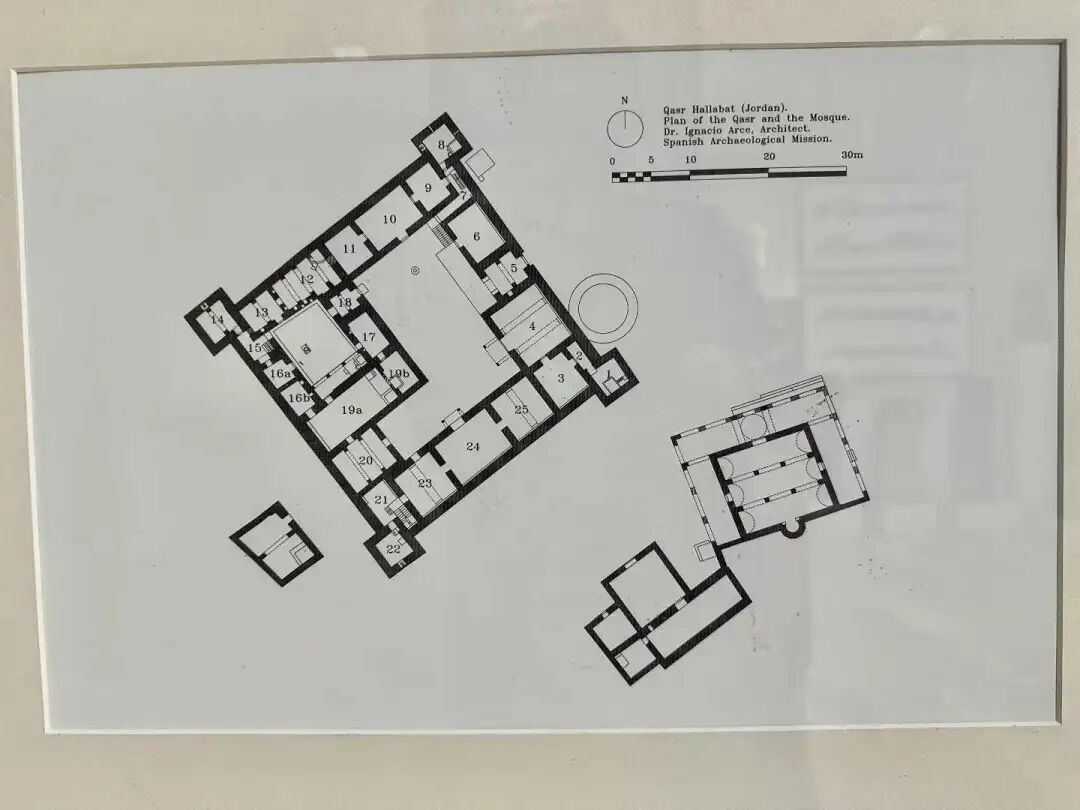
Qasr al-Hallabat is built from light-colored limestone and dark basalt. It has a square layout with towers at the four corners and was originally three stories high. The northwest section has a courtyard and a water cistern. The well features beautiful carvings, while the surrounding rooms are relatively simple.
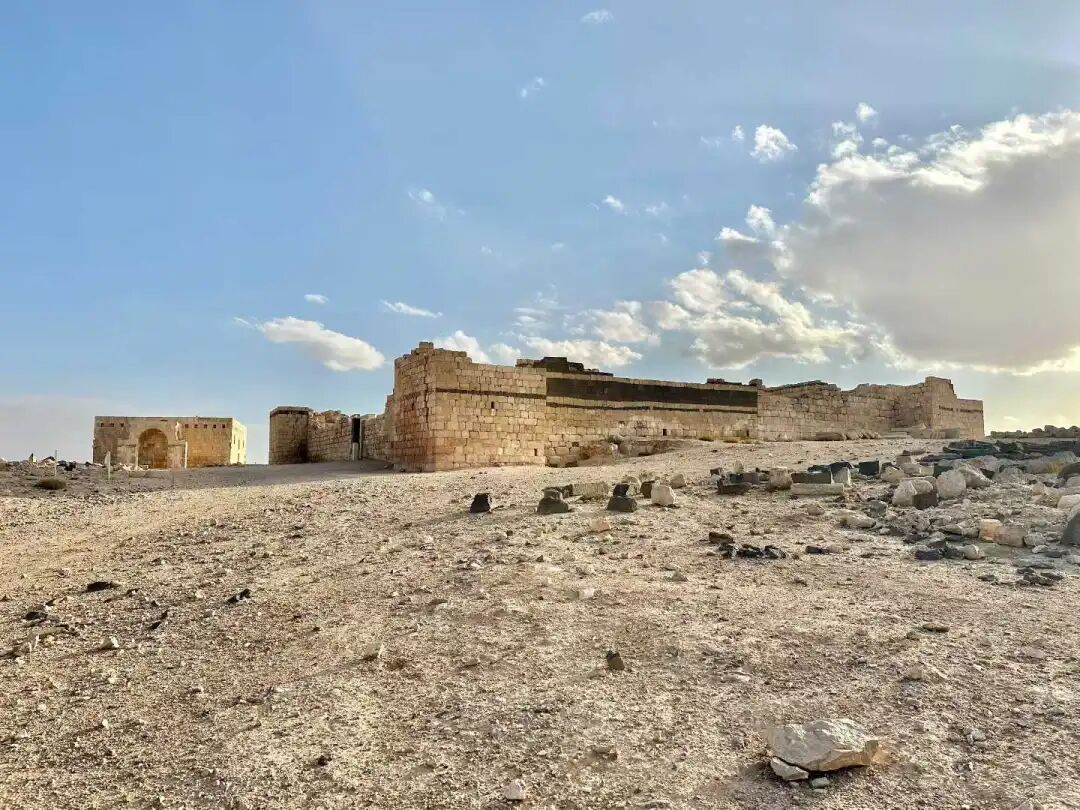
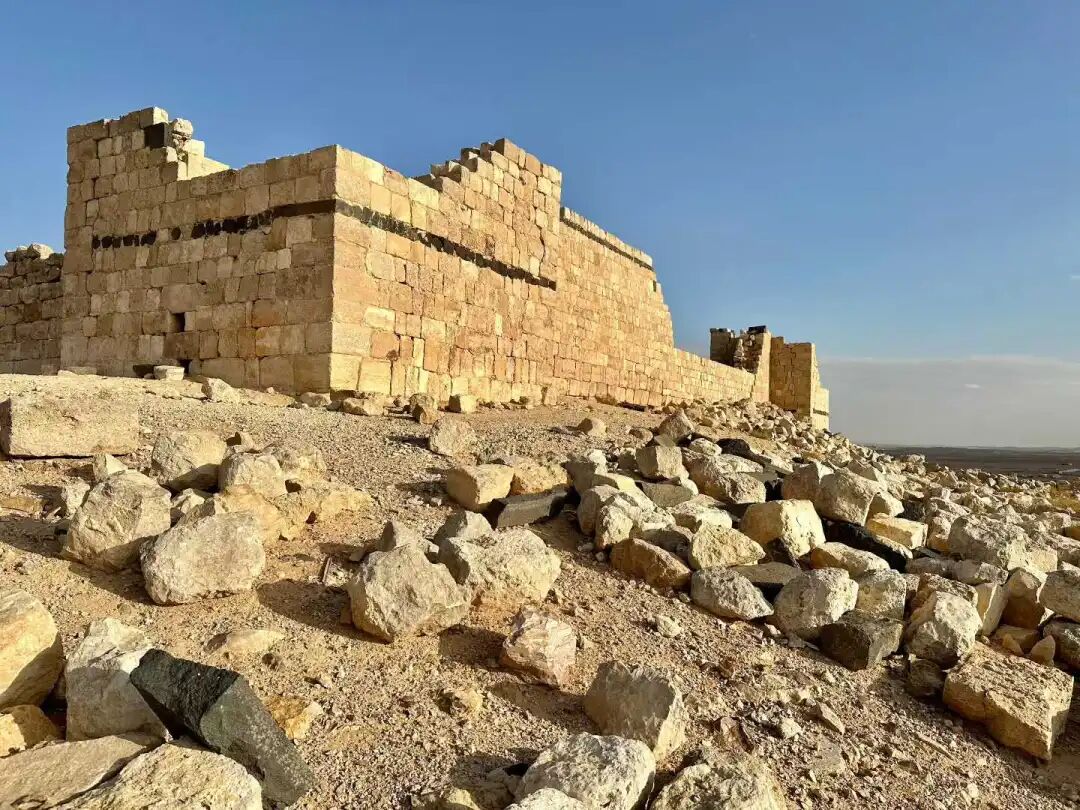
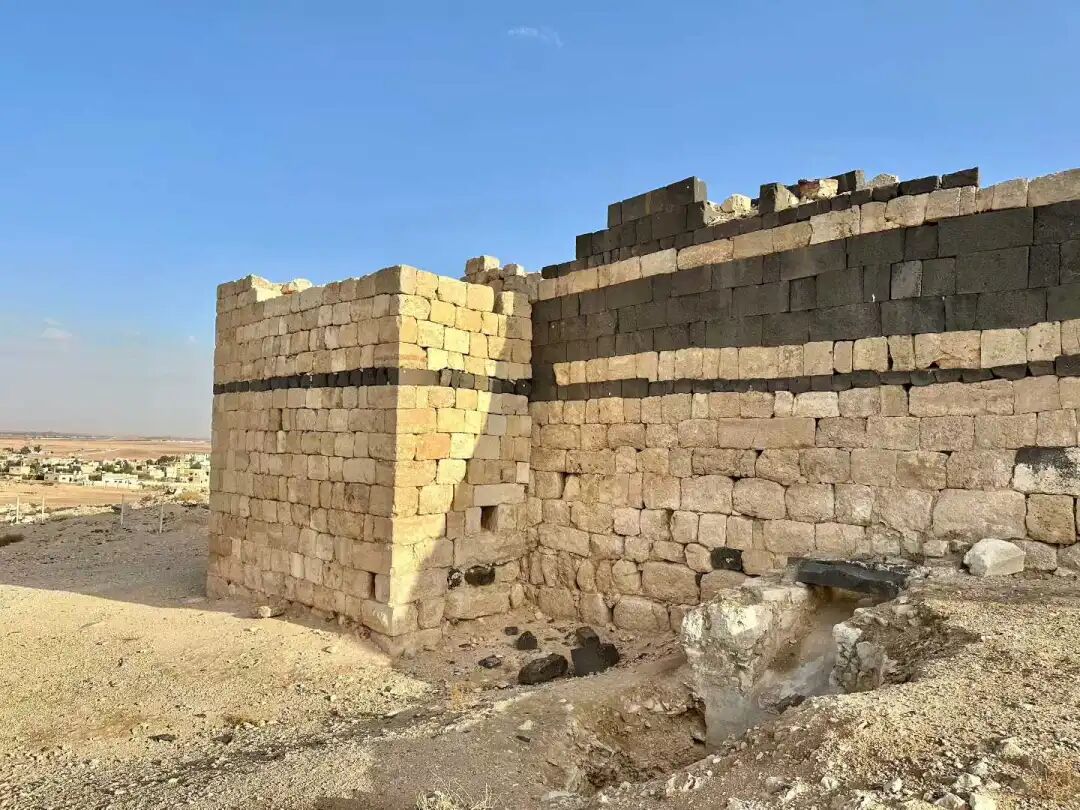
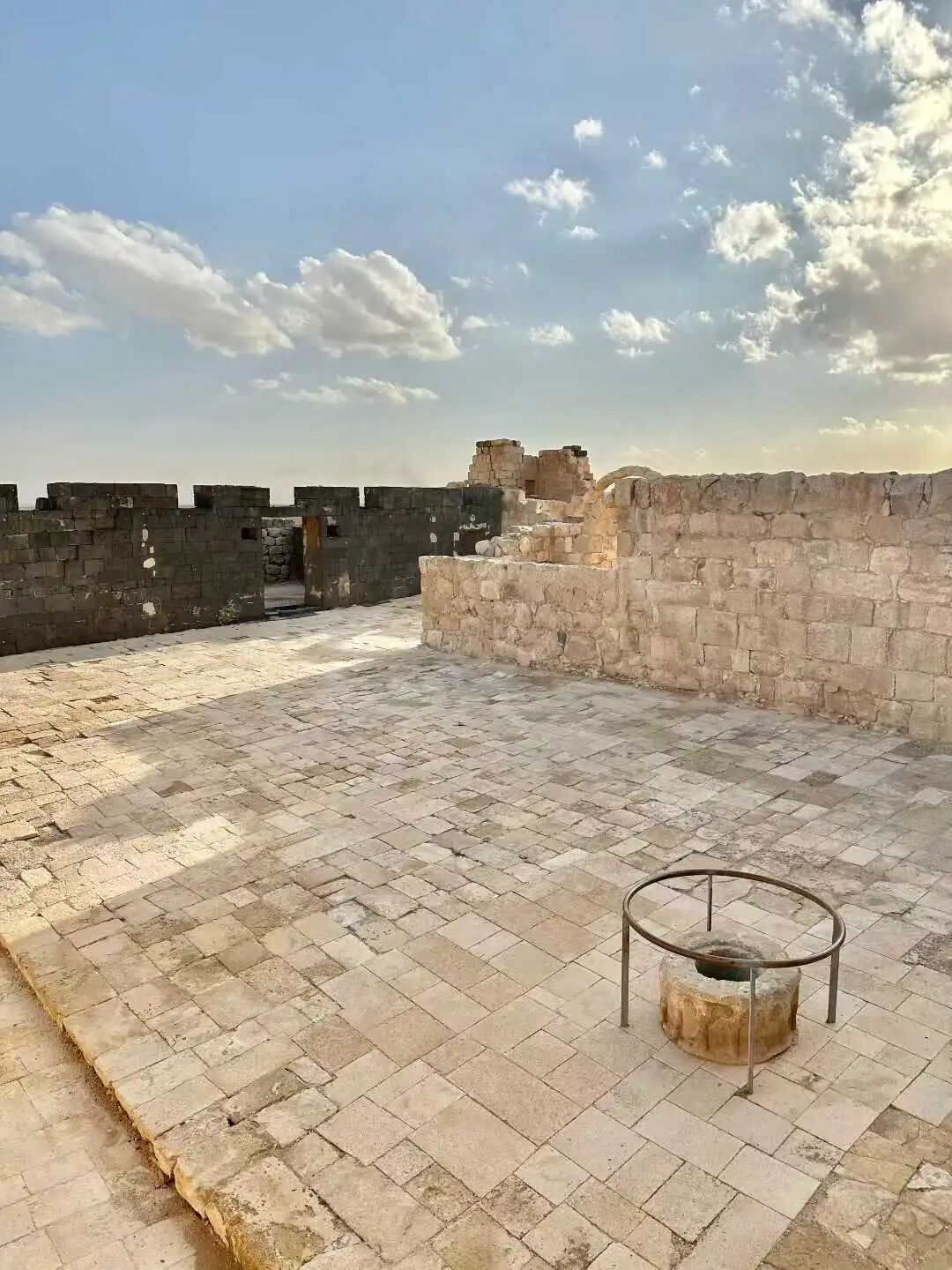
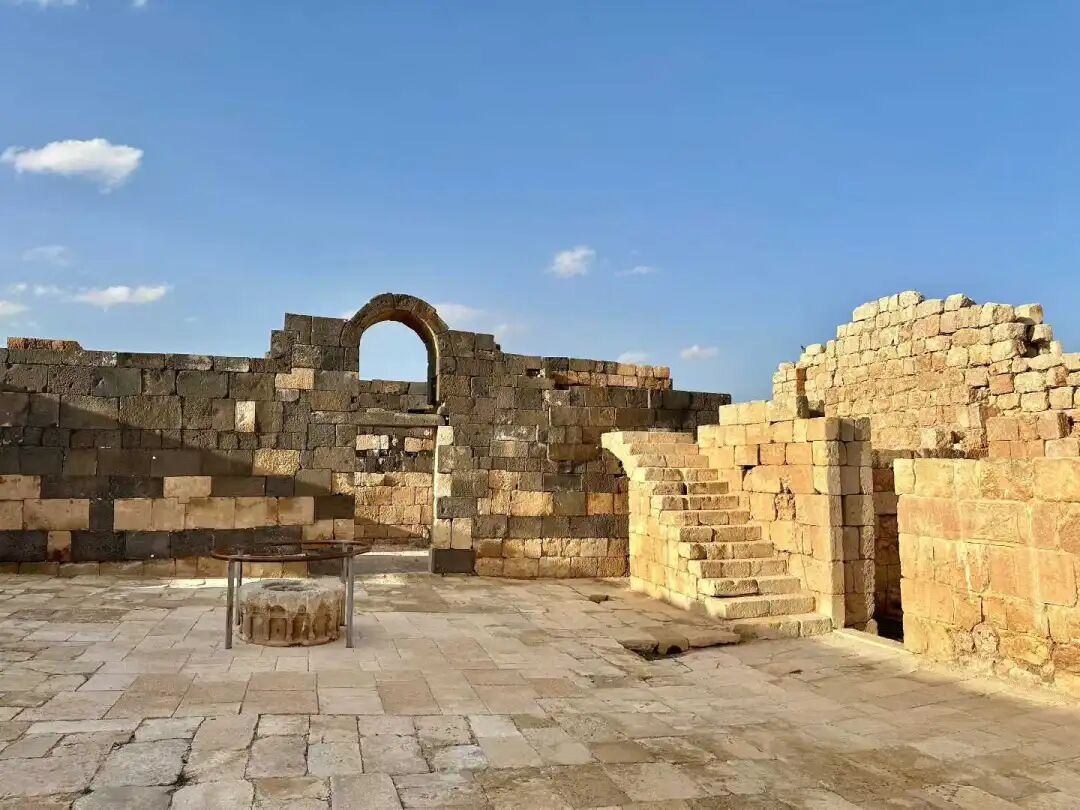
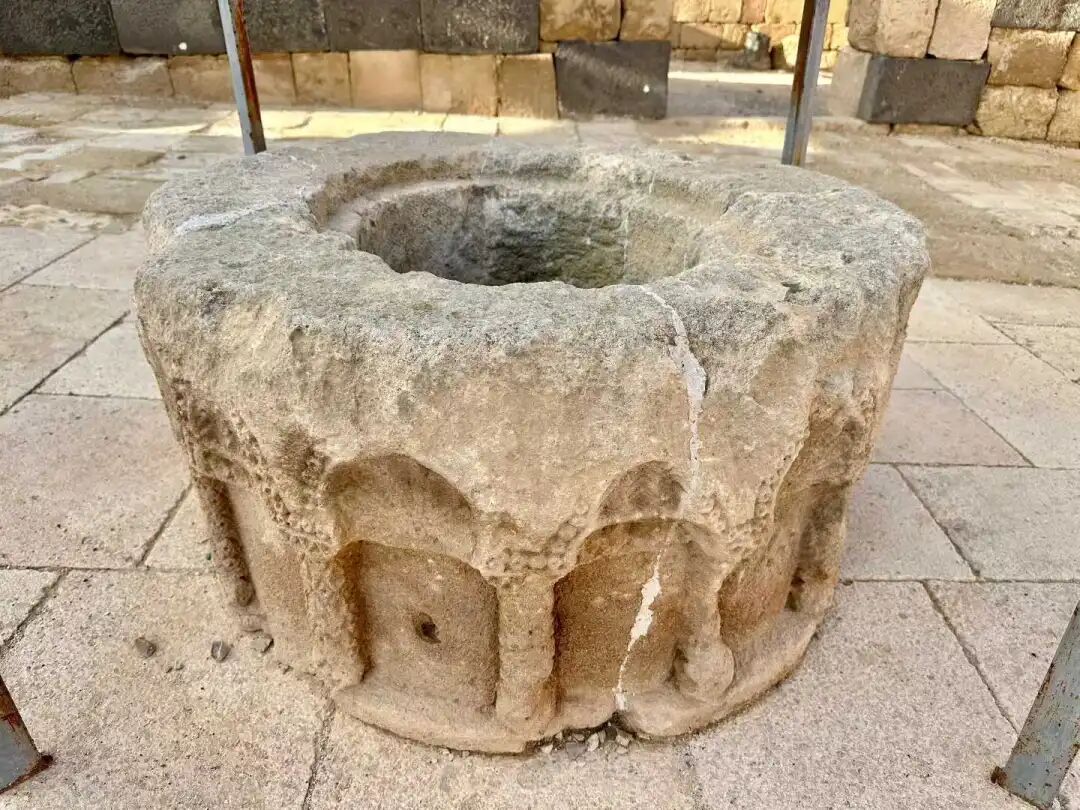
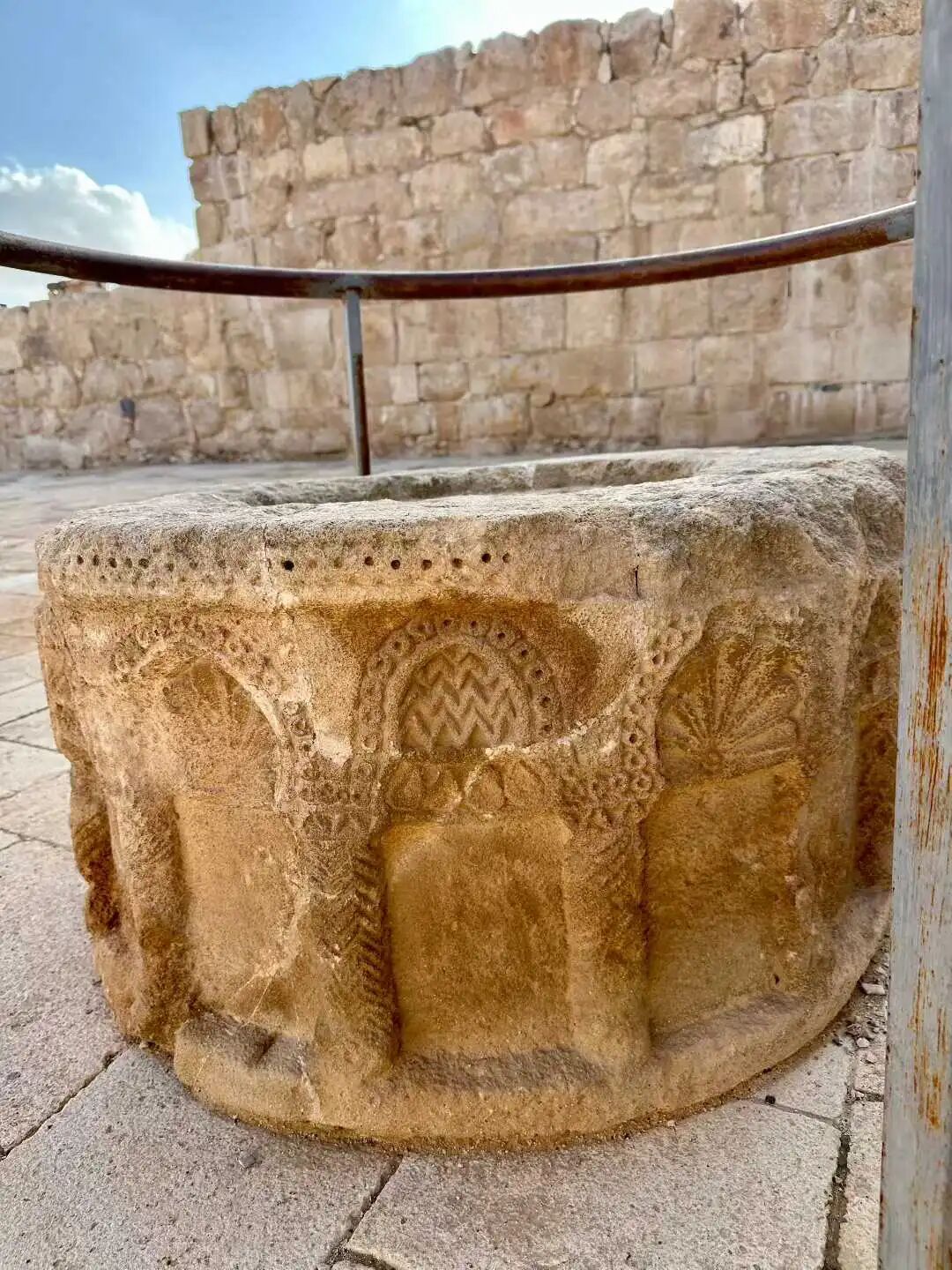
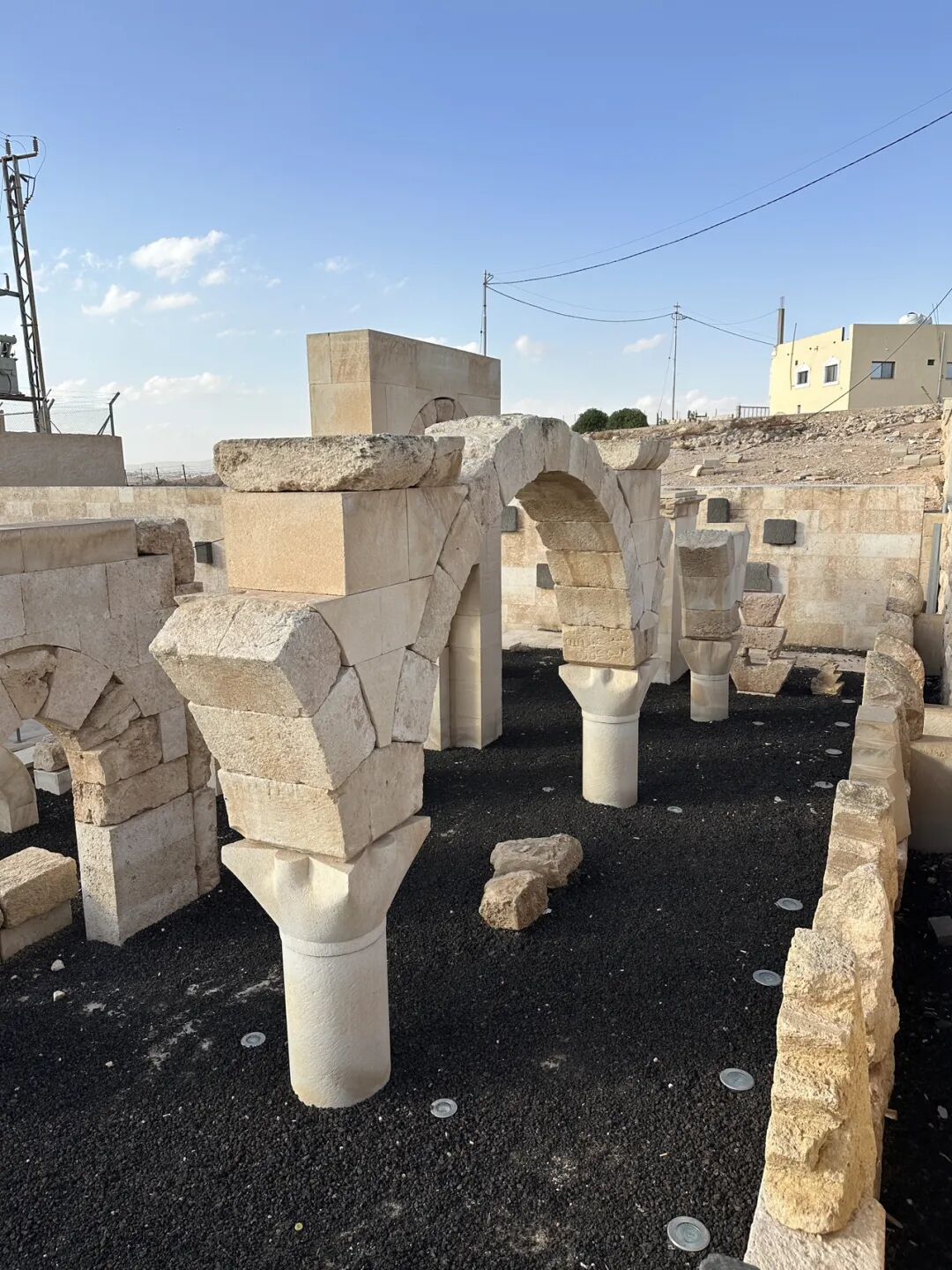
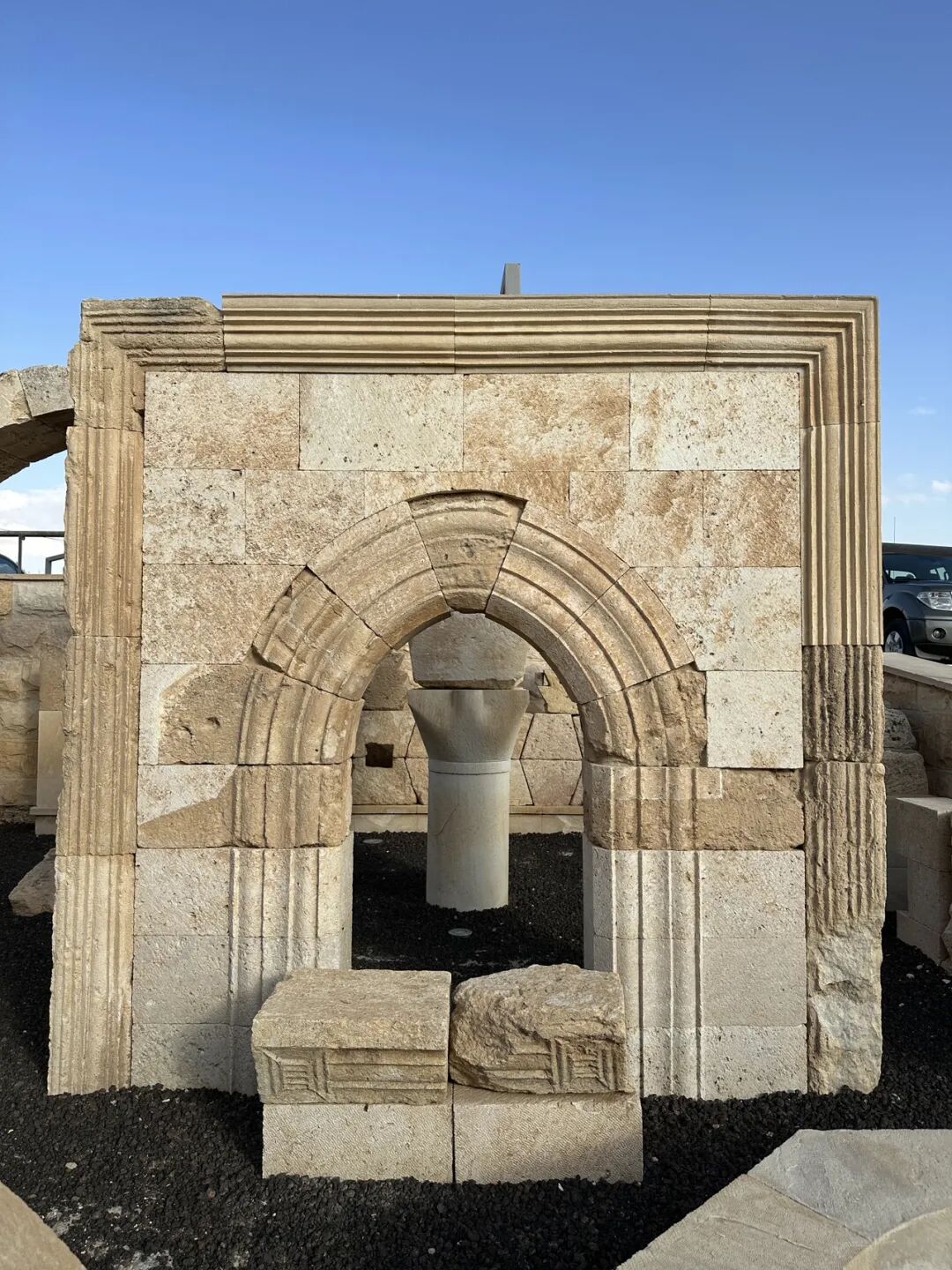
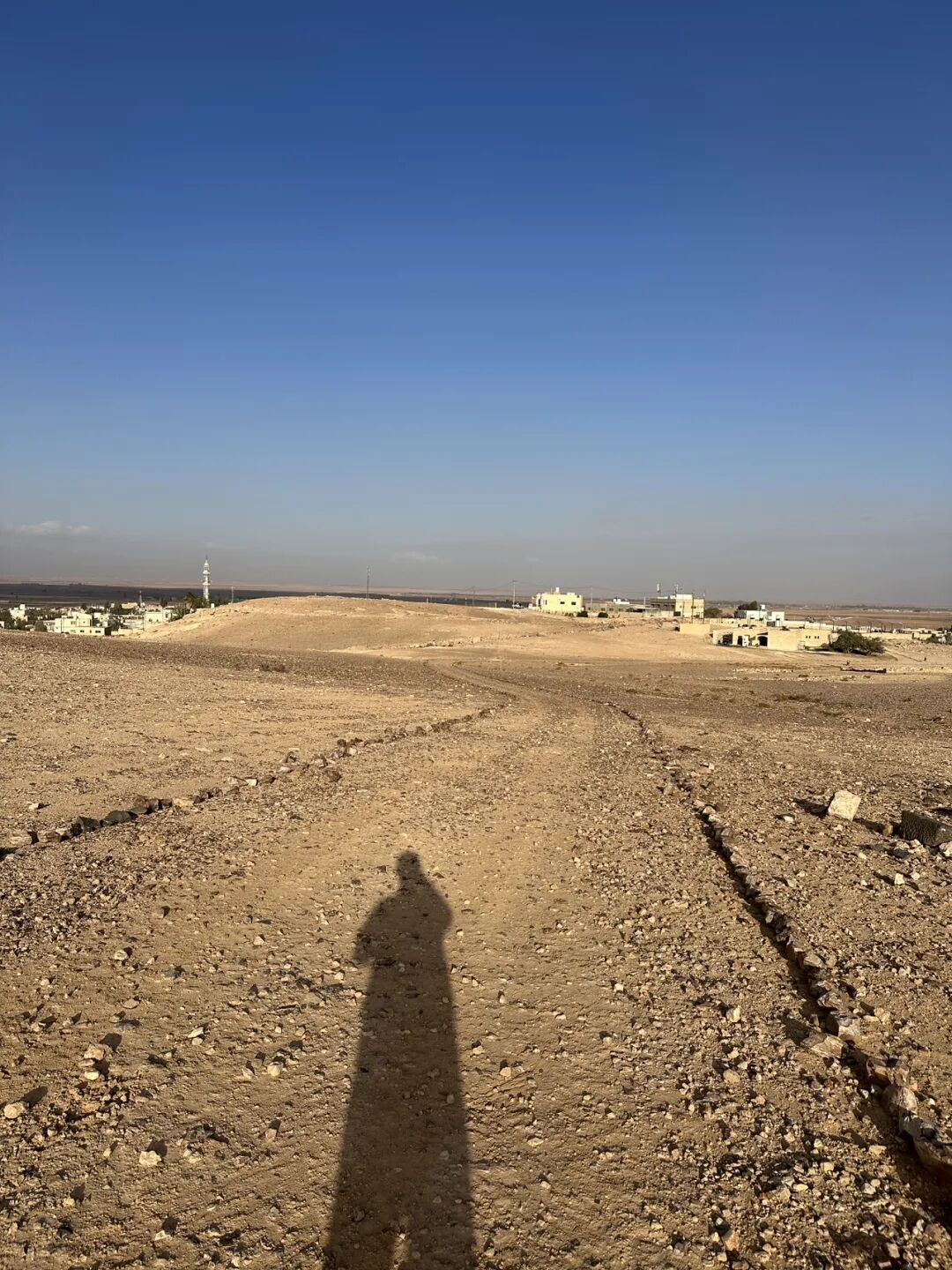
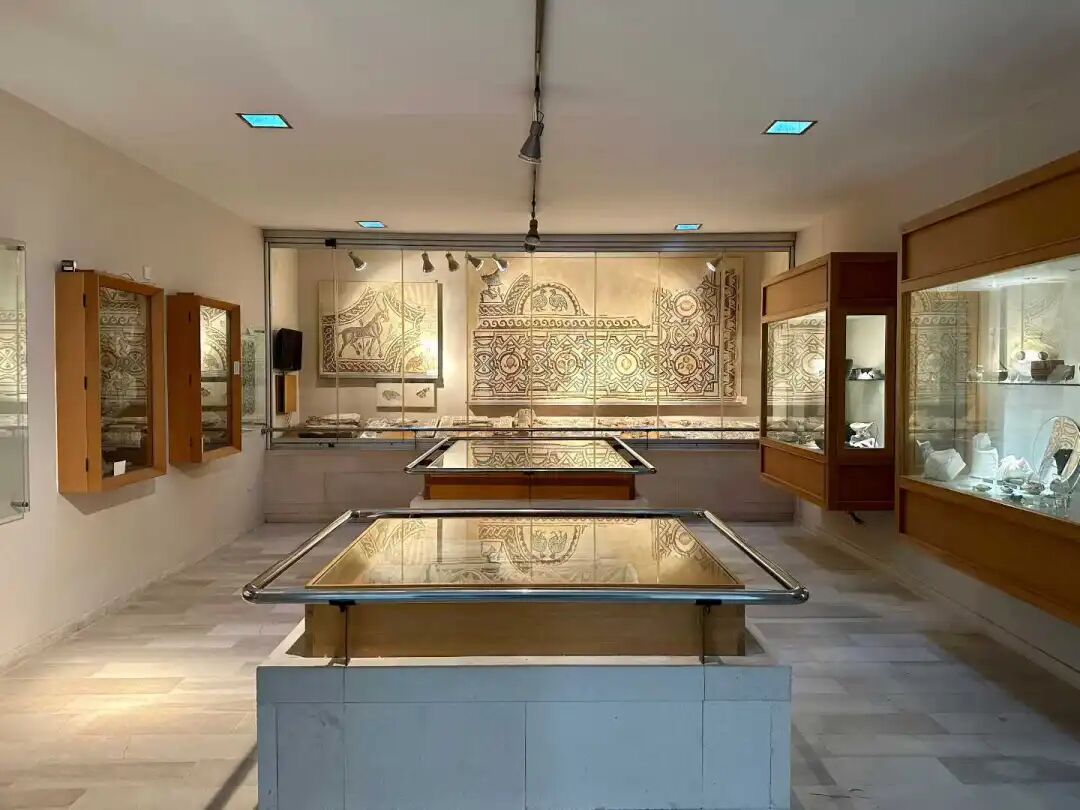
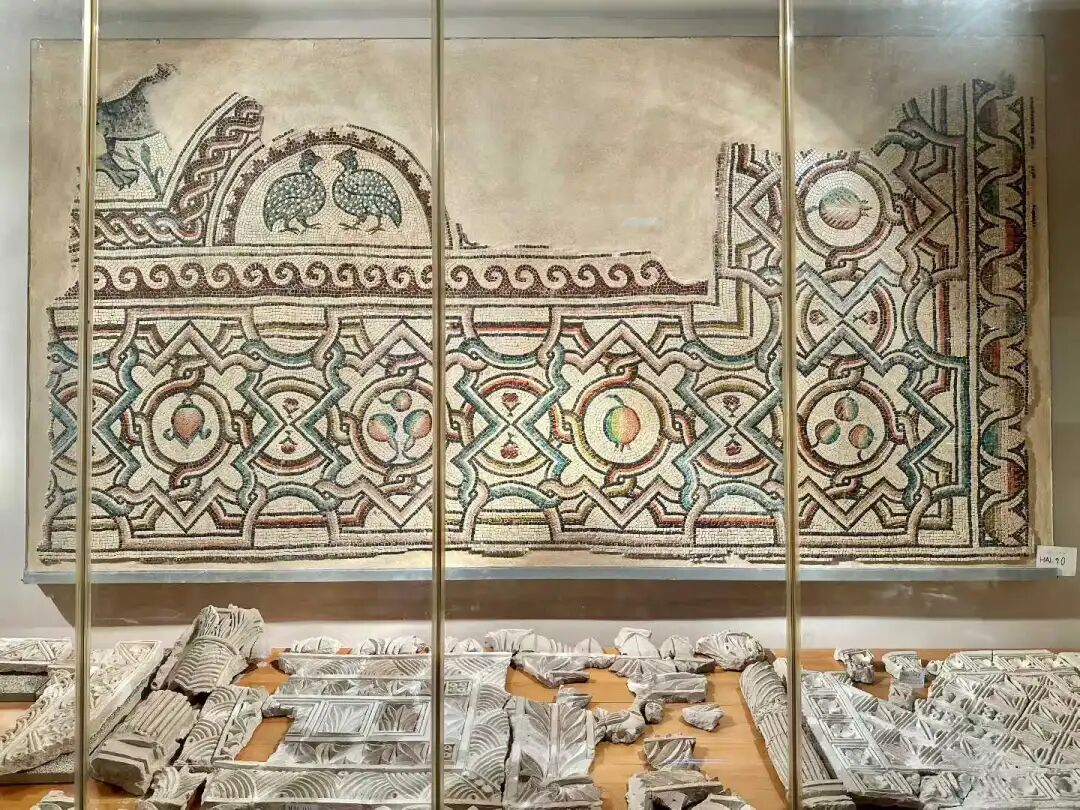
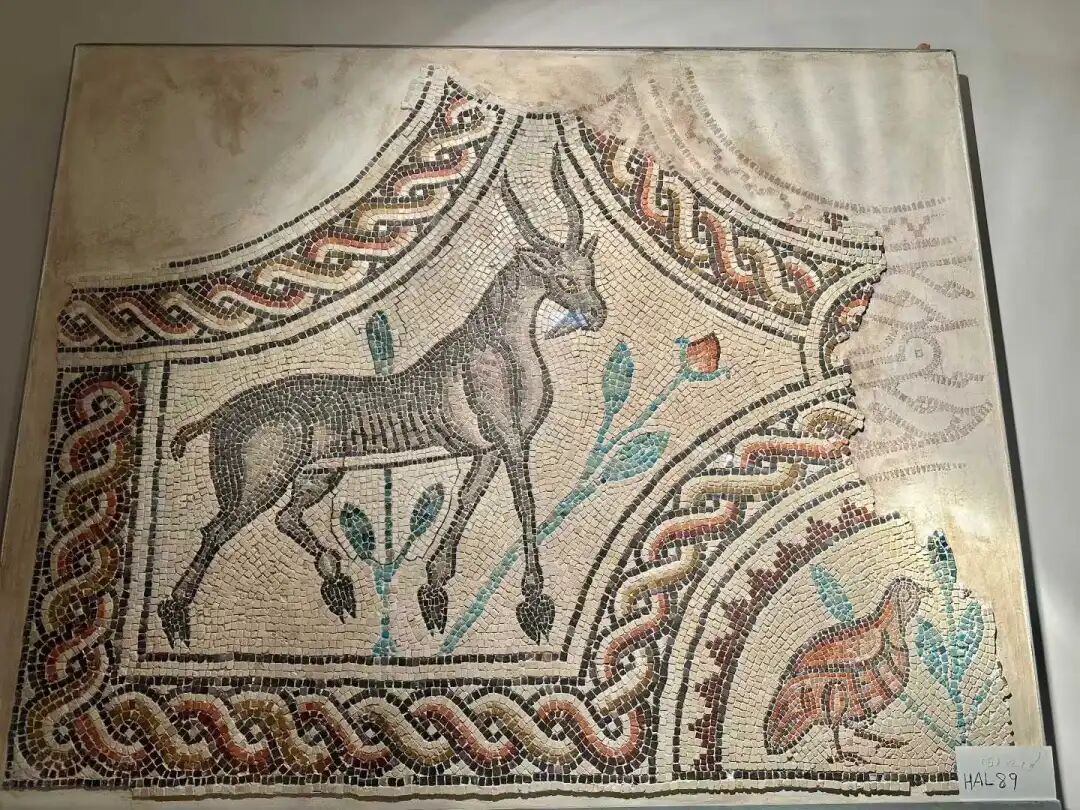
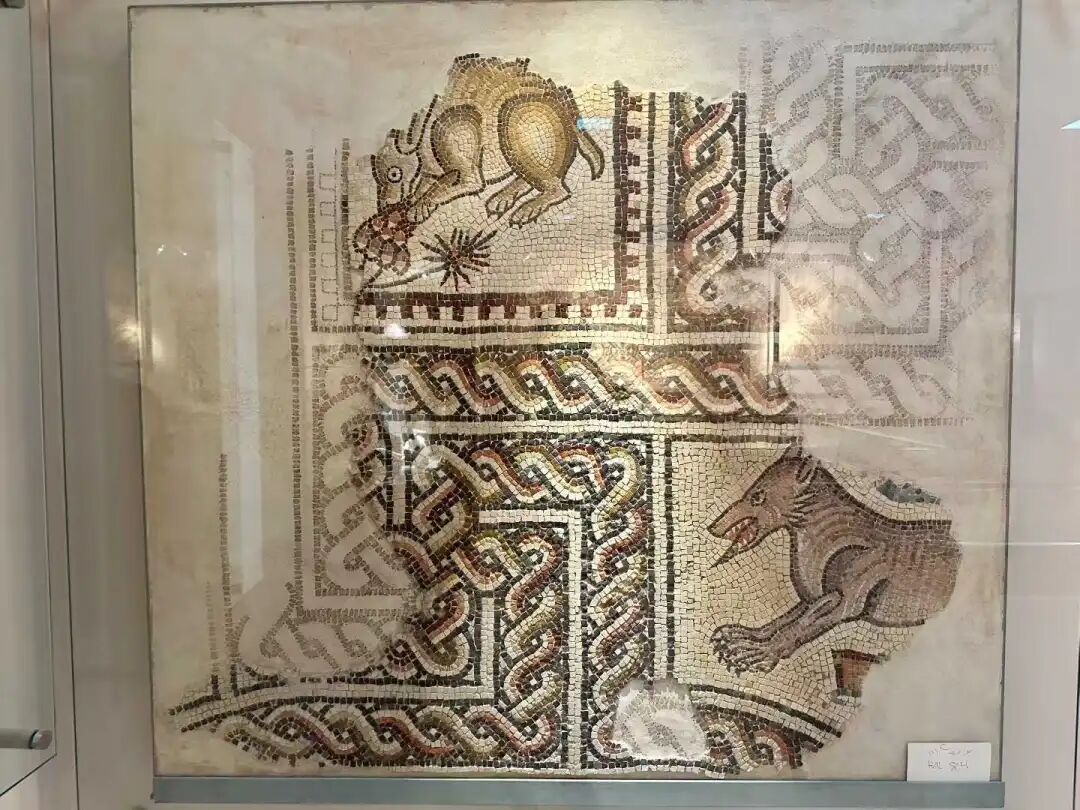
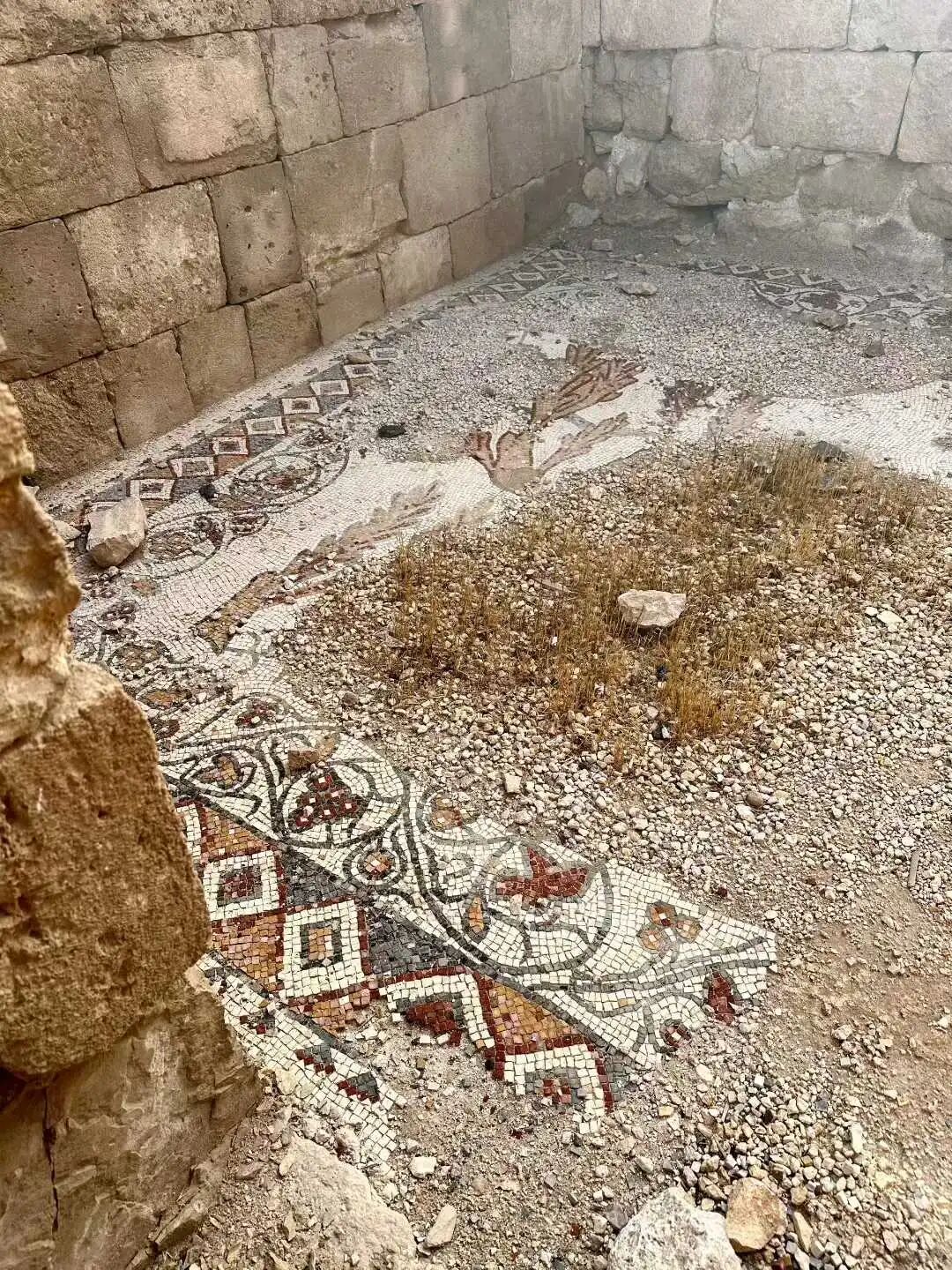
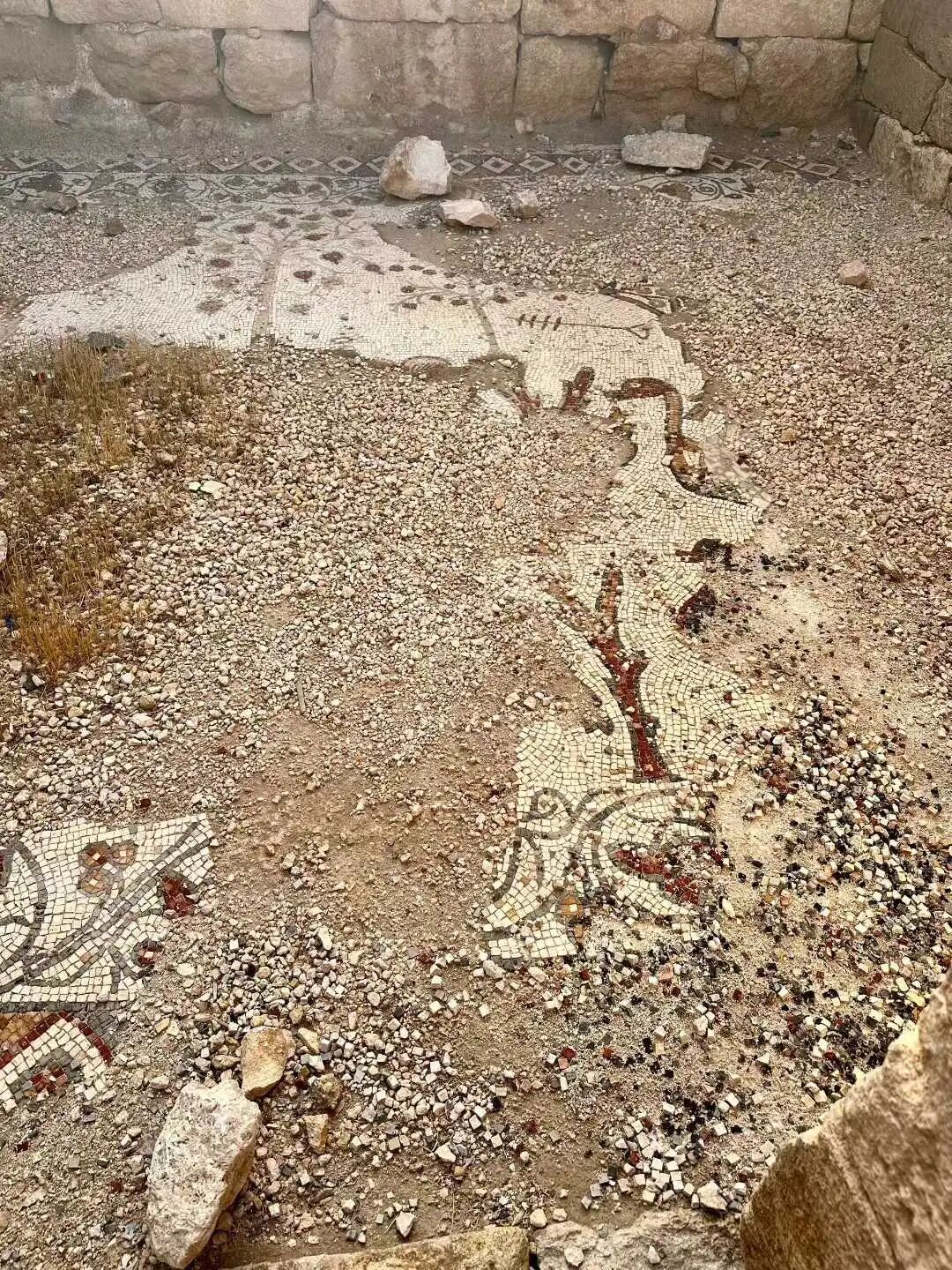
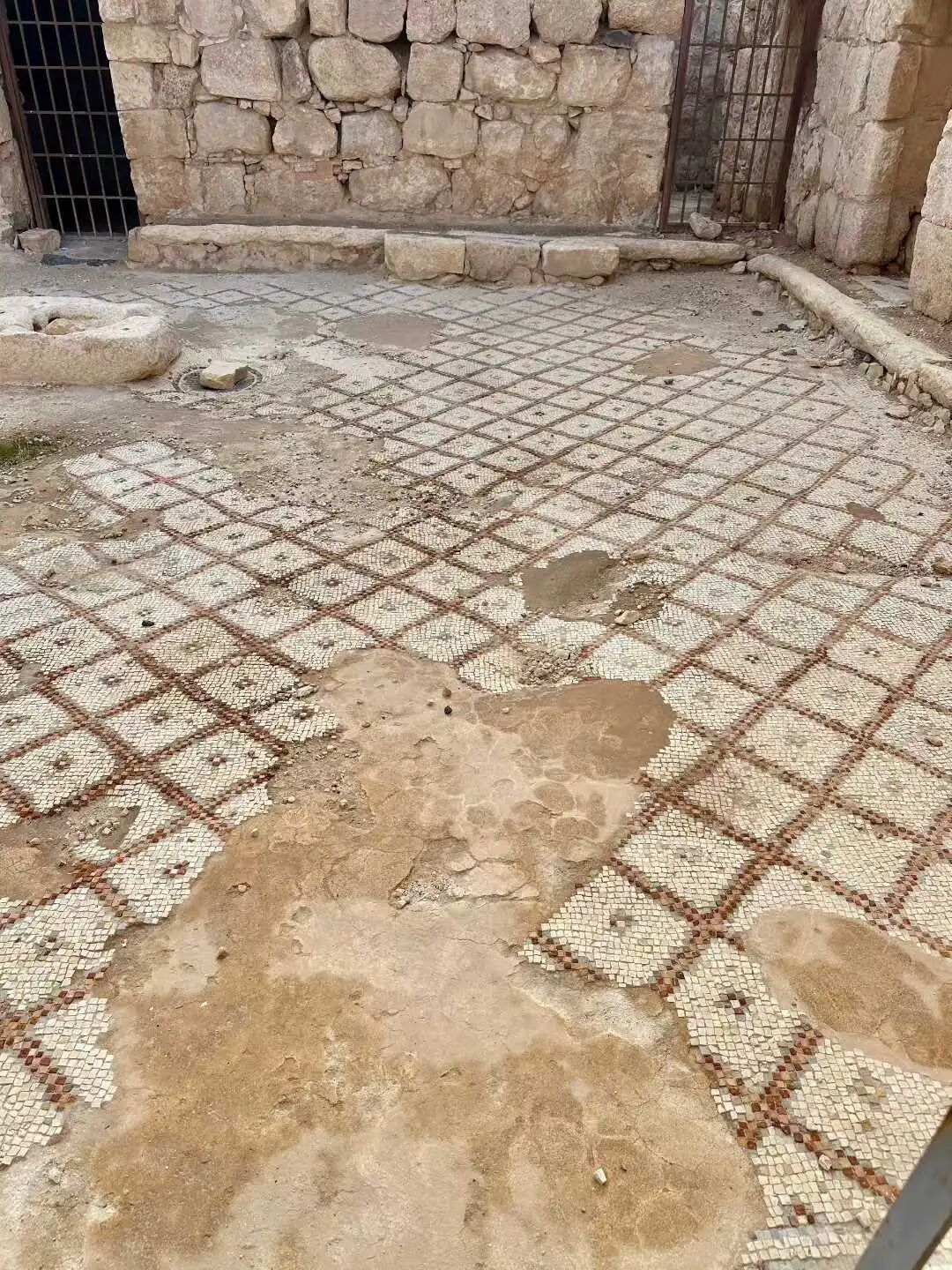
Qasr al-Hallabat preserves many exquisite mosaic decorations. Some remain in their original location, while others are on display in the exhibition hall at the entrance of the site.
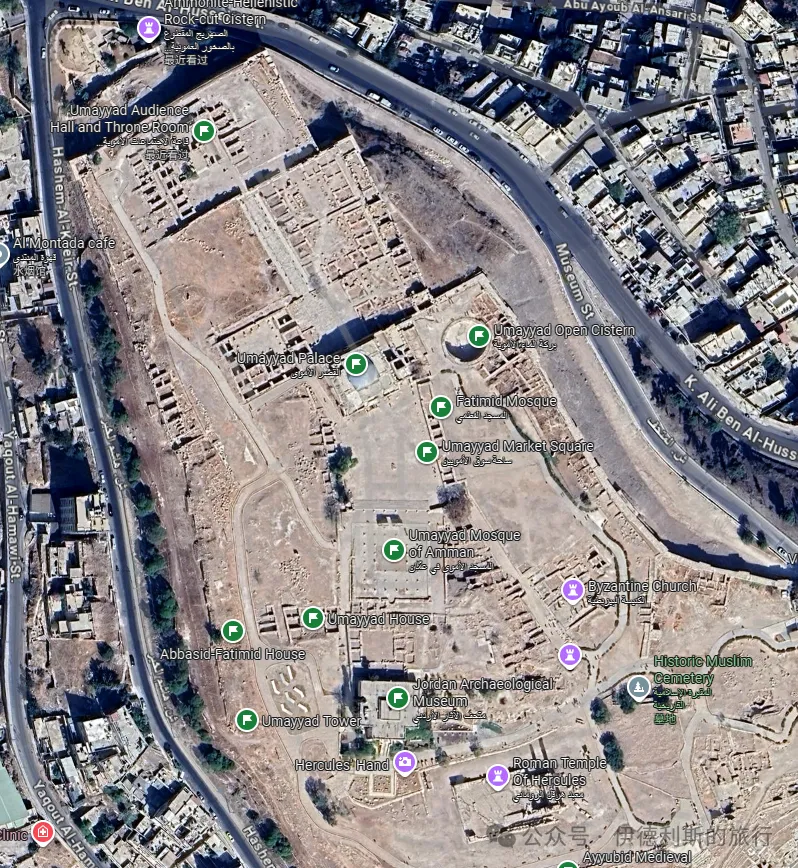
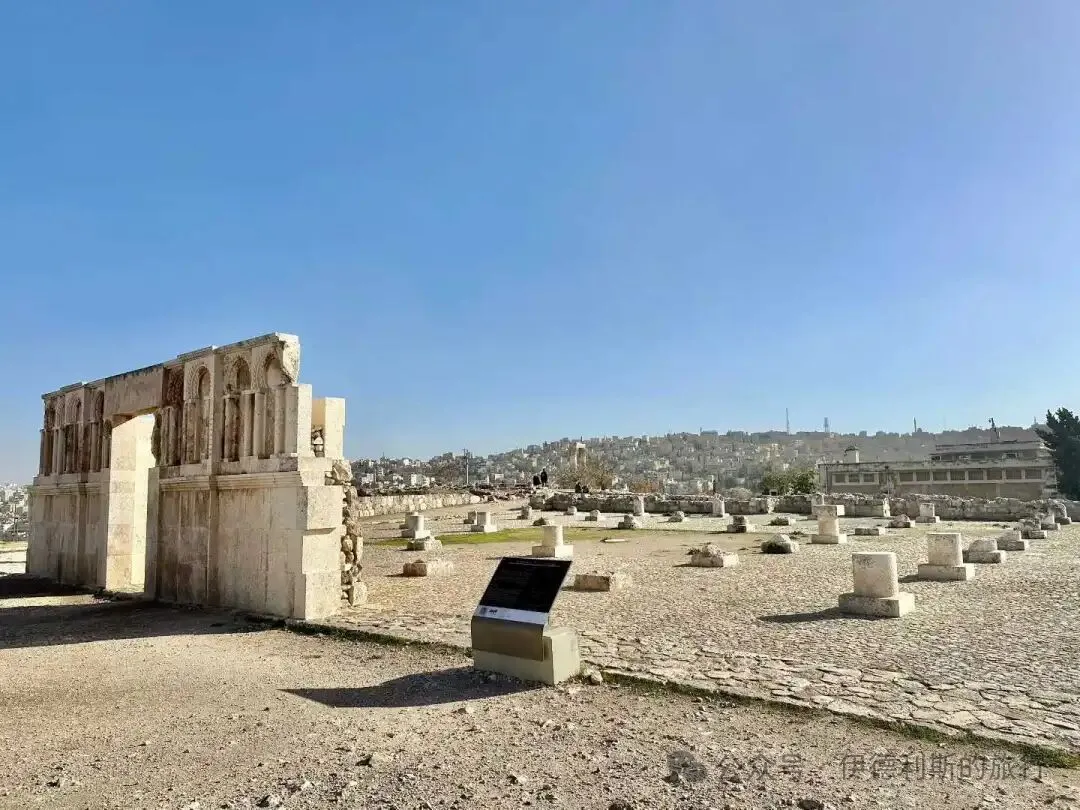
Traveling 50 kilometers west from Qasr Amra brings you to the Amman Citadel in the center of the old city of Amman, Jordan. It holds the largest Umayyad city ruins in Jordan. You need a ticket to enter the main gate of the Amman Citadel. It is open until 7:00 PM from Monday to Saturday, making it a perfect final stop for exploring the Umayyad palace.
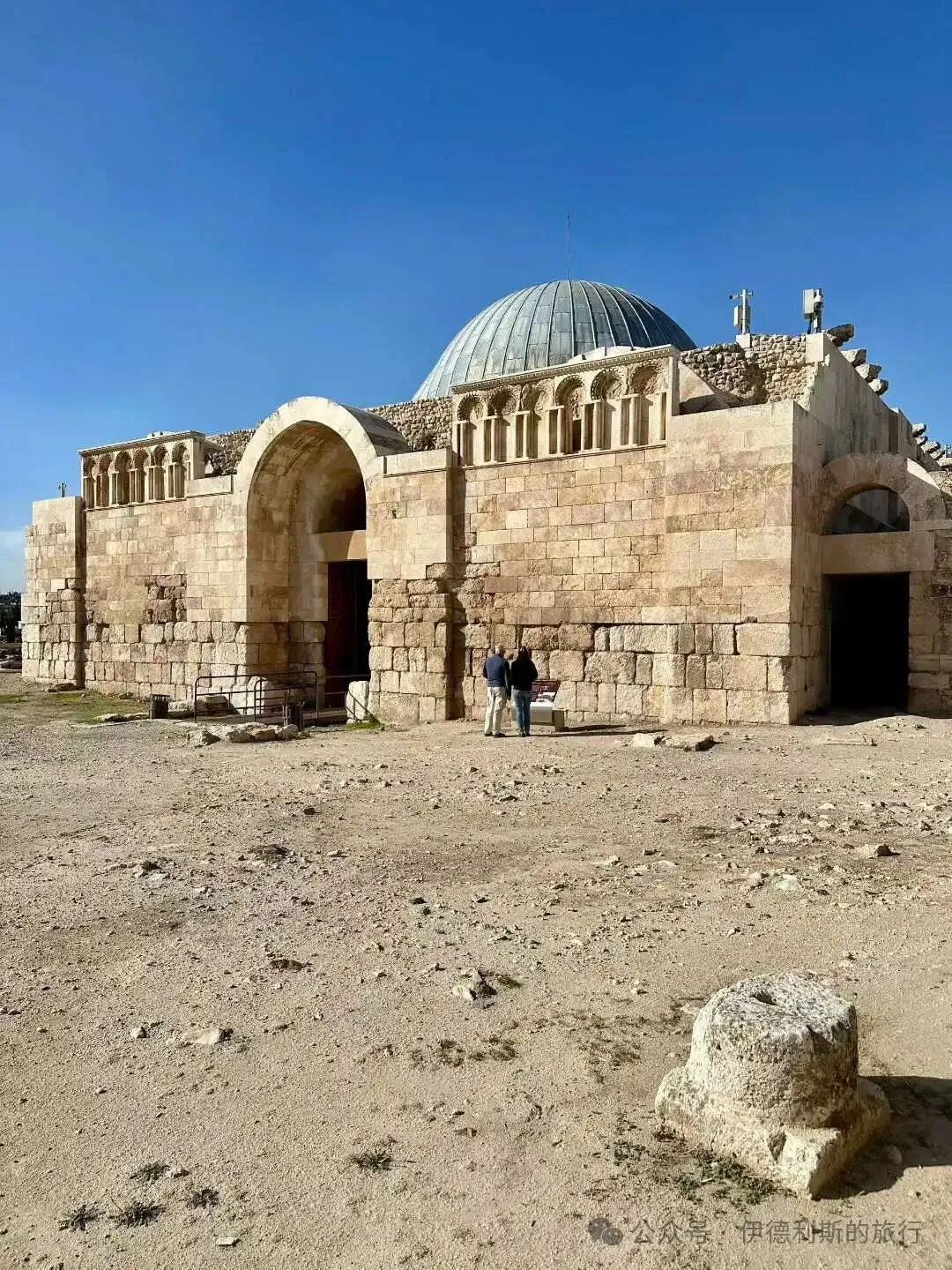
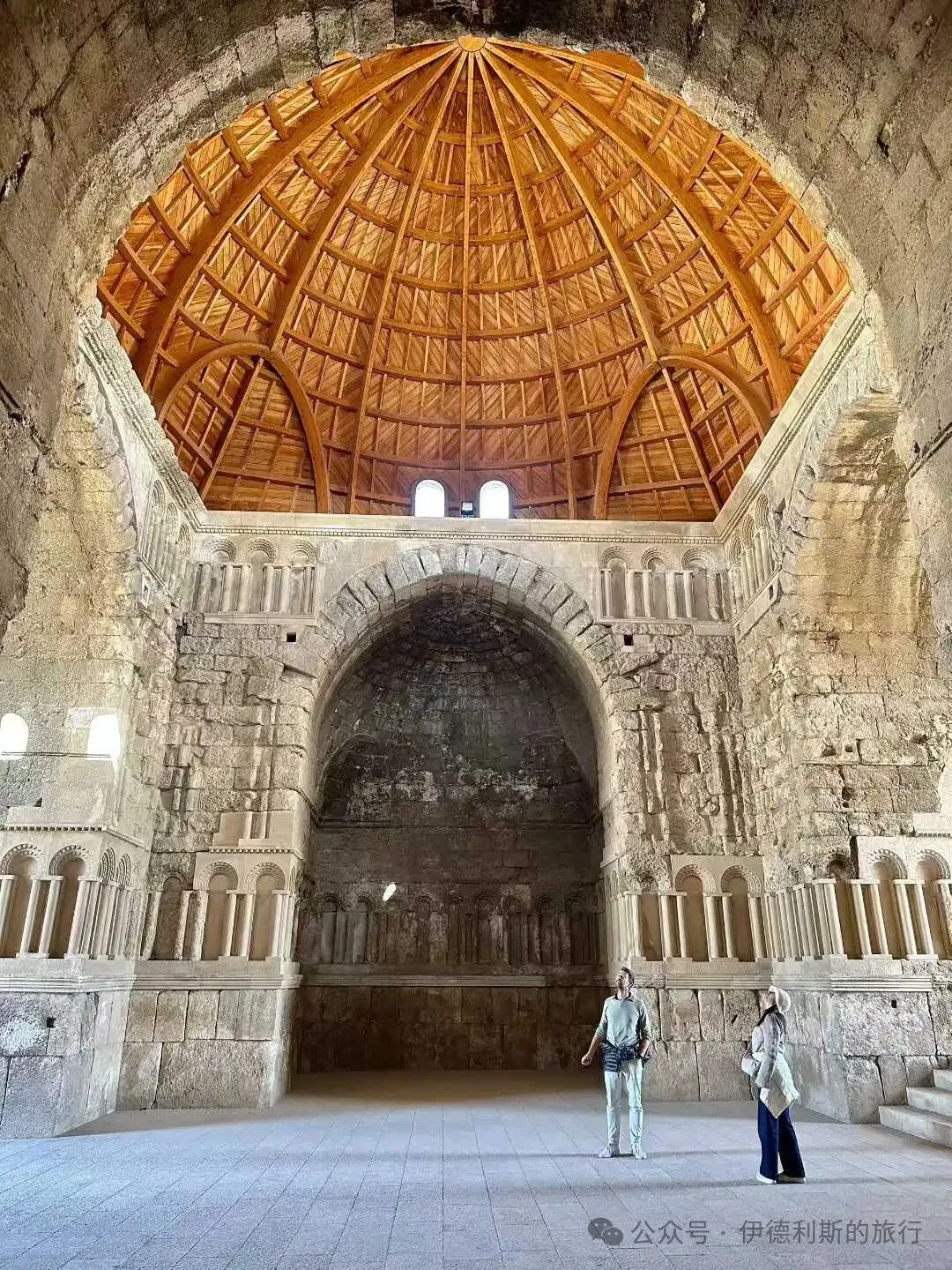
The Amman Citadel has been inhabited since the Neolithic period, and the southern part of the site features ruins of a Roman temple and a Byzantine church. In the early 8th century, the Umayyad Caliph Hisham ibn Abd al-Malik (reigned 724-743) built a massive urban complex in the northern part of the citadel, including a grand mosque, a market square, a domed hall, baths, a cistern, a palace, colonnaded streets, and many houses. The Amman Citadel stands alongside the ancient city of Anjar in Lebanon as one of the two most significant historical sites reflecting Umayyad urban planning.
See 'The Largest Umayyad City Ruins in Jordan—Amman Citadel' for more details.
Summary: This second part of the Jordan desert-palace route centers on Qasr al-Hallabat and continues toward the Amman Citadel. It keeps the source's details on mosaics, basalt and limestone walls, towers, cisterns, travel distance, and photographs.
Qasr al-Hallabat is built from light-colored limestone and dark basalt. It has a square layout with towers at the four corners and was originally three stories high. The northwest section has a courtyard and a water cistern. The well features beautiful carvings, while the surrounding rooms are relatively simple.
Qasr al-Hallabat preserves many exquisite mosaic decorations. Some remain in their original location, while others are on display in the exhibition hall at the entrance of the site.
Traveling 50 kilometers west from Qasr Amra brings you to the Amman Citadel in the center of the old city of Amman, Jordan. It holds the largest Umayyad city ruins in Jordan. You need a ticket to enter the main gate of the Amman Citadel. It is open until 7:00 PM from Monday to Saturday, making it a perfect final stop for exploring the Umayyad palace.
The Amman Citadel has been inhabited since the Neolithic period, and the southern part of the site features ruins of a Roman temple and a Byzantine church. In the early 8th century, the Umayyad Caliph Hisham ibn Abd al-Malik (reigned 724-743) built a massive urban complex in the northern part of the citadel, including a grand mosque, a market square, a domed hall, baths, a cistern, a palace, colonnaded streets, and many houses. The Amman Citadel stands alongside the ancient city of Anjar in Lebanon as one of the two most significant historical sites reflecting Umayyad urban planning.
See 'The Largest Umayyad City Ruins in Jordan—Amman Citadel' for more details.
