
Halal Travel Guide: Jordan Desert Castles - Umayyad Palaces by Car
Reposted from the web
Summary: This Jordan road trip records a self-drive route to several Umayyad desert palaces after comparing private cars and group tours. It keeps the source's rental process, costs, driving observations, site history, palace names, and photographs.
A major goal of this trip to Jordan was to visit the many desert ruins from the Umayyad dynasty. Before I left, I looked into private cars and group tours, but I felt the tours visited too few sites and were quite expensive. I ended up choosing to rent a car and drive myself, which was my first time ever driving abroad.
I checked and found that XC rental only allowed airport pickup and return, while ZCC offered airport pickup and city center return, which fit my itinerary better. I chose Thrifty because they have locations at both the airport and in the city, so I didn't need to call ahead. I got a translation of my driver's license in advance, though they didn't actually ask to see it when I arrived.
The arrivals hall at Amman Airport is small, and I quickly found the Thrifty counter. The staff spoke fluent English. I showed him my passport, my domestic driver's license, and the rental confirmation. He put a 500-dollar pre-authorization hold on my VISA card, which would cover any traffic fines. The money was returned to me about ten days after I dropped off the car, as I didn't have any fines. The paperwork said I needed to wash the car before returning it, but I didn't, and it ended up being fine.
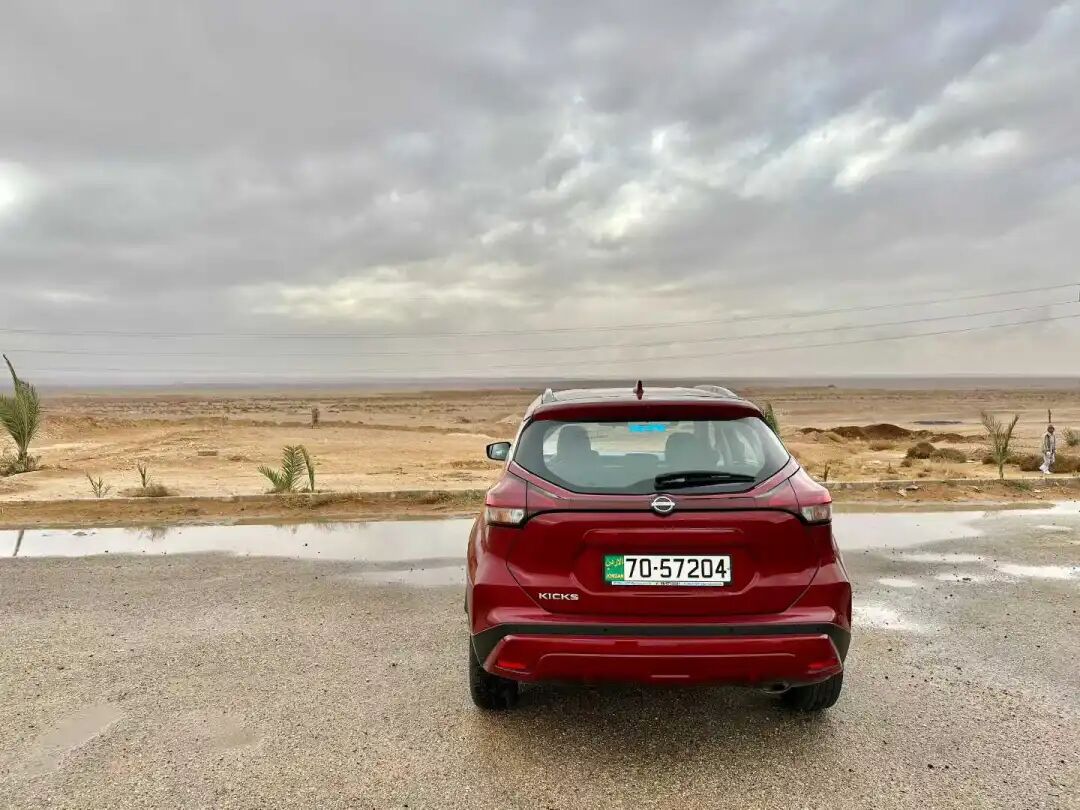
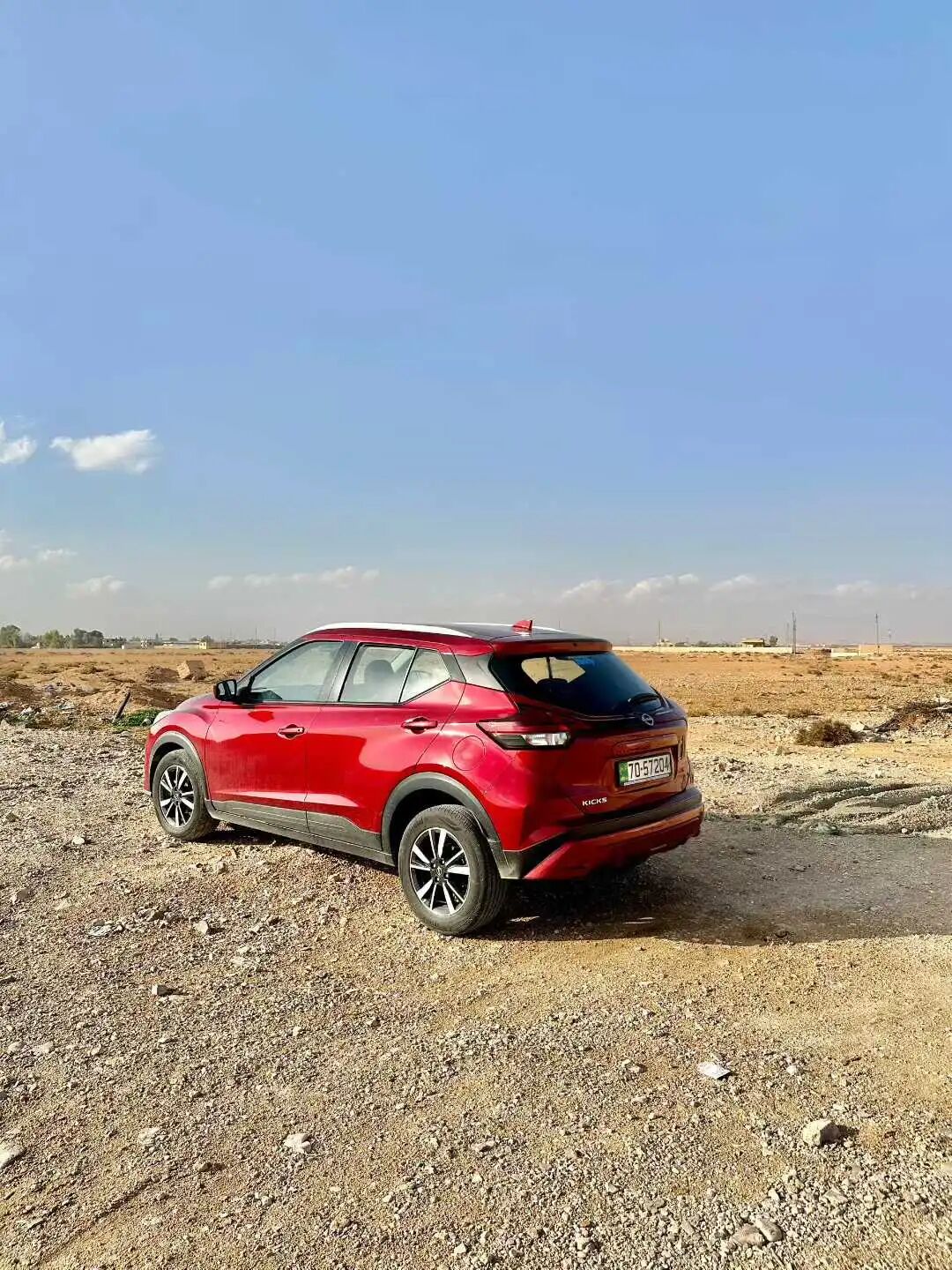
After finishing the paperwork at the counter, the guy pointed to my car outside. I took the slip they gave me to the attendant outside to pick up the car. I just took a video walking around the vehicle, and the registration was in the glove box. I chose a Nissan Kicks for 416 yuan a day, and the car ran without any issues. The only thing was that the rental car didn't have a phone mount. I didn't know where to put my phone for navigation at first, but I eventually wedged it in the front. The desert highway leading to the desert palaces is in great condition, but you must always watch out for speed bumps, as some are not very obvious. The mountainous areas around Amman have steep slopes, and driving through the narrow alleys requires some skill. Luckily, I drove steadily, and it all feels like a very memorable experience.

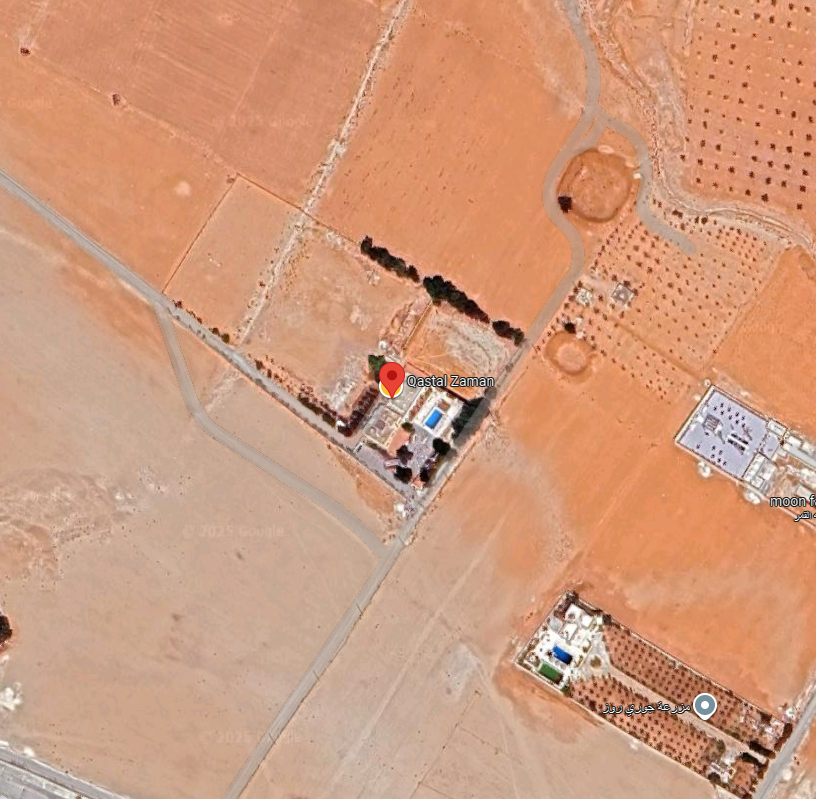
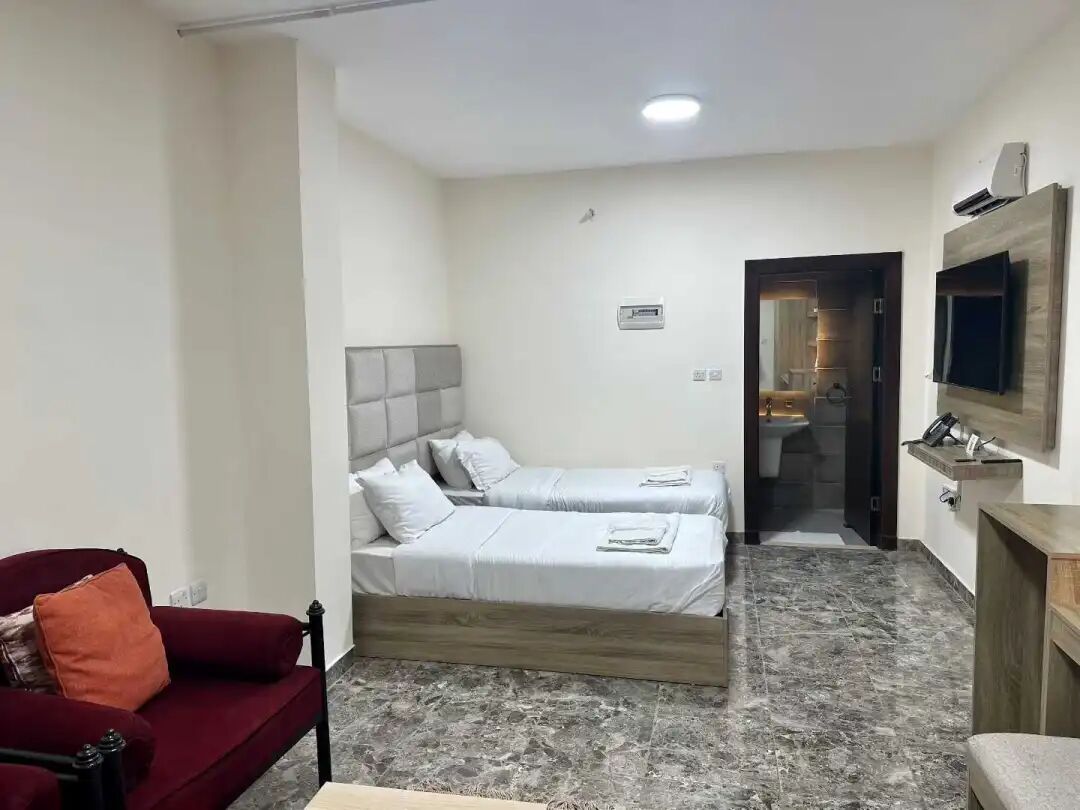
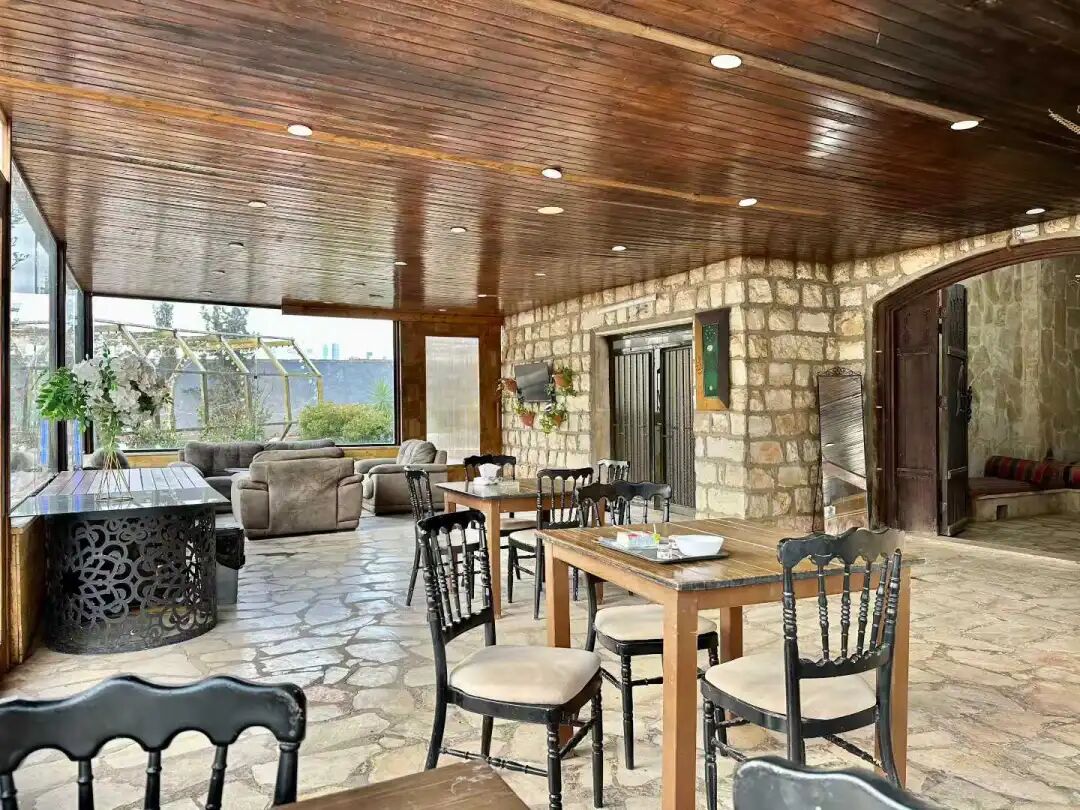
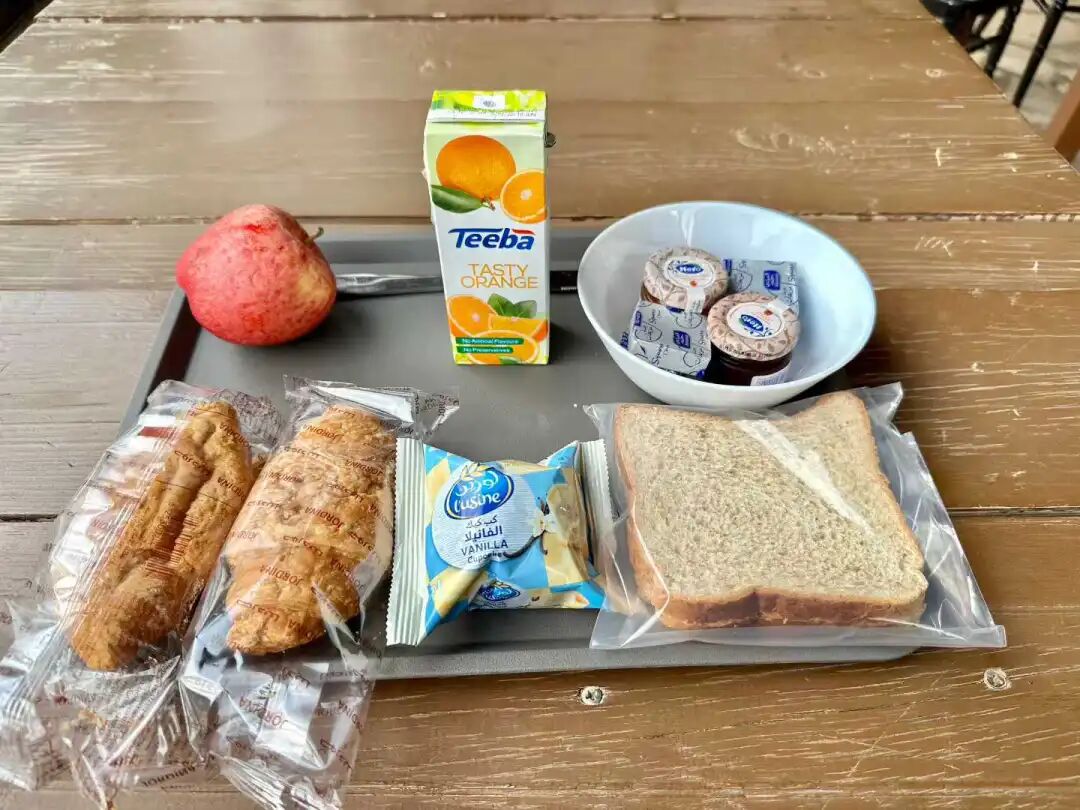
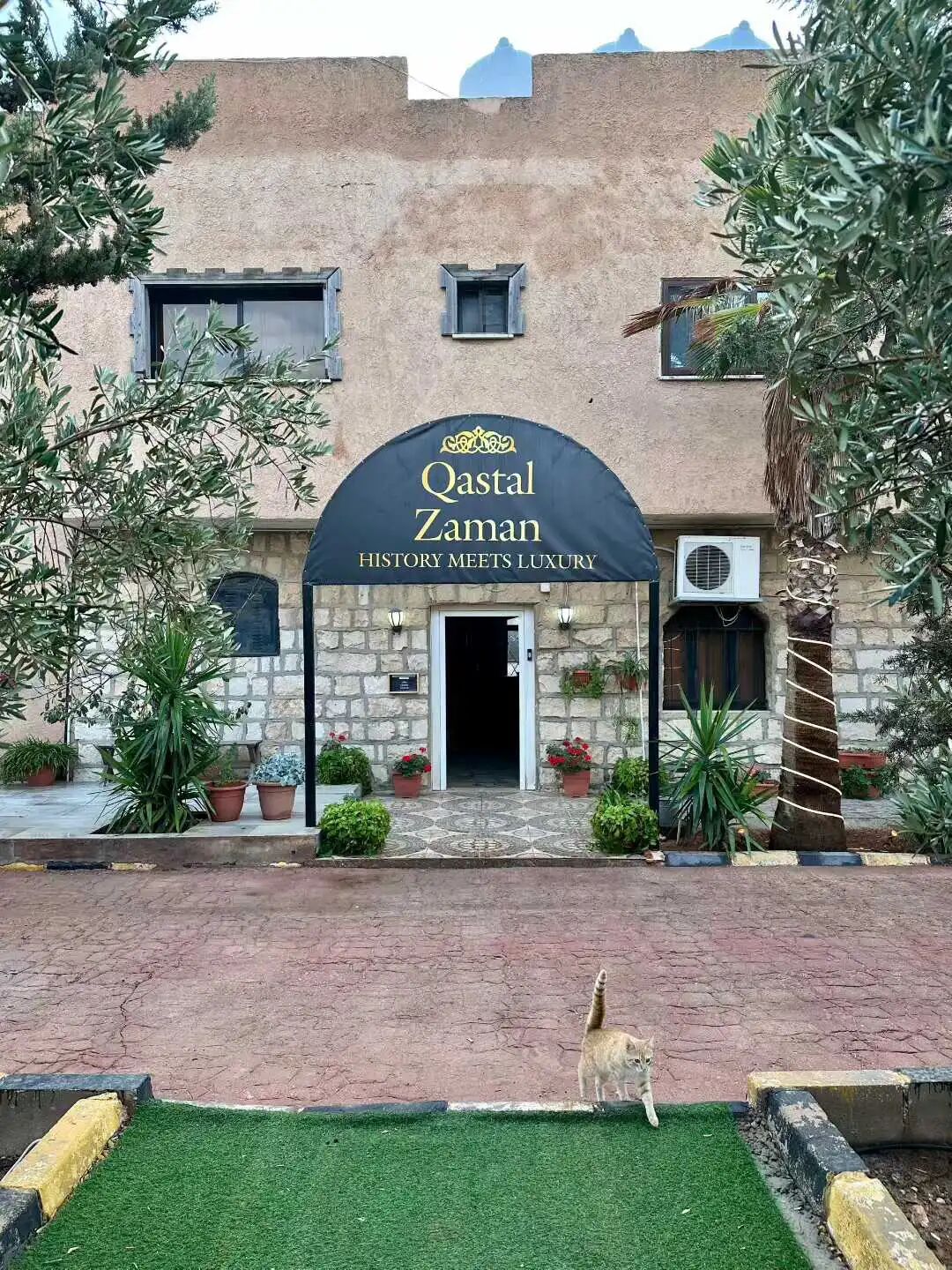
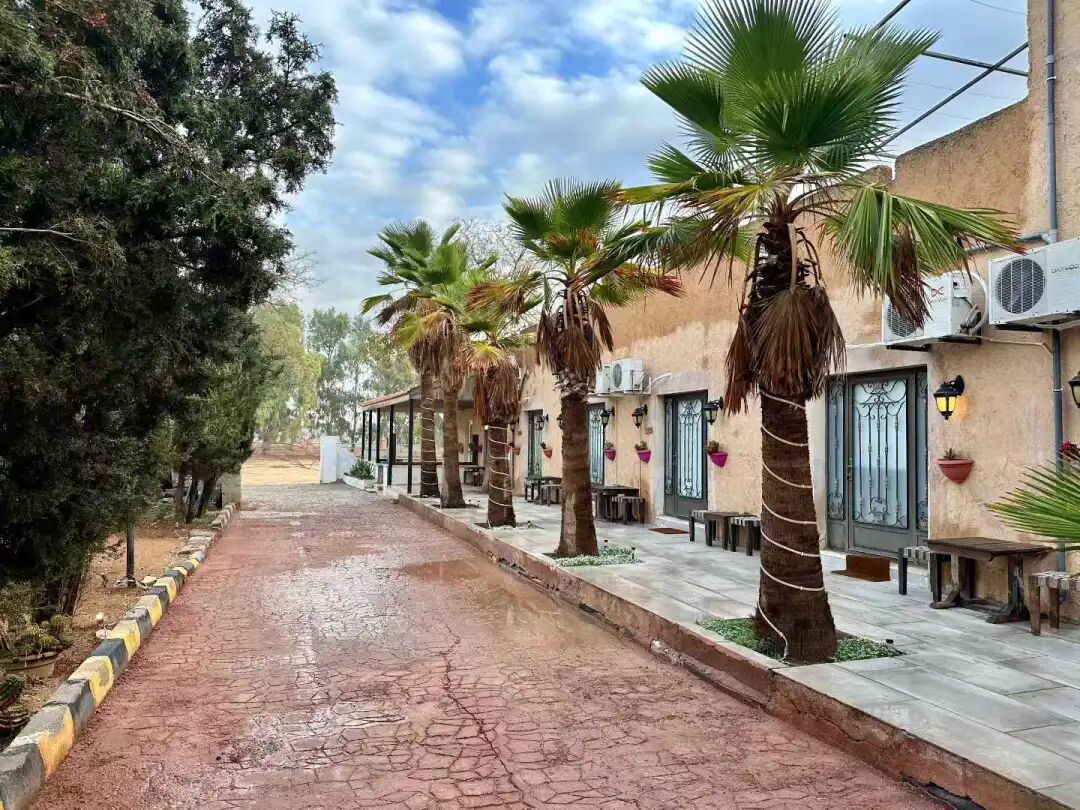
I arrived at Amman Airport at nine in the evening, so I booked a stay at Qastal Zaman near the airport. This place was originally a horse farm in the desert before being converted into a hotel. The advantage of this place is that it takes less than 10 minutes to drive there from the airport, and there is a large Umayyad palace ruin not far across the way. The downside is that the breakfast is quite basic, with only cold food. But to visit the historical sites, I didn't mind too much.
Looking at satellite maps, you can see two reservoirs to the northeast of the hotel that provided water for the Umayyad palace.
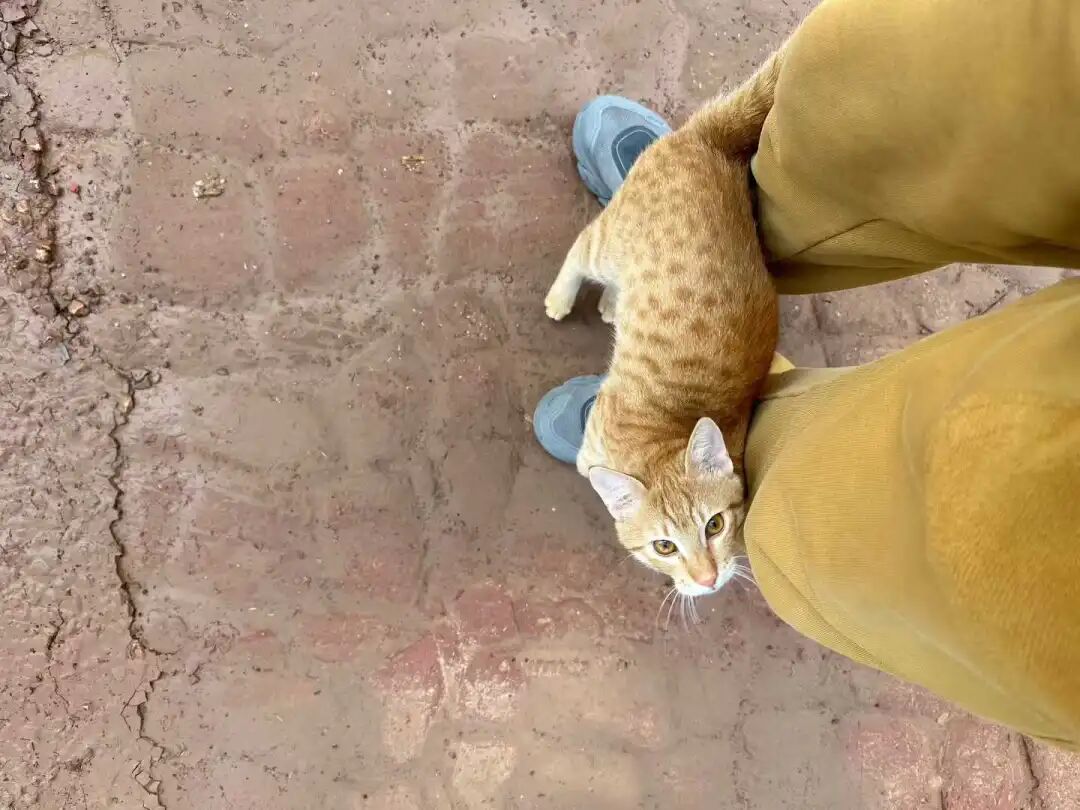
Qasr Al Qastal
There are two large Umayyad palace ruins near Amman Airport: one is the Qasr Al Mushatta and the other is the Qasr Al Qastal. I heard that Qasr Al Mushatta was closed for renovations, so I didn't go. However, after I got back, I saw someone say they managed to get in through a gap in the fence, which is a real shame.
The first Umayyad palace I visited was Qasr Al Qastal. It is right by the side of the airport road, so I just parked the car on the shoulder. According to the Umayyad poet Kuthayyir (660-723 AD), Qasr Al Qastal was built during the reign of the Umayyad Caliph Yazid II (reigned 720-724 AD). The palace was already built by the time Caliph Walid II (reigned 743-744 AD) arrived there. Compared to Damascus, this place feels more like a caliph's private estate. According to nearby tombstone inscriptions, this palace was used during the Abbasid, Ayyubid, and Mamluk dynasties, spanning several hundred years.
Satellite images show that modern buildings have damaged the northwest part of the palace.
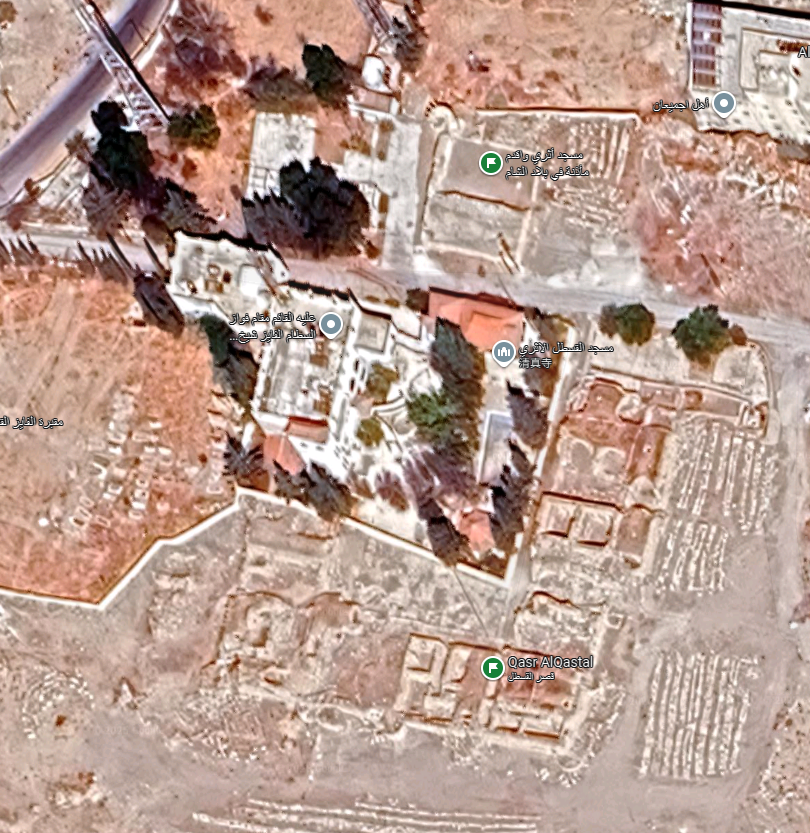
Qasr al-Qastal consists of a palace, a mosque, a residential area, a cemetery, and a water supply system. The mosque is on the north side and preserves the oldest minaret (bangke ta) in the world. I previously thought the world's oldest minaret was at the Great Mosque of Kairouan in Tunisia. However, records show the base of the Kairouan minaret was built in 725, with the upper section rebuilt in 836, making it slightly later than the Qastal minaret (720-724). Since only the lower section of the Qastal minaret remains, the Kairouan minaret is still the world's earliest complete minaret.
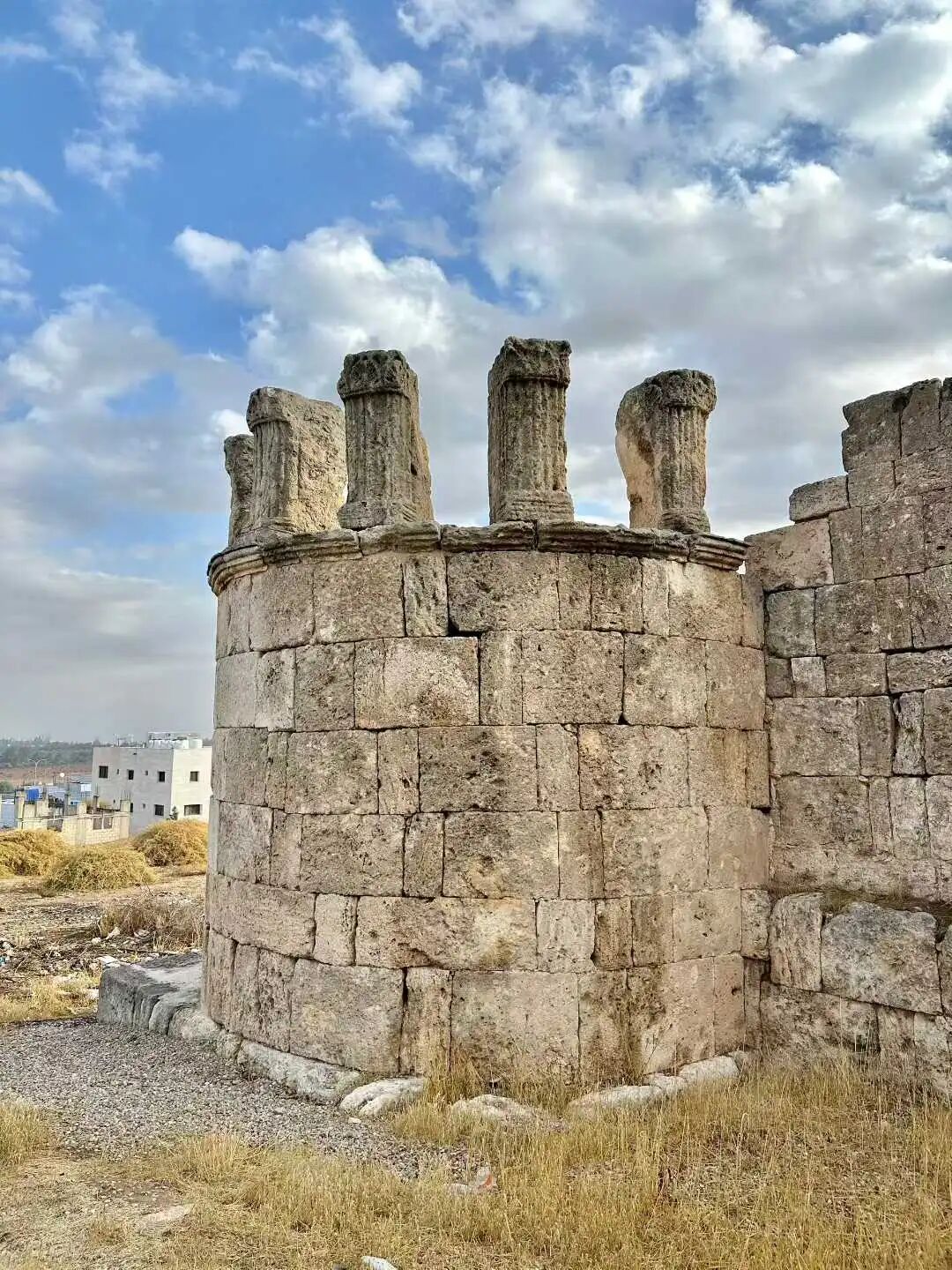
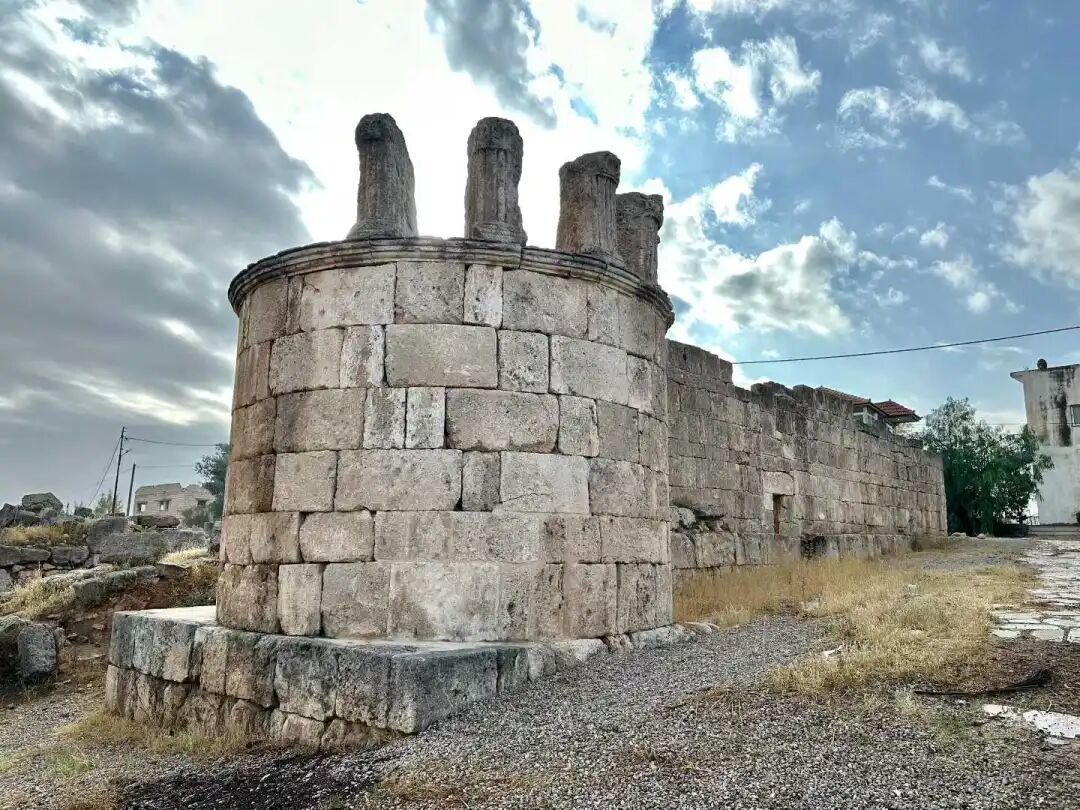
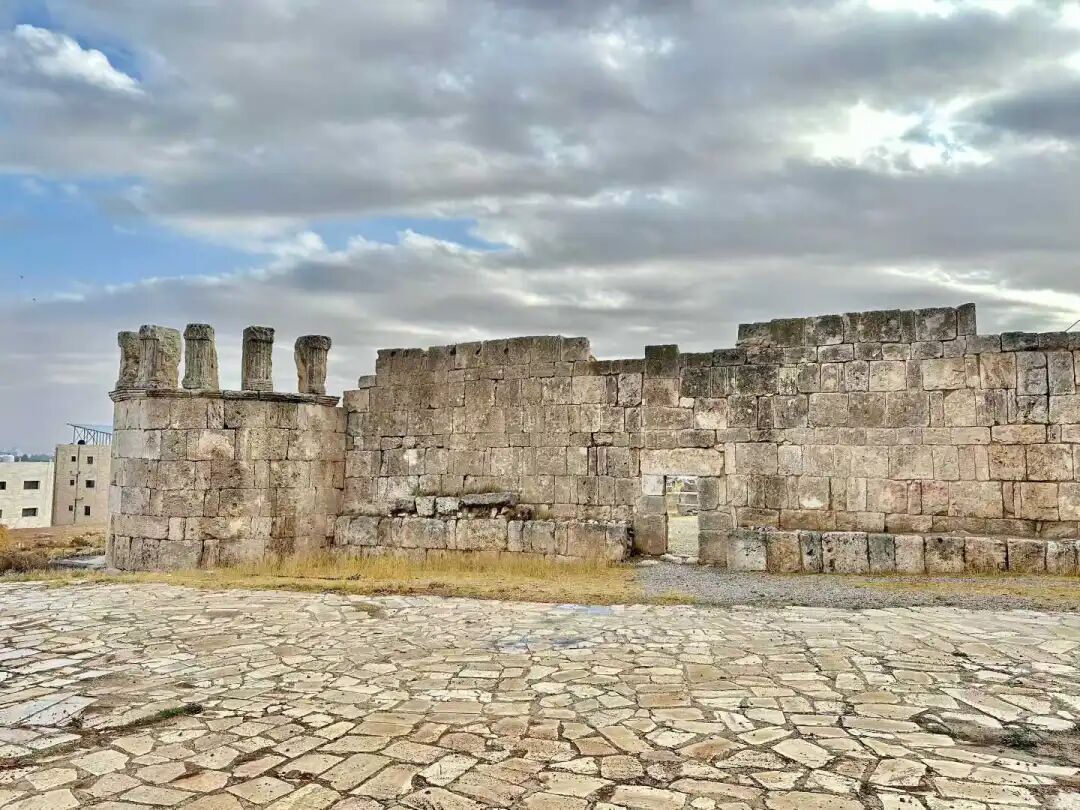
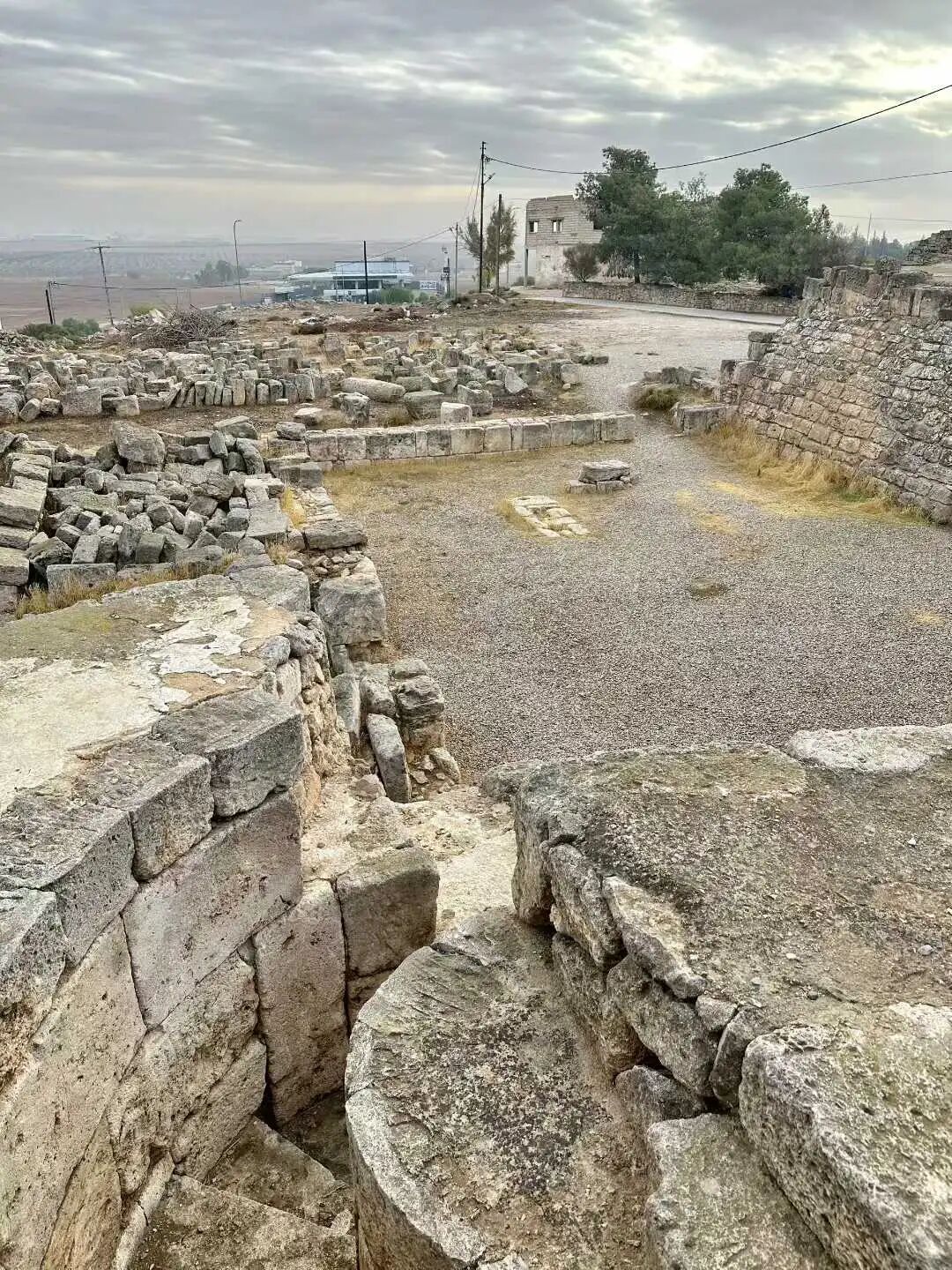
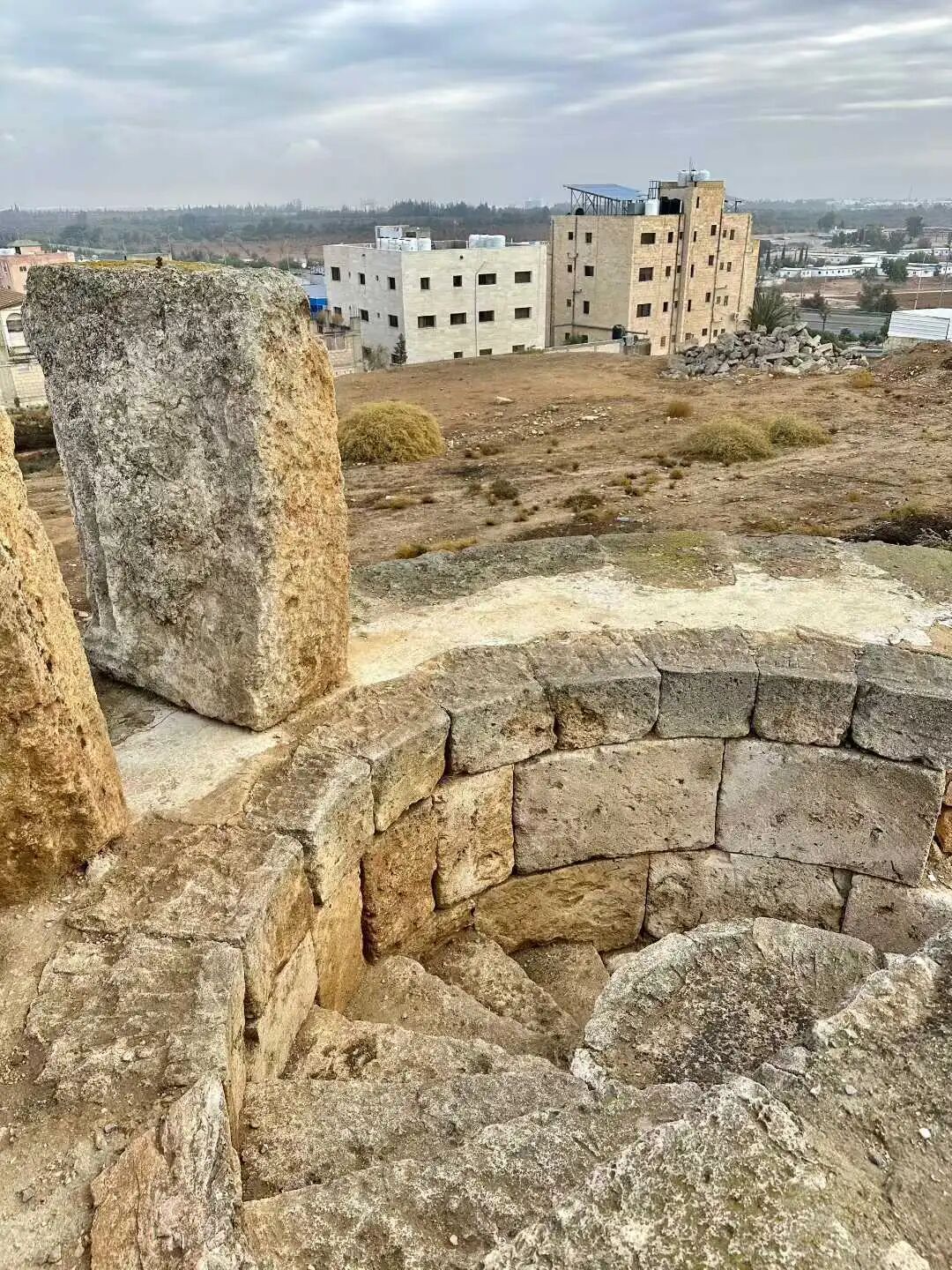
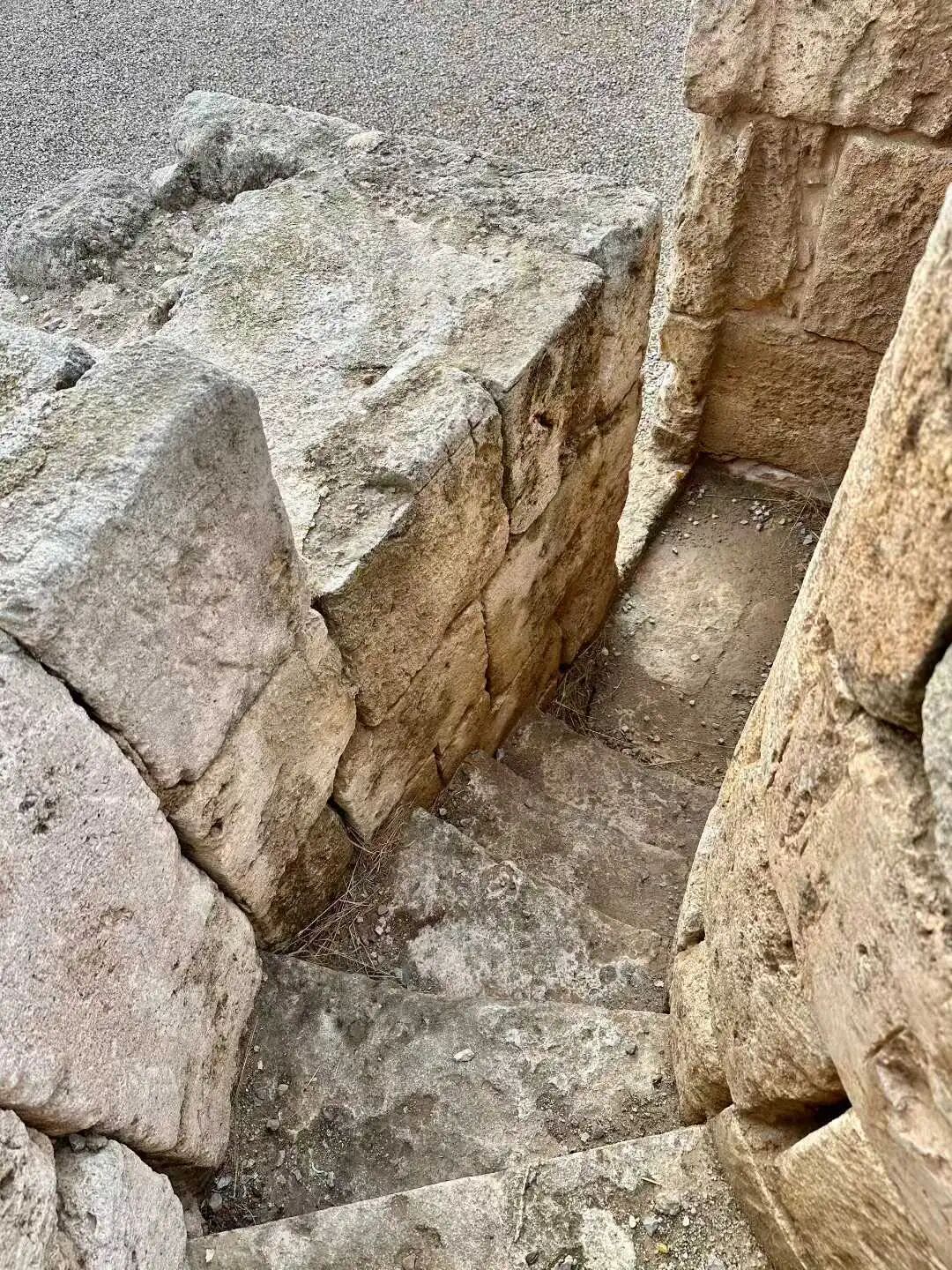
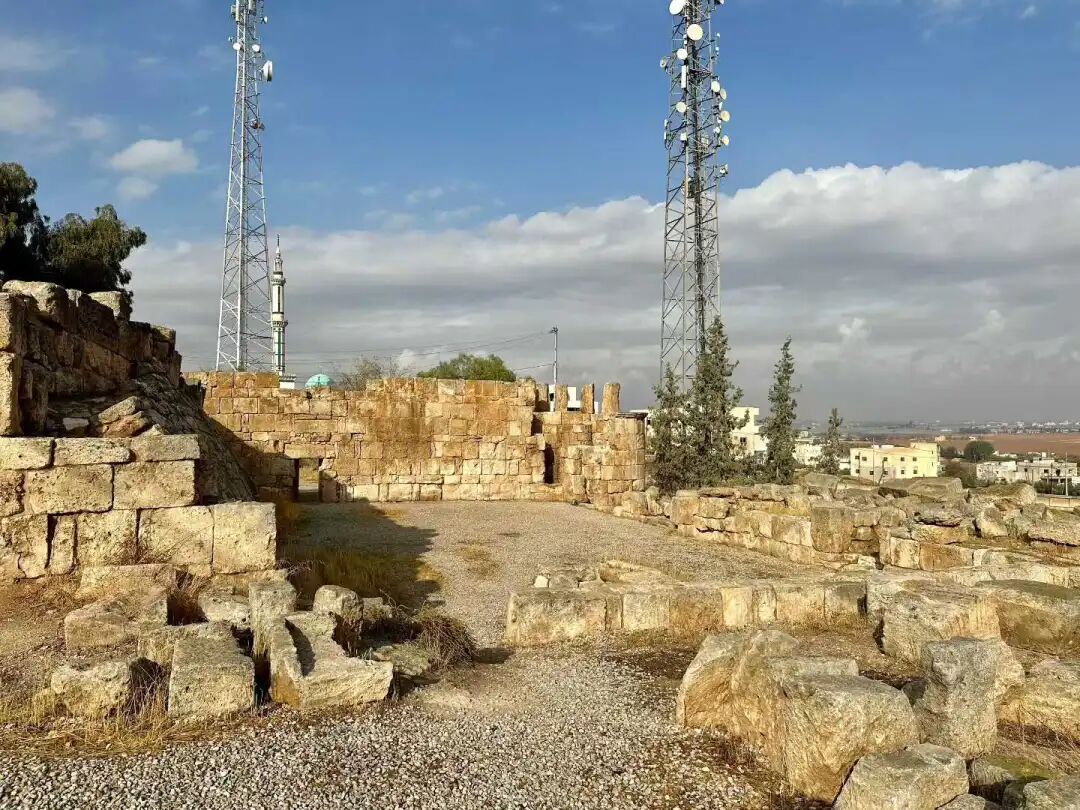
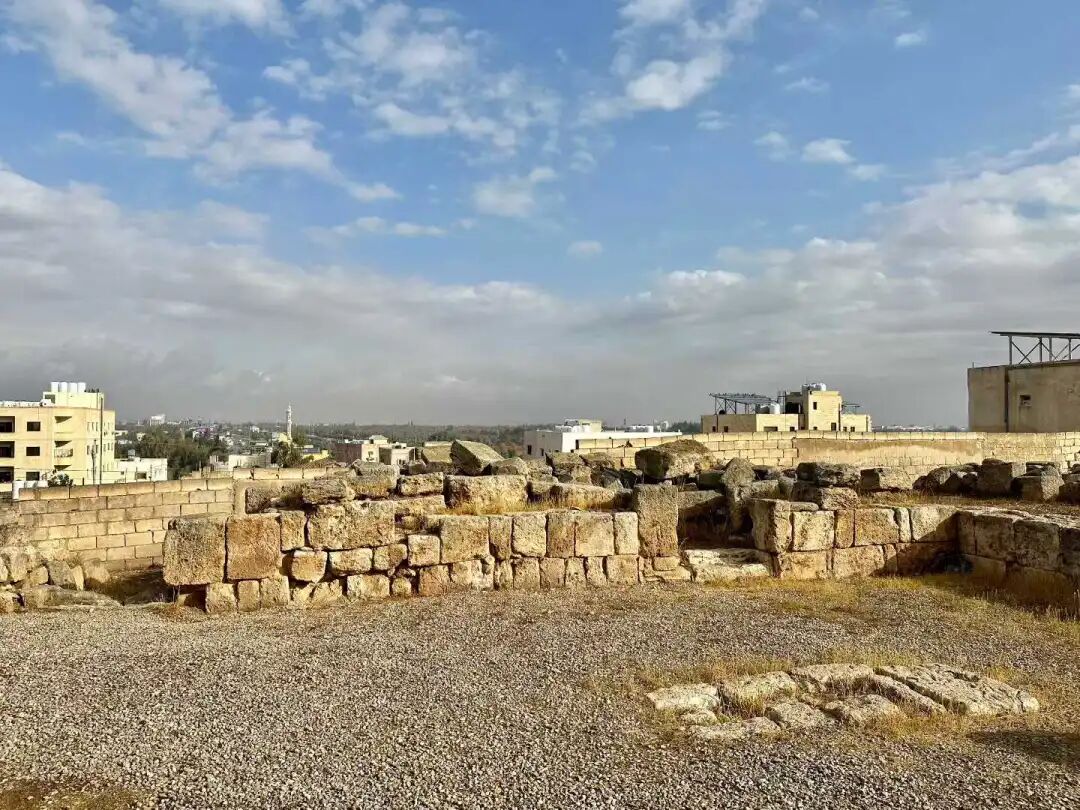
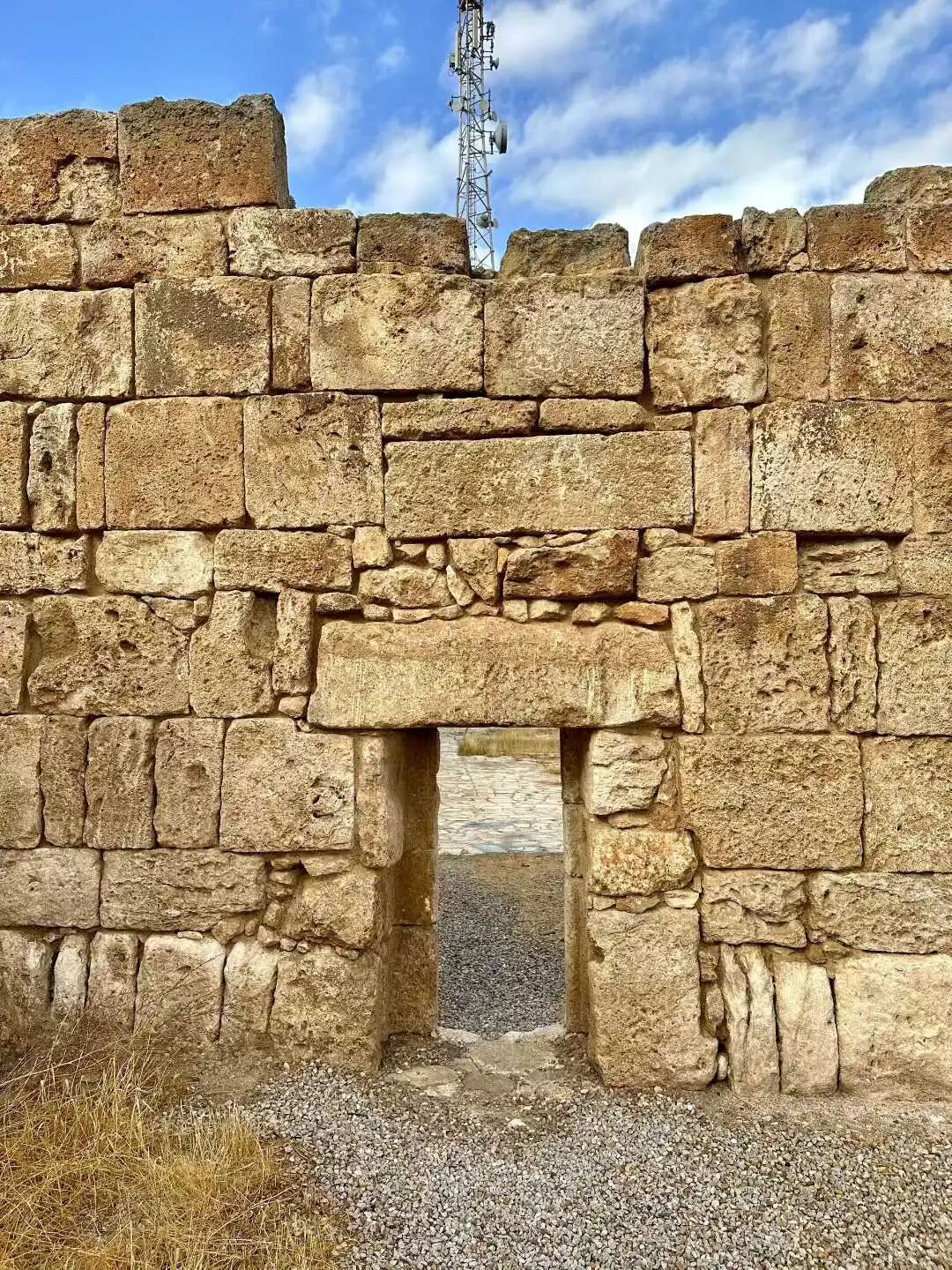
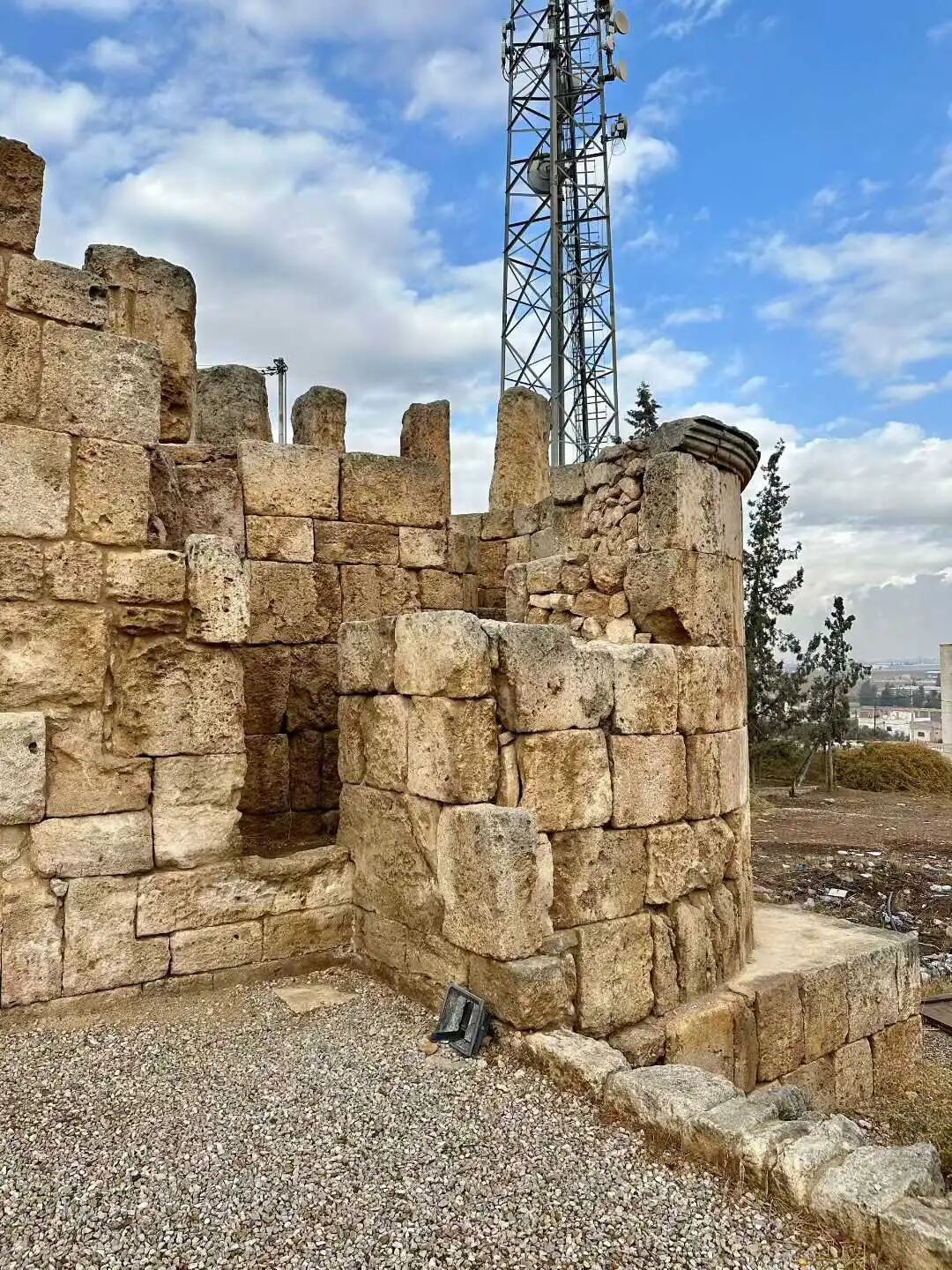
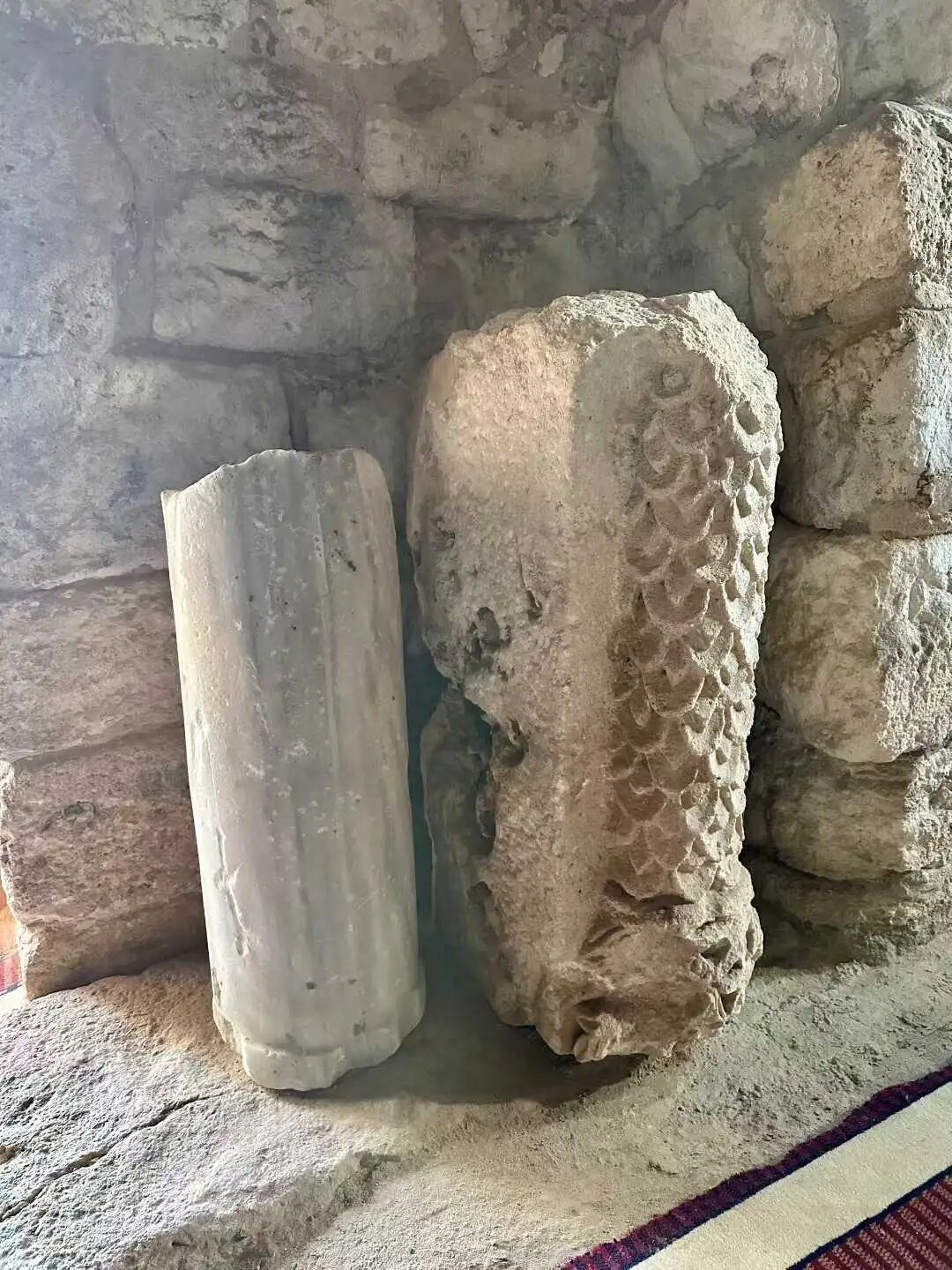
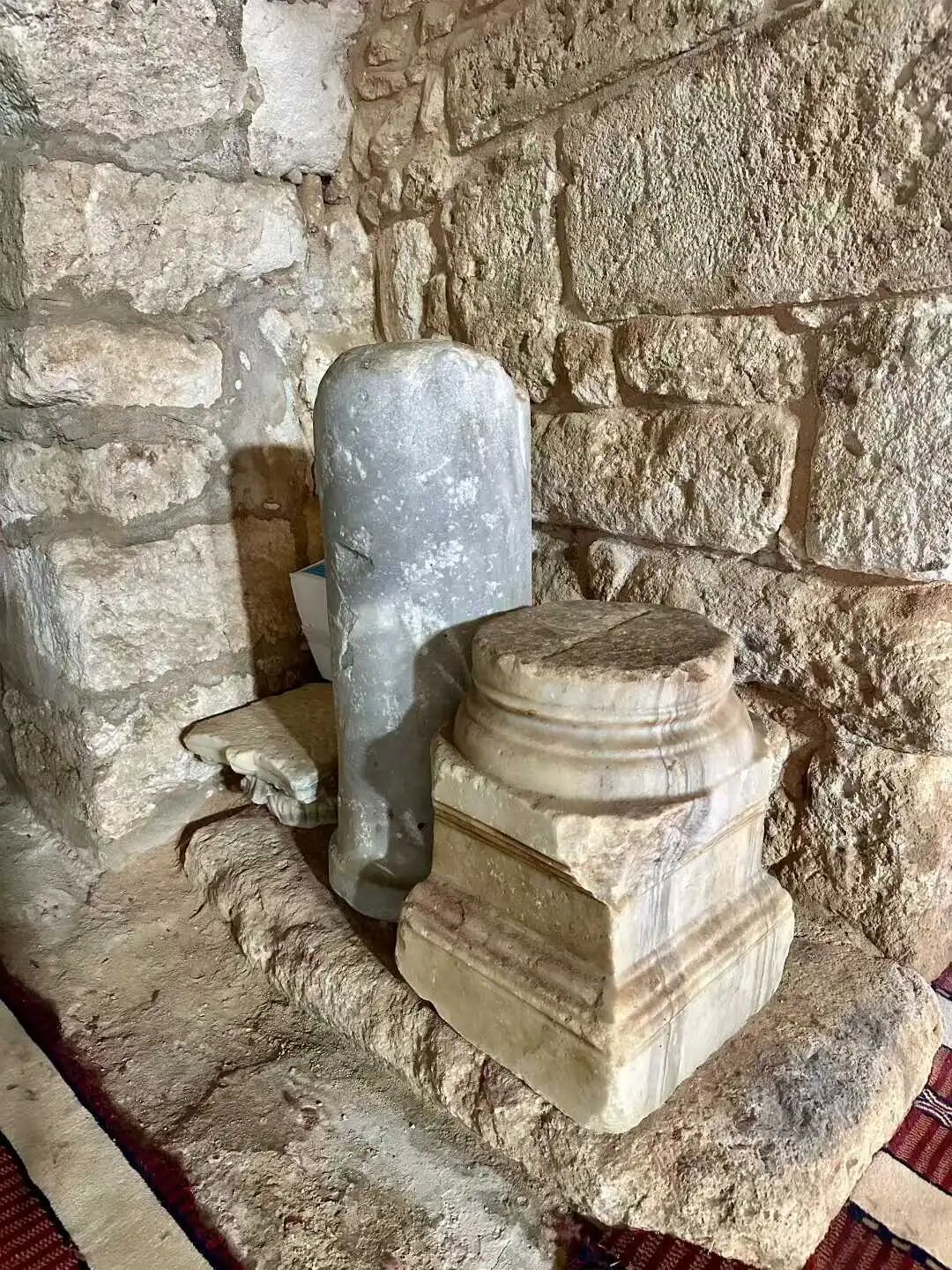
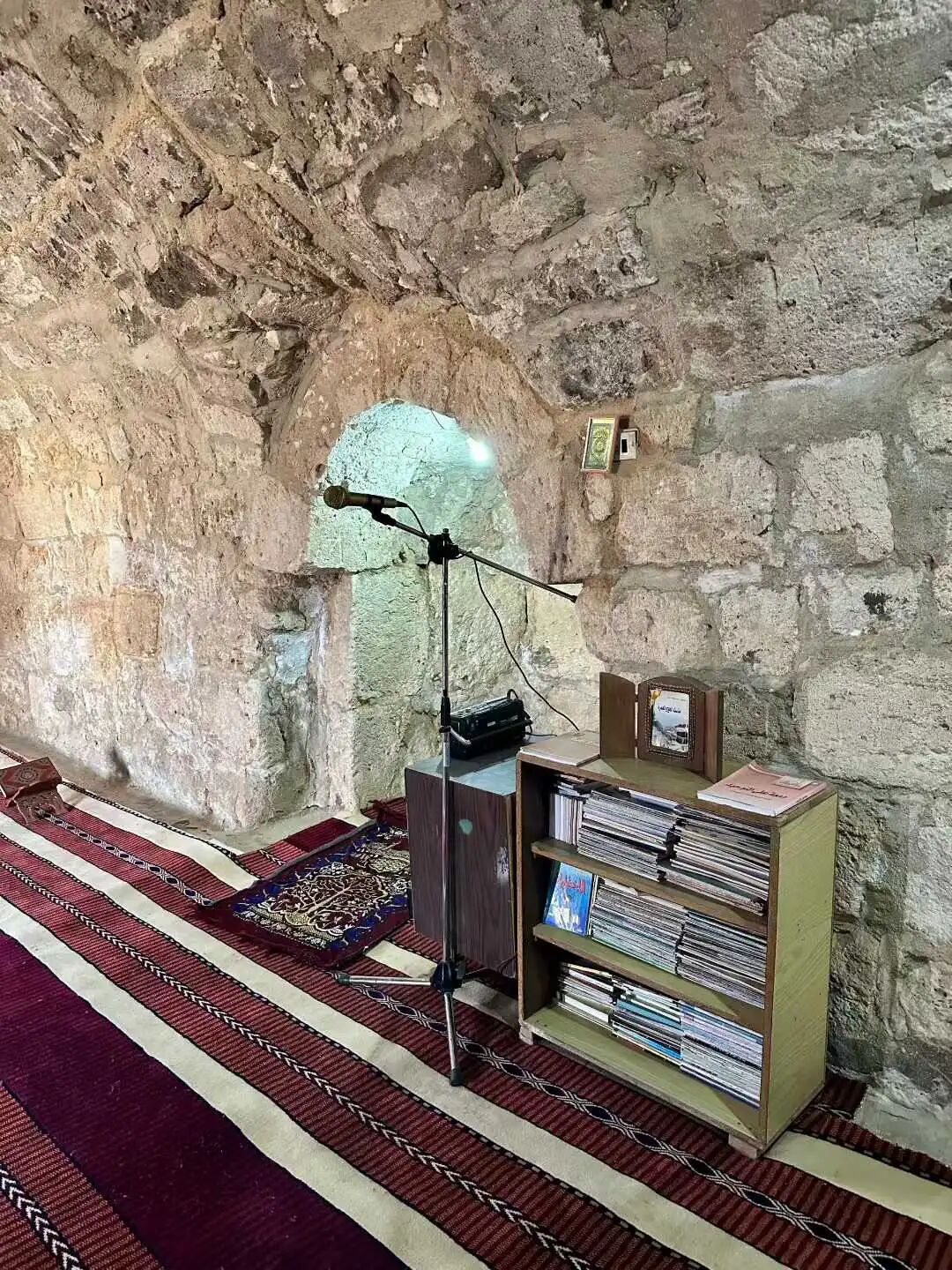
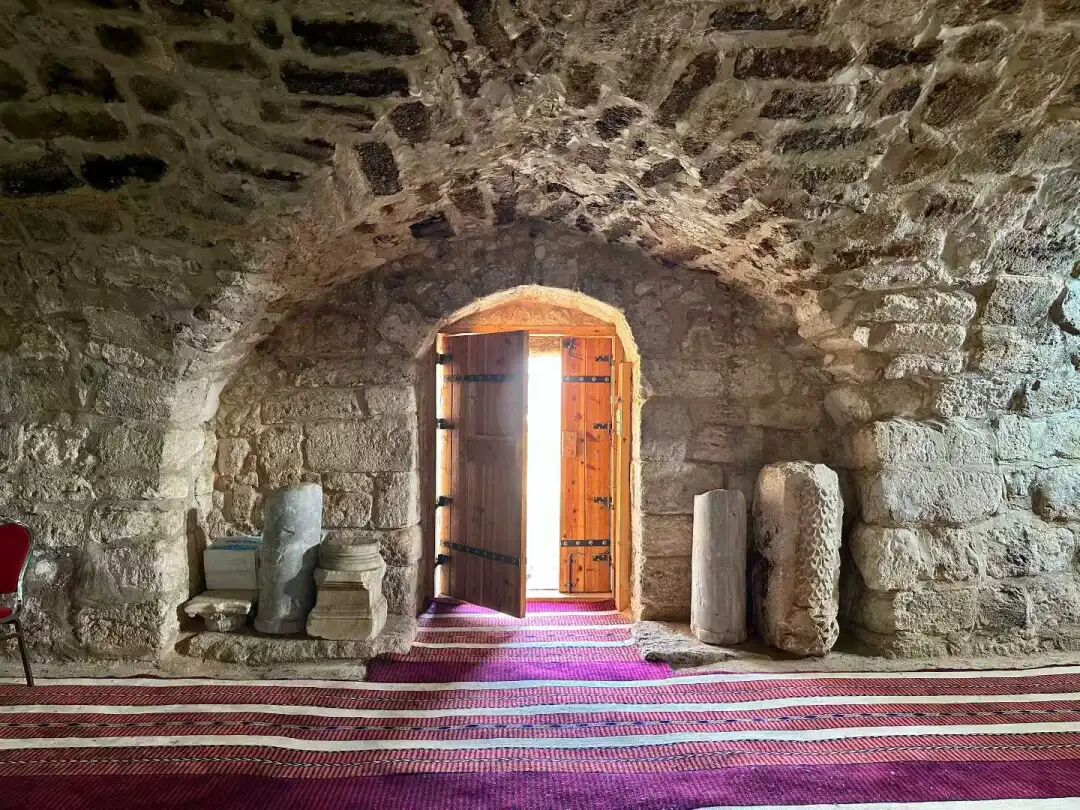
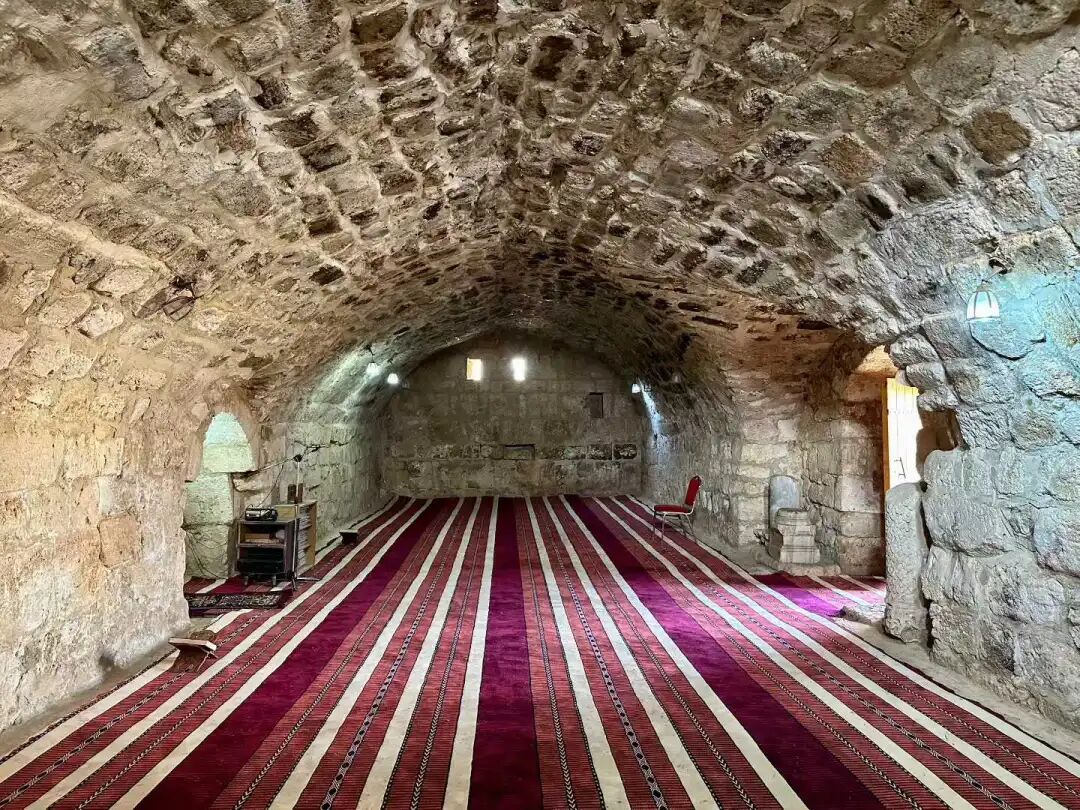
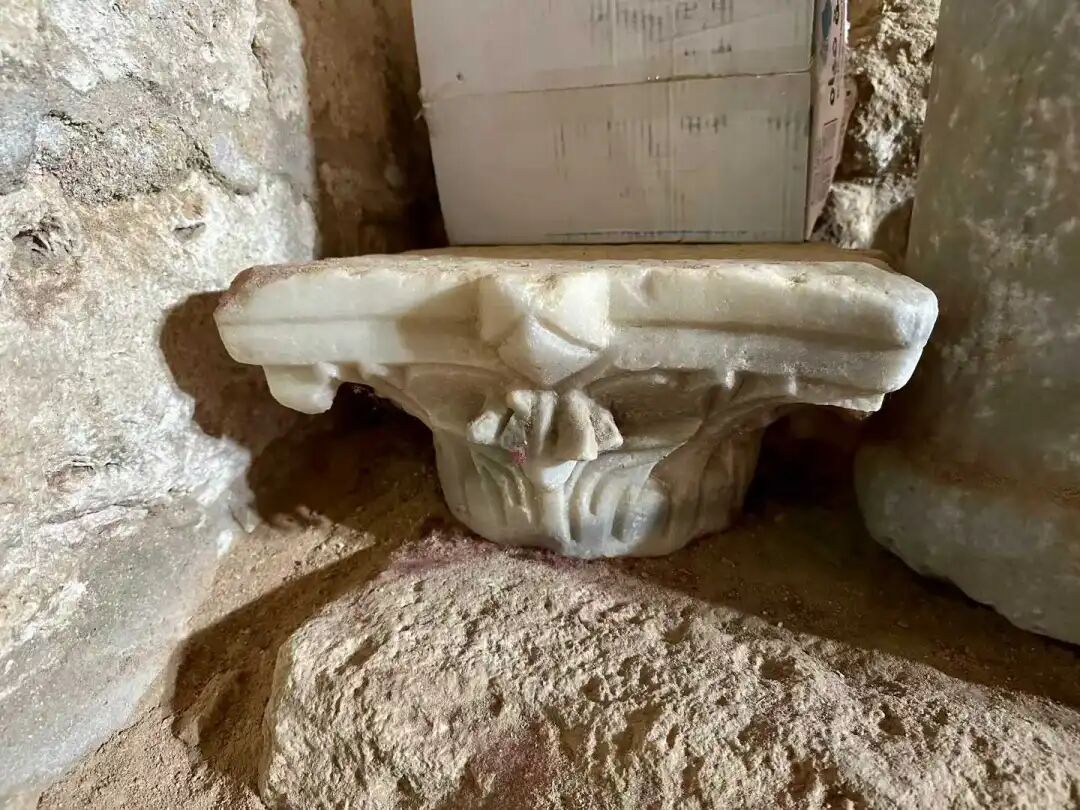
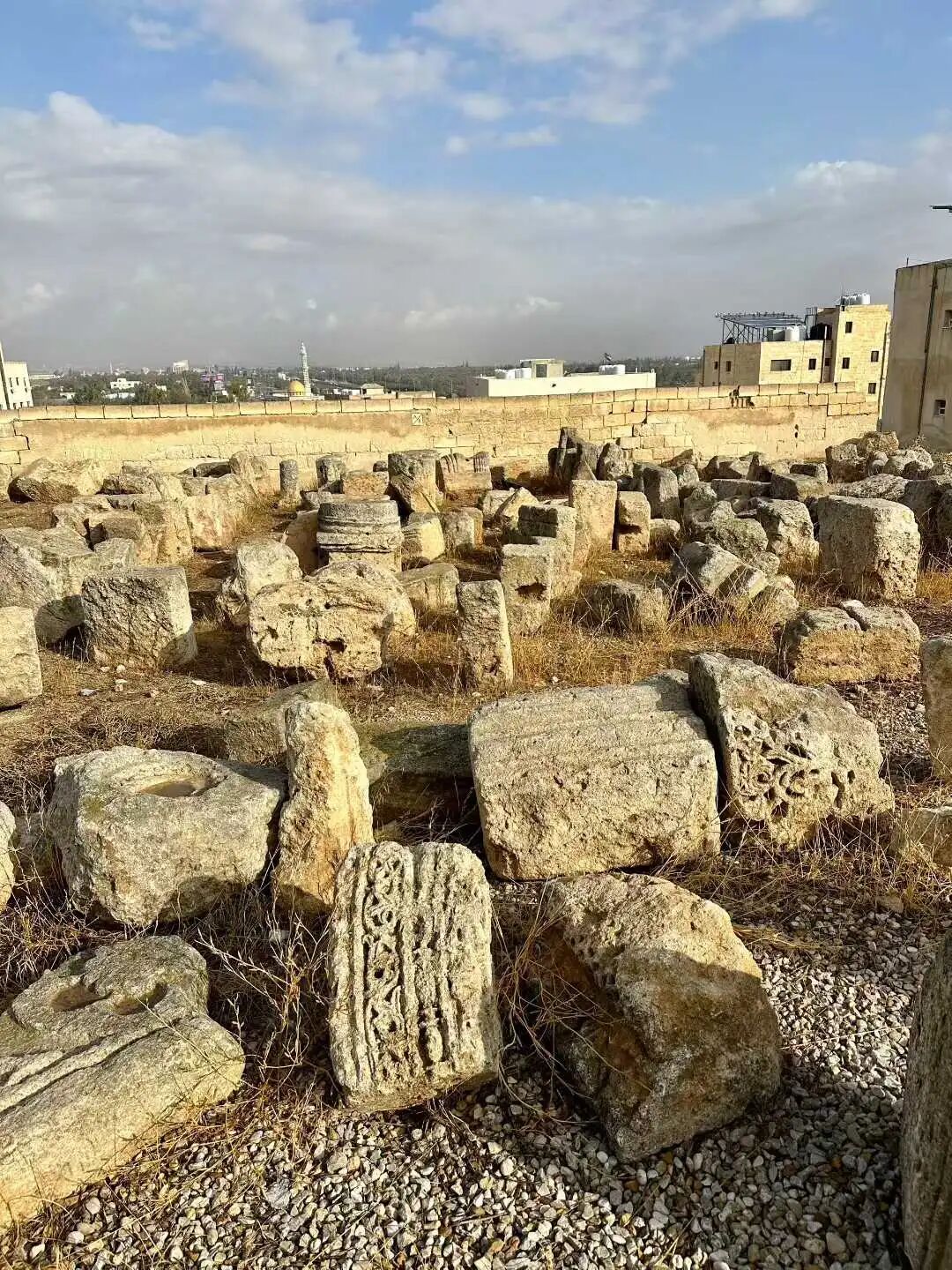
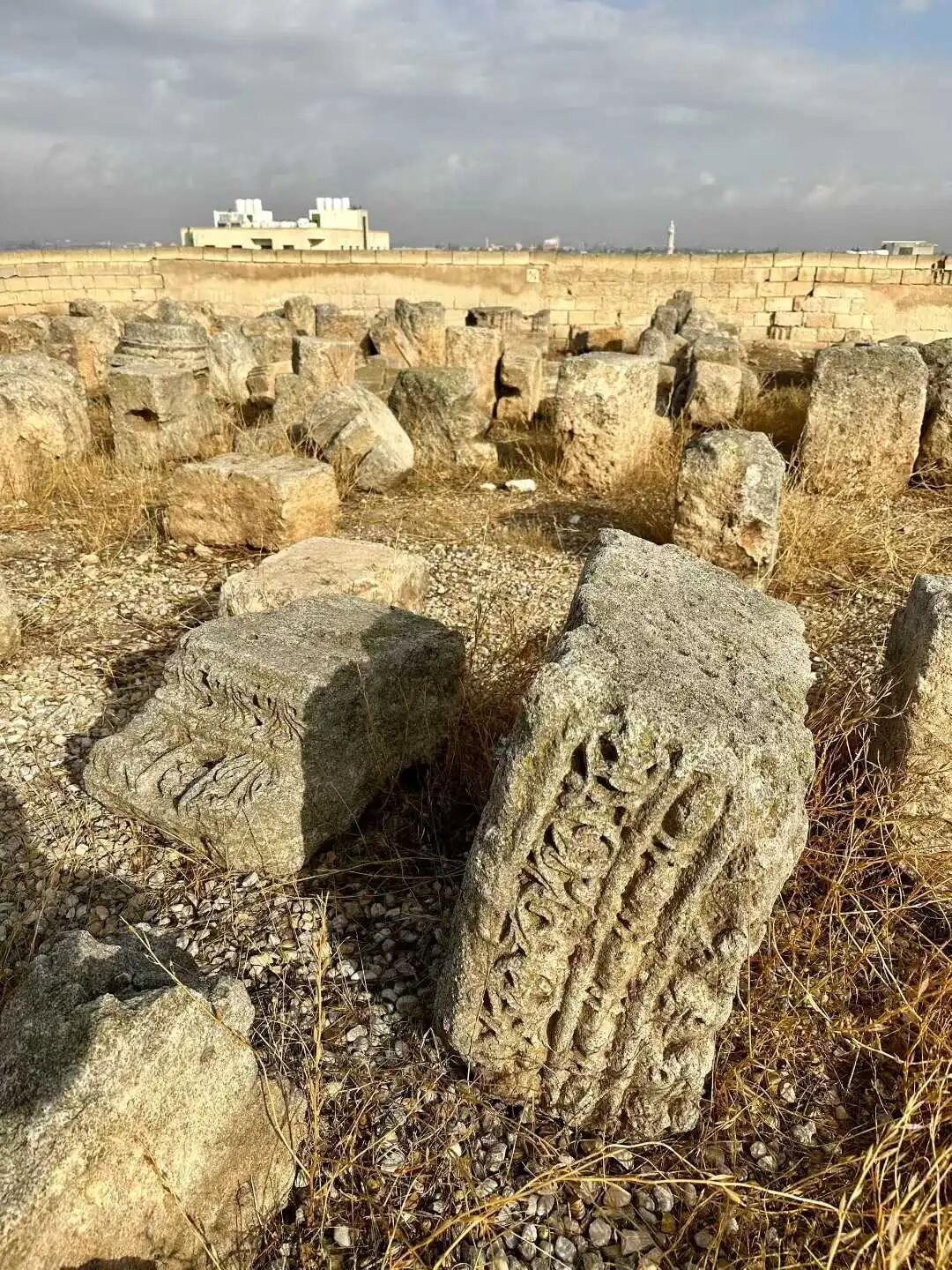
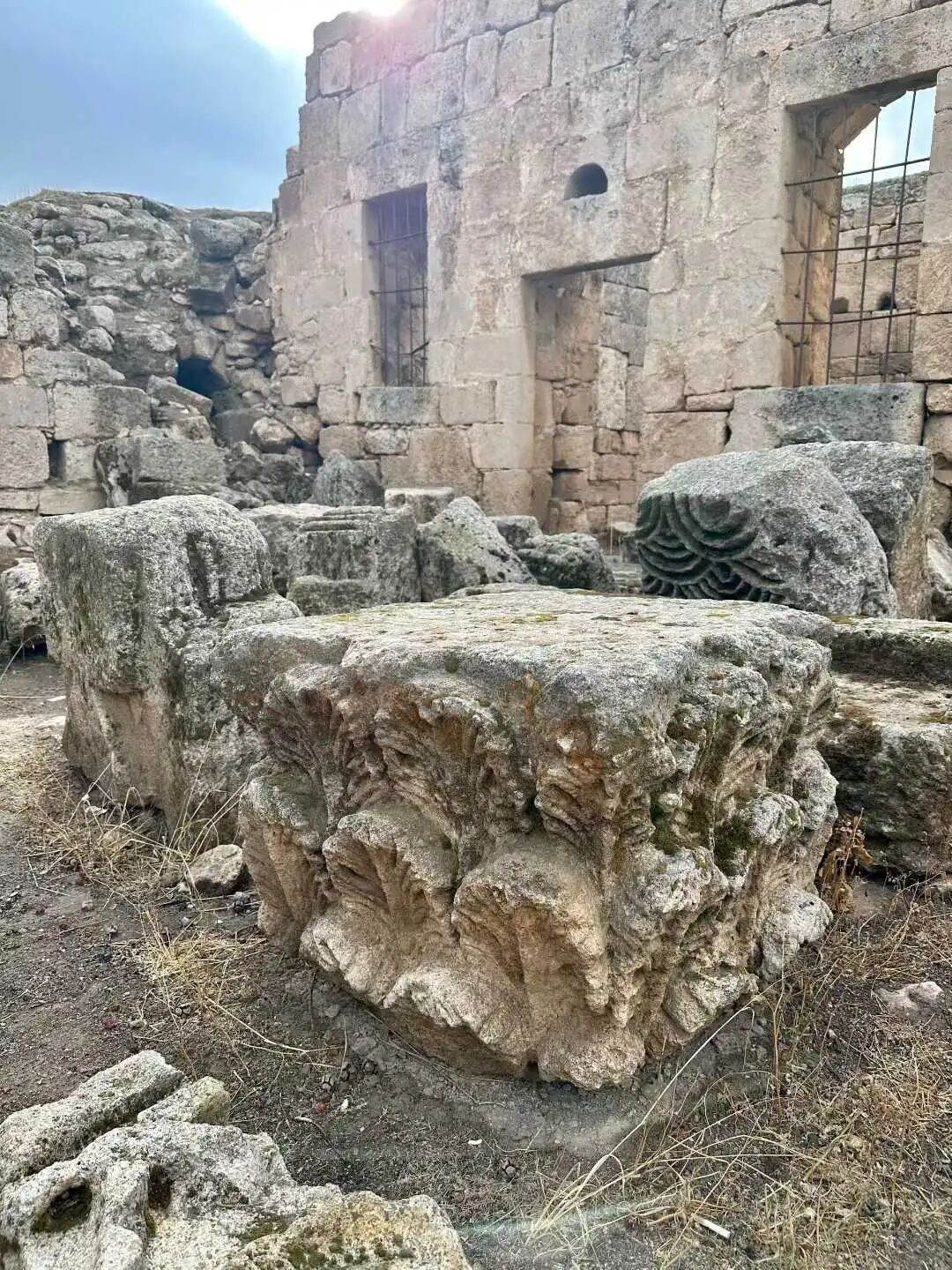
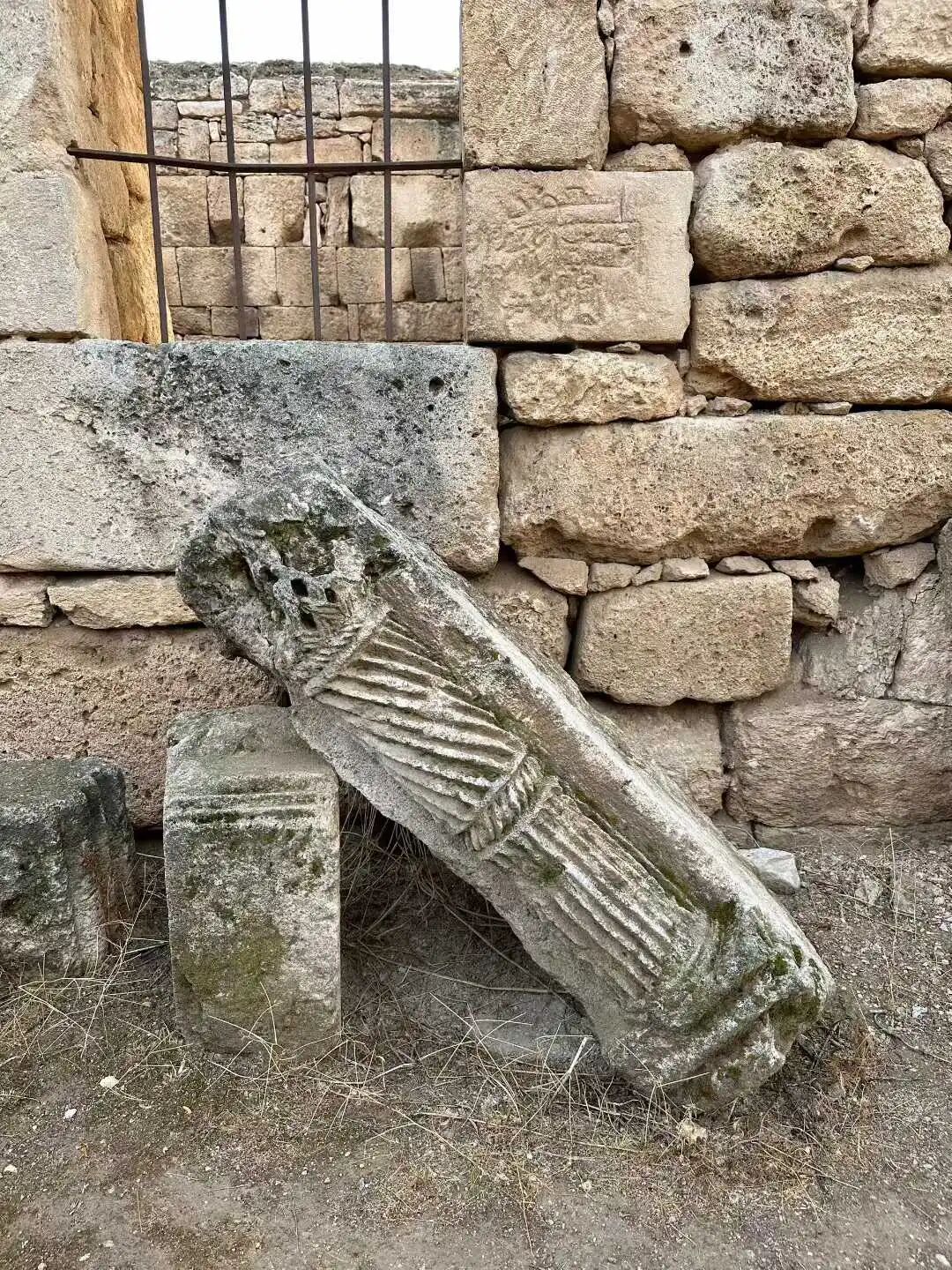
The main hall of the Qastal mosque was renovated in later periods and is still in use today. Ancient stone architectural pieces are still displayed at the entrance of the main hall.
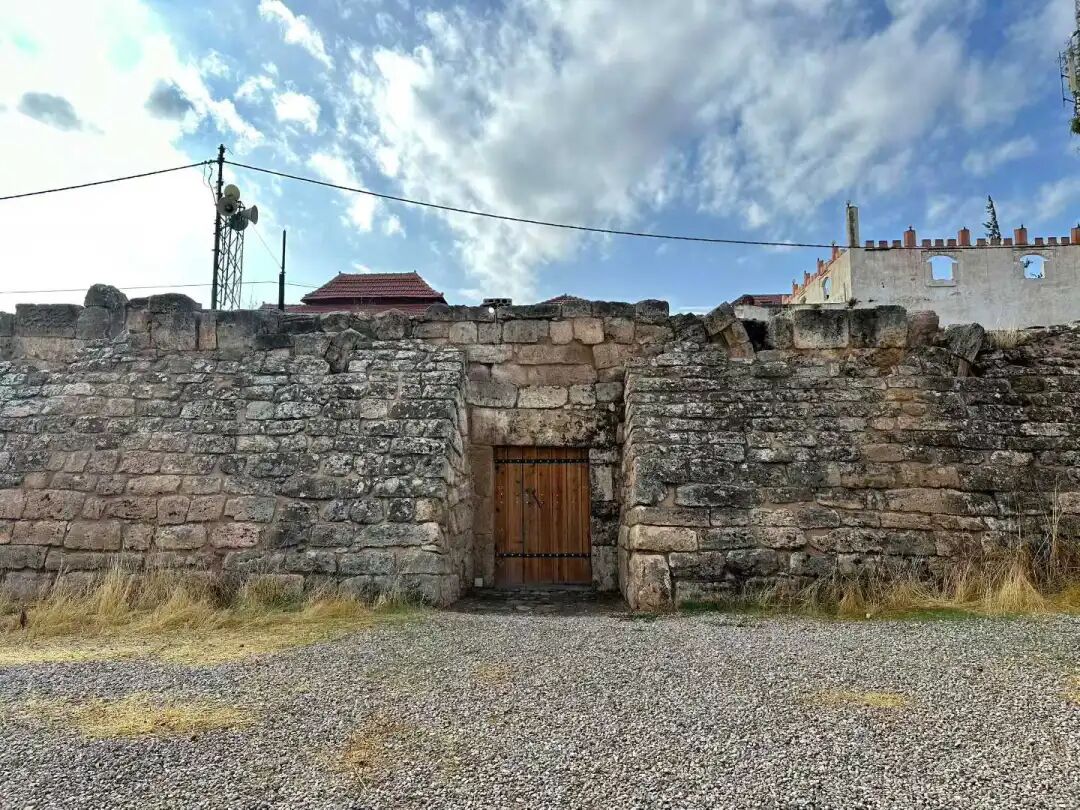
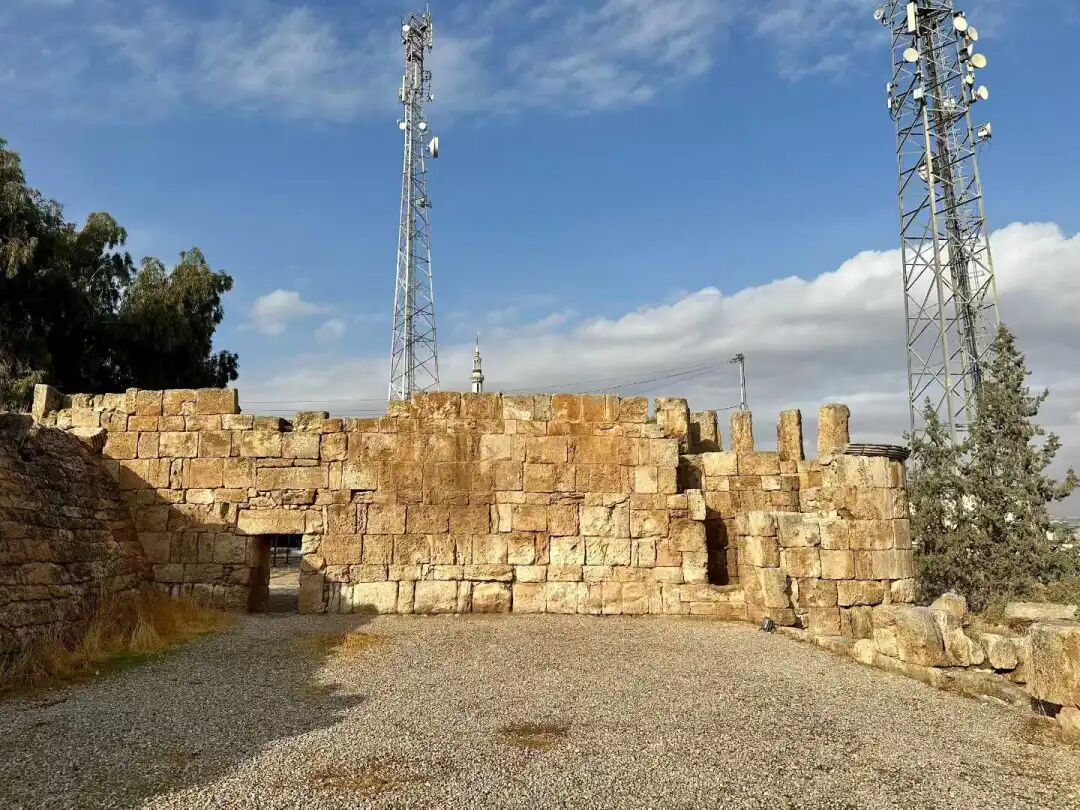
Located south of the mosque, Qasr al-Qastal is a 68-meter square courtyard. The outer wall has a round tower at each corner and twelve semi-circular towers in between. The semi-circular tower on the east side serves as the main gate, and there is a back door on the north side leading to the mosque.
Inside the entrance is a vestibule, followed by a 40-meter square central courtyard surrounded by colonnades, with a large cistern at the bottom.
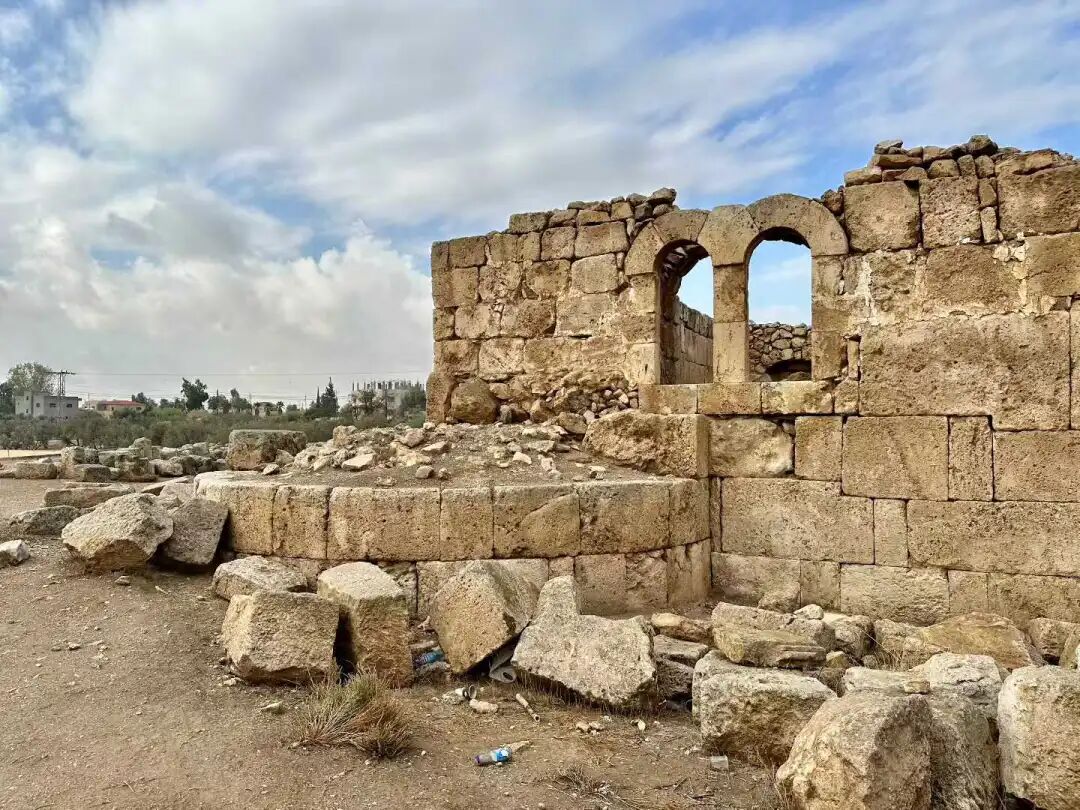
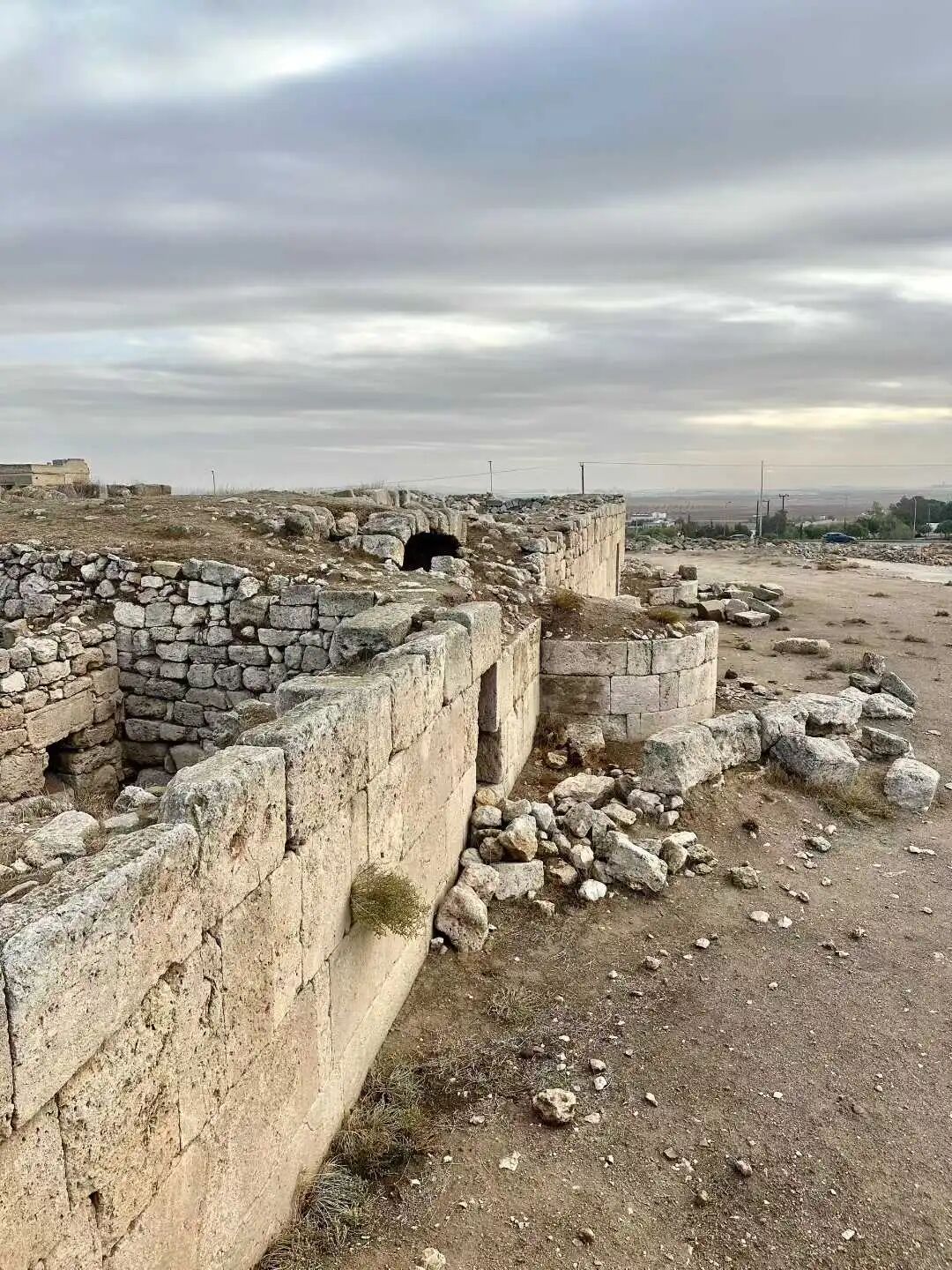
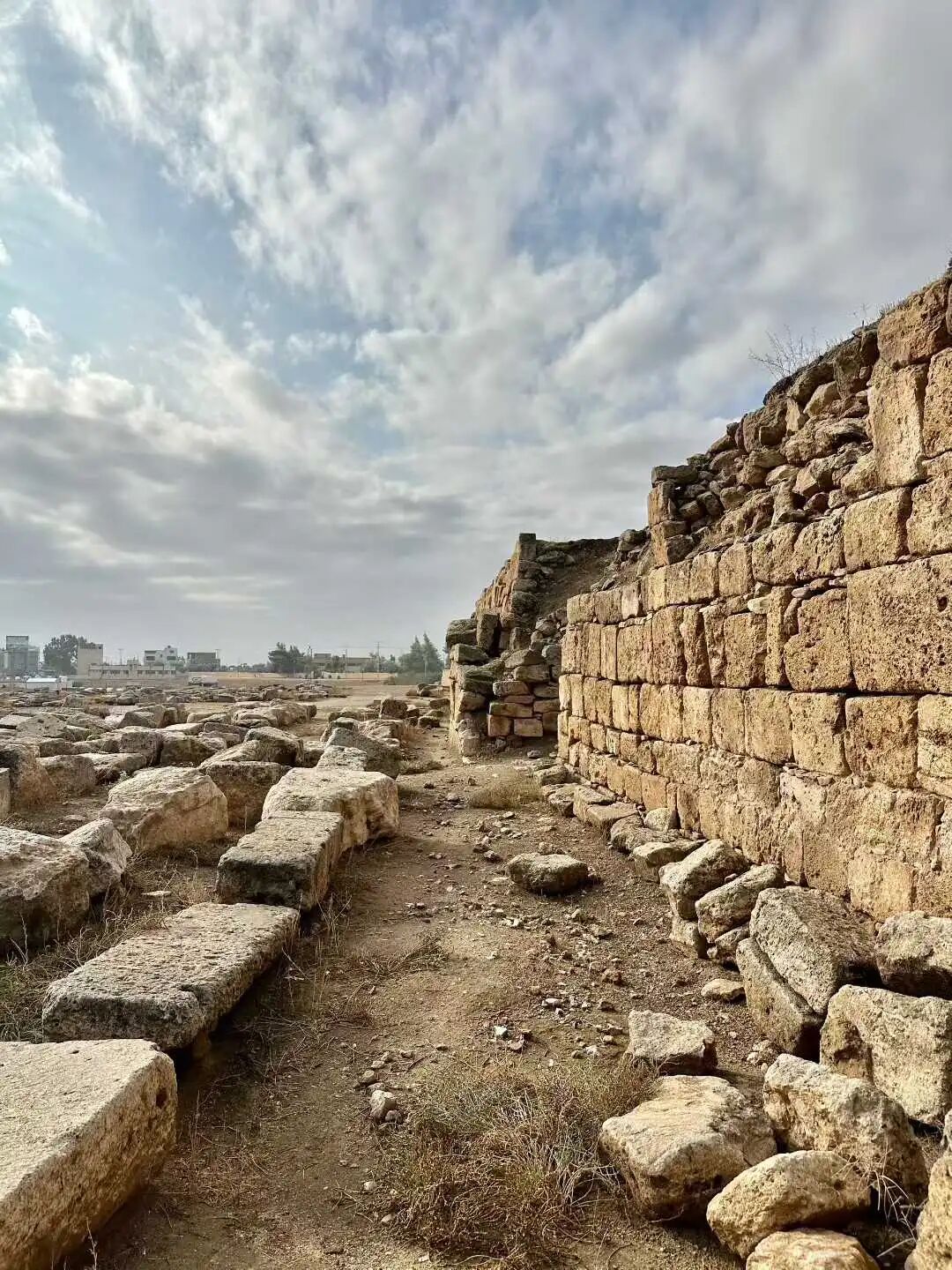
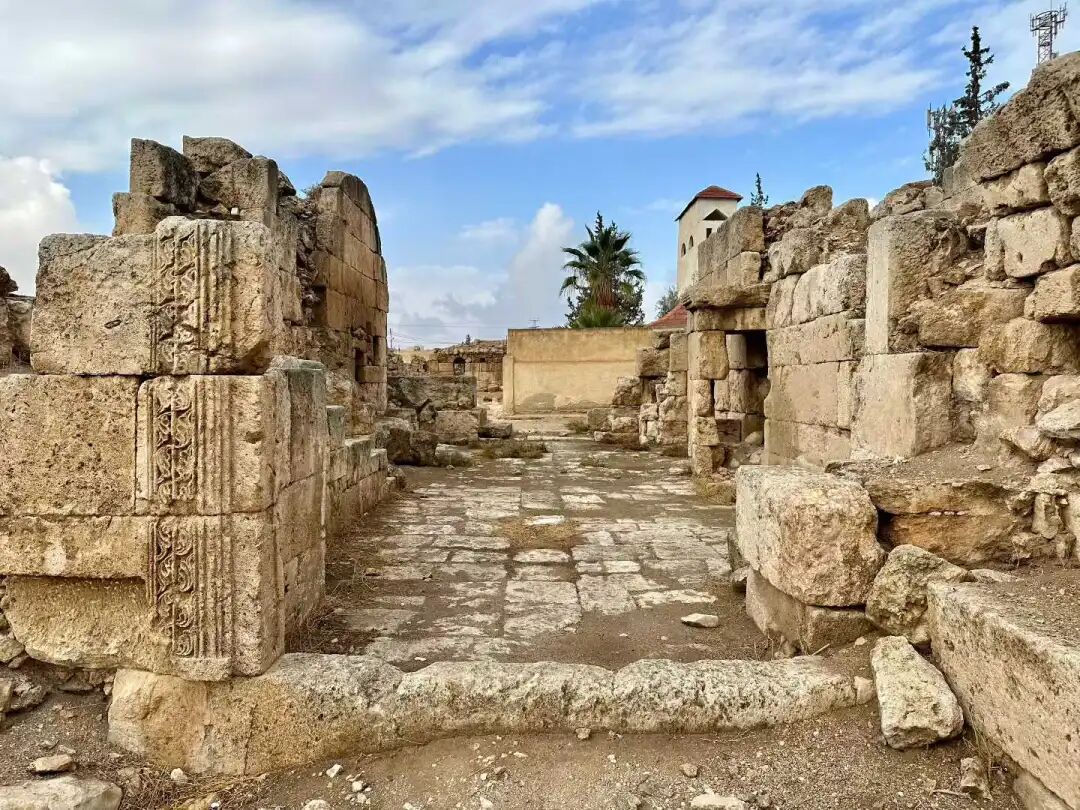
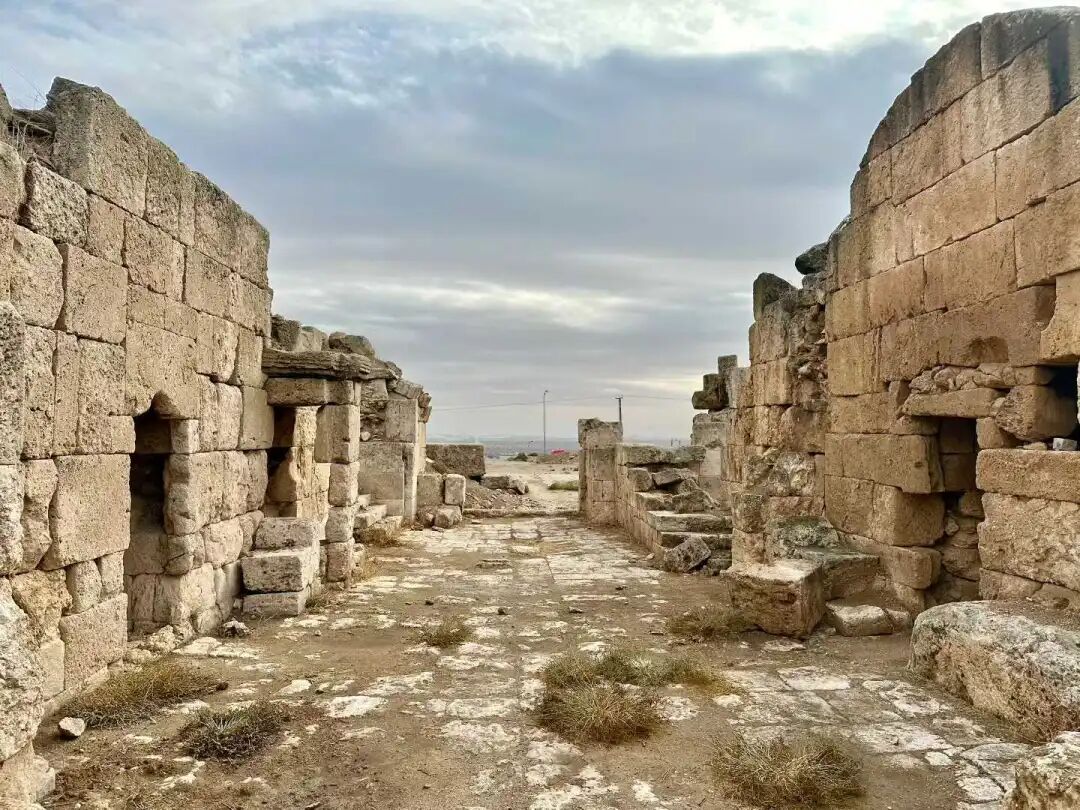
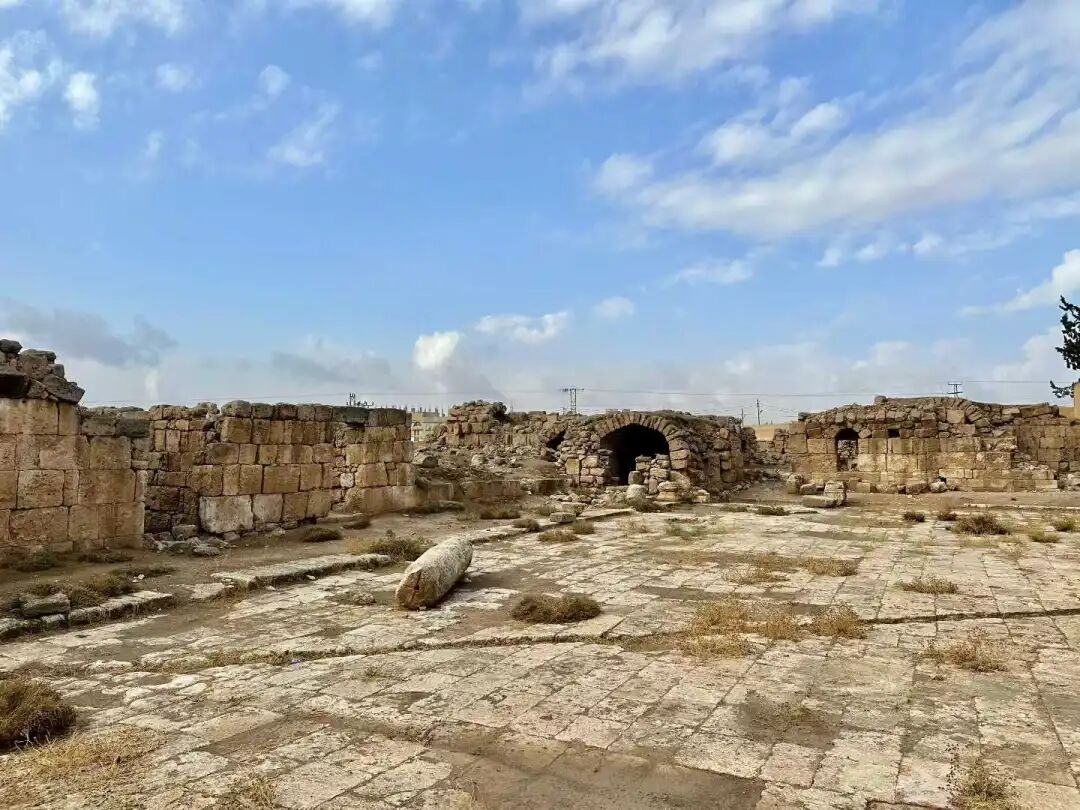
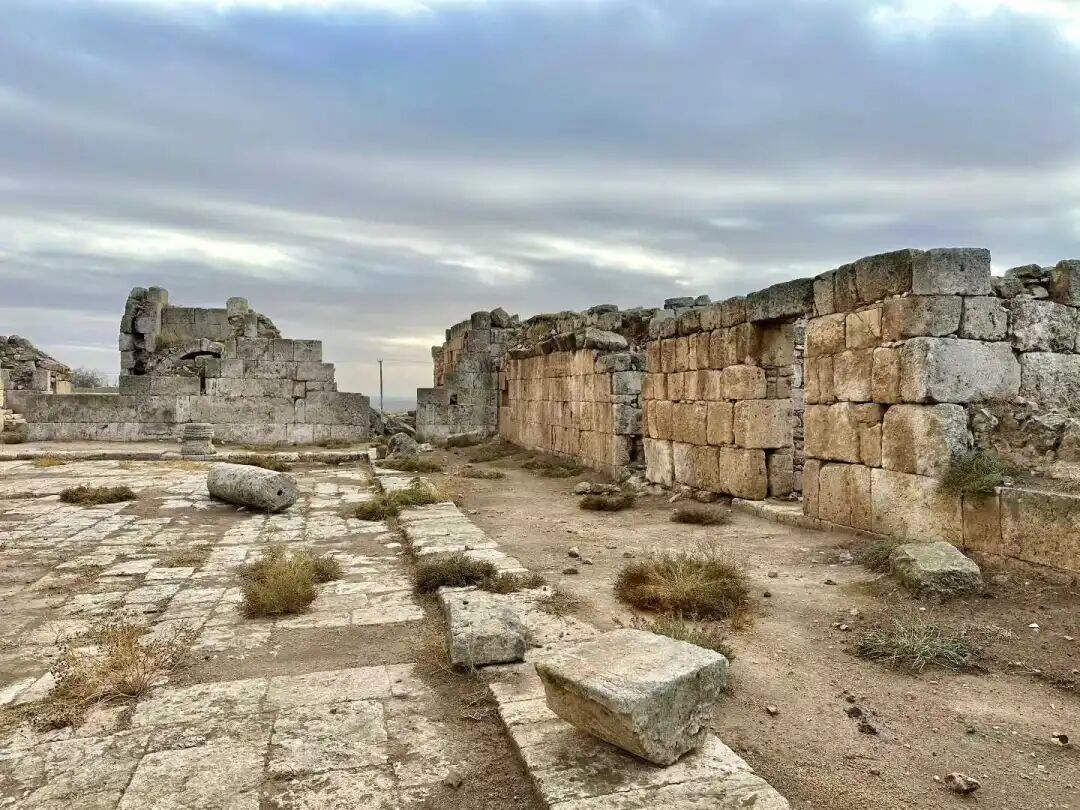
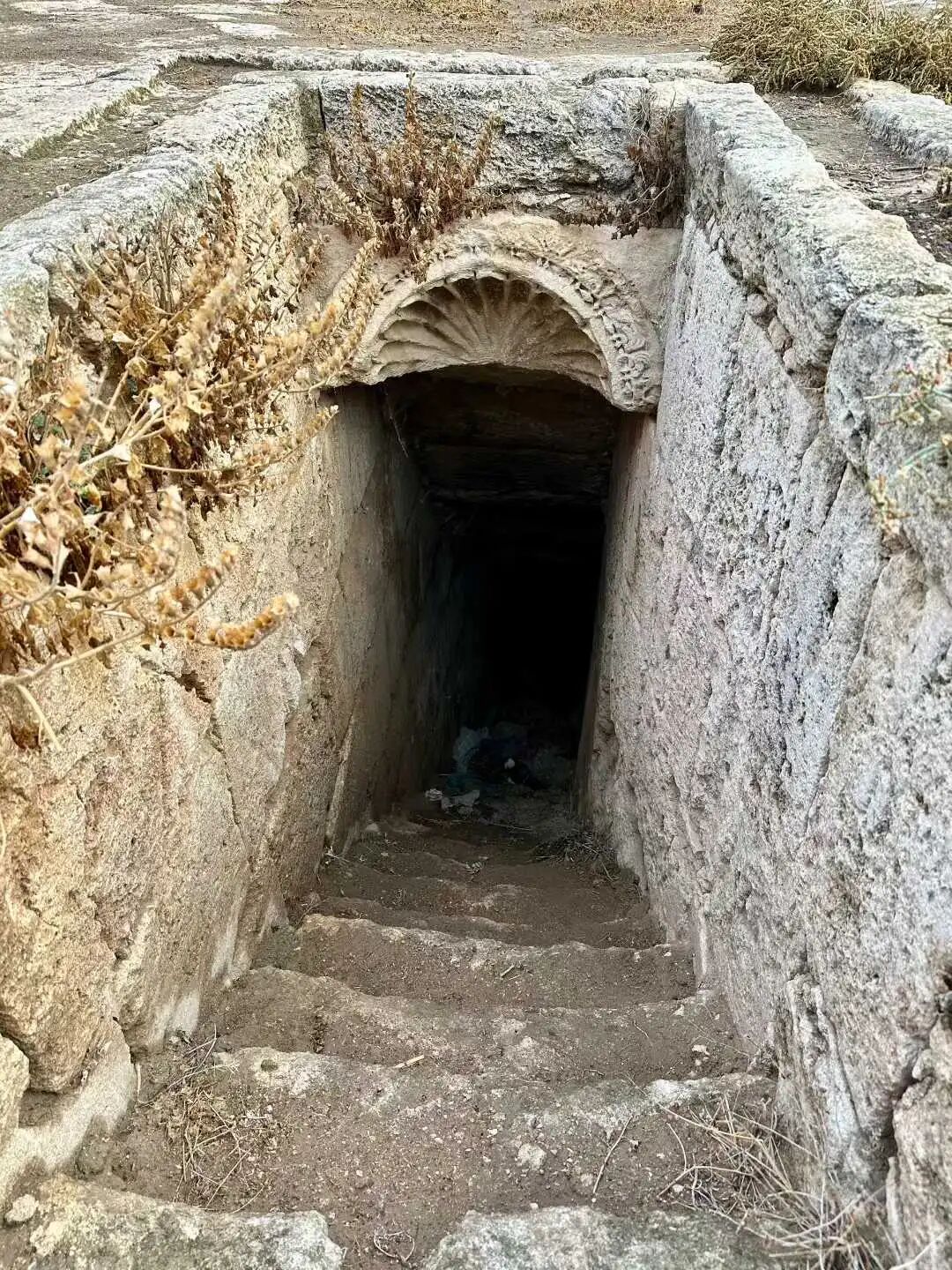
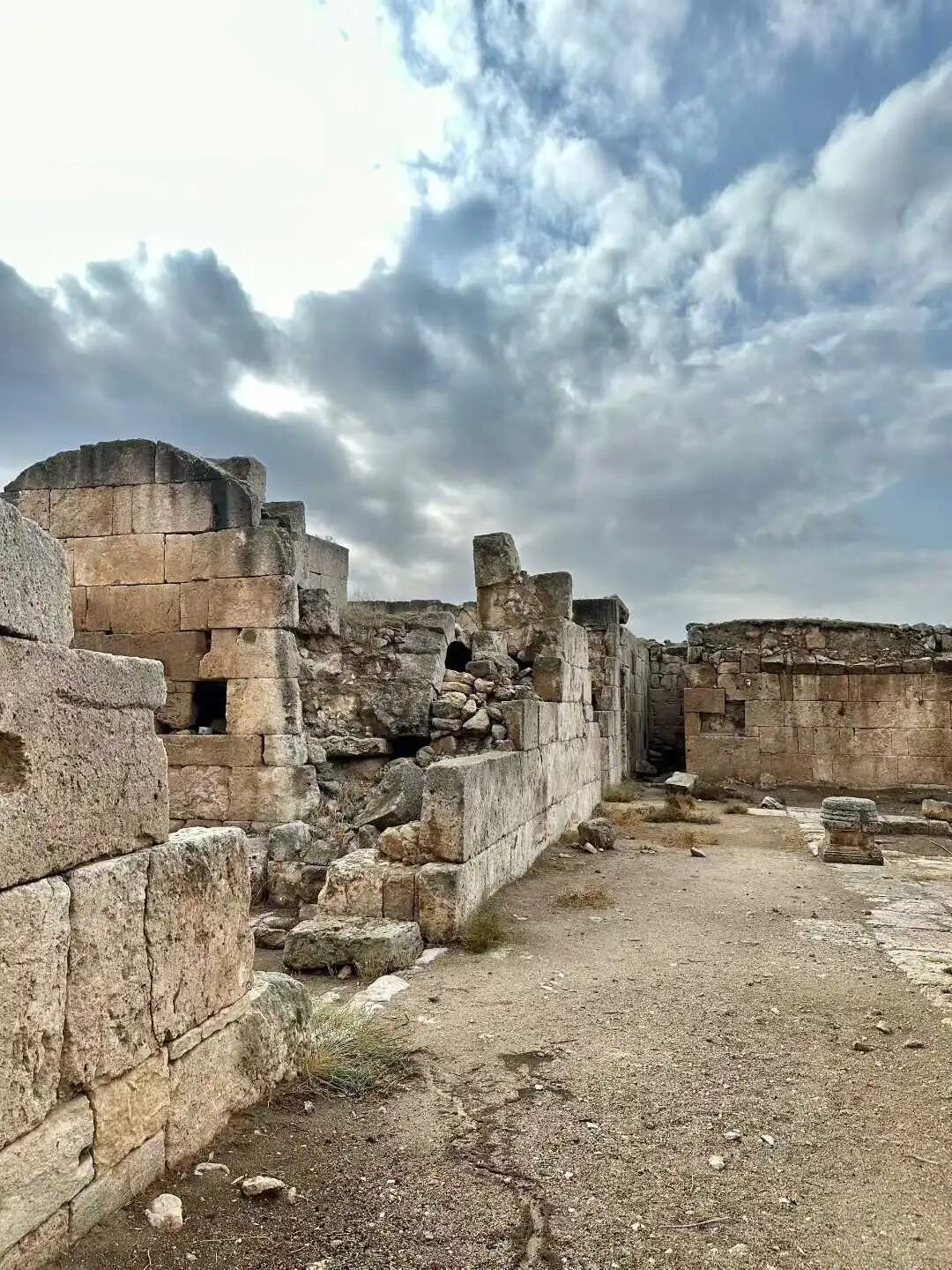
Around the courtyard of Qasr al-Qastal are six suites (bayts) spread over two floors. You reach the upper suites via stairs on both sides of the vestibule, and there is an ornately decorated hall directly facing the second floor. Each floor of the suites has four rooms, some of which feature mosaic floors now kept at the Madaba Archaeological Museum. These residences served as palaces during the Umayyad and Abbasid dynasties, but were converted into ordinary homes during the Ayyubid and Mamluk periods, which is why some walls were added.
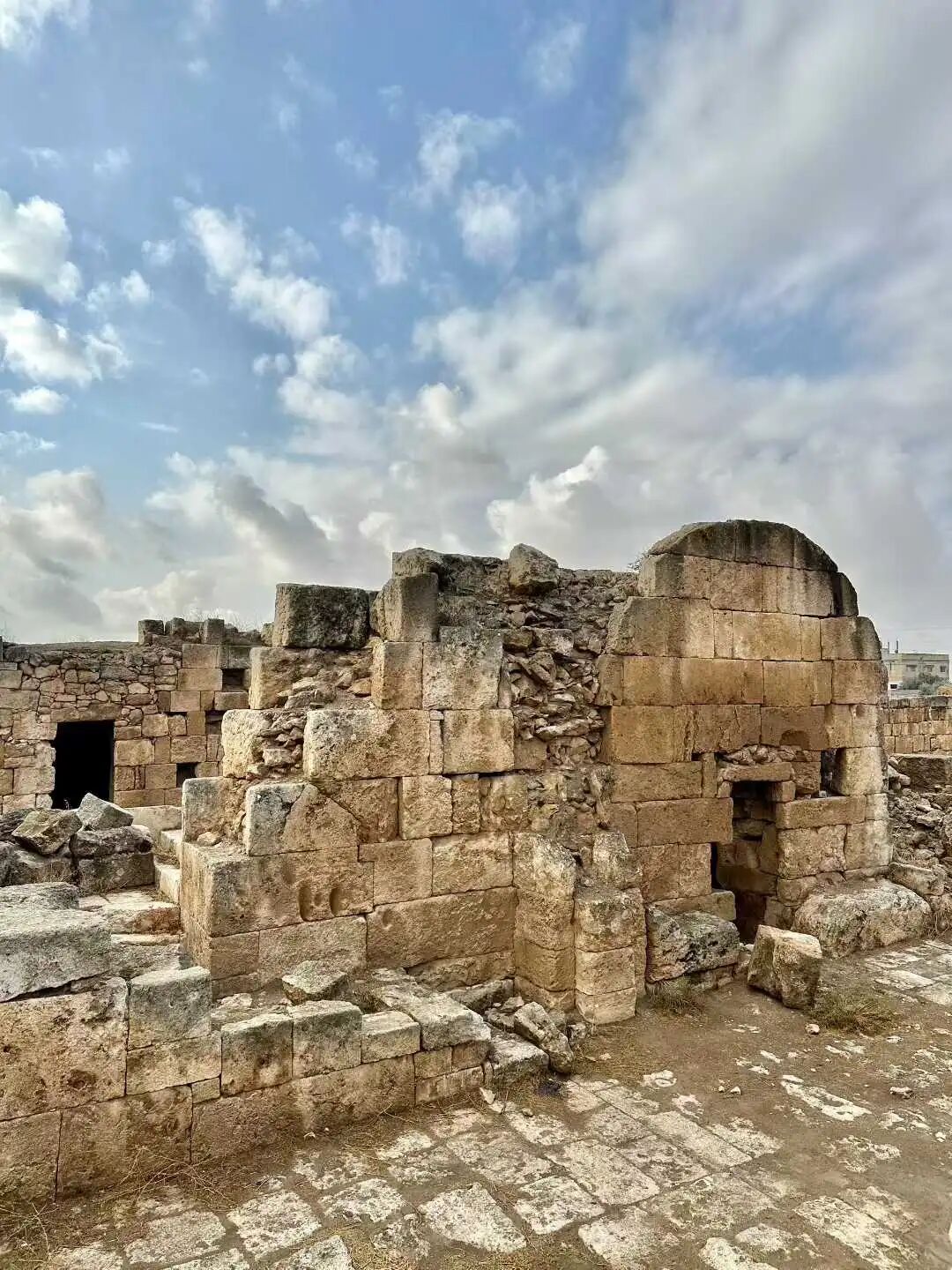
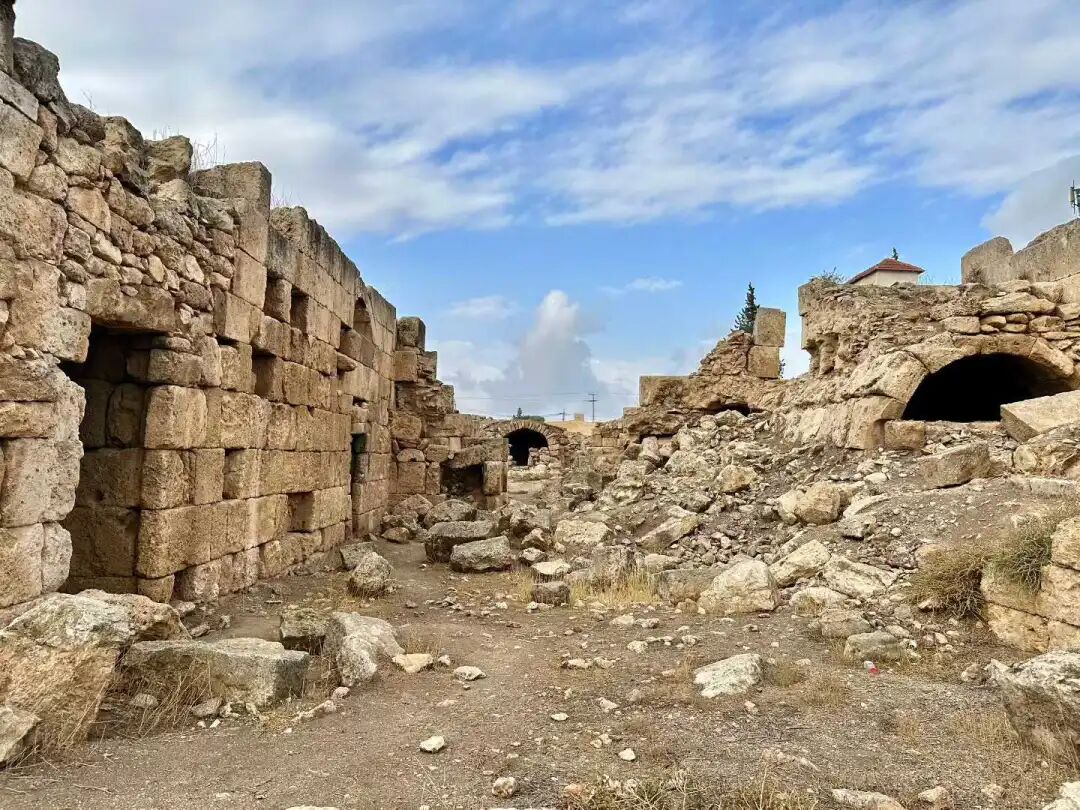
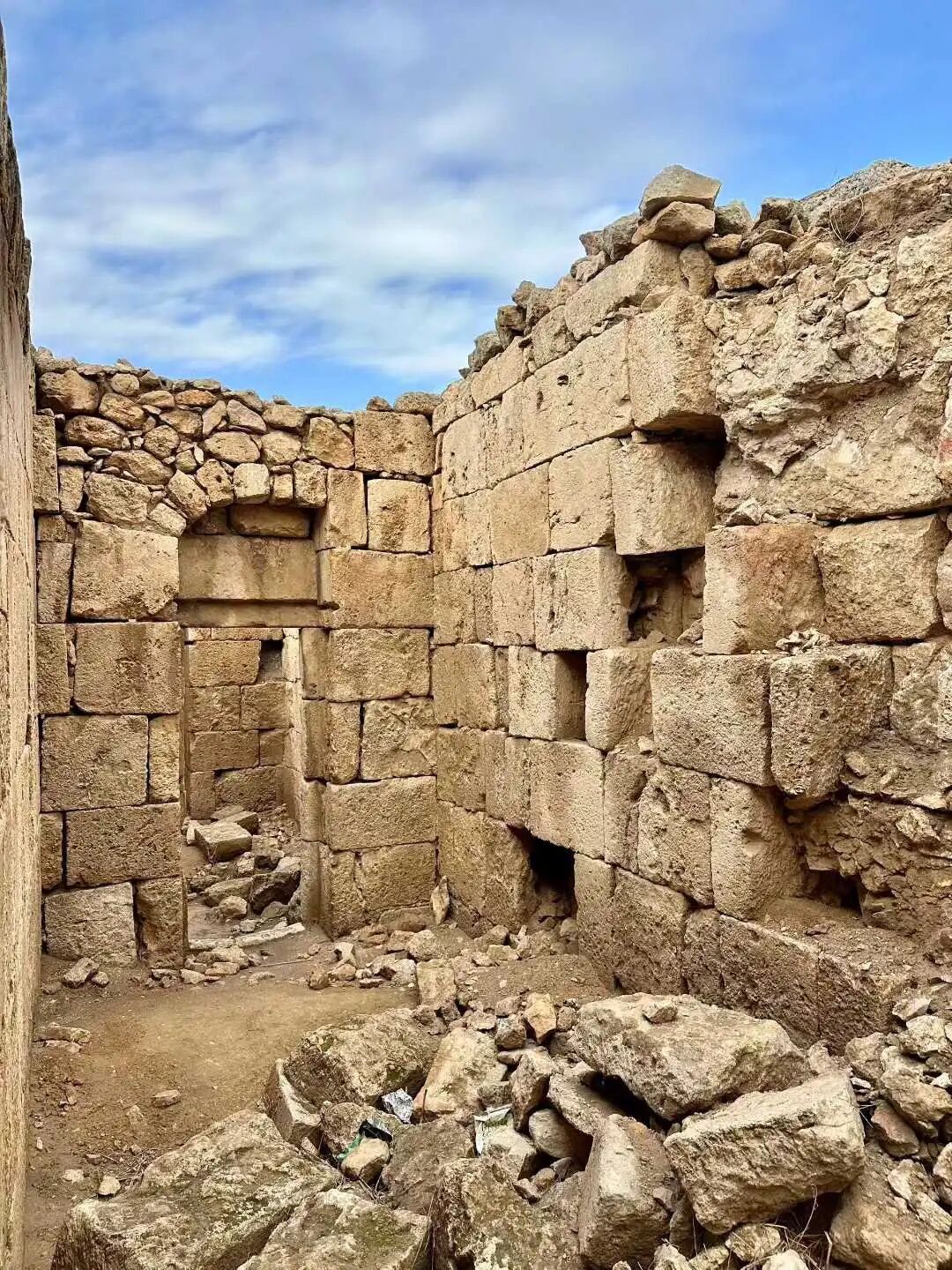
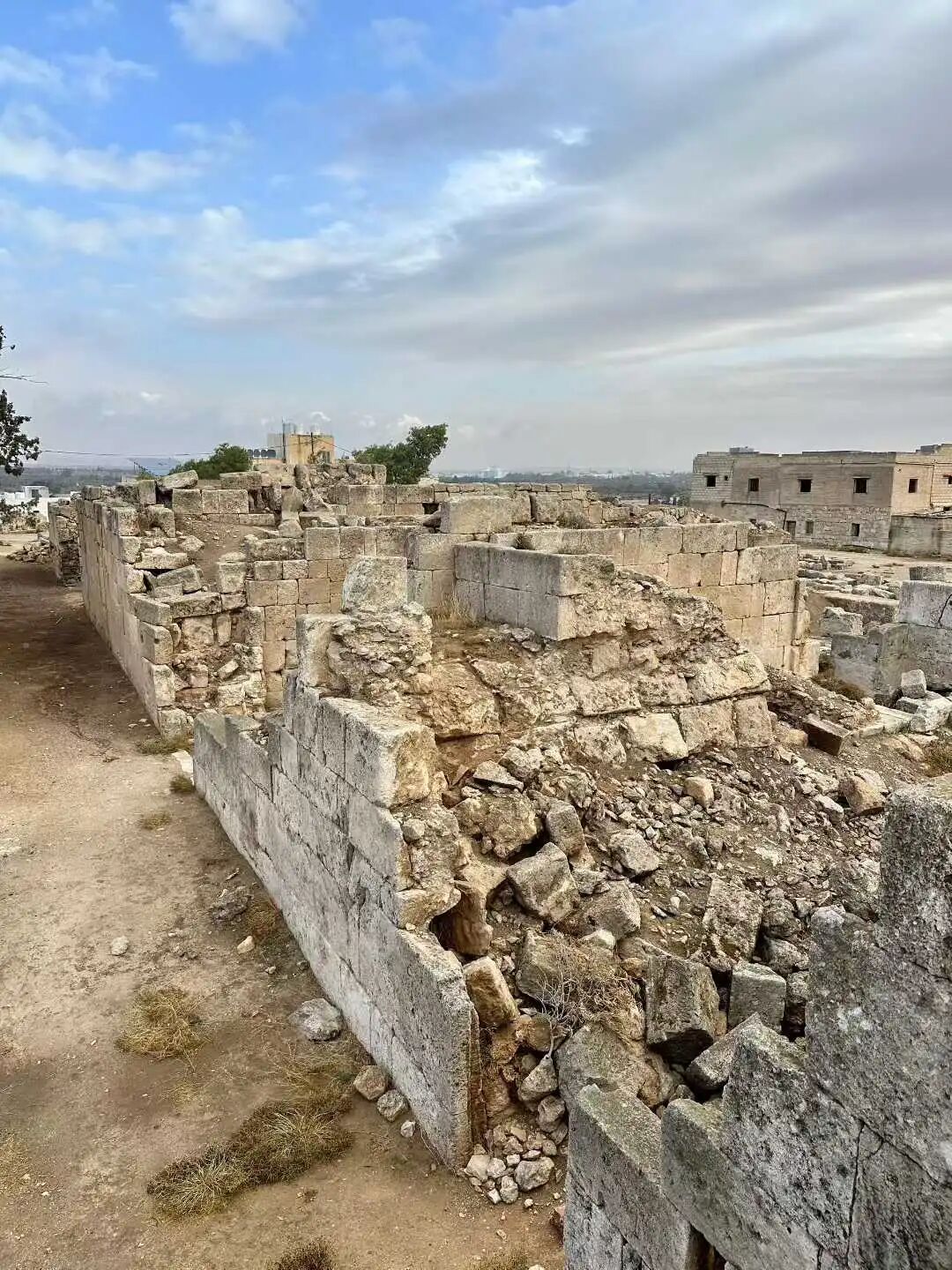
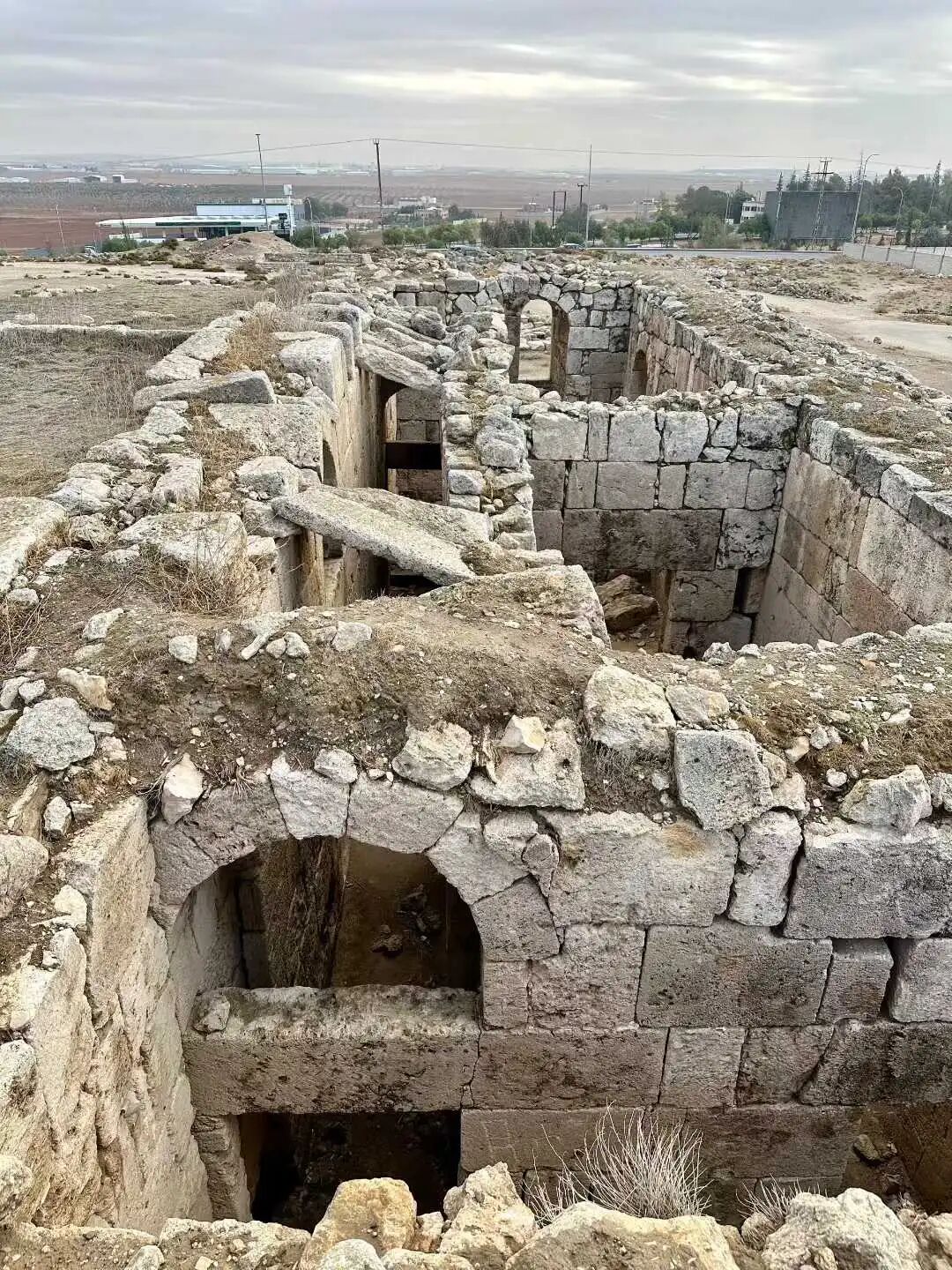
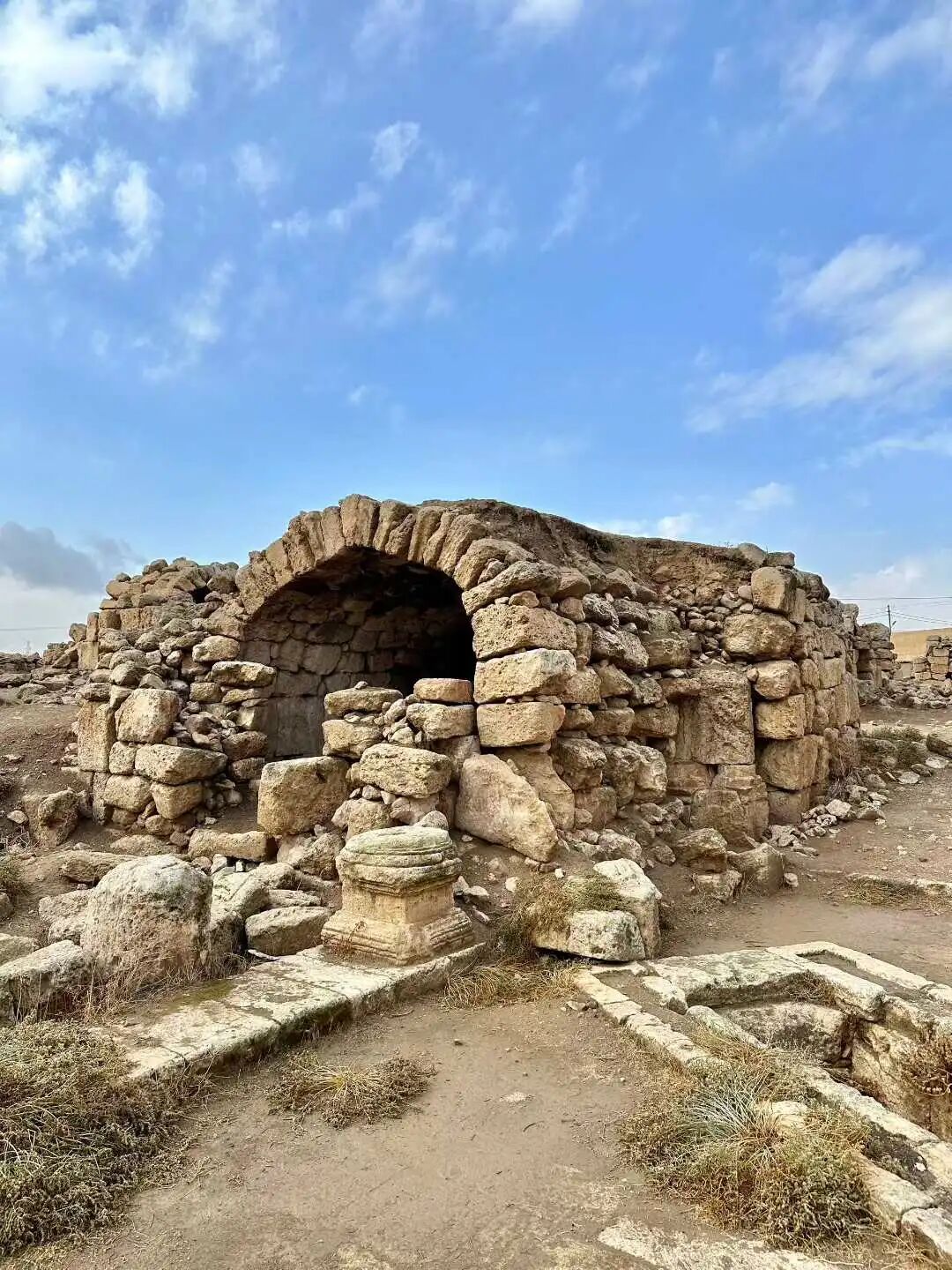
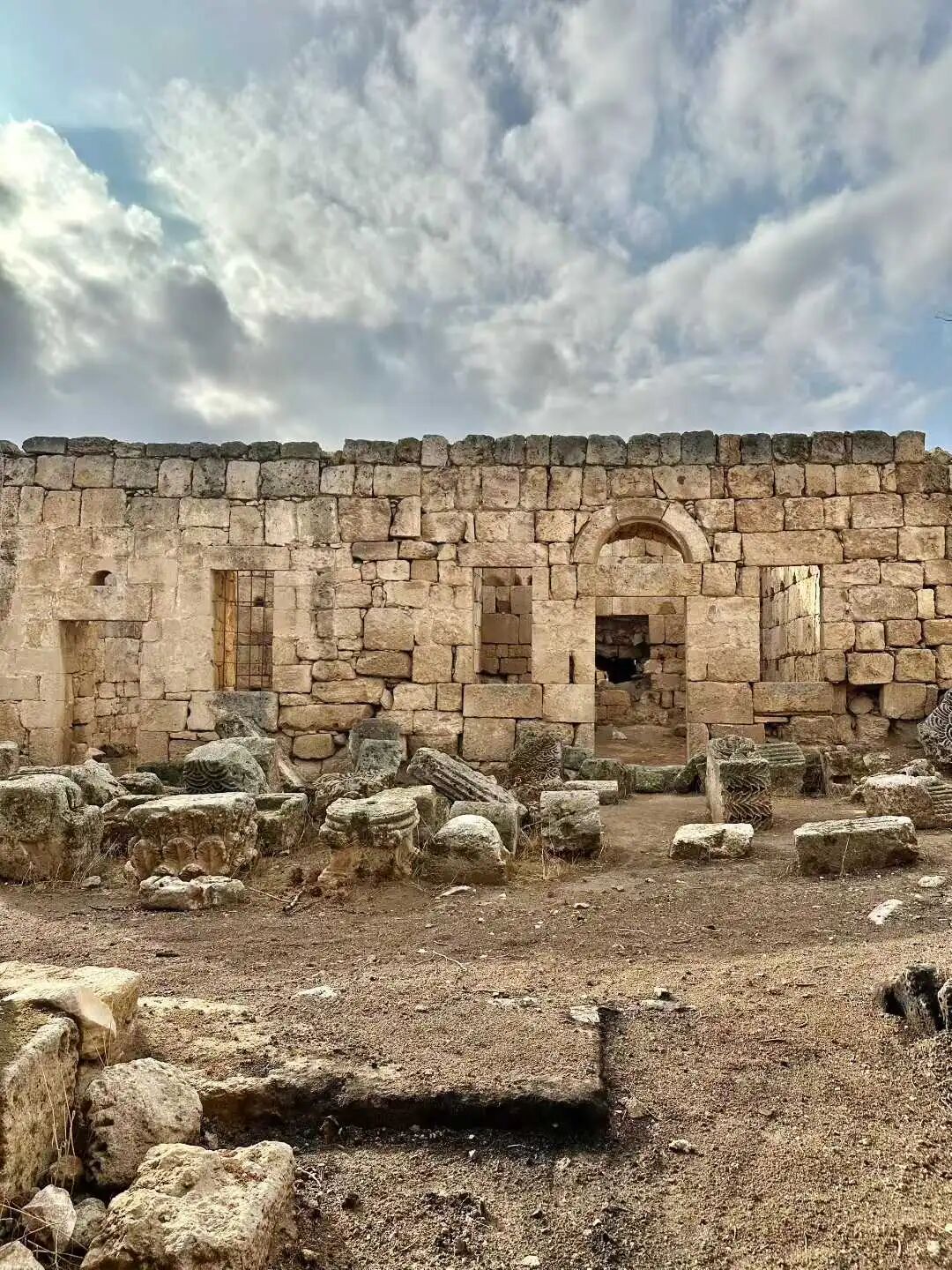
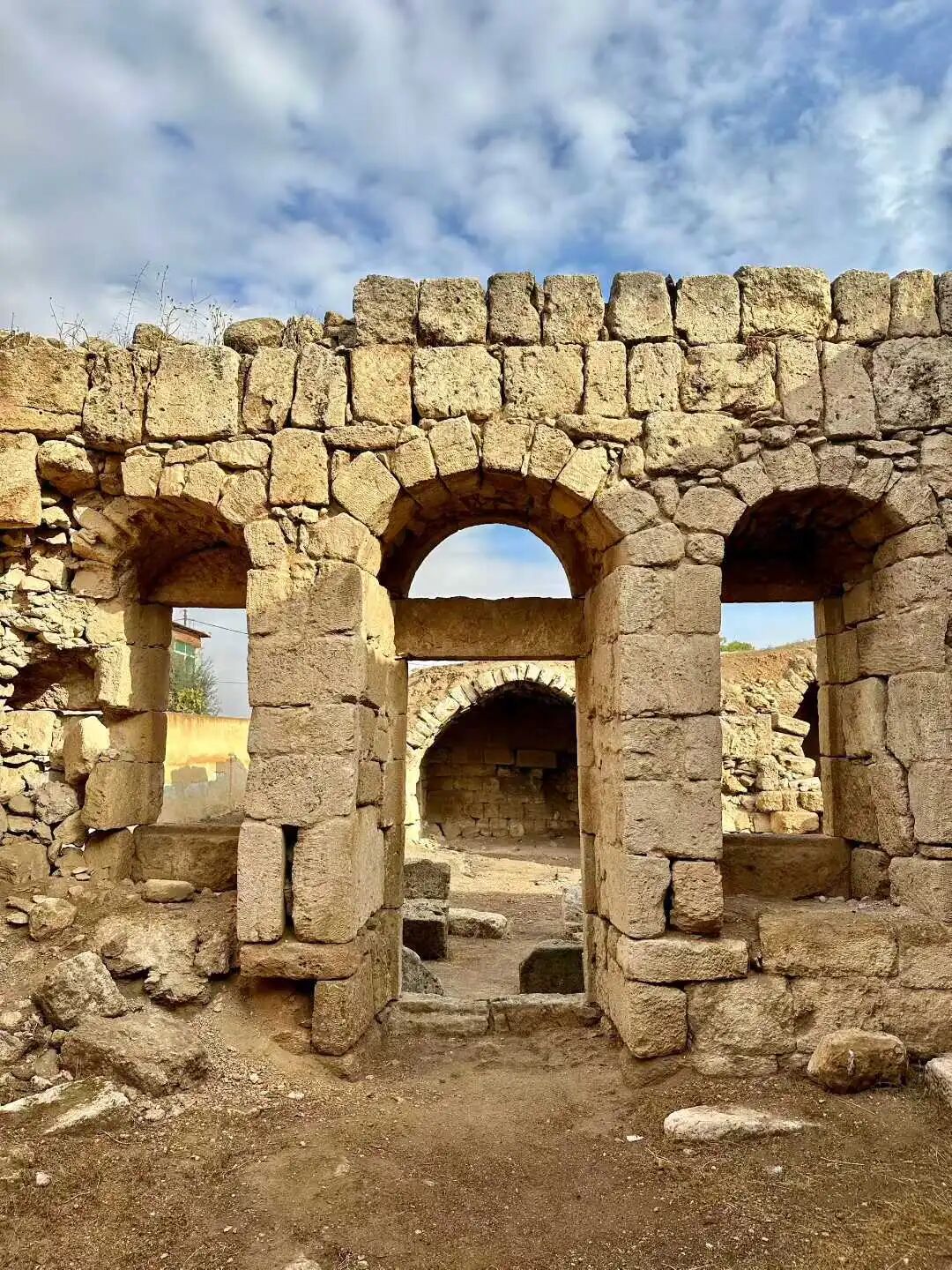
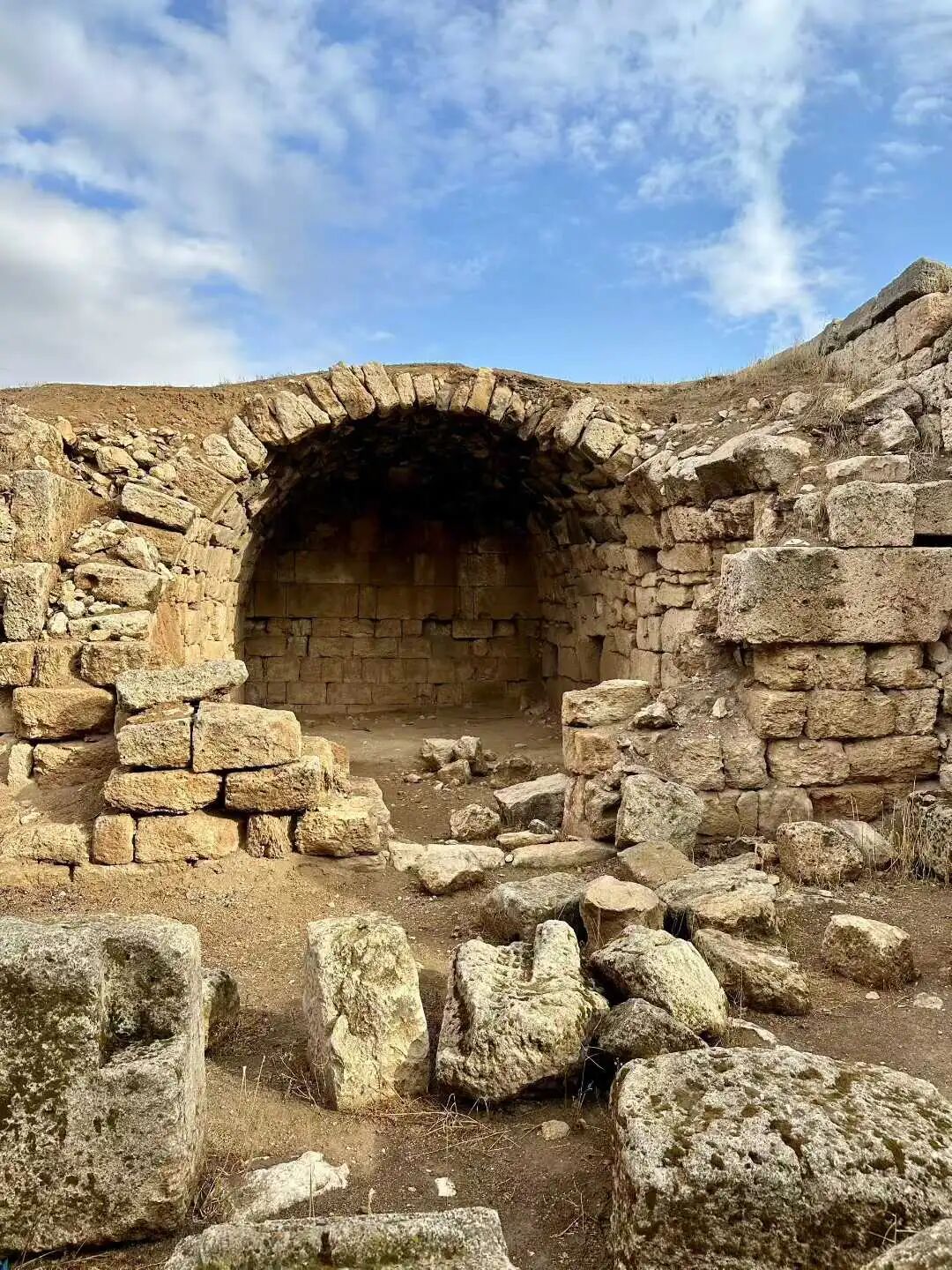
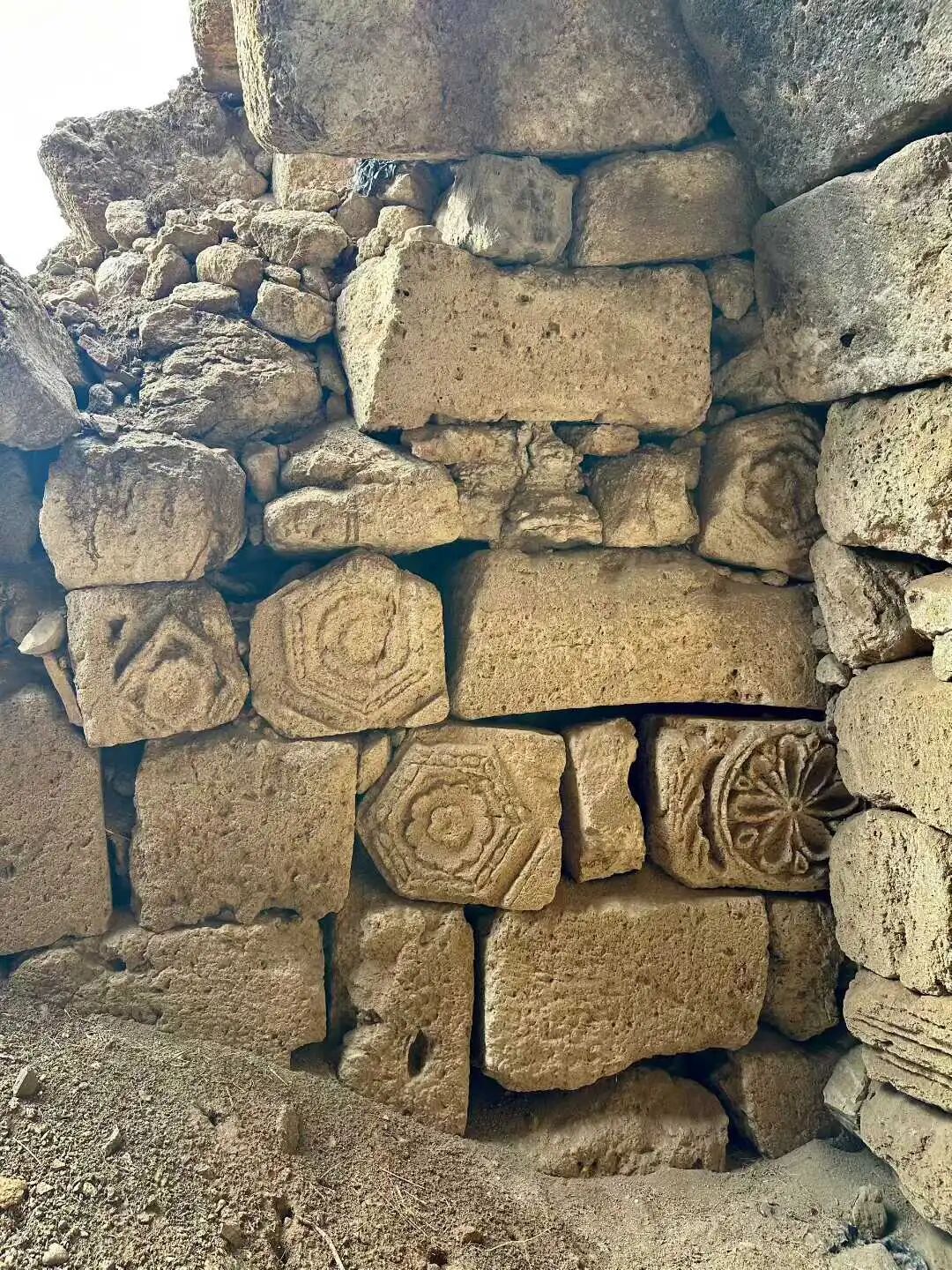
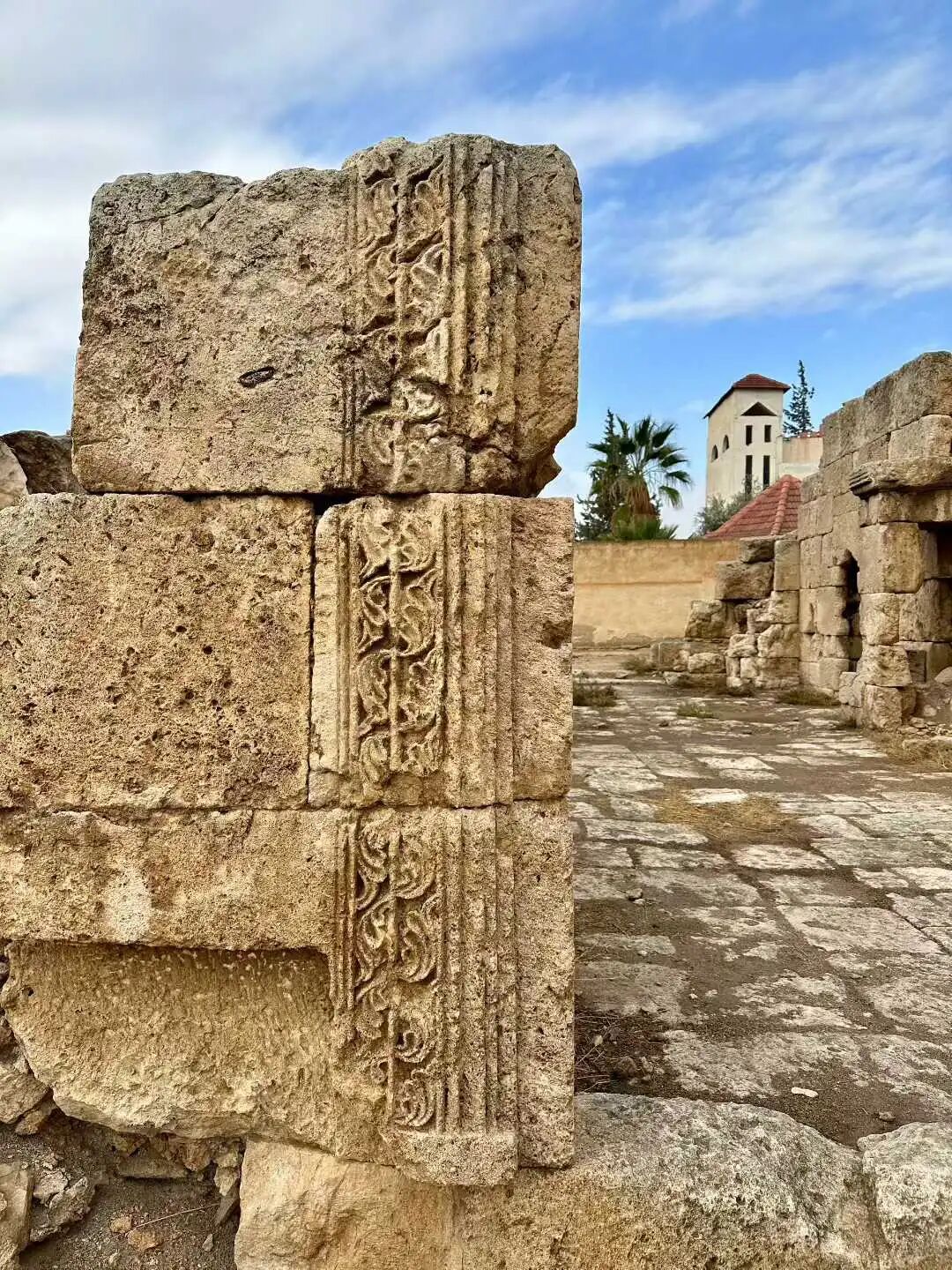
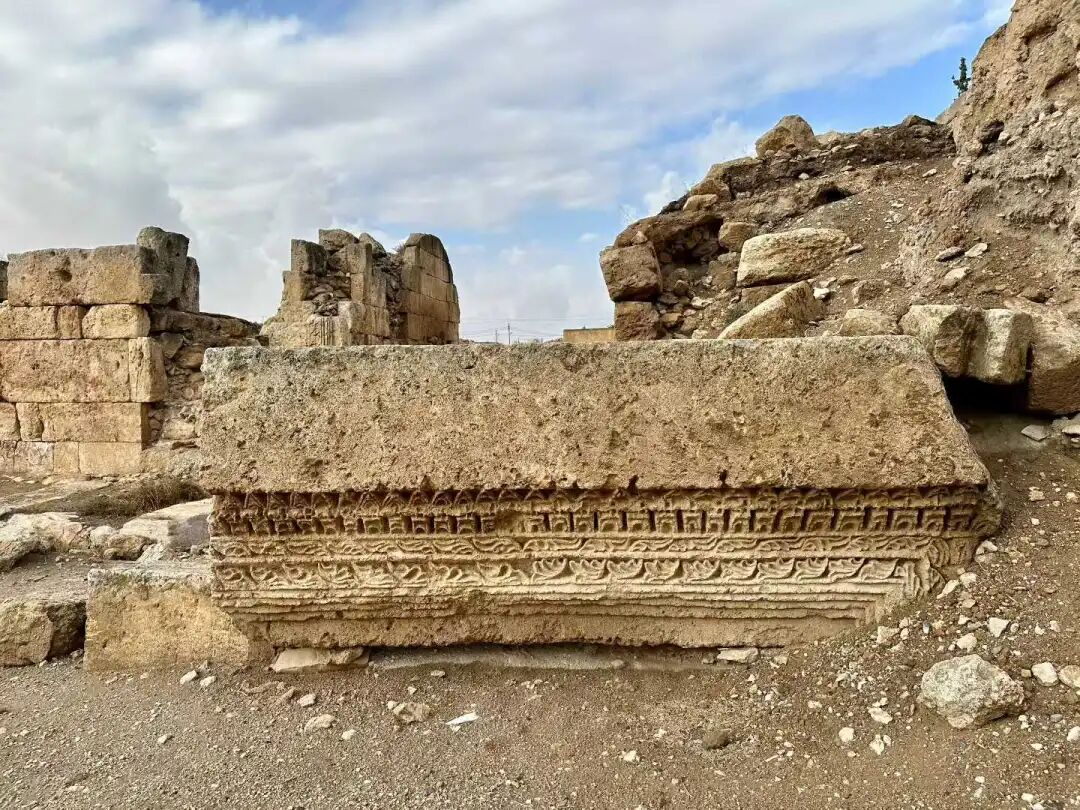
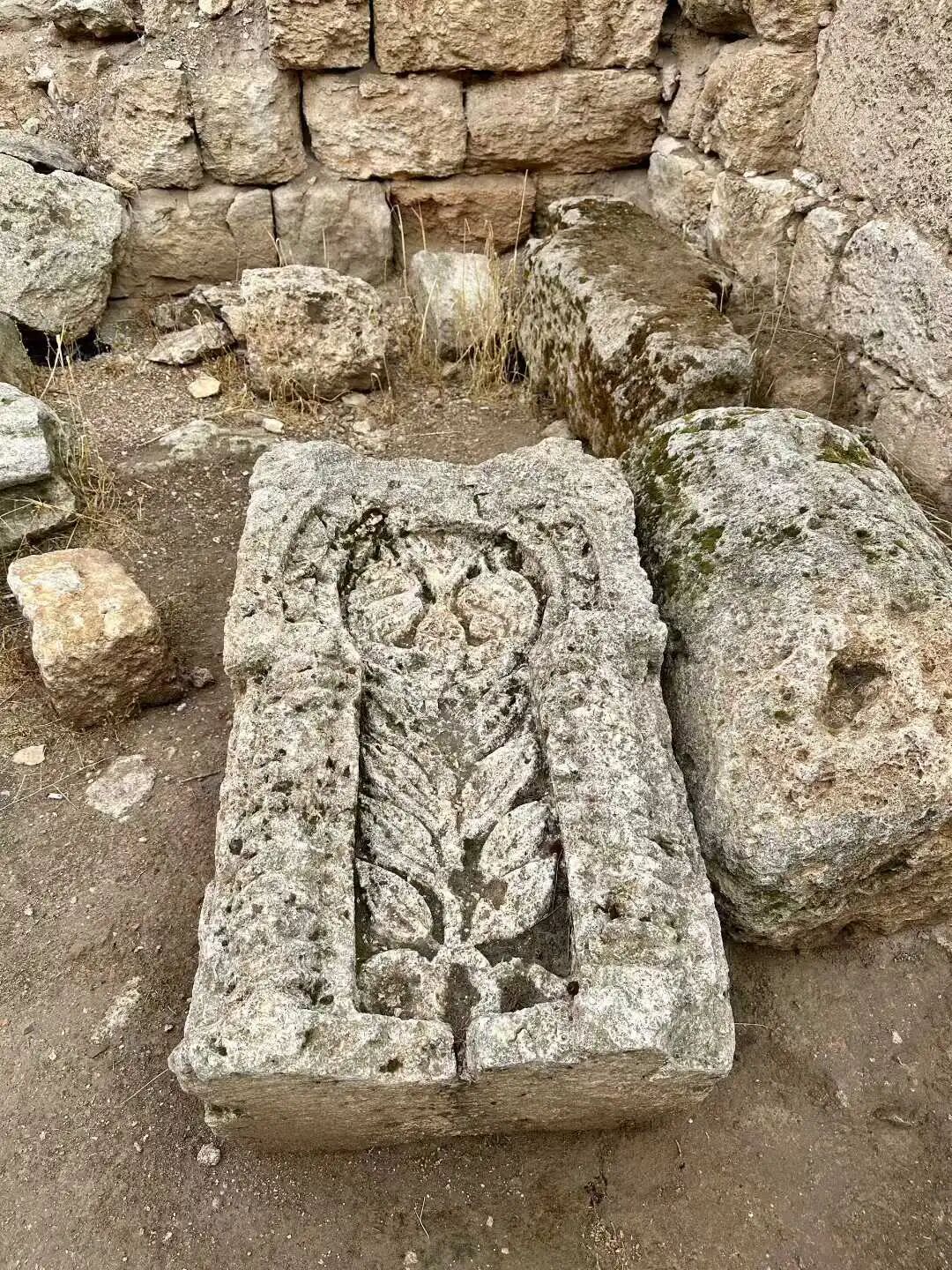
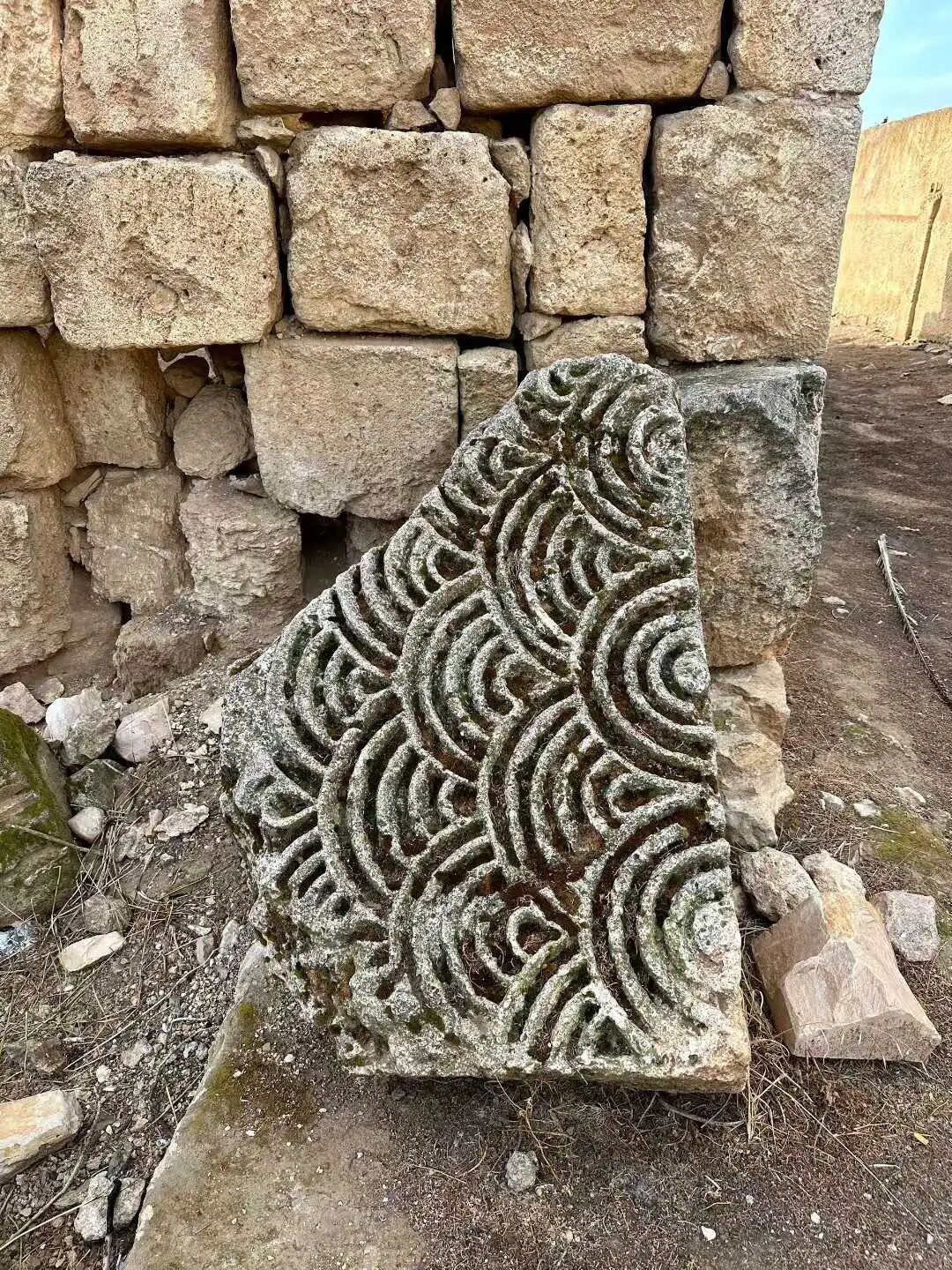
Qasr al-Qastal is scattered with stunning Umayyad-style stone carvings featuring geometric and floral patterns. The center of the niche features a floral pattern with spiral stone columns on both sides, identical to the niches of the Umayyad palace at the Amman Citadel.
Qasr Kharana
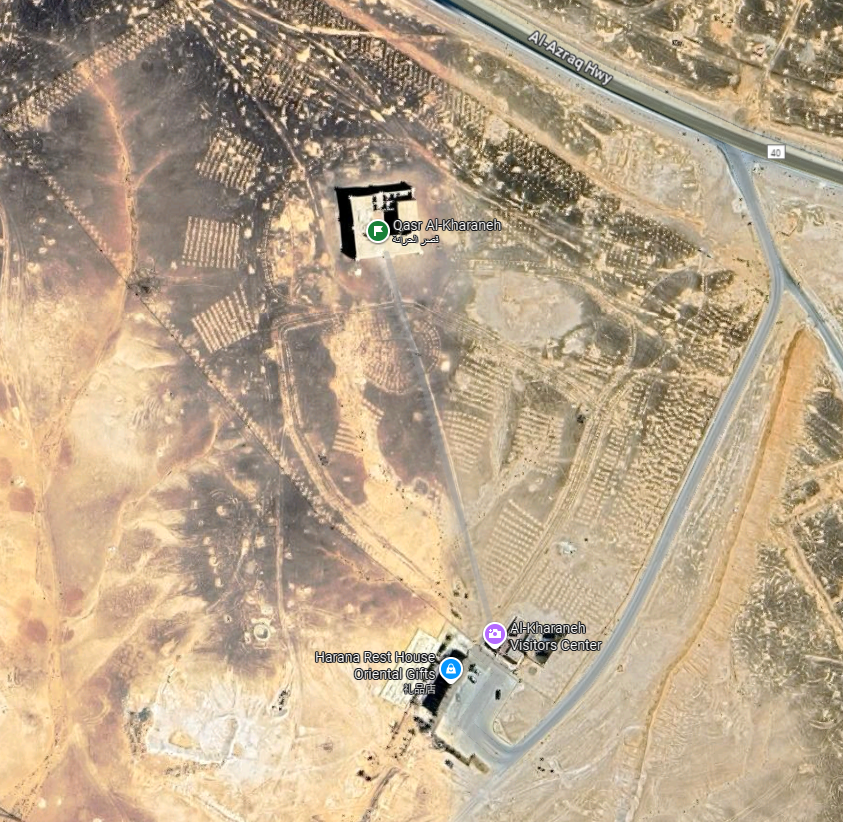
Traveling 60 kilometers east from Qasr al-Qastal along the desert highway brings you to the next Umayyad site, Qasr Kharana. This is a famous desert palace in Jordan. There is a parking lot, visitor center, restrooms, and shops nearby, so you park and then walk to the site.
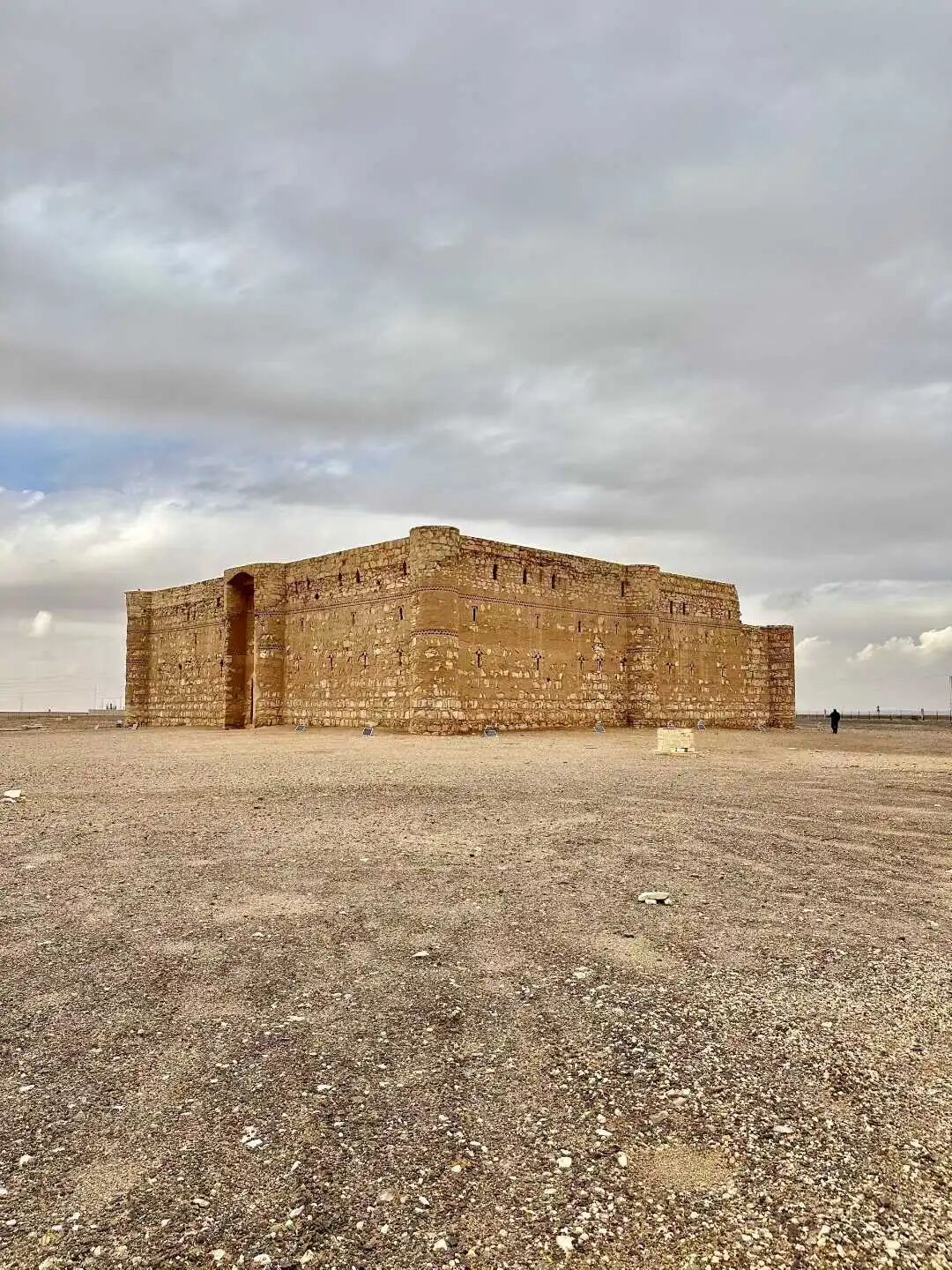
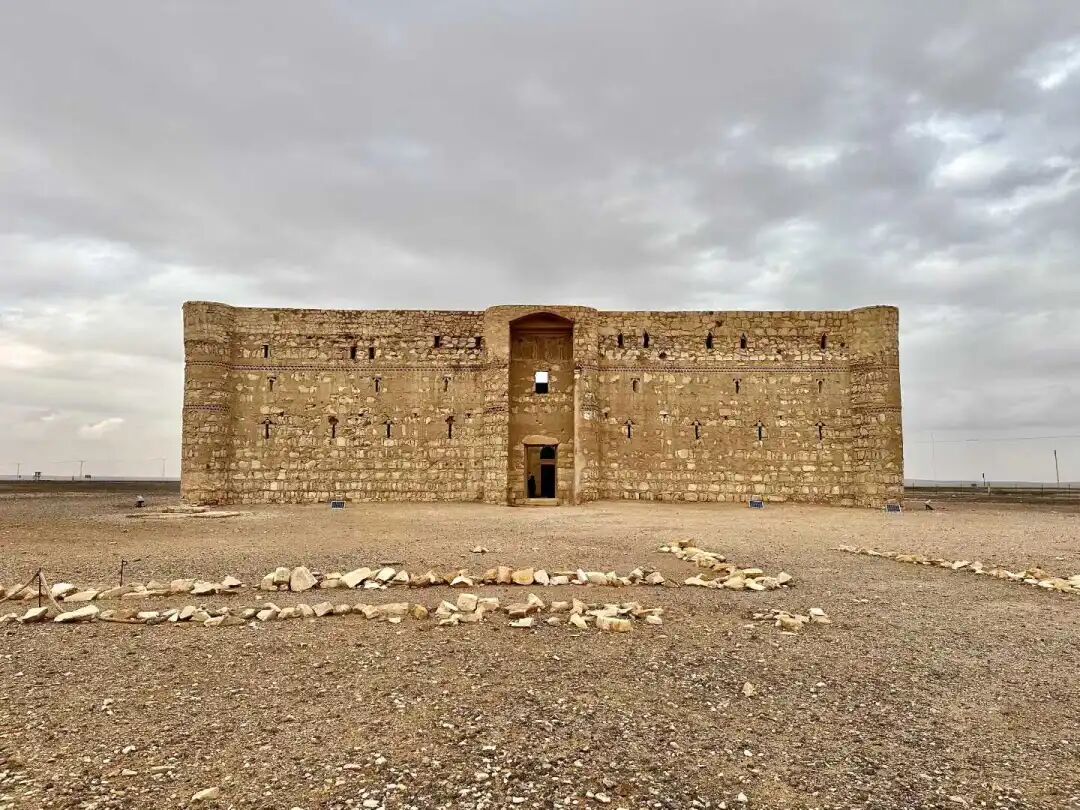
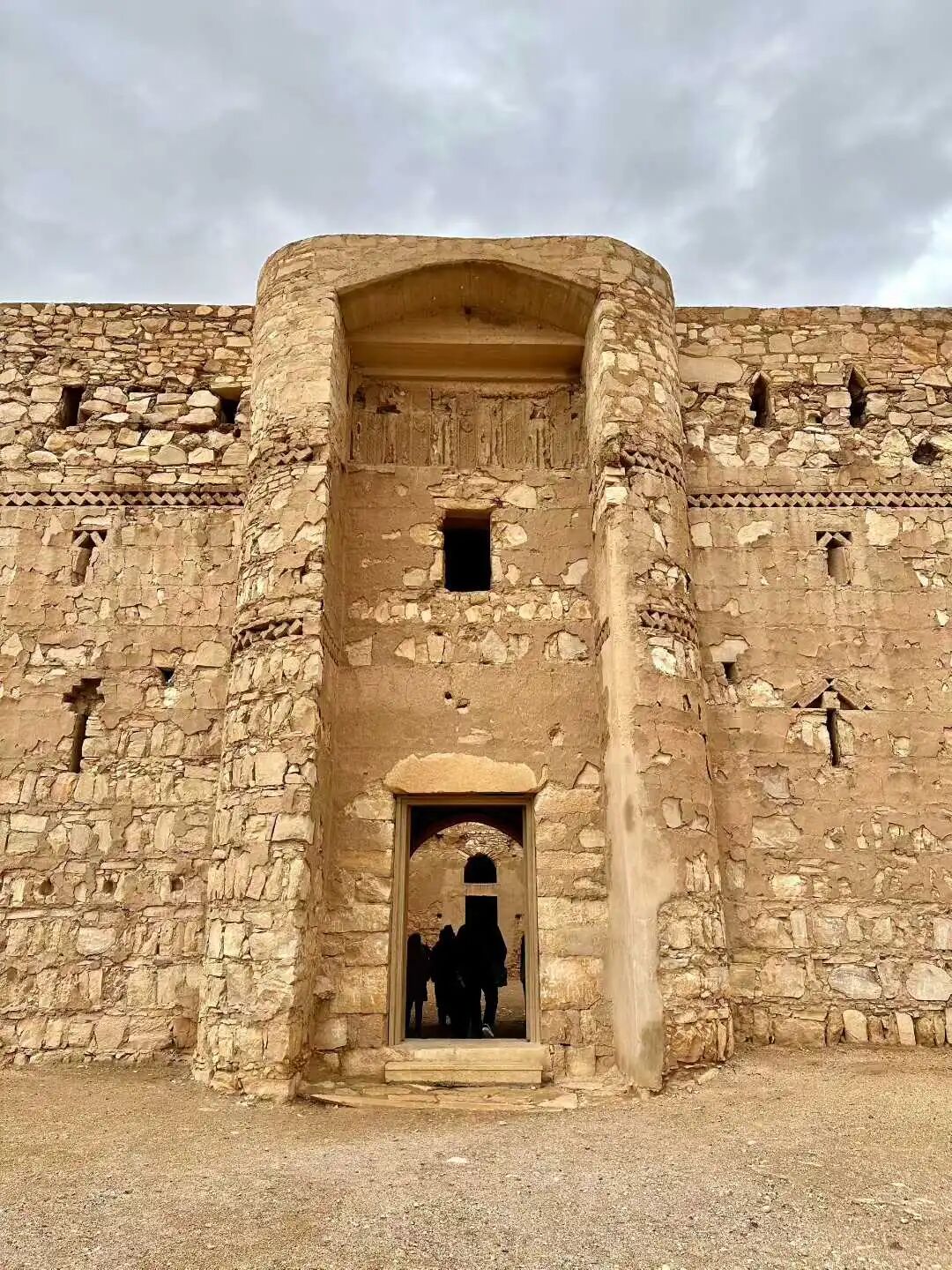
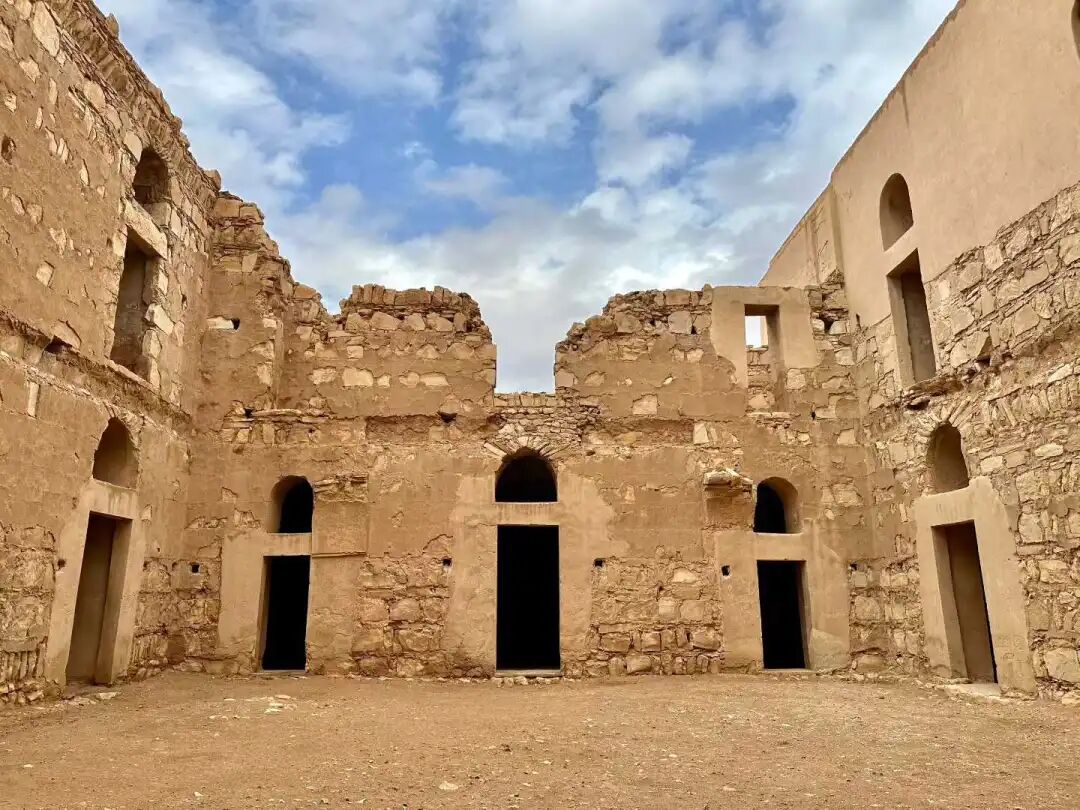
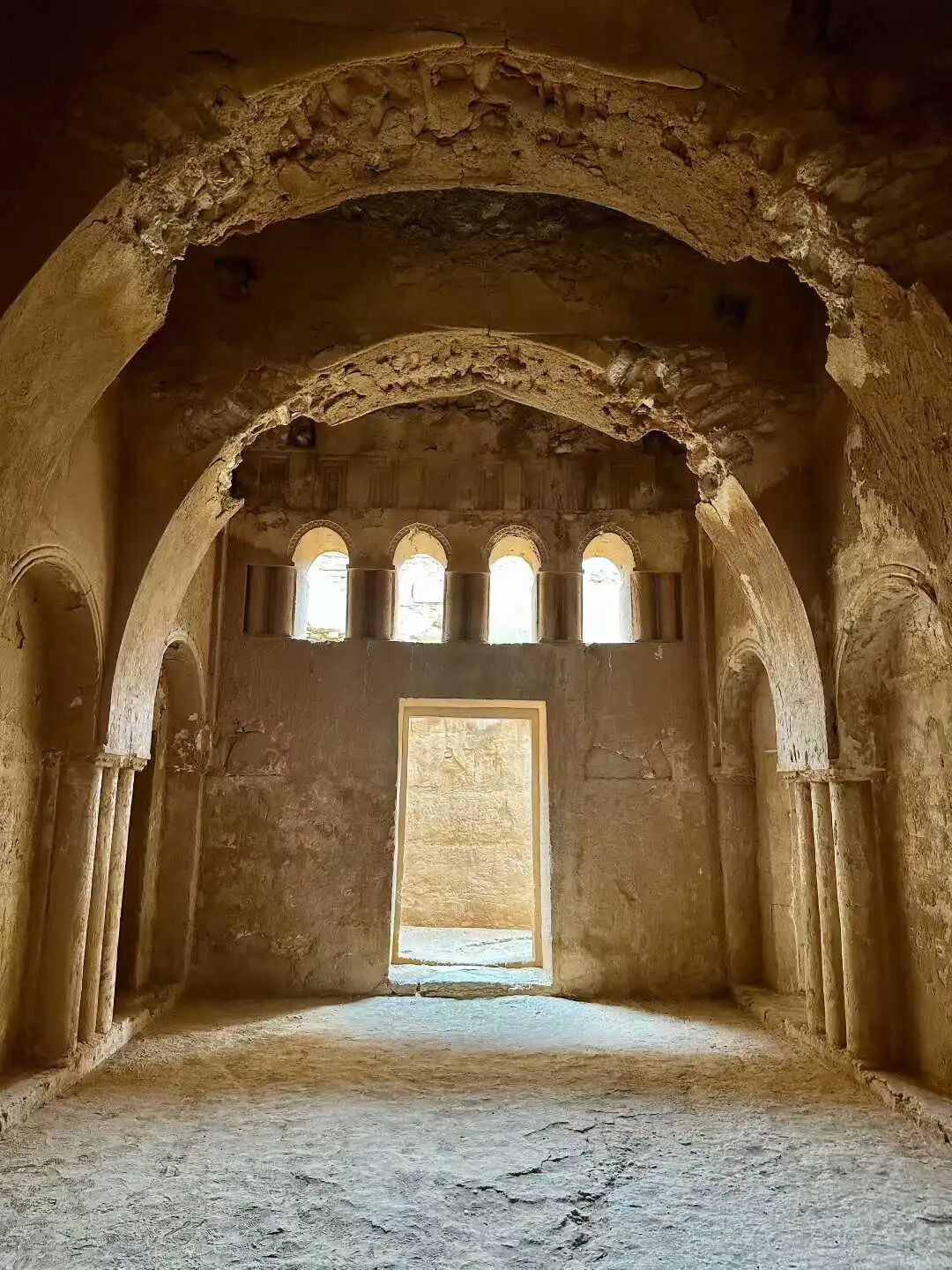
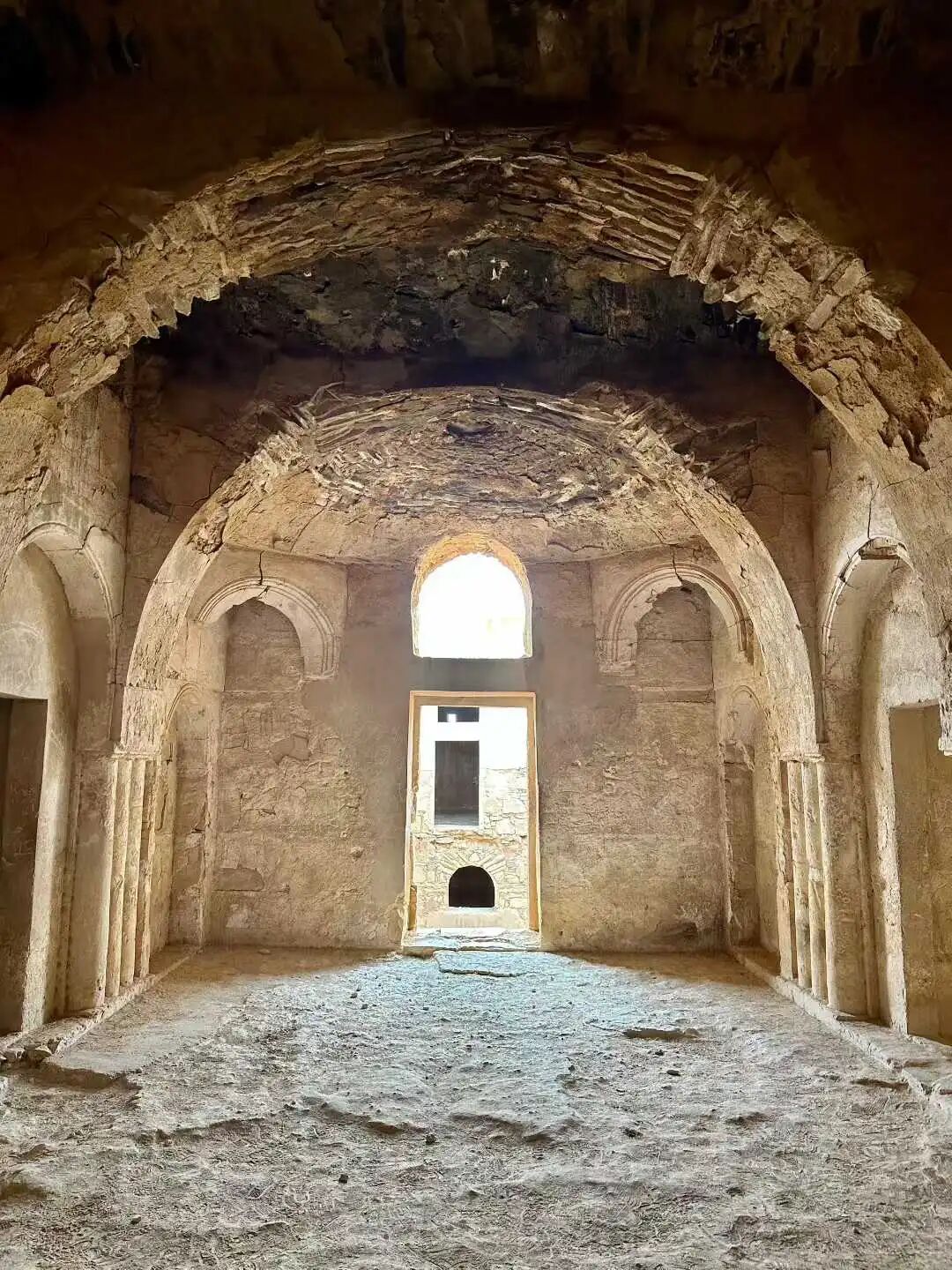
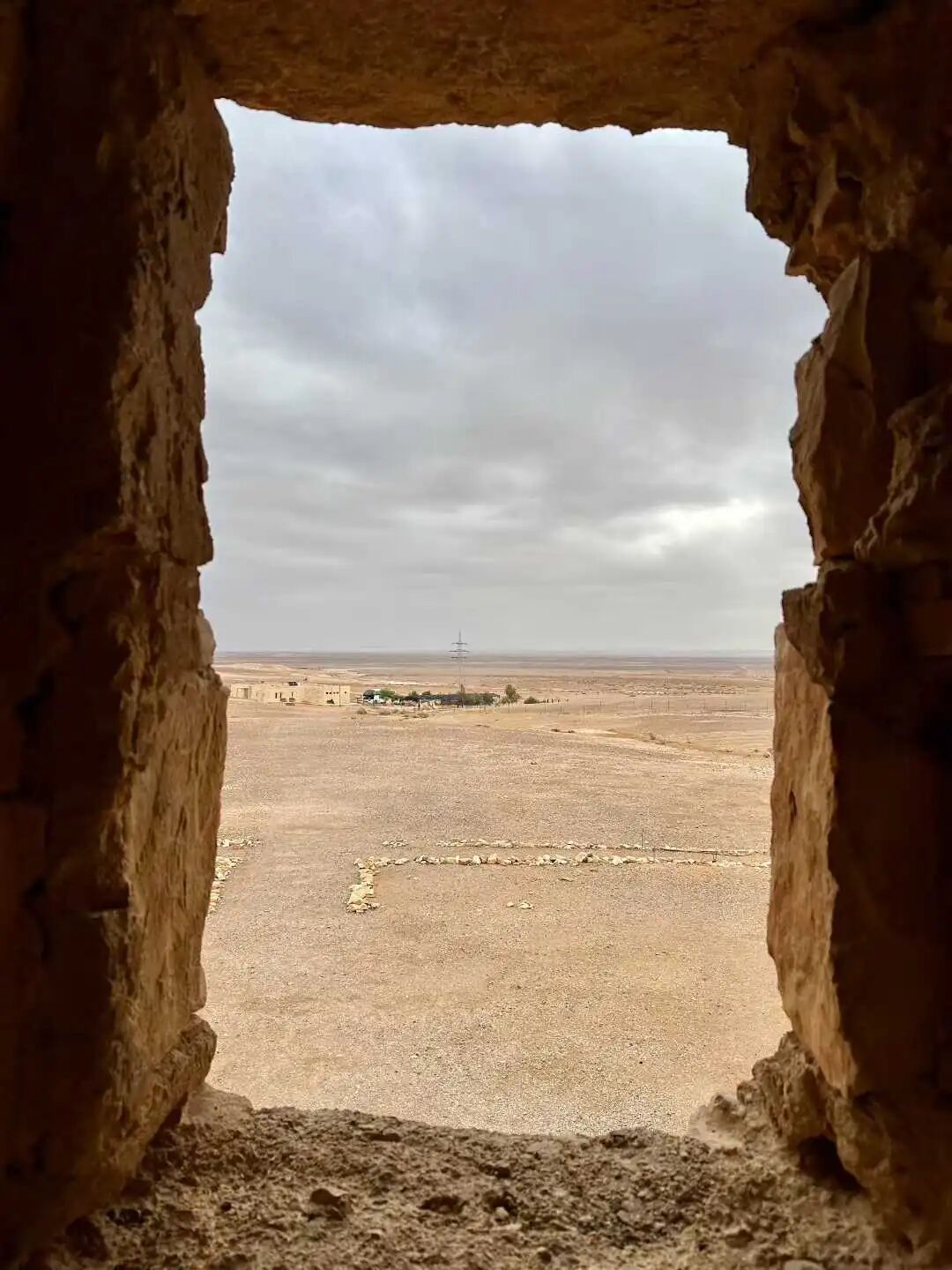
Qasr Kharana was built during the Umayyad dynasty in the 7th century, and an inscription on the wall dates back to 710. Although it looks like a military fortress from the outside, the narrow slits in the walls could not have been used by archers and were instead meant for ventilation. Qasr Kharana has a typical Umayyad palace layout, which is basically the same as the Qasr al-Qastal I visited previously. The palace has round towers at the four corners, two-story suites (bayts) all around, a dedicated prayer hall on the south side, and a central courtyard.
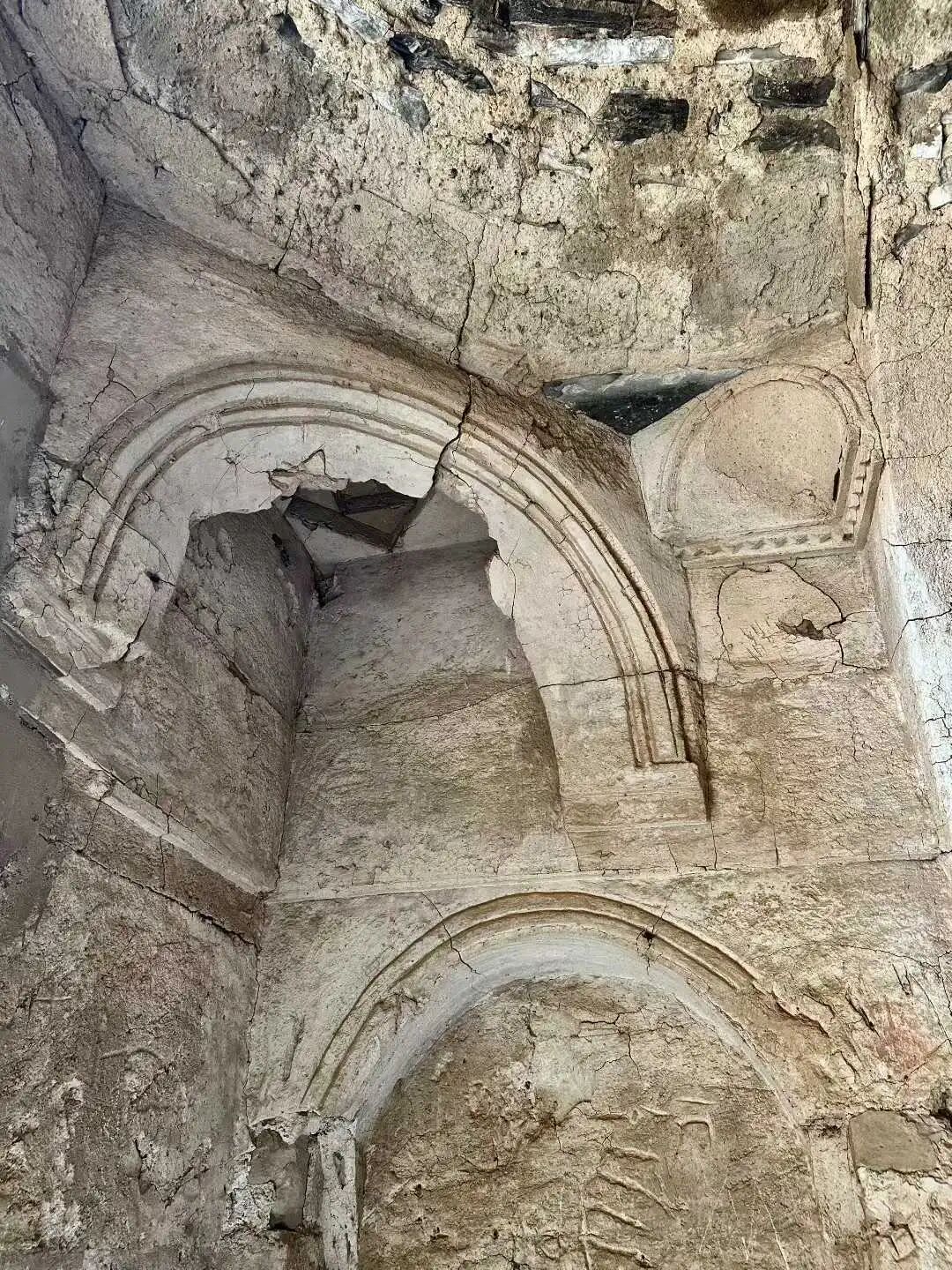
The main feature of Qasr al-Kharanah is how it blends Byzantine and Sassanid architectural styles. The palace is built from mortar and rubble, with a second floor featuring barrel vaults supported by transverse arches, which is typical of the Sassanid style, though it differs from Sassanid buildings found in Iran. The arches at Qasr al-Kharanah do not connect to load-bearing walls but rest on piers, and the use of new wooden lintels makes the structure more flexible and earthquake-resistant.
Although experts and scholars have studied the purpose of Qasr al-Kharanah for years, it remains a subject of great debate. Qasr al-Kharanah is located far from trade routes and lacks a stable water source, making it unlikely to have been a caravanserai. Some believe it was a hunting lodge built by the Umayyad Caliph Walid II (who reigned from 743 to 744), while others think it was a meeting place for Bedouin tribes.
Qasr al-Kharanah sat abandoned for over a thousand years until it was rediscovered in 1896, and it underwent restoration in the late 1970s. During the restoration, a door in the east wall was sealed, and some mortar different from the original materials was used.
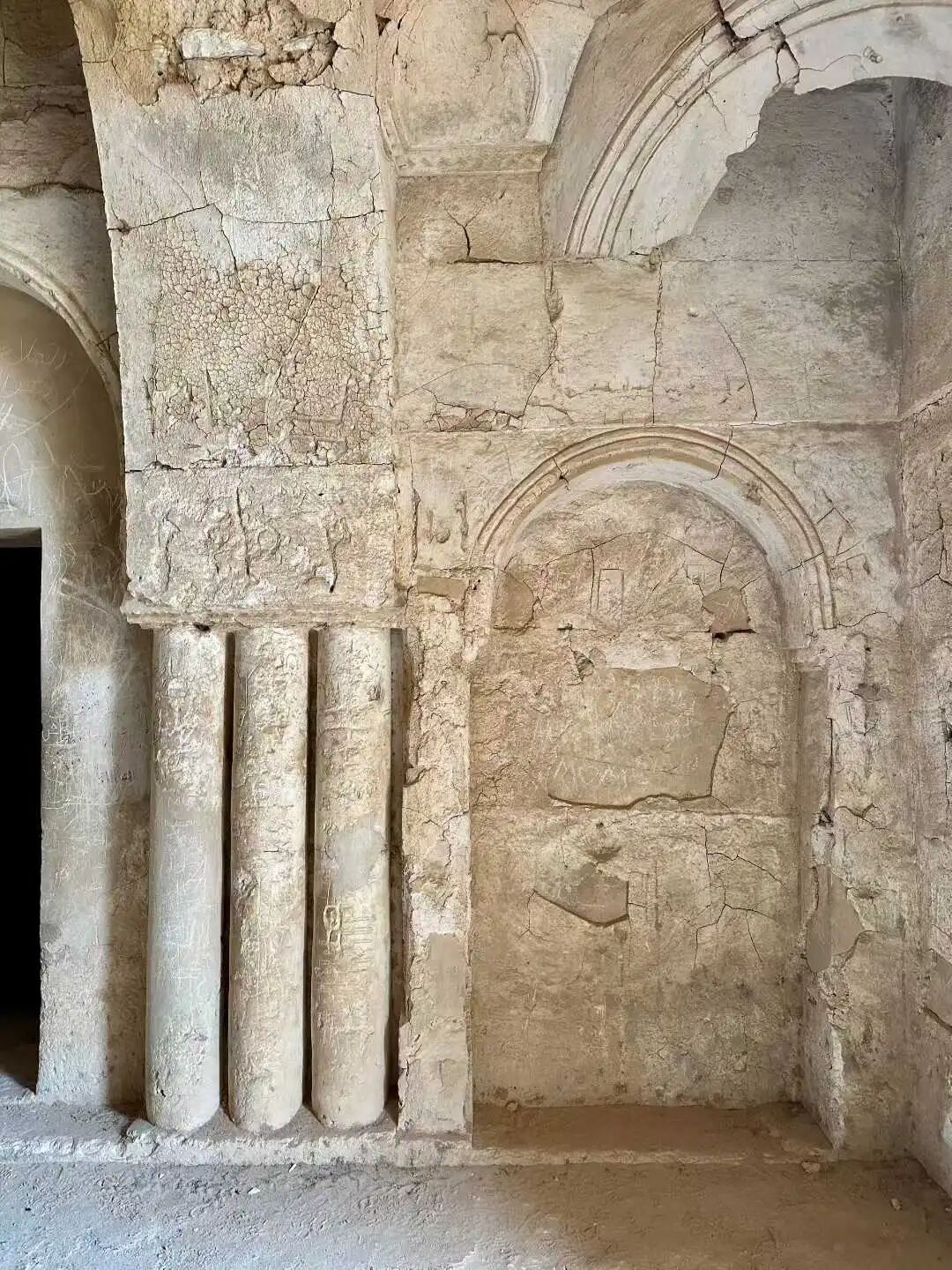
Quseir Amra
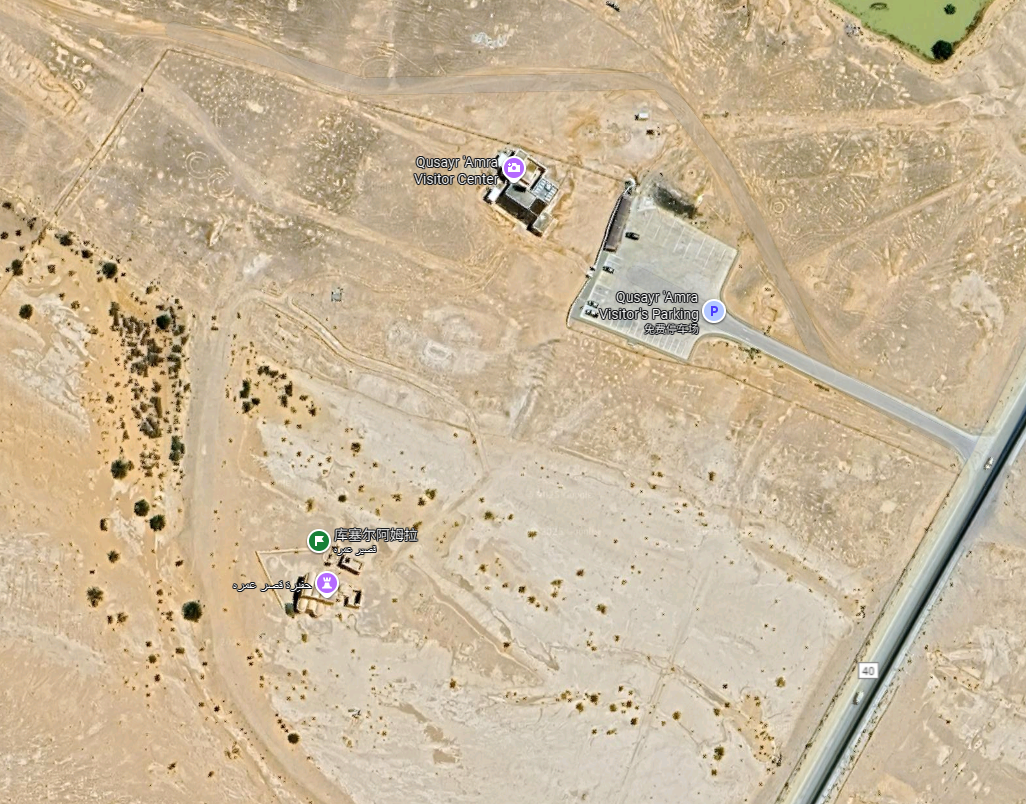
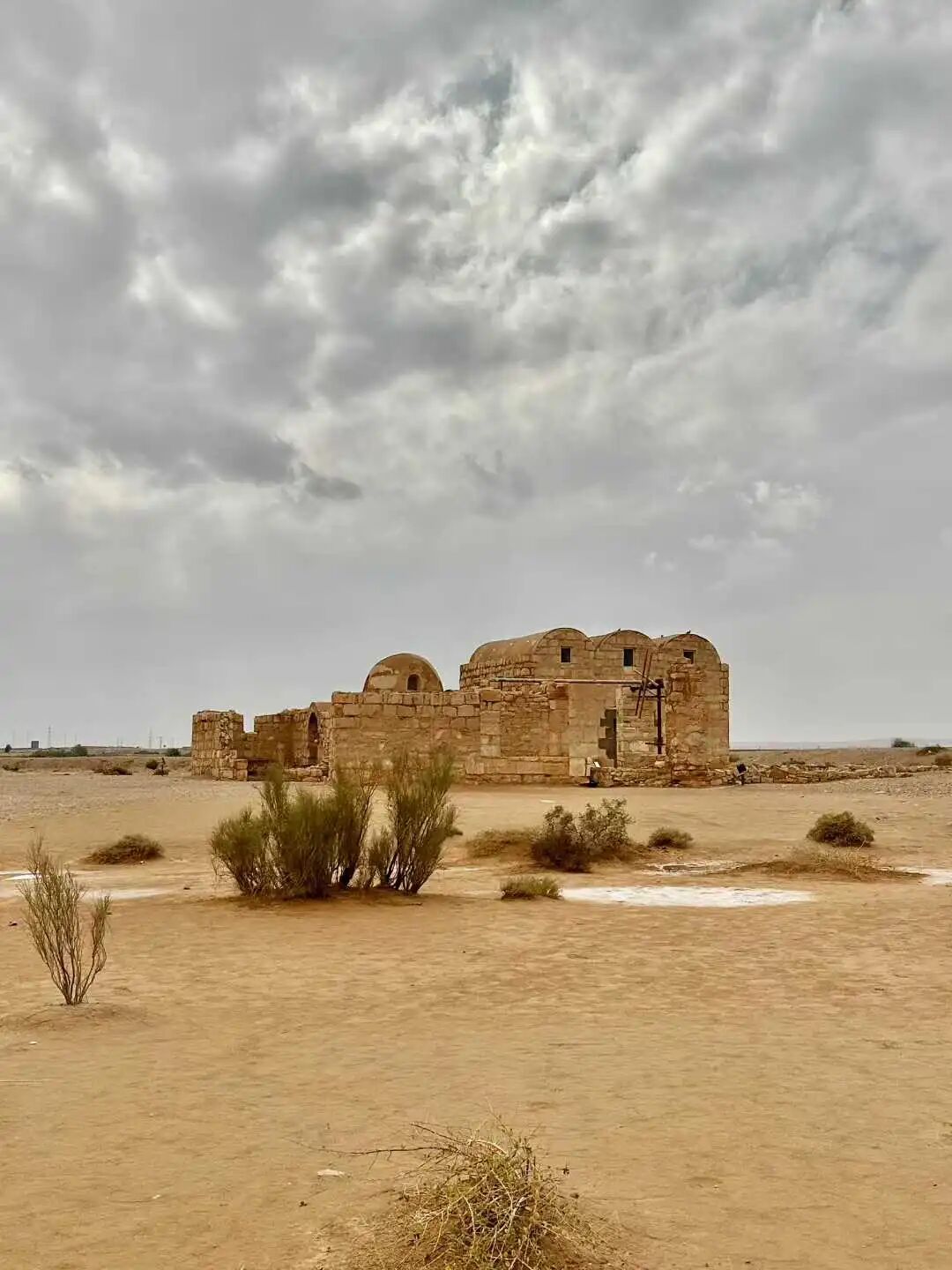
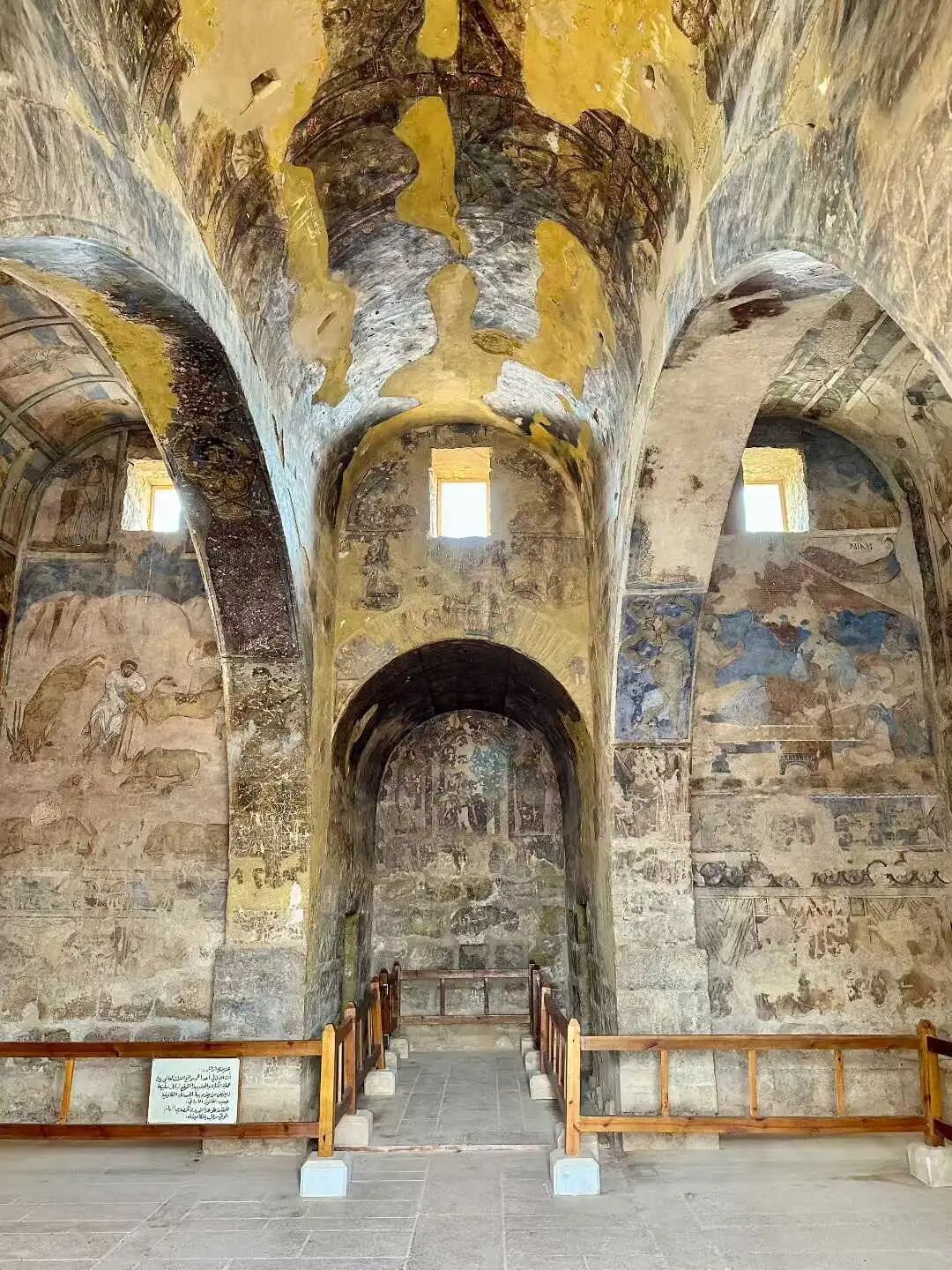
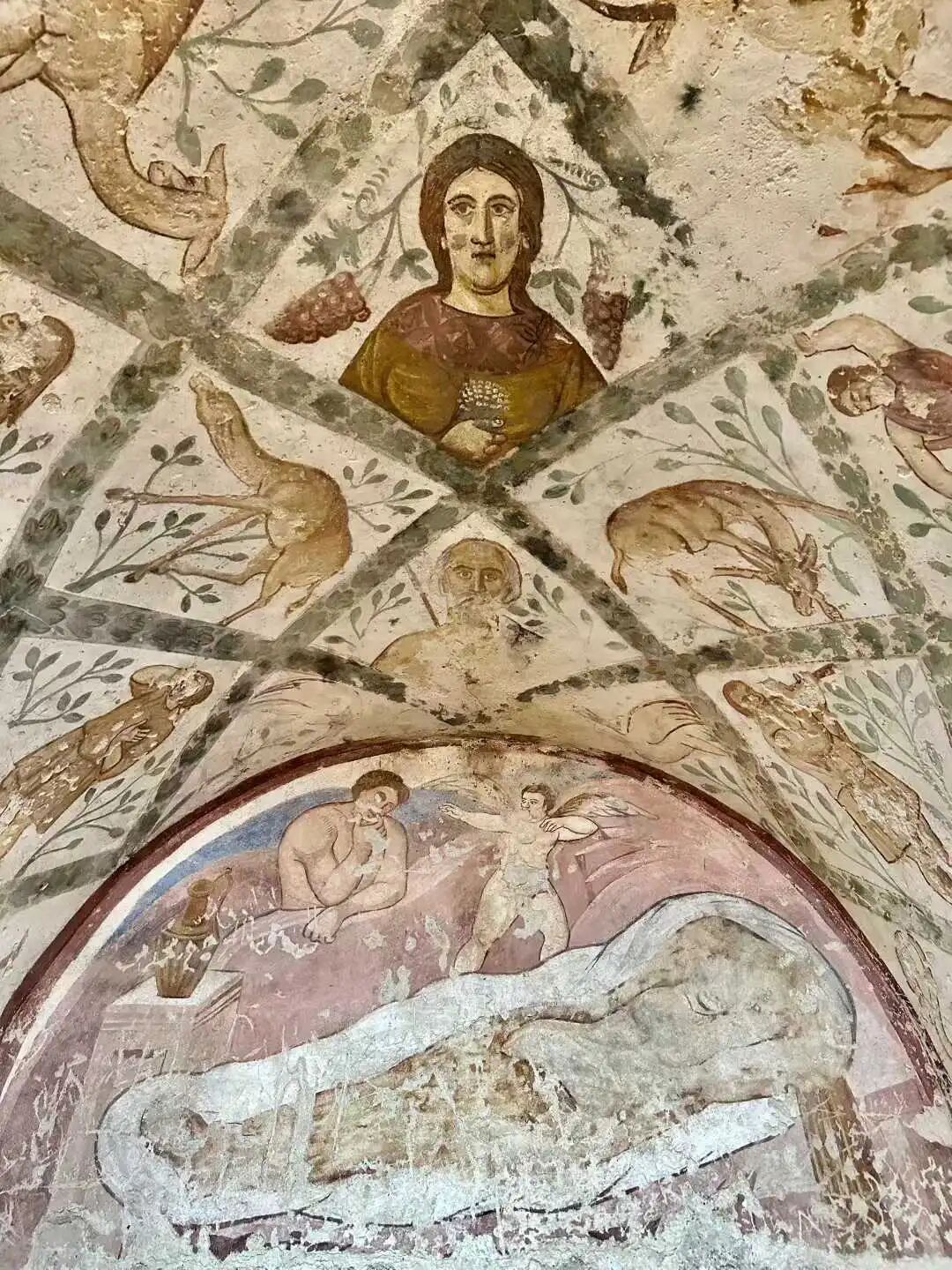
Fifteen kilometers east of Qasr al-Kharanah is Jordan's most famous World Heritage Umayyad palace, Quseir Amra. Built by the Umayyad Caliph Walid II between 723 and 743, it was added to the UNESCO World Heritage list in 1985 because of the rich and unique frescoes in its bathhouse.
Based on the remains of stone walls around Quseir Amra, this Umayyad palace was once a massive 25-hectare complex, but today only the foundations remain, with the bathhouse and reception hall being the best-preserved parts. The interior murals feature images of hunting, bathing, animals, and plants, offering the most vivid look at secular life during the Umayyad dynasty. Walid II had a free-spirited personality and loved art, music, and luxury. He would lead his entourage away from the bustle of Damascus, traveling for days by camel to reach this desert palace to enjoy his private life.
See "Jordan's Unique Umayyad Court Frescoes" for more details.
Azraq Palace Restaurant
Continuing 28 kilometers east from Quseir Amra, you reach the main oasis town of Azraq in the eastern Jordanian desert, which is 100 kilometers from Amman. Azraq is the only oasis with a sustainable water source in the vast 12,000-square-kilometer desert. It was home to animals like elephants, rhinoceroses, and lions during the Paleolithic era and has been an important settlement since the Roman period.
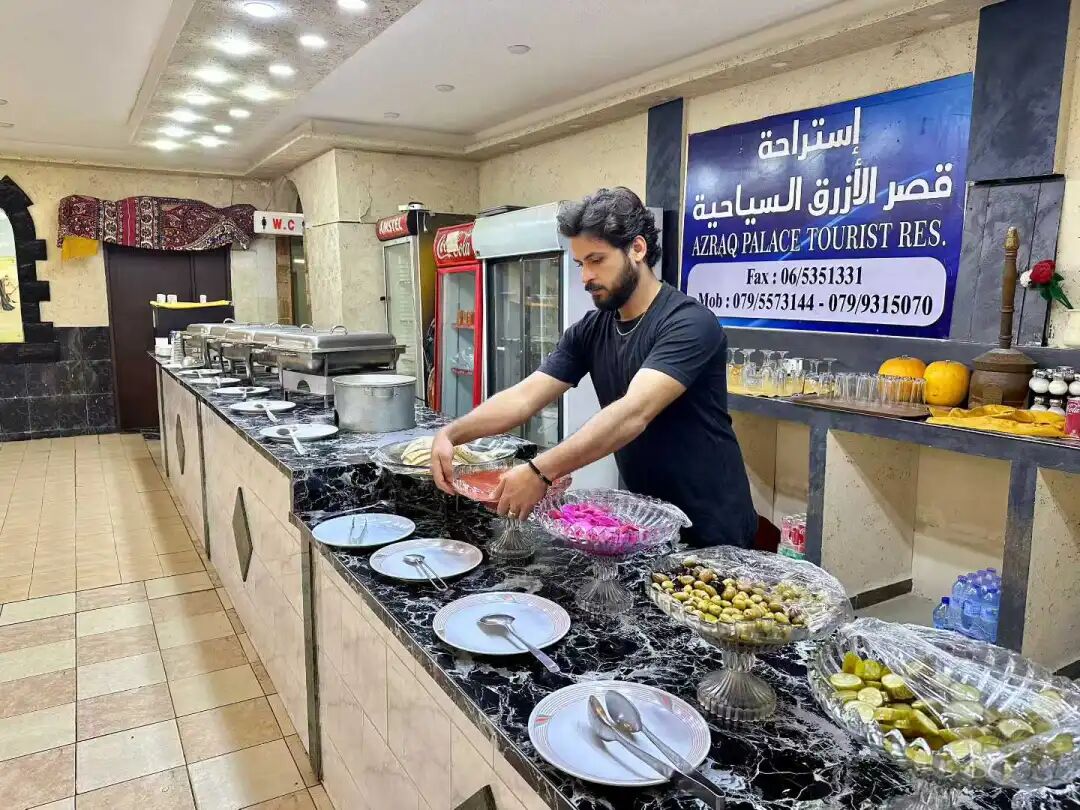
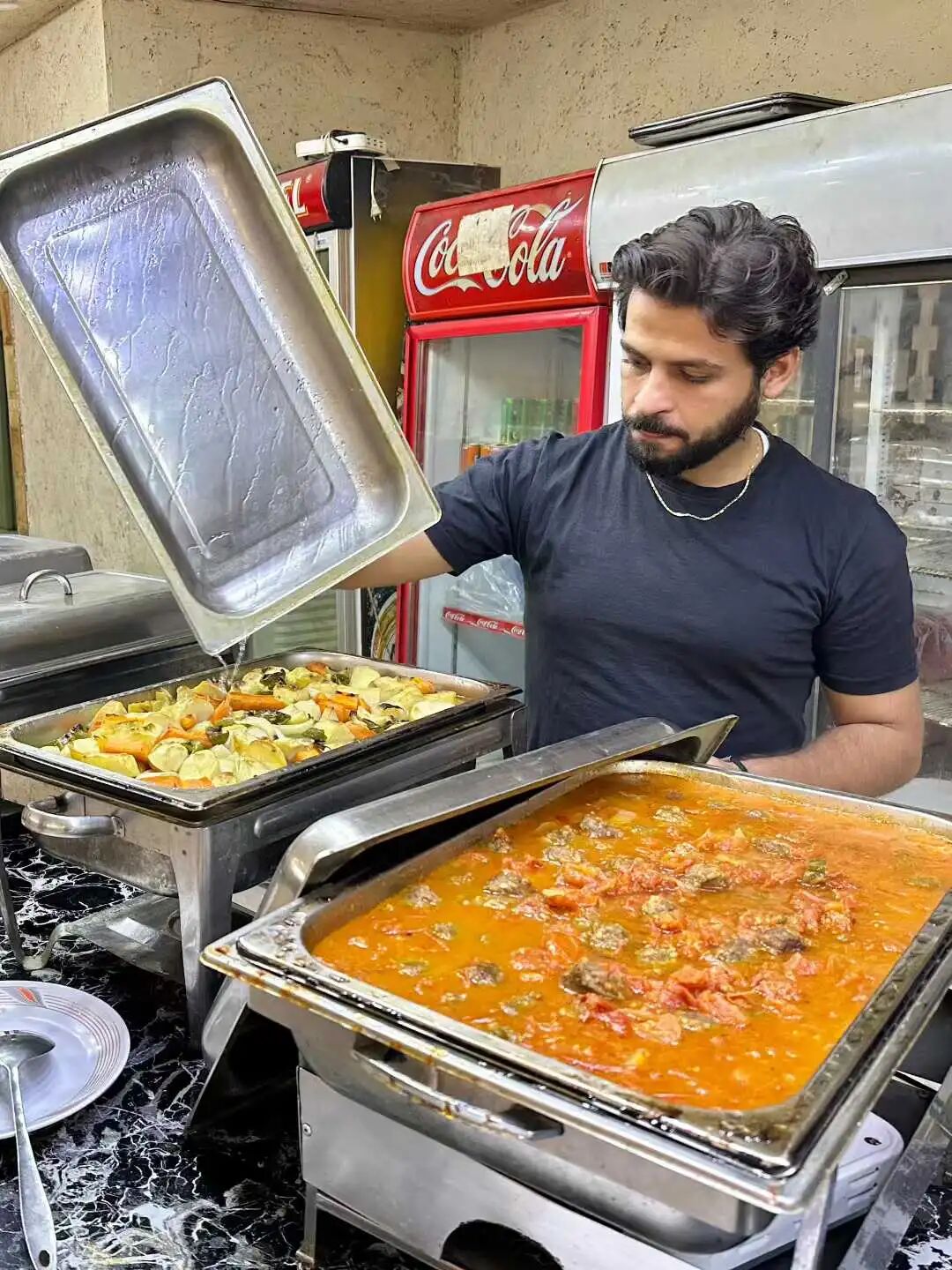
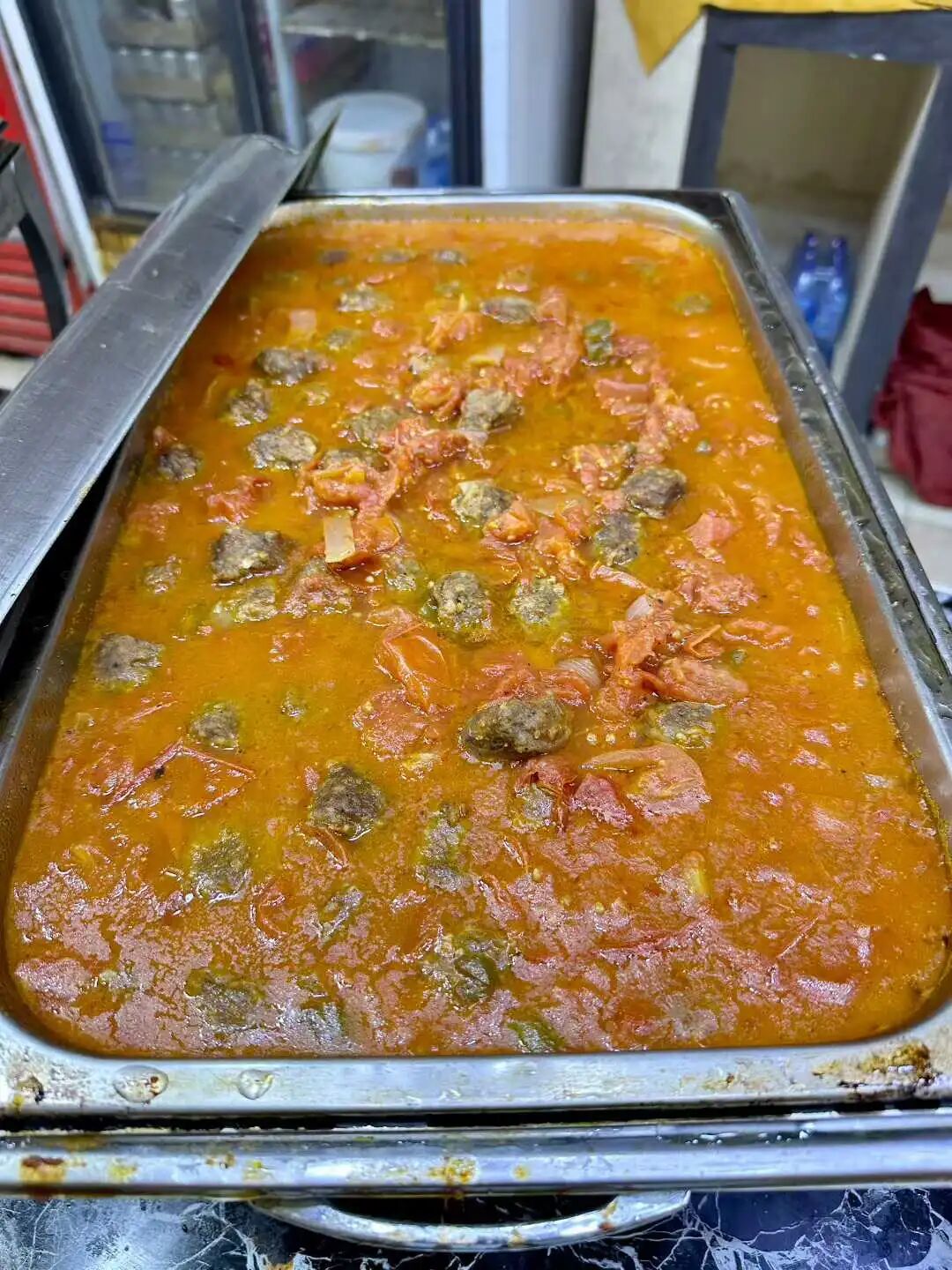
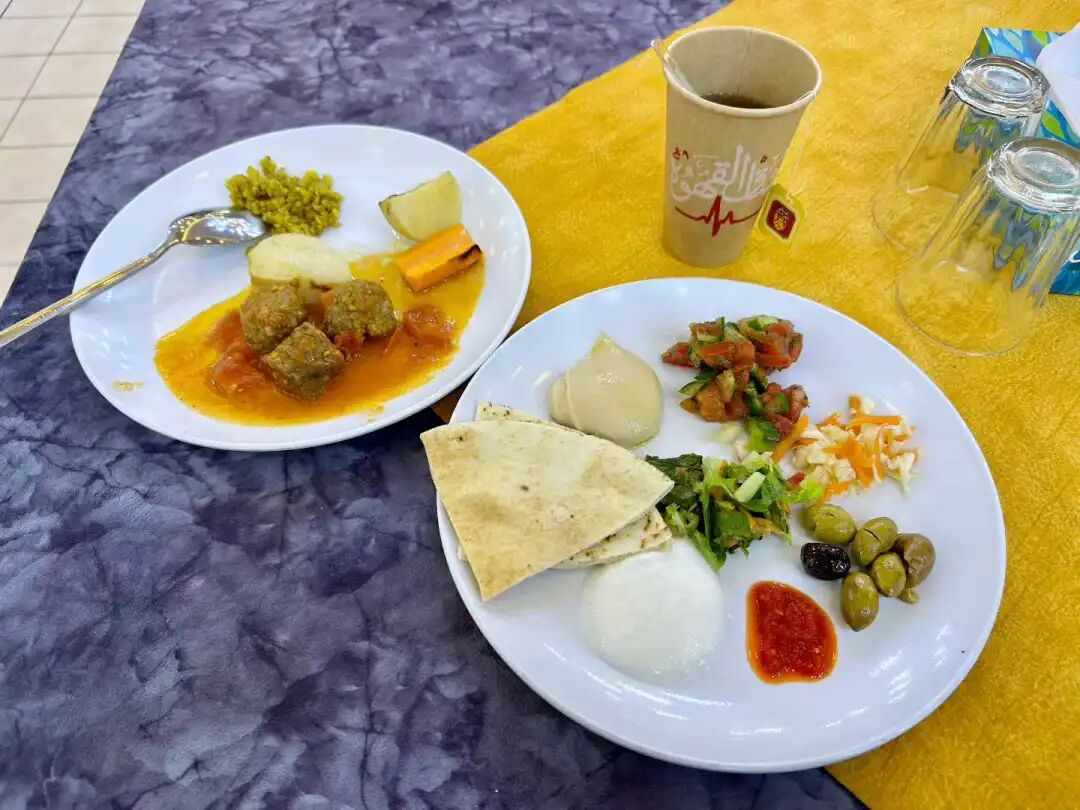
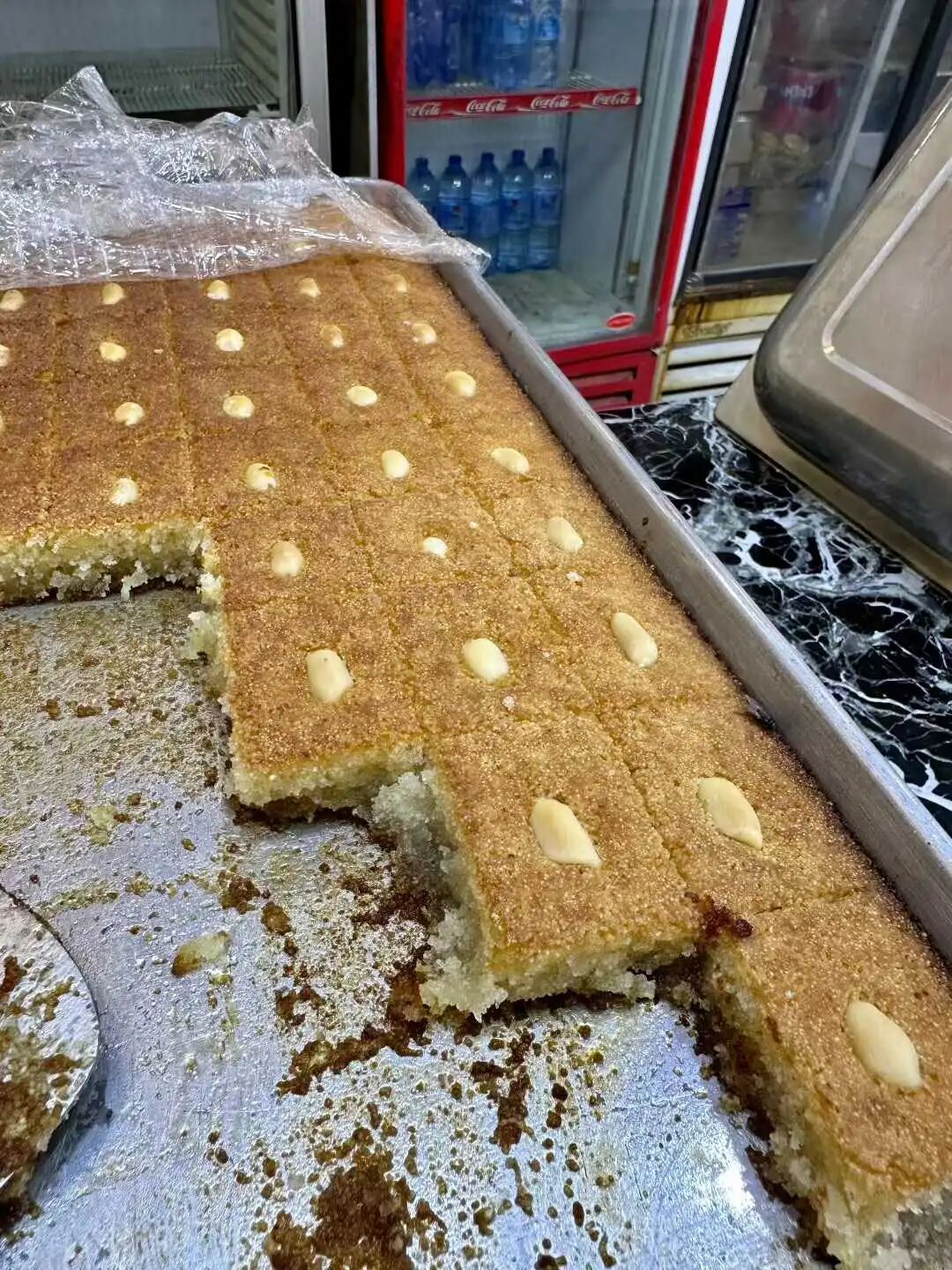
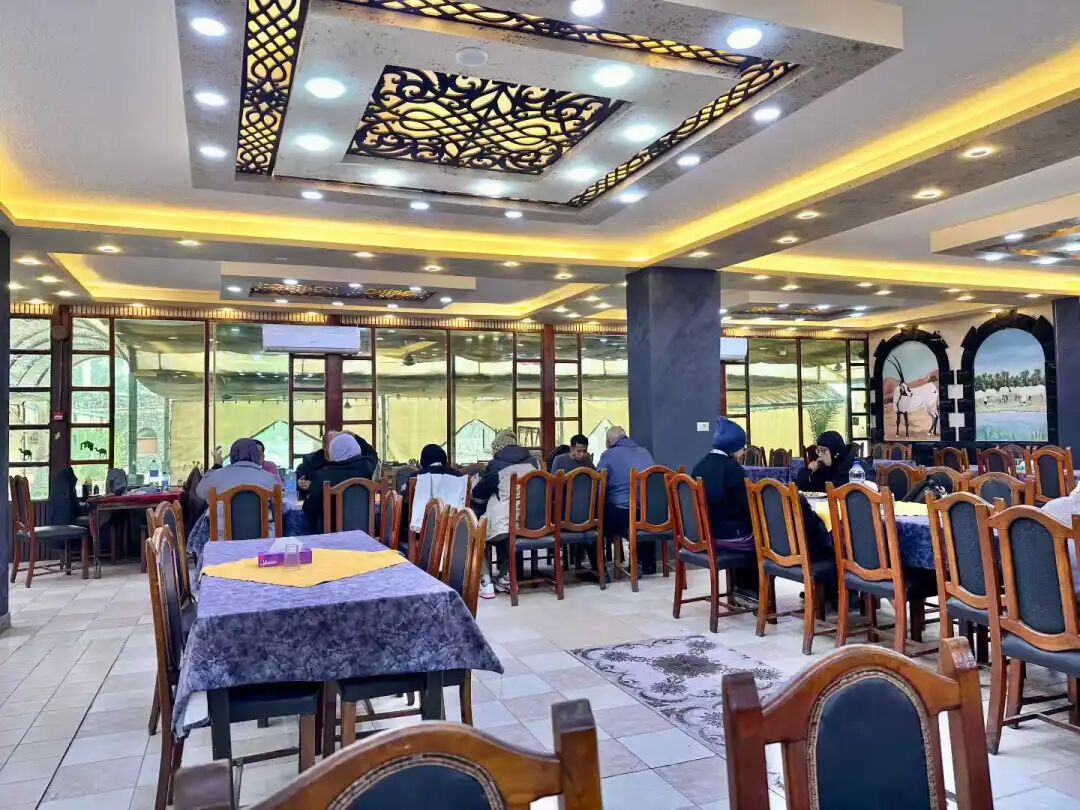
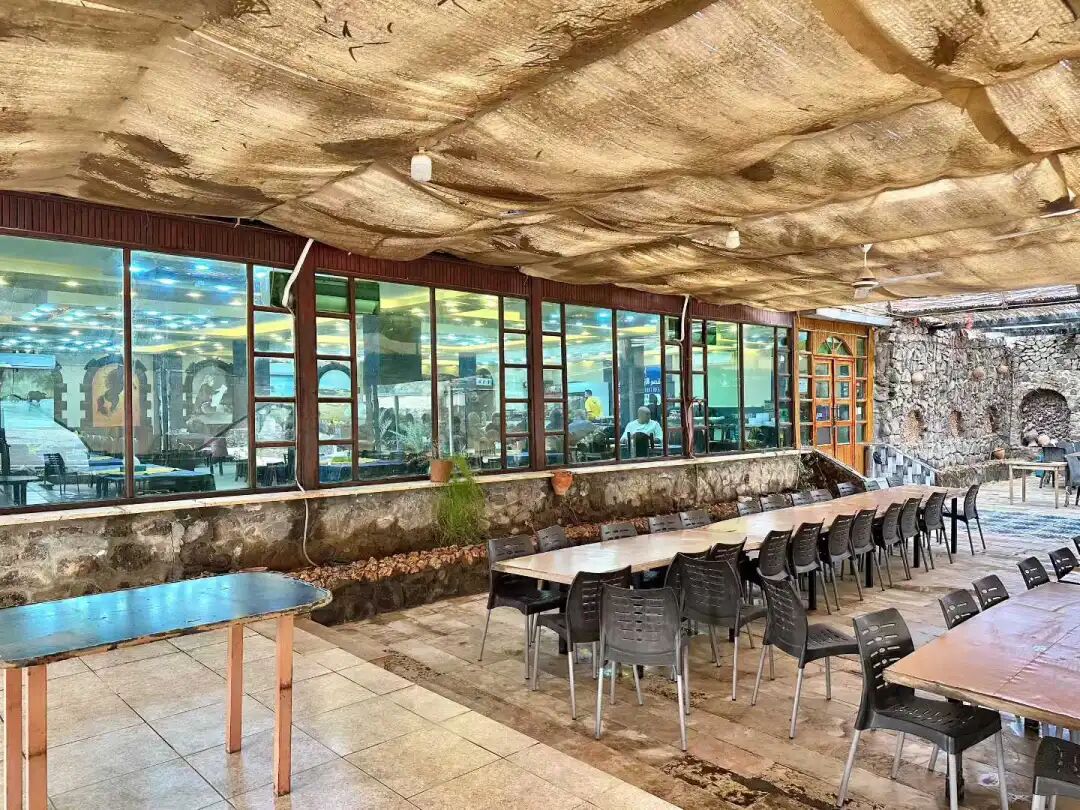
Travelers visiting the Umayyad desert palaces usually choose to have lunch in Azraq. The place I visited, Azraq Palace Restaurant, is a buffet-style restaurant that mainly caters to tour groups. For 100 yuan per person, you can eat a variety of traditional Jordanian Bedouin dishes.
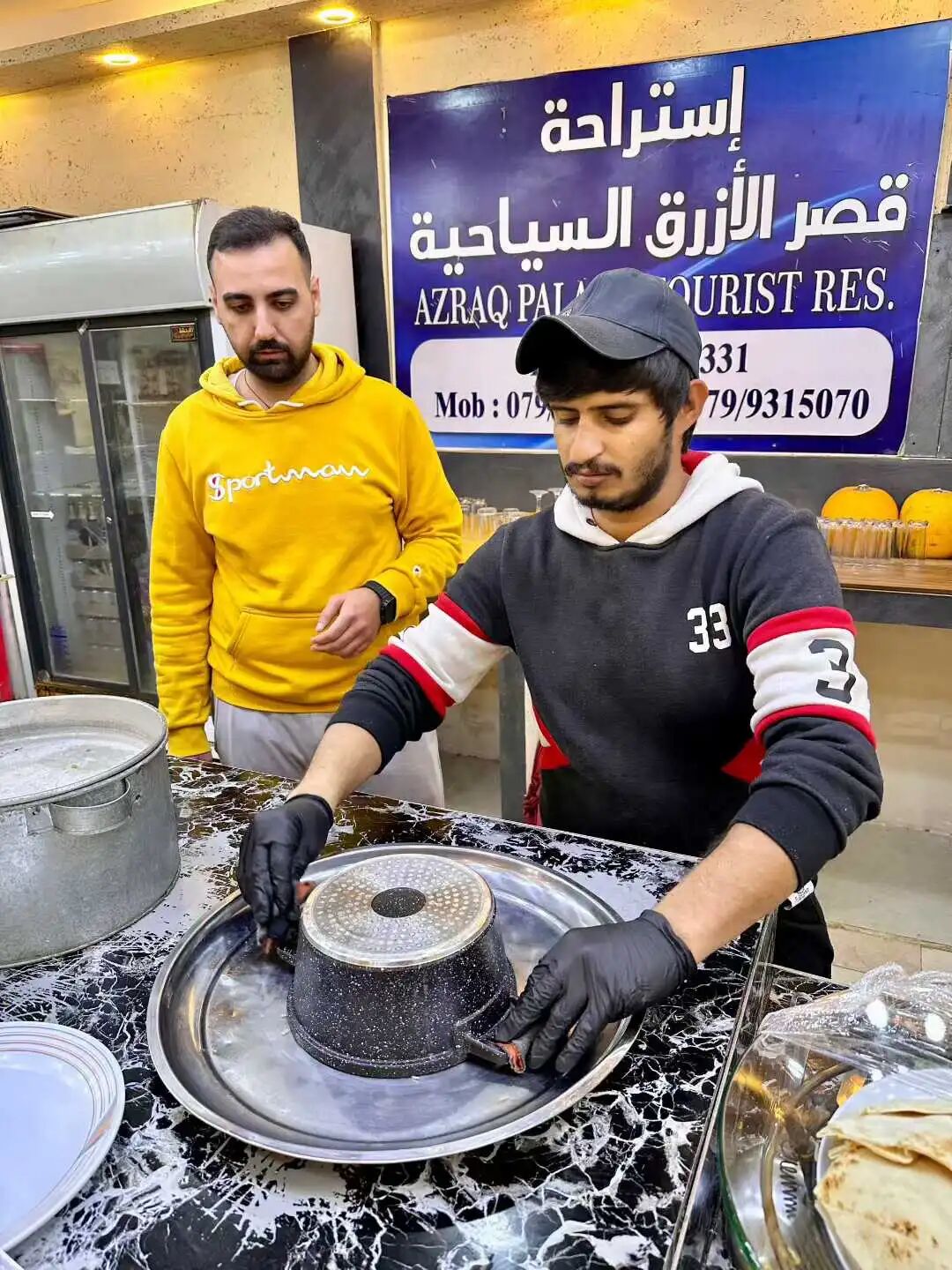
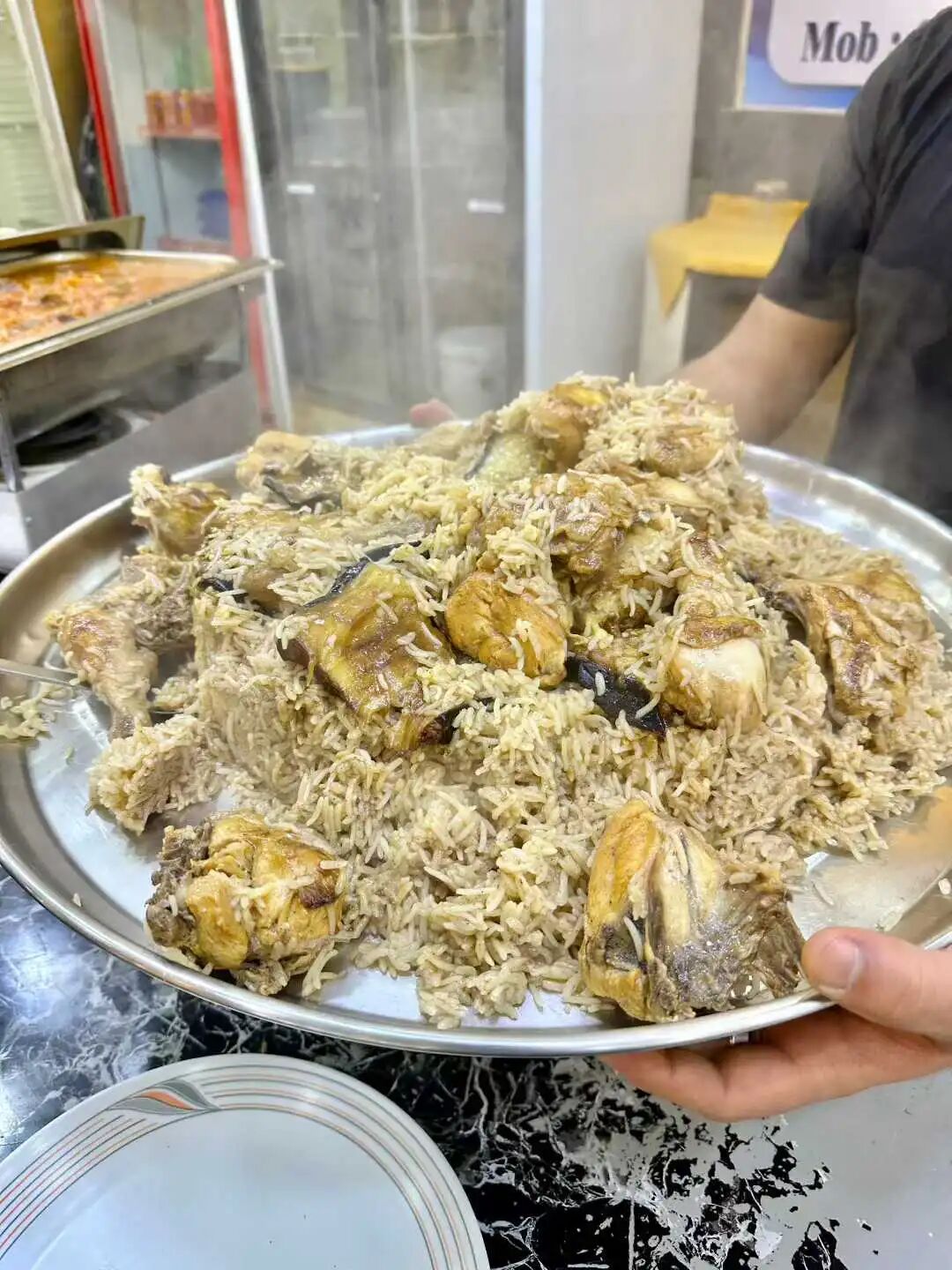
Their signature main dish is upside-down rice (maqluba), which is made by layering cauliflower, eggplant, potatoes, chicken, and rice in a pot to stew, then flipping it over onto a large metal tray when served; it is a classic main dish for Bedouin gatherings.
Azraq Castle
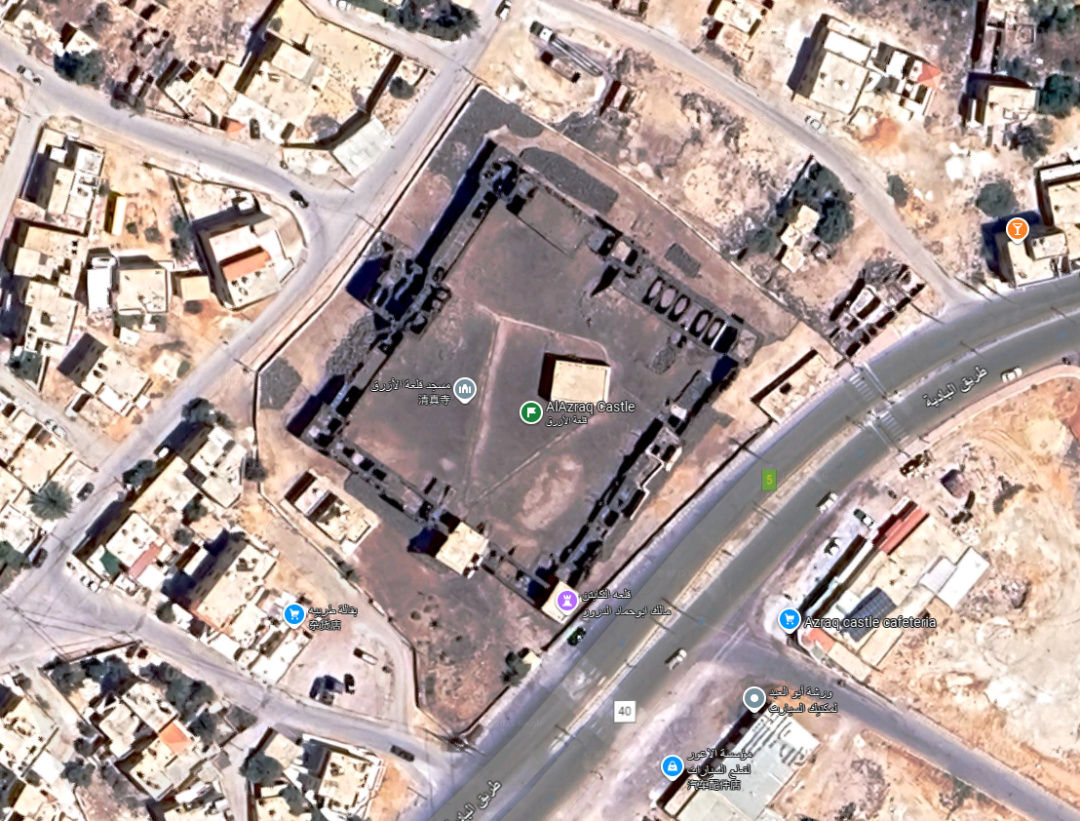
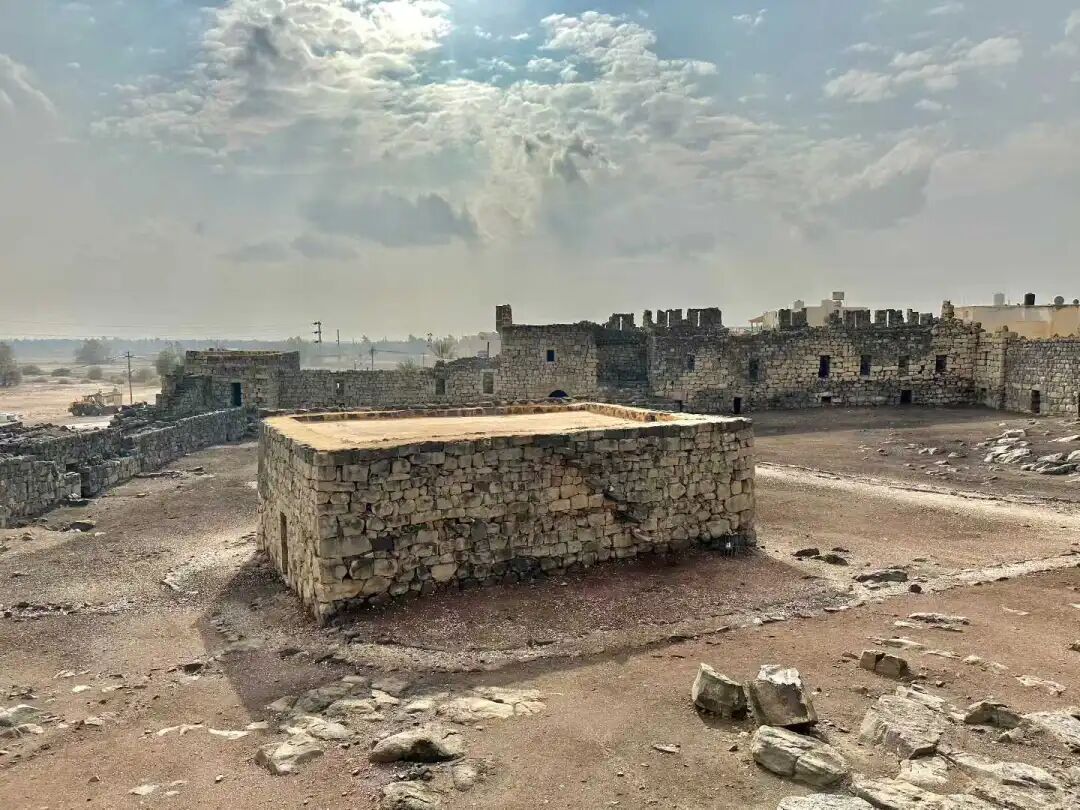
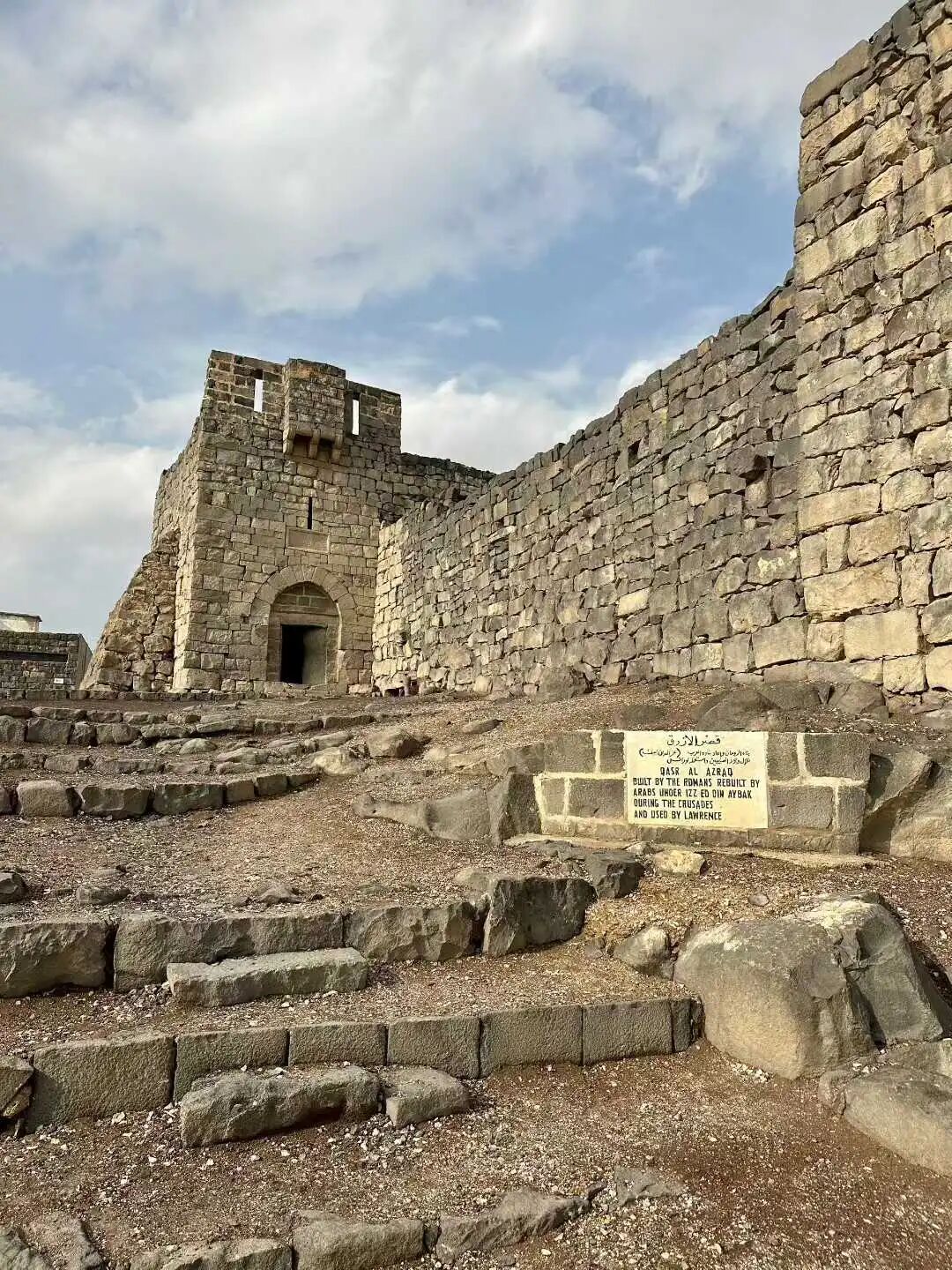
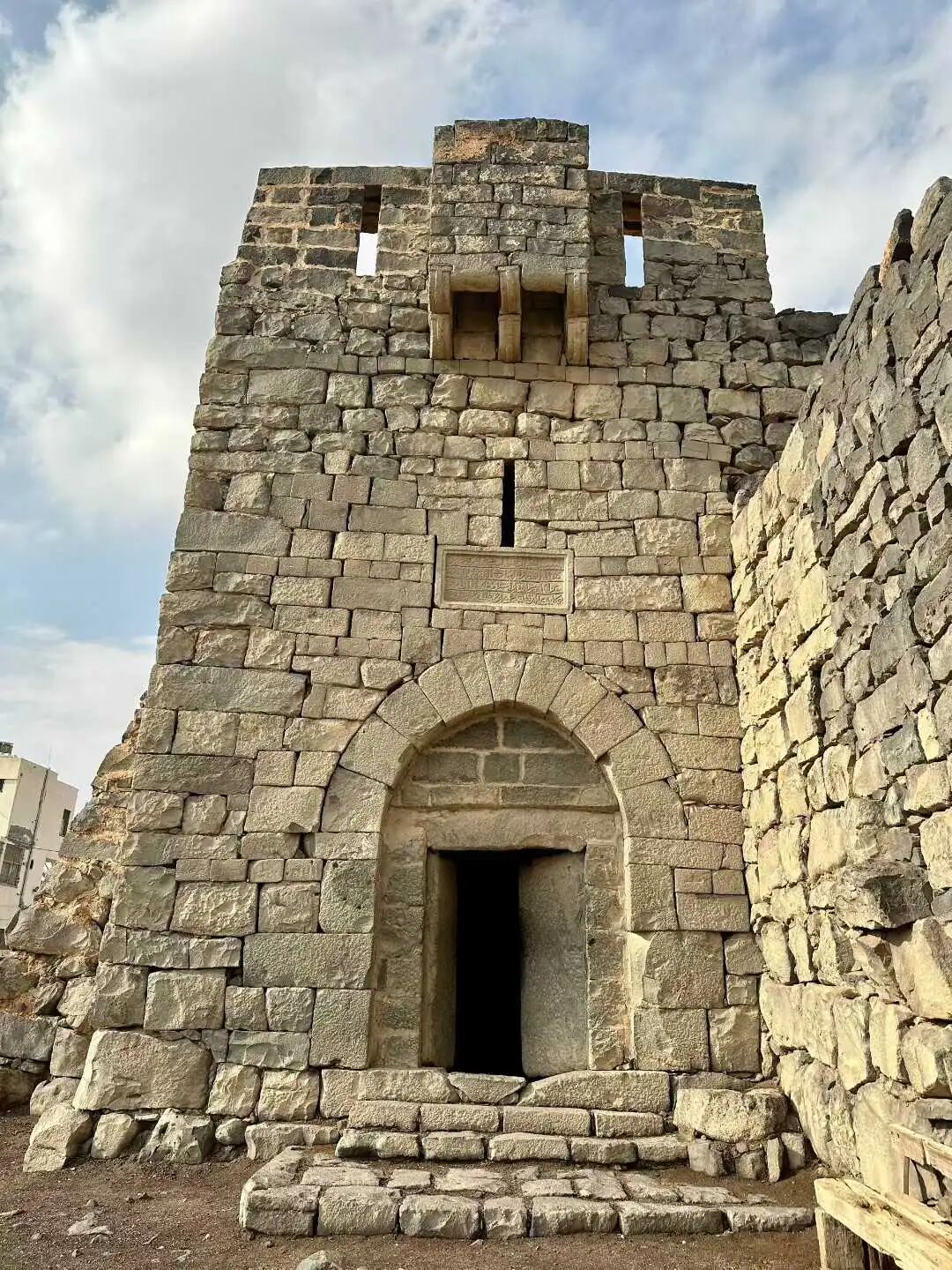
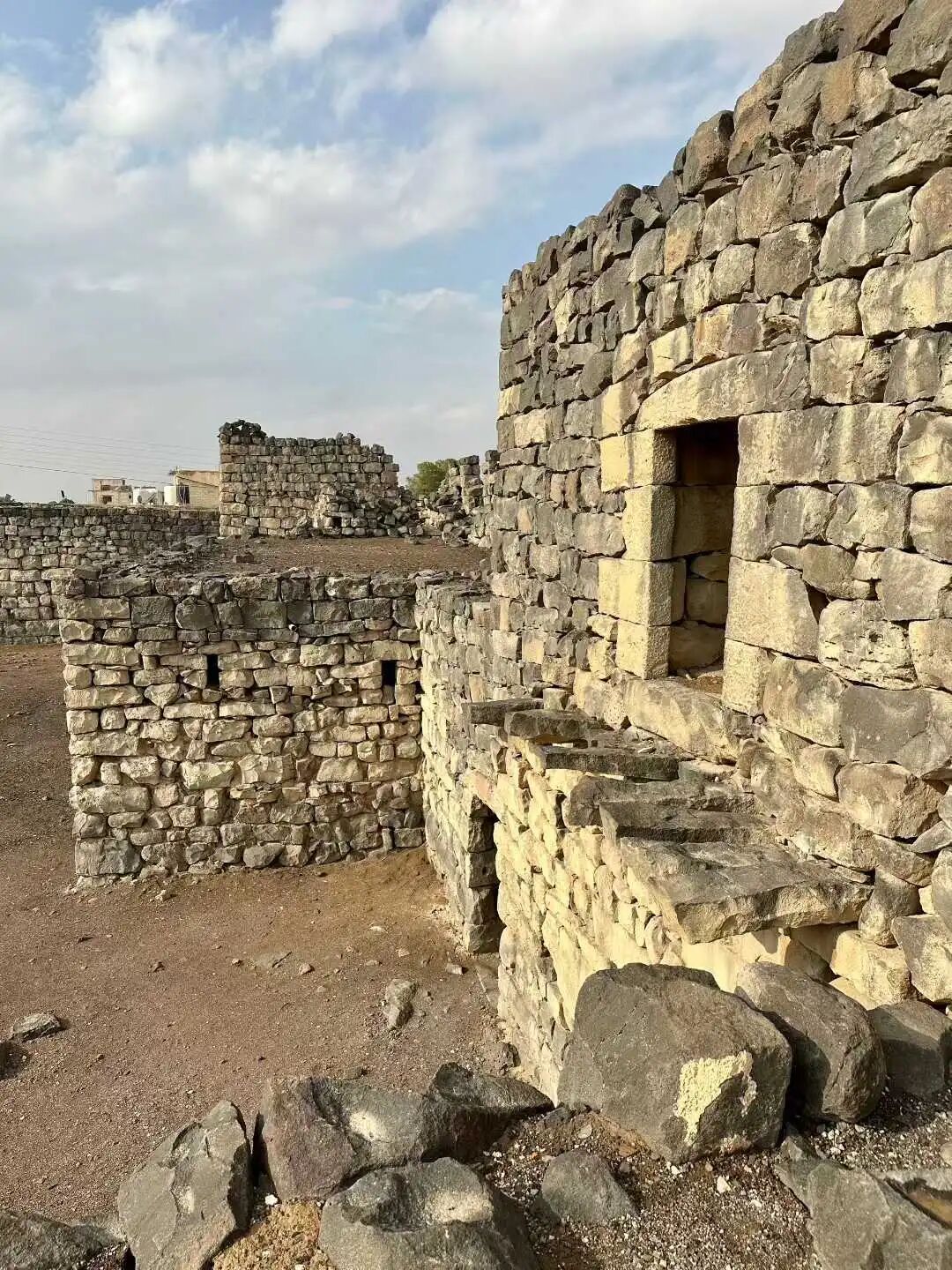
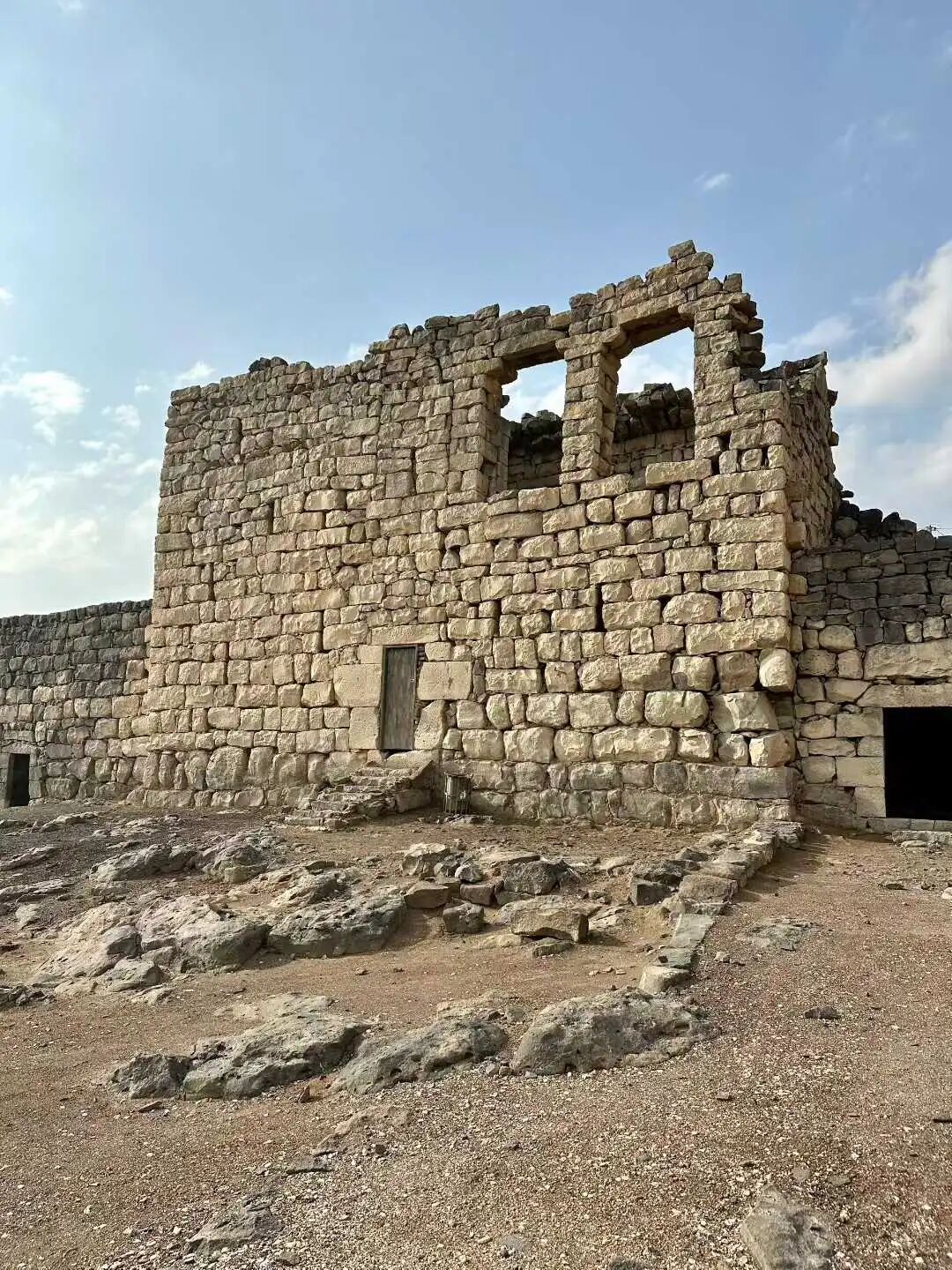
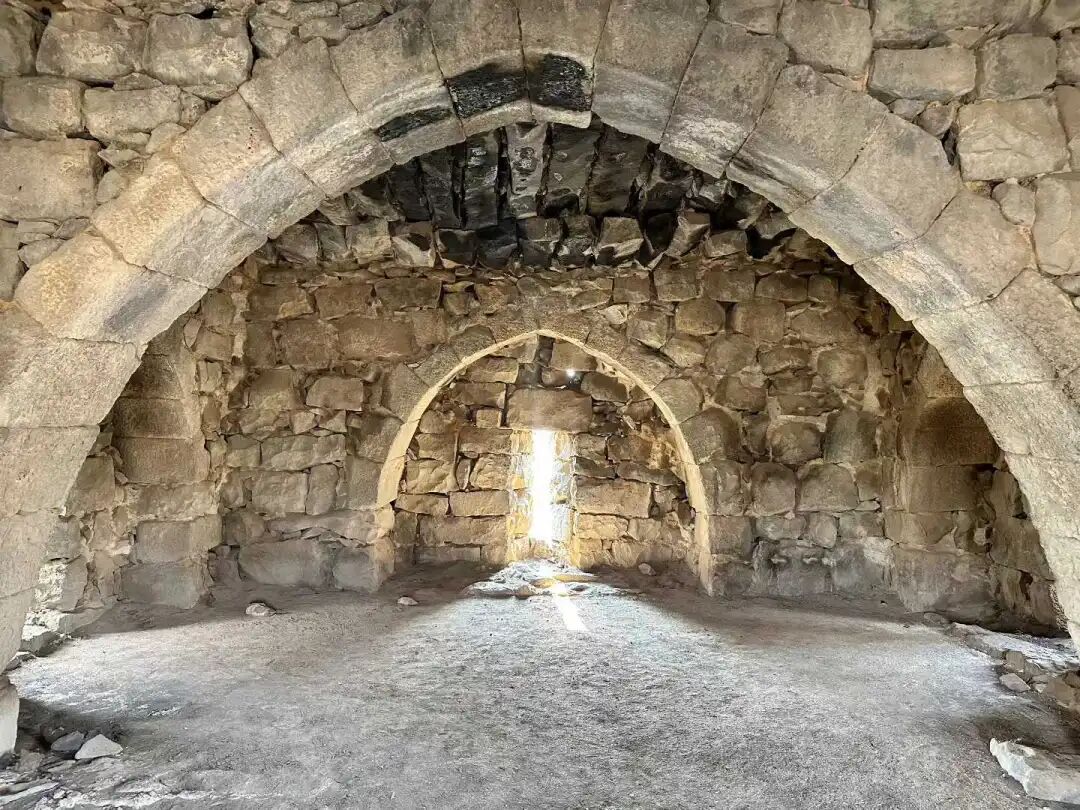
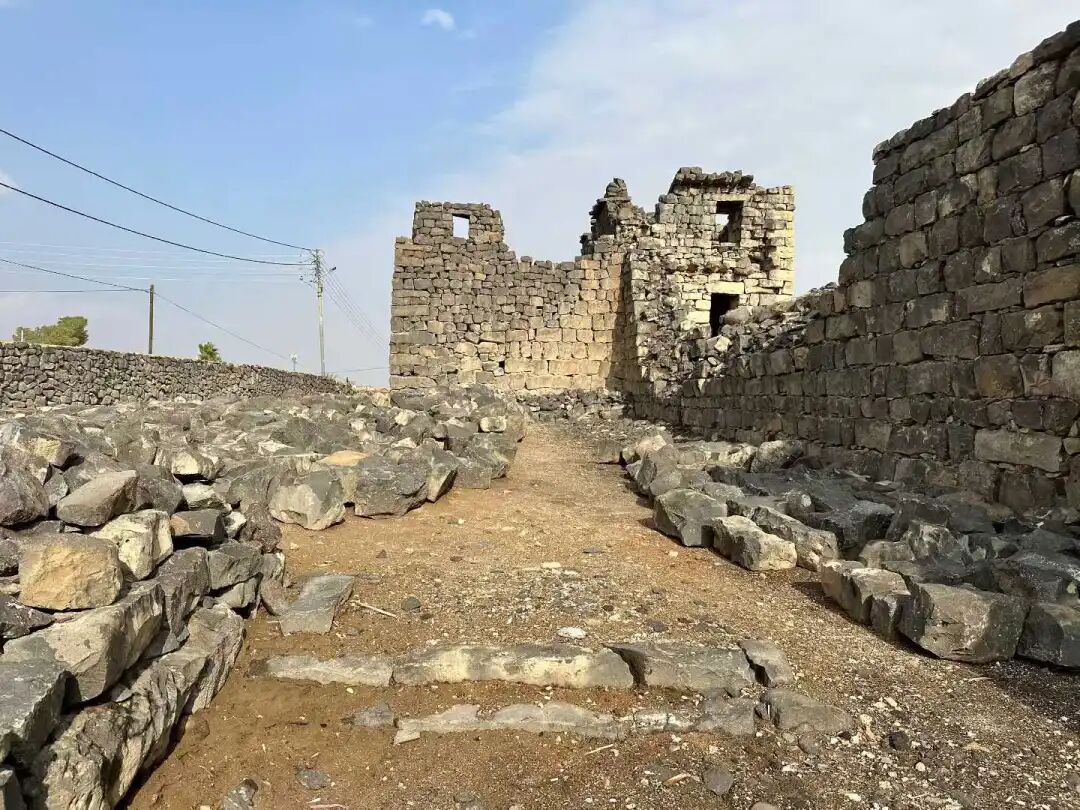
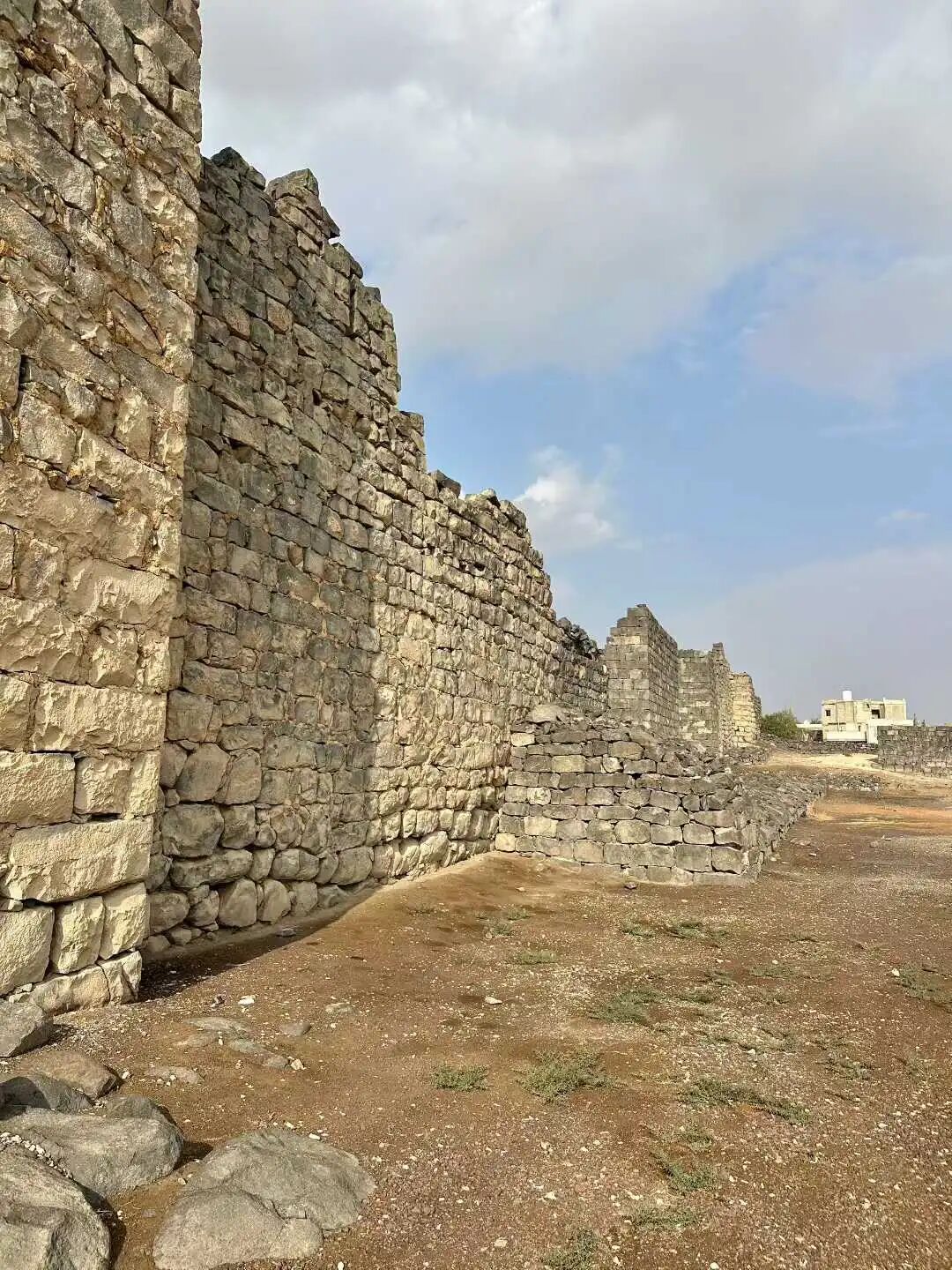
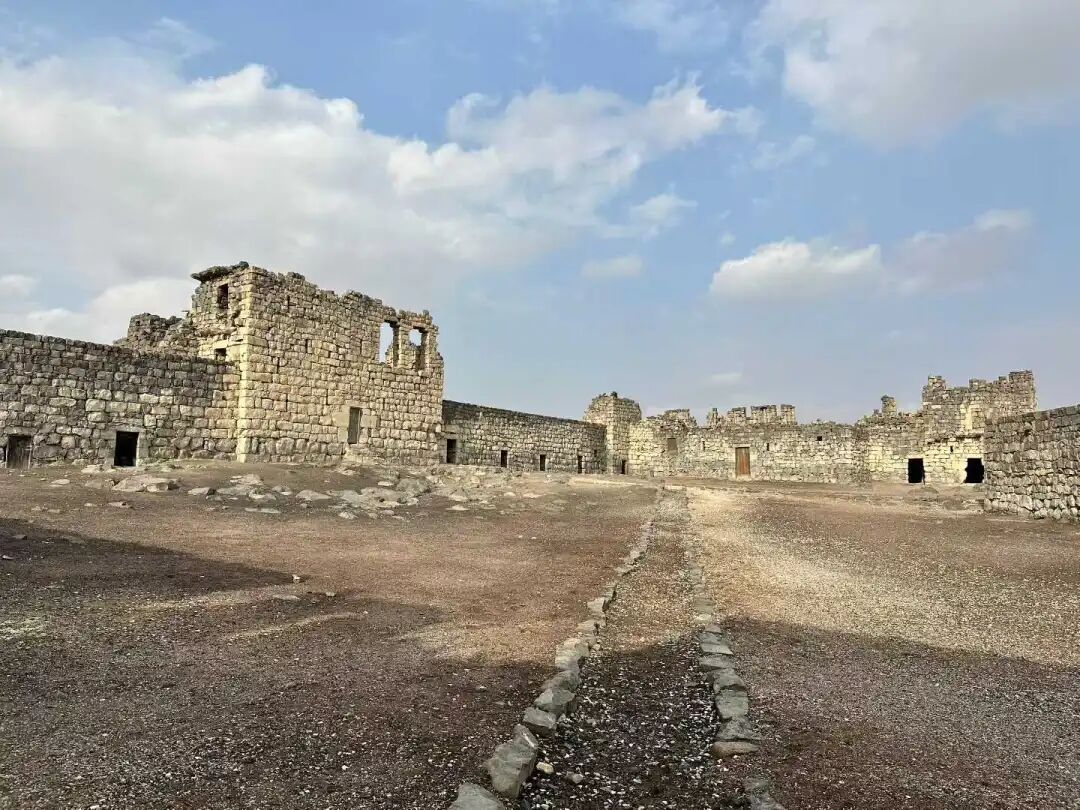
After lunch, I continued two kilometers north to Qasr al-Azraq in the center of town. This oasis castle was built in the early 4th century during the Roman era. It was one of a series of fortifications used by the Roman army to guard the eastern border, protect trade routes, and defend against nomadic invasions. The Romans built the castle using black basalt and a lime mortar that contained up to 30% volcanic ash.
Azraq Castle remained in use during the Byzantine period. In the early 8th century, the Umayyad Caliph Walid II (reigned 743-744) used it as a hunting lodge because the wetlands and lakes of the Azraq oasis were full of wildlife. Walid II built a prayer hall, a well, and stables inside the castle, and he also carried out some expansions.
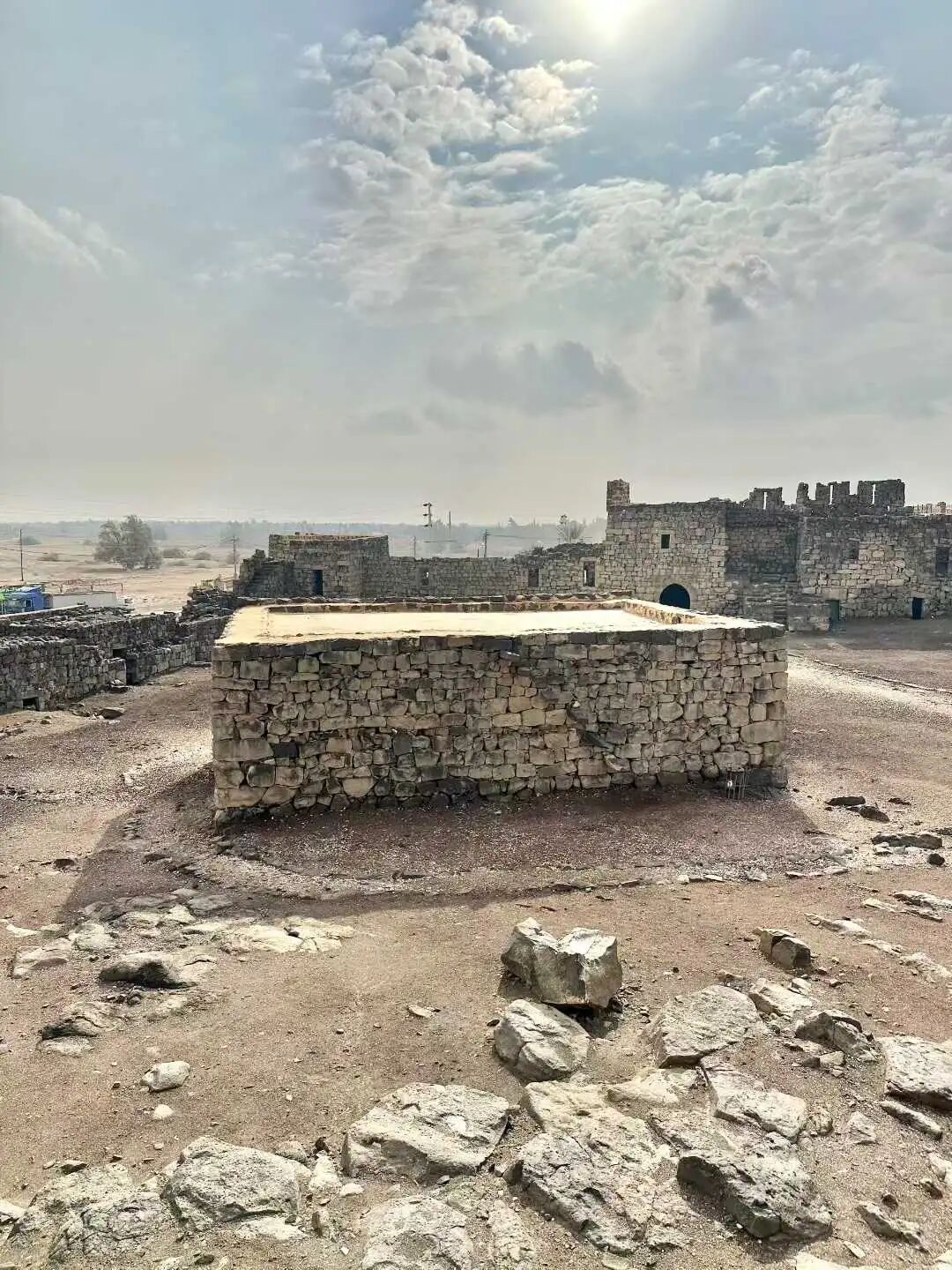
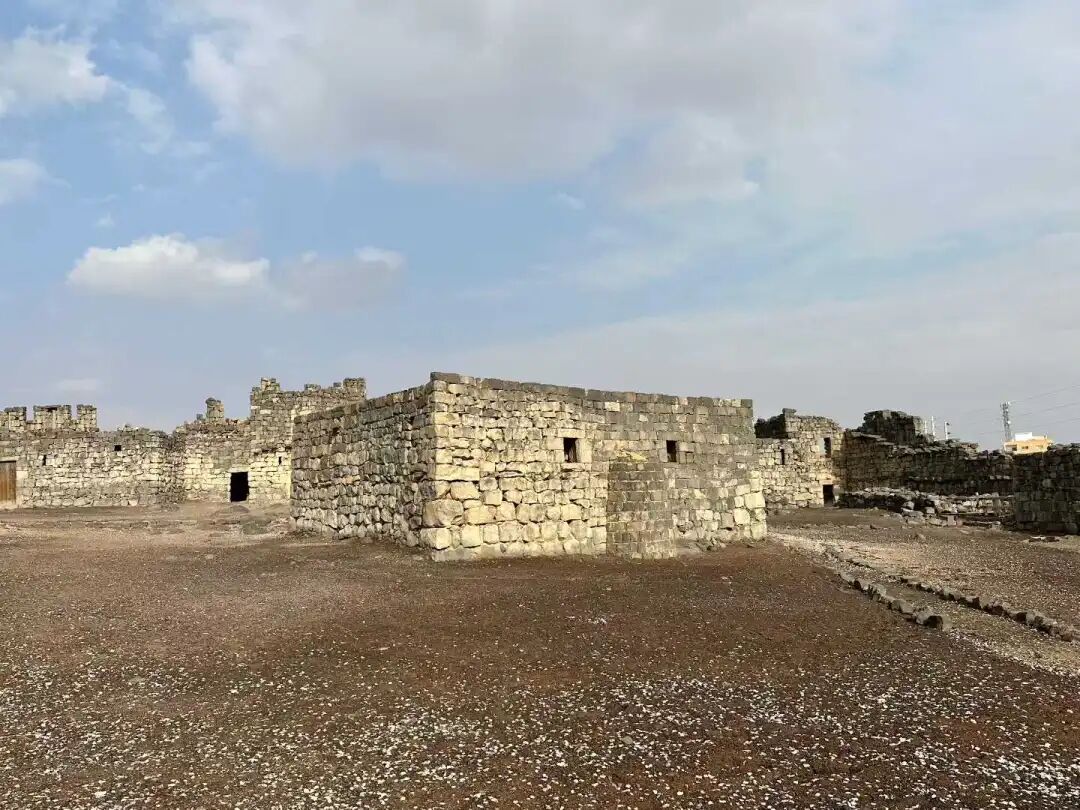
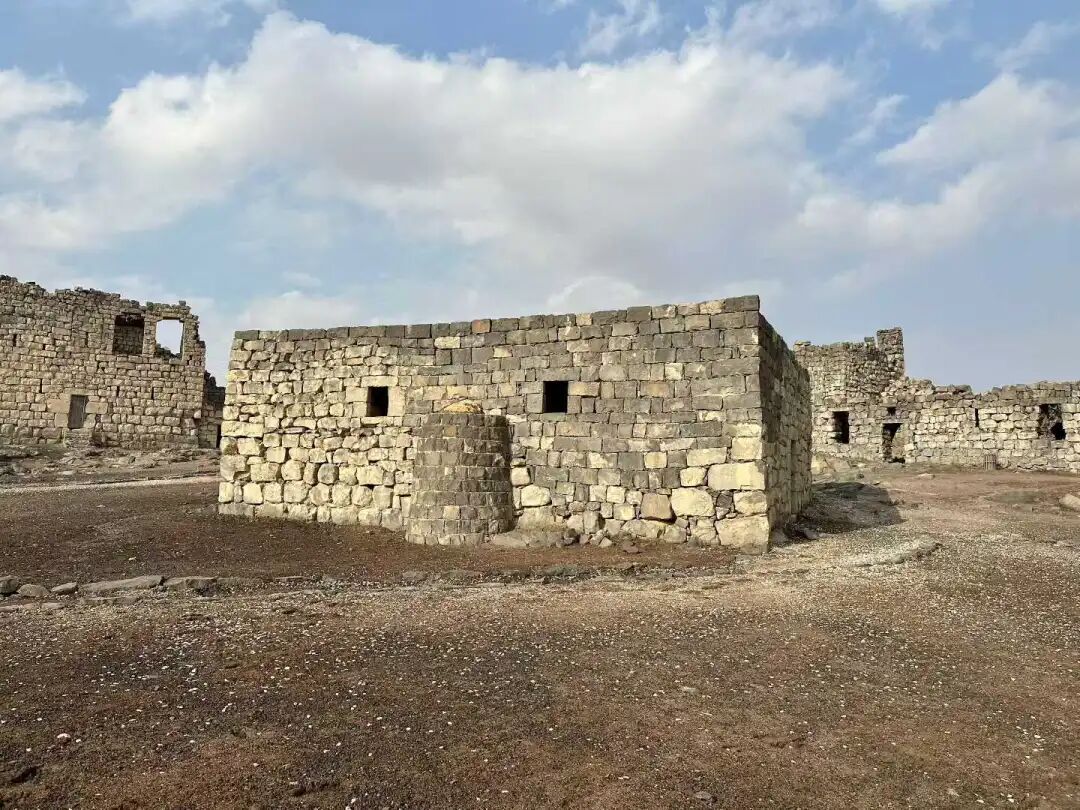
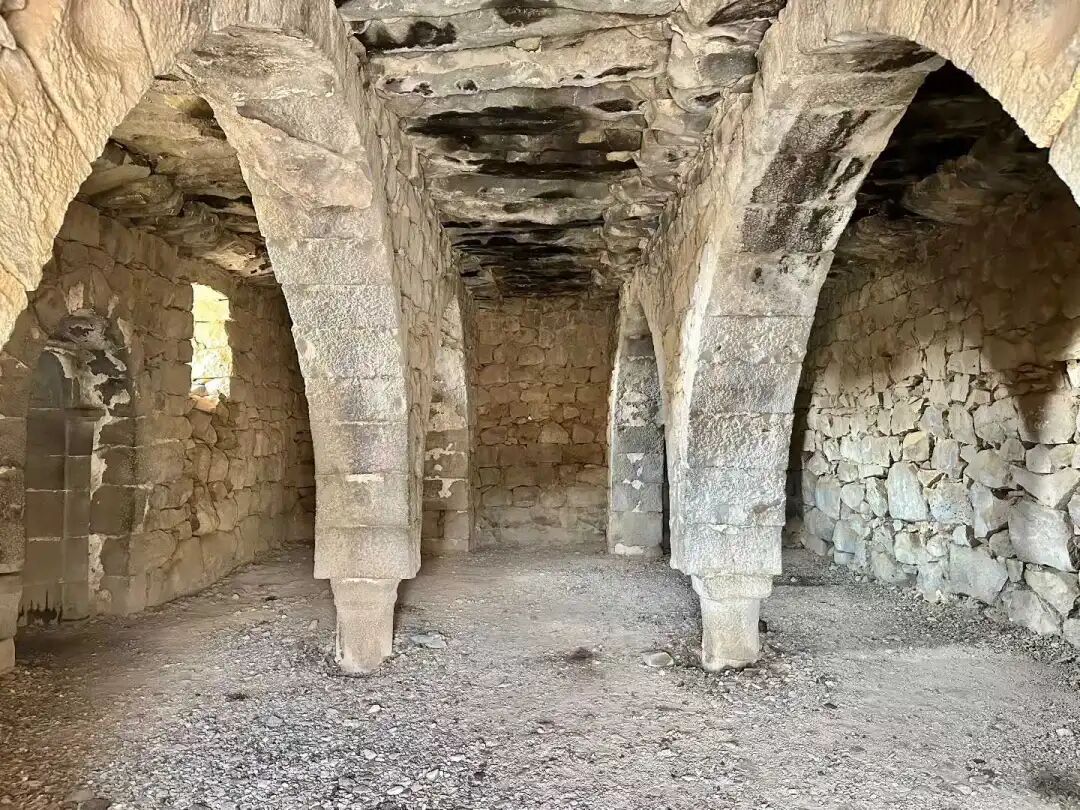
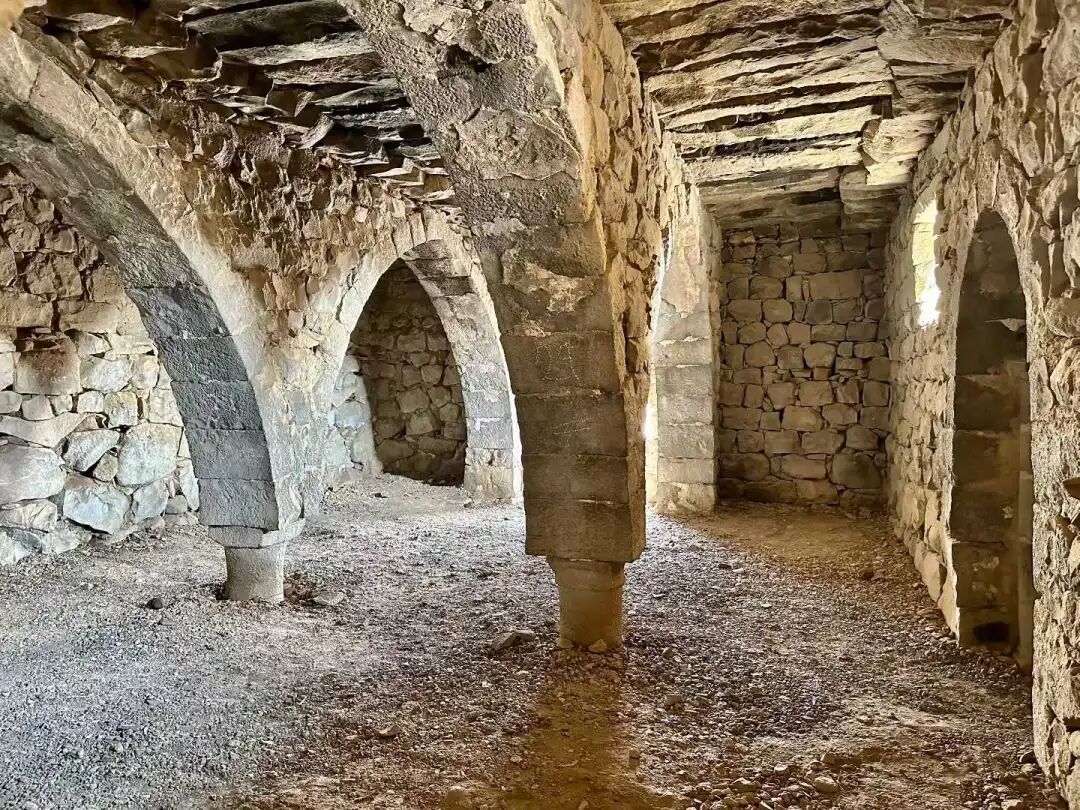
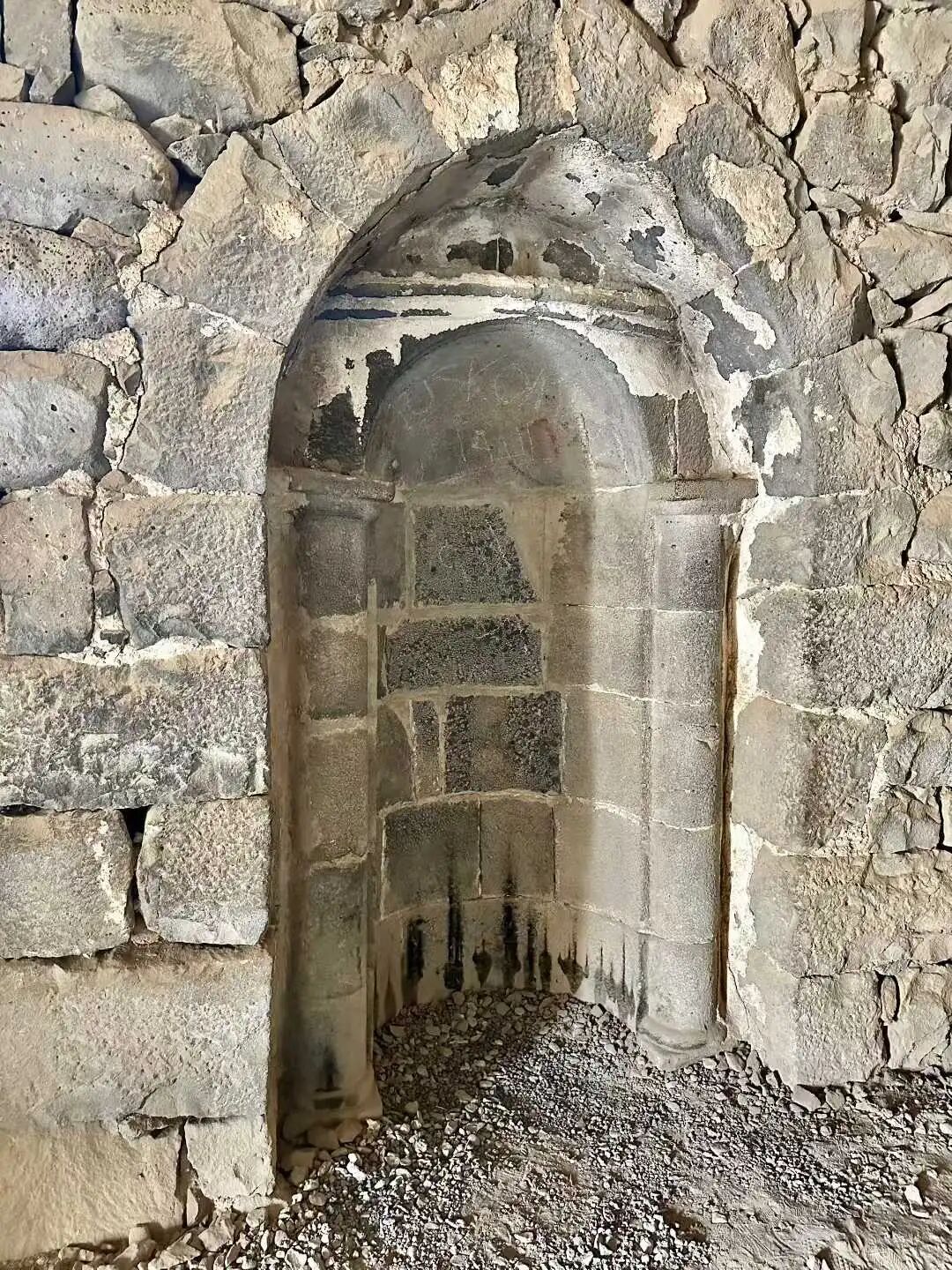
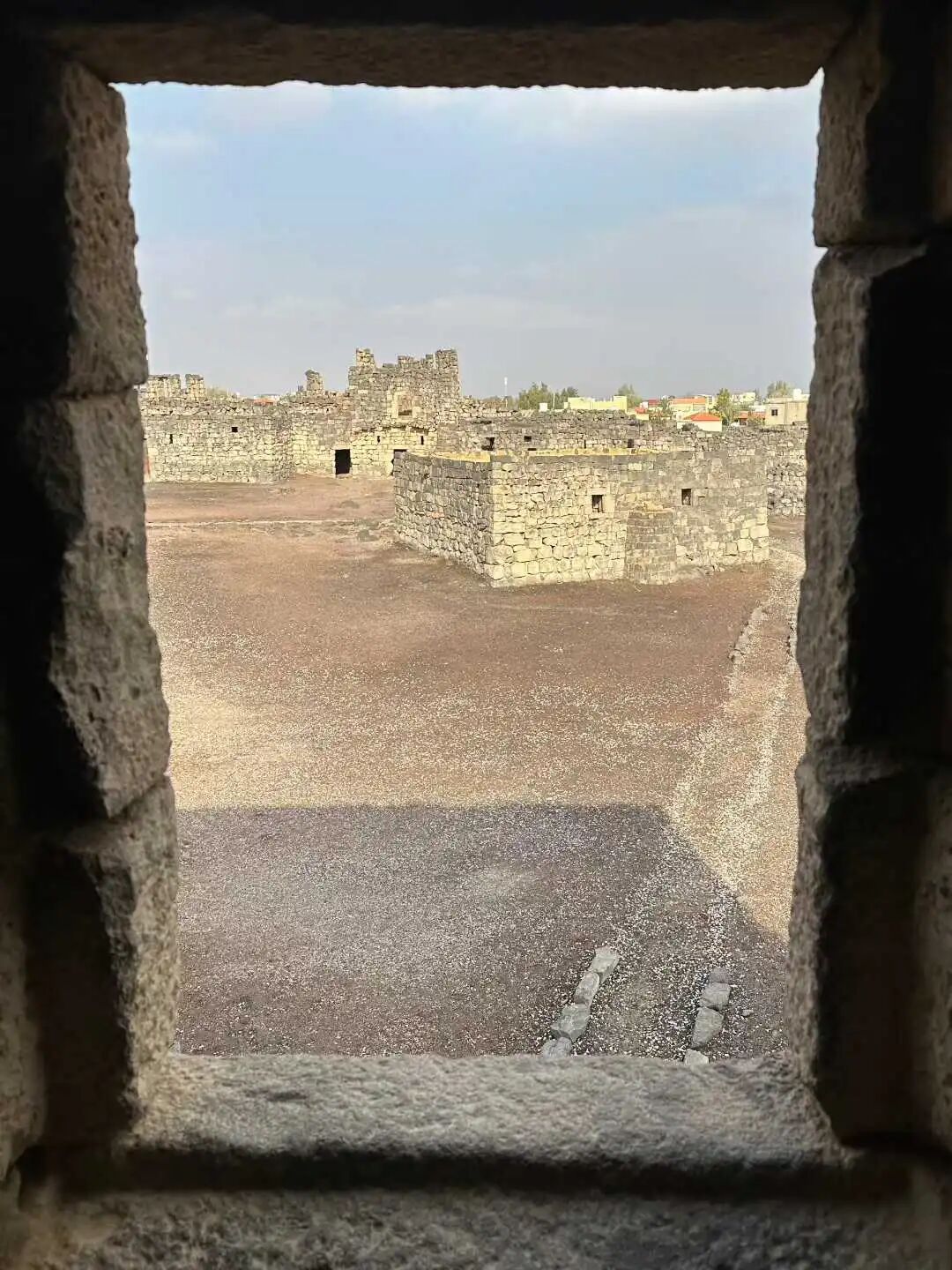
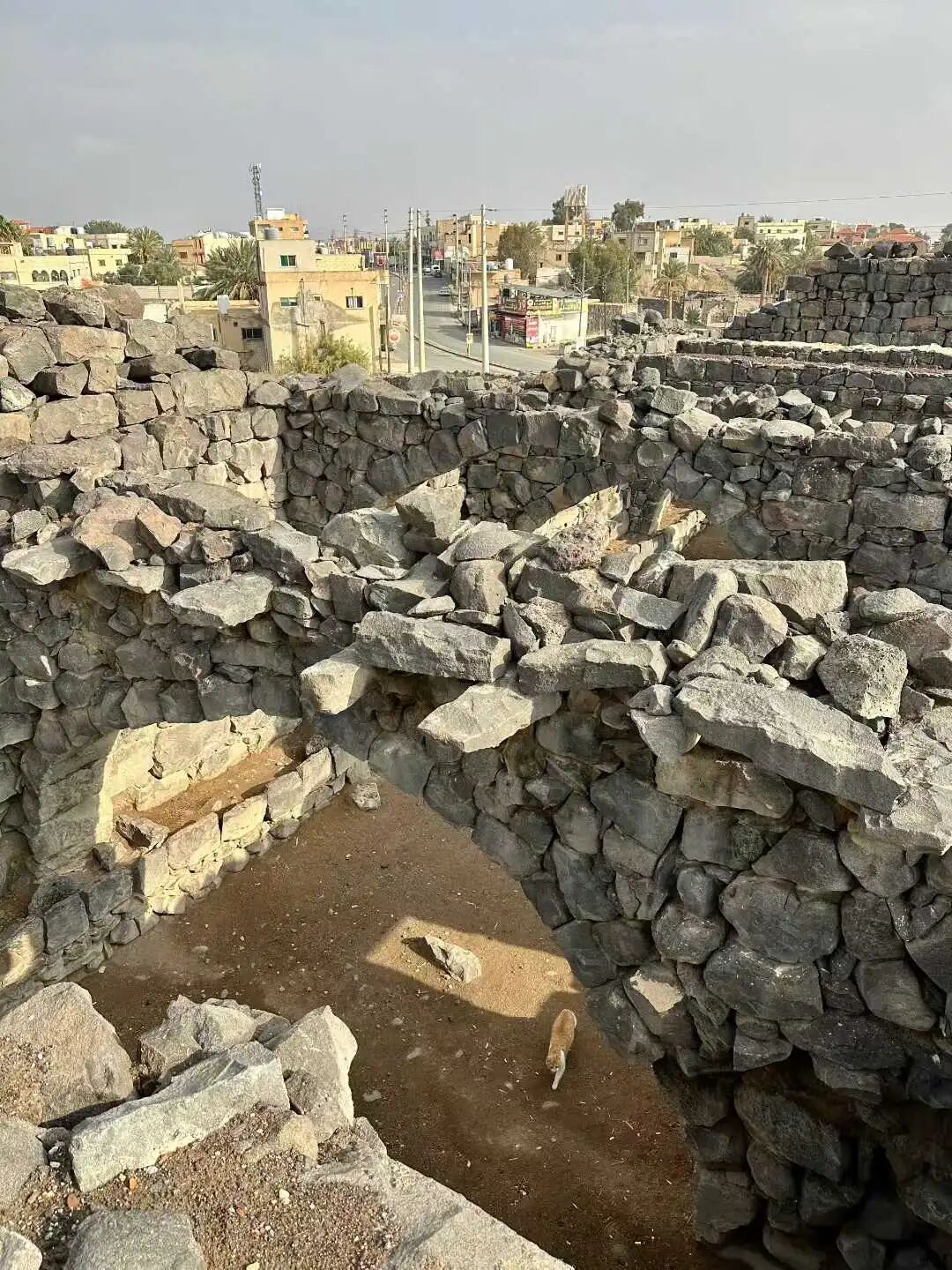
During the Abbasid period, Azraq Castle continued to serve as a military fort connecting trade routes between Syria and Iraq. In 1237, the Ayyubid dynasty completely rebuilt it into the structure seen today. In the early 13th century, the Ayyubid dynasty faced both internal and external troubles. They dealt with threats from the Crusaders and the Sultanate of Rum, as well as internal divisions between Syria and Egypt. Because of frequent wars, they placed great importance on building castles.
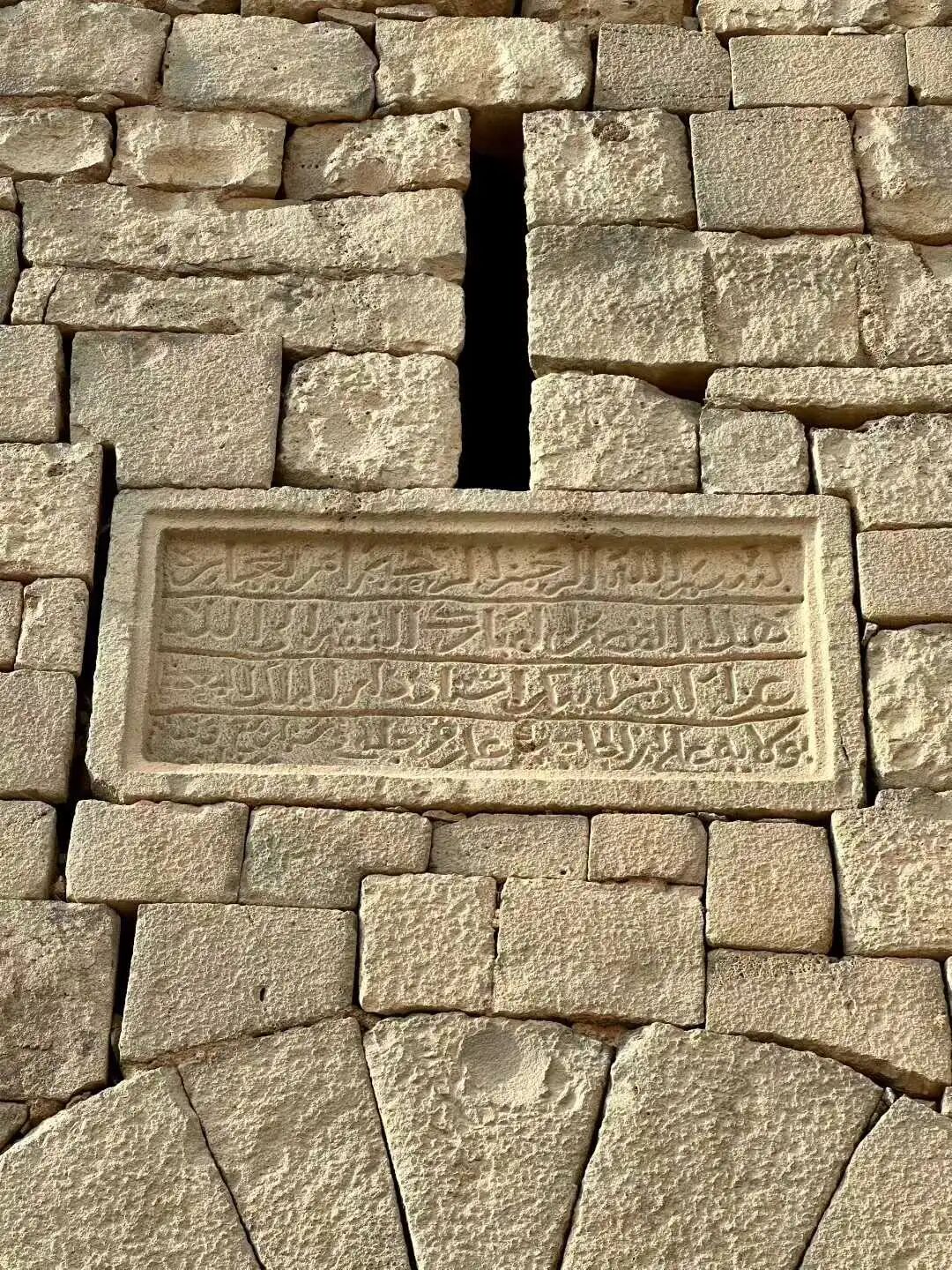
The Ayyubid dynasty used black basalt to build tall gates, towers, and walls. The two door panels of the main gate weigh 3 tons each, but they move easily when lubricated with palm oil. Because local palm wood was not hard enough for defense, they used heavy stone doors instead. Above the gate, there is an Arabic stone inscription from the 1237 reconstruction. The northwest corner of the castle served as a prison, while the northern section contained living quarters, including a dining room, kitchen, storage rooms, and stables.
Azraq Castle is also famous for Lawrence of Arabia, a story made widely known by the 1962 film. In the winter of 1917, British liaison officer Thomas Edward Lawrence used Azraq Castle as his headquarters to help the Arabs revolt against the Ottoman Empire. Lawrence’s office was in the room above the castle gatehouse, while another Arab revolt leader, Ali bin Hussein, lived in the southeast tower. In 1918, they planned the attack on Damascus from here and successfully drove out the Ottoman Empire. Ali bin Hussein was the 38th leader of the Hashemite family and the eldest son of Hussein, Sharif of Mecca. He became King of Hejaz in 1924, but was soon defeated by the Kingdom of Nejd and went into exile in Iraq.
Sarah Bathhouse
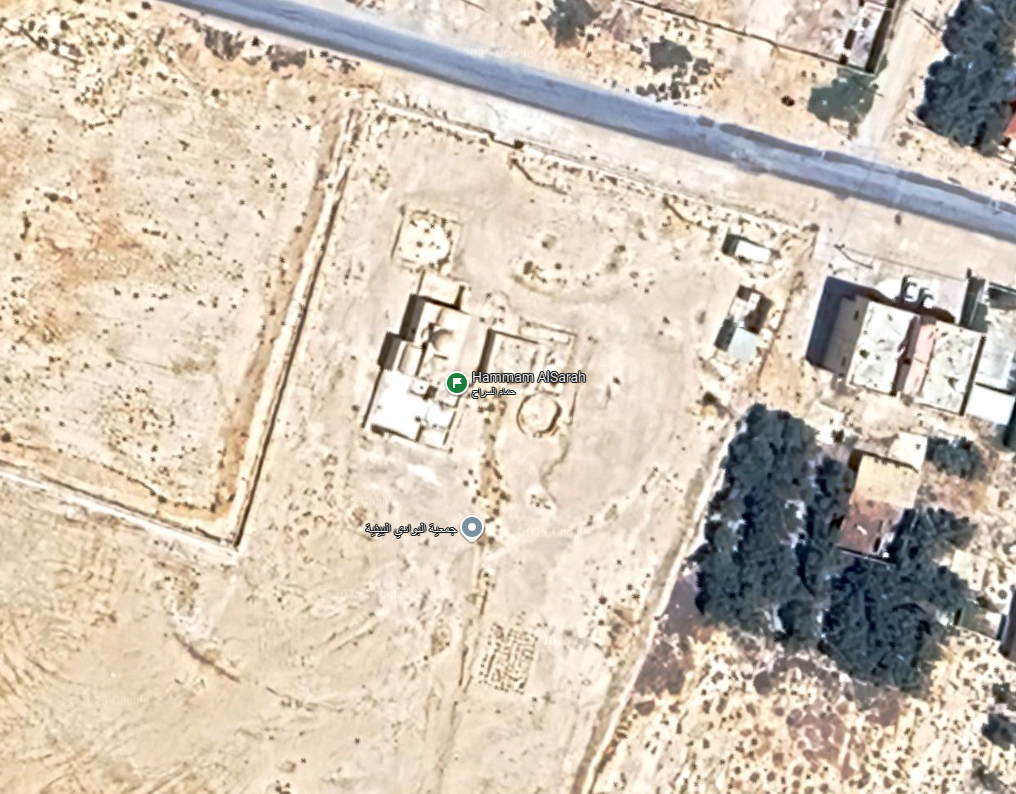
Azraq town is the intersection of two desert highways east of Amman. I took the southern route when I arrived and switched to the northern route for the return trip. Traveling 60 kilometers west from Azraq town along the northern route, you reach another Umayyad bathhouse in the Jordanian desert: Sarah Bathhouse (Hammam al-Sarah).
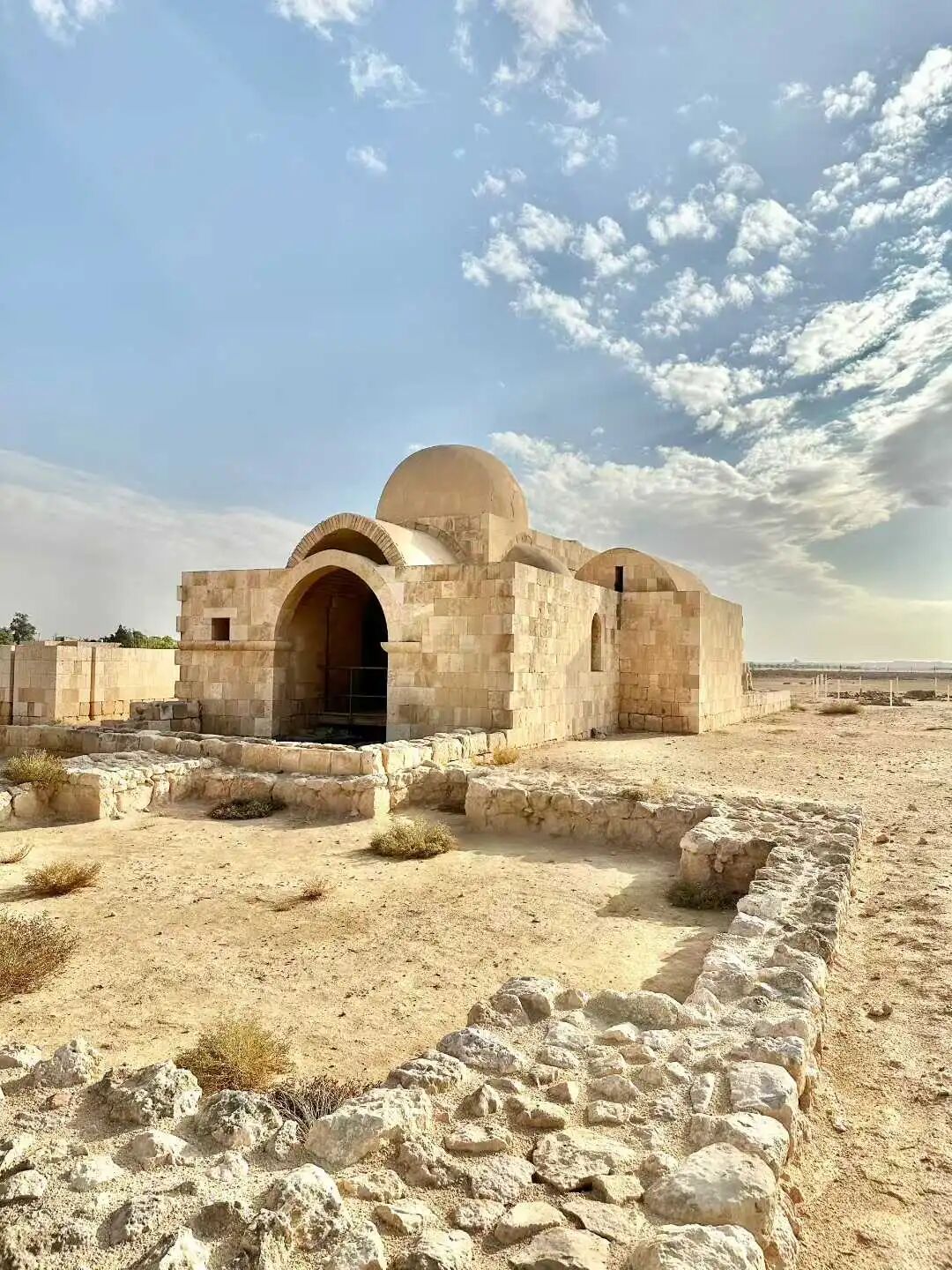
Built in the early 8th century, Sarah Bathhouse has a layout similar to the bathhouse at the UNESCO-listed Quseir Amra. It includes a rectangular hall, a changing room (Apodyterium), a warm room (Tepidarium), and a hot room (Caldarium), along with a furnace, a well, a water wheel (Saqiyah), and an elevated water tower. There is also a walled garden site, which is considered the oldest Islamic garden site.
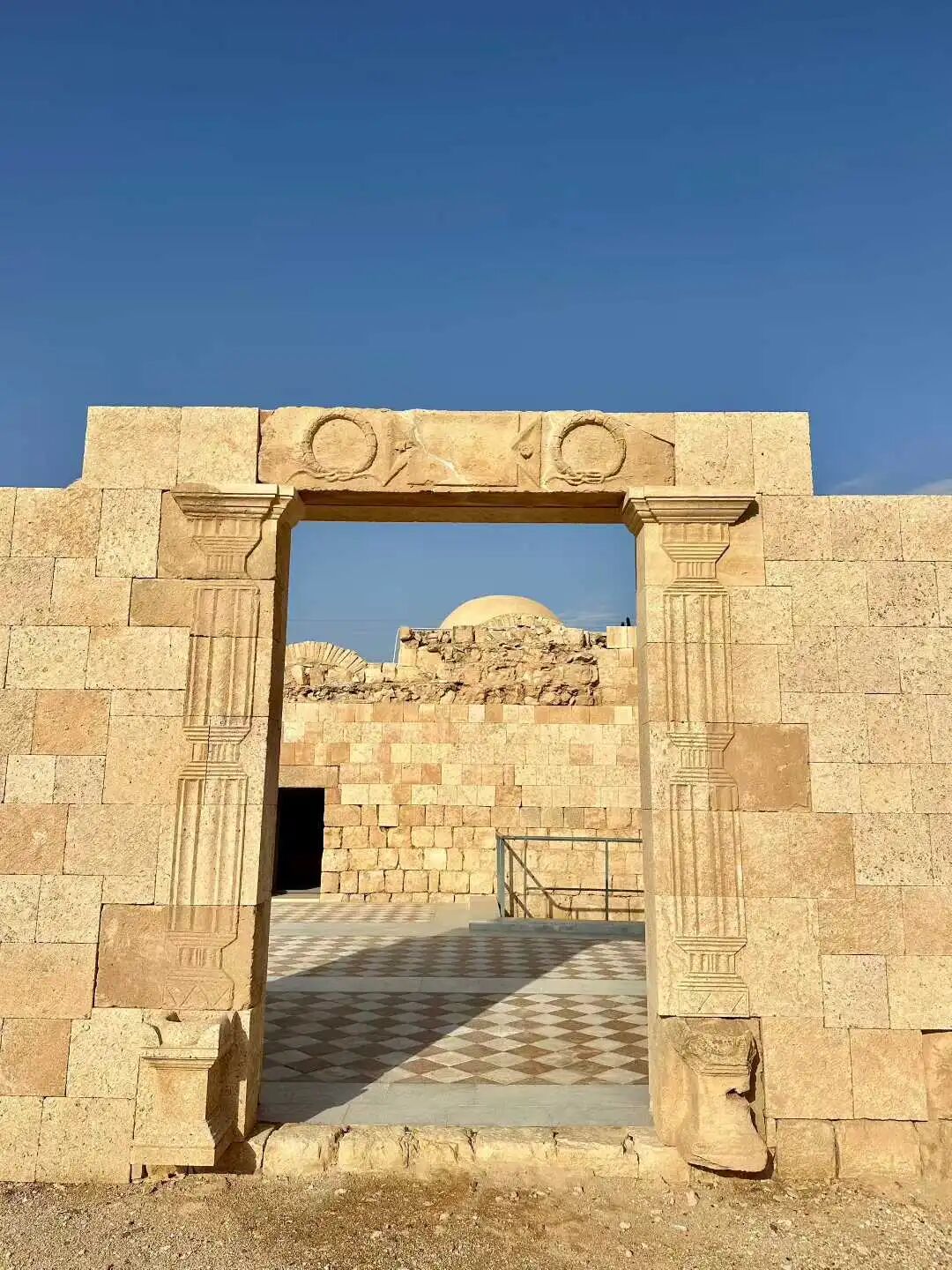
The construction of Sarah Bathhouse is more refined than that of Quseir Amra, using neatly cut, medium-sized stones decorated with intricately carved fluted moldings. The main hall features a beautifully designed fountain, which was supplied with water from the elevated water tower on the east side.
The bathhouse was originally well-preserved, but when a village was built nearby in the 1960s, people stole a large amount of its stone, leaving the building nearly destroyed. The Jordanian Department of Antiquities excavated and restored the site in 1974, but they used cement mortar, which was replaced with lime mortar between 2008 and 2011. The bathhouse underwent several repairs between 2002 and 2020, including adding a wooden dome, fixing the water system, paving the floor, and resetting the gate, which created its current appearance.
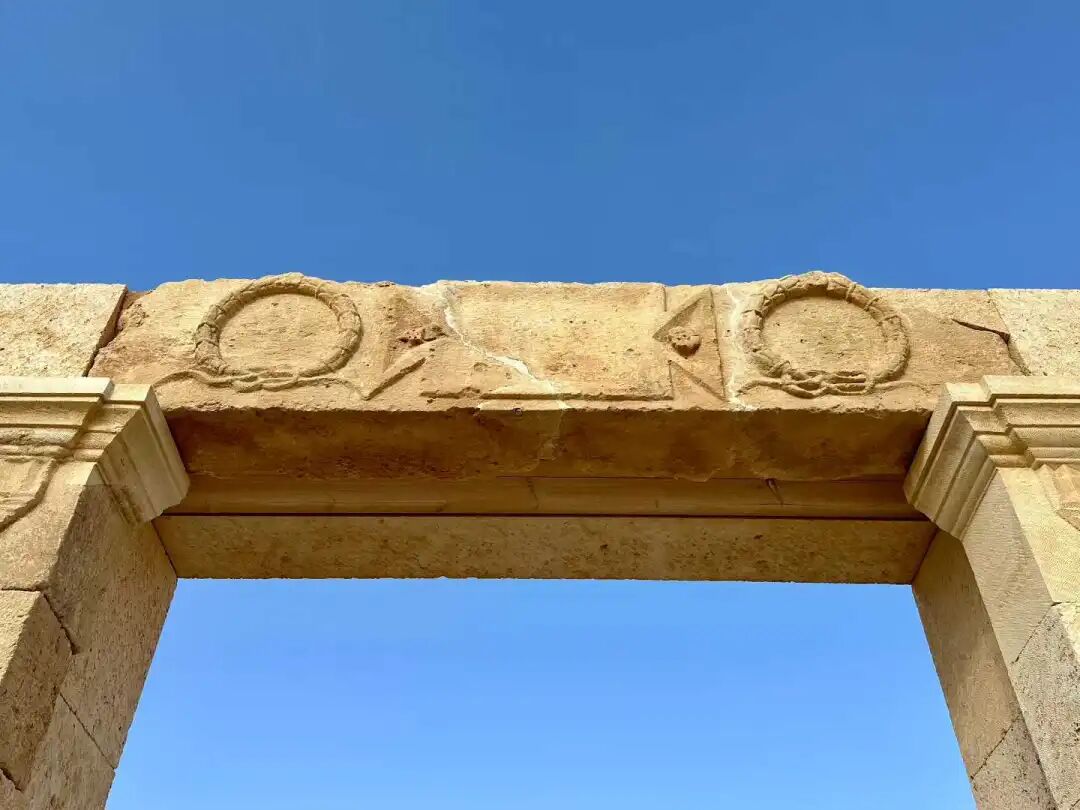
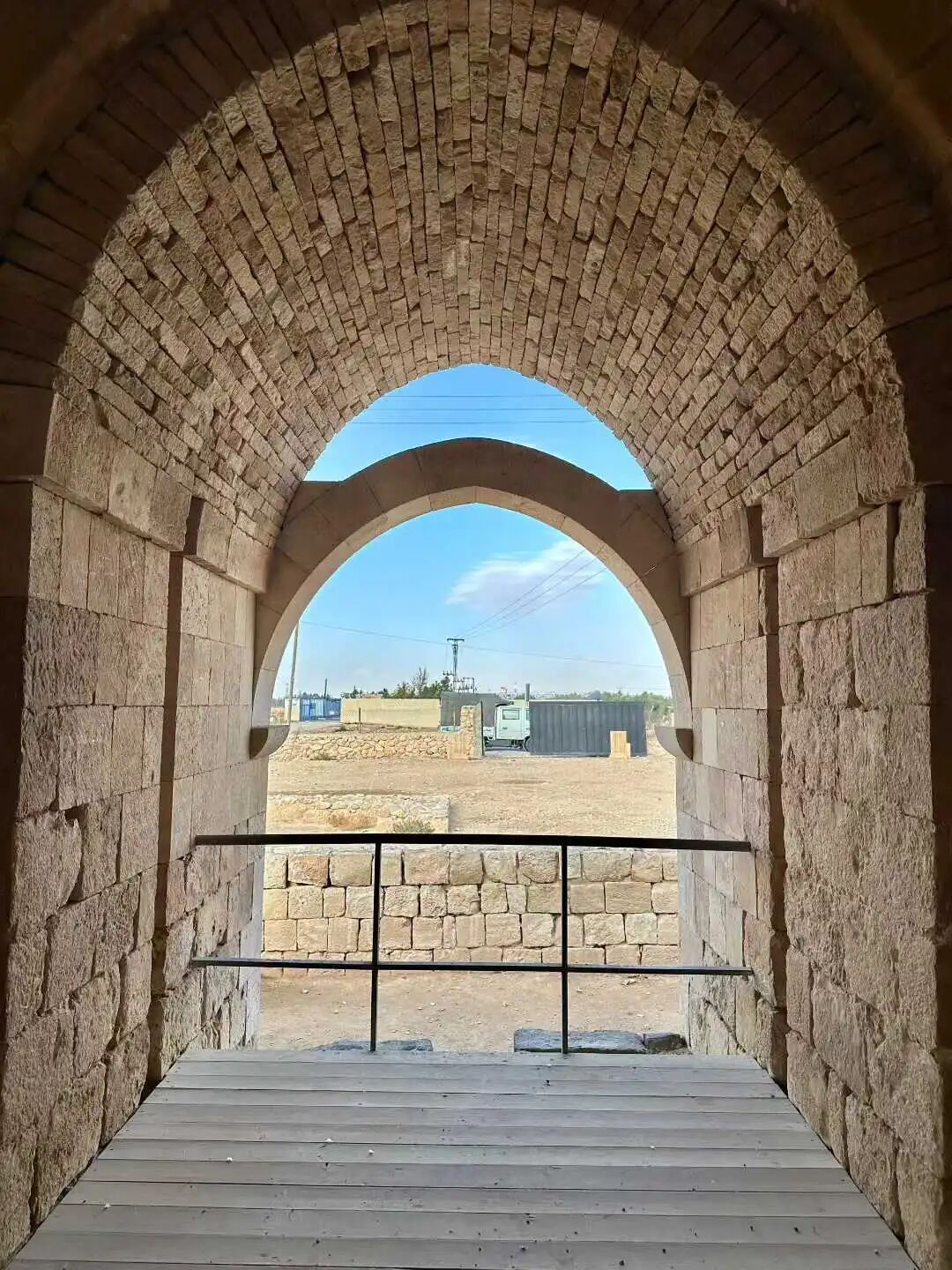
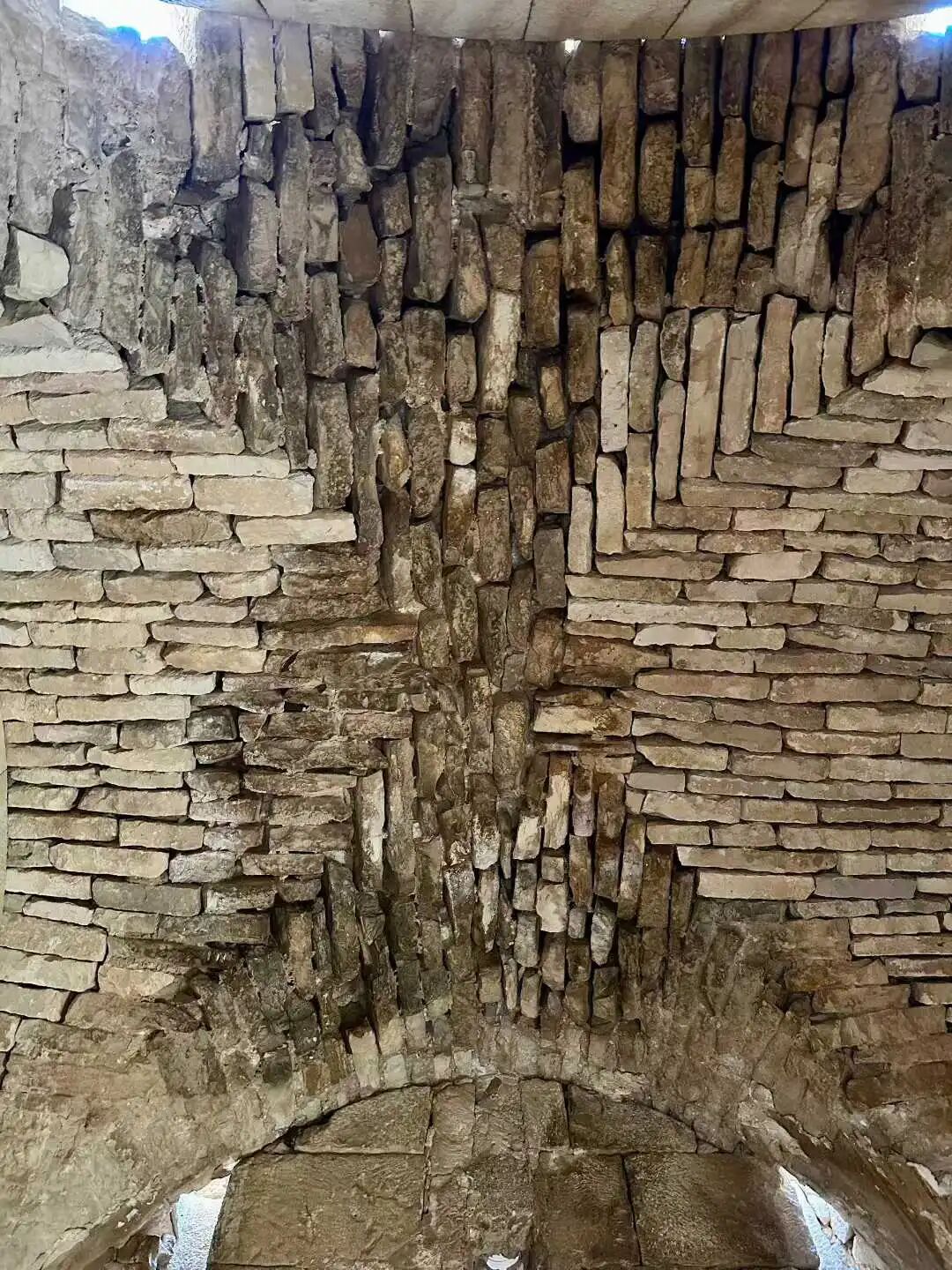
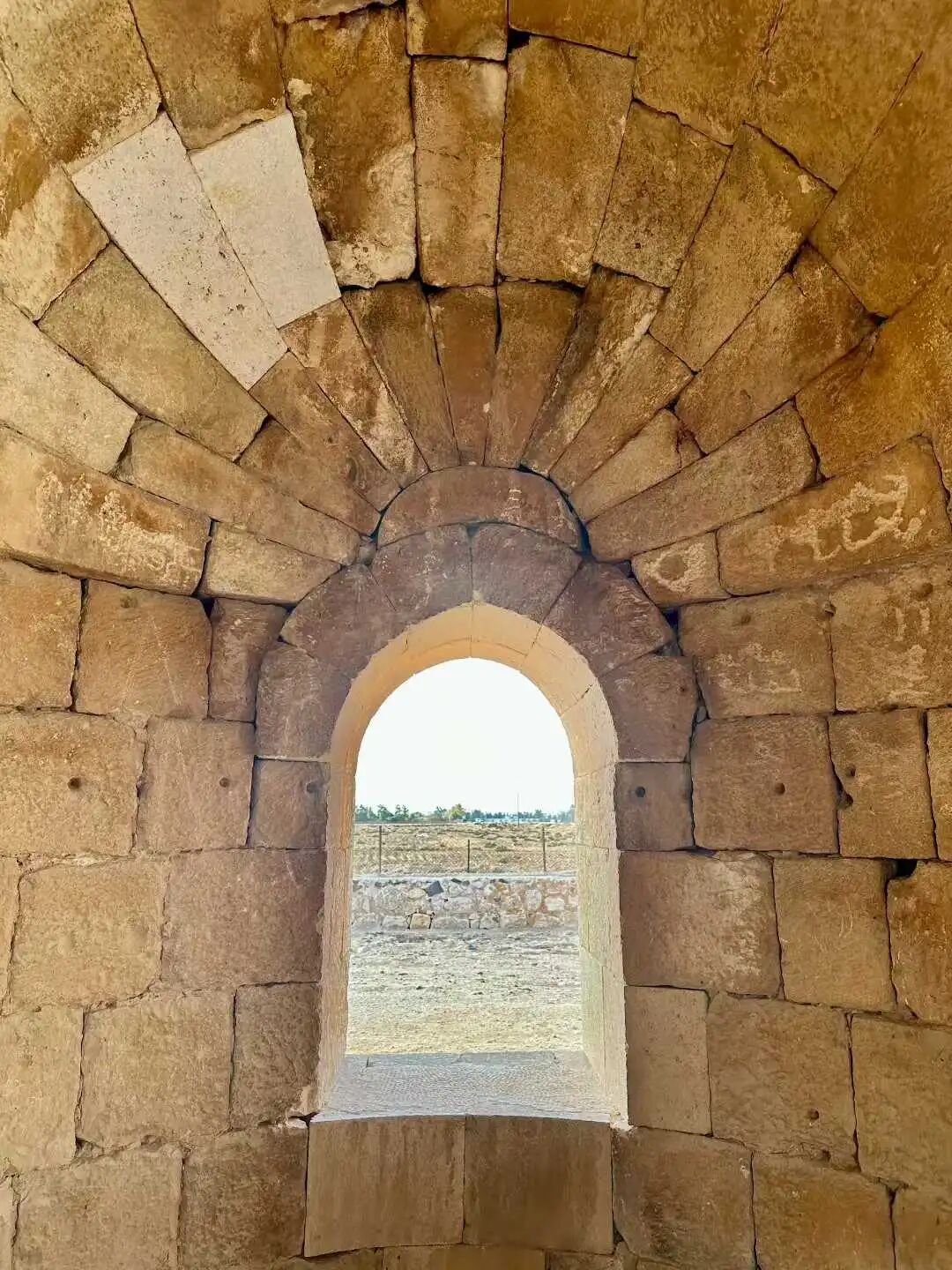
The heritage guards I met while visiting these ancient sites were wonderful, very helpful, and did not ask for tips.
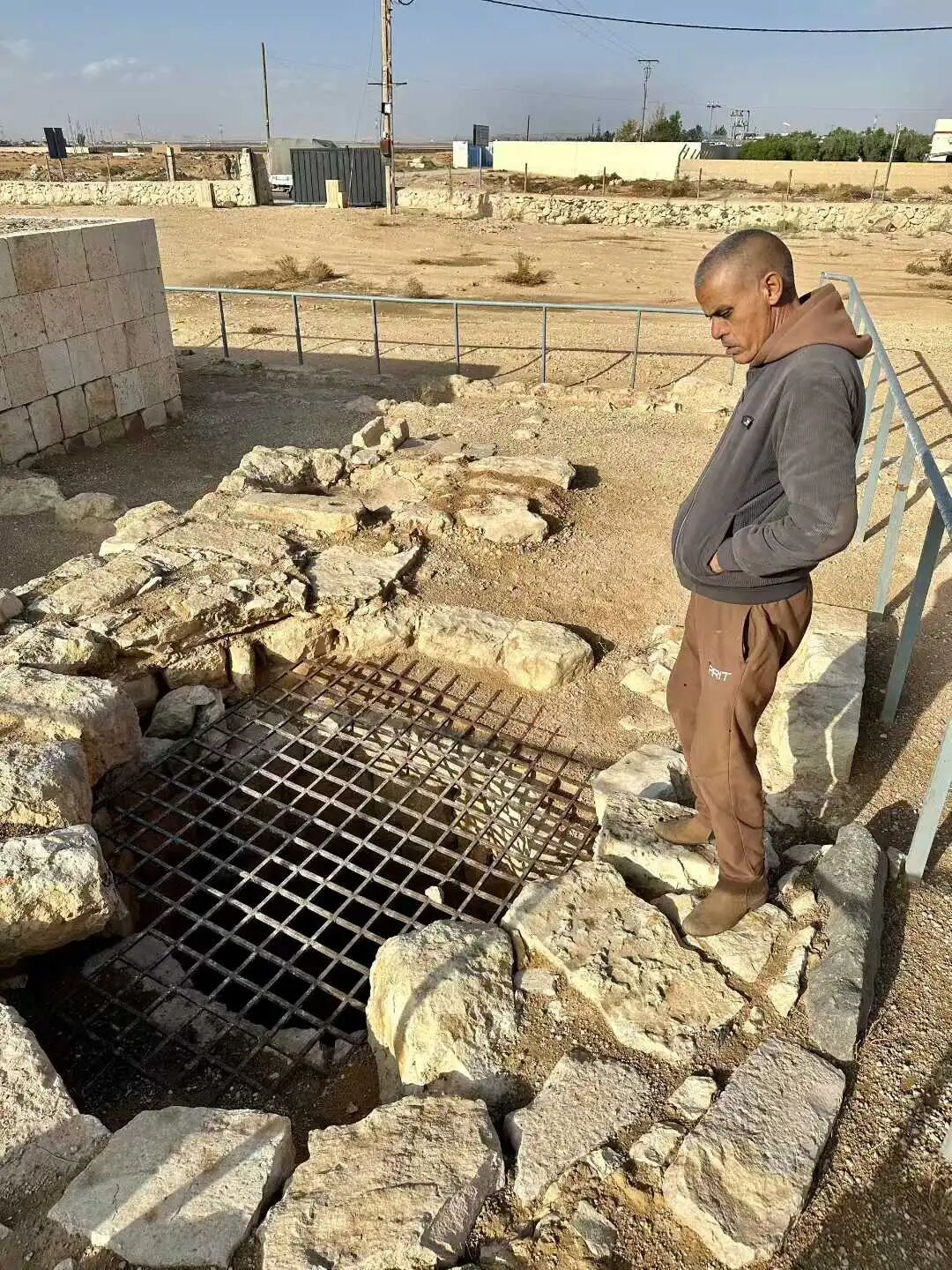
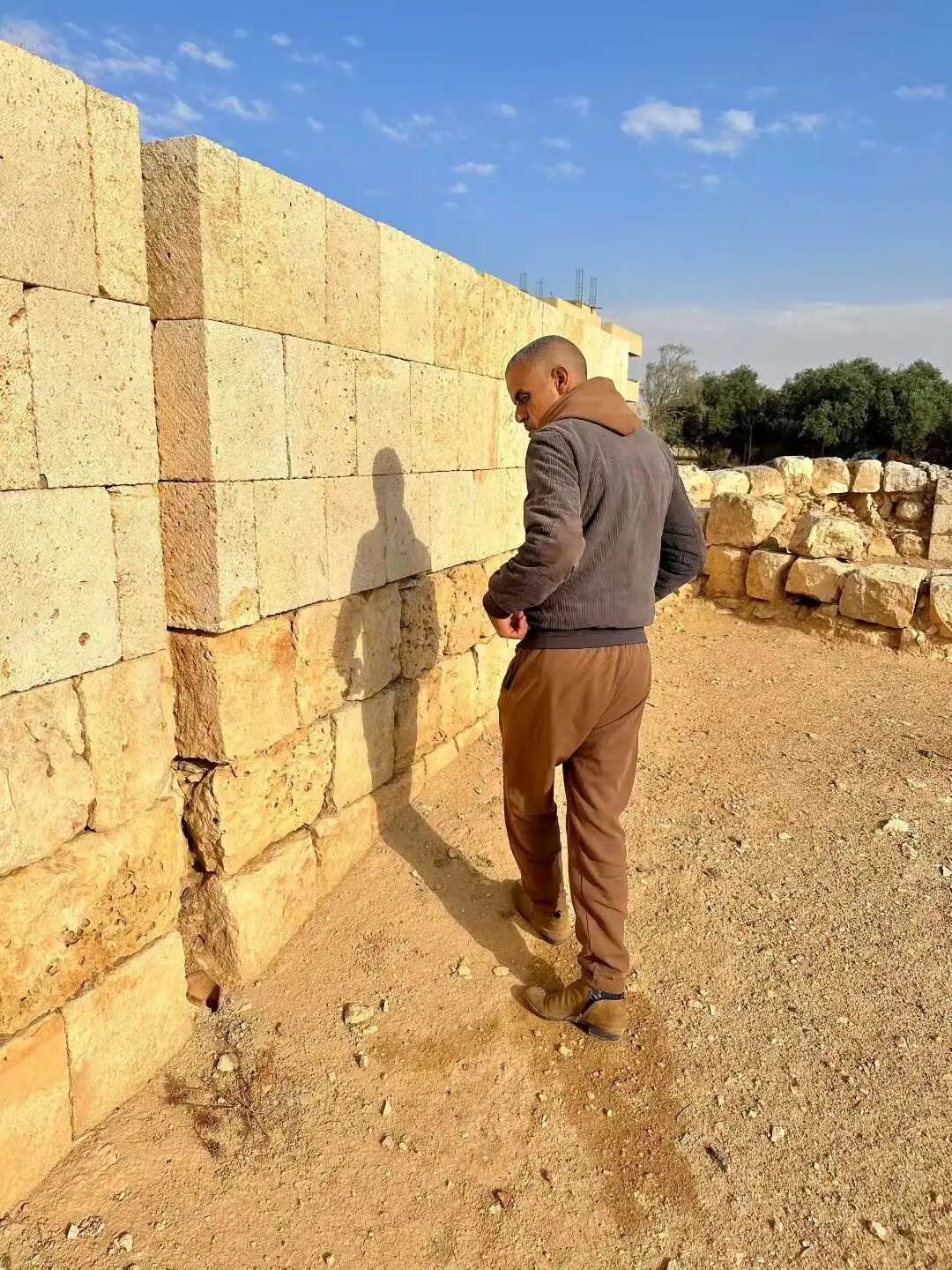
Qusayr 'Amra bathhouse does not have a parking lot, so I parked my car on the side of the road opposite the entrance. There are many stones on the side of the road, so be very careful not to scrape your car.
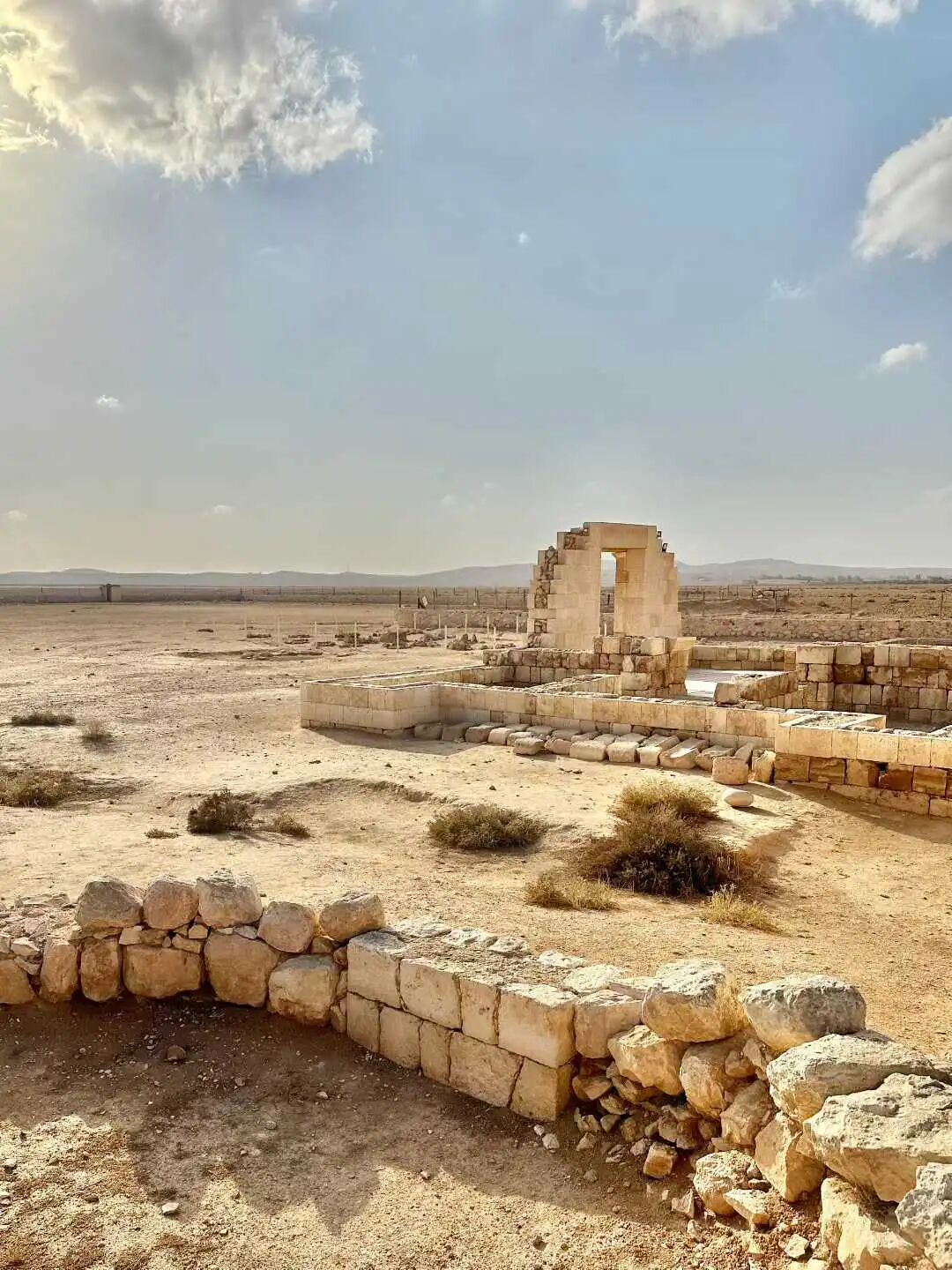
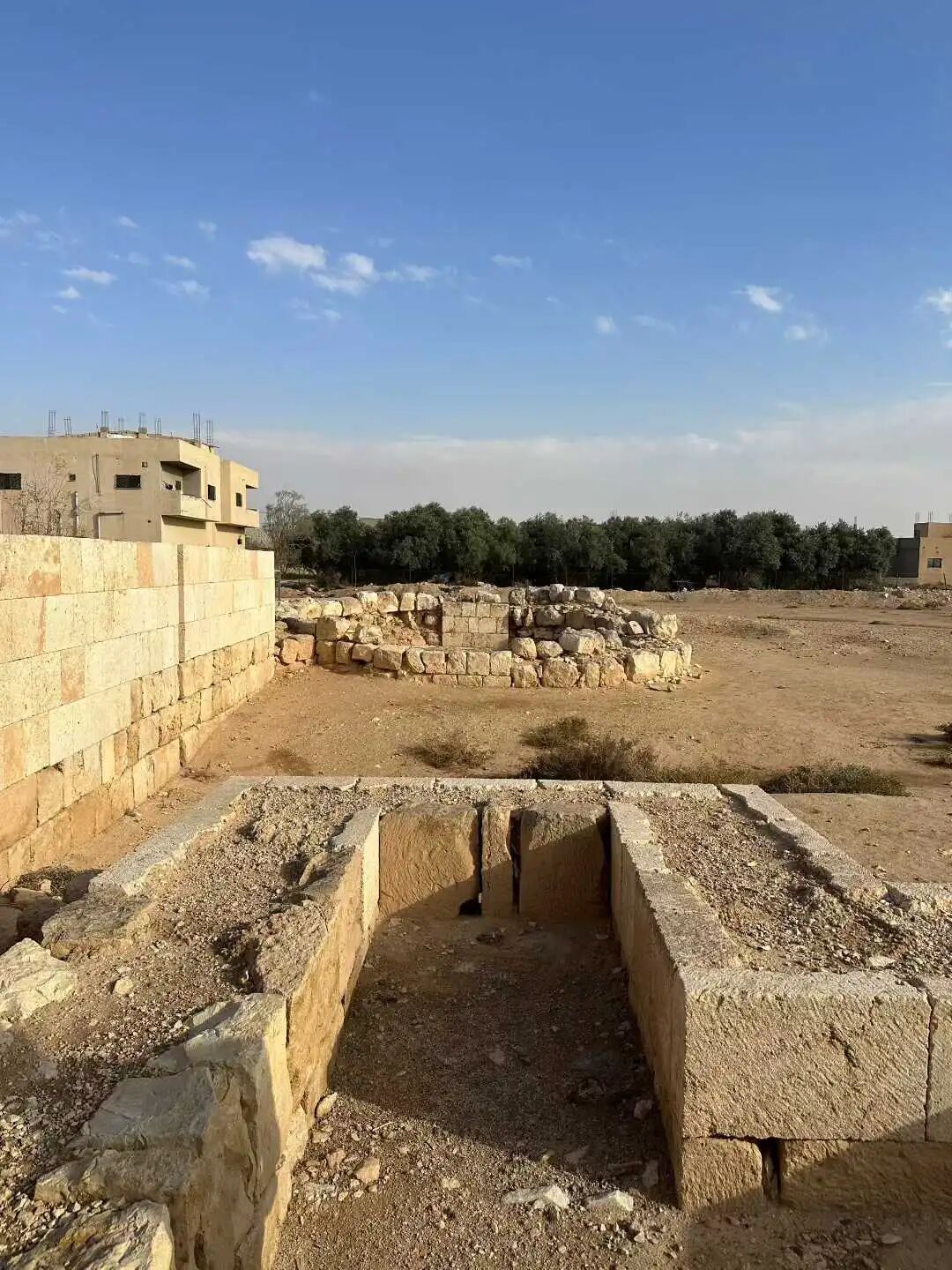
This is the earliest visible remnant of an Umayyad garden.
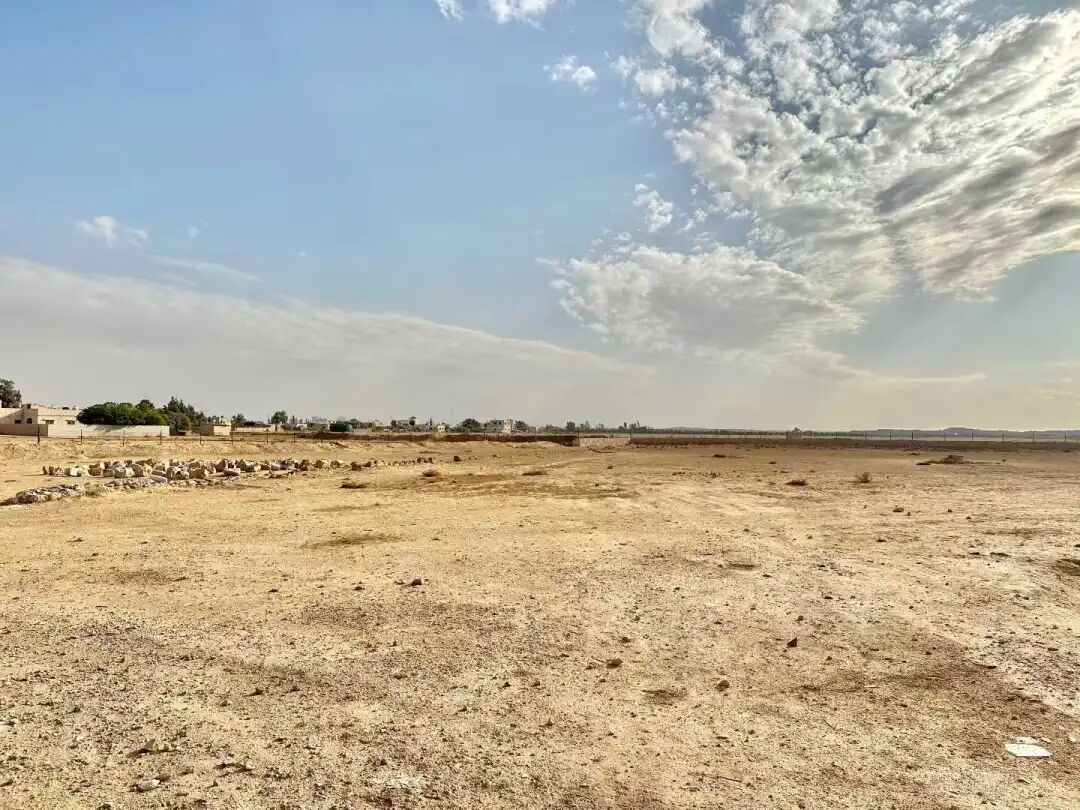
Qasr al-Hallabat
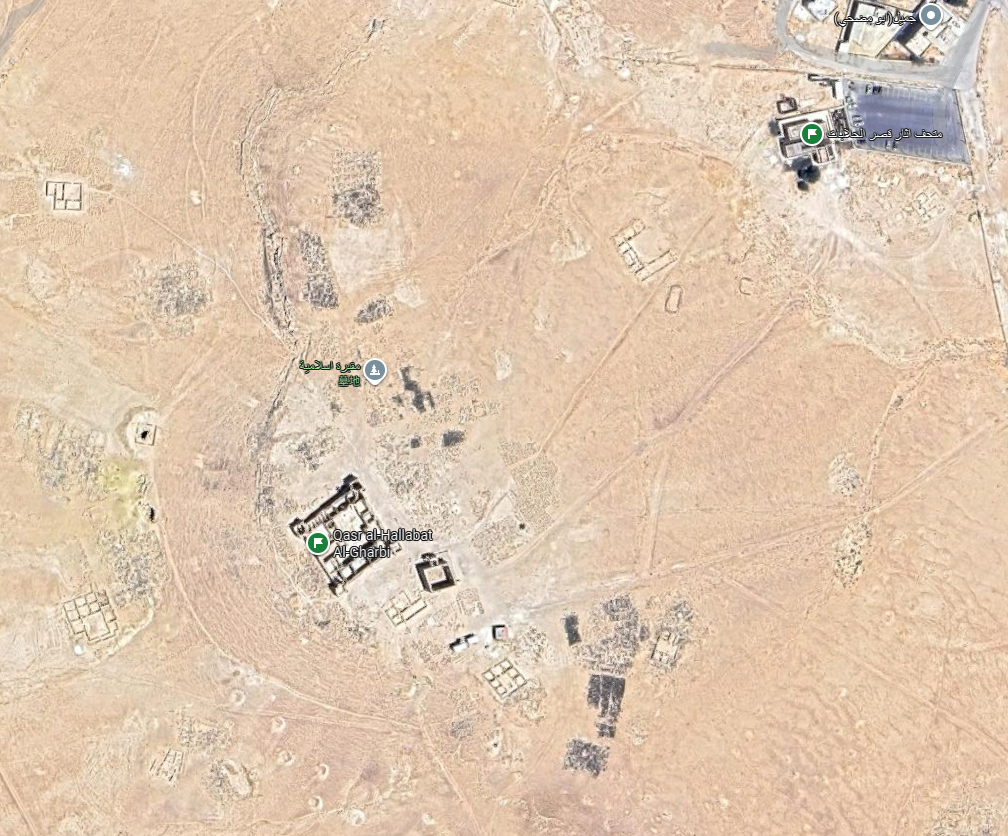
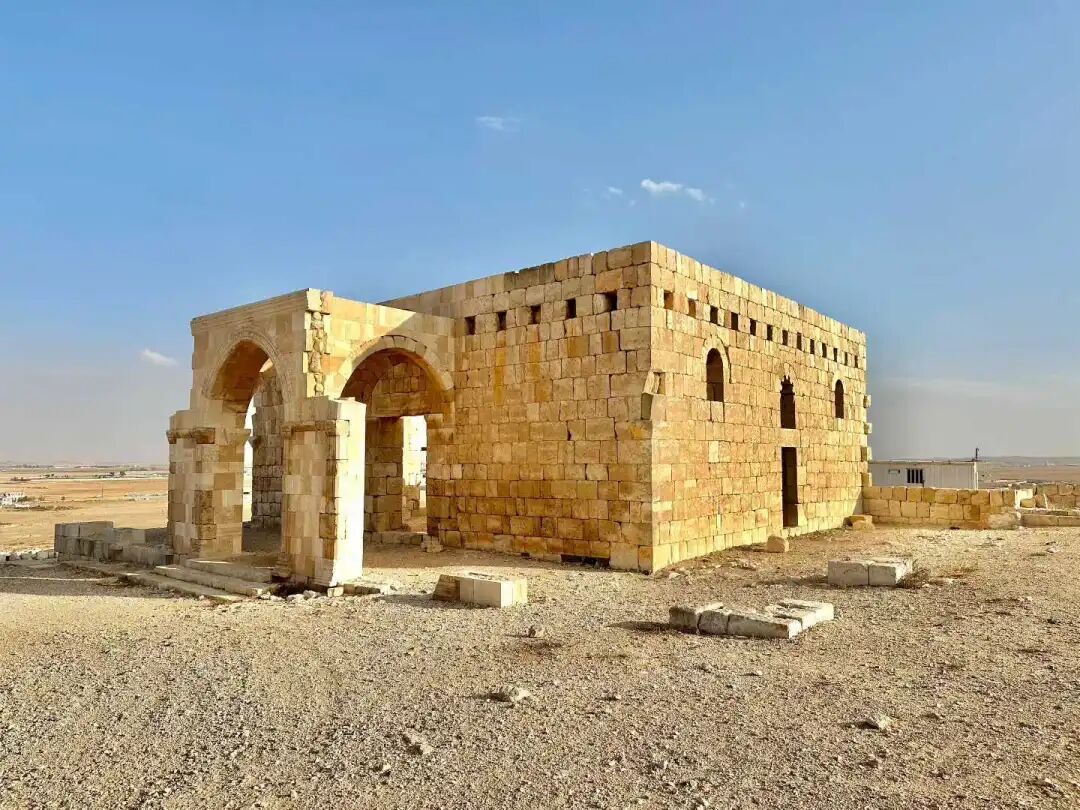
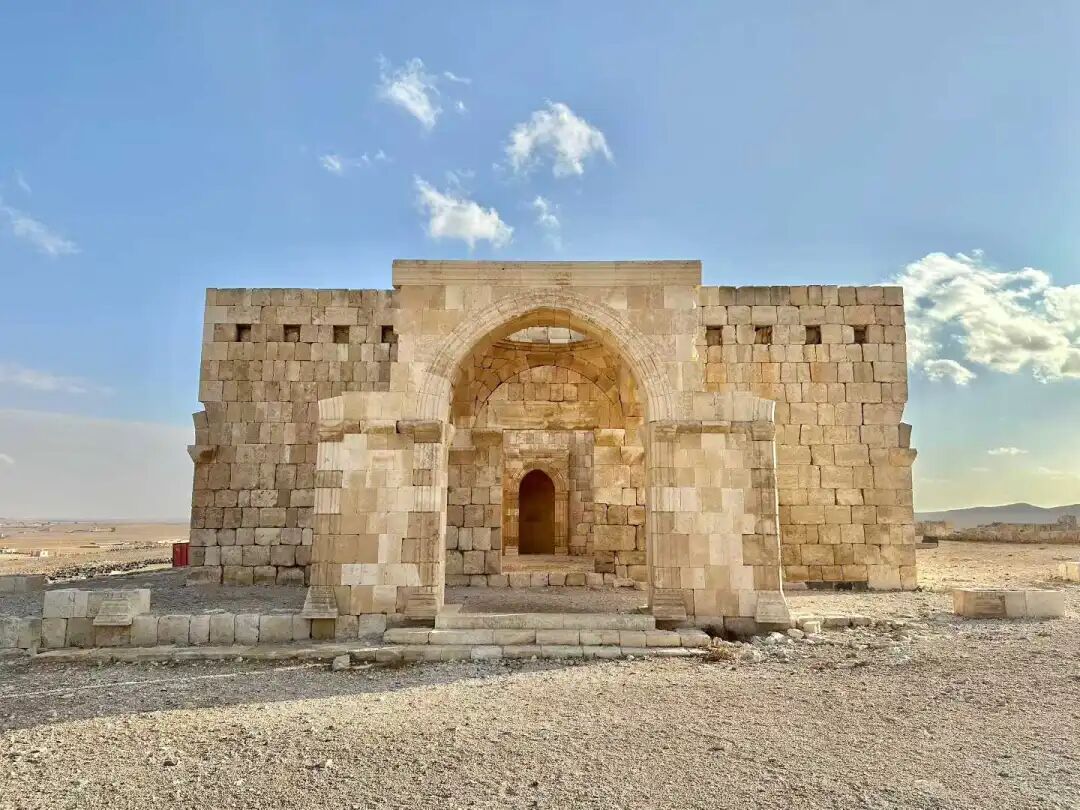
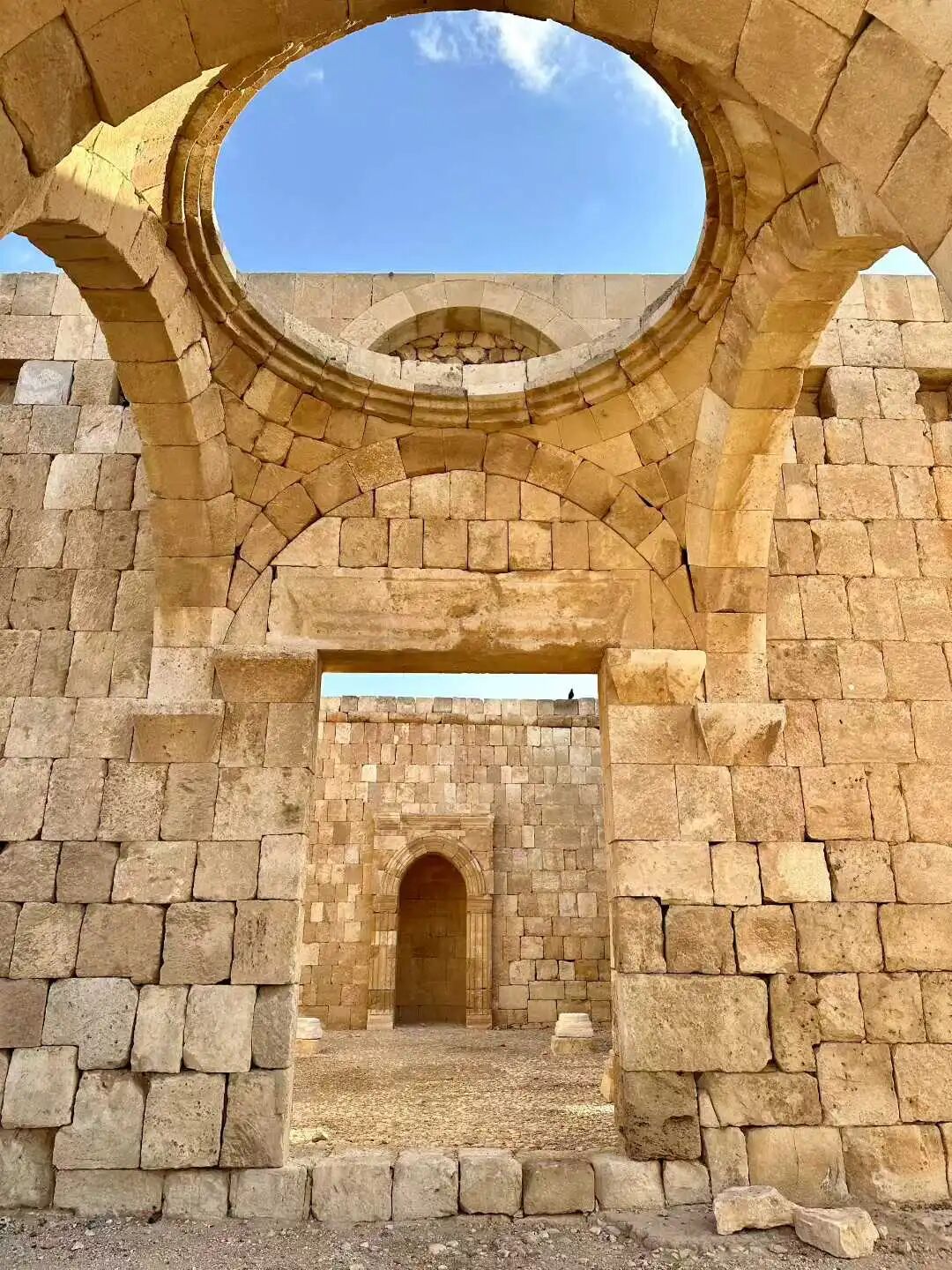
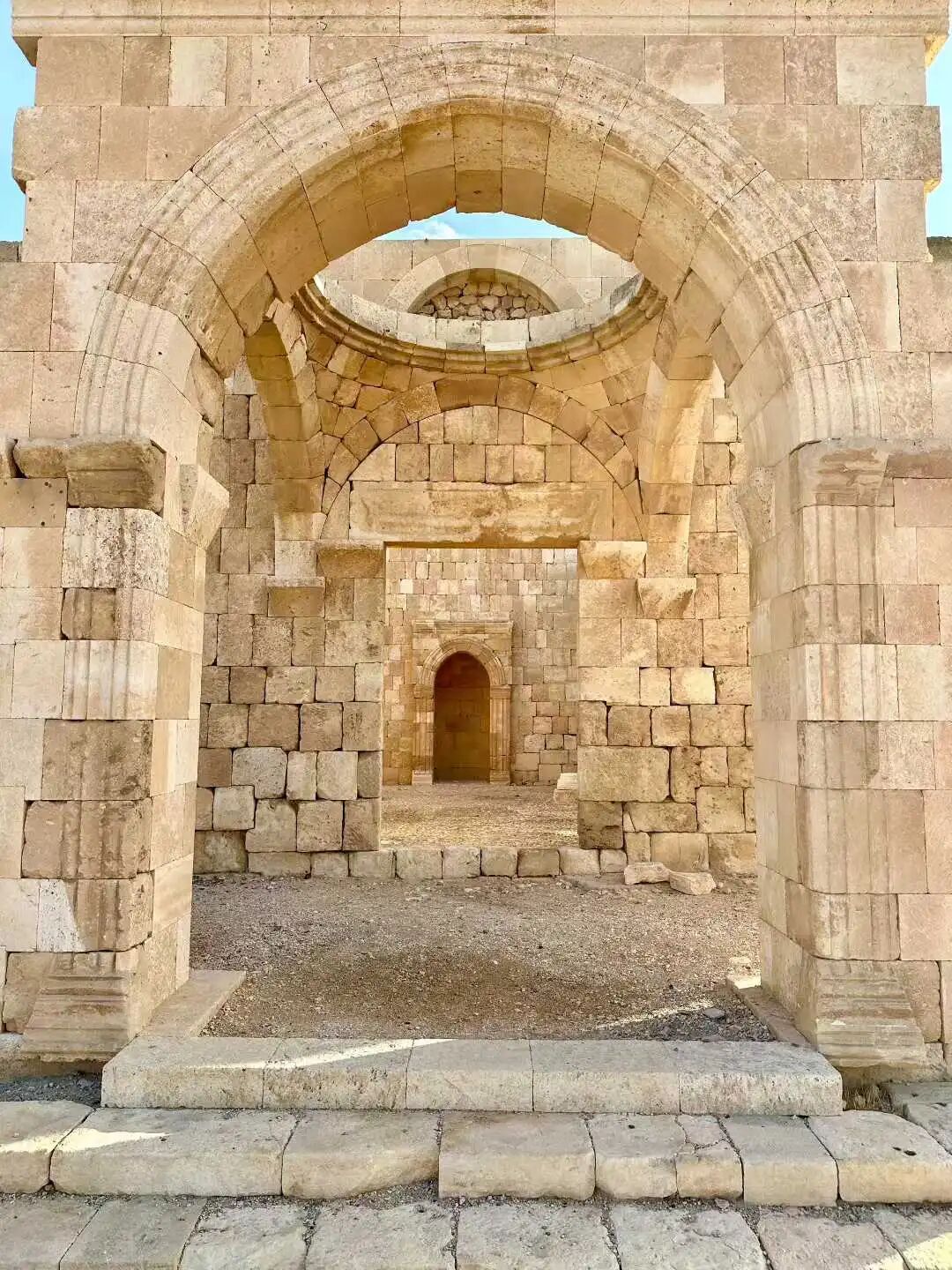
Four kilometers west of Qusayr 'Amra bathhouse, you reach another Umayyad palace in the Jordanian desert, Qasr al-Hallabat. This palace was first built during the Roman period and was originally one of many forts along the Roman Empire's road connecting the Red Sea to Damascus. In the early 8th century, the Umayyad Caliph Hisham ibn Abd al-Malik (724-743) rebuilt it into the current Qasr al-Hallabat.
Besides the palace, the surrounding area still has a mosque, five cisterns, a large reservoir, and agricultural buildings used for growing olive trees or grapevines. These, along with the Qusayr 'Amra bathhouse and garden to the east, make up a large Umayyad caliph's retreat.
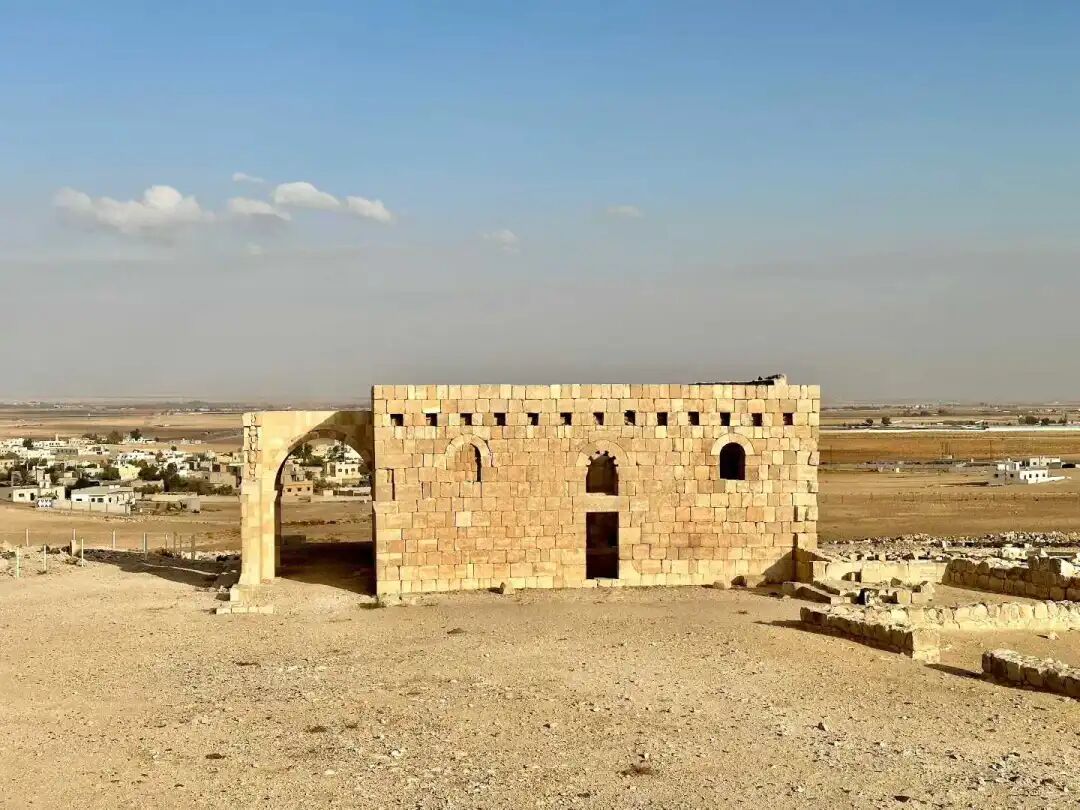
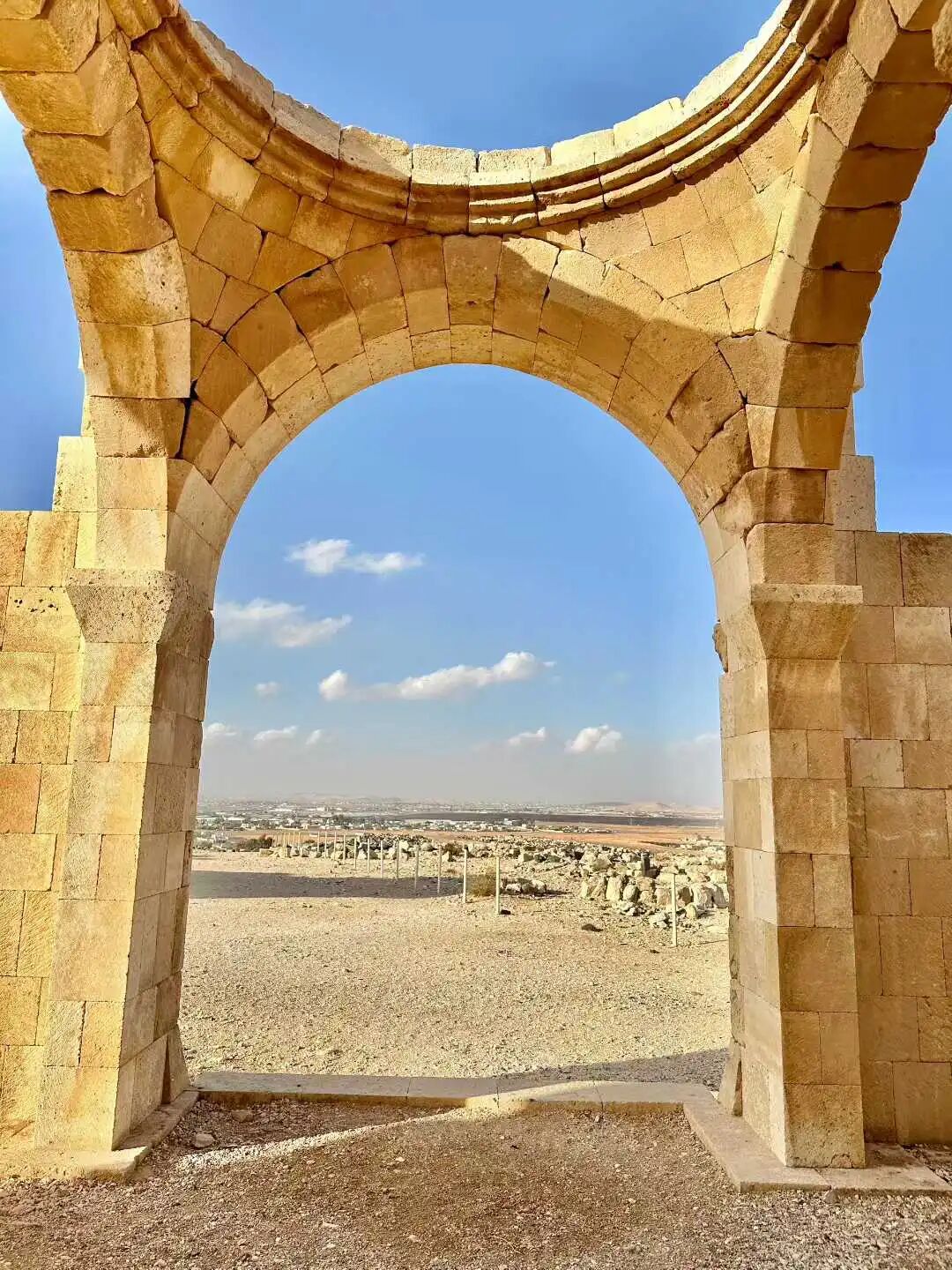
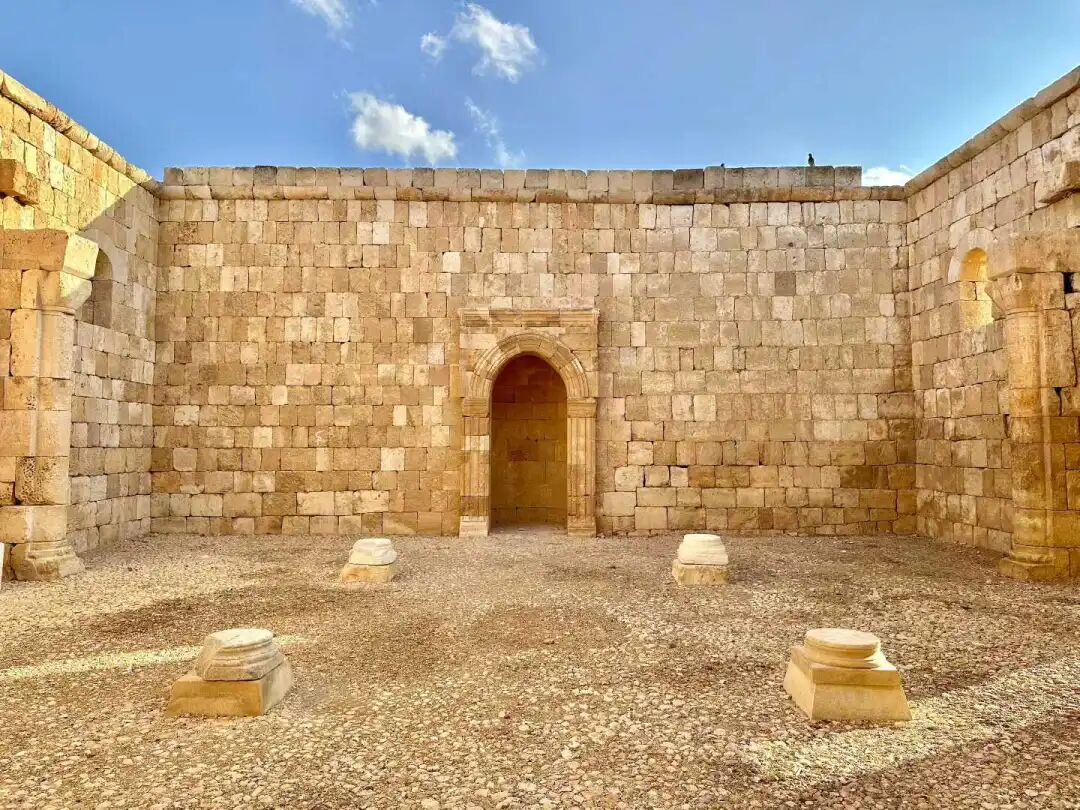
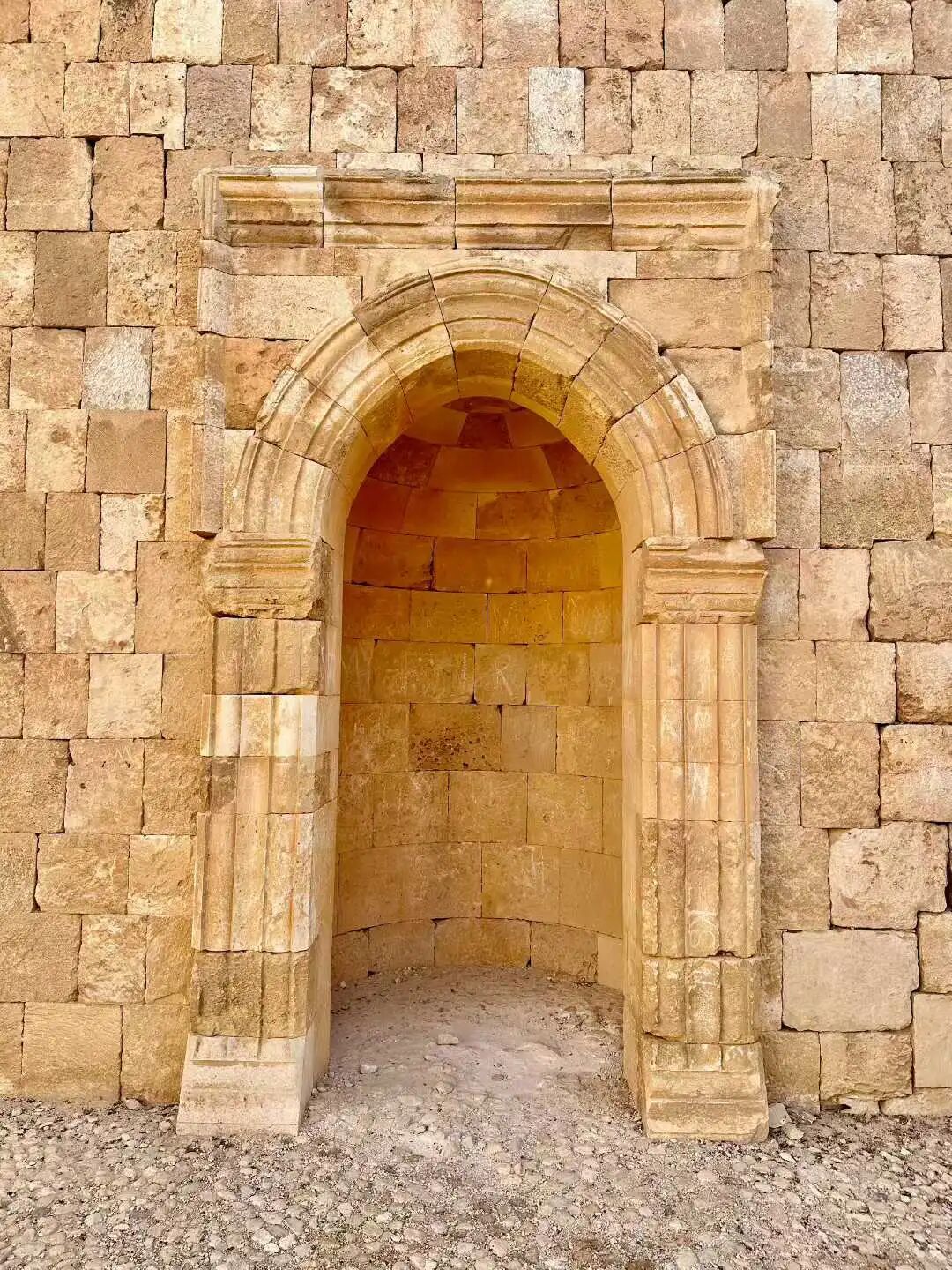
The mosque on the southeast side of Qasr al-Hallabat has collapsed and been rebuilt, but it remains an important example of an Umayyad mosque. The mosque is built from layers of limestone, divided into three parts by two arcades, and supported by three barrel vaults. Very precious is the fact that the southern qibla wall and the central mihrab niche both retain their original Umayyad dynasty appearance.
Summary: This Jordan road trip records a self-drive route to several Umayyad desert palaces after comparing private cars and group tours. It keeps the source's rental process, costs, driving observations, site history, palace names, and photographs.
A major goal of this trip to Jordan was to visit the many desert ruins from the Umayyad dynasty. Before I left, I looked into private cars and group tours, but I felt the tours visited too few sites and were quite expensive. I ended up choosing to rent a car and drive myself, which was my first time ever driving abroad.
I checked and found that XC rental only allowed airport pickup and return, while ZCC offered airport pickup and city center return, which fit my itinerary better. I chose Thrifty because they have locations at both the airport and in the city, so I didn't need to call ahead. I got a translation of my driver's license in advance, though they didn't actually ask to see it when I arrived.
The arrivals hall at Amman Airport is small, and I quickly found the Thrifty counter. The staff spoke fluent English. I showed him my passport, my domestic driver's license, and the rental confirmation. He put a 500-dollar pre-authorization hold on my VISA card, which would cover any traffic fines. The money was returned to me about ten days after I dropped off the car, as I didn't have any fines. The paperwork said I needed to wash the car before returning it, but I didn't, and it ended up being fine.
After finishing the paperwork at the counter, the guy pointed to my car outside. I took the slip they gave me to the attendant outside to pick up the car. I just took a video walking around the vehicle, and the registration was in the glove box. I chose a Nissan Kicks for 416 yuan a day, and the car ran without any issues. The only thing was that the rental car didn't have a phone mount. I didn't know where to put my phone for navigation at first, but I eventually wedged it in the front. The desert highway leading to the desert palaces is in great condition, but you must always watch out for speed bumps, as some are not very obvious. The mountainous areas around Amman have steep slopes, and driving through the narrow alleys requires some skill. Luckily, I drove steadily, and it all feels like a very memorable experience.
I arrived at Amman Airport at nine in the evening, so I booked a stay at Qastal Zaman near the airport. This place was originally a horse farm in the desert before being converted into a hotel. The advantage of this place is that it takes less than 10 minutes to drive there from the airport, and there is a large Umayyad palace ruin not far across the way. The downside is that the breakfast is quite basic, with only cold food. But to visit the historical sites, I didn't mind too much.
Looking at satellite maps, you can see two reservoirs to the northeast of the hotel that provided water for the Umayyad palace.
Qasr Al Qastal
There are two large Umayyad palace ruins near Amman Airport: one is the Qasr Al Mushatta and the other is the Qasr Al Qastal. I heard that Qasr Al Mushatta was closed for renovations, so I didn't go. However, after I got back, I saw someone say they managed to get in through a gap in the fence, which is a real shame.
The first Umayyad palace I visited was Qasr Al Qastal. It is right by the side of the airport road, so I just parked the car on the shoulder. According to the Umayyad poet Kuthayyir (660-723 AD), Qasr Al Qastal was built during the reign of the Umayyad Caliph Yazid II (reigned 720-724 AD). The palace was already built by the time Caliph Walid II (reigned 743-744 AD) arrived there. Compared to Damascus, this place feels more like a caliph's private estate. According to nearby tombstone inscriptions, this palace was used during the Abbasid, Ayyubid, and Mamluk dynasties, spanning several hundred years.
Satellite images show that modern buildings have damaged the northwest part of the palace.
Qasr al-Qastal consists of a palace, a mosque, a residential area, a cemetery, and a water supply system. The mosque is on the north side and preserves the oldest minaret (bangke ta) in the world. I previously thought the world's oldest minaret was at the Great Mosque of Kairouan in Tunisia. However, records show the base of the Kairouan minaret was built in 725, with the upper section rebuilt in 836, making it slightly later than the Qastal minaret (720-724). Since only the lower section of the Qastal minaret remains, the Kairouan minaret is still the world's earliest complete minaret.
The main hall of the Qastal mosque was renovated in later periods and is still in use today. Ancient stone architectural pieces are still displayed at the entrance of the main hall.
Located south of the mosque, Qasr al-Qastal is a 68-meter square courtyard. The outer wall has a round tower at each corner and twelve semi-circular towers in between. The semi-circular tower on the east side serves as the main gate, and there is a back door on the north side leading to the mosque.
Inside the entrance is a vestibule, followed by a 40-meter square central courtyard surrounded by colonnades, with a large cistern at the bottom.
Around the courtyard of Qasr al-Qastal are six suites (bayts) spread over two floors. You reach the upper suites via stairs on both sides of the vestibule, and there is an ornately decorated hall directly facing the second floor. Each floor of the suites has four rooms, some of which feature mosaic floors now kept at the Madaba Archaeological Museum. These residences served as palaces during the Umayyad and Abbasid dynasties, but were converted into ordinary homes during the Ayyubid and Mamluk periods, which is why some walls were added.
Qasr al-Qastal is scattered with stunning Umayyad-style stone carvings featuring geometric and floral patterns. The center of the niche features a floral pattern with spiral stone columns on both sides, identical to the niches of the Umayyad palace at the Amman Citadel.
Qasr Kharana
Traveling 60 kilometers east from Qasr al-Qastal along the desert highway brings you to the next Umayyad site, Qasr Kharana. This is a famous desert palace in Jordan. There is a parking lot, visitor center, restrooms, and shops nearby, so you park and then walk to the site.
Qasr Kharana was built during the Umayyad dynasty in the 7th century, and an inscription on the wall dates back to 710. Although it looks like a military fortress from the outside, the narrow slits in the walls could not have been used by archers and were instead meant for ventilation. Qasr Kharana has a typical Umayyad palace layout, which is basically the same as the Qasr al-Qastal I visited previously. The palace has round towers at the four corners, two-story suites (bayts) all around, a dedicated prayer hall on the south side, and a central courtyard.
The main feature of Qasr al-Kharanah is how it blends Byzantine and Sassanid architectural styles. The palace is built from mortar and rubble, with a second floor featuring barrel vaults supported by transverse arches, which is typical of the Sassanid style, though it differs from Sassanid buildings found in Iran. The arches at Qasr al-Kharanah do not connect to load-bearing walls but rest on piers, and the use of new wooden lintels makes the structure more flexible and earthquake-resistant.
Although experts and scholars have studied the purpose of Qasr al-Kharanah for years, it remains a subject of great debate. Qasr al-Kharanah is located far from trade routes and lacks a stable water source, making it unlikely to have been a caravanserai. Some believe it was a hunting lodge built by the Umayyad Caliph Walid II (who reigned from 743 to 744), while others think it was a meeting place for Bedouin tribes.
Qasr al-Kharanah sat abandoned for over a thousand years until it was rediscovered in 1896, and it underwent restoration in the late 1970s. During the restoration, a door in the east wall was sealed, and some mortar different from the original materials was used.
Quseir Amra
Fifteen kilometers east of Qasr al-Kharanah is Jordan's most famous World Heritage Umayyad palace, Quseir Amra. Built by the Umayyad Caliph Walid II between 723 and 743, it was added to the UNESCO World Heritage list in 1985 because of the rich and unique frescoes in its bathhouse.
Based on the remains of stone walls around Quseir Amra, this Umayyad palace was once a massive 25-hectare complex, but today only the foundations remain, with the bathhouse and reception hall being the best-preserved parts. The interior murals feature images of hunting, bathing, animals, and plants, offering the most vivid look at secular life during the Umayyad dynasty. Walid II had a free-spirited personality and loved art, music, and luxury. He would lead his entourage away from the bustle of Damascus, traveling for days by camel to reach this desert palace to enjoy his private life.
See "Jordan's Unique Umayyad Court Frescoes" for more details.
Azraq Palace Restaurant
Continuing 28 kilometers east from Quseir Amra, you reach the main oasis town of Azraq in the eastern Jordanian desert, which is 100 kilometers from Amman. Azraq is the only oasis with a sustainable water source in the vast 12,000-square-kilometer desert. It was home to animals like elephants, rhinoceroses, and lions during the Paleolithic era and has been an important settlement since the Roman period.
Travelers visiting the Umayyad desert palaces usually choose to have lunch in Azraq. The place I visited, Azraq Palace Restaurant, is a buffet-style restaurant that mainly caters to tour groups. For 100 yuan per person, you can eat a variety of traditional Jordanian Bedouin dishes.
Their signature main dish is upside-down rice (maqluba), which is made by layering cauliflower, eggplant, potatoes, chicken, and rice in a pot to stew, then flipping it over onto a large metal tray when served; it is a classic main dish for Bedouin gatherings.
Azraq Castle
After lunch, I continued two kilometers north to Qasr al-Azraq in the center of town. This oasis castle was built in the early 4th century during the Roman era. It was one of a series of fortifications used by the Roman army to guard the eastern border, protect trade routes, and defend against nomadic invasions. The Romans built the castle using black basalt and a lime mortar that contained up to 30% volcanic ash.
Azraq Castle remained in use during the Byzantine period. In the early 8th century, the Umayyad Caliph Walid II (reigned 743-744) used it as a hunting lodge because the wetlands and lakes of the Azraq oasis were full of wildlife. Walid II built a prayer hall, a well, and stables inside the castle, and he also carried out some expansions.
During the Abbasid period, Azraq Castle continued to serve as a military fort connecting trade routes between Syria and Iraq. In 1237, the Ayyubid dynasty completely rebuilt it into the structure seen today. In the early 13th century, the Ayyubid dynasty faced both internal and external troubles. They dealt with threats from the Crusaders and the Sultanate of Rum, as well as internal divisions between Syria and Egypt. Because of frequent wars, they placed great importance on building castles.
The Ayyubid dynasty used black basalt to build tall gates, towers, and walls. The two door panels of the main gate weigh 3 tons each, but they move easily when lubricated with palm oil. Because local palm wood was not hard enough for defense, they used heavy stone doors instead. Above the gate, there is an Arabic stone inscription from the 1237 reconstruction. The northwest corner of the castle served as a prison, while the northern section contained living quarters, including a dining room, kitchen, storage rooms, and stables.
Azraq Castle is also famous for Lawrence of Arabia, a story made widely known by the 1962 film. In the winter of 1917, British liaison officer Thomas Edward Lawrence used Azraq Castle as his headquarters to help the Arabs revolt against the Ottoman Empire. Lawrence’s office was in the room above the castle gatehouse, while another Arab revolt leader, Ali bin Hussein, lived in the southeast tower. In 1918, they planned the attack on Damascus from here and successfully drove out the Ottoman Empire. Ali bin Hussein was the 38th leader of the Hashemite family and the eldest son of Hussein, Sharif of Mecca. He became King of Hejaz in 1924, but was soon defeated by the Kingdom of Nejd and went into exile in Iraq.
Sarah Bathhouse
Azraq town is the intersection of two desert highways east of Amman. I took the southern route when I arrived and switched to the northern route for the return trip. Traveling 60 kilometers west from Azraq town along the northern route, you reach another Umayyad bathhouse in the Jordanian desert: Sarah Bathhouse (Hammam al-Sarah).
Built in the early 8th century, Sarah Bathhouse has a layout similar to the bathhouse at the UNESCO-listed Quseir Amra. It includes a rectangular hall, a changing room (Apodyterium), a warm room (Tepidarium), and a hot room (Caldarium), along with a furnace, a well, a water wheel (Saqiyah), and an elevated water tower. There is also a walled garden site, which is considered the oldest Islamic garden site.
The construction of Sarah Bathhouse is more refined than that of Quseir Amra, using neatly cut, medium-sized stones decorated with intricately carved fluted moldings. The main hall features a beautifully designed fountain, which was supplied with water from the elevated water tower on the east side.
The bathhouse was originally well-preserved, but when a village was built nearby in the 1960s, people stole a large amount of its stone, leaving the building nearly destroyed. The Jordanian Department of Antiquities excavated and restored the site in 1974, but they used cement mortar, which was replaced with lime mortar between 2008 and 2011. The bathhouse underwent several repairs between 2002 and 2020, including adding a wooden dome, fixing the water system, paving the floor, and resetting the gate, which created its current appearance.
The heritage guards I met while visiting these ancient sites were wonderful, very helpful, and did not ask for tips.
Qusayr 'Amra bathhouse does not have a parking lot, so I parked my car on the side of the road opposite the entrance. There are many stones on the side of the road, so be very careful not to scrape your car.
This is the earliest visible remnant of an Umayyad garden.
Qasr al-Hallabat
Four kilometers west of Qusayr 'Amra bathhouse, you reach another Umayyad palace in the Jordanian desert, Qasr al-Hallabat. This palace was first built during the Roman period and was originally one of many forts along the Roman Empire's road connecting the Red Sea to Damascus. In the early 8th century, the Umayyad Caliph Hisham ibn Abd al-Malik (724-743) rebuilt it into the current Qasr al-Hallabat.
Besides the palace, the surrounding area still has a mosque, five cisterns, a large reservoir, and agricultural buildings used for growing olive trees or grapevines. These, along with the Qusayr 'Amra bathhouse and garden to the east, make up a large Umayyad caliph's retreat.
The mosque on the southeast side of Qasr al-Hallabat has collapsed and been rebuilt, but it remains an important example of an Umayyad mosque. The mosque is built from layers of limestone, divided into three parts by two arcades, and supported by three barrel vaults. Very precious is the fact that the southern qibla wall and the central mihrab niche both retain their original Umayyad dynasty appearance.
