
Hidden Shia Mosques in Asia: India, Thailand, Myanmar and Singapore Muslim Heritage, Part One
Reposted from the web
Summary: This first part introduces Shia mosques, ashurkhanas, jamatkhanas, and Muslim heritage sites across India, Thailand, Myanmar, and Singapore, including Hyderabad, Bangkok, Yangon, and Singapore.
India
Bad-e-Shahi Ashur Khana in Hyderabad
Thailand
Sheikh Ahmad gongbei in Ayutthaya
Kudi Luang mosque in Bangkok
Kudi Charoenphat in Bangkok
Phadungtham Islam mosque in Bangkok
Dilfulla mosque in Bangkok
Safee mosque in Bangkok
Goowatil Islam Mosque in Bangkok
Myanmar
Mughal Shia Mosque in Yangon
Hazarat Abbas (A. S) Astana Alamdar-e-Husayn in Yangon.
Punja Mosque in Yangon.
Dawoodi Bohra Saifee Mosque in Yangon.
His Highness The Agakhan Building Myanmar Ismaili Khoja Jamatkhana in Yangon.
Singapore
Al-Burhani mosque in Singapore
Indian Heritage Centre in Singapore
Asian Civilisations Museum in Singapore
India
Bad-e-Shahi Ashur Khana in Hyderabad
Shia Islam grew in the Deccan Plateau of South India during the Bahmani Sultanate (1347-1527). After the Bahmani Sultanate fell, the Qutb Shahi dynasty made Shia Islam the state religion in 1518.
Hyderabad became a center for Shia culture in India during the 16th and 17th centuries. The fifth sultan of the Qutb Shahi dynasty, Muhammad Quli Qutb Shah, was a talented Urdu poet and the first person to write Marsiya (Shia mourning poetry for Imam Hussain) in Urdu. Shia scholar and scientist Mir Muhammad Momin arrived at the Qutb Shahi dynasty in 1581 and helped design and build the city of Hyderabad in 1591.
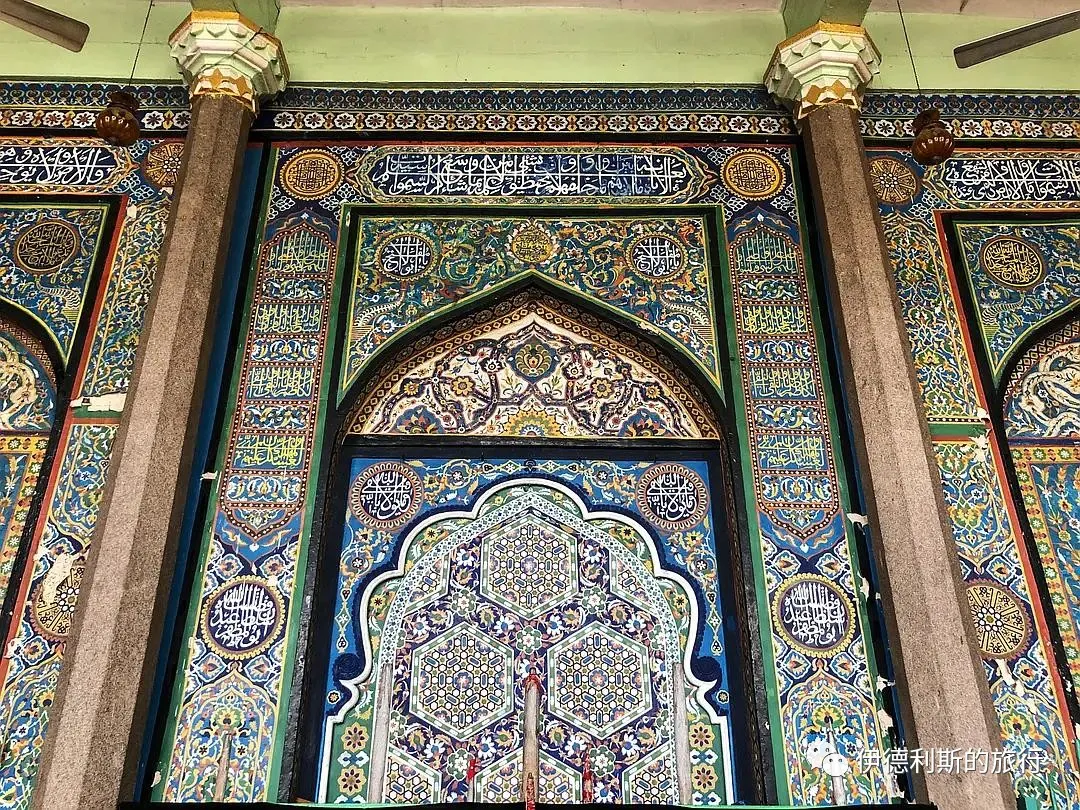
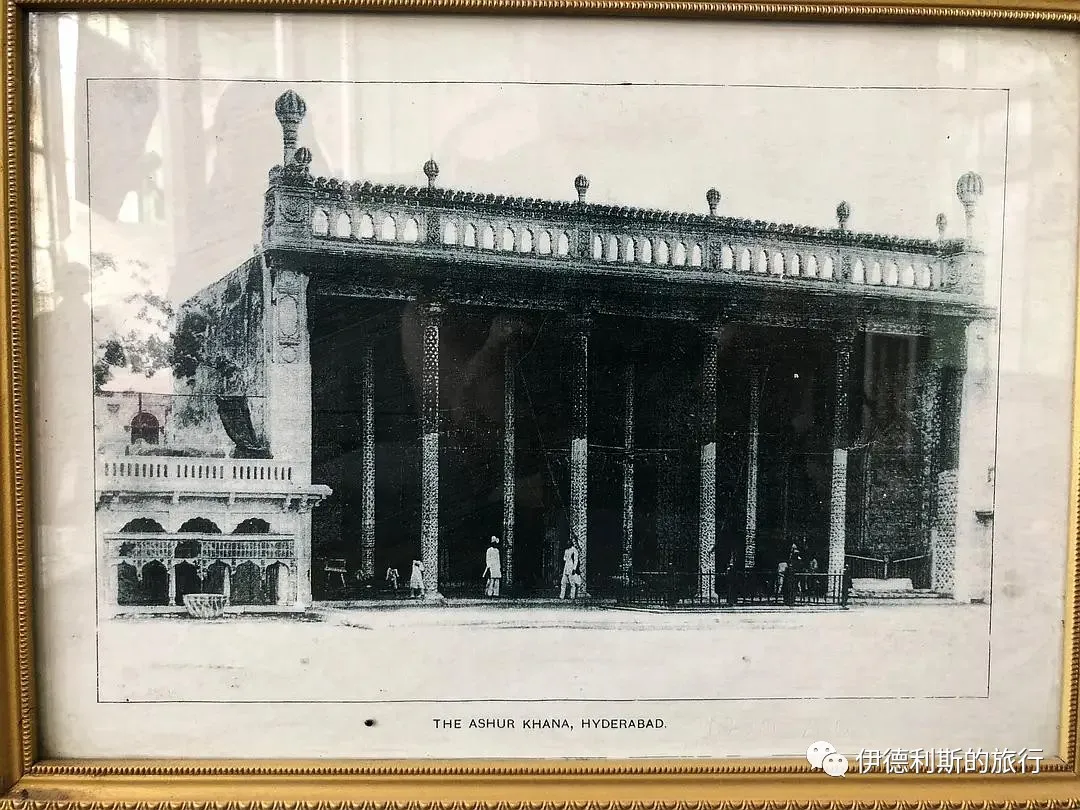
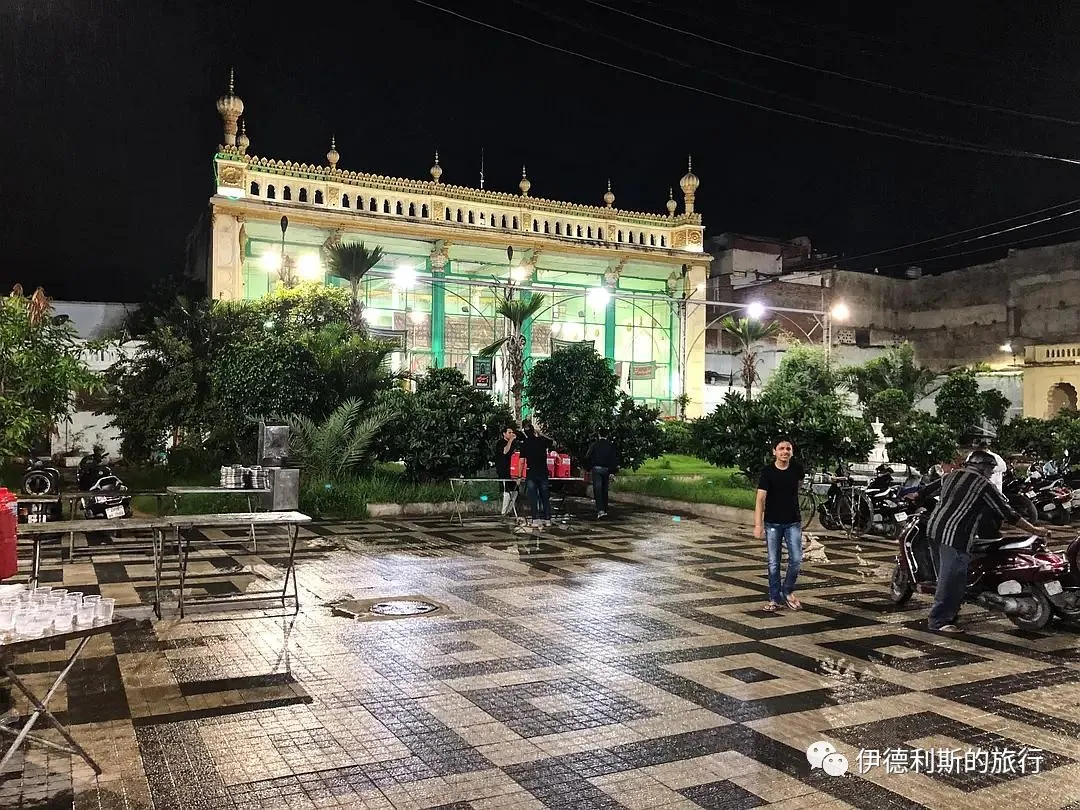
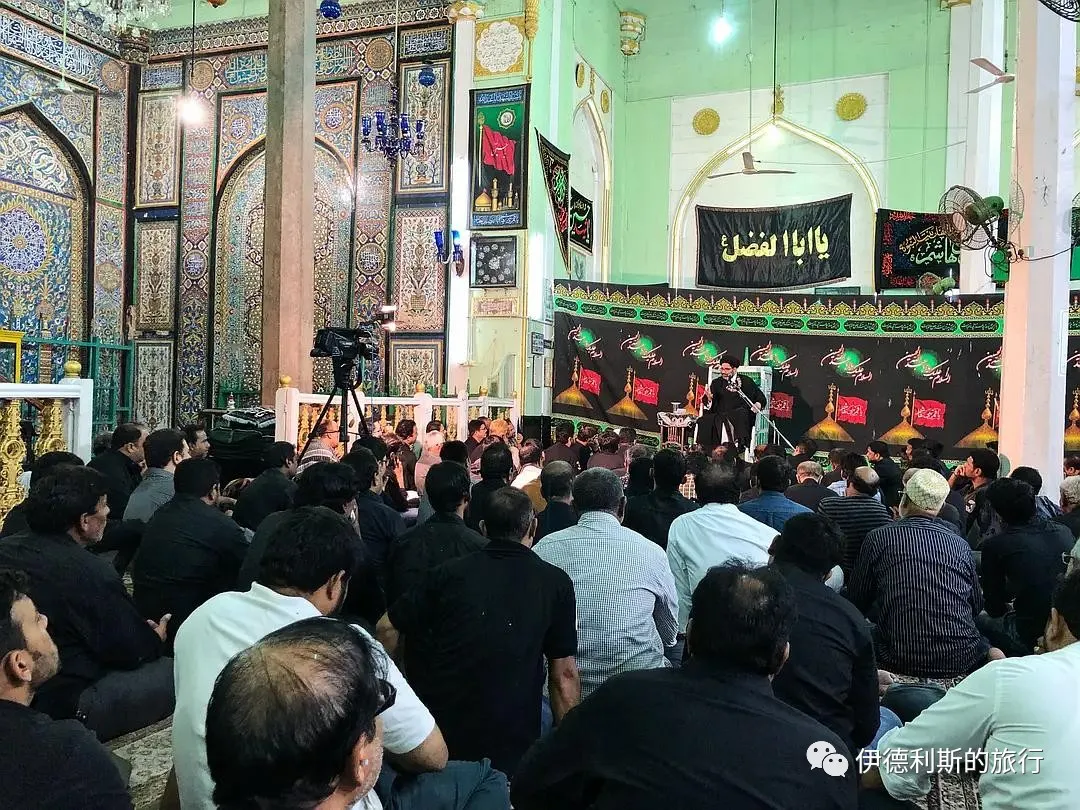
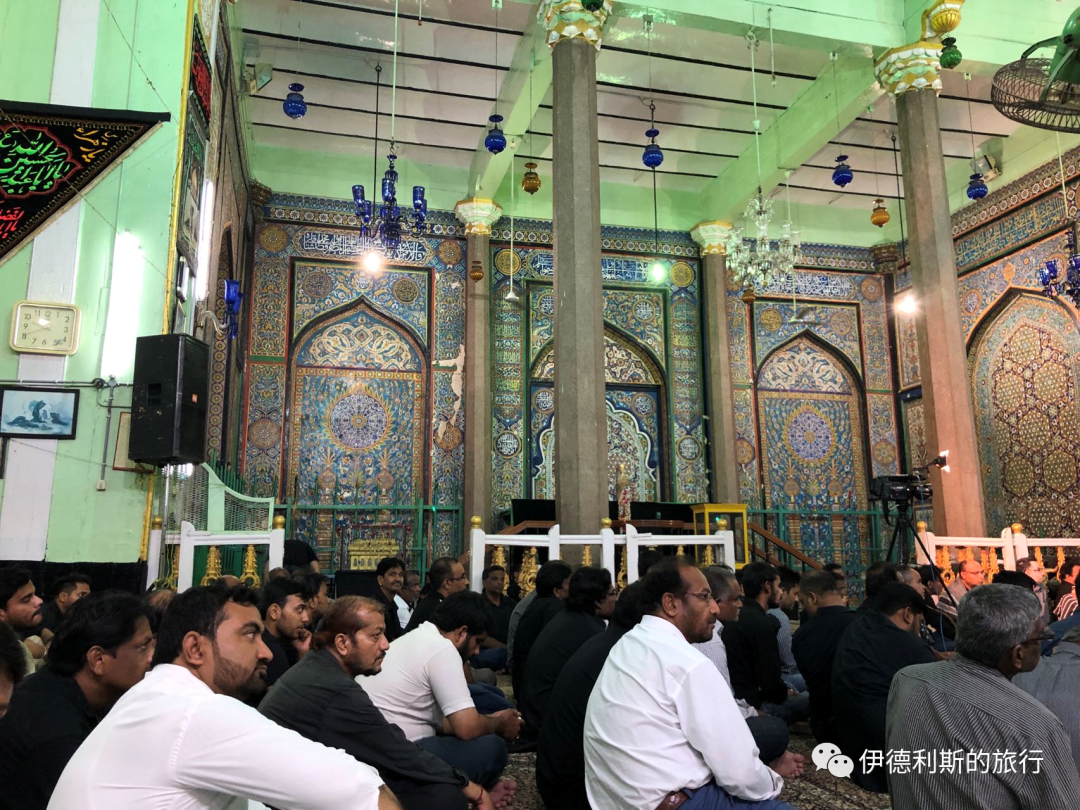
Bad-e-Shahi Ashur Khana is the Shia center of Hyderabad and the first Imambargah in India. An Imambargah, also called a Hussainiya, is a hall where Shia Muslims of the Twelver branch mourn Imam Hussain. It is busiest here during Ashura, but there are also events held every week.
The fifth sultan of the Qutb Shahi dynasty, Muhammad Quli Qutb Shah, ordered the construction of Bad-e-Shahi Ashur Khana in 1594, and the seventh sultan, Abdullah Qutb Shah, added tiles in 1611. In 1764, the second Nizam of the Asaf Jahi dynasty, Ali Khan, added a wooden colonnade, an outer hall, and a gate. The caretakers here are from a hereditary family, and the current one is the 11th Mutawalli Mujawer, Mir Nawazish Ali Moosvi.
The Arabic calligraphy and floral tiles inside the building use the Cuerda Seca technique, which was created by Persian craftsmen. This technique uses lines drawn with dark pigment mixed with grease on the tile surface to separate different colors of water-soluble glaze, leaving dark lines in every area. Scholars believe the Cuerda Seca technique originated in 10th-century Andalusia (southern Spain) and later spread to Asia through Arabs and Persians. The Mughal Empire frequently used this technique to fire tiles during the 17th century.
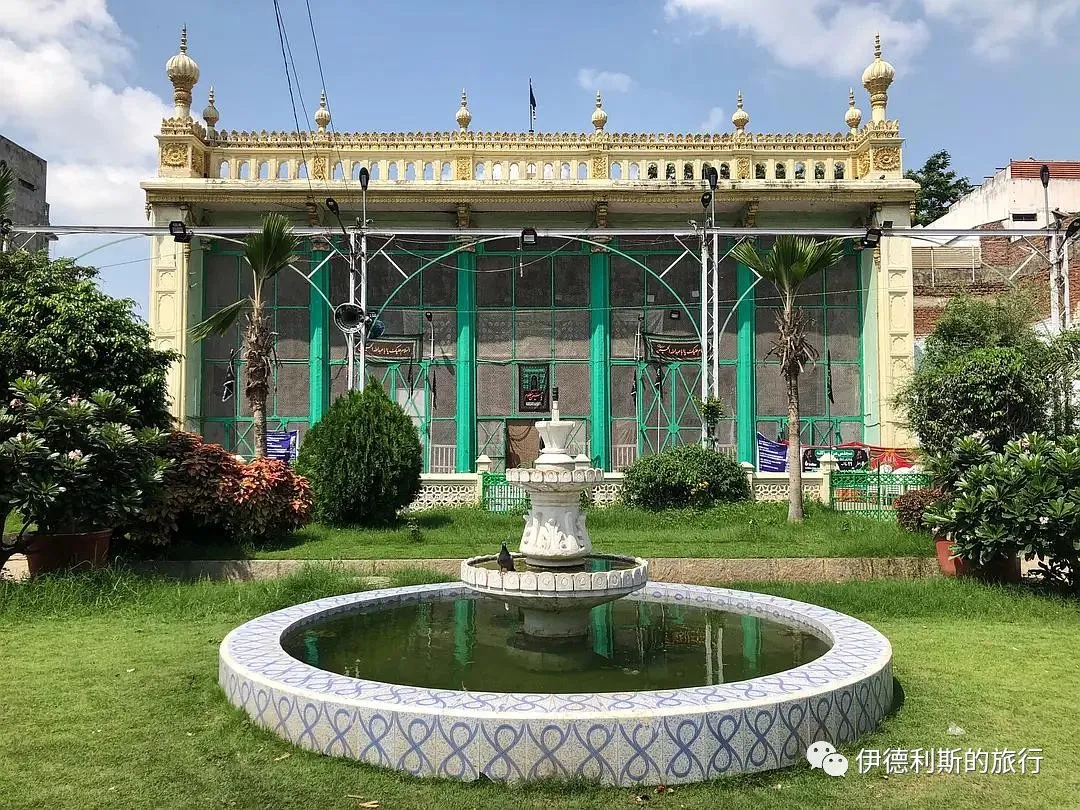
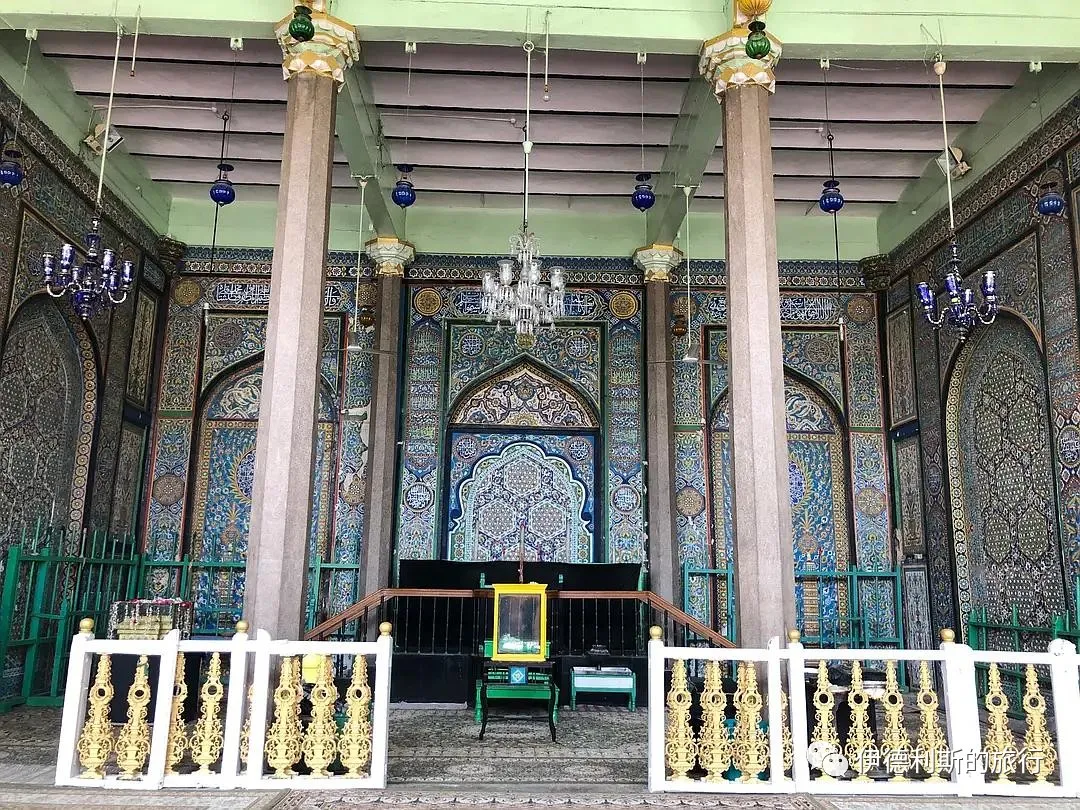
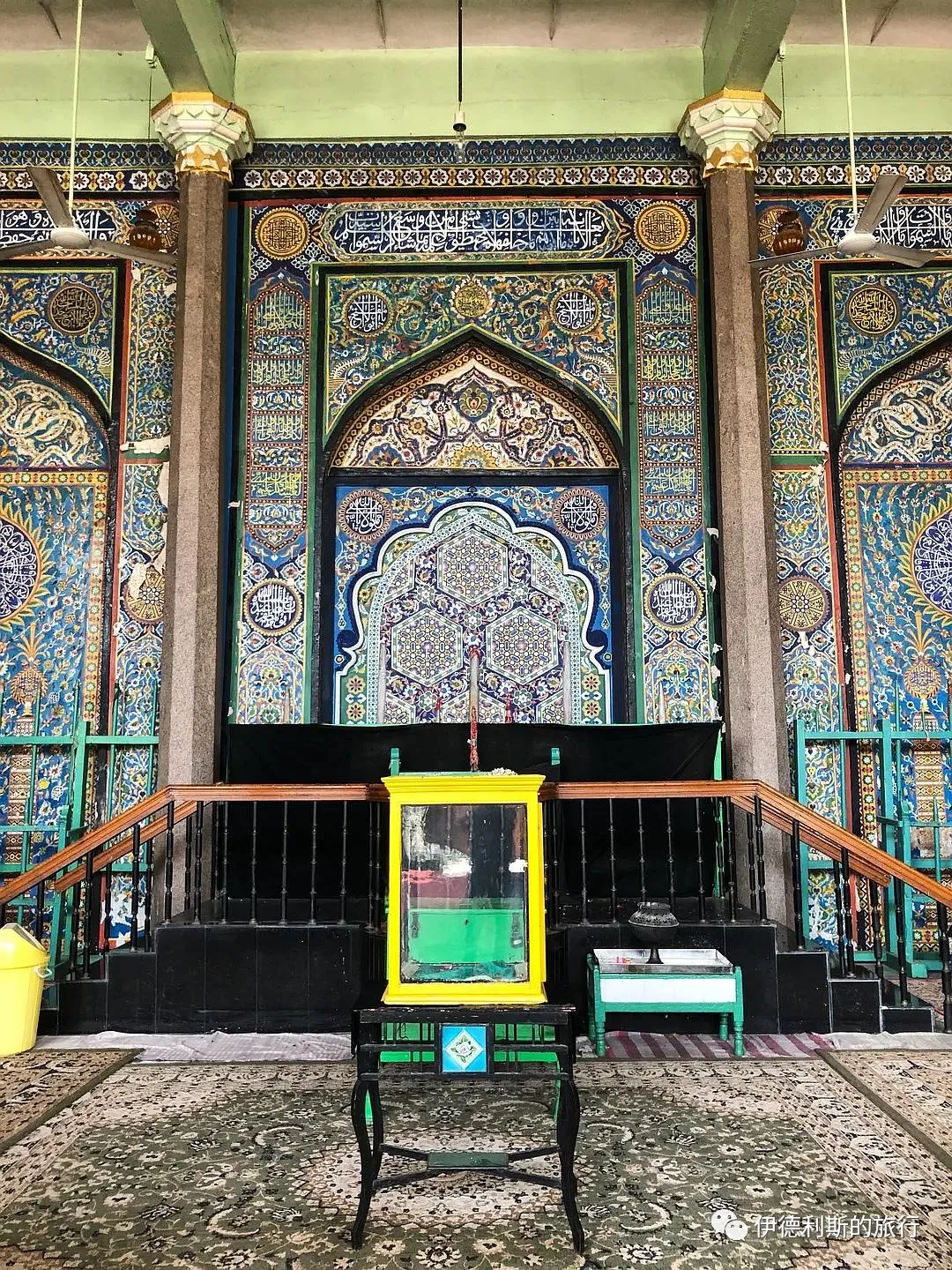
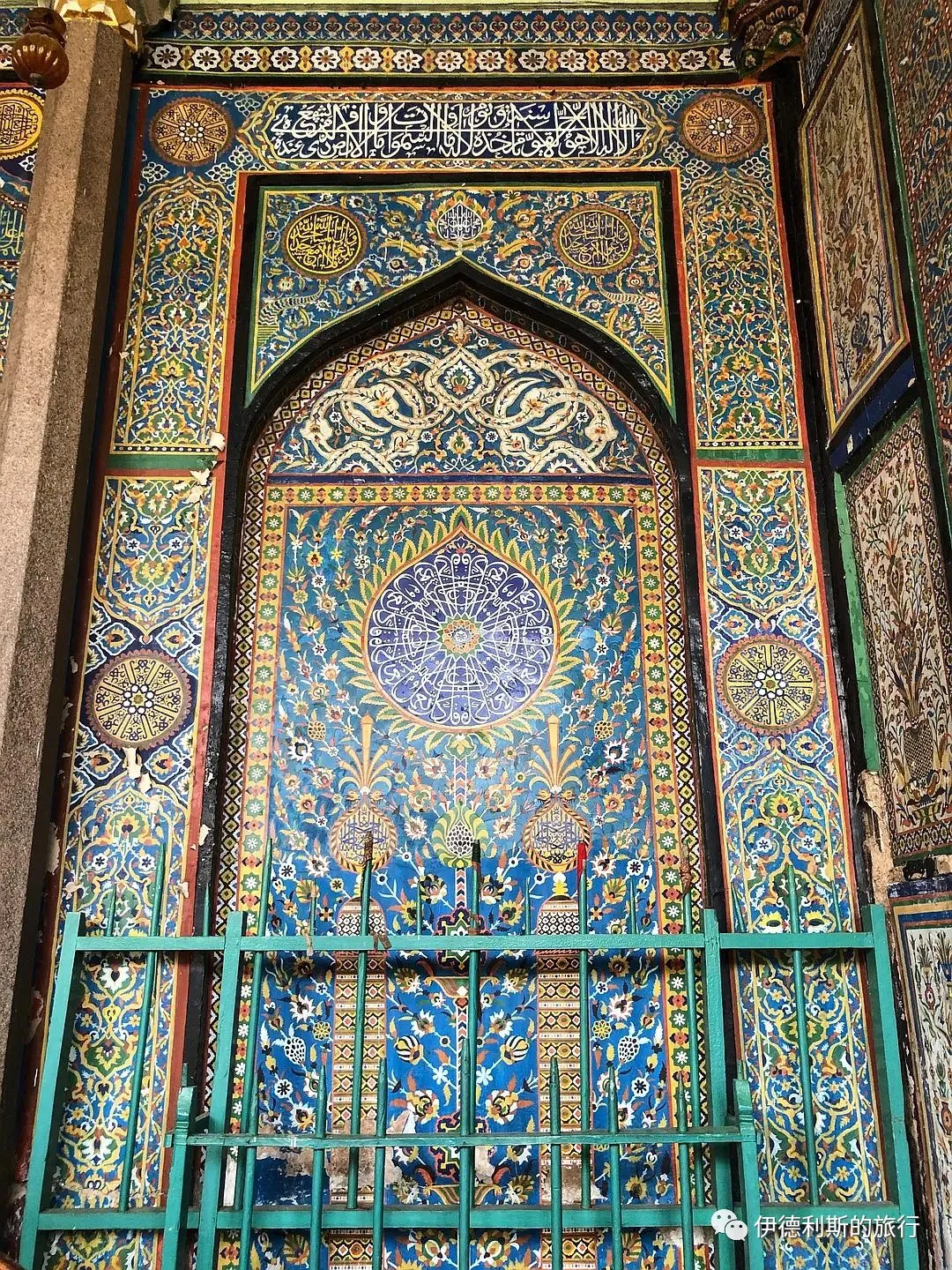
When we visited Hyderabad, we happened to catch a Shia event at Bad-e-Shahi Ashur Khana.
Thailand
Sheikh Ahmad gongbei in Ayutthaya
Between the 16th and 18th centuries, Shia merchants from the Persian Safavid dynasty traveled along the Indian Ocean coast to trade in Siam, where they were warmly welcomed and received with high honors by the Siamese royal family. Some Persian merchants married locals, settled down, and held important positions in the Siamese court.
Sheikh Ahmad was born in Qom, Persia, in 1543. He arrived in Ayutthaya, Thailand, with his brother in the early 17th century to trade, married a Thai wife, and settled there. Sheikh Ahmad was very successful in business and became one of the wealthiest foreign merchants of his time. He met the Thai royal treasurer and, with his help, connected with the Thai royal family and began participating in Thai trade affairs. After gaining the trust of King Songtham (who reigned from 1610 to 1628), he was appointed Chao Kromma Tha Khwa to manage trade, shipping, and diplomatic affairs between Thailand and the west, including India, Persia, Arabia, and Europe. He was also appointed as the first Chula Rajmontri in Thai history, overseeing religious affairs for the whole country. In 1611, after helping the Thai king defeat Japanese merchants who attempted a coup, he was appointed Samuhanayok, becoming the Grand Vizier of Thailand.
In the early 17th century, Sheikh Ahmad built the Kudi Chao Sen Shia mosque within the city of Ayutthaya, which is the oldest mosque inside the city walls of Ayutthaya. After Sheikh Ahmad passed away in 1631, he was buried near the mosque.
In the late 17th century, the Shia community continued to thrive in Ayutthaya. During the month of Muharram in 1656, Sheikh Ahmad’s son and other Shia nobles helped King Narai take the throne. To show his gratitude, King Narai gave the Ayutthaya Shia community all the items needed for their Ashura ceremonies during Muharram and established a royal guard made up of 500 Shia men. In 1685, a French Jesuit missionary named Father Tachard recorded the grand scene of the Shia Ashura ceremonies in Ayutthaya. He wrote that the procession included over two thousand people, carrying models of the tombs of two saints along with many intricately crafted symbolic objects. The men changed their formations as they walked to the rhythm of drums. At the front of this massive procession were three or four beautifully decorated horses, and many people held long-handled lanterns to light the way for the entire group. The festival lasted for several nights, ending at five o'clock each morning.
Besides the Kudi Chao Sen mosque, Ayutthaya once had two other Shia mosque communities. The Khaek Pae mosque was located on the bank where the Chao Phraya River and the Pa Sak River meet, where Persian merchants once lived on boats, a place locals called the floating village. The Nurul Yamal mosque was in the northern suburbs of the old city of Ayutthaya, near an elephant kraal built by the Ayutthaya dynasty in 1580. According to the 1685 travelogue of the Persian Safavid mission to Ayutthaya, titled The Ship of Suleiman (Safine-ye Solaymani), hundreds of Persian merchants were involved in the profitable elephant trade at the kraal at that time.
After Ayutthaya fell in 1767 and Thailand moved its capital to Bangkok in 1782, the Persian-descended Shia community of Ayutthaya moved to Bangkok as well. Today, the Kudi Chao Sen mosque no longer exists, leaving only the nearby gongbei of Sheikh Ahmad, which was built in 1631.
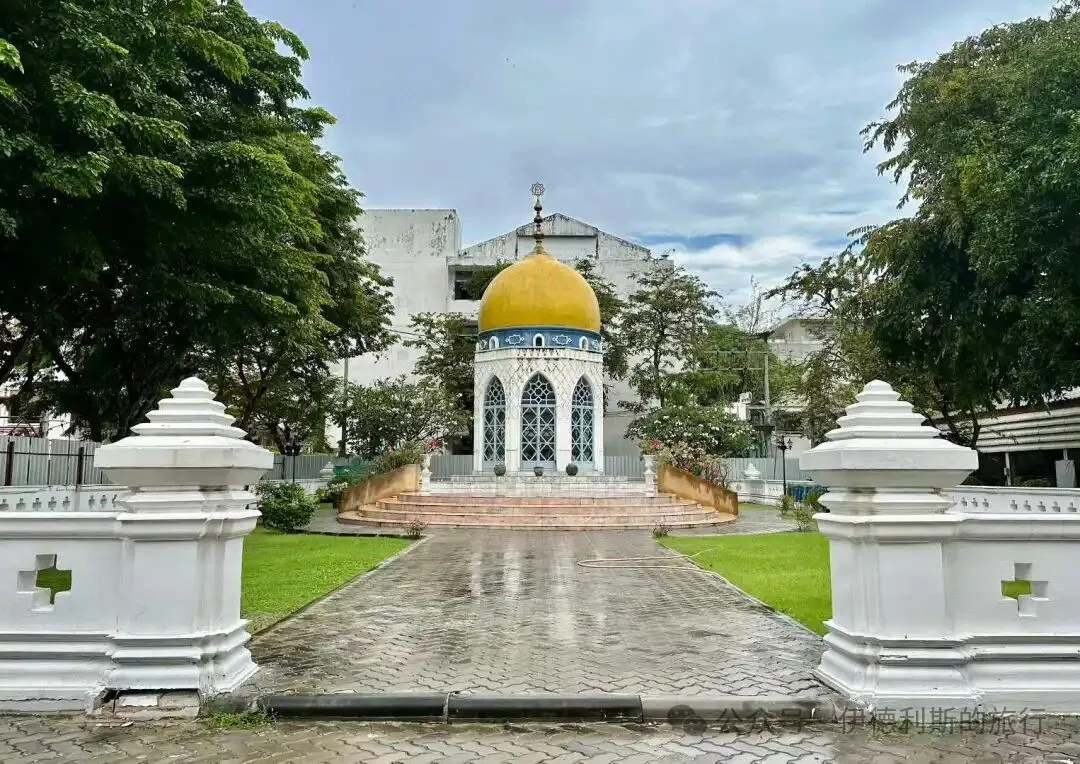
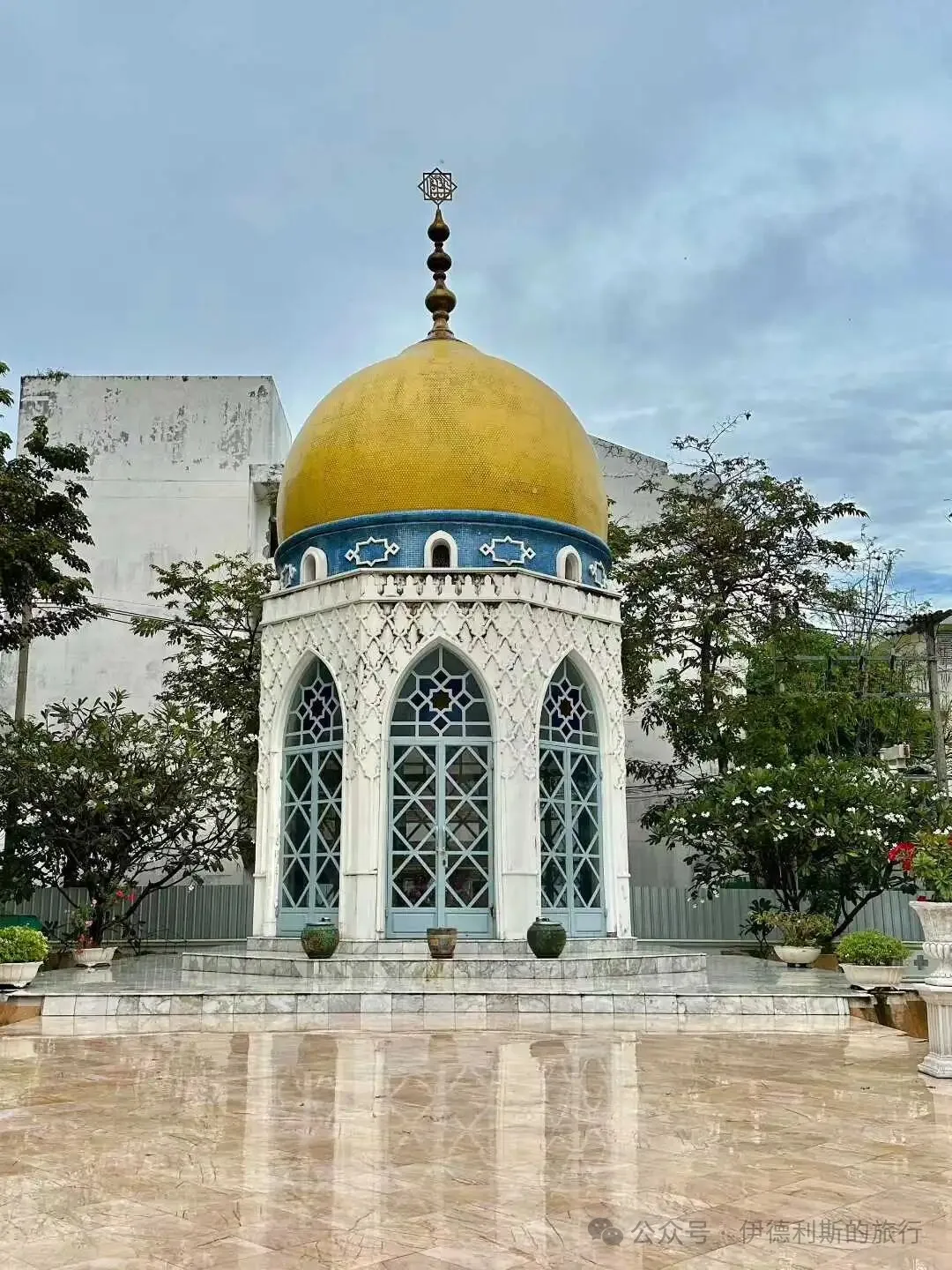
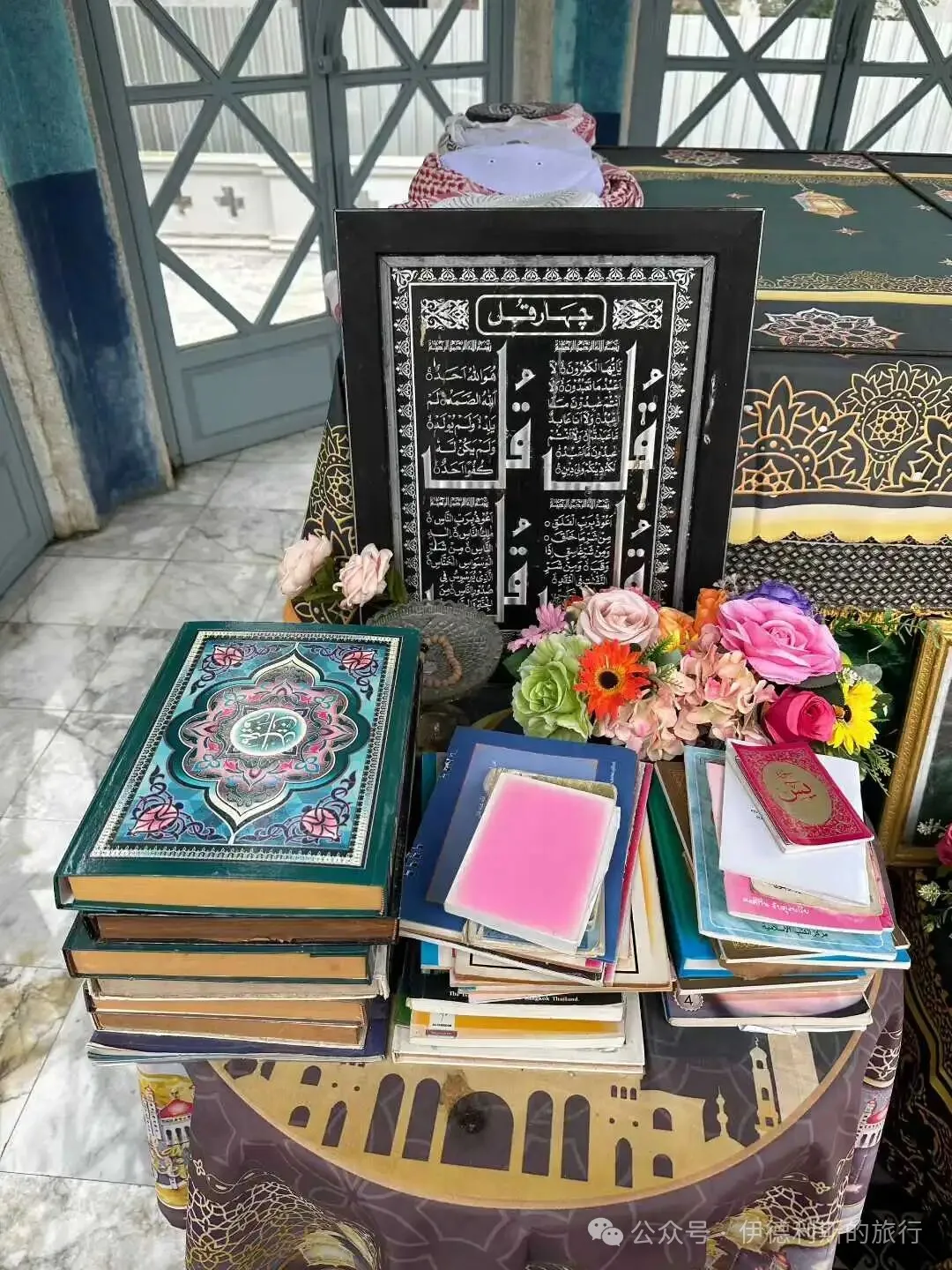
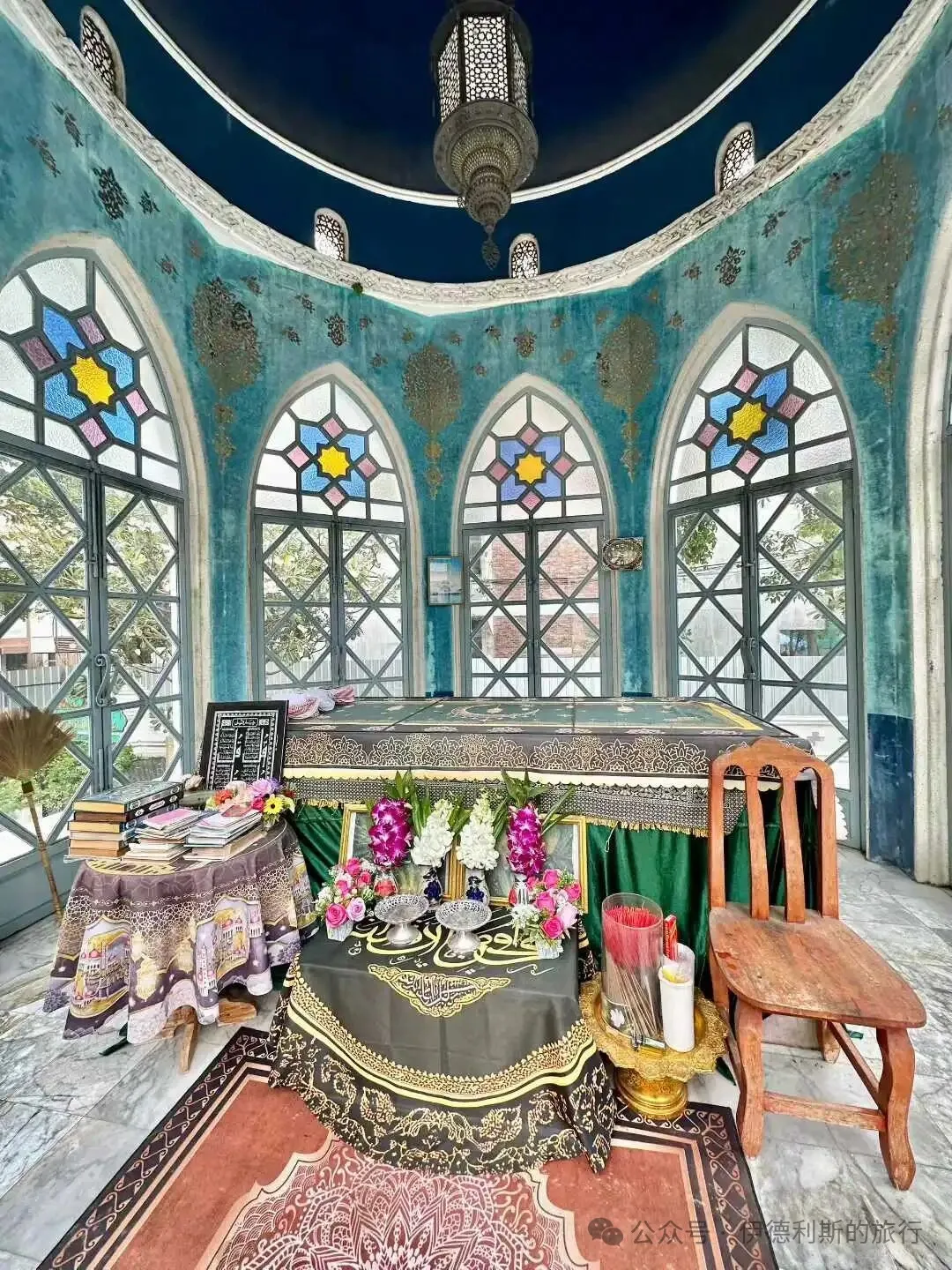
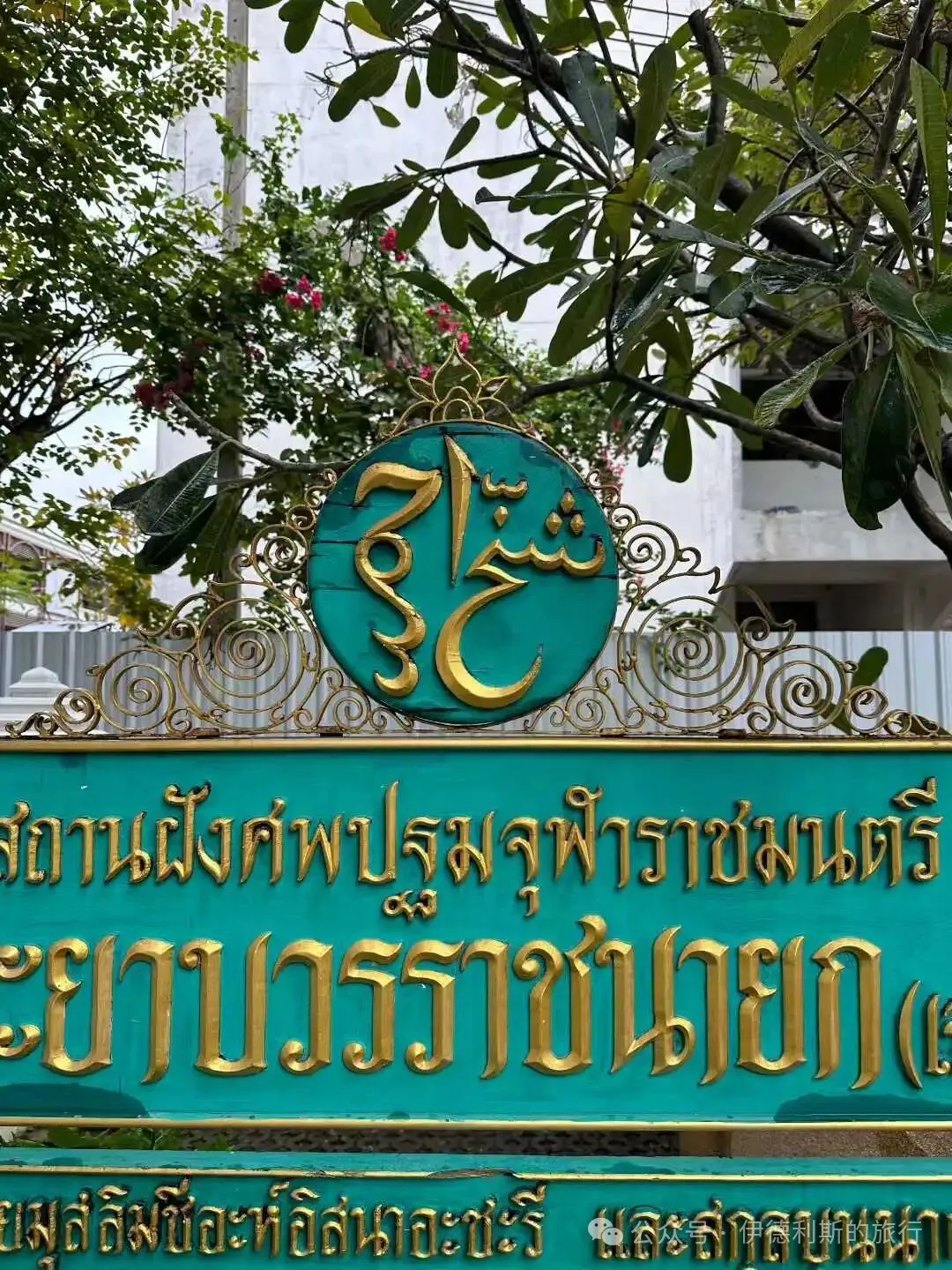
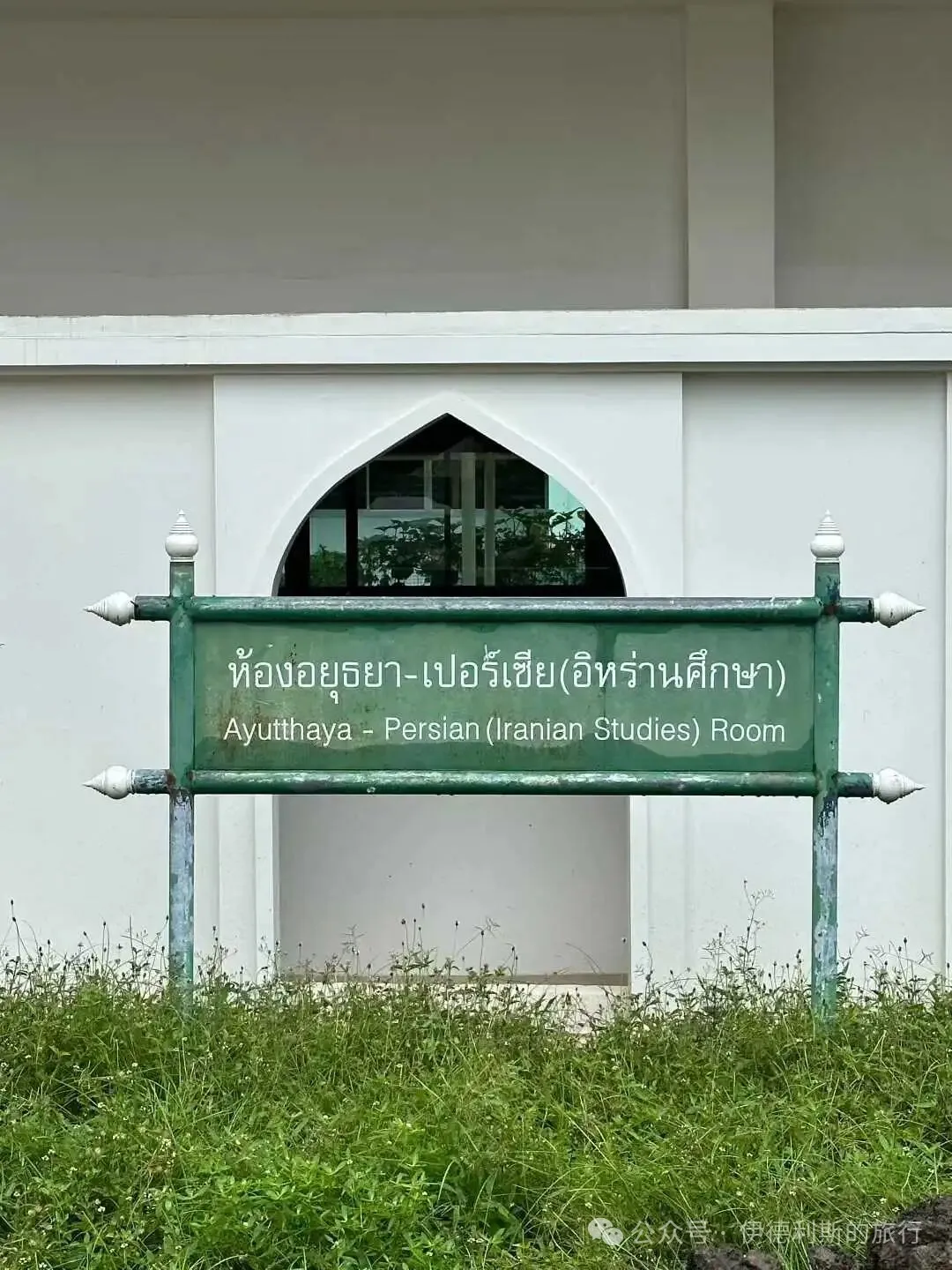
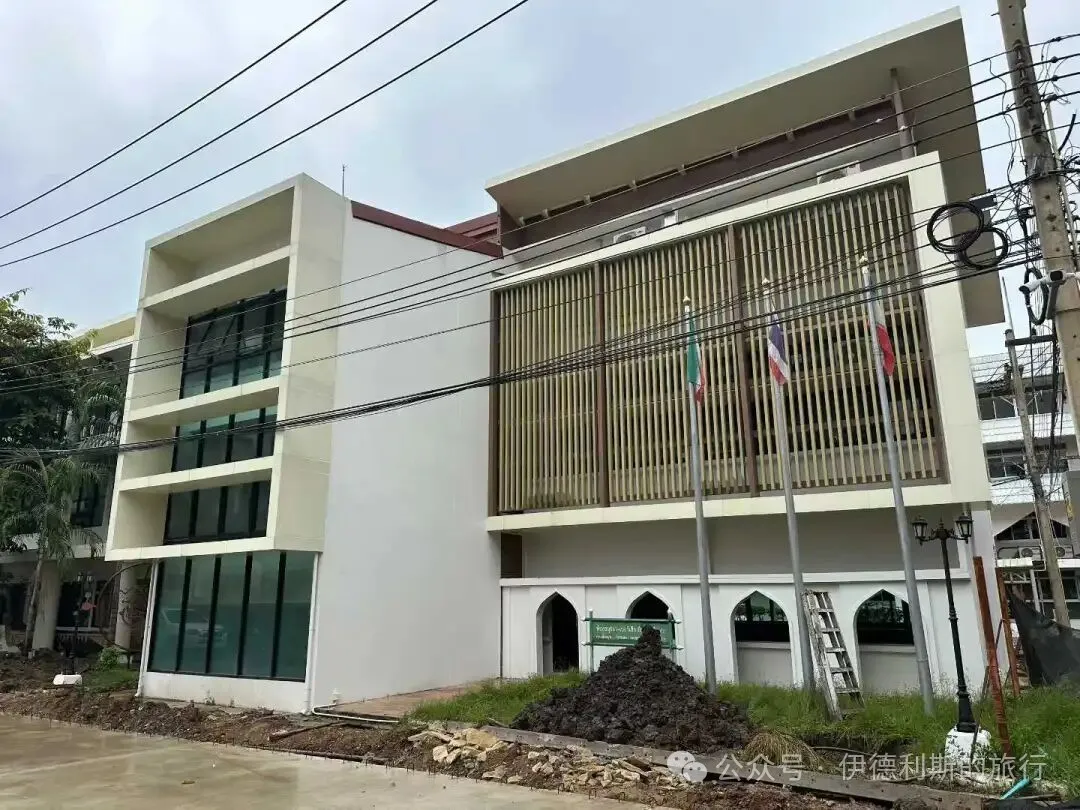
Opposite the gongbei of Sheikh Ahmad is the Ayutthaya-Persia (Iranian Studies) Room, where the Iranian Embassy in Thailand occasionally holds cultural and memorial events.
Kudi Luang mosque in Bangkok
The Siamese capital of Ayutthaya fell in 1767, and after the capital moved to Bangkok in 1782, the Persian descendants from Ayutthaya followed. The first leader of the Persian-descended Shia community in Bangkok was Konkaew, the son of the last leader in Ayutthaya. In 1797, he began managing Siam's trade with the West and received a residence in the Thonburi area across the Chao Phraya River. People say he and 400 Shia followers established the Kudi Chao Sen mosque community, which became the primary Shia community in Bangkok.
After Konkaew passed away, his brother and the next eight direct descendants inherited the title, controlling Siam's trade rights with the West for a hundred years. In 1897, King Rama V renovated the Kudi Chao Sen mosque and renamed it the Kudi Luang Chao Sen mosque. In 1947, because of the construction of the Royal Thai Navy headquarters, the entire Kudi Luang mosque community was moved to its current location. The residents still live around the mosque, allowing the traditional culture of the Bangkok Shia community to survive.
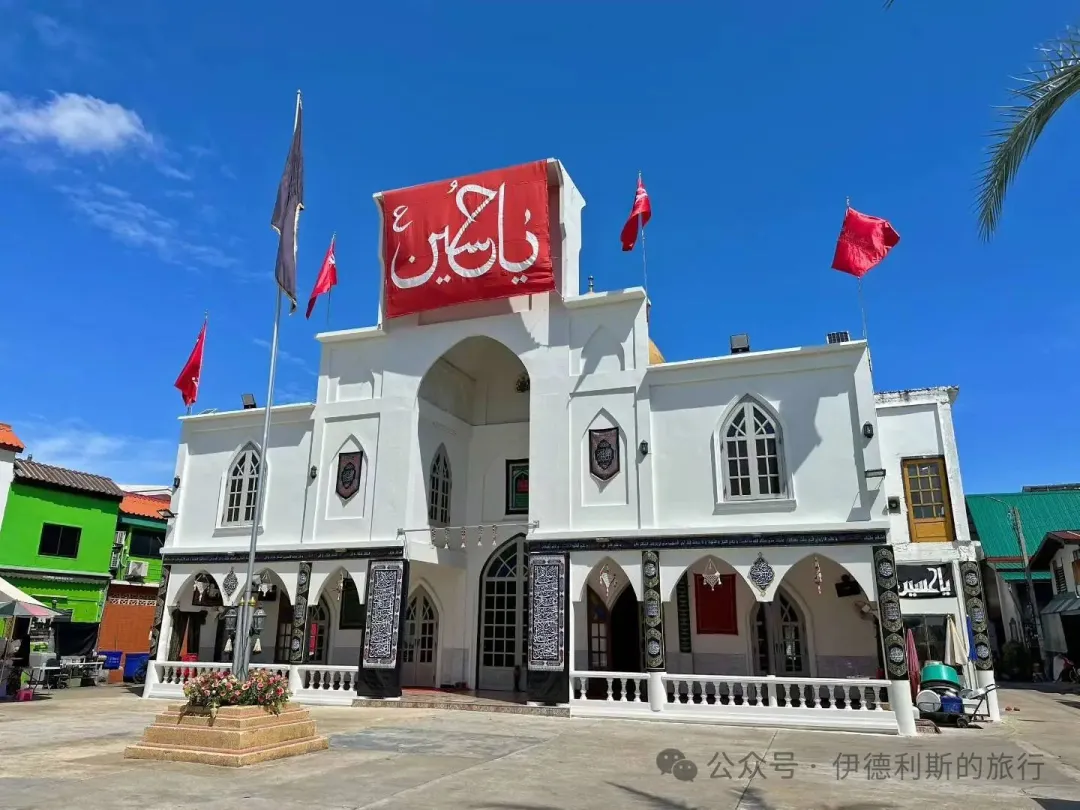
The elders of the Bangkok Persian-descended Shia community who live around the mosque are not exclusive and are very welcoming to visitors (dosti).
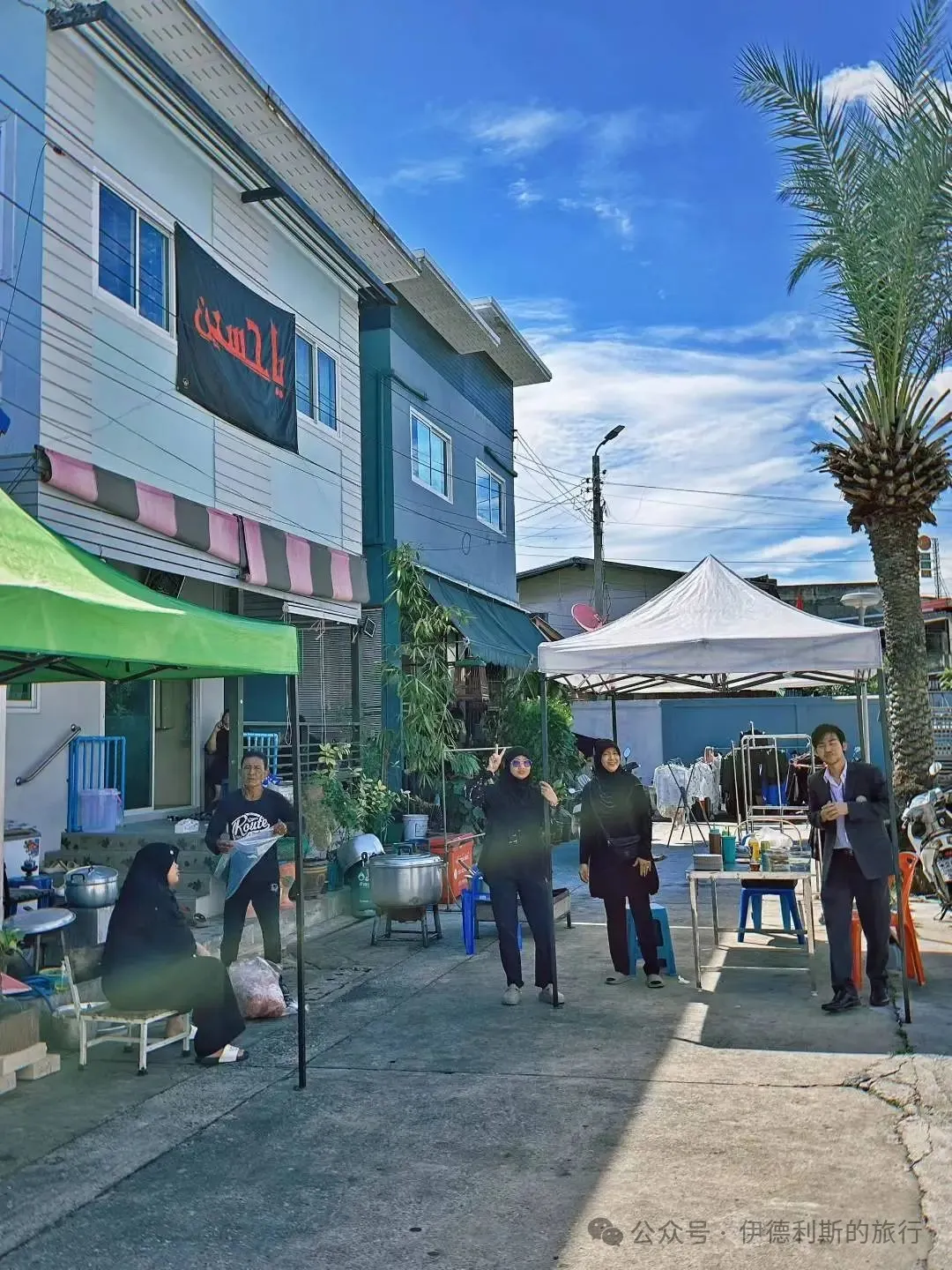
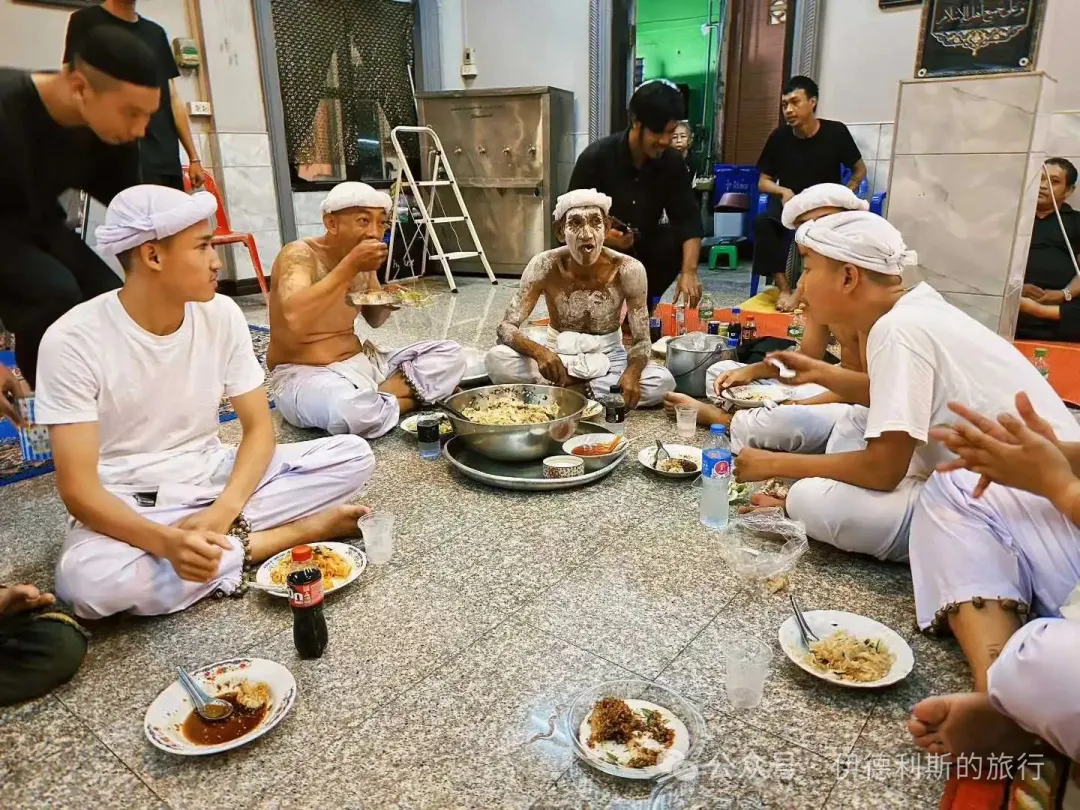
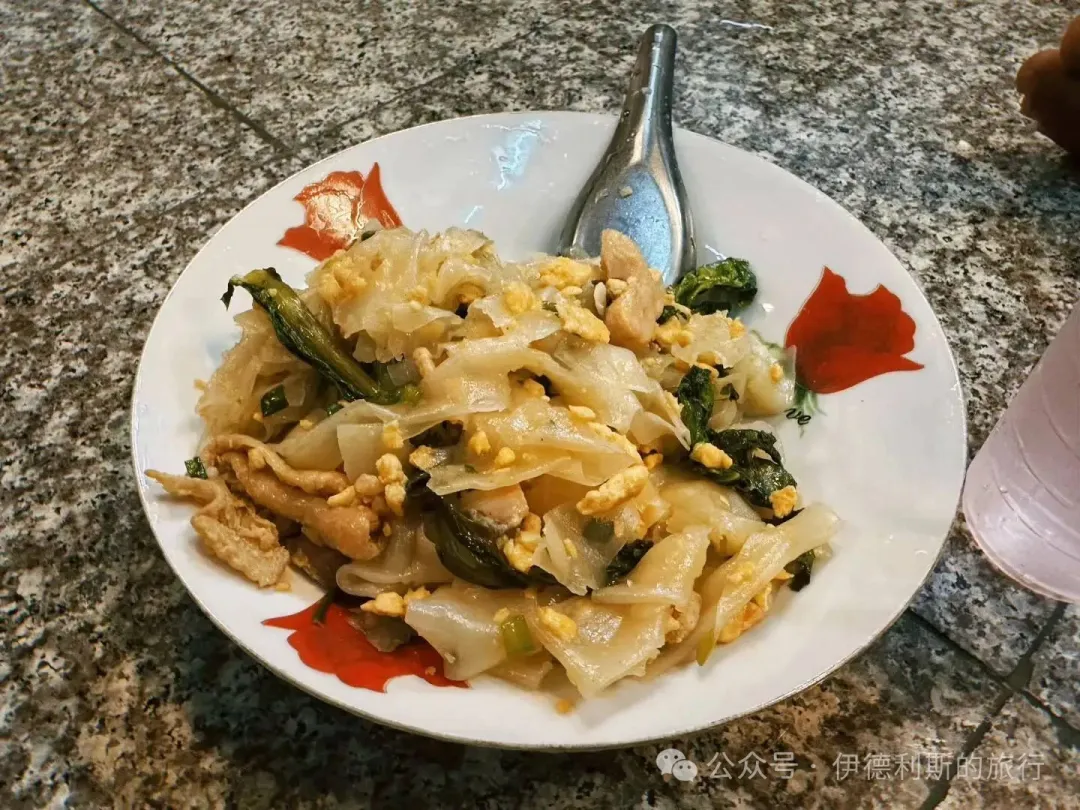
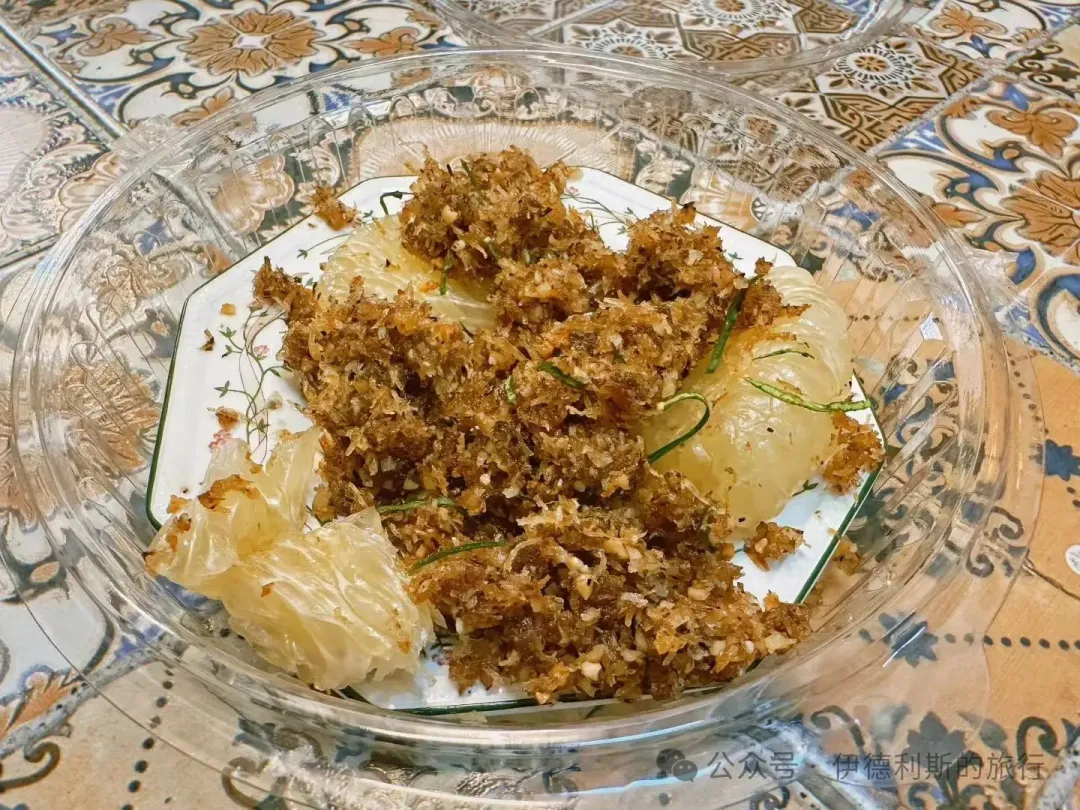
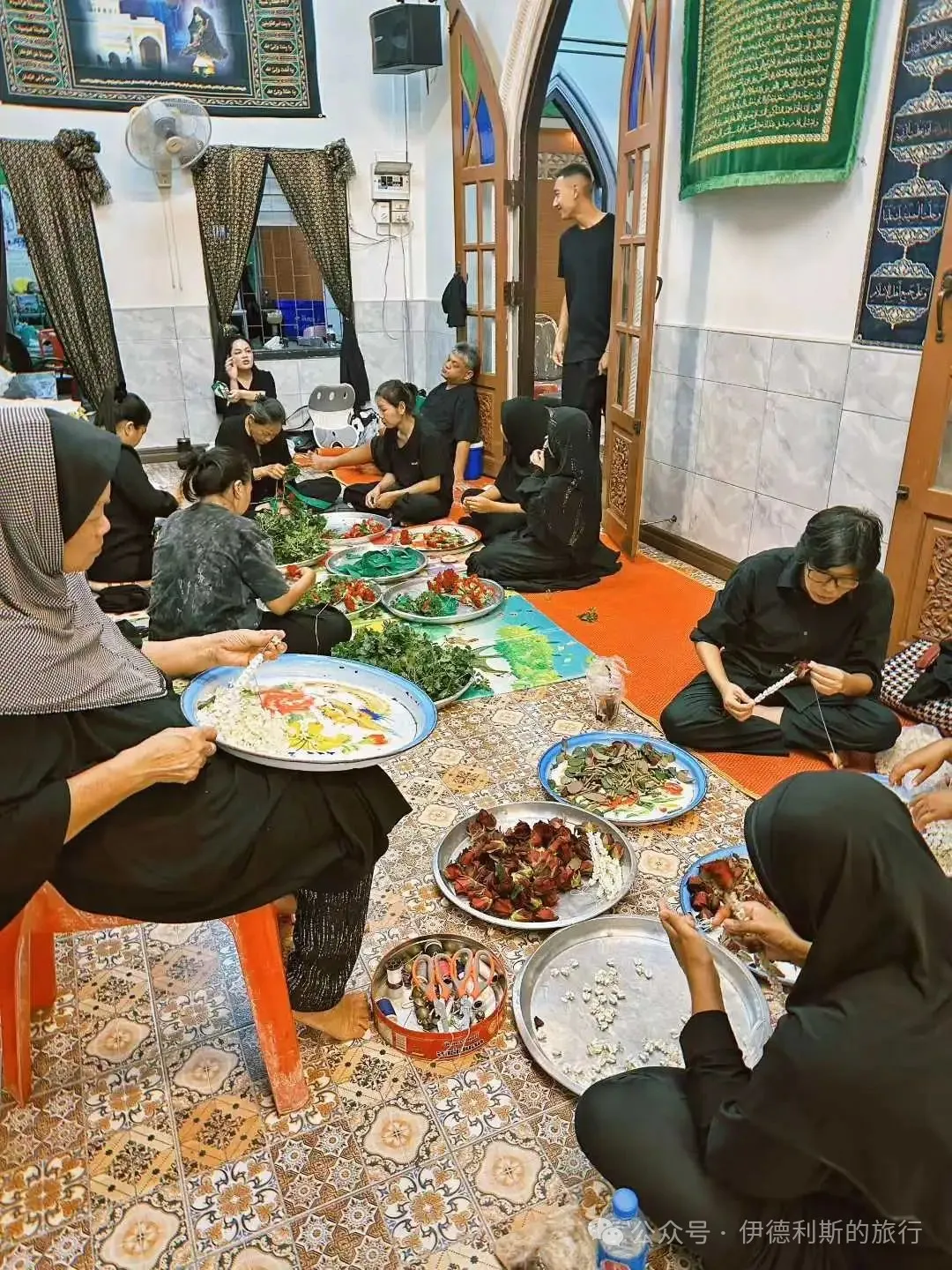
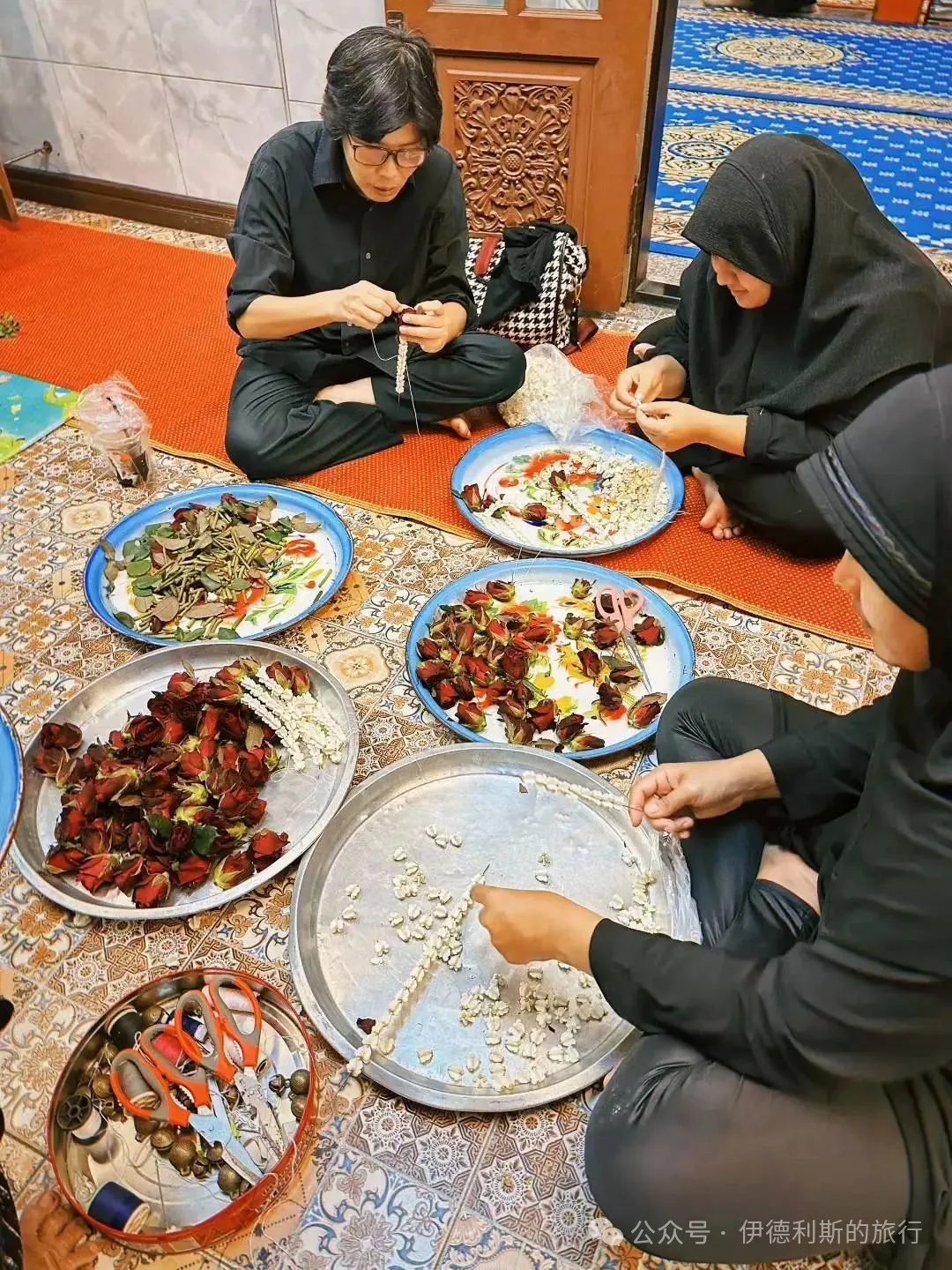
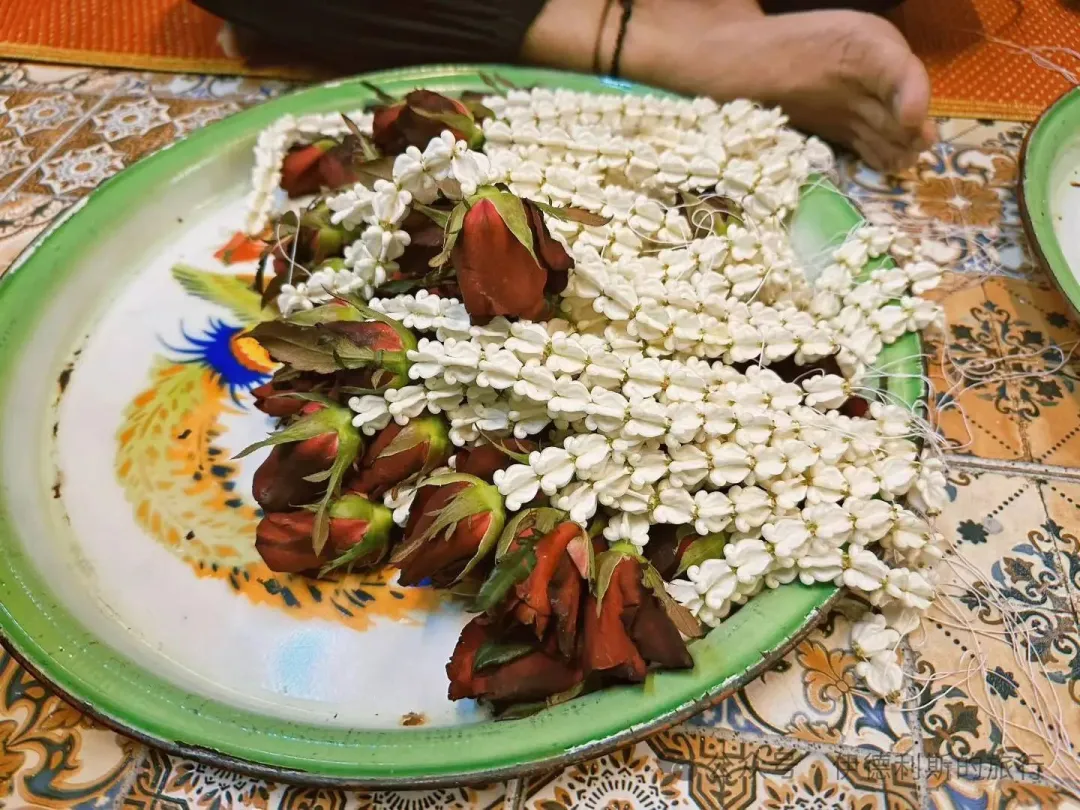
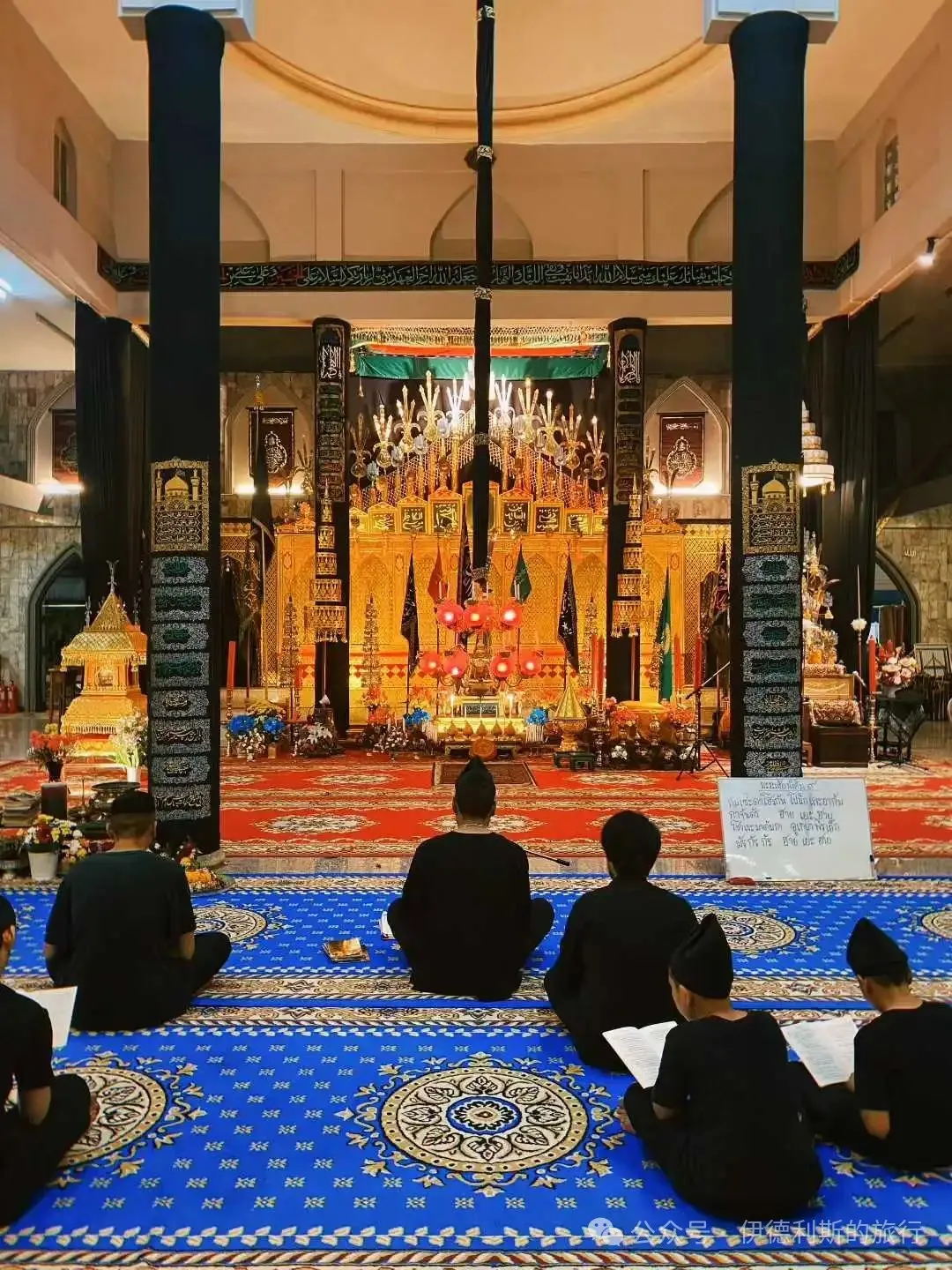
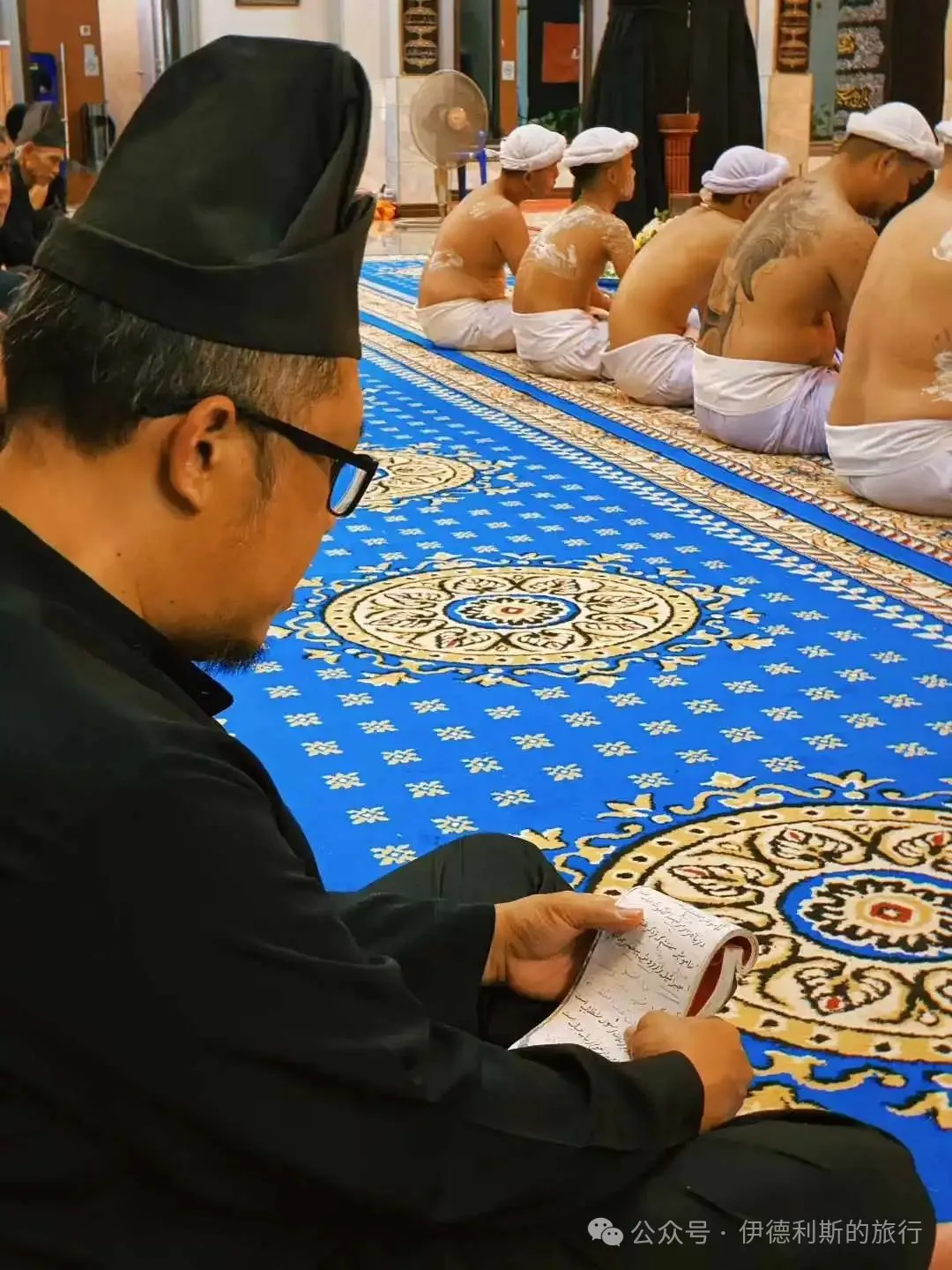
After the prayer (namaz), I went to the Kudi Luang mosque again and ate chicken rice noodle rolls (changfen) with everyone, along with a special dessert made of palm sugar and pomelo that the Bangkok Persian descendants eat during the month of Muharram. Sharing and giving are key themes for Shia Muslims during the month of Muharram. Food is free during this time, and people gather to make the flowers used in the events. Some people in the mosque wear white pants and headscarves with bells hanging from their pant legs. They spend the first ten days of Muharram serving the mosque community with all their heart.
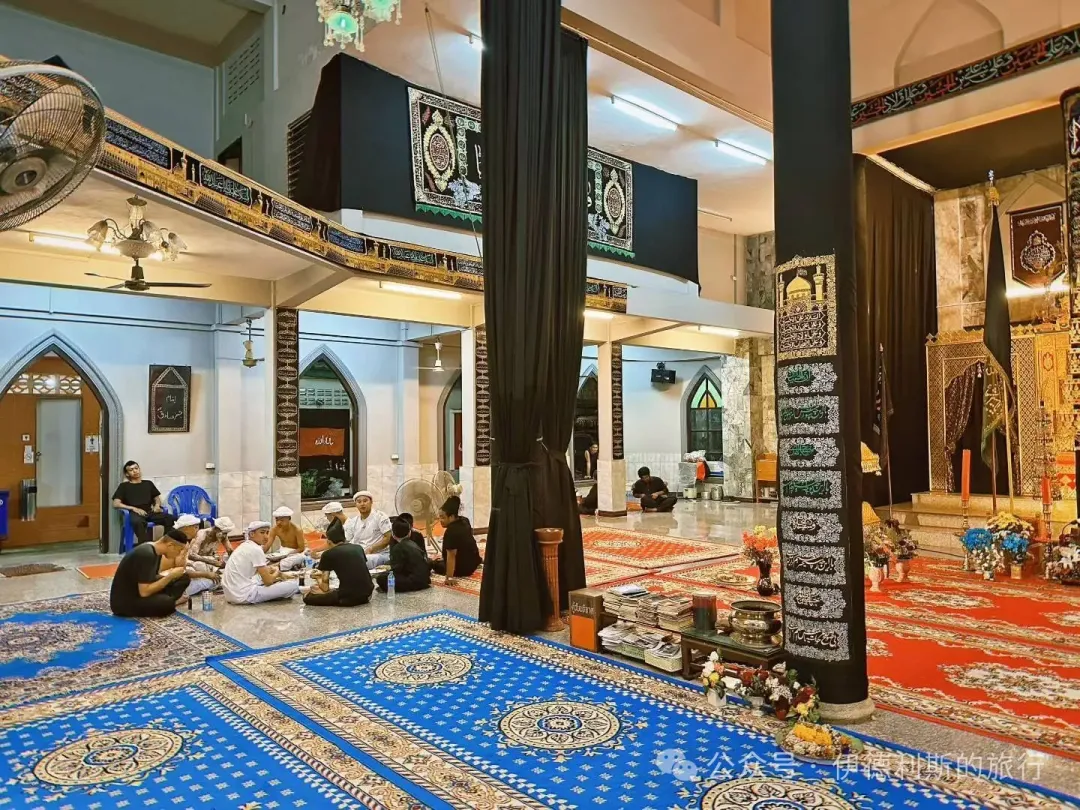
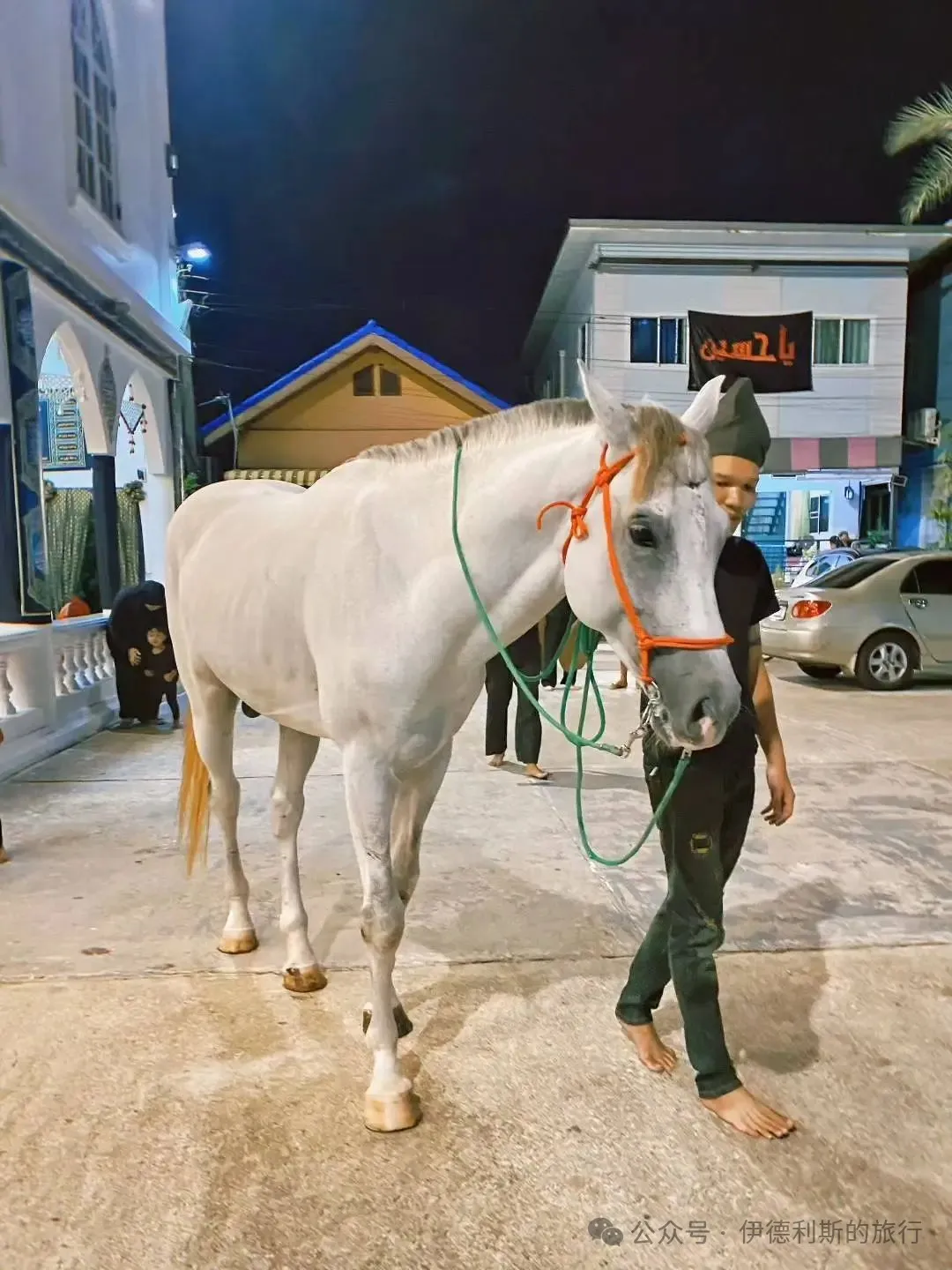
The most eye-catching thing in the mosque is a handsome, tall horse personally gifted by the King of Thailand. This horse represents Zuljanah, the warhorse of Imam Hussein. Zuljanah was raised by the noble Prophet from a young age and is known for loyalty, strength, endurance, and a spirit of sacrifice. During the Battle of Karbala, Zuljanah used its body to block arrows aimed at Imam Hussein. After Imam Hussein passed away, Zuljanah returned to his family covered in blood to warn them of an ambush. It died from its wounds after fulfilling this final duty. During Muharram, the horse is kept in the stables of Kudi Luang mosque, and people take turns walking it in the courtyard every night.
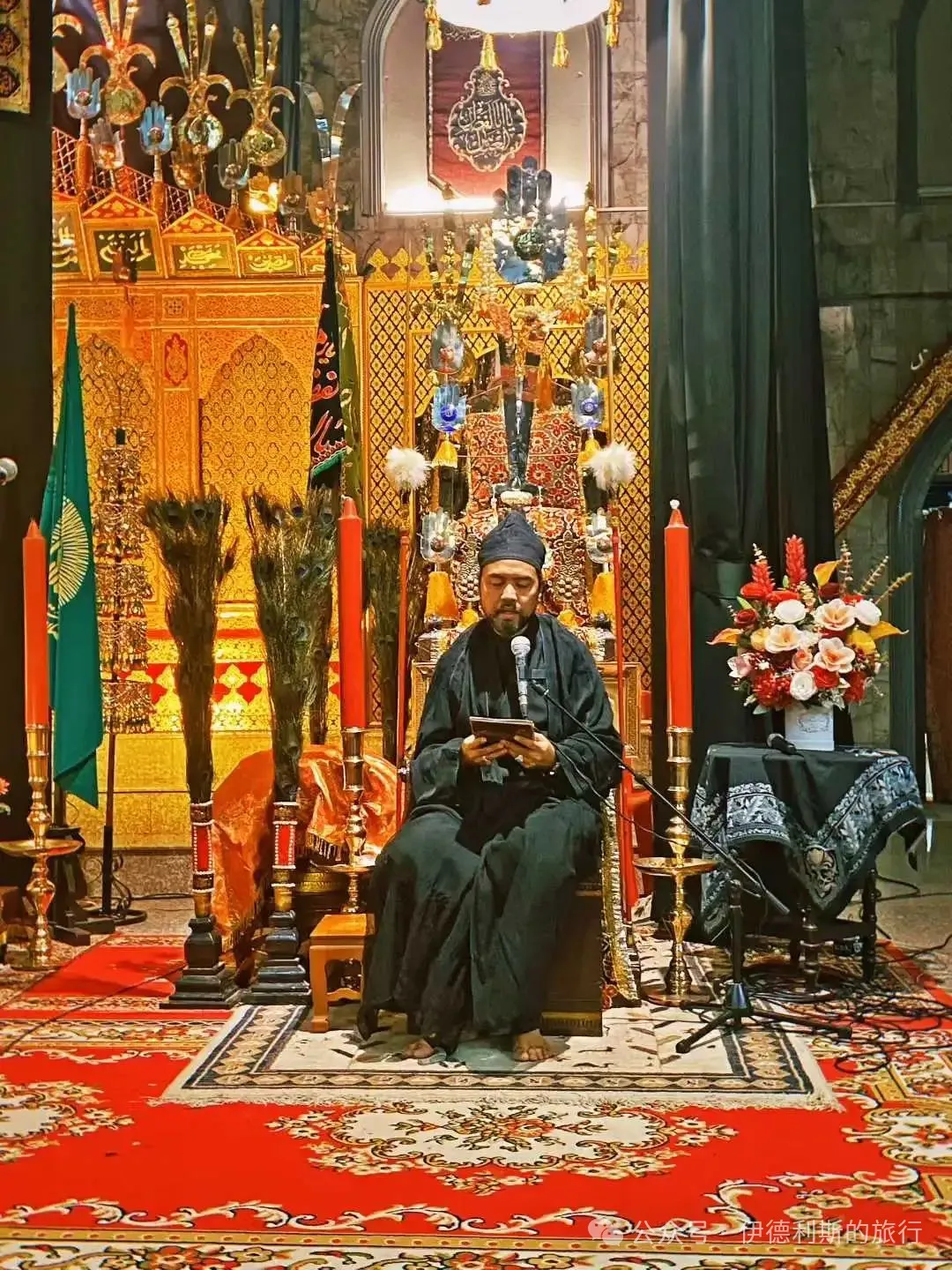
On the qibla wall of the main hall, the flagpole at the top is called an Alam. It represents the flag held by Abbas, the standard-bearer for Imam Hussein during the Battle of Karbala. The metal hand is called a Panja, which symbolizes the severed hands of Abbas. Abbas was the half-brother of Imam Hussein. He inherited the courage of Imam Ali and always held the flag of victory high on the battlefield. People say on the night of Ashura, he was blocked by enemy forces while returning from the Euphrates River with water. He fought alone until his arms were cut off and he was killed.
Above the niche in the qibla wall, the names of Allah, the noble Prophet, and the twelve Imams of the Shia are written. The Twelver branch is the largest branch of Shia Islam and is the state religion of Iran.
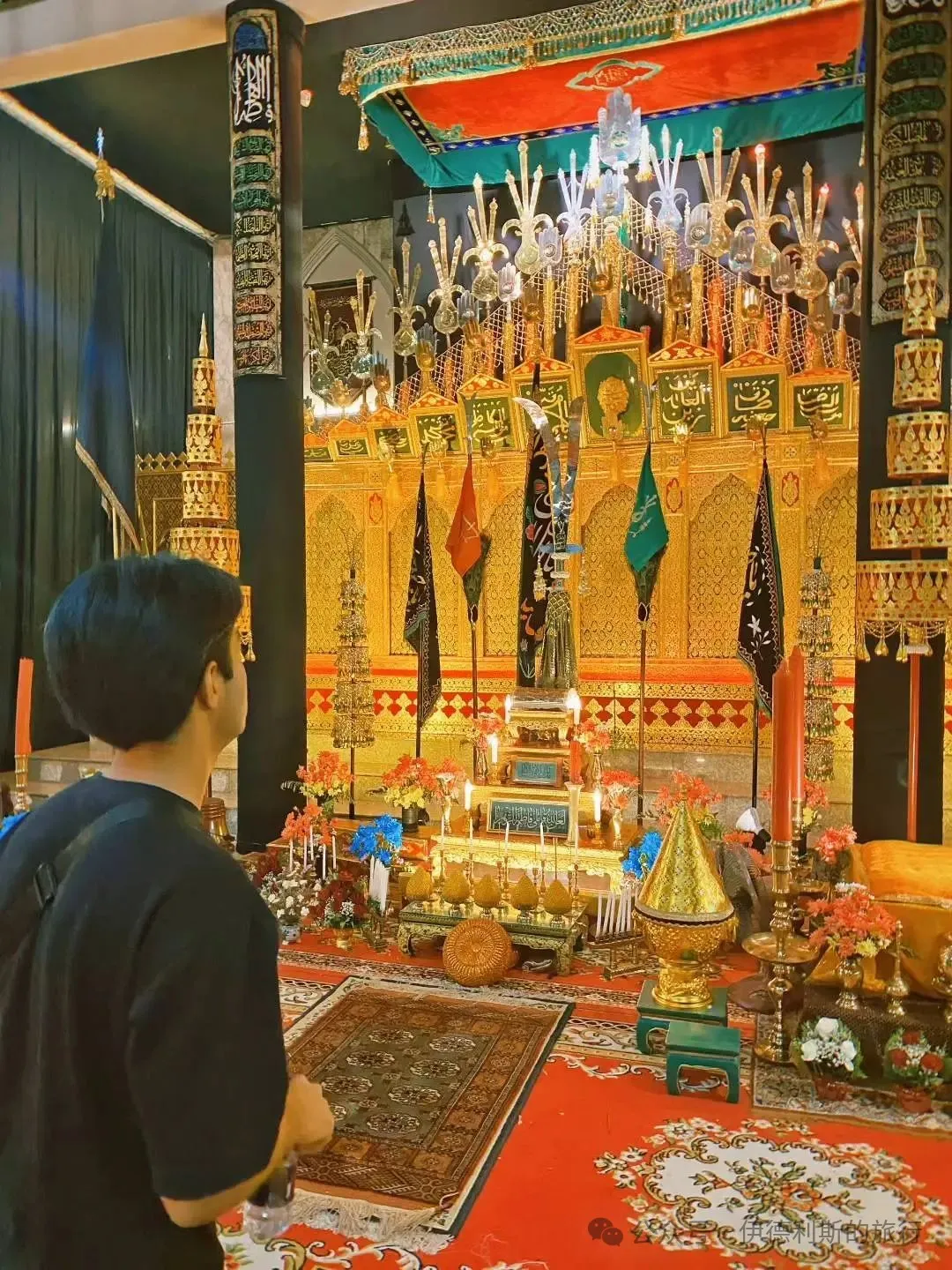
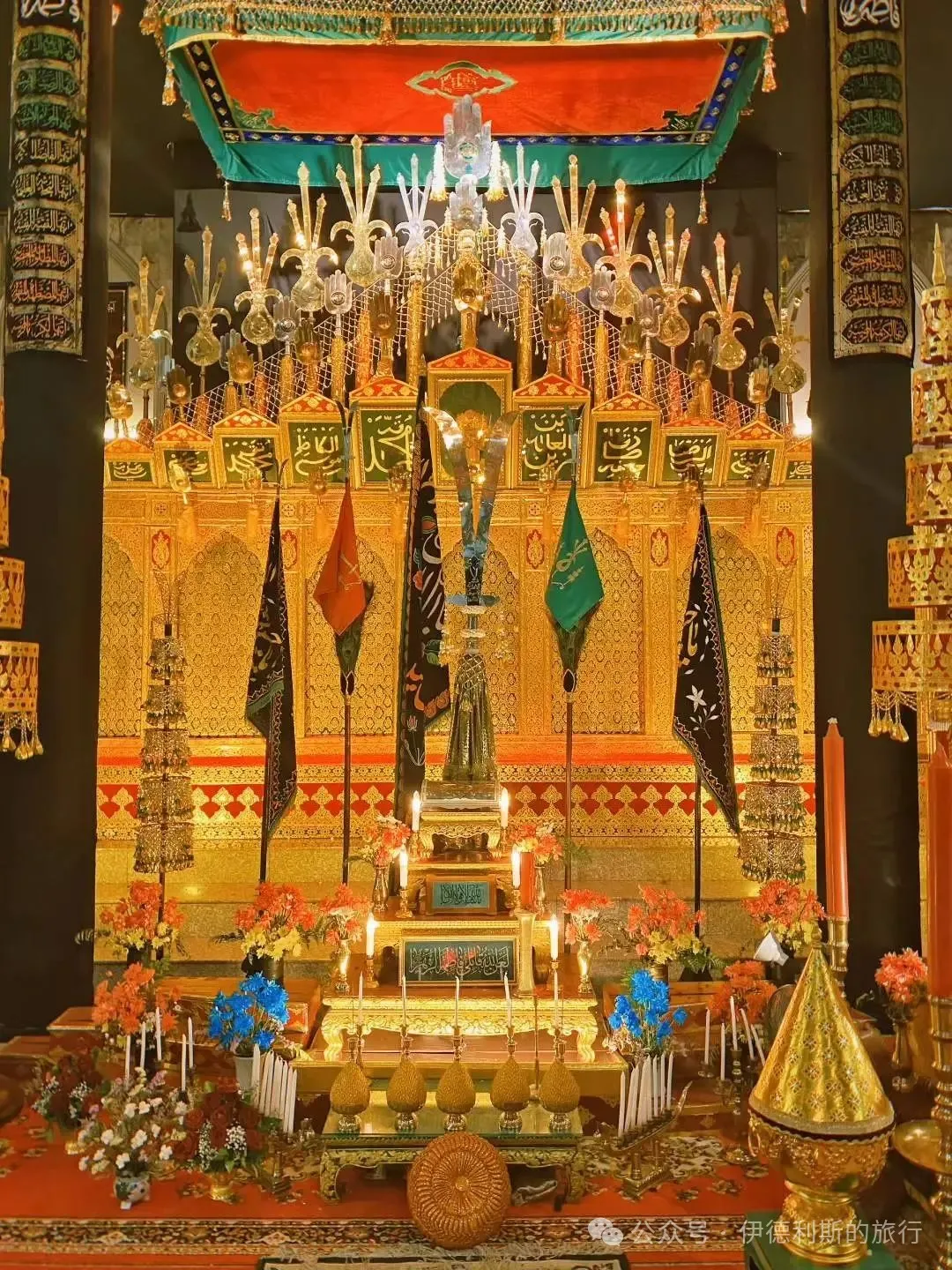
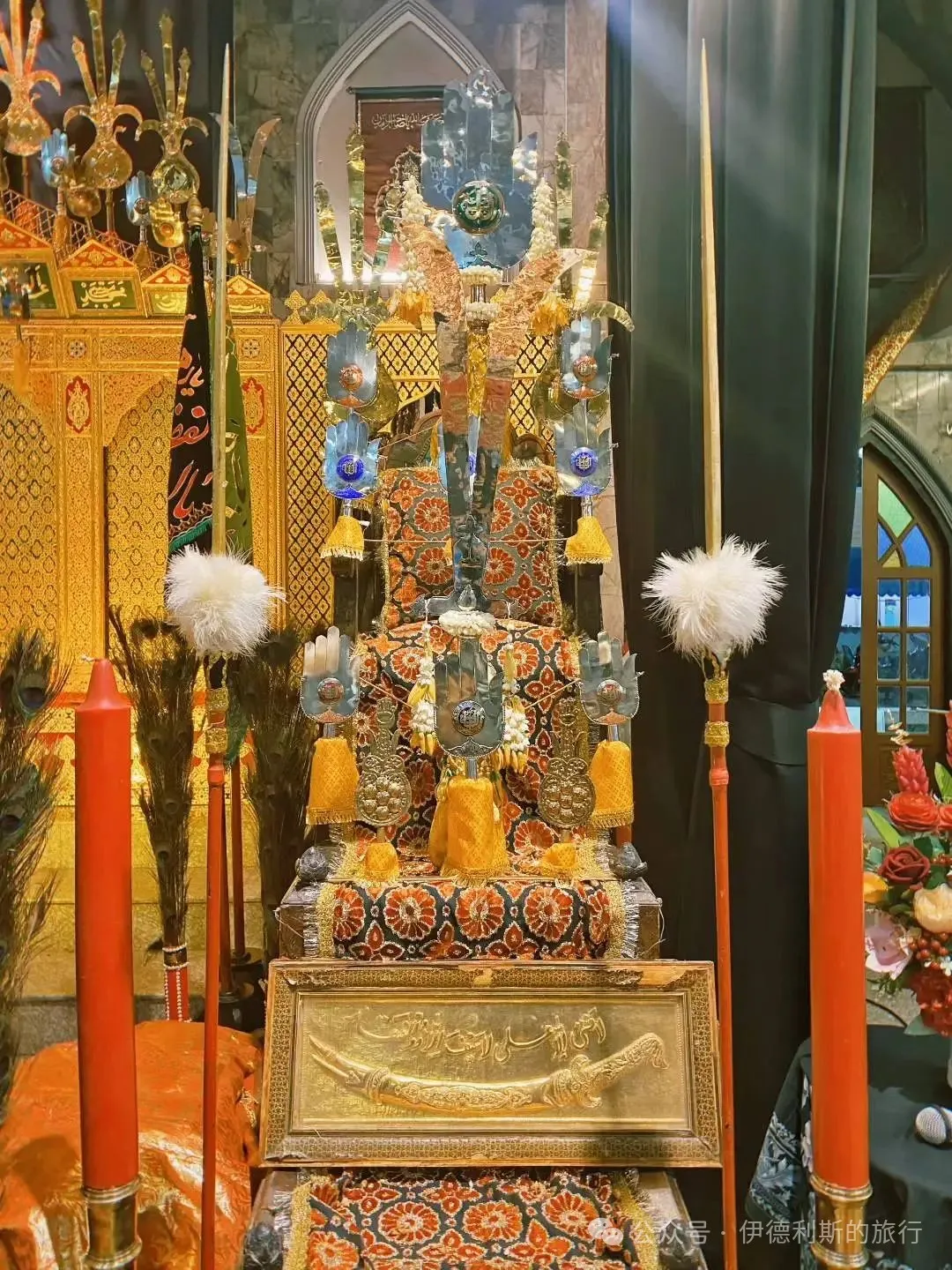
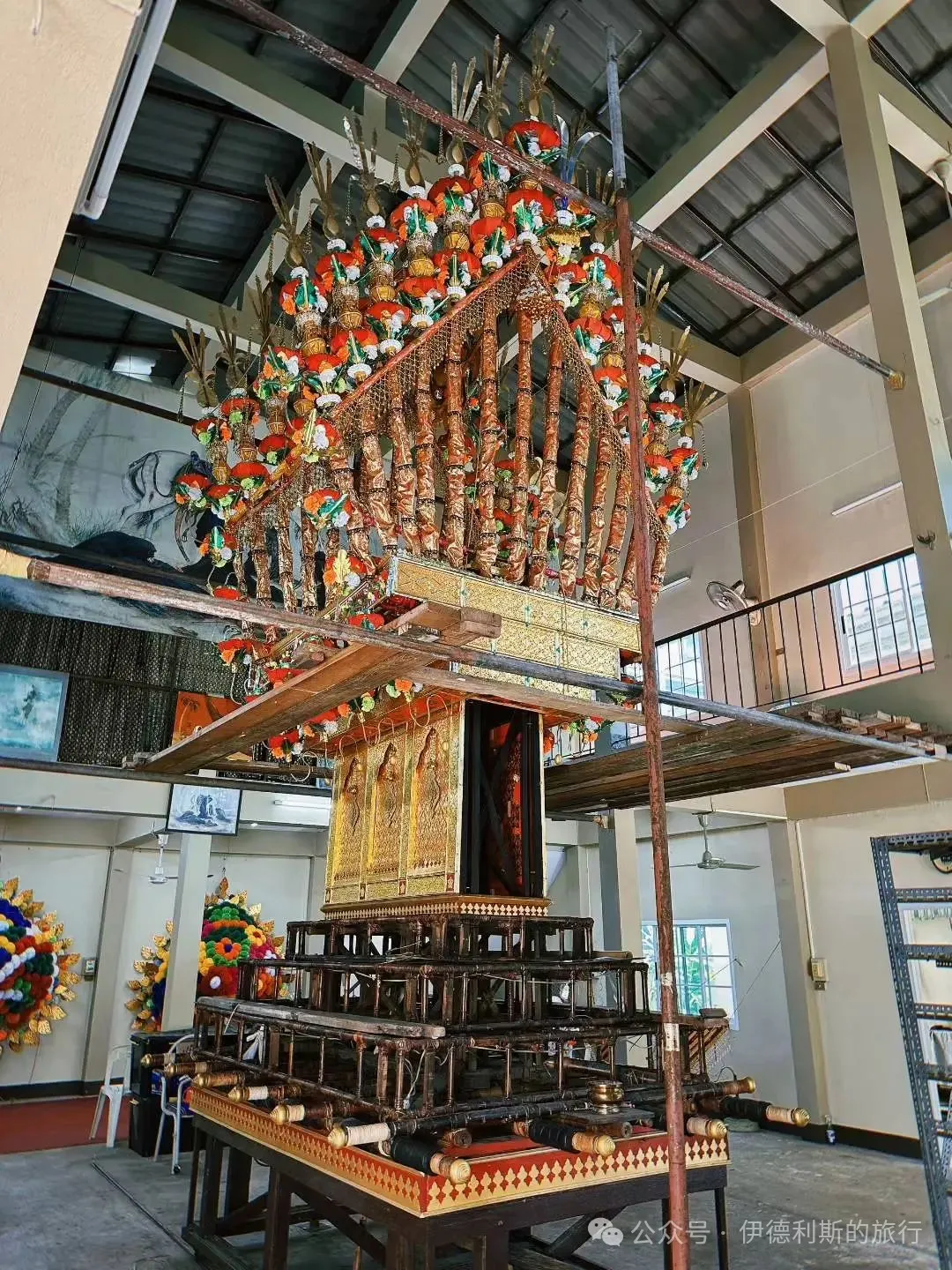
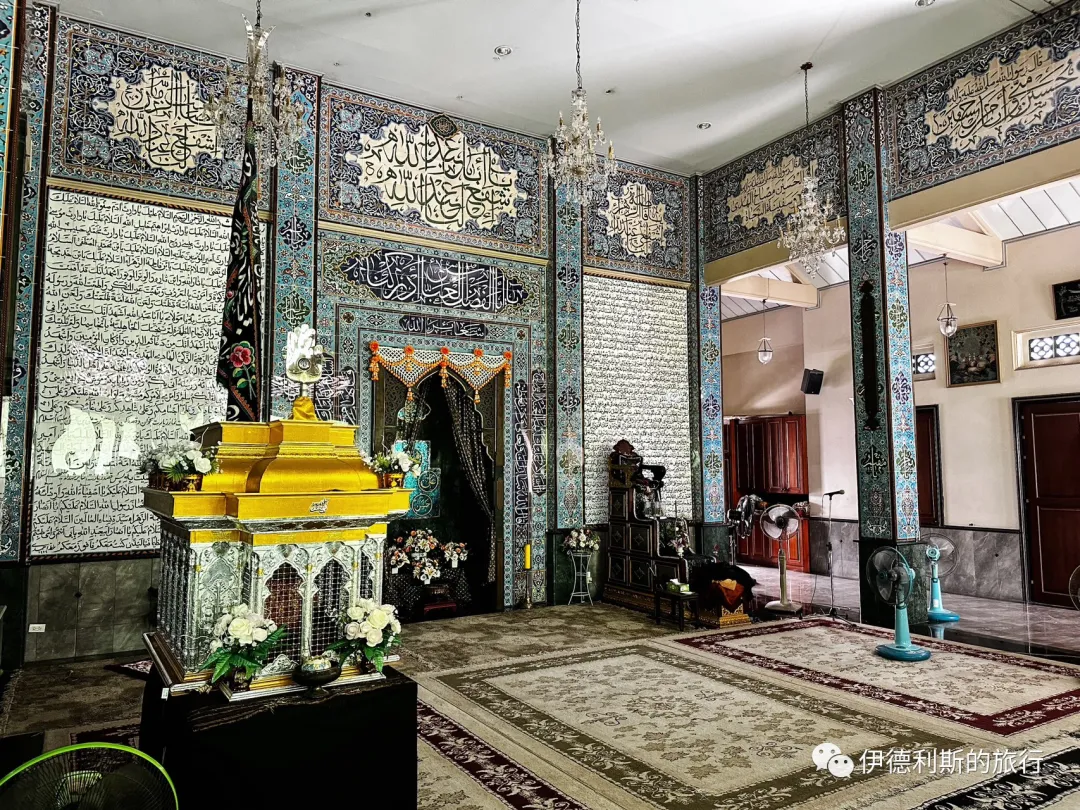
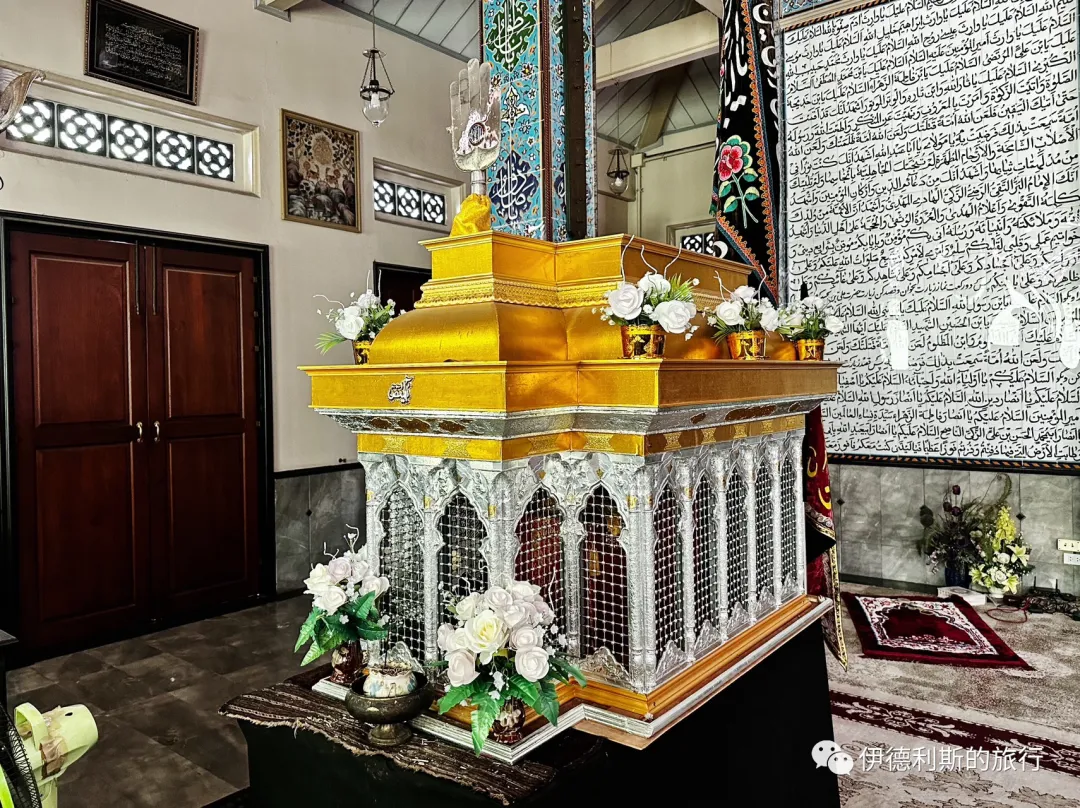
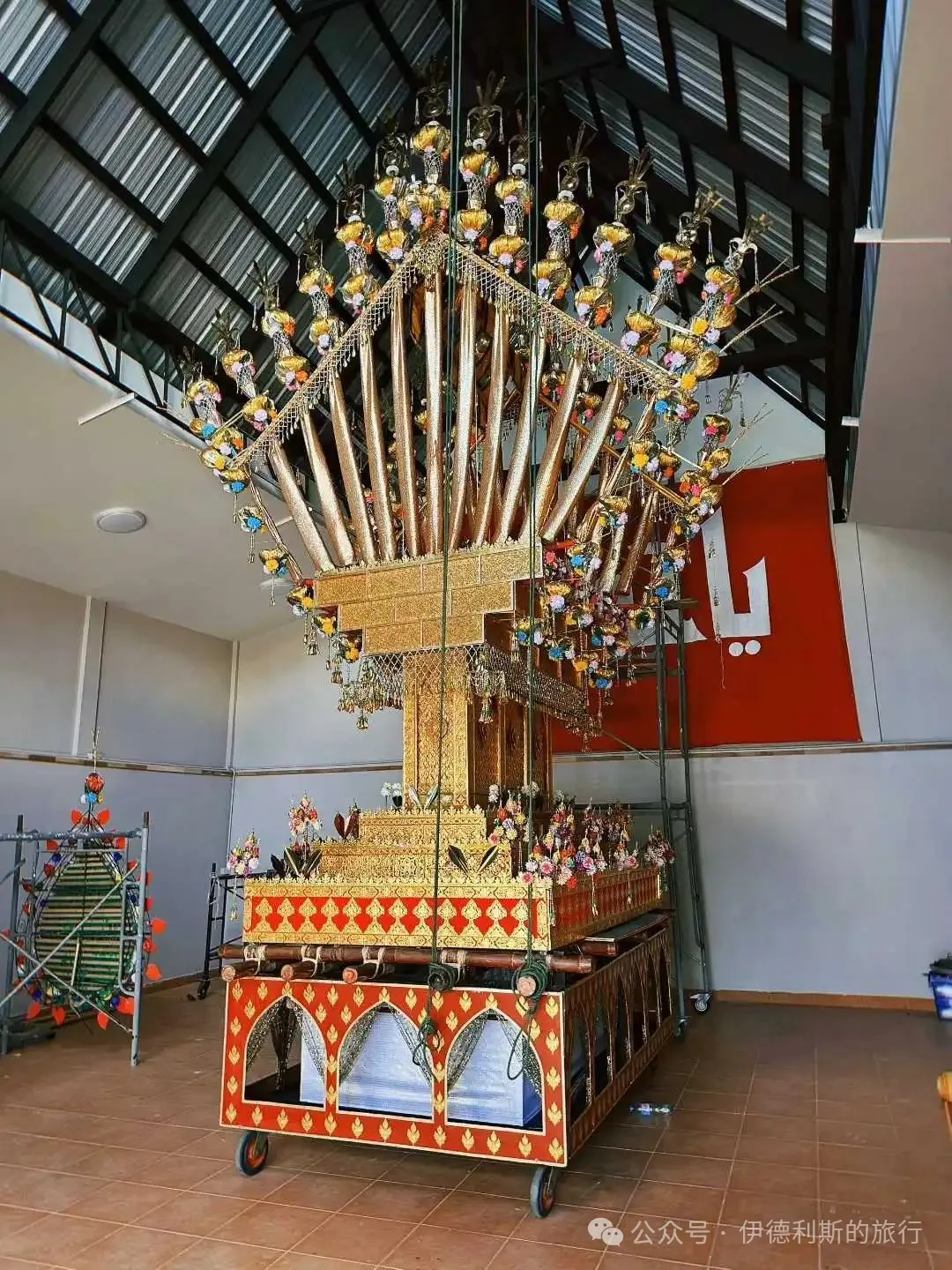
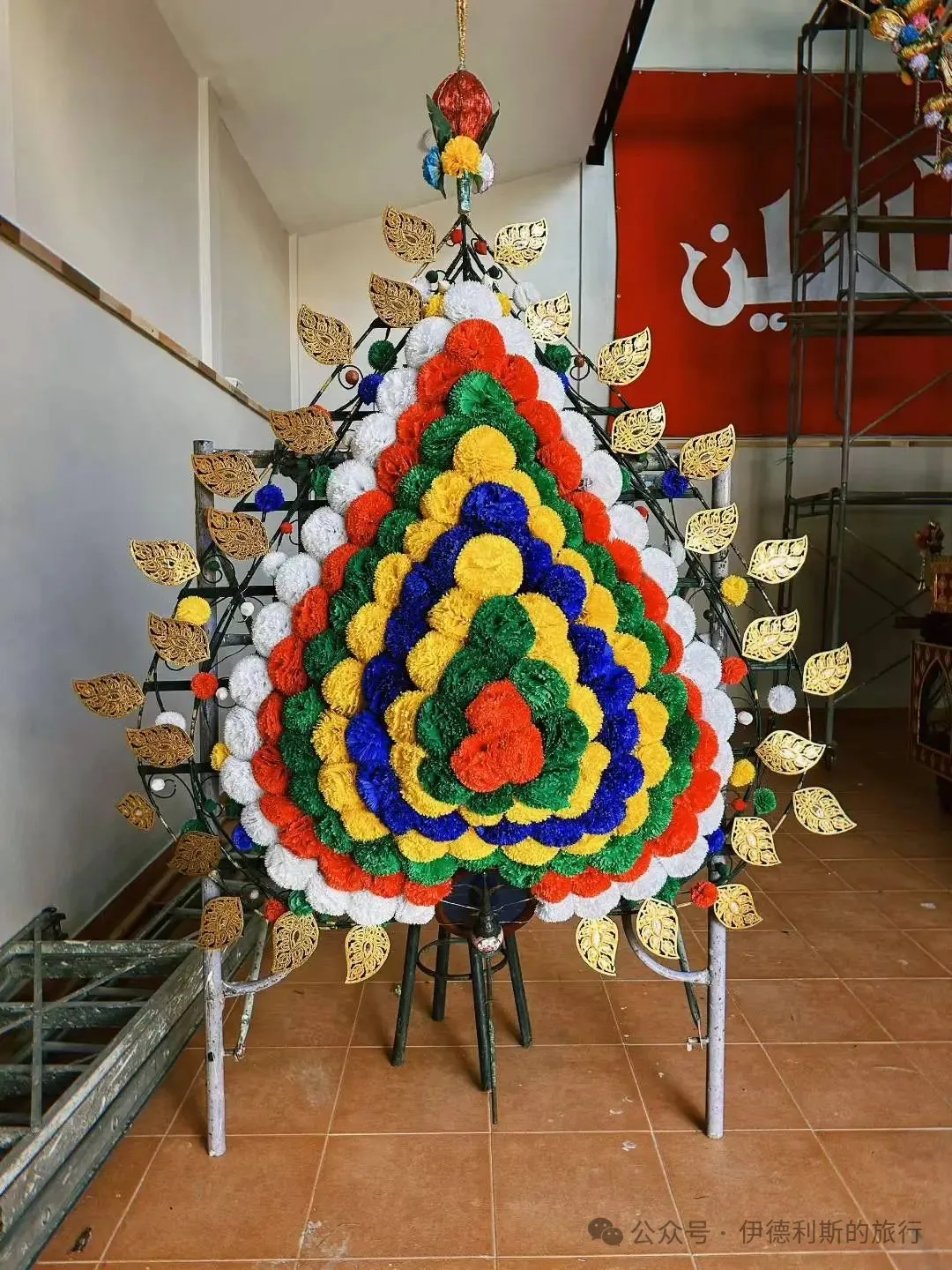
The Nakhl Gardani placed in the main hall symbolizes the funeral bier of Imam Hussein. It is decorated with a dagger and a turban (dastar) representing those used by Imam Hussein. During Ashura events, people carry the Nakhl Gardani to symbolize the funeral procession for Imam Hussein.
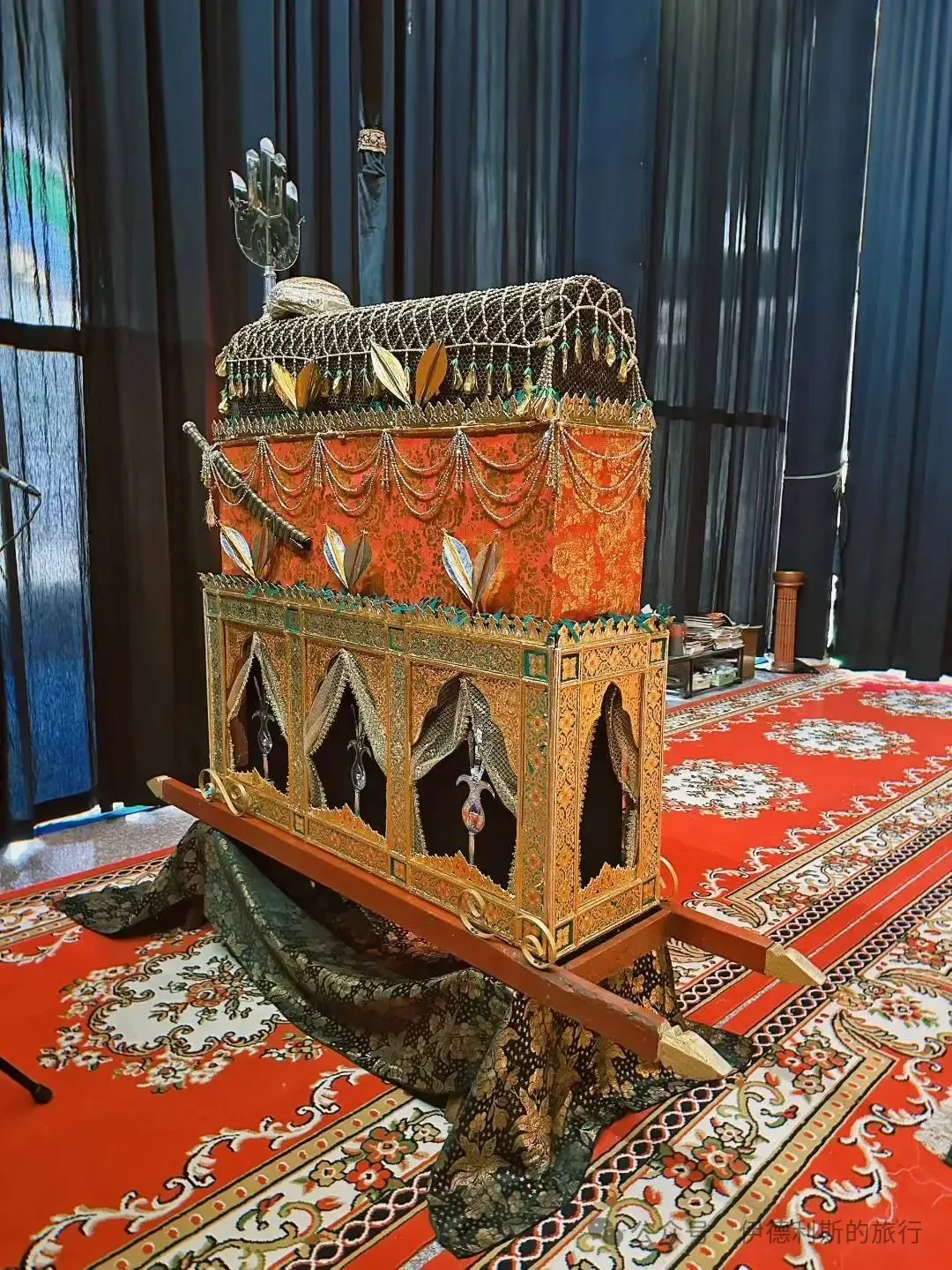
A Tadjah is also placed in the main hall to symbolize the tomb of Imam Hussein.
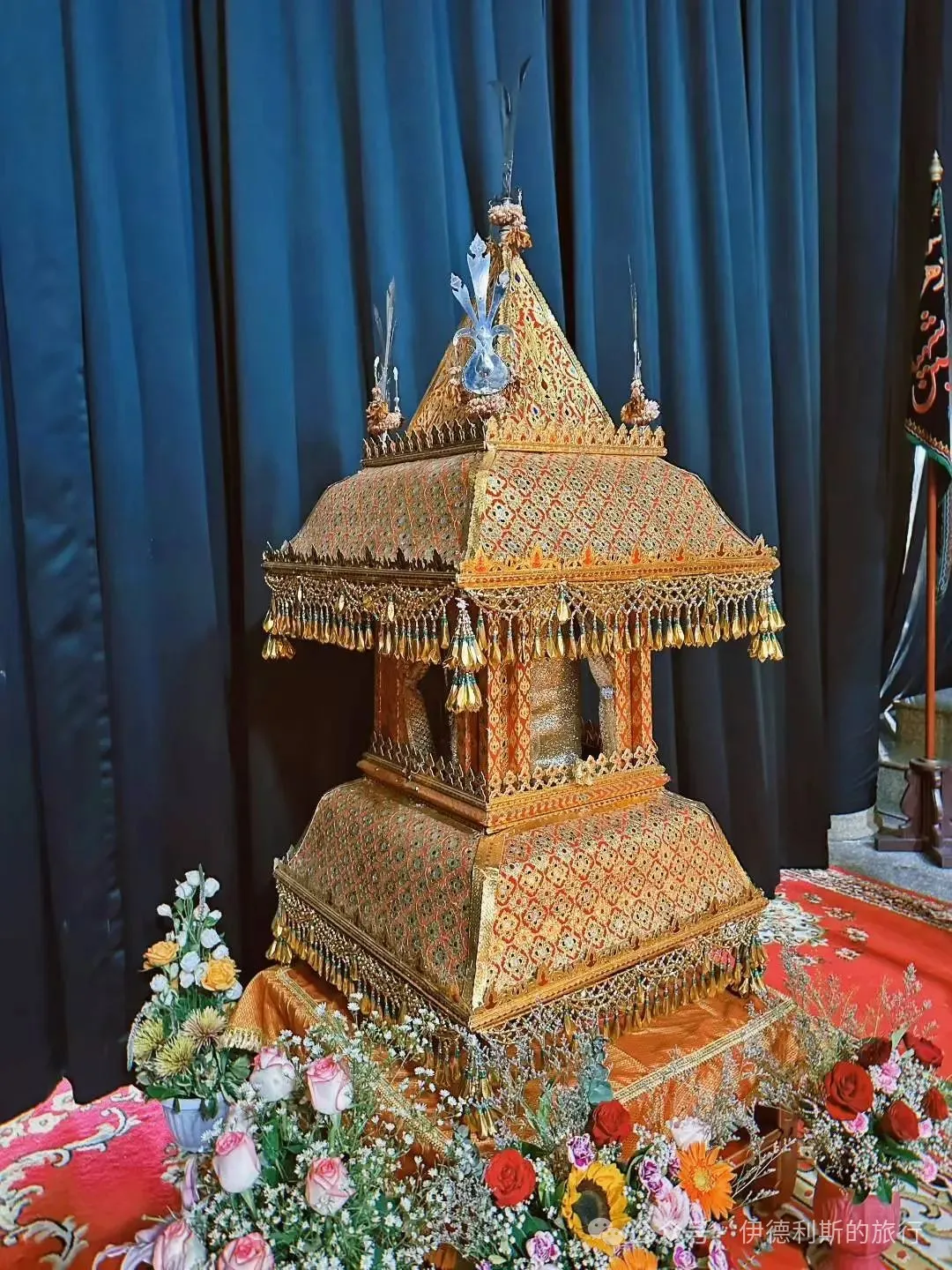
There is also a small decoration in the hall representing the youngest baby martyred at the Battle of Karbala, Ali Asghar, the six-month-old son of Imam Hussein. Records state that Imam Hussein held the thirsty Ali Asghar and asked the enemy for water for the child. The enemy fired an arrow that pierced the baby's throat and Imam Hussein's arm at the same time. Ali Asghar later became a symbol of innocent victims and the most painful mourning during Muharram events.
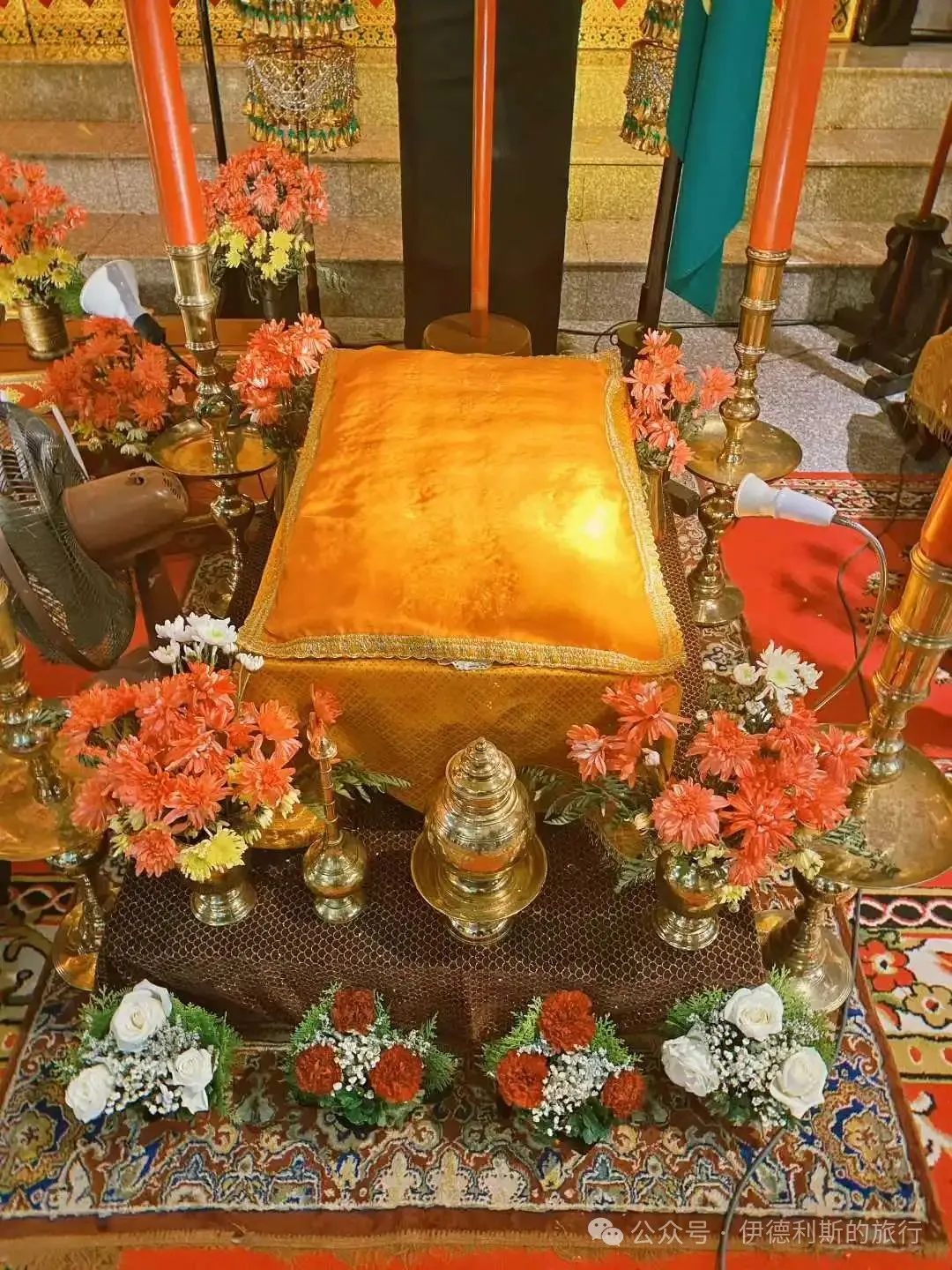
During the first ten nights of Muharram, Shia Muslims in Bangkok chant to commemorate Imam Hussein. During these sessions, people known as Rawda khwan tell the story of the martyrdom of Imam Hussein and his followers at the Battle of Karbala. The stories come from famous books, the most well-known being The Garden of the Martyrs (Rawdat al-shuhada) by the famous Timurid-era Persian writer Hussein Kashifi. Afterward, the imam also gives a sermon (waaz) in Thai, helping everyone learn about the bravery, fearlessness, and spirit of sacrifice shown by Imam Hussein and his followers at the Battle of Karbala.
The Nakhl Gardani used during Ashura events symbolizes the coffin of Imam Hussain, and the entire Ashura event is essentially a reenactment of his funeral.
Kudi Charoenphat in Bangkok
In the late 18th and early 19th centuries, Akayi, the second leader of the Persian Shia community in Bangkok, built Kudi Charoenphat at the heart of the community. This is an Imambara hall used by the Shia for mourning ceremonies.
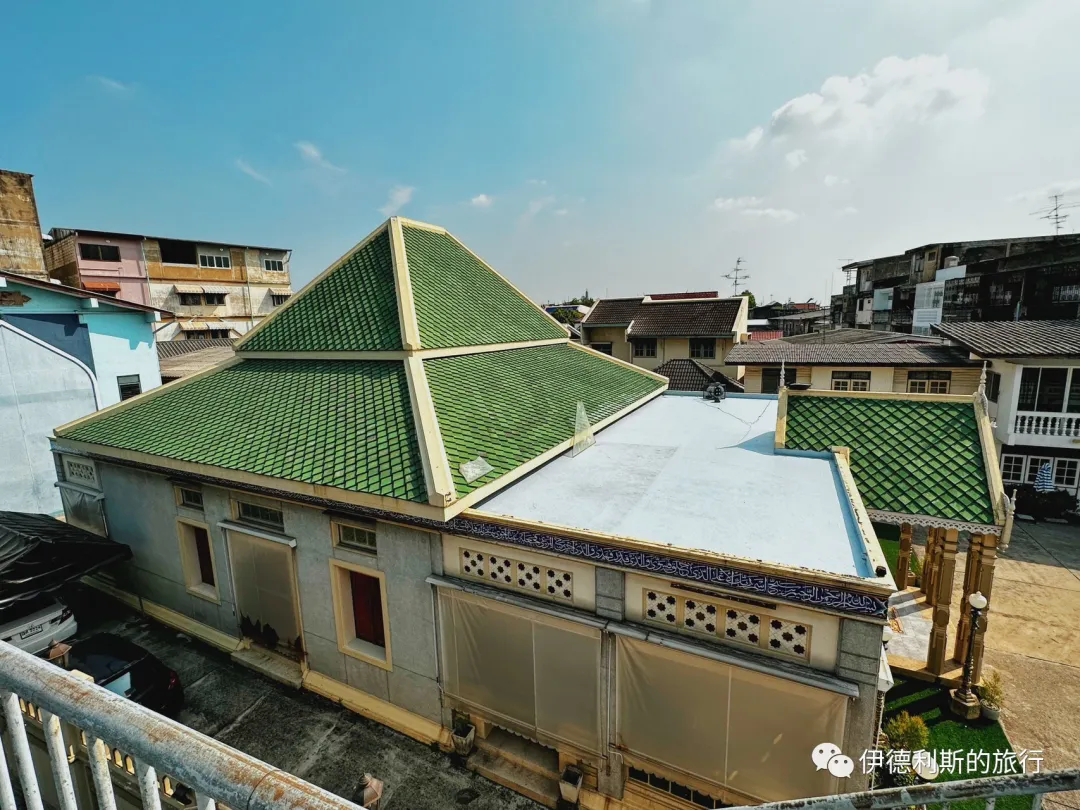
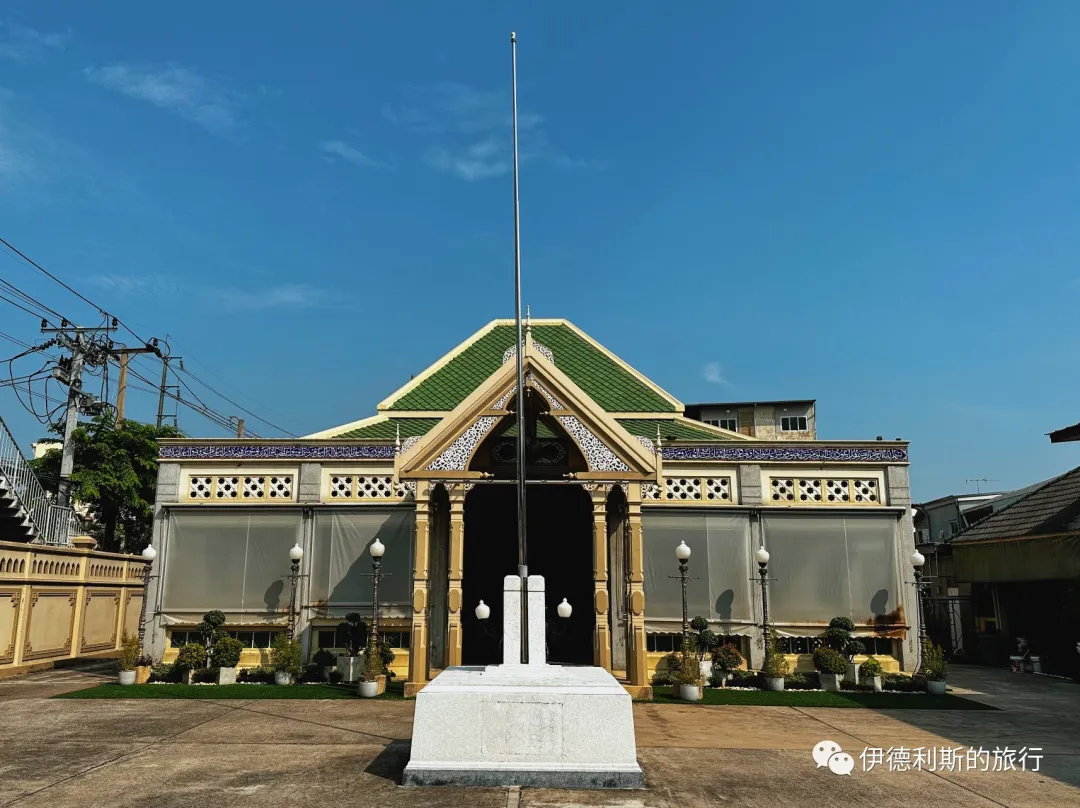
An Imambara, also called a Hussainiya or Ashurkhana, is a hall where the Twelver Shia branch holds ceremonies to mourn Imam Hussain. On the Day of Ashura (the 10th of Muharram) in 680 AD, the Prophet's grandson, Imam Hussain, was martyred in the Battle of Karbala. Since then, the Shia hold grand mourning ceremonies every year in the first month of the Islamic calendar (the month of Ashura), the second month (40 days after Ashura), and the ninth month (Ramadan). Except for the most important processions, most ceremonies take place inside the Imambara hall.
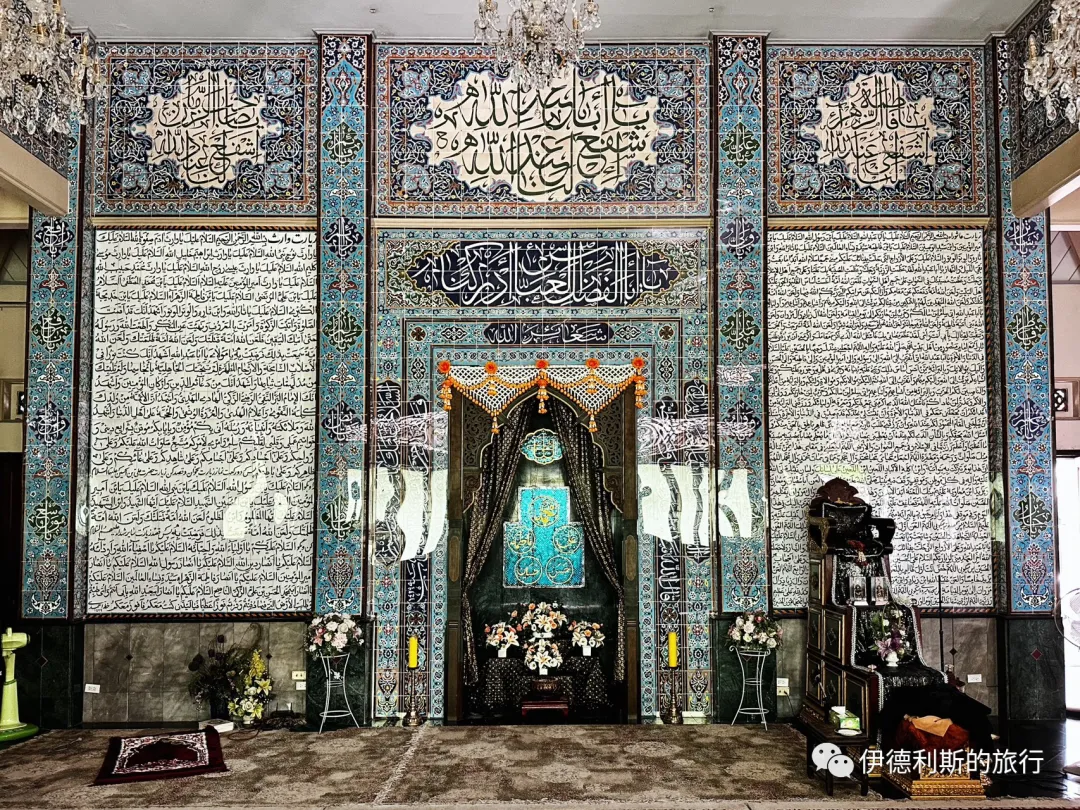
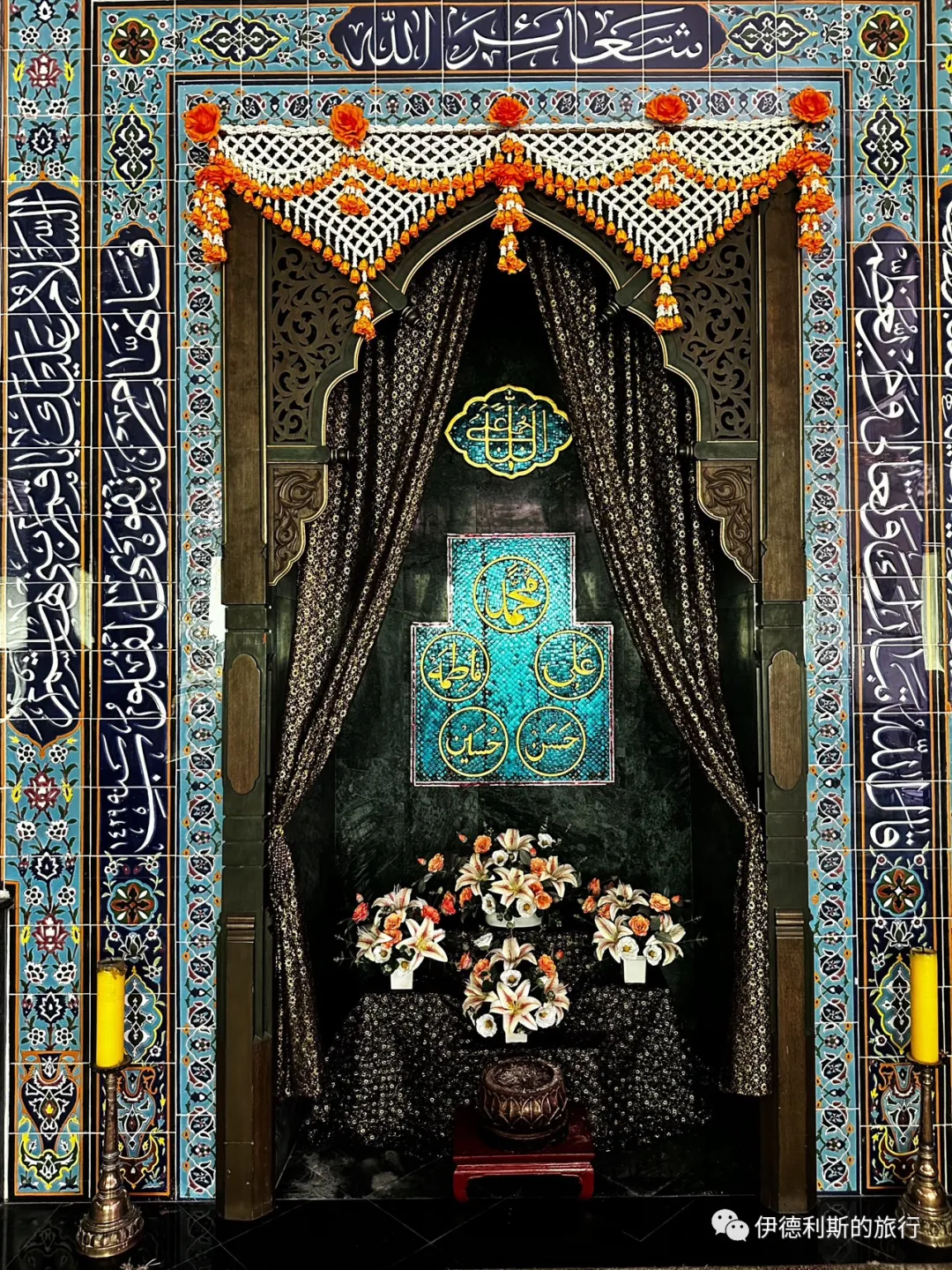
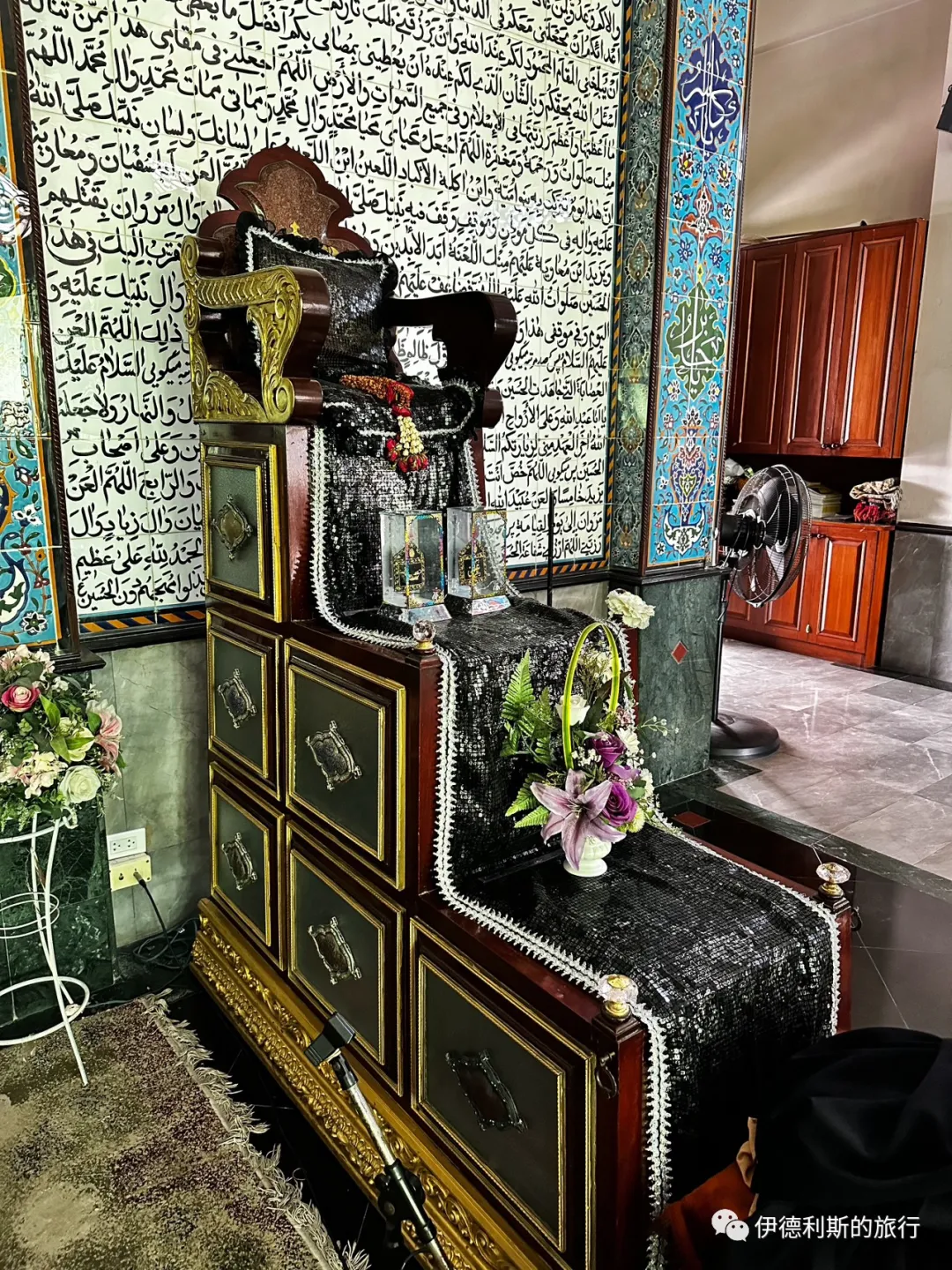
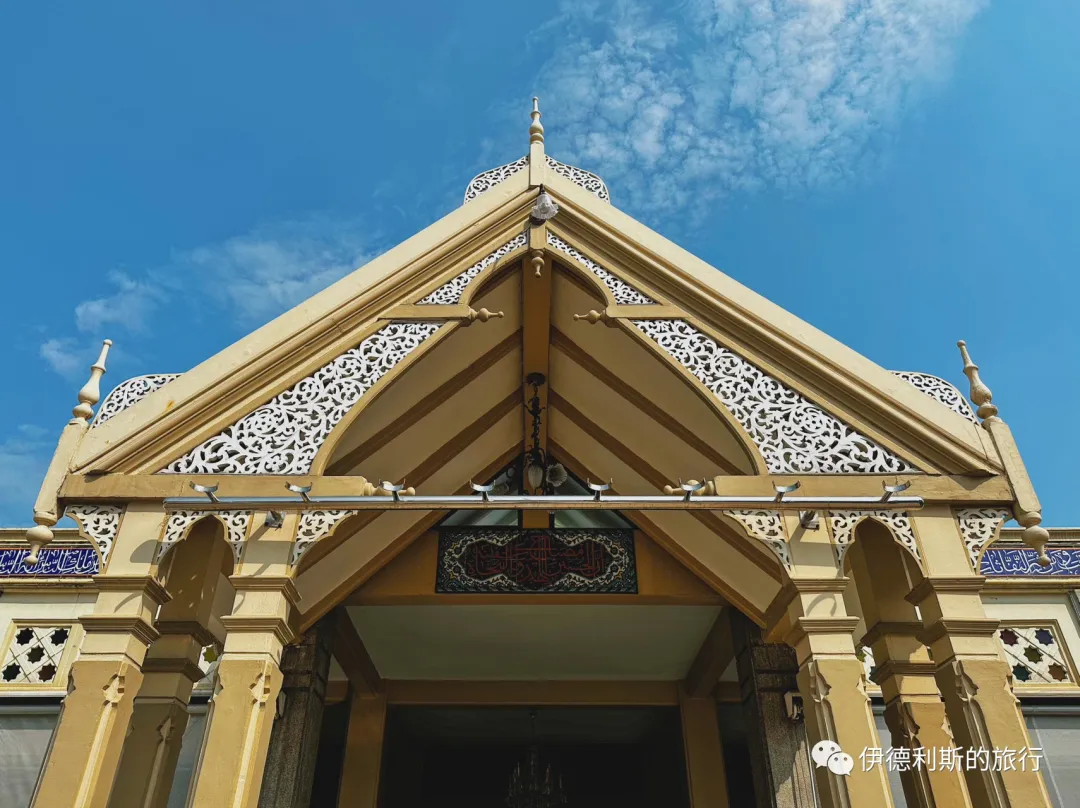
The wood carvings on the hall are in the Gingerbread style, which was popular in Thailand in the late 19th century. This architectural style originated in Victorian England during the 19th century and was later developed by British companies logging teak in Thailand, who blended it with local Thai decorative elements. Due to high construction and maintenance costs, this architectural style gradually became a thing of the past after the 20th century.
The Nakhl Gardani used during Ashura events.
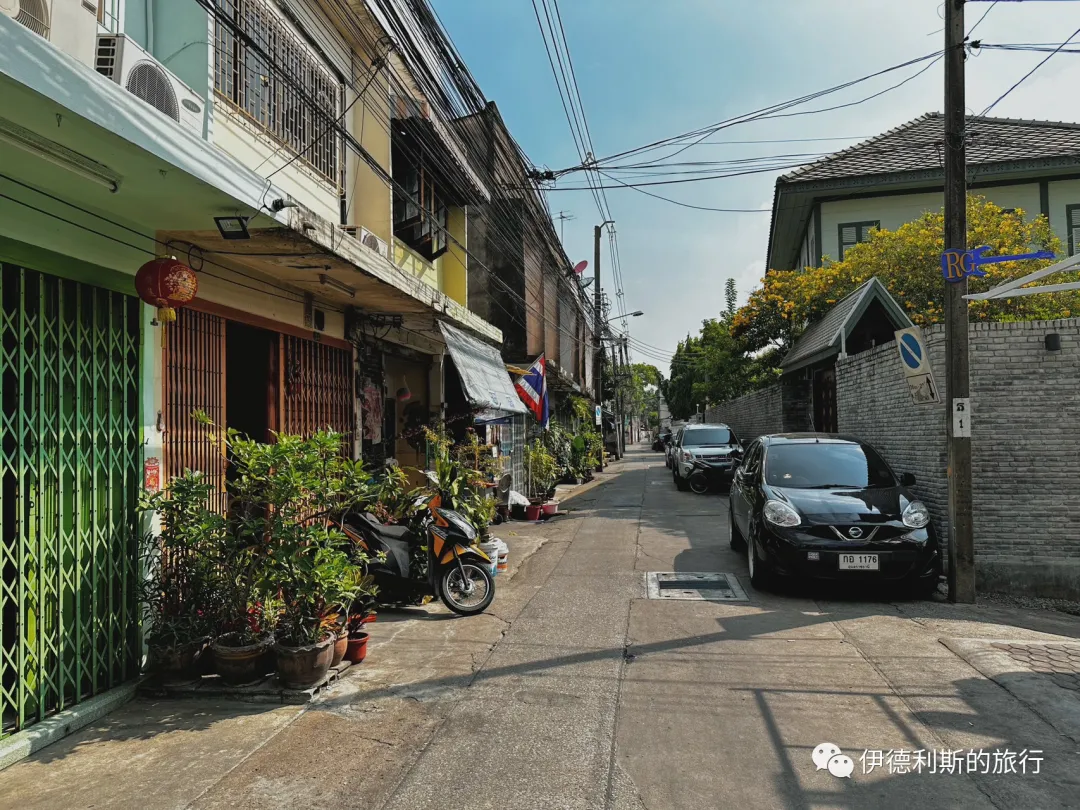
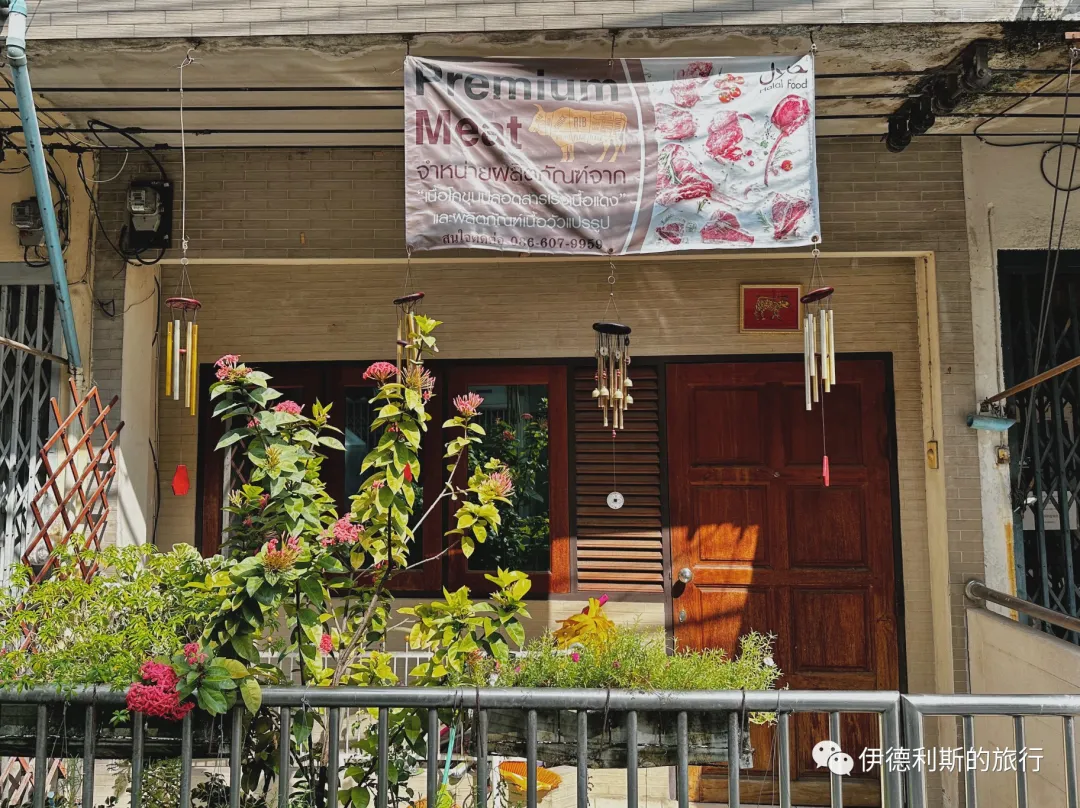
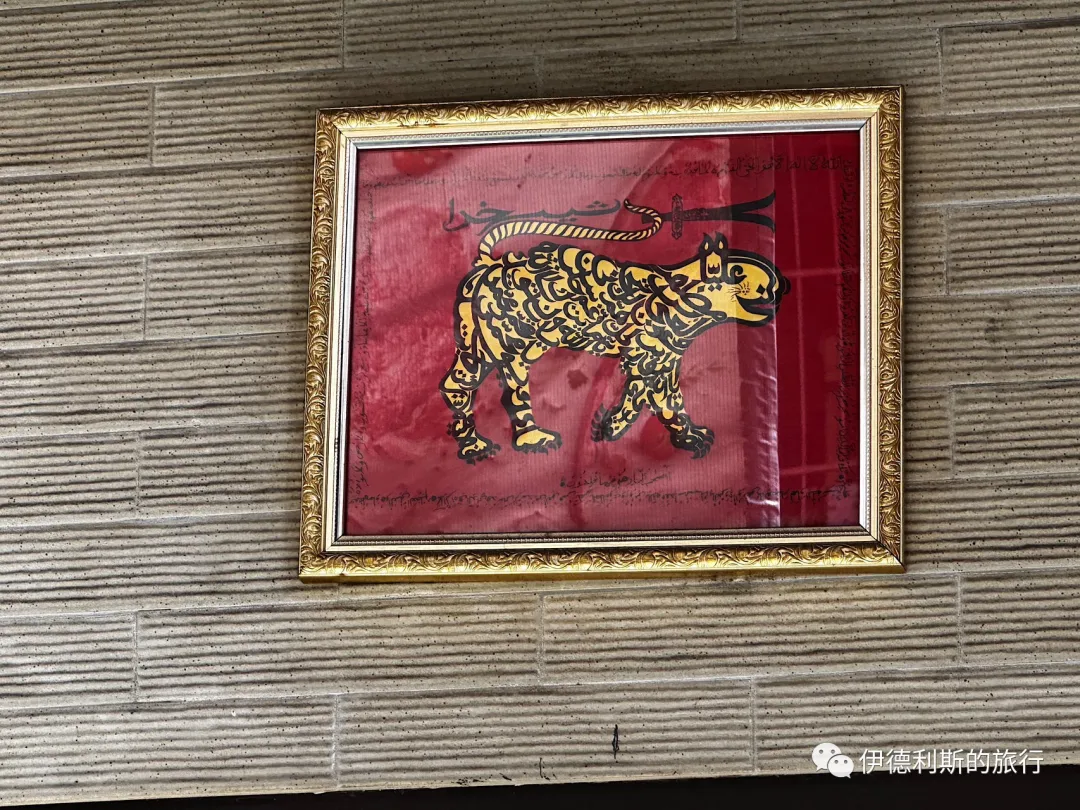
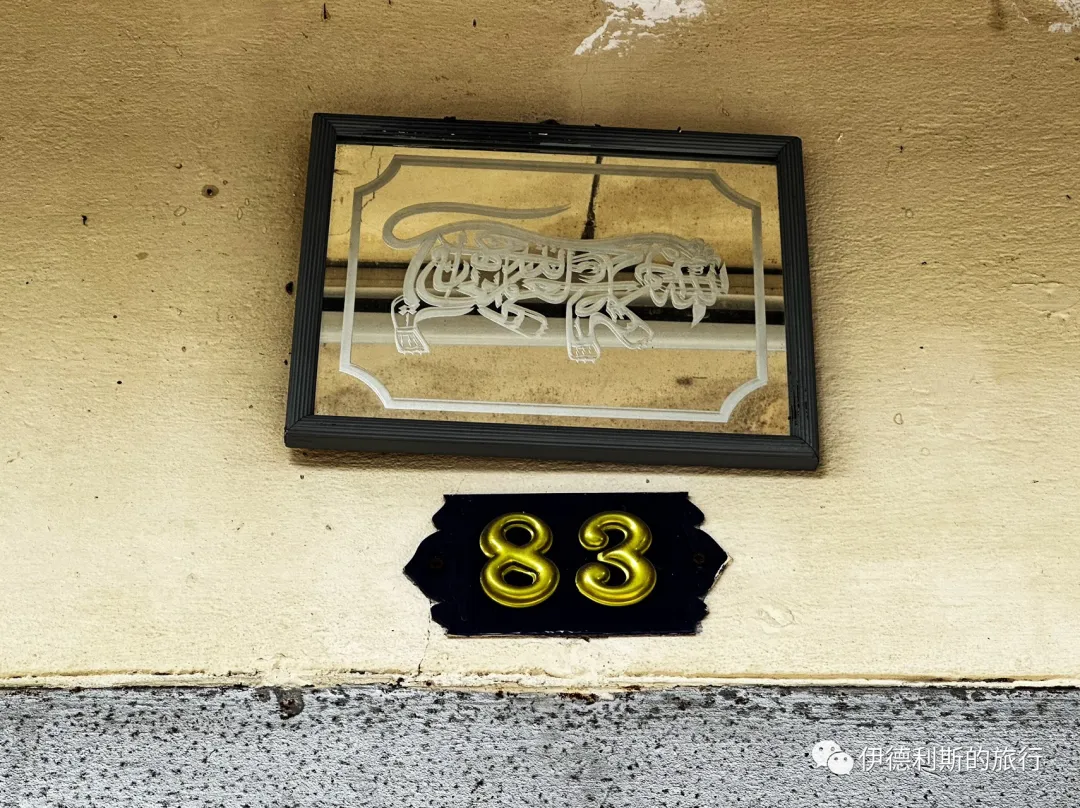
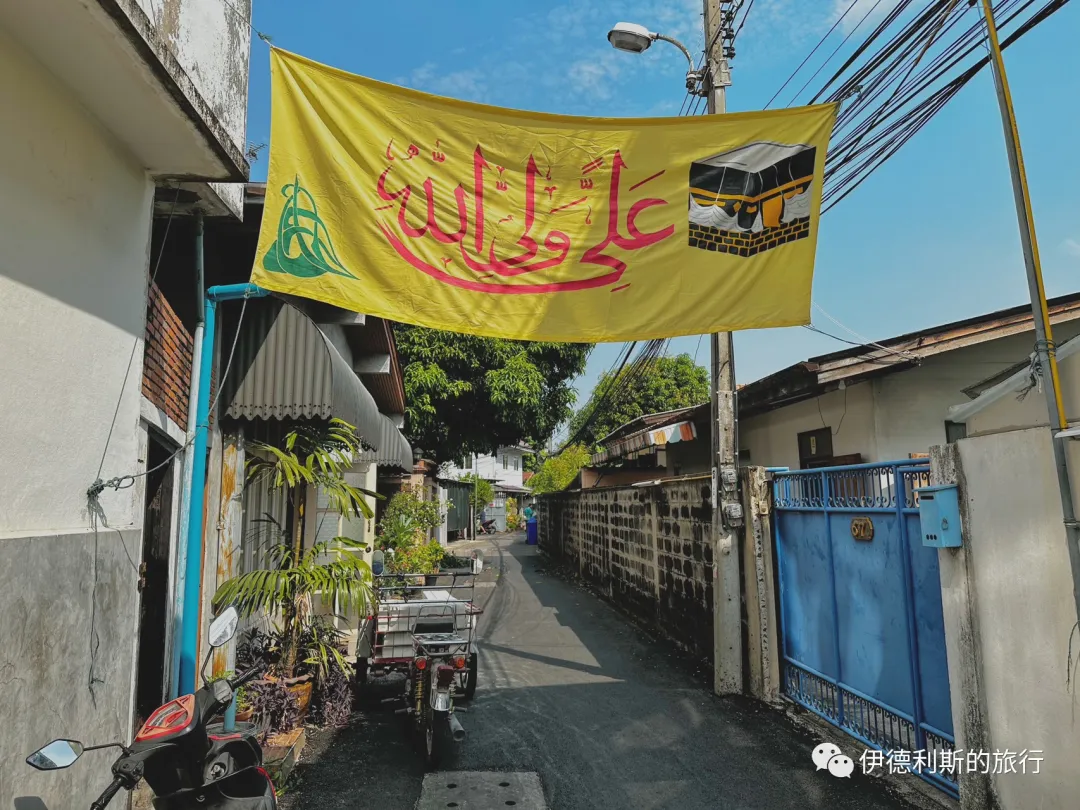
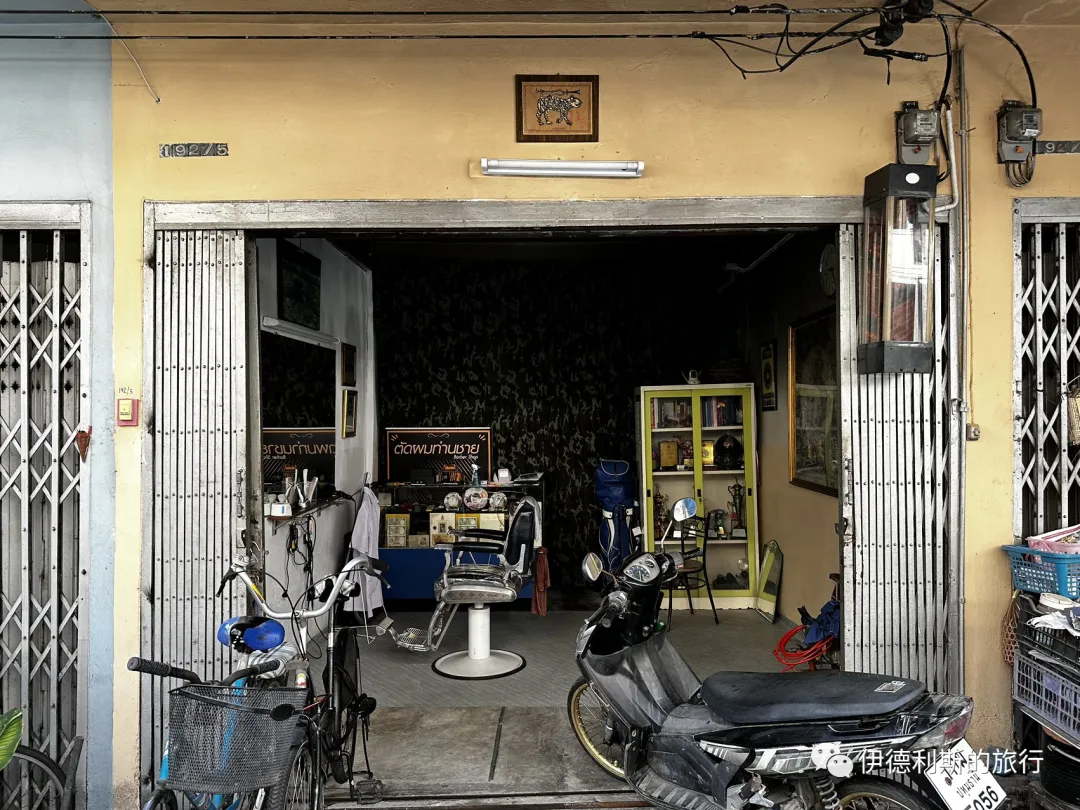
A street view of the Persian community in Bangkok. Many walls of Persian-descendant homes and shops here display the 'Lion of God' (Asadullah), which refers to Imam Ali and serves as a symbol of the Shia.
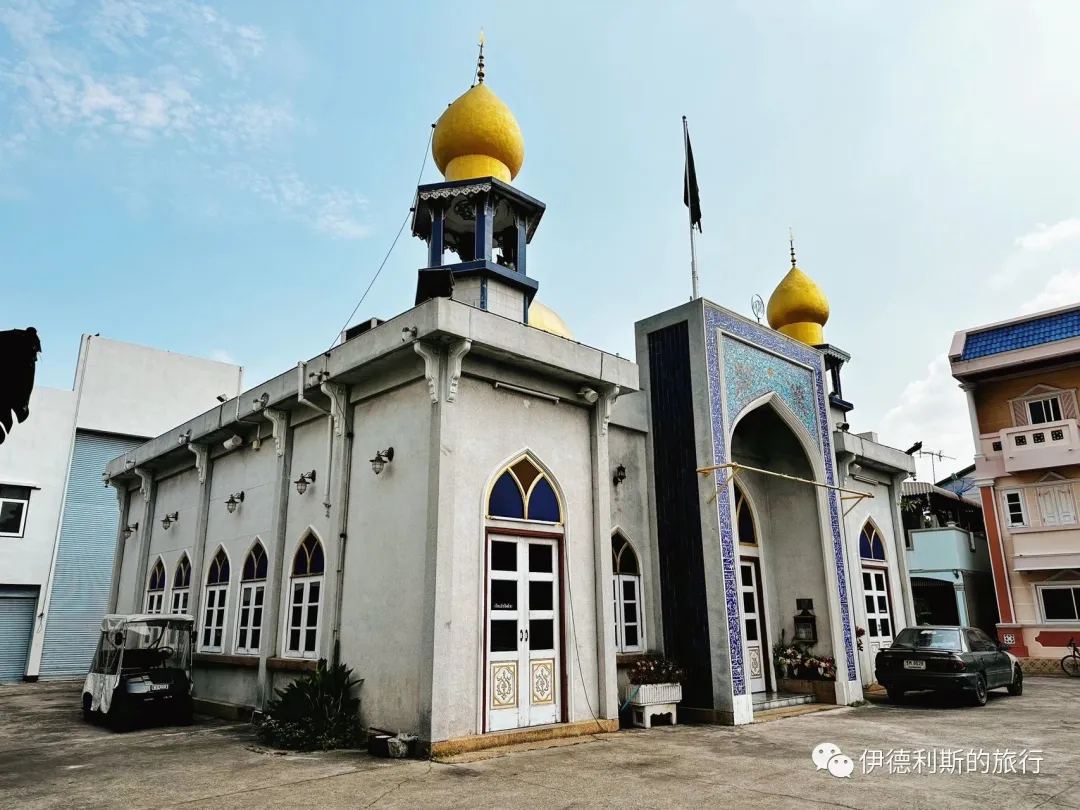
Phadungtham Islam mosque in Bangkok
The center of the Persian community in Bangkok is the Phadungtham Islam mosque. This mosque was first built in 1938 and was rebuilt into its current structure in 1979.
The new mosque features a Persian-style Iwan gate, modeled after the Imam Reza Shrine, a Shia holy site in Iran.
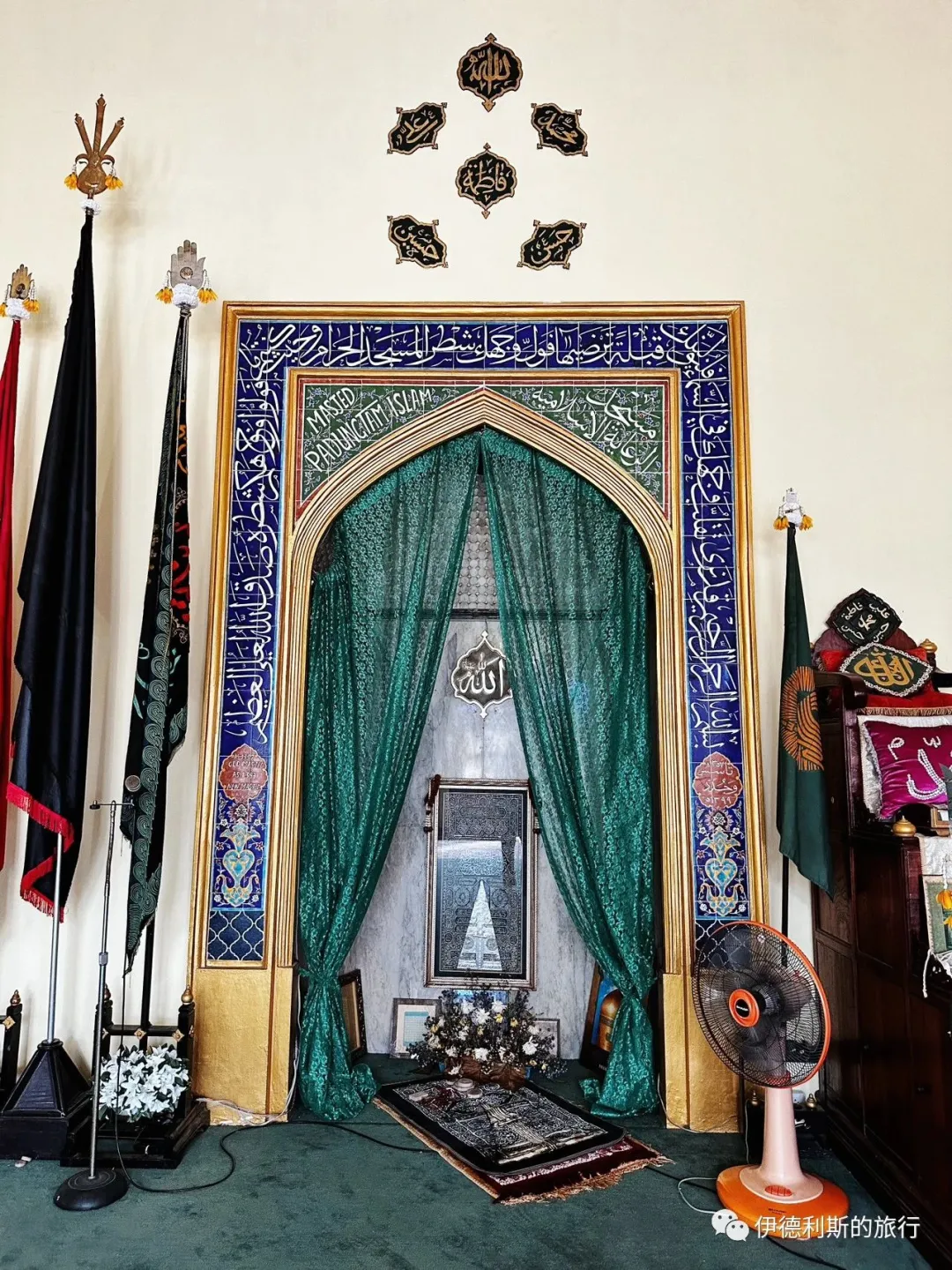
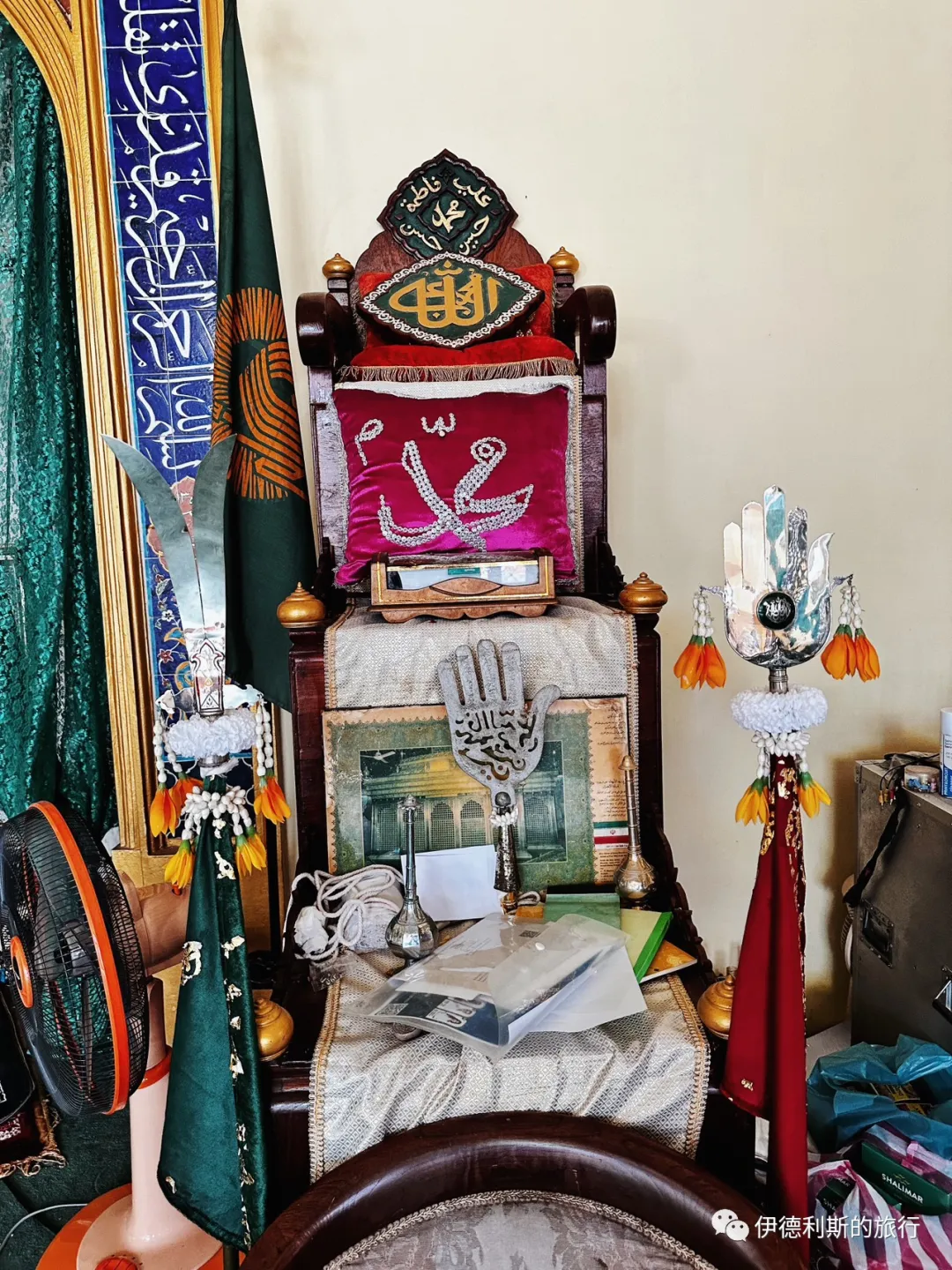
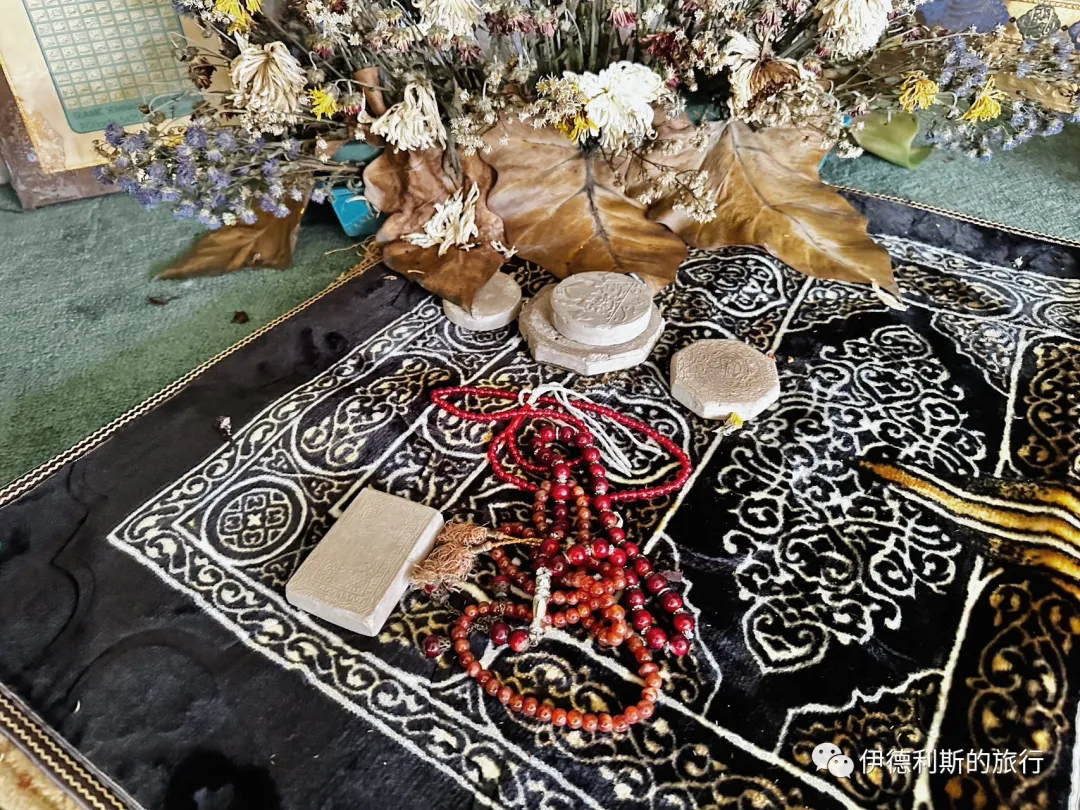
The clay tablet placed before a prayer rug is called a Turbah in Arabic and a Mohr in Persian. Twelver Shia Muslims touch their foreheads to it during namaz. Some clay tablets feature images of the Imam Hussain Shrine, indicating they are made from the soil of Karbala, where Imam Hussain was martyred.
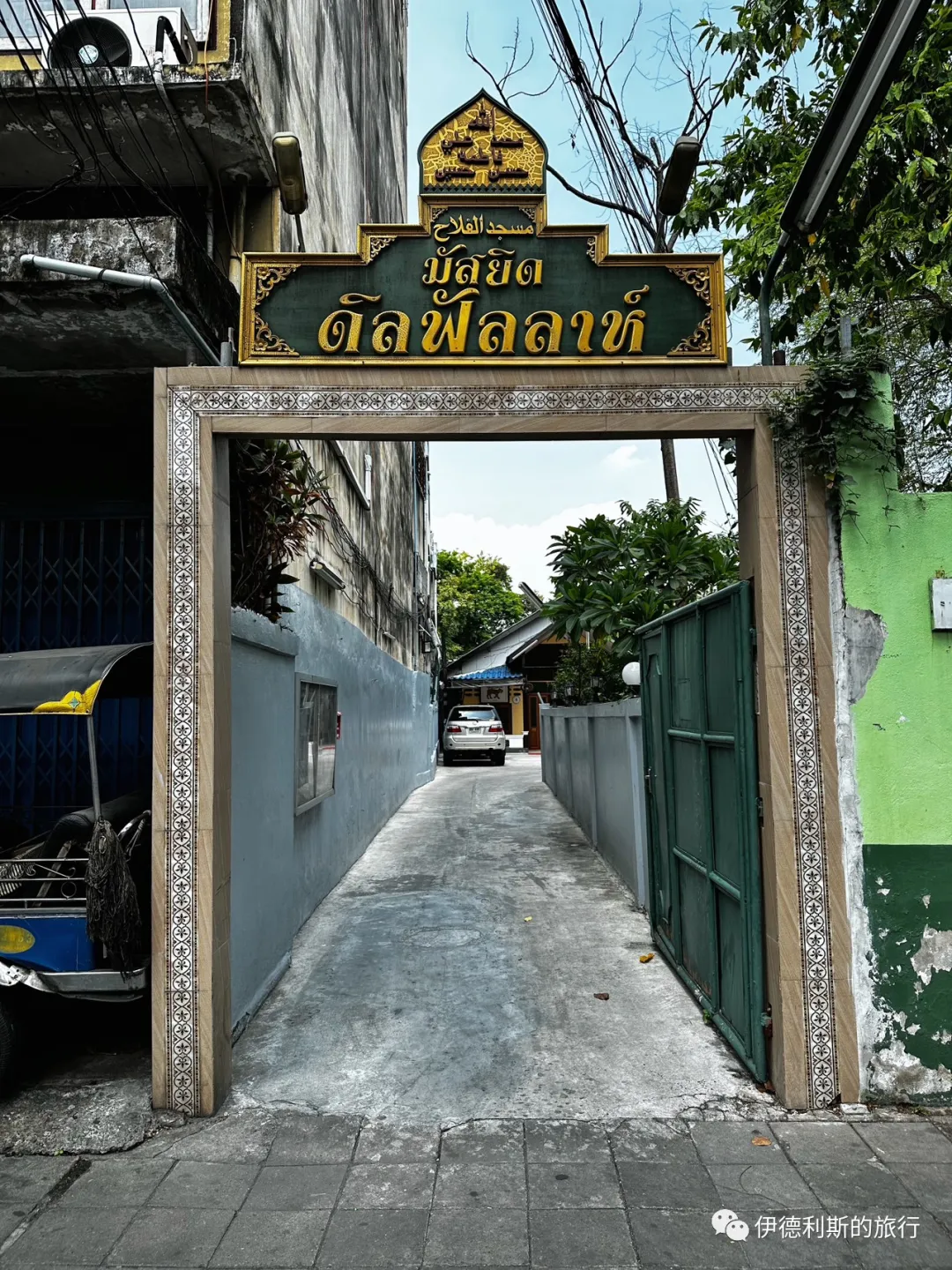
Dilfulla mosque in Bangkok
The Indian Shia community is located on the southwest side of the Persian Shia community in Bangkok, separated by Itsaraphap Road.
For hundreds of years, Shia merchants from India set out from the cities of Surat and Ahmedabad in Gujarat, traveling across the Indian Ocean to Siam for maritime trade. Because of their shared faith, they often collaborated in business with the Persians, and later intermarried, forming a powerful trade network in Siam. In the early 19th century, Shia merchants from Mumbai began opening shops near the Persian community along the Chao Phraya River. Thanks to the favoritism of Persian officials who controlled Western trade, these Indian Shia businesses could obtain state-controlled export goods from Siam under very favorable conditions.
Adam Ali was a merchant and adventurer from Lucknow, Uttar Pradesh, India. In the early 19th century, he left the city of Surat with fine Indian textiles and sailed across the Indian Ocean to Bangkok many times for trade. Through connections with local Persian-descended nobles in Bangkok who shared his Shia faith, he was able to meet many Siamese nobles. These nobles often visited his merchant ships and bought many high-quality textiles. With the profits from selling textiles, Adam was able to build a pier and warehouse along the Yai Canal near the Persian community, where he opened a textile printing and dyeing factory. The factory workers were all Shia Muslims he brought from India, and he built houses and a mosque near the factory for them, which formed Bangkok's Indian Shia community.
The center of the community is the Dilfulla mosque. It also displays the Shia symbol, the Lion of Allah (Huda zhi shi), and while the interior is slightly simpler than Persian-style mosques, you can still see Shia features in the candlesticks, flowers, and pulpit. Today, the descendants of Adam's family still live around the mosque and have served as imam for generations.
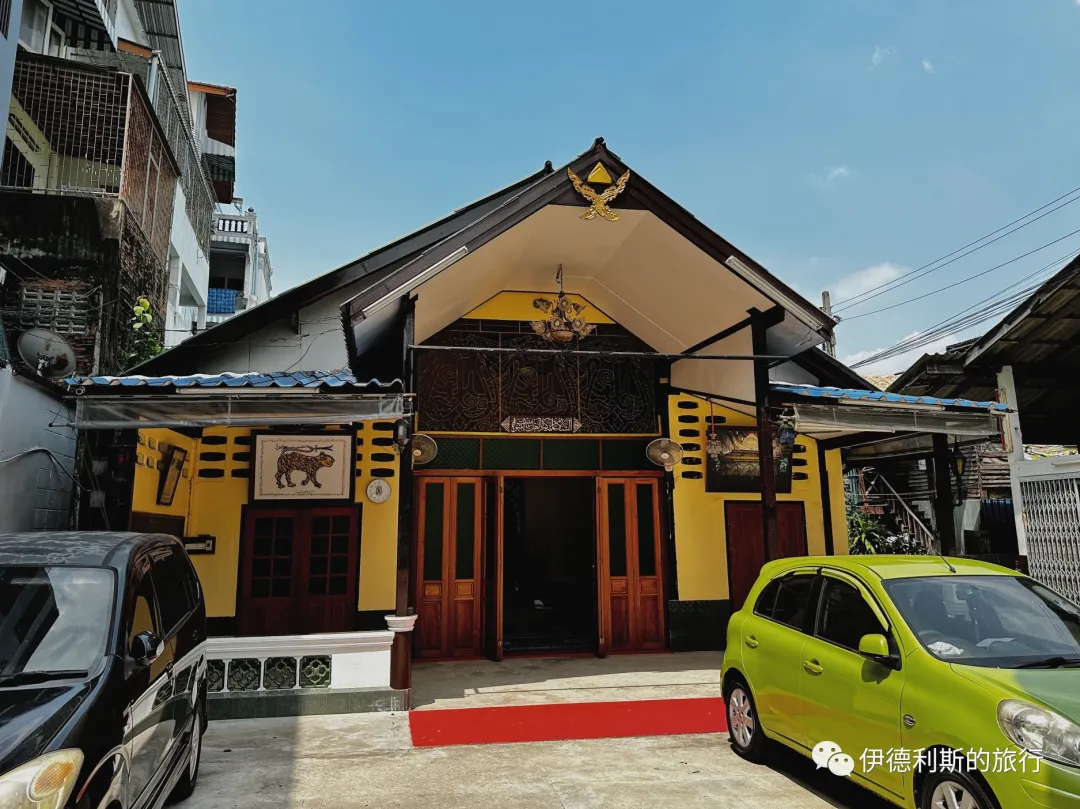
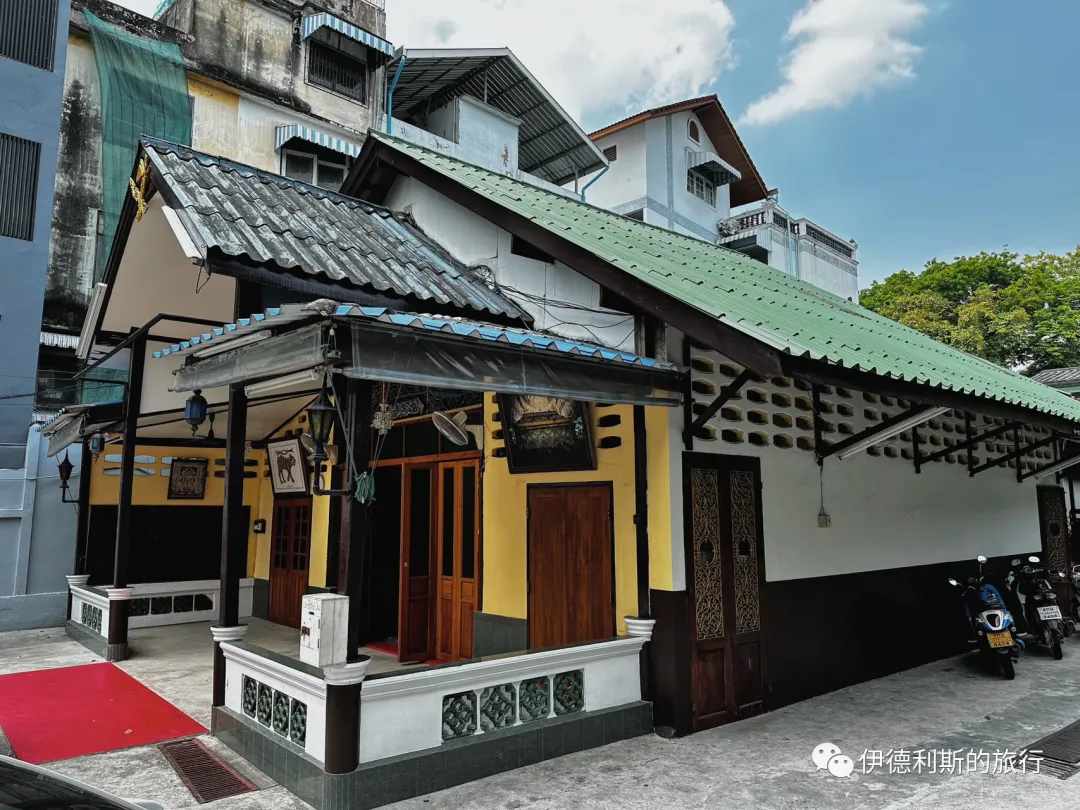
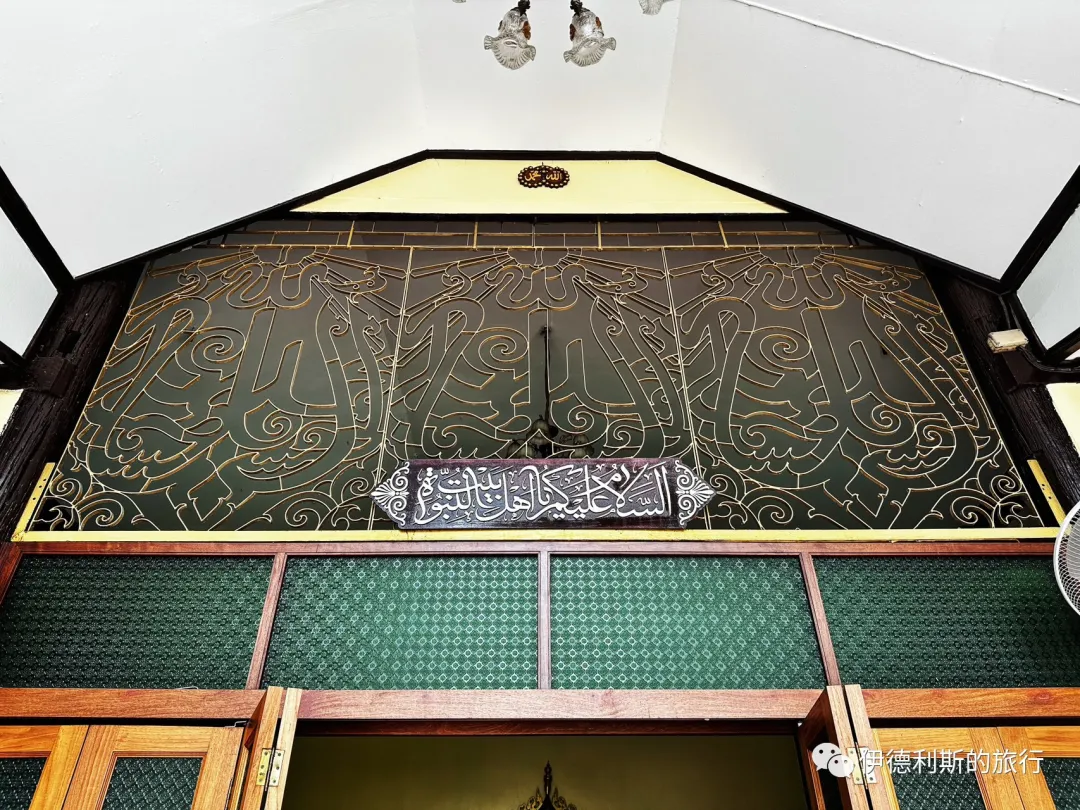
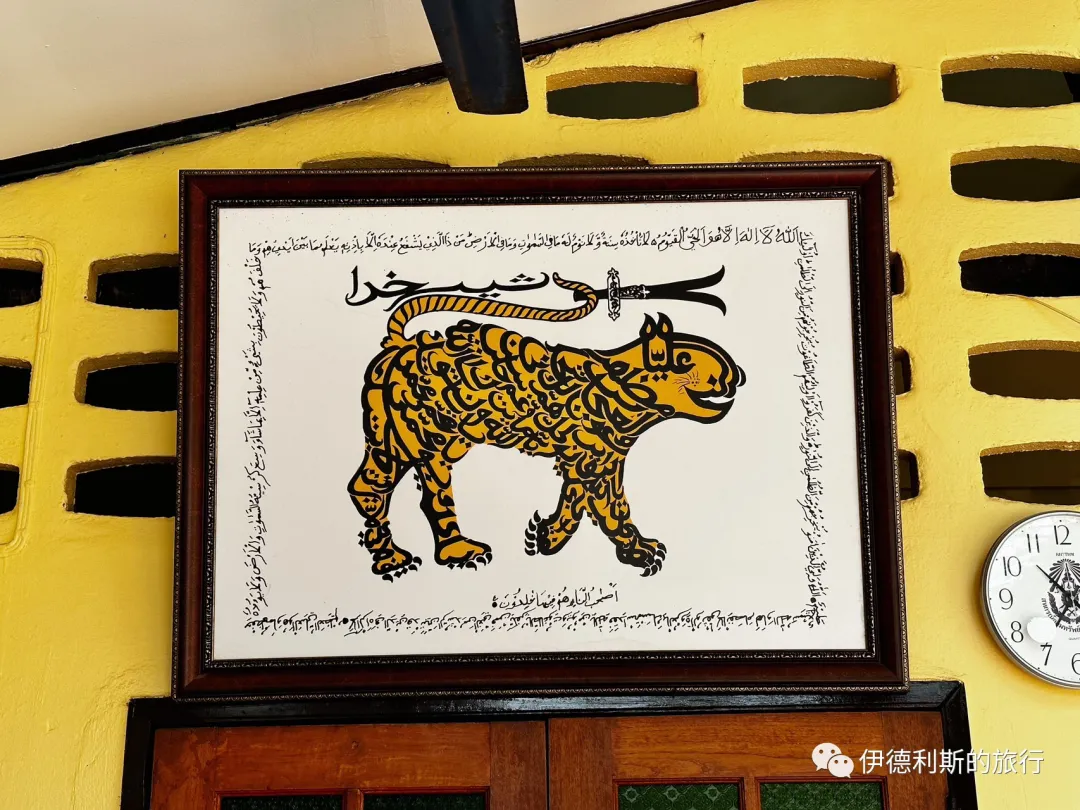
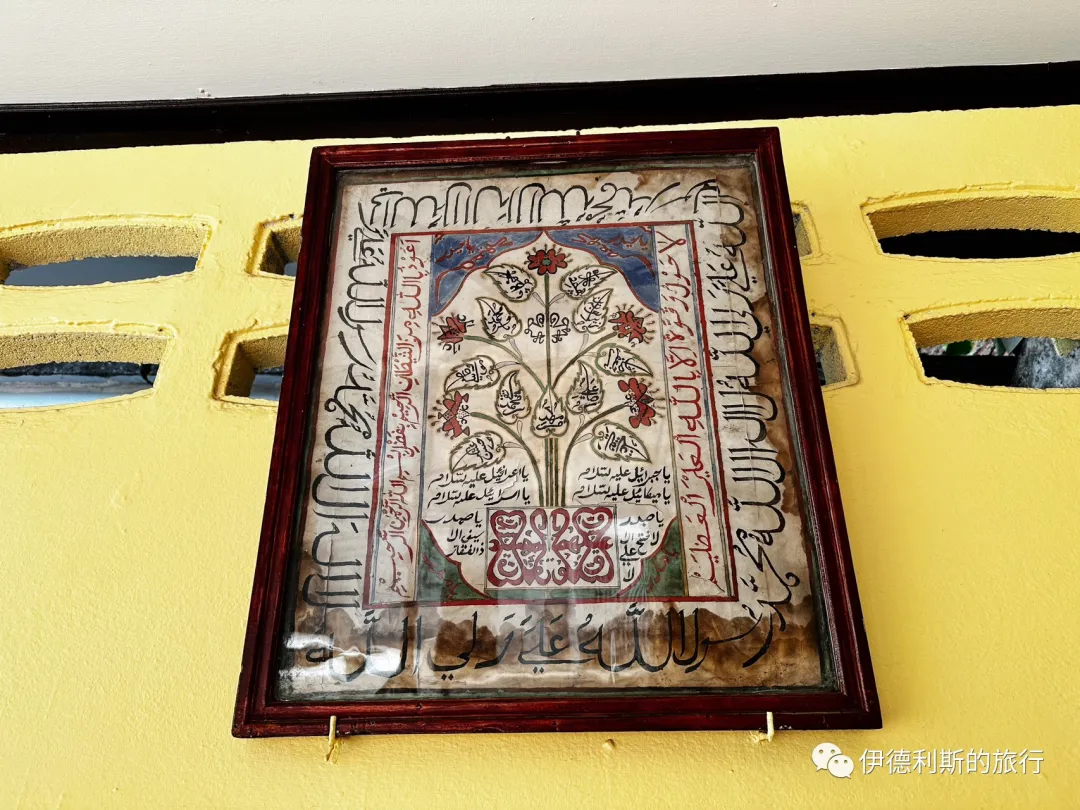
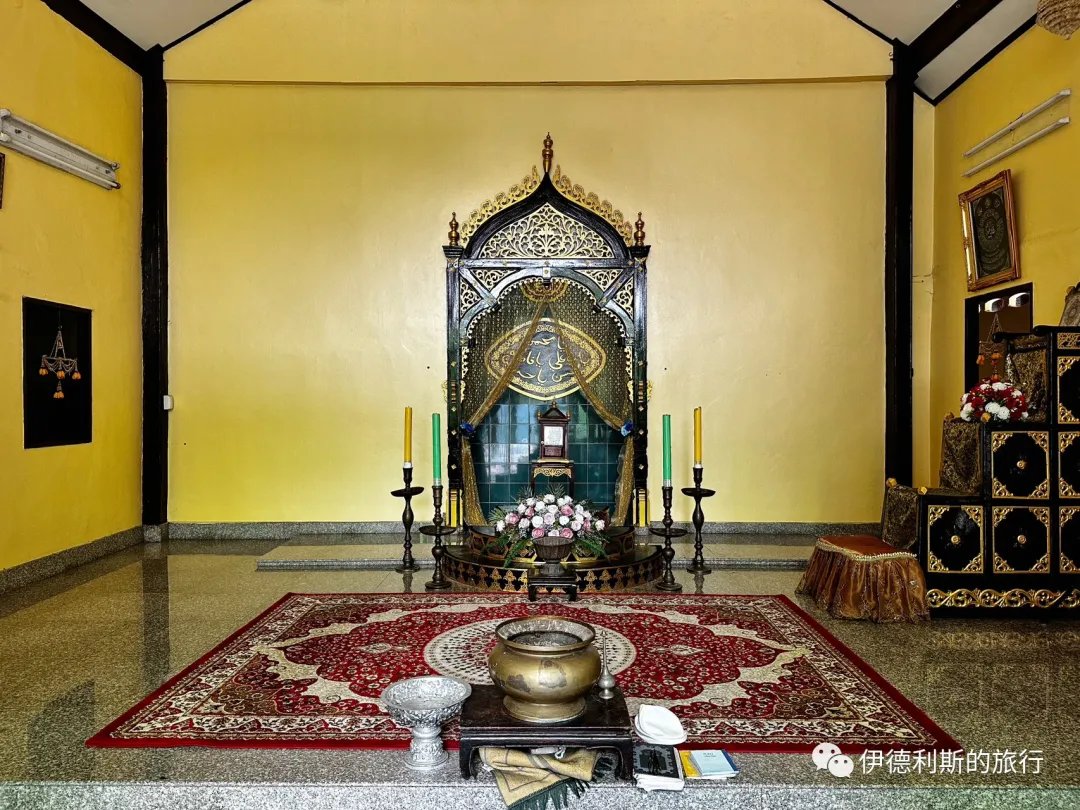
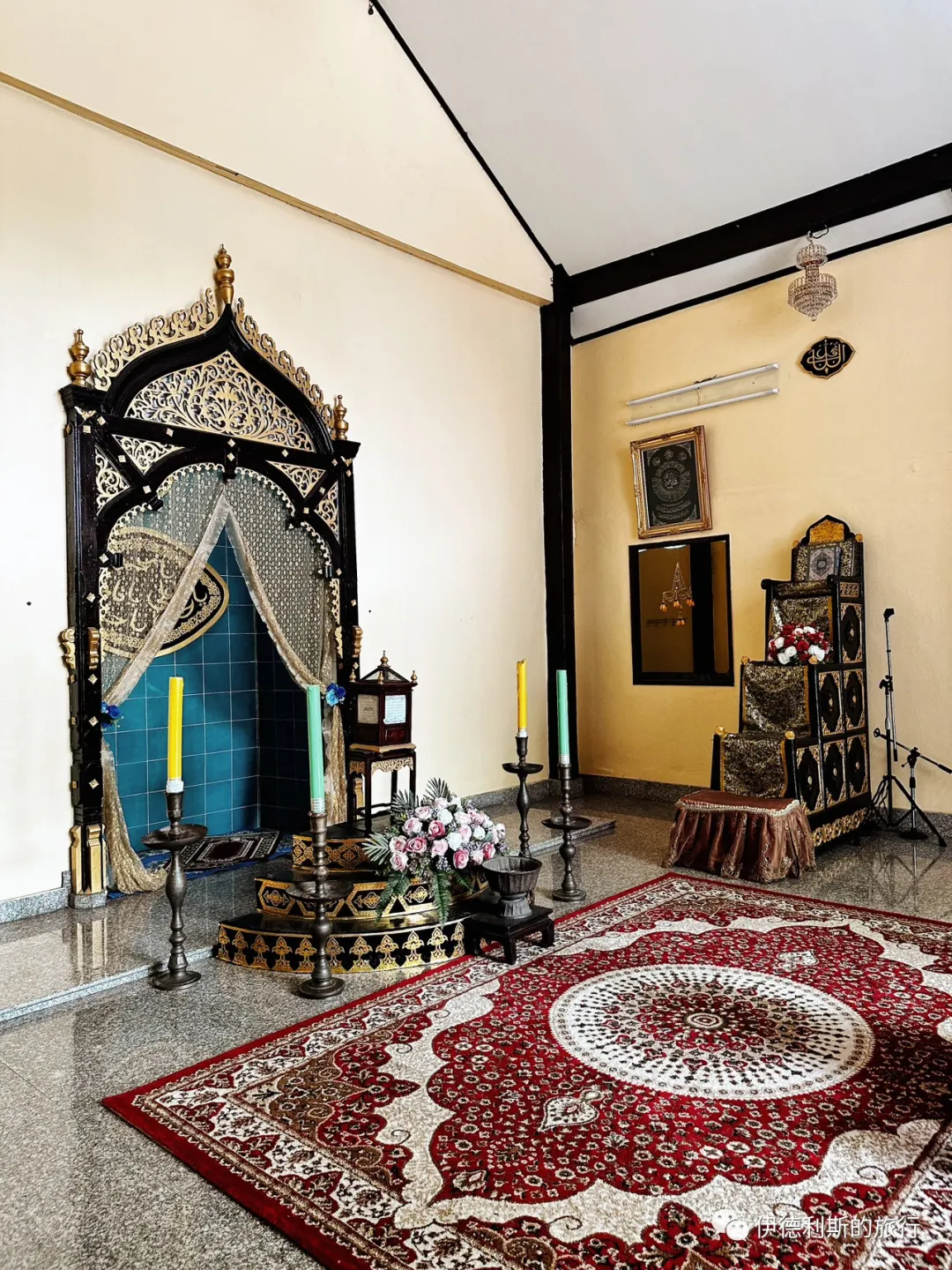
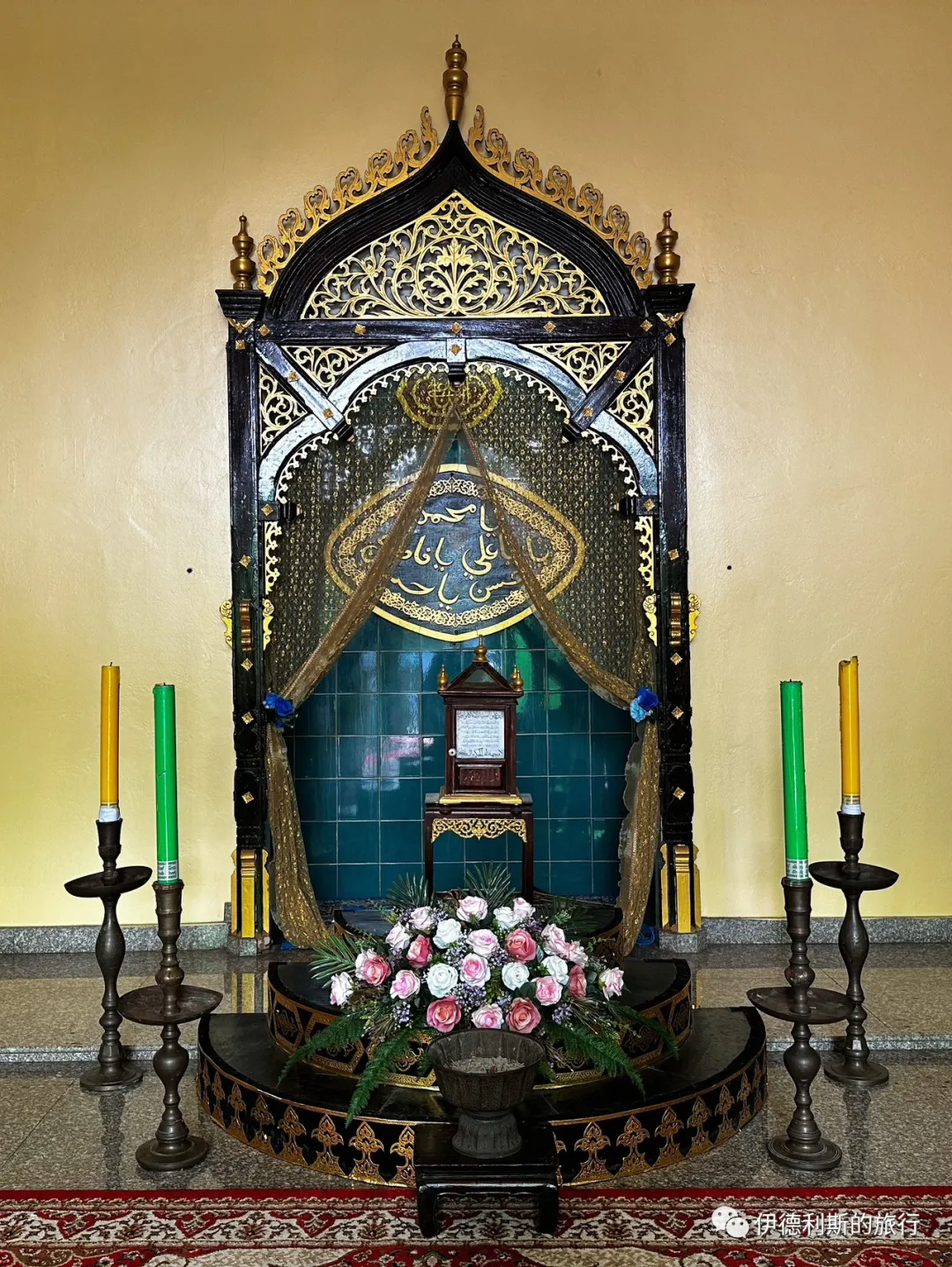
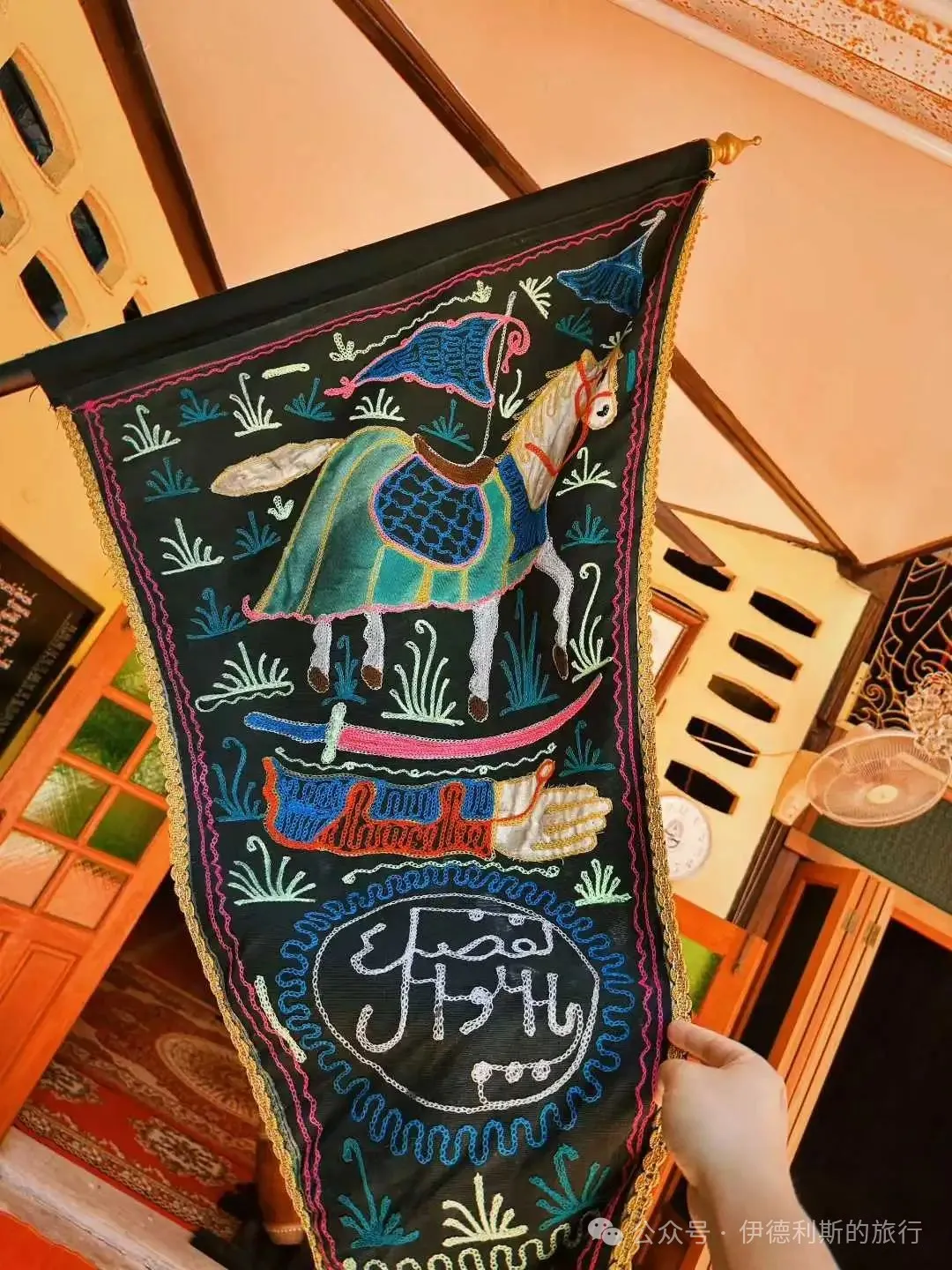
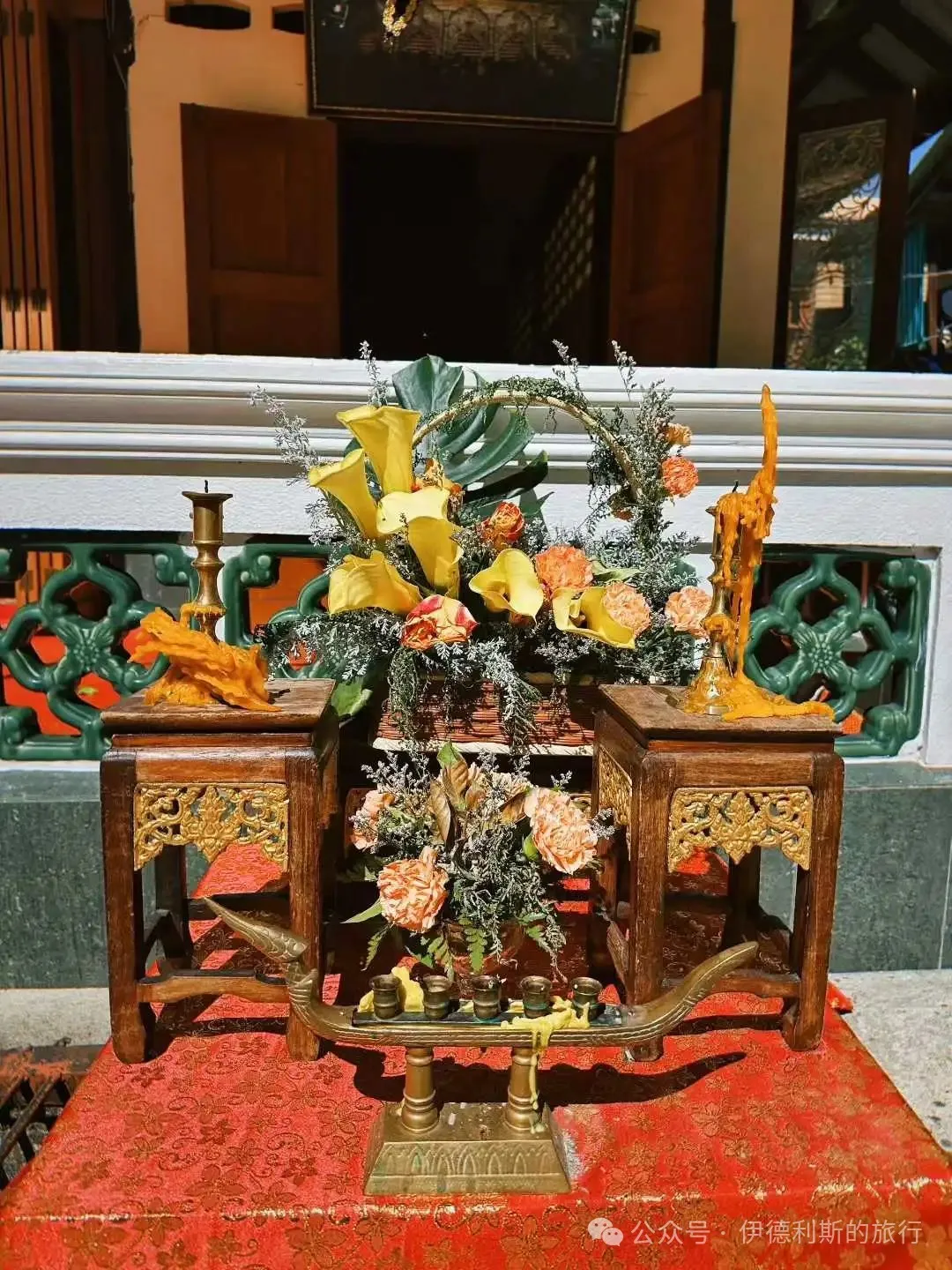
Inside the main hall of the Dilfulla mosque are incense burners, a pulpit (minbar), scripture boxes, and flowers.
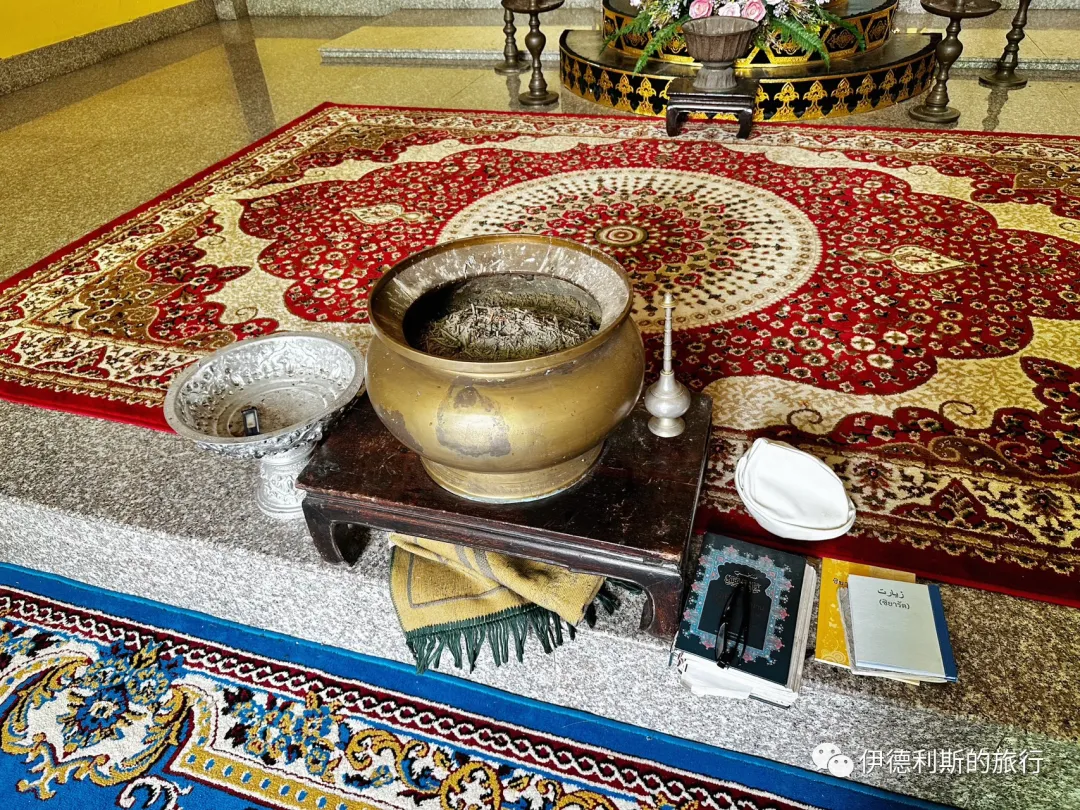
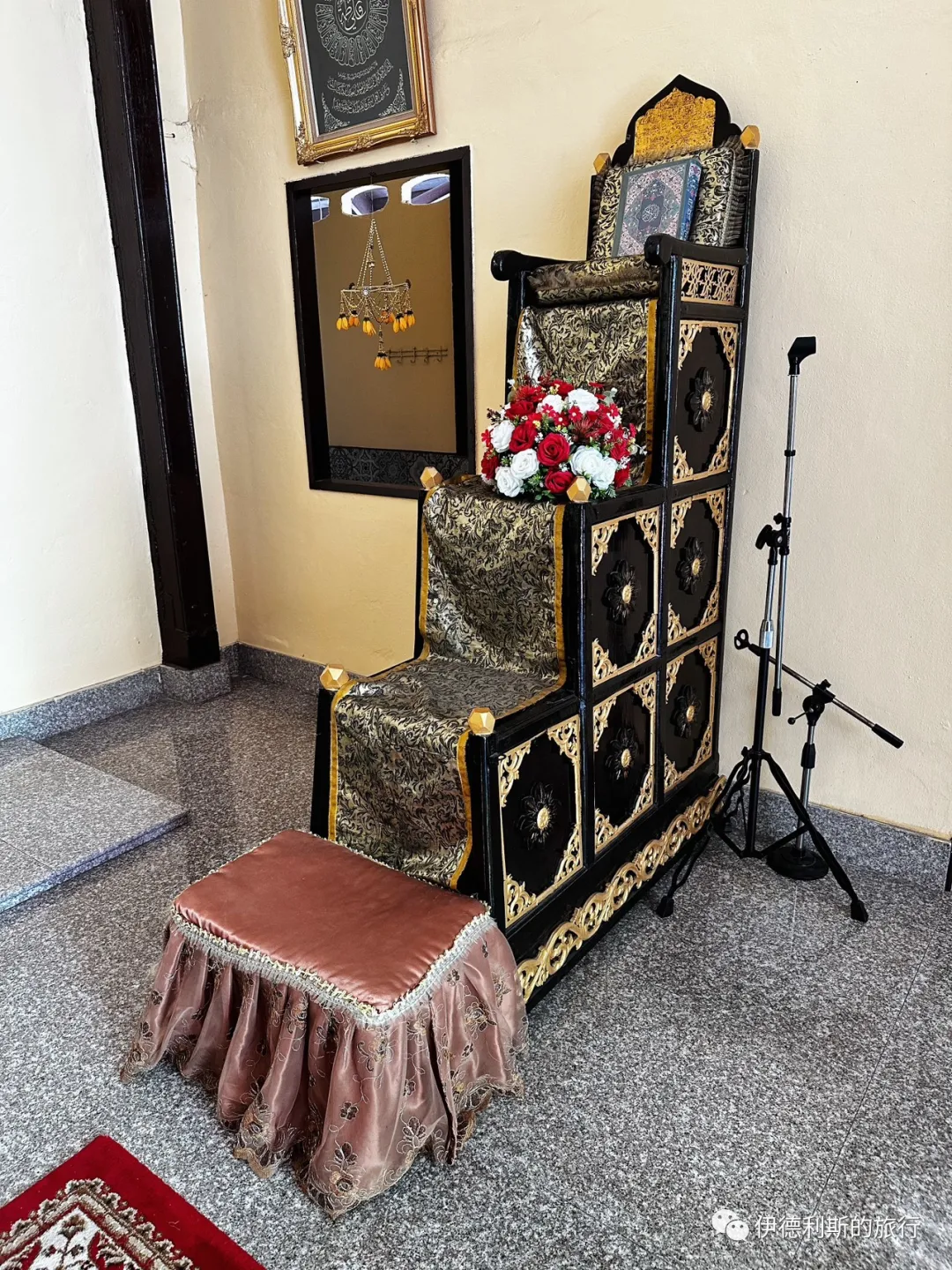
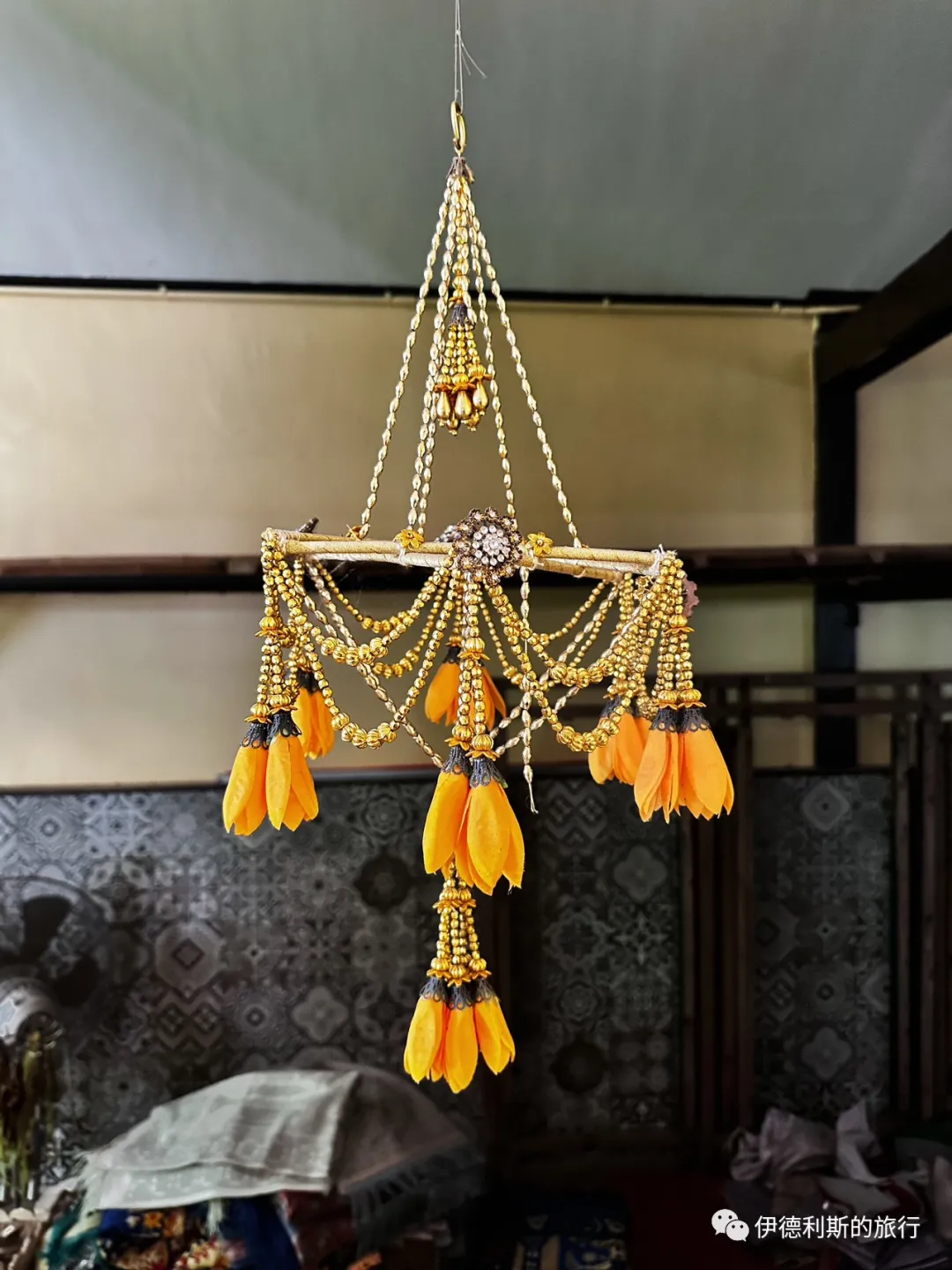
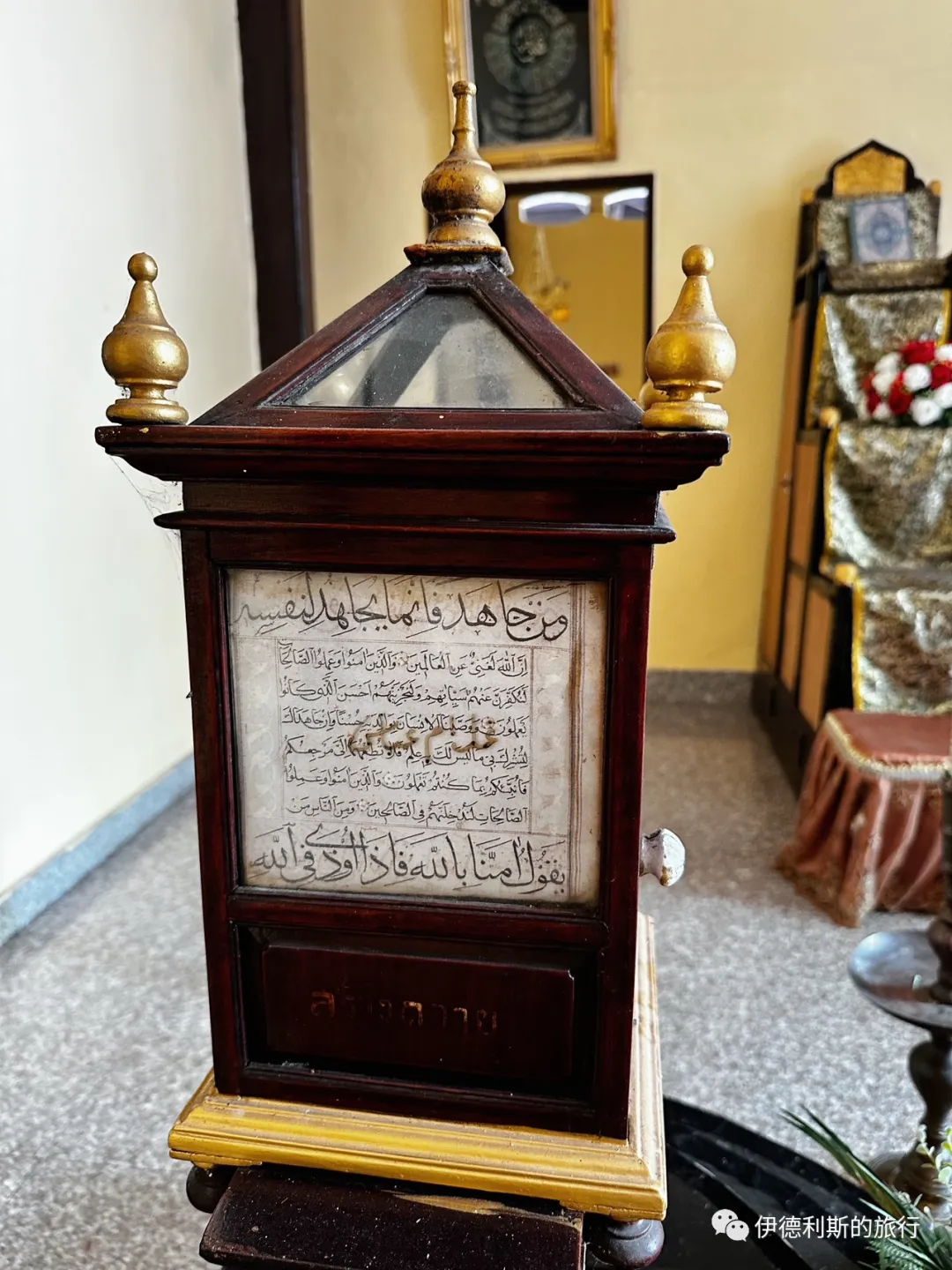
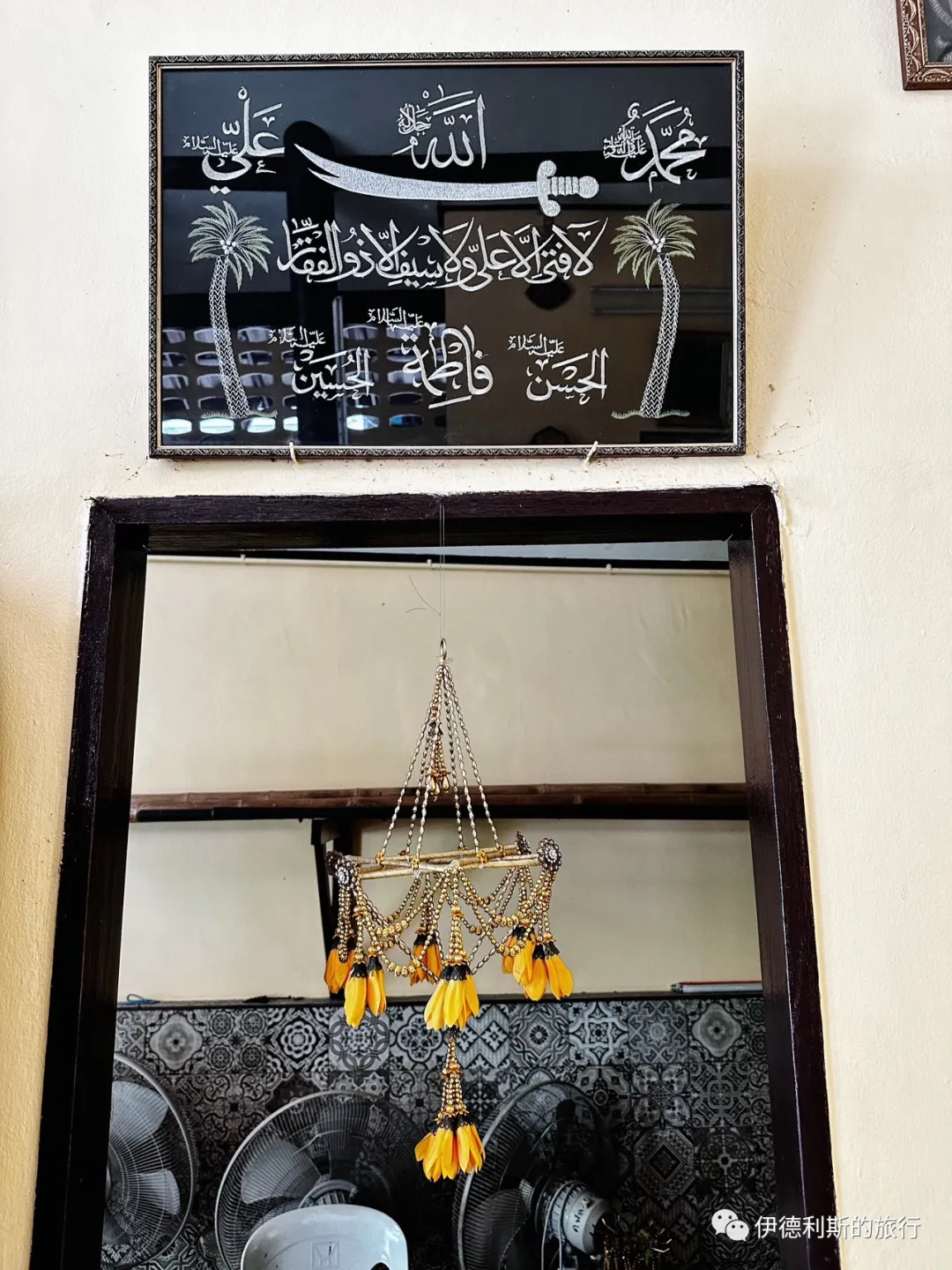
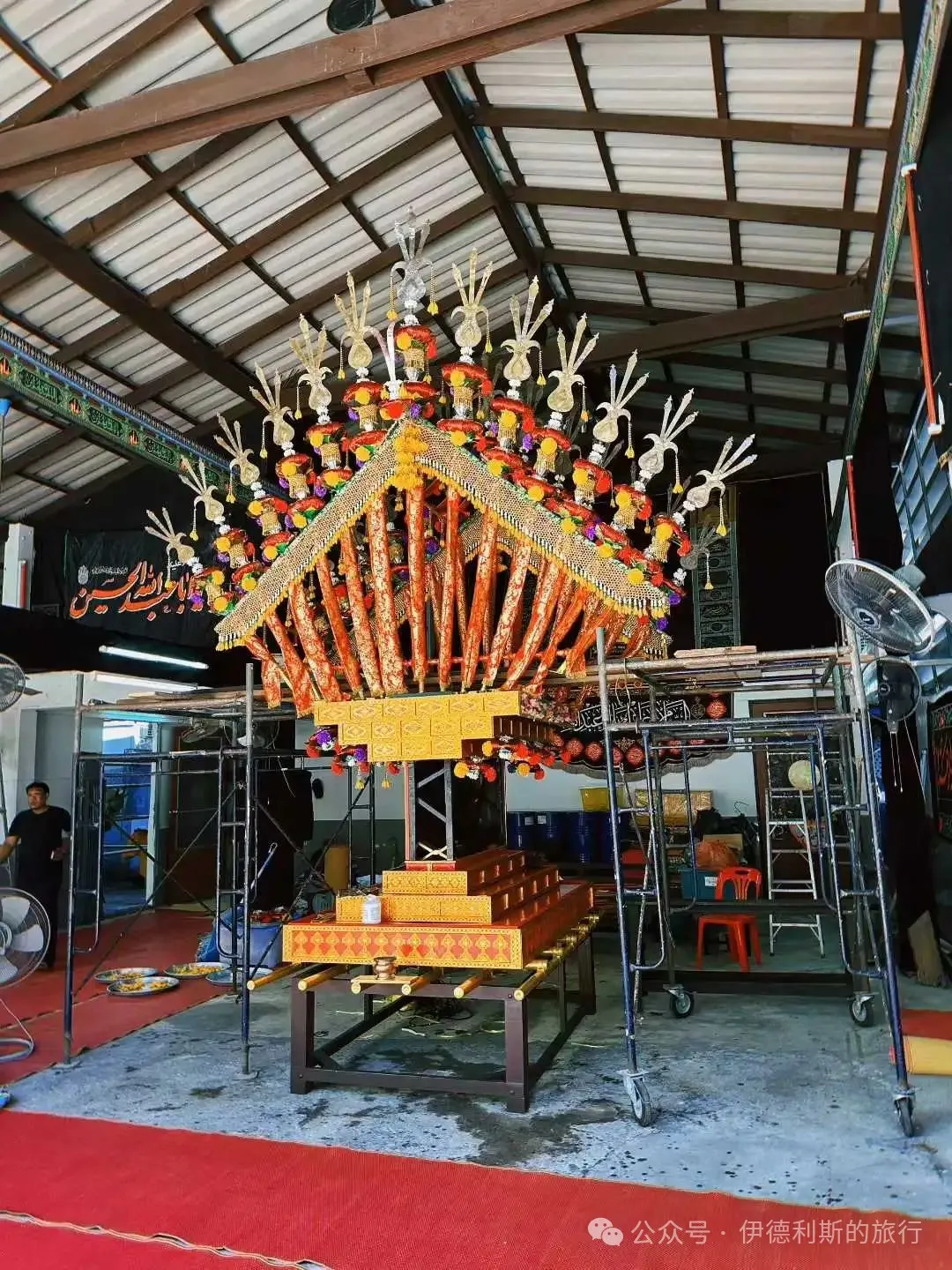
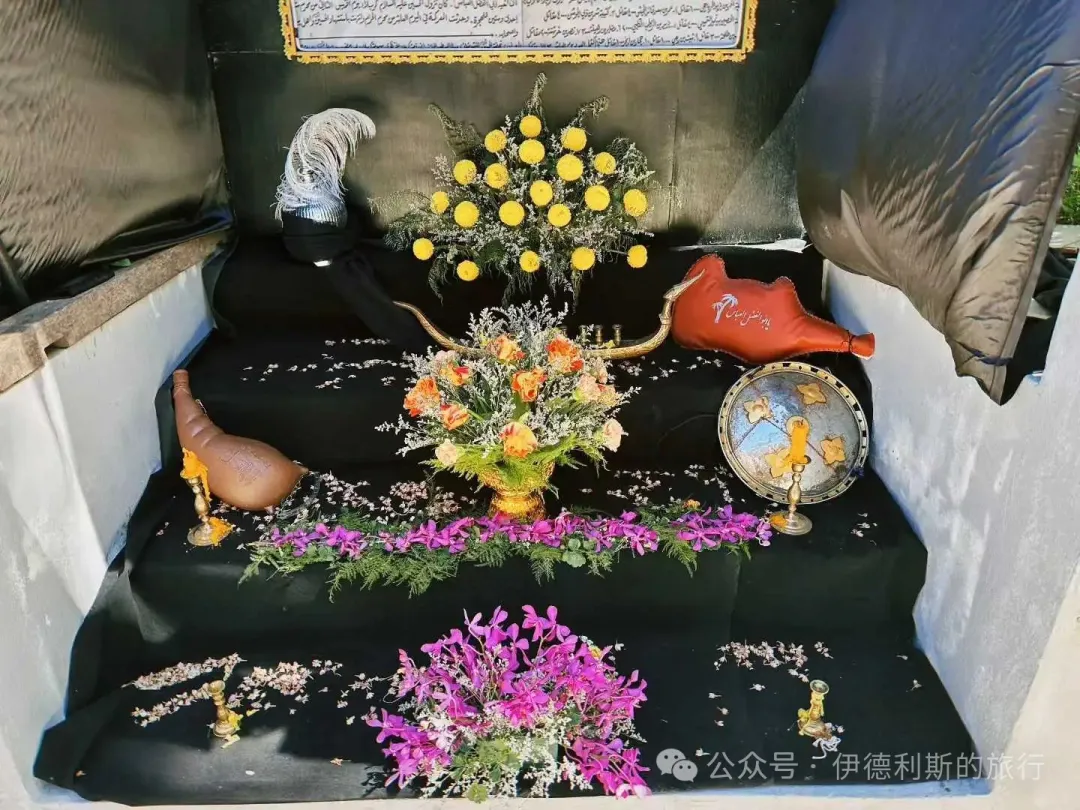
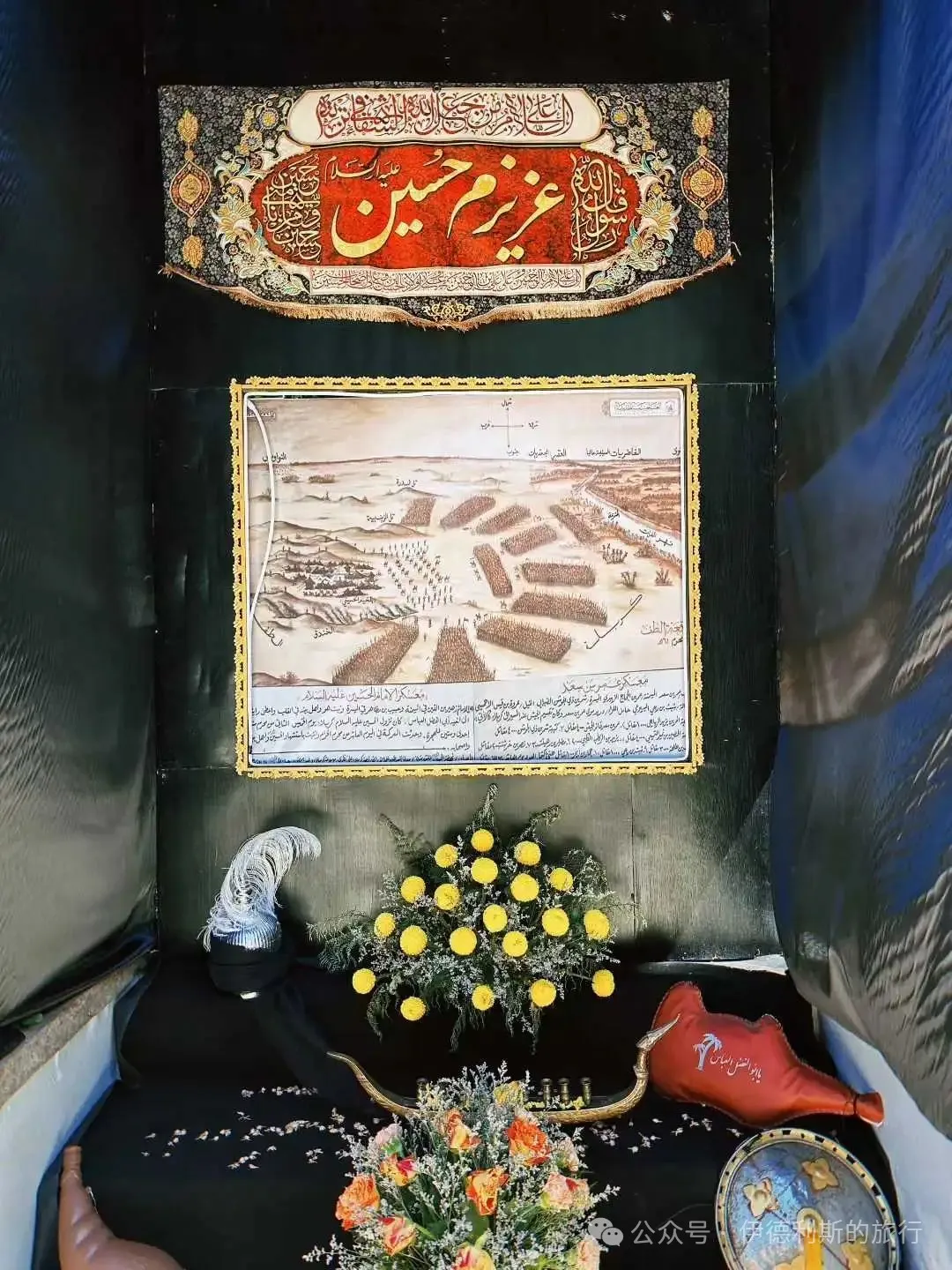
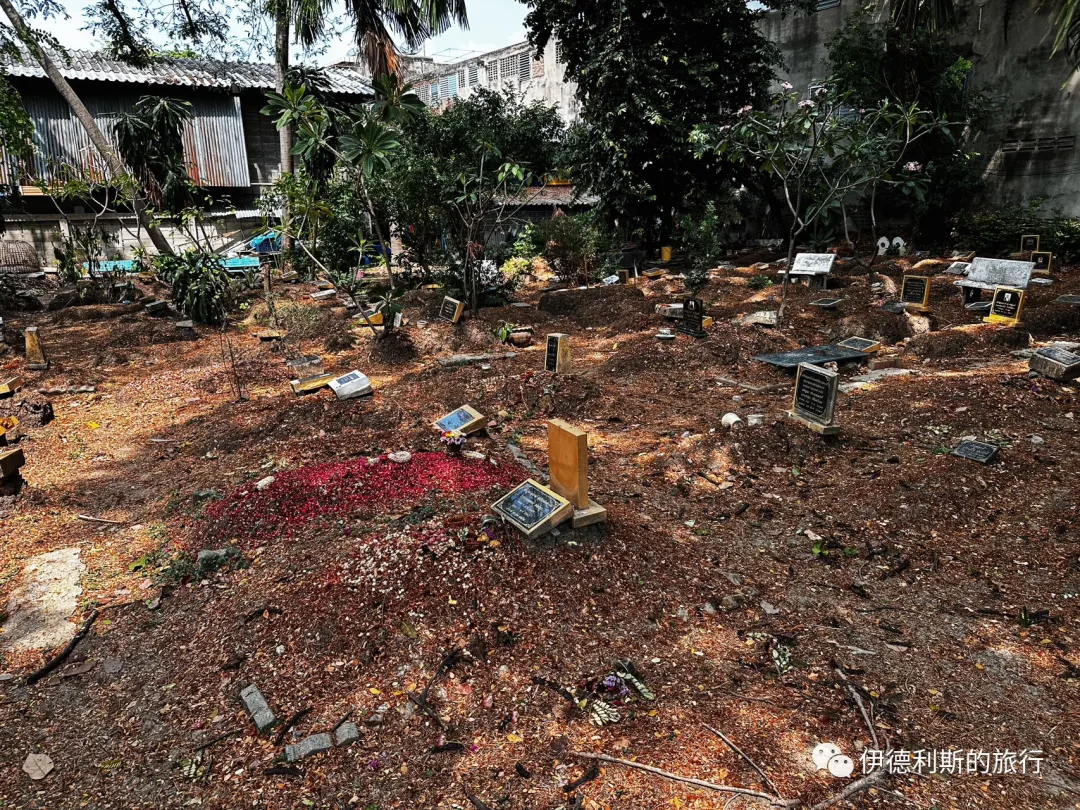
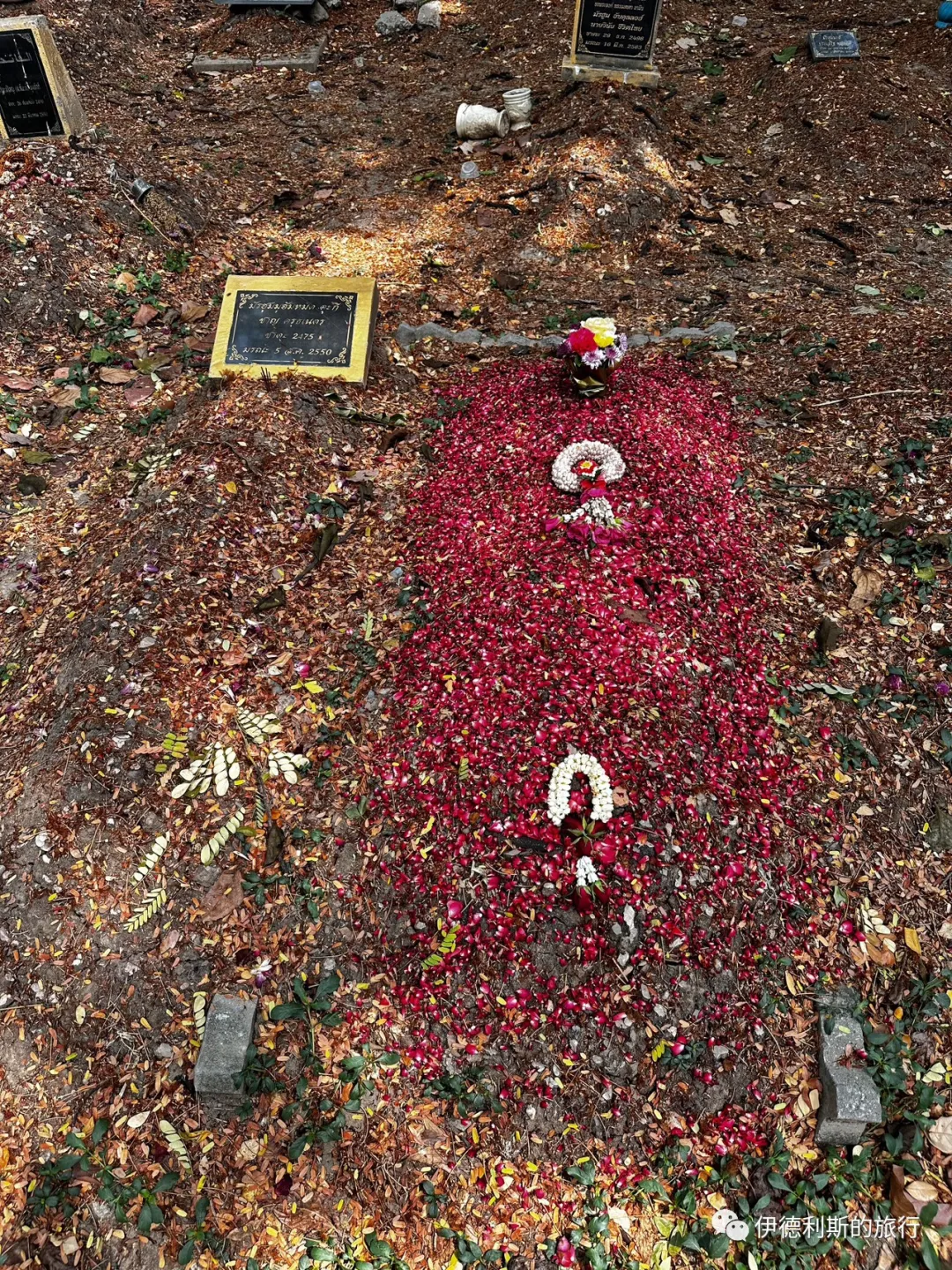
Next to the mosque is the cemetery for Indian Shia Muslims, where you can see some graves covered in flowers, a memorial style very typical of South Asia.
Safee mosque in Bangkok
In the early 19th century, Phraya Si Phiphat, who managed the Siamese royal warehouses, was a descendant of Shia Muslims from the Ayutthaya period. Although he had long since converted to Buddhism, he still provided many conveniences to Indian Shia merchants. At that time, Phraya Si Phiphat oversaw the construction of rows of royal warehouses and piers in the Khlong San area on the west bank of the Chao Phraya River. After Britain and Siam signed the Bowring Treaty in 1855, the Siamese royal family was forced to give up its trade monopoly, and the royal warehouses were emptied. Phraya Si Phiphat then rented these warehouses to Indian Shia Muslims, leading to the emergence of a new Indian Shia community here.
The first Indian Shia merchant to rent a royal warehouse was A. T. E. Maskati, a textile dealer from Ahmedabad in Gujarat. He had already opened a shop near the Persian Shia community in Bangkok in the early 19th century. In 1856, he opened a weaving and dyeing factory inside the royal warehouses, employing over 600 Indian Shia workers at its peak. He and other Indian Shia merchants built a mosque in the warehouse area, naming it Toek Khaw (white brick) mosque after the warehouse's whitewashed walls, which was later renamed Safee mosque.
Safee mosque is located deep inside the royal warehouses and can only be reached through a hidden alley in the middle of the warehouse complex. Most of the Indian merchants who once had shops nearby eventually returned to India, and only a few married and had children in Bangkok, with their descendants still living here today.
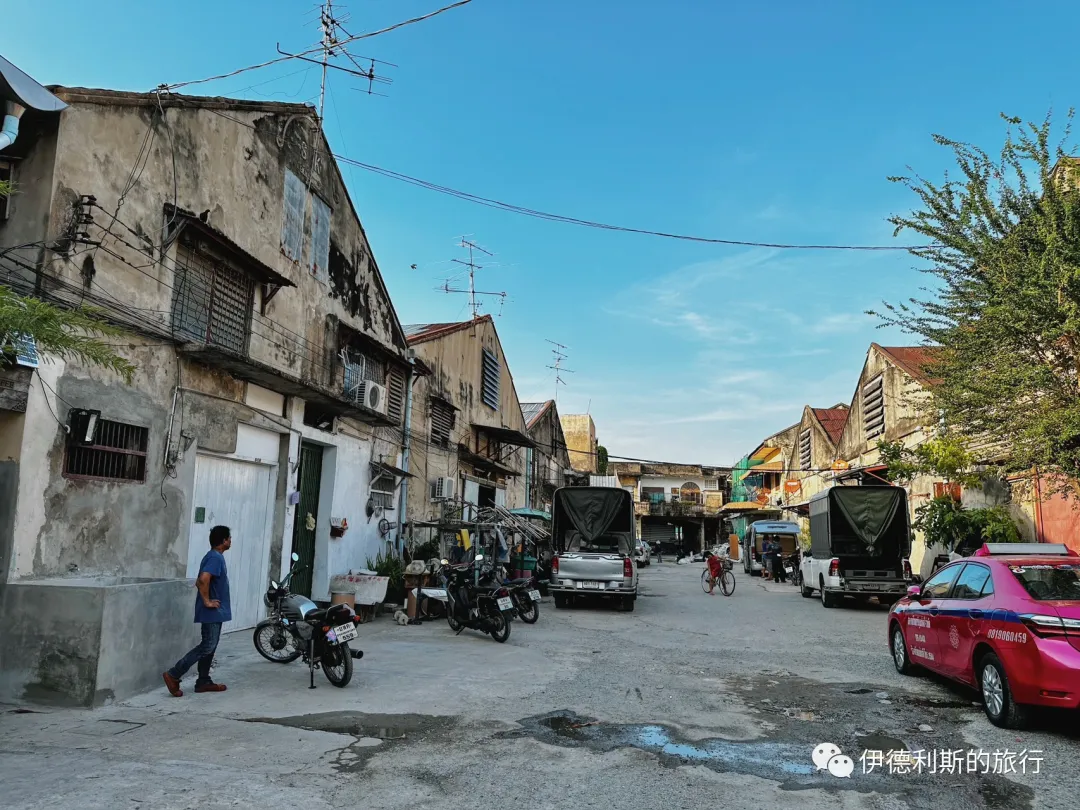
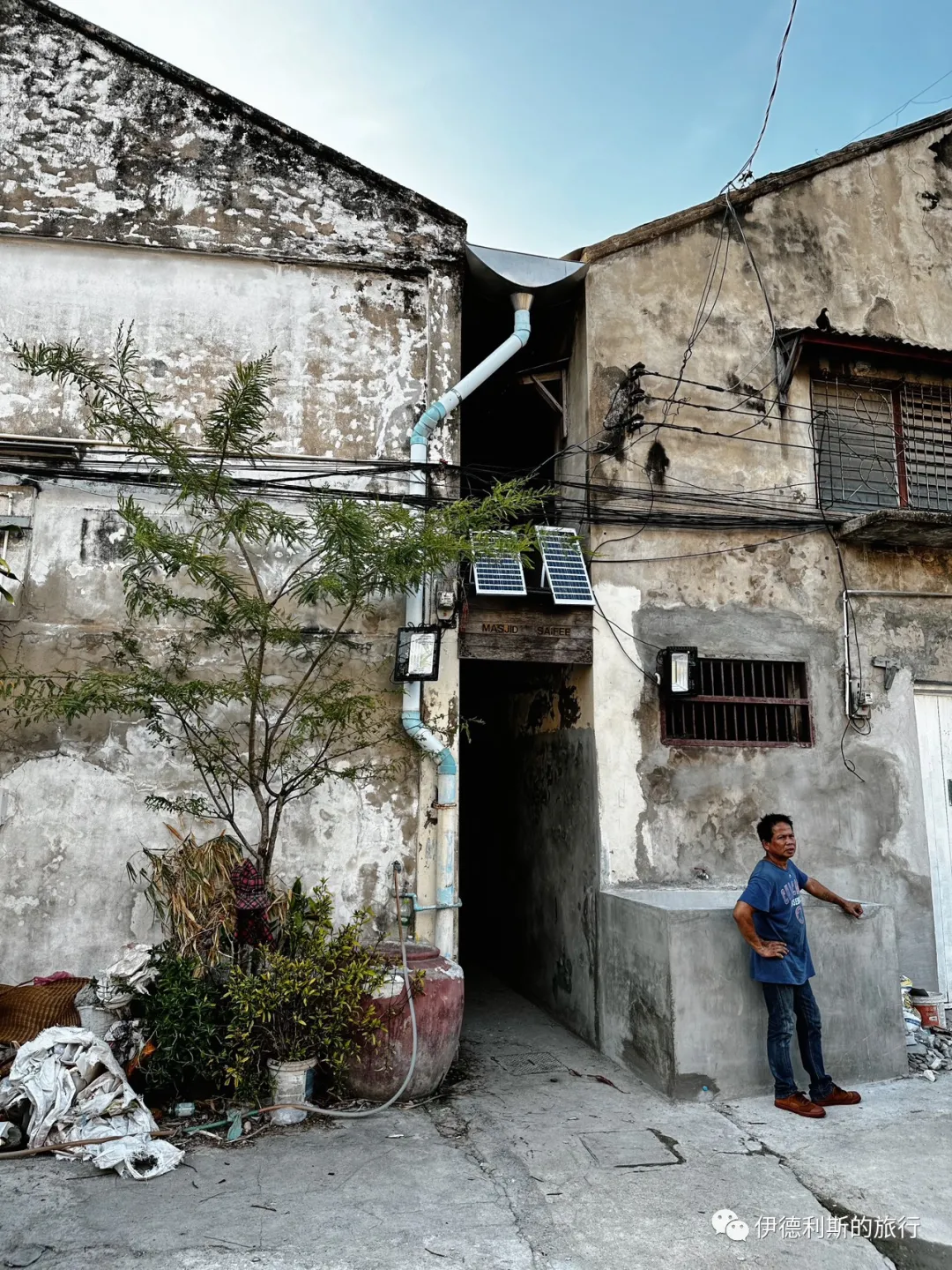
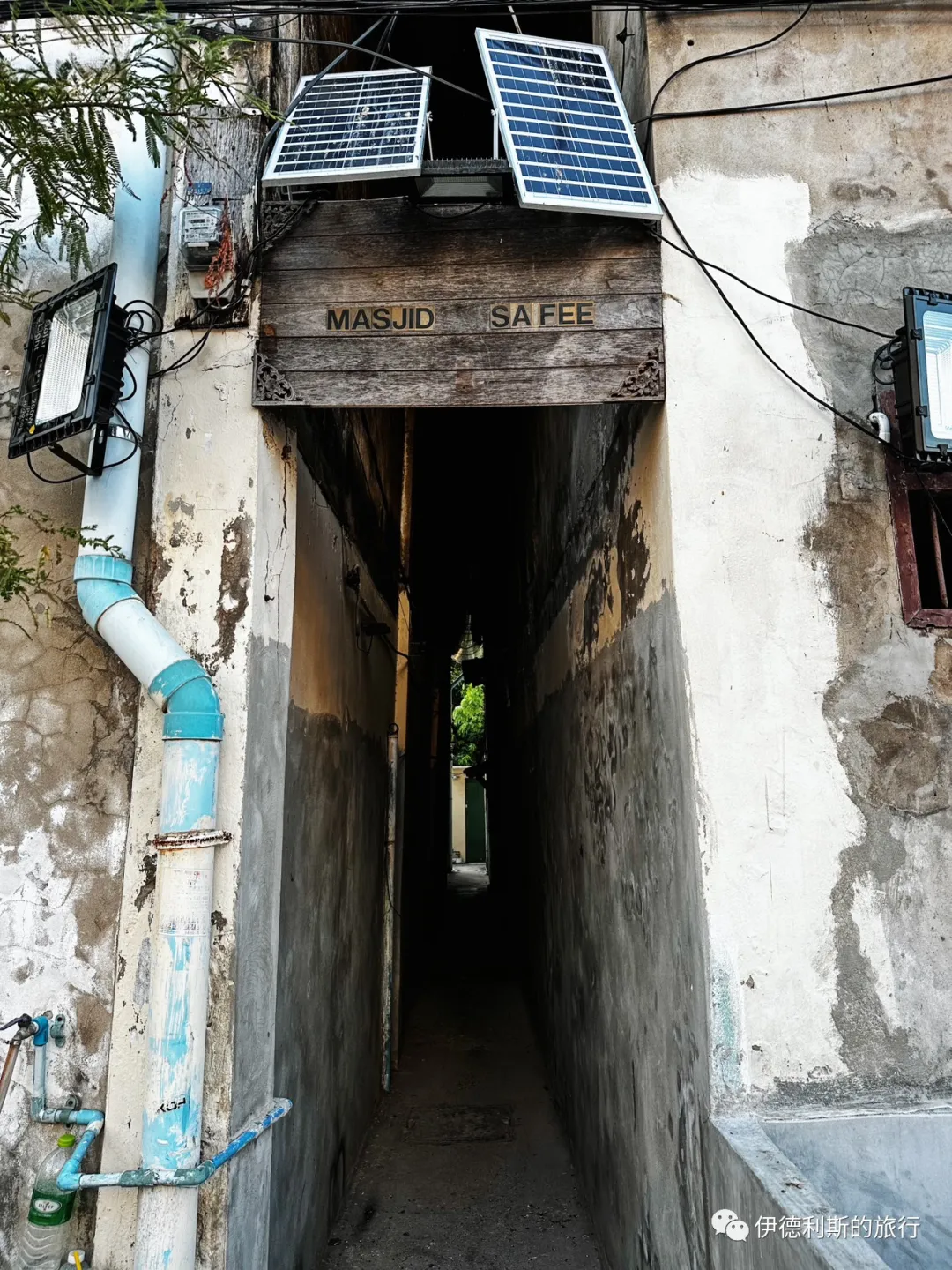
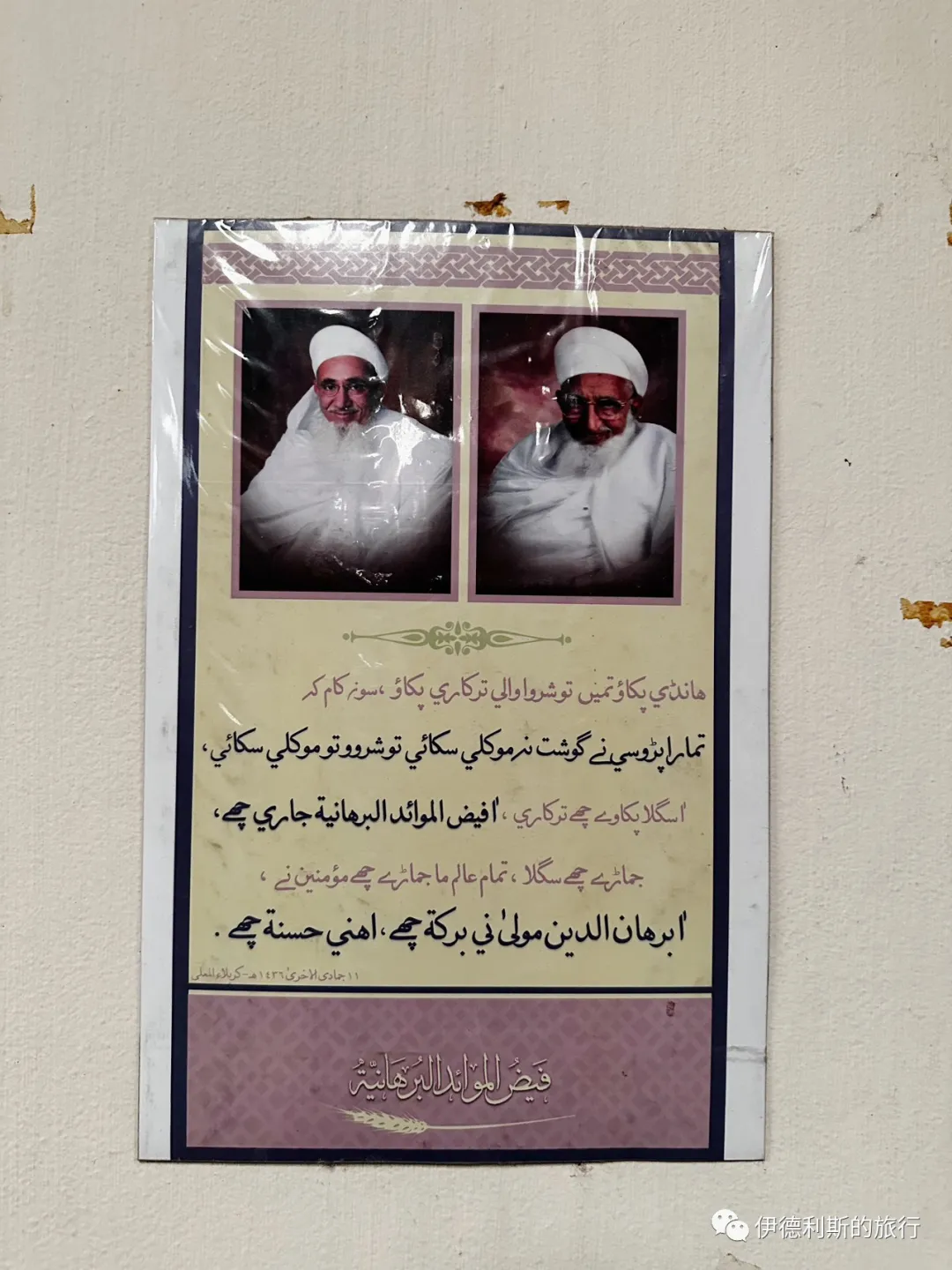
This mosque belongs to a small branch of Ismailism called the Dawoodi Bohras. This branch has only a few million followers, most of whom live in Gujarat, India, and Karachi, Pakistan. Today, a photo of Mufaddal Saifuddin, the 53rd leader of the Dawoodi Bohras who succeeded in 2014, can be seen on the wall of the Sefi mosque.
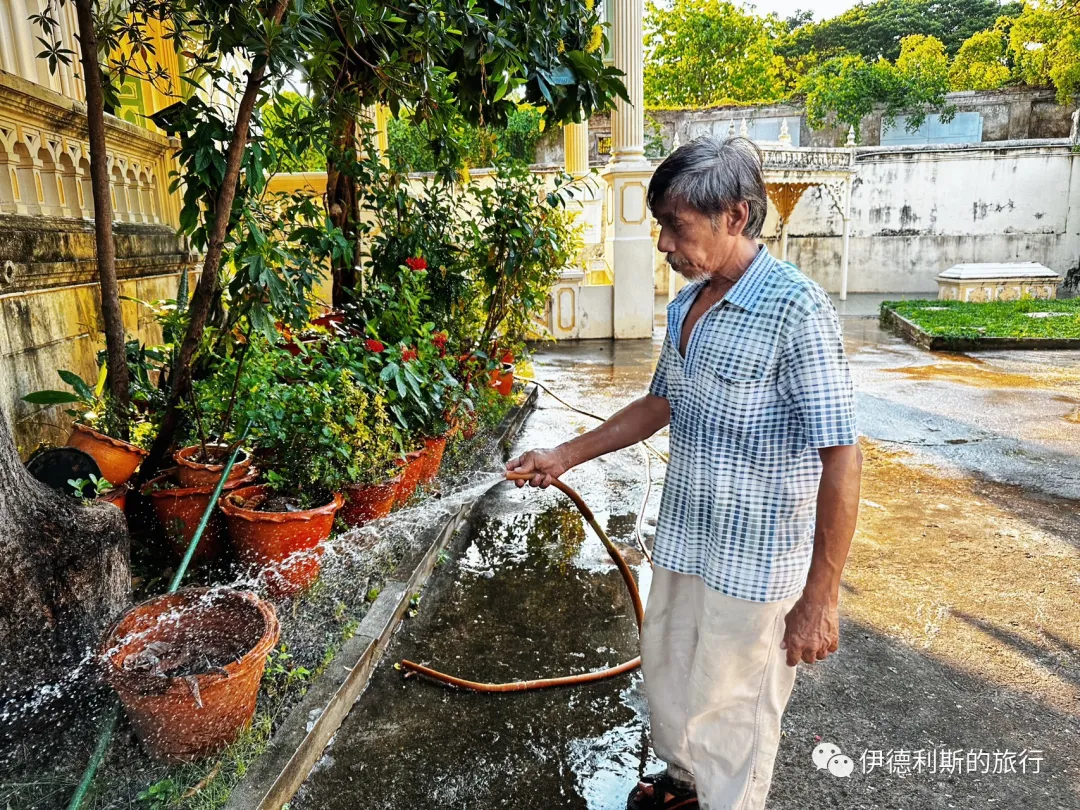
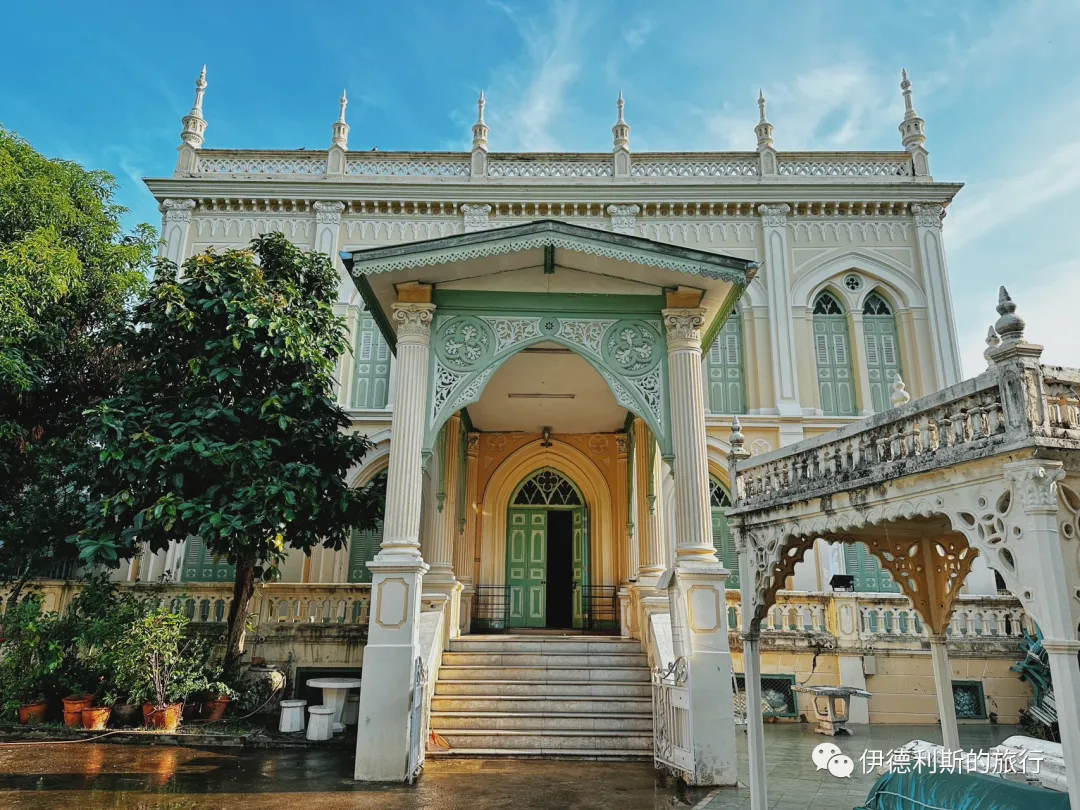
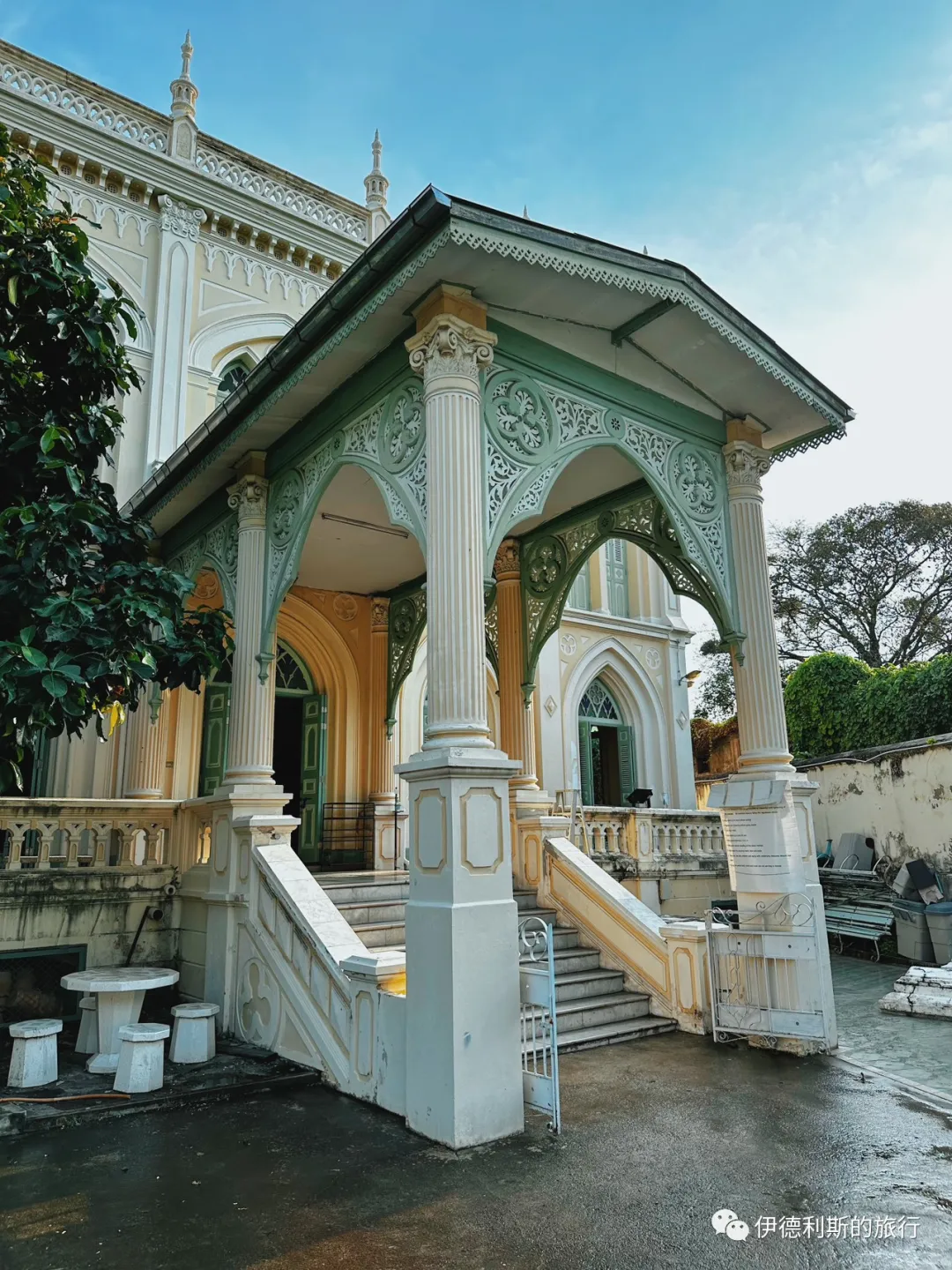
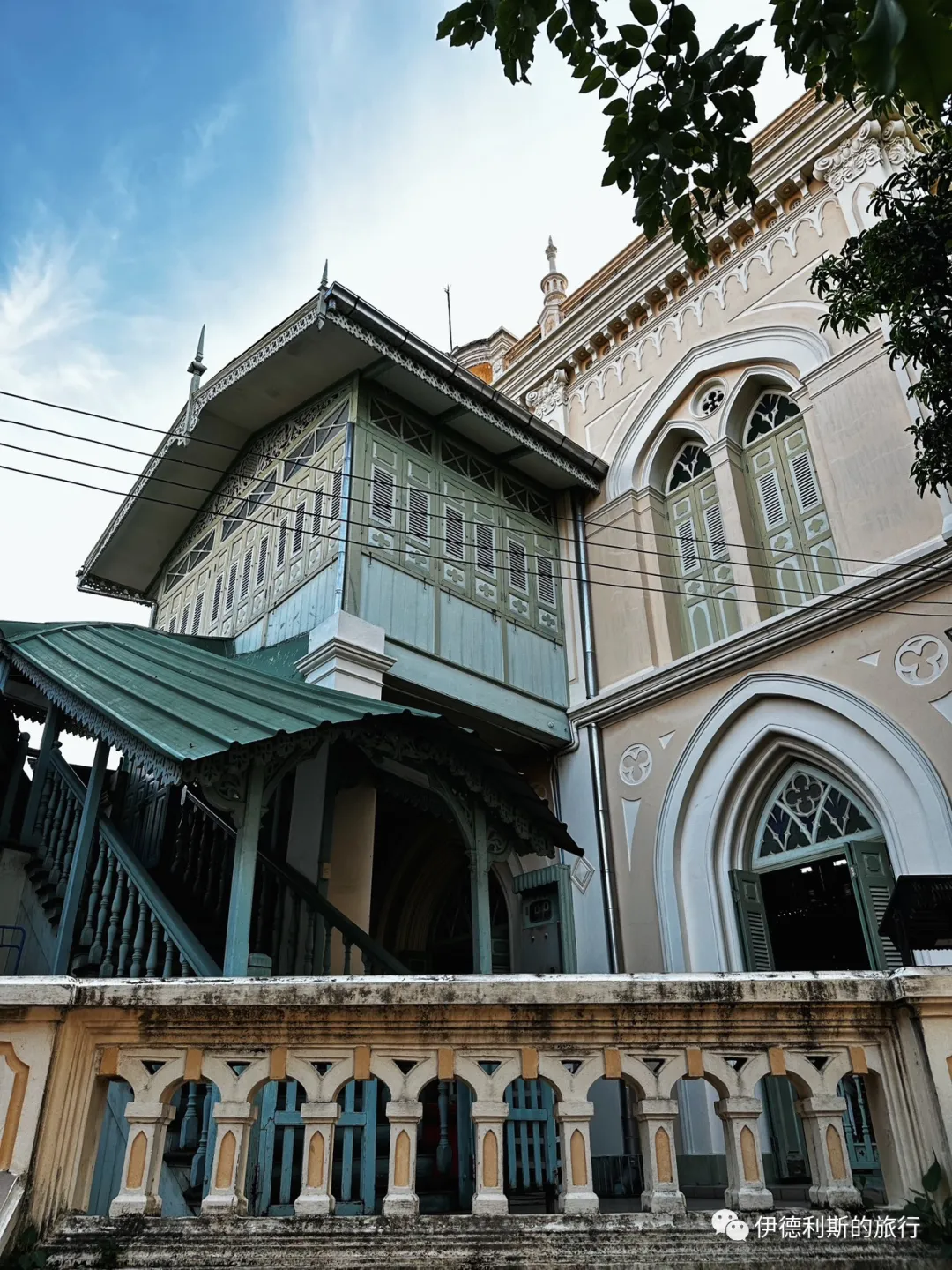
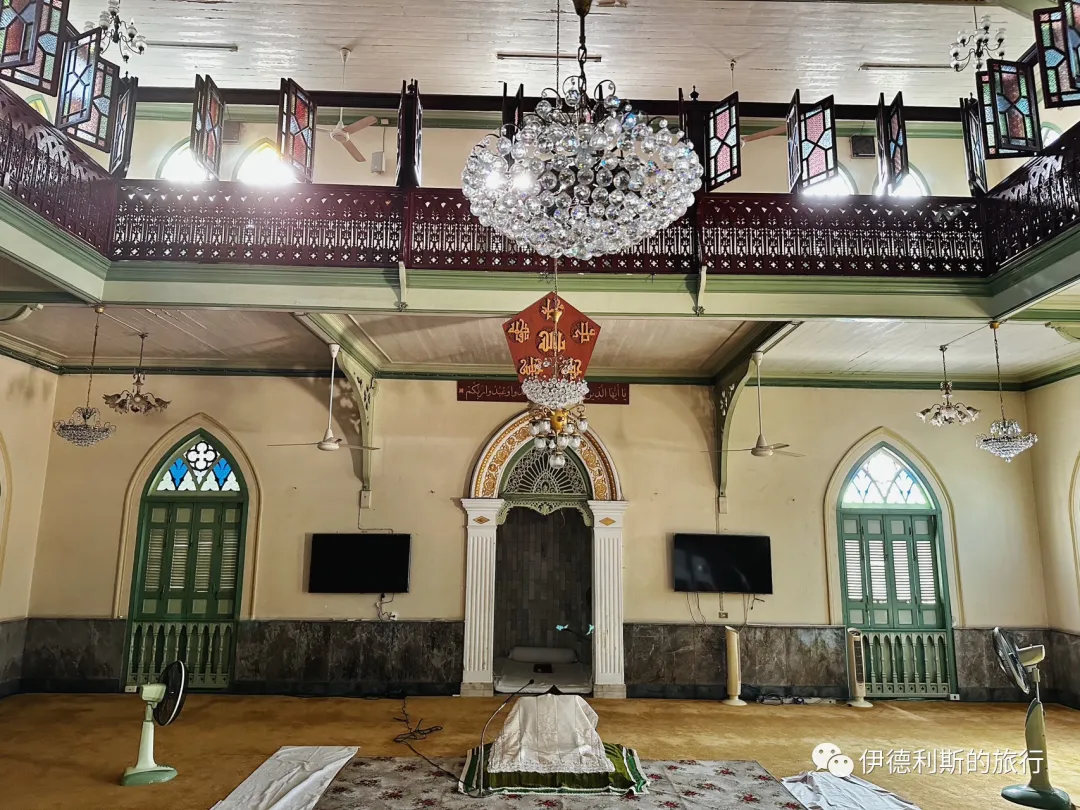
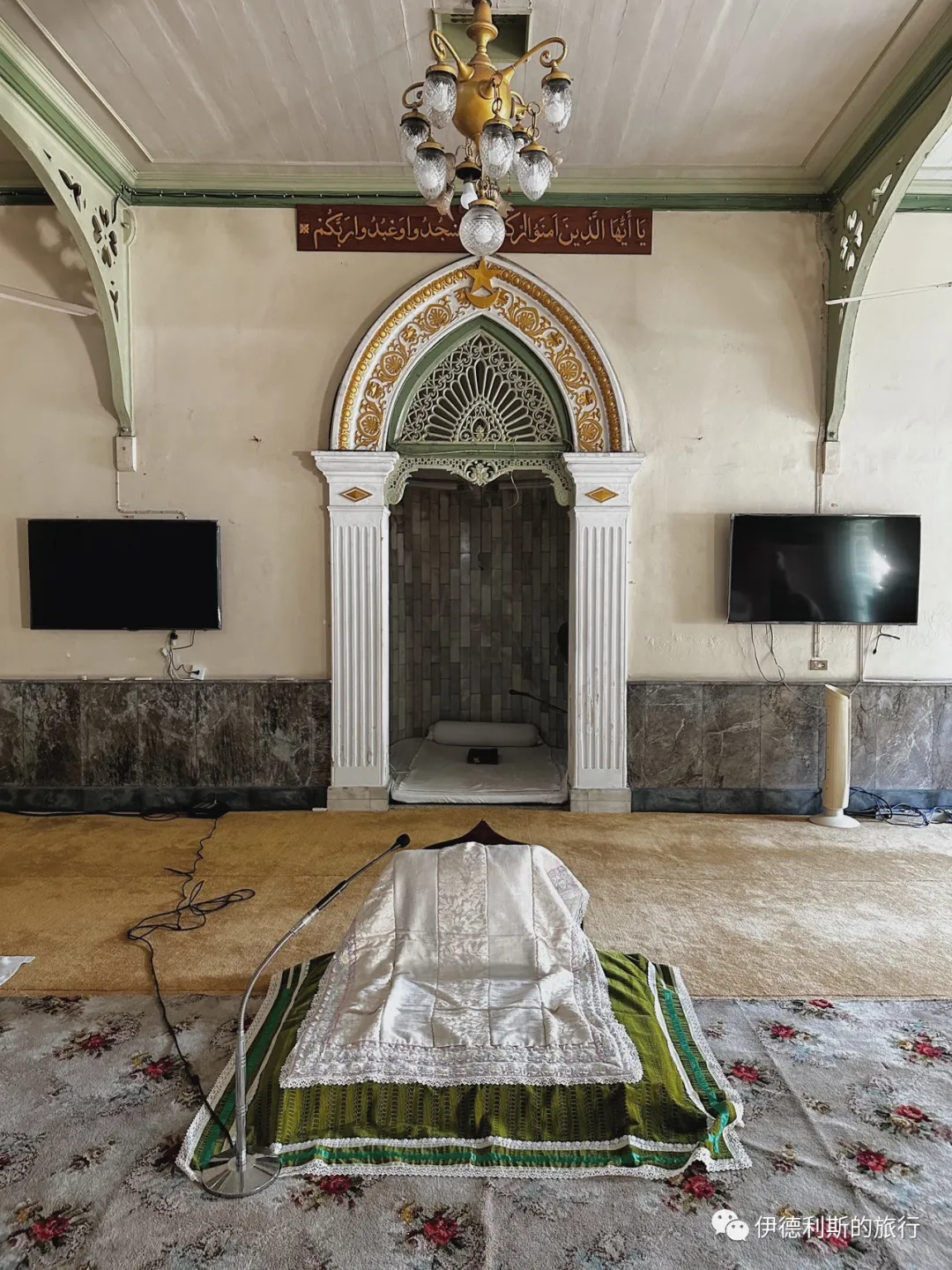
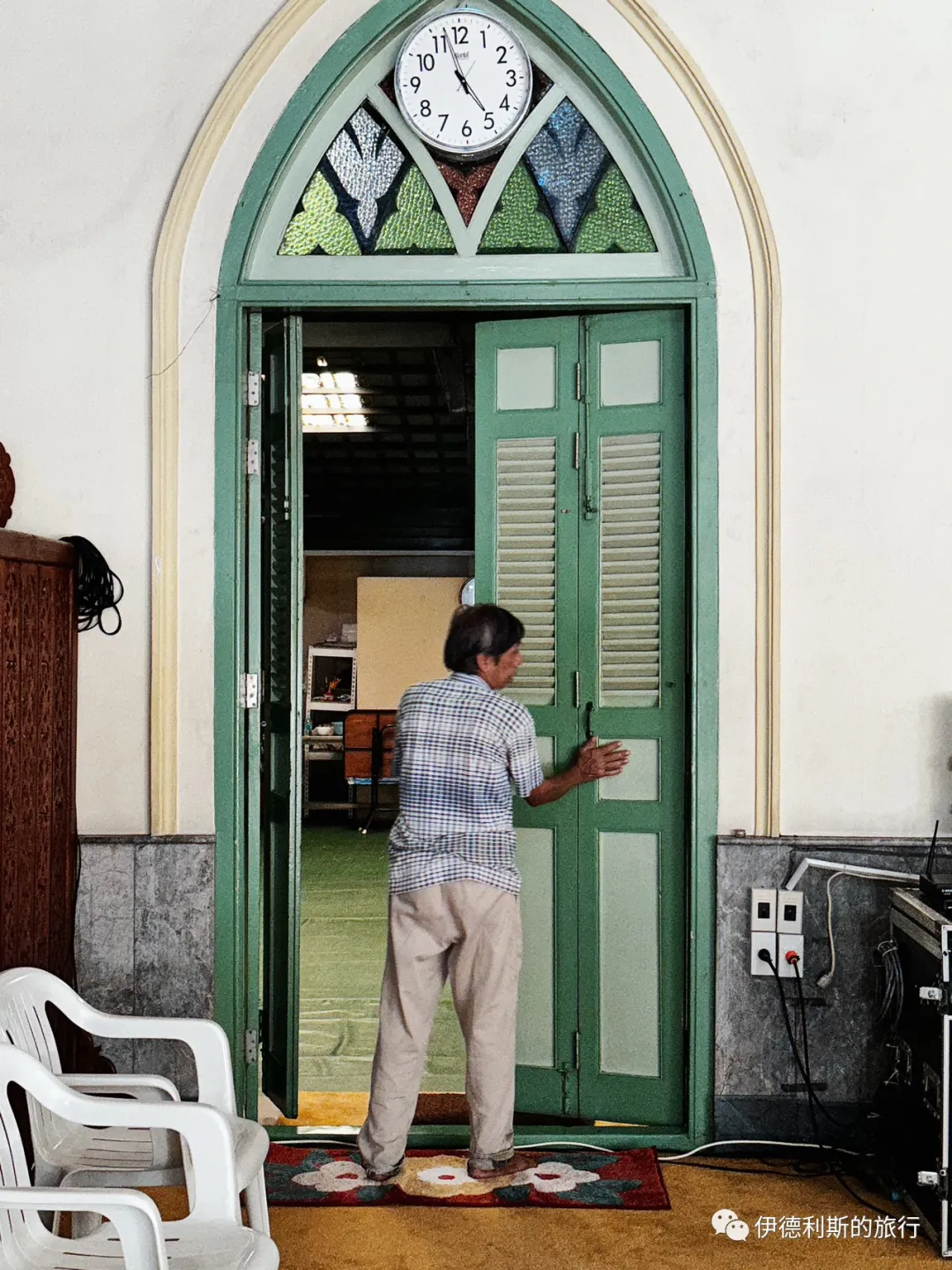
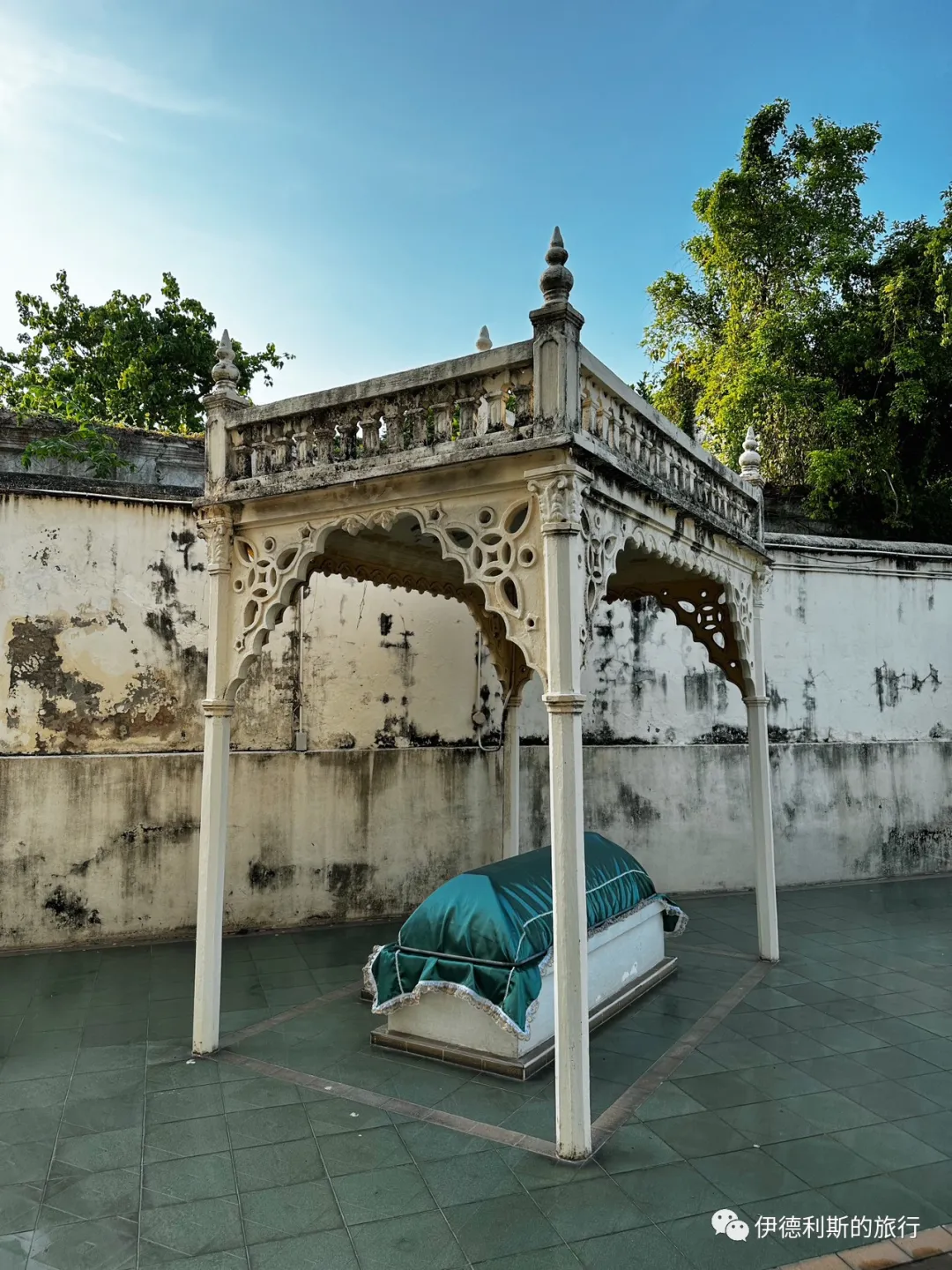
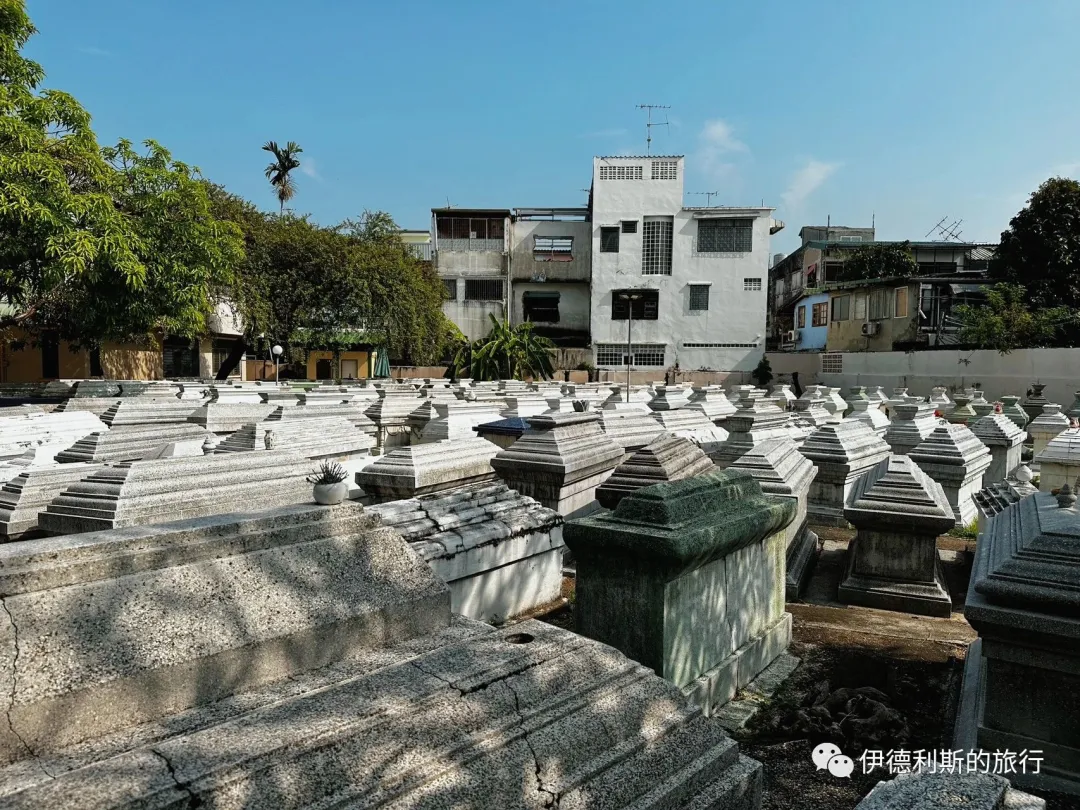
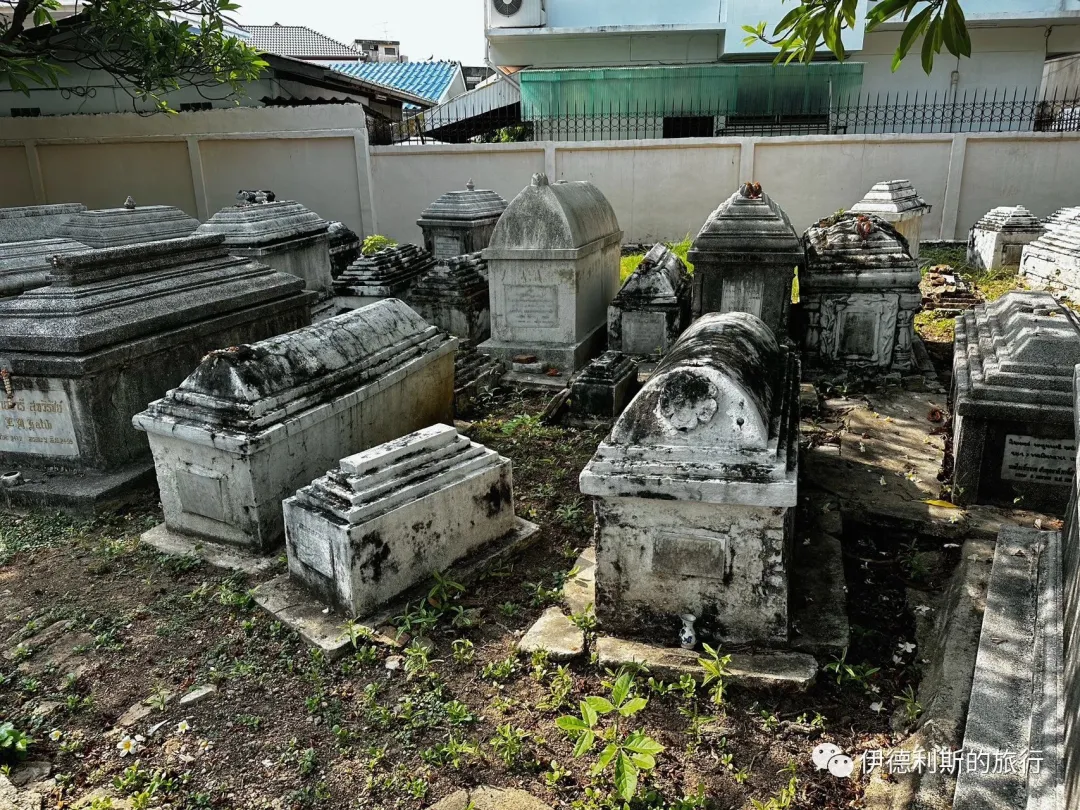
The Dawoodi Bohra cemetery sits right next to the Persian community in Bangkok. Since the mid-19th century, it has been the final resting place for Shia Muslims from Indian cities like Surat, Mumbai, Sidhpur, Khambhat, Ratlam, Ahmedabad, and Dhoraji.
The Dawoodi Bohras are known for their focus on trade and their modern lifestyle. Most followers are merchants and entrepreneurs, and the word Bohra itself means trade in the Gujarati language.
The Dawoodi Bohras trace their origins back to the Shia Ismaili Fatimid Caliphate, which ruled North Africa from the 10th to the 12th century. In 1067, the 18th imam of the Fatimid Caliphate sent a man named Abd Allah from Yemen to Gujarat, India, to spread the faith, where he found great success. Since then, the followers in Gujarat have stayed in contact with Yemen and continued to grow. In 1567, the headquarters of this sect officially moved from Yemen to Gujarat.
Starting in the 19th century, members of the Dawoodi Bohras began traveling abroad to do business. The 43rd leader, Abdeali Saifuddin, invited 12,000 followers to the city of Surat in Gujarat. He provided them with food, work, and housing. The only condition was that they had to learn and practice professional skills, and he gave them startup capital once they finished their training. Many people chose to use this money to start businesses abroad. Some reached East Africa, while others came to Siam.
The Dawoodi Bohras have a unique culture that blends traditions from Yemen, Egypt, Pakistan, and India. They use a language called Lisan al-Dawat, which has a basic structure from Gujarati and vocabulary from Arabic.
Summary: This first part introduces Shia mosques, ashurkhanas, jamatkhanas, and Muslim heritage sites across India, Thailand, Myanmar, and Singapore, including Hyderabad, Bangkok, Yangon, and Singapore.
India
Bad-e-Shahi Ashur Khana in Hyderabad
Thailand
Sheikh Ahmad gongbei in Ayutthaya
Kudi Luang mosque in Bangkok
Kudi Charoenphat in Bangkok
Phadungtham Islam mosque in Bangkok
Dilfulla mosque in Bangkok
Safee mosque in Bangkok
Goowatil Islam Mosque in Bangkok
Myanmar
Mughal Shia Mosque in Yangon
Hazarat Abbas (A. S) Astana Alamdar-e-Husayn in Yangon.
Punja Mosque in Yangon.
Dawoodi Bohra Saifee Mosque in Yangon.
His Highness The Agakhan Building Myanmar Ismaili Khoja Jamatkhana in Yangon.
Singapore
Al-Burhani mosque in Singapore
Indian Heritage Centre in Singapore
Asian Civilisations Museum in Singapore
India
Bad-e-Shahi Ashur Khana in Hyderabad
Shia Islam grew in the Deccan Plateau of South India during the Bahmani Sultanate (1347-1527). After the Bahmani Sultanate fell, the Qutb Shahi dynasty made Shia Islam the state religion in 1518.
Hyderabad became a center for Shia culture in India during the 16th and 17th centuries. The fifth sultan of the Qutb Shahi dynasty, Muhammad Quli Qutb Shah, was a talented Urdu poet and the first person to write Marsiya (Shia mourning poetry for Imam Hussain) in Urdu. Shia scholar and scientist Mir Muhammad Momin arrived at the Qutb Shahi dynasty in 1581 and helped design and build the city of Hyderabad in 1591.
Bad-e-Shahi Ashur Khana is the Shia center of Hyderabad and the first Imambargah in India. An Imambargah, also called a Hussainiya, is a hall where Shia Muslims of the Twelver branch mourn Imam Hussain. It is busiest here during Ashura, but there are also events held every week.
The fifth sultan of the Qutb Shahi dynasty, Muhammad Quli Qutb Shah, ordered the construction of Bad-e-Shahi Ashur Khana in 1594, and the seventh sultan, Abdullah Qutb Shah, added tiles in 1611. In 1764, the second Nizam of the Asaf Jahi dynasty, Ali Khan, added a wooden colonnade, an outer hall, and a gate. The caretakers here are from a hereditary family, and the current one is the 11th Mutawalli Mujawer, Mir Nawazish Ali Moosvi.
The Arabic calligraphy and floral tiles inside the building use the Cuerda Seca technique, which was created by Persian craftsmen. This technique uses lines drawn with dark pigment mixed with grease on the tile surface to separate different colors of water-soluble glaze, leaving dark lines in every area. Scholars believe the Cuerda Seca technique originated in 10th-century Andalusia (southern Spain) and later spread to Asia through Arabs and Persians. The Mughal Empire frequently used this technique to fire tiles during the 17th century.
When we visited Hyderabad, we happened to catch a Shia event at Bad-e-Shahi Ashur Khana.
Thailand
Sheikh Ahmad gongbei in Ayutthaya
Between the 16th and 18th centuries, Shia merchants from the Persian Safavid dynasty traveled along the Indian Ocean coast to trade in Siam, where they were warmly welcomed and received with high honors by the Siamese royal family. Some Persian merchants married locals, settled down, and held important positions in the Siamese court.
Sheikh Ahmad was born in Qom, Persia, in 1543. He arrived in Ayutthaya, Thailand, with his brother in the early 17th century to trade, married a Thai wife, and settled there. Sheikh Ahmad was very successful in business and became one of the wealthiest foreign merchants of his time. He met the Thai royal treasurer and, with his help, connected with the Thai royal family and began participating in Thai trade affairs. After gaining the trust of King Songtham (who reigned from 1610 to 1628), he was appointed Chao Kromma Tha Khwa to manage trade, shipping, and diplomatic affairs between Thailand and the west, including India, Persia, Arabia, and Europe. He was also appointed as the first Chula Rajmontri in Thai history, overseeing religious affairs for the whole country. In 1611, after helping the Thai king defeat Japanese merchants who attempted a coup, he was appointed Samuhanayok, becoming the Grand Vizier of Thailand.
In the early 17th century, Sheikh Ahmad built the Kudi Chao Sen Shia mosque within the city of Ayutthaya, which is the oldest mosque inside the city walls of Ayutthaya. After Sheikh Ahmad passed away in 1631, he was buried near the mosque.
In the late 17th century, the Shia community continued to thrive in Ayutthaya. During the month of Muharram in 1656, Sheikh Ahmad’s son and other Shia nobles helped King Narai take the throne. To show his gratitude, King Narai gave the Ayutthaya Shia community all the items needed for their Ashura ceremonies during Muharram and established a royal guard made up of 500 Shia men. In 1685, a French Jesuit missionary named Father Tachard recorded the grand scene of the Shia Ashura ceremonies in Ayutthaya. He wrote that the procession included over two thousand people, carrying models of the tombs of two saints along with many intricately crafted symbolic objects. The men changed their formations as they walked to the rhythm of drums. At the front of this massive procession were three or four beautifully decorated horses, and many people held long-handled lanterns to light the way for the entire group. The festival lasted for several nights, ending at five o'clock each morning.
Besides the Kudi Chao Sen mosque, Ayutthaya once had two other Shia mosque communities. The Khaek Pae mosque was located on the bank where the Chao Phraya River and the Pa Sak River meet, where Persian merchants once lived on boats, a place locals called the floating village. The Nurul Yamal mosque was in the northern suburbs of the old city of Ayutthaya, near an elephant kraal built by the Ayutthaya dynasty in 1580. According to the 1685 travelogue of the Persian Safavid mission to Ayutthaya, titled The Ship of Suleiman (Safine-ye Solaymani), hundreds of Persian merchants were involved in the profitable elephant trade at the kraal at that time.
After Ayutthaya fell in 1767 and Thailand moved its capital to Bangkok in 1782, the Persian-descended Shia community of Ayutthaya moved to Bangkok as well. Today, the Kudi Chao Sen mosque no longer exists, leaving only the nearby gongbei of Sheikh Ahmad, which was built in 1631.
Opposite the gongbei of Sheikh Ahmad is the Ayutthaya-Persia (Iranian Studies) Room, where the Iranian Embassy in Thailand occasionally holds cultural and memorial events.
Kudi Luang mosque in Bangkok
The Siamese capital of Ayutthaya fell in 1767, and after the capital moved to Bangkok in 1782, the Persian descendants from Ayutthaya followed. The first leader of the Persian-descended Shia community in Bangkok was Konkaew, the son of the last leader in Ayutthaya. In 1797, he began managing Siam's trade with the West and received a residence in the Thonburi area across the Chao Phraya River. People say he and 400 Shia followers established the Kudi Chao Sen mosque community, which became the primary Shia community in Bangkok.
After Konkaew passed away, his brother and the next eight direct descendants inherited the title, controlling Siam's trade rights with the West for a hundred years. In 1897, King Rama V renovated the Kudi Chao Sen mosque and renamed it the Kudi Luang Chao Sen mosque. In 1947, because of the construction of the Royal Thai Navy headquarters, the entire Kudi Luang mosque community was moved to its current location. The residents still live around the mosque, allowing the traditional culture of the Bangkok Shia community to survive.
The elders of the Bangkok Persian-descended Shia community who live around the mosque are not exclusive and are very welcoming to visitors (dosti).
After the prayer (namaz), I went to the Kudi Luang mosque again and ate chicken rice noodle rolls (changfen) with everyone, along with a special dessert made of palm sugar and pomelo that the Bangkok Persian descendants eat during the month of Muharram. Sharing and giving are key themes for Shia Muslims during the month of Muharram. Food is free during this time, and people gather to make the flowers used in the events. Some people in the mosque wear white pants and headscarves with bells hanging from their pant legs. They spend the first ten days of Muharram serving the mosque community with all their heart.
The most eye-catching thing in the mosque is a handsome, tall horse personally gifted by the King of Thailand. This horse represents Zuljanah, the warhorse of Imam Hussein. Zuljanah was raised by the noble Prophet from a young age and is known for loyalty, strength, endurance, and a spirit of sacrifice. During the Battle of Karbala, Zuljanah used its body to block arrows aimed at Imam Hussein. After Imam Hussein passed away, Zuljanah returned to his family covered in blood to warn them of an ambush. It died from its wounds after fulfilling this final duty. During Muharram, the horse is kept in the stables of Kudi Luang mosque, and people take turns walking it in the courtyard every night.
On the qibla wall of the main hall, the flagpole at the top is called an Alam. It represents the flag held by Abbas, the standard-bearer for Imam Hussein during the Battle of Karbala. The metal hand is called a Panja, which symbolizes the severed hands of Abbas. Abbas was the half-brother of Imam Hussein. He inherited the courage of Imam Ali and always held the flag of victory high on the battlefield. People say on the night of Ashura, he was blocked by enemy forces while returning from the Euphrates River with water. He fought alone until his arms were cut off and he was killed.
Above the niche in the qibla wall, the names of Allah, the noble Prophet, and the twelve Imams of the Shia are written. The Twelver branch is the largest branch of Shia Islam and is the state religion of Iran.
The Nakhl Gardani placed in the main hall symbolizes the funeral bier of Imam Hussein. It is decorated with a dagger and a turban (dastar) representing those used by Imam Hussein. During Ashura events, people carry the Nakhl Gardani to symbolize the funeral procession for Imam Hussein.
A Tadjah is also placed in the main hall to symbolize the tomb of Imam Hussein.
There is also a small decoration in the hall representing the youngest baby martyred at the Battle of Karbala, Ali Asghar, the six-month-old son of Imam Hussein. Records state that Imam Hussein held the thirsty Ali Asghar and asked the enemy for water for the child. The enemy fired an arrow that pierced the baby's throat and Imam Hussein's arm at the same time. Ali Asghar later became a symbol of innocent victims and the most painful mourning during Muharram events.
During the first ten nights of Muharram, Shia Muslims in Bangkok chant to commemorate Imam Hussein. During these sessions, people known as Rawda khwan tell the story of the martyrdom of Imam Hussein and his followers at the Battle of Karbala. The stories come from famous books, the most well-known being The Garden of the Martyrs (Rawdat al-shuhada) by the famous Timurid-era Persian writer Hussein Kashifi. Afterward, the imam also gives a sermon (waaz) in Thai, helping everyone learn about the bravery, fearlessness, and spirit of sacrifice shown by Imam Hussein and his followers at the Battle of Karbala.
The Nakhl Gardani used during Ashura events symbolizes the coffin of Imam Hussain, and the entire Ashura event is essentially a reenactment of his funeral.
Kudi Charoenphat in Bangkok
In the late 18th and early 19th centuries, Akayi, the second leader of the Persian Shia community in Bangkok, built Kudi Charoenphat at the heart of the community. This is an Imambara hall used by the Shia for mourning ceremonies.
An Imambara, also called a Hussainiya or Ashurkhana, is a hall where the Twelver Shia branch holds ceremonies to mourn Imam Hussain. On the Day of Ashura (the 10th of Muharram) in 680 AD, the Prophet's grandson, Imam Hussain, was martyred in the Battle of Karbala. Since then, the Shia hold grand mourning ceremonies every year in the first month of the Islamic calendar (the month of Ashura), the second month (40 days after Ashura), and the ninth month (Ramadan). Except for the most important processions, most ceremonies take place inside the Imambara hall.
The wood carvings on the hall are in the Gingerbread style, which was popular in Thailand in the late 19th century. This architectural style originated in Victorian England during the 19th century and was later developed by British companies logging teak in Thailand, who blended it with local Thai decorative elements. Due to high construction and maintenance costs, this architectural style gradually became a thing of the past after the 20th century.
The Nakhl Gardani used during Ashura events.
A street view of the Persian community in Bangkok. Many walls of Persian-descendant homes and shops here display the 'Lion of God' (Asadullah), which refers to Imam Ali and serves as a symbol of the Shia.
Phadungtham Islam mosque in Bangkok
The center of the Persian community in Bangkok is the Phadungtham Islam mosque. This mosque was first built in 1938 and was rebuilt into its current structure in 1979.
The new mosque features a Persian-style Iwan gate, modeled after the Imam Reza Shrine, a Shia holy site in Iran.
The clay tablet placed before a prayer rug is called a Turbah in Arabic and a Mohr in Persian. Twelver Shia Muslims touch their foreheads to it during namaz. Some clay tablets feature images of the Imam Hussain Shrine, indicating they are made from the soil of Karbala, where Imam Hussain was martyred.
Dilfulla mosque in Bangkok
The Indian Shia community is located on the southwest side of the Persian Shia community in Bangkok, separated by Itsaraphap Road.
For hundreds of years, Shia merchants from India set out from the cities of Surat and Ahmedabad in Gujarat, traveling across the Indian Ocean to Siam for maritime trade. Because of their shared faith, they often collaborated in business with the Persians, and later intermarried, forming a powerful trade network in Siam. In the early 19th century, Shia merchants from Mumbai began opening shops near the Persian community along the Chao Phraya River. Thanks to the favoritism of Persian officials who controlled Western trade, these Indian Shia businesses could obtain state-controlled export goods from Siam under very favorable conditions.
Adam Ali was a merchant and adventurer from Lucknow, Uttar Pradesh, India. In the early 19th century, he left the city of Surat with fine Indian textiles and sailed across the Indian Ocean to Bangkok many times for trade. Through connections with local Persian-descended nobles in Bangkok who shared his Shia faith, he was able to meet many Siamese nobles. These nobles often visited his merchant ships and bought many high-quality textiles. With the profits from selling textiles, Adam was able to build a pier and warehouse along the Yai Canal near the Persian community, where he opened a textile printing and dyeing factory. The factory workers were all Shia Muslims he brought from India, and he built houses and a mosque near the factory for them, which formed Bangkok's Indian Shia community.
The center of the community is the Dilfulla mosque. It also displays the Shia symbol, the Lion of Allah (Huda zhi shi), and while the interior is slightly simpler than Persian-style mosques, you can still see Shia features in the candlesticks, flowers, and pulpit. Today, the descendants of Adam's family still live around the mosque and have served as imam for generations.
Inside the main hall of the Dilfulla mosque are incense burners, a pulpit (minbar), scripture boxes, and flowers.
Next to the mosque is the cemetery for Indian Shia Muslims, where you can see some graves covered in flowers, a memorial style very typical of South Asia.
Safee mosque in Bangkok
In the early 19th century, Phraya Si Phiphat, who managed the Siamese royal warehouses, was a descendant of Shia Muslims from the Ayutthaya period. Although he had long since converted to Buddhism, he still provided many conveniences to Indian Shia merchants. At that time, Phraya Si Phiphat oversaw the construction of rows of royal warehouses and piers in the Khlong San area on the west bank of the Chao Phraya River. After Britain and Siam signed the Bowring Treaty in 1855, the Siamese royal family was forced to give up its trade monopoly, and the royal warehouses were emptied. Phraya Si Phiphat then rented these warehouses to Indian Shia Muslims, leading to the emergence of a new Indian Shia community here.
The first Indian Shia merchant to rent a royal warehouse was A. T. E. Maskati, a textile dealer from Ahmedabad in Gujarat. He had already opened a shop near the Persian Shia community in Bangkok in the early 19th century. In 1856, he opened a weaving and dyeing factory inside the royal warehouses, employing over 600 Indian Shia workers at its peak. He and other Indian Shia merchants built a mosque in the warehouse area, naming it Toek Khaw (white brick) mosque after the warehouse's whitewashed walls, which was later renamed Safee mosque.
Safee mosque is located deep inside the royal warehouses and can only be reached through a hidden alley in the middle of the warehouse complex. Most of the Indian merchants who once had shops nearby eventually returned to India, and only a few married and had children in Bangkok, with their descendants still living here today.
This mosque belongs to a small branch of Ismailism called the Dawoodi Bohras. This branch has only a few million followers, most of whom live in Gujarat, India, and Karachi, Pakistan. Today, a photo of Mufaddal Saifuddin, the 53rd leader of the Dawoodi Bohras who succeeded in 2014, can be seen on the wall of the Sefi mosque.
The Dawoodi Bohra cemetery sits right next to the Persian community in Bangkok. Since the mid-19th century, it has been the final resting place for Shia Muslims from Indian cities like Surat, Mumbai, Sidhpur, Khambhat, Ratlam, Ahmedabad, and Dhoraji.
The Dawoodi Bohras are known for their focus on trade and their modern lifestyle. Most followers are merchants and entrepreneurs, and the word Bohra itself means trade in the Gujarati language.
The Dawoodi Bohras trace their origins back to the Shia Ismaili Fatimid Caliphate, which ruled North Africa from the 10th to the 12th century. In 1067, the 18th imam of the Fatimid Caliphate sent a man named Abd Allah from Yemen to Gujarat, India, to spread the faith, where he found great success. Since then, the followers in Gujarat have stayed in contact with Yemen and continued to grow. In 1567, the headquarters of this sect officially moved from Yemen to Gujarat.
Starting in the 19th century, members of the Dawoodi Bohras began traveling abroad to do business. The 43rd leader, Abdeali Saifuddin, invited 12,000 followers to the city of Surat in Gujarat. He provided them with food, work, and housing. The only condition was that they had to learn and practice professional skills, and he gave them startup capital once they finished their training. Many people chose to use this money to start businesses abroad. Some reached East Africa, while others came to Siam.
The Dawoodi Bohras have a unique culture that blends traditions from Yemen, Egypt, Pakistan, and India. They use a language called Lisan al-Dawat, which has a basic structure from Gujarati and vocabulary from Arabic.
