
Huaisheng Mosque Guangzhou History: Xiaobei Road Halal Food and Muslim Quarter Guide
Reposted from the web
Summary: This Guangzhou halal travel map connects Huaisheng Mosque history, Xiaobei Road halal food, local restaurants, airport notes, and Muslim quarter details from the original article. The English version keeps each place, dish, and photo in source order.
During the reign of Emperor Gaozong of the Tang Dynasty, the government encouraged foreign investment, attracting people from the Middle East and South Asia to trade in Guangzhou. These foreigners were called 'fanke' (foreign guests). They made Guangzhou their home, married, had children, and raised families here. By the Song Dynasty, Guangzhou already had large residential areas and cemeteries for these foreign guests.
I have been to Guangzhou several times. Each visit was a bit rushed, but I still managed to find some traces of the local Muslim community.
Longxing Building (Longxing Lou)
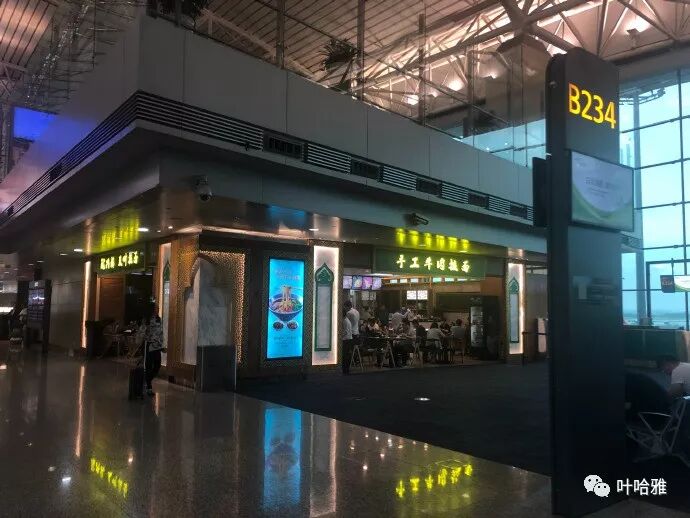
There is a halal hand-pulled noodle shop near boarding gate B234 after the security checkpoint at Terminal 1 of Guangzhou Baiyun Airport.
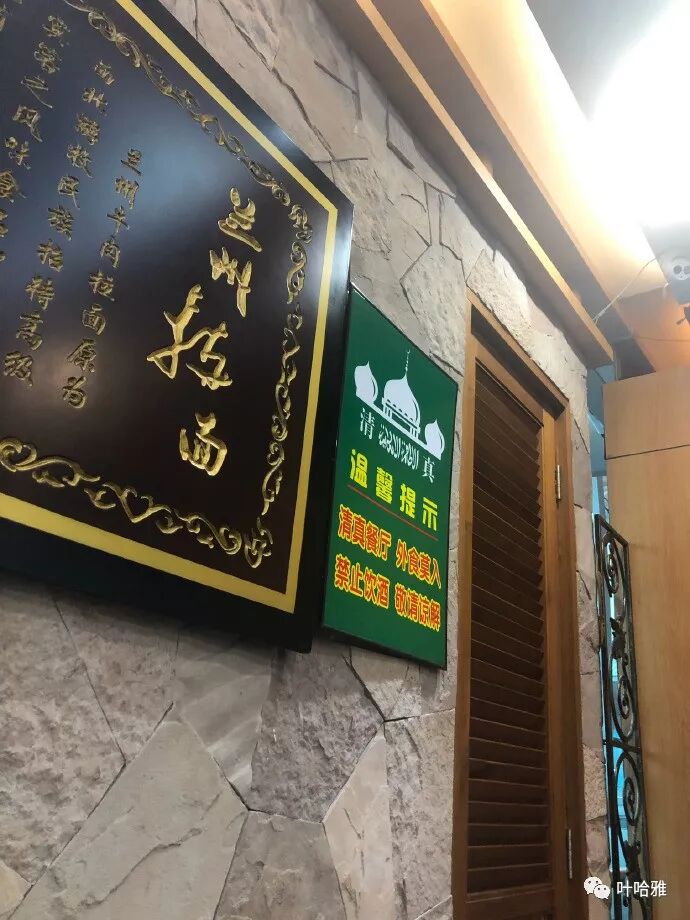
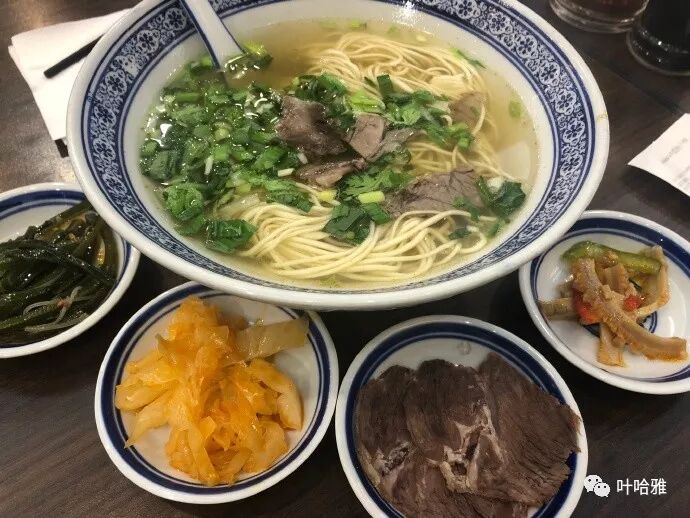
The shop does not serve alcohol, and a noodle set meal costs 68 yuan.
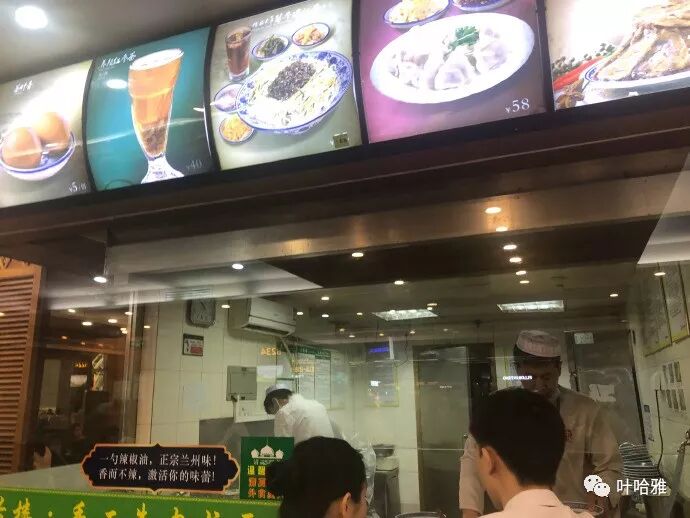
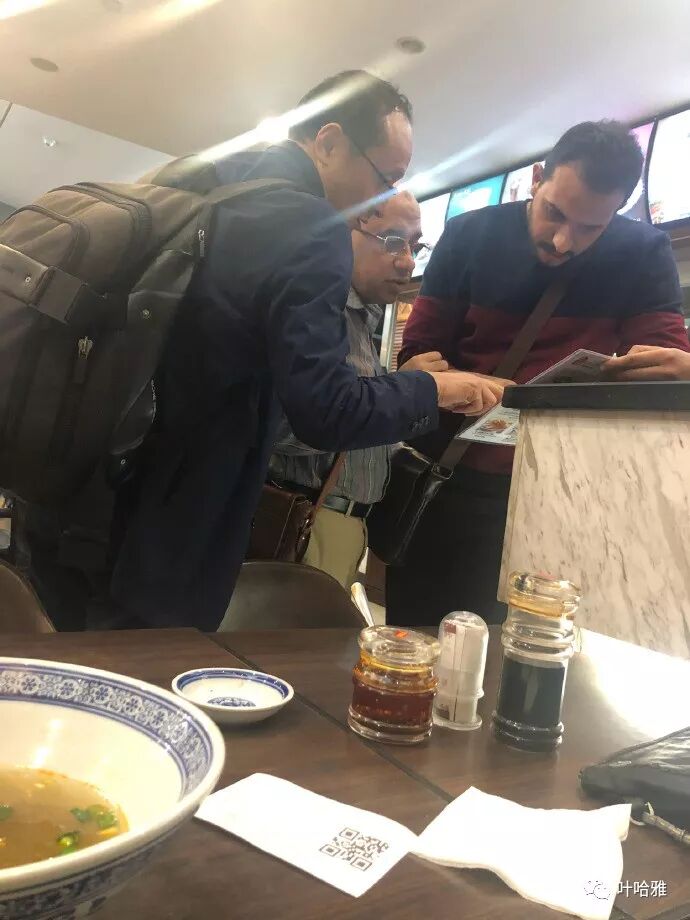
I saw a group of foreign friends asking the waiter if the shop was halal.
Address:
Boarding gate B234, Terminal 1, Baiyun Airport
Hui Muslim Restaurant (Huimin Fandian)
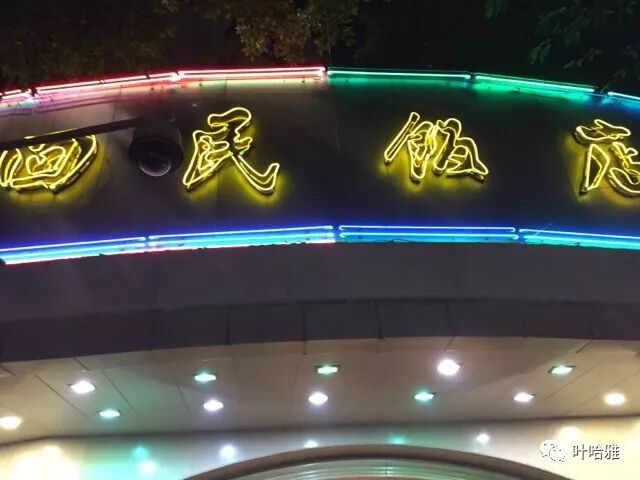
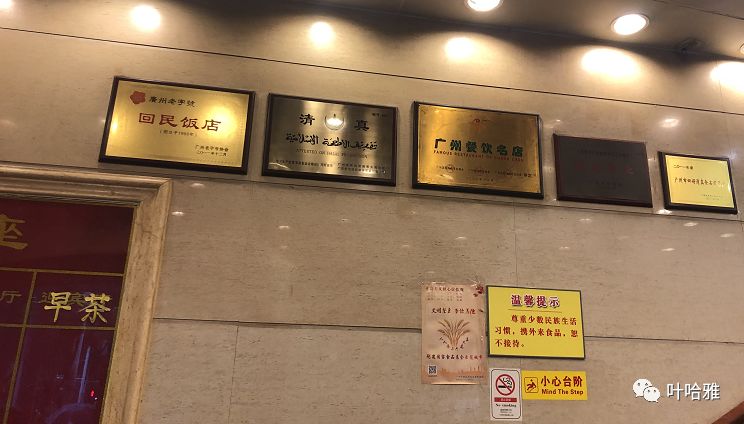
Founded in 1956, the Hui Muslim Restaurant was established by several old halal Cantonese restaurants like 'Satangji' and 'Yunji'. Originally named 'Halal Canteen', it was renamed 'Hui Muslim Restaurant' in 1959. It is one of the authentic state-run Cantonese restaurants in Guangzhou. Signature dishes like barbecued lamb (yangrou chashao), water chestnut cake (mati gao), beef balls (niurou wan), and boiled Dongshan goat (baiqie dongshanyang) are all prepared using traditional Cantonese methods.
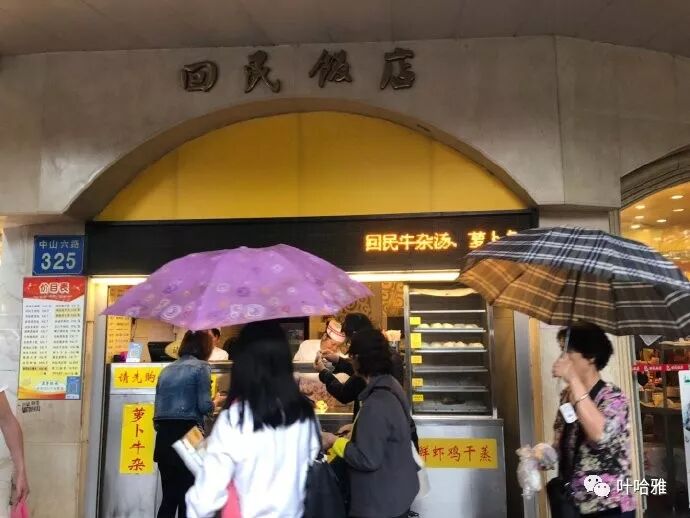
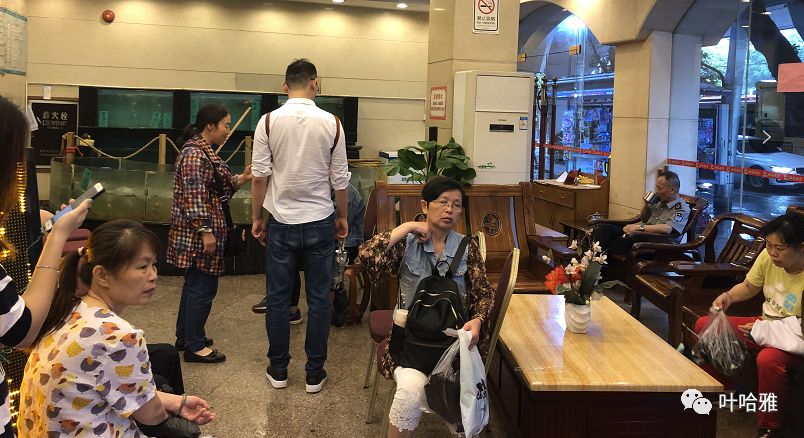
The Hui Muslim Restaurant is very popular among the local people in old Guangzhou, and you have to wait in line for lunch.
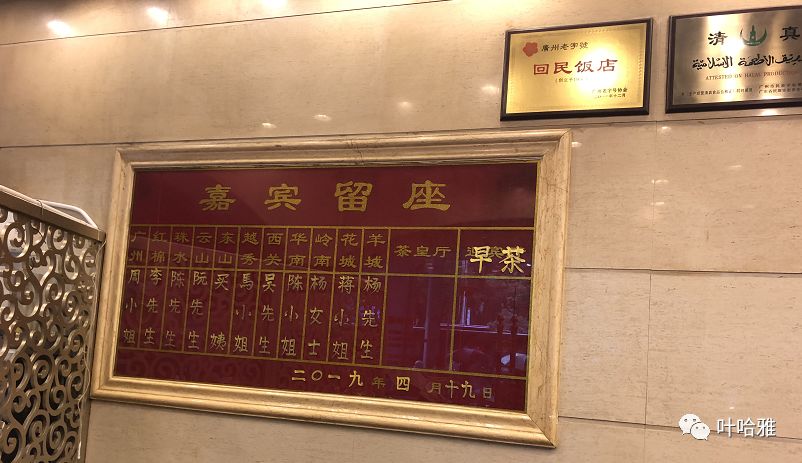
The sign above says 'reserved guests' because business is so busy that you need to book a table several days in advance.
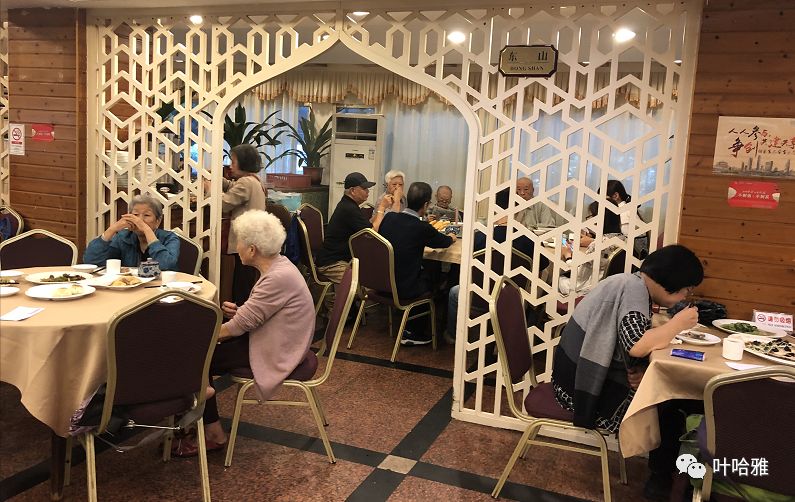
You can tell the diners are locals from Guangzhou just by looking at them, and most are middle-aged or older.
People in Guangzhou have a habit of drinking morning tea. It starts at 7:30 a.m. and goes until 11:00 a.m. After lunch, they can have afternoon tea until dinner time.
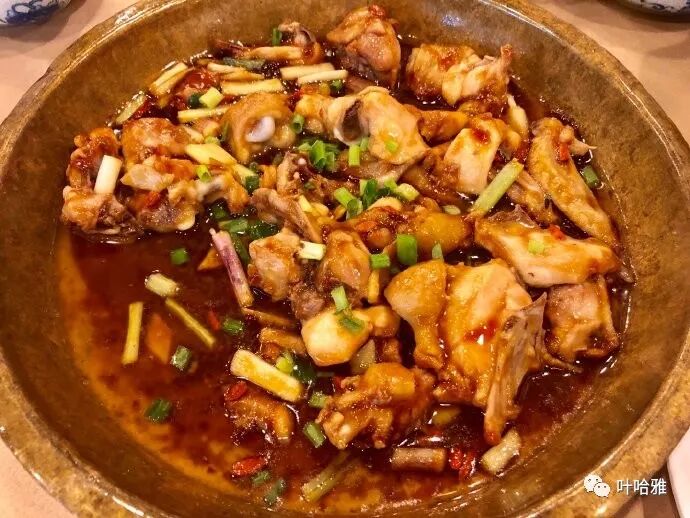
Shunde steamed chicken with shallots (hongcong tou)
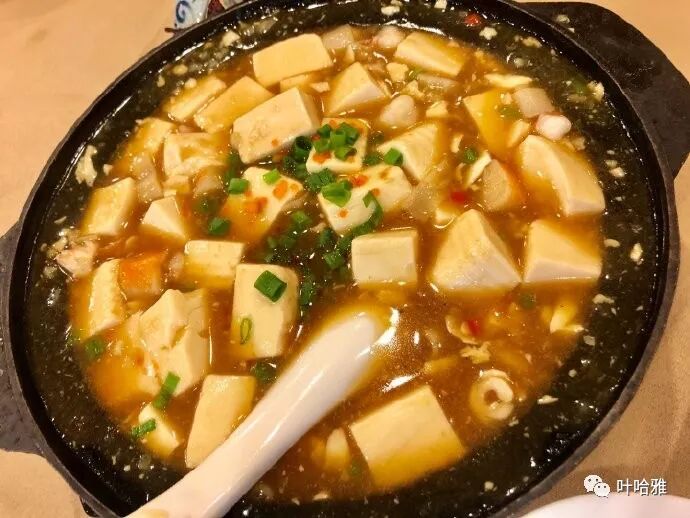
Seafood and tofu claypot (doufu bao)
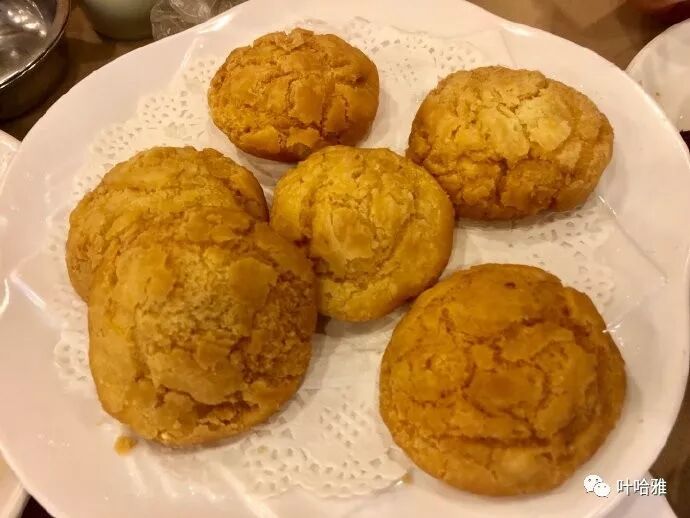
Improved Cantonese-style fried dough (youxiang)
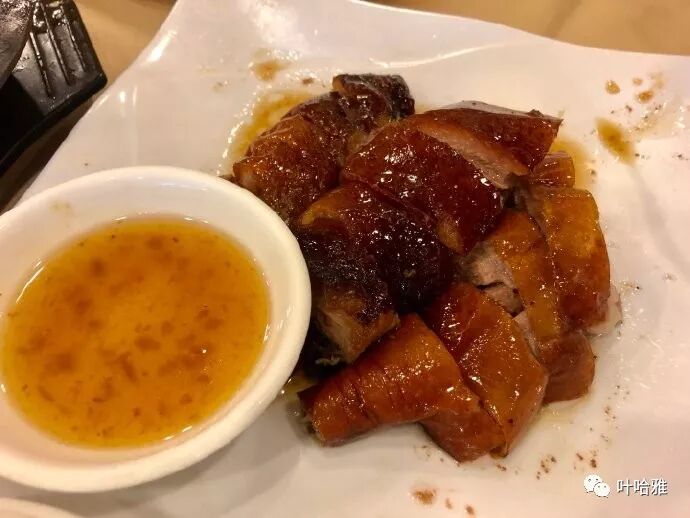
Hui Muslims crispy roast goose (shaoe)
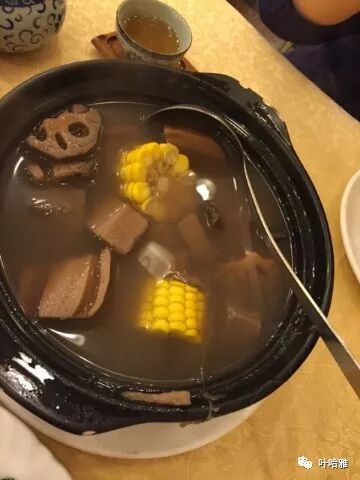
Healthy lotus root claypot (bao)
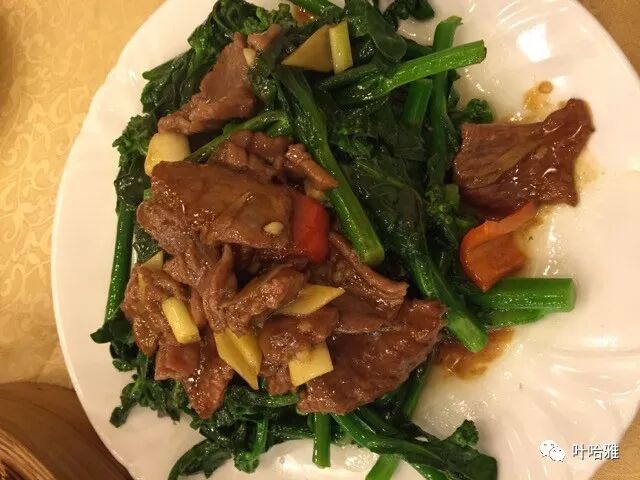
Stir-fried beef with choy sum (caixin)
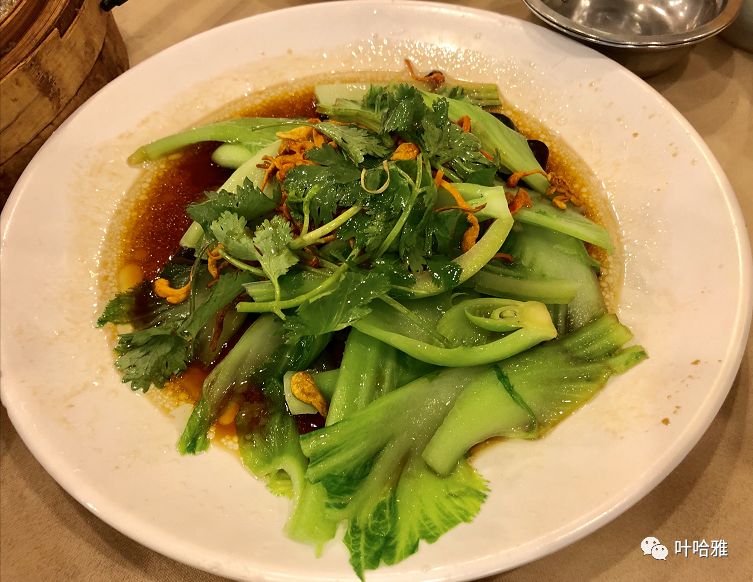
Tossed Shuidong mustard greens with fresh bean curd skin (zhuzhu)
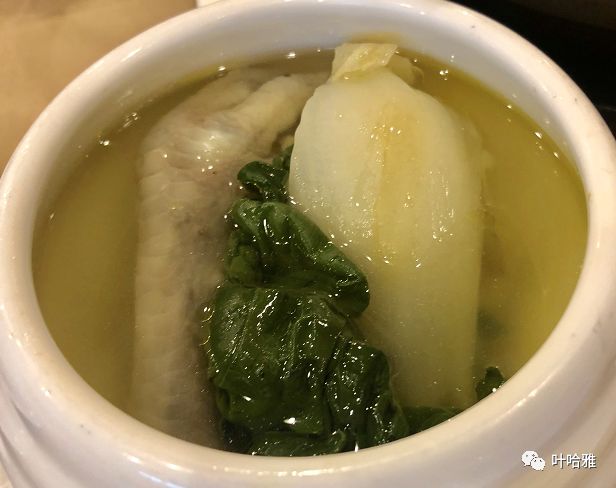
Stewed baby bok choy with dried scallops (yaozhu) and chicken feet (fengzhua)
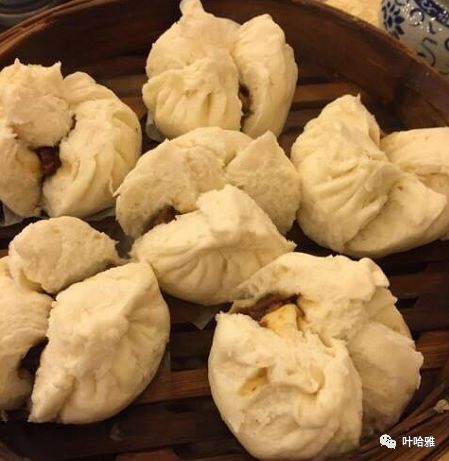
Lamb barbecue pork buns (chashao bao)
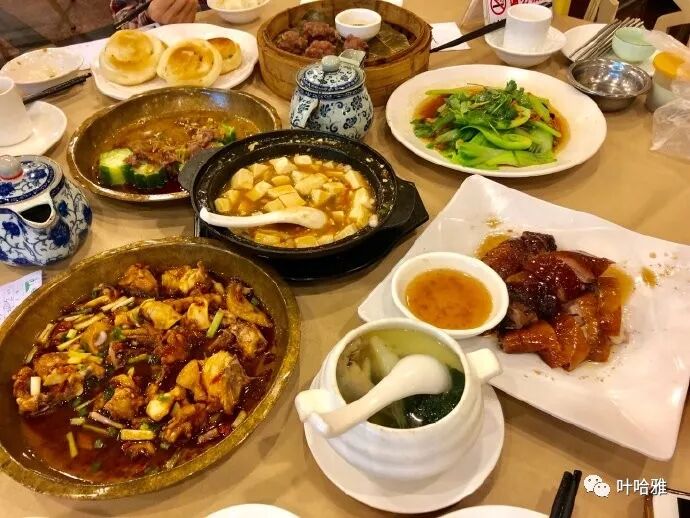
Address: No. 325 Zhongshan 6th Road, Yuexiu District, Guangzhou (Take Exit A of Ximenkou Metro Station, turn left, and walk 50 meters).
Xinjiang Mansion
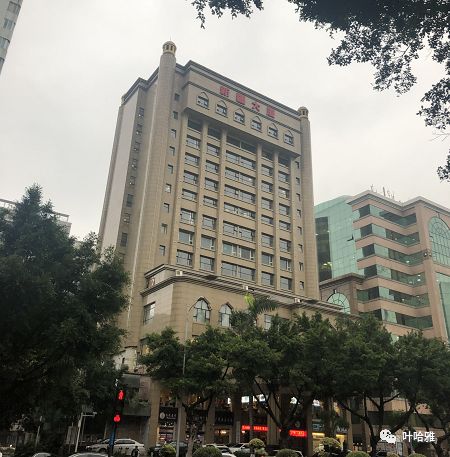
Besides the Hui Muslim Restaurant, Xinjiang Mansion is another place in Guangzhou where you can find authentic halal Cantonese morning tea.
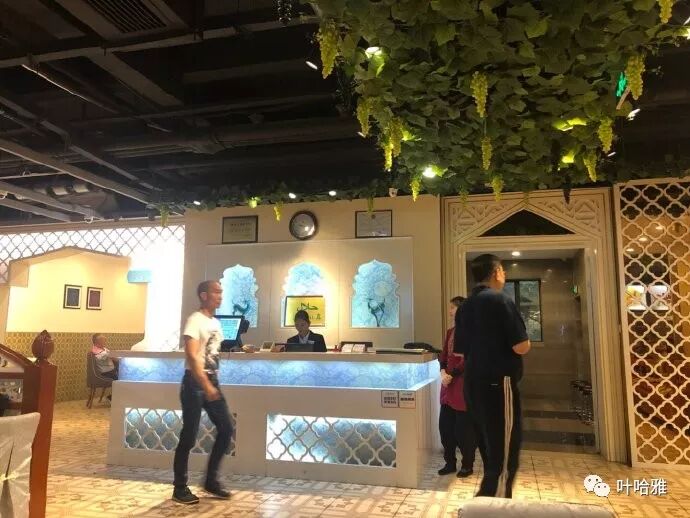
They start serving morning tea at 7:30 AM, and it was already packed when I arrived.
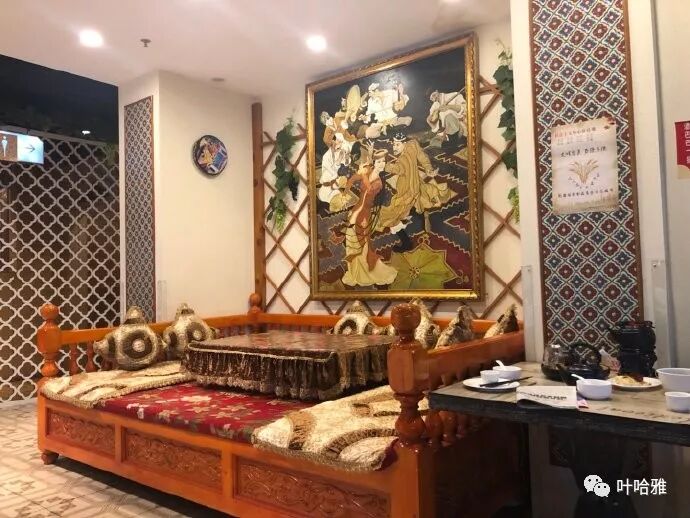
Most of the diners are local neighbors with plenty of time to sit and chat all morning.
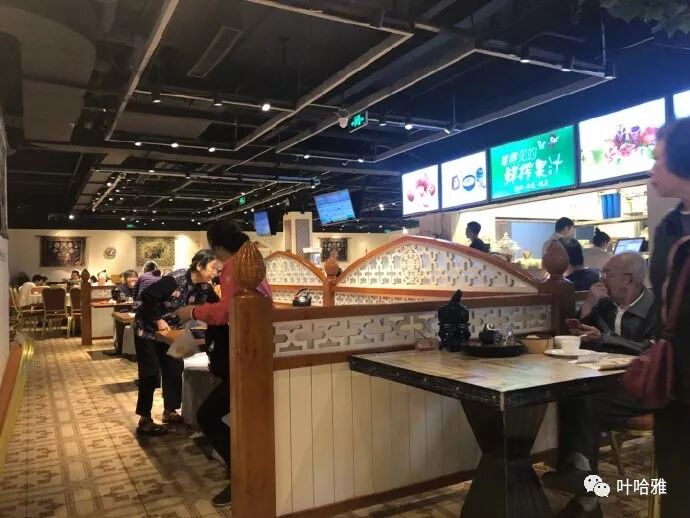
In Guangzhou, people have a habit of washing their own tableware before eating. It is not because the restaurant does not clean them, but because locals prefer to pour hot water over the dishes themselves for peace of mind. The servers will proactively bring you a basin for this purpose.
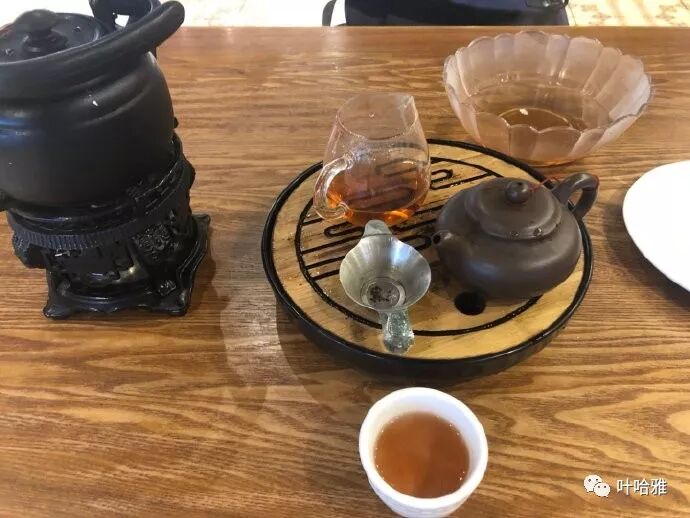
For morning tea, you first choose your tea leaves, such as black tea or pu'er, though you can also bring your own. Once the tea is ready, you can sip it while enjoying your snacks.
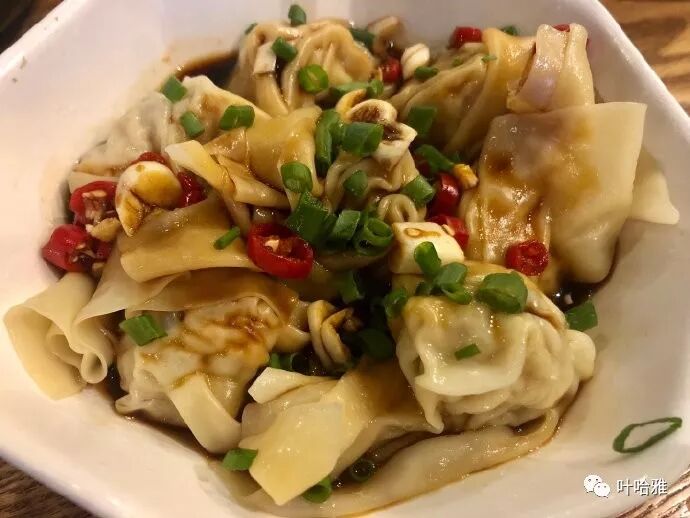
Spicy shrimp wontons (xiangla zhi lao xianxia yuntun)
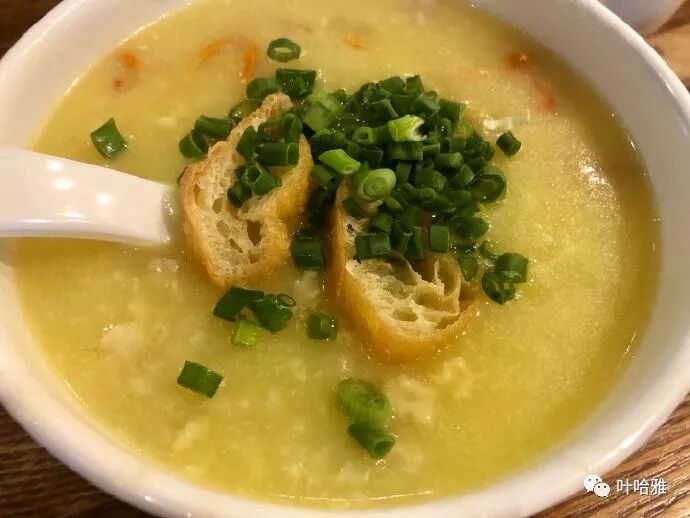
Cordyceps flower and Qingyuan chicken congee (chonghuacao qingyuan huaji zhou)
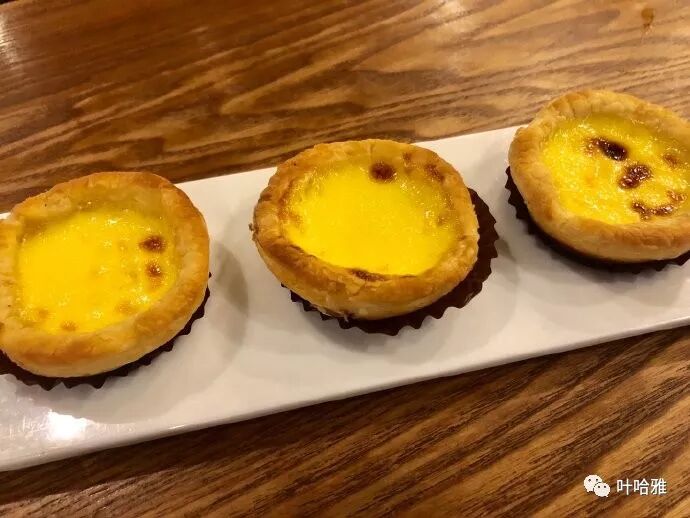
Xinjiang milk egg tart (xinjiang niunai puta)
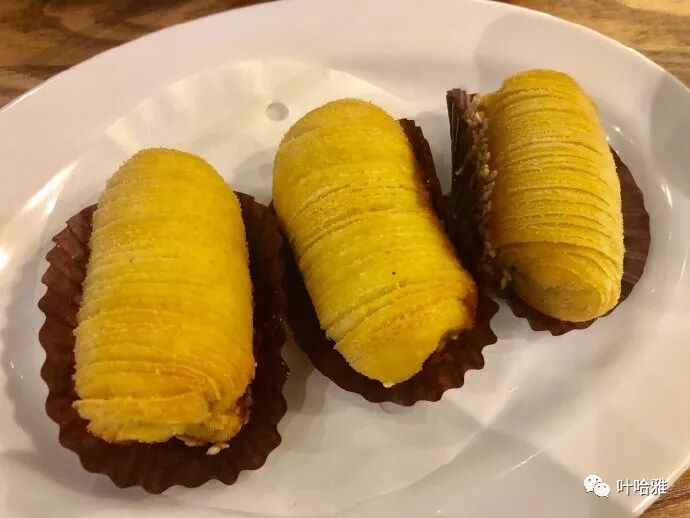
Signature durian pastry (jinpai liulian su)
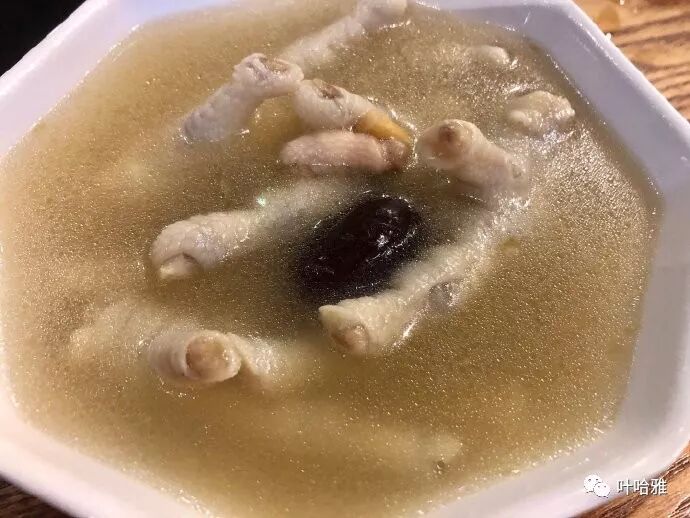
Medicinal herb chicken feet (yaoshan jijiao)
The morning tea at Xinjiang Mansion is a modern take on Cantonese morning tea, which is slightly different from the traditional style served at the Hui Muslim Restaurant.
Address:
76 Tianhe North Road, Guangzhou.
Lanzhou hand-pulled noodles (Lanzhou lamian).
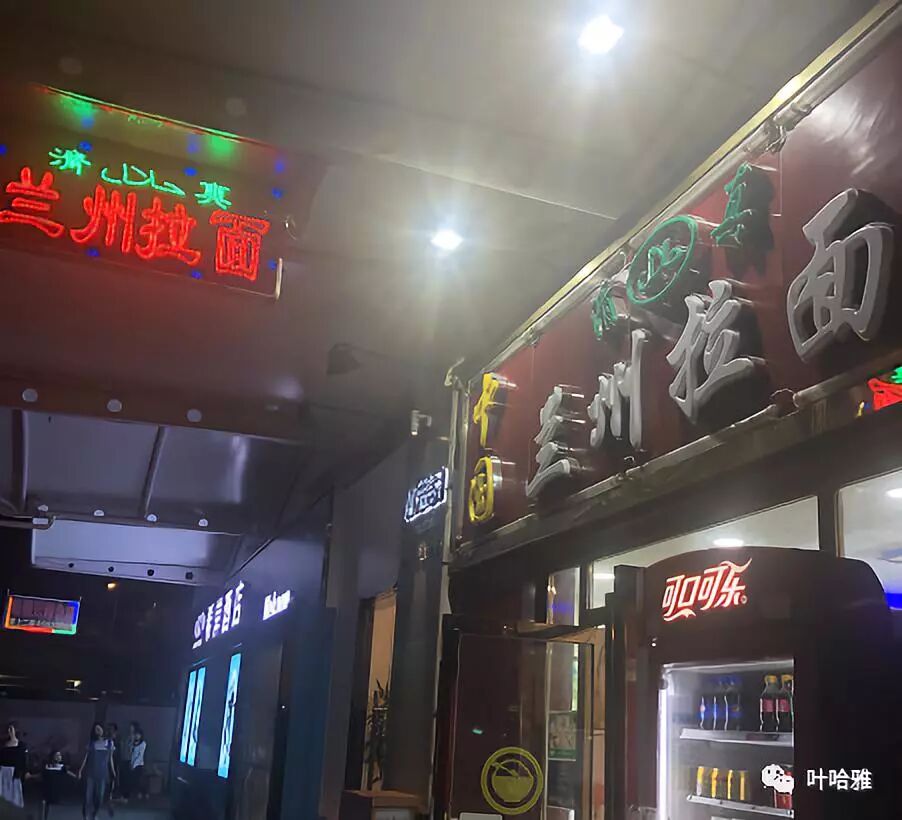
Lanzhou hand-pulled noodles are everywhere in Guangzhou, so you do not need to worry about finding food here. I mention this specific shop because it is near the hotel where I stayed, and I would occasionally stop by for an extra meal. The owner's family is from Qinghai. The shop is small but very clean, and they do not serve alcohol or allow smoking.
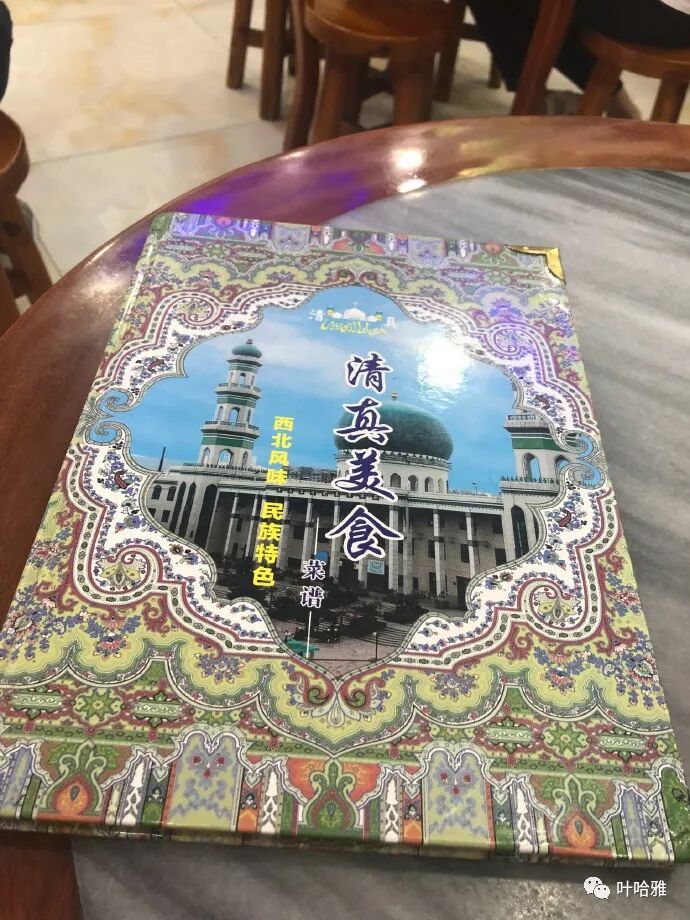
The shop has been open for a while and has a great relationship with the local residents. I saw neighbors leave their house keys with the staff so their family members could pick them up when they got home. This kind of trust is very heartwarming.
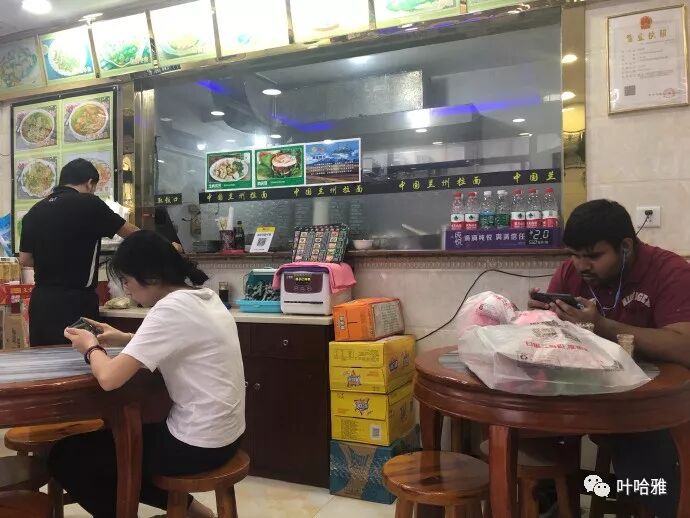
Because foreigners often come here to eat, the shop has menus in three languages.
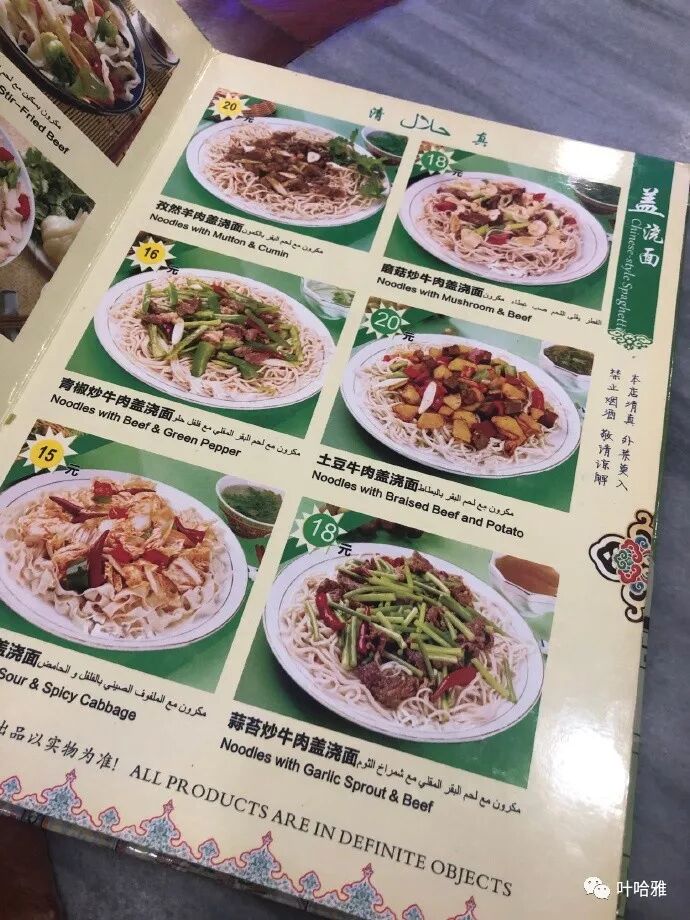
Some of my foreign friends are not Muslim, but they prefer to choose halal restaurants when traveling in China because they feel more at ease eating there.
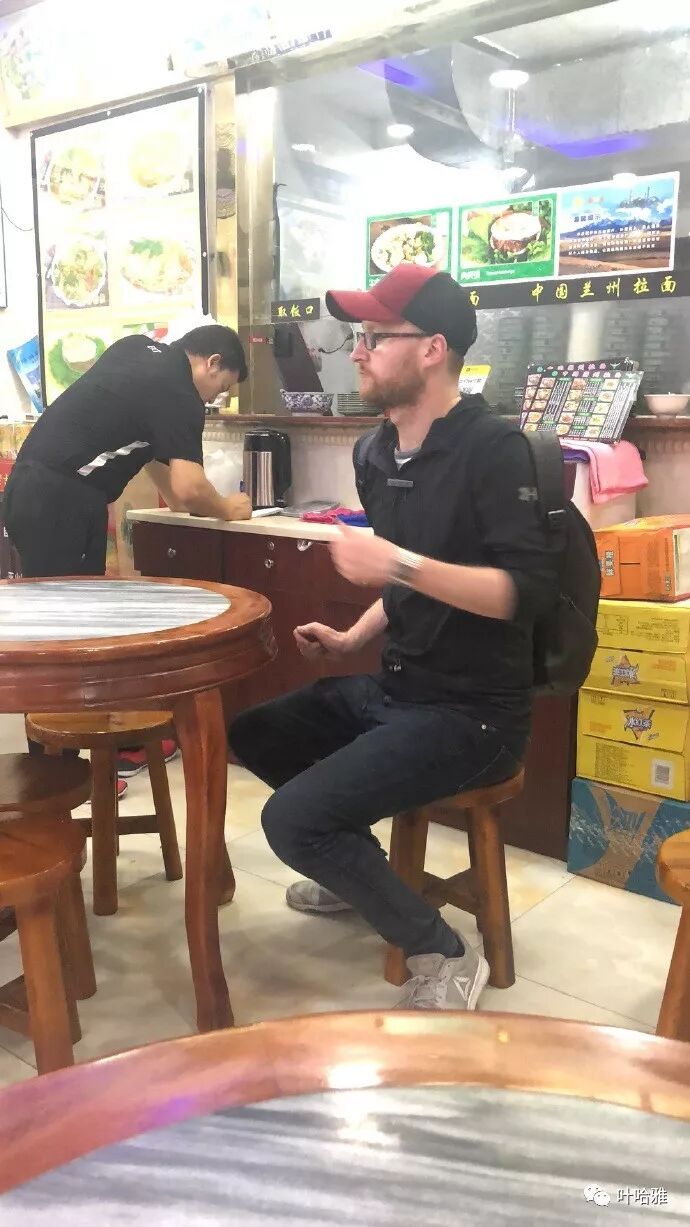
Sometimes I think that running a small shop like this might not make a fortune, but the money earned is clean, and you do not have to answer to anyone. Keeping up with namaz and ensuring blessings for both this life and the next makes you the real winner.
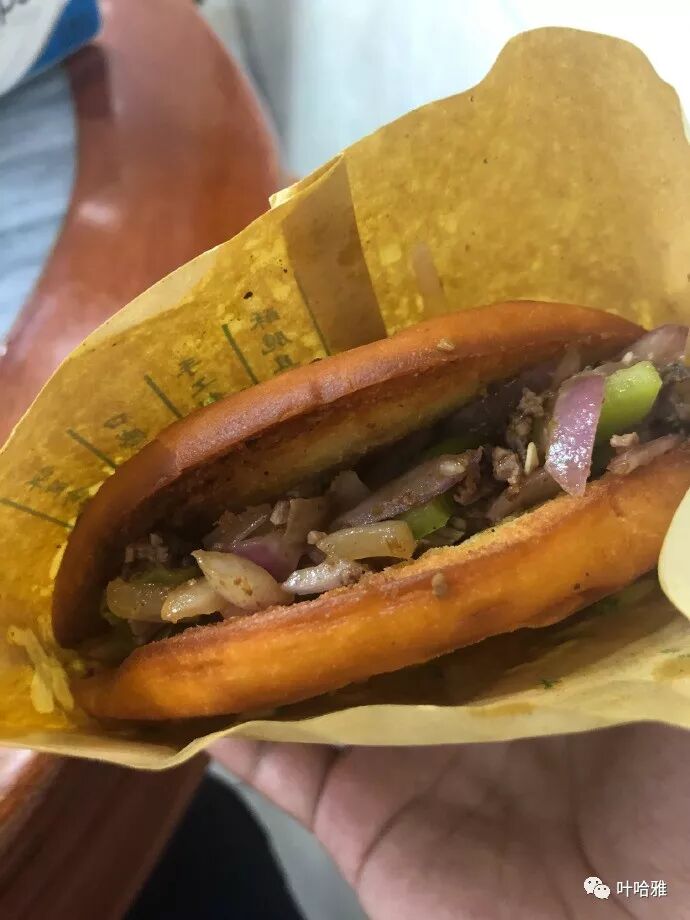
Address: Next to Lavande Hotel, Zhongshan Avenue, Tianhe District, Guangzhou.
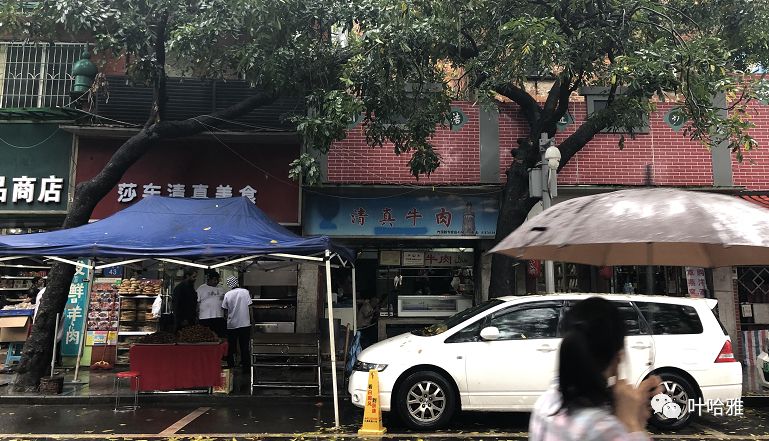
For friends (dosti) visiting Guangzhou, I suggest staying near the Guangzhou Hotel in Yuexiu District. There are four mosques in Yuexiu District, and you can find halal restaurants near all of them.
Huaisheng Mosque.
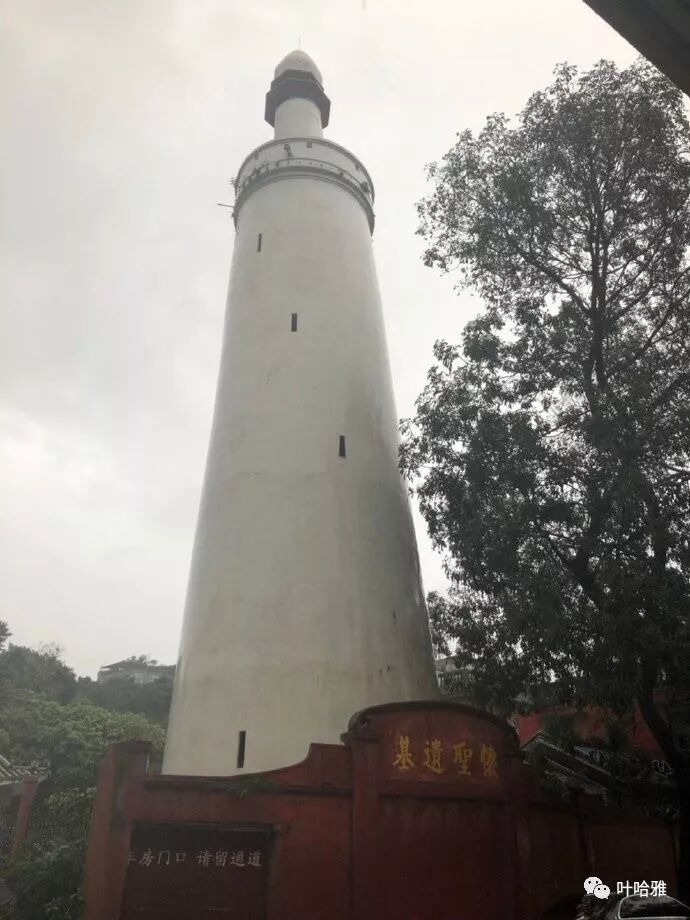
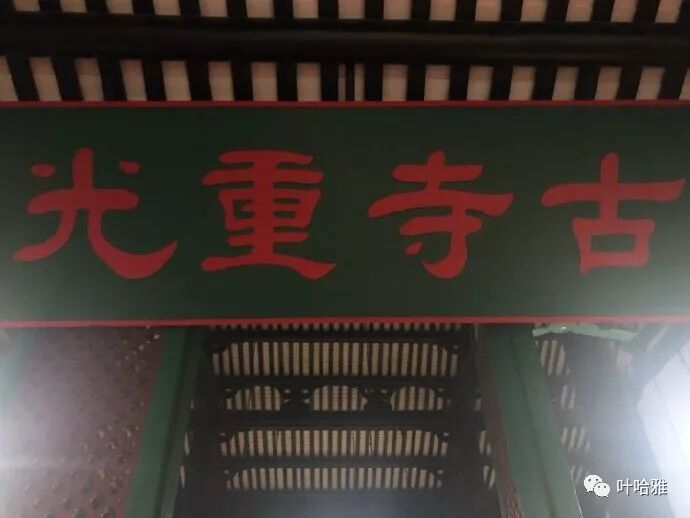
Huaisheng Mosque is also called the Light Tower Mosque (Guangta Si) because it has a light tower inside. It is the oldest mosque in Guangzhou.
There are many different theories about when the Huaisheng Mosque was first built. Long Feiliao’s article, "A Study of the Architectural Culture of the Tang Dynasty Huaisheng Light Tower Mosque in Guangzhou," and Zeng Zhaoxuan’s "A Study of the Construction Era of the Huaisheng Mosque Light Tower in Guangzhou" both argue that the mosque was completed in the first year of the Zhenguan era of the Tang Dynasty (627).
After conducting multiple studies, scholar Li Xinghua proposed that it is very likely that Islam was introduced in the early Tang Dynasty, and it is certainly earlier than the mosques in Quanzhou, so further research is necessary.
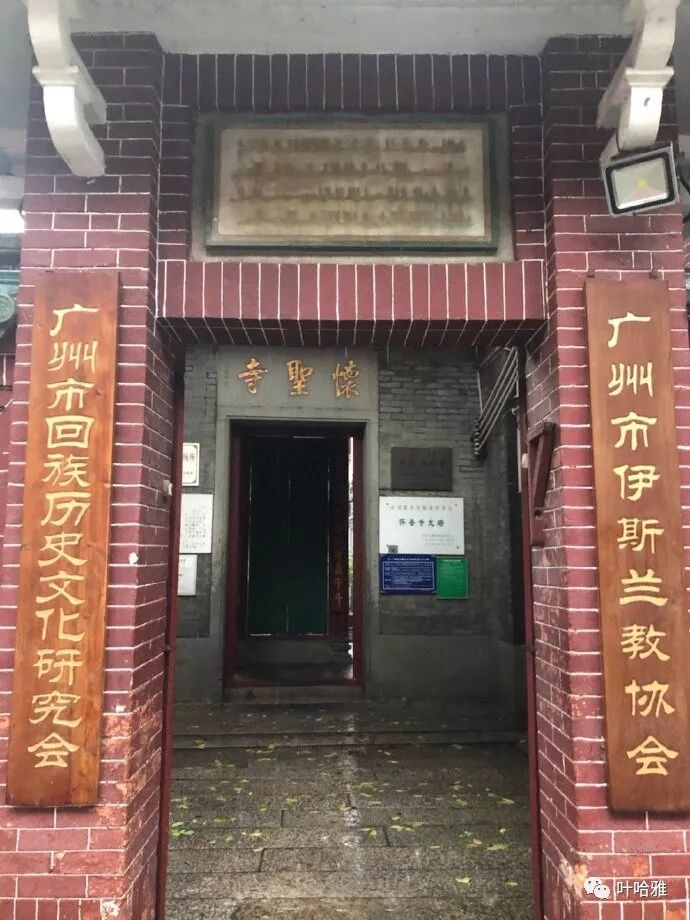
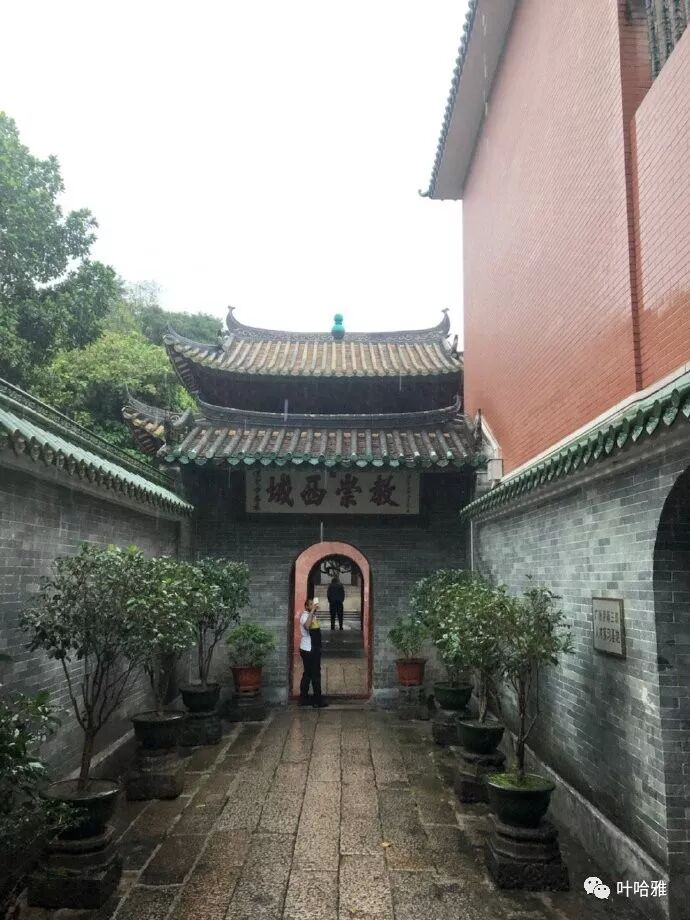
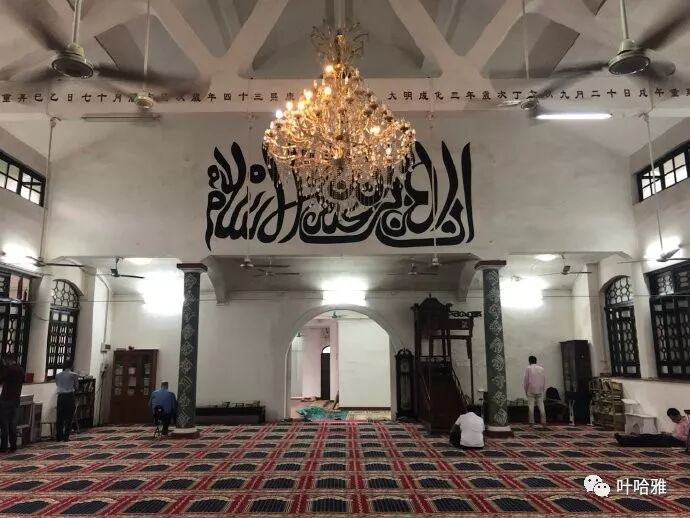
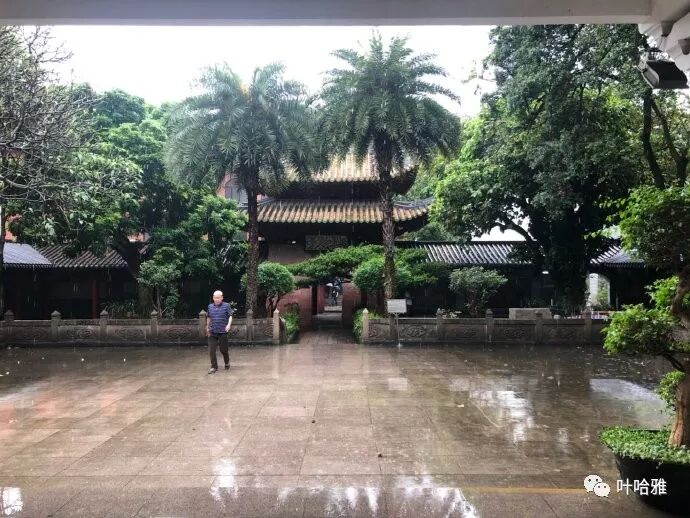
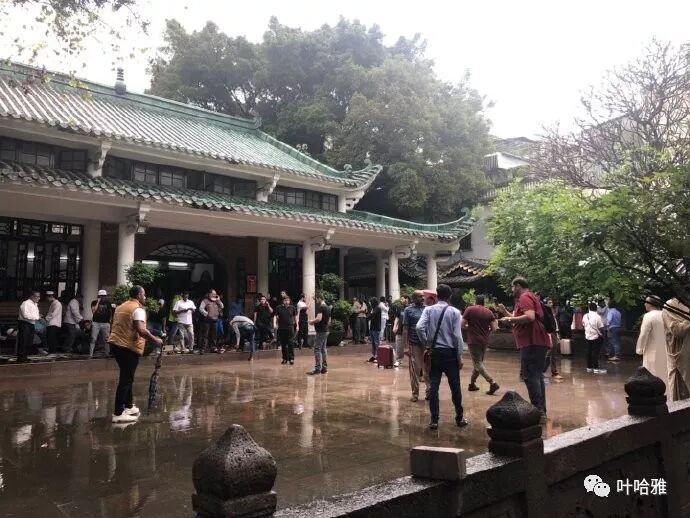
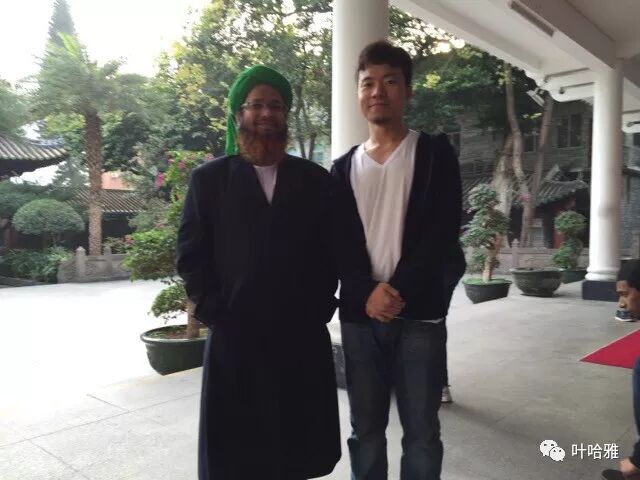
In 2015, I took a photo with the imam who was leading the namaz at the Huaisheng Mosque that day. The imam was from Pakistan and spoke fluent Mandarin and Cantonese.
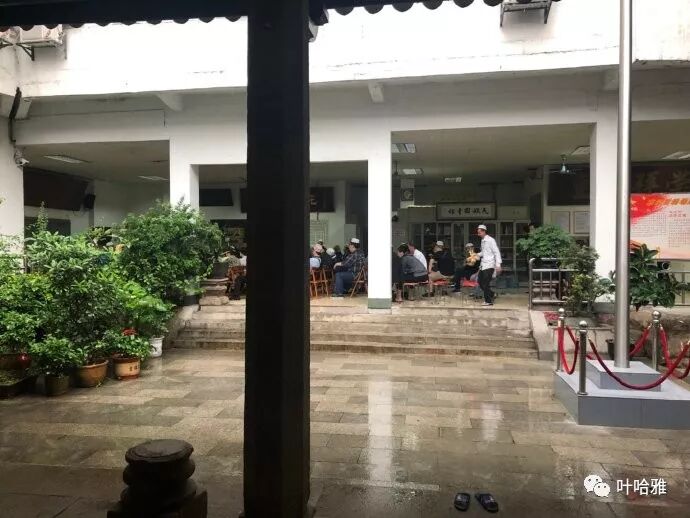
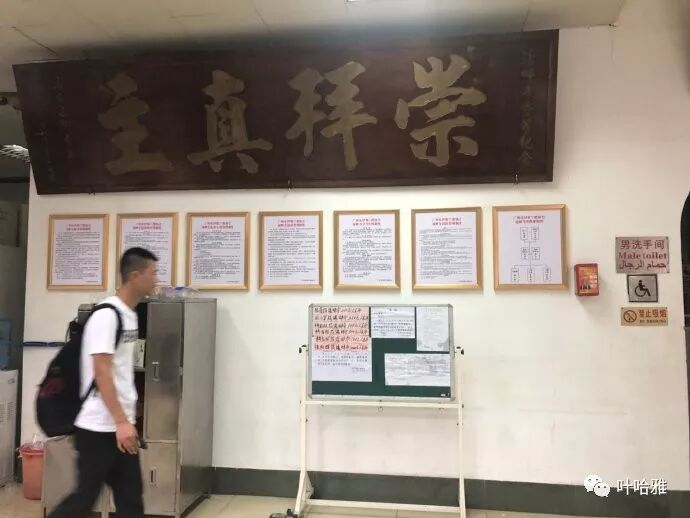
Haopan Street Mosque
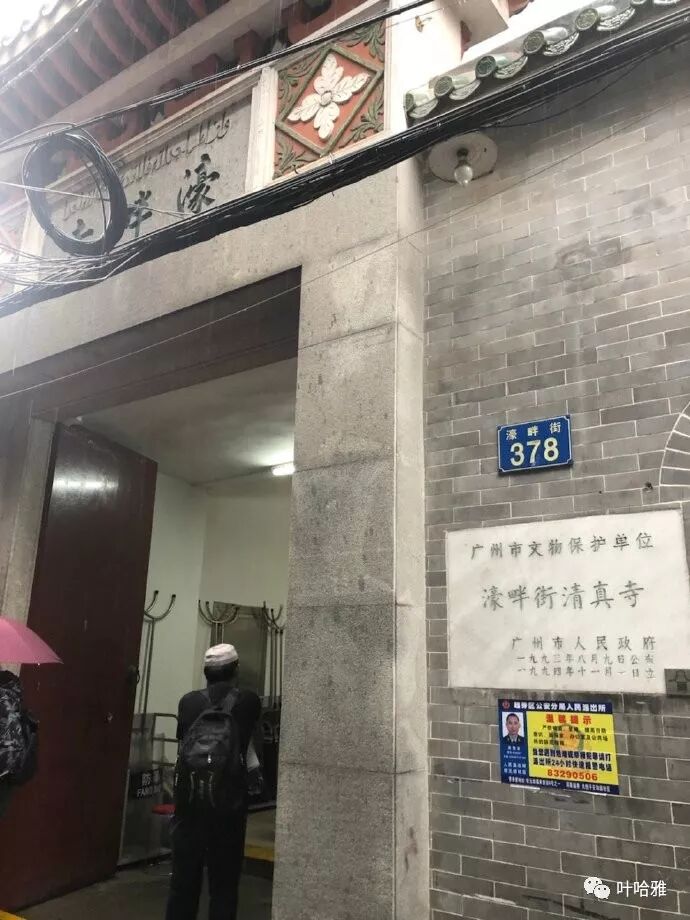
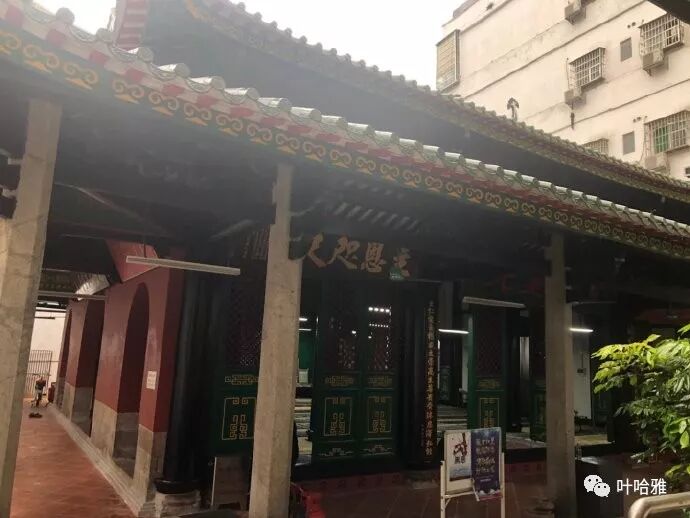
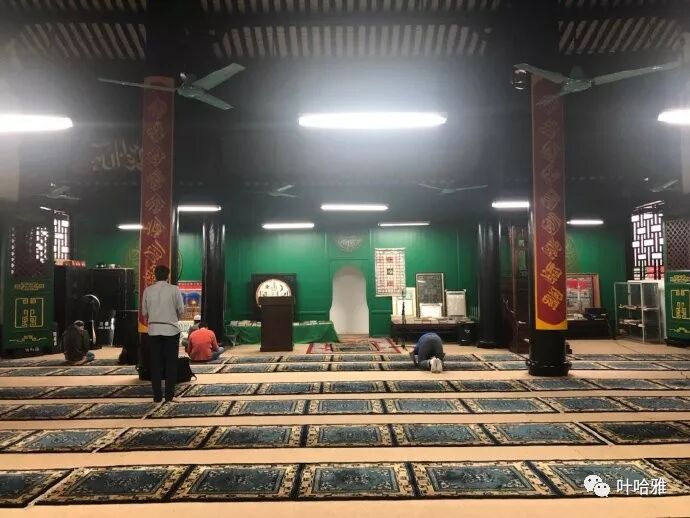
Located on Haopan Street, Renmin Middle Road, in the Yuexiu District, this mosque was first built during the Chenghua period of the Ming Dynasty (1465-1487).
After the Ming Emperor sent over a thousand Hui Muslim soldiers from Nanjing to be stationed in Guangzhou, they built a new city and dug the South City Moat. To make it easier for the families of the Hui Muslim soldiers to perform namaz, they raised funds to build several mosques, and the Haopan Mosque was one of them.
Xiaodongying Mosque
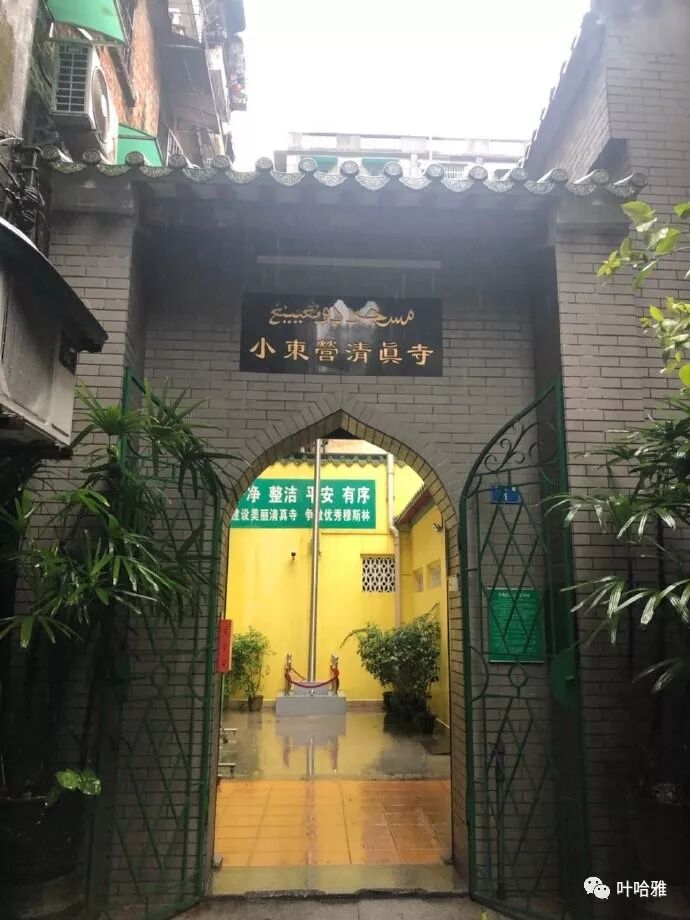
The Xiaodongying Mosque was built at the same time as the Haopan Street Mosque. After the Hui Muslim troops arrived in Guangzhou, they were divided into four camps: Dadong, Xiaodong, Xiying, and Zhutong. These were commonly known as the "Hui Muslim Camps" and were stationed inside and outside the city of Guangzhou. Today’s Xiaodongying Street is the former site of the Xiaodongying camp and is named after it. The Xiaodongying Mosque was once the home of civil organizations like the Guangzhou Muslim Youth Association and the Muslim Tongyi Association.
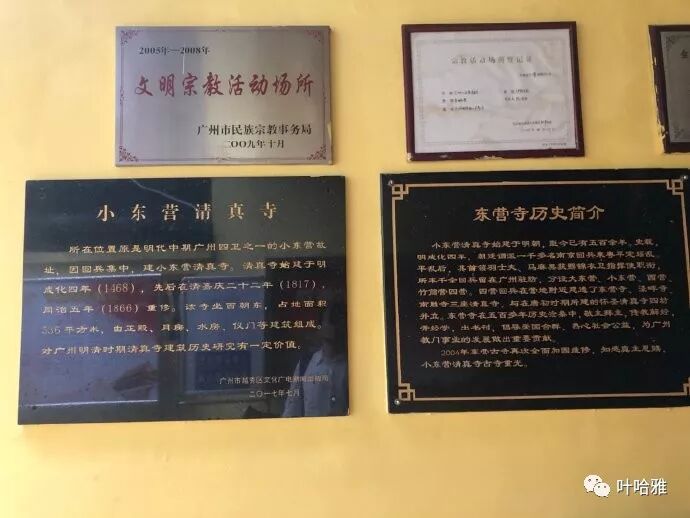
The Guangzhou Hotel is near the Xiaodongying Mosque, making it very convenient for dining, accommodation, and transportation.
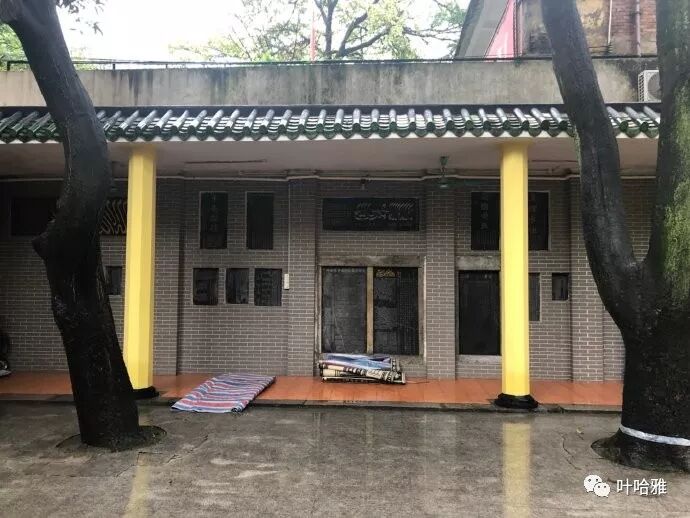
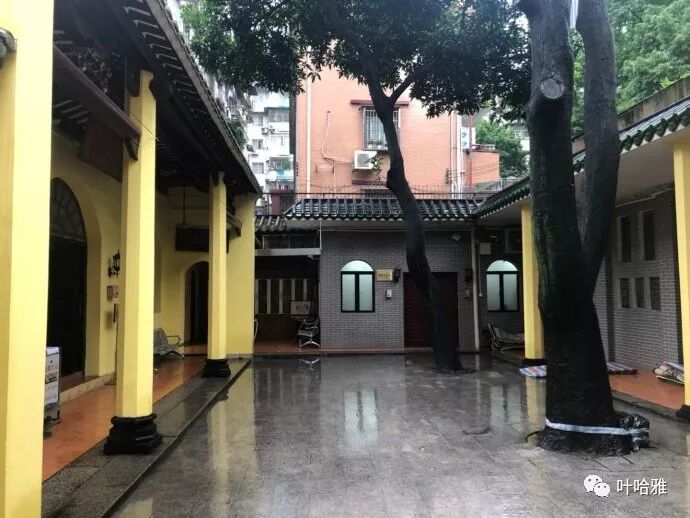
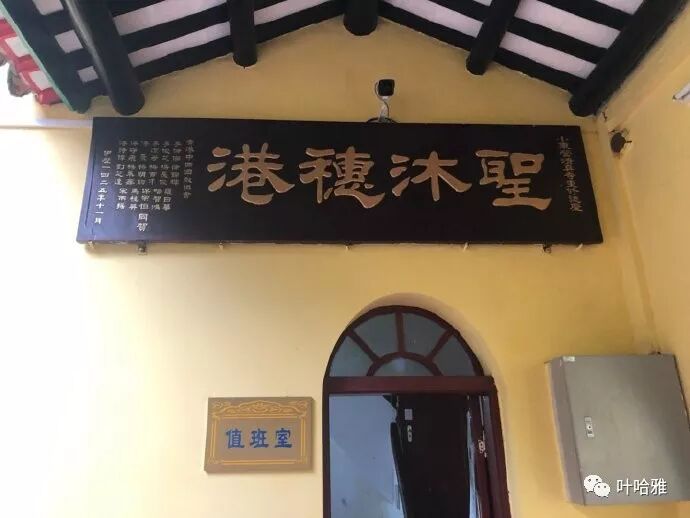
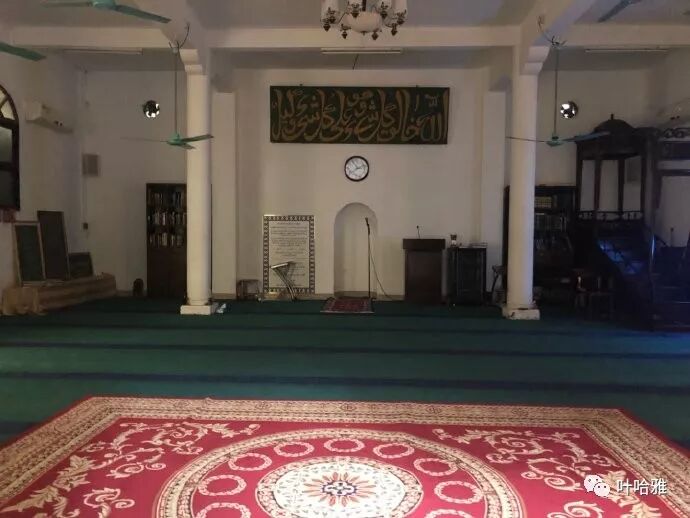
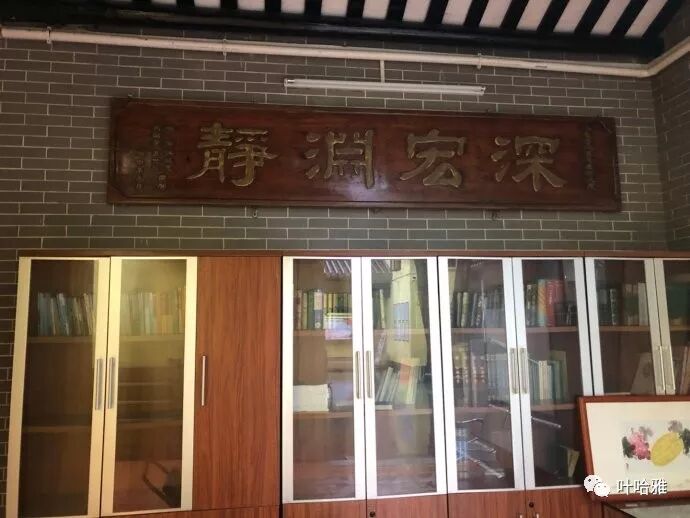
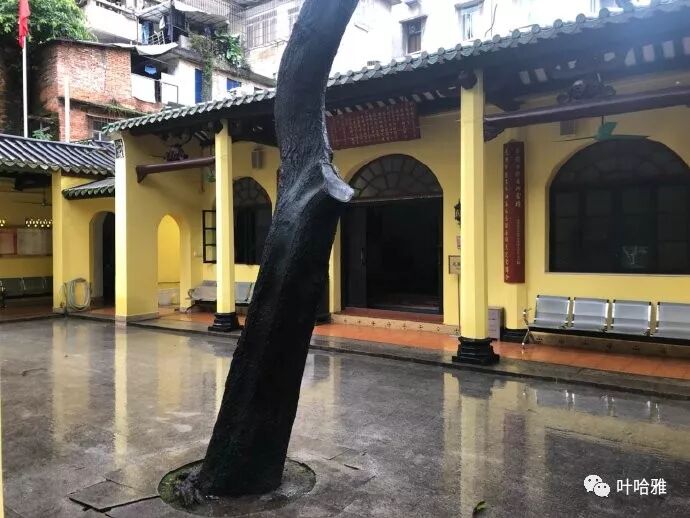
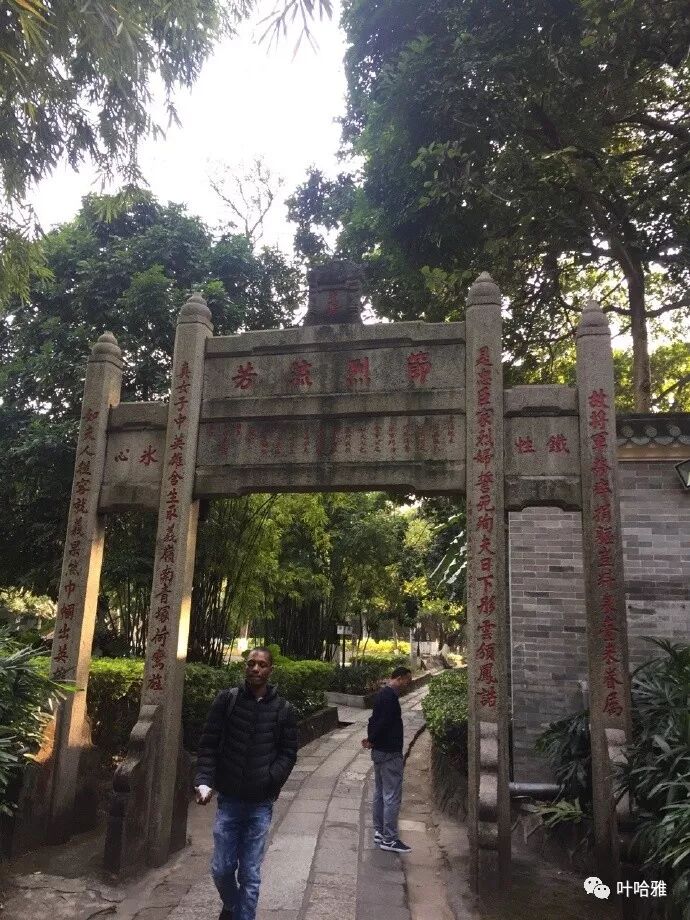
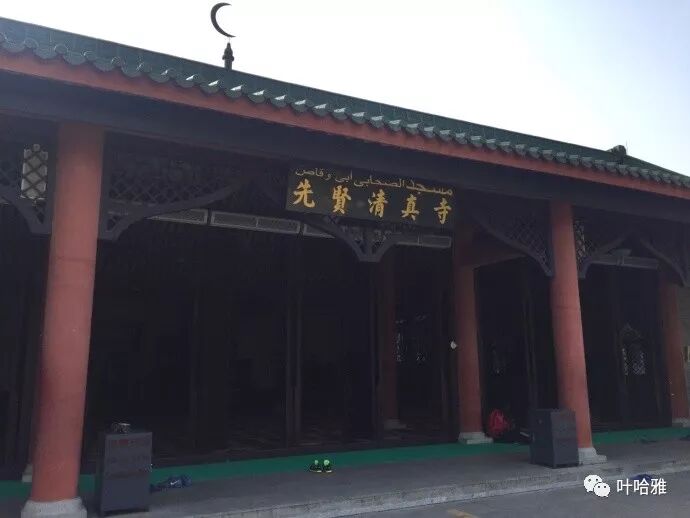
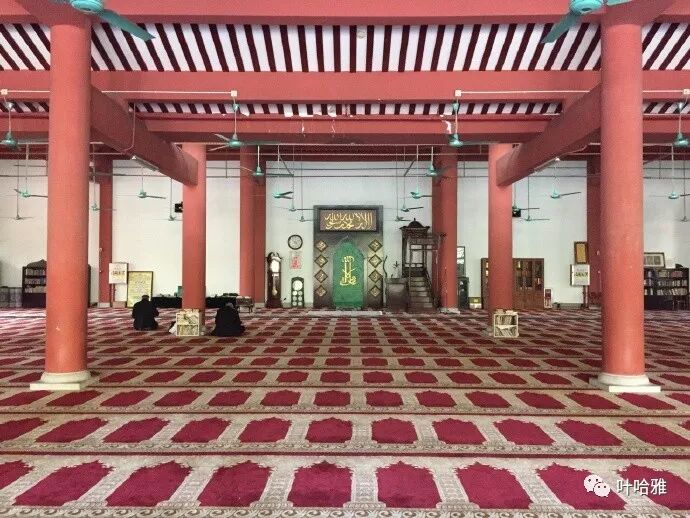
Xianxian Mosque
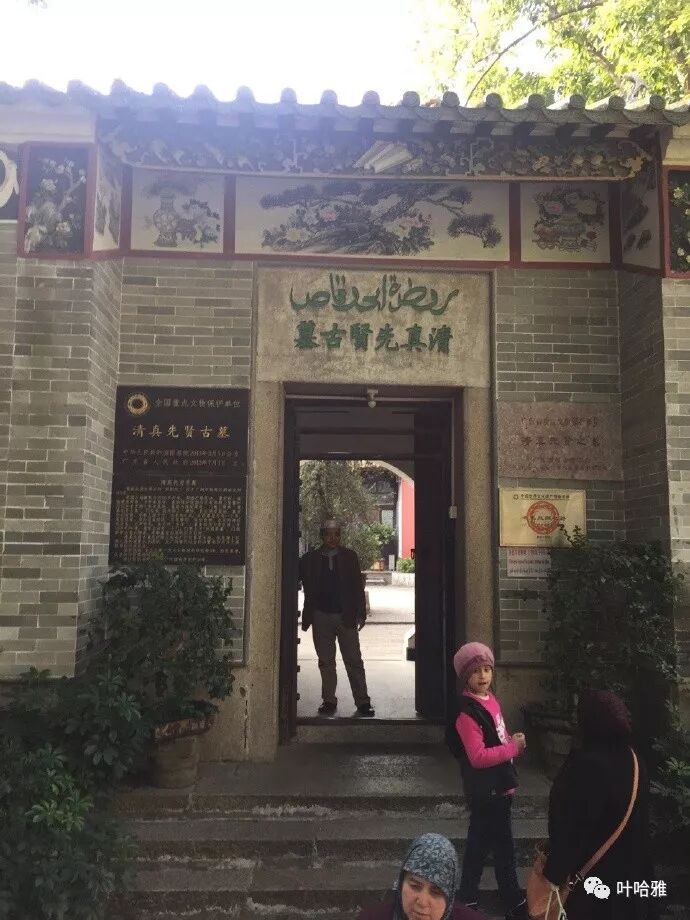
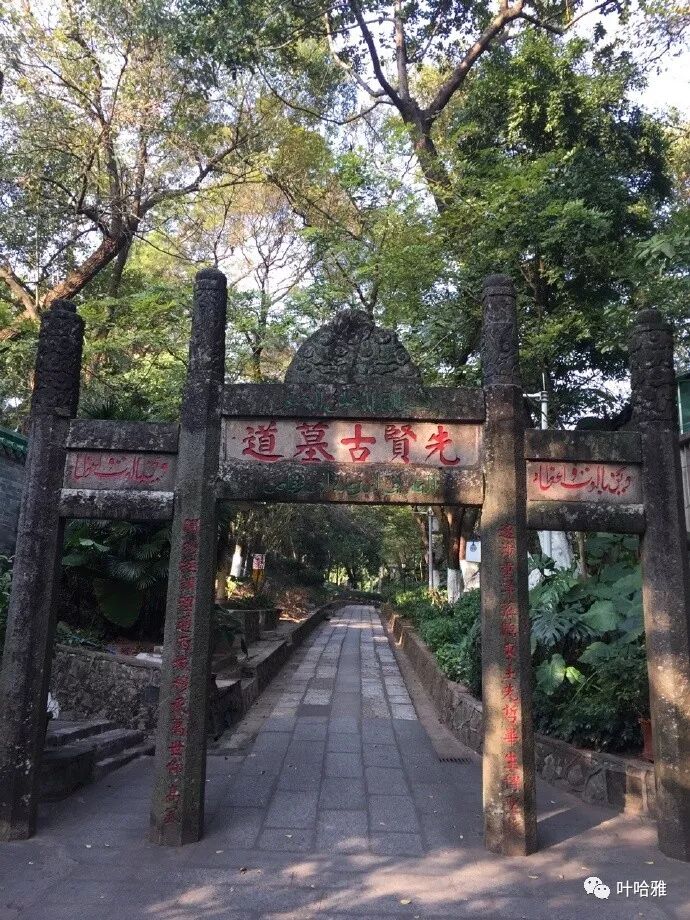
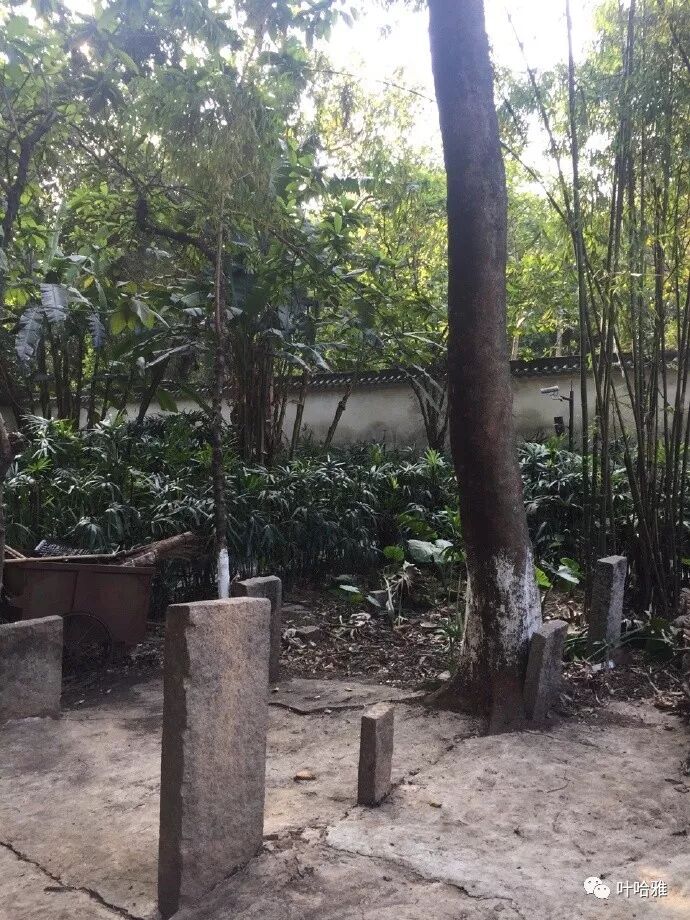
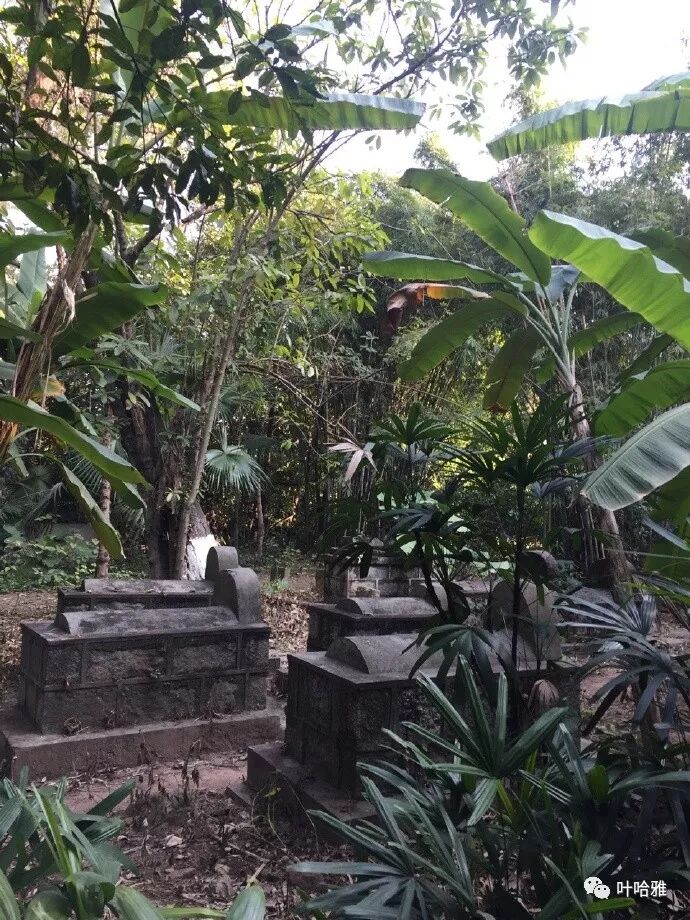
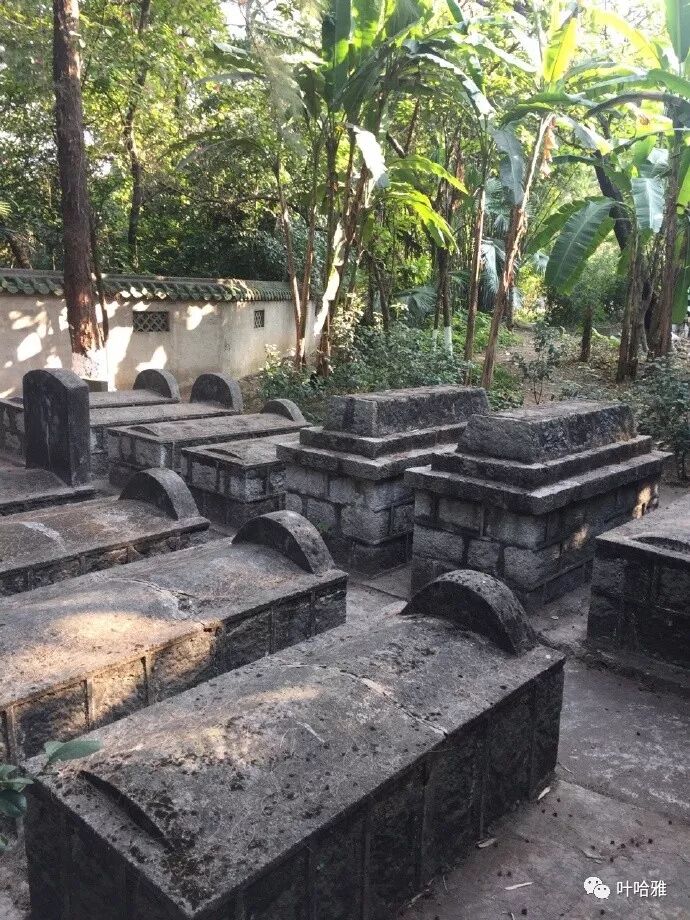
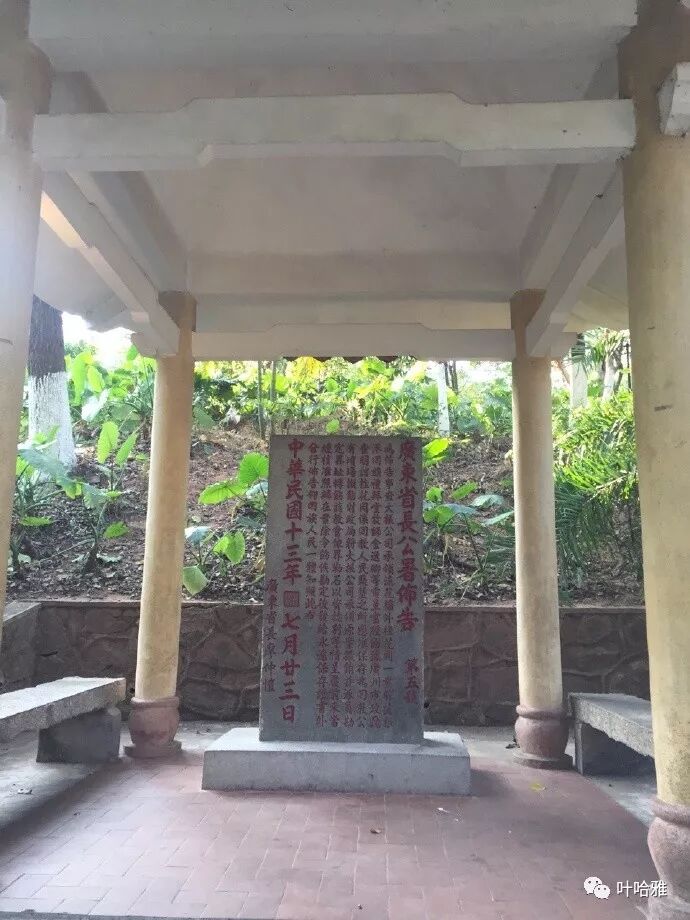
The Xianxian Mosque is located in Lanpu Park on Huanshi Road in Guangzhou. It was originally called the Ancient Tomb of the Muslim Worthies and serves as the burial site for over 40 famous Arab Islamic missionaries led by Sa'd ibn Abi Waqqas.
As early as the beginning of the 7th century, the Arab Sa'd ibn Abi Waqqas came to Guangzhou to spread Islam. He later passed away in Guangzhou and was buried on the west side of what is now Lanpu Park. After he died, his followers inscribed the words Ancient Tomb of the Muslim Worthies on his tombstone.
The Xianxian Mosque was built in 2009, southwest of the ancient tomb. According to the legal rulings of Elder Juma, if a grave is next to a mosque and prayers are performed inside the mosque, the prayer is valid. If the grave is inside the mosque, the Hanbali school of jurisprudence considers the prayer invalid, but the other three major schools of jurisprudence consider the prayer valid, though praying with a grave in front of the worshiper is disliked.
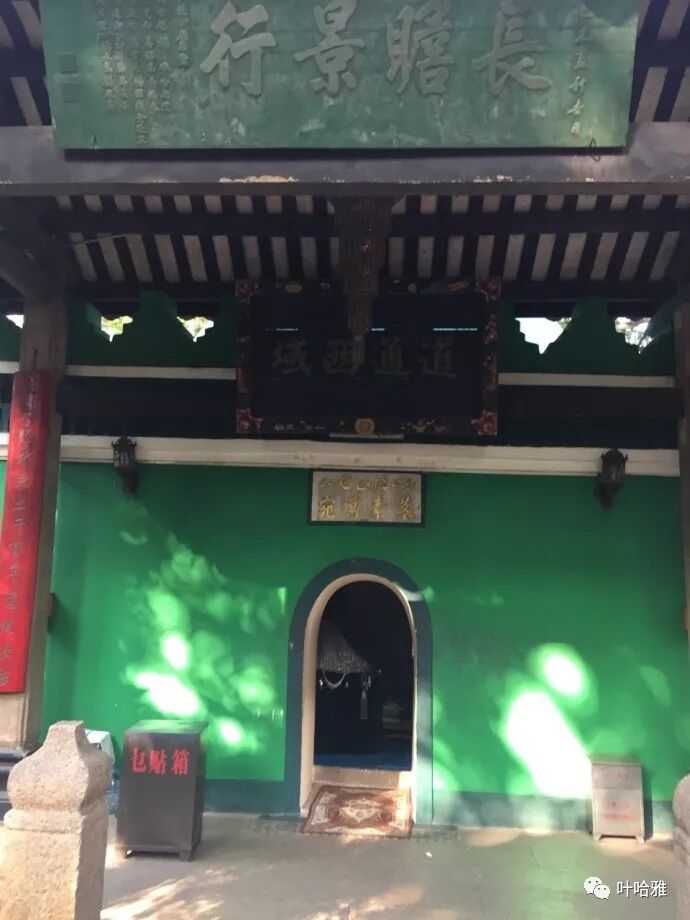
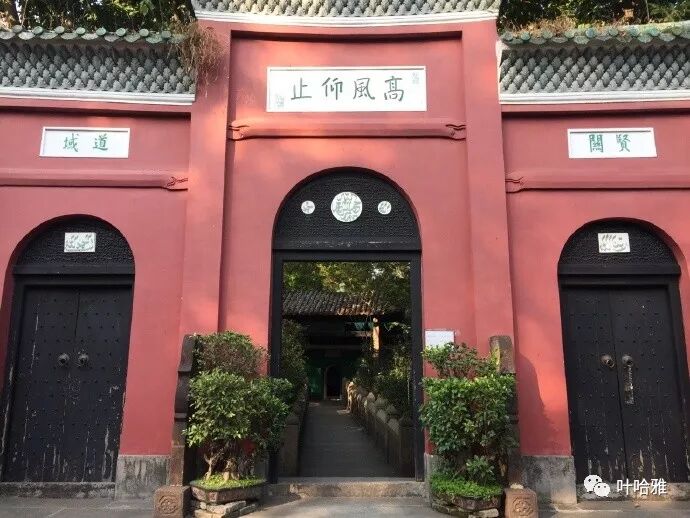
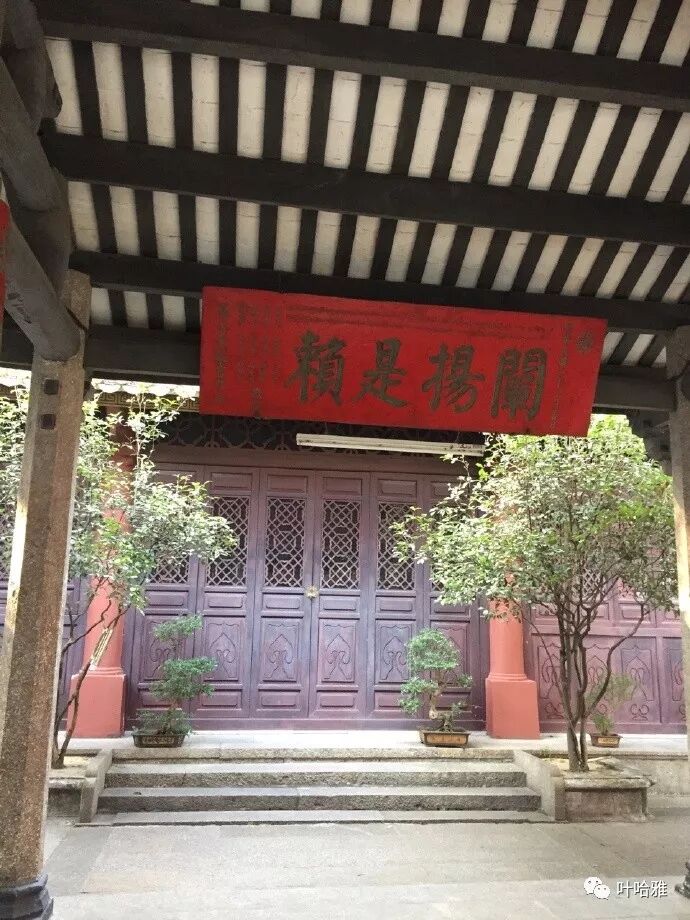
Every Friday, there is a market on Lanpu Road near the mosque that feels a bit like the Grand Bazaar in Urumqi. Remember that it only happens on Fridays.
Summary: This Guangzhou halal travel map connects Huaisheng Mosque history, Xiaobei Road halal food, local restaurants, airport notes, and Muslim quarter details from the original article. The English version keeps each place, dish, and photo in source order.
During the reign of Emperor Gaozong of the Tang Dynasty, the government encouraged foreign investment, attracting people from the Middle East and South Asia to trade in Guangzhou. These foreigners were called 'fanke' (foreign guests). They made Guangzhou their home, married, had children, and raised families here. By the Song Dynasty, Guangzhou already had large residential areas and cemeteries for these foreign guests.
I have been to Guangzhou several times. Each visit was a bit rushed, but I still managed to find some traces of the local Muslim community.
Longxing Building (Longxing Lou)
There is a halal hand-pulled noodle shop near boarding gate B234 after the security checkpoint at Terminal 1 of Guangzhou Baiyun Airport.
The shop does not serve alcohol, and a noodle set meal costs 68 yuan.
I saw a group of foreign friends asking the waiter if the shop was halal.
Address:
Boarding gate B234, Terminal 1, Baiyun Airport
Hui Muslim Restaurant (Huimin Fandian)
Founded in 1956, the Hui Muslim Restaurant was established by several old halal Cantonese restaurants like 'Satangji' and 'Yunji'. Originally named 'Halal Canteen', it was renamed 'Hui Muslim Restaurant' in 1959. It is one of the authentic state-run Cantonese restaurants in Guangzhou. Signature dishes like barbecued lamb (yangrou chashao), water chestnut cake (mati gao), beef balls (niurou wan), and boiled Dongshan goat (baiqie dongshanyang) are all prepared using traditional Cantonese methods.
The Hui Muslim Restaurant is very popular among the local people in old Guangzhou, and you have to wait in line for lunch.
The sign above says 'reserved guests' because business is so busy that you need to book a table several days in advance.
You can tell the diners are locals from Guangzhou just by looking at them, and most are middle-aged or older.
People in Guangzhou have a habit of drinking morning tea. It starts at 7:30 a.m. and goes until 11:00 a.m. After lunch, they can have afternoon tea until dinner time.
Shunde steamed chicken with shallots (hongcong tou)
Seafood and tofu claypot (doufu bao)
Improved Cantonese-style fried dough (youxiang)
Hui Muslims crispy roast goose (shaoe)
Healthy lotus root claypot (bao)
Stir-fried beef with choy sum (caixin)
Tossed Shuidong mustard greens with fresh bean curd skin (zhuzhu)
Stewed baby bok choy with dried scallops (yaozhu) and chicken feet (fengzhua)
Lamb barbecue pork buns (chashao bao)
Address: No. 325 Zhongshan 6th Road, Yuexiu District, Guangzhou (Take Exit A of Ximenkou Metro Station, turn left, and walk 50 meters).
Xinjiang Mansion
Besides the Hui Muslim Restaurant, Xinjiang Mansion is another place in Guangzhou where you can find authentic halal Cantonese morning tea.
They start serving morning tea at 7:30 AM, and it was already packed when I arrived.
Most of the diners are local neighbors with plenty of time to sit and chat all morning.
In Guangzhou, people have a habit of washing their own tableware before eating. It is not because the restaurant does not clean them, but because locals prefer to pour hot water over the dishes themselves for peace of mind. The servers will proactively bring you a basin for this purpose.
For morning tea, you first choose your tea leaves, such as black tea or pu'er, though you can also bring your own. Once the tea is ready, you can sip it while enjoying your snacks.
Spicy shrimp wontons (xiangla zhi lao xianxia yuntun)
Cordyceps flower and Qingyuan chicken congee (chonghuacao qingyuan huaji zhou)
Xinjiang milk egg tart (xinjiang niunai puta)
Signature durian pastry (jinpai liulian su)
Medicinal herb chicken feet (yaoshan jijiao)
The morning tea at Xinjiang Mansion is a modern take on Cantonese morning tea, which is slightly different from the traditional style served at the Hui Muslim Restaurant.
Address:
76 Tianhe North Road, Guangzhou.
Lanzhou hand-pulled noodles (Lanzhou lamian).
Lanzhou hand-pulled noodles are everywhere in Guangzhou, so you do not need to worry about finding food here. I mention this specific shop because it is near the hotel where I stayed, and I would occasionally stop by for an extra meal. The owner's family is from Qinghai. The shop is small but very clean, and they do not serve alcohol or allow smoking.
The shop has been open for a while and has a great relationship with the local residents. I saw neighbors leave their house keys with the staff so their family members could pick them up when they got home. This kind of trust is very heartwarming.
Because foreigners often come here to eat, the shop has menus in three languages.
Some of my foreign friends are not Muslim, but they prefer to choose halal restaurants when traveling in China because they feel more at ease eating there.
Sometimes I think that running a small shop like this might not make a fortune, but the money earned is clean, and you do not have to answer to anyone. Keeping up with namaz and ensuring blessings for both this life and the next makes you the real winner.
Address: Next to Lavande Hotel, Zhongshan Avenue, Tianhe District, Guangzhou.
For friends (dosti) visiting Guangzhou, I suggest staying near the Guangzhou Hotel in Yuexiu District. There are four mosques in Yuexiu District, and you can find halal restaurants near all of them.
Huaisheng Mosque.
Huaisheng Mosque is also called the Light Tower Mosque (Guangta Si) because it has a light tower inside. It is the oldest mosque in Guangzhou.
There are many different theories about when the Huaisheng Mosque was first built. Long Feiliao’s article, "A Study of the Architectural Culture of the Tang Dynasty Huaisheng Light Tower Mosque in Guangzhou," and Zeng Zhaoxuan’s "A Study of the Construction Era of the Huaisheng Mosque Light Tower in Guangzhou" both argue that the mosque was completed in the first year of the Zhenguan era of the Tang Dynasty (627).
After conducting multiple studies, scholar Li Xinghua proposed that it is very likely that Islam was introduced in the early Tang Dynasty, and it is certainly earlier than the mosques in Quanzhou, so further research is necessary.
In 2015, I took a photo with the imam who was leading the namaz at the Huaisheng Mosque that day. The imam was from Pakistan and spoke fluent Mandarin and Cantonese.
Haopan Street Mosque
Located on Haopan Street, Renmin Middle Road, in the Yuexiu District, this mosque was first built during the Chenghua period of the Ming Dynasty (1465-1487).
After the Ming Emperor sent over a thousand Hui Muslim soldiers from Nanjing to be stationed in Guangzhou, they built a new city and dug the South City Moat. To make it easier for the families of the Hui Muslim soldiers to perform namaz, they raised funds to build several mosques, and the Haopan Mosque was one of them.
Xiaodongying Mosque
The Xiaodongying Mosque was built at the same time as the Haopan Street Mosque. After the Hui Muslim troops arrived in Guangzhou, they were divided into four camps: Dadong, Xiaodong, Xiying, and Zhutong. These were commonly known as the "Hui Muslim Camps" and were stationed inside and outside the city of Guangzhou. Today’s Xiaodongying Street is the former site of the Xiaodongying camp and is named after it. The Xiaodongying Mosque was once the home of civil organizations like the Guangzhou Muslim Youth Association and the Muslim Tongyi Association.
The Guangzhou Hotel is near the Xiaodongying Mosque, making it very convenient for dining, accommodation, and transportation.
Xianxian Mosque
The Xianxian Mosque is located in Lanpu Park on Huanshi Road in Guangzhou. It was originally called the Ancient Tomb of the Muslim Worthies and serves as the burial site for over 40 famous Arab Islamic missionaries led by Sa'd ibn Abi Waqqas.
As early as the beginning of the 7th century, the Arab Sa'd ibn Abi Waqqas came to Guangzhou to spread Islam. He later passed away in Guangzhou and was buried on the west side of what is now Lanpu Park. After he died, his followers inscribed the words Ancient Tomb of the Muslim Worthies on his tombstone.
The Xianxian Mosque was built in 2009, southwest of the ancient tomb. According to the legal rulings of Elder Juma, if a grave is next to a mosque and prayers are performed inside the mosque, the prayer is valid. If the grave is inside the mosque, the Hanbali school of jurisprudence considers the prayer invalid, but the other three major schools of jurisprudence consider the prayer valid, though praying with a grave in front of the worshiper is disliked.
Every Friday, there is a market on Lanpu Road near the mosque that feels a bit like the Grand Bazaar in Urumqi. Remember that it only happens on Fridays.
