
Chinese Muslim Food Xi'an: Hui Muslim Quarter Street Food, Paomo and Mosque Lanes
Reposted from the web
Summary: This Xi'an Chinese Muslim food guide follows the original Hui Muslim Quarter walking and eating route, including paomo, steamed meat, sweets, mosque lanes, addresses, and photos. It keeps the source's order for readers exploring halal street food in Xi'an.
I wrote this article during the May Day holiday. I planned to save it for Eid al-Fitr, but the tradition of beating the wooden clapper (bangzi) to signal the end of the daily fast is a special sight in the Muslim Quarter (Huifang). Since friends (dost) visiting the quarter during Ramadan can see the lively atmosphere of breaking and starting the fast, I decided to post it now.
First, I need to clear something up. The famous Xi'an Muslim Street (Huimin Jie) does not actually exist. It is more accurate to call it the Muslim Quarter (Huifang). It is a residential area for Hui Muslims covering less than two square kilometers, and every alley inside can be called a Muslim street.
Before the Qing Dynasty, the Xi'an Muslim Quarter was known for its seven mosques and thirteen neighborhoods. The seven mosques are: Great Mosque of Huajue Lane (Huajue Xiang Qingzhen Dasi), North Mosque of Xiaopi Yard (Xiaopi Yuan Qingzhen Beidasi), Ancient Mosque of Sajin Bridge (Sajin Qiao Qingzhen Gusi), Mosque of Great Learning Lane (Daxuexi Xiang Qingzhensi), Mosque of Dapi Yard (Dapi Yuan Qingzhensi), Mosque of North Guangji Street (Bei Guangji Jie Qingzhensi), and the Mosque of the Muslim Camp (Qingzhen Yingli Si). The thirteen neighborhoods are: Huajue Lane, Xiyang Market, Beiyuan Gate, Maixian Street, Dapi Yard, Xiaopi Yard, North Guangji Street, Shizi Temple Street, Great Learning Lane, Small Learning Lane, Damai Market Street, Sajin Bridge, and Huihui Lane south of the city wall.
This is not my first time in the Muslim Quarter, but I usually come here just to eat. I know many first-time visitors get overwhelmed by all the halal food on the streets and do not know where to start. There is just too much to choose from. Local elders told me there are at least 200 types of food here. You cannot try everything unless you stay for a month, which is impossible for tourists. We have to be selective. I prefer to eat and drink with the local friends (dost). Only by following the old neighbors can you find the authentic food. I will now share the guide to eating in the Muslim Quarter that the local friends taught me.
all halal restaurants in the Muslim Quarter do not sell alcohol.
This is thanks to the anti-alcohol movement started by the friends (dost) over twenty years ago, so you can eat and drink with peace of mind.
1. Little House Liu's Steamed Beef with Rice Flour (Xiaofangzi Liujia Fenzhengrou)
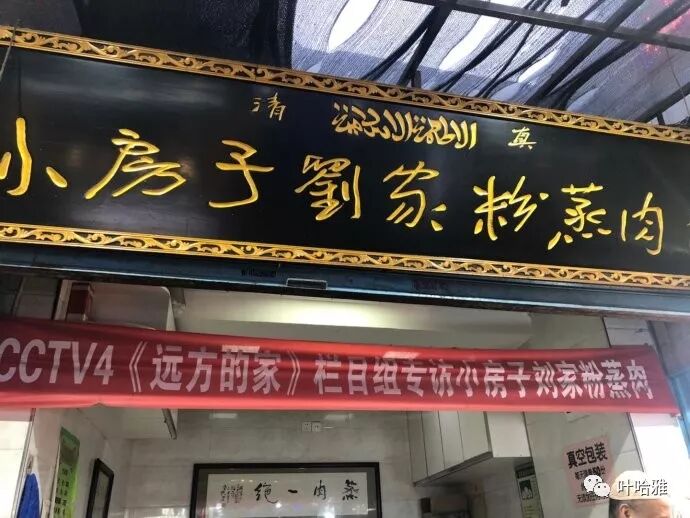
Little House Liu's has been open for at least 30 years and only sells steamed beef with rice flour (fenzhengrou). It is one of the famous snacks in the quarter. The special thing about their dish is that the rice flour is added before the meat, making the flour very flavorful and even tastier than the meat itself.
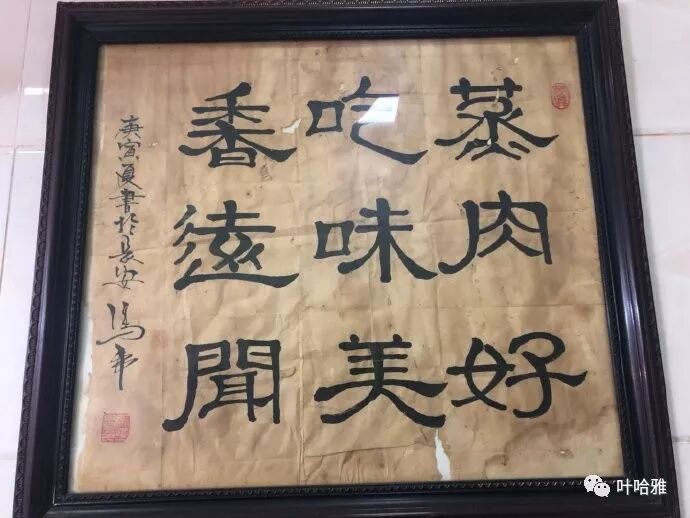
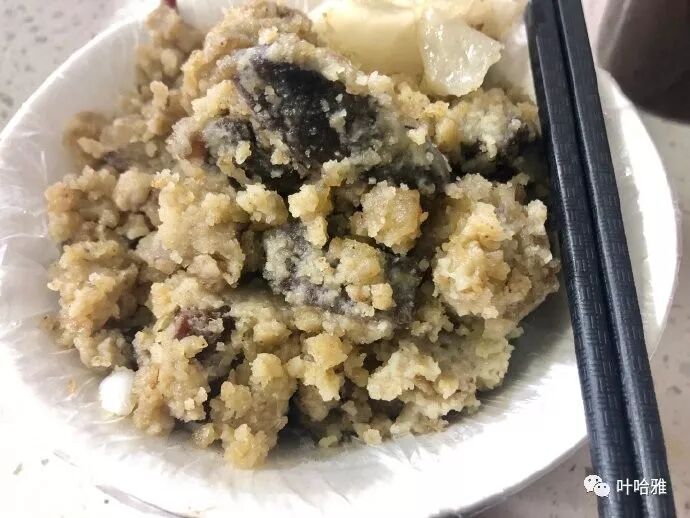
Address: North Guangji Street
2. Bai's Mirror Cake (Baijia Jinggao)
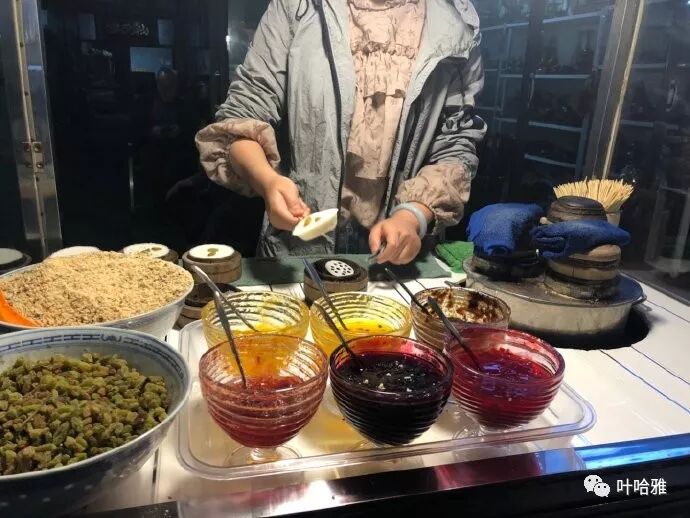
Mirror cake (jinggao) and steamed cake (zenggao, pronounced 'jing' in the quarter without the 'er' sound) are not the same thing. Mirror cake is a sweet treat that children in the quarter grow up eating. The Bai family has been making it for over ten years. The cakes come in many flavors, are served on small skewers, and have a light, sweet taste.
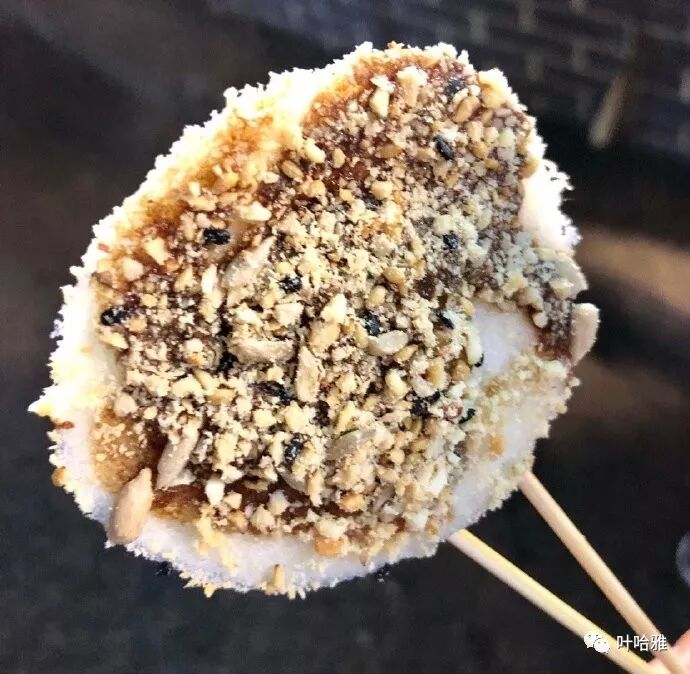
Address: You can find them at both Sajinqiao and the entrance of the Great Mosque (Qingzhen Dasi) on Huajue Lane.
3. Limu Stir-fried Crumbled Flatbread (Limu Xiaochao Paomo)
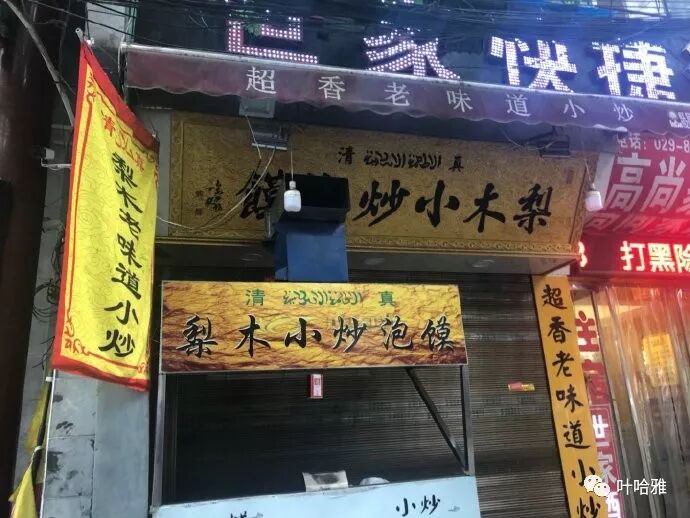
Locals in the Muslim Quarter (Fangshang) say that both regular crumbled flatbread (paomo) and stir-fried crumbled flatbread (xiaochao) belong to the same category. The difference is how they are cooked. Paomo is boiled, while xiaochao is stir-fried. You can choose to have it with less broth or with plenty of broth. Limu Stir-fried Crumbled Flatbread is not in a busy area, so it is quite quiet, and the taste is well-regarded by the people in the Muslim Quarter.
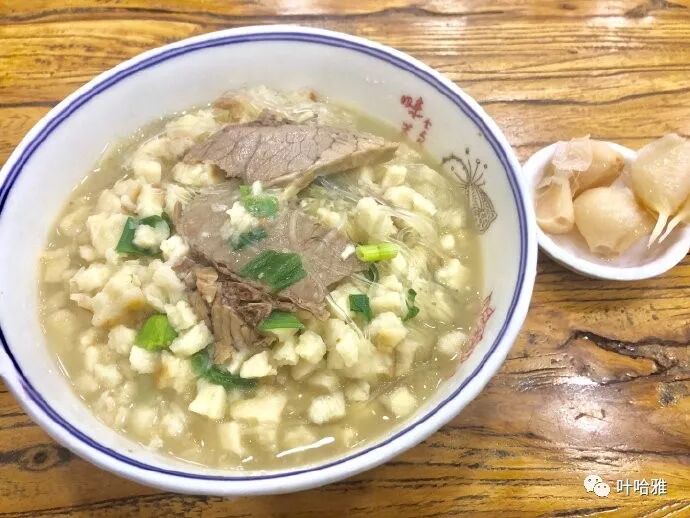
Other good places for crumbled flatbread include Yijianlou and Li Xin, which all taste fairly similar.
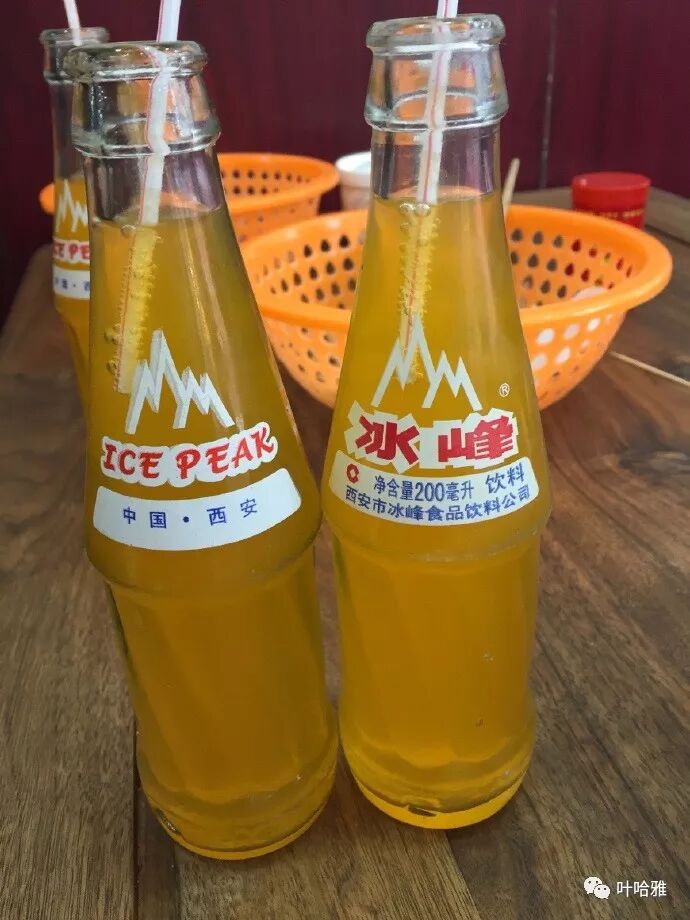
Pair your crumbled flatbread with a Bingfeng, a local Xi'an soda that holds the same status there as Beibingyang does in Beijing.
Address: No. 60 Dalianhuachi Street, next to the Lotus Pond Inn (Lianhuachi Pan Kezhan).
4. Bai Family Fried Cake Shop (Baijia Yougao Pu)
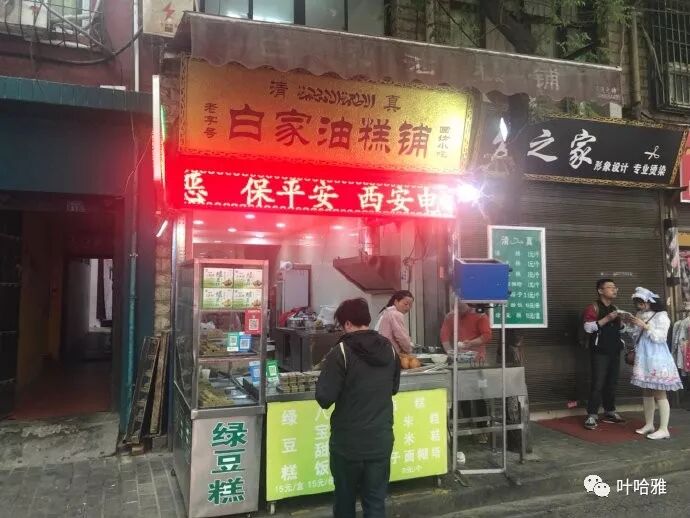
Fried cake (yougao) is a favorite sweet for people in the Muslim Quarter. It comes in three flavors and contains ingredients like peanuts, sweet osmanthus, and white sugar. It tastes sweet and fragrant, is made with great care, and is better than regular fried dough cakes (zhagao).
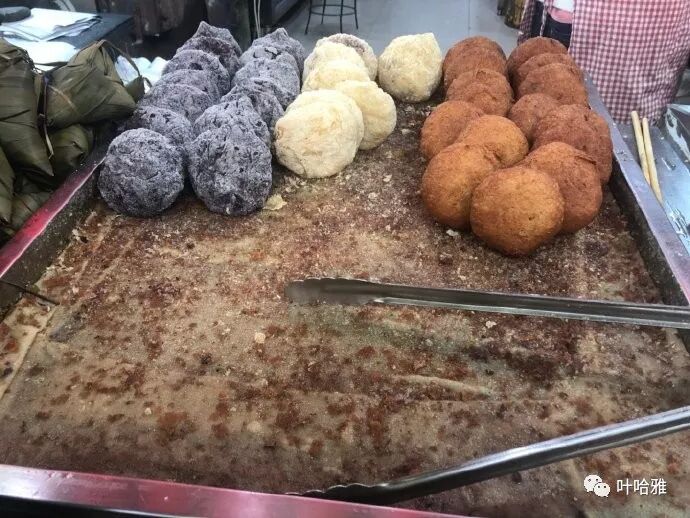
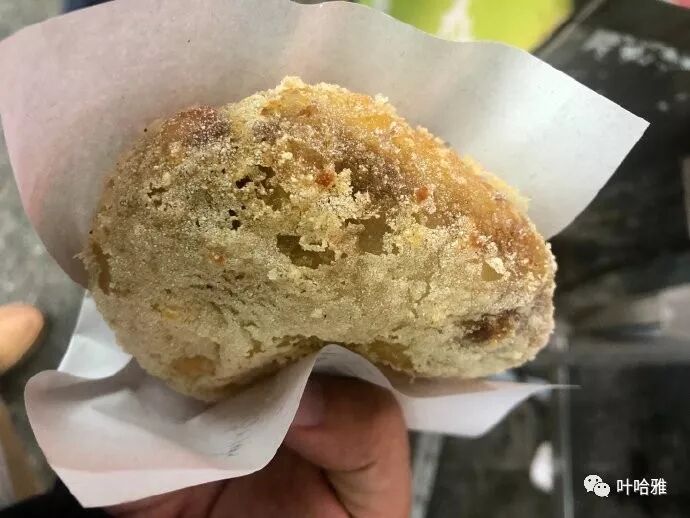
Address: 100 meters north of the intersection of Dalianhuachi and Maixian Street.
5. Shengzhiwang Sesame Paste Cold Noodles Shop (Shengzhiwang Majiang Liangpi Pu)
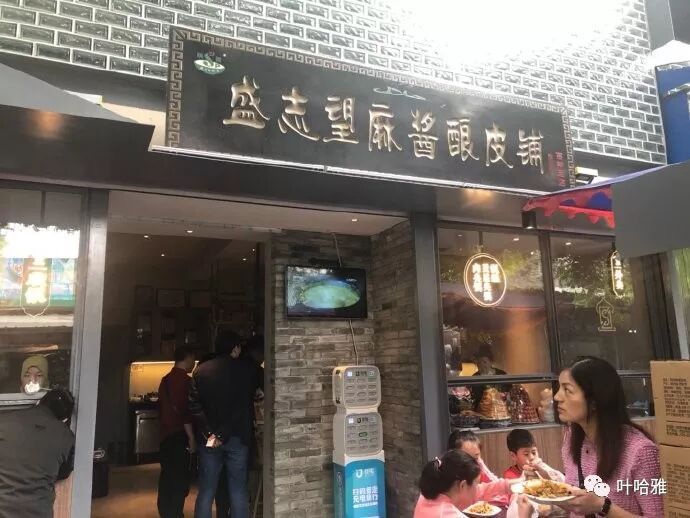
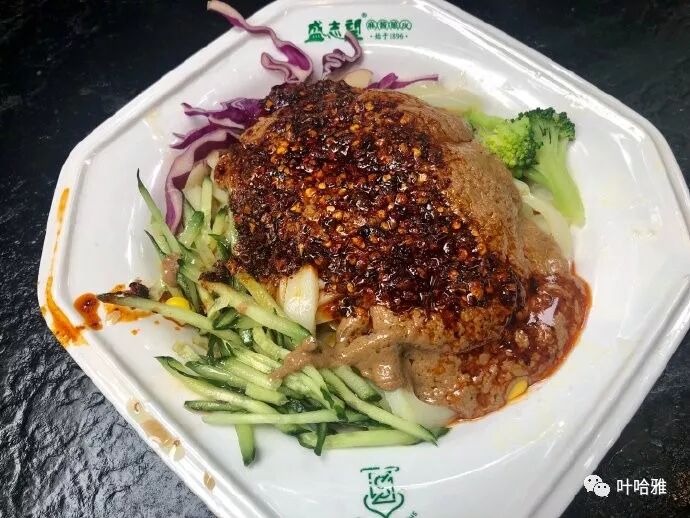
Their sesame paste cold noodles (majiang liangpi) are a famous snack in the Muslim Quarter. They have been open for many years, and locals are used to eating cold noodles for breakfast. I have to say, the cold noodles in the Muslim Quarter (Huifang) are rich in flavor and use plenty of ingredients, which I really like.
Address: West entrance of Dapiyuan.
6. Hongshunxiang Starch Jelly in Savory Sauce (luzhi liangfen).
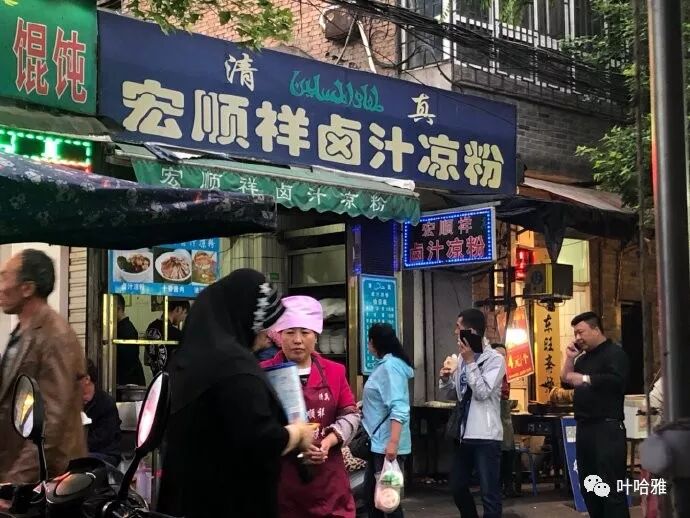
Hongshunxiang Starch Jelly in Savory Sauce at the T-junction of Dapiyuan in the Muslim Quarter is one of the old-established shops in the area. Starch jelly in savory sauce is a dish that represents the Muslim Quarter even better than soaked flatbread (paomo). Visitors might not be used to it at first. You have to break the flatbread (mo) yourself before eating. Put the bread at the bottom of the bowl, pour on the savory sauce, add the starch jelly, and pour on another layer of sauce. Then add vinegar, sesame paste, garlic juice, salt, chili oil (youpo lazi), and mustard. Do not stir it when you eat; instead, rotate the bowl and slurp it so the flavors stay distinct.
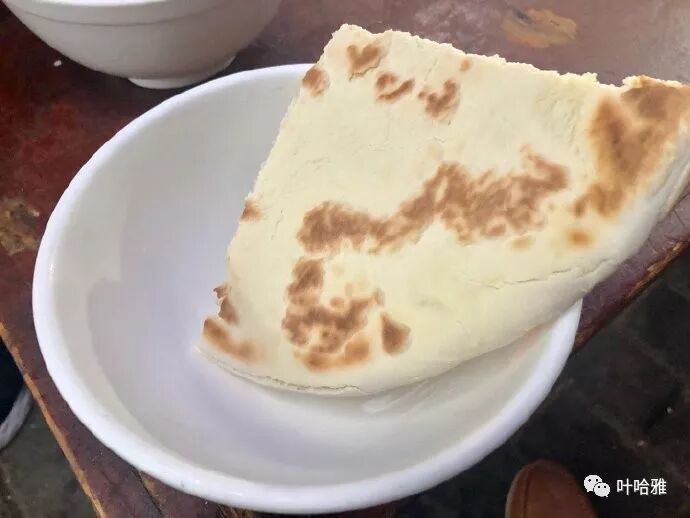
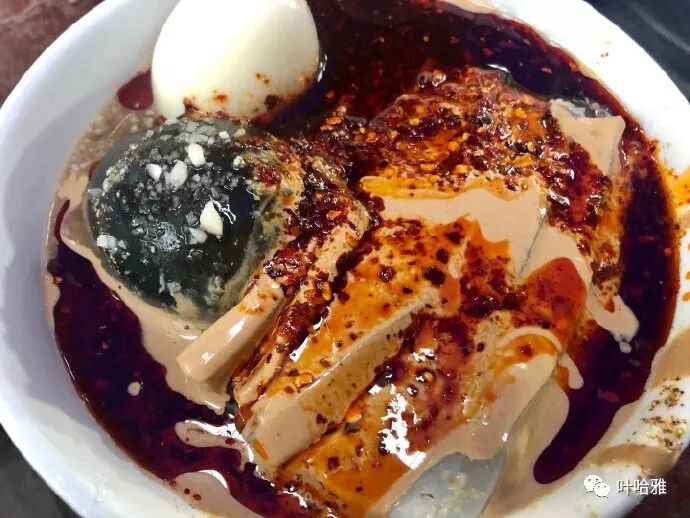
An elder in the neighborhood introduced the dish to me like this: 'Whenever you see this bowl of food, you know the hot Xi'an summer is coming. If one dish could explain the uniqueness of the Xi'an Muslim Quarter, it would be starch jelly in savory sauce.' You won't find it in Muslim quarters elsewhere or in the Han areas of Xi'an. Its unique charm has been quietly passed down in this small neighborhood for a hundred years. The locals in the neighborhood affectionately call it 'buckwheat starch jelly in sauce' (lu qiaofen). Use a large, thick bowl, break the flatbread into large chunks, add sliced starch jelly, pour on the savory sauce, sprinkle with salt, and season with sesame paste, garlic juice, mustard, fragrant vinegar, and chili oil. If you want to be fancy, add a preserved egg (biandan) and a tea egg. That is how this vibrant, spicy bowl of food is made. It is simple, refreshing, nutritious, and flavorful. It is the perfect choice, especially for lunch during the summer.
Also, People say the starch jelly in savory sauce at Lao He's place is very authentic.
Address: T-junction of Dapiyuan (diagonally opposite Dingjia Small Crispy Meat and Shengjia Steamed Cold Noodles).
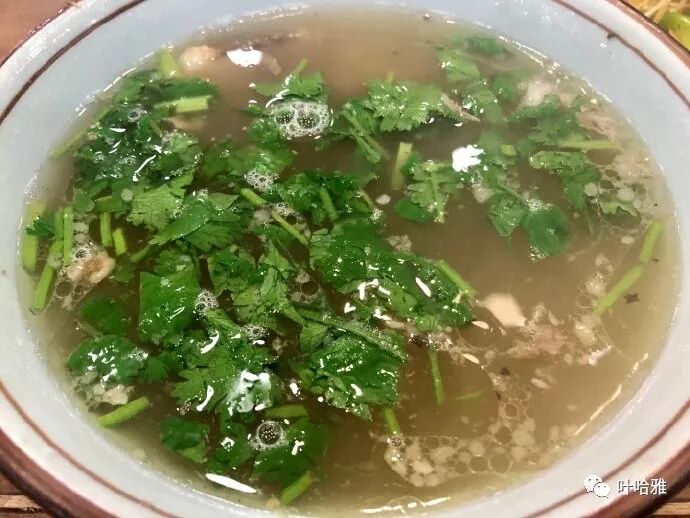
7. Laobai's Lamb Soup (shuipen yangrou).
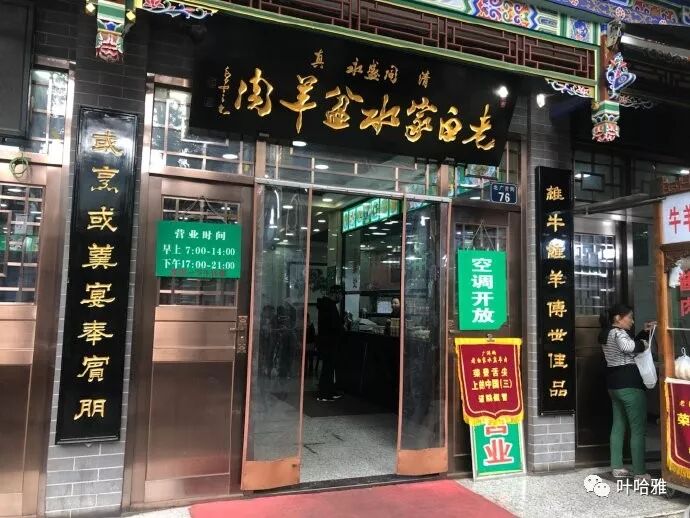
Laobai's Lamb Soup on Beiguangji Street in the Muslim Quarter was featured on A Bite of China. It is one of the old-established shops recognized by the locals. You should eat the lamb soup with a firm flatbread (tuotomo). Break the bread yourself into pieces slightly larger than those used for soaked flatbread. Break off a bit, eat it, and then break off some more so the bread does not get soggy.
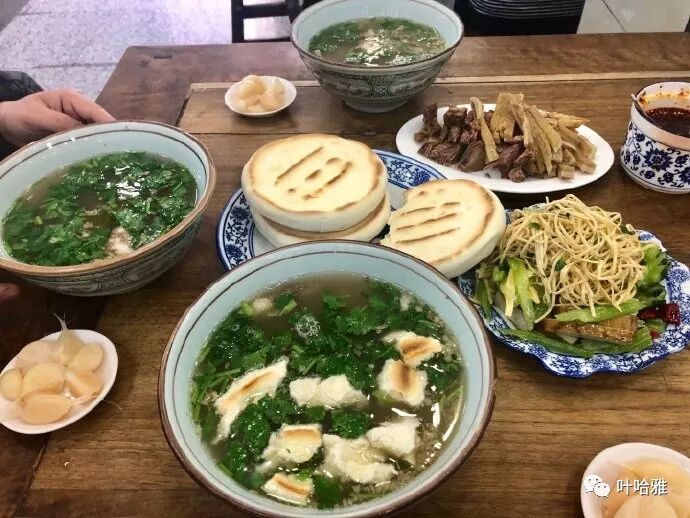
Address: No. 76 Beiguangji Street.
8. Nianzipo Laotongjia.
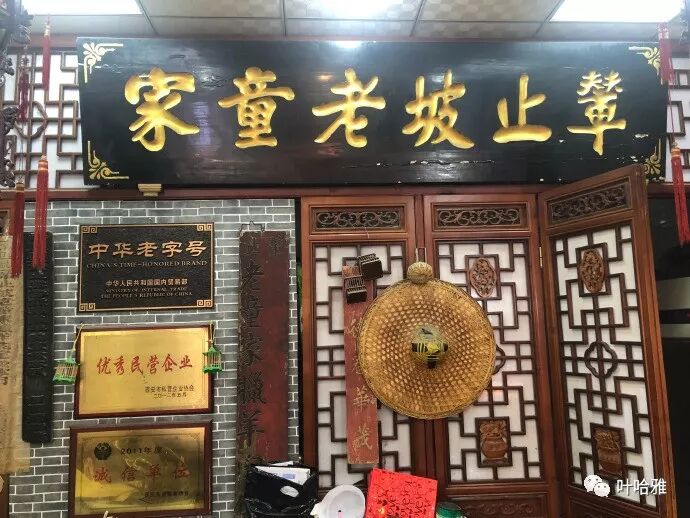
Laotongjia Cured Beef (la niurou) is one of the oldest established shops in the Muslim Quarter. Legend has it that when Empress Dowager Cixi fled to Xi'an, she smelled the aroma of their cured beef, enjoyed it, and personally inscribed a plaque for the shop. While praying at the mosque, I met the young owner of the Tong family. He shared their history and explained that the elder Mr. Tong insists on passing down traditional methods. He prioritizes quality over sales volume and focuses on serving the local residents of the neighborhood.
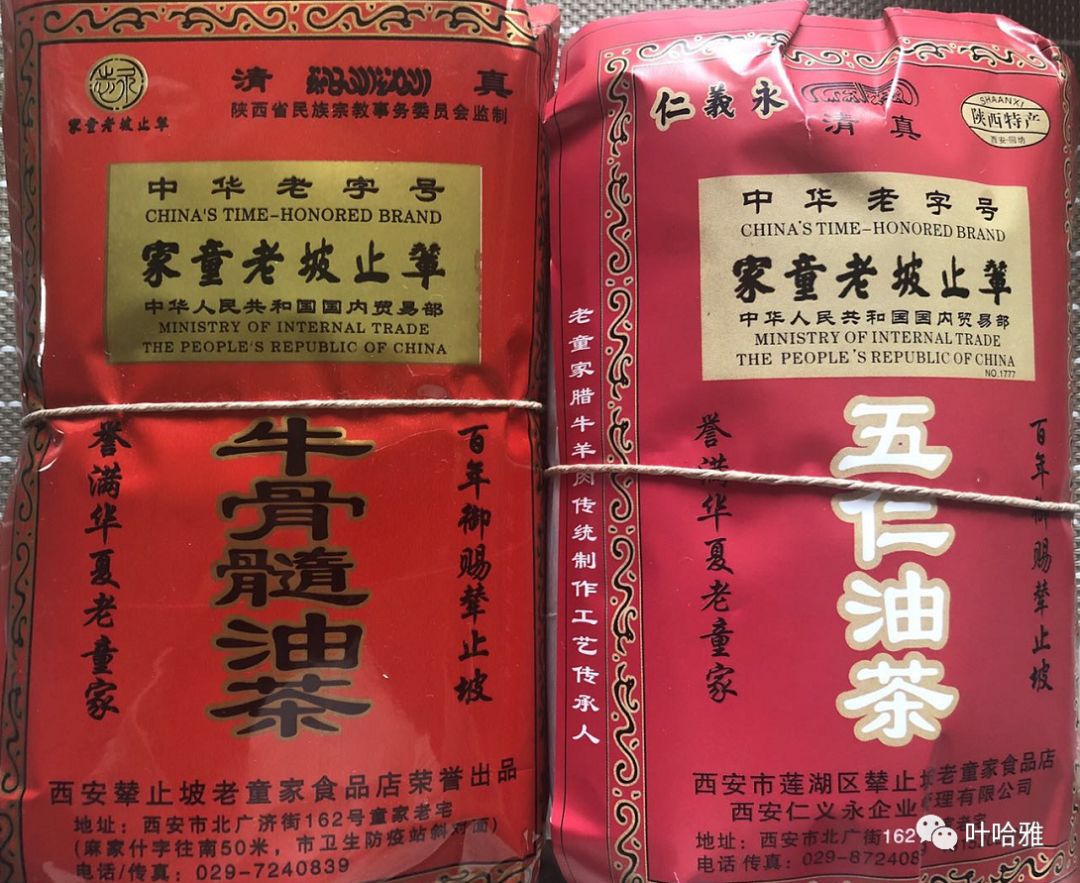
Laotongjia sells cured beef, spiced beef (jiang niurou), and oil tea powder (youcha fen). Locals love the cured beef. It has a reddish color and is softer and more tender than the spiced beef, making it perfect for both the young and the elderly.
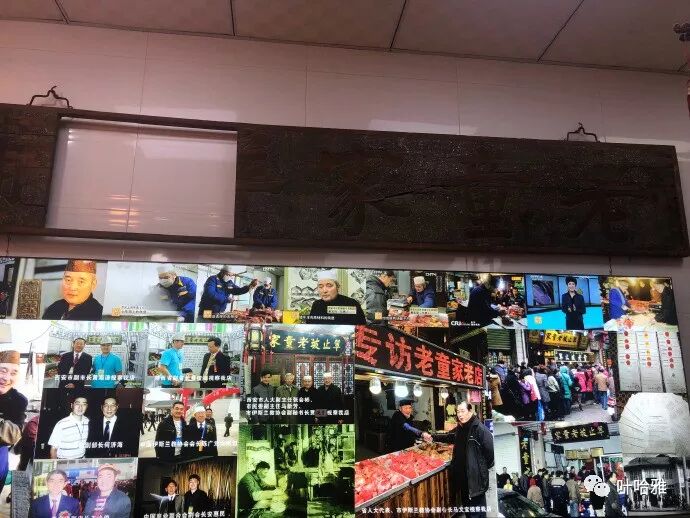
Address: Tong Family Old Residence, No. 162 Beiguangji Street.
9. Grandma Hua · Chenchen's Shop.
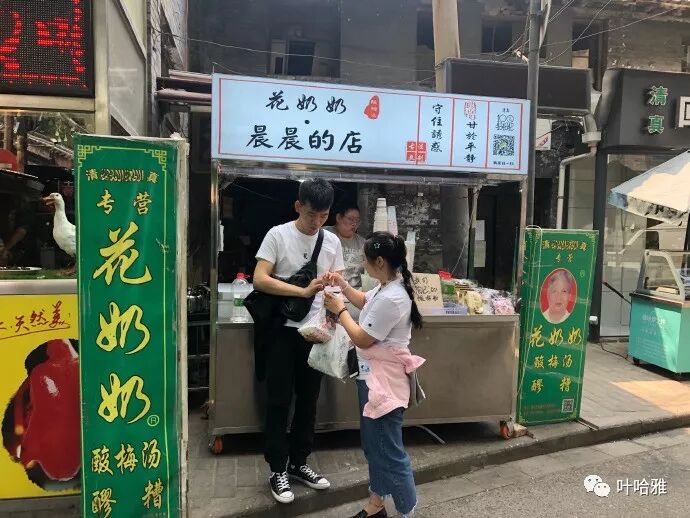
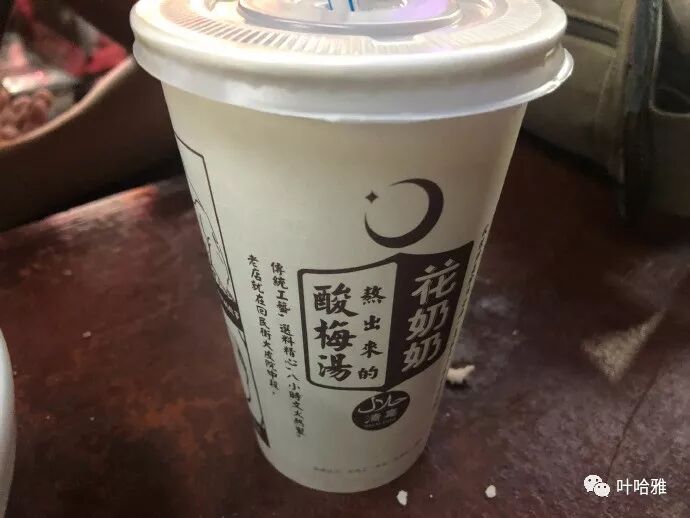
Everyone knows Grandma Hua's sour plum drink (suanmeitang) is delicious, but you usually have to wait in line. There is a shop called Grandma Hua · Chenchen's Shop at the T-junction in Dapiyuan. The owner is Grandma Hua's granddaughter. The sour plum drink is brewed in the same pot as Grandma Hua's, so it tastes the same, but you do not have to wait in line. I only tell this to people I know.
Address: Dapiyuan T-junction, next to Hongshunxiang Braised Jelly (luzhi liangfen).
10. Southeast Asia Steamed Cake (zenggao).
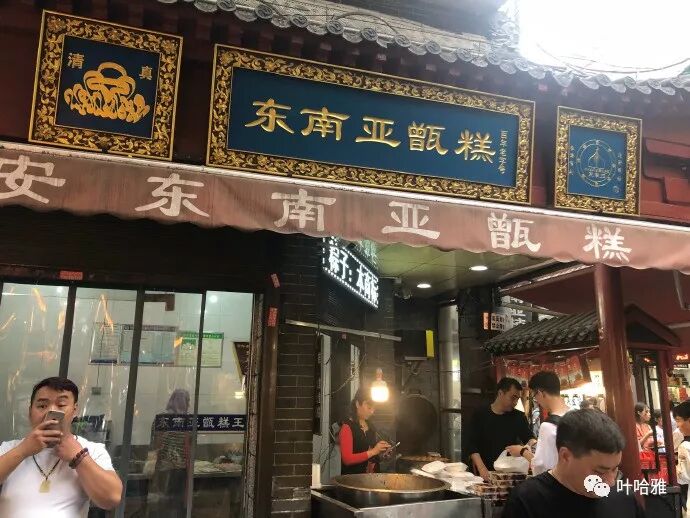
Southeast Asia Steamed Cake in the Muslim Quarter is one of the most famous shops in the area. Steamed cake (zenggao) is pronounced 'jing gao'. This 'Southeast Asia' has nothing to do with the region. The old owner jokingly said his steamed cakes were sold to the 'East Gate (Dongguan), South Suburbs (Nanjiao), and the School for the Deaf and Mute (Longya Xuexiao),' which he abbreviated as 'sold to Southeast Asia.' Over time, everyone in the neighborhood just got used to calling that shop 'Southeast Asia' when they wanted to buy steamed cake.
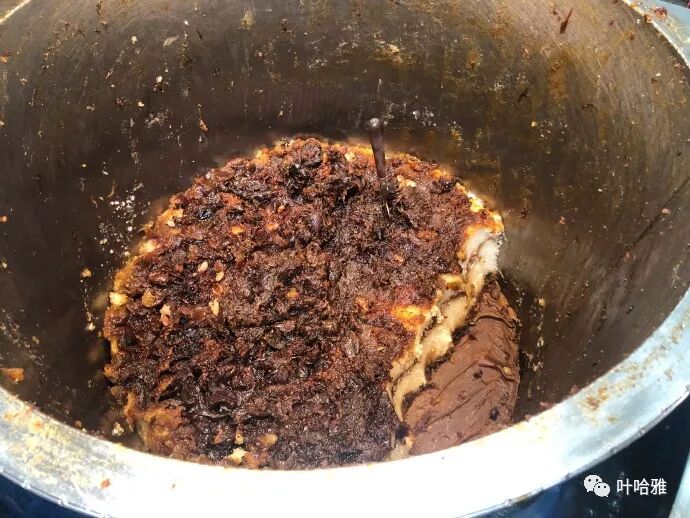
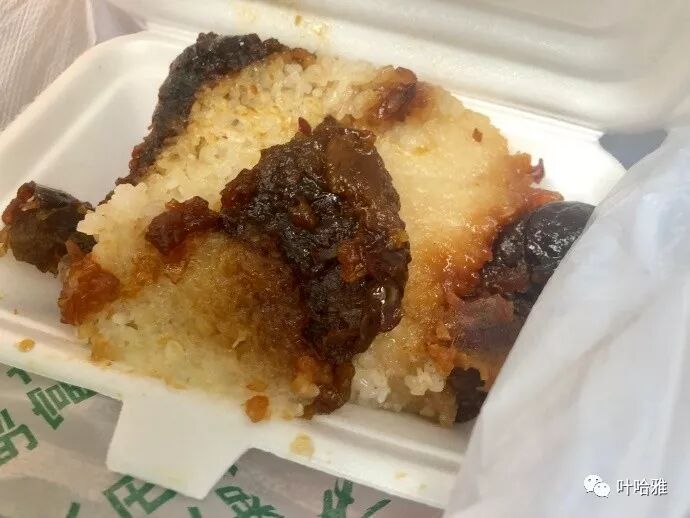
The lotus leaf steamed cake (zenggao) from Yibao at the Niujie Halal Supermarket is made by the people from the Muslim Quarter (fangshang) in Xi'an.
Address: Northeast corner of Majia Shizi, Xiyangshi Street.
11. Ma Zhishan Xihulan Cooked Meat Shop.
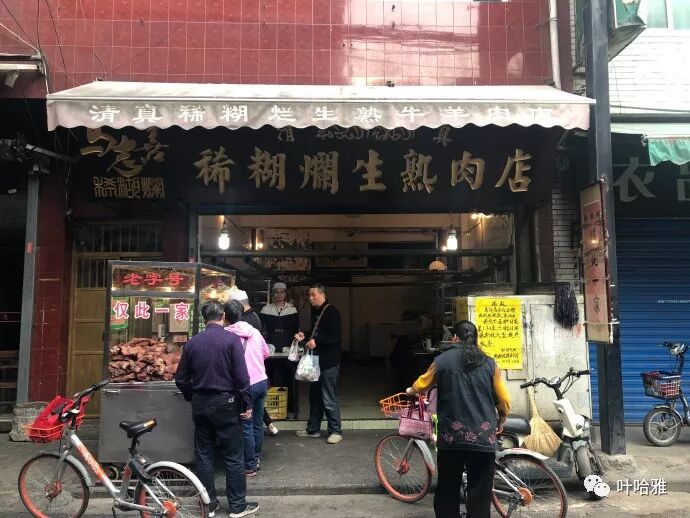
Ma Zhishan's Xihulan is another old shop that locals in the Muslim Quarter visit often. Xihulan is actually cured beef that is very soft and tender. You can use it to make meat burgers (roujiamo). They can vacuum-pack it for you. I took a pound home to eat during the pre-dawn meal (suhoor) in Ramadan, and it kept my energy up all day.
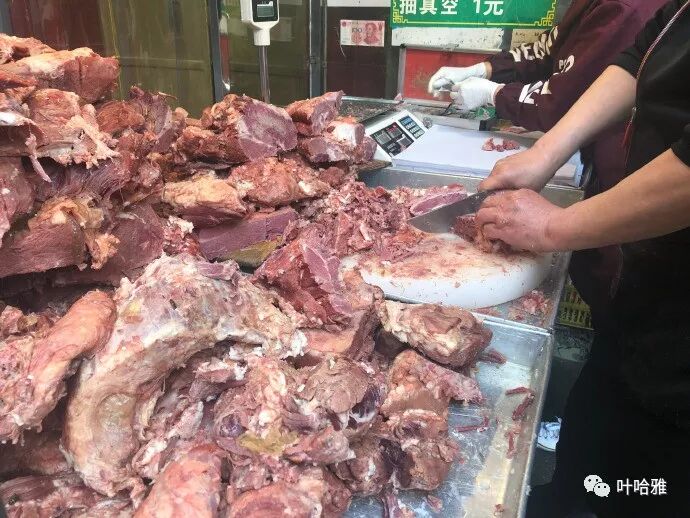
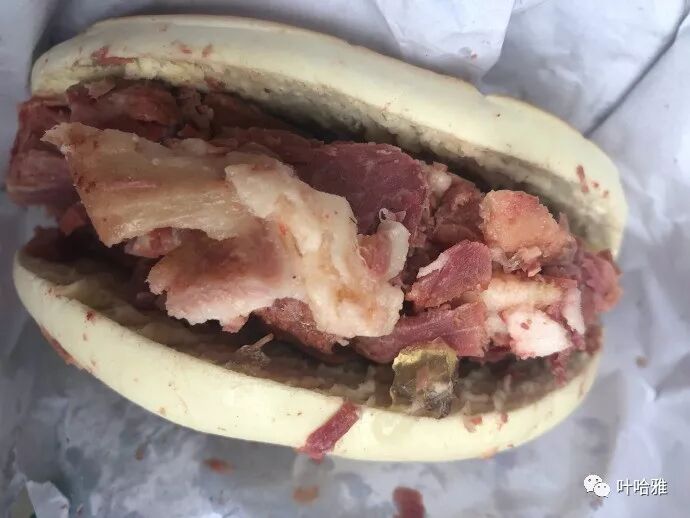
Ma Zhishan's meat burger is the authentic kind. It is quite large, so one is enough to fill you up for a meal.
Address: No. 196 Beiguangji Street.
12. Ma Erli Meatball Spicy Soup (hulatang).
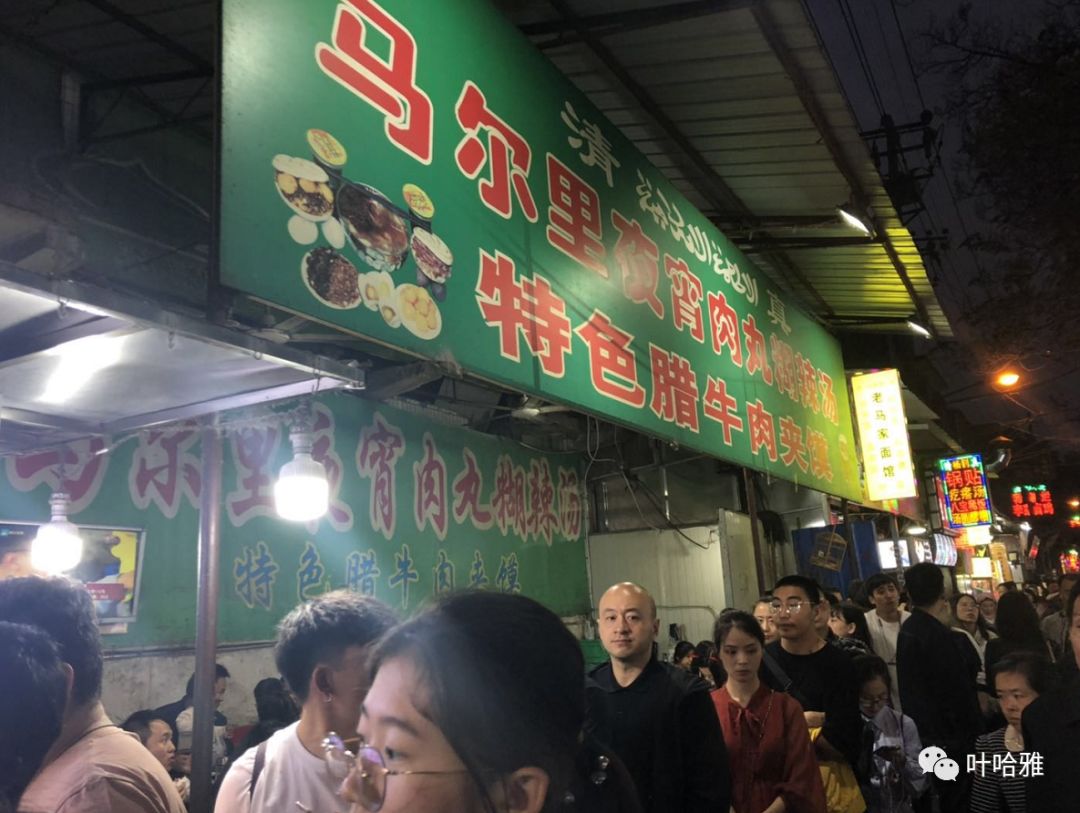
The meatball spicy soup is a signature dish of the Muslim Quarter. It is very different from the spicy soup in Henan. The version here has various vegetables and meatballs, and it is not very spicy.
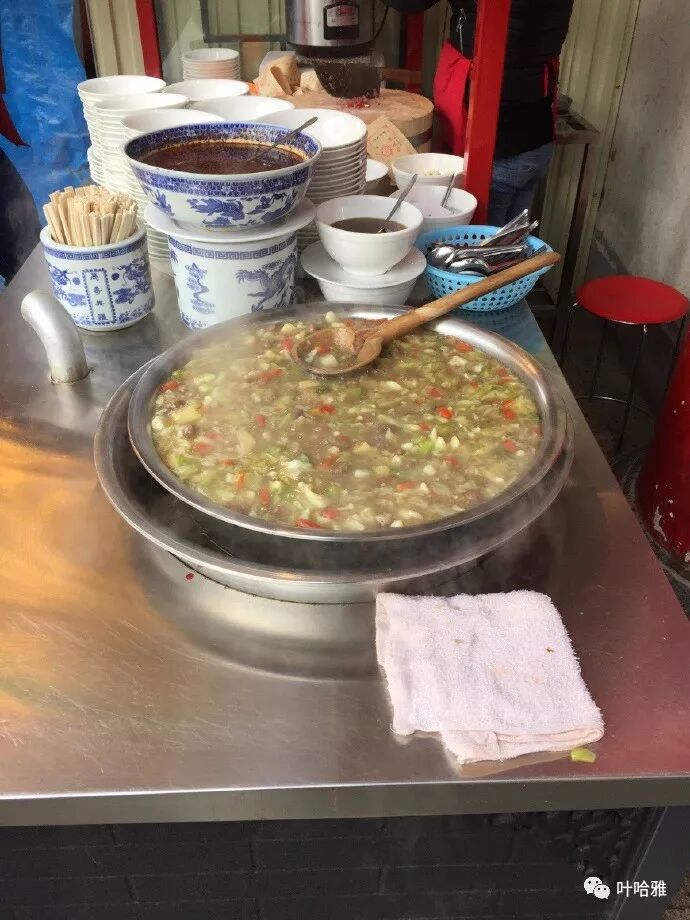
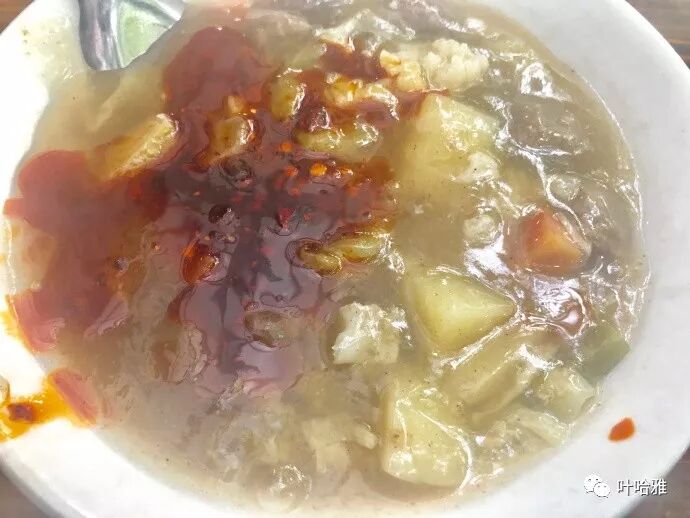
Address: No. 113 Damaishi Street, Sajinqiao.
13. Qinyixiang Air-dried Beef.
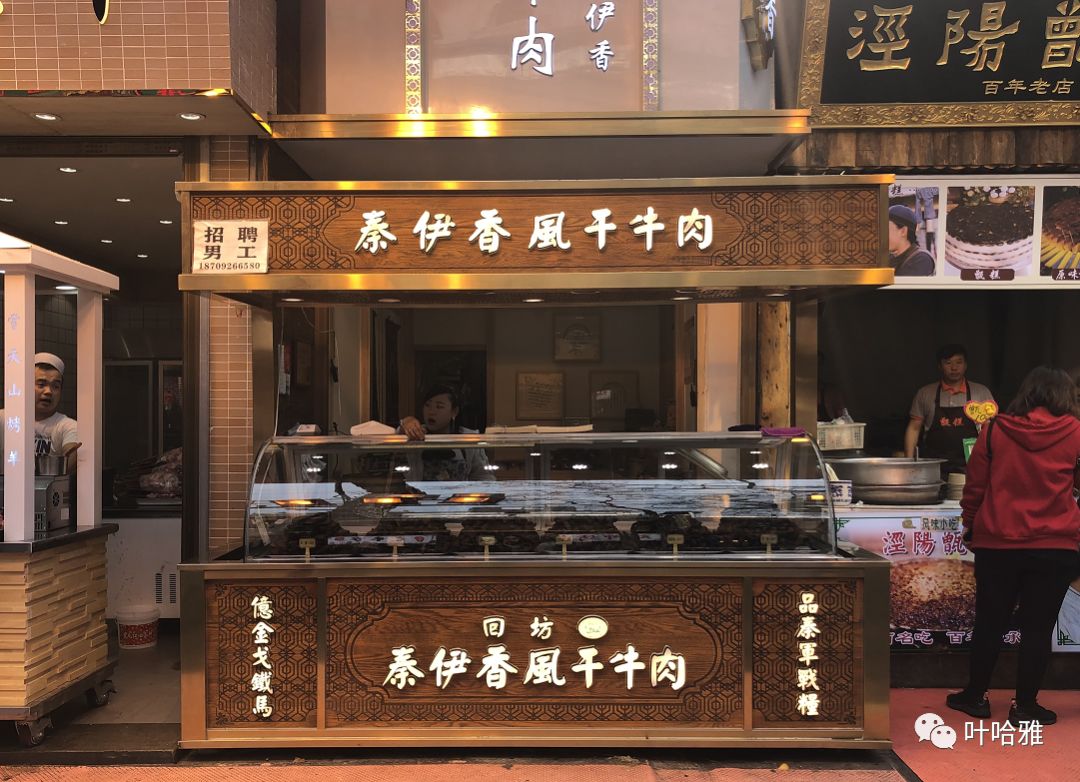
A friend from Qianxian once gave me some Qinyixiang beef jerky, and my family liked it so much they asked me to bring more back when I visited Xi'an. I recommend the soy-sauce flavored beef jerky. Heat it in the microwave for 30 seconds before eating, then slice it with a knife. It has a long shelf life and makes a great snack. This brand has several branches in the Muslim Quarter.
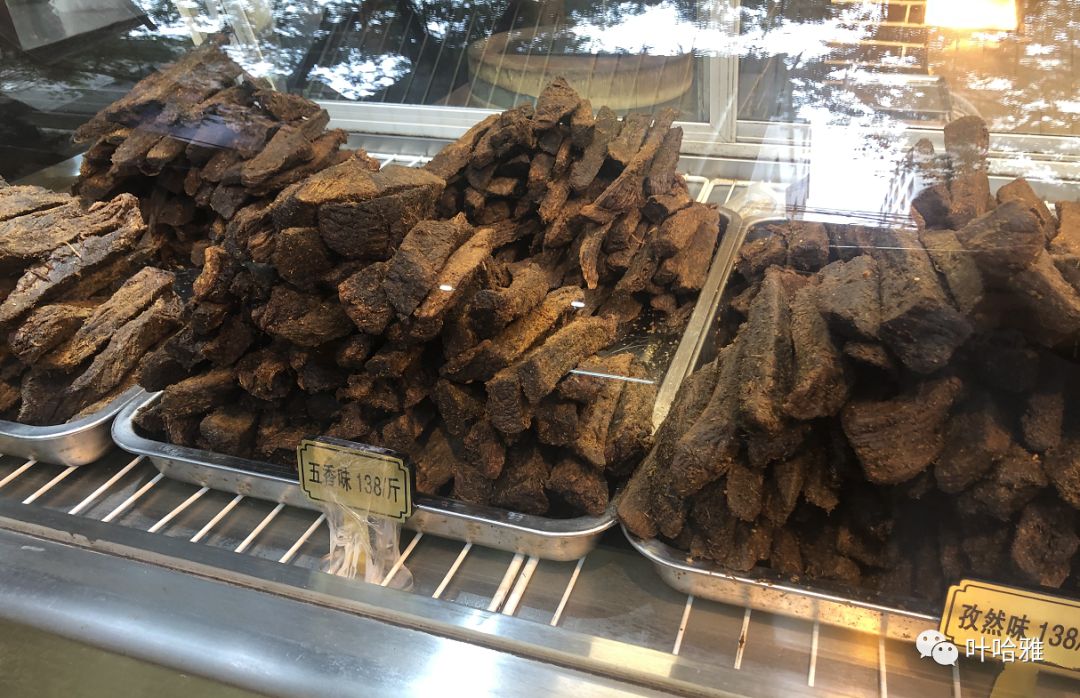
Address: Dapiyuan / Xiyangshi.
14. Liu Zhijun Beef Sauce
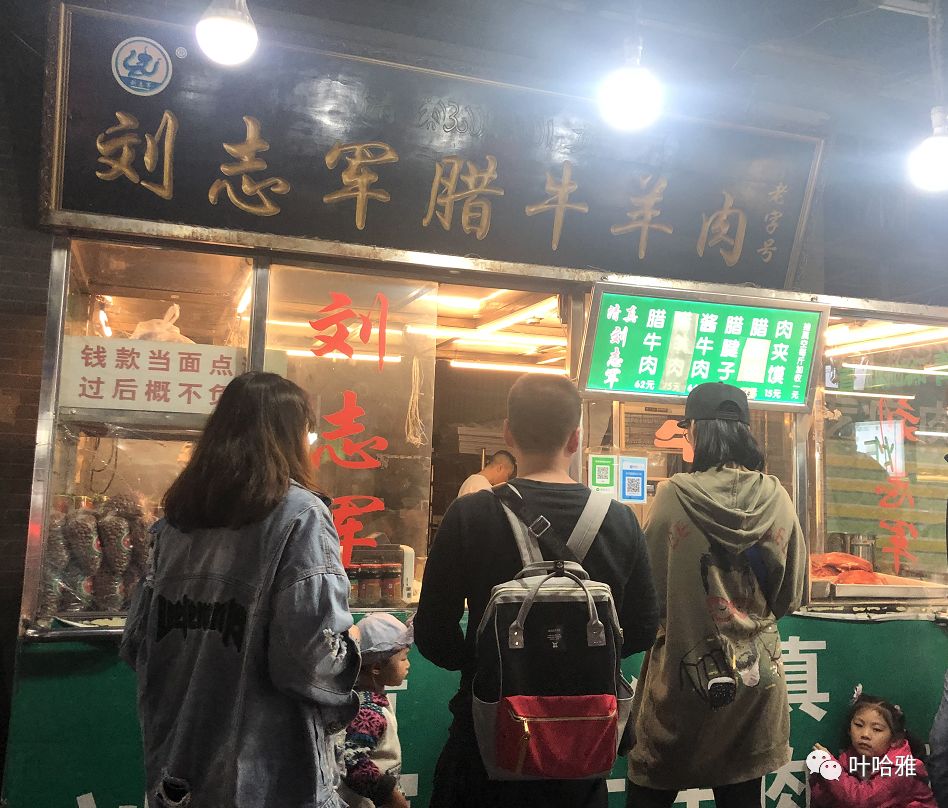
An elder in the Muslim Quarter recommended Liu Zhijun’s beef sauce to me and suggested I take some back to Beijing. Their beef sauce is packed with flavor, so friends visiting Xi'an should definitely check it out.
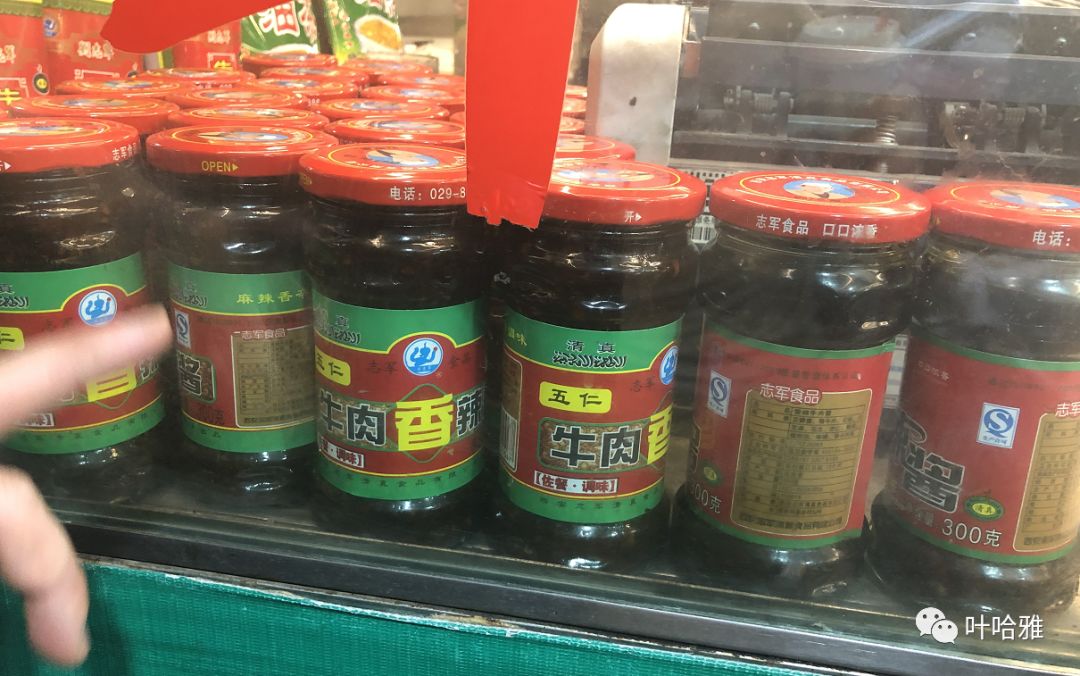
Address: 133 Damaishi Street
15. Crescent (Xinyue) Cake and Pastry Shop
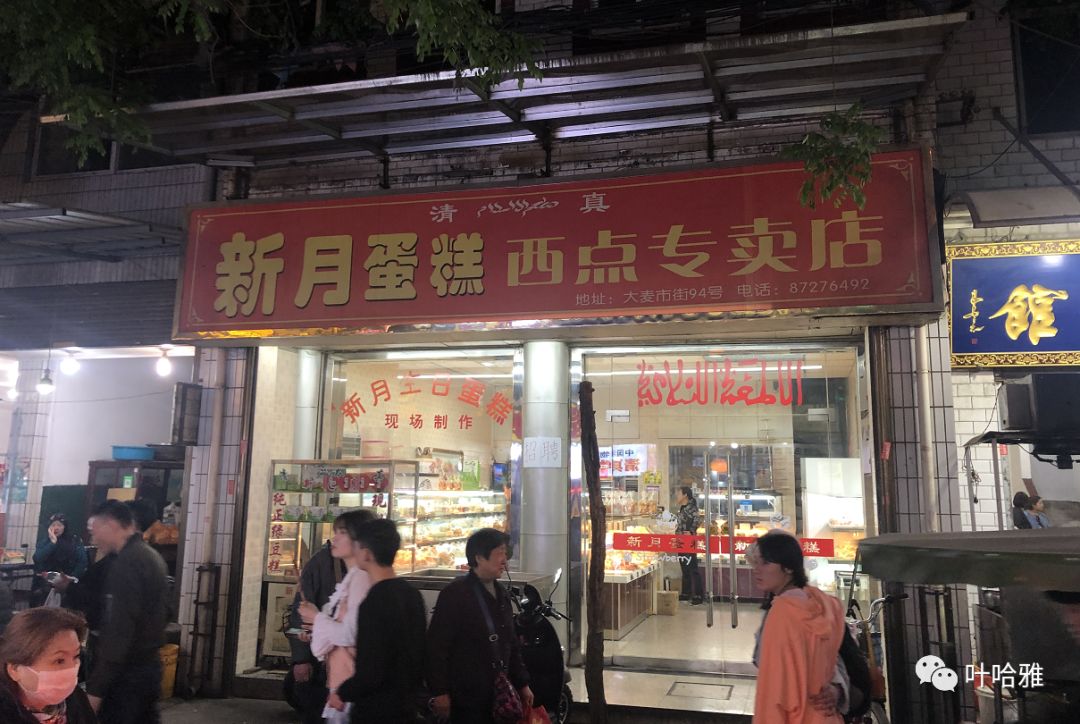
A local friend in the Muslim Quarter really loves this bakery. It is tucked away deep in the quarter and doesn't get many tourists. He wanted to keep it a secret because he was worried it would be harder to buy their desserts once it got popular.
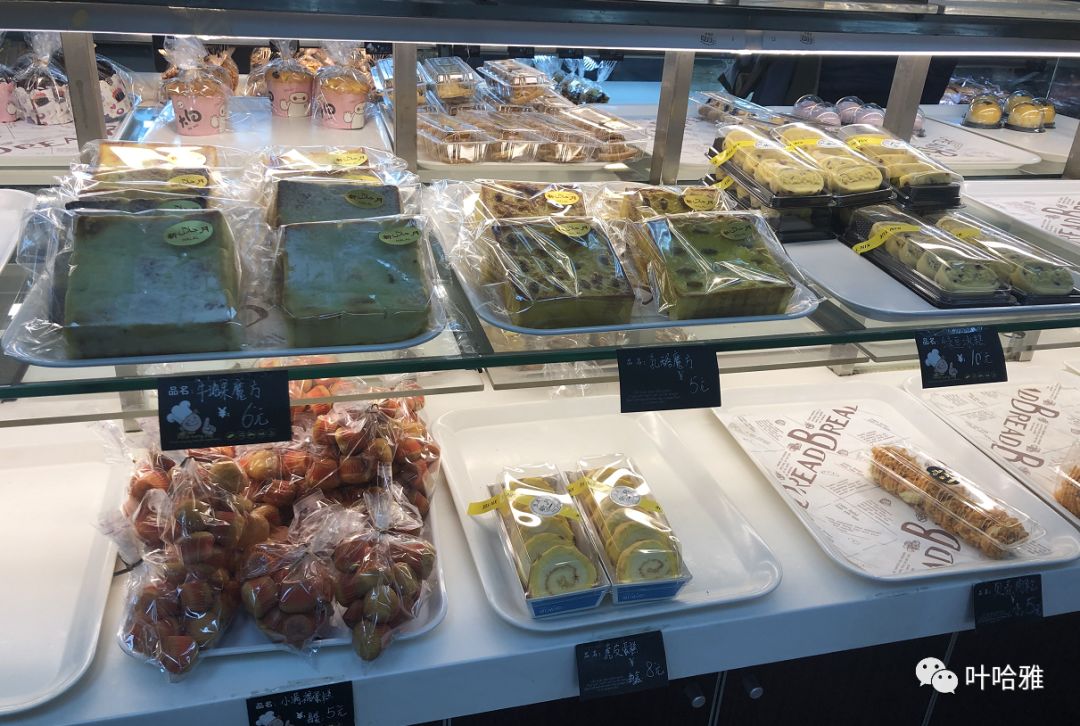
Address: 94 Damaishi Street
16. Ding Family Crispy Beef (Dingjia Xiaosurou)
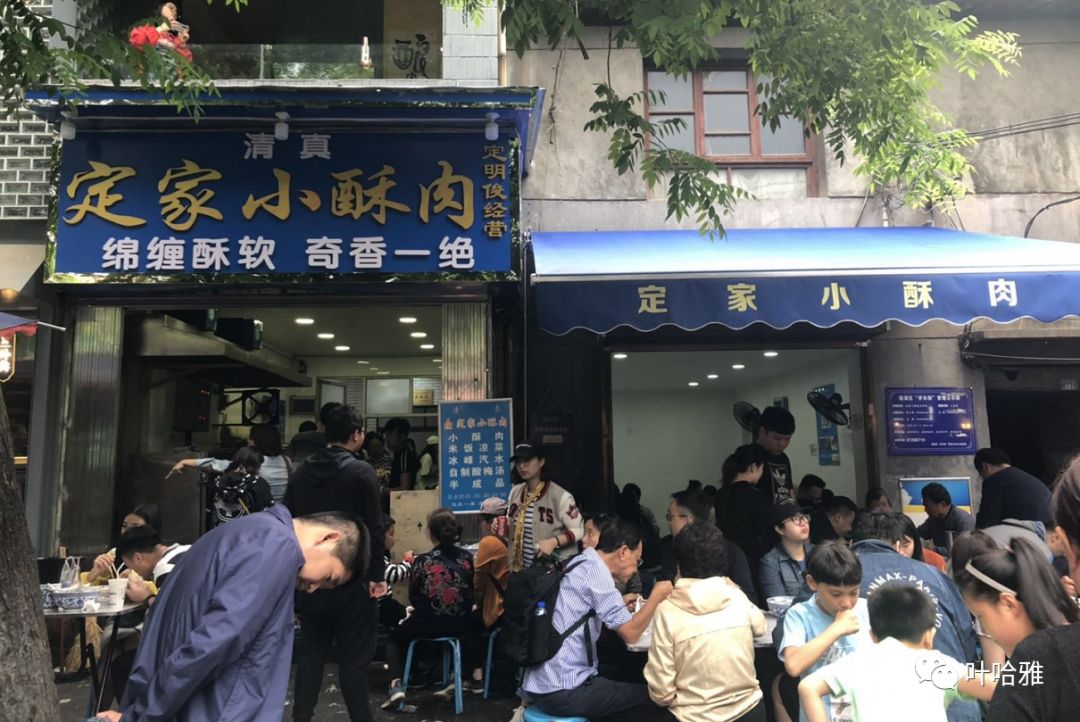
This is one of the famous local snacks. The line is always very long. It is made with beef and seasoned with eggs, Sichuan peppercorns, star anise, and cinnamon. I bought a vacuum-packed portion to take home; I just need to steam it to eat.
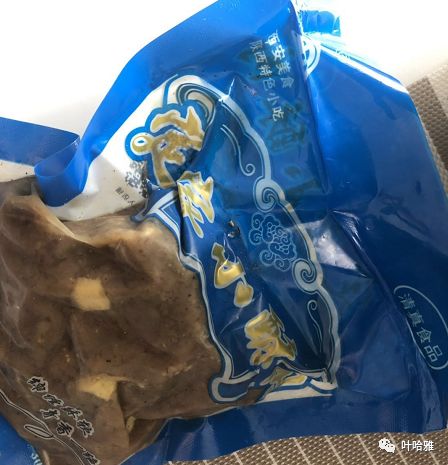
Address: 223 West Entrance of Dapiyuan
Mosque
After talking about food, let's talk about the mosques in the Muslim Quarter. The original seven mosques have grown, and there are more than seven today. I spent an afternoon walking to visit twelve mosques in the area. Maybe we can call it the 'Twelve Mosques and Thirteen Quarters' from now on.
The mosques in the Muslim Quarter belong to three sects: Gedimu, Ikhwan, and Salafiyya. The West Mosque (Qingzhen Xisi), Yingli Mosque, Daxuexixiang Mosque, and Dapiyuan Mosque belong to the Ikhwan sect. The Hongbujie New Mosque and Xicang Mosque belong to the Salafiyya sect, and the rest are Gedimu. The mosque map is as follows:
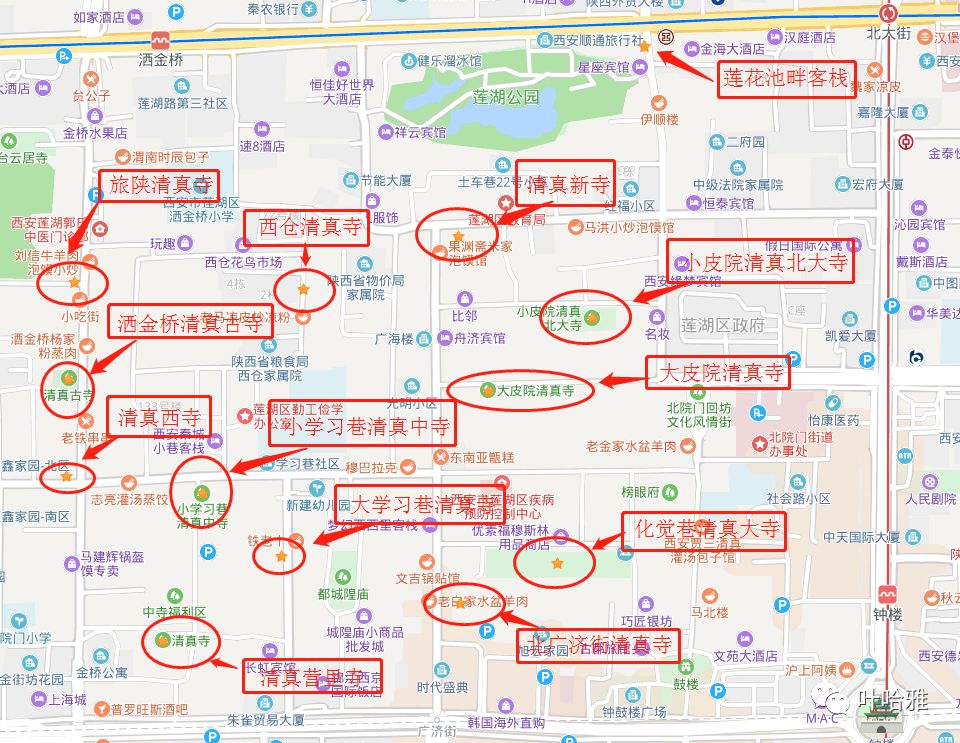
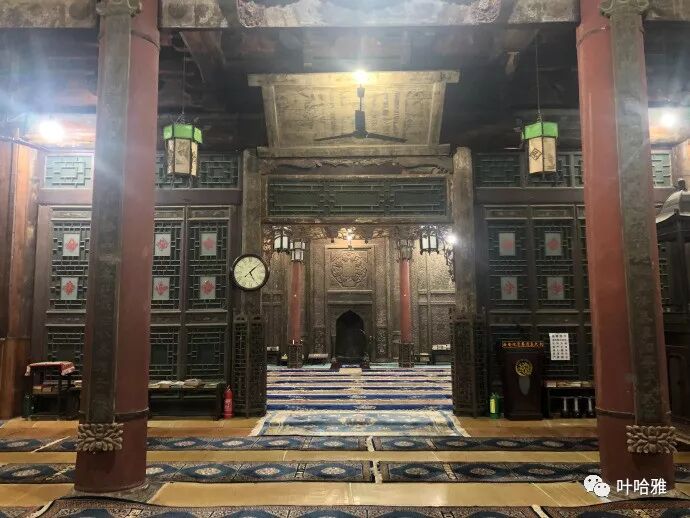
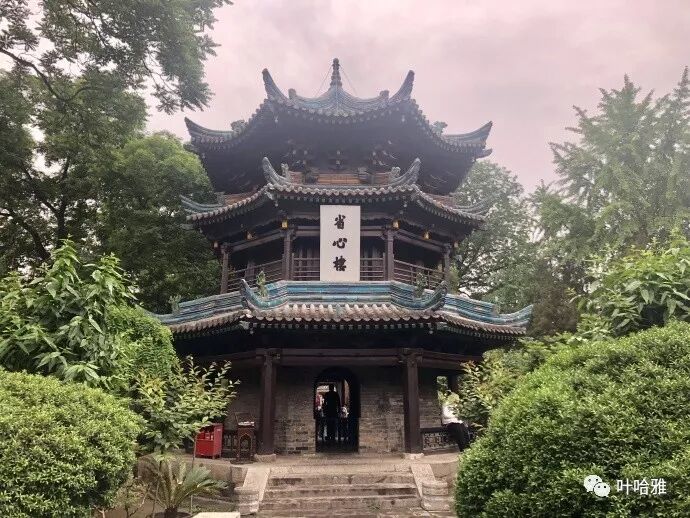
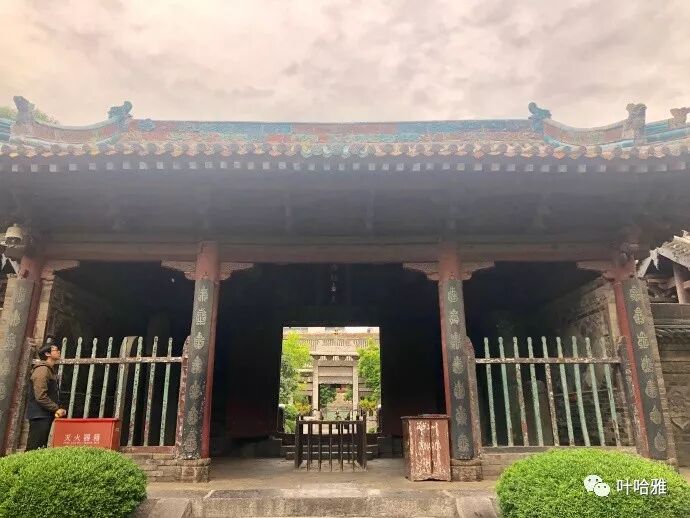
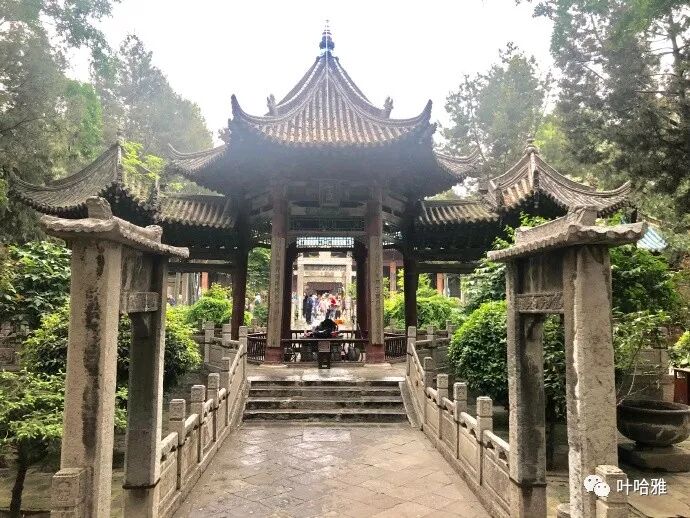
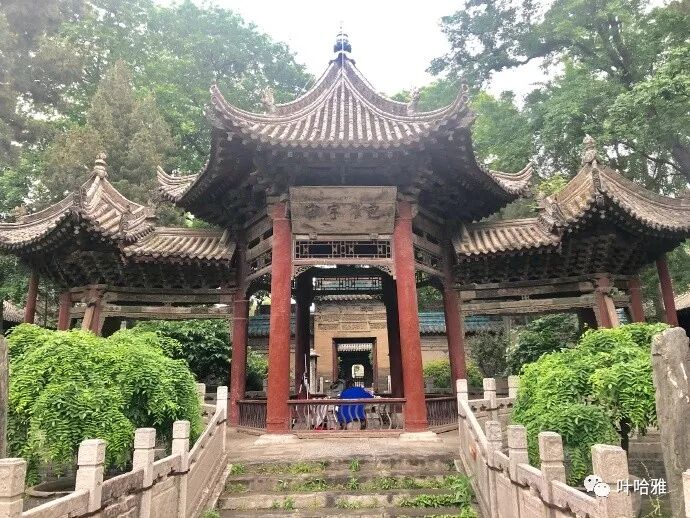
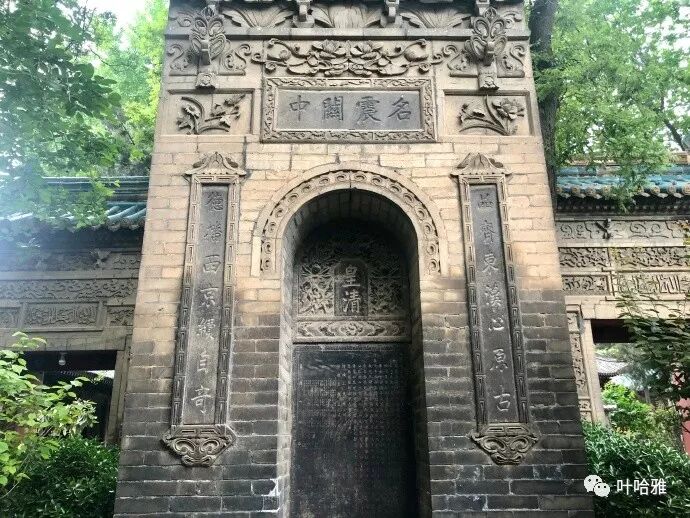
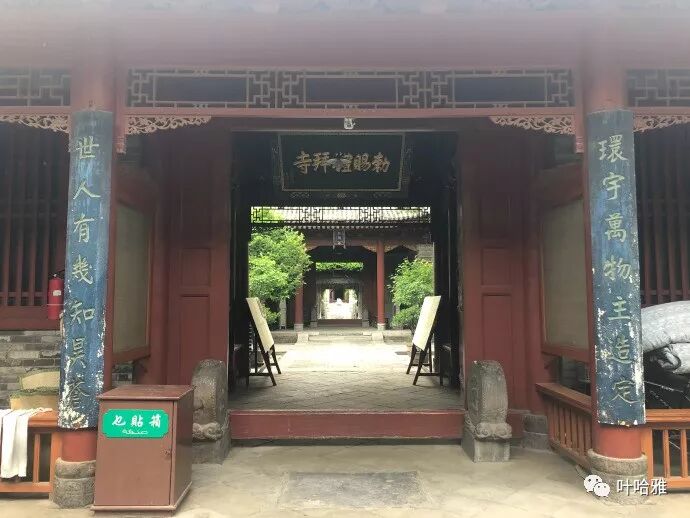
1. Huajue Lane Great Mosque
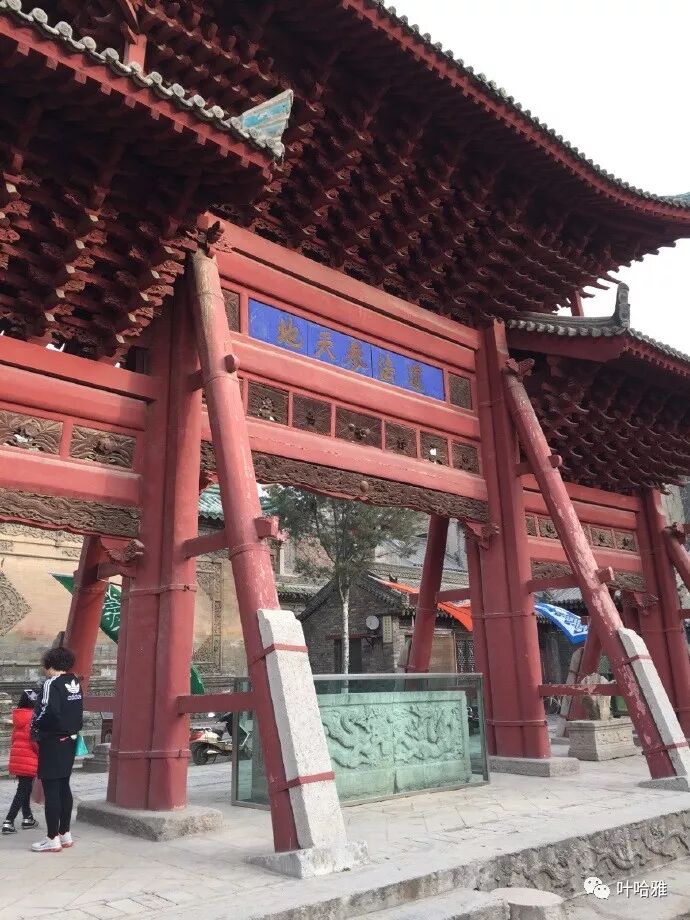
The Huajue Lane Great Mosque is the oldest mosque in the Muslim Quarter. It is a grand complex of ancient buildings with five courtyards. In 1988, it became a national key cultural relic protection site. It has welcomed over 10 million visitors from more than 100 countries.
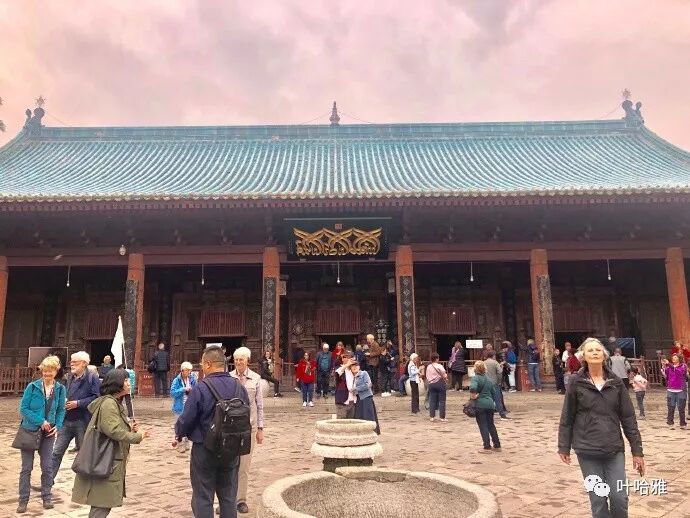
2. Xiaopiyuan North Mosque
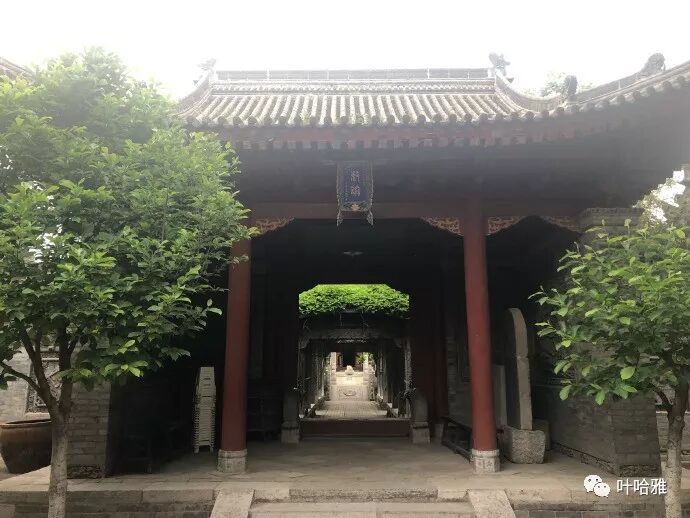
The Xiaopiyuan North Mosque was originally called the True Teaching Mosque (Zhenjiao Si) or Longevity Mosque (Wanshou Si). Because it sits north of the Huajue Lane Great Mosque (also called the East Mosque) and is quite large, people also call it the North Mosque. Legend says the Xiaopiyuan Mosque was built at the end of the Tang Dynasty. In 1107, during the Daguan reign of Emperor Huizong of the Song Dynasty, the True Teaching Mosque was already one of the old mosques in the four districts of Chang'an. It is one of the earliest Islamic buildings in Xi'an.
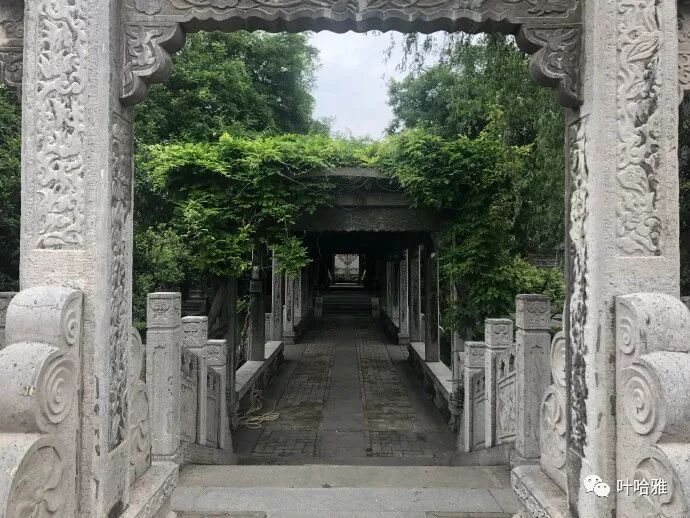
3. Sajinqiao Ancient Mosque
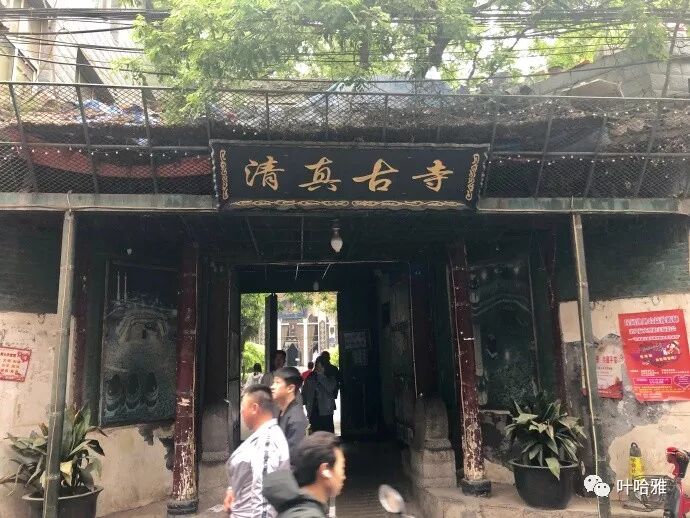
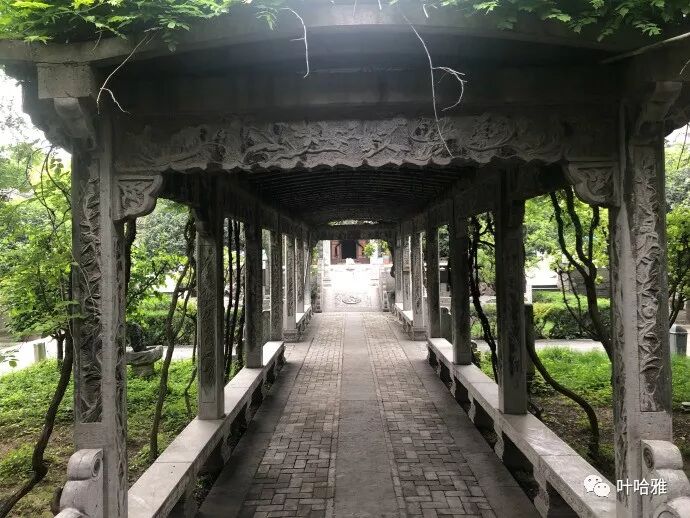
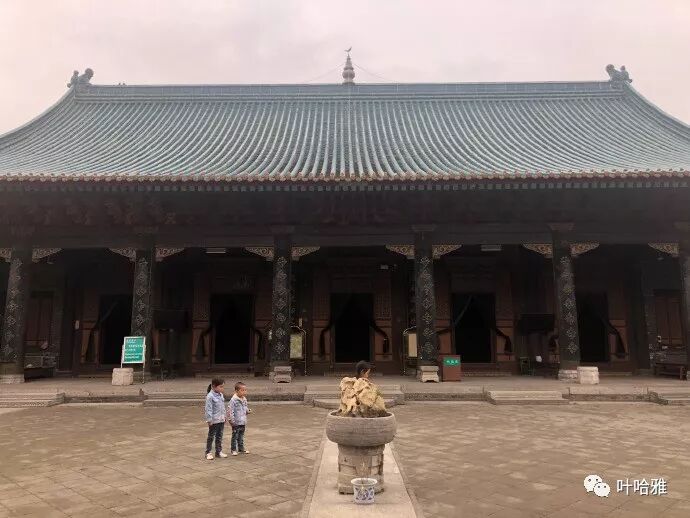
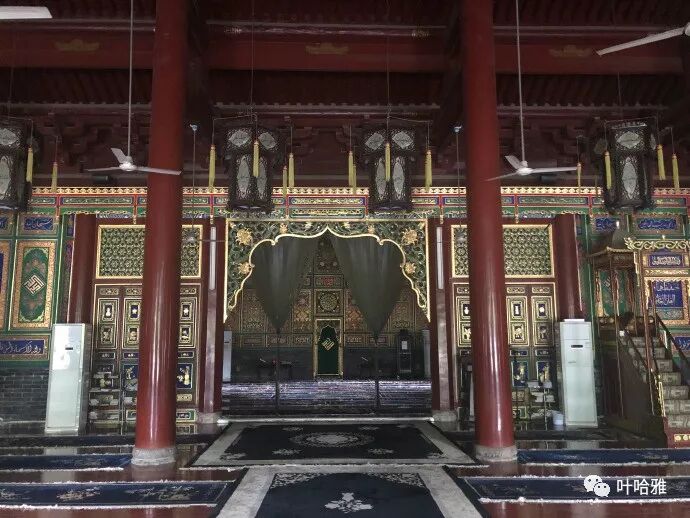
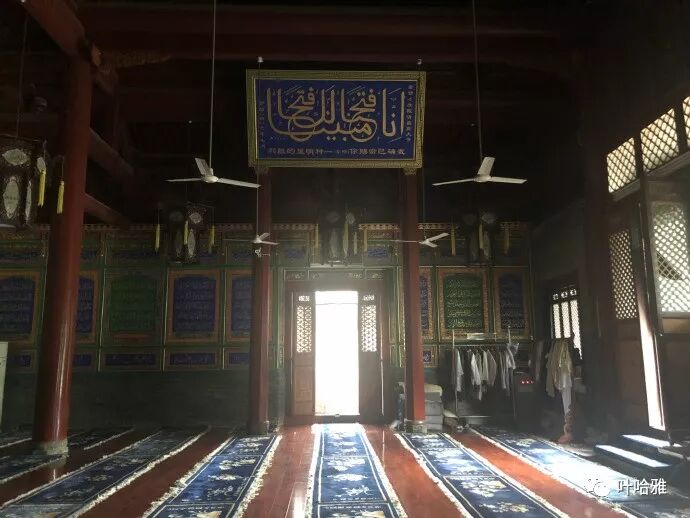
The Sajinqiao Ancient Mosque in Xi'an is also known as the North Mosque. It is very old with a long history. Legend says it has existed since the Yuan and Ming dynasties, dating back six or seven hundred years.
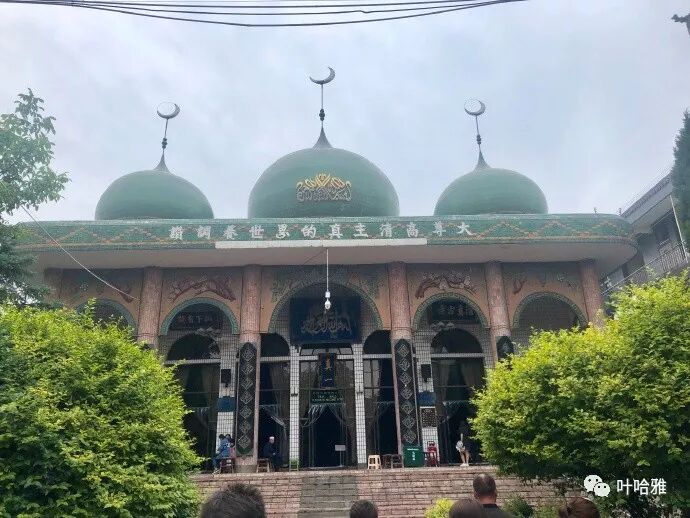
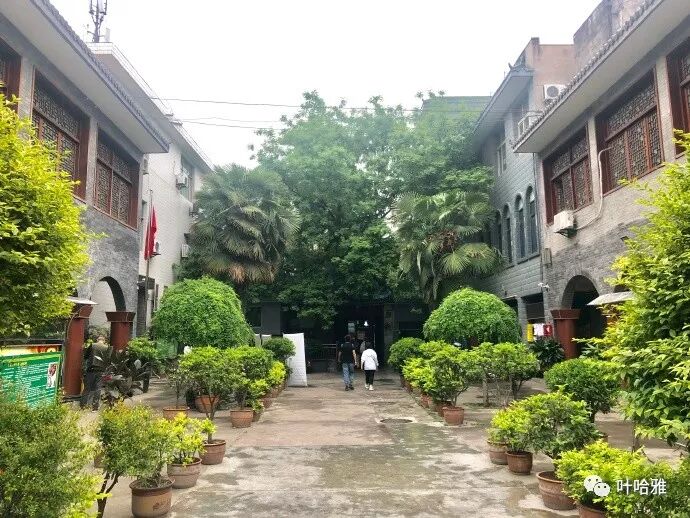
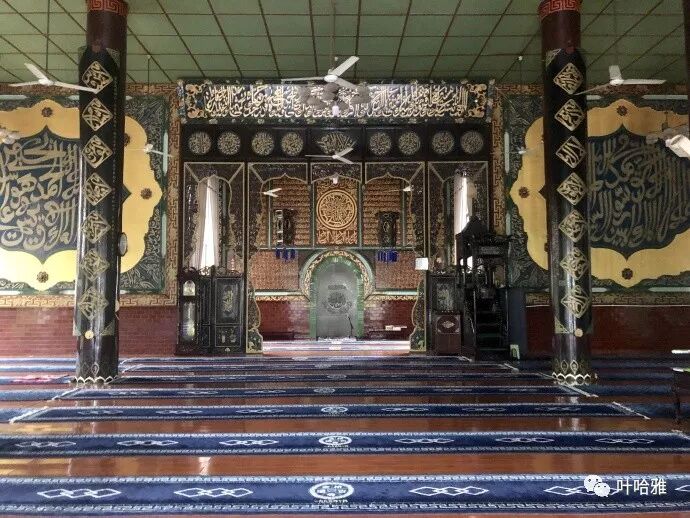
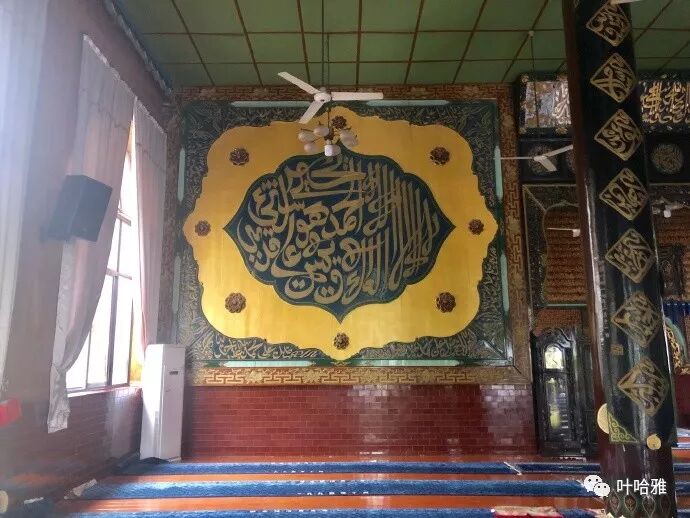
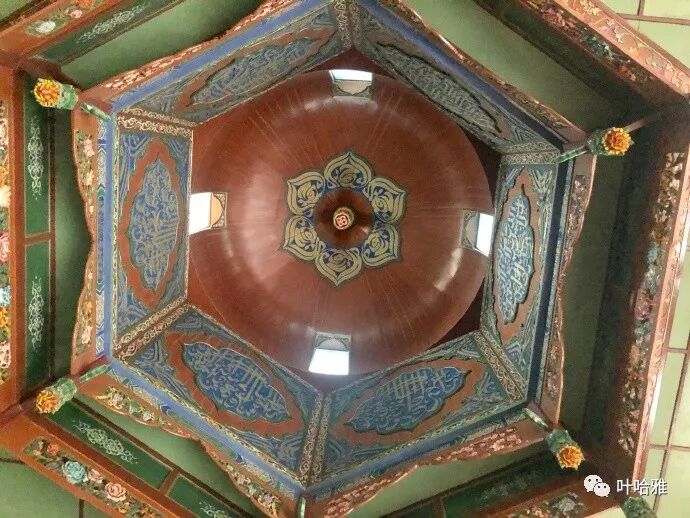
4. Daxuexi Lane Mosque
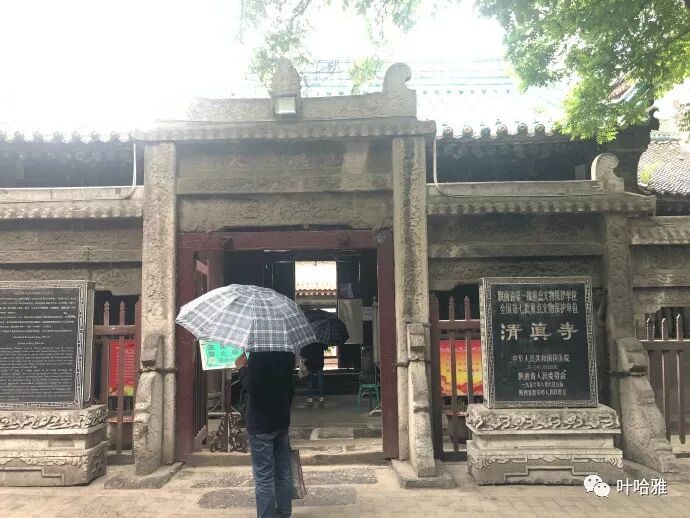
The Daxuexi Lane Mosque in Xi'an was built in 705 AD. Zheng He once invited the imam here, Hasan, to be a translator for his fleet, and a Zheng He stele stands here. This place was also where Arabs came to China to learn the Chinese language.
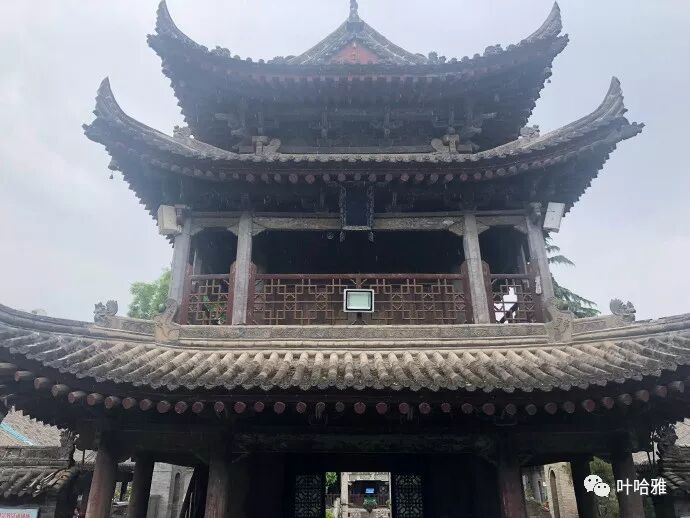
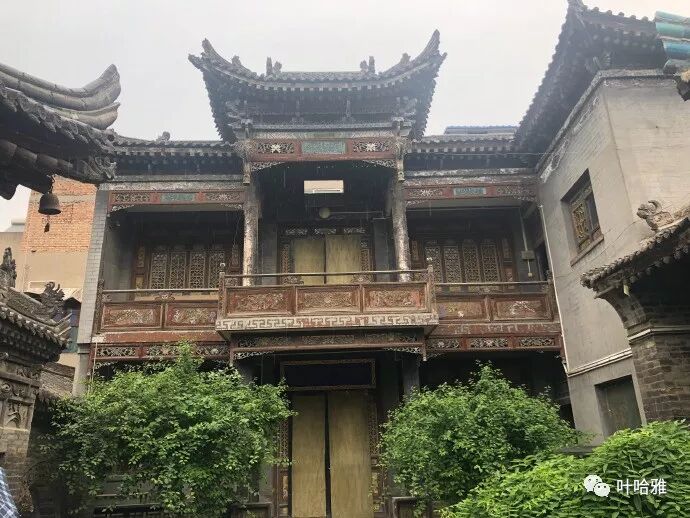
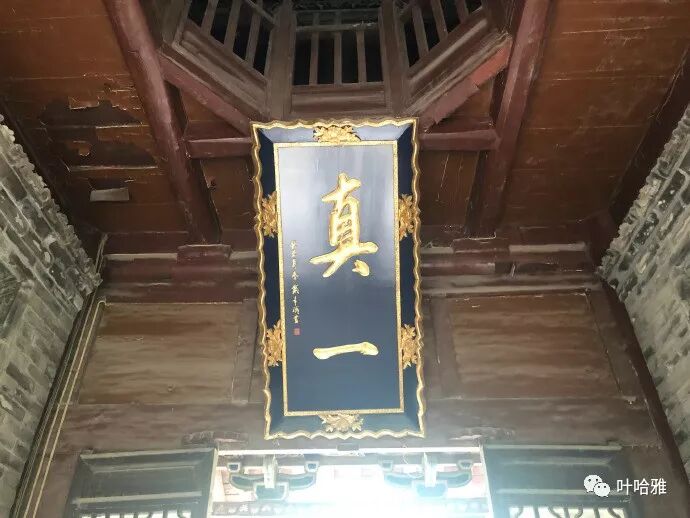
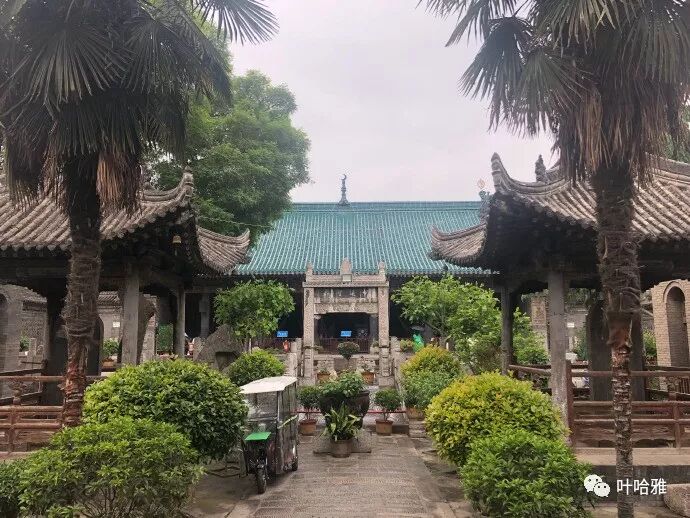
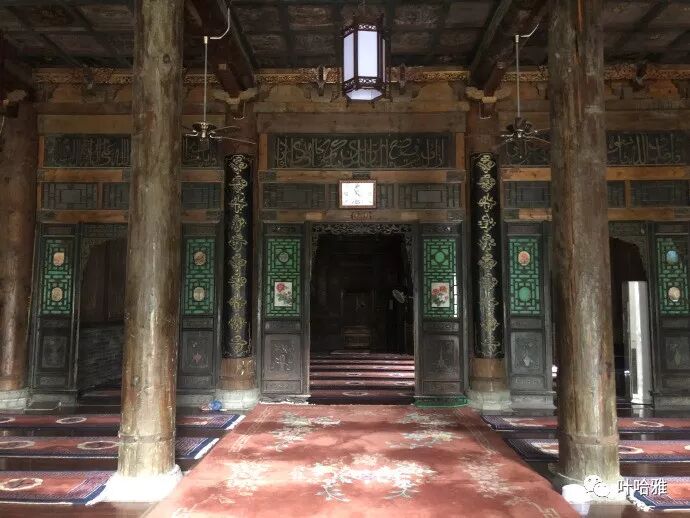
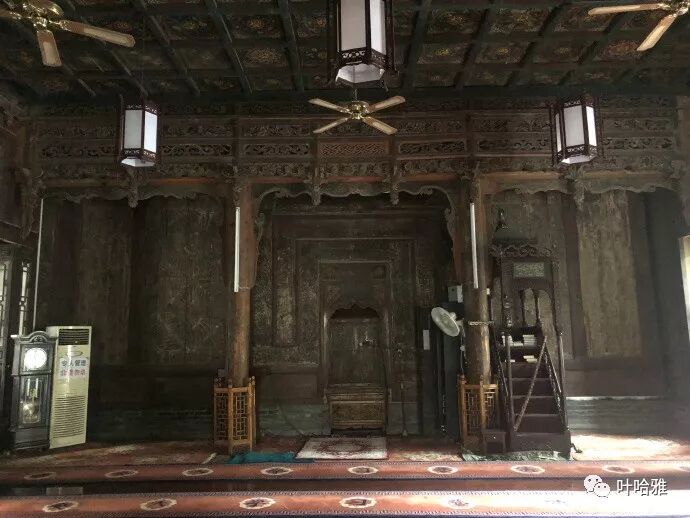
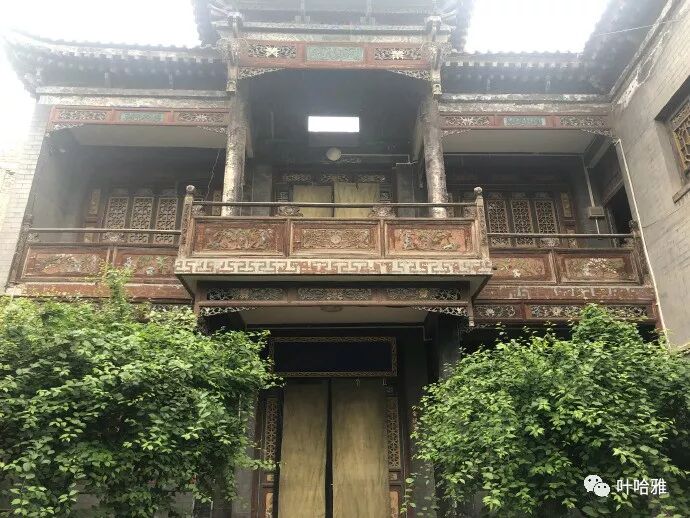
5. Dapiyuan Mosque
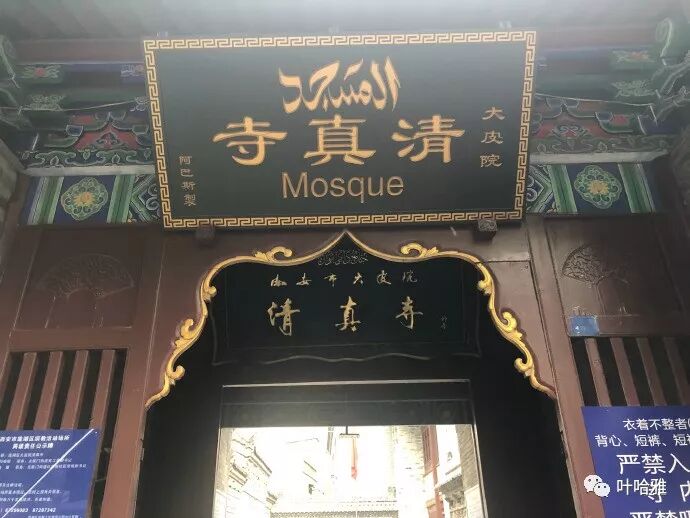
The Dapiyuan Mosque is located at No. 108 Dapiyuan Street, Lianhu District, Xi'an. It was first built in the ninth year of the Yongle reign of the Ming Dynasty (1411) after Mr. Ma Daozhen bought the land.
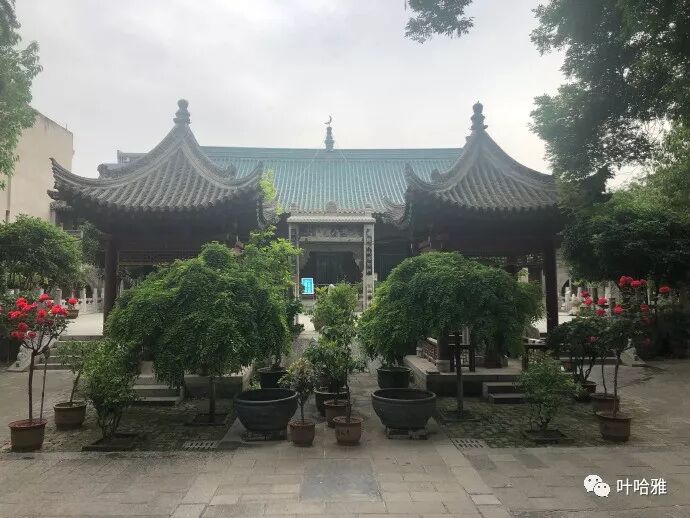
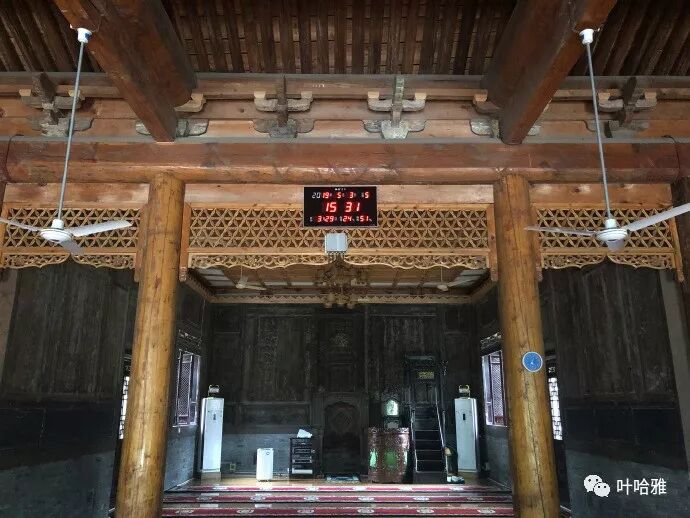
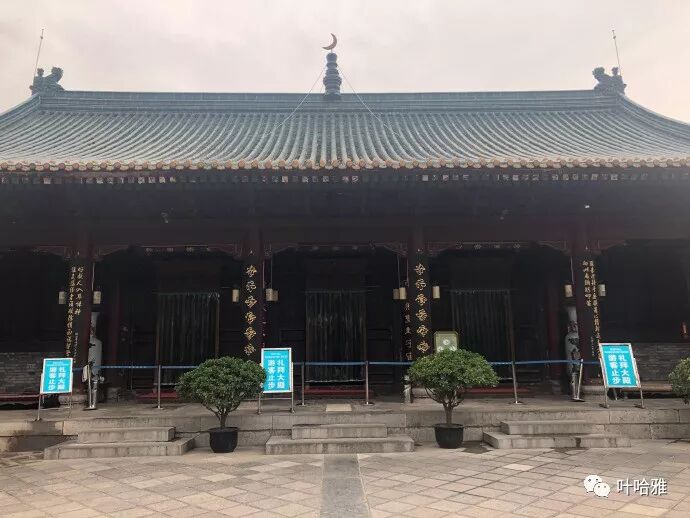
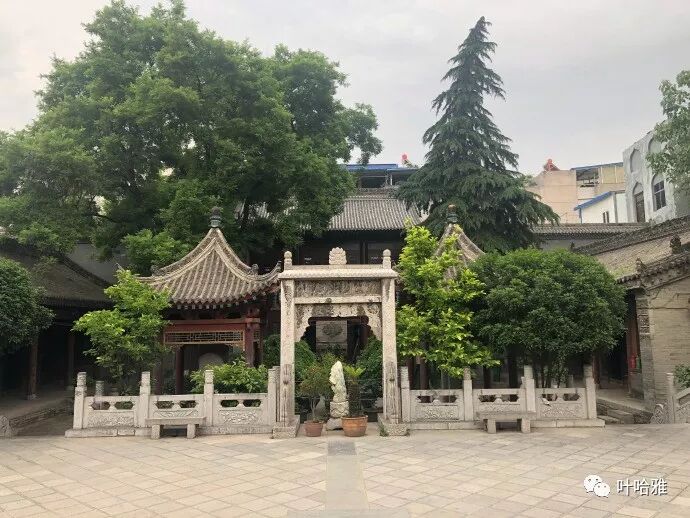
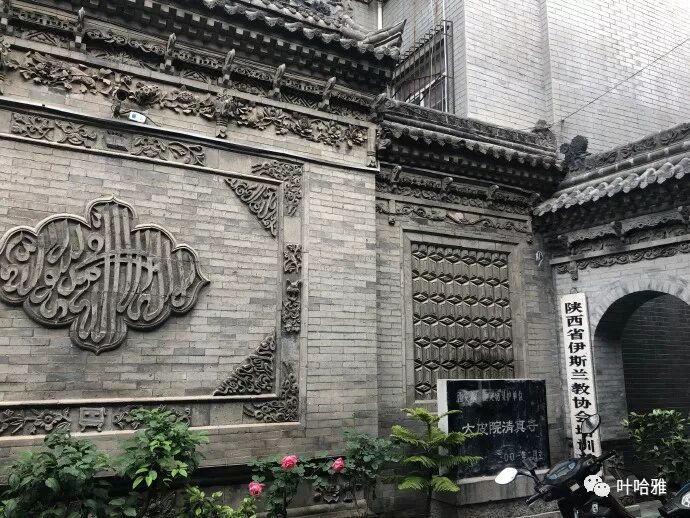
6. Beiguangji Street Mosque
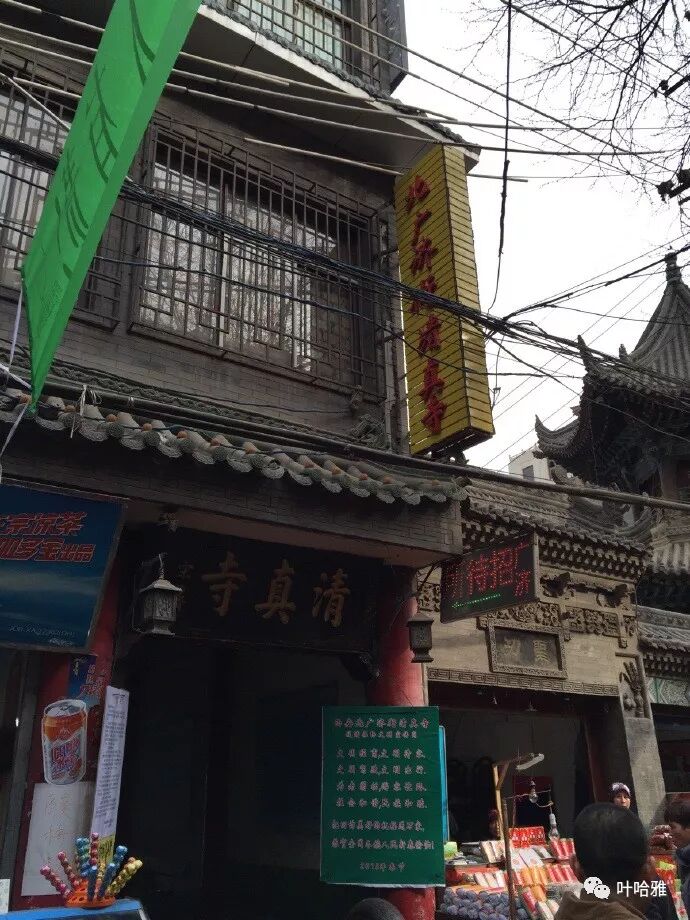
Beiguangji Street Mosque is said to have been founded in the late Ming Dynasty (around 1600 AD). It is located in Guangji Square near the Great Mosque of Huajue Lane. Locals call it the "Small Mosque" and jokingly refer to it as the "sentry gate" of the Great Mosque. The main buildings of the mosque were rebuilt in the 33rd year of the Qianlong reign of the Qing Dynasty (1769 AD).
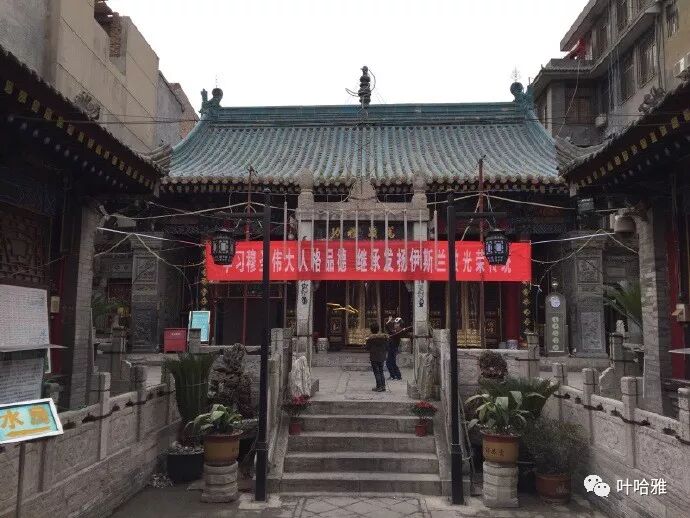
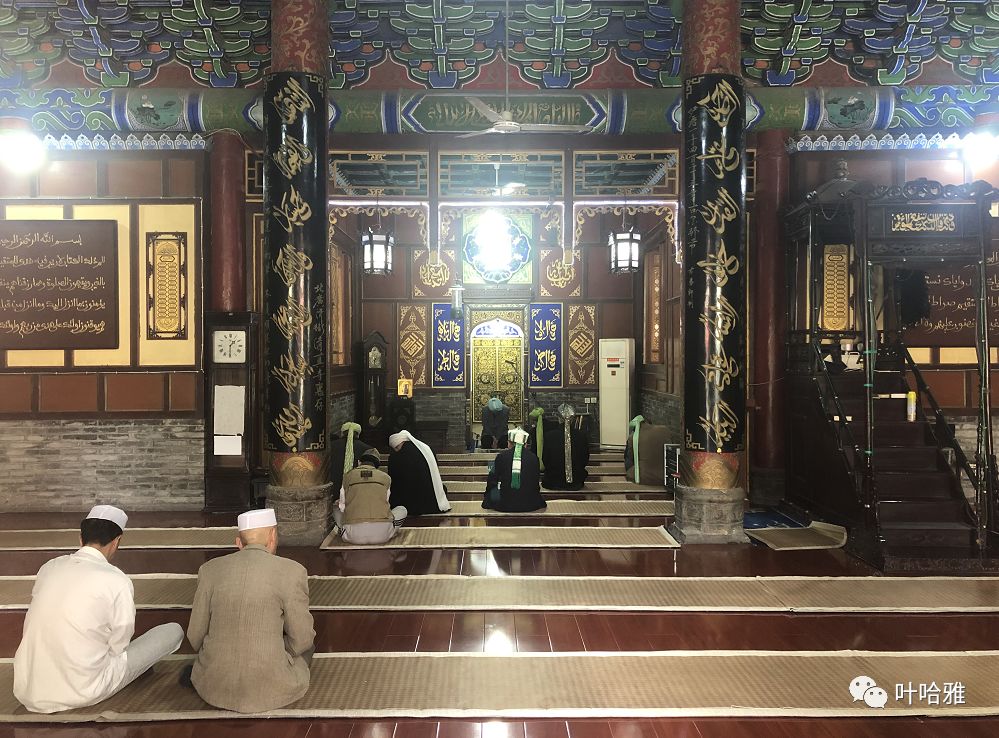
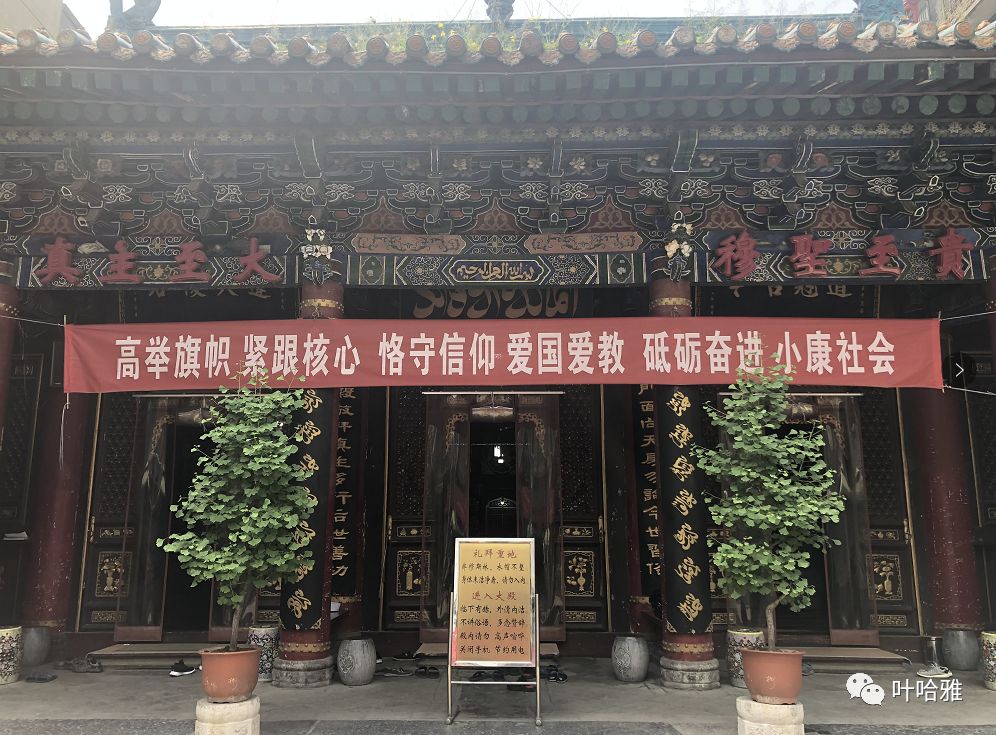
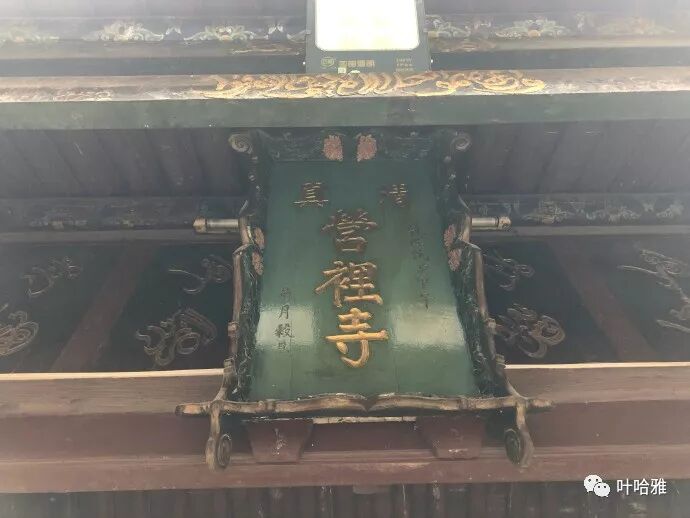
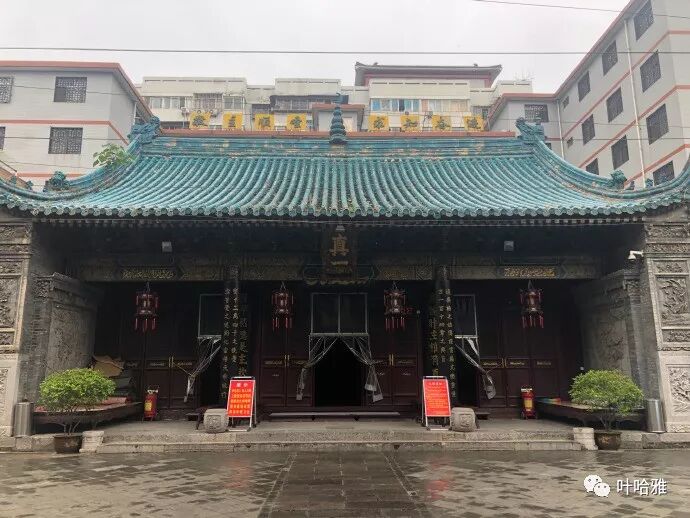
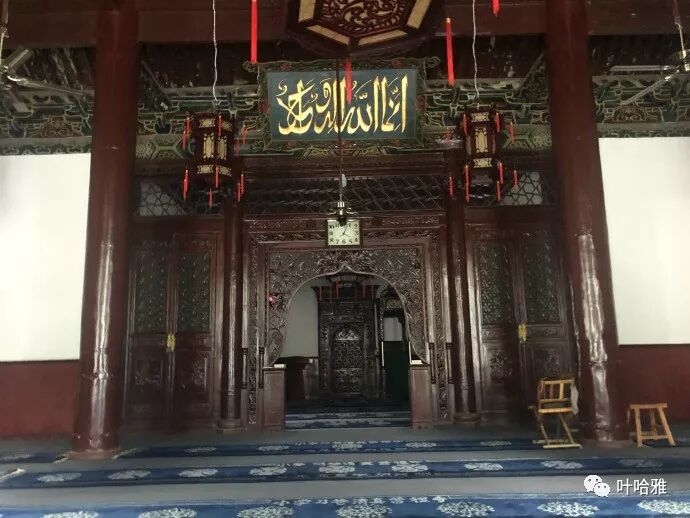
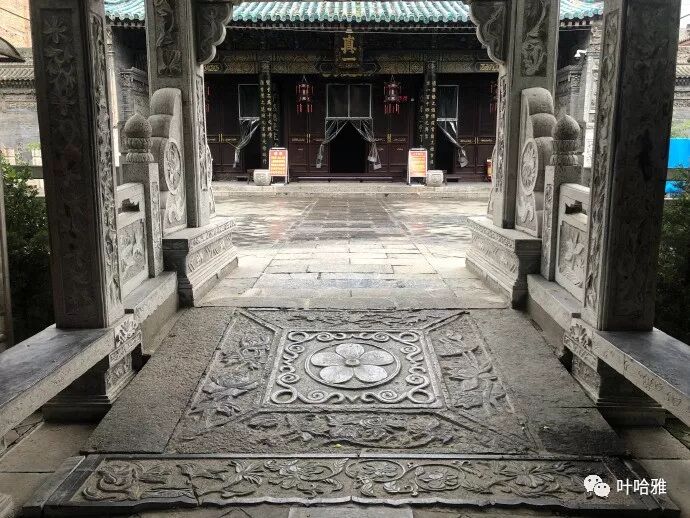
7. Qingzhen Yingli Mosque
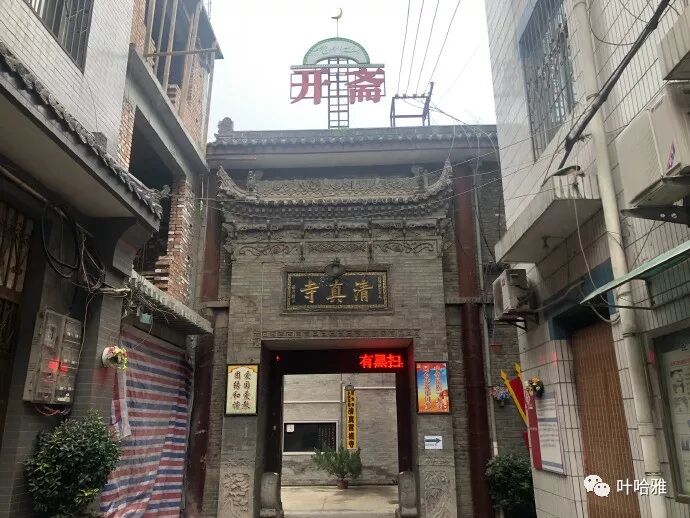
The documented founding date of the Xi'an Yingli Mosque is the Jiawu year of the Qianlong reign of the Qing Dynasty, as marked on the plaque above the mountain gate tower. At that time, many of the soldiers stationed here were Hui Muslim officers and troops.
Notice the "Iftar" (kaizhai) sign on the mosque. It is a light box that turns on at sunset during Ramadan when it is time to break the fast. At the same time, a friend (dosti) walks through the streets hitting a wooden clapper to let everyone know it is time for Iftar. These light boxes are found on streets throughout the neighborhood to help those fasting see when the light turns on, and they have become a local sight.
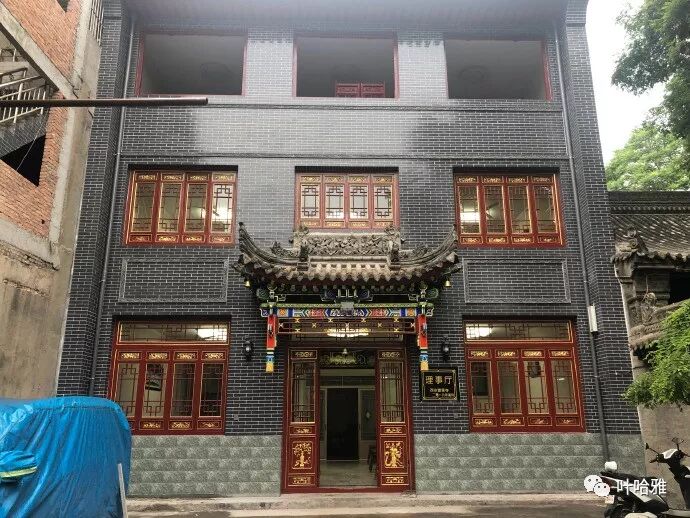
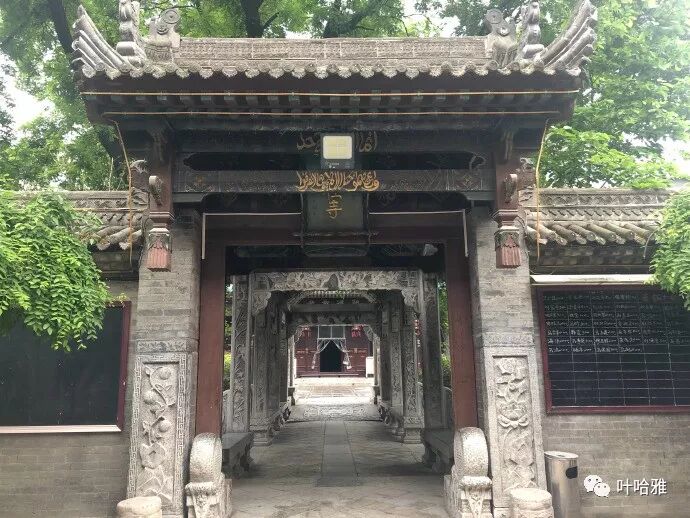
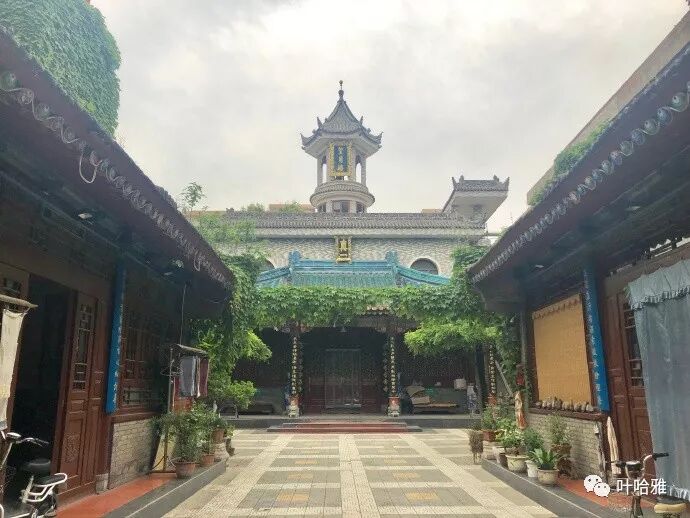
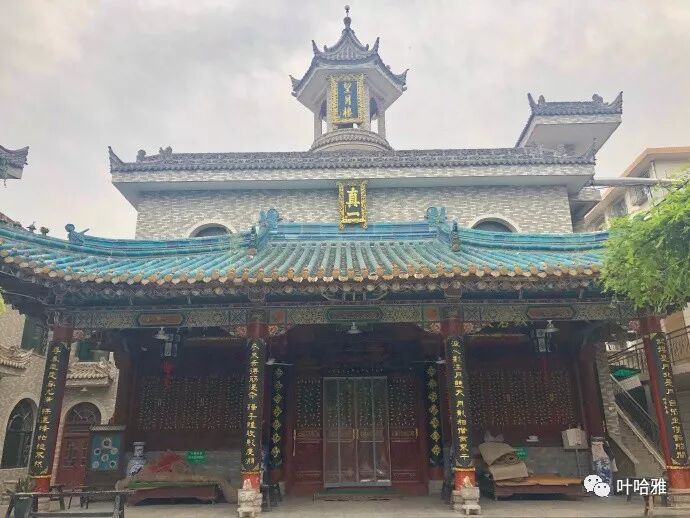
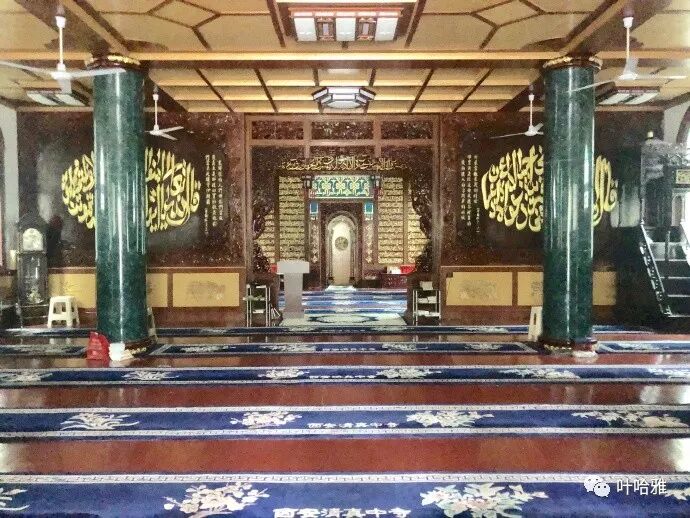
8. Central Mosque
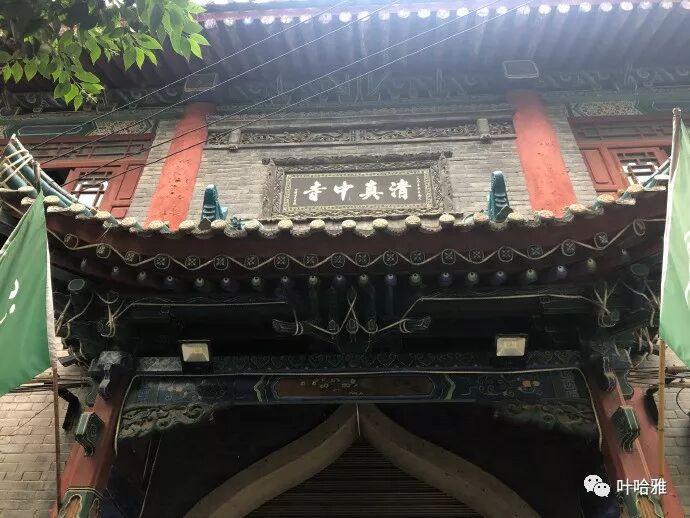
The Xi'an Central Mosque was built between the late Qing Dynasty and the early Republic of China period.
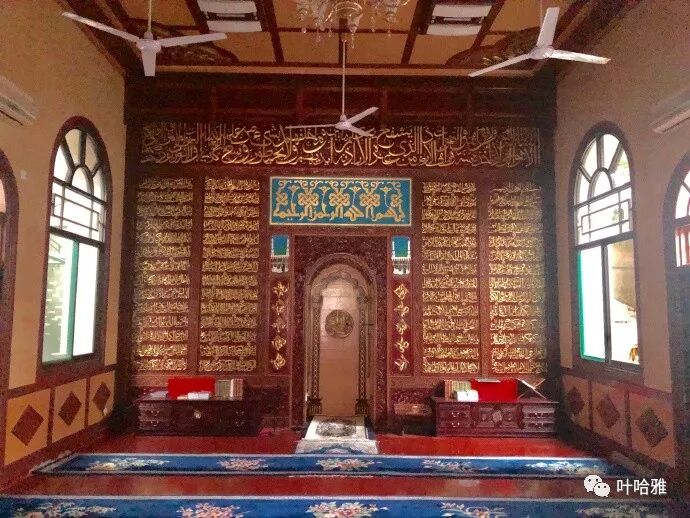
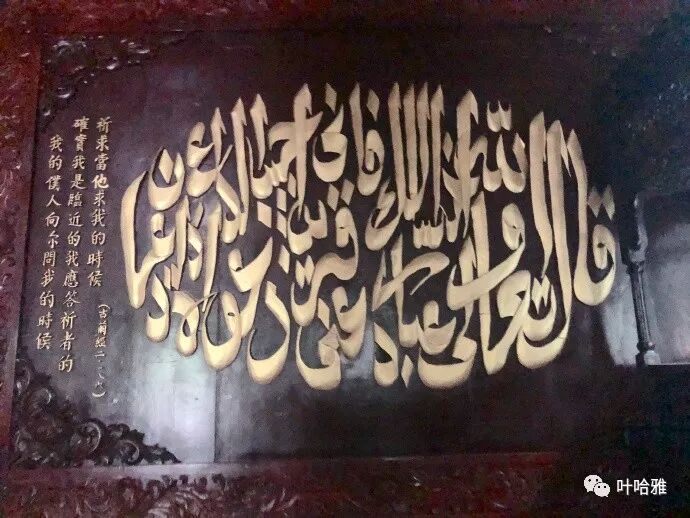
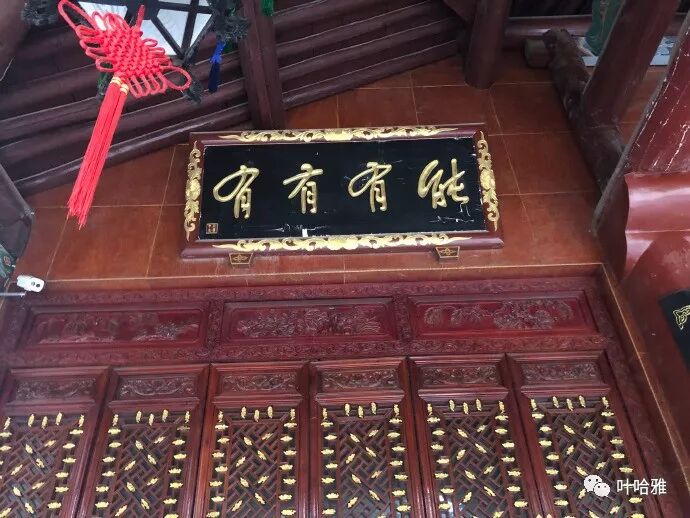
9. Xicang Mosque
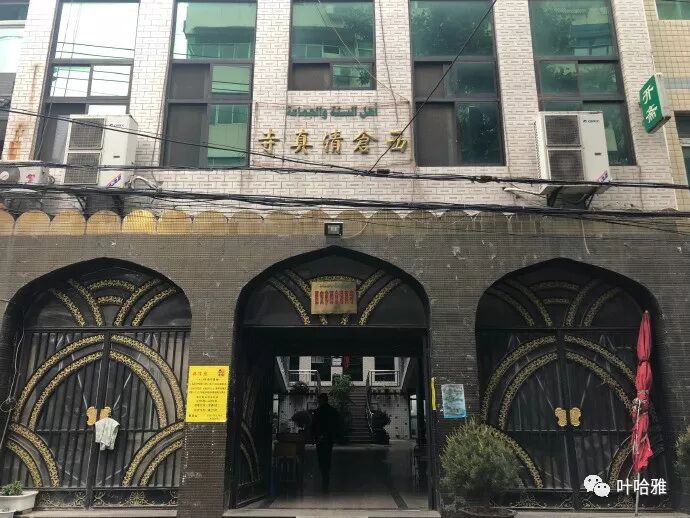
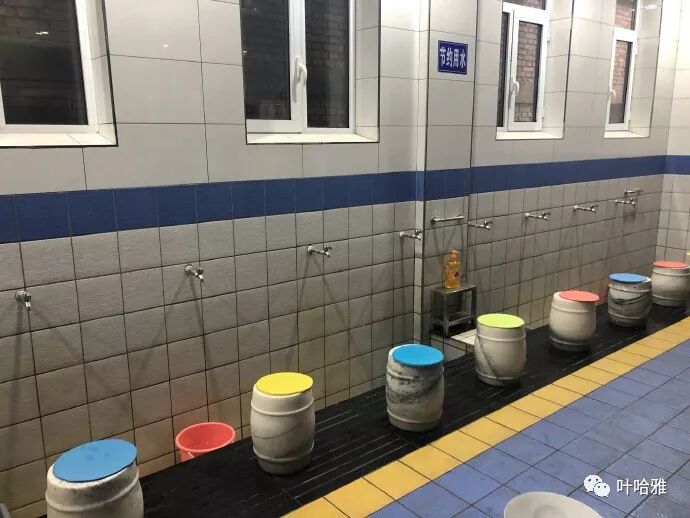
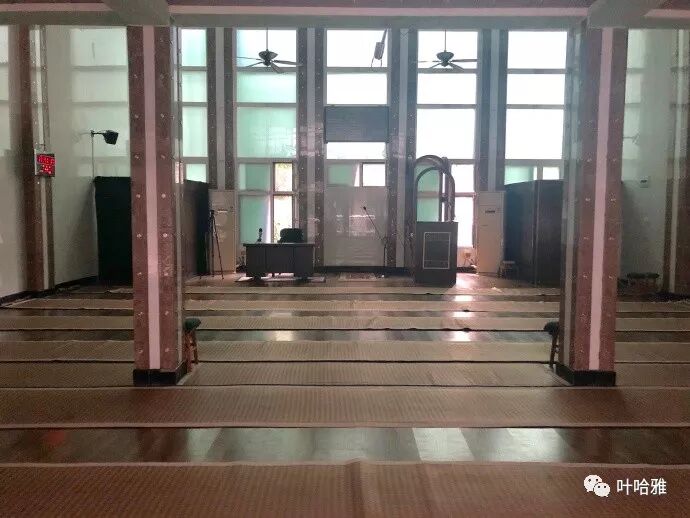
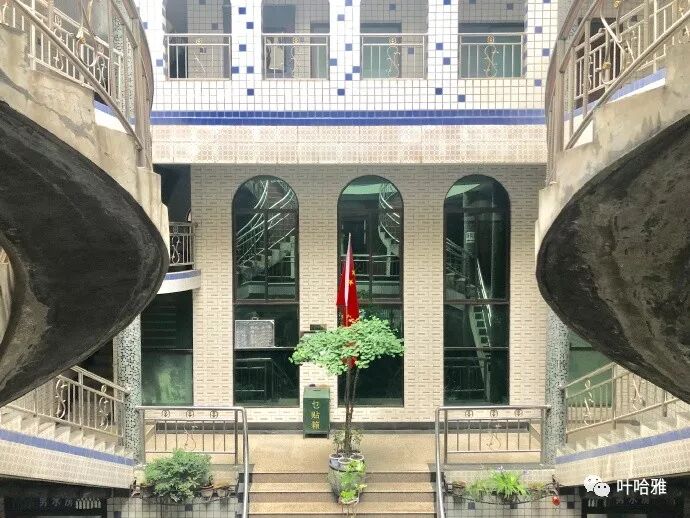
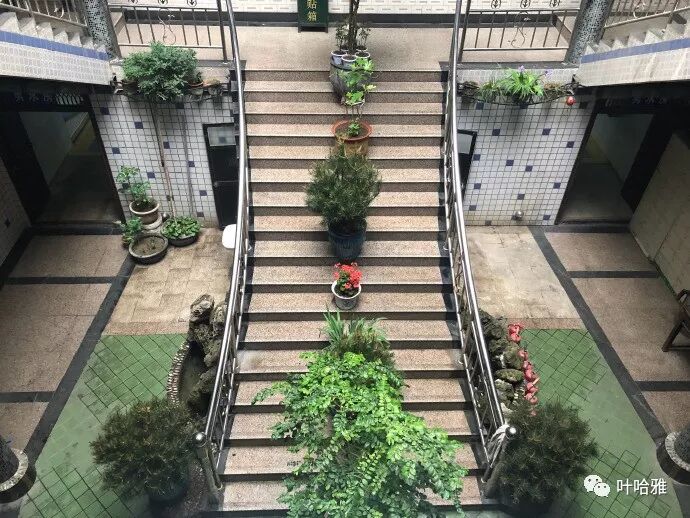
Xicang Mosque was established on April 1, 2003. It was originally a borrowed factory building that was later torn down and rebuilt as a mosque. It belongs to the Salafiyya movement. Every Thursday and Sunday, there are stalls selling flowers, birds, fish, and insects at Xicang. "Strolling the stalls" at Xicang is a favorite pastime for many long-time Xi'an residents.
10. Lvshan Mosque
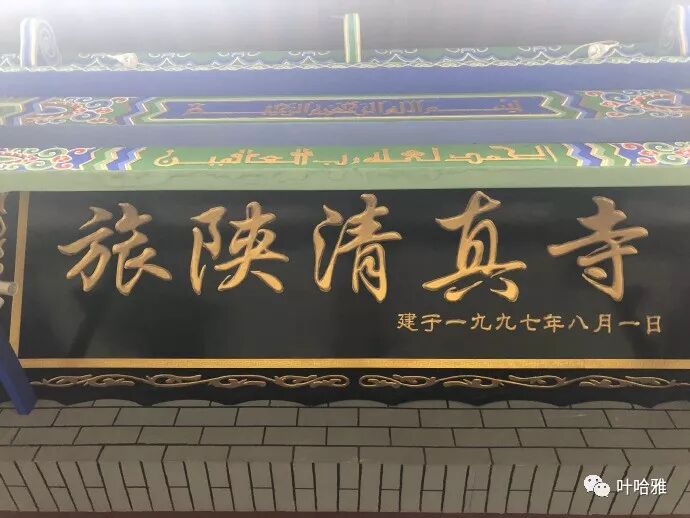
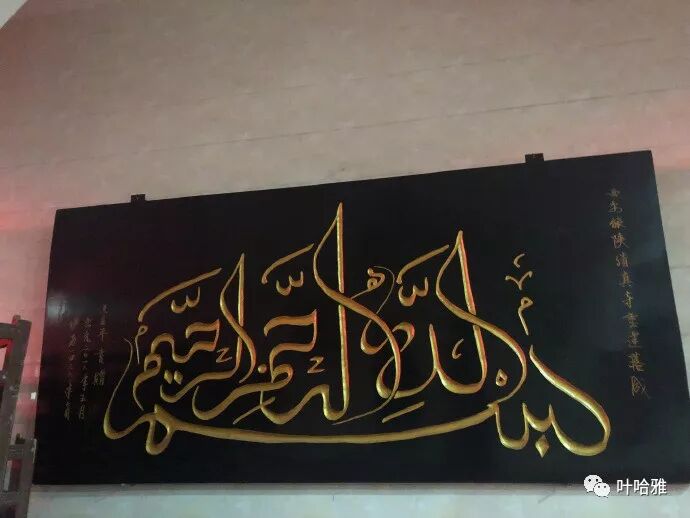
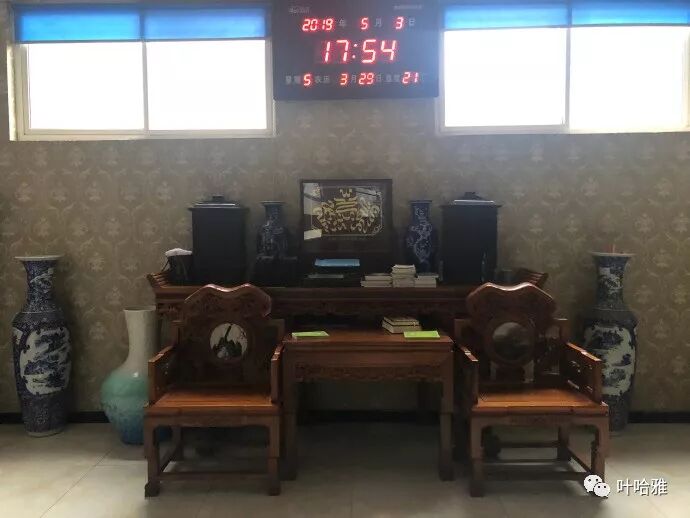
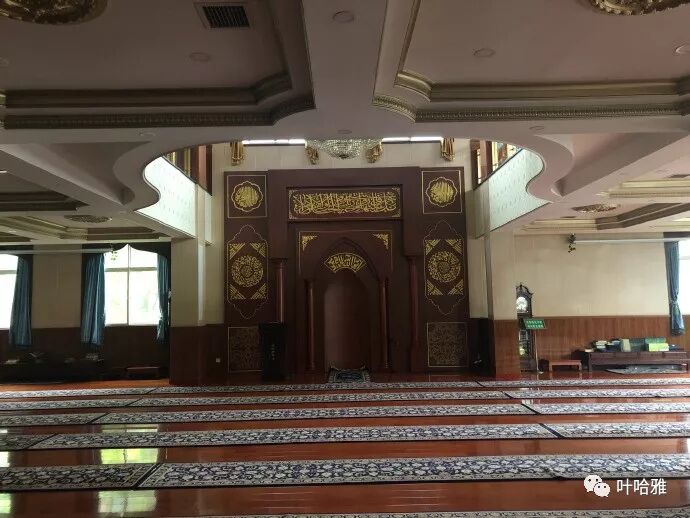
Lvshan Mosque is a simple mosque built by Henan Hui Muslims living in Xi'an. The building was a private home in the 1970s. It was declared a dangerous structure and had to be torn down in 2011. Imam Ma Jie from the neighborhood led the fundraising to rebuild the mosque.
11. Hongbu Street New Mosque
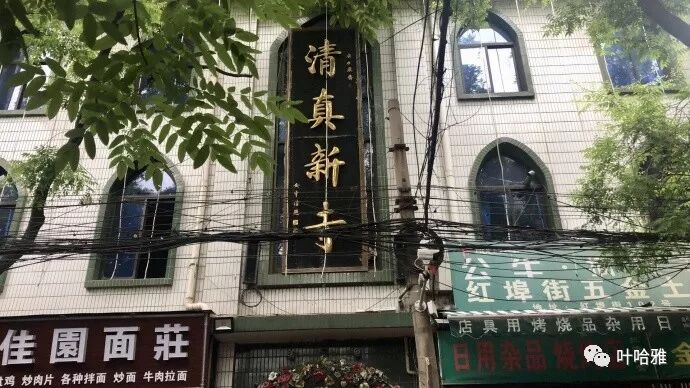
This mosque was built in the 1990s after some community members bought a private house. It is a Salafiyya mosque with the style of a traditional residential courtyard.
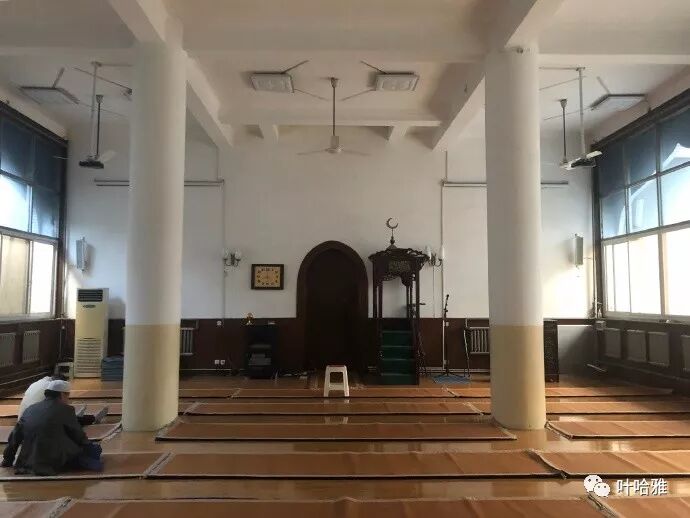
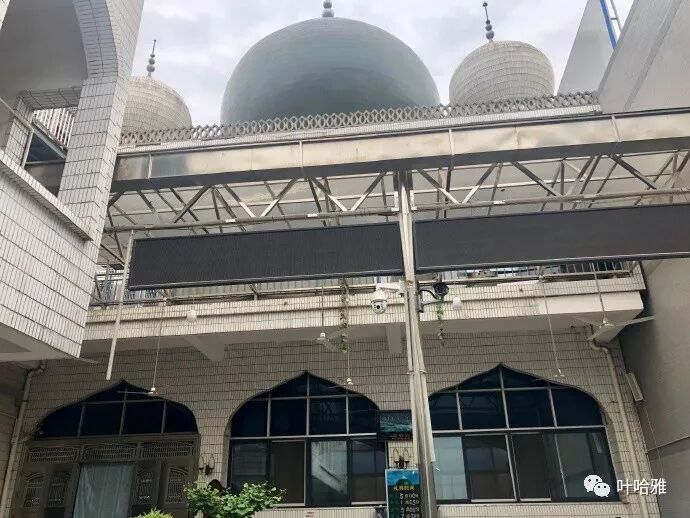
12. West Mosque
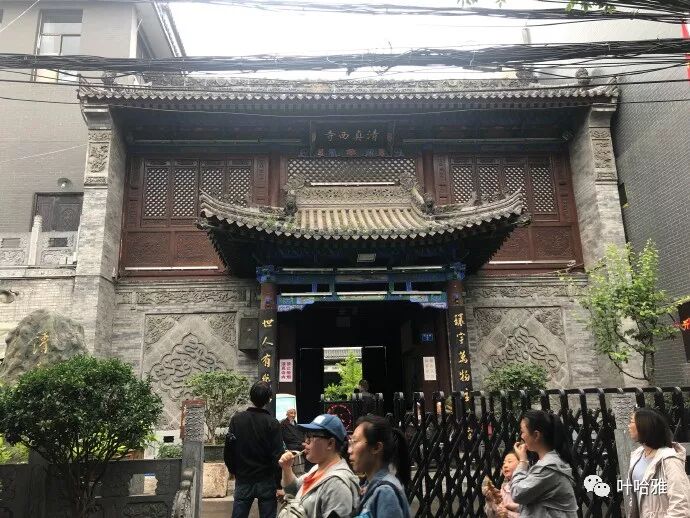
The West Mosque on Sajinqiao was first established in 1920. The current site is said to have been a Buddhist mosque called Haihui Nunnery. It originally had three main halls. In 1926, community members who left the old Sajinqiao mosque raised 2,000 silver dollars to buy the land and convert it into a mosque.
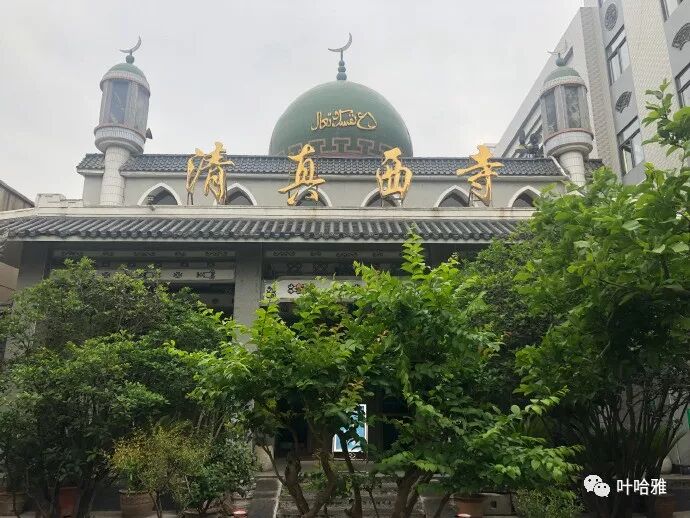
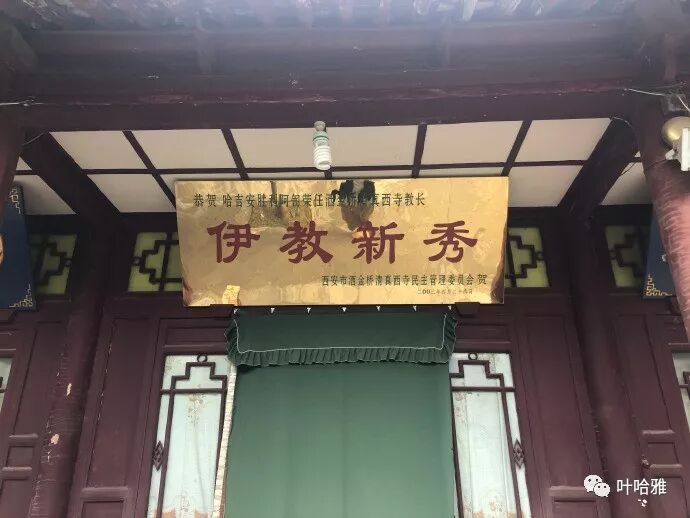
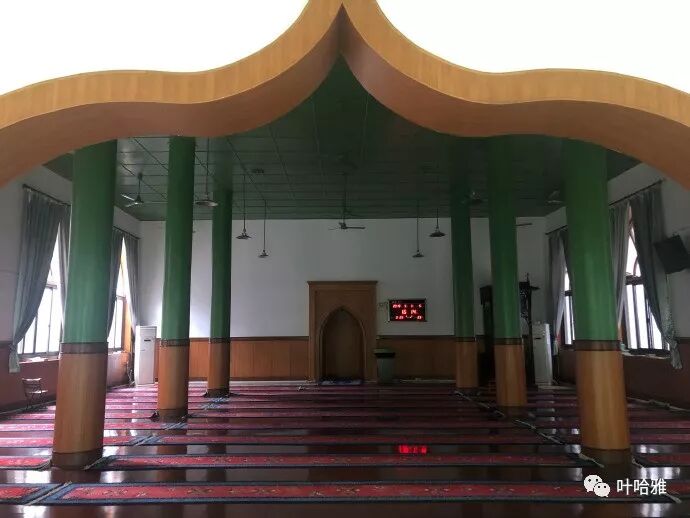
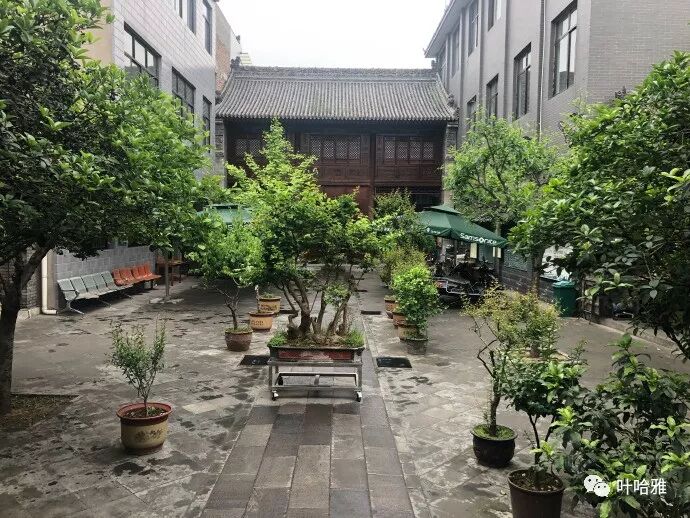
I have finished introducing the halal food and mosques in the Muslim Quarter. I should also mention Yongxingfang, another food street in Xi'an that became popular on Douyin in the last two years. I went to check it out and only found one halal snack shop. The most famous thing there is the bowl-smashing wine, which I do not recommend. However, many people do not know about Dongxin Street, which is just one subway stop away from the Muslim Quarter. It is a halal food street where Henan Hui Muslims gather in Xi'an. Interested friends can go take a look. The night market on Dongxin Street is quite lively. There are also two mosques for Henan people here: one is called Dongxin Street Mosque and the other is Jianguo Lane Mosque. There are five mosques for Henan people in total in Xi'an.
Dongxin Street
Dongxin Street Mosque
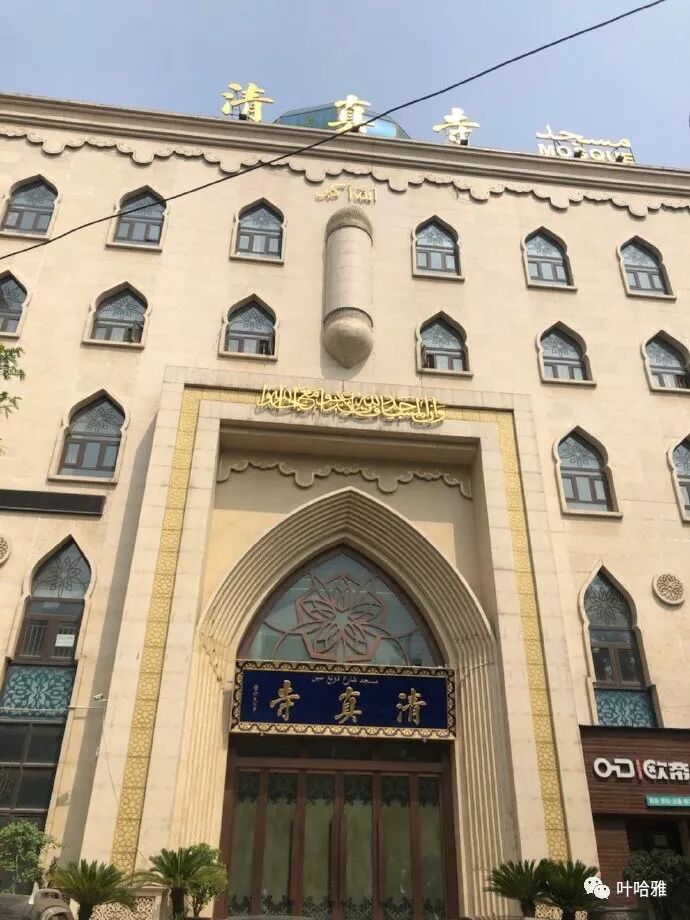
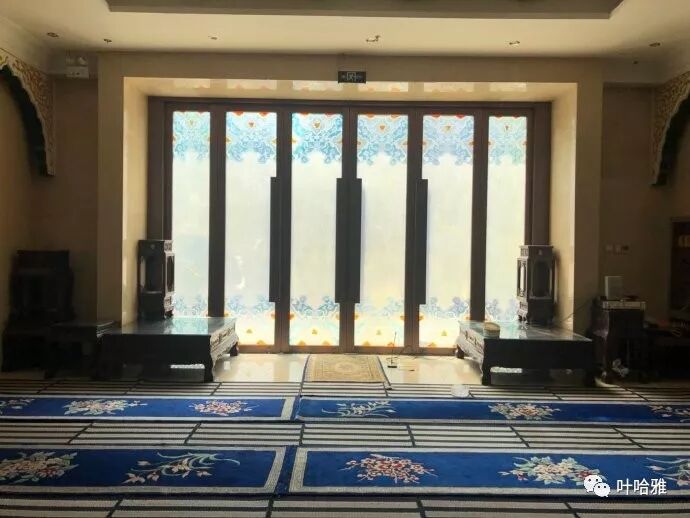
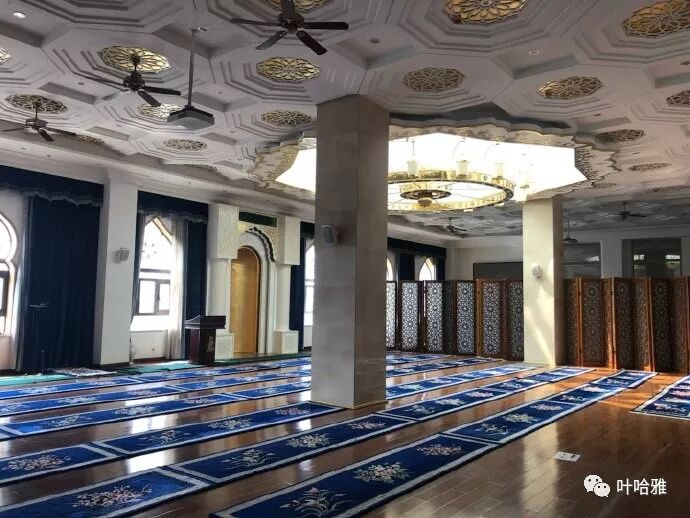
Jianguo Lane Mosque
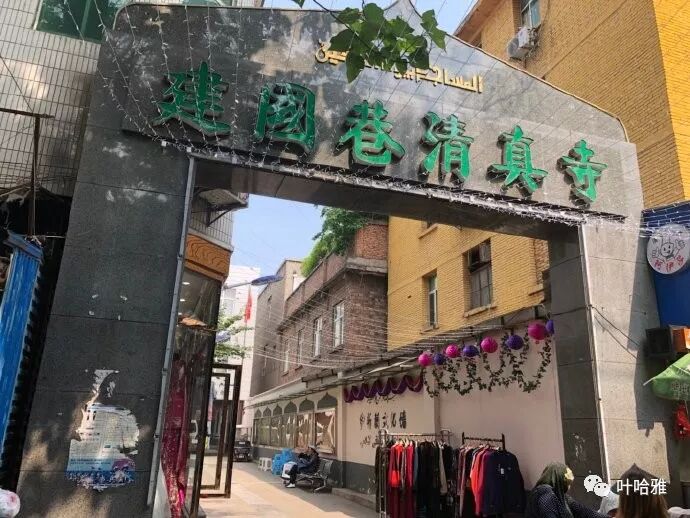
Accommodation: Lianhuachi Pan Inn
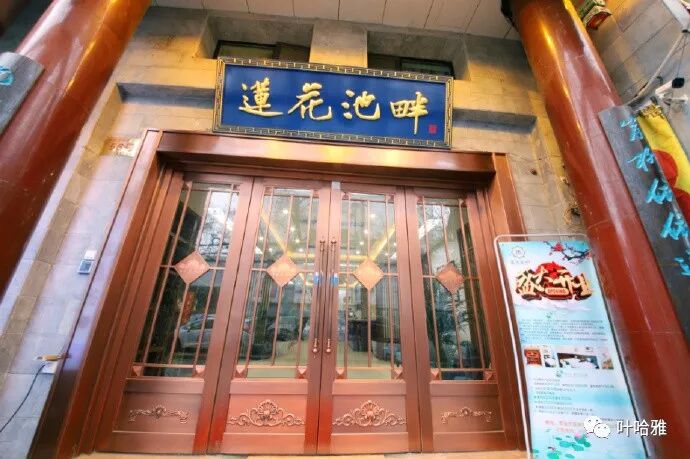
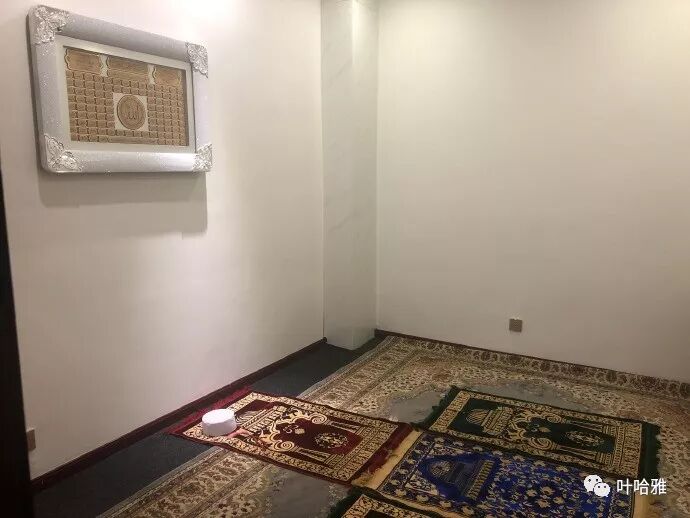
I chose this Lianhuachi Pan Inn based on the recommendation of the elders in the neighborhood. The location is excellent, right at the north entrance of the Muslim Quarter. The area near the north gate is quieter than other entrances. You can walk a few steps and be deep inside the Muslim Quarter. The inn has a place for wudu (small ritual washing) and a prayer room. The environment is beautiful, and the owner and staff are mostly elders from the neighborhood who can provide travel information.
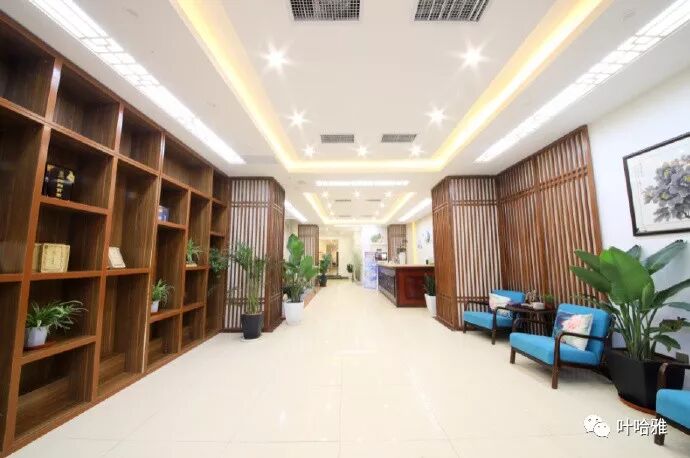
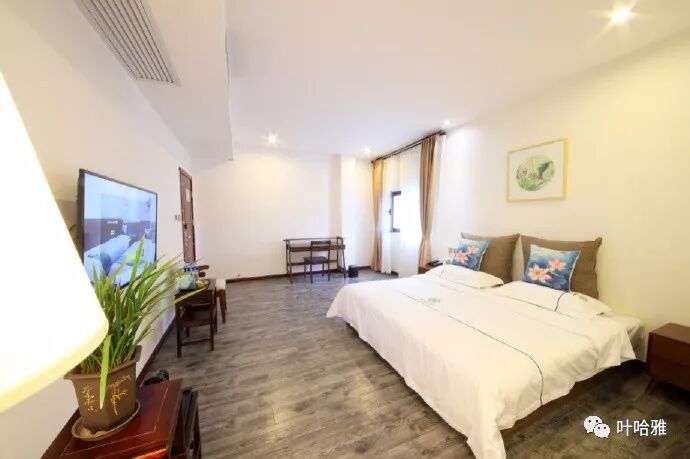
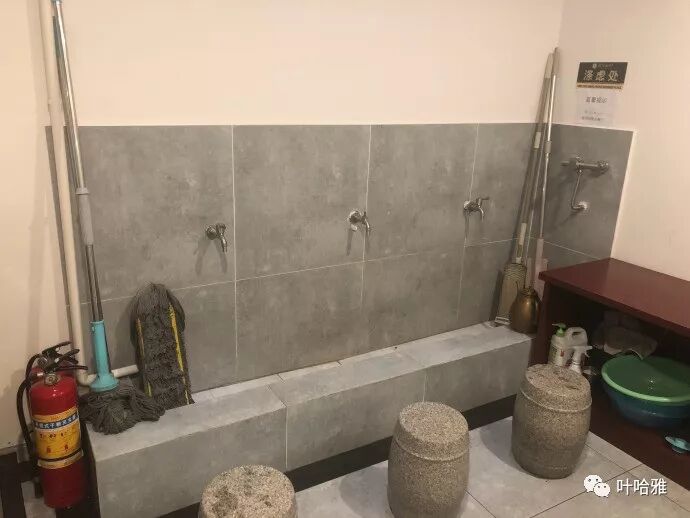
The prayer room on the first floor of the inn is small but has everything you need, including a place for ritual washing and copies of the Quran.
The inn owner also runs a professional travel agency for Muslim tourists that organizes group visits to the Al-Aqsa Mosque. I talked with him and found he is very knowledgeable and has strong faith. During Ramadan, he travels across Shaanxi to hand out Ramadan gift packages. May Allah grant him success in his business and blessings in this life and the next.
Summary: This Xi'an Chinese Muslim food guide follows the original Hui Muslim Quarter walking and eating route, including paomo, steamed meat, sweets, mosque lanes, addresses, and photos. It keeps the source's order for readers exploring halal street food in Xi'an.
I wrote this article during the May Day holiday. I planned to save it for Eid al-Fitr, but the tradition of beating the wooden clapper (bangzi) to signal the end of the daily fast is a special sight in the Muslim Quarter (Huifang). Since friends (dost) visiting the quarter during Ramadan can see the lively atmosphere of breaking and starting the fast, I decided to post it now.
First, I need to clear something up. The famous Xi'an Muslim Street (Huimin Jie) does not actually exist. It is more accurate to call it the Muslim Quarter (Huifang). It is a residential area for Hui Muslims covering less than two square kilometers, and every alley inside can be called a Muslim street.
Before the Qing Dynasty, the Xi'an Muslim Quarter was known for its seven mosques and thirteen neighborhoods. The seven mosques are: Great Mosque of Huajue Lane (Huajue Xiang Qingzhen Dasi), North Mosque of Xiaopi Yard (Xiaopi Yuan Qingzhen Beidasi), Ancient Mosque of Sajin Bridge (Sajin Qiao Qingzhen Gusi), Mosque of Great Learning Lane (Daxuexi Xiang Qingzhensi), Mosque of Dapi Yard (Dapi Yuan Qingzhensi), Mosque of North Guangji Street (Bei Guangji Jie Qingzhensi), and the Mosque of the Muslim Camp (Qingzhen Yingli Si). The thirteen neighborhoods are: Huajue Lane, Xiyang Market, Beiyuan Gate, Maixian Street, Dapi Yard, Xiaopi Yard, North Guangji Street, Shizi Temple Street, Great Learning Lane, Small Learning Lane, Damai Market Street, Sajin Bridge, and Huihui Lane south of the city wall.
This is not my first time in the Muslim Quarter, but I usually come here just to eat. I know many first-time visitors get overwhelmed by all the halal food on the streets and do not know where to start. There is just too much to choose from. Local elders told me there are at least 200 types of food here. You cannot try everything unless you stay for a month, which is impossible for tourists. We have to be selective. I prefer to eat and drink with the local friends (dost). Only by following the old neighbors can you find the authentic food. I will now share the guide to eating in the Muslim Quarter that the local friends taught me.
all halal restaurants in the Muslim Quarter do not sell alcohol.
This is thanks to the anti-alcohol movement started by the friends (dost) over twenty years ago, so you can eat and drink with peace of mind.
1. Little House Liu's Steamed Beef with Rice Flour (Xiaofangzi Liujia Fenzhengrou)
Little House Liu's has been open for at least 30 years and only sells steamed beef with rice flour (fenzhengrou). It is one of the famous snacks in the quarter. The special thing about their dish is that the rice flour is added before the meat, making the flour very flavorful and even tastier than the meat itself.
Address: North Guangji Street
2. Bai's Mirror Cake (Baijia Jinggao)
Mirror cake (jinggao) and steamed cake (zenggao, pronounced 'jing' in the quarter without the 'er' sound) are not the same thing. Mirror cake is a sweet treat that children in the quarter grow up eating. The Bai family has been making it for over ten years. The cakes come in many flavors, are served on small skewers, and have a light, sweet taste.
Address: You can find them at both Sajinqiao and the entrance of the Great Mosque (Qingzhen Dasi) on Huajue Lane.
3. Limu Stir-fried Crumbled Flatbread (Limu Xiaochao Paomo)
Locals in the Muslim Quarter (Fangshang) say that both regular crumbled flatbread (paomo) and stir-fried crumbled flatbread (xiaochao) belong to the same category. The difference is how they are cooked. Paomo is boiled, while xiaochao is stir-fried. You can choose to have it with less broth or with plenty of broth. Limu Stir-fried Crumbled Flatbread is not in a busy area, so it is quite quiet, and the taste is well-regarded by the people in the Muslim Quarter.
Other good places for crumbled flatbread include Yijianlou and Li Xin, which all taste fairly similar.
Pair your crumbled flatbread with a Bingfeng, a local Xi'an soda that holds the same status there as Beibingyang does in Beijing.
Address: No. 60 Dalianhuachi Street, next to the Lotus Pond Inn (Lianhuachi Pan Kezhan).
4. Bai Family Fried Cake Shop (Baijia Yougao Pu)
Fried cake (yougao) is a favorite sweet for people in the Muslim Quarter. It comes in three flavors and contains ingredients like peanuts, sweet osmanthus, and white sugar. It tastes sweet and fragrant, is made with great care, and is better than regular fried dough cakes (zhagao).
Address: 100 meters north of the intersection of Dalianhuachi and Maixian Street.
5. Shengzhiwang Sesame Paste Cold Noodles Shop (Shengzhiwang Majiang Liangpi Pu)
Their sesame paste cold noodles (majiang liangpi) are a famous snack in the Muslim Quarter. They have been open for many years, and locals are used to eating cold noodles for breakfast. I have to say, the cold noodles in the Muslim Quarter (Huifang) are rich in flavor and use plenty of ingredients, which I really like.
Address: West entrance of Dapiyuan.
6. Hongshunxiang Starch Jelly in Savory Sauce (luzhi liangfen).
Hongshunxiang Starch Jelly in Savory Sauce at the T-junction of Dapiyuan in the Muslim Quarter is one of the old-established shops in the area. Starch jelly in savory sauce is a dish that represents the Muslim Quarter even better than soaked flatbread (paomo). Visitors might not be used to it at first. You have to break the flatbread (mo) yourself before eating. Put the bread at the bottom of the bowl, pour on the savory sauce, add the starch jelly, and pour on another layer of sauce. Then add vinegar, sesame paste, garlic juice, salt, chili oil (youpo lazi), and mustard. Do not stir it when you eat; instead, rotate the bowl and slurp it so the flavors stay distinct.
An elder in the neighborhood introduced the dish to me like this: 'Whenever you see this bowl of food, you know the hot Xi'an summer is coming. If one dish could explain the uniqueness of the Xi'an Muslim Quarter, it would be starch jelly in savory sauce.' You won't find it in Muslim quarters elsewhere or in the Han areas of Xi'an. Its unique charm has been quietly passed down in this small neighborhood for a hundred years. The locals in the neighborhood affectionately call it 'buckwheat starch jelly in sauce' (lu qiaofen). Use a large, thick bowl, break the flatbread into large chunks, add sliced starch jelly, pour on the savory sauce, sprinkle with salt, and season with sesame paste, garlic juice, mustard, fragrant vinegar, and chili oil. If you want to be fancy, add a preserved egg (biandan) and a tea egg. That is how this vibrant, spicy bowl of food is made. It is simple, refreshing, nutritious, and flavorful. It is the perfect choice, especially for lunch during the summer.
Also, People say the starch jelly in savory sauce at Lao He's place is very authentic.
Address: T-junction of Dapiyuan (diagonally opposite Dingjia Small Crispy Meat and Shengjia Steamed Cold Noodles).
7. Laobai's Lamb Soup (shuipen yangrou).
Laobai's Lamb Soup on Beiguangji Street in the Muslim Quarter was featured on A Bite of China. It is one of the old-established shops recognized by the locals. You should eat the lamb soup with a firm flatbread (tuotomo). Break the bread yourself into pieces slightly larger than those used for soaked flatbread. Break off a bit, eat it, and then break off some more so the bread does not get soggy.
Address: No. 76 Beiguangji Street.
8. Nianzipo Laotongjia.
Laotongjia Cured Beef (la niurou) is one of the oldest established shops in the Muslim Quarter. Legend has it that when Empress Dowager Cixi fled to Xi'an, she smelled the aroma of their cured beef, enjoyed it, and personally inscribed a plaque for the shop. While praying at the mosque, I met the young owner of the Tong family. He shared their history and explained that the elder Mr. Tong insists on passing down traditional methods. He prioritizes quality over sales volume and focuses on serving the local residents of the neighborhood.
Laotongjia sells cured beef, spiced beef (jiang niurou), and oil tea powder (youcha fen). Locals love the cured beef. It has a reddish color and is softer and more tender than the spiced beef, making it perfect for both the young and the elderly.
Address: Tong Family Old Residence, No. 162 Beiguangji Street.
9. Grandma Hua · Chenchen's Shop.
Everyone knows Grandma Hua's sour plum drink (suanmeitang) is delicious, but you usually have to wait in line. There is a shop called Grandma Hua · Chenchen's Shop at the T-junction in Dapiyuan. The owner is Grandma Hua's granddaughter. The sour plum drink is brewed in the same pot as Grandma Hua's, so it tastes the same, but you do not have to wait in line. I only tell this to people I know.
Address: Dapiyuan T-junction, next to Hongshunxiang Braised Jelly (luzhi liangfen).
10. Southeast Asia Steamed Cake (zenggao).
Southeast Asia Steamed Cake in the Muslim Quarter is one of the most famous shops in the area. Steamed cake (zenggao) is pronounced 'jing gao'. This 'Southeast Asia' has nothing to do with the region. The old owner jokingly said his steamed cakes were sold to the 'East Gate (Dongguan), South Suburbs (Nanjiao), and the School for the Deaf and Mute (Longya Xuexiao),' which he abbreviated as 'sold to Southeast Asia.' Over time, everyone in the neighborhood just got used to calling that shop 'Southeast Asia' when they wanted to buy steamed cake.
The lotus leaf steamed cake (zenggao) from Yibao at the Niujie Halal Supermarket is made by the people from the Muslim Quarter (fangshang) in Xi'an.
Address: Northeast corner of Majia Shizi, Xiyangshi Street.
11. Ma Zhishan Xihulan Cooked Meat Shop.
Ma Zhishan's Xihulan is another old shop that locals in the Muslim Quarter visit often. Xihulan is actually cured beef that is very soft and tender. You can use it to make meat burgers (roujiamo). They can vacuum-pack it for you. I took a pound home to eat during the pre-dawn meal (suhoor) in Ramadan, and it kept my energy up all day.
Ma Zhishan's meat burger is the authentic kind. It is quite large, so one is enough to fill you up for a meal.
Address: No. 196 Beiguangji Street.
12. Ma Erli Meatball Spicy Soup (hulatang).
The meatball spicy soup is a signature dish of the Muslim Quarter. It is very different from the spicy soup in Henan. The version here has various vegetables and meatballs, and it is not very spicy.
Address: No. 113 Damaishi Street, Sajinqiao.
13. Qinyixiang Air-dried Beef.
A friend from Qianxian once gave me some Qinyixiang beef jerky, and my family liked it so much they asked me to bring more back when I visited Xi'an. I recommend the soy-sauce flavored beef jerky. Heat it in the microwave for 30 seconds before eating, then slice it with a knife. It has a long shelf life and makes a great snack. This brand has several branches in the Muslim Quarter.
Address: Dapiyuan / Xiyangshi.
14. Liu Zhijun Beef Sauce
An elder in the Muslim Quarter recommended Liu Zhijun’s beef sauce to me and suggested I take some back to Beijing. Their beef sauce is packed with flavor, so friends visiting Xi'an should definitely check it out.
Address: 133 Damaishi Street
15. Crescent (Xinyue) Cake and Pastry Shop
A local friend in the Muslim Quarter really loves this bakery. It is tucked away deep in the quarter and doesn't get many tourists. He wanted to keep it a secret because he was worried it would be harder to buy their desserts once it got popular.
Address: 94 Damaishi Street
16. Ding Family Crispy Beef (Dingjia Xiaosurou)
This is one of the famous local snacks. The line is always very long. It is made with beef and seasoned with eggs, Sichuan peppercorns, star anise, and cinnamon. I bought a vacuum-packed portion to take home; I just need to steam it to eat.
Address: 223 West Entrance of Dapiyuan
Mosque
After talking about food, let's talk about the mosques in the Muslim Quarter. The original seven mosques have grown, and there are more than seven today. I spent an afternoon walking to visit twelve mosques in the area. Maybe we can call it the 'Twelve Mosques and Thirteen Quarters' from now on.
The mosques in the Muslim Quarter belong to three sects: Gedimu, Ikhwan, and Salafiyya. The West Mosque (Qingzhen Xisi), Yingli Mosque, Daxuexixiang Mosque, and Dapiyuan Mosque belong to the Ikhwan sect. The Hongbujie New Mosque and Xicang Mosque belong to the Salafiyya sect, and the rest are Gedimu. The mosque map is as follows:
1. Huajue Lane Great Mosque
The Huajue Lane Great Mosque is the oldest mosque in the Muslim Quarter. It is a grand complex of ancient buildings with five courtyards. In 1988, it became a national key cultural relic protection site. It has welcomed over 10 million visitors from more than 100 countries.
2. Xiaopiyuan North Mosque
The Xiaopiyuan North Mosque was originally called the True Teaching Mosque (Zhenjiao Si) or Longevity Mosque (Wanshou Si). Because it sits north of the Huajue Lane Great Mosque (also called the East Mosque) and is quite large, people also call it the North Mosque. Legend says the Xiaopiyuan Mosque was built at the end of the Tang Dynasty. In 1107, during the Daguan reign of Emperor Huizong of the Song Dynasty, the True Teaching Mosque was already one of the old mosques in the four districts of Chang'an. It is one of the earliest Islamic buildings in Xi'an.
3. Sajinqiao Ancient Mosque
The Sajinqiao Ancient Mosque in Xi'an is also known as the North Mosque. It is very old with a long history. Legend says it has existed since the Yuan and Ming dynasties, dating back six or seven hundred years.
4. Daxuexi Lane Mosque
The Daxuexi Lane Mosque in Xi'an was built in 705 AD. Zheng He once invited the imam here, Hasan, to be a translator for his fleet, and a Zheng He stele stands here. This place was also where Arabs came to China to learn the Chinese language.
5. Dapiyuan Mosque
The Dapiyuan Mosque is located at No. 108 Dapiyuan Street, Lianhu District, Xi'an. It was first built in the ninth year of the Yongle reign of the Ming Dynasty (1411) after Mr. Ma Daozhen bought the land.
6. Beiguangji Street Mosque
Beiguangji Street Mosque is said to have been founded in the late Ming Dynasty (around 1600 AD). It is located in Guangji Square near the Great Mosque of Huajue Lane. Locals call it the "Small Mosque" and jokingly refer to it as the "sentry gate" of the Great Mosque. The main buildings of the mosque were rebuilt in the 33rd year of the Qianlong reign of the Qing Dynasty (1769 AD).
7. Qingzhen Yingli Mosque
The documented founding date of the Xi'an Yingli Mosque is the Jiawu year of the Qianlong reign of the Qing Dynasty, as marked on the plaque above the mountain gate tower. At that time, many of the soldiers stationed here were Hui Muslim officers and troops.
Notice the "Iftar" (kaizhai) sign on the mosque. It is a light box that turns on at sunset during Ramadan when it is time to break the fast. At the same time, a friend (dosti) walks through the streets hitting a wooden clapper to let everyone know it is time for Iftar. These light boxes are found on streets throughout the neighborhood to help those fasting see when the light turns on, and they have become a local sight.
8. Central Mosque
The Xi'an Central Mosque was built between the late Qing Dynasty and the early Republic of China period.
9. Xicang Mosque
Xicang Mosque was established on April 1, 2003. It was originally a borrowed factory building that was later torn down and rebuilt as a mosque. It belongs to the Salafiyya movement. Every Thursday and Sunday, there are stalls selling flowers, birds, fish, and insects at Xicang. "Strolling the stalls" at Xicang is a favorite pastime for many long-time Xi'an residents.
10. Lvshan Mosque
Lvshan Mosque is a simple mosque built by Henan Hui Muslims living in Xi'an. The building was a private home in the 1970s. It was declared a dangerous structure and had to be torn down in 2011. Imam Ma Jie from the neighborhood led the fundraising to rebuild the mosque.
11. Hongbu Street New Mosque
This mosque was built in the 1990s after some community members bought a private house. It is a Salafiyya mosque with the style of a traditional residential courtyard.
12. West Mosque
The West Mosque on Sajinqiao was first established in 1920. The current site is said to have been a Buddhist mosque called Haihui Nunnery. It originally had three main halls. In 1926, community members who left the old Sajinqiao mosque raised 2,000 silver dollars to buy the land and convert it into a mosque.
I have finished introducing the halal food and mosques in the Muslim Quarter. I should also mention Yongxingfang, another food street in Xi'an that became popular on Douyin in the last two years. I went to check it out and only found one halal snack shop. The most famous thing there is the bowl-smashing wine, which I do not recommend. However, many people do not know about Dongxin Street, which is just one subway stop away from the Muslim Quarter. It is a halal food street where Henan Hui Muslims gather in Xi'an. Interested friends can go take a look. The night market on Dongxin Street is quite lively. There are also two mosques for Henan people here: one is called Dongxin Street Mosque and the other is Jianguo Lane Mosque. There are five mosques for Henan people in total in Xi'an.
Dongxin Street
Dongxin Street Mosque
Jianguo Lane Mosque
Accommodation: Lianhuachi Pan Inn
I chose this Lianhuachi Pan Inn based on the recommendation of the elders in the neighborhood. The location is excellent, right at the north entrance of the Muslim Quarter. The area near the north gate is quieter than other entrances. You can walk a few steps and be deep inside the Muslim Quarter. The inn has a place for wudu (small ritual washing) and a prayer room. The environment is beautiful, and the owner and staff are mostly elders from the neighborhood who can provide travel information.
The prayer room on the first floor of the inn is small but has everything you need, including a place for ritual washing and copies of the Quran.
The inn owner also runs a professional travel agency for Muslim tourists that organizes group visits to the Al-Aqsa Mosque. I talked with him and found he is very knowledgeable and has strong faith. During Ramadan, he travels across Shaanxi to hand out Ramadan gift packages. May Allah grant him success in his business and blessings in this life and the next.
