
Muslim Friendly Japan: Hokkaido Halal Travel, Ramen, Sushi and Mosque Stops
Reposted from the web
Summary: This Muslim friendly Japan guide follows the original Hokkaido halal trip, including preparation notes, Tokyo stops, ramen, sushi, mosque visits, transfers, and photos. It keeps the full route for readers planning halal travel in Hokkaido and Japan.
Hokkaido has always been the place in Japan I have wanted to visit most. This guide focuses on the Sapporo Mosque, Otaru Mosque, Lake Shikotsu, and Lake Toya in the Hokkaido region.
Flying from Beijing to Tokyo to transfer to Hokkaido is much cheaper than a direct flight. Round-trip tickets from Beijing to Tokyo can be as low as 2,000 yuan, and a flight from Tokyo to Sapporo, the largest city in Hokkaido, costs just over 500 yuan. This is cheaper than the Shinkansen high-speed train, which takes eight hours.
In 2019, it was easier to get a Japanese tourist visa than when I first visited in 2015. You only need a passport and photos, and you can find an agent on Taobao. A three-year multiple-entry visa costs less than 700 yuan, and the allowed stay has increased from 15 to 30 days.
Things to prepare before leaving for Japan:
1. Mobile WiFi: You can rent this on Taobao for 9.9 yuan a day. It is better than an international roaming plan because Chinese mobile carriers cannot access sites like Google abroad. With mobile WiFi, you can use Google to check transportation, which is very important.
2. Power adapter: You can buy a universal multi-plug adapter online. Japan uses 110V electricity. While Chinese 220V chargers sometimes work, it is not stable. For example, my phone charged fine in Tokyo, but it would not charge when I reached Hokkaido.
3. Round-trip flight and hotel bookings: These are not strictly required, but I have friends who were denied entry because customs suspected their travel purpose was unclear. Having these documents avoids unnecessary trouble. It is best to carry a pen so you can fill out your arrival card on the plane to save time at customs. You can fill the card out in Chinese, and you will need to provide your address in Japan.
4. Check the weather forecast before you leave. Hokkaido is at a different latitude than Tokyo and is slightly cooler. When I went in September, daytime temperatures were around 20 degrees and nighttime was around 15 degrees. It can get chilly if it rains. Men can wear short sleeves, but women should bring a light jacket. Hokkaido is very cold in winter, so be sure to dress warmly.
5. Call the airline at least one day in advance to book a halal meal. Except for budget airlines that do not serve food, most airlines allow you to book a Muslim meal through their customer service or an agency like Trip.com. The benefit of booking a halal meal is that you often get served before first-class passengers.
6. If you plan to visit multiple cities in Japan, I suggest buying a Japan Rail Pass on Taobao in advance. This pass allows unlimited travel on many Japanese rail lines, including the Shinkansen. A seven-day pass costs about 1,500 yuan, and you can make your money back after just two Shinkansen trips. Transportation in Japan is very expensive. Even if I only take the subway, it costs about 100 yuan a day. A round trip to the airport costs 300 yuan. Taxis are even more expensive, with a starting fare of 710 yen, and a ride from the airport to the city can cost 2,000 yuan. Transportation can take up 70% of my total travel budget. Even my Japanese friends think the cost of transport is hard to accept. If you have your route planned, it is worth buying the Japan Rail Pass. It is a benefit for tourists and is only sold to foreigners; Japanese citizens cannot buy it.
Most friends choose to start from Tokyo when visiting Hokkaido. I have already posted a Tokyo halal food map, but I made some new discoveries on this trip.
For accommodation in Tokyo, I recommend staying at the Musalan beef noodle shop located diagonally across from the Red Gate (Akamon) of the University of Tokyo.
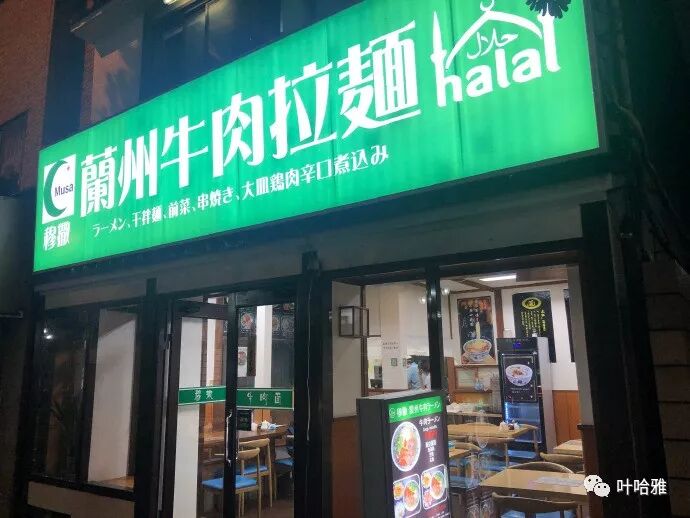
The noodle shop is run by the Salar people from Qinghai and is located near the Hongo-sanchome subway station in central Tokyo. The first floor is a halal restaurant that does not serve alcohol, mainly selling ramen, mixed noodles, big plate chicken (dapanji), and lamb skewers. The second floor is a guesthouse with family rooms that fit several people and Japanese-style straw mats (tatami). The prices are much cheaper than online, and you can even get a halal breakfast before heading out in the morning, which is hard to find in Japan.
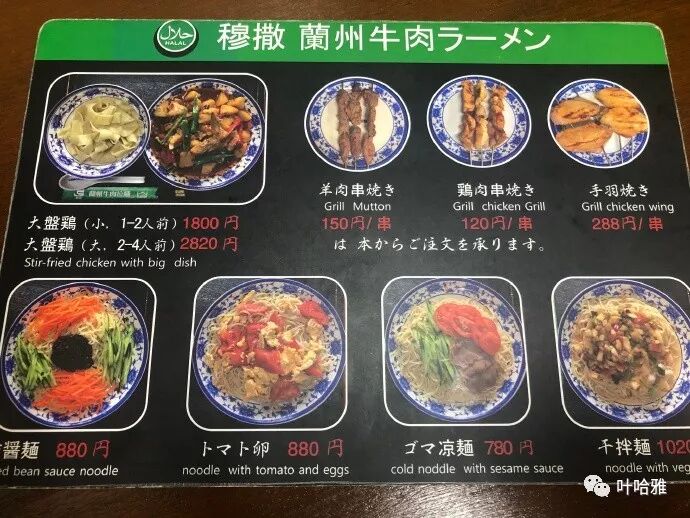
You need to book a room in advance via WeChat. The customer service WeChat ID is: hanxi-halimei
Address:
5-23-13 Hongo, Bunkyo-ku, Tokyo
Nearest train station:
Hongo-sanchome Station on the Marunouchi and Oedo lines
Opposite the Red Gate (Akamon) of the University of Tokyo
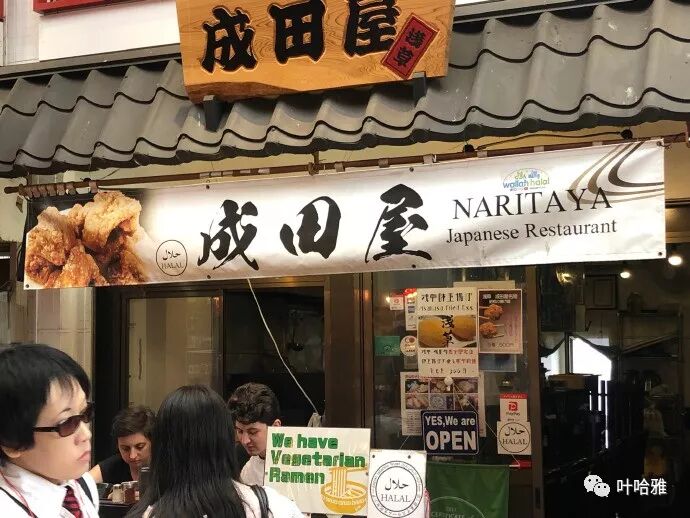
I made new discoveries during my second trip to Tokyo, all concentrated near Senso-ji Mosque. Senso-ji is a famous tourist spot in Tokyo with many halal restaurants nearby, all within 1 kilometer of each other. These restaurants mainly serve Japanese-style food, and you should definitely try Japanese halal cuisine when visiting Japan. Below is the restaurant information. All are located around Senso-ji Mosque. You can find their locations by entering the restaurant names into Google Maps.
1. Naritaya
(Japanese-style ramen)
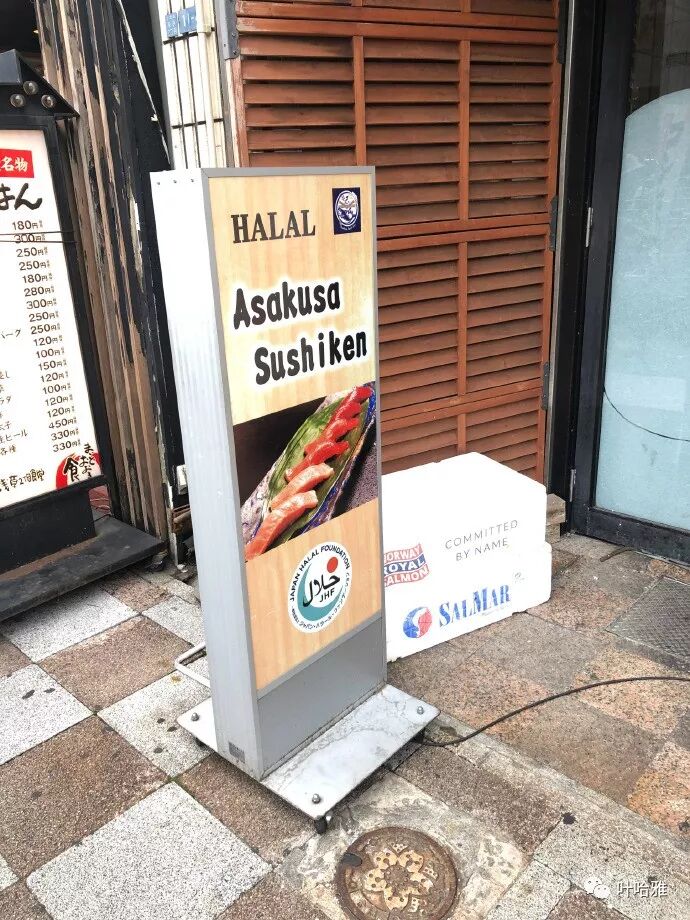
2. Asakusa Sushiken
(Asakusa Sushi Restaurant)
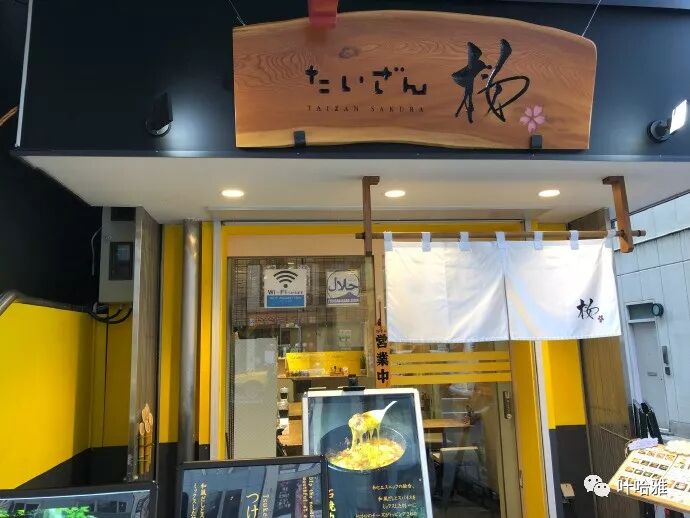
3. Taizan Sakura
(Cherry Blossom Japanese Ramen)
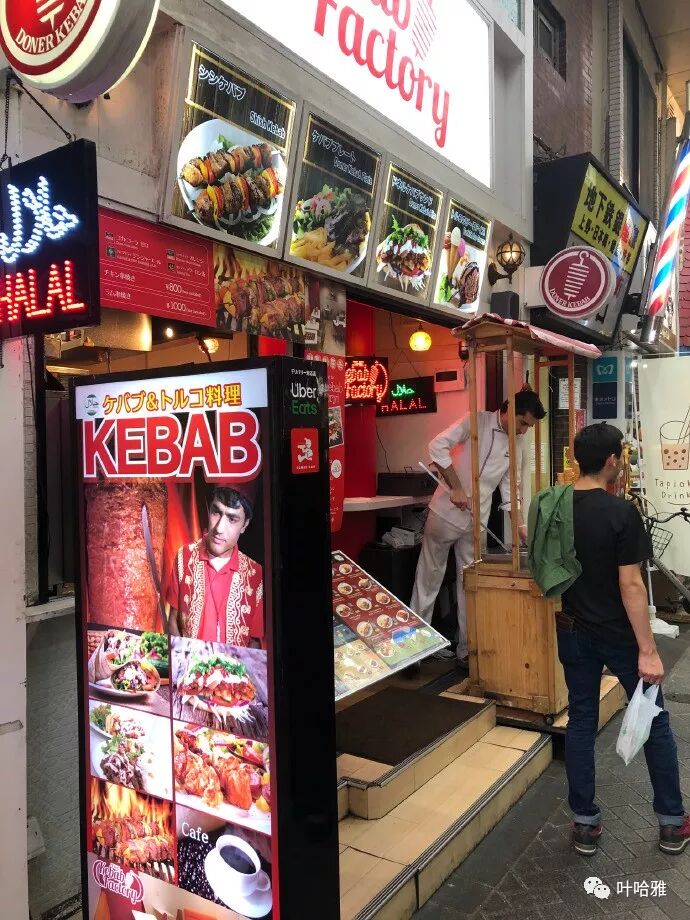
4. KEBAB
Turkish kebab
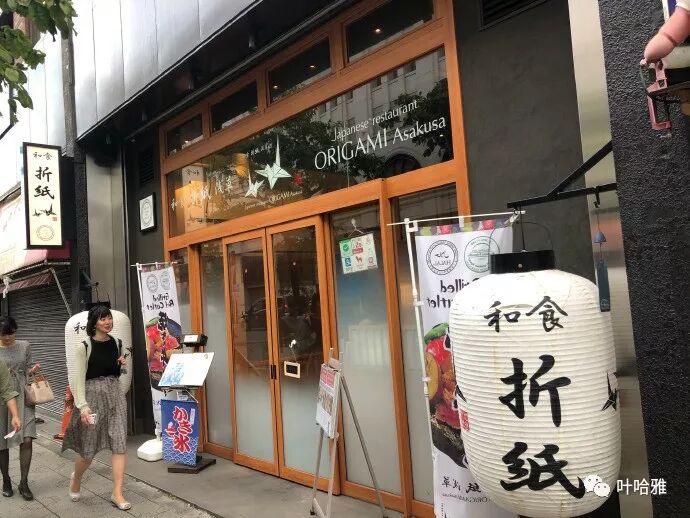
5. ORIGAMI
(Japanese hot pot, sashimi)
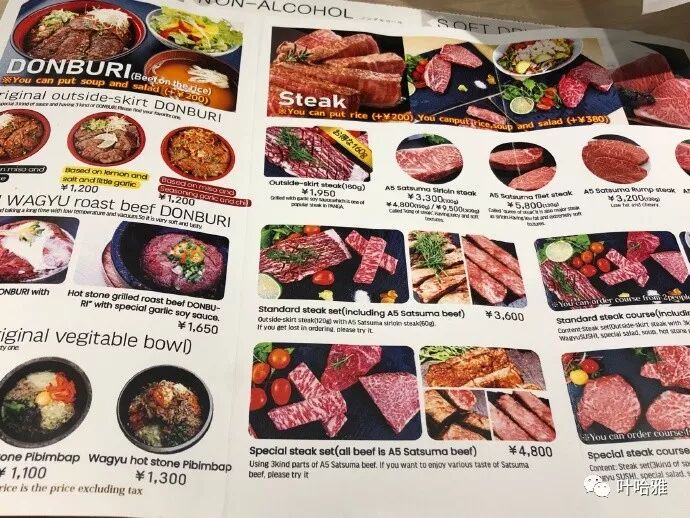
6. PANGA
(Wagyu beef barbecue)
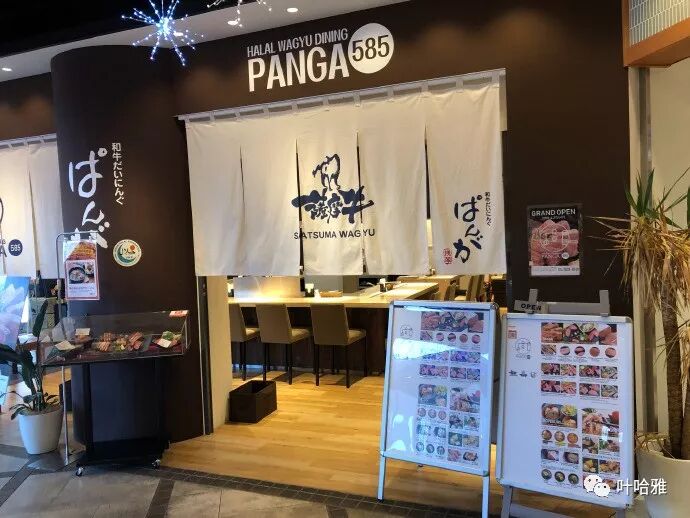
This wagyu barbecue place was my final choice, and it turned out to be the right one because it was truly delicious.
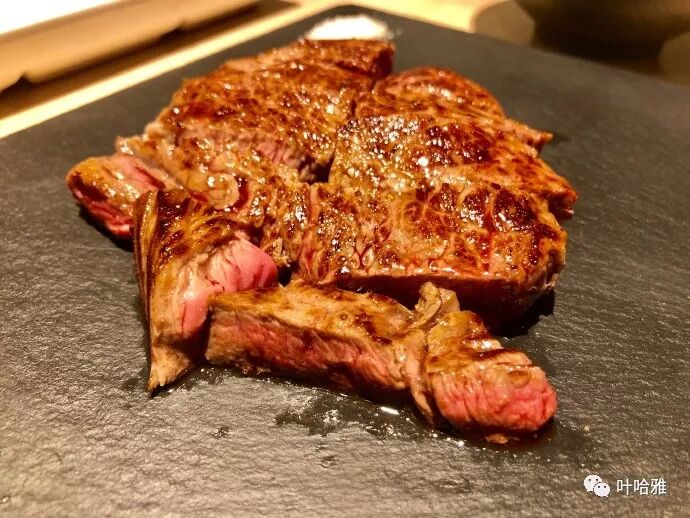
This steak cost about 200 yuan, but it was tender and juicy. It is probably the best steak I have ever eaten.
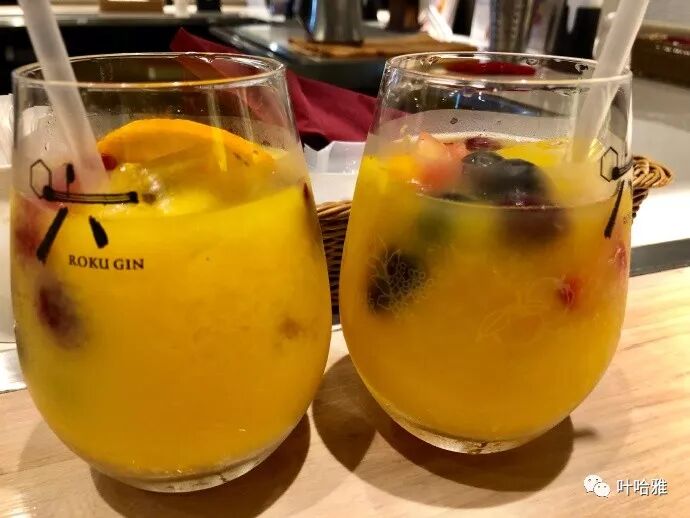
This mixed fruit juice is also delicious. Keep in mind that any restaurant in Japan with the blue halal certification logo is alcohol-free, so you can eat there with peace of mind.
7. MUSLIM PRAYER ROOM
(Prayer Room)
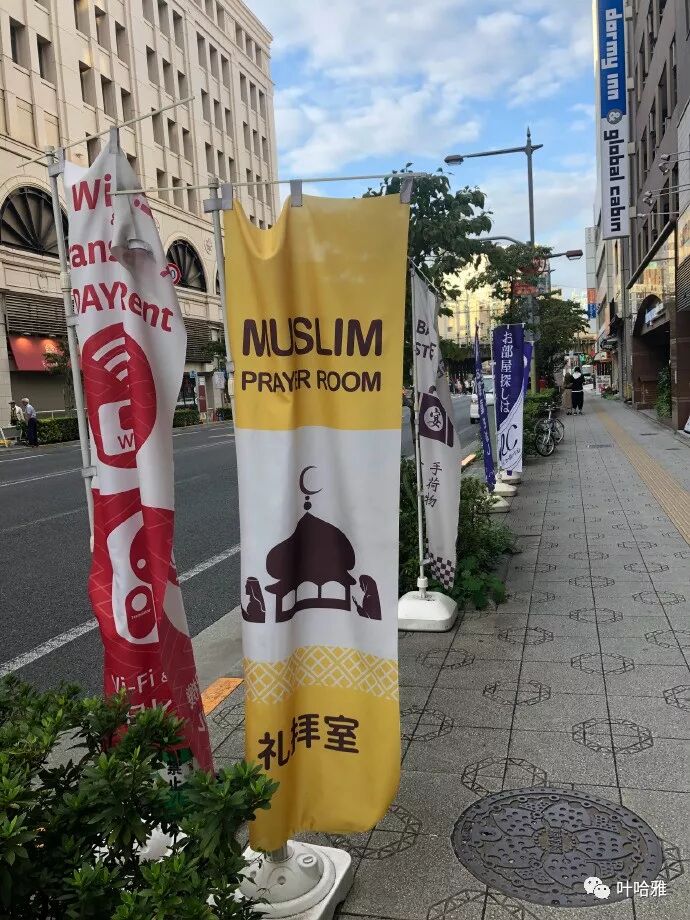
This is a free prayer room provided specifically for Muslims. You can also store your luggage here, and the staff warmly welcomed us to perform our namaz.
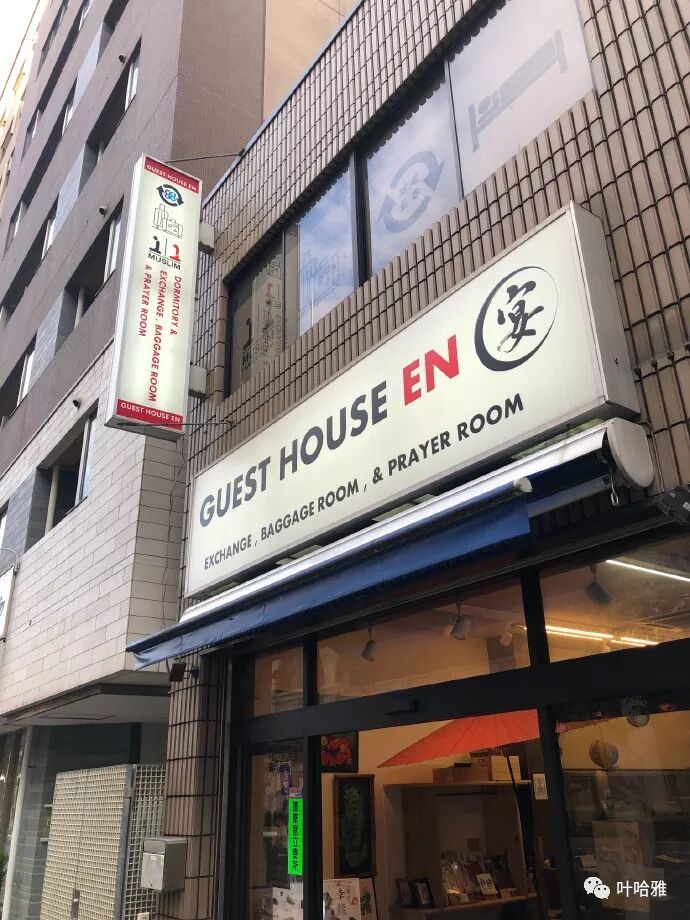
It is located near Senso-ji Mosque, right next to ORIGAMI.
A halal Japanese restaurant.
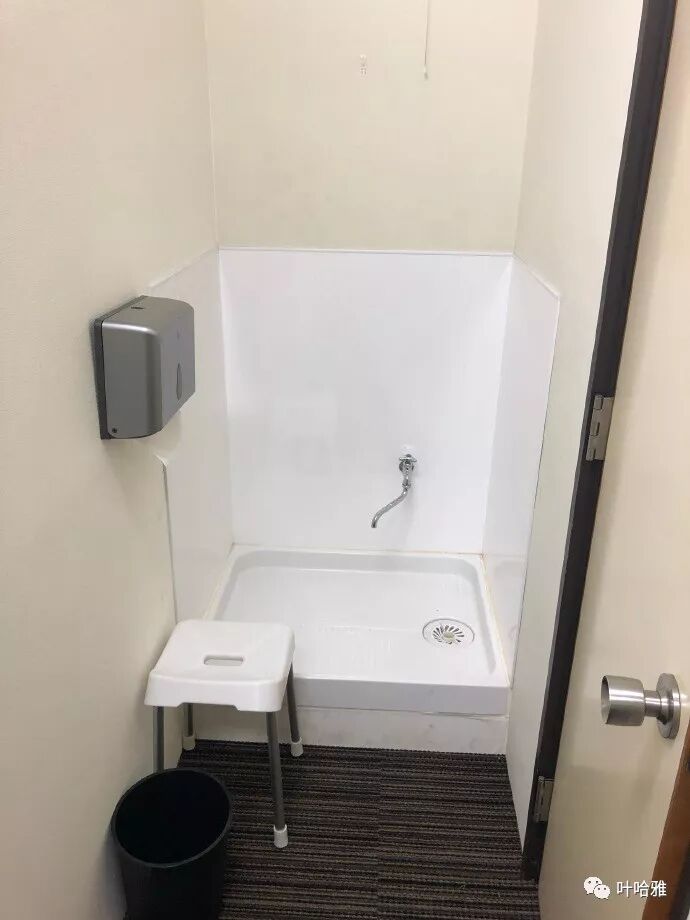
There is a place for wudu inside.
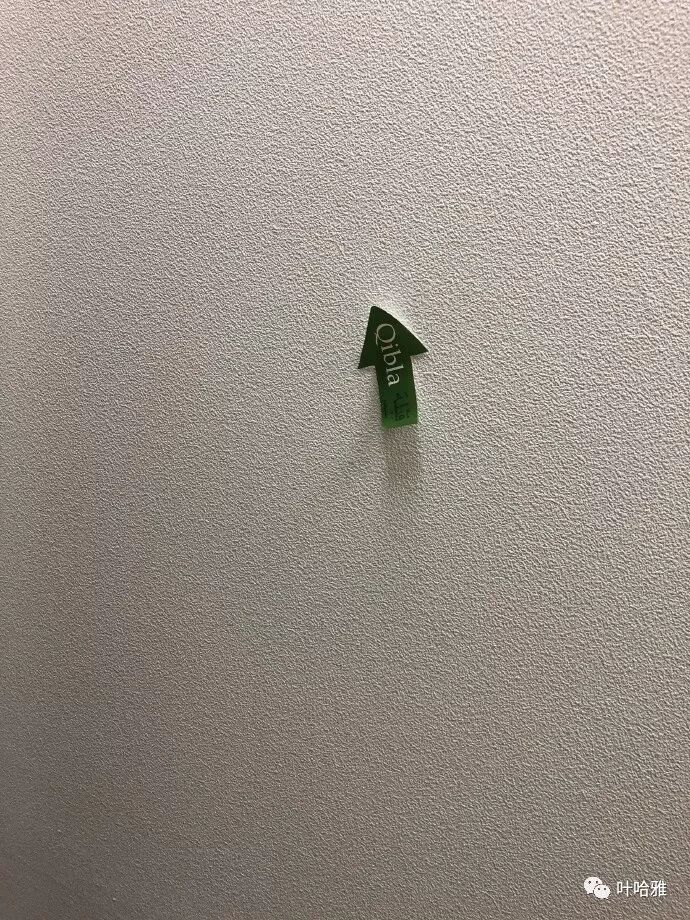
The direction of the Kaaba is posted on the wall, and there are prayer mats on the floor.
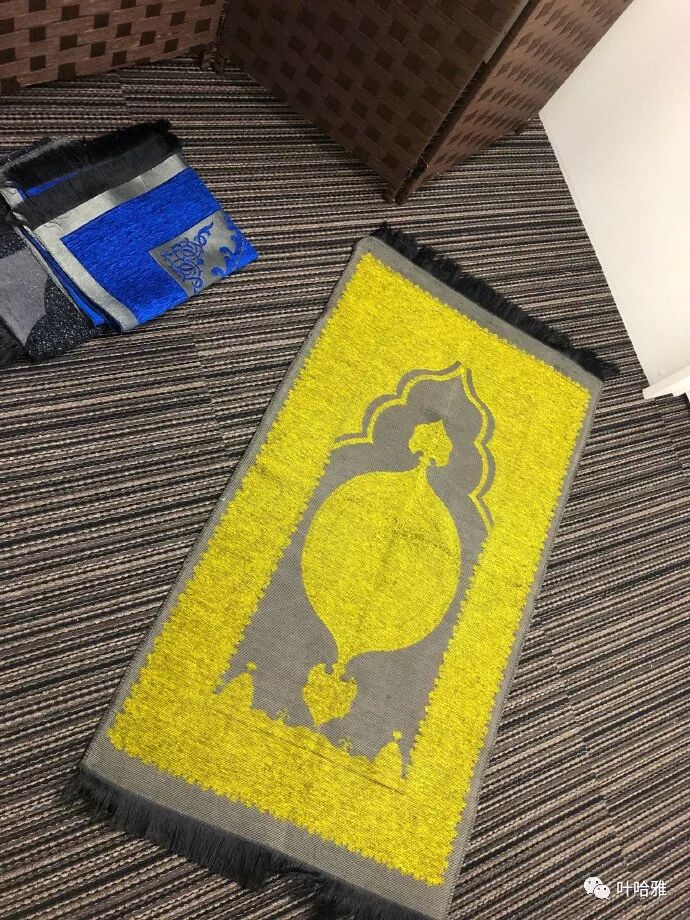
The people at this prayer room hope we can share it on social media to help more Muslims traveling in Japan. My later travels showed me that these prayer rooms are everywhere in Japan.
Sapporo City
It takes about an hour and a half to fly from Tokyo to Sapporo in Hokkaido. Remember to buy your airport express train ticket on the plane, as it is over 200 yen cheaper than buying it at the counter after landing. Tokyo Narita Airport is very far from the city center, and the express train takes nearly an hour, costing about 150 RMB. If you are flying with a Japanese airline, you can ask the flight attendant to buy the ticket for you in advance and then exchange it at the ticket office after you land.
Sapporo's New Chitose Airport is not far from the city center; it takes half an hour by light rail. If you visit Hokkaido, I suggest staying in Sapporo. Transportation in other Hokkaido cities is not well-developed, but Sapporo is the largest city. It is easy to travel from there to other parts of Hokkaido and return on the same day.
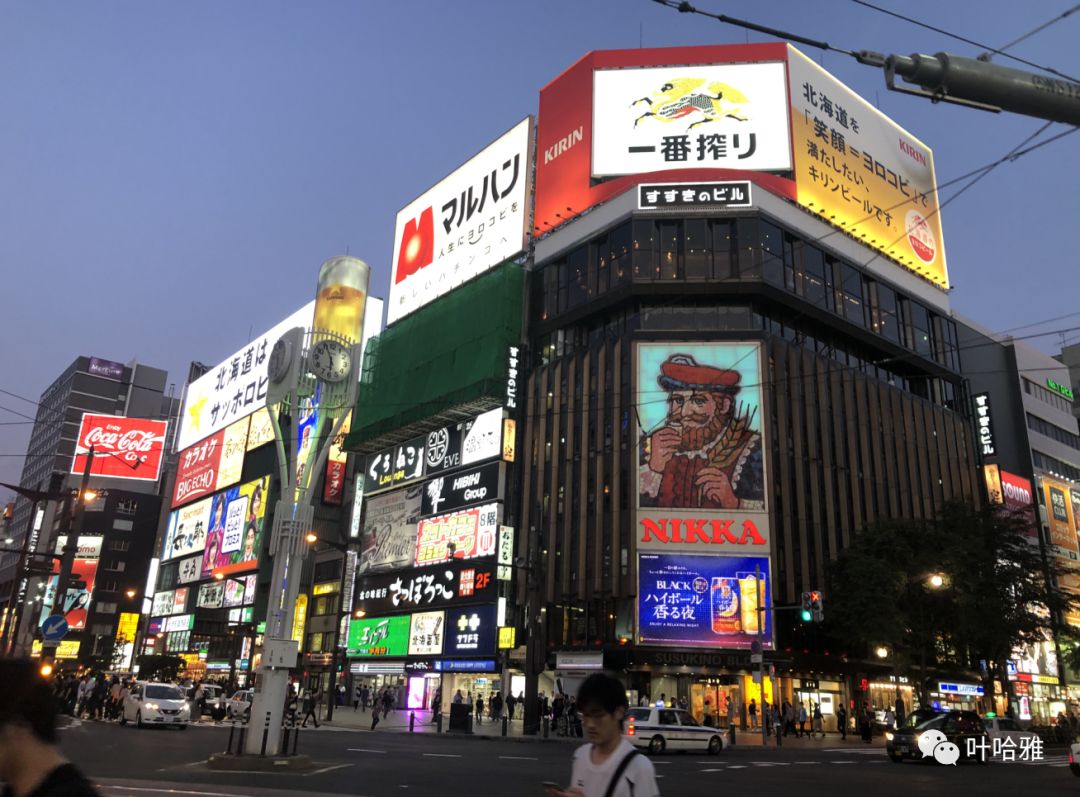
Accommodation in Hokkaido is expensive, with standard rooms usually costing over 400 RMB. We were very lucky to book a guesthouse called FEEL on Booking.com for just over 200 RMB per night, located 1.5 kilometers from Sapporo Central Station. This guesthouse is a great value. The room has a living room and a bedroom, plus a kitchen and bathroom, and can sleep up to 7 people. The kitchen is clean, cozy, and fully equipped with brand-new utensils and supplies. When we did not want to eat out, we bought groceries at the supermarket to cook. The room also comes with a bicycle that has a back seat for a passenger, which made wandering around the city much easier and more relaxing.
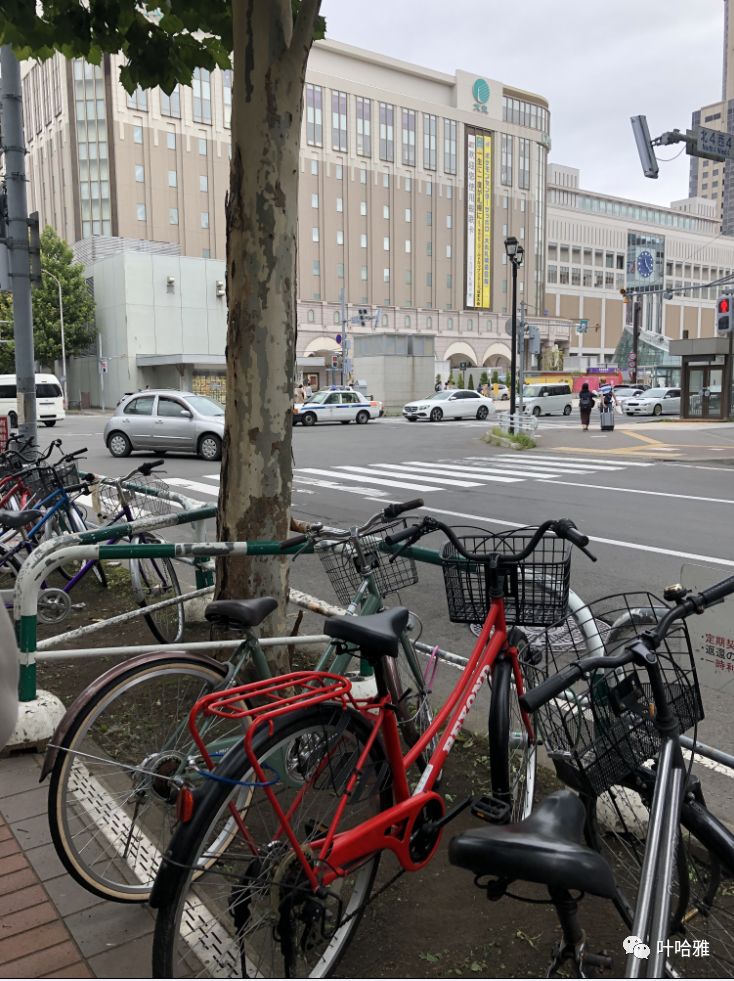
Before checking in, customer service sends a confirmation email with the room key code. You find a combination lock in a cabinet next to the elevator on the first floor to get the key. When checking out, you put the key back. The bicycle also has a combination lock, and you must email customer service to get the code. The whole process is self-service; you never see any staff and do not even need to show your passport. I felt right at home here and will choose this place again if I come back.
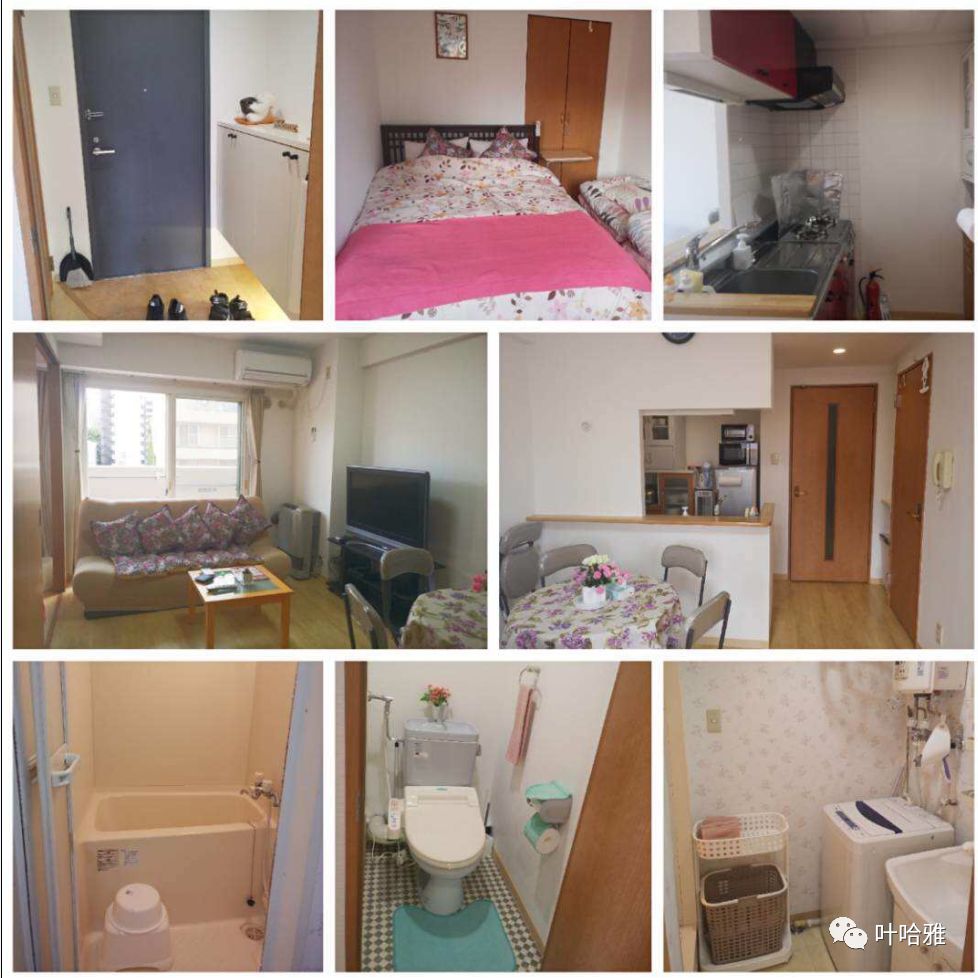
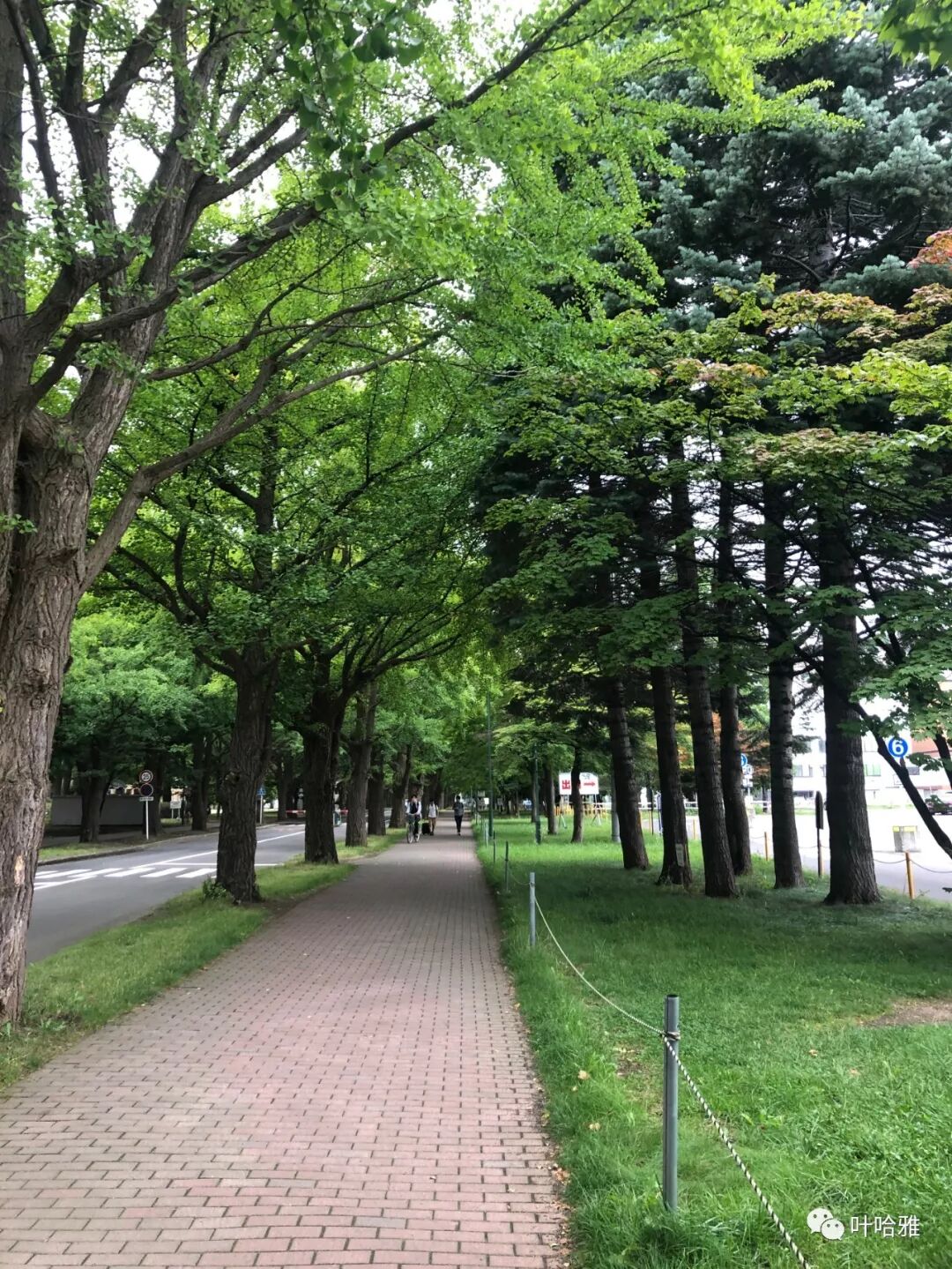
After dropping off our luggage, we headed to Hokkaido University. Hokkaido University (Hokkaido University; Japanese hiragana: ほっかいどうだいがく), abbreviated as Hokudai (ほくだい), has large fields and botanical gardens on campus. In 2010, Professor Akira Suzuki from the Faculty of Engineering at Hokkaido University won the Nobel Prize in Chemistry.
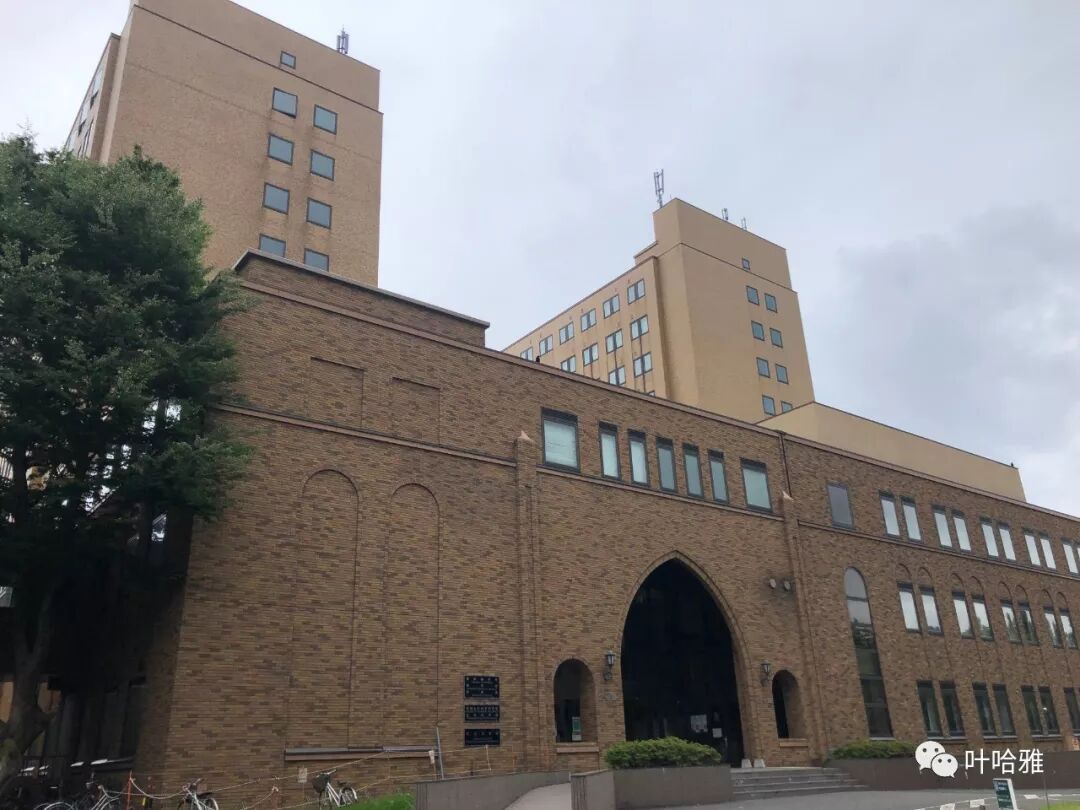
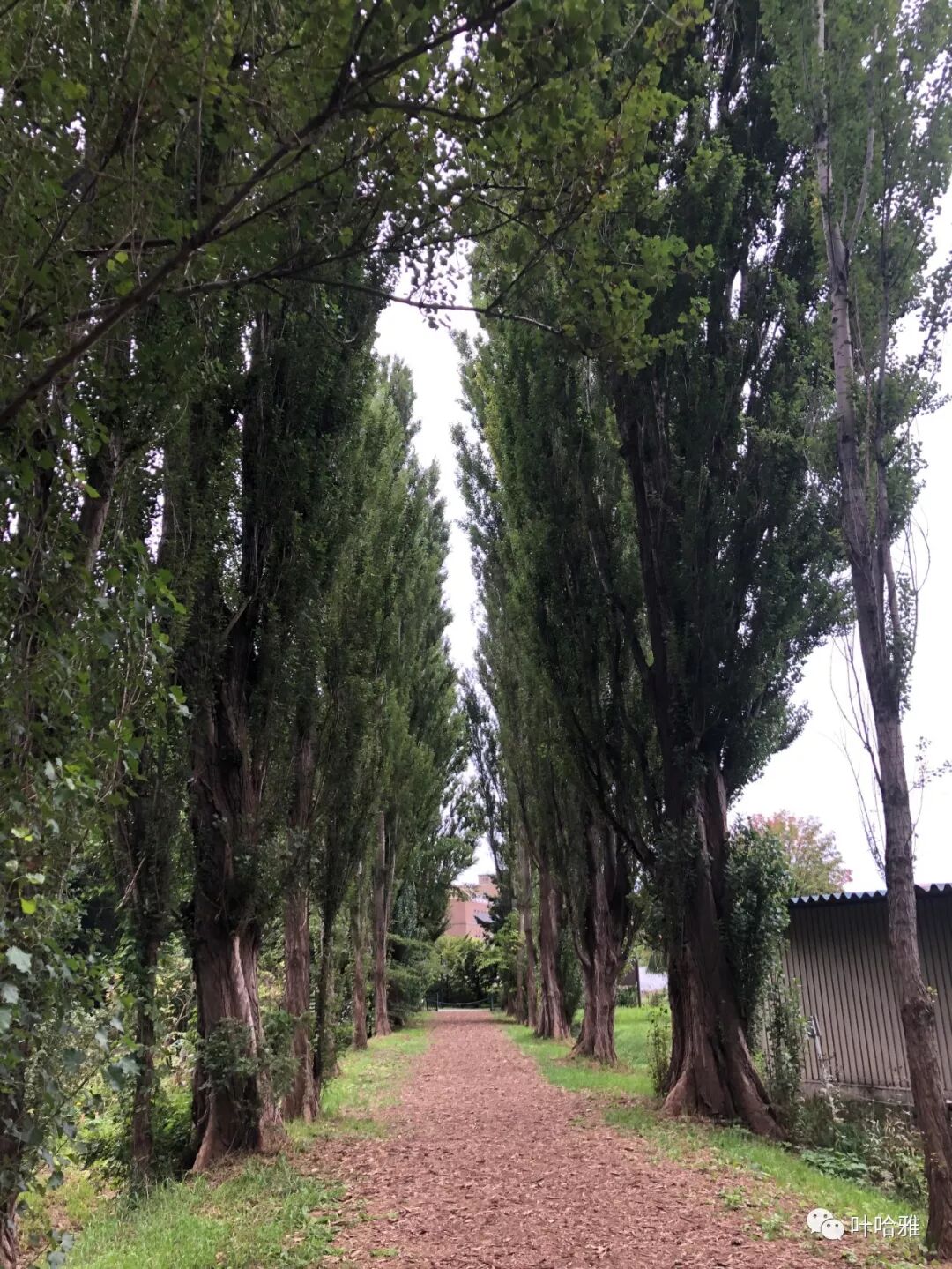
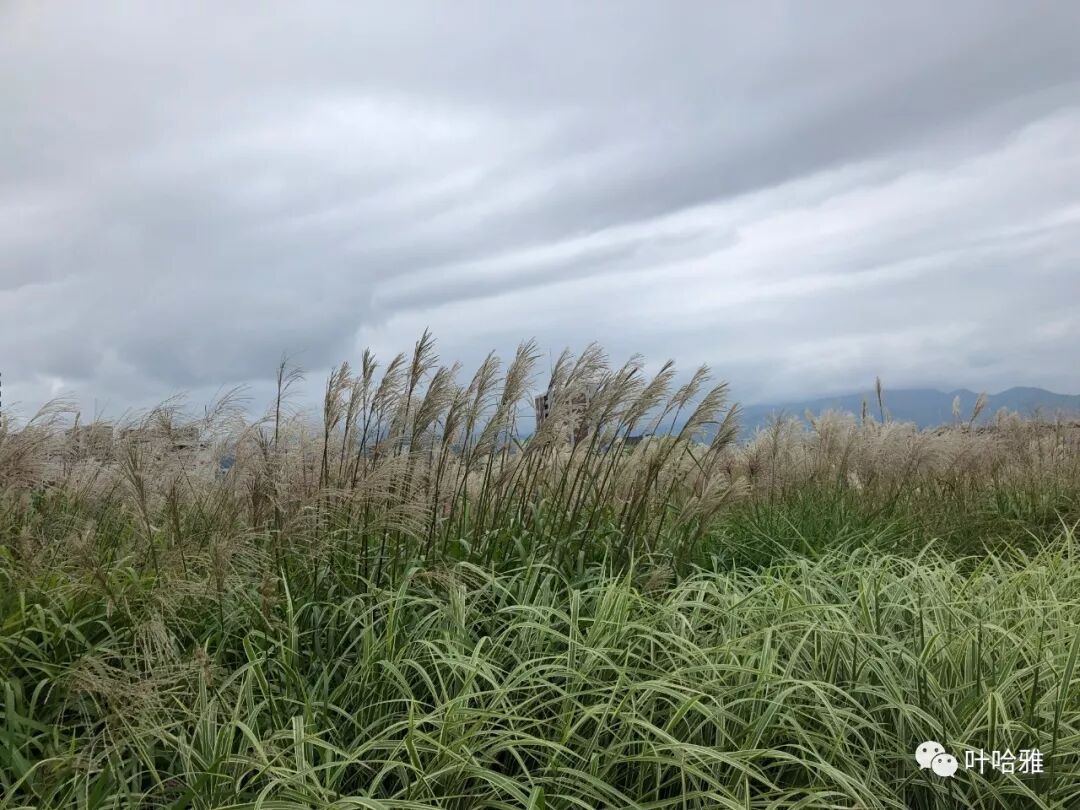
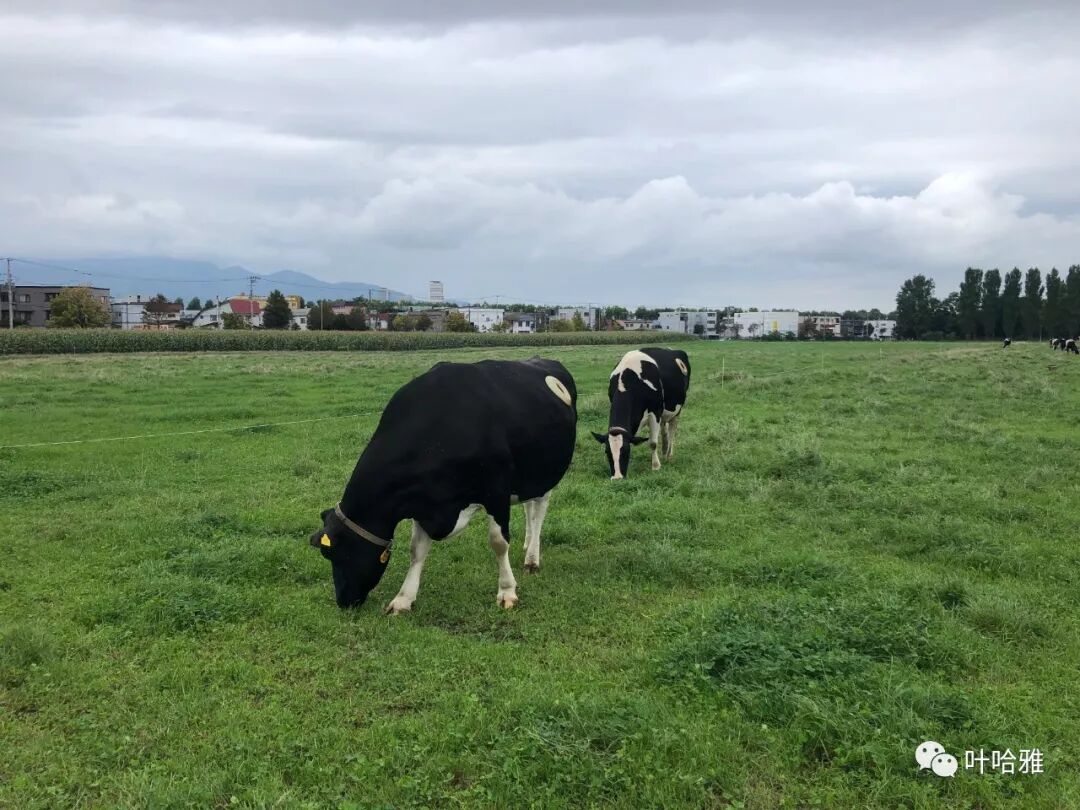
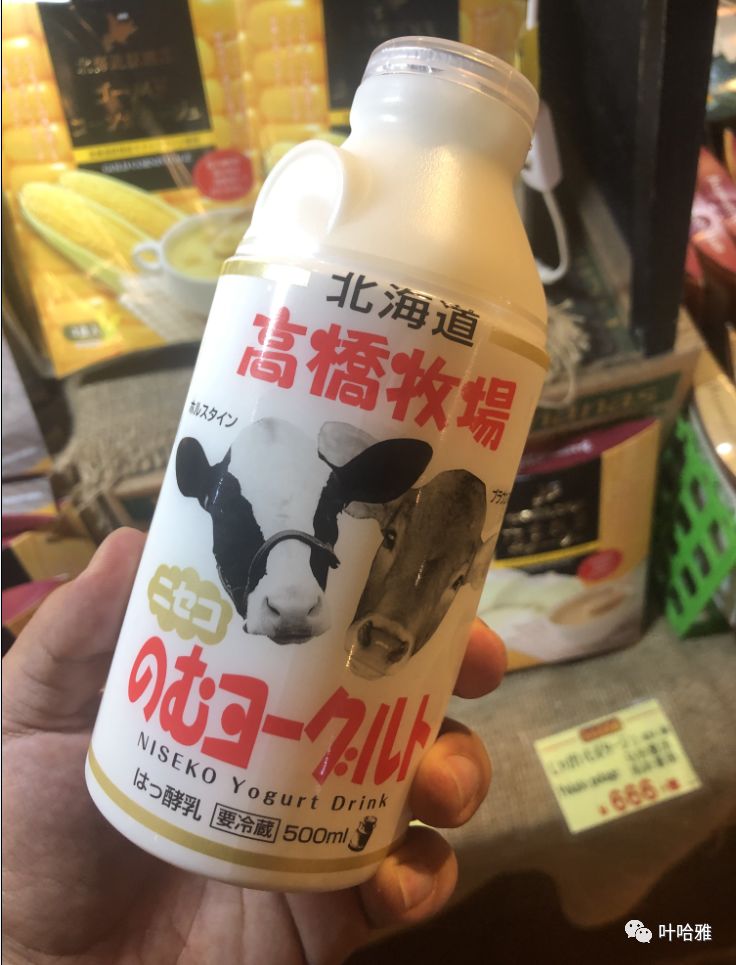
You must try the milk and yogurt in Hokkaido. The dairy products here are excellent, likely due to the geography. Hokkaido is at a similar latitude to New Zealand, and dairy products from this latitude are always delicious.
Shiroi Koibito Park
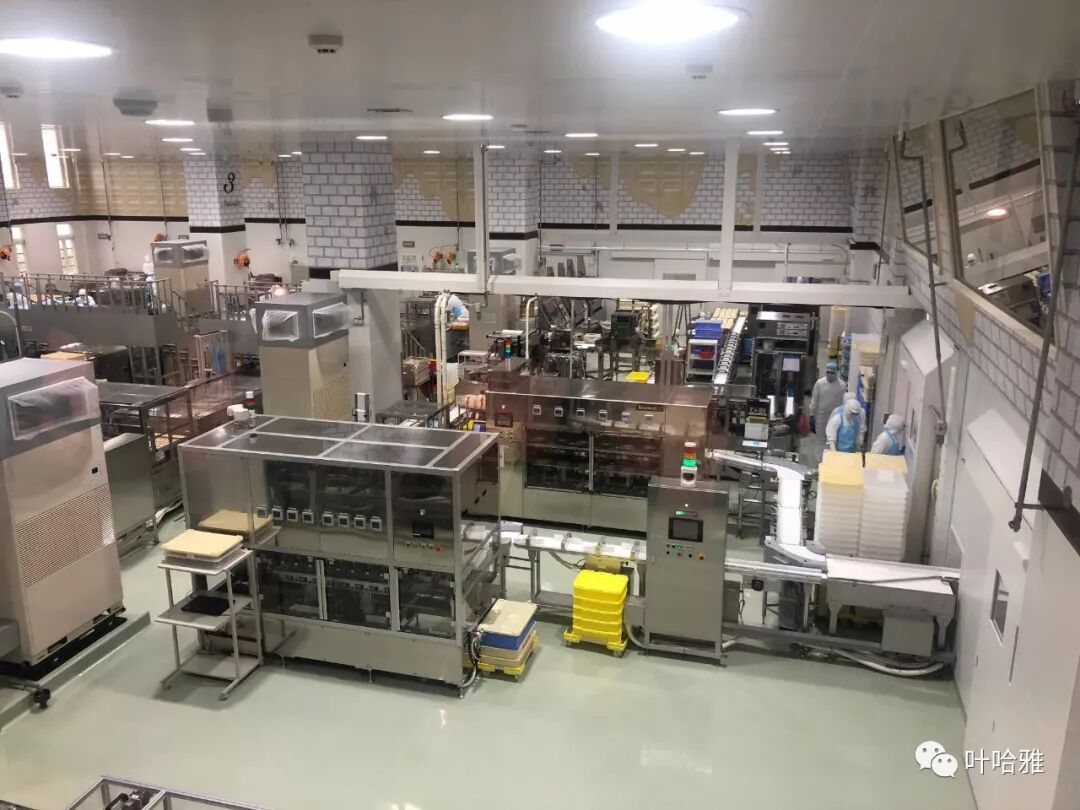
Shiroi Koibito is a famous Japanese chocolate sandwich cookie made in Sapporo. The factory is open to tourists and looks like a park. You can buy a ticket to watch the cookie-making process or even make your own chocolate cookies. The factory is about a 40-minute ride from Sapporo Central Station by city train.
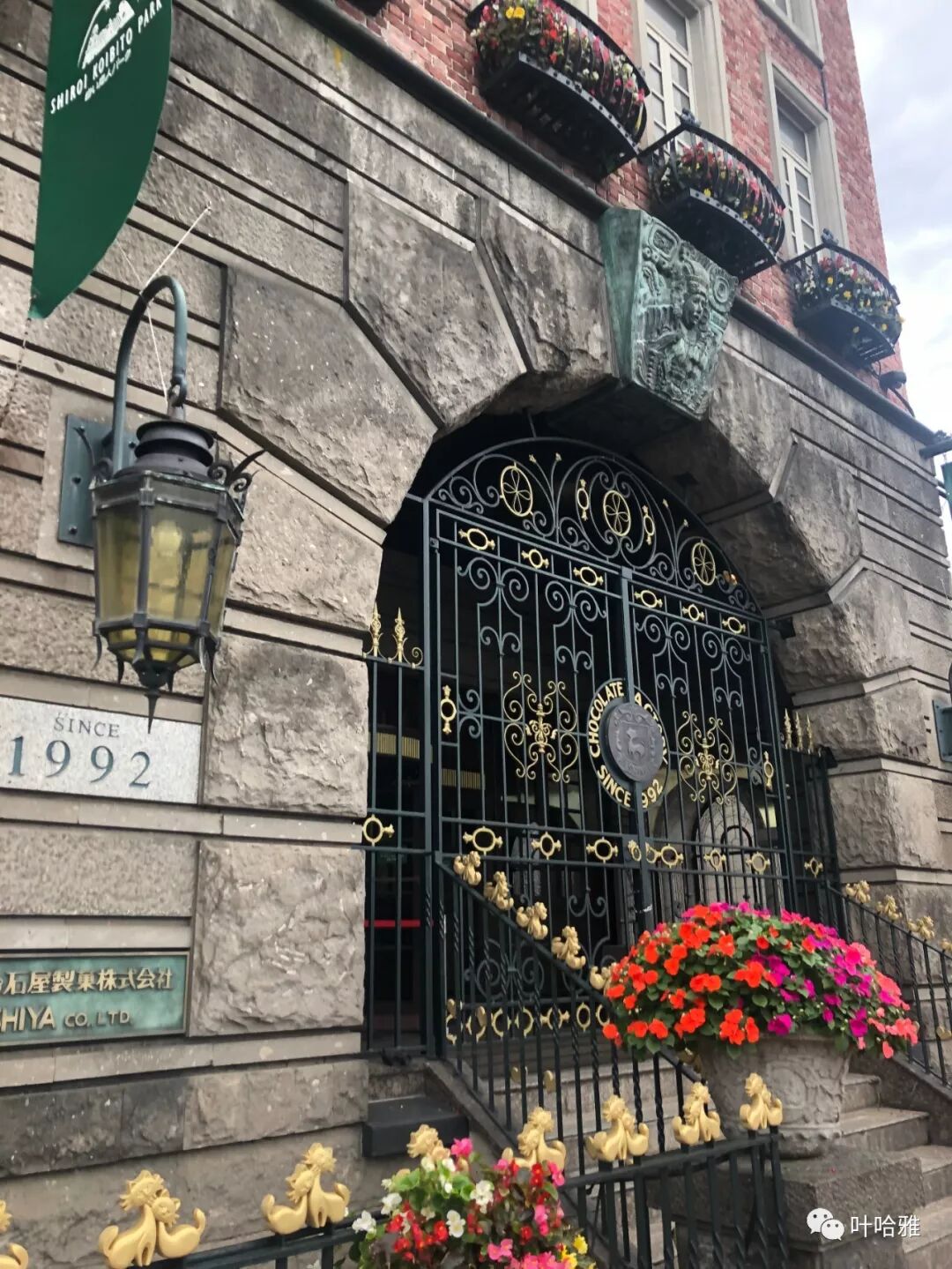
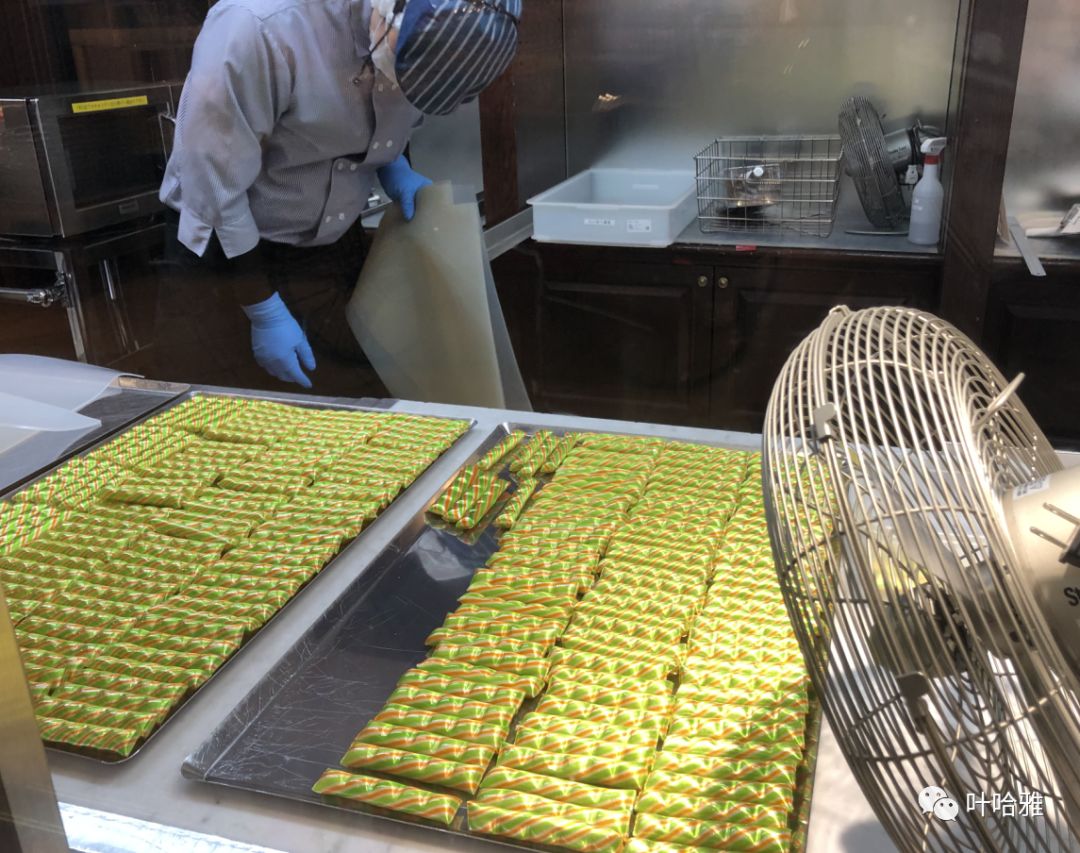
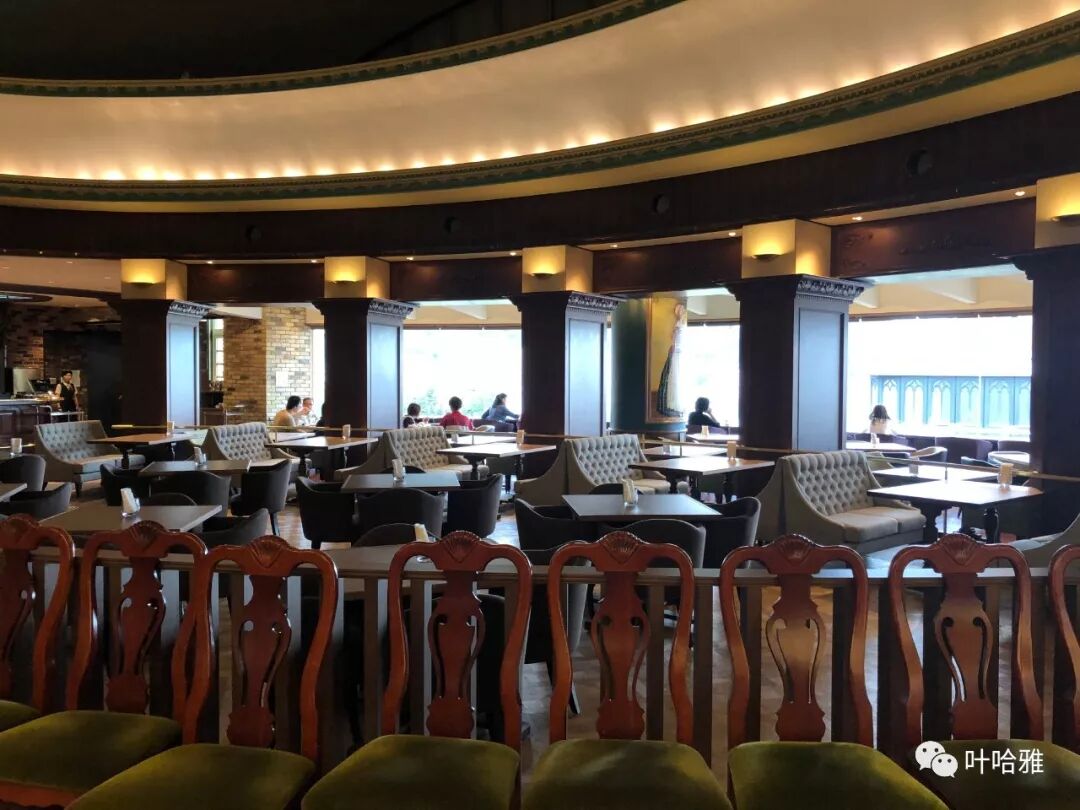
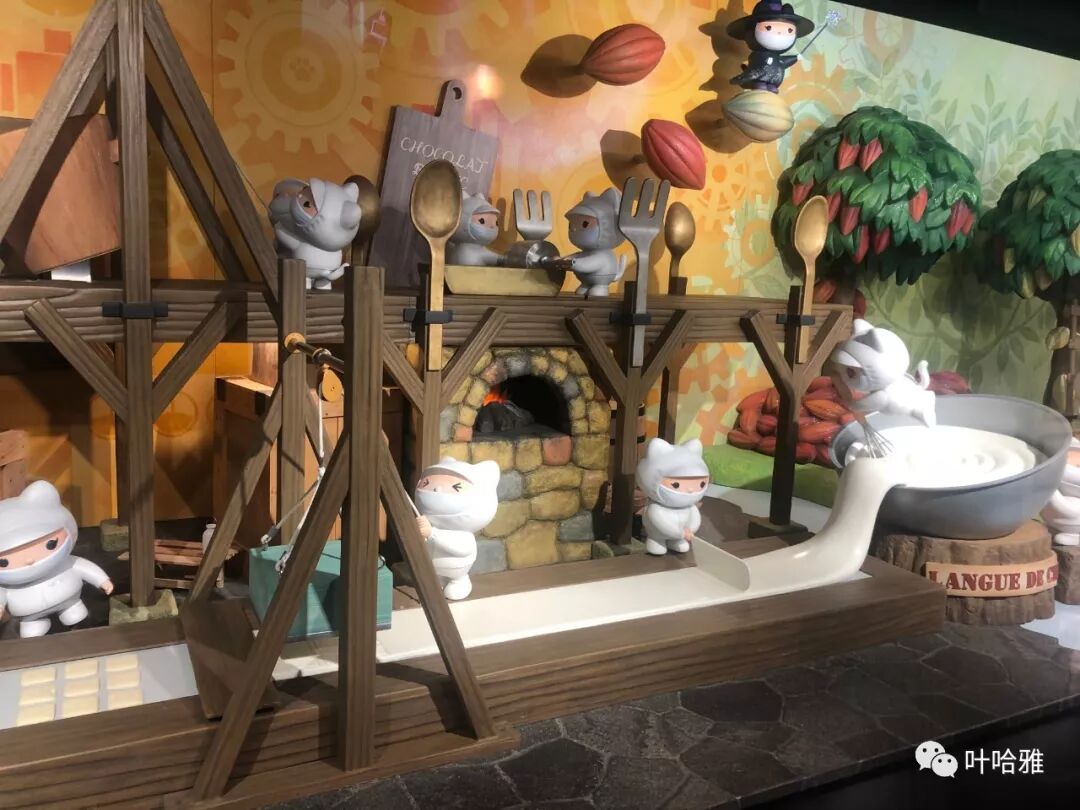
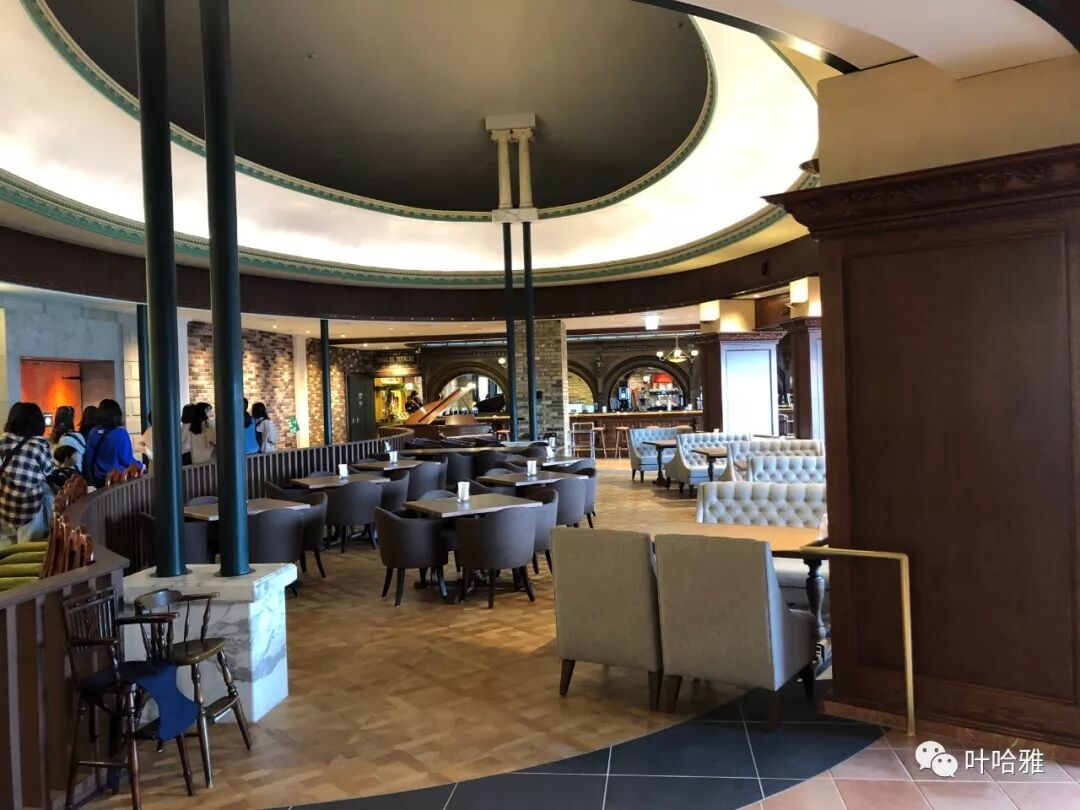
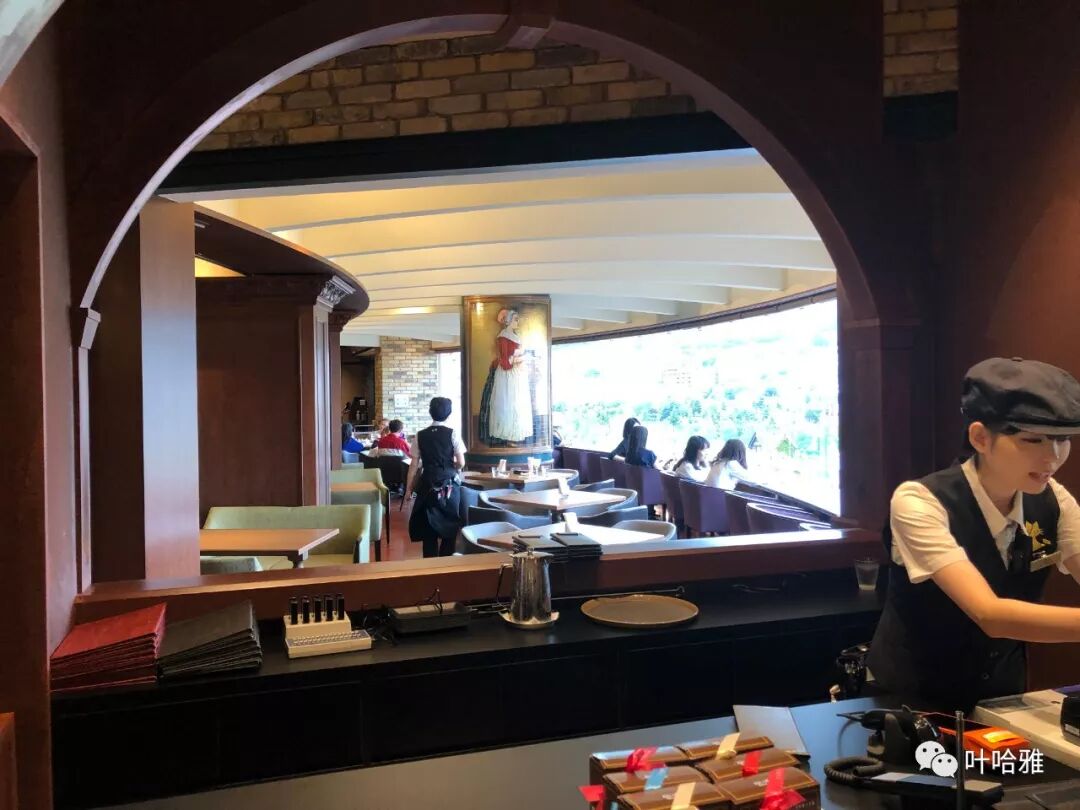
When we ordered food at the restaurant, the server knelt down to take our order.
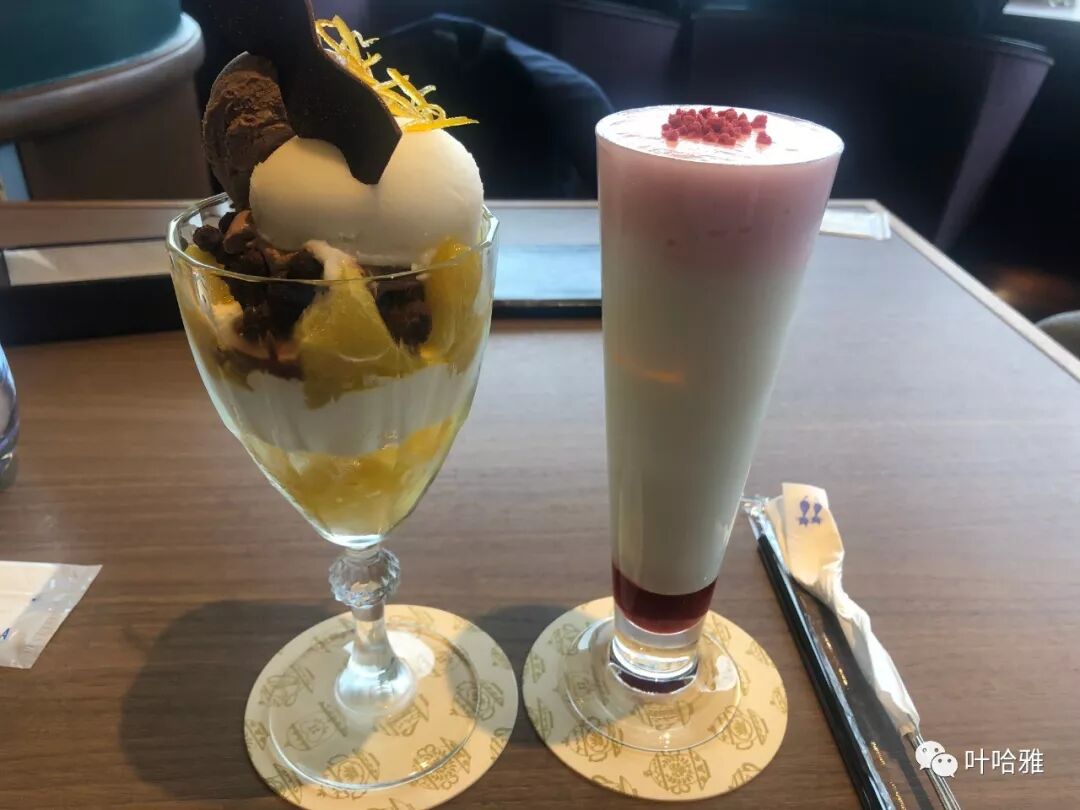
You can sit on the windowsill on the top floor of the factory and enjoy high-quality milk chocolate desserts.
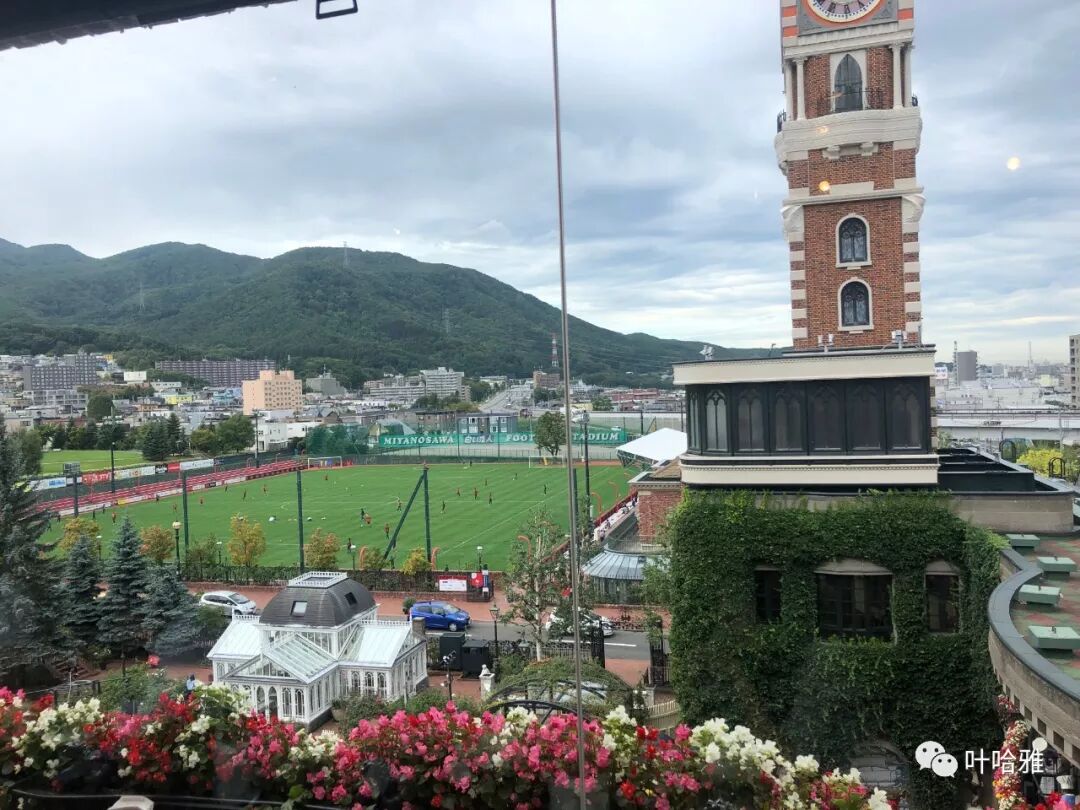
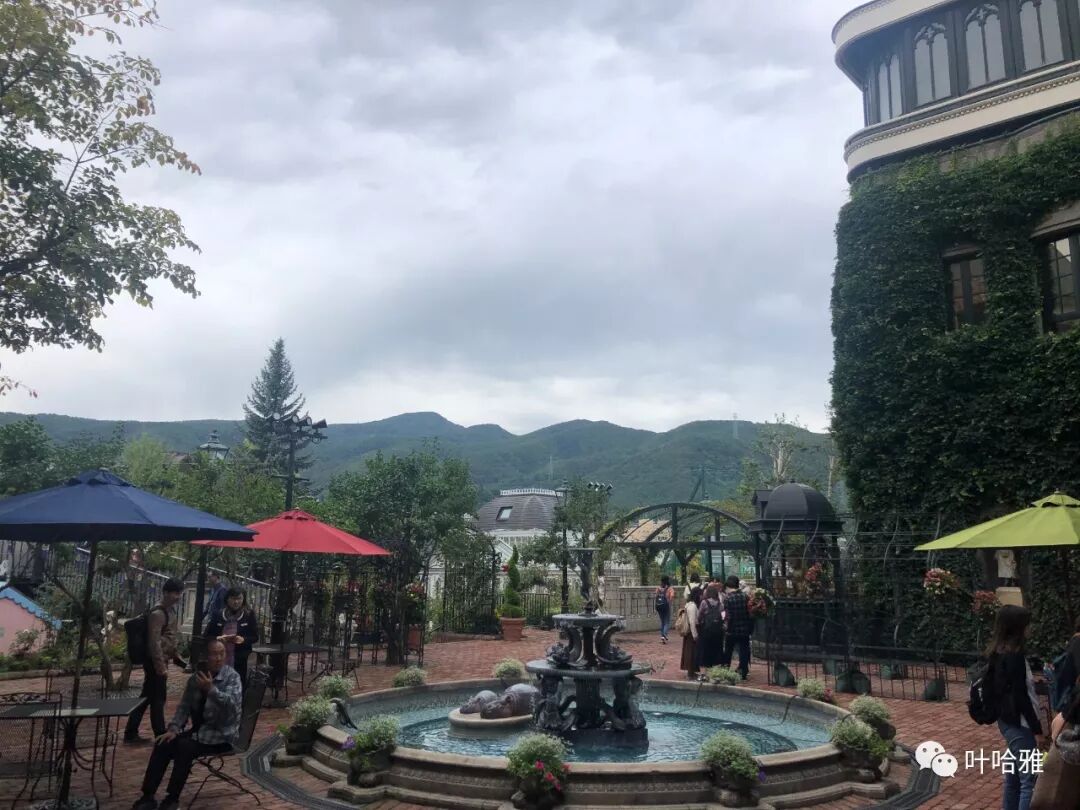
This is the view from the window.
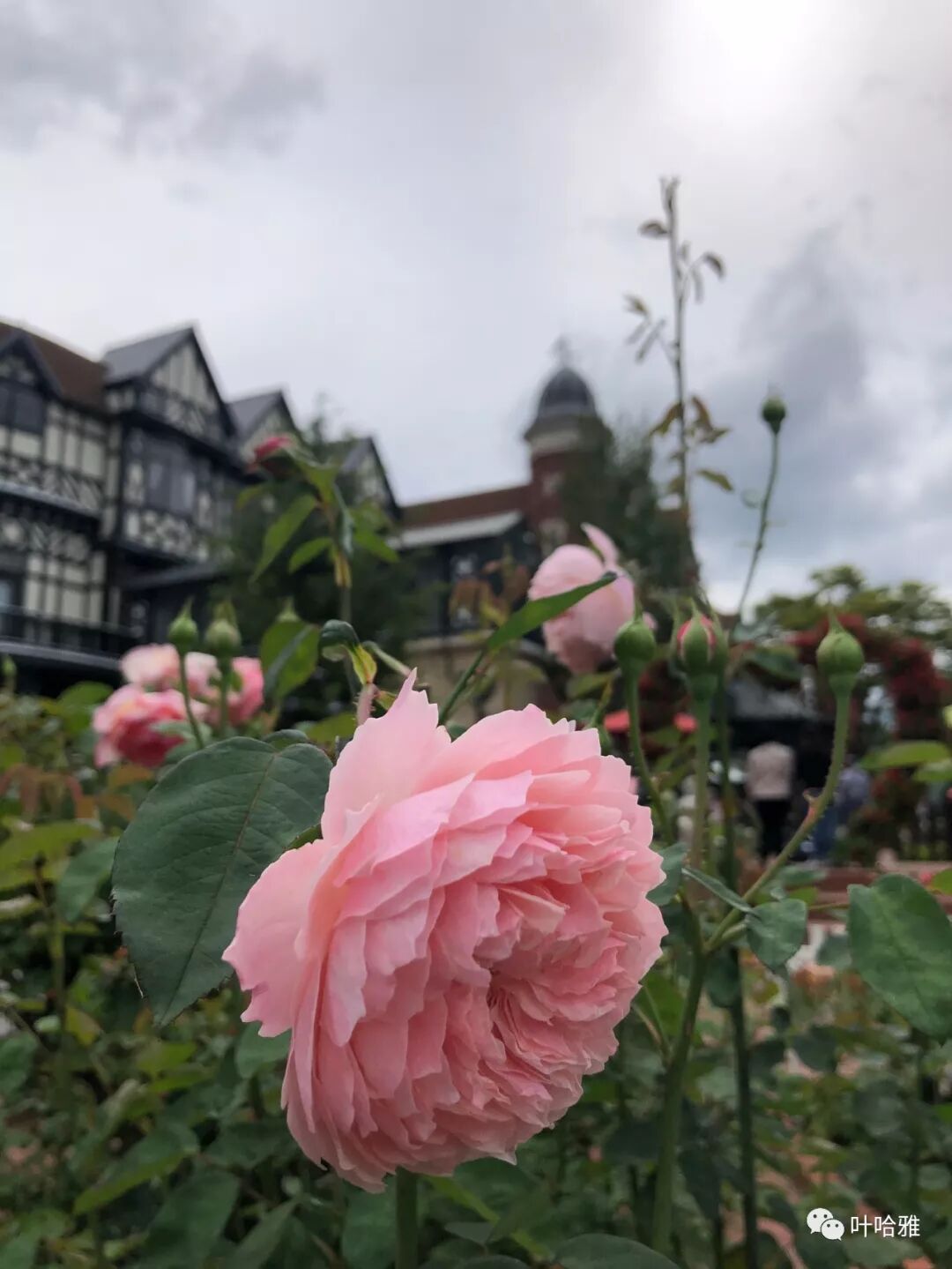
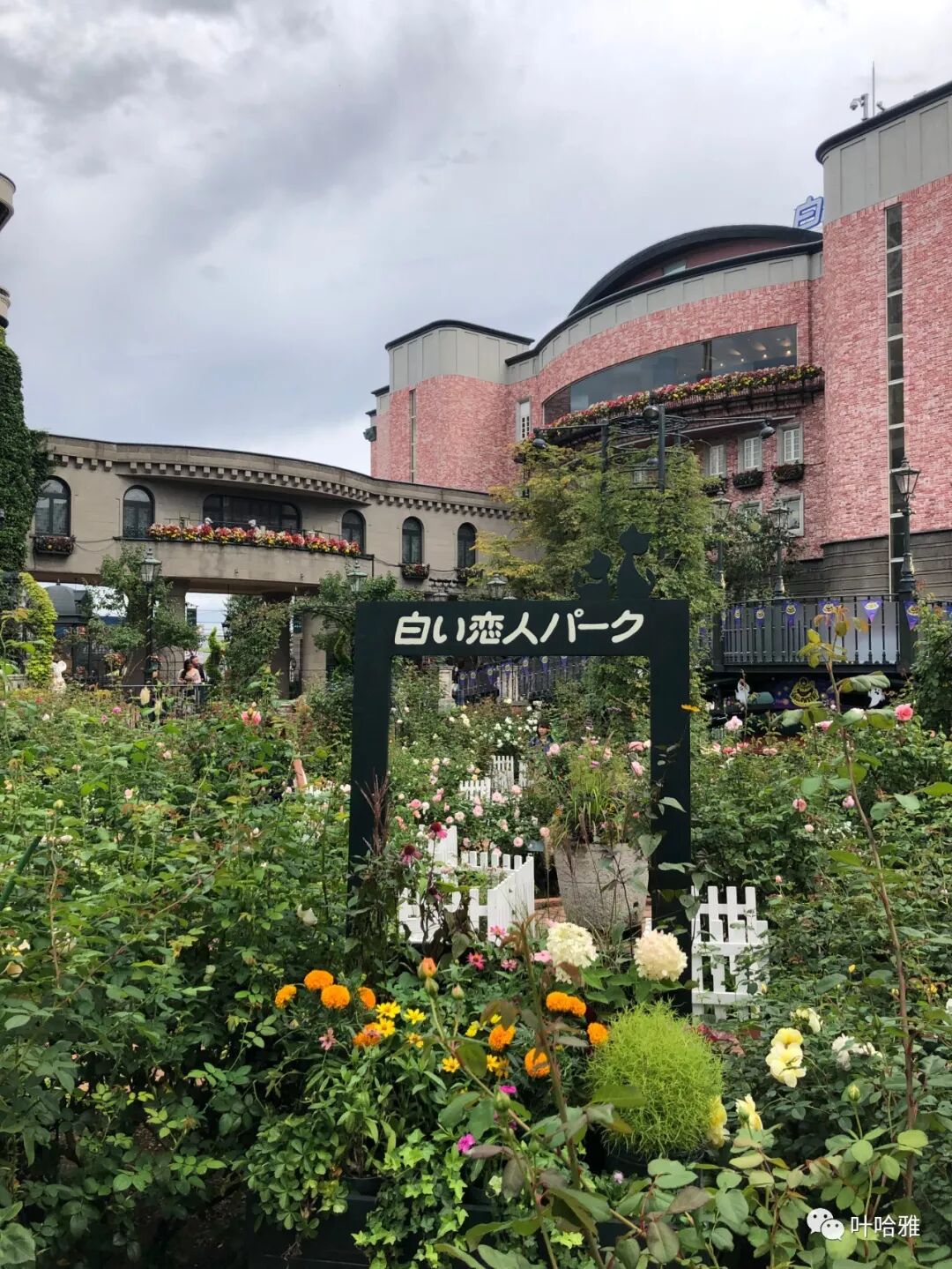
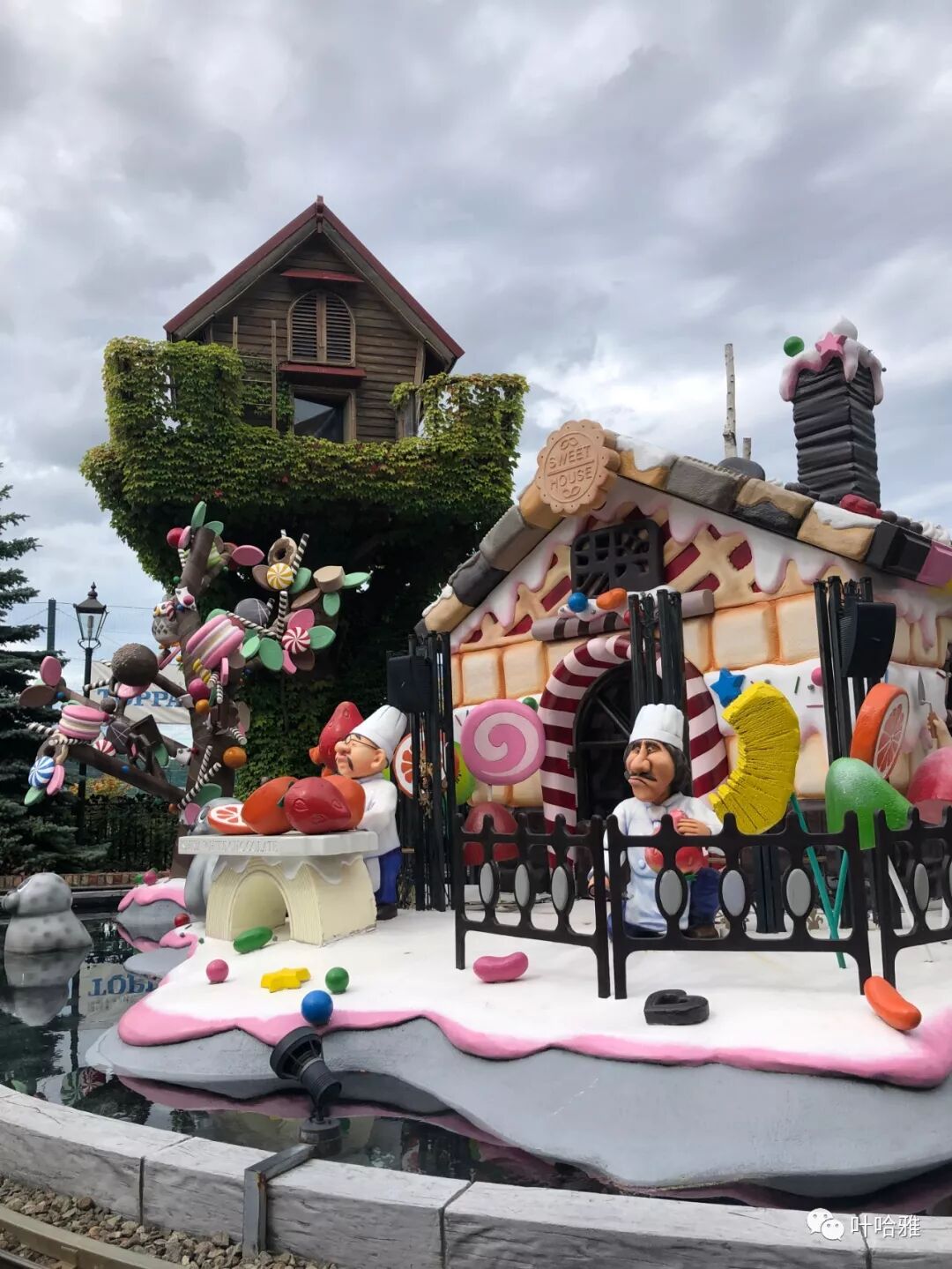
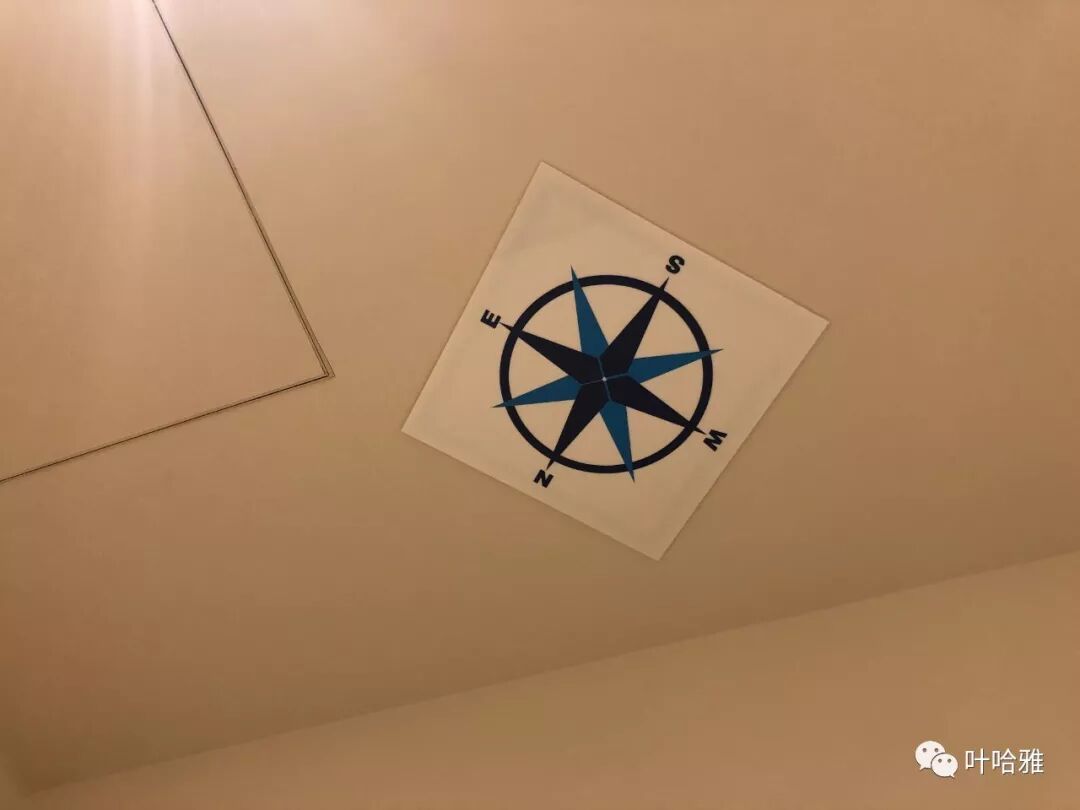
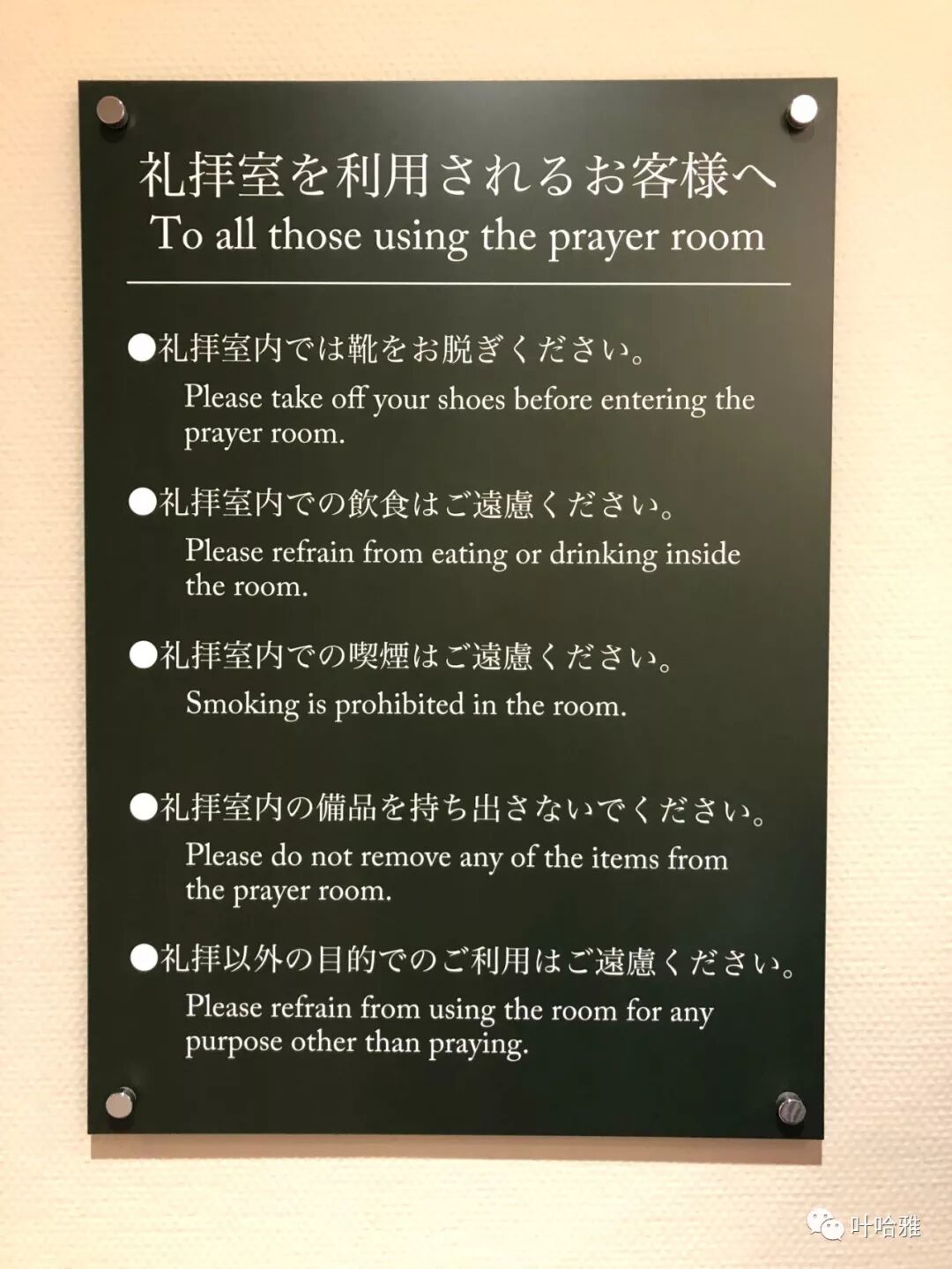
The second floor of the main building has prayer rooms for Muslims, with separate rooms for men and women.
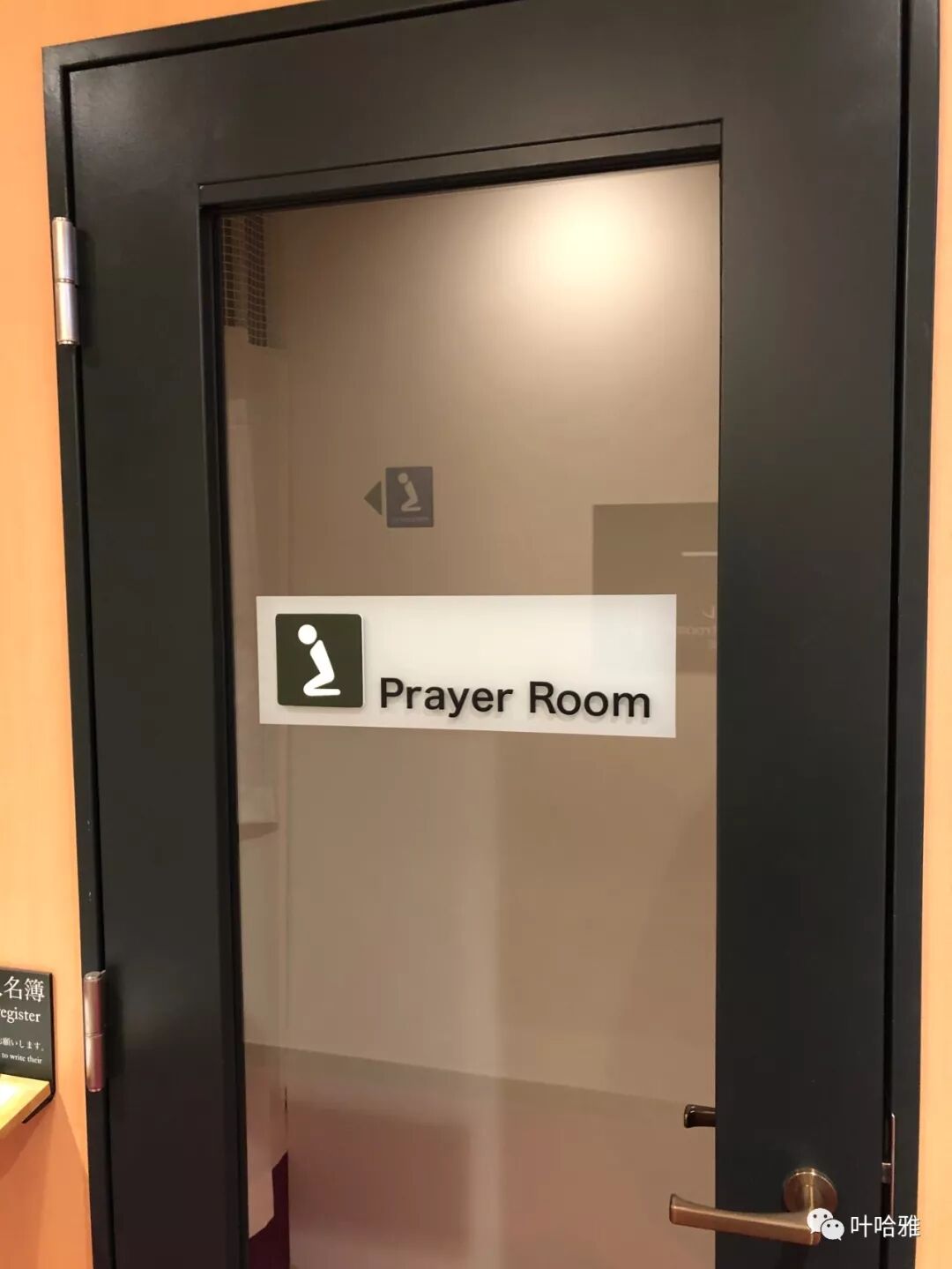
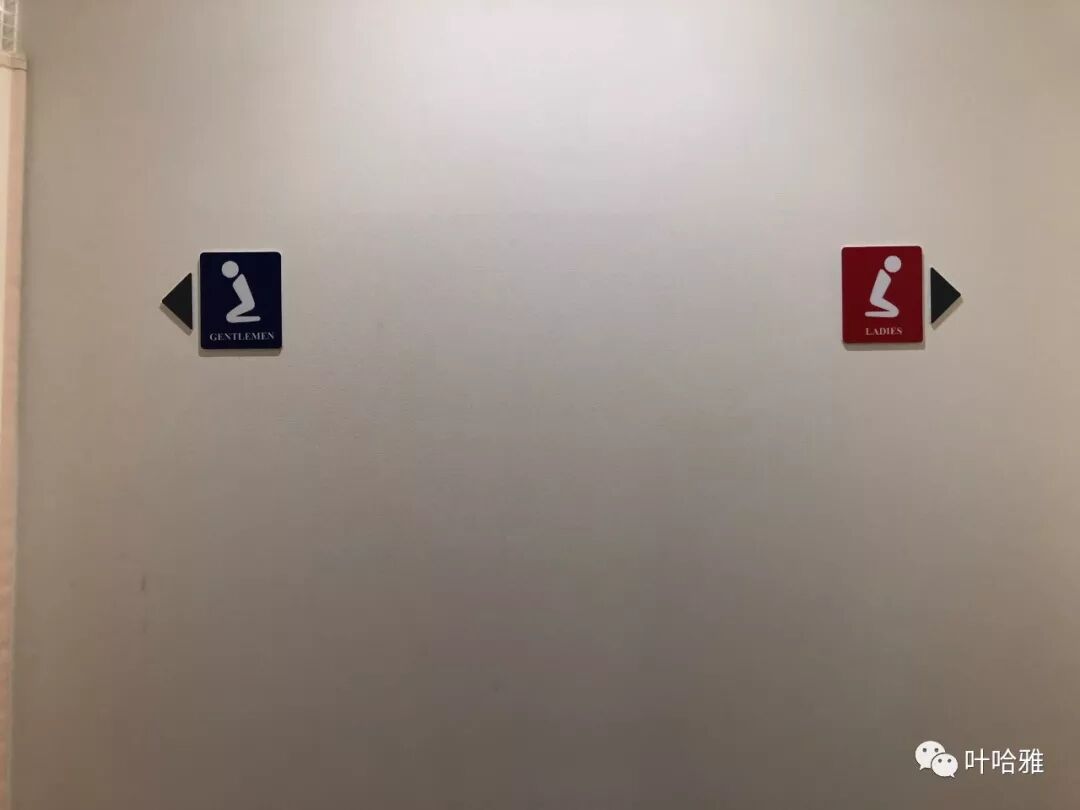
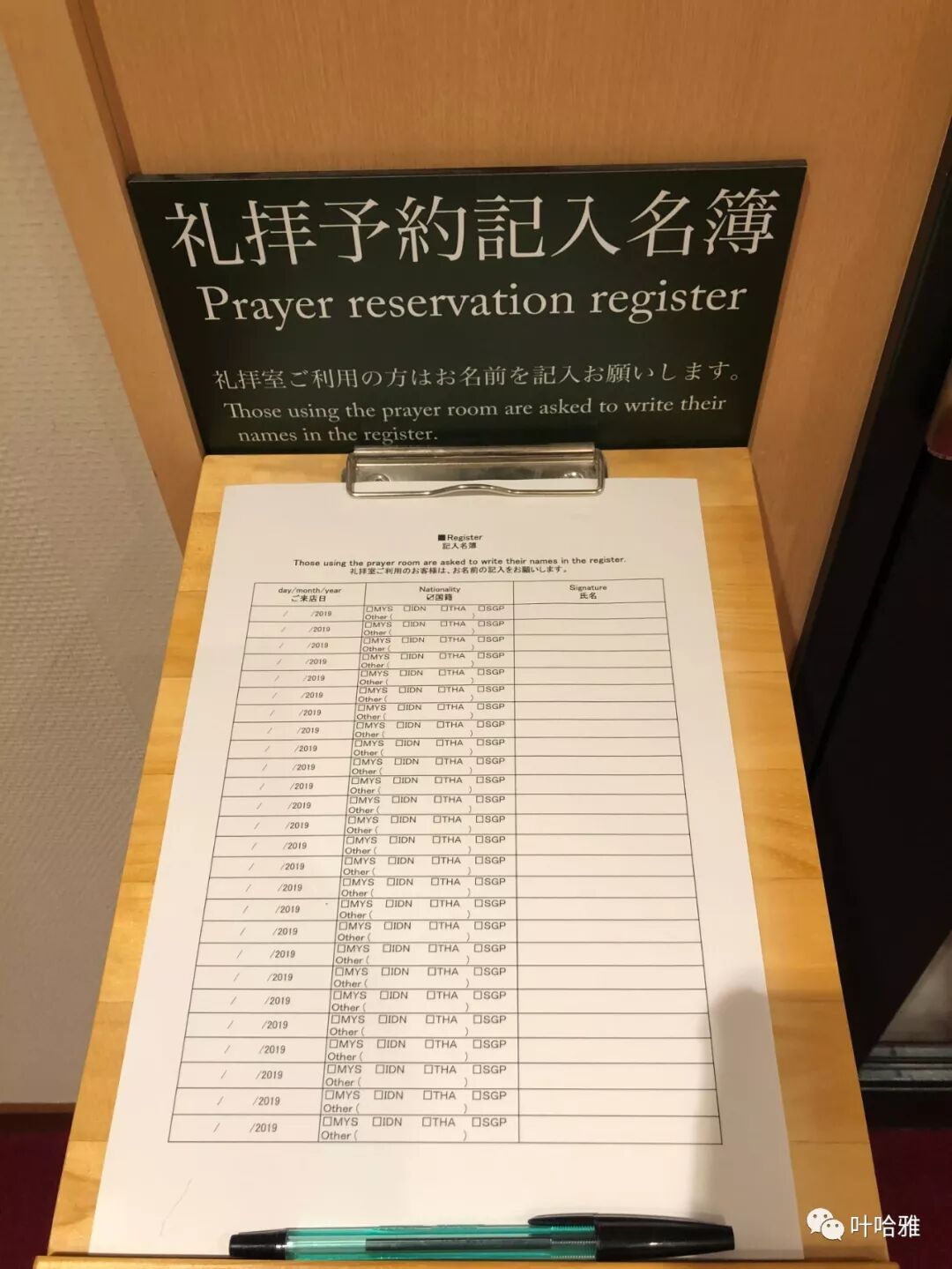
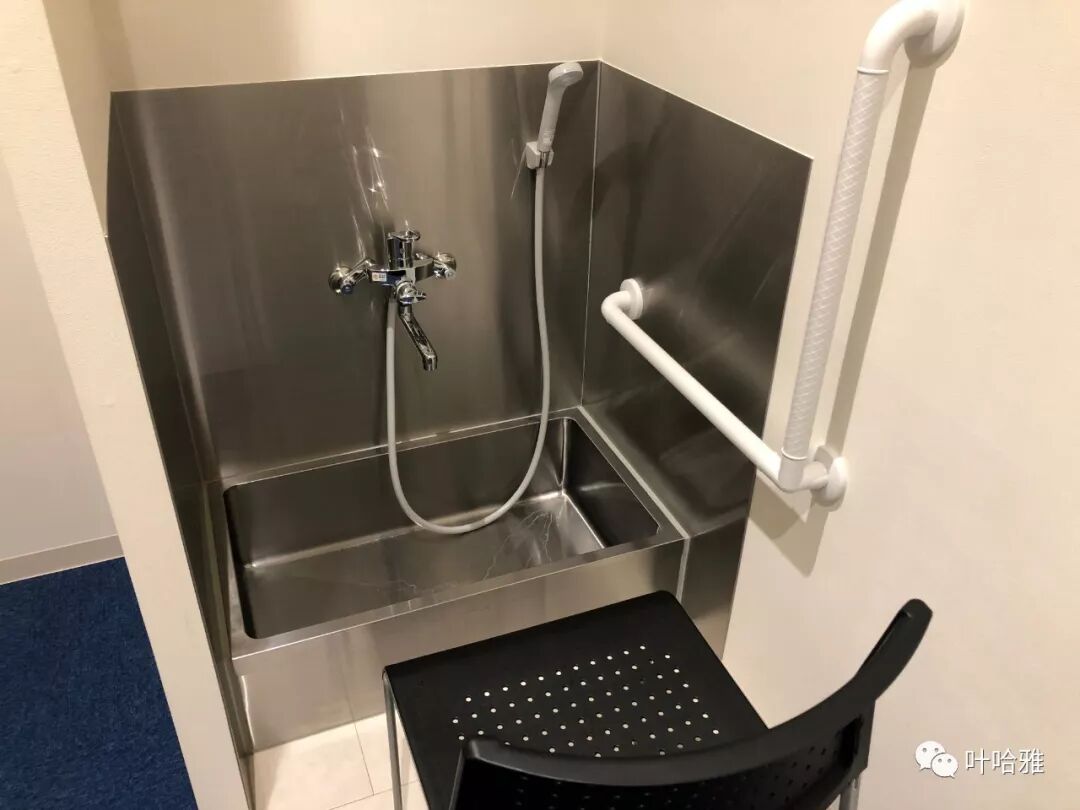
Prayer rooms in Japan are always equipped with a dedicated area for wudu.
Sapporo Mosque
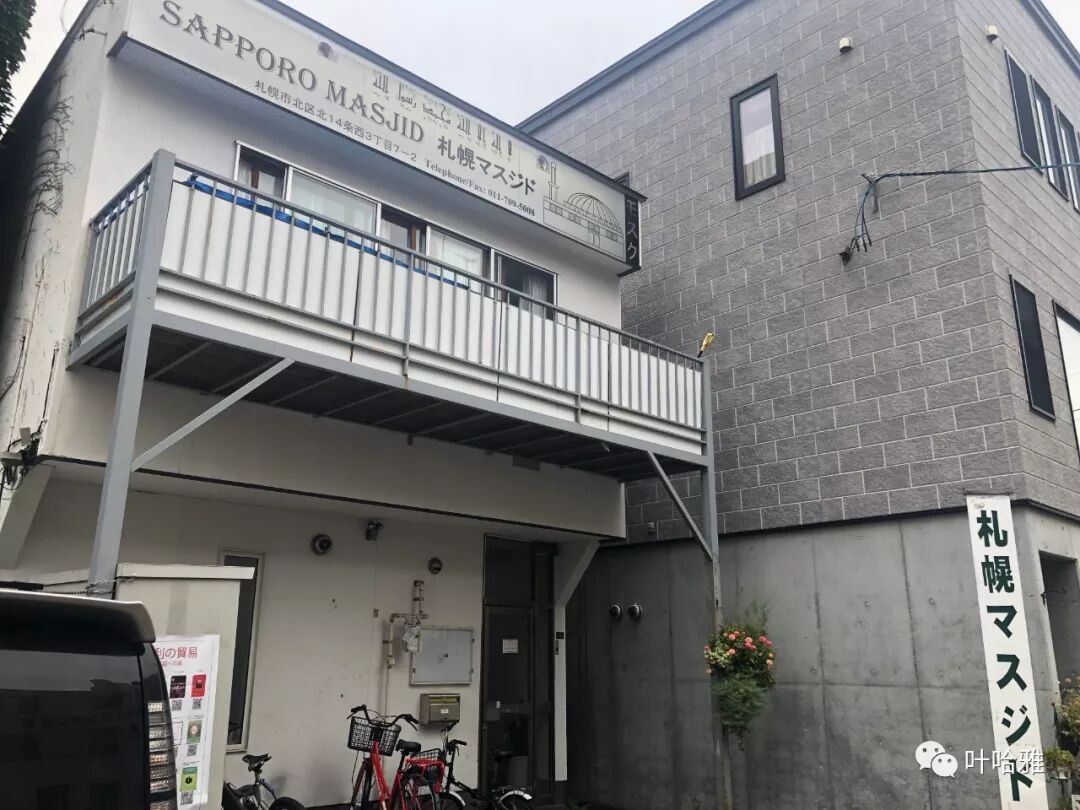
Built in 1993, Sapporo Mosque is the oldest mosque in the Hokkaido region. The mosque has an official website that explains they provide services like conversion certificates and weddings, and they are open to visitors from all walks of life. When I first came to Sapporo Mosque, the door was locked. I later found the mosque's website and left a message saying I wanted to visit. When I returned on the third day, the door was open.
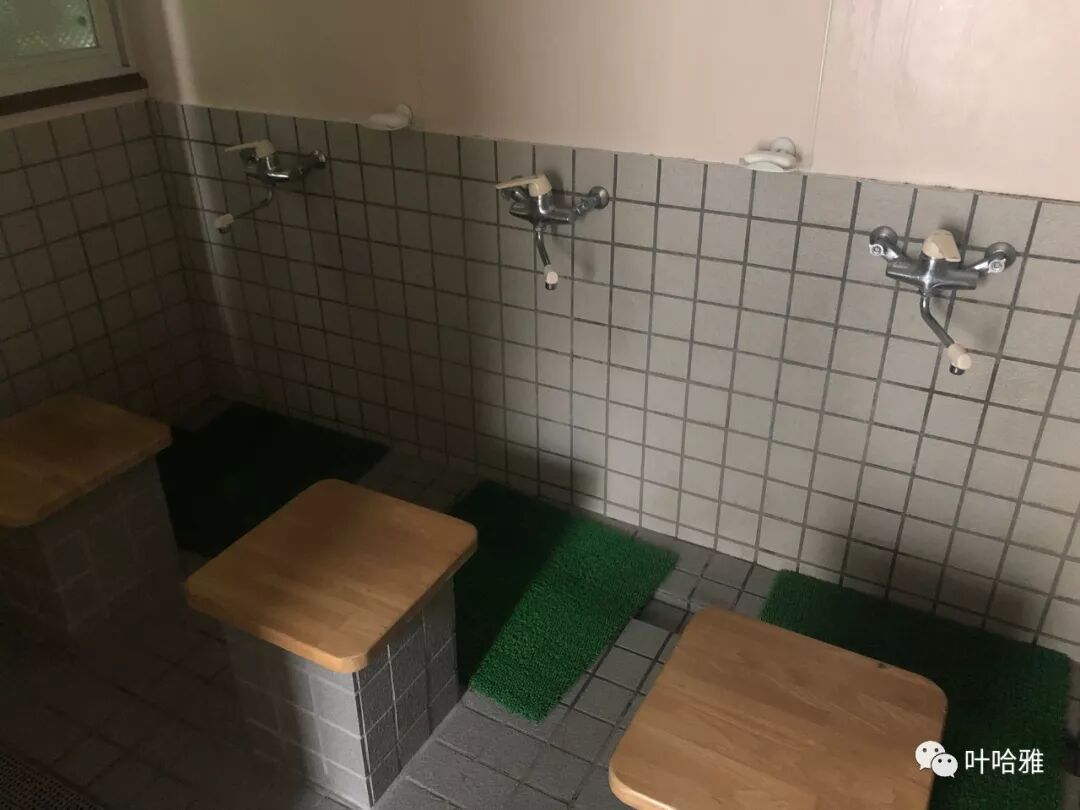
A brother (dosti) was sleeping inside the mosque. After I finished my namaz and was about to leave, I met another brother from Malaysia at the door who had just returned. He said he lives at the mosque. He had never heard of Hui Muslims and only knew about Uyghur Muslims in China. I told him about the situation of Muslims in China, explaining that the history of Muslims in China is actually much older than in Malaysia, and the Muslim population is not smaller than that of Malaysia.
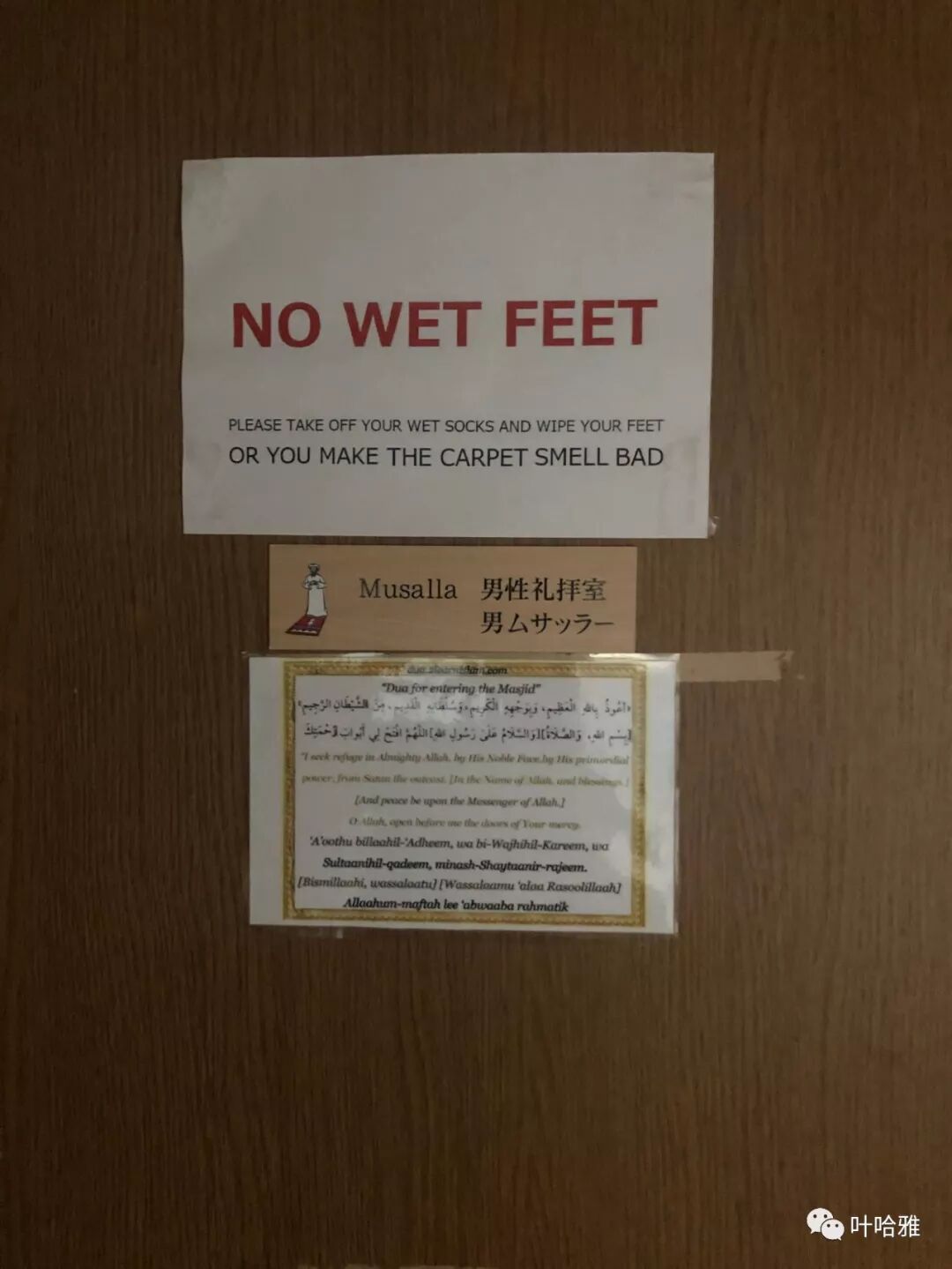
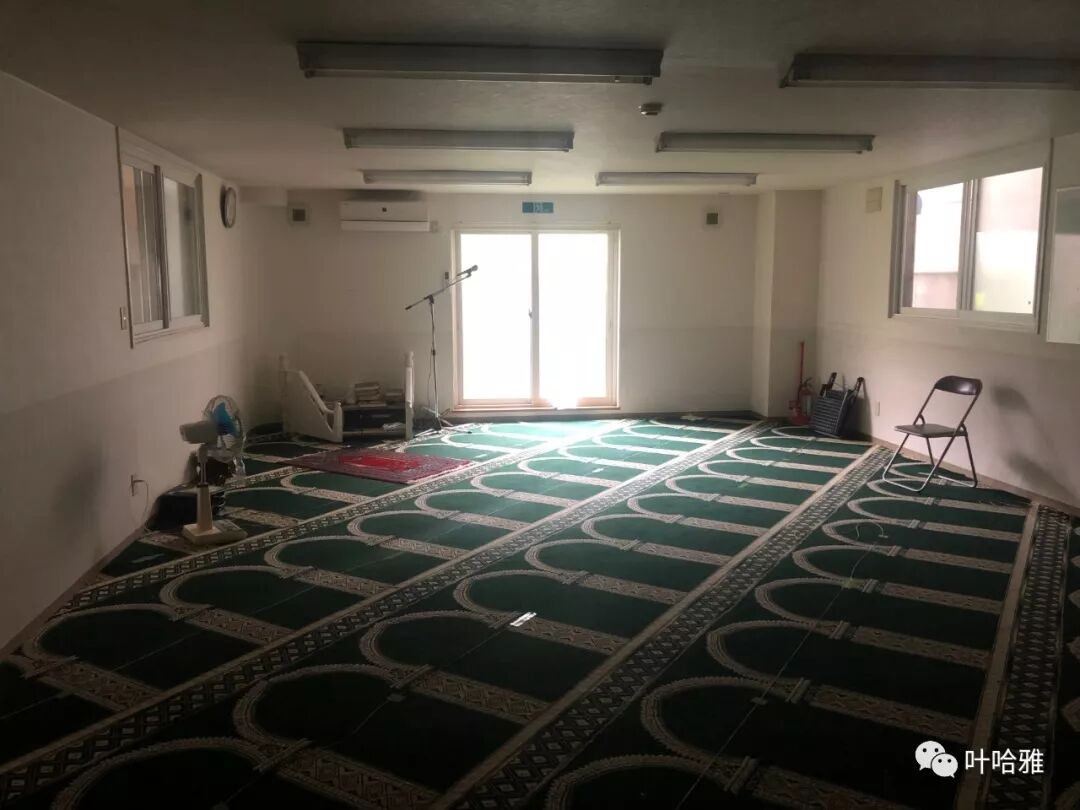
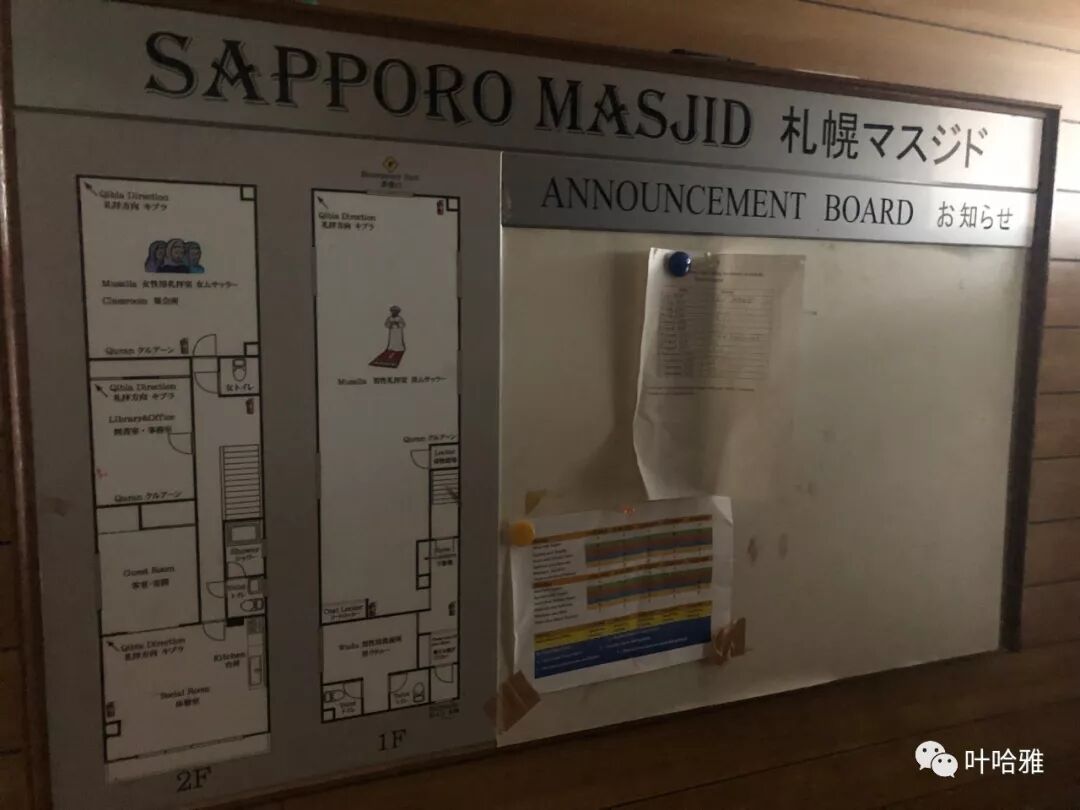
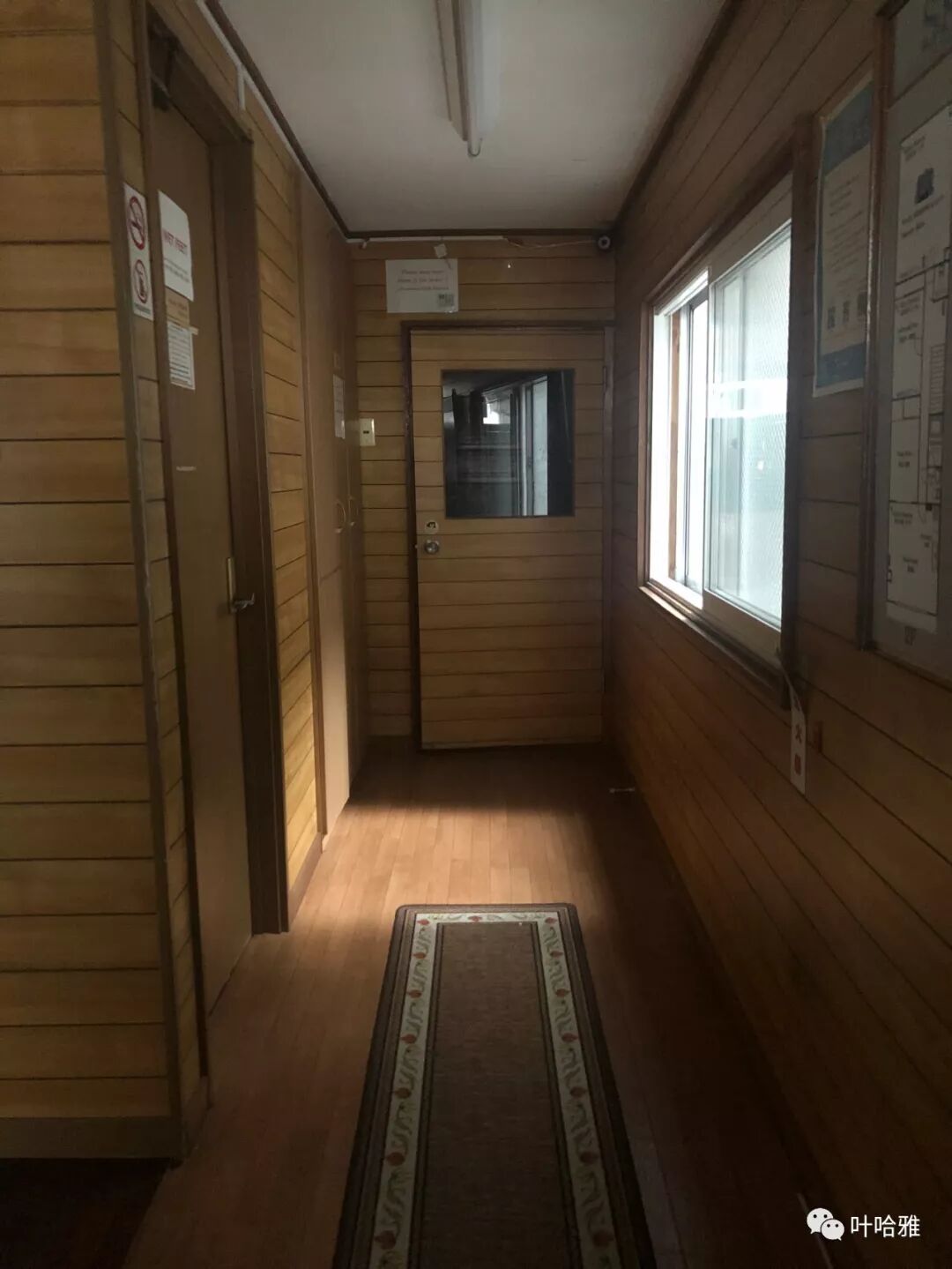
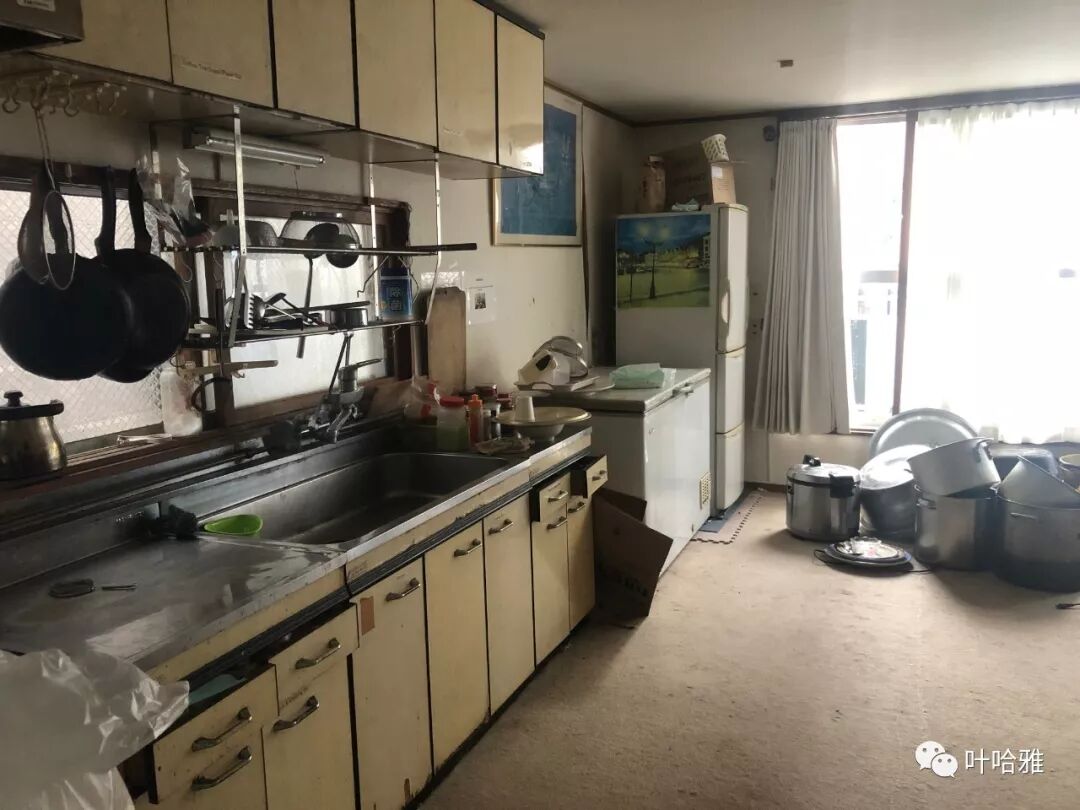
Sapporo Mosque has two floors. The first floor is the men's prayer hall, and the second floor is the women's prayer hall and the kitchen. On Jumu'ah, there are so many people that many have to pray at the mosque entrance.
Horyu Ramen
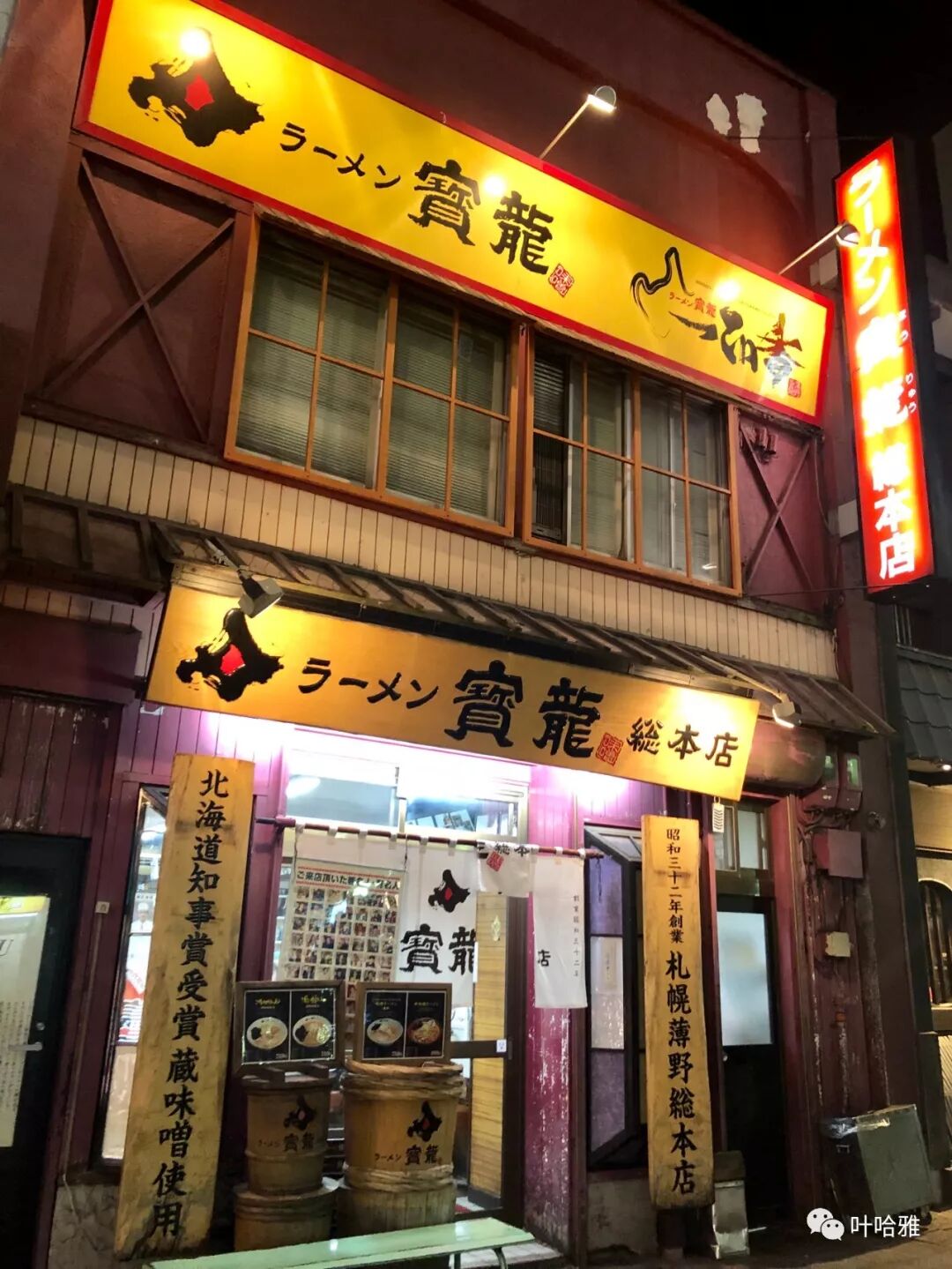
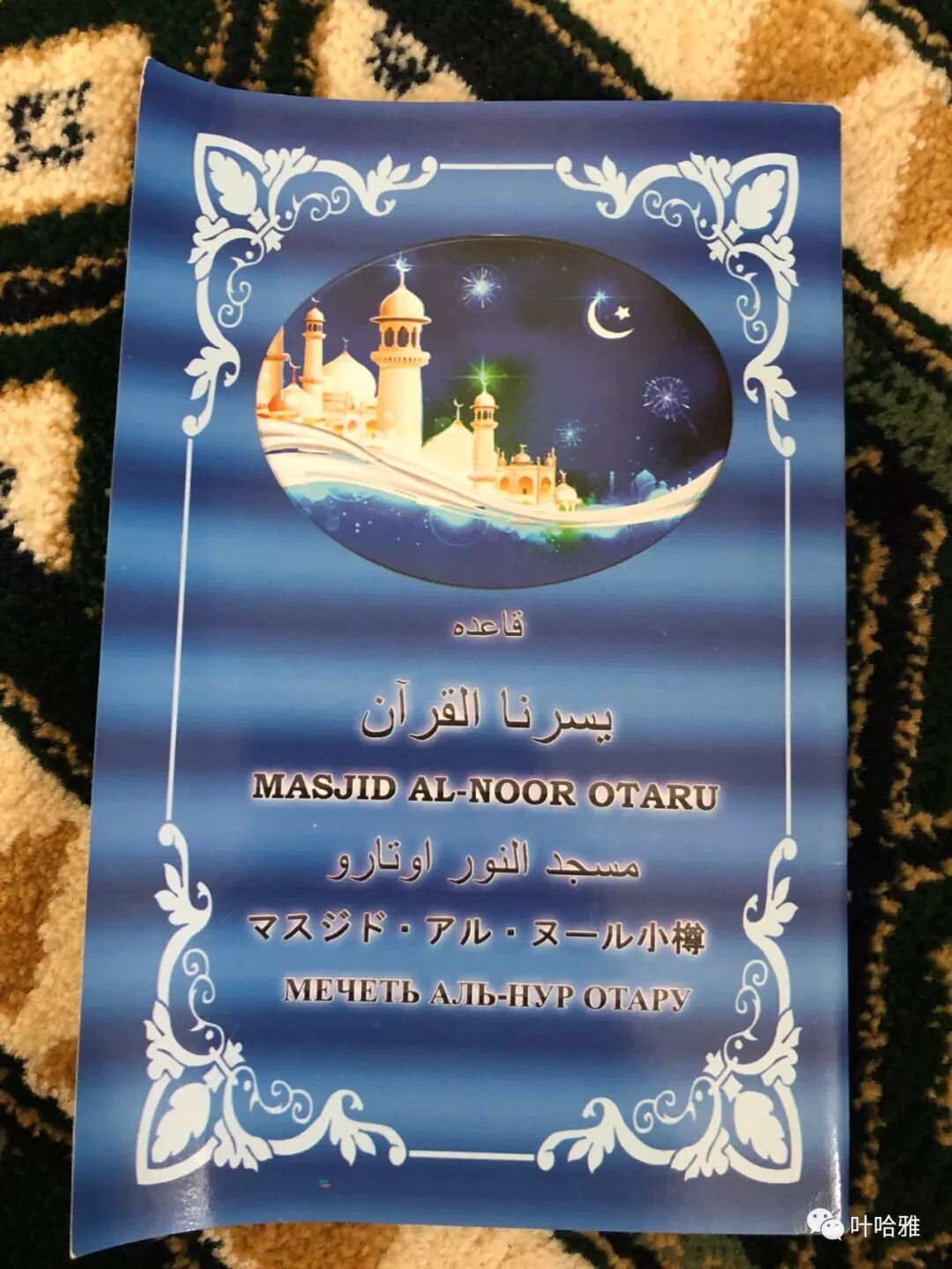
This was our first meal in Sapporo at Horyu Ramen, a long-standing Japanese ramen shop founded in Showa 32 (1957). The shop was included in the Michelin Guide Hokkaido special edition in both 2012 and 2017. I found out about this shop on a Japanese halal food website, and it was also recommended in the Hokkaido halal travel guide I picked up at Otaru Mosque.
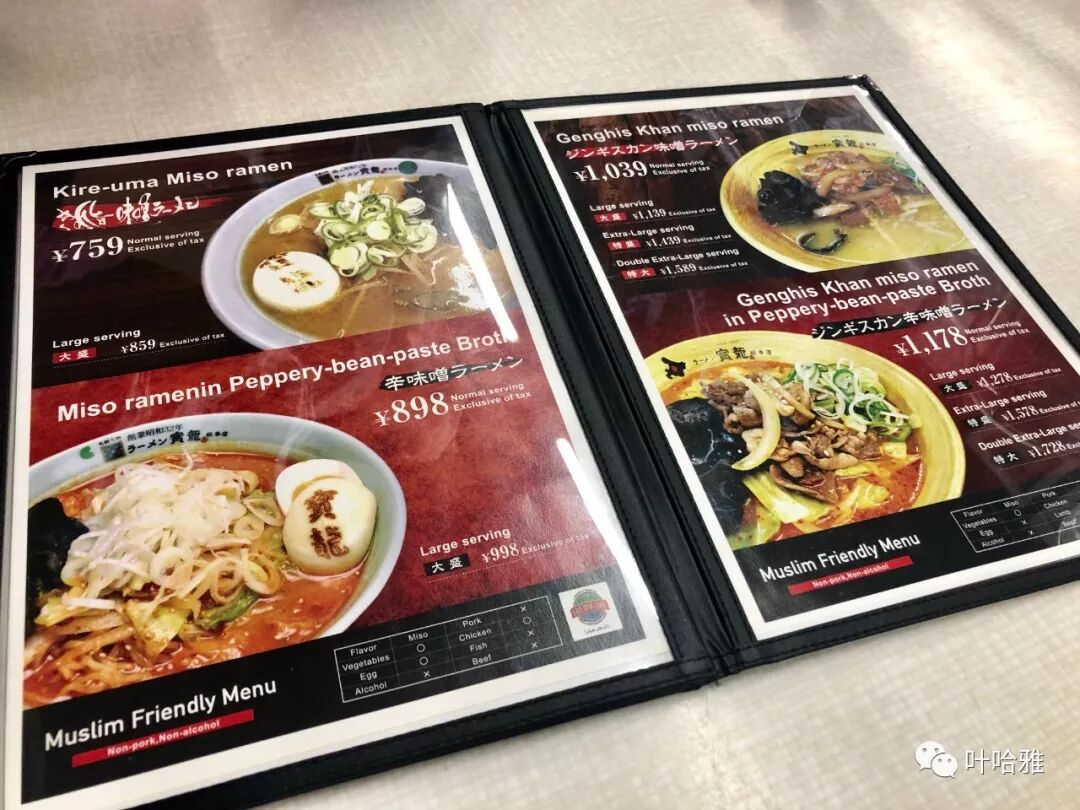
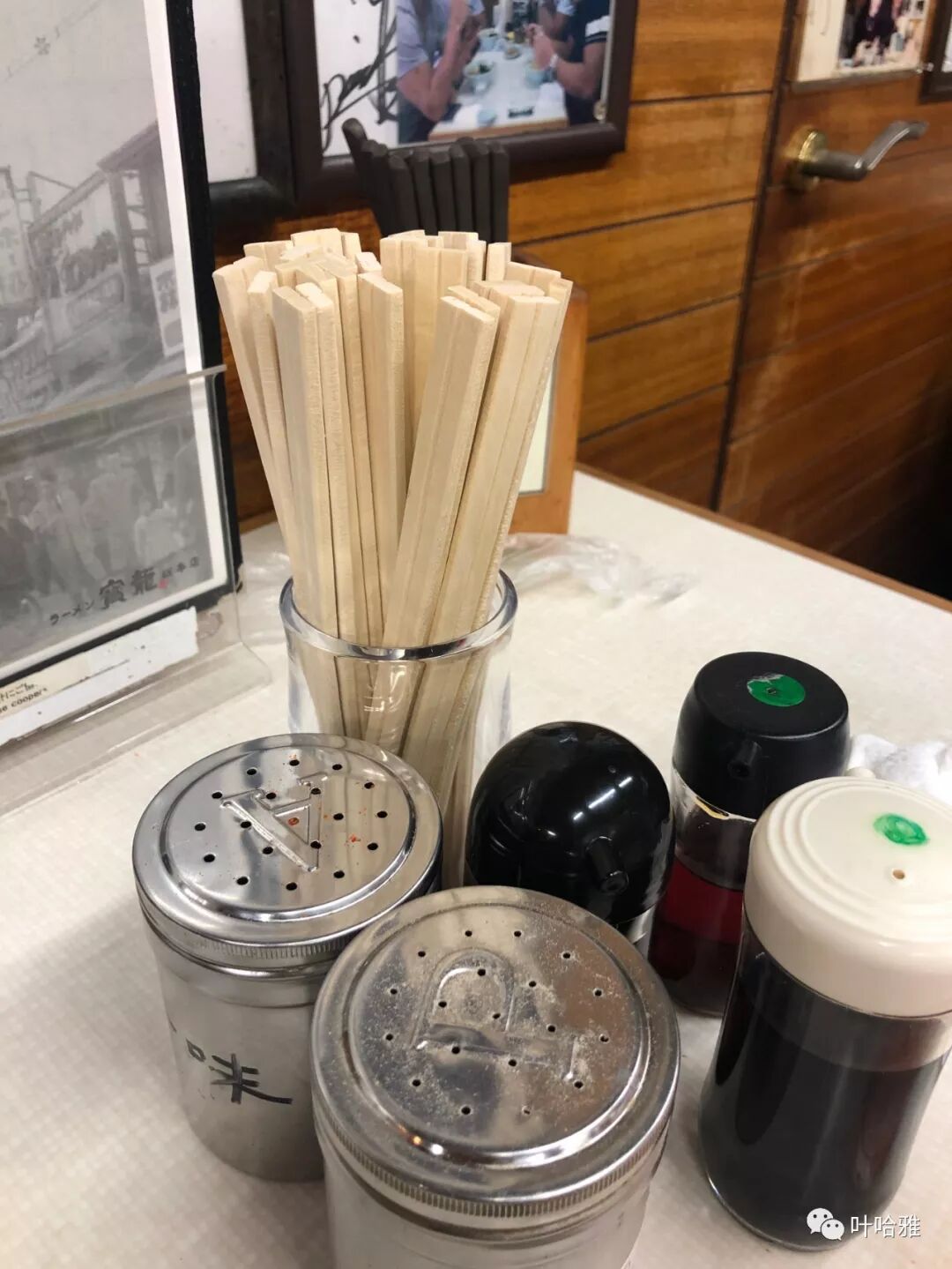
Baolong Ramen is not a halal restaurant, but they have a special halal menu for Muslims. After we sat down, the server replaced our seasonings and gave us disposable utensils. The halal meals are prepared using dedicated halal meat and cooking stations, and they do not add alcohol or other non-halal ingredients. Japanese people understand halal dietary restrictions well, so you can eat here with peace of mind.
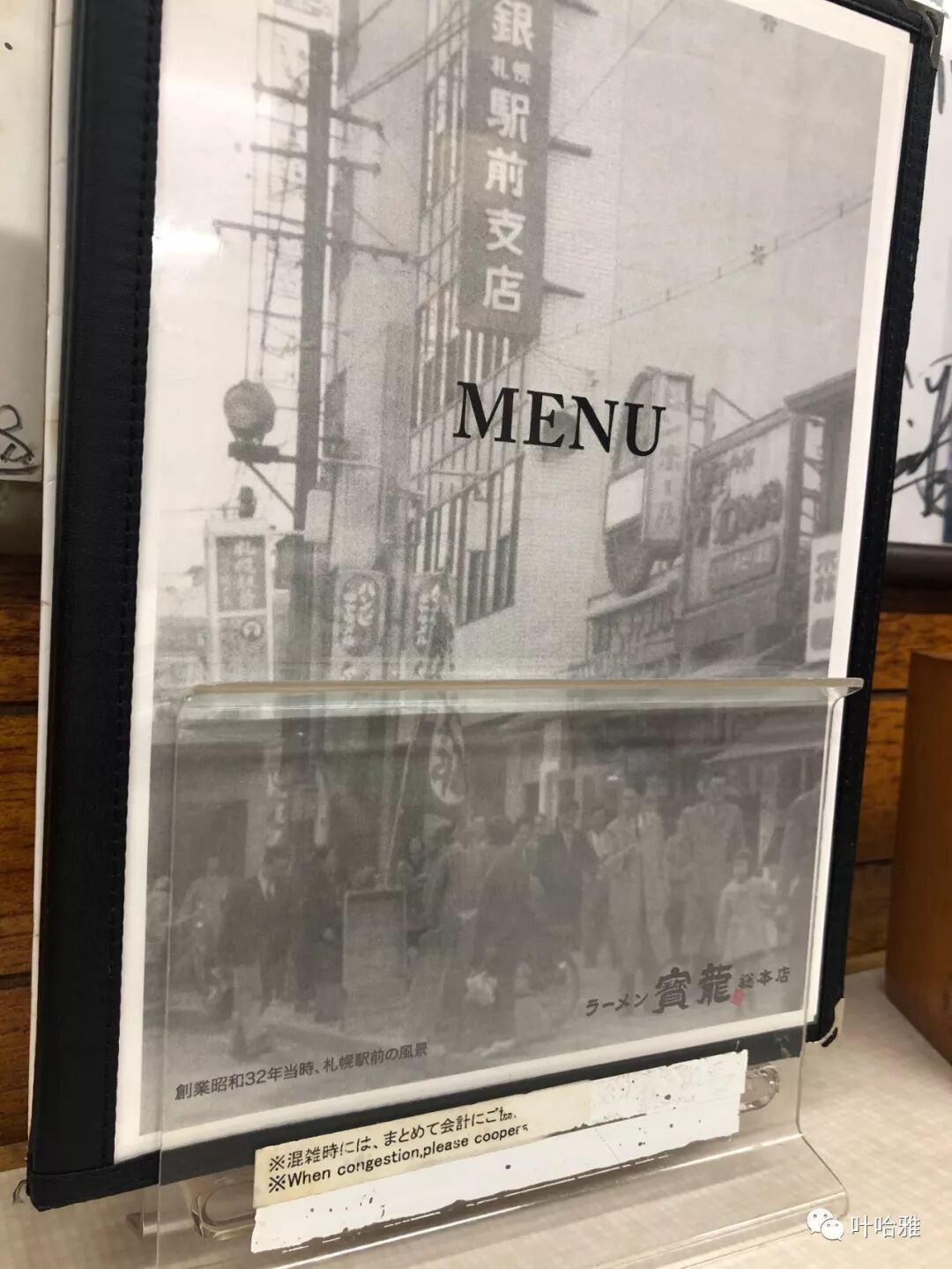
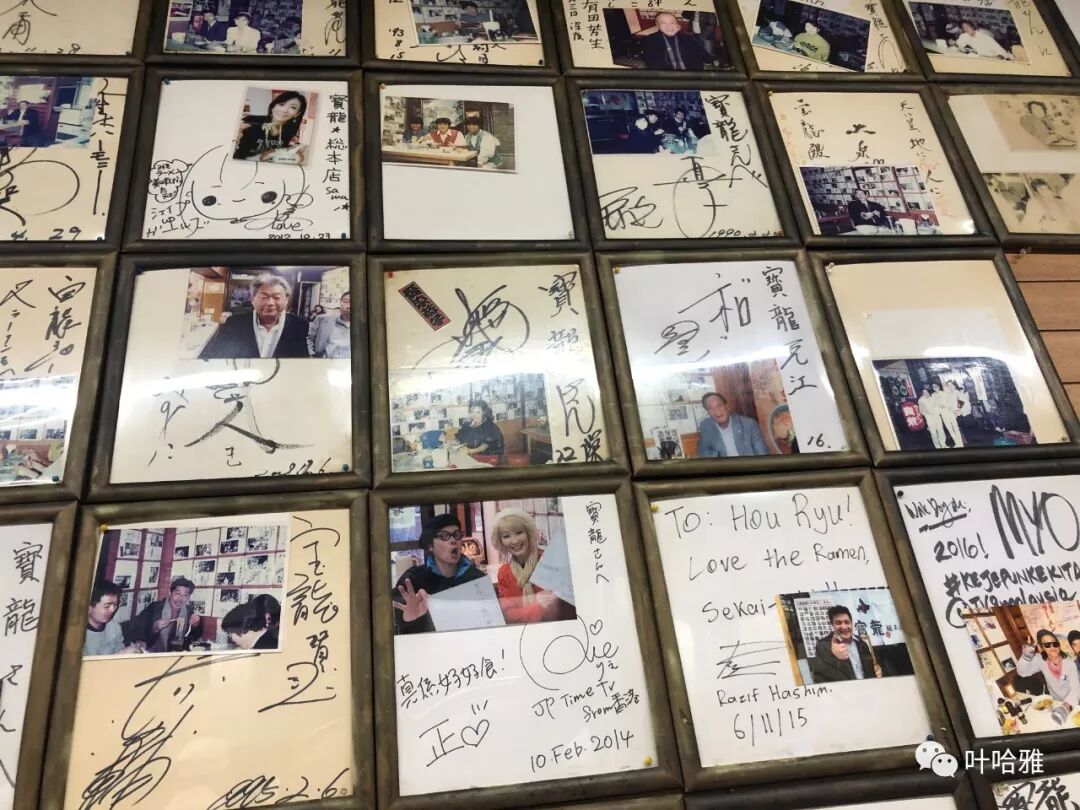
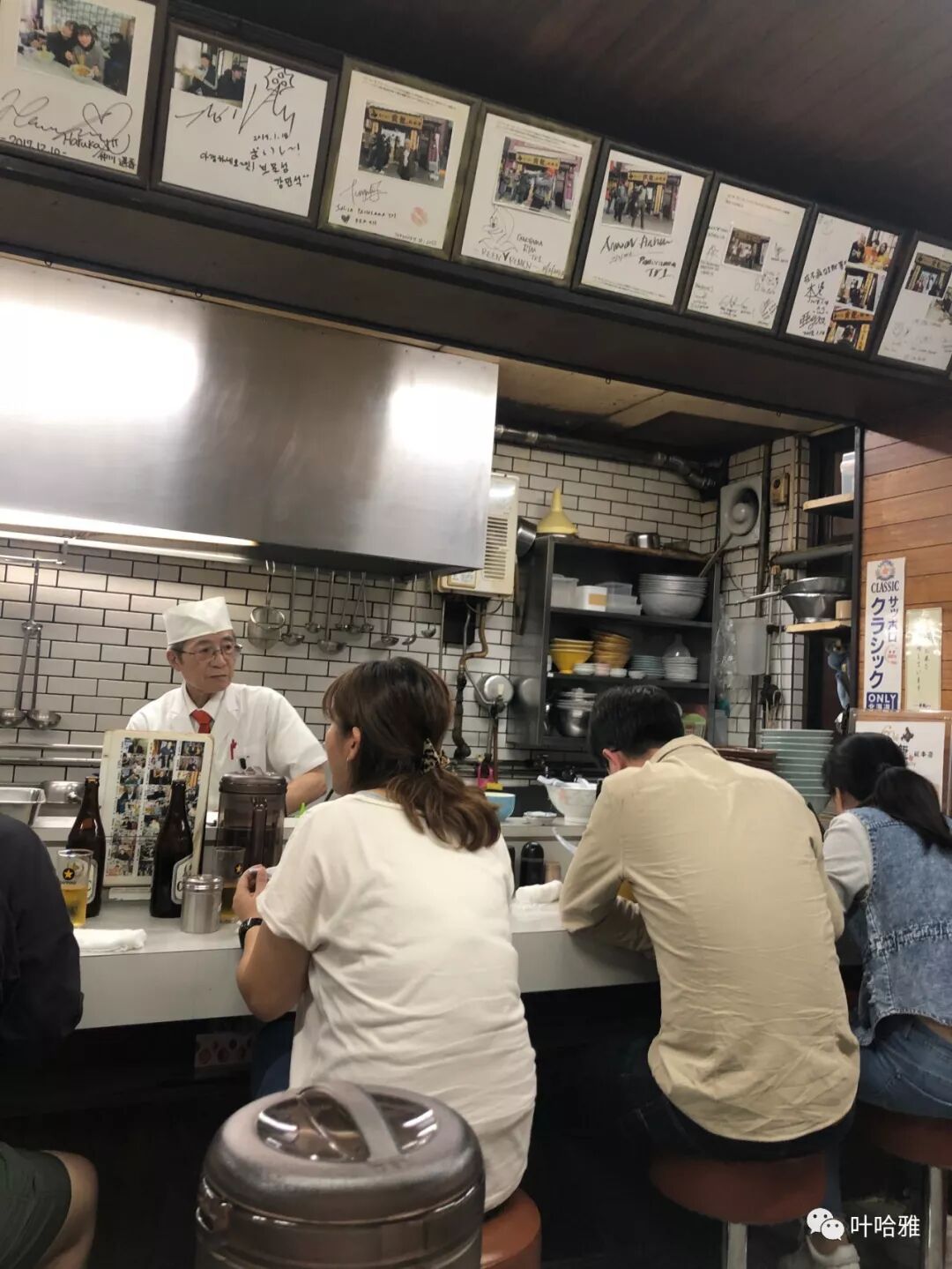
You can tell this shop is very popular locally, though I did not recognize any of the many celebrities who have eaten here.
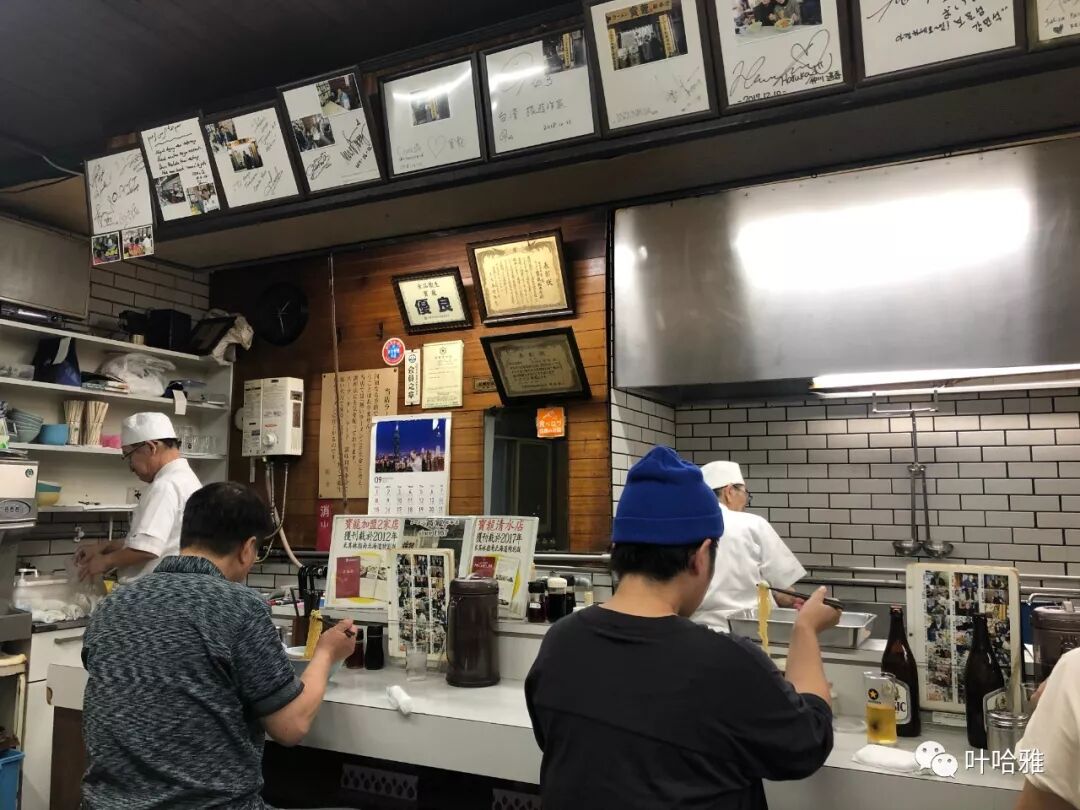
The chefs and servers are all elderly men who have likely worked at this shop for many years.
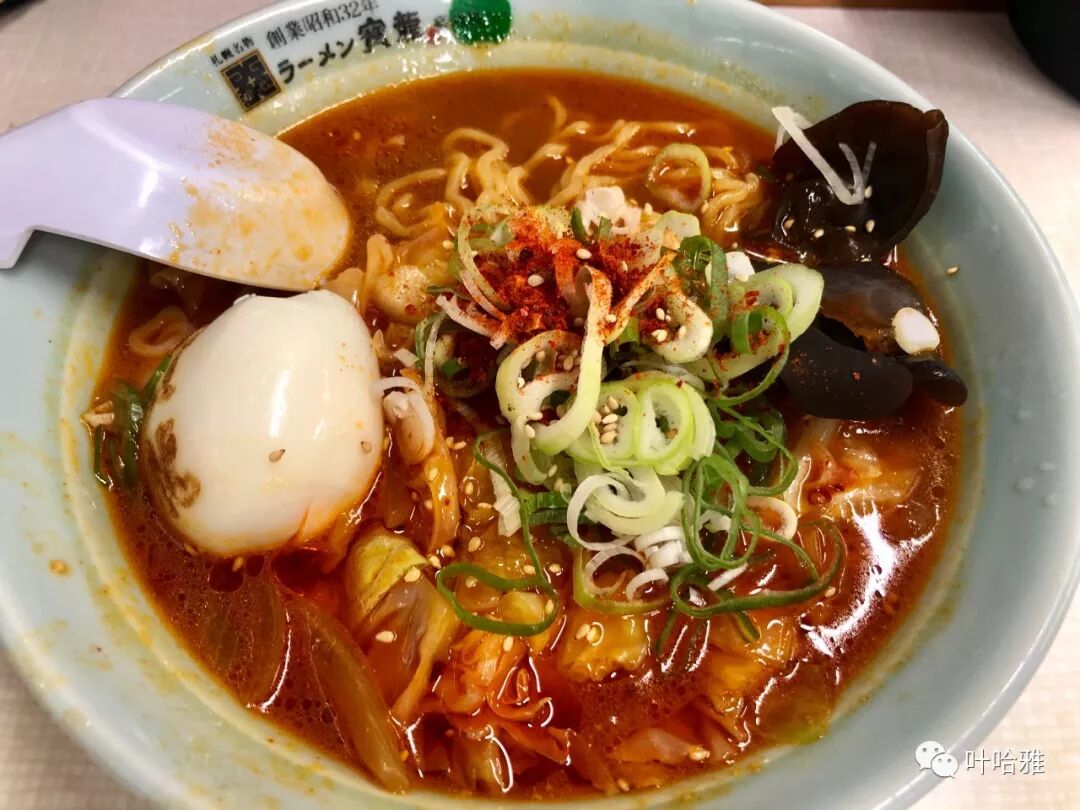
I had never eaten Japanese ramen in China, so this was my first time. At first, the texture tasted a lot like instant noodles. Then it hit me: didn't the Japanese invent instant noodles? It turns out instant noodles were modeled after the taste of Japanese ramen.
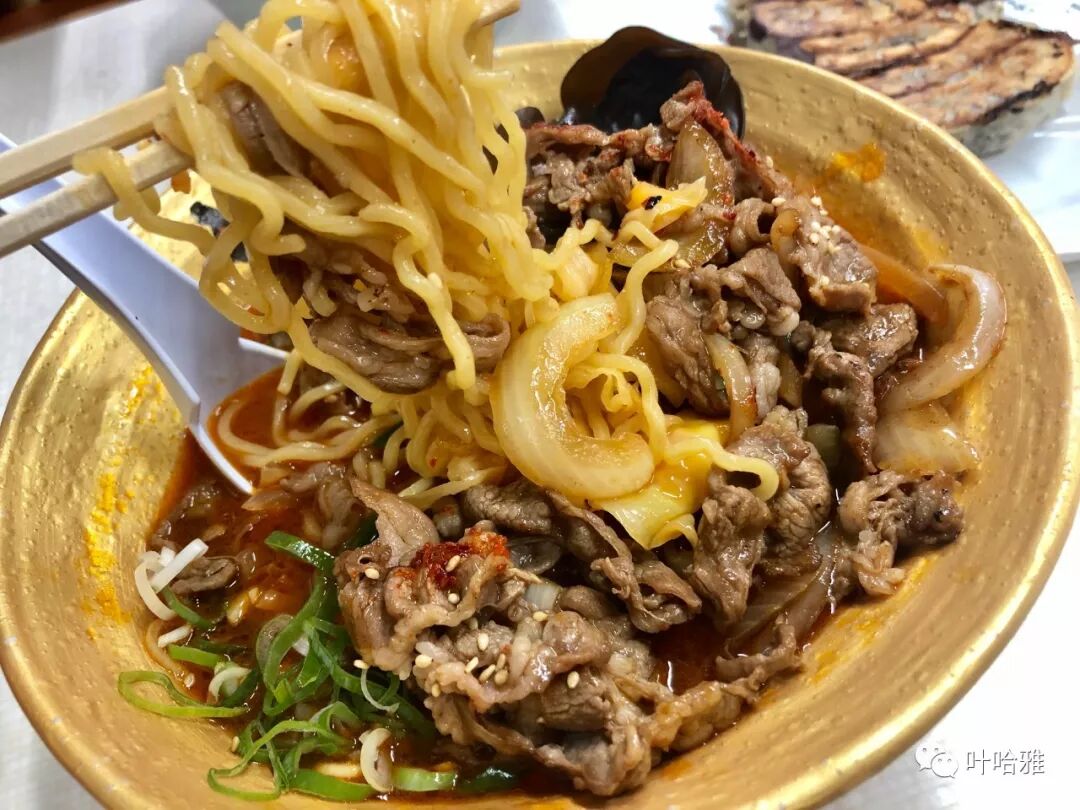
Japanese ramen broth is quite thick, oily, and salty. It is not like the clear broth of Lanzhou ramen, and Japanese ramen is higher in calories.
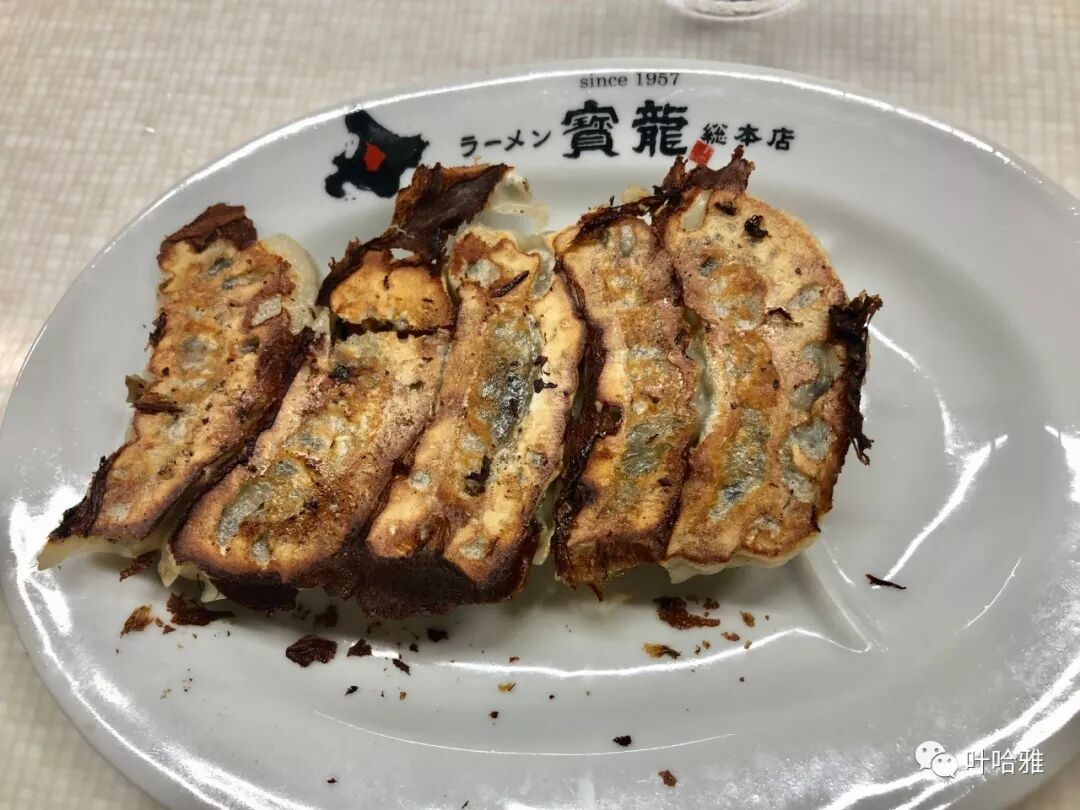
The halal menu has limited options. Besides a few types of beef ramen and lamb ramen, there are only these Japanese pan-fried dumplings (gyoza). The dumpling filling is made very carefully and has a tender texture. Overall, you can tell this shop has a very authentic Japanese flavor. I am very satisfied to be able to eat such authentic halal ramen in Hokkaido. After we paid the bill, the server walked us to the door and bowed to thank us before we left. The service in Japan is truly moving.
Baolong Ramen address: Minami6 Nishi3, Chuo-ku, Sapporo
Business hours:
11:00 AM - 1:00 AM
Sunday 11:00 AM - 11:00 PM
Closed on Tuesdays
Fugetsu Tanukikoji
(Japanese teppanyaki)
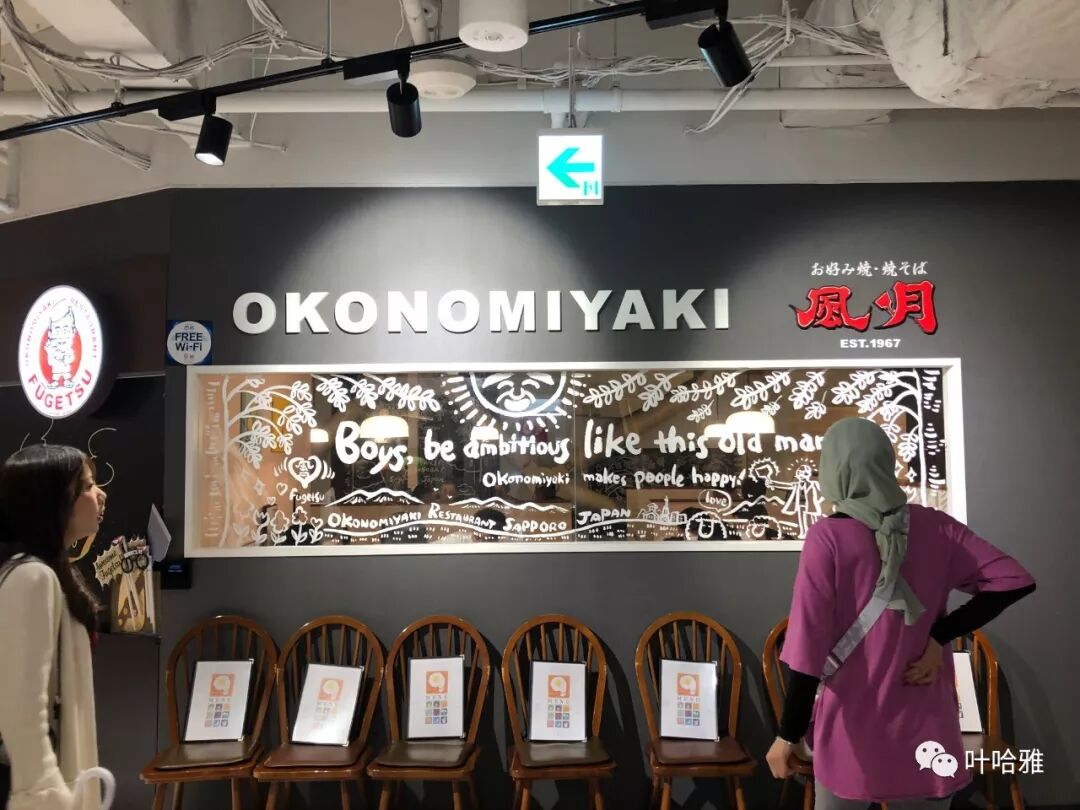
I found a Japanese teppanyaki restaurant with a halal menu in Tanukikoji 2-chome, the largest shopping street in Sapporo. Teppanyaki is a style of Japanese cooking.
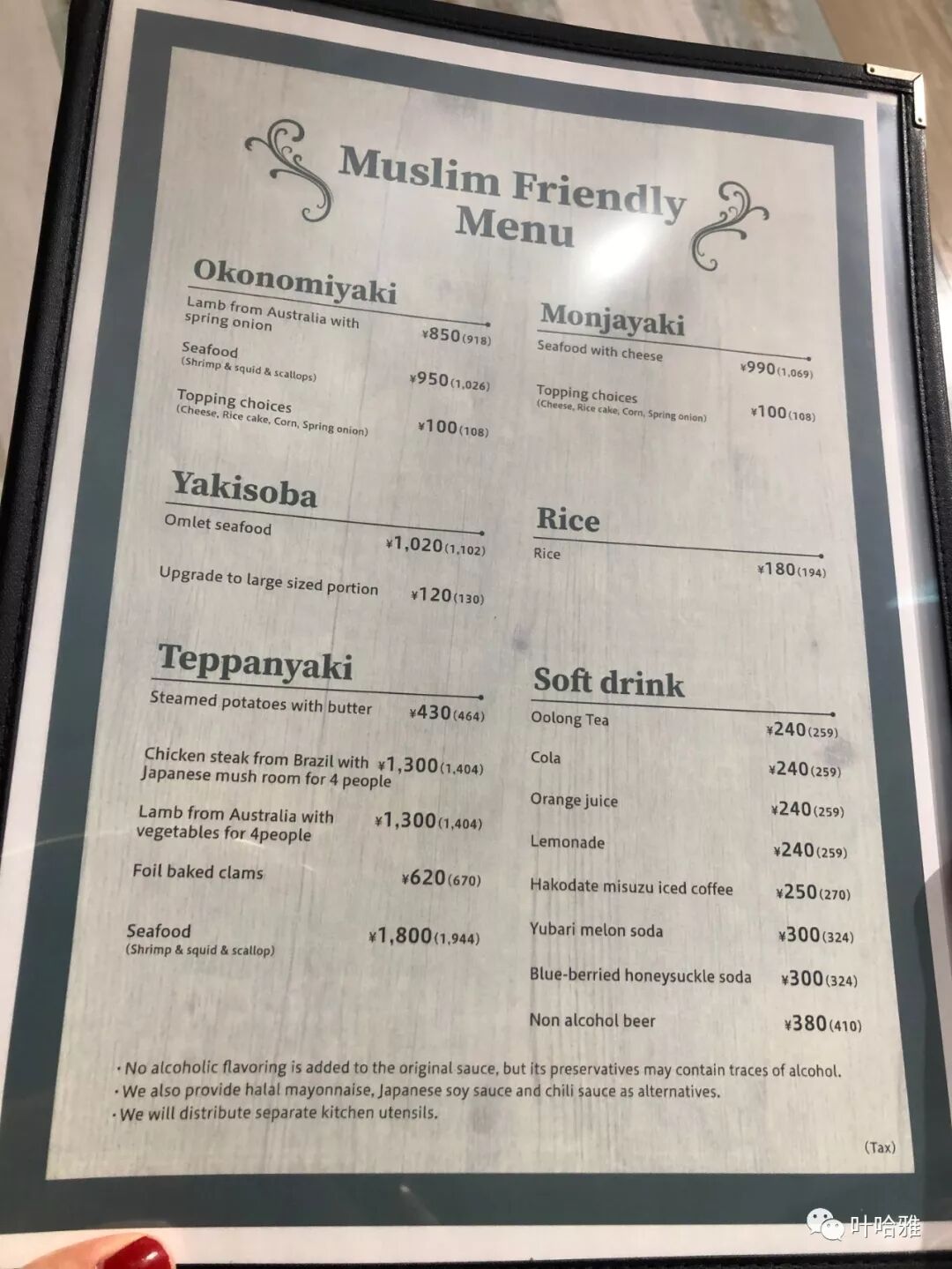
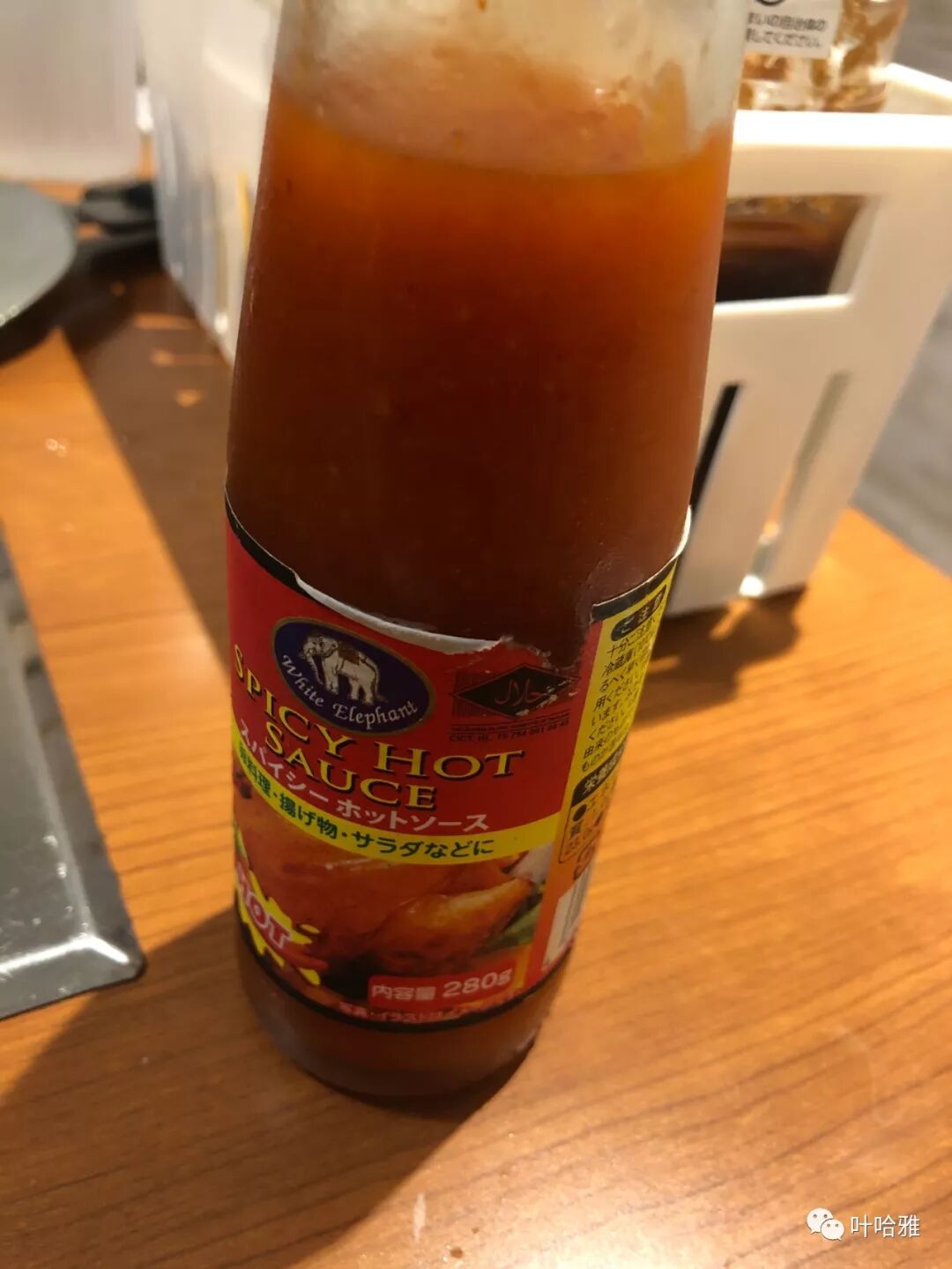
The halal menu at this restaurant is different from the regular one. It notes that the beef and lamb are halal, but the chicken is not. They also use special halal seasonings.
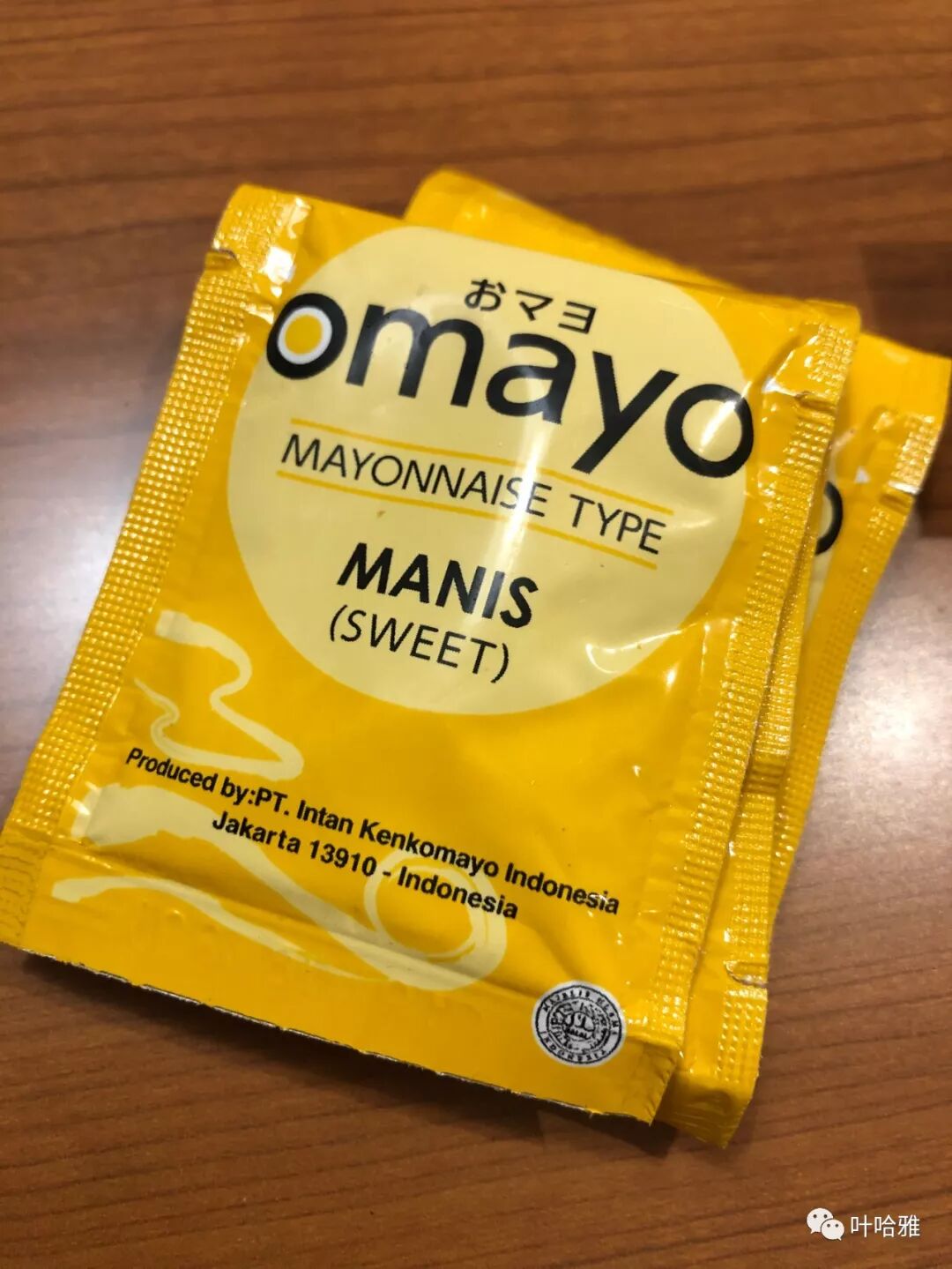
The seasonings all have halal labels on them.
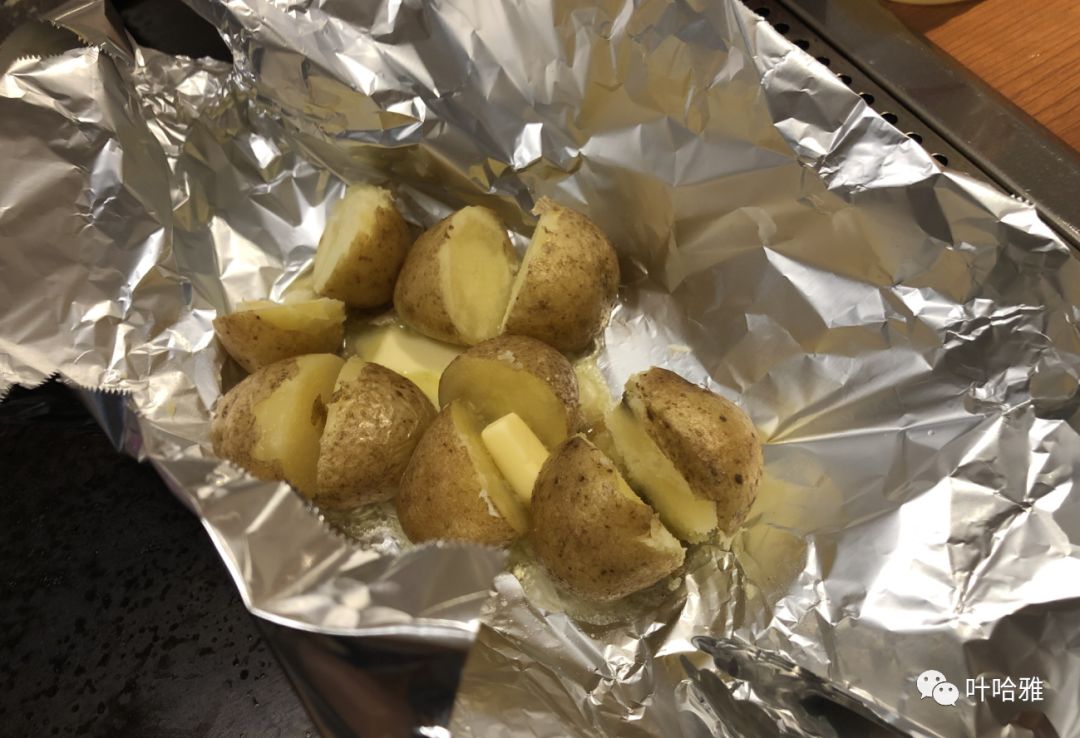
Baked potato with cheese.
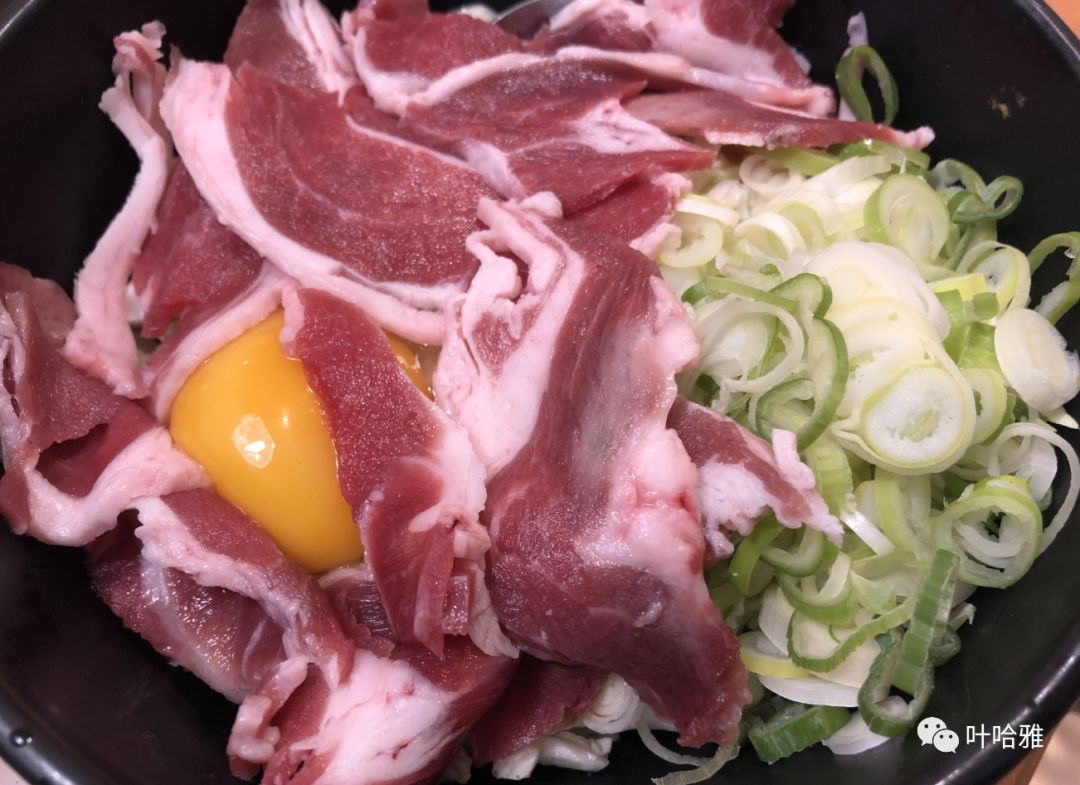
Grilled lamb with egg inside. The portions here are quite large, so be careful not to waste food.
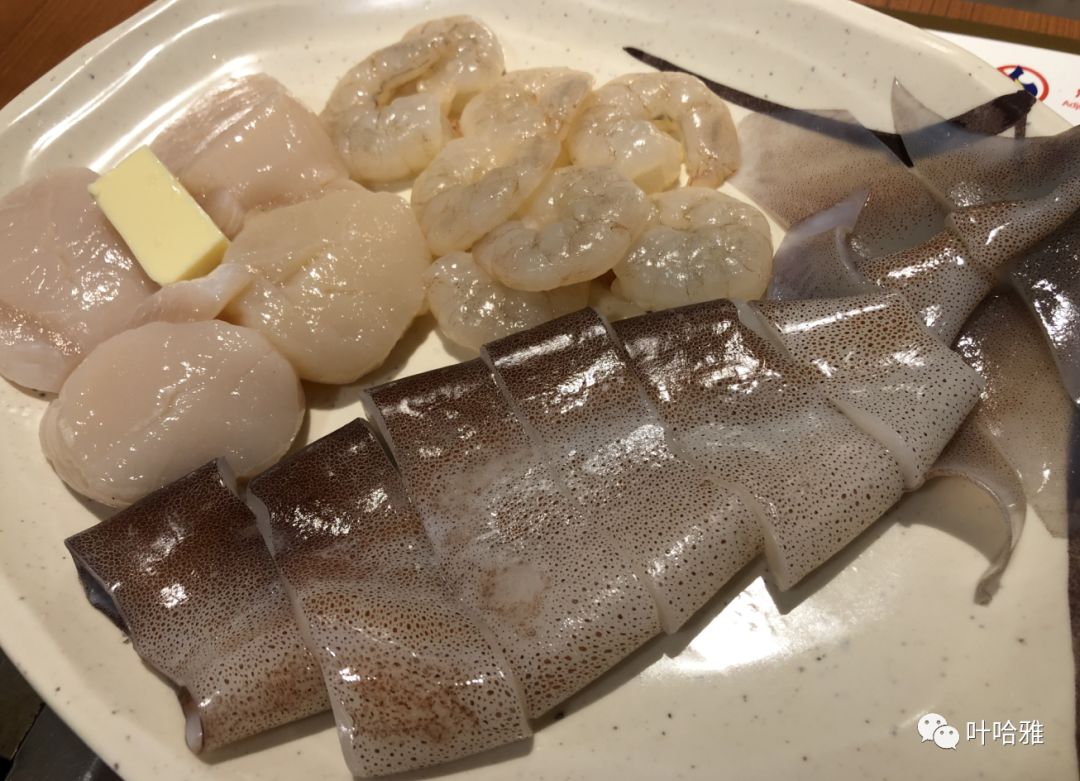
A whole squid and shrimp, served with butter.
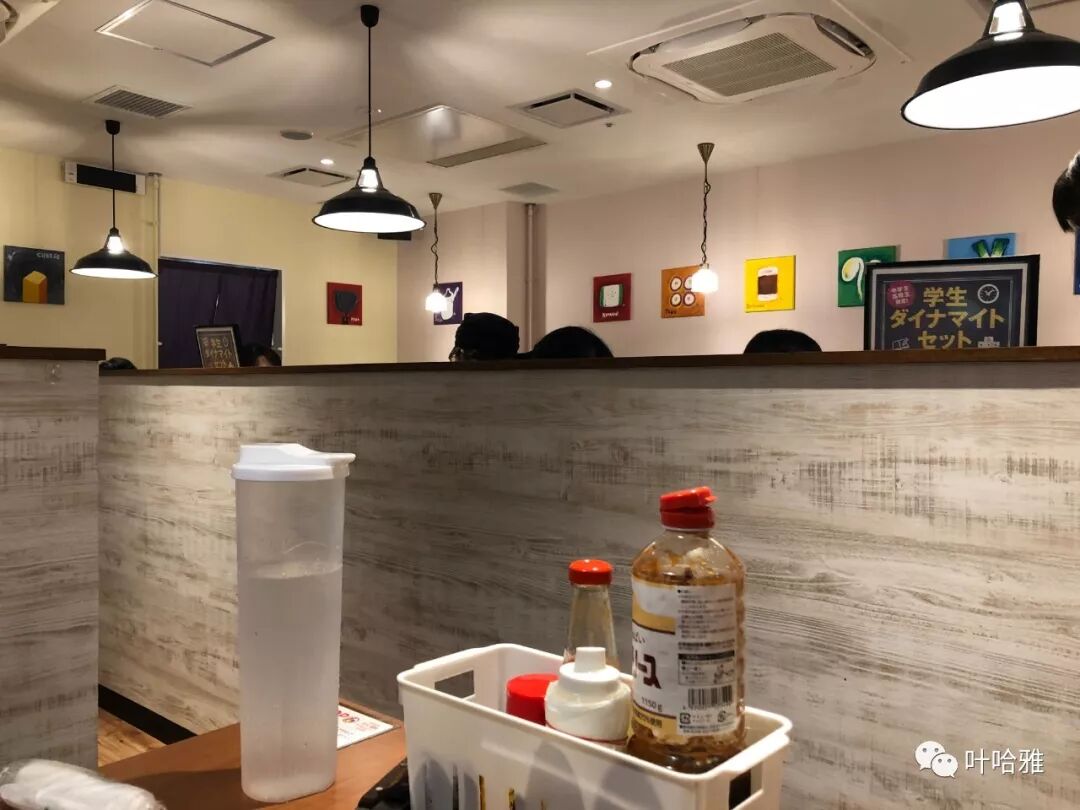
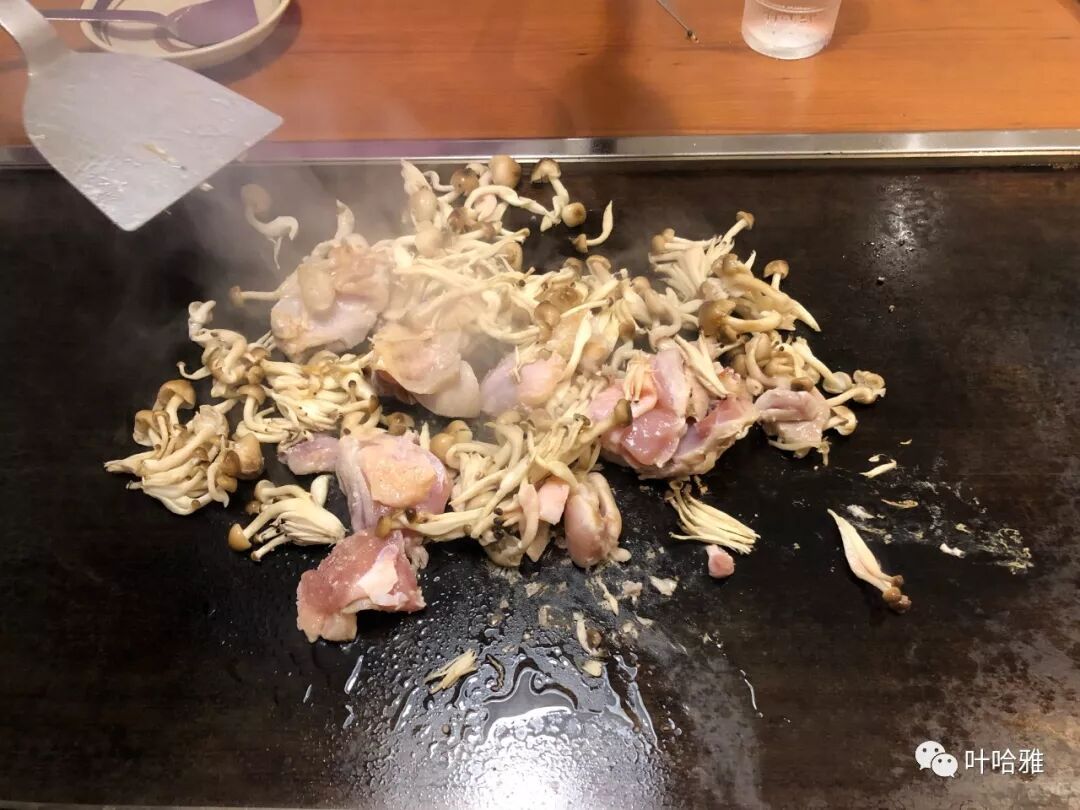
You have to keep flipping the food on the iron griddle yourself. You can add mushrooms, which is fun. The restaurant is quite busy. It is rare to see lines at Japanese restaurants, so if it is over 80% full, it is considered very busy.
Address:
Fifth floor of MEGA Don Quijote (located above Tanukikoji 2-chome; you need to take the elevator from the Don Quijote store on the first floor).
Business hours:
11:00 AM - 9:40 PM
Friday and Saturday:
11:00 AM - 10:10 PM
DONBURI CHAYA
Donburi Chaya
(New Chitose Airport branch)
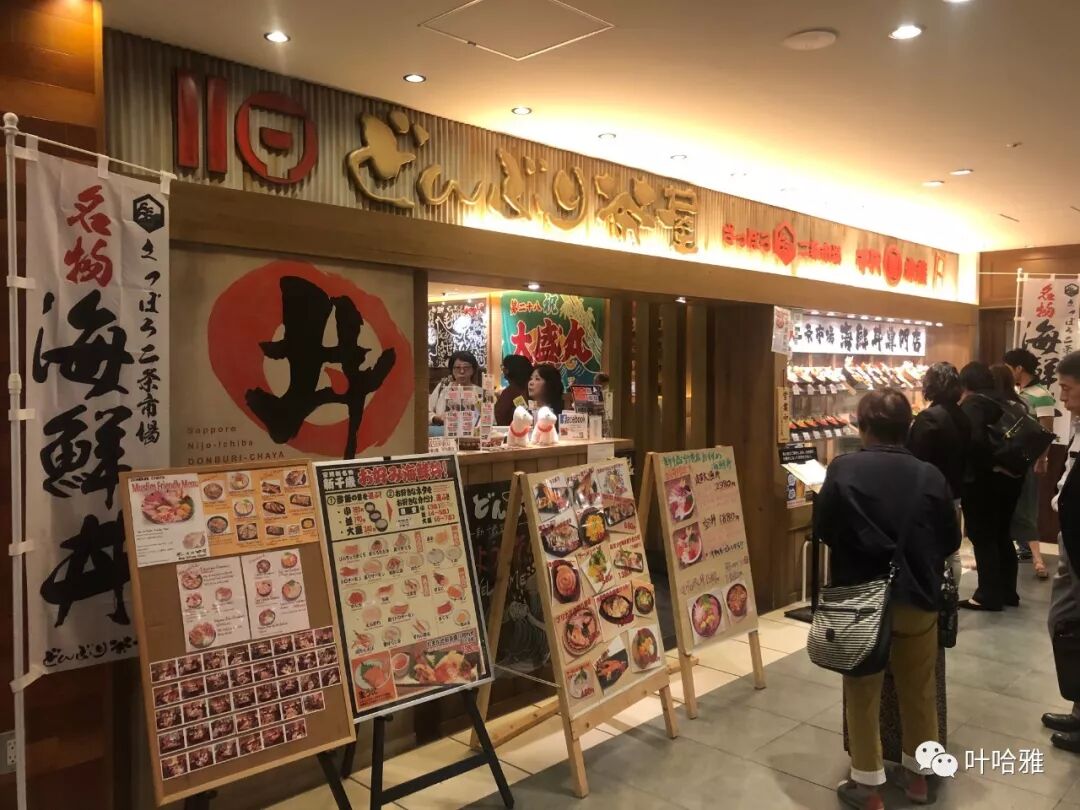
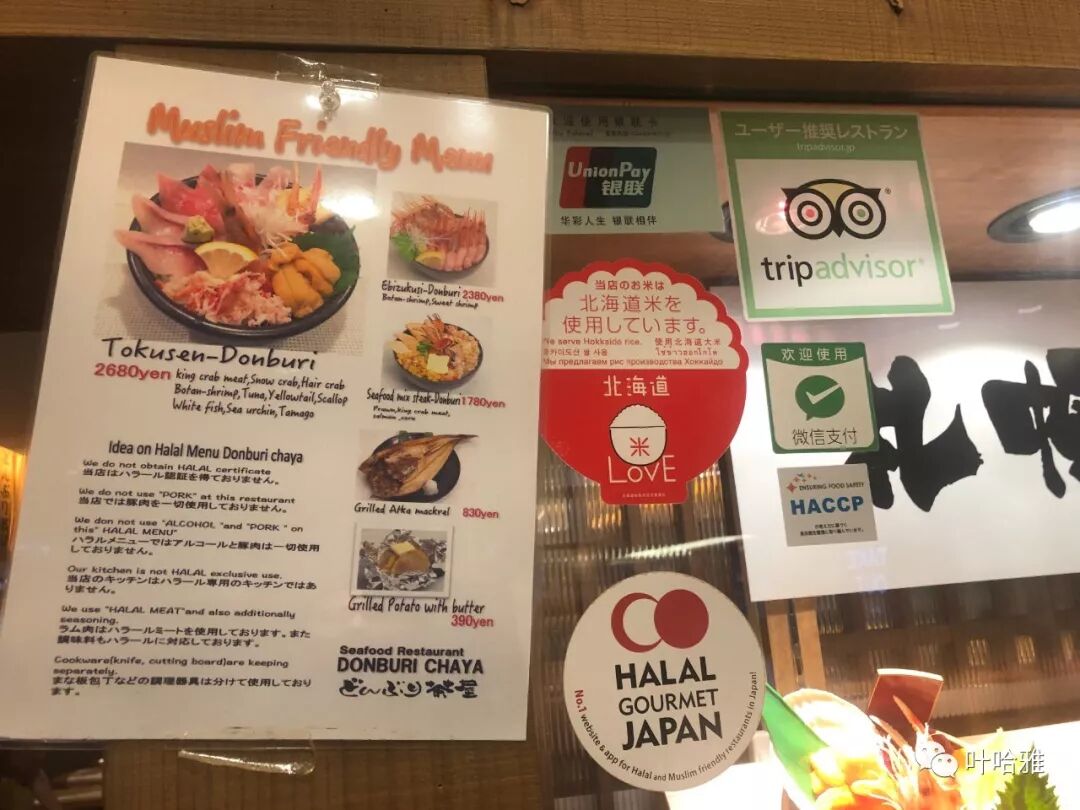
This is my favorite Hokkaido restaurant chain. They sell Japanese seafood rice bowls, sashimi, and more. I first ate at their Otaru branch. Every location has a halal menu and even provides a prayer room, which is incredibly thoughtful. Having a branch at New Chitose Airport is so convenient.
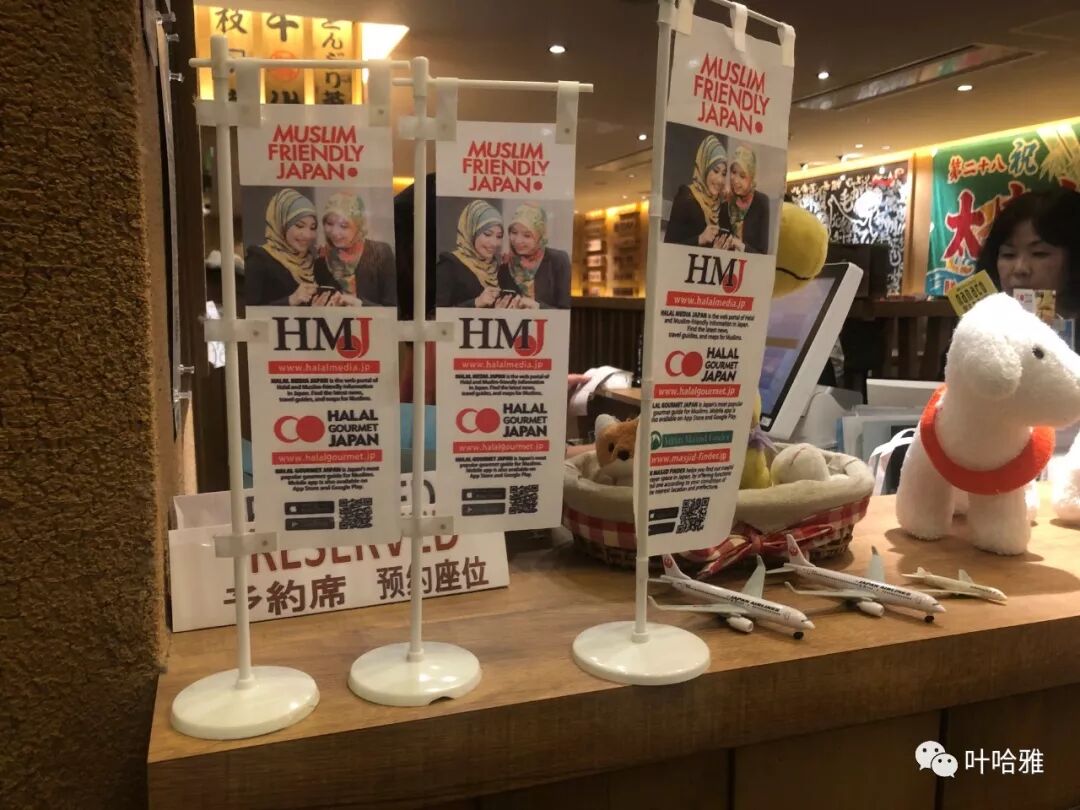
This shop is very popular on Japanese Muslim social media because the food is genuinely delicious.
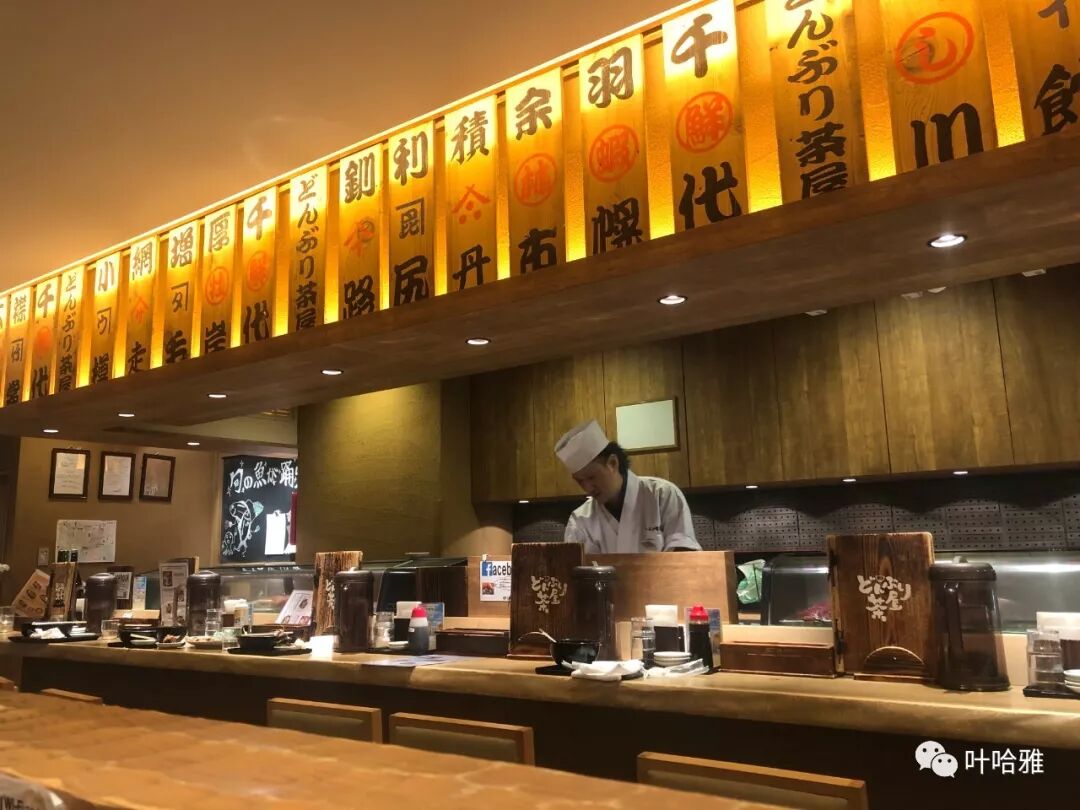
It has a strong Japanese style.
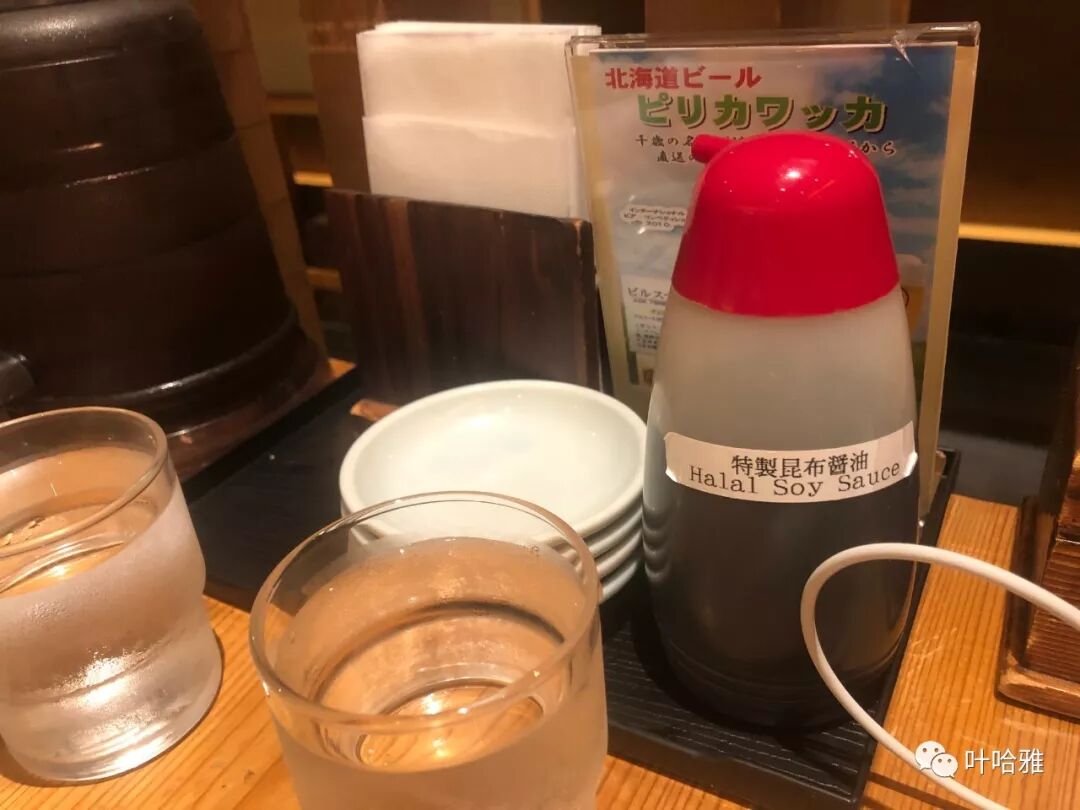
They even specifically label the soy sauce as halal.
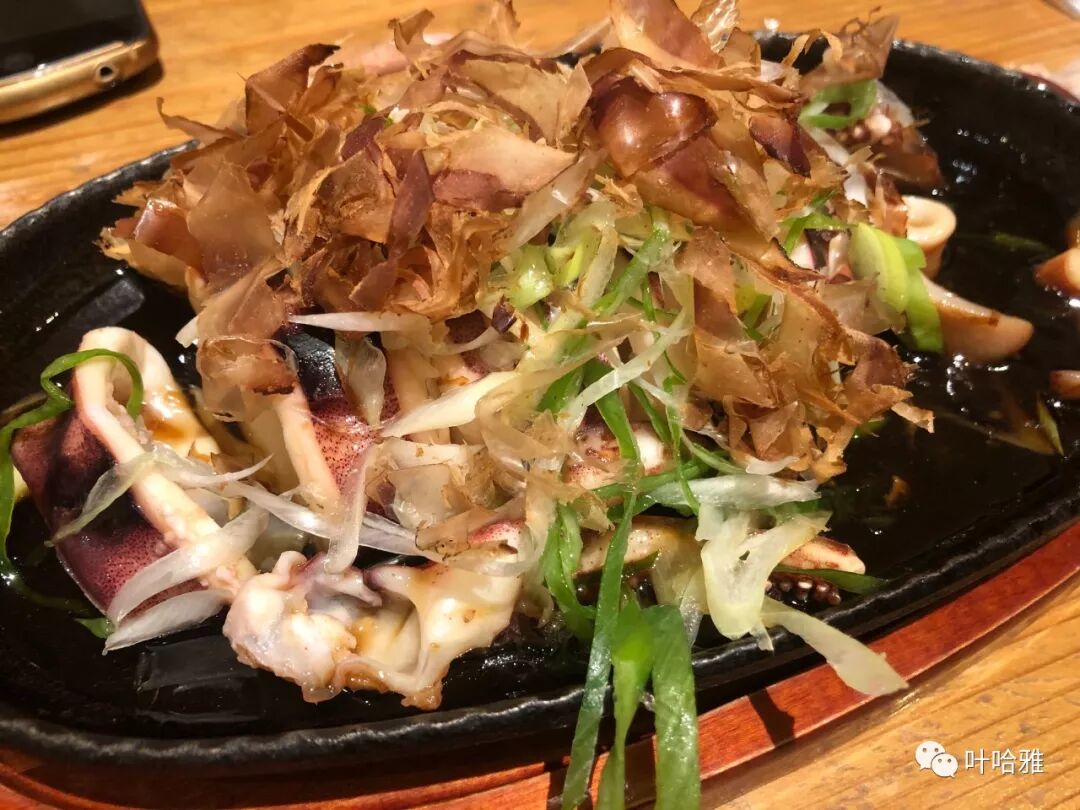
Enjoy the grilled squid and all the seafood dishes in Hokkaido. The ingredients are so fresh.
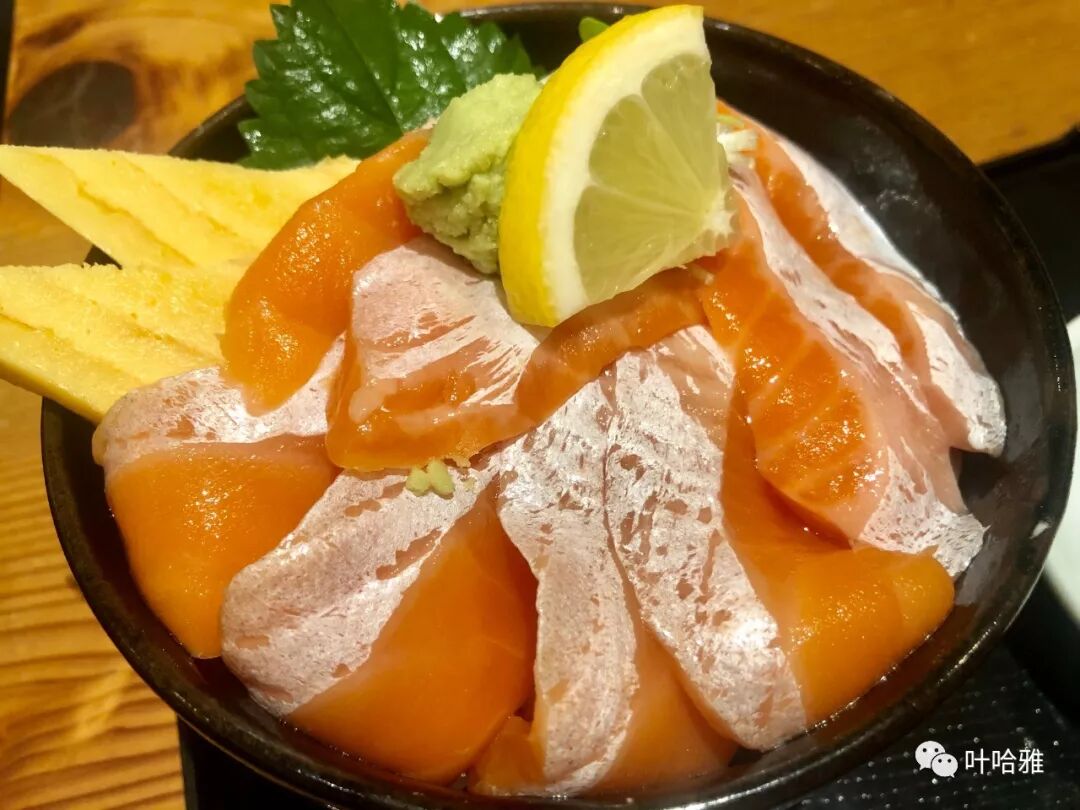
Salmon sashimi is my favorite Japanese dish. This bowl is small, with salmon slices on top of rice and yellow egg on the side. It has a light, sweet taste.
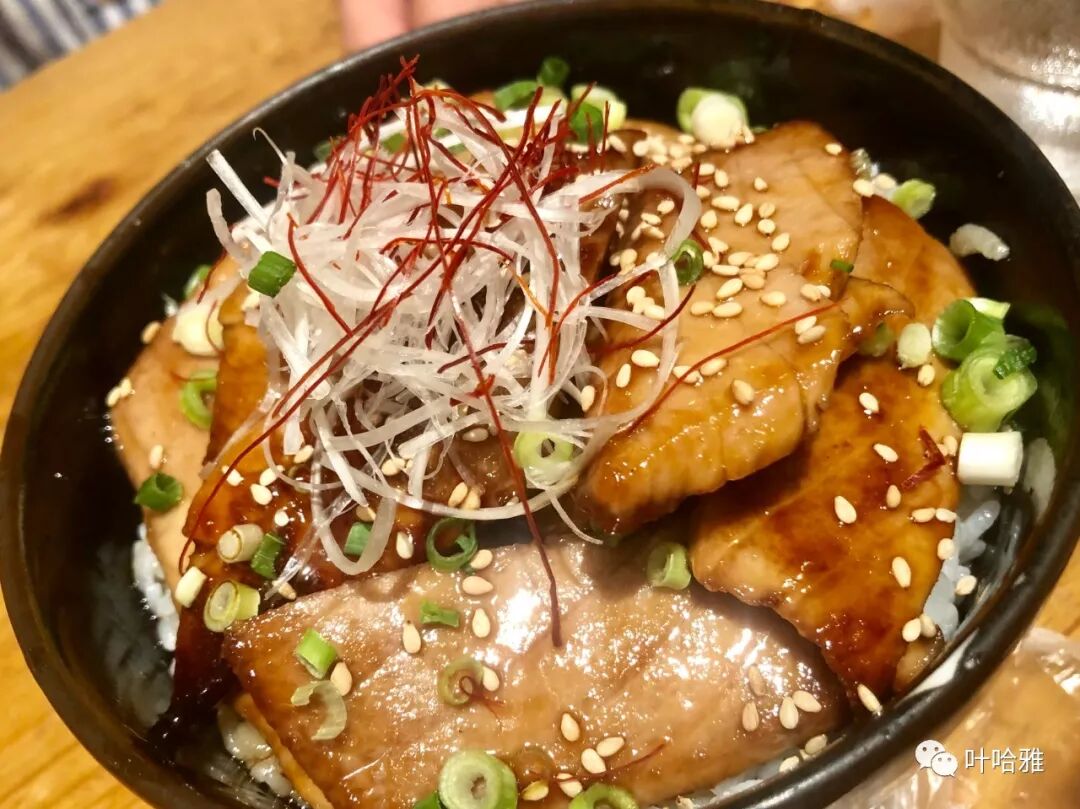
This is pan-fried fish, a good choice if you don't like raw food. The prices at this airport shop are the same as in the city. You can get full for 100 yuan per person, while a similar Japanese meal in Beijing costs at least 250 yuan.
Address: 3rd Floor, Departure Terminal, New Chitose International Airport.
Business hours: 10:30-20:00.
Open all year round.
Gyomu Super, Susukino Tanukikoji.
Gyomu Super, Susukino Tanukikoji store.
Gyomu Super.
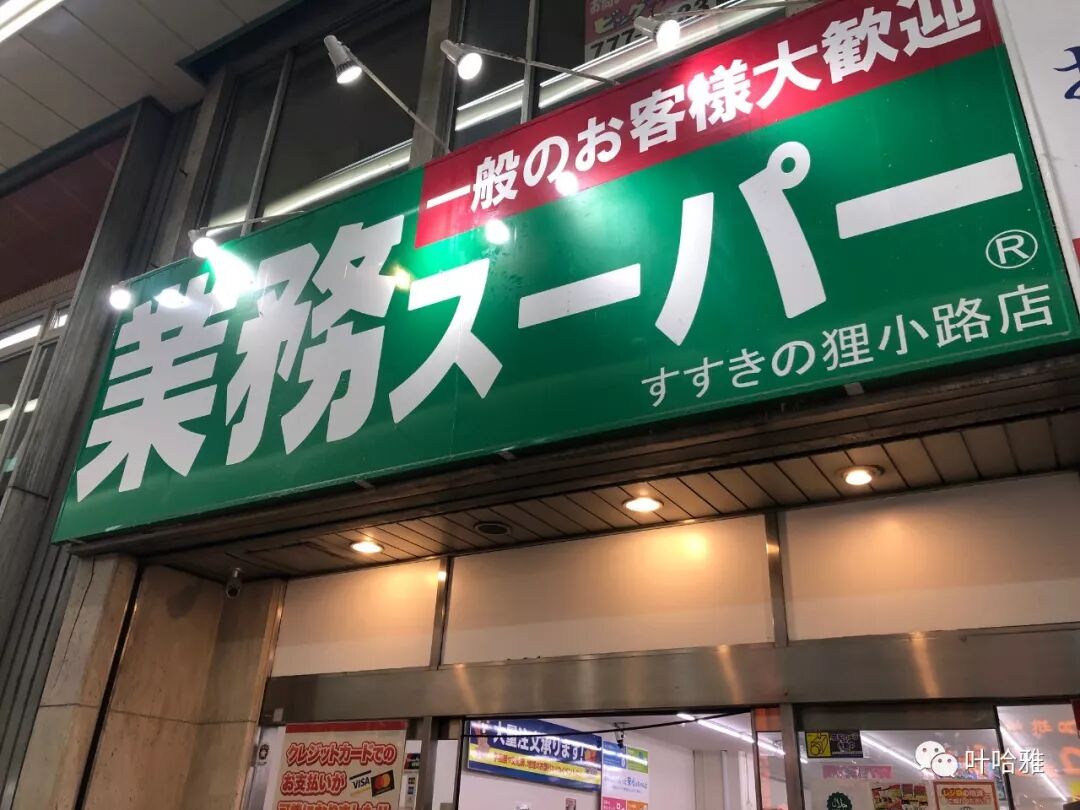
If you like staying in vacation rentals and cooking at home, come to the Gyomu Super on Tanukikoji 2 shopping street. They sell halal ingredients here.
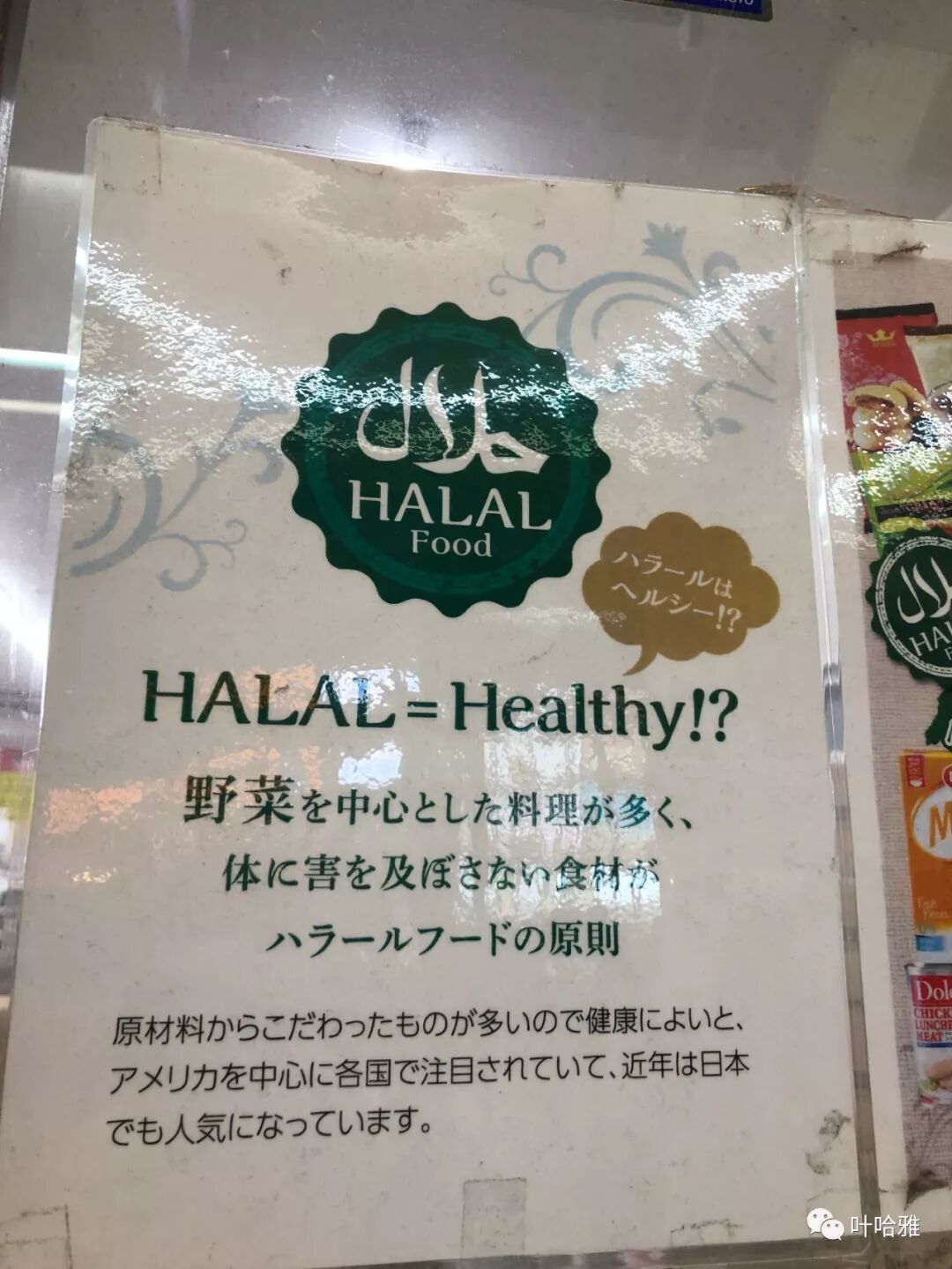
Cooking for yourself is important because we are heading to remote areas next. It is not easy to find halal restaurants in the mountains, and there are not many snacks you can eat in convenience stores.
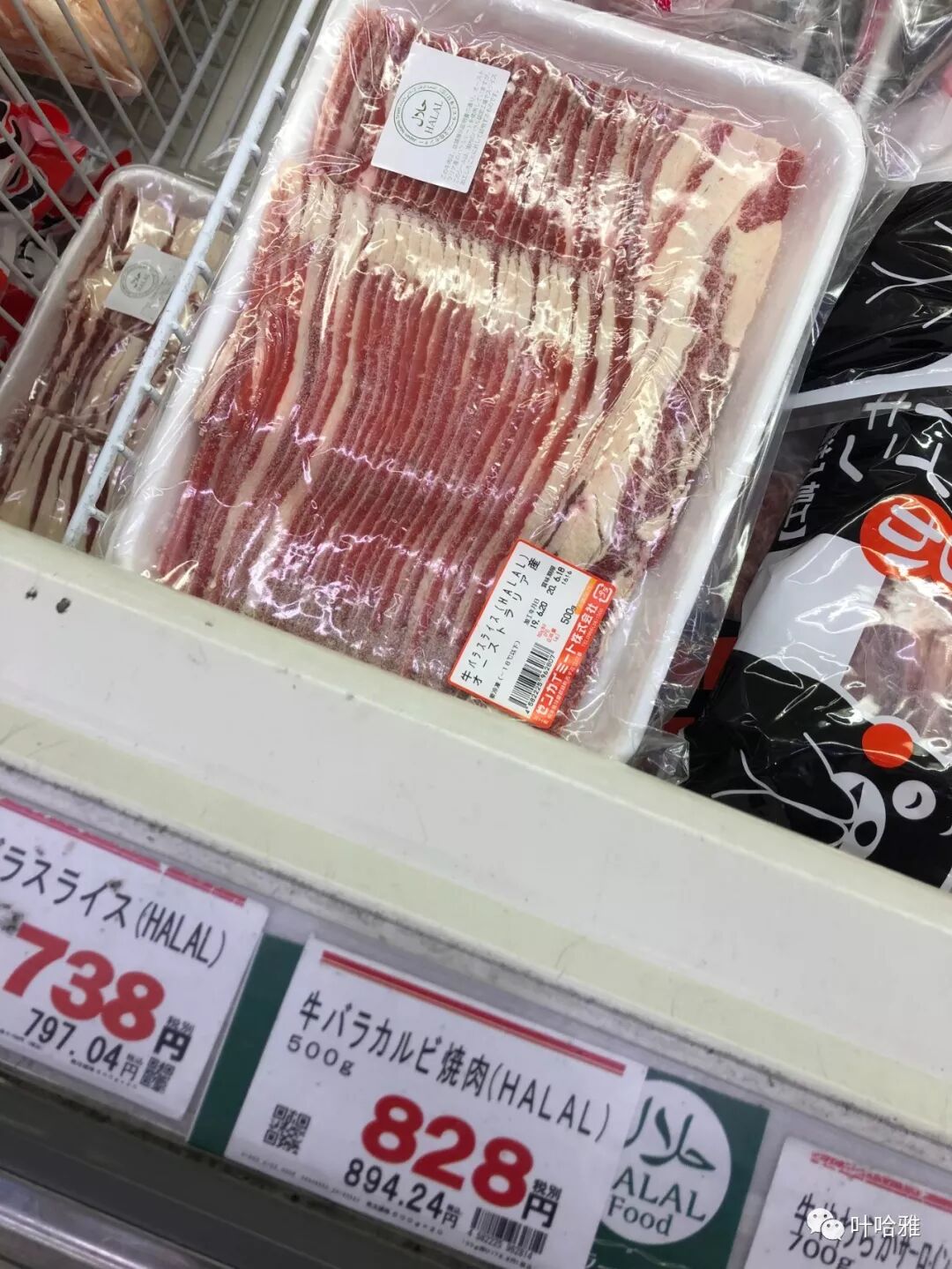
Sometimes when we are tired and don't want to go out, we buy meat and side dishes at the supermarket to cook at our place. My wife is very skilled; she can make sushi rolls with seaweed. Thanks to her delicious sushi, we have plenty to eat when we travel in the mountains.
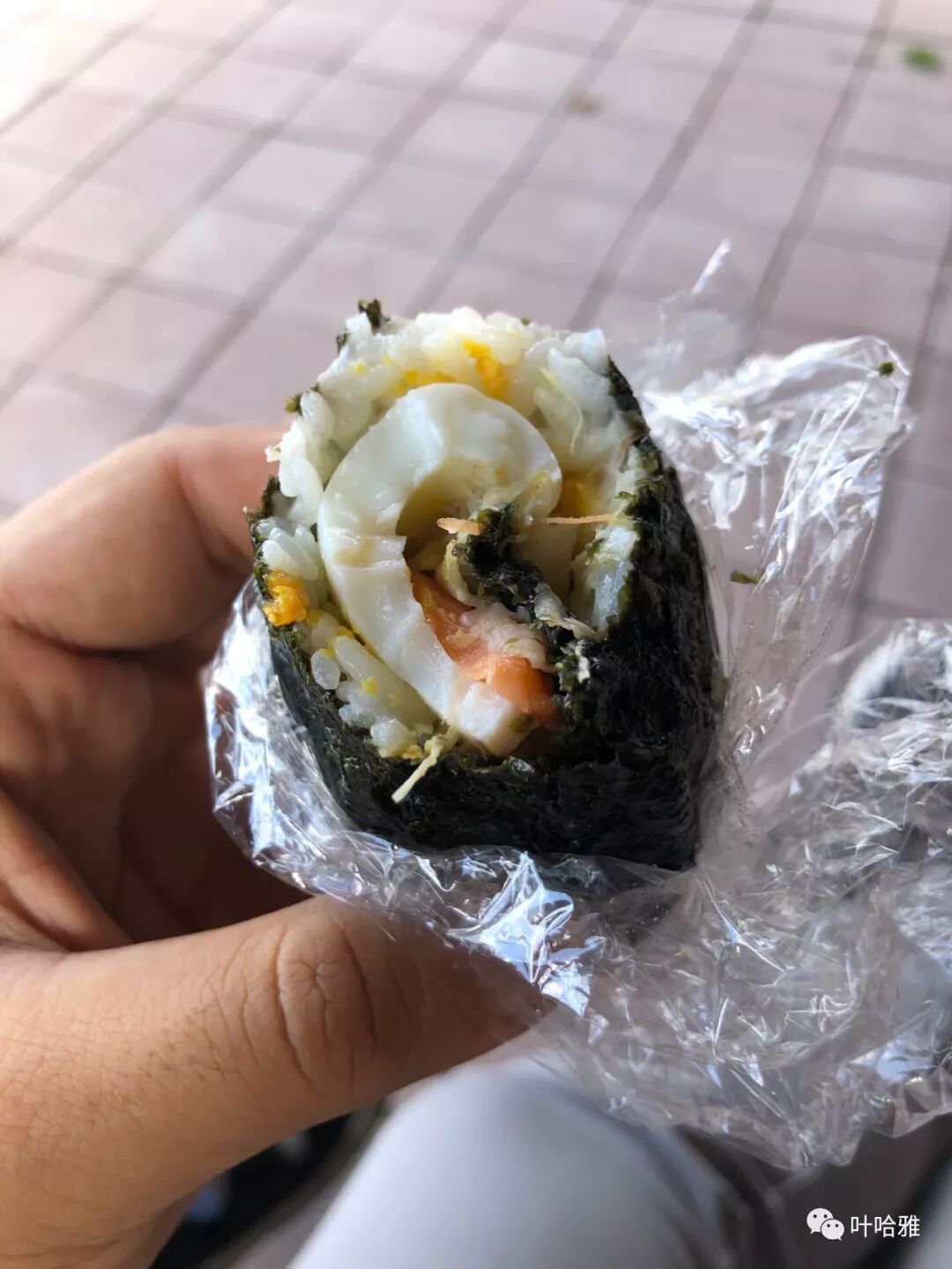
I said I felt at home at FEEL because the kitchen is fully equipped for making all kinds of food. It is hard to buy a halal breakfast outside in Japan in the morning, so being able to cook at home is a great joy.
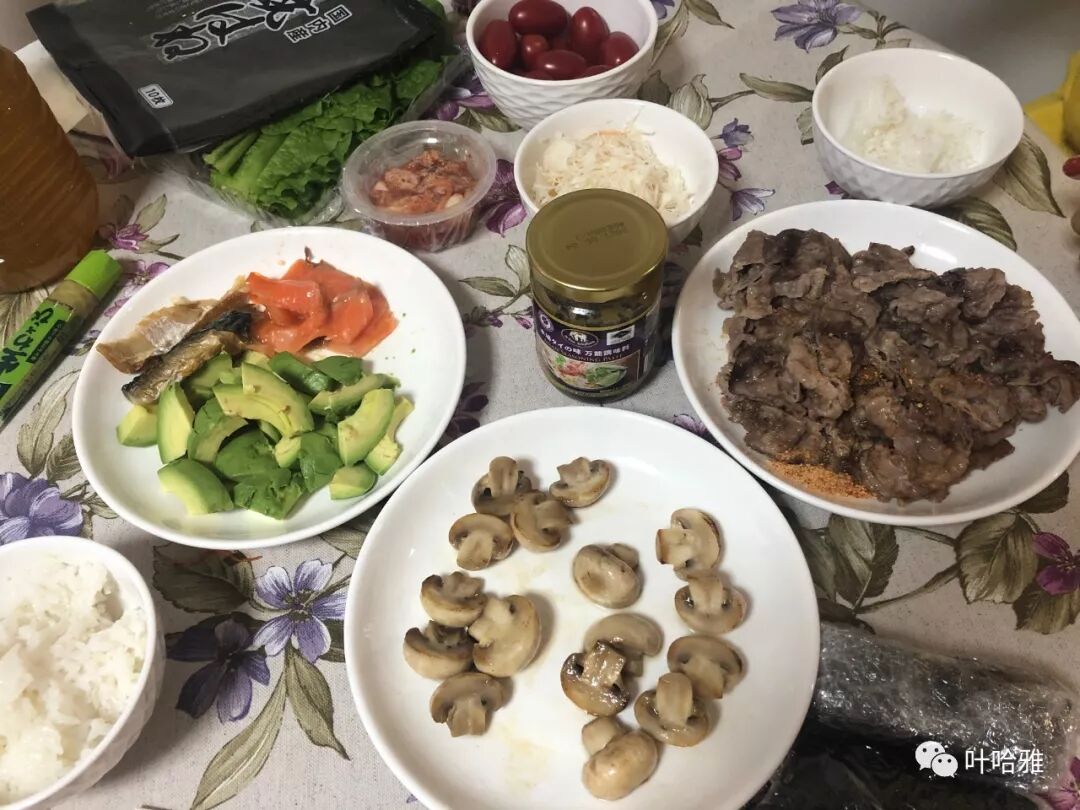
Supermarkets here sell high-quality, fresh Hokkaido ingredients like meat, eggs, and milk at cheap prices. It is hard to find these back home, so I cherish every chance to eat this good food.
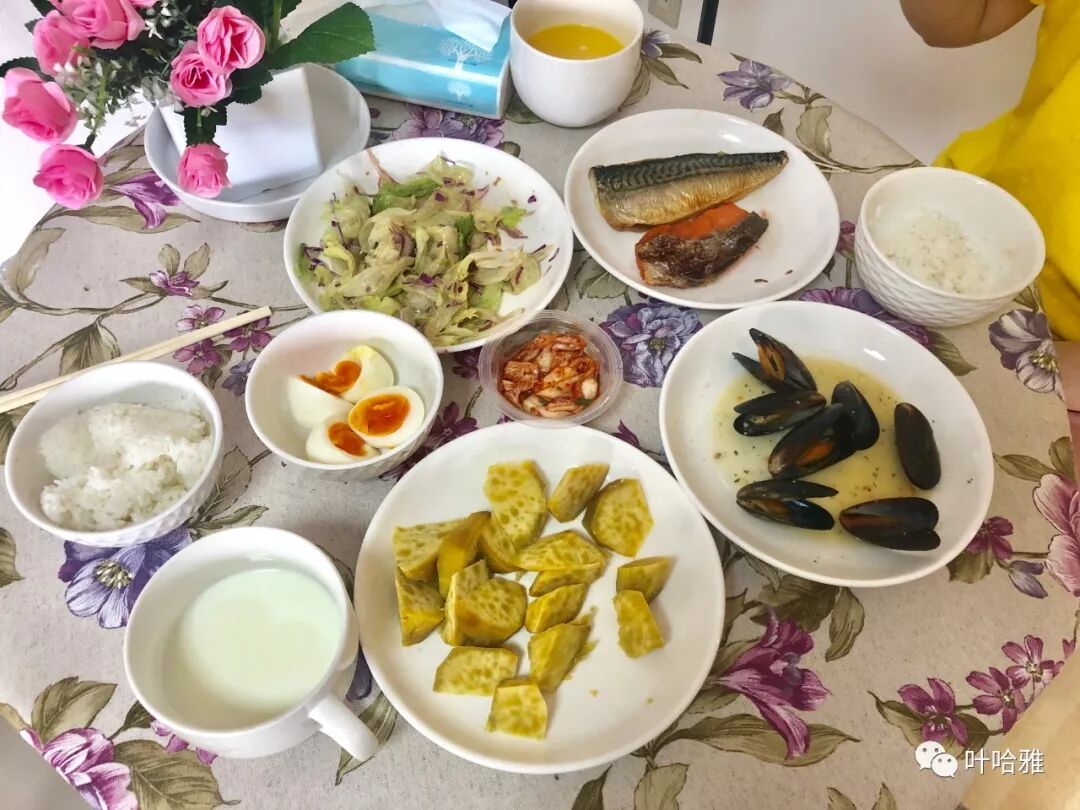
Eating this for breakfast is definitely a bit of a luxury.
Address:
Tanukikoji 2-chome, Minami 2-jo Nishi 2-chome, Chuo-ku, Sapporo.
Business hours:
9:00 AM to 10:00 PM.
Open all year round.
Otaru City.
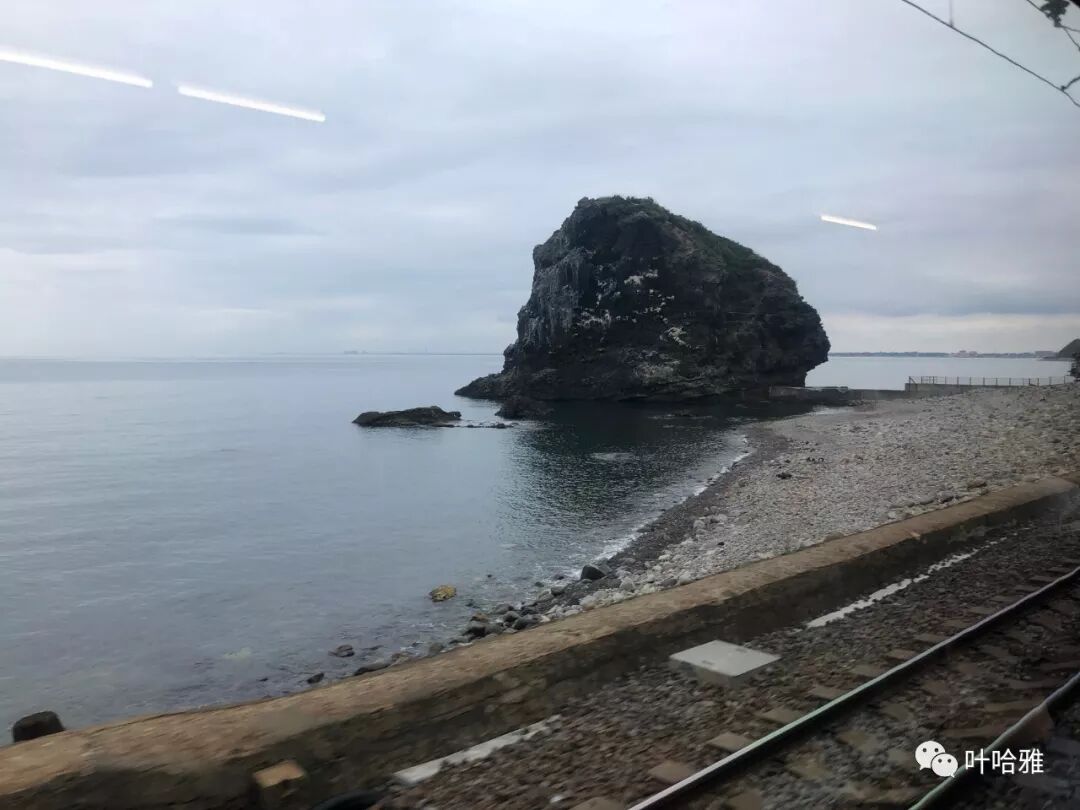
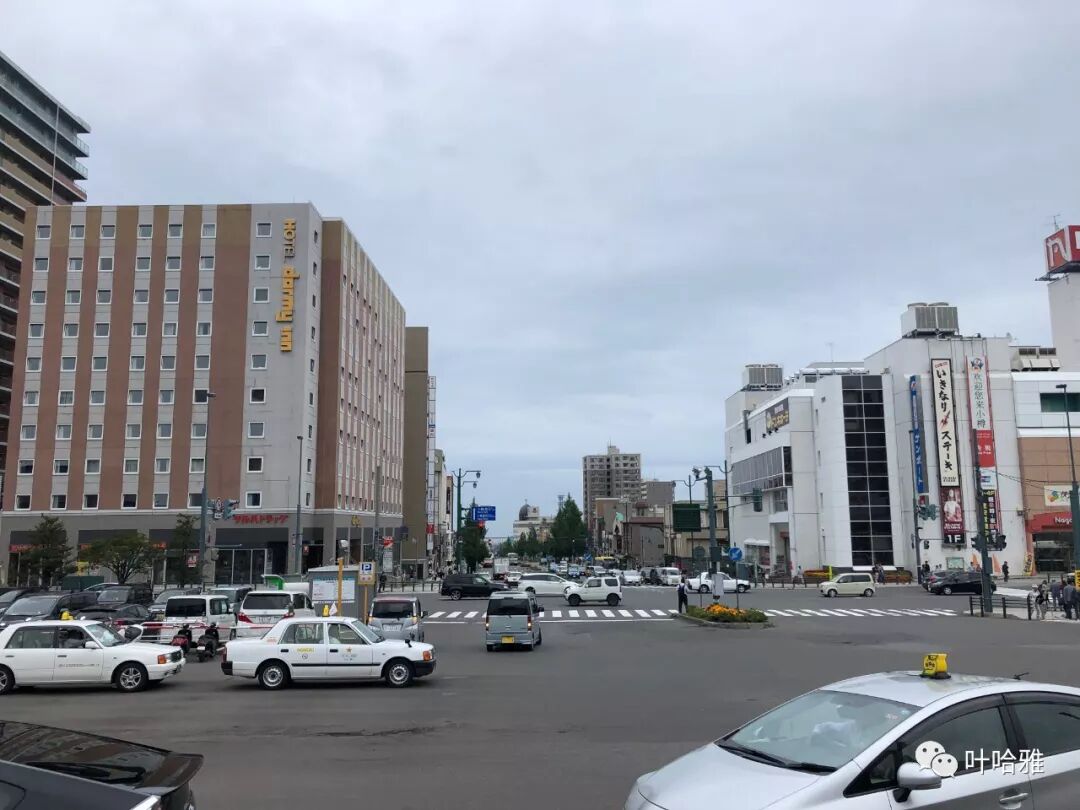
It takes half an hour to reach Otaru City by light rail from Sapporo Central Station. Otaru is small and beautiful, and you can see it all in half a day. This is where director Shunji Iwai filmed the movie Love Letter.
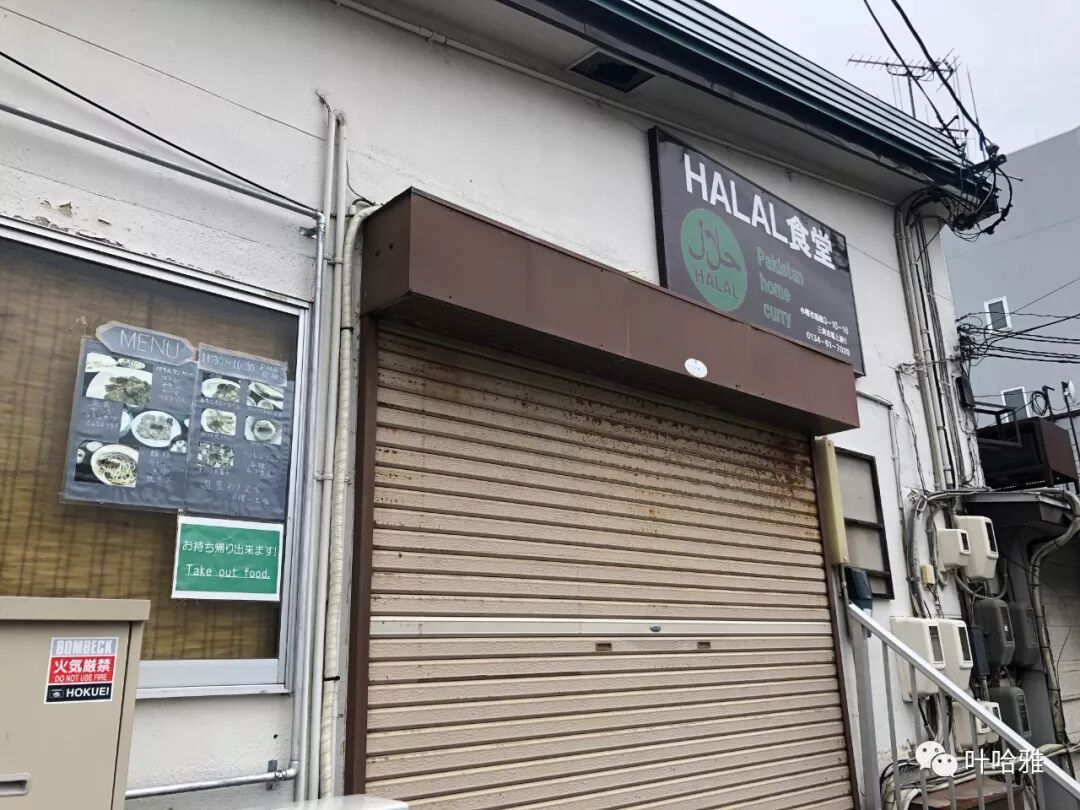
There is a halal restaurant run by Pakistanis 100 meters to the left of the Otaru station exit, but it was closed that day. Always check restaurant hours when eating out in Japan, as many places close during public holidays.
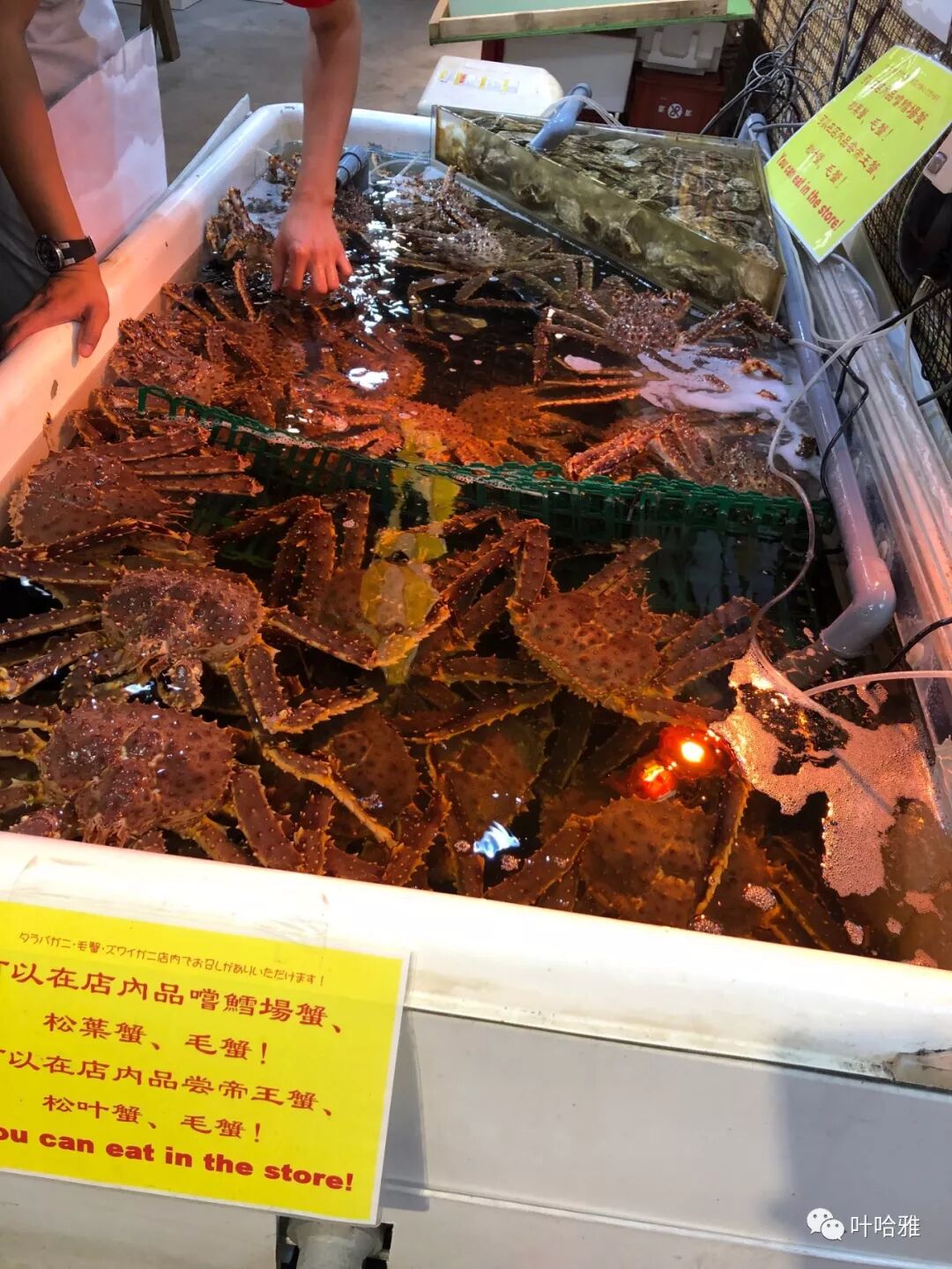
Next to the halal restaurant is the Otaru seafood market. It is very lively and sells all kinds of fresh seafood that you can have cooked and eat right there in the shop.
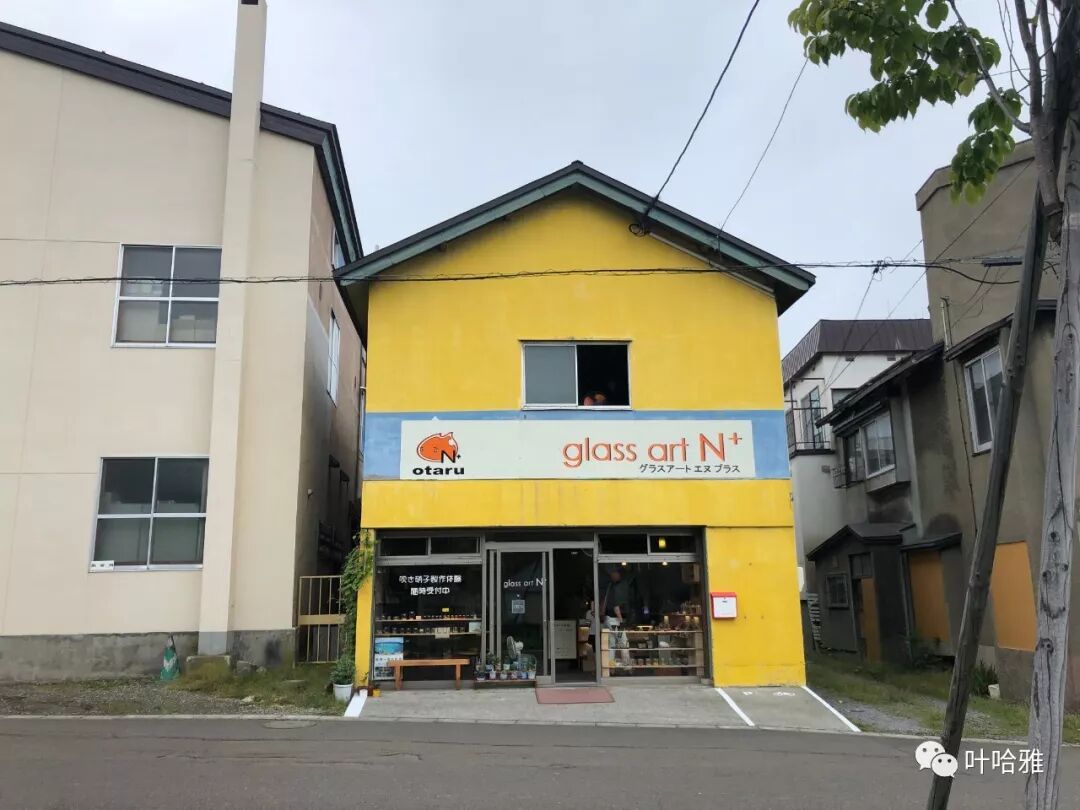
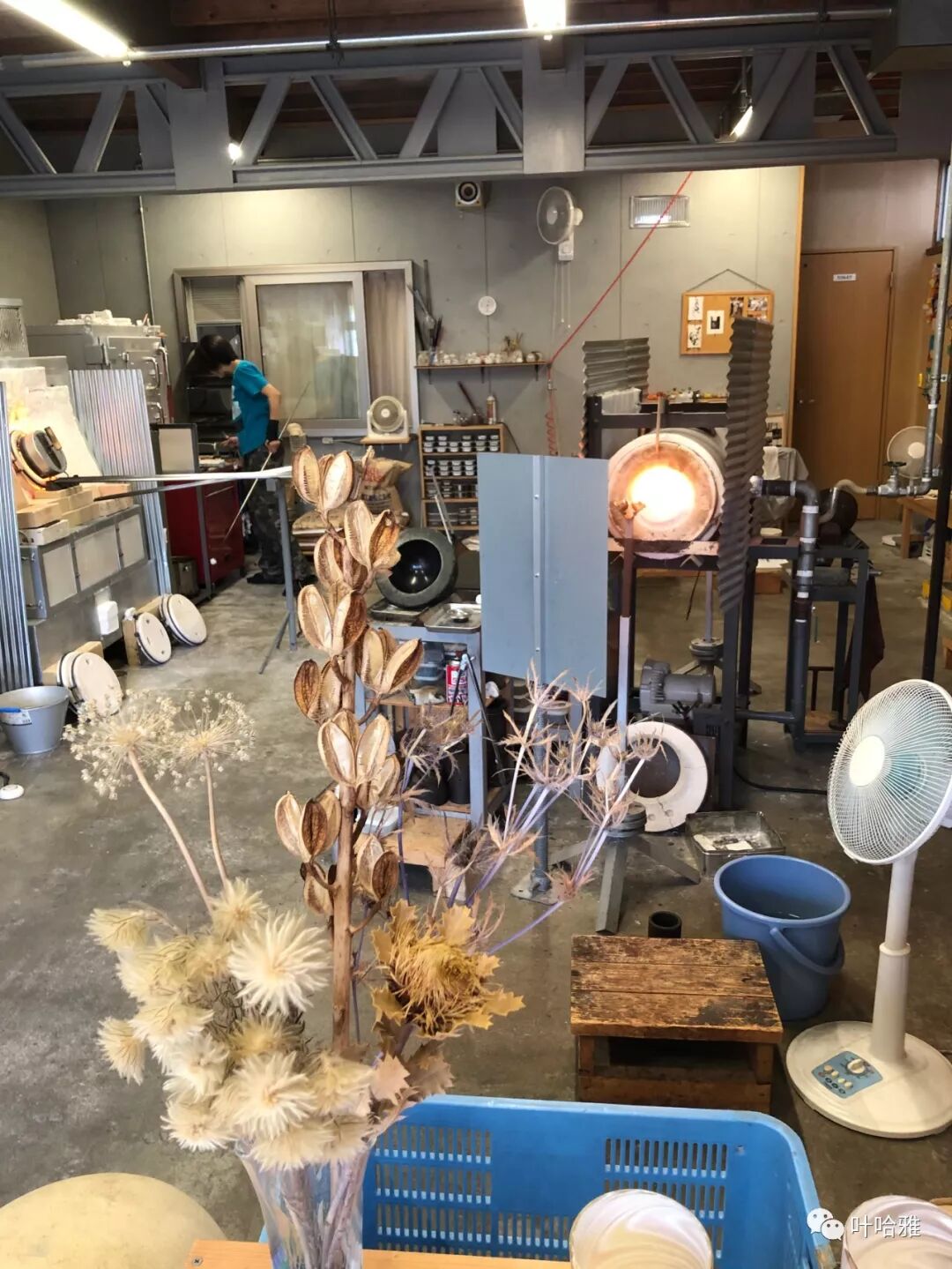
Glass shops are very common in Otaru, and you can try making glass products yourself on the spot.
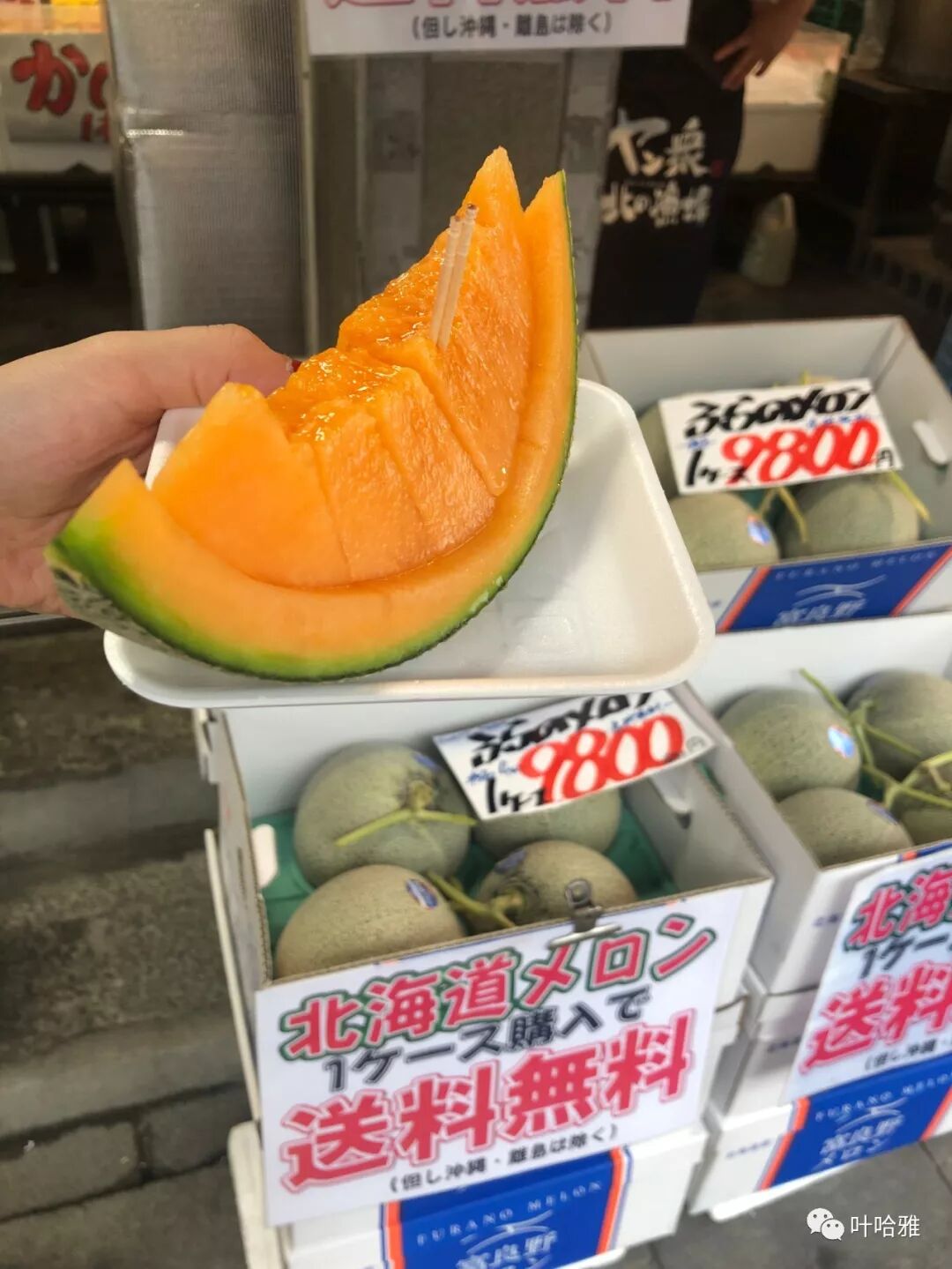
Hokkaido cantaloupes are very famous. They are truly sweet and juicy, comparable to Turpan cantaloupes, but the price is ridiculously high. One cantaloupe costs about 600 RMB, and even a small slice costs around 50 RMB.
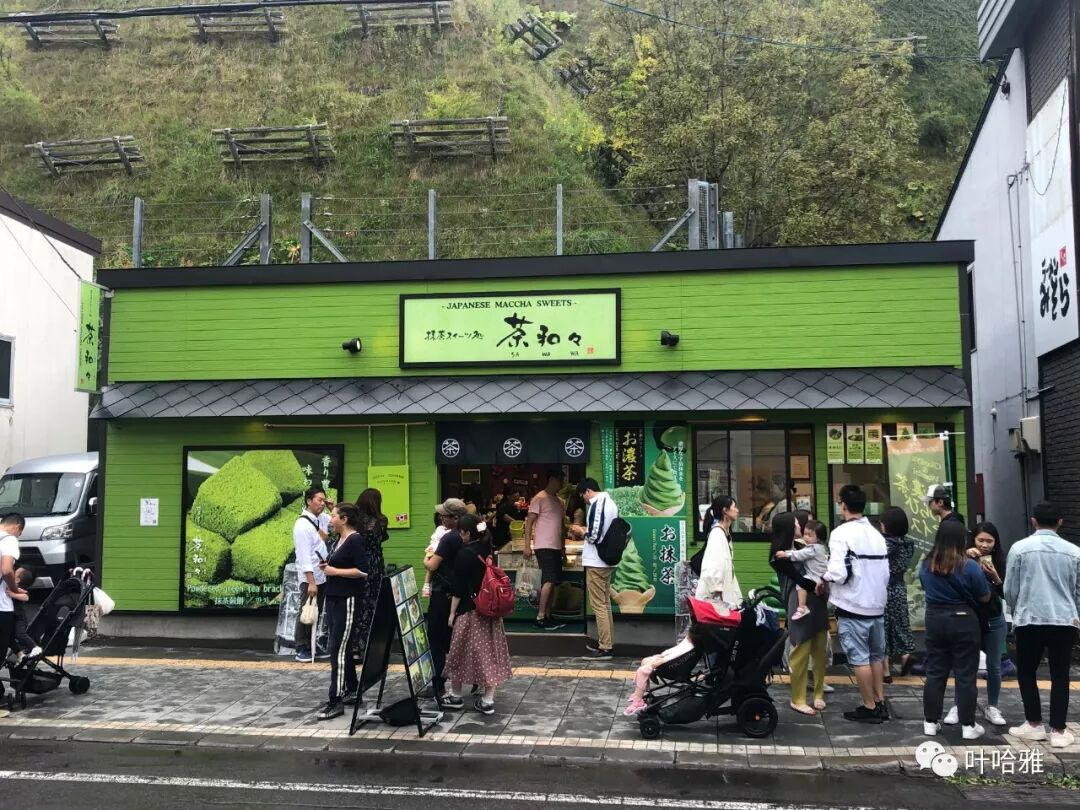
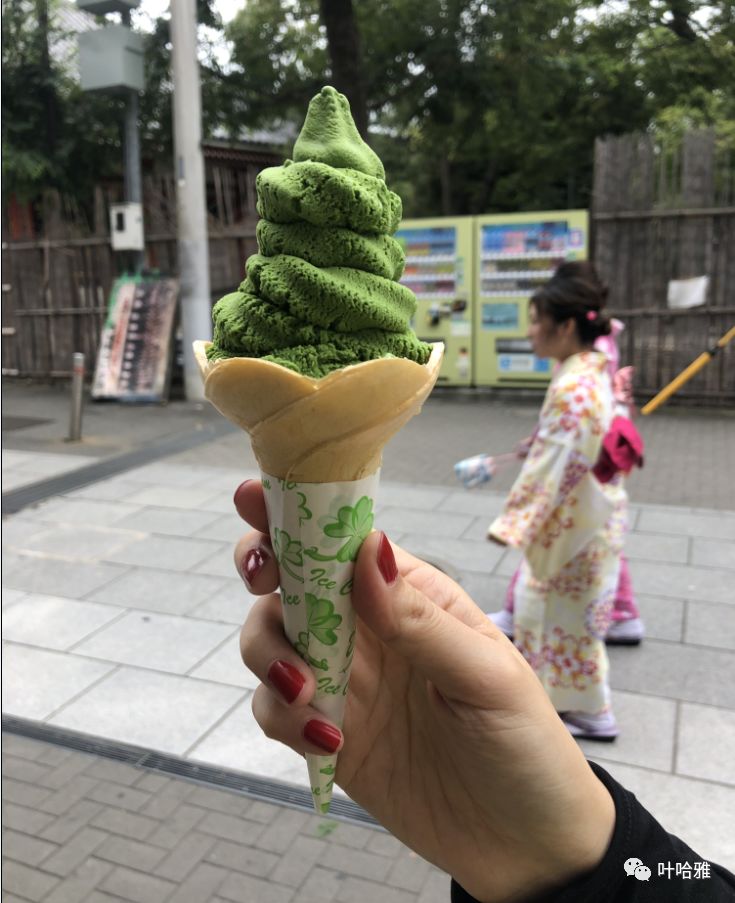
Matcha ice cream at Japanese matcha shops is especially delicious, as matcha is a Japanese specialty.
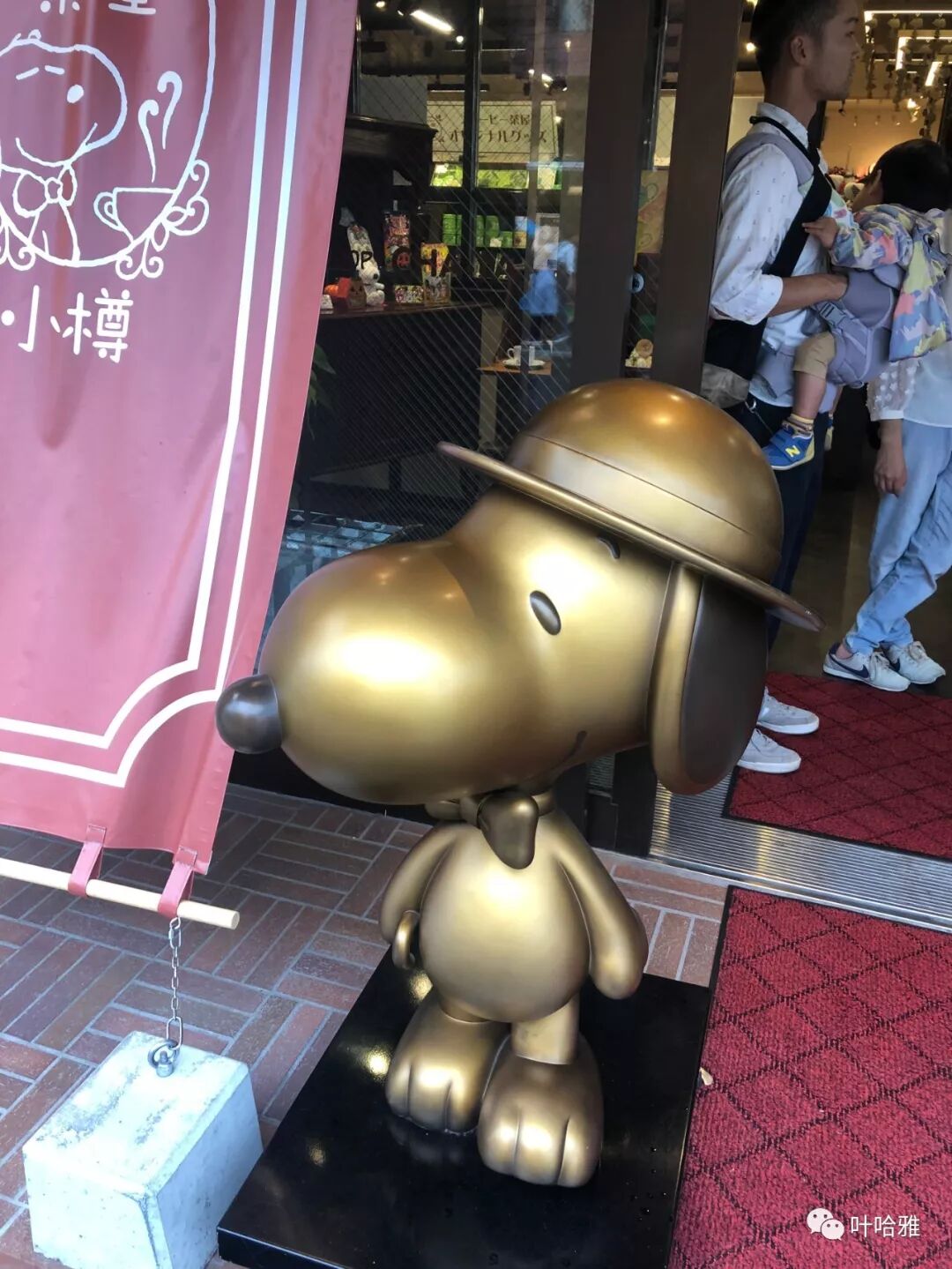
A specialty store for the famous Japanese cartoon character Snoopy.
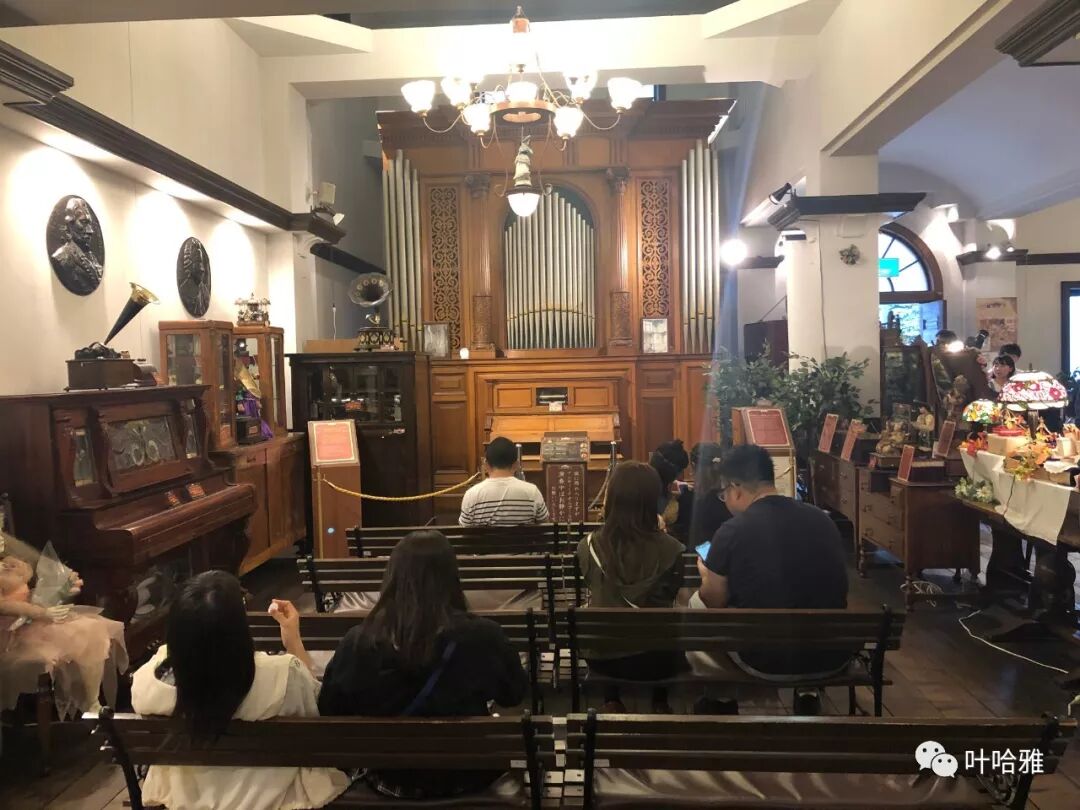
The music box shop in Otaru has beautifully crafted music boxes with great sound quality, but they are also very expensive. The stage in the center of the shop has scheduled performances.
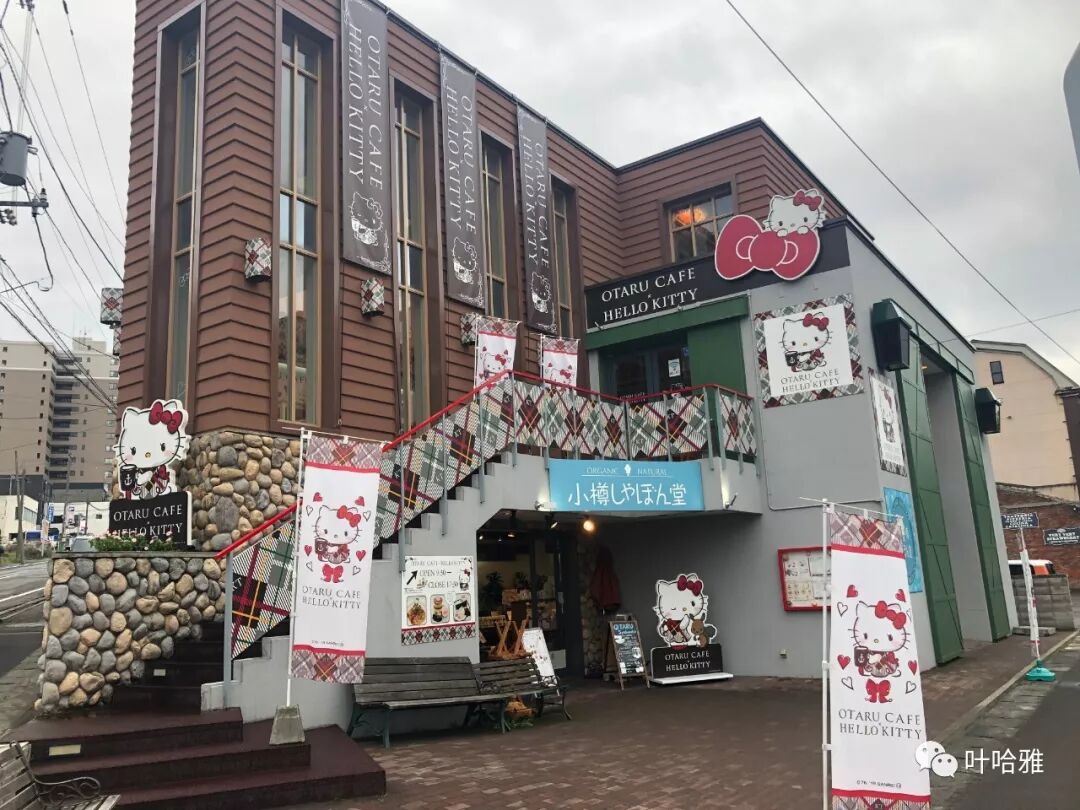
The Hello Kitty themed cafe in Otaru.
These shops are all along the Otaru Canal, and you can finish strolling through them in one afternoon.
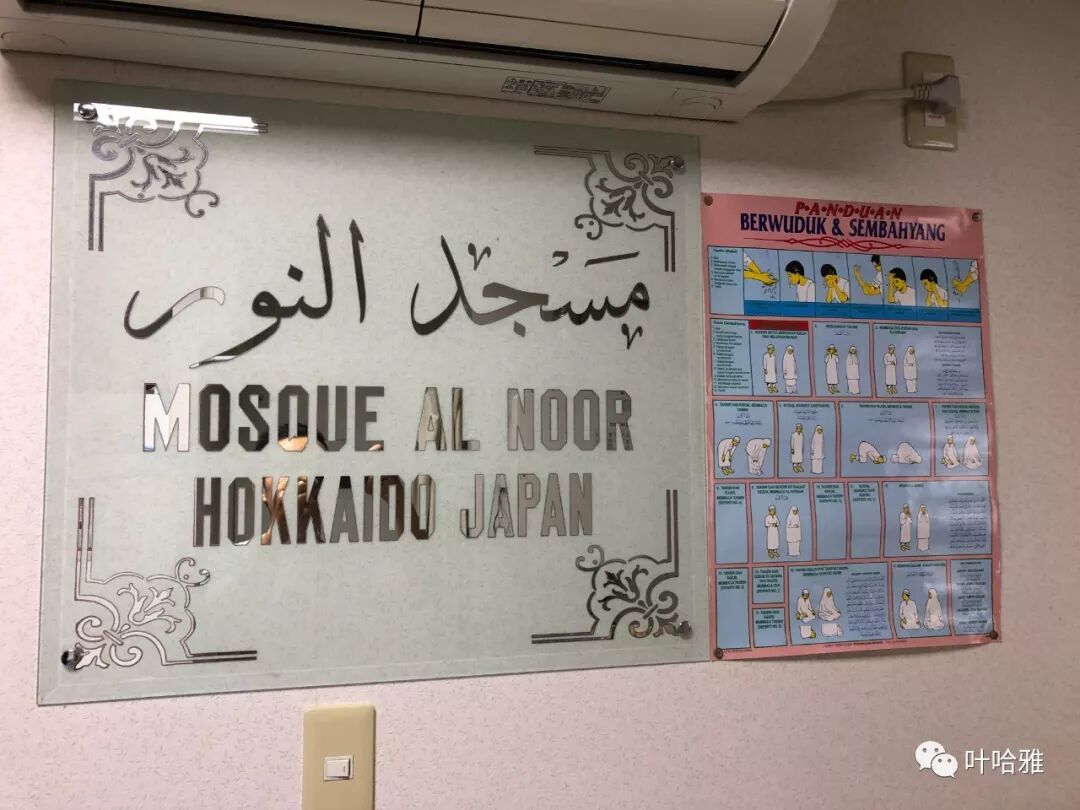
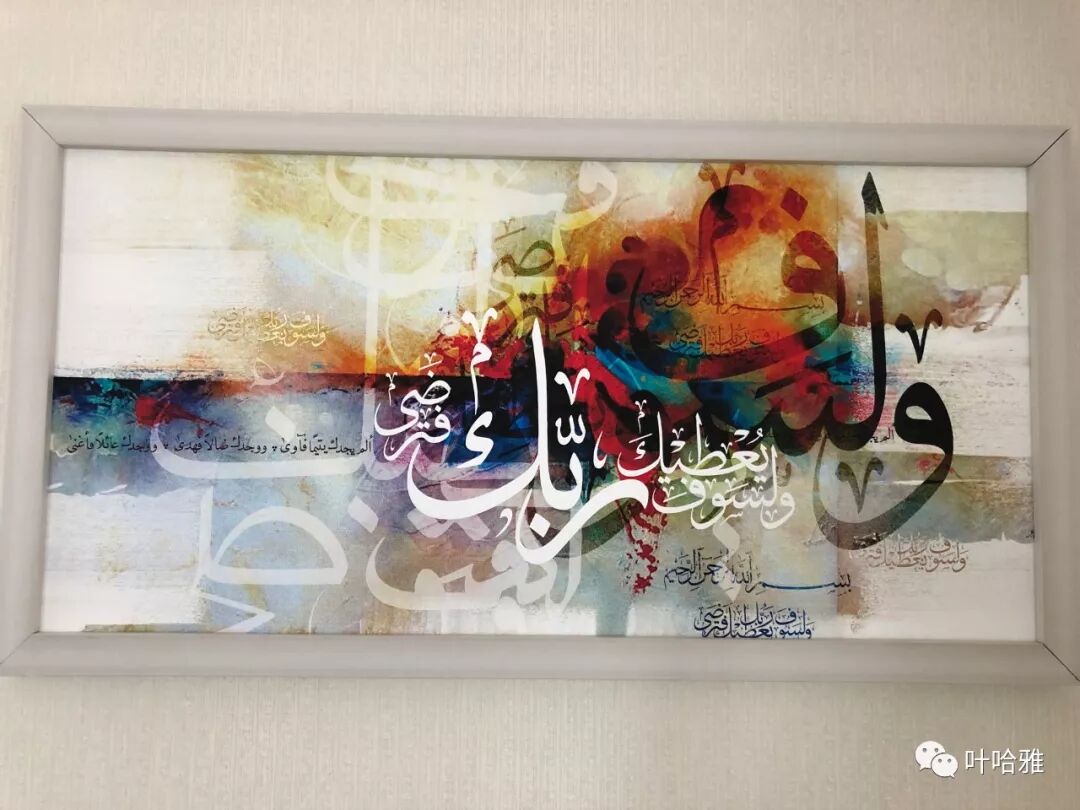
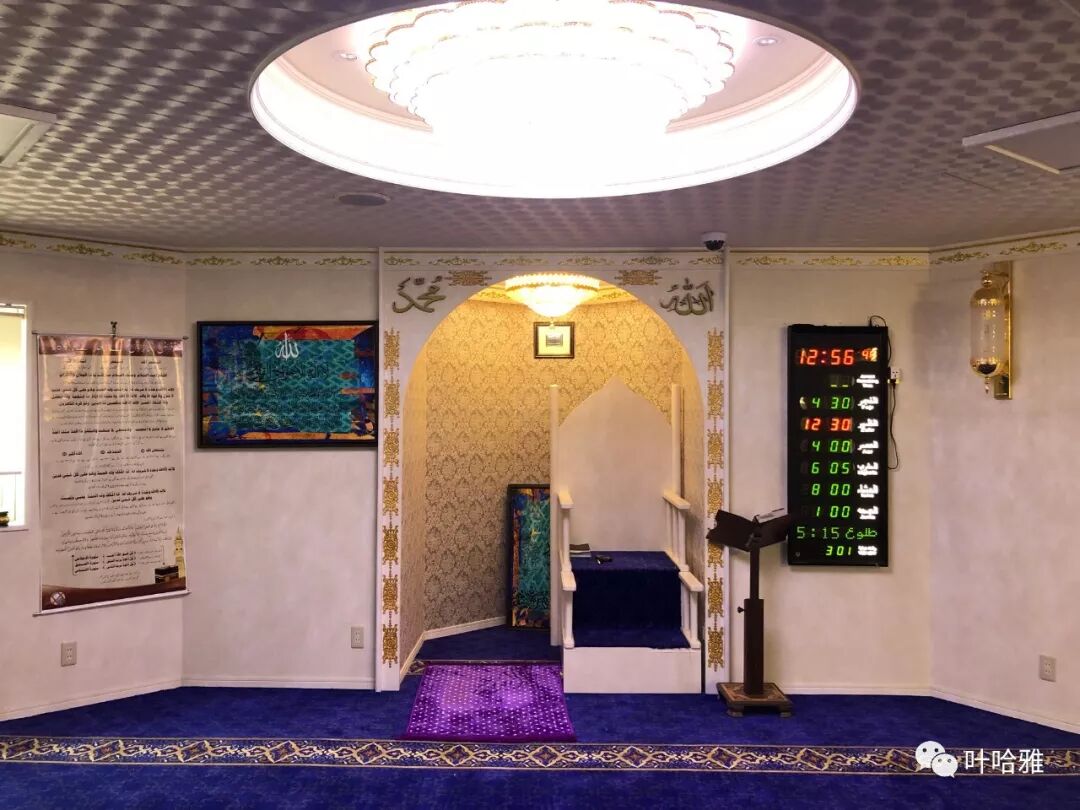
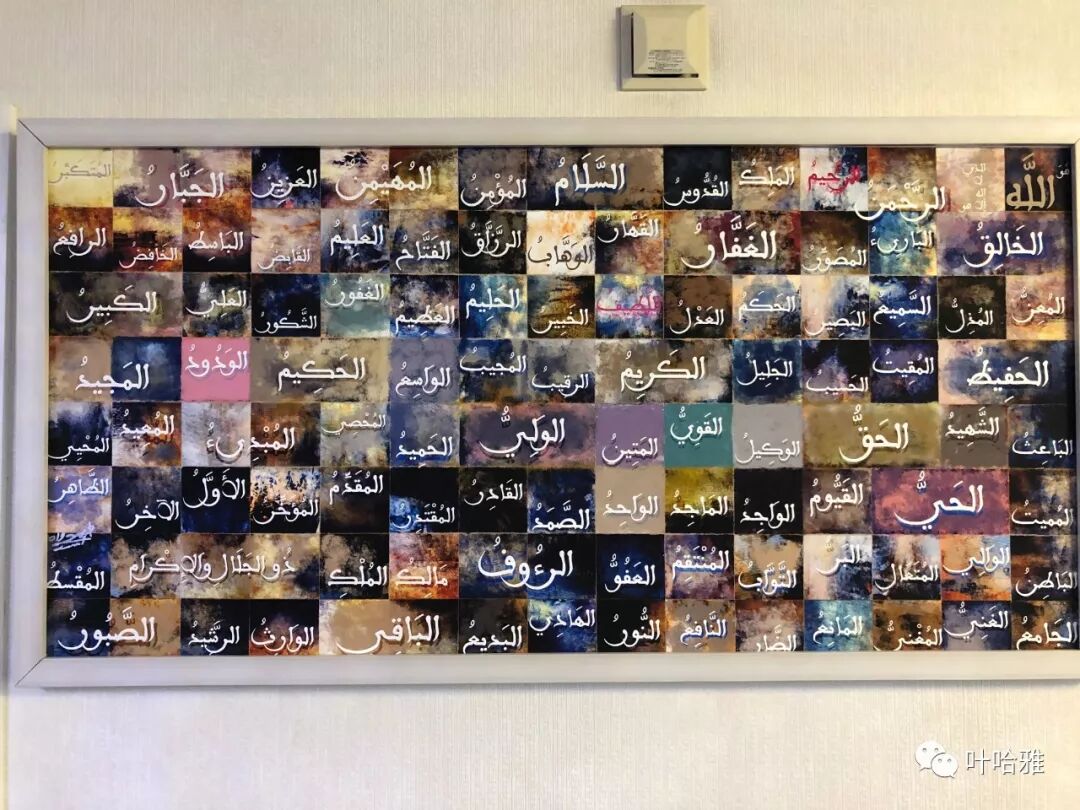
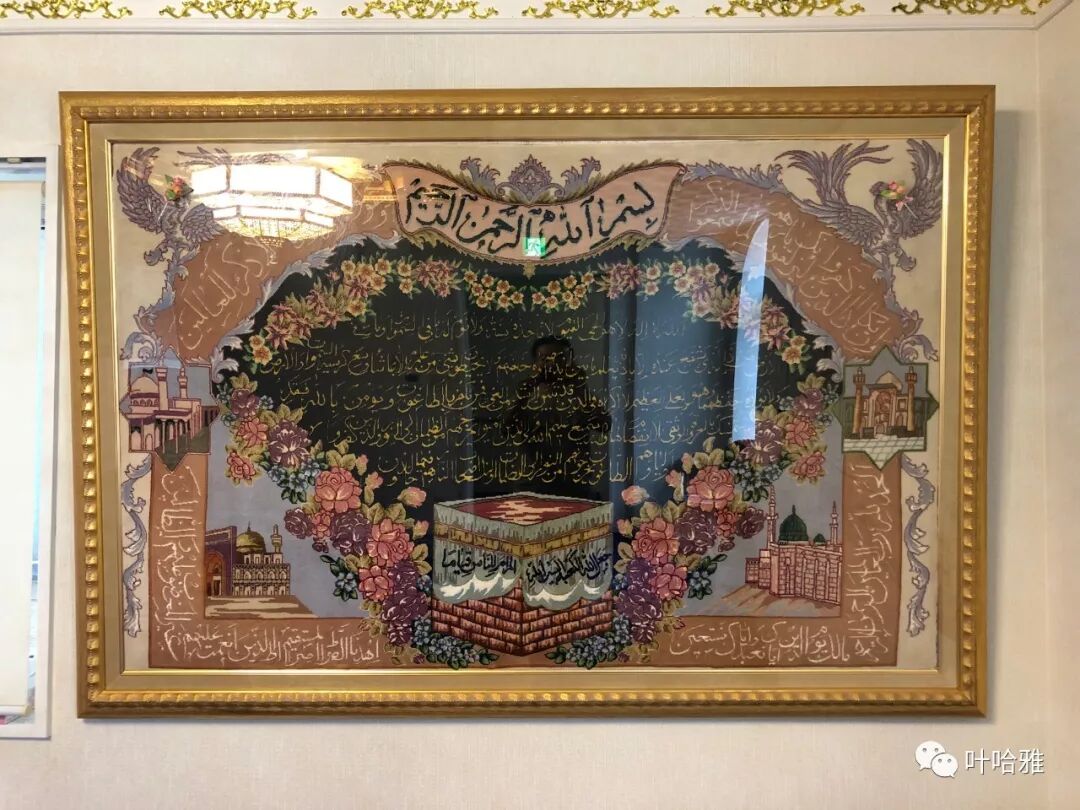
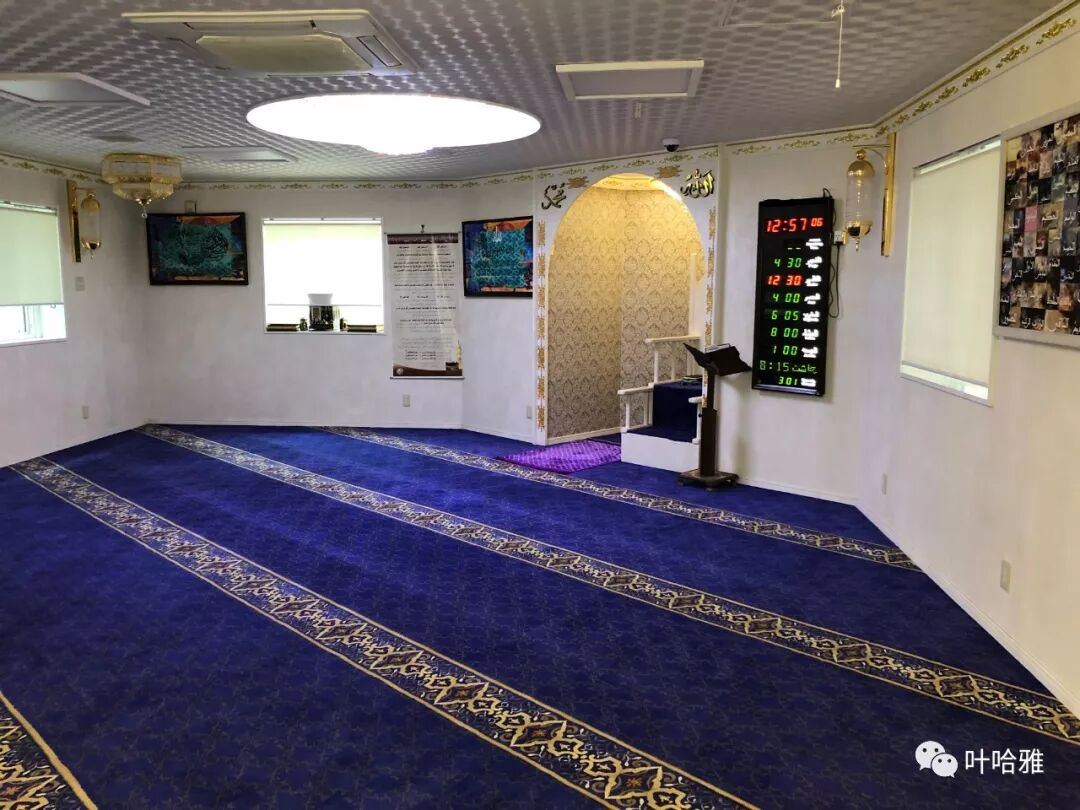
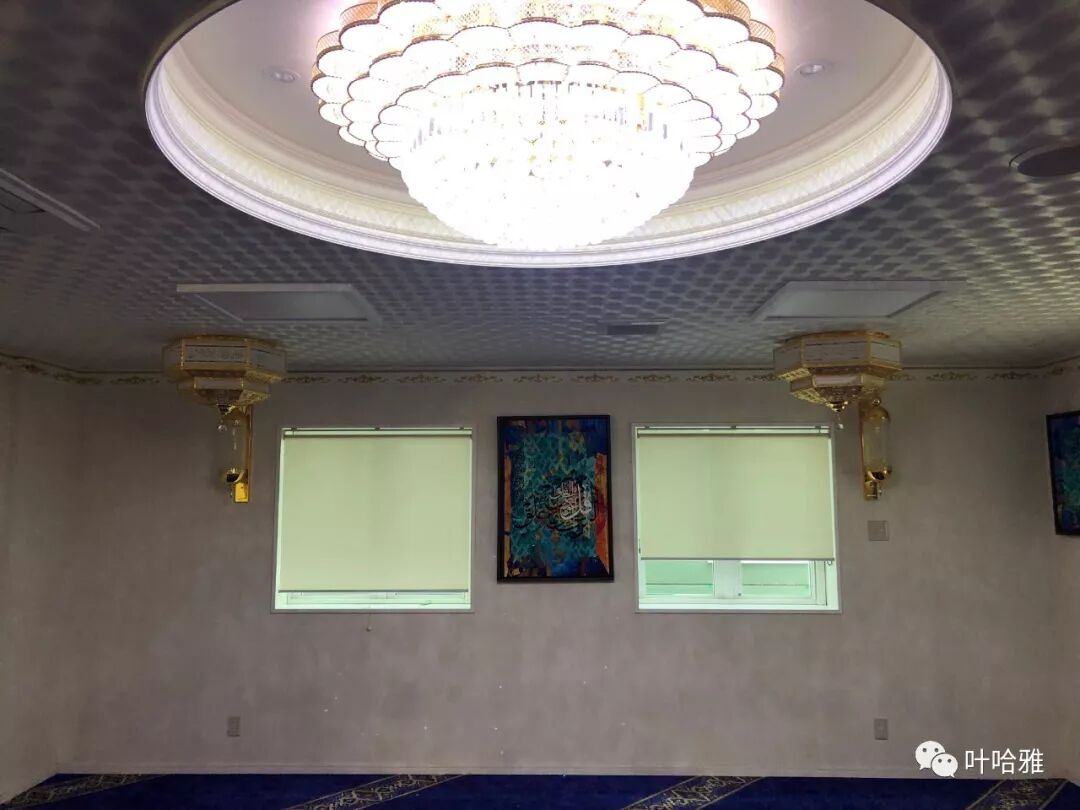
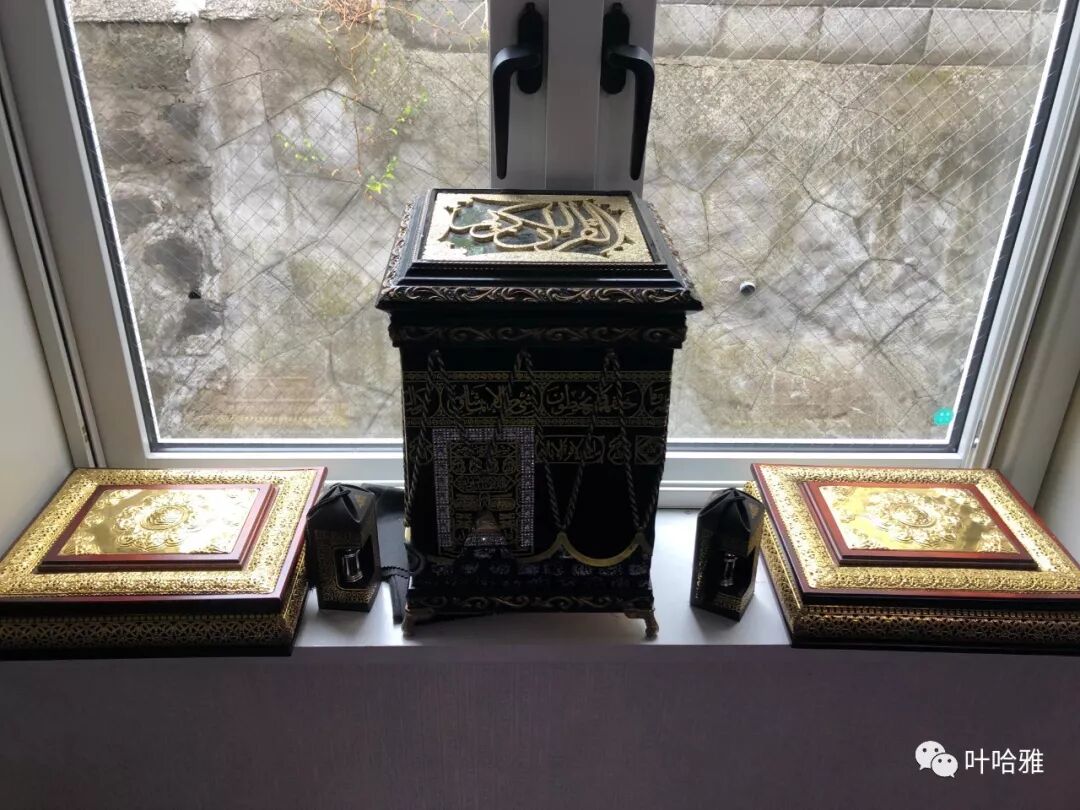
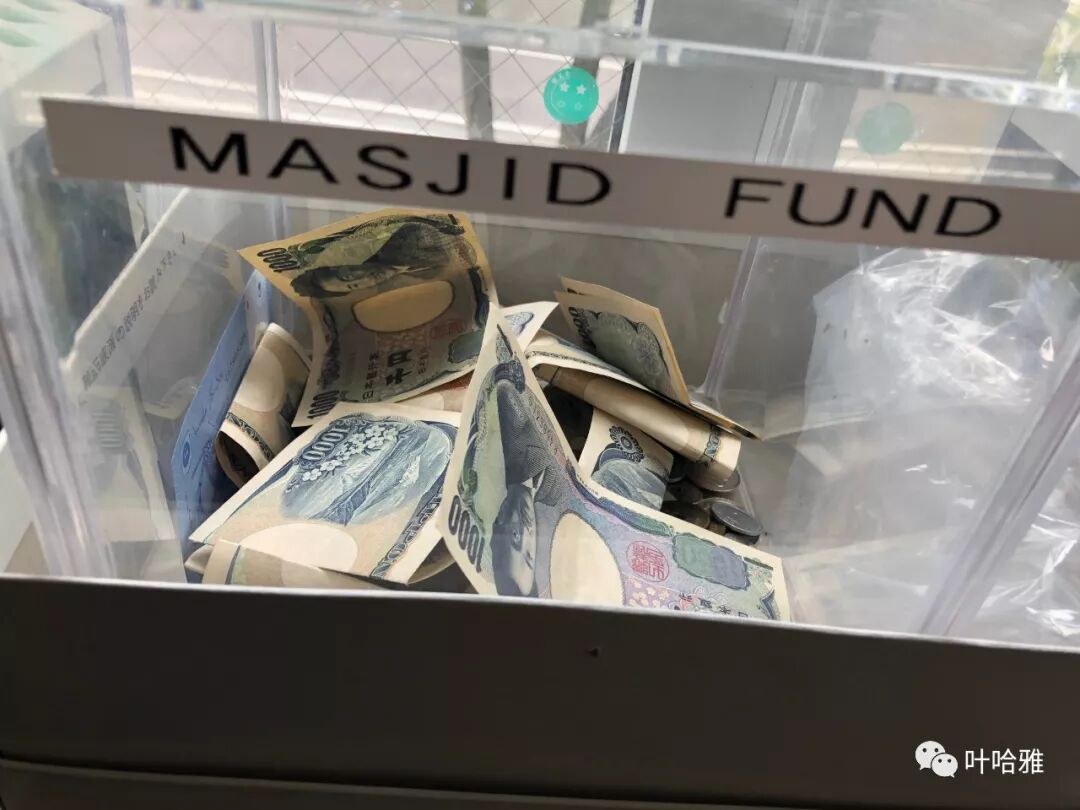
Otaru Mosque.
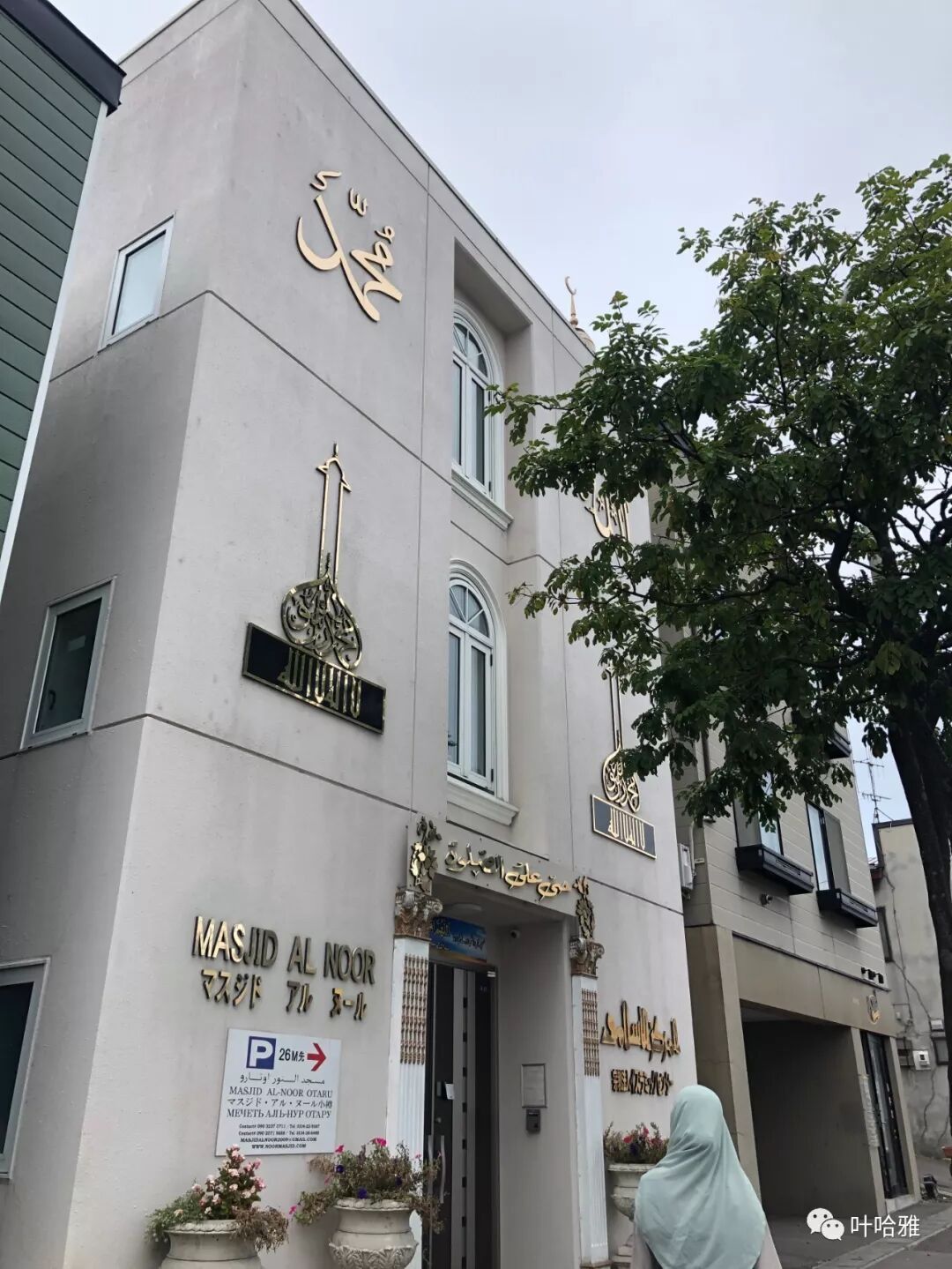
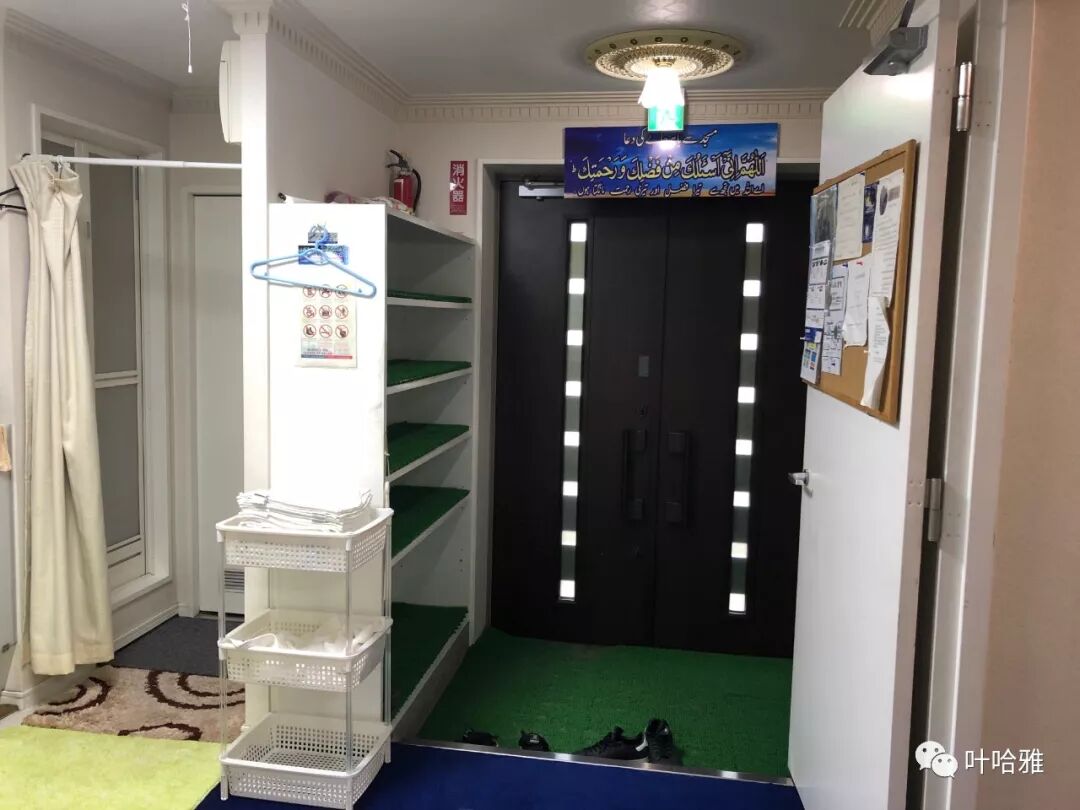
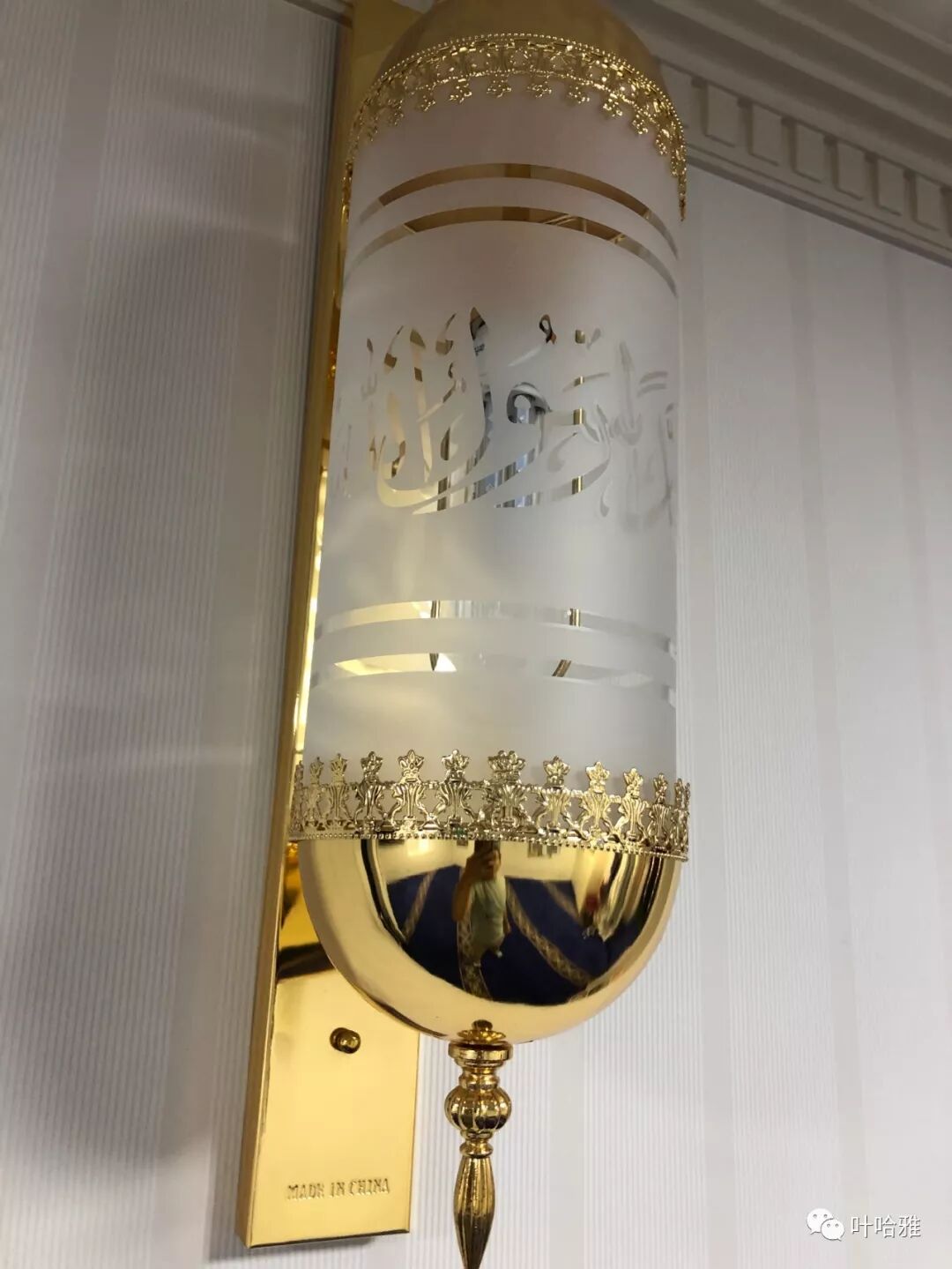
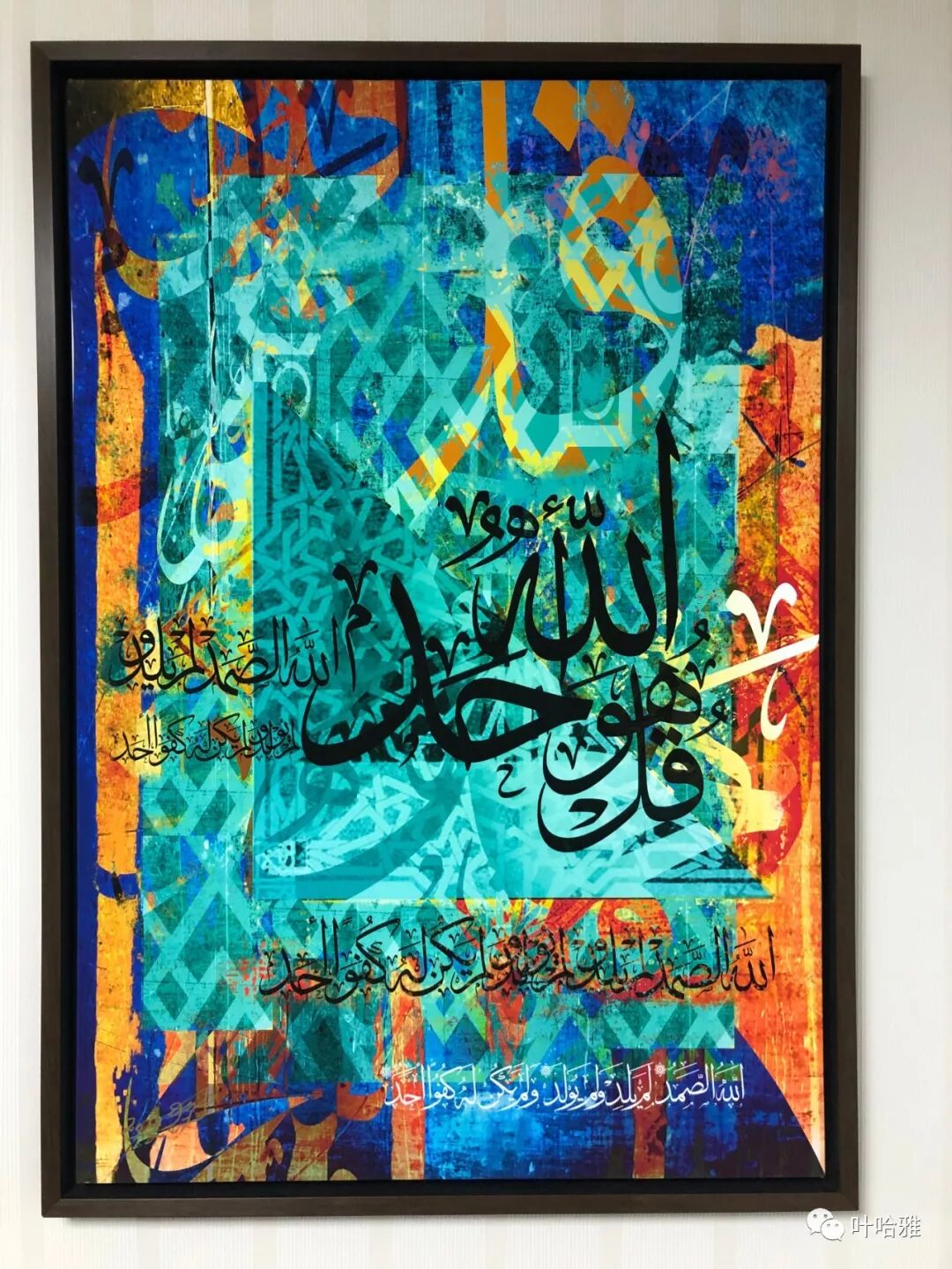
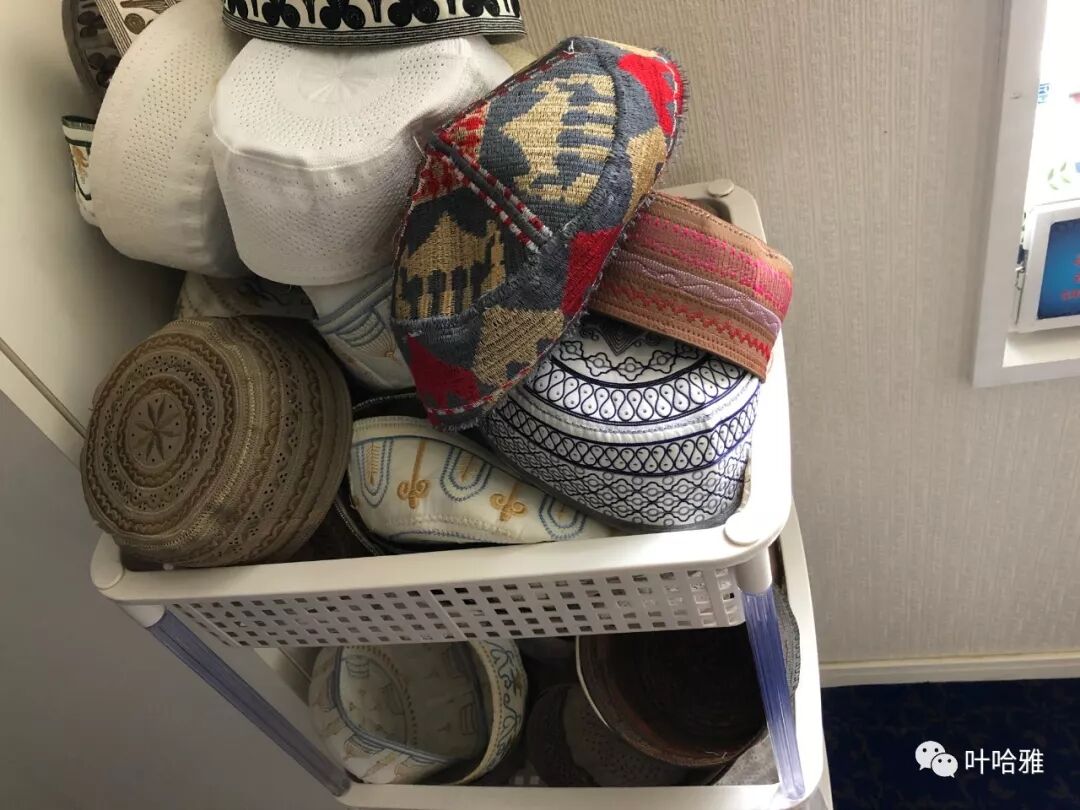
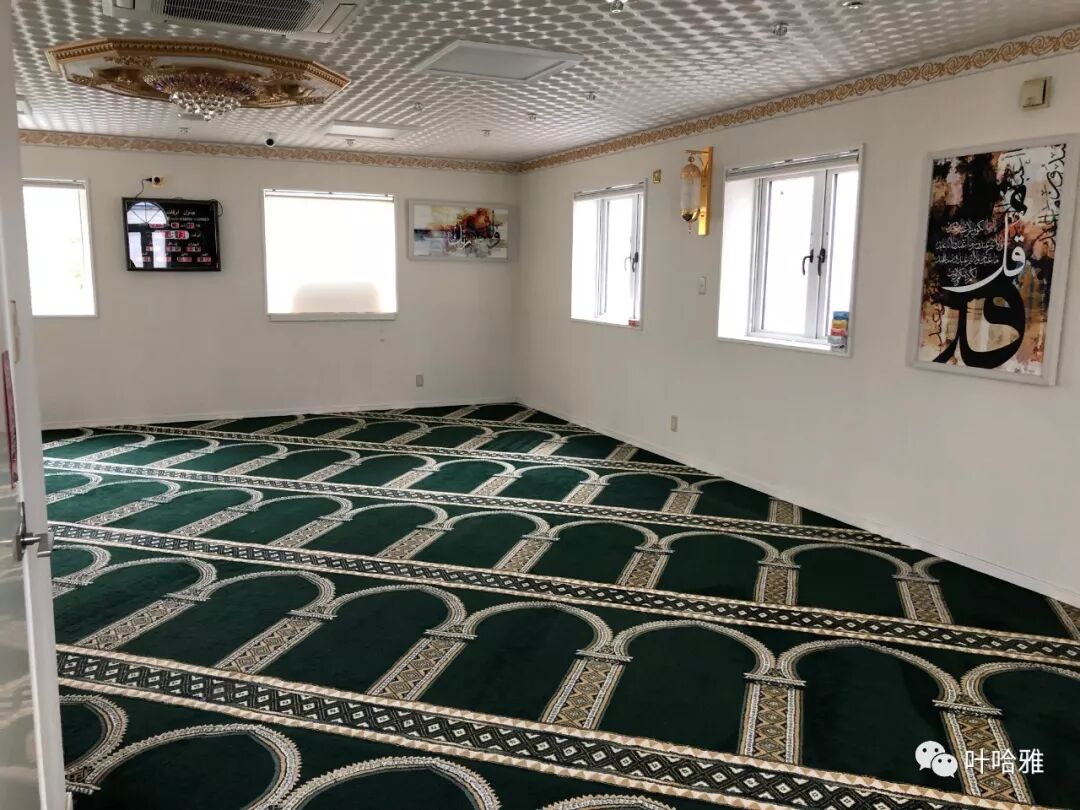
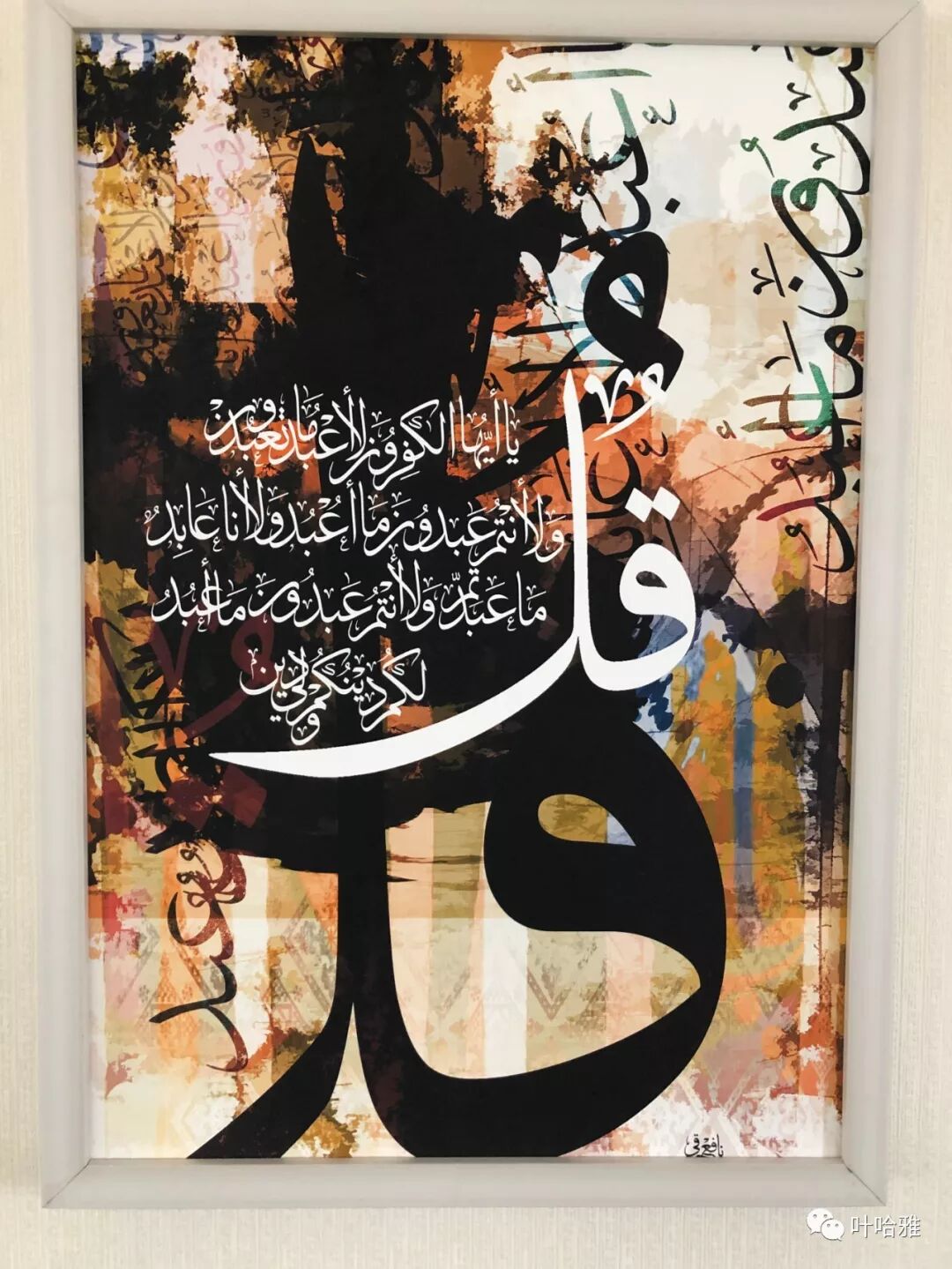
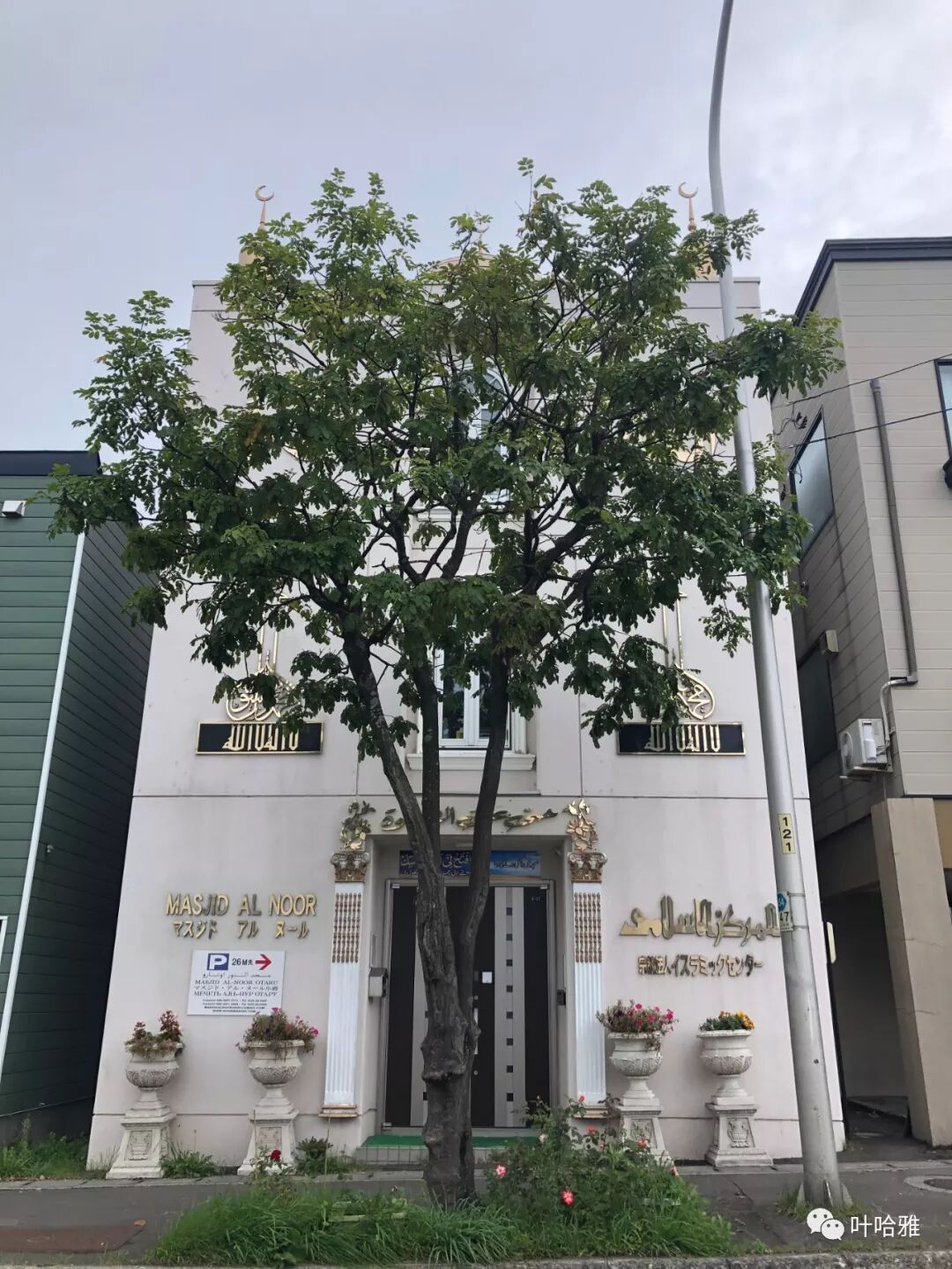
Otaru Mosque was built in 2008 and is mainly funded and maintained by a Pakistani named Dost. Pakistanis in Japan generally have good economic conditions, so the mosque is decorated beautifully. They monopolize the halal meat business in Japan, and many Pakistanis also work in the used car business.
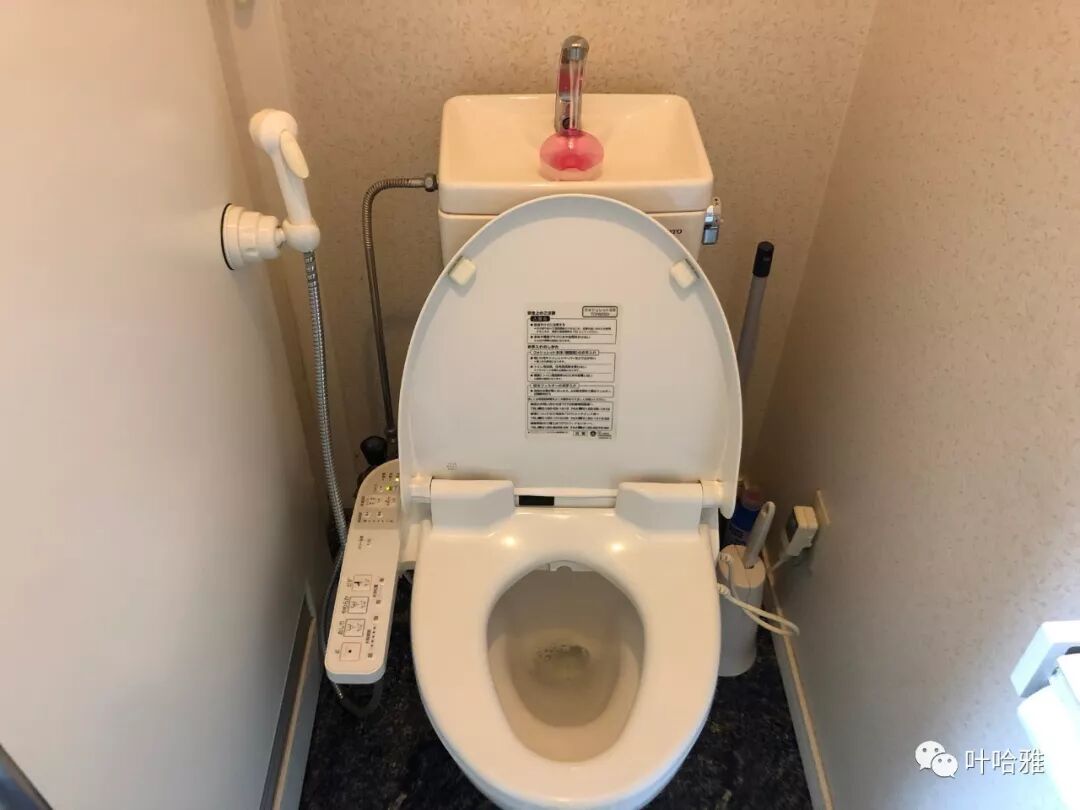
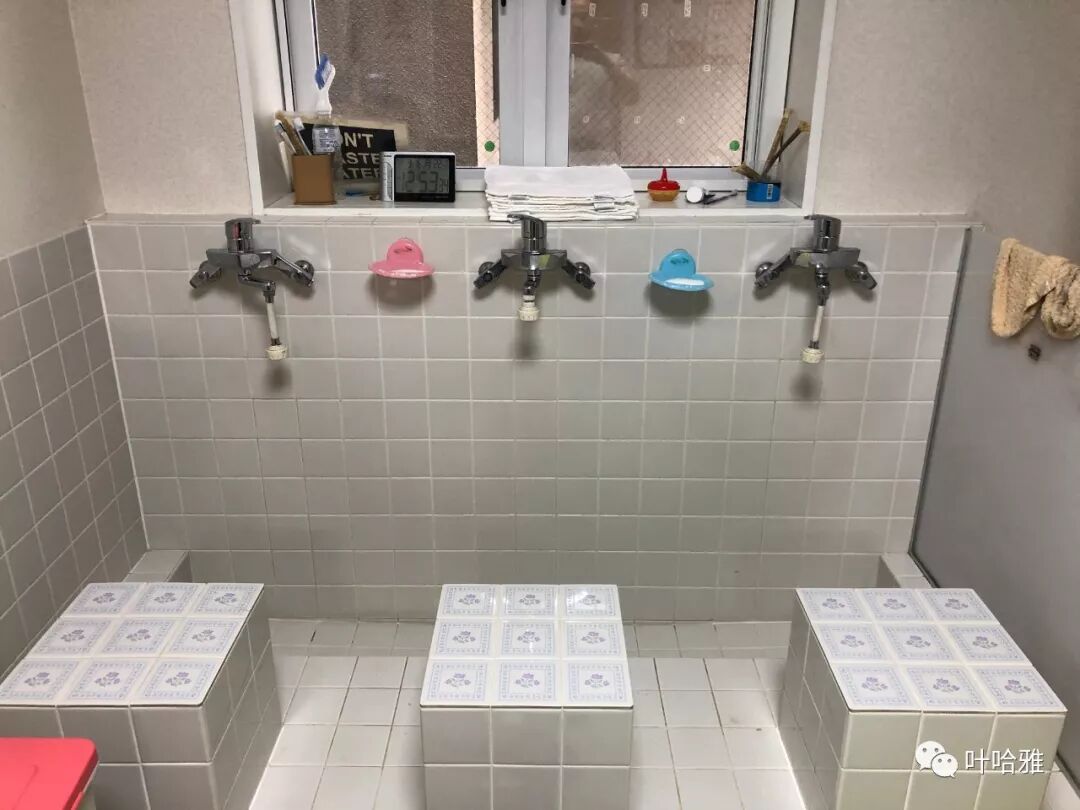
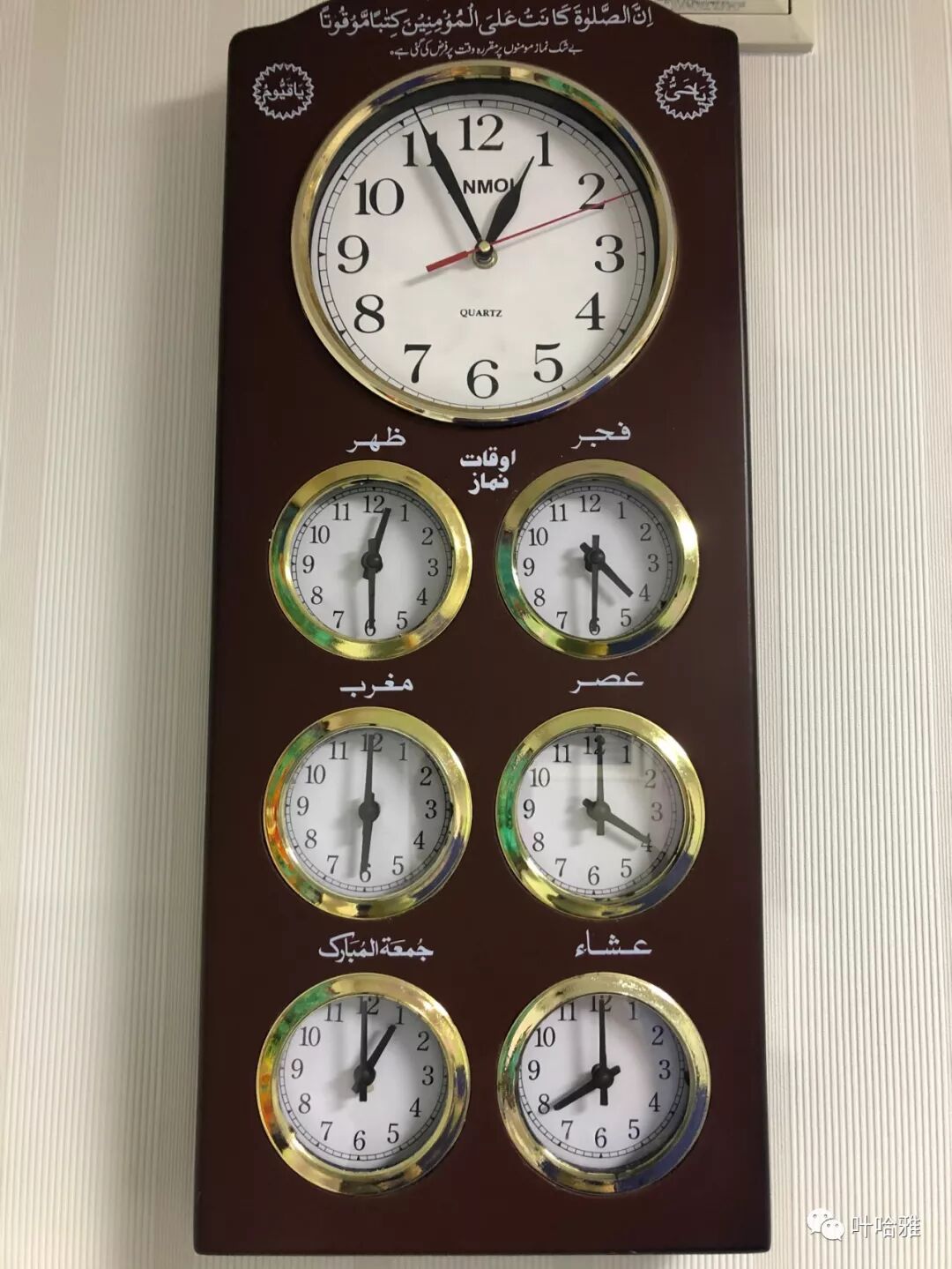
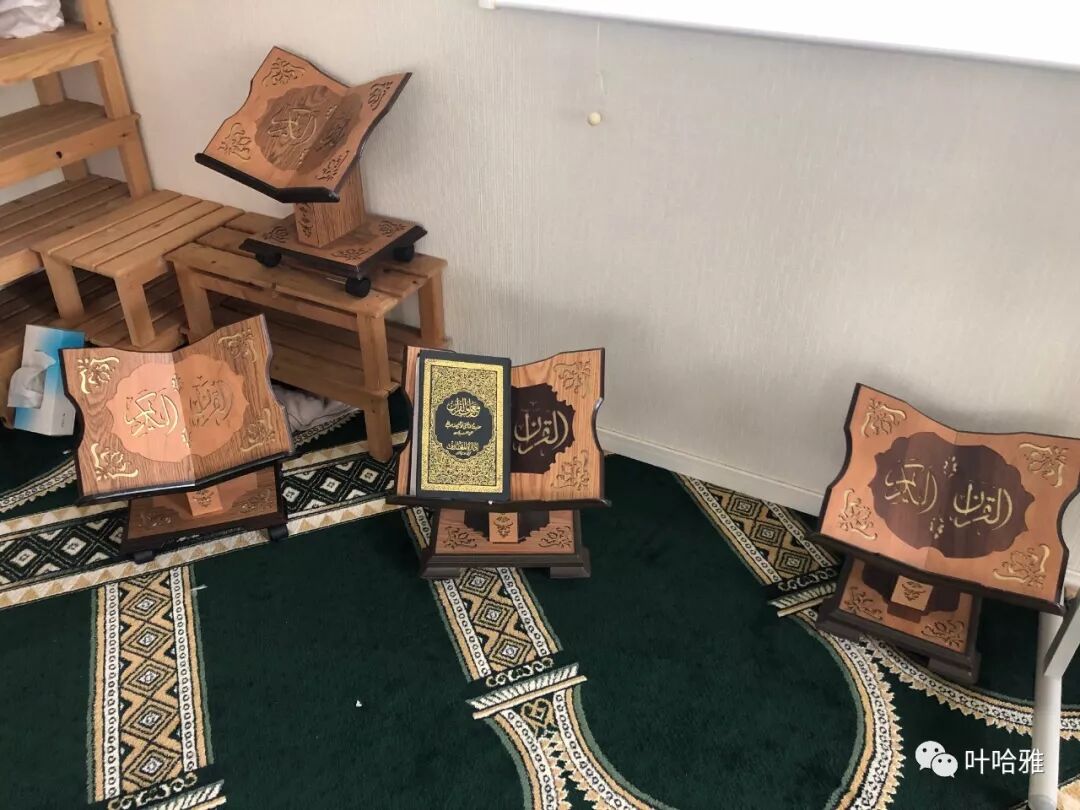
Otaru Mosque has three floors: the first floor is the women's prayer hall, the second floor is the men's prayer hall, and the third floor is the classroom.
DONBURI CHAYA
Donburi Chaya (Otaru Branch).
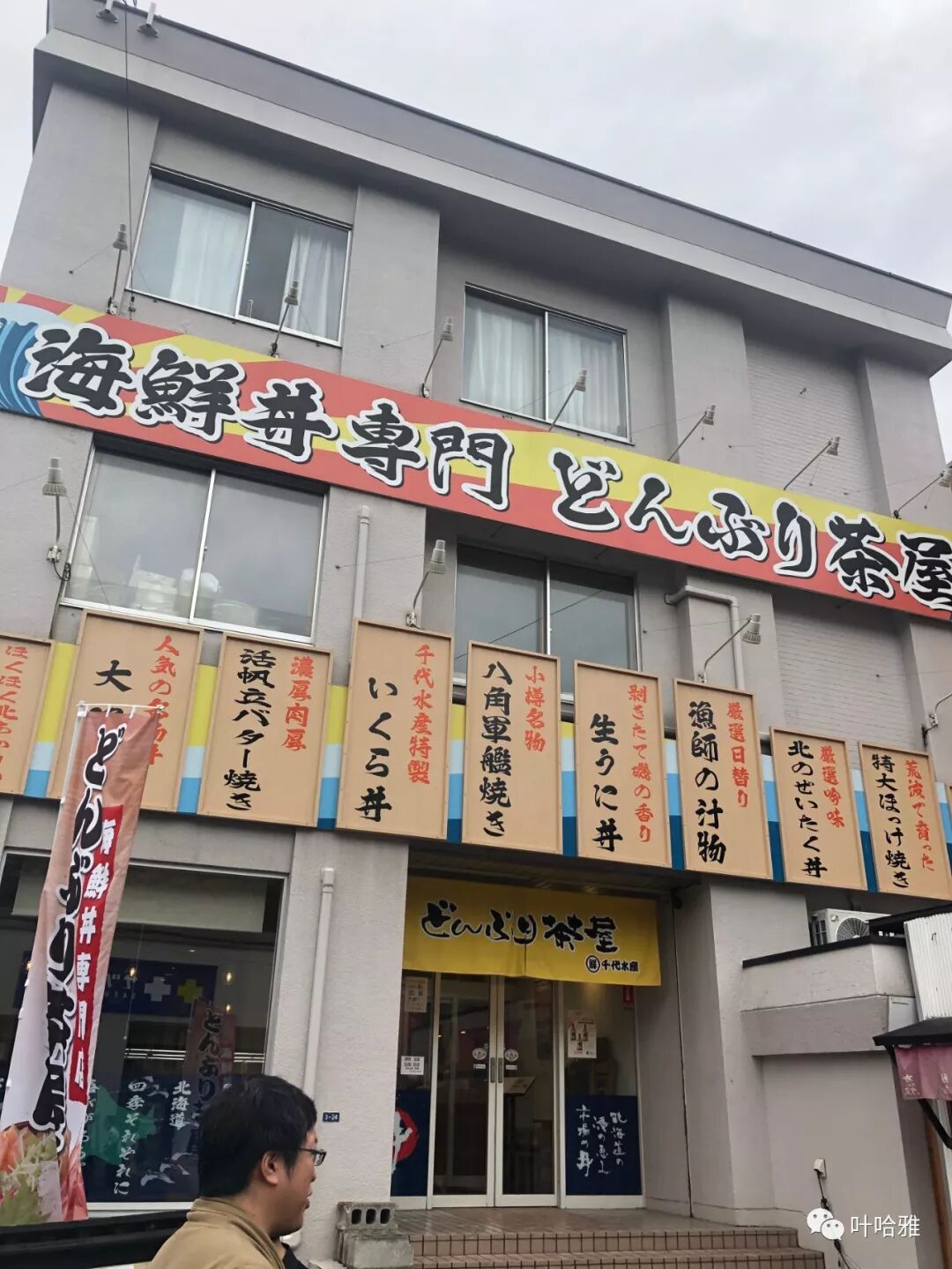
I must introduce this Japanese seafood restaurant, which was my first. When you arrive, you need to queue at the entrance. Guests must write their names and the number of people in their party on the form provided at the door, then wait for the server to arrange seating.
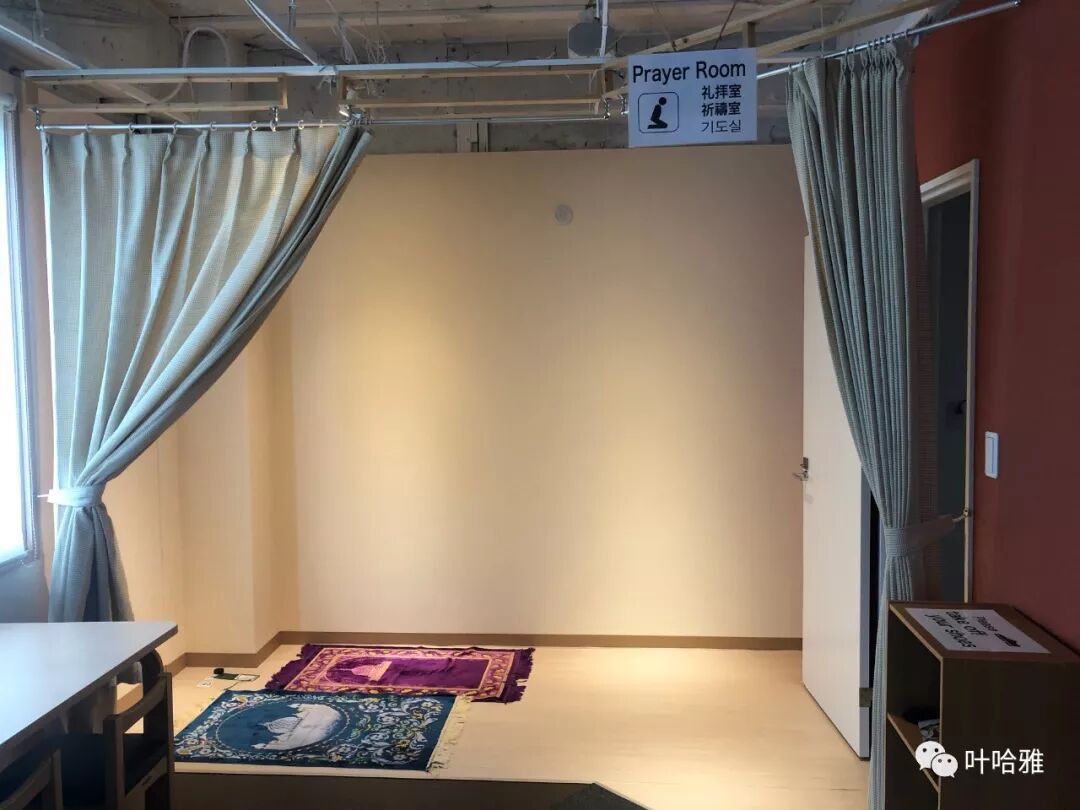
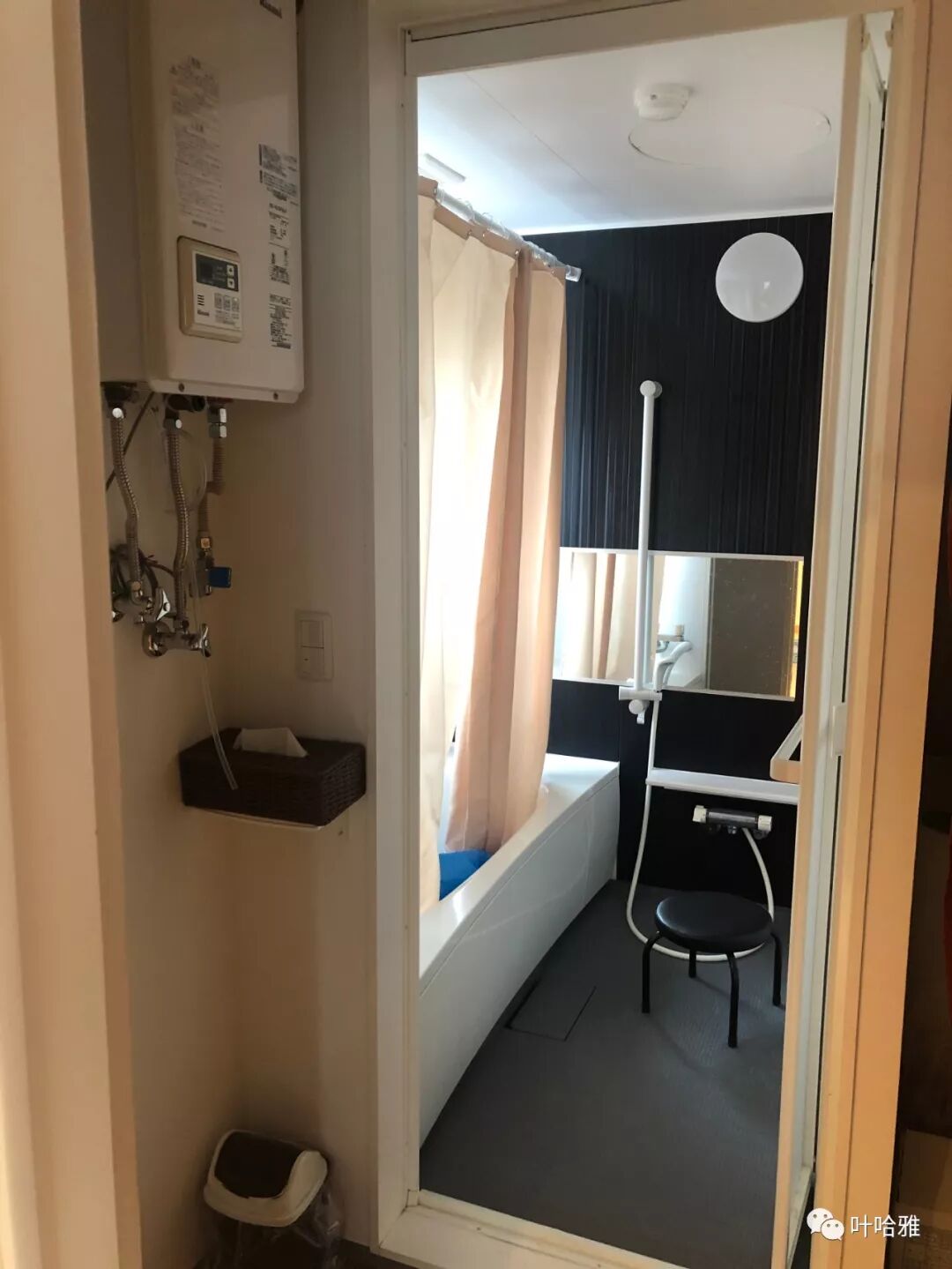
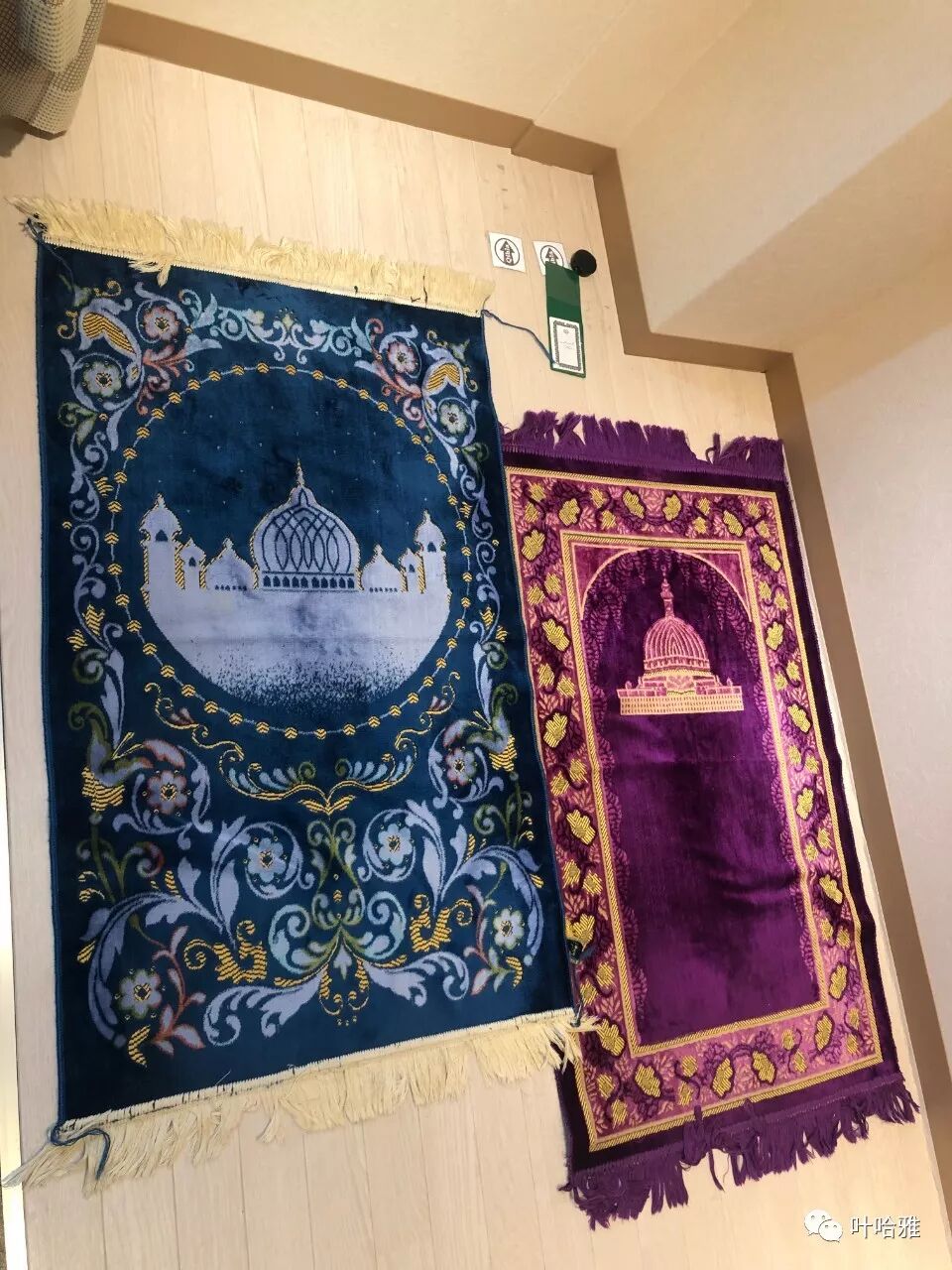
While waiting for your food, you can go to the prayer room on the second floor to perform namaz. It has all the facilities you need.
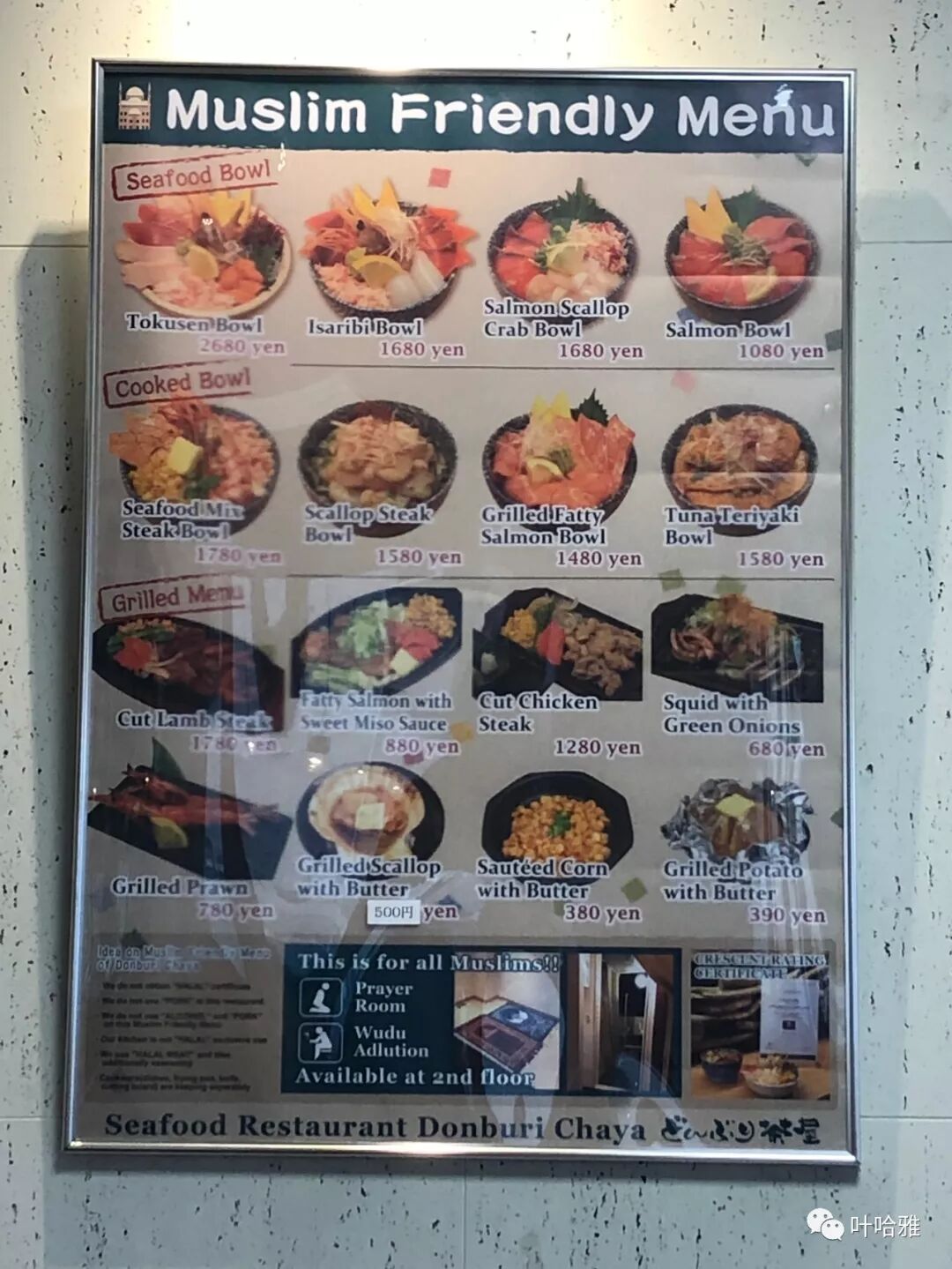
The Muslim menu is the one listed here. You cannot eat from the other menus because the ingredients used in those dishes are not halal.
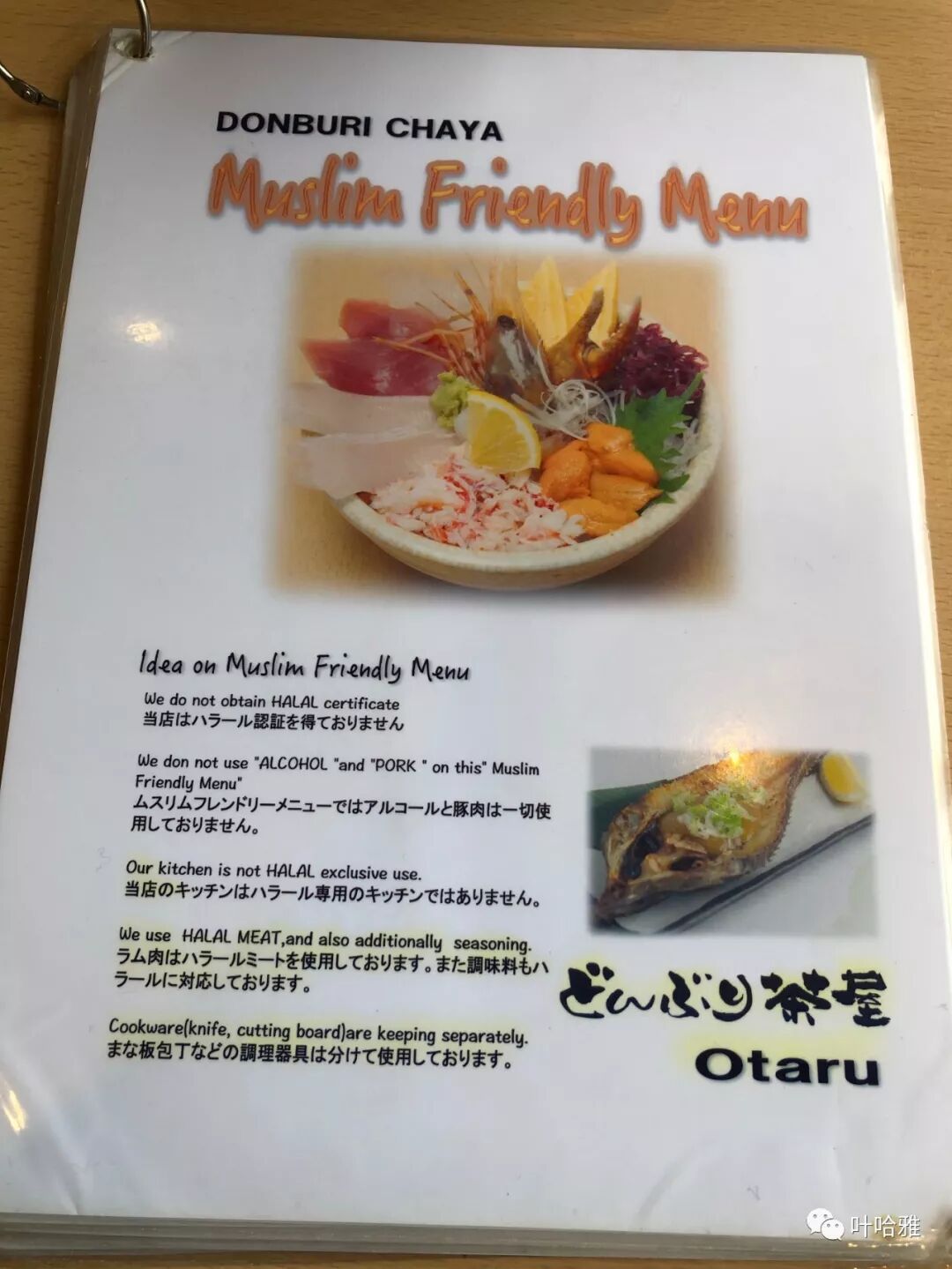
The staff will explain in detail which ingredients in the restaurant are halal and that the kitchen tools are used exclusively for halal food.
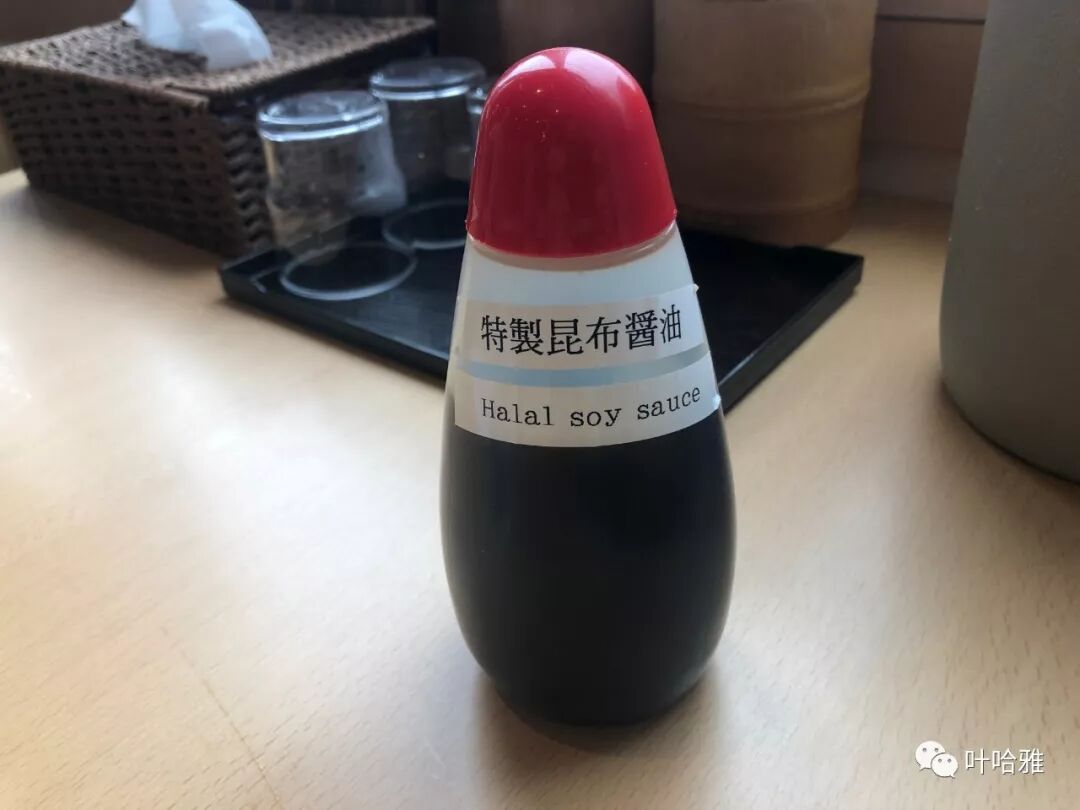
Some Japanese soy sauces contain alcohol, so you must use halal soy sauce.
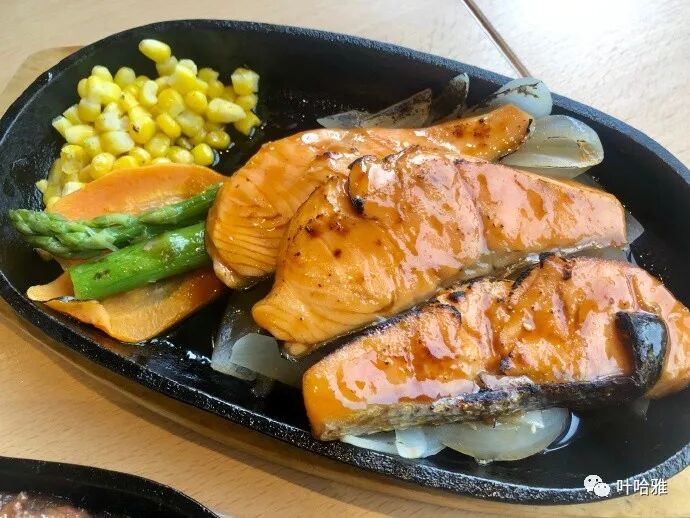
Pan-fried salmon
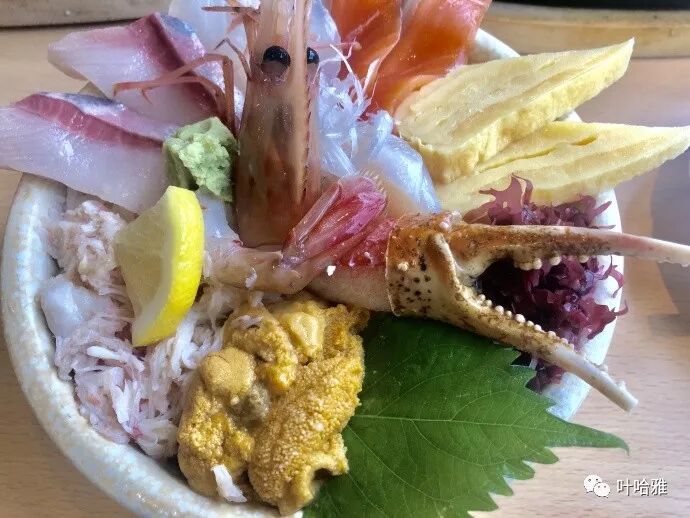
The seafood sashimi platter includes sea urchin, crab, large shrimp, salmon, and egg. This raw seafood has no fishy smell at all and tastes incredibly fresh.
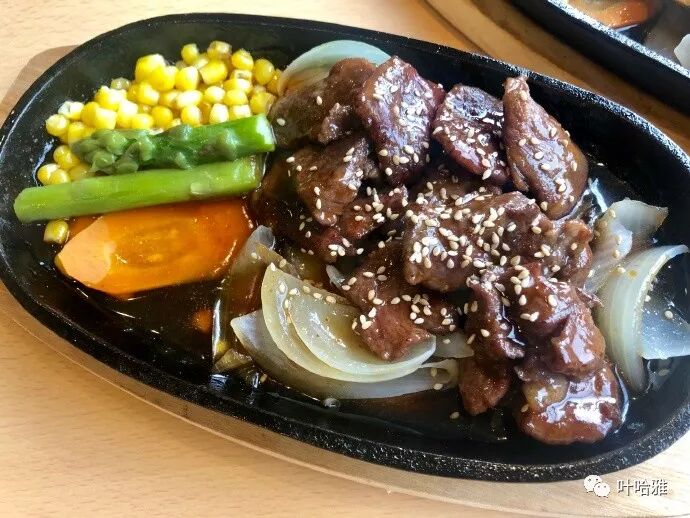
Teppanyaki beef
This excellent Japanese seafood meal costs only about 100 yuan per person, and the service is great. You must try it when traveling in Hokkaido. There are currently three chain locations in Hokkaido, and the other two are in Sapporo.
Address: 3-24, Sakaimachi, Otaru
Business hours: 10:30-19:30
Open all year round.
Lake Shikotsu
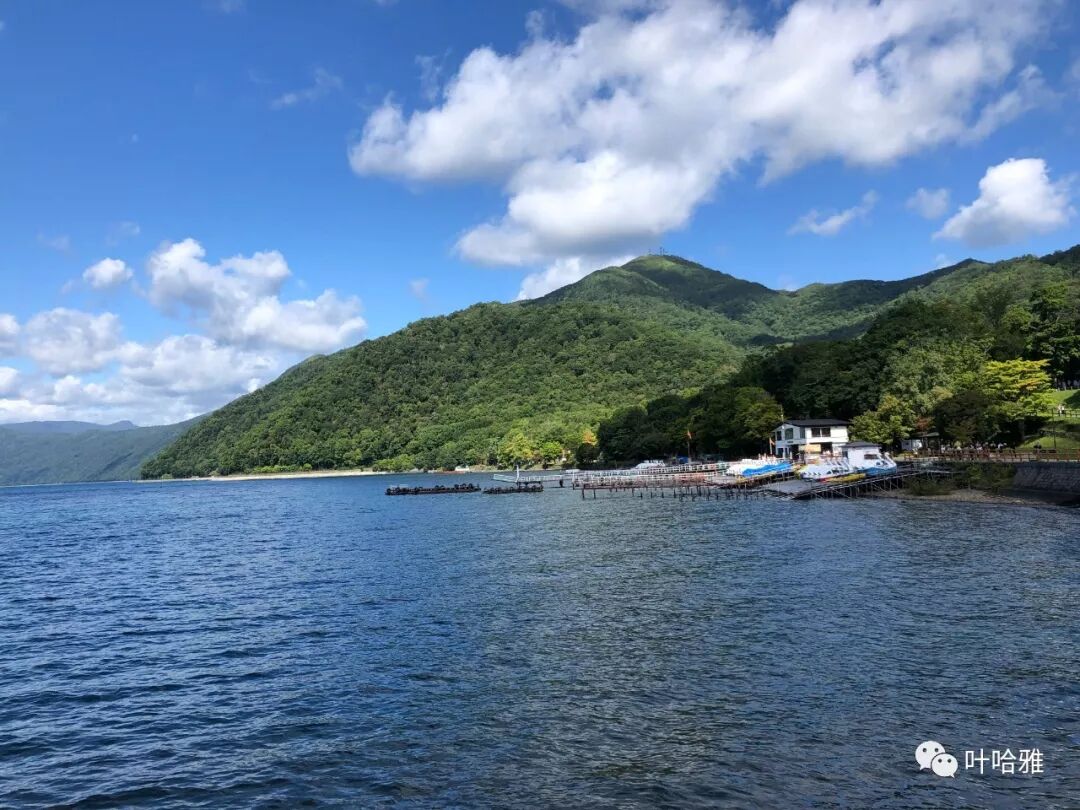
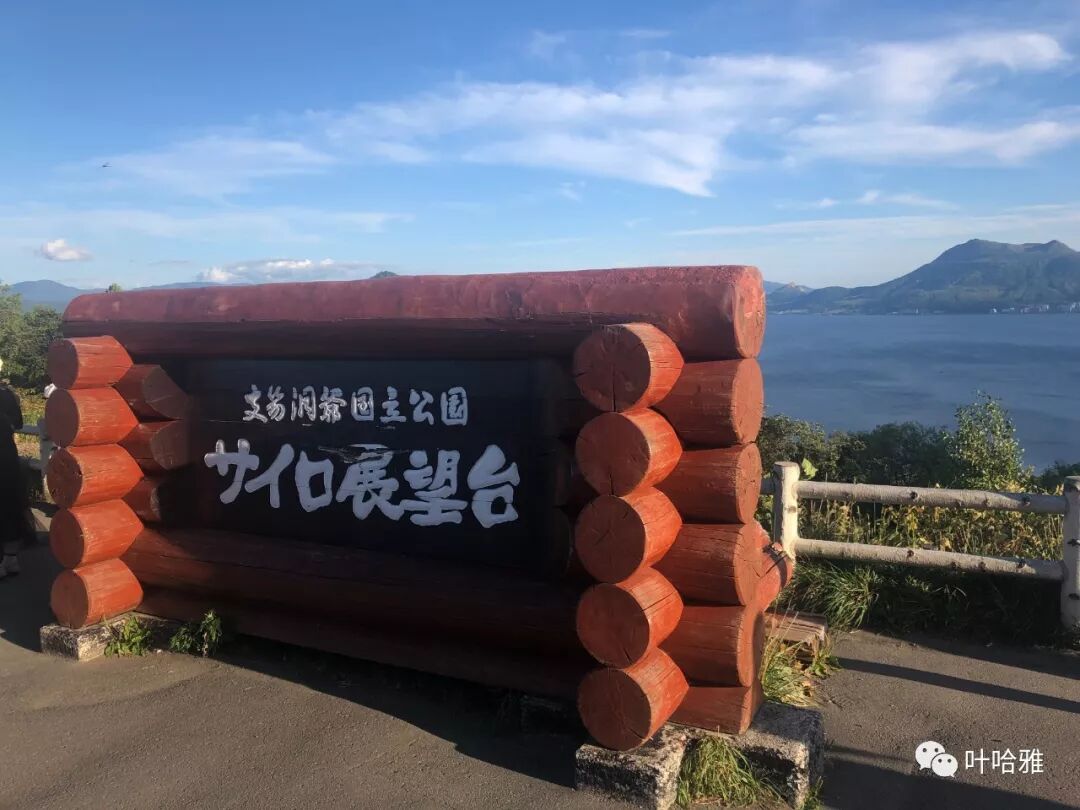
Lake Shikotsu is the largest lake in Hokkaido and the second deepest freshwater lake in Japan, surrounded by active volcanoes. You can buy a one-day Hokkaido tour ticket at the tourist information window in Sapporo Central Station. It is 100 RMB cheaper than on Trip.com, and the service is the same. The guide is Japanese, and there is Chinese commentary on the bus. It costs 7,100 yen per person, which is about 460 RMB. This round-trip tour visits two major spots, Lake Shikotsu and Lake Toya, and there are other routes too. A nice non-halal Japanese lunch is included at noon, so Muslim travelers should bring their own food.
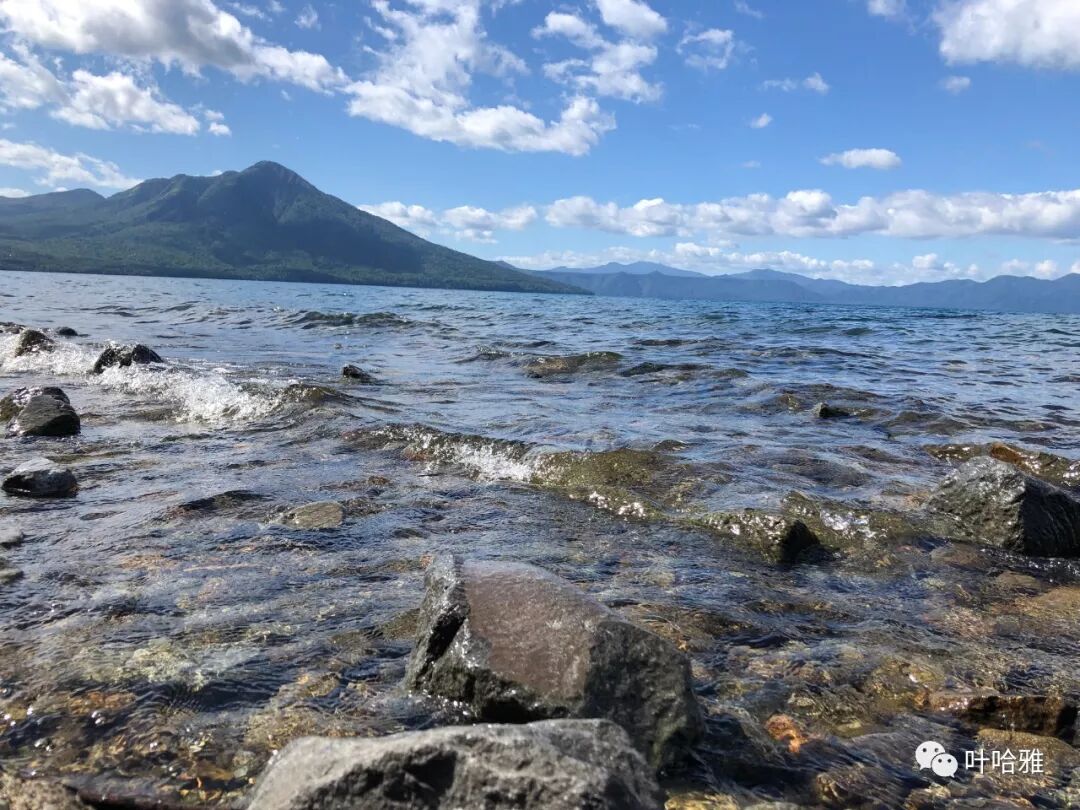
It takes one hour to travel by tour bus from Sapporo to Lake Shikotsu. On the way, you can listen to the guide talk about Hokkaido's history and fun facts. The bus has audio equipment, and you can wear headphones to hear the Chinese commentary. Hokkaido was developed late, only about a hundred years ago, but the environment is very well protected. Many brown bears live here. The legend that playing dead can help you avoid a bear attack is unreliable. This story comes from a Japanese man who happened to survive a bear attack by playing dead. In reality, if a bear attacks, playing dead does not work, and you just have to leave it to fate.
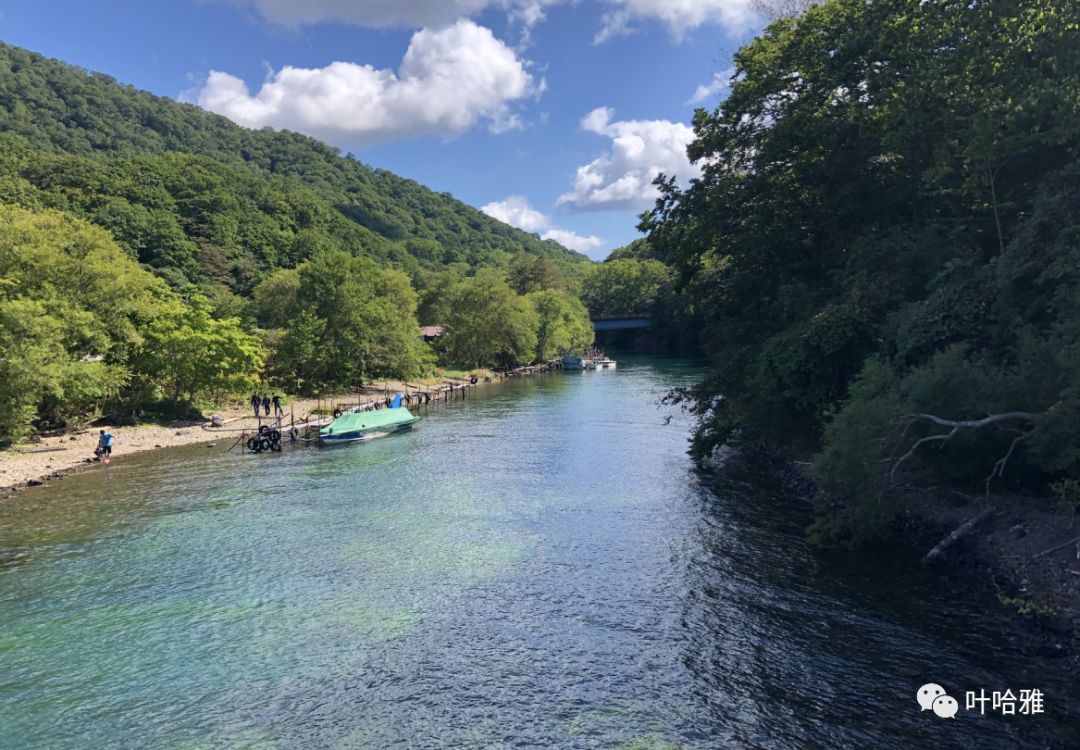
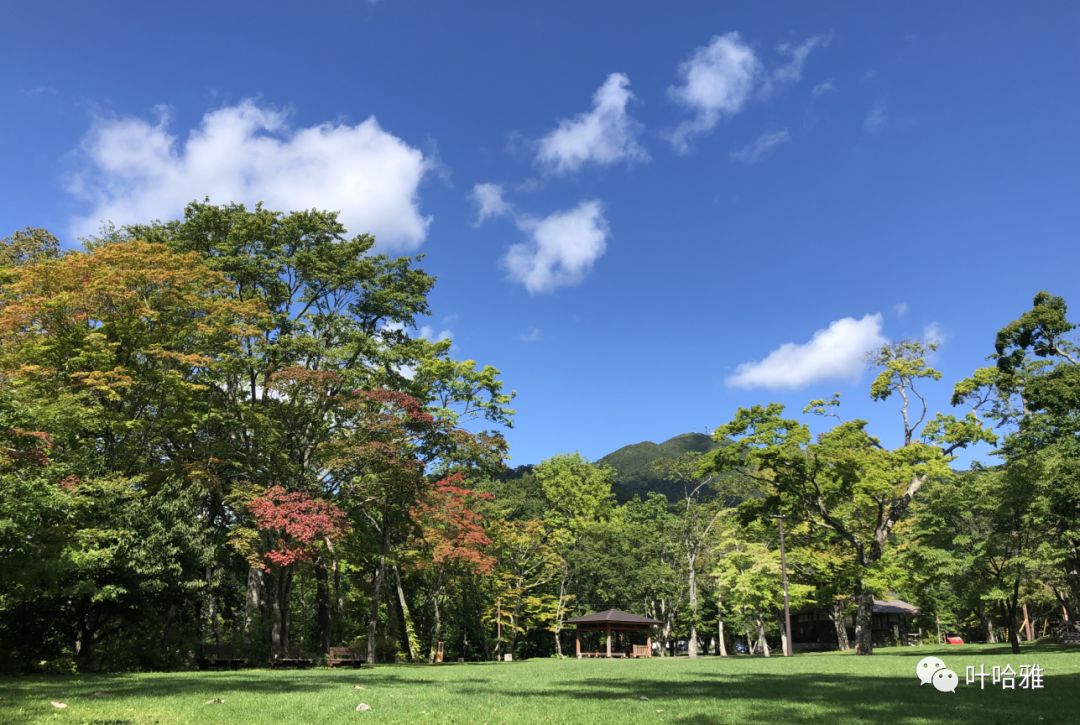
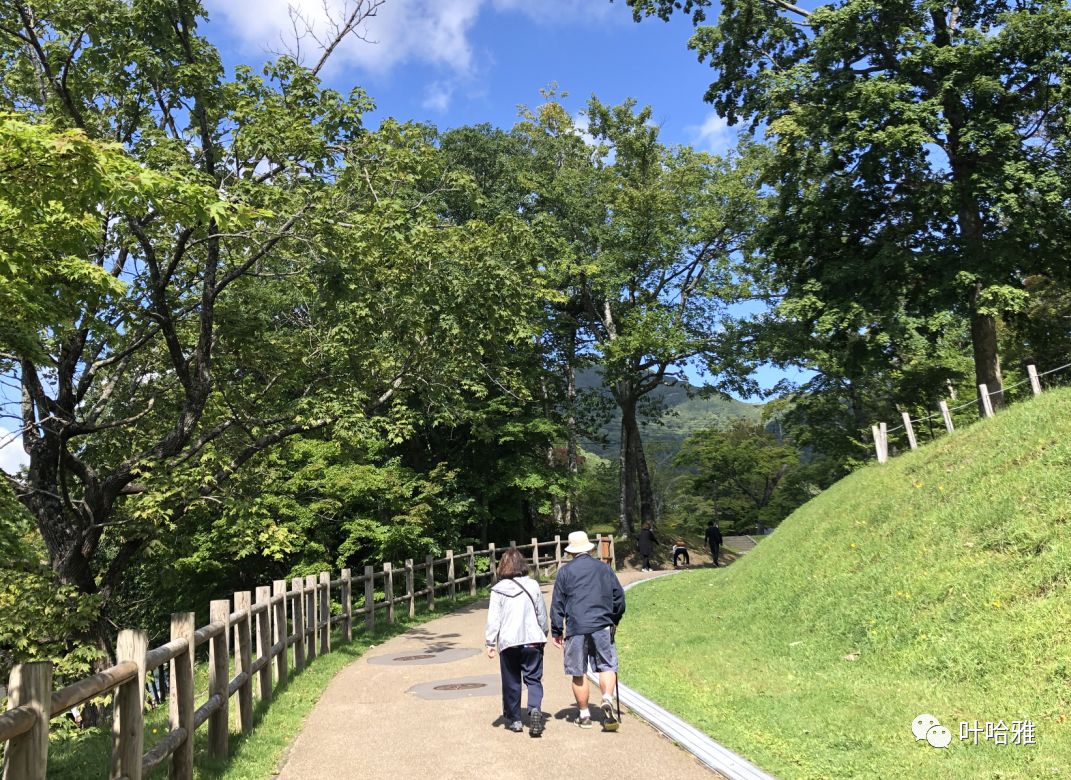
The scenery at Lake Shikotsu looks just like New Zealand, even the color tones are similar. If you visit in late autumn, you can see red leaves covering the mountains.
Lake Toya
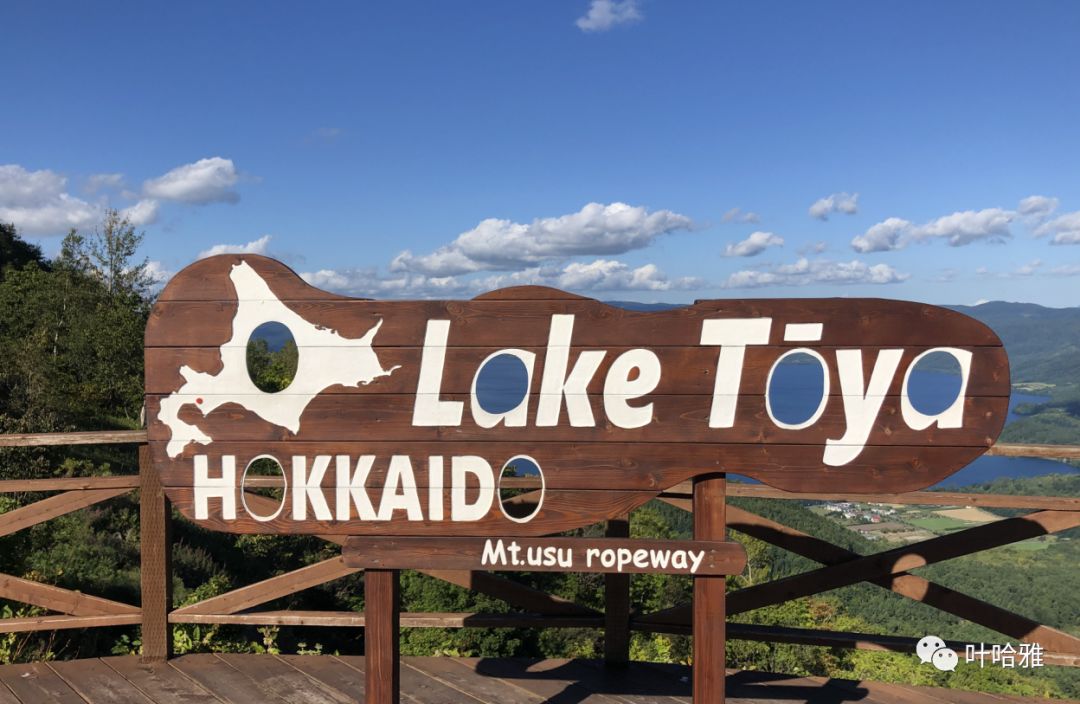
Lake Toya is part of Shikotsu-Toya National Park. It is a lake formed by a volcanic eruption, so the volcanic hot springs at Lake Toya are very famous.
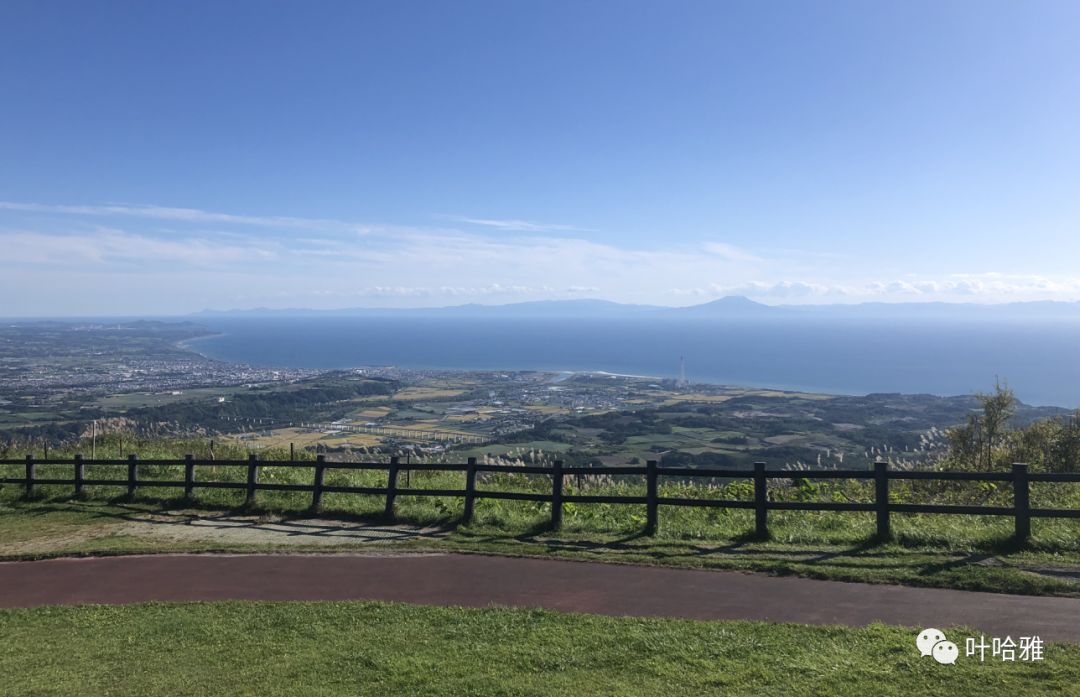
You can take a cable car to the top of the mountain to look down at the panoramic view of Lake Toya.
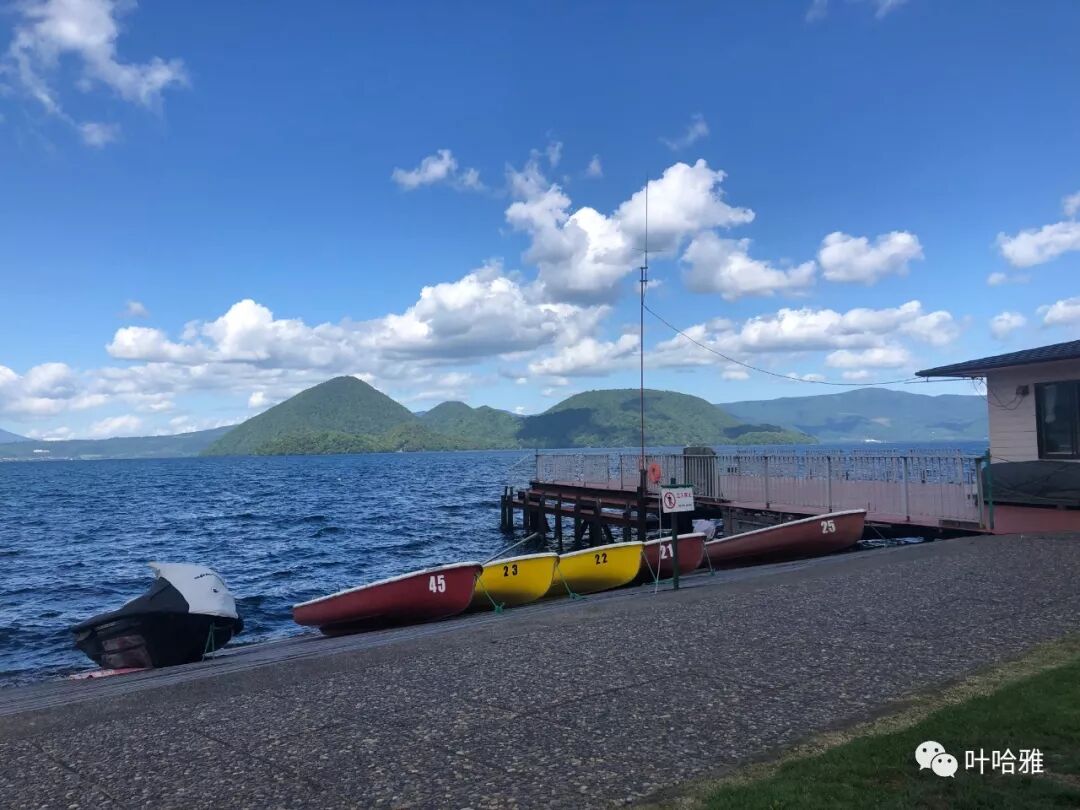
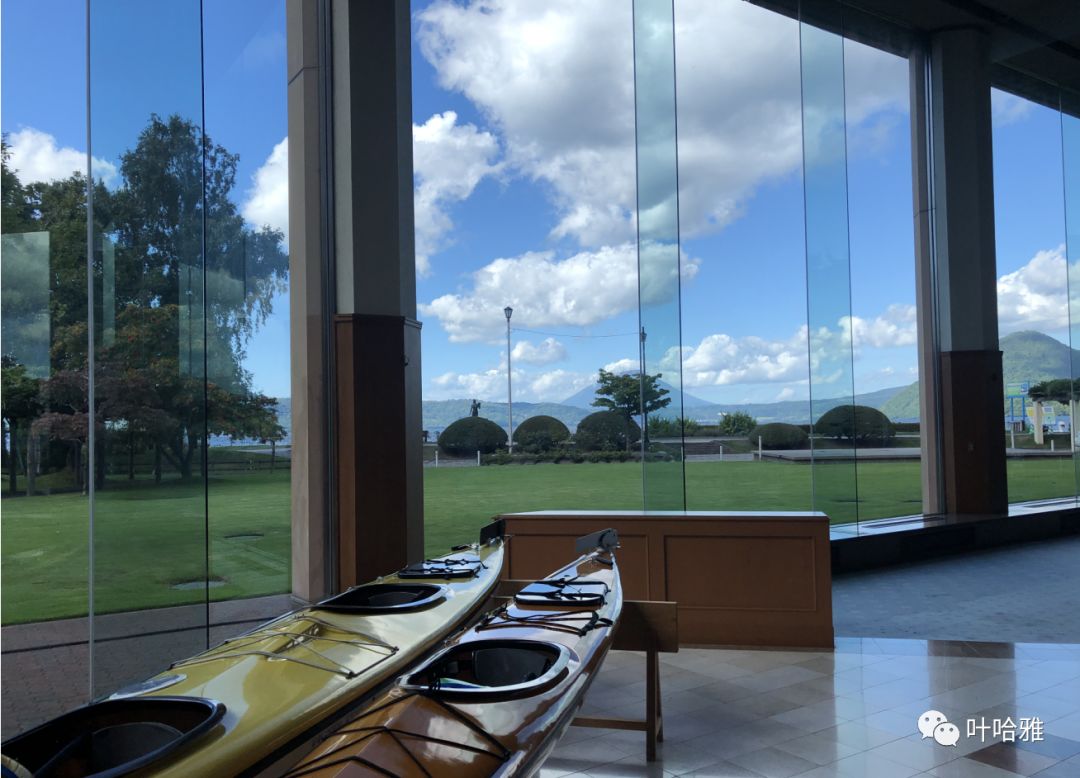
This is the Manseikaku Hot Spring Hotel at Lake Toya, where you can enjoy volcanic hot springs at a cheap price. You can even get a 10% discount with your tour bus ticket. In Japan, you must bathe before entering the hot spring, you cannot wear clothes, and men and women are separated.
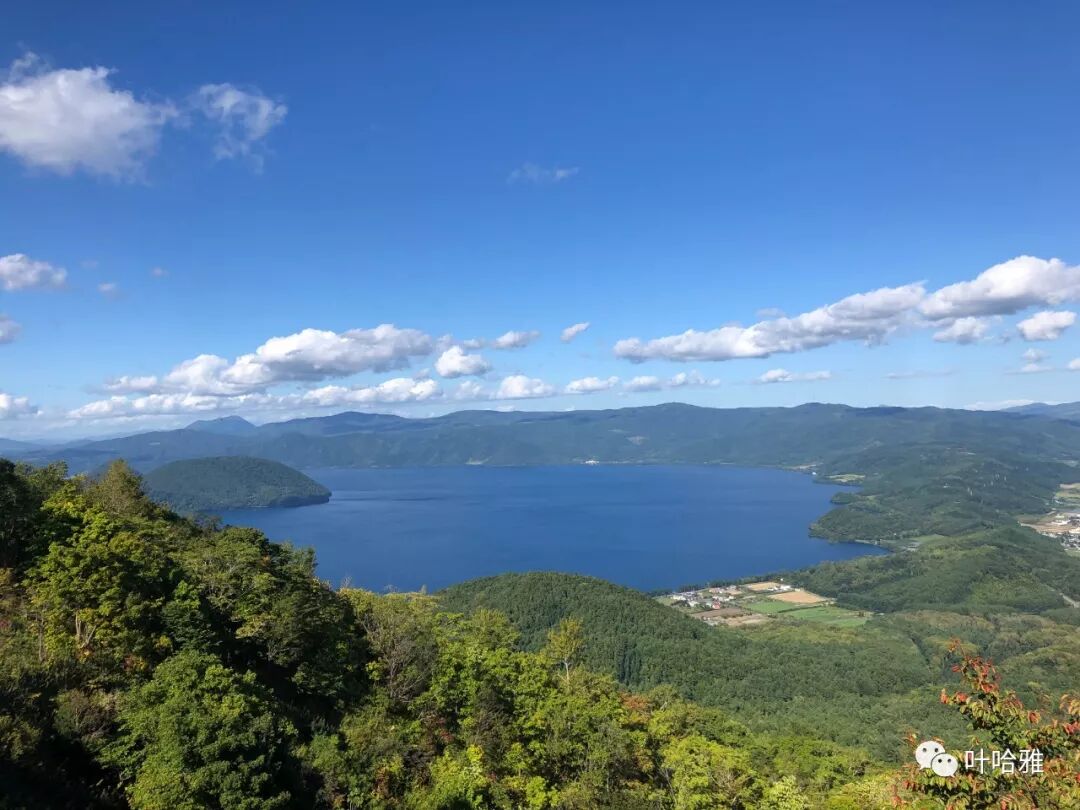
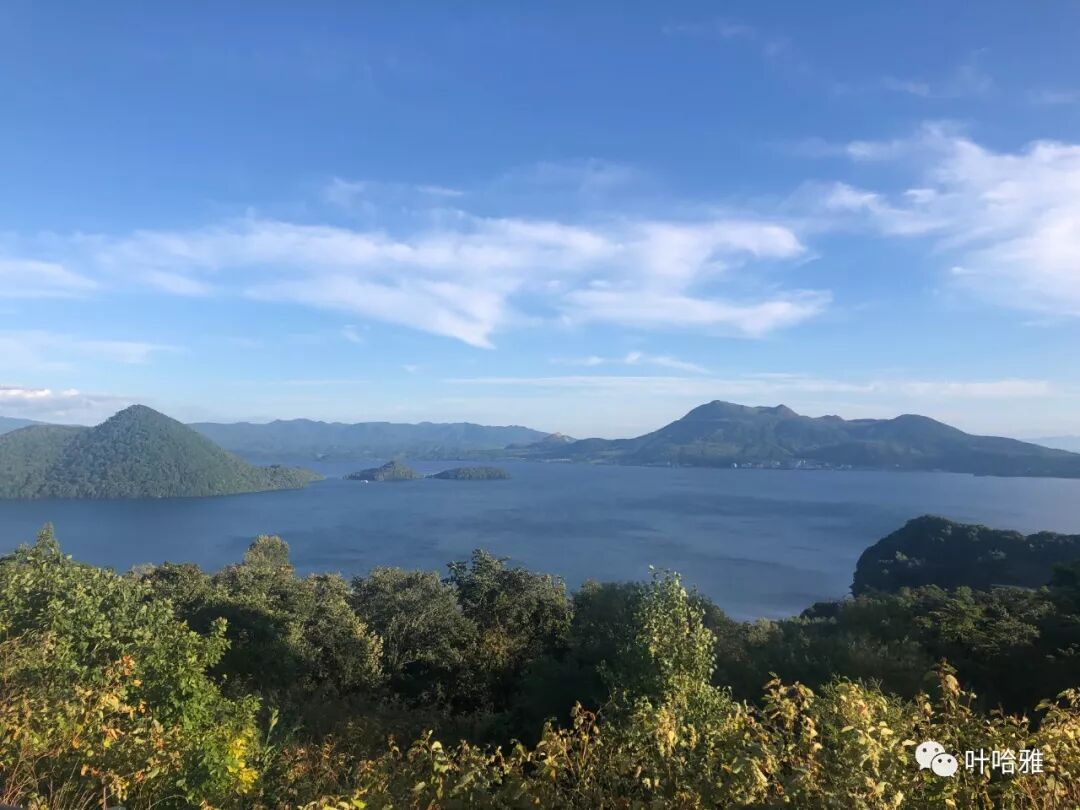
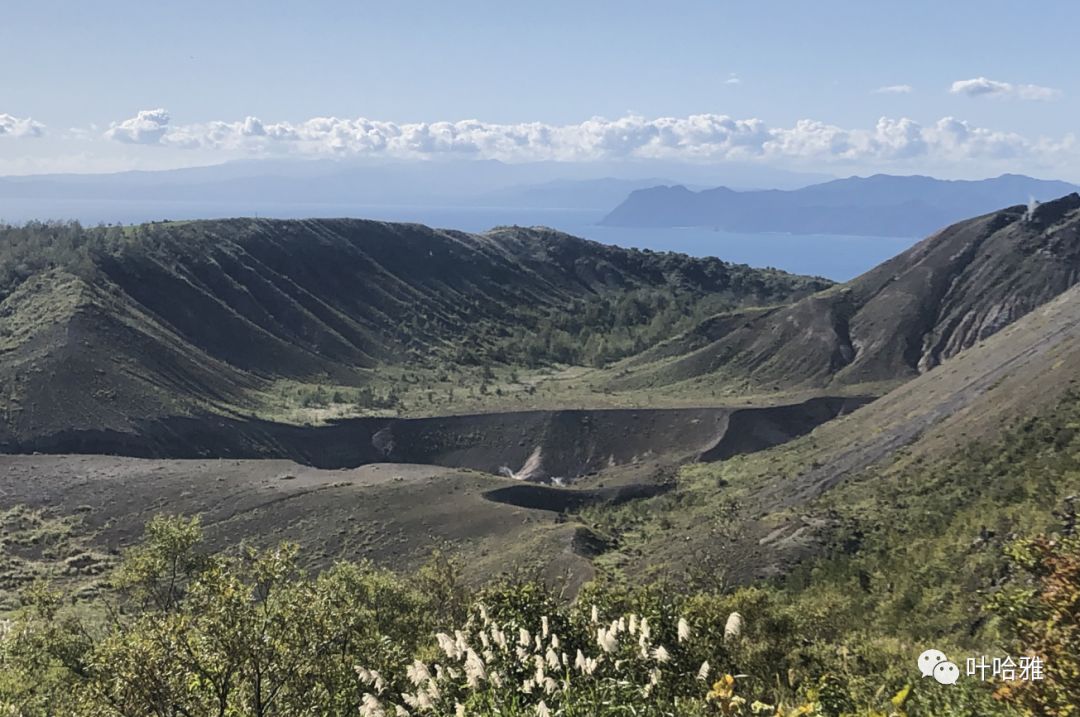
This is the Mount Usu crater at the top of the mountain. It is an active volcano, and you can walk very close to it. The crater is still smoking and could erupt at any time.
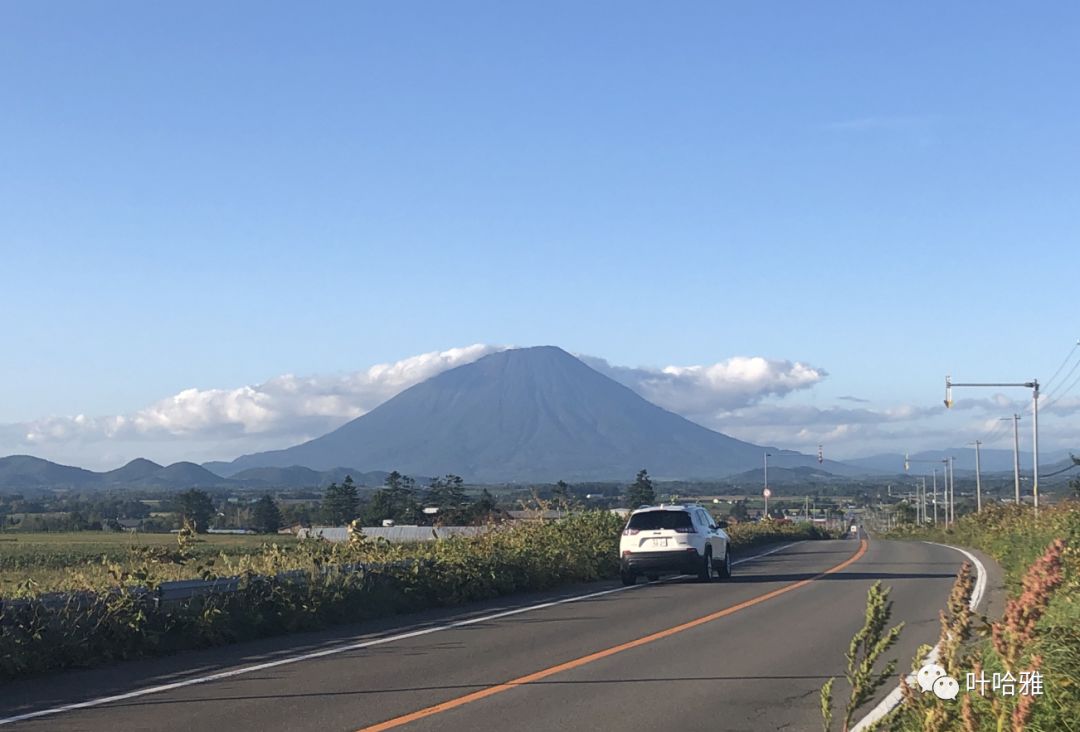
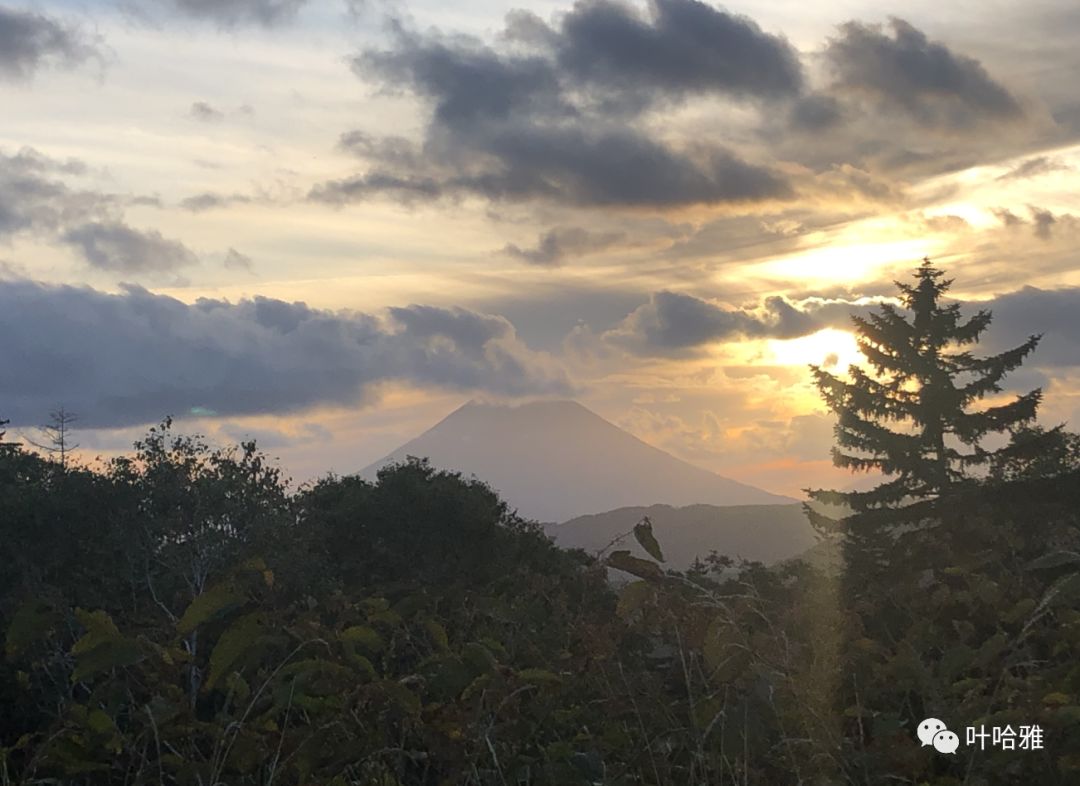
In the distance is Mount Yotei, the highest peak in Hokkaido. There are downward-pointing arrows on both sides of the roads in Hokkaido, which were mentioned in the movie If You Are the One. These arrows are to guide drivers on snowy days. Hokkaido gets a lot of snow that covers the road, and these signs prevent drivers from driving off the shoulder.
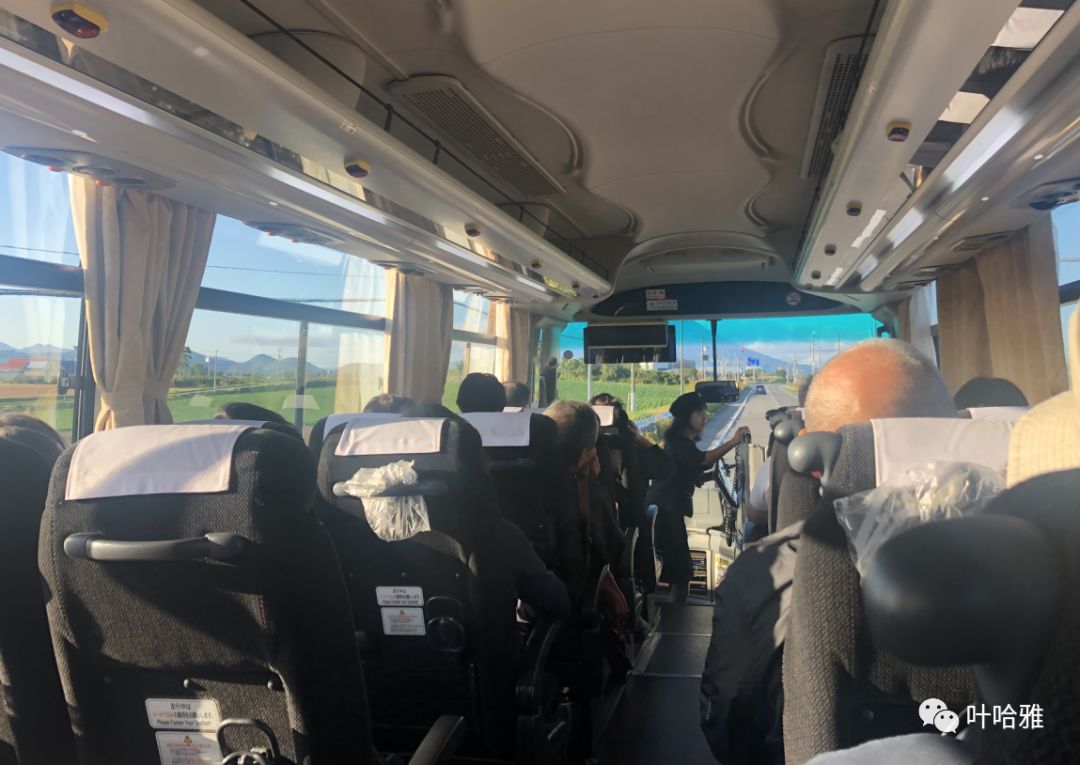
The one-day trip ends here. This tour group has tourists from various countries, but there are few Chinese people, and it is mostly Japanese. The guide is enthusiastic and detailed throughout the trip, there is no forced shopping, and prices at the scenic spots are fair. Tourists can also use their bus tickets to get discounts when shopping at the scenic spots. My vacation time was limited this time, but next time I come back, I will book this one-day tour again to see other beautiful sights in Hokkaido.
End
Previous posts:
Halal food map of Tokyo
Japan Halal Food Map
Summary: This Muslim friendly Japan guide follows the original Hokkaido halal trip, including preparation notes, Tokyo stops, ramen, sushi, mosque visits, transfers, and photos. It keeps the full route for readers planning halal travel in Hokkaido and Japan.
Hokkaido has always been the place in Japan I have wanted to visit most. This guide focuses on the Sapporo Mosque, Otaru Mosque, Lake Shikotsu, and Lake Toya in the Hokkaido region.
Flying from Beijing to Tokyo to transfer to Hokkaido is much cheaper than a direct flight. Round-trip tickets from Beijing to Tokyo can be as low as 2,000 yuan, and a flight from Tokyo to Sapporo, the largest city in Hokkaido, costs just over 500 yuan. This is cheaper than the Shinkansen high-speed train, which takes eight hours.
In 2019, it was easier to get a Japanese tourist visa than when I first visited in 2015. You only need a passport and photos, and you can find an agent on Taobao. A three-year multiple-entry visa costs less than 700 yuan, and the allowed stay has increased from 15 to 30 days.
Things to prepare before leaving for Japan:
1. Mobile WiFi: You can rent this on Taobao for 9.9 yuan a day. It is better than an international roaming plan because Chinese mobile carriers cannot access sites like Google abroad. With mobile WiFi, you can use Google to check transportation, which is very important.
2. Power adapter: You can buy a universal multi-plug adapter online. Japan uses 110V electricity. While Chinese 220V chargers sometimes work, it is not stable. For example, my phone charged fine in Tokyo, but it would not charge when I reached Hokkaido.
3. Round-trip flight and hotel bookings: These are not strictly required, but I have friends who were denied entry because customs suspected their travel purpose was unclear. Having these documents avoids unnecessary trouble. It is best to carry a pen so you can fill out your arrival card on the plane to save time at customs. You can fill the card out in Chinese, and you will need to provide your address in Japan.
4. Check the weather forecast before you leave. Hokkaido is at a different latitude than Tokyo and is slightly cooler. When I went in September, daytime temperatures were around 20 degrees and nighttime was around 15 degrees. It can get chilly if it rains. Men can wear short sleeves, but women should bring a light jacket. Hokkaido is very cold in winter, so be sure to dress warmly.
5. Call the airline at least one day in advance to book a halal meal. Except for budget airlines that do not serve food, most airlines allow you to book a Muslim meal through their customer service or an agency like Trip.com. The benefit of booking a halal meal is that you often get served before first-class passengers.
6. If you plan to visit multiple cities in Japan, I suggest buying a Japan Rail Pass on Taobao in advance. This pass allows unlimited travel on many Japanese rail lines, including the Shinkansen. A seven-day pass costs about 1,500 yuan, and you can make your money back after just two Shinkansen trips. Transportation in Japan is very expensive. Even if I only take the subway, it costs about 100 yuan a day. A round trip to the airport costs 300 yuan. Taxis are even more expensive, with a starting fare of 710 yen, and a ride from the airport to the city can cost 2,000 yuan. Transportation can take up 70% of my total travel budget. Even my Japanese friends think the cost of transport is hard to accept. If you have your route planned, it is worth buying the Japan Rail Pass. It is a benefit for tourists and is only sold to foreigners; Japanese citizens cannot buy it.
Most friends choose to start from Tokyo when visiting Hokkaido. I have already posted a Tokyo halal food map, but I made some new discoveries on this trip.
For accommodation in Tokyo, I recommend staying at the Musalan beef noodle shop located diagonally across from the Red Gate (Akamon) of the University of Tokyo.
The noodle shop is run by the Salar people from Qinghai and is located near the Hongo-sanchome subway station in central Tokyo. The first floor is a halal restaurant that does not serve alcohol, mainly selling ramen, mixed noodles, big plate chicken (dapanji), and lamb skewers. The second floor is a guesthouse with family rooms that fit several people and Japanese-style straw mats (tatami). The prices are much cheaper than online, and you can even get a halal breakfast before heading out in the morning, which is hard to find in Japan.
You need to book a room in advance via WeChat. The customer service WeChat ID is: hanxi-halimei
Address:
5-23-13 Hongo, Bunkyo-ku, Tokyo
Nearest train station:
Hongo-sanchome Station on the Marunouchi and Oedo lines
Opposite the Red Gate (Akamon) of the University of Tokyo
I made new discoveries during my second trip to Tokyo, all concentrated near Senso-ji Mosque. Senso-ji is a famous tourist spot in Tokyo with many halal restaurants nearby, all within 1 kilometer of each other. These restaurants mainly serve Japanese-style food, and you should definitely try Japanese halal cuisine when visiting Japan. Below is the restaurant information. All are located around Senso-ji Mosque. You can find their locations by entering the restaurant names into Google Maps.
1. Naritaya
(Japanese-style ramen)
2. Asakusa Sushiken
(Asakusa Sushi Restaurant)
3. Taizan Sakura
(Cherry Blossom Japanese Ramen)
4. KEBAB
Turkish kebab
5. ORIGAMI
(Japanese hot pot, sashimi)
6. PANGA
(Wagyu beef barbecue)
This wagyu barbecue place was my final choice, and it turned out to be the right one because it was truly delicious.
This steak cost about 200 yuan, but it was tender and juicy. It is probably the best steak I have ever eaten.
This mixed fruit juice is also delicious. Keep in mind that any restaurant in Japan with the blue halal certification logo is alcohol-free, so you can eat there with peace of mind.
7. MUSLIM PRAYER ROOM
(Prayer Room)
This is a free prayer room provided specifically for Muslims. You can also store your luggage here, and the staff warmly welcomed us to perform our namaz.
It is located near Senso-ji Mosque, right next to ORIGAMI.
A halal Japanese restaurant.
There is a place for wudu inside.
The direction of the Kaaba is posted on the wall, and there are prayer mats on the floor.
The people at this prayer room hope we can share it on social media to help more Muslims traveling in Japan. My later travels showed me that these prayer rooms are everywhere in Japan.
Sapporo City
It takes about an hour and a half to fly from Tokyo to Sapporo in Hokkaido. Remember to buy your airport express train ticket on the plane, as it is over 200 yen cheaper than buying it at the counter after landing. Tokyo Narita Airport is very far from the city center, and the express train takes nearly an hour, costing about 150 RMB. If you are flying with a Japanese airline, you can ask the flight attendant to buy the ticket for you in advance and then exchange it at the ticket office after you land.
Sapporo's New Chitose Airport is not far from the city center; it takes half an hour by light rail. If you visit Hokkaido, I suggest staying in Sapporo. Transportation in other Hokkaido cities is not well-developed, but Sapporo is the largest city. It is easy to travel from there to other parts of Hokkaido and return on the same day.
Accommodation in Hokkaido is expensive, with standard rooms usually costing over 400 RMB. We were very lucky to book a guesthouse called FEEL on Booking.com for just over 200 RMB per night, located 1.5 kilometers from Sapporo Central Station. This guesthouse is a great value. The room has a living room and a bedroom, plus a kitchen and bathroom, and can sleep up to 7 people. The kitchen is clean, cozy, and fully equipped with brand-new utensils and supplies. When we did not want to eat out, we bought groceries at the supermarket to cook. The room also comes with a bicycle that has a back seat for a passenger, which made wandering around the city much easier and more relaxing.
Before checking in, customer service sends a confirmation email with the room key code. You find a combination lock in a cabinet next to the elevator on the first floor to get the key. When checking out, you put the key back. The bicycle also has a combination lock, and you must email customer service to get the code. The whole process is self-service; you never see any staff and do not even need to show your passport. I felt right at home here and will choose this place again if I come back.
After dropping off our luggage, we headed to Hokkaido University. Hokkaido University (Hokkaido University; Japanese hiragana: ほっかいどうだいがく), abbreviated as Hokudai (ほくだい), has large fields and botanical gardens on campus. In 2010, Professor Akira Suzuki from the Faculty of Engineering at Hokkaido University won the Nobel Prize in Chemistry.
You must try the milk and yogurt in Hokkaido. The dairy products here are excellent, likely due to the geography. Hokkaido is at a similar latitude to New Zealand, and dairy products from this latitude are always delicious.
Shiroi Koibito Park
Shiroi Koibito is a famous Japanese chocolate sandwich cookie made in Sapporo. The factory is open to tourists and looks like a park. You can buy a ticket to watch the cookie-making process or even make your own chocolate cookies. The factory is about a 40-minute ride from Sapporo Central Station by city train.
When we ordered food at the restaurant, the server knelt down to take our order.
You can sit on the windowsill on the top floor of the factory and enjoy high-quality milk chocolate desserts.
This is the view from the window.
The second floor of the main building has prayer rooms for Muslims, with separate rooms for men and women.
Prayer rooms in Japan are always equipped with a dedicated area for wudu.
Sapporo Mosque
Built in 1993, Sapporo Mosque is the oldest mosque in the Hokkaido region. The mosque has an official website that explains they provide services like conversion certificates and weddings, and they are open to visitors from all walks of life. When I first came to Sapporo Mosque, the door was locked. I later found the mosque's website and left a message saying I wanted to visit. When I returned on the third day, the door was open.
A brother (dosti) was sleeping inside the mosque. After I finished my namaz and was about to leave, I met another brother from Malaysia at the door who had just returned. He said he lives at the mosque. He had never heard of Hui Muslims and only knew about Uyghur Muslims in China. I told him about the situation of Muslims in China, explaining that the history of Muslims in China is actually much older than in Malaysia, and the Muslim population is not smaller than that of Malaysia.
Sapporo Mosque has two floors. The first floor is the men's prayer hall, and the second floor is the women's prayer hall and the kitchen. On Jumu'ah, there are so many people that many have to pray at the mosque entrance.
Horyu Ramen
This was our first meal in Sapporo at Horyu Ramen, a long-standing Japanese ramen shop founded in Showa 32 (1957). The shop was included in the Michelin Guide Hokkaido special edition in both 2012 and 2017. I found out about this shop on a Japanese halal food website, and it was also recommended in the Hokkaido halal travel guide I picked up at Otaru Mosque.
Baolong Ramen is not a halal restaurant, but they have a special halal menu for Muslims. After we sat down, the server replaced our seasonings and gave us disposable utensils. The halal meals are prepared using dedicated halal meat and cooking stations, and they do not add alcohol or other non-halal ingredients. Japanese people understand halal dietary restrictions well, so you can eat here with peace of mind.
You can tell this shop is very popular locally, though I did not recognize any of the many celebrities who have eaten here.
The chefs and servers are all elderly men who have likely worked at this shop for many years.
I had never eaten Japanese ramen in China, so this was my first time. At first, the texture tasted a lot like instant noodles. Then it hit me: didn't the Japanese invent instant noodles? It turns out instant noodles were modeled after the taste of Japanese ramen.
Japanese ramen broth is quite thick, oily, and salty. It is not like the clear broth of Lanzhou ramen, and Japanese ramen is higher in calories.
The halal menu has limited options. Besides a few types of beef ramen and lamb ramen, there are only these Japanese pan-fried dumplings (gyoza). The dumpling filling is made very carefully and has a tender texture. Overall, you can tell this shop has a very authentic Japanese flavor. I am very satisfied to be able to eat such authentic halal ramen in Hokkaido. After we paid the bill, the server walked us to the door and bowed to thank us before we left. The service in Japan is truly moving.
Baolong Ramen address: Minami6 Nishi3, Chuo-ku, Sapporo
Business hours:
11:00 AM - 1:00 AM
Sunday 11:00 AM - 11:00 PM
Closed on Tuesdays
Fugetsu Tanukikoji
(Japanese teppanyaki)
I found a Japanese teppanyaki restaurant with a halal menu in Tanukikoji 2-chome, the largest shopping street in Sapporo. Teppanyaki is a style of Japanese cooking.
The halal menu at this restaurant is different from the regular one. It notes that the beef and lamb are halal, but the chicken is not. They also use special halal seasonings.
The seasonings all have halal labels on them.
Baked potato with cheese.
Grilled lamb with egg inside. The portions here are quite large, so be careful not to waste food.
A whole squid and shrimp, served with butter.
You have to keep flipping the food on the iron griddle yourself. You can add mushrooms, which is fun. The restaurant is quite busy. It is rare to see lines at Japanese restaurants, so if it is over 80% full, it is considered very busy.
Address:
Fifth floor of MEGA Don Quijote (located above Tanukikoji 2-chome; you need to take the elevator from the Don Quijote store on the first floor).
Business hours:
11:00 AM - 9:40 PM
Friday and Saturday:
11:00 AM - 10:10 PM
DONBURI CHAYA
Donburi Chaya
(New Chitose Airport branch)
This is my favorite Hokkaido restaurant chain. They sell Japanese seafood rice bowls, sashimi, and more. I first ate at their Otaru branch. Every location has a halal menu and even provides a prayer room, which is incredibly thoughtful. Having a branch at New Chitose Airport is so convenient.
This shop is very popular on Japanese Muslim social media because the food is genuinely delicious.
It has a strong Japanese style.
They even specifically label the soy sauce as halal.
Enjoy the grilled squid and all the seafood dishes in Hokkaido. The ingredients are so fresh.
Salmon sashimi is my favorite Japanese dish. This bowl is small, with salmon slices on top of rice and yellow egg on the side. It has a light, sweet taste.
This is pan-fried fish, a good choice if you don't like raw food. The prices at this airport shop are the same as in the city. You can get full for 100 yuan per person, while a similar Japanese meal in Beijing costs at least 250 yuan.
Address: 3rd Floor, Departure Terminal, New Chitose International Airport.
Business hours: 10:30-20:00.
Open all year round.
Gyomu Super, Susukino Tanukikoji.
Gyomu Super, Susukino Tanukikoji store.
Gyomu Super.
If you like staying in vacation rentals and cooking at home, come to the Gyomu Super on Tanukikoji 2 shopping street. They sell halal ingredients here.
Cooking for yourself is important because we are heading to remote areas next. It is not easy to find halal restaurants in the mountains, and there are not many snacks you can eat in convenience stores.
Sometimes when we are tired and don't want to go out, we buy meat and side dishes at the supermarket to cook at our place. My wife is very skilled; she can make sushi rolls with seaweed. Thanks to her delicious sushi, we have plenty to eat when we travel in the mountains.
I said I felt at home at FEEL because the kitchen is fully equipped for making all kinds of food. It is hard to buy a halal breakfast outside in Japan in the morning, so being able to cook at home is a great joy.
Supermarkets here sell high-quality, fresh Hokkaido ingredients like meat, eggs, and milk at cheap prices. It is hard to find these back home, so I cherish every chance to eat this good food.
Eating this for breakfast is definitely a bit of a luxury.
Address:
Tanukikoji 2-chome, Minami 2-jo Nishi 2-chome, Chuo-ku, Sapporo.
Business hours:
9:00 AM to 10:00 PM.
Open all year round.
Otaru City.
It takes half an hour to reach Otaru City by light rail from Sapporo Central Station. Otaru is small and beautiful, and you can see it all in half a day. This is where director Shunji Iwai filmed the movie Love Letter.
There is a halal restaurant run by Pakistanis 100 meters to the left of the Otaru station exit, but it was closed that day. Always check restaurant hours when eating out in Japan, as many places close during public holidays.
Next to the halal restaurant is the Otaru seafood market. It is very lively and sells all kinds of fresh seafood that you can have cooked and eat right there in the shop.
Glass shops are very common in Otaru, and you can try making glass products yourself on the spot.
Hokkaido cantaloupes are very famous. They are truly sweet and juicy, comparable to Turpan cantaloupes, but the price is ridiculously high. One cantaloupe costs about 600 RMB, and even a small slice costs around 50 RMB.
Matcha ice cream at Japanese matcha shops is especially delicious, as matcha is a Japanese specialty.
A specialty store for the famous Japanese cartoon character Snoopy.
The music box shop in Otaru has beautifully crafted music boxes with great sound quality, but they are also very expensive. The stage in the center of the shop has scheduled performances.
The Hello Kitty themed cafe in Otaru.
These shops are all along the Otaru Canal, and you can finish strolling through them in one afternoon.
Otaru Mosque.
Otaru Mosque was built in 2008 and is mainly funded and maintained by a Pakistani named Dost. Pakistanis in Japan generally have good economic conditions, so the mosque is decorated beautifully. They monopolize the halal meat business in Japan, and many Pakistanis also work in the used car business.
Otaru Mosque has three floors: the first floor is the women's prayer hall, the second floor is the men's prayer hall, and the third floor is the classroom.
DONBURI CHAYA
Donburi Chaya (Otaru Branch).
I must introduce this Japanese seafood restaurant, which was my first. When you arrive, you need to queue at the entrance. Guests must write their names and the number of people in their party on the form provided at the door, then wait for the server to arrange seating.
While waiting for your food, you can go to the prayer room on the second floor to perform namaz. It has all the facilities you need.
The Muslim menu is the one listed here. You cannot eat from the other menus because the ingredients used in those dishes are not halal.
The staff will explain in detail which ingredients in the restaurant are halal and that the kitchen tools are used exclusively for halal food.
Some Japanese soy sauces contain alcohol, so you must use halal soy sauce.
Pan-fried salmon
The seafood sashimi platter includes sea urchin, crab, large shrimp, salmon, and egg. This raw seafood has no fishy smell at all and tastes incredibly fresh.
Teppanyaki beef
This excellent Japanese seafood meal costs only about 100 yuan per person, and the service is great. You must try it when traveling in Hokkaido. There are currently three chain locations in Hokkaido, and the other two are in Sapporo.
Address: 3-24, Sakaimachi, Otaru
Business hours: 10:30-19:30
Open all year round.
Lake Shikotsu
Lake Shikotsu is the largest lake in Hokkaido and the second deepest freshwater lake in Japan, surrounded by active volcanoes. You can buy a one-day Hokkaido tour ticket at the tourist information window in Sapporo Central Station. It is 100 RMB cheaper than on Trip.com, and the service is the same. The guide is Japanese, and there is Chinese commentary on the bus. It costs 7,100 yen per person, which is about 460 RMB. This round-trip tour visits two major spots, Lake Shikotsu and Lake Toya, and there are other routes too. A nice non-halal Japanese lunch is included at noon, so Muslim travelers should bring their own food.
It takes one hour to travel by tour bus from Sapporo to Lake Shikotsu. On the way, you can listen to the guide talk about Hokkaido's history and fun facts. The bus has audio equipment, and you can wear headphones to hear the Chinese commentary. Hokkaido was developed late, only about a hundred years ago, but the environment is very well protected. Many brown bears live here. The legend that playing dead can help you avoid a bear attack is unreliable. This story comes from a Japanese man who happened to survive a bear attack by playing dead. In reality, if a bear attacks, playing dead does not work, and you just have to leave it to fate.
The scenery at Lake Shikotsu looks just like New Zealand, even the color tones are similar. If you visit in late autumn, you can see red leaves covering the mountains.
Lake Toya
Lake Toya is part of Shikotsu-Toya National Park. It is a lake formed by a volcanic eruption, so the volcanic hot springs at Lake Toya are very famous.
You can take a cable car to the top of the mountain to look down at the panoramic view of Lake Toya.
This is the Manseikaku Hot Spring Hotel at Lake Toya, where you can enjoy volcanic hot springs at a cheap price. You can even get a 10% discount with your tour bus ticket. In Japan, you must bathe before entering the hot spring, you cannot wear clothes, and men and women are separated.
This is the Mount Usu crater at the top of the mountain. It is an active volcano, and you can walk very close to it. The crater is still smoking and could erupt at any time.
In the distance is Mount Yotei, the highest peak in Hokkaido. There are downward-pointing arrows on both sides of the roads in Hokkaido, which were mentioned in the movie If You Are the One. These arrows are to guide drivers on snowy days. Hokkaido gets a lot of snow that covers the road, and these signs prevent drivers from driving off the shoulder.
The one-day trip ends here. This tour group has tourists from various countries, but there are few Chinese people, and it is mostly Japanese. The guide is enthusiastic and detailed throughout the trip, there is no forced shopping, and prices at the scenic spots are fair. Tourists can also use their bus tickets to get discounts when shopping at the scenic spots. My vacation time was limited this time, but next time I come back, I will book this one-day tour again to see other beautiful sights in Hokkaido.
End
Previous posts:
Halal food map of Tokyo
Japan Halal Food Map
