
Hidden Halal Food in China: Beijing Dashifu, Meat Pies and Campus Dining
Reposted from the web
Summary: This Beijing halal food in China guide follows the original food map and keeps every restaurant, address, dish, and photo in order. It highlights Dashifu, local meat pies, campus halal dining, and other Chinese Muslim food stops for readers looking for real halal restaurants in Beijing.
I have gathered a few more halal restaurants in Beijing to share with you over the past few days. As always, I only share places I have personally eaten at. There are a few others on my list that I haven't tried yet, so I won't recommend them for now. Once I finish writing about the last few restaurants in my collection, my map of 200 specialty halal eateries in Beijing will be complete. I hope some wealthy entrepreneurs will open new halal restaurants in the city soon.
179. Dashu
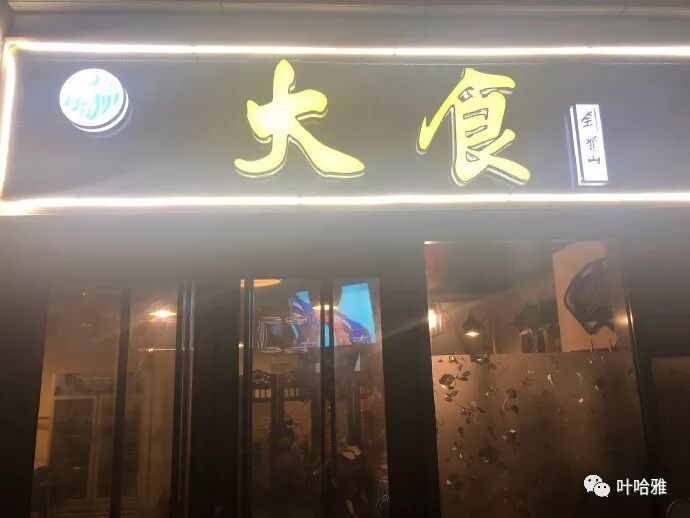
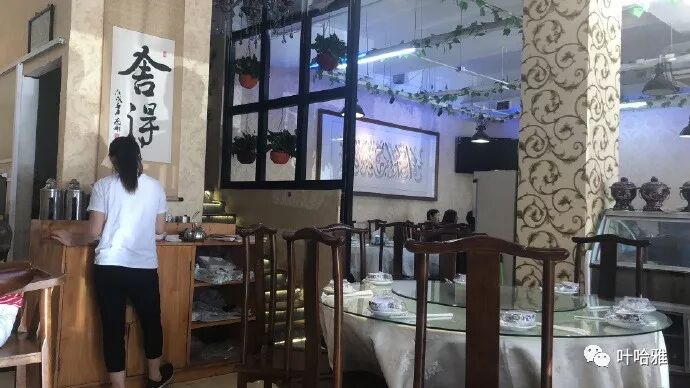
The name is quite vintage, as Dashu was the ancient Chinese term for the Arab Empire. In reality, this is a fusion restaurant serving Cantonese, Jiangnan, Sichuan, Hunan, and Beijing dishes. The owner is a Hui Muslim from Beijing.
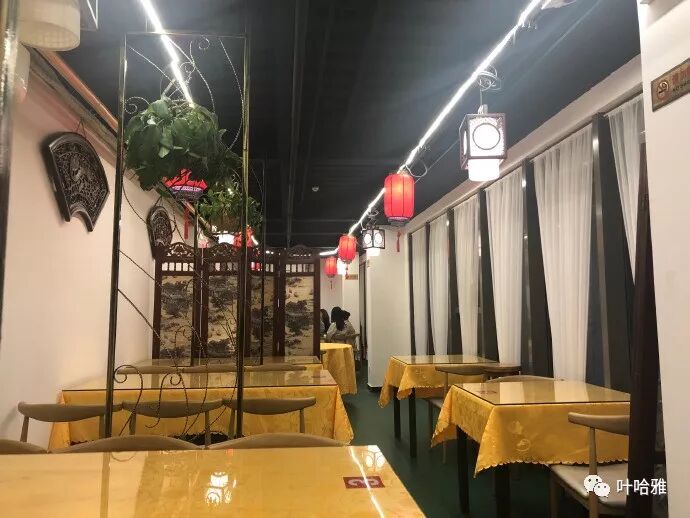
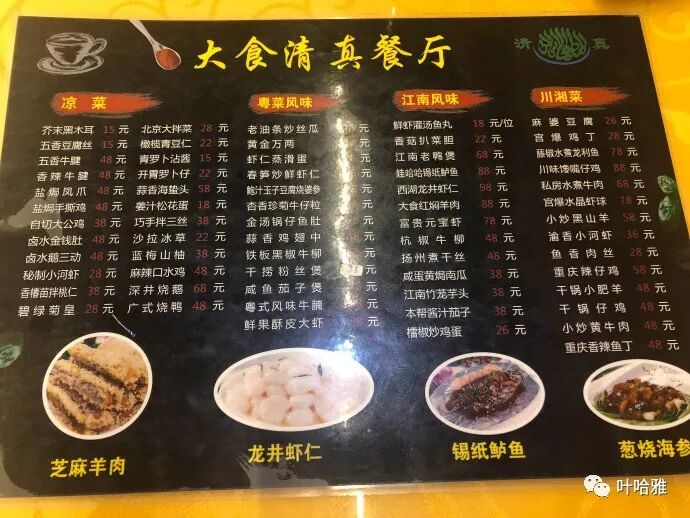
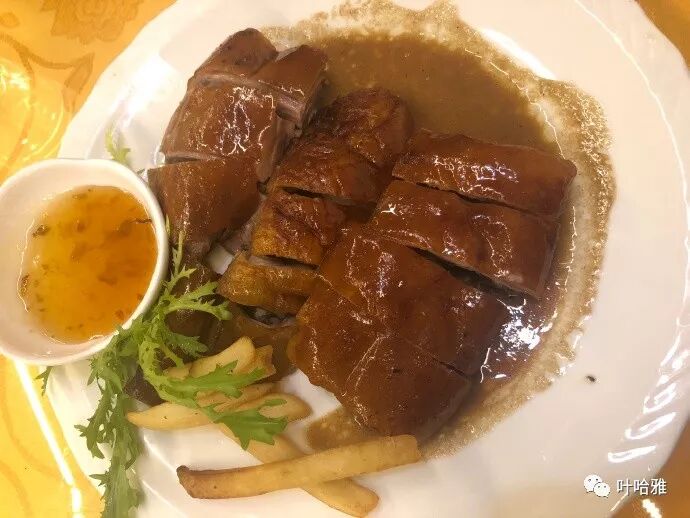
I came here for the Cantonese-style deep-well roast goose (shenjing shaoe). The meat was a bit fatty and the skin was quite tough.
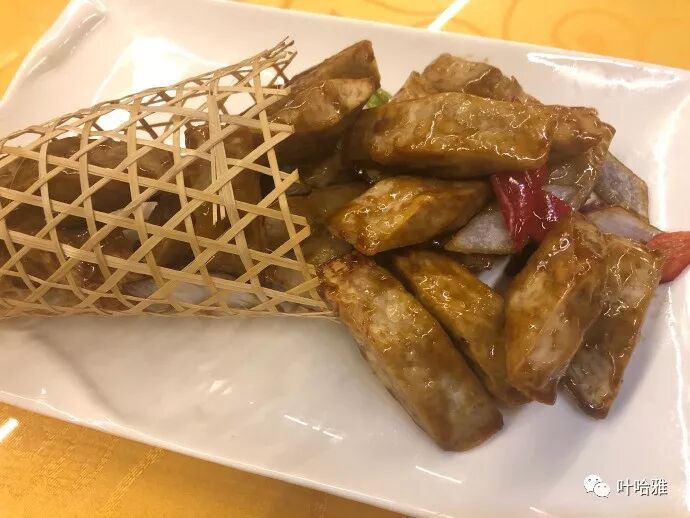
The Jiangnan bamboo steamer taro (zhulong yutou) is a sweet dish.
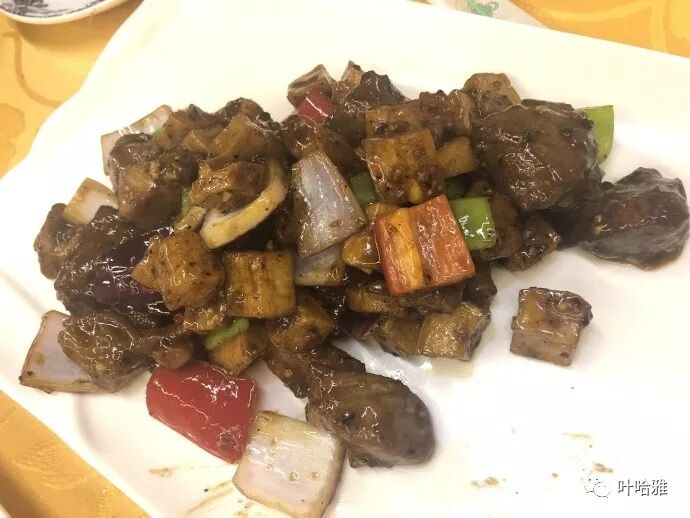
The almond-scented chrysanthemum beef cubes (xingxiang zhenju niuzaili) have tender meat.
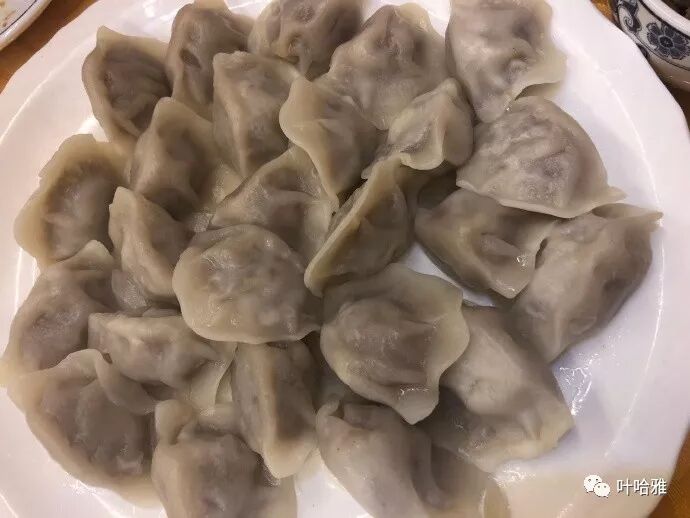
For the main course, I had the beef dumplings (niurou shuijiao). These were delicious, with thin skins and plenty of filling.
Address: No. 277 Dongzhimen Inner Street, Dongcheng District, Beijing. It is near Beixinqiao Subway Station.
180. Huawei Meat Pie Shop
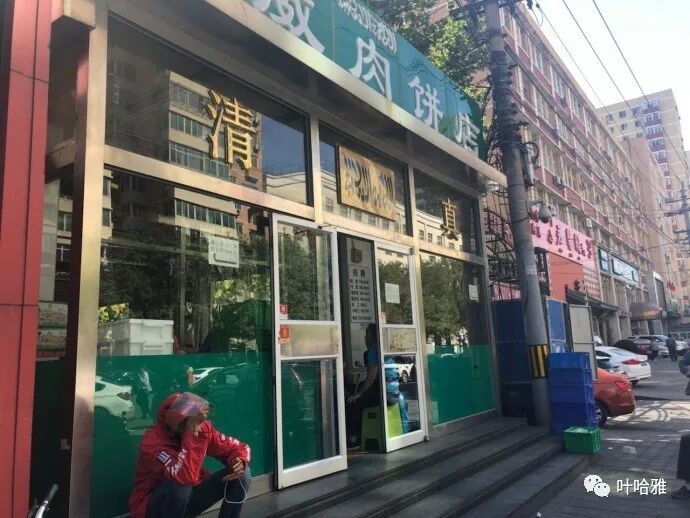
This shop is very famous. It is always full during meal times, so you have to wait in line. Everyone comes here for the meat pies (roubing).
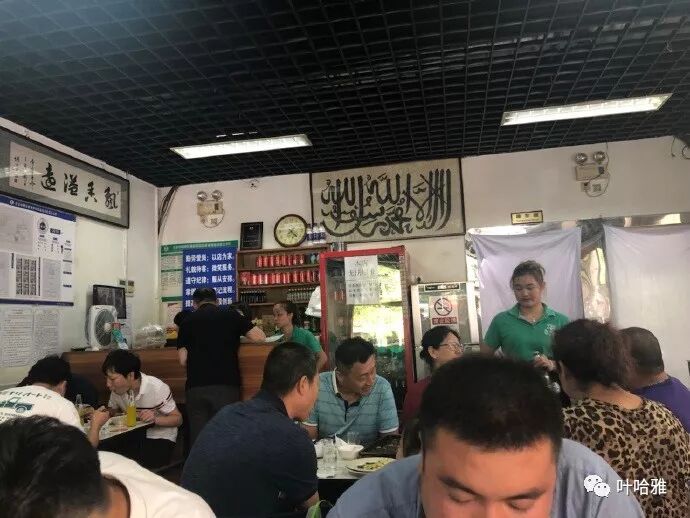
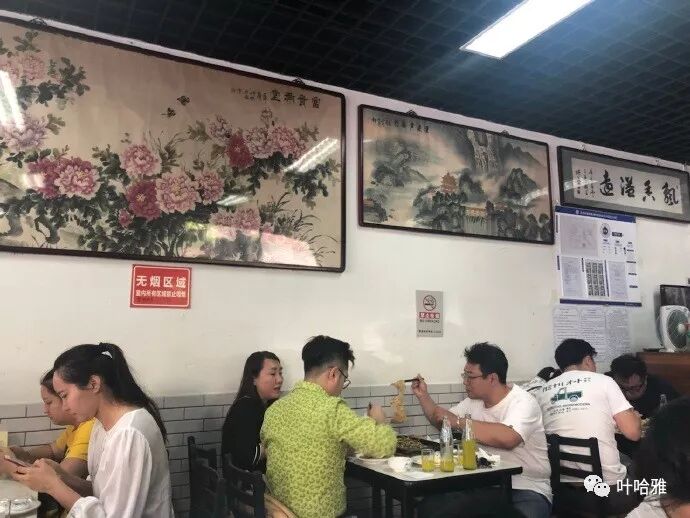
Besides meat pies, they also serve traditional old Beijing foods like grilled meat on an iron grate (zhizi kaorou).
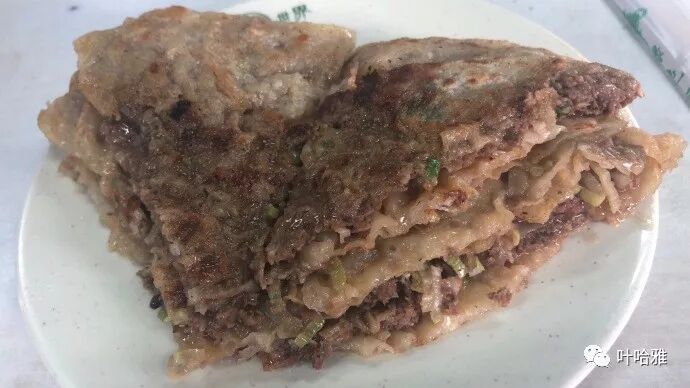
The meat pie crust is thin and soft, though I personally prefer a crust that is crispy on the outside and tender on the inside.
180. Peking University Tongyuan Halal Restaurant
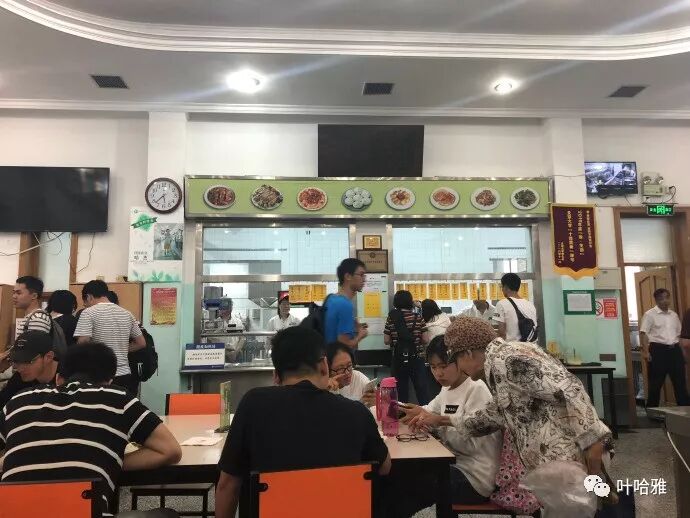
The halal restaurant at Peking University is quite small and gets very crowded during peak hours. To make sure minority students can get a meal, the canteen only serves them during the day since they must eat halal food, while other students can choose non-halal canteens. However, the restaurant opens to all students and faculty after 6:00 PM, and many students come here at night for barbecue.
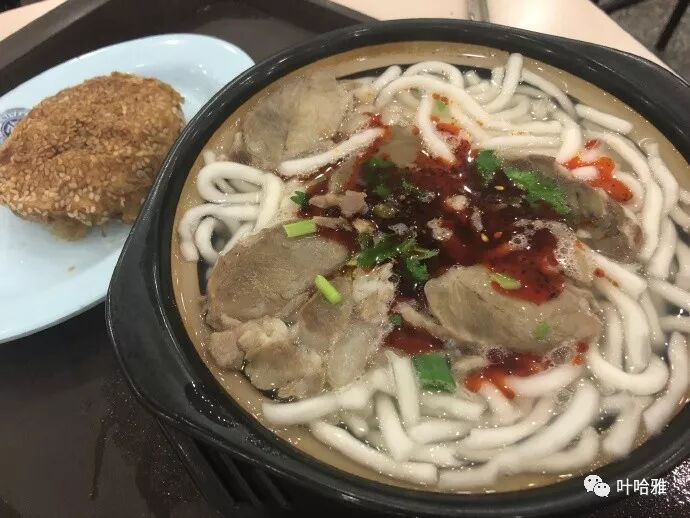
Lamb rice noodles (yangrou fen)
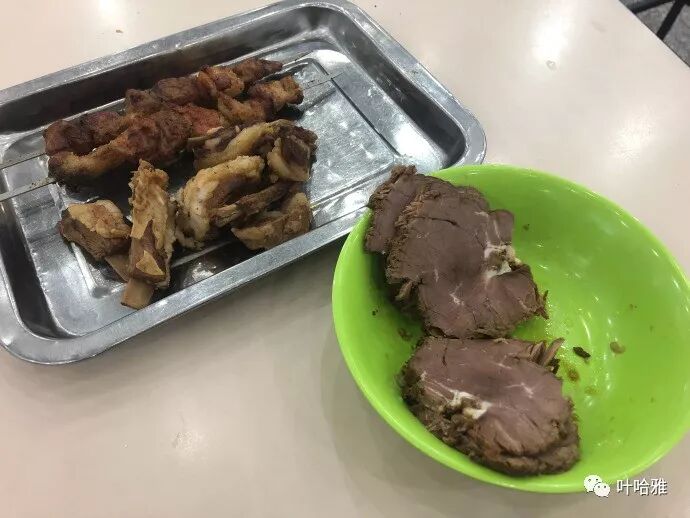
Spiced beef (jiang niurou), lamb chops, and lamb skewers
Address: Opposite the Peking University tennis courts
181. Xifentang
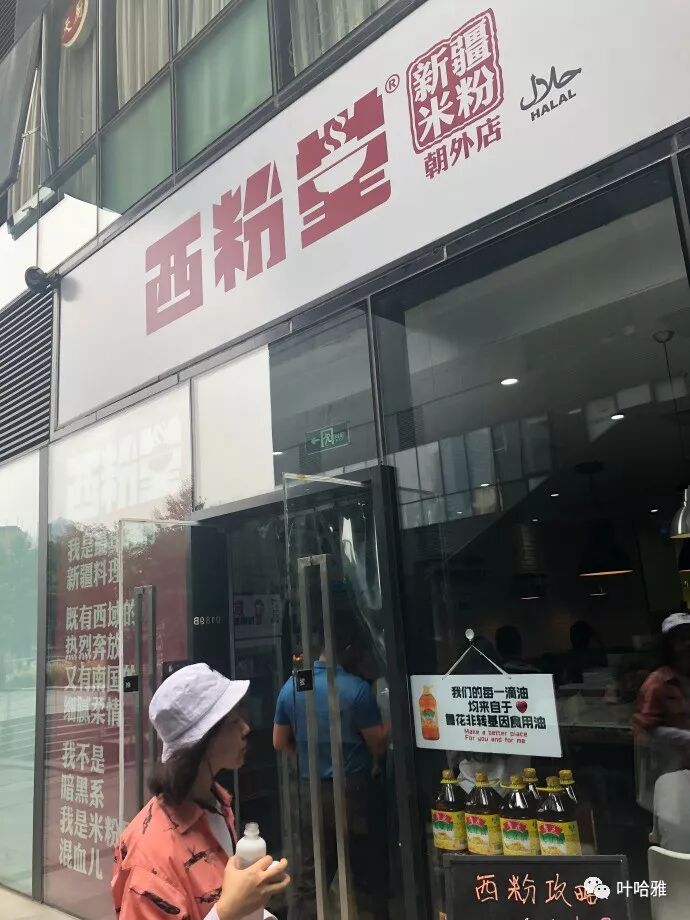
This is a very refined Xinjiang rice noodle shop. In recent years, I have noticed that many Xinjiang restaurants have stylish, creative names and decor that really whet your appetite.
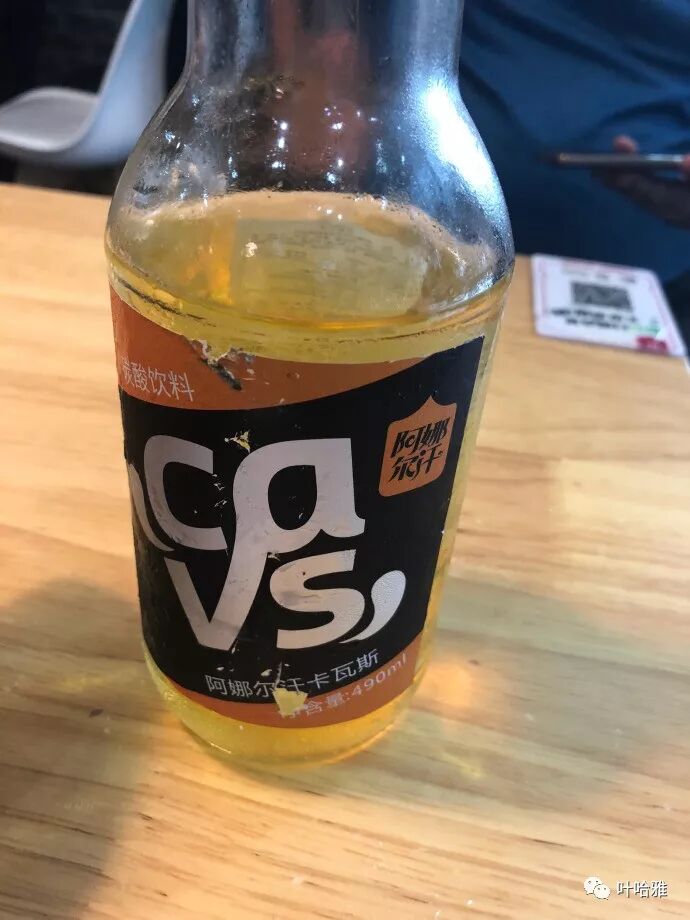
Xinjiang's drink, kvass (kawasi), which is a non-alcoholic, beer-flavored beverage.
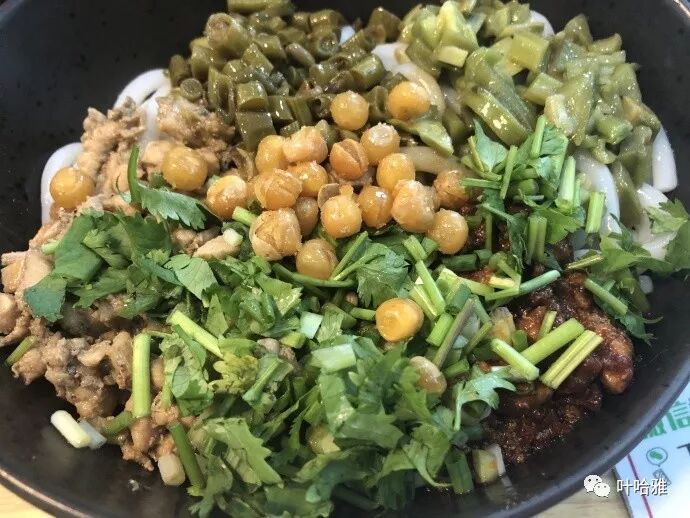
Chicken rice noodles, which you need to mix yourself before eating.
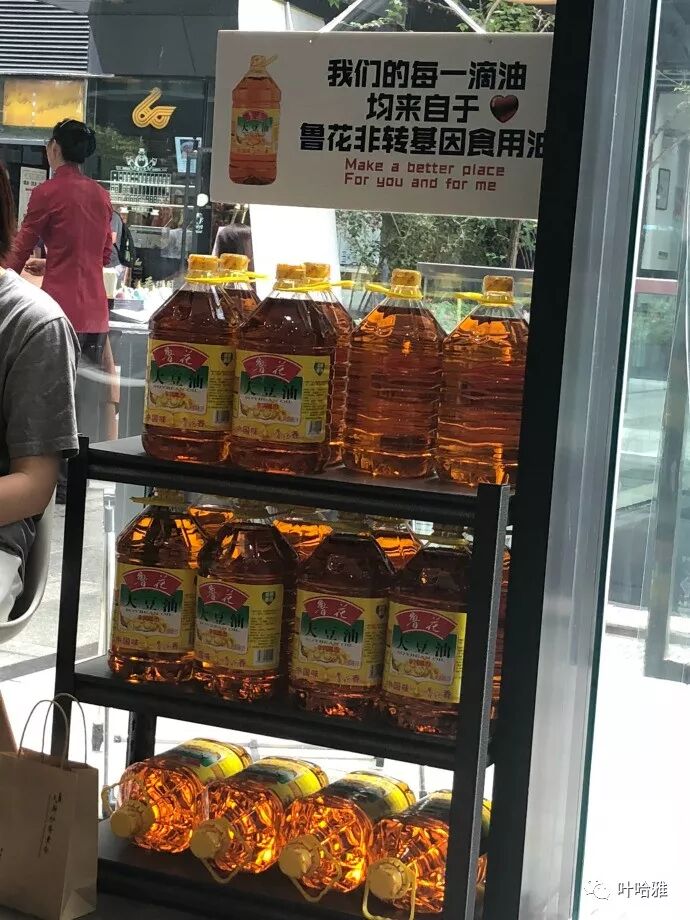
Fresh, clean ingredients you can see.
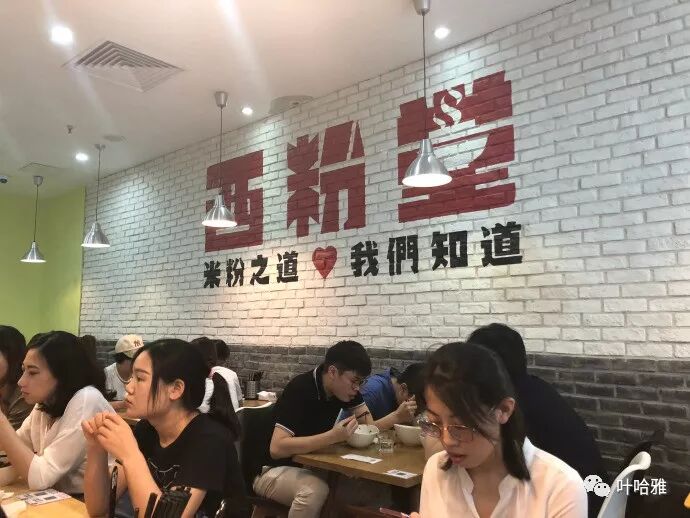
Xifentang is a chain with four locations in Beijing, found in Chaowai, Fengke, Wangjing, and Shangdi.
Address: Shop 0189B, Block D, Chaowai SOHO, No. 6 Chaowai Street
182. Jujingyuan
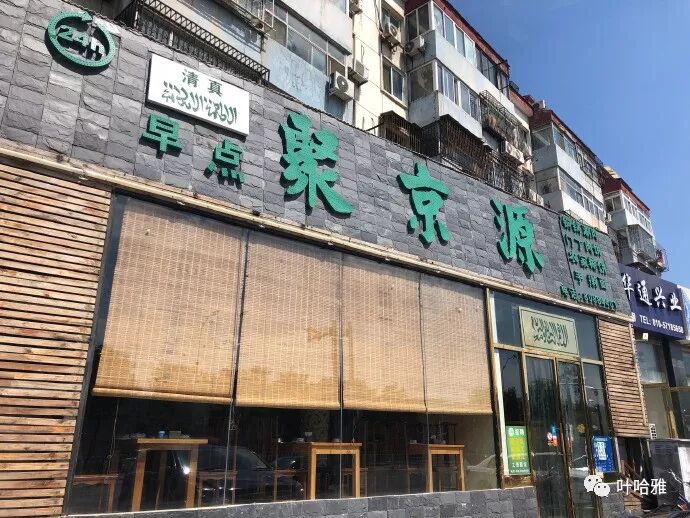
A small Beijing-style restaurant next to the Tongzhou Xiguan Mosque.
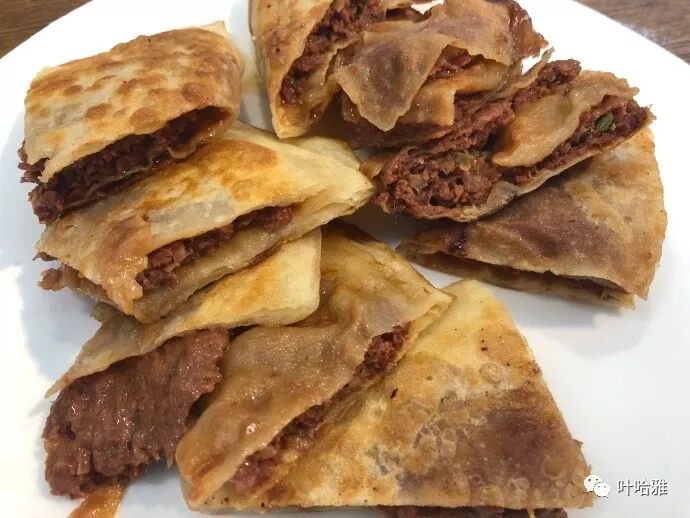
The shop specializes in Beijing-style meat pie (jingdong roubing) and crispy flatbread (hubing). I really like their meat pie; it is crispy on the outside and tender on the inside.
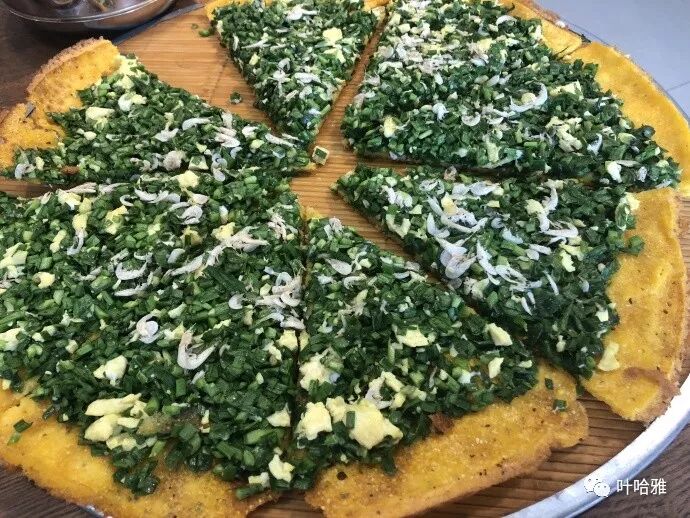
The chive-filled crispy flatbread (hubing) comes in a very large piece.
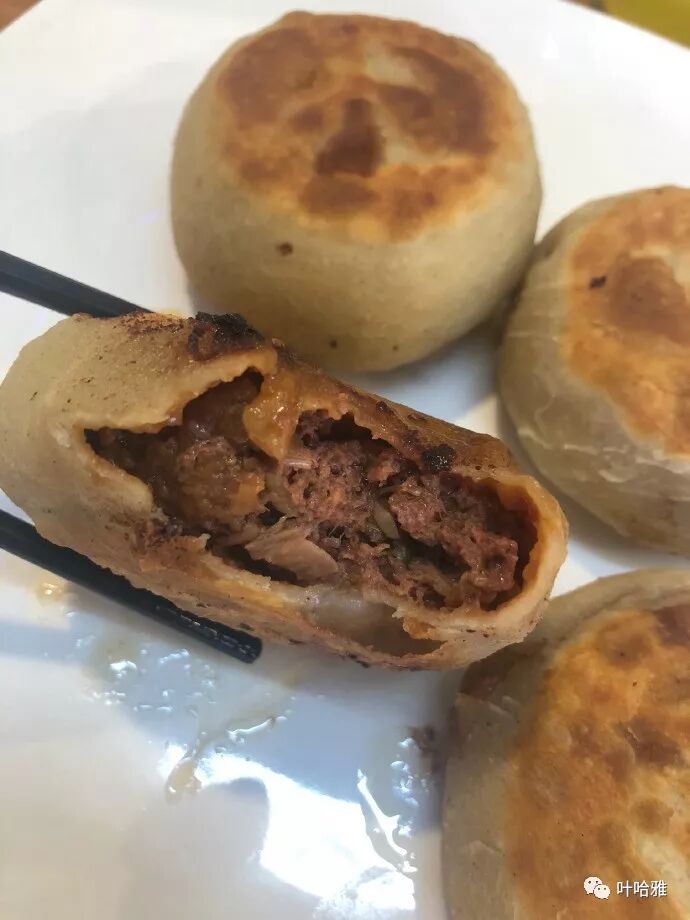
Be careful not to burn your mouth when eating the door-nail meat pie (mending roubing).
183. Xiao Baza
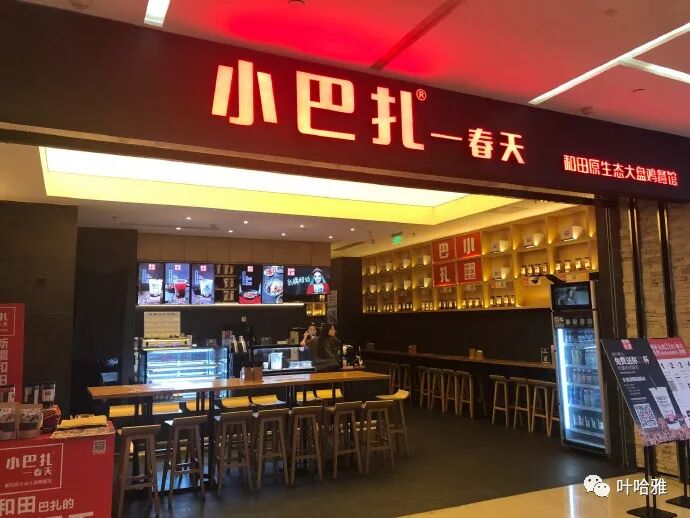
This is a new-style Xinjiang restaurant that opened recently. The shop does not display a halal sign, but when I went with Uyghur friends, we asked the kitchen staff. They were all young Uyghur men who confirmed the food is indeed halal, but they do not have the sign up for certain reasons. We decided to trust our fellow Muslims and ate there.
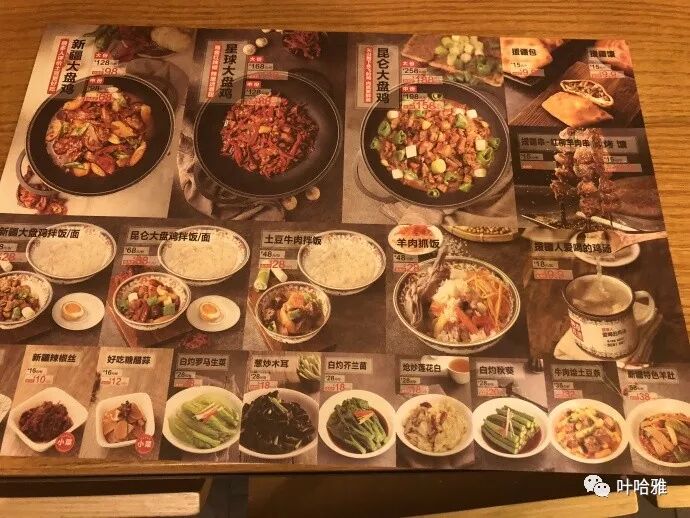
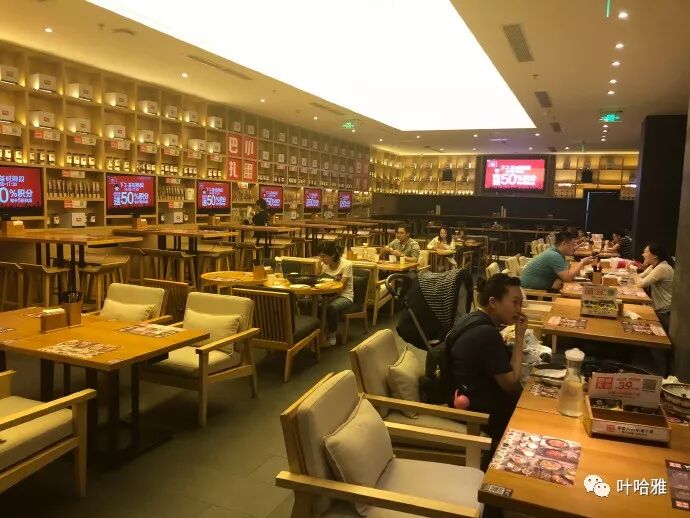
I mentioned before that many new Xinjiang restaurants have moved away from traditional ethnic decor. This place follows a trendy, minimalist style.
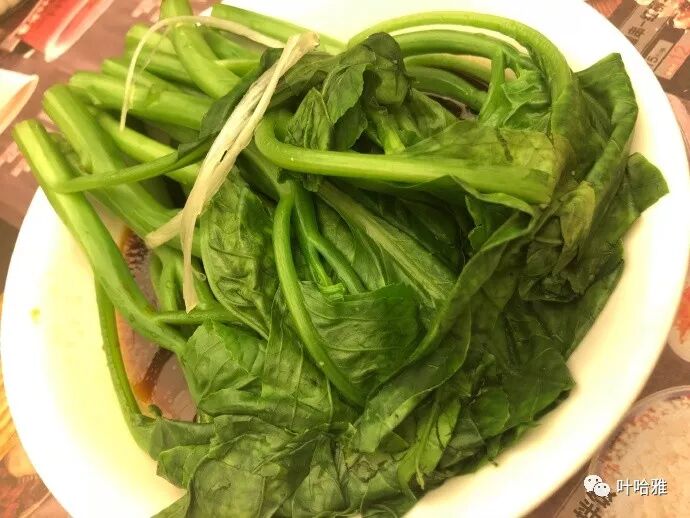
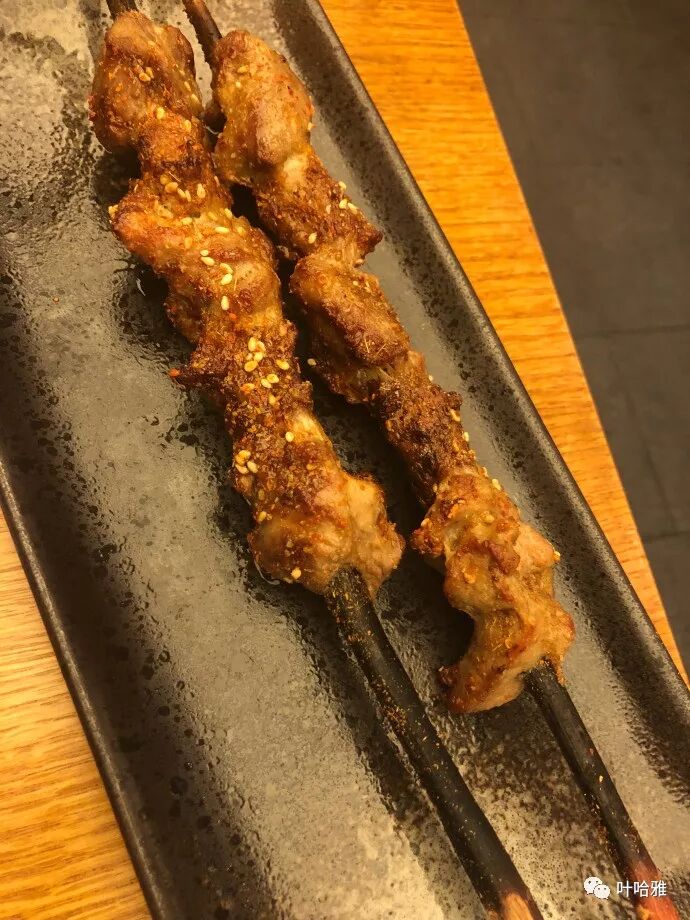
The meat is fresh and tender, and the red willow skewer (hongliu kao) is delicious.
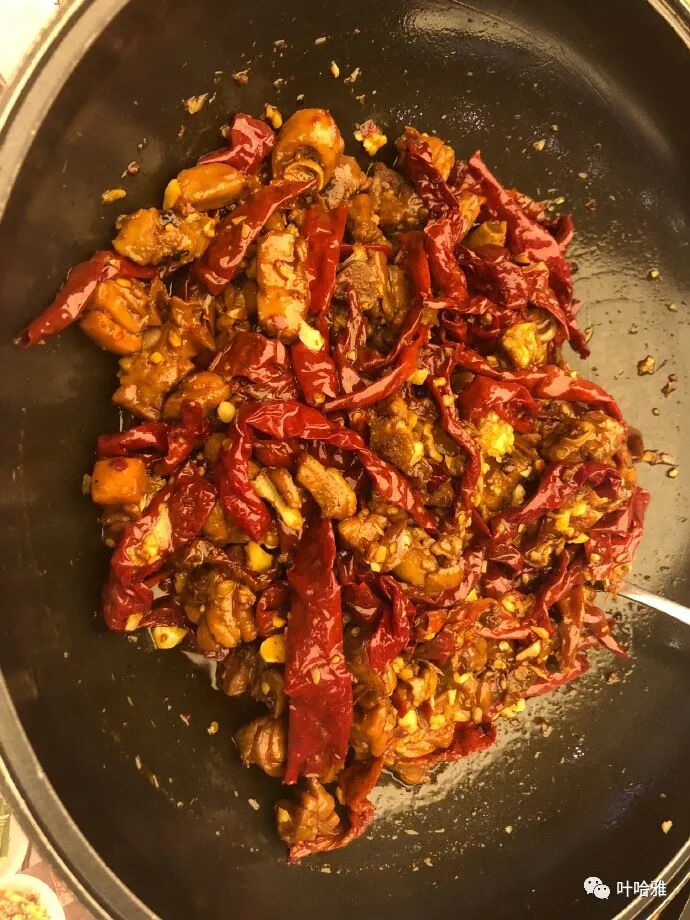
This is their improved version of planet big plate chicken (xingqiu dapanji). It looks very spicy because of the peppers, but it is actually quite mild.
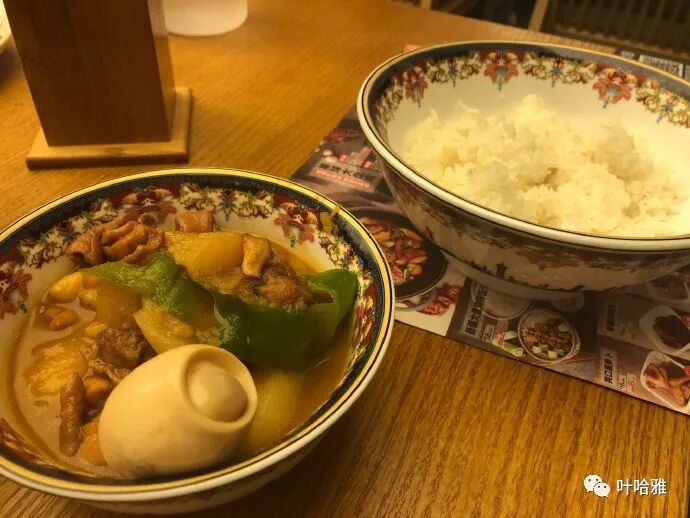
Xiao Baza is a chain restaurant with at least five locations in Beijing now.
Address: B1, Phase II, U-Town Shopping Center, No. 7 Sanfeng Hutong, Chaoyang District, Beijing.
184. Fushouzhai
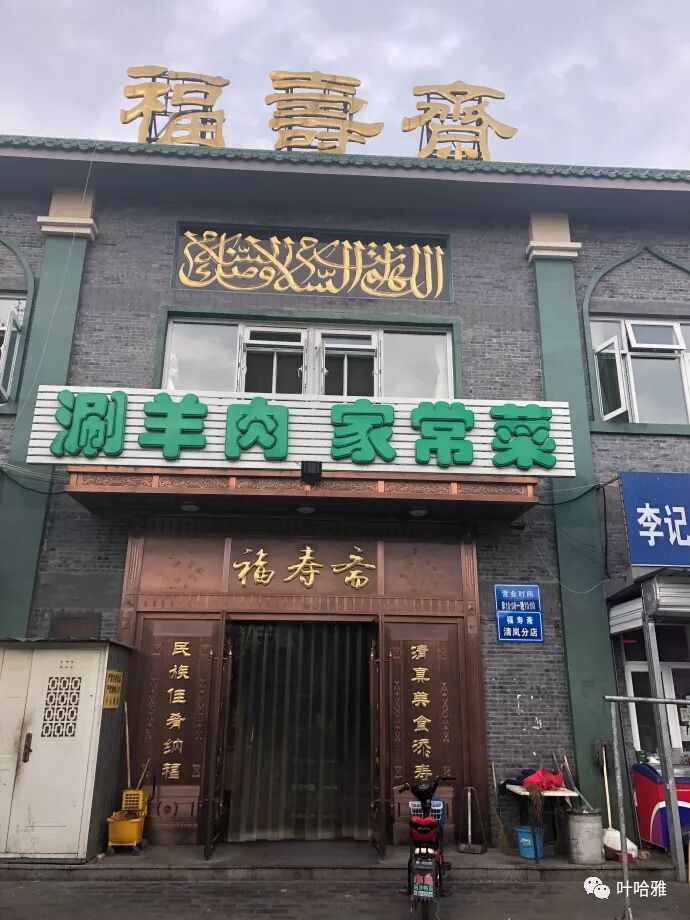
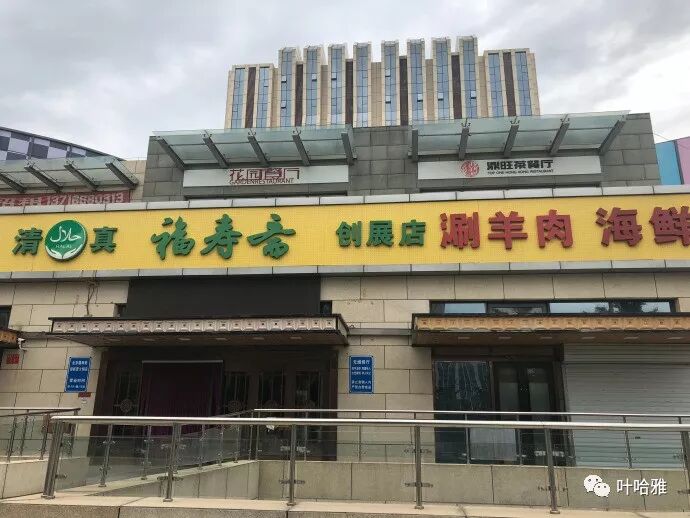
This is a famous hot pot restaurant in Shunyi. They have three branches, all located close to each other within Shunyi, and every one of them is packed with customers.
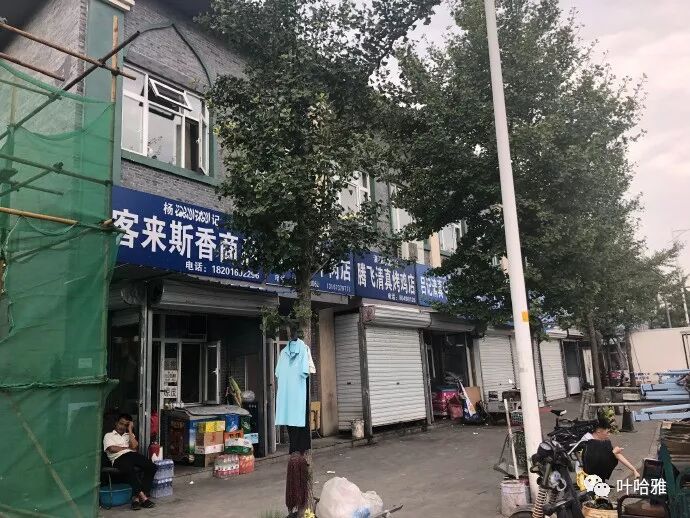
The Qinglan branch is right next to a mosque.
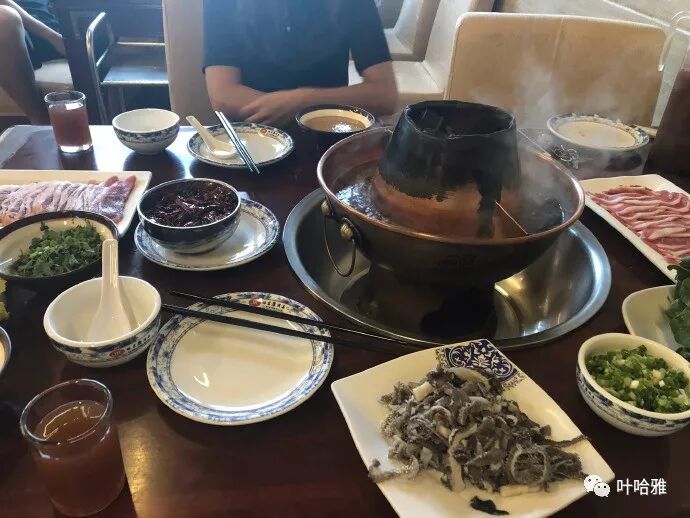
The meat and tripe are fresh, and overall, it is just as good as the old-fashioned hot pot restaurants in the city.
Address: Second floor, Halal Food Street, Qinglan Garden, Houshayu Town, Shunyi District.
185. Yuanwei
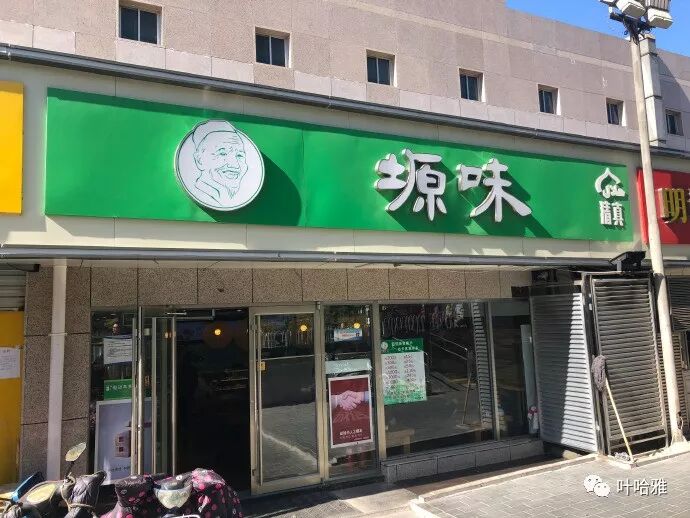
I came here specifically for the stewed cat-ear noodles (hui mashi).
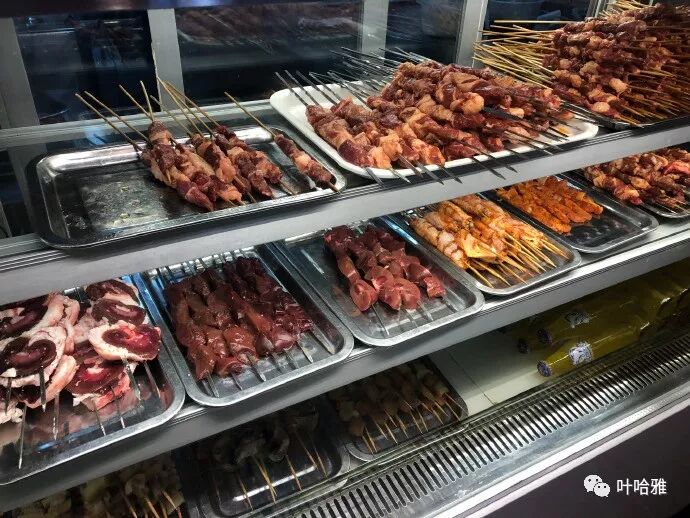
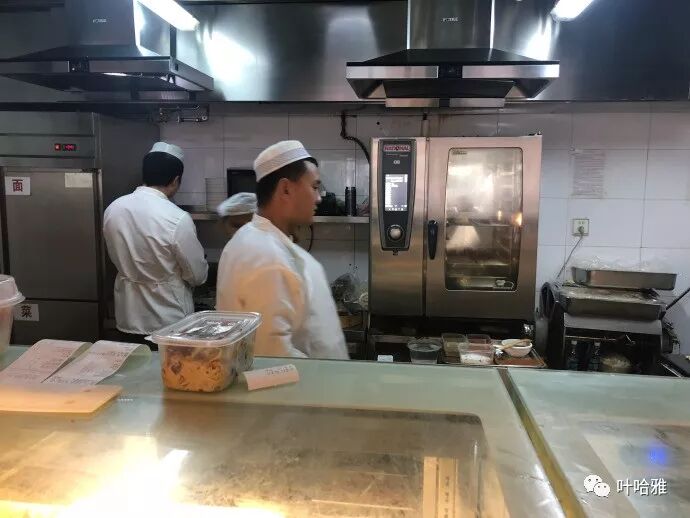
Besides the stewed cat-ear noodles, they also serve barbecue and some home-style Northwest Chinese noodles, such as pita bread in soup (paomo) and hand-pulled noodles (lamian).
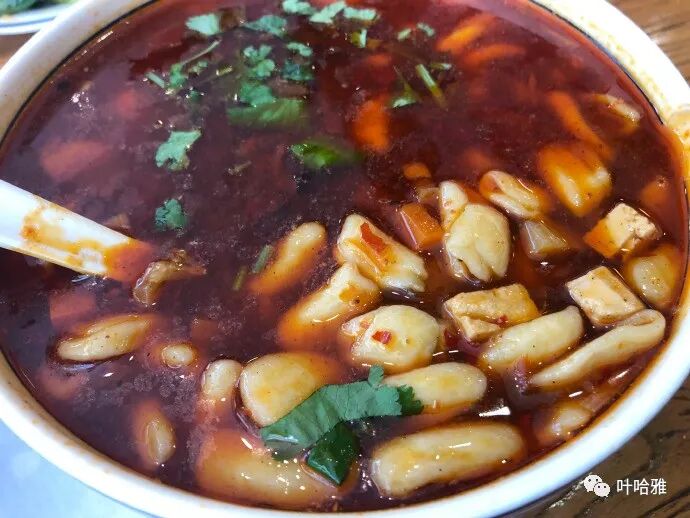
Stewed cat-ear noodles are a specialty snack from Shaanxi. They have a sour and spicy flavor and are served piping hot, making them perfect for warming you up in the winter.
Address: Street-level shop, Hanhai Great Wall Building, 22 Yinhe Street, Lugu Subdistrict.
I am quite lazy. When I write my food map, I usually avoid sharing my personal opinions because everyone has different tastes. I even wanted to skip the addresses, thinking that since I provided the restaurant names, people could easily find them using a map app on their phones or check for details on Dazhong Dianping. Later, I realized many people are even lazier than me. They want to find the restaurant and order their food just by reading my post, and they might even want me to pay the bill for them too.
Summary: This Beijing halal food in China guide follows the original food map and keeps every restaurant, address, dish, and photo in order. It highlights Dashifu, local meat pies, campus halal dining, and other Chinese Muslim food stops for readers looking for real halal restaurants in Beijing.
I have gathered a few more halal restaurants in Beijing to share with you over the past few days. As always, I only share places I have personally eaten at. There are a few others on my list that I haven't tried yet, so I won't recommend them for now. Once I finish writing about the last few restaurants in my collection, my map of 200 specialty halal eateries in Beijing will be complete. I hope some wealthy entrepreneurs will open new halal restaurants in the city soon.
179. Dashu
The name is quite vintage, as Dashu was the ancient Chinese term for the Arab Empire. In reality, this is a fusion restaurant serving Cantonese, Jiangnan, Sichuan, Hunan, and Beijing dishes. The owner is a Hui Muslim from Beijing.
I came here for the Cantonese-style deep-well roast goose (shenjing shaoe). The meat was a bit fatty and the skin was quite tough.
The Jiangnan bamboo steamer taro (zhulong yutou) is a sweet dish.
The almond-scented chrysanthemum beef cubes (xingxiang zhenju niuzaili) have tender meat.
For the main course, I had the beef dumplings (niurou shuijiao). These were delicious, with thin skins and plenty of filling.
Address: No. 277 Dongzhimen Inner Street, Dongcheng District, Beijing. It is near Beixinqiao Subway Station.
180. Huawei Meat Pie Shop
This shop is very famous. It is always full during meal times, so you have to wait in line. Everyone comes here for the meat pies (roubing).
Besides meat pies, they also serve traditional old Beijing foods like grilled meat on an iron grate (zhizi kaorou).
The meat pie crust is thin and soft, though I personally prefer a crust that is crispy on the outside and tender on the inside.
180. Peking University Tongyuan Halal Restaurant
The halal restaurant at Peking University is quite small and gets very crowded during peak hours. To make sure minority students can get a meal, the canteen only serves them during the day since they must eat halal food, while other students can choose non-halal canteens. However, the restaurant opens to all students and faculty after 6:00 PM, and many students come here at night for barbecue.
Lamb rice noodles (yangrou fen)
Spiced beef (jiang niurou), lamb chops, and lamb skewers
Address: Opposite the Peking University tennis courts
181. Xifentang
This is a very refined Xinjiang rice noodle shop. In recent years, I have noticed that many Xinjiang restaurants have stylish, creative names and decor that really whet your appetite.
Xinjiang's drink, kvass (kawasi), which is a non-alcoholic, beer-flavored beverage.
Chicken rice noodles, which you need to mix yourself before eating.
Fresh, clean ingredients you can see.
Xifentang is a chain with four locations in Beijing, found in Chaowai, Fengke, Wangjing, and Shangdi.
Address: Shop 0189B, Block D, Chaowai SOHO, No. 6 Chaowai Street
182. Jujingyuan
A small Beijing-style restaurant next to the Tongzhou Xiguan Mosque.
The shop specializes in Beijing-style meat pie (jingdong roubing) and crispy flatbread (hubing). I really like their meat pie; it is crispy on the outside and tender on the inside.
The chive-filled crispy flatbread (hubing) comes in a very large piece.
Be careful not to burn your mouth when eating the door-nail meat pie (mending roubing).
183. Xiao Baza
This is a new-style Xinjiang restaurant that opened recently. The shop does not display a halal sign, but when I went with Uyghur friends, we asked the kitchen staff. They were all young Uyghur men who confirmed the food is indeed halal, but they do not have the sign up for certain reasons. We decided to trust our fellow Muslims and ate there.
I mentioned before that many new Xinjiang restaurants have moved away from traditional ethnic decor. This place follows a trendy, minimalist style.
The meat is fresh and tender, and the red willow skewer (hongliu kao) is delicious.
This is their improved version of planet big plate chicken (xingqiu dapanji). It looks very spicy because of the peppers, but it is actually quite mild.
Xiao Baza is a chain restaurant with at least five locations in Beijing now.
Address: B1, Phase II, U-Town Shopping Center, No. 7 Sanfeng Hutong, Chaoyang District, Beijing.
184. Fushouzhai
This is a famous hot pot restaurant in Shunyi. They have three branches, all located close to each other within Shunyi, and every one of them is packed with customers.
The Qinglan branch is right next to a mosque.
The meat and tripe are fresh, and overall, it is just as good as the old-fashioned hot pot restaurants in the city.
Address: Second floor, Halal Food Street, Qinglan Garden, Houshayu Town, Shunyi District.
185. Yuanwei
I came here specifically for the stewed cat-ear noodles (hui mashi).
Besides the stewed cat-ear noodles, they also serve barbecue and some home-style Northwest Chinese noodles, such as pita bread in soup (paomo) and hand-pulled noodles (lamian).
Stewed cat-ear noodles are a specialty snack from Shaanxi. They have a sour and spicy flavor and are served piping hot, making them perfect for warming you up in the winter.
Address: Street-level shop, Hanhai Great Wall Building, 22 Yinhe Street, Lugu Subdistrict.
I am quite lazy. When I write my food map, I usually avoid sharing my personal opinions because everyone has different tastes. I even wanted to skip the addresses, thinking that since I provided the restaurant names, people could easily find them using a map app on their phones or check for details on Dazhong Dianping. Later, I realized many people are even lazier than me. They want to find the restaurant and order their food just by reading my post, and they might even want me to pay the bill for them too.
