
Muslim Friendly Hangzhou: Historic Mosques, Halal Food and Local Travel Guide
Reposted from the web
Summary: Muslim Friendly Hangzhou: Historic Mosques, Halal Food and Local Travel Guide is presented here as a clear English travel account for Muslim readers, beginning with this scene: I have been to Hangzhou many times. This city in the south of the Yangtze River has left a very good impression on me. The citizens are polite and courteous, the girls are nice to talk to, and the vehicles. The article keeps the original place names, food details, photographs, and cultural context while focusing on Hangzhou Mosques, Halal Food, Muslim Travel.
I have been to Hangzhou many times. This city in the south of the Yangtze River has left a very good impression on me. The citizens are polite and courteous, the girls are nice to talk to, and the vehicles will actively yield to pedestrians. This has only been experienced abroad before. Hangzhou is the first city in China to implement "cars to let people". As early as 2010, Hangzhou included "cars to let people" into traffic regulations for mandatory promotion. Vehicles that violate the rules will be deducted 3 points and fined 100 yuan.
As a pedestrian, of course I feel that this measure is very popular with me, but after listening to the complaints from several drivers in Hangzhou, I realized that the force is not sweet. The drivers believe that some pedestrians are unscrupulous when crossing the road because they are protected by traffic regulations. They lower their heads, play with their mobile phones, and cross the road slowly, making passing vehicles angry and afraid to speak. In fact, the improvement of quality should be from the inside out. Vehicles should give way to pedestrians out of courtesy, and pedestrians should also express their gratitude. This is a naturally civilized behavior. If it is forced to give way, it seems that the quality has been rapidly improved, but it is unwilling to do so. Instead, it will lead to resentment. Once there is no supervision, it will immediately return to its original shape.
None of the above is the reason why I like Hangzhou the most. What attracts me most about Hangzhou is that it has the Phoenix Mosque, one of the four ancient mosques in the south of the Yangtze River, a mosque that can be traced back to the Yuan Dynasty, and several ancient tombs of Hui sages close to the West Lake. These extremely precious ancient cultural relics silently record the glorious history of Islam in Hangzhou.
1. Halal snacks
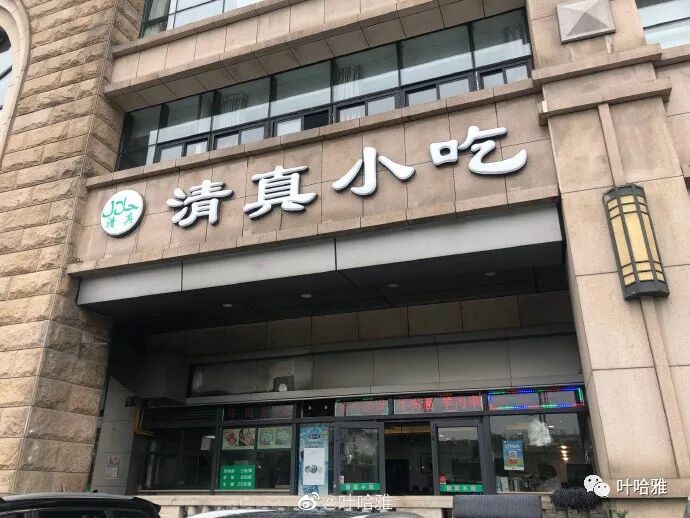
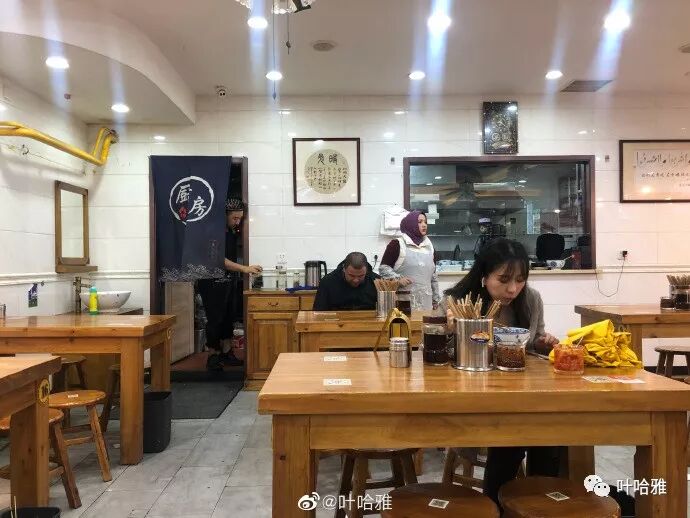
The name of this shop is "Halal Snacks". Halal Snacks have been operating in Hangzhou for at least 7 years. It is located at the back door of the Phoenix Mosque. The owner is a local Hui in Hangzhou, and I heard from the village elders in the mosque that he has a good religious background. The shop is non-smoking and alcohol-free. It specializes in various Jiangnan specialty snacks and some northwest delicacies, because most of the shop staff are from the northwest, and the waitresses also wear headscarves.
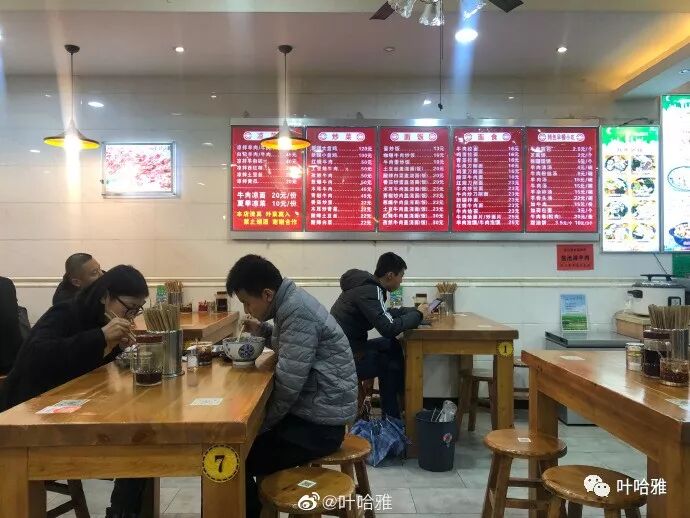
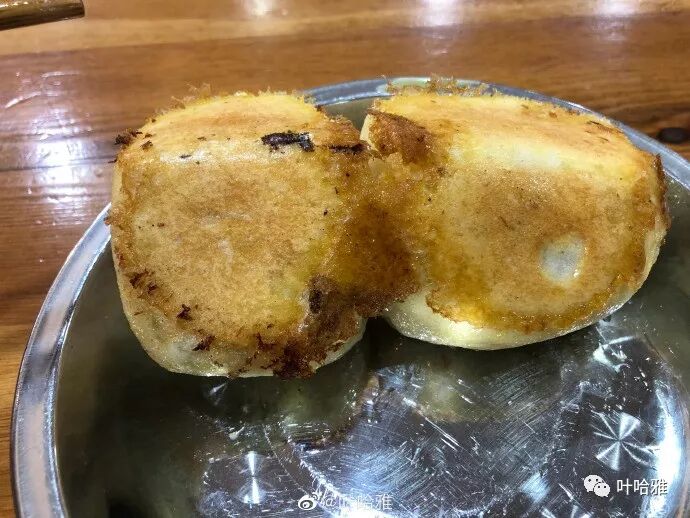
The beef fried buns in Hangzhou are relatively large and have thick skin, and are not as small as the fried buns in Henan and Shandong.
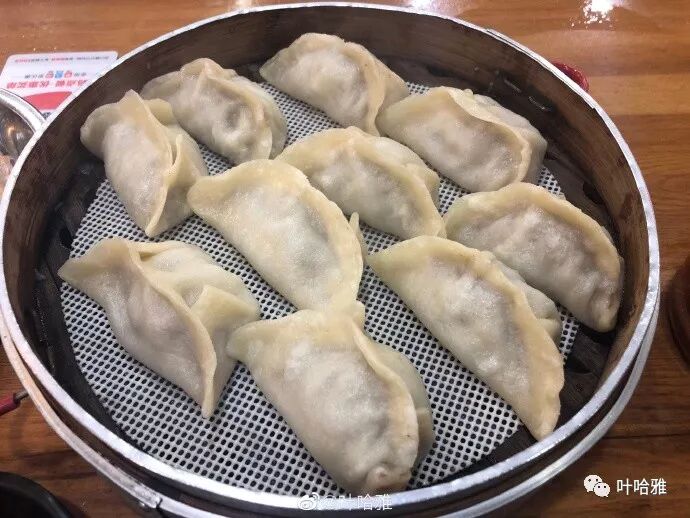
I recommend trying the steamed beef dumplings, which are more delicate than the fried dumplings.
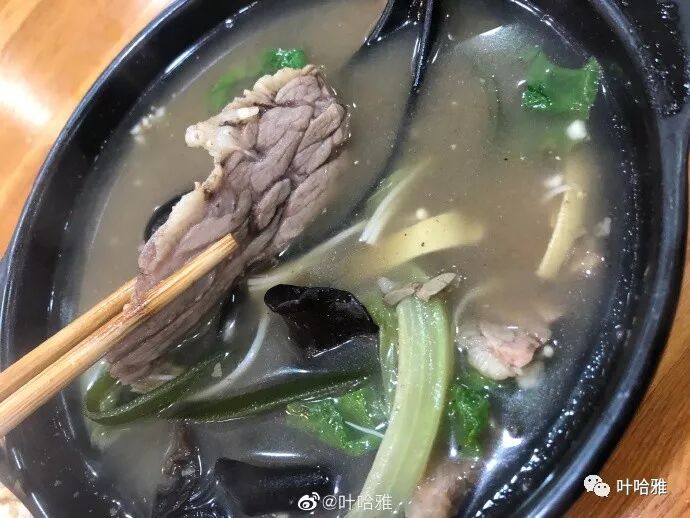
Casserole comes in many flavors and tastes good.
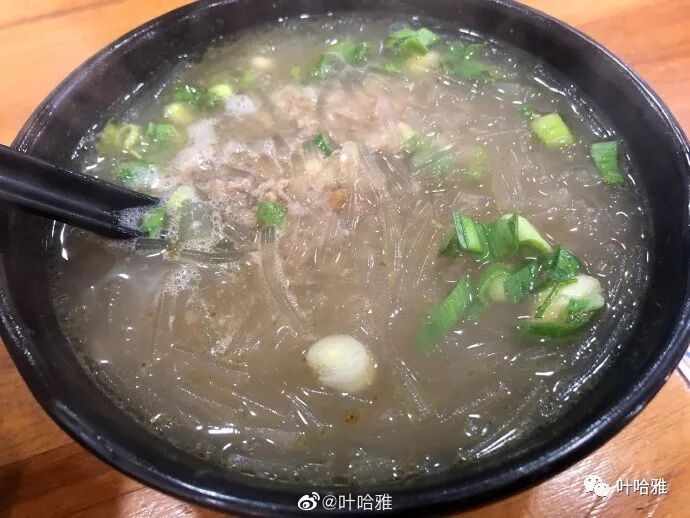
Beef vermicelli soup, this is closer to Nanjing’s beef vermicelli soup.
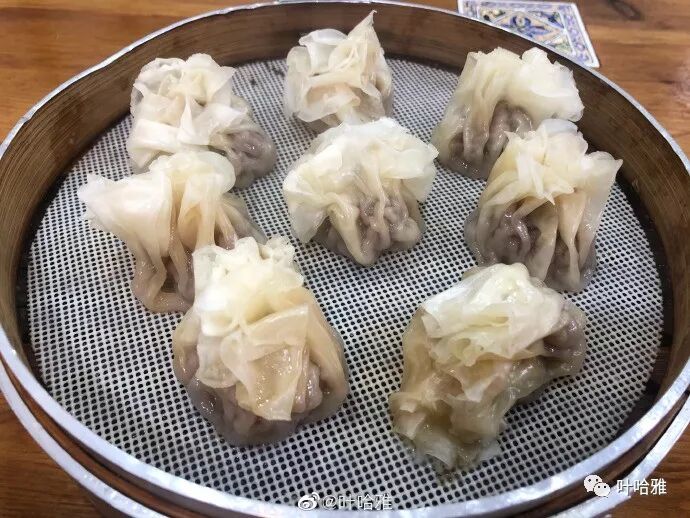
The mutton siomai is my favorite snack in this store. It has a nice shape and the meat is fresh and tender. It should be the mutton purchased from the northwest.
2. Northwest people
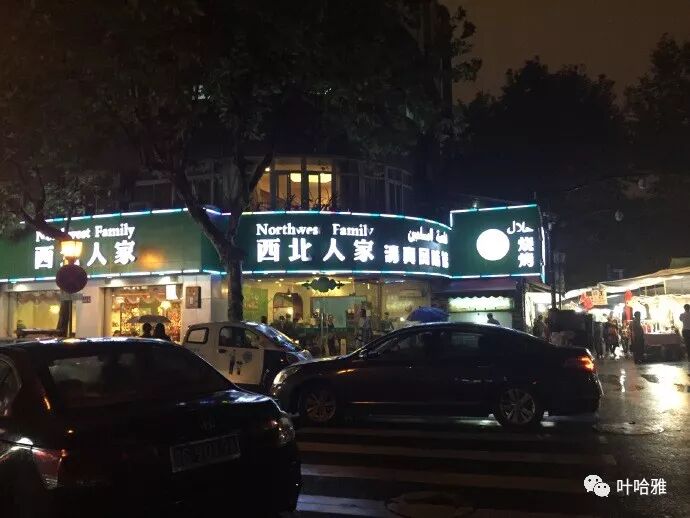
If you want to eat authentic Halal Hangzhou cuisine, I recommend you to go to Northwest Restaurant by the West Lake. Although it is owned by Northwest, this restaurant opened in Hangzhou in 1992. It has been deeply rooted in Hangzhou for more than 20 years, and the Hangzhou cuisine they make is really delicious.
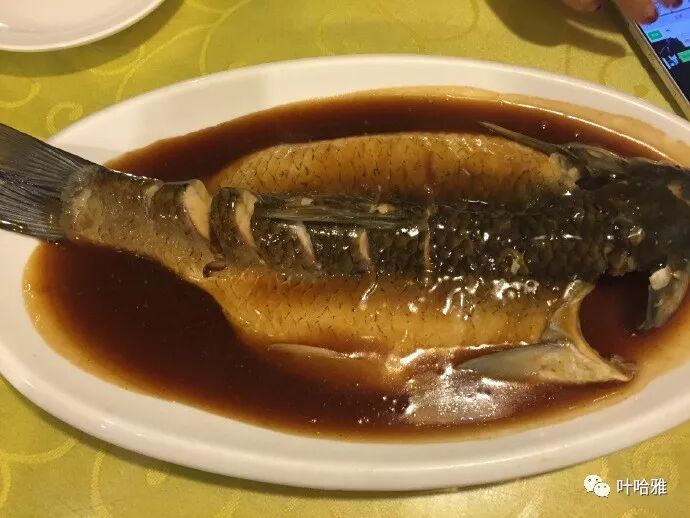
West Lake Fish in Vinegar is a famous dish in Hangzhou, and it is quite satisfying to be able to eat the halal version next to the West Lake.
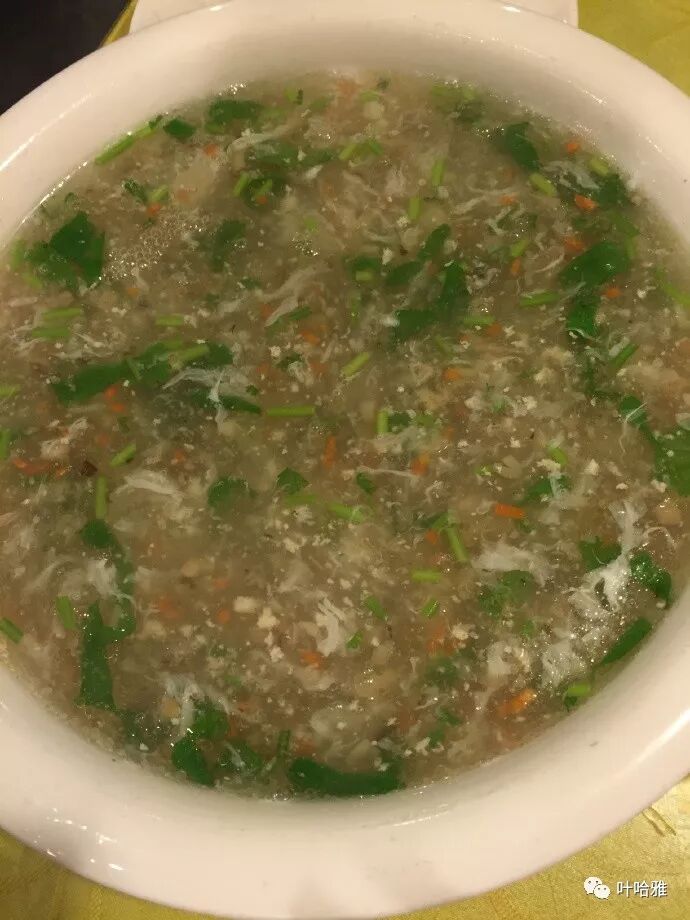
West Lake Beef Soup is one of the must-try dishes in Hangzhou. Although I have had it in restaurants in Beijing since I was a child, when I drink it in Hangzhou, it feels thicker.
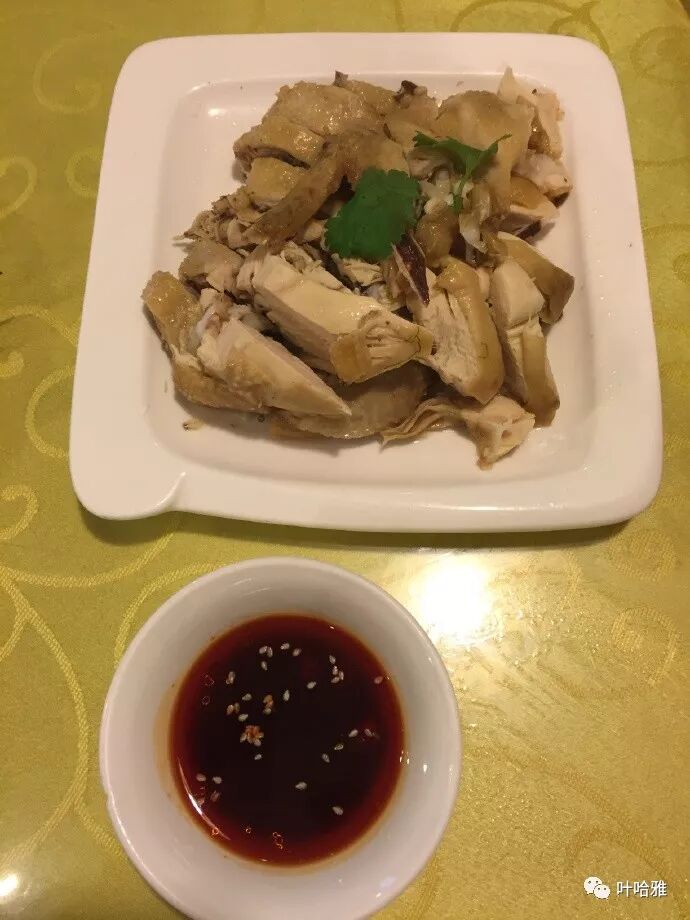
Blanched chicken is also one of the common dishes in the south. The chicken in the south is more delicious than the chicken in the north.
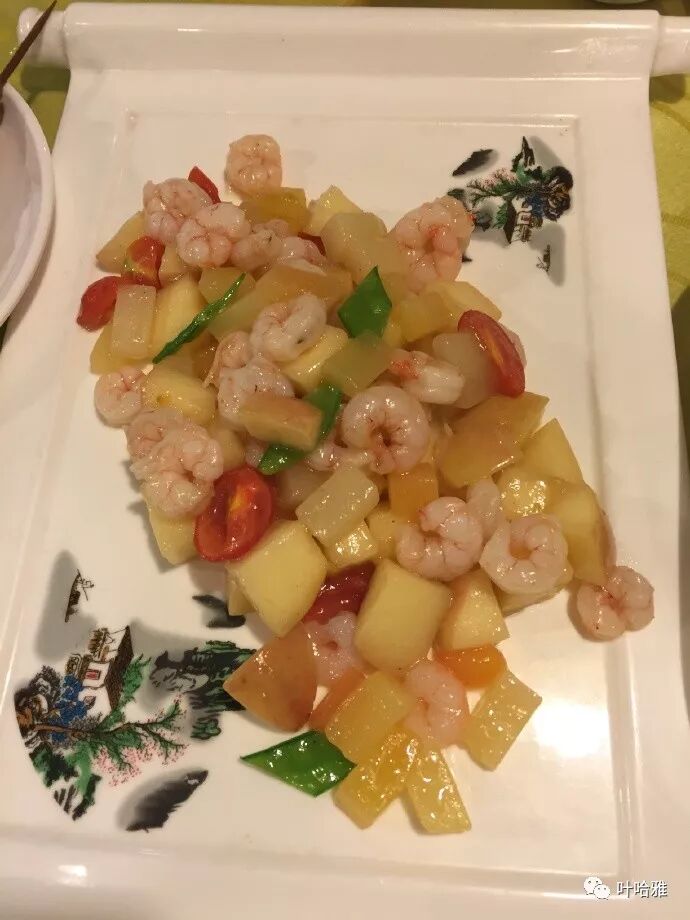
Fruit shrimp
3. Gulanxuan
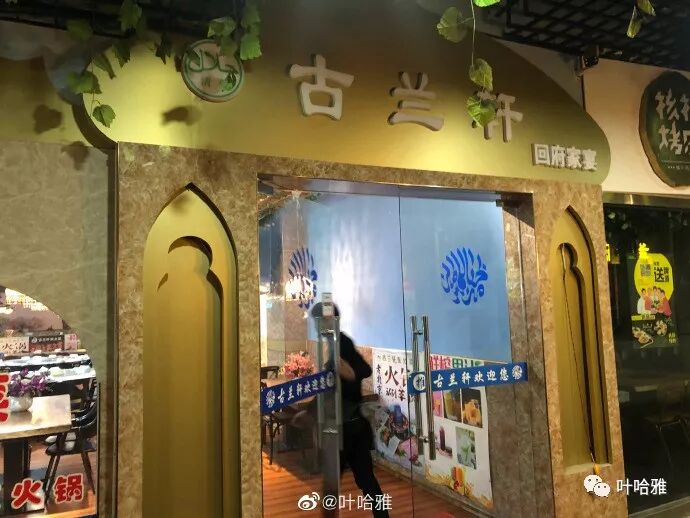
Gulanxuan is a halal Northeastern restaurant in Hangzhou. The owner is a Hui from Qiqihar. The store is relatively large and specializes in Northeastern-style stir-fries, hot pot, and seafood. It ranks first in Northeastern cuisine in Jianggan District on Dianping.com.
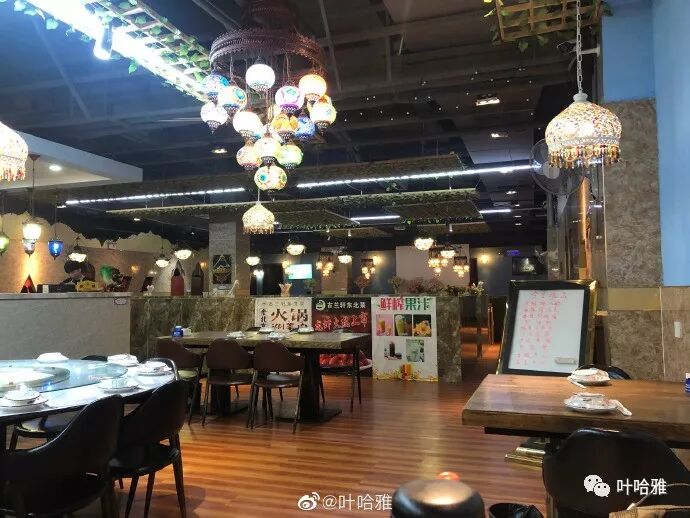
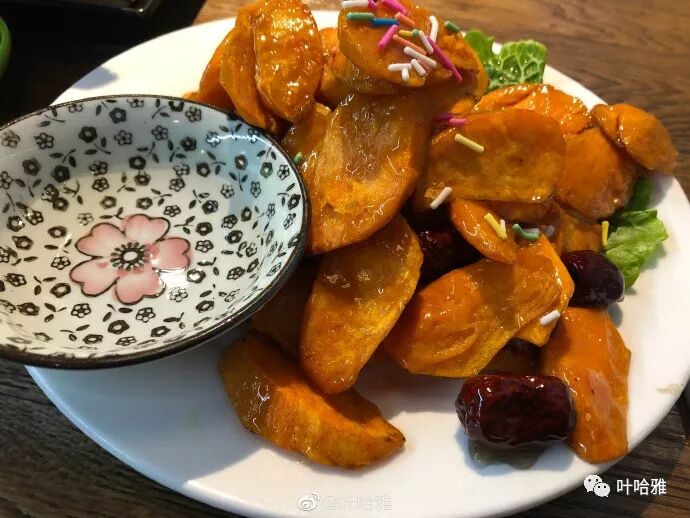
When eating shredded sweet potatoes, the shreds will come out. Dip them in the water on the side. The shreds will break. Eat them while they are hot.
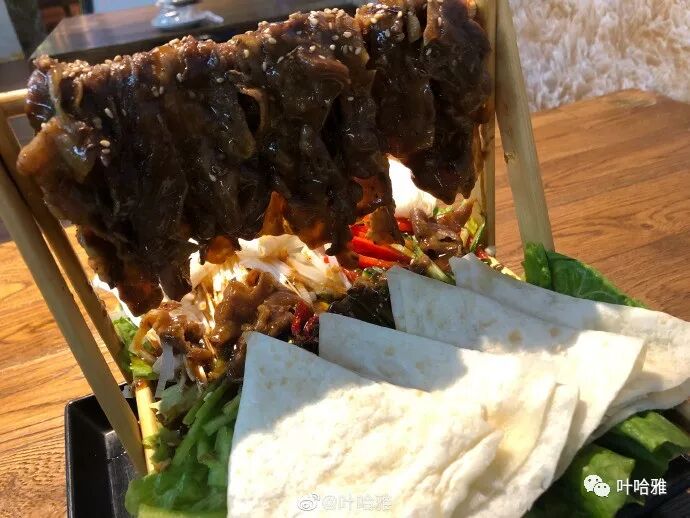
Braised beef, with pancakes wrapped around various side dishes like roast duck, very fragrant.
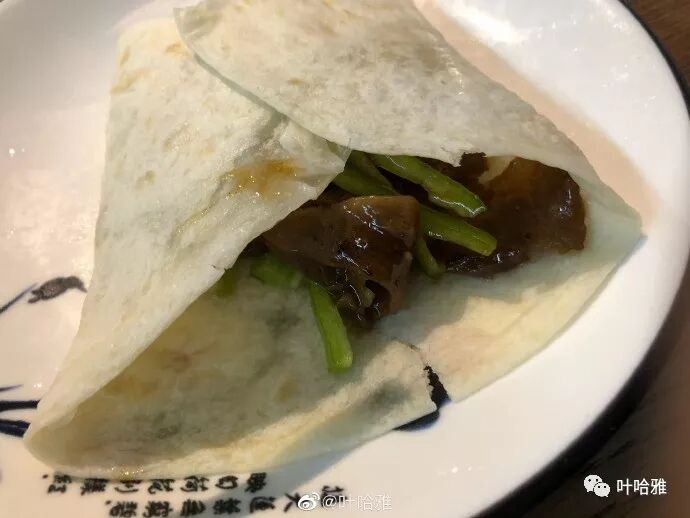
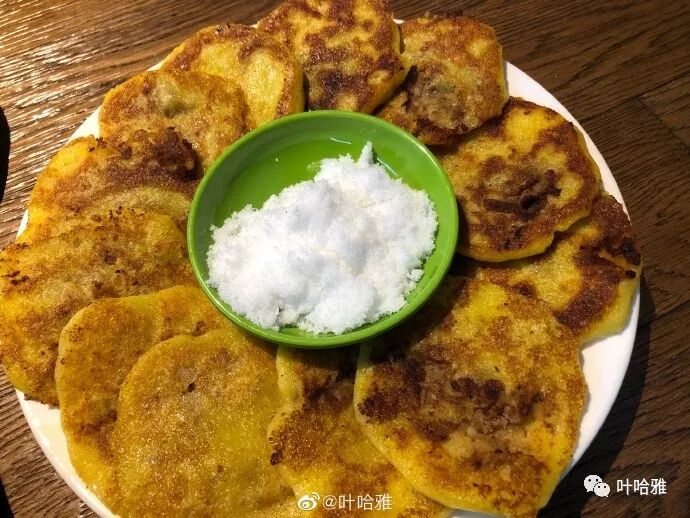
Sticky bean buns are a Northeastern home-cooked snack that is always mentioned by actors in Northeastern film and television dramas.
4. Maizhou·Yilongxuan
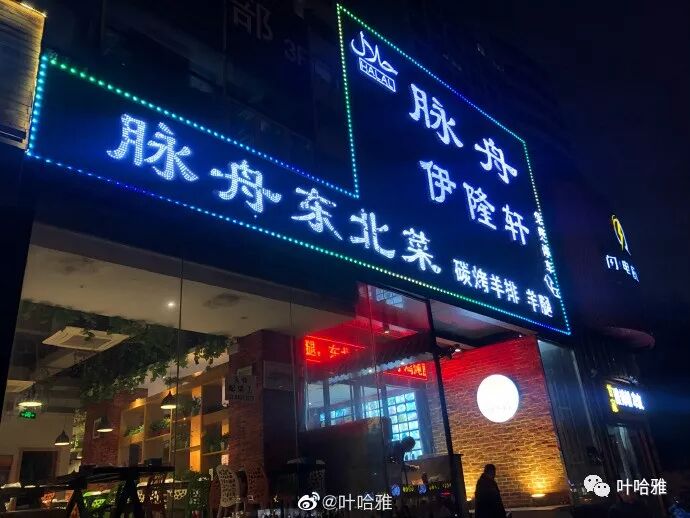
This restaurant is also a Northeastern restaurant opened by the Hui Muslims of Qiqihar. After asking, I found out that this restaurant is related to Gulanxuan.
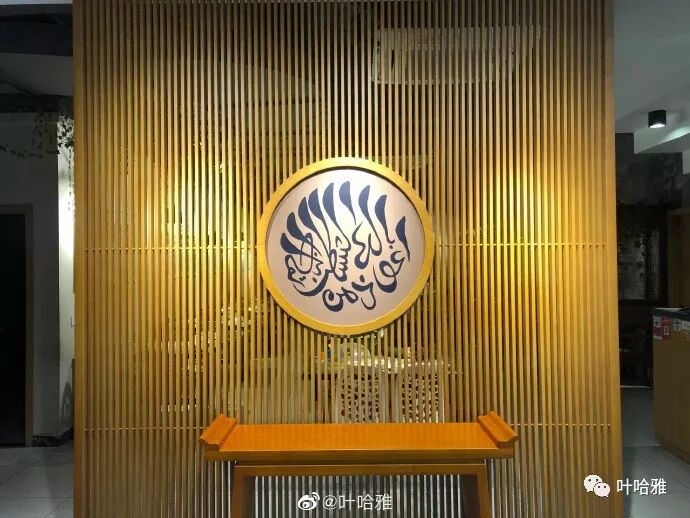
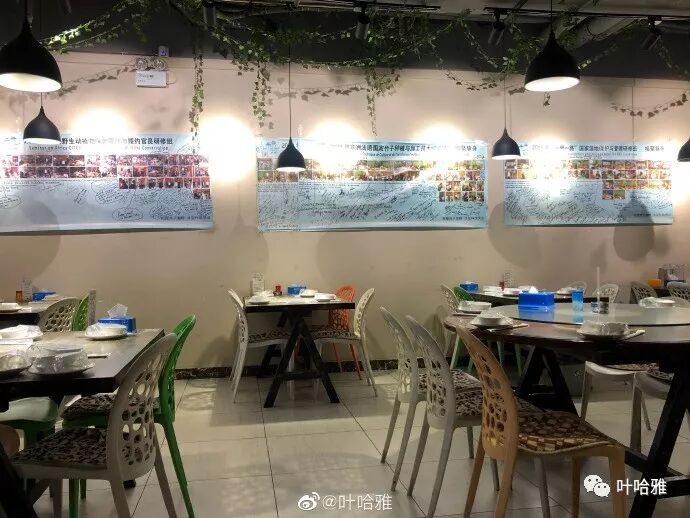
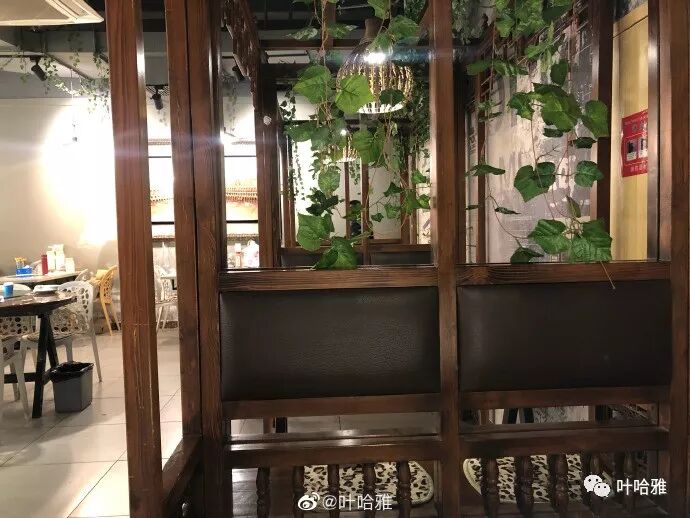
This store is located on the Wen 1st Road of Gaoxin Cultural and Educational District, far away from the West Lake. The store often receives African students, as you can tell by looking at the event photos on the wall.
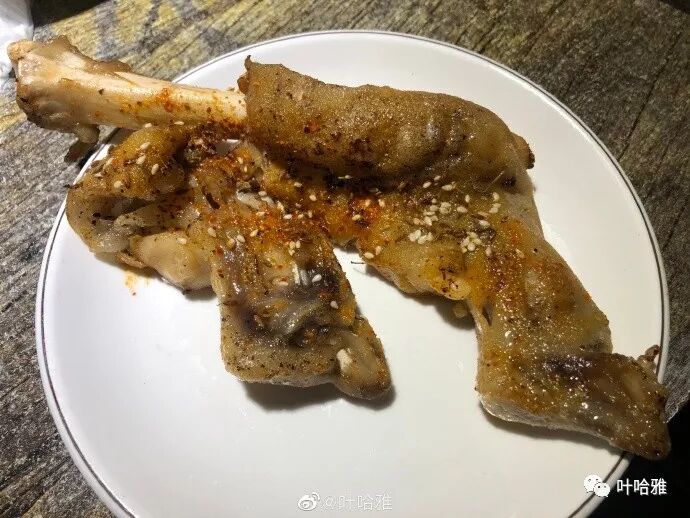
The roasted lamb trotters have received good reviews. Northeastern barbecue has never let me down.
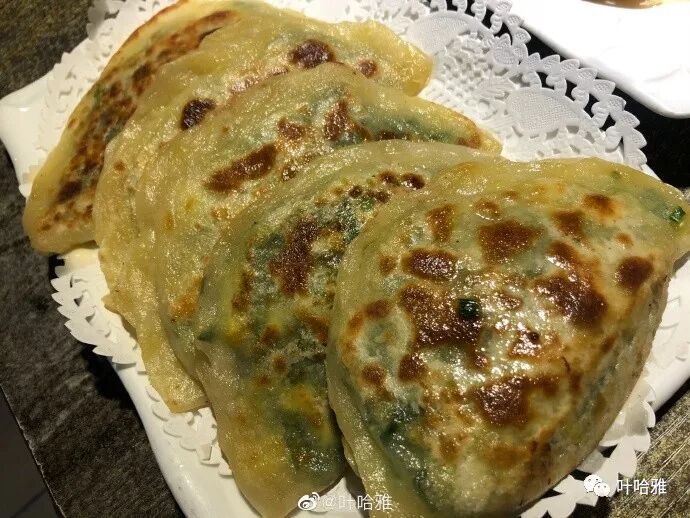
The leek box is also one of the more popular staple foods in the store.
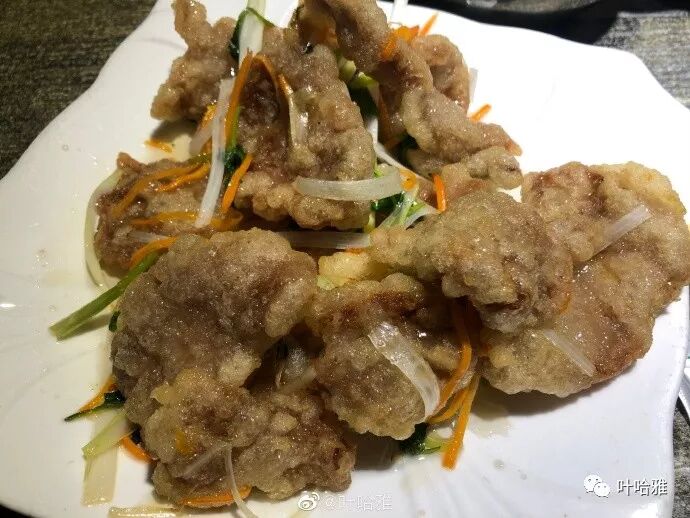
Guobaorou, a famous Northeastern dish, is made in almost every Northeastern restaurant. However, the meat slices in the Guobaorou here are too thin, making it unsatisfying and tastes sour and sweet.
5. Huaidian Wangpo prawns
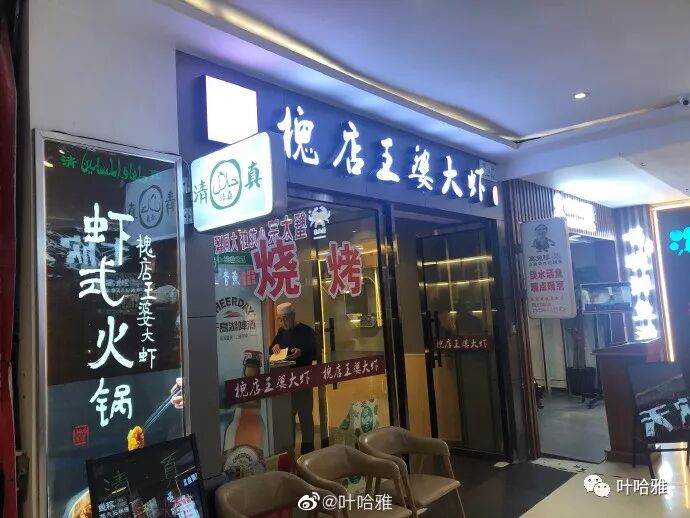
The owner of Huaidian Wangpo Prawns in Hangzhou is a Hui nationality in Sanmenxia, Henan. It is a chain brand with its head office in Huaidian Hui Town, Shenqiu, Zhoukou, Henan. The shrimp frying technique there has also been registered as an intangible cultural heritage.
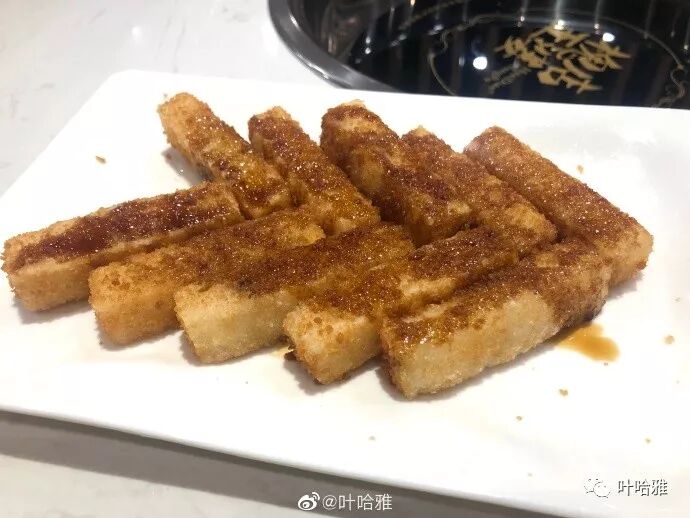
Brown sugar glutinous rice cake
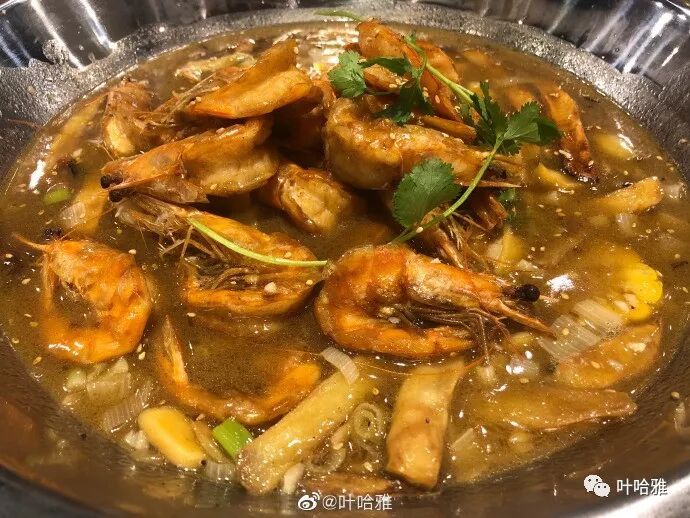
It is served in a small pot, and the amount is very sufficient. You can eat the shrimp directly and rinse the vegetables after eating.
6. Majia Shaomai·Xiaoshan Airport Store
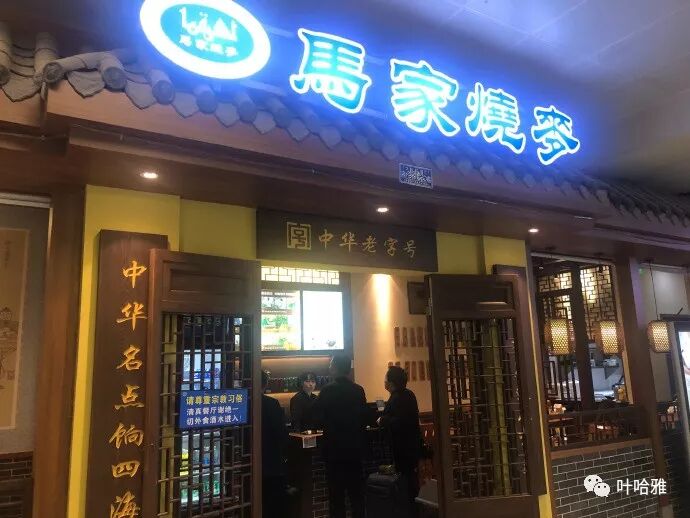
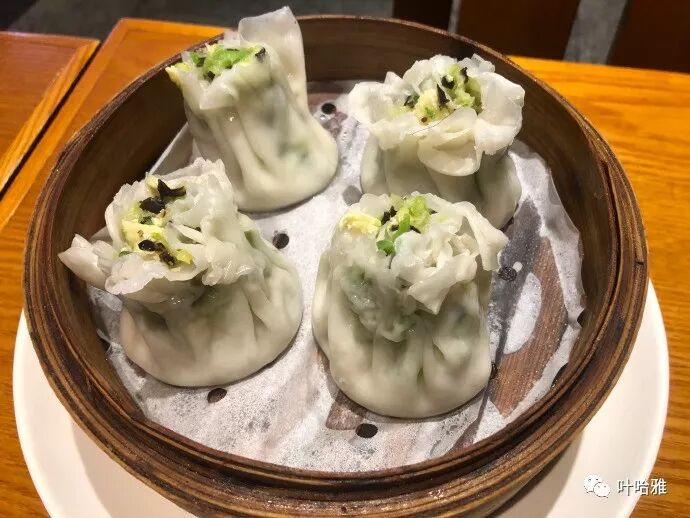
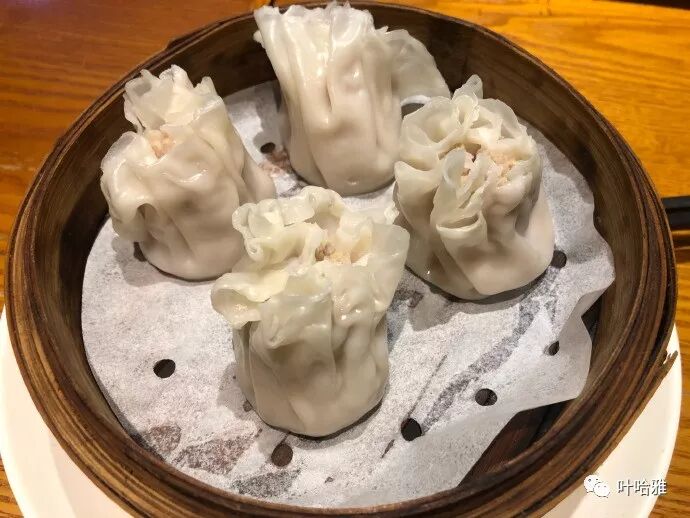
If you are flying from Hangzhou, you can go to Majia Shaomai near Gate 14 on the domestic arrivals floor of Xiaoshan International Airport. It tastes pretty good and is the same as the Majia Shaomai in Capital Airport T3. A set meal of 48 yuan includes two drawers of Shaomai, one meat and one vegetarian, and a bowl of beef offal soup.
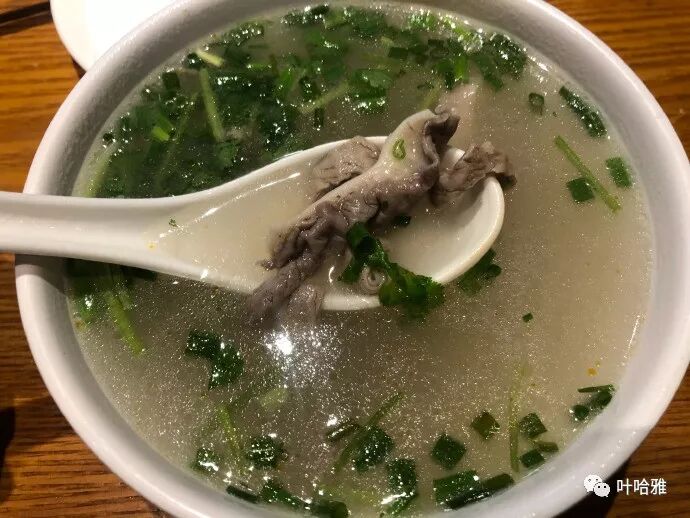
The above is the information on the more distinctive halal restaurants in Hangzhou. It should also be emphasized that some Xinjiang restaurants in Hangzhou are not halal. Although these restaurants do not sell large amounts of meat, the sources of ingredients are questionable. I know of Beijiang Restaurant and Seven Guests. More and more Xinjiang restaurants are opening now, but there are fewer and fewer halal restaurants. For example, the Quality Yili Xinjiang Restaurant in Beijing does not have halal certification, and according to their chef, they will add some halal things when grilling, so be careful when eating.
7. Phoenix Mosque
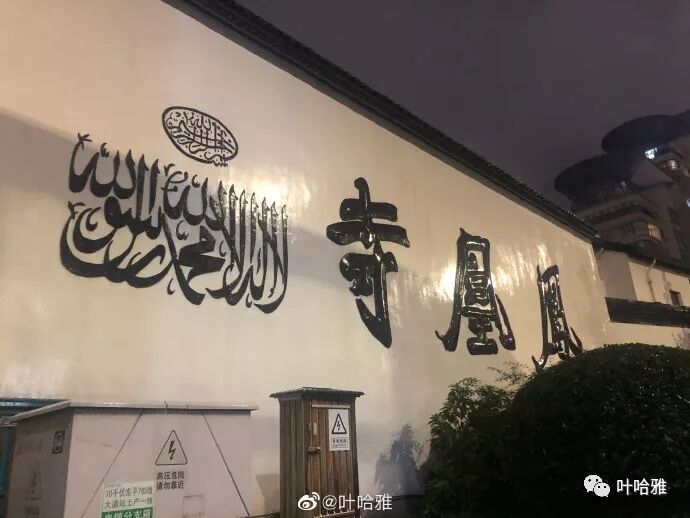
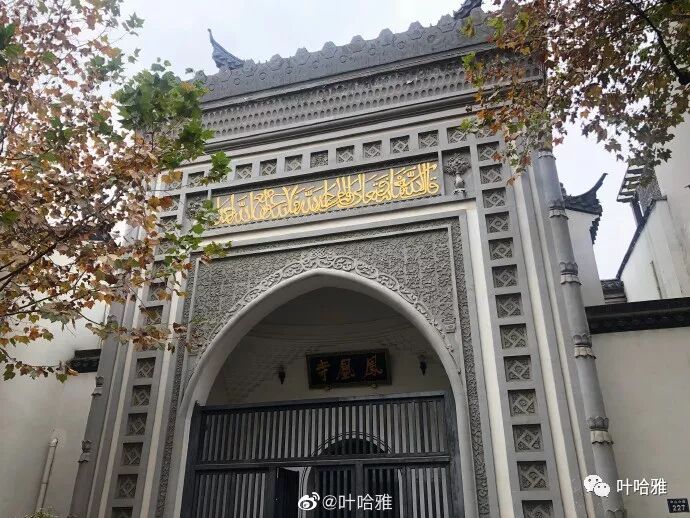
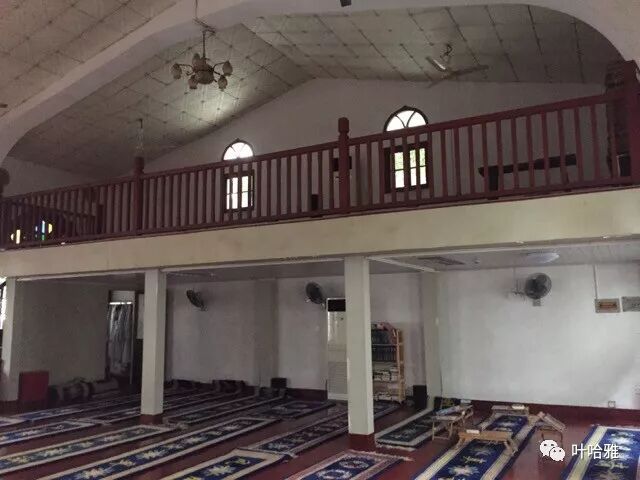
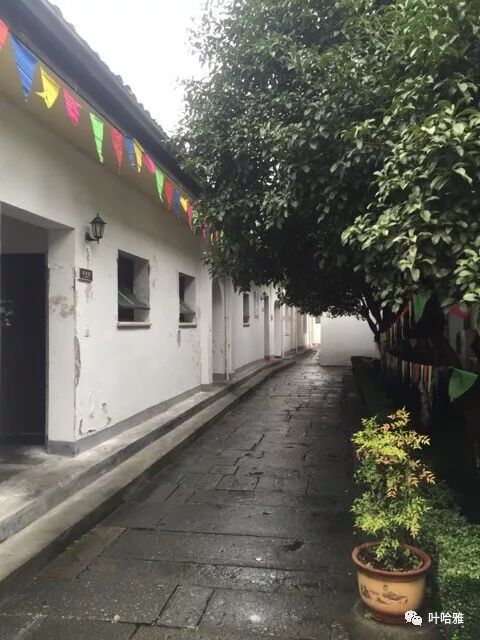
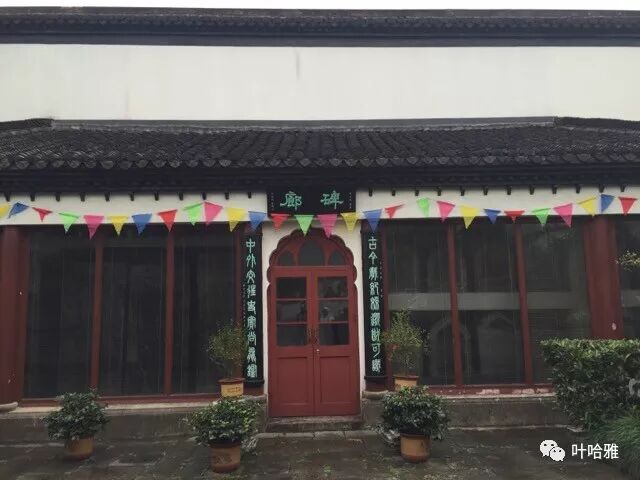
The location of Phoenix Mosque is very advantageous. It is the first ancient building at the north entrance of Nansong Royal Street, a famous pedestrian street in Hangzhou. There are currently two mosques in Hangzhou, and the other newly built one is called Hangzhou Mosque, located on Yunhe East Road, Jianggan District. To the northeast of Phoenix Mosque, there was a mosque called Huihui Worship Hall in history. The original site of Huihui Worship Hall was next to Huihui New Bridge. Now the mosque has been demolished, and only the place name "Huihui New Bridge" remains.
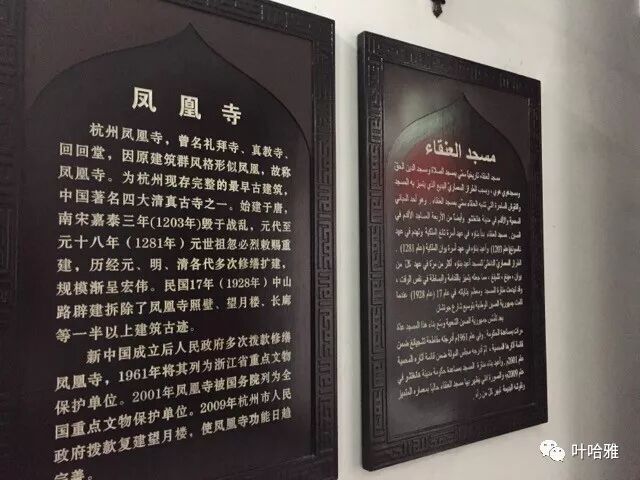
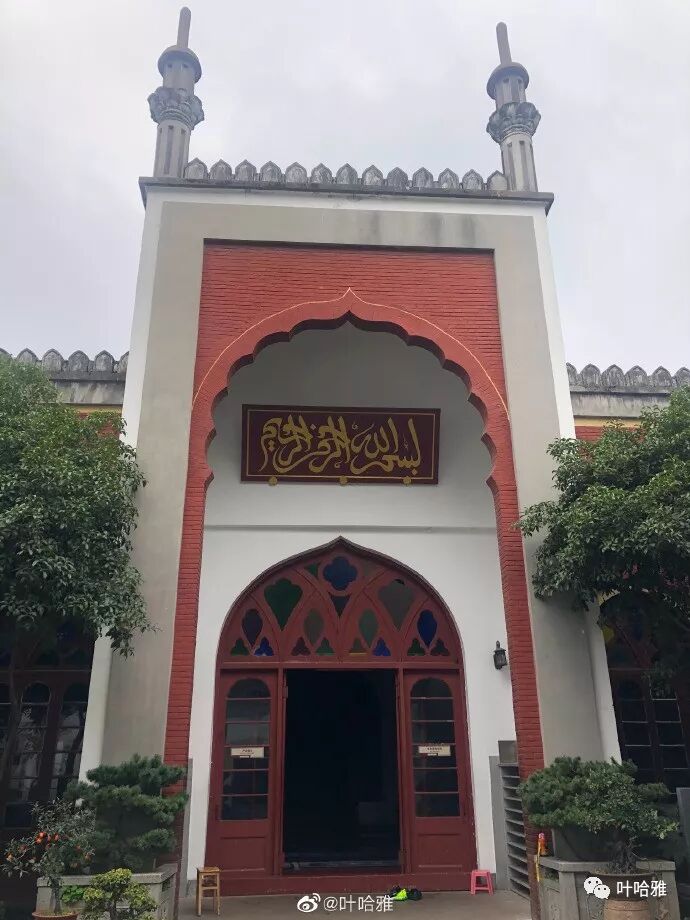
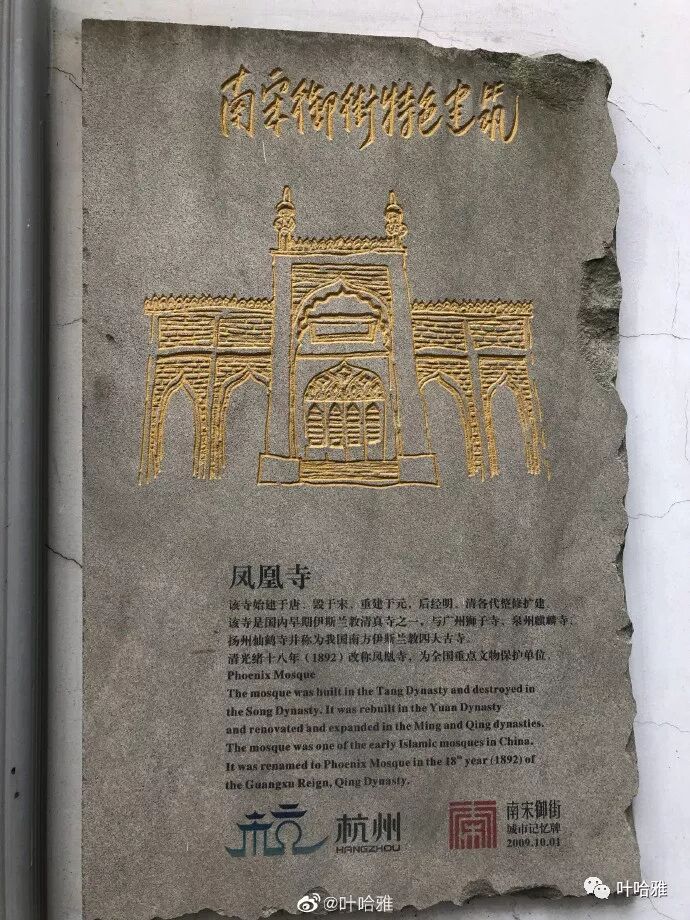
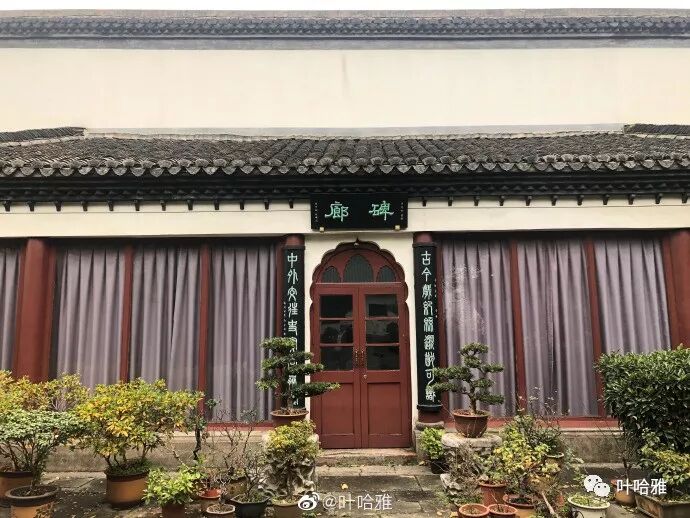
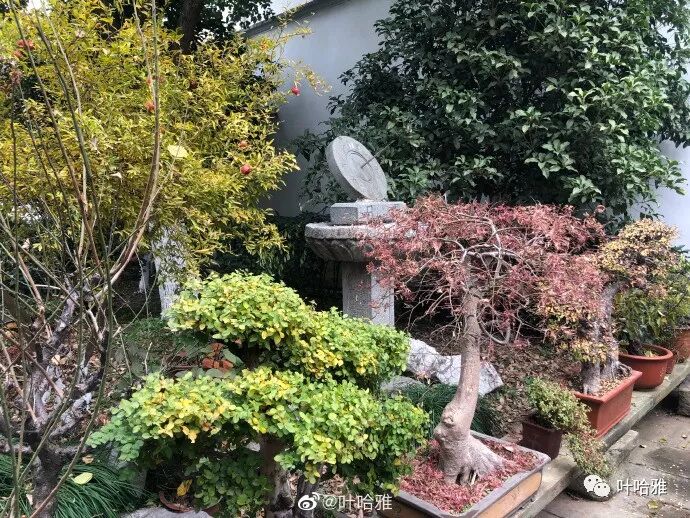
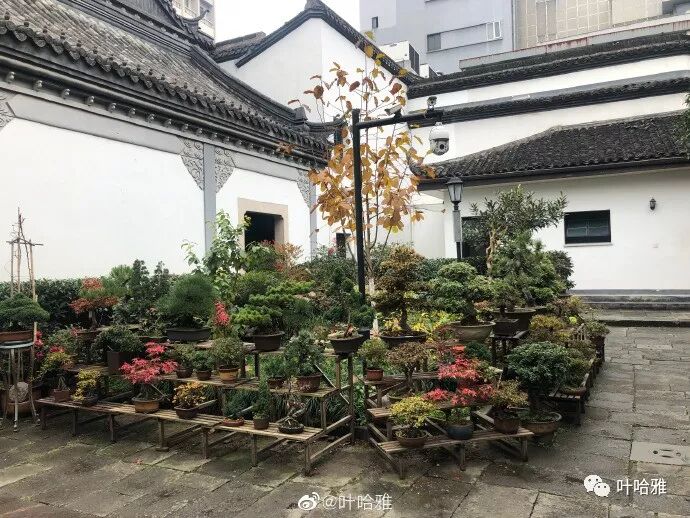
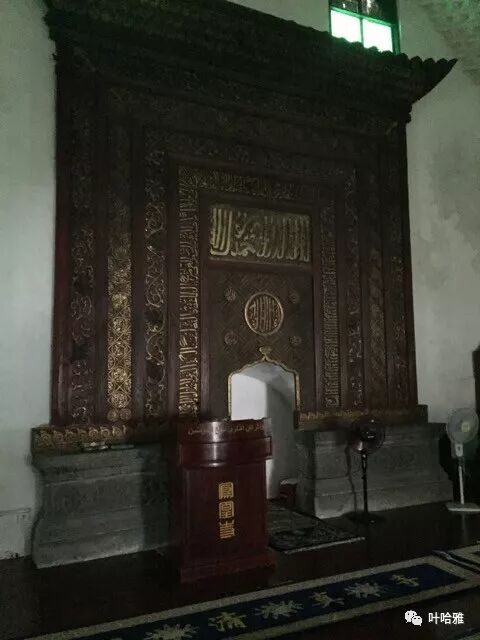
The back hall of Fenghuang Mosque is the essence of the mosque. It was built in the Yuan Dynasty and was built using the beamless hall technique and has a West Asian architectural style.
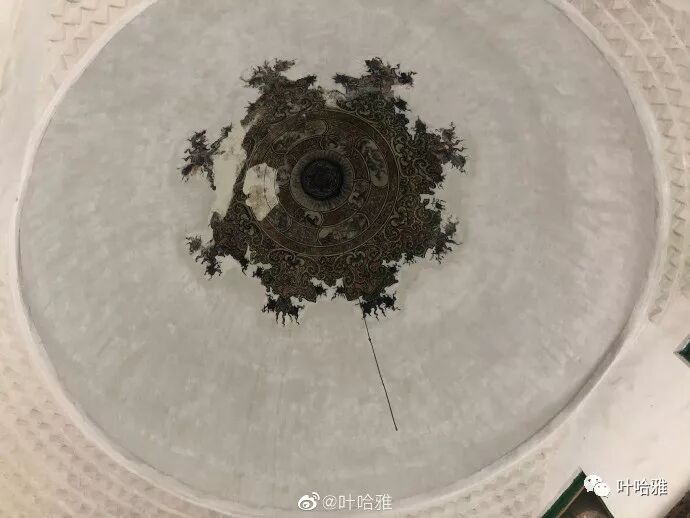
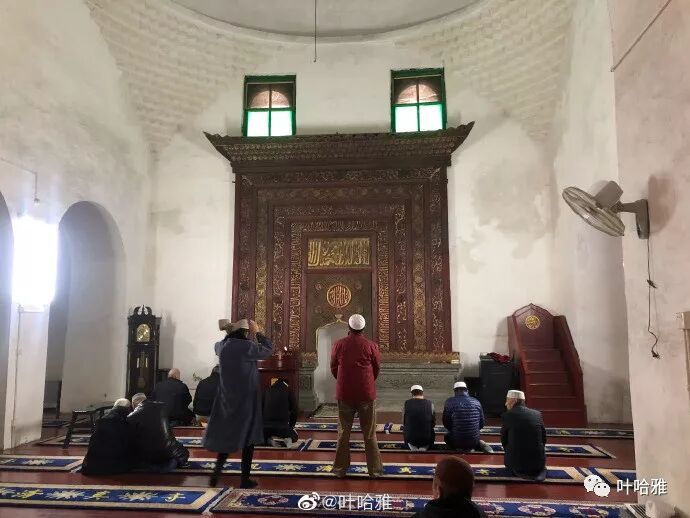
Phoenix Mosque is currently not open to tourists. It is only used for daily worship by Dosti. It is closed on Fridays. It is arranged to gather at the newly built Hangzhou Mosque for worship. Friends traveling to Hangzhou must pay attention to the time.
8. Tomb of Buhe Tiar, the sage of heaven
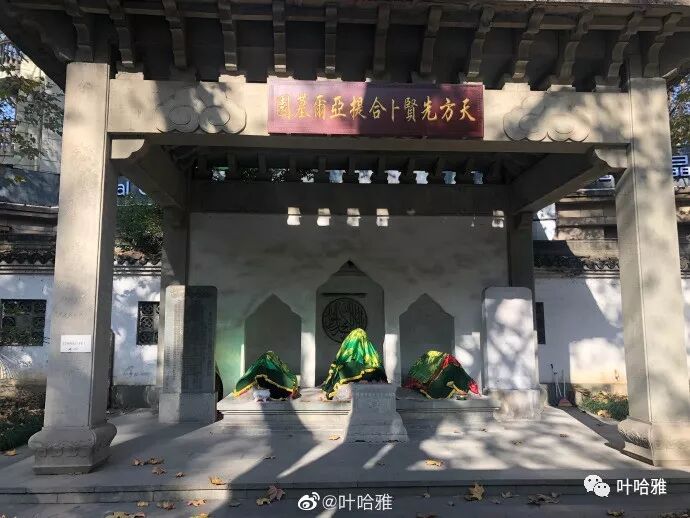
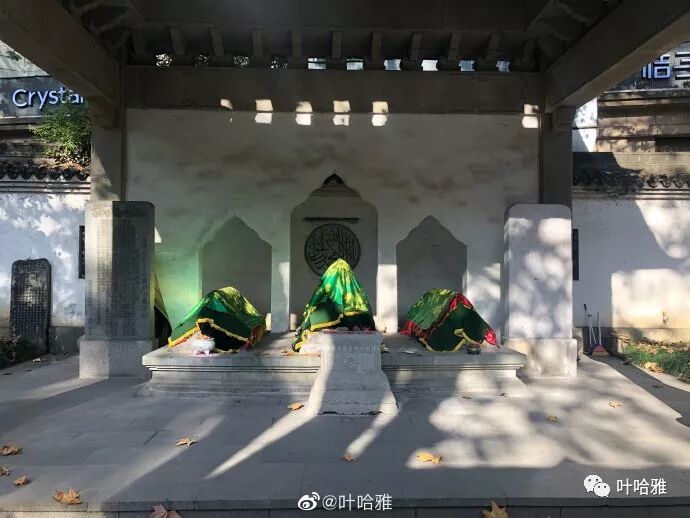
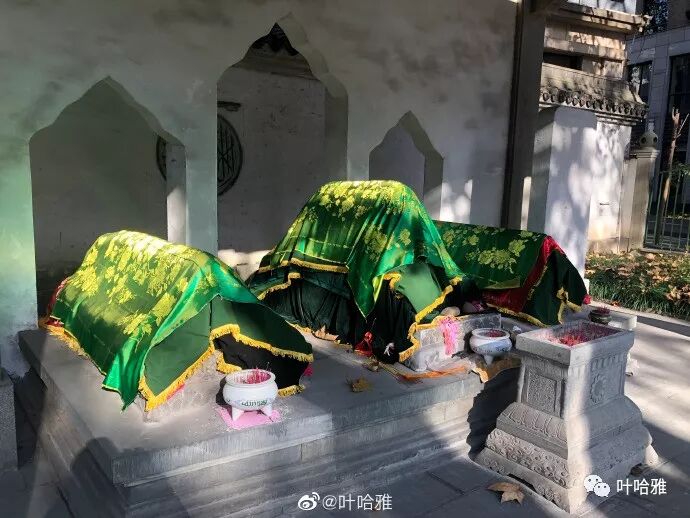
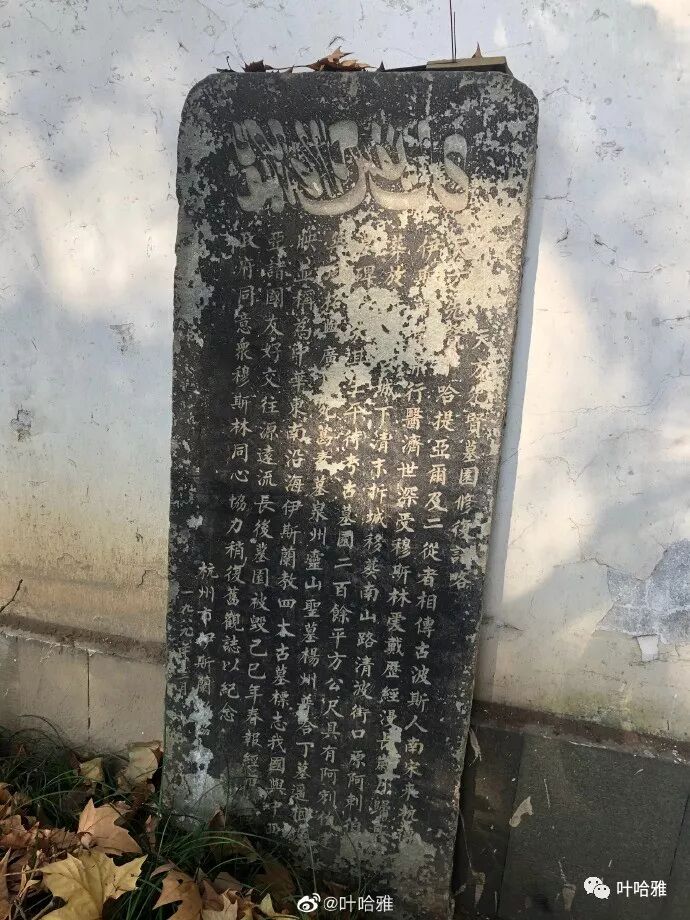
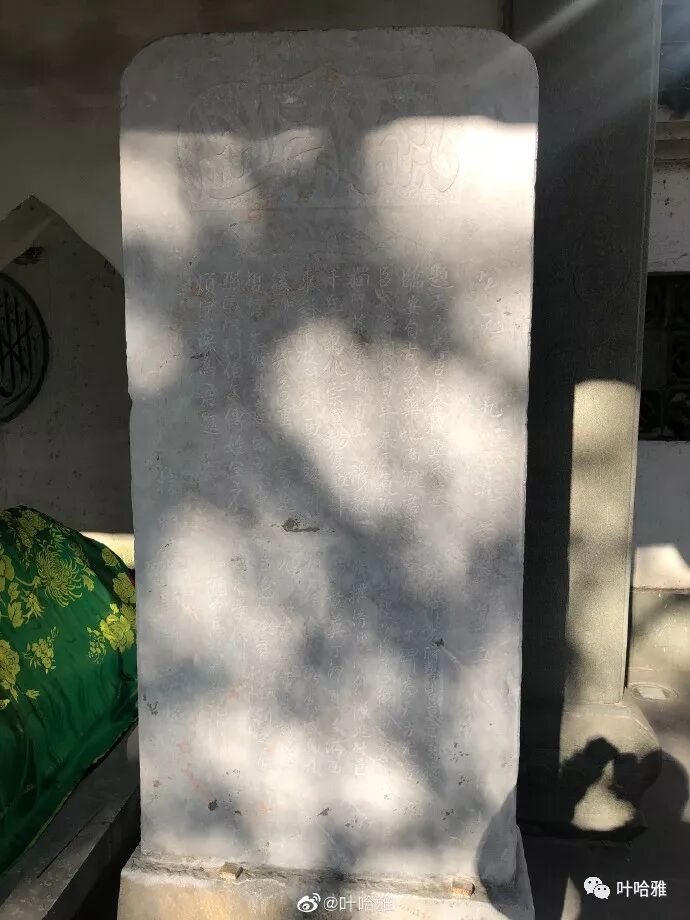
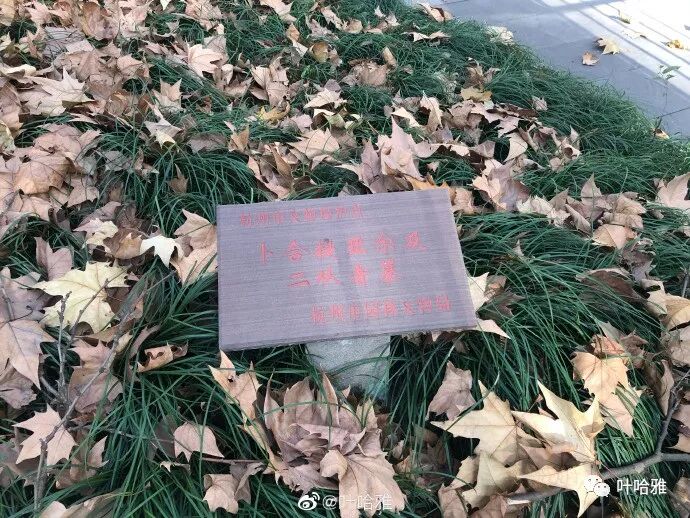
There are two ancient tombs on the edge of the West Lake in Hangzhou. One of them is that of a Persian named Bhotiyar. He came to China to practice medicine and preach in the Southern Song Dynasty. He returned to life here and his two followers were also buried with him.
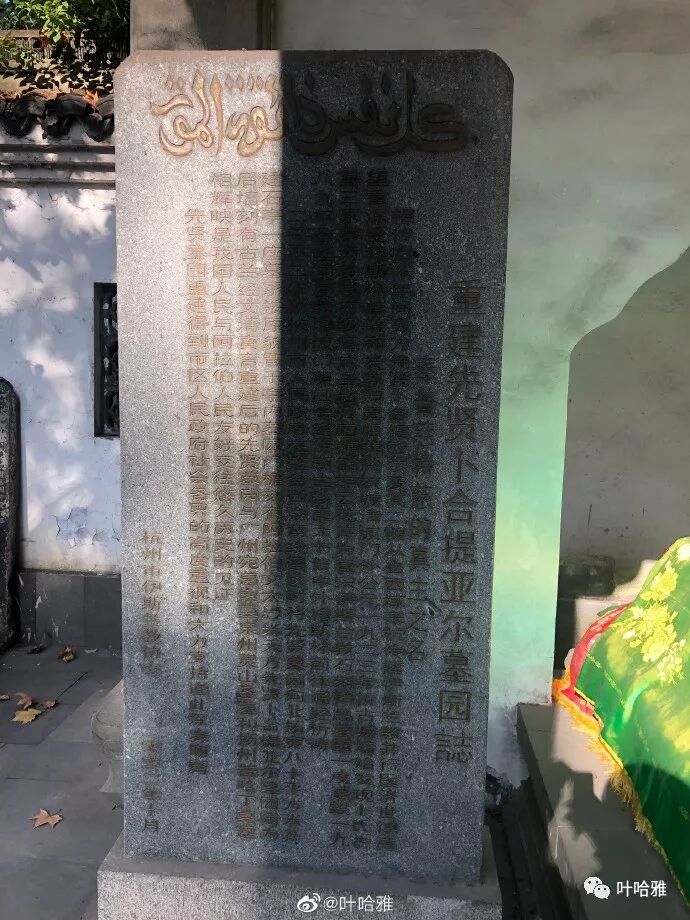
Bukhtiyar, whose full name is Emil Bukhtiyar Selonia Naronik, died in 1329 (the second year of the Yuan Dynasty). He was a native of Bukhara, located in present-day Uzbekistan. The epitaph records that his family had been officials for generations and had a prominent status.
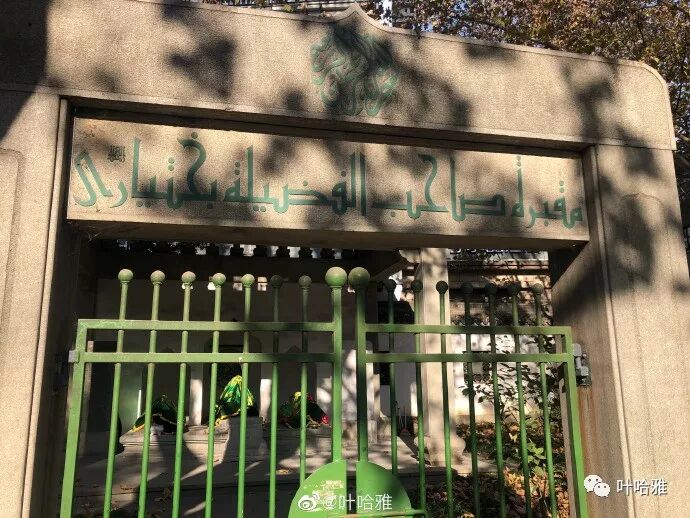
The cemetery is usually closed, but there is a contact number at the door. The administrator lives nearby and is not a Muslim. He will open the door soon.
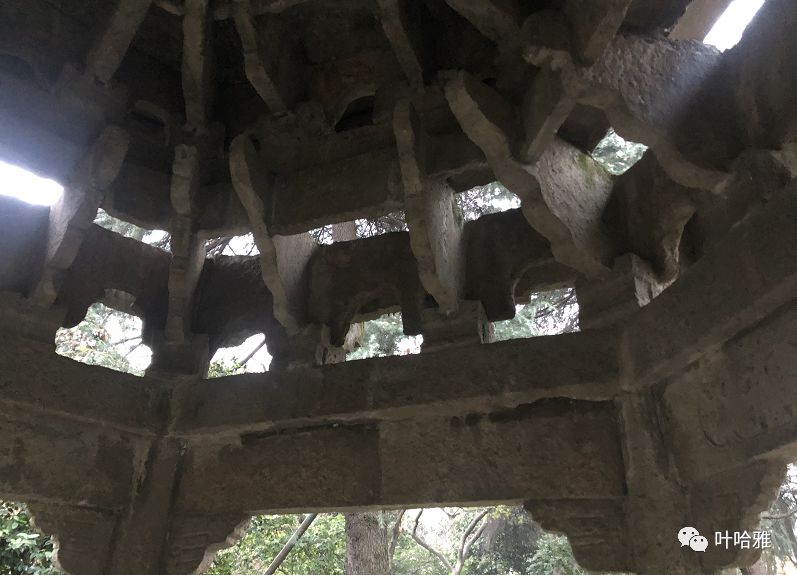
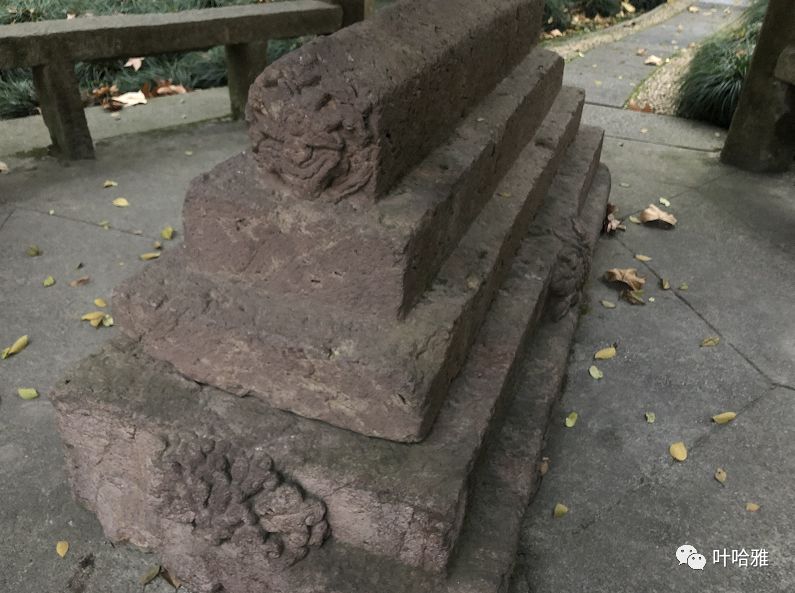
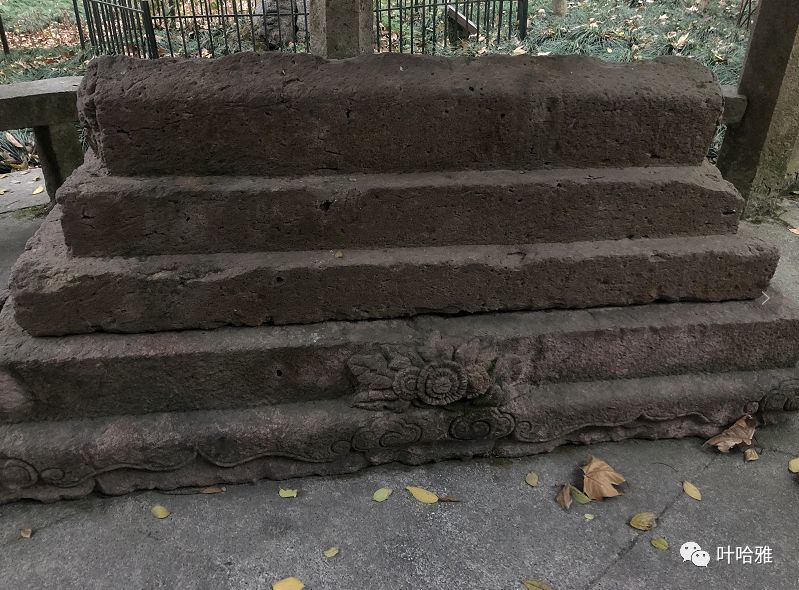
9. Ding Henian’s Tomb Pavilion
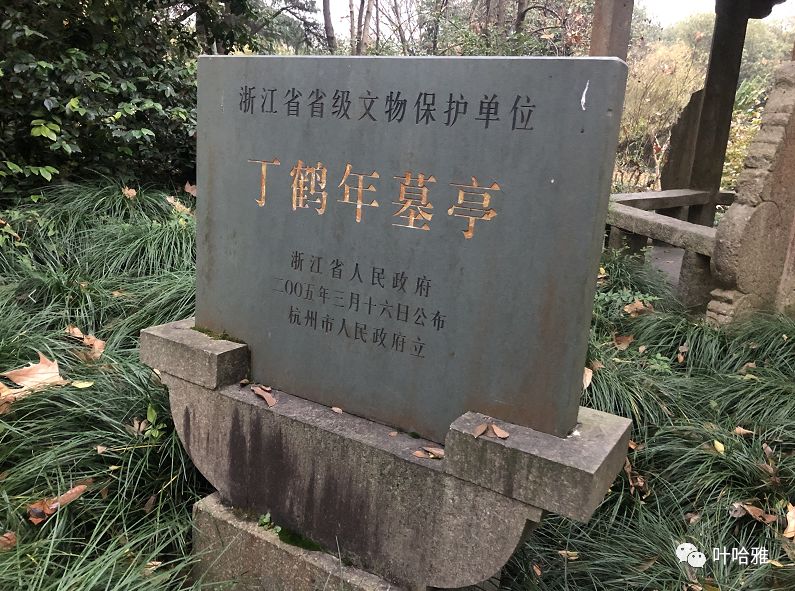
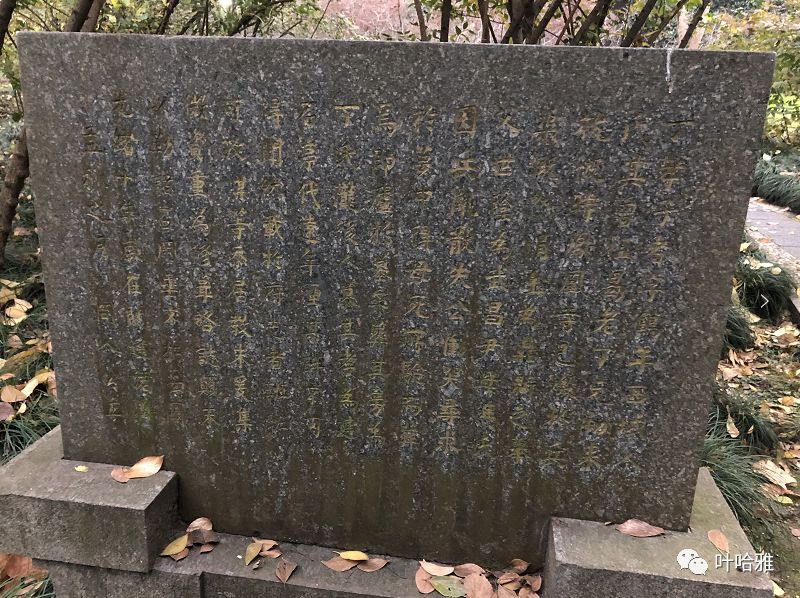
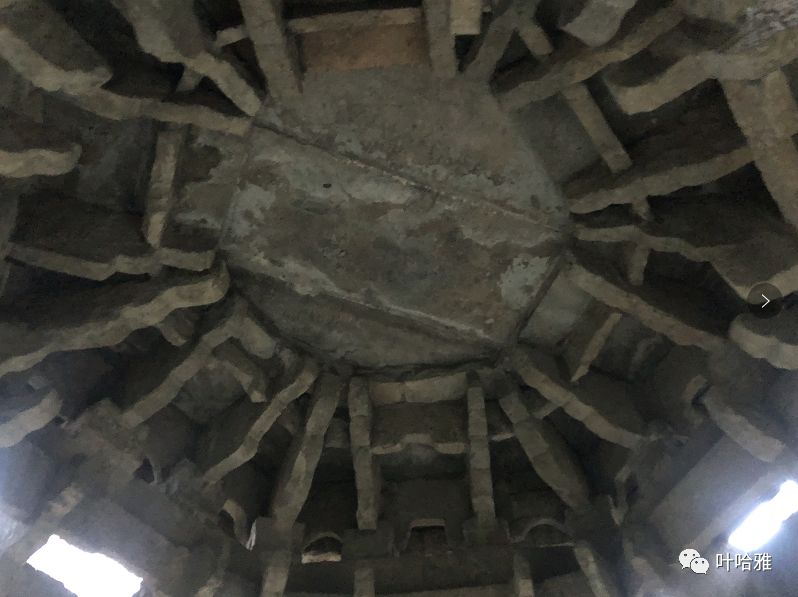
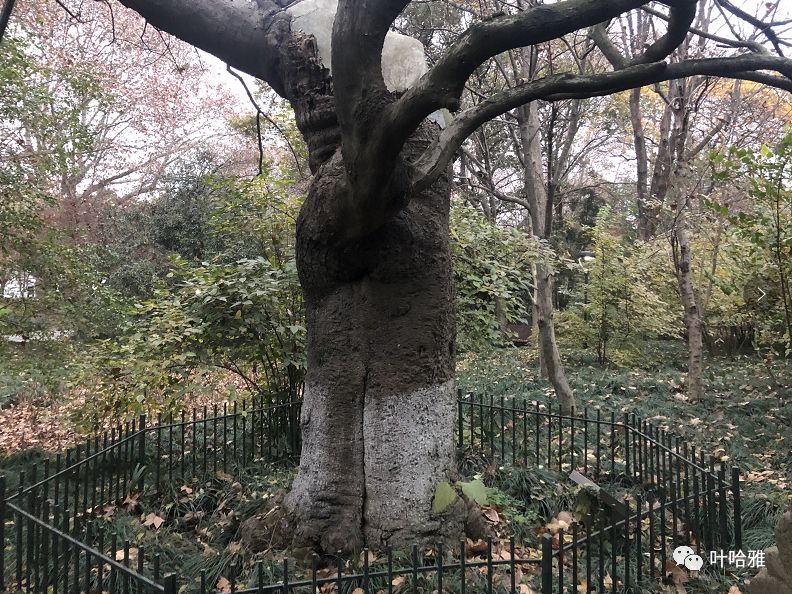
Another Huihui ancient tomb beside the West Lake is the tomb of Ding Henian. Ding Henian (1335-1424) was a very famous Huihui poet in the Yuan Dynasty and the founder of Heniantang Pharmacy in Beijing. Heniantang was founded in 1405-1408, more than 200 years earlier than Tongrentang, and even earlier than the Forbidden City and the Temple of Heaven.
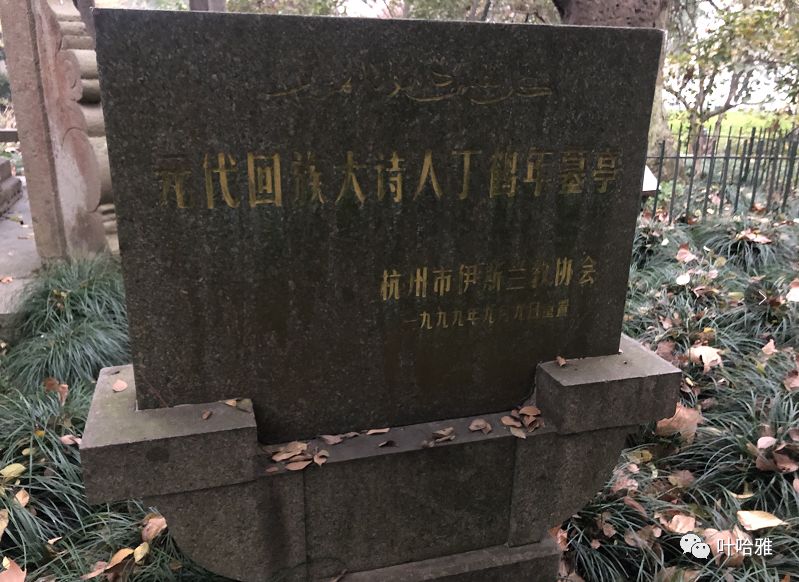
Ding Henian also came from a wealthy family and had been officials for generations. His father was Wuchang Daru Huachi. The Ding family had spent huge sums of money to support the founder of the Yuan Dynasty, so he was entrusted with important tasks. Ding He settled in Hangzhou in his later years and studied the teachings until his death at the age of 89.
Heniantang is located in Caishikou, Beijing, where beheadings were done in ancient times. According to legend, during the Ming and Qing Dynasties, before the execution, some family members of the prisoners bribed the executioner in advance and asked him to stuff the deceased with steamed buns when the head fell to the ground. This may be the origin of what Lu Xun said about "human blood steamed buns". He Niantang first provided human blood steamed buns, but they were not for eating. Later, it was said that human blood steamed buns can cure diseases, and people started to snatch them. He Niantang will also provide funds for the burial of prisoners who have no family members, which is of a charitable nature.
When I was a child, I heard an old man tell another legend about Heniantang. Someone knocked on the door in the middle of the night and asked for medicine for a knife wound. The clerk found out the next day that he was given a ghost coin, and then he realized that he had seen a ghost last night. Therefore, there is a saying in old Beijing: "Go to Heniantang to ask for medicine for a knife wound - death is imminent." If it is explained from the Islamic point of view, what the clerk saw may not be a ghost, but may be a nun...
Summary: Muslim Friendly Hangzhou: Historic Mosques, Halal Food and Local Travel Guide is presented here as a clear English travel account for Muslim readers, beginning with this scene: I have been to Hangzhou many times. This city in the south of the Yangtze River has left a very good impression on me. The citizens are polite and courteous, the girls are nice to talk to, and the vehicles. The article keeps the original place names, food details, photographs, and cultural context while focusing on Hangzhou Mosques, Halal Food, Muslim Travel.
I have been to Hangzhou many times. This city in the south of the Yangtze River has left a very good impression on me. The citizens are polite and courteous, the girls are nice to talk to, and the vehicles will actively yield to pedestrians. This has only been experienced abroad before. Hangzhou is the first city in China to implement "cars to let people". As early as 2010, Hangzhou included "cars to let people" into traffic regulations for mandatory promotion. Vehicles that violate the rules will be deducted 3 points and fined 100 yuan.
As a pedestrian, of course I feel that this measure is very popular with me, but after listening to the complaints from several drivers in Hangzhou, I realized that the force is not sweet. The drivers believe that some pedestrians are unscrupulous when crossing the road because they are protected by traffic regulations. They lower their heads, play with their mobile phones, and cross the road slowly, making passing vehicles angry and afraid to speak. In fact, the improvement of quality should be from the inside out. Vehicles should give way to pedestrians out of courtesy, and pedestrians should also express their gratitude. This is a naturally civilized behavior. If it is forced to give way, it seems that the quality has been rapidly improved, but it is unwilling to do so. Instead, it will lead to resentment. Once there is no supervision, it will immediately return to its original shape.
None of the above is the reason why I like Hangzhou the most. What attracts me most about Hangzhou is that it has the Phoenix Mosque, one of the four ancient mosques in the south of the Yangtze River, a mosque that can be traced back to the Yuan Dynasty, and several ancient tombs of Hui sages close to the West Lake. These extremely precious ancient cultural relics silently record the glorious history of Islam in Hangzhou.
1. Halal snacks
The name of this shop is "Halal Snacks". Halal Snacks have been operating in Hangzhou for at least 7 years. It is located at the back door of the Phoenix Mosque. The owner is a local Hui in Hangzhou, and I heard from the village elders in the mosque that he has a good religious background. The shop is non-smoking and alcohol-free. It specializes in various Jiangnan specialty snacks and some northwest delicacies, because most of the shop staff are from the northwest, and the waitresses also wear headscarves.
The beef fried buns in Hangzhou are relatively large and have thick skin, and are not as small as the fried buns in Henan and Shandong.
I recommend trying the steamed beef dumplings, which are more delicate than the fried dumplings.
Casserole comes in many flavors and tastes good.
Beef vermicelli soup, this is closer to Nanjing’s beef vermicelli soup.
The mutton siomai is my favorite snack in this store. It has a nice shape and the meat is fresh and tender. It should be the mutton purchased from the northwest.
2. Northwest people
If you want to eat authentic Halal Hangzhou cuisine, I recommend you to go to Northwest Restaurant by the West Lake. Although it is owned by Northwest, this restaurant opened in Hangzhou in 1992. It has been deeply rooted in Hangzhou for more than 20 years, and the Hangzhou cuisine they make is really delicious.
West Lake Fish in Vinegar is a famous dish in Hangzhou, and it is quite satisfying to be able to eat the halal version next to the West Lake.
West Lake Beef Soup is one of the must-try dishes in Hangzhou. Although I have had it in restaurants in Beijing since I was a child, when I drink it in Hangzhou, it feels thicker.
Blanched chicken is also one of the common dishes in the south. The chicken in the south is more delicious than the chicken in the north.
Fruit shrimp
3. Gulanxuan
Gulanxuan is a halal Northeastern restaurant in Hangzhou. The owner is a Hui from Qiqihar. The store is relatively large and specializes in Northeastern-style stir-fries, hot pot, and seafood. It ranks first in Northeastern cuisine in Jianggan District on Dianping.com.
When eating shredded sweet potatoes, the shreds will come out. Dip them in the water on the side. The shreds will break. Eat them while they are hot.
Braised beef, with pancakes wrapped around various side dishes like roast duck, very fragrant.
Sticky bean buns are a Northeastern home-cooked snack that is always mentioned by actors in Northeastern film and television dramas.
4. Maizhou·Yilongxuan
This restaurant is also a Northeastern restaurant opened by the Hui Muslims of Qiqihar. After asking, I found out that this restaurant is related to Gulanxuan.
This store is located on the Wen 1st Road of Gaoxin Cultural and Educational District, far away from the West Lake. The store often receives African students, as you can tell by looking at the event photos on the wall.
The roasted lamb trotters have received good reviews. Northeastern barbecue has never let me down.
The leek box is also one of the more popular staple foods in the store.
Guobaorou, a famous Northeastern dish, is made in almost every Northeastern restaurant. However, the meat slices in the Guobaorou here are too thin, making it unsatisfying and tastes sour and sweet.
5. Huaidian Wangpo prawns
The owner of Huaidian Wangpo Prawns in Hangzhou is a Hui nationality in Sanmenxia, Henan. It is a chain brand with its head office in Huaidian Hui Town, Shenqiu, Zhoukou, Henan. The shrimp frying technique there has also been registered as an intangible cultural heritage.
Brown sugar glutinous rice cake
It is served in a small pot, and the amount is very sufficient. You can eat the shrimp directly and rinse the vegetables after eating.
6. Majia Shaomai·Xiaoshan Airport Store
If you are flying from Hangzhou, you can go to Majia Shaomai near Gate 14 on the domestic arrivals floor of Xiaoshan International Airport. It tastes pretty good and is the same as the Majia Shaomai in Capital Airport T3. A set meal of 48 yuan includes two drawers of Shaomai, one meat and one vegetarian, and a bowl of beef offal soup.
The above is the information on the more distinctive halal restaurants in Hangzhou. It should also be emphasized that some Xinjiang restaurants in Hangzhou are not halal. Although these restaurants do not sell large amounts of meat, the sources of ingredients are questionable. I know of Beijiang Restaurant and Seven Guests. More and more Xinjiang restaurants are opening now, but there are fewer and fewer halal restaurants. For example, the Quality Yili Xinjiang Restaurant in Beijing does not have halal certification, and according to their chef, they will add some halal things when grilling, so be careful when eating.
7. Phoenix Mosque
The location of Phoenix Mosque is very advantageous. It is the first ancient building at the north entrance of Nansong Royal Street, a famous pedestrian street in Hangzhou. There are currently two mosques in Hangzhou, and the other newly built one is called Hangzhou Mosque, located on Yunhe East Road, Jianggan District. To the northeast of Phoenix Mosque, there was a mosque called Huihui Worship Hall in history. The original site of Huihui Worship Hall was next to Huihui New Bridge. Now the mosque has been demolished, and only the place name "Huihui New Bridge" remains.
The back hall of Fenghuang Mosque is the essence of the mosque. It was built in the Yuan Dynasty and was built using the beamless hall technique and has a West Asian architectural style.
Phoenix Mosque is currently not open to tourists. It is only used for daily worship by Dosti. It is closed on Fridays. It is arranged to gather at the newly built Hangzhou Mosque for worship. Friends traveling to Hangzhou must pay attention to the time.
8. Tomb of Buhe Tiar, the sage of heaven
There are two ancient tombs on the edge of the West Lake in Hangzhou. One of them is that of a Persian named Bhotiyar. He came to China to practice medicine and preach in the Southern Song Dynasty. He returned to life here and his two followers were also buried with him.
Bukhtiyar, whose full name is Emil Bukhtiyar Selonia Naronik, died in 1329 (the second year of the Yuan Dynasty). He was a native of Bukhara, located in present-day Uzbekistan. The epitaph records that his family had been officials for generations and had a prominent status.
The cemetery is usually closed, but there is a contact number at the door. The administrator lives nearby and is not a Muslim. He will open the door soon.
9. Ding Henian’s Tomb Pavilion
Another Huihui ancient tomb beside the West Lake is the tomb of Ding Henian. Ding Henian (1335-1424) was a very famous Huihui poet in the Yuan Dynasty and the founder of Heniantang Pharmacy in Beijing. Heniantang was founded in 1405-1408, more than 200 years earlier than Tongrentang, and even earlier than the Forbidden City and the Temple of Heaven.
Ding Henian also came from a wealthy family and had been officials for generations. His father was Wuchang Daru Huachi. The Ding family had spent huge sums of money to support the founder of the Yuan Dynasty, so he was entrusted with important tasks. Ding He settled in Hangzhou in his later years and studied the teachings until his death at the age of 89.
Heniantang is located in Caishikou, Beijing, where beheadings were done in ancient times. According to legend, during the Ming and Qing Dynasties, before the execution, some family members of the prisoners bribed the executioner in advance and asked him to stuff the deceased with steamed buns when the head fell to the ground. This may be the origin of what Lu Xun said about "human blood steamed buns". He Niantang first provided human blood steamed buns, but they were not for eating. Later, it was said that human blood steamed buns can cure diseases, and people started to snatch them. He Niantang will also provide funds for the burial of prisoners who have no family members, which is of a charitable nature.
When I was a child, I heard an old man tell another legend about Heniantang. Someone knocked on the door in the middle of the night and asked for medicine for a knife wound. The clerk found out the next day that he was given a ghost coin, and then he realized that he had seen a ghost last night. Therefore, there is a saying in old Beijing: "Go to Heniantang to ask for medicine for a knife wound - death is imminent." If it is explained from the Islamic point of view, what the clerk saw may not be a ghost, but may be a nun...
