
Muslim Friendly Yunnan: Ruili Mosque, Myanmar Muslims and Real Halal Street Food
Reposted from the web
Summary: Muslim Friendly Yunnan: Ruili Mosque, Myanmar Muslims and Real Halal Street Food is presented here as a clear English travel account for Muslim readers, beginning with this scene: Ruili is a small border town on the border between Yunnan and Myanmar, but it is the largest inland port and jewelry trading center in southwest my country. Most people here are engaged in jade and other. The article keeps the original place names, food details, photographs, and cultural context while focusing on Ruili Mosque, Myanmar Muslims, Halal Street.
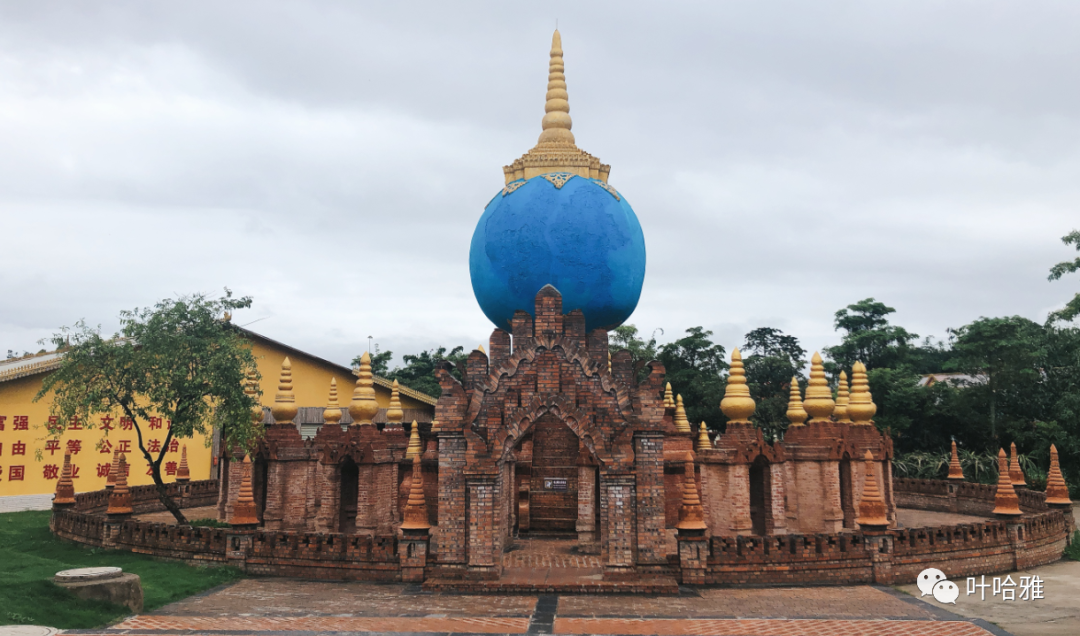
Ruili is a small border town on the border between Yunnan and Myanmar, but it is the largest inland port and jewelry trading center in southwest my country. Most people here are engaged in jade and other jewelry trading activities. It is the only border trade zone in China that implements special management according to the "internal customs and external customs" model. The so-called internal and external customs means that within the territory of our country, the customs has set up a special area, and the incoming and outgoing goods are equivalent to imports and exports.
Although buying things in the duty-free shops in Ruili is much cheaper than in the mainland airport duty-free shops, buying jade is also cheap, and even gas is a few yuan cheaper than in the mainland, but these are not what attract me. What interests me is that there are many Burmese Muslims living here, including Rohingyas.
Because Ruili is located on the border of Yunnan, the most preferred way to start from Kunming is by plane. The flight time is one hour. The round-trip air ticket from Kunming to Ruili is about 500 yuan, which is about the same as the price I paid to fly from Kunming to Xishuangbanna a few years ago.
From Kunming to Ruili, you can only choose to fly from Kunming to Mangshi Airport first. Mangshi is the capital of Dehong Dai and Jingpo Autonomous Prefecture in Yunnan Province. It is about an hour's drive from Ruili. There is a taxi from the airport to Ruili, and the price is 70 yuan per person.
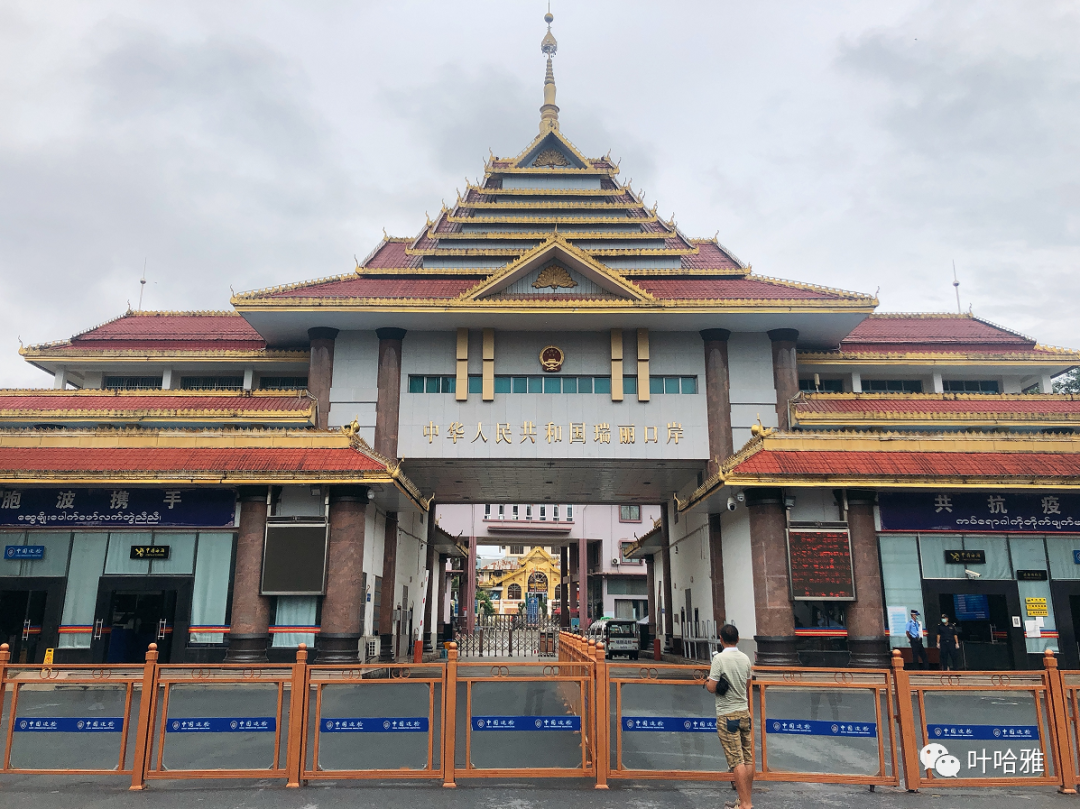
China Ruili Port
Due to the impact of the epidemic, the three ports in Ruili have been temporarily closed. Passing through here is Myanmar, which is usually busy and bustling with traffic.
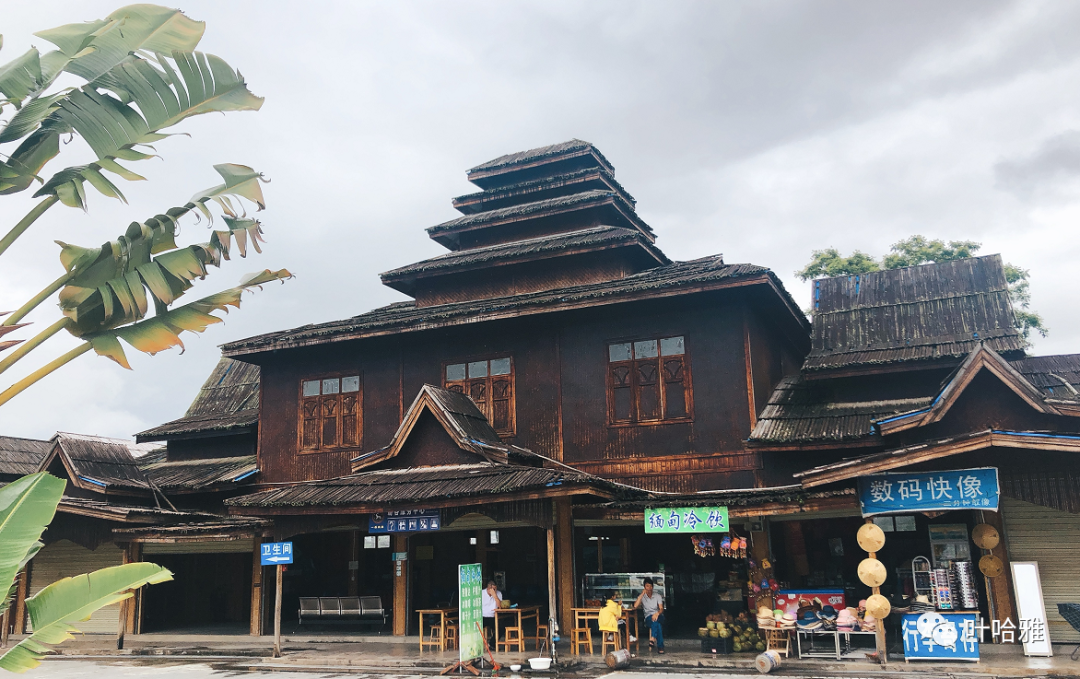
The people's lifestyle in Ruili's private houses is very similar to that in Myanmar. Some people are Burmese, but they have settled in Ruili for a long time, and it is difficult to tell them apart from the appearance.
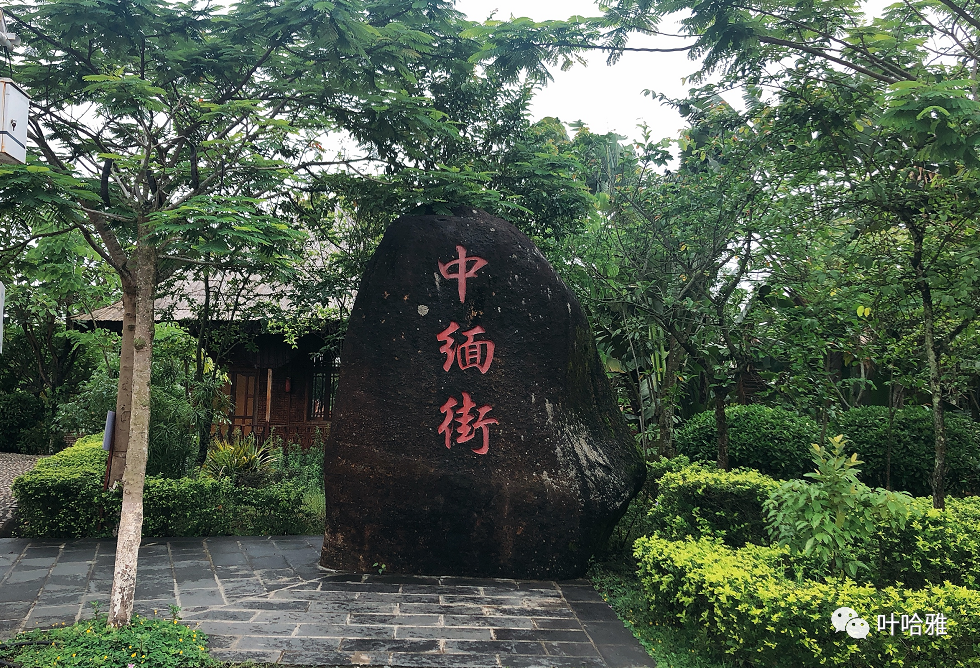
Main Street
There is a famous scenic spot in Ruili called Yizhai Liangguang. It is close to Myanmar. Many streets are divided into two with a guardrail in the middle. You can see the life of the Burmese people on the opposite side.
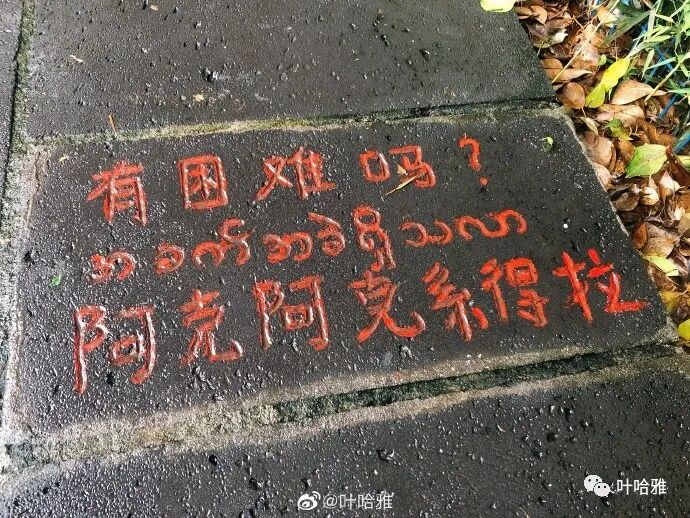
Chinese and Burmese translation
The stone slabs paved on the road are engraved with some common translations between Burmese and Chinese.
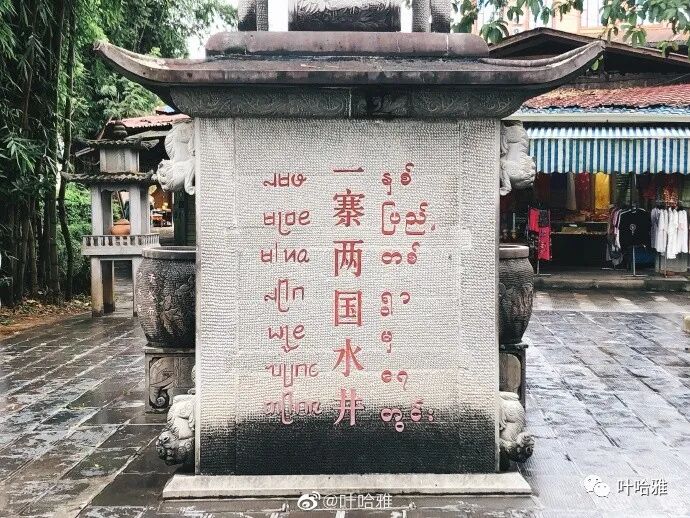
Two wells in one village
The other end of this well leads to Myanmar, and the Burmese people on the opposite side can use long poles to draw water from this well.
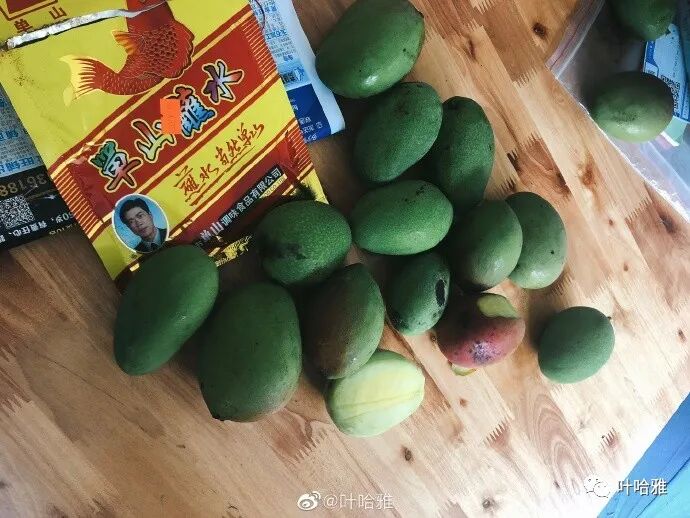
One of the local snacks is raw mango. This kind of mango is not yet ripe and tastes sour and tastes like eating green apple. Ruili people eat raw mango dipped in condiments such as chili pepper.
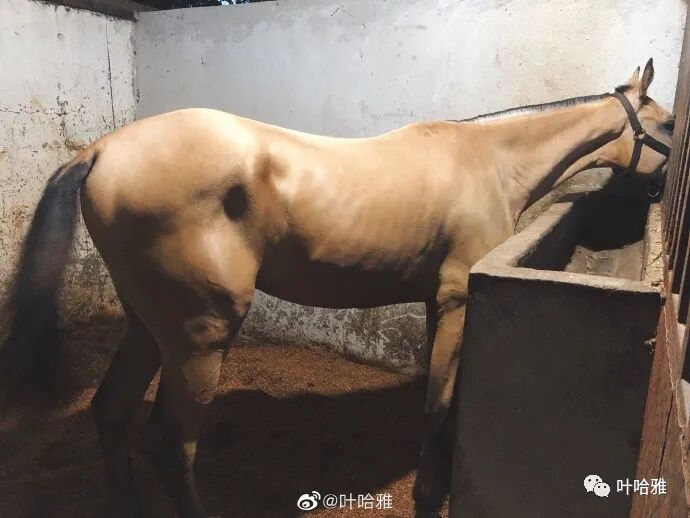
Bloody BMW
I met a young man from Inner Mongolia who raised horses in the mountains of Ruili. He raised horses purely because he loved horses. He sold all his belongings and came to Ruili to settle down with his two beloved BMWs because of the good water and grass here. I heard him say that sweat-blooded BMWs are not called sweat-blooded BMWs because they sweat red, but because they have made great contributions to their owners in history and paid a bloody price, so they are called sweat-blooded BMWs.
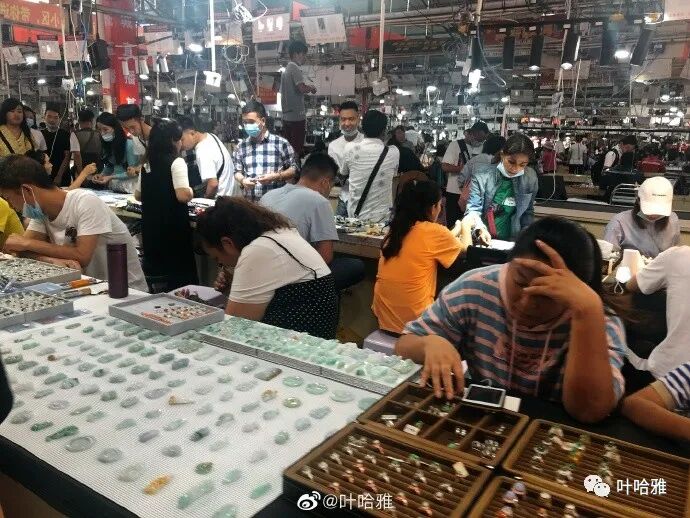
Delong Jewelry Trading City
Ruili’s jewelry trading market is considered the largest in the southwest. It mainly sells jade jewelry and the prices are unimaginably low. Almost every stall sells goods live on Douyin. Before the epidemic, it was possible to make a lot of money every day. However, due to the epidemic, the China-Myanmar port has been closed, and business has been difficult recently.
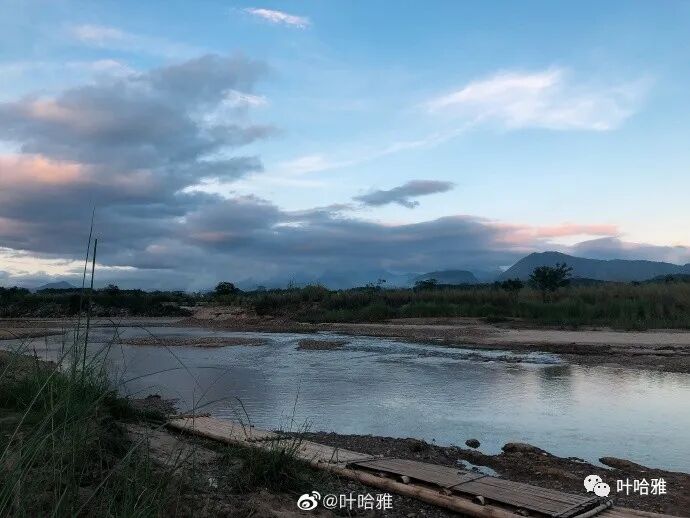
Ruili’s Maldives
There is a place in Ruili called the Maldives. When I arrived, I saw this river. There were many people picnicking on the bank. I don’t know why they called it the Maldives, but People say this is a place where locals often go on vacation.
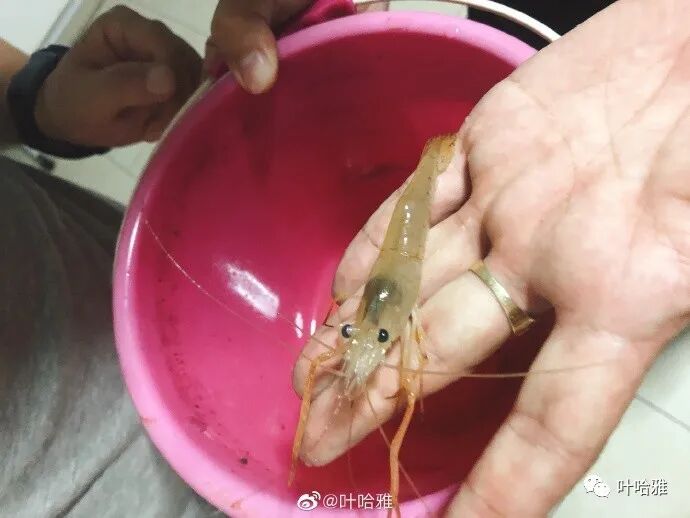
The shrimps caught in the river are quite big, and there are swarms of fish and shrimps in the river here.
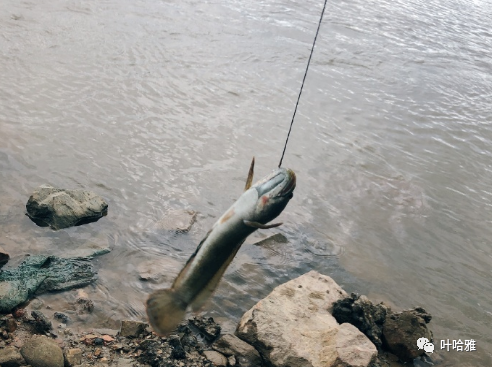
Fish caught in the river.
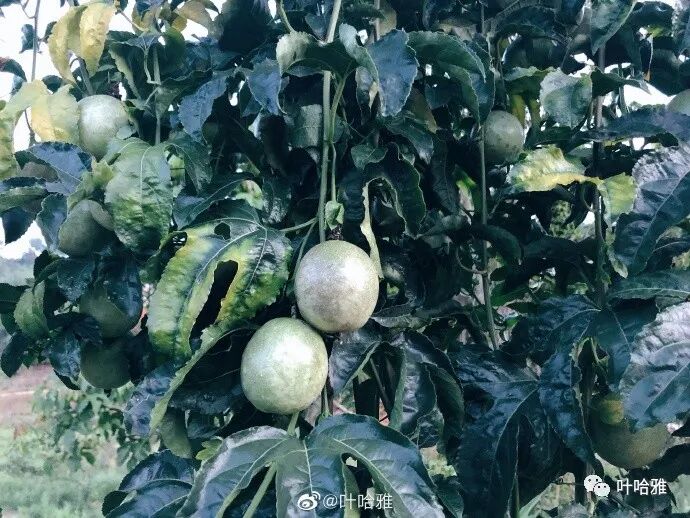
passion fruit tree
The first time I saw fresh passion fruit on the roadside, I thought it was a tomato from a distance. When the green fruit was opened, there were yellow seeds inside, which tasted sour.
The fireflies I caught in the garden at night emitted very bright light, so I released them immediately after recording the video.
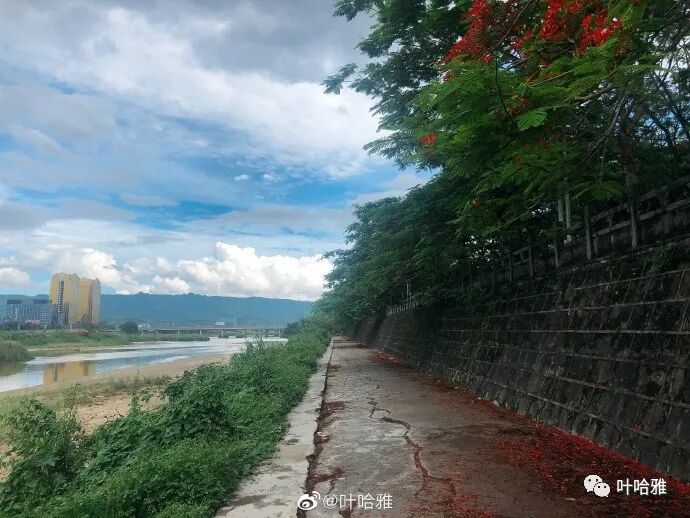
Take a walk on the bank of the border river between China and Myanmar. Myanmar is on the other side of the river, and there are guards guarding the bank.
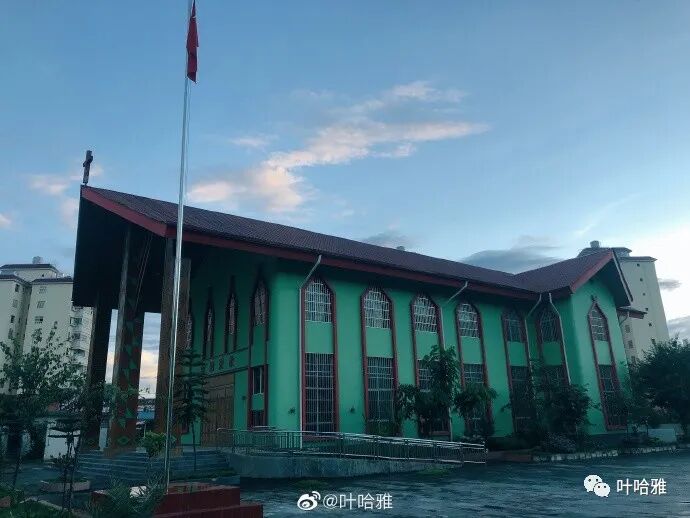
Ruili Christian Church
Ruili Christian Church is not far from the new site of the current mosque.
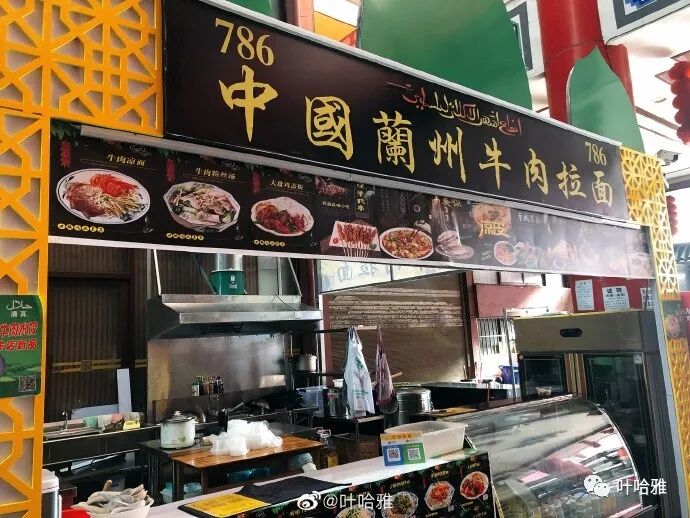
Ramen restaurant with 786 logo
South Asian Muslims habitually use 786 to express the meaning of halal. It comes from the sentence (بسم الله الرحمن الرحيم) 'bismillāh al-Raḥmān al-Raḥīm in the name of Allah, the most merciful and merciful'. According to the Arabic counting method, each letter represents a number. The numbers represented by all the letters in this sentence add up to 786.
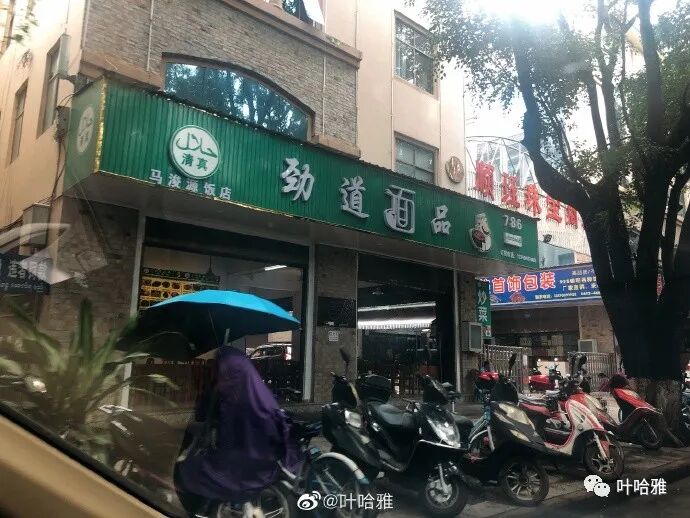
786’s strong noodles
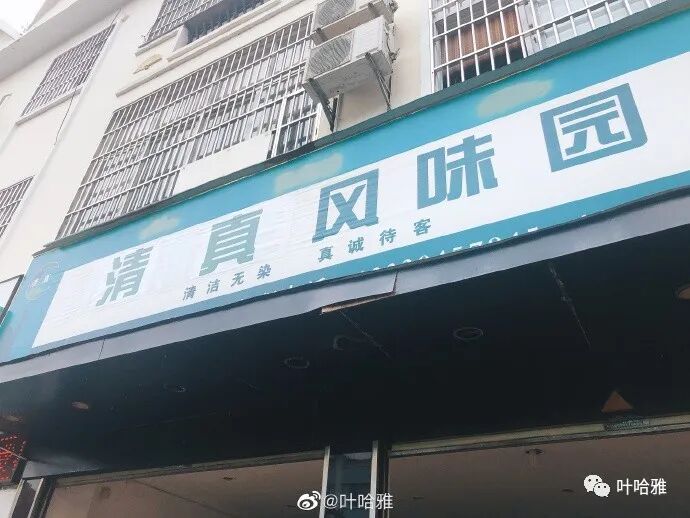
Halal flavor garden
This is the first restaurant I ate at when I arrived in Ruili in the morning. It is a non-alcoholic rice noodle shop located on Ruijiang Road.
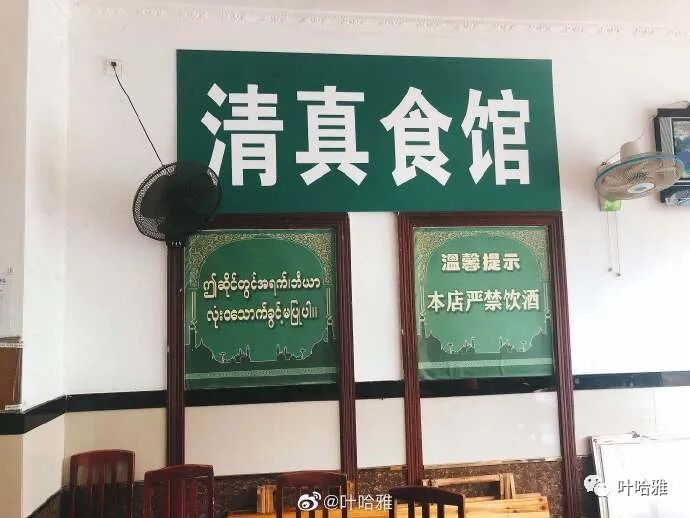
The highlight is the Burmese prompts in the store, which immediately made me feel the fun of the border.
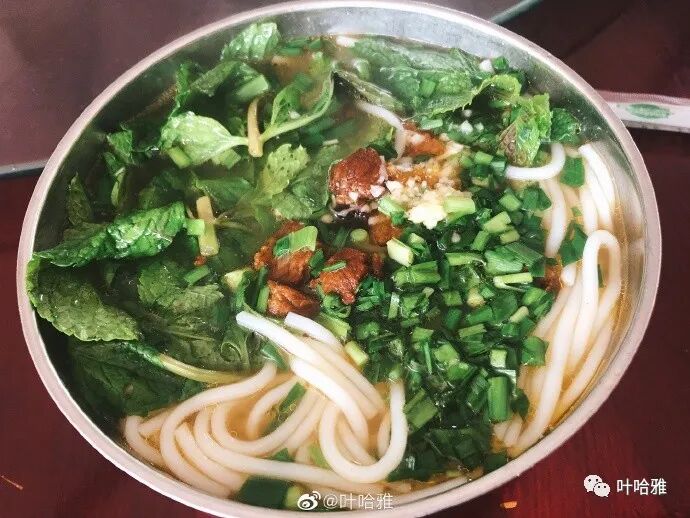
I really like eating fragrant vegetables like mint, so I grabbed a lot of them and put them in rice noodles.
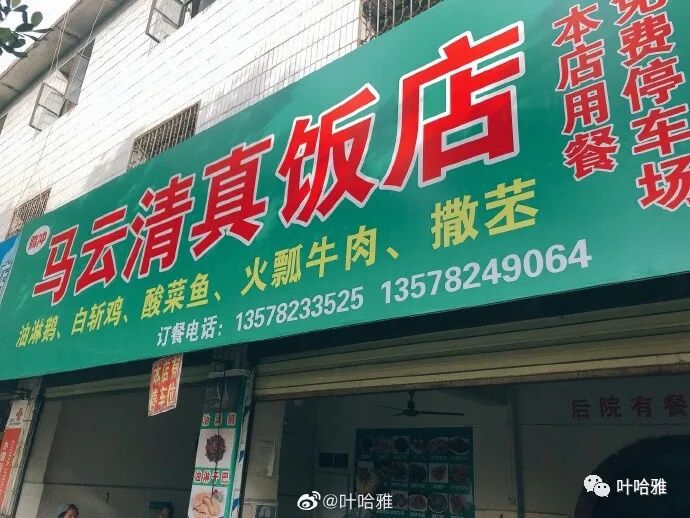
Ma Yun Muslim Hotel
It's not a restaurant opened by Ma in Hangzhou, but a restaurant with Yunnan specialties opened by Ma in Yunnan.
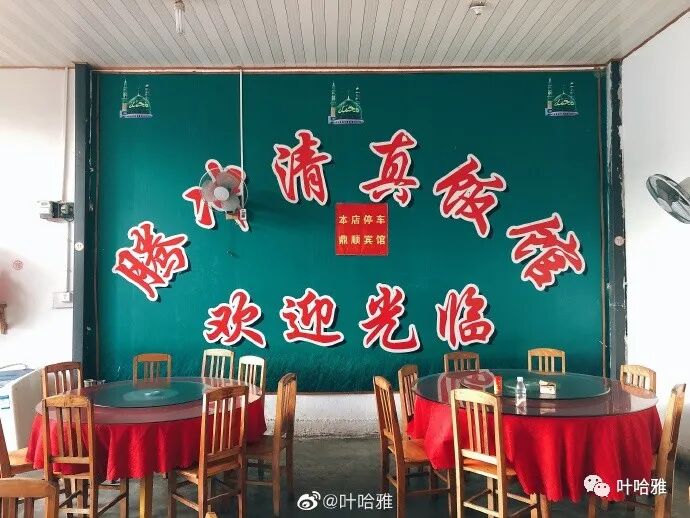
It says Ma Yun Halal Restaurant on the outside, but the sign inside is still Tengchong Halal Restaurant. Tengchong is also a place name in Yunnan, a tourist city with pleasant scenery. The restaurant is located on Ruihong Road.
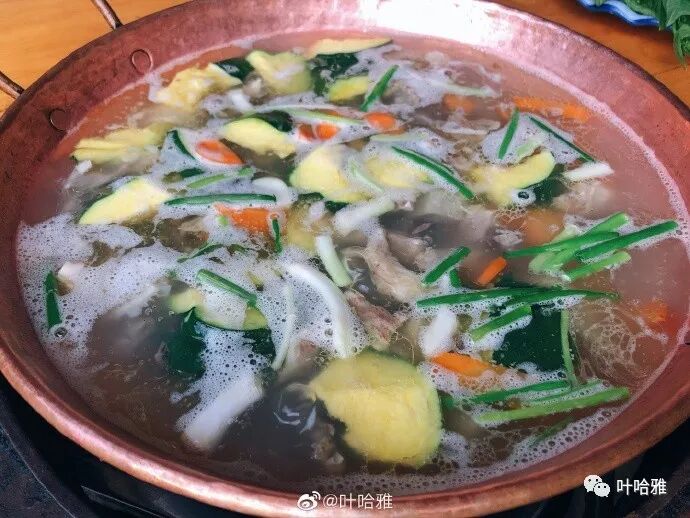
Copper Ladle Beef
I came here to eat the Tonglao Beef. I have known about the Tonglao Hotpot, one of Yunnan's special delicacies, since I was in Beijing. After eating it this time, I was very satisfied. You can choose the amount of beef and it can be paired with many fresh vegetables and fungi.
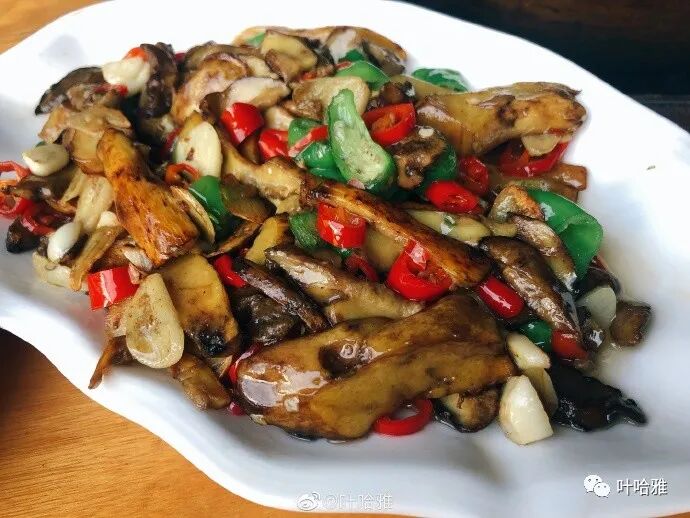
This season in Yunnan is when a large number of fungi are on the market, with many varieties and delicious tastes.
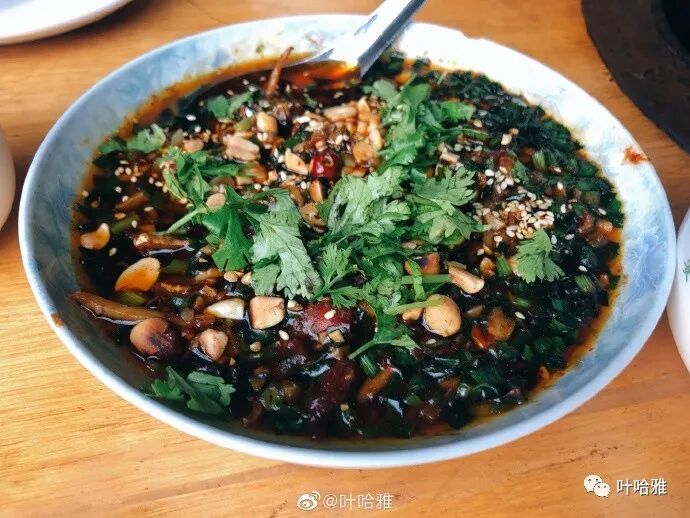
A dipping sauce for copper ladle hot pot.
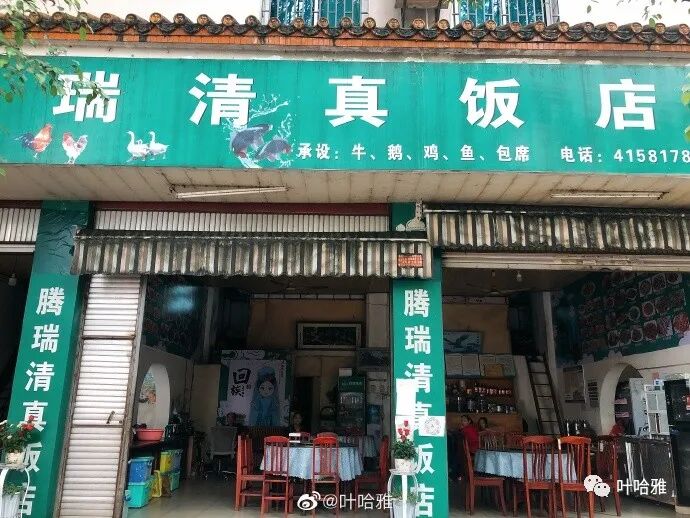
Tengrui Muslim Hotel
As soon as you look at the name, you can tell that it is a restaurant opened by the Muslims from Tengchong in Ruili, because there are very few Muslims in Ruili, and most of the residents here have immigrated from surrounding areas.
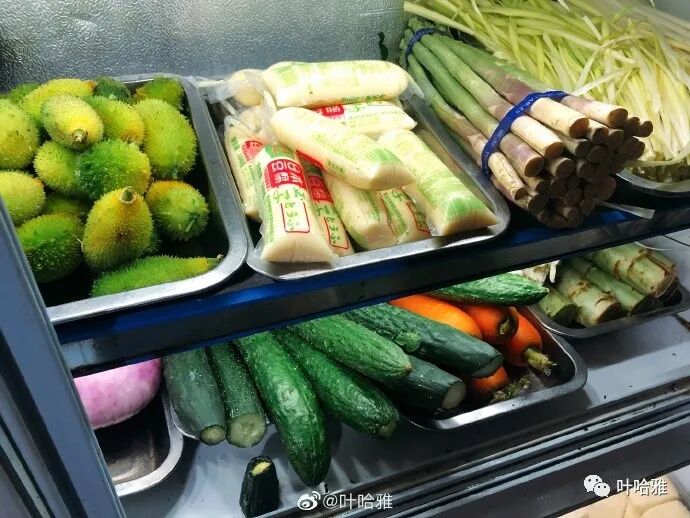
I ate wild bitter melon here, which looks like the one on the left in the picture above. It tastes a bit bitter, similar to bitter melon, but has a crisper texture.
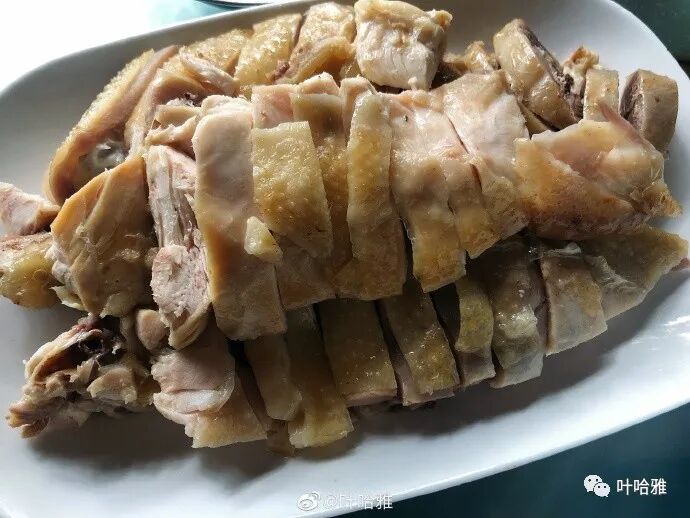
Yunnan's specialty white-cut chicken can be served with dipping water as a cold dish.
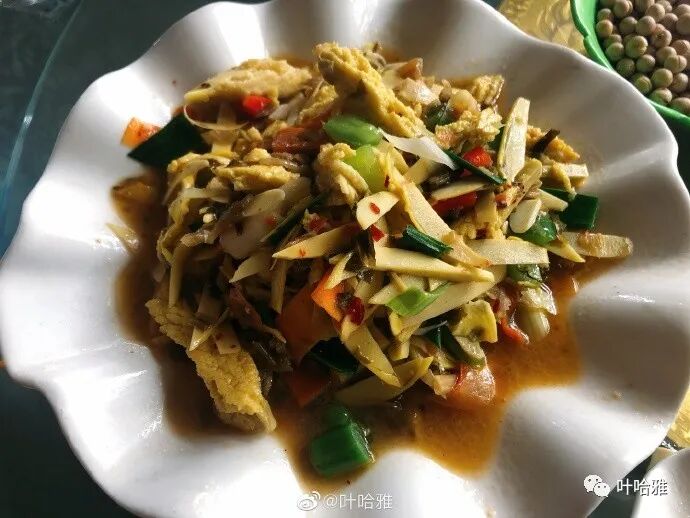
The picture above is fried pine buns, which are fruits grown on pine trees. They are all wild ingredients and have a crispy texture. I like them very much.
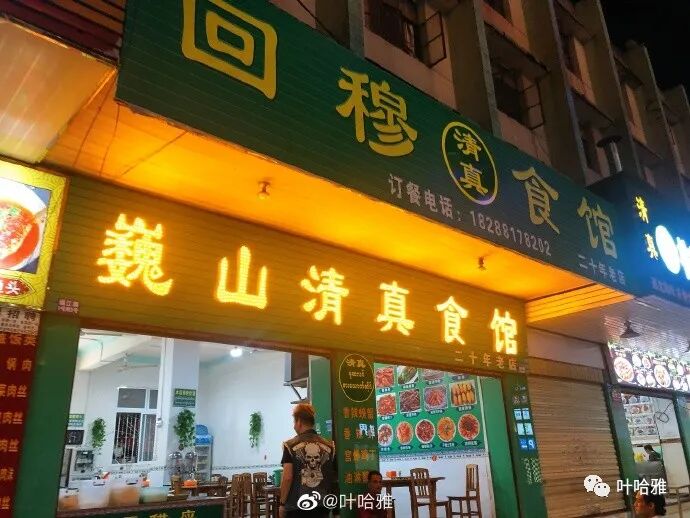
Weishan Halal Restaurant
This old restaurant has been operating in Ruili for more than 20 years. Many friends who have been to Ruili have eaten here. I think the food in this restaurant is the best among several Yunnan-style restaurants. It is located on Ruijiang Road.
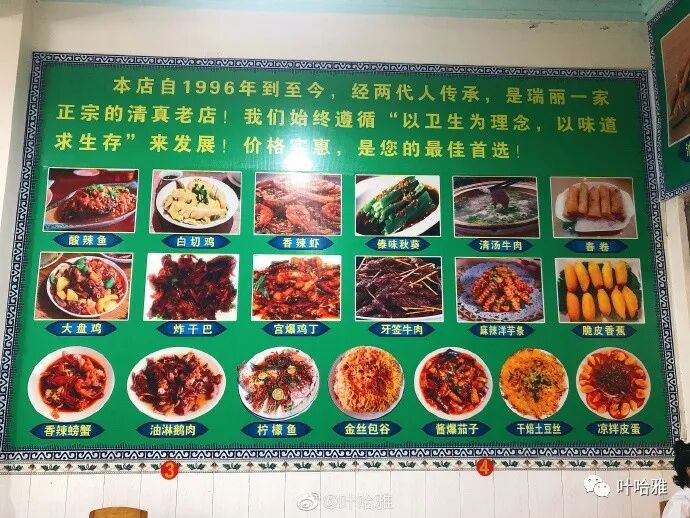
Weishan is a Yi and Hui Autonomous County below Dali. The local Hui Muslims are famous for their delicious cooking.
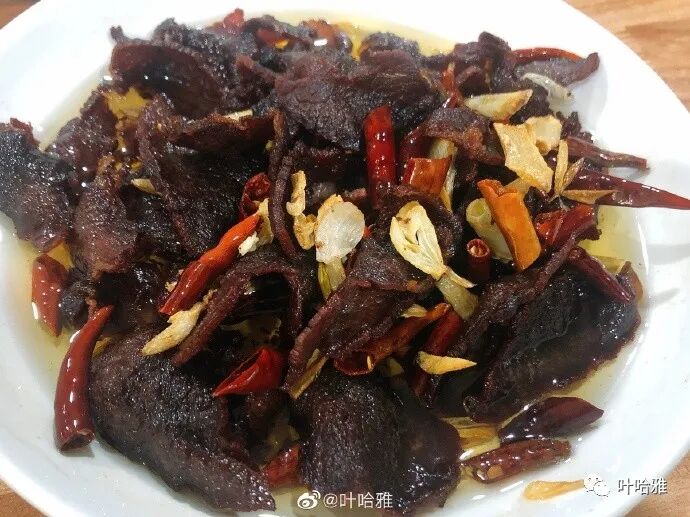
The dried beef in oil is a special dish that I must eat when I come to Yunnan. The dried beef is chewy and goes very well with rice.
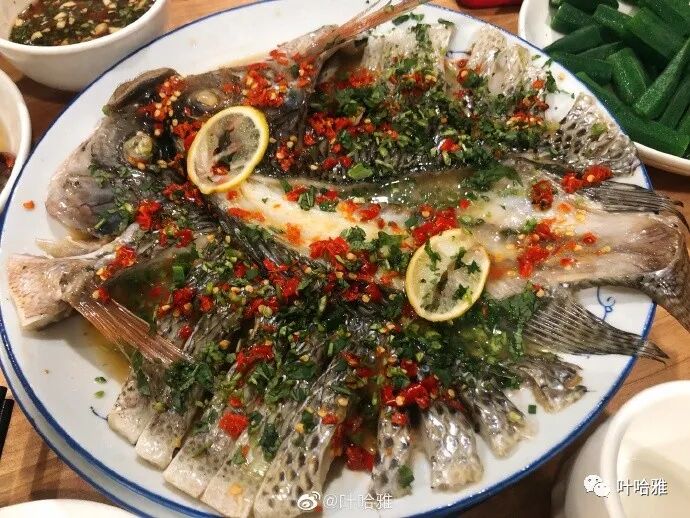
Lemon fish is also one of the signature features. The fish meat is tender and has no fishy smell.
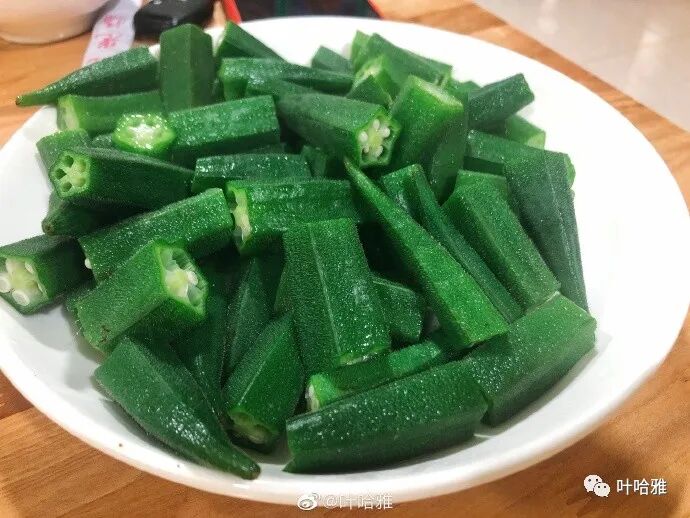
Boiled okra, this is the largest okra I have ever eaten, crisp and delicious.
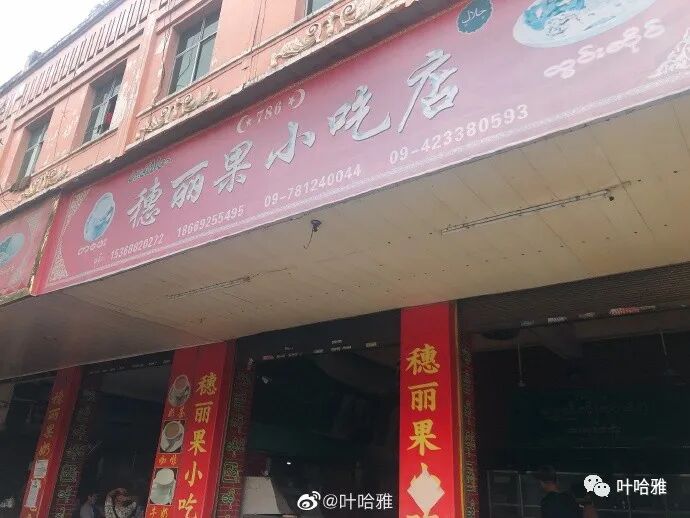
Huiliguo snack bar
I have basically been around Ruili city with my friends. This is one of the only restaurants opened by Burmese Muslims. I have seen a post about Ruili Burmese Muslim Street written by Douban Wang. This time I learned that this street no longer exists because the original old mosque was moved to an open space near the highway entrance. Once the mosque was moved, Dosti who was doing small business around the mosque also followed. There are no restaurants in the old Main Street now.
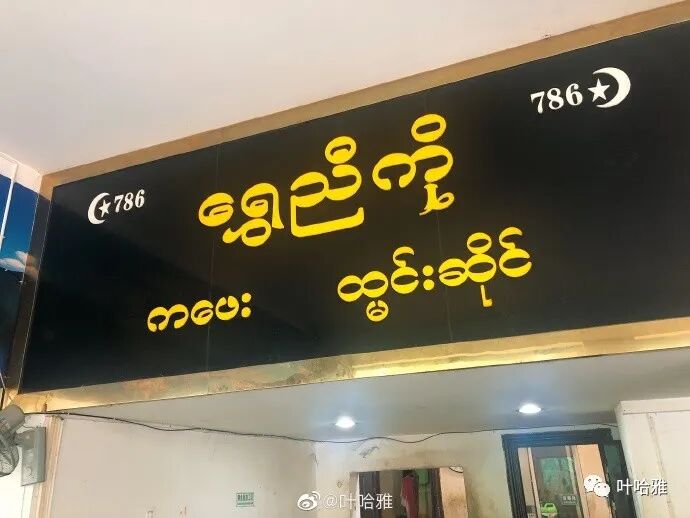
Huiliguo Snack Bar is a restaurant run entirely by Burmese people. No Chinese is spoken in the store, and the waiters and diners are all Burmese at first sight.
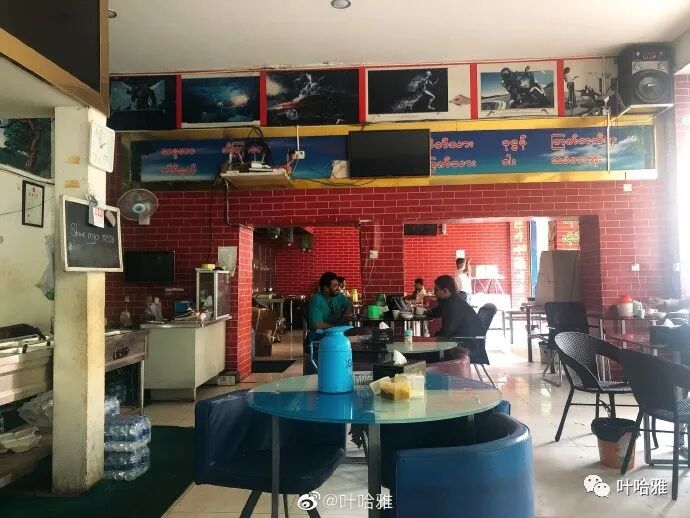
We couldn't communicate in words, but we could make gestures with our hands. The clerk was a young man who looked at us and smiled silly. I pointed at the dishes on the display, and he understood what I wanted to eat.
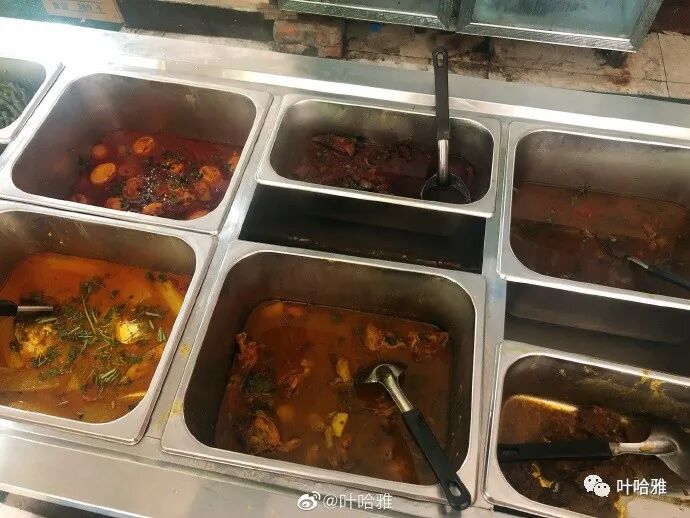
The staple food is curry chicken and beef, as well as fish and eggs, and the drink is Burmese coffee.
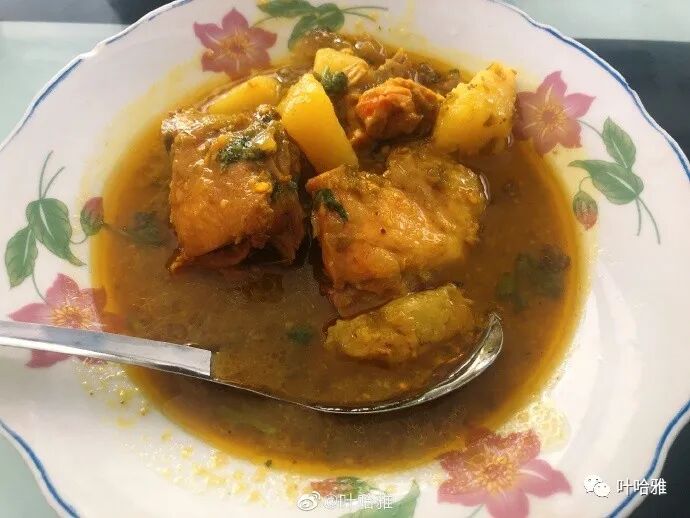
The taste is a bit spicy, but you can still try it for a fresh taste.
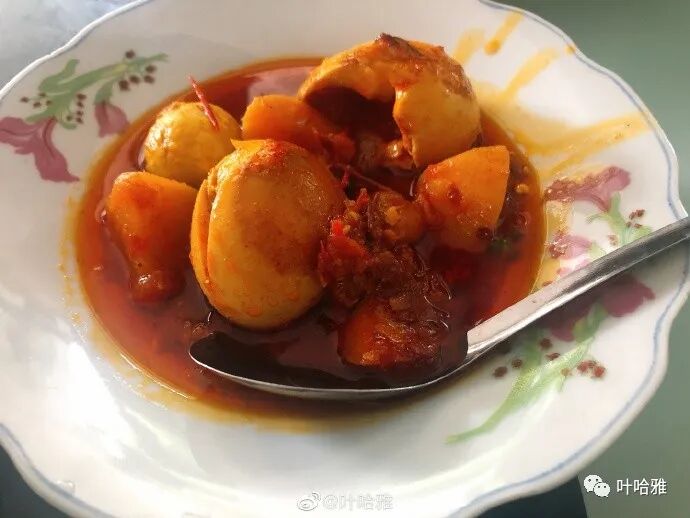
After dinner, we asked the boy to pay the bill. They only accepted cash here, and WeChat was not available. We took out all the money in our pockets and slapped it on the table for the boy to look at and take. In the end, he took away 35 yuan, and the price was still very cheap.
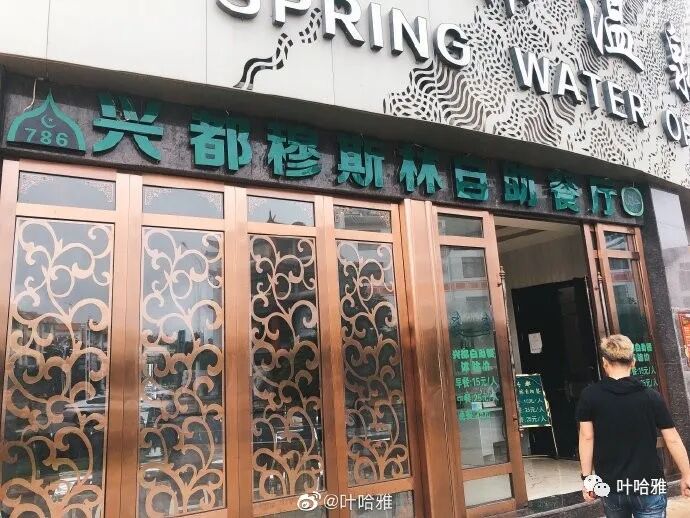
Hindu Hot Spring Hotel Muslim Buffet Restaurant
It is recommended to stay here. There is a Muslim buffet restaurant on the first floor of Xingdu Hot Spring Hotel, which is available from breakfast. There is also a halal hotel in Ruili called Lahar, where you can also stay.
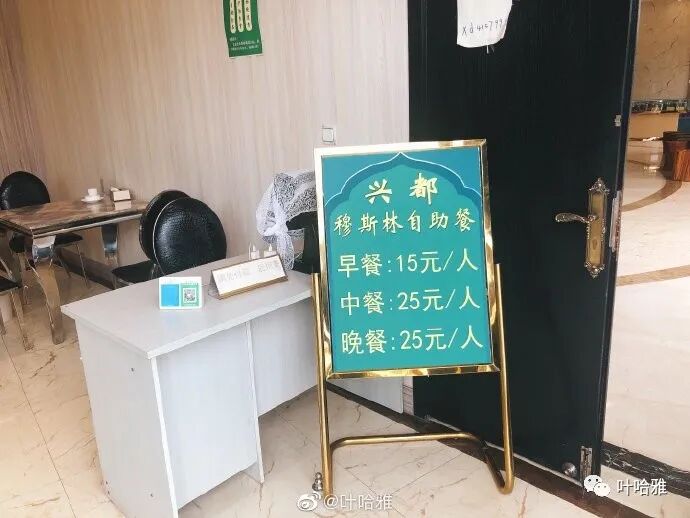
Breakfast is 15 yuan, lunch and dinner are 25 yuan, and the restaurant has Yunnan-style and northwest-style dishes to choose from.
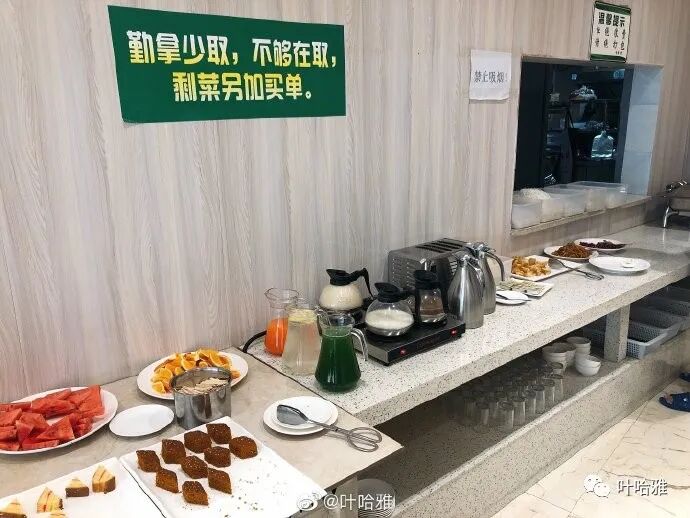
If you want rice noodles and noodles for breakfast, just ask the window chef.
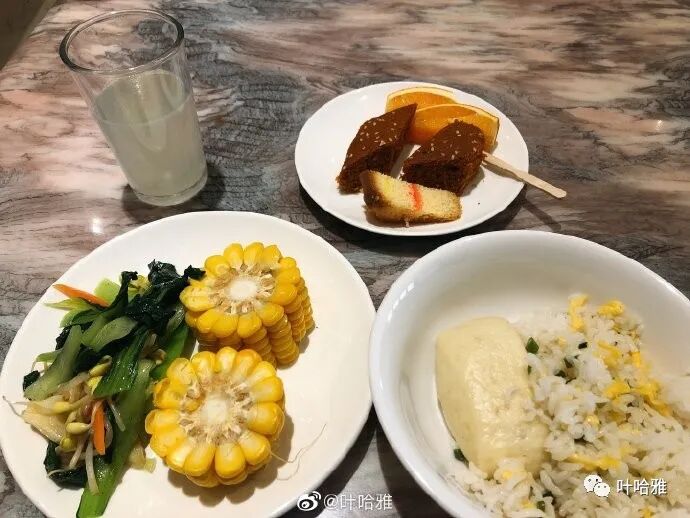
Since I had eaten rice noodles for breakfast in Yunnan for many days in a row, this time I had other choices and wanted to change my taste.
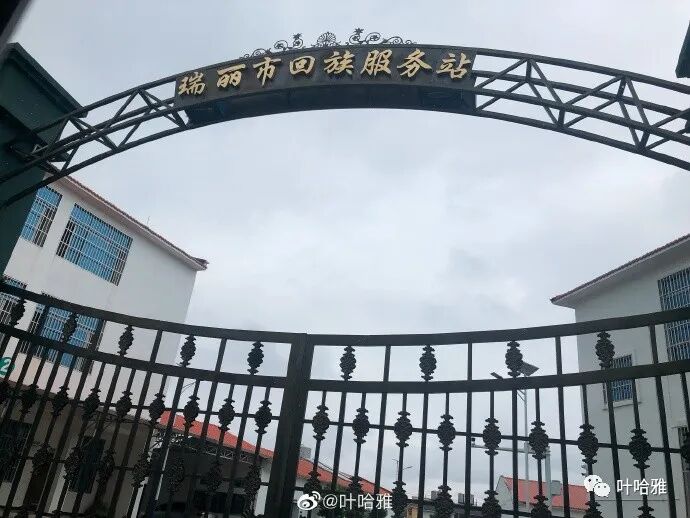
Ruili Hui Service Station
The Ruili City Hui Service Station is where the new mosque is now located. The new mosque is much larger than the old mosque. You can find it by searching the police courtyard community on the map. It is about three kilometers away from the old mosque. The imam in the mosque received me. The imam is from Zhangjiachuan, Gansu Province. He married a daughter-in-law from Yunnan and settled in Ruili.
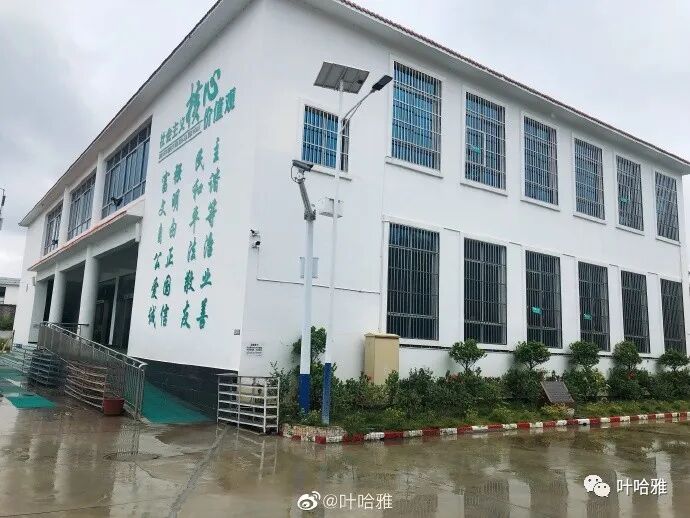
It is understood that there can be 3,000 people attending the Ruili Mosque ceremony, and more than 2,000 of them are Burmese Muslims who hold border immigration certificates. At each ceremony, the Ruili imam will first speak waltz in Chinese, and then the Burmese imam will speak it again in Burmese. Each person takes 15 minutes.
My friend is doing business in Ruili and often interacts with Burmese Muslims. He has a very good impression of the Burmese people and thinks they are relatively reliable.
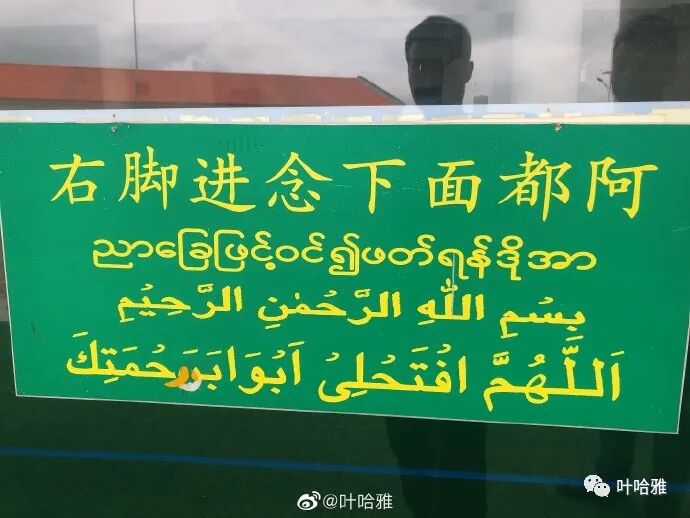
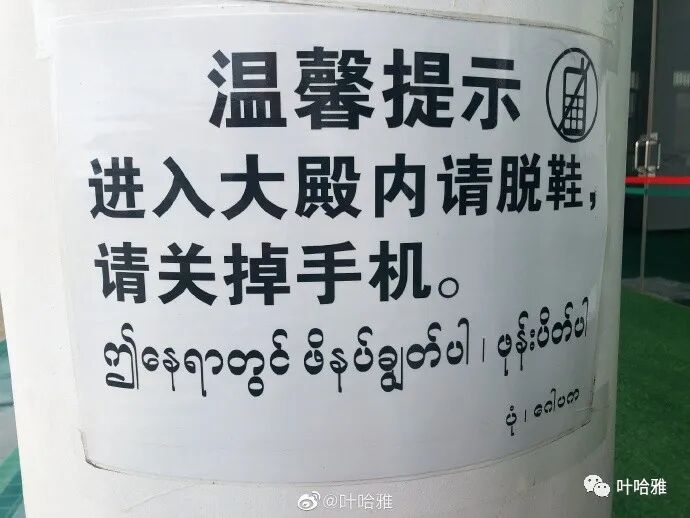
I believe you can only see the signboards in Chinese, Burmese and Arabic languages only in Ruili.
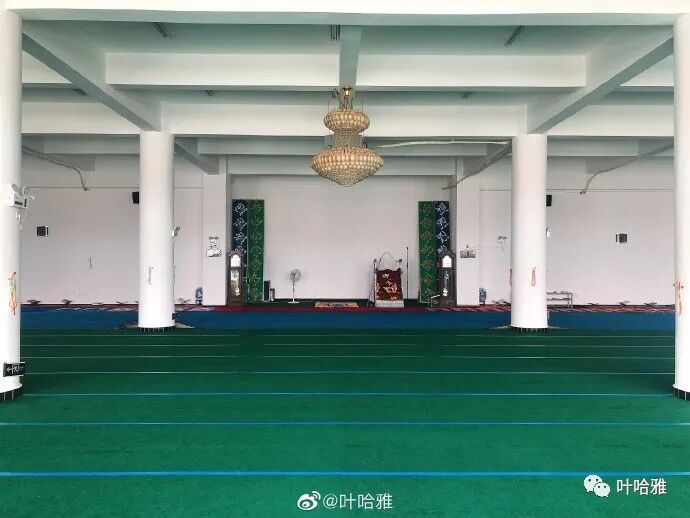
The new mosque is divided into two floors and is much more spacious than the original old mosque. However, due to the epidemic, only a few local Muslims come to worship in the mosque, and most Myanmar Muslims are not allowed to enter.
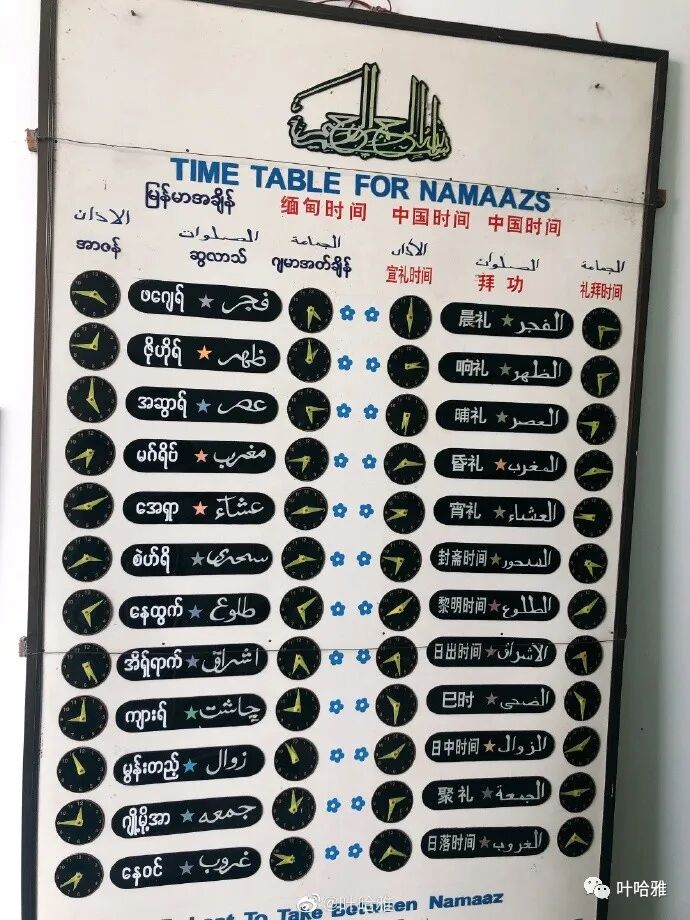
The new mosque covers a total area of 17 acres, and the surrounding open space has not yet been planned. I believe that after the epidemic, this place will prosper and a new Lao-Myanmar food street will be re-formed.
Summary: Muslim Friendly Yunnan: Ruili Mosque, Myanmar Muslims and Real Halal Street Food is presented here as a clear English travel account for Muslim readers, beginning with this scene: Ruili is a small border town on the border between Yunnan and Myanmar, but it is the largest inland port and jewelry trading center in southwest my country. Most people here are engaged in jade and other. The article keeps the original place names, food details, photographs, and cultural context while focusing on Ruili Mosque, Myanmar Muslims, Halal Street.
Ruili is a small border town on the border between Yunnan and Myanmar, but it is the largest inland port and jewelry trading center in southwest my country. Most people here are engaged in jade and other jewelry trading activities. It is the only border trade zone in China that implements special management according to the "internal customs and external customs" model. The so-called internal and external customs means that within the territory of our country, the customs has set up a special area, and the incoming and outgoing goods are equivalent to imports and exports.
Although buying things in the duty-free shops in Ruili is much cheaper than in the mainland airport duty-free shops, buying jade is also cheap, and even gas is a few yuan cheaper than in the mainland, but these are not what attract me. What interests me is that there are many Burmese Muslims living here, including Rohingyas.
Because Ruili is located on the border of Yunnan, the most preferred way to start from Kunming is by plane. The flight time is one hour. The round-trip air ticket from Kunming to Ruili is about 500 yuan, which is about the same as the price I paid to fly from Kunming to Xishuangbanna a few years ago.
From Kunming to Ruili, you can only choose to fly from Kunming to Mangshi Airport first. Mangshi is the capital of Dehong Dai and Jingpo Autonomous Prefecture in Yunnan Province. It is about an hour's drive from Ruili. There is a taxi from the airport to Ruili, and the price is 70 yuan per person.
China Ruili Port
Due to the impact of the epidemic, the three ports in Ruili have been temporarily closed. Passing through here is Myanmar, which is usually busy and bustling with traffic.
The people's lifestyle in Ruili's private houses is very similar to that in Myanmar. Some people are Burmese, but they have settled in Ruili for a long time, and it is difficult to tell them apart from the appearance.
Main Street
There is a famous scenic spot in Ruili called Yizhai Liangguang. It is close to Myanmar. Many streets are divided into two with a guardrail in the middle. You can see the life of the Burmese people on the opposite side.
Chinese and Burmese translation
The stone slabs paved on the road are engraved with some common translations between Burmese and Chinese.
Two wells in one village
The other end of this well leads to Myanmar, and the Burmese people on the opposite side can use long poles to draw water from this well.
One of the local snacks is raw mango. This kind of mango is not yet ripe and tastes sour and tastes like eating green apple. Ruili people eat raw mango dipped in condiments such as chili pepper.
Bloody BMW
I met a young man from Inner Mongolia who raised horses in the mountains of Ruili. He raised horses purely because he loved horses. He sold all his belongings and came to Ruili to settle down with his two beloved BMWs because of the good water and grass here. I heard him say that sweat-blooded BMWs are not called sweat-blooded BMWs because they sweat red, but because they have made great contributions to their owners in history and paid a bloody price, so they are called sweat-blooded BMWs.
Delong Jewelry Trading City
Ruili’s jewelry trading market is considered the largest in the southwest. It mainly sells jade jewelry and the prices are unimaginably low. Almost every stall sells goods live on Douyin. Before the epidemic, it was possible to make a lot of money every day. However, due to the epidemic, the China-Myanmar port has been closed, and business has been difficult recently.
Ruili’s Maldives
There is a place in Ruili called the Maldives. When I arrived, I saw this river. There were many people picnicking on the bank. I don’t know why they called it the Maldives, but People say this is a place where locals often go on vacation.
The shrimps caught in the river are quite big, and there are swarms of fish and shrimps in the river here.
Fish caught in the river.
passion fruit tree
The first time I saw fresh passion fruit on the roadside, I thought it was a tomato from a distance. When the green fruit was opened, there were yellow seeds inside, which tasted sour.
The fireflies I caught in the garden at night emitted very bright light, so I released them immediately after recording the video.
Take a walk on the bank of the border river between China and Myanmar. Myanmar is on the other side of the river, and there are guards guarding the bank.
Ruili Christian Church
Ruili Christian Church is not far from the new site of the current mosque.
Ramen restaurant with 786 logo
South Asian Muslims habitually use 786 to express the meaning of halal. It comes from the sentence (بسم الله الرحمن الرحيم) 'bismillāh al-Raḥmān al-Raḥīm in the name of Allah, the most merciful and merciful'. According to the Arabic counting method, each letter represents a number. The numbers represented by all the letters in this sentence add up to 786.
786’s strong noodles
Halal flavor garden
This is the first restaurant I ate at when I arrived in Ruili in the morning. It is a non-alcoholic rice noodle shop located on Ruijiang Road.
The highlight is the Burmese prompts in the store, which immediately made me feel the fun of the border.
I really like eating fragrant vegetables like mint, so I grabbed a lot of them and put them in rice noodles.
Ma Yun Muslim Hotel
It's not a restaurant opened by Ma in Hangzhou, but a restaurant with Yunnan specialties opened by Ma in Yunnan.
It says Ma Yun Halal Restaurant on the outside, but the sign inside is still Tengchong Halal Restaurant. Tengchong is also a place name in Yunnan, a tourist city with pleasant scenery. The restaurant is located on Ruihong Road.
Copper Ladle Beef
I came here to eat the Tonglao Beef. I have known about the Tonglao Hotpot, one of Yunnan's special delicacies, since I was in Beijing. After eating it this time, I was very satisfied. You can choose the amount of beef and it can be paired with many fresh vegetables and fungi.
This season in Yunnan is when a large number of fungi are on the market, with many varieties and delicious tastes.
A dipping sauce for copper ladle hot pot.
Tengrui Muslim Hotel
As soon as you look at the name, you can tell that it is a restaurant opened by the Muslims from Tengchong in Ruili, because there are very few Muslims in Ruili, and most of the residents here have immigrated from surrounding areas.
I ate wild bitter melon here, which looks like the one on the left in the picture above. It tastes a bit bitter, similar to bitter melon, but has a crisper texture.
Yunnan's specialty white-cut chicken can be served with dipping water as a cold dish.
The picture above is fried pine buns, which are fruits grown on pine trees. They are all wild ingredients and have a crispy texture. I like them very much.
Weishan Halal Restaurant
This old restaurant has been operating in Ruili for more than 20 years. Many friends who have been to Ruili have eaten here. I think the food in this restaurant is the best among several Yunnan-style restaurants. It is located on Ruijiang Road.
Weishan is a Yi and Hui Autonomous County below Dali. The local Hui Muslims are famous for their delicious cooking.
The dried beef in oil is a special dish that I must eat when I come to Yunnan. The dried beef is chewy and goes very well with rice.
Lemon fish is also one of the signature features. The fish meat is tender and has no fishy smell.
Boiled okra, this is the largest okra I have ever eaten, crisp and delicious.
Huiliguo snack bar
I have basically been around Ruili city with my friends. This is one of the only restaurants opened by Burmese Muslims. I have seen a post about Ruili Burmese Muslim Street written by Douban Wang. This time I learned that this street no longer exists because the original old mosque was moved to an open space near the highway entrance. Once the mosque was moved, Dosti who was doing small business around the mosque also followed. There are no restaurants in the old Main Street now.
Huiliguo Snack Bar is a restaurant run entirely by Burmese people. No Chinese is spoken in the store, and the waiters and diners are all Burmese at first sight.
We couldn't communicate in words, but we could make gestures with our hands. The clerk was a young man who looked at us and smiled silly. I pointed at the dishes on the display, and he understood what I wanted to eat.
The staple food is curry chicken and beef, as well as fish and eggs, and the drink is Burmese coffee.
The taste is a bit spicy, but you can still try it for a fresh taste.
After dinner, we asked the boy to pay the bill. They only accepted cash here, and WeChat was not available. We took out all the money in our pockets and slapped it on the table for the boy to look at and take. In the end, he took away 35 yuan, and the price was still very cheap.
Hindu Hot Spring Hotel Muslim Buffet Restaurant
It is recommended to stay here. There is a Muslim buffet restaurant on the first floor of Xingdu Hot Spring Hotel, which is available from breakfast. There is also a halal hotel in Ruili called Lahar, where you can also stay.
Breakfast is 15 yuan, lunch and dinner are 25 yuan, and the restaurant has Yunnan-style and northwest-style dishes to choose from.
If you want rice noodles and noodles for breakfast, just ask the window chef.
Since I had eaten rice noodles for breakfast in Yunnan for many days in a row, this time I had other choices and wanted to change my taste.
Ruili Hui Service Station
The Ruili City Hui Service Station is where the new mosque is now located. The new mosque is much larger than the old mosque. You can find it by searching the police courtyard community on the map. It is about three kilometers away from the old mosque. The imam in the mosque received me. The imam is from Zhangjiachuan, Gansu Province. He married a daughter-in-law from Yunnan and settled in Ruili.
It is understood that there can be 3,000 people attending the Ruili Mosque ceremony, and more than 2,000 of them are Burmese Muslims who hold border immigration certificates. At each ceremony, the Ruili imam will first speak waltz in Chinese, and then the Burmese imam will speak it again in Burmese. Each person takes 15 minutes.
My friend is doing business in Ruili and often interacts with Burmese Muslims. He has a very good impression of the Burmese people and thinks they are relatively reliable.
I believe you can only see the signboards in Chinese, Burmese and Arabic languages only in Ruili.
The new mosque is divided into two floors and is much more spacious than the original old mosque. However, due to the epidemic, only a few local Muslims come to worship in the mosque, and most Myanmar Muslims are not allowed to enter.
The new mosque covers a total area of 17 acres, and the surrounding open space has not yet been planned. I believe that after the epidemic, this place will prosper and a new Lao-Myanmar food street will be re-formed.
