
Best Halal Restaurant Beijing: Local Hui Muslim BBQ, Hotpot, Shawarma and Desserts
Reposted from the web
Summary: Best Halal Restaurant Beijing: Local Hui Muslim BBQ, Hotpot, Shawarma and Desserts is presented here as a clear English account for Muslim readers, beginning with this scene: — Hello, Travel —. The article keeps the original names, food details, mosque details, photographs, and cultural context while focusing on Beijing Halal Food, Halal Restaurants, Hui Muslim Food.

— Hello, Travel —
The Beijing Halal Food Map series has reached its 20th installment. Each issue introduces an average of 10 restaurants, bringing the total to over 200 places I have personally visited and tasted. I started writing this public account in 2016, and it has been four years now. Many restaurants I wrote about earlier have closed, but fortunately, the Beijing halal dining market keeps growing. The variety and number of halal restaurants are generally on the rise. Beijing is the capital after all, and it leads the country in every way.
Also, a reminder to my fellow friends (dostis): after reading these guides, it is best to check major review websites to confirm if the restaurant is still open. Things change quickly now, and a place I mention today might close the next day.
1
Japanese-style: Equator Yakiniku (Chidao Shaorou)
I went to Tianjin last weekend just to eat Japanese food because there are no halal Japanese restaurants left in Beijing. The original halal Japanese spots in Changying, Hecai Shidang and Hefeng no Utage, have changed owners. The Hui Muslim shareholder of Hefeng no Utage withdrew their investment, but the halal sign is still up, so its halal status is in doubt.
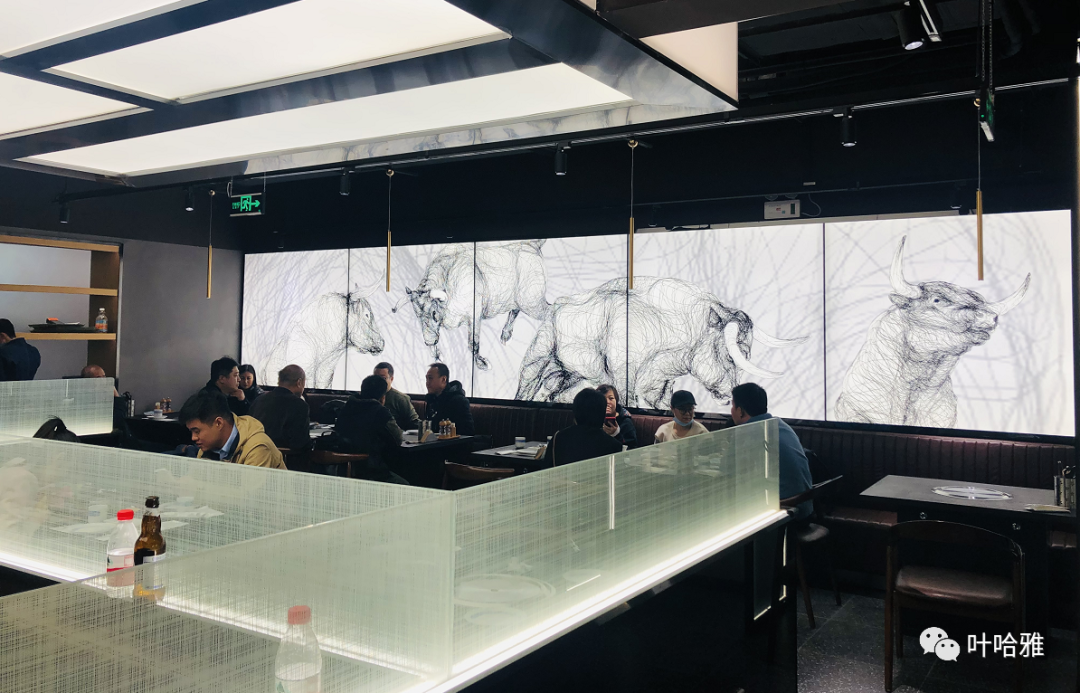
The good news is that a new Japanese-style barbecue restaurant called Equator Yakiniku (Chidao Shaorou) has opened in Changying. It is run by the nephew of the Changying Three Brothers. I went to try it on its first day of trial operation, and overall, it is quite good. The restaurant's decor is very upscale.
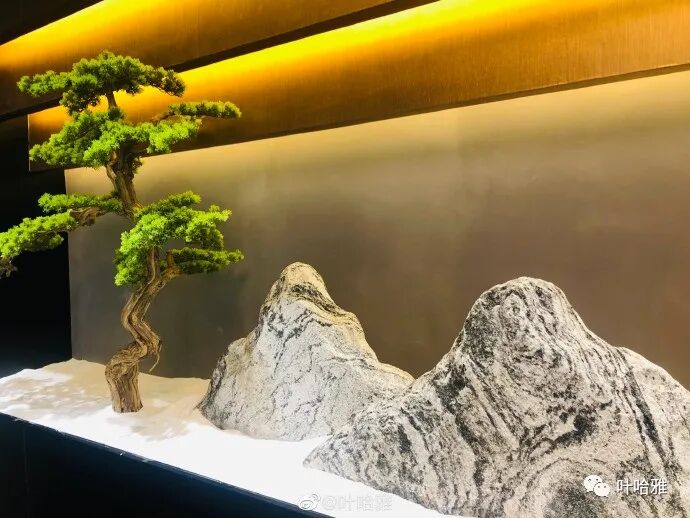
The restaurant has two floors, and the space between tables is wide. They specialize in Wagyu beef barbecue, which you grill yourself, and they also serve traditional Japanese dishes.
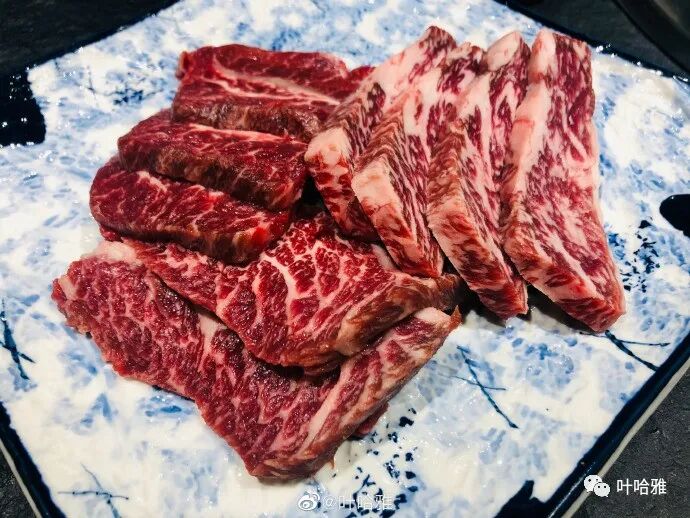
Wagyu beef platter with marbling (xuehua heniu sanpin)
Equator's Wagyu comes from Shandong. Wagyu breeds are mainly divided into: Japanese Black, Japanese Brown, Japanese Shorthorn, and Japanese Polled. Among them, Japanese Black has the most even fat distribution and the highest nutritional value, making it top-tier Wagyu. Equator Yakiniku uses Japanese Black Wagyu.
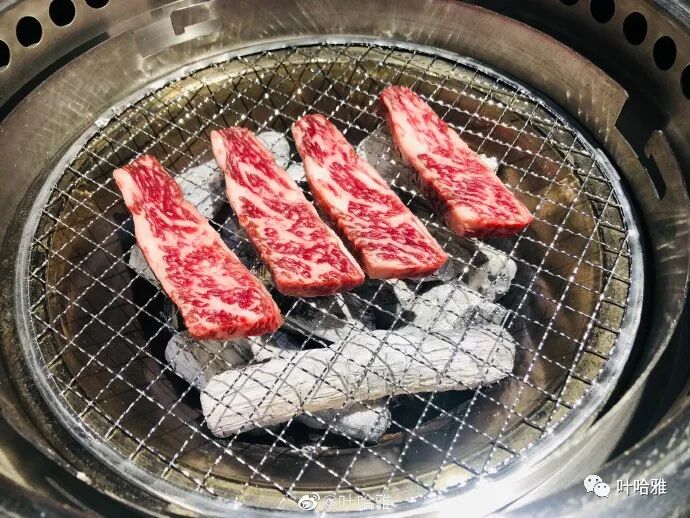
Beef rib fingers (niulitia)
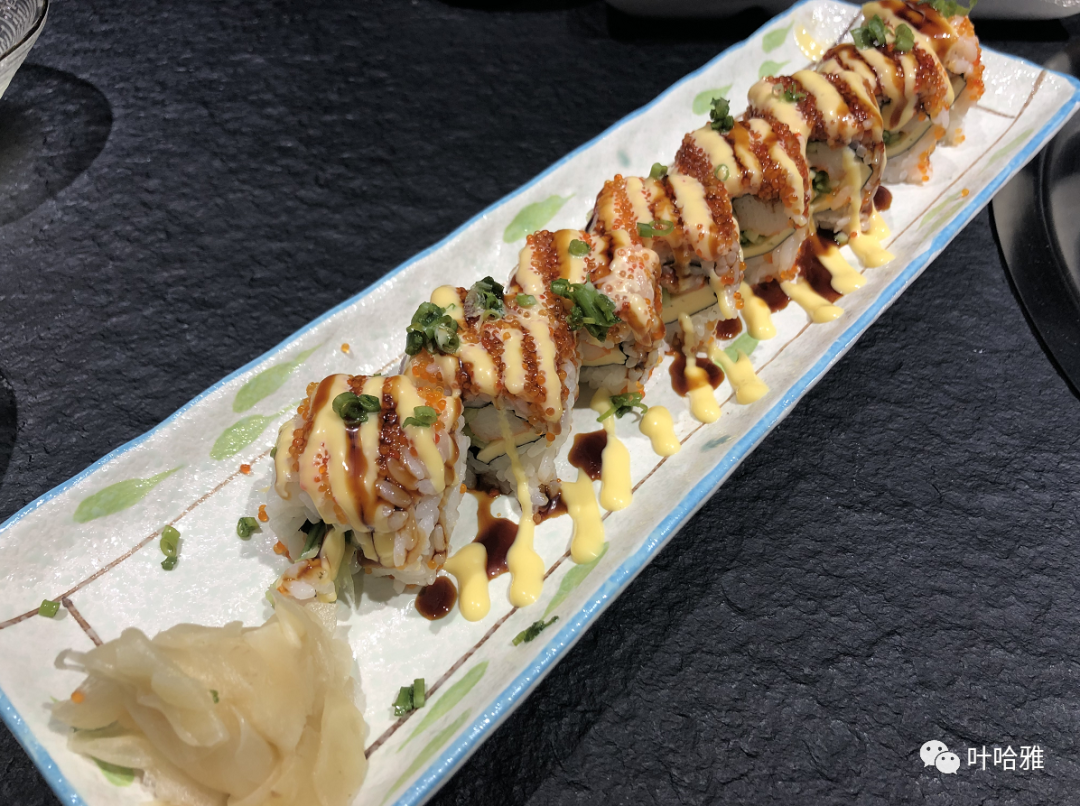
California sushi roll (jiazhou sushijuan)
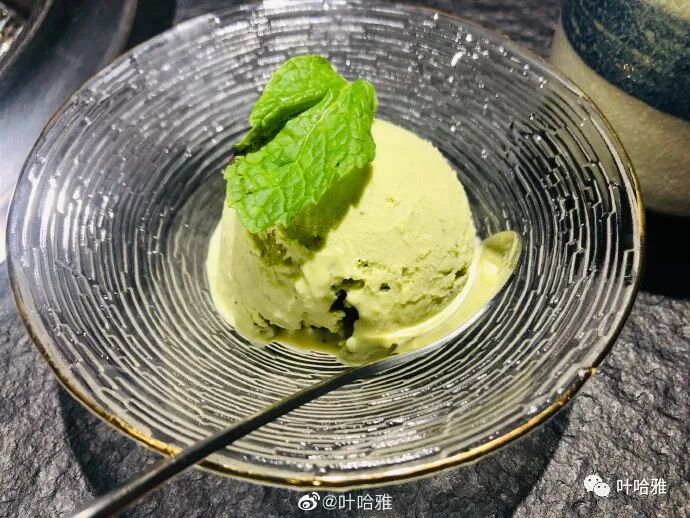
Matcha ice cream (mocha bingqilin)
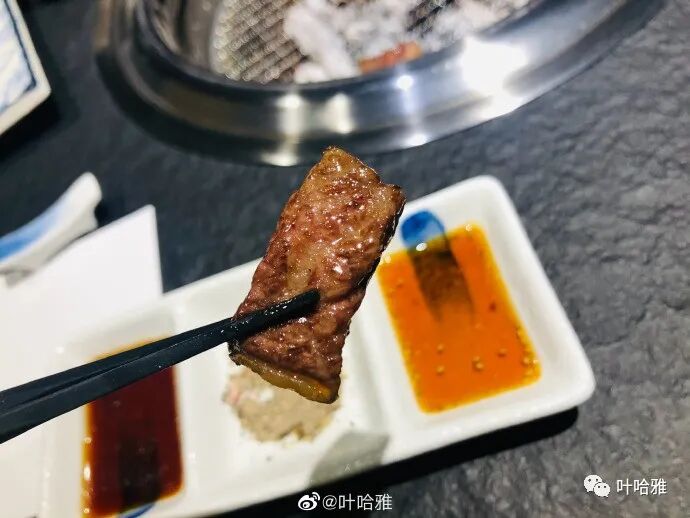
You can dip the grilled meat in three types of sauces—two wet and one dry—or eat it plain. It is fresh, juicy, and chewy.
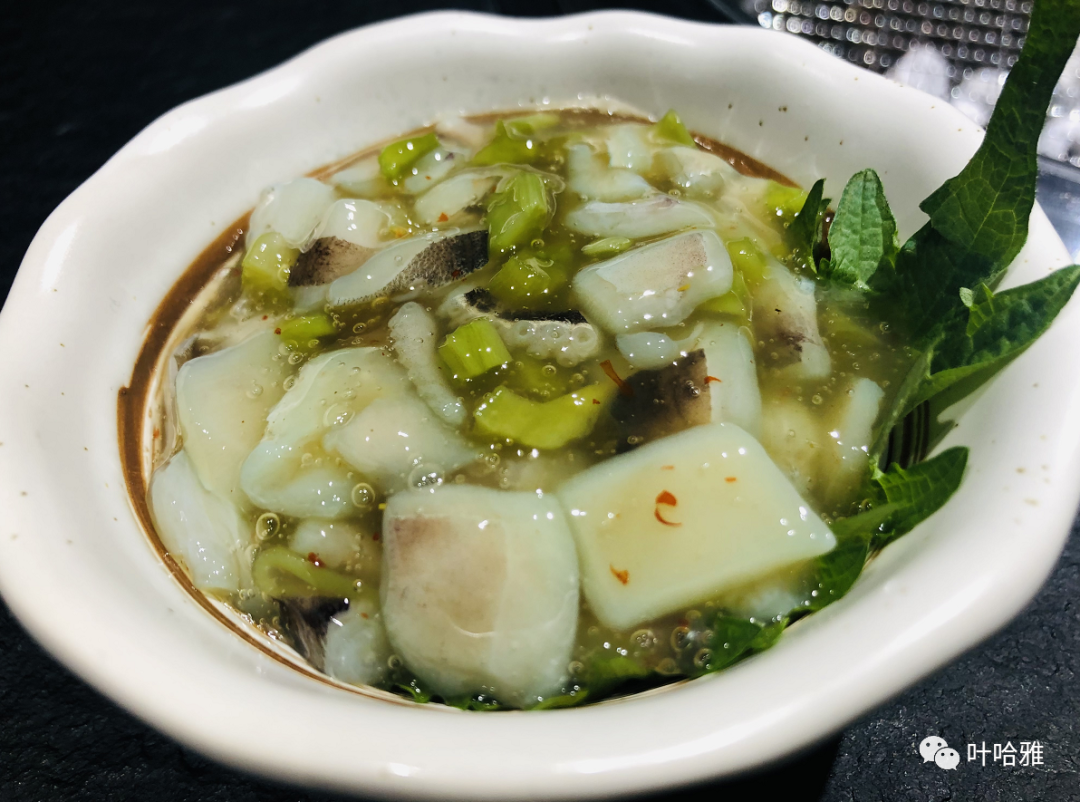
Wasabi octopus (jiemo zhangyu)
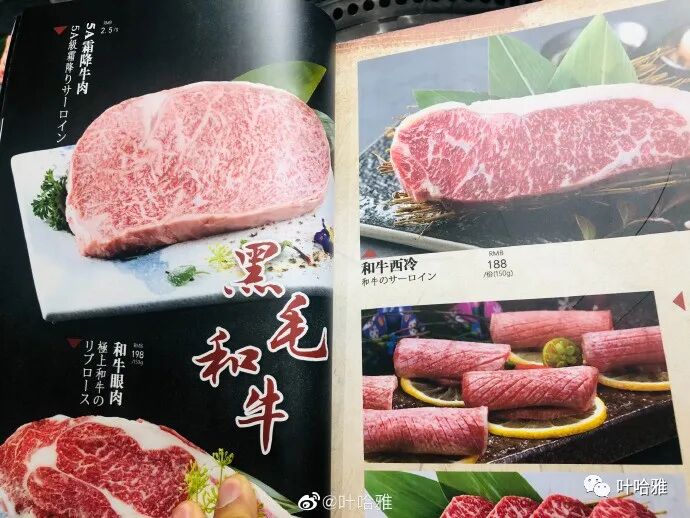
5A marbled beef (5A shuangjiang niurou)
This is the signature dish at Chidao, frost-marbled beef (shuangjiang niurou), priced at 2.5 yuan per gram, which equals 1,250 yuan for 500 grams. If you have the budget, come and try it. During the new store promotion, everything is 12% off, making the average cost about 200 yuan per person.
2
Sichuan Style: Changying Bearded Skewer Shop (Dahuzi Chuanchuanxiang)
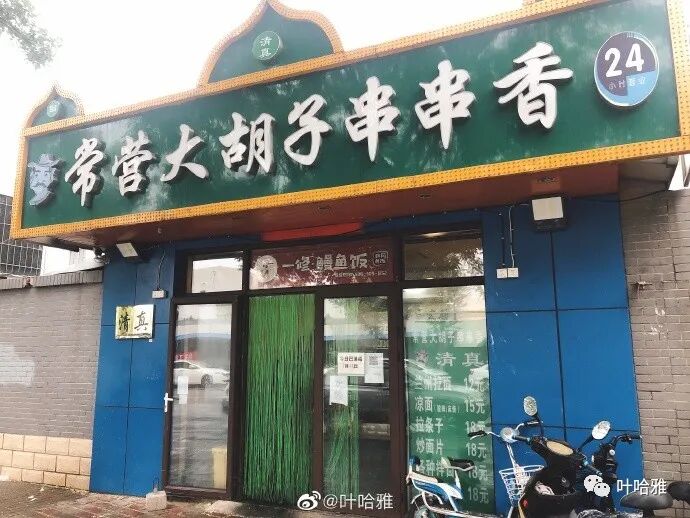
There are already four halal skewer shops in Beijing. I have written about Yinmadeng Skewers and Xiaojungan Skewers before. Dahuzi is the third one. I have not visited the fourth one yet and do not know how it is, so I will not mention it for now.
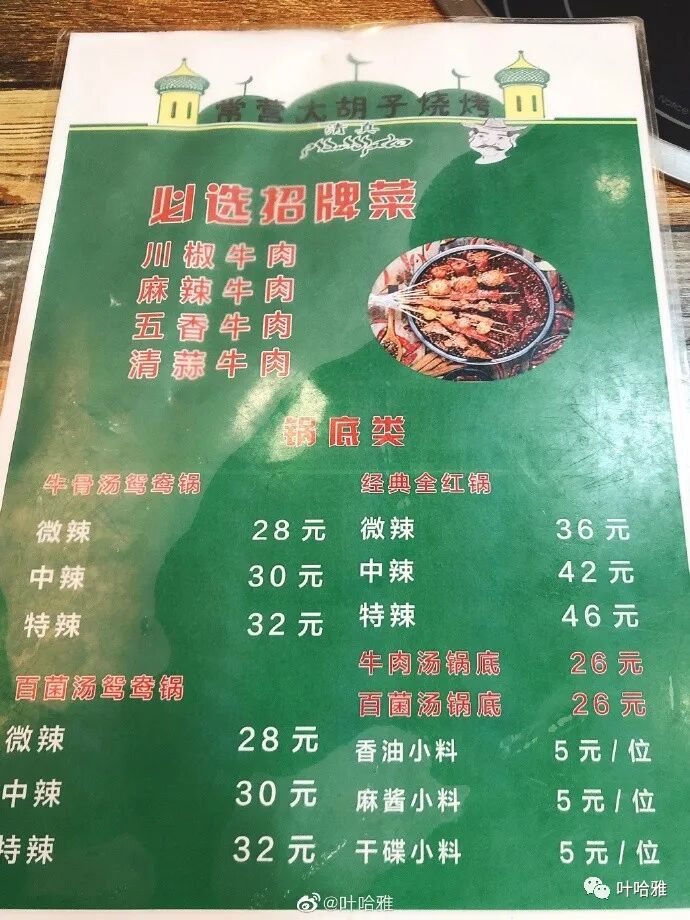
Besides skewers, they also have Sichuan pepper beef and spicy stir-fried beef, which are all dishes I want to eat.
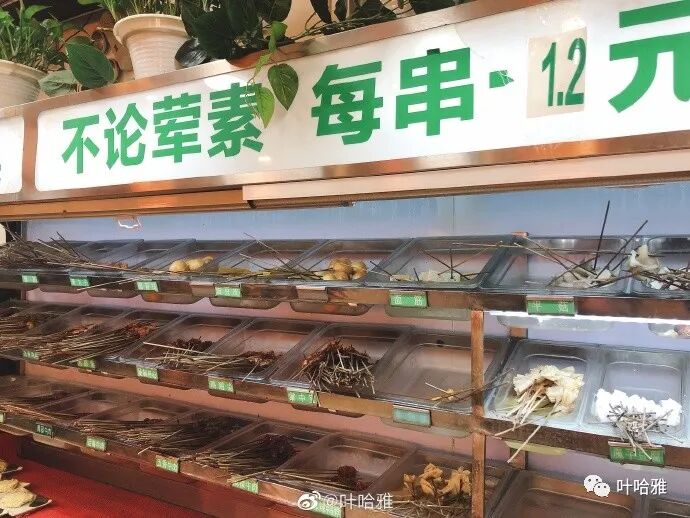
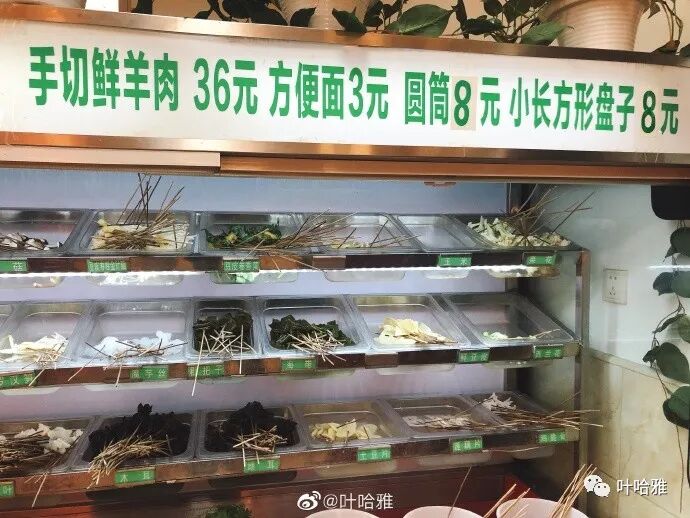
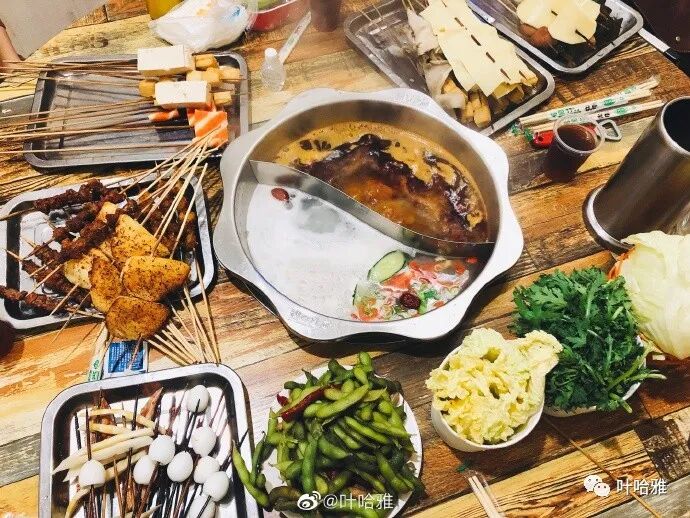
The skewers are very cheap, so a group of people can eat without spending much. You can choose a split-pot (yuanyang guo) for the soup base, which is not too spicy, and they also serve barbecue.
3
Western Style: Ji'anzhai Bookstore
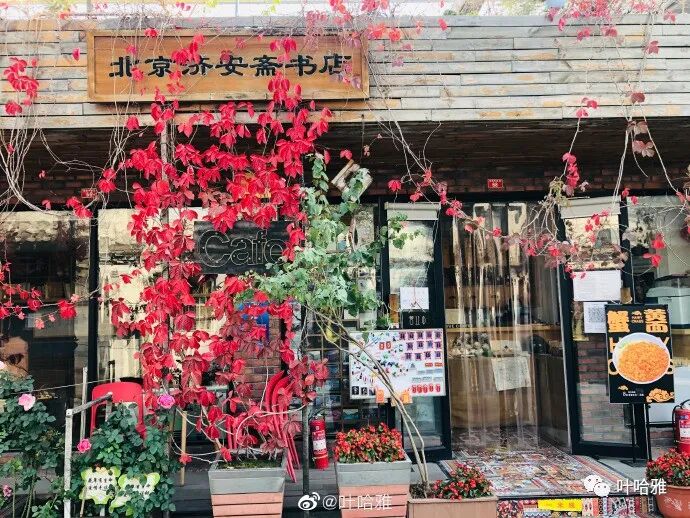
Ji'anzhai is located in Yangzhumei Alley near Qianmen. It is a bookstore that also serves coffee and simple Western meals. Before the liberation, the site was Wang Huihui's dog-skin plaster shop. The store still displays some old photos. The current owner is a Hui Muslim from Niujie, and the shop has been open for 18 years.
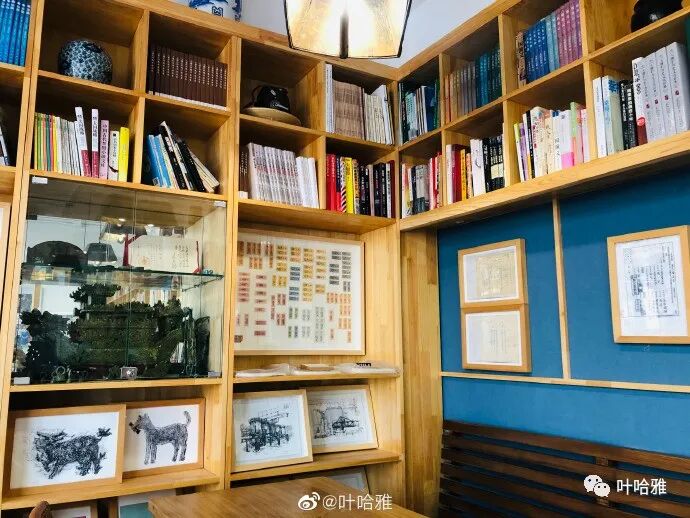
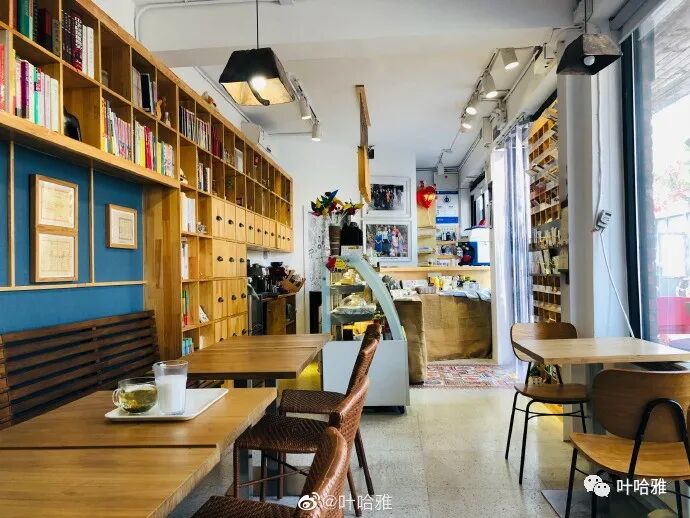
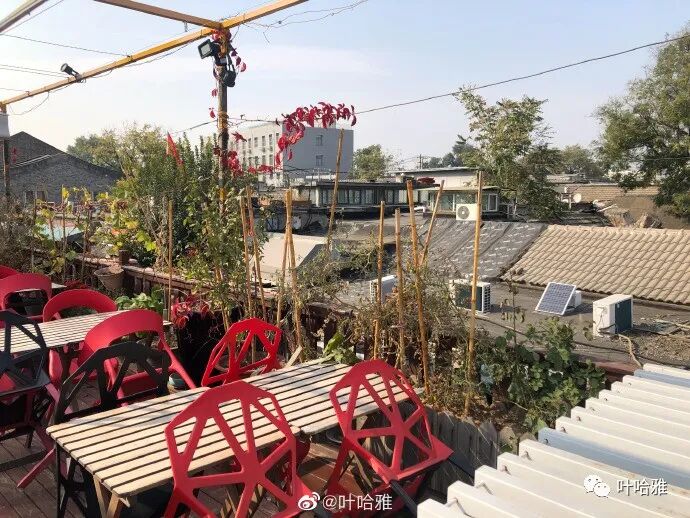
From the second floor, you can look down at the street view of the Qianmen alleys. It is very relaxing to sit here in the afternoon, soaking up the sun, drinking coffee, and reading.
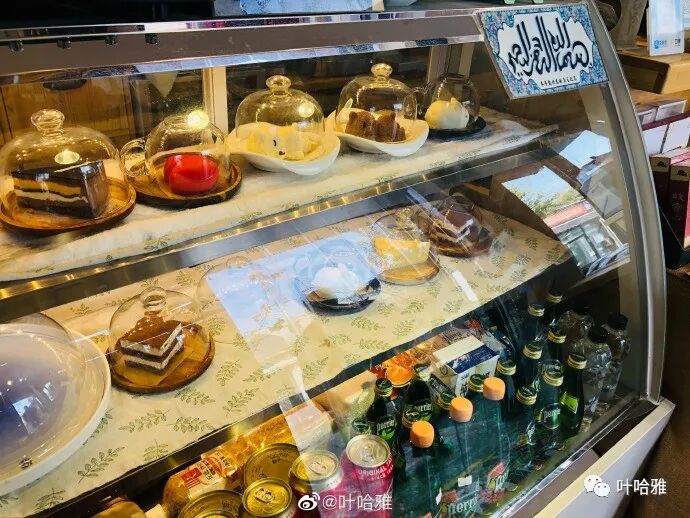
The owner says the desserts they sell are sourced from Hui Muslims across the street, ensuring they are halal.
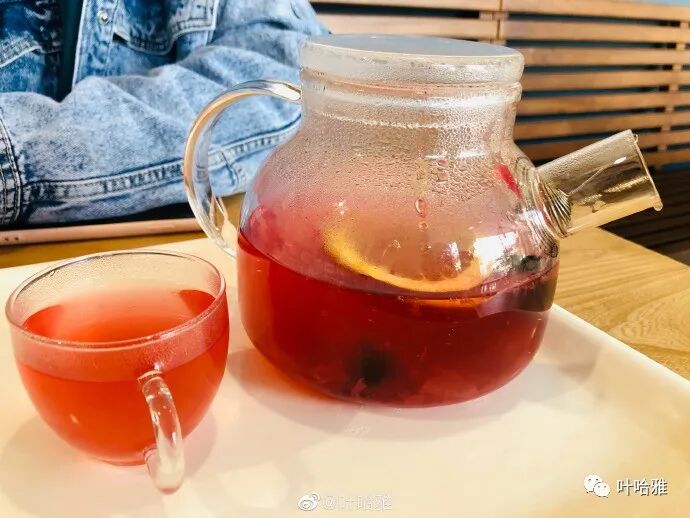
Honey pomelo fruit tea
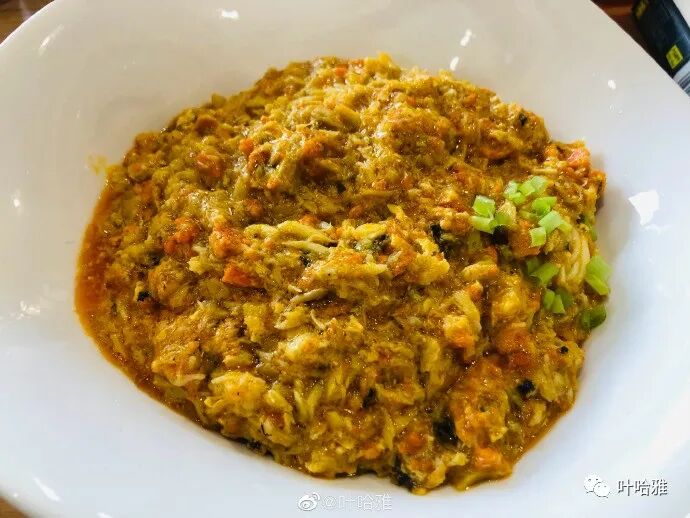
Crab roe noodles (xiehuang mian)
This is the first time I have seen crab roe noodles with such a generous portion of crab roe; it completely covers the noodles. The price of the crab roe noodles changes with the season, and it is currently 150 yuan per serving. Although it is expensive, it is satisfying to eat, and just eating the crab roe is enough.
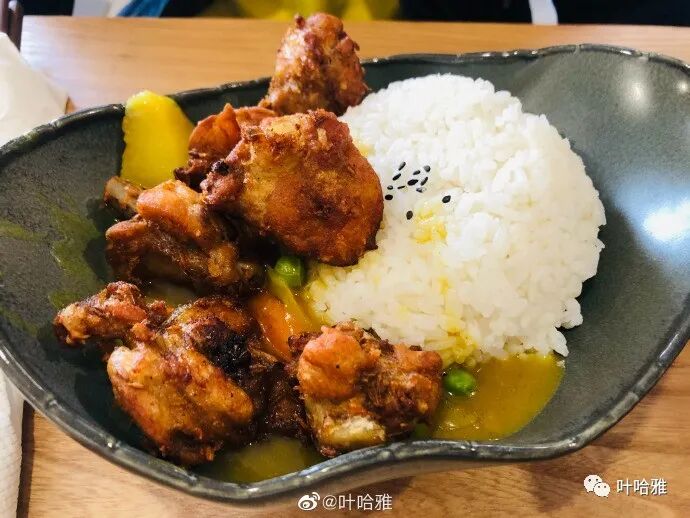
Curry chicken rice
The chicken in the curry chicken rice is well-made with a charred aroma. This dish really suits my taste. I heard the beef rice in the shop is also good. Overall, the flavors of the dishes really won me over, and it is worth a try.
4
Northwest Style: Liangtaoxuan Halal Hezhou Noodle Restaurant
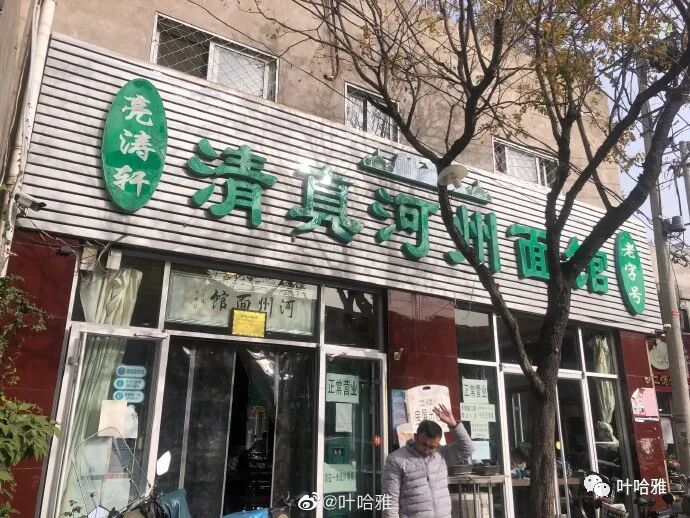
Liangtaoxuan is well-known among the Linxia community in Beijing. The shop prohibits smoking and alcohol, and it offers charity noodles (aixin lamian) for people in need to eat for free.
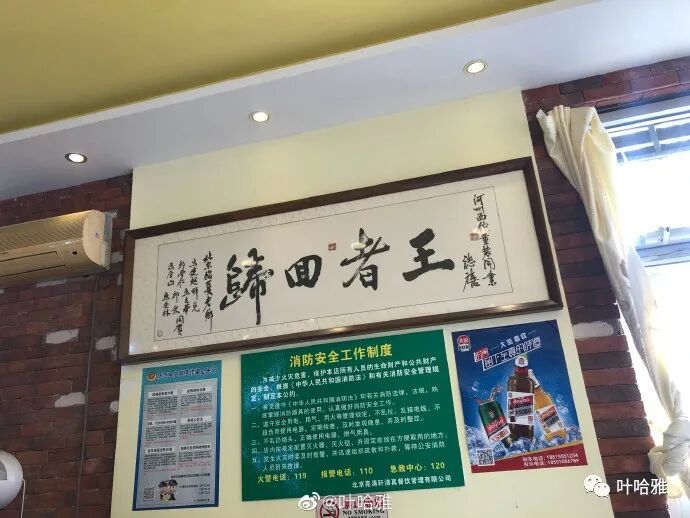
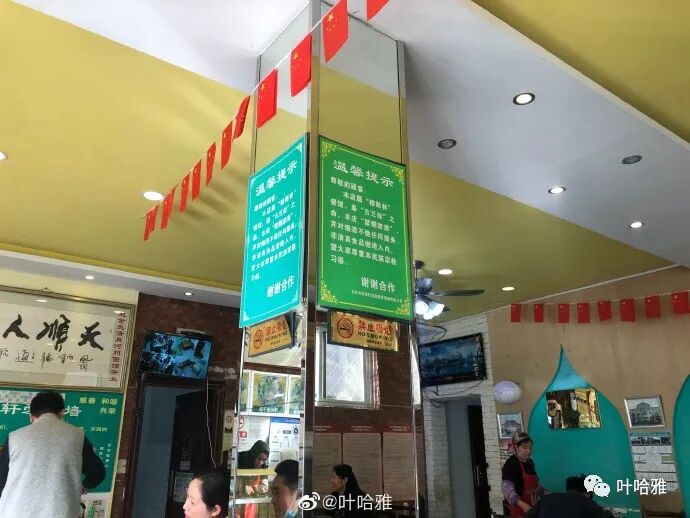
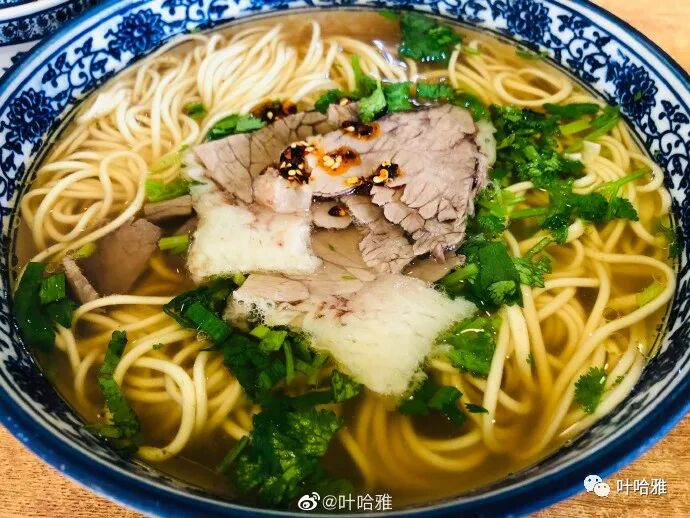
Noodles made with faith taste different. The staff is very welcoming. I recommend that fellow Northwest friends (dosti) who miss the taste of home come and try it. It is best to leave a bowl of charity noodles for someone else before you go.
5
Beijing Style: Chaishi Flavor House
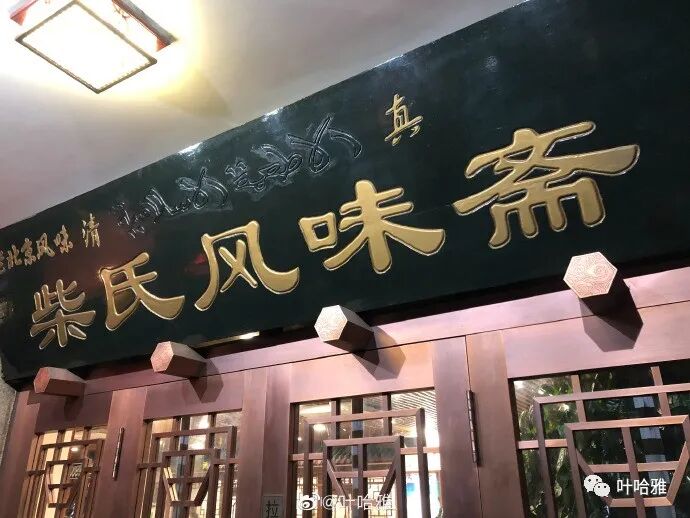
Chaishi Beef Noodle is a famous old brand in Beijing, known for its beef noodles. The broth is said to have been simmering since 1920, making it a true century-old broth.
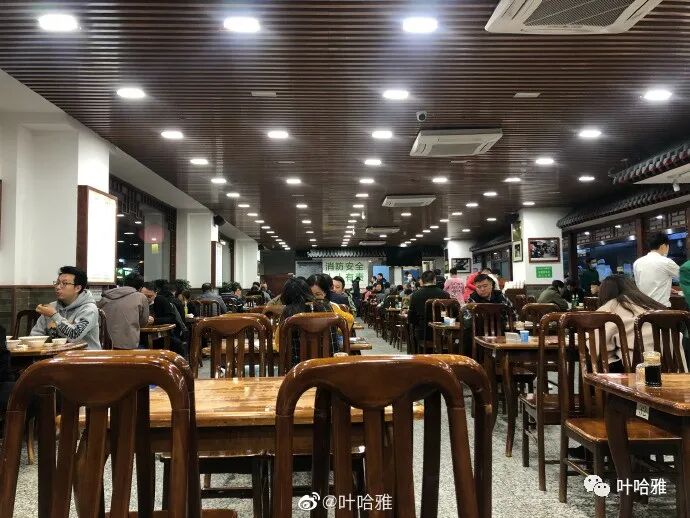
I am glad that such a famous old shop now provides great service. Someone greets you at the door, the space is roomy, and staff pours tea after you sit down. You order by scanning a code and wait for the food to be served, making for a comfortable dining experience.
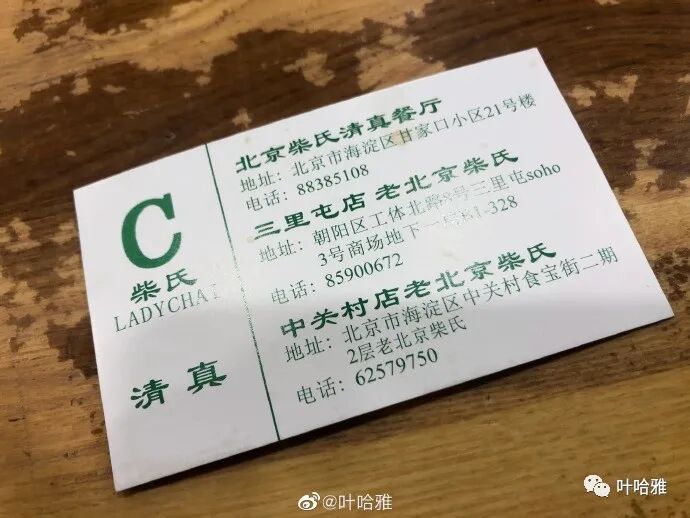
There are three locations in Beijing now. The Ganjia Kou branch is the main store, and I recommend coming there for noodles.
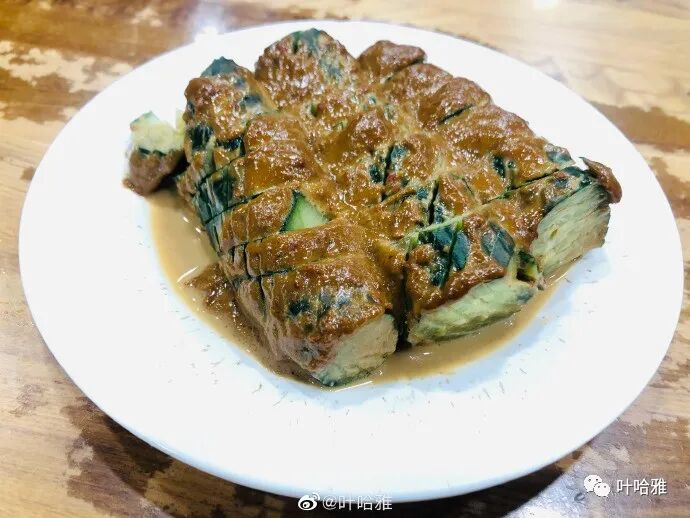
Accordion cucumber (suoyi huanggua)
The accordion cucumber is the shop's signature cold dish. It is crunchy and topped with sesame paste (majiang). I recommend trying it.
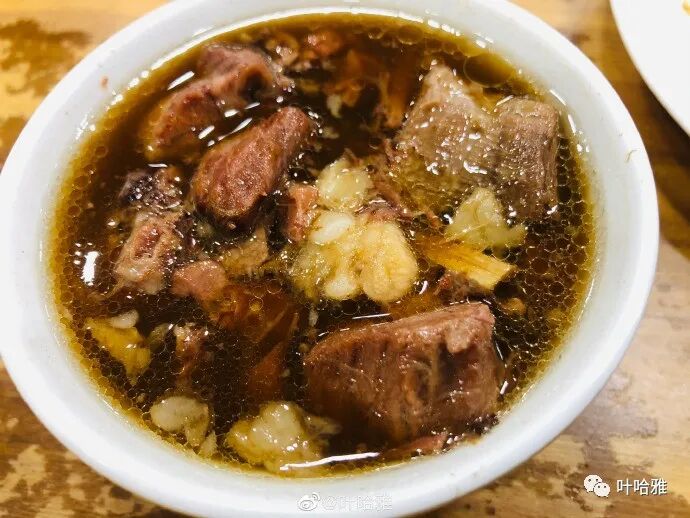
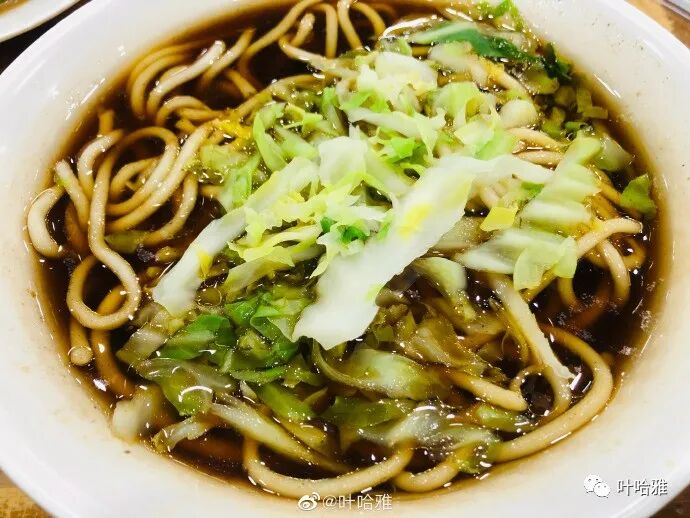
Small bowl of beef (xiaowan niurou)
If you only order a bowl of beef noodle soup at Chaishi, it does not come with beef. You need to order a small bowl of beef separately. The noodles are hand-rolled (shouganmian), chewy, and the broth is rich. Pairing them with a bowl of soft, flavorful stewed beef is a treat. For Beijingers, a real beef noodle bowl must have big chunks of beef.
6
Beijing Style: Jufuyun Lamb Spine Hot Pot
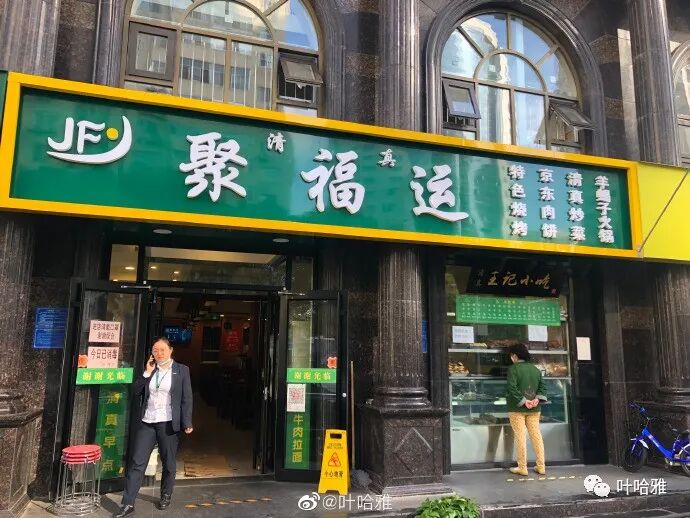
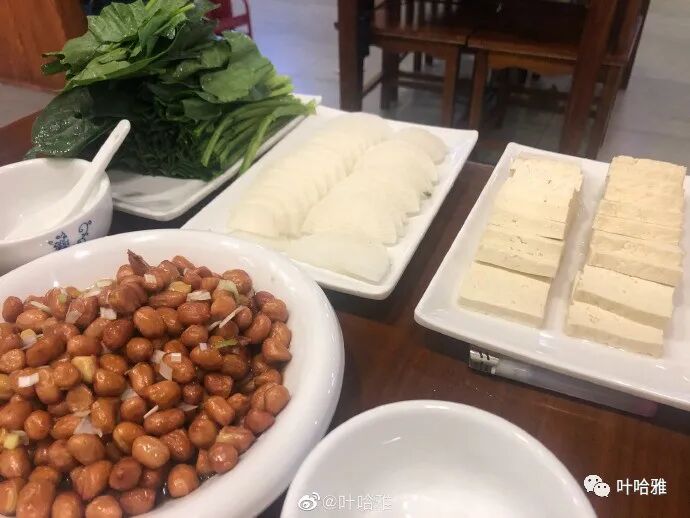
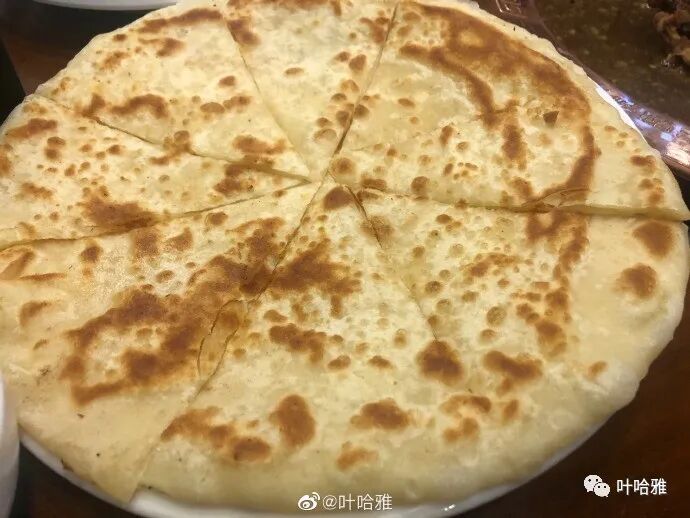
This is a newly opened lamb spine hot pot (yangxiezi huoguo) shop on Guangwai Hongju Street that also sells various snacks and barbecue.
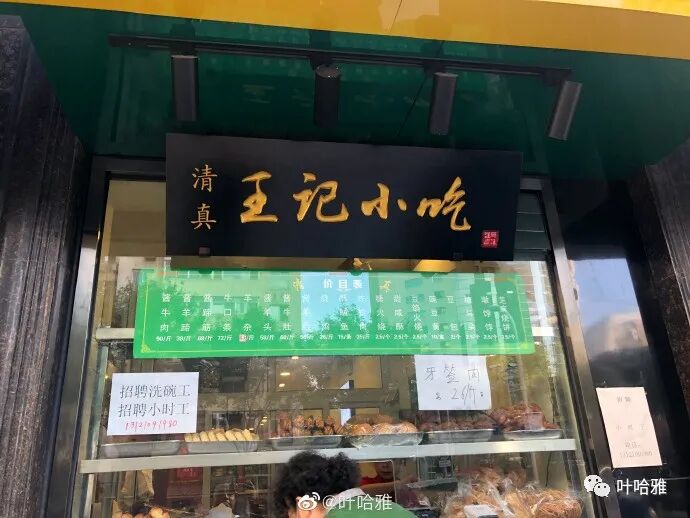
The Wang's takeout window at the entrance sells a variety of traditional Beijing-style snacks.
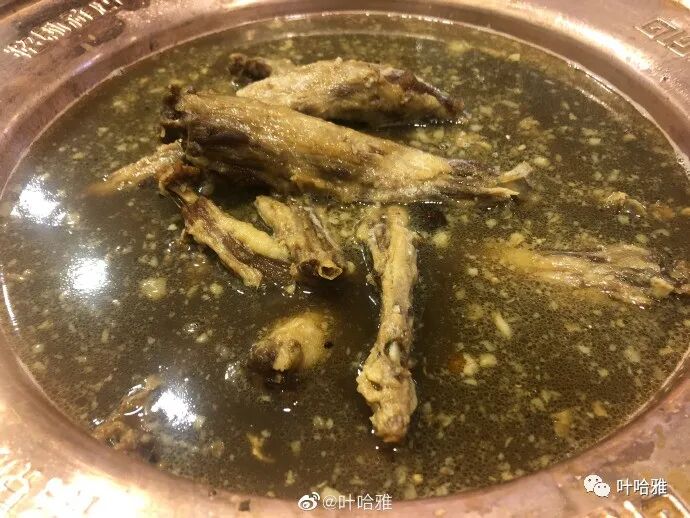
The lamb spine hot pot (yangxiezi) and side dishes taste standard and are quite affordable.
7
New Style Yipin Stewed Beef Hot Pot
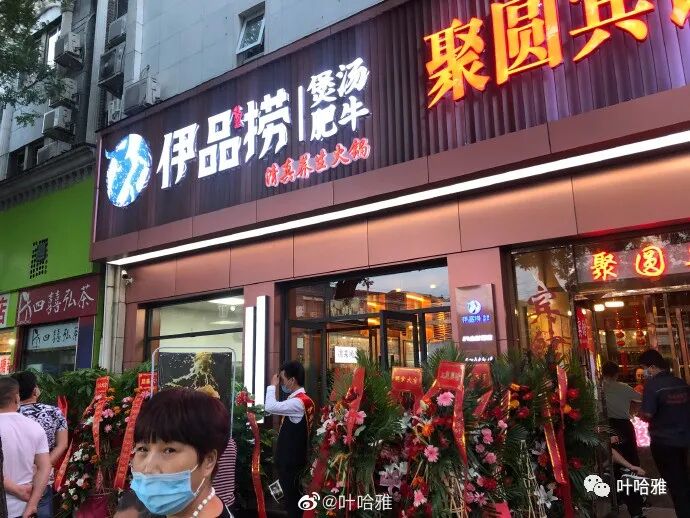
This hot pot restaurant uses soup bases to cook meat. It opened in September and is located in Xisi.
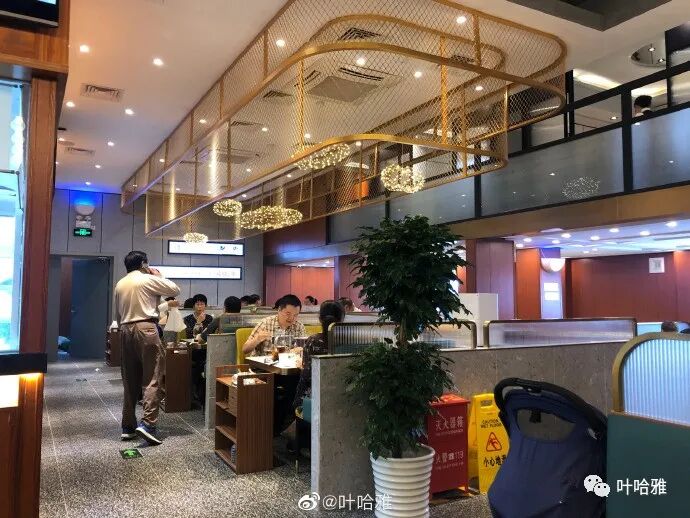
The environment is nice, with small partitions so diners do not disturb each other.
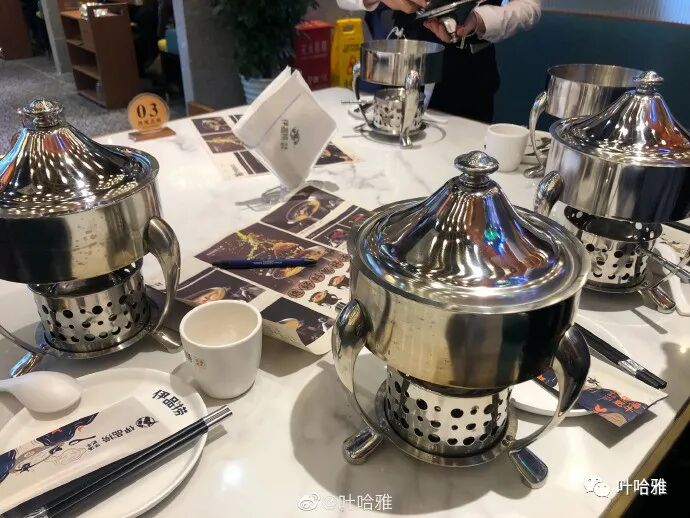
It serves individual pots, which is clean and hygienic, and everyone can choose their own soup base.
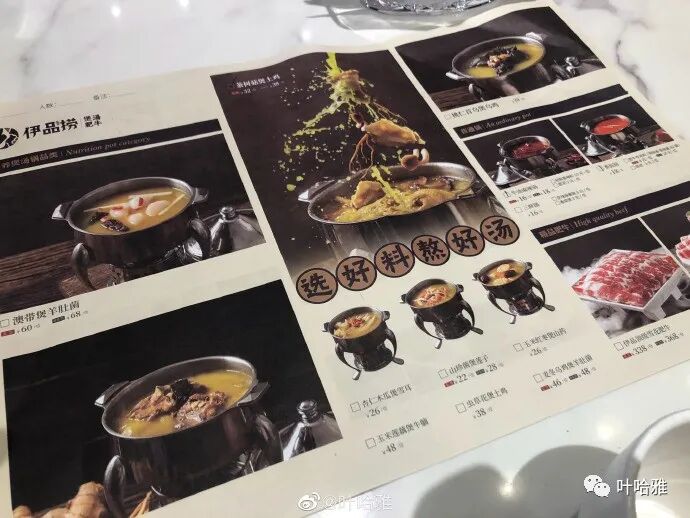
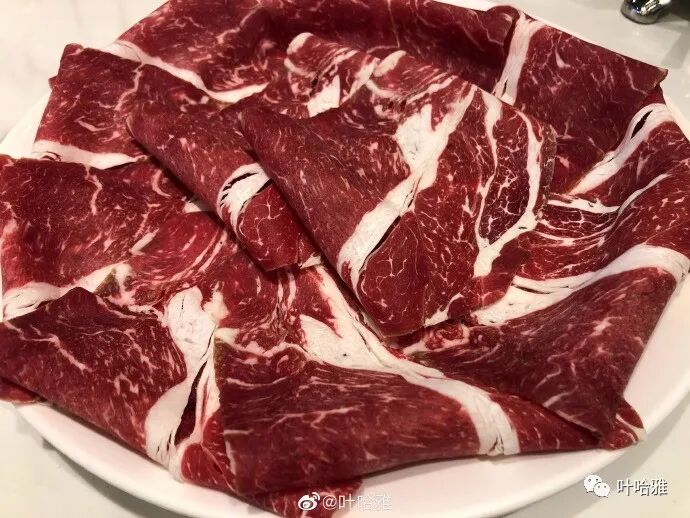
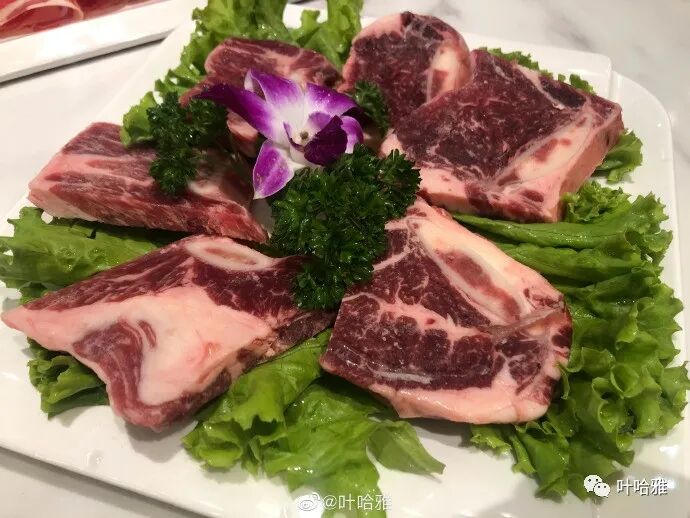
The menu focuses on beef, but also has lamb. The quality is fresh, the price is a bit high, and the average cost is over 150 yuan per person.
8
Xinjiang Amanbayi Big Plate Chicken
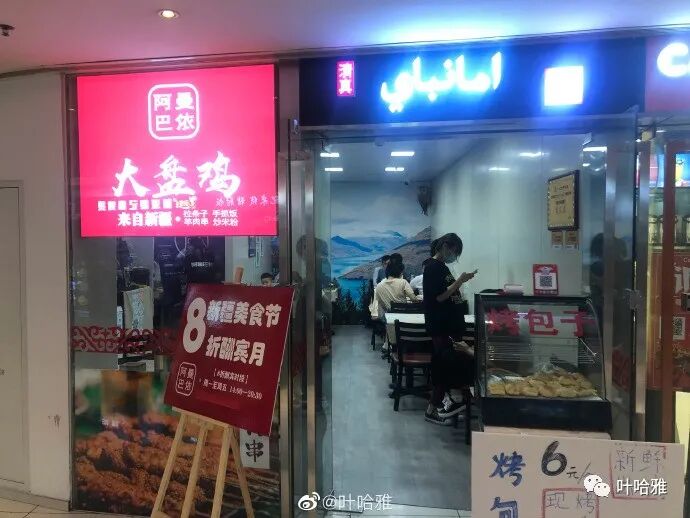
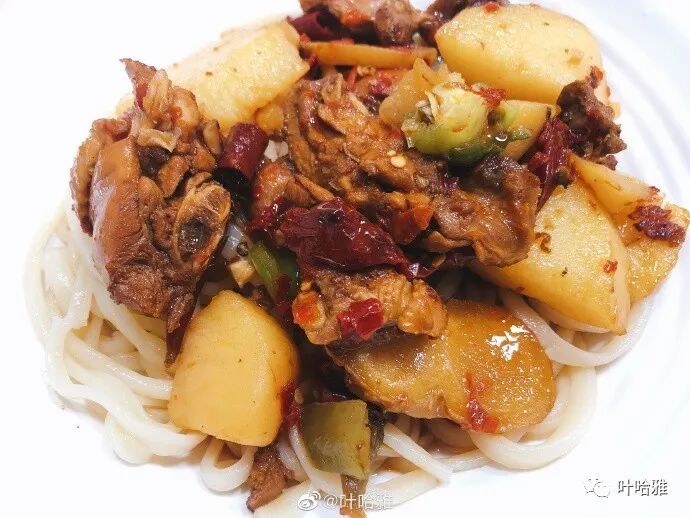
I accidentally found this Xinjiang big plate chicken (dapanji) shop in the Chaoyangmen subway underground commercial street. The big plate chicken with noodles is excellent.
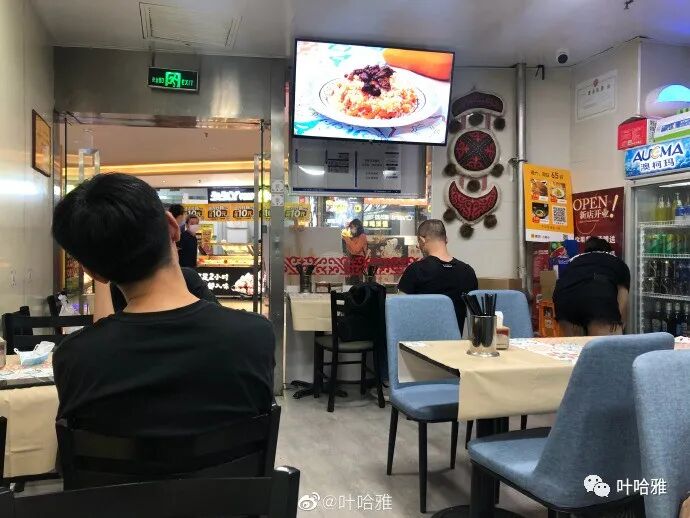
The small shop only has four or five tables and reportedly just moved here. Friends interested in naan bread (nang) cuisine can come and try it.
9
Beijing Style Xiangyixing Old Beijing Copper Pot Shabu-Shabu
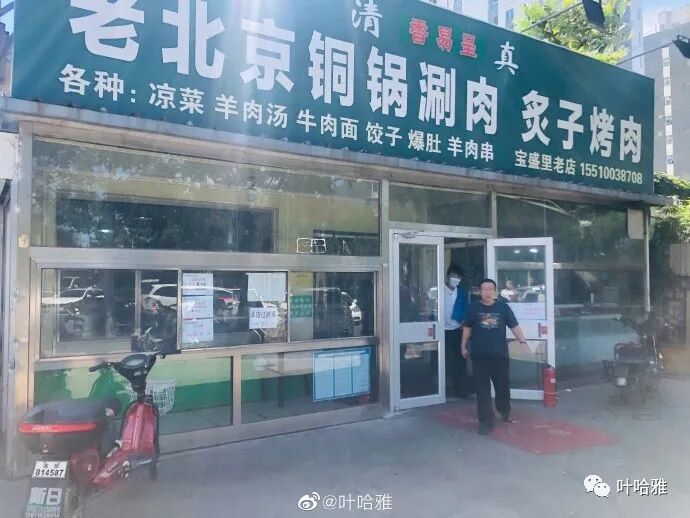
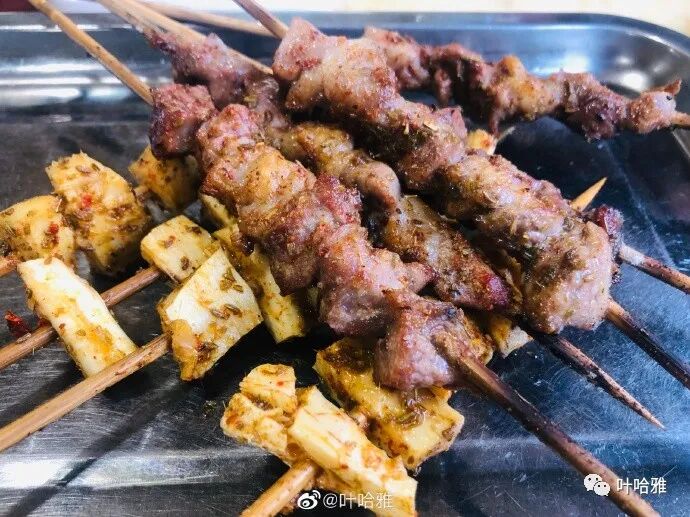
This shop has been open for 17 years. The owner is from Dezhou, Shandong, and is a fellow townsman of the owner of Yayi Liji. Business is good, with a constant stream of customers every day, and the barbecue is very popular.
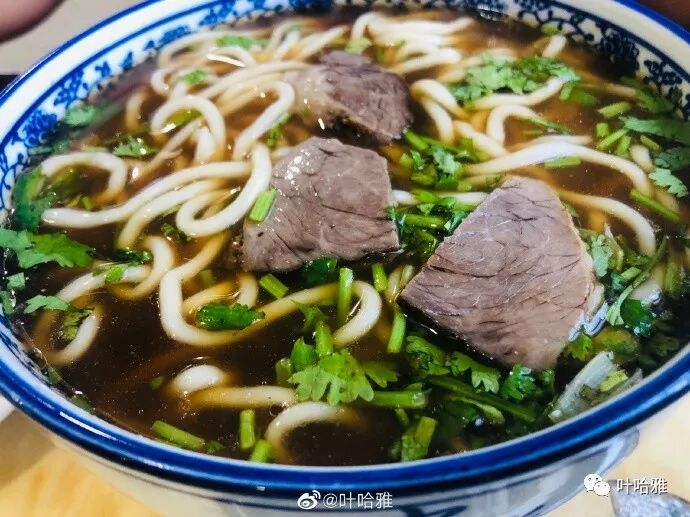
Beef noodles
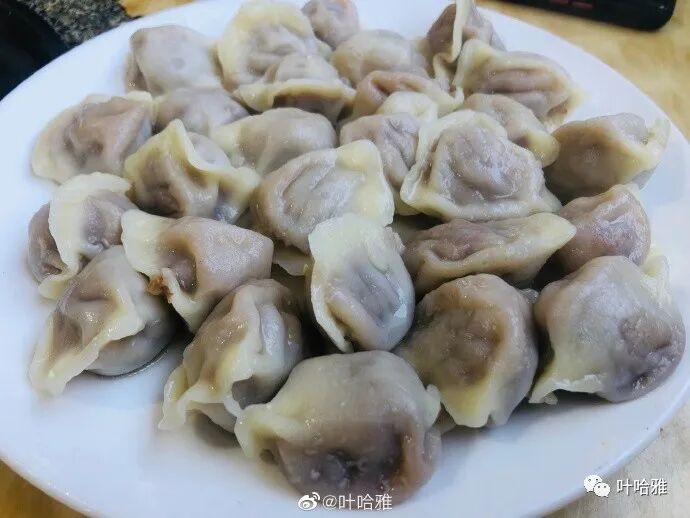
Shandong boiled dumplings (shuijiao)
This is my favorite kind of dumpling. They have thin skins and big fillings, and they are small and delicate. Many hot pot restaurants are even more reliable at making these snacks than the specialty shops.
10
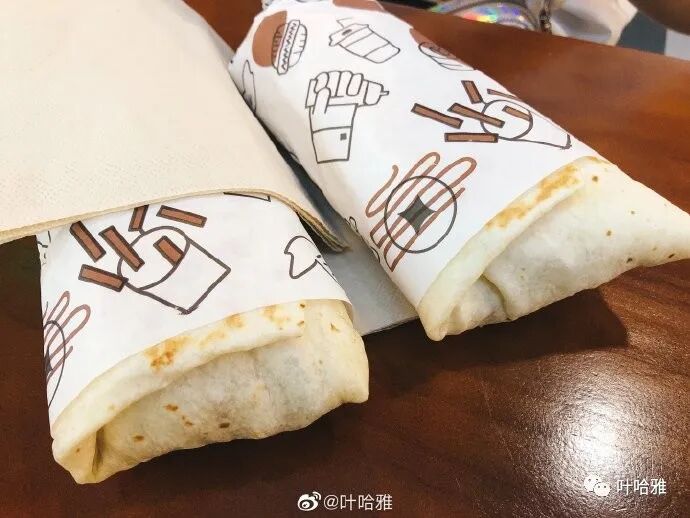
Middle Eastern falafel wrap
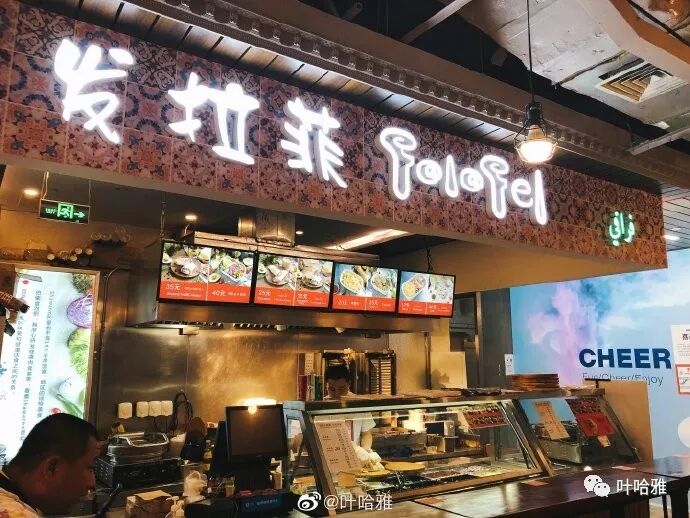
There is a shawarma wrap stall on the basement floor of the Tongying Center in Sanlitun where you can dine in or get takeout.
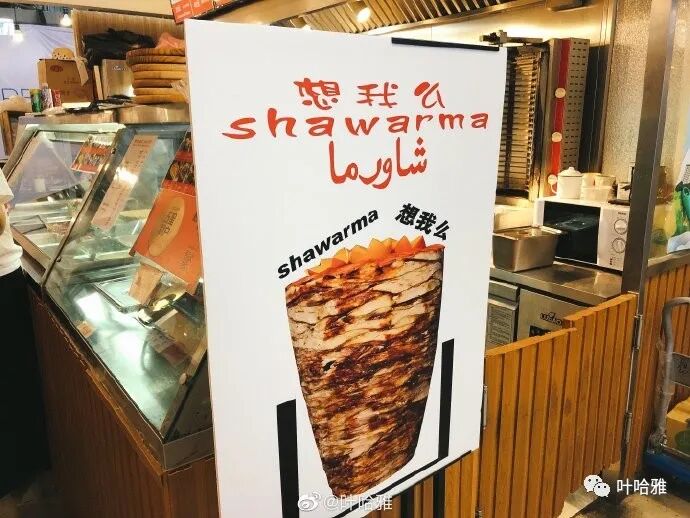
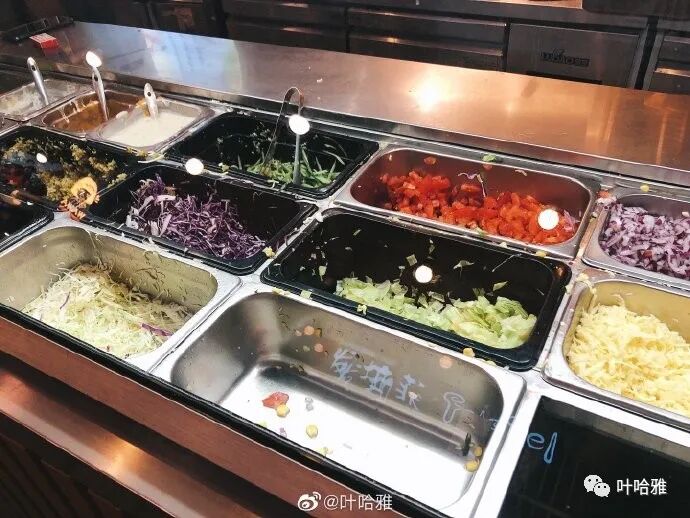
Shawarma is a very popular Middle Eastern food. You can fill it with various ingredients and eat it wrapped in flatbread.
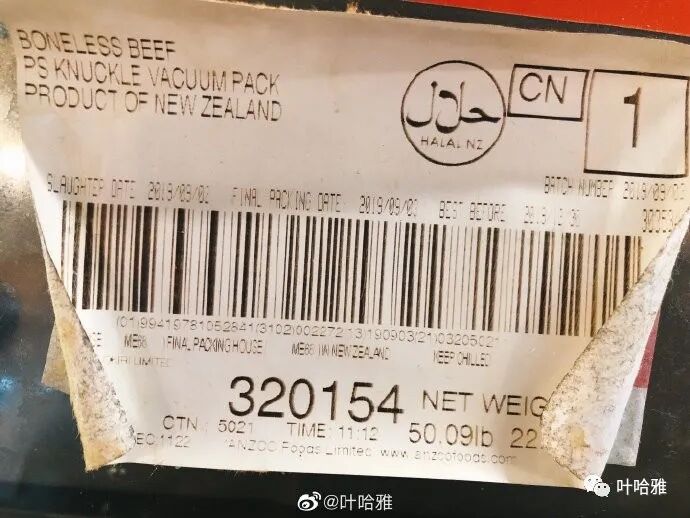
Imported halal ingredients
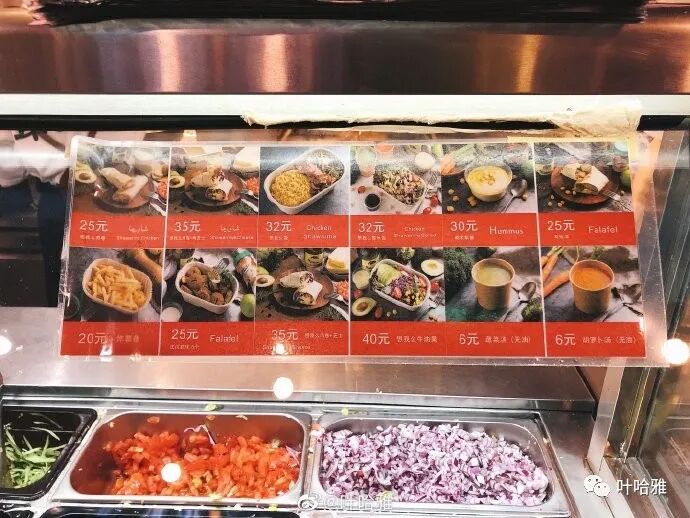
You can also choose hummus. Dipping toasted flatbread into hummus is my favorite Middle Eastern dish.
11
Western-style pastries: Halime Bakery
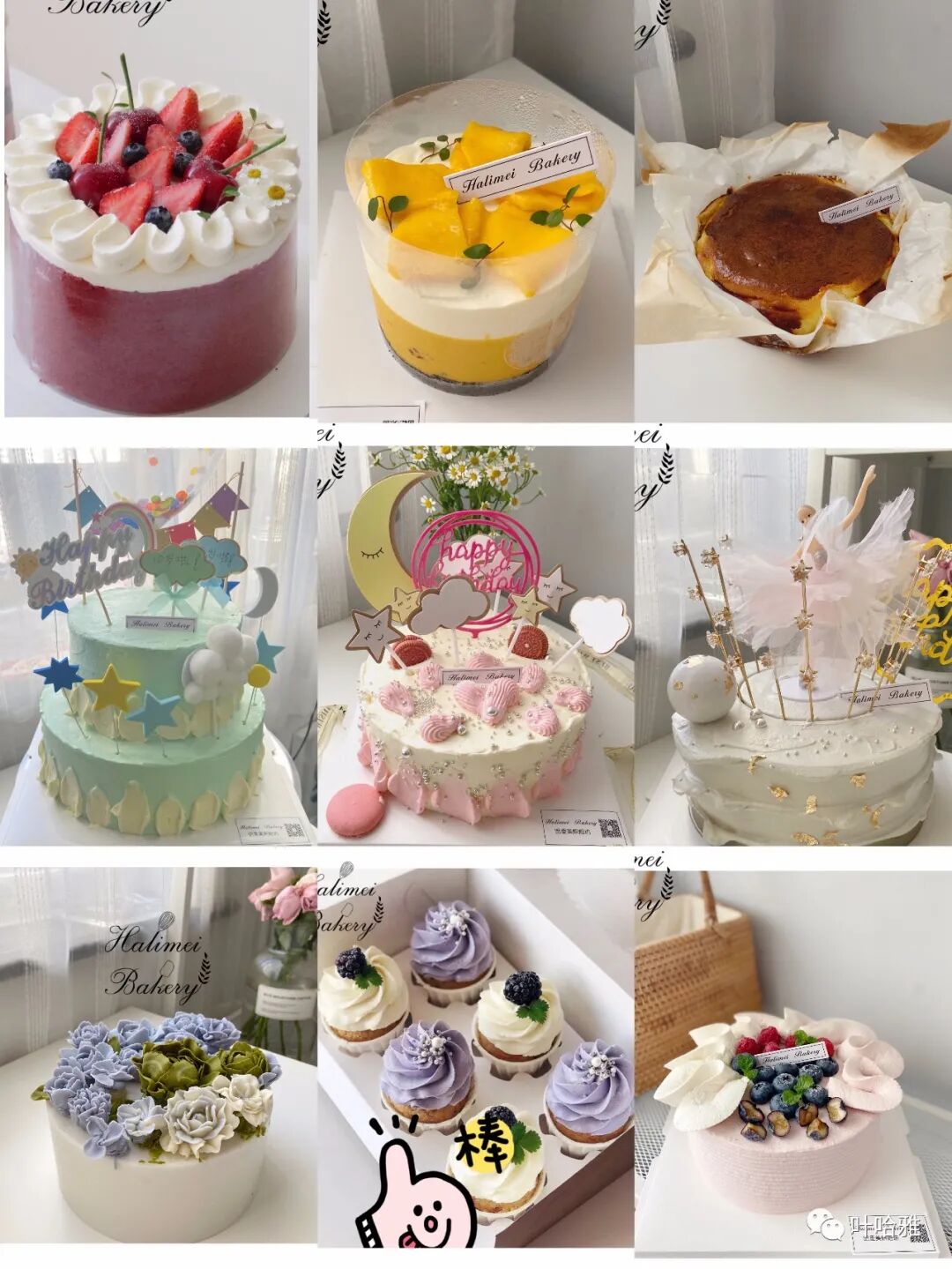
I have probably tried almost every halal dessert shop in Beijing, but I never found one I really liked in terms of taste or appearance until I tried the desserts at Halime Bakery. I can say these are the best-tasting and best-looking halal desserts I have had in North China. The baker at Halime is Salar, and she studied design in Malaysia, so she has a unique sense of aesthetics. Halime Bakery also uses high-quality imported ingredients, such as flour from Japan, cream from New Zealand, and French butter. The following photos are real shots of Halime's work.
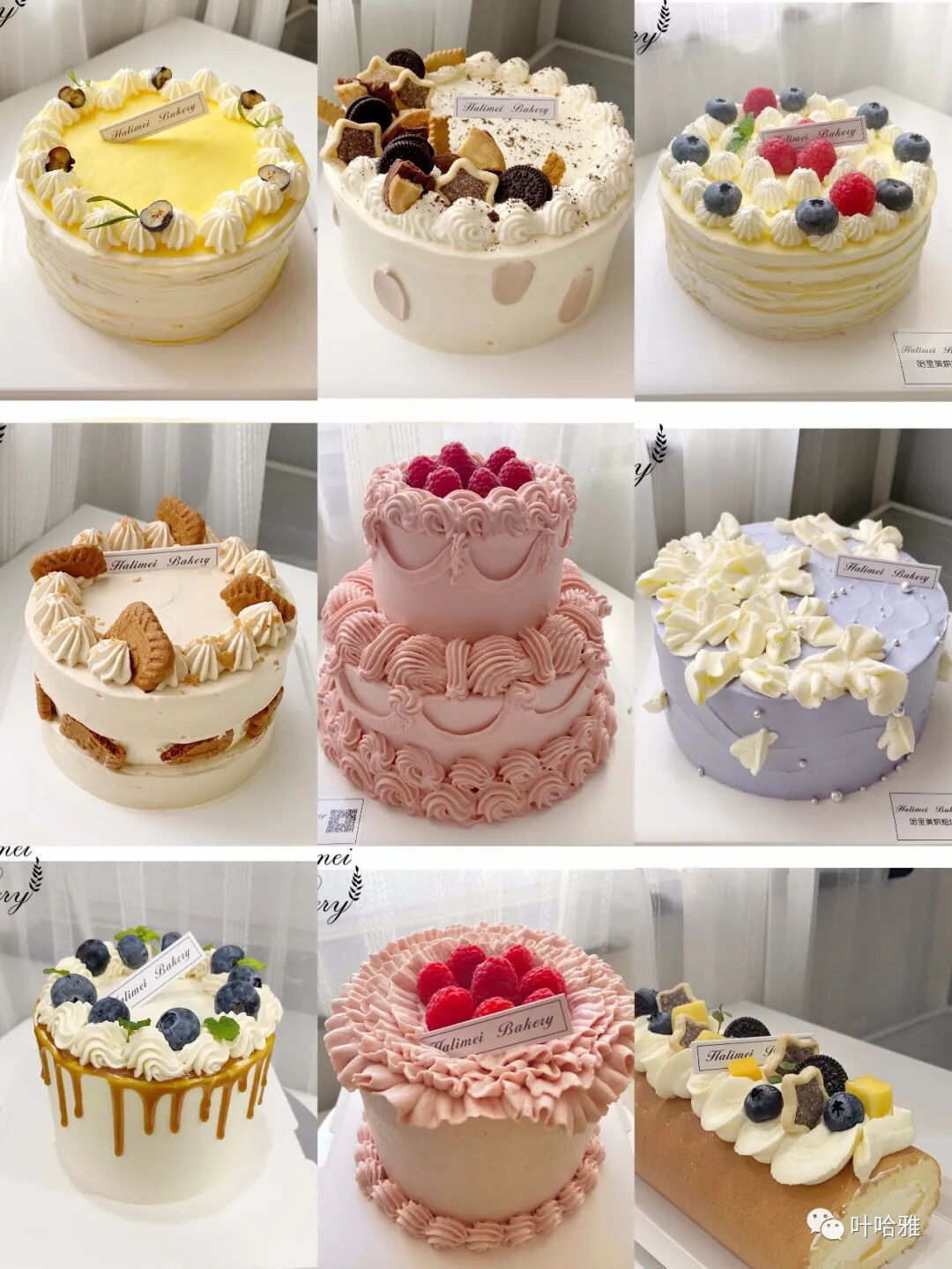
Cream cake
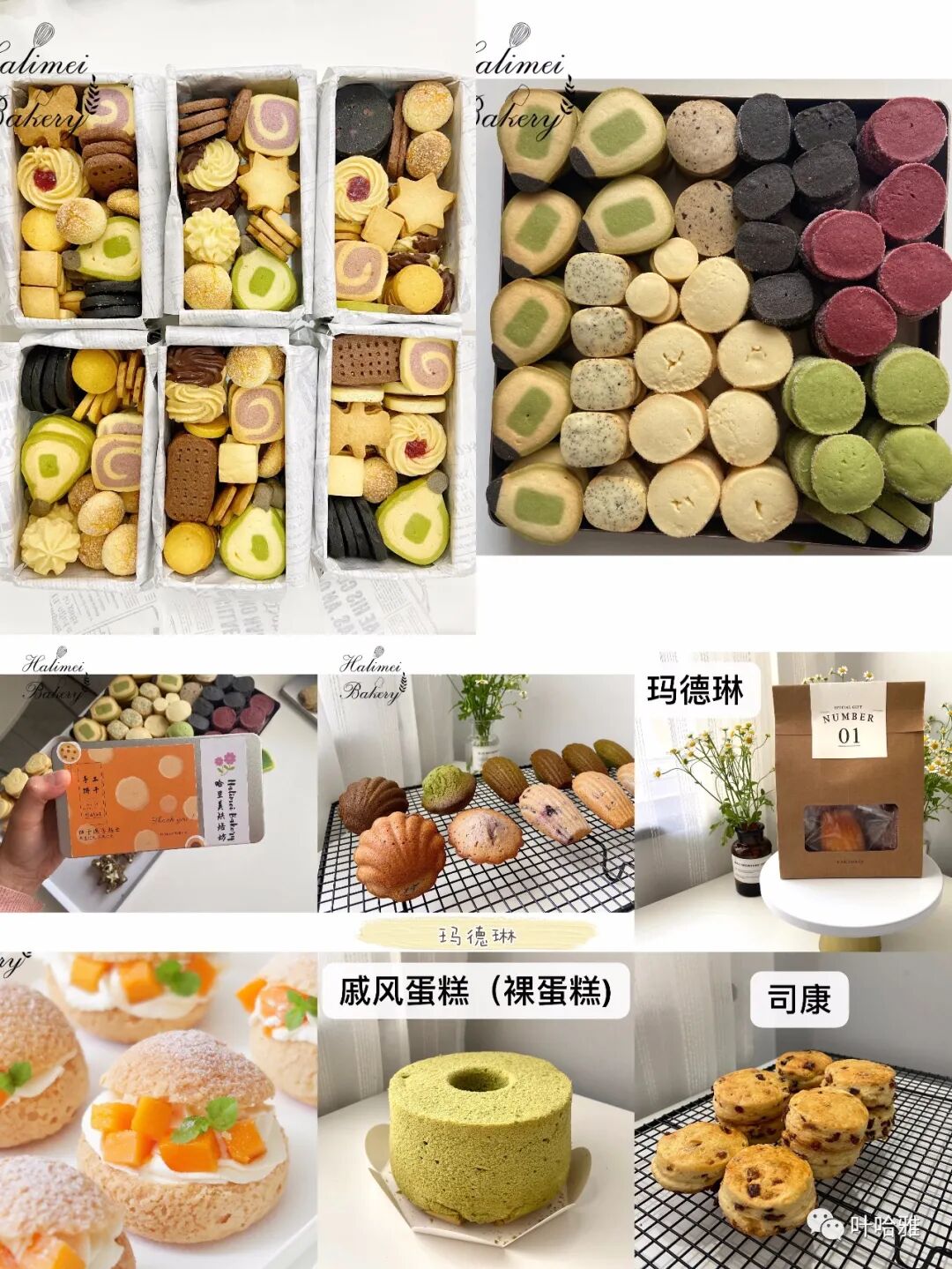
Room-temperature cookies can be mailed.
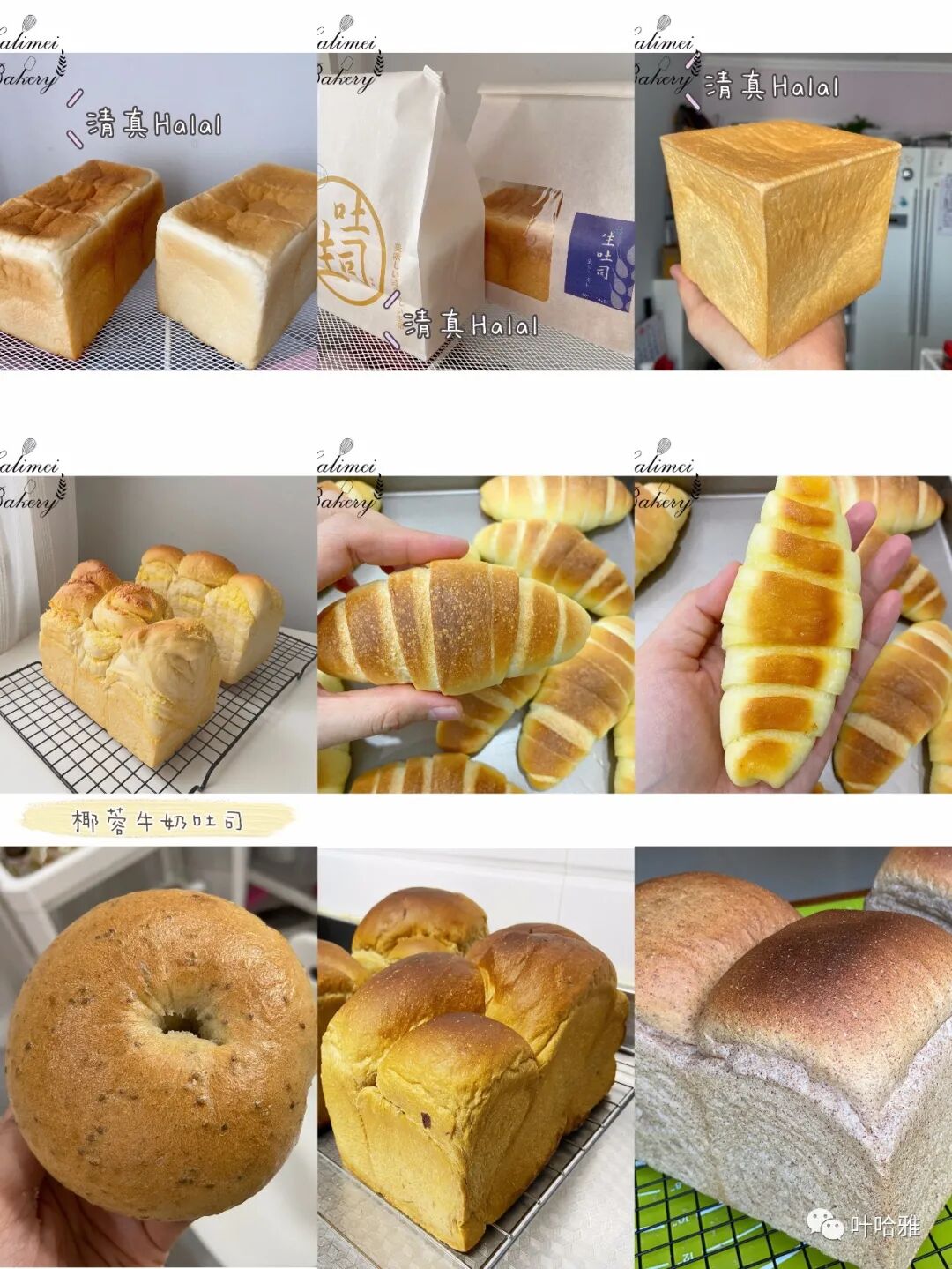
Various breads, including Japanese-style raw toast, salt croissants, low-fat bagels, whole wheat bread, sweet bread, and more.
Summary: Best Halal Restaurant Beijing: Local Hui Muslim BBQ, Hotpot, Shawarma and Desserts is presented here as a clear English account for Muslim readers, beginning with this scene: — Hello, Travel —. The article keeps the original names, food details, mosque details, photographs, and cultural context while focusing on Beijing Halal Food, Halal Restaurants, Hui Muslim Food.
— Hello, Travel —
The Beijing Halal Food Map series has reached its 20th installment. Each issue introduces an average of 10 restaurants, bringing the total to over 200 places I have personally visited and tasted. I started writing this public account in 2016, and it has been four years now. Many restaurants I wrote about earlier have closed, but fortunately, the Beijing halal dining market keeps growing. The variety and number of halal restaurants are generally on the rise. Beijing is the capital after all, and it leads the country in every way.
Also, a reminder to my fellow friends (dostis): after reading these guides, it is best to check major review websites to confirm if the restaurant is still open. Things change quickly now, and a place I mention today might close the next day.
1
Japanese-style: Equator Yakiniku (Chidao Shaorou)
I went to Tianjin last weekend just to eat Japanese food because there are no halal Japanese restaurants left in Beijing. The original halal Japanese spots in Changying, Hecai Shidang and Hefeng no Utage, have changed owners. The Hui Muslim shareholder of Hefeng no Utage withdrew their investment, but the halal sign is still up, so its halal status is in doubt.
The good news is that a new Japanese-style barbecue restaurant called Equator Yakiniku (Chidao Shaorou) has opened in Changying. It is run by the nephew of the Changying Three Brothers. I went to try it on its first day of trial operation, and overall, it is quite good. The restaurant's decor is very upscale.
The restaurant has two floors, and the space between tables is wide. They specialize in Wagyu beef barbecue, which you grill yourself, and they also serve traditional Japanese dishes.
Wagyu beef platter with marbling (xuehua heniu sanpin)
Equator's Wagyu comes from Shandong. Wagyu breeds are mainly divided into: Japanese Black, Japanese Brown, Japanese Shorthorn, and Japanese Polled. Among them, Japanese Black has the most even fat distribution and the highest nutritional value, making it top-tier Wagyu. Equator Yakiniku uses Japanese Black Wagyu.
Beef rib fingers (niulitia)
California sushi roll (jiazhou sushijuan)
Matcha ice cream (mocha bingqilin)
You can dip the grilled meat in three types of sauces—two wet and one dry—or eat it plain. It is fresh, juicy, and chewy.
Wasabi octopus (jiemo zhangyu)
5A marbled beef (5A shuangjiang niurou)
This is the signature dish at Chidao, frost-marbled beef (shuangjiang niurou), priced at 2.5 yuan per gram, which equals 1,250 yuan for 500 grams. If you have the budget, come and try it. During the new store promotion, everything is 12% off, making the average cost about 200 yuan per person.
2
Sichuan Style: Changying Bearded Skewer Shop (Dahuzi Chuanchuanxiang)
There are already four halal skewer shops in Beijing. I have written about Yinmadeng Skewers and Xiaojungan Skewers before. Dahuzi is the third one. I have not visited the fourth one yet and do not know how it is, so I will not mention it for now.
Besides skewers, they also have Sichuan pepper beef and spicy stir-fried beef, which are all dishes I want to eat.
The skewers are very cheap, so a group of people can eat without spending much. You can choose a split-pot (yuanyang guo) for the soup base, which is not too spicy, and they also serve barbecue.
3
Western Style: Ji'anzhai Bookstore
Ji'anzhai is located in Yangzhumei Alley near Qianmen. It is a bookstore that also serves coffee and simple Western meals. Before the liberation, the site was Wang Huihui's dog-skin plaster shop. The store still displays some old photos. The current owner is a Hui Muslim from Niujie, and the shop has been open for 18 years.
From the second floor, you can look down at the street view of the Qianmen alleys. It is very relaxing to sit here in the afternoon, soaking up the sun, drinking coffee, and reading.
The owner says the desserts they sell are sourced from Hui Muslims across the street, ensuring they are halal.
Honey pomelo fruit tea
Crab roe noodles (xiehuang mian)
This is the first time I have seen crab roe noodles with such a generous portion of crab roe; it completely covers the noodles. The price of the crab roe noodles changes with the season, and it is currently 150 yuan per serving. Although it is expensive, it is satisfying to eat, and just eating the crab roe is enough.
Curry chicken rice
The chicken in the curry chicken rice is well-made with a charred aroma. This dish really suits my taste. I heard the beef rice in the shop is also good. Overall, the flavors of the dishes really won me over, and it is worth a try.
4
Northwest Style: Liangtaoxuan Halal Hezhou Noodle Restaurant
Liangtaoxuan is well-known among the Linxia community in Beijing. The shop prohibits smoking and alcohol, and it offers charity noodles (aixin lamian) for people in need to eat for free.
Noodles made with faith taste different. The staff is very welcoming. I recommend that fellow Northwest friends (dosti) who miss the taste of home come and try it. It is best to leave a bowl of charity noodles for someone else before you go.
5
Beijing Style: Chaishi Flavor House
Chaishi Beef Noodle is a famous old brand in Beijing, known for its beef noodles. The broth is said to have been simmering since 1920, making it a true century-old broth.
I am glad that such a famous old shop now provides great service. Someone greets you at the door, the space is roomy, and staff pours tea after you sit down. You order by scanning a code and wait for the food to be served, making for a comfortable dining experience.
There are three locations in Beijing now. The Ganjia Kou branch is the main store, and I recommend coming there for noodles.
Accordion cucumber (suoyi huanggua)
The accordion cucumber is the shop's signature cold dish. It is crunchy and topped with sesame paste (majiang). I recommend trying it.
Small bowl of beef (xiaowan niurou)
If you only order a bowl of beef noodle soup at Chaishi, it does not come with beef. You need to order a small bowl of beef separately. The noodles are hand-rolled (shouganmian), chewy, and the broth is rich. Pairing them with a bowl of soft, flavorful stewed beef is a treat. For Beijingers, a real beef noodle bowl must have big chunks of beef.
6
Beijing Style: Jufuyun Lamb Spine Hot Pot
This is a newly opened lamb spine hot pot (yangxiezi huoguo) shop on Guangwai Hongju Street that also sells various snacks and barbecue.
The Wang's takeout window at the entrance sells a variety of traditional Beijing-style snacks.
The lamb spine hot pot (yangxiezi) and side dishes taste standard and are quite affordable.
7
New Style Yipin Stewed Beef Hot Pot
This hot pot restaurant uses soup bases to cook meat. It opened in September and is located in Xisi.
The environment is nice, with small partitions so diners do not disturb each other.
It serves individual pots, which is clean and hygienic, and everyone can choose their own soup base.
The menu focuses on beef, but also has lamb. The quality is fresh, the price is a bit high, and the average cost is over 150 yuan per person.
8
Xinjiang Amanbayi Big Plate Chicken
I accidentally found this Xinjiang big plate chicken (dapanji) shop in the Chaoyangmen subway underground commercial street. The big plate chicken with noodles is excellent.
The small shop only has four or five tables and reportedly just moved here. Friends interested in naan bread (nang) cuisine can come and try it.
9
Beijing Style Xiangyixing Old Beijing Copper Pot Shabu-Shabu
This shop has been open for 17 years. The owner is from Dezhou, Shandong, and is a fellow townsman of the owner of Yayi Liji. Business is good, with a constant stream of customers every day, and the barbecue is very popular.
Beef noodles
Shandong boiled dumplings (shuijiao)
This is my favorite kind of dumpling. They have thin skins and big fillings, and they are small and delicate. Many hot pot restaurants are even more reliable at making these snacks than the specialty shops.
10
Middle Eastern falafel wrap
There is a shawarma wrap stall on the basement floor of the Tongying Center in Sanlitun where you can dine in or get takeout.
Shawarma is a very popular Middle Eastern food. You can fill it with various ingredients and eat it wrapped in flatbread.
Imported halal ingredients
You can also choose hummus. Dipping toasted flatbread into hummus is my favorite Middle Eastern dish.
11
Western-style pastries: Halime Bakery
I have probably tried almost every halal dessert shop in Beijing, but I never found one I really liked in terms of taste or appearance until I tried the desserts at Halime Bakery. I can say these are the best-tasting and best-looking halal desserts I have had in North China. The baker at Halime is Salar, and she studied design in Malaysia, so she has a unique sense of aesthetics. Halime Bakery also uses high-quality imported ingredients, such as flour from Japan, cream from New Zealand, and French butter. The following photos are real shots of Halime's work.
Cream cake
Room-temperature cookies can be mailed.
Various breads, including Japanese-style raw toast, salt croissants, low-fat bagels, whole wheat bread, sweet bread, and more.
