
Mosque Near Me in China: Beautiful Mosques from Beijing to Sanya and Hong Kong
Reposted from the web
Summary: Mosque Near Me in China: Beautiful Mosques from Beijing to Sanya and Hong Kong is presented here as a clear English account for Muslim readers, beginning with this scene: This is my hand-picked collection of mosques I have visited across China. I used photos and short descriptions to introduce them. I chose these mosques because they represent their regions well, such as those designated. The article keeps the original names, food details, mosque details, photographs, and cultural context while focusing on China Mosques, Mosque Travel, Muslim Heritage.
This is my hand-picked collection of mosques I have visited across China. I used photos and short descriptions to introduce them. I chose these mosques because they represent their regions well, such as those designated as national cultural heritage sites or those that showcase traditional architectural styles. Two years ago, I wrote a map of Chinese mosques that received a lot of attention from friends (dosti). This article updates, trims, and adds to that old post with significant changes.
So far, I have visited over 400 mosques. The ones in this post make up only one-tenth of those I have seen. If you think the mosque in your hometown is more beautiful, please leave me a message. I will visit them one by one when I have time, insha'Allah.
— Hello, Travel —
Beijing: Niujie Mosque
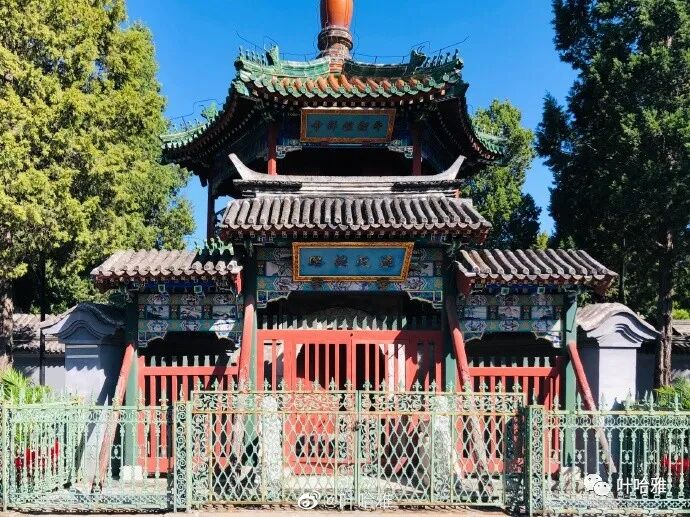
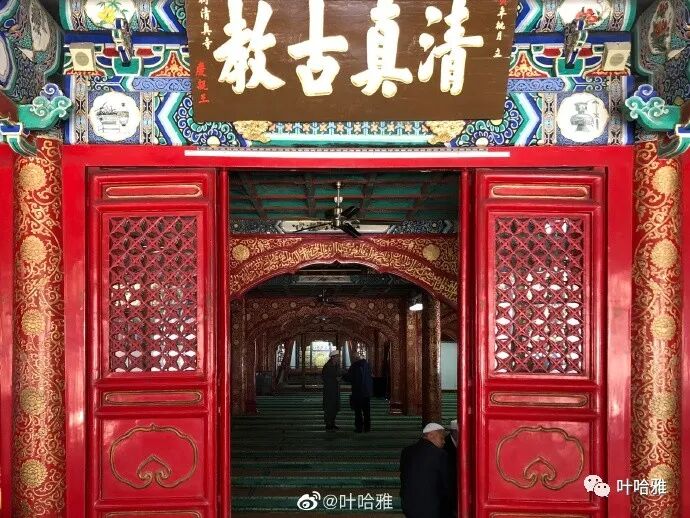
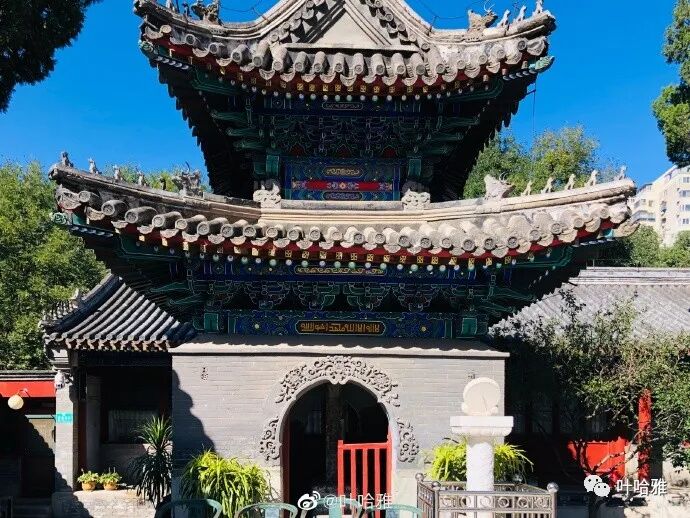
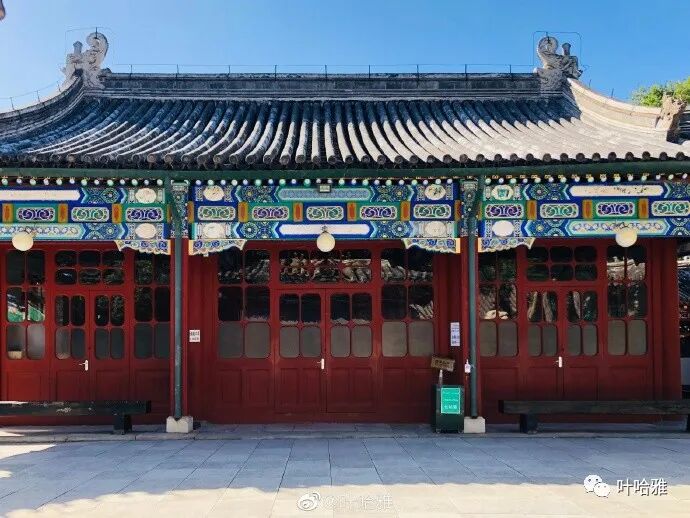
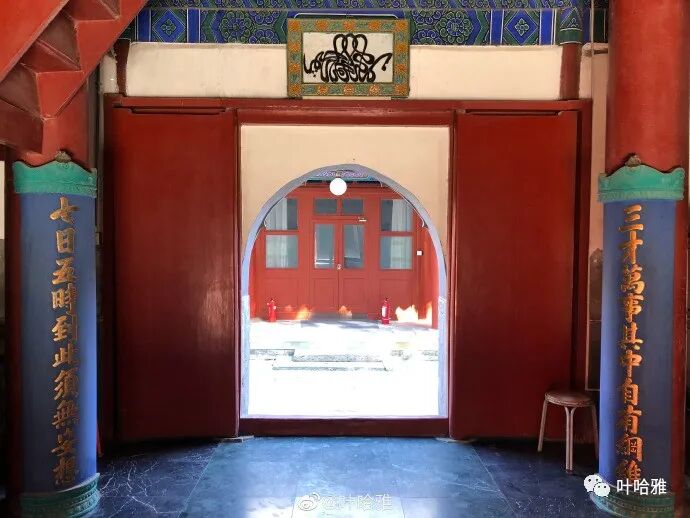
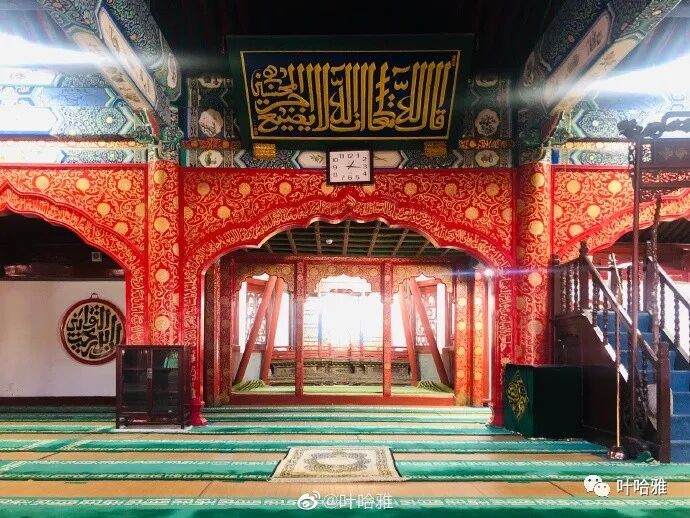
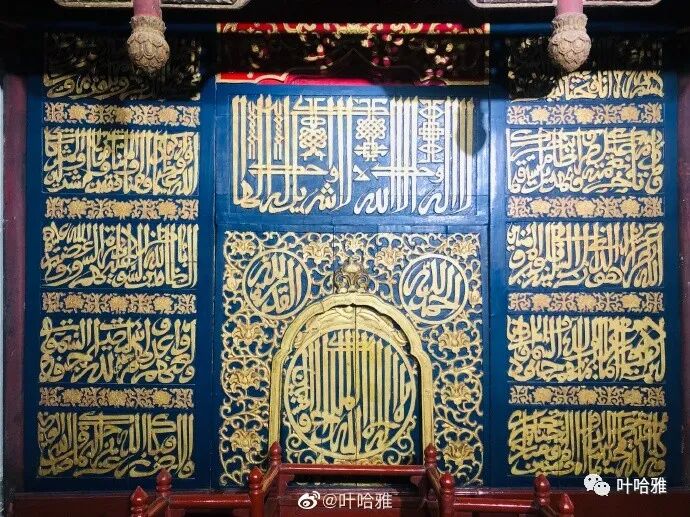
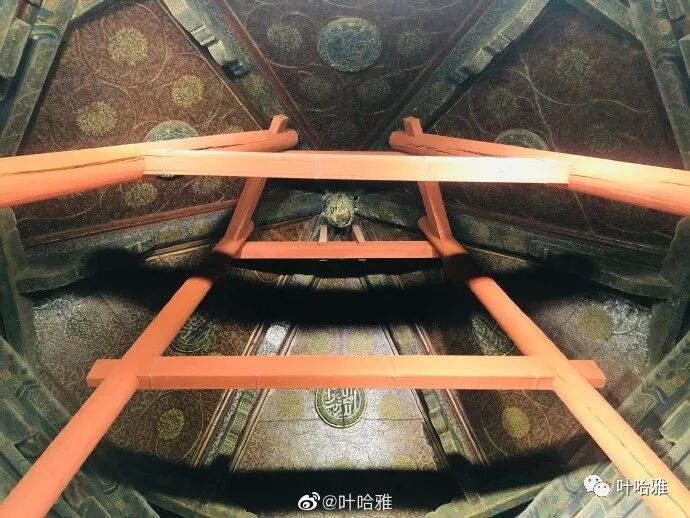
I have counted 78 existing mosques in Beijing. Among them, Niujie Mosque is the oldest, largest, and highest-ranked cultural heritage site in the city. It was first built during the Northern Song Dynasty by a scholar named Nasruddin who served in the Liao Dynasty. It has a history of over a thousand years and was named a national key cultural heritage site in 1988.
Beijing: Yongshou Mosque
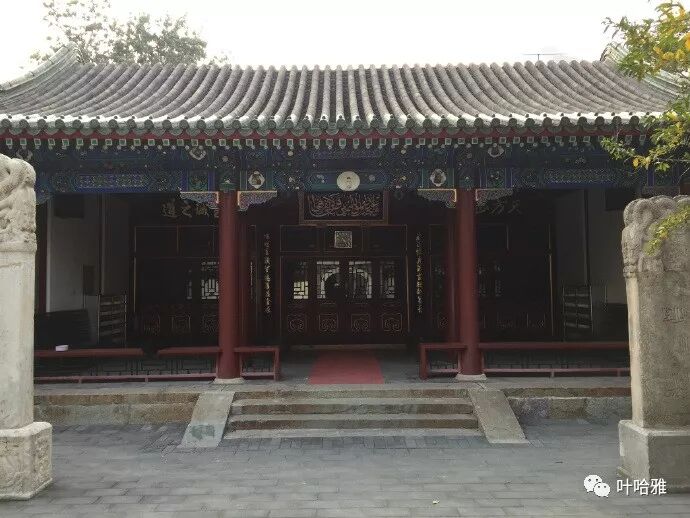
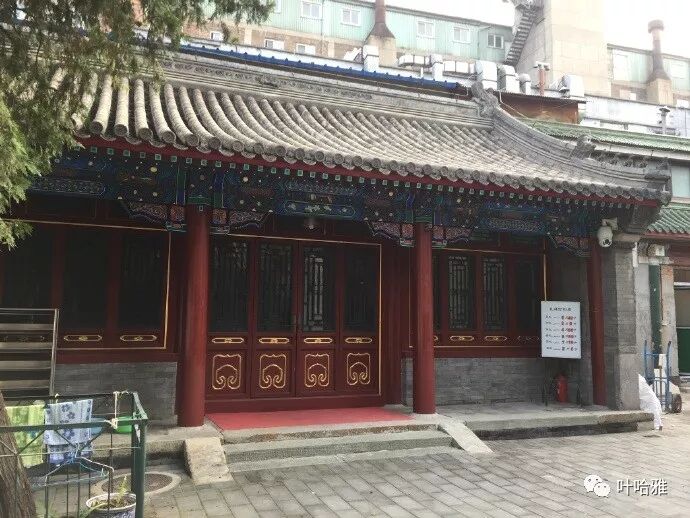
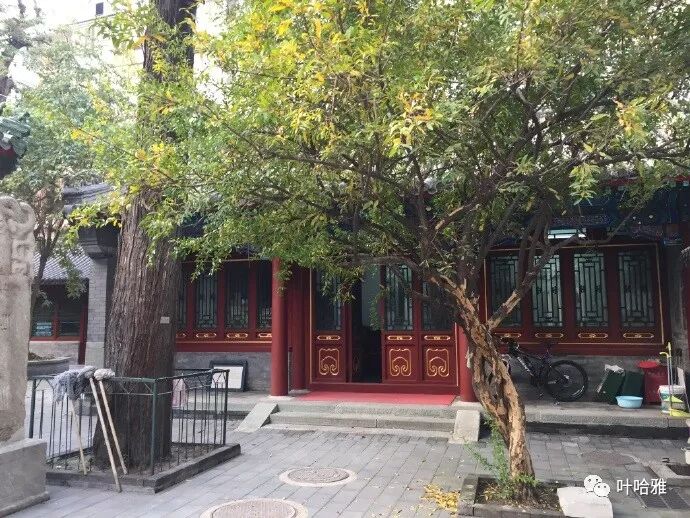
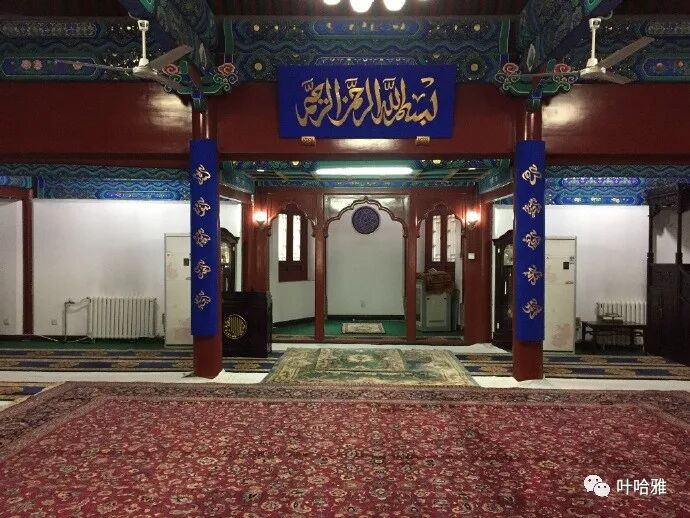
Located on Sanlihe in the Yuetan sub-district of Xicheng District, Yongshou Mosque was first built in the 33rd year of the Wanli reign of the Ming Dynasty. There was once a Hui Muslim cemetery within the mosque grounds, but it was moved in the 1950s. The scholar Wang Daiyu was once buried here, and now only a stone tablet recording his life remains.
Beijing: Tongzhou Mosque
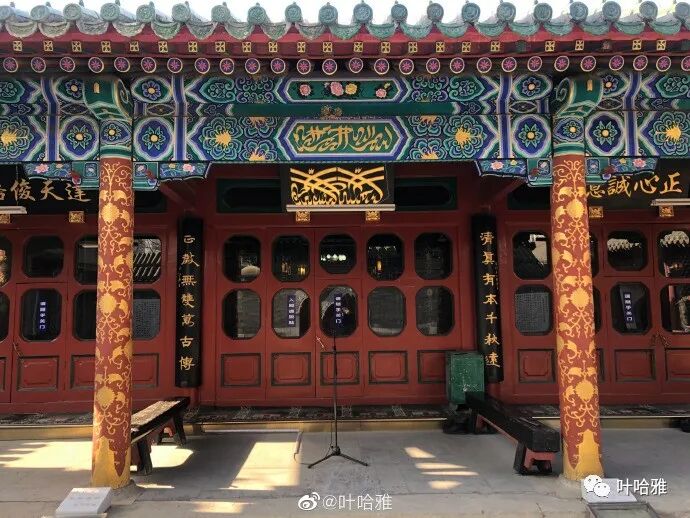
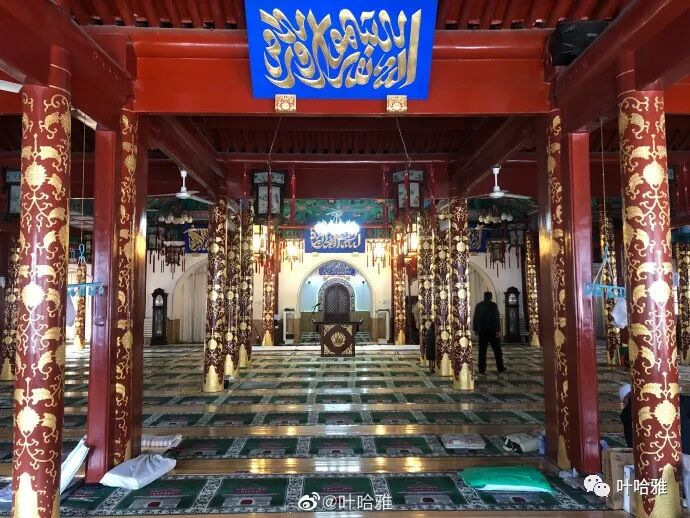
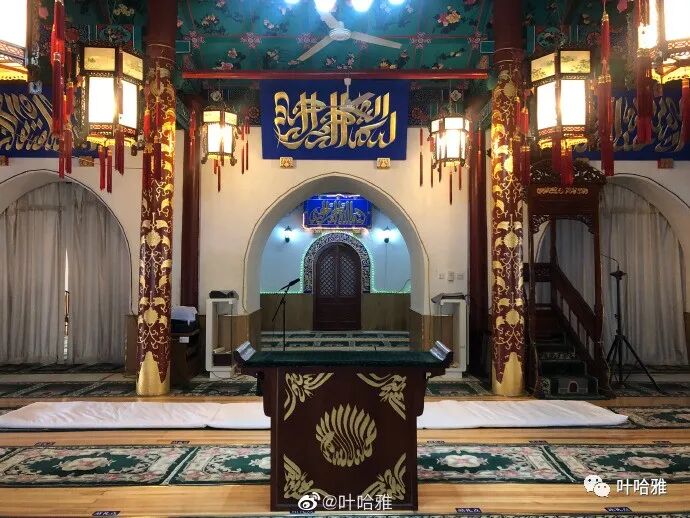
Tongzhou Mosque was first built during the Yanyou era of the Yuan Dynasty. In the 21st year of the Wanli reign of the Ming Dynasty, the abandoned site of the Tongzhou Left Guard was added to expand it. Side halls were added in the 47th year of the Kangxi reign of the Qing Dynasty, and classrooms were added in the 20th year of the Daoguang reign.
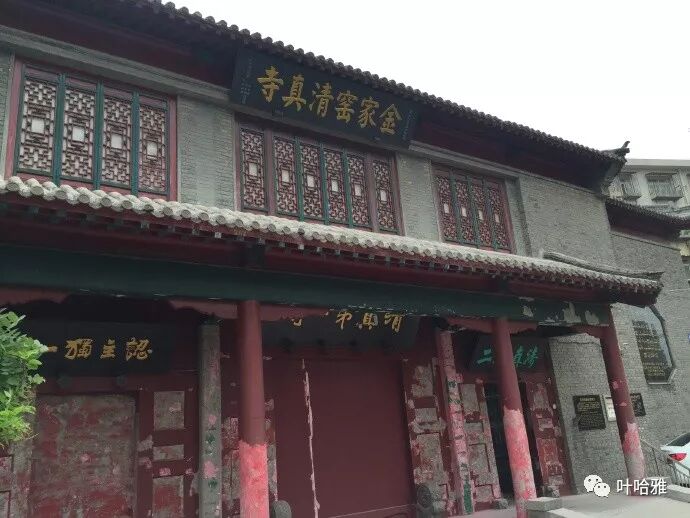
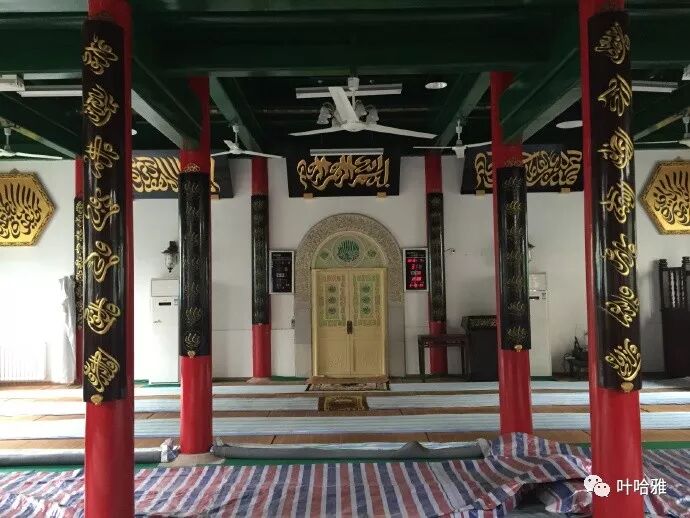
Tianjin: Jinjiayao Mosque
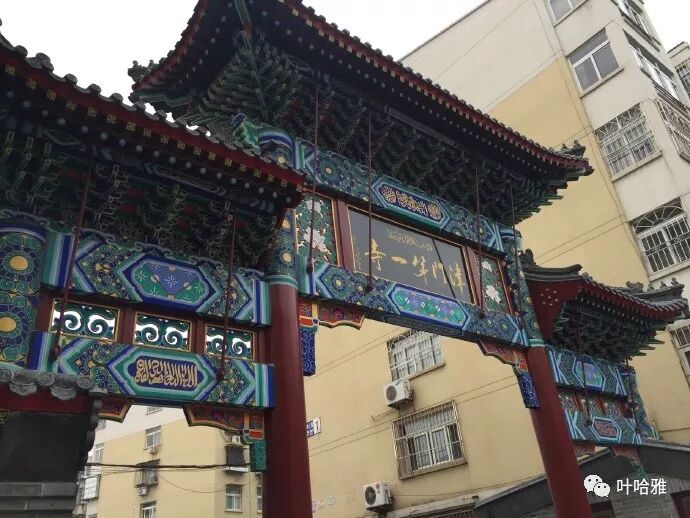
Jinjiayao Mosque was first built in the second year of the Wanli reign of the Ming Dynasty (1574) and is one of the oldest mosques in Tianjin.
It is known as the number one mosque in Tianjin.
Tianjin: Great Mosque of Tianjin
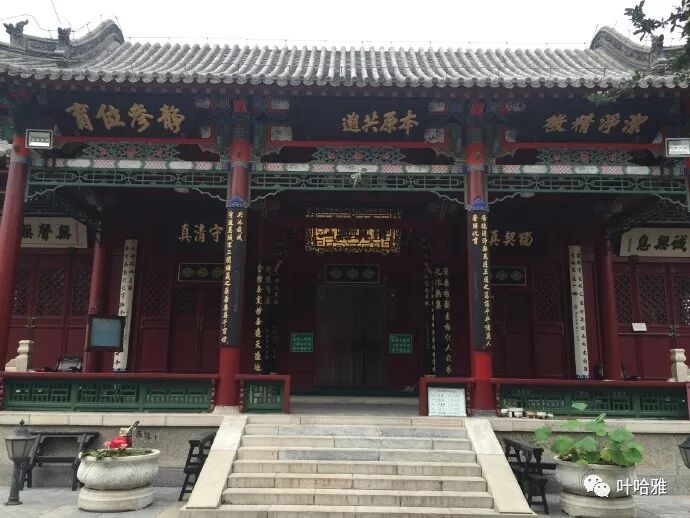
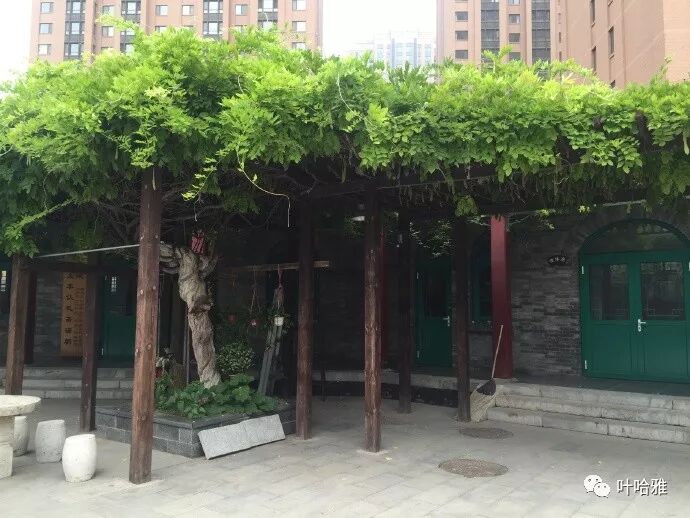
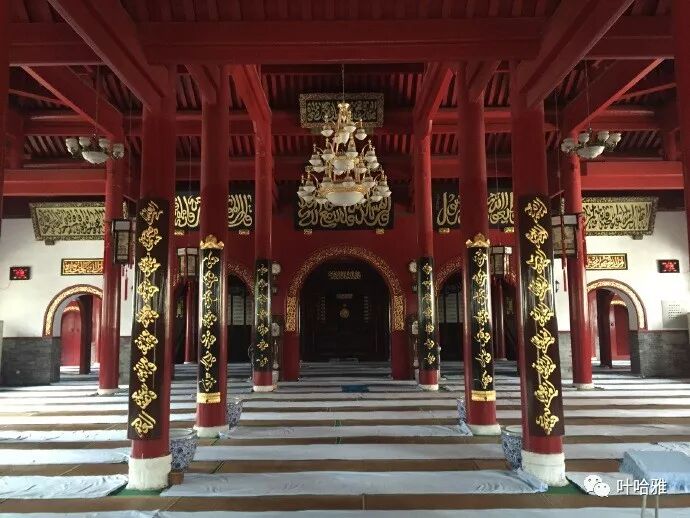
The Great Mosque of Tianjin is one of China's famous mosques. It is located in the Hongqiao District of Tianjin and covers an area of 5,000 square meters. It is generally believed to have been founded in the early years of the Qing Dynasty (1644–1911).
Hebei: Cangzhou
North Great Mosque
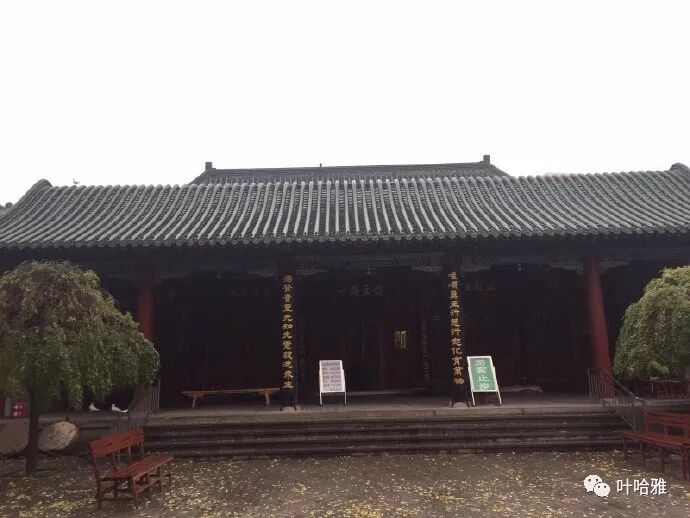
This mosque was first built at the end of the Jianwen era of the Ming Dynasty (1420). Many imams from Shaanxi, Gansu, North China, and Inner Mongolia completed their studies and received their certificates at the North Mosque of Cangzhou.
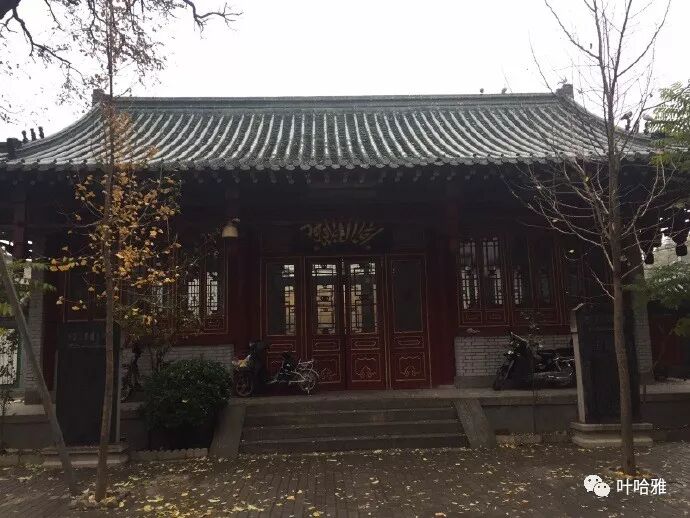
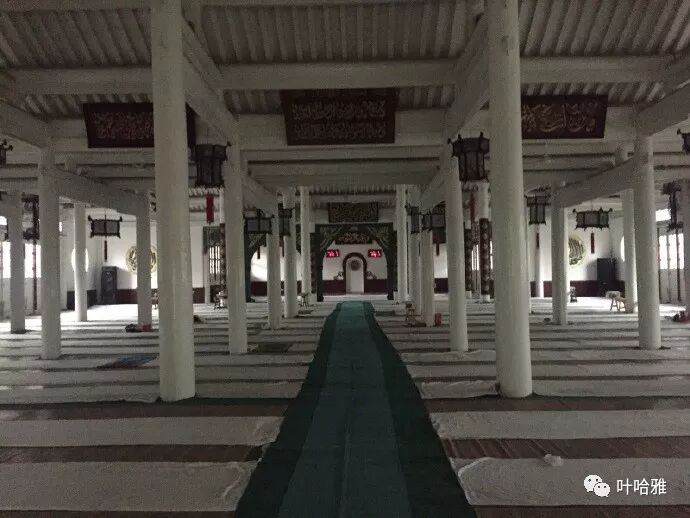
Cangzhou City, Hebei Province
Botou Mosque
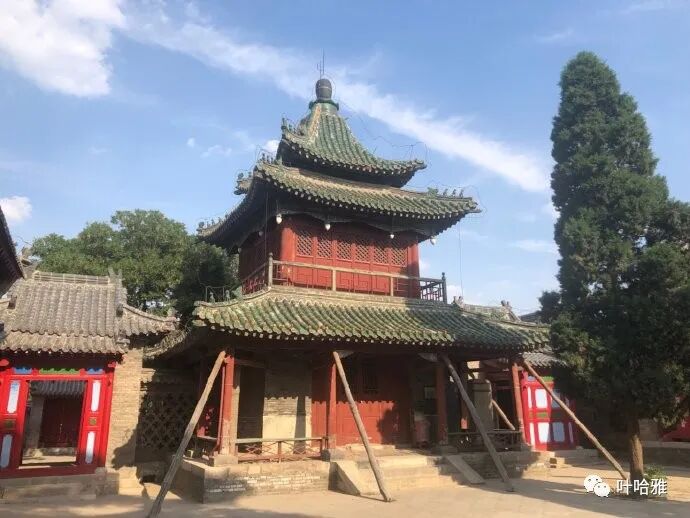
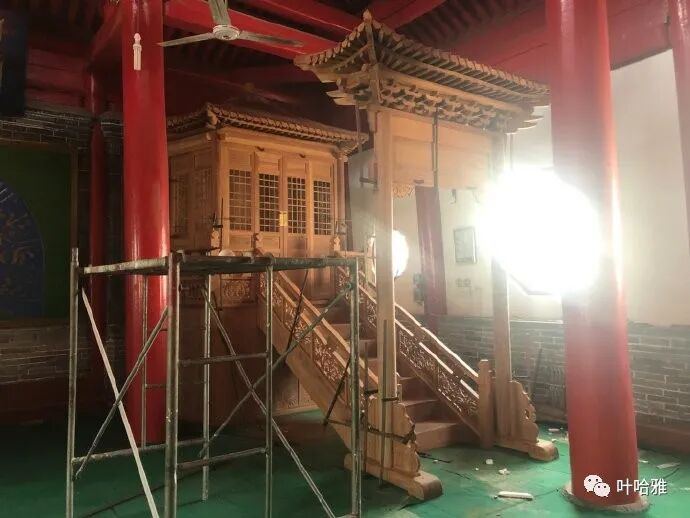
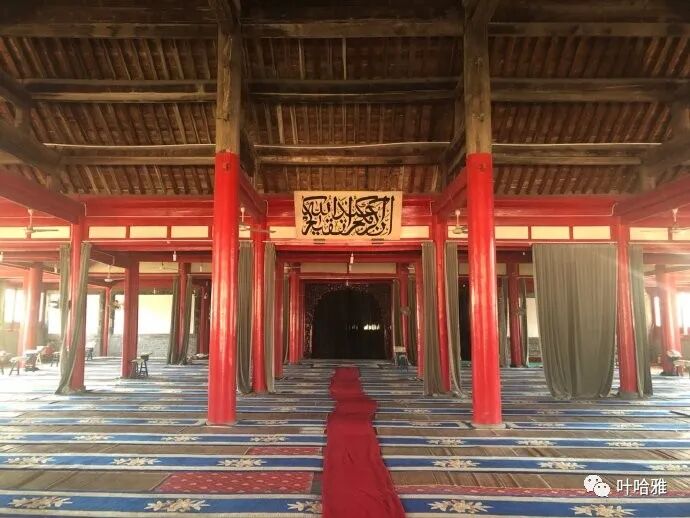
Botou Mosque in Cangzhou was first built in the second year of the Yongle era of the Ming Dynasty (1404) and is a Major Historical and Cultural Site Protected at the National Level. Inside the main prayer hall, there is a large minbar (minbailou) donated by a Tianjin duosi, which is valued at 260,000 yuan.
Langfang, Hebei
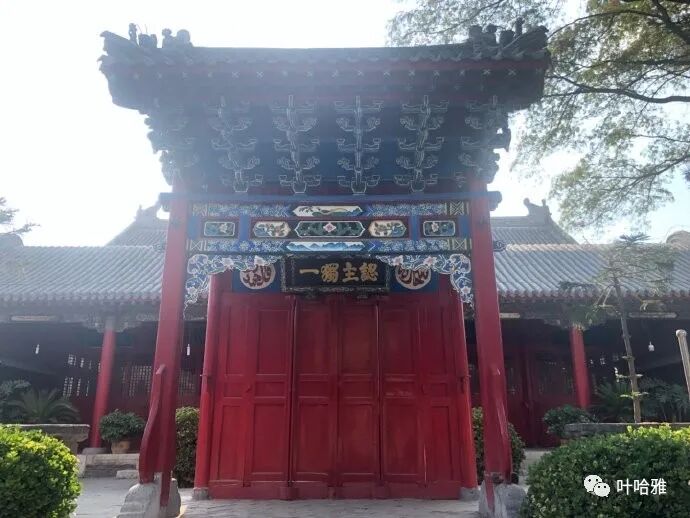
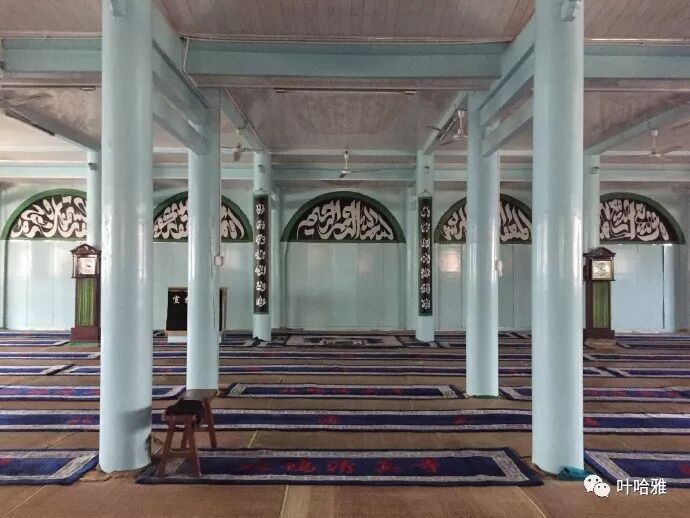
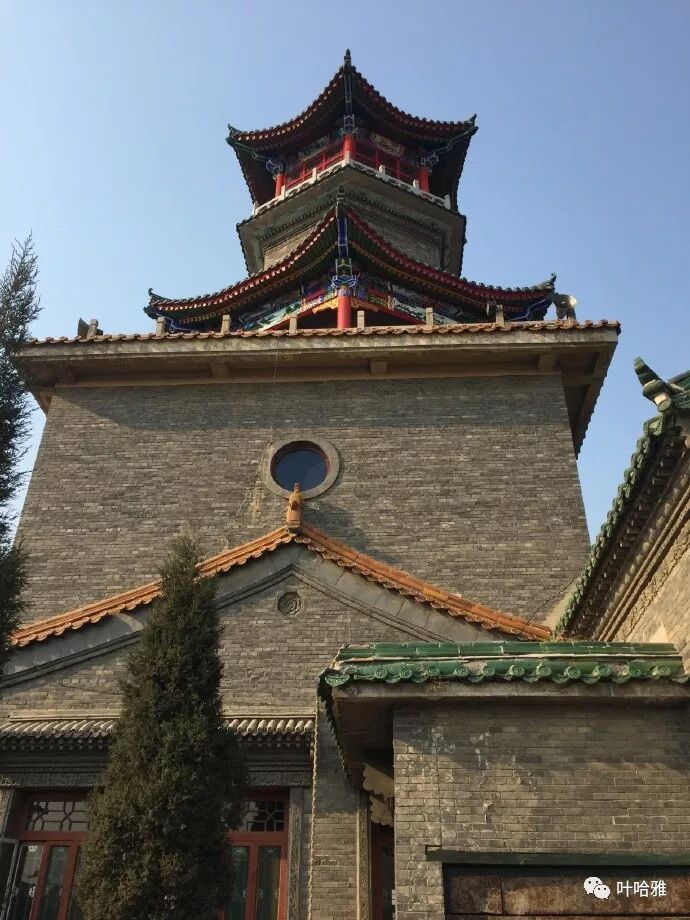
Beiwu Mosque, Dachang Hui Autonomous County
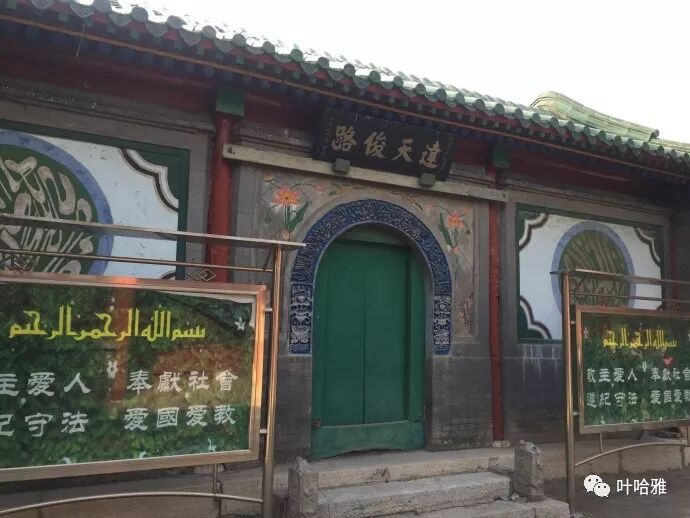
It was first built during the Wanli era of the Ming Dynasty (1573–1619) and is one of the key mosques in Hebei Province.
Baoding City, Hebei Province
Dingzhou Mosque
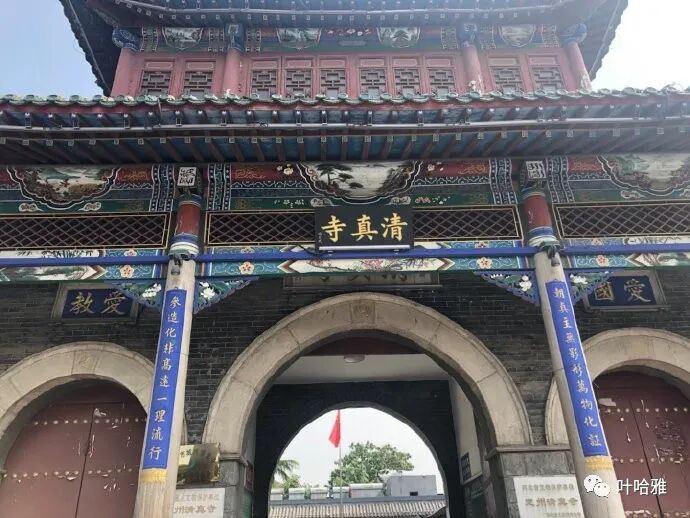
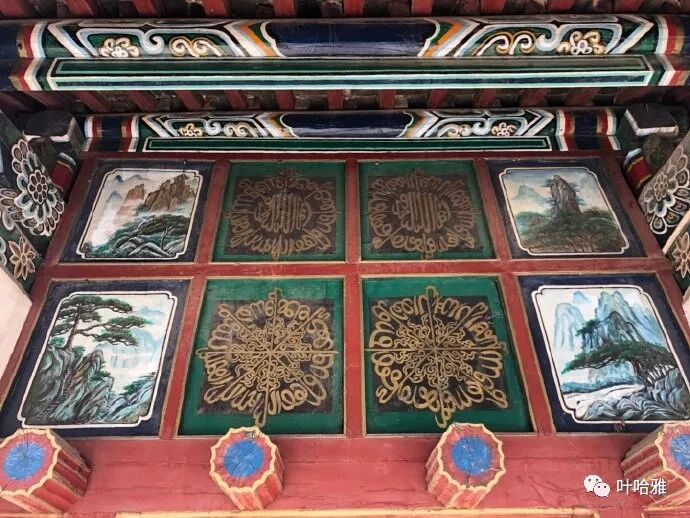
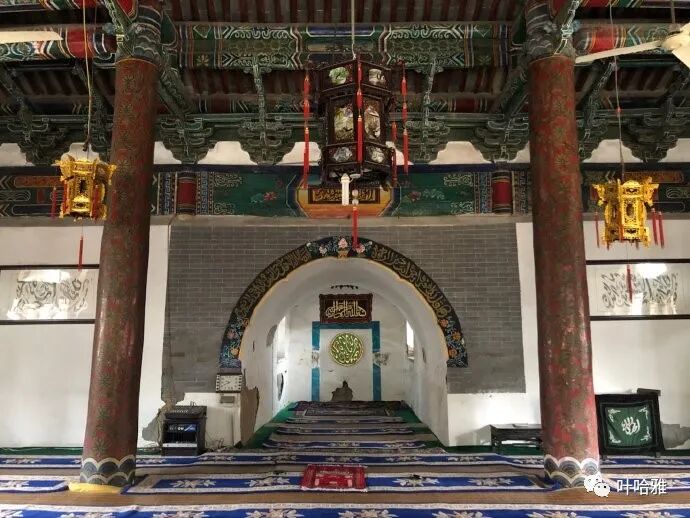
Dingzhou Mosque was first built in the eighth year of the Zhizheng era of the Yuan Dynasty (1348). The mosque houses a stone tablet from the Zhizheng era titled 'Record of Rebuilding the Mosque,' which is the earliest record to link the term 'Huihui' with Islam, the earliest to use the four-character translation for 'Muhammad' (originally translated as Mahema), and the earliest to pioneer the integration of Confucianism with Islam. It is now a Major Historical and Cultural Site Protected at the National Level.
Taiyuan, Shanxi
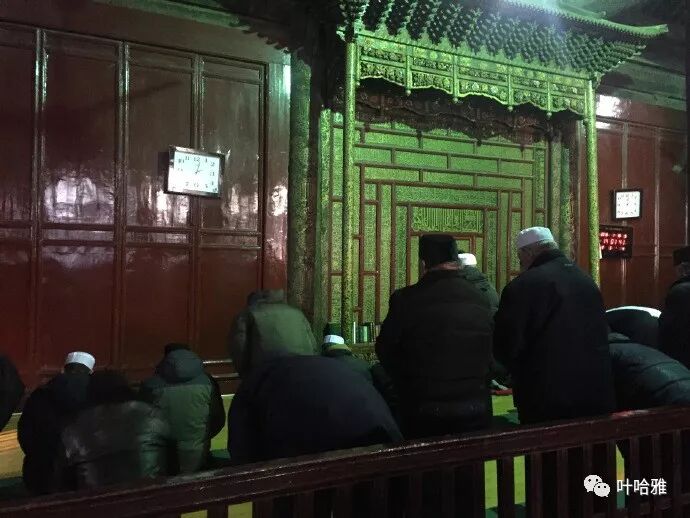
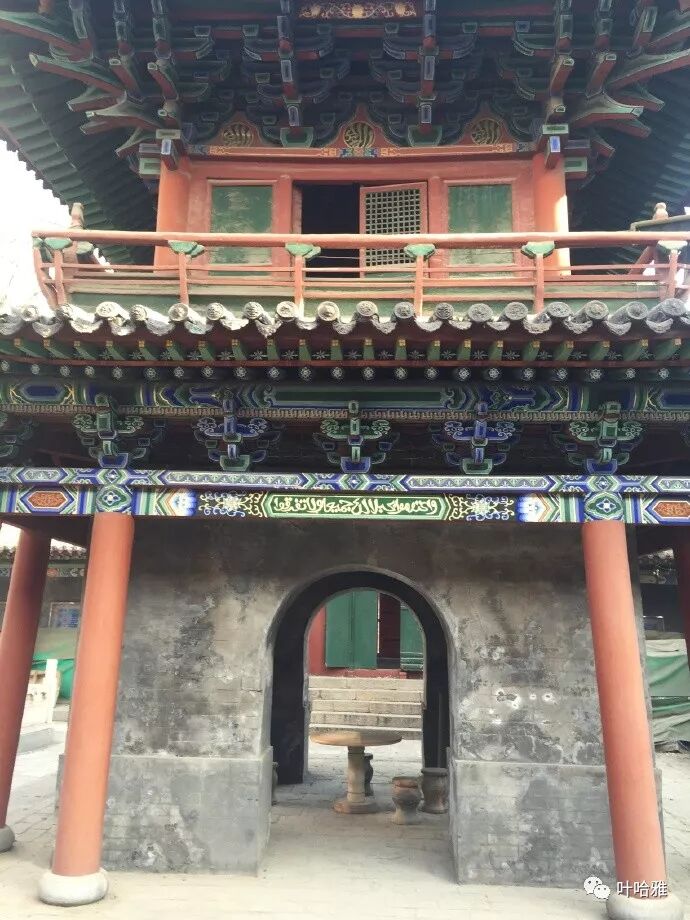
Ancient Mosque
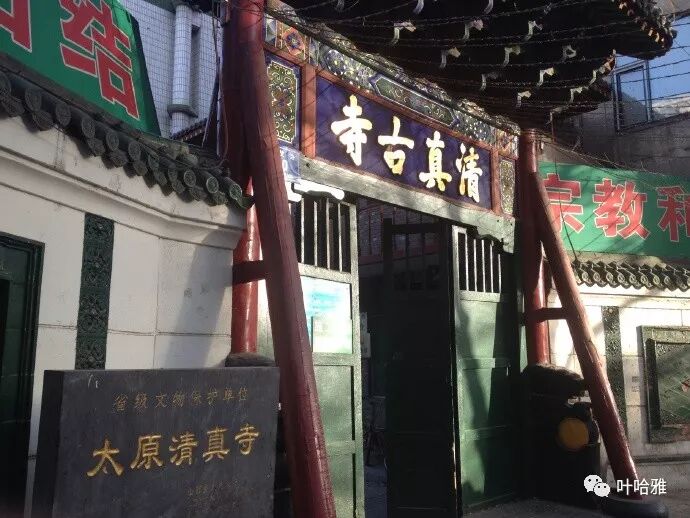
This mosque was built during the Zhenyuan era of the Tang Dynasty (785–804) and rebuilt during the Jing era of the Song Dynasty (1034–1038). A stone tablet inside the mosque records its renovation during the Guangxu era of the Qing Dynasty.
Datong, Shanxi
Great Mosque
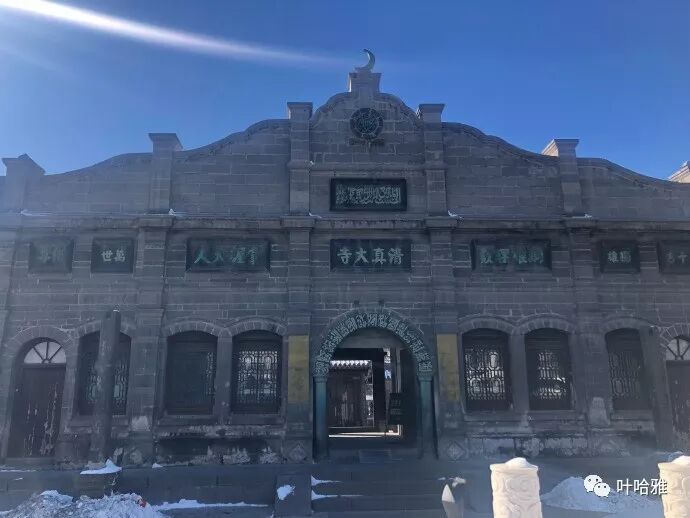
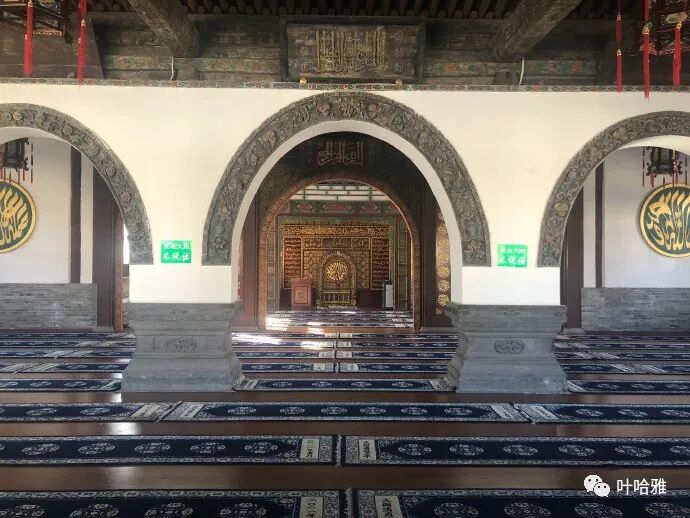
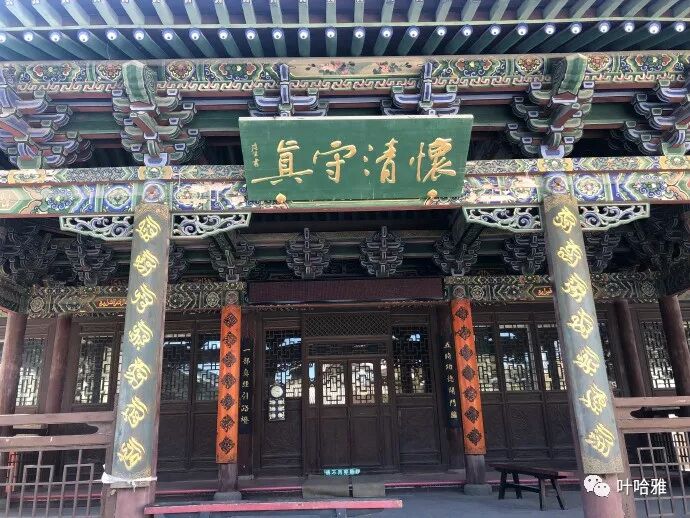
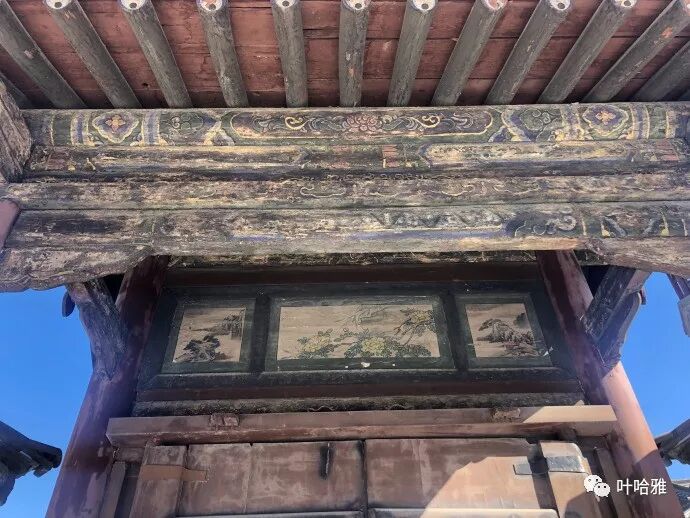
Datong Mosque is located on Jiulou Lane in Datong. According to the History of Yuan (Yuan Shi), the mosque was first built in 1324. Most of the current structures date back to the Ming and Qing dynasties, and it is a Major Historical and Cultural Site Protected at the National Level. A stone tablet titled Imperial Edict to Build the Mosque, re-erected in the seventh year of the Qianlong reign (1742), claims the mosque was founded in the second year of the Zhenguan reign of the Tang dynasty (628), though this may be a false attribution.
Hohhot, Inner Mongolia
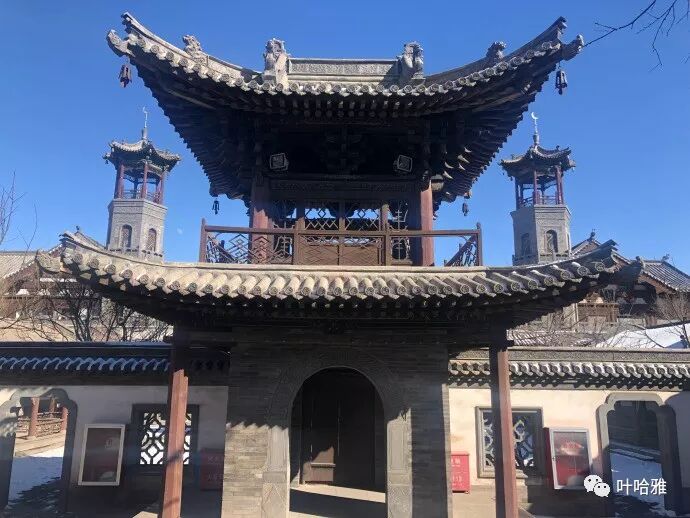
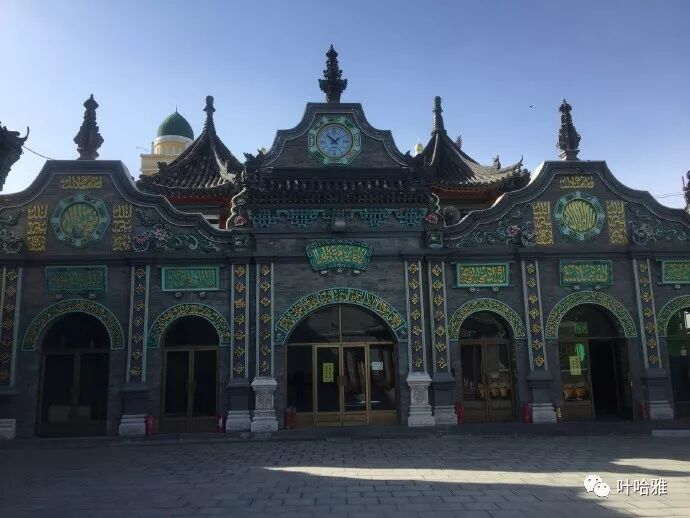
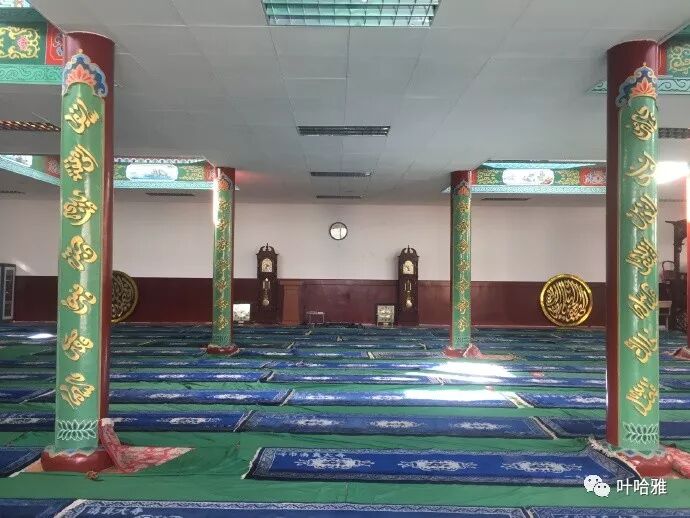
Great Mosque
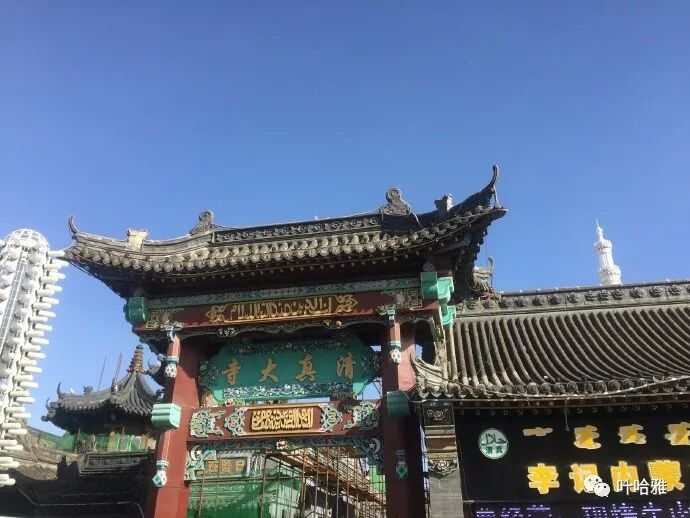
It was built in the thirty-second year of the Kangxi reign of the Qing dynasty (1693). According to the Tablet Record of the North and South Lecture Halls of the Mosque, it has been established for many years since the Qing dynasty took power. It was quite simple when first built. It was renovated in the fifty-fourth year of the Qianlong reign (1789).
Ordos, Inner Mongolia
Dongsheng Mosque
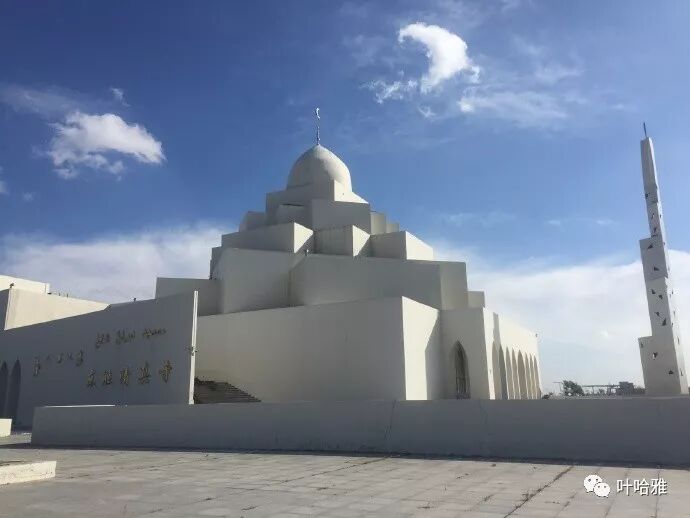
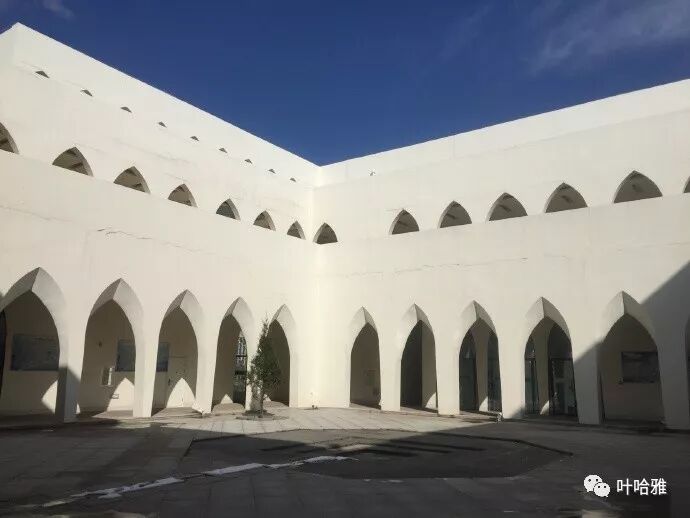
This is the only mosque in Dongsheng District. It was completed in 1990 with a main building area of 375 square meters and 45 square meters of auxiliary facilities.
Chifeng, Inner Mongolia
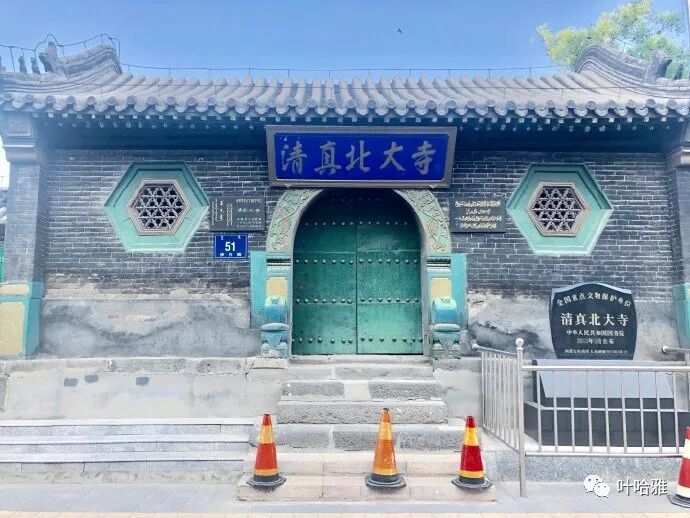
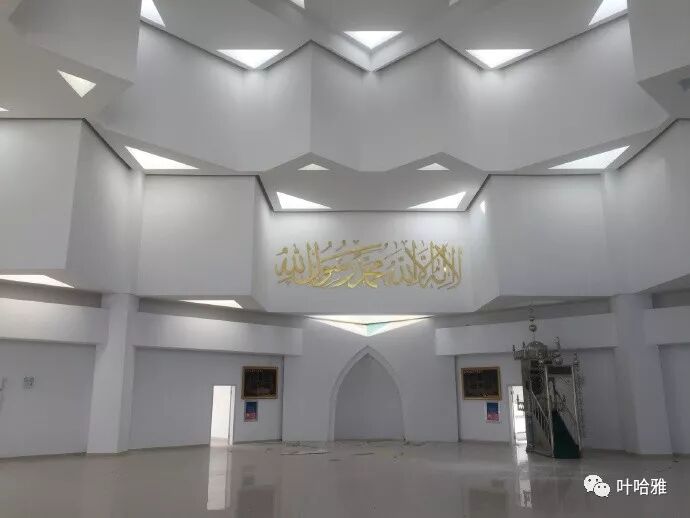
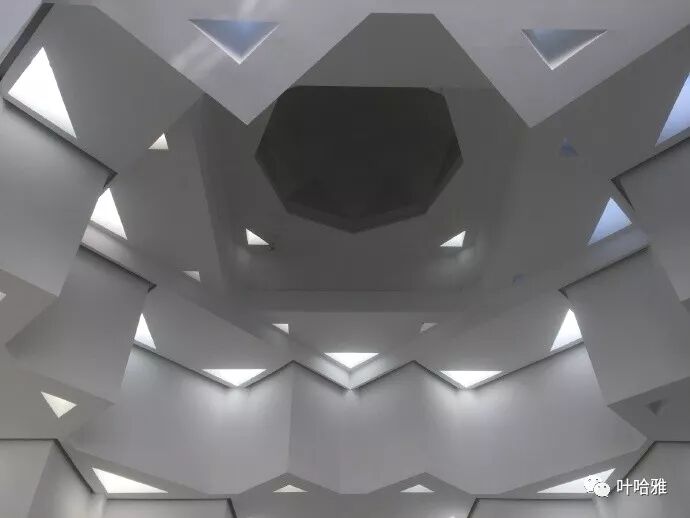
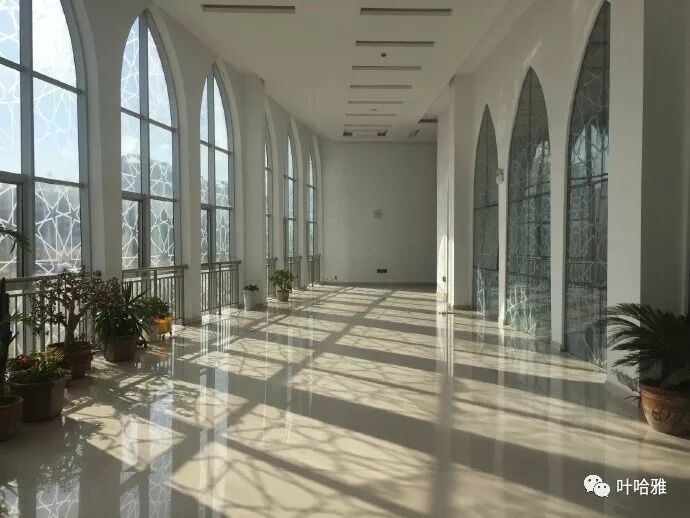
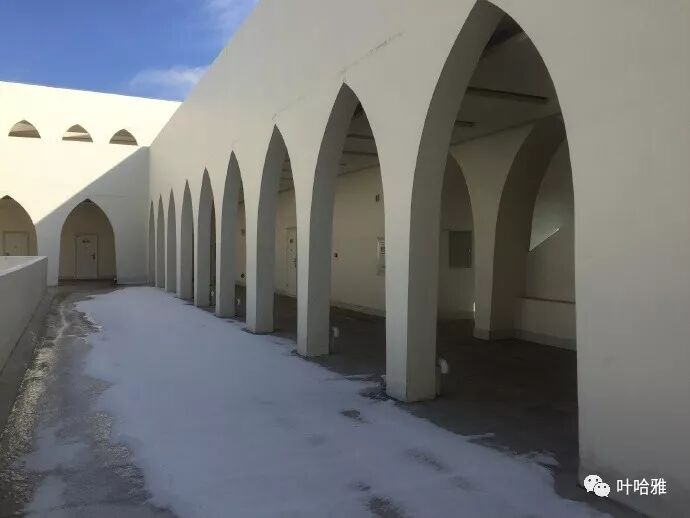
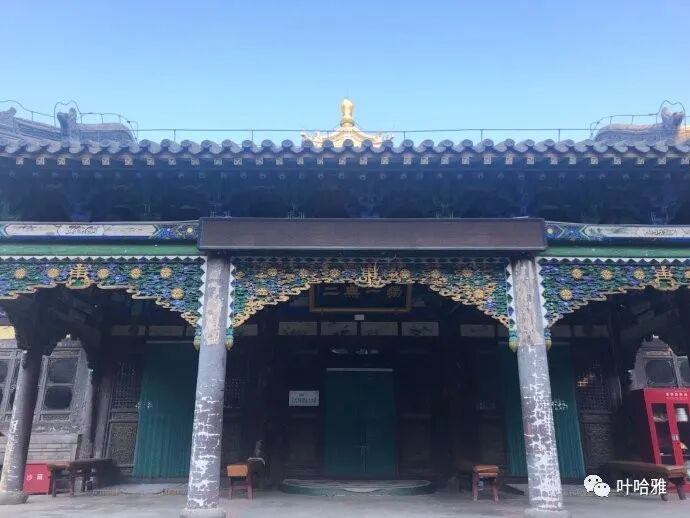
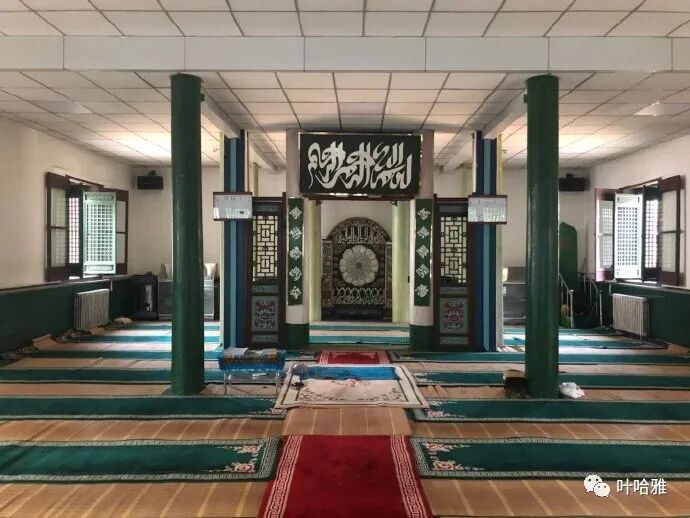
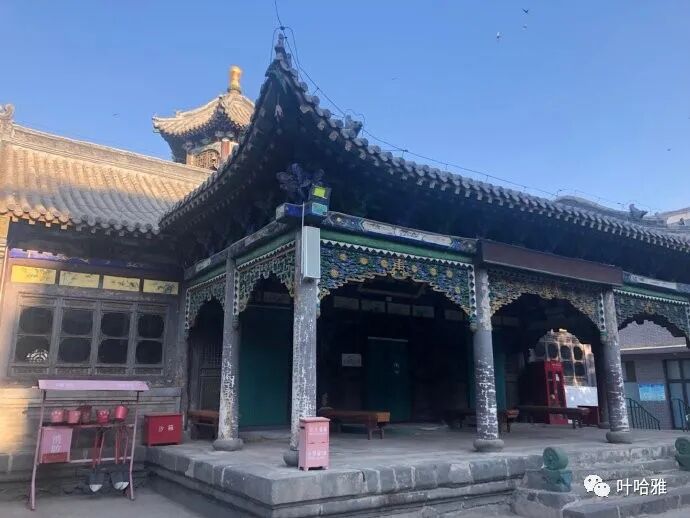
Chifeng North Great Mosque is a Major Historical and Cultural Site Protected at the National Level. Built in the fourth year of the Qianlong reign of the Qing dynasty (1739), it was modeled after the style of the South Great Mosque of Fengtian (now the South Mosque of Shenyang). There are 26 mosques in the Chifeng area, and this is the only one with national protection status.
Xi'an, Shaanxi
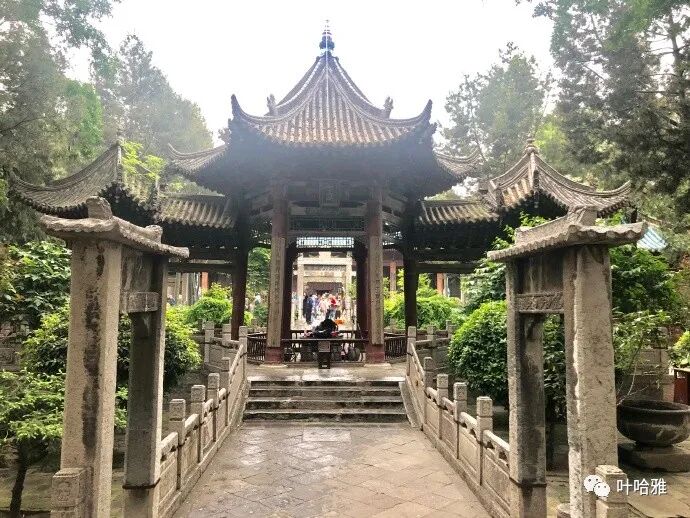
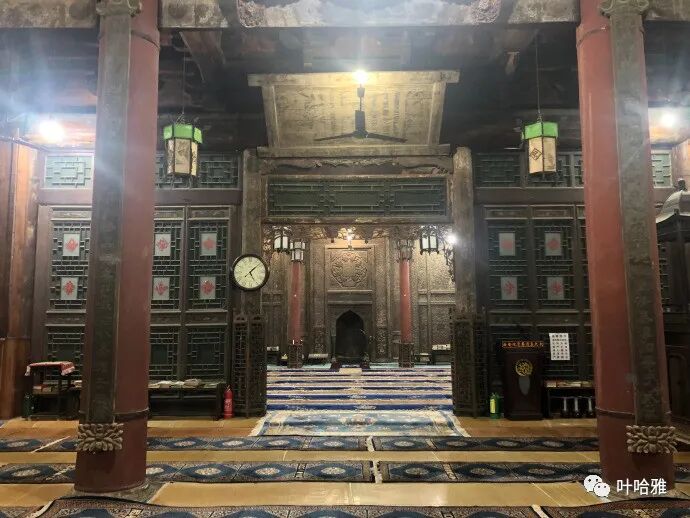
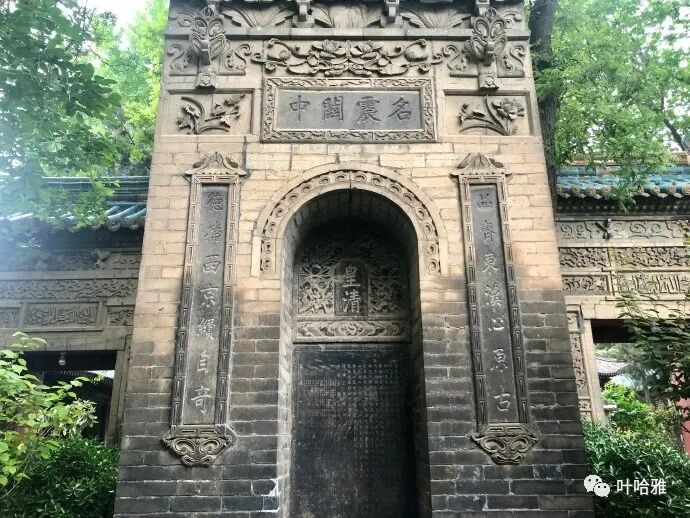
Huajue Lane Great Mosque
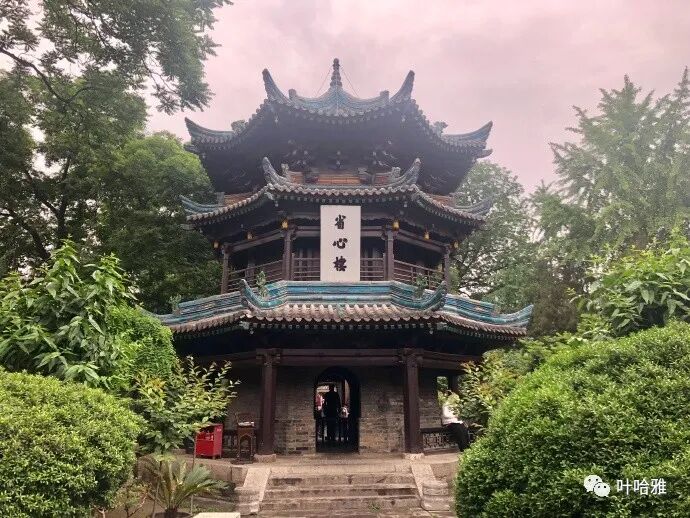
The exact founding date of this mosque is unknown, but it dates back to at least the Ming Dynasty. It was renovated and expanded in the 25th year of the Hongwu reign (1392) and was known as Qingxiuzhuan. In the 30th year of the Qianlong reign (1765), the local Muslim community raised funds to renovate it again, and it was named the mosque (qingzhensi).
Hanzhong, Shaanxi
Luling Mosque, Xixiang County
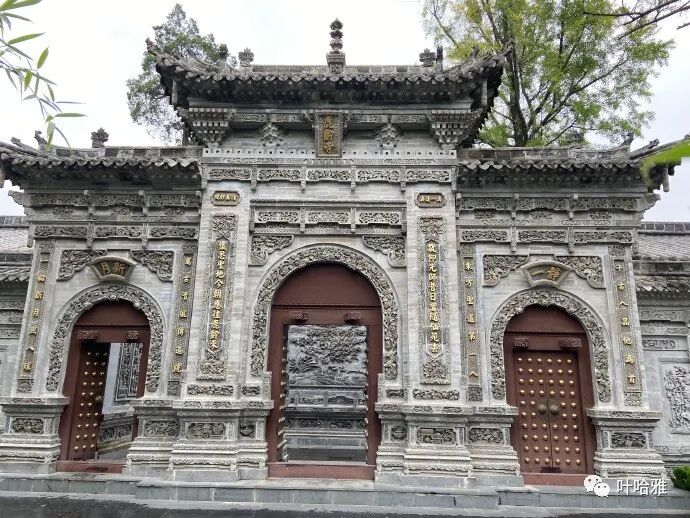
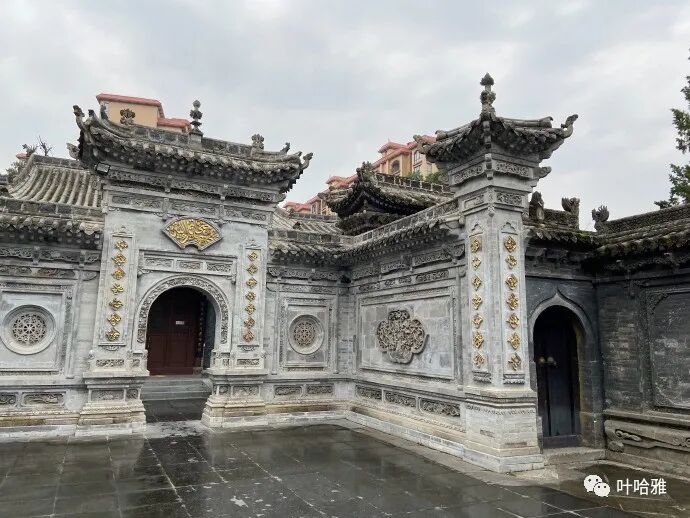
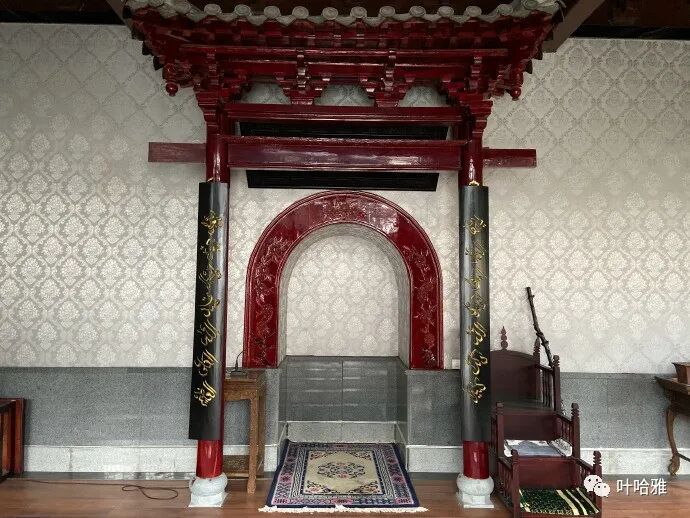
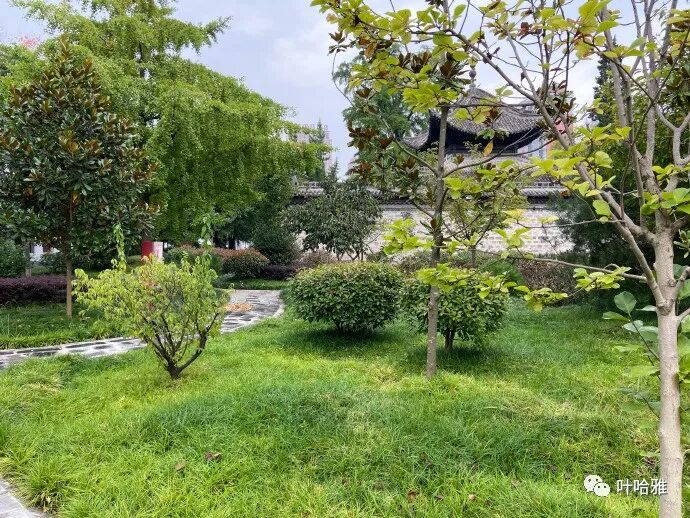
Luling Mosque in Xixiang County, Hanzhong, was built in the late Kangxi period of the Qing Dynasty. It is 330 years old and is one of the three holy sites of the Qadiriyya (Gaderenye) gongbei menhuan. It is an important place where the founder Qi Jingyi practiced, preached, and passed away. It is as famous as the Great Gongbei in Linxia, Gansu, and the Baba Mosque in Langzhong, Sichuan. The designers were professors from Tongji University and professors Kunihiro and George from Japan.
Zhengzhou, Henan
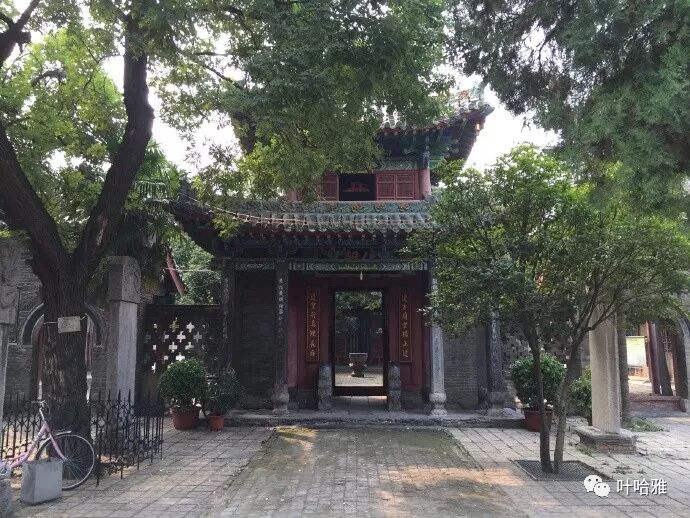
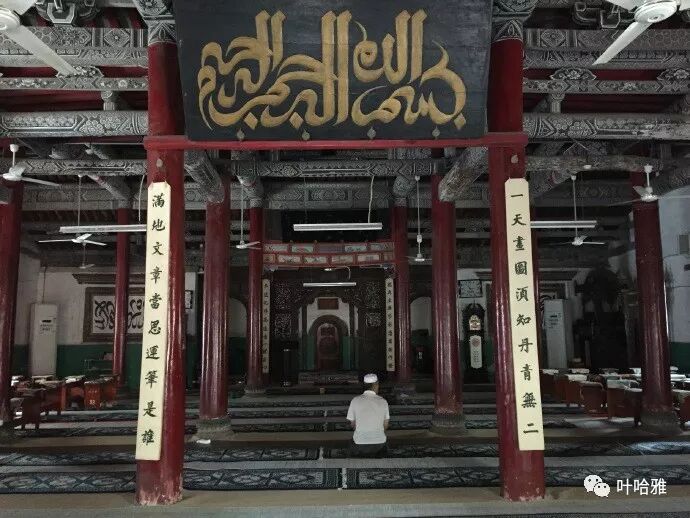
Beida Mosque
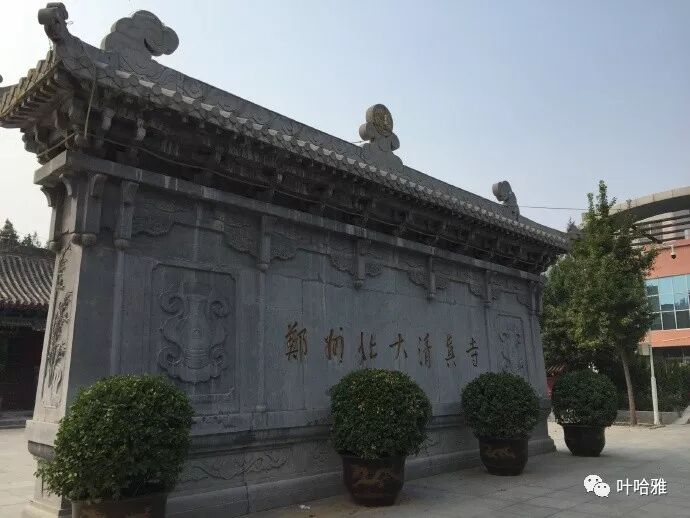
It started in the late Yuan and early Ming dynasties and houses two Ming Dynasty incense burners (xuandelu). China has four districts named after Hui Muslims, and
Henan has three of them, including the Guancheng Hui District in Zhengzhou.
Kaifeng City, Henan Province
Zhuxian Town Mosque
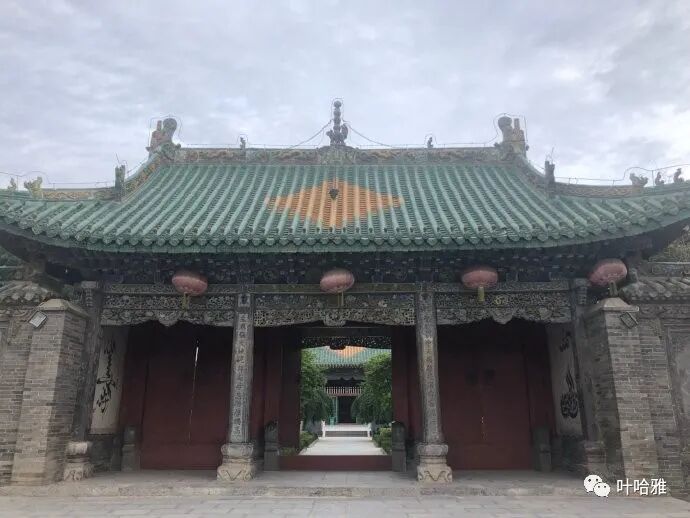
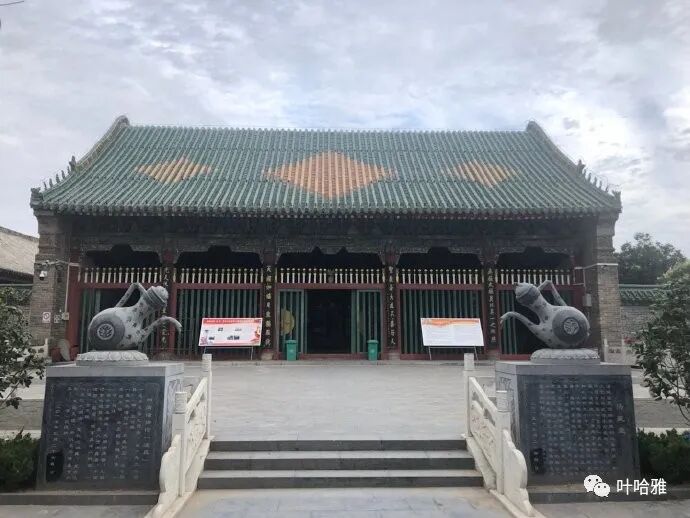
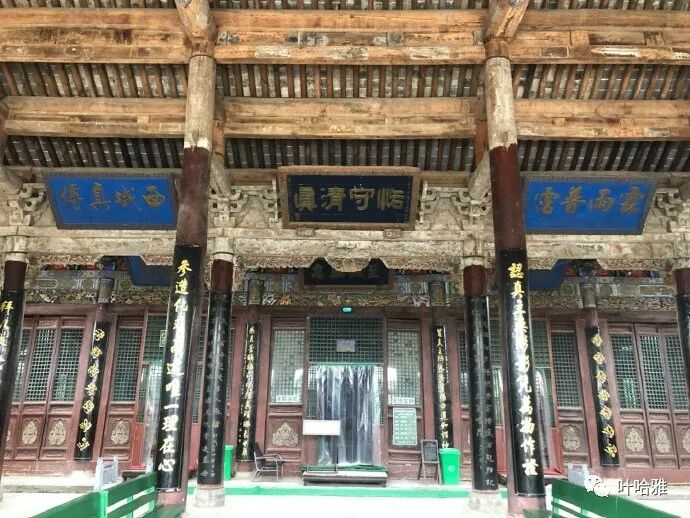
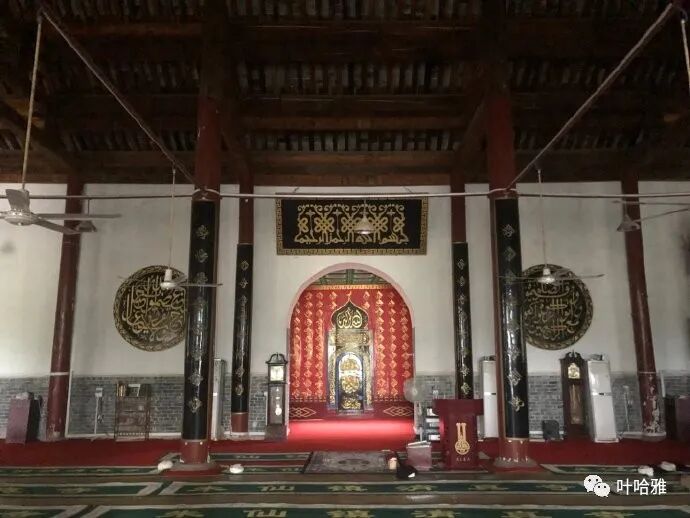
The Zhuxian Town Mosque in Kaifeng was built during the Ming Dynasty. It is the largest mosque in Kaifeng and is now a major historical and cultural site protected at the national level. The mosque contains stone tablets with Arabic inscriptions recording the Guxing sect. Starting in the early Qianlong period of the Qing Dynasty, the appearance of Guxing tablets in places like Kaifeng, Henan, was directly related to Ma Laichi coming to Henan to lecture. The main reason was to address the scriptural views of the new sect in Henan, which was influenced by both She Yunshen and Ma Laichi.
Jiyuan, Henan
Xiajie Mosque
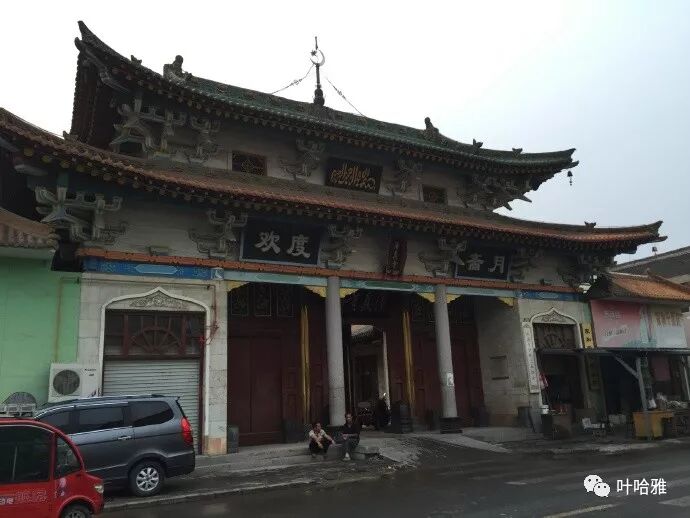
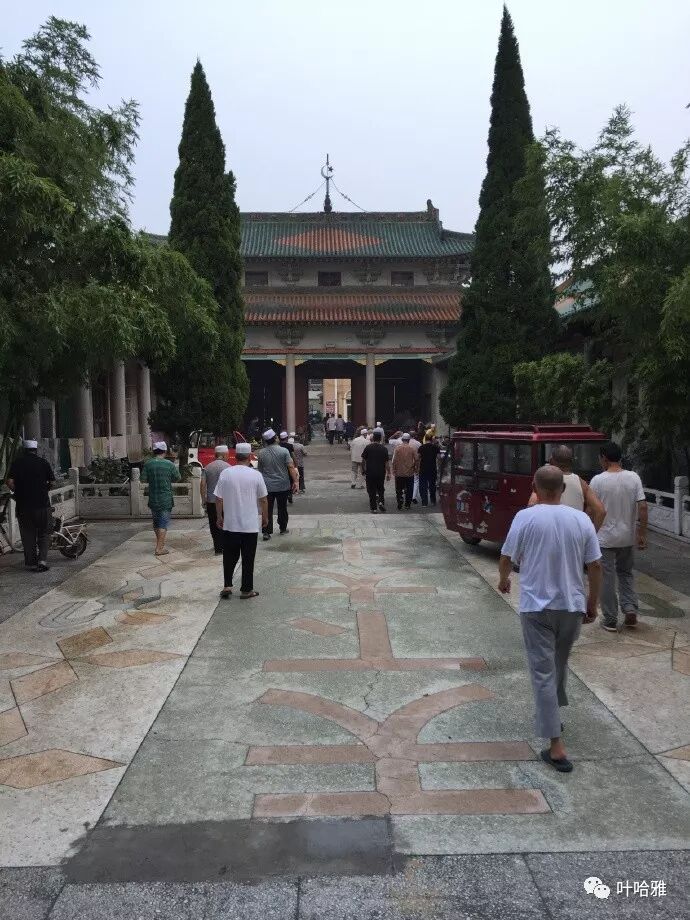
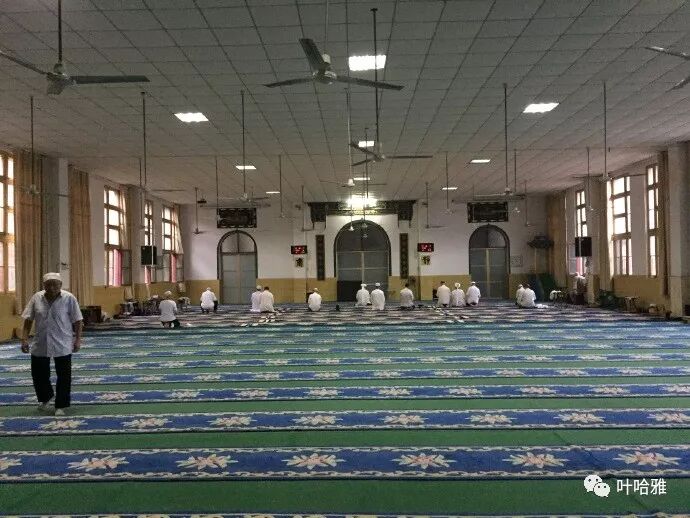
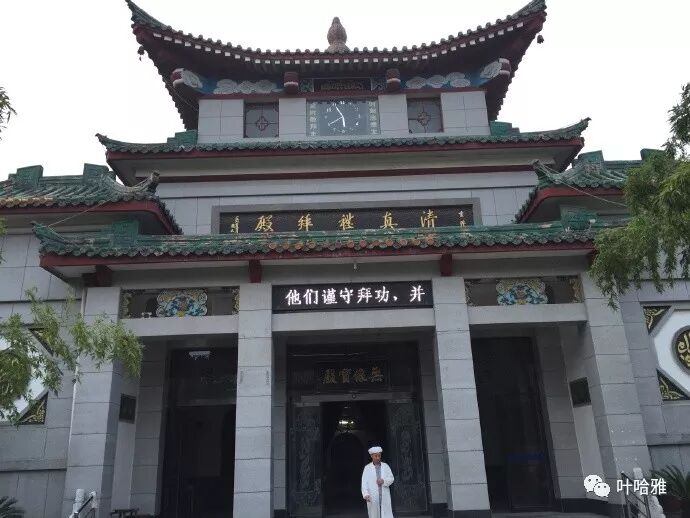
This mosque was first built in the 35th year of the Kangxi reign of the Qing Dynasty by the Yuan family of Hui Muslims. Their ancestors moved here from Chunshu Hutong near Qianmen during the late Ming and early Qing dynasties to escape war, and they built the Xiajie Mosque.
Mengzhou City, Henan Province
Shangpo Village, Upper Mosque (Shangsi)
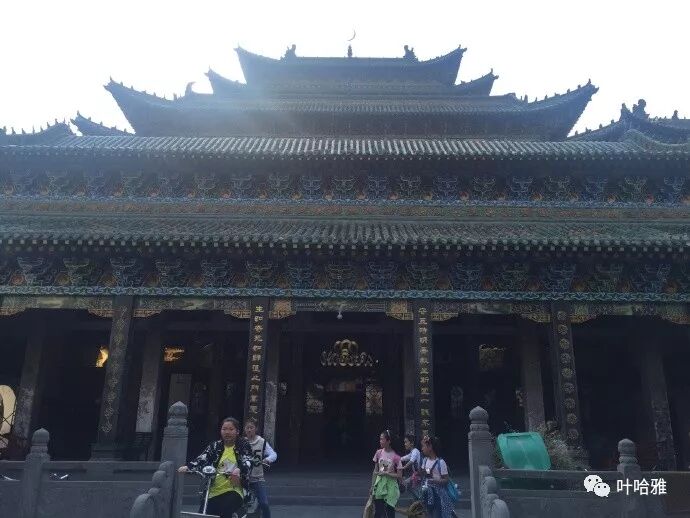
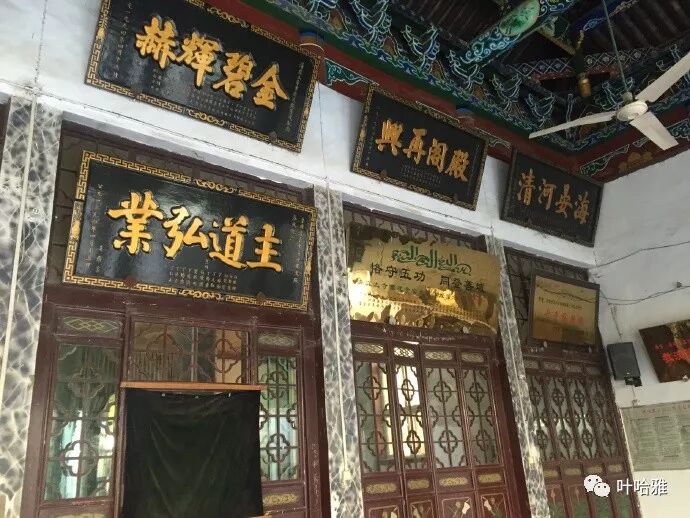
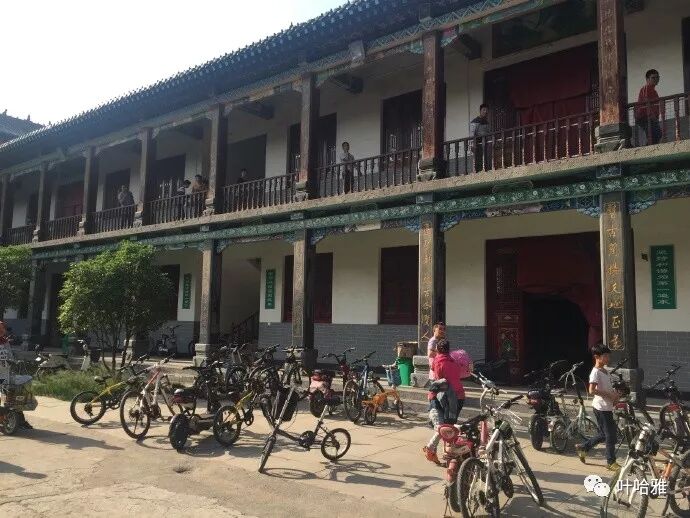
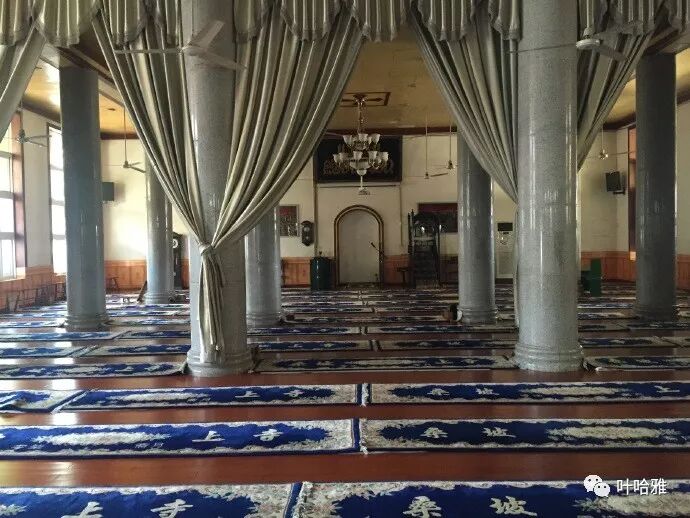
First built in the 24th year of the Jiaqing reign of the Qing Dynasty (1819 AD), Shangpo Village has 11 mosques, including 6 for men and 5 for women. The Upper Mosque in Shangpo is the liveliest mosque I have ever visited, with children playing everywhere inside.
Qinyang City, Henan Province
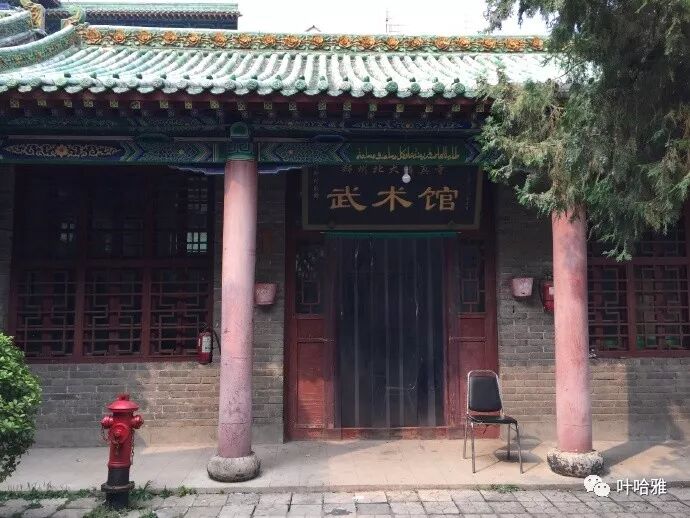
North Great Mosque (Beidasi)
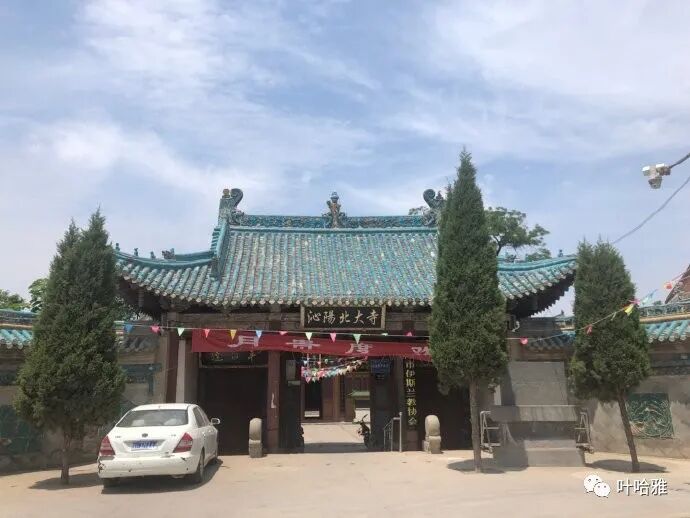
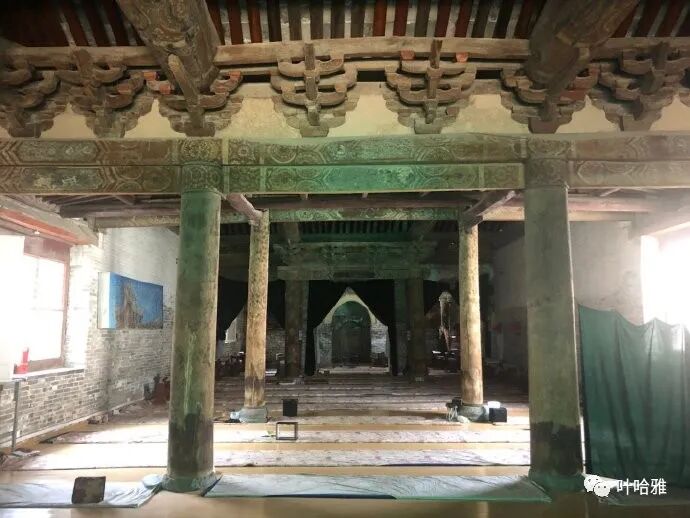
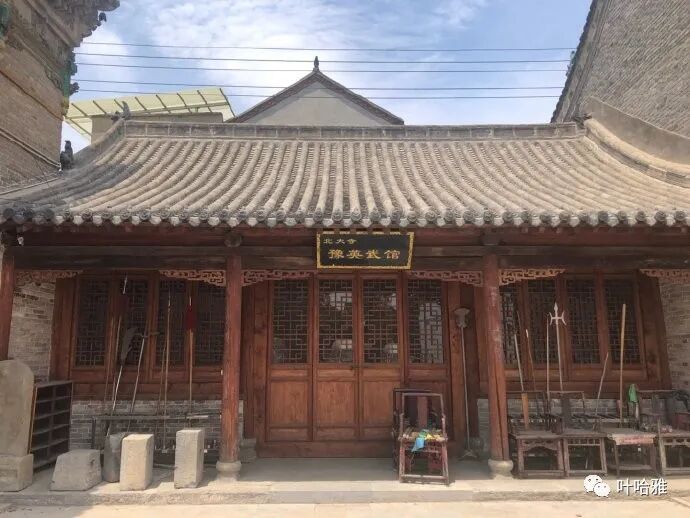
The North Great Mosque in Qinyang was built during the Yuan Dynasty and is now a major historical and cultural site under state protection. It is a classic wooden structure made of precious materials. It includes a women's mosque and a martial arts school, covering a total area of over 3,300 square meters. Qinyang is a home of martial arts, and the Hui Muslim style of Chaquan boxing is very popular here.
Tongxin, Ningxia
Great Mosque
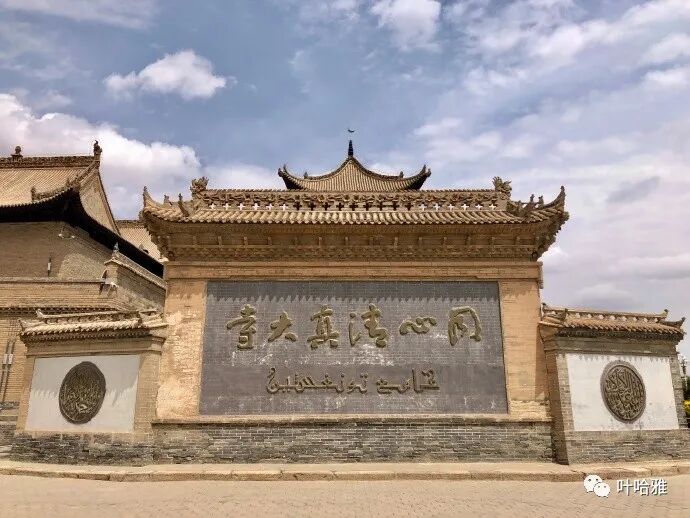
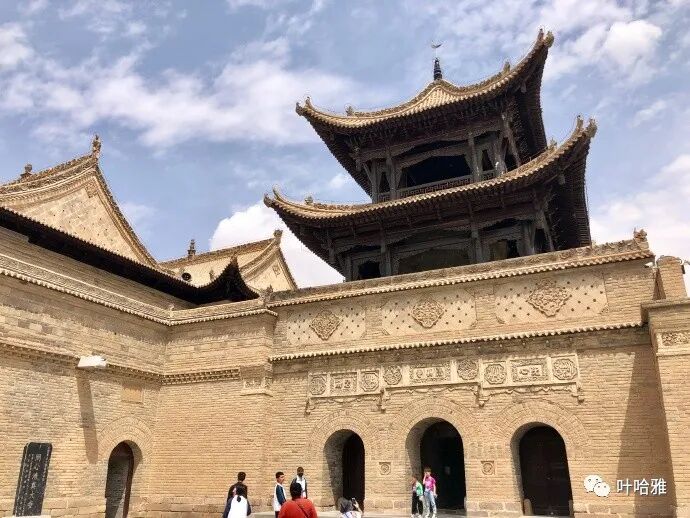
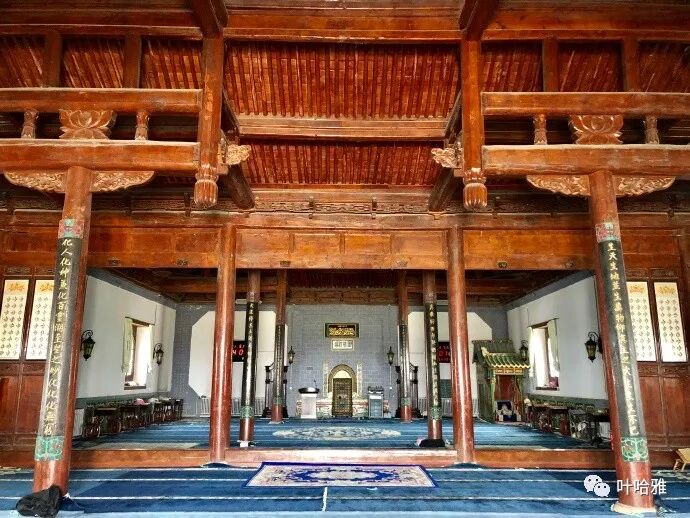
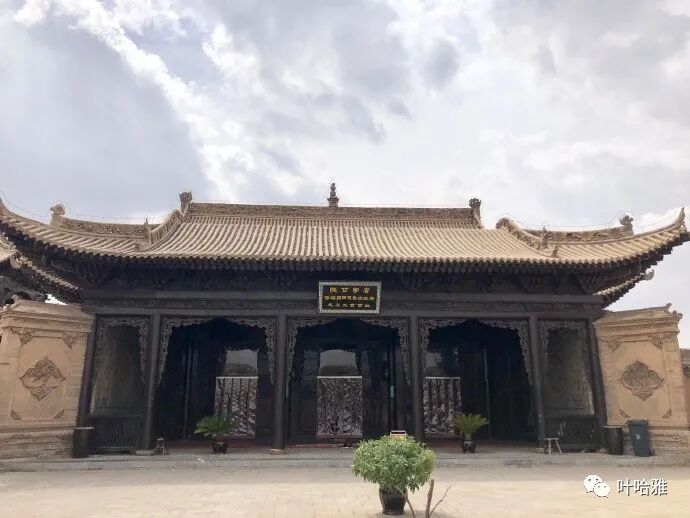
The Tongxin Great Mosque was first built in the early Ming Dynasty on the site of a collapsed Lama mosque and has a history of about 600 years. It was renovated three times during the Ming and Qing dynasties. In 1936, when the Red Army marched west, they established the Shaan-Gan-Ning Province Yuhai County Hui Muslim Autonomous Government here.
Lanzhou, Gansu
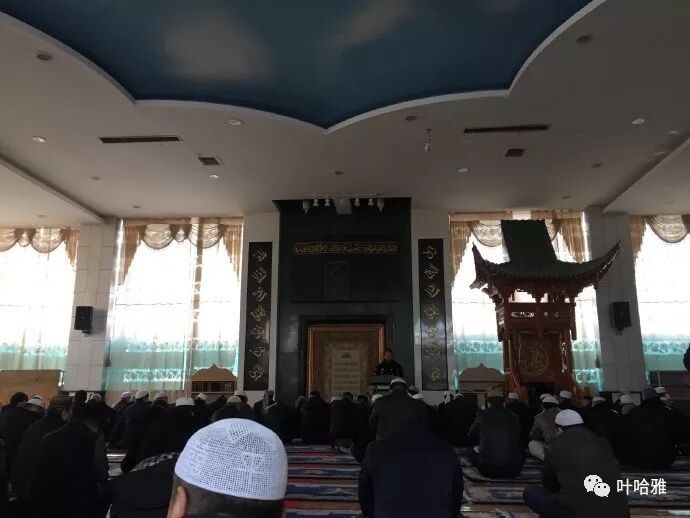
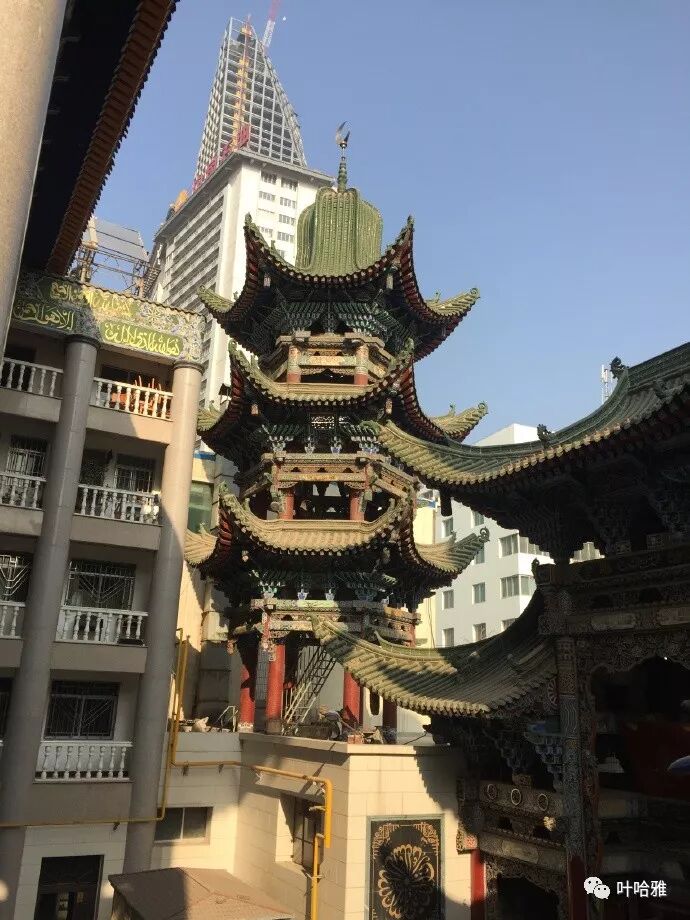
Nanguan Great Mosque
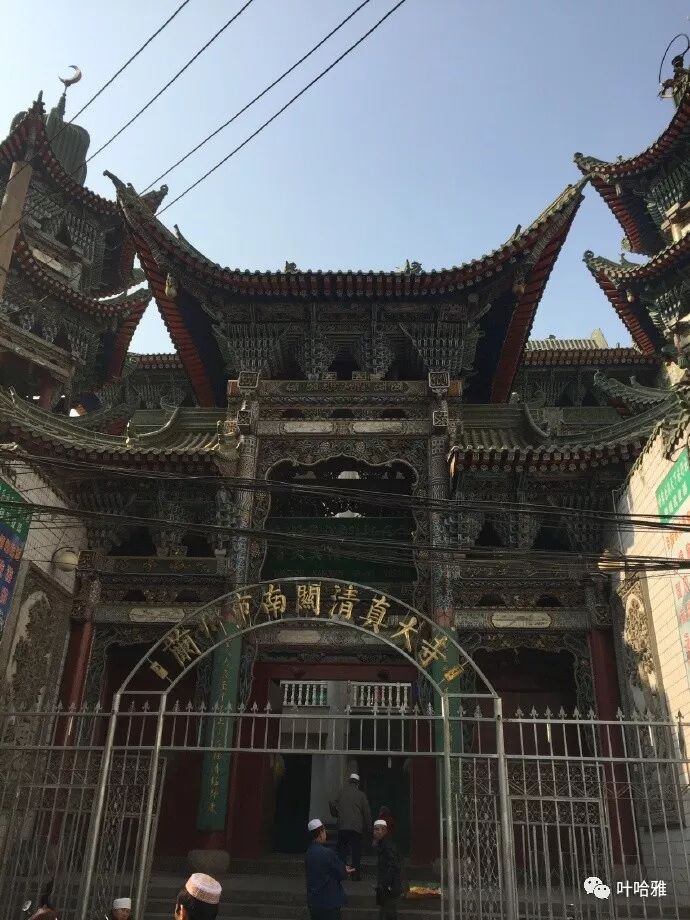
According to local historical records and stone tablets kept at the mosque, the Nanguan Great Mosque has been one of the six most famous mosques in Lanzhou since the Ming and Qing dynasties, with construction starting during the Hongwu reign of the Ming Dynasty (1368–1398).
Tianshui, Gansu
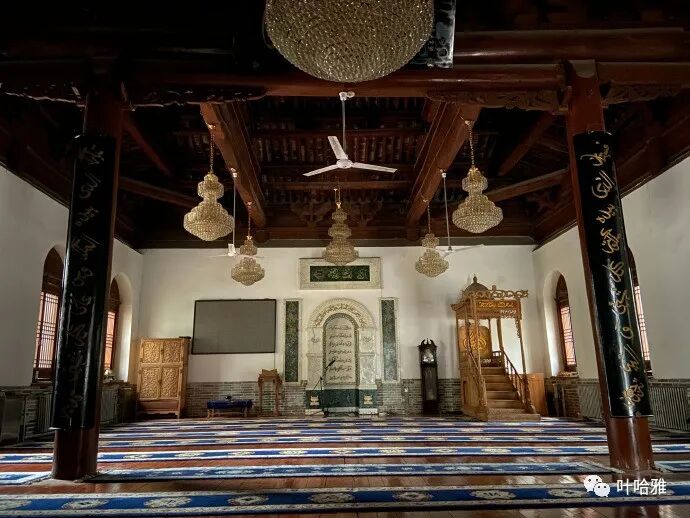
Houjie Mosque
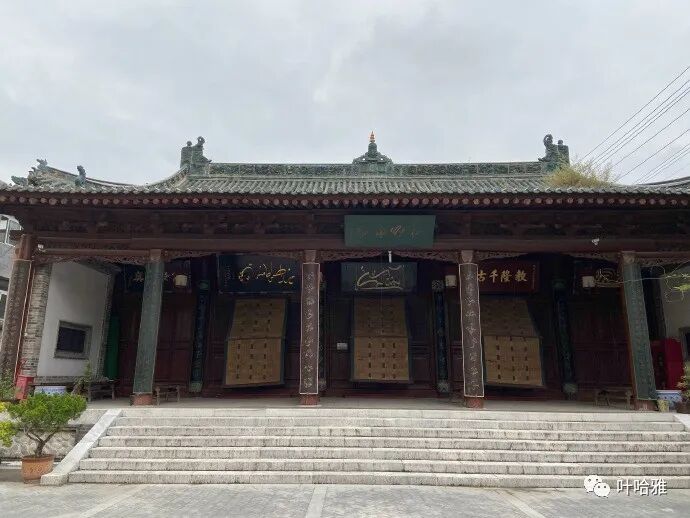
The Houjie Mosque in Tianshui is a major historical and cultural site under national protection. It was first built during the Yuan Dynasty as a wooden structure. The Arabic stone inscriptions kept inside the mosque are the earliest ones discovered in Gansu.
Zhangjiachuan, Gansu
Zhaochuan Mosque
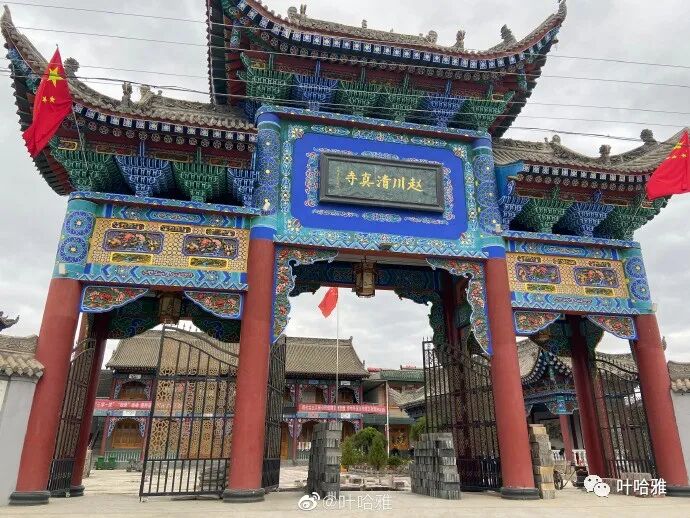
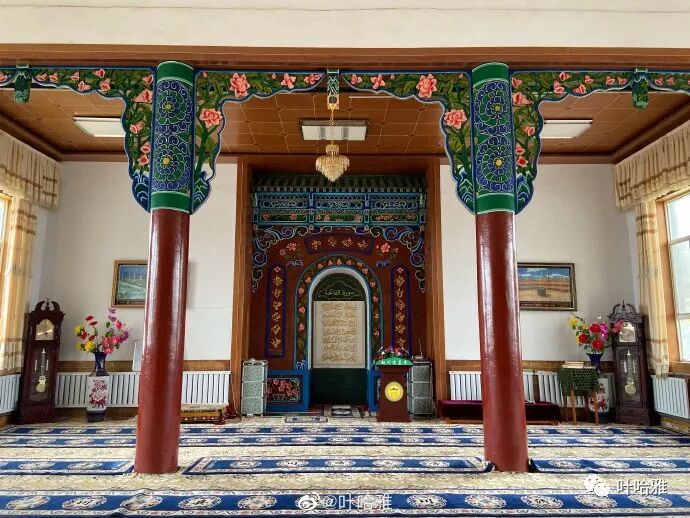
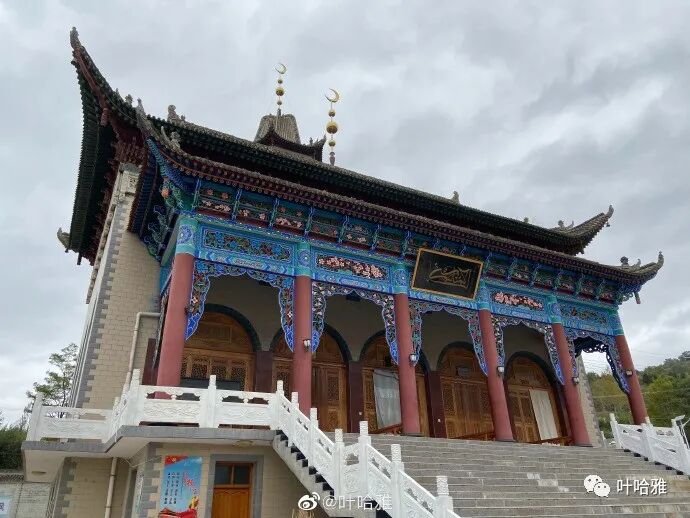
Located at the foot of Xuanhuagang Mountain in Zhangjiachuan, Zhaochuan Mosque was completed on October 30, 2017. Zhaochuan is a place name, located in Zhaochuan Village, Zhaochuan Town, Zhangjiachuan County.
Longnan, Gansu
Wudu Grand Mosque
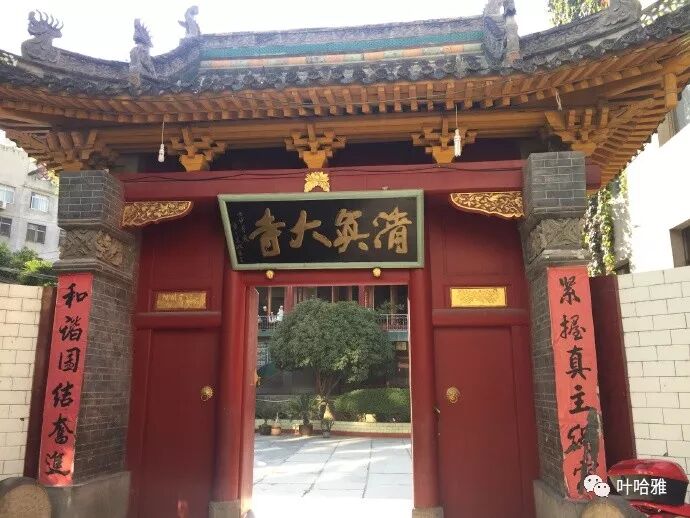
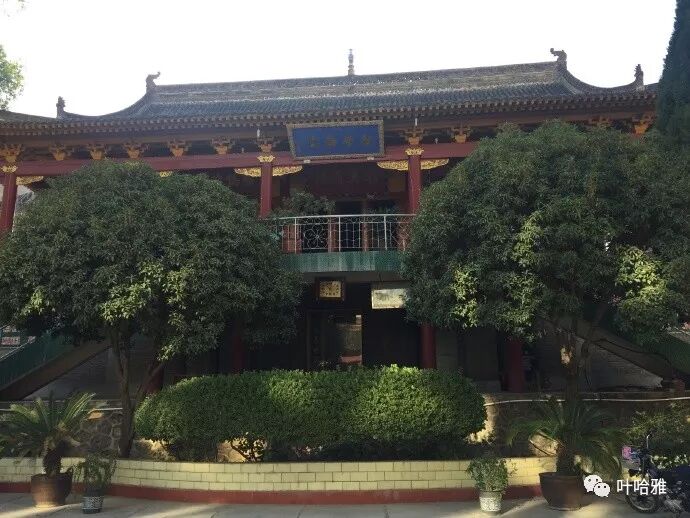
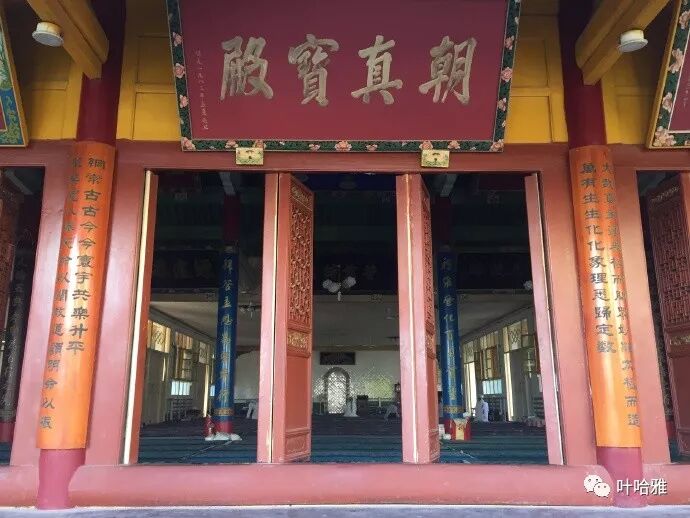
Based on the stone tablets and documents kept in the mosque, it was first built during the Chenghua or Jiajing periods of the mid-Ming Dynasty. It has been rebuilt eight times, merging the original front and back mosques into one on the same site.
Xining, Qinghai
Dongguan Grand Mosque
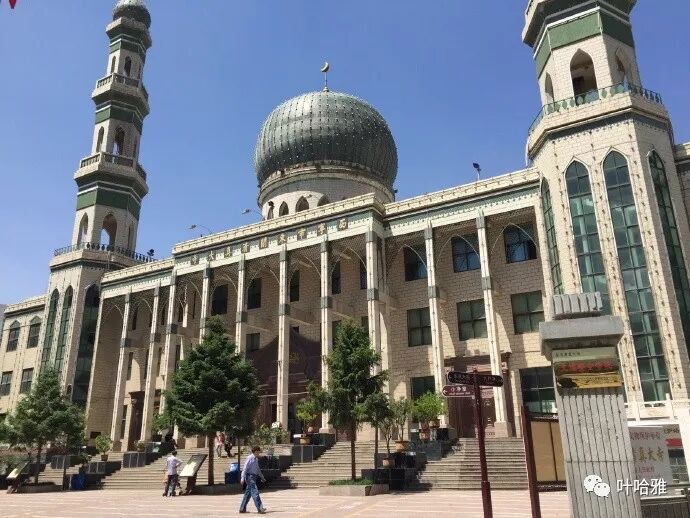
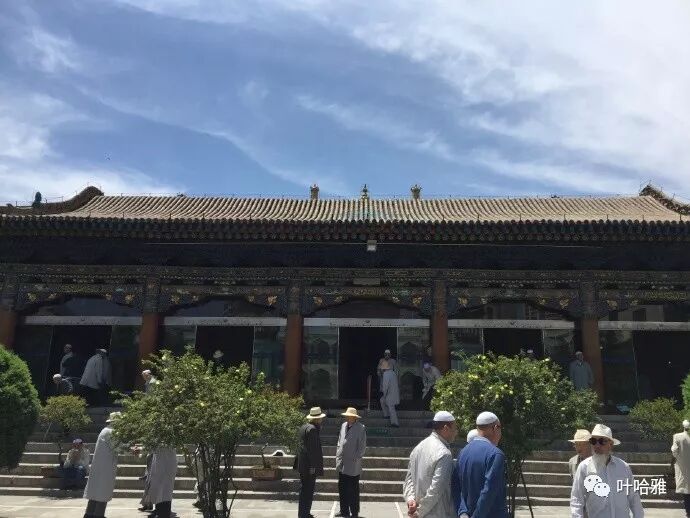
The mosque was founded in the early Ming Dynasty (1368–1644). It was damaged many times throughout history but was constantly repaired. The current building was rebuilt in 1913, renovated and expanded in 1946, and repaired again in 1979.
Xunhua, Qinghai
Jiezi Mosque
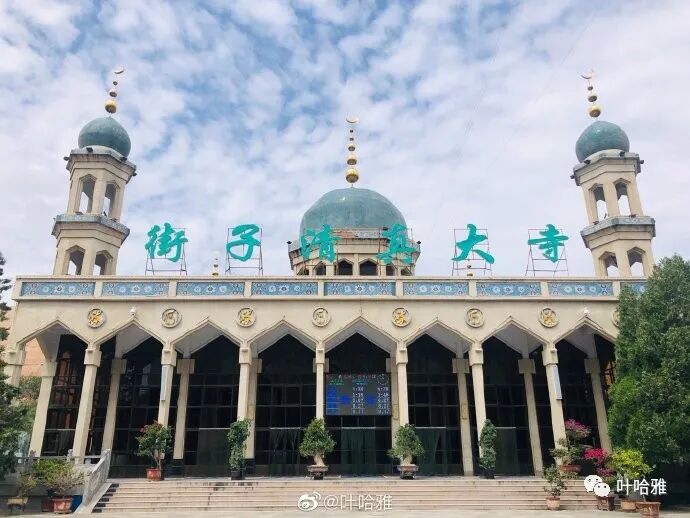
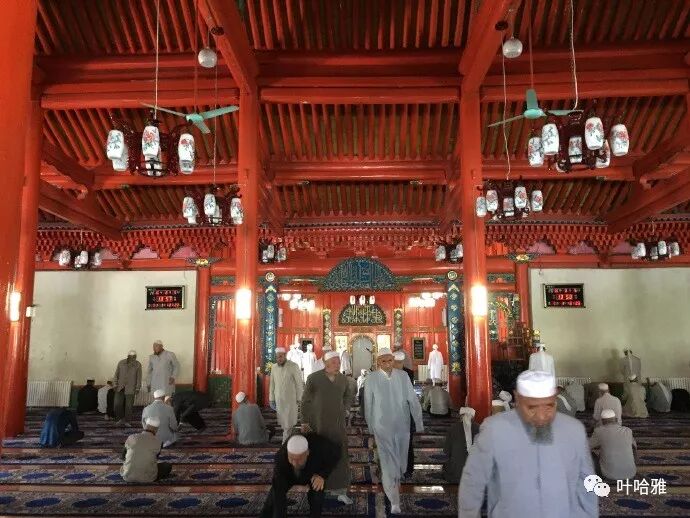
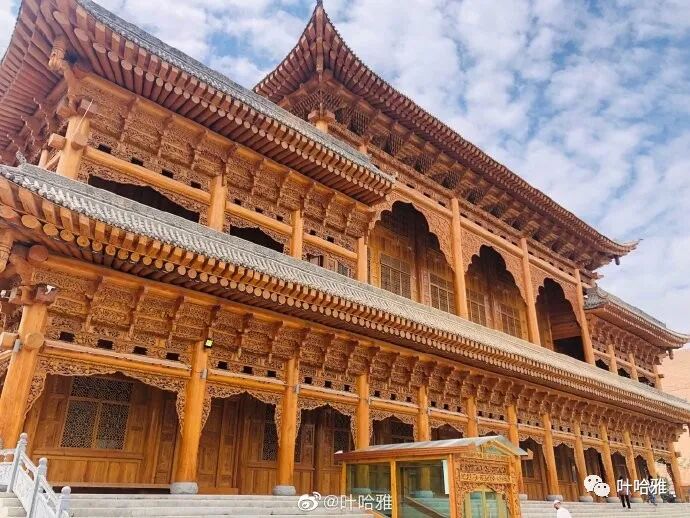
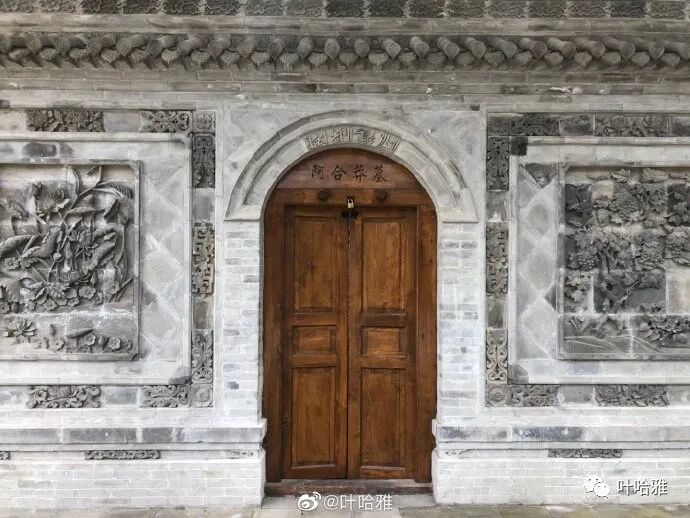
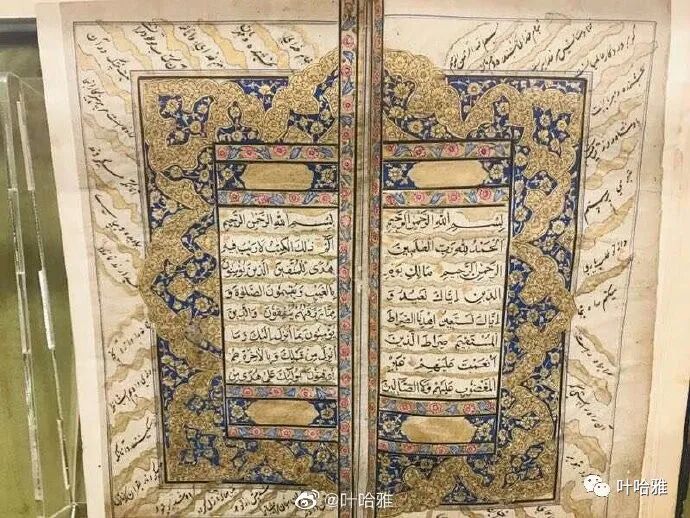
Jiezi Mosque in Xunhua is the second largest mosque in Qinghai. First built in the Ming Dynasty, it is a provincial-level cultural heritage site. It houses hand-copied Qurans from the early Salar people. In the square, there are the tombs of two Salar sages named Ahamang and Galamang, who moved from Samarkand in Central Asia to Qinghai during the late Yuan and early Ming dynasties.
Haidong, Qinghai
Hongshuiquan Mosque
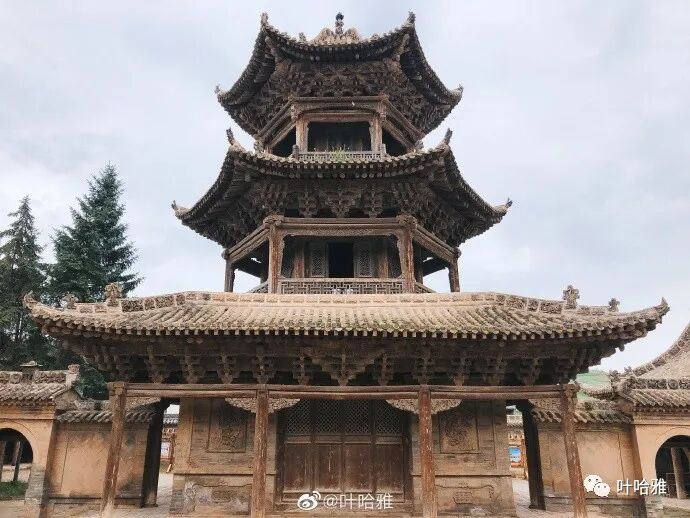
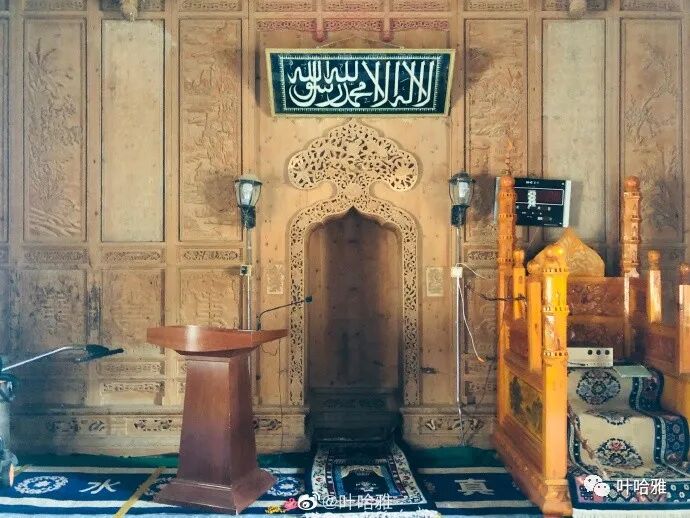
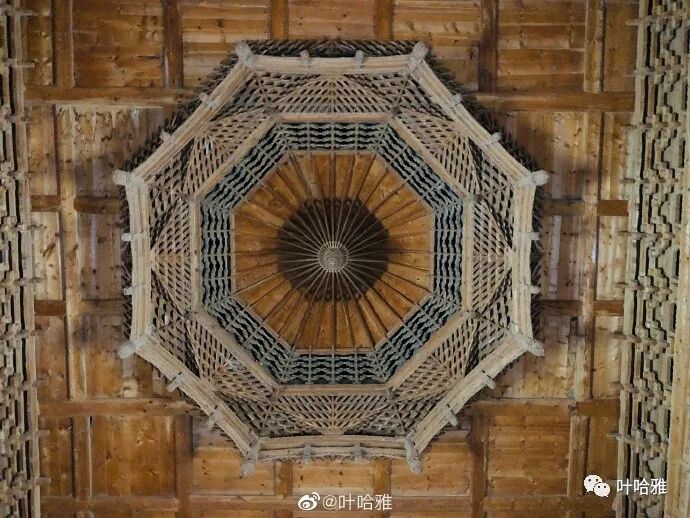
Hongshuiquan Mosque in Hongshuiquan Hui Muslim Township, Haidong City, was built during the Ming Dynasty and is a seventh-batch Major Historical and Cultural Site Protected at the National Level. The mosque uses a brick-and-wood structure and blends architectural styles from Tibetan Buddhist monasteries. The main hall roof features a treasure vase (baoping), and the interior is decorated with the Eight Auspicious Symbols of Buddhism along with many carvings representing folk good fortune. The umbrella-like canopy structure (tianluosan) on the roof of the rear hall is unique to mosques in the Qinghai region, and you can also find this design at Kangjia Mosque in Jianzha and Heyin Mosque in Guide.
Xunhua, Qinghai
Zanbuhu Mosque (Hongguang Mosque)
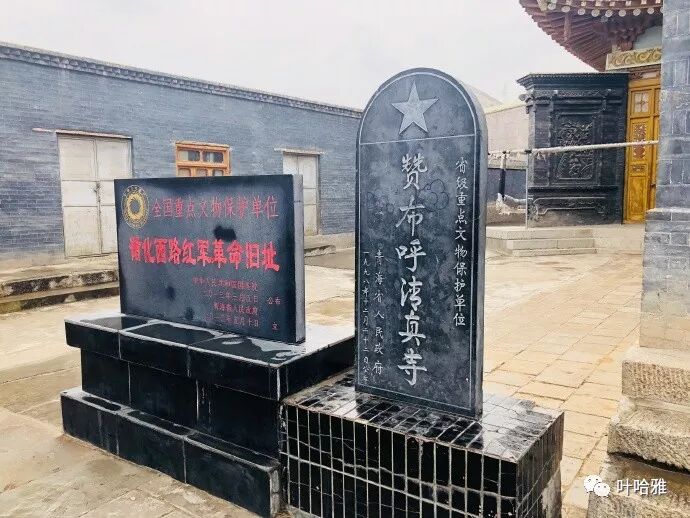
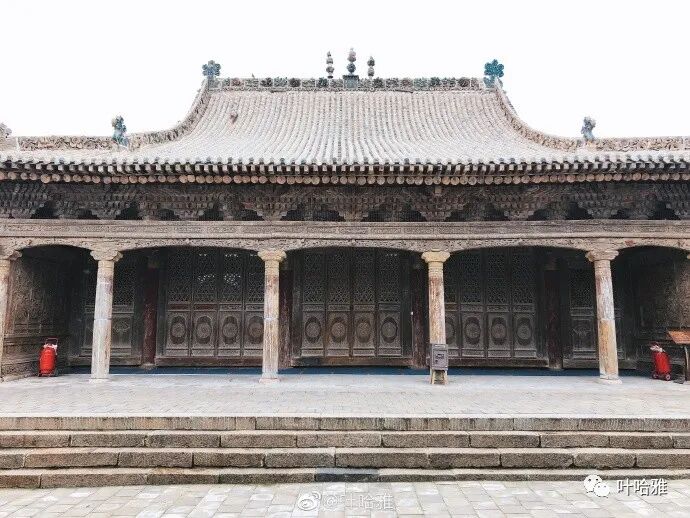
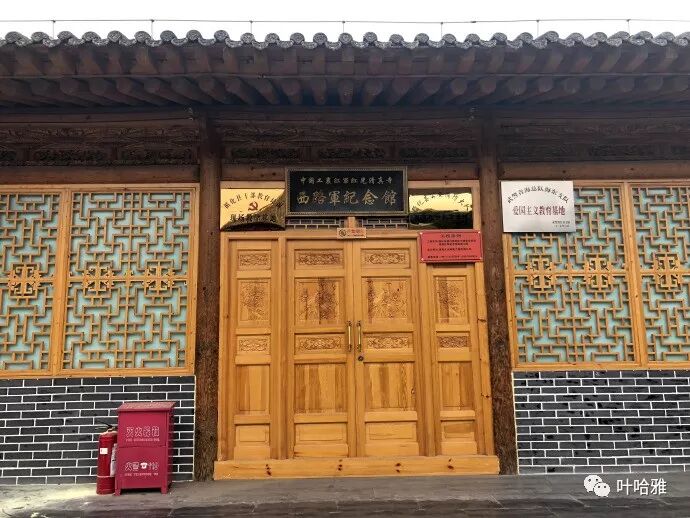
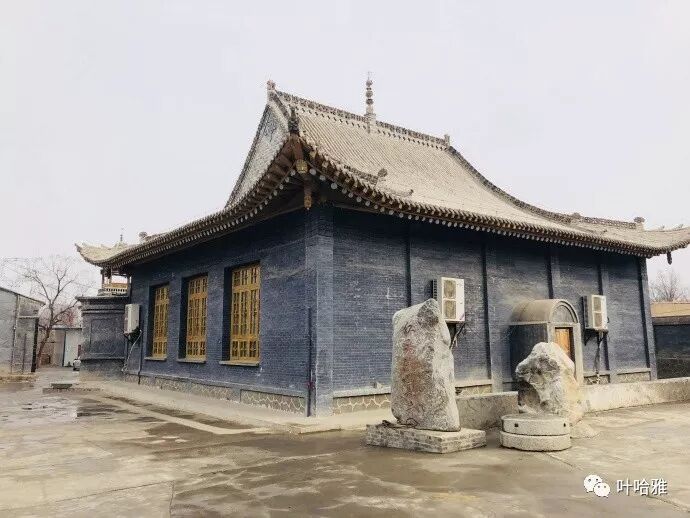
Hongguang Village was originally called Zanbuhu. It was renamed Hongguang Village in 1987 to honor the martyrs of the Western Route Army. Hongguang Mosque is the only mosque in the country built by the Red Army. Between 1939 and 1946, Ma Bufang forced over 400 captured soldiers from the Red Western Route Army to work as laborers and brought them to what is now Hongguang Village in Xunhua County. While building the mosque, the Red Army soldiers carved patterns like the red five-pointed star, sickle, axe, the character 'gong' (for worker), and collar badges into the decorative bricks while they were firing them.
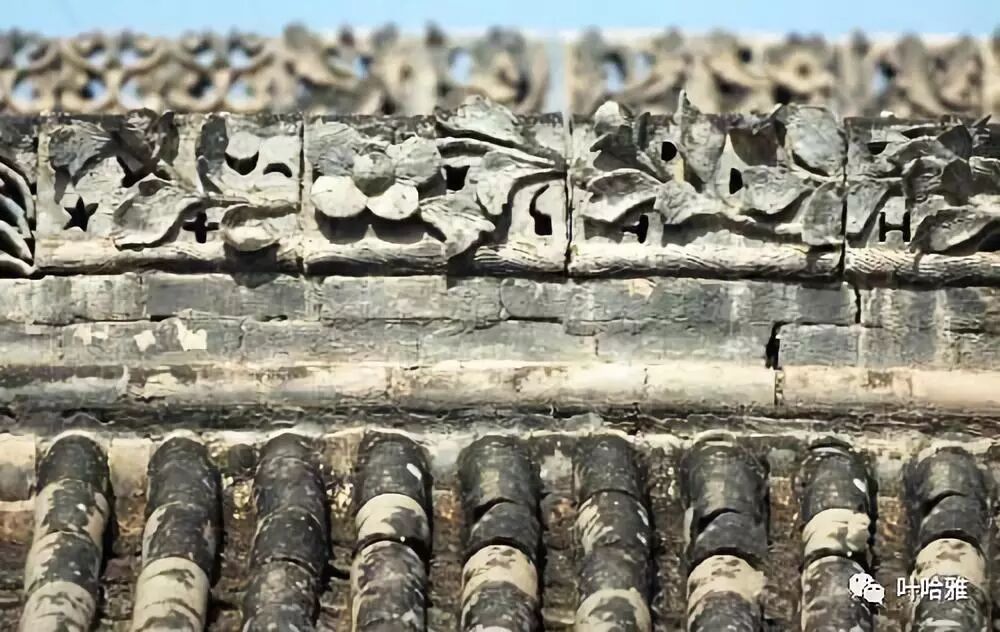
Chengdu, Sichuan
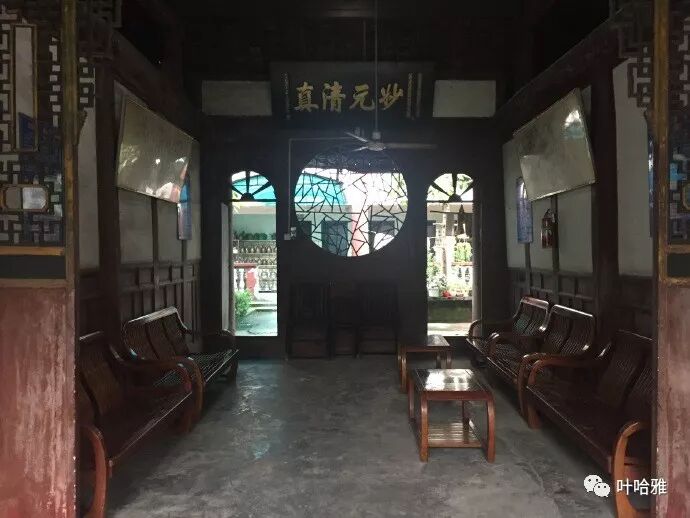
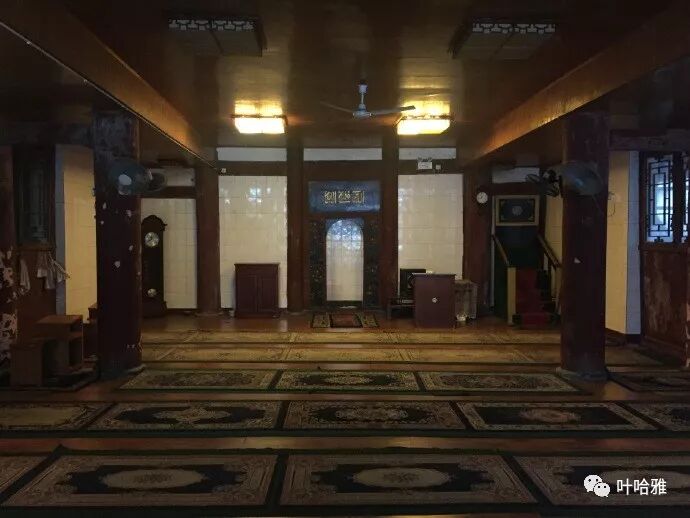
Upper Mosque (Qingzhen Shangsi)
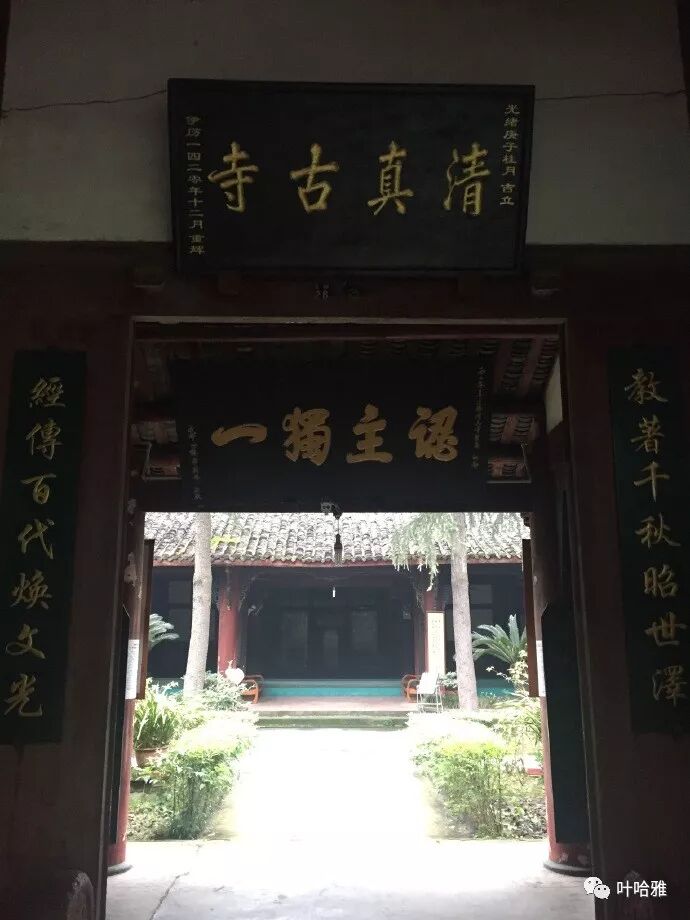
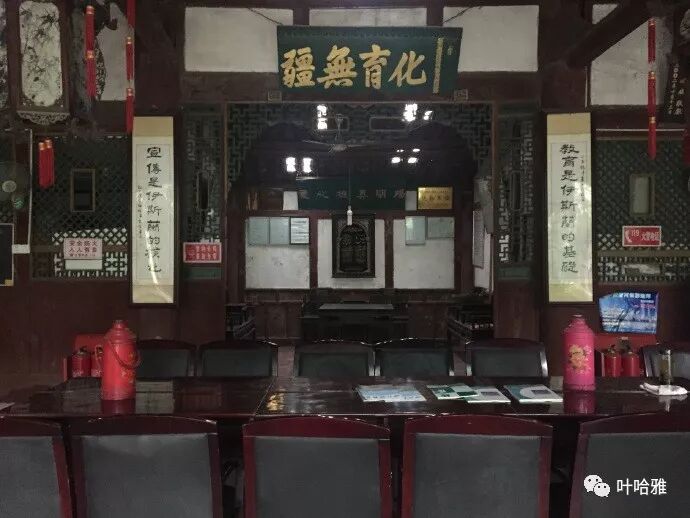
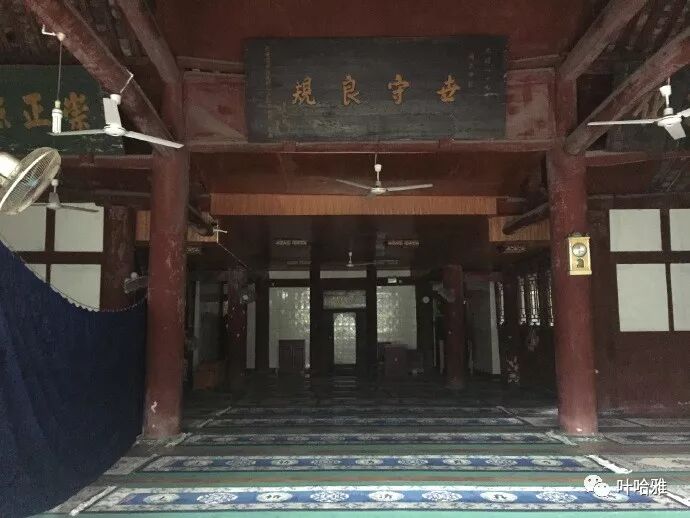
The Upper Mosque is also called Tuqiao Mosque. It consists of two parts, an upper mosque and a lower mosque, and was first built in the 56th year of the Qianlong reign of the Qing Dynasty (1791).
Chengdu, Sichuan
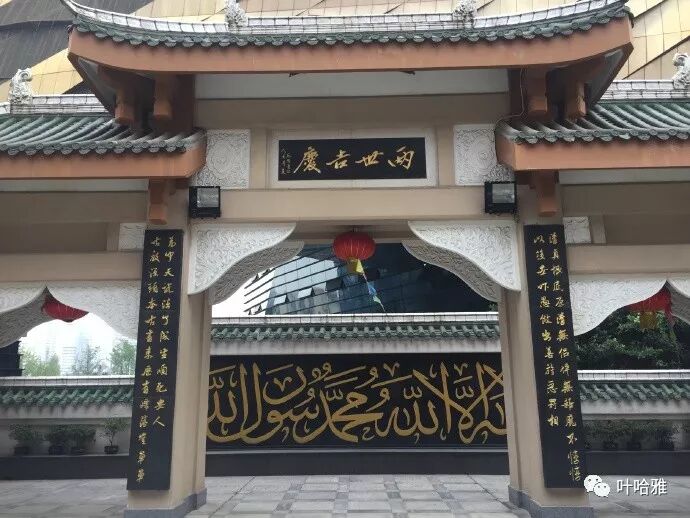
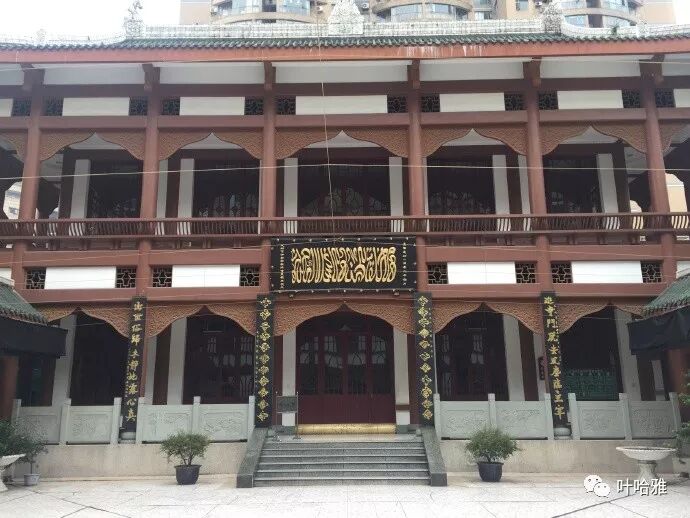
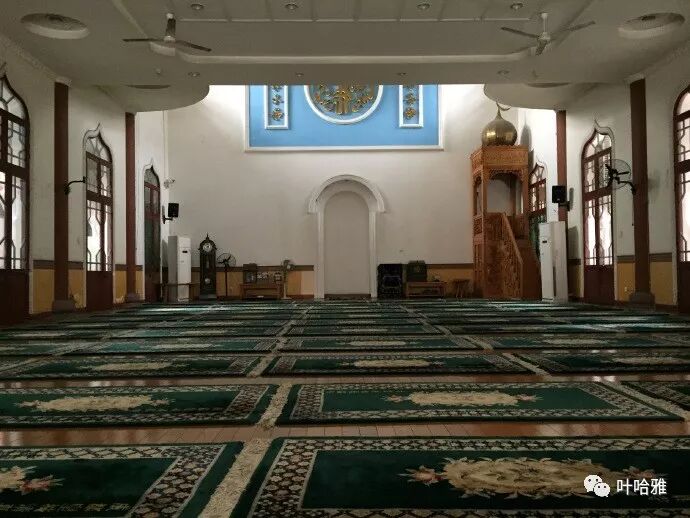
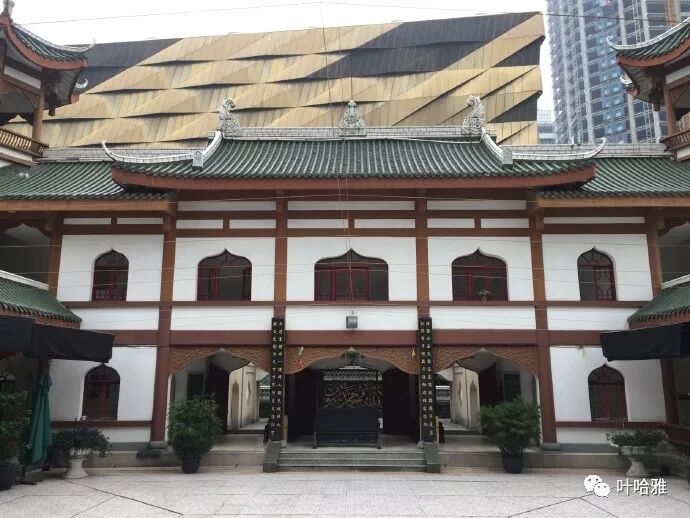
Imperial City Mosque (Huangcheng Mosque)
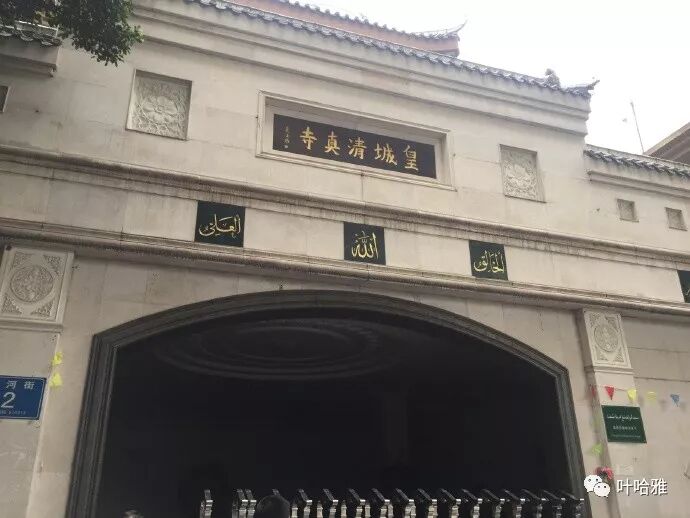
The mosque gets its name because it is located near the ruins of a historical imperial palace. It was first built in the 16th century. The mosque was severely damaged by war in 1917. Although it was rebuilt shortly after, limited funds meant the original site area of over 6,600 square meters was reduced to just over 5,000 square meters. Even so, it remains the largest mosque in Sichuan Province.
Nanchong, Sichuan
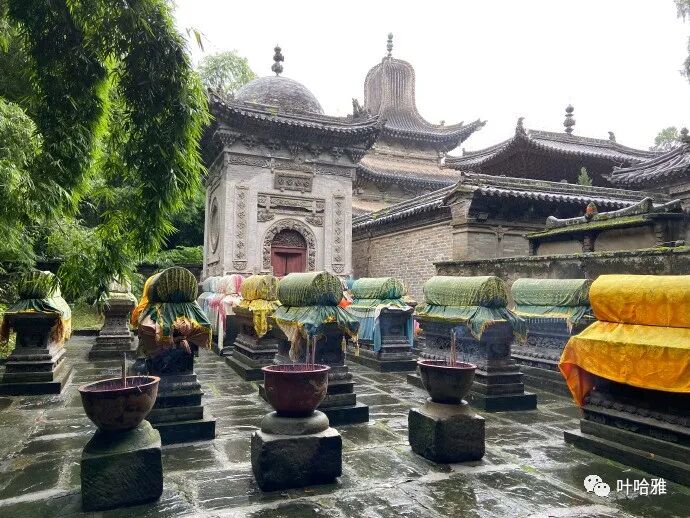
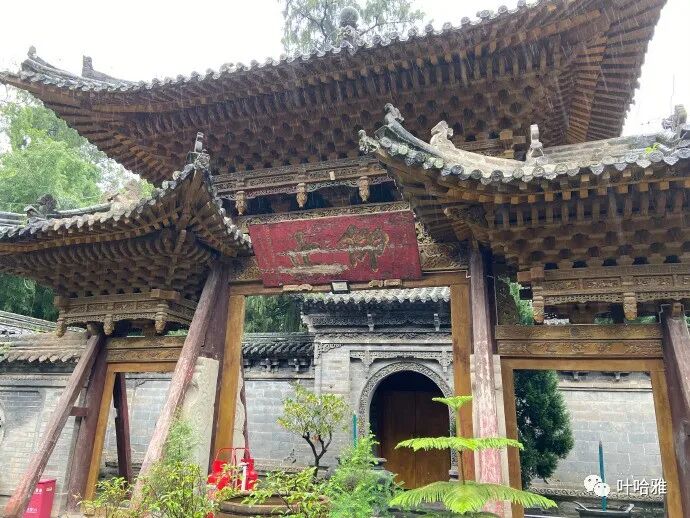
Baba Mosque in Langzhong
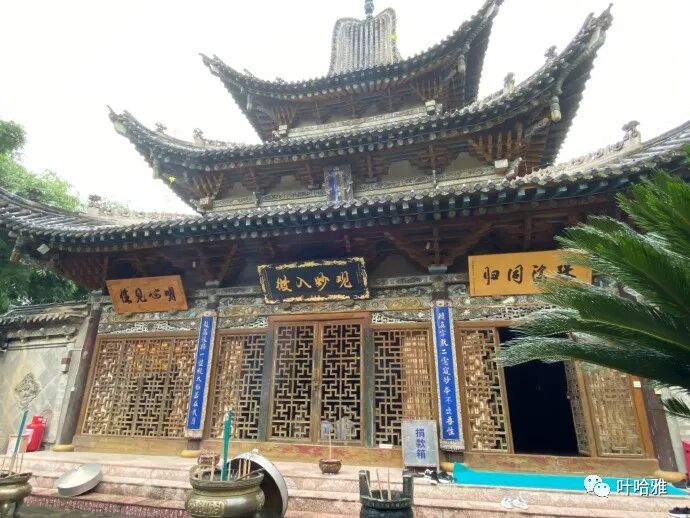
The Baba Mosque in Langzhong was built after the 29th-generation descendant of the Prophet, Khwaja Abdullah, passed away while preaching in Sichuan during the Kangxi reign. His student Qi Jingyi and the Northern Sichuan military commander Ma Ziyun built the shrine (gongbei) under the order of the Kangxi Emperor to honor him and thank him for curing the Emperor's serious illness. Qi Jingyi was the founding master of the Qadiriyya order. He established the mosque's complete rules and a system for rotating imams to guard it. He also created the generational naming system to continue the Qadiriyya tradition. The Qadiriyya order has three major holy sites: the Great Shrine (gongbei) in Hezhou, Gansu; Luling Mosque in Xixiang, Shaanxi; and the Baba Mosque in Langzhong, Sichuan. The Baba Mosque is the first among these three.
Urumqi, Xinjiang
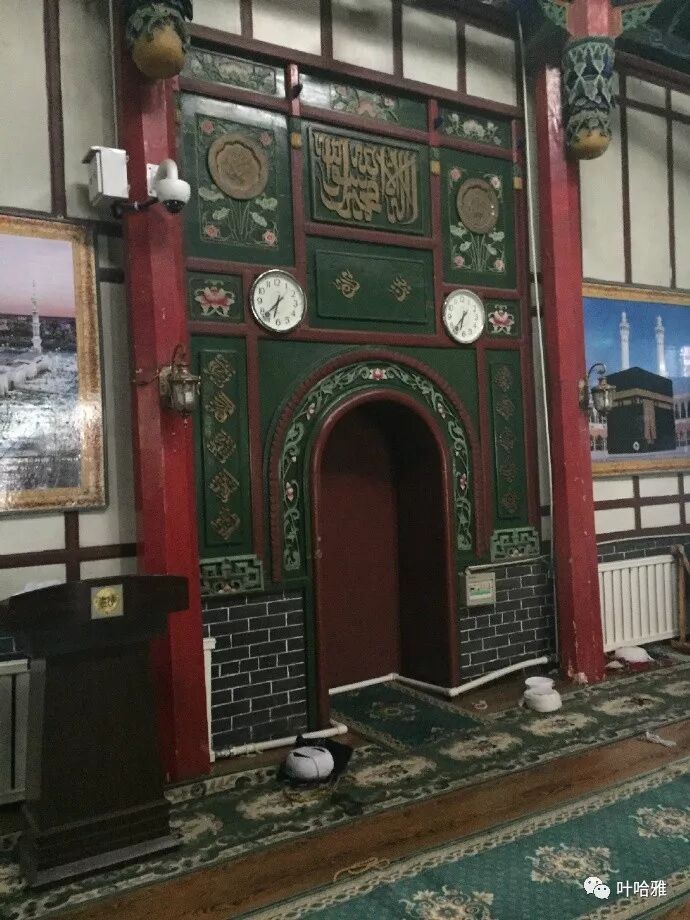
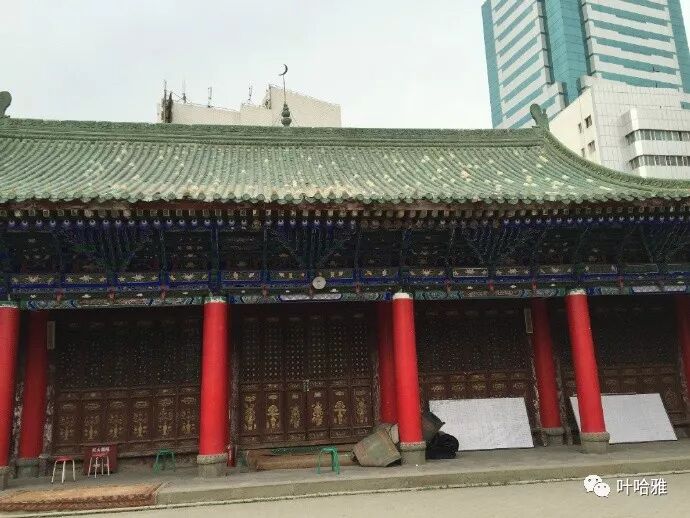
Shaanxi Mosque
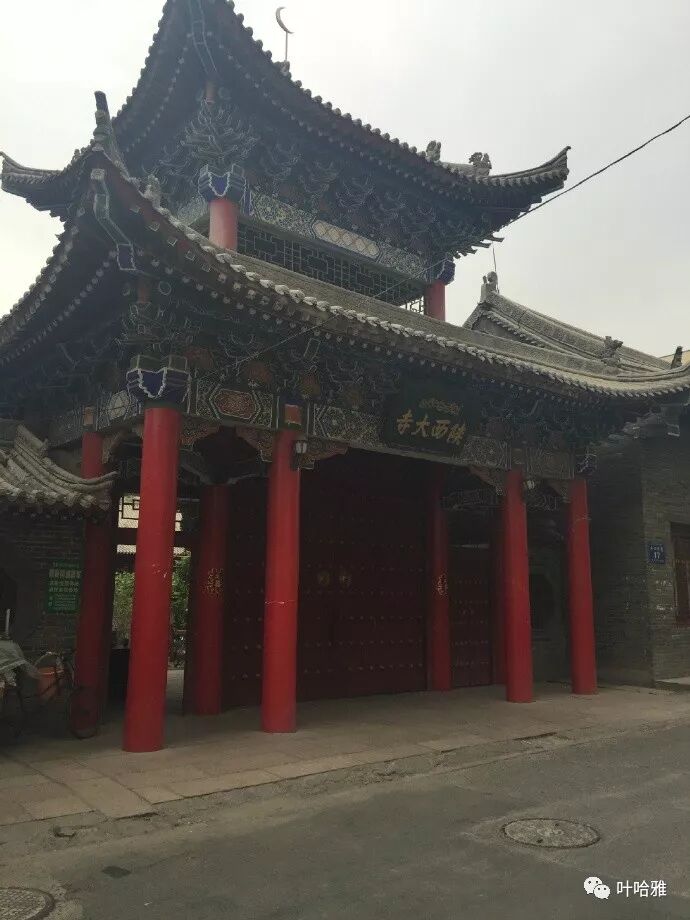
First built during the Qianlong reign of the Qing Dynasty, it was later rebuilt with funds raised by Hui Muslims who moved here from Shaanxi. It is the largest mosque for Hui Muslims in Urumqi and serves as the headquarters for the Urumqi Islamic Association.
Urumqi, Xinjiang
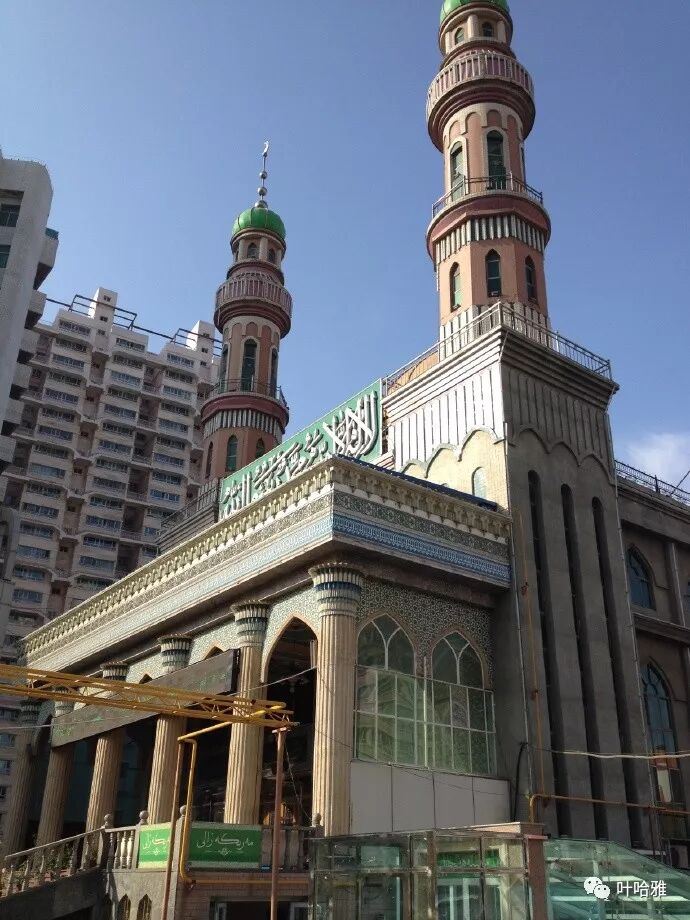
Tatar Mosque
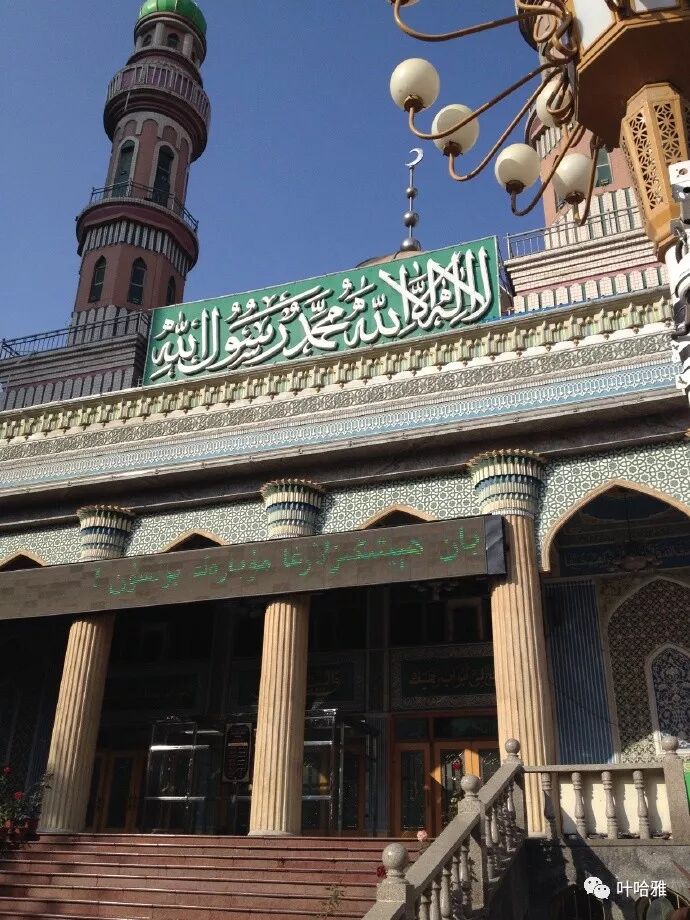
This is a Central Asian-style mosque built in 1897 with donations from the Tatar people. In 1919, a local company called Dehe Foreign Firm funded its reconstruction, so it is also known as the Foreign Firm Mosque (Yanghang Dasi).
Turpan, Xinjiang
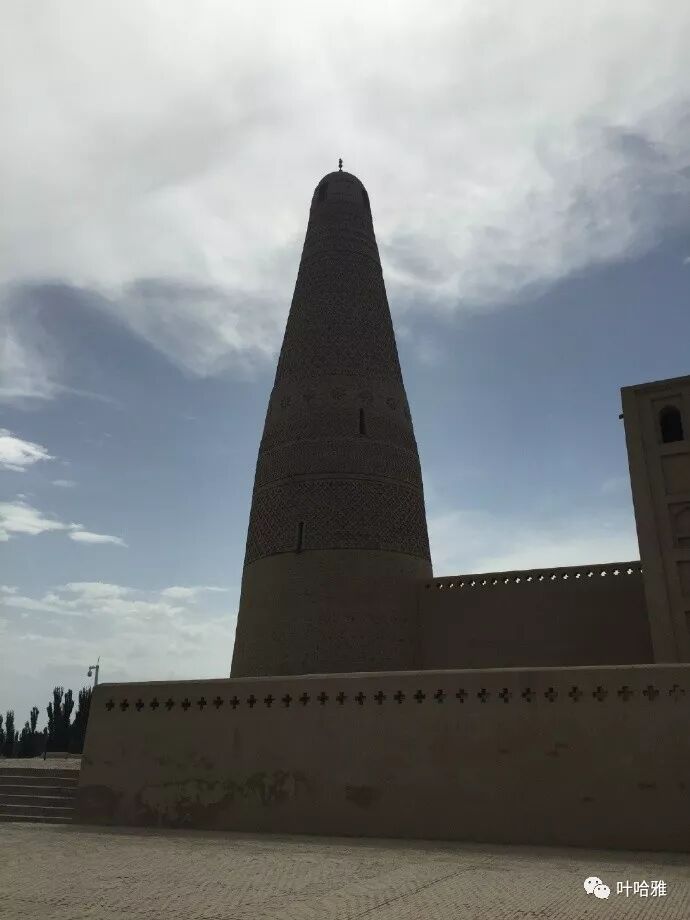
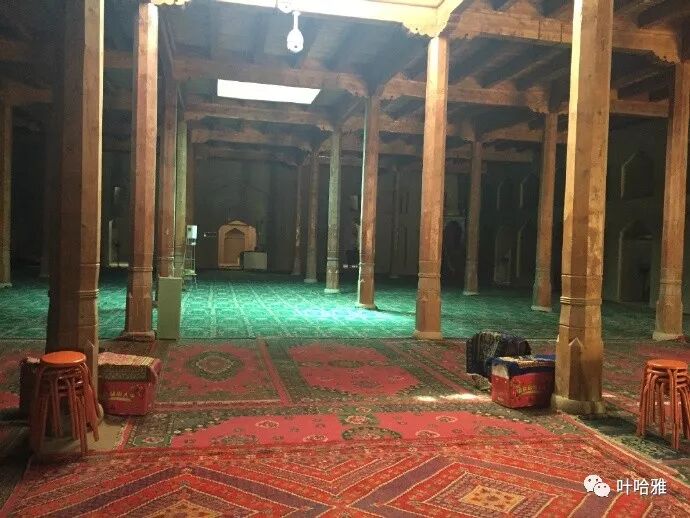
Sugong Pagoda Mosque
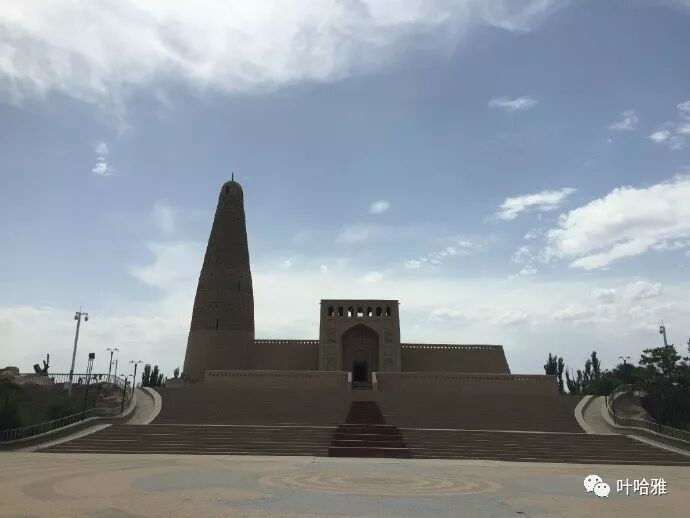
Completed in 1778, it was funded by the Turpan Prince Emin Khoja during the Qing Dynasty and built by his son, Suleiman. That is why it is named Sugong Pagoda.
Shenyang, Liaoning
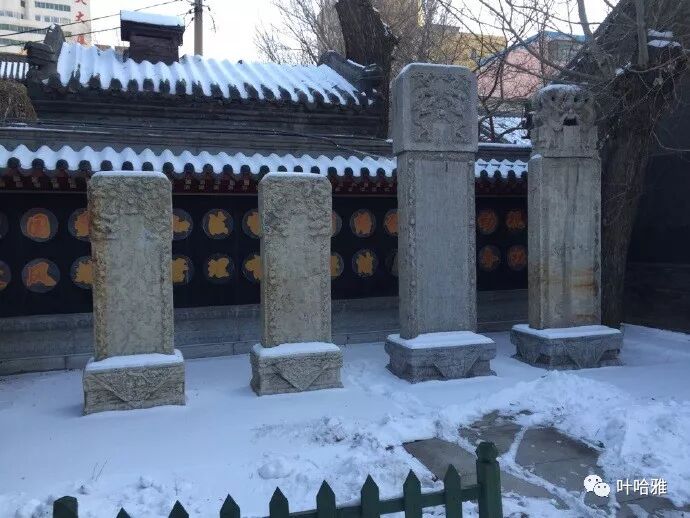
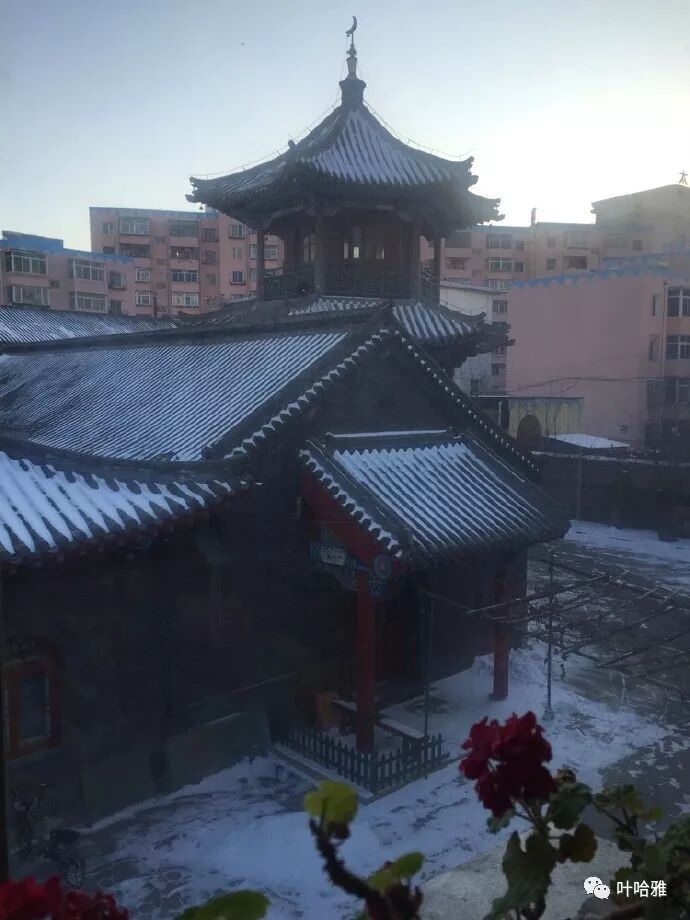
South Mosque
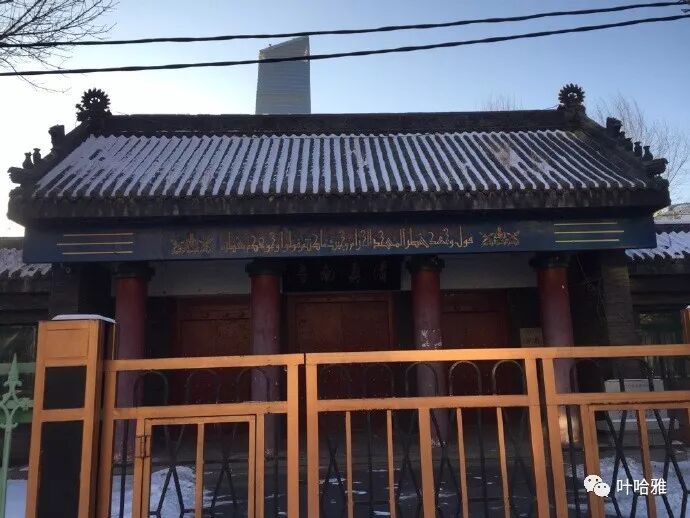
First built in 1627, it is the most influential mosque in Northeast China. According to the Tie Family Genealogy: 'Our ancestor Tie Kui performed military service in the early Qing Dynasty, reaching the rank of Cavalry Commandant and General. He was devoted to the faith and, with his prominent status, donated his own wealth to build the South Mosque in the Hui Muslim community of Xiaoxiguan, expanding the site to its current scale.'
Changchun, Jilin
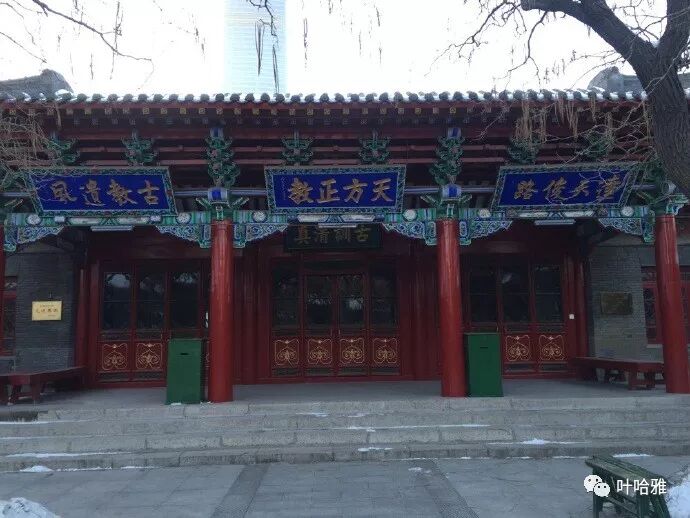
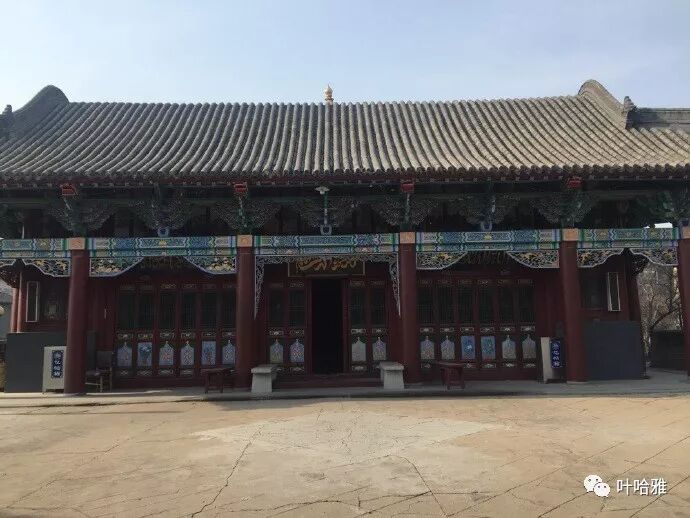
Changtong Road Mosque
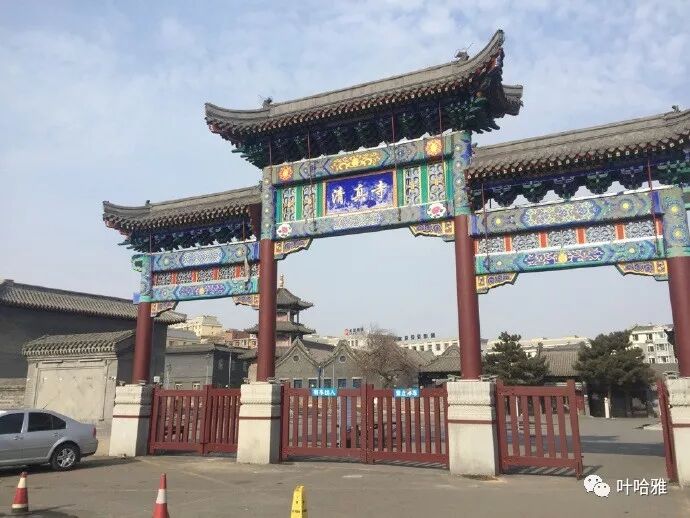
Founded in 1824, it is the largest mosque in Jilin Province, covering an area of over 16,000 square meters.
Harbin, Heilongjiang
Acheng Mosque
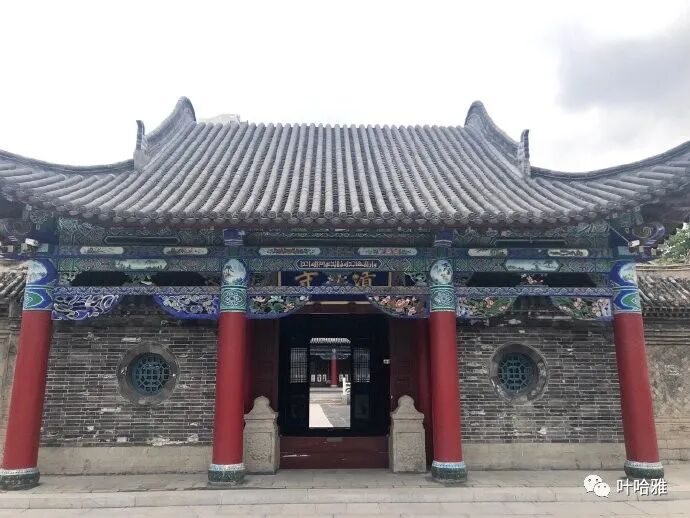
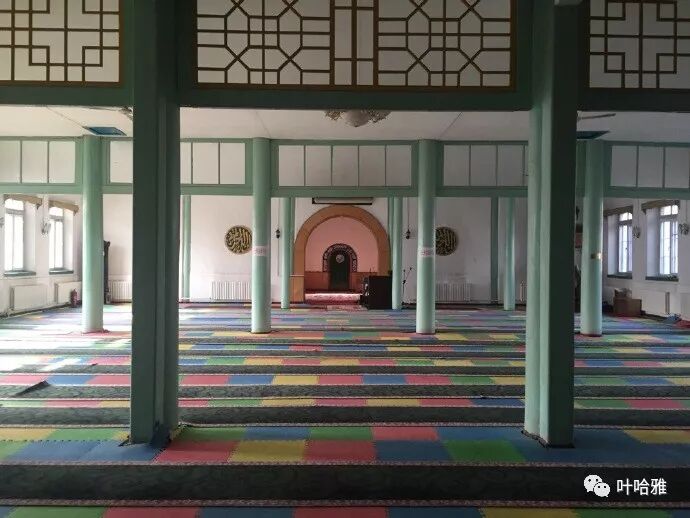
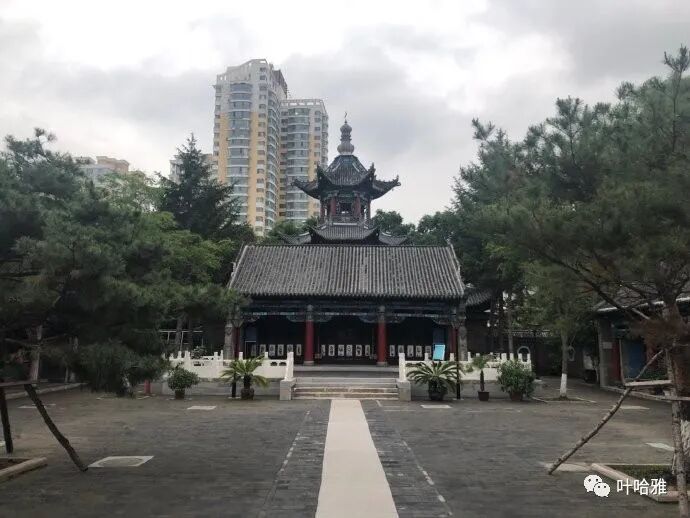
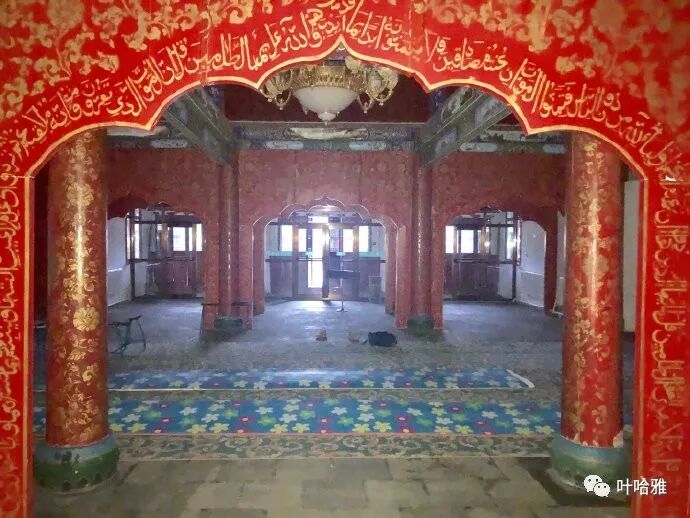
Acheng Mosque is the oldest mosque in the Harbin area, built during the Qianlong reign of the Qing Dynasty (1777). This mosque looks very similar to the Niujie Mosque; the Arabic calligraphy on the main hall's beams and pillars and the plaque on Datianjun Road are both similar to those at Niujie.
Qiqihar City, Heilongjiang Province
Bukui Mosque
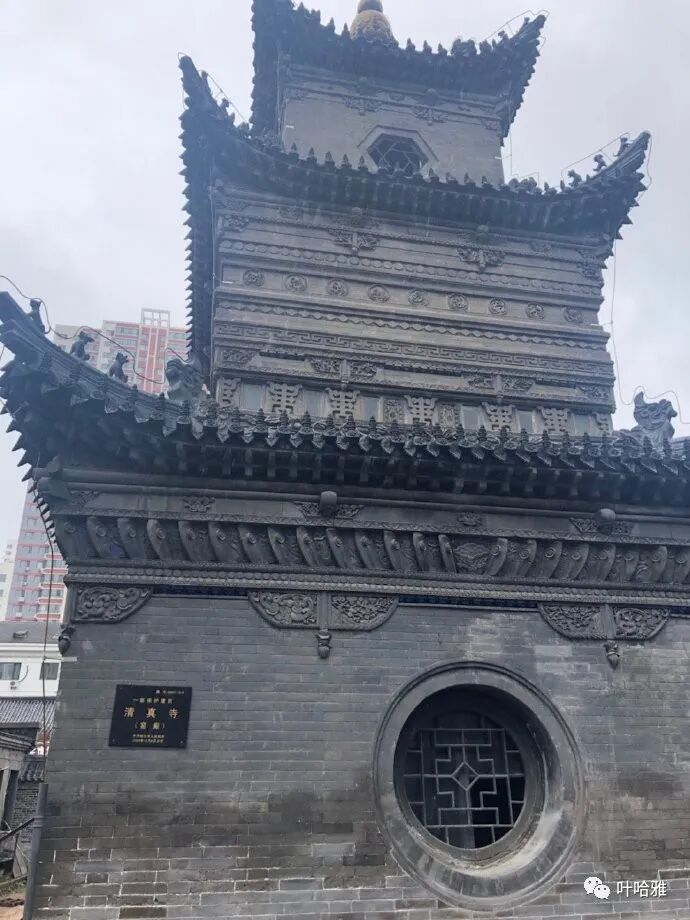
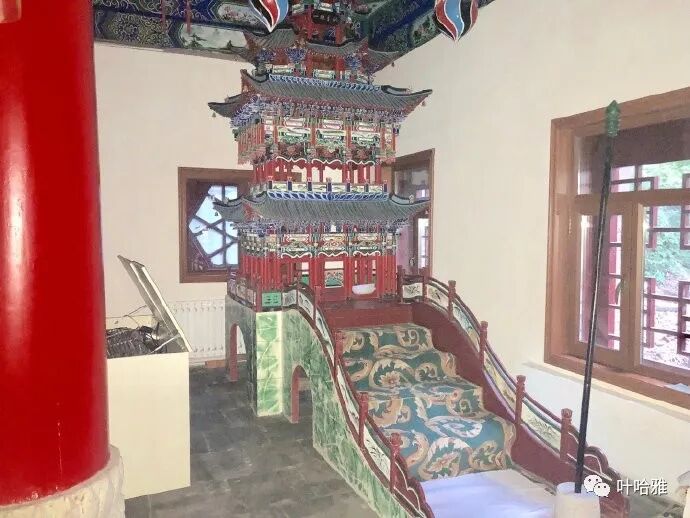
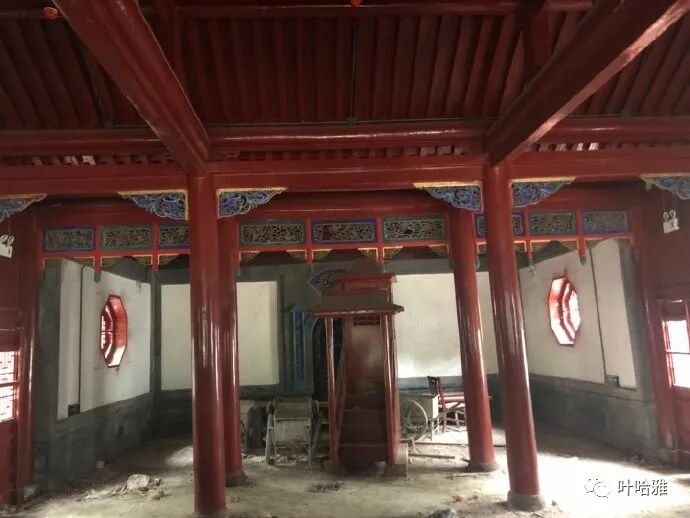
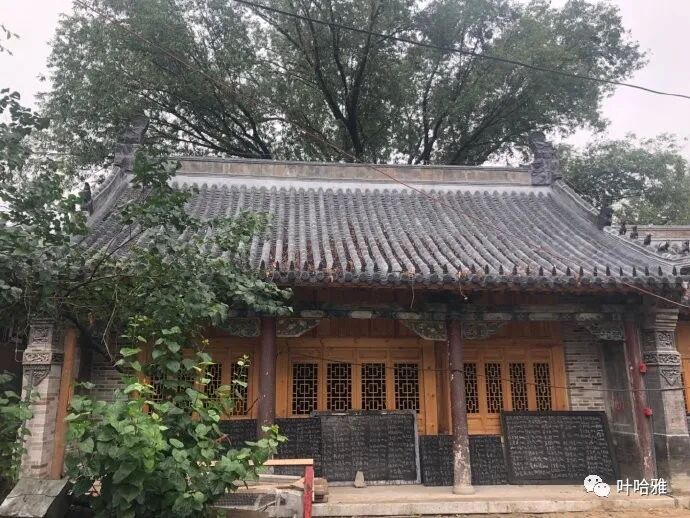
Bukui Mosque was built in the 23rd year of the Kangxi reign of the Qing Dynasty (1684). It predates the founding of Qiqihar city, leading to the saying, 'First there was the mosque, then there was Bukui city.' The East Mosque was built first for the Gedimu tradition, and later the West Mosque was built for the Jahriyya menhuan. Together, the east and west mosques are called Bukui Mosque.
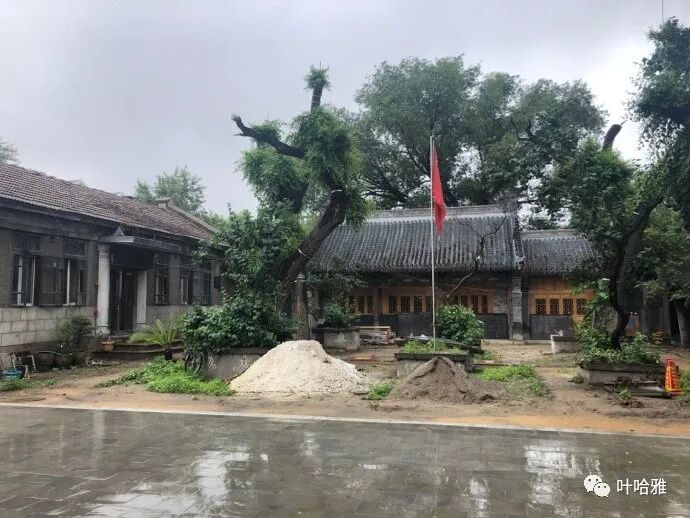
Jinan, Shandong
North Great Mosque
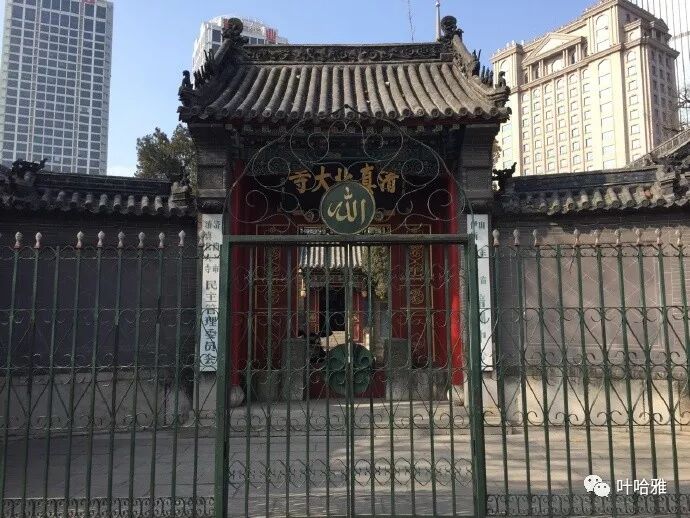
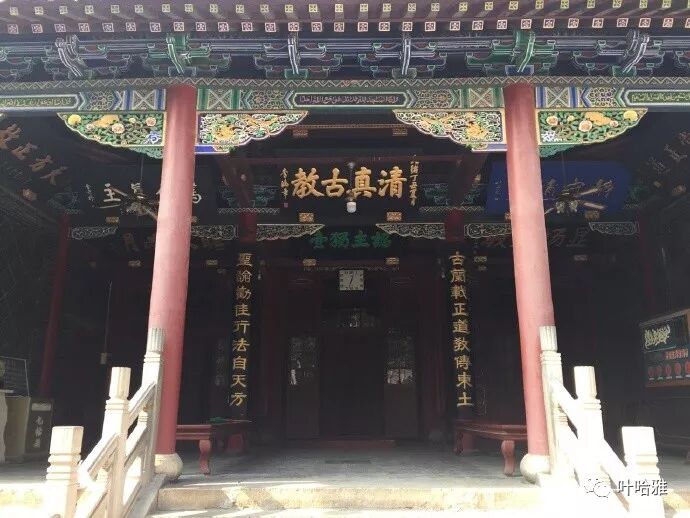
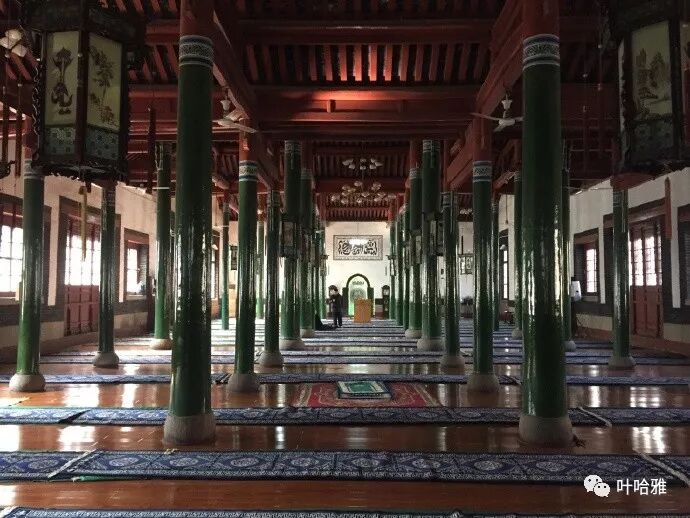
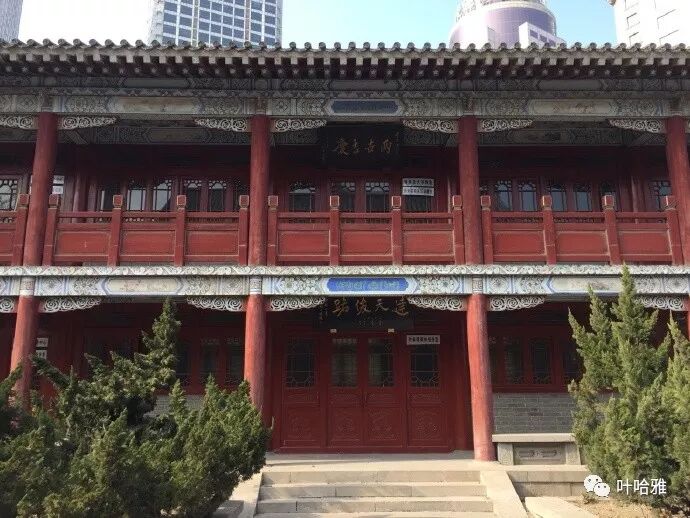
Located on Yongchang Street in the Shizhong District of Jinan, it is a municipal-level cultural heritage site. The mosque was first built during the Hongzhi reign of the Ming Dynasty and underwent several renovations during the Qianlong, Jiaqing, Daoguang, and Guangxu reigns of the Qing Dynasty, as well as during the Republic of China era. It now covers 8.1 mu with a building area of 2,252 square meters.
Qingzhou, Shandong
Zhenjiao Mosque
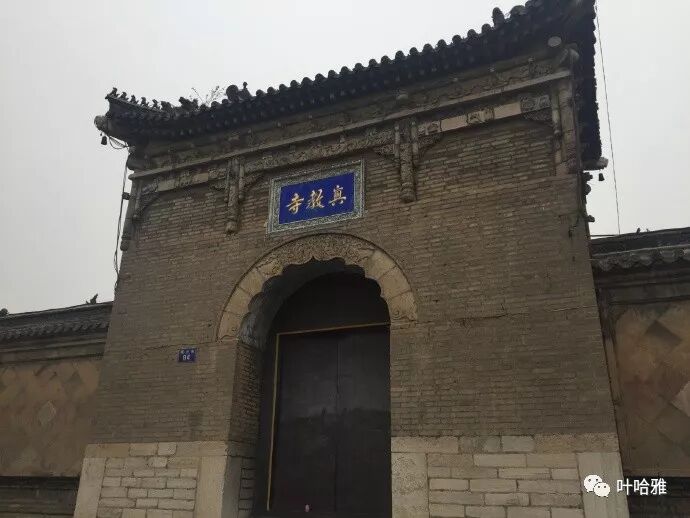
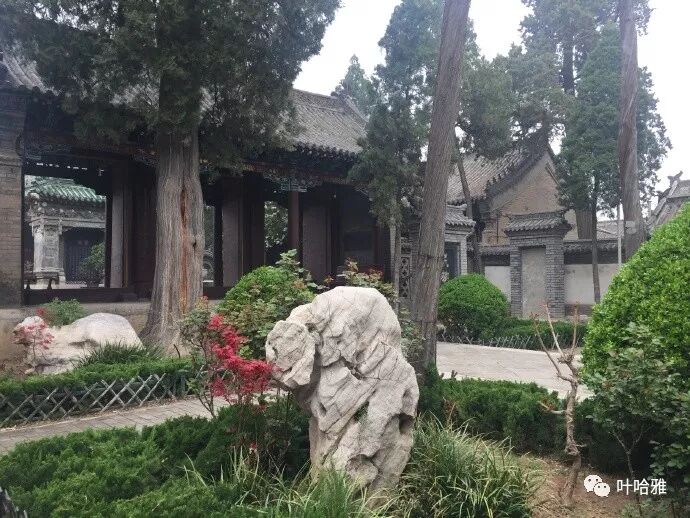
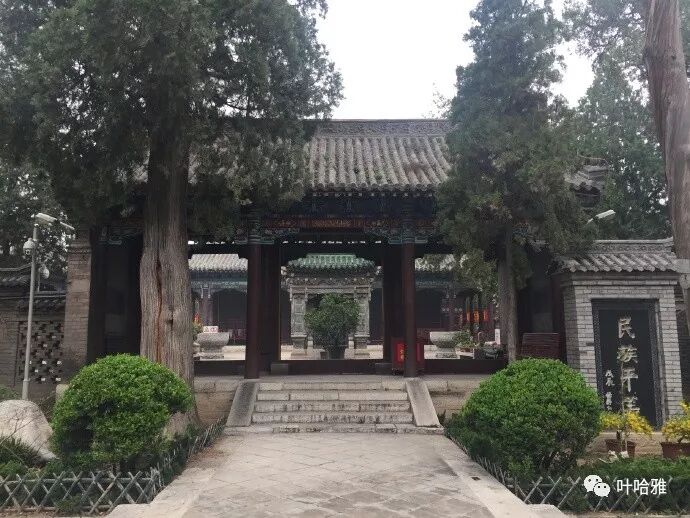
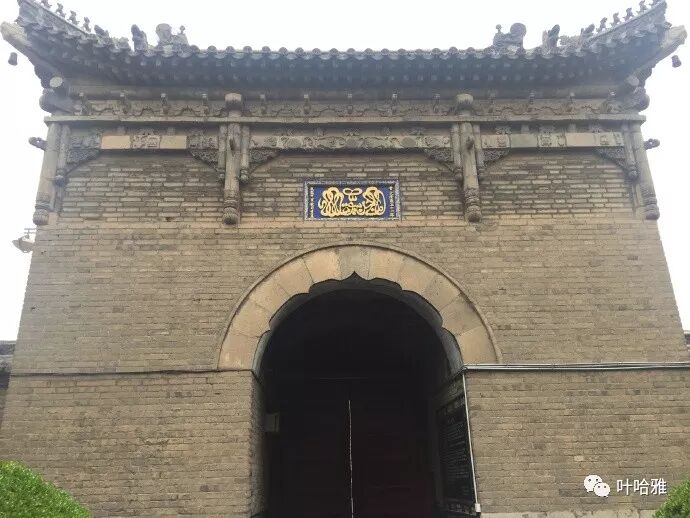
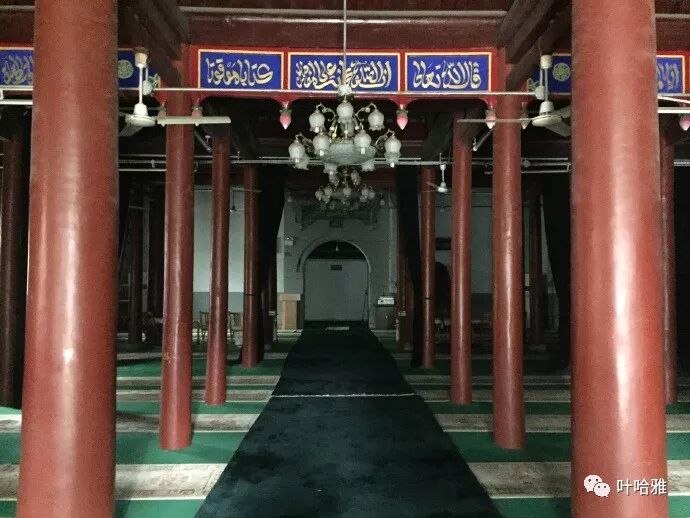
According to the stone inscriptions inside the mosque, 'The Hui mosque was established in the 6th year of the Dade reign of the Great Yuan Dynasty (1302 AD) by the descendants of Bayan.' It covers over 6,000 square meters with a building area of over 2,000 square meters.
Jining City, Shandong Province
Jining East Mosque
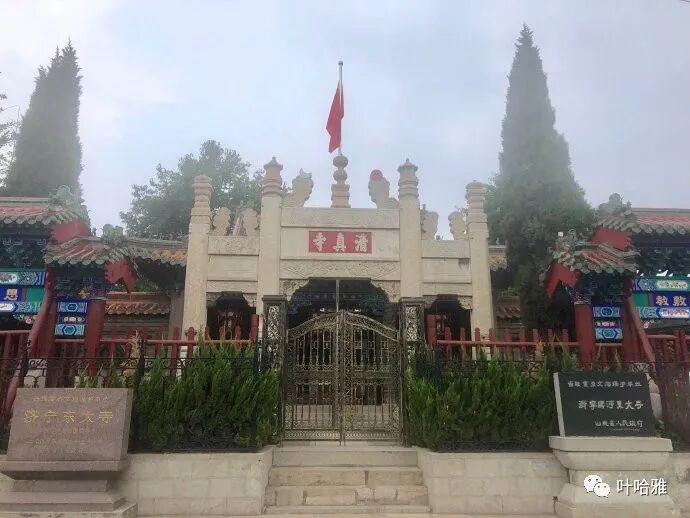
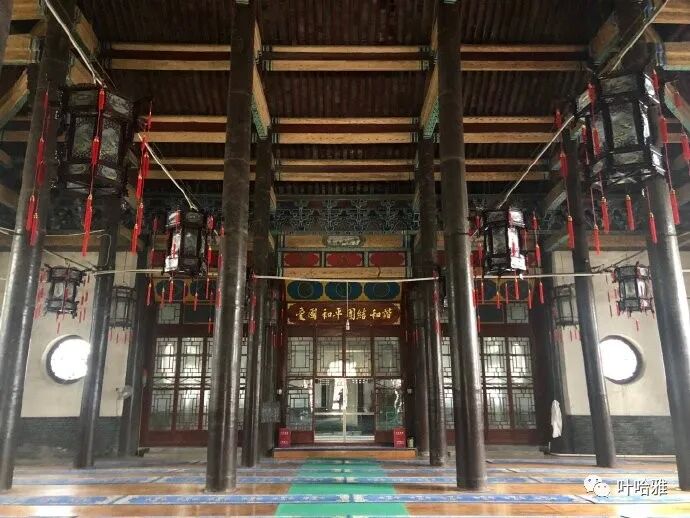
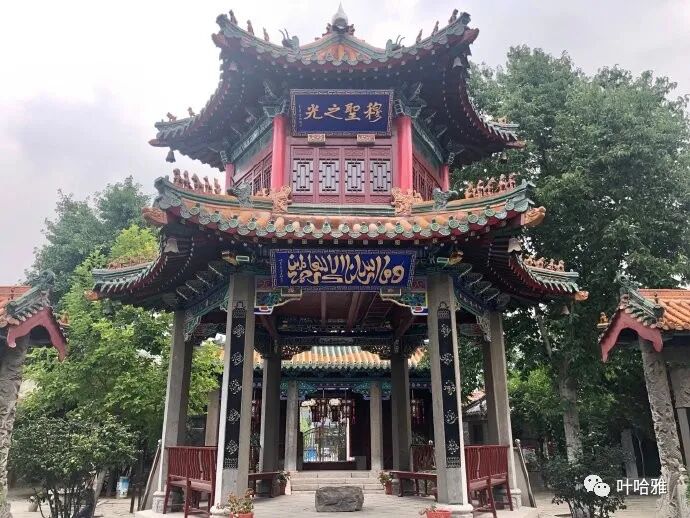
Jining East Mosque sits by the Grand Canal, so it is called the River-Side East Mosque (Shunhe Qingzhen Dongdasi). It was first built during the Hongwu period of the Ming Dynasty and is a major historical site under national protection. Chang Zhimei, a famous master of Islamic scripture and founder of the Shandong school, once wrote books and biographies here.
Linqing City, Shandong Province
Halal
East Mosque
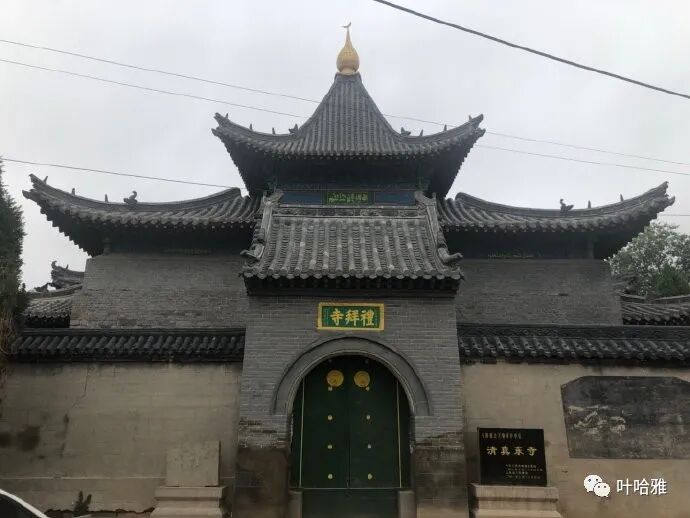
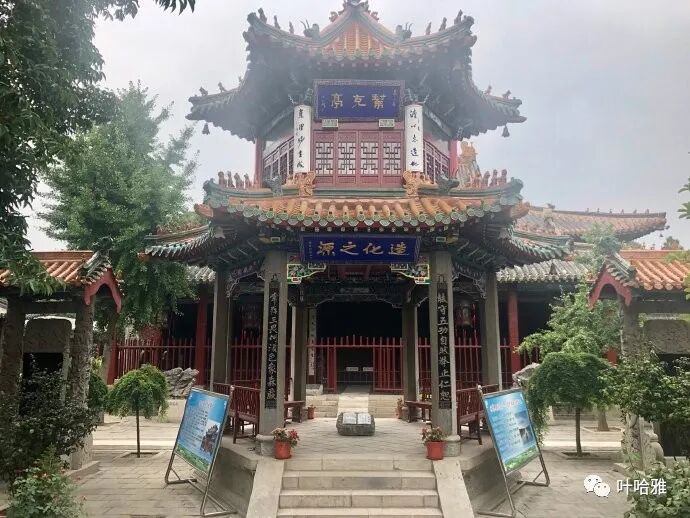
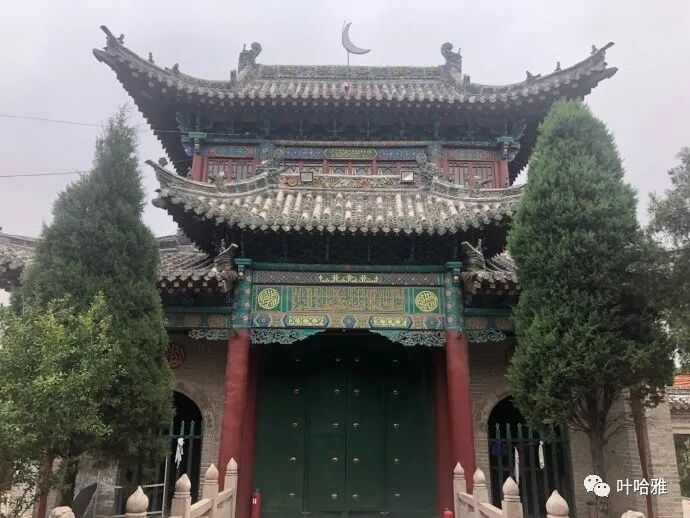
Linqing East Mosque was first built during the Chenghua period of the Ming Dynasty and is a major historical site under national protection. Linqing is full of halal restaurants, but there are only two mosques. The other is the North Mosque. The two mosques are two hundred meters apart, and the North Mosque is also a major historical site under national protection.
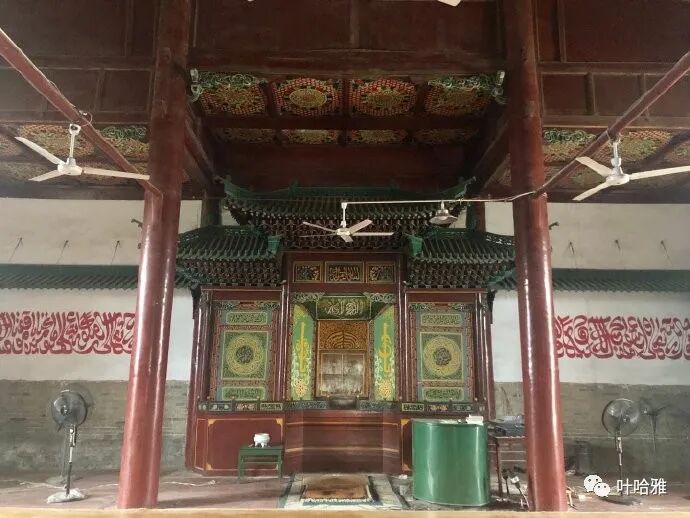
Nanjing, Jiangsu
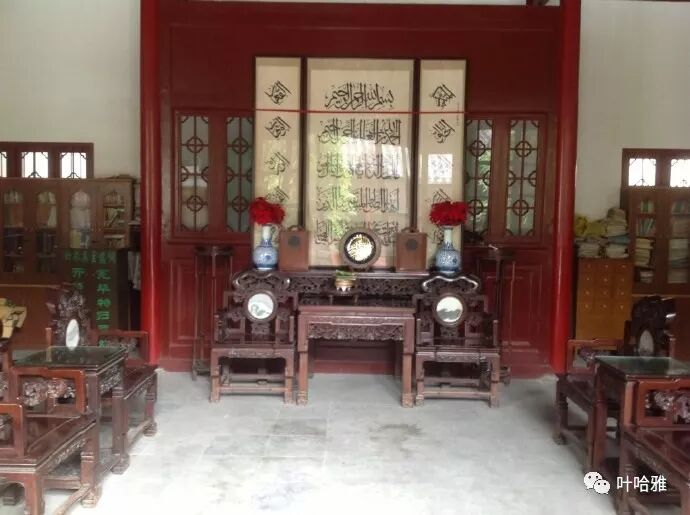
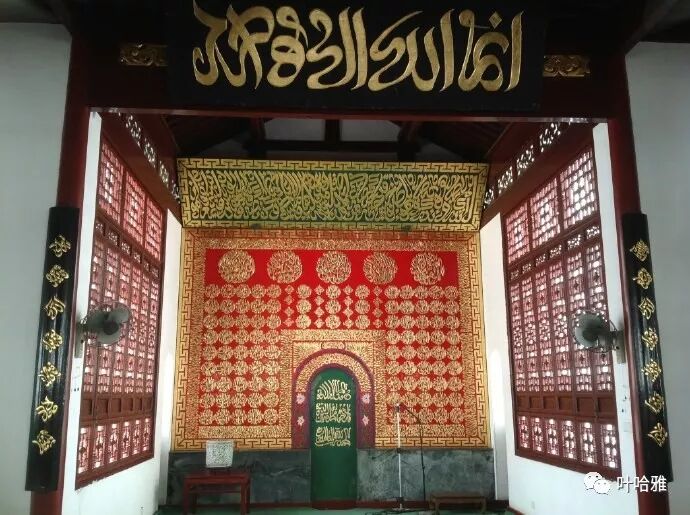
Jingjue Mosque
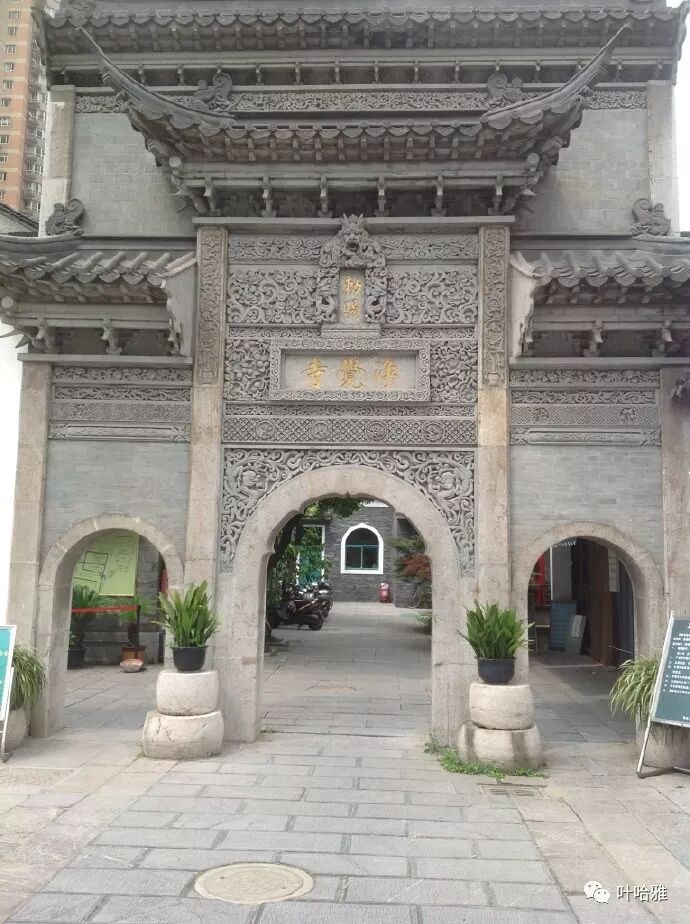
It was first built in the Hongwu period of the Ming Dynasty (1388 AD) and later rebuilt by Zheng He. It is currently the largest mosque in the Nanjing area.
Yangzhou, Jiangsu
Xianhe Mosque
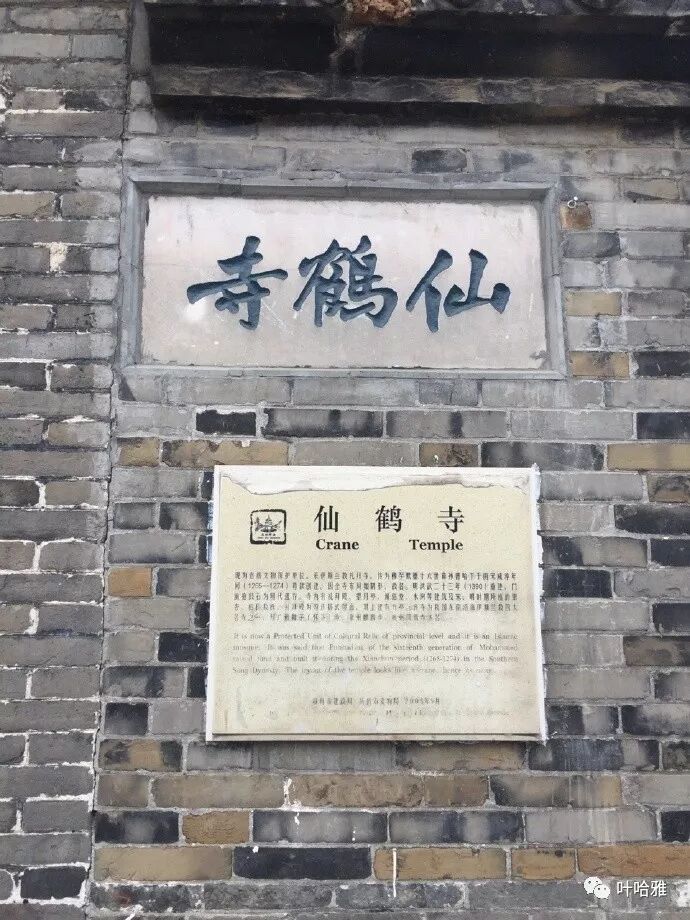
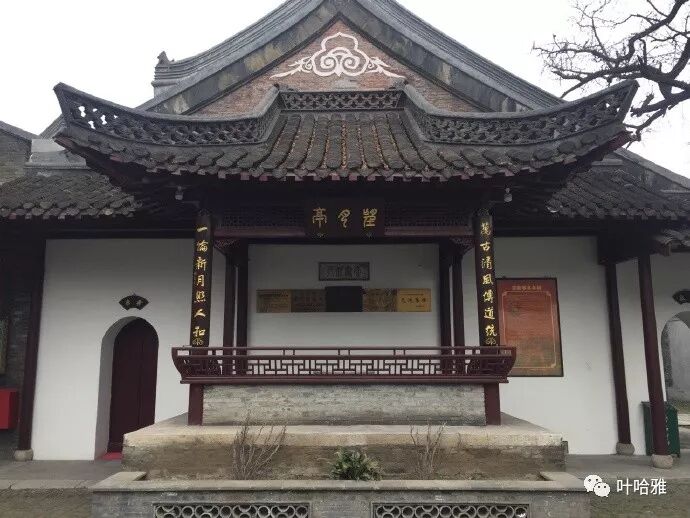
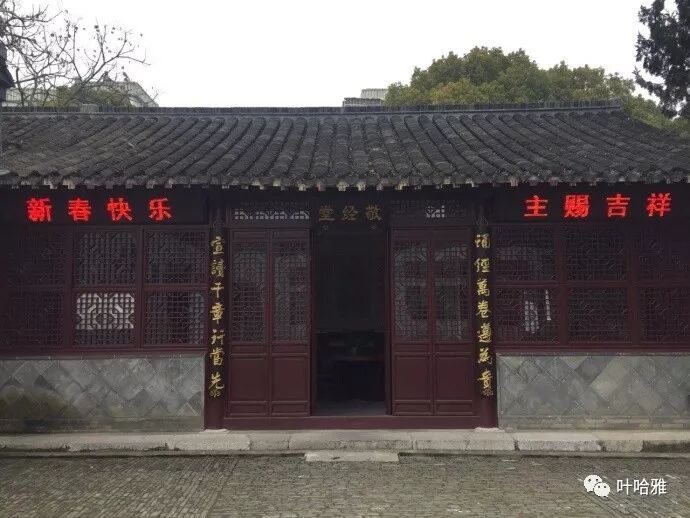
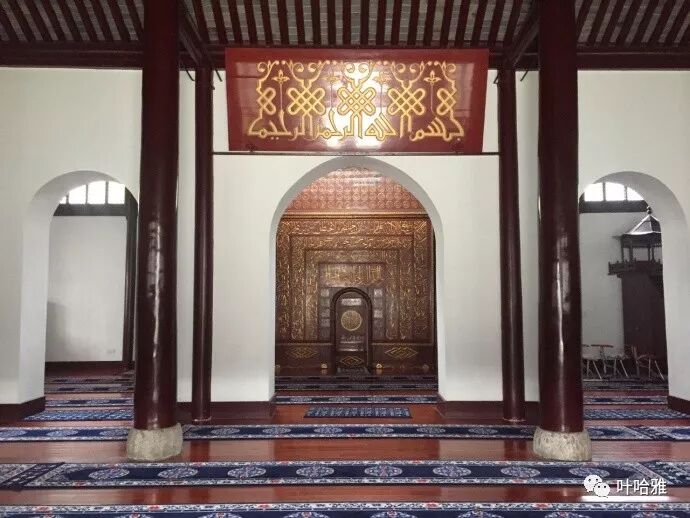
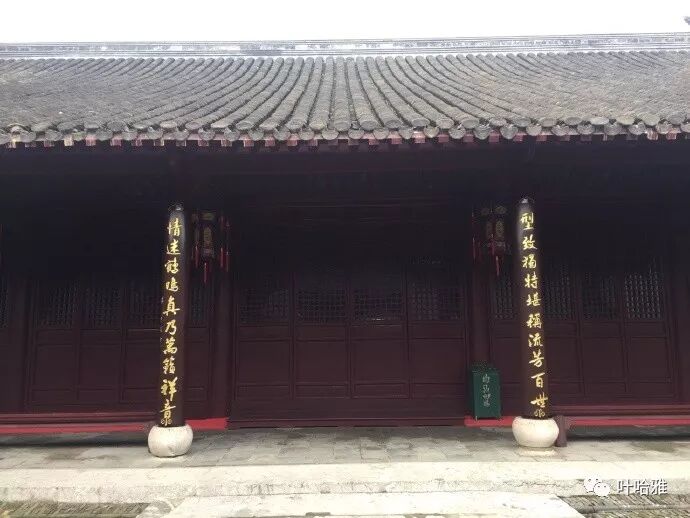
It was first built in the first year of the Deyou period of the Song Dynasty by Pu Hadin, a descendant of the Prophet. The building looks like a crane, and it is one of the four great ancient mosques in the Jiangnan region.
Zhenjiang, Jiangsu
Shanxiang Mosque
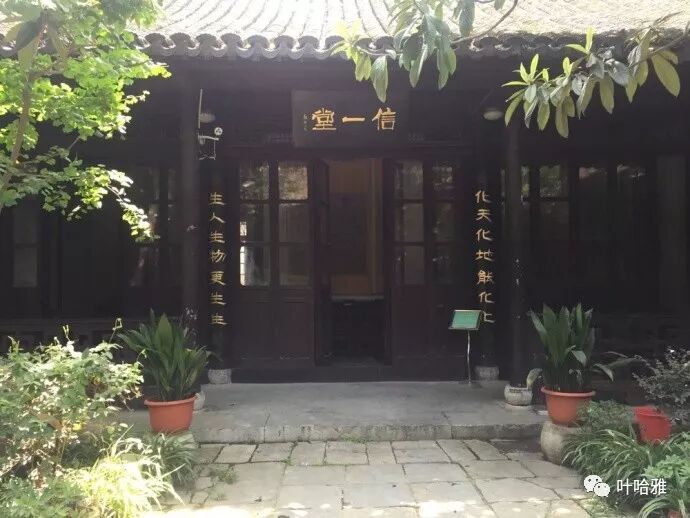
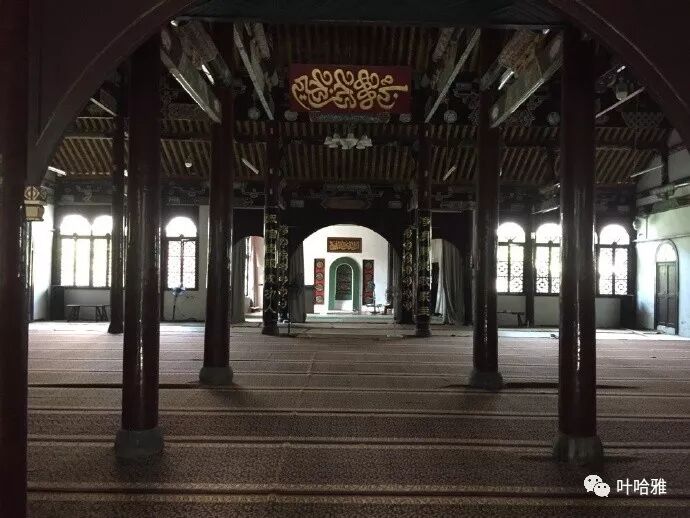
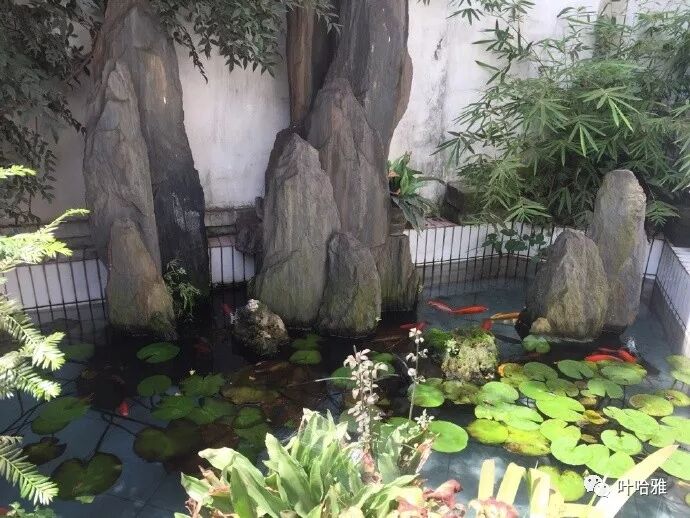
According to the Zhenjiang Prefecture Records revised during the Wanli period of the Ming Dynasty, it was first built in the second year of the Zhenguan period of the Tang Dynasty (628 AD), but this cannot be verified. During the War of Resistance Against Japan, the mosque was used as a shelter. The mosque was once a center for printing Islamic scriptures in Chinese. It printed more than 20 types of woodblock-printed Chinese classics, including The Philosophy of Islam (Tianfang Xingli), The Rites of Islam (Tianfang Dianli), The True Interpretation of the Orthodox Religion (Zhengjiao Zhenquan), and The Essential Collection of the Four Classics (Sidian Yaohui).
Shouxian, Anhui Province
Mosque
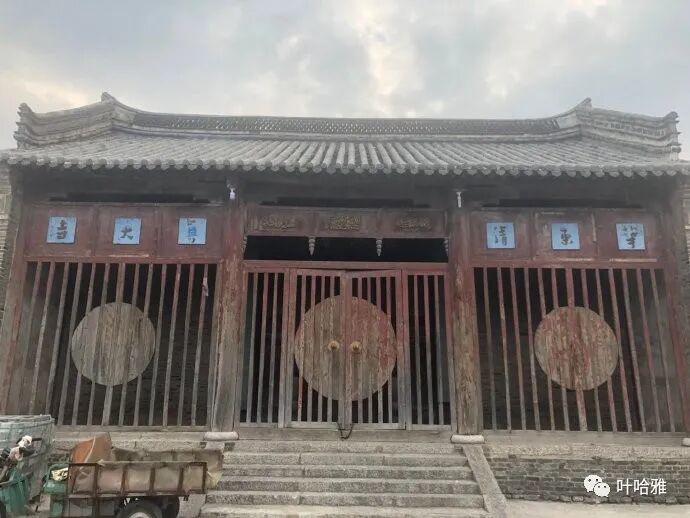
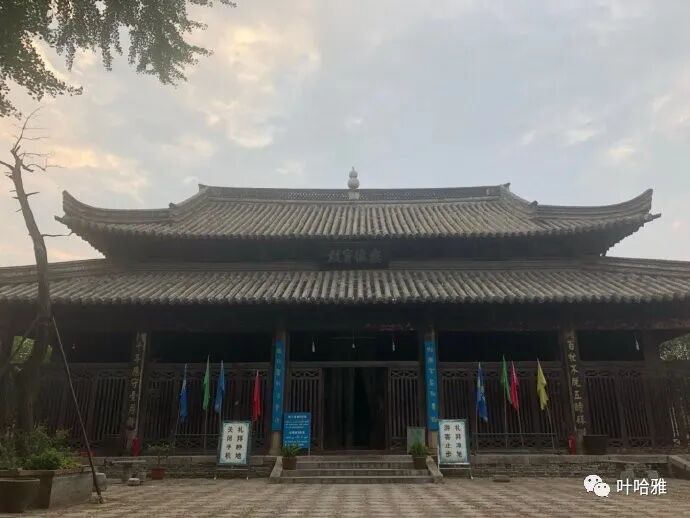
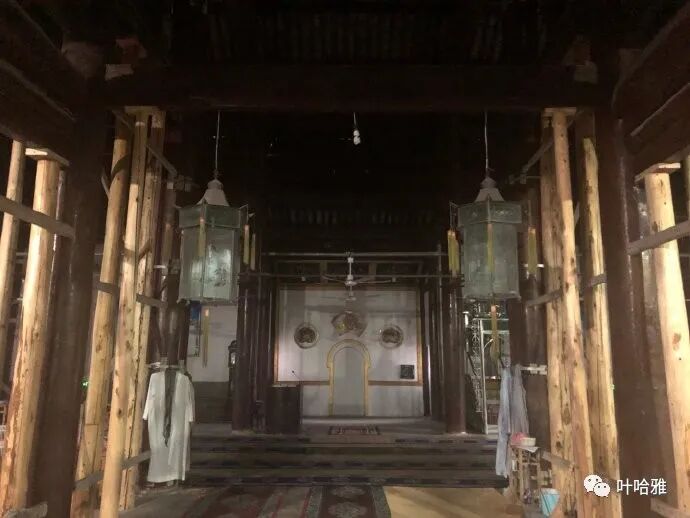
The Shouxian Mosque in Huainan, Anhui, was first built during the Tianqi era of the Ming Dynasty (1621-1627). It is now a Major Historical and Cultural Site Protected at the National Level. The famous imam Wang Jingzhai taught here for two months during the Republic of China era. He left for Taiwan after being invited to help revitalize the Muslim community there and because he could no longer tolerate harassment from the Eighth Route Army.
Anqing City, Anhui Province
Mosque
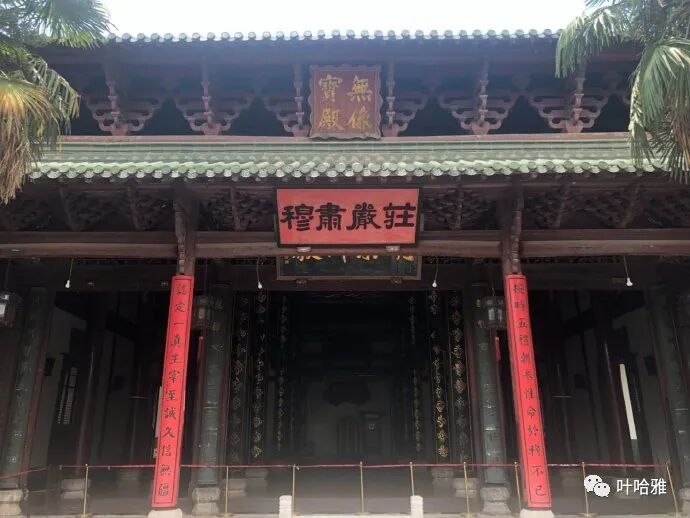
The Nanguan Mosque in Anqing, Anhui, was built by Ma Yi, a second-rank regional military commander during the Ming Dynasty. It is a Major Historical and Cultural Site Protected at the National Level. In 1381, Ming Dynasty General Ma Jucheng led Hui Muslim soldiers to garrison Anqing and established the Anqing Garrison, which has a longer history than the Tianjin Garrison. The first mosque in Tianjin, the Jinjiayao Mosque, was also founded by Hui Muslim boatmen from Anqing. To this day, many Hui Muslims in Tianjin still say their ancestral home is Anqing Prefecture.
Jiaxing, Zhejiang
Mosque
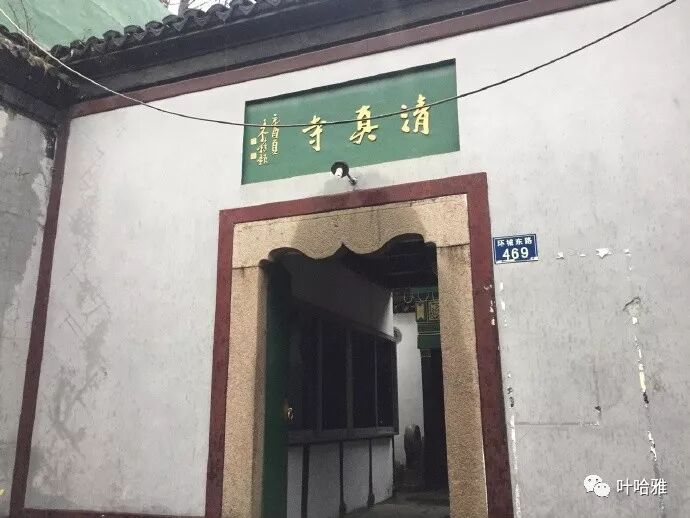
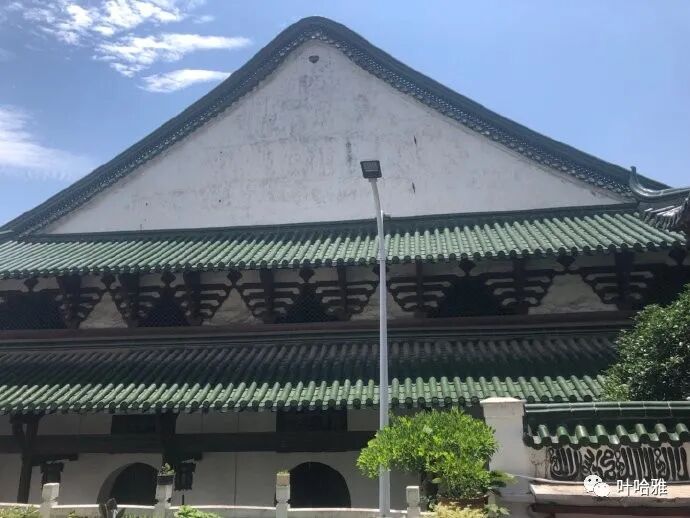
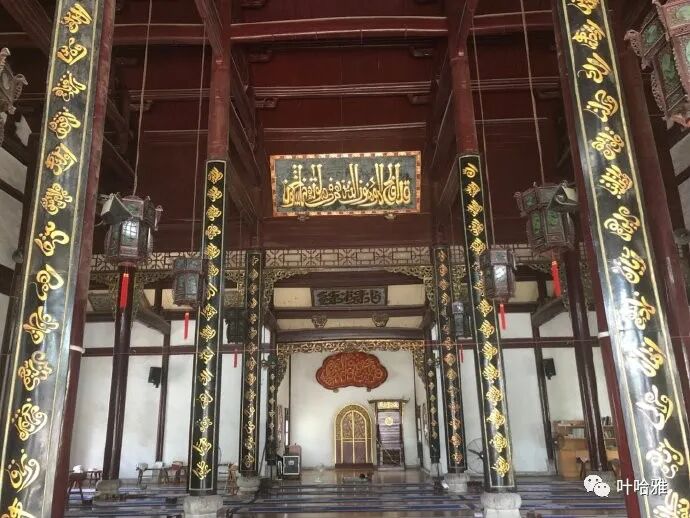
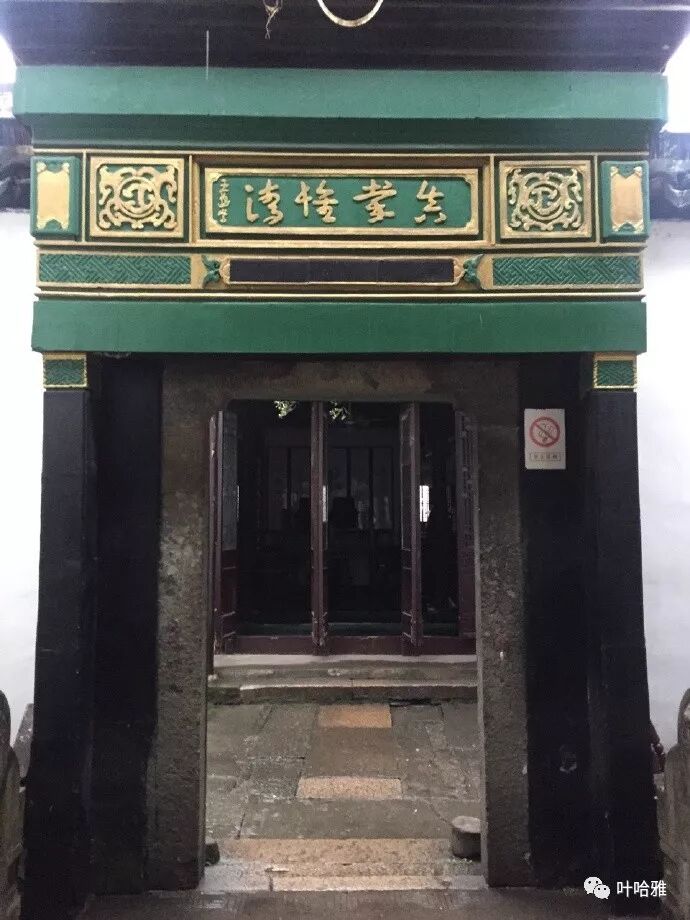
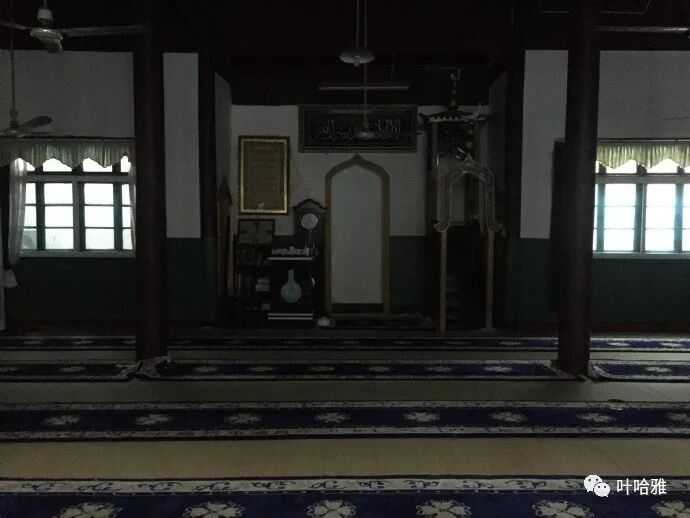
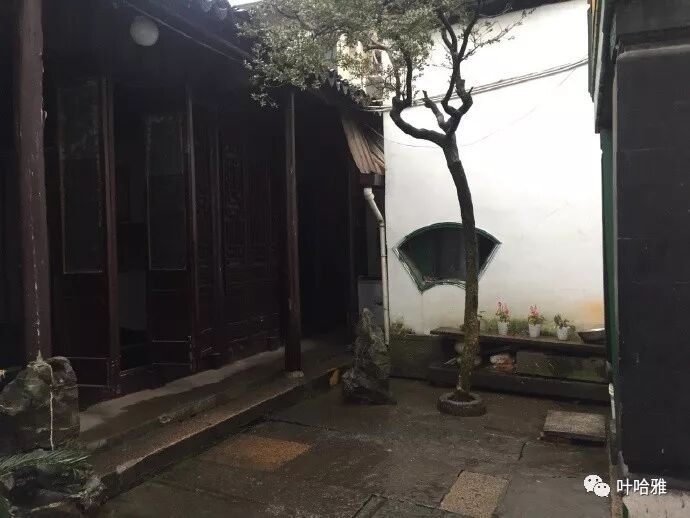
First built in the Ming Dynasty, the Jianzhen Mosque in Jiaxing has a stone tablet record. The writer of the inscription, Jiaxing Prefect Che Daren, and the calligrapher, local resident Ma Mengzhen (who served as a deputy director for compiling national history and has a biography in the History of Ming), were both Muslim officials.
Hangzhou, Zhejiang
Phoenix Mosque (Fenghuang Si)
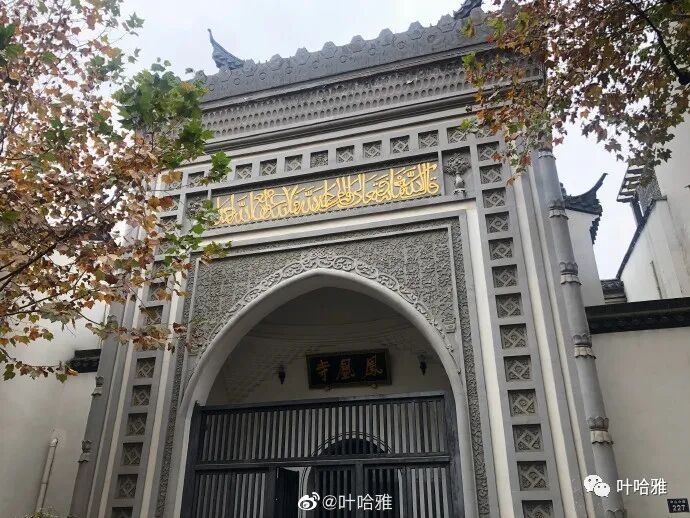
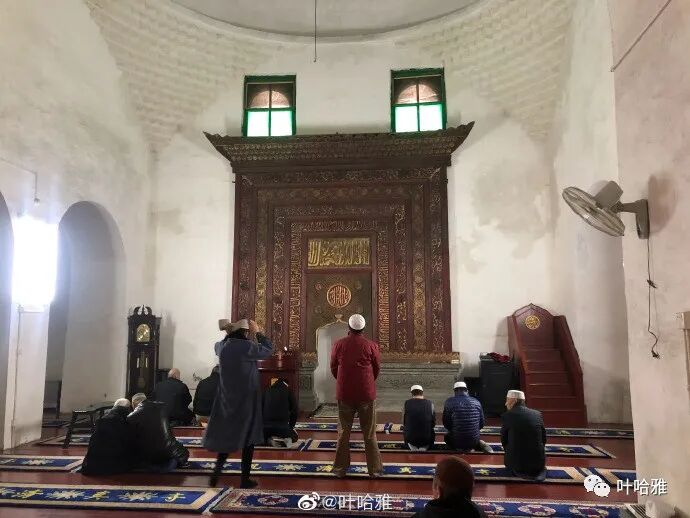
This mosque was first built in the Tang Dynasty, destroyed in the Song Dynasty, and rebuilt in the Yuan Dynasty. It is one of the four great ancient mosques in the Jiangnan region. The roof of the main hall features three octagonal spire-topped structures dating back to the Song Dynasty. One of them is carved with verses from the Quran, a relic said to date back to the second year of the Jingtai era of the Ming Dynasty. The stone scripture platform and the stone pillar bases inside the Phoenix Mosque have also been verified by cultural heritage authorities as relics from the Song Dynasty.
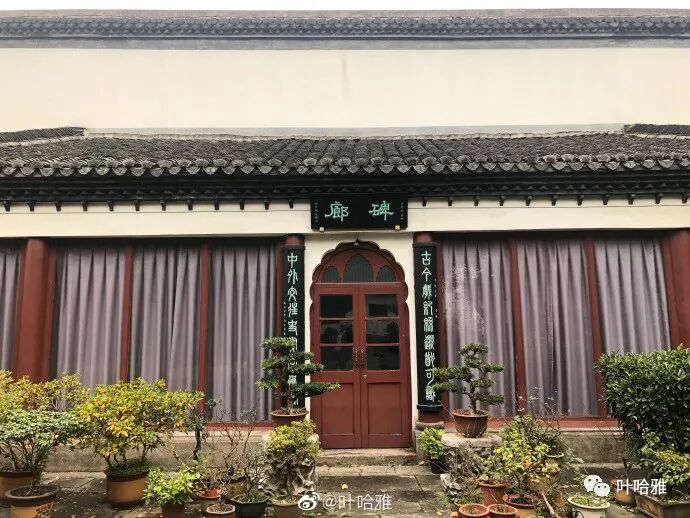
Ningbo, Zhejiang
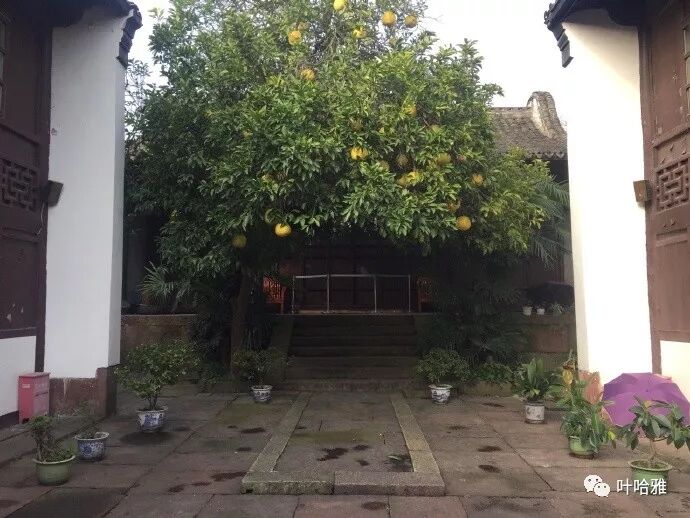
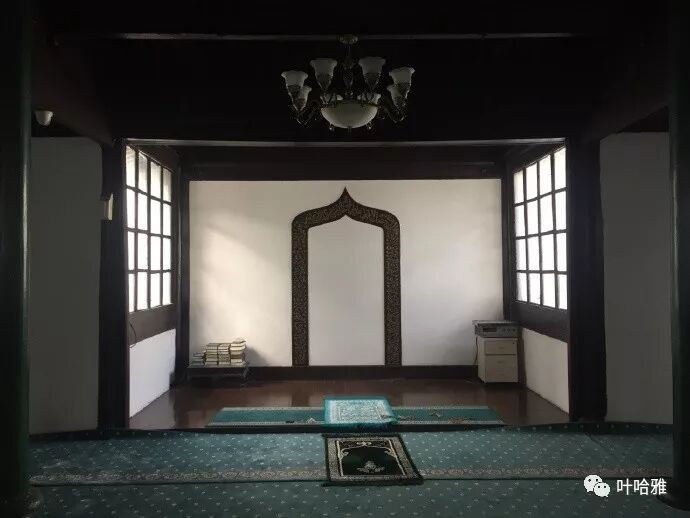
Yuehu Mosque
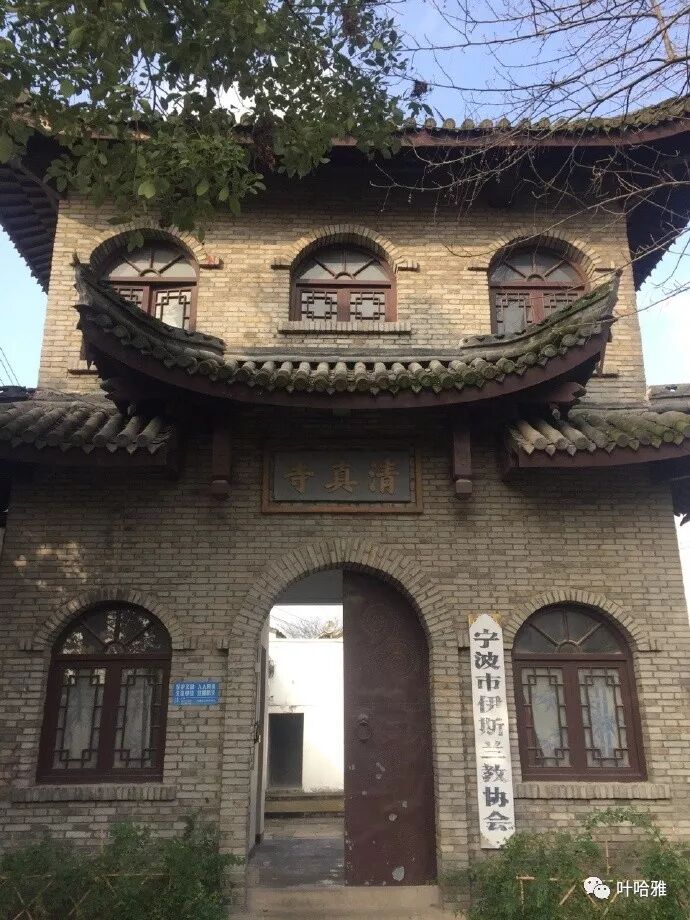
Built in the 38th year of the Kangxi reign, this is currently the only mosque in Ningbo and serves as the headquarters for the Ningbo Islamic Association.
Lishui, Zhejiang
Mosque
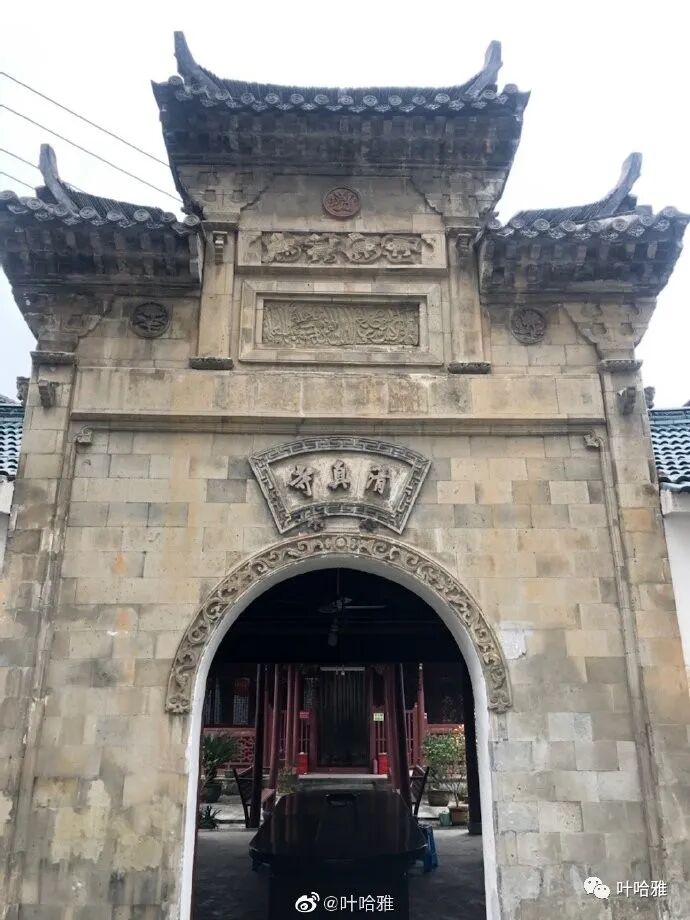
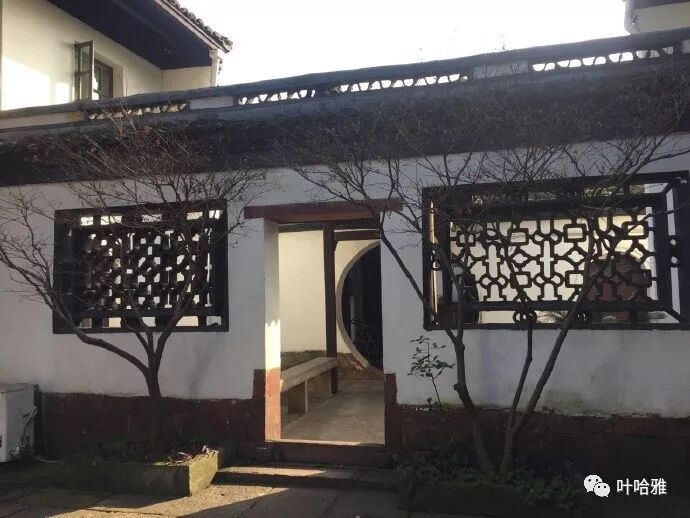
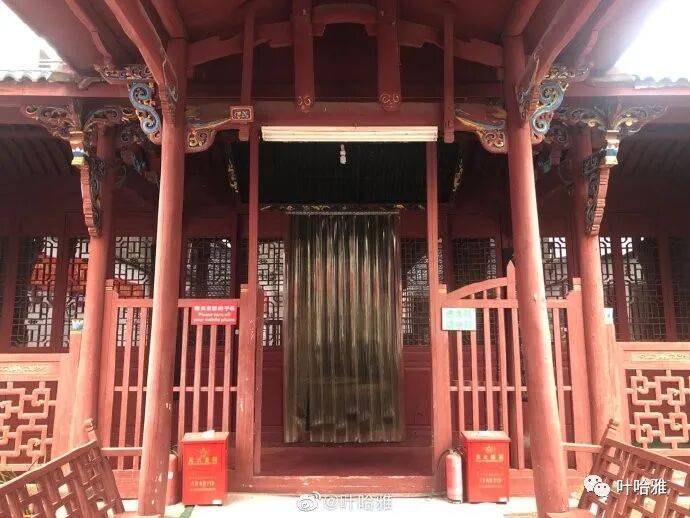
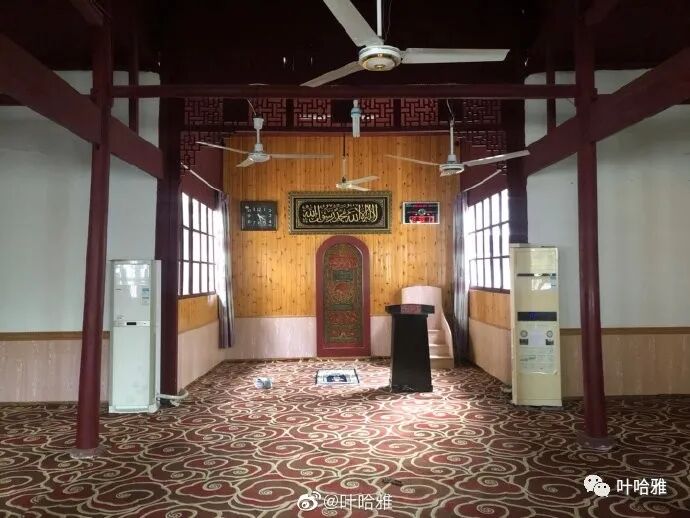
Lishui Mosque was first built in the 12th year of the Guangxu reign (1886) and was funded by the religious leader Ma Huanzhang. Records show that in the mid-Qing Dynasty, Hui Muslims with the surnames Ma and Yuan moved from Shaanxi to Lishui, and the Lishui county magistrate was also a Hui Muslim from Yunnan. Lishui Mosque was built right across from the local government office at that time and covers about 5 mu of land. Before 1958, an imam from Shandong named Li Yuliang managed religious affairs at the mosque, but religious activities stopped after that. However, several elderly women including Jin Maizi, Yuan Aiwu, Ma Xiuzi, and Grandma Wu continued to practice their faith.
Songjiang Mosque, Shanghai
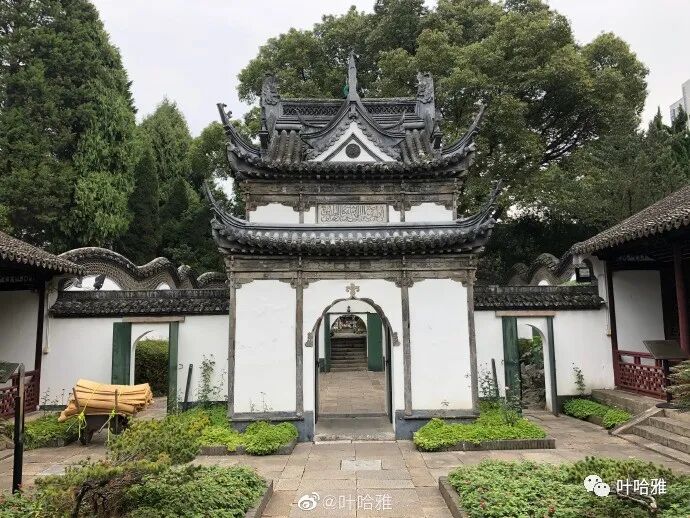
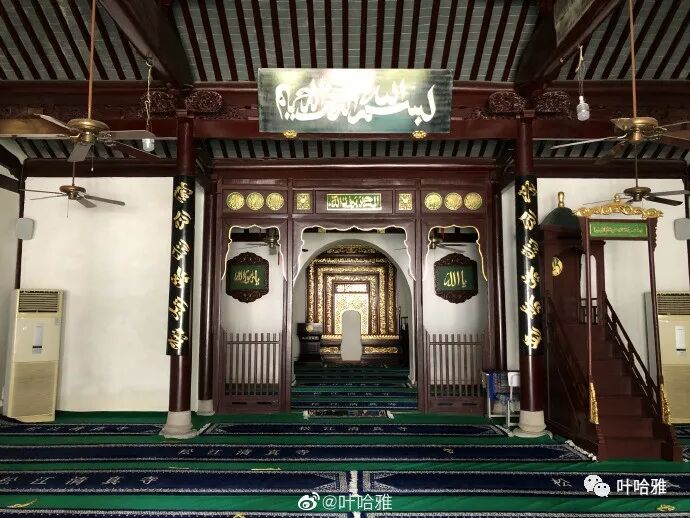
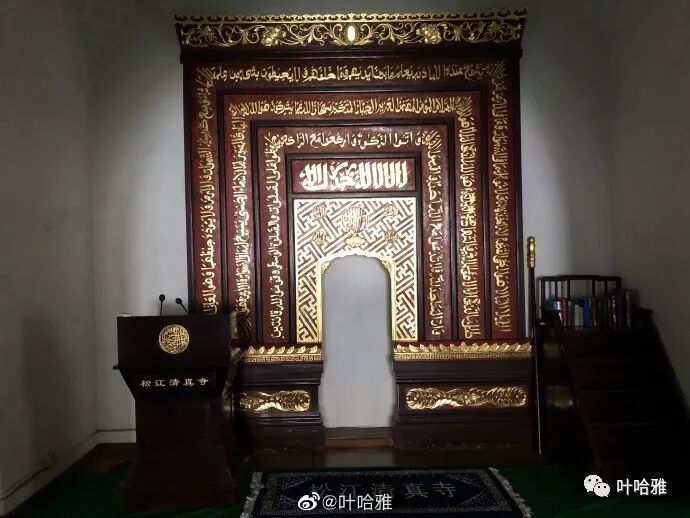
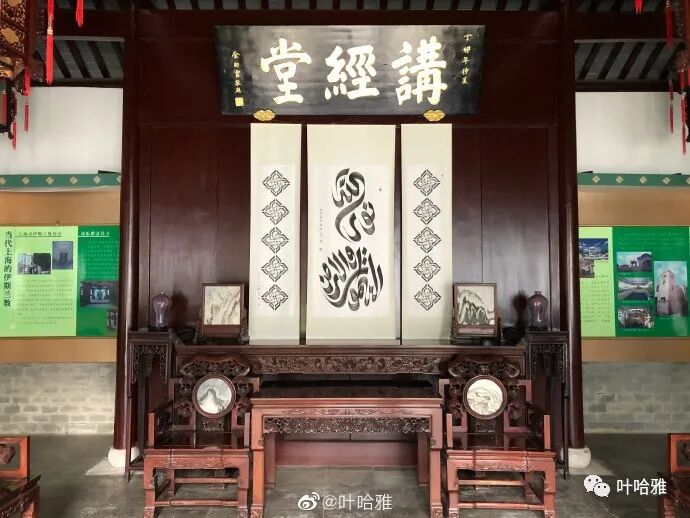
Shanghai Songjiang Mosque is the oldest mosque in the Shanghai area. It was first built during the Yuan Dynasty (1341-1367). It contains a cemetery for Hui Muslims, where a Yuan Dynasty Songjiang official known as a Darughachi is buried. The main prayer hall (yaodian) features a style that blends Chinese and Arabic architecture, similar to the mosques in Dingzhou, Dongsi, Hangzhou Phoenix, and Shanghai Songjiang.
Quanzhou, Fujian
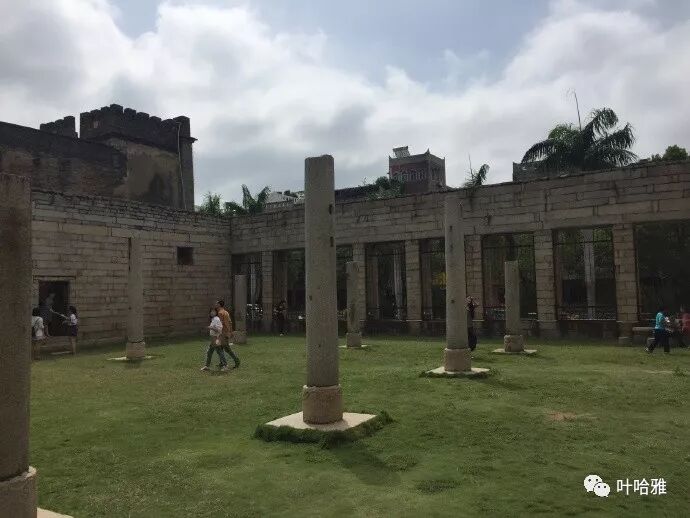
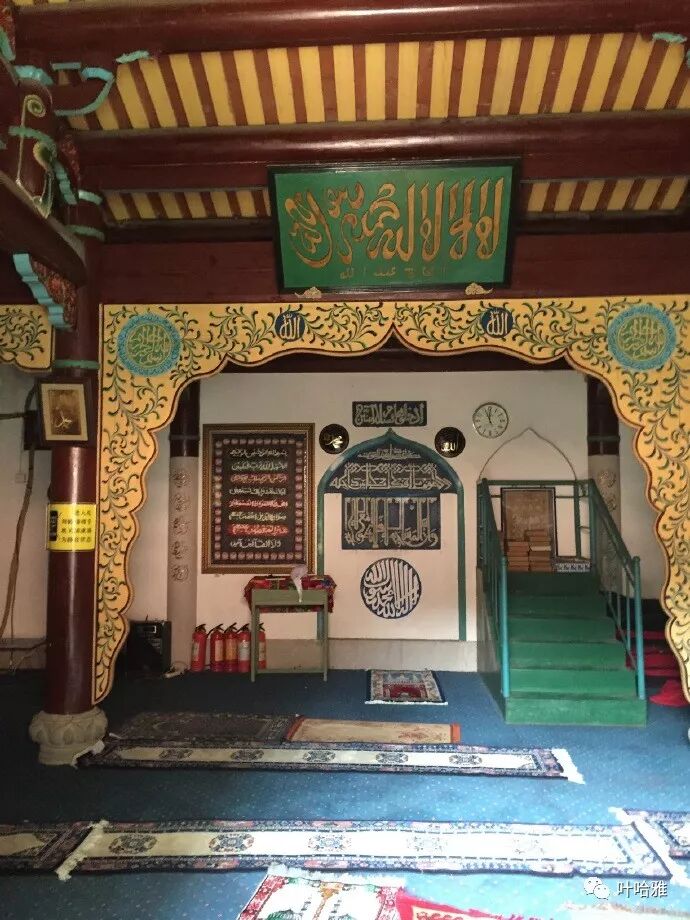
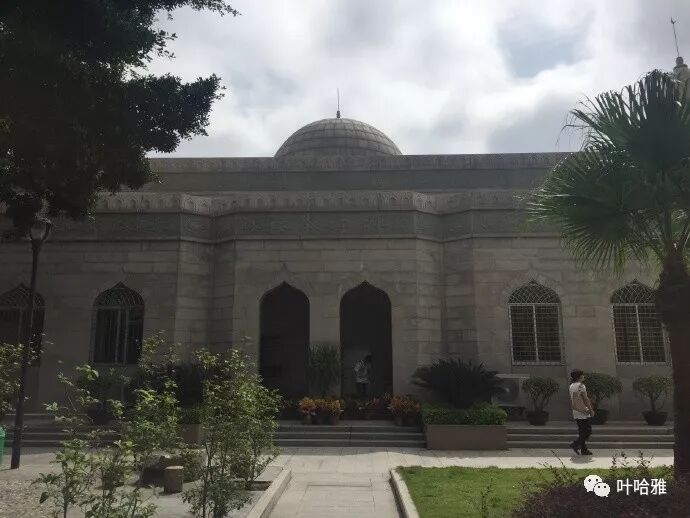
Qingjing Mosque
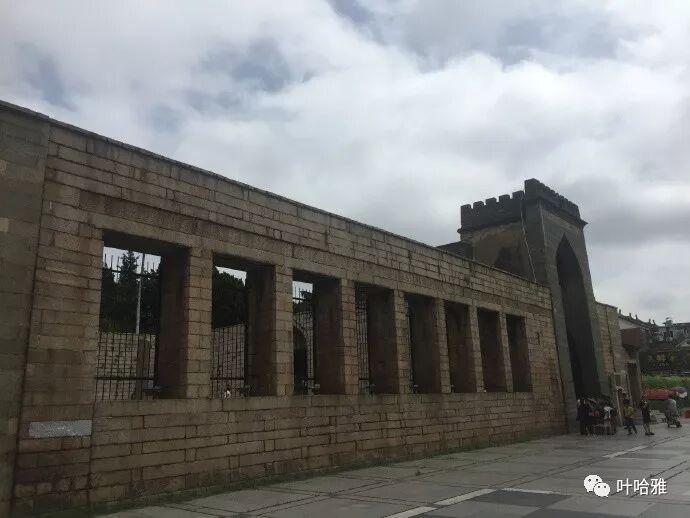
First built in 1009, this is the oldest existing mosque in China with an Arabic architectural style and is one of the four great ancient mosques in the Jiangnan region.
Shaoyang, Hunan
South Mosque
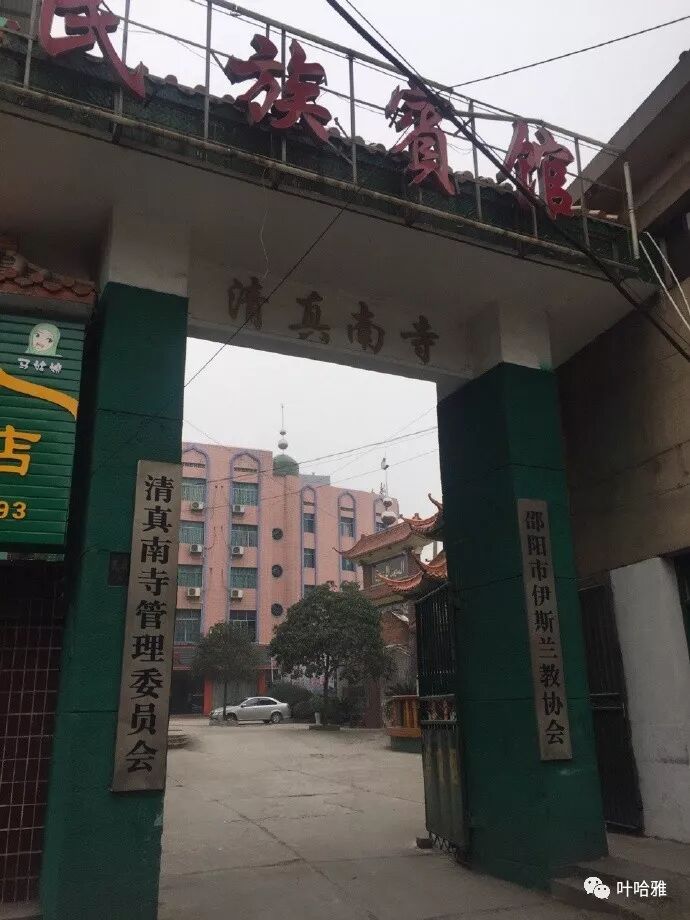
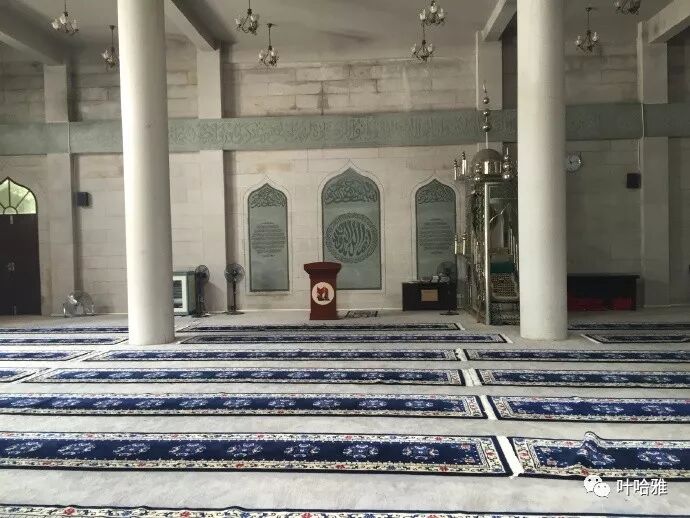
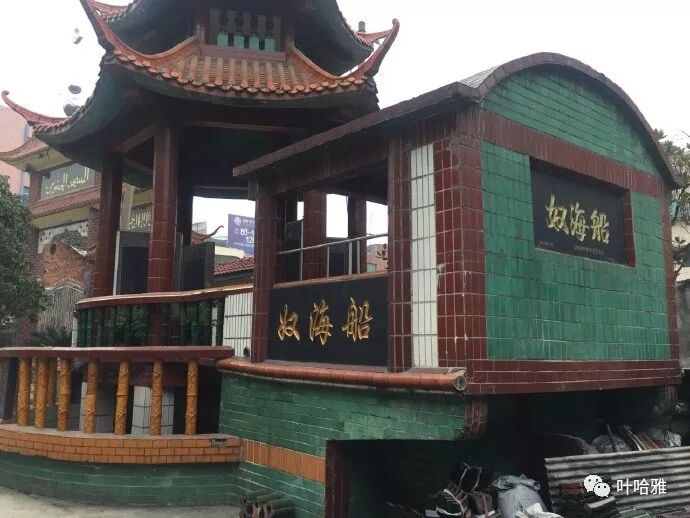
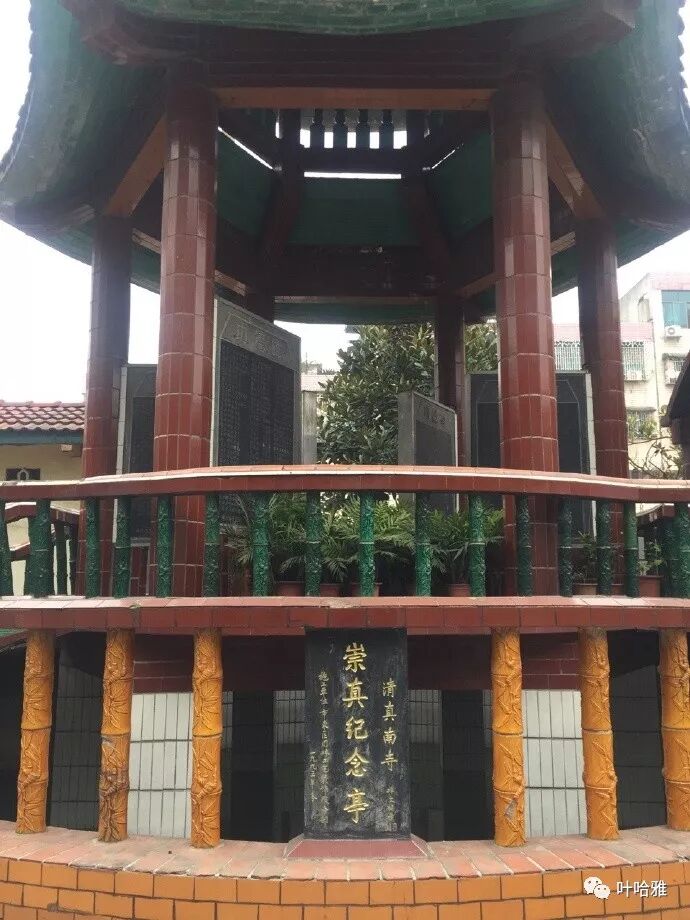
Built in 1914, Shaoyang is a city in Hunan Province with a relatively large Muslim population, and there are two mosques in the urban area.
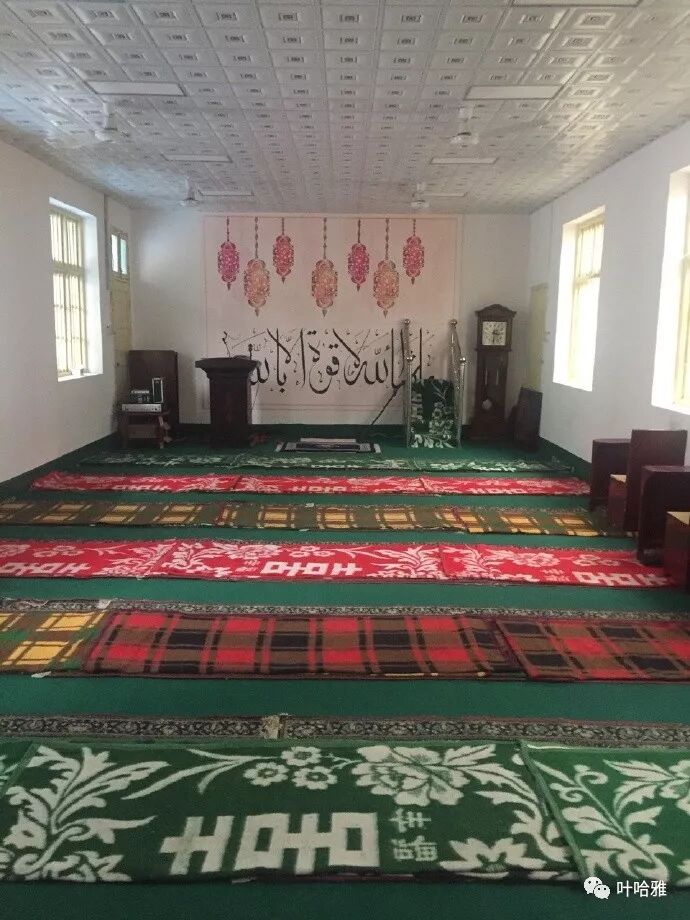
Guiyang, Guizhou
Mosque
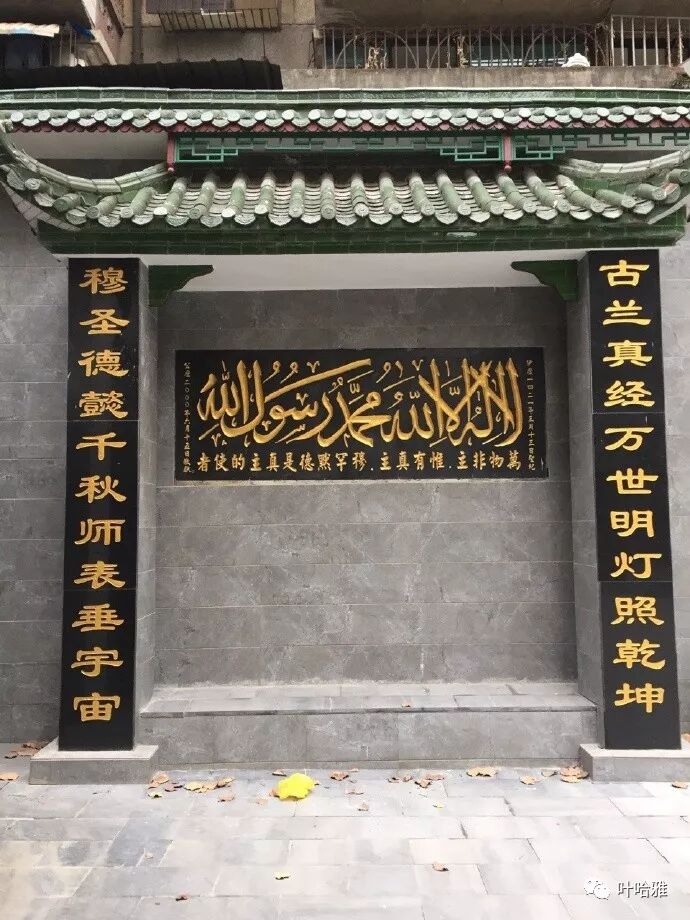
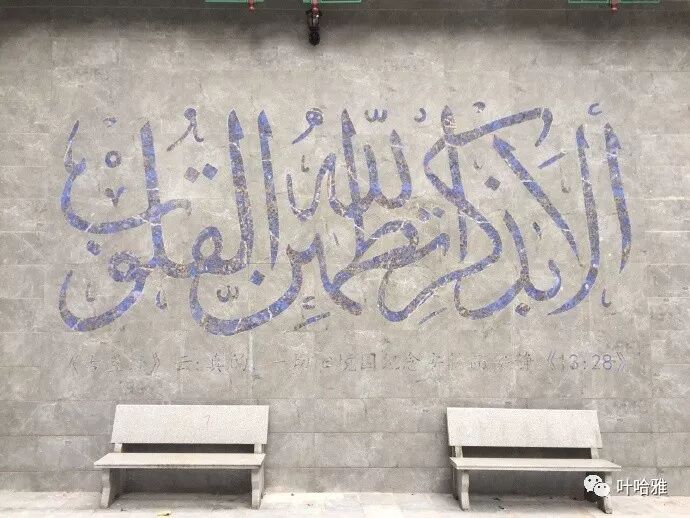
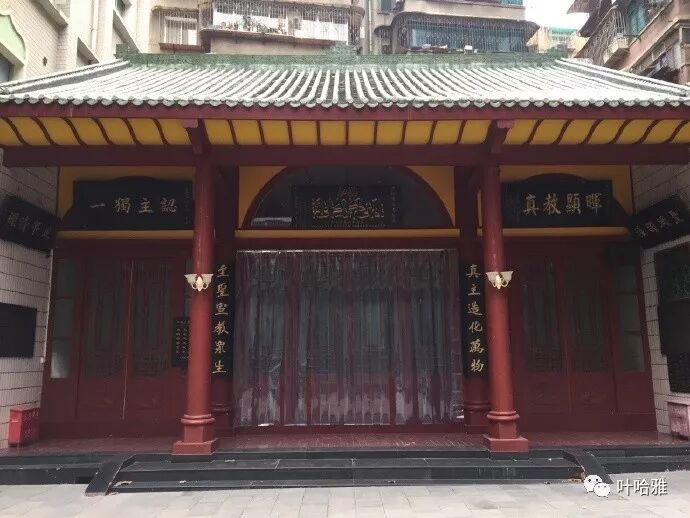
This is the only mosque in Guiyang, built in the second year of the Yongzheng reign of the Qing Dynasty (1724). The great imam Wang Jingzhai once taught here, and after he passed away, he was buried in the Muslim cemetery on the outskirts of the city.
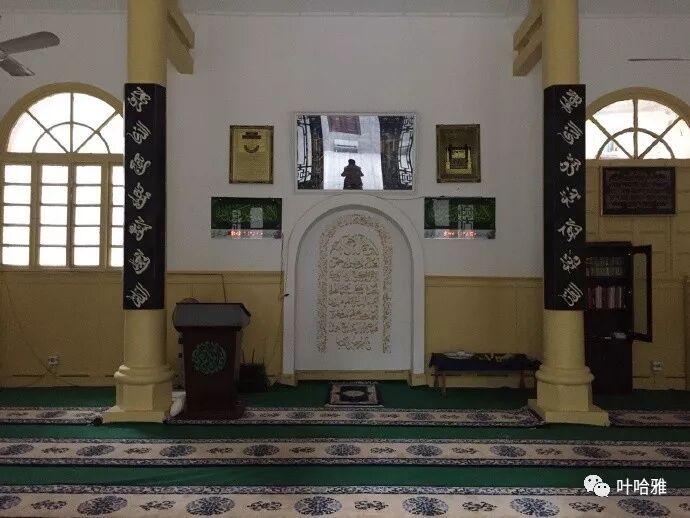
Najiaying, Yunnan
Gucheng Mosque
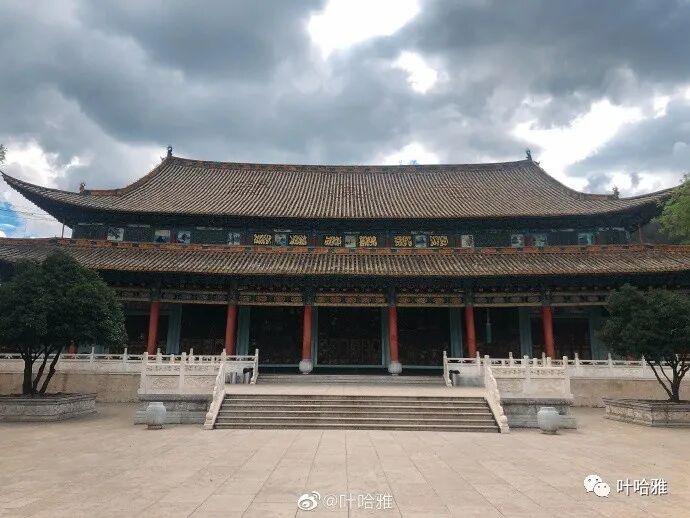
The Gucheng Mosque is located in Najiaying Village, Nagu Hui Muslim Township, Tonghai County. It was first built in 1370, the third year of the Hongwu reign of the Ming Dynasty, when Nasulu and his son settled in Najiaying.
Shadian, Yunnan
Great Mosque
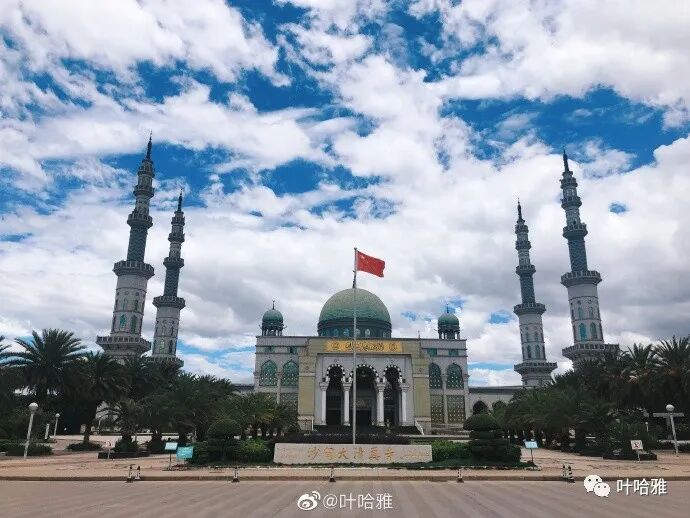
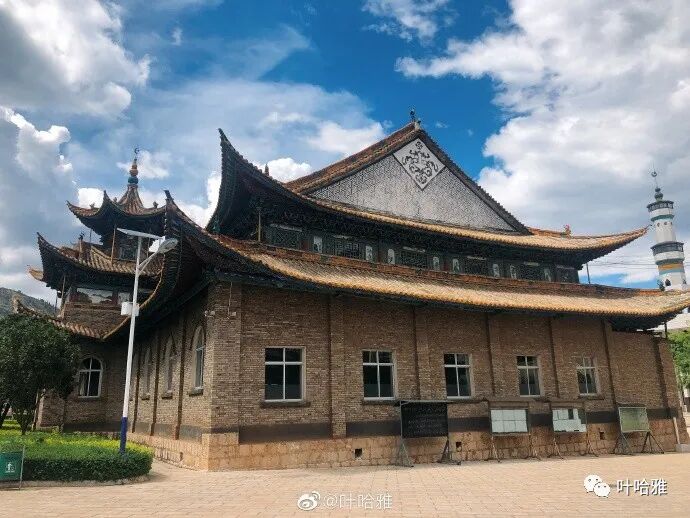
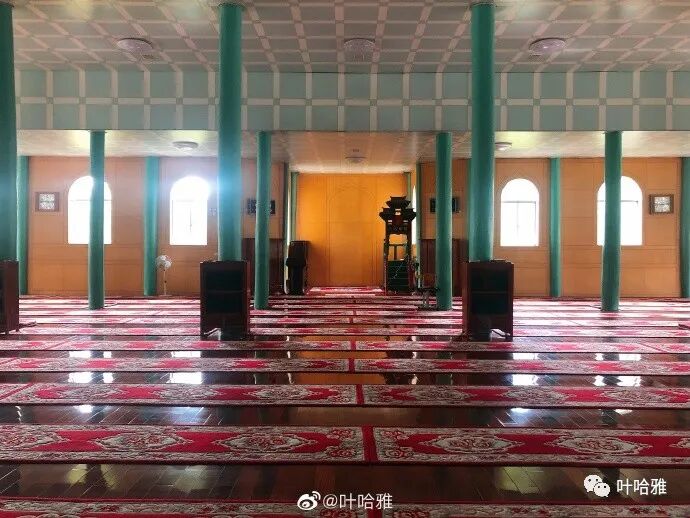
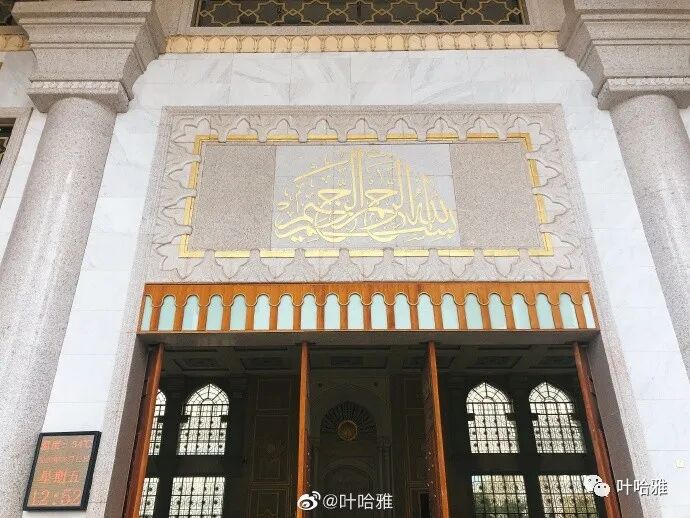
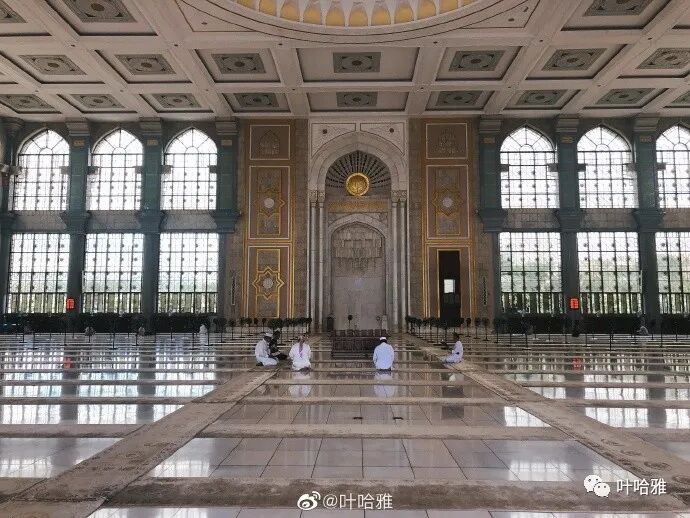
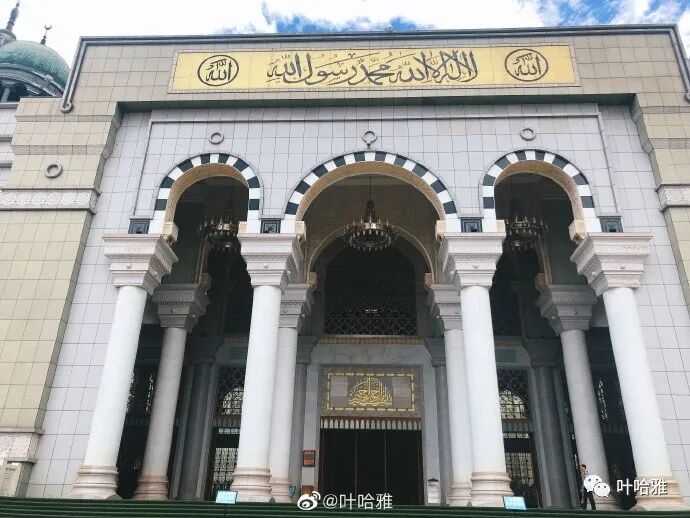
The Shadian Grand Mosque was first built in 1684, the twenty-third year of the Kangxi reign. It has a long history and covers a total area of 21,000 square meters. The current building was started in 2005, and its architectural style is similar to mosques in Southeast Asia.
Xishuangbanna, Yunnan
Mansaihui Mosque
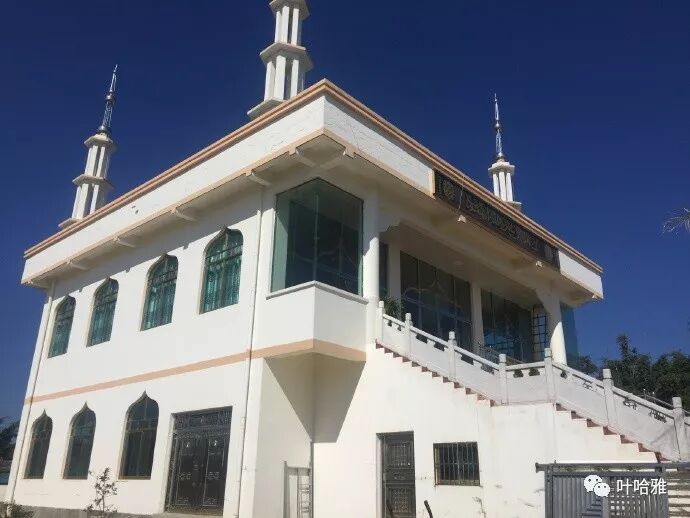
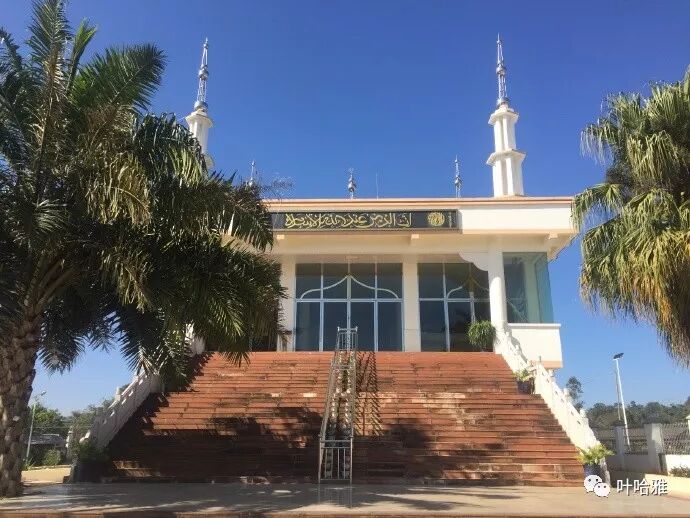
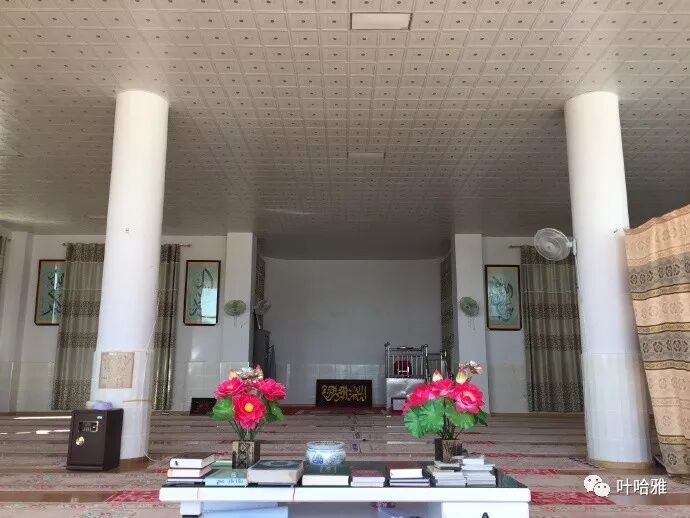
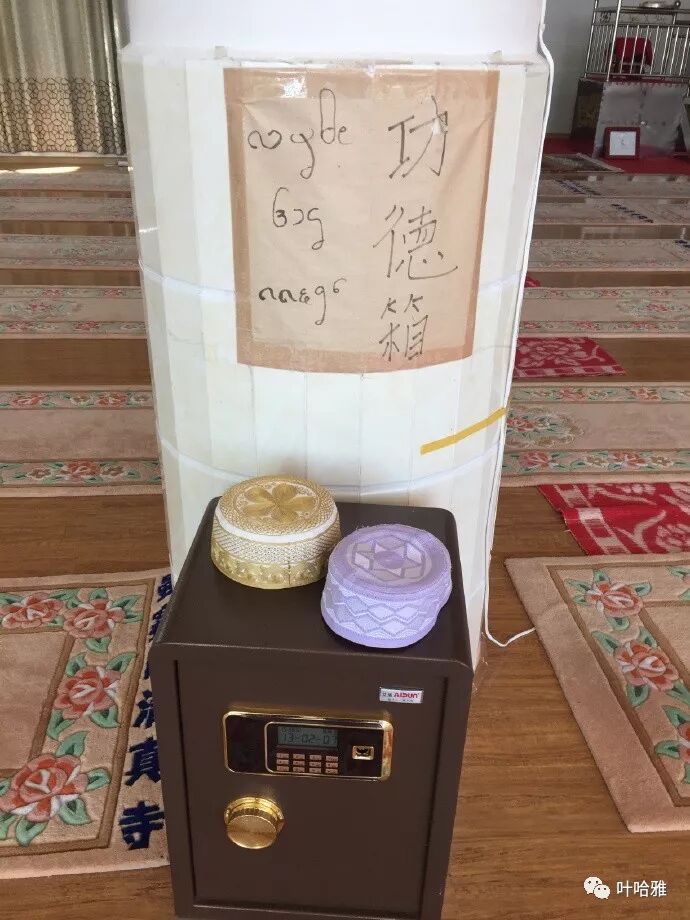
Xishuangbanna has two Hui-Dai villages, one called Manluanhui and the other Mansaihui. The Hui-Dai are Dai people who practice Islam and speak the Dai language. I came here to see the legendary bamboo-style mosque. After arriving, I was told that the bamboo mosque existed in the early days, but because it was not practical, it has been rebuilt into a brick and tile building. This Mansaihui Mosque was built in 1985, and you can see Dai script inside.
Guilin, Guangxi
Liutang Mosque
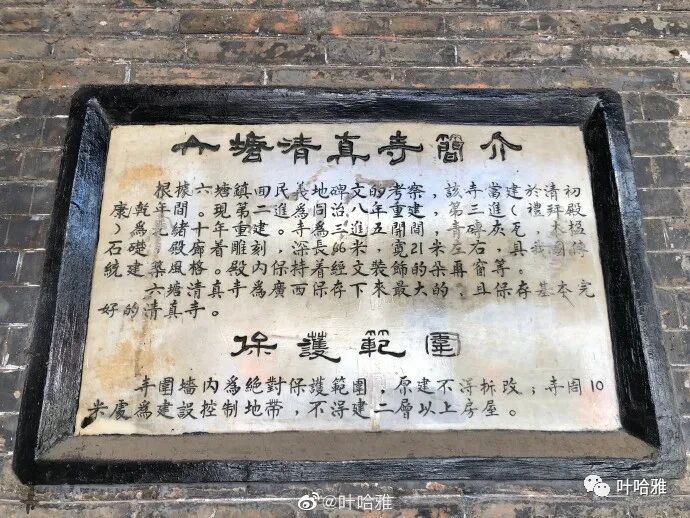
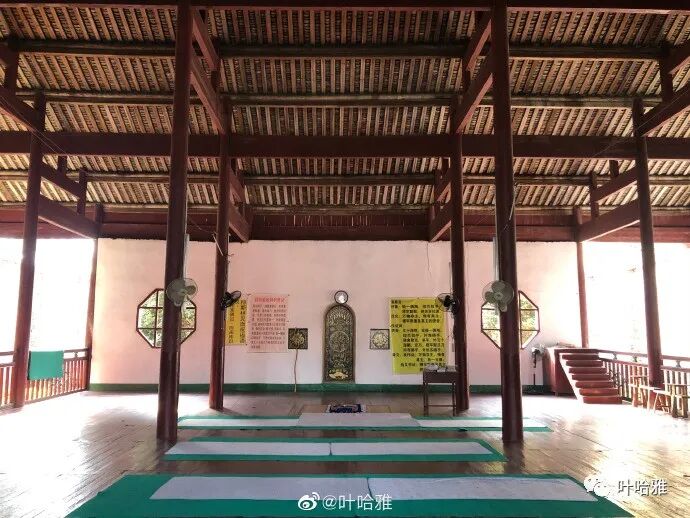
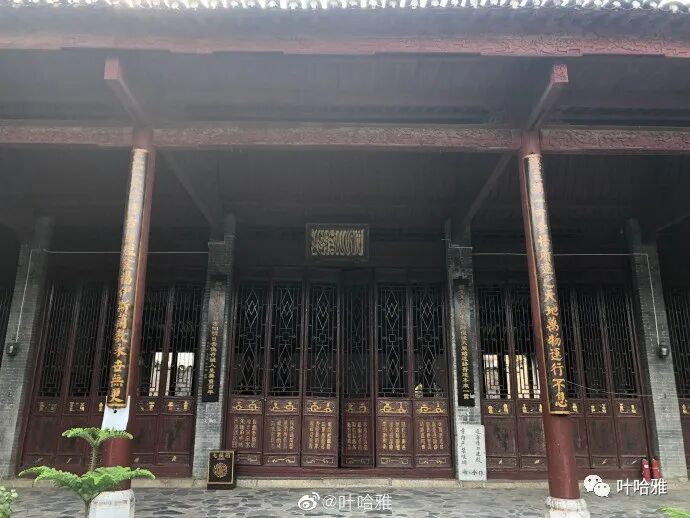
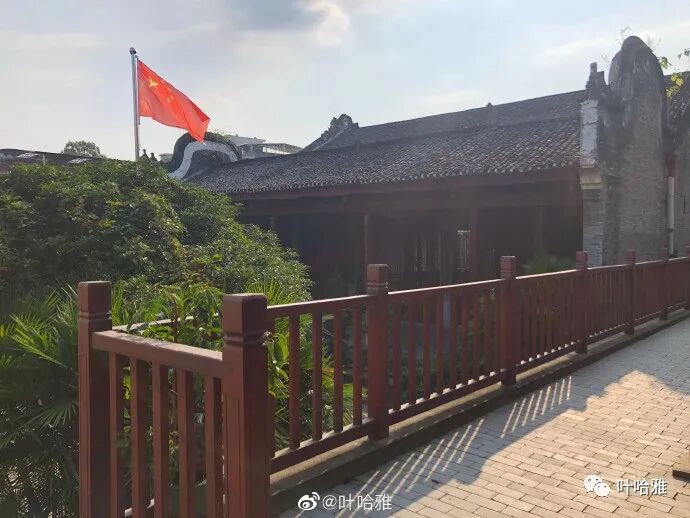
The mosque in Liutang Village, Guilin, is the largest existing mosque in the city. It was first built during the Kangxi and Qianlong reigns of the Qing Dynasty. During the War of Resistance Against Japan, when the Beiping Chengda Normal School moved south to Guilin, it established its first affiliated experimental primary school at this mosque in early 1939. There are currently 9 mosques in Guilin.
Lhasa, Tibet
Great Mosque
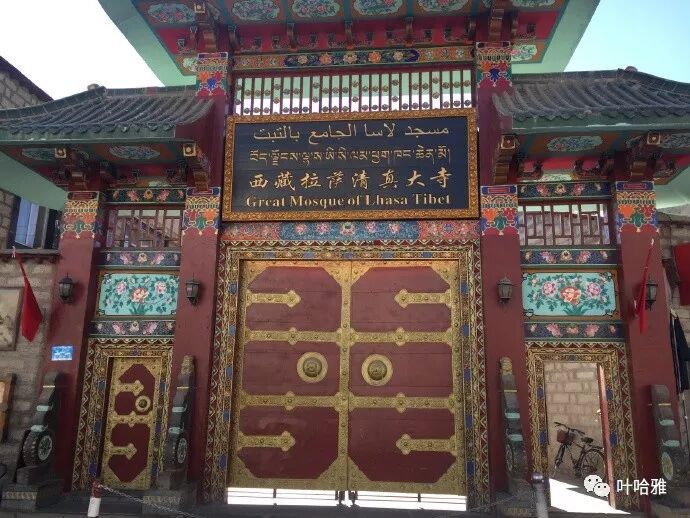
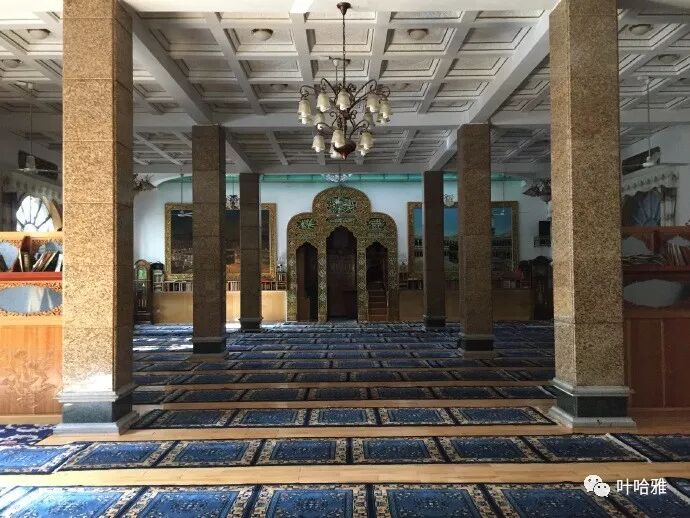
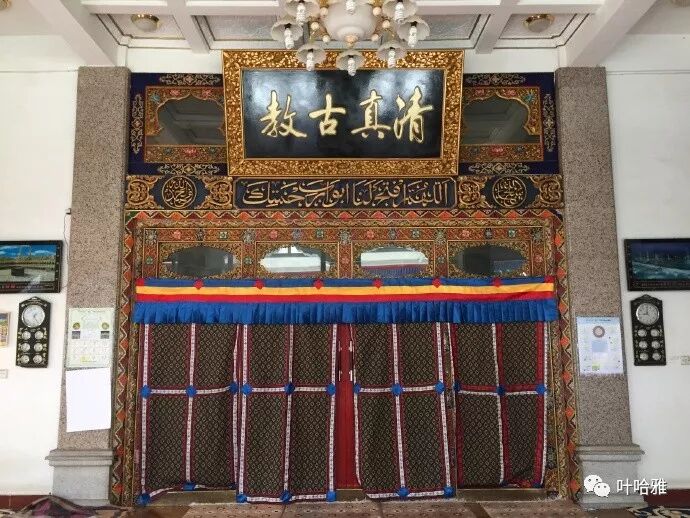
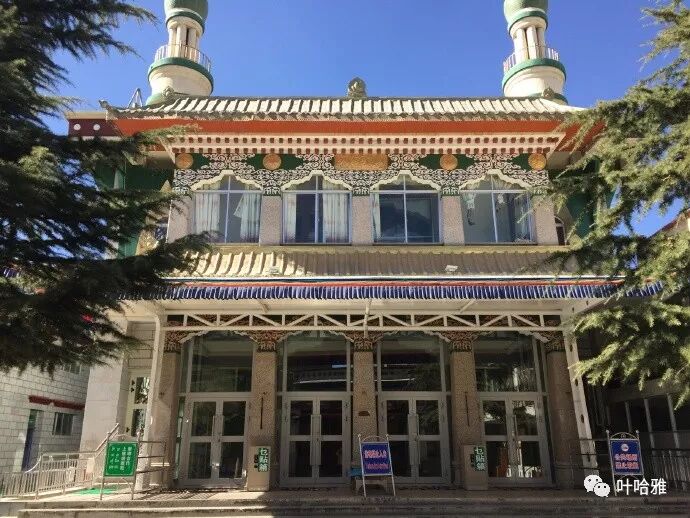
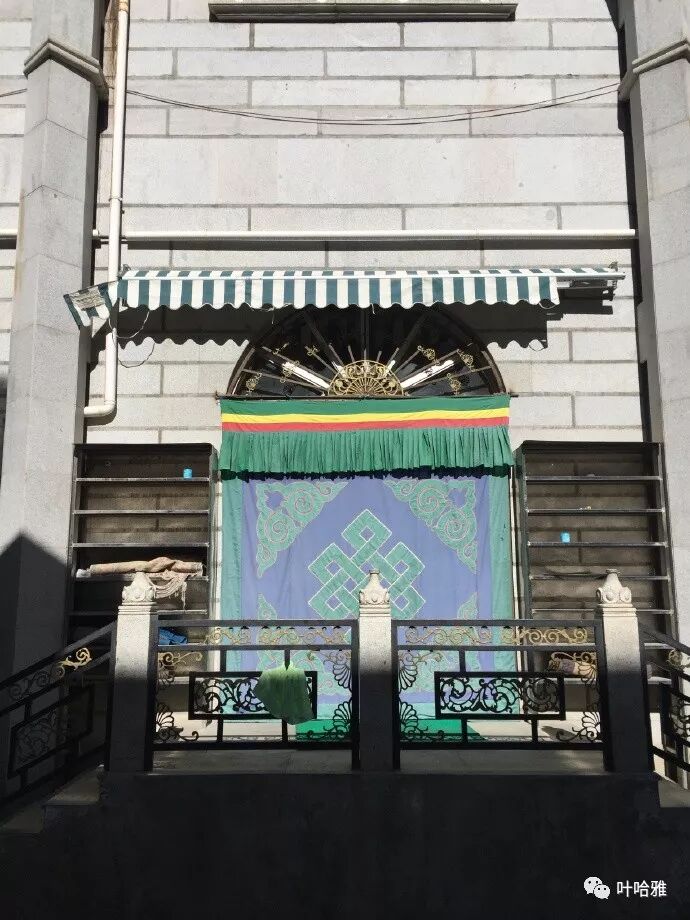
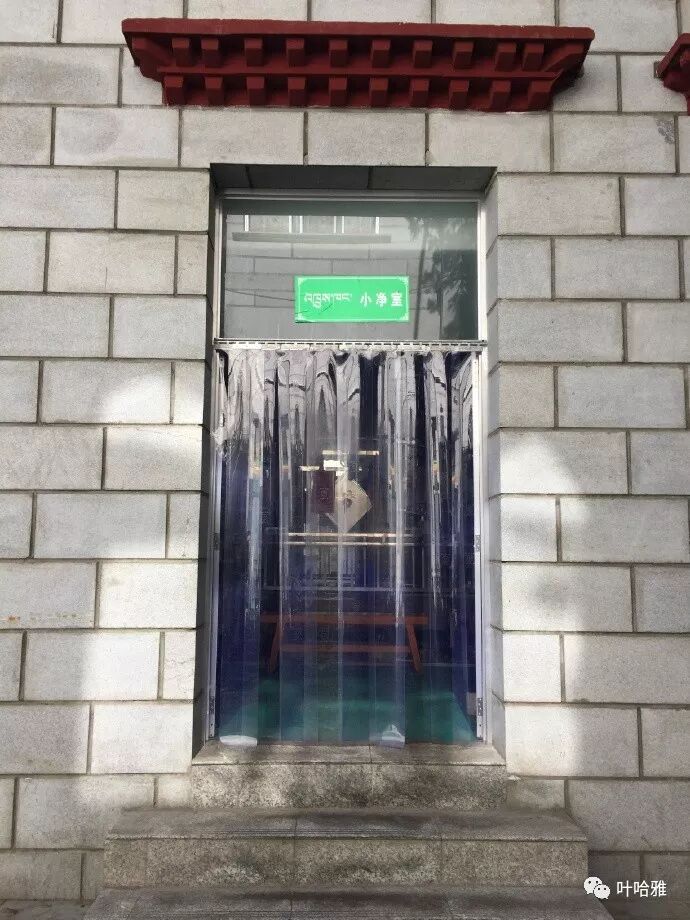
Lhasa has five mosques. The Lhasa Great Mosque was built during the Qianlong period of the Qing Dynasty and is the largest mosque in the city. The imam at the mosque is a Tibetan Hui Muslim. Many Tibetan Hui Muslims live in the old city of Lhasa. Their ancestors came from Kashmir. They speak Tibetan and look just like other Tibetans today, but their ID cards list them as Hui Muslims, and they practice Islam.
Shigatse, Tibet
Mosque
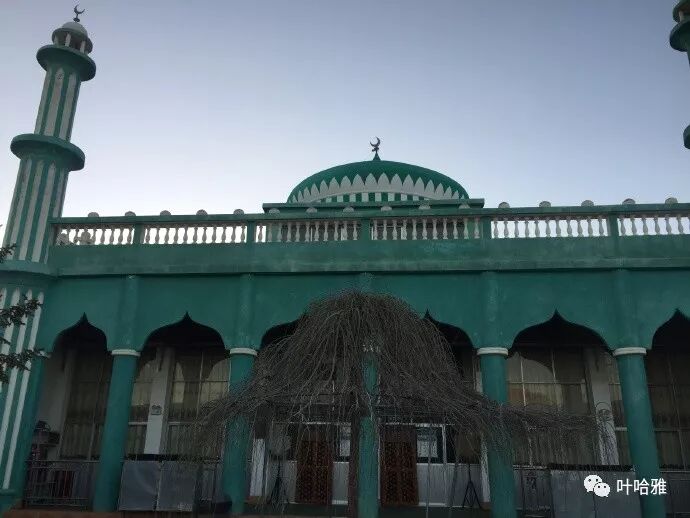
Built in 1343, it was funded by Arabs, Indians, and Chinese people. The mosque's architectural style shows clear Tibetan influences.
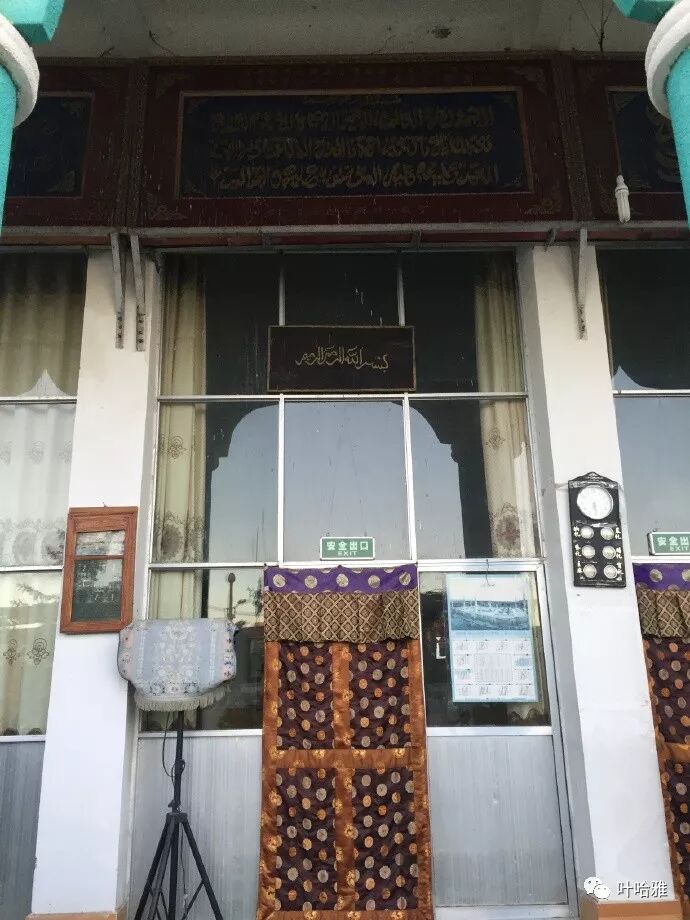
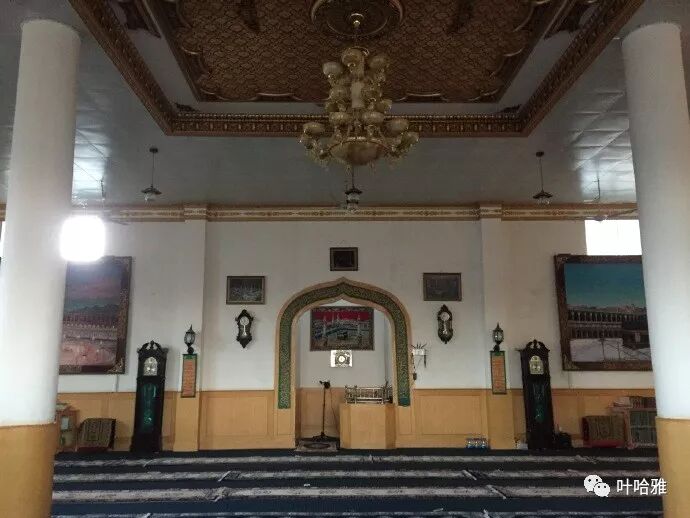
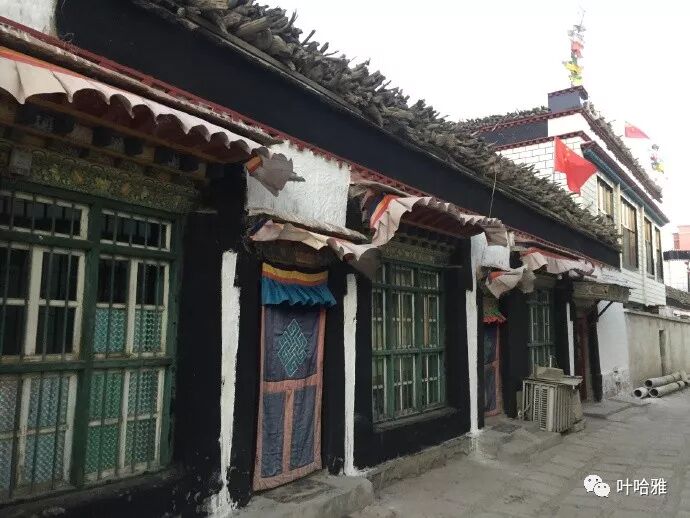
Guangzhou, Guangdong
Huaisheng Mosque
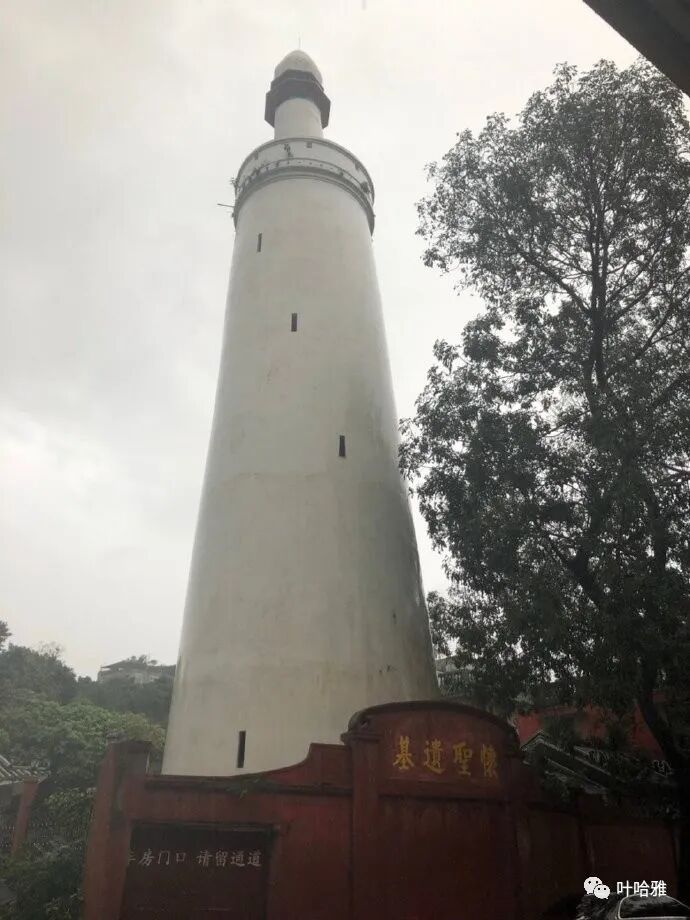
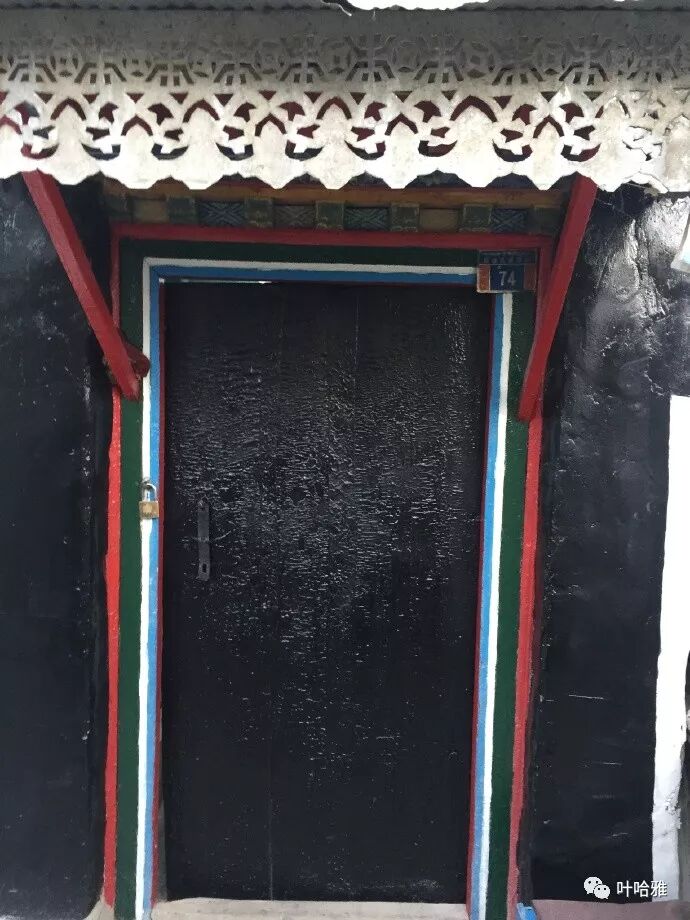
The exact date of its founding is unknown, but it was destroyed in 1343 during the third year of the Zhizheng era of the Yuan Dynasty. Also known as the Light Tower Mosque (Guangta Si), it is one of the four great ancient mosques in the Jiangnan region.
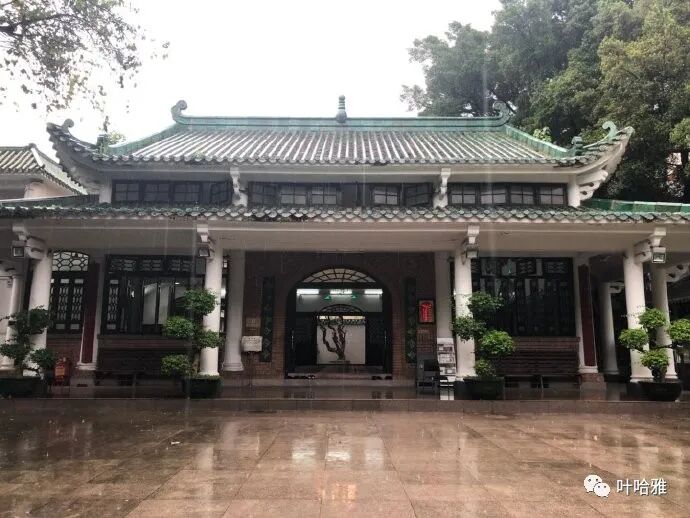
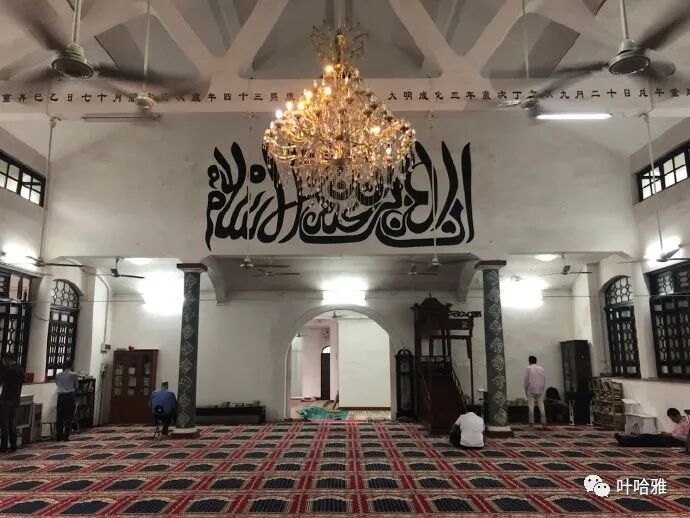
Shenzhen, Guangdong
Mosque
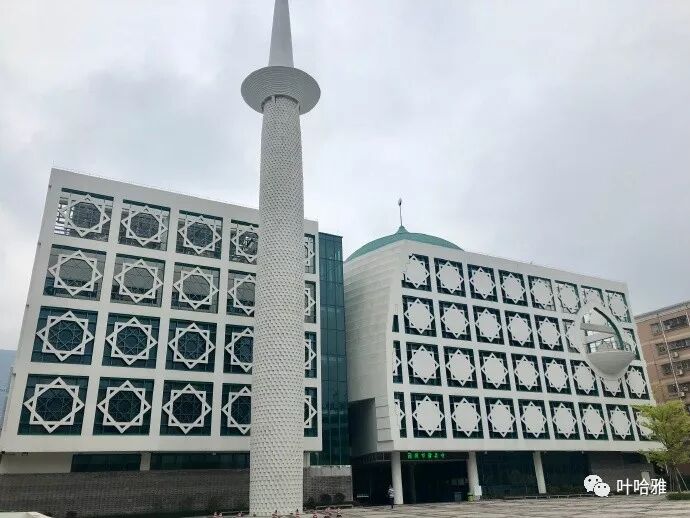
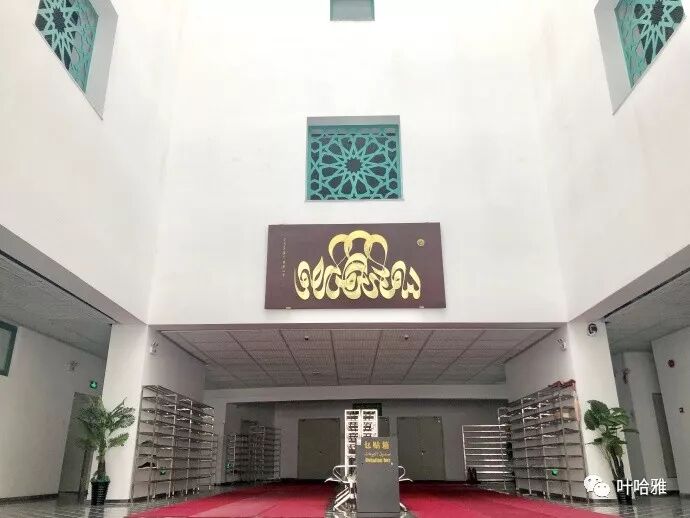
Shenzhen Mosque was completed in 2016. The main building has five floors, with a prayer hall on every level and a restaurant on the first floor. You can reach the floors by elevator.
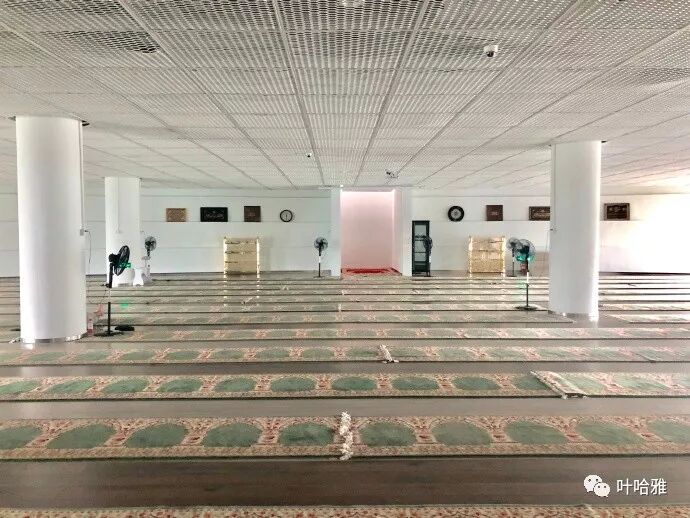
Muslim Cemetery, Macau
Mosque
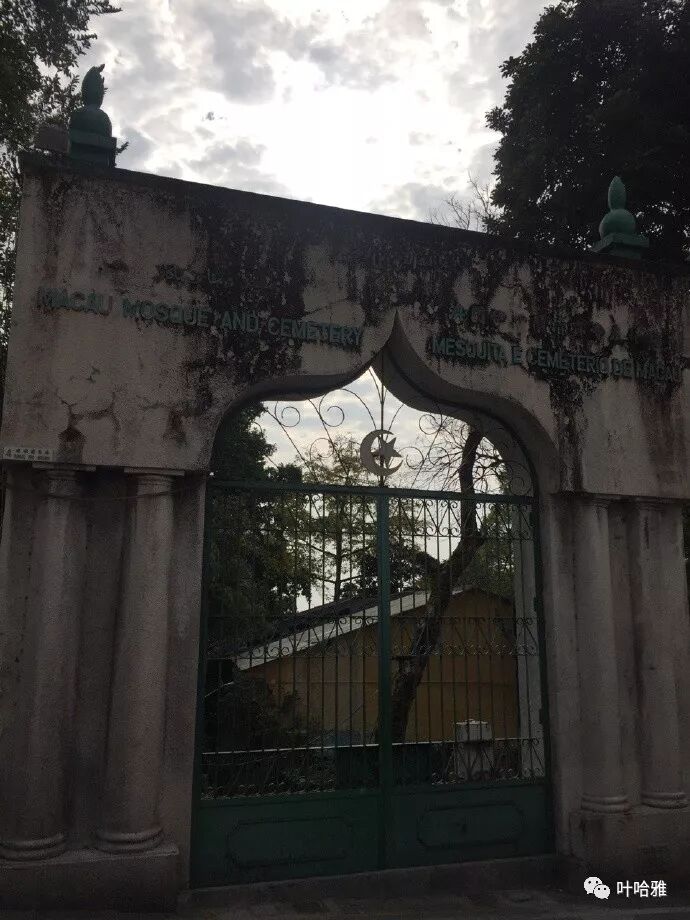
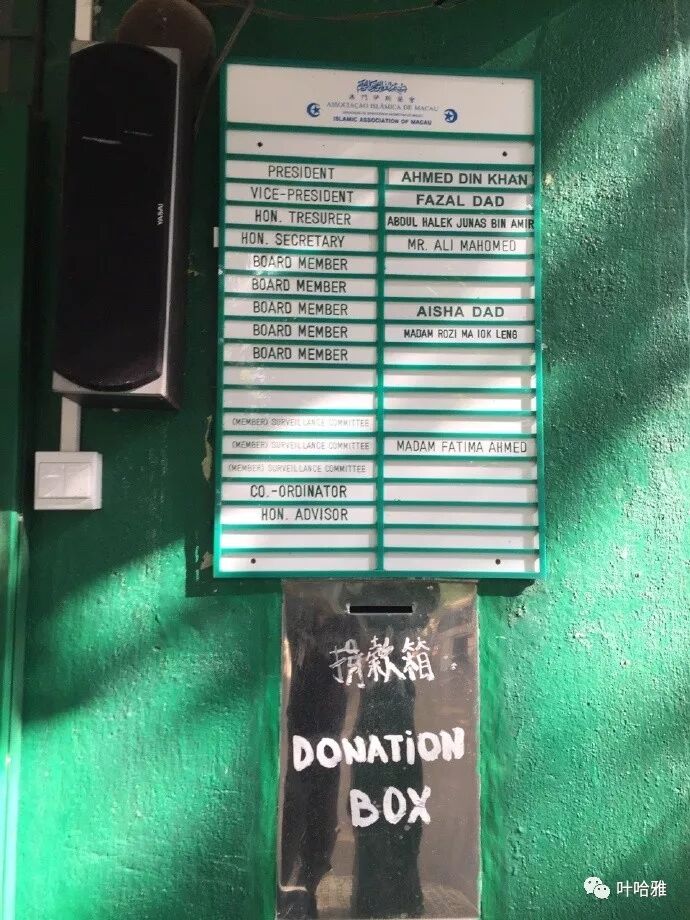
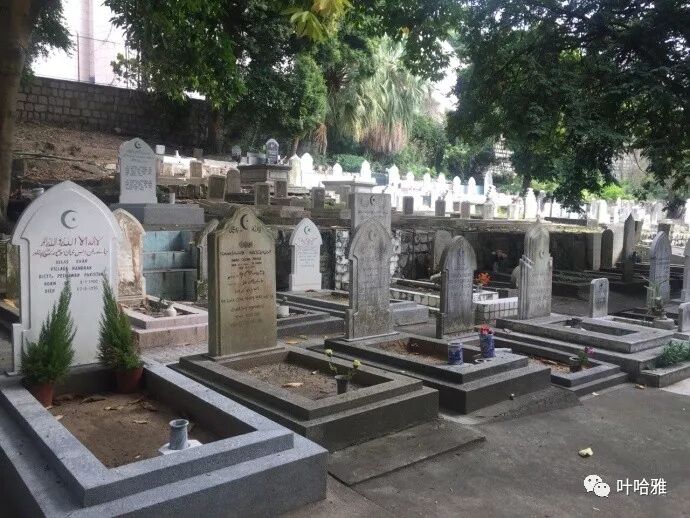
Built on June 27, 1973, it was funded by Mrs. Halima Bisheik. The mosque does not have a full-time imam, so an imam from Hong Kong comes to lead the Friday prayers (Jumu'ah) each week.
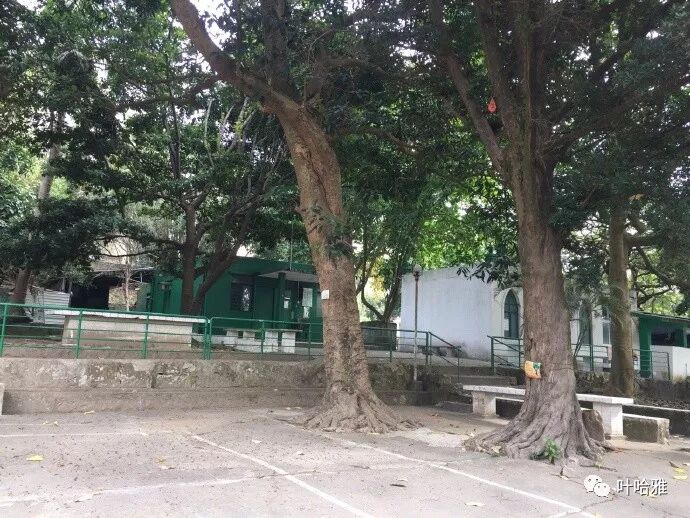
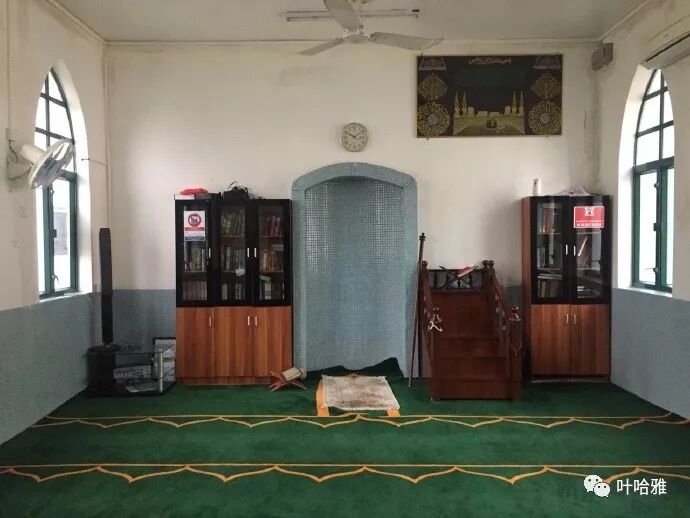
Kowloon, Hong Kong
Kowloon Mosque
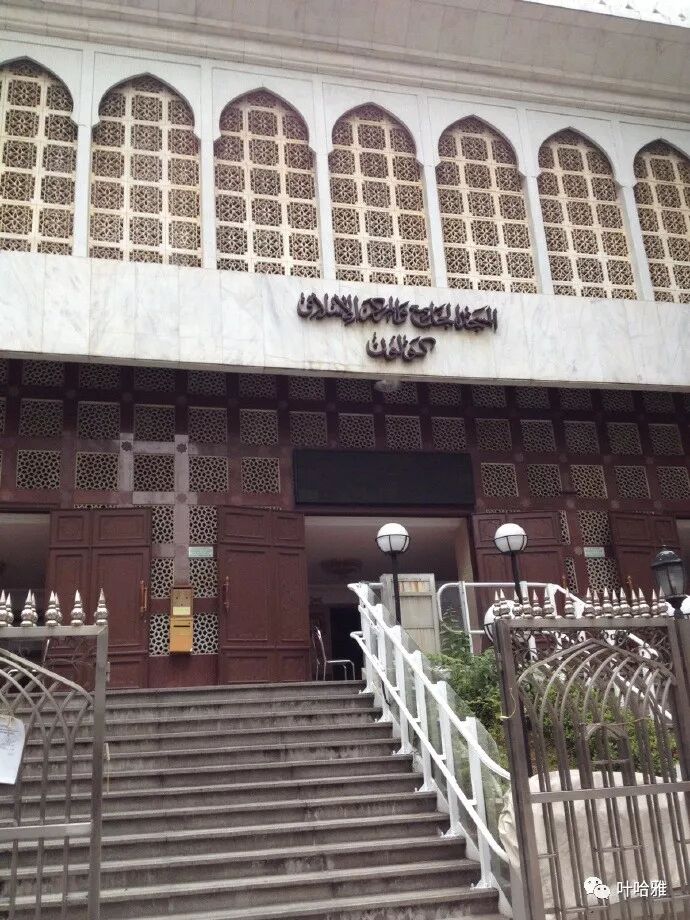
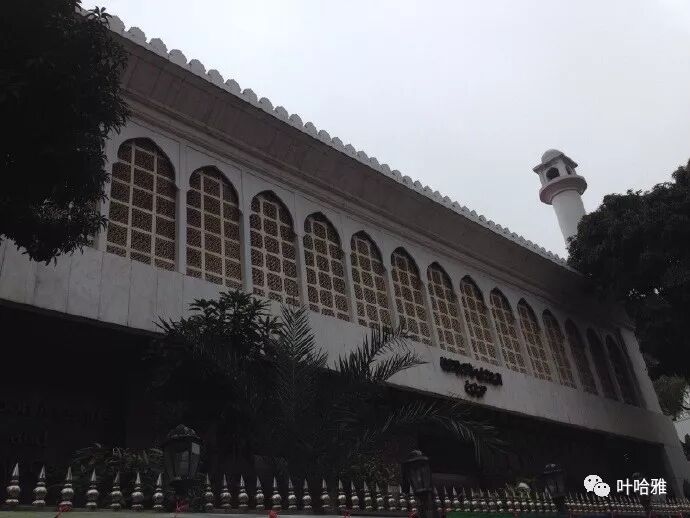
Hong Kong has five mosques, with the first built in 1896. The Kowloon Mosque is the largest, and a Pakistani imam teaches religious classes there.
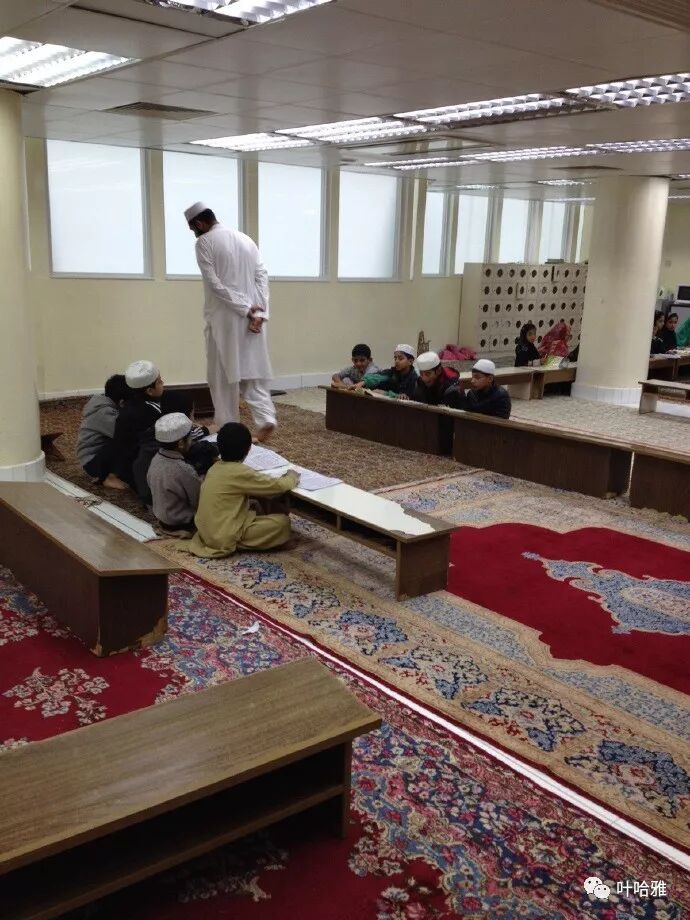
Sanya, Hainan
Huixin Village South Mosque
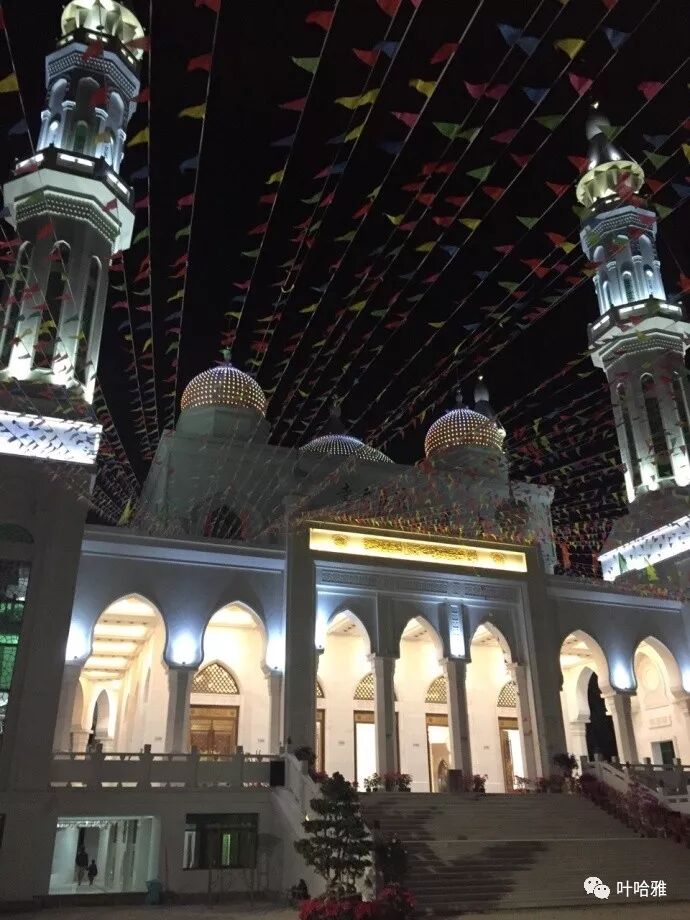
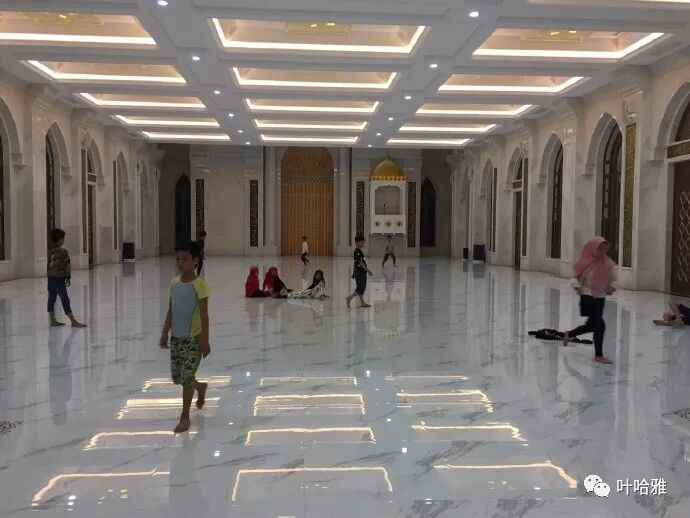
The South Mosque is in the center of Huixin Village in the Tianya District of Sanya. It was the first mosque in ancient Yazhou, with its original site dating back to the Southern Song Dynasty. It was severely destroyed during the Cultural Revolution, rebuilt in 1978, and renovated in December 2016. I was lucky to attend the completion ceremony in January 2017. The ceremony was held on a Friday, and the Sanya imam gave a sermon (wa'ez) in the Huihui language.


Summary: Mosque Near Me in China: Beautiful Mosques from Beijing to Sanya and Hong Kong is presented here as a clear English account for Muslim readers, beginning with this scene: This is my hand-picked collection of mosques I have visited across China. I used photos and short descriptions to introduce them. I chose these mosques because they represent their regions well, such as those designated. The article keeps the original names, food details, mosque details, photographs, and cultural context while focusing on China Mosques, Mosque Travel, Muslim Heritage.
This is my hand-picked collection of mosques I have visited across China. I used photos and short descriptions to introduce them. I chose these mosques because they represent their regions well, such as those designated as national cultural heritage sites or those that showcase traditional architectural styles. Two years ago, I wrote a map of Chinese mosques that received a lot of attention from friends (dosti). This article updates, trims, and adds to that old post with significant changes.
So far, I have visited over 400 mosques. The ones in this post make up only one-tenth of those I have seen. If you think the mosque in your hometown is more beautiful, please leave me a message. I will visit them one by one when I have time, insha'Allah.
— Hello, Travel —
Beijing: Niujie Mosque
I have counted 78 existing mosques in Beijing. Among them, Niujie Mosque is the oldest, largest, and highest-ranked cultural heritage site in the city. It was first built during the Northern Song Dynasty by a scholar named Nasruddin who served in the Liao Dynasty. It has a history of over a thousand years and was named a national key cultural heritage site in 1988.
Beijing: Yongshou Mosque
Located on Sanlihe in the Yuetan sub-district of Xicheng District, Yongshou Mosque was first built in the 33rd year of the Wanli reign of the Ming Dynasty. There was once a Hui Muslim cemetery within the mosque grounds, but it was moved in the 1950s. The scholar Wang Daiyu was once buried here, and now only a stone tablet recording his life remains.
Beijing: Tongzhou Mosque
Tongzhou Mosque was first built during the Yanyou era of the Yuan Dynasty. In the 21st year of the Wanli reign of the Ming Dynasty, the abandoned site of the Tongzhou Left Guard was added to expand it. Side halls were added in the 47th year of the Kangxi reign of the Qing Dynasty, and classrooms were added in the 20th year of the Daoguang reign.
Tianjin: Jinjiayao Mosque
Jinjiayao Mosque was first built in the second year of the Wanli reign of the Ming Dynasty (1574) and is one of the oldest mosques in Tianjin.
It is known as the number one mosque in Tianjin.
Tianjin: Great Mosque of Tianjin
The Great Mosque of Tianjin is one of China's famous mosques. It is located in the Hongqiao District of Tianjin and covers an area of 5,000 square meters. It is generally believed to have been founded in the early years of the Qing Dynasty (1644–1911).
Hebei: Cangzhou
North Great Mosque
This mosque was first built at the end of the Jianwen era of the Ming Dynasty (1420). Many imams from Shaanxi, Gansu, North China, and Inner Mongolia completed their studies and received their certificates at the North Mosque of Cangzhou.
Cangzhou City, Hebei Province
Botou Mosque
Botou Mosque in Cangzhou was first built in the second year of the Yongle era of the Ming Dynasty (1404) and is a Major Historical and Cultural Site Protected at the National Level. Inside the main prayer hall, there is a large minbar (minbailou) donated by a Tianjin duosi, which is valued at 260,000 yuan.
Langfang, Hebei
Beiwu Mosque, Dachang Hui Autonomous County
It was first built during the Wanli era of the Ming Dynasty (1573–1619) and is one of the key mosques in Hebei Province.
Baoding City, Hebei Province
Dingzhou Mosque
Dingzhou Mosque was first built in the eighth year of the Zhizheng era of the Yuan Dynasty (1348). The mosque houses a stone tablet from the Zhizheng era titled 'Record of Rebuilding the Mosque,' which is the earliest record to link the term 'Huihui' with Islam, the earliest to use the four-character translation for 'Muhammad' (originally translated as Mahema), and the earliest to pioneer the integration of Confucianism with Islam. It is now a Major Historical and Cultural Site Protected at the National Level.
Taiyuan, Shanxi
Ancient Mosque
This mosque was built during the Zhenyuan era of the Tang Dynasty (785–804) and rebuilt during the Jing era of the Song Dynasty (1034–1038). A stone tablet inside the mosque records its renovation during the Guangxu era of the Qing Dynasty.
Datong, Shanxi
Great Mosque
Datong Mosque is located on Jiulou Lane in Datong. According to the History of Yuan (Yuan Shi), the mosque was first built in 1324. Most of the current structures date back to the Ming and Qing dynasties, and it is a Major Historical and Cultural Site Protected at the National Level. A stone tablet titled Imperial Edict to Build the Mosque, re-erected in the seventh year of the Qianlong reign (1742), claims the mosque was founded in the second year of the Zhenguan reign of the Tang dynasty (628), though this may be a false attribution.
Hohhot, Inner Mongolia
Great Mosque
It was built in the thirty-second year of the Kangxi reign of the Qing dynasty (1693). According to the Tablet Record of the North and South Lecture Halls of the Mosque, it has been established for many years since the Qing dynasty took power. It was quite simple when first built. It was renovated in the fifty-fourth year of the Qianlong reign (1789).
Ordos, Inner Mongolia
Dongsheng Mosque
This is the only mosque in Dongsheng District. It was completed in 1990 with a main building area of 375 square meters and 45 square meters of auxiliary facilities.
Chifeng, Inner Mongolia
Chifeng North Great Mosque is a Major Historical and Cultural Site Protected at the National Level. Built in the fourth year of the Qianlong reign of the Qing dynasty (1739), it was modeled after the style of the South Great Mosque of Fengtian (now the South Mosque of Shenyang). There are 26 mosques in the Chifeng area, and this is the only one with national protection status.
Xi'an, Shaanxi
Huajue Lane Great Mosque
The exact founding date of this mosque is unknown, but it dates back to at least the Ming Dynasty. It was renovated and expanded in the 25th year of the Hongwu reign (1392) and was known as Qingxiuzhuan. In the 30th year of the Qianlong reign (1765), the local Muslim community raised funds to renovate it again, and it was named the mosque (qingzhensi).
Hanzhong, Shaanxi
Luling Mosque, Xixiang County
Luling Mosque in Xixiang County, Hanzhong, was built in the late Kangxi period of the Qing Dynasty. It is 330 years old and is one of the three holy sites of the Qadiriyya (Gaderenye) gongbei menhuan. It is an important place where the founder Qi Jingyi practiced, preached, and passed away. It is as famous as the Great Gongbei in Linxia, Gansu, and the Baba Mosque in Langzhong, Sichuan. The designers were professors from Tongji University and professors Kunihiro and George from Japan.
Zhengzhou, Henan
Beida Mosque
It started in the late Yuan and early Ming dynasties and houses two Ming Dynasty incense burners (xuandelu). China has four districts named after Hui Muslims, and
Henan has three of them, including the Guancheng Hui District in Zhengzhou.
Kaifeng City, Henan Province
Zhuxian Town Mosque
The Zhuxian Town Mosque in Kaifeng was built during the Ming Dynasty. It is the largest mosque in Kaifeng and is now a major historical and cultural site protected at the national level. The mosque contains stone tablets with Arabic inscriptions recording the Guxing sect. Starting in the early Qianlong period of the Qing Dynasty, the appearance of Guxing tablets in places like Kaifeng, Henan, was directly related to Ma Laichi coming to Henan to lecture. The main reason was to address the scriptural views of the new sect in Henan, which was influenced by both She Yunshen and Ma Laichi.
Jiyuan, Henan
Xiajie Mosque
This mosque was first built in the 35th year of the Kangxi reign of the Qing Dynasty by the Yuan family of Hui Muslims. Their ancestors moved here from Chunshu Hutong near Qianmen during the late Ming and early Qing dynasties to escape war, and they built the Xiajie Mosque.
Mengzhou City, Henan Province
Shangpo Village, Upper Mosque (Shangsi)
First built in the 24th year of the Jiaqing reign of the Qing Dynasty (1819 AD), Shangpo Village has 11 mosques, including 6 for men and 5 for women. The Upper Mosque in Shangpo is the liveliest mosque I have ever visited, with children playing everywhere inside.
Qinyang City, Henan Province
North Great Mosque (Beidasi)
The North Great Mosque in Qinyang was built during the Yuan Dynasty and is now a major historical and cultural site under state protection. It is a classic wooden structure made of precious materials. It includes a women's mosque and a martial arts school, covering a total area of over 3,300 square meters. Qinyang is a home of martial arts, and the Hui Muslim style of Chaquan boxing is very popular here.
Tongxin, Ningxia
Great Mosque
The Tongxin Great Mosque was first built in the early Ming Dynasty on the site of a collapsed Lama mosque and has a history of about 600 years. It was renovated three times during the Ming and Qing dynasties. In 1936, when the Red Army marched west, they established the Shaan-Gan-Ning Province Yuhai County Hui Muslim Autonomous Government here.
Lanzhou, Gansu
Nanguan Great Mosque
According to local historical records and stone tablets kept at the mosque, the Nanguan Great Mosque has been one of the six most famous mosques in Lanzhou since the Ming and Qing dynasties, with construction starting during the Hongwu reign of the Ming Dynasty (1368–1398).
Tianshui, Gansu
Houjie Mosque
The Houjie Mosque in Tianshui is a major historical and cultural site under national protection. It was first built during the Yuan Dynasty as a wooden structure. The Arabic stone inscriptions kept inside the mosque are the earliest ones discovered in Gansu.
Zhangjiachuan, Gansu
Zhaochuan Mosque
Located at the foot of Xuanhuagang Mountain in Zhangjiachuan, Zhaochuan Mosque was completed on October 30, 2017. Zhaochuan is a place name, located in Zhaochuan Village, Zhaochuan Town, Zhangjiachuan County.
Longnan, Gansu
Wudu Grand Mosque
Based on the stone tablets and documents kept in the mosque, it was first built during the Chenghua or Jiajing periods of the mid-Ming Dynasty. It has been rebuilt eight times, merging the original front and back mosques into one on the same site.
Xining, Qinghai
Dongguan Grand Mosque
The mosque was founded in the early Ming Dynasty (1368–1644). It was damaged many times throughout history but was constantly repaired. The current building was rebuilt in 1913, renovated and expanded in 1946, and repaired again in 1979.
Xunhua, Qinghai
Jiezi Mosque
Jiezi Mosque in Xunhua is the second largest mosque in Qinghai. First built in the Ming Dynasty, it is a provincial-level cultural heritage site. It houses hand-copied Qurans from the early Salar people. In the square, there are the tombs of two Salar sages named Ahamang and Galamang, who moved from Samarkand in Central Asia to Qinghai during the late Yuan and early Ming dynasties.
Haidong, Qinghai
Hongshuiquan Mosque
Hongshuiquan Mosque in Hongshuiquan Hui Muslim Township, Haidong City, was built during the Ming Dynasty and is a seventh-batch Major Historical and Cultural Site Protected at the National Level. The mosque uses a brick-and-wood structure and blends architectural styles from Tibetan Buddhist monasteries. The main hall roof features a treasure vase (baoping), and the interior is decorated with the Eight Auspicious Symbols of Buddhism along with many carvings representing folk good fortune. The umbrella-like canopy structure (tianluosan) on the roof of the rear hall is unique to mosques in the Qinghai region, and you can also find this design at Kangjia Mosque in Jianzha and Heyin Mosque in Guide.
Xunhua, Qinghai
Zanbuhu Mosque (Hongguang Mosque)
Hongguang Village was originally called Zanbuhu. It was renamed Hongguang Village in 1987 to honor the martyrs of the Western Route Army. Hongguang Mosque is the only mosque in the country built by the Red Army. Between 1939 and 1946, Ma Bufang forced over 400 captured soldiers from the Red Western Route Army to work as laborers and brought them to what is now Hongguang Village in Xunhua County. While building the mosque, the Red Army soldiers carved patterns like the red five-pointed star, sickle, axe, the character 'gong' (for worker), and collar badges into the decorative bricks while they were firing them.
Chengdu, Sichuan
Upper Mosque (Qingzhen Shangsi)
The Upper Mosque is also called Tuqiao Mosque. It consists of two parts, an upper mosque and a lower mosque, and was first built in the 56th year of the Qianlong reign of the Qing Dynasty (1791).
Chengdu, Sichuan
Imperial City Mosque (Huangcheng Mosque)
The mosque gets its name because it is located near the ruins of a historical imperial palace. It was first built in the 16th century. The mosque was severely damaged by war in 1917. Although it was rebuilt shortly after, limited funds meant the original site area of over 6,600 square meters was reduced to just over 5,000 square meters. Even so, it remains the largest mosque in Sichuan Province.
Nanchong, Sichuan
Baba Mosque in Langzhong
The Baba Mosque in Langzhong was built after the 29th-generation descendant of the Prophet, Khwaja Abdullah, passed away while preaching in Sichuan during the Kangxi reign. His student Qi Jingyi and the Northern Sichuan military commander Ma Ziyun built the shrine (gongbei) under the order of the Kangxi Emperor to honor him and thank him for curing the Emperor's serious illness. Qi Jingyi was the founding master of the Qadiriyya order. He established the mosque's complete rules and a system for rotating imams to guard it. He also created the generational naming system to continue the Qadiriyya tradition. The Qadiriyya order has three major holy sites: the Great Shrine (gongbei) in Hezhou, Gansu; Luling Mosque in Xixiang, Shaanxi; and the Baba Mosque in Langzhong, Sichuan. The Baba Mosque is the first among these three.
Urumqi, Xinjiang
Shaanxi Mosque
First built during the Qianlong reign of the Qing Dynasty, it was later rebuilt with funds raised by Hui Muslims who moved here from Shaanxi. It is the largest mosque for Hui Muslims in Urumqi and serves as the headquarters for the Urumqi Islamic Association.
Urumqi, Xinjiang
Tatar Mosque
This is a Central Asian-style mosque built in 1897 with donations from the Tatar people. In 1919, a local company called Dehe Foreign Firm funded its reconstruction, so it is also known as the Foreign Firm Mosque (Yanghang Dasi).
Turpan, Xinjiang
Sugong Pagoda Mosque
Completed in 1778, it was funded by the Turpan Prince Emin Khoja during the Qing Dynasty and built by his son, Suleiman. That is why it is named Sugong Pagoda.
Shenyang, Liaoning
South Mosque
First built in 1627, it is the most influential mosque in Northeast China. According to the Tie Family Genealogy: 'Our ancestor Tie Kui performed military service in the early Qing Dynasty, reaching the rank of Cavalry Commandant and General. He was devoted to the faith and, with his prominent status, donated his own wealth to build the South Mosque in the Hui Muslim community of Xiaoxiguan, expanding the site to its current scale.'
Changchun, Jilin
Changtong Road Mosque
Founded in 1824, it is the largest mosque in Jilin Province, covering an area of over 16,000 square meters.
Harbin, Heilongjiang
Acheng Mosque
Acheng Mosque is the oldest mosque in the Harbin area, built during the Qianlong reign of the Qing Dynasty (1777). This mosque looks very similar to the Niujie Mosque; the Arabic calligraphy on the main hall's beams and pillars and the plaque on Datianjun Road are both similar to those at Niujie.
Qiqihar City, Heilongjiang Province
Bukui Mosque
Bukui Mosque was built in the 23rd year of the Kangxi reign of the Qing Dynasty (1684). It predates the founding of Qiqihar city, leading to the saying, 'First there was the mosque, then there was Bukui city.' The East Mosque was built first for the Gedimu tradition, and later the West Mosque was built for the Jahriyya menhuan. Together, the east and west mosques are called Bukui Mosque.
Jinan, Shandong
North Great Mosque
Located on Yongchang Street in the Shizhong District of Jinan, it is a municipal-level cultural heritage site. The mosque was first built during the Hongzhi reign of the Ming Dynasty and underwent several renovations during the Qianlong, Jiaqing, Daoguang, and Guangxu reigns of the Qing Dynasty, as well as during the Republic of China era. It now covers 8.1 mu with a building area of 2,252 square meters.
Qingzhou, Shandong
Zhenjiao Mosque
According to the stone inscriptions inside the mosque, 'The Hui mosque was established in the 6th year of the Dade reign of the Great Yuan Dynasty (1302 AD) by the descendants of Bayan.' It covers over 6,000 square meters with a building area of over 2,000 square meters.
Jining City, Shandong Province
Jining East Mosque
Jining East Mosque sits by the Grand Canal, so it is called the River-Side East Mosque (Shunhe Qingzhen Dongdasi). It was first built during the Hongwu period of the Ming Dynasty and is a major historical site under national protection. Chang Zhimei, a famous master of Islamic scripture and founder of the Shandong school, once wrote books and biographies here.
Linqing City, Shandong Province
Halal
East Mosque
Linqing East Mosque was first built during the Chenghua period of the Ming Dynasty and is a major historical site under national protection. Linqing is full of halal restaurants, but there are only two mosques. The other is the North Mosque. The two mosques are two hundred meters apart, and the North Mosque is also a major historical site under national protection.
Nanjing, Jiangsu
Jingjue Mosque
It was first built in the Hongwu period of the Ming Dynasty (1388 AD) and later rebuilt by Zheng He. It is currently the largest mosque in the Nanjing area.
Yangzhou, Jiangsu
Xianhe Mosque
It was first built in the first year of the Deyou period of the Song Dynasty by Pu Hadin, a descendant of the Prophet. The building looks like a crane, and it is one of the four great ancient mosques in the Jiangnan region.
Zhenjiang, Jiangsu
Shanxiang Mosque
According to the Zhenjiang Prefecture Records revised during the Wanli period of the Ming Dynasty, it was first built in the second year of the Zhenguan period of the Tang Dynasty (628 AD), but this cannot be verified. During the War of Resistance Against Japan, the mosque was used as a shelter. The mosque was once a center for printing Islamic scriptures in Chinese. It printed more than 20 types of woodblock-printed Chinese classics, including The Philosophy of Islam (Tianfang Xingli), The Rites of Islam (Tianfang Dianli), The True Interpretation of the Orthodox Religion (Zhengjiao Zhenquan), and The Essential Collection of the Four Classics (Sidian Yaohui).
Shouxian, Anhui Province
Mosque
The Shouxian Mosque in Huainan, Anhui, was first built during the Tianqi era of the Ming Dynasty (1621-1627). It is now a Major Historical and Cultural Site Protected at the National Level. The famous imam Wang Jingzhai taught here for two months during the Republic of China era. He left for Taiwan after being invited to help revitalize the Muslim community there and because he could no longer tolerate harassment from the Eighth Route Army.
Anqing City, Anhui Province
Mosque
The Nanguan Mosque in Anqing, Anhui, was built by Ma Yi, a second-rank regional military commander during the Ming Dynasty. It is a Major Historical and Cultural Site Protected at the National Level. In 1381, Ming Dynasty General Ma Jucheng led Hui Muslim soldiers to garrison Anqing and established the Anqing Garrison, which has a longer history than the Tianjin Garrison. The first mosque in Tianjin, the Jinjiayao Mosque, was also founded by Hui Muslim boatmen from Anqing. To this day, many Hui Muslims in Tianjin still say their ancestral home is Anqing Prefecture.
Jiaxing, Zhejiang
Mosque
First built in the Ming Dynasty, the Jianzhen Mosque in Jiaxing has a stone tablet record. The writer of the inscription, Jiaxing Prefect Che Daren, and the calligrapher, local resident Ma Mengzhen (who served as a deputy director for compiling national history and has a biography in the History of Ming), were both Muslim officials.
Hangzhou, Zhejiang
Phoenix Mosque (Fenghuang Si)
This mosque was first built in the Tang Dynasty, destroyed in the Song Dynasty, and rebuilt in the Yuan Dynasty. It is one of the four great ancient mosques in the Jiangnan region. The roof of the main hall features three octagonal spire-topped structures dating back to the Song Dynasty. One of them is carved with verses from the Quran, a relic said to date back to the second year of the Jingtai era of the Ming Dynasty. The stone scripture platform and the stone pillar bases inside the Phoenix Mosque have also been verified by cultural heritage authorities as relics from the Song Dynasty.
Ningbo, Zhejiang
Yuehu Mosque
Built in the 38th year of the Kangxi reign, this is currently the only mosque in Ningbo and serves as the headquarters for the Ningbo Islamic Association.
Lishui, Zhejiang
Mosque
Lishui Mosque was first built in the 12th year of the Guangxu reign (1886) and was funded by the religious leader Ma Huanzhang. Records show that in the mid-Qing Dynasty, Hui Muslims with the surnames Ma and Yuan moved from Shaanxi to Lishui, and the Lishui county magistrate was also a Hui Muslim from Yunnan. Lishui Mosque was built right across from the local government office at that time and covers about 5 mu of land. Before 1958, an imam from Shandong named Li Yuliang managed religious affairs at the mosque, but religious activities stopped after that. However, several elderly women including Jin Maizi, Yuan Aiwu, Ma Xiuzi, and Grandma Wu continued to practice their faith.
Songjiang Mosque, Shanghai
Shanghai Songjiang Mosque is the oldest mosque in the Shanghai area. It was first built during the Yuan Dynasty (1341-1367). It contains a cemetery for Hui Muslims, where a Yuan Dynasty Songjiang official known as a Darughachi is buried. The main prayer hall (yaodian) features a style that blends Chinese and Arabic architecture, similar to the mosques in Dingzhou, Dongsi, Hangzhou Phoenix, and Shanghai Songjiang.
Quanzhou, Fujian
Qingjing Mosque
First built in 1009, this is the oldest existing mosque in China with an Arabic architectural style and is one of the four great ancient mosques in the Jiangnan region.
Shaoyang, Hunan
South Mosque
Built in 1914, Shaoyang is a city in Hunan Province with a relatively large Muslim population, and there are two mosques in the urban area.
Guiyang, Guizhou
Mosque
This is the only mosque in Guiyang, built in the second year of the Yongzheng reign of the Qing Dynasty (1724). The great imam Wang Jingzhai once taught here, and after he passed away, he was buried in the Muslim cemetery on the outskirts of the city.
Najiaying, Yunnan
Gucheng Mosque
The Gucheng Mosque is located in Najiaying Village, Nagu Hui Muslim Township, Tonghai County. It was first built in 1370, the third year of the Hongwu reign of the Ming Dynasty, when Nasulu and his son settled in Najiaying.
Shadian, Yunnan
Great Mosque
The Shadian Grand Mosque was first built in 1684, the twenty-third year of the Kangxi reign. It has a long history and covers a total area of 21,000 square meters. The current building was started in 2005, and its architectural style is similar to mosques in Southeast Asia.
Xishuangbanna, Yunnan
Mansaihui Mosque
Xishuangbanna has two Hui-Dai villages, one called Manluanhui and the other Mansaihui. The Hui-Dai are Dai people who practice Islam and speak the Dai language. I came here to see the legendary bamboo-style mosque. After arriving, I was told that the bamboo mosque existed in the early days, but because it was not practical, it has been rebuilt into a brick and tile building. This Mansaihui Mosque was built in 1985, and you can see Dai script inside.
Guilin, Guangxi
Liutang Mosque
The mosque in Liutang Village, Guilin, is the largest existing mosque in the city. It was first built during the Kangxi and Qianlong reigns of the Qing Dynasty. During the War of Resistance Against Japan, when the Beiping Chengda Normal School moved south to Guilin, it established its first affiliated experimental primary school at this mosque in early 1939. There are currently 9 mosques in Guilin.
Lhasa, Tibet
Great Mosque
Lhasa has five mosques. The Lhasa Great Mosque was built during the Qianlong period of the Qing Dynasty and is the largest mosque in the city. The imam at the mosque is a Tibetan Hui Muslim. Many Tibetan Hui Muslims live in the old city of Lhasa. Their ancestors came from Kashmir. They speak Tibetan and look just like other Tibetans today, but their ID cards list them as Hui Muslims, and they practice Islam.
Shigatse, Tibet
Mosque
Built in 1343, it was funded by Arabs, Indians, and Chinese people. The mosque's architectural style shows clear Tibetan influences.
Guangzhou, Guangdong
Huaisheng Mosque
The exact date of its founding is unknown, but it was destroyed in 1343 during the third year of the Zhizheng era of the Yuan Dynasty. Also known as the Light Tower Mosque (Guangta Si), it is one of the four great ancient mosques in the Jiangnan region.
Shenzhen, Guangdong
Mosque
Shenzhen Mosque was completed in 2016. The main building has five floors, with a prayer hall on every level and a restaurant on the first floor. You can reach the floors by elevator.
Muslim Cemetery, Macau
Mosque
Built on June 27, 1973, it was funded by Mrs. Halima Bisheik. The mosque does not have a full-time imam, so an imam from Hong Kong comes to lead the Friday prayers (Jumu'ah) each week.
Kowloon, Hong Kong
Kowloon Mosque
Hong Kong has five mosques, with the first built in 1896. The Kowloon Mosque is the largest, and a Pakistani imam teaches religious classes there.
Sanya, Hainan
Huixin Village South Mosque
The South Mosque is in the center of Huixin Village in the Tianya District of Sanya. It was the first mosque in ancient Yazhou, with its original site dating back to the Southern Song Dynasty. It was severely destroyed during the Cultural Revolution, rebuilt in 1978, and renovated in December 2016. I was lucky to attend the completion ceremony in January 2017. The ceremony was held on a Friday, and the Sanya imam gave a sermon (wa'ez) in the Huihui language.
