
Mosque Near Me in Beijing: Existing and Lost Mosques, Niujie History and Muslim Heritage
Reposted from the web
Summary: Mosque Near Me in Beijing: Existing and Lost Mosques, Niujie History and Muslim Heritage is presented here as a clear English account for Muslim readers, starting with this scene: This article counts 109 mosques in the Beijing area. There are 82 mosques currently standing in Beijing, 63 of which I have visited. I have identified 27 mosques that once existed but have since disappeared. I have added the. It keeps the original names, food details, mosque details, photographs, and cultural context while focusing on Beijing Mosques, Niujie Mosque, Muslim Heritage.
This article counts 109 mosques in the Beijing area. There are 82 mosques currently standing in Beijing, 63 of which I have visited. I have identified 27 mosques that once existed but have since disappeared. I have added the Jiaozi Hutong Mosque and Mishi Hutong Mosque to the list, and included photos I took with my phone for some of the mosques.
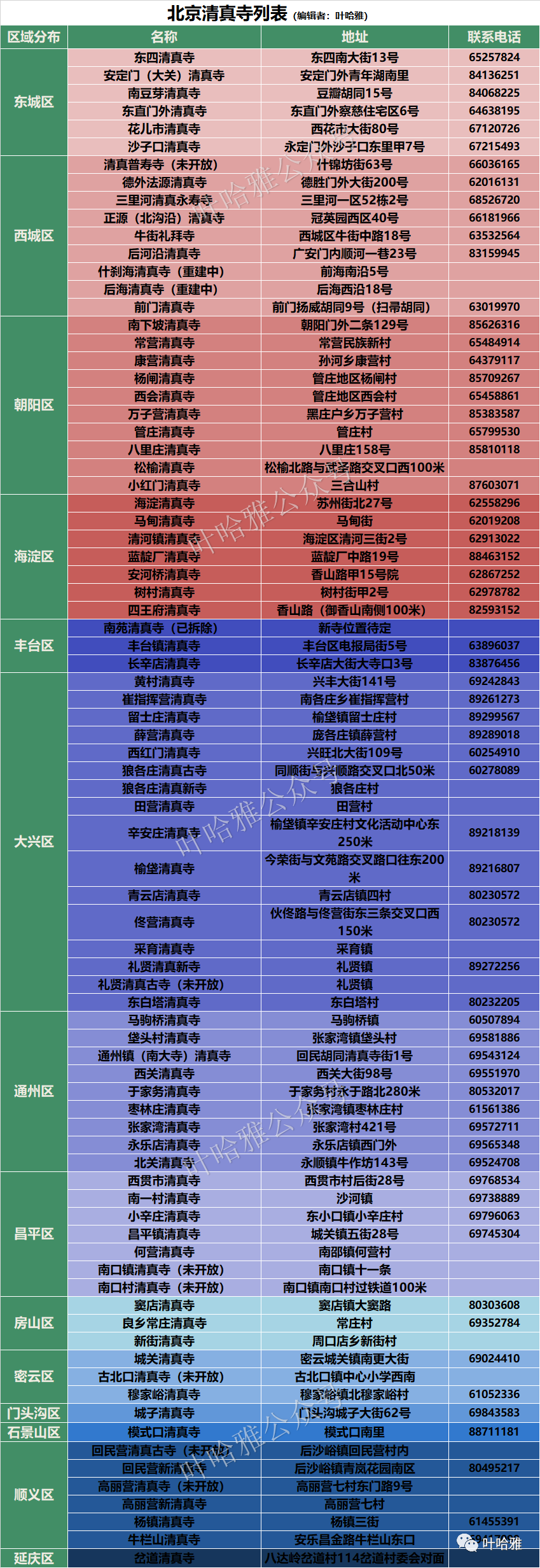
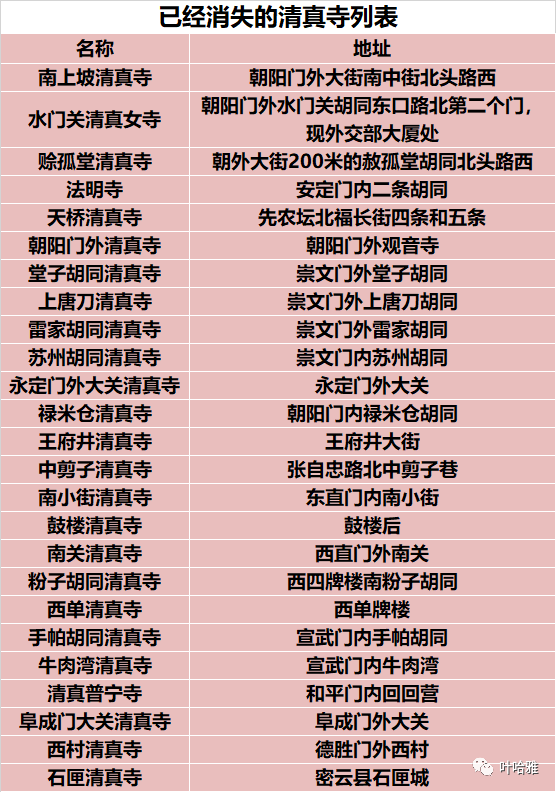
Attached are photos and brief introductions for some of the mosques.
Niujie Mosque
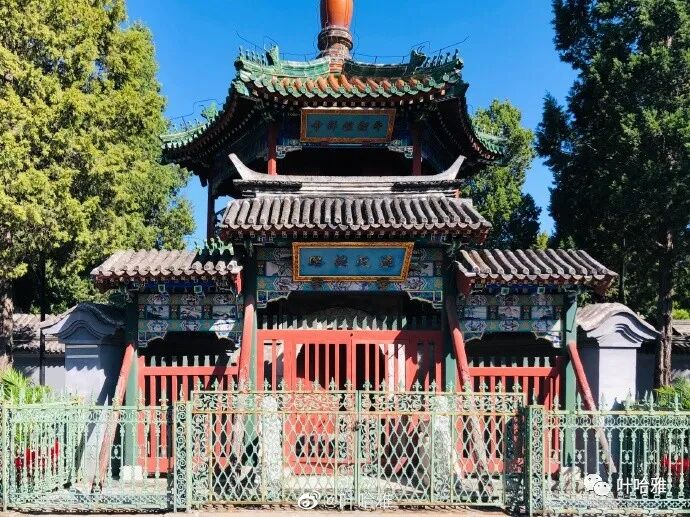
The Niujie Mosque is the oldest and most historically significant mosque in Beijing. It was first built in 996 AD, during the second year of the Zhidao reign of the Northern Song Dynasty. It is now a Major Historical and Cultural Site Protected at the National Level.
Dongsi Mosque
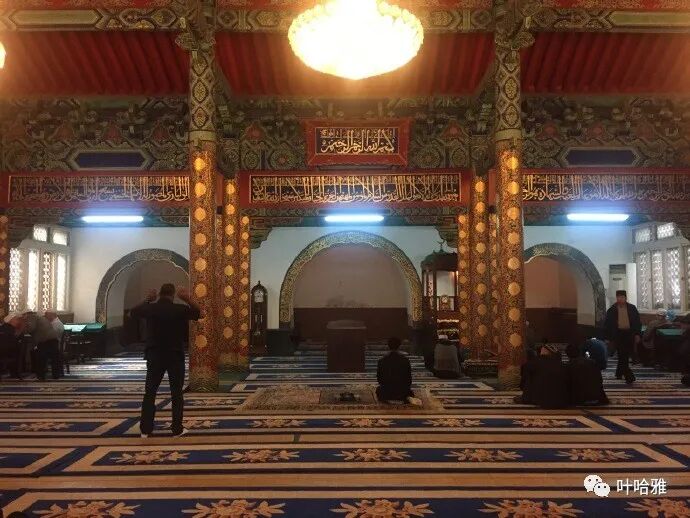
Based on the arch-shaped, beamless architecture of its rear hall, a hand-copied Quran from the fifth year of the Yanyou reign of the Yuan Dynasty kept in the mosque, and a wooden plaque from the Niujie Mosque, the Dongsi Mosque was first built during the Yuan Dynasty. Another theory suggests it was built during the Ming Dynasty, making it one of the four major mosques in the capital at that time.
Anwai Mosque
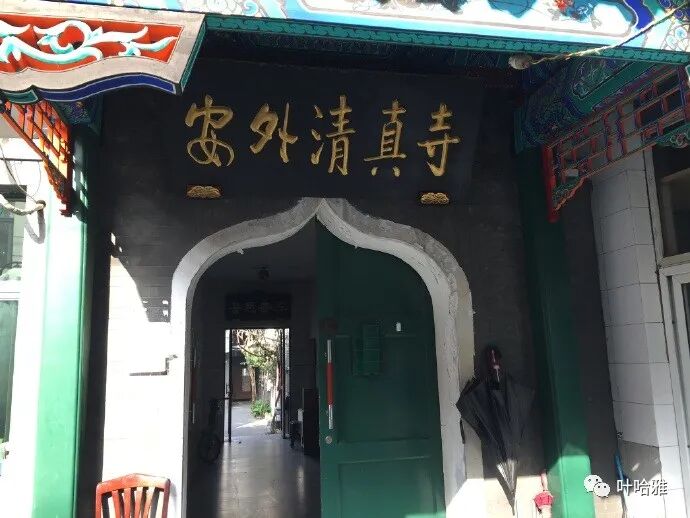
It was first built during the Jiaqing reign of the Qing Dynasty. In 1990, when Beijing hosted the 11th Asian Games, Andingmen Street needed to be widened, so the mosque was relocated to the Shanglong Xili residential area outside the east gate of Qingnianhu Park.
Nandouyacai Mosque
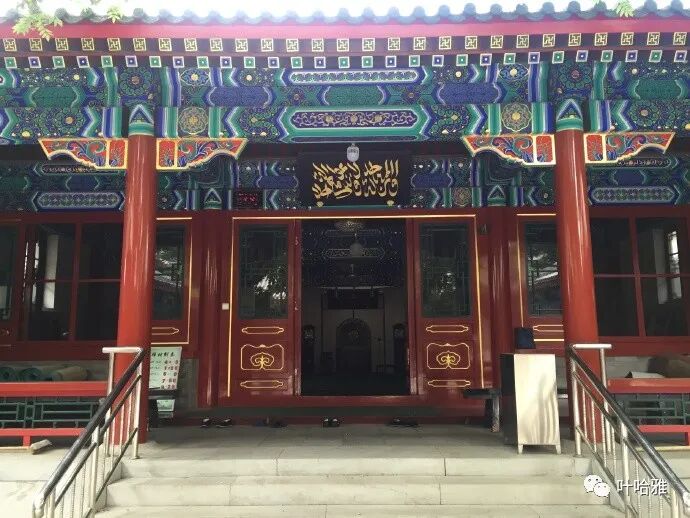
It was first built in the third year of the Jiaqing reign of the Qing Dynasty (1798). The storefront at the entrance is rented out to help fund the mosque's operations.
Dongzhimenwai Mosque
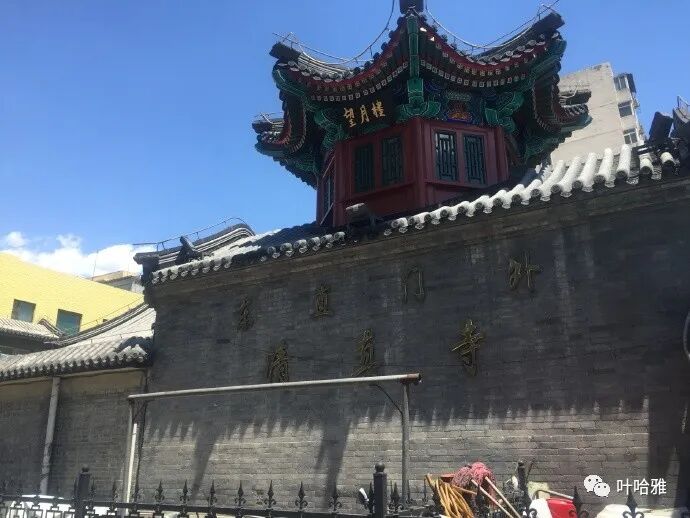
Also known as the Erlizhuang Mosque, it was first built during the Yuan Dynasty. The original site was one kilometer away from the current location. Shougang Group funded the move to the current site to build diplomatic apartments on the original land. It is now a cultural heritage site protected by the Dongcheng District.
Huashi Mosque
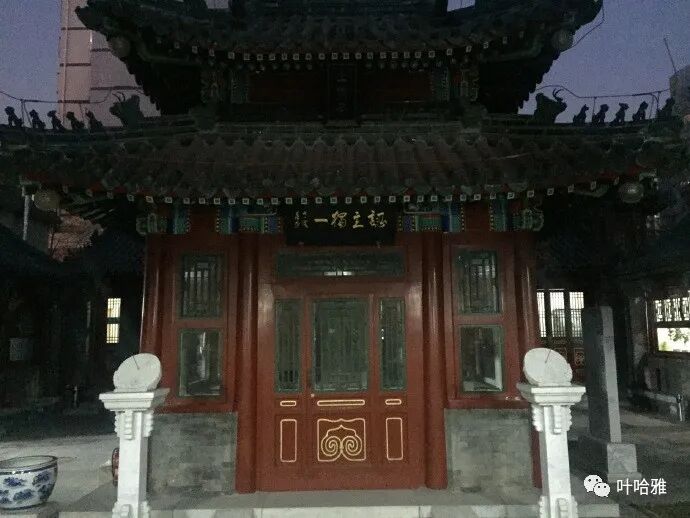
The Huashi Mosque was first built in the 12th year of the Yongle reign of the Ming Dynasty (1414). The current architecture dates back to the Qing Dynasty, and the colorful paintings on the main hall's beams are original works from that time. The hall also contains two beams made of peacock wood, a fragrant timber that keeps insects and birds out of the hall.
Shazikou Mosque
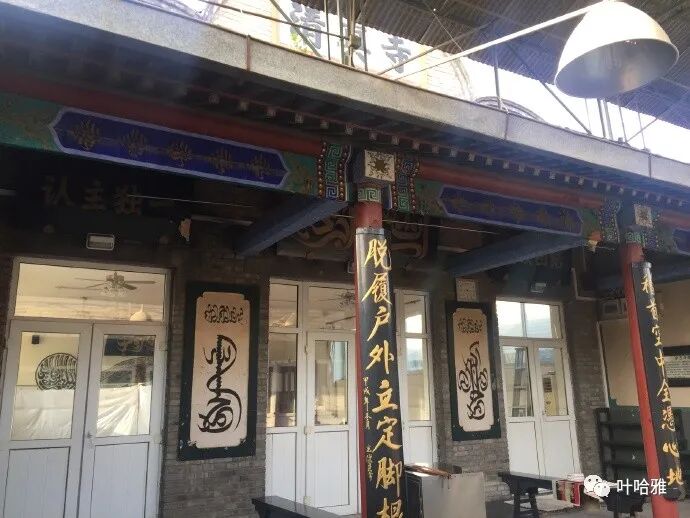
The Shazikou Mosque was first built in the early 1950s, originally converted from a cart inn.
Qingzhen Pushou Mosque
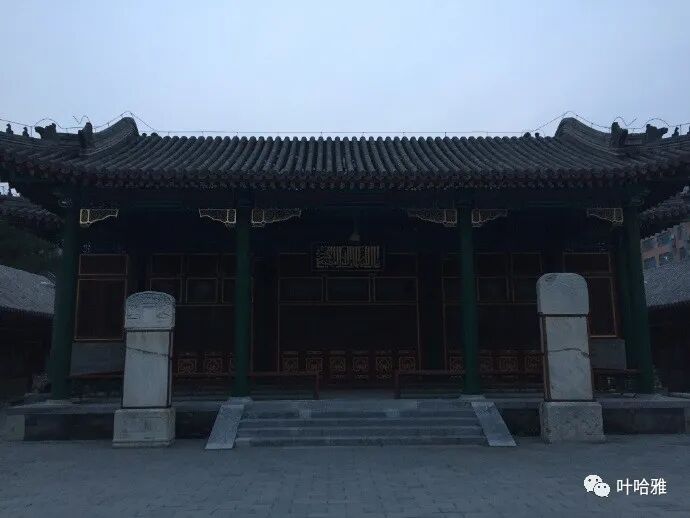
The Pushou Mosque was first built in the Yuan Dynasty and renovated many times during the Ming Dynasty. An Arabic inscription inside the mosque faintly shows the words, 'Rebuilt after bathing in the sixth year of the Tianqi reign of the Great Ming Dynasty.' The north courtyard of the mosque once housed the Muhua Primary School. In 1955, at the invitation of Imam Da Pusheng, a Syrian sheikh passing through Beijing came here to lead the Friday prayer.
Qingzhen Yongshou Mosque
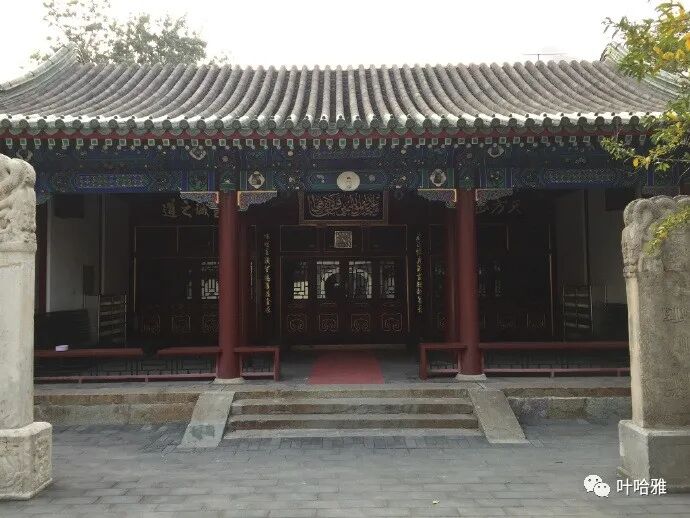
There was a cemetery for Hui Muslims in the Sanlihe area during the Jingtai reign of the Ming Dynasty (1456). The mosque was built in the 33rd year of the Wanli reign (1605). The scholar Wang Daiyu was once buried here, but the grave has since been moved.
Zhengyuan Mosque
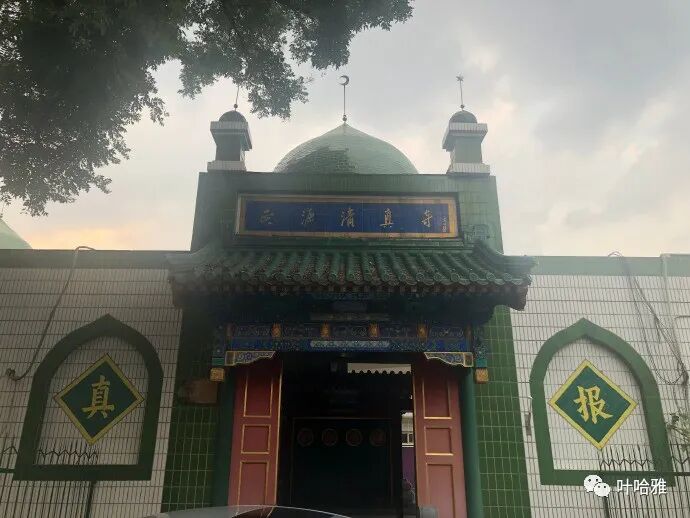
Originally called the Beigouyan Mosque, it was first built during the Daoguang reign. It moved to its new location in 1997 during urban redevelopment. Above the door, the words Zhengyuan Mosque (Zhengyuan Qingzhensi) are written in the calligraphy of Hei Boli, the former chairman of the Ningxia Autonomous Region.
Houheyan Mosque
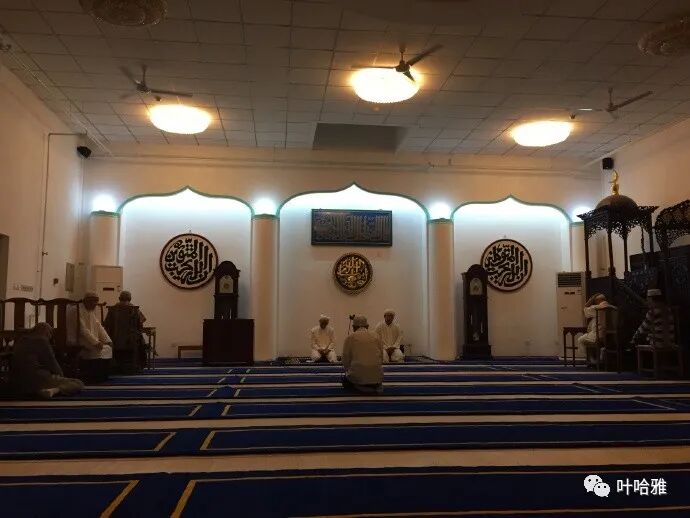
Houheyan Mosque was first built in 1948. This area is outside the southwest corner of Beijing's inner city but inside the outer city. Outside Xuanwumen, Hui Muslims lived along the south bank of the moat. Many worked in transport or ran halal restaurants. They built this mosque to make it easier to attend namaz.
Qianmen Mosque
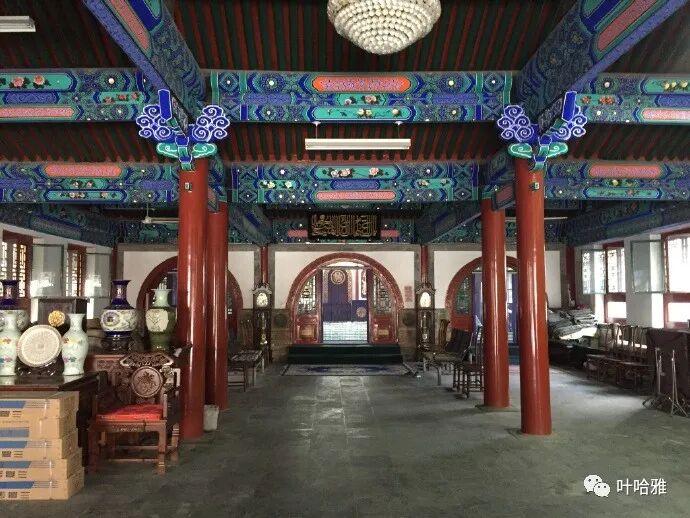
Qianmen Mosque is also called Saozhu Hutong Mosque. It was first built in the early Ming Dynasty. Chang Yuchun ordered its construction at the same time he built the Changping and Huashi mosques.
Tongzhou Grand Mosque
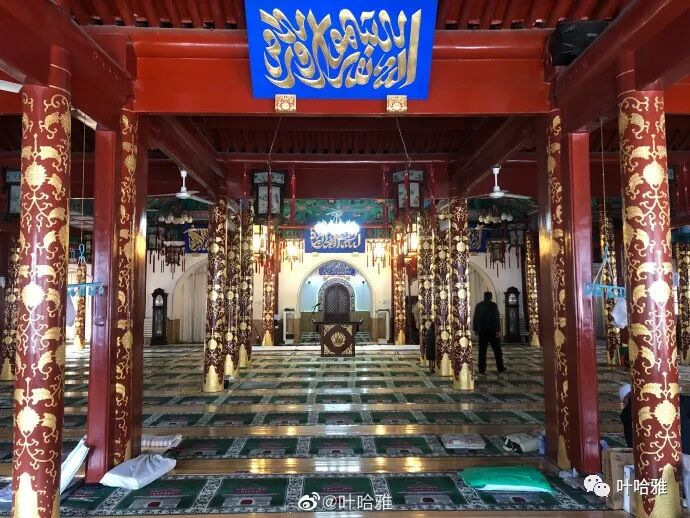
Songyuli Mosque
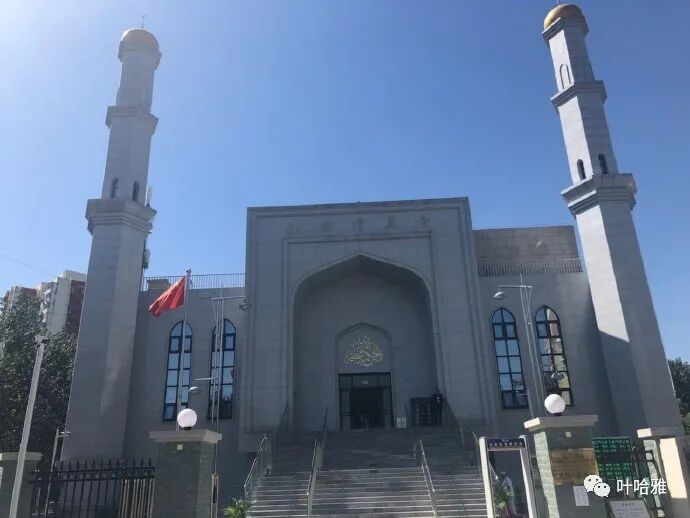
Songyuli Mosque was built in 2018 as a replacement for the demolished Nanshangpo Mosque.
Nanxiapo Mosque
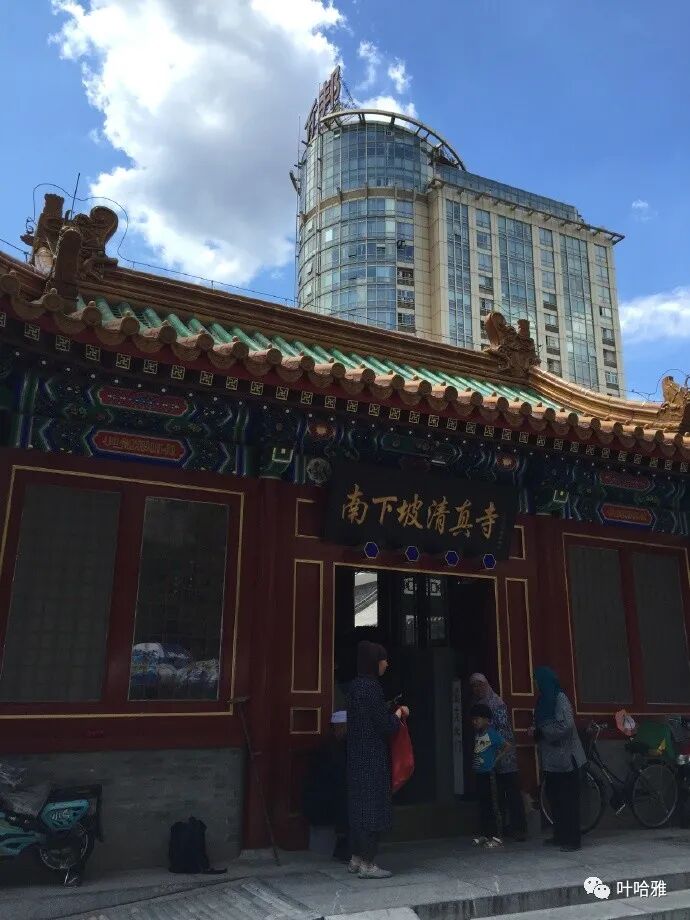
Nanxiapo Mosque was first built during the Kangxi era. There were originally four mosques outside Chaoyangmen: Nanshangpo Mosque, Nanxiapo Mosque, Shuimenguan Mosque, and Shegutang Mosque. The funeral for the martyr Ma Jun was held at Nanxiapo. The Beijing municipal government erected a tombstone for him in the nearby Ritan Park and built a memorial hall.
Fayuan Mosque
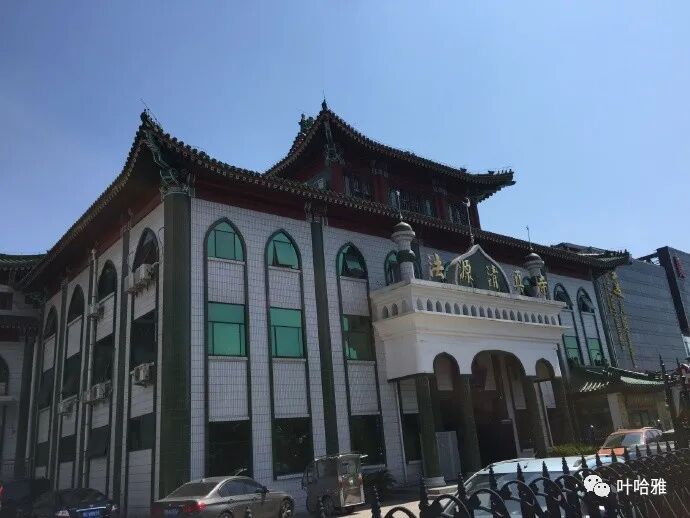
Fayuan Mosque is also called Dewai Guanxiang Mosque. It was first built in the early Kangxi era. Liu Geping, the former party secretary of the Ningxia Autonomous Region, wrote the plaque for Fayuan Mosque in 2001.
Changying Mosque
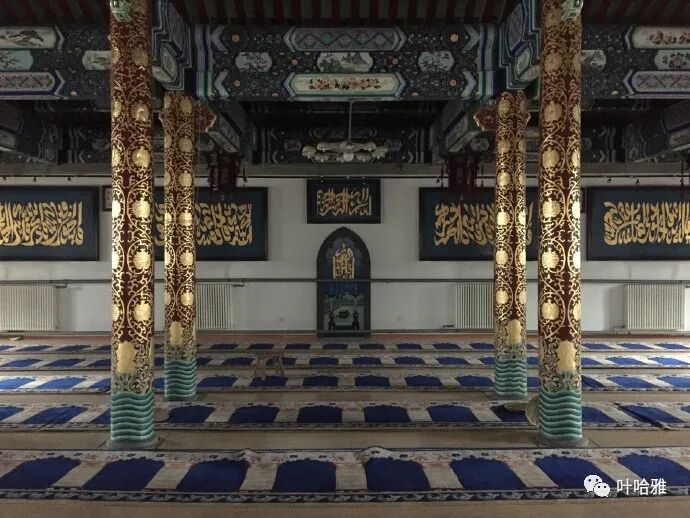
Changying Mosque was first built during the Zhengde era of the Ming Dynasty. Changying was the military camp of the Ming founding general Chang Yuchun. Changying Mosque was once the largest mosque in Beijing and had two main halls, though it was later surpassed by Doudian Mosque. The mosque has a small library where you can borrow books for free with a deposit.
Kangying Mosque
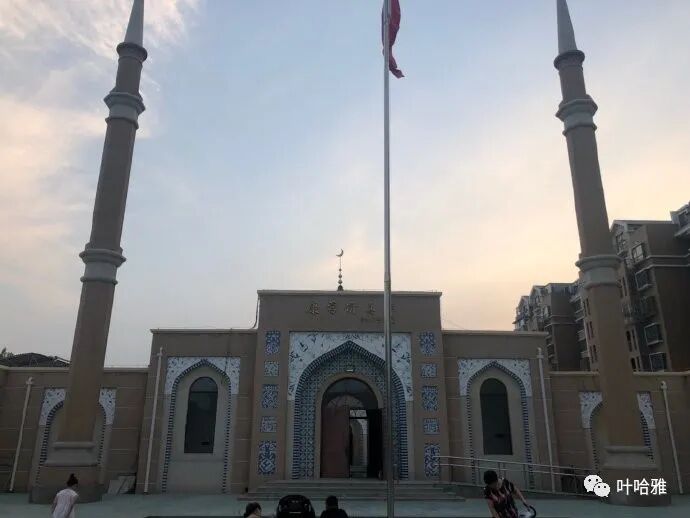
Kangying Mosque was first built in the Ming Dynasty and renovated in 2010. The mosque's name was written by Chen Guangyuan, the former president of the China Islamic Association.
Yangzha Mosque
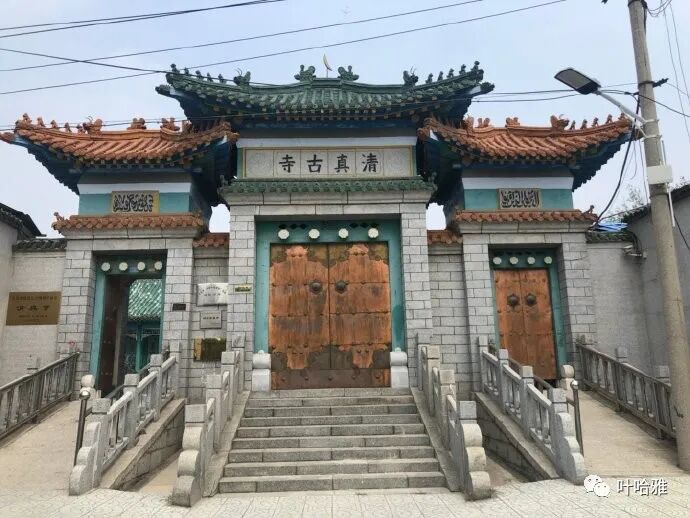
Yangzha Mosque was first built during the Wanli era of the Ming Dynasty. It was designated as a cultural relic protection site of Chaoyang District in 1984.
Xihui Mosque
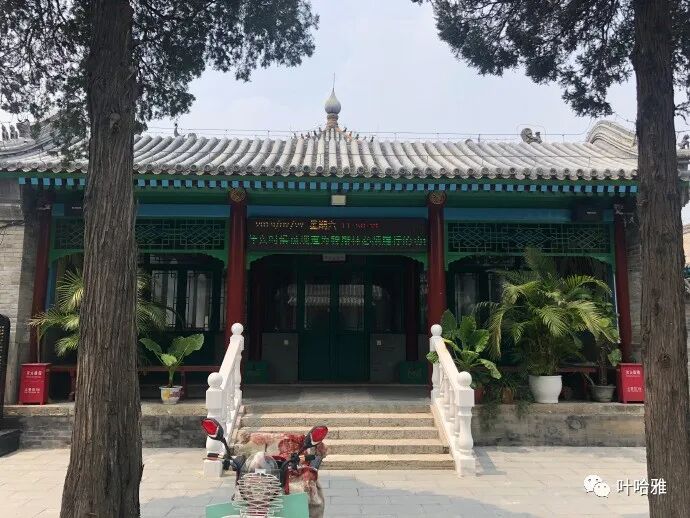
Xihui Mosque was first built in the mid-to-late Qing Dynasty. It is now a key cultural relic protection site in Chaoyang.
Wanziying Mosque
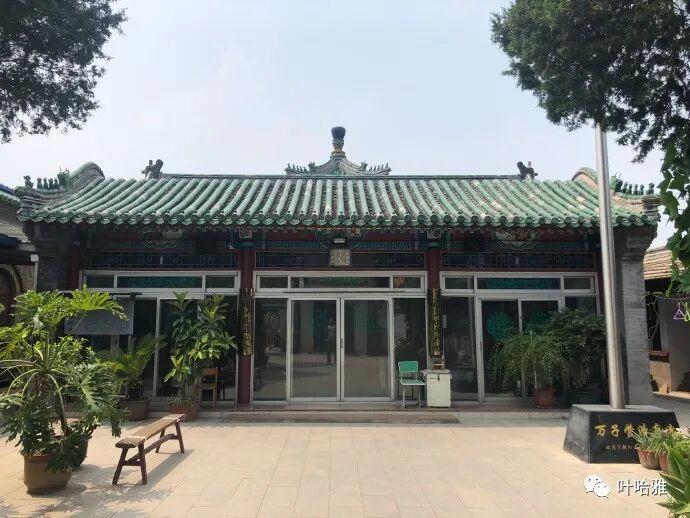
It was first built during the Tongzhi era of the Qing Dynasty. Li Hongzhang required the Huai Army to wear uniforms with numbered badges. The army was stationed here, so the place was formerly called Wanziying (Ten Thousand Character Camp), which became Wanziying today.
Guanzhuang Mosque
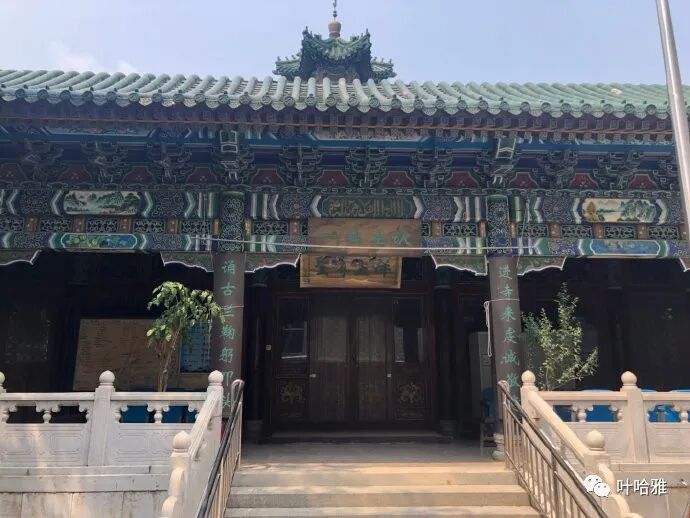
Guanzhuang Mosque was first built during the Daoguang period of the Qing Dynasty and underwent a major renovation in 2003.
Balizhuang Mosque
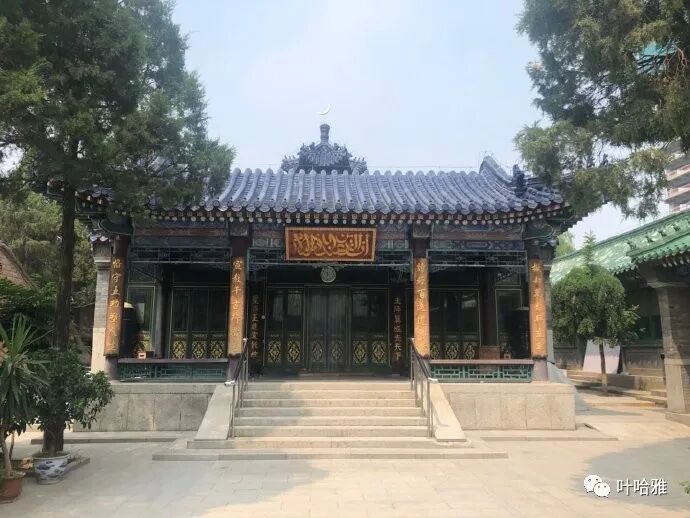
Balizhuang Mosque was first built during the Qianlong period. There used to be a large cemetery here, and the mosque started as a building for guarding the Hui Muslims' public cemetery before gradually turning into a mosque.
Landianchang Mosque
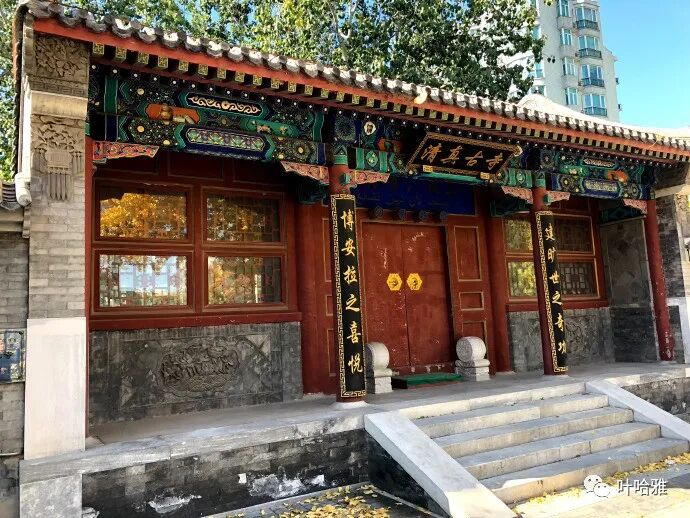
I attended Jumuah prayer at Landianchang Mosque in Haidian District. This is an ancient mosque from the Wanli period of the Ming Dynasty. It has an ancient cypress tree that is over 400 years old, planted when the mosque was built. The mosque's three treasures are a handwritten Quran, a carved brick with the Basmala (tasimiyie), and the tree. There are more Uyghur people here for Jumuah.
Haidian Mosque
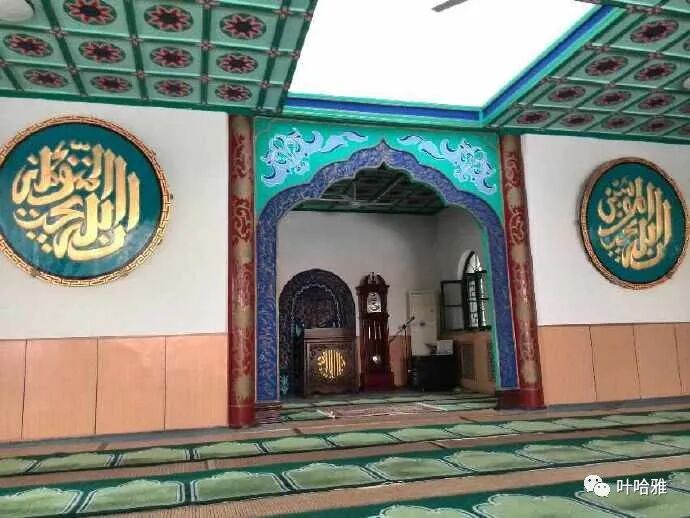
First built in the Ming Dynasty, Haidian Mosque lost some land when Suzhou Street was widened. The government approved the construction of a three-story building on the east side of the mosque facing the busy street, and the rent from the shops there helps support the mosque.
Qinghe Mosque
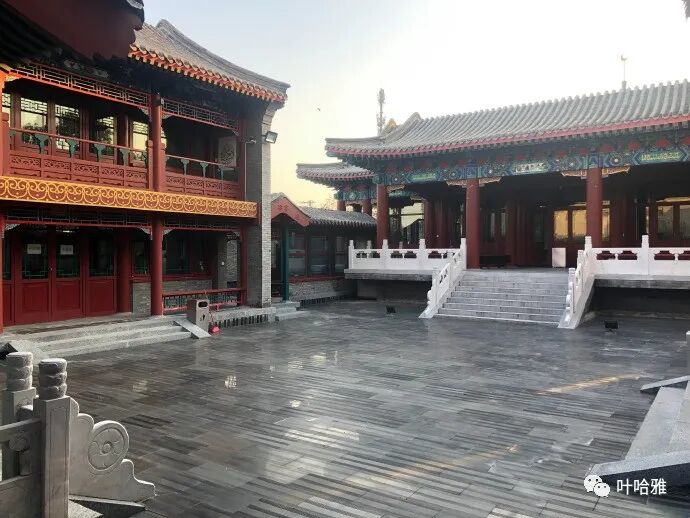
Qinghe Mosque was first built in the 45th year of the Kangxi period of the Qing Dynasty. It was originally located at the south end of the old Qinghe Bridge, but because the area was low and prone to flooding, it was moved to the north side of the bridge in the 6th year of the Guangxu period (1881 AD). The mosque is very clean and well-kept.
Anheqiao Mosque
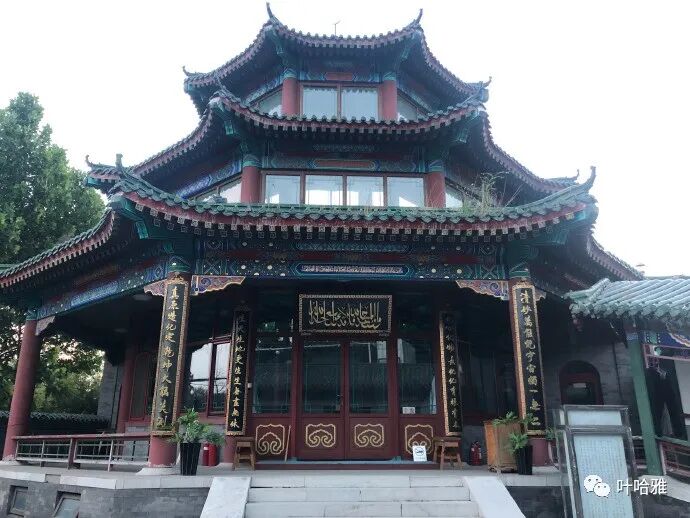
Anheqiao Mosque was first built in the late Ming Dynasty. In the early Qing Dynasty, when Emperor Kangxi was building the Three Hills and Five Gardens, the local Hui Muslims used this prosperous time to expand the old mosque. The overall architectural style echoes the nearby Summer Palace (Yiheyuan).
Shucun Mosque
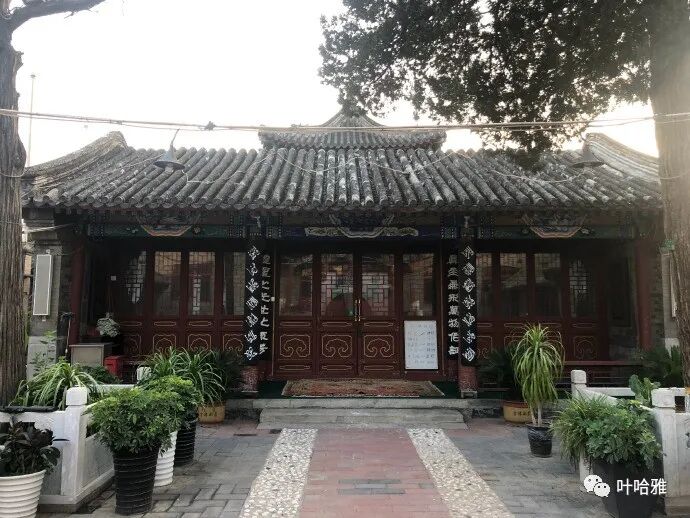
Beijing Shucun Mosque was first built during the Yongzheng period of the Qing Dynasty. With the construction of the royal Three Hills and Five Gardens, the Bordered Yellow Banner barracks of the Old Summer Palace (Yuanmingyuan) guard force were set up west of Shucun, and the Plain White Banner barracks were set up to the east, which led to the formation of the Shucun trading street. According to the records of the "Three Outer Banners of the Capital," the trading street had 270 shops during its peak, with many, such as mutton shops and jade shops, run by Hui Muslims.
Siwangfu Mosque
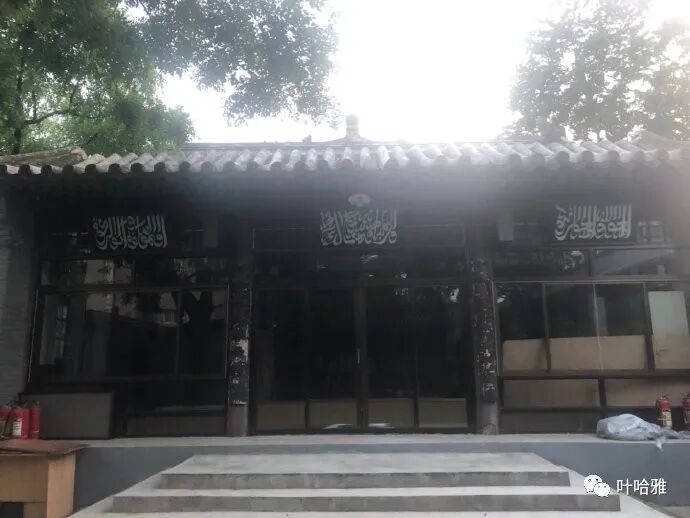
Located at the foot of Fragrant Hills (Xiangshan) in Beijing, Siwangfu Mosque was built during the Qianlong period of the Qing Dynasty. Siwangfu is a fair-sized village at the foot of the southeast side of Fragrant Hills. It was originally a burial ground for Ming Dynasty royal infants who died young. During the Qing Qianlong period, the name was changed to "Siwangfu" because it sounds like the word for "four" and avoids the word for "death." Over eighty years ago, Imam Yang Chun (the father of 82-year-old Yang Jing'an and 77-year-old Yang Jingyi) came to Beiping from Cangzhou, Hebei. Recommended by Imam Hei Fengyi, he served as the imam at Siwangfu Mosque.
Nanyuan Mosque
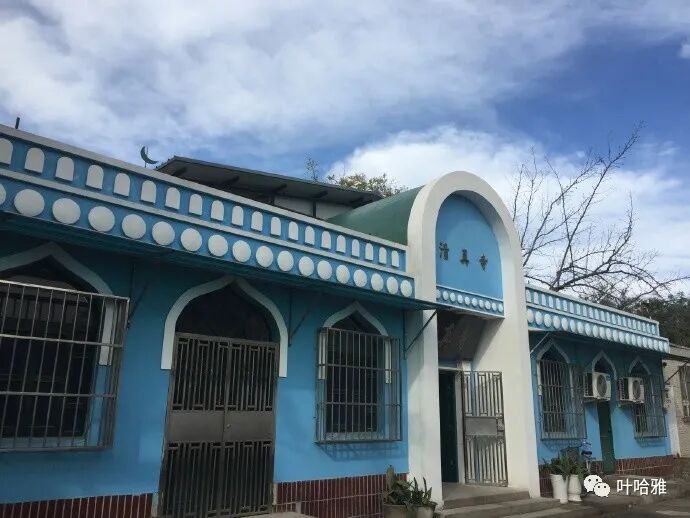
Nanyuan Mosque is a newly built mosque right next to Nanyuan Airport. It is a ten-minute walk to the airport terminal. The imam told me that this mosque will be relocated further west, and the new site has already been chosen and is under construction.
Changxindian Mosque
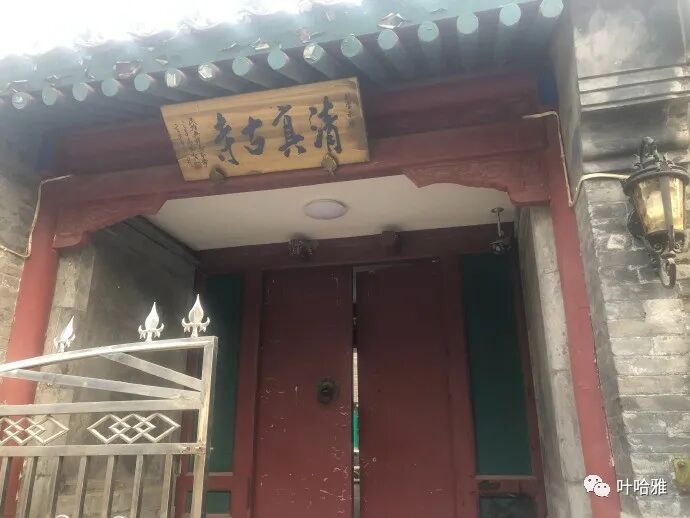
Fengtai Changxindian Mosque was first built in the late Ming Dynasty and renovated during the Guangxu period. The mosque is currently being refurbished. When I arrived, workers were spray-painting, and the plaque with the mosque's name was written by Ma Guochao, the son of Ma Benzhai.
Fengtaizhen Mosque
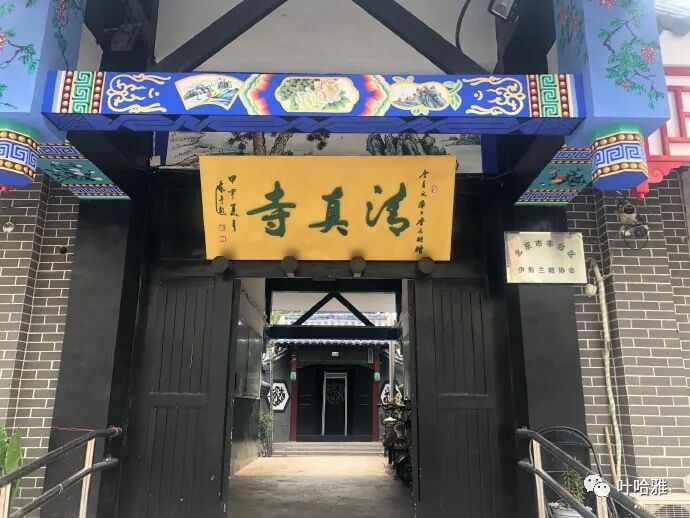
Fengtai Mosque was originally built alongside the Lugou Bridge. In the 21st year of the Guangxu reign (1895), the mosque moved to Zhengyang Bridge due to the construction of Fengtai Railway Station, and in 1990, it moved again to Yongshan Residential Community.
Cuizhihuiying Mosque
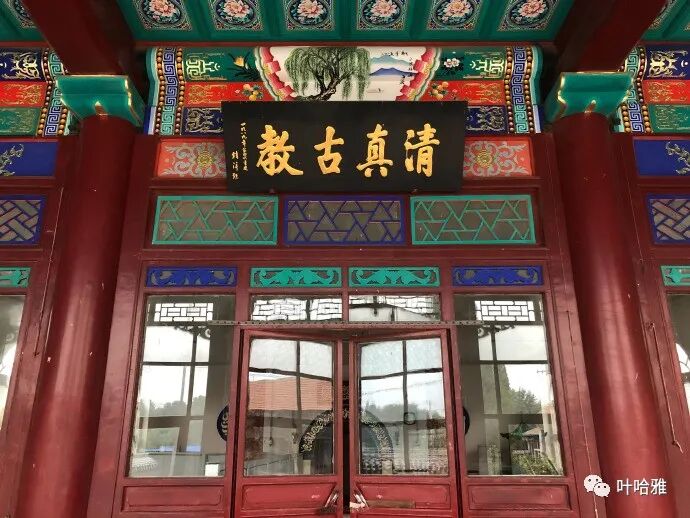
The Cuizhihuiying Mosque in Daxing District was first built during the Qing Dynasty. Cuizhihuiying is the southernmost point of Beijing and is a village for Hui Muslims. Most of the village is currently being demolished to make room for support facilities for the Daxing Airport rail transit.
Liushizhuang Mosque
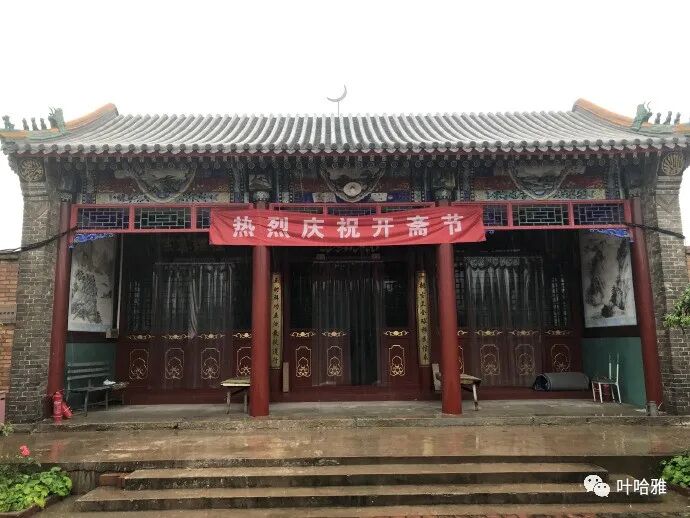
This is a cultural heritage site protected by Daxing District. It was first built in the Qing Dynasty and renovated in 1992. Liushizhuang is a village for Hui Muslims.
Xueying Mosque
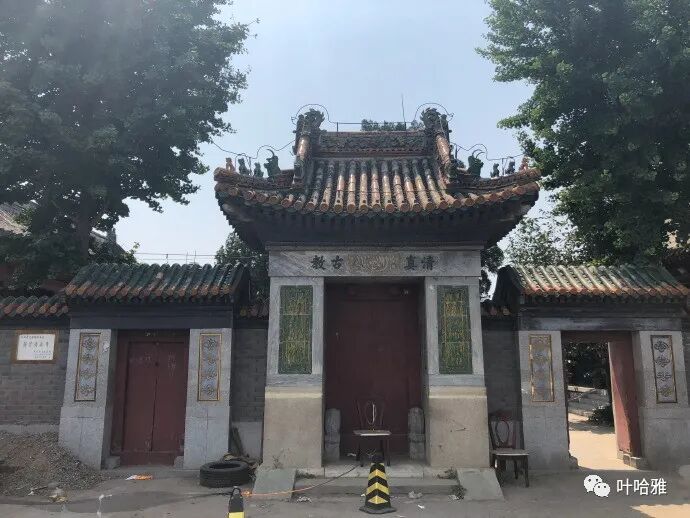
The mosque in Xueying Village, Panggezhuang Town, Daxing District, Beijing, was first built in the second year of the Wanli reign of the Ming Dynasty (1574). It covers 1,500 square meters. The roof of the main hall is decorated with yellow and green glazed tiles, and there are two pillars in the front corridor. Inside the hall, there are eight wooden white-painted pillars. There is a wooden arched gate with floral patterns painted on the lintel.
Xihongmen Mosque
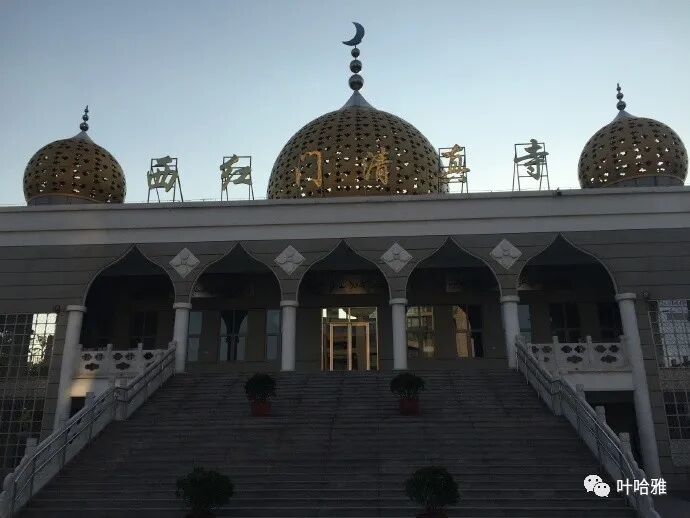
The new Xihongmen Mosque was built next to the old one. The original mosque dates back to the 26th year of the Kangxi reign (1687). In the old mosque, men and women could pray together in the main hall, separated by a curtain. The new main hall is open for Friday Jumu prayers.
Langgezhuang New Mosque
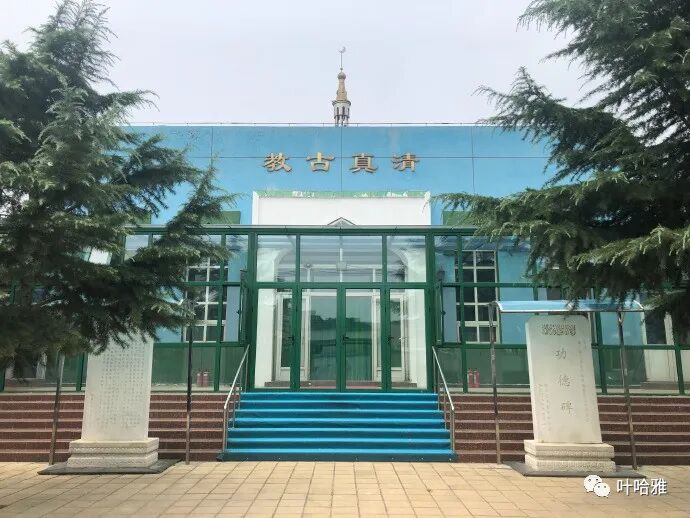
The new Langgezhuang Mosque in Daxing District was completed in 2008. With this mosque, Beijing reached a total of 77 mosques. Langgezhuang is also a village for Hui Muslims, where 70 percent of the residents are Hui Muslims.
Langgezhuang Old Mosque
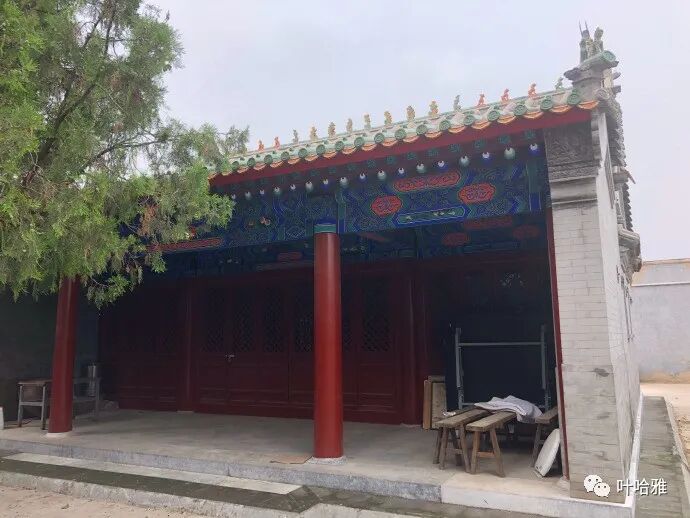
The Langgezhuang Mosque in Daxing District was first built in the fifth year of the Qianlong reign of the Qing Dynasty (1740). It was damaged many times by floods from the Yongding River throughout history and has undergone many repairs. It is now a cultural heritage site protected by Changping District.
Xin'anzhuang Village Mosque
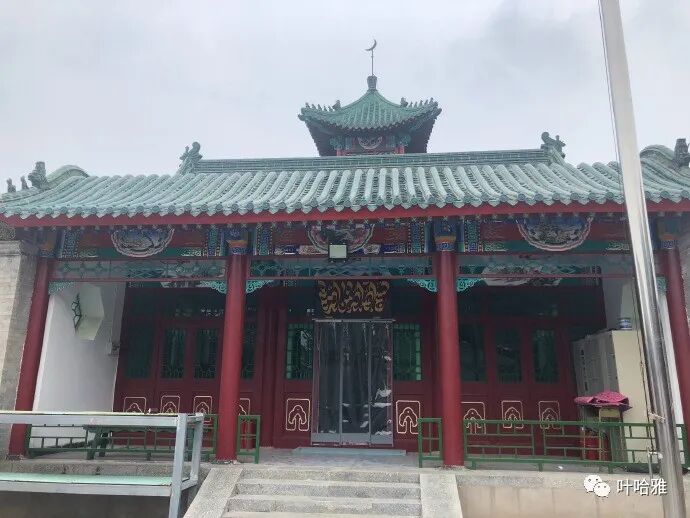
Hui Muslims have lived in Xin'anzhuang Village since the Ming Dynasty. The mosque was originally just a few adobe houses. In 1996, the construction of the Beijing-Jiulong Railway caused cracks in the mosque walls because the rail bed was too close. The railway department paid 50,000 yuan in compensation, and the village raised funds to build a new mosque.
Maqiao Mosque
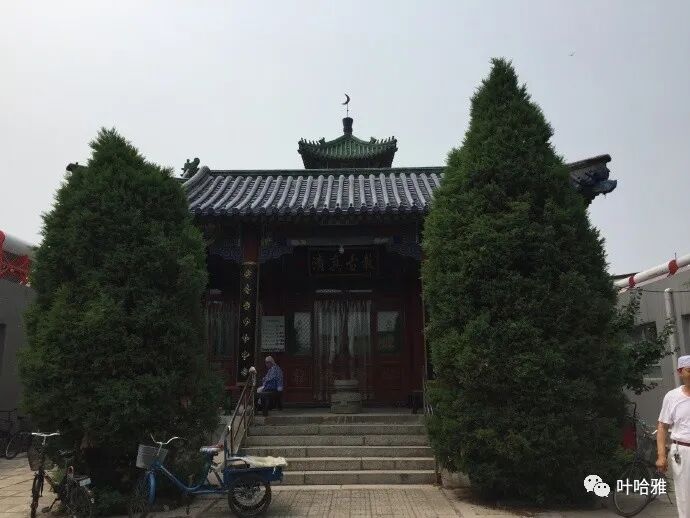
Maqiao Mosque was first built in the early Ming Dynasty. When the 1976 Tangshan earthquake hit Beijing, the mosque was damaged. The Niujie Mosque agreed to dismantle its women's mosque and donate all the materials to help rebuild the Maqiao Mosque.
Fatou Mosque
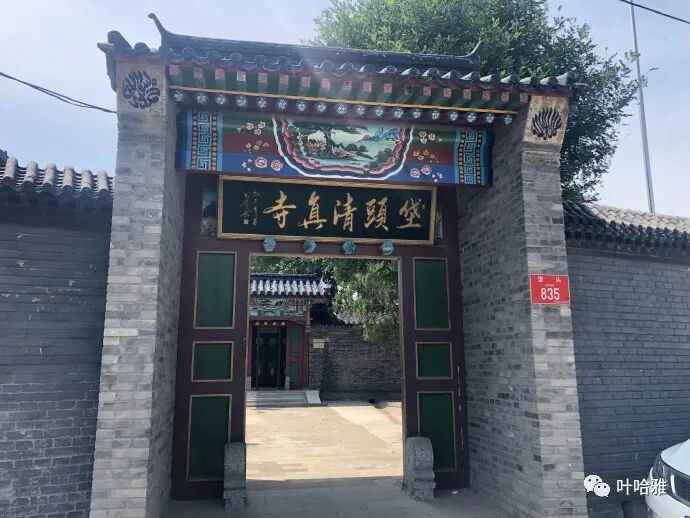
The mosque in Fatou Village, Zhangjiawan Town, Tongzhou District, was first built in the Ming Dynasty. There is a 400-year-old locust tree in the mosque that is as old as the building itself. It was renovated in the second year of the Yongzheng reign of the Qing Dynasty and rebuilt again in 2001.
Zhangjiawan Mosque
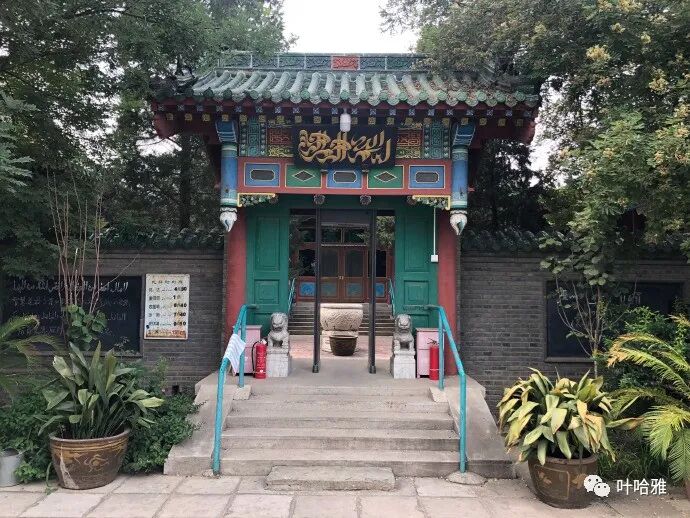
Zhangjiawan Mosque was first built between the end of the Yuan Dynasty and the beginning of the Ming Dynasty. Zhangjiawan is a village for Hui Muslims. The mosque has a 500-year-old locust tree and an ancient vat in the courtyard where goldfish are kept.
Yongledian Mosque
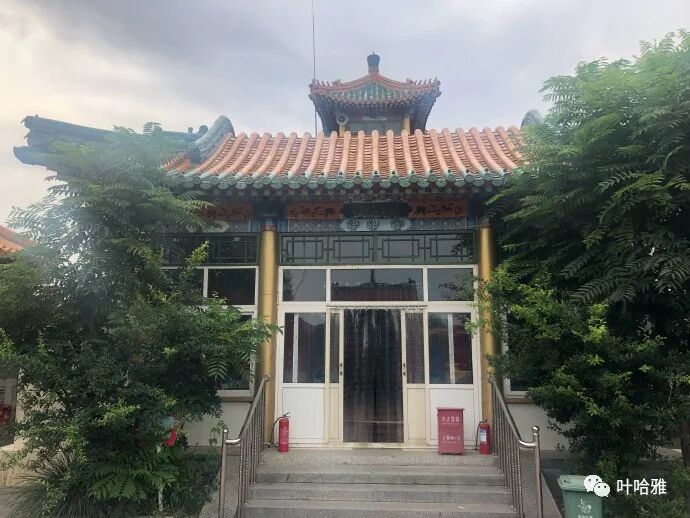
Yongledian Mosque in Tongzhou District was built in 1911. It started with a prayer hall of only three rooms. It was expanded on June 1, 2002, and finished on October 31 of that year.
Tongzhou Beiguan Mosque
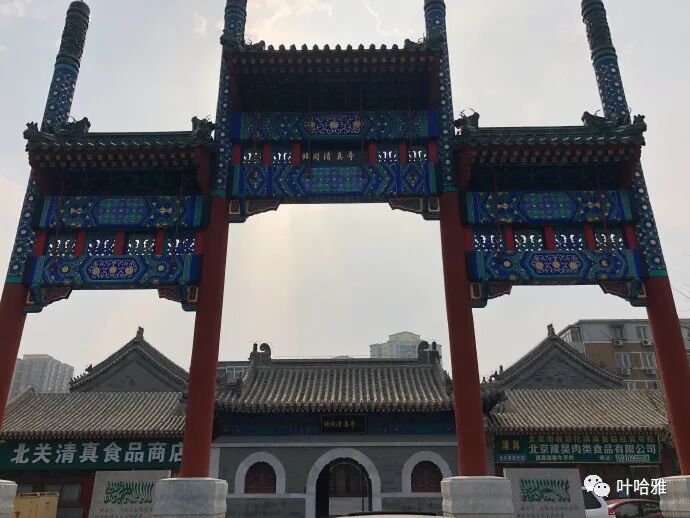
Tongzhou Beiguan Mosque was built in the first year of the Yuanyou era. It sits on the north bank of the Yuan Dynasty Grand Canal. It is the second oldest mosque in Beijing, after the Niujie Mosque. The mosque was destroyed during the time of the Eight-Nation Alliance and later rebuilt under the leadership of Elder Gao, Imam Lan, and others.
Xiguanshi Mosque
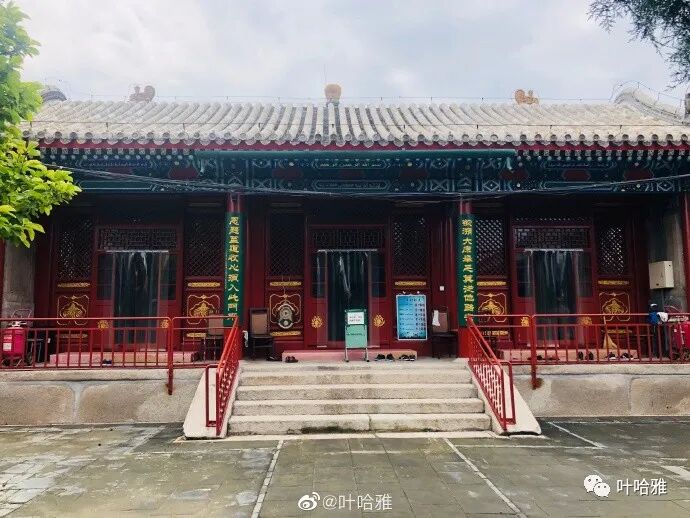
Xiguanshi Mosque in Changping was built in the seventh year of the Hongzhi era of the Ming Dynasty. Empress Dowager Cixi stayed here briefly when she fled the capital.
Xiaoxinzhuang Mosque
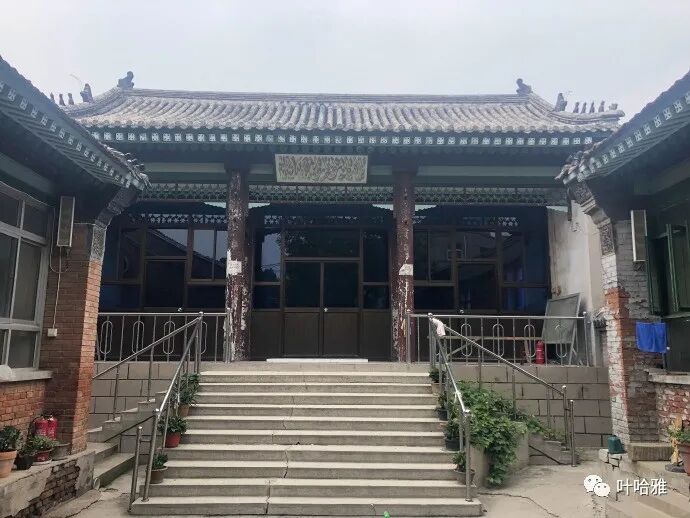
There is a Xiaoxinzhuang Mosque next to the Pingxi Prince Mansion in Changping District. It is said to have been built in the Qing Dynasty and is over 200 years old. It was repaired in 1951, but was occupied many times after 1958. It was renovated and returned to normal use in 1982. The original mosque was not in this location, and it was rebuilt here in 1997.
Nanyicun Mosque
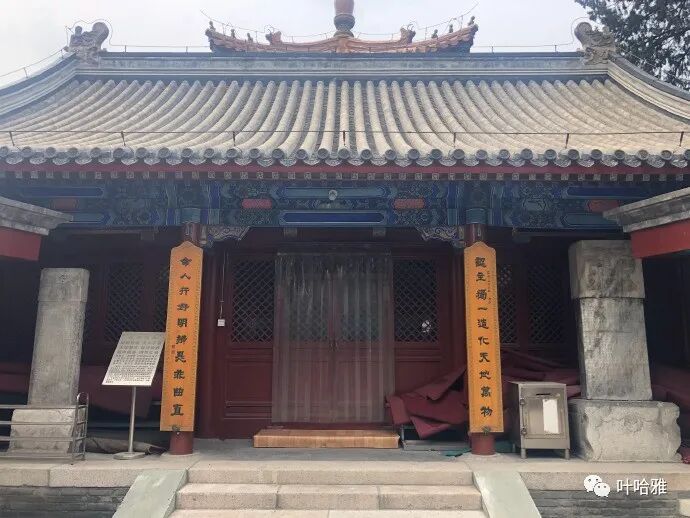
Nanyicun Mosque in Shahe, Changping, was built in the ninth year of the Jiajing era of the Ming Dynasty (1530). It is a protected cultural site in Changping District. Several ancient stone tablets are well-preserved inside. The upper part of the couplet on the main hall door pillars reads: All things move by the will of Allah. The lower part reads: The value of life lies in seeking knowledge and doing good deeds.
Heyingcun Mosque
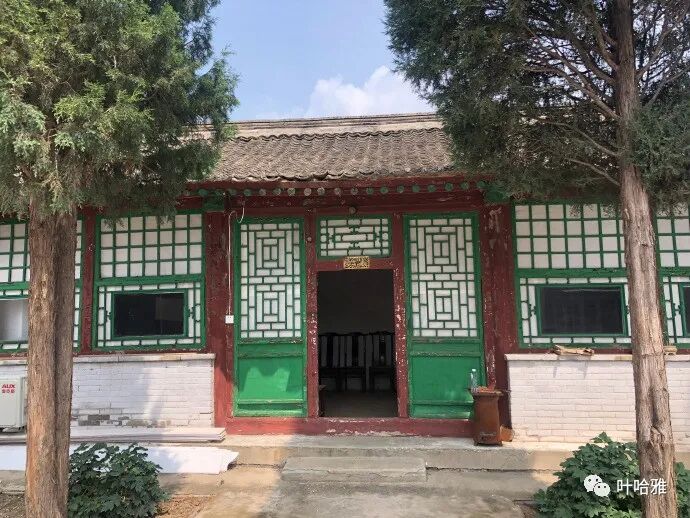
Heying Mosque in Changping was built in the Ming Dynasty next to the tomb of Bo Ha Zhi. When I arrived, the door was locked, but there was a phone number on it. I called, and the caretaker came to open it shortly after. I learned that the caretaker and his wife manage the mosque as volunteers. The old mosque collapsed years ago, so they use a simple temporary building. For namaz, they just lay carpets on the ground. Because the whole village is about to be demolished, the reconstruction work is delayed. There are thirty Hui Muslim households in the village, but no imam. Occasionally, visiting friends (dost) come to visit the graves.
Nankoucun Mosque
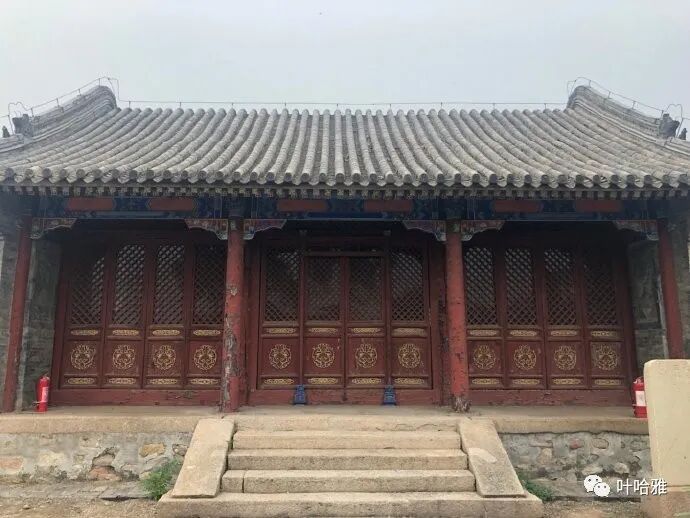
Nankoucun Mosque in Changping was built in the Ming Dynasty and is now a protected cultural site in Changping District. In front of the main hall, there is a stone tablet recording the renovation of the mosque in the 20th year of the Guangxu era of the Qing Dynasty. It was written by Ma Zhaoqing, a famous scholar in Changping during the late Qing and early Republic period. The tablet itself is the original. This mosque is not open to the public. There is an ancient well in the courtyard, and the building next to the main hall has collapsed.
Nankou Town Mosque
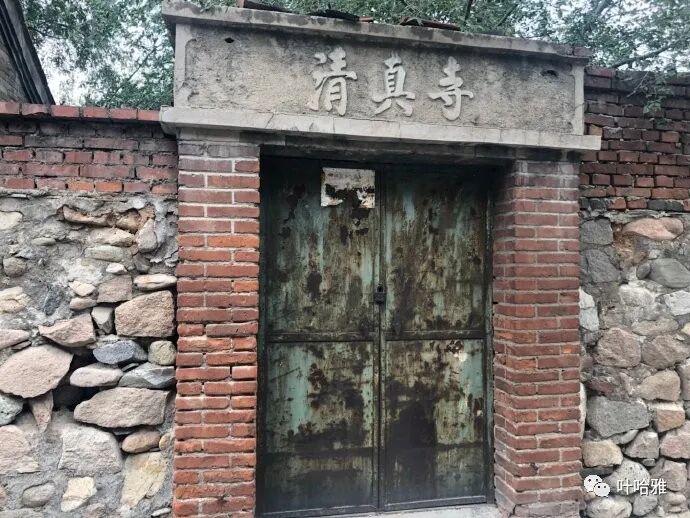
Nankou Town Mosque is an abandoned courtyard guarded by only one Hui Muslim man. There are five rooms in the courtyard. The north room was built by the production team in the 1970s, and the west and south rooms are single-story houses built in recent years. According to local residents, this mosque and the Nankoucun Mosque are both closed because of disputes over the disposal of the mosque's property.
Chadao Mosque
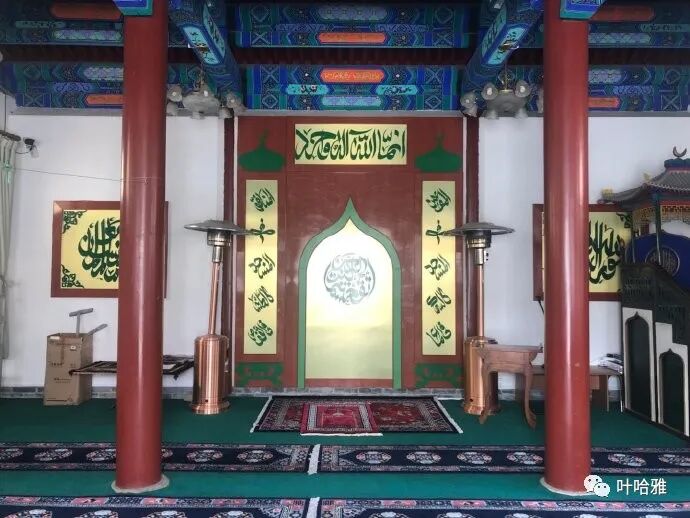
Chadao Mosque, located at the foot of the Badaling Great Wall in Yanqing, was built during the Jiajing era of the Ming Dynasty. The current building was rebuilt in 2013 and is the only mosque in Yanqing. When I arrived at the gate, I found it locked. I asked at the hand-pulled noodle shop (lamian guan) next door and learned that the owner of Yuxinzhai across from the mosque is the manager. I found him and learned he is the only Hui Muslim in the village. His surname is Yu, which is said to be a surname bestowed by the emperor. Elder Yu said he had to talk to many officials to prepare for the construction of the mosque, which was very difficult and faced a lot of resistance. The current imam is temporarily borrowed from Changping. There is usually no one there, but about thirty or forty people attend Jumu'ah.
Wujie Mosque
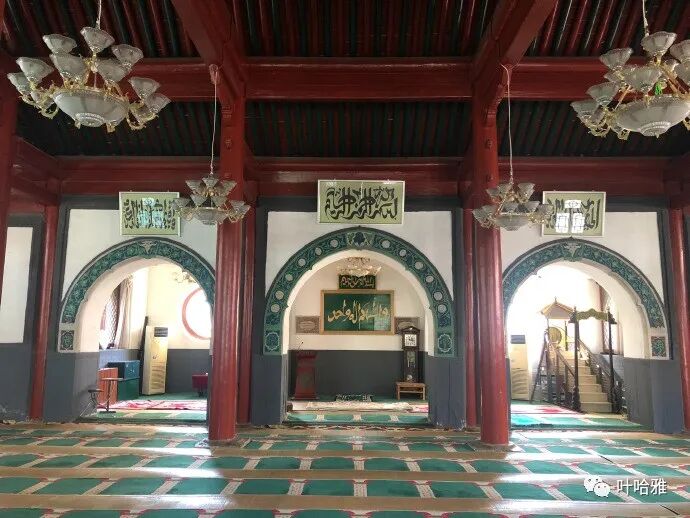
Wujie Mosque in Changping started in the Ming Dynasty and was built by Chang Yuchun. The beams of the main hall are made of golden nanmu wood used for the Ming Tombs. It is now a protected cultural site in Changping.
Doudian Mosque
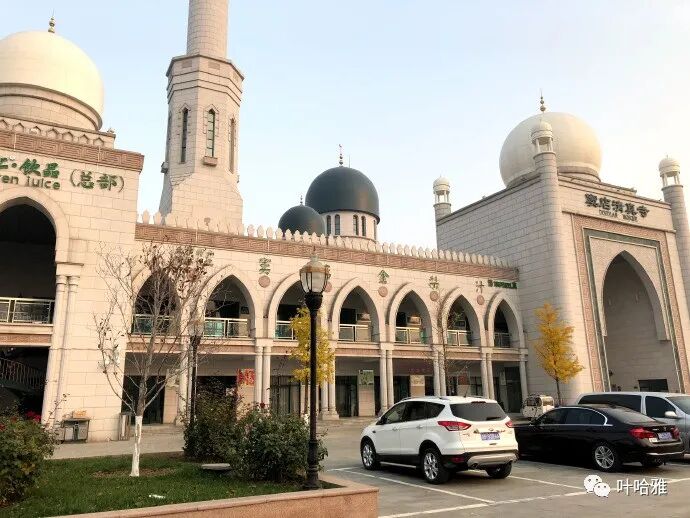
Doudian Mosque has a history of over 300 years and now covers an area of 14,958 square meters. It reached its current size after several renovations and expansions. The main hall is 40 meters high, symbolizing the age when the Prophet Muhammad received his mission. The overall layout of the building is in the shape of the Chinese character for Hui (Hui).
Chengzi Mosque
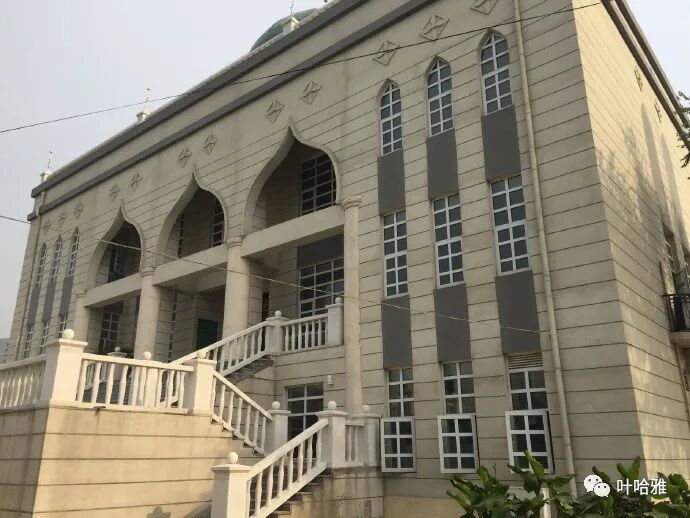
In 1951, the Hui Muslim coal mine in Mentougou went bankrupt. They turned six of the mine's rooms into a mosque. The current building was rebuilt in 1990.
Gubeikou Mosque
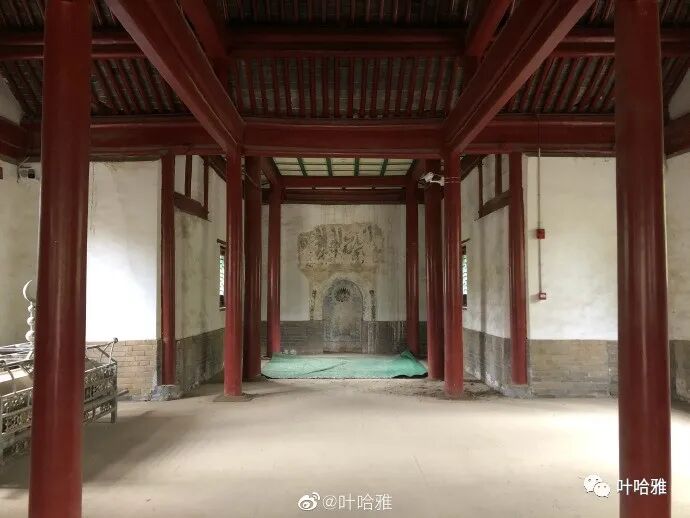
Gubeikou Mosque in Miyun, Beijing, sits at the foot of the Great Wall on Wohu Mountain in Hexi Village, Miyun County. It was first built at the end of the Ming Dynasty and has a history of over 300 years. It is now a county-level cultural heritage site in Miyun. The mosque was rebuilt in 1997 but has not been used since. The villagers in Hexi come from all over, representing 7 ethnic groups and 132 surnames. Currently, only a few families in the east of the village are Hui Muslims.
Summary: Mosque Near Me in Beijing: Existing and Lost Mosques, Niujie History and Muslim Heritage is presented here as a clear English account for Muslim readers, starting with this scene: This article counts 109 mosques in the Beijing area. There are 82 mosques currently standing in Beijing, 63 of which I have visited. I have identified 27 mosques that once existed but have since disappeared. I have added the. It keeps the original names, food details, mosque details, photographs, and cultural context while focusing on Beijing Mosques, Niujie Mosque, Muslim Heritage.
This article counts 109 mosques in the Beijing area. There are 82 mosques currently standing in Beijing, 63 of which I have visited. I have identified 27 mosques that once existed but have since disappeared. I have added the Jiaozi Hutong Mosque and Mishi Hutong Mosque to the list, and included photos I took with my phone for some of the mosques.
Attached are photos and brief introductions for some of the mosques.
Niujie Mosque
The Niujie Mosque is the oldest and most historically significant mosque in Beijing. It was first built in 996 AD, during the second year of the Zhidao reign of the Northern Song Dynasty. It is now a Major Historical and Cultural Site Protected at the National Level.
Dongsi Mosque
Based on the arch-shaped, beamless architecture of its rear hall, a hand-copied Quran from the fifth year of the Yanyou reign of the Yuan Dynasty kept in the mosque, and a wooden plaque from the Niujie Mosque, the Dongsi Mosque was first built during the Yuan Dynasty. Another theory suggests it was built during the Ming Dynasty, making it one of the four major mosques in the capital at that time.
Anwai Mosque
It was first built during the Jiaqing reign of the Qing Dynasty. In 1990, when Beijing hosted the 11th Asian Games, Andingmen Street needed to be widened, so the mosque was relocated to the Shanglong Xili residential area outside the east gate of Qingnianhu Park.
Nandouyacai Mosque
It was first built in the third year of the Jiaqing reign of the Qing Dynasty (1798). The storefront at the entrance is rented out to help fund the mosque's operations.
Dongzhimenwai Mosque
Also known as the Erlizhuang Mosque, it was first built during the Yuan Dynasty. The original site was one kilometer away from the current location. Shougang Group funded the move to the current site to build diplomatic apartments on the original land. It is now a cultural heritage site protected by the Dongcheng District.
Huashi Mosque
The Huashi Mosque was first built in the 12th year of the Yongle reign of the Ming Dynasty (1414). The current architecture dates back to the Qing Dynasty, and the colorful paintings on the main hall's beams are original works from that time. The hall also contains two beams made of peacock wood, a fragrant timber that keeps insects and birds out of the hall.
Shazikou Mosque
The Shazikou Mosque was first built in the early 1950s, originally converted from a cart inn.
Qingzhen Pushou Mosque
The Pushou Mosque was first built in the Yuan Dynasty and renovated many times during the Ming Dynasty. An Arabic inscription inside the mosque faintly shows the words, 'Rebuilt after bathing in the sixth year of the Tianqi reign of the Great Ming Dynasty.' The north courtyard of the mosque once housed the Muhua Primary School. In 1955, at the invitation of Imam Da Pusheng, a Syrian sheikh passing through Beijing came here to lead the Friday prayer.
Qingzhen Yongshou Mosque
There was a cemetery for Hui Muslims in the Sanlihe area during the Jingtai reign of the Ming Dynasty (1456). The mosque was built in the 33rd year of the Wanli reign (1605). The scholar Wang Daiyu was once buried here, but the grave has since been moved.
Zhengyuan Mosque
Originally called the Beigouyan Mosque, it was first built during the Daoguang reign. It moved to its new location in 1997 during urban redevelopment. Above the door, the words Zhengyuan Mosque (Zhengyuan Qingzhensi) are written in the calligraphy of Hei Boli, the former chairman of the Ningxia Autonomous Region.
Houheyan Mosque
Houheyan Mosque was first built in 1948. This area is outside the southwest corner of Beijing's inner city but inside the outer city. Outside Xuanwumen, Hui Muslims lived along the south bank of the moat. Many worked in transport or ran halal restaurants. They built this mosque to make it easier to attend namaz.
Qianmen Mosque
Qianmen Mosque is also called Saozhu Hutong Mosque. It was first built in the early Ming Dynasty. Chang Yuchun ordered its construction at the same time he built the Changping and Huashi mosques.
Tongzhou Grand Mosque
Songyuli Mosque
Songyuli Mosque was built in 2018 as a replacement for the demolished Nanshangpo Mosque.
Nanxiapo Mosque
Nanxiapo Mosque was first built during the Kangxi era. There were originally four mosques outside Chaoyangmen: Nanshangpo Mosque, Nanxiapo Mosque, Shuimenguan Mosque, and Shegutang Mosque. The funeral for the martyr Ma Jun was held at Nanxiapo. The Beijing municipal government erected a tombstone for him in the nearby Ritan Park and built a memorial hall.
Fayuan Mosque
Fayuan Mosque is also called Dewai Guanxiang Mosque. It was first built in the early Kangxi era. Liu Geping, the former party secretary of the Ningxia Autonomous Region, wrote the plaque for Fayuan Mosque in 2001.
Changying Mosque
Changying Mosque was first built during the Zhengde era of the Ming Dynasty. Changying was the military camp of the Ming founding general Chang Yuchun. Changying Mosque was once the largest mosque in Beijing and had two main halls, though it was later surpassed by Doudian Mosque. The mosque has a small library where you can borrow books for free with a deposit.
Kangying Mosque
Kangying Mosque was first built in the Ming Dynasty and renovated in 2010. The mosque's name was written by Chen Guangyuan, the former president of the China Islamic Association.
Yangzha Mosque
Yangzha Mosque was first built during the Wanli era of the Ming Dynasty. It was designated as a cultural relic protection site of Chaoyang District in 1984.
Xihui Mosque
Xihui Mosque was first built in the mid-to-late Qing Dynasty. It is now a key cultural relic protection site in Chaoyang.
Wanziying Mosque
It was first built during the Tongzhi era of the Qing Dynasty. Li Hongzhang required the Huai Army to wear uniforms with numbered badges. The army was stationed here, so the place was formerly called Wanziying (Ten Thousand Character Camp), which became Wanziying today.
Guanzhuang Mosque
Guanzhuang Mosque was first built during the Daoguang period of the Qing Dynasty and underwent a major renovation in 2003.
Balizhuang Mosque
Balizhuang Mosque was first built during the Qianlong period. There used to be a large cemetery here, and the mosque started as a building for guarding the Hui Muslims' public cemetery before gradually turning into a mosque.
Landianchang Mosque
I attended Jumuah prayer at Landianchang Mosque in Haidian District. This is an ancient mosque from the Wanli period of the Ming Dynasty. It has an ancient cypress tree that is over 400 years old, planted when the mosque was built. The mosque's three treasures are a handwritten Quran, a carved brick with the Basmala (tasimiyie), and the tree. There are more Uyghur people here for Jumuah.
Haidian Mosque
First built in the Ming Dynasty, Haidian Mosque lost some land when Suzhou Street was widened. The government approved the construction of a three-story building on the east side of the mosque facing the busy street, and the rent from the shops there helps support the mosque.
Qinghe Mosque
Qinghe Mosque was first built in the 45th year of the Kangxi period of the Qing Dynasty. It was originally located at the south end of the old Qinghe Bridge, but because the area was low and prone to flooding, it was moved to the north side of the bridge in the 6th year of the Guangxu period (1881 AD). The mosque is very clean and well-kept.
Anheqiao Mosque
Anheqiao Mosque was first built in the late Ming Dynasty. In the early Qing Dynasty, when Emperor Kangxi was building the Three Hills and Five Gardens, the local Hui Muslims used this prosperous time to expand the old mosque. The overall architectural style echoes the nearby Summer Palace (Yiheyuan).
Shucun Mosque
Beijing Shucun Mosque was first built during the Yongzheng period of the Qing Dynasty. With the construction of the royal Three Hills and Five Gardens, the Bordered Yellow Banner barracks of the Old Summer Palace (Yuanmingyuan) guard force were set up west of Shucun, and the Plain White Banner barracks were set up to the east, which led to the formation of the Shucun trading street. According to the records of the "Three Outer Banners of the Capital," the trading street had 270 shops during its peak, with many, such as mutton shops and jade shops, run by Hui Muslims.
Siwangfu Mosque
Located at the foot of Fragrant Hills (Xiangshan) in Beijing, Siwangfu Mosque was built during the Qianlong period of the Qing Dynasty. Siwangfu is a fair-sized village at the foot of the southeast side of Fragrant Hills. It was originally a burial ground for Ming Dynasty royal infants who died young. During the Qing Qianlong period, the name was changed to "Siwangfu" because it sounds like the word for "four" and avoids the word for "death." Over eighty years ago, Imam Yang Chun (the father of 82-year-old Yang Jing'an and 77-year-old Yang Jingyi) came to Beiping from Cangzhou, Hebei. Recommended by Imam Hei Fengyi, he served as the imam at Siwangfu Mosque.
Nanyuan Mosque
Nanyuan Mosque is a newly built mosque right next to Nanyuan Airport. It is a ten-minute walk to the airport terminal. The imam told me that this mosque will be relocated further west, and the new site has already been chosen and is under construction.
Changxindian Mosque
Fengtai Changxindian Mosque was first built in the late Ming Dynasty and renovated during the Guangxu period. The mosque is currently being refurbished. When I arrived, workers were spray-painting, and the plaque with the mosque's name was written by Ma Guochao, the son of Ma Benzhai.
Fengtaizhen Mosque
Fengtai Mosque was originally built alongside the Lugou Bridge. In the 21st year of the Guangxu reign (1895), the mosque moved to Zhengyang Bridge due to the construction of Fengtai Railway Station, and in 1990, it moved again to Yongshan Residential Community.
Cuizhihuiying Mosque
The Cuizhihuiying Mosque in Daxing District was first built during the Qing Dynasty. Cuizhihuiying is the southernmost point of Beijing and is a village for Hui Muslims. Most of the village is currently being demolished to make room for support facilities for the Daxing Airport rail transit.
Liushizhuang Mosque
This is a cultural heritage site protected by Daxing District. It was first built in the Qing Dynasty and renovated in 1992. Liushizhuang is a village for Hui Muslims.
Xueying Mosque
The mosque in Xueying Village, Panggezhuang Town, Daxing District, Beijing, was first built in the second year of the Wanli reign of the Ming Dynasty (1574). It covers 1,500 square meters. The roof of the main hall is decorated with yellow and green glazed tiles, and there are two pillars in the front corridor. Inside the hall, there are eight wooden white-painted pillars. There is a wooden arched gate with floral patterns painted on the lintel.
Xihongmen Mosque
The new Xihongmen Mosque was built next to the old one. The original mosque dates back to the 26th year of the Kangxi reign (1687). In the old mosque, men and women could pray together in the main hall, separated by a curtain. The new main hall is open for Friday Jumu prayers.
Langgezhuang New Mosque
The new Langgezhuang Mosque in Daxing District was completed in 2008. With this mosque, Beijing reached a total of 77 mosques. Langgezhuang is also a village for Hui Muslims, where 70 percent of the residents are Hui Muslims.
Langgezhuang Old Mosque
The Langgezhuang Mosque in Daxing District was first built in the fifth year of the Qianlong reign of the Qing Dynasty (1740). It was damaged many times by floods from the Yongding River throughout history and has undergone many repairs. It is now a cultural heritage site protected by Changping District.
Xin'anzhuang Village Mosque
Hui Muslims have lived in Xin'anzhuang Village since the Ming Dynasty. The mosque was originally just a few adobe houses. In 1996, the construction of the Beijing-Jiulong Railway caused cracks in the mosque walls because the rail bed was too close. The railway department paid 50,000 yuan in compensation, and the village raised funds to build a new mosque.
Maqiao Mosque
Maqiao Mosque was first built in the early Ming Dynasty. When the 1976 Tangshan earthquake hit Beijing, the mosque was damaged. The Niujie Mosque agreed to dismantle its women's mosque and donate all the materials to help rebuild the Maqiao Mosque.
Fatou Mosque
The mosque in Fatou Village, Zhangjiawan Town, Tongzhou District, was first built in the Ming Dynasty. There is a 400-year-old locust tree in the mosque that is as old as the building itself. It was renovated in the second year of the Yongzheng reign of the Qing Dynasty and rebuilt again in 2001.
Zhangjiawan Mosque
Zhangjiawan Mosque was first built between the end of the Yuan Dynasty and the beginning of the Ming Dynasty. Zhangjiawan is a village for Hui Muslims. The mosque has a 500-year-old locust tree and an ancient vat in the courtyard where goldfish are kept.
Yongledian Mosque
Yongledian Mosque in Tongzhou District was built in 1911. It started with a prayer hall of only three rooms. It was expanded on June 1, 2002, and finished on October 31 of that year.
Tongzhou Beiguan Mosque
Tongzhou Beiguan Mosque was built in the first year of the Yuanyou era. It sits on the north bank of the Yuan Dynasty Grand Canal. It is the second oldest mosque in Beijing, after the Niujie Mosque. The mosque was destroyed during the time of the Eight-Nation Alliance and later rebuilt under the leadership of Elder Gao, Imam Lan, and others.
Xiguanshi Mosque
Xiguanshi Mosque in Changping was built in the seventh year of the Hongzhi era of the Ming Dynasty. Empress Dowager Cixi stayed here briefly when she fled the capital.
Xiaoxinzhuang Mosque
There is a Xiaoxinzhuang Mosque next to the Pingxi Prince Mansion in Changping District. It is said to have been built in the Qing Dynasty and is over 200 years old. It was repaired in 1951, but was occupied many times after 1958. It was renovated and returned to normal use in 1982. The original mosque was not in this location, and it was rebuilt here in 1997.
Nanyicun Mosque
Nanyicun Mosque in Shahe, Changping, was built in the ninth year of the Jiajing era of the Ming Dynasty (1530). It is a protected cultural site in Changping District. Several ancient stone tablets are well-preserved inside. The upper part of the couplet on the main hall door pillars reads: All things move by the will of Allah. The lower part reads: The value of life lies in seeking knowledge and doing good deeds.
Heyingcun Mosque
Heying Mosque in Changping was built in the Ming Dynasty next to the tomb of Bo Ha Zhi. When I arrived, the door was locked, but there was a phone number on it. I called, and the caretaker came to open it shortly after. I learned that the caretaker and his wife manage the mosque as volunteers. The old mosque collapsed years ago, so they use a simple temporary building. For namaz, they just lay carpets on the ground. Because the whole village is about to be demolished, the reconstruction work is delayed. There are thirty Hui Muslim households in the village, but no imam. Occasionally, visiting friends (dost) come to visit the graves.
Nankoucun Mosque
Nankoucun Mosque in Changping was built in the Ming Dynasty and is now a protected cultural site in Changping District. In front of the main hall, there is a stone tablet recording the renovation of the mosque in the 20th year of the Guangxu era of the Qing Dynasty. It was written by Ma Zhaoqing, a famous scholar in Changping during the late Qing and early Republic period. The tablet itself is the original. This mosque is not open to the public. There is an ancient well in the courtyard, and the building next to the main hall has collapsed.
Nankou Town Mosque
Nankou Town Mosque is an abandoned courtyard guarded by only one Hui Muslim man. There are five rooms in the courtyard. The north room was built by the production team in the 1970s, and the west and south rooms are single-story houses built in recent years. According to local residents, this mosque and the Nankoucun Mosque are both closed because of disputes over the disposal of the mosque's property.
Chadao Mosque
Chadao Mosque, located at the foot of the Badaling Great Wall in Yanqing, was built during the Jiajing era of the Ming Dynasty. The current building was rebuilt in 2013 and is the only mosque in Yanqing. When I arrived at the gate, I found it locked. I asked at the hand-pulled noodle shop (lamian guan) next door and learned that the owner of Yuxinzhai across from the mosque is the manager. I found him and learned he is the only Hui Muslim in the village. His surname is Yu, which is said to be a surname bestowed by the emperor. Elder Yu said he had to talk to many officials to prepare for the construction of the mosque, which was very difficult and faced a lot of resistance. The current imam is temporarily borrowed from Changping. There is usually no one there, but about thirty or forty people attend Jumu'ah.
Wujie Mosque
Wujie Mosque in Changping started in the Ming Dynasty and was built by Chang Yuchun. The beams of the main hall are made of golden nanmu wood used for the Ming Tombs. It is now a protected cultural site in Changping.
Doudian Mosque
Doudian Mosque has a history of over 300 years and now covers an area of 14,958 square meters. It reached its current size after several renovations and expansions. The main hall is 40 meters high, symbolizing the age when the Prophet Muhammad received his mission. The overall layout of the building is in the shape of the Chinese character for Hui (Hui).
Chengzi Mosque
In 1951, the Hui Muslim coal mine in Mentougou went bankrupt. They turned six of the mine's rooms into a mosque. The current building was rebuilt in 1990.
Gubeikou Mosque
Gubeikou Mosque in Miyun, Beijing, sits at the foot of the Great Wall on Wohu Mountain in Hexi Village, Miyun County. It was first built at the end of the Ming Dynasty and has a history of over 300 years. It is now a county-level cultural heritage site in Miyun. The mosque was rebuilt in 1997 but has not been used since. The villagers in Hexi come from all over, representing 7 ethnic groups and 132 surnames. Currently, only a few families in the east of the village are Hui Muslims.
