
Muslim Travel Guide China 2026: Songpan Jiuzhaigou Mosques, Hui Muslims and Tea Horse Road History
Reposted from the web
Summary: Muslim Travel Guide China 2026: Songpan Jiuzhaigou Mosques, Hui Muslims and Tea Horse Road History is presented here as a clear English account for Muslim readers, starting with this scene: Today is the third day of Ramadan in Beijing's Niujie. I won't be running around during this month. I want to stay calm, focus on my worship, keep studying the Quran and Hadith to enrich myself, and do some writing. It keeps the original names, food details, mosque details, photographs, and cultural context while focusing on Jiuzhaigou Travel, Sichuan Muslims, Mosque History.
Today is the third day of Ramadan in Beijing's Niujie. I won't be running around during this month. I want to stay calm, focus on my worship, keep studying the Quran and Hadith to enrich myself, and do some writing.
This doesn't mean you can't travel during Ramadan. The Prophet encouraged travel. Allah created a beautiful world, and people need to reflect on it and feel the power of Allah.
Abu Hurairah narrated that the Prophet said: Travel, and you will be healthy and safe. Go on expeditions, and you will become wealthy.
However, your intentions for travel must be right. Dangerous trips, like those taken just for the thrill, do not have the protection of Allah. In my view, they only satisfy personal desires and are meaningless. If an accident happens because of this, it is a sad thing.
Abu Imran narrated that some companions of the Prophet told me: Whoever sleeps on a flat roof and falls to their death does not have the protection of Allah. Whoever drowns while crossing the sea during a storm does not have the protection of Allah.
Abu Hurairah narrated that the Prophet said: Whoever leaves home has two flags at their door. One flag is held by an angel. The other flag is held by a devil. If someone leaves to seek the pleasure of Allah, the angel carries the flag and follows them. They remain under the protection of the angel until they return home. If someone leaves home and angers Allah, the devil carries the flag and follows them. They remain under the flag of the devil until they return home.
Therefore, we should try to avoid traveling to areas where the epidemic is severe.

—— Hello, Travel ——
In March, I went to Jiuzhaigou and Songpan County in the Aba Tibetan and Qiang Autonomous Prefecture of Sichuan. There were many reasons to visit Sichuan. First, Sichuan cuisine is one of my favorite styles. Halal Sichuan restaurants are rare in Beijing, where you mostly find hot pot skewers (chuanchuan huoguo). But hot pot alone doesn't capture the essence of Sichuan food. To eat authentic halal Sichuan cuisine, you have to come to Sichuan.
Second, Sichuan has a diverse human and geographical environment. It has Tibetan areas, Qiang autonomous counties, and other minority settlements. The scenery is pleasant, and the cities have a rich atmosphere of daily life. Of course, what attracts me most is the long history of Hui Muslim culture in Sichuan. Many old mosques in Sichuan were built during the Ming and Qing dynasties and still retain their ancient style. The level of religious practice in Sichuan is actually severely underestimated by outsiders. Many fellow Muslims don't know that there are Hui Muslims in Sichuan, and they are very devout. Every year, many Muslims (dosti) from Sichuan are among those who go on the Hajj.
The history of Hui Muslims in Sichuan began in the Yuan Dynasty. Sayyid Ajjal Shams al-Din served as the administrator of the Sichuan Branch Secretariat for nine years. His third son, Husayn, and fourth son, Shams al-Din Umari, both served as officials in Sichuan. During the Ming Dynasty, many Hui soldiers and merchants from Gansu, Shaanxi, and Yunnan moved to Sichuan. Currently, Hui Muslims in Sichuan are mainly concentrated in Chengdu, Guangyuan, Langzhong, Xichang, and Songpan. There are 133 mosques in Sichuan today.
Sichuan is a major tourist province with many beautiful sights. The most famous is Jiuzhaigou. However, my interest is entirely in halal travel. Beautiful scenery alone wouldn't make me visit. The focus of this halal trip is Songzhou Ancient City in Songpan County, about 50 kilometers from Jiuzhaigou. Songpan is a place where many Hui Muslims live, and there are many mosques with traditional architectural styles that attract me. Of course, there is also halal Sichuan food.
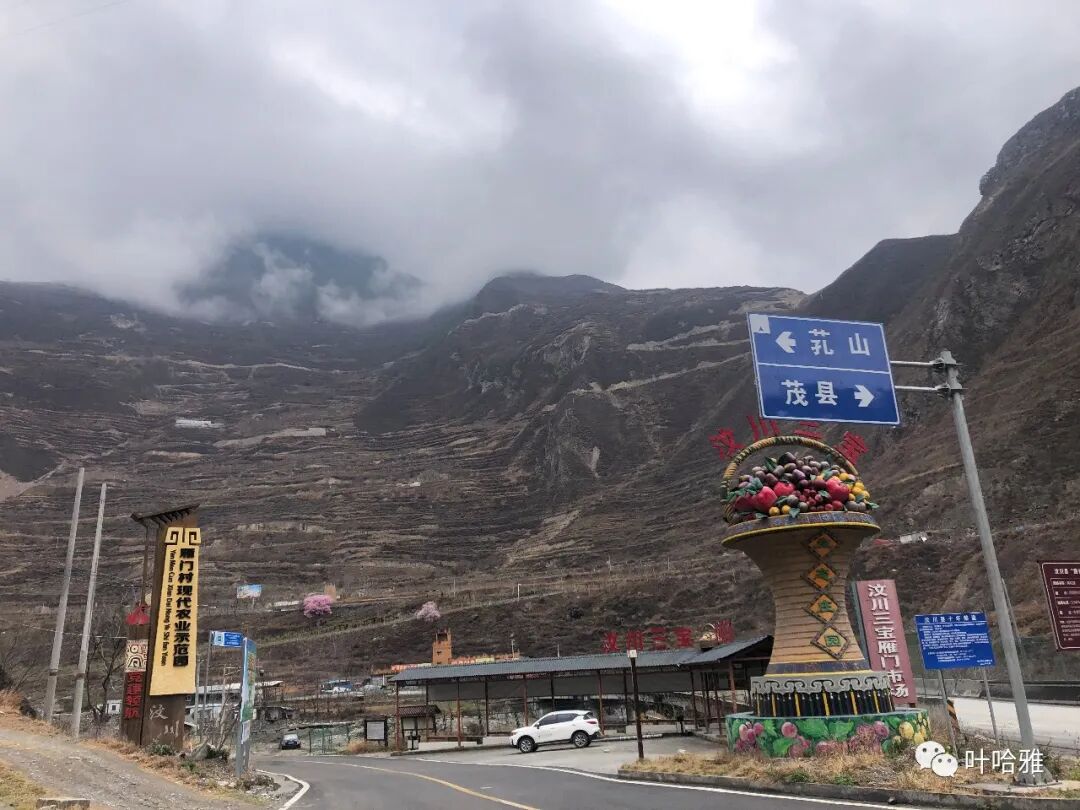
You can take a plane or a bus from Chengdu to Jiuzhaigou. I recommend the bus. It saves money, as the ticket is only a little over 100 yuan, and the trip takes about 7-8 hours. If you fly, the flight time is 1 hour, but when you add the time to get to and from the airport, it isn't much faster than the bus. The Jiuzhaigou airport is built between Songpan and Jiuzhaigou, far from the scenic area. You still need to take a taxi, which usually costs 200-300 yuan in peak season, and there are long lines.
If we take the halal route, we pass through Wenchuan and Songpan on the way from Chengdu to Jiuzhaigou. After the Wenchuan earthquake, the area was rebuilt and is even more prosperous than before. On the road, I saw the Wenchuan Grand Mosque, which is a new mosque with a dome style.
Songzhou Ancient City
From Chengdu Chadianzi Bus Station
Take a bus to Songpan County Songzhou Bus Station
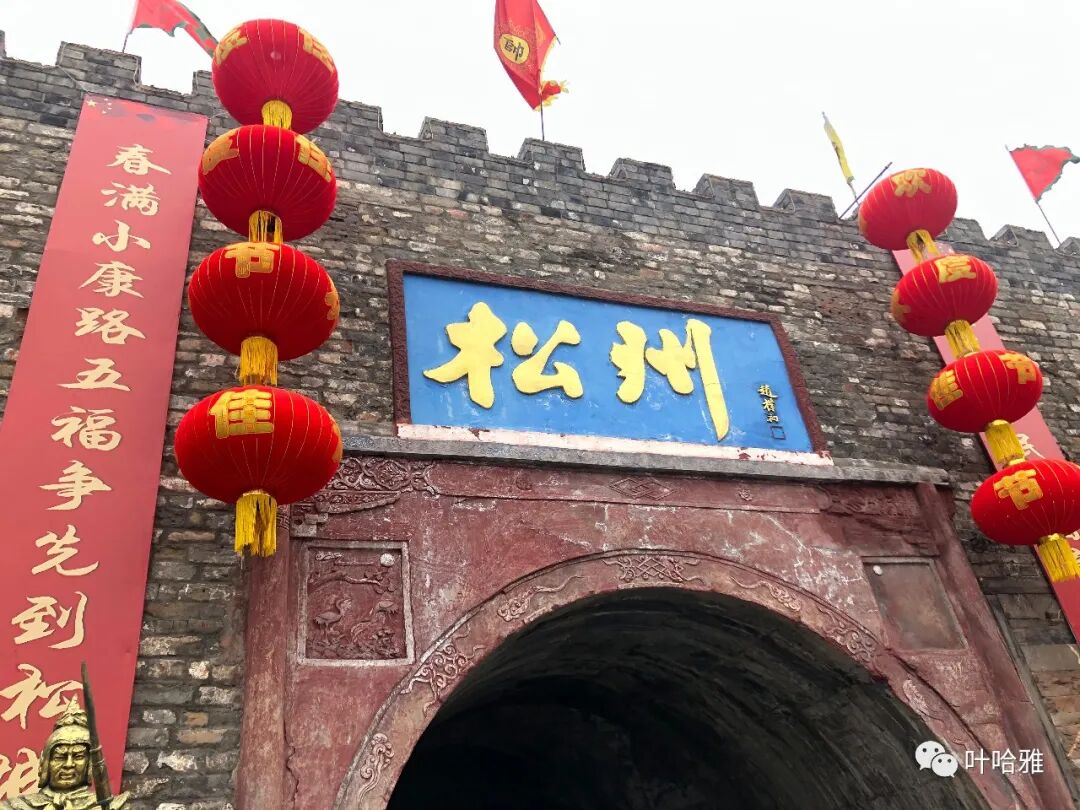
The trip takes about 6 hours. Songzhou Ancient City in the county is a famous historical and cultural city in Sichuan. It was an important frontier town and the gateway to western Sichuan. There is no entrance fee for the ancient city, and there is plenty of halal food inside.
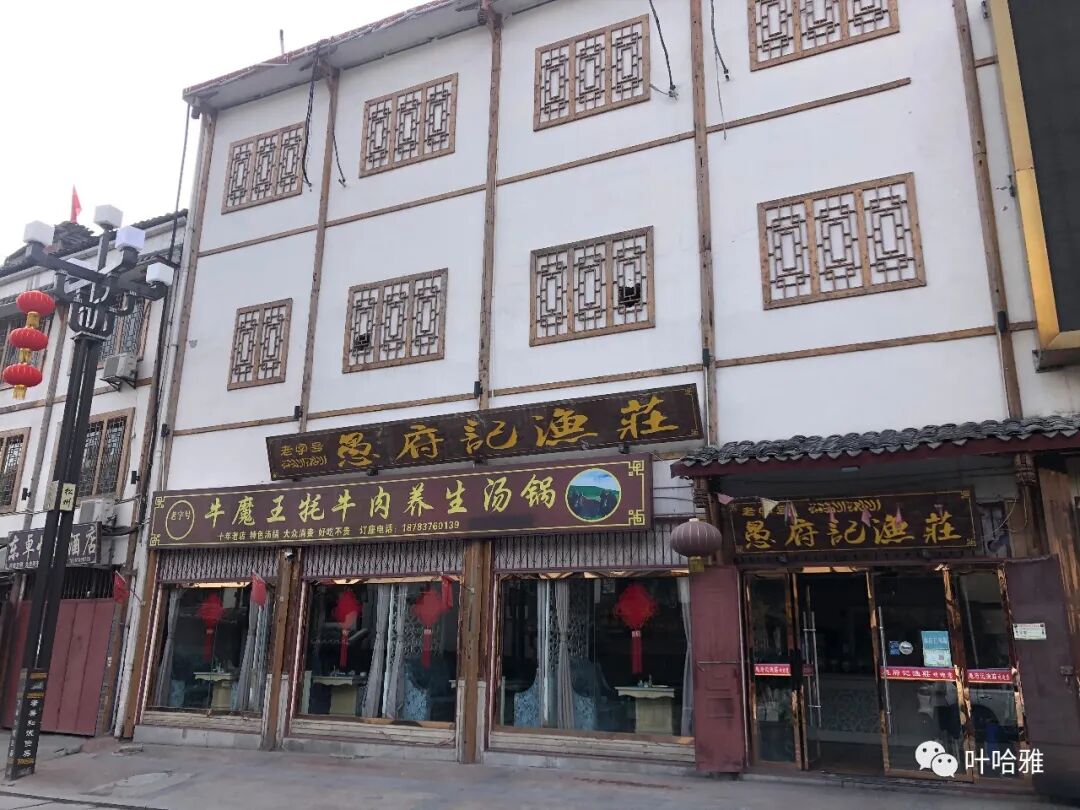
Looking around, 90 percent of the restaurants inside and outside Songzhou Ancient City are halal. They mostly serve local Sichuan flavors, with some Northwest Chinese dishes. Prices in the ancient city are quite cheap, costing about 50 to 60 yuan per person for a meal, which is much cheaper than Jiuzhaigou.
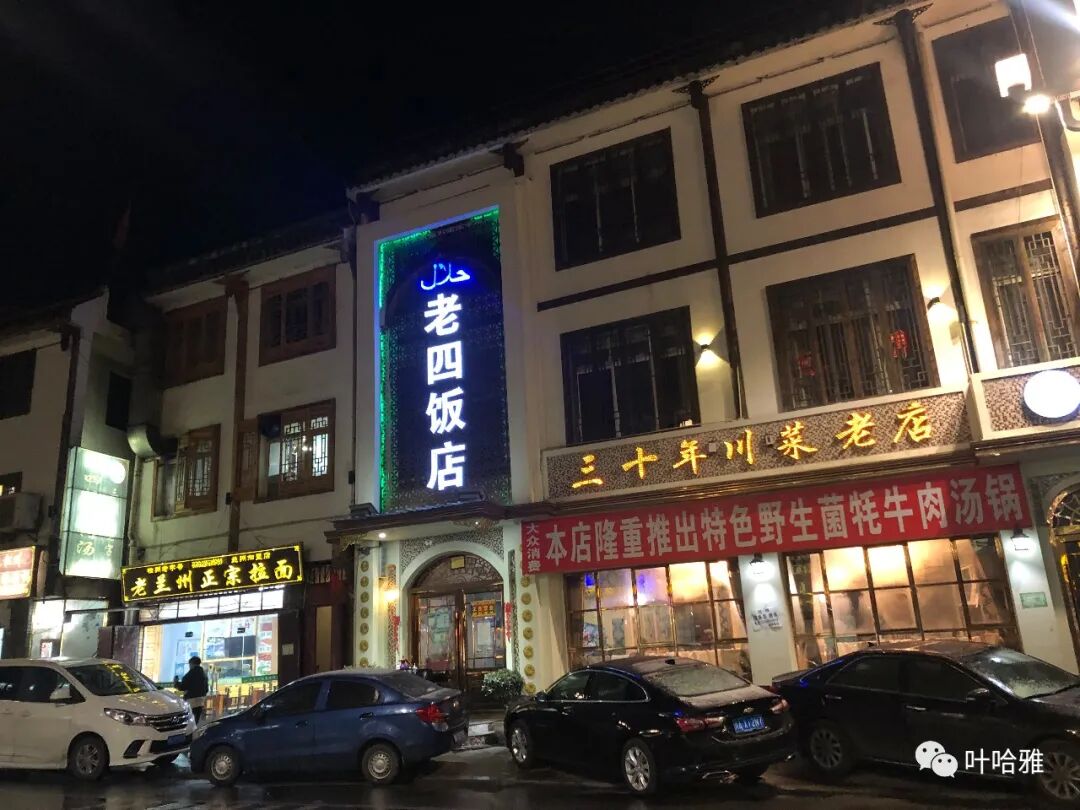
This shop is one of the popular restaurants recommended by locals. It specializes in yak beef soup pot (yaoniurou tangguo), but we were interested in home-style Sichuan dishes, so we didn't eat there.
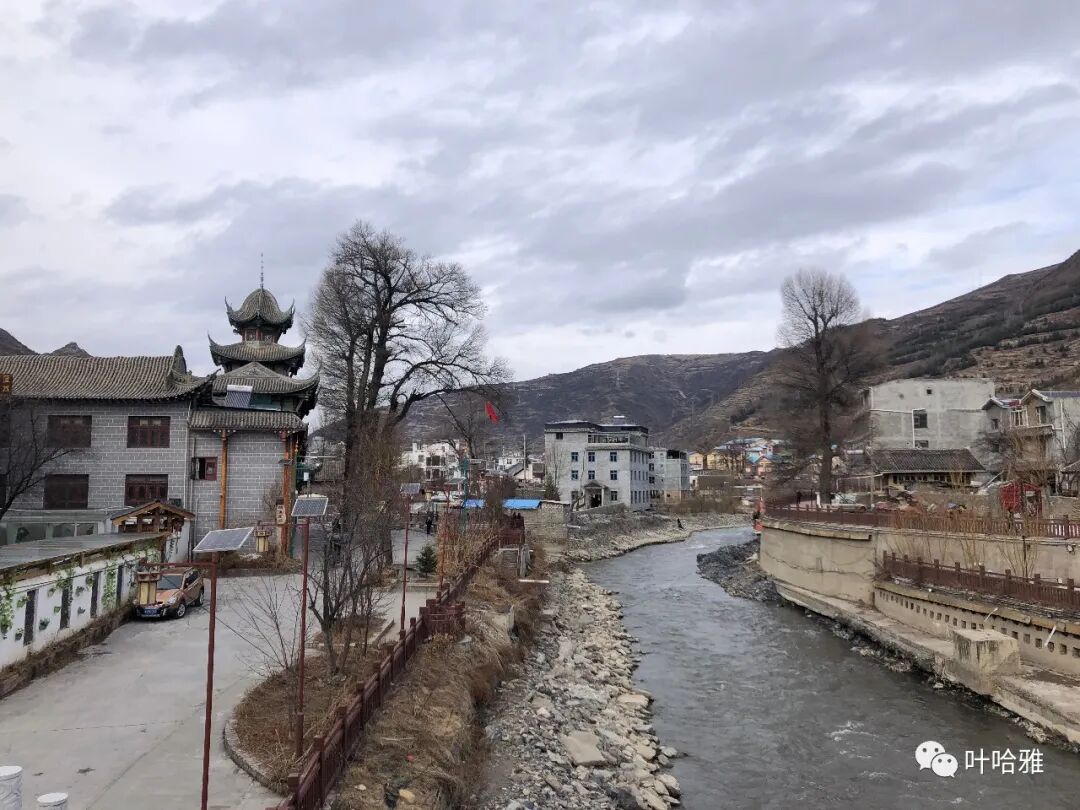
The minaret (xuanlita) by the river in the distance is the Songpan North Mosque (Songpan Qingzhen Beisi), about one kilometer away from Songzhou Ancient City on foot.
Songpan North Mosque
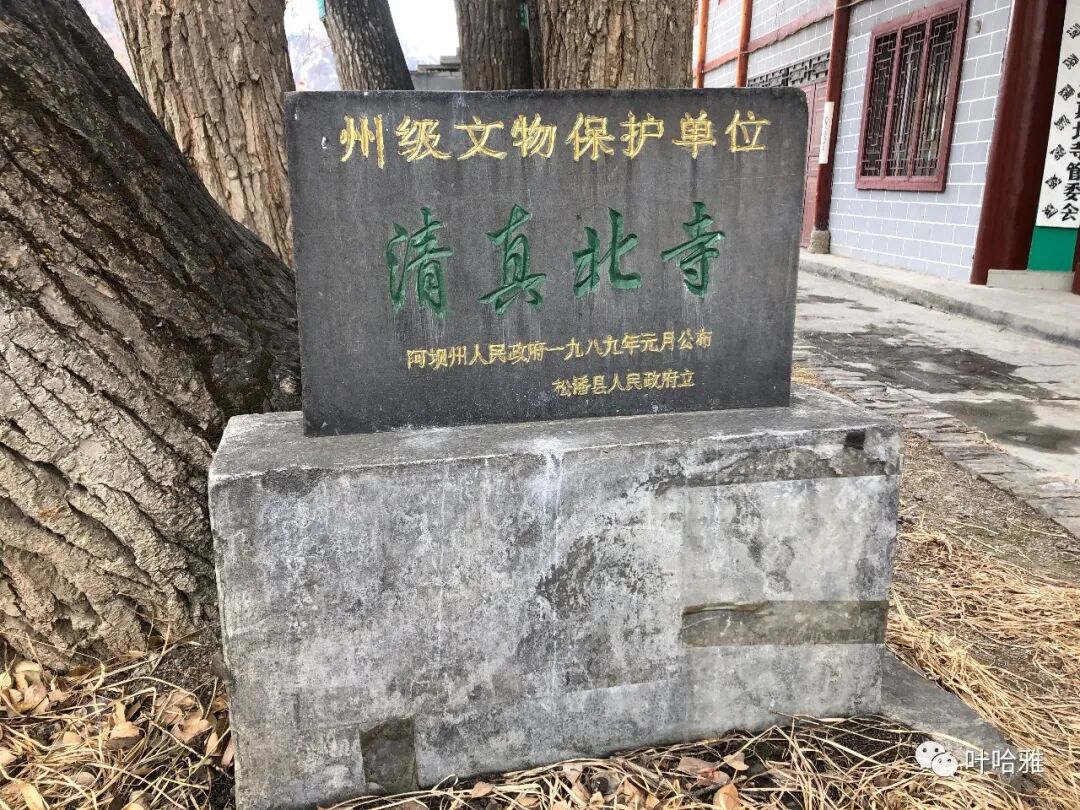
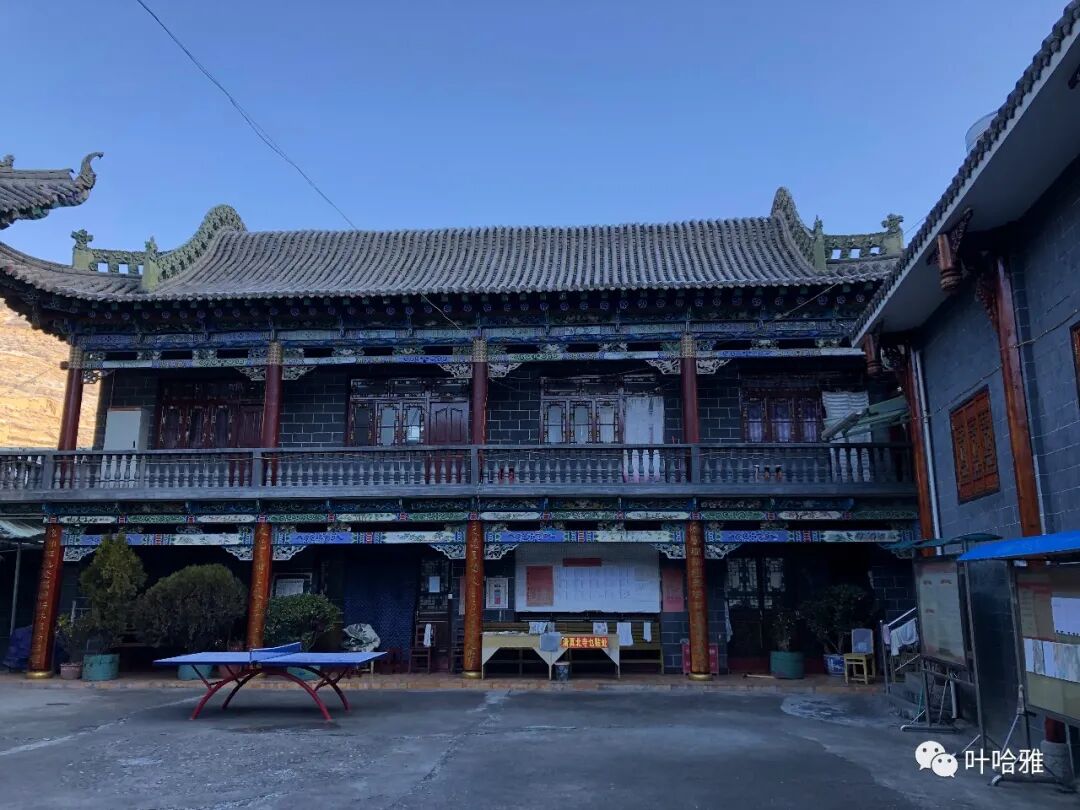
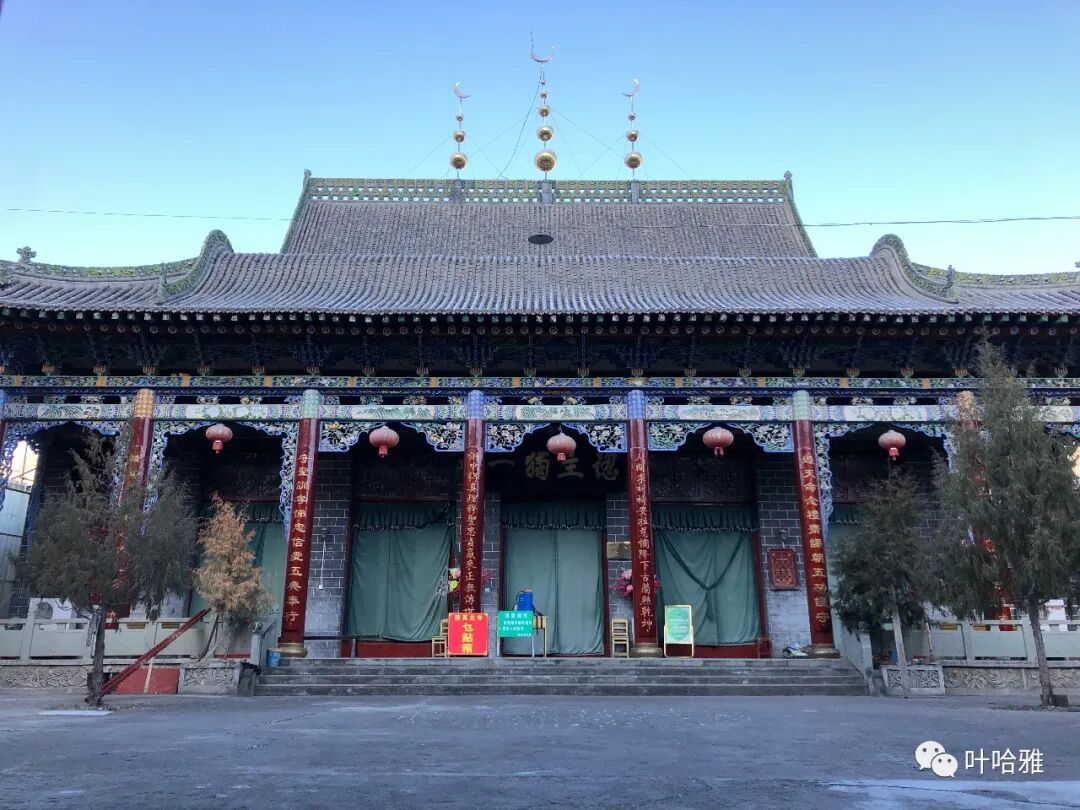
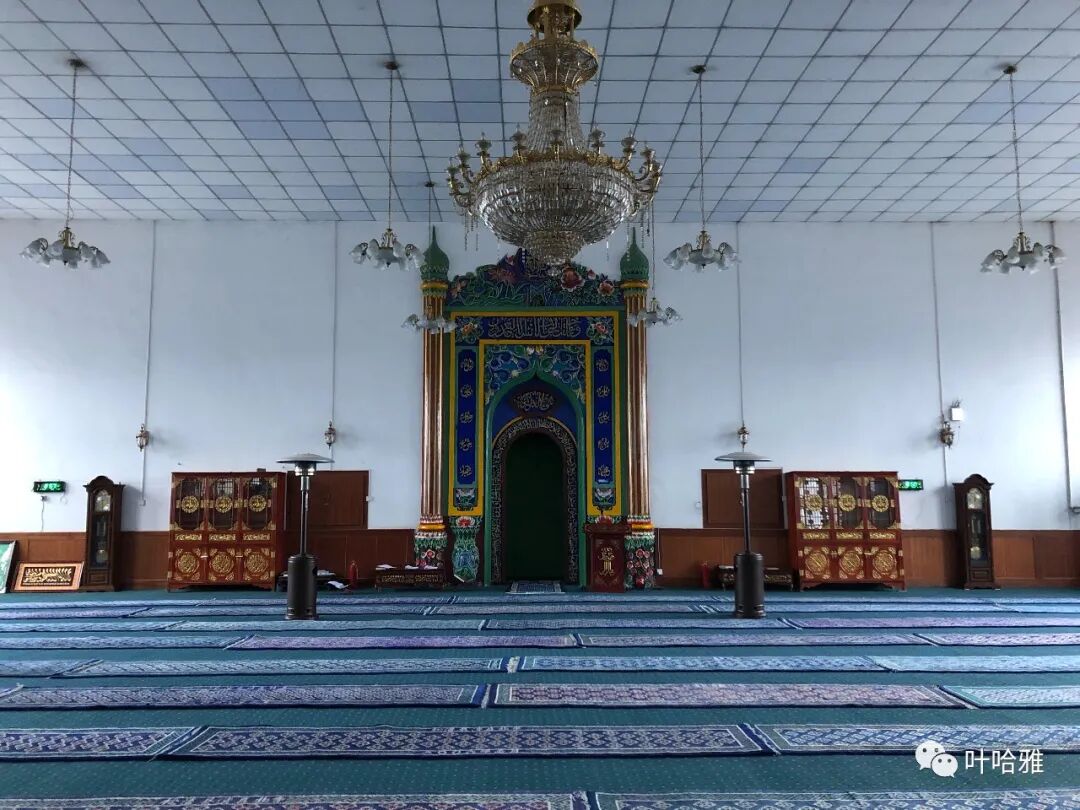
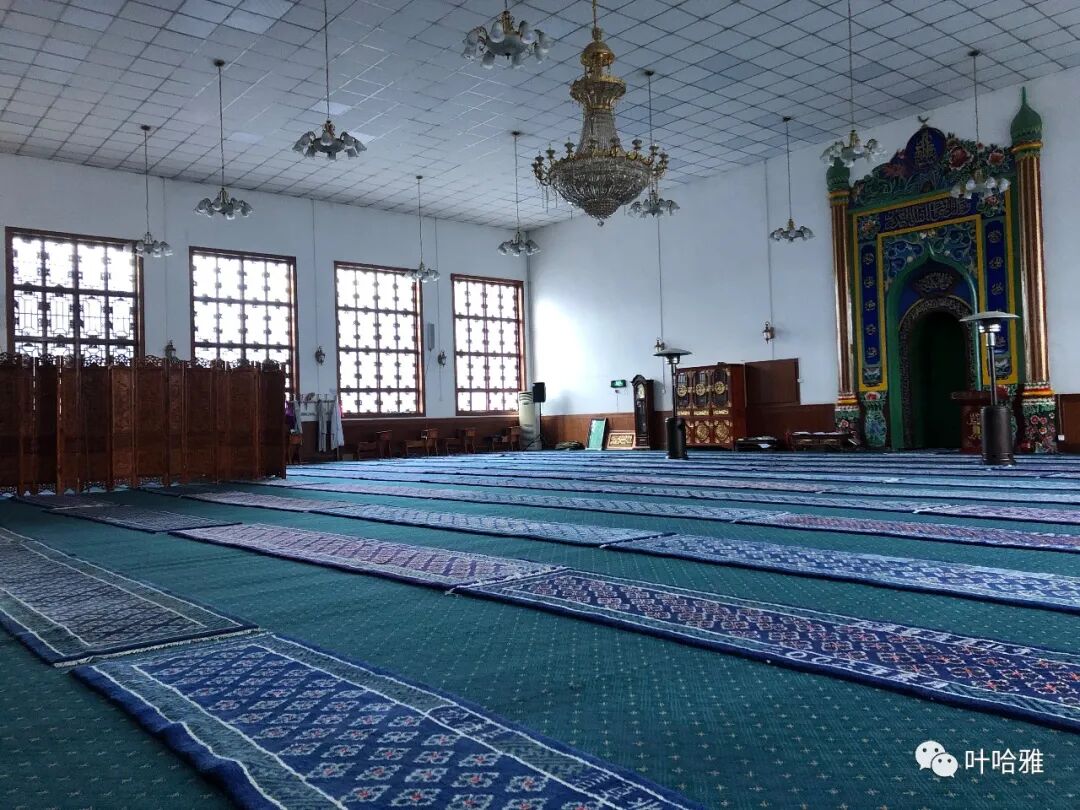
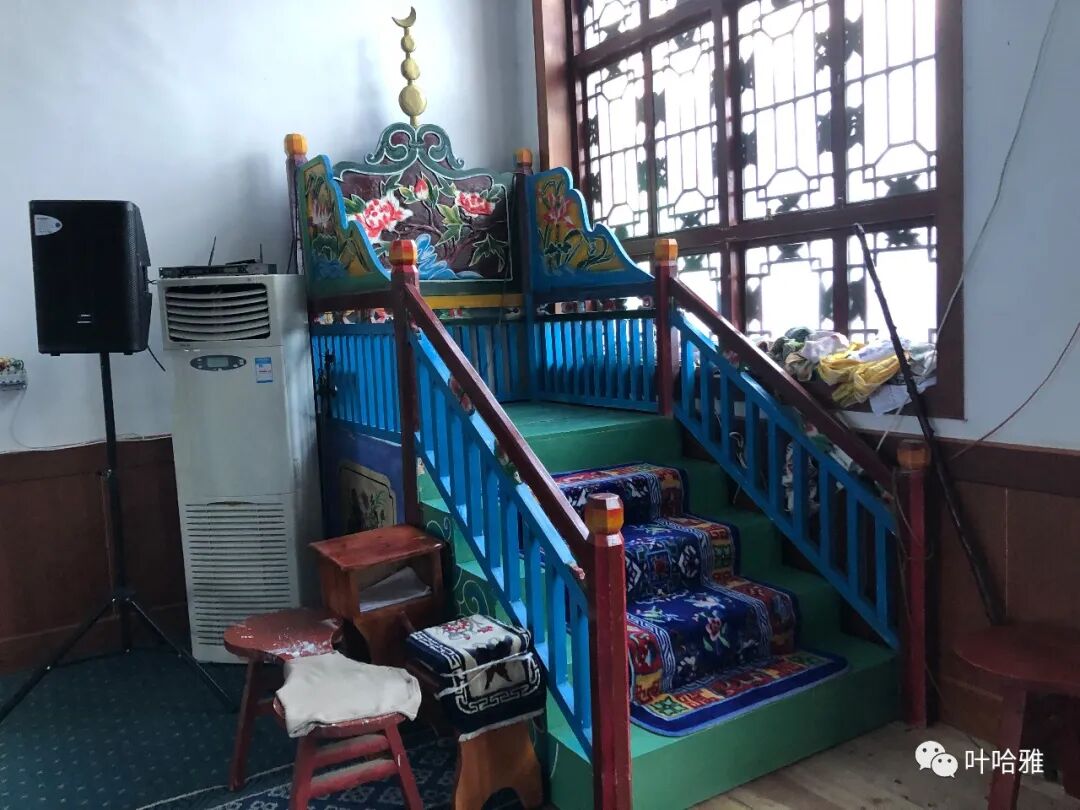
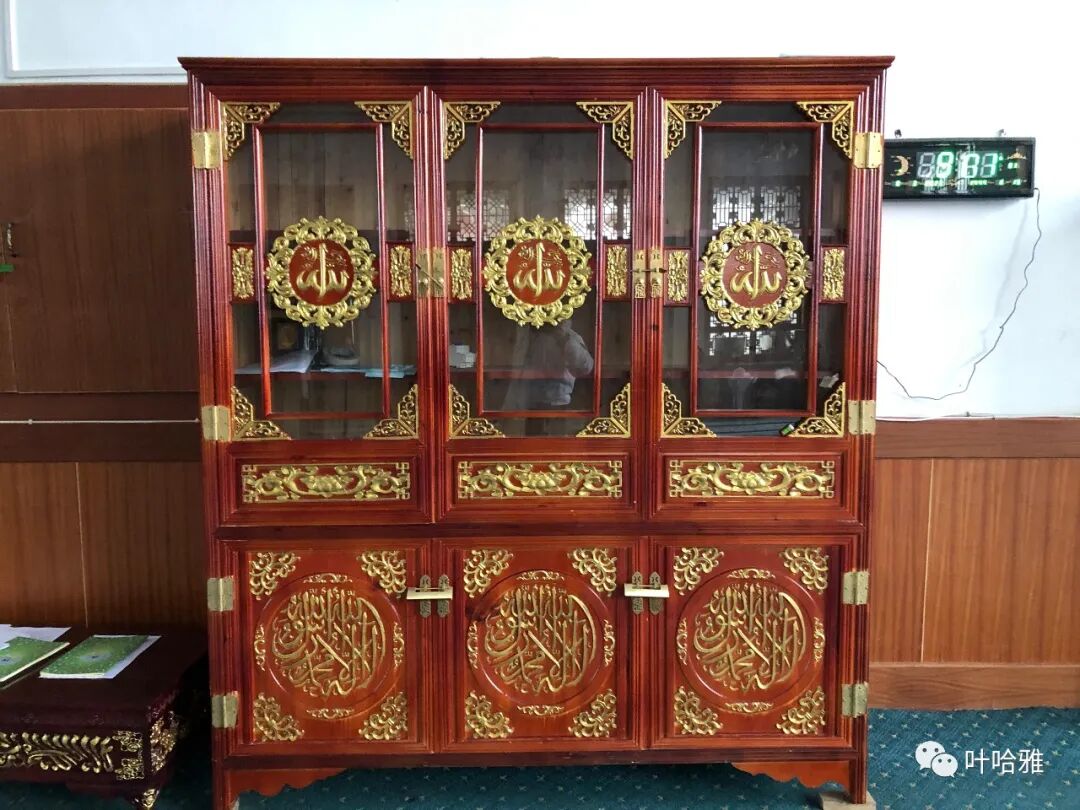
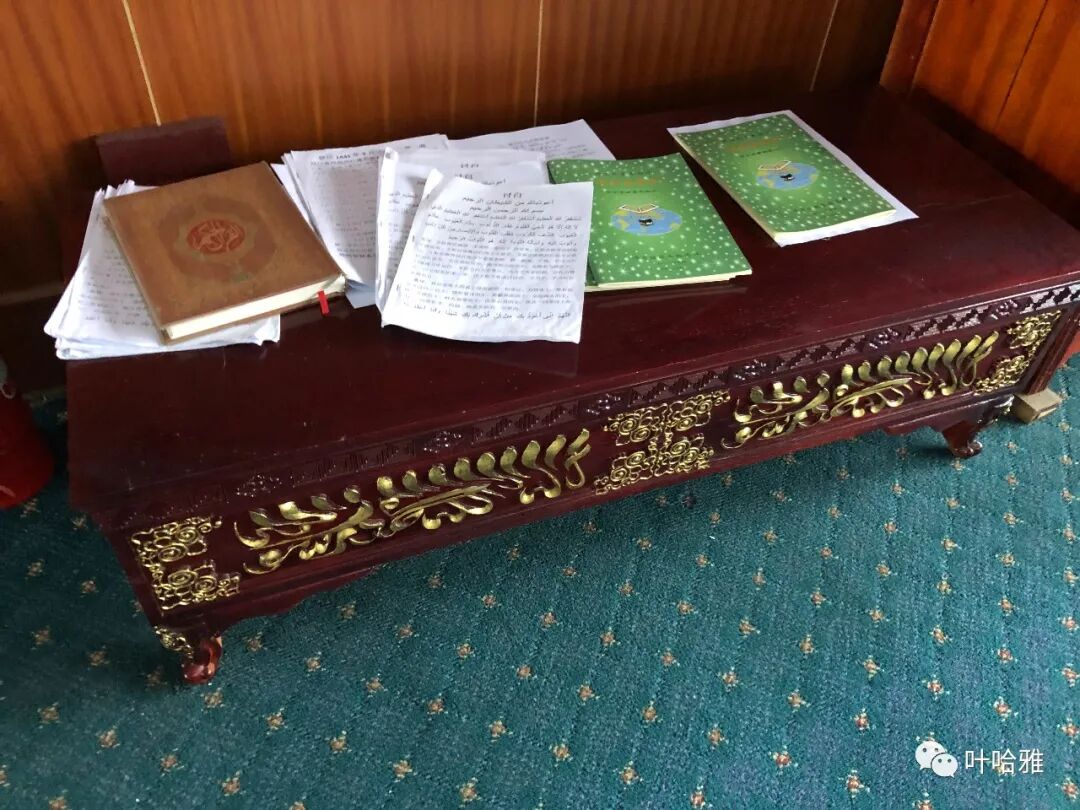
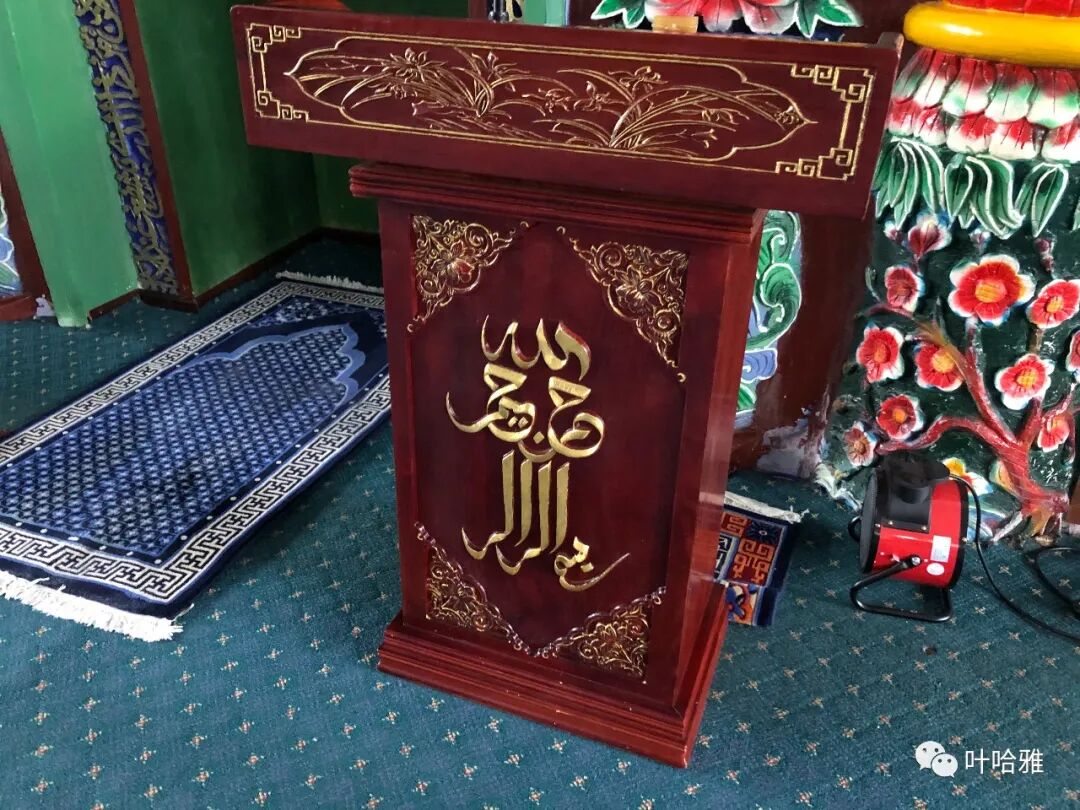
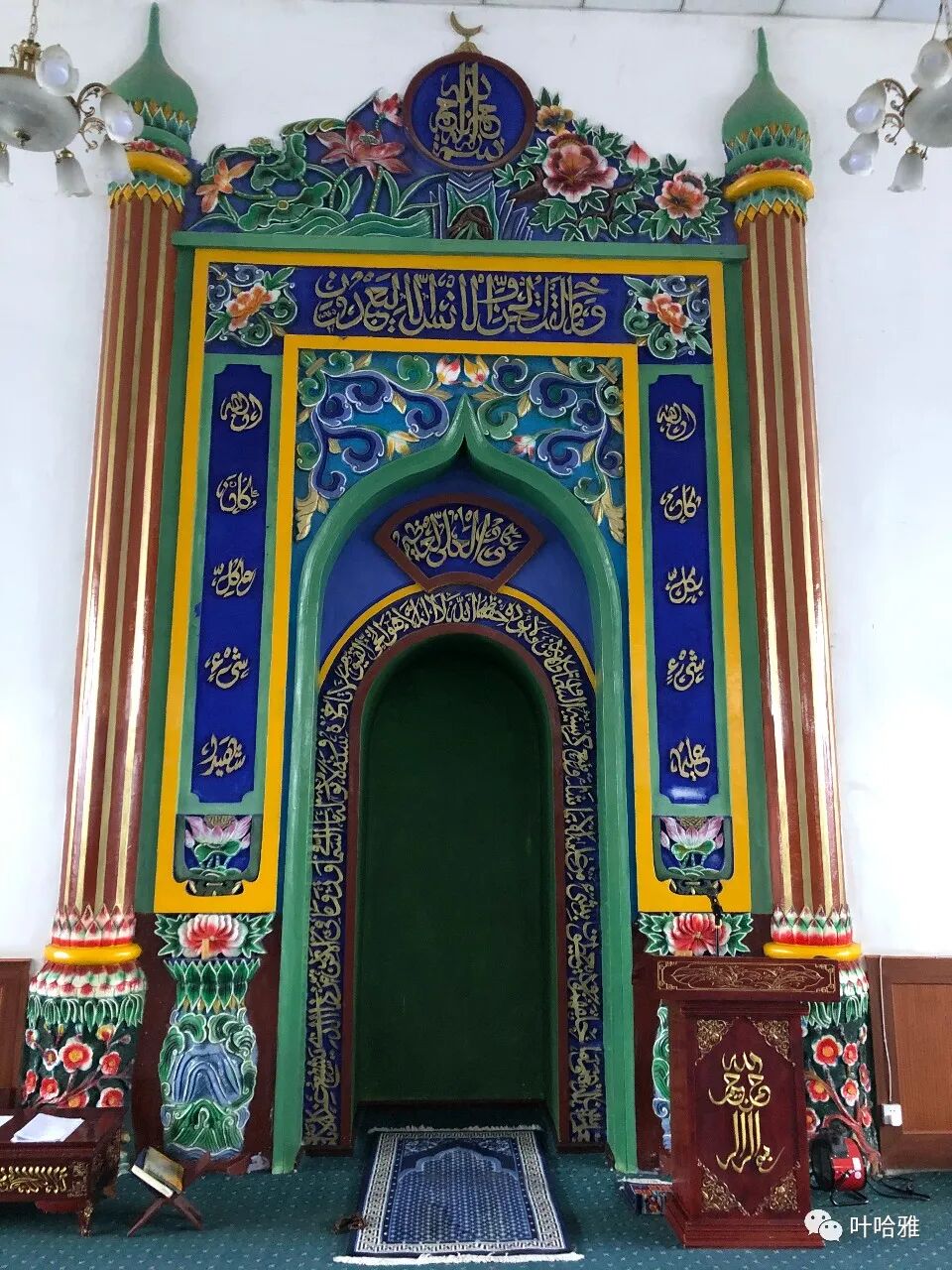
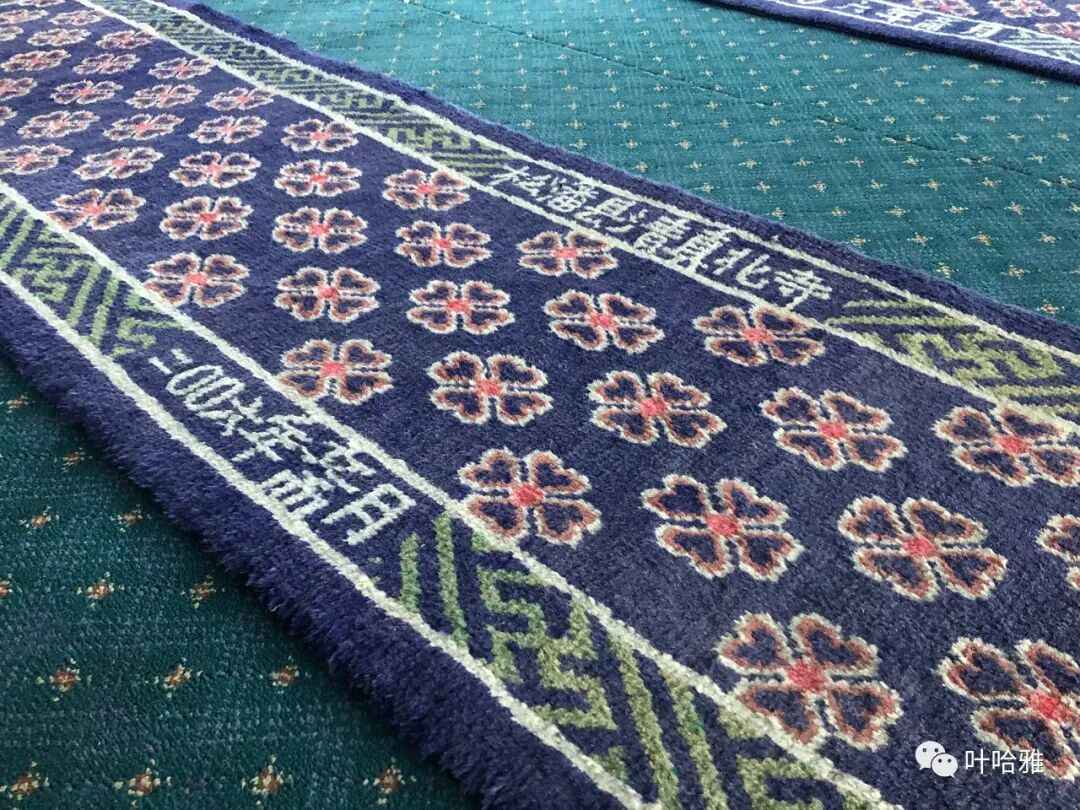
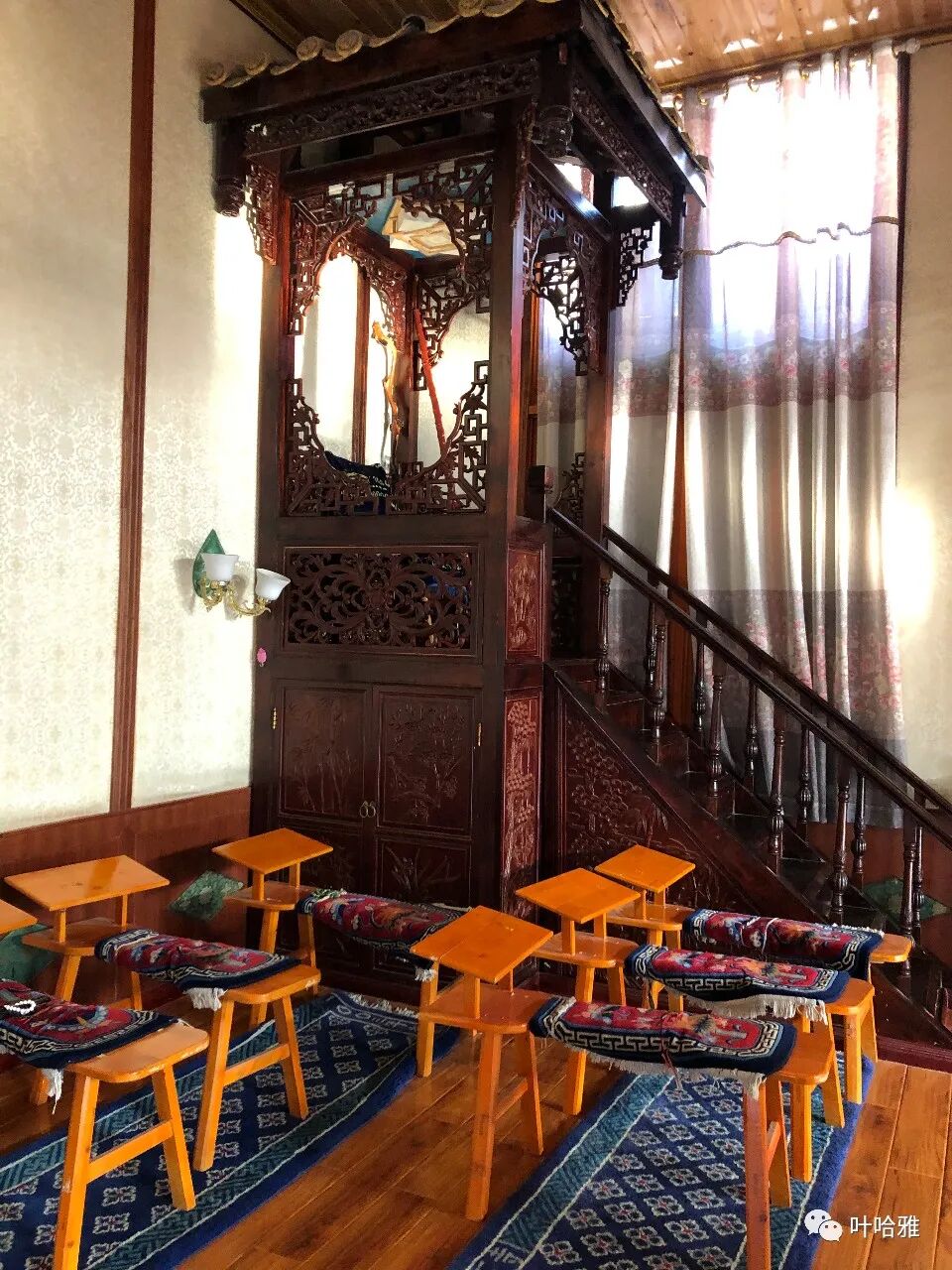
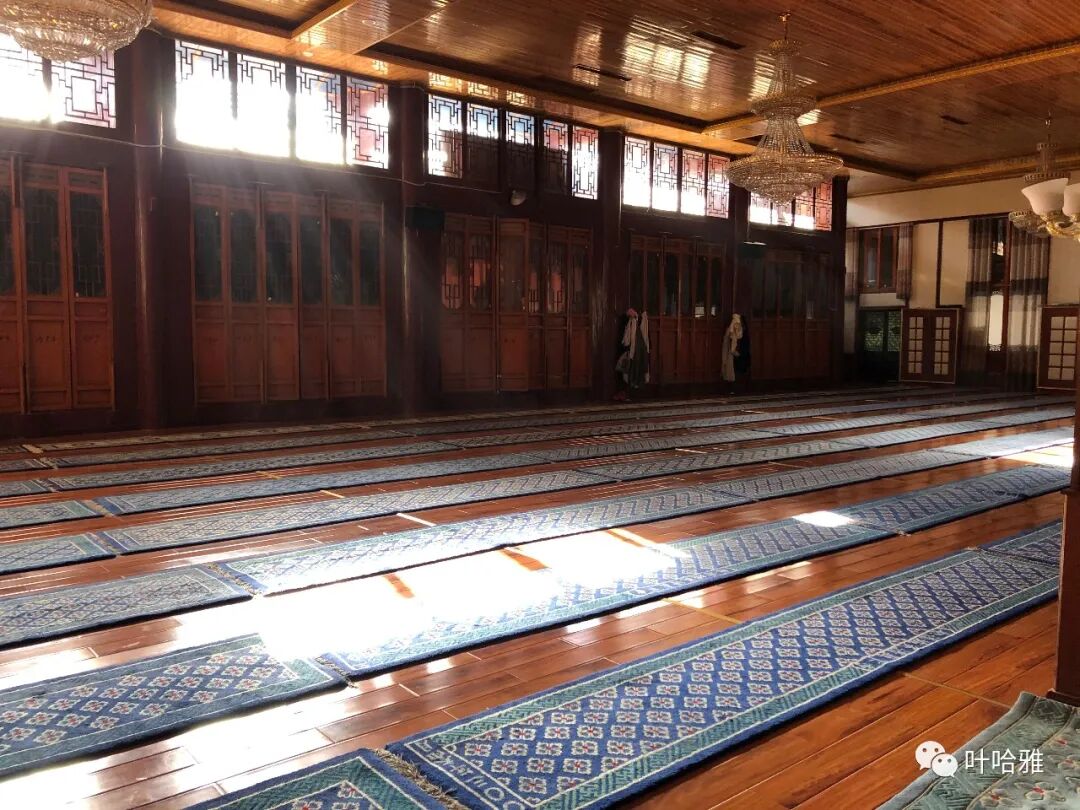
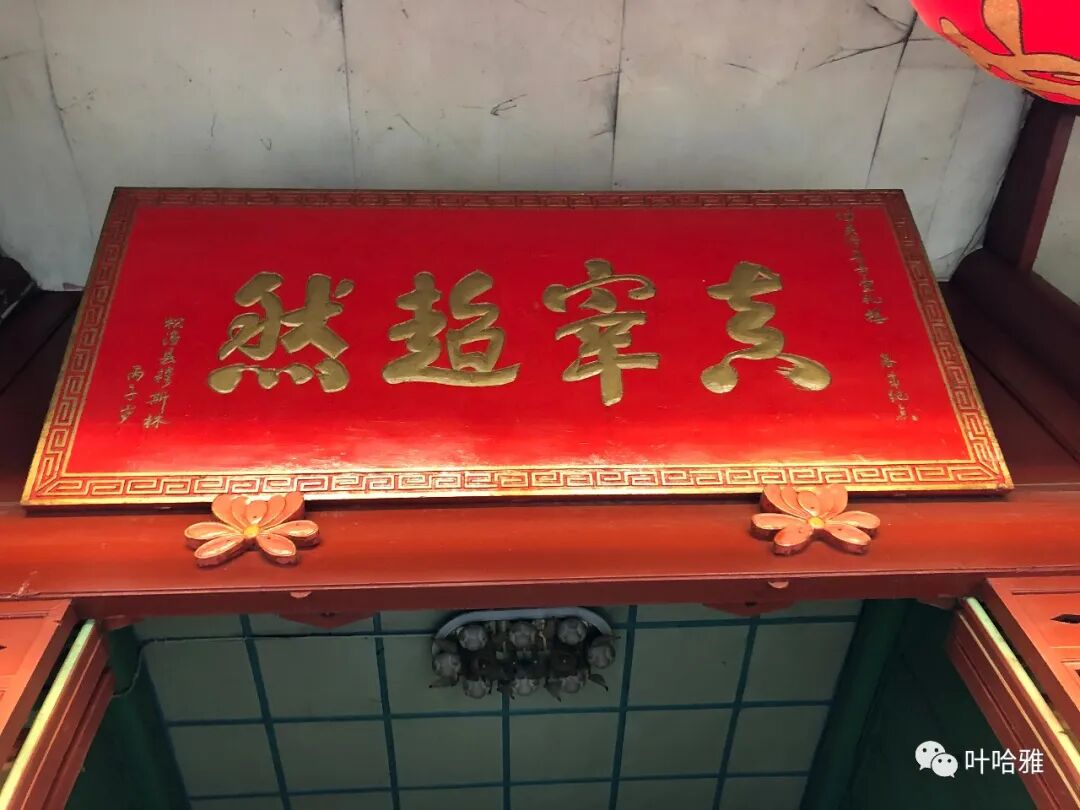
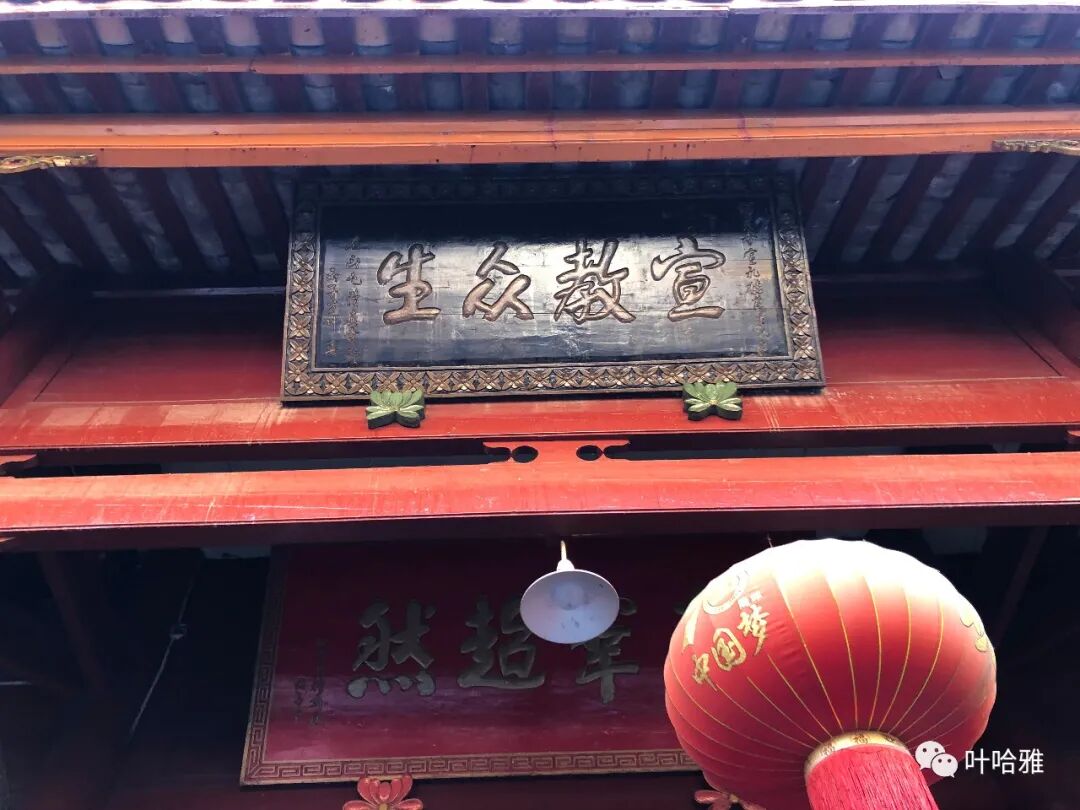
The North Mosque was built in the 22nd year of the Guangxu reign (1896) with funds donated by the Hui Muslim tea merchant Ma Jian. It was destroyed in the third year of the Xuantong reign and rebuilt with collected funds in the eighth year of the Republic of China. The prayer hall was rebuilt in 2005. A plaque with the inscription 'Promote Religion and Build the Nation' by Bai Chongxi hangs in the middle of the Moon-Watching Pavilion (Wangyuelou). The mihrab inside the hall features wood carvings and paintings in the decorative style of the Gansu region. It was not damaged during the 2008 Wenchuan earthquake.
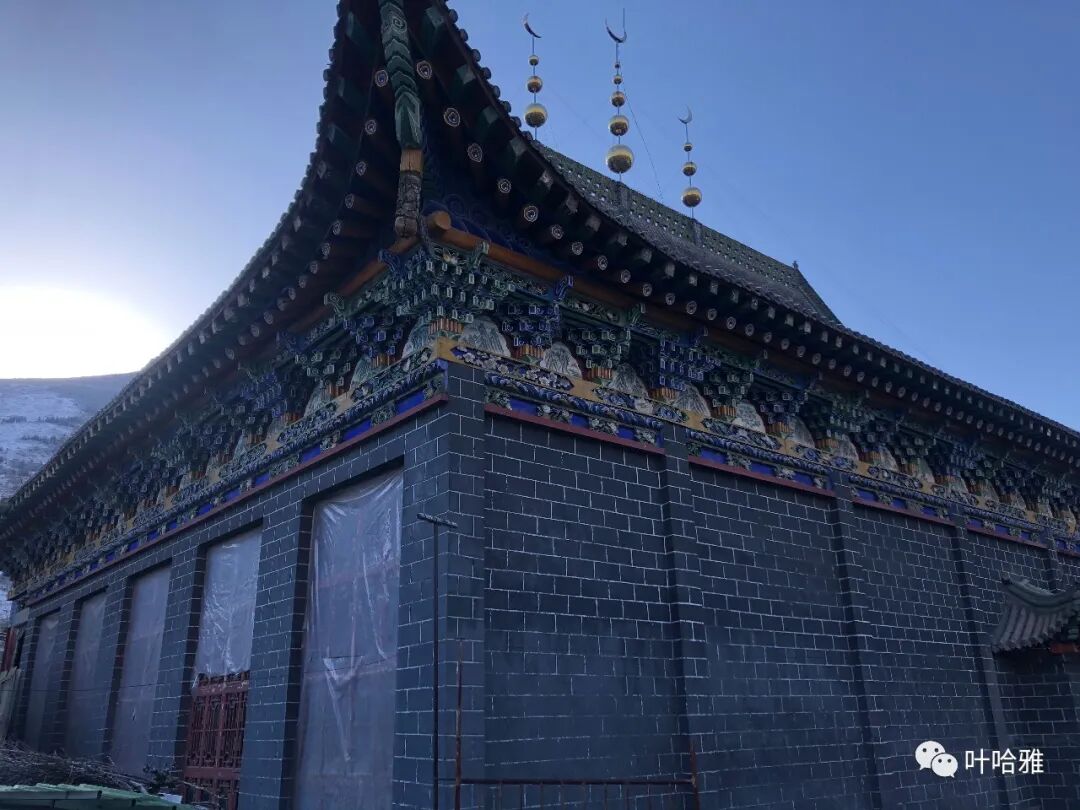
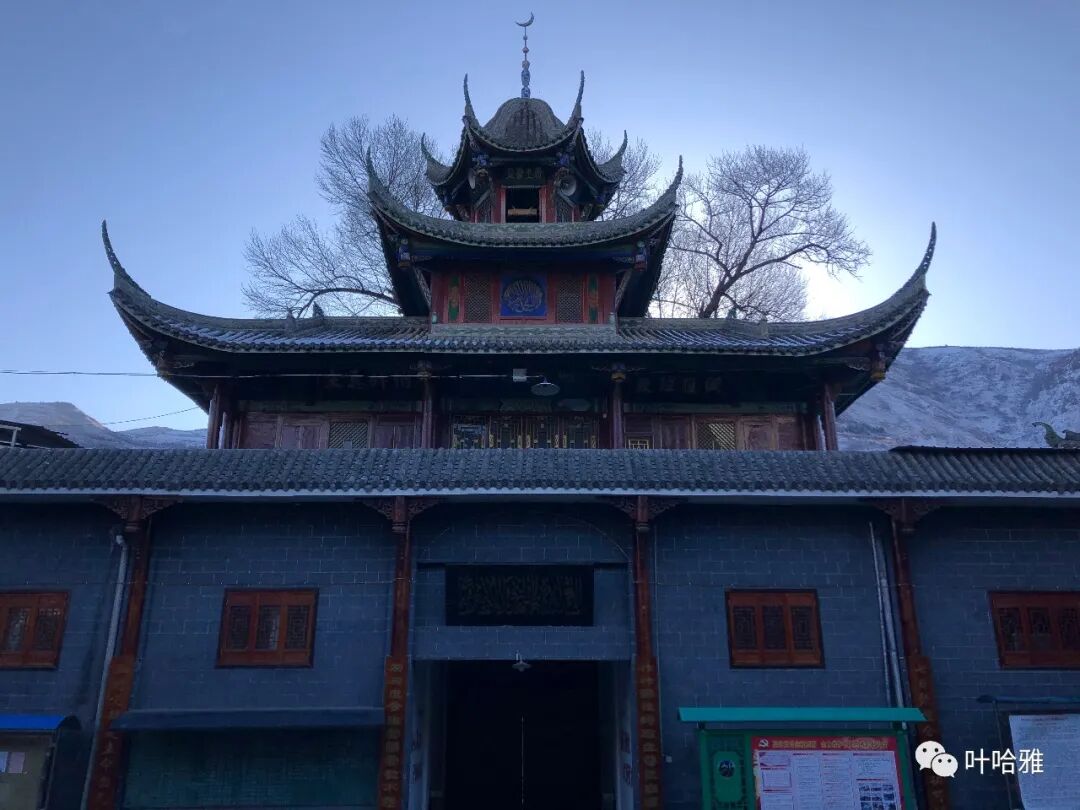
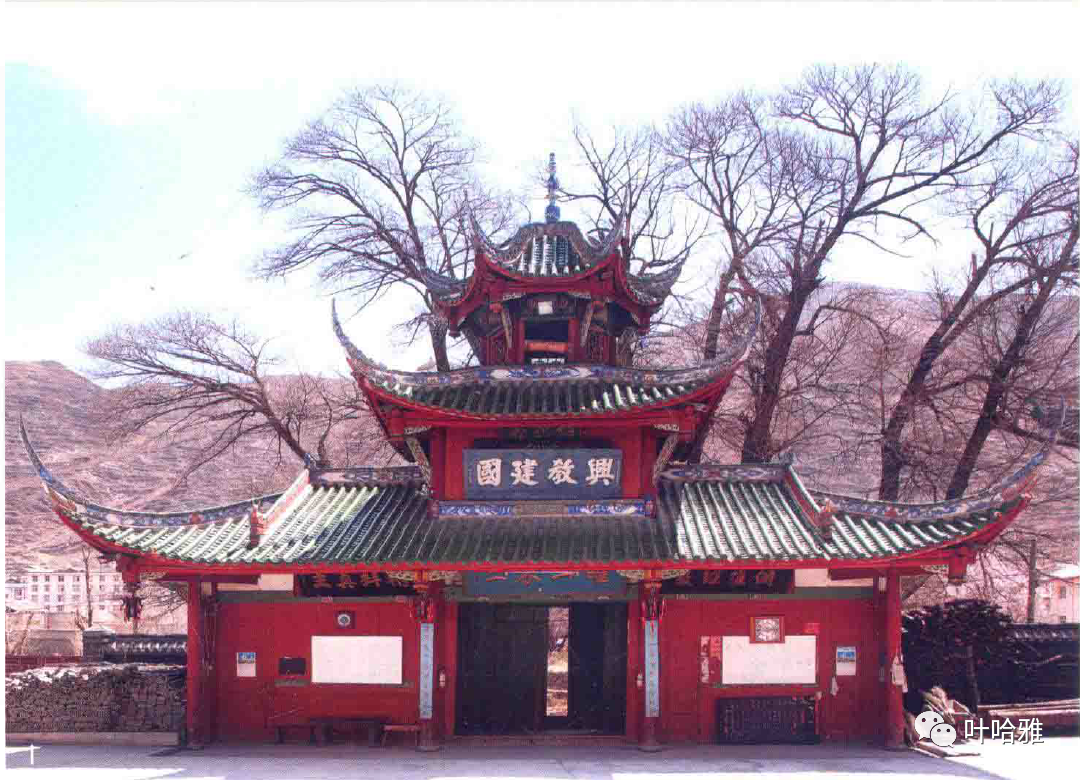
Screenshot from 'Architectural Art of Chinese Islam, Volume 2'.
A comparison of the original appearance of the North Mosque and its current state. The plaque in the middle inscribed by Bai Chongxi is no longer there.
Guangzhaoting Gongbei
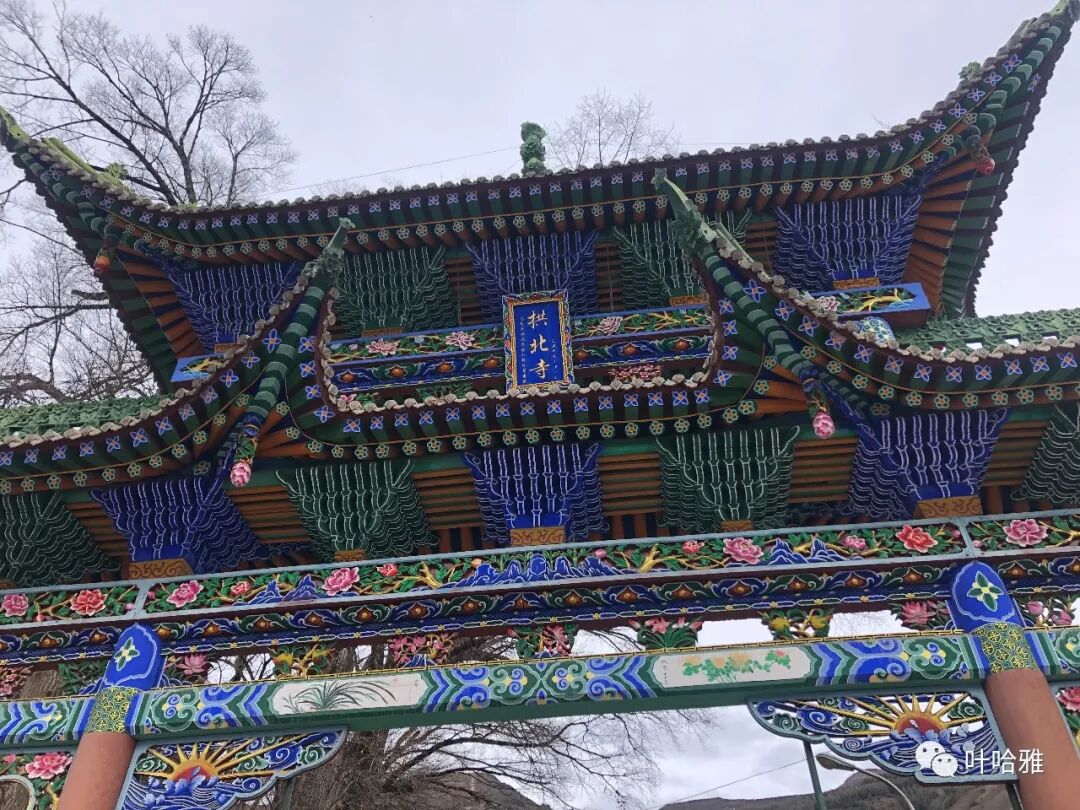
Guangzhaoting Gongbei was built to commemorate the 29th-generation descendant of the Prophet, Huazhe Abudonglaxi. It is located at the foot of the mountain in the north corner of Dongyu Village, east of Songpan County, one kilometer from Songpan Ancient City. Huazhe Abudonglaxi came to China from Mecca in the early Qing Dynasty to spread the Qadiriyya (Gaderenye) school, a history spanning nearly 400 years. At that time, the sage and his companions traveled by sea to spread the faith in Guangdong, Guangxi, Hunan, Hubei, Yunnan, Guizhou, Sichuan, and the five Northwest provinces. They spent two years in Songpan and left in the 18th year of the Kangxi reign (1679). During the Xianfeng reign, Ma Daojin, the sixth-generation successor of the Great Gongbei, presided over the construction of the Gongbei at the place where he lived. The current main building was rebuilt in 1994 with a total investment of over 1.4 million yuan.
I filmed a short video of my visit to Guangzhaoting Gongbei.
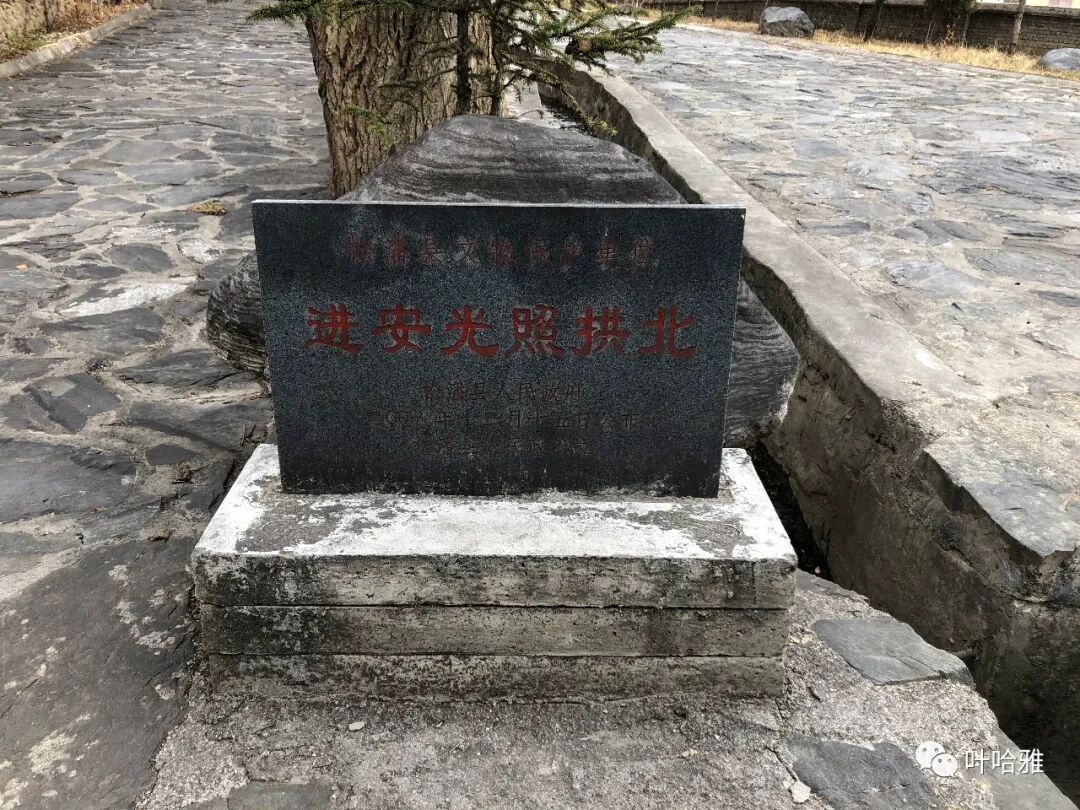
Among the many Qadiriyya Gongbei, I have visited the National Gongbei in Linxia, Luling Mosque in Xixiang, Shaanxi, and Baba Mosque in Langzhong, Sichuan. I have written articles about two of them:
Luling Mosque: The Resting Place of the Qadiriyya Grand Master.
A Halal Travel Guide to Langzhong Ancient City, Sichuan.
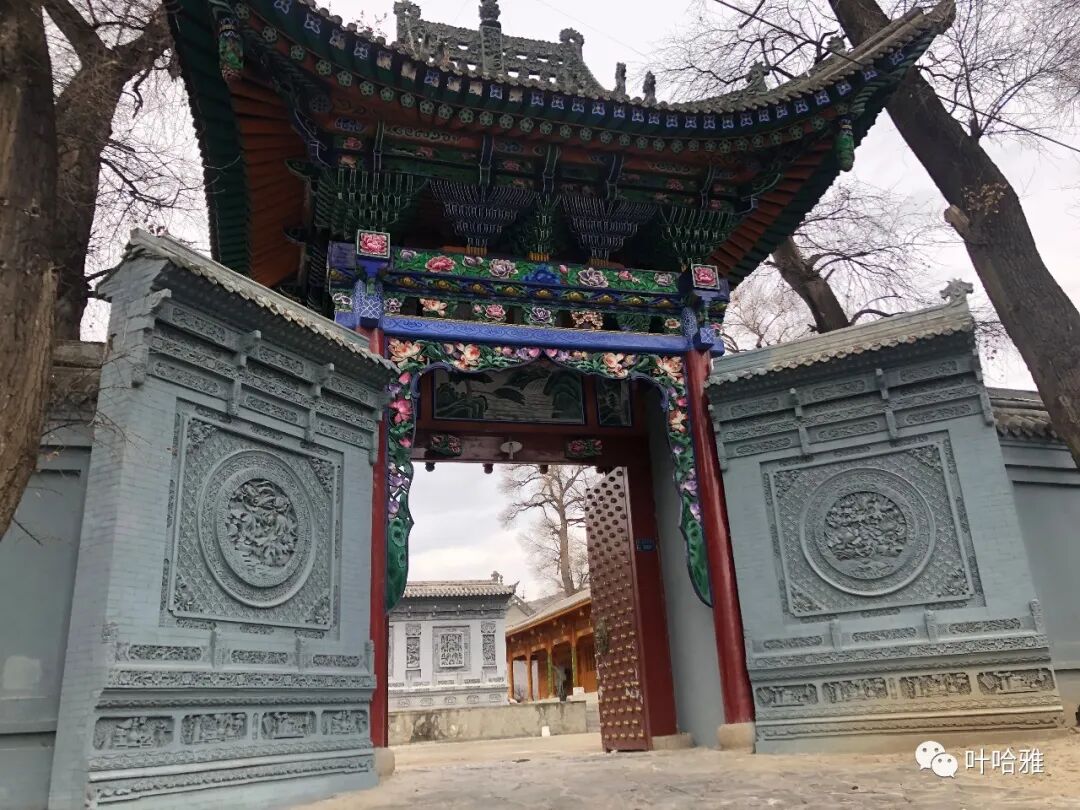
There are several other Qadiriyya Gongbei in Sichuan, namely the Houxi Gongbei and Qianxi Gongbei in Wuping, the Datanjing Gongbei in Guangyuan, and the Erlangshan Gongbei in Guangyuan.
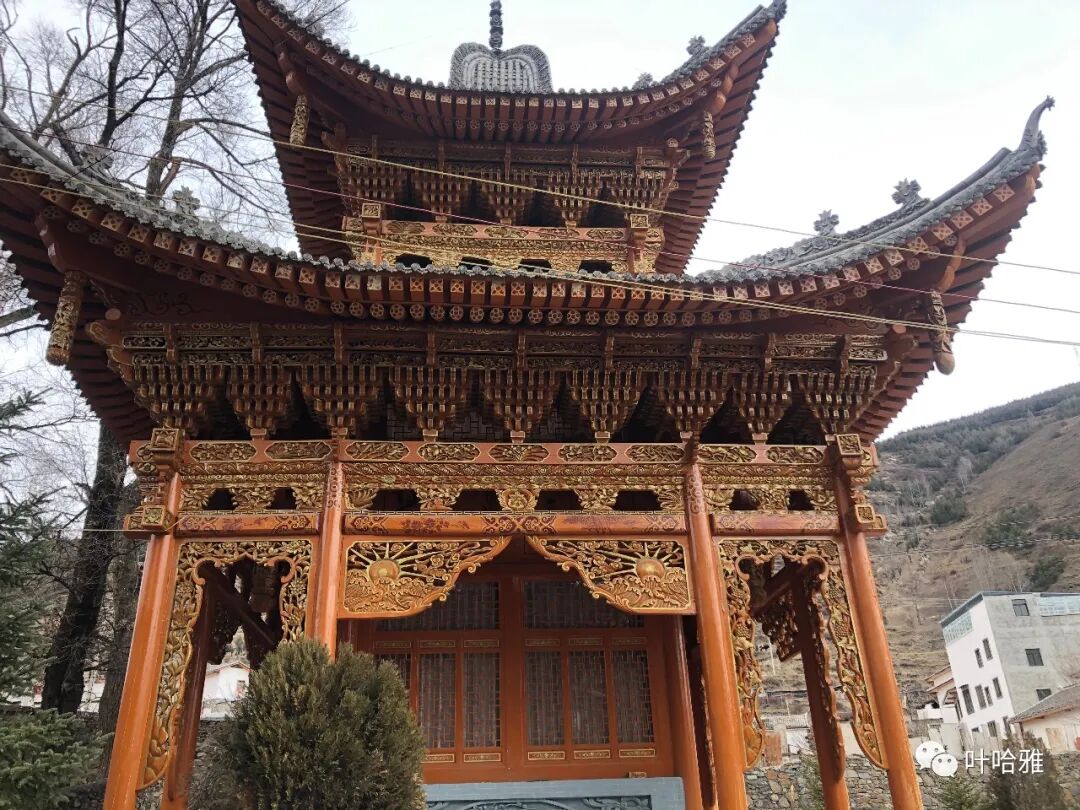
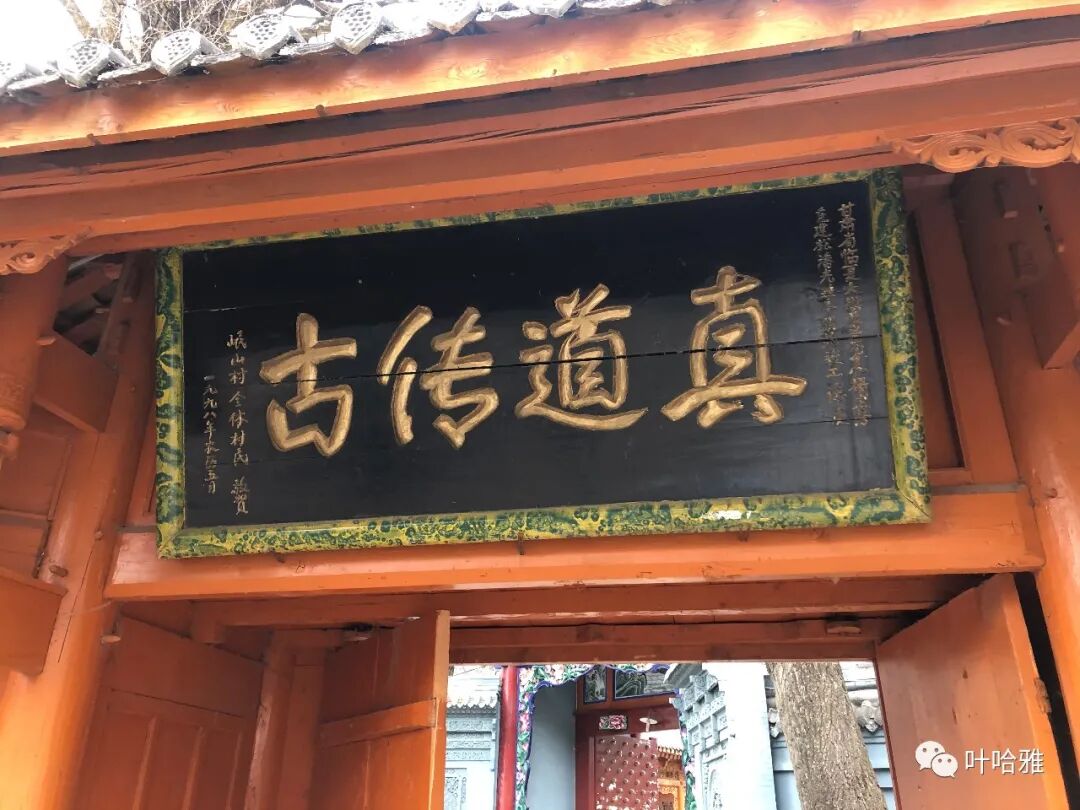
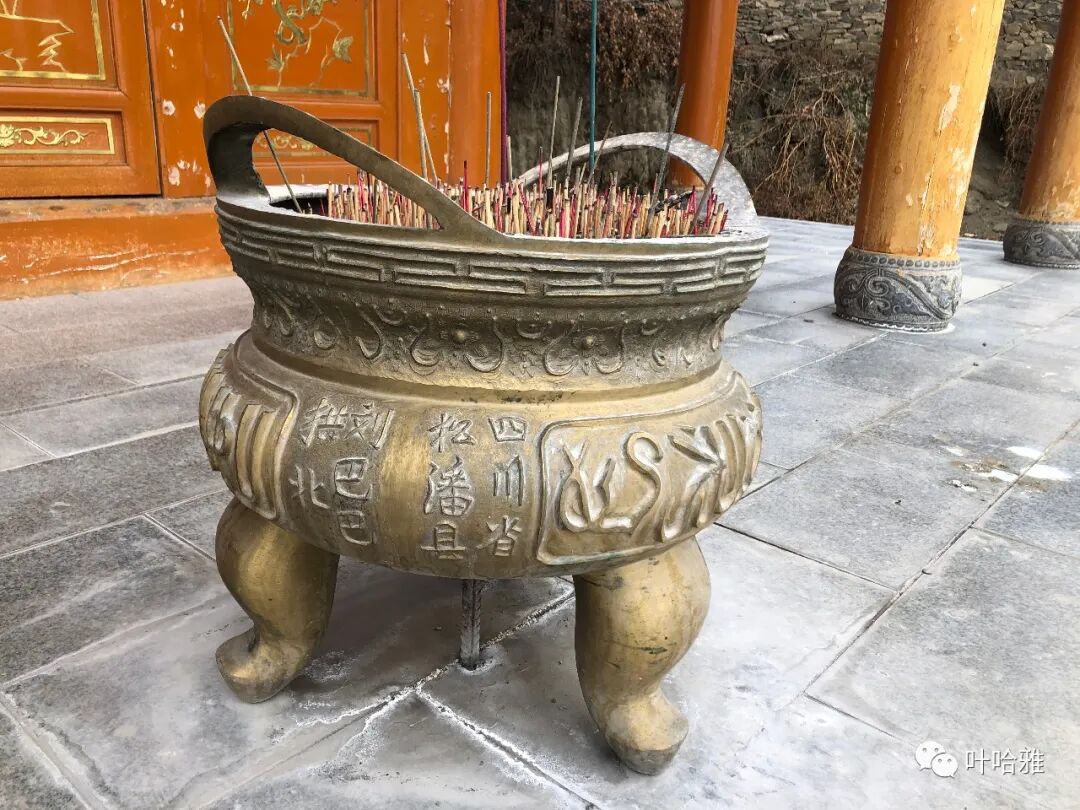
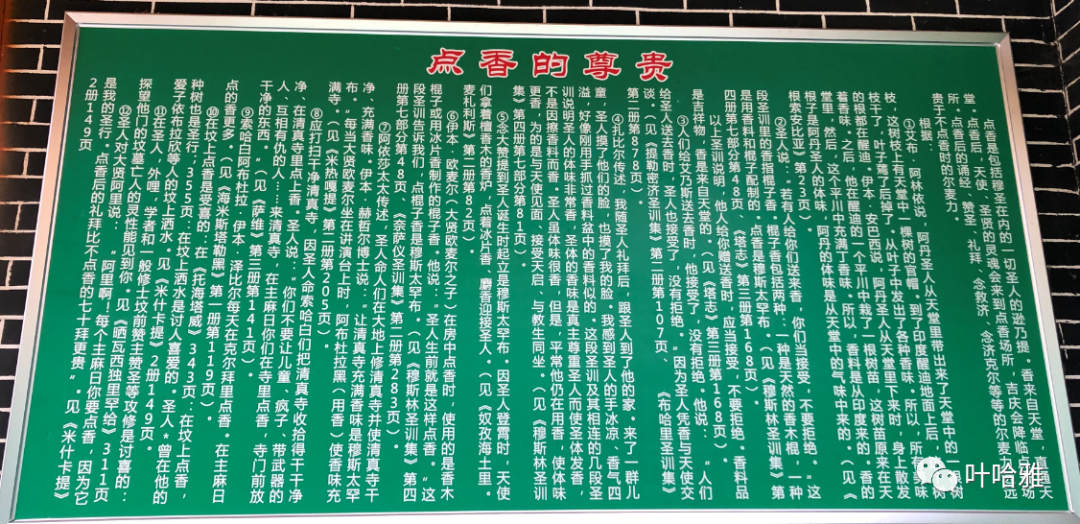
Lighting incense is very important in the Qadiriyya menhuan. It is usually done morning and evening. Practitioners must follow five rules: diligent study of precepts, begging for food, diligent practice, frequent bathing, and lighting incense.
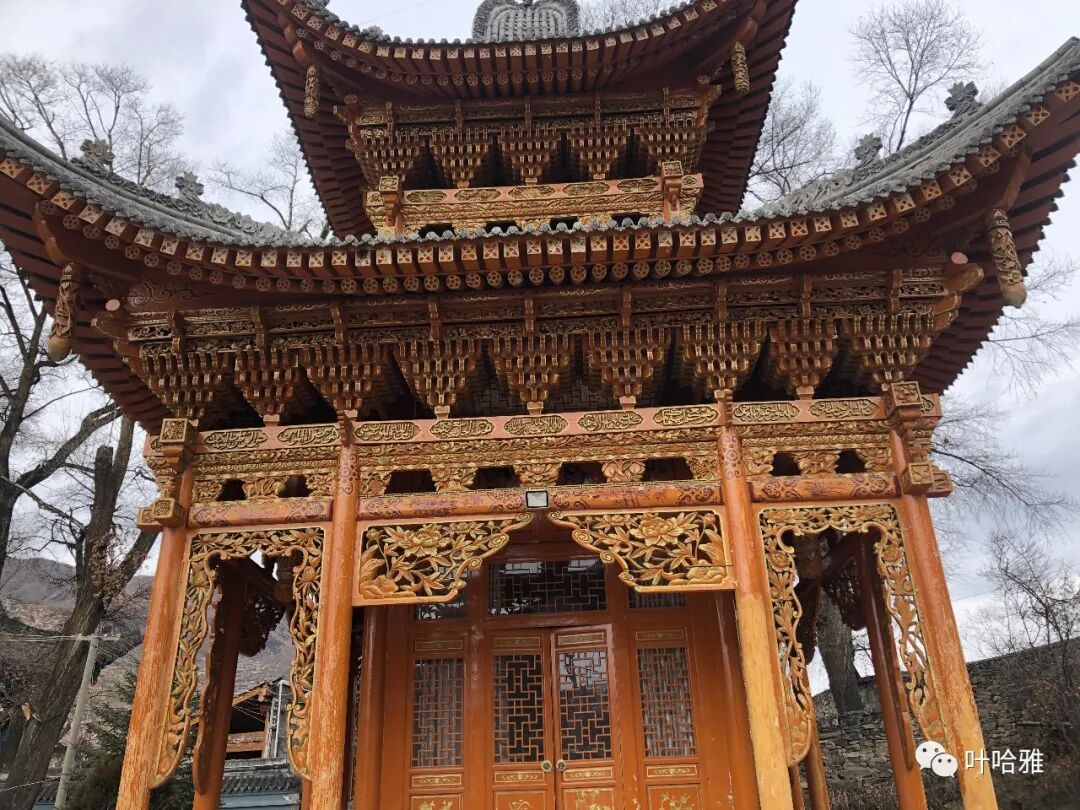
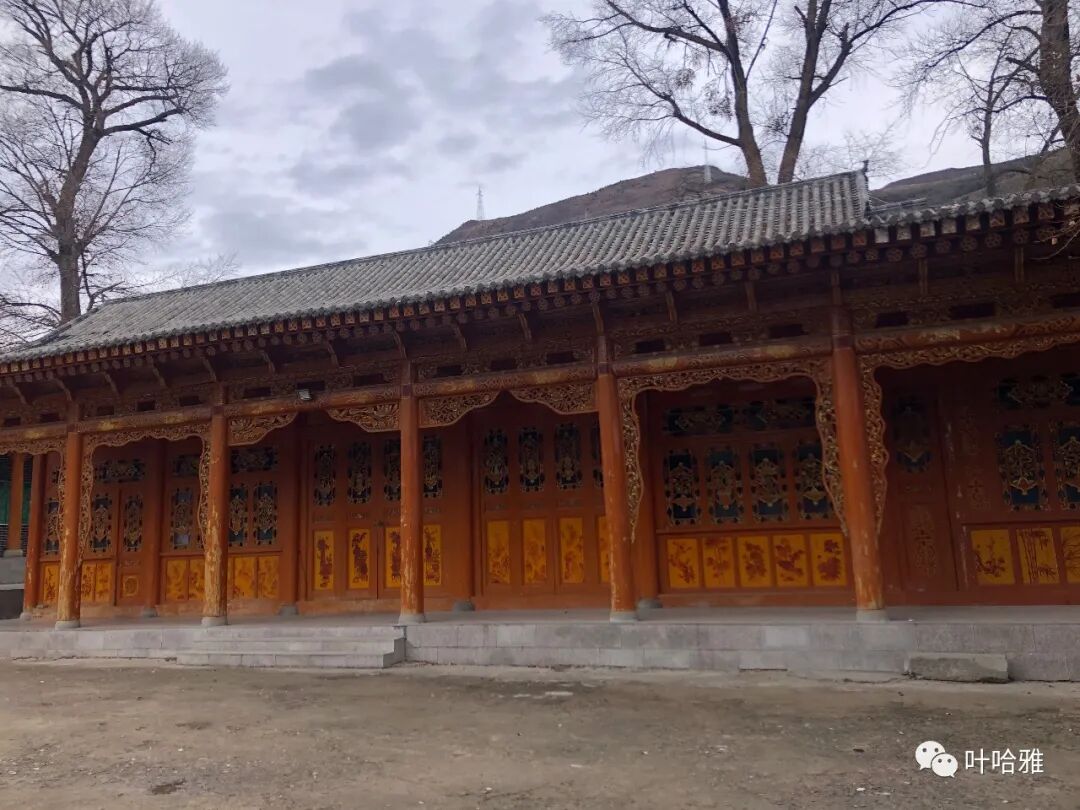
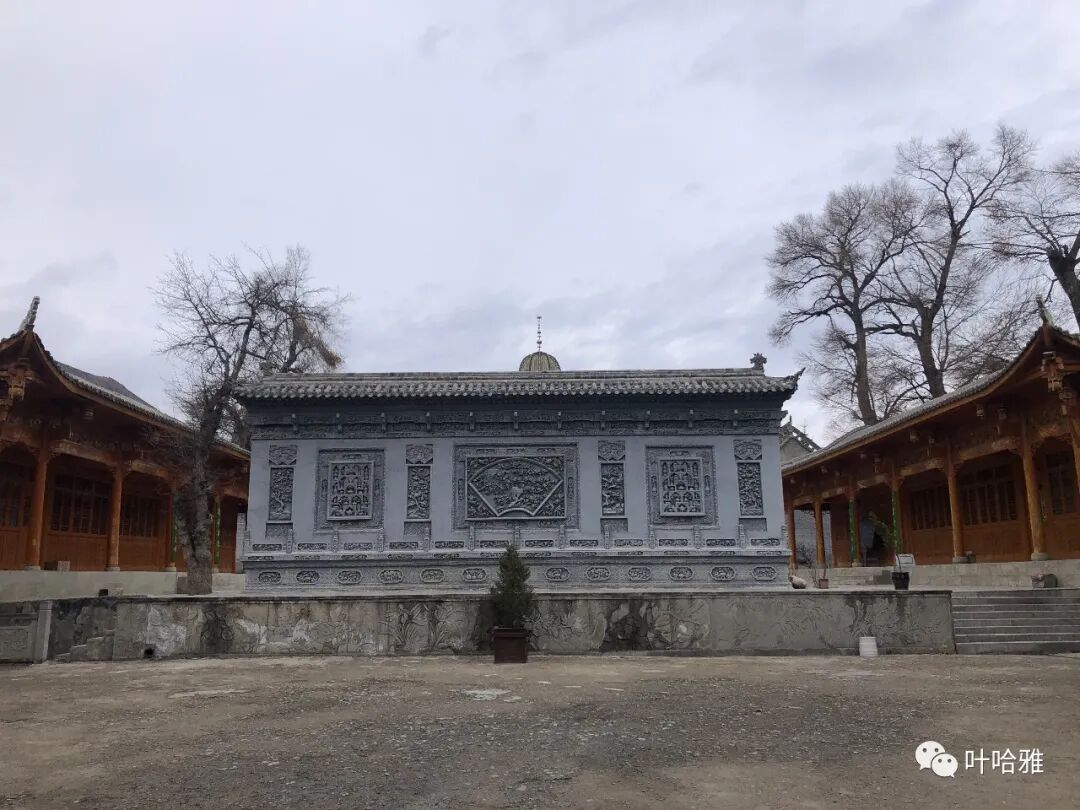
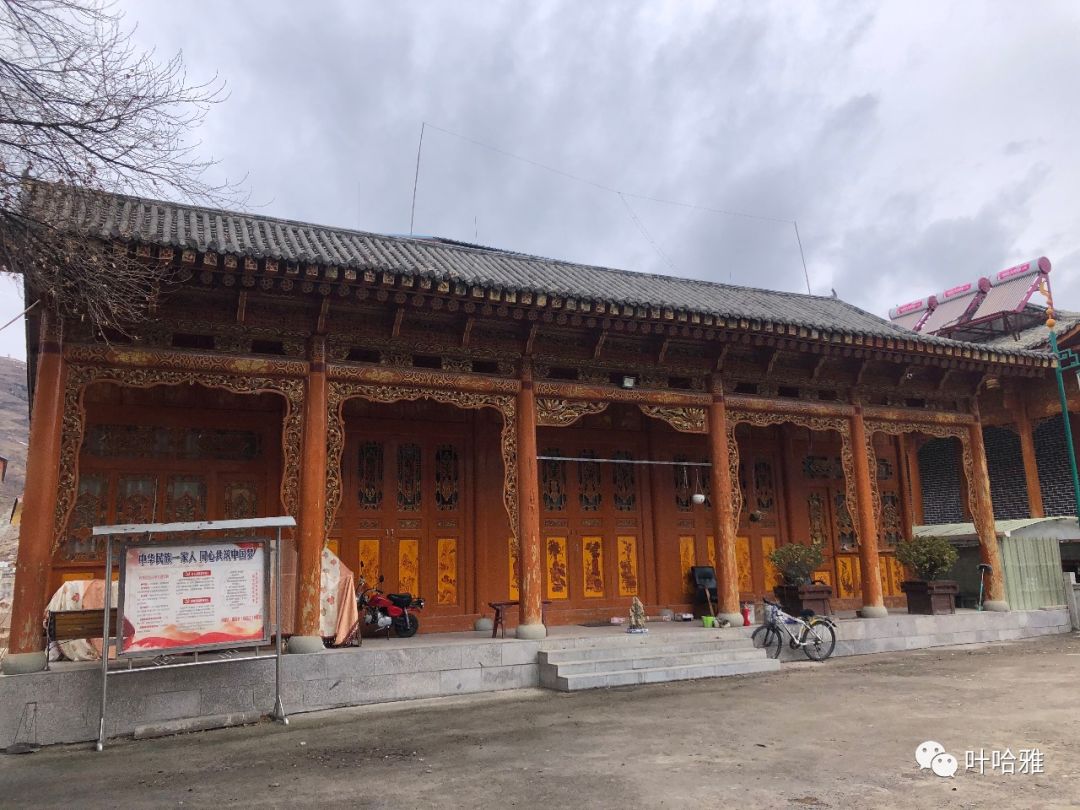
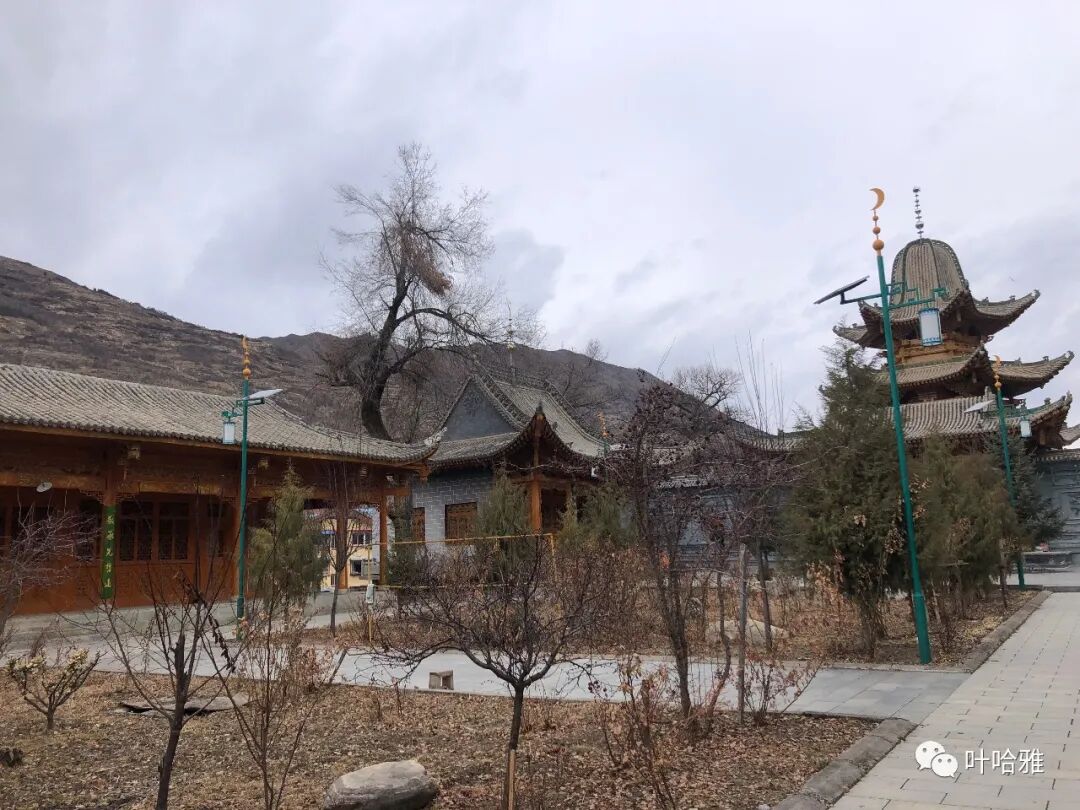
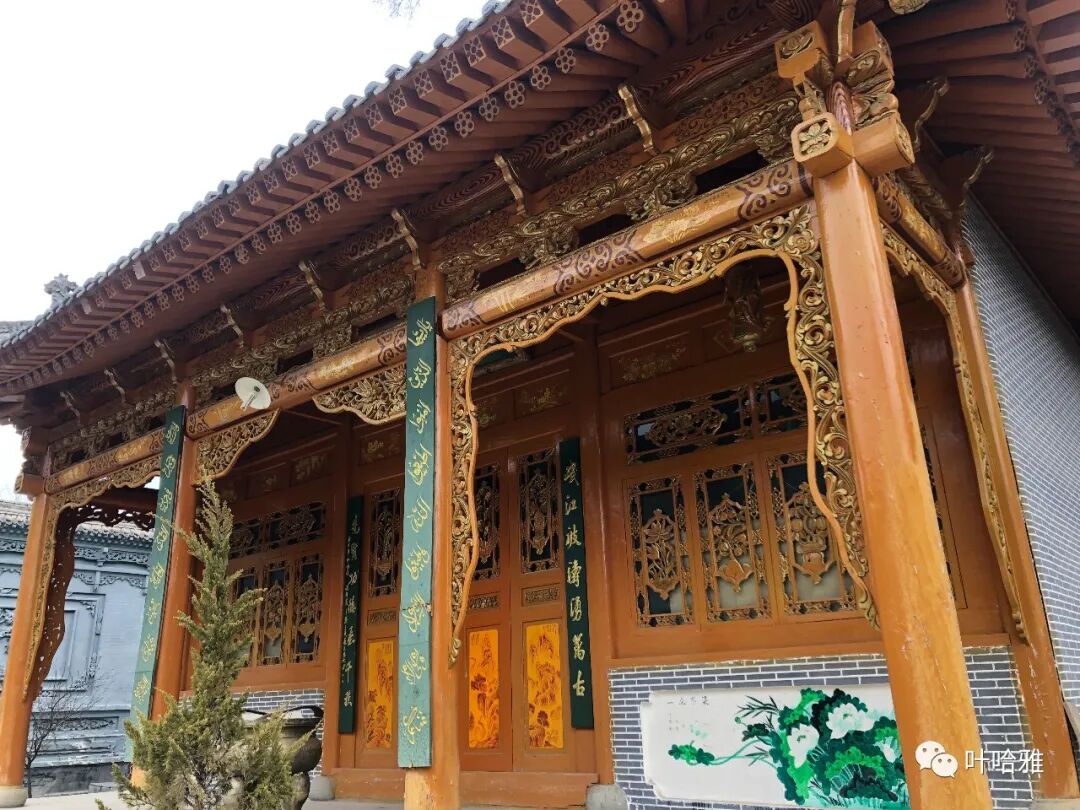
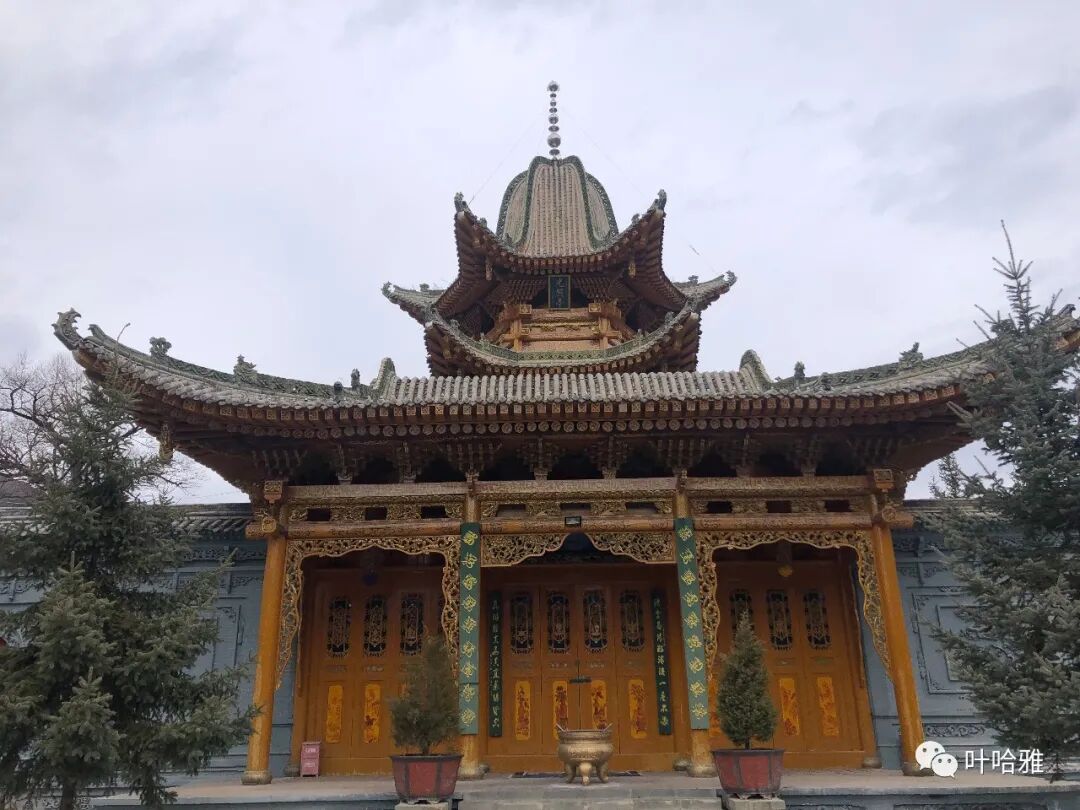
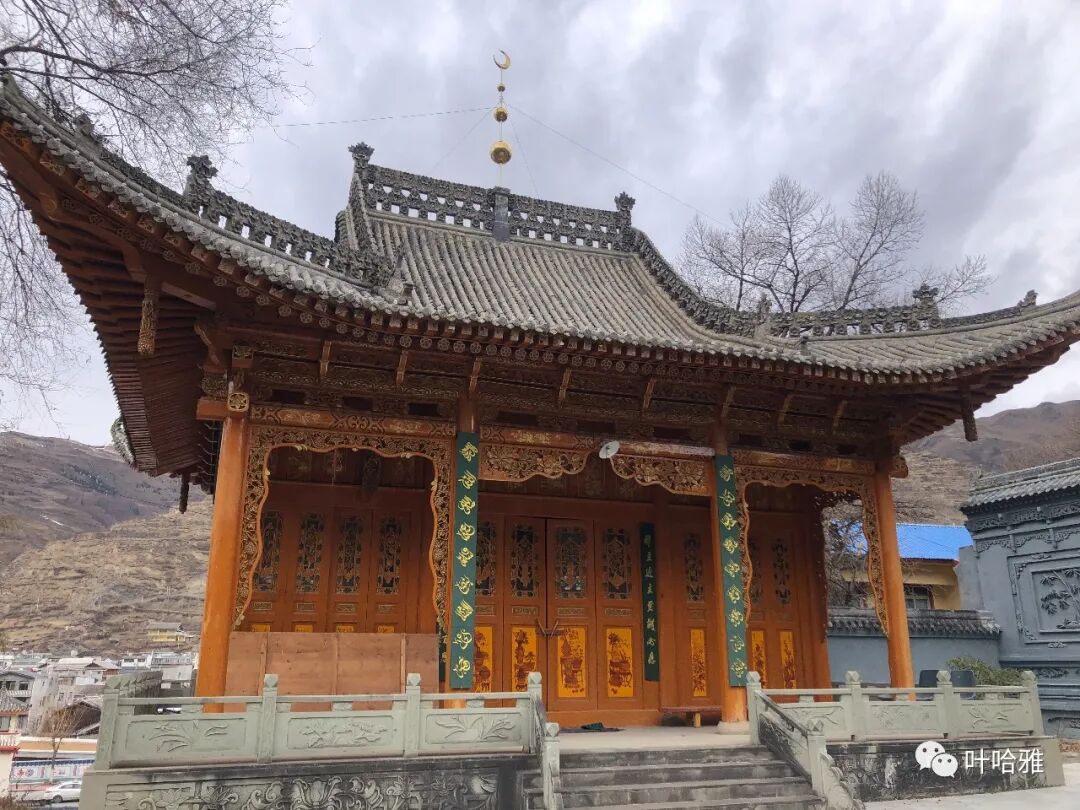
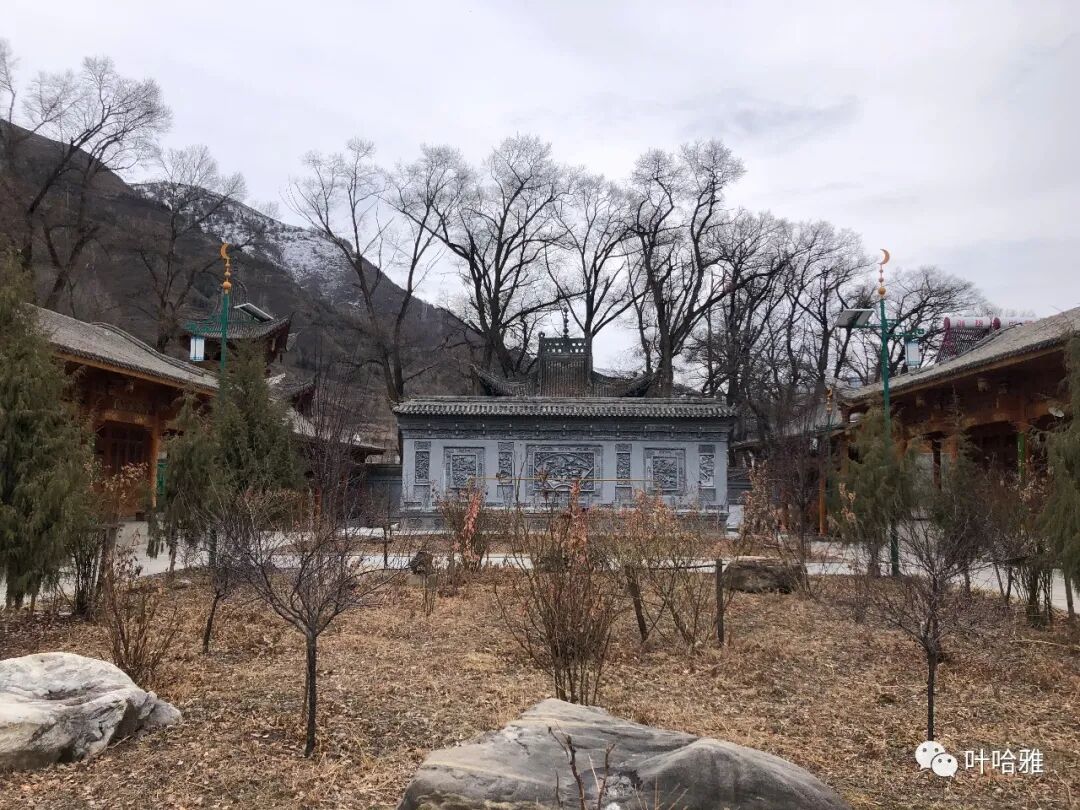
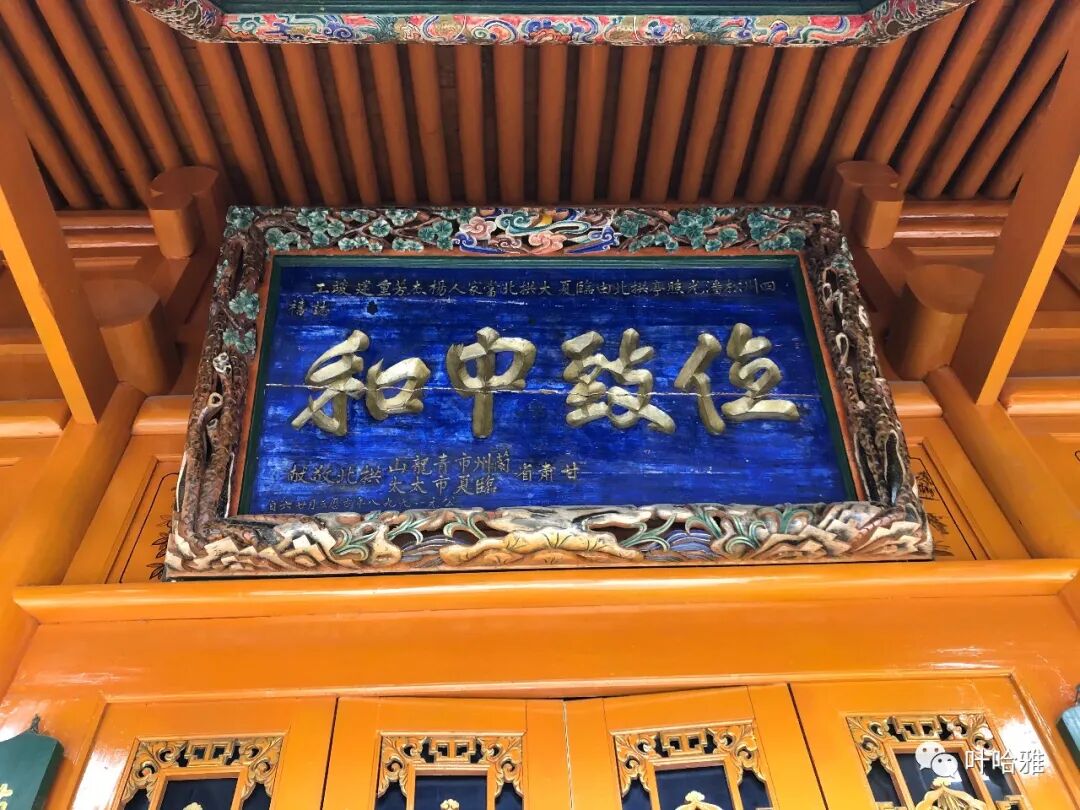
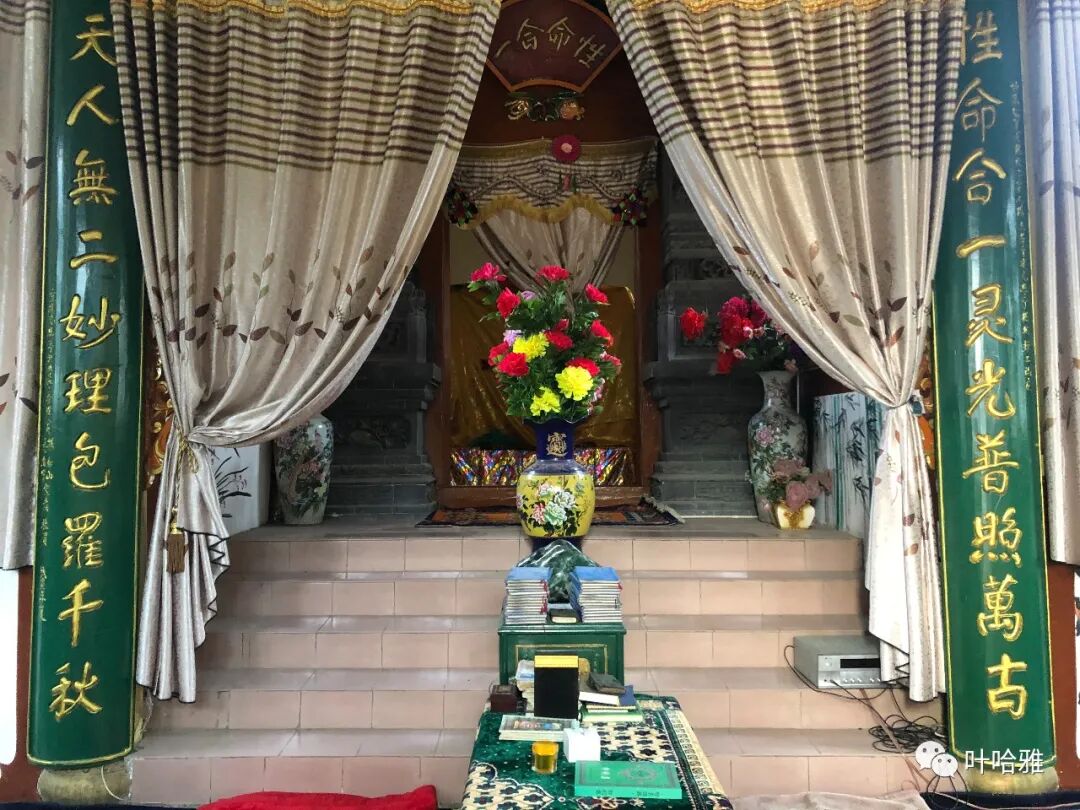
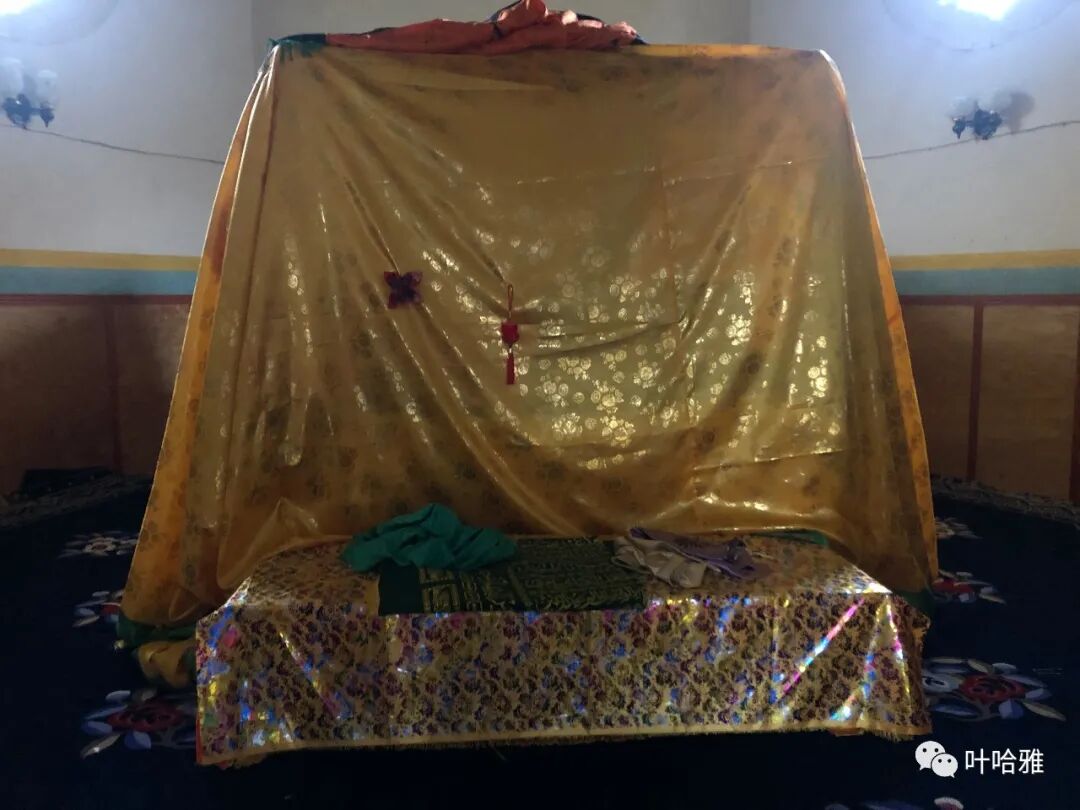
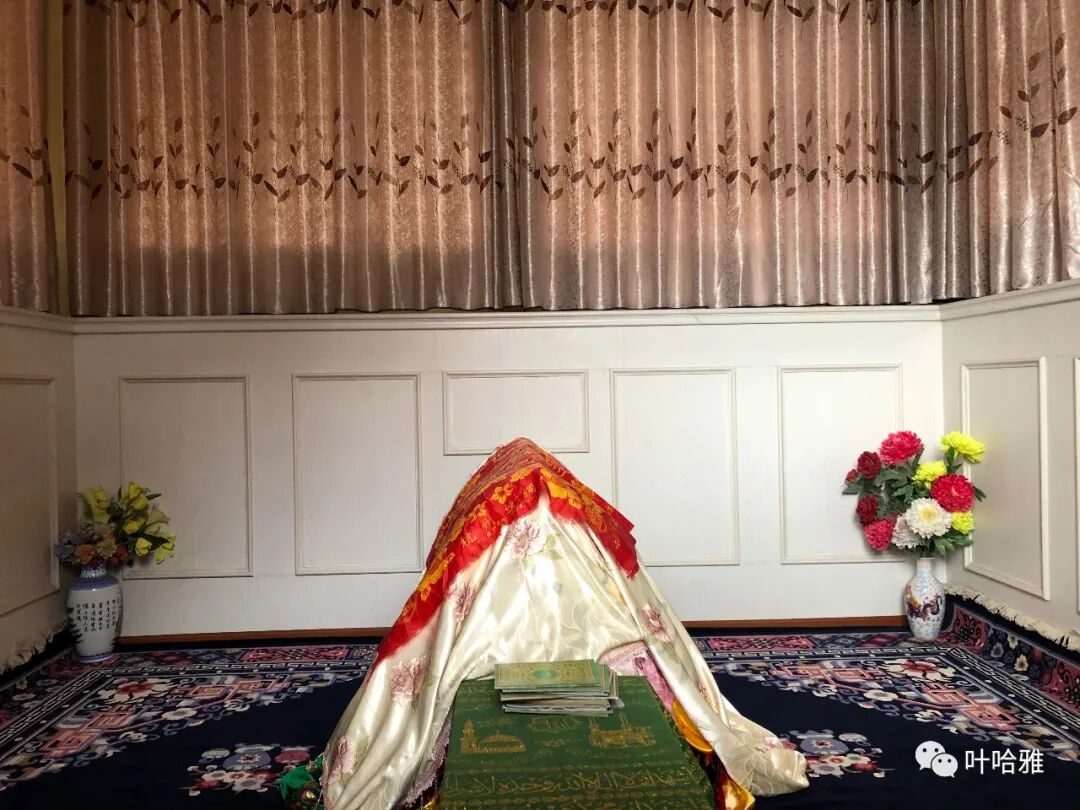
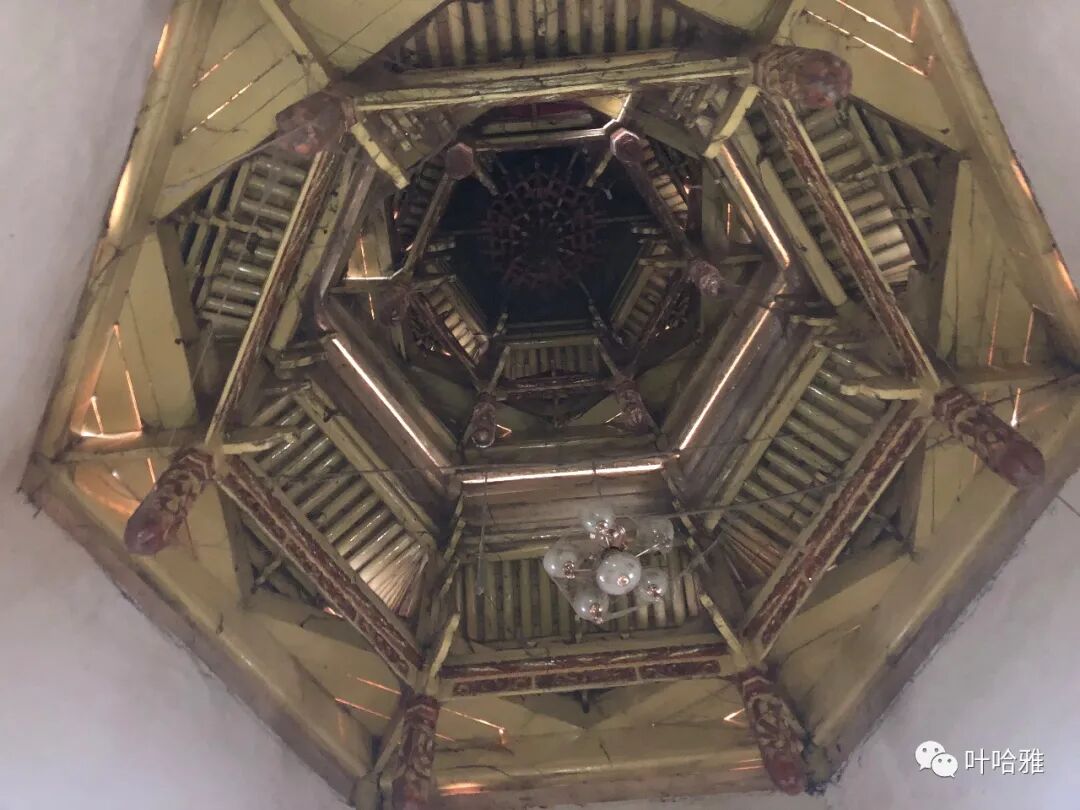
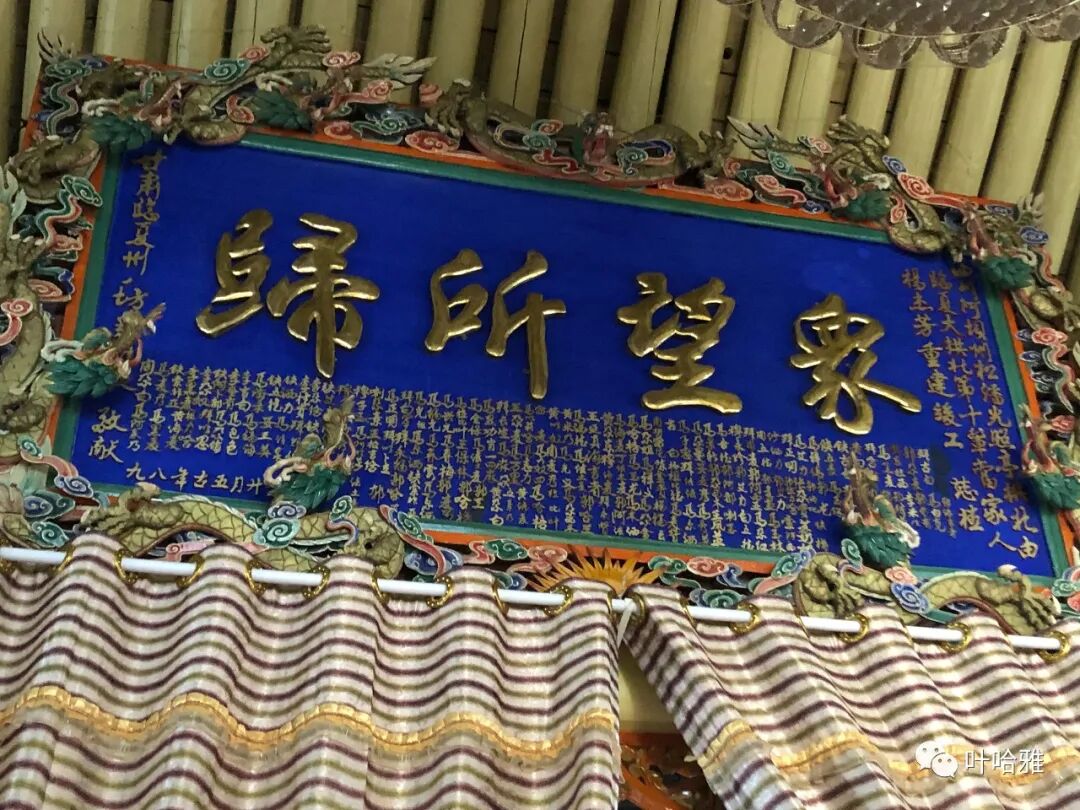
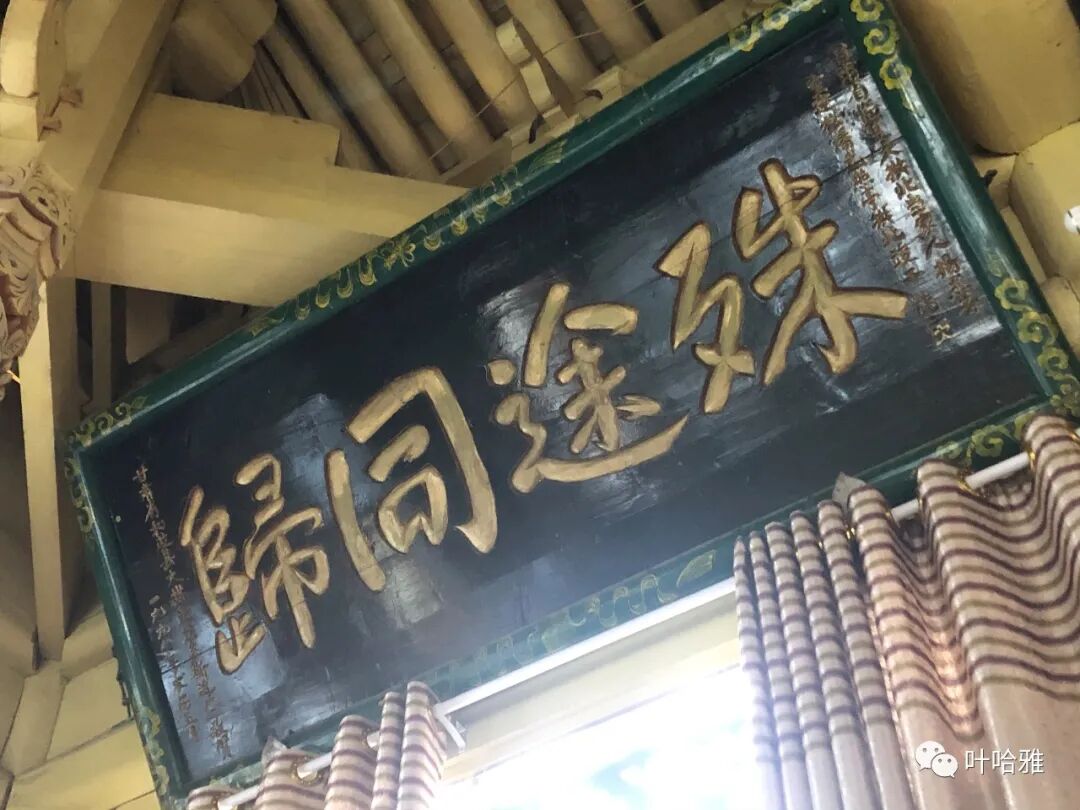
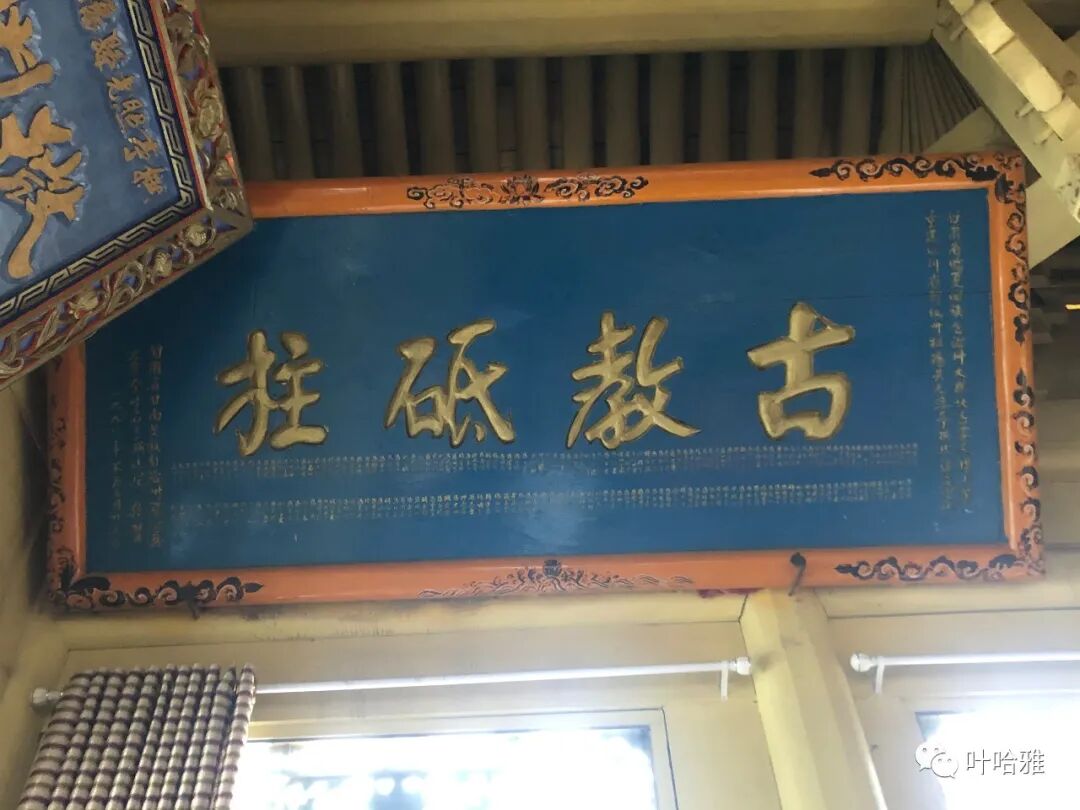
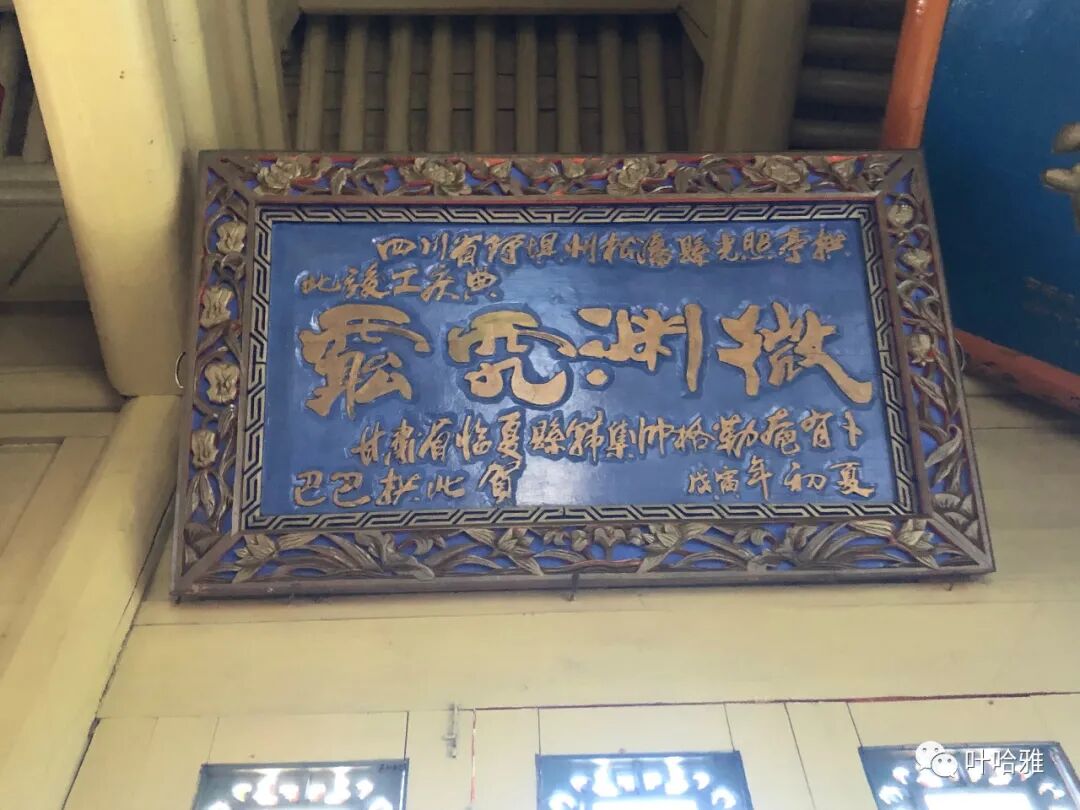
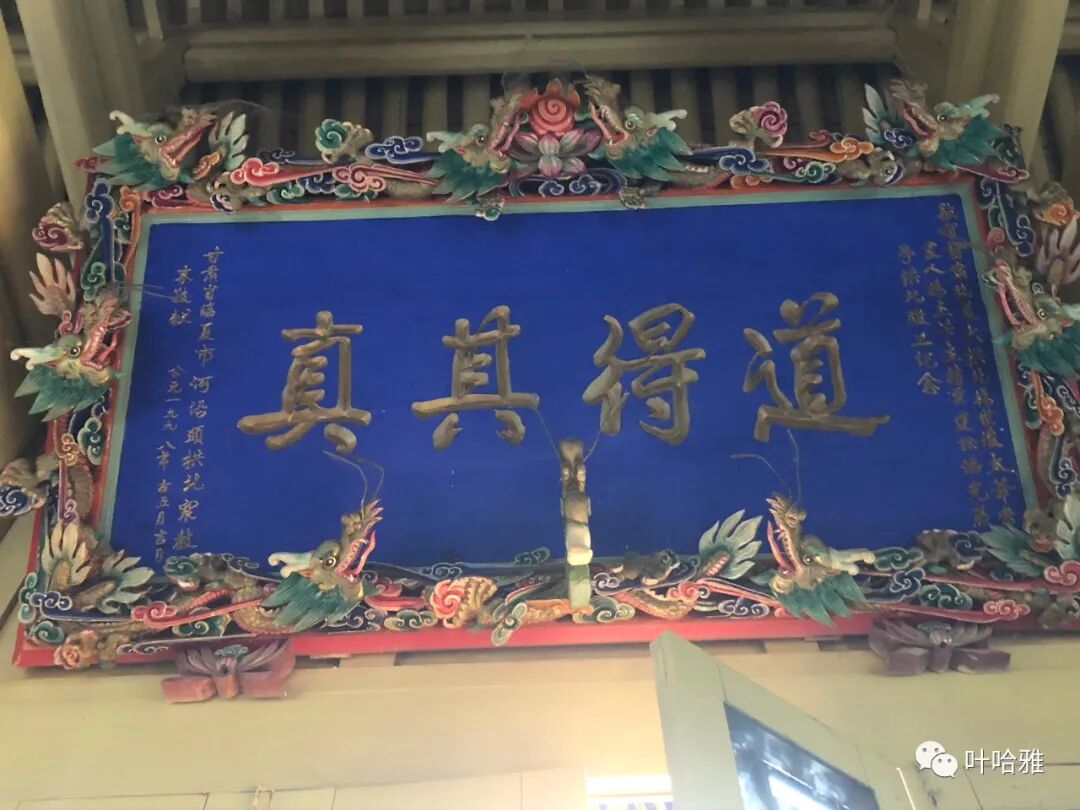
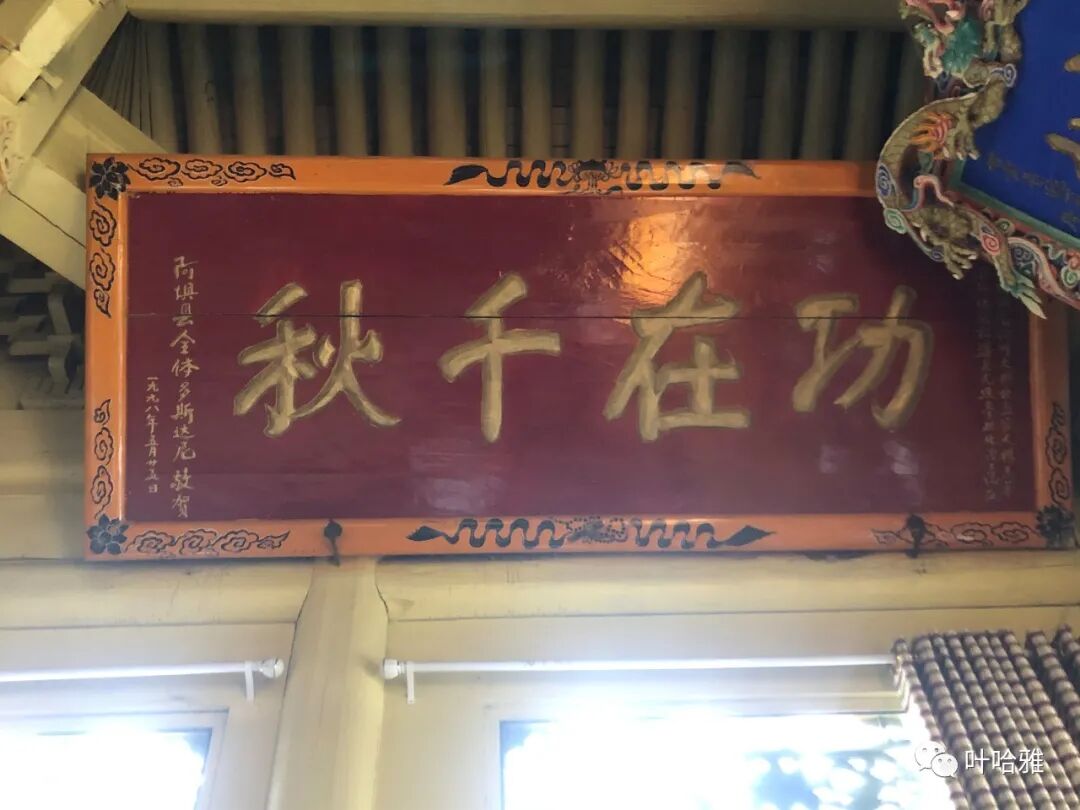
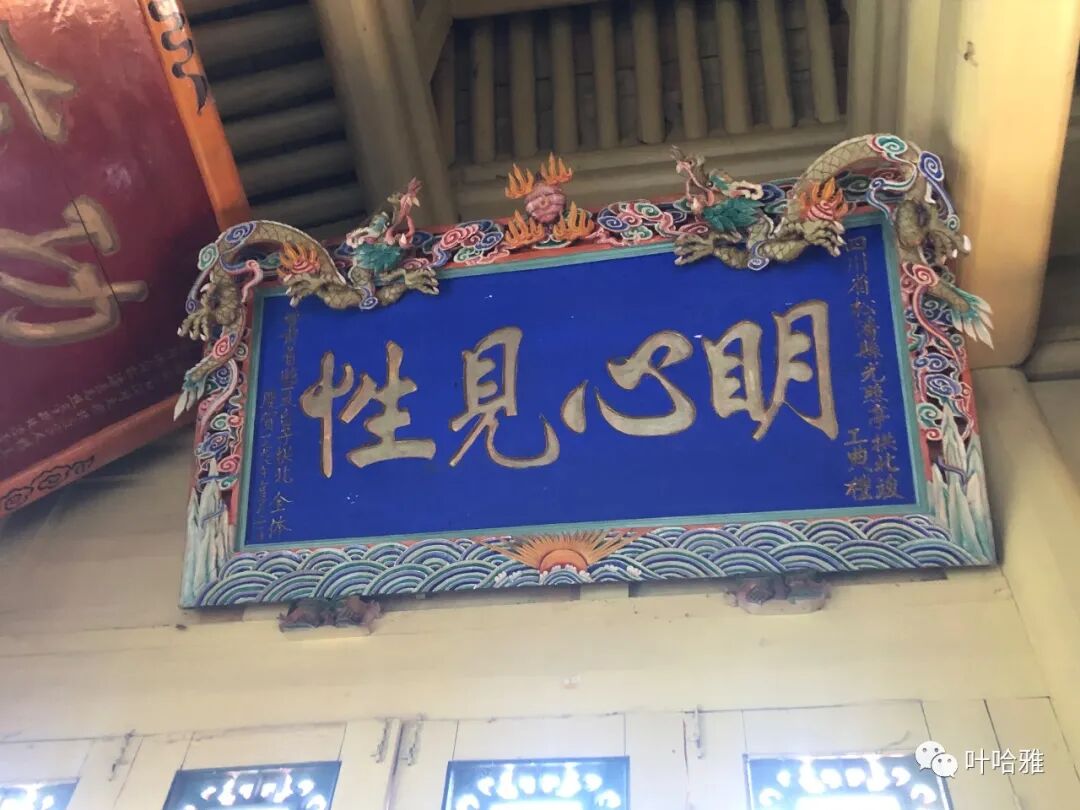
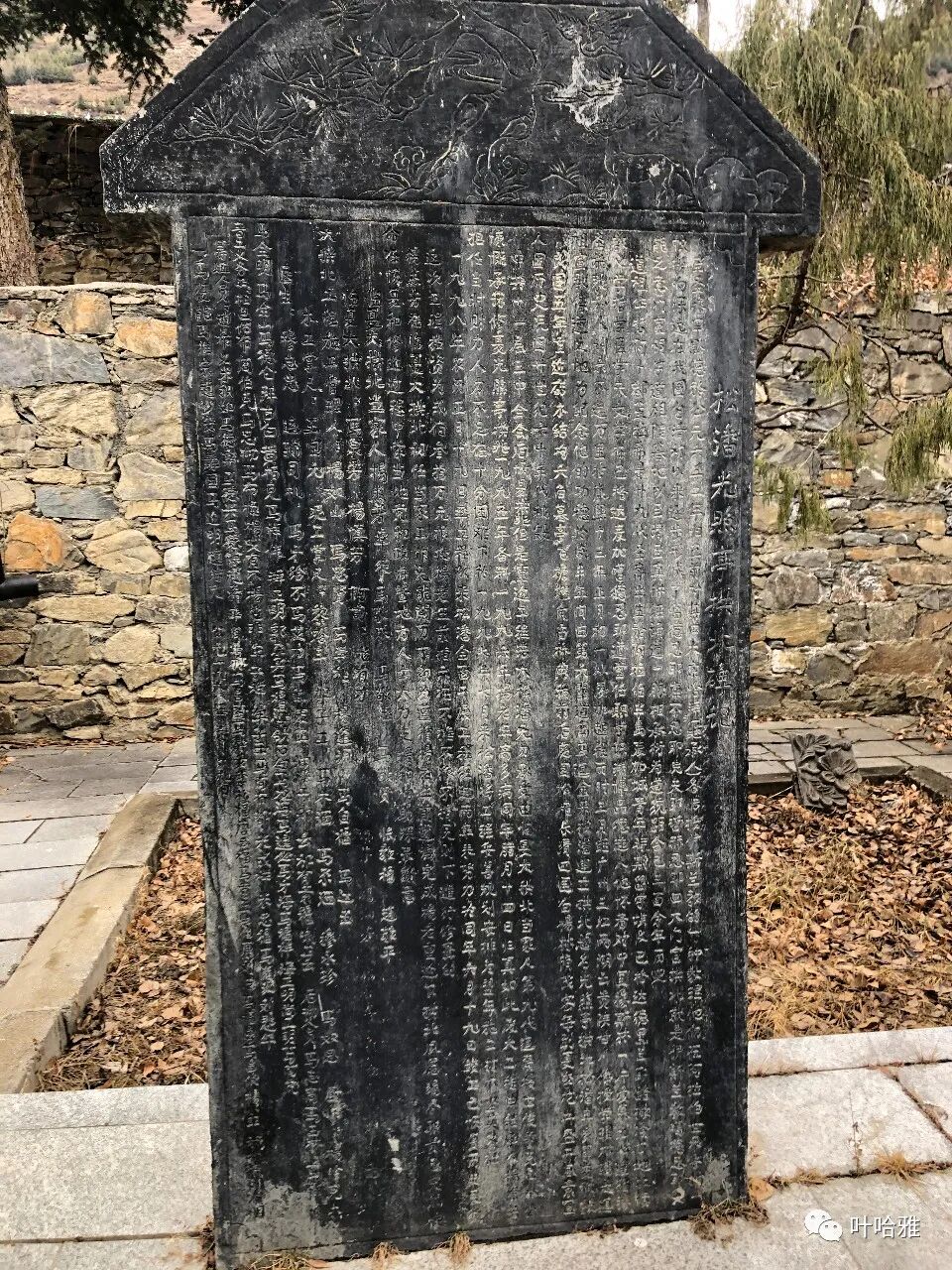
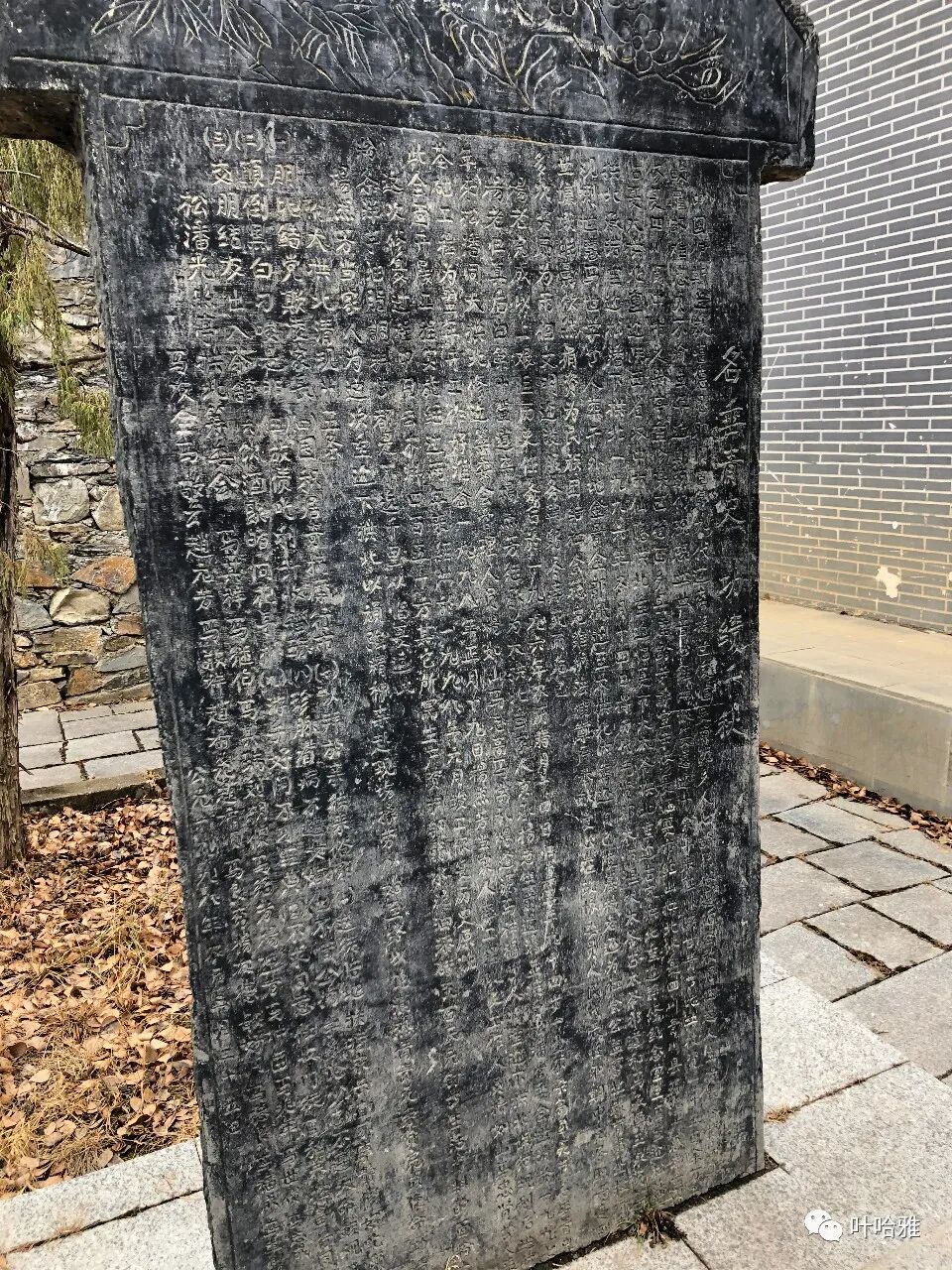
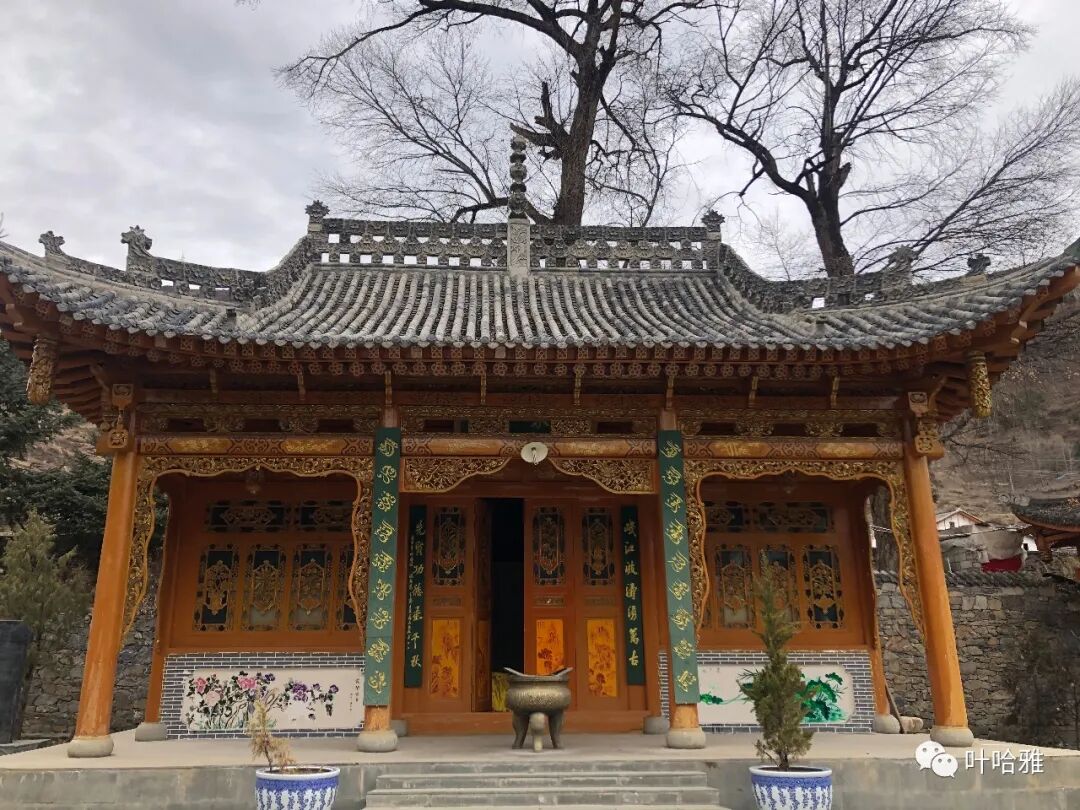
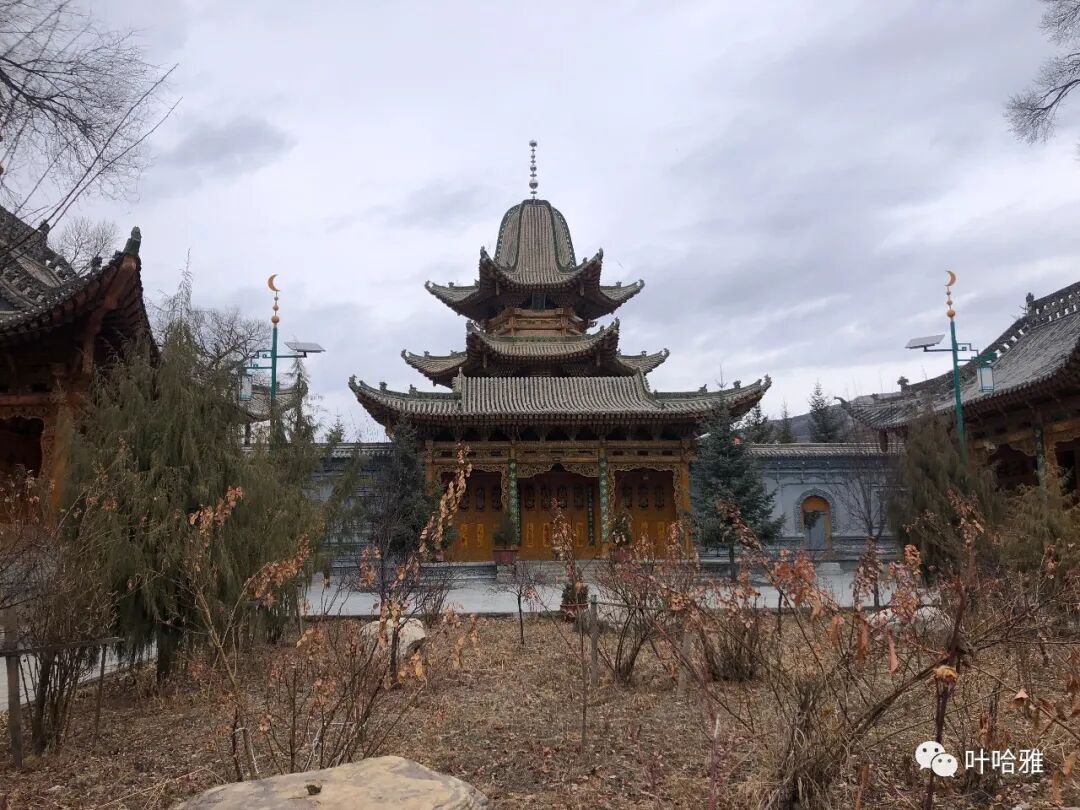
On the mountain behind Guangzhaoting Gongbei, there is another Gongbei called Yinxian Gongbei, also known as Yinxian Pavilion or the Upper Gongbei. It is located on the east bank of the Minjiang River, 3 li from Songpan city, and is the tomb of the Arab Nuh Runjini (Chinese name Ma Guangzu). It is usually closed and requires someone from the Gongbei to bring a key to open it. There was no one at the Gongbei when we arrived, so we did not go.
Xiashuiguan Halal Street
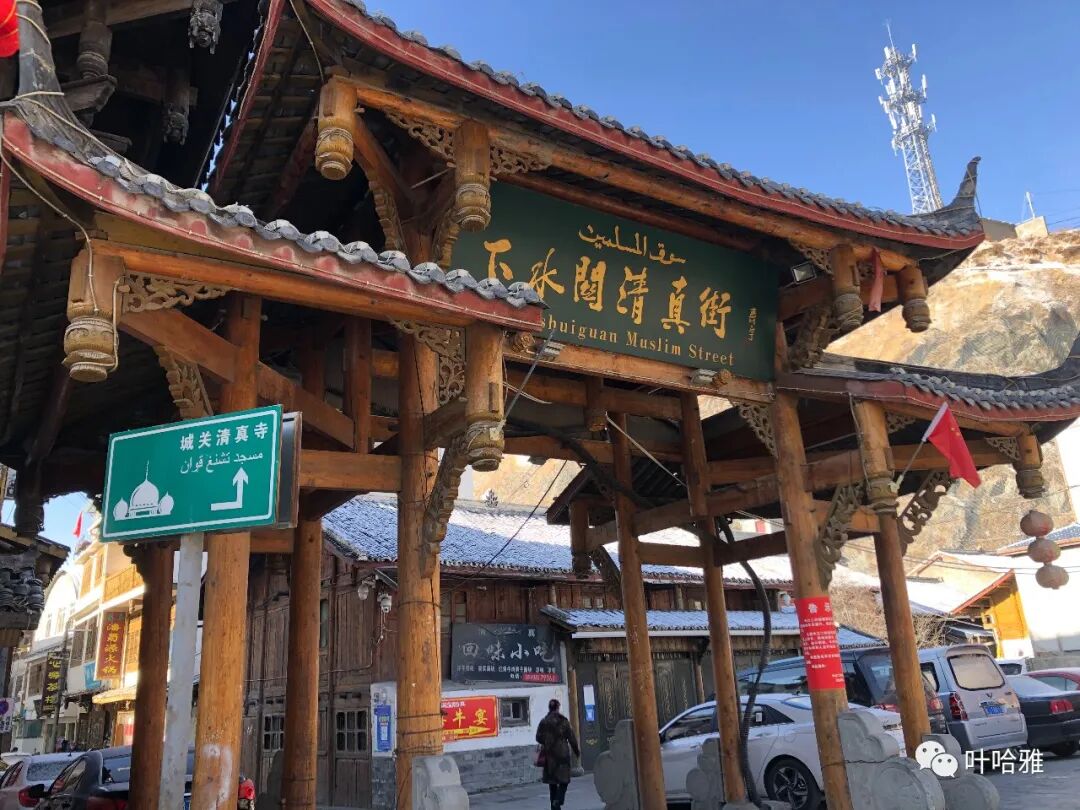
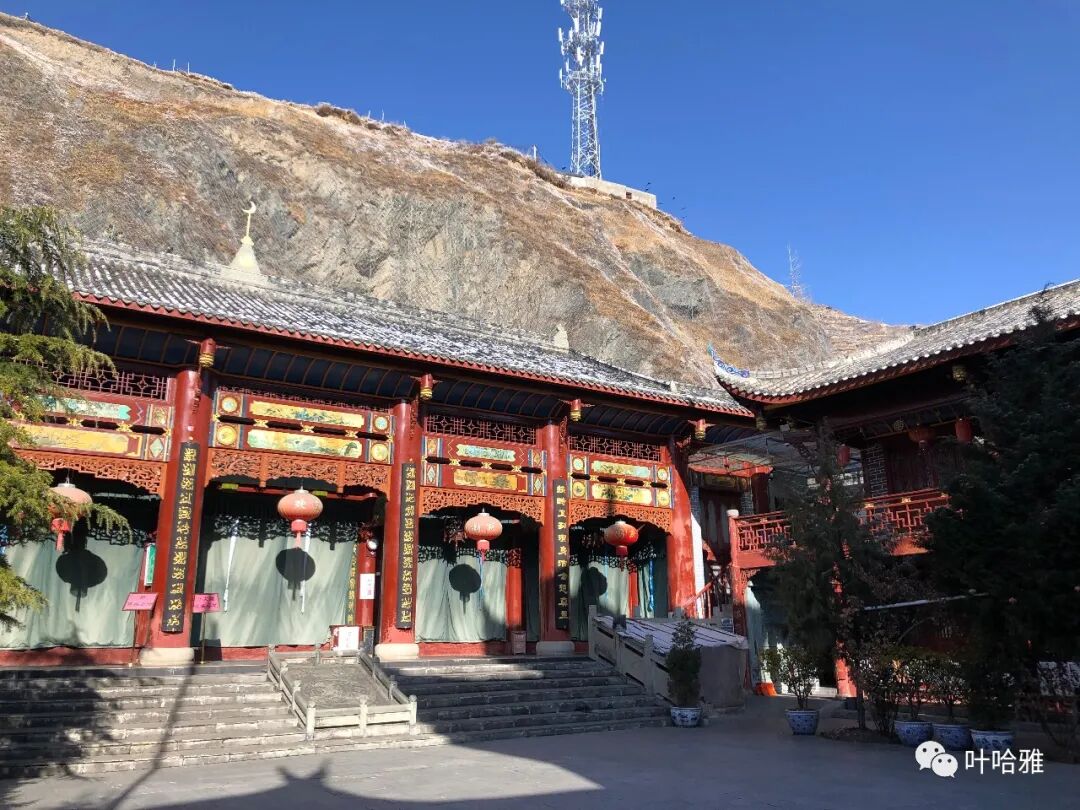
Halal Street is inside the ancient city of Songzhou. It is easy to find on foot because the ancient city is small. Since there are halal restaurants everywhere, Halal Street does not feel particularly special, though it does house the Chengguan Mosque.
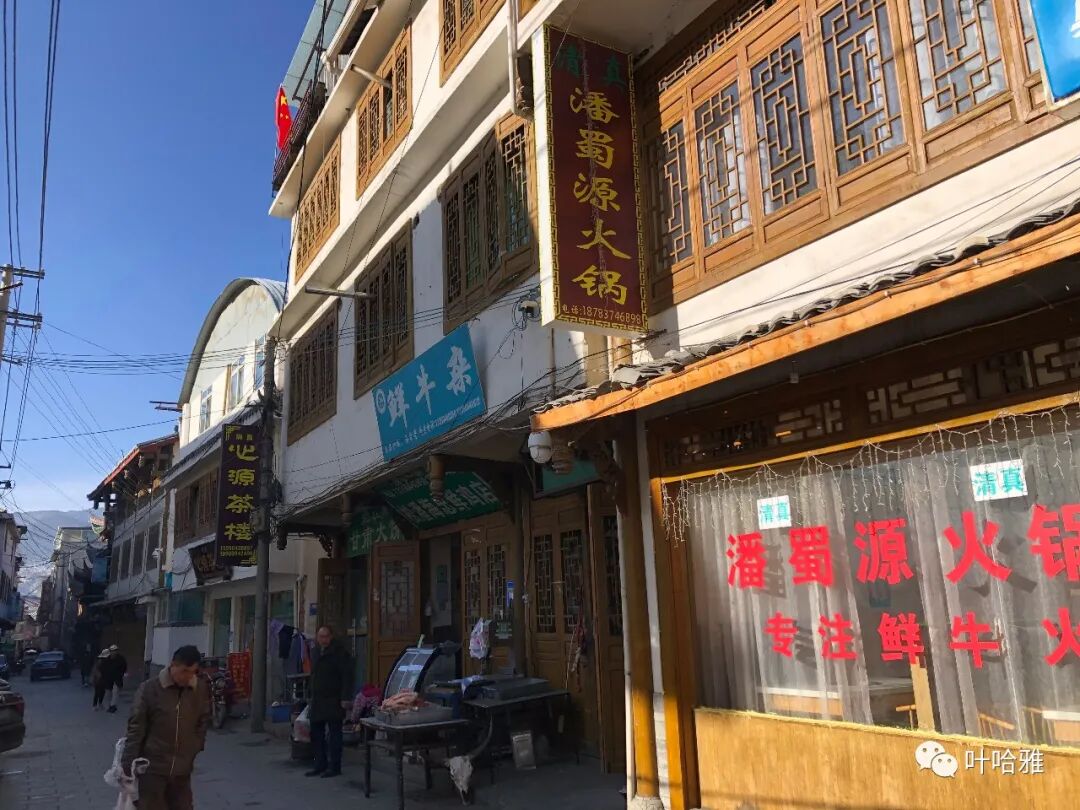
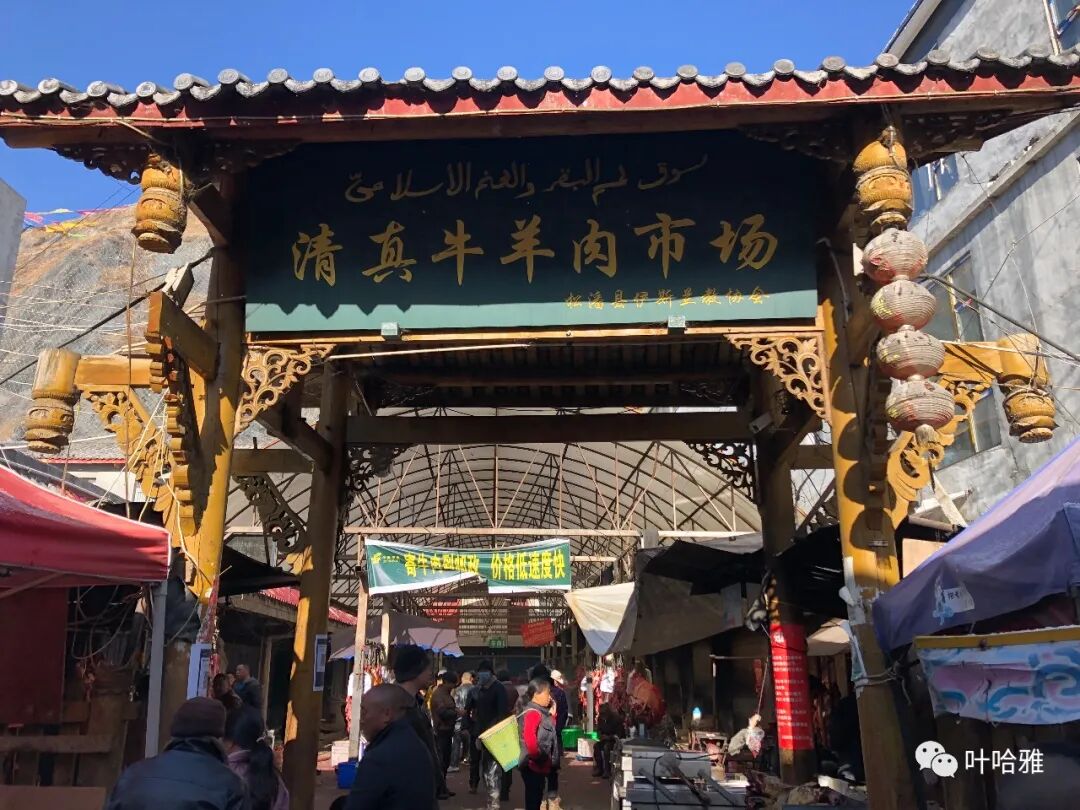
On Halal Street, there is a halal beef and mutton market along with several snack shops, most of which are run by merchants from Northwest China.
Chengguan Mosque
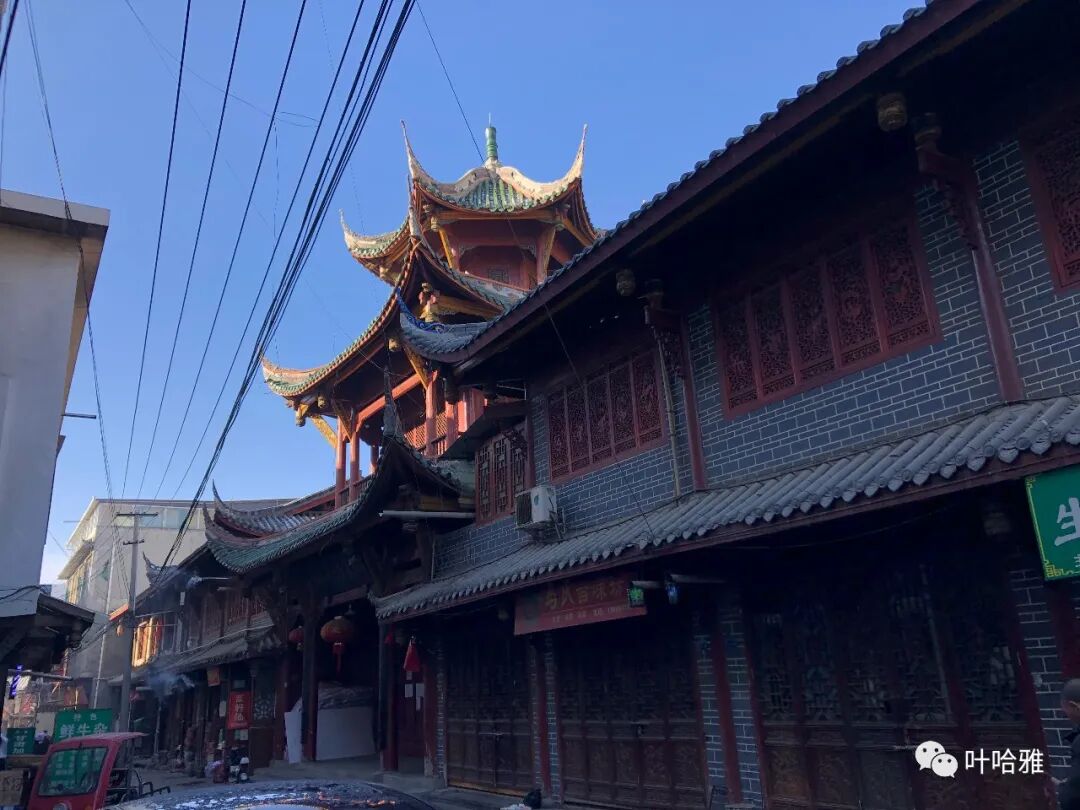
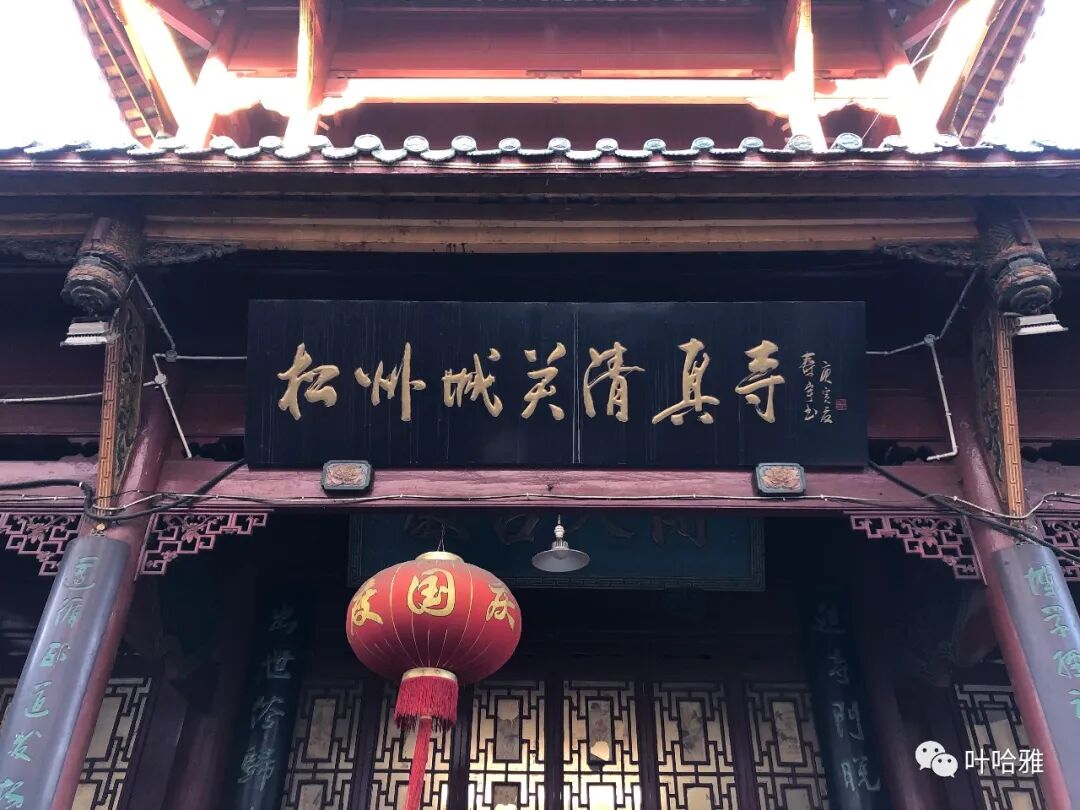
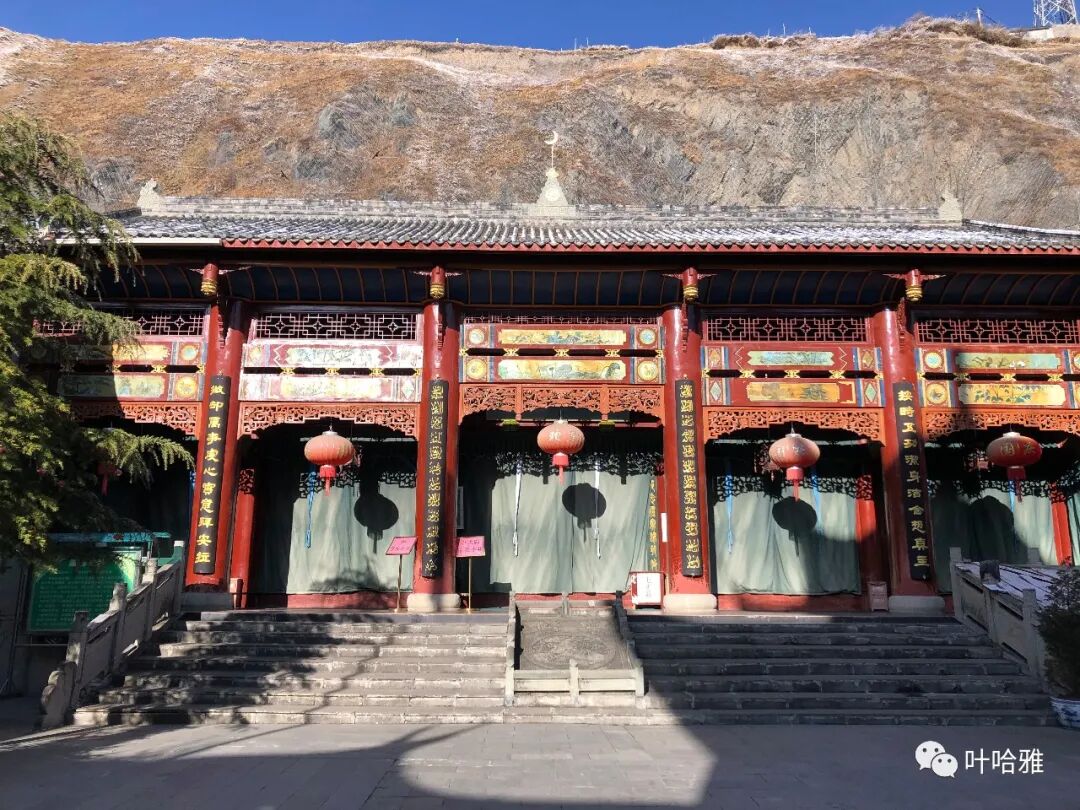
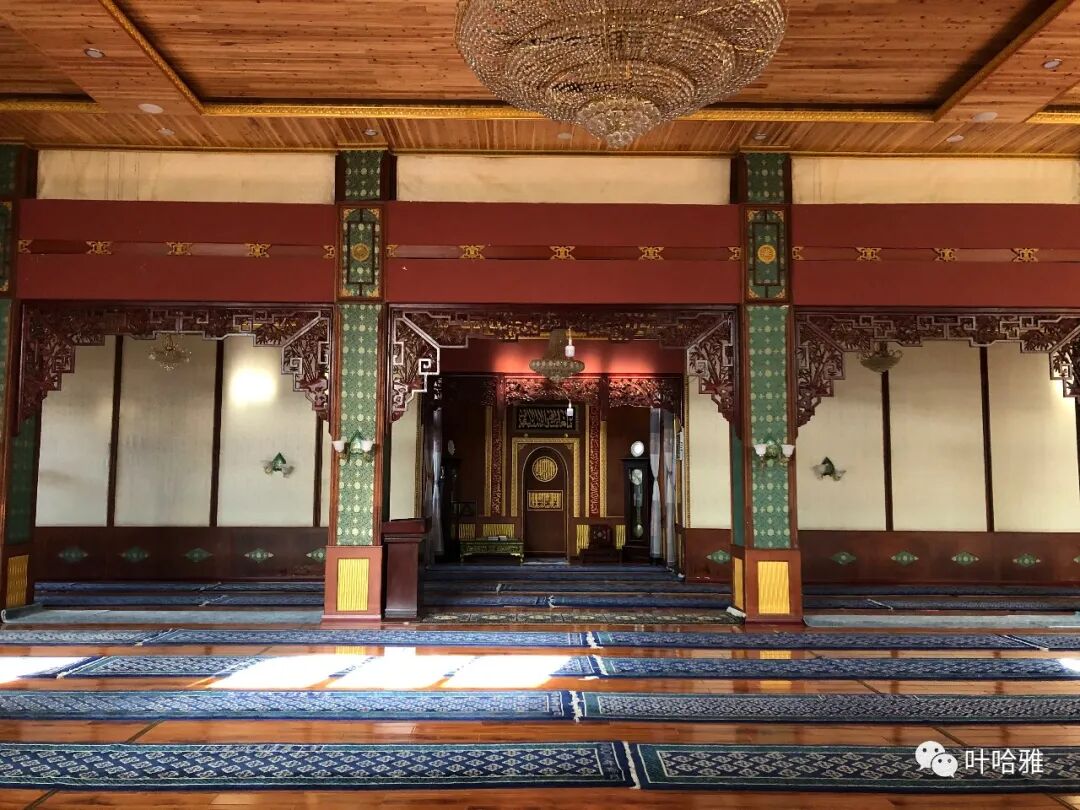
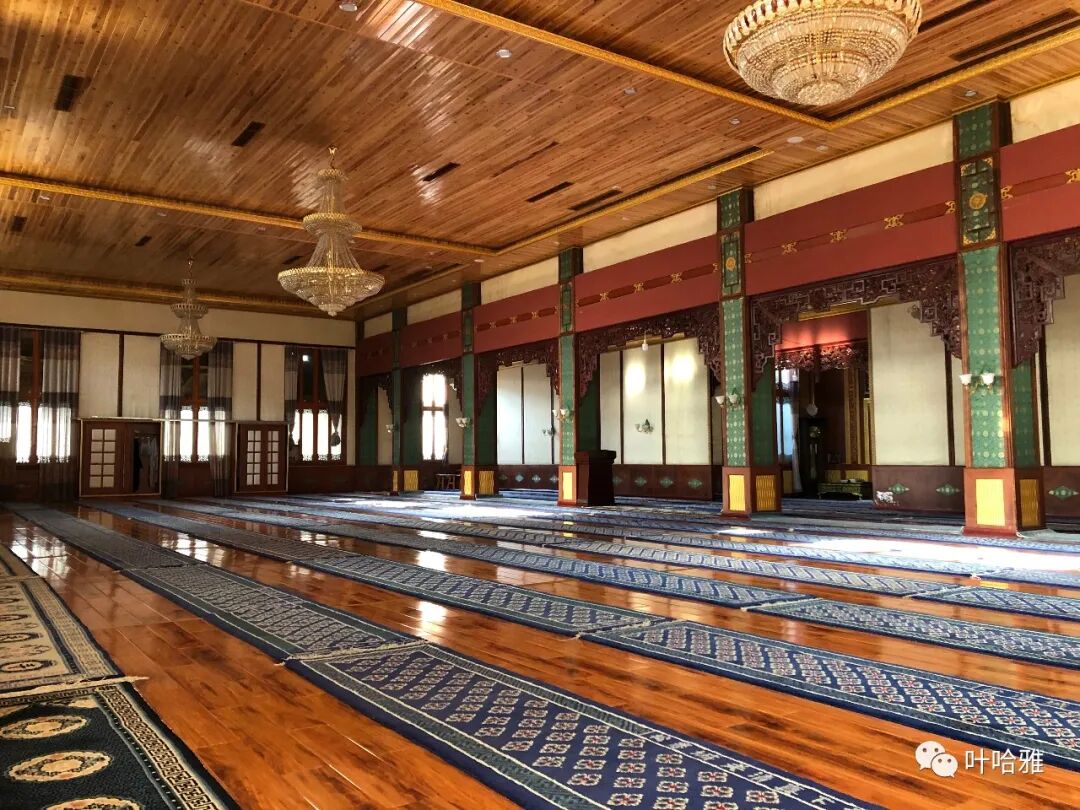
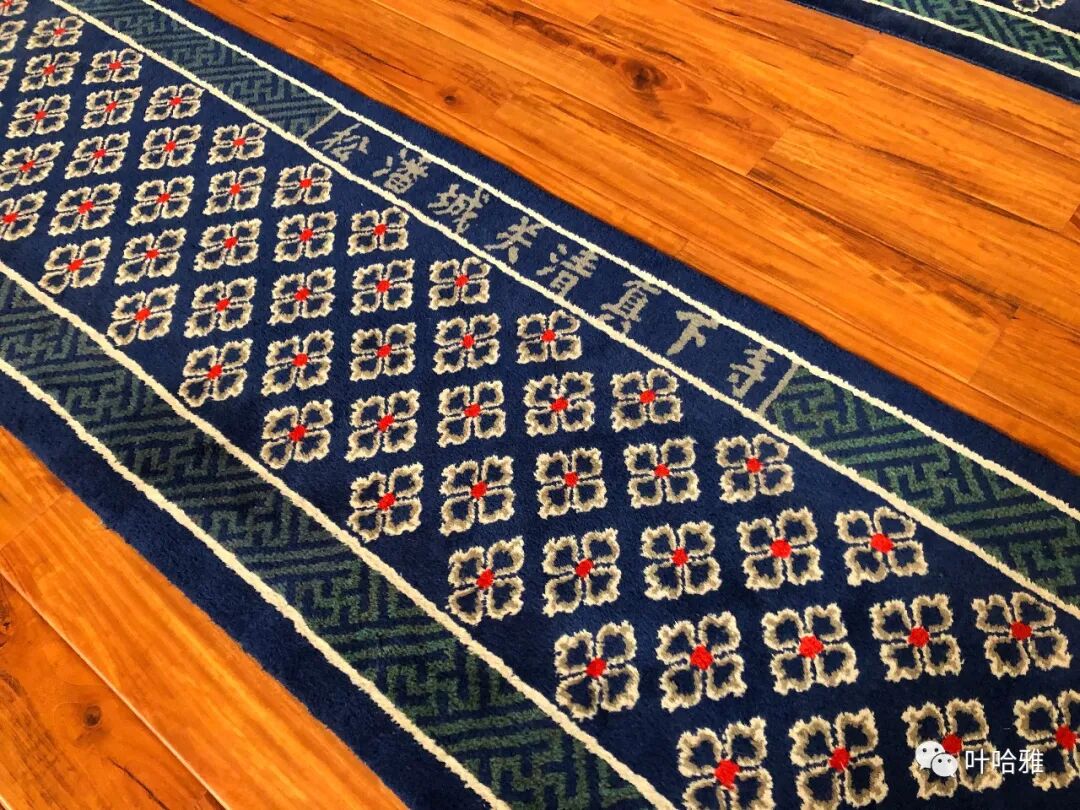
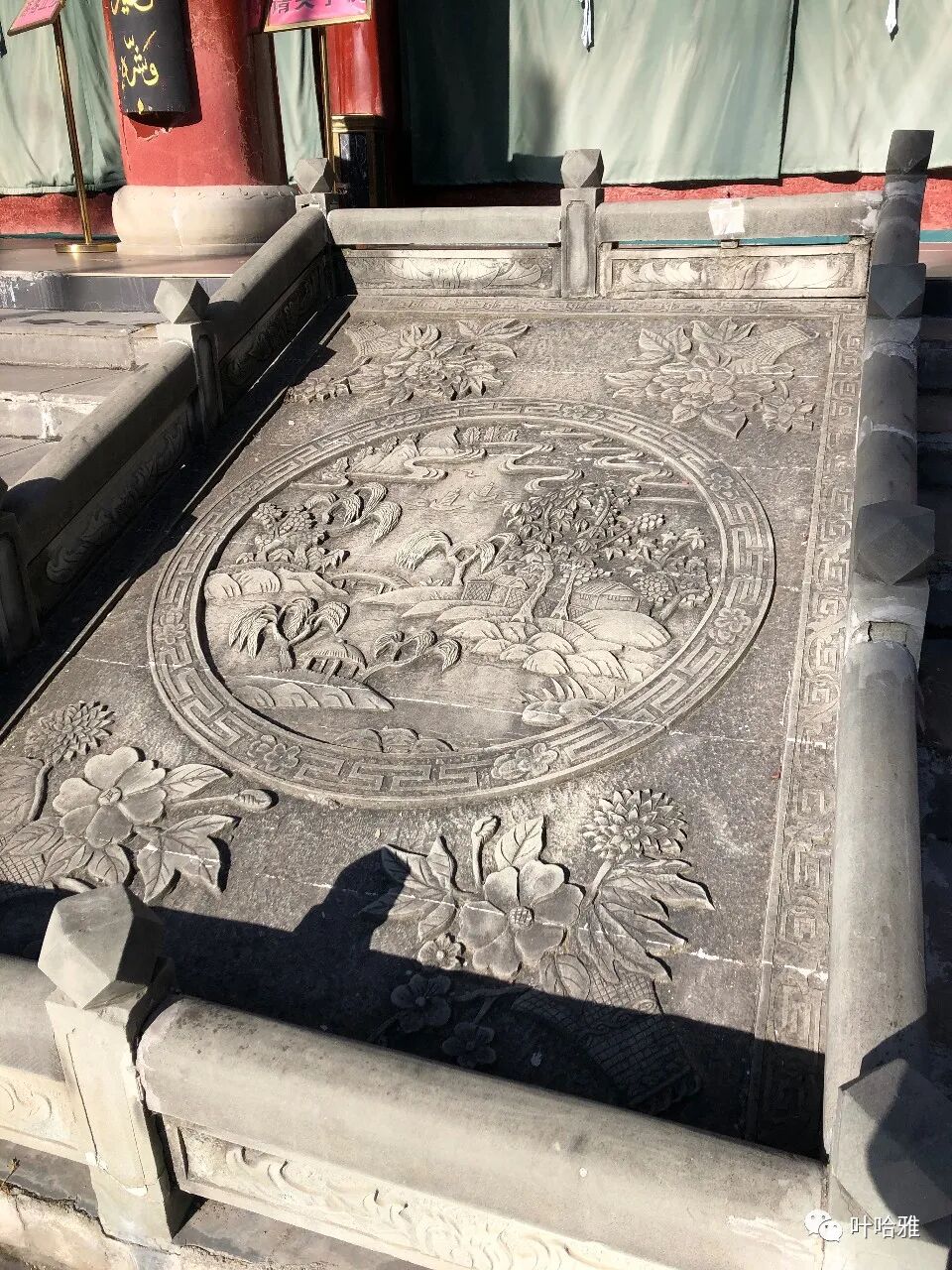
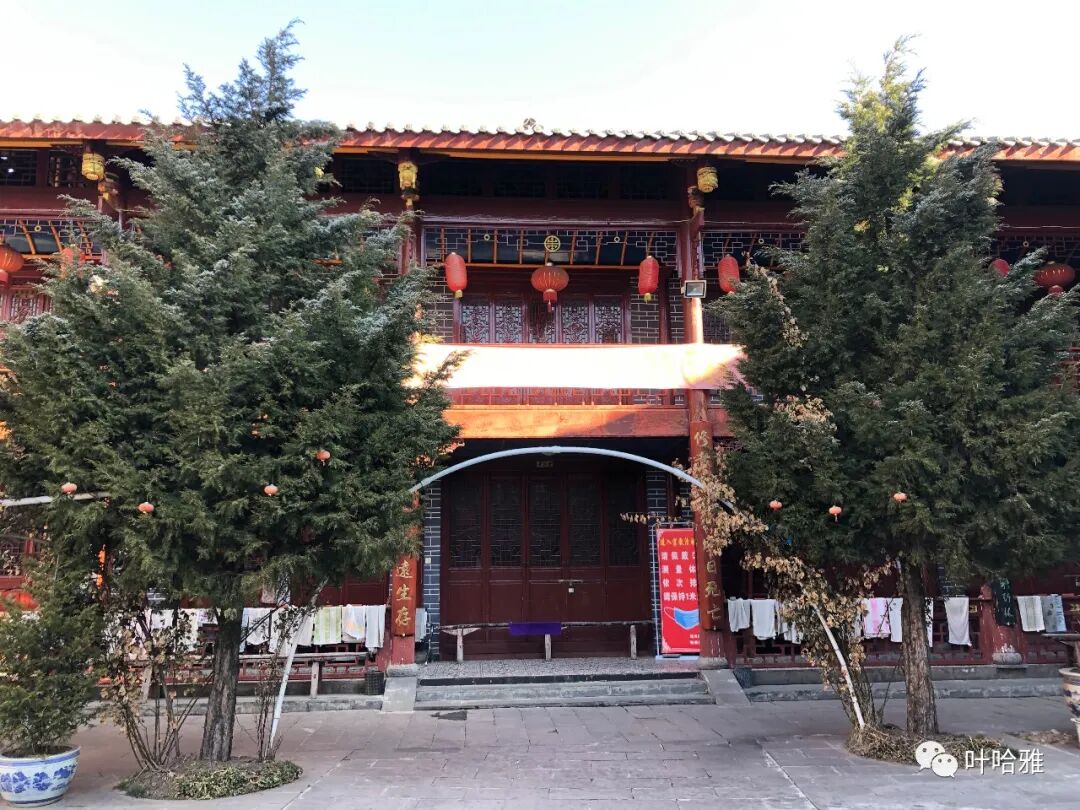
Songzhou Chengguan Mosque was formed by merging the Upper Mosque and the Lower Mosque. The Lower Mosque was built during the Hongwu reign of the Ming Dynasty (1379), and the Upper Mosque was built in the first year of the Xianfeng reign (1851). The Upper Mosque was once occupied by the Minshan Village collective, and the Lower Mosque was used as a canteen for the Zhongjiang No. 2 Village before being taken over by the Chengguan Kindergarten. In 1987, the land for the Chengguan Mosque was returned. It covers 4 mu of land with a building area of over 2,400 square meters.
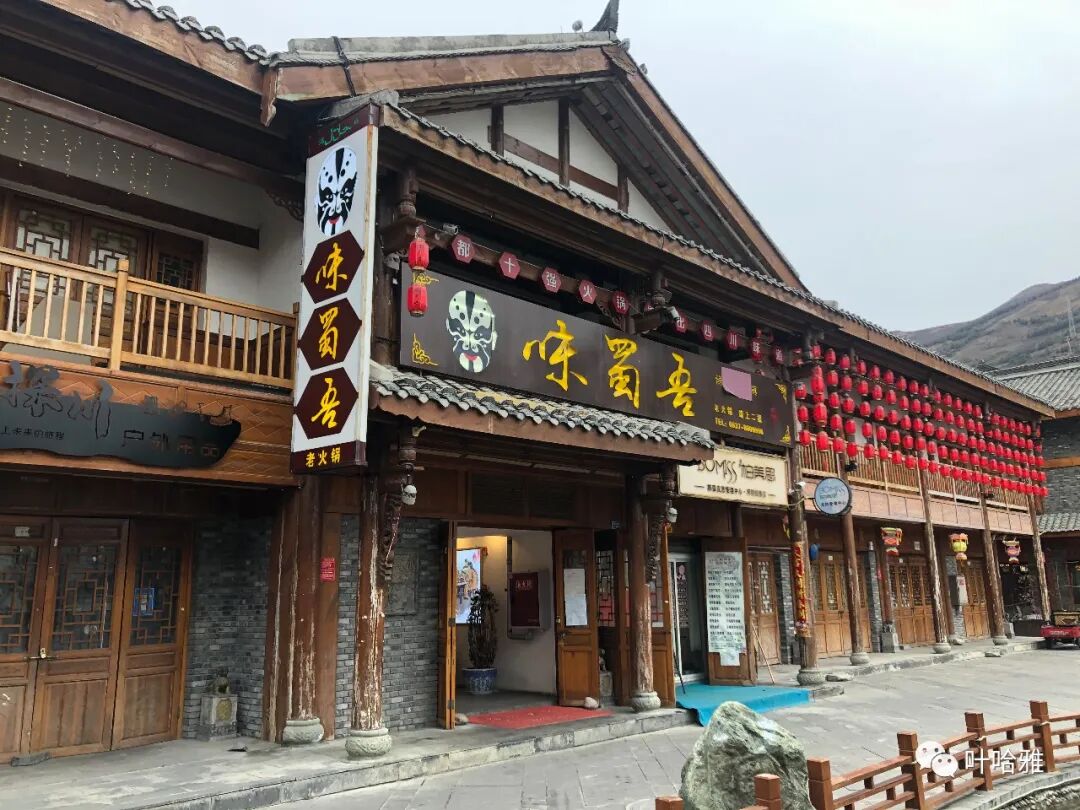
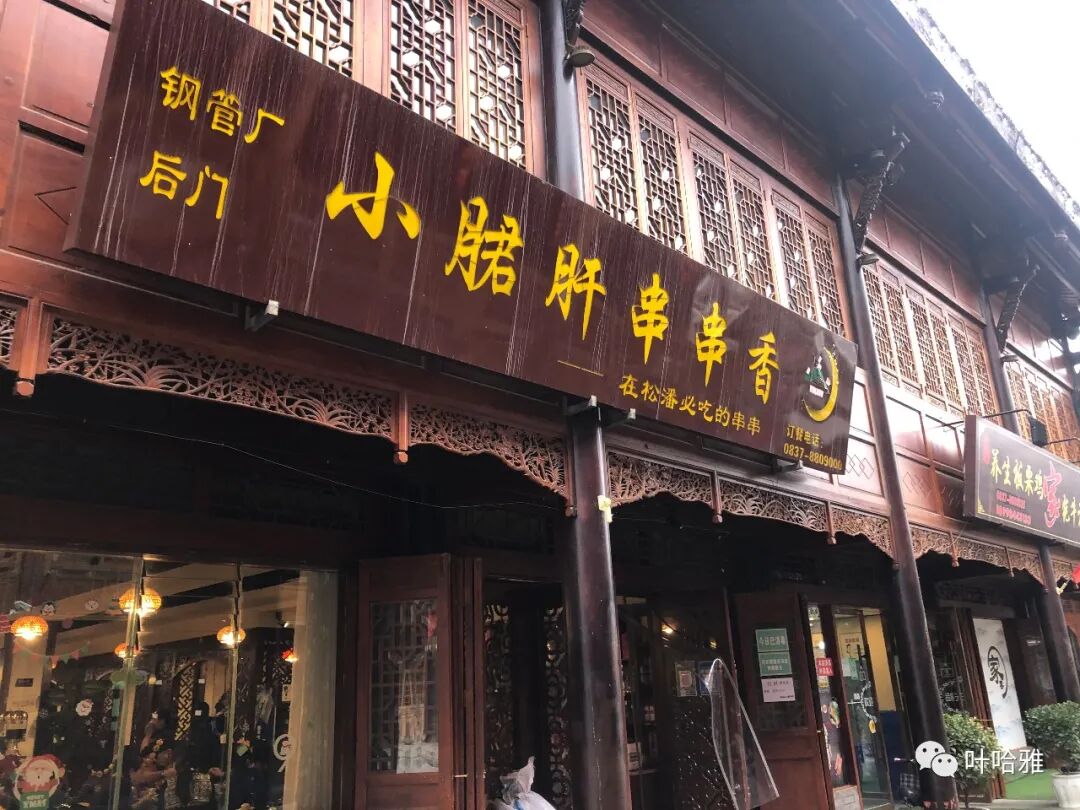
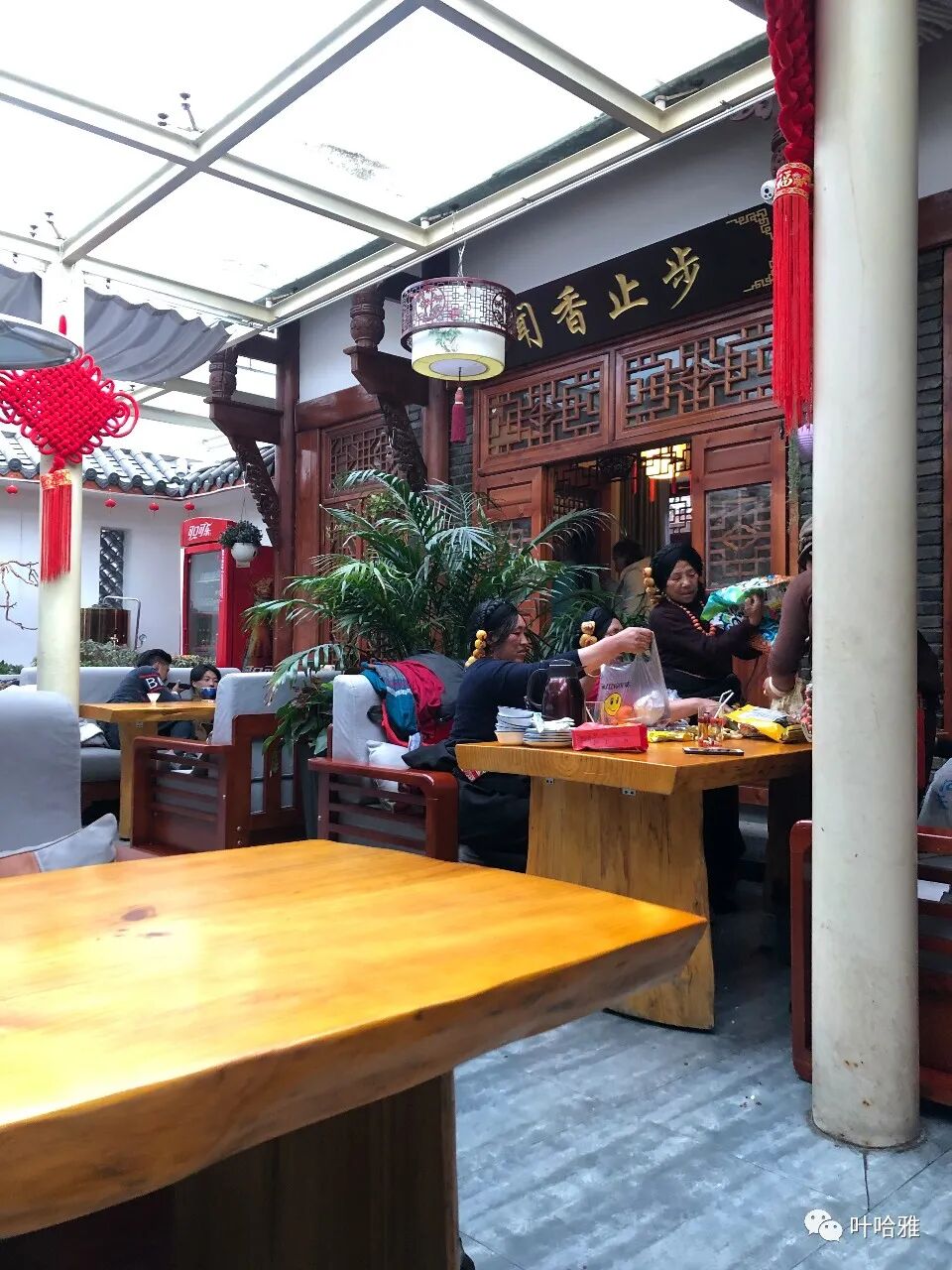
There are many Sichuan-style halal restaurants in the ancient city. We walked into a tea restaurant and ordered a few local specialties. The shop was full of Tibetan people. Eating in the ancient city felt like being in Lhasa; the whole atmosphere was very similar.
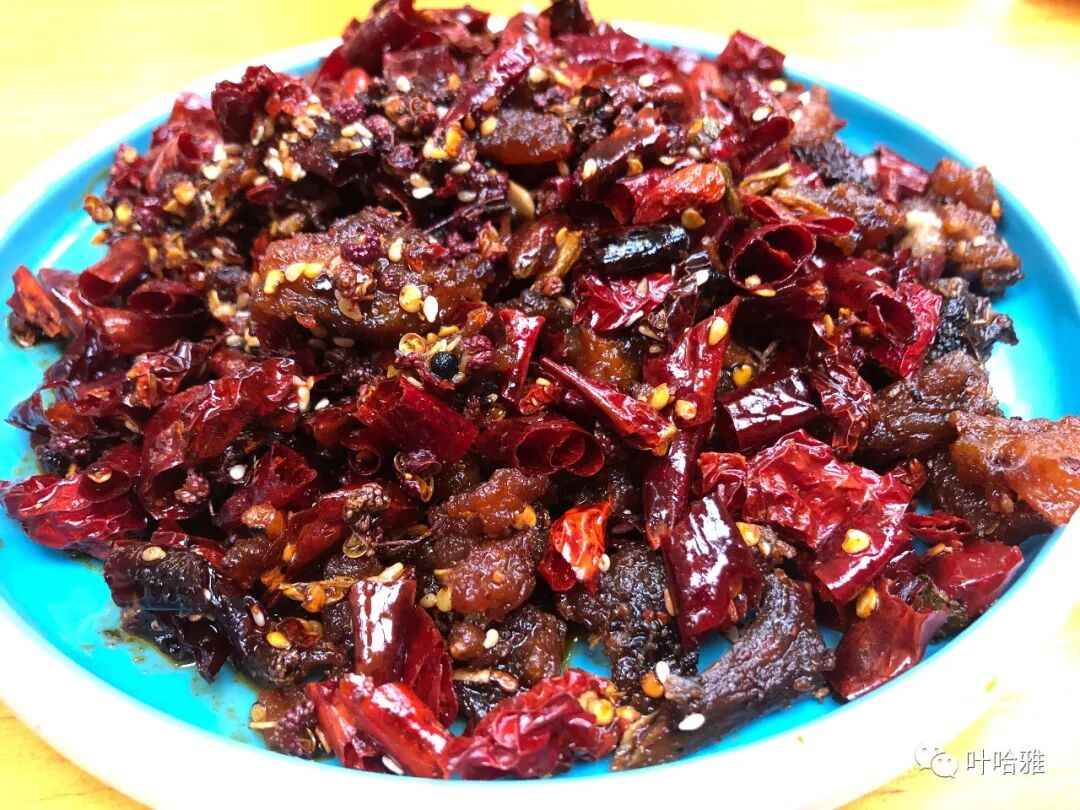
Cold-tossed diced rabbit (lengchi tuding)
Cold-tossed diced rabbit is a famous Sichuan dish. The rabbit meat is diced, cooked, and then cooled. Although it looks full of chili peppers, you can eat the peppers as a vegetable. It is not spicy at all, but very fragrant and goes well with rice.
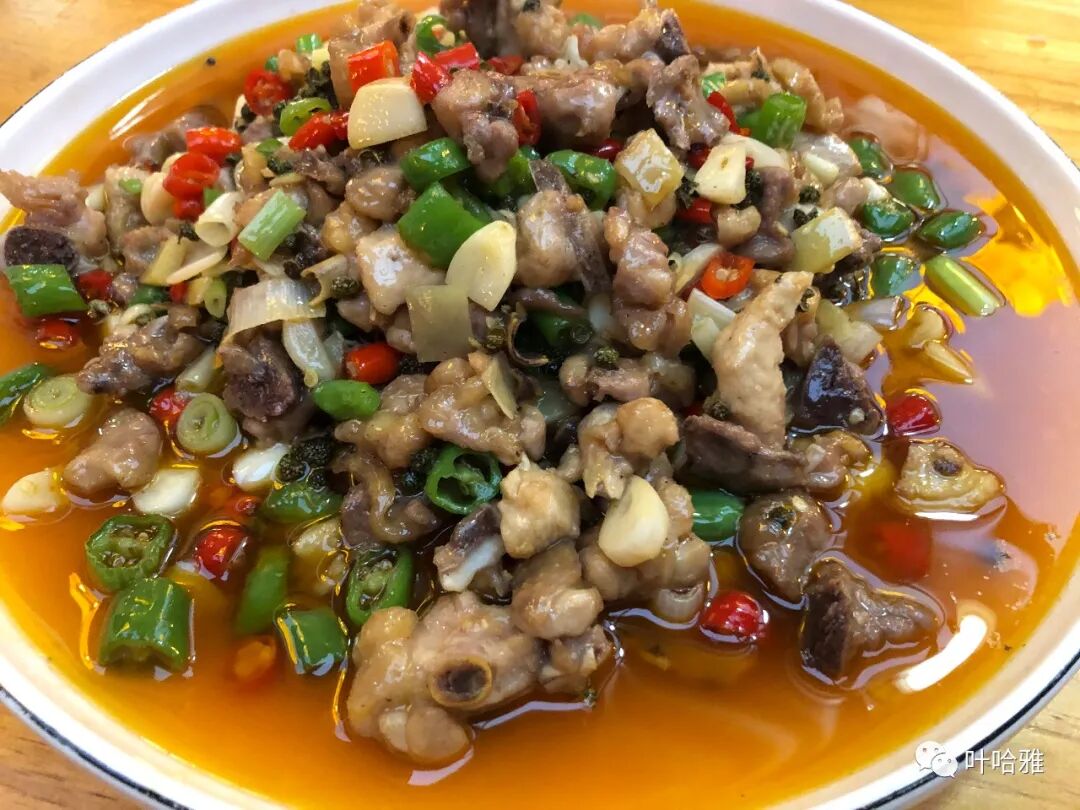
Green pepper chicken (qingjiao laziji)
Spicy chicken is another Sichuan specialty. The chicken is paired with the aroma of chili and Sichuan peppercorns, making it hard to stop eating.
Jiuzhaigou Scenic Area
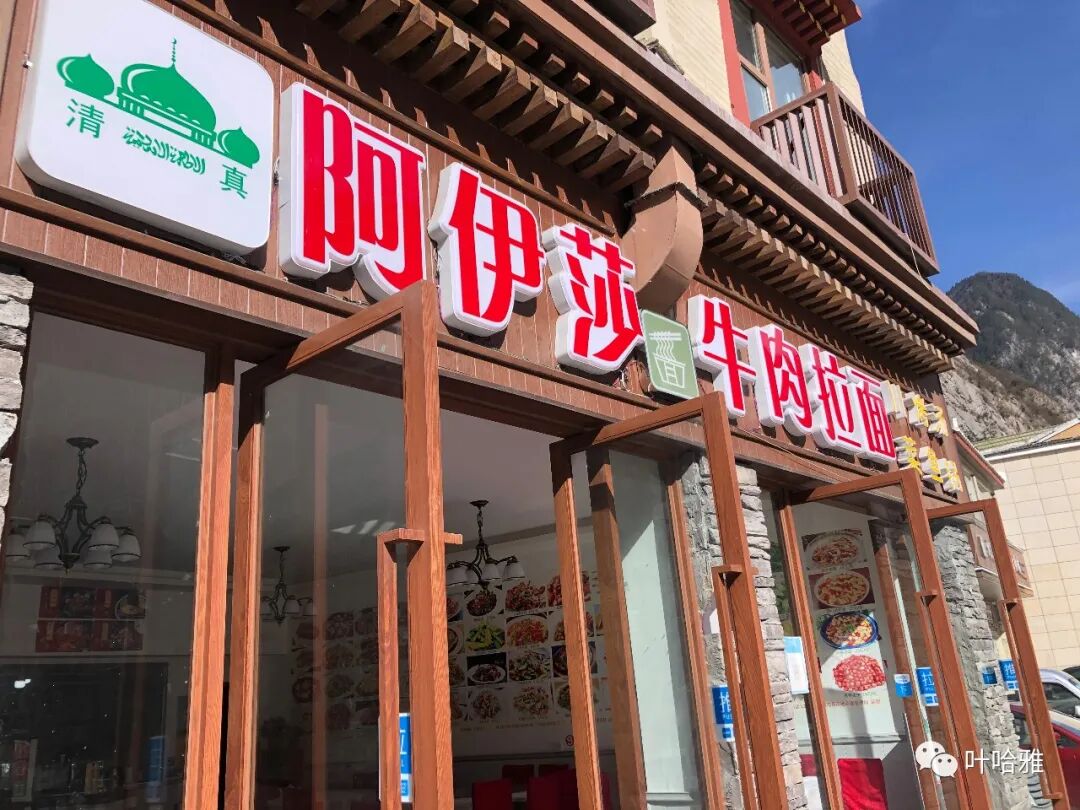
You can reach the outside of Jiuzhaigou Scenic Area by bus from Songpan in two hours. You can stay near the scenic area that night. There are three halal restaurants outside the scenic area, a few hundred meters apart. Two are noodle shops, and one is a Sichuan restaurant called Huixiangzhai, run by Hui Muslims from Songpan.
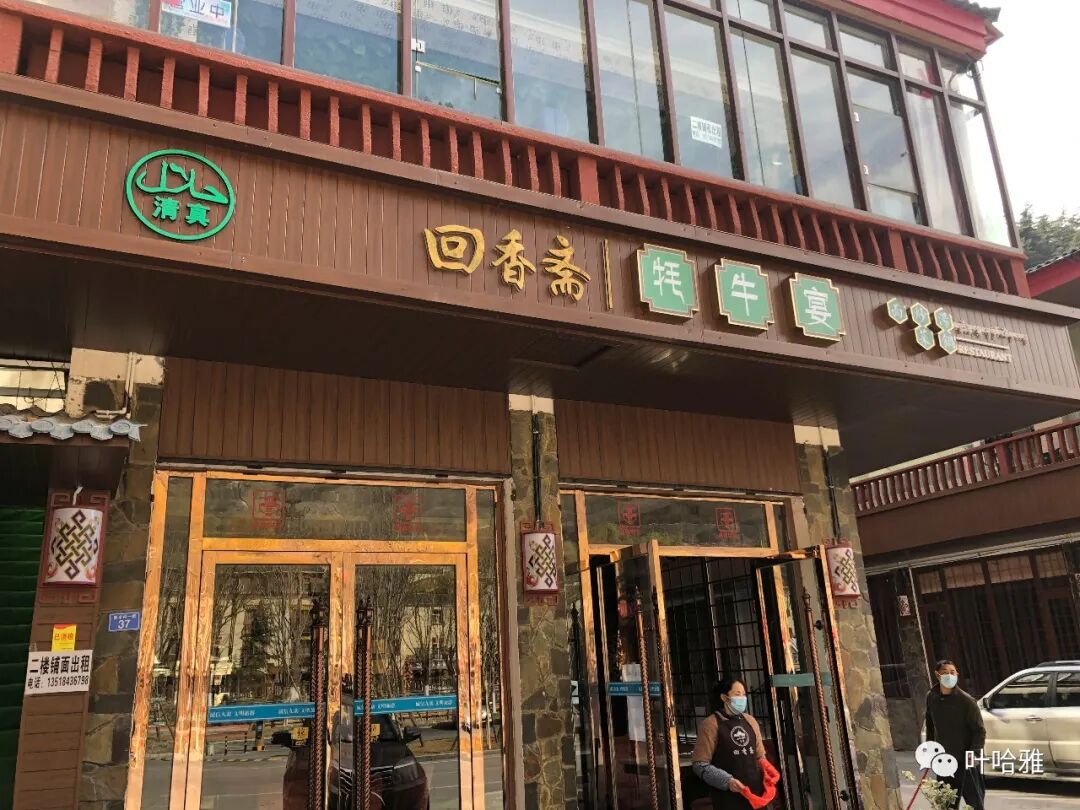
Huixiangzhai
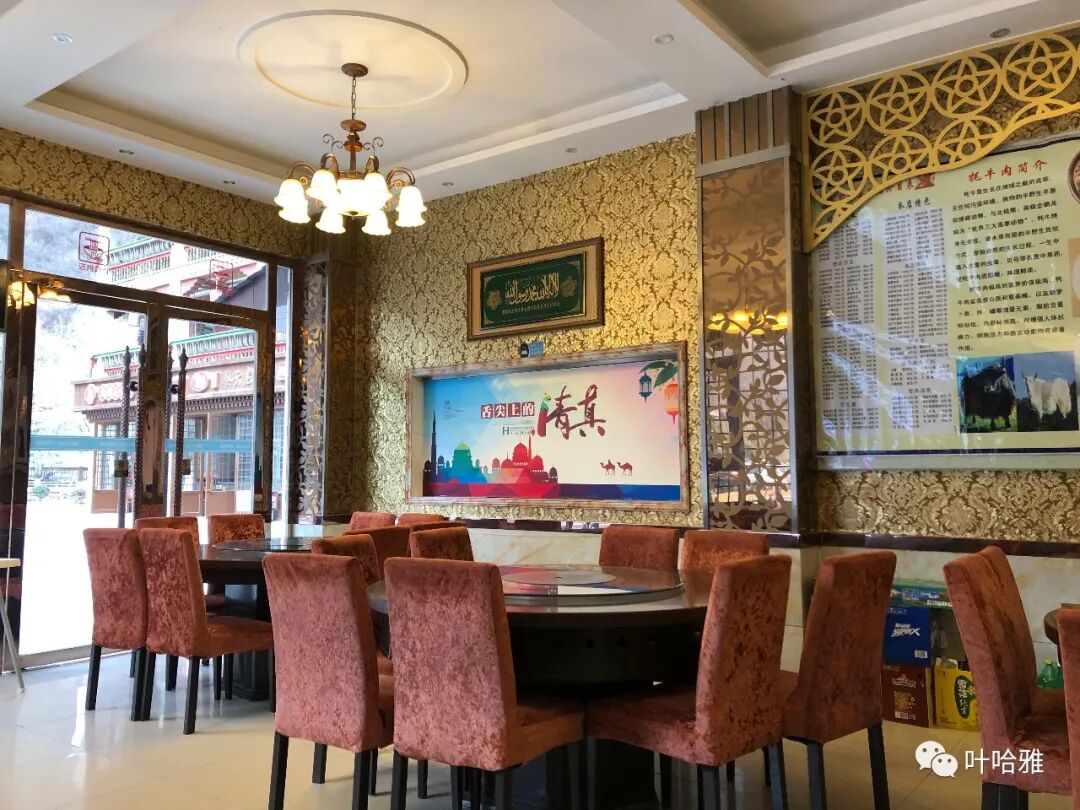
Huixiangzhai serves yak feasts and home-style Sichuan dishes, but the prices are on the high side, averaging about 100 yuan per person. If you eat the yak beef hot pot, the price is even higher, around 200 yuan per person. However, since it is in a scenic area where logistics are difficult, this is understandable.
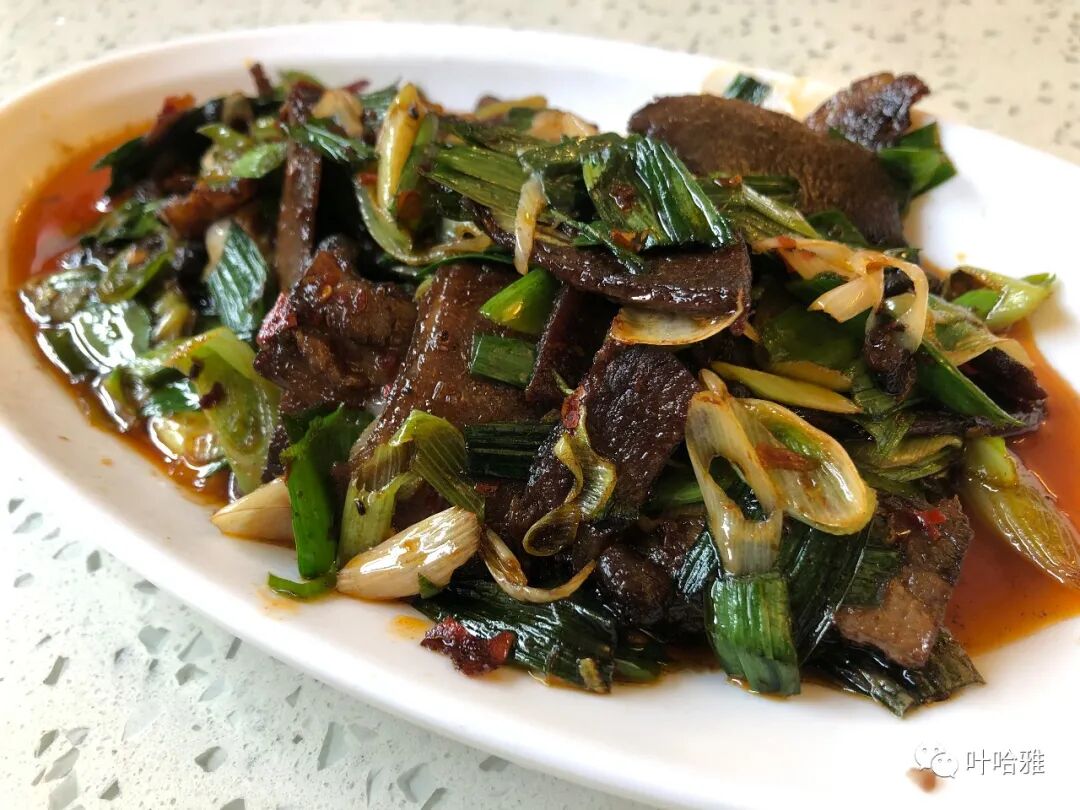
Twice-cooked yak beef (huiguo yaoniurou)
Twice-cooked yak beef is the best Sichuan dish at this restaurant. We ordered it twice. You must eat twice-cooked beef when you come to Sichuan.
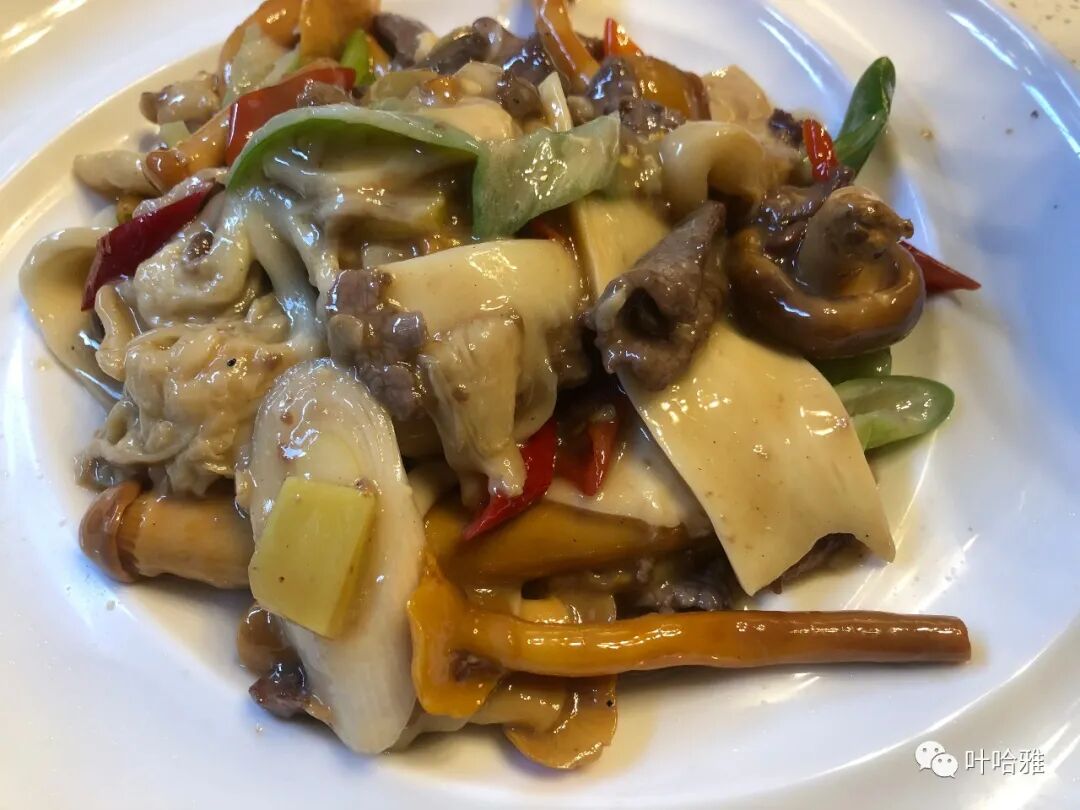
Stir-fried wild mushrooms (chao yeshengjun)
The weather in Jiuzhaigou in early March is still quite cool, so there are not many wild mushrooms. After May or June, a large amount of fresh mushrooms will be on the market.
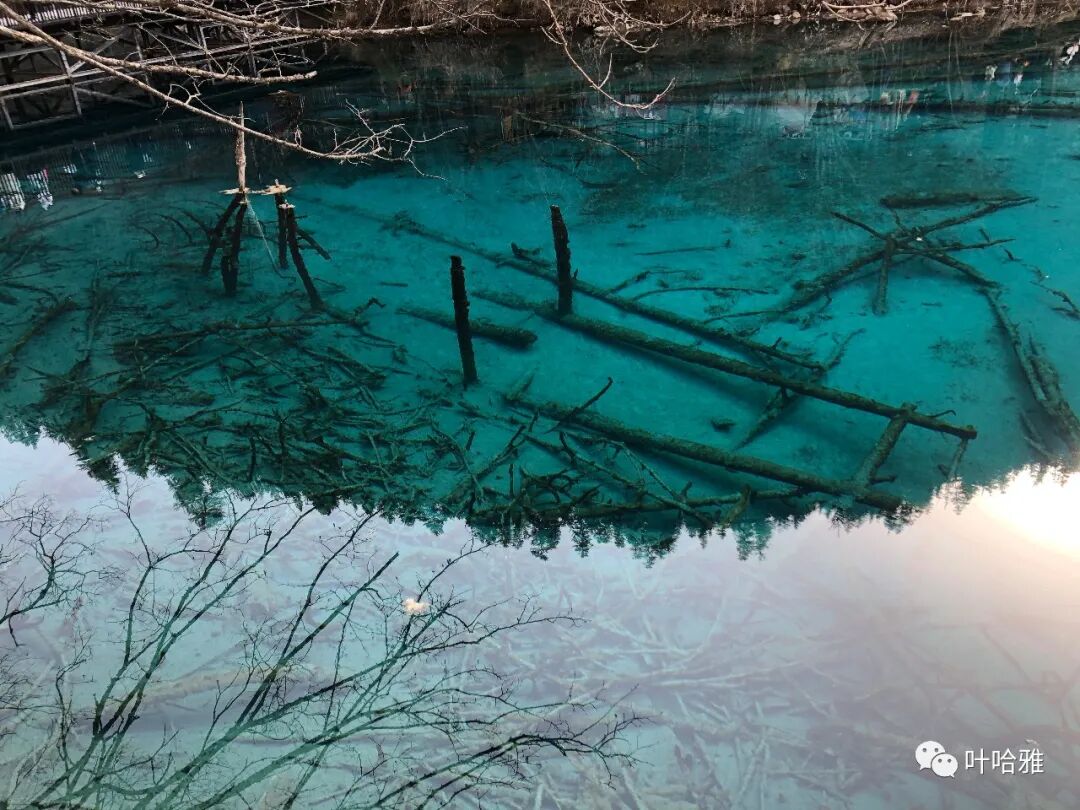
Jiuzhaigou is a 5A-level scenic area. Tickets booked online are 192 yuan per person. The day we arrived was International Women's Day, so women were admitted for free. We took a sightseeing bus from the entrance to the top of the mountain and then toured from the top down. The whole trip was comfortable, and we did not have to walk too much, though hiking enthusiasts can also walk.
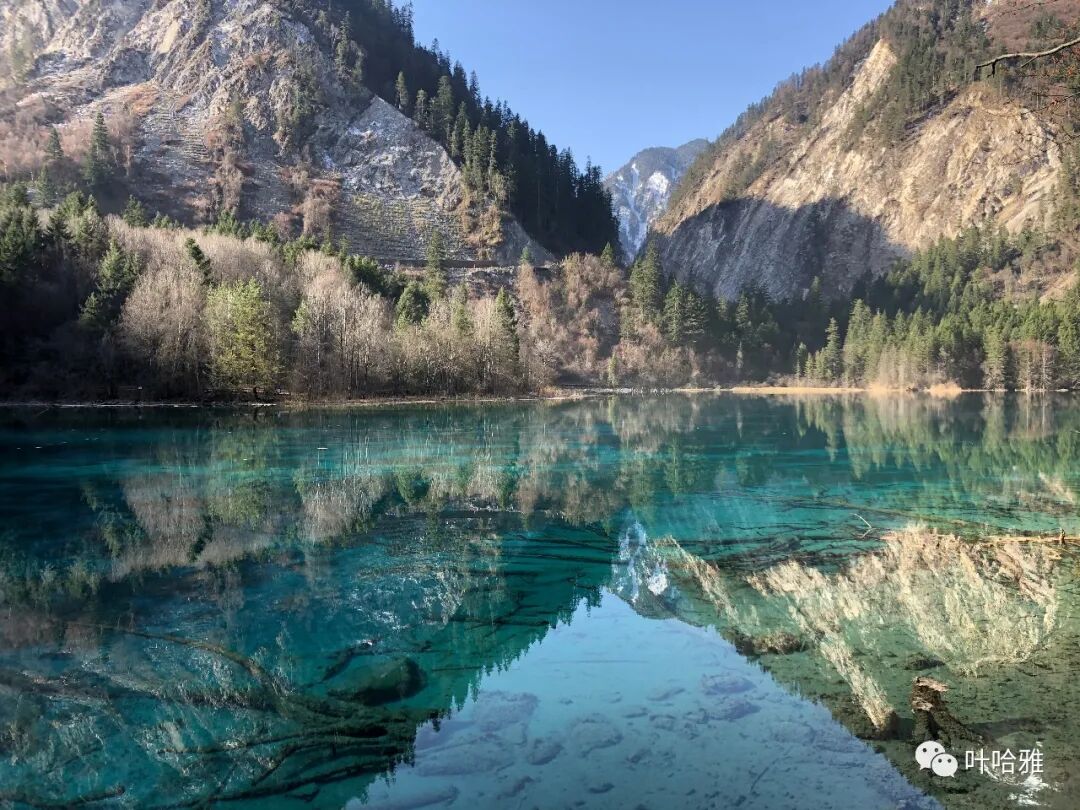
In 2017, a 7.0-magnitude earthquake hit Jiuzhaigou, causing some damage to the scenic area. After several years of restoration, it has mostly recovered. 80% of the scenic area has reopened, and we did not see any traces of earthquake damage during our visit. However, this reminds us that if you want to visit, you should go early, as you never know when an accident might happen.
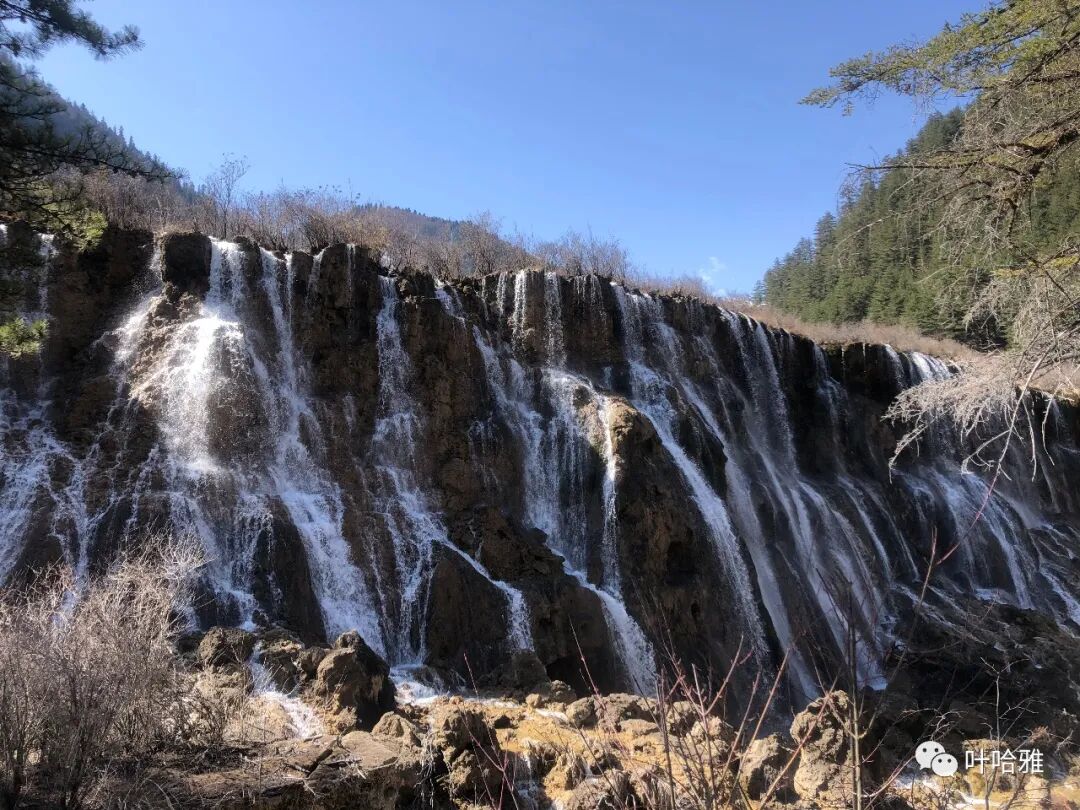
Nuorilang Waterfall
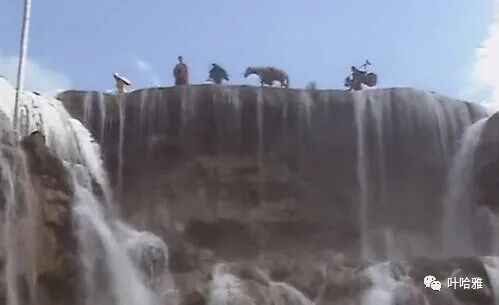
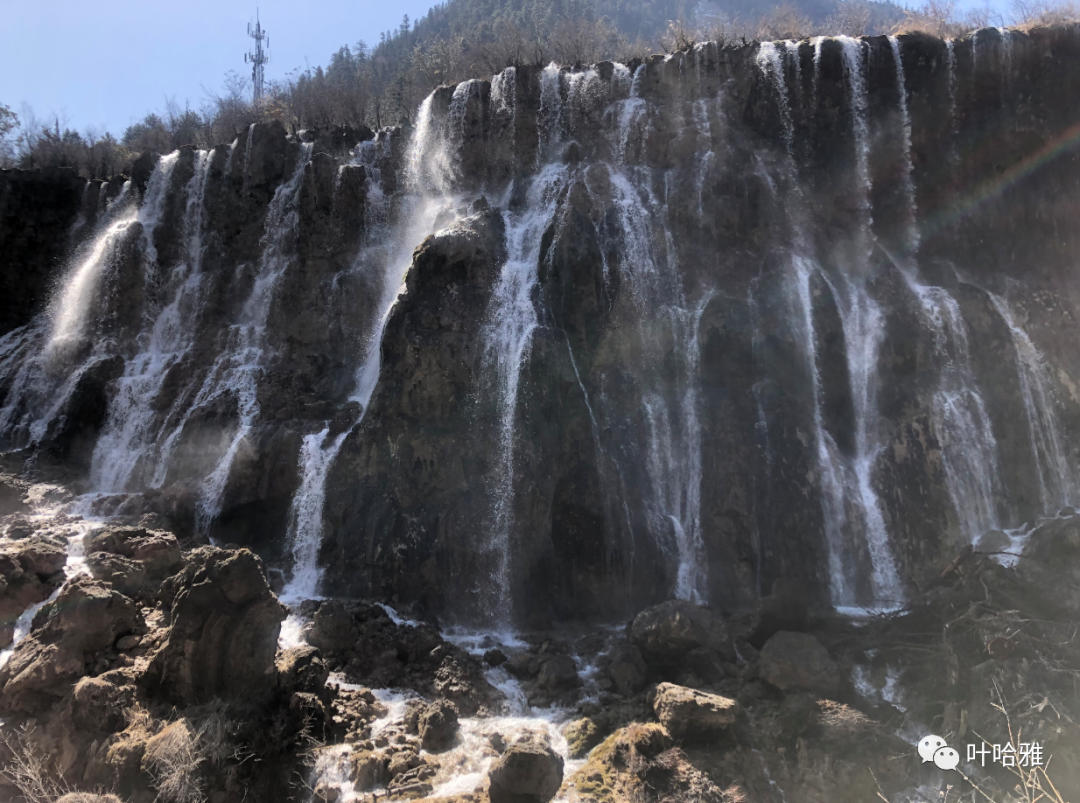
Nuorilang Waterfall was a filming location for the ending of the 1986 version of Journey to the West, where the monk Tang Seng and his disciples walked above the falls. I loved watching that show as a kid, and standing at the foot of the waterfall today felt like traveling back to my childhood. It was a wonderful experience.
Jiuzhaigou is in a Tibetan area filled with Tibetan villages you can visit. There are no halal restaurants there, so you need to bring your own food. I think one day is enough to explore from morning until night. It is a bit cold and the altitude is high on the mountain, so be prepared.
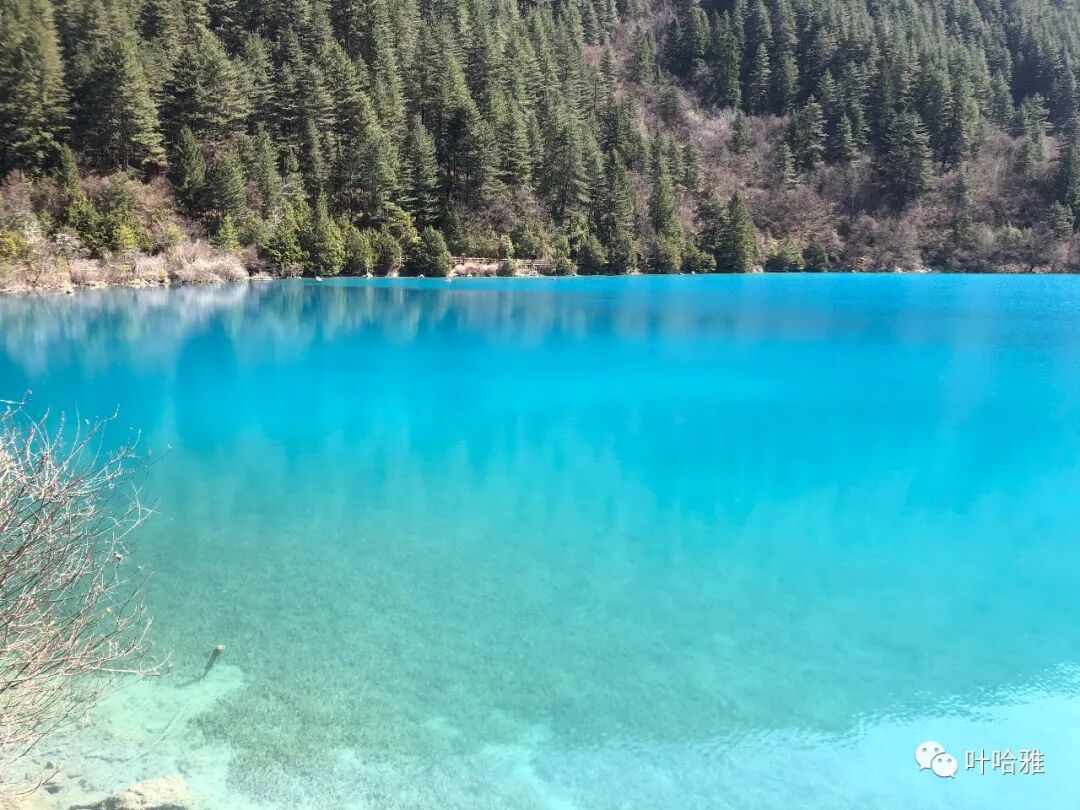
These photos are original shots from my phone with no editing. The blue you see with your own eyes is even deeper than in the pictures. Jiuzhaigou is one of the top ten scenic spots in China and a World Natural Heritage site. It is definitely worth a visit.
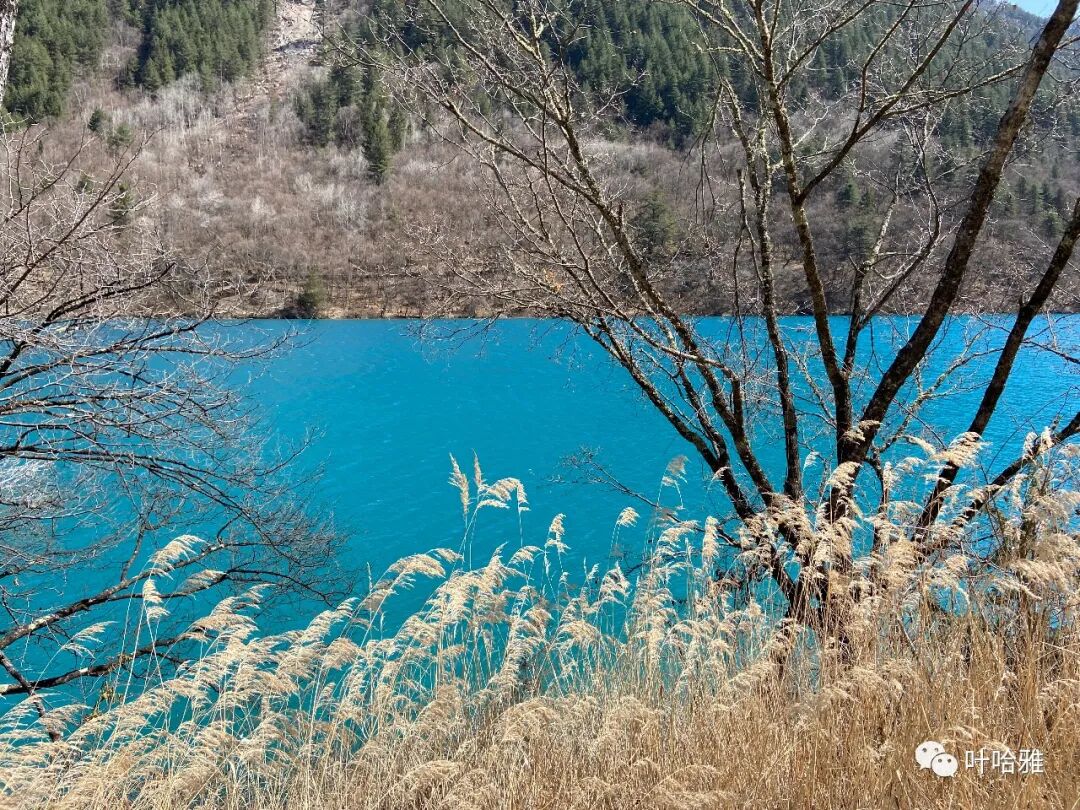
It was still snowing in Jiuzhaigou in March, and the scenery after the snow was beautiful. There are fewer tourists in the off-season, and you can visit Jiuzhaigou in any season. However, the park gets extremely crowded during the peak summer season, and hotel prices skyrocket. I suggest traveling during the off-peak season so you have a better experience.
My wife made a short video featuring both of us briefly.
Summary: Muslim Travel Guide China 2026: Songpan Jiuzhaigou Mosques, Hui Muslims and Tea Horse Road History is presented here as a clear English account for Muslim readers, starting with this scene: Today is the third day of Ramadan in Beijing's Niujie. I won't be running around during this month. I want to stay calm, focus on my worship, keep studying the Quran and Hadith to enrich myself, and do some writing. It keeps the original names, food details, mosque details, photographs, and cultural context while focusing on Jiuzhaigou Travel, Sichuan Muslims, Mosque History.
Today is the third day of Ramadan in Beijing's Niujie. I won't be running around during this month. I want to stay calm, focus on my worship, keep studying the Quran and Hadith to enrich myself, and do some writing.
This doesn't mean you can't travel during Ramadan. The Prophet encouraged travel. Allah created a beautiful world, and people need to reflect on it and feel the power of Allah.
Abu Hurairah narrated that the Prophet said: Travel, and you will be healthy and safe. Go on expeditions, and you will become wealthy.
However, your intentions for travel must be right. Dangerous trips, like those taken just for the thrill, do not have the protection of Allah. In my view, they only satisfy personal desires and are meaningless. If an accident happens because of this, it is a sad thing.
Abu Imran narrated that some companions of the Prophet told me: Whoever sleeps on a flat roof and falls to their death does not have the protection of Allah. Whoever drowns while crossing the sea during a storm does not have the protection of Allah.
Abu Hurairah narrated that the Prophet said: Whoever leaves home has two flags at their door. One flag is held by an angel. The other flag is held by a devil. If someone leaves to seek the pleasure of Allah, the angel carries the flag and follows them. They remain under the protection of the angel until they return home. If someone leaves home and angers Allah, the devil carries the flag and follows them. They remain under the flag of the devil until they return home.
Therefore, we should try to avoid traveling to areas where the epidemic is severe.
—— Hello, Travel ——
In March, I went to Jiuzhaigou and Songpan County in the Aba Tibetan and Qiang Autonomous Prefecture of Sichuan. There were many reasons to visit Sichuan. First, Sichuan cuisine is one of my favorite styles. Halal Sichuan restaurants are rare in Beijing, where you mostly find hot pot skewers (chuanchuan huoguo). But hot pot alone doesn't capture the essence of Sichuan food. To eat authentic halal Sichuan cuisine, you have to come to Sichuan.
Second, Sichuan has a diverse human and geographical environment. It has Tibetan areas, Qiang autonomous counties, and other minority settlements. The scenery is pleasant, and the cities have a rich atmosphere of daily life. Of course, what attracts me most is the long history of Hui Muslim culture in Sichuan. Many old mosques in Sichuan were built during the Ming and Qing dynasties and still retain their ancient style. The level of religious practice in Sichuan is actually severely underestimated by outsiders. Many fellow Muslims don't know that there are Hui Muslims in Sichuan, and they are very devout. Every year, many Muslims (dosti) from Sichuan are among those who go on the Hajj.
The history of Hui Muslims in Sichuan began in the Yuan Dynasty. Sayyid Ajjal Shams al-Din served as the administrator of the Sichuan Branch Secretariat for nine years. His third son, Husayn, and fourth son, Shams al-Din Umari, both served as officials in Sichuan. During the Ming Dynasty, many Hui soldiers and merchants from Gansu, Shaanxi, and Yunnan moved to Sichuan. Currently, Hui Muslims in Sichuan are mainly concentrated in Chengdu, Guangyuan, Langzhong, Xichang, and Songpan. There are 133 mosques in Sichuan today.
Sichuan is a major tourist province with many beautiful sights. The most famous is Jiuzhaigou. However, my interest is entirely in halal travel. Beautiful scenery alone wouldn't make me visit. The focus of this halal trip is Songzhou Ancient City in Songpan County, about 50 kilometers from Jiuzhaigou. Songpan is a place where many Hui Muslims live, and there are many mosques with traditional architectural styles that attract me. Of course, there is also halal Sichuan food.
You can take a plane or a bus from Chengdu to Jiuzhaigou. I recommend the bus. It saves money, as the ticket is only a little over 100 yuan, and the trip takes about 7-8 hours. If you fly, the flight time is 1 hour, but when you add the time to get to and from the airport, it isn't much faster than the bus. The Jiuzhaigou airport is built between Songpan and Jiuzhaigou, far from the scenic area. You still need to take a taxi, which usually costs 200-300 yuan in peak season, and there are long lines.
If we take the halal route, we pass through Wenchuan and Songpan on the way from Chengdu to Jiuzhaigou. After the Wenchuan earthquake, the area was rebuilt and is even more prosperous than before. On the road, I saw the Wenchuan Grand Mosque, which is a new mosque with a dome style.
Songzhou Ancient City
From Chengdu Chadianzi Bus Station
Take a bus to Songpan County Songzhou Bus Station
The trip takes about 6 hours. Songzhou Ancient City in the county is a famous historical and cultural city in Sichuan. It was an important frontier town and the gateway to western Sichuan. There is no entrance fee for the ancient city, and there is plenty of halal food inside.
Looking around, 90 percent of the restaurants inside and outside Songzhou Ancient City are halal. They mostly serve local Sichuan flavors, with some Northwest Chinese dishes. Prices in the ancient city are quite cheap, costing about 50 to 60 yuan per person for a meal, which is much cheaper than Jiuzhaigou.
This shop is one of the popular restaurants recommended by locals. It specializes in yak beef soup pot (yaoniurou tangguo), but we were interested in home-style Sichuan dishes, so we didn't eat there.
The minaret (xuanlita) by the river in the distance is the Songpan North Mosque (Songpan Qingzhen Beisi), about one kilometer away from Songzhou Ancient City on foot.
Songpan North Mosque
The North Mosque was built in the 22nd year of the Guangxu reign (1896) with funds donated by the Hui Muslim tea merchant Ma Jian. It was destroyed in the third year of the Xuantong reign and rebuilt with collected funds in the eighth year of the Republic of China. The prayer hall was rebuilt in 2005. A plaque with the inscription 'Promote Religion and Build the Nation' by Bai Chongxi hangs in the middle of the Moon-Watching Pavilion (Wangyuelou). The mihrab inside the hall features wood carvings and paintings in the decorative style of the Gansu region. It was not damaged during the 2008 Wenchuan earthquake.
Screenshot from 'Architectural Art of Chinese Islam, Volume 2'.
A comparison of the original appearance of the North Mosque and its current state. The plaque in the middle inscribed by Bai Chongxi is no longer there.
Guangzhaoting Gongbei
Guangzhaoting Gongbei was built to commemorate the 29th-generation descendant of the Prophet, Huazhe Abudonglaxi. It is located at the foot of the mountain in the north corner of Dongyu Village, east of Songpan County, one kilometer from Songpan Ancient City. Huazhe Abudonglaxi came to China from Mecca in the early Qing Dynasty to spread the Qadiriyya (Gaderenye) school, a history spanning nearly 400 years. At that time, the sage and his companions traveled by sea to spread the faith in Guangdong, Guangxi, Hunan, Hubei, Yunnan, Guizhou, Sichuan, and the five Northwest provinces. They spent two years in Songpan and left in the 18th year of the Kangxi reign (1679). During the Xianfeng reign, Ma Daojin, the sixth-generation successor of the Great Gongbei, presided over the construction of the Gongbei at the place where he lived. The current main building was rebuilt in 1994 with a total investment of over 1.4 million yuan.
I filmed a short video of my visit to Guangzhaoting Gongbei.
Among the many Qadiriyya Gongbei, I have visited the National Gongbei in Linxia, Luling Mosque in Xixiang, Shaanxi, and Baba Mosque in Langzhong, Sichuan. I have written articles about two of them:
Luling Mosque: The Resting Place of the Qadiriyya Grand Master.
A Halal Travel Guide to Langzhong Ancient City, Sichuan.
There are several other Qadiriyya Gongbei in Sichuan, namely the Houxi Gongbei and Qianxi Gongbei in Wuping, the Datanjing Gongbei in Guangyuan, and the Erlangshan Gongbei in Guangyuan.
Lighting incense is very important in the Qadiriyya menhuan. It is usually done morning and evening. Practitioners must follow five rules: diligent study of precepts, begging for food, diligent practice, frequent bathing, and lighting incense.
On the mountain behind Guangzhaoting Gongbei, there is another Gongbei called Yinxian Gongbei, also known as Yinxian Pavilion or the Upper Gongbei. It is located on the east bank of the Minjiang River, 3 li from Songpan city, and is the tomb of the Arab Nuh Runjini (Chinese name Ma Guangzu). It is usually closed and requires someone from the Gongbei to bring a key to open it. There was no one at the Gongbei when we arrived, so we did not go.
Xiashuiguan Halal Street
Halal Street is inside the ancient city of Songzhou. It is easy to find on foot because the ancient city is small. Since there are halal restaurants everywhere, Halal Street does not feel particularly special, though it does house the Chengguan Mosque.
On Halal Street, there is a halal beef and mutton market along with several snack shops, most of which are run by merchants from Northwest China.
Chengguan Mosque
Songzhou Chengguan Mosque was formed by merging the Upper Mosque and the Lower Mosque. The Lower Mosque was built during the Hongwu reign of the Ming Dynasty (1379), and the Upper Mosque was built in the first year of the Xianfeng reign (1851). The Upper Mosque was once occupied by the Minshan Village collective, and the Lower Mosque was used as a canteen for the Zhongjiang No. 2 Village before being taken over by the Chengguan Kindergarten. In 1987, the land for the Chengguan Mosque was returned. It covers 4 mu of land with a building area of over 2,400 square meters.
There are many Sichuan-style halal restaurants in the ancient city. We walked into a tea restaurant and ordered a few local specialties. The shop was full of Tibetan people. Eating in the ancient city felt like being in Lhasa; the whole atmosphere was very similar.
Cold-tossed diced rabbit (lengchi tuding)
Cold-tossed diced rabbit is a famous Sichuan dish. The rabbit meat is diced, cooked, and then cooled. Although it looks full of chili peppers, you can eat the peppers as a vegetable. It is not spicy at all, but very fragrant and goes well with rice.
Green pepper chicken (qingjiao laziji)
Spicy chicken is another Sichuan specialty. The chicken is paired with the aroma of chili and Sichuan peppercorns, making it hard to stop eating.
Jiuzhaigou Scenic Area
You can reach the outside of Jiuzhaigou Scenic Area by bus from Songpan in two hours. You can stay near the scenic area that night. There are three halal restaurants outside the scenic area, a few hundred meters apart. Two are noodle shops, and one is a Sichuan restaurant called Huixiangzhai, run by Hui Muslims from Songpan.
Huixiangzhai
Huixiangzhai serves yak feasts and home-style Sichuan dishes, but the prices are on the high side, averaging about 100 yuan per person. If you eat the yak beef hot pot, the price is even higher, around 200 yuan per person. However, since it is in a scenic area where logistics are difficult, this is understandable.
Twice-cooked yak beef (huiguo yaoniurou)
Twice-cooked yak beef is the best Sichuan dish at this restaurant. We ordered it twice. You must eat twice-cooked beef when you come to Sichuan.
Stir-fried wild mushrooms (chao yeshengjun)
The weather in Jiuzhaigou in early March is still quite cool, so there are not many wild mushrooms. After May or June, a large amount of fresh mushrooms will be on the market.
Jiuzhaigou is a 5A-level scenic area. Tickets booked online are 192 yuan per person. The day we arrived was International Women's Day, so women were admitted for free. We took a sightseeing bus from the entrance to the top of the mountain and then toured from the top down. The whole trip was comfortable, and we did not have to walk too much, though hiking enthusiasts can also walk.
In 2017, a 7.0-magnitude earthquake hit Jiuzhaigou, causing some damage to the scenic area. After several years of restoration, it has mostly recovered. 80% of the scenic area has reopened, and we did not see any traces of earthquake damage during our visit. However, this reminds us that if you want to visit, you should go early, as you never know when an accident might happen.
Nuorilang Waterfall
Nuorilang Waterfall was a filming location for the ending of the 1986 version of Journey to the West, where the monk Tang Seng and his disciples walked above the falls. I loved watching that show as a kid, and standing at the foot of the waterfall today felt like traveling back to my childhood. It was a wonderful experience.
Jiuzhaigou is in a Tibetan area filled with Tibetan villages you can visit. There are no halal restaurants there, so you need to bring your own food. I think one day is enough to explore from morning until night. It is a bit cold and the altitude is high on the mountain, so be prepared.
These photos are original shots from my phone with no editing. The blue you see with your own eyes is even deeper than in the pictures. Jiuzhaigou is one of the top ten scenic spots in China and a World Natural Heritage site. It is definitely worth a visit.
It was still snowing in Jiuzhaigou in March, and the scenery after the snow was beautiful. There are fewer tourists in the off-season, and you can visit Jiuzhaigou in any season. However, the park gets extremely crowded during the peak summer season, and hotel prices skyrocket. I suggest traveling during the off-peak season so you have a better experience.
My wife made a short video featuring both of us briefly.
