
Muslim Travel Guide China: Baotou Inner Mongolia Mosques, Shaomai and Hui Muslim Wedding Journey
Reposted from the web
Summary: This Muslim travel guide follows a road trip from Beijing to Baotou for a Hui Muslim wedding, with stops at Zhangjiakou Dongguan Mosque, Inner Mongolia halal food, local shaomai, mosques, and community life.
A Halal Travel Journey in Baotou, Inner Mongolia is presented here as a firsthand travel account in clear English, beginning with this scene: Last weekend, I drove from Beijing to Baotou to attend the wedding of Zhe-Zhe, the COO of Halal Life. The account keeps its focus on Halal Travel, Yiwu Food, Mosque Travel while preserving the names, places, food, and historical details from the Chinese source.
Last weekend, I drove from Beijing to Baotou to attend the wedding of Zhe-Zhe, the COO of Halal Life. I have known her for a long time. We first followed each other on Weibo, then added each other on WeChat. I only learned she grew up in Qinghai when she came to support the opening of my mother-in-law's new shop.
Zhe-Zhe is a Tsinghua University graduate who later studied in France. She is the kind of girl who looks smart and sharp at first glance, with high IQ and EQ, so she is very easy to get along with. When I was building my Mingya insurance brokerage team, I invited her to join. Mingya already had a Tsinghua alumni group. Although she did not refuse at the time, I could see her heart was set on continuing her career at Halal Life. Her dream was to do what she could for the Muslim community, so I did not push her. As a result, among the top domestic university graduates in my team, she is the only one missing from Tsinghua, which is a small regret.
I am honored that Zhe-Zhe is also my VIP client, so how could I miss her wedding? I decided to leave on Saturday with Jiche-Tian to attend the wedding on Sunday, then drive back to Beijing overnight. I did not have to rush, but Jiche-Tian had to be back at the office on Monday.
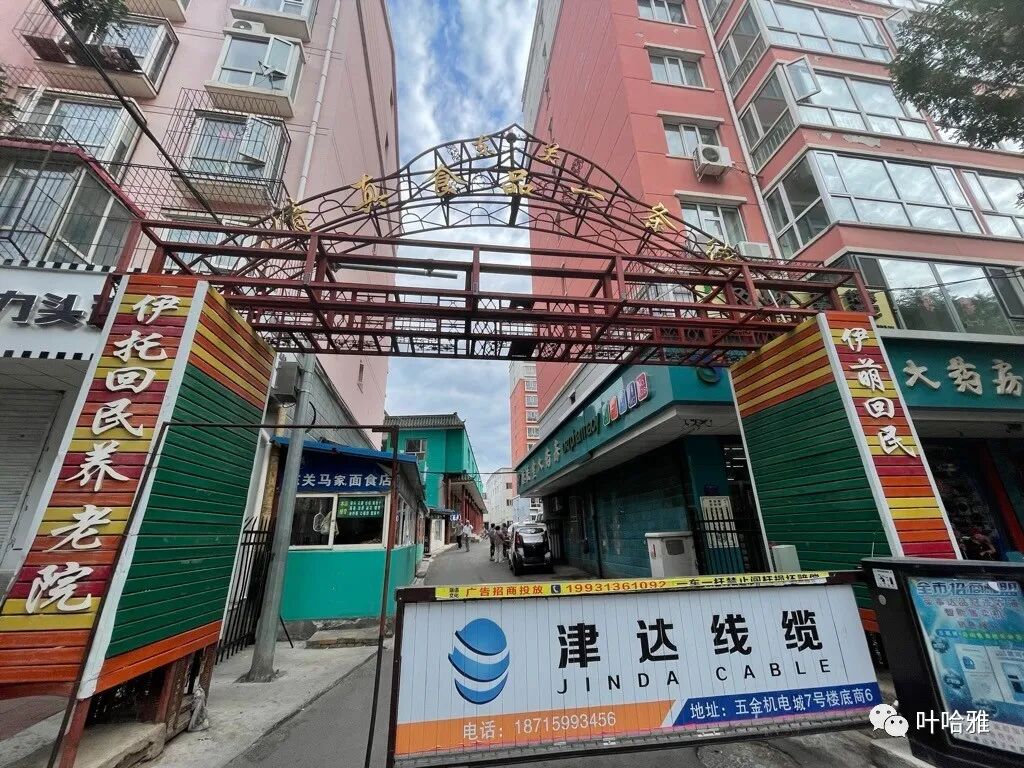
It takes about seven or eight hours to drive from Beijing to Baotou. We left at 5:00 after passing Bangda and arrived in Zhangjiakou around 8:00. We decided to stop for breakfast and visit the local mosque.
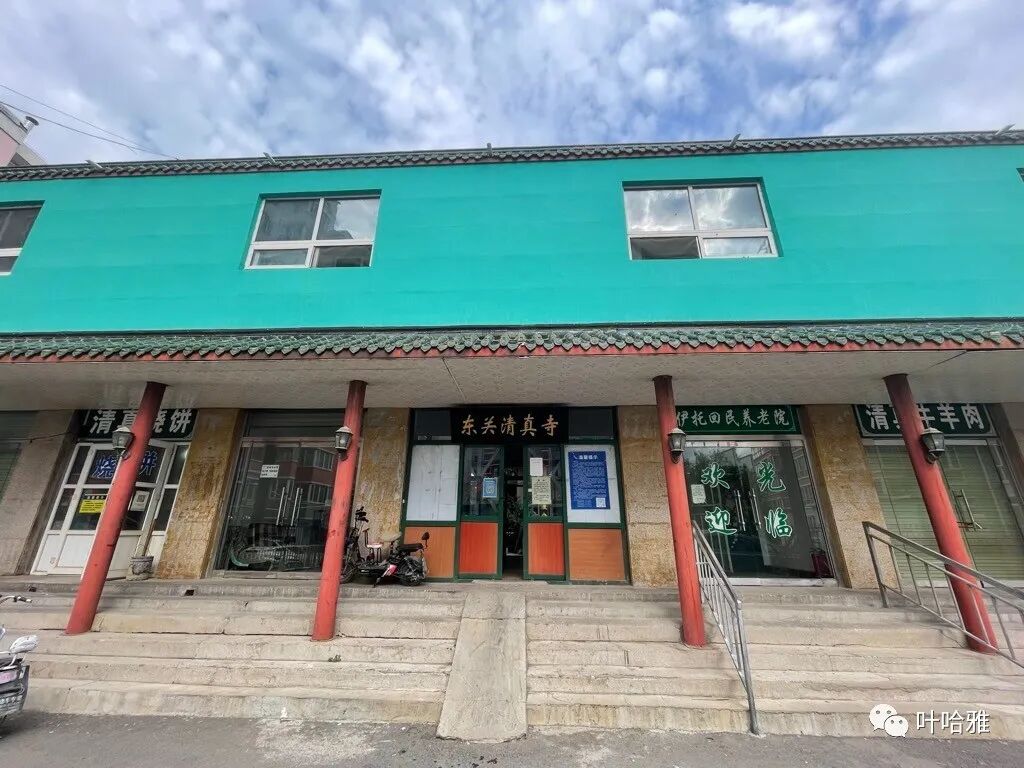
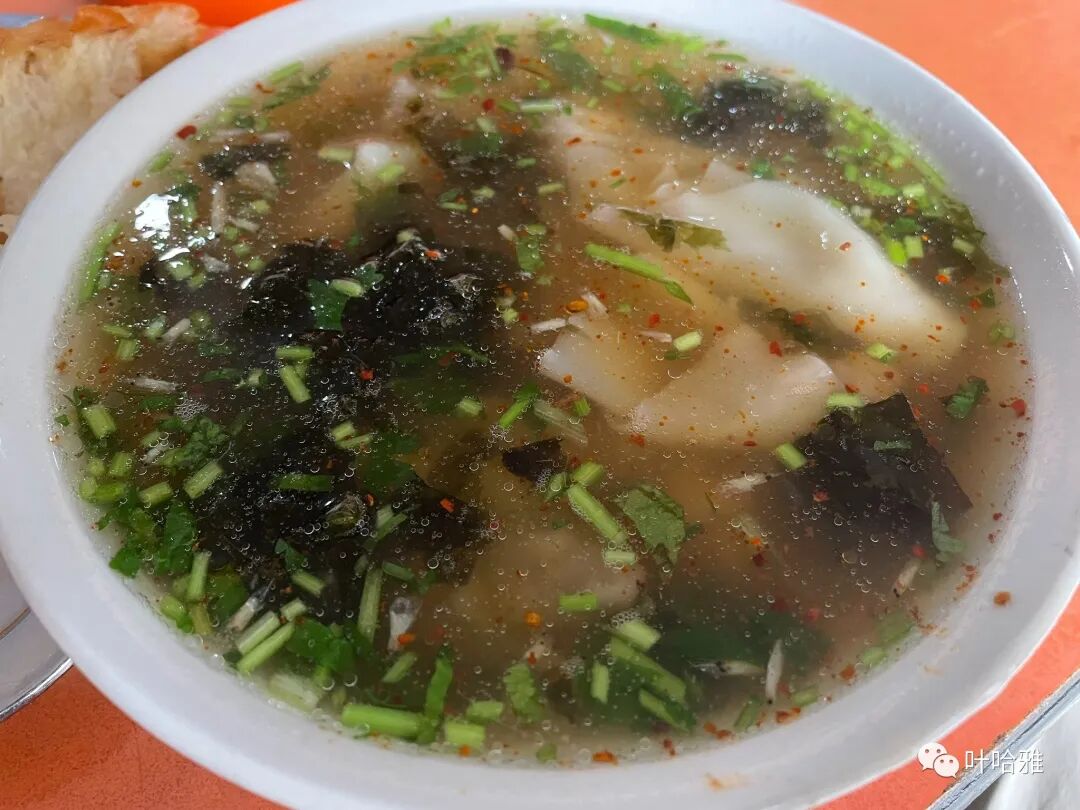
Following the GPS, we arrived at the Zhangjiakou Dongguan Mosque. There was a breakfast shop right next to it. I had hoped to have a bowl of lamb bone broth (yangtang) there, but unfortunately, the nearby shops were all closed. We ended up eating yuanbao soup and fried dough cakes (youbing) instead.
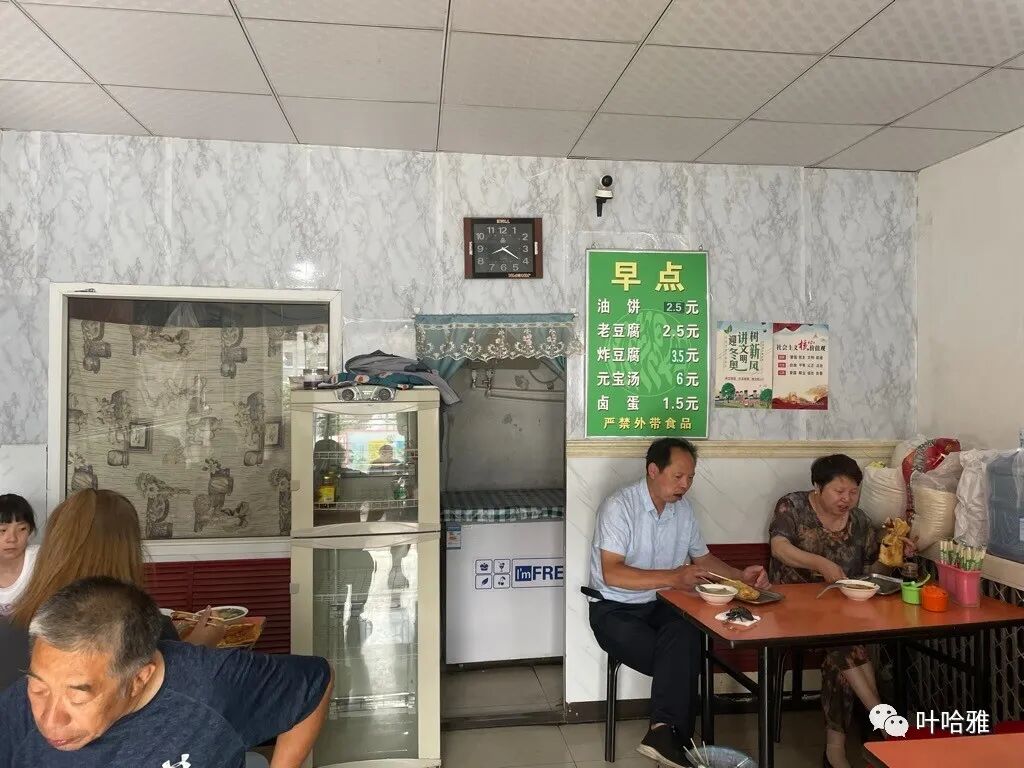
The fried dough cakes were very fluffy and crispy. Eating them with the yuanbao soup, also known as wontons, was delicious. Hui Muslims in North China usually call wontons yuanbao soup to distinguish them from non-halal versions.
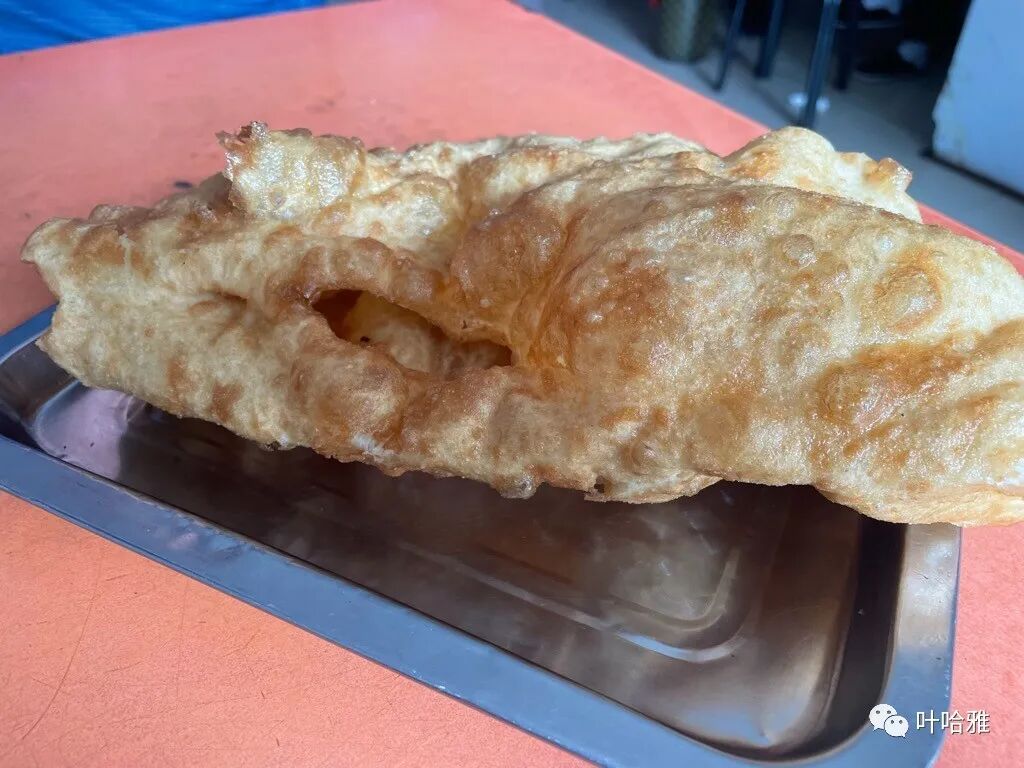
Sesame flatbread (shaobing) and lamb bone broth are very special in the Zhangjiakou area. If you have the chance to visit, remember to find a place to try them.
The Zhangjiakou Dongguan Mosque was funded by Hui Muslims from Changping and was first built in 1919 during the Republic of China era. Many Hui Muslims in Changping worked as bodyguards. The Guangyu Escort Agency in Yangfang Xiguanshi, Changping, once escorted Empress Dowager Cixi as she fled to Xi'an.
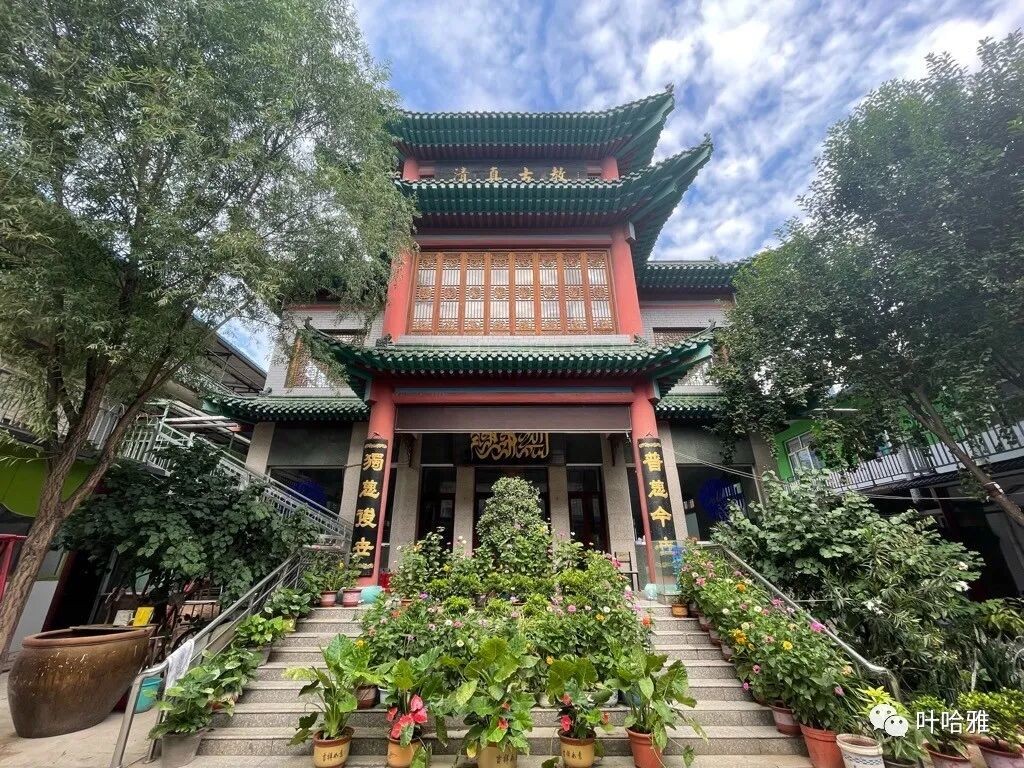
The mosque we see today was renovated not long ago. According to the elders in the mosque, the original building had a dome. The main prayer hall has two floors, but the second floor is not open. About a hundred people can attend Friday prayers (Jumu'ah), mostly locals.
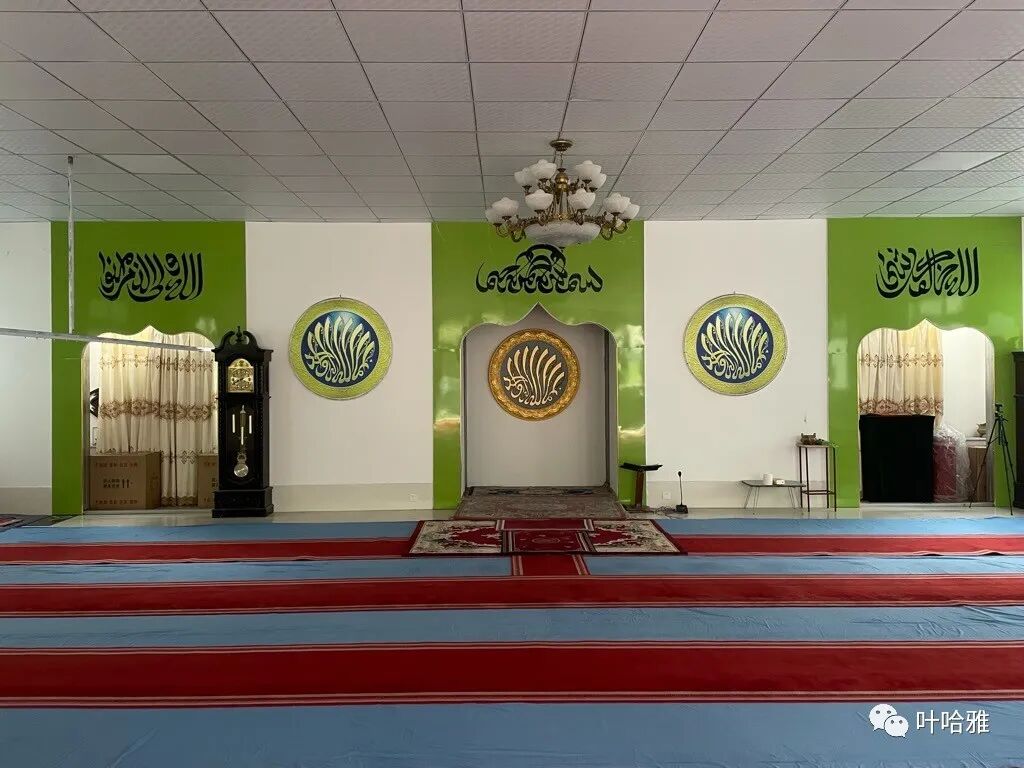
Zhangjiakou is a city in Hebei Province with a relatively large Hui Muslim population and some famous ancient mosques. We did not visit them because they were not on our way, but I hope to visit the Xuanhua Great Mosque next time.
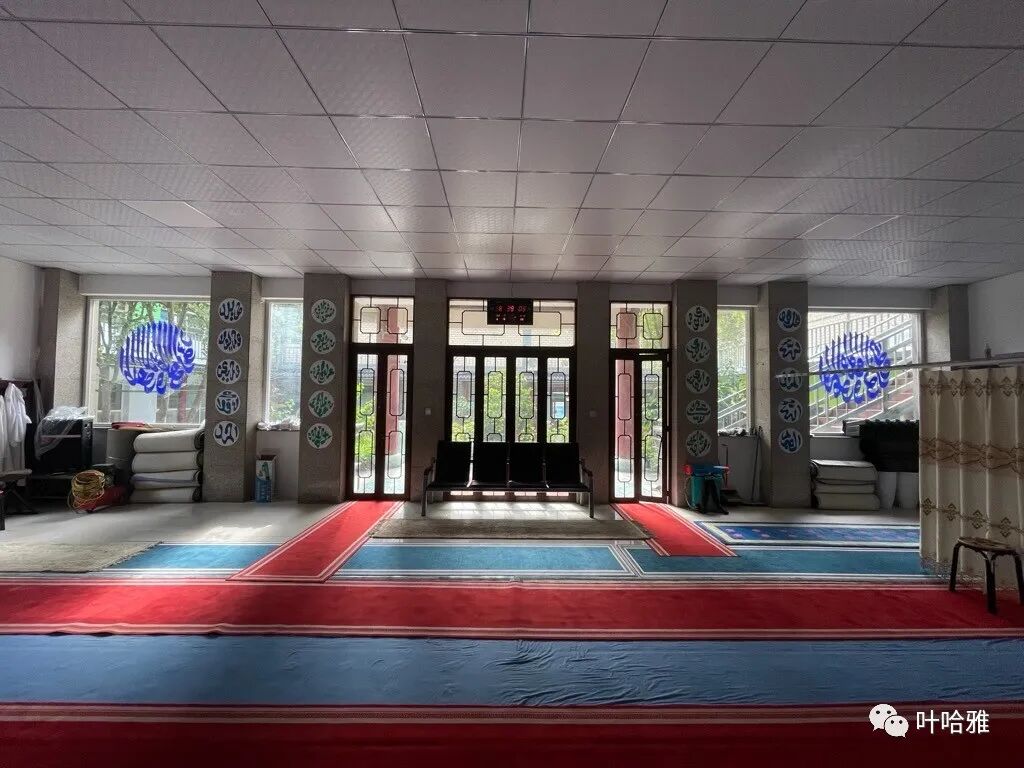
After leaving Zhangjiakou, we drove straight to Baotou and arrived at 2:00 PM, just in time for the afternoon prayer (Asr). We prayed at the Baotou Qingkun Mosque. Since we were traveling, we were allowed to shorten and combine our prayers, so it was quite convenient.
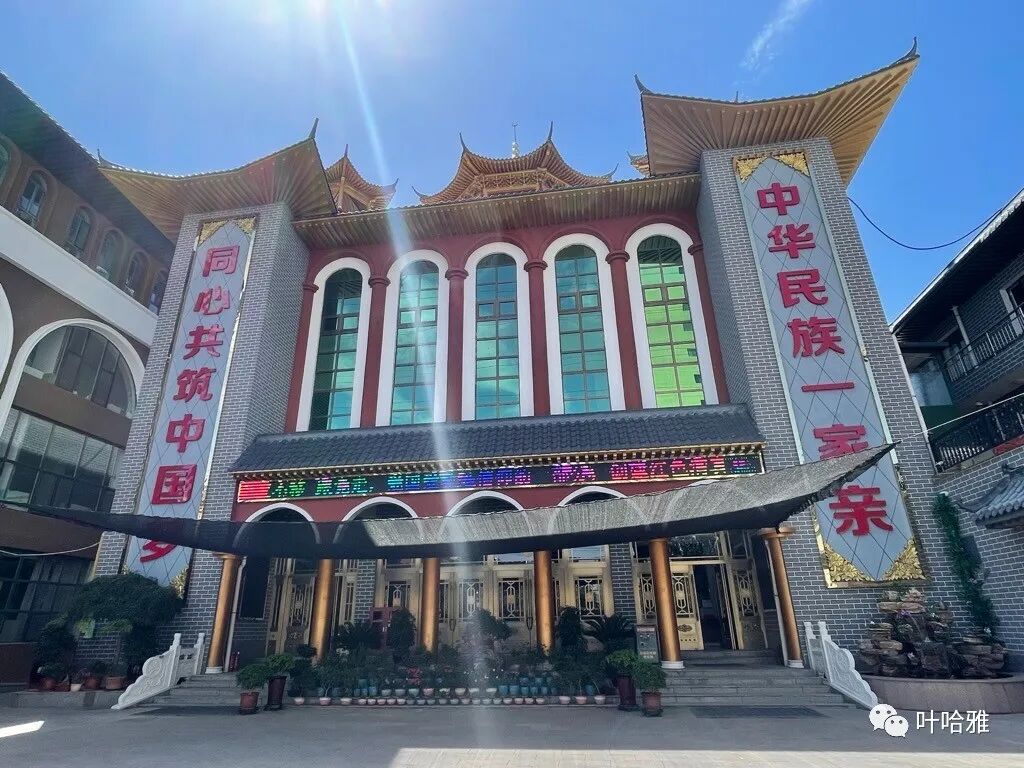
I visited Qingkun Mosque before 2016, when it had a dome. Now it has been renovated into a traditional style. Three other mosques in Baotou are also being renovated and are currently closed; they all originally had domes.
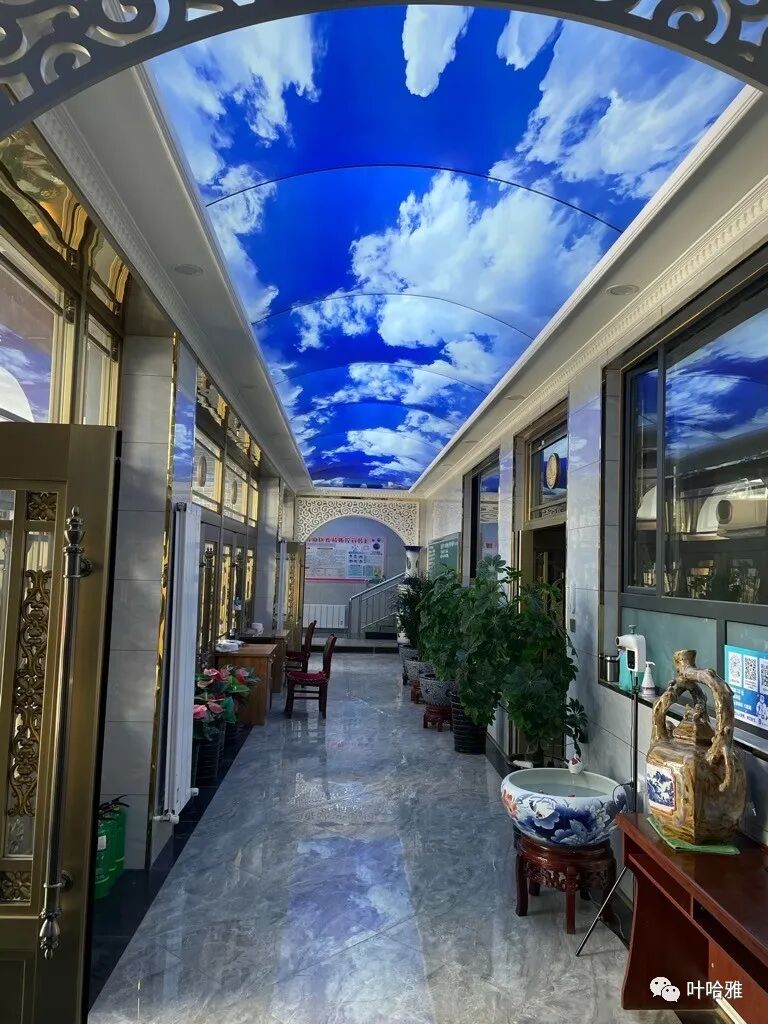
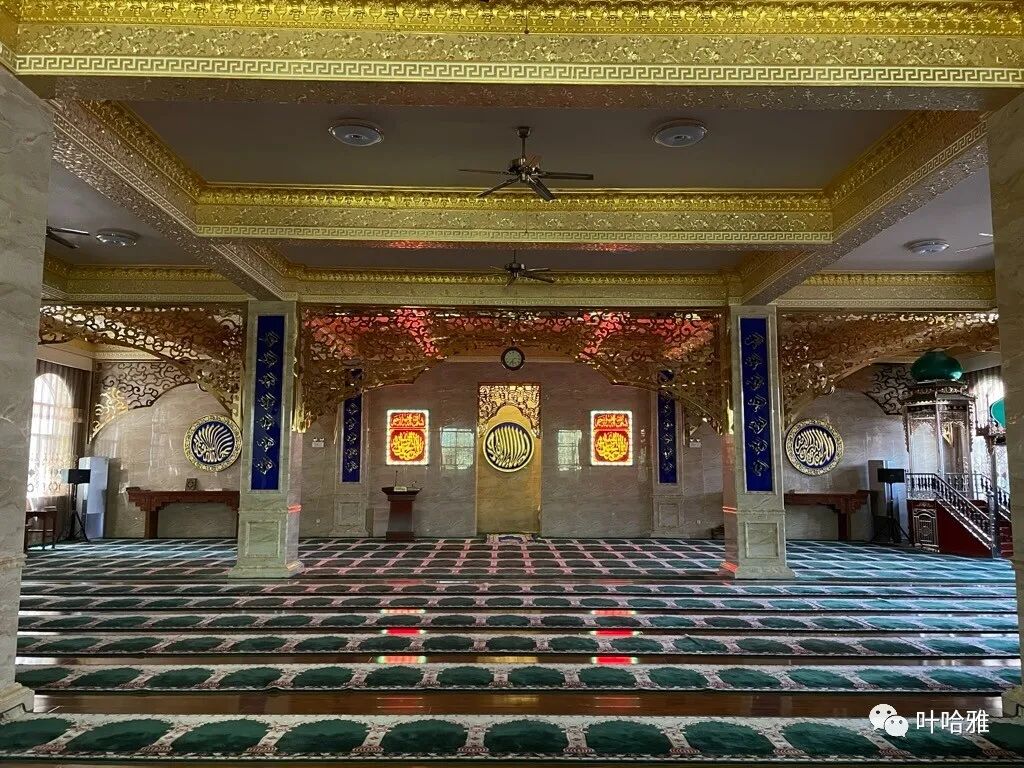
The interior of Qingkun Mosque still looks the same as it did before 2016. I asked, and the time for the call to prayer (bangda) is 4:30. We arranged to meet our friends there for namaz the next morning.
Finding lunch after leaving the mosque was difficult. All the restaurants here close after 2:00 PM. We checked the entire Qingkun District but could not find a single place open.
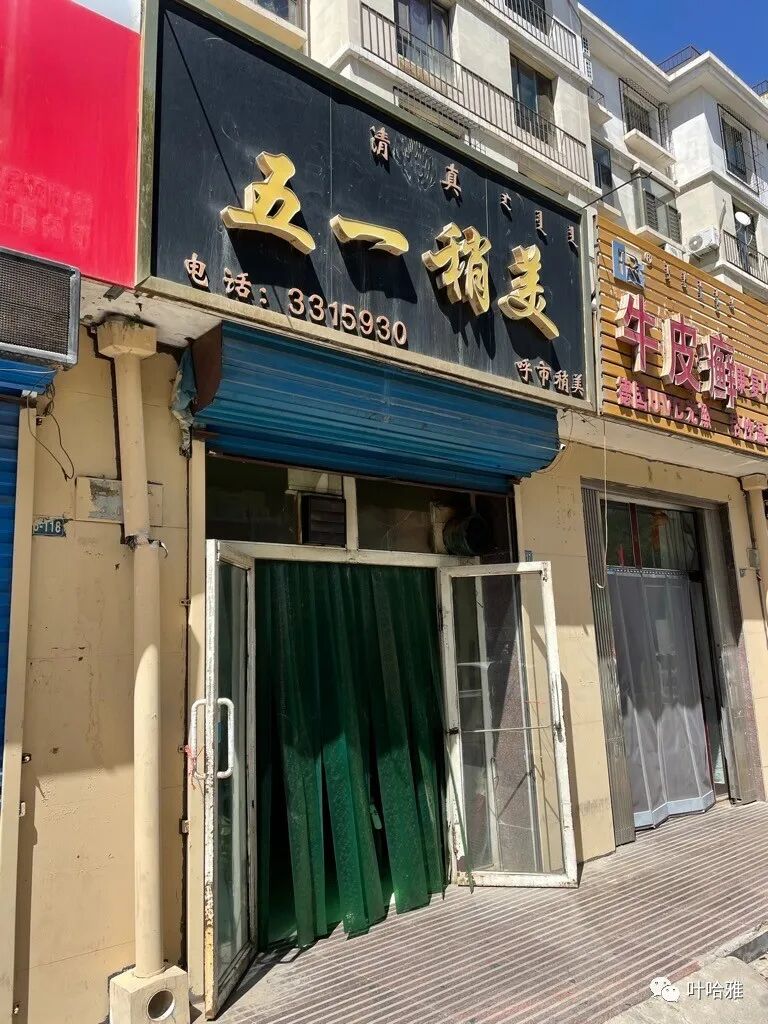
The halal steamed dumplings (shaomai) on May 1st are something only those in the know understand; don't let your imagination run wild.
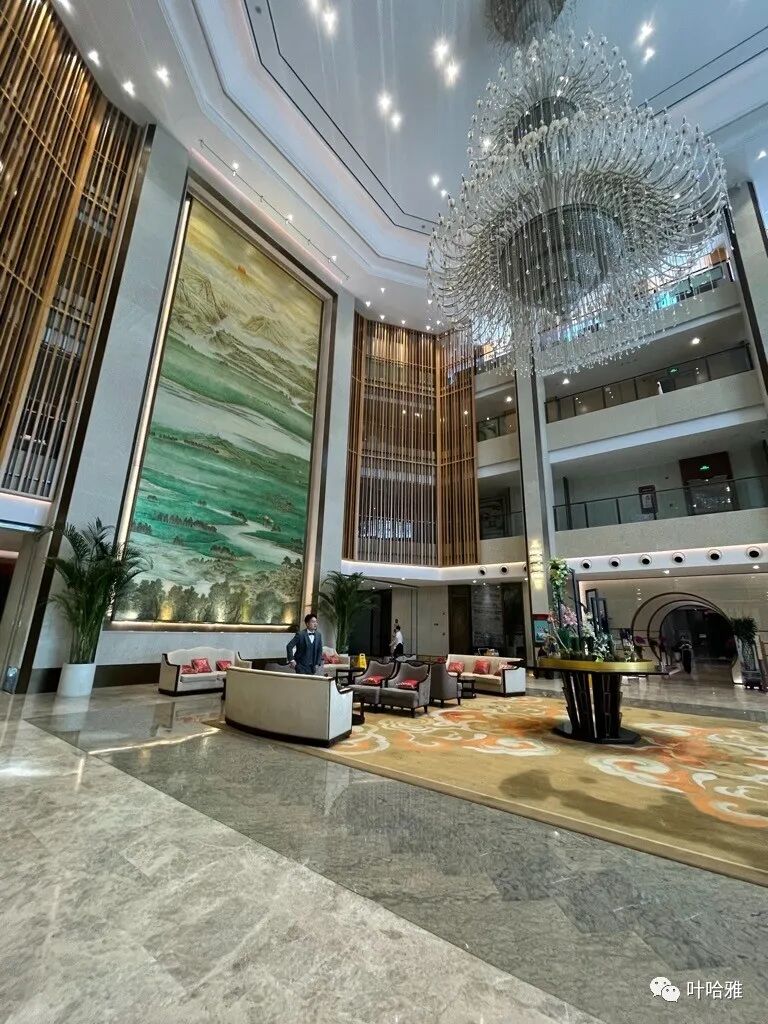
We decided to go back to our hotel to rest. The wedding was held at the Qingshan Hotel, where we were also staying. The hotel has a halal banquet restaurant.
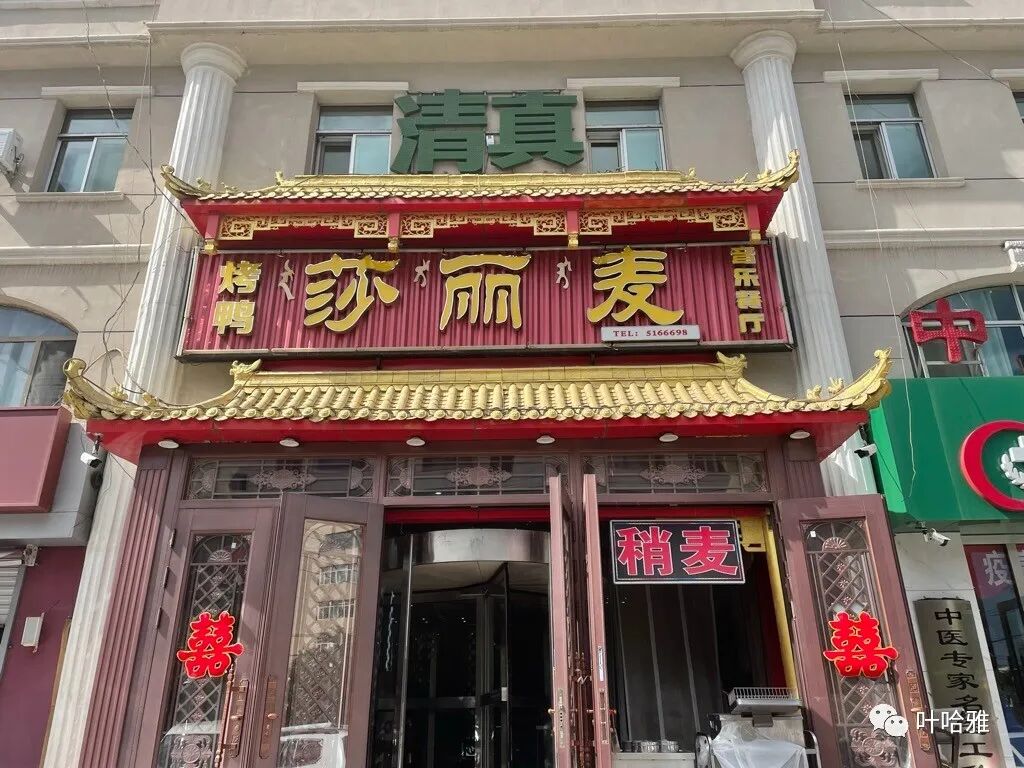
We arrived at the Shalimai Music Restaurant at the wrong time; it doesn't open until 5:00 PM. We checked three or four halal restaurants. By 4:30 PM, we finally found one place open. It wasn't really a restaurant, but a beef and lamb butcher shop that sells halal barbecue.
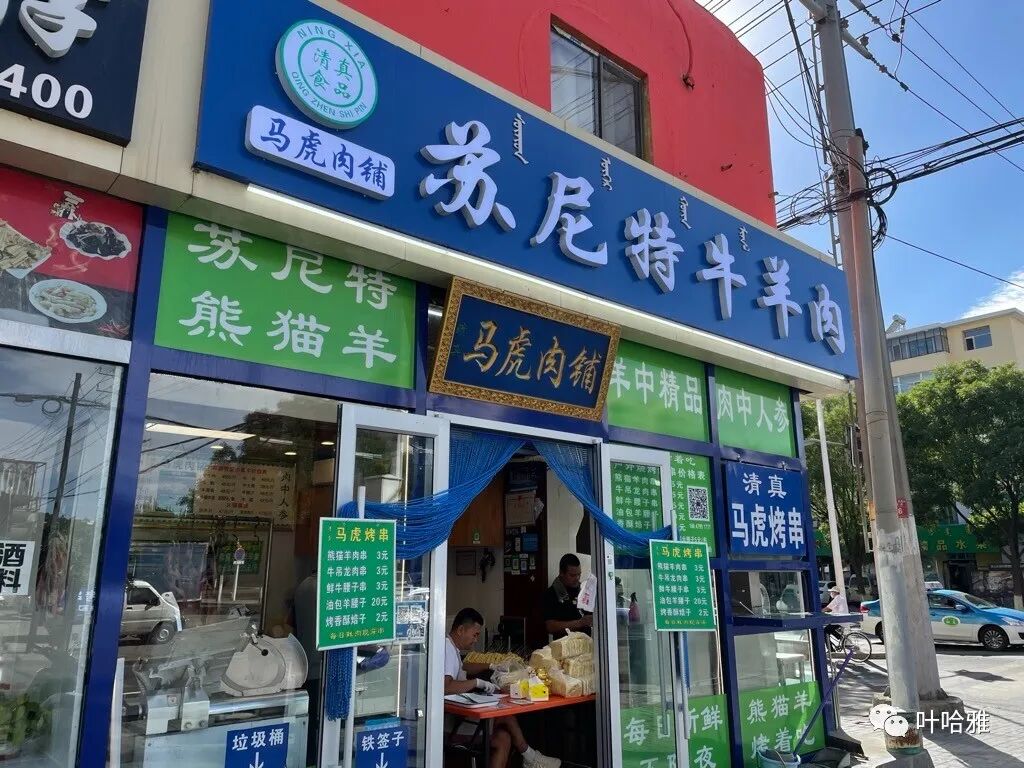
The shop's storefront had pictures of cows, sheep, pandas, horses, and tigers, which looked quite interesting. I asked the owner what a panda sheep was, and he said it's a sheep with black circles around its eyes. The name is very descriptive.
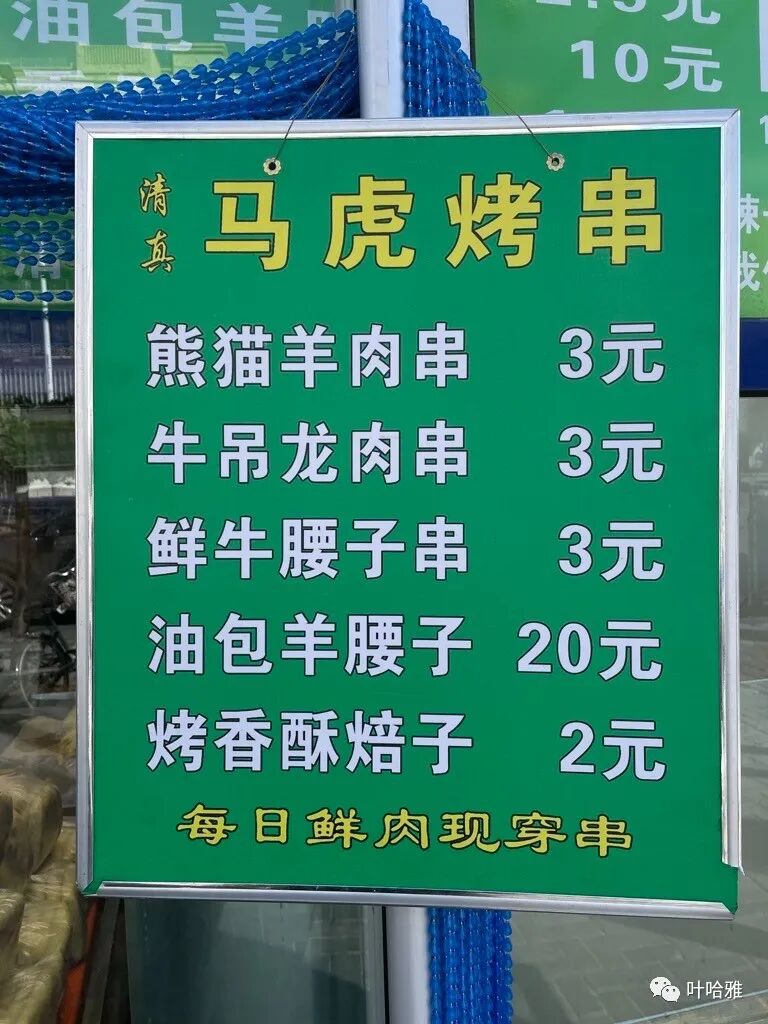
We were almost past the point of hunger, so we ordered a set from the menu. It was surprisingly delicious, especially the crispy baked flatbread (beizi) stuffed with lamb skewers. I don't think many people can resist this way of eating meat in bread.
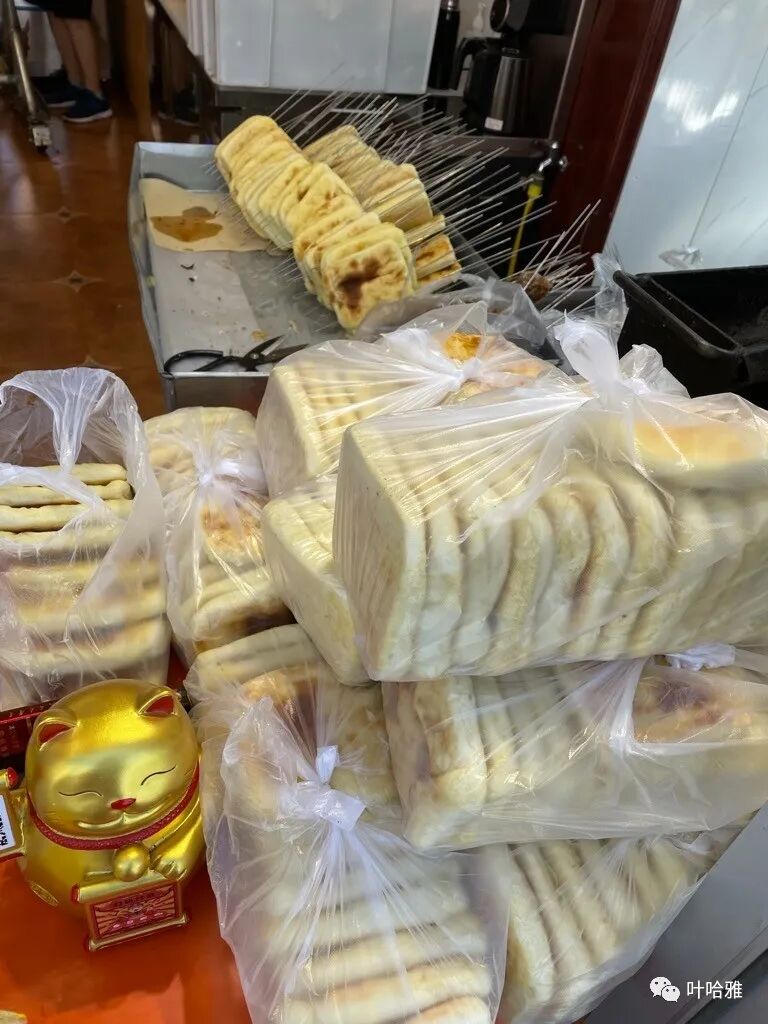
This is the same type of flatbread (beizi) I ate when I first came to Baotou. Before I arrived, I asked a local if they still sold this kind of bread. My friend said these shops that bake bread over coal fires are hard to find now and asked me to let him know if I found one. See the Halal Food Map for Ordos, Baotou, and Hohhot for details.
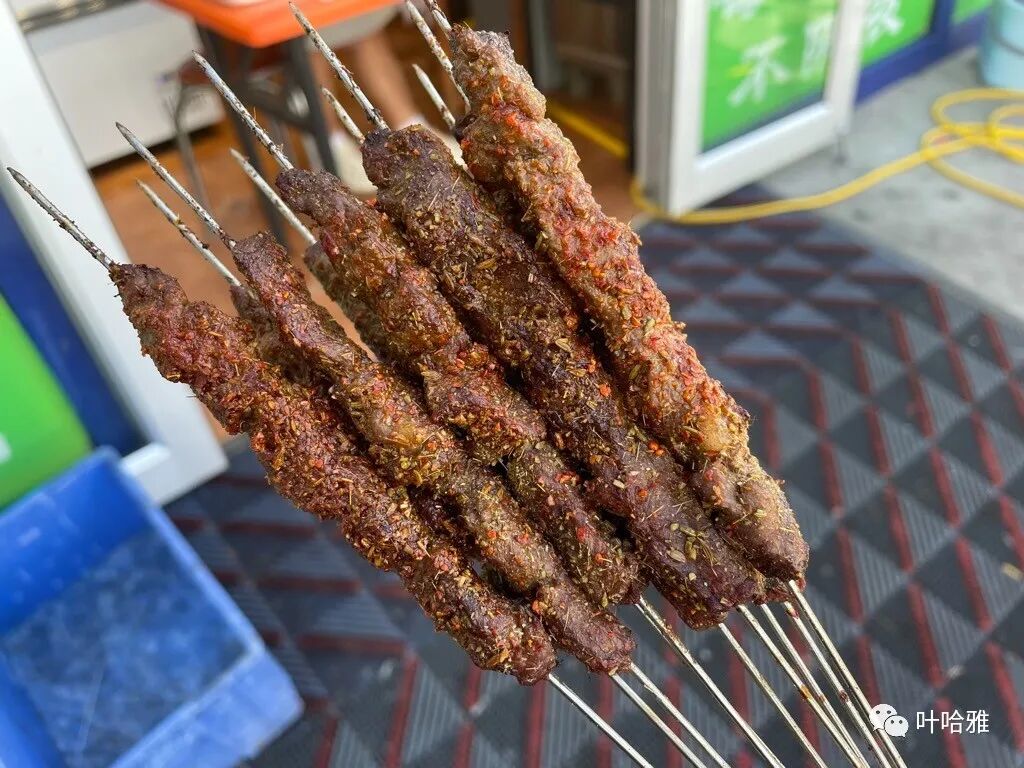
Remember that Sunite lamb skewers are better than beef skewers, and you should try the liver wrapped in fat (youbaogan).
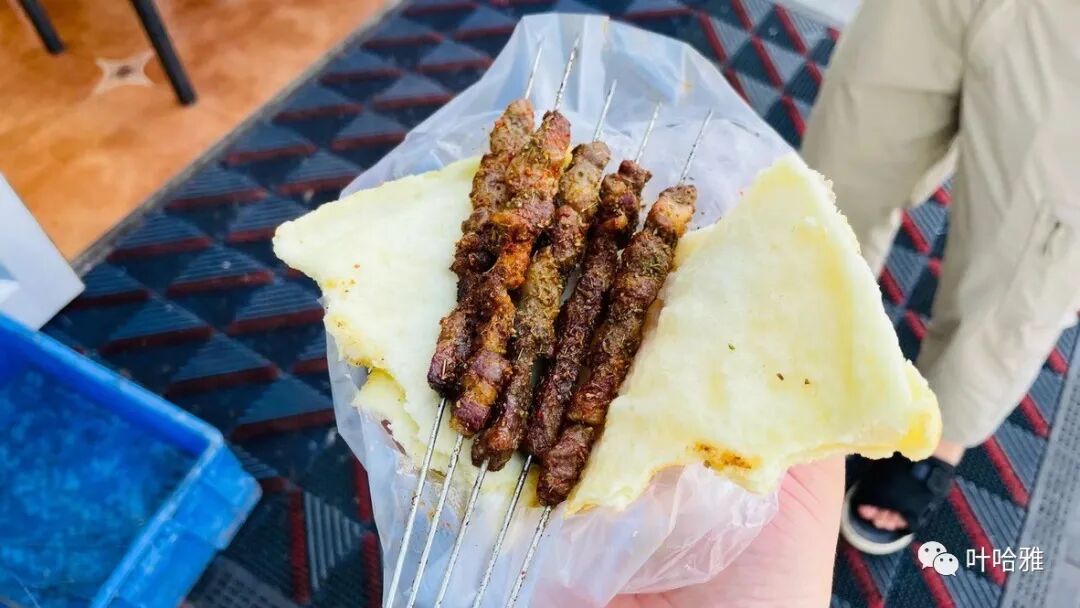
If I come to Baotou again, I will definitely eat at this barbecue place. That day, the bride and groom were hosting us guests from afar in the evening, so we didn't dare eat too much for fear of not having room for dinner.
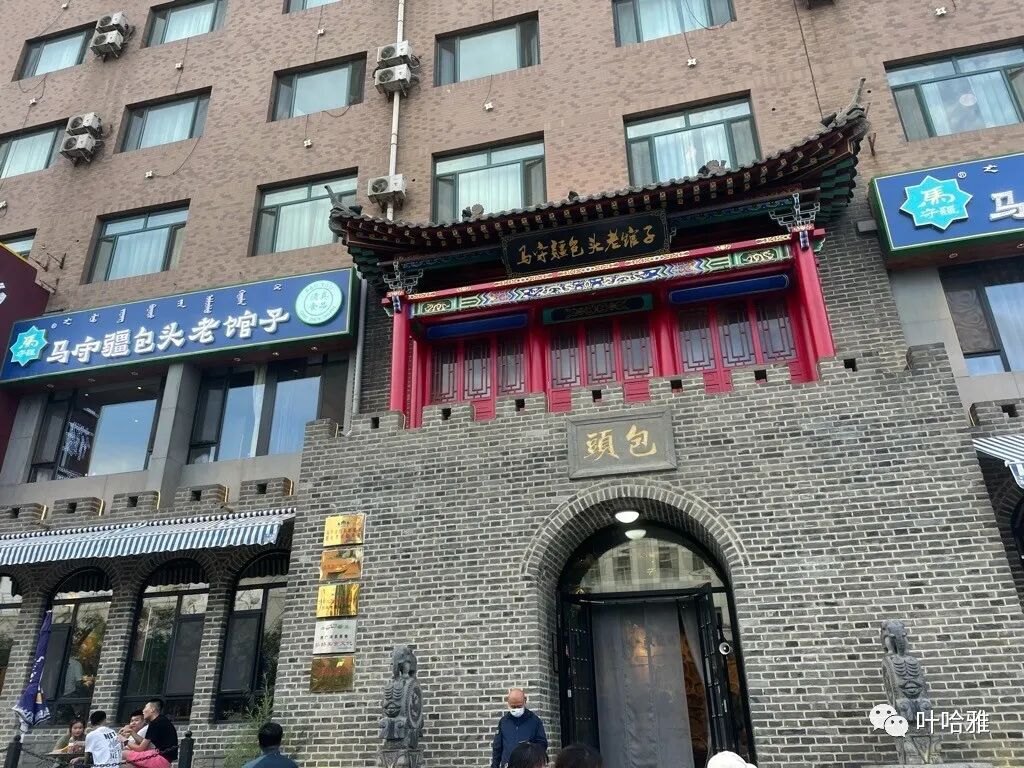
For our first dinner in Baotou, we chose the old Ma Shoujiang restaurant. I noticed this place when I visited Baotou before, but I was alone then and felt I couldn't order many dishes, so I skipped it. It shows that traveling and eating alone is much less fun.
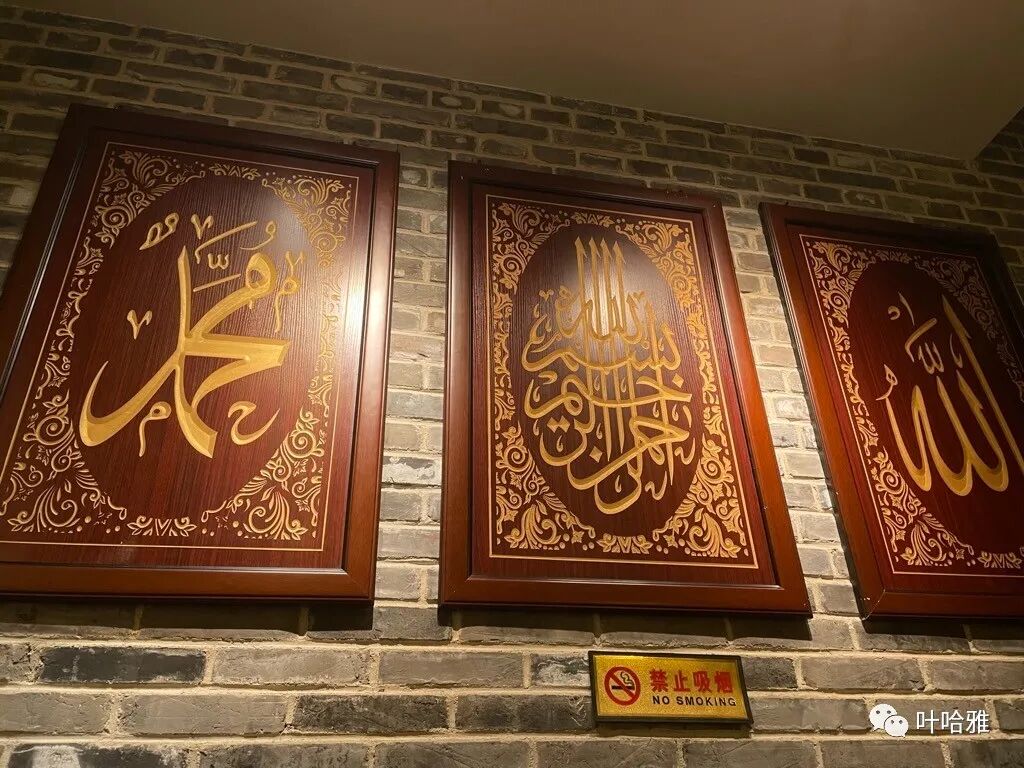
Today the groom is hosting, and since many people came, we can try all the signature dishes and eat everything on the menu.
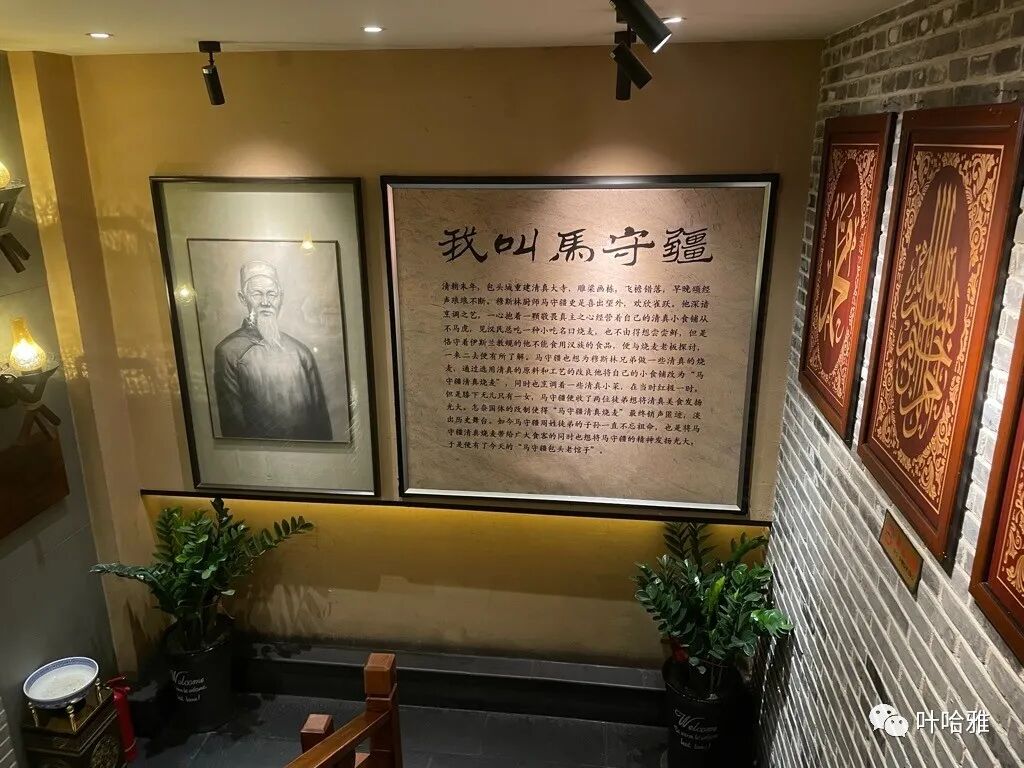
Ma Shoujiang lived in the late Qing Dynasty and was one of the first Hui Muslims to make halal steamed dumplings (shaomai) in Baotou. The current Ma Shoujiang restaurant is run by his apprentice, whose surname is Zhou.
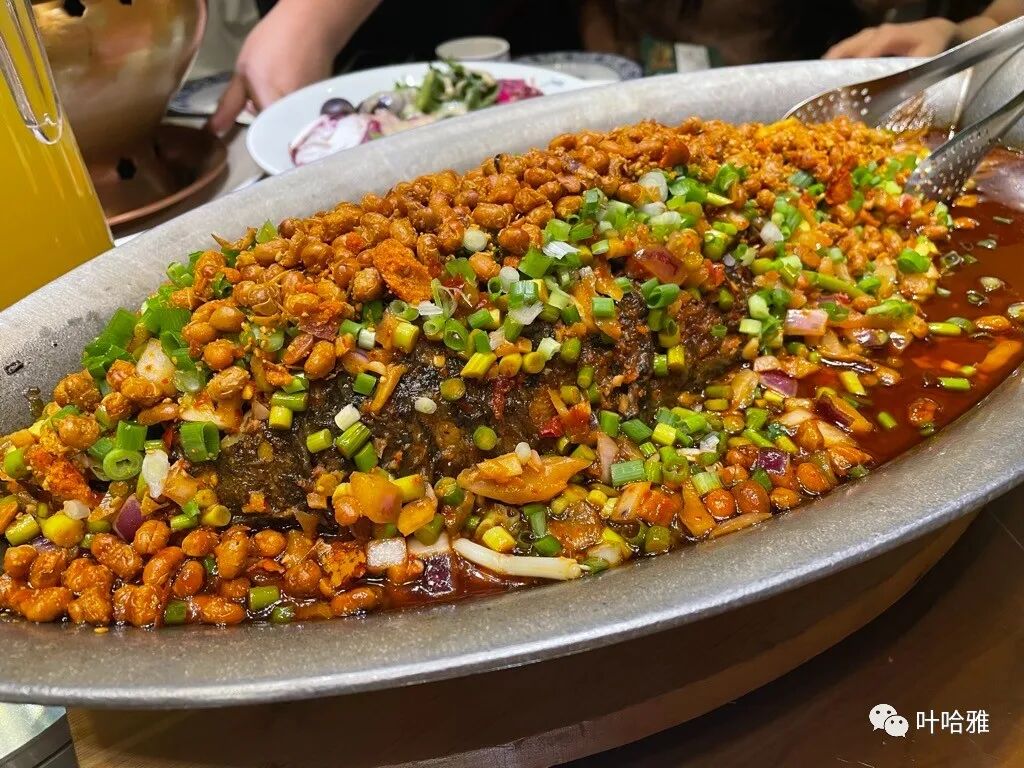
Surprisingly, the signature dish at Ma Shoujiang is not lamb, but crispy bone fish (sugu yu). As the name suggests, you can even eat the fish bones. Almost every table orders this fish. When the server brings it out, they say some auspicious words, though I couldn't hear them clearly.
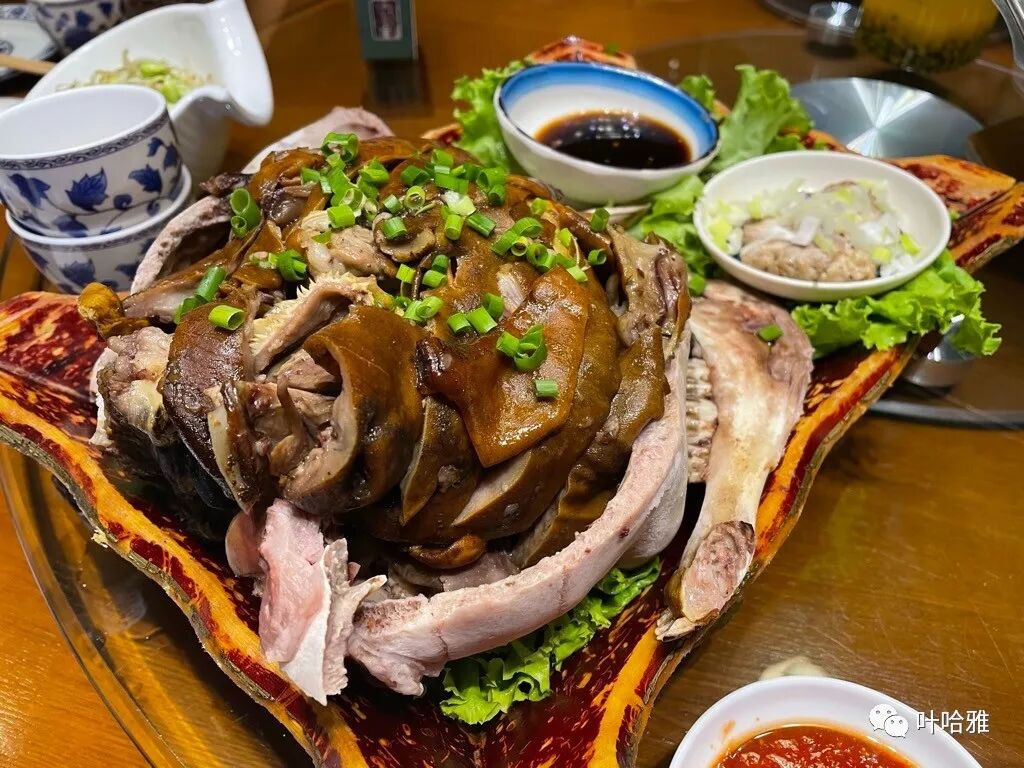
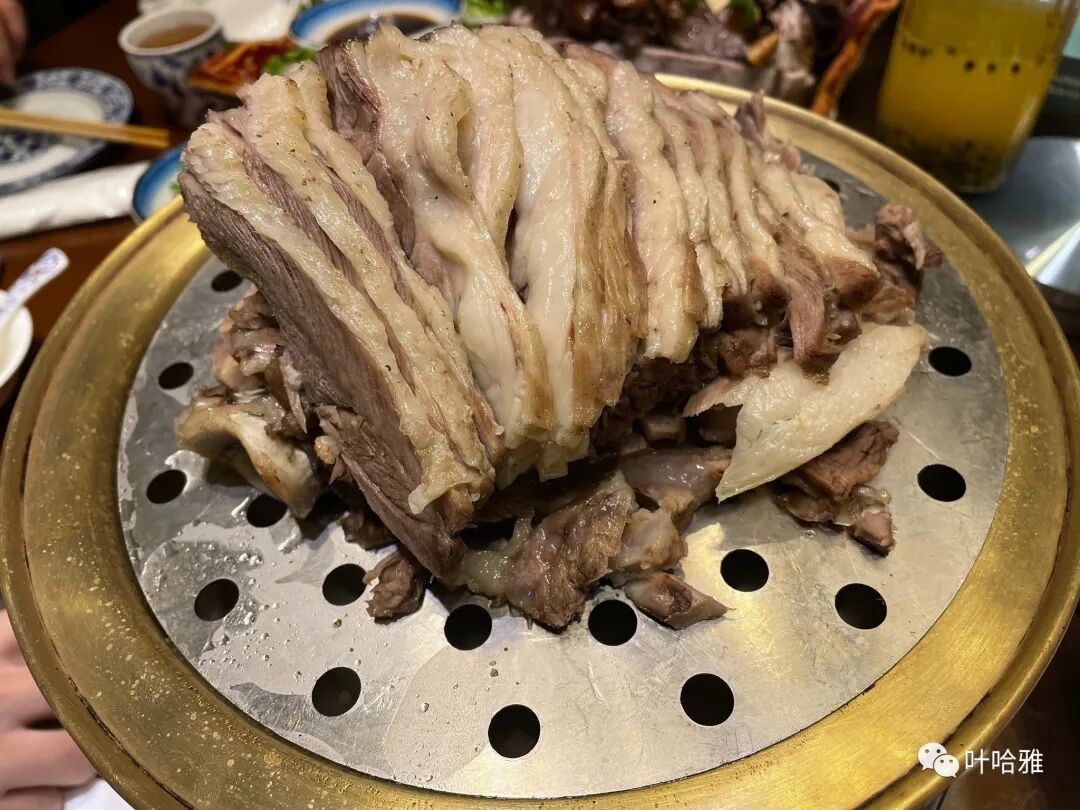
This is lamb head meat. You can eat lamb anywhere in Baotou, and it tastes good no matter how it is cooked. The quality of the meat is excellent and the supply is high, so you can really eat your fill.
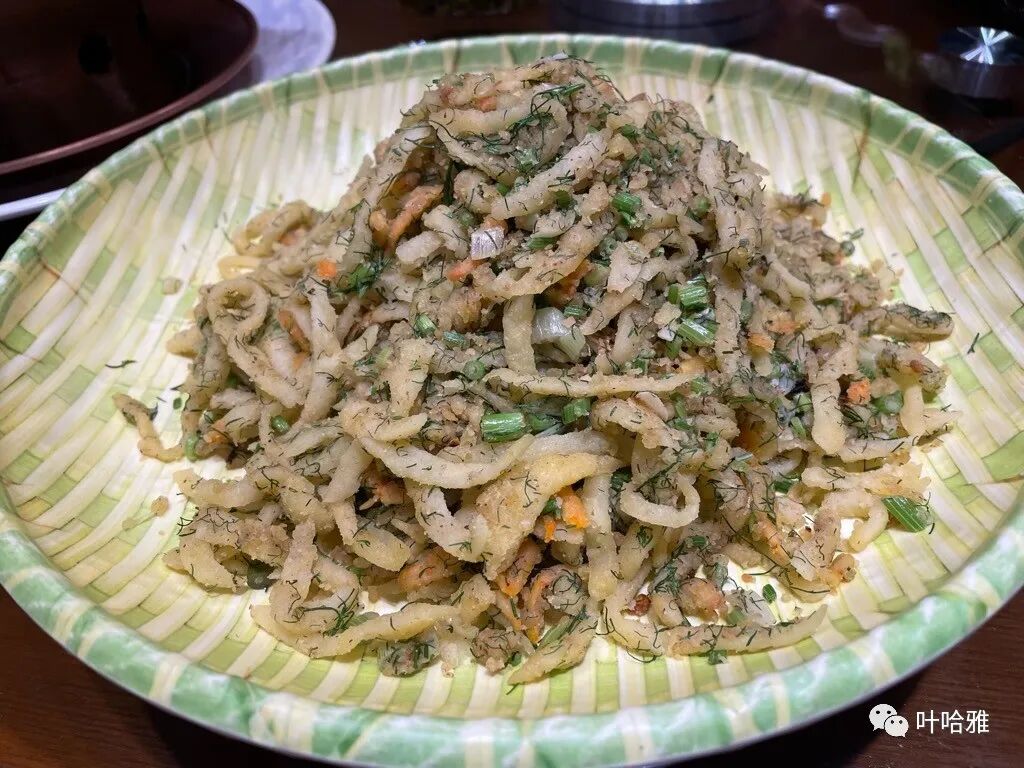
Shredded potato stir-fry (yangyu caca) was likely brought over by people from Shanxi. The Baotou accent is very similar to the northern Shanxi dialect, and many Shanxi people have settled here, so the food is very similar.
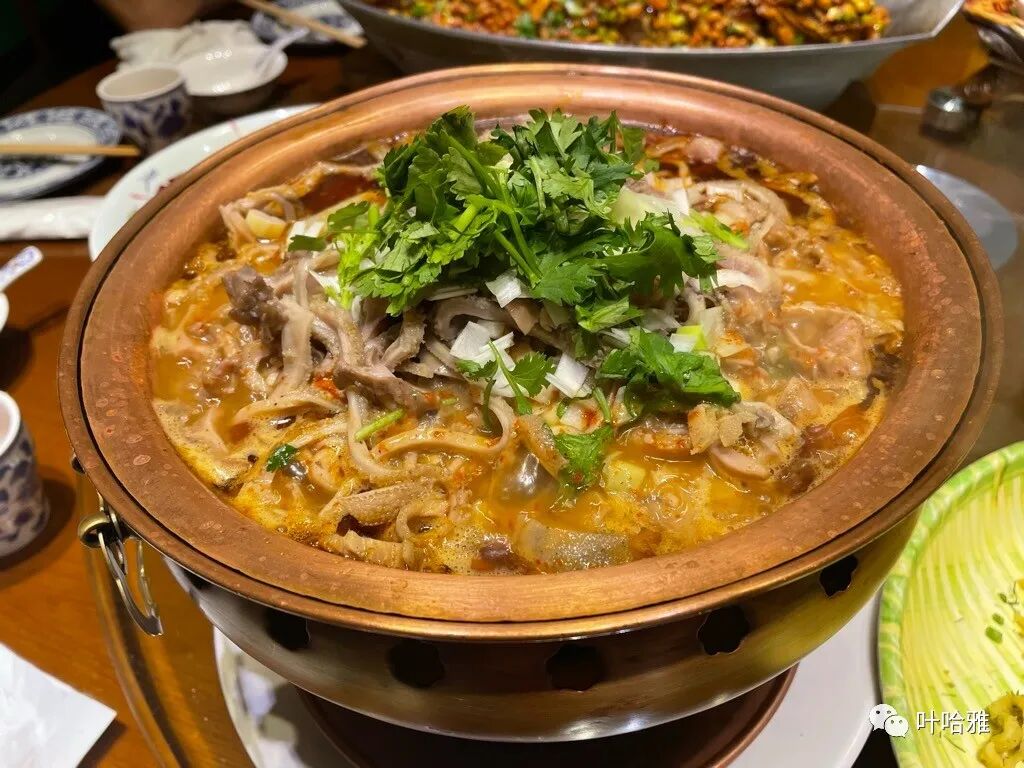
This is Baotou lamb offal (yangza). You could say this table is a full lamb feast, with every part of the lamb included. The lamb in Baotou is cooked very tender and melts in your mouth, which is perfect for lazy people like us who don't want to chew too much.
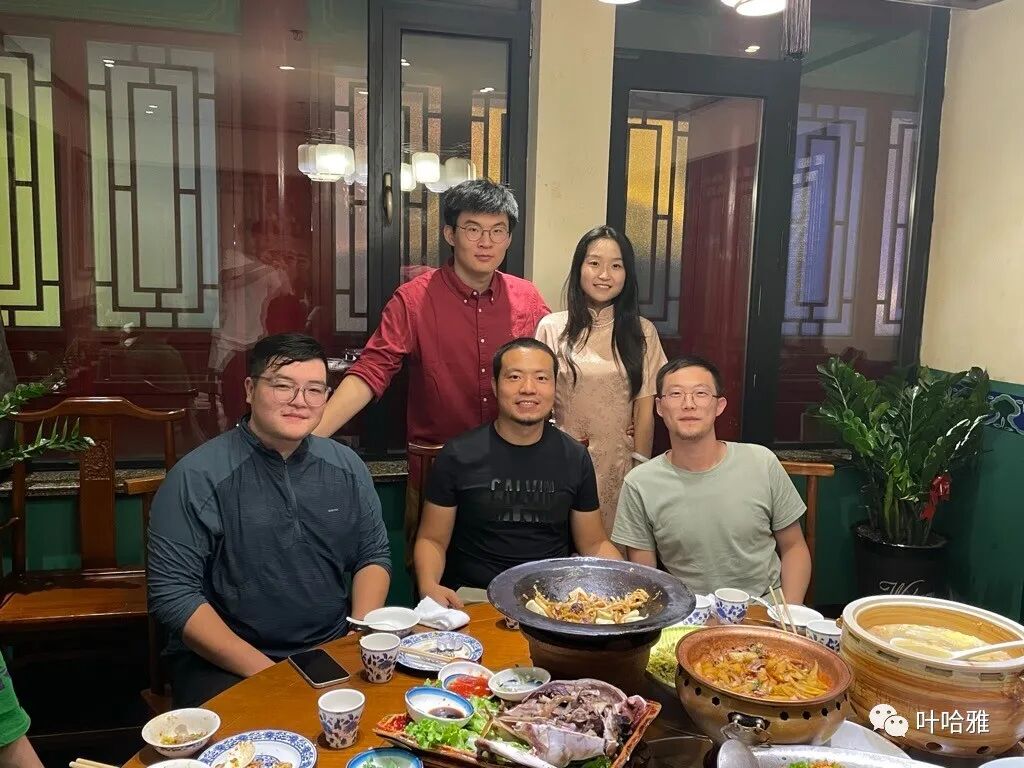
Here is a photo of the bride and groom with us. On the left is Jiche Tian, and on the right is a part-time muezzin from the Huxi Mosque who came all the way from Shanghai. They are both our old friends. We were in a rush to get back to Beijing after the wedding and didn't get a photo with the newlyweds in their wedding clothes, but life is rarely perfect.
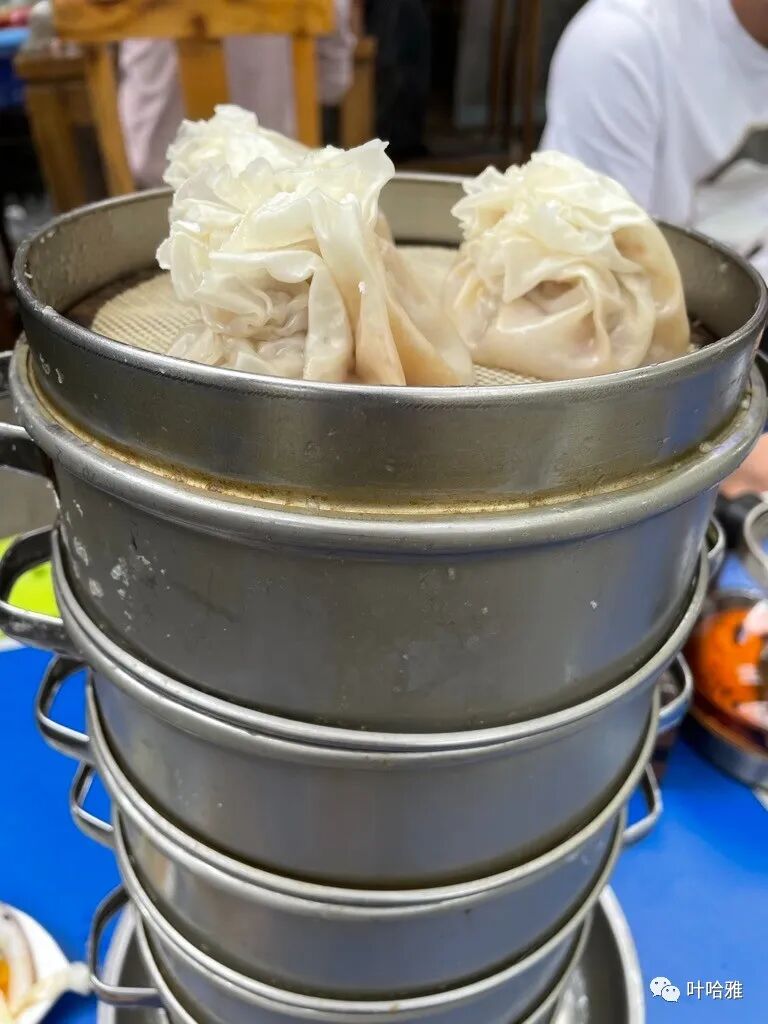
The next morning, we went to the Ma Family Shaomai Restaurant again. We missed the meal time the day before, so this time we ordered three liang of lamb shaomai, served in six steamer baskets. This shop is well-regarded by locals and has several branches.
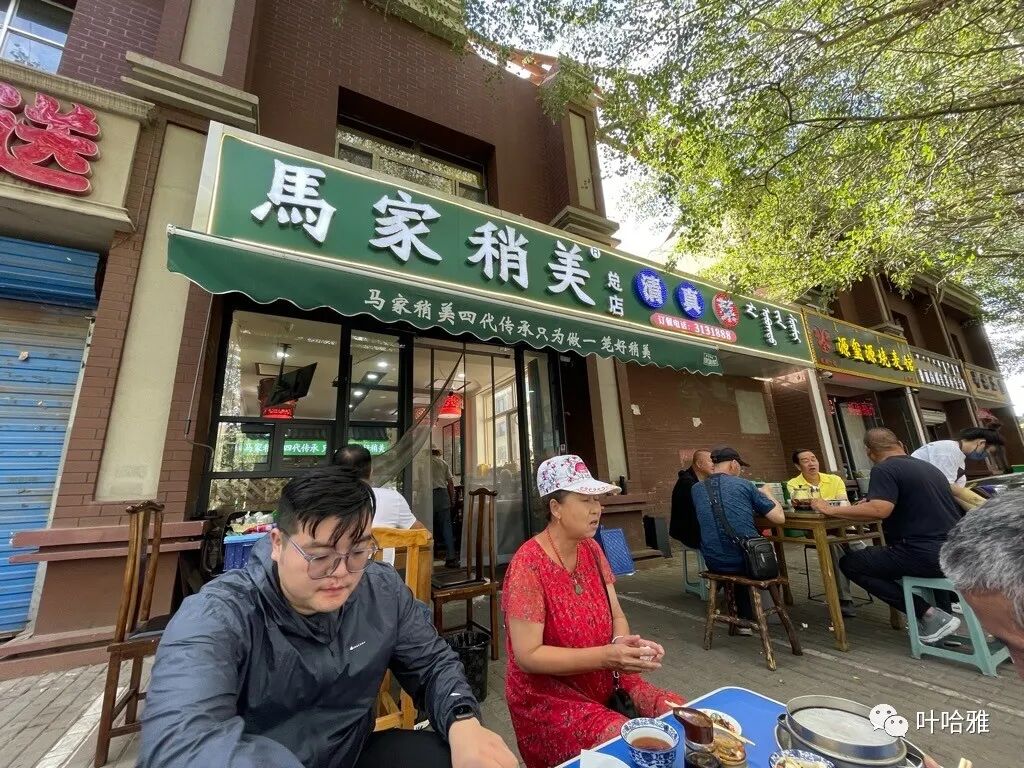
Shaomai is a breakfast food, and it was very crowded in the morning. It was cooler sitting outside, but we waited a long time for the shaomai. An auntie next to us said regular customers call the shop to order before they leave home, so it's ready when they arrive, which saves time.
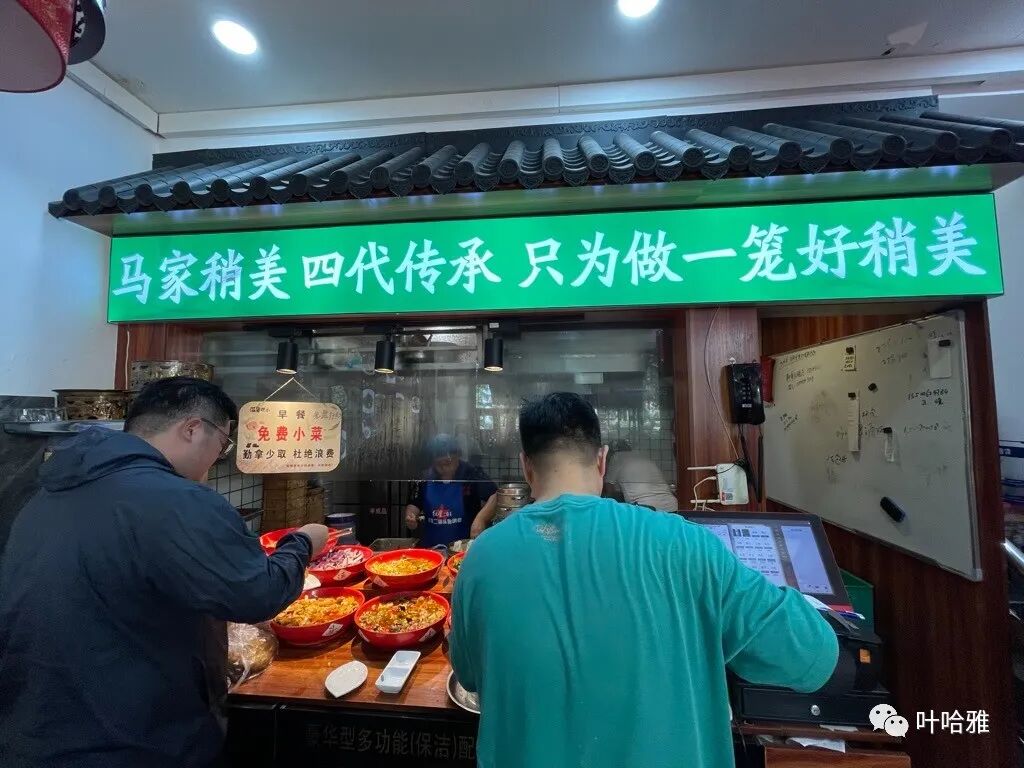
Baotou shaomai, also called shaomai, is pronounced 'shaomei' to better match the local Baotou accent. The biggest difference from Hohhot shaomai is the size. In Hohhot, one liang is eight pieces, while in Baotou, one liang is six pieces. This 'liang' refers to the weight of the dough wrapper, so don't order a whole jin, or you won't be able to finish it.
Besides the delicious shaomei, another favorite food of mine in Baotou is lamb offal soup (yangza). It is a bit pricey, costing 20 yuan for a small bowl.
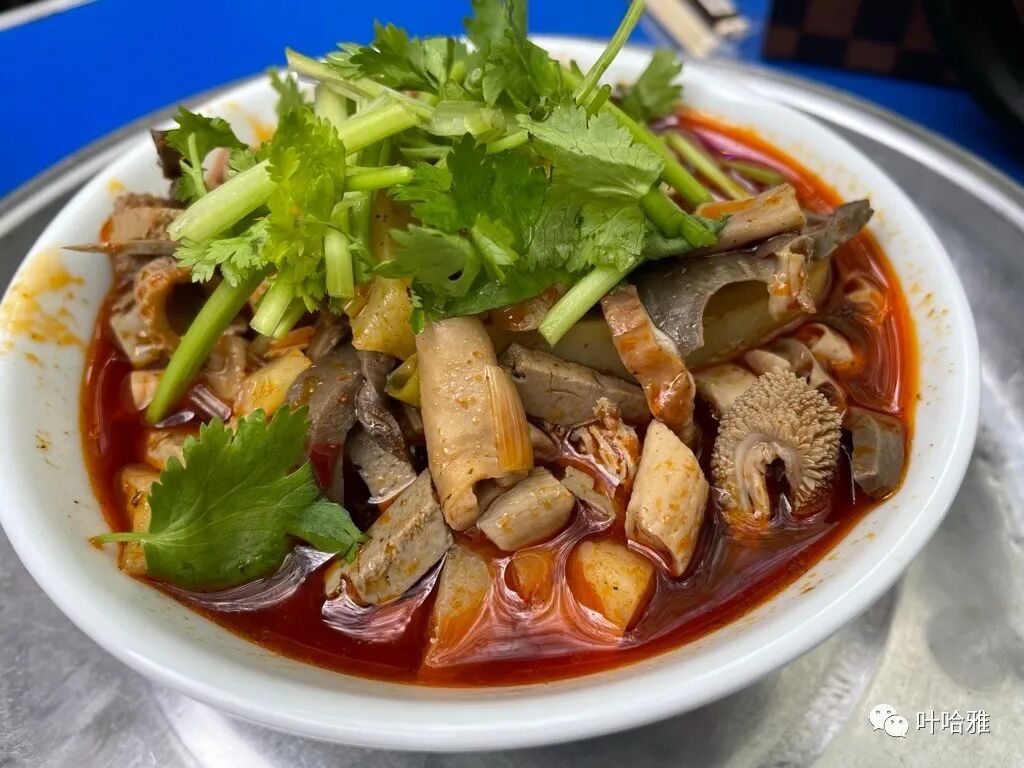
I eat the lamb offal soup with fried dough (youxiang) dipped in the broth. The fried dough here is different from the kind in North China, and I still prefer the North China version.
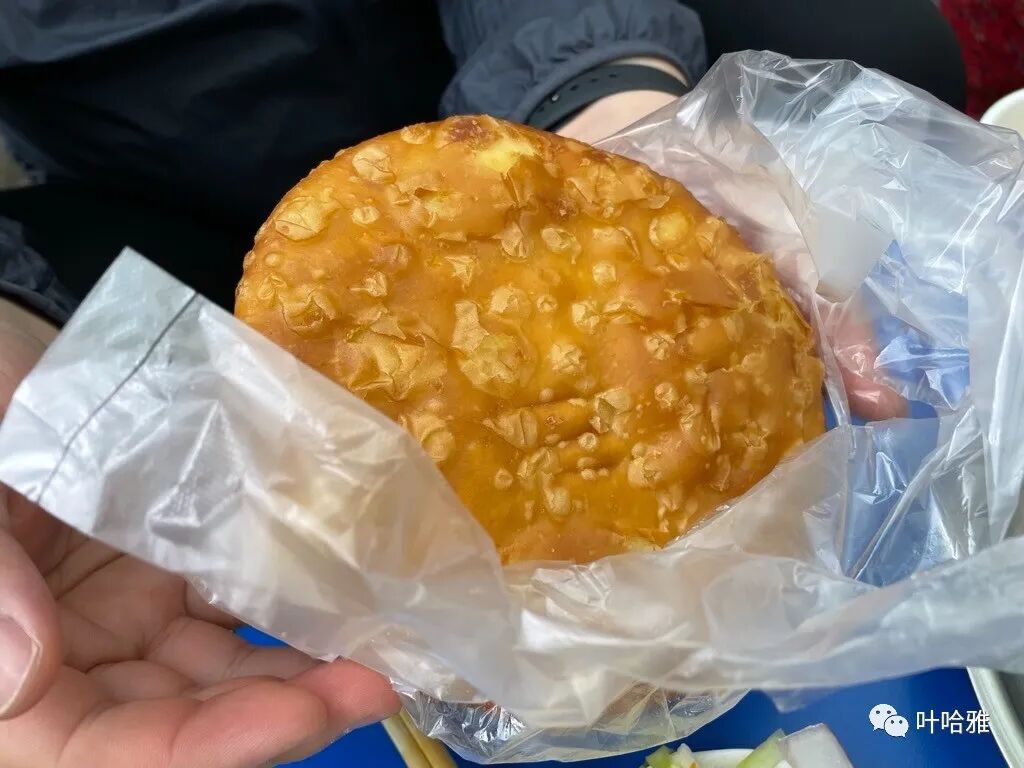
Although the lamb offal soup is expensive, the side dishes are free and come in many varieties.
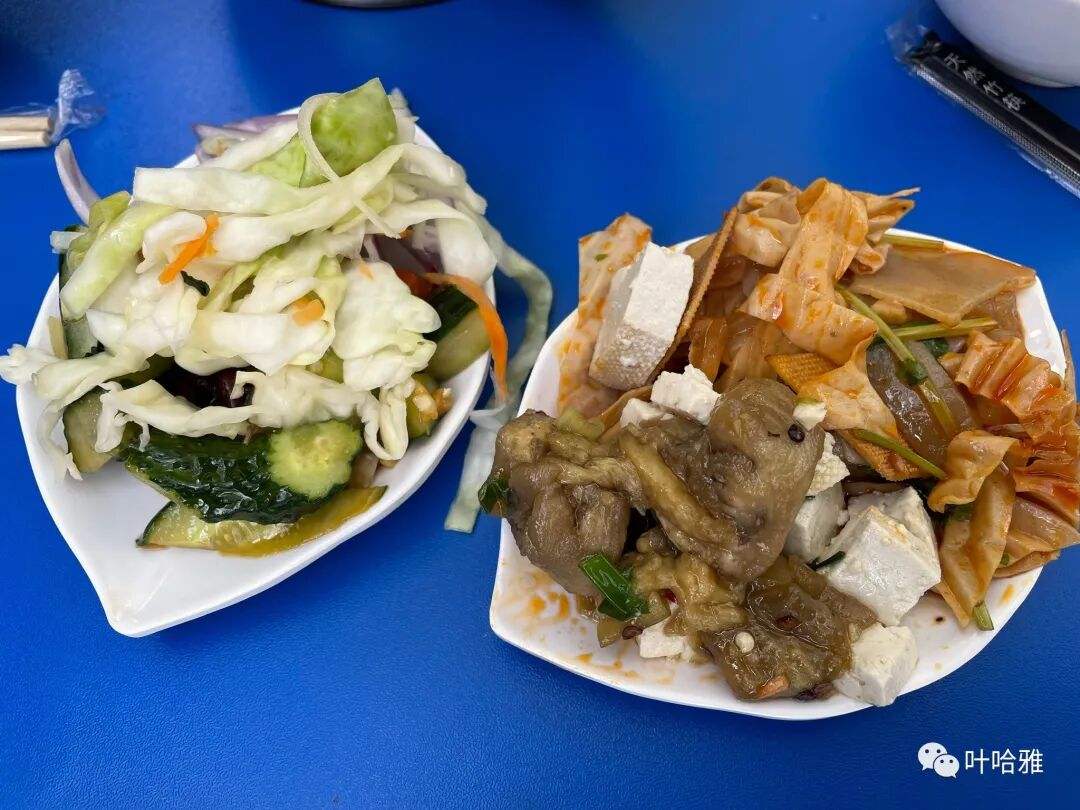
After breakfast, I returned to the wedding venue to watch the ceremony. It was held at the halal restaurant in the Qingshan Hotel.
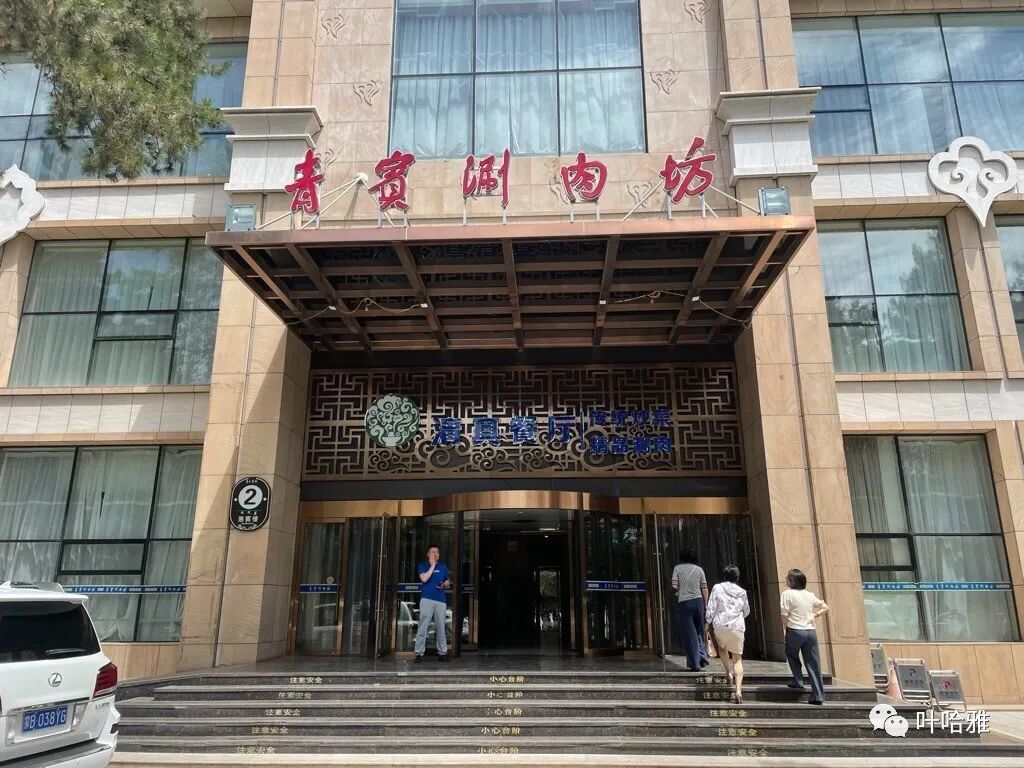
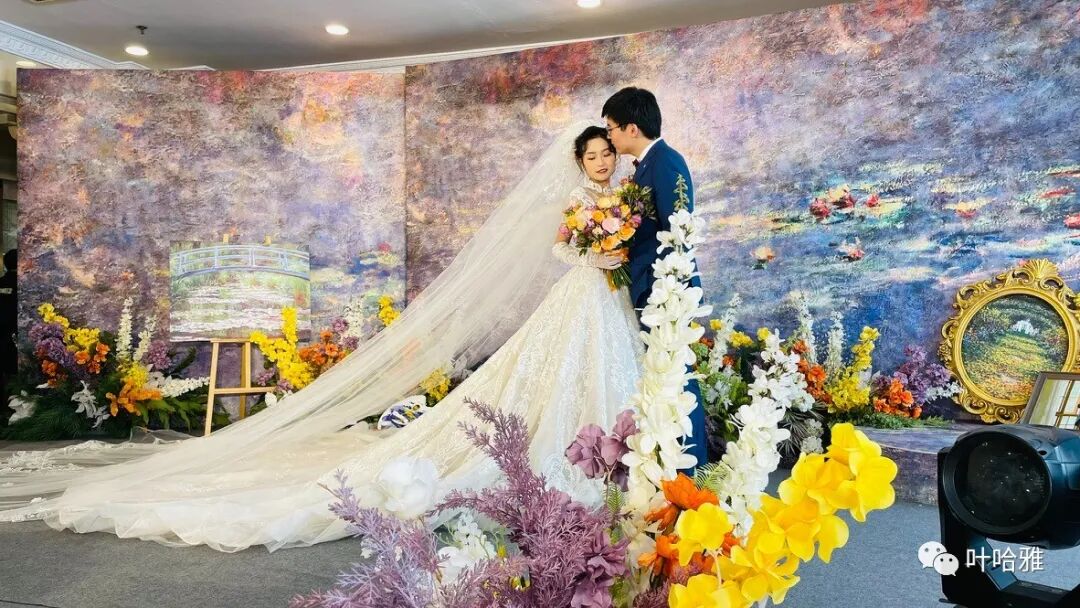
The wedding venue was decorated with many brightly colored flowers. The color scheme was inspired by the French painter Monet, as the couple first met in Paris.
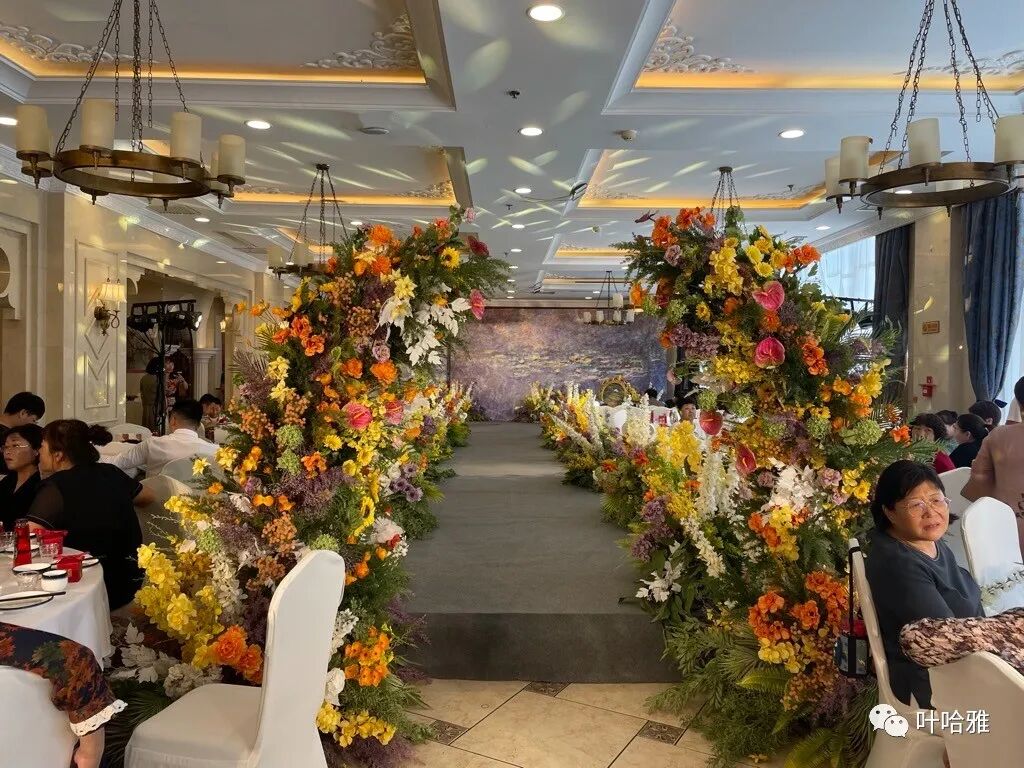
I cannot share the details of how they fell in love, but the point is to keep an open mind and travel more. Marriage is destined by Allah, but you still have to take action to find it.
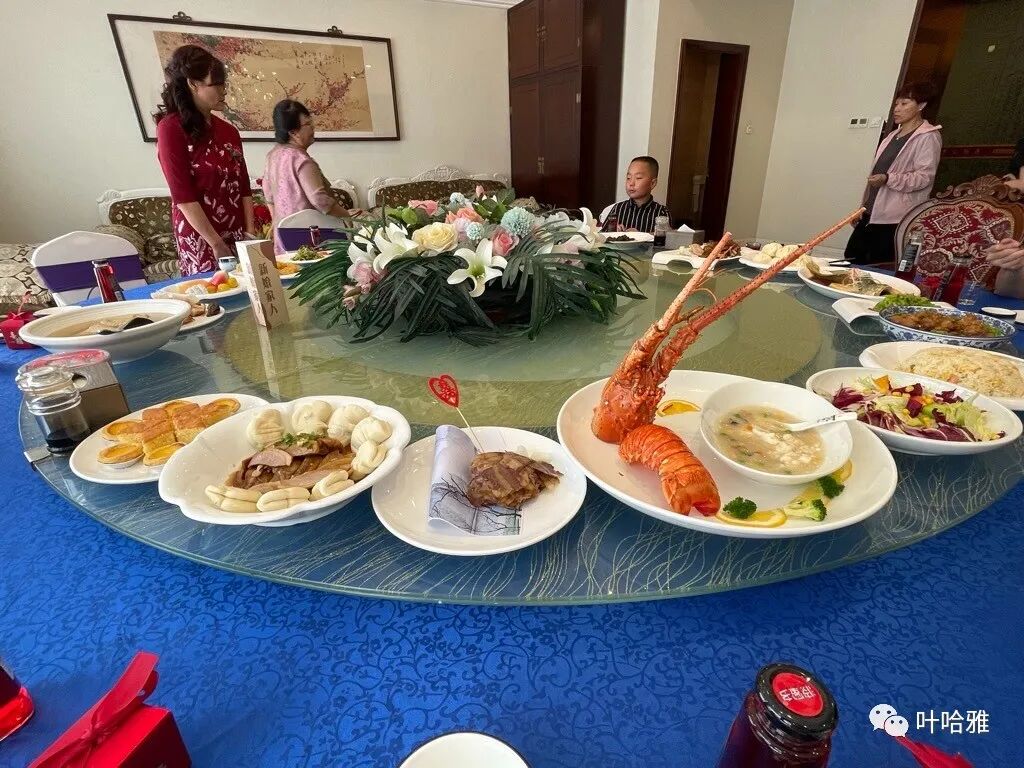
At the wedding banquet, we sat with the bride's family and met her close relatives. The elders came to eat only after they finished their dua (pieshi).
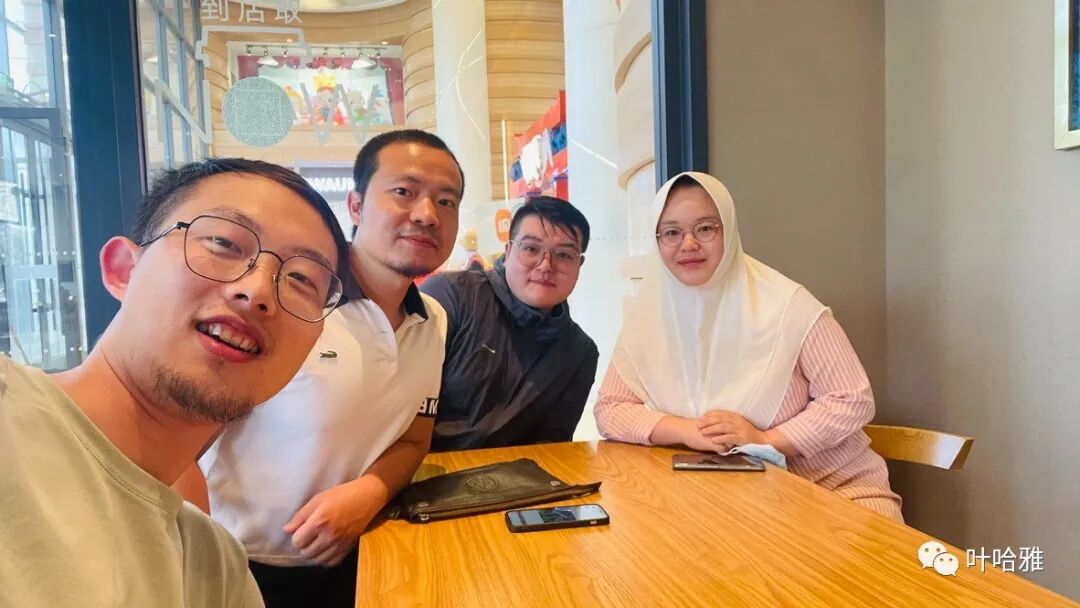
Since we had to drive back to Beijing overnight, we met with Ma Dudu, the founder of Dudu Design Studio, after the wedding. She is a true Baotou local and happened to be visiting her parents. It is rare for us to get together. I have known Dudu for a long time, but we had not seen each other since she moved to Jiangmen. We last met in 2017 in Urumqi while eating at a Kazakh uncle's house. Now, she is a mother of two.
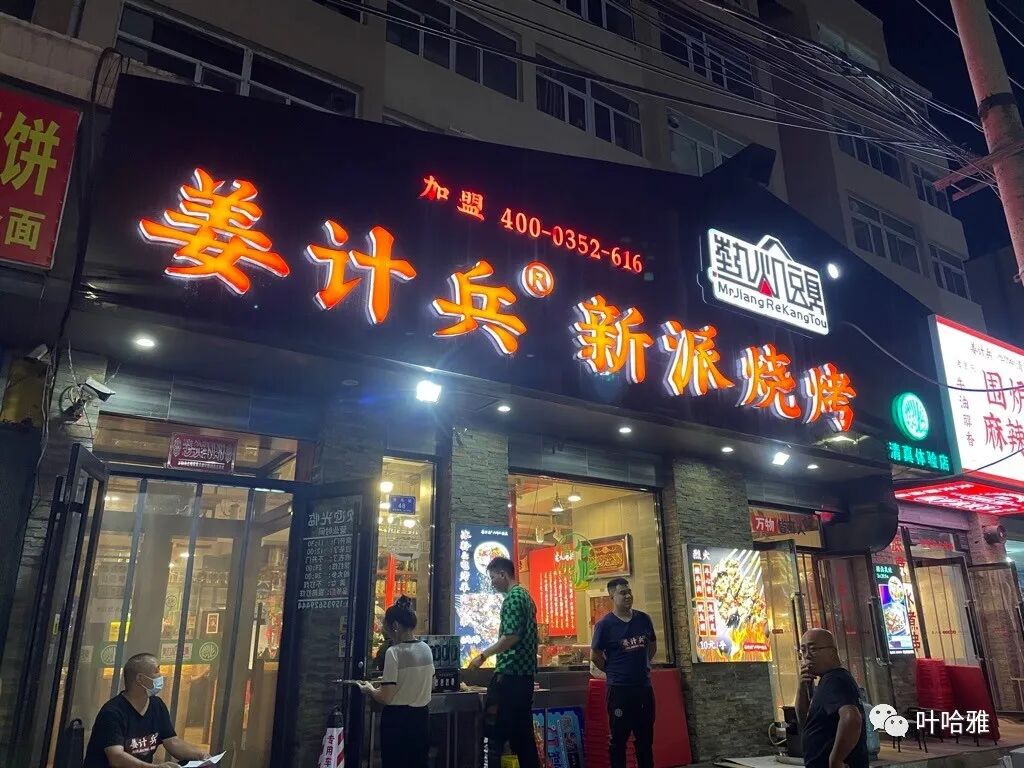
We took a different route back to Beijing when leaving Baotou. By nine in the evening, we passed through Datong and ate spicy hot pot (malatang) and grilled meat skewers at Jiang Jibing New Style Barbecue.
This was not my first time in Datong. I previously visited specifically to see the ancient mosque in Datong. See the Ulanqab and Datong Winter Halal Tour for details.
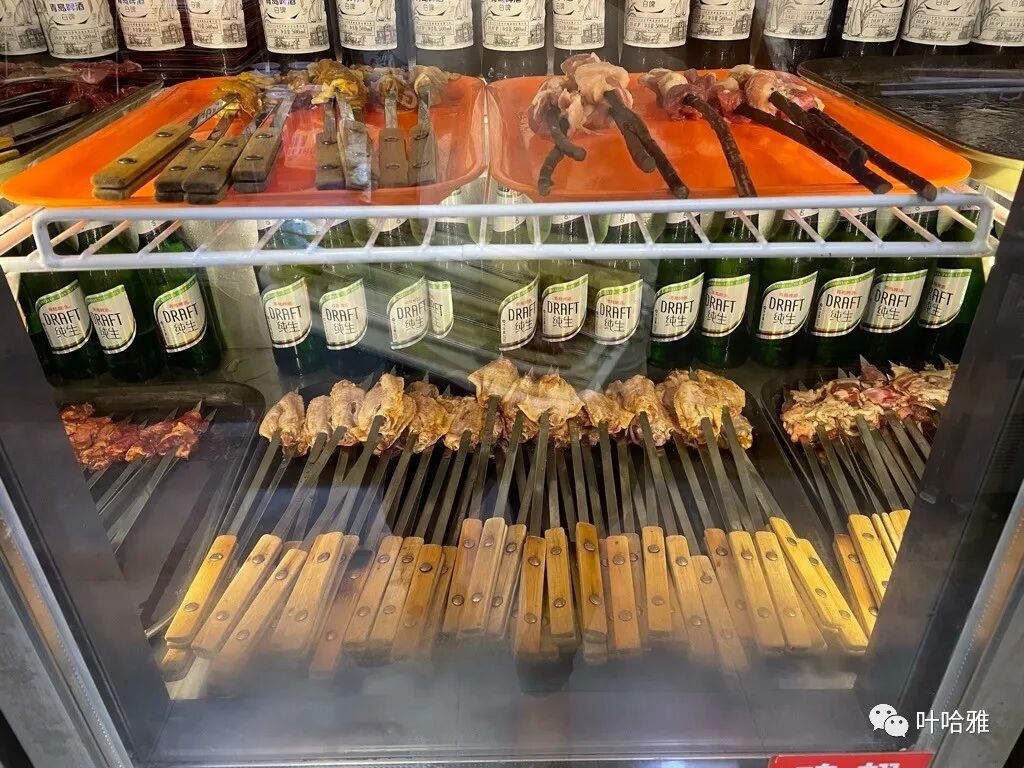
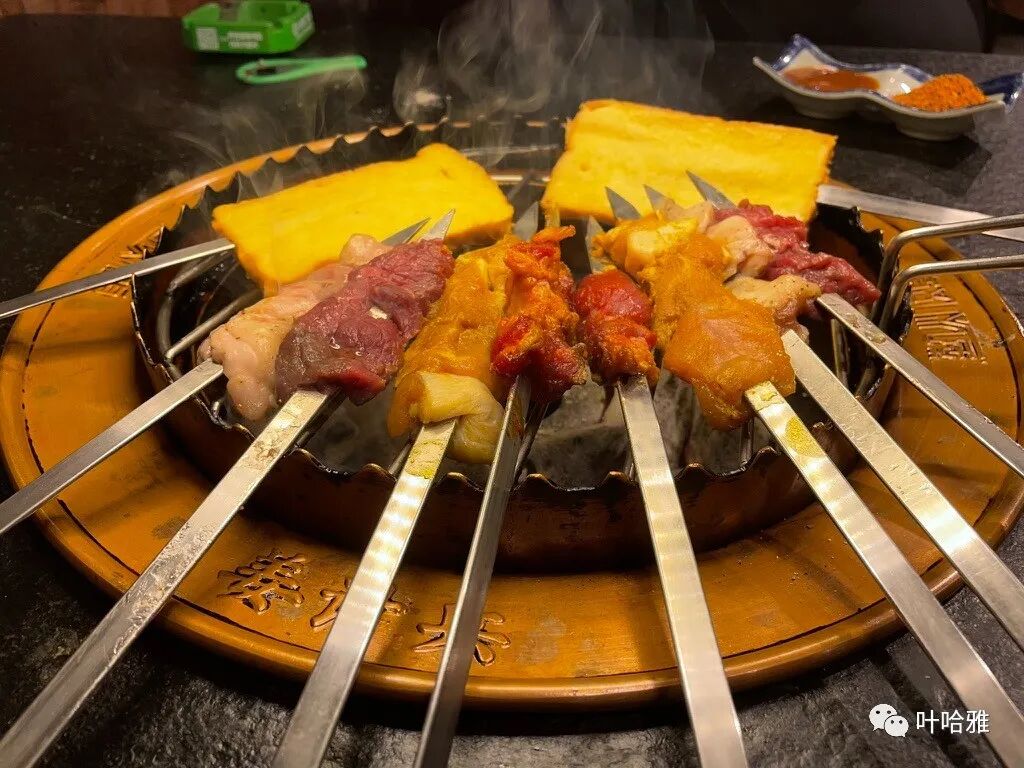
Jiang Jibing's way of serving barbecue is quite novel. You pick the skewers yourself and grill them at your table. You take only what you eat, which helps avoid waste.
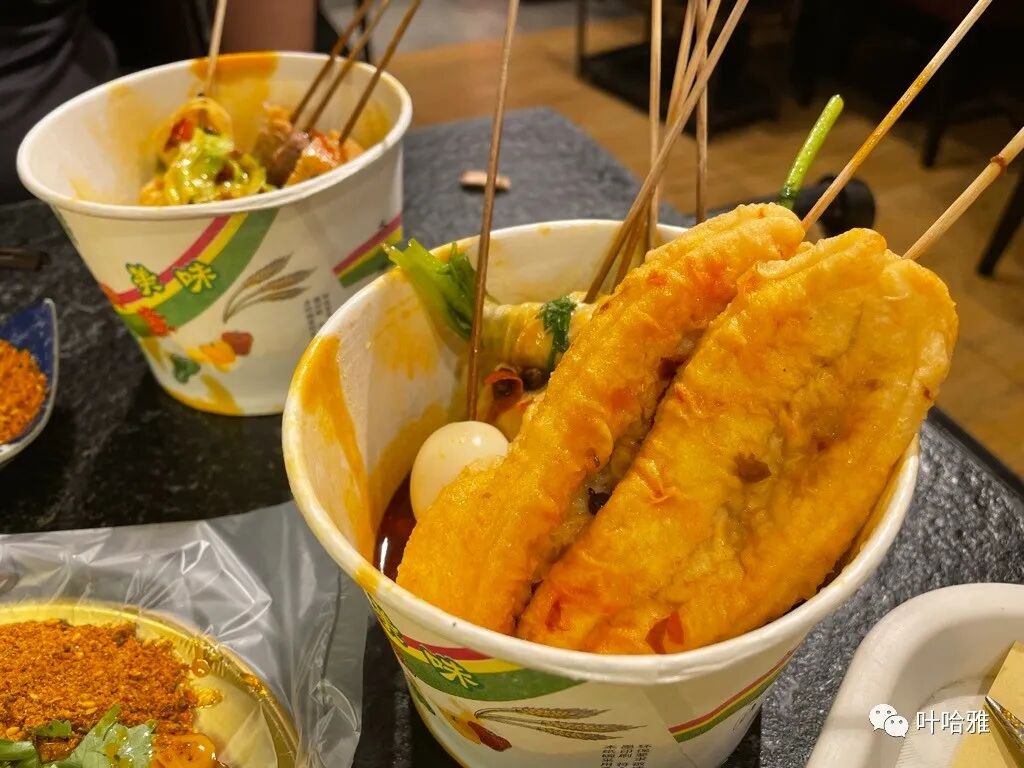
The spicy hot pot (malatang) next door is owned by the same people, so you can bring it over to eat in the barbecue shop. The spicy hot pot tastes good, but it is really quite spicy.
We arrived in Beijing safely at 3:00 a.m., and this trip ended peacefully.
Traveling everywhere over these years, besides visiting Muslim communities and checking out mosques, the most valuable thing is meeting a group of friends who have faith and personality. Otherwise, my perspective would still be limited to my own life and work. Some travel experiences are not mentioned in books, and some feelings cannot be conveyed by books either. Through traveling these years, I have corrected some fixed ideas I previously gained from reading. So, if you have the ability, you should go out and travel more. Insha'Allah.

Summary: This Muslim travel guide follows a road trip from Beijing to Baotou for a Hui Muslim wedding, with stops at Zhangjiakou Dongguan Mosque, Inner Mongolia halal food, local shaomai, mosques, and community life.
A Halal Travel Journey in Baotou, Inner Mongolia is presented here as a firsthand travel account in clear English, beginning with this scene: Last weekend, I drove from Beijing to Baotou to attend the wedding of Zhe-Zhe, the COO of Halal Life. The account keeps its focus on Halal Travel, Yiwu Food, Mosque Travel while preserving the names, places, food, and historical details from the Chinese source.
Last weekend, I drove from Beijing to Baotou to attend the wedding of Zhe-Zhe, the COO of Halal Life. I have known her for a long time. We first followed each other on Weibo, then added each other on WeChat. I only learned she grew up in Qinghai when she came to support the opening of my mother-in-law's new shop.
Zhe-Zhe is a Tsinghua University graduate who later studied in France. She is the kind of girl who looks smart and sharp at first glance, with high IQ and EQ, so she is very easy to get along with. When I was building my Mingya insurance brokerage team, I invited her to join. Mingya already had a Tsinghua alumni group. Although she did not refuse at the time, I could see her heart was set on continuing her career at Halal Life. Her dream was to do what she could for the Muslim community, so I did not push her. As a result, among the top domestic university graduates in my team, she is the only one missing from Tsinghua, which is a small regret.
I am honored that Zhe-Zhe is also my VIP client, so how could I miss her wedding? I decided to leave on Saturday with Jiche-Tian to attend the wedding on Sunday, then drive back to Beijing overnight. I did not have to rush, but Jiche-Tian had to be back at the office on Monday.
It takes about seven or eight hours to drive from Beijing to Baotou. We left at 5:00 after passing Bangda and arrived in Zhangjiakou around 8:00. We decided to stop for breakfast and visit the local mosque.
Following the GPS, we arrived at the Zhangjiakou Dongguan Mosque. There was a breakfast shop right next to it. I had hoped to have a bowl of lamb bone broth (yangtang) there, but unfortunately, the nearby shops were all closed. We ended up eating yuanbao soup and fried dough cakes (youbing) instead.
The fried dough cakes were very fluffy and crispy. Eating them with the yuanbao soup, also known as wontons, was delicious. Hui Muslims in North China usually call wontons yuanbao soup to distinguish them from non-halal versions.
Sesame flatbread (shaobing) and lamb bone broth are very special in the Zhangjiakou area. If you have the chance to visit, remember to find a place to try them.
The Zhangjiakou Dongguan Mosque was funded by Hui Muslims from Changping and was first built in 1919 during the Republic of China era. Many Hui Muslims in Changping worked as bodyguards. The Guangyu Escort Agency in Yangfang Xiguanshi, Changping, once escorted Empress Dowager Cixi as she fled to Xi'an.
The mosque we see today was renovated not long ago. According to the elders in the mosque, the original building had a dome. The main prayer hall has two floors, but the second floor is not open. About a hundred people can attend Friday prayers (Jumu'ah), mostly locals.
Zhangjiakou is a city in Hebei Province with a relatively large Hui Muslim population and some famous ancient mosques. We did not visit them because they were not on our way, but I hope to visit the Xuanhua Great Mosque next time.
After leaving Zhangjiakou, we drove straight to Baotou and arrived at 2:00 PM, just in time for the afternoon prayer (Asr). We prayed at the Baotou Qingkun Mosque. Since we were traveling, we were allowed to shorten and combine our prayers, so it was quite convenient.
I visited Qingkun Mosque before 2016, when it had a dome. Now it has been renovated into a traditional style. Three other mosques in Baotou are also being renovated and are currently closed; they all originally had domes.
The interior of Qingkun Mosque still looks the same as it did before 2016. I asked, and the time for the call to prayer (bangda) is 4:30. We arranged to meet our friends there for namaz the next morning.
Finding lunch after leaving the mosque was difficult. All the restaurants here close after 2:00 PM. We checked the entire Qingkun District but could not find a single place open.
The halal steamed dumplings (shaomai) on May 1st are something only those in the know understand; don't let your imagination run wild.
We decided to go back to our hotel to rest. The wedding was held at the Qingshan Hotel, where we were also staying. The hotel has a halal banquet restaurant.
We arrived at the Shalimai Music Restaurant at the wrong time; it doesn't open until 5:00 PM. We checked three or four halal restaurants. By 4:30 PM, we finally found one place open. It wasn't really a restaurant, but a beef and lamb butcher shop that sells halal barbecue.
The shop's storefront had pictures of cows, sheep, pandas, horses, and tigers, which looked quite interesting. I asked the owner what a panda sheep was, and he said it's a sheep with black circles around its eyes. The name is very descriptive.
We were almost past the point of hunger, so we ordered a set from the menu. It was surprisingly delicious, especially the crispy baked flatbread (beizi) stuffed with lamb skewers. I don't think many people can resist this way of eating meat in bread.
This is the same type of flatbread (beizi) I ate when I first came to Baotou. Before I arrived, I asked a local if they still sold this kind of bread. My friend said these shops that bake bread over coal fires are hard to find now and asked me to let him know if I found one. See the Halal Food Map for Ordos, Baotou, and Hohhot for details.
Remember that Sunite lamb skewers are better than beef skewers, and you should try the liver wrapped in fat (youbaogan).
If I come to Baotou again, I will definitely eat at this barbecue place. That day, the bride and groom were hosting us guests from afar in the evening, so we didn't dare eat too much for fear of not having room for dinner.
For our first dinner in Baotou, we chose the old Ma Shoujiang restaurant. I noticed this place when I visited Baotou before, but I was alone then and felt I couldn't order many dishes, so I skipped it. It shows that traveling and eating alone is much less fun.
Today the groom is hosting, and since many people came, we can try all the signature dishes and eat everything on the menu.
Ma Shoujiang lived in the late Qing Dynasty and was one of the first Hui Muslims to make halal steamed dumplings (shaomai) in Baotou. The current Ma Shoujiang restaurant is run by his apprentice, whose surname is Zhou.
Surprisingly, the signature dish at Ma Shoujiang is not lamb, but crispy bone fish (sugu yu). As the name suggests, you can even eat the fish bones. Almost every table orders this fish. When the server brings it out, they say some auspicious words, though I couldn't hear them clearly.
This is lamb head meat. You can eat lamb anywhere in Baotou, and it tastes good no matter how it is cooked. The quality of the meat is excellent and the supply is high, so you can really eat your fill.
Shredded potato stir-fry (yangyu caca) was likely brought over by people from Shanxi. The Baotou accent is very similar to the northern Shanxi dialect, and many Shanxi people have settled here, so the food is very similar.
This is Baotou lamb offal (yangza). You could say this table is a full lamb feast, with every part of the lamb included. The lamb in Baotou is cooked very tender and melts in your mouth, which is perfect for lazy people like us who don't want to chew too much.
Here is a photo of the bride and groom with us. On the left is Jiche Tian, and on the right is a part-time muezzin from the Huxi Mosque who came all the way from Shanghai. They are both our old friends. We were in a rush to get back to Beijing after the wedding and didn't get a photo with the newlyweds in their wedding clothes, but life is rarely perfect.
The next morning, we went to the Ma Family Shaomai Restaurant again. We missed the meal time the day before, so this time we ordered three liang of lamb shaomai, served in six steamer baskets. This shop is well-regarded by locals and has several branches.
Shaomai is a breakfast food, and it was very crowded in the morning. It was cooler sitting outside, but we waited a long time for the shaomai. An auntie next to us said regular customers call the shop to order before they leave home, so it's ready when they arrive, which saves time.
Baotou shaomai, also called shaomai, is pronounced 'shaomei' to better match the local Baotou accent. The biggest difference from Hohhot shaomai is the size. In Hohhot, one liang is eight pieces, while in Baotou, one liang is six pieces. This 'liang' refers to the weight of the dough wrapper, so don't order a whole jin, or you won't be able to finish it.
Besides the delicious shaomei, another favorite food of mine in Baotou is lamb offal soup (yangza). It is a bit pricey, costing 20 yuan for a small bowl.
I eat the lamb offal soup with fried dough (youxiang) dipped in the broth. The fried dough here is different from the kind in North China, and I still prefer the North China version.
Although the lamb offal soup is expensive, the side dishes are free and come in many varieties.
After breakfast, I returned to the wedding venue to watch the ceremony. It was held at the halal restaurant in the Qingshan Hotel.
The wedding venue was decorated with many brightly colored flowers. The color scheme was inspired by the French painter Monet, as the couple first met in Paris.
I cannot share the details of how they fell in love, but the point is to keep an open mind and travel more. Marriage is destined by Allah, but you still have to take action to find it.
At the wedding banquet, we sat with the bride's family and met her close relatives. The elders came to eat only after they finished their dua (pieshi).
Since we had to drive back to Beijing overnight, we met with Ma Dudu, the founder of Dudu Design Studio, after the wedding. She is a true Baotou local and happened to be visiting her parents. It is rare for us to get together. I have known Dudu for a long time, but we had not seen each other since she moved to Jiangmen. We last met in 2017 in Urumqi while eating at a Kazakh uncle's house. Now, she is a mother of two.
We took a different route back to Beijing when leaving Baotou. By nine in the evening, we passed through Datong and ate spicy hot pot (malatang) and grilled meat skewers at Jiang Jibing New Style Barbecue.
This was not my first time in Datong. I previously visited specifically to see the ancient mosque in Datong. See the Ulanqab and Datong Winter Halal Tour for details.
Jiang Jibing's way of serving barbecue is quite novel. You pick the skewers yourself and grill them at your table. You take only what you eat, which helps avoid waste.
The spicy hot pot (malatang) next door is owned by the same people, so you can bring it over to eat in the barbecue shop. The spicy hot pot tastes good, but it is really quite spicy.
We arrived in Beijing safely at 3:00 a.m., and this trip ended peacefully.
Traveling everywhere over these years, besides visiting Muslim communities and checking out mosques, the most valuable thing is meeting a group of friends who have faith and personality. Otherwise, my perspective would still be limited to my own life and work. Some travel experiences are not mentioned in books, and some feelings cannot be conveyed by books either. Through traveling these years, I have corrected some fixed ideas I previously gained from reading. So, if you have the ability, you should go out and travel more. Insha'Allah.
