
Best Halal Restaurant Beijing: Skewer Hotpot, Ningxia Lamb, Syrian Coffee and Pakistani Food
Reposted from the web
Summary: This Beijing halal restaurant guide maps issue 27 of the author’s food series, featuring skewer hotpot, Ningxia lamb, Qinghai dishes, Syrian coffee, Turkish delivery, Xinjiang food, and Pakistani halal dining.
Beijing Halal Food Map (Issue 27) is presented here as a firsthand travel account in clear English, beginning with this scene: Hello, Travel. The account keeps its focus on Beijing Halal Food, Muslim Travel, Middle Eastern Food while preserving the names, places, food, and historical details from the Chinese source.

Hello, Travel
Aisha (may Allah be pleased with her) reported that a group of people came to the Prophet (peace and blessings of Allah be upon him) and said, 'Some people bring us meat, and we do not know if they mentioned the name of Allah when slaughtering it.' The Prophet said, 'Mention the name of Allah over it yourselves, and then you may eat.' Aisha added, 'Those people had only recently embraced Islam.' (Sunan an-Nasa'i, Sahih al-Bukhari)
This hadith reveals a few key points. First, Aisha was skeptical of new believers, worrying they might not have recited the Tasmiyah during slaughter. Second, the Prophet did not see it as a problem, suggesting that reciting it before eating is sufficient. However, if we followed the approach of some people today, we would refuse to eat meat from an unknown source. For more details, see: What foods are mentioned in the scriptures as not halal?
I cite this hadith to explain that when I am traveling and see a restaurant with a halal sign, I do not go into the kitchen to question the reliability of their food sources. I have fulfilled my duty by seeking halal food. If they deceive me with non-halal food, the sin is on them, not me, and I am not held accountable for what I do not know. However, if I dig deep and find out the ingredients are not reliable, then I certainly cannot eat there. Such an approach only adds unnecessary burdens to our daily lives and is not encouraged. After all, the five pillars of Islam—faith, prayer, charity, fasting, and pilgrimage—do not include eating, and there are many things more important than food.
Alright, rant over. Please read on.
1
Zhang Xiucai Skewer Hot Pot
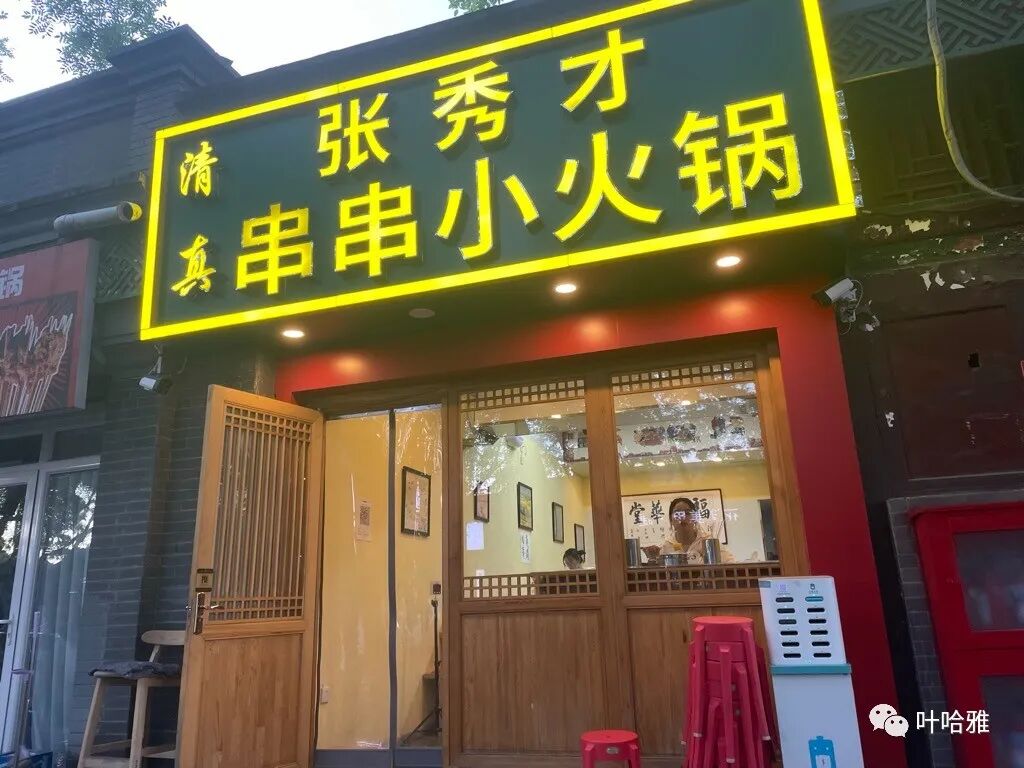
It is a pity that the Yinmadeng Skewers in Pingle Yuan has closed, but a new Zhang Xiucai Skewers has opened on Gulou East Street. The owner is from Dezhou, Shandong, and many people from Dezhou work in the restaurant business in Beijing. Skewer hot pot (chuanchuan huoguo) shops are popping up all over Beijing now. You can find Big Beard (Dahuzi) and Seven Fragrances (Qilixiang) in Changying, Skewer Visit (Chuanmen'er) in Dongba, and Little Gizzard (Xiaojungan) in Fangshan.
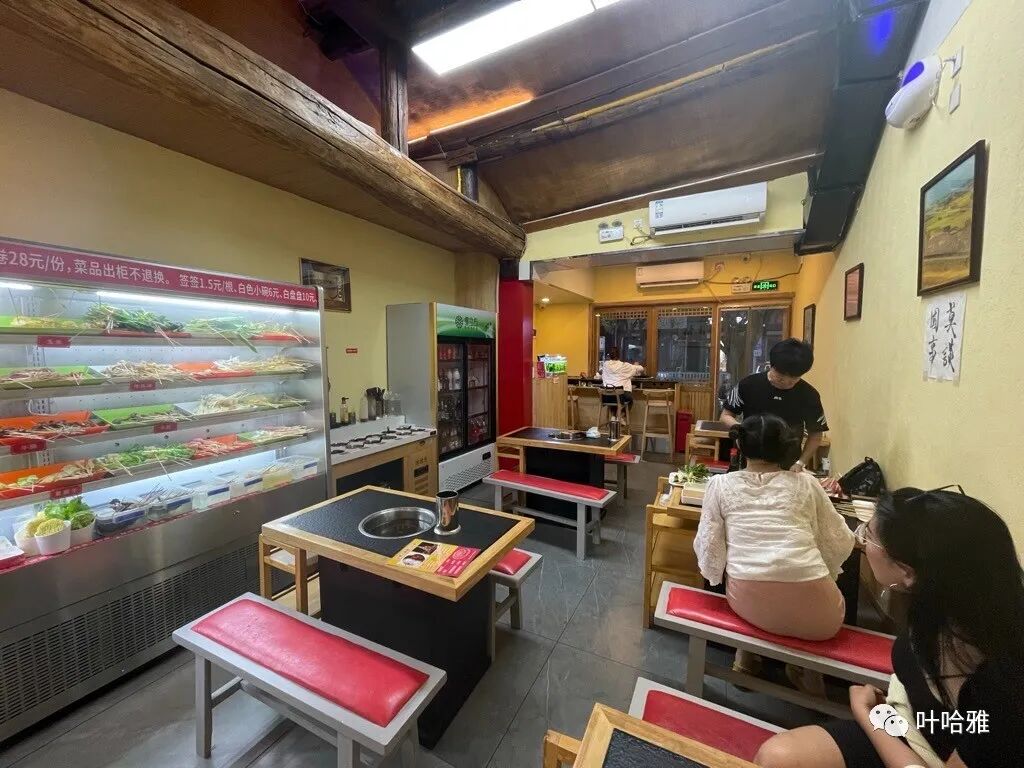
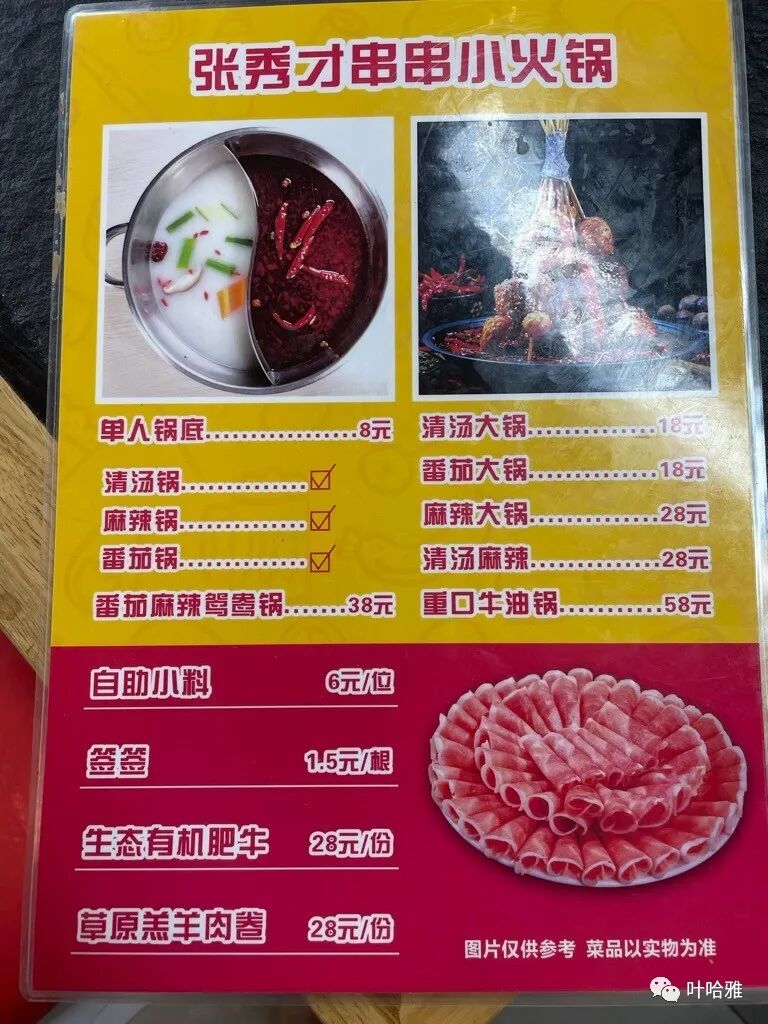
You pick your own skewers. For the soup base, you can choose clear broth, a spicy beef tallow pot, or a split-pot (yuanyang guo) with both. We tried the spicy beef tallow pot once, and it was definitely very hot.
To us outsiders, spicy hot pot (malatang), spicy stew (maocai), Sichuan hot pot, and skewer hot pot (chuanchuan) don't seem very different. They are all just boiled dishes served in different ways, and they taste pretty much the same.
2
Wang Laowu Iron Pot Stew (Wang Laowu Tieguo Dun)
This is a newly opened restaurant near Guanzhuang that serves Heilongjiang-style iron pot stew. The server told us the chef and pastry cook are from Ningxia. The four of us ordered a set meal with a whole goose, which came with steamed flower rolls (huajuan) and cold side dishes.
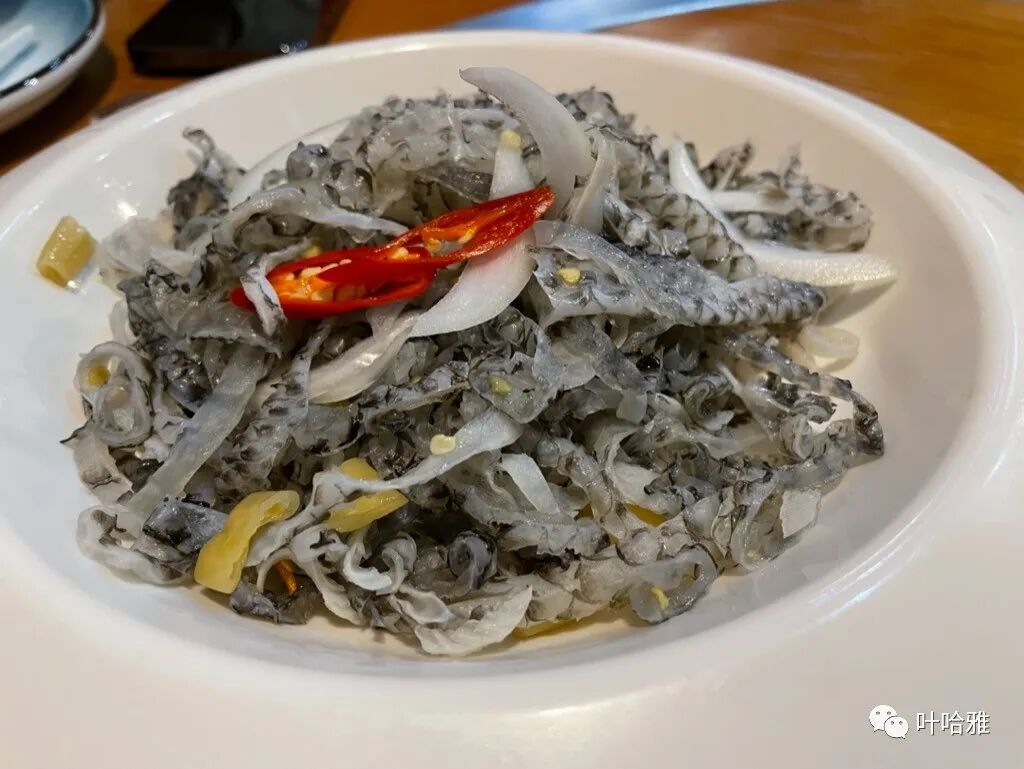
Cold tossed fish skin is a classic home-style dish from Northeast China. It has pickled chili peppers in it, so it is a bit spicy.
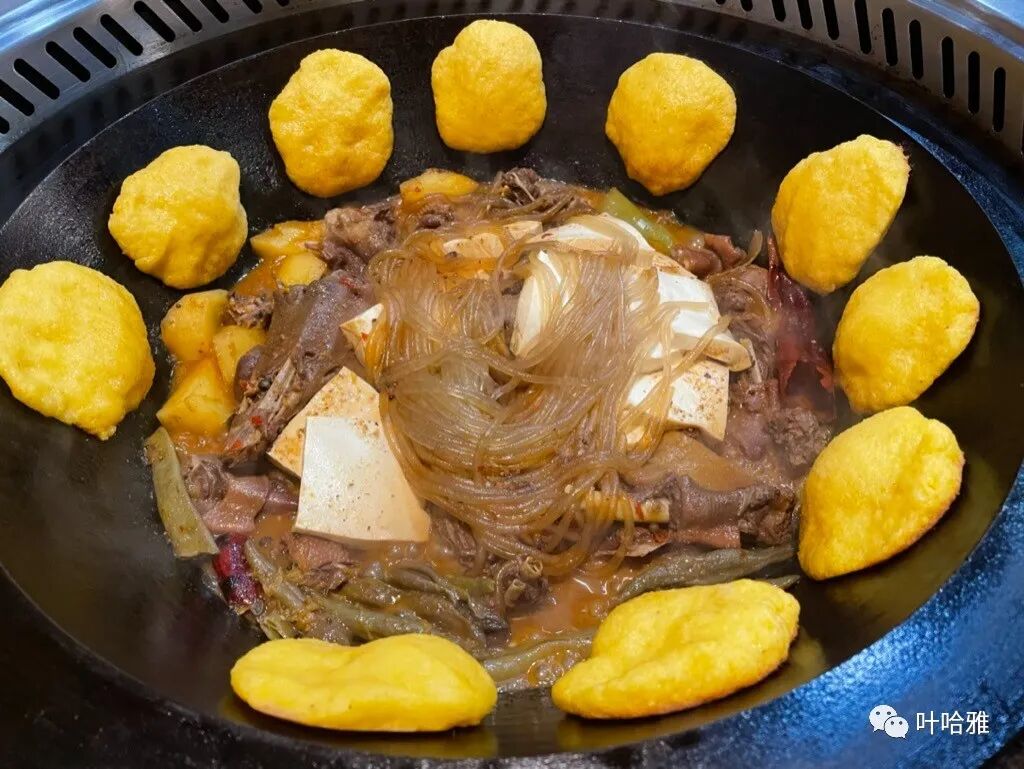
The server helped us cook the cornmeal flatbreads (tiebingzi) by placing them around the pot and covering it with a lid. We also put flower rolls on top to steam for 15 minutes. When we lifted the lid, the smell was amazing.
3
Huiwei Palace Ningxia Tanyan Lamb Restaurant (Huiwei Gong Ningxia Tanyan Yangguan)
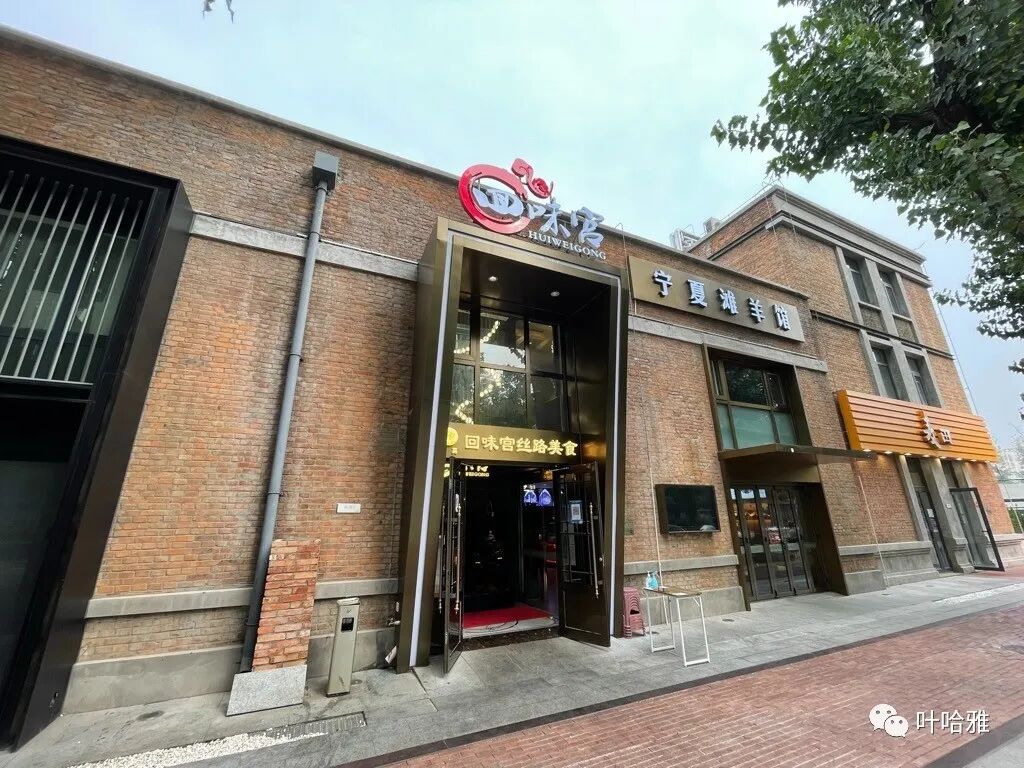
Sanyuanqiao Branch
Ningxia cuisine has grown fast in Beijing over the last few years. High-quality Tanyan lamb, a specialty from central Ningxia, is becoming more popular. The Ningxia Tanyan Lamb Restaurant under the Huiwei Palace brand really takes the preparation of this lamb to the next level.
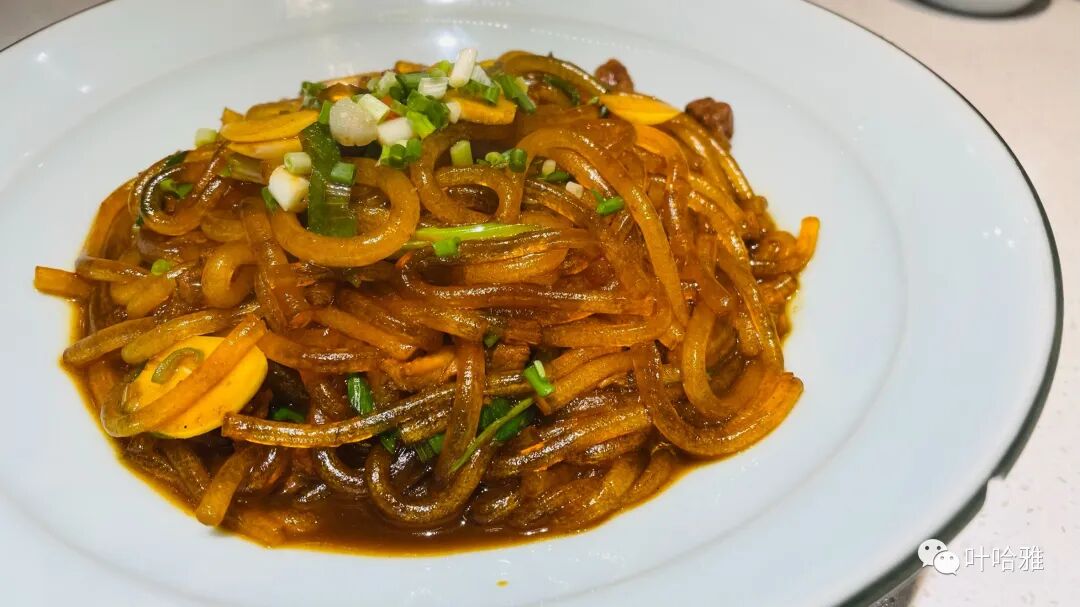
Handmade Red Army noodles (hongjun fen)
The owner is from Jingyuan, Ningxia. You can eat Jingyuan food here, and the Jingyuan vermicelli and yellow beef are worth a try.
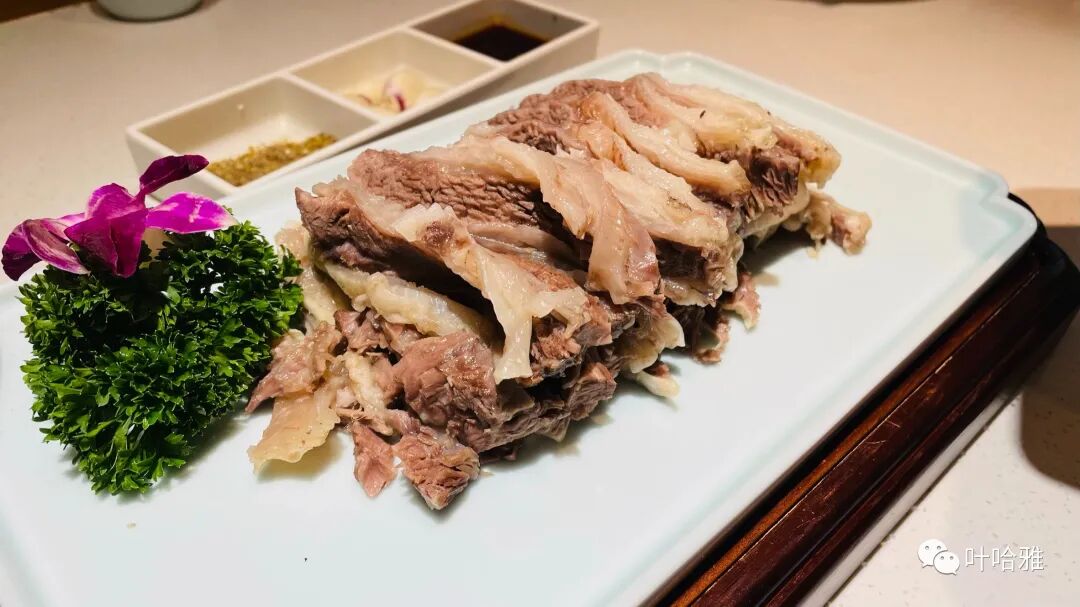
Jingyuan yellow beef (huang niurou)
It is not easy to find Jingyuan yellow beef in Beijing. It is a specialty from the southern region of Ningxia, where people eat more beef than lamb.
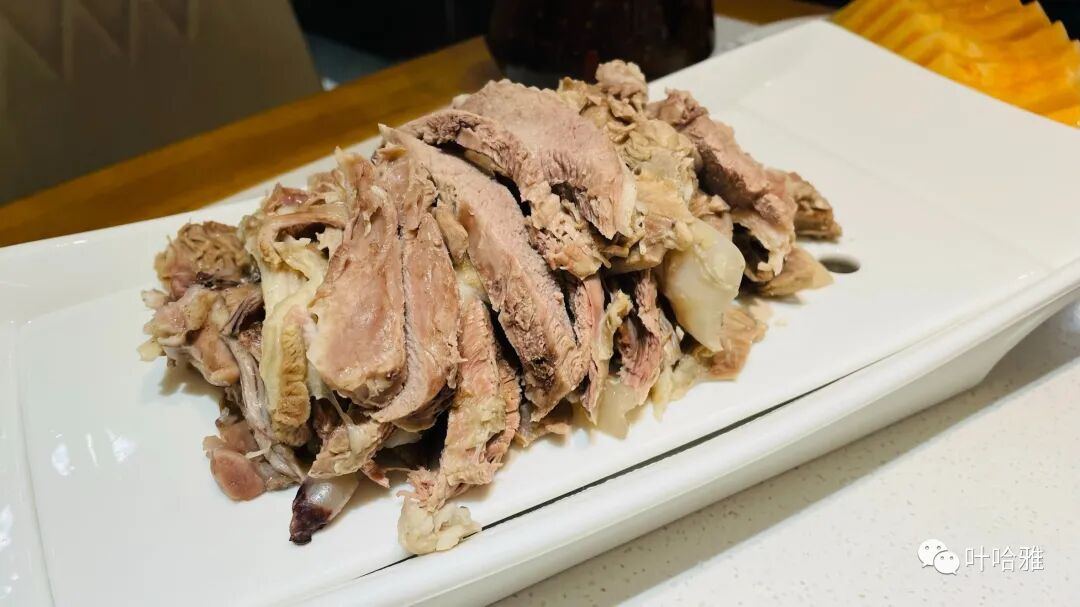
Hand-grabbed salt-lake lamb (tanyang shouzhuarou)
Whether it is beef or lamb, it suits my taste perfectly. You have to eat the meat with fresh raw garlic to bring out the flavor.
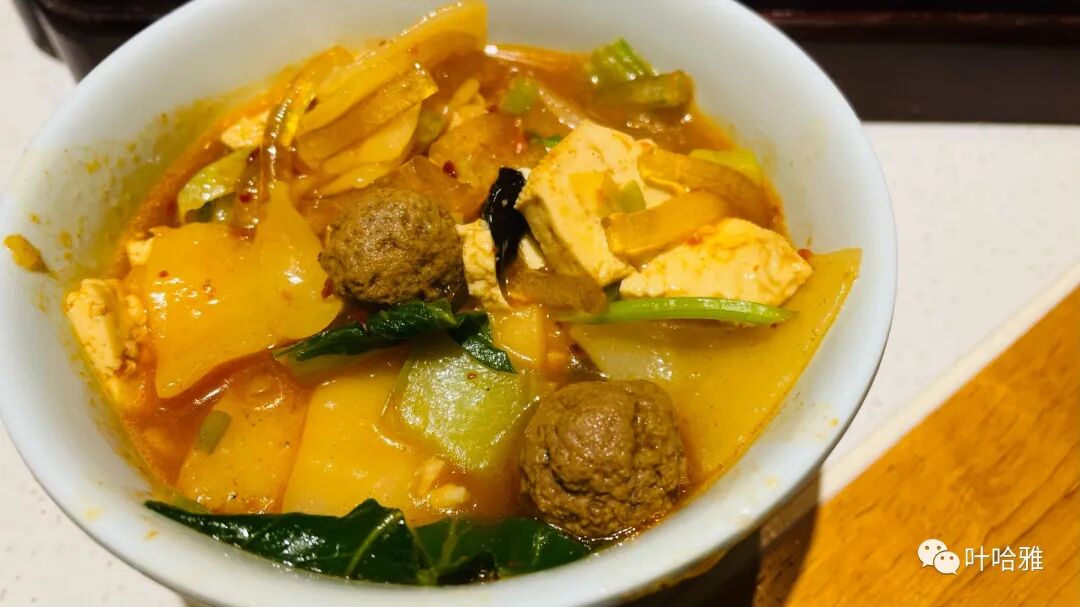
The must-order staple at a Ningxia restaurant is raw-boiled noodle slices (shengcuan mianpian). A proper version includes meatballs. These noodle slices are a hometown favorite that Ningxia people love to talk about.
4
Sanjiangyuan Restaurant (Sanjiangyuan Shifu)
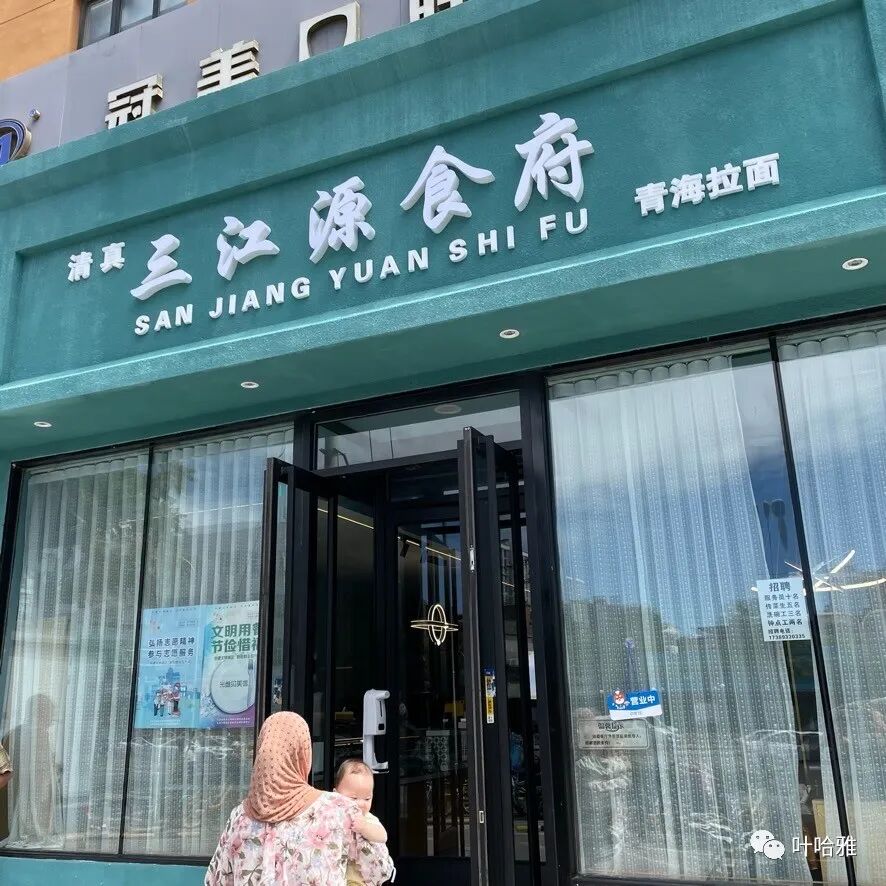
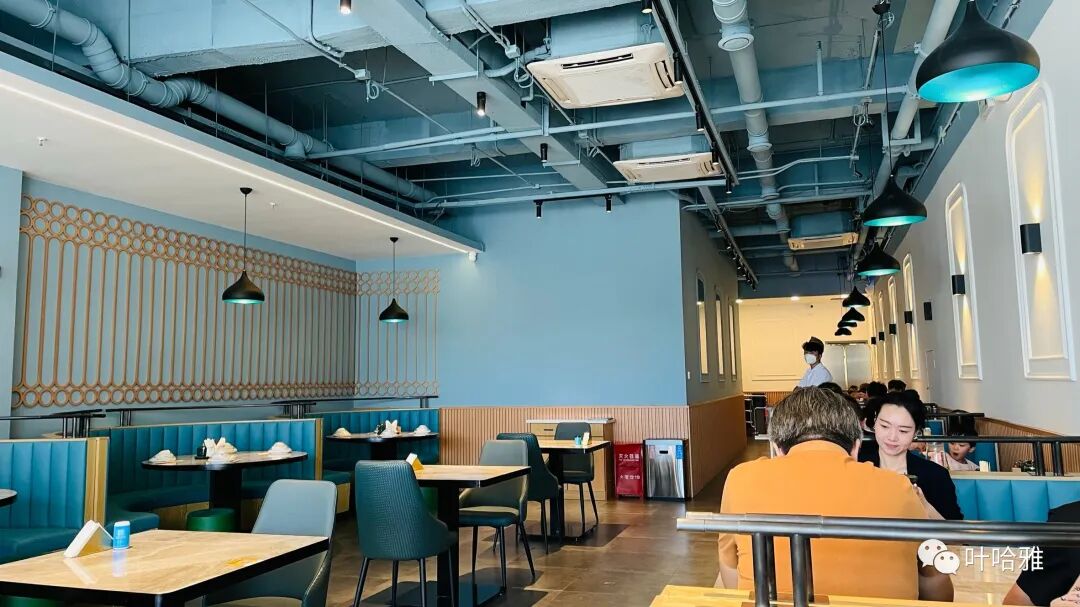
The spot where Yinmadeng Skewers used to be is now Sanjiangyuan Restaurant. It serves Qinghai local cuisine. The name Sanjiangyuan tells you it is from Qinghai, as it is the source of the Yangtze, Yellow, and Lancang rivers.
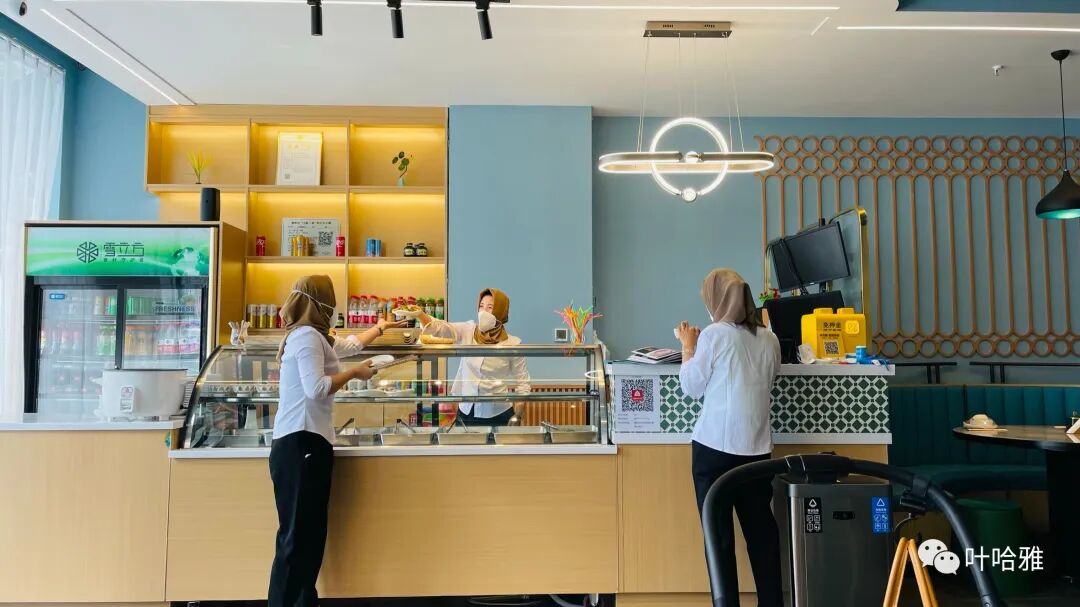
We usually eat Qinghai ramen, but here you can also find Qinghai specialties like pan-cooked Tibetan lamb chops (kanguo zangyangpai) and yak beef (maoniurou).
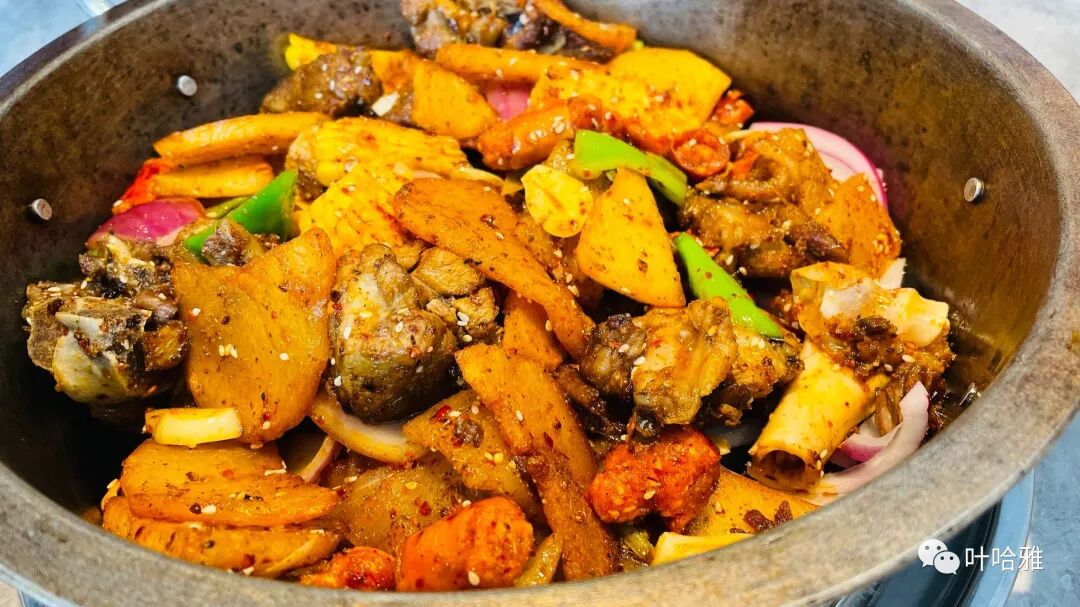
The lamb in the pan-cooked lamb chops is high quality, and the potatoes are cooked until soft. The peppers are not spicy, so you can eat them just like a vegetable.
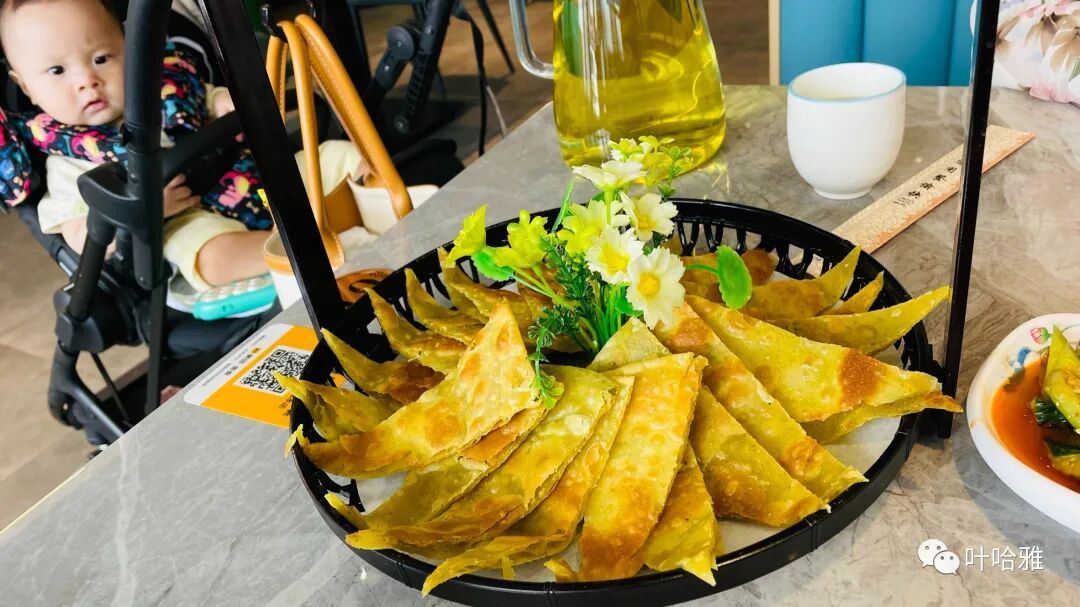
Qinghai has a snack with a strange name called dog-pissing-pancake (goujiaoniao). It is a highland barley pancake. When cooking it, you keep drizzling oil over it, which looks a bit like a dog peeing, hence the name. When this snack was featured at the World Expo, the name was temporarily changed to Qinghai Cabbage Pancake because it sounded crude. I think this was unnecessary. Food names carry cultural and historical traces. Changing the name makes the food lose its cultural identity. It is like the famous Go-Believe (Goubuli) steamed buns; the meaning behind the name has long surpassed the taste of the buns themselves.
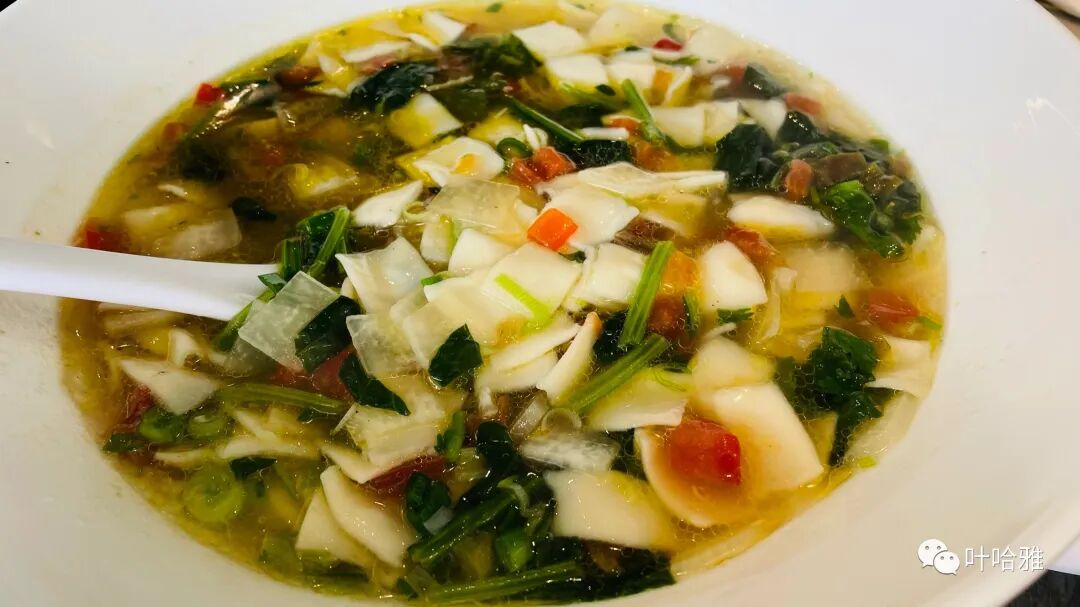
Qinghai hand-torn noodles (mianpian) are one of my favorite noodle dishes. My wife often makes them for me at home. Authentic Qinghai mianpian must be torn by hand. The pieces should be small, thin, and square. It requires great skill and is a real craft.
5
Dezhangmen Kung Fu Noodles.
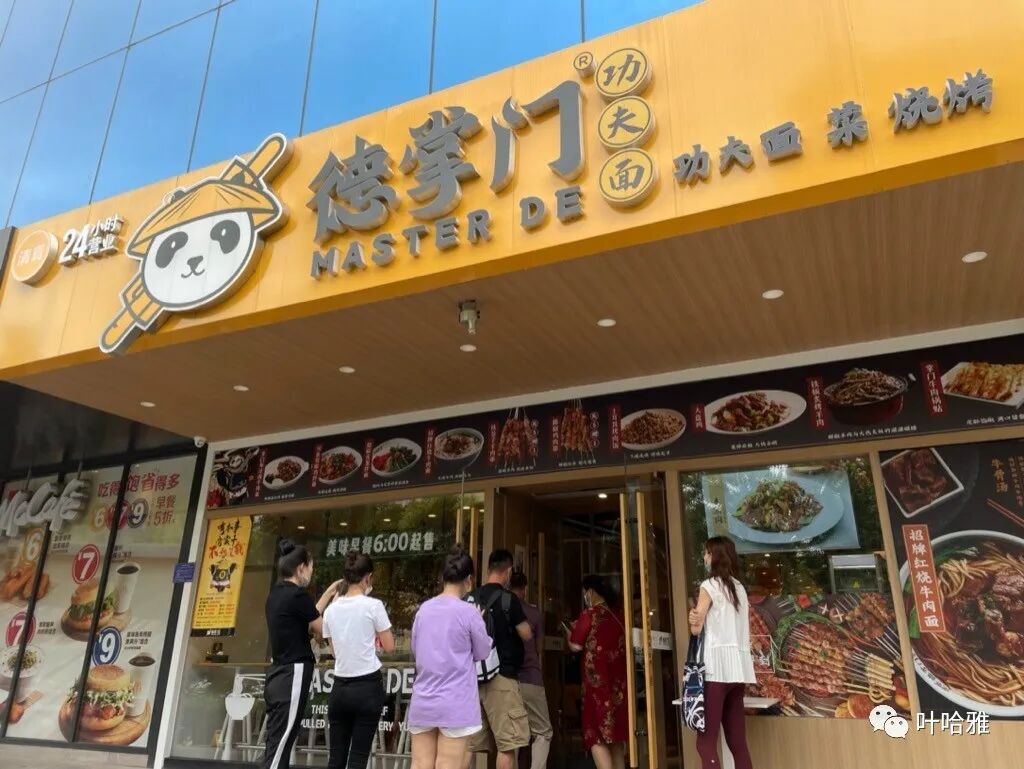
This is a fast-food noodle shop near Daguan Ying on Guangwai Street. They serve various snacks and fast food with different flavors.
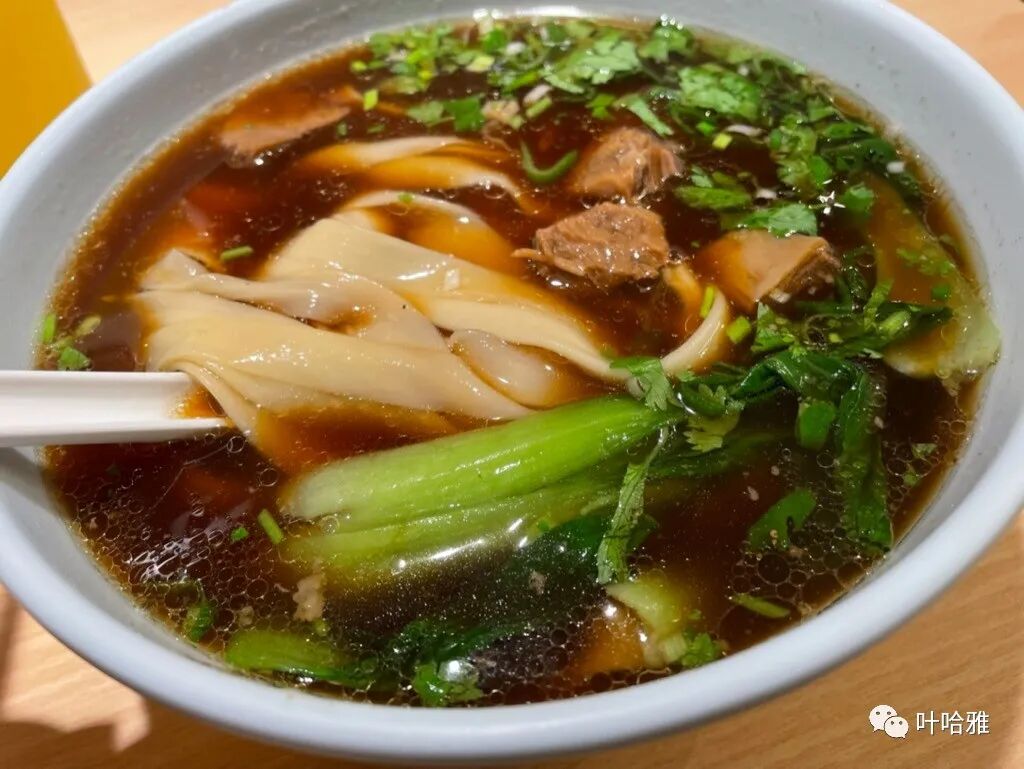
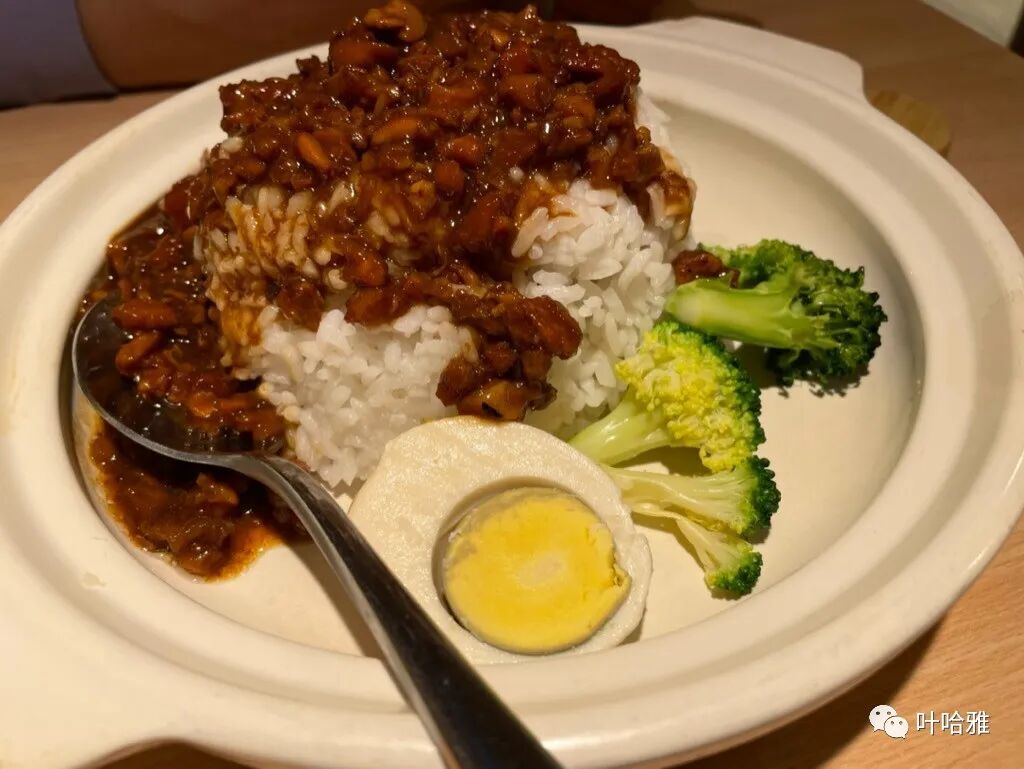
Although their signature dish is beef noodles, I prefer their Taiwanese braised beef rice.
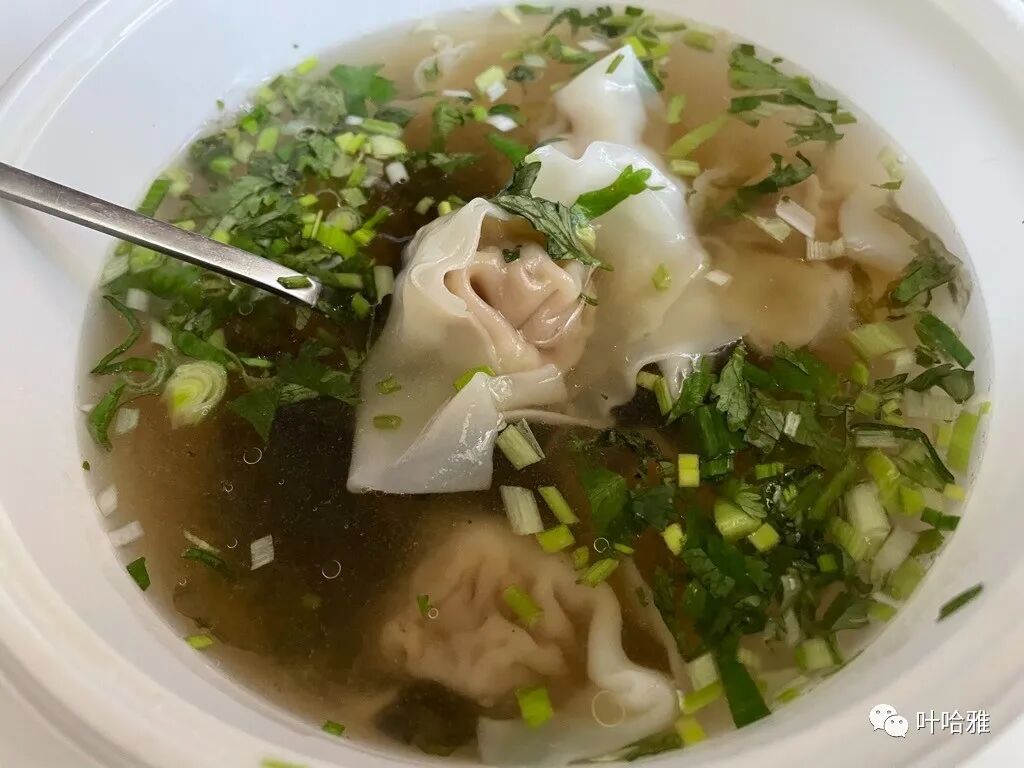
They also offer wontons during breakfast hours. The wontons have thin skins and large fillings, and they are very tasty.
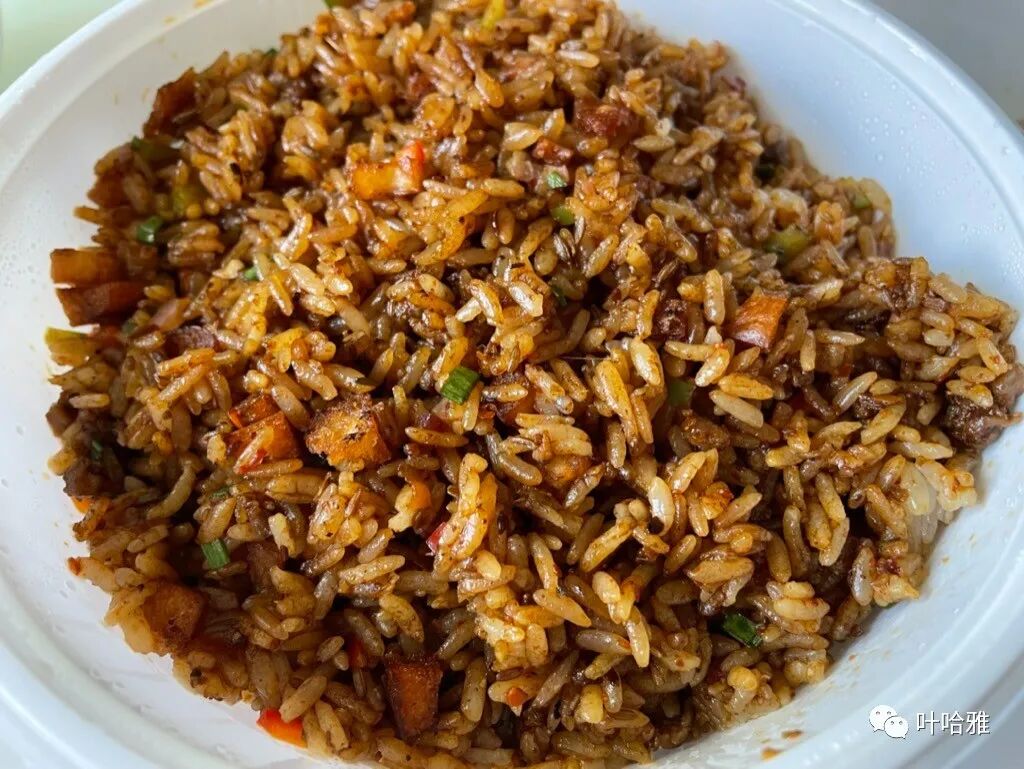
The Turkish kebab rice is just average. The braised pork rice is much more popular.
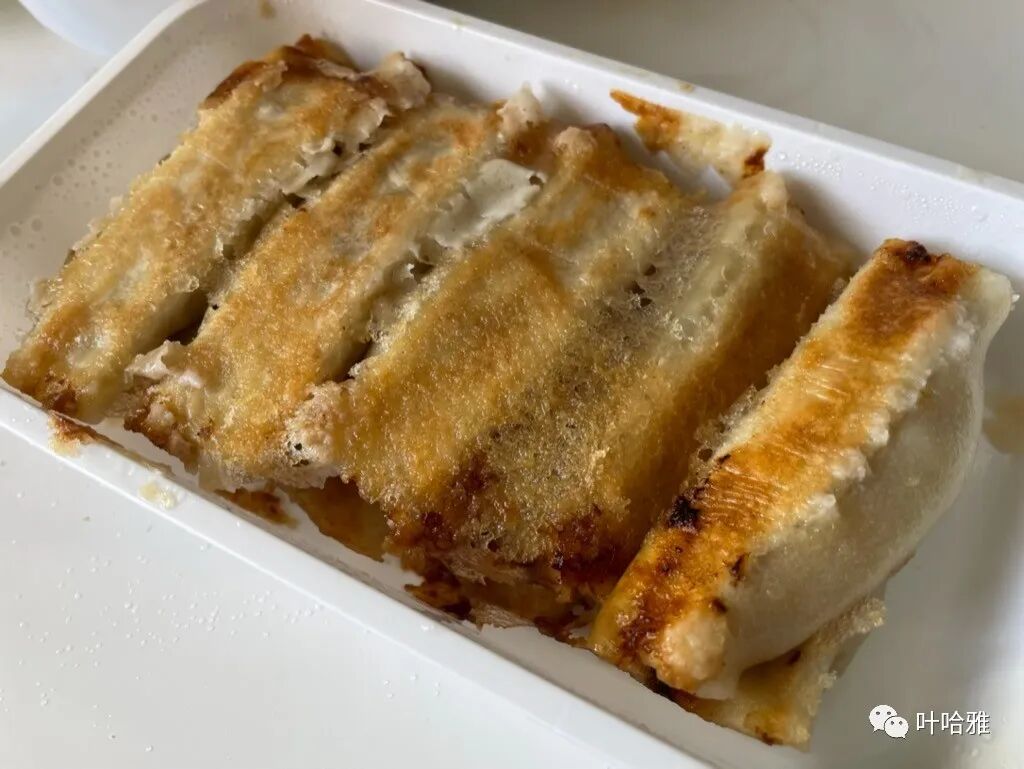
Their potstickers (guotie) taste pretty good and are made with great care.
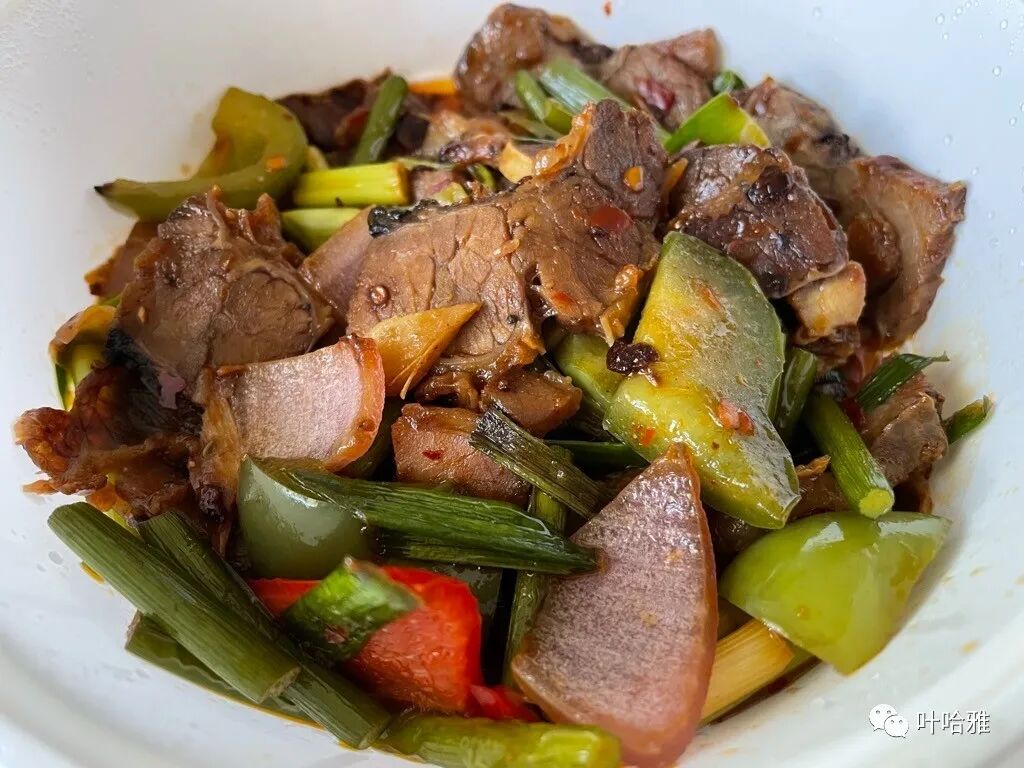
They also sell twice-cooked beef. Twice-cooked pork is a famous Sichuan dish, but a halal version is very rare.
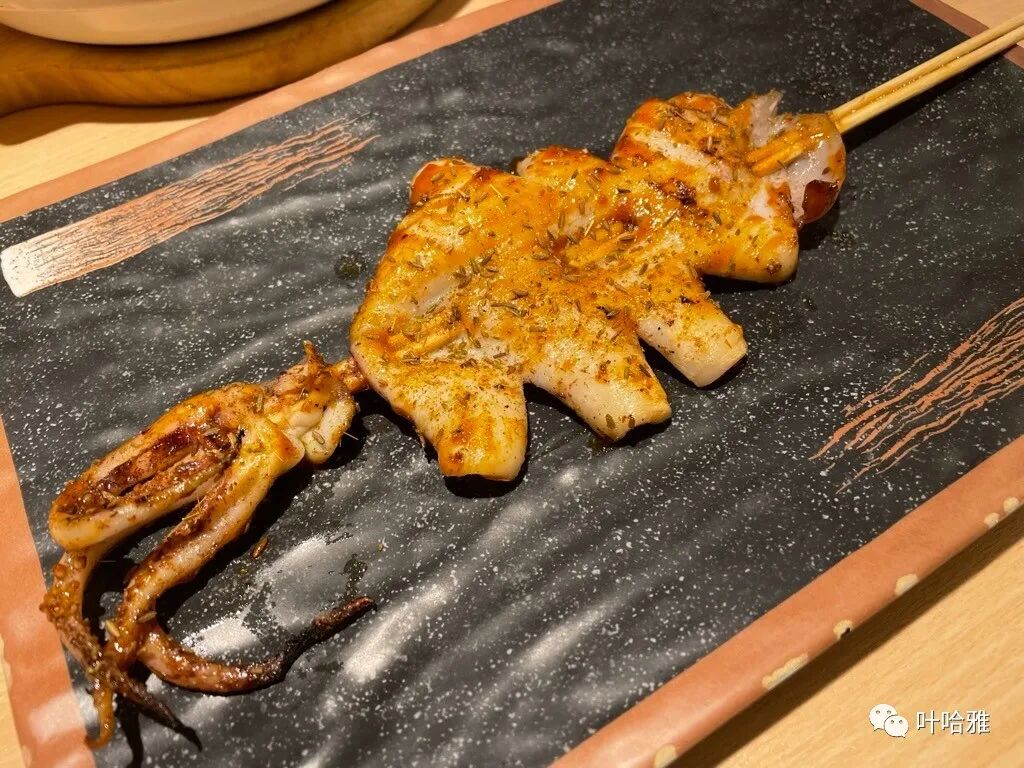
They have a wide variety of barbecue. The grilled squid and grilled chicken skewers are both very tender, though the flavor is on the spicy side.
6
BRBR Syrian Coffee
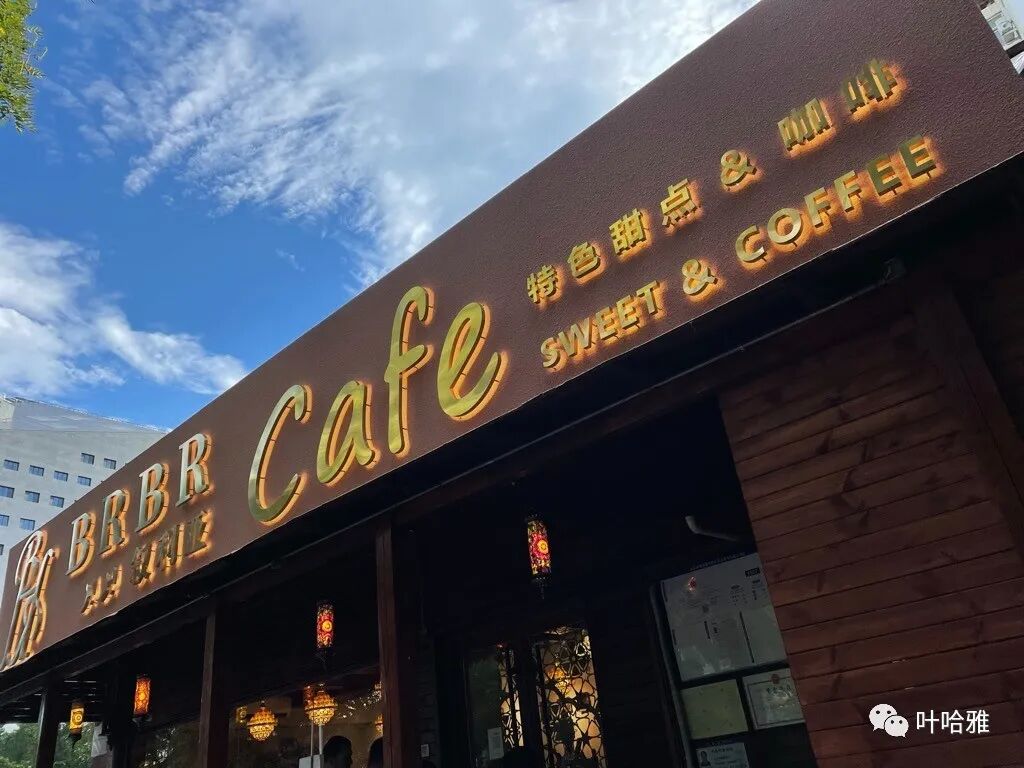
BRBR Syrian Restaurant opened a new cafe right next to their original location, serving Arabic coffee and Syrian desserts.
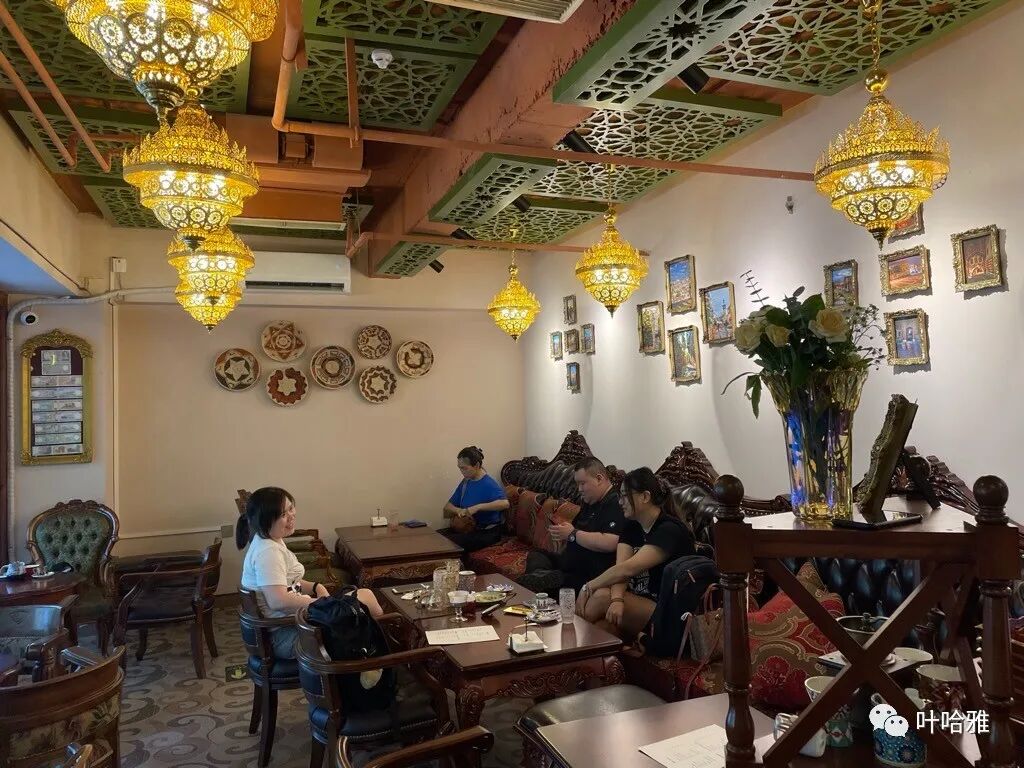
The cafe is small, but the decor is very Syrian. I heard many of the items were brought over directly from Syria.
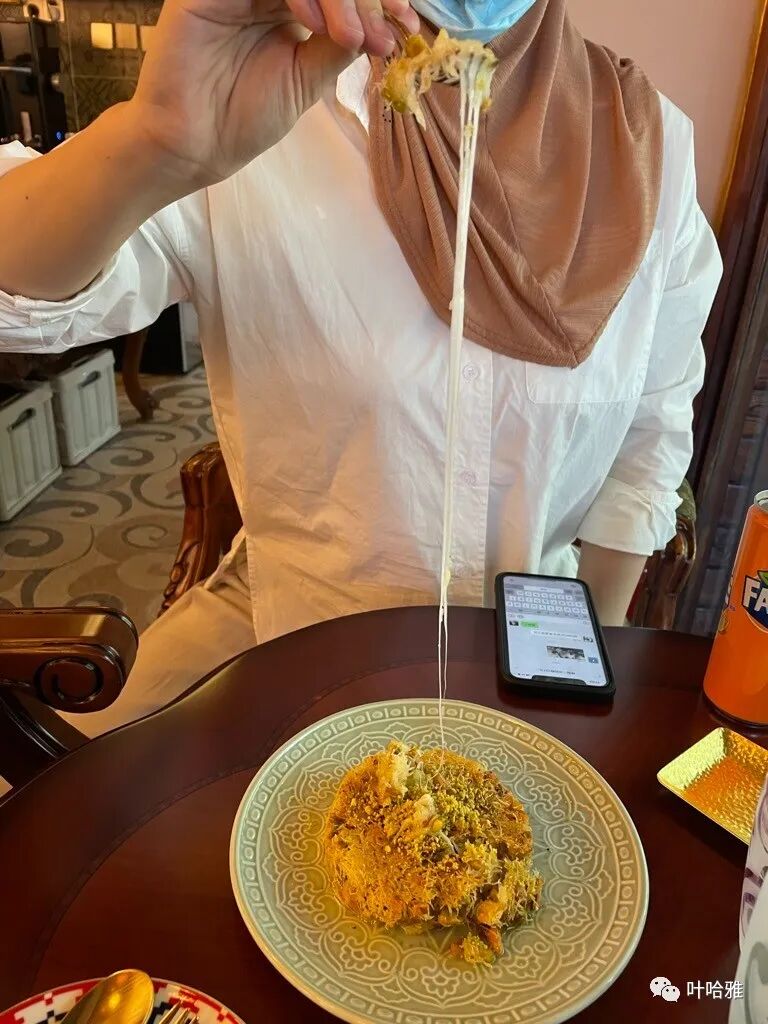
This stretchy dessert is called KUNAFA. It is made with cheese and filled with crushed nuts, and I really like it.
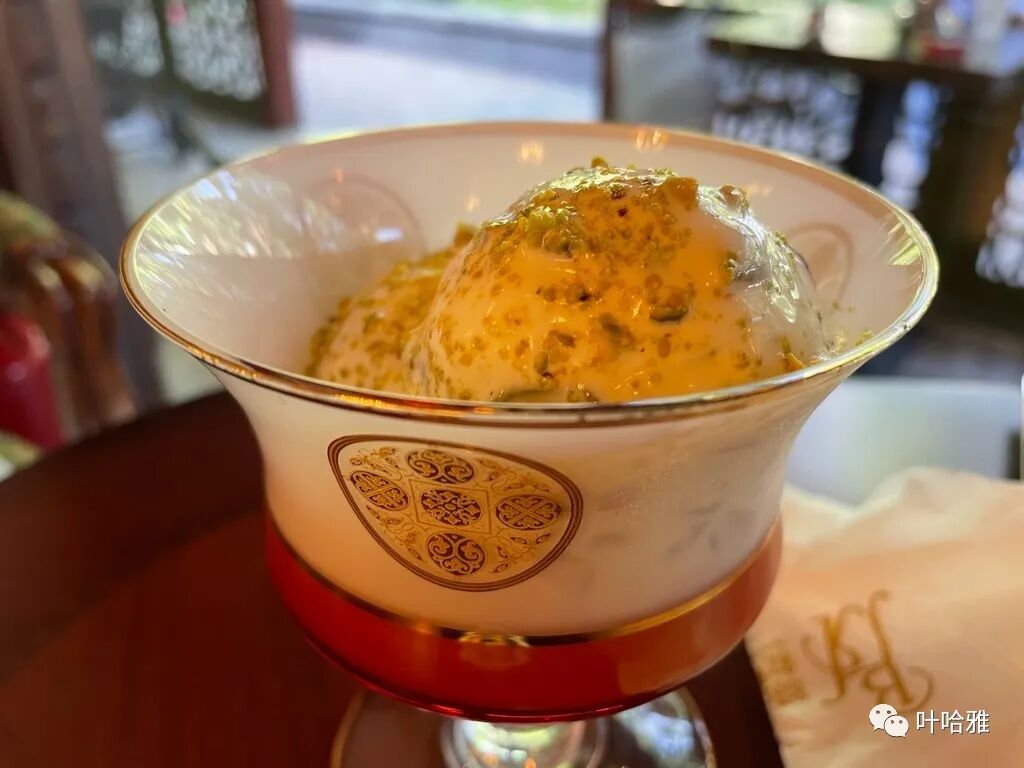
The Syrian ice cream has a very strong milky flavor, and it has quite a lot of crushed nuts inside.
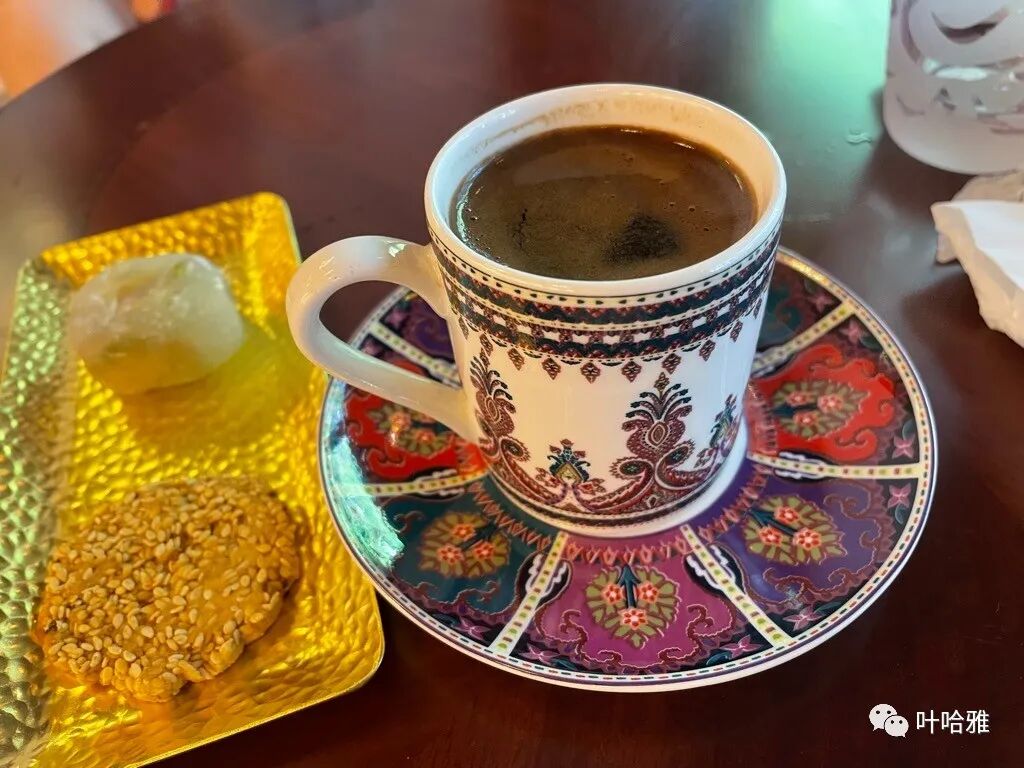
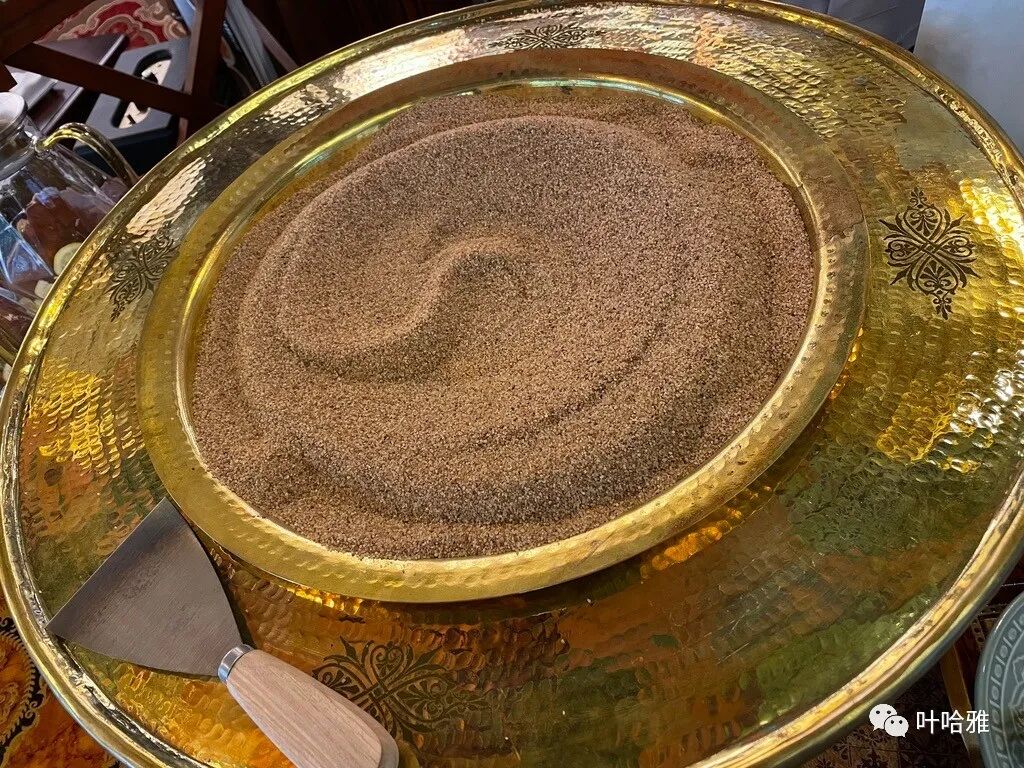
When you drink Syrian sand-boiled coffee, you are tasting history along with the flavor. The world's first coffee house was opened by Syrians. In 1554, a man from Aleppo and a man from Damascus opened it in Istanbul. It took another 100 years before France had its first coffee house in Europe.
7
Yiyuan Restaurant
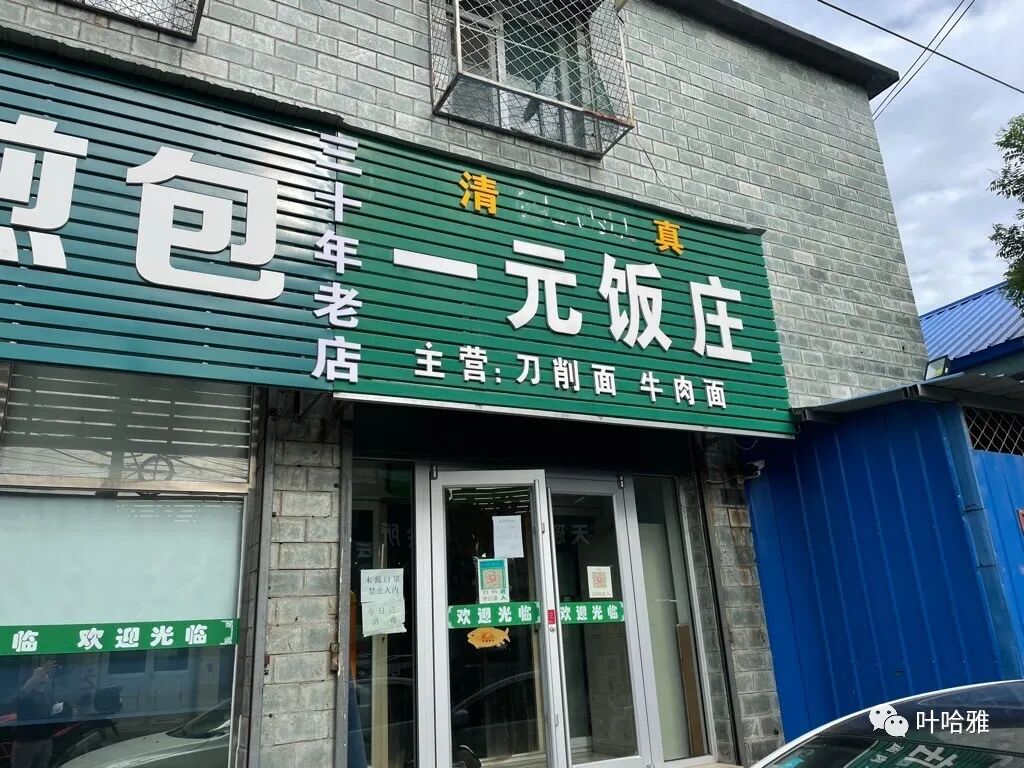
Yiyuan Restaurant is in Yangfang Town, Changping. The name is easy to misunderstand; the 'Yiyuan' here has the same meaning as the name Zhang Yiyuan, it does not mean the food costs one yuan.
Local friends told me this place has a big history. It has been open in Yangfang for thirty years. The owner was the first person to run a hot pot (shuanrou) restaurant in Yangfang Town. He stopped doing that for personal reasons, and then he opened Yiyuan Restaurant.
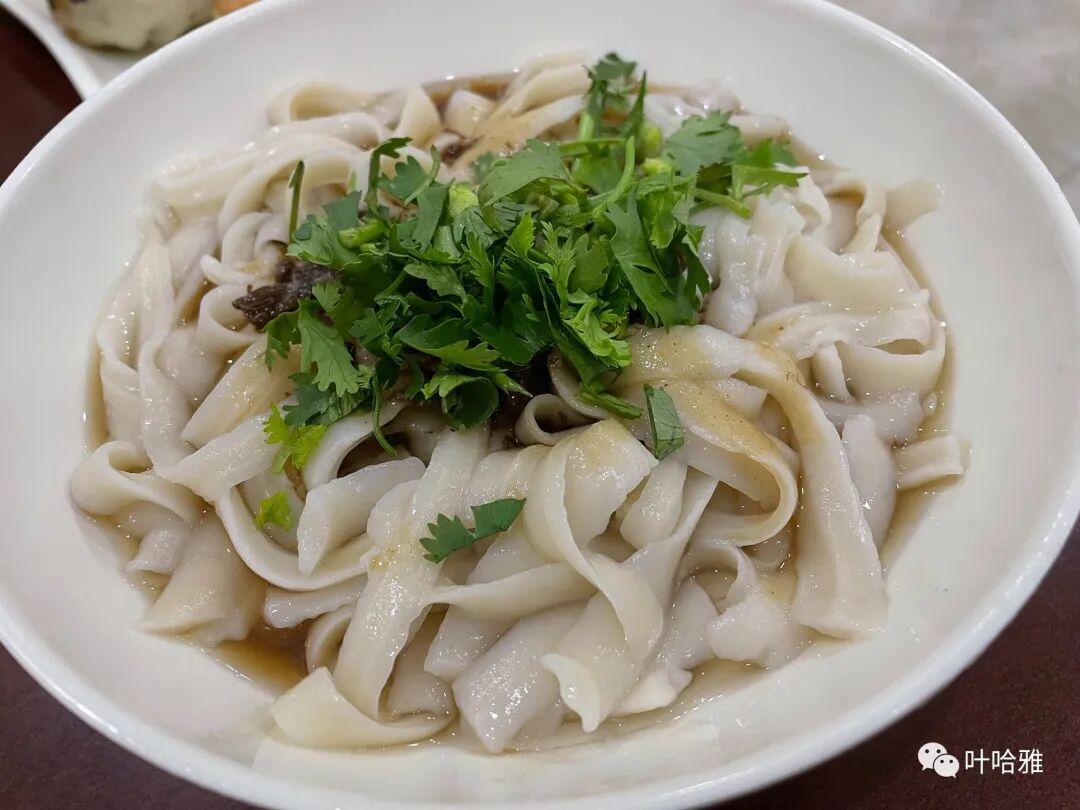
Knife-cut noodles (daoxiaomian)
They have knife-cut noodles, pan-fried buns (shuijianbao), and oat noodles (youmian). These snacks are specialties from the border area between Inner Mongolia and Shanxi, which belongs to the Jin language region. Yangfang Town is located on the essential route for northern merchants traveling to the capital.
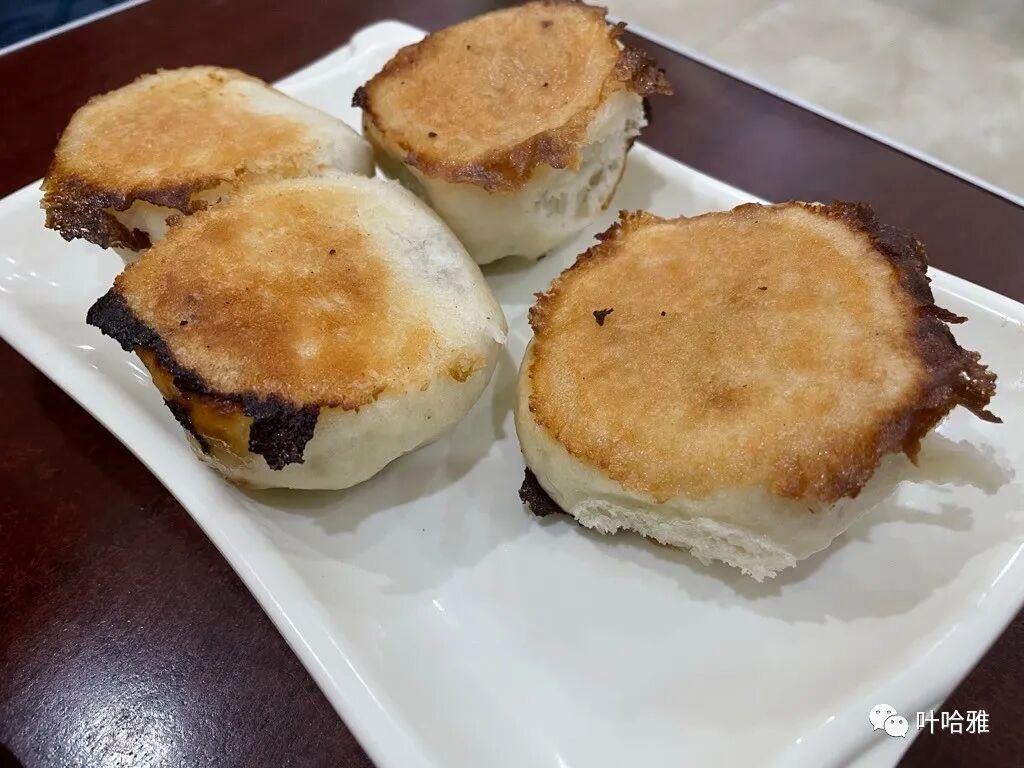
Pan-fried buns (shuijianbao)
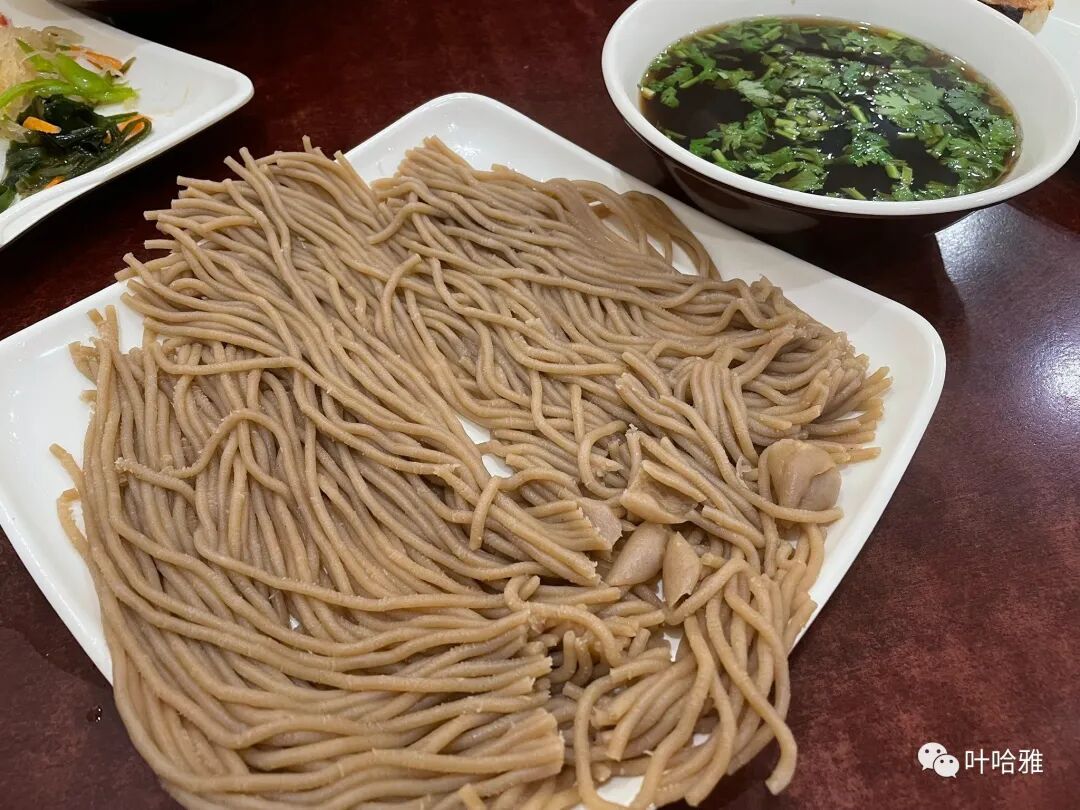
Oat noodles (youmian)
8
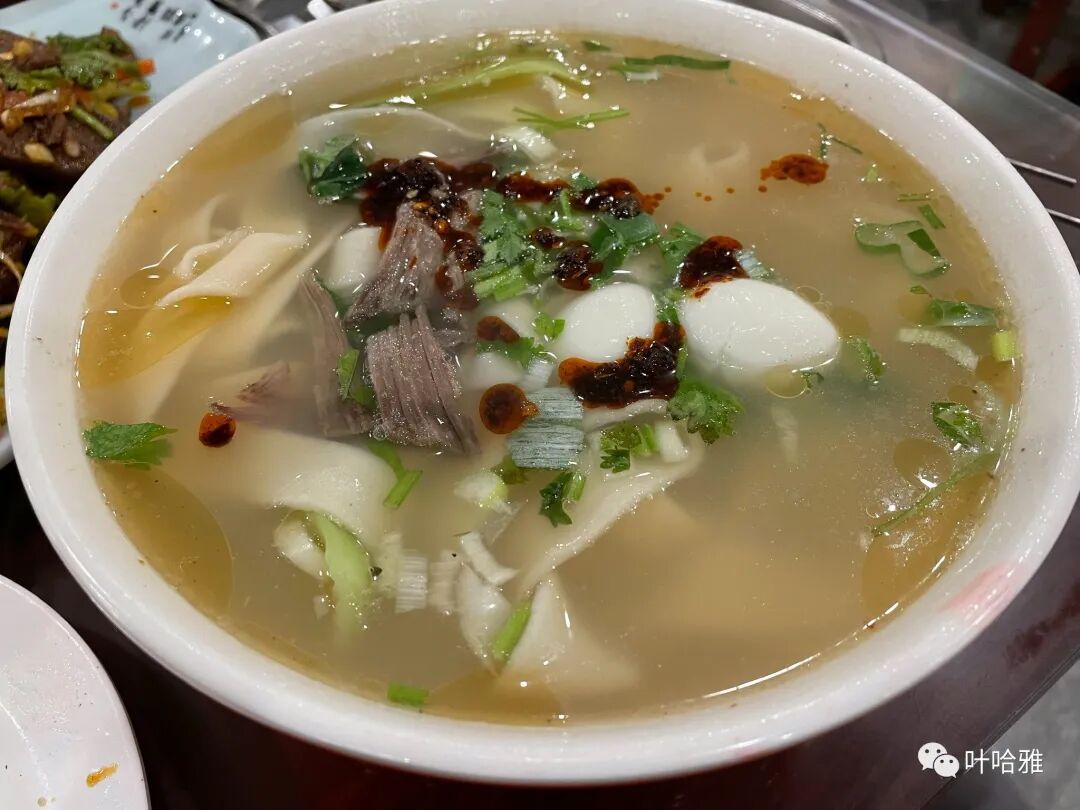
Yanlan nourishing braised noodles (huimian)
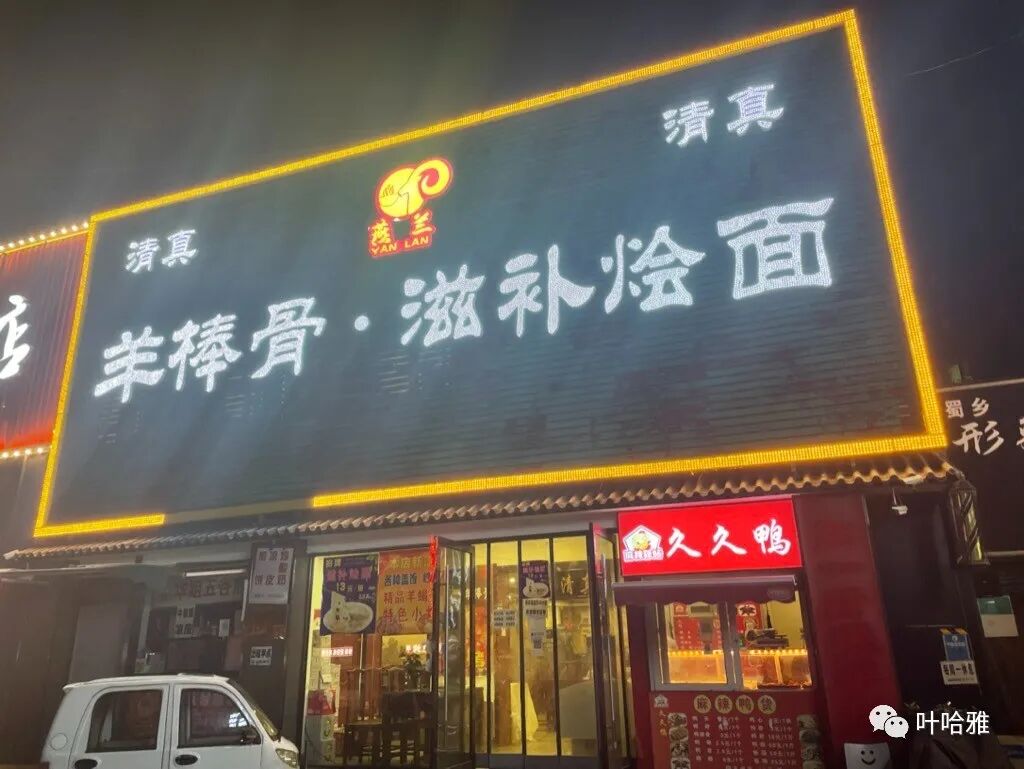
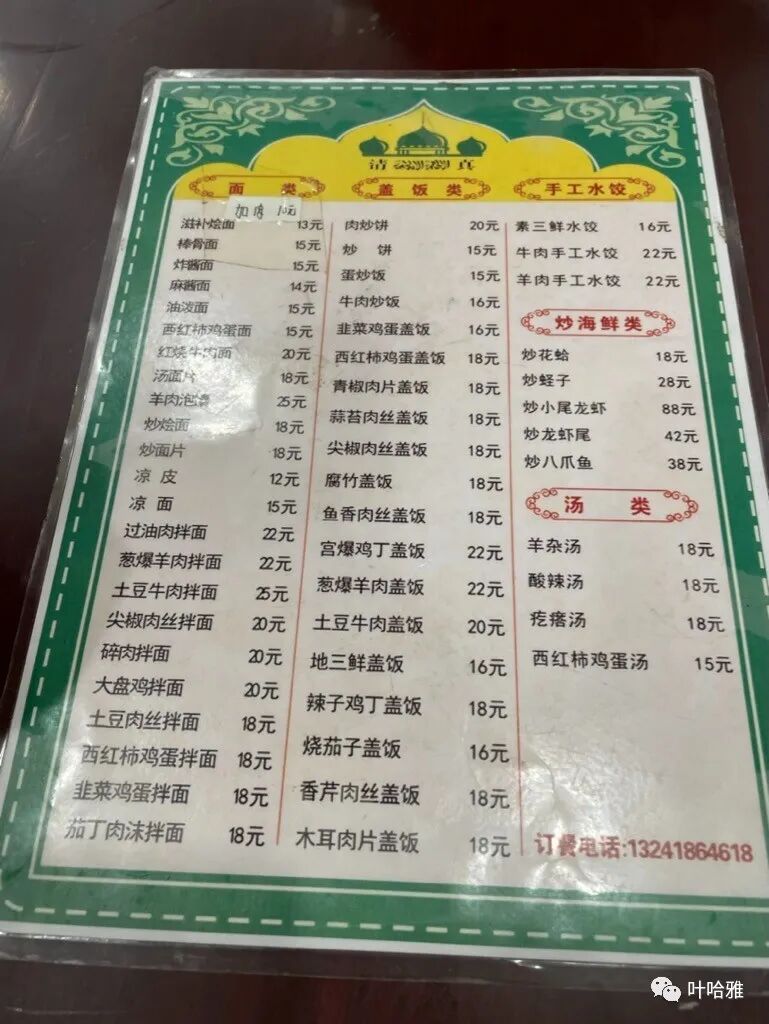
This Henan braised noodles (huimian) shop has been open for years in the Donggaodi area. I asked and found out it is run by Hui Muslims from Zhoukou. A bowl of their braised noodles costs only 13 yuan, which is cheaper than pulled noodles (lamian).
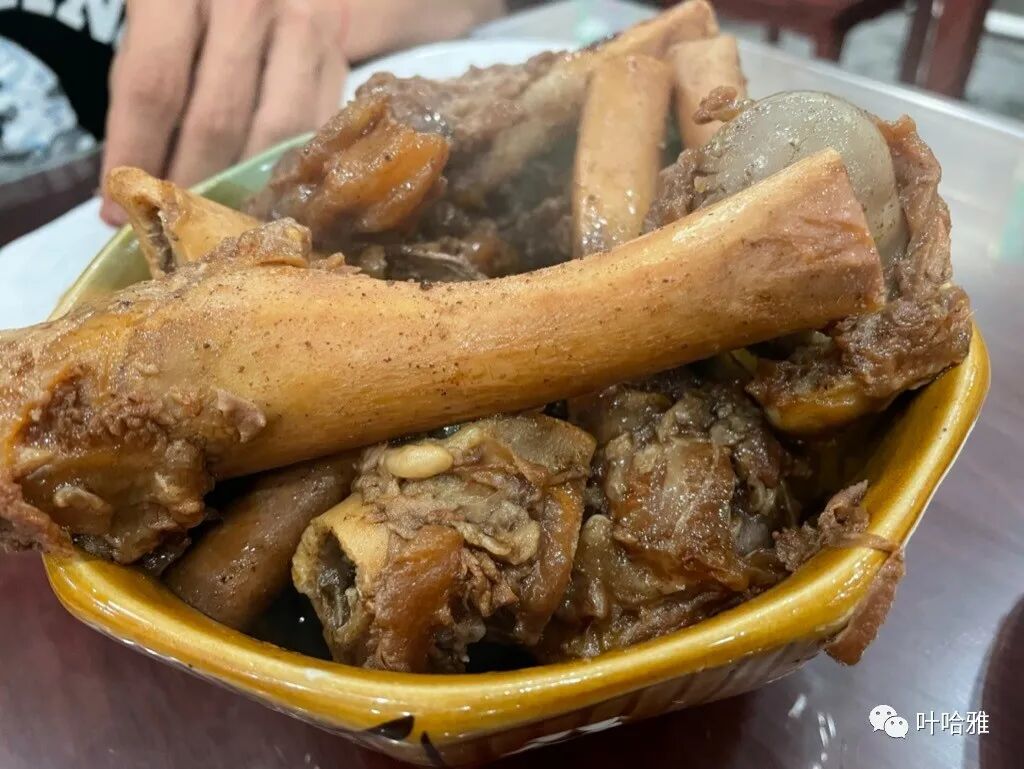
Hot lamb bone marrow (yangbanggu). There is not much meat on them, so you use a straw to eat the marrow inside the bone.
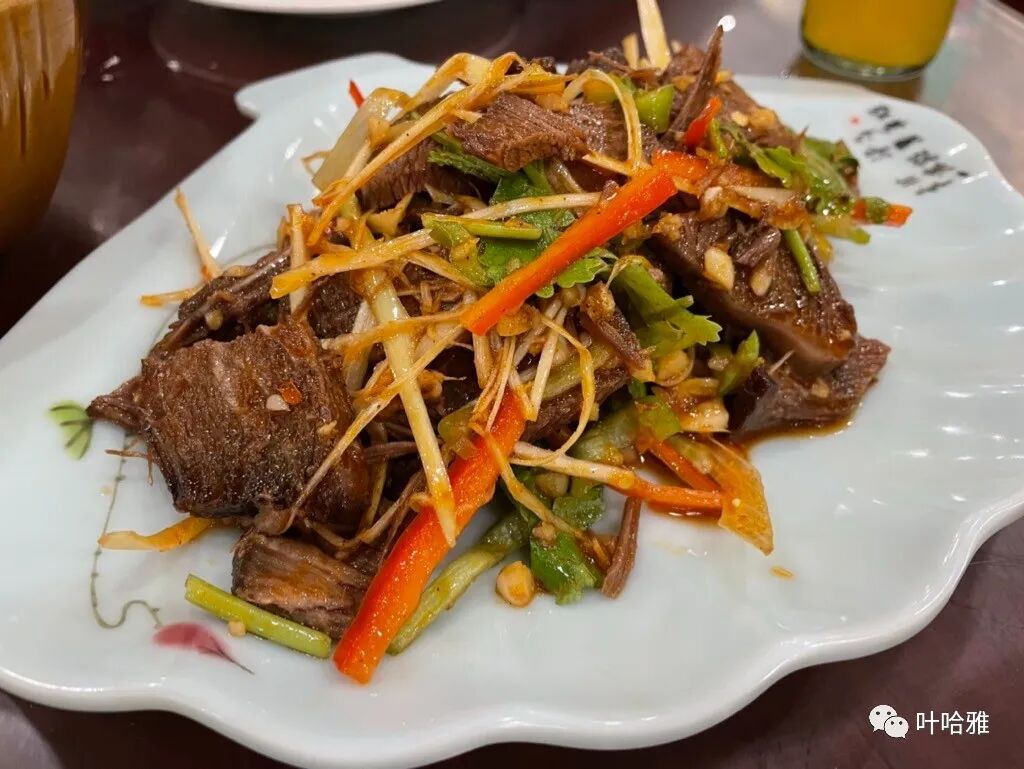
Henan-style cold tossed beef. Adding meat to the braised noodles costs 10 yuan. This shop also sells raw beef and lamb in the nearby market.
9
Blue Turkish barbecue
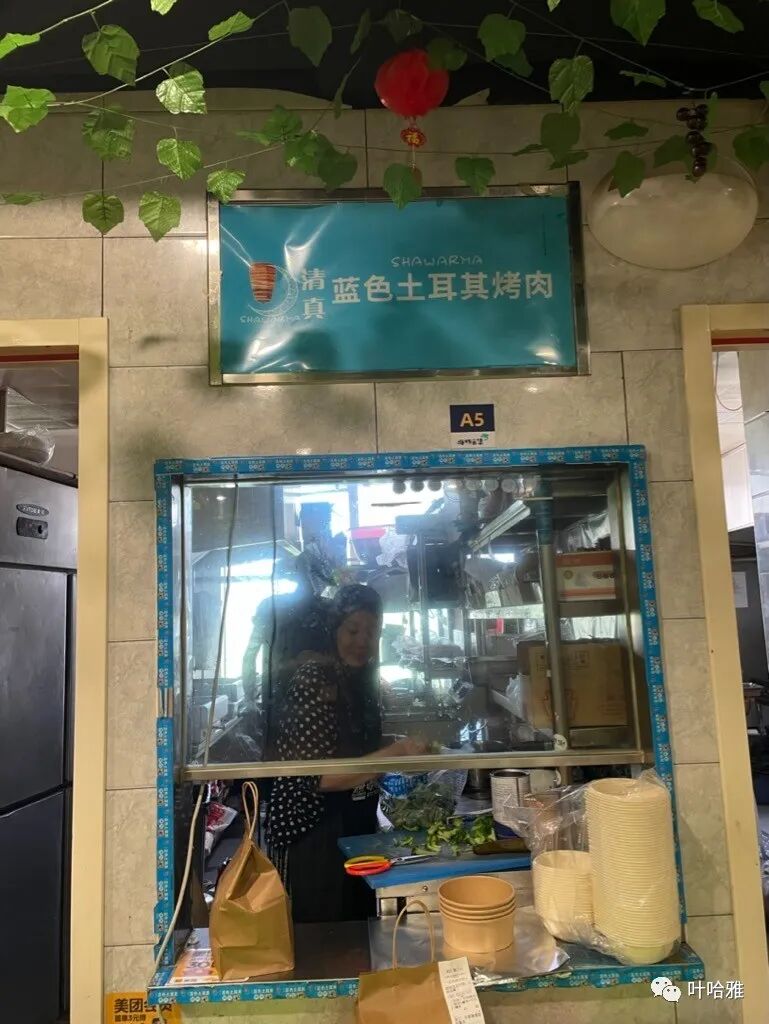
This is a takeout-only stall located in SOHO Shangdu. There is no seating, so you just need to place an order for delivery nearby.
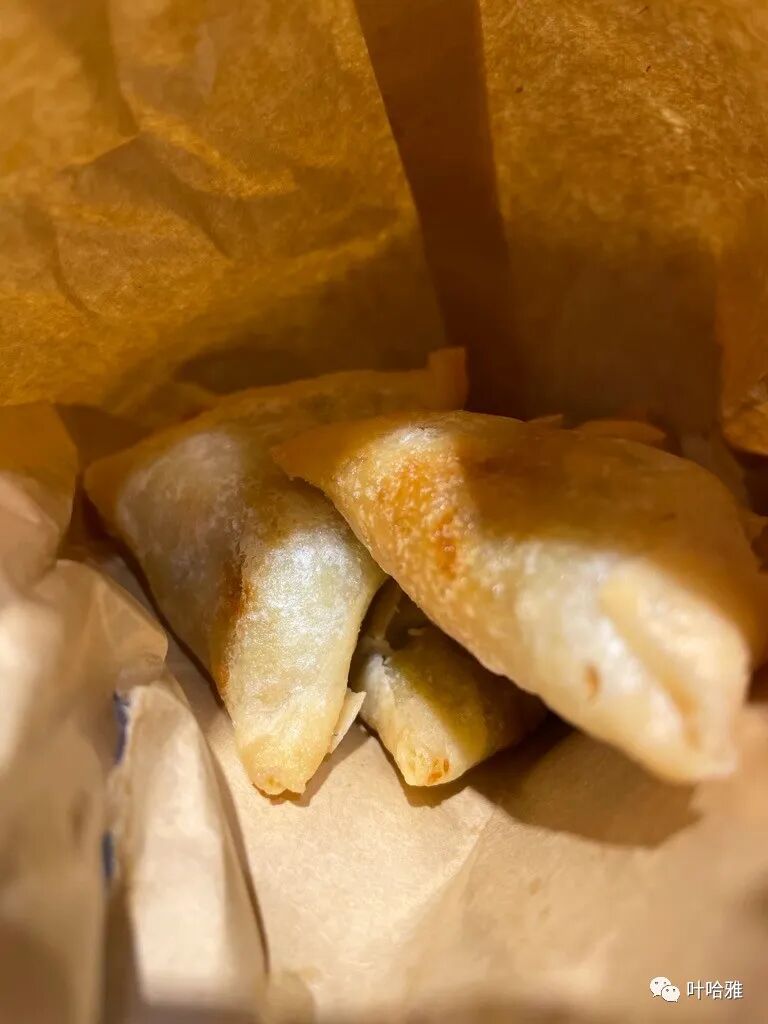
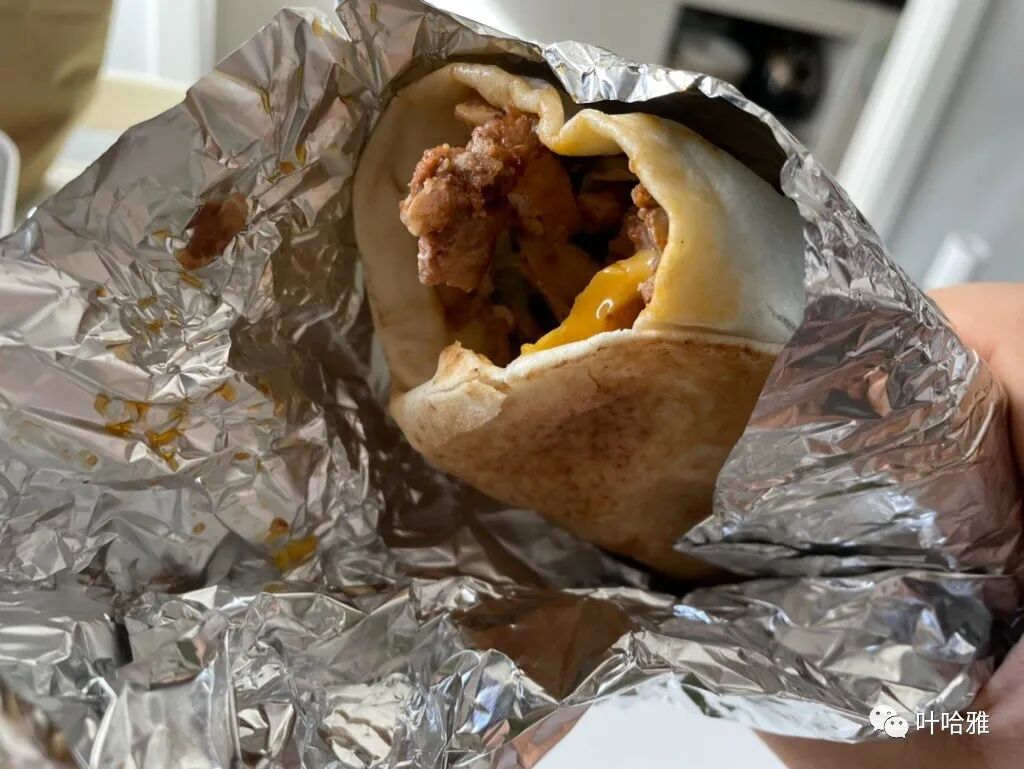
The staff member wears a headscarf and is from Northeast China. This shop is very careful about choosing ingredients, and their online business is doing well. This model was not affected during the pandemic. Friends working near Dongdaqiao can try placing an order.
10
Bostana
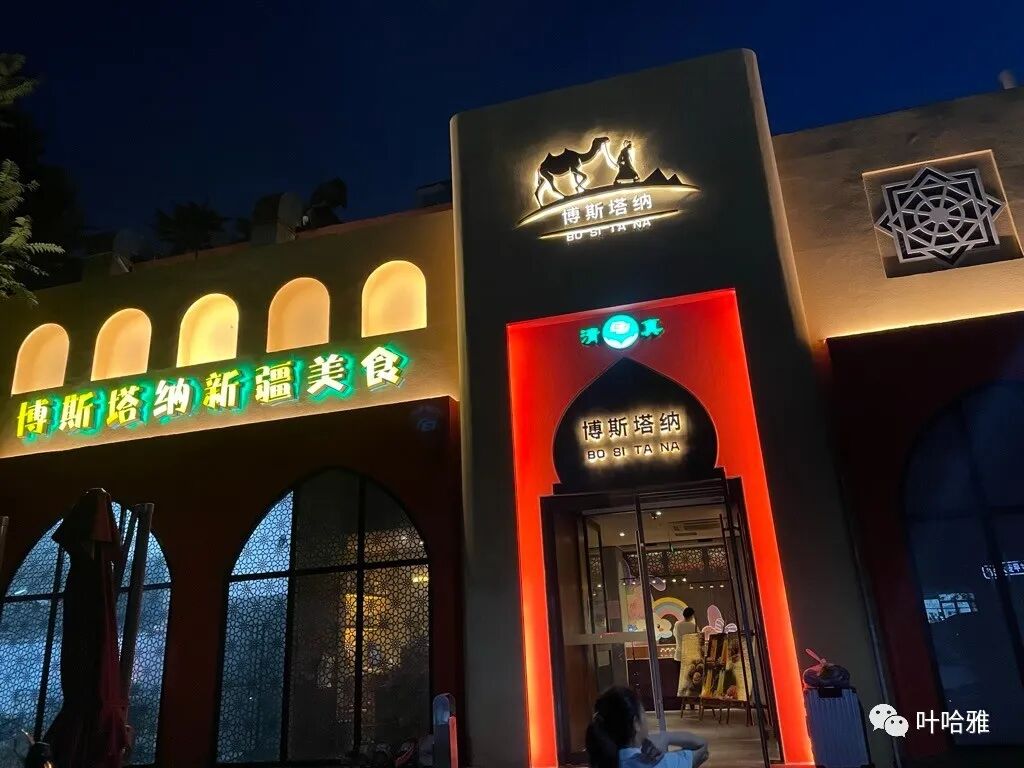
There are so many Xinjiang restaurants in Beijing now. It is hard to find bad Xinjiang food, but making it really good is not easy. This place, Bostana, makes excellent Xinjiang food.
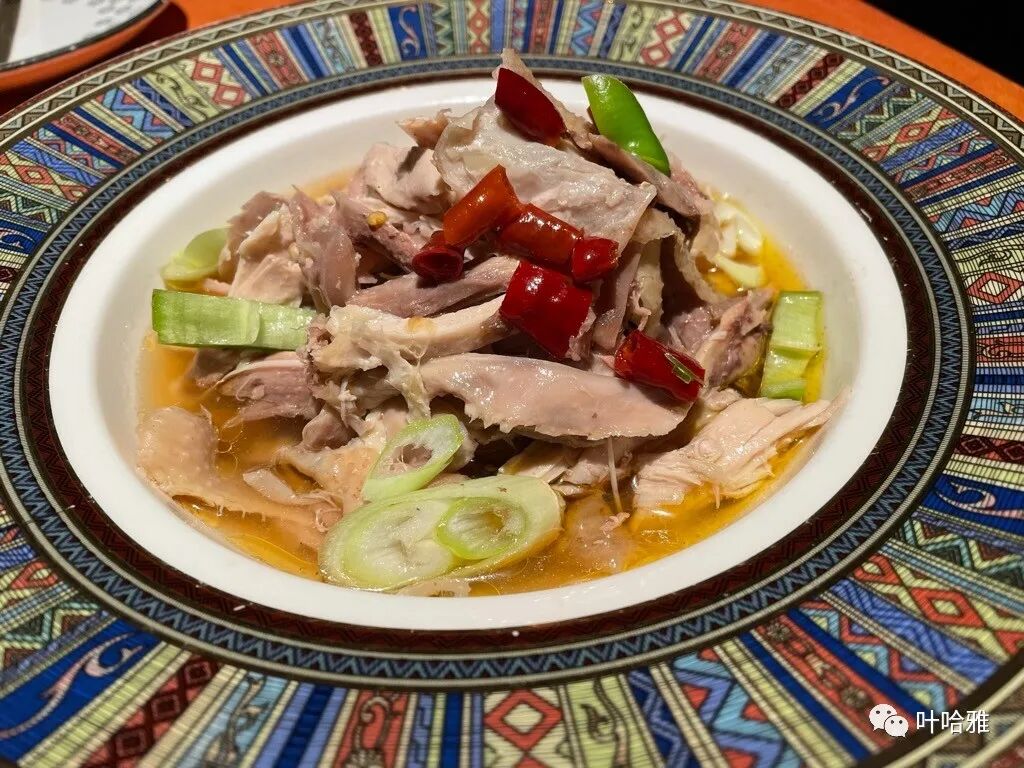
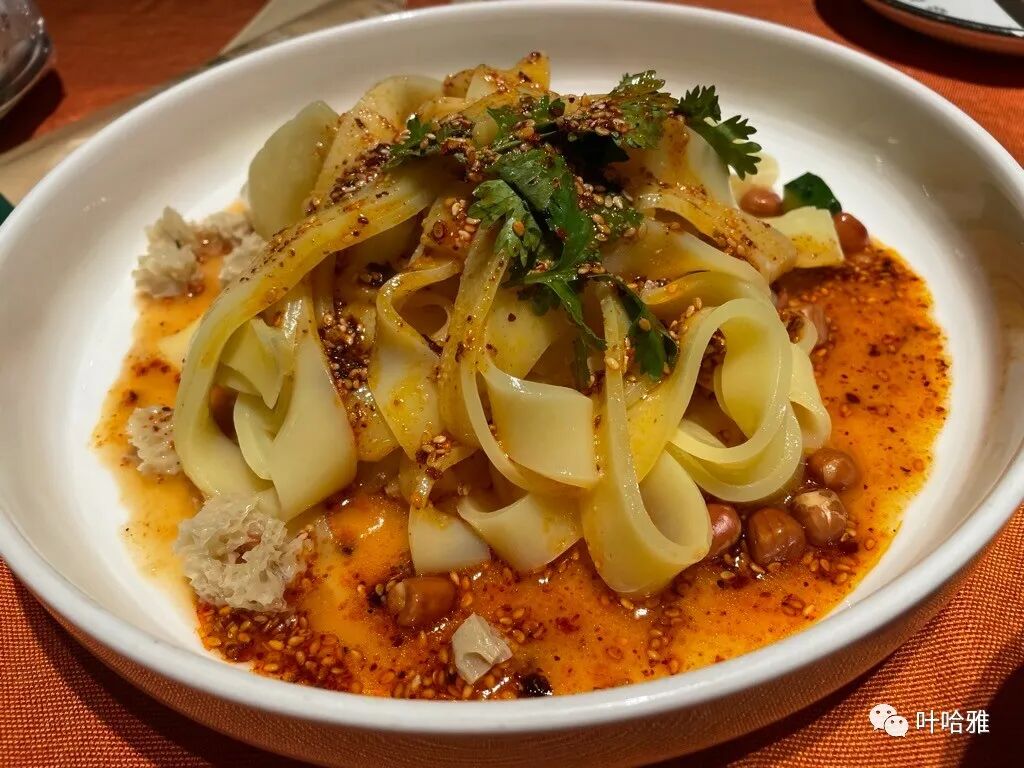
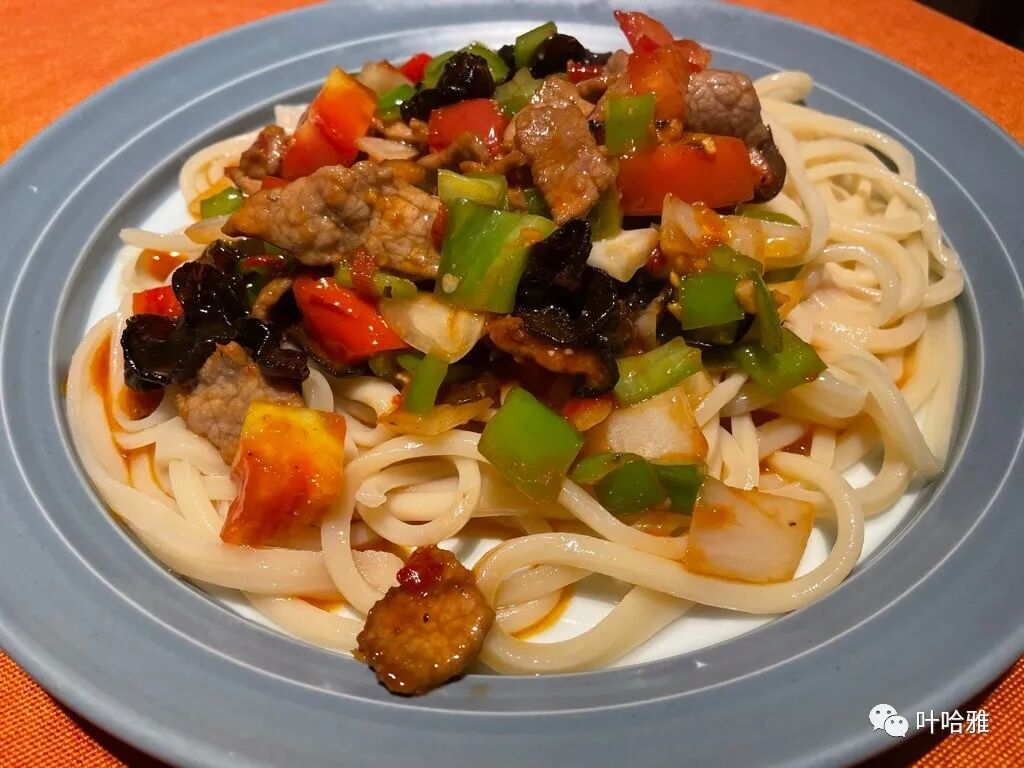
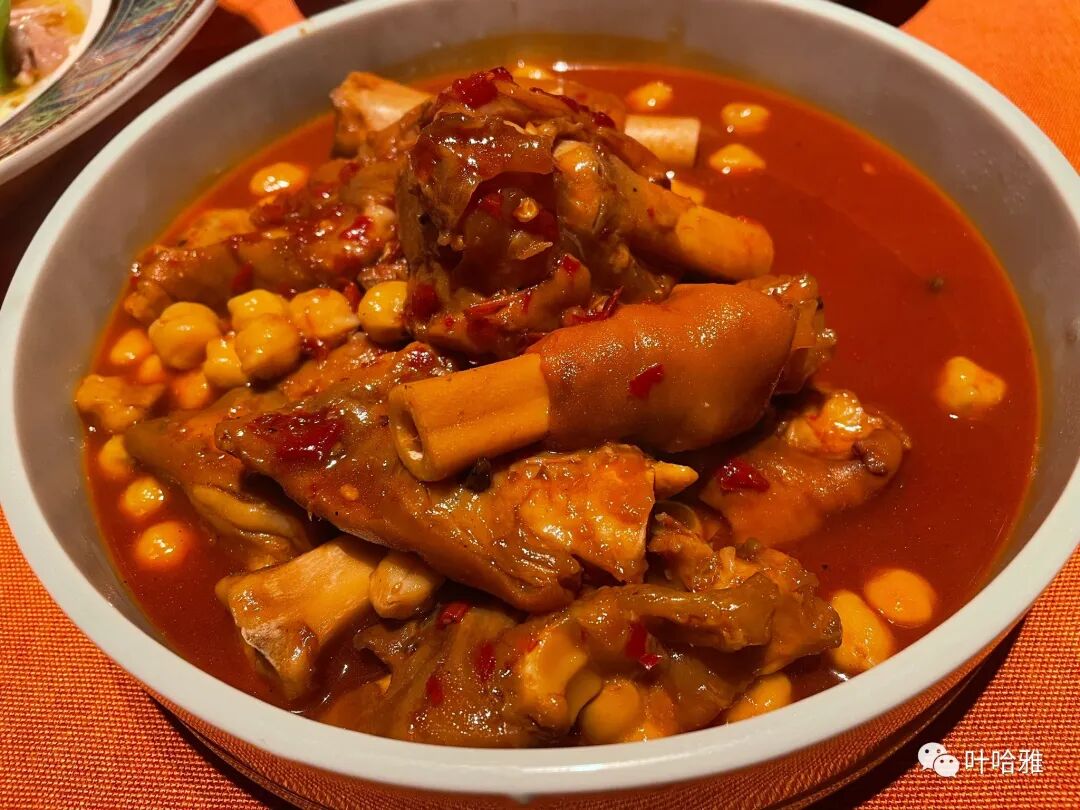
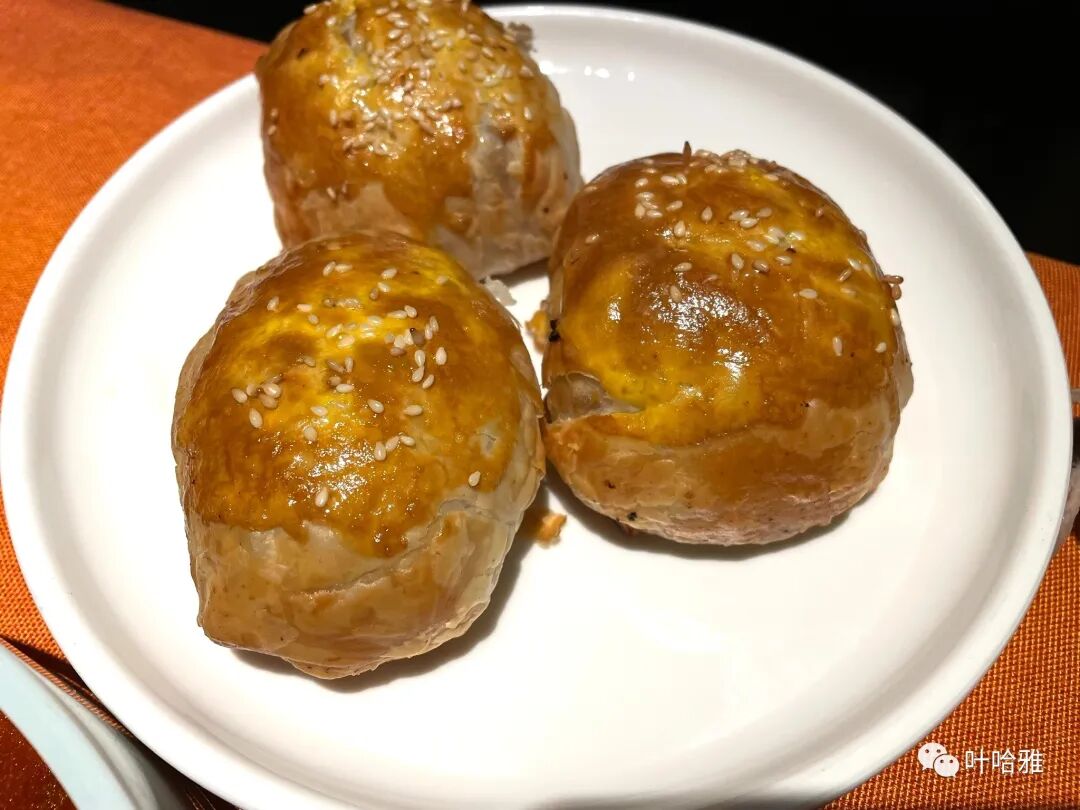
The numbing pepper chicken (jiaomaji), cold starch noodles (liangpi), stir-fried meat with noodles (guoyourou banmian), and spicy lamb trotters (hula yangti) all suit my taste. I just could not get used to their flaky crust baked buns (kaobaozi). I am obsessed with the traditional kind baked over coal fires in a clay oven (nang keng), but you cannot find those in Beijing anymore.
The noodles for the stir-fried meat with noodles must be chewy, and there should not be too much sauce. This restaurant gets both right.
The spicy lamb trotters are stewed until very soft and tender. They add chickpeas, and the meat on the trotters melts in your mouth.
11
Masala Pakistani Restaurant
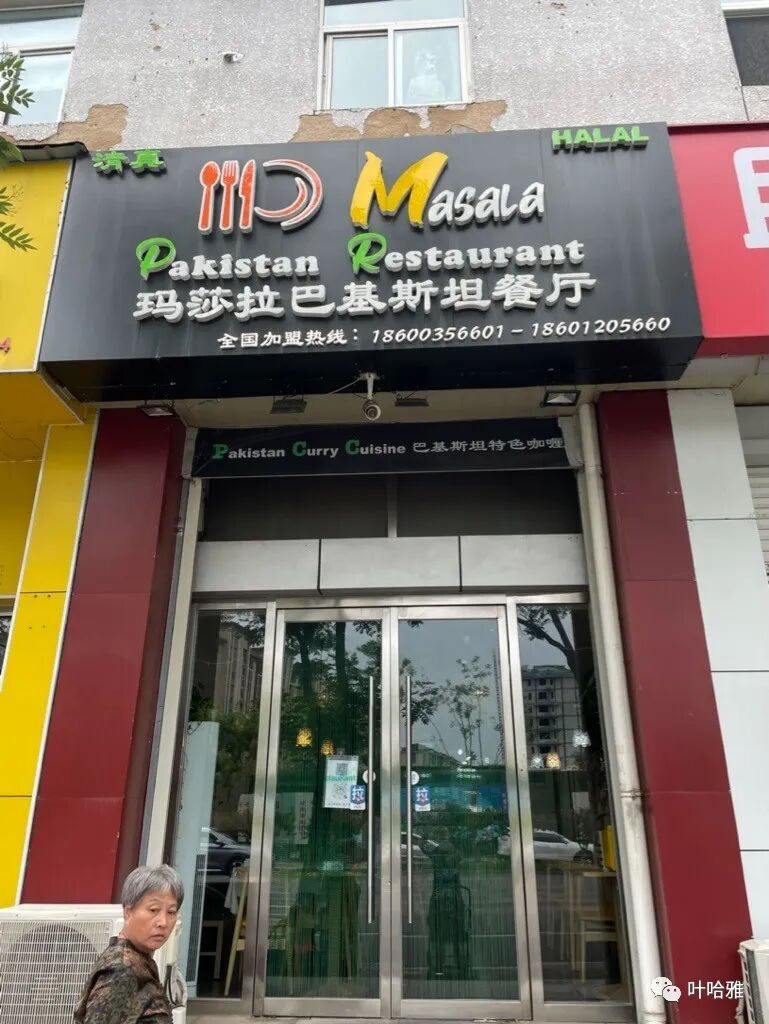
This is a Pakistani restaurant in Huairou town. It is a chain connected to the Sudan Pakistani restaurant in the Huairou mountains. The shop is small and has two floors.
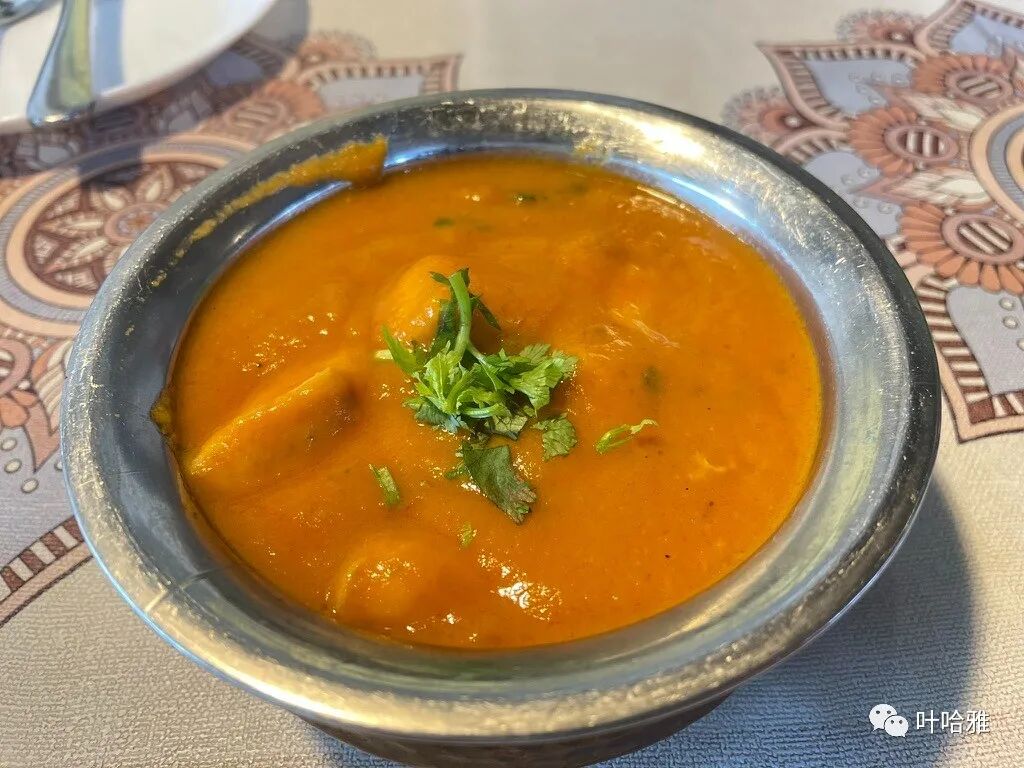
Overall, it offers better value for money than the one in the mountains, and the menu has more variety.
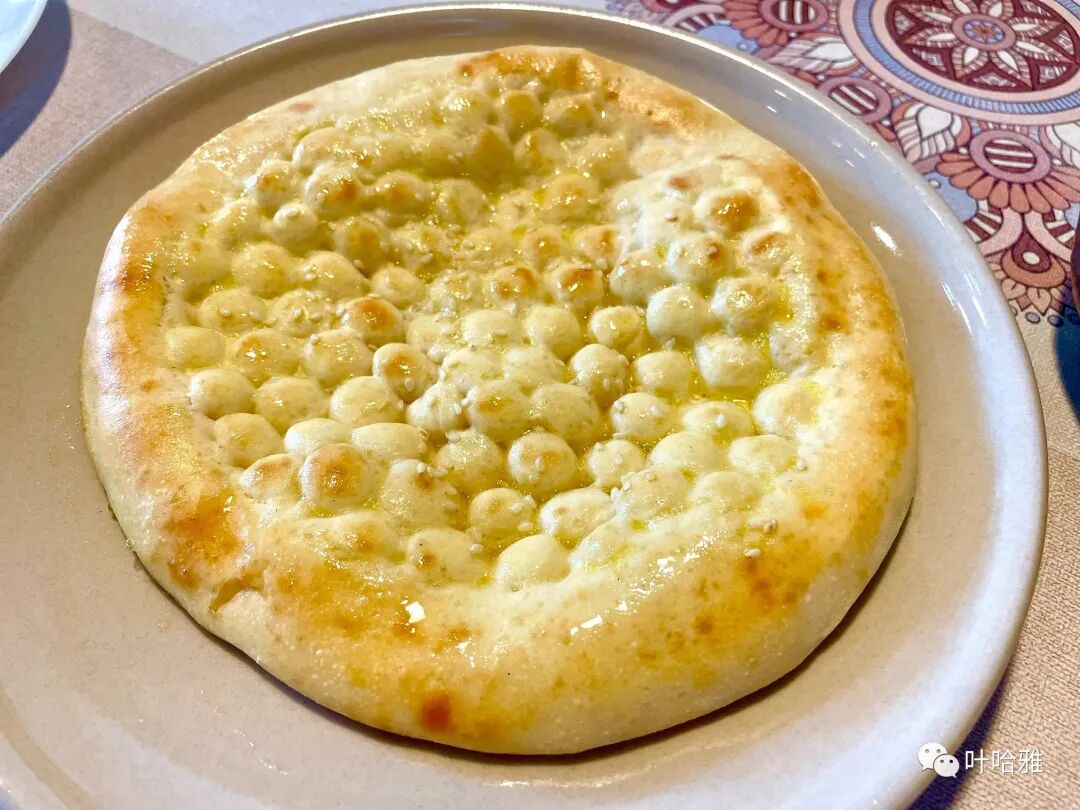
Butter naan
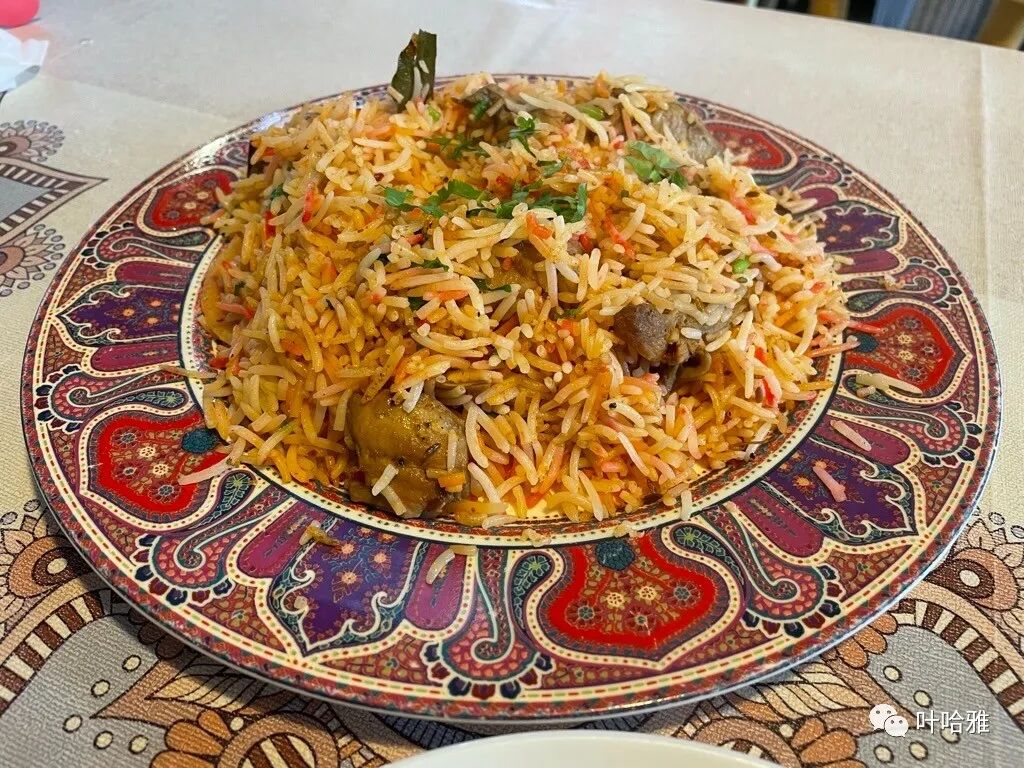
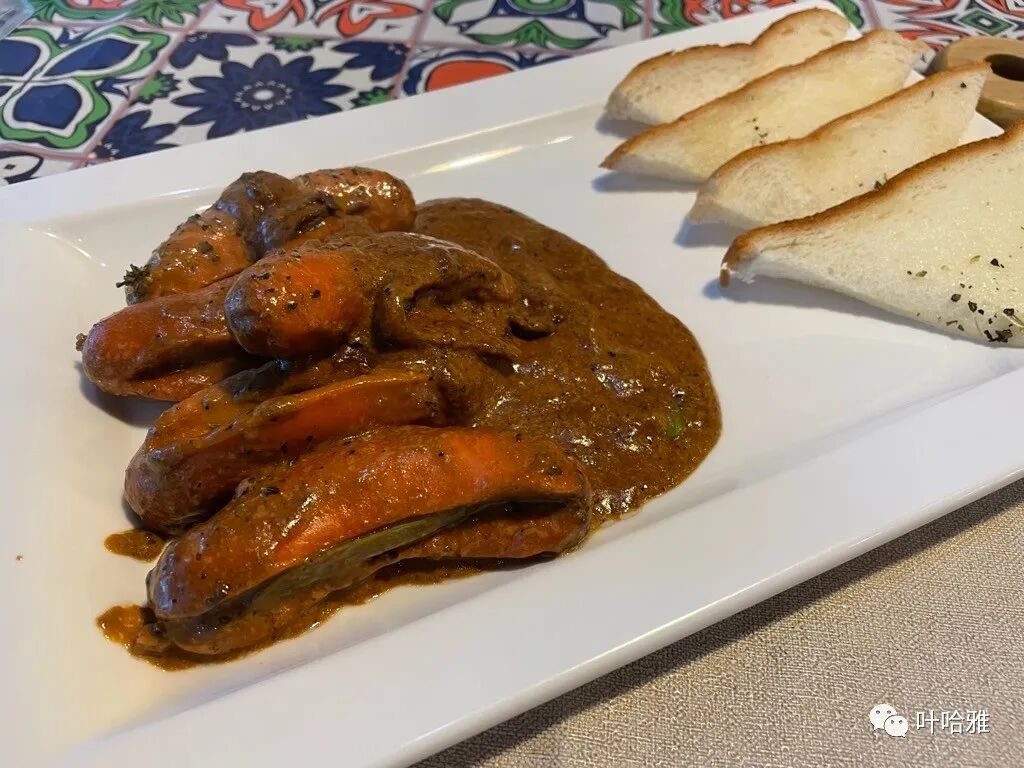
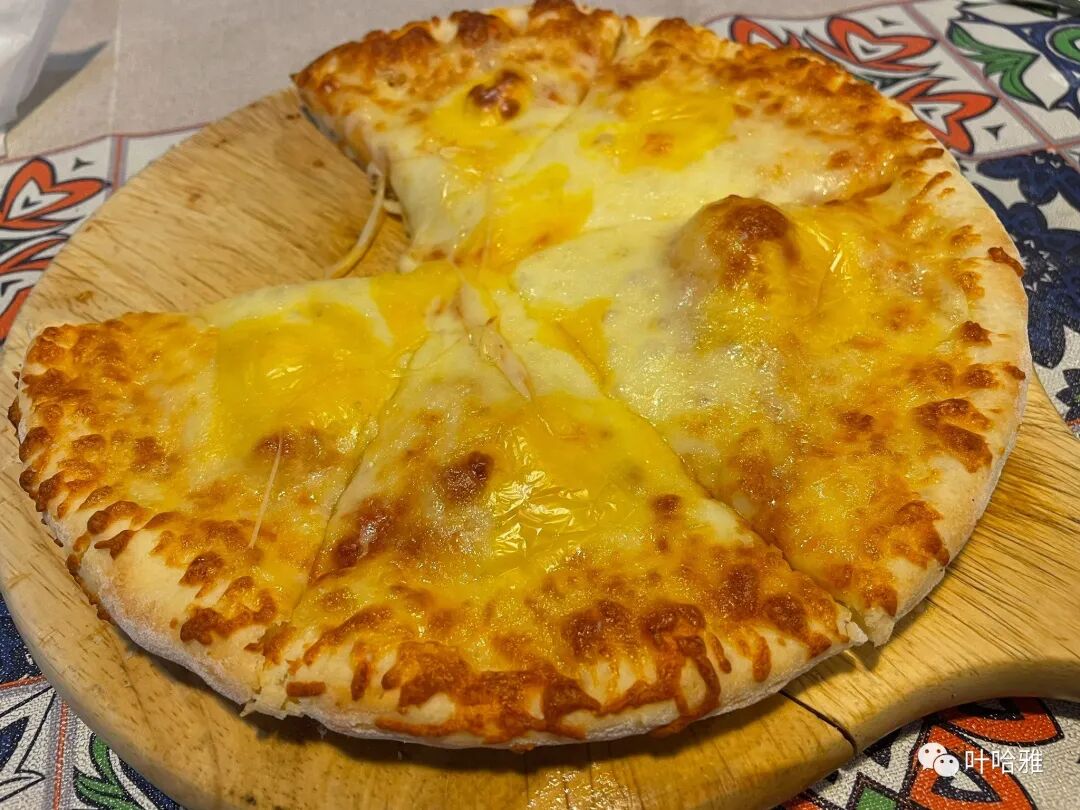
Besides traditional Indian and Pakistani curries and pilaf (zhuafan), the black pepper sausages and durian pizza are also delicious. They also have ice cream and burgers.
This is also a halal restaurant that does not serve alcohol. After eating here, I have now visited every halal Indian and Pakistani restaurant in Beijing.
Summary: This Beijing halal restaurant guide maps issue 27 of the author’s food series, featuring skewer hotpot, Ningxia lamb, Qinghai dishes, Syrian coffee, Turkish delivery, Xinjiang food, and Pakistani halal dining.
Beijing Halal Food Map (Issue 27) is presented here as a firsthand travel account in clear English, beginning with this scene: Hello, Travel. The account keeps its focus on Beijing Halal Food, Muslim Travel, Middle Eastern Food while preserving the names, places, food, and historical details from the Chinese source.
Hello, Travel
Aisha (may Allah be pleased with her) reported that a group of people came to the Prophet (peace and blessings of Allah be upon him) and said, 'Some people bring us meat, and we do not know if they mentioned the name of Allah when slaughtering it.' The Prophet said, 'Mention the name of Allah over it yourselves, and then you may eat.' Aisha added, 'Those people had only recently embraced Islam.' (Sunan an-Nasa'i, Sahih al-Bukhari)
This hadith reveals a few key points. First, Aisha was skeptical of new believers, worrying they might not have recited the Tasmiyah during slaughter. Second, the Prophet did not see it as a problem, suggesting that reciting it before eating is sufficient. However, if we followed the approach of some people today, we would refuse to eat meat from an unknown source. For more details, see: What foods are mentioned in the scriptures as not halal?
I cite this hadith to explain that when I am traveling and see a restaurant with a halal sign, I do not go into the kitchen to question the reliability of their food sources. I have fulfilled my duty by seeking halal food. If they deceive me with non-halal food, the sin is on them, not me, and I am not held accountable for what I do not know. However, if I dig deep and find out the ingredients are not reliable, then I certainly cannot eat there. Such an approach only adds unnecessary burdens to our daily lives and is not encouraged. After all, the five pillars of Islam—faith, prayer, charity, fasting, and pilgrimage—do not include eating, and there are many things more important than food.
Alright, rant over. Please read on.
1
Zhang Xiucai Skewer Hot Pot
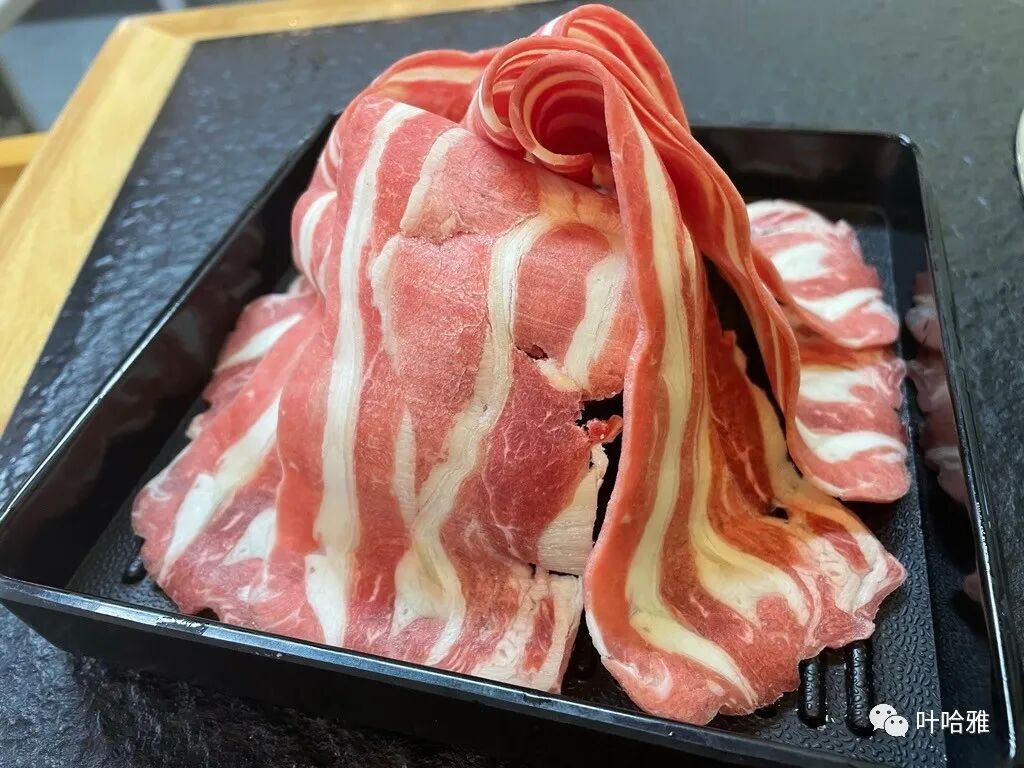
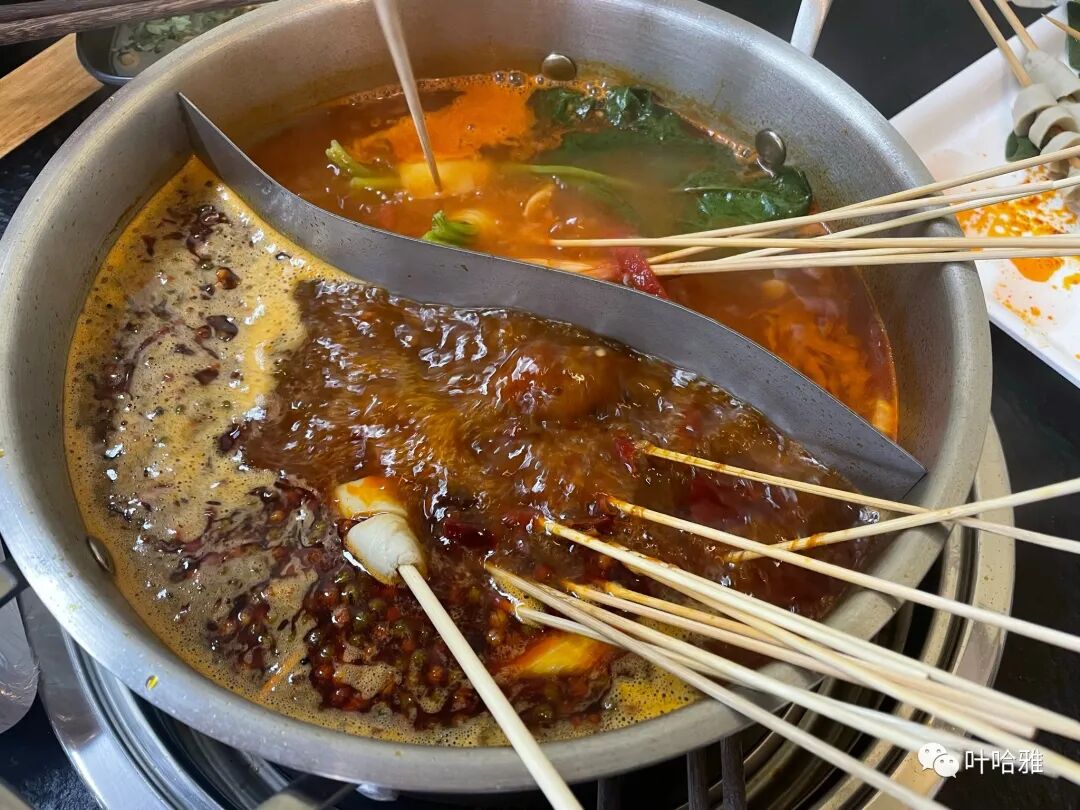
It is a pity that the Yinmadeng Skewers in Pingle Yuan has closed, but a new Zhang Xiucai Skewers has opened on Gulou East Street. The owner is from Dezhou, Shandong, and many people from Dezhou work in the restaurant business in Beijing. Skewer hot pot (chuanchuan huoguo) shops are popping up all over Beijing now. You can find Big Beard (Dahuzi) and Seven Fragrances (Qilixiang) in Changying, Skewer Visit (Chuanmen'er) in Dongba, and Little Gizzard (Xiaojungan) in Fangshan.
You pick your own skewers. For the soup base, you can choose clear broth, a spicy beef tallow pot, or a split-pot (yuanyang guo) with both. We tried the spicy beef tallow pot once, and it was definitely very hot.
To us outsiders, spicy hot pot (malatang), spicy stew (maocai), Sichuan hot pot, and skewer hot pot (chuanchuan) don't seem very different. They are all just boiled dishes served in different ways, and they taste pretty much the same.
2
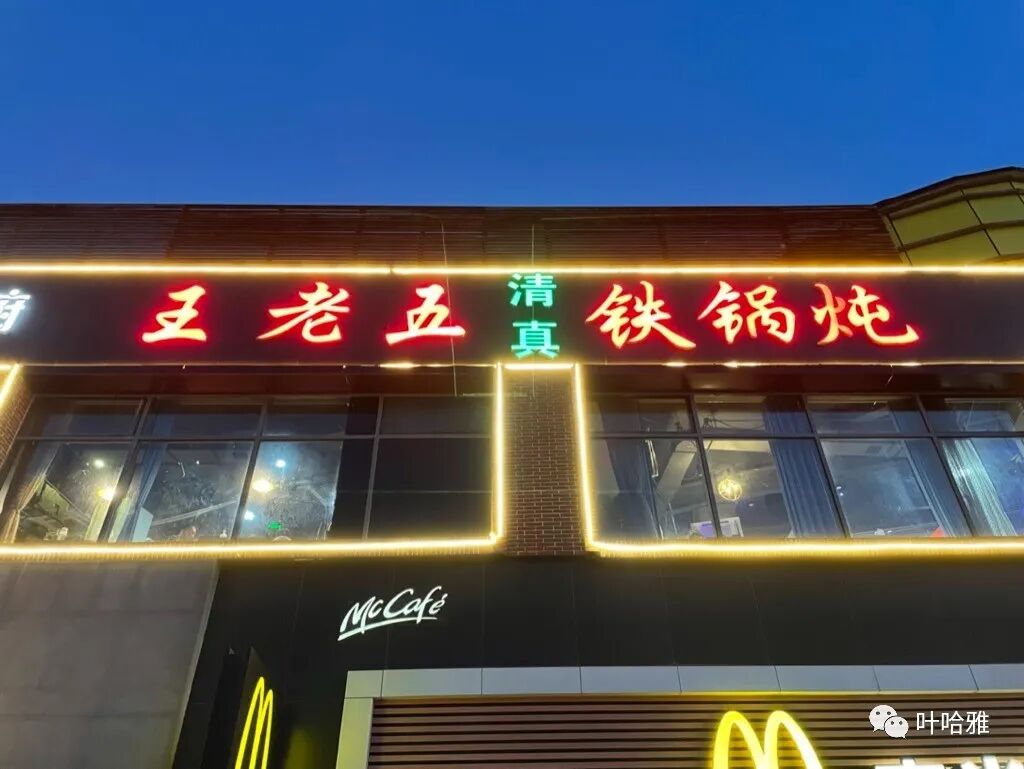
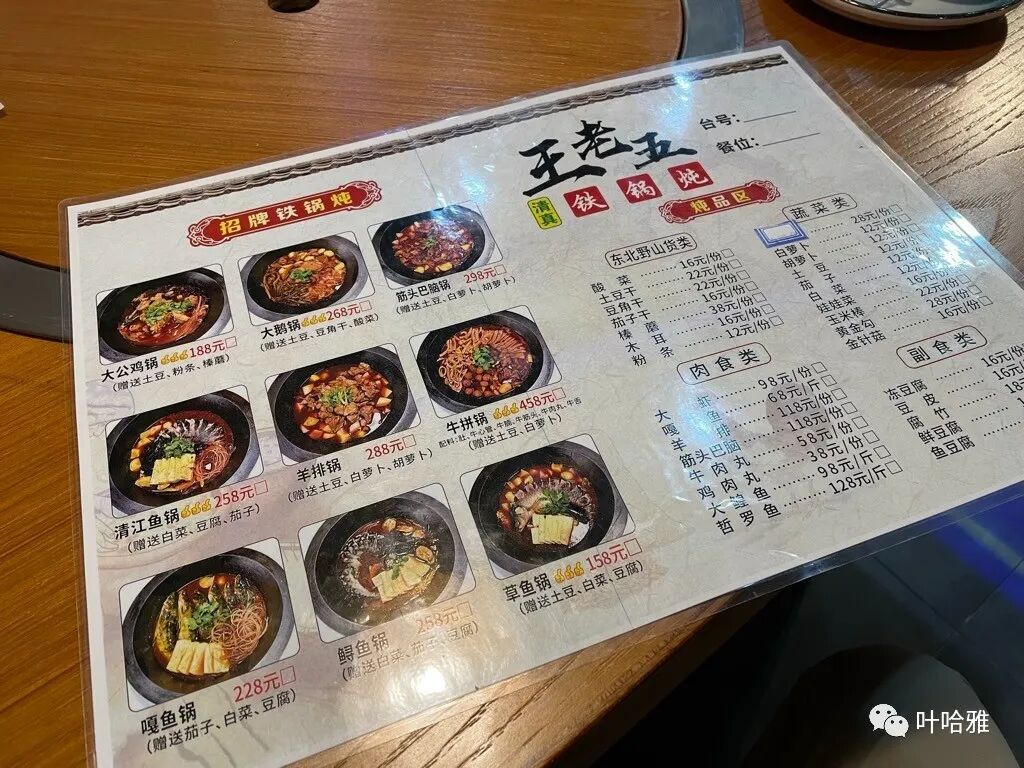
Wang Laowu Iron Pot Stew (Wang Laowu Tieguo Dun)
This is a newly opened restaurant near Guanzhuang that serves Heilongjiang-style iron pot stew. The server told us the chef and pastry cook are from Ningxia. The four of us ordered a set meal with a whole goose, which came with steamed flower rolls (huajuan) and cold side dishes.
Cold tossed fish skin is a classic home-style dish from Northeast China. It has pickled chili peppers in it, so it is a bit spicy.
The server helped us cook the cornmeal flatbreads (tiebingzi) by placing them around the pot and covering it with a lid. We also put flower rolls on top to steam for 15 minutes. When we lifted the lid, the smell was amazing.
3
Huiwei Palace Ningxia Tanyan Lamb Restaurant (Huiwei Gong Ningxia Tanyan Yangguan)
Sanyuanqiao Branch
Ningxia cuisine has grown fast in Beijing over the last few years. High-quality Tanyan lamb, a specialty from central Ningxia, is becoming more popular. The Ningxia Tanyan Lamb Restaurant under the Huiwei Palace brand really takes the preparation of this lamb to the next level.
Handmade Red Army noodles (hongjun fen)
The owner is from Jingyuan, Ningxia. You can eat Jingyuan food here, and the Jingyuan vermicelli and yellow beef are worth a try.
Jingyuan yellow beef (huang niurou)
It is not easy to find Jingyuan yellow beef in Beijing. It is a specialty from the southern region of Ningxia, where people eat more beef than lamb.
Hand-grabbed salt-lake lamb (tanyang shouzhuarou)
Whether it is beef or lamb, it suits my taste perfectly. You have to eat the meat with fresh raw garlic to bring out the flavor.
The must-order staple at a Ningxia restaurant is raw-boiled noodle slices (shengcuan mianpian). A proper version includes meatballs. These noodle slices are a hometown favorite that Ningxia people love to talk about.
4
Sanjiangyuan Restaurant (Sanjiangyuan Shifu)
The spot where Yinmadeng Skewers used to be is now Sanjiangyuan Restaurant. It serves Qinghai local cuisine. The name Sanjiangyuan tells you it is from Qinghai, as it is the source of the Yangtze, Yellow, and Lancang rivers.
We usually eat Qinghai ramen, but here you can also find Qinghai specialties like pan-cooked Tibetan lamb chops (kanguo zangyangpai) and yak beef (maoniurou).
The lamb in the pan-cooked lamb chops is high quality, and the potatoes are cooked until soft. The peppers are not spicy, so you can eat them just like a vegetable.
Qinghai has a snack with a strange name called dog-pissing-pancake (goujiaoniao). It is a highland barley pancake. When cooking it, you keep drizzling oil over it, which looks a bit like a dog peeing, hence the name. When this snack was featured at the World Expo, the name was temporarily changed to Qinghai Cabbage Pancake because it sounded crude. I think this was unnecessary. Food names carry cultural and historical traces. Changing the name makes the food lose its cultural identity. It is like the famous Go-Believe (Goubuli) steamed buns; the meaning behind the name has long surpassed the taste of the buns themselves.
Qinghai hand-torn noodles (mianpian) are one of my favorite noodle dishes. My wife often makes them for me at home. Authentic Qinghai mianpian must be torn by hand. The pieces should be small, thin, and square. It requires great skill and is a real craft.
5
Dezhangmen Kung Fu Noodles.
This is a fast-food noodle shop near Daguan Ying on Guangwai Street. They serve various snacks and fast food with different flavors.
Although their signature dish is beef noodles, I prefer their Taiwanese braised beef rice.
They also offer wontons during breakfast hours. The wontons have thin skins and large fillings, and they are very tasty.
The Turkish kebab rice is just average. The braised pork rice is much more popular.
Their potstickers (guotie) taste pretty good and are made with great care.
They also sell twice-cooked beef. Twice-cooked pork is a famous Sichuan dish, but a halal version is very rare.
They have a wide variety of barbecue. The grilled squid and grilled chicken skewers are both very tender, though the flavor is on the spicy side.
6
BRBR Syrian Coffee
BRBR Syrian Restaurant opened a new cafe right next to their original location, serving Arabic coffee and Syrian desserts.
The cafe is small, but the decor is very Syrian. I heard many of the items were brought over directly from Syria.
This stretchy dessert is called KUNAFA. It is made with cheese and filled with crushed nuts, and I really like it.
The Syrian ice cream has a very strong milky flavor, and it has quite a lot of crushed nuts inside.
When you drink Syrian sand-boiled coffee, you are tasting history along with the flavor. The world's first coffee house was opened by Syrians. In 1554, a man from Aleppo and a man from Damascus opened it in Istanbul. It took another 100 years before France had its first coffee house in Europe.
7
Yiyuan Restaurant
Yiyuan Restaurant is in Yangfang Town, Changping. The name is easy to misunderstand; the 'Yiyuan' here has the same meaning as the name Zhang Yiyuan, it does not mean the food costs one yuan.
Local friends told me this place has a big history. It has been open in Yangfang for thirty years. The owner was the first person to run a hot pot (shuanrou) restaurant in Yangfang Town. He stopped doing that for personal reasons, and then he opened Yiyuan Restaurant.
Knife-cut noodles (daoxiaomian)
They have knife-cut noodles, pan-fried buns (shuijianbao), and oat noodles (youmian). These snacks are specialties from the border area between Inner Mongolia and Shanxi, which belongs to the Jin language region. Yangfang Town is located on the essential route for northern merchants traveling to the capital.
Pan-fried buns (shuijianbao)
Oat noodles (youmian)
8
Yanlan nourishing braised noodles (huimian)
This Henan braised noodles (huimian) shop has been open for years in the Donggaodi area. I asked and found out it is run by Hui Muslims from Zhoukou. A bowl of their braised noodles costs only 13 yuan, which is cheaper than pulled noodles (lamian).
Hot lamb bone marrow (yangbanggu). There is not much meat on them, so you use a straw to eat the marrow inside the bone.
Henan-style cold tossed beef. Adding meat to the braised noodles costs 10 yuan. This shop also sells raw beef and lamb in the nearby market.
9
Blue Turkish barbecue
This is a takeout-only stall located in SOHO Shangdu. There is no seating, so you just need to place an order for delivery nearby.
The staff member wears a headscarf and is from Northeast China. This shop is very careful about choosing ingredients, and their online business is doing well. This model was not affected during the pandemic. Friends working near Dongdaqiao can try placing an order.
10
Bostana
There are so many Xinjiang restaurants in Beijing now. It is hard to find bad Xinjiang food, but making it really good is not easy. This place, Bostana, makes excellent Xinjiang food.
The numbing pepper chicken (jiaomaji), cold starch noodles (liangpi), stir-fried meat with noodles (guoyourou banmian), and spicy lamb trotters (hula yangti) all suit my taste. I just could not get used to their flaky crust baked buns (kaobaozi). I am obsessed with the traditional kind baked over coal fires in a clay oven (nang keng), but you cannot find those in Beijing anymore.
The noodles for the stir-fried meat with noodles must be chewy, and there should not be too much sauce. This restaurant gets both right.
The spicy lamb trotters are stewed until very soft and tender. They add chickpeas, and the meat on the trotters melts in your mouth.
11
Masala Pakistani Restaurant
This is a Pakistani restaurant in Huairou town. It is a chain connected to the Sudan Pakistani restaurant in the Huairou mountains. The shop is small and has two floors.
Overall, it offers better value for money than the one in the mountains, and the menu has more variety.
Butter naan
Besides traditional Indian and Pakistani curries and pilaf (zhuafan), the black pepper sausages and durian pizza are also delicious. They also have ice cream and burgers.
This is also a halal restaurant that does not serve alcohol. After eating here, I have now visited every halal Indian and Pakistani restaurant in Beijing.
