
Muslim Travel Guide China: Zhengzhou Mosques, Hui Muslim Food, Huimian and Hulatang
Reposted from the web
Summary: This Muslim travel guide to Zhengzhou introduces the city’s mosques, Hui Muslim history, Henan halal food, huimian, hulatang, Fang Zhongshan, and practical notes from local visits around Erqi Square.
A Halal Trip to Zhengzhou is presented here as a firsthand travel account in clear English, beginning with this scene: Zhengzhou has 120 mosques, including 22 mosques for women. I have visited Zhengzhou several times and have been to 8 of these mosques in total. The account keeps its focus on Halal Travel, Yiwu Food, Mosque Travel while preserving the names, places, food, and historical details from the Chinese source.
Zhengzhou has 120 mosques, including 22 mosques for women. I have visited Zhengzhou several times and have been to 8 of these mosques in total. These 8 mosques are not far from each other and are all located around Erqi Square. There are four districts in China named after the Hui Muslims. Besides the Huimin District in Hohhot, the other three are all in Henan: the Guancheng Hui District in Zhengzhou, the Chanhe Hui District in Luoyang, and the Shunhe Hui District in Kaifeng.
The Hui Muslims in Henan left a very good impression on me. They are open-minded, hardworking, studious, simple, and kind. The Central Plains region has produced scholars since ancient times. A significant portion of the treasure trove of Chinese Islamic academic knowledge comes from the contributions of scholars from the Central Plains. It is just that they are low-key and humble, do not seek fame, and their personal fame does not match their academic status.
1. Qingpingli Mosque
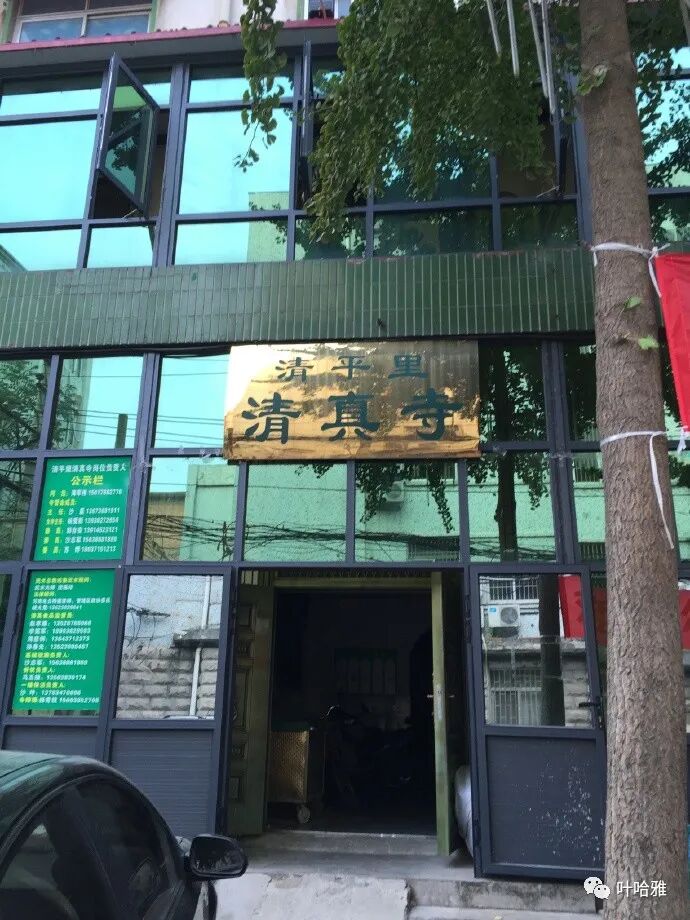
Built in 1918, this small mosque looks simple, but famous imams like Wang Jingzhai and Pang Shiqian once served as leaders here.
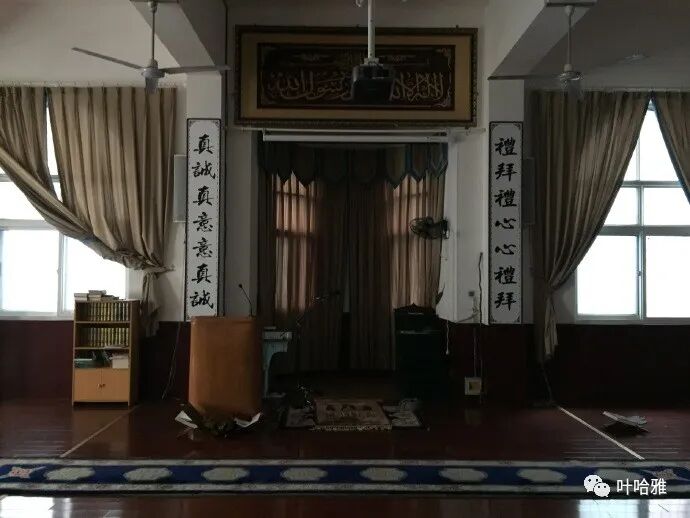
2. Wuyingli Mosque
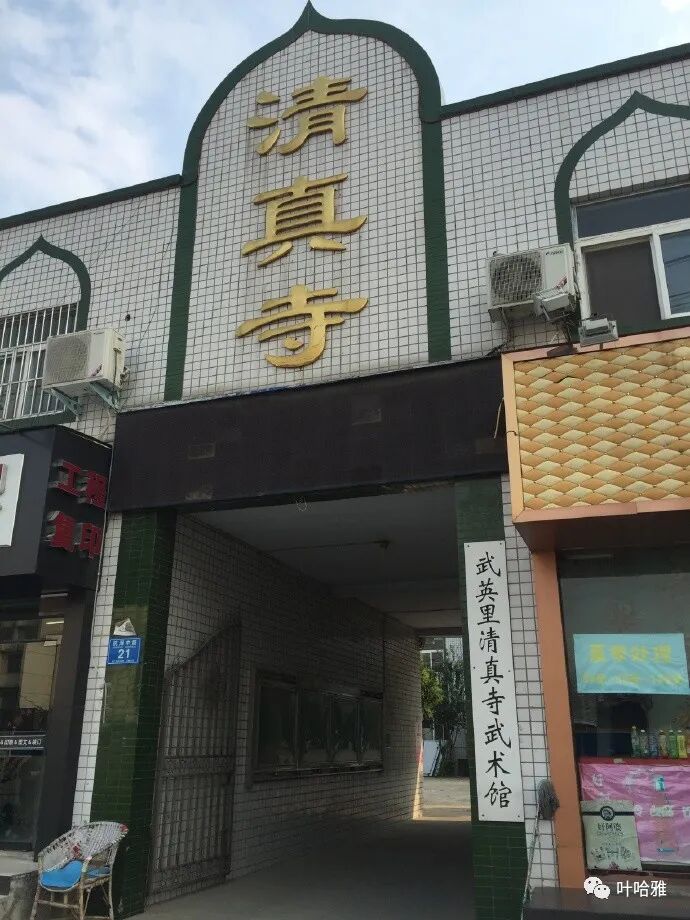
There is a martial arts hall inside the mosque. Many mosques in Henan have martial arts halls. During the Ming and Qing dynasties, the Hui Muslims valued martial arts, and many imam scholars were skilled in both literature and martial arts.
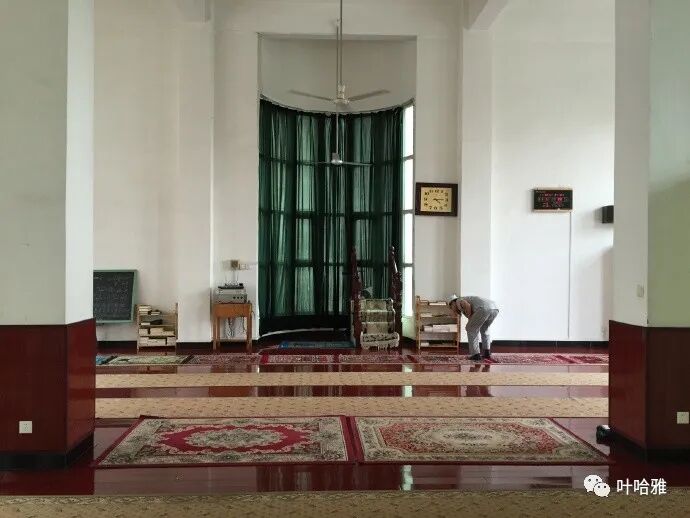
3. Fuminli Mosque
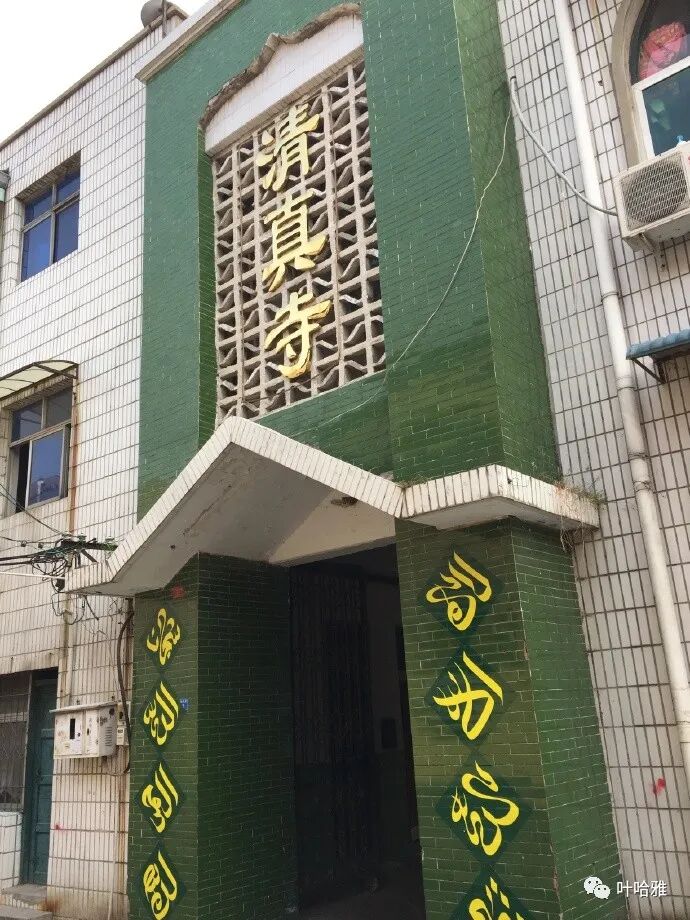
Fuminli Mosque was built in the early years of the Republic of China, and the women's mosque was built in 1940.
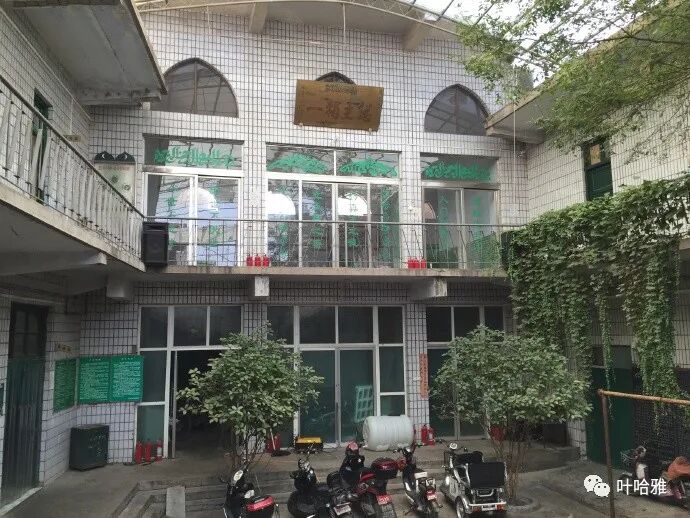
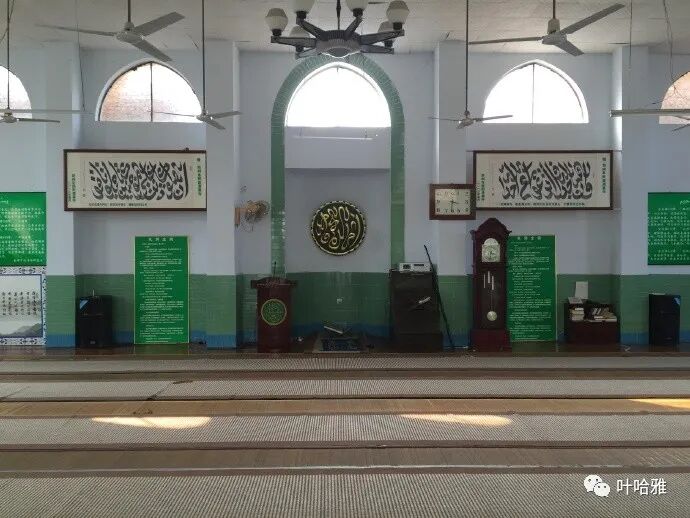
4. Beida Mosque
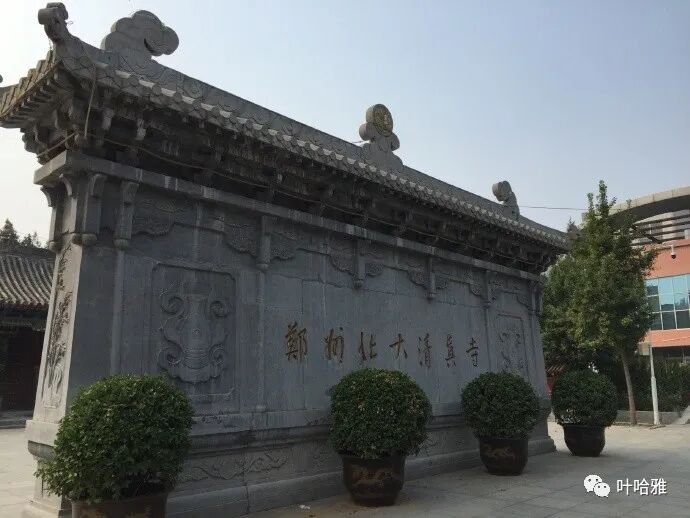
This mosque was built between the end of the Yuan Dynasty and the beginning of the Ming Dynasty. It is the oldest existing mosque in the Zhengzhou area. Famous imams such as Ma Changqing, Pang Shiqian, and Shang Xixian once taught here.
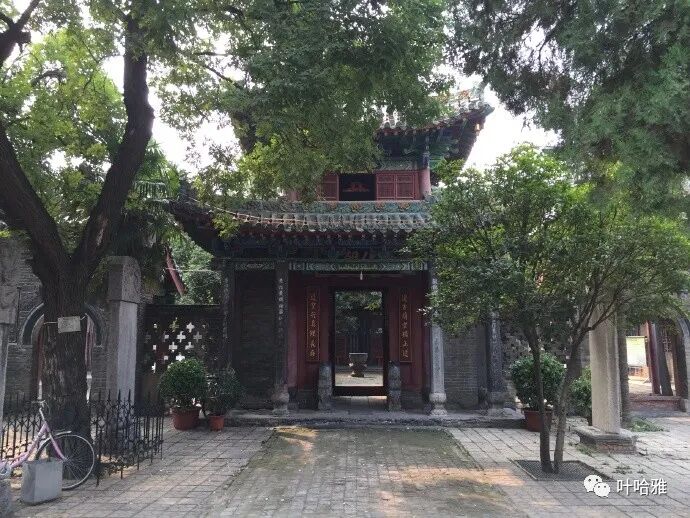
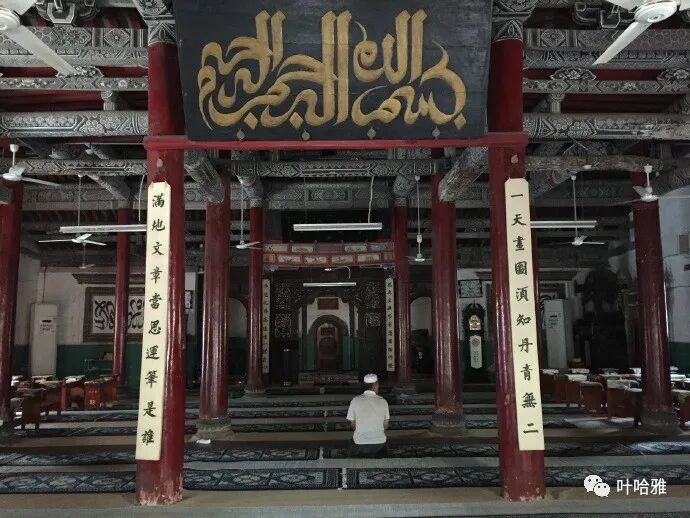
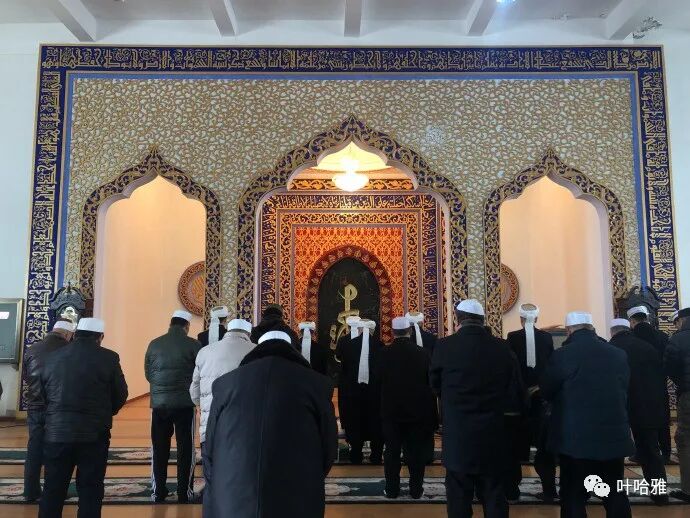
The new main hall of the North Mosque (Beida Qingzhensi) was expanded, and I attended Jumu'ah prayer here in 2018.
5. Beixia Street Mosque (Beixiajie Qingzhensi)
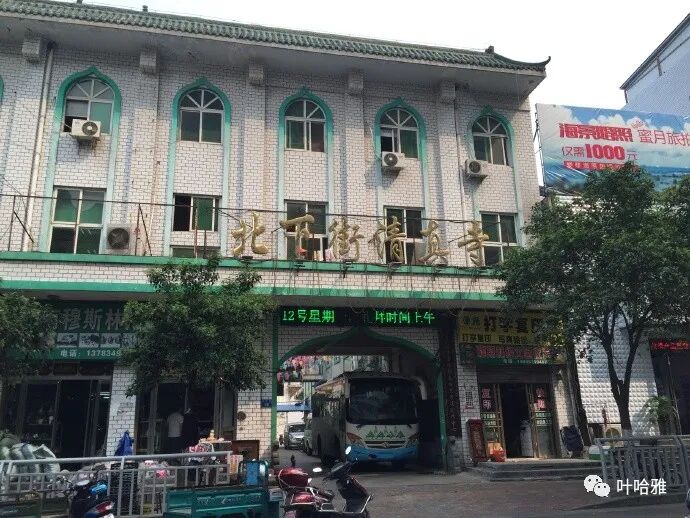
It was first built in 1935. The original mosque was torn down, and it is now a modern building.
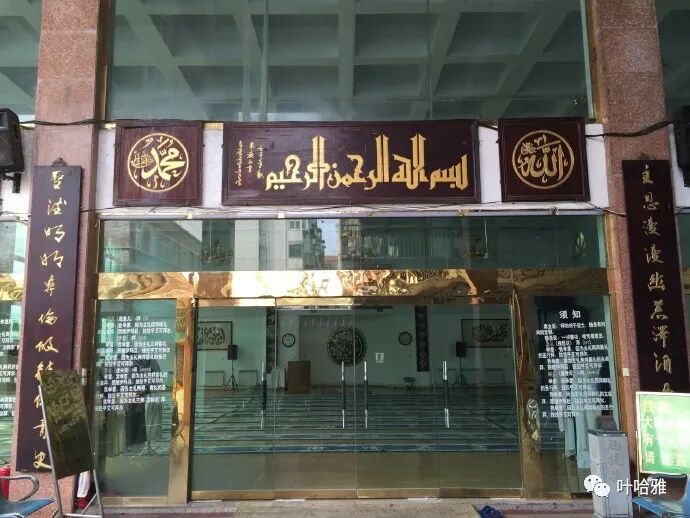
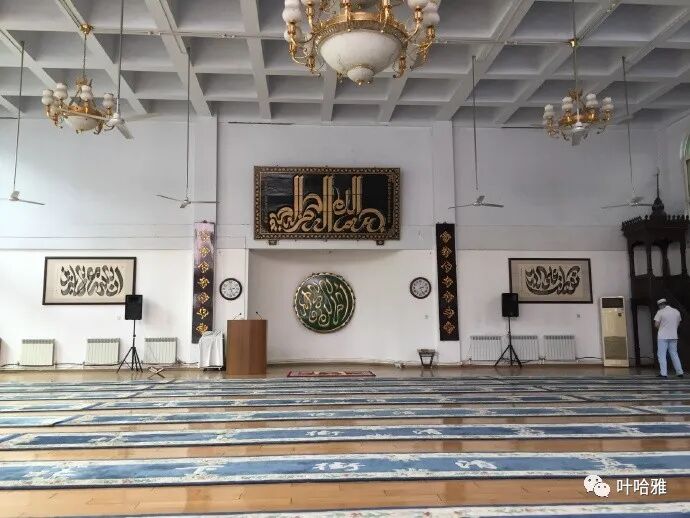
6. Xiaolou Mosque (Xiaolou Qingzhensi)
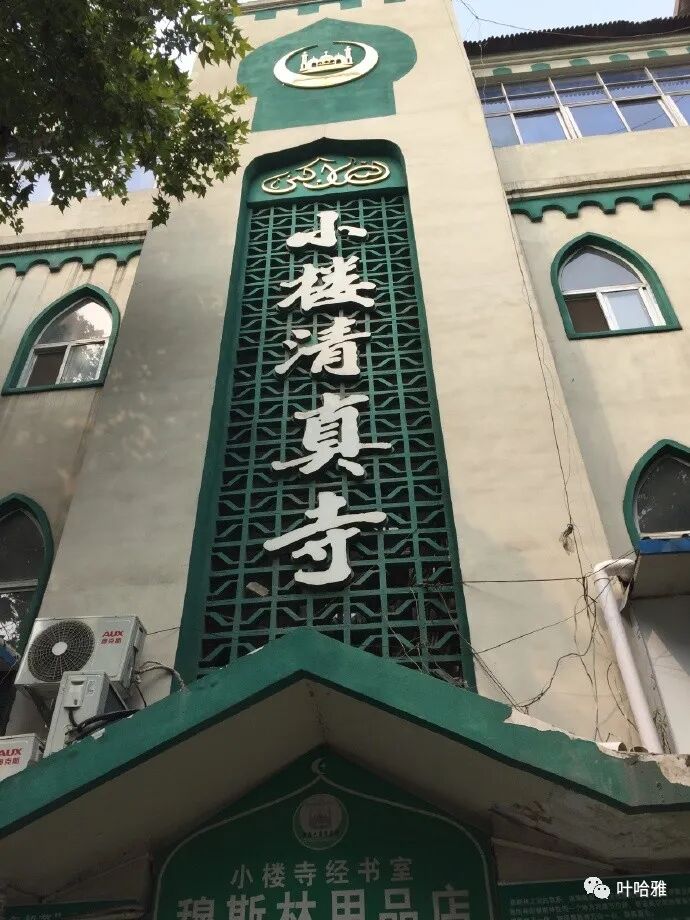
It was first built in the early years of the Republic of China. These mosques around Erqi Square in Zhengzhou were all built between the late Qing Dynasty and the early Republic of China.
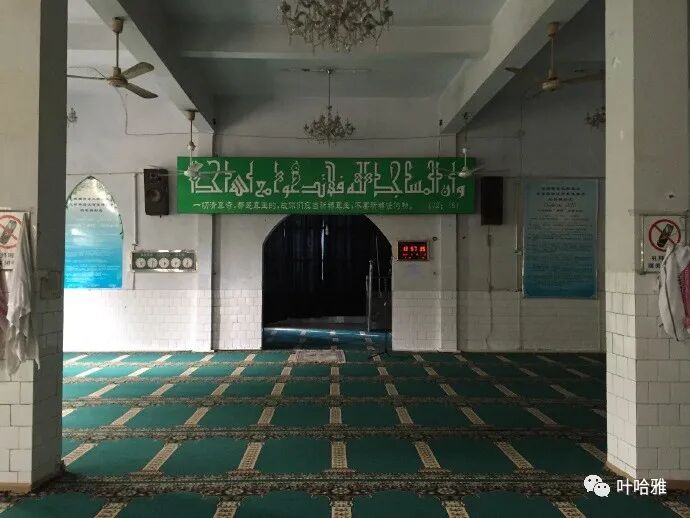
7. Lvzheng Mosque (Lvzheng Qingzhensi)
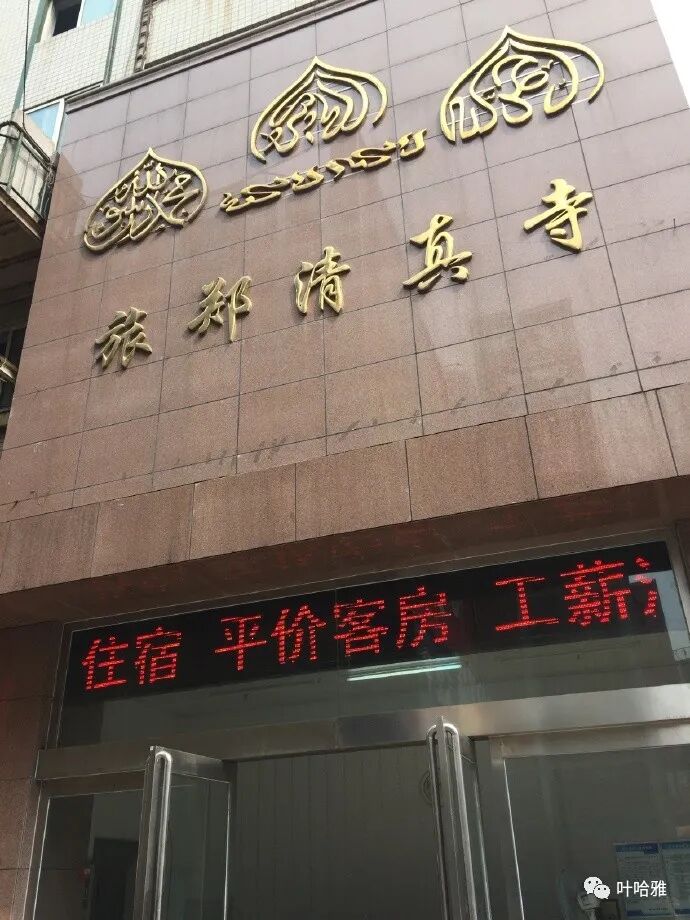
It was first built in the late Qing Dynasty. The first imam of Lvzheng Mosque was Mai Fenglou, and Ni Shilin once served as a martial arts teacher here.
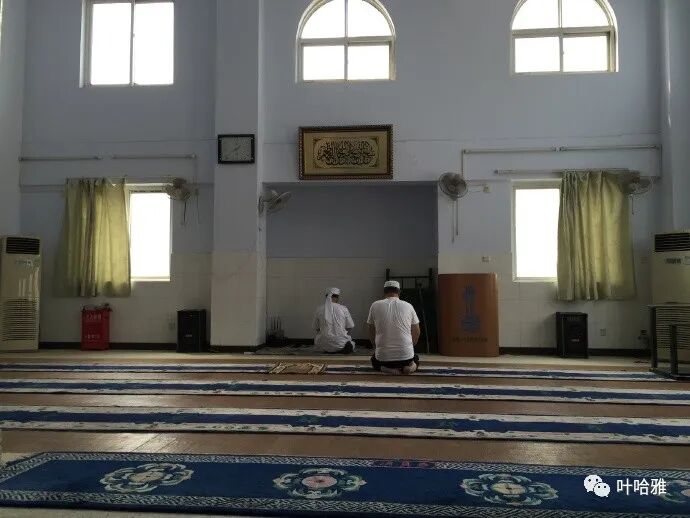
8. Huayuan Street Mosque (Huayuanjie Qingzhensi)
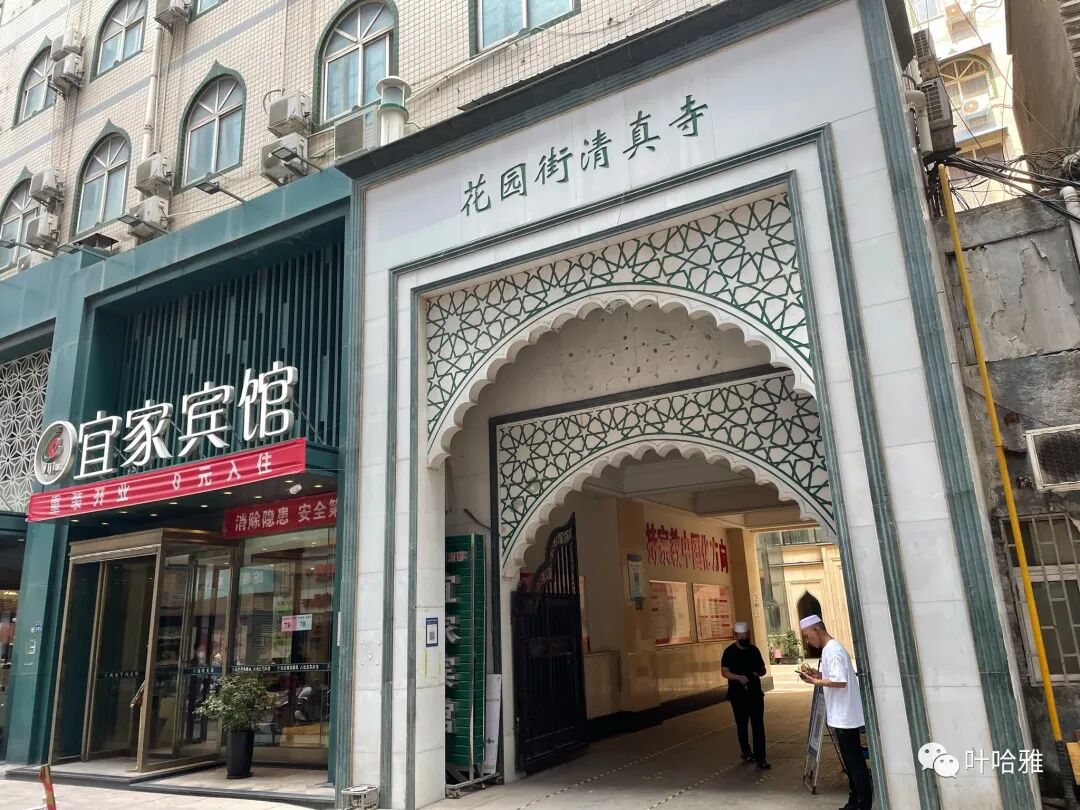
It was first built in 1920. Huayuan Street Mosque is a central mosque that is quite active in missionary work and is popular with young people. I attended Jumu'ah here in 2014, visited again in 2016, and came back for Jumu'ah in 2022. During these visits, I met Imam Feng and the Arabic calligrapher Mr. Mi Guangjiang.
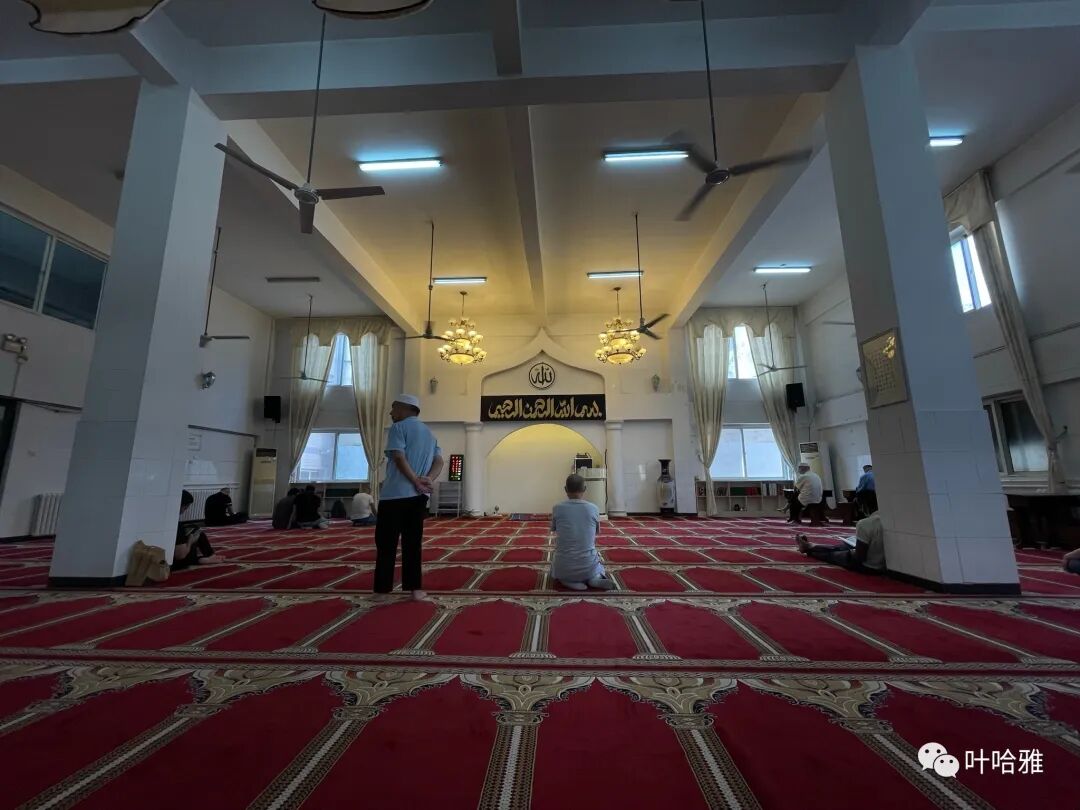
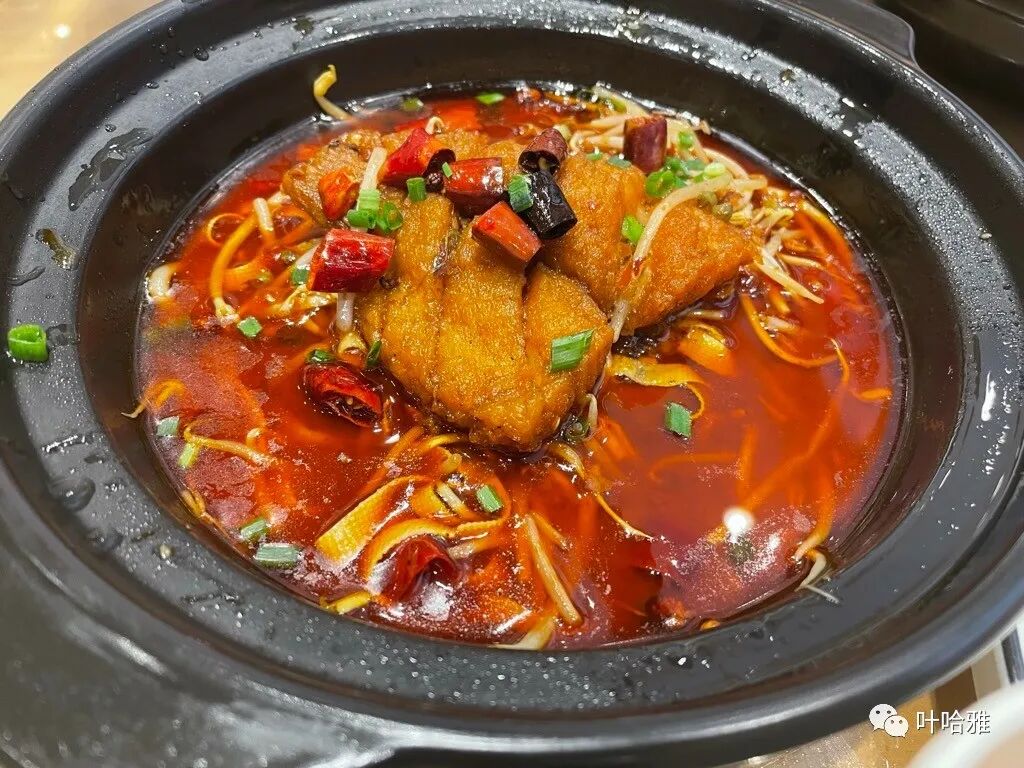
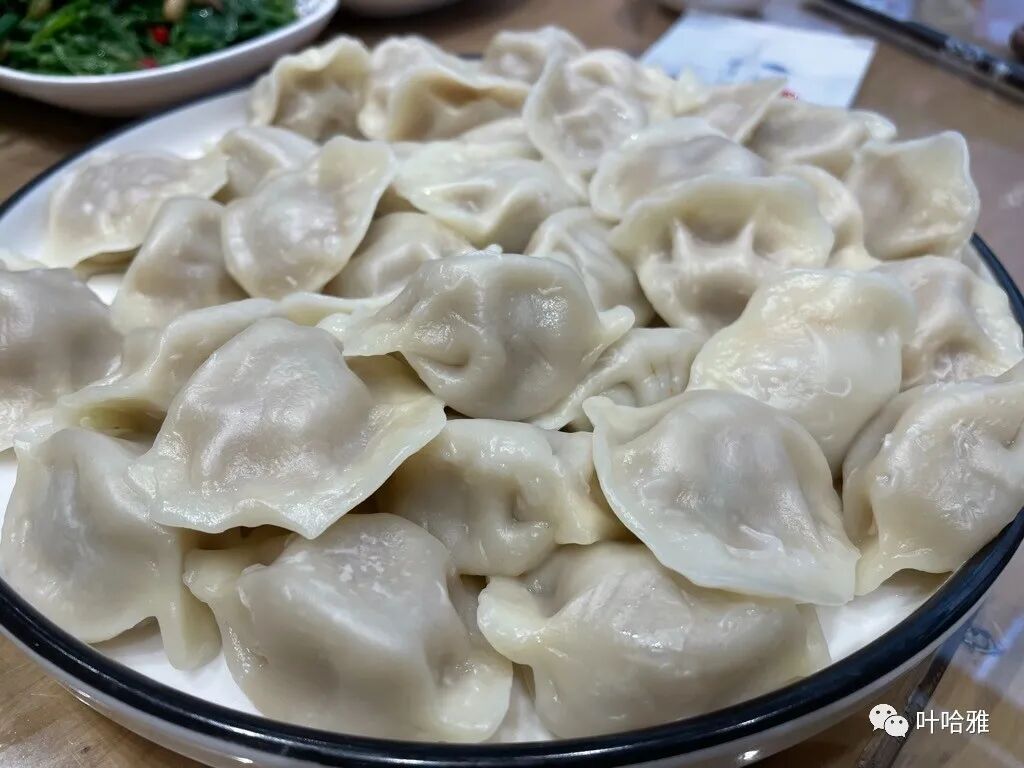
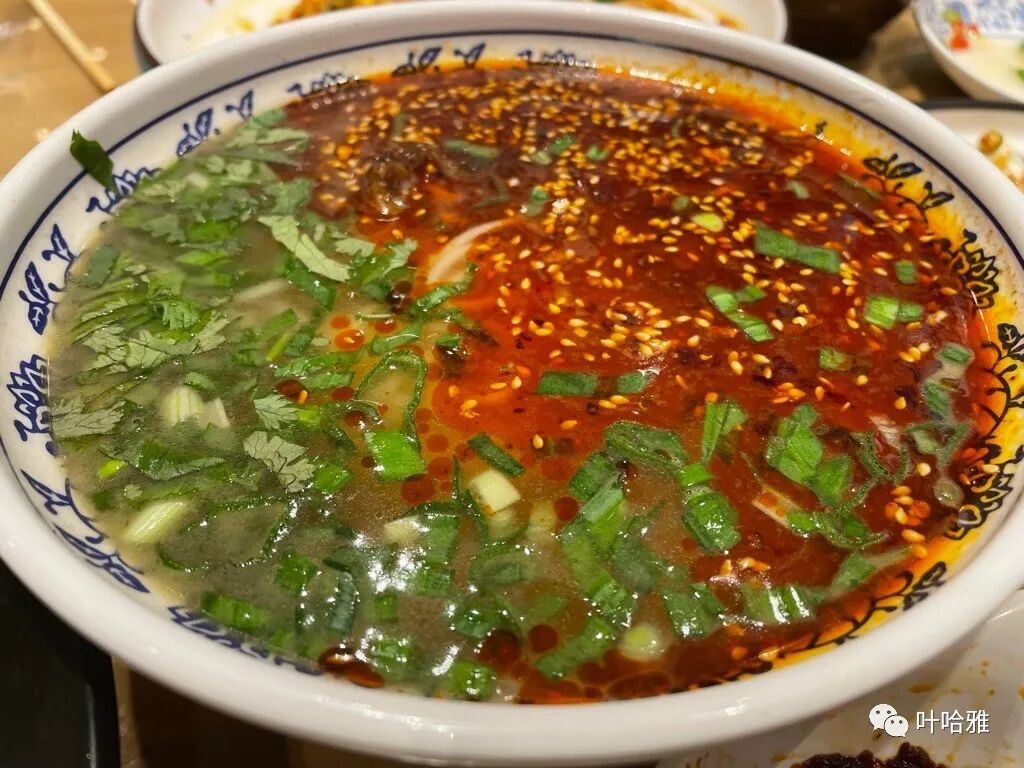
After Jumu'ah, Imam Feng invited us to the Cimin Building next door. It happened to be the day the Cimin Building was hosting a food tasting event. The Lanzhou halal seasoning brand Shuangmale brought various seasoning packets they sell to the Cimin Building for a display. The Cimin Building used these packets to make many snacks for everyone to taste.
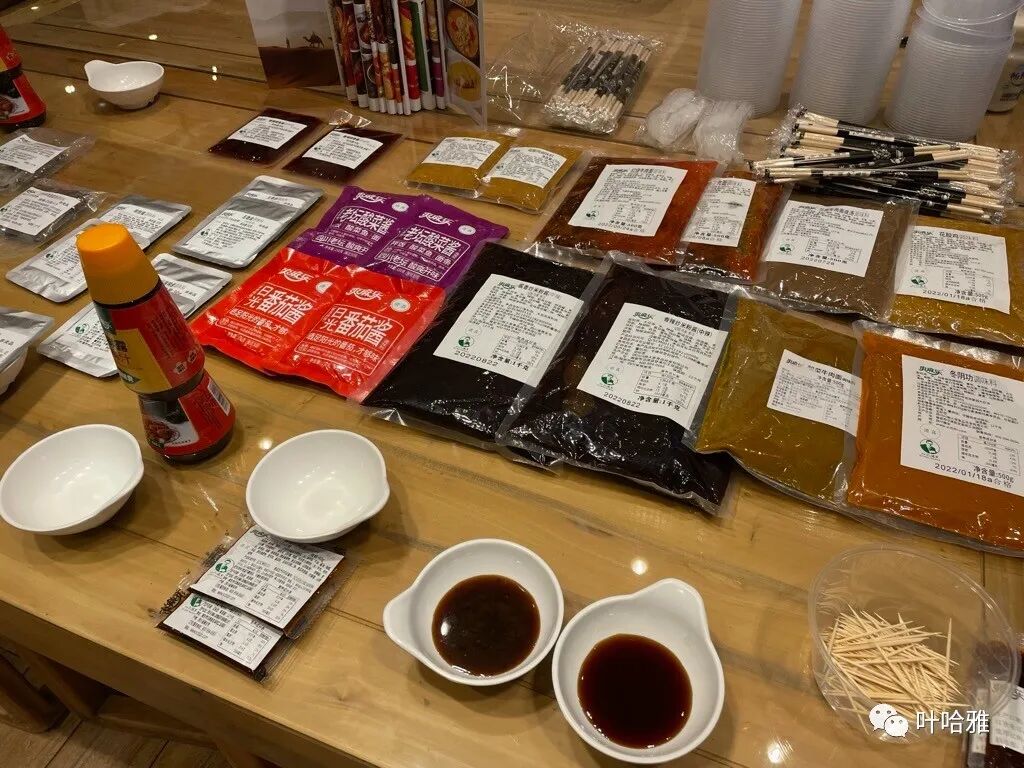
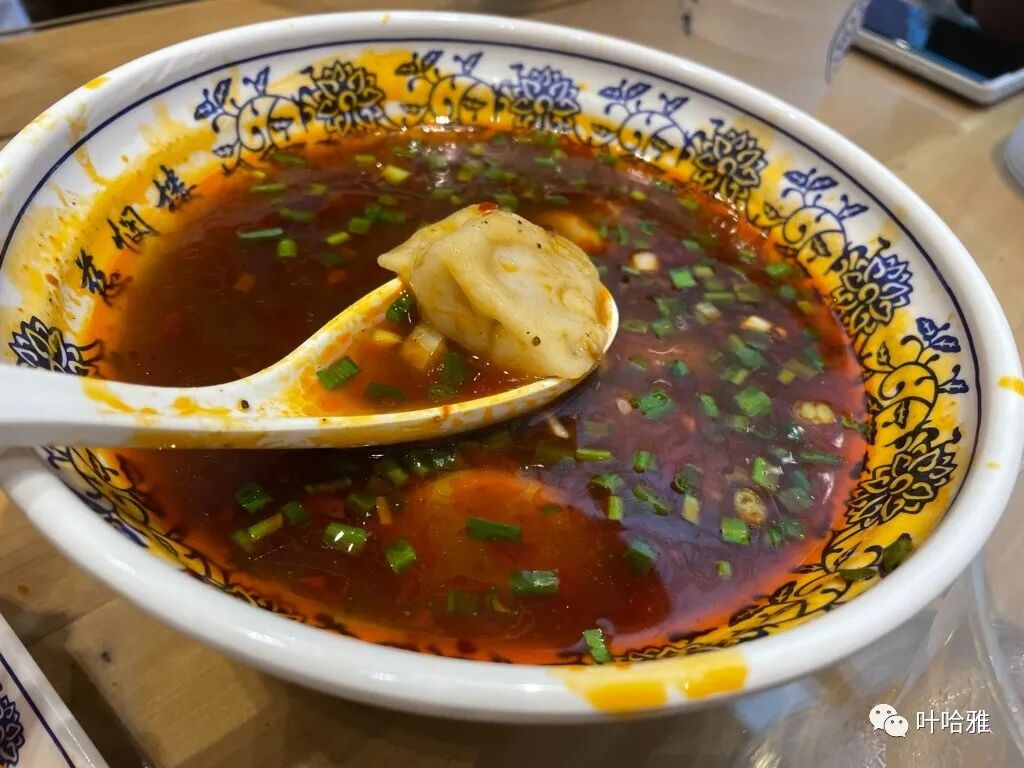
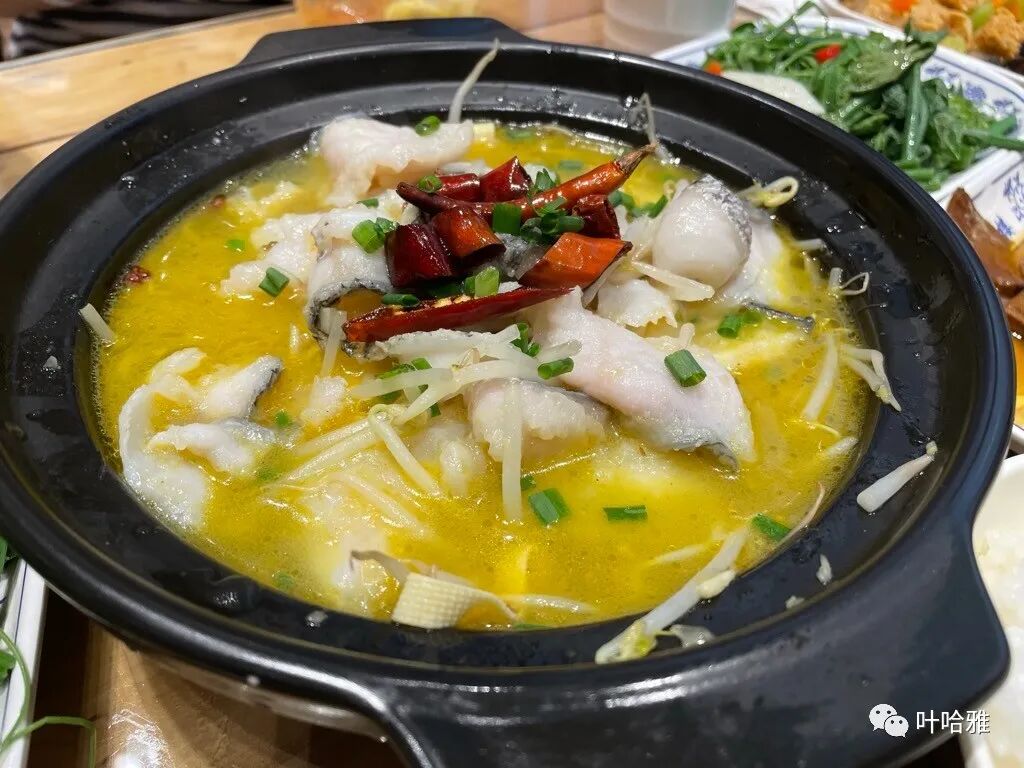
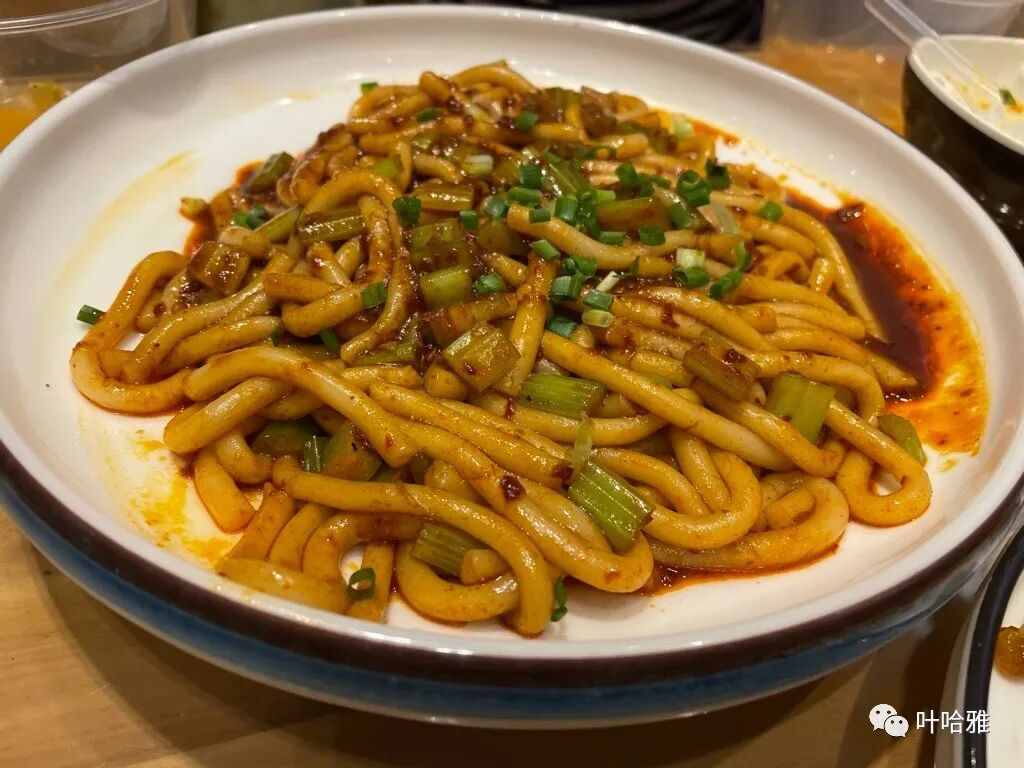
We ate various boiled dumplings (shuijiao), sour soup fish (suantangyu), rice noodles (mifen), and beef noodles (niuroumian). The flavors were mostly Sichuan-style and tasted quite good. For people who are busy with work and not good at cooking, these seasoning packets help them make a delicious meal in a short time. These packets are very popular with fast food and snack shops.
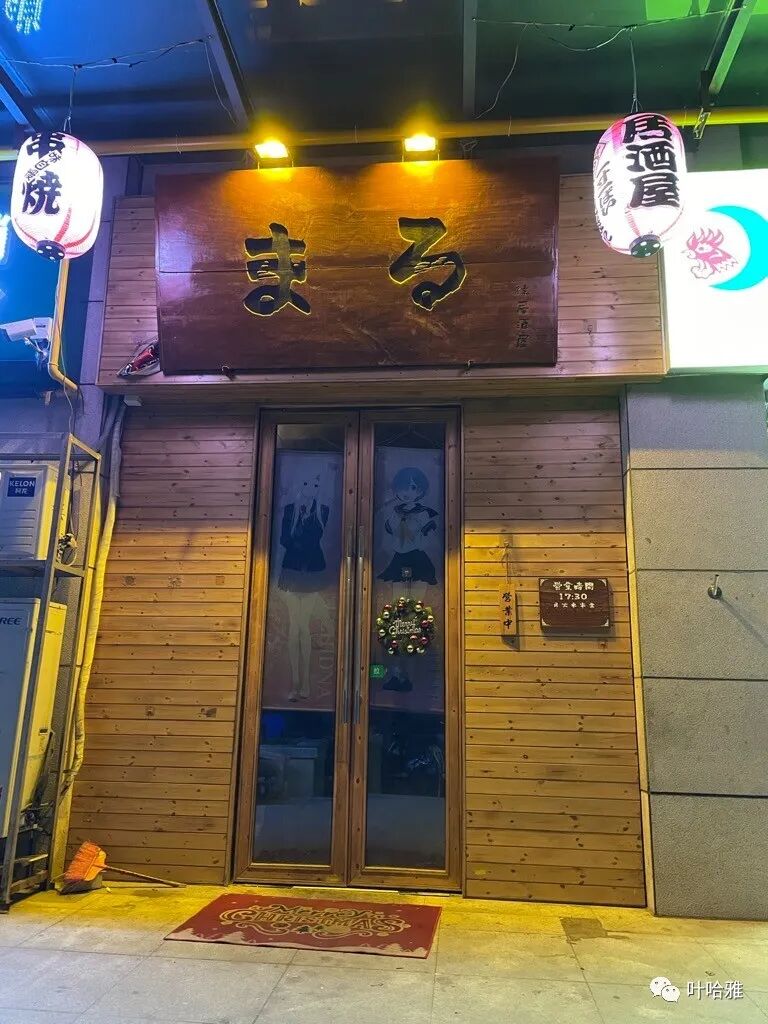
Maru Japanese Cuisine
You can find halal restaurants everywhere in Zhengzhou. Besides Henan-style food, there are many restaurants with regional specialties. Some of these are hard to find even in Beijing, such as halal snail rice noodles (luosifen), Cantonese tea restaurants, and Chaoshan beef ball hot pot. Our trip to Zhengzhou this time is mainly to eat at these specialty restaurants.
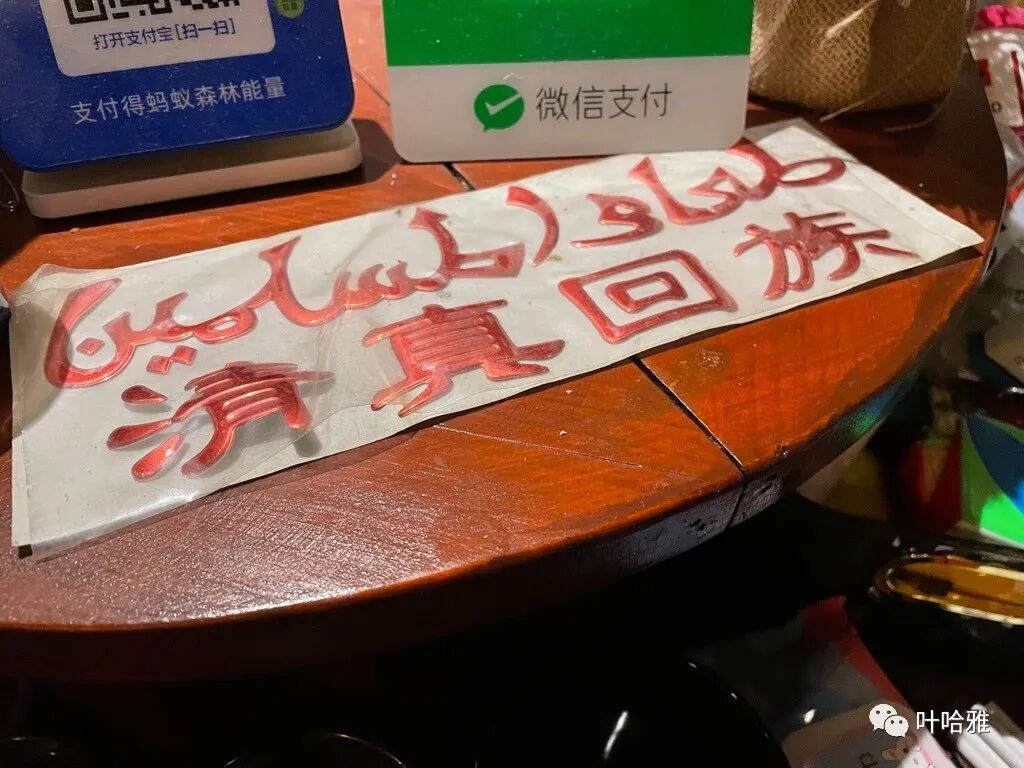
This Japanese restaurant is run by a family of three Hui Muslims in Zhengzhou, with the son and his parents all busy cooking.
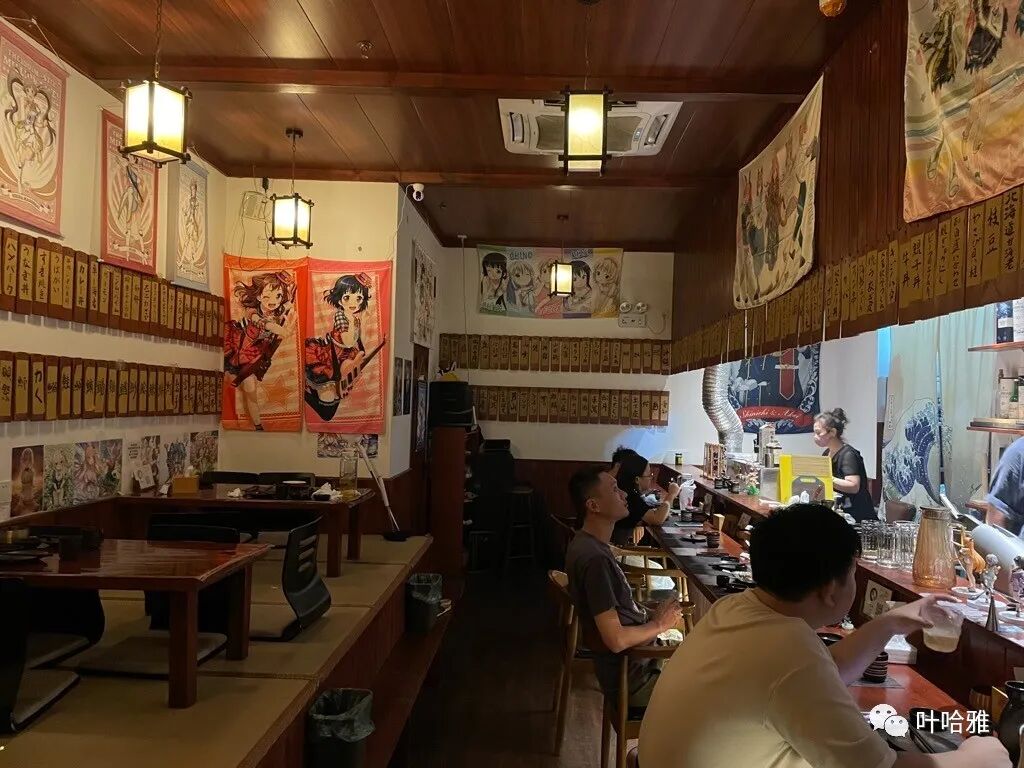
The small shop has been open for over a year. On the left, there is a tatami area where you must take off your shoes and put on shoe covers to sit. On the right, there is a bar counter.
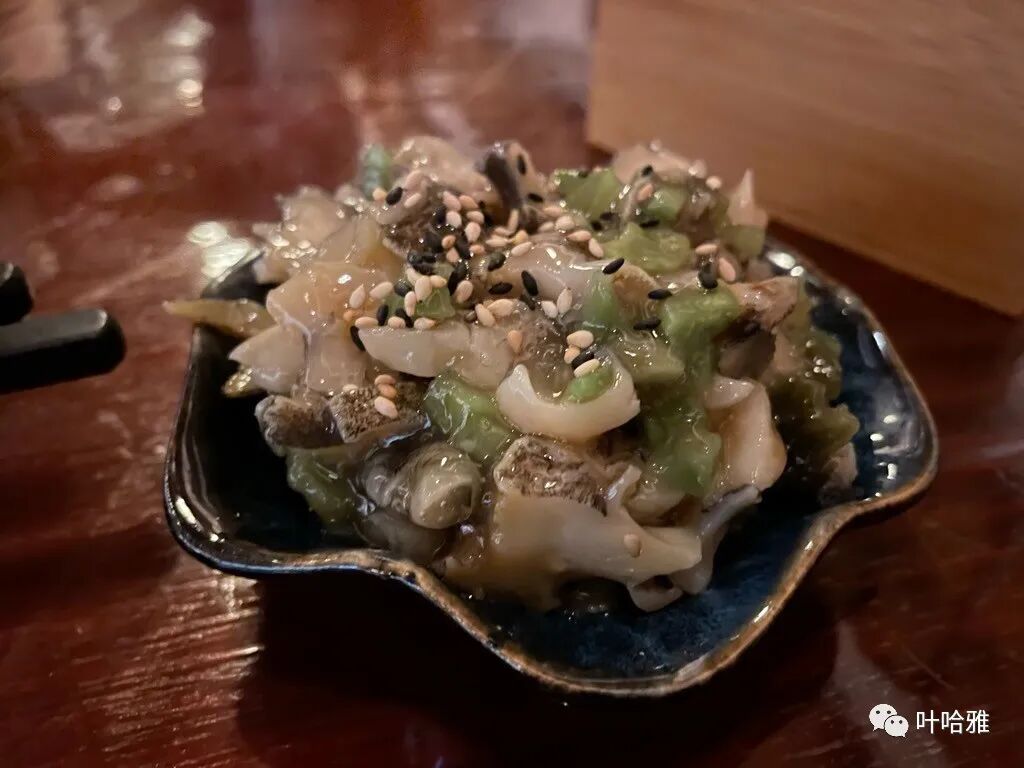
Sea snail with wasabi
The owners insist on cooking everything fresh to order, so the food comes out slowly. If you are not in a rush, you can take your time and enjoy it.
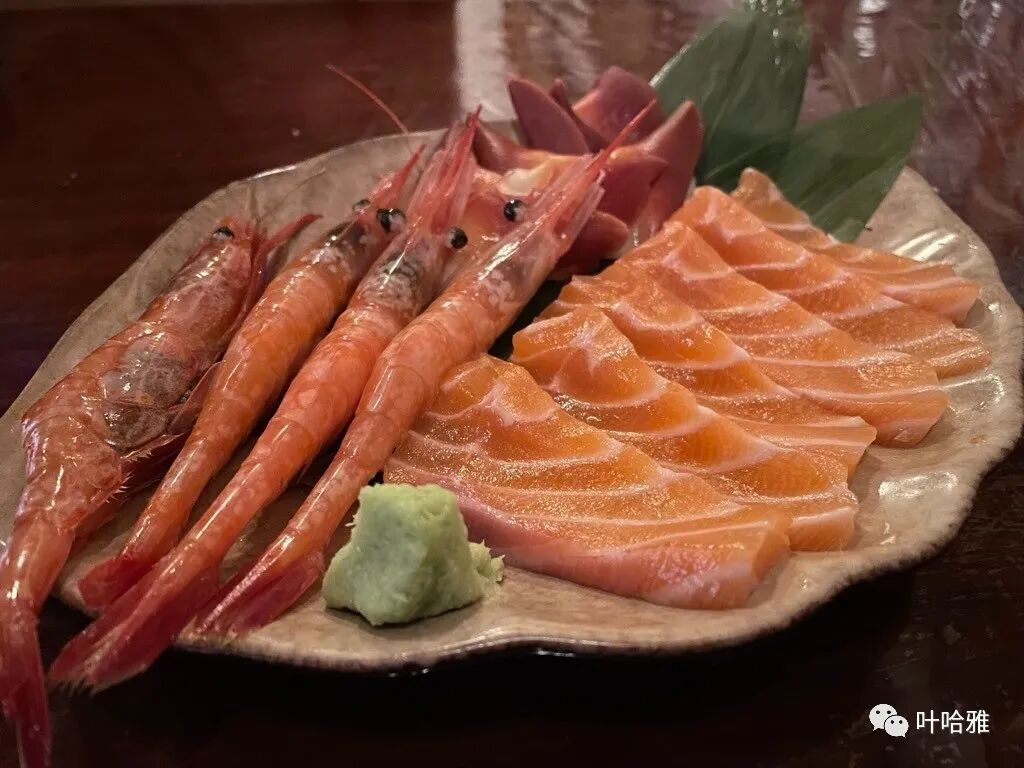
Sashimi platter with salmon, arctic sweet shrimp, and arctic surf clam
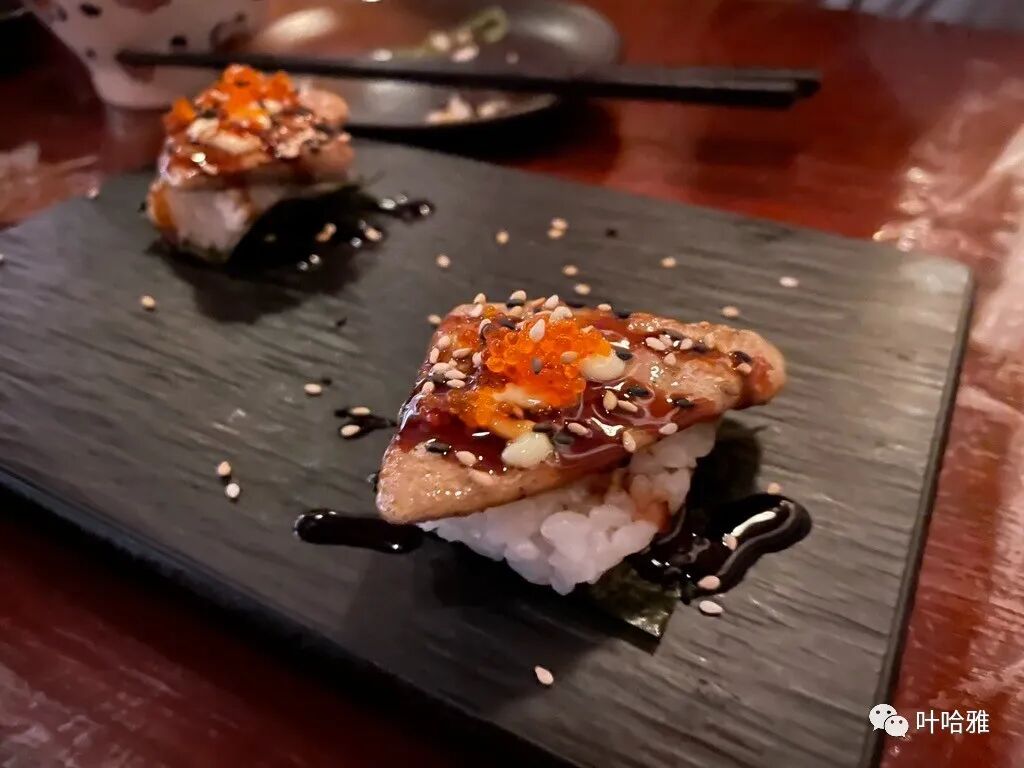
Foie gras nigiri
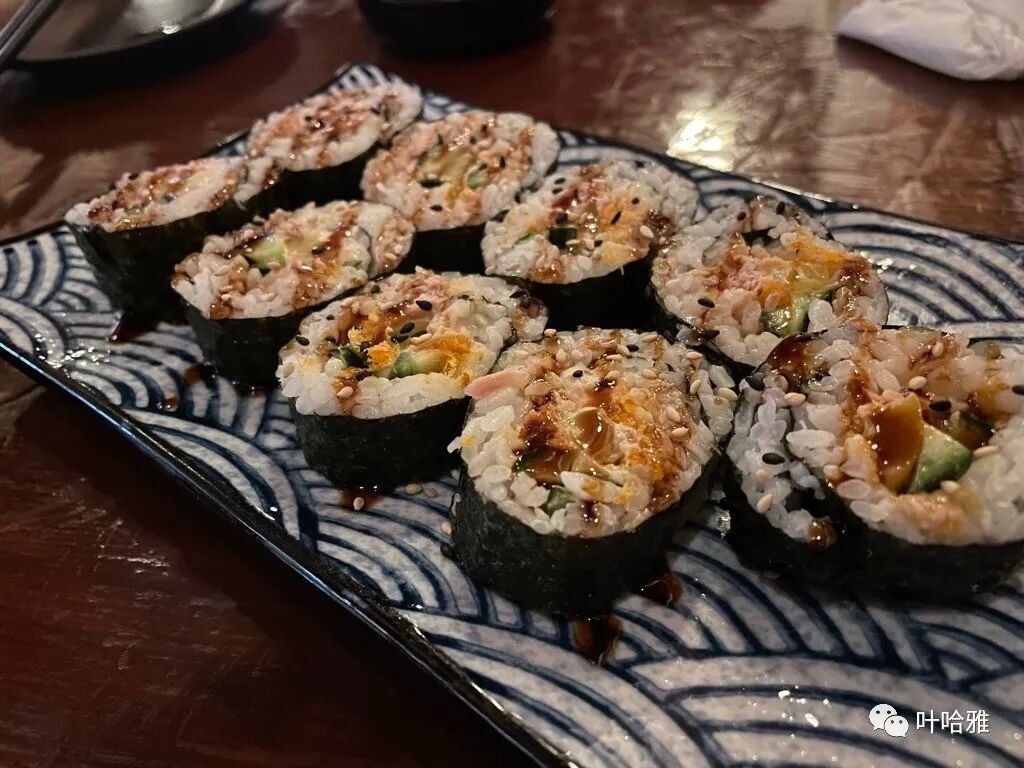
Sushi
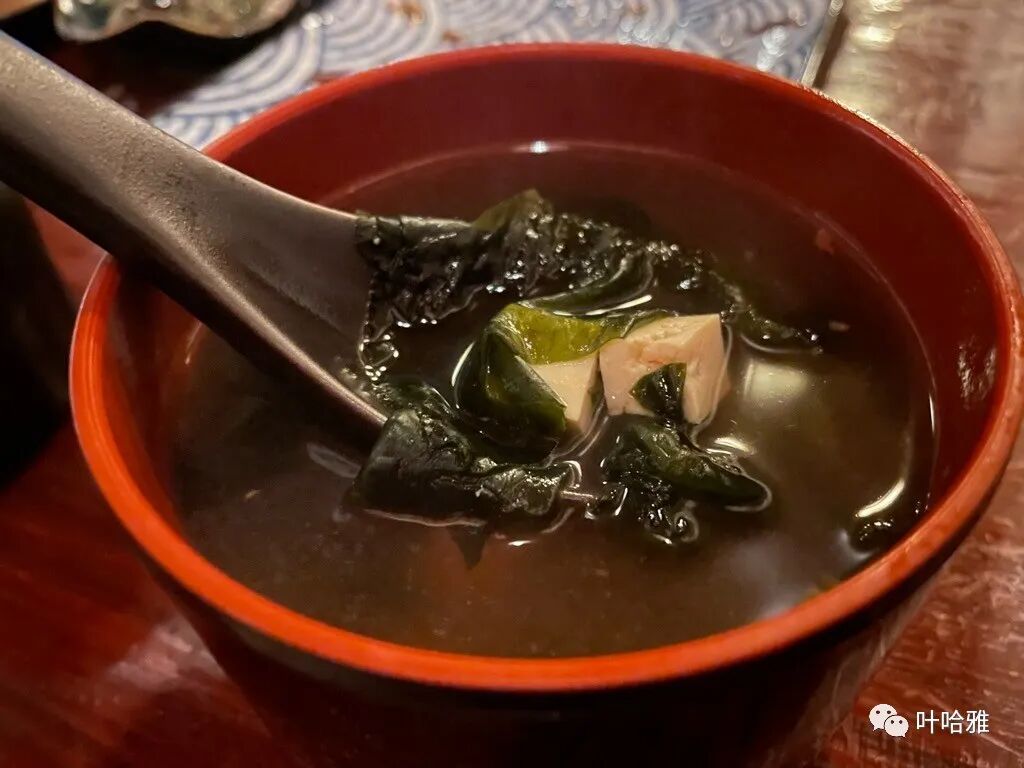
Miso soup
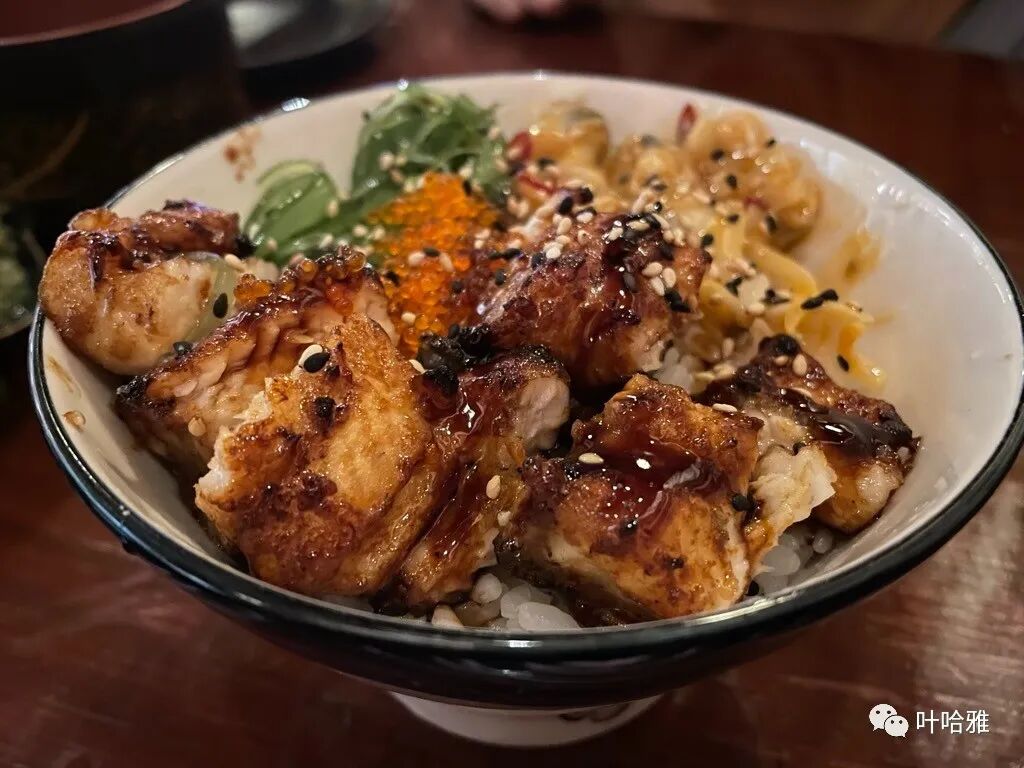
Eel rice bowl (unagi don)
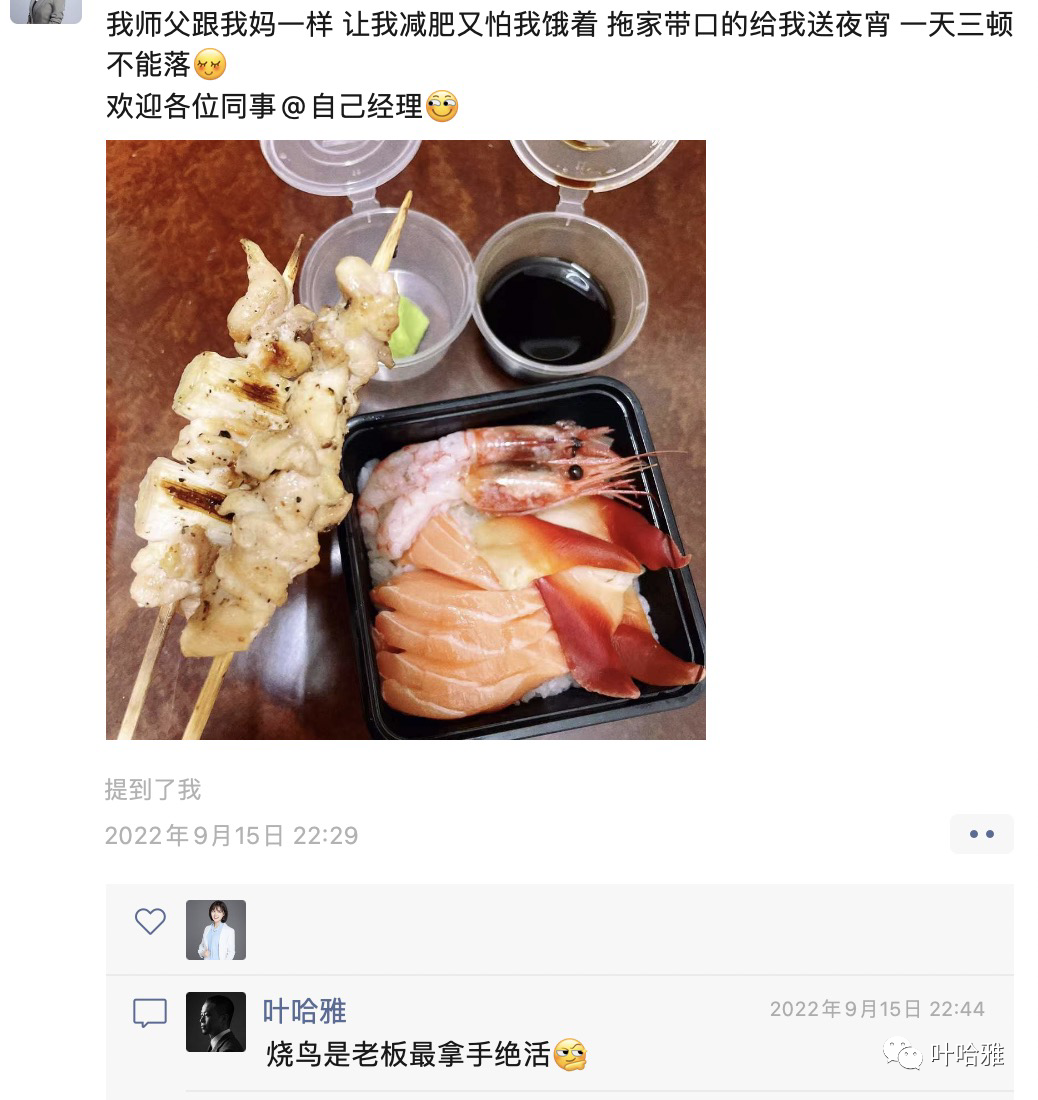
While we were eating Japanese food at the shop, my student was still in class at the hotel. She could not use her phone during class and could not order delivery, so I packed a seafood sashimi rice bowl and brought it to her. She received this treat at 10 p.m. and was deeply moved.
Address: Exit A of Wuyi Park Station on Metro Line 1/5, 1st Floor, Shop 104, Shengrun Jinxiu City West Plaza.
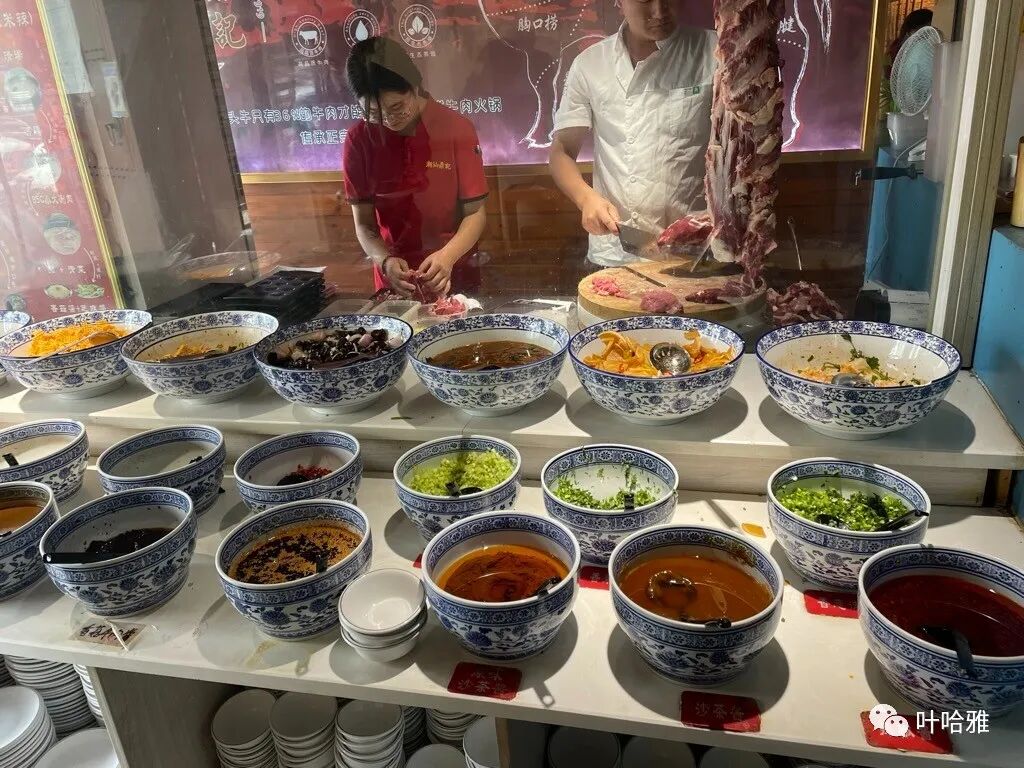
Chaoshan Dingji Fresh Beef Hot Pot.
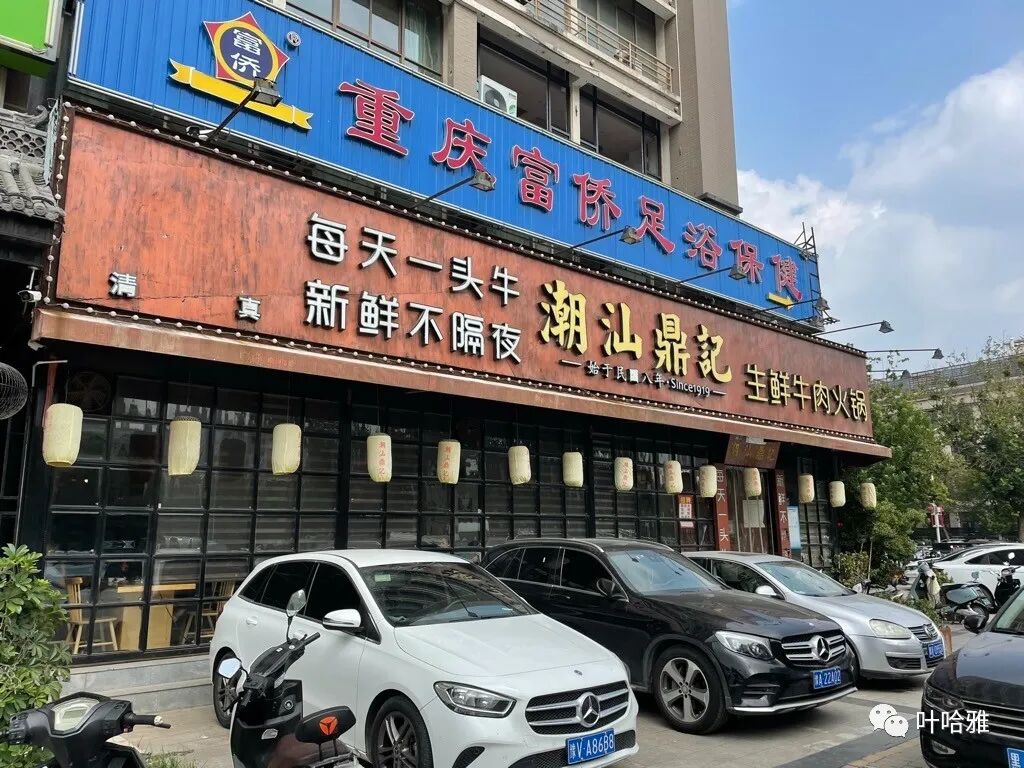
Chaoshan beef hot pot is a specialty of the Chaoshan region in Guangdong. I only had a halal version once in Dachang, but it was not as good as the shops in Zhengzhou. Zhengzhou actually has several halal Chaoshan hot pot brands, and they are even chain stores. We also found halal Cantonese-style hot pot (dabanlu) in Zhengzhou. I had this in Beijing before, but unfortunately, that shop closed down.
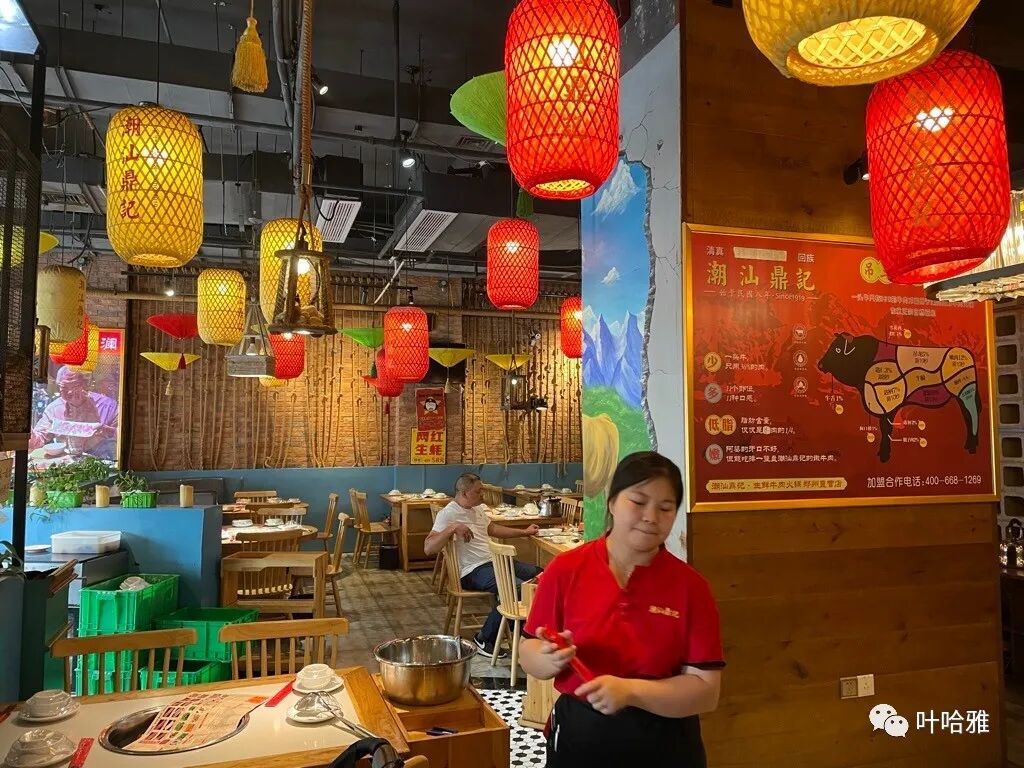
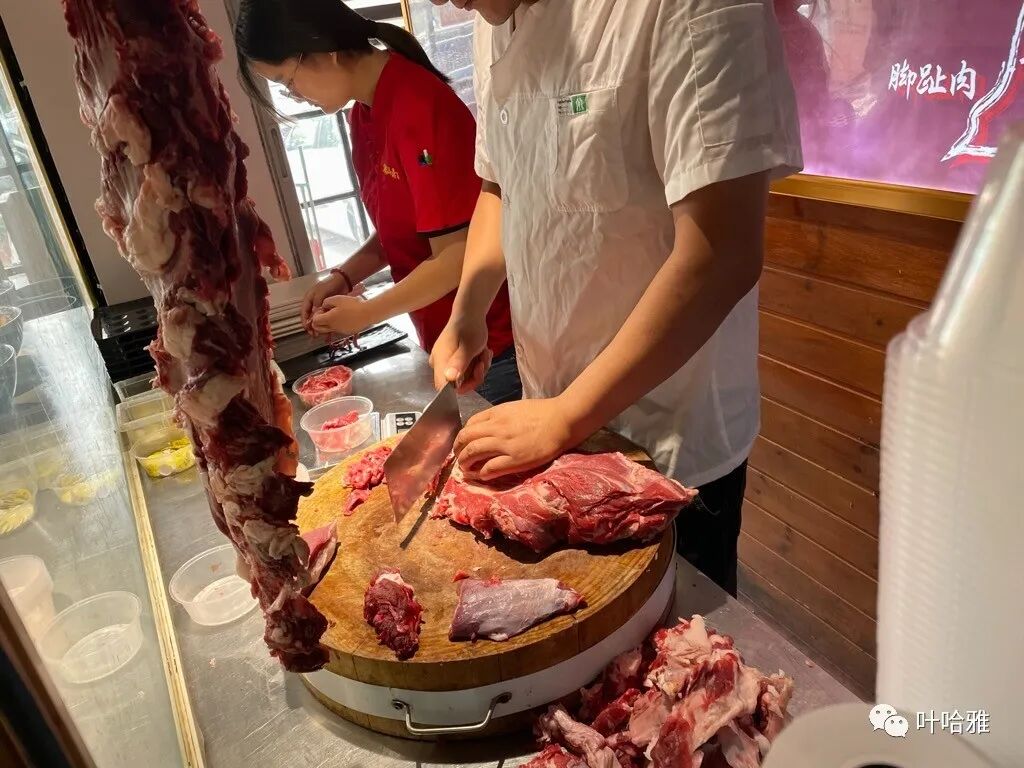
The kitchen is open and bright, showing the cooking process on the spot.
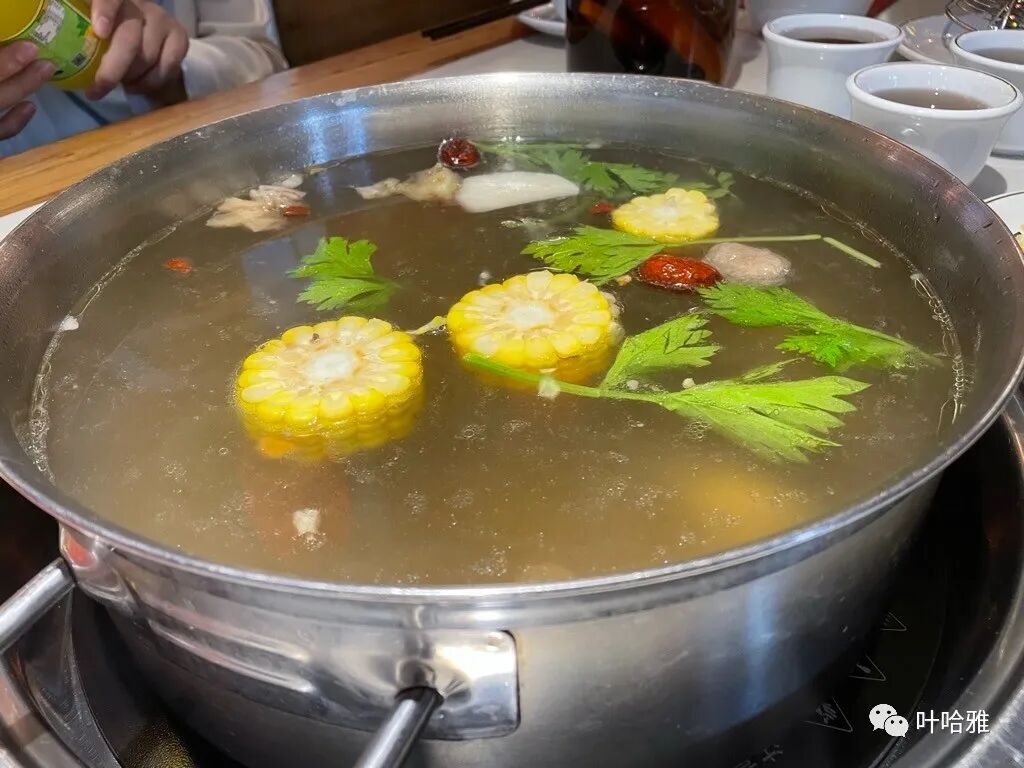
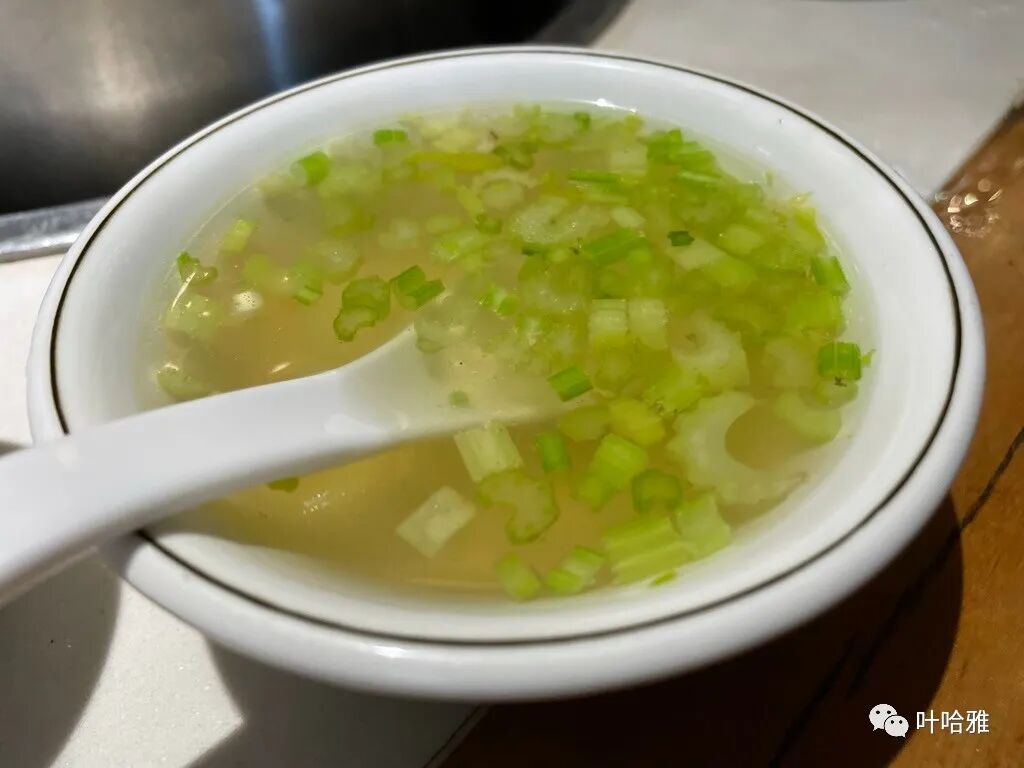
Drink the soup before eating the meat; this is the correct way to eat it that the server taught me.
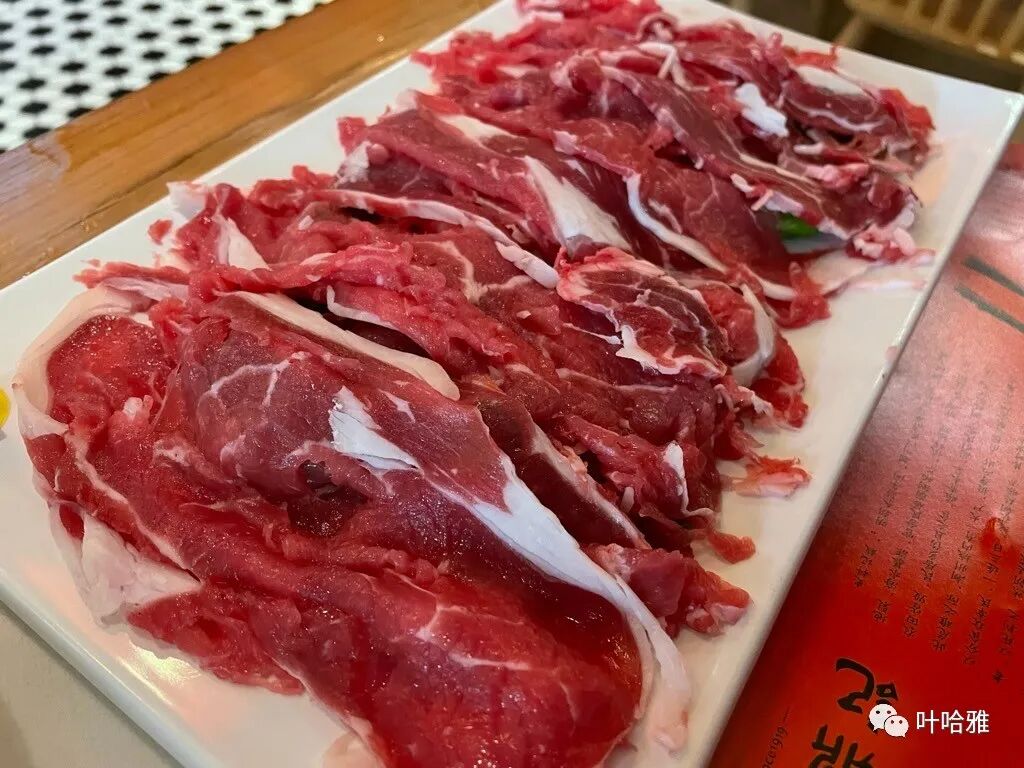
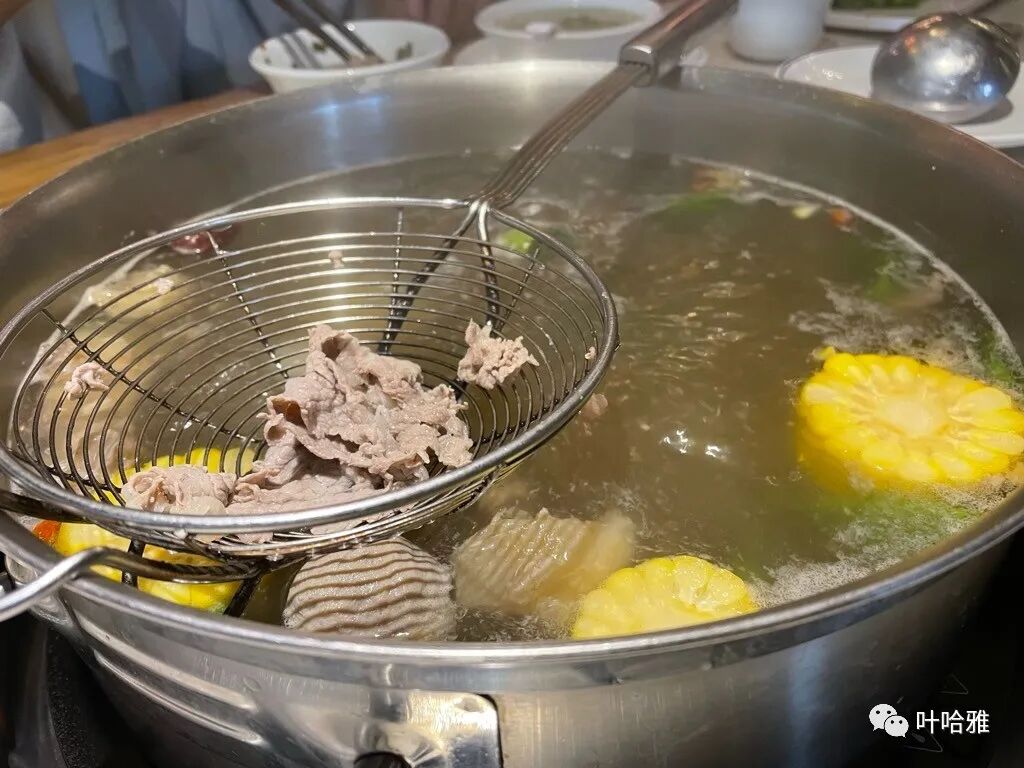
The cooking time for each type of meat is measured in seconds.
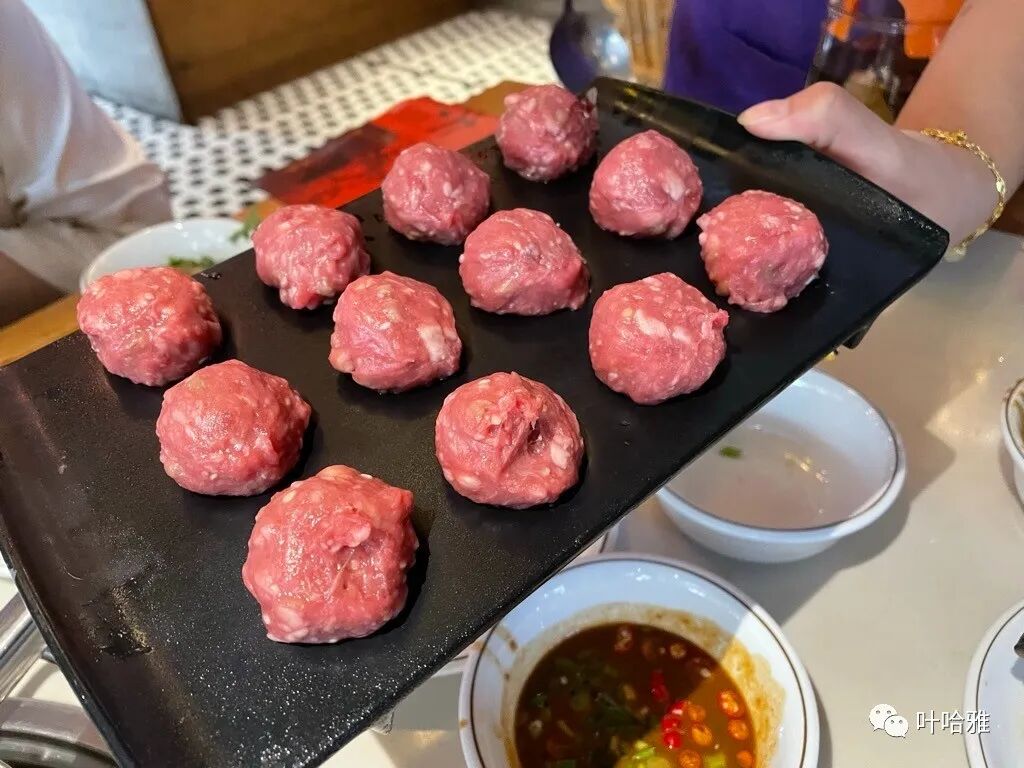
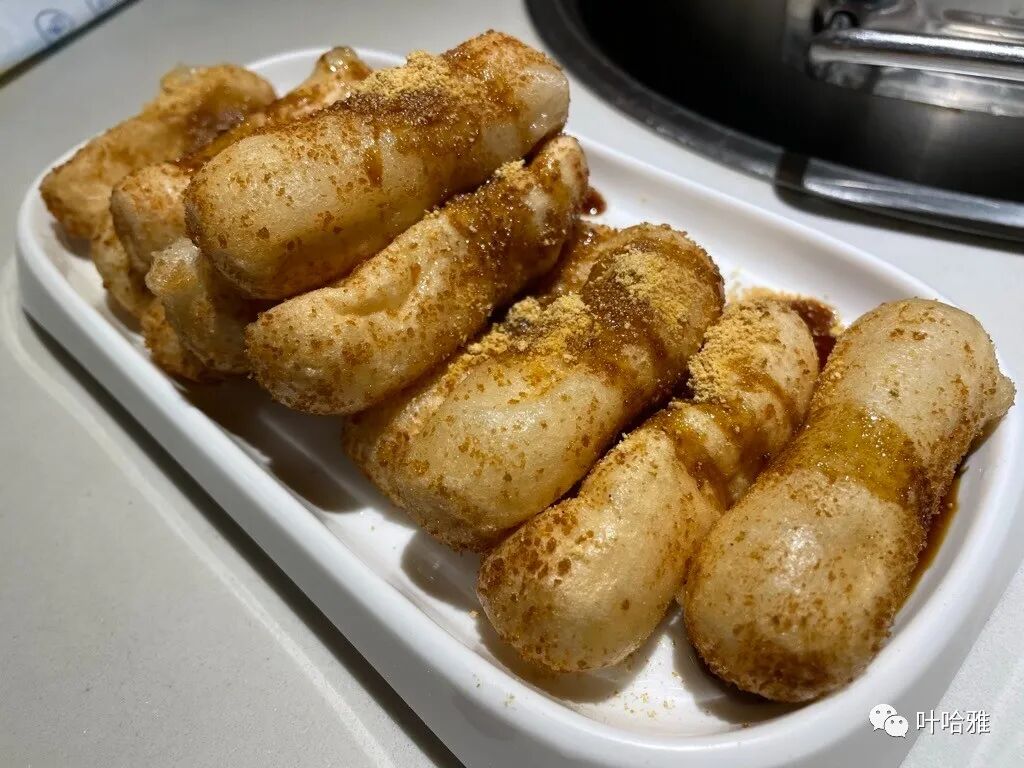
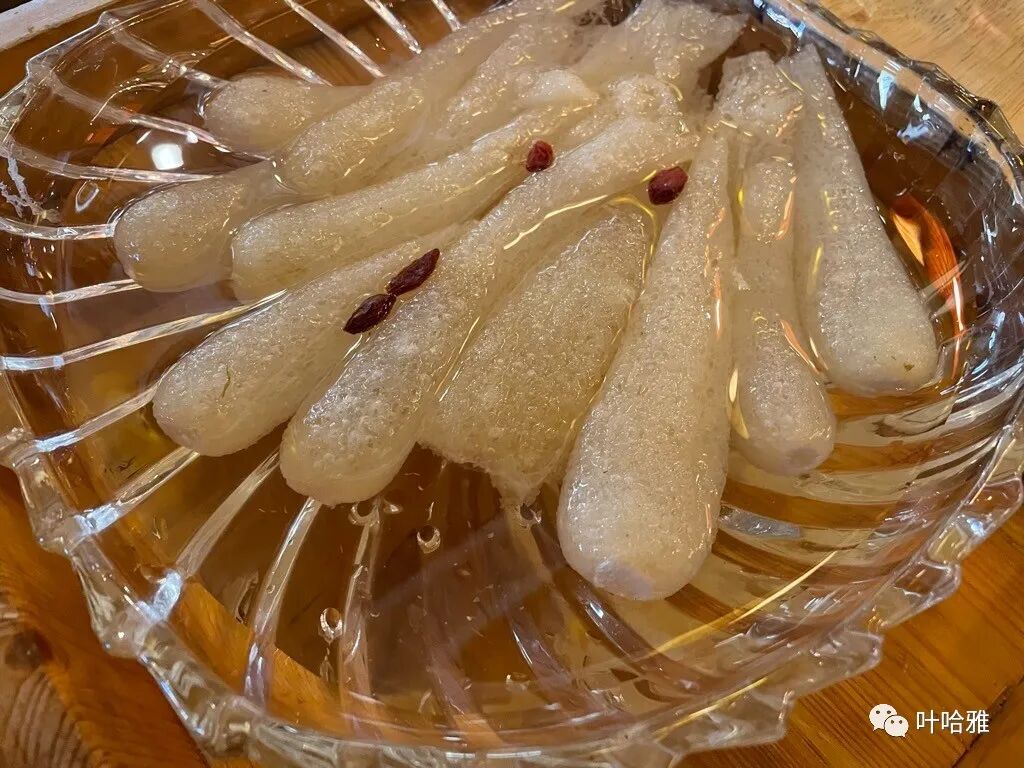
Address: 50 meters north of the intersection of Zijingshan Road and Shangcheng Road, on the west side of the road.
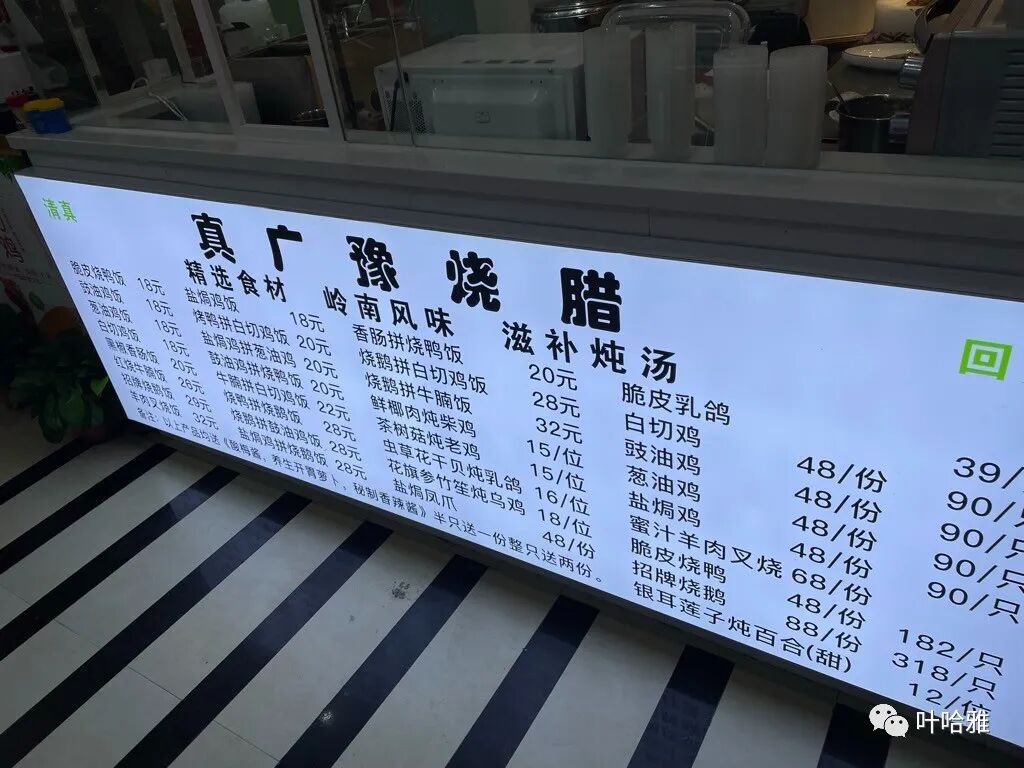
Zhenguang Yuguang Cantonese Roast Goose.
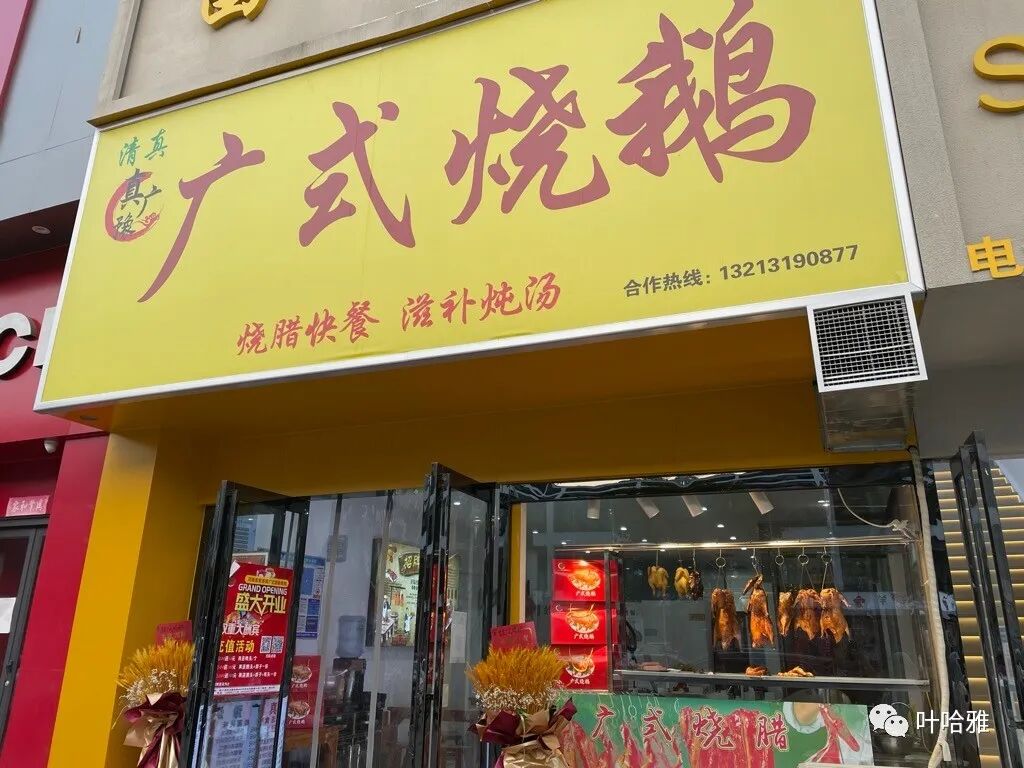
I went to Guangzhou and Zhaoqing on business last month, but I did not get enough roast goose. I want to satisfy my craving in Zhengzhou this time because I cannot find roast goose once I return to Beijing.
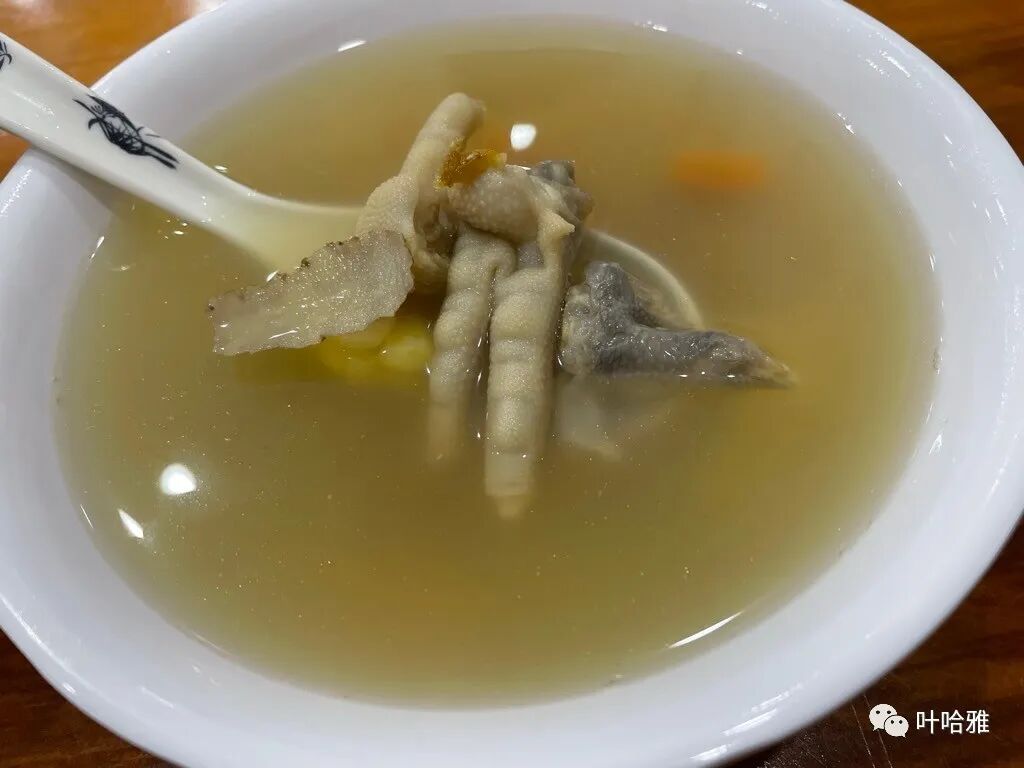
Drink the soup before the meal; this soup is complimentary. The owner learned that one of our team members is from Zhoukou and is also a Hui Muslim from Zhoukou. He got the idea to make halal roast goose while working in Jiangmen, Guangdong.
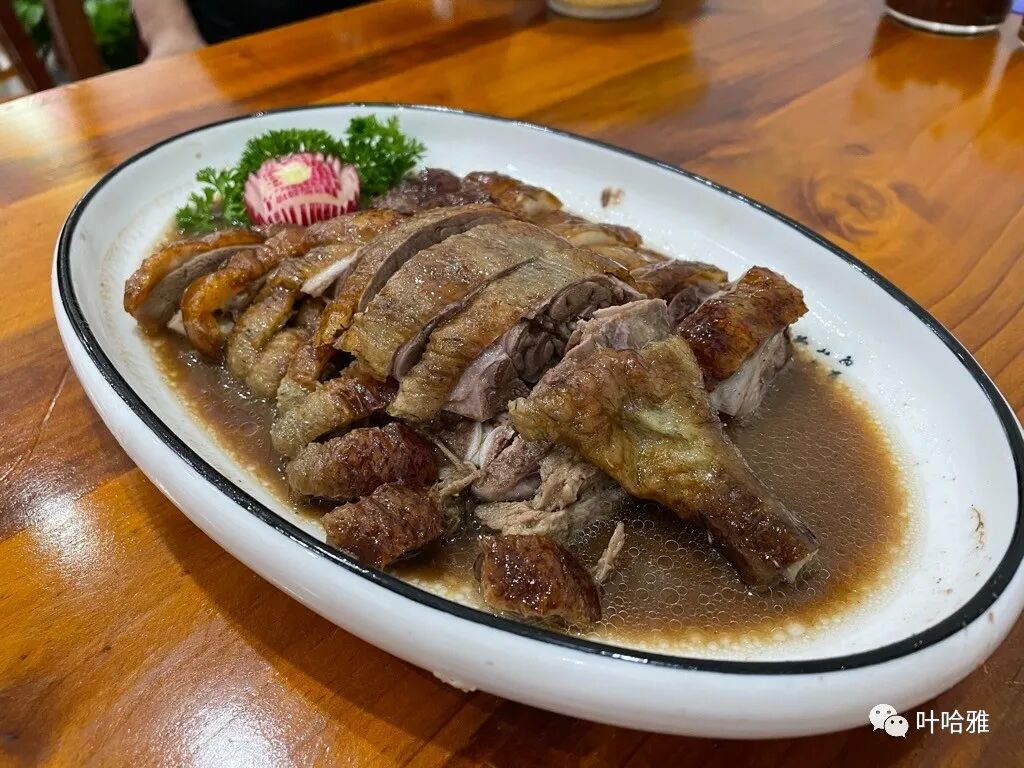
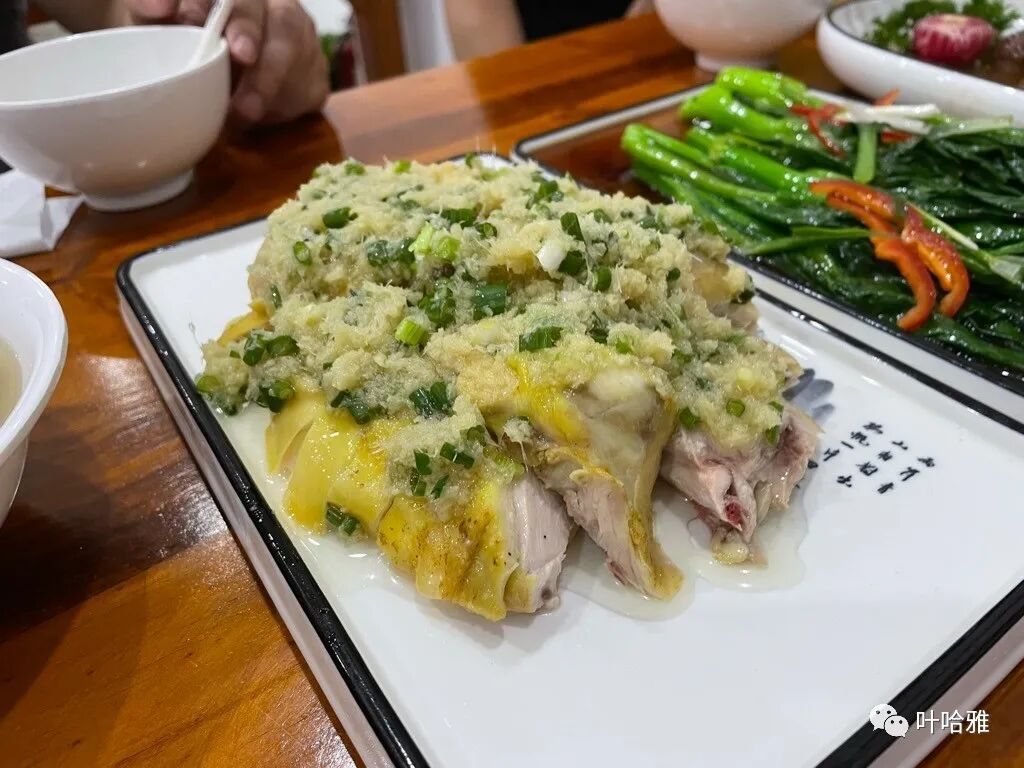
Roast goose (shaoe) and white-cut chicken (baiqieji) are classic Cantonese dishes, and this place makes them taste very authentic.
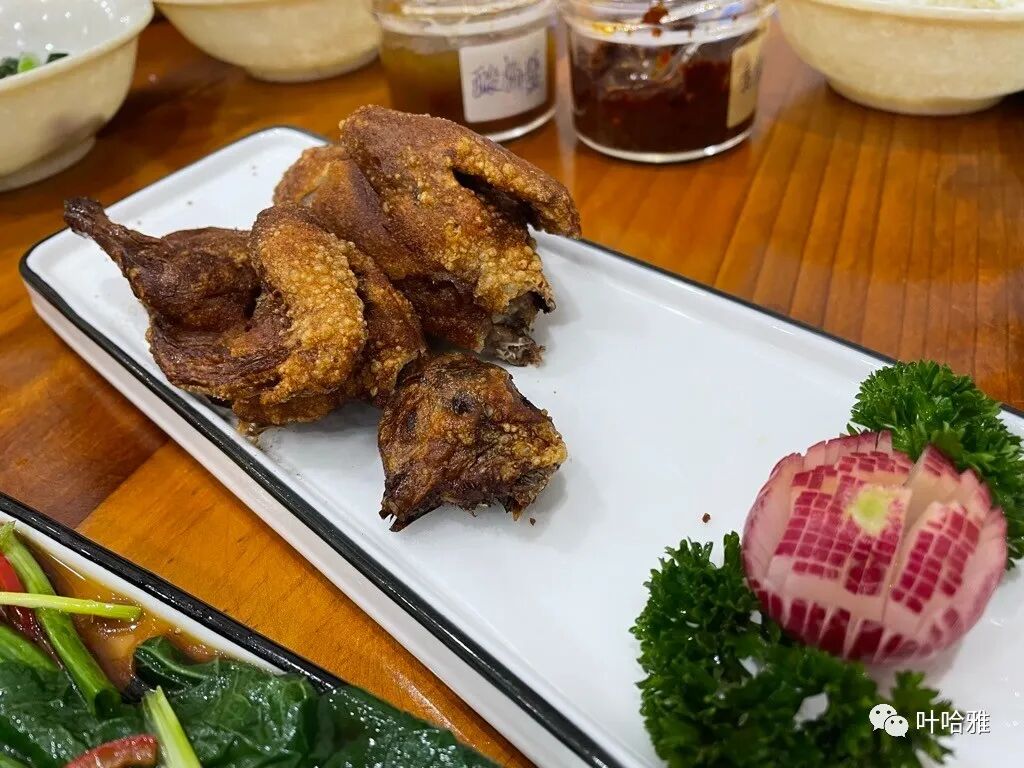
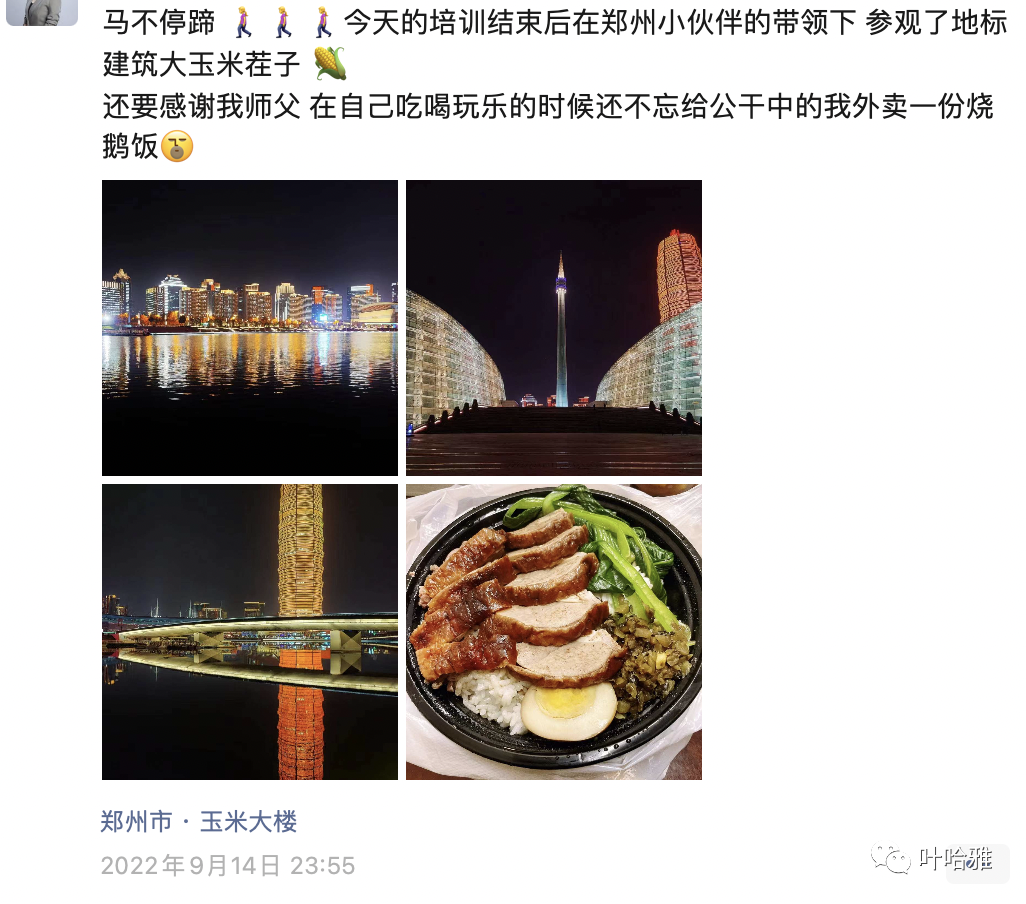
The owner also recommended we try the crispy roast baby pigeon (cuipi kaoruge), which has delicious, crunchy skin. They offer boxed takeout, so I naturally had to get a portion for my apprentice.
Address: 322 Fengtai Road, Er Mingpin Store, First Floor, Unit 6.
Yang's Hand-Pulled Noodles and Braised Noodles (Yangji lamian huimian).
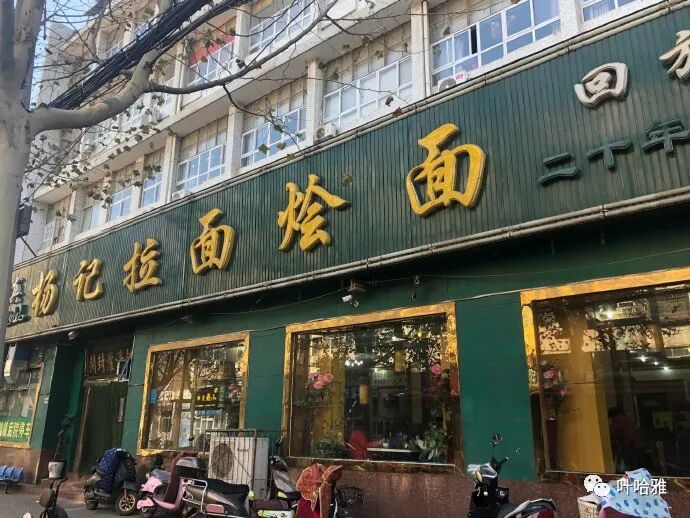
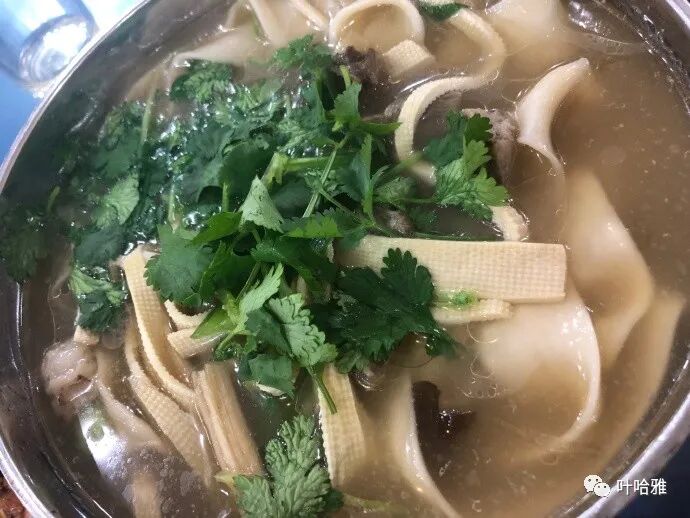
Most of the girls in my group are from the south and don't care for wheat-based foods, so we didn't try braised noodles (huimian) on this Zhengzhou trip. I ate at this shop during a previous visit to Zhengzhou; even though it is called Yang's, they actually serve He's Braised Noodles (Heji huimian).
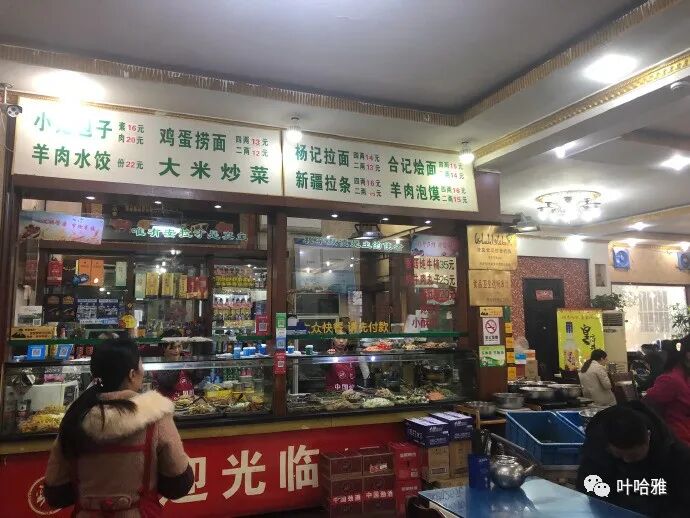
Henan hand-pulled noodles (lamian) are different from those in the northwest. They are a blend of Central Plains and northwest styles, with more complex soup bases and ingredients.
Address: 100 meters east of the intersection of Qinling Road and Ruhe Road, on the south side of the street.
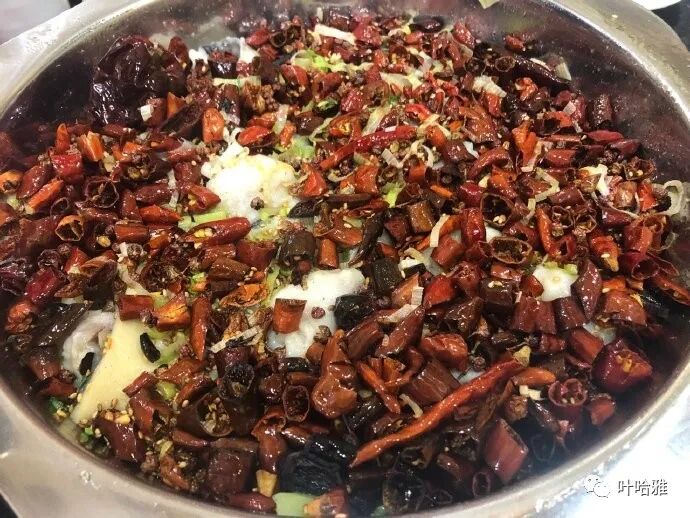
Jinxiang Sizzling Pot Fish (Jinxiang qiangguoyu).
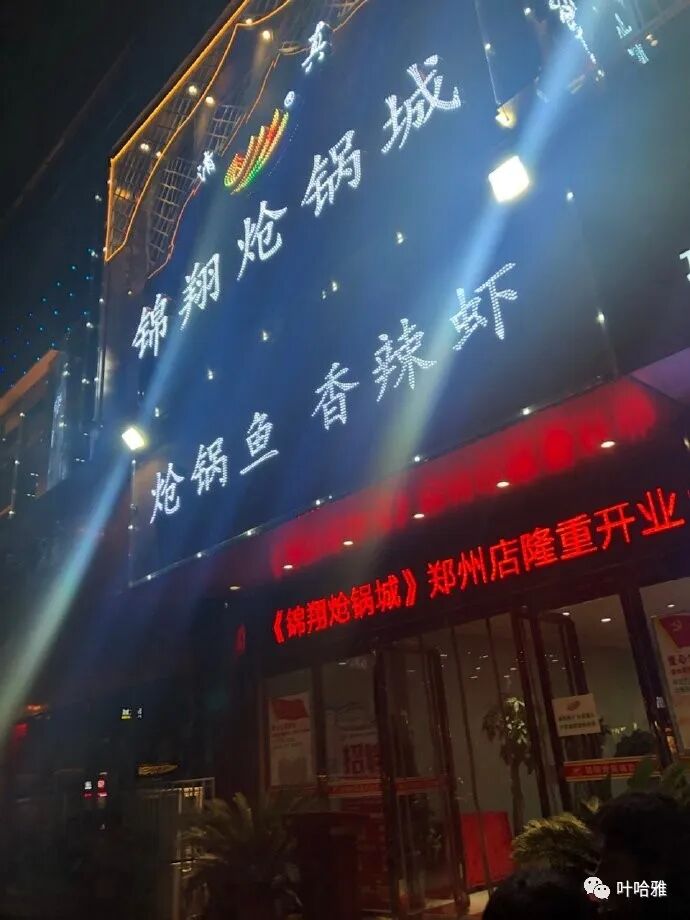
Jinxiang Sizzling Pot Fish is a brand from Xi'an that opened a branch in Zhengzhou. The space is a full 3,000 square meters. During the meal, the servers perform a group dance to entertain guests, which is quite a unique idea, though we found it a bit awkward to watch.
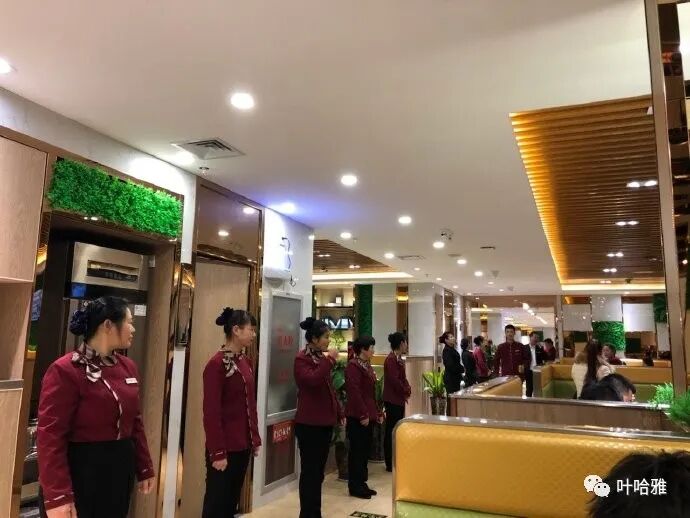
With sizzling pot fish, you eat the fish first, then add broth to cook meat. A branch once opened in Beijing, but it closed after a short time.
Address: 2nd Floor, East Side, No. 15, 21st Century Building, West Street.
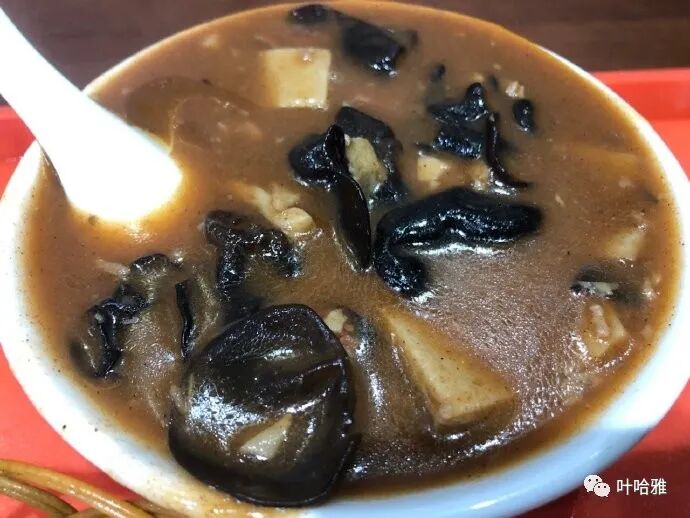
Yao Family Beef and Mutton Spicy Soup (hulatang) in Xiaoyao Town.
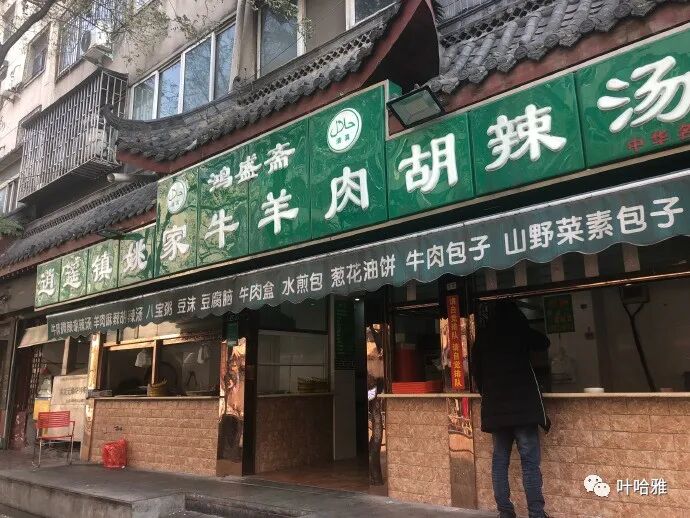
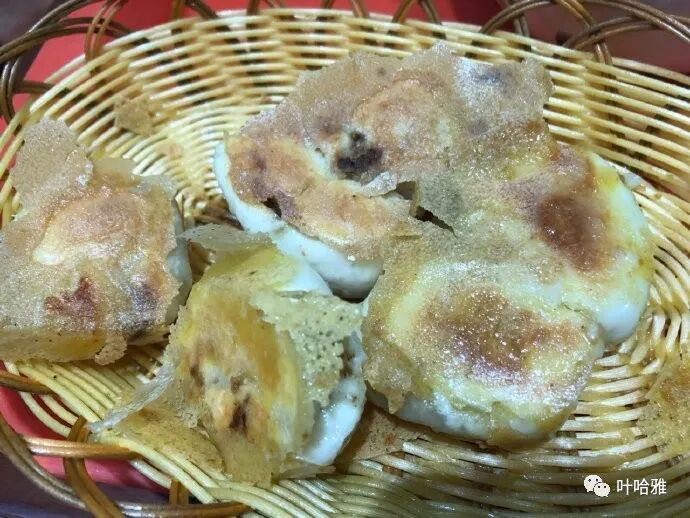
Xiaoyao Town Spicy Soup (hulatang) is a classic version of Henan spicy soup. Xiaoyao Town is in Zhoukou City. The heat in the soup comes from black pepper, not chili peppers. In Henan, people eat this soup for breakfast, and it is usually only served in the morning. You should pair it with pan-fried buns (shuijianbao).
Address: Units 9-11, 1st Floor, Building 3, Peichangmiao Street.
Ma's Fresh Whole Lamb Soup (yangtang).
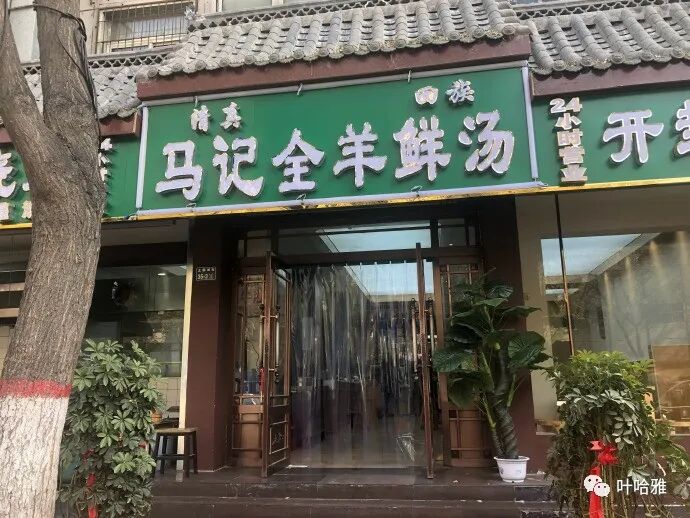
Besides spicy soup, Henan breakfast also includes lamb soup (yangtang). You can add meatballs or shredded flatbread to the lamb soup. The soup is milky white and served plain without salt, so you need to add salt or other seasonings yourself.
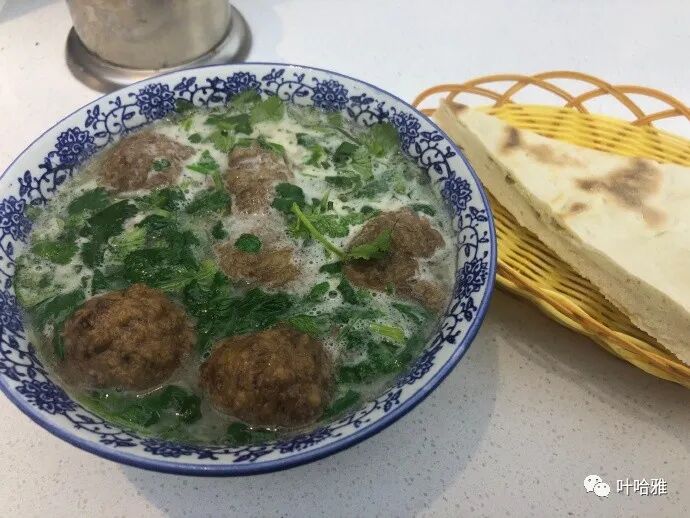
Address: 50 meters south of the intersection of Yihe Road and Qinling Road.
Fang Zhongshan Spicy Soup (hulatang).
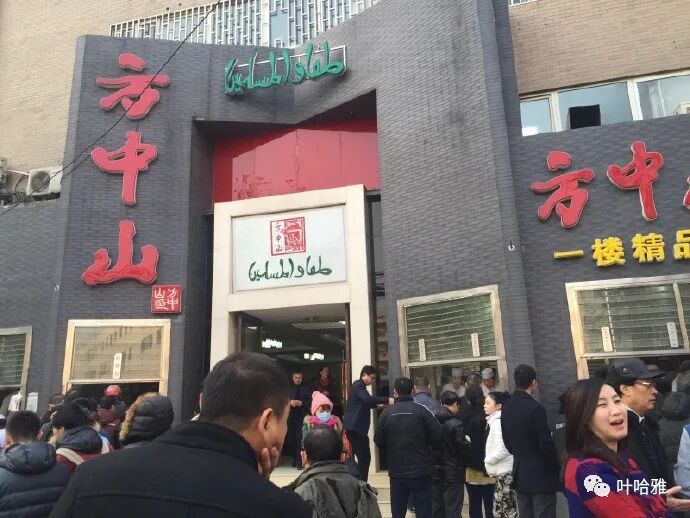
Fang Zhongshan is famous in Zhengzhou, but many local Zhengzhou people I know do not like it. They think their spicy soup has an unusual taste and is surprisingly spicy, which they call "xinqiu la" in the Henan dialect.
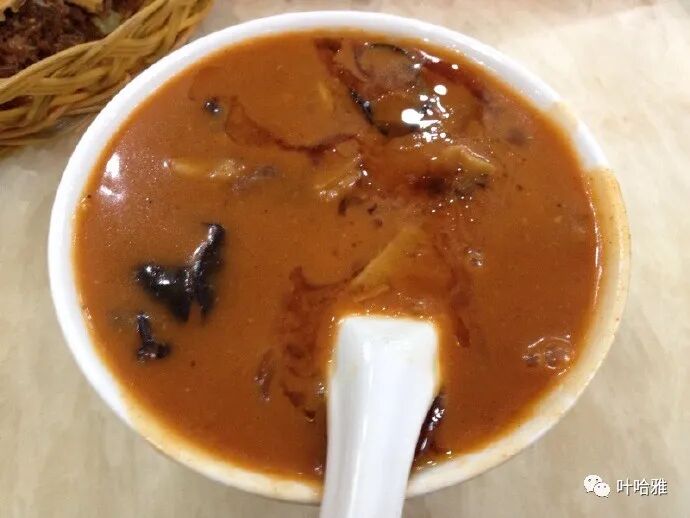
I have had Fang Zhongshan many times. It is indeed very spicy. I never finish a bowl, but I still want to try it every time. All Fang Zhongshan shops are very busy, and the main store always has a line. You have to admit that from a business perspective, Fang Zhongshan is a success.
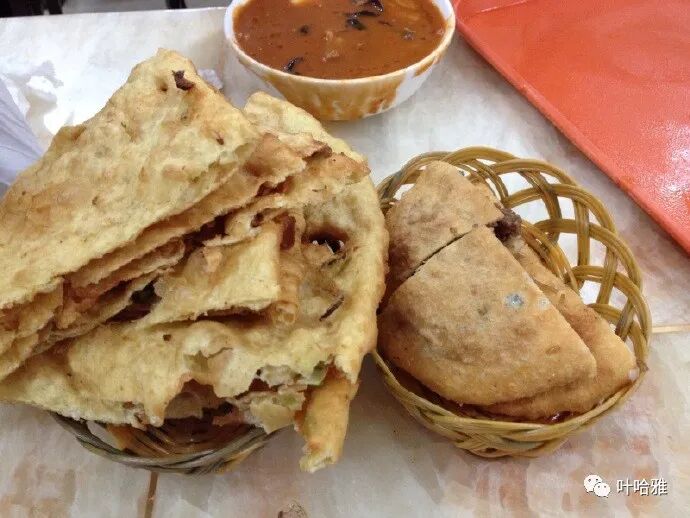
Address: Intersection of Zijingshan Road and Shunhe Road.
We did not eat halal snail rice noodles (luosifen) on this trip because my teammates refused to try them, and I did not want to go alone. We also found halal tea restaurants, Western restaurants, chicken pot (jigongbao), hot dry noodles (reganmian), and charcoal pot fish in Zhengzhou. I will visit them if I have the chance in the future, Insha'Allah.
Summary: This Muslim travel guide to Zhengzhou introduces the city’s mosques, Hui Muslim history, Henan halal food, huimian, hulatang, Fang Zhongshan, and practical notes from local visits around Erqi Square.
A Halal Trip to Zhengzhou is presented here as a firsthand travel account in clear English, beginning with this scene: Zhengzhou has 120 mosques, including 22 mosques for women. I have visited Zhengzhou several times and have been to 8 of these mosques in total. The account keeps its focus on Halal Travel, Yiwu Food, Mosque Travel while preserving the names, places, food, and historical details from the Chinese source.
Zhengzhou has 120 mosques, including 22 mosques for women. I have visited Zhengzhou several times and have been to 8 of these mosques in total. These 8 mosques are not far from each other and are all located around Erqi Square. There are four districts in China named after the Hui Muslims. Besides the Huimin District in Hohhot, the other three are all in Henan: the Guancheng Hui District in Zhengzhou, the Chanhe Hui District in Luoyang, and the Shunhe Hui District in Kaifeng.
The Hui Muslims in Henan left a very good impression on me. They are open-minded, hardworking, studious, simple, and kind. The Central Plains region has produced scholars since ancient times. A significant portion of the treasure trove of Chinese Islamic academic knowledge comes from the contributions of scholars from the Central Plains. It is just that they are low-key and humble, do not seek fame, and their personal fame does not match their academic status.
1. Qingpingli Mosque
Built in 1918, this small mosque looks simple, but famous imams like Wang Jingzhai and Pang Shiqian once served as leaders here.
2. Wuyingli Mosque
There is a martial arts hall inside the mosque. Many mosques in Henan have martial arts halls. During the Ming and Qing dynasties, the Hui Muslims valued martial arts, and many imam scholars were skilled in both literature and martial arts.
3. Fuminli Mosque
Fuminli Mosque was built in the early years of the Republic of China, and the women's mosque was built in 1940.
4. Beida Mosque
This mosque was built between the end of the Yuan Dynasty and the beginning of the Ming Dynasty. It is the oldest existing mosque in the Zhengzhou area. Famous imams such as Ma Changqing, Pang Shiqian, and Shang Xixian once taught here.
The new main hall of the North Mosque (Beida Qingzhensi) was expanded, and I attended Jumu'ah prayer here in 2018.
5. Beixia Street Mosque (Beixiajie Qingzhensi)
It was first built in 1935. The original mosque was torn down, and it is now a modern building.
6. Xiaolou Mosque (Xiaolou Qingzhensi)
It was first built in the early years of the Republic of China. These mosques around Erqi Square in Zhengzhou were all built between the late Qing Dynasty and the early Republic of China.
7. Lvzheng Mosque (Lvzheng Qingzhensi)
It was first built in the late Qing Dynasty. The first imam of Lvzheng Mosque was Mai Fenglou, and Ni Shilin once served as a martial arts teacher here.
8. Huayuan Street Mosque (Huayuanjie Qingzhensi)
It was first built in 1920. Huayuan Street Mosque is a central mosque that is quite active in missionary work and is popular with young people. I attended Jumu'ah here in 2014, visited again in 2016, and came back for Jumu'ah in 2022. During these visits, I met Imam Feng and the Arabic calligrapher Mr. Mi Guangjiang.
After Jumu'ah, Imam Feng invited us to the Cimin Building next door. It happened to be the day the Cimin Building was hosting a food tasting event. The Lanzhou halal seasoning brand Shuangmale brought various seasoning packets they sell to the Cimin Building for a display. The Cimin Building used these packets to make many snacks for everyone to taste.
We ate various boiled dumplings (shuijiao), sour soup fish (suantangyu), rice noodles (mifen), and beef noodles (niuroumian). The flavors were mostly Sichuan-style and tasted quite good. For people who are busy with work and not good at cooking, these seasoning packets help them make a delicious meal in a short time. These packets are very popular with fast food and snack shops.
Maru Japanese Cuisine
You can find halal restaurants everywhere in Zhengzhou. Besides Henan-style food, there are many restaurants with regional specialties. Some of these are hard to find even in Beijing, such as halal snail rice noodles (luosifen), Cantonese tea restaurants, and Chaoshan beef ball hot pot. Our trip to Zhengzhou this time is mainly to eat at these specialty restaurants.
This Japanese restaurant is run by a family of three Hui Muslims in Zhengzhou, with the son and his parents all busy cooking.
The small shop has been open for over a year. On the left, there is a tatami area where you must take off your shoes and put on shoe covers to sit. On the right, there is a bar counter.
Sea snail with wasabi
The owners insist on cooking everything fresh to order, so the food comes out slowly. If you are not in a rush, you can take your time and enjoy it.
Sashimi platter with salmon, arctic sweet shrimp, and arctic surf clam
Foie gras nigiri
Sushi
Miso soup
Eel rice bowl (unagi don)
While we were eating Japanese food at the shop, my student was still in class at the hotel. She could not use her phone during class and could not order delivery, so I packed a seafood sashimi rice bowl and brought it to her. She received this treat at 10 p.m. and was deeply moved.
Address: Exit A of Wuyi Park Station on Metro Line 1/5, 1st Floor, Shop 104, Shengrun Jinxiu City West Plaza.
Chaoshan Dingji Fresh Beef Hot Pot.
Chaoshan beef hot pot is a specialty of the Chaoshan region in Guangdong. I only had a halal version once in Dachang, but it was not as good as the shops in Zhengzhou. Zhengzhou actually has several halal Chaoshan hot pot brands, and they are even chain stores. We also found halal Cantonese-style hot pot (dabanlu) in Zhengzhou. I had this in Beijing before, but unfortunately, that shop closed down.
The kitchen is open and bright, showing the cooking process on the spot.
Drink the soup before eating the meat; this is the correct way to eat it that the server taught me.
The cooking time for each type of meat is measured in seconds.
Address: 50 meters north of the intersection of Zijingshan Road and Shangcheng Road, on the west side of the road.
Zhenguang Yuguang Cantonese Roast Goose.
I went to Guangzhou and Zhaoqing on business last month, but I did not get enough roast goose. I want to satisfy my craving in Zhengzhou this time because I cannot find roast goose once I return to Beijing.
Drink the soup before the meal; this soup is complimentary. The owner learned that one of our team members is from Zhoukou and is also a Hui Muslim from Zhoukou. He got the idea to make halal roast goose while working in Jiangmen, Guangdong.
Roast goose (shaoe) and white-cut chicken (baiqieji) are classic Cantonese dishes, and this place makes them taste very authentic.
The owner also recommended we try the crispy roast baby pigeon (cuipi kaoruge), which has delicious, crunchy skin. They offer boxed takeout, so I naturally had to get a portion for my apprentice.
Address: 322 Fengtai Road, Er Mingpin Store, First Floor, Unit 6.
Yang's Hand-Pulled Noodles and Braised Noodles (Yangji lamian huimian).
Most of the girls in my group are from the south and don't care for wheat-based foods, so we didn't try braised noodles (huimian) on this Zhengzhou trip. I ate at this shop during a previous visit to Zhengzhou; even though it is called Yang's, they actually serve He's Braised Noodles (Heji huimian).
Henan hand-pulled noodles (lamian) are different from those in the northwest. They are a blend of Central Plains and northwest styles, with more complex soup bases and ingredients.
Address: 100 meters east of the intersection of Qinling Road and Ruhe Road, on the south side of the street.
Jinxiang Sizzling Pot Fish (Jinxiang qiangguoyu).
Jinxiang Sizzling Pot Fish is a brand from Xi'an that opened a branch in Zhengzhou. The space is a full 3,000 square meters. During the meal, the servers perform a group dance to entertain guests, which is quite a unique idea, though we found it a bit awkward to watch.
With sizzling pot fish, you eat the fish first, then add broth to cook meat. A branch once opened in Beijing, but it closed after a short time.
Address: 2nd Floor, East Side, No. 15, 21st Century Building, West Street.
Yao Family Beef and Mutton Spicy Soup (hulatang) in Xiaoyao Town.
Xiaoyao Town Spicy Soup (hulatang) is a classic version of Henan spicy soup. Xiaoyao Town is in Zhoukou City. The heat in the soup comes from black pepper, not chili peppers. In Henan, people eat this soup for breakfast, and it is usually only served in the morning. You should pair it with pan-fried buns (shuijianbao).
Address: Units 9-11, 1st Floor, Building 3, Peichangmiao Street.
Ma's Fresh Whole Lamb Soup (yangtang).
Besides spicy soup, Henan breakfast also includes lamb soup (yangtang). You can add meatballs or shredded flatbread to the lamb soup. The soup is milky white and served plain without salt, so you need to add salt or other seasonings yourself.
Address: 50 meters south of the intersection of Yihe Road and Qinling Road.
Fang Zhongshan Spicy Soup (hulatang).
Fang Zhongshan is famous in Zhengzhou, but many local Zhengzhou people I know do not like it. They think their spicy soup has an unusual taste and is surprisingly spicy, which they call "xinqiu la" in the Henan dialect.
I have had Fang Zhongshan many times. It is indeed very spicy. I never finish a bowl, but I still want to try it every time. All Fang Zhongshan shops are very busy, and the main store always has a line. You have to admit that from a business perspective, Fang Zhongshan is a success.
Address: Intersection of Zijingshan Road and Shunhe Road.
We did not eat halal snail rice noodles (luosifen) on this trip because my teammates refused to try them, and I did not want to go alone. We also found halal tea restaurants, Western restaurants, chicken pot (jigongbao), hot dry noodles (reganmian), and charcoal pot fish in Zhengzhou. I will visit them if I have the chance in the future, Insha'Allah.
