
Halal Food Guide Tianjin: Japanese Restaurants, Western Dining and Hui Muslim Local Food
Reposted from the web
Summary: This Tianjin halal food guide covers Muslim-friendly Japanese restaurants, Western dining, no-alcohol halal options, Hui Muslim local food, Tianmu village, and practical notes for halal travelers.
Tianjin Halal Food Map is presented here as a firsthand travel account in clear English, beginning with this scene: What attracts me most to Tianjin is the large number of halal Western and Japanese restaurants. Excluding noodle shops, Tianjin has more halal restaurants that do not sell alcohol than Beijing. The account keeps its focus on Halal Travel, Yiwu Food, Beijing while preserving the names, places, food, and historical details from the Chinese source.
What attracts me most to Tianjin is the large number of halal Western and Japanese restaurants. Excluding noodle shops, Tianjin has more halal restaurants that do not sell alcohol than Beijing.
Because of its history as a foreign concession, Tianjin has many Western and Japanese restaurants. Since there is a lot of civilian exchange between Tianjin and Japan, the quality of the Japanese food here is reliable.
Niaohe Kappo Cuisine
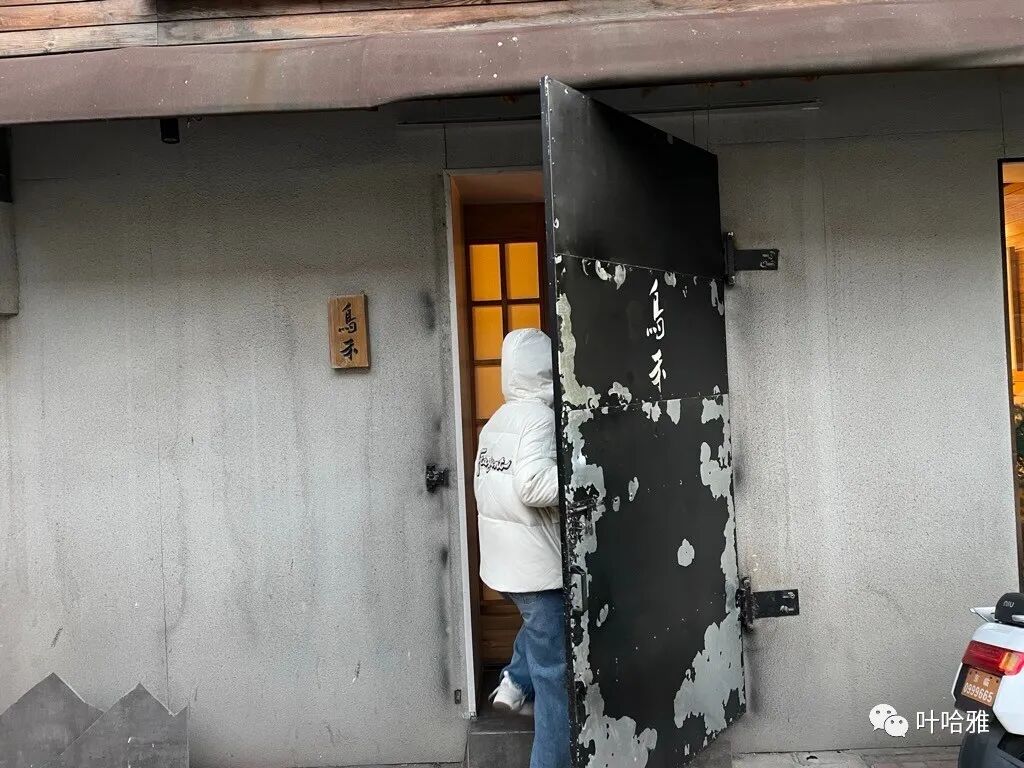
You need to book in advance to eat at this Japanese yakitori restaurant, which has a high rating on Dianping. It is located at 125 Hami Road. We did not check beforehand and arrived to find all the seats were booked, so we could not eat there. We just took some photos of the interior and will try again next time.
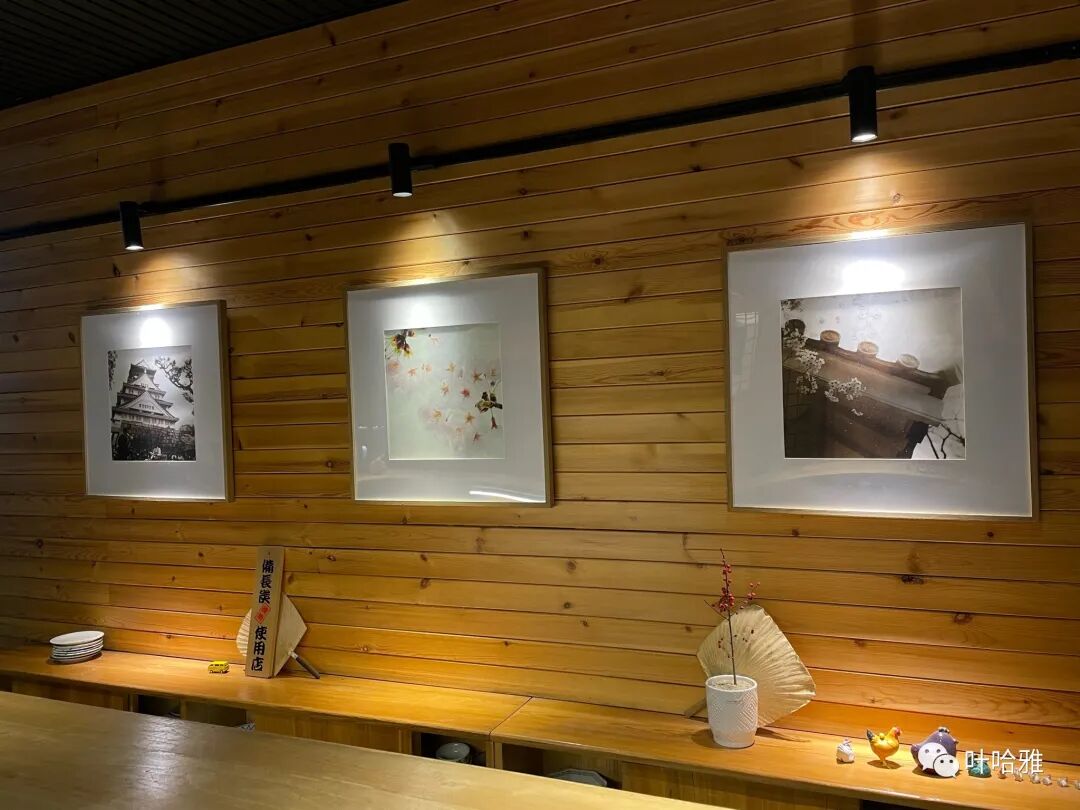
The wooden partitions inside and the wall decorations have a strong Japanese style.
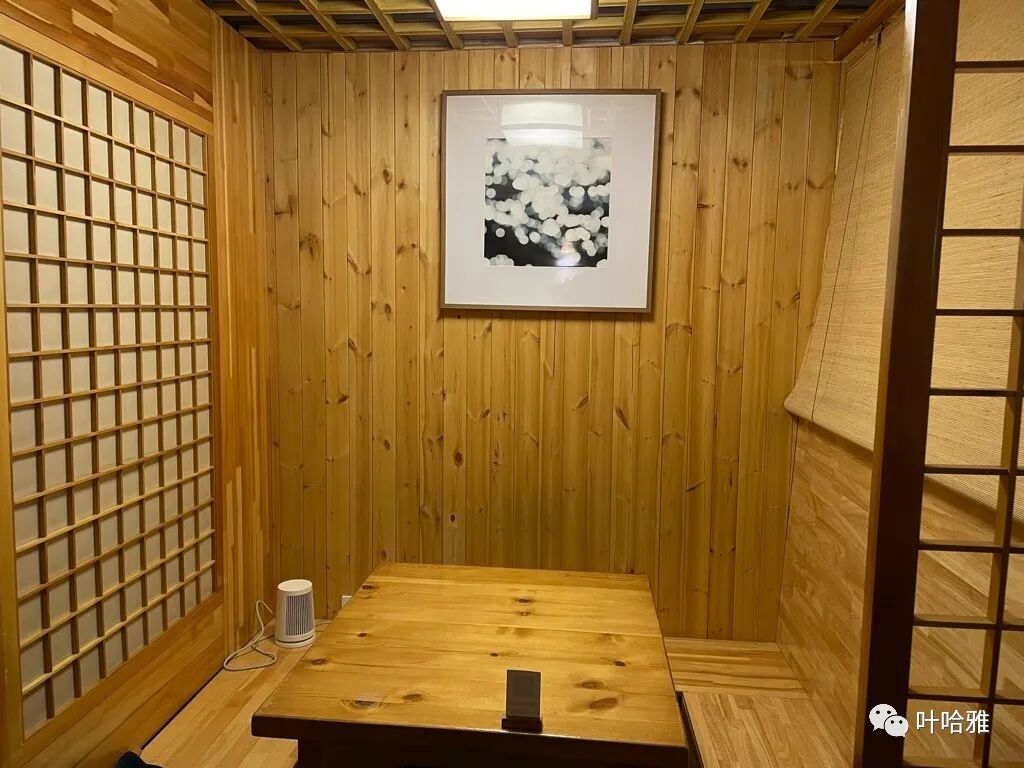
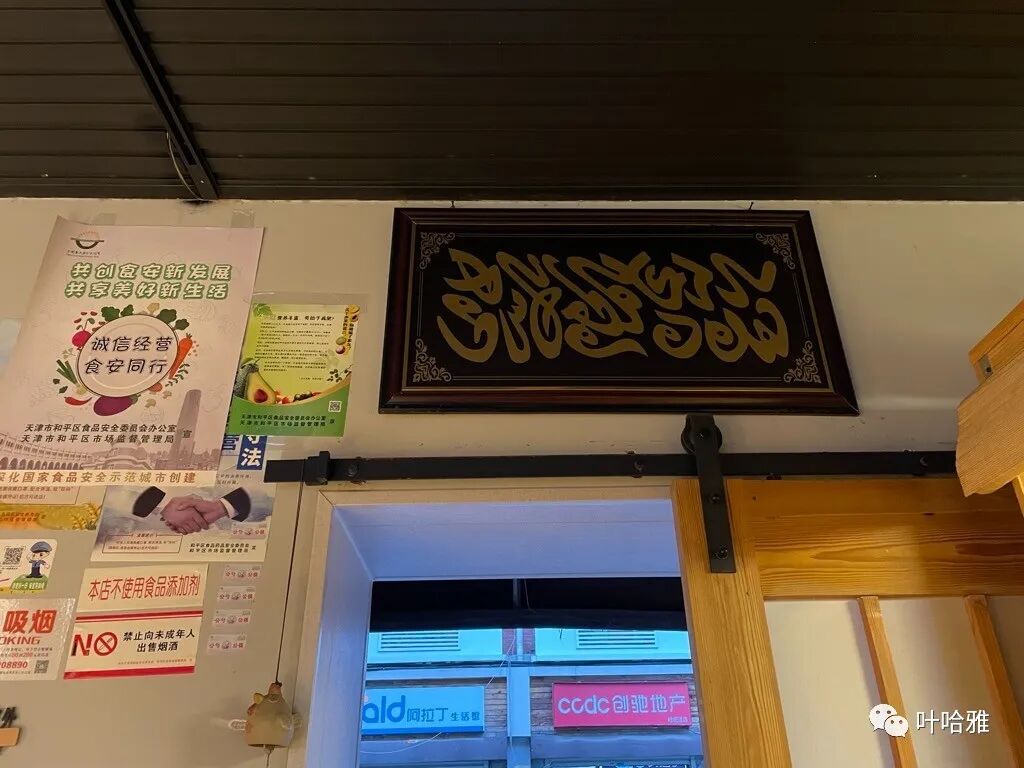
Qianmu Halal Japanese Restaurant
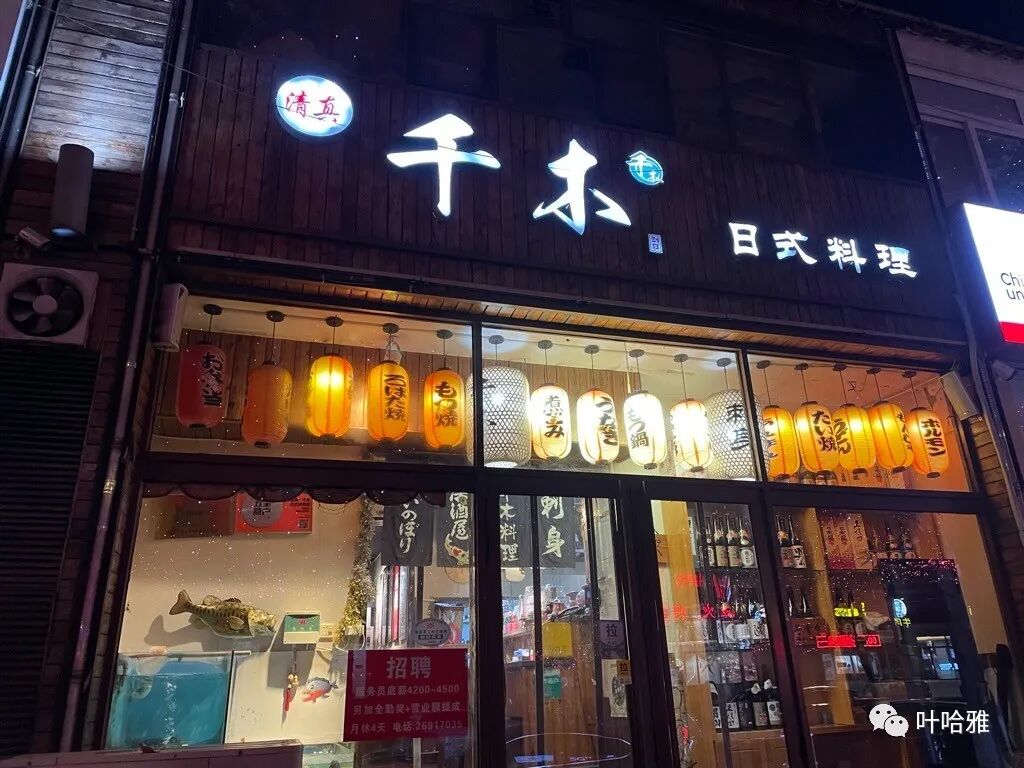
Qianmu has two locations in Tianjin. One is in Guoyuan, not far from Tianmu Village, and the other is in Shuangjie. We visited the Guoyuan branch so we could also explore Tianmu, which is a village for Hui Muslims in the suburbs of Tianjin, quite far from the city center.
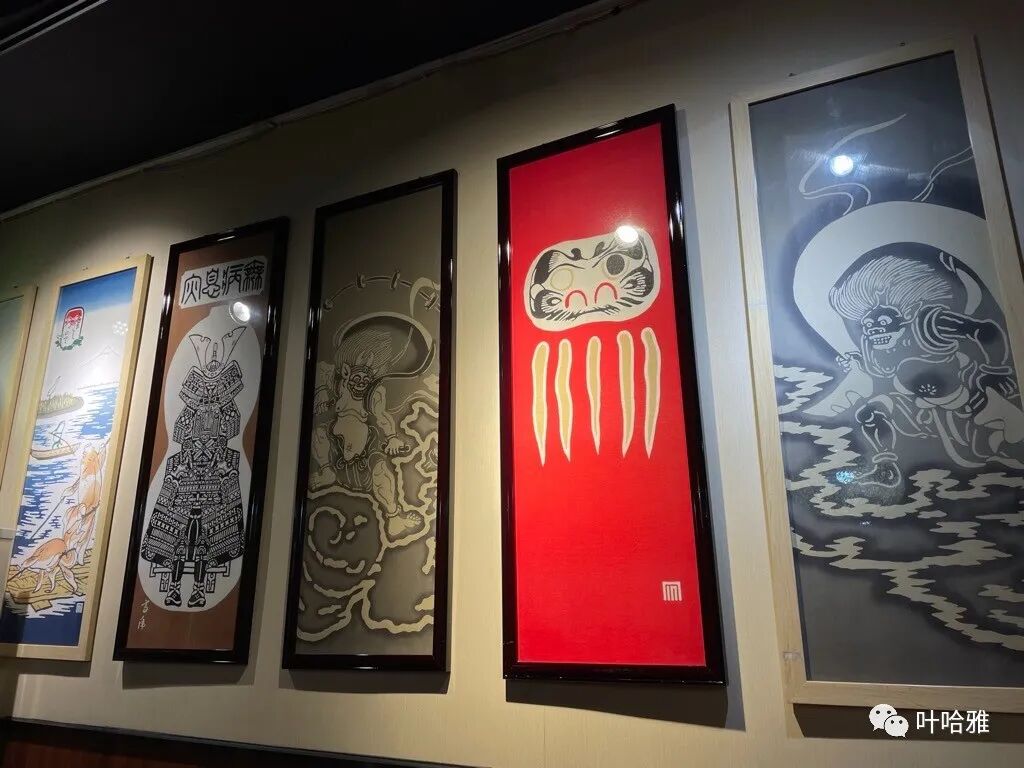
This restaurant is also busy, but to be safe, I called ahead to book a table.
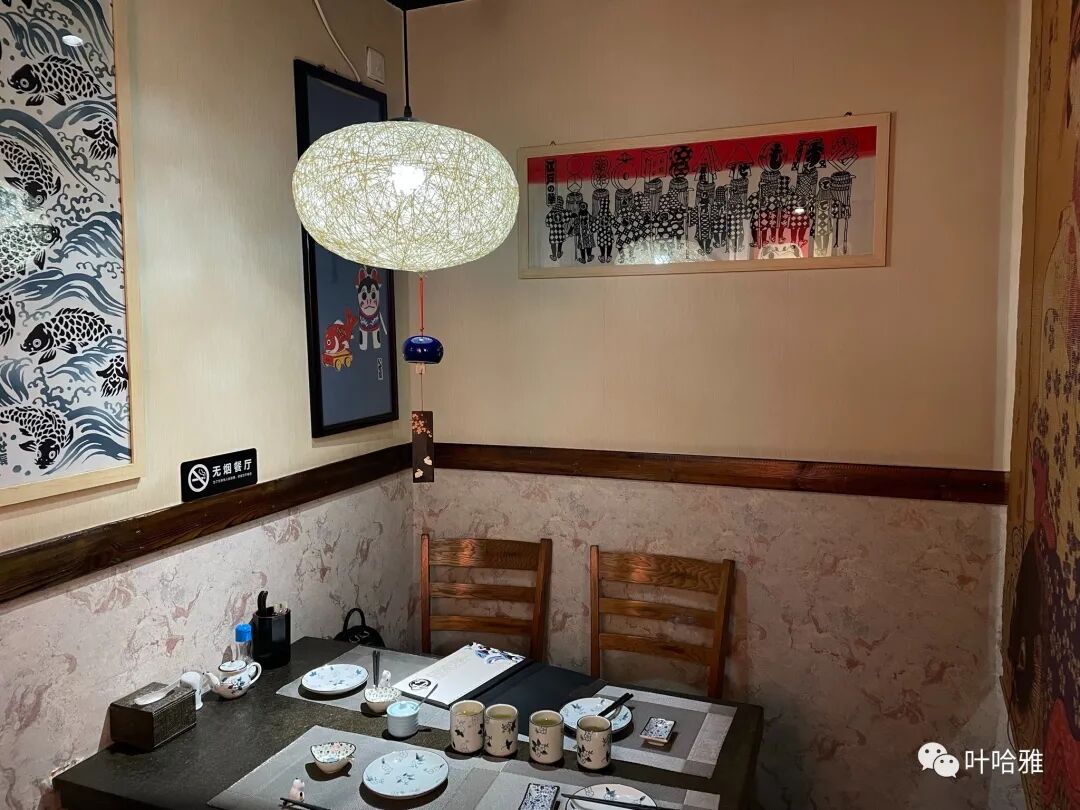
Although marble soda (ramune) is very popular in Japan and has a long history, it was first invented in the UK. The Japanese name for it, ramune, is a transliteration of the English word lemonade.
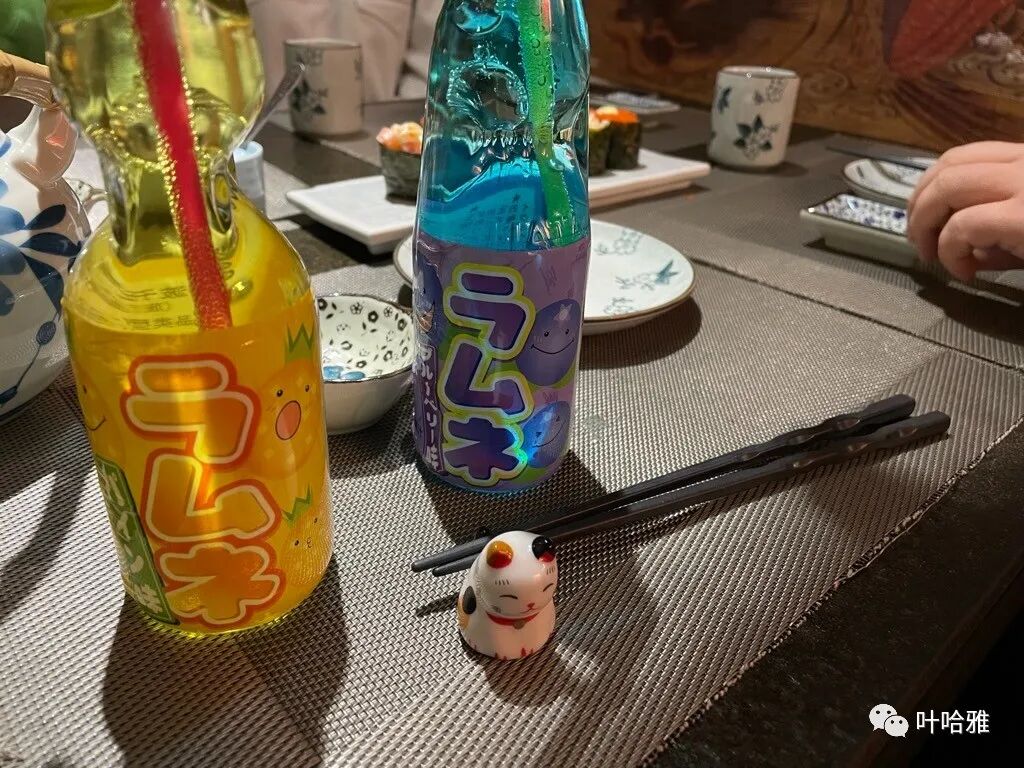
Marble soda (ramune)
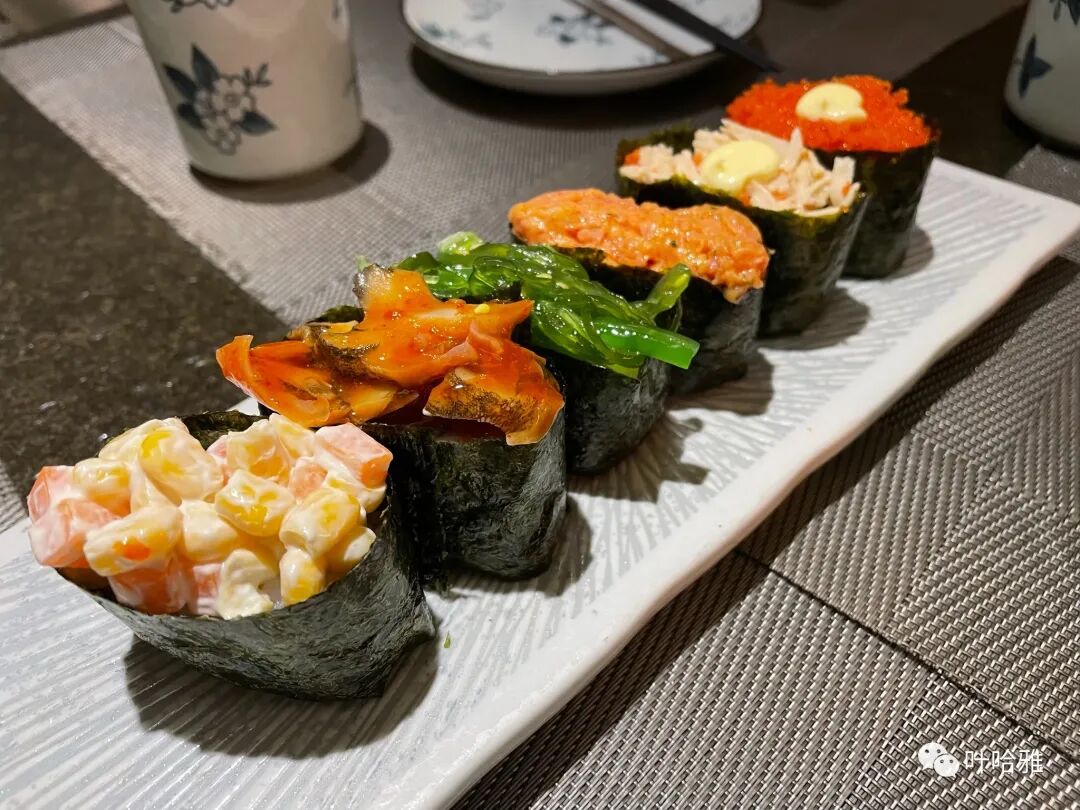
Battleship sushi platter (gunkan maki)
The battleship sushi platter is perfect for someone like me who wants to try many different flavors. You get one piece of each, and then you can just order more of the ones you like.
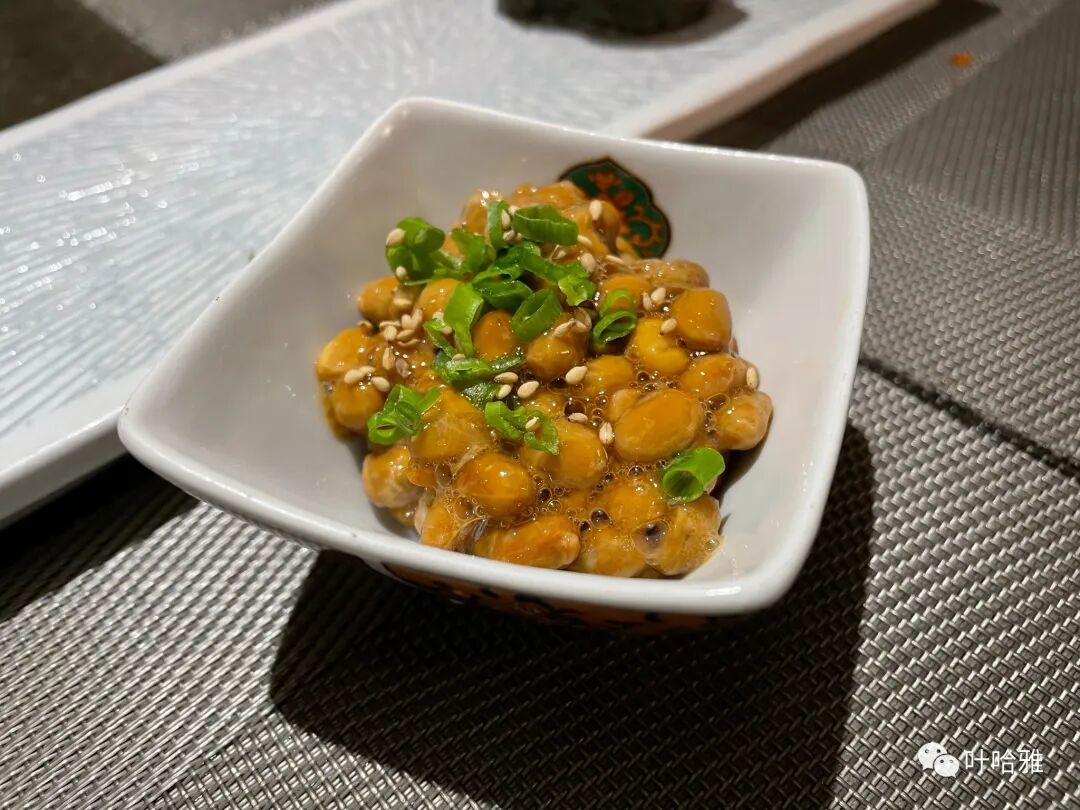
Natto
Natto is a common Japanese fermented soybean dish. People usually mix it with rice. It is sticky and stringy. Some say it smells bad, but I do not think so. I can swallow it, but I do not think it tastes good.
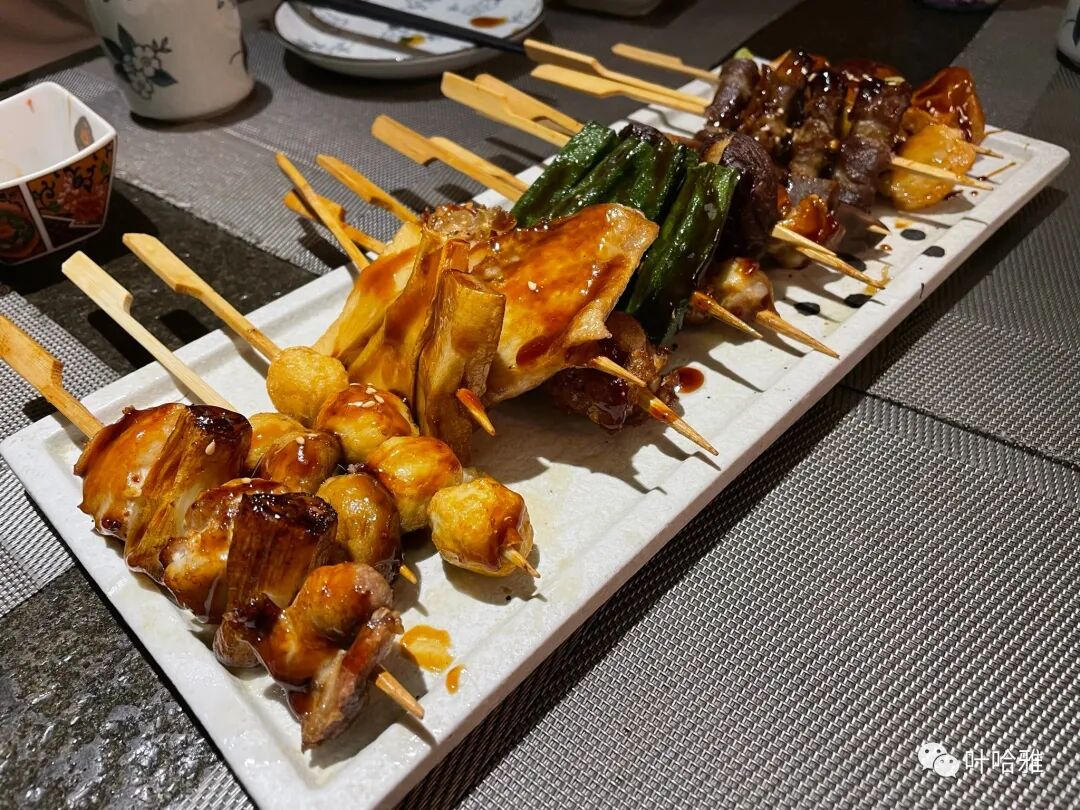
Grilled platter
This is a Japanese-style grilled combo. It has chicken skewers and grilled okra. I think the grilled fish balls are the best.
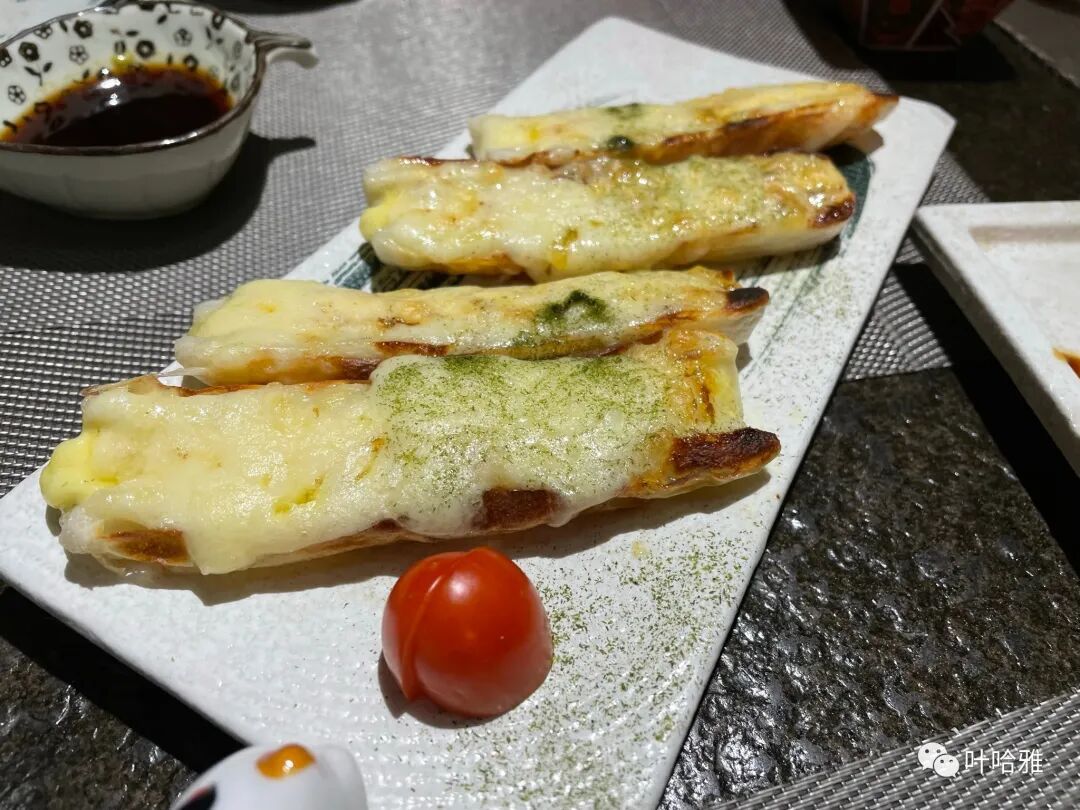
Baked cheese fish cake (chikuwa)
Chikuwa is a type of Japanese fish cake. The middle looks like it was grilled, and the ends are yellow and white. The texture is similar to a fish ball.
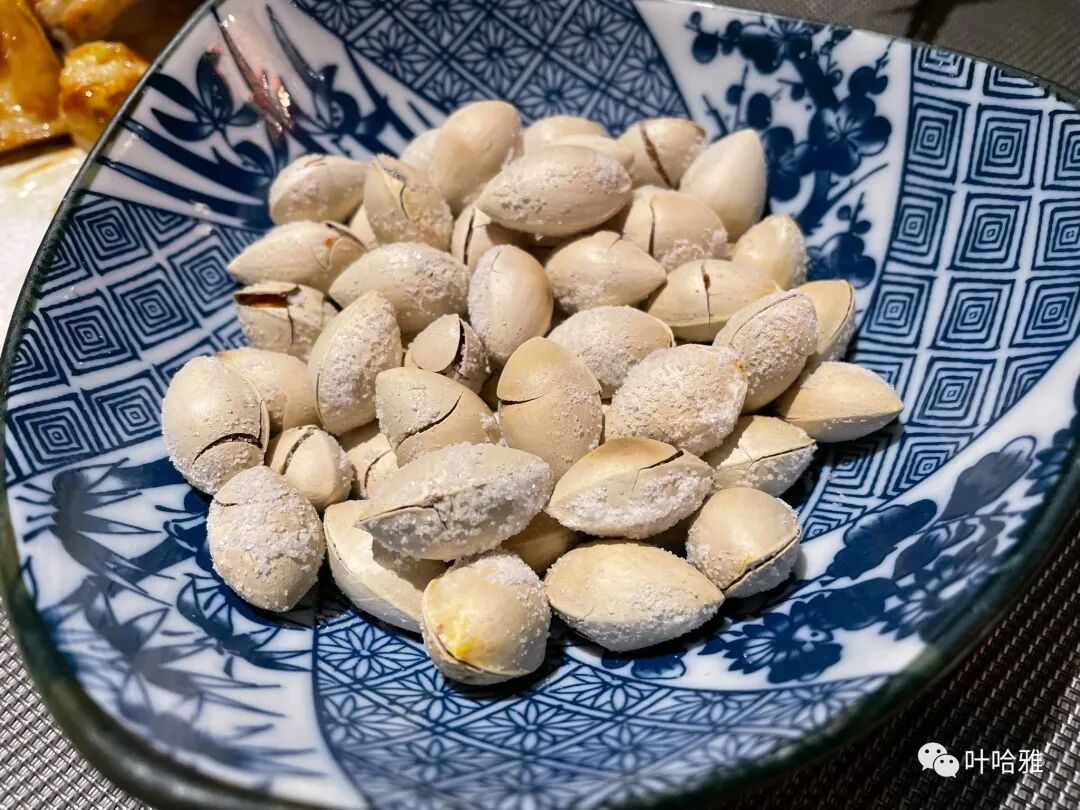
Salt-grilled ginkgo nuts
This is my first time eating salt-grilled ginkgo nuts. The shells are already cracked. The nut inside is tender and slightly bitter.
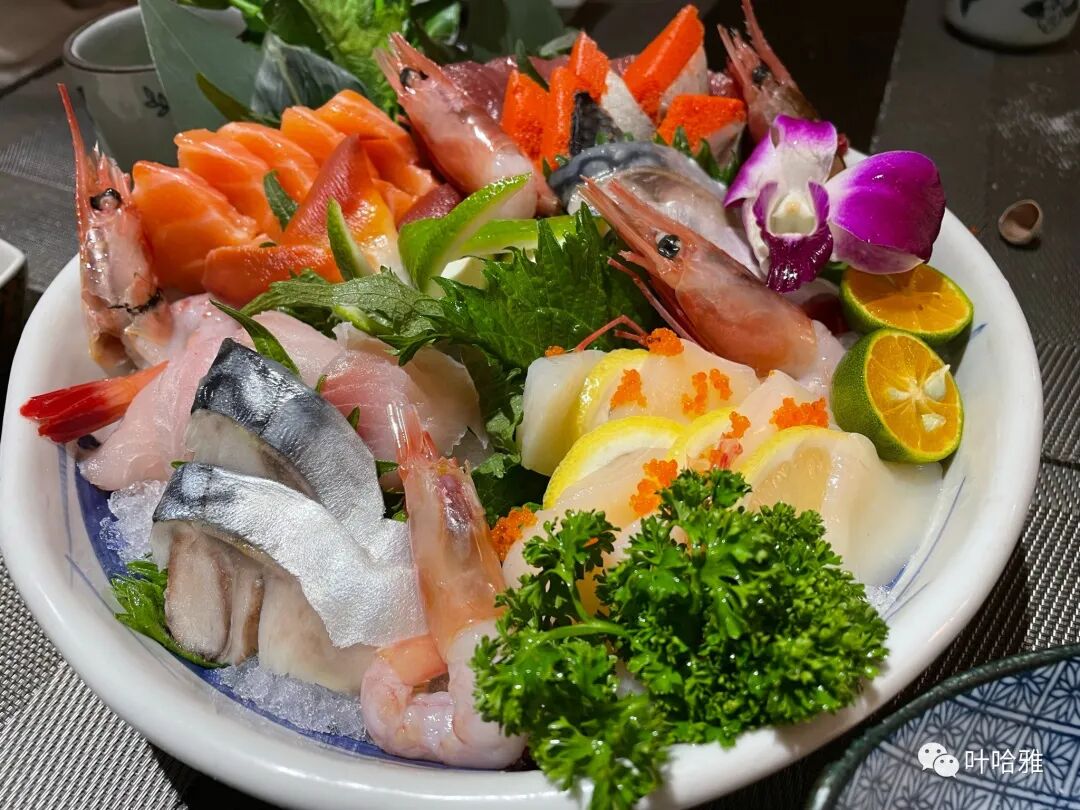
Eight-piece sashimi platter
The eight-piece sashimi platter costs 288 yuan. Each type of sashimi has five slices. The fish is fresh and does not taste fishy. A friend from Tianjin once told me a trick to identify fresh seafood: if it does not taste fishy when you eat it, the ingredients are fresh.
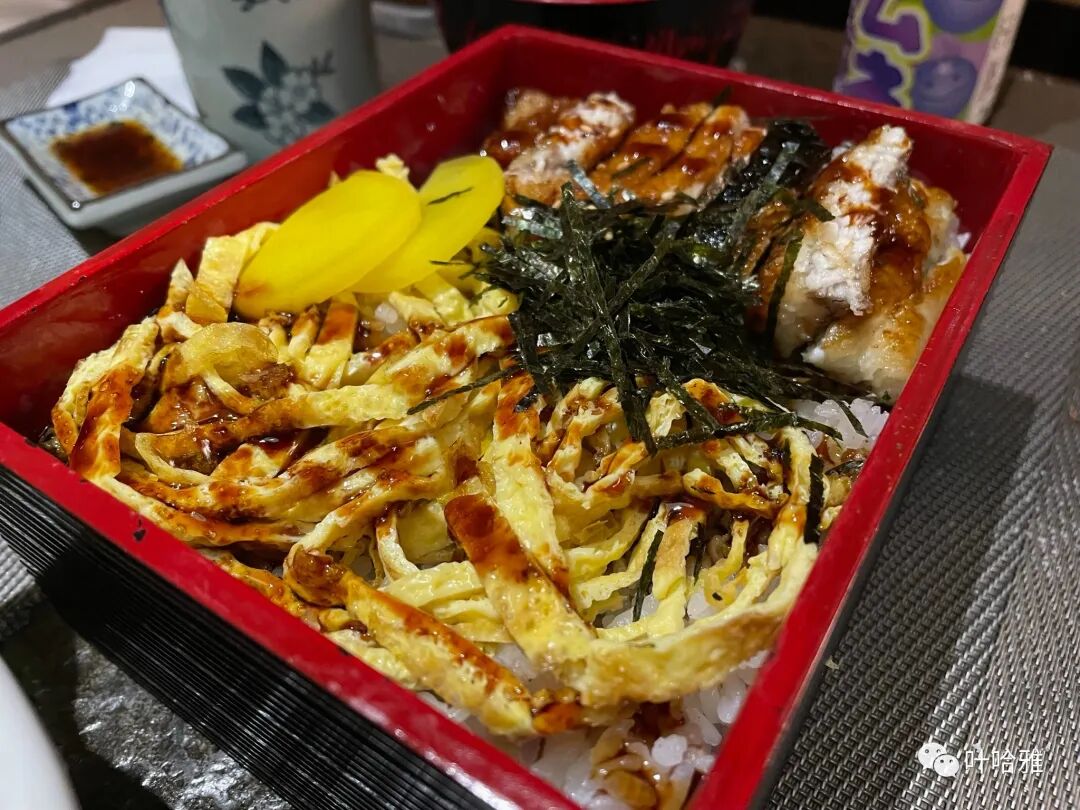
Live eel rice
The live eel is definitely fresh, which makes the rice taste savory and delicious. Japanese food is never cheap, and this meal cost about 150 yuan per person.
Luoyan Halal Western Restaurant
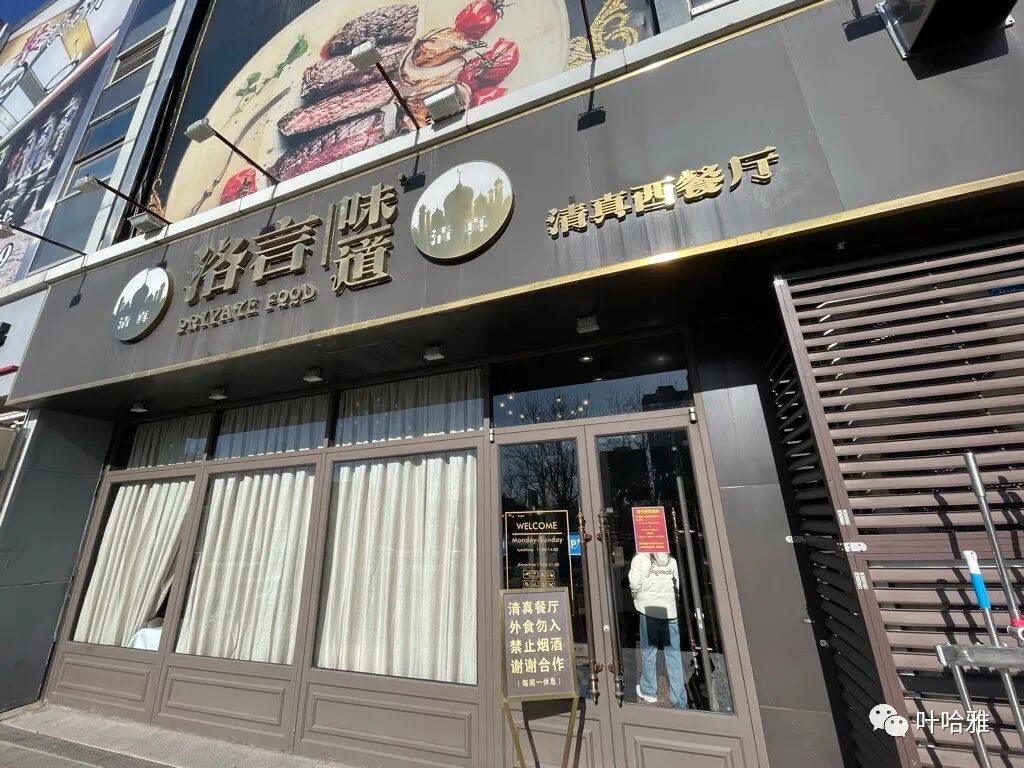
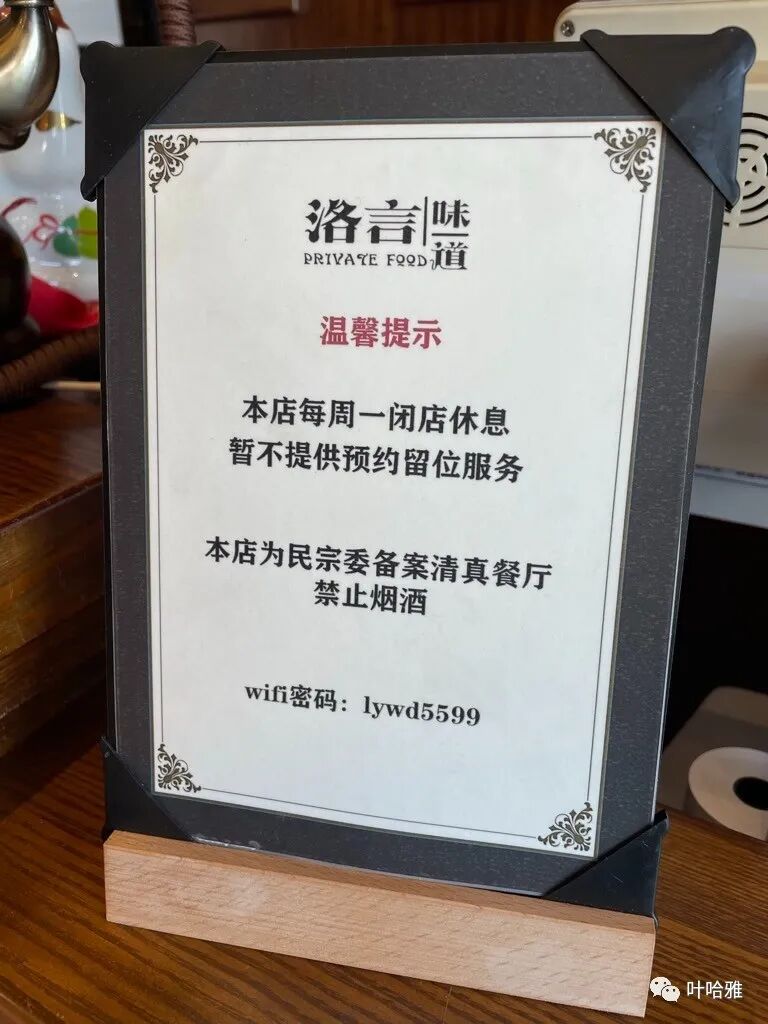
Luoyan is named after the owner's child. This is a smoke-free and alcohol-free Western restaurant, and it is closed on Mondays.
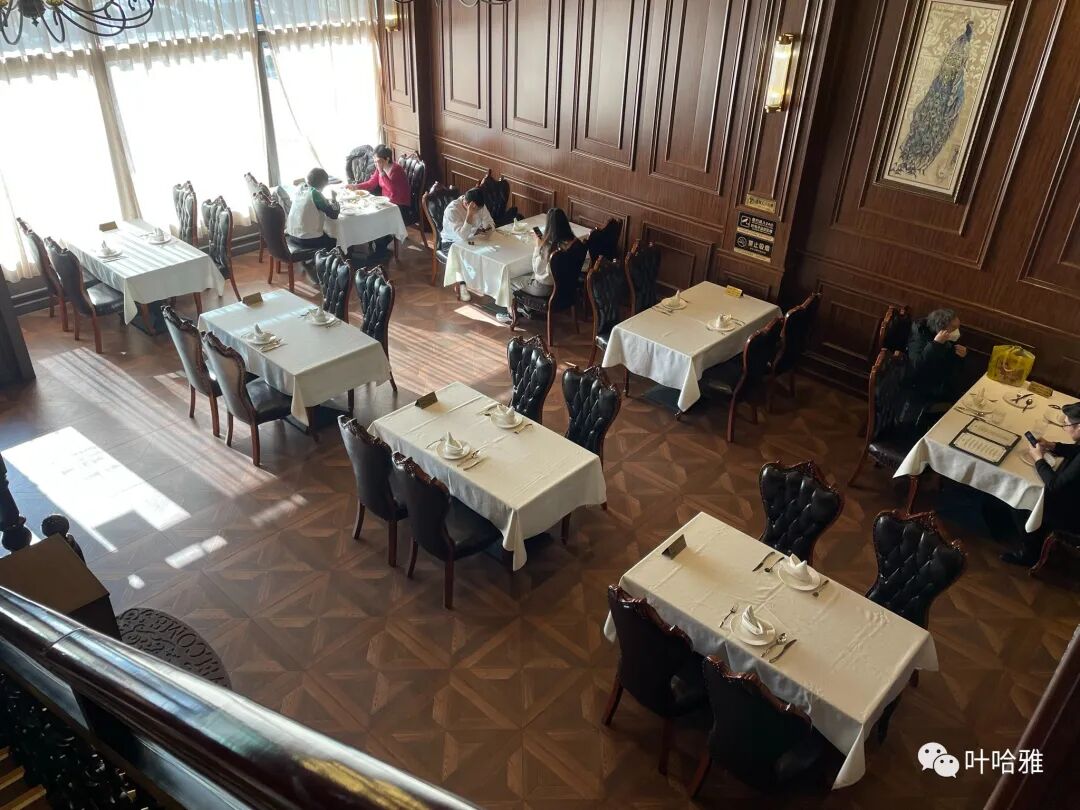
The interior of the small Western-style building caught my eye as soon as I walked in. The restaurant has two floors, and we chose to sit on the second floor to look down at the lobby.
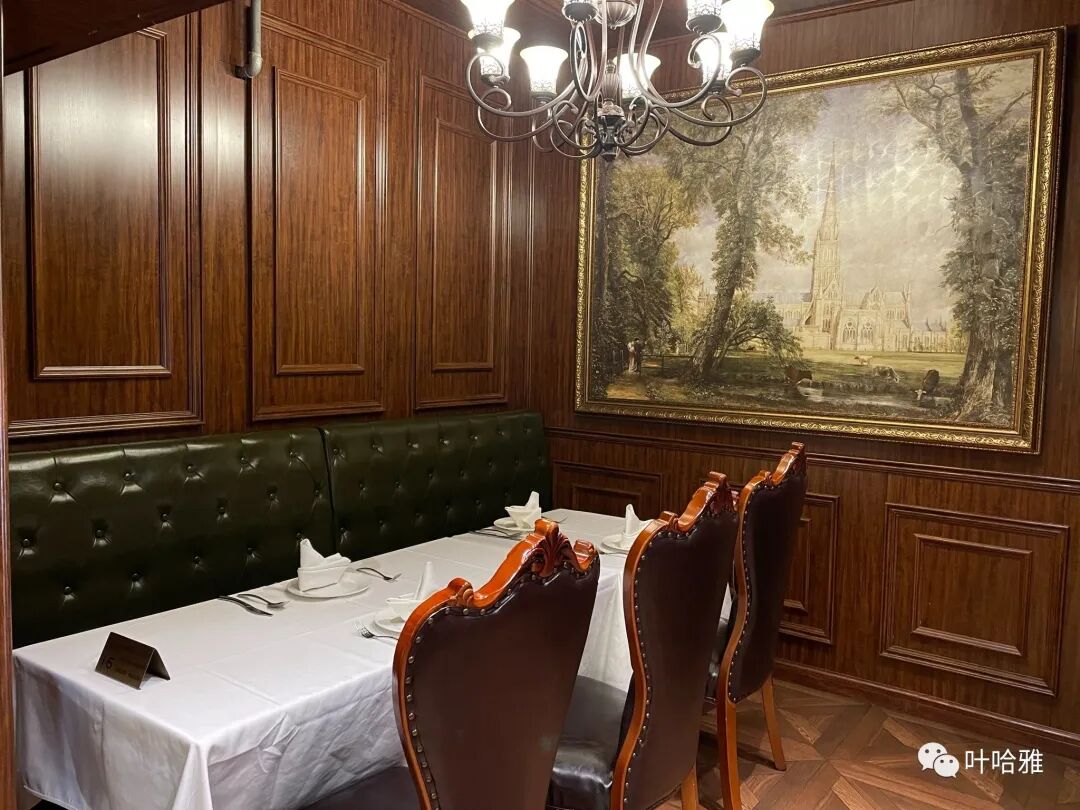
Beijing really does not have this kind of standard European-style halal Western food. Halal Western food in Beijing is usually mixed with Middle Eastern cuisine.
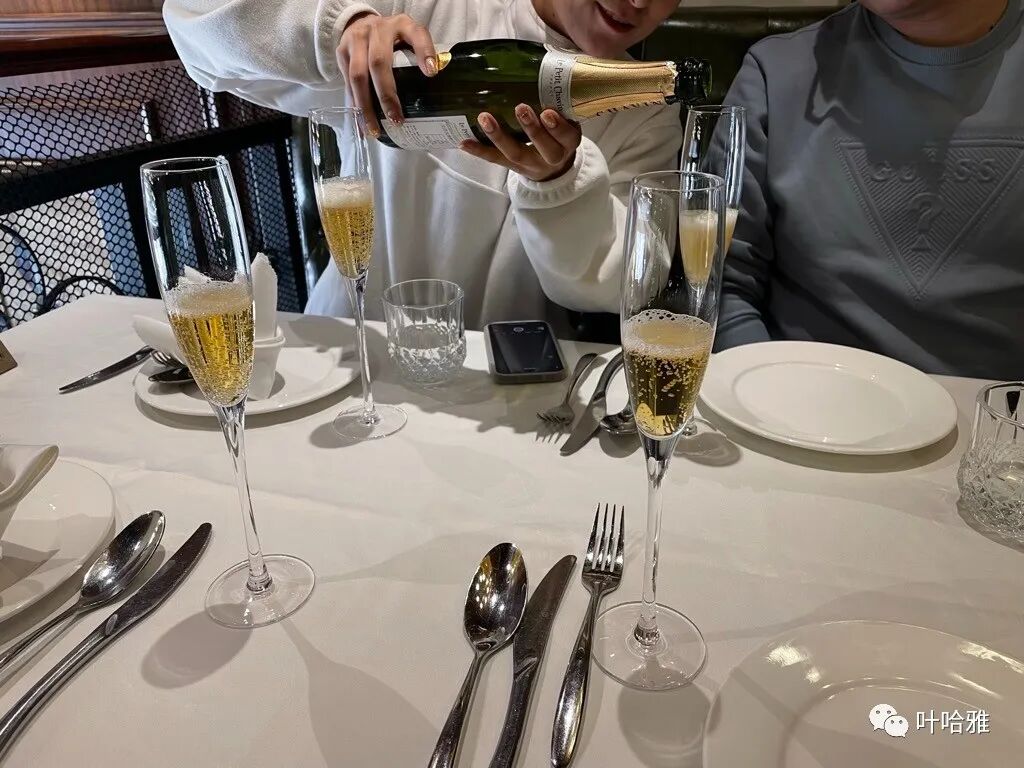
European-style Western food usually includes alcohol, but this place offers non-alcoholic champagne and red wine, so the Western dining atmosphere is just as good.
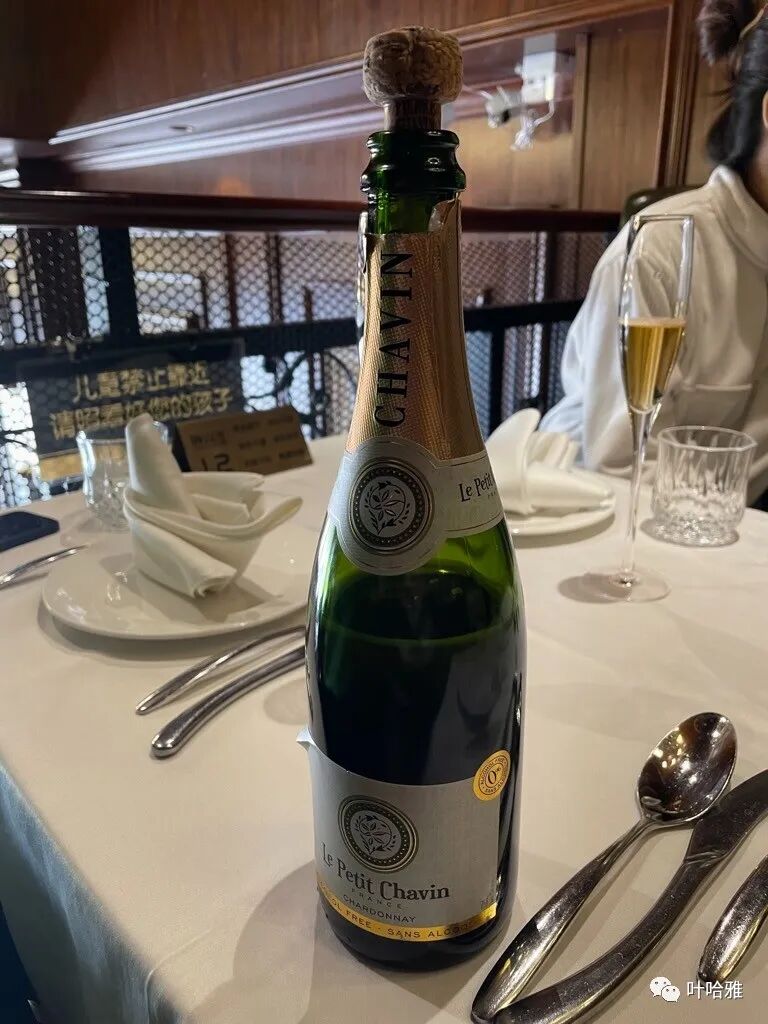
This bottle of imported French halal champagne costs 288 yuan at the restaurant. We found the same one on Taobao for 94 yuan, so interested friends can go try it. The halal champagne tastes sour and astringent, and I am not sure if it is authentic. Because of this bottle of wine, our meal cost more than 200 yuan per person.
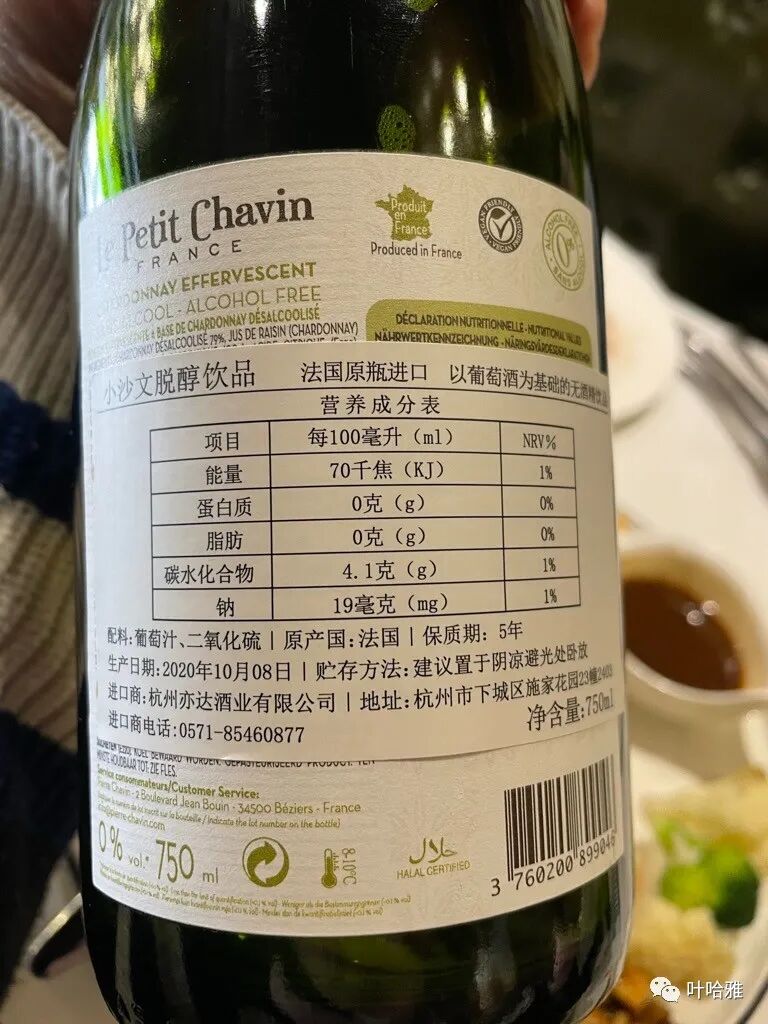
Here is a little bit of Islamic legal knowledge: although most regions accept non-alcoholic wine as a halal drink, a small number of jurists believe that non-alcoholic wine should not be consumed either, because it carries the suspicion of intending to drink alcohol. Even if you hold up a glass of water and say 'let us toast with water instead of wine,' that glass of water might also become impermissible to drink. Although we believe that the prohibition of alcohol is because it causes intoxication, some jurists only follow the literal meaning without considering the underlying intent.
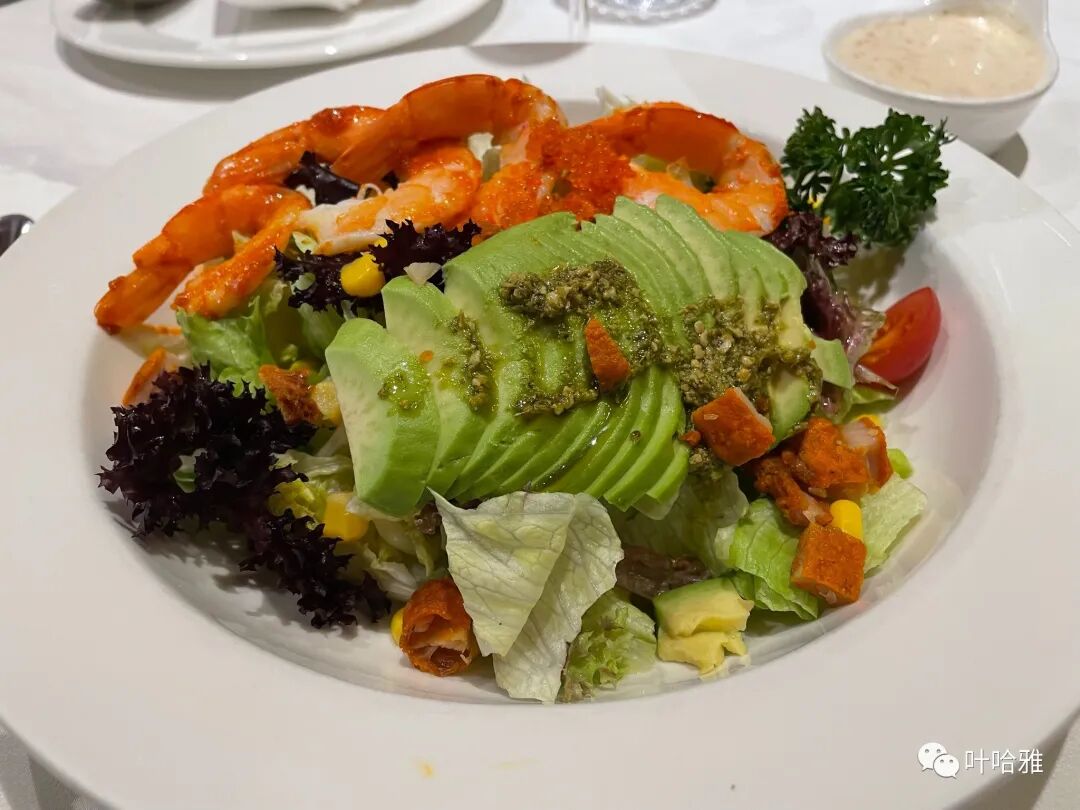
Wasabi Avocado Shrimp Salad
The large shrimp are fresh and big, and the slight heat from the wasabi makes it perfect for people on a diet.
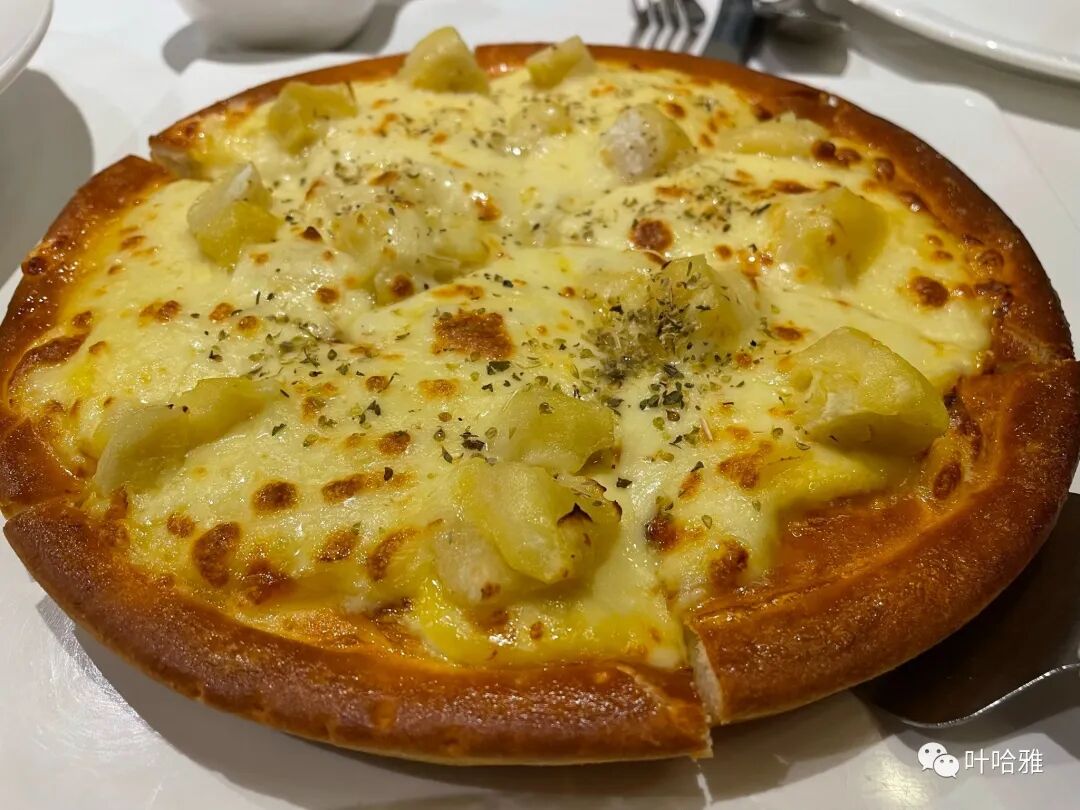
Malaysian durian pizza
The durian pizza is very fragrant and has plenty of durian filling. I will mention another Western restaurant's durian pizza later, which has even more filling.
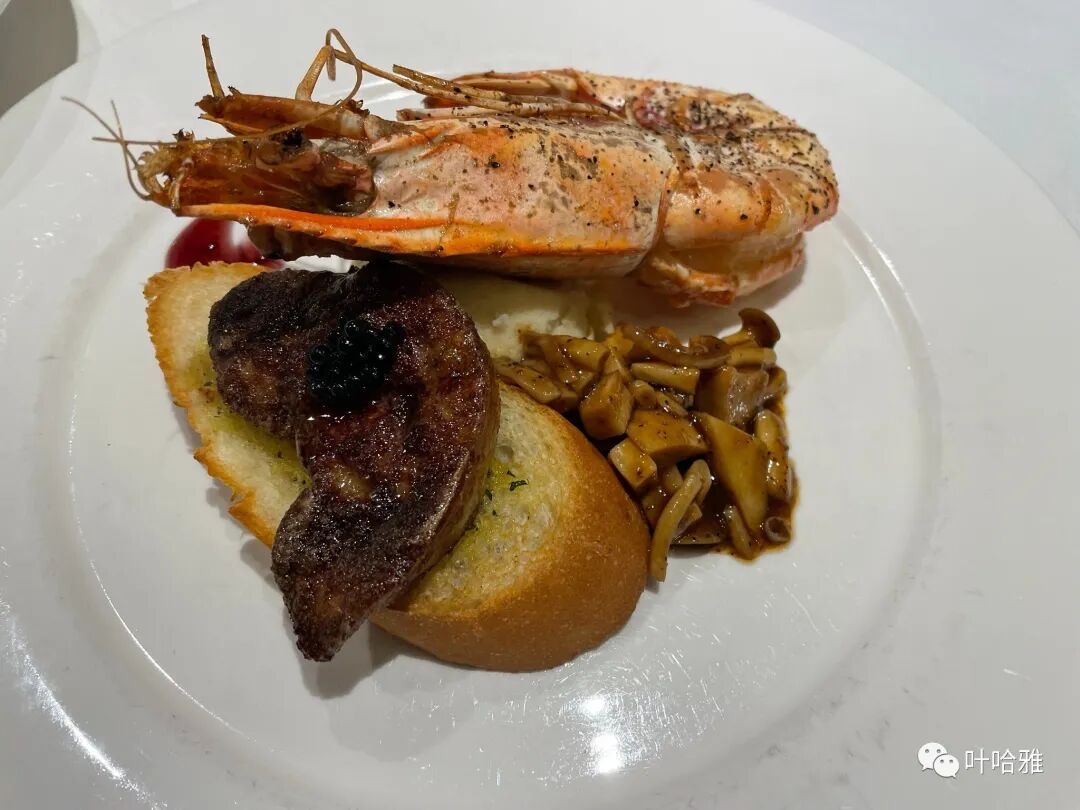
Burmese giant tiger prawn with pan-seared foie gras
It is rare to find halal foie gras, so we splurged a little this time. The four of us each had one bite of the prawn and foie gras, and it was all gone.
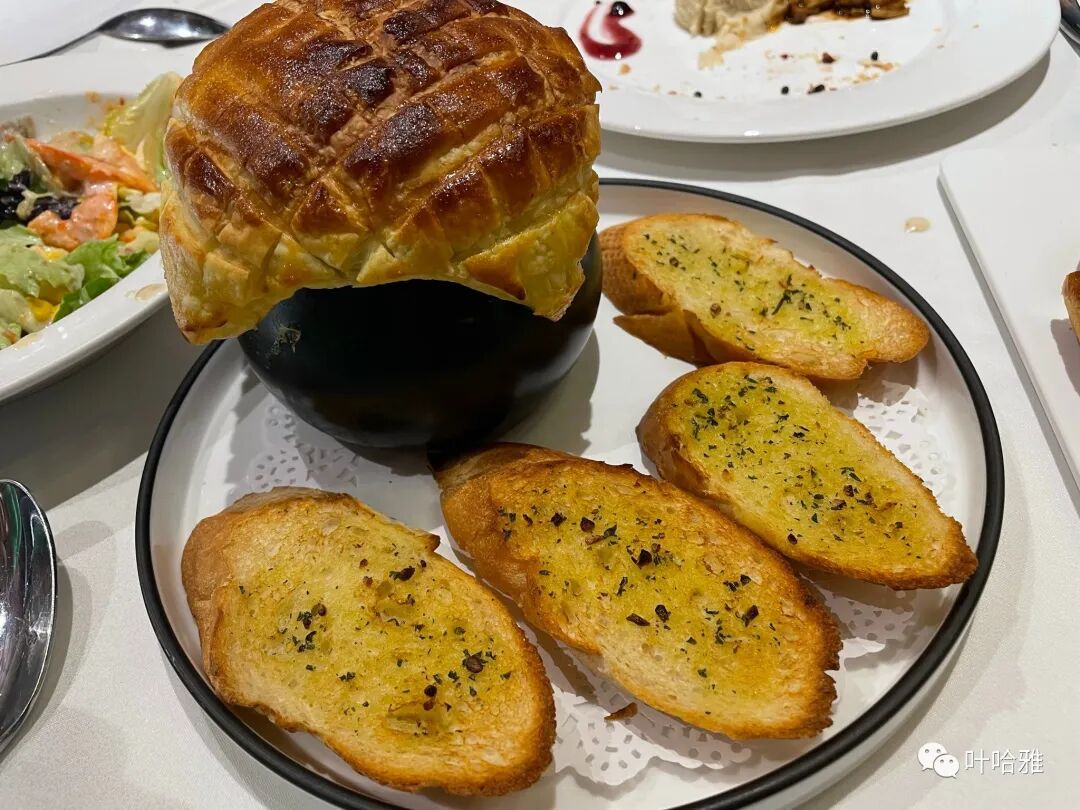
Russian-style pot-stewed beef with garlic baguette
Pot-stewed beef is a classic Russian dish. The beef is stewed with tomatoes inside the pot and covered with a layer of puff pastry. The pastry is very crispy. After one bite, I knew the upcoming Beef Wellington would be great.
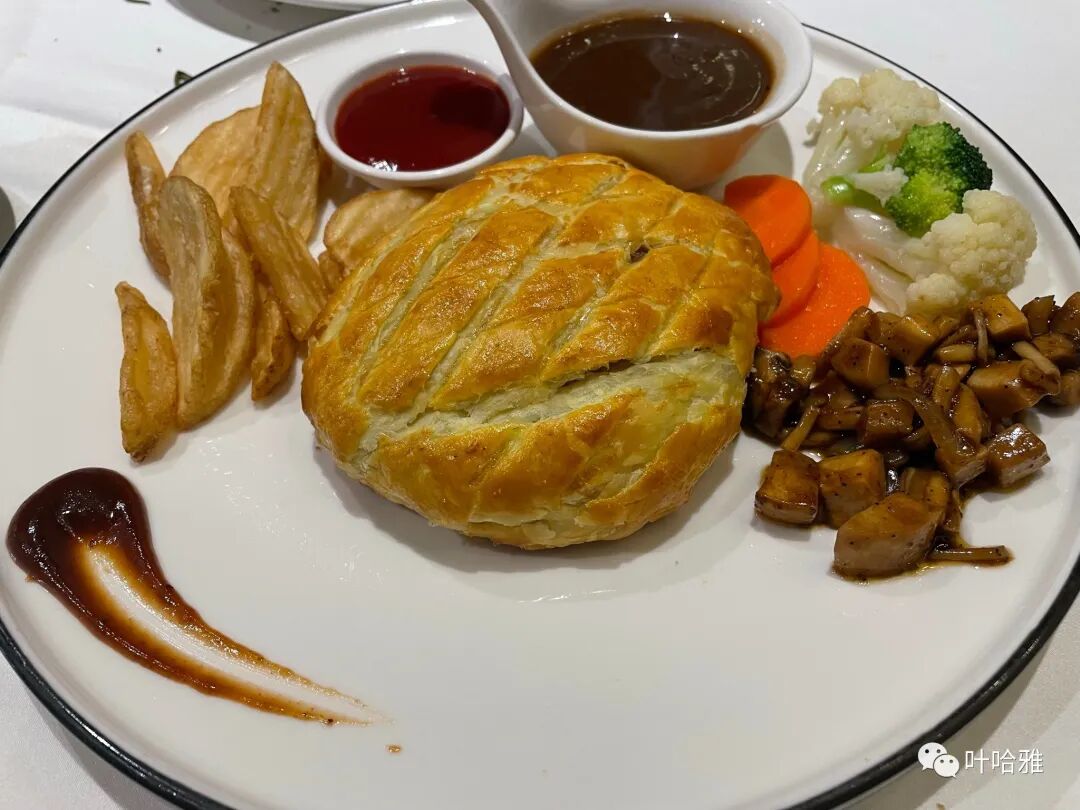
Beef Wellington
The signature of Beef Wellington is the puff pastry wrapping. Most Western restaurants use shortening for the pastry, which often contains lard and is not halal. Maiweitang in Beijing used to serve Beef Wellington, but the Hui Muslim owner stopped serving it, so we cannot eat it there anymore.
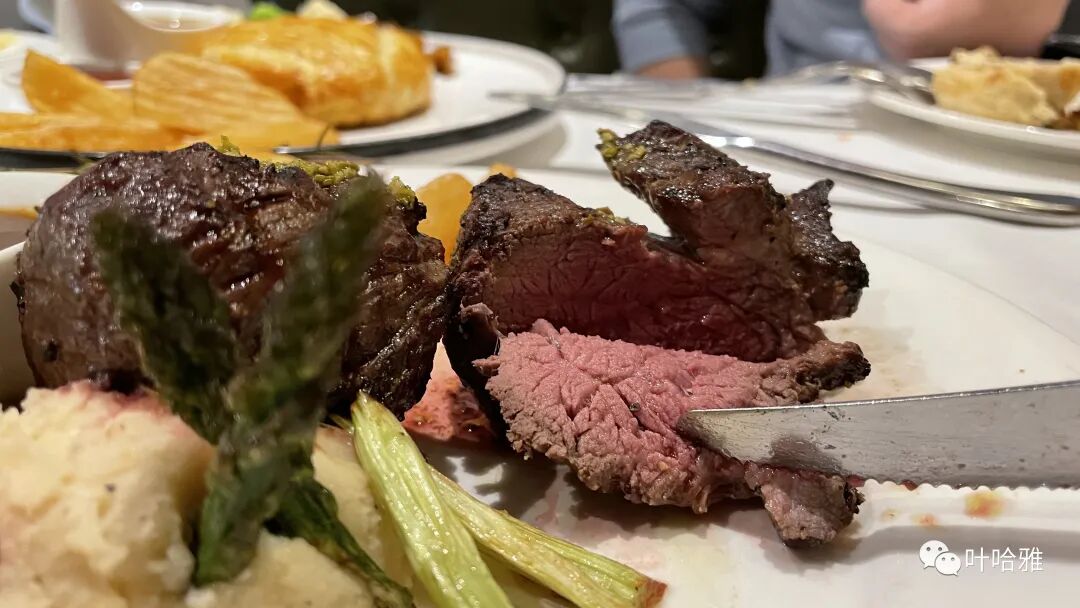
Thick-cut filet mignon
Filet mignon is beef tenderloin steak. It has a chewier texture than Beef Wellington. After ordering, the waiter will ask how you want it cooked, ranging from 1, 3, 5, 7, 9, to well-done. Well-done steak can be dry, so I suggest 5 to 7 minutes. Ours is cooked to 7 minutes.
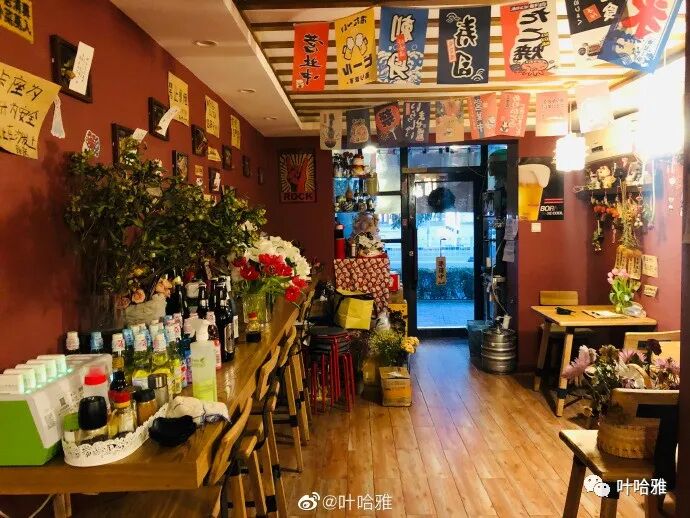
Totoro Canteen (Longmao Shitang)
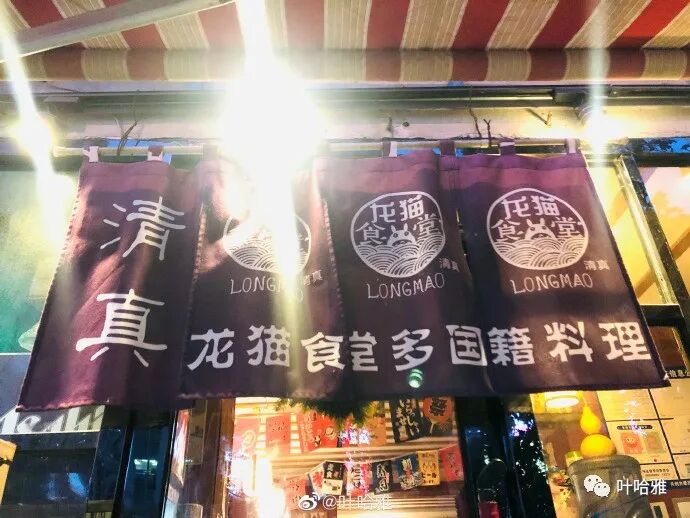
If you think the Japanese food I recommended earlier is too expensive, you can try Totoro Canteen. The average cost per person is under 100 yuan. It is located opposite the China Huaxia Bank in Hengxing World.
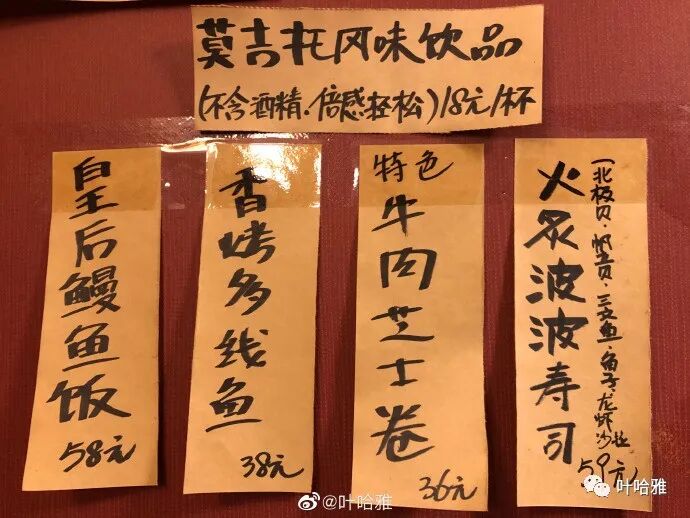
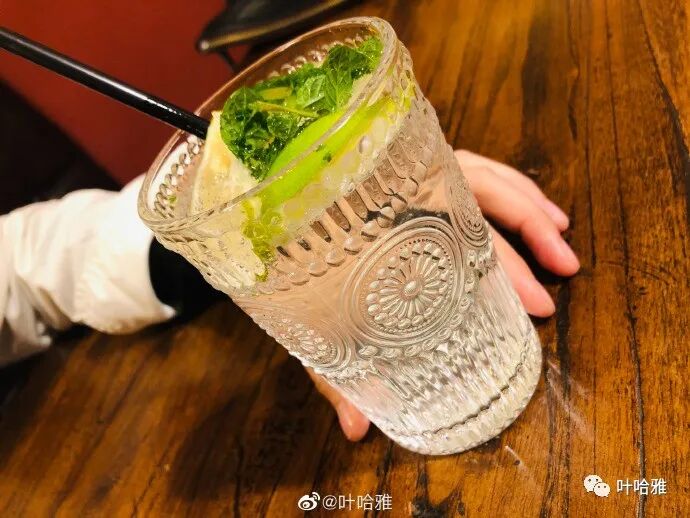
Non-alcoholic mojito
Their mojito tastes better than just okay.
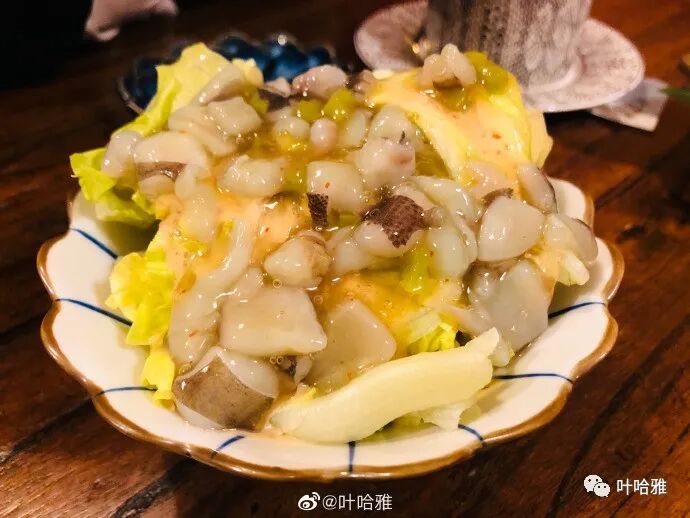
Wasabi octopus
Wasabi octopus in small shops is usually canned, so it is fine for a quick taste.
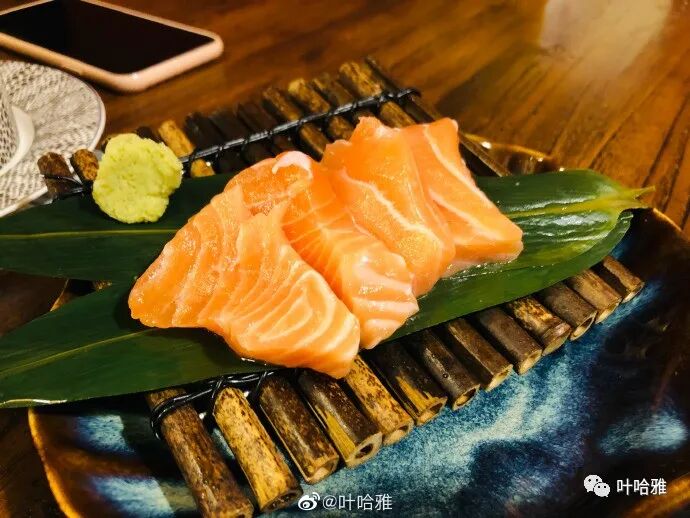
Salmon sashimi
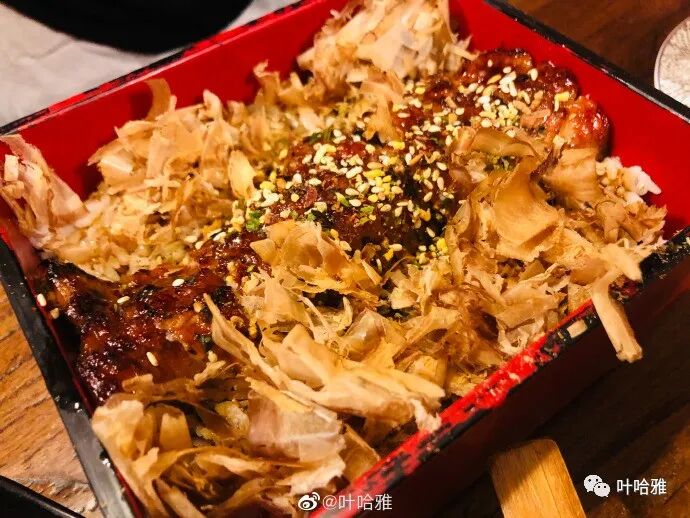
Queen eel rice
The eel rice is topped with bonito flakes (katsuobushi), which are thin shavings made from skipjack tuna and a common ingredient in Japanese cuisine.
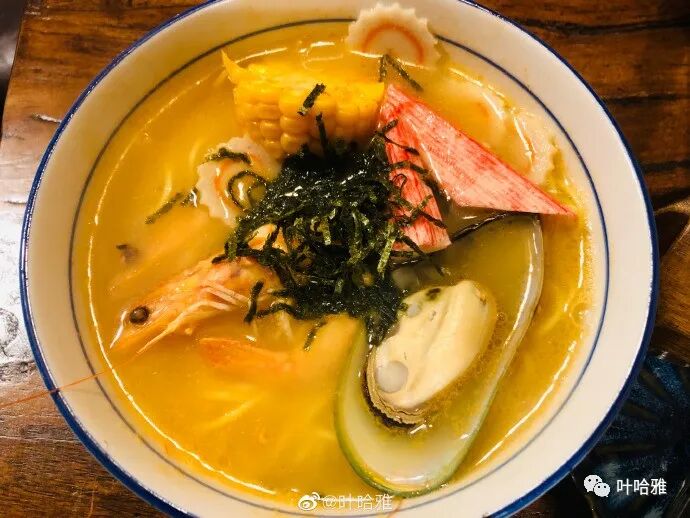
Seafood ramen
A conservative estimate is that there are about ten halal Japanese restaurants currently in Tianjin, and I have saved a few more to visit.
Yiweizhai Halal rice noodle rolls (changfen)
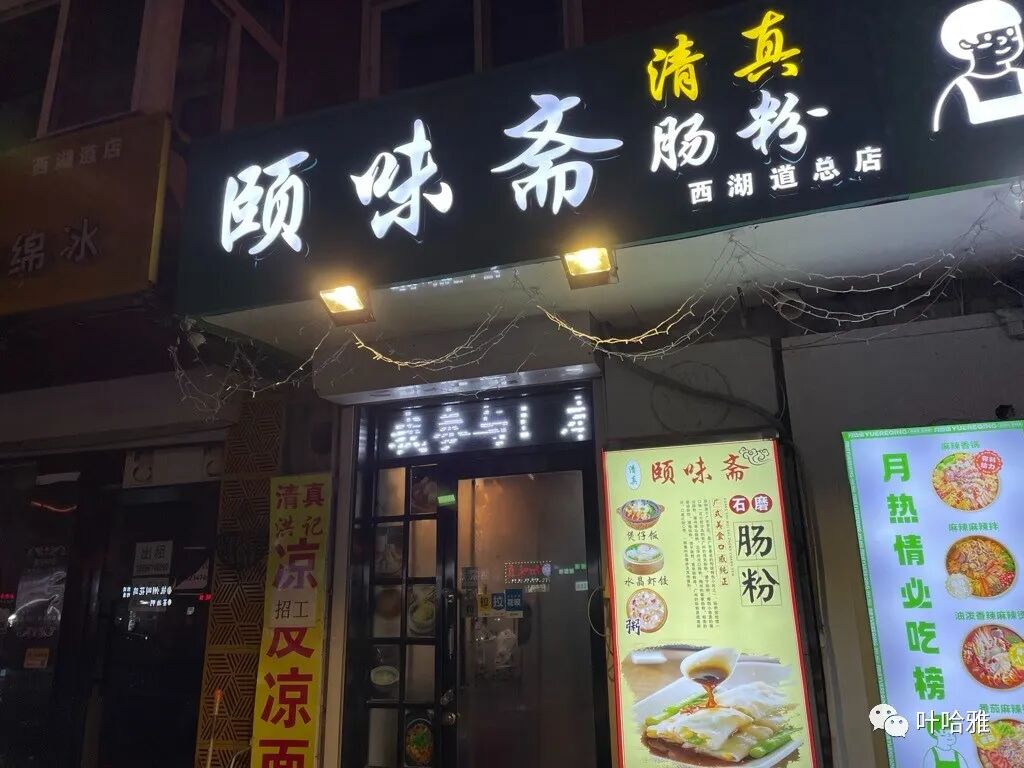
I visited Yeji Rice Noodle Rolls years ago, and later learned they opened this shop, which has now been open for five years. The menu has almost all the Cantonese snacks, and it is also a restaurant that does not sell alcohol.
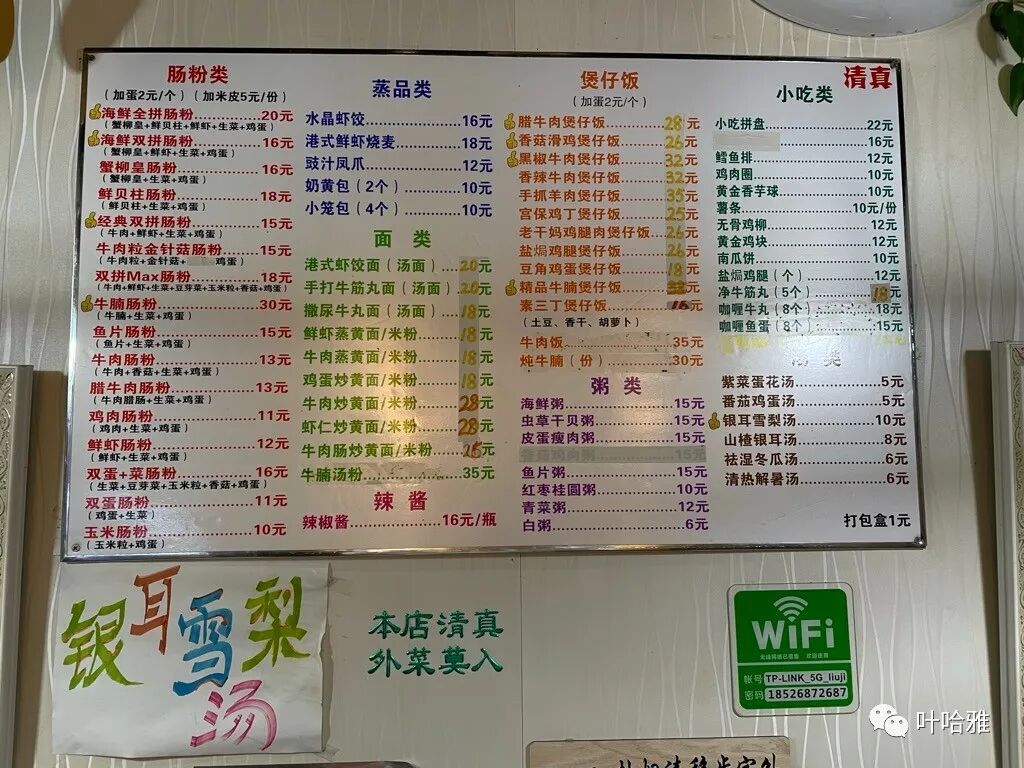
This place serves bigger portions than Yeji. I tried the most iconic version of every Cantonese snack, and they were all delicious. I wish they would open a branch in Beijing, as all the halal Cantonese restaurants there have closed down.
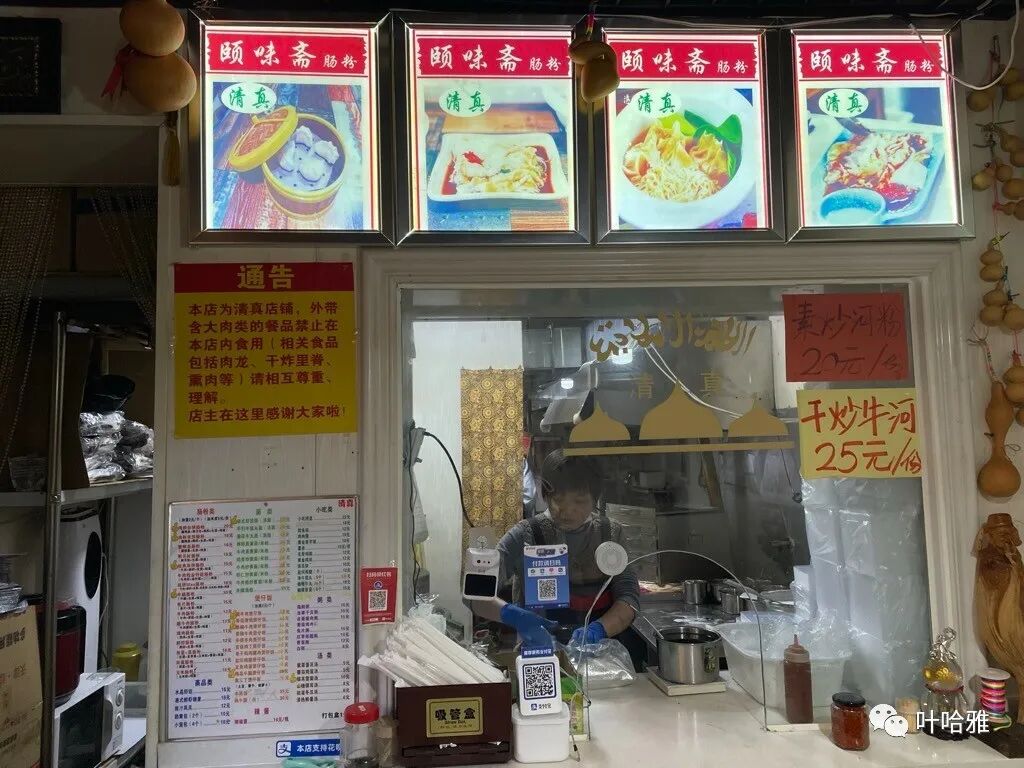
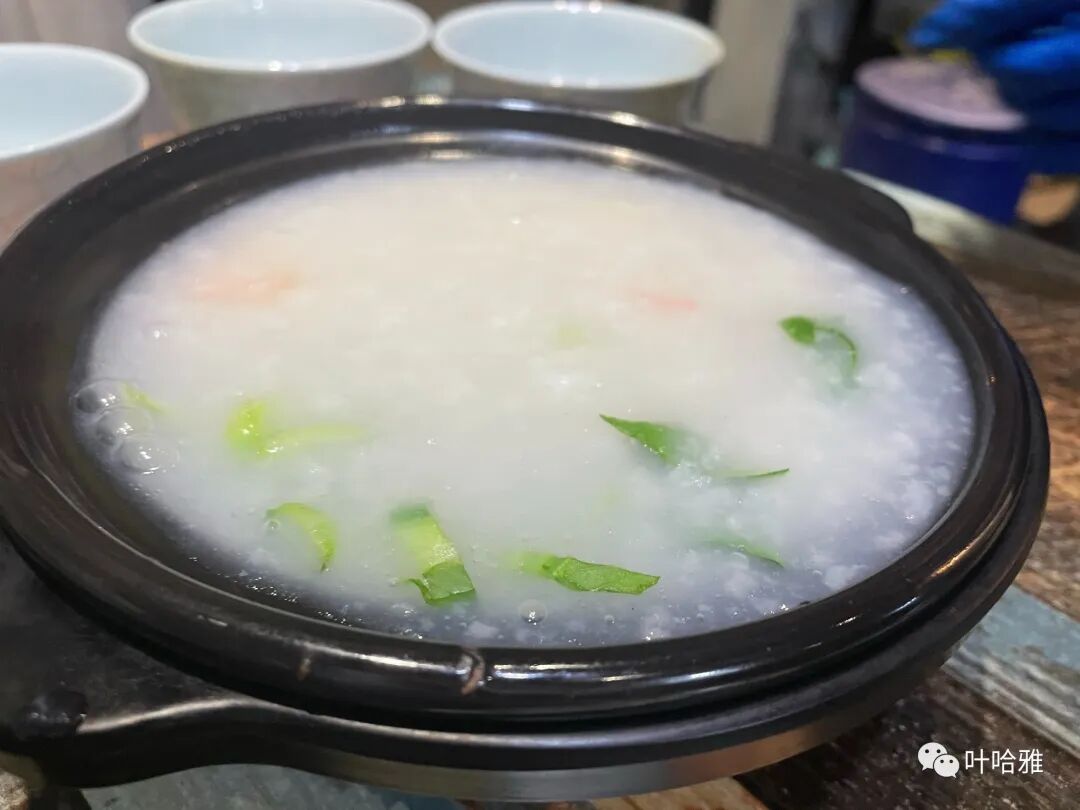
Seafood congee
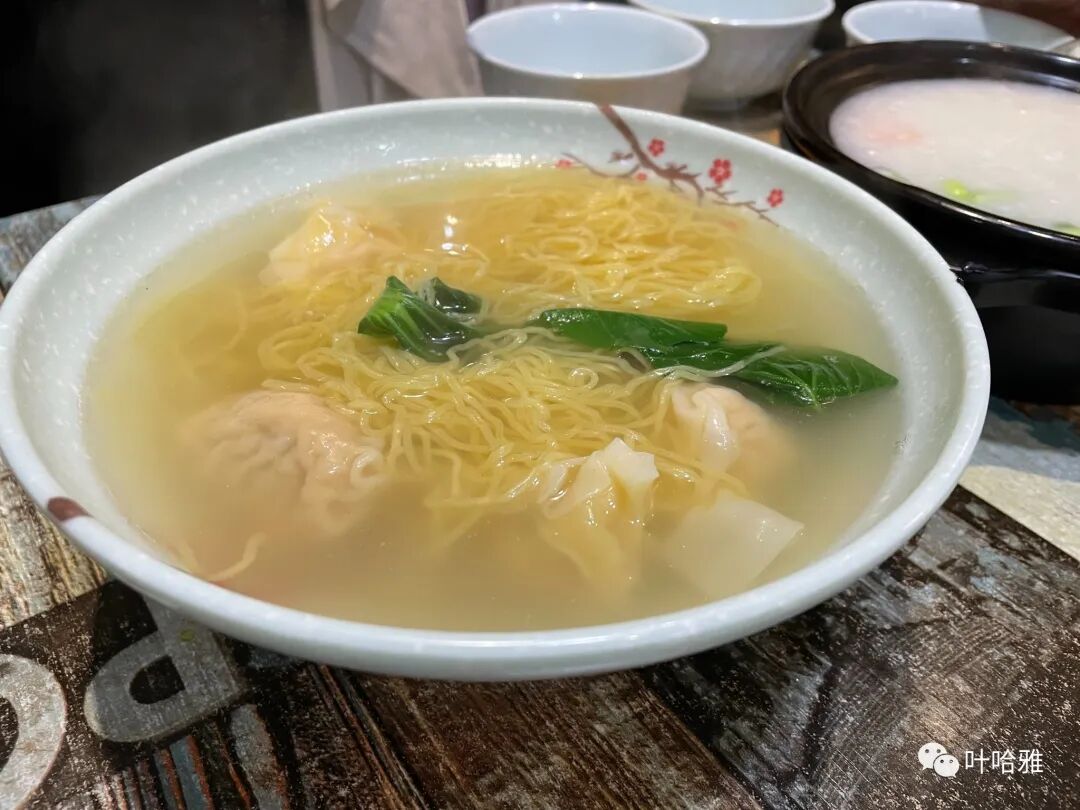
Hong Kong-style shrimp dumpling noodles
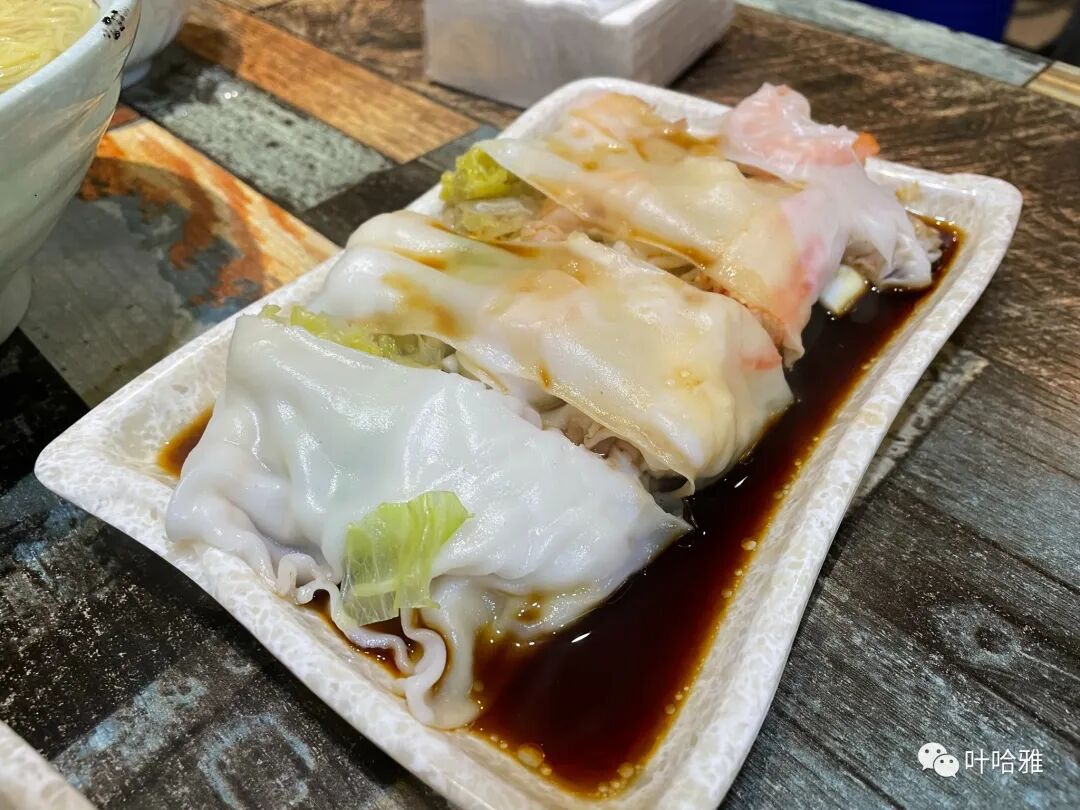
Two-flavor steamed rice rolls (changfen)
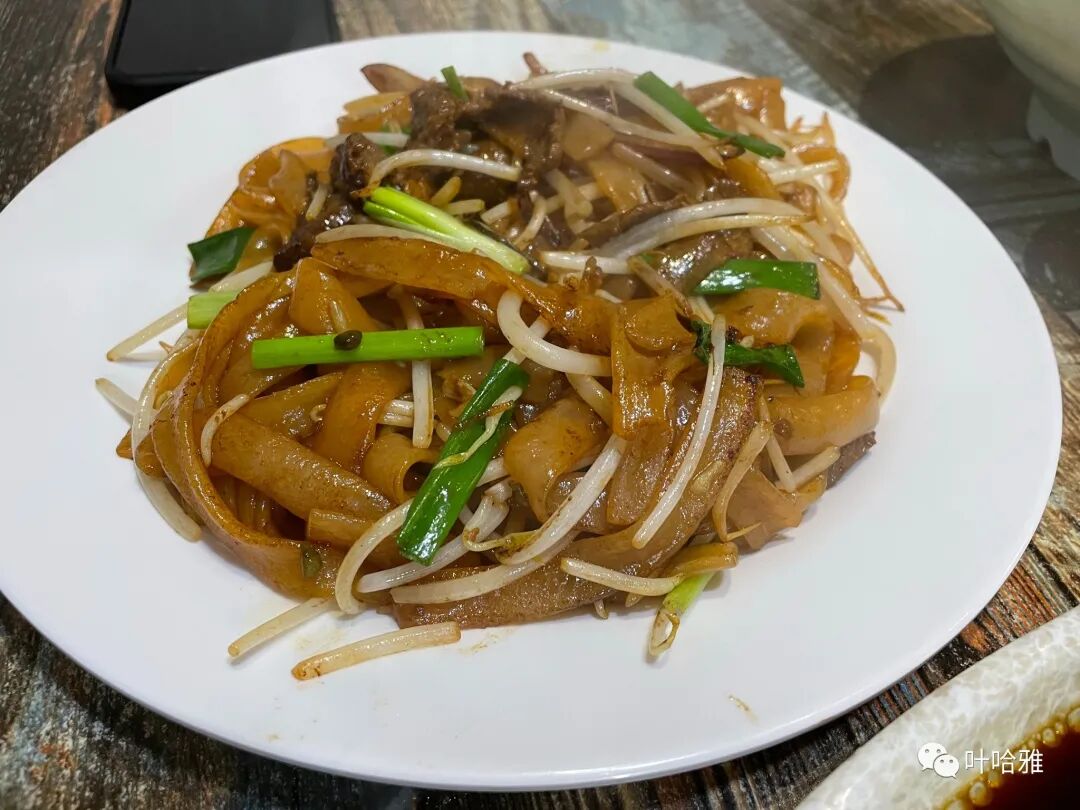
Stir-fried rice noodles with beef (ganchao niuhe).
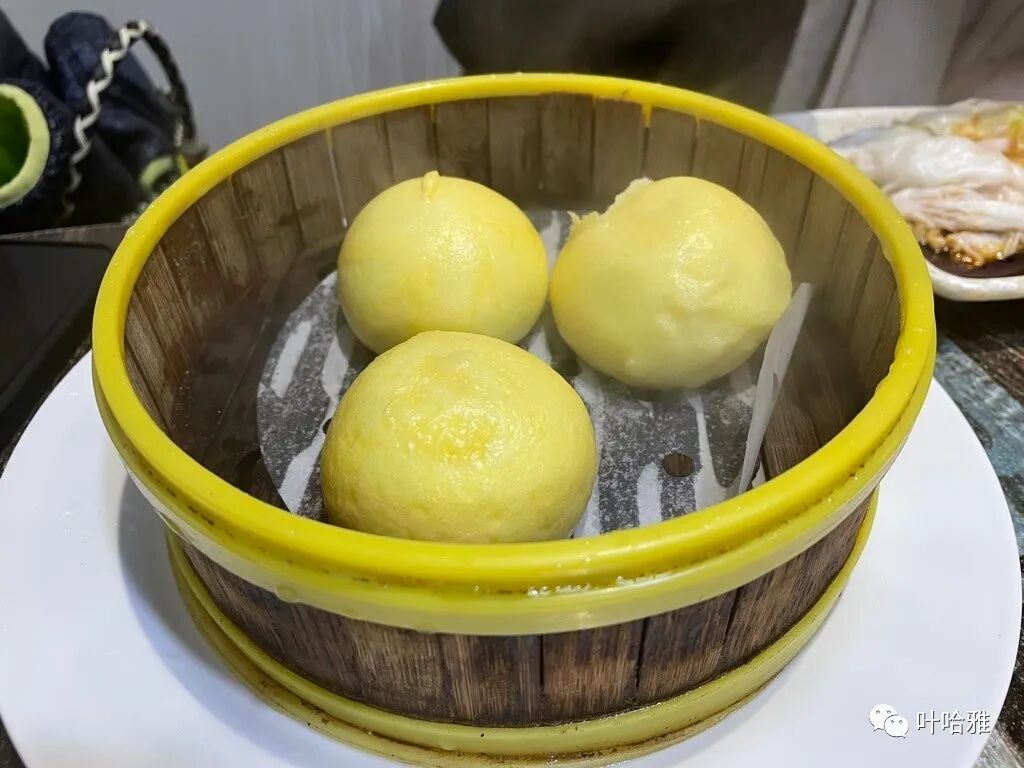
Custard bun (naihuangbao)
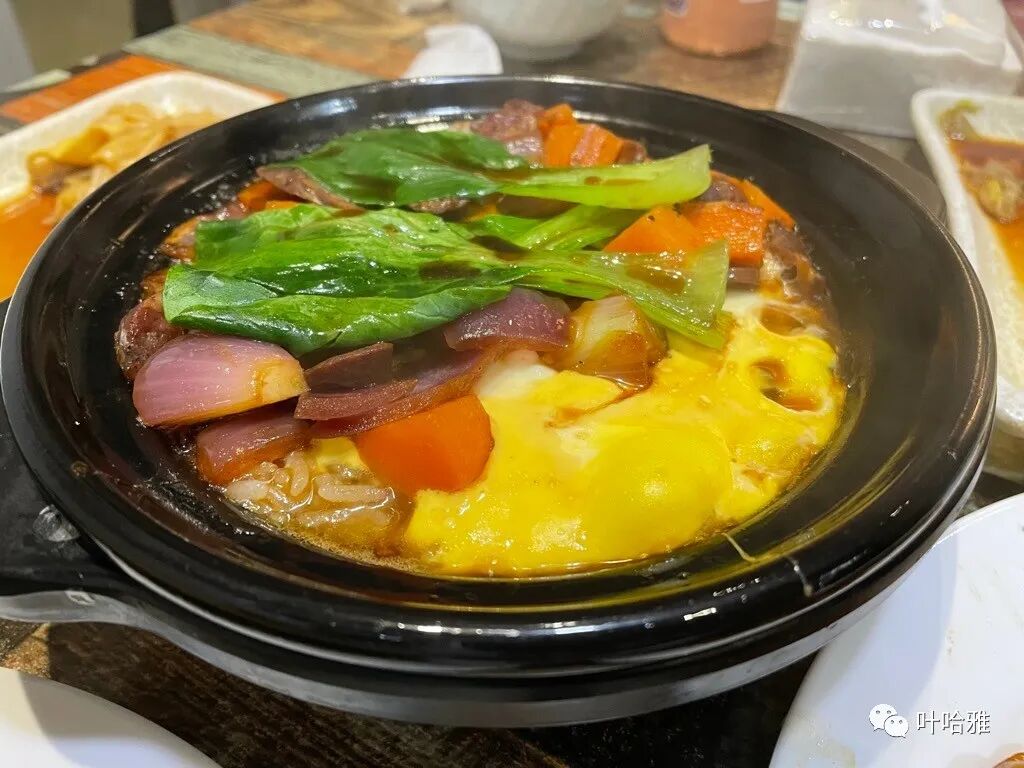
Cured beef claypot rice (baozai fan)
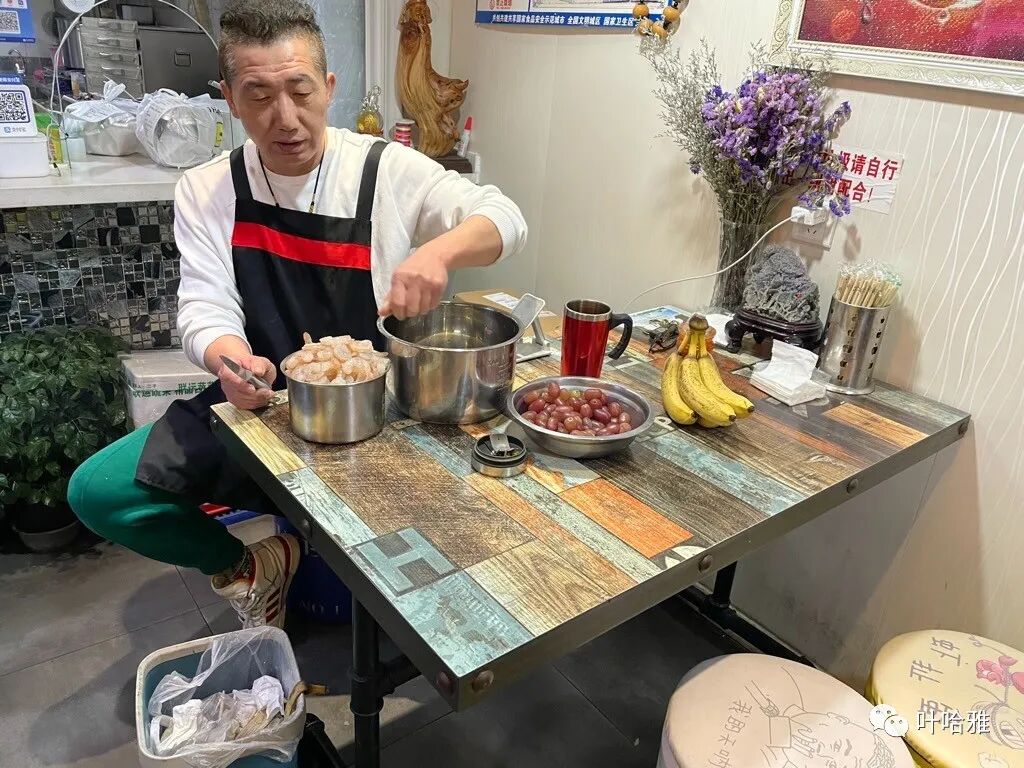
While we ate, we saw the owner deveining shrimp. Each of their shrimp dumplings contains two large shrimp, which is very generous.
Jin Jin Halal Curry Restaurant
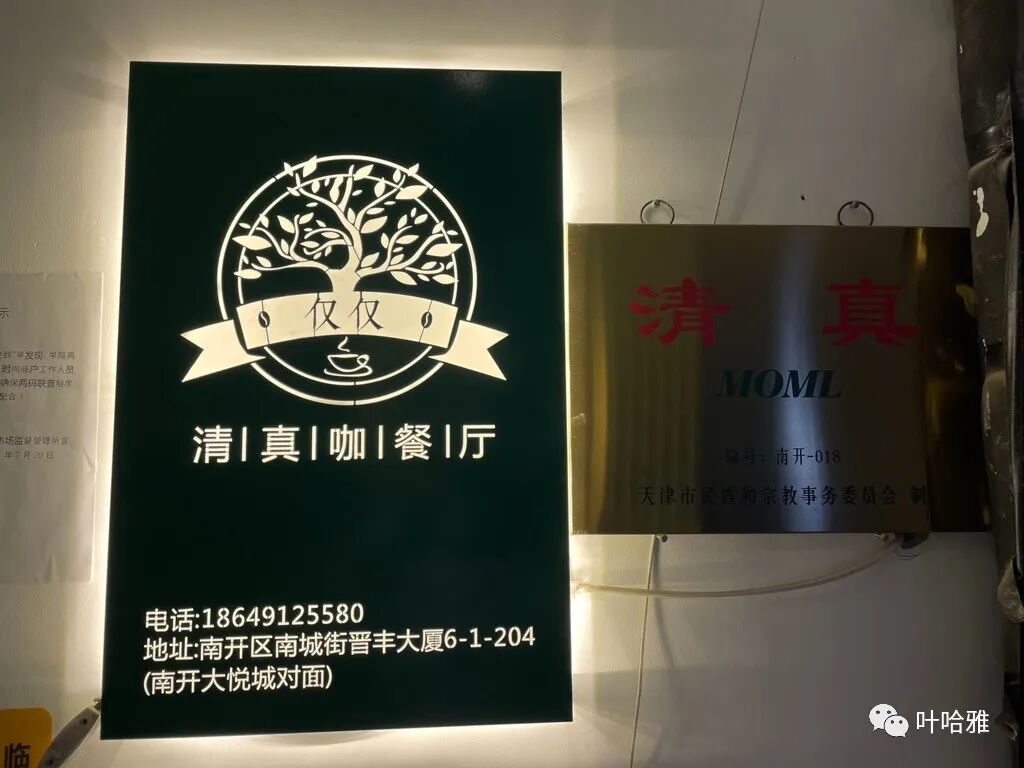
This is a halal Western restaurant near Nankai Joy City. The address is in the picture, and it is also an alcohol-free restaurant.
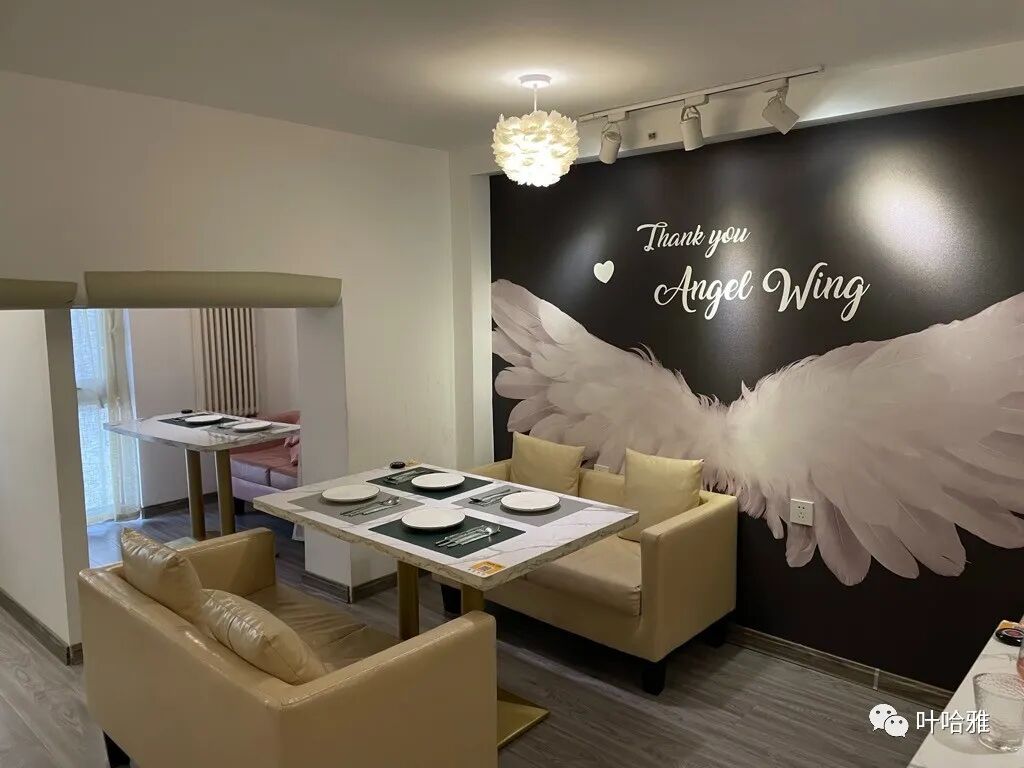
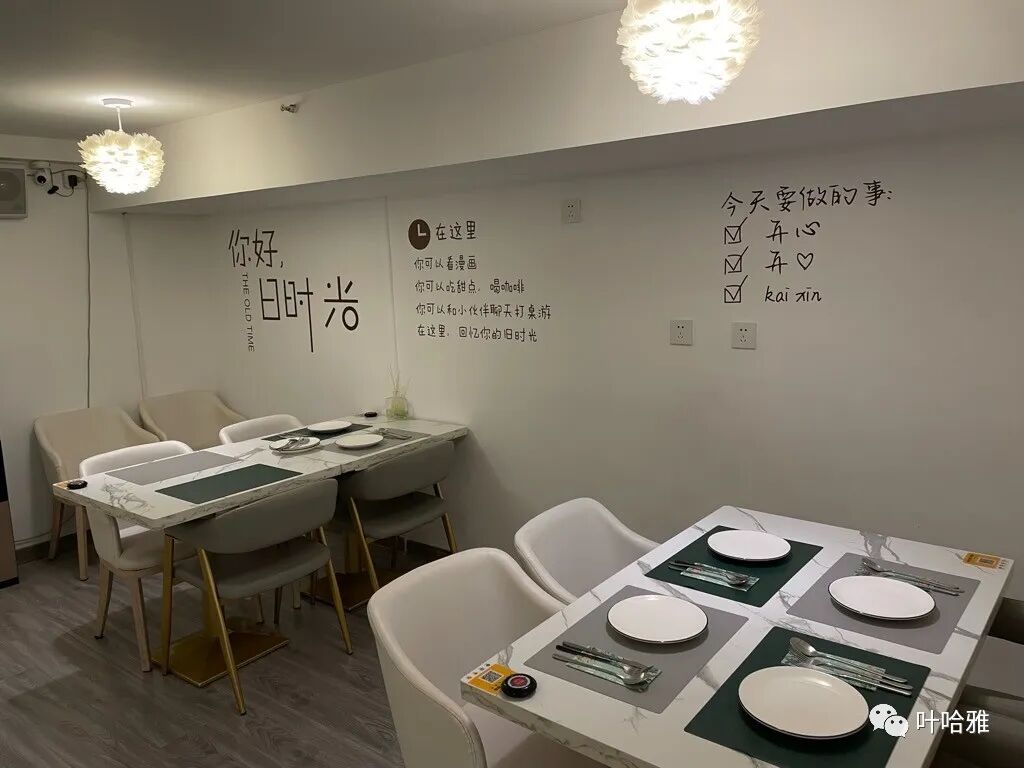
The restaurant is a loft inside an apartment building. The owner is the only person working there, and she is also the chef. She is from Tianjin and very talkative. When she saw us, she greeted us with salaam first.
The two most popular dishes are the Beef Wellington and the Musang King durian pizza. The pizza has the most toppings I have ever seen, with a thick layer of durian.
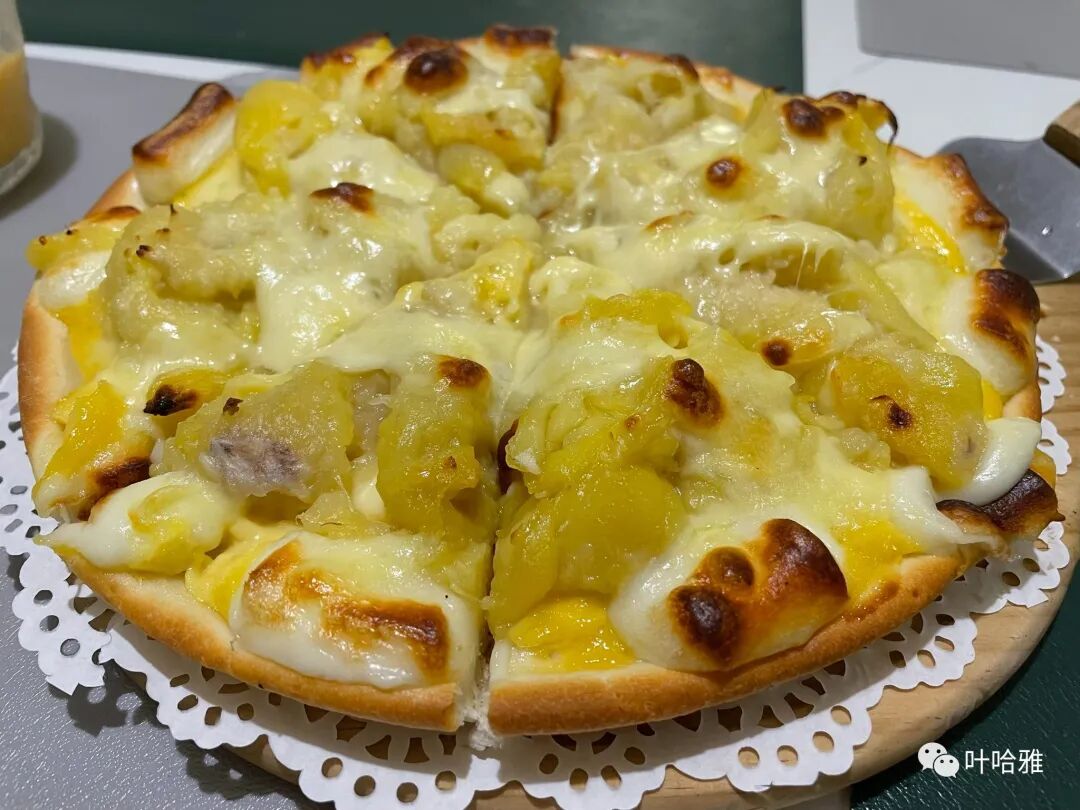
Musang King durian pizza
I really liked the taste of the roast chicken with lemon. Squeeze the juice from a lemon slice onto the chicken pieces; the crispy chicken pairs perfectly with the refreshing lemon.
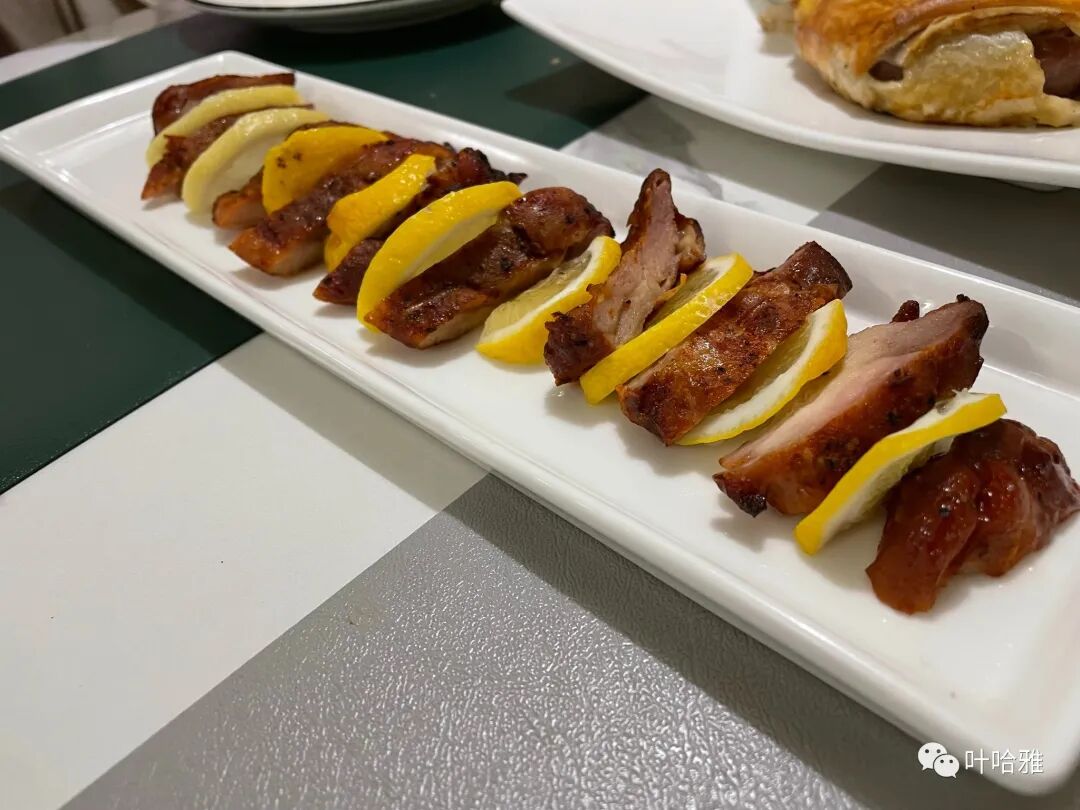
French-style lemon country roast chicken
The beef Wellington did not impress me. The steak quality is not as good as at Luoyan, but their dishes are affordable, costing about 100 yuan per person.
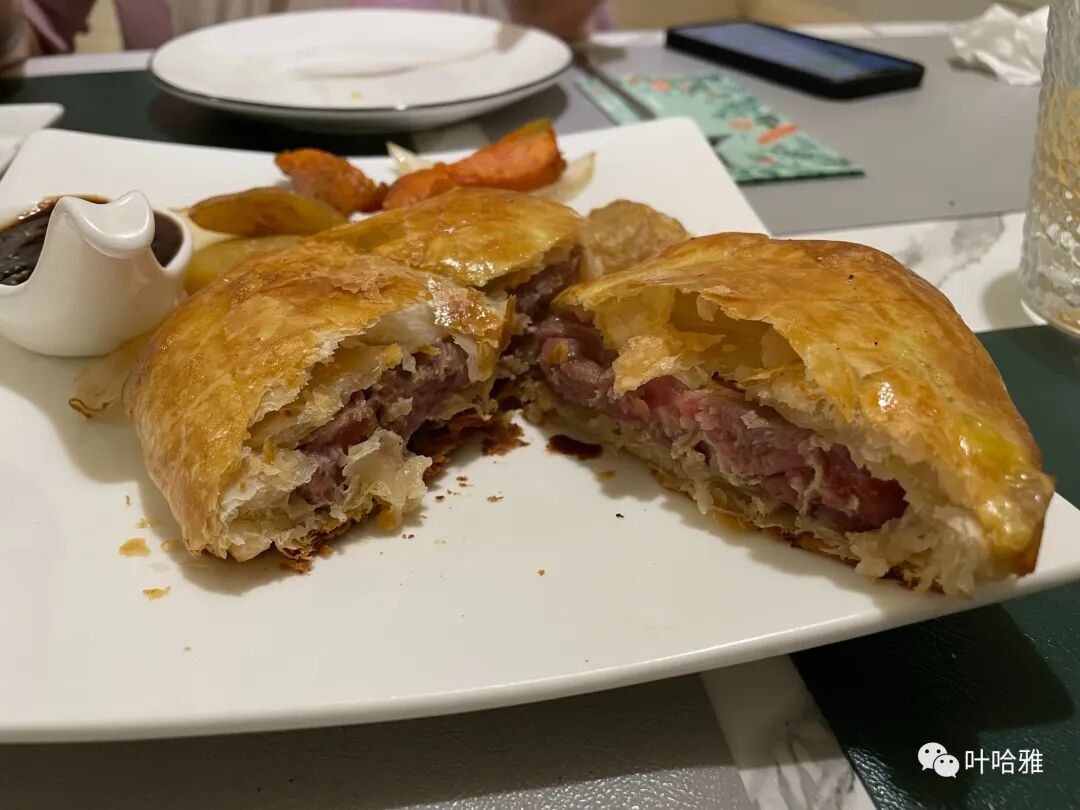
Beef Wellington
For drinks, I chose a non-alcoholic mojito and an Oreo yogurt potted plant. The mojito tasted just okay, but the portion of the yogurt potted plant was huge.
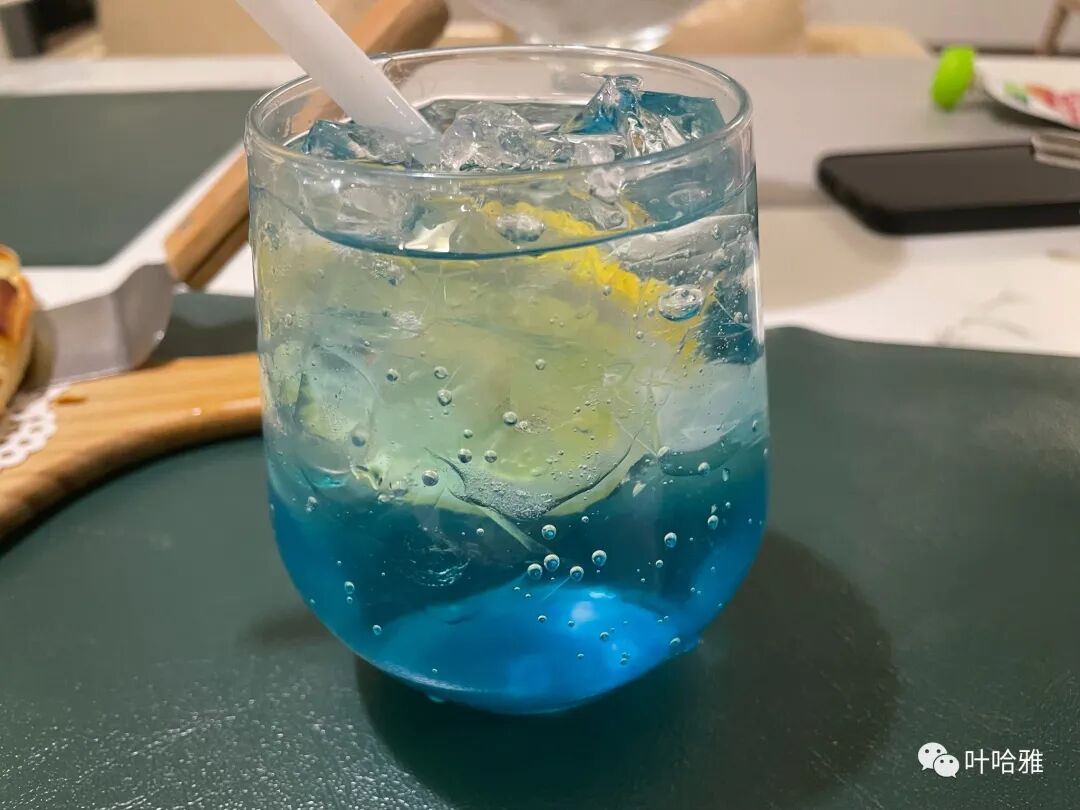
Non-alcoholic mojito
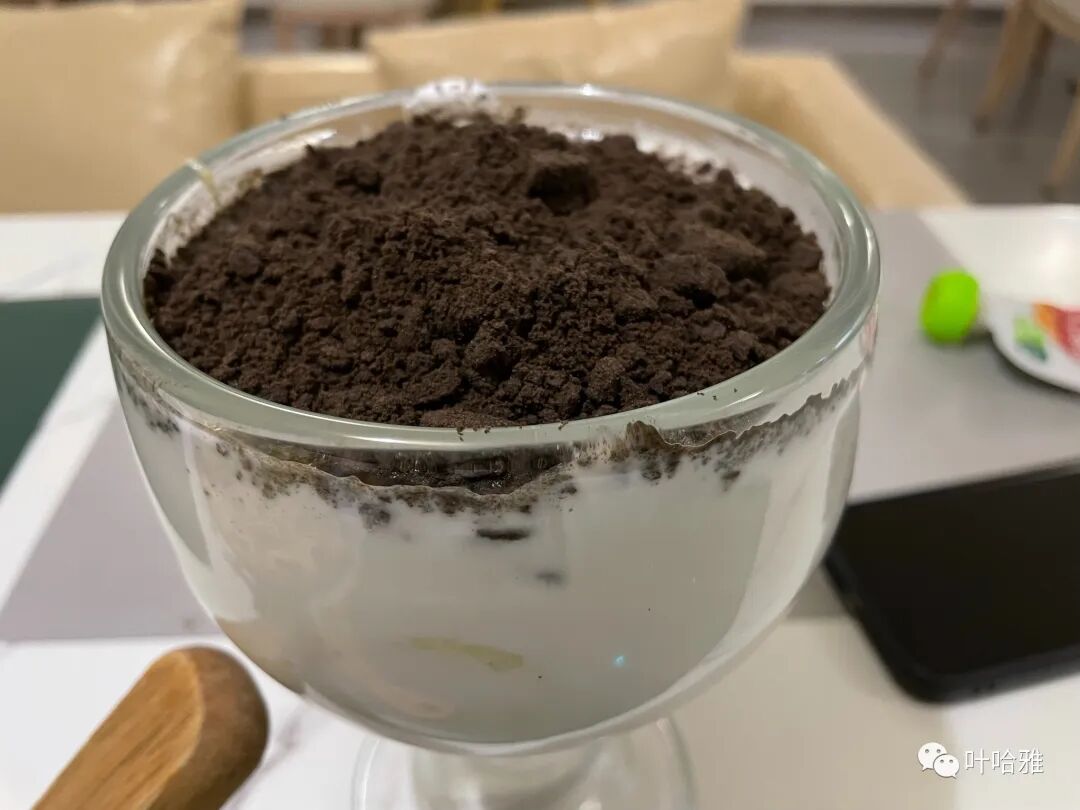
Oreo yogurt potted plant
That is all for the restaurant introduction for now. If you are interested in Tianjin snacks but do not know what to pick, I suggest visiting the Northwest Corner. Walk around the street in front of the Great Southern Mosque (Qingzhen Nandasi). Although it is not as lively as it used to be after the renovations and many traditional snacks are gone, there are still plenty of options.
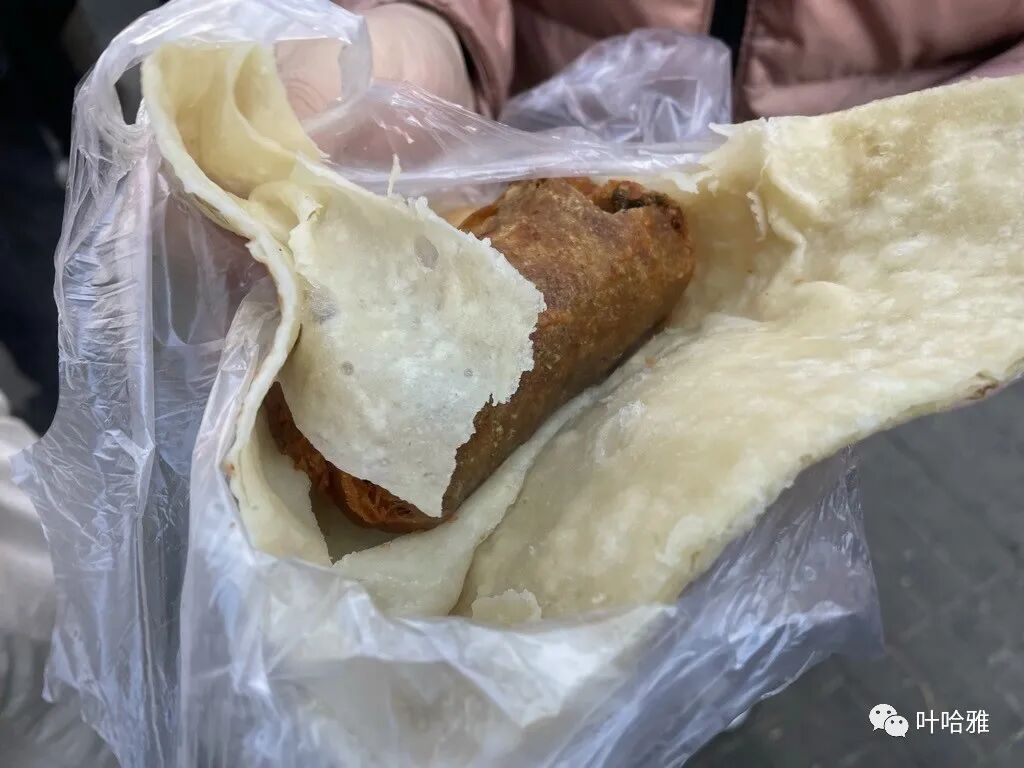
Fried bean sprout roll (juanquan)
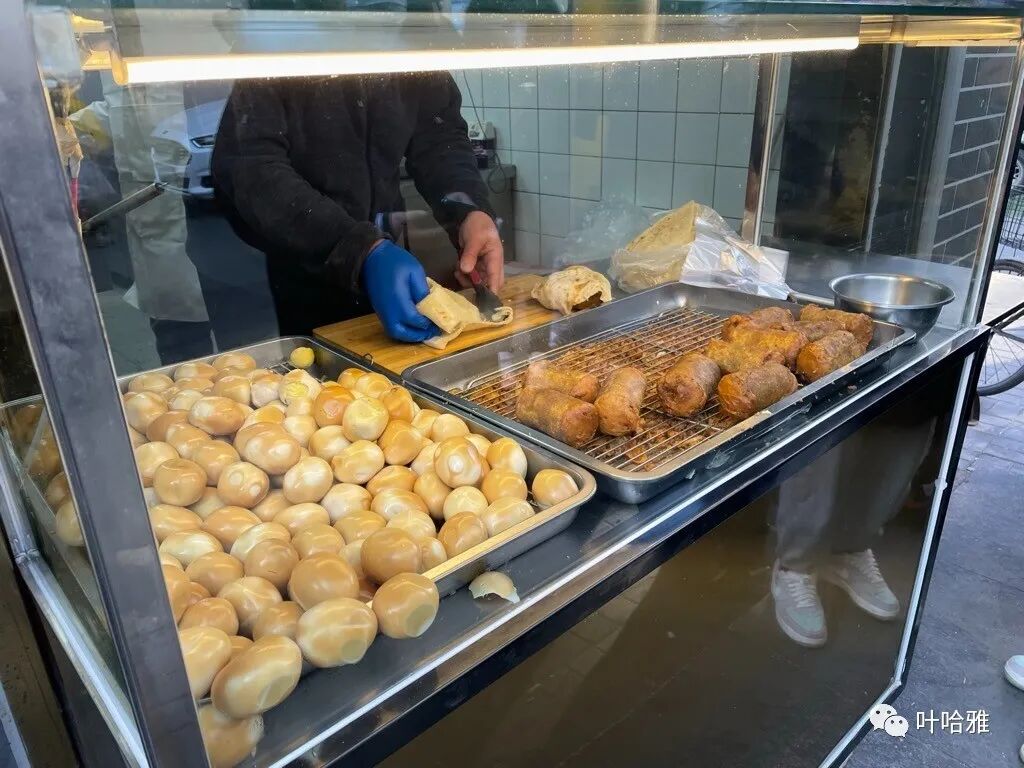
A juanquan is a wrap with fillings you can choose yourself. The deep-fried roll is filled with bean sprouts. You can only find this in Tianjin, not in Beijing.
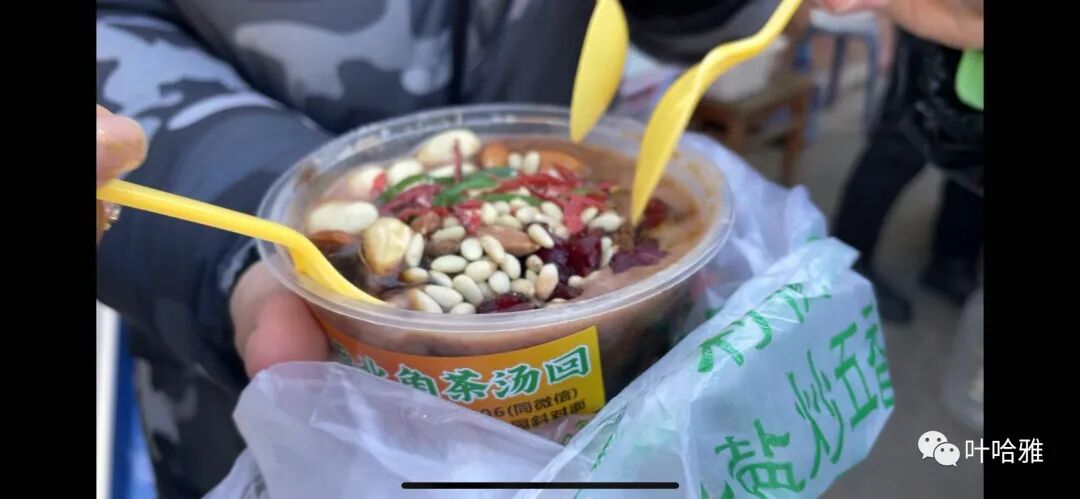
Huiji Tea Soup (Huiji Chatang)
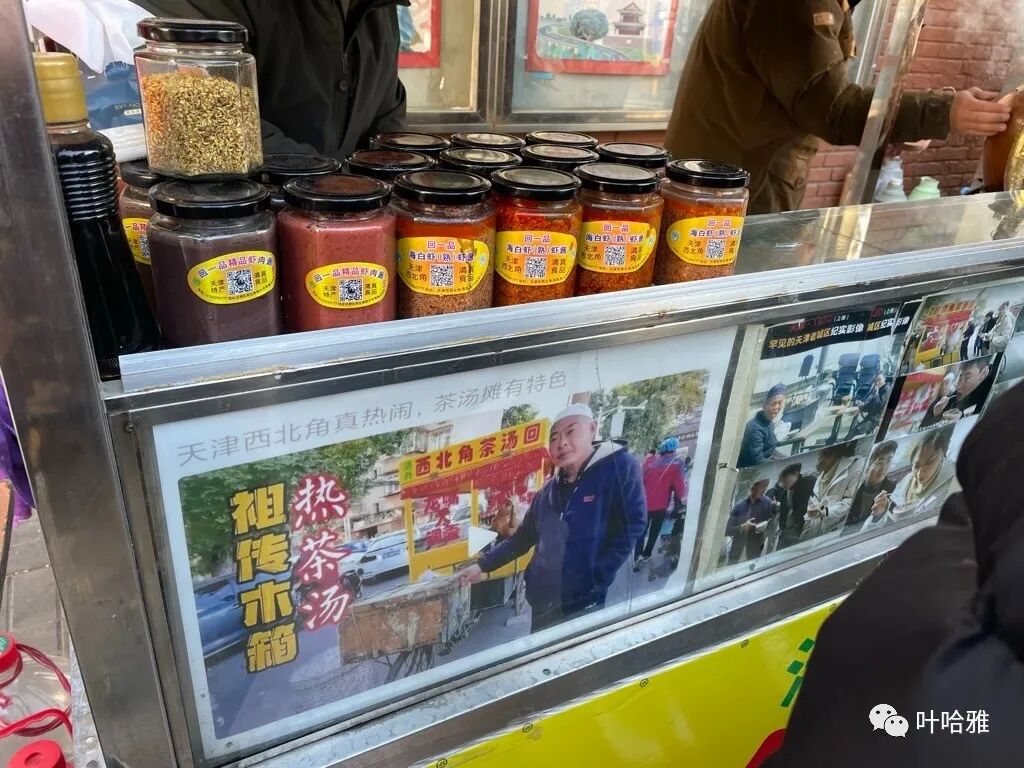
This is a thick dessert, but it is not as sweet as you might think. It has a light, refreshing taste and is quite good when eaten hot.
Wenji Rice Cake (gaogan)
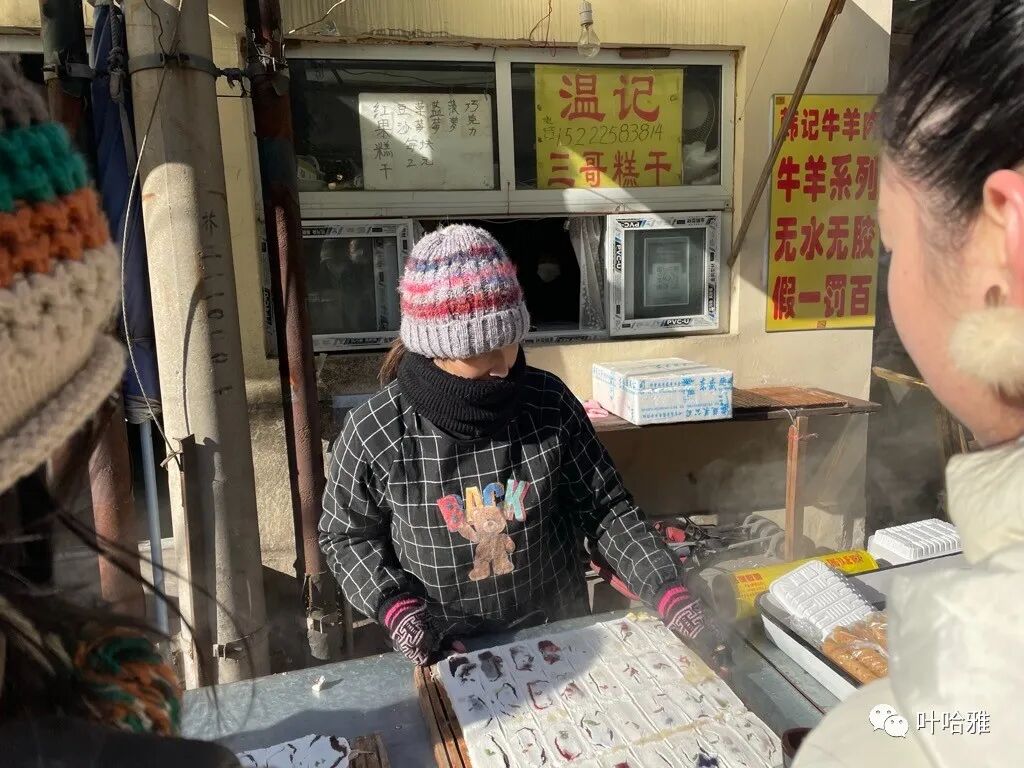
The outer layer is made of rice and filled with various flavors. They cost 2 yuan each and are also sweet. These three snacks are quite good, and you should eat them while they are hot. You can come and try them during the Spring Festival holiday.
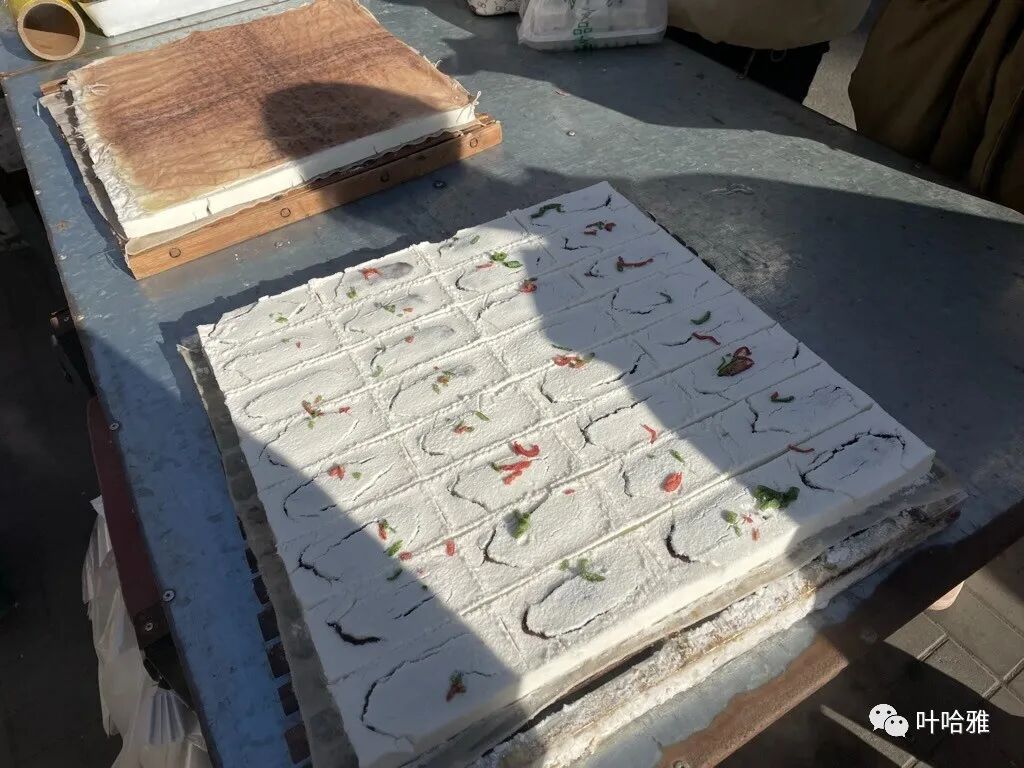
Halal Zhangji
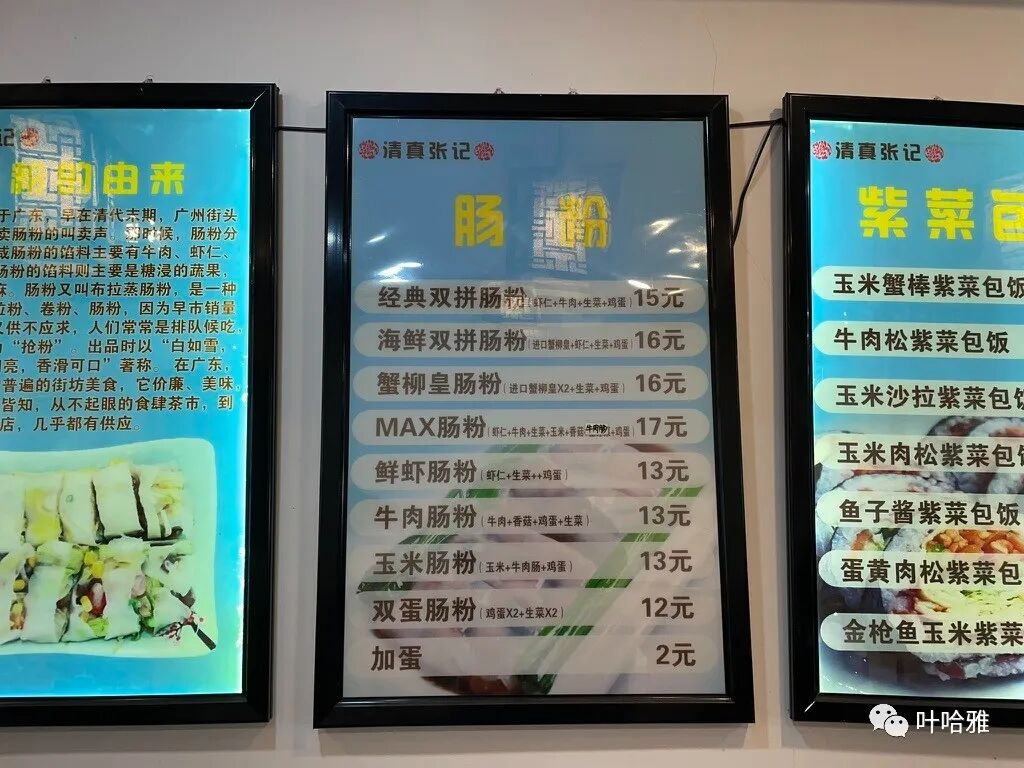
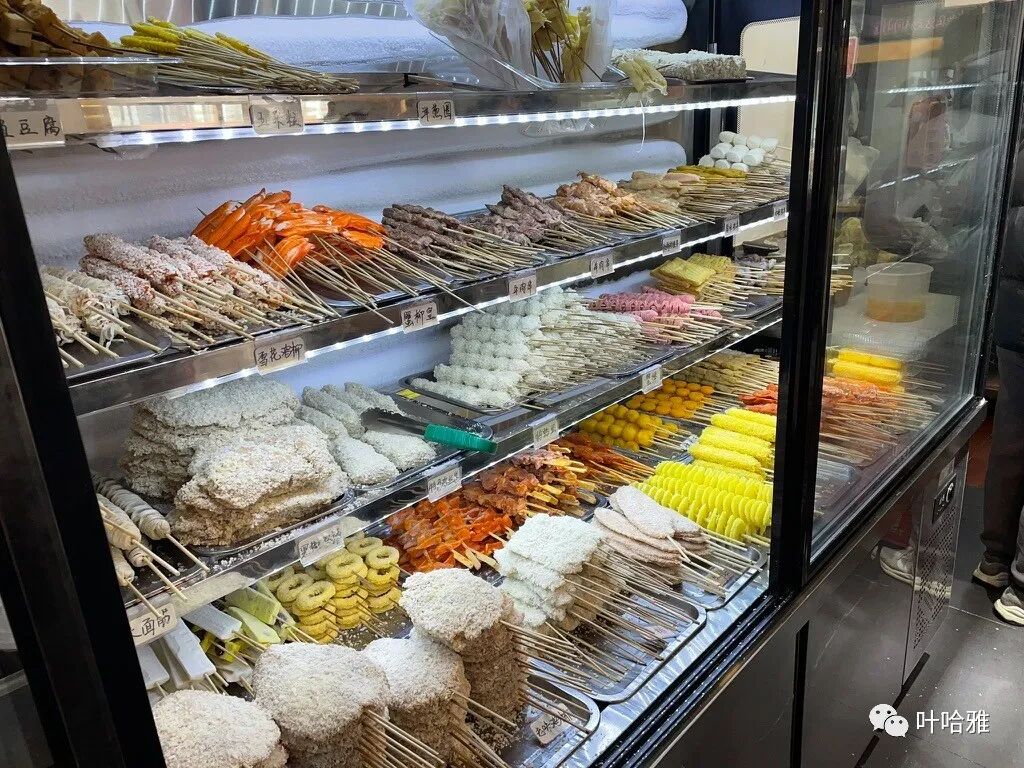
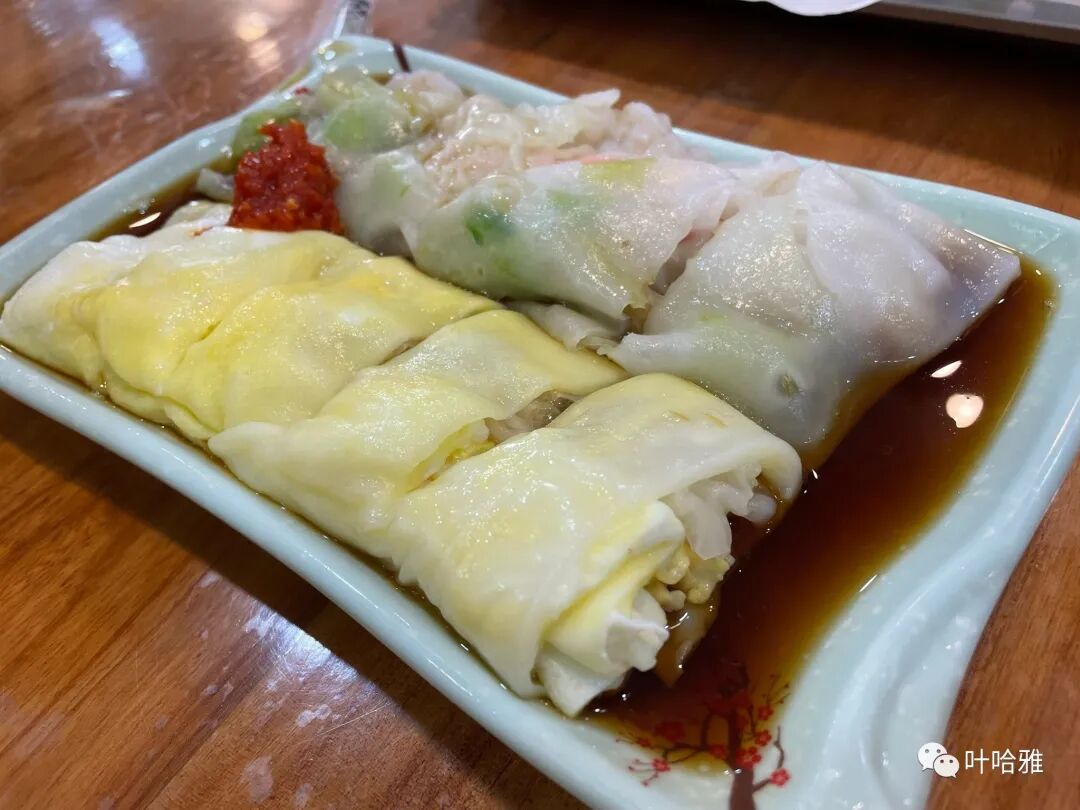
Zhangji sells fried skewers in the Northwest Corner. Interestingly, they also added steamed rice rolls (changfen). If you want to try all kinds of snacks in the Northwest Corner, you can try their steamed rice rolls. The taste is also quite good.
Besides eating and walking around in Tianjin, you can also listen to crosstalk at the Tianjin Deyunshe. The venue is much larger than the one in Beijing. You need to book tickets on the Damai app. During the Spring Festival, Deyunshe has closed for the season, and you will have to wait until after the holiday for performances to resume.
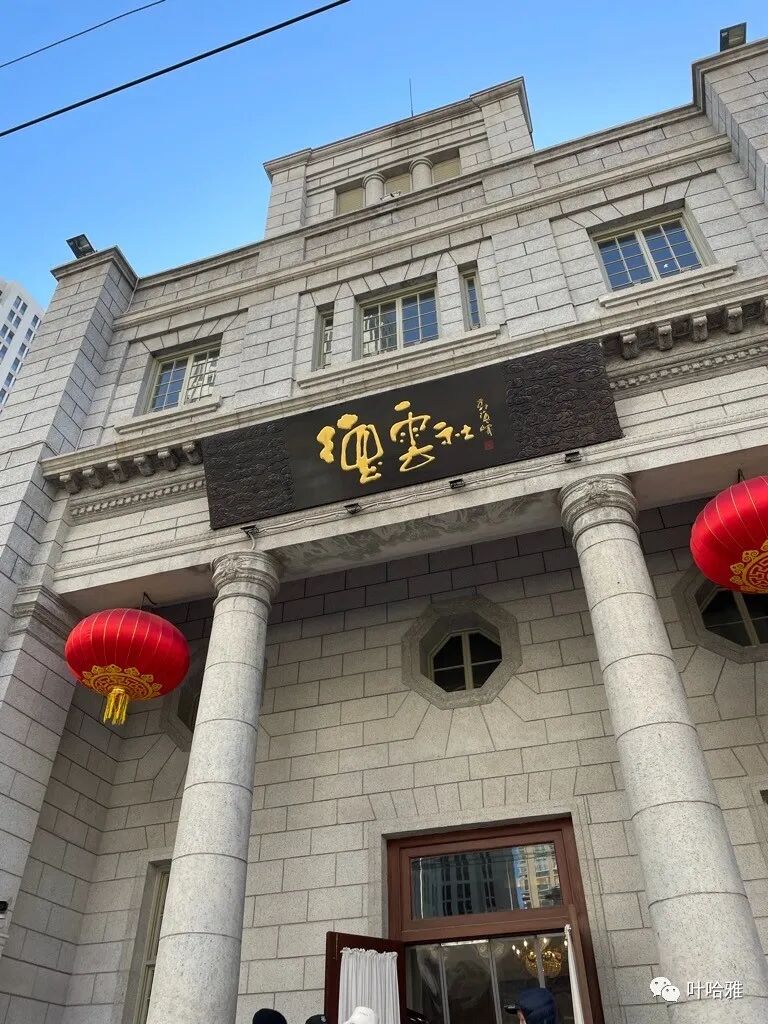
Deyunshe is very popular now, and theater tickets are hard to get. We booked front-row seats a week in advance for 240 yuan per person.
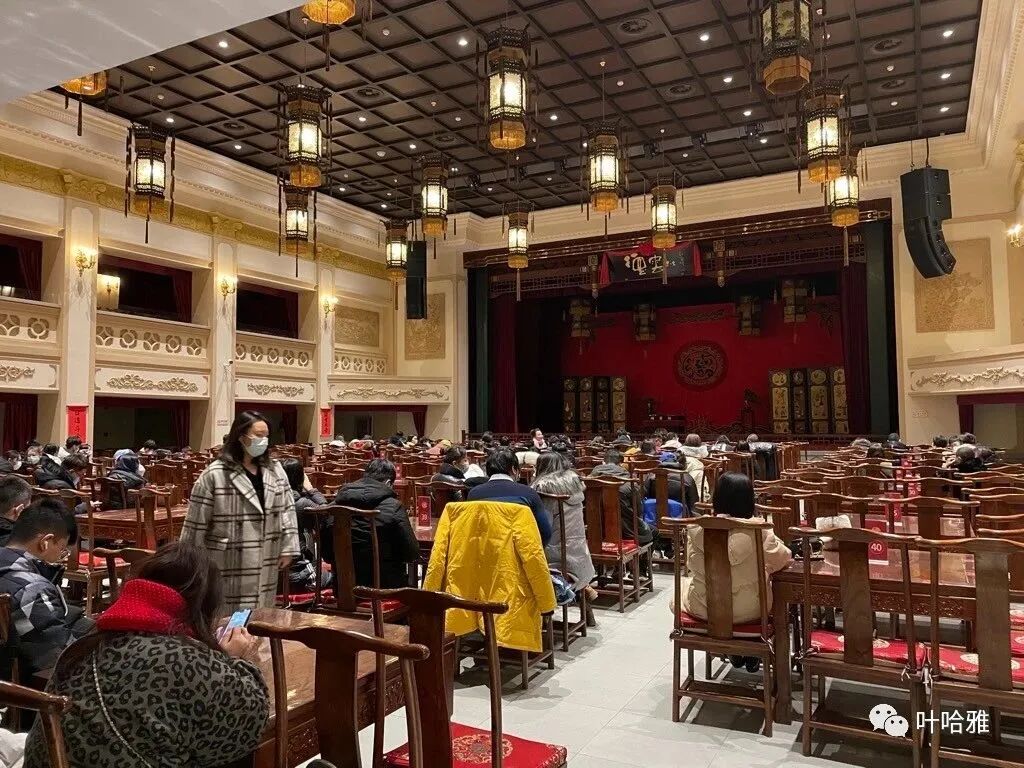
Listening to crosstalk live is all about feeling the happy atmosphere. It is very relaxing to enjoy the show while drinking tea.
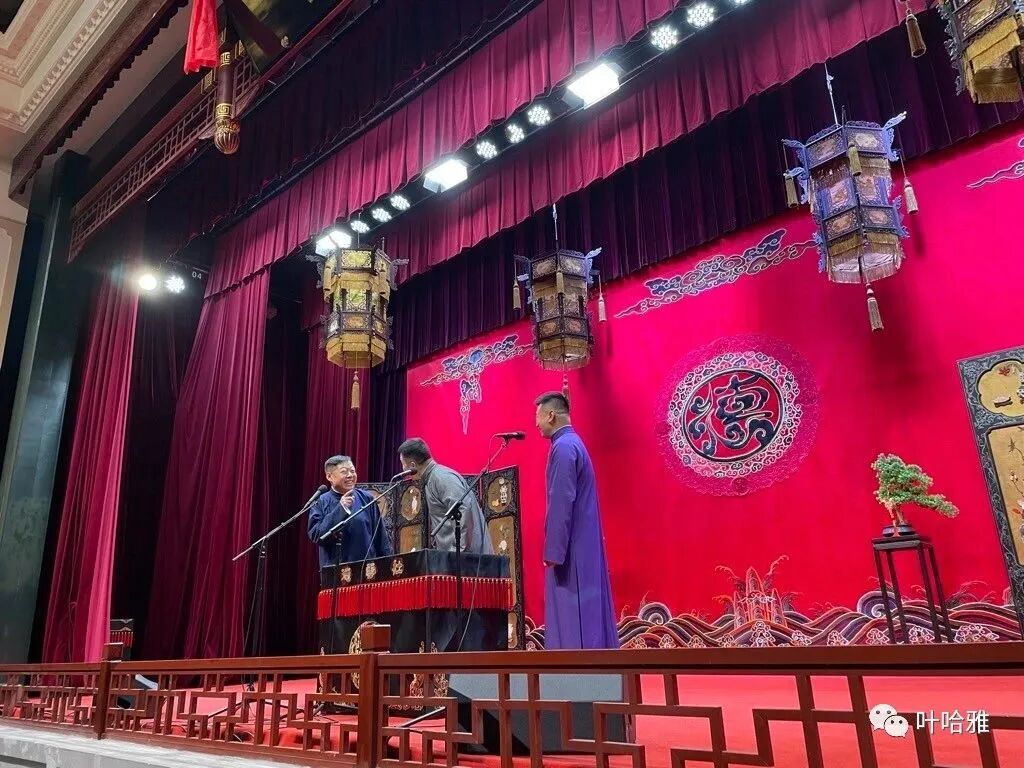
However, famous performers rarely appear in small theaters. The ones holding up the show are all Guo Degang's apprentices, and I do not recognize any of them.
X-RAY Art Lab
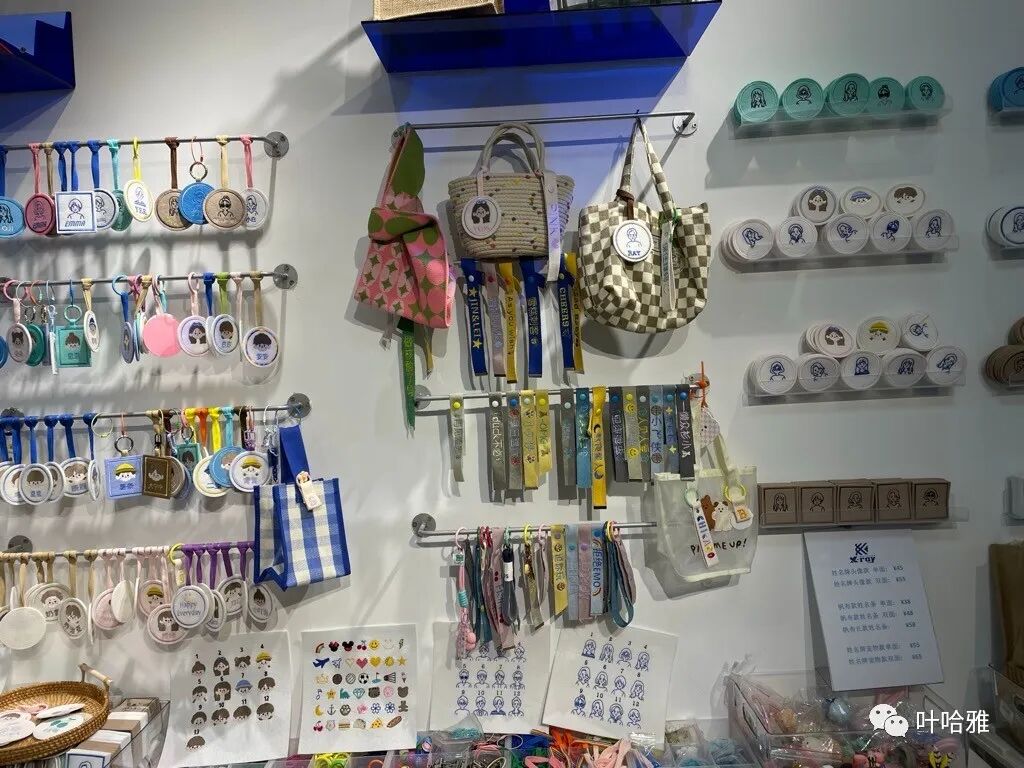
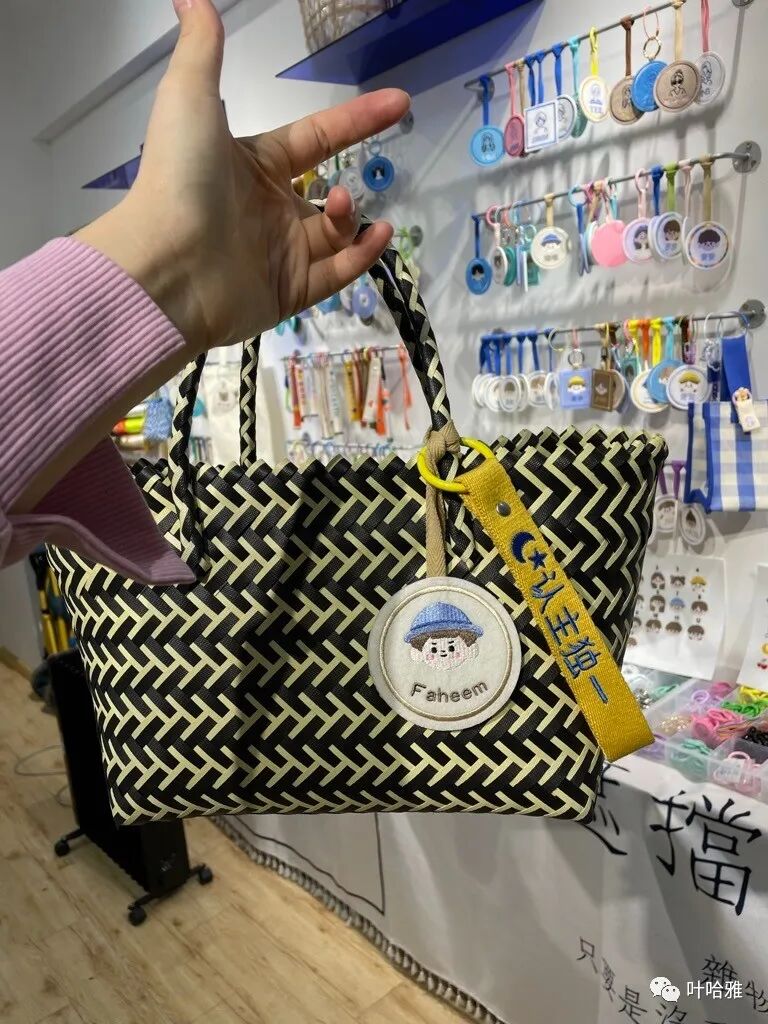
This is a DIY embroidery shop opened by a friend in Tianjin. I customized a tag and a handbag here for my son, Fahim.
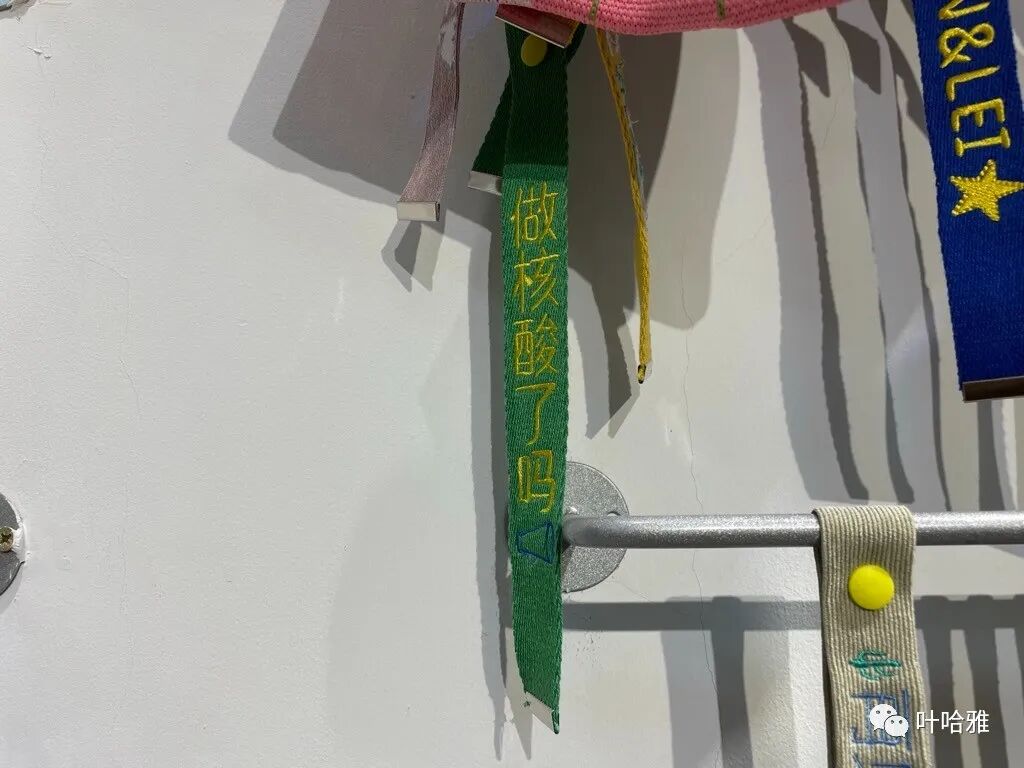
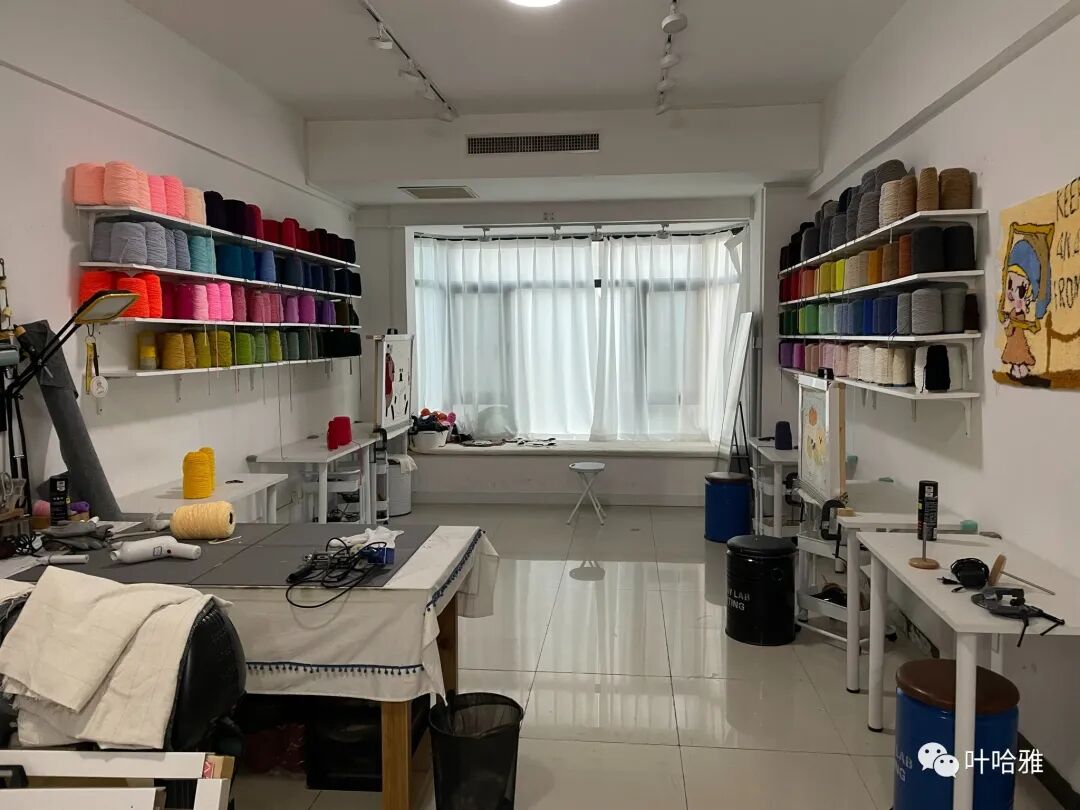
I made a hanging ornament for Fahim embroidered with the words "Tawhid" (the Oneness of Allah) to help him remember the most important thing in life.
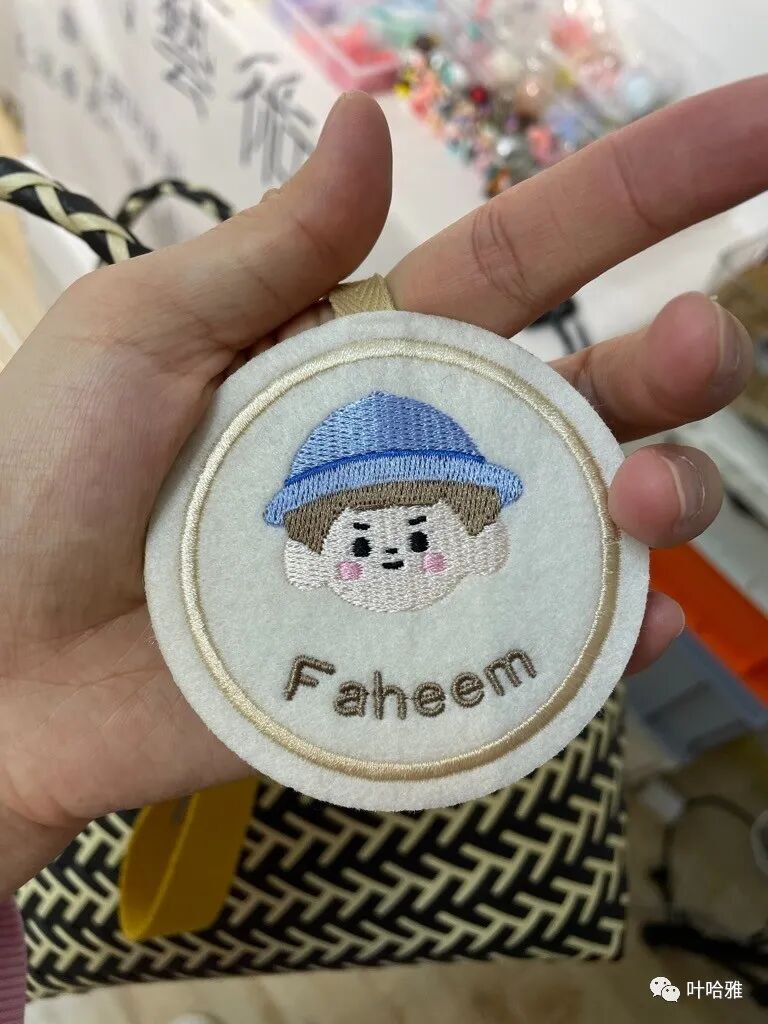
The English spelling of Faheem is Faheem.
Here is a quick tip on Islamic law: cartoon characters are halal for children. According to The Lawful and the Prohibited in Islam by Yusuf al-Qaradawi, photos are allowed. Statues that cast a shadow are forbidden, but children's toys are an exception because kids need them and there is no intent of idol worship.
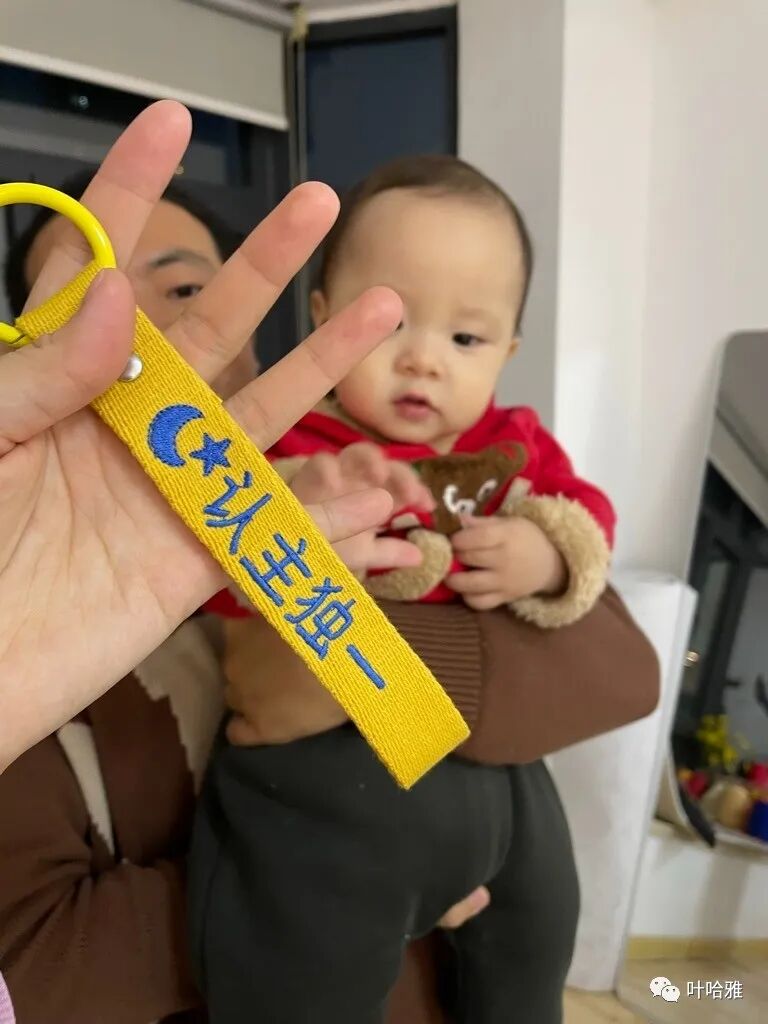
I have often seen elderly people at the mosque criticize teenagers for wearing clothes with images on them. They really hate it. It is already rare for these young people to come to the mosque, and some are now afraid to enter because they worry about being scolded by the elders for an unintentional mistake. Besides, your criticism has no basis.
Search for "x-ray art lab" on Taobao or add the owner on WeChat at w287302278 to place an order.
Summary: This Tianjin halal food guide covers Muslim-friendly Japanese restaurants, Western dining, no-alcohol halal options, Hui Muslim local food, Tianmu village, and practical notes for halal travelers.
Tianjin Halal Food Map is presented here as a firsthand travel account in clear English, beginning with this scene: What attracts me most to Tianjin is the large number of halal Western and Japanese restaurants. Excluding noodle shops, Tianjin has more halal restaurants that do not sell alcohol than Beijing. The account keeps its focus on Halal Travel, Yiwu Food, Beijing while preserving the names, places, food, and historical details from the Chinese source.
What attracts me most to Tianjin is the large number of halal Western and Japanese restaurants. Excluding noodle shops, Tianjin has more halal restaurants that do not sell alcohol than Beijing.
Because of its history as a foreign concession, Tianjin has many Western and Japanese restaurants. Since there is a lot of civilian exchange between Tianjin and Japan, the quality of the Japanese food here is reliable.
Niaohe Kappo Cuisine
You need to book in advance to eat at this Japanese yakitori restaurant, which has a high rating on Dianping. It is located at 125 Hami Road. We did not check beforehand and arrived to find all the seats were booked, so we could not eat there. We just took some photos of the interior and will try again next time.
The wooden partitions inside and the wall decorations have a strong Japanese style.
Qianmu Halal Japanese Restaurant
Qianmu has two locations in Tianjin. One is in Guoyuan, not far from Tianmu Village, and the other is in Shuangjie. We visited the Guoyuan branch so we could also explore Tianmu, which is a village for Hui Muslims in the suburbs of Tianjin, quite far from the city center.
This restaurant is also busy, but to be safe, I called ahead to book a table.
Although marble soda (ramune) is very popular in Japan and has a long history, it was first invented in the UK. The Japanese name for it, ramune, is a transliteration of the English word lemonade.
Marble soda (ramune)
Battleship sushi platter (gunkan maki)
The battleship sushi platter is perfect for someone like me who wants to try many different flavors. You get one piece of each, and then you can just order more of the ones you like.
Natto
Natto is a common Japanese fermented soybean dish. People usually mix it with rice. It is sticky and stringy. Some say it smells bad, but I do not think so. I can swallow it, but I do not think it tastes good.
Grilled platter
This is a Japanese-style grilled combo. It has chicken skewers and grilled okra. I think the grilled fish balls are the best.
Baked cheese fish cake (chikuwa)
Chikuwa is a type of Japanese fish cake. The middle looks like it was grilled, and the ends are yellow and white. The texture is similar to a fish ball.
Salt-grilled ginkgo nuts
This is my first time eating salt-grilled ginkgo nuts. The shells are already cracked. The nut inside is tender and slightly bitter.
Eight-piece sashimi platter
The eight-piece sashimi platter costs 288 yuan. Each type of sashimi has five slices. The fish is fresh and does not taste fishy. A friend from Tianjin once told me a trick to identify fresh seafood: if it does not taste fishy when you eat it, the ingredients are fresh.
Live eel rice
The live eel is definitely fresh, which makes the rice taste savory and delicious. Japanese food is never cheap, and this meal cost about 150 yuan per person.
Luoyan Halal Western Restaurant
Luoyan is named after the owner's child. This is a smoke-free and alcohol-free Western restaurant, and it is closed on Mondays.
The interior of the small Western-style building caught my eye as soon as I walked in. The restaurant has two floors, and we chose to sit on the second floor to look down at the lobby.
Beijing really does not have this kind of standard European-style halal Western food. Halal Western food in Beijing is usually mixed with Middle Eastern cuisine.
European-style Western food usually includes alcohol, but this place offers non-alcoholic champagne and red wine, so the Western dining atmosphere is just as good.
This bottle of imported French halal champagne costs 288 yuan at the restaurant. We found the same one on Taobao for 94 yuan, so interested friends can go try it. The halal champagne tastes sour and astringent, and I am not sure if it is authentic. Because of this bottle of wine, our meal cost more than 200 yuan per person.
Here is a little bit of Islamic legal knowledge: although most regions accept non-alcoholic wine as a halal drink, a small number of jurists believe that non-alcoholic wine should not be consumed either, because it carries the suspicion of intending to drink alcohol. Even if you hold up a glass of water and say 'let us toast with water instead of wine,' that glass of water might also become impermissible to drink. Although we believe that the prohibition of alcohol is because it causes intoxication, some jurists only follow the literal meaning without considering the underlying intent.
Wasabi Avocado Shrimp Salad
The large shrimp are fresh and big, and the slight heat from the wasabi makes it perfect for people on a diet.
Malaysian durian pizza
The durian pizza is very fragrant and has plenty of durian filling. I will mention another Western restaurant's durian pizza later, which has even more filling.
Burmese giant tiger prawn with pan-seared foie gras
It is rare to find halal foie gras, so we splurged a little this time. The four of us each had one bite of the prawn and foie gras, and it was all gone.
Russian-style pot-stewed beef with garlic baguette
Pot-stewed beef is a classic Russian dish. The beef is stewed with tomatoes inside the pot and covered with a layer of puff pastry. The pastry is very crispy. After one bite, I knew the upcoming Beef Wellington would be great.
Beef Wellington
The signature of Beef Wellington is the puff pastry wrapping. Most Western restaurants use shortening for the pastry, which often contains lard and is not halal. Maiweitang in Beijing used to serve Beef Wellington, but the Hui Muslim owner stopped serving it, so we cannot eat it there anymore.
Thick-cut filet mignon
Filet mignon is beef tenderloin steak. It has a chewier texture than Beef Wellington. After ordering, the waiter will ask how you want it cooked, ranging from 1, 3, 5, 7, 9, to well-done. Well-done steak can be dry, so I suggest 5 to 7 minutes. Ours is cooked to 7 minutes.
Totoro Canteen (Longmao Shitang)
If you think the Japanese food I recommended earlier is too expensive, you can try Totoro Canteen. The average cost per person is under 100 yuan. It is located opposite the China Huaxia Bank in Hengxing World.
Non-alcoholic mojito
Their mojito tastes better than just okay.
Wasabi octopus
Wasabi octopus in small shops is usually canned, so it is fine for a quick taste.
Salmon sashimi
Queen eel rice
The eel rice is topped with bonito flakes (katsuobushi), which are thin shavings made from skipjack tuna and a common ingredient in Japanese cuisine.
Seafood ramen
A conservative estimate is that there are about ten halal Japanese restaurants currently in Tianjin, and I have saved a few more to visit.
Yiweizhai Halal rice noodle rolls (changfen)
I visited Yeji Rice Noodle Rolls years ago, and later learned they opened this shop, which has now been open for five years. The menu has almost all the Cantonese snacks, and it is also a restaurant that does not sell alcohol.
This place serves bigger portions than Yeji. I tried the most iconic version of every Cantonese snack, and they were all delicious. I wish they would open a branch in Beijing, as all the halal Cantonese restaurants there have closed down.
Seafood congee
Hong Kong-style shrimp dumpling noodles
Two-flavor steamed rice rolls (changfen)
Stir-fried rice noodles with beef (ganchao niuhe).
Custard bun (naihuangbao)
Cured beef claypot rice (baozai fan)
While we ate, we saw the owner deveining shrimp. Each of their shrimp dumplings contains two large shrimp, which is very generous.
Jin Jin Halal Curry Restaurant
This is a halal Western restaurant near Nankai Joy City. The address is in the picture, and it is also an alcohol-free restaurant.
The restaurant is a loft inside an apartment building. The owner is the only person working there, and she is also the chef. She is from Tianjin and very talkative. When she saw us, she greeted us with salaam first.
The two most popular dishes are the Beef Wellington and the Musang King durian pizza. The pizza has the most toppings I have ever seen, with a thick layer of durian.
Musang King durian pizza
I really liked the taste of the roast chicken with lemon. Squeeze the juice from a lemon slice onto the chicken pieces; the crispy chicken pairs perfectly with the refreshing lemon.
French-style lemon country roast chicken
The beef Wellington did not impress me. The steak quality is not as good as at Luoyan, but their dishes are affordable, costing about 100 yuan per person.
Beef Wellington
For drinks, I chose a non-alcoholic mojito and an Oreo yogurt potted plant. The mojito tasted just okay, but the portion of the yogurt potted plant was huge.
Non-alcoholic mojito
Oreo yogurt potted plant
That is all for the restaurant introduction for now. If you are interested in Tianjin snacks but do not know what to pick, I suggest visiting the Northwest Corner. Walk around the street in front of the Great Southern Mosque (Qingzhen Nandasi). Although it is not as lively as it used to be after the renovations and many traditional snacks are gone, there are still plenty of options.
Fried bean sprout roll (juanquan)
A juanquan is a wrap with fillings you can choose yourself. The deep-fried roll is filled with bean sprouts. You can only find this in Tianjin, not in Beijing.
Huiji Tea Soup (Huiji Chatang)
This is a thick dessert, but it is not as sweet as you might think. It has a light, refreshing taste and is quite good when eaten hot.
Wenji Rice Cake (gaogan)
The outer layer is made of rice and filled with various flavors. They cost 2 yuan each and are also sweet. These three snacks are quite good, and you should eat them while they are hot. You can come and try them during the Spring Festival holiday.
Halal Zhangji
Zhangji sells fried skewers in the Northwest Corner. Interestingly, they also added steamed rice rolls (changfen). If you want to try all kinds of snacks in the Northwest Corner, you can try their steamed rice rolls. The taste is also quite good.
Besides eating and walking around in Tianjin, you can also listen to crosstalk at the Tianjin Deyunshe. The venue is much larger than the one in Beijing. You need to book tickets on the Damai app. During the Spring Festival, Deyunshe has closed for the season, and you will have to wait until after the holiday for performances to resume.
Deyunshe is very popular now, and theater tickets are hard to get. We booked front-row seats a week in advance for 240 yuan per person.
Listening to crosstalk live is all about feeling the happy atmosphere. It is very relaxing to enjoy the show while drinking tea.
However, famous performers rarely appear in small theaters. The ones holding up the show are all Guo Degang's apprentices, and I do not recognize any of them.
X-RAY Art Lab
This is a DIY embroidery shop opened by a friend in Tianjin. I customized a tag and a handbag here for my son, Fahim.
I made a hanging ornament for Fahim embroidered with the words "Tawhid" (the Oneness of Allah) to help him remember the most important thing in life.
The English spelling of Faheem is Faheem.
Here is a quick tip on Islamic law: cartoon characters are halal for children. According to The Lawful and the Prohibited in Islam by Yusuf al-Qaradawi, photos are allowed. Statues that cast a shadow are forbidden, but children's toys are an exception because kids need them and there is no intent of idol worship.
I have often seen elderly people at the mosque criticize teenagers for wearing clothes with images on them. They really hate it. It is already rare for these young people to come to the mosque, and some are now afraid to enter because they worry about being scolded by the elders for an unintentional mistake. Besides, your criticism has no basis.
Search for "x-ray art lab" on Taobao or add the owner on WeChat at w287302278 to place an order.
