
Beijing Halal Street Food Guide: Fangshan Hot Pot, Shidu Xinjiang Food and Local Snacks
Reposted from the web
Summary: This Beijing halal street food guide maps issue 34, covering Fangshan hot pot, Shidu Xinjiang food, farm-style halal dishes, clam vermicelli, local snacks, and places worth saving for Muslim travelers.
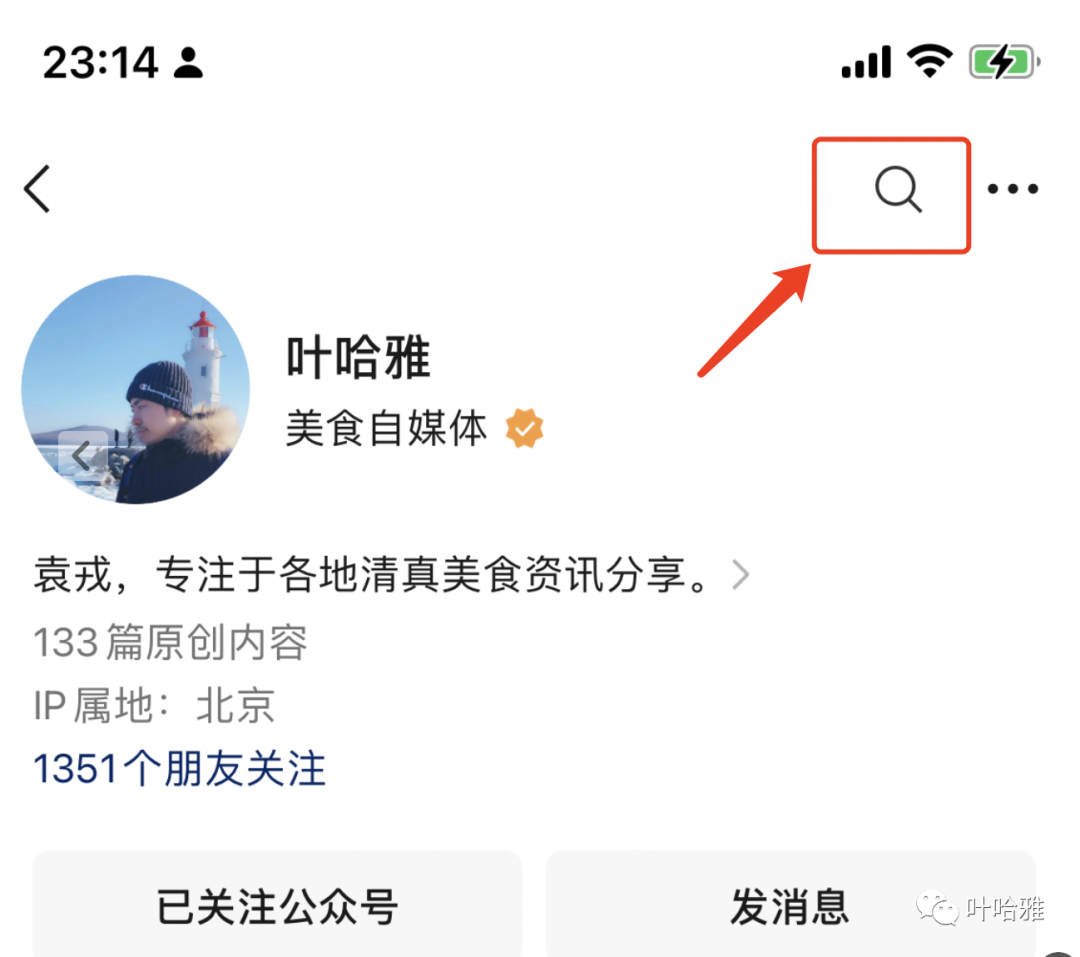
Beijing Halal Food Map (34) is presented here as a firsthand travel account in clear English, beginning with this scene: The WeChat official account has a search feature. Just tap the search icon in the top right corner of the homepage to look for articles using keywords. The account keeps its focus on Beijing Halal Food, Muslim Travel, Middle Eastern Food while preserving the names, places, food, and historical details from the Chinese source.
The WeChat official account has a search feature. Just tap the search icon in the top right corner of the homepage to look for articles using keywords. This works for all official accounts, so there is no need to set up automated keyword replies in the backend. I always see all sorts of strange words in the backend, and I really cannot reply to them all.
1. Hengxingxiang
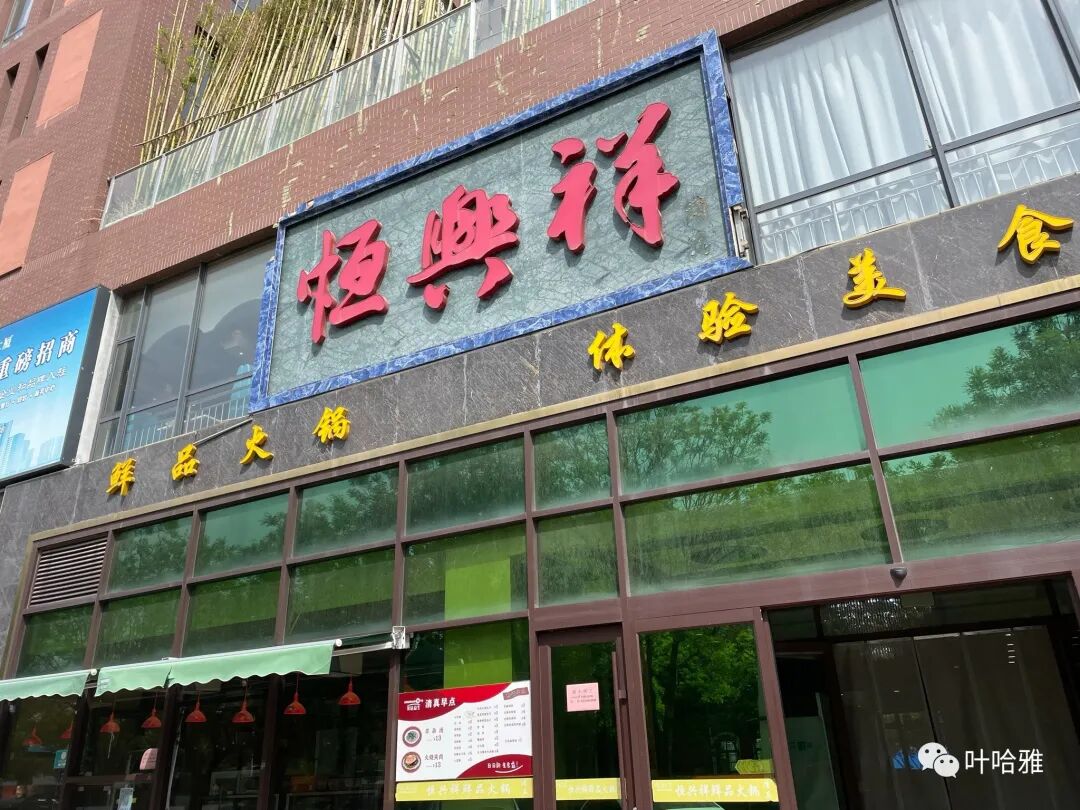
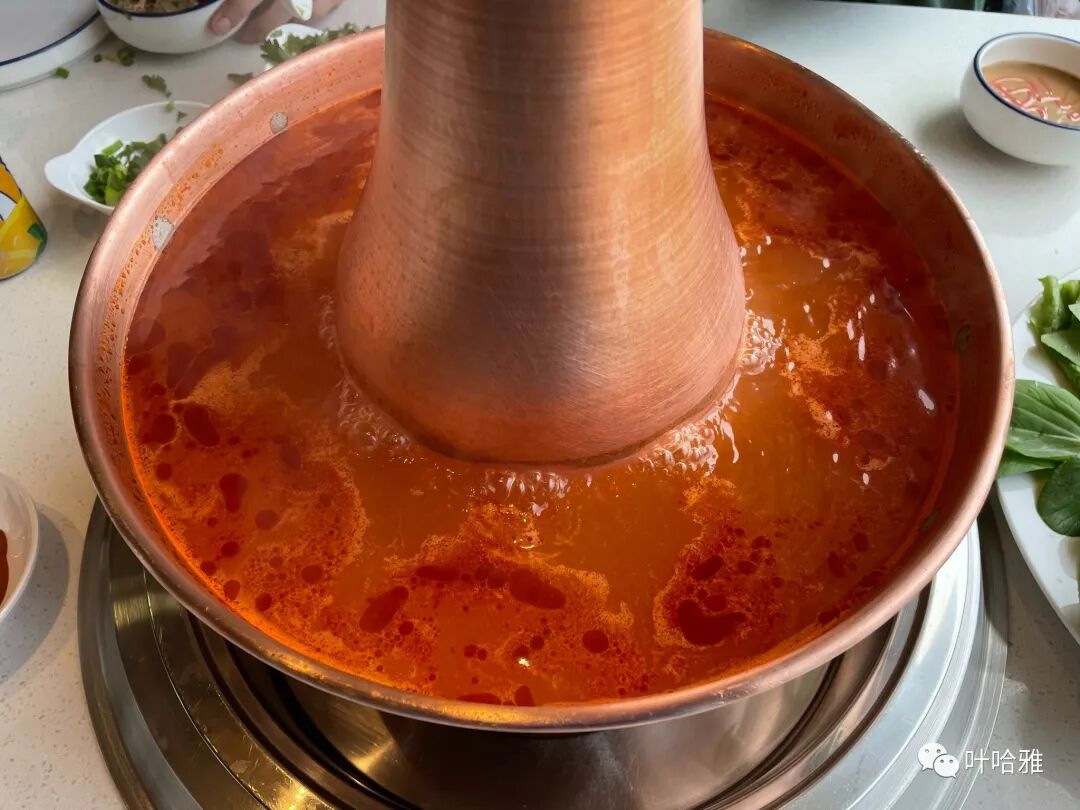
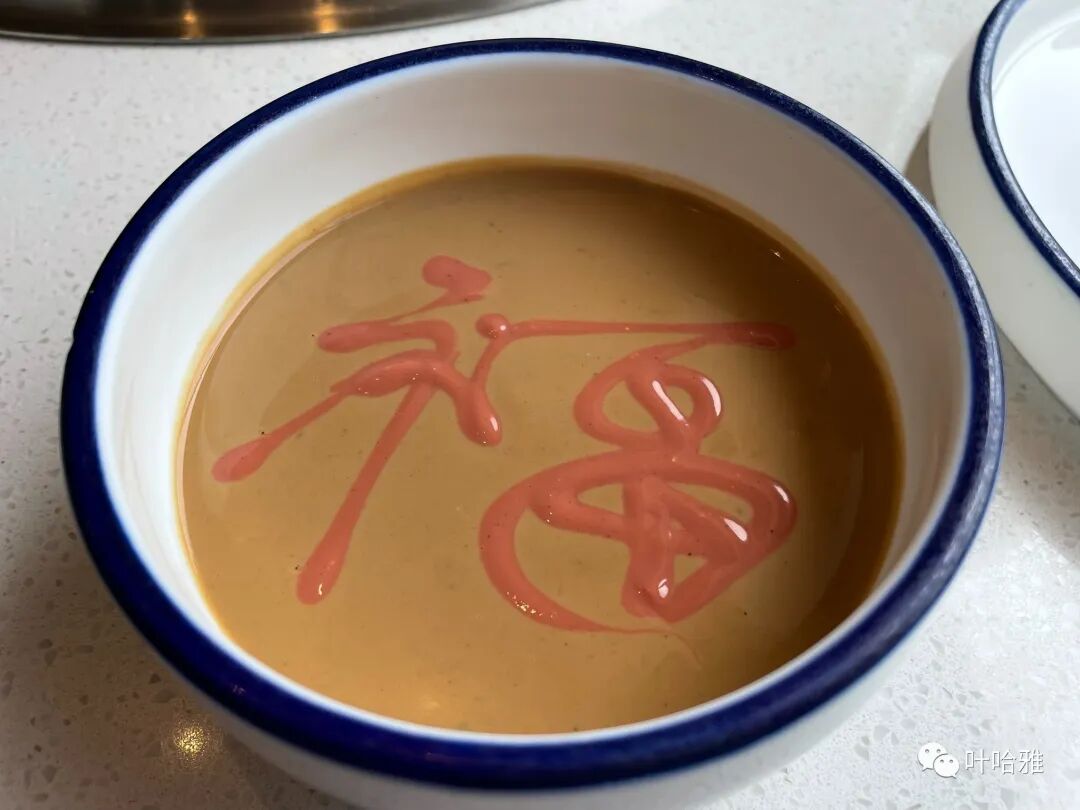
This is a Beijing-style hot pot restaurant. The meat tasted great while I was eating. When I paid the bill, I noticed the payee was Doudian Yisheng. I asked, and it turns out it is run by the Doudian Yisheng beef and mutton shop, which also has a stall selling beef and mutton on Niujie Street.
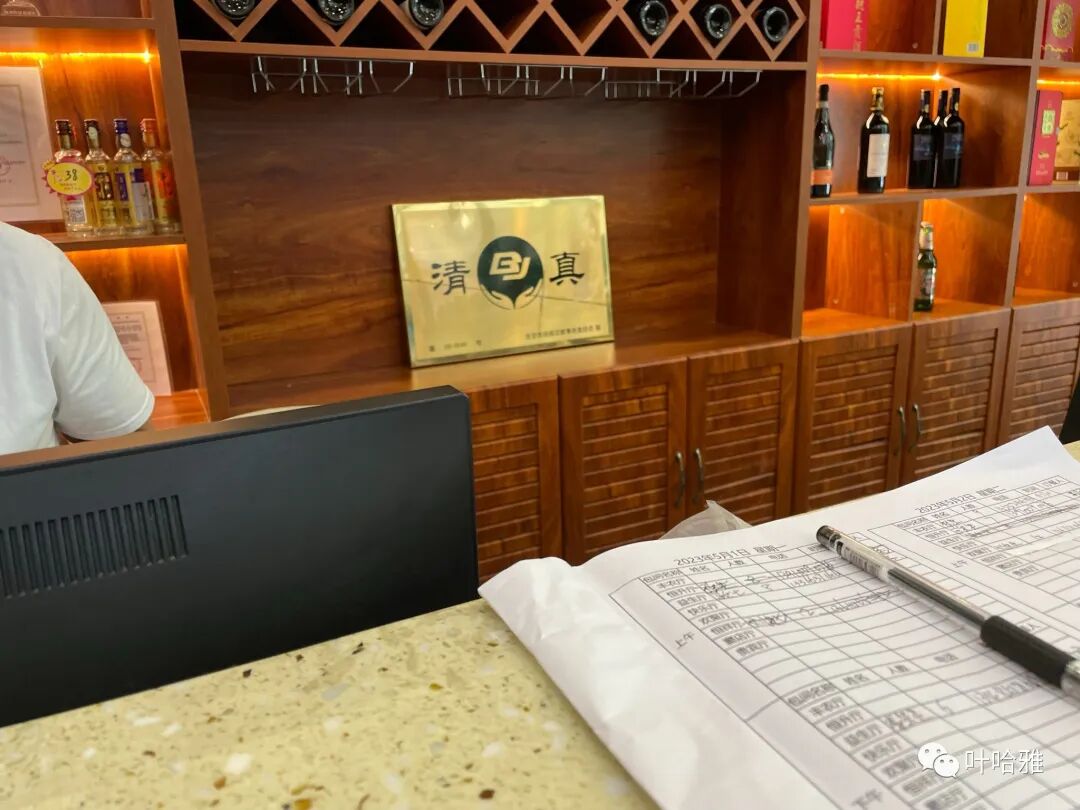
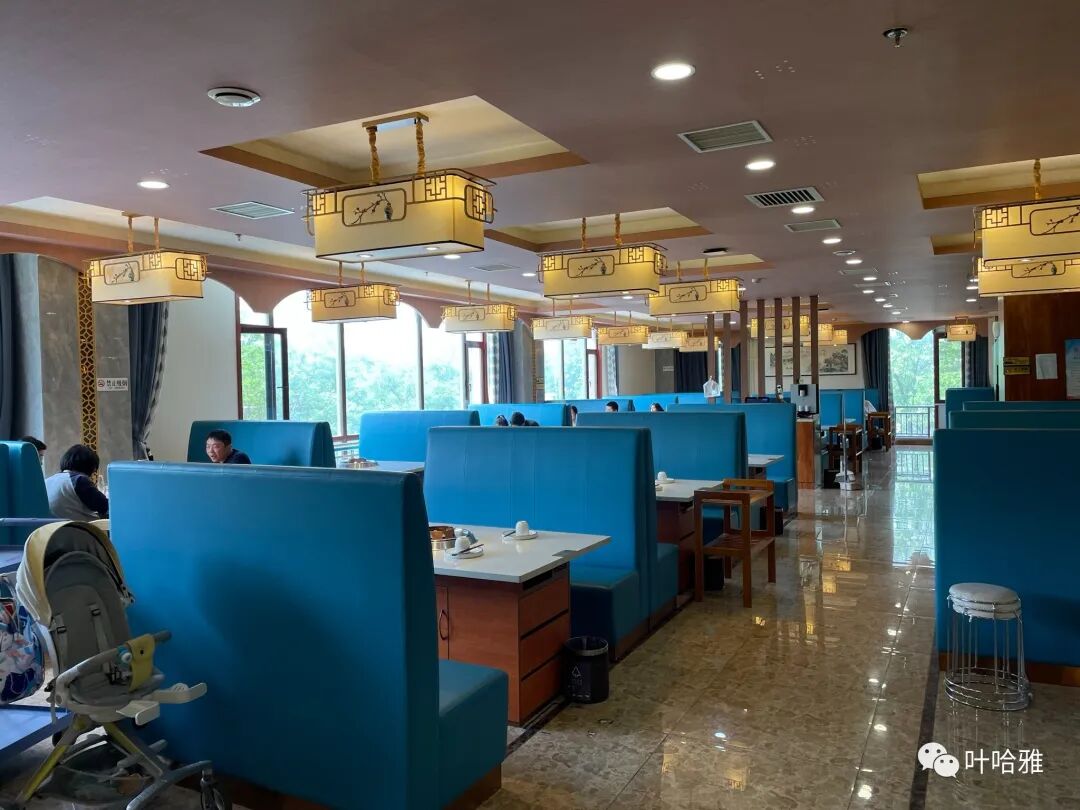
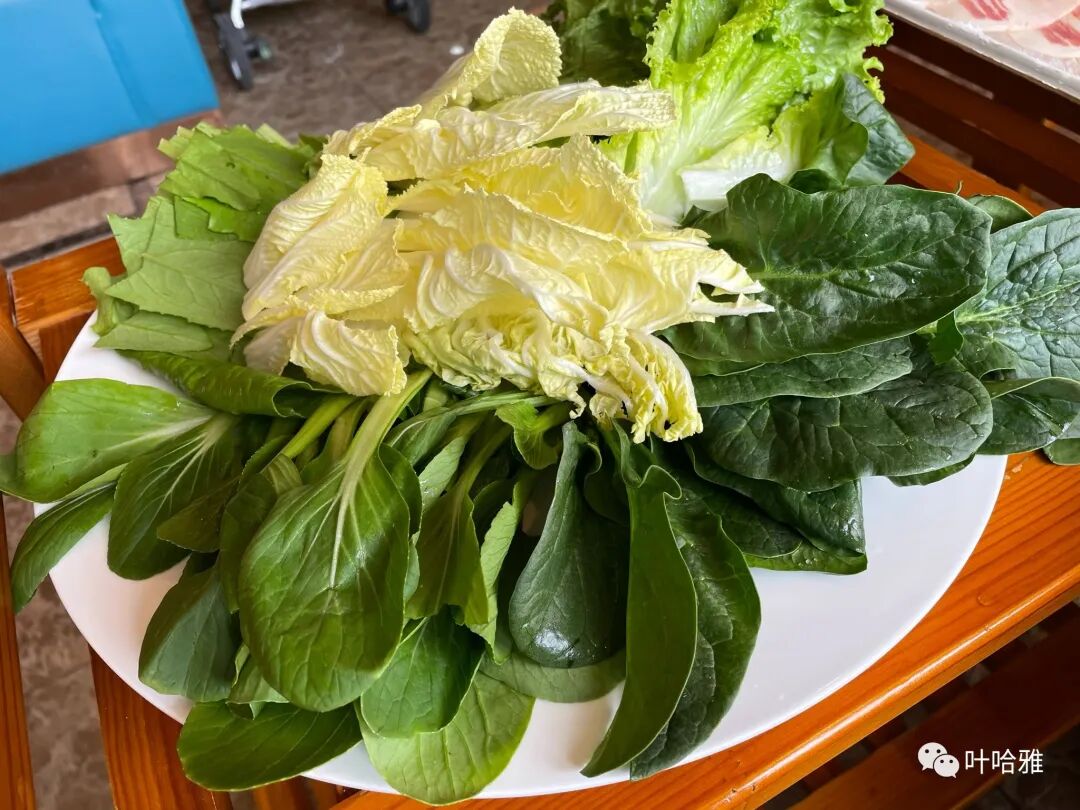
The restaurant is in Fangshan and is quite large with two floors. I heard they have live vegetables, which are hydroponic greens brought straight to your table for the hot pot. They are incredibly fresh, though I did not get to try them when I visited.
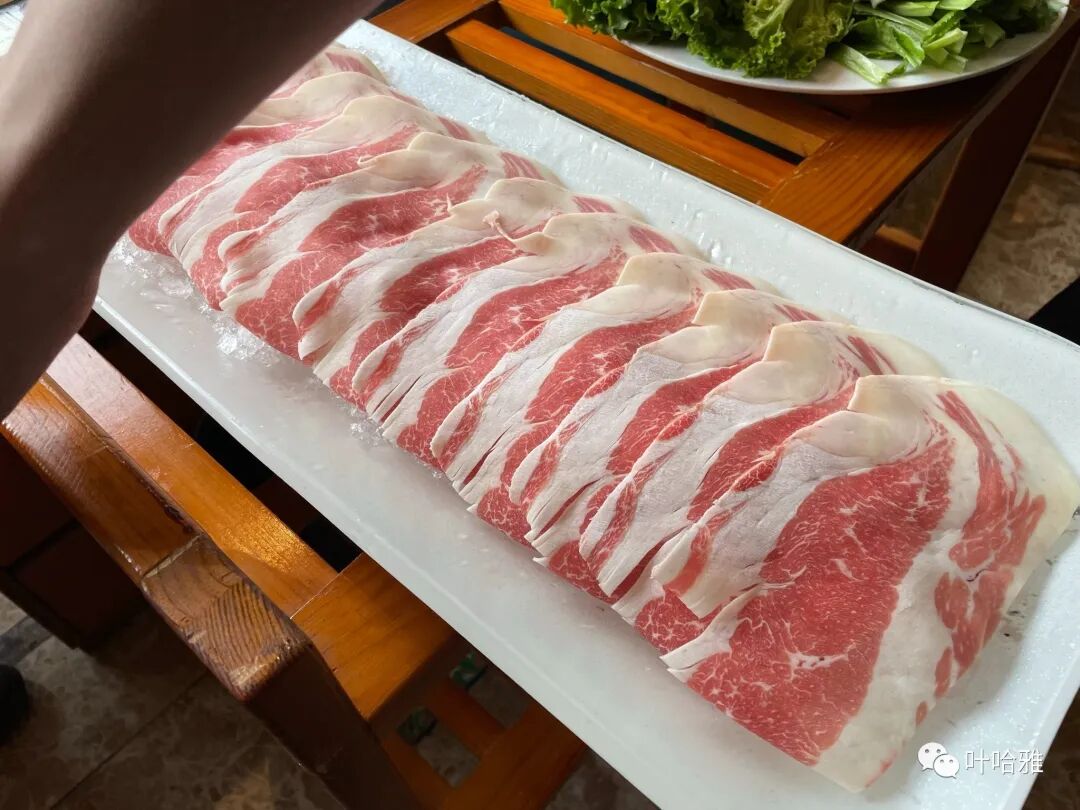
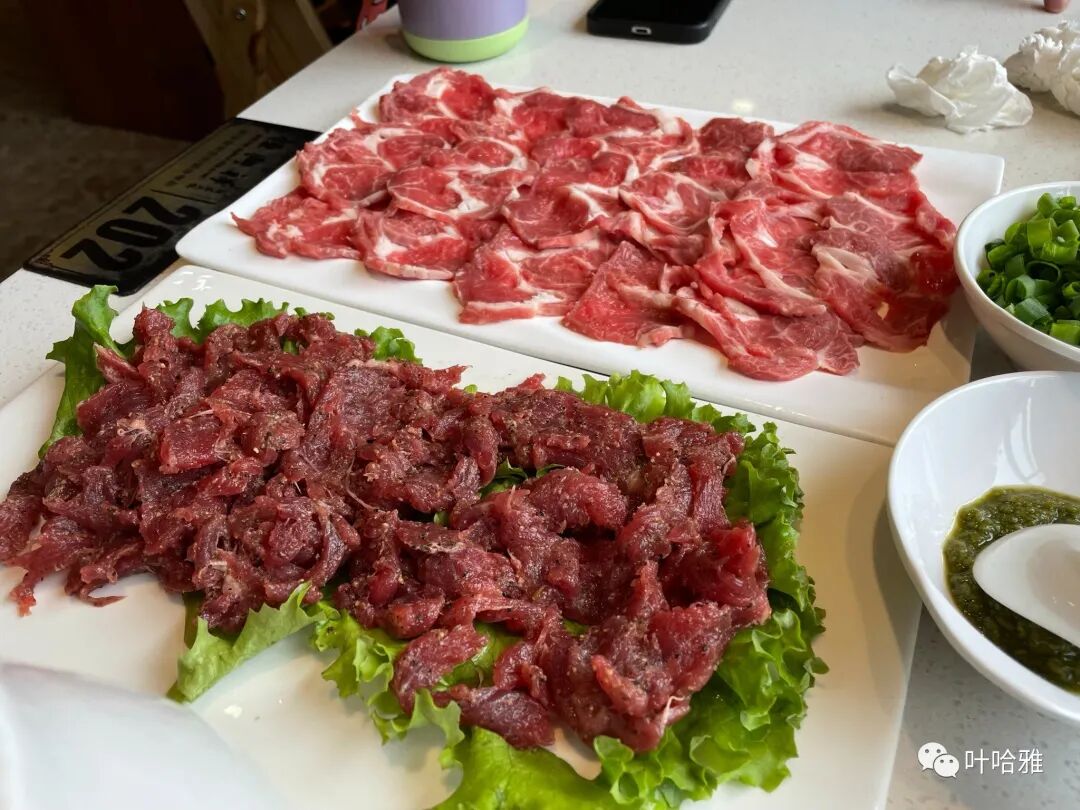
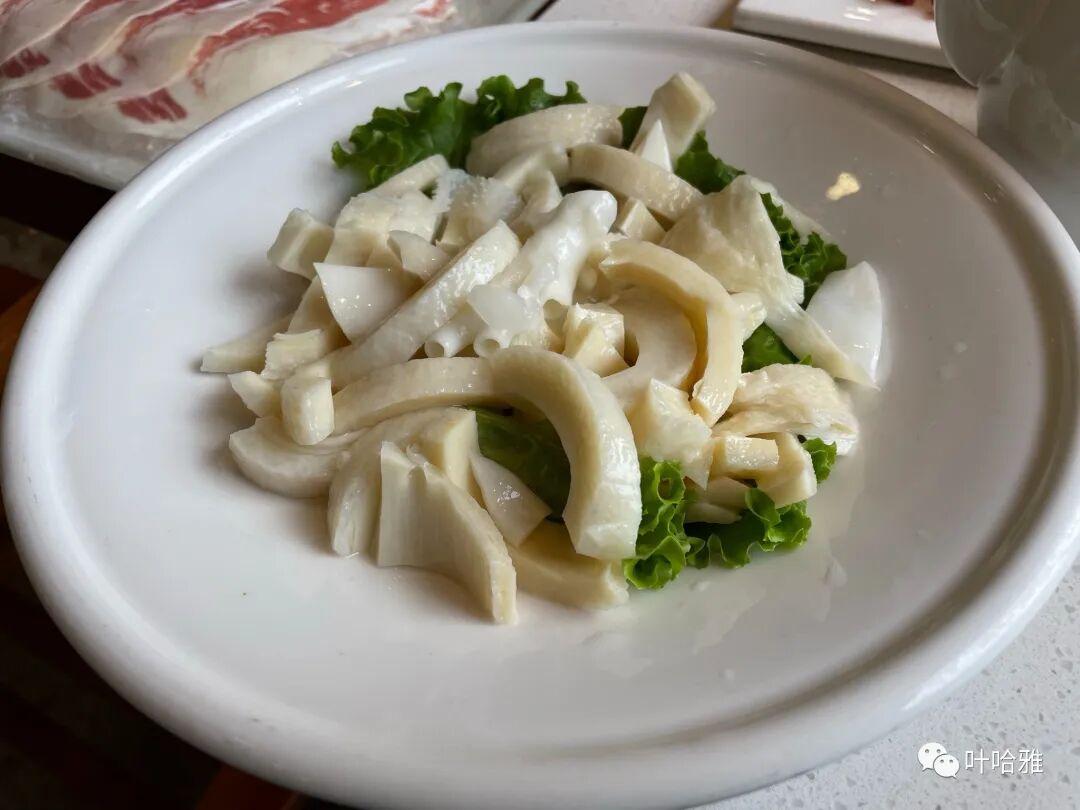
Aorta (huanghou)
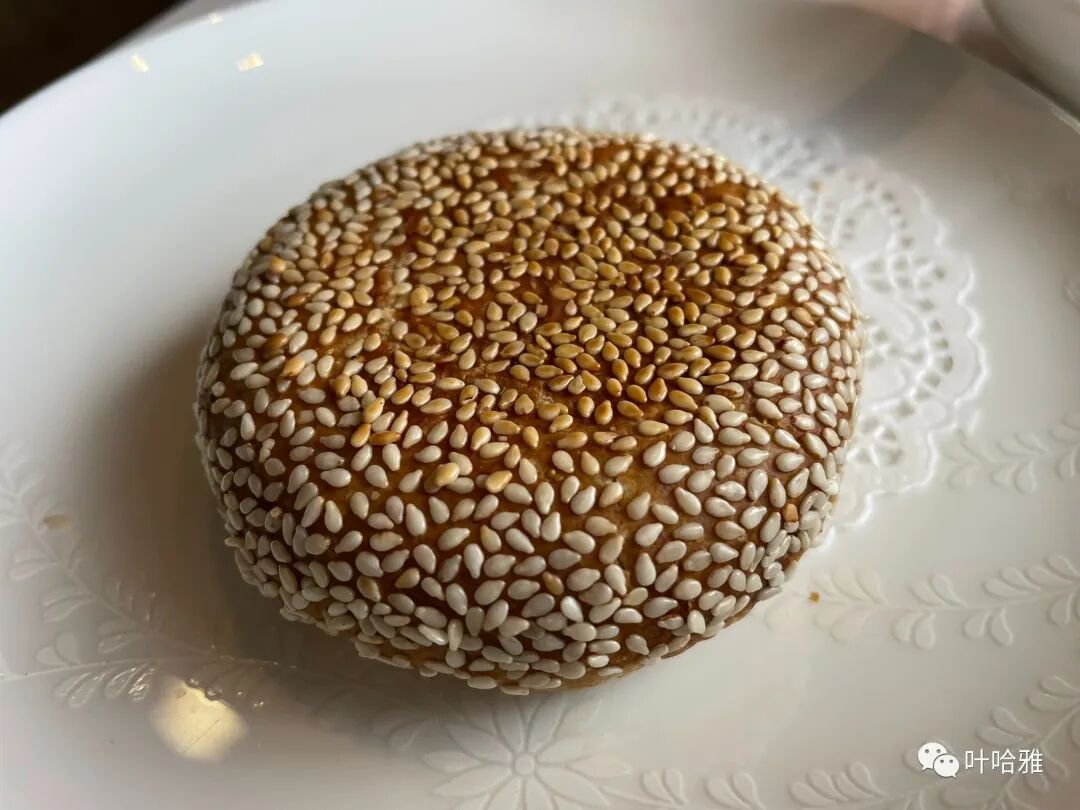
Their sesame flatbread (shaobing) is delicious, soft, and unique. I recommend trying one. There is free parking at the entrance; just tell the security guard you are there to eat.
2. Yinsha Halal Restaurant
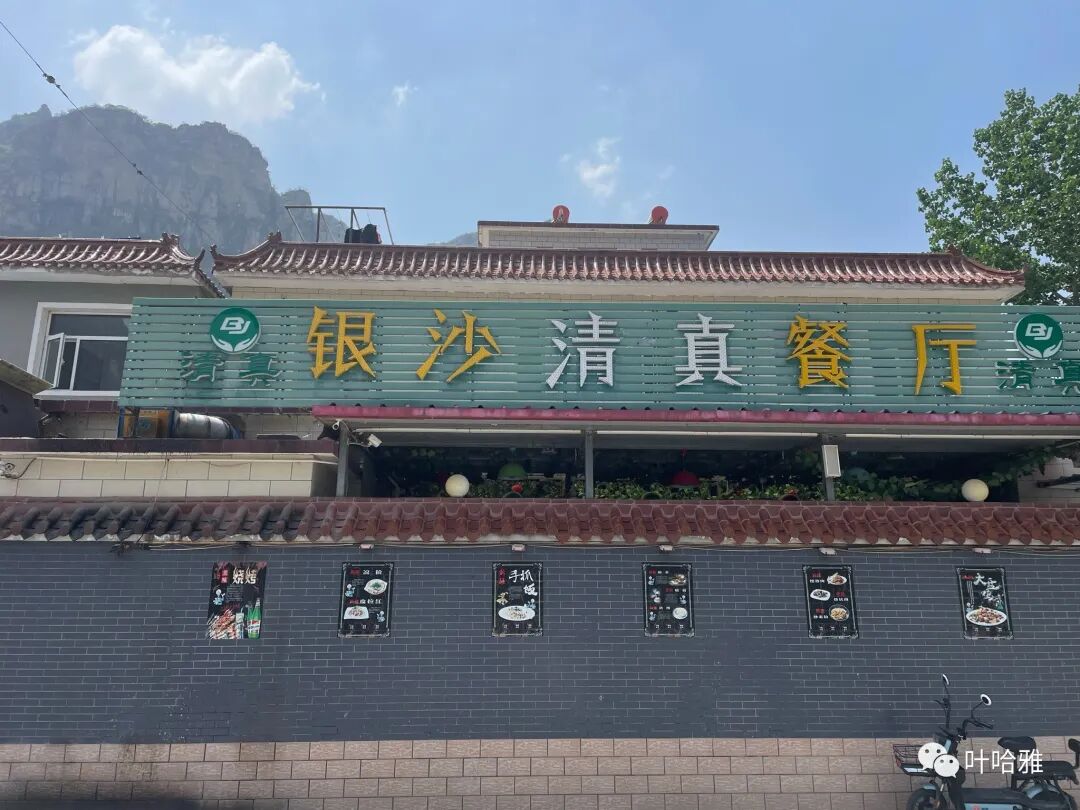
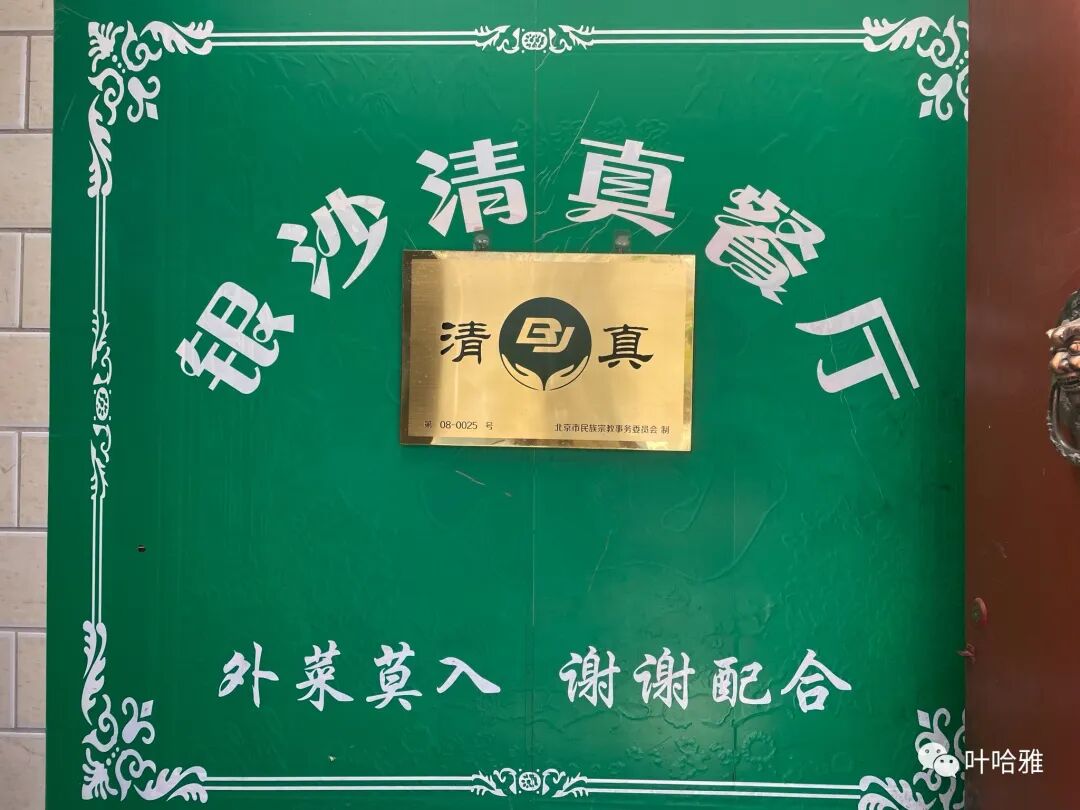
Shidu in Fangshan is a beautiful summer retreat in the Beijing suburbs. I found three halal restaurants along the road between Badu and Jiudu. This Yinsha Halal Restaurant is run by a friend from Kashgar (adaxi) and is located in Jiudu. These restaurants all offer lodging.
They serve traditional large Xinjiang dishes as well as local farm-style food, such as grilled rainbow trout and stir-fried wild vegetables.
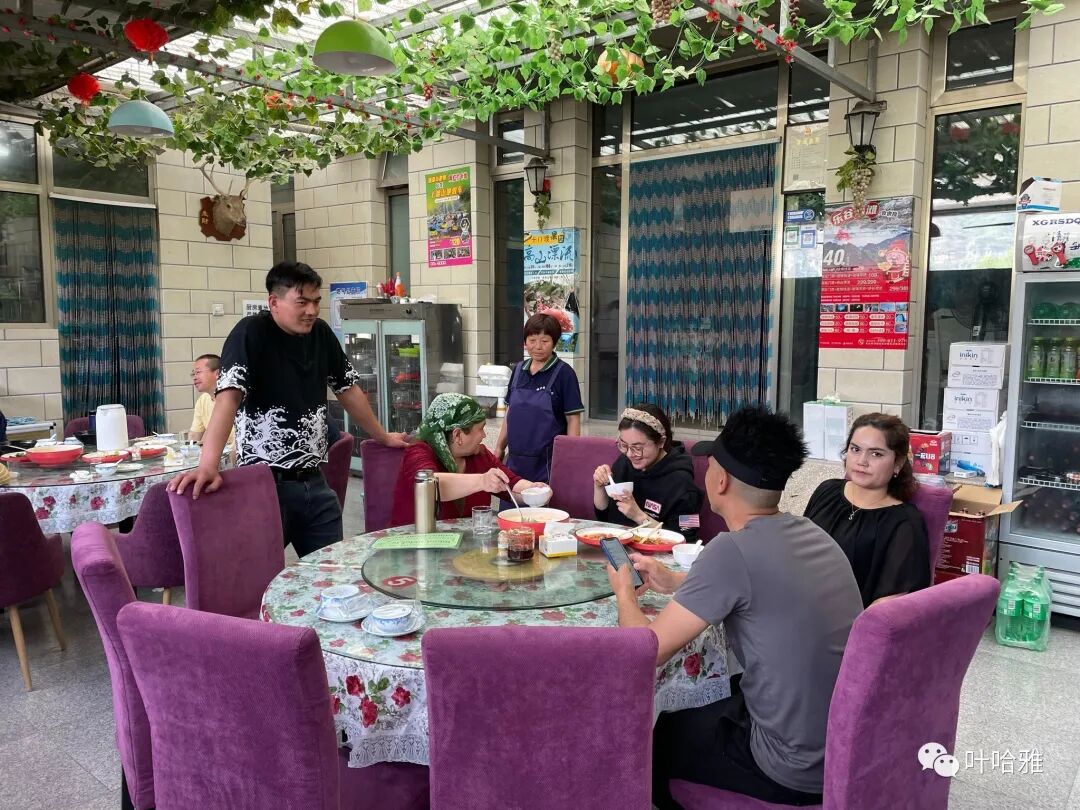
The family from Xinjiang was preparing lung and tripe (mianfeizi) for Eid al-Fitr that day and even invited us to taste it.
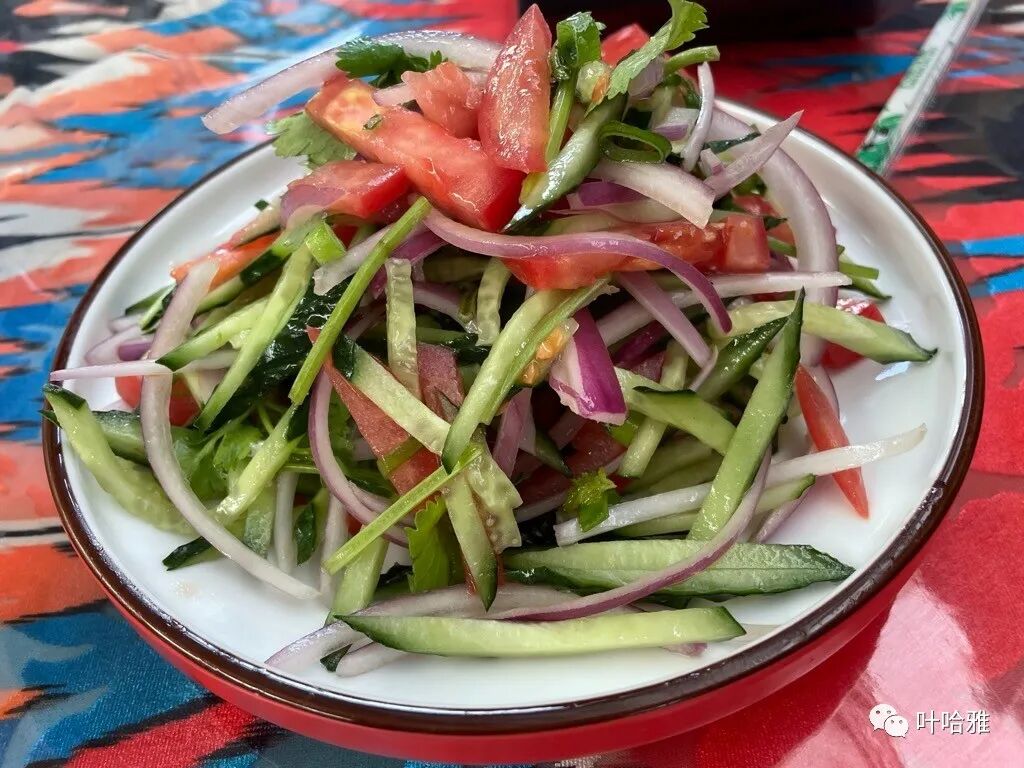
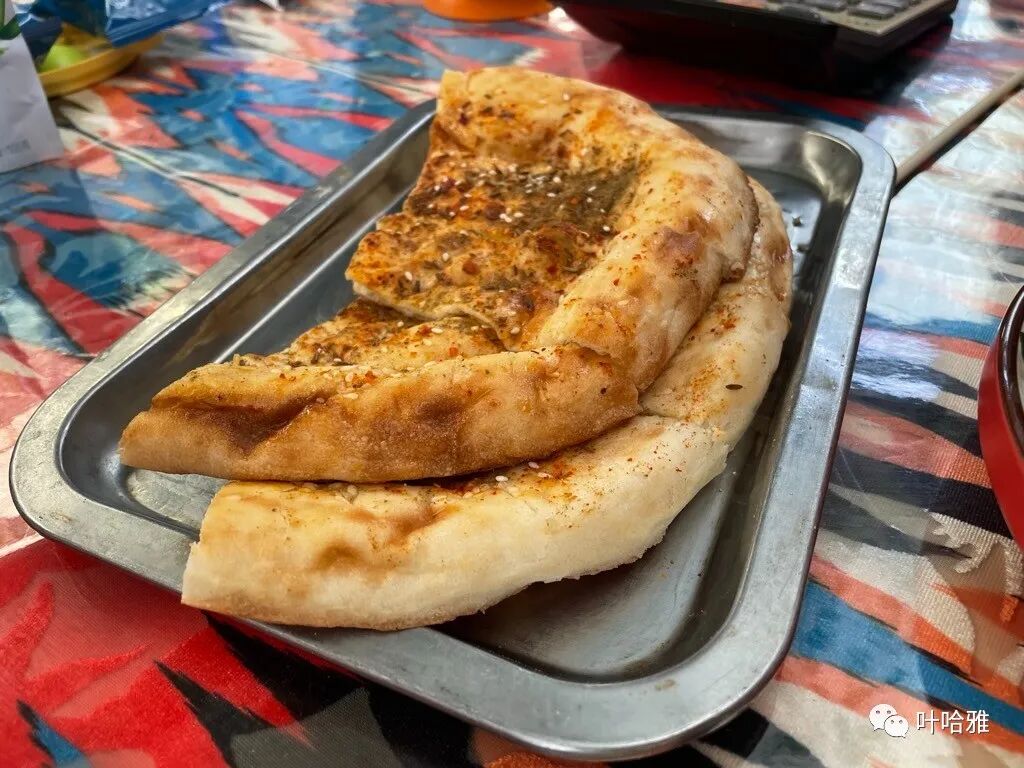
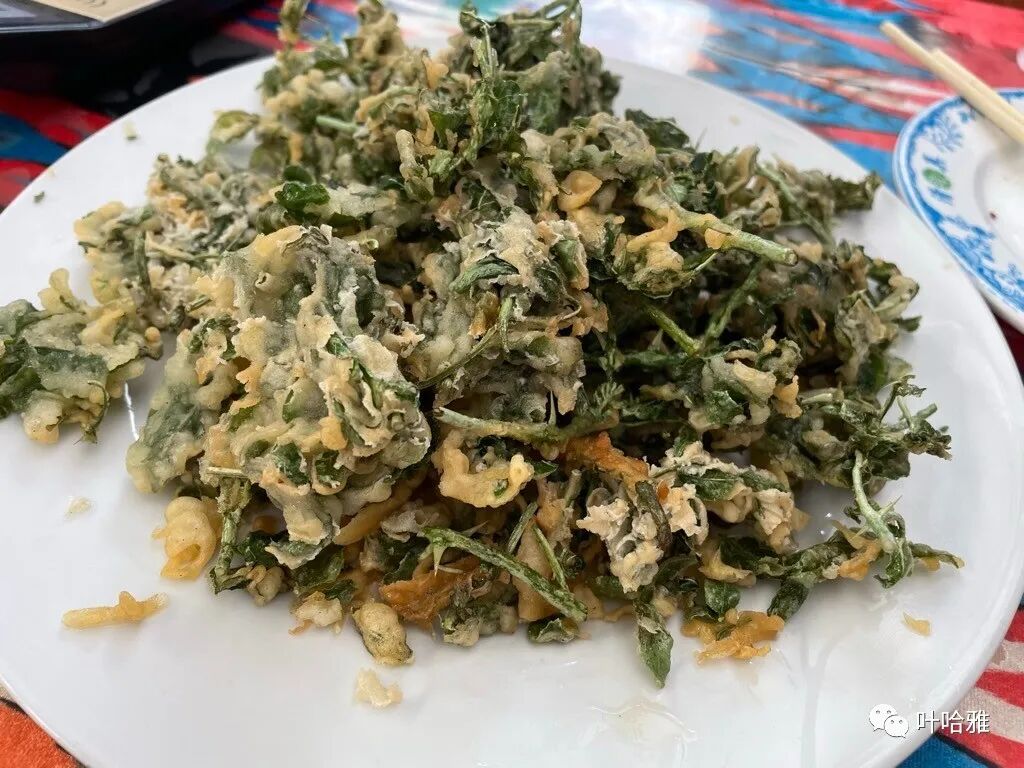
Deep-fried prickly ash buds (zhahuajiaoya)
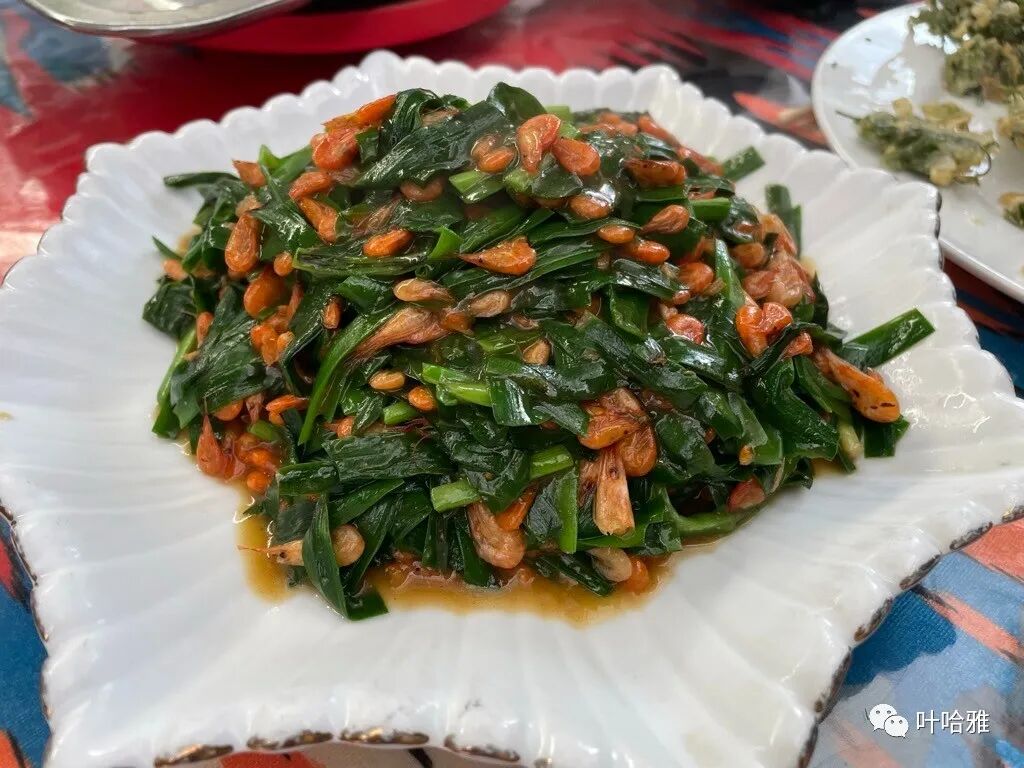
Stir-fried river shrimp (chaohexia)
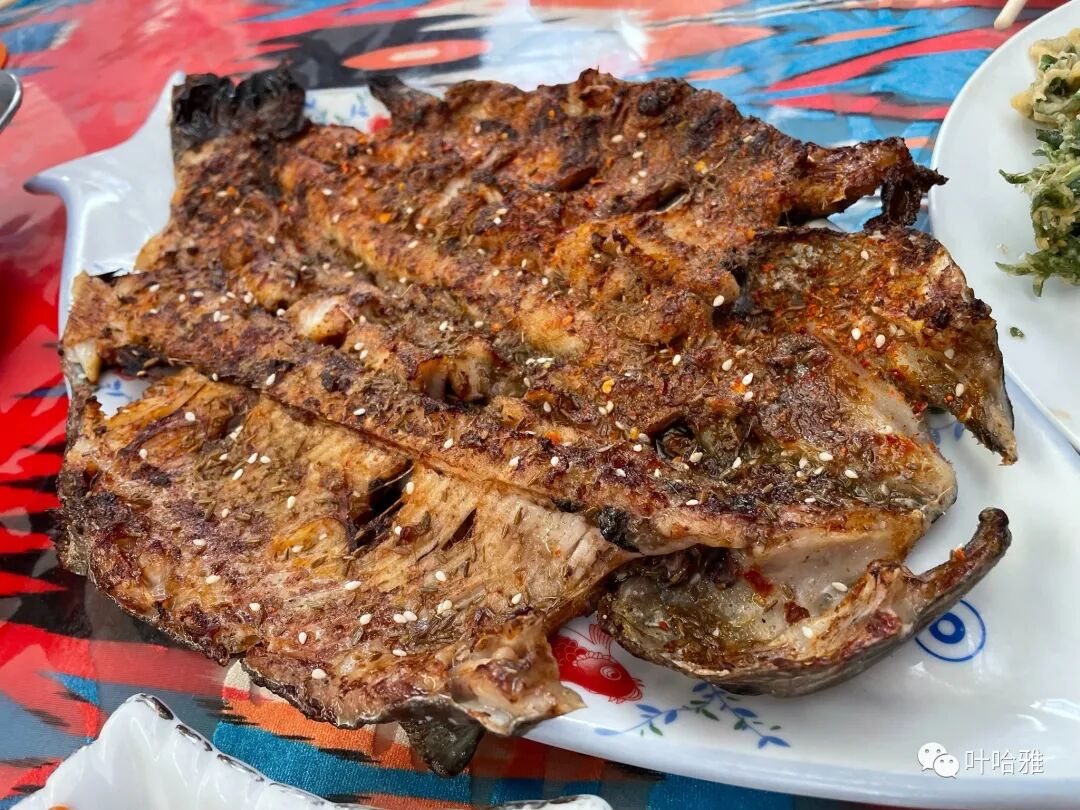
Grilled rainbow trout (kaohongzunyu)
3. Muyi's House
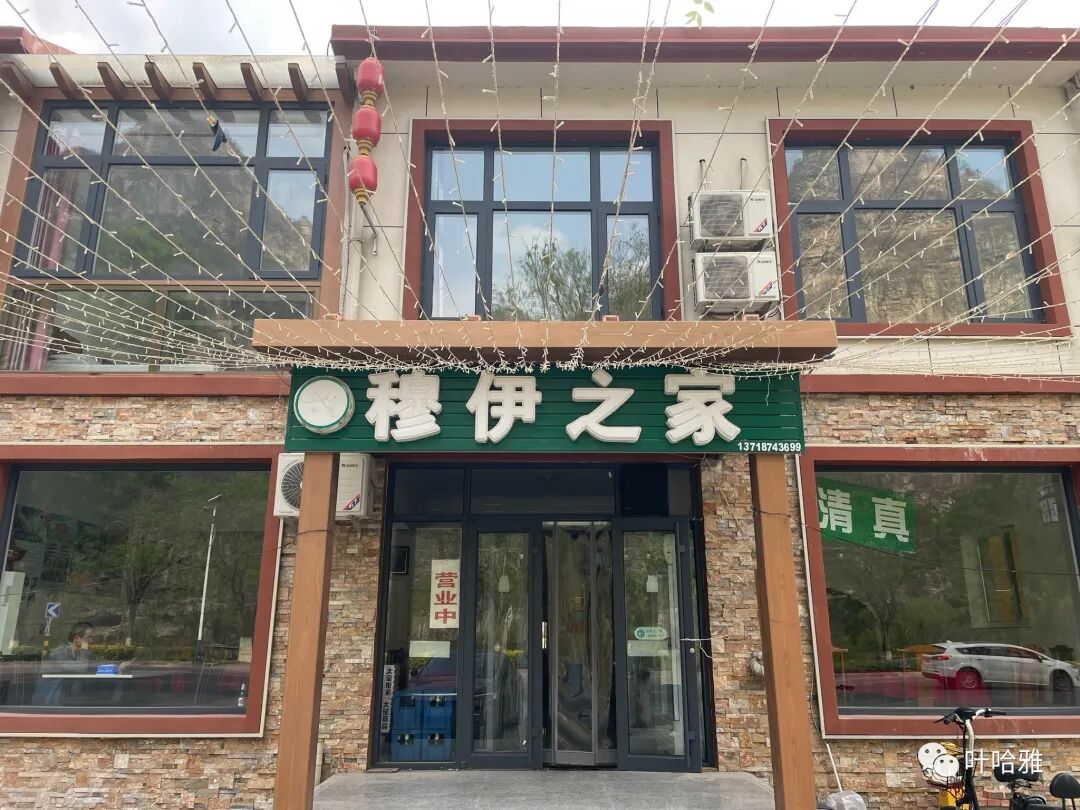
This is a halal Beijing-style restaurant in Badu, and the owner is a Hui Muslim from Fengtai.
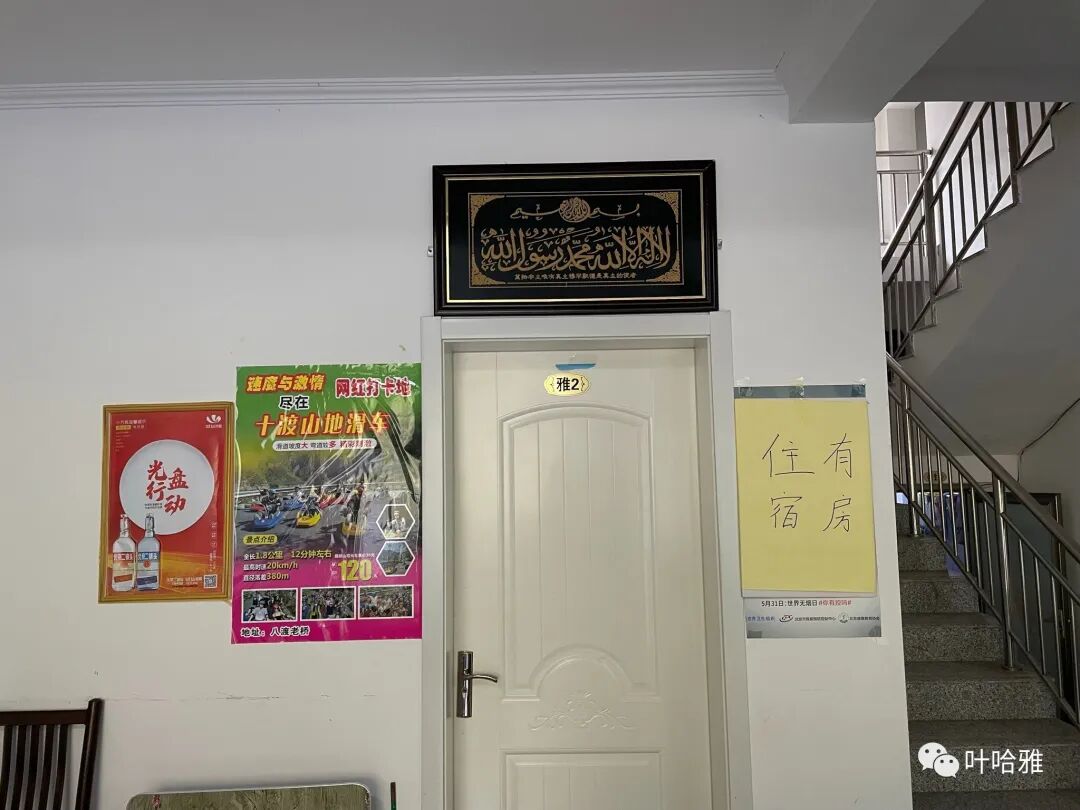
We ordered a few traditional stir-fried dishes, but they were all quite salty. We prefer lighter flavors, so keep that in mind. The Shidu tofu is a specialty dish and it tastes quite good.
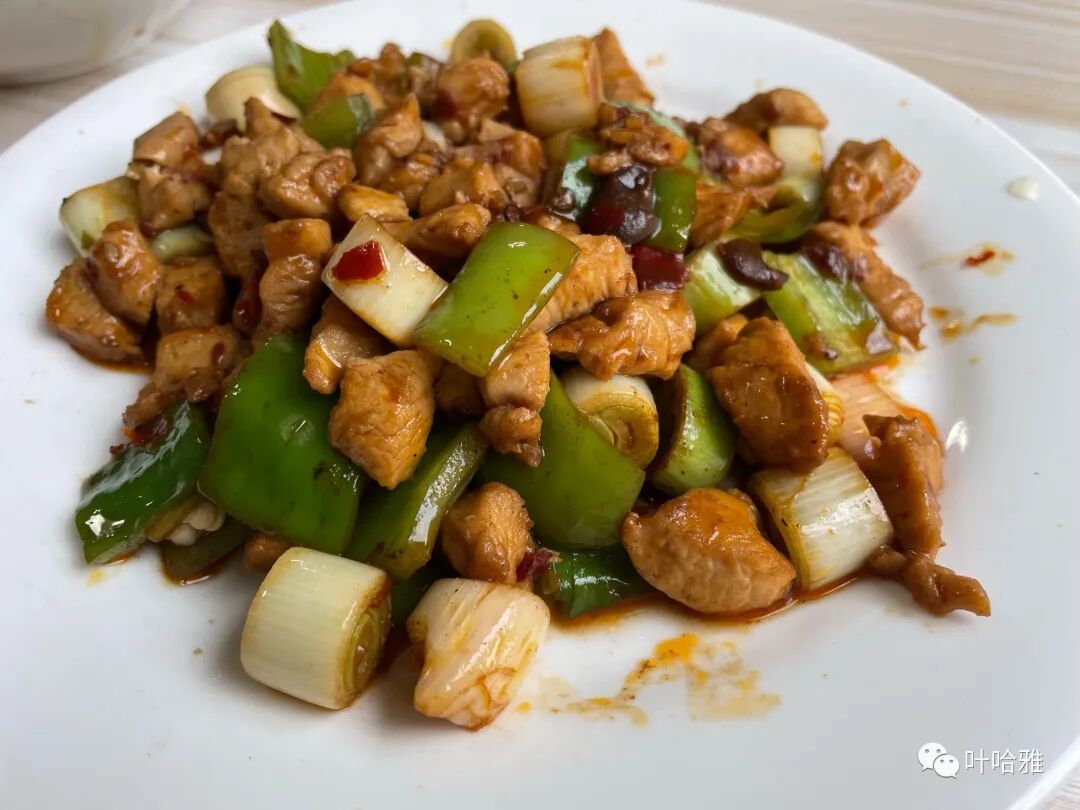
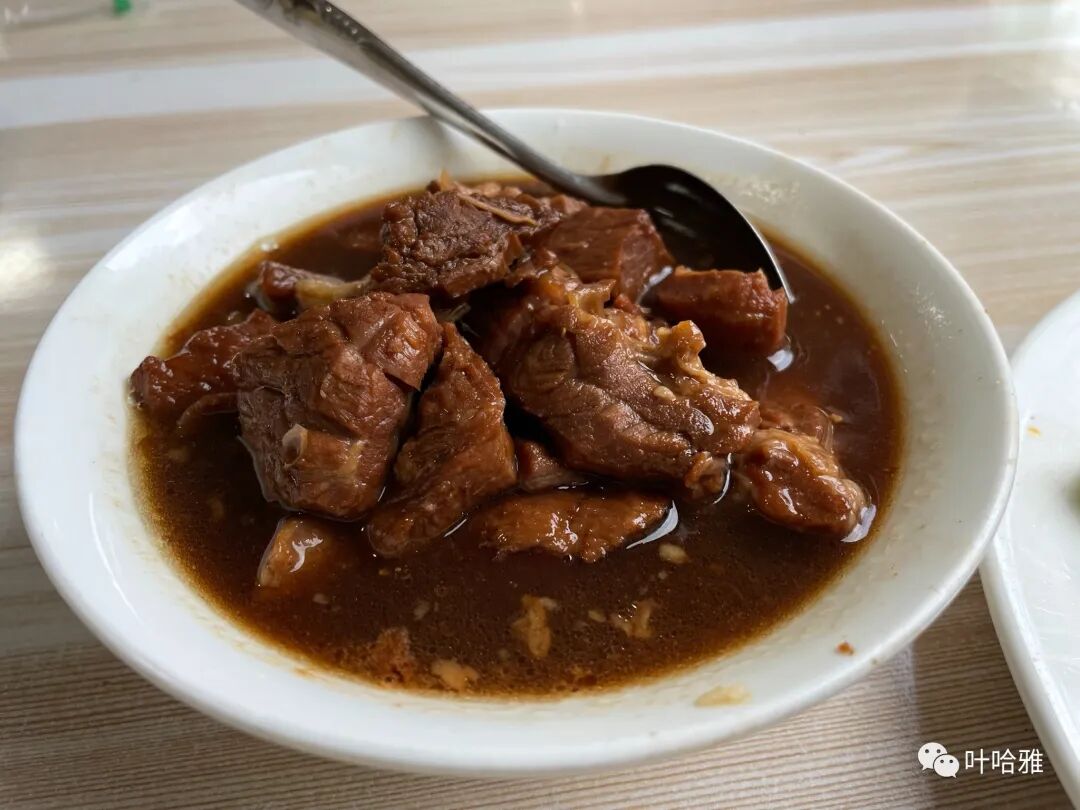
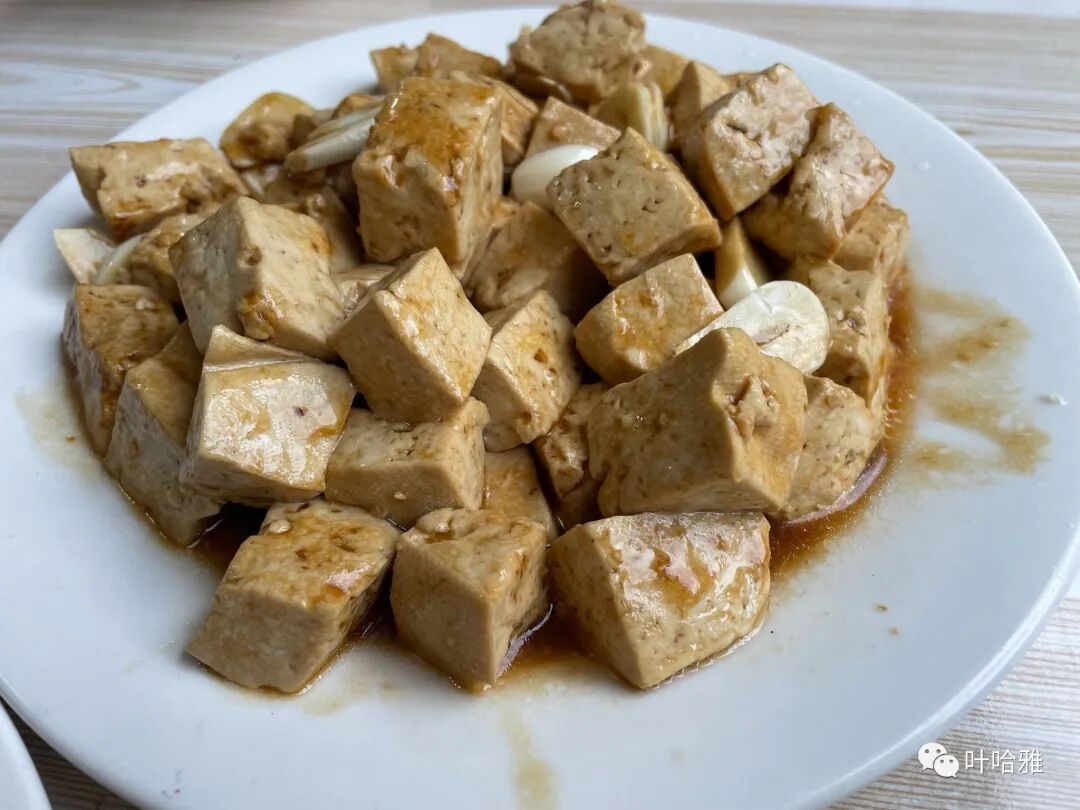
Shidu tofu (shidudoufu)
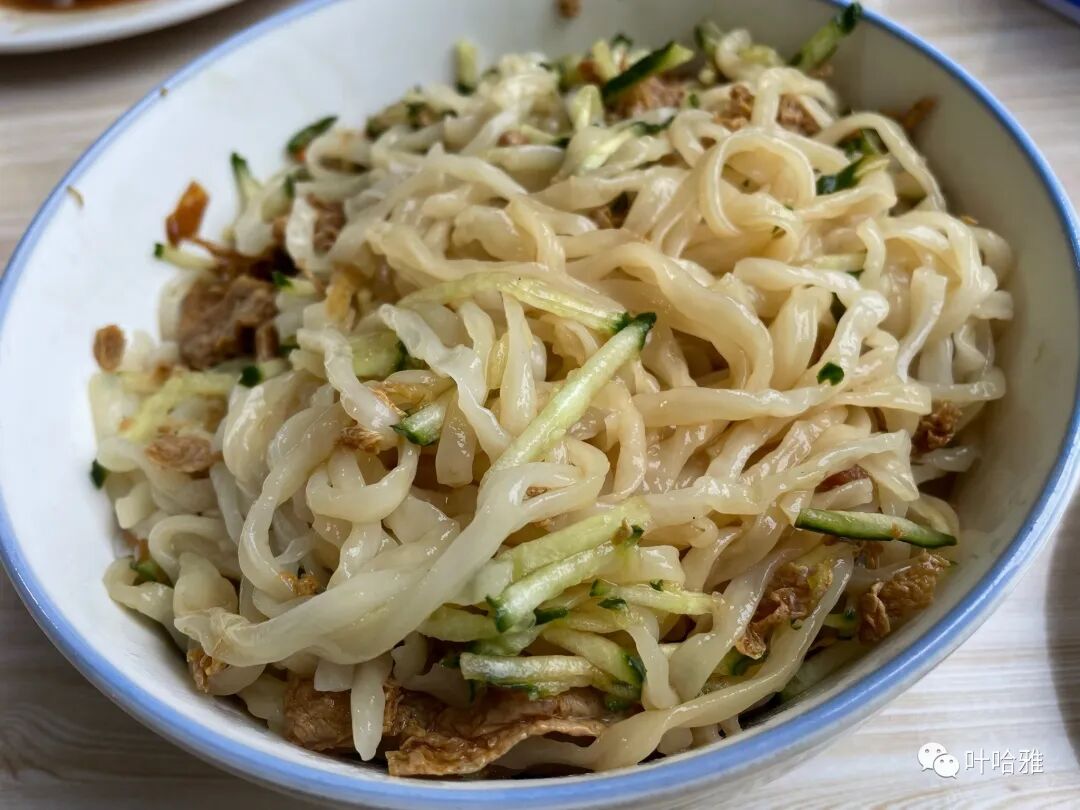
Egg sauce noodles (jidancuanmian)
The egg sauce for these noodles is extremely salty. Add it little by little when you eat. Most people definitely cannot handle the whole serving of sauce.
4. Clam vermicelli (huajiaphen)
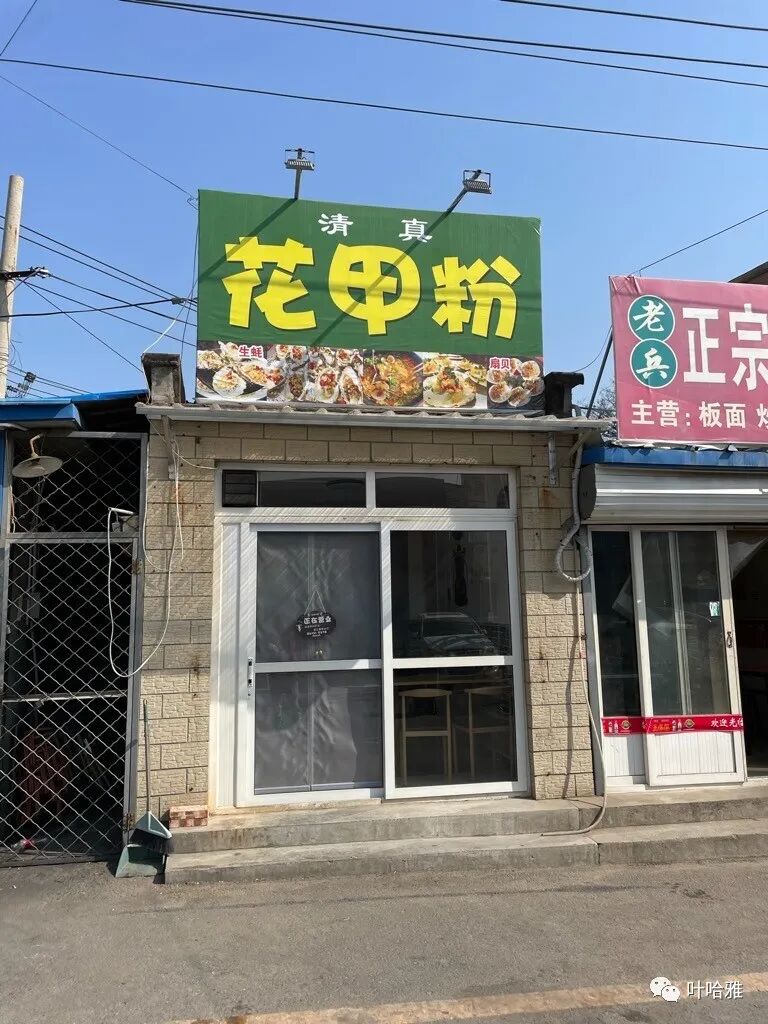
This is an unassuming little shop in the Xiguanshi market. It looks very ordinary, but the taste is excellent.
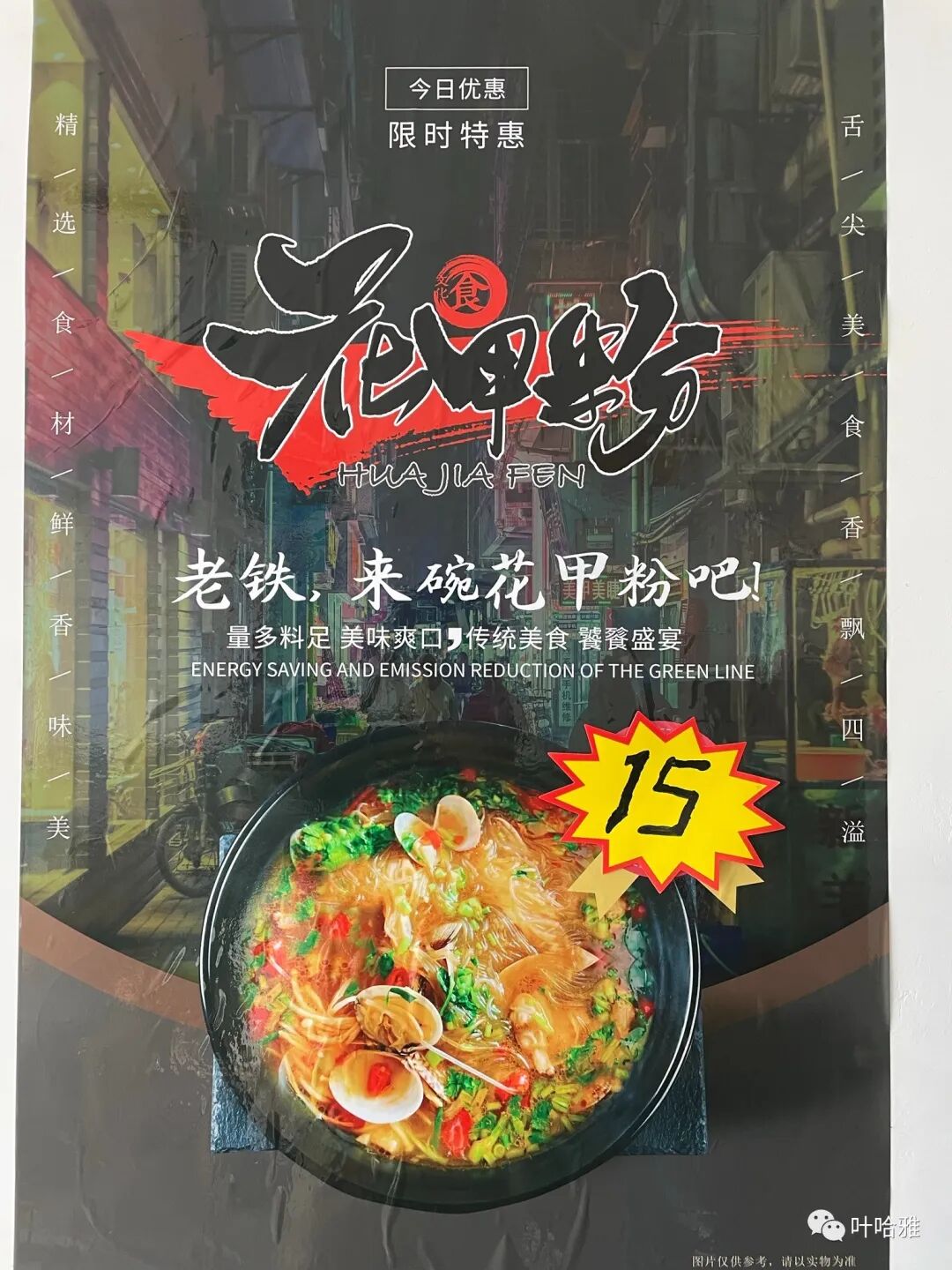
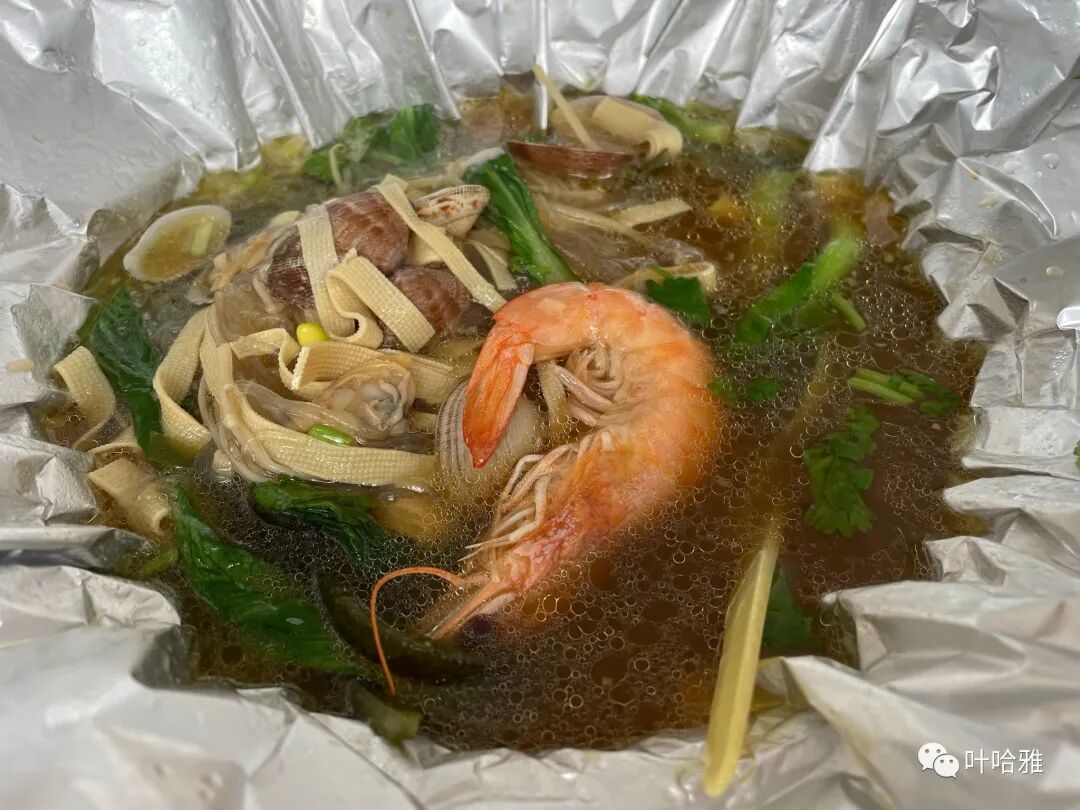
The clam vermicelli is made of glass noodles with clams and some side vegetables. It has a slightly numbing, salty, and savory flavor. You can add chili separately.
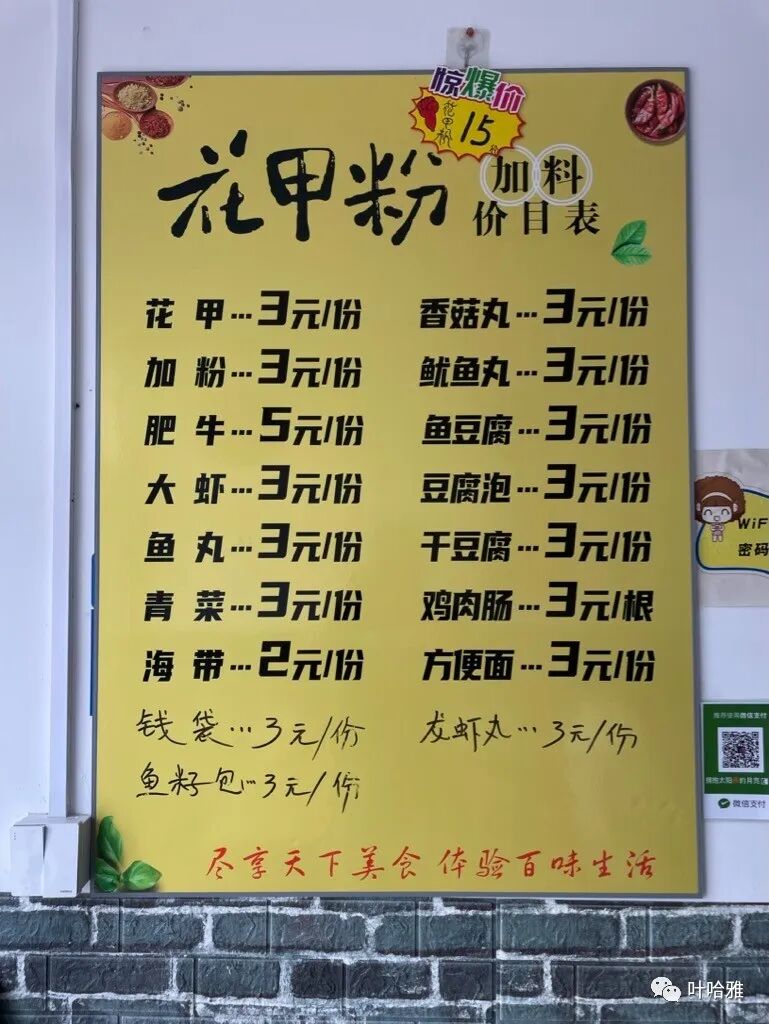
You can add any of these side dishes. The portions are small, and one order of large shrimp is just one single shrimp.
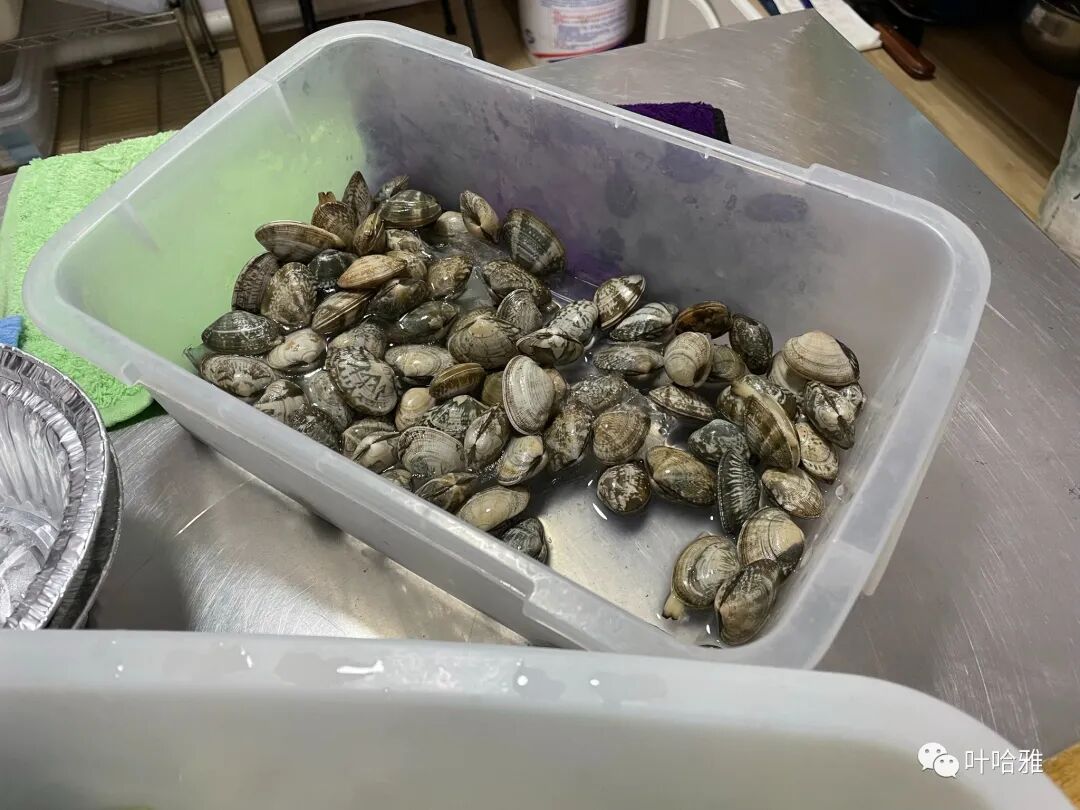
The ingredients are quite fresh. The vegetables and seafood cook quickly when blanched, and they taste good.
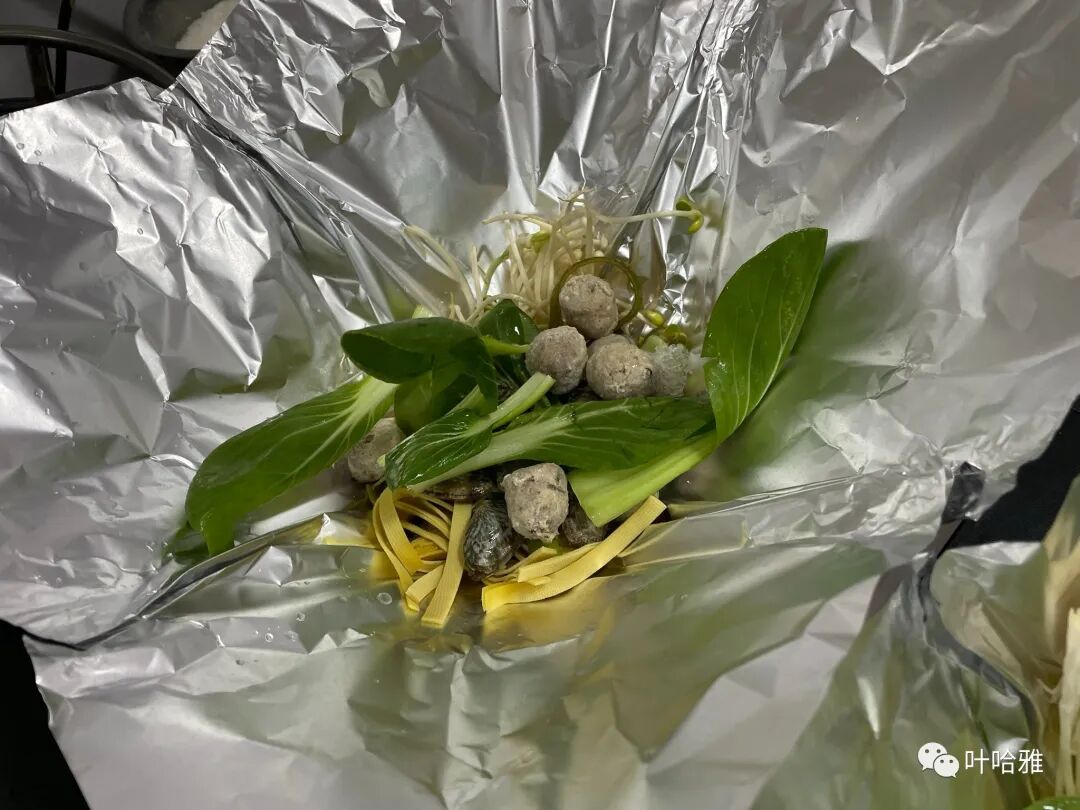
It comes wrapped in foil and sits on a bowl so you can carry it without burning your hands, because this clam vermicelli (huajiafen) is really piping hot.
5. Huawei Beijing Research Institute Halal Canteen
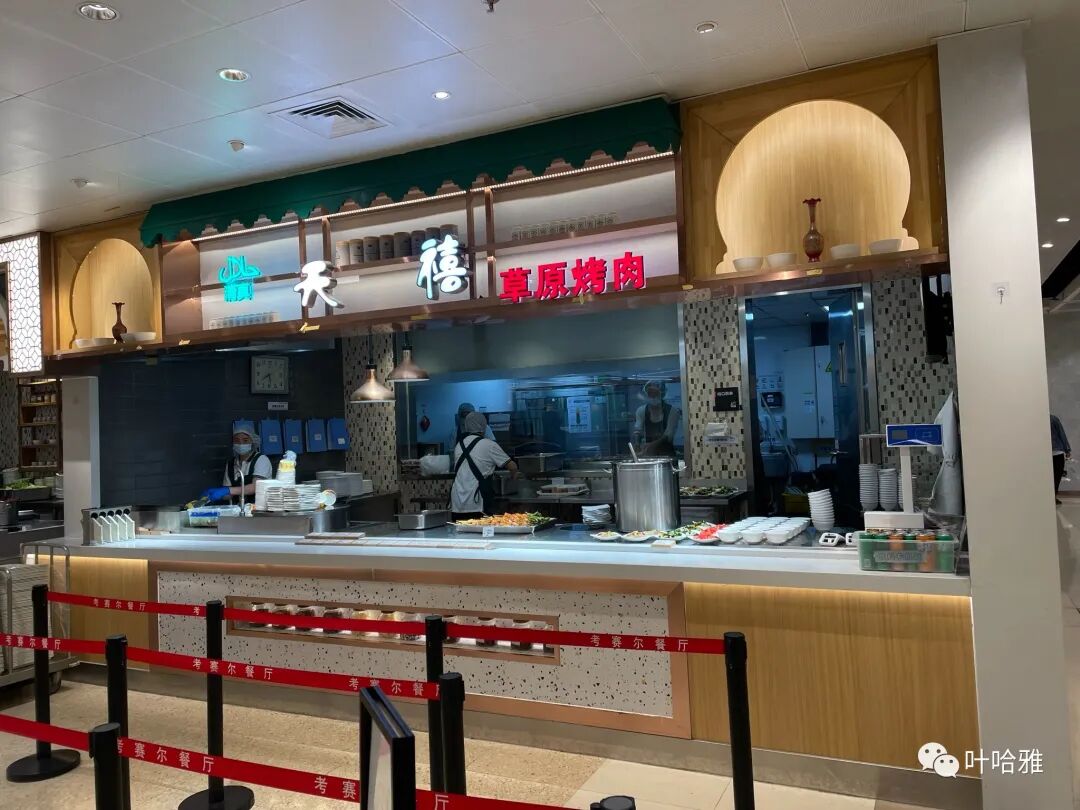
The Huawei Beijing Research Institute has four halal stalls, and they are owned by the same person as the halal canteen at the Bantian base in Shenzhen.
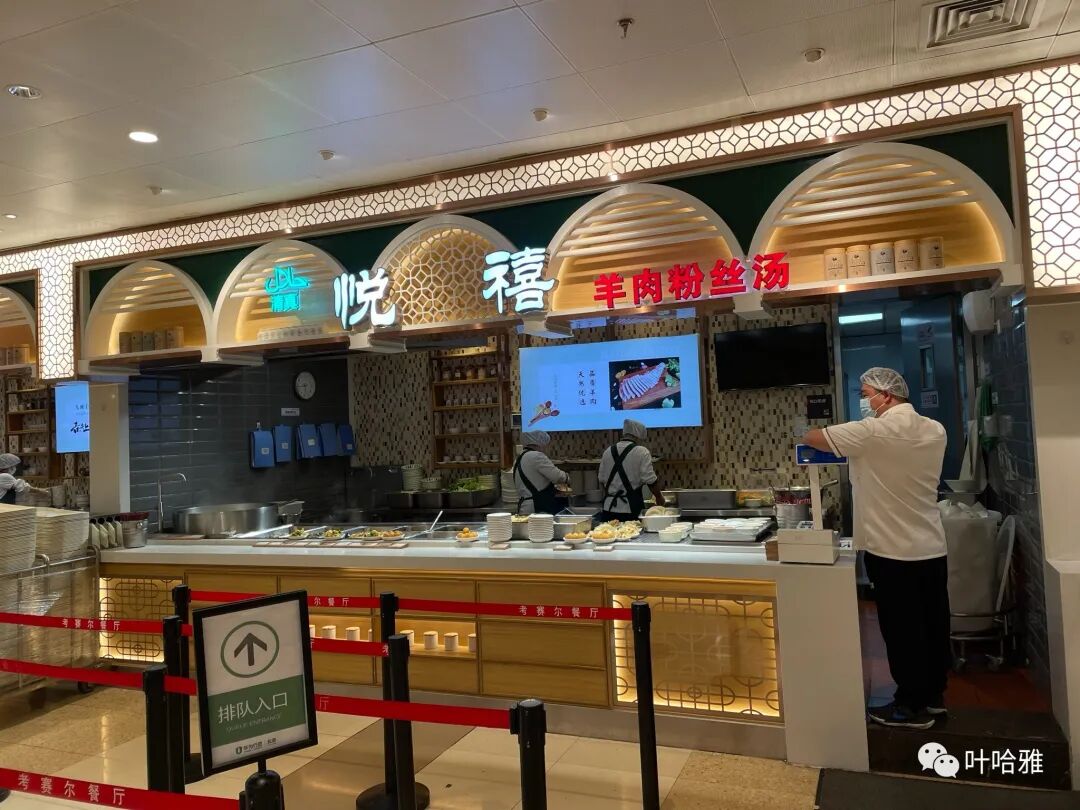
You can use cash at the big tech company's halal canteen, as long as you can find a way to get inside.
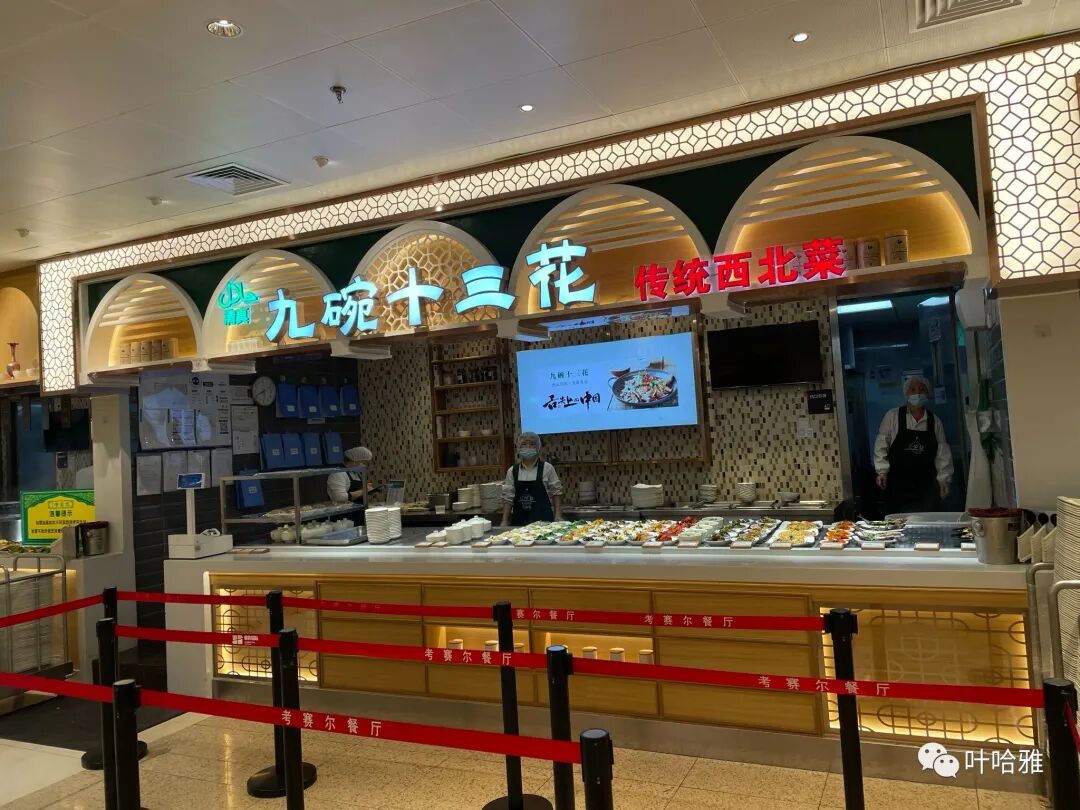
If you have job offers from many big companies and do not know which one to pick, Huawei's halal canteen is a plus.
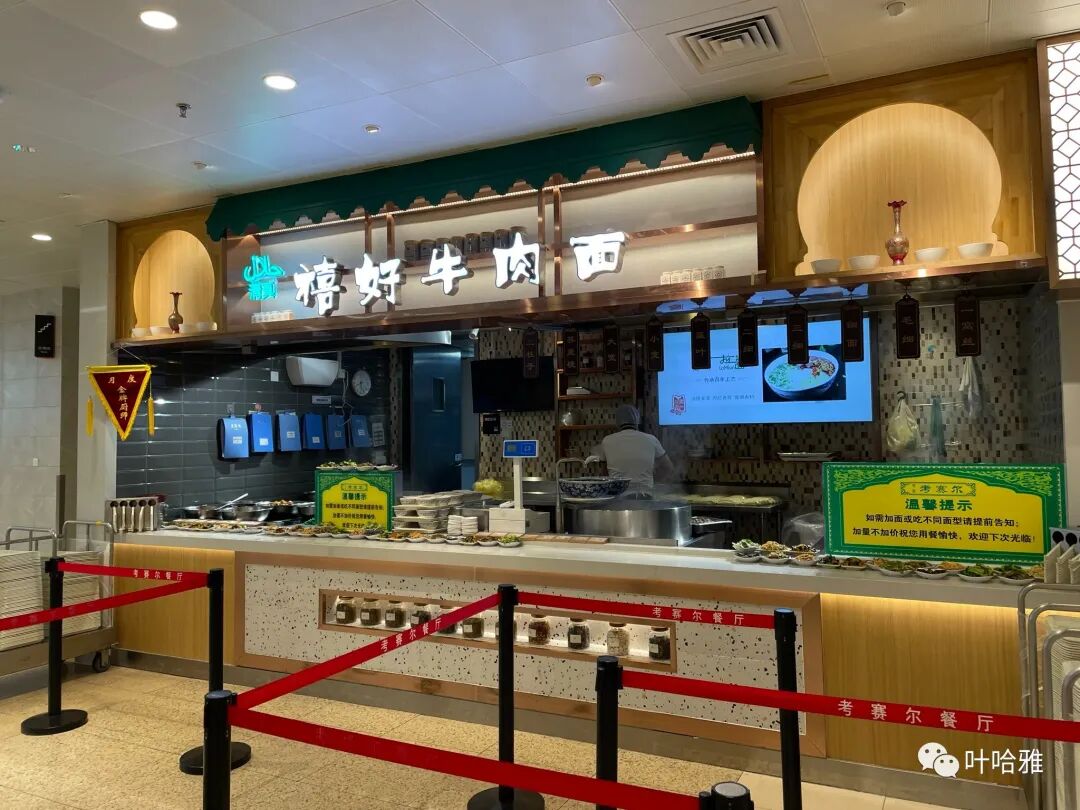
Huawei employees have a high happiness index. Working and living on the campus is convenient, and the environment is beautiful.
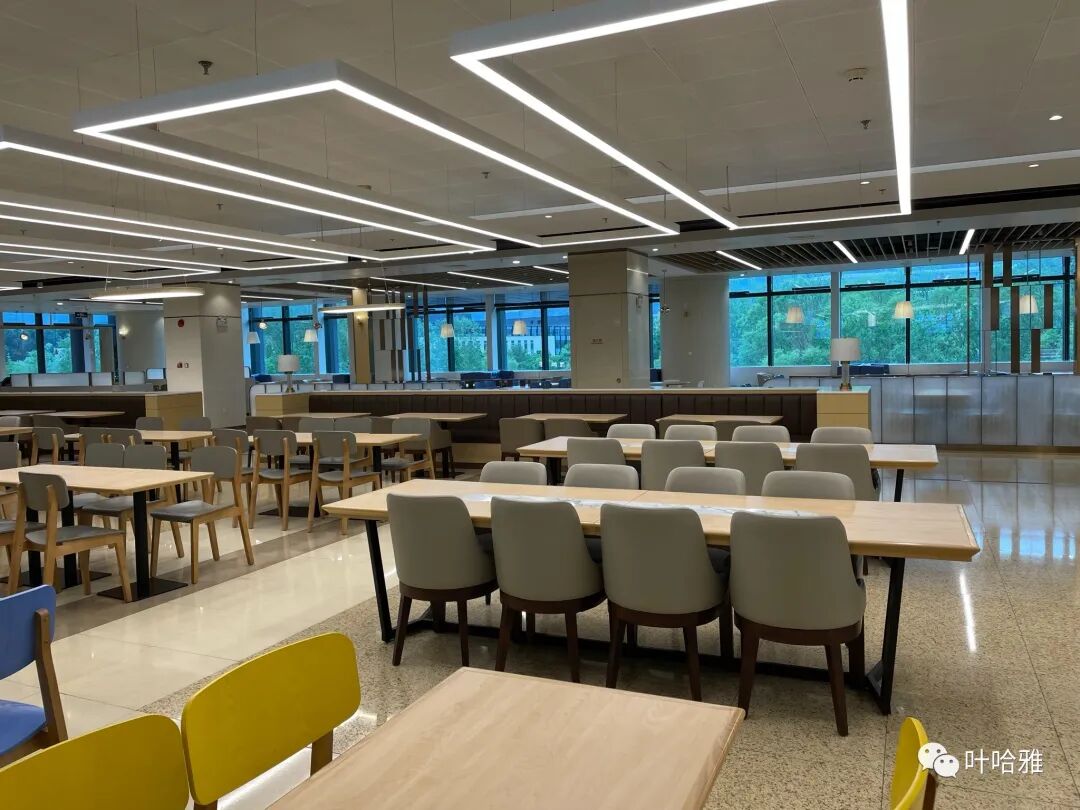
The design style of the canteen and the campus is consistent with the Shenzhen headquarters.
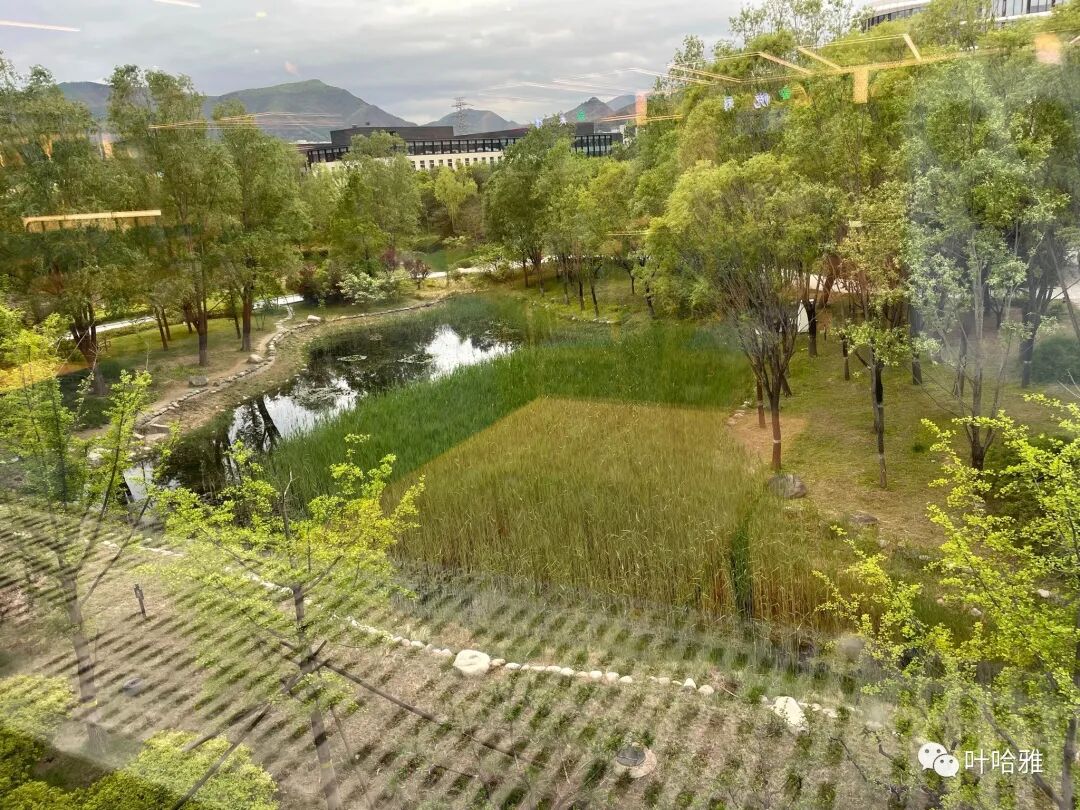
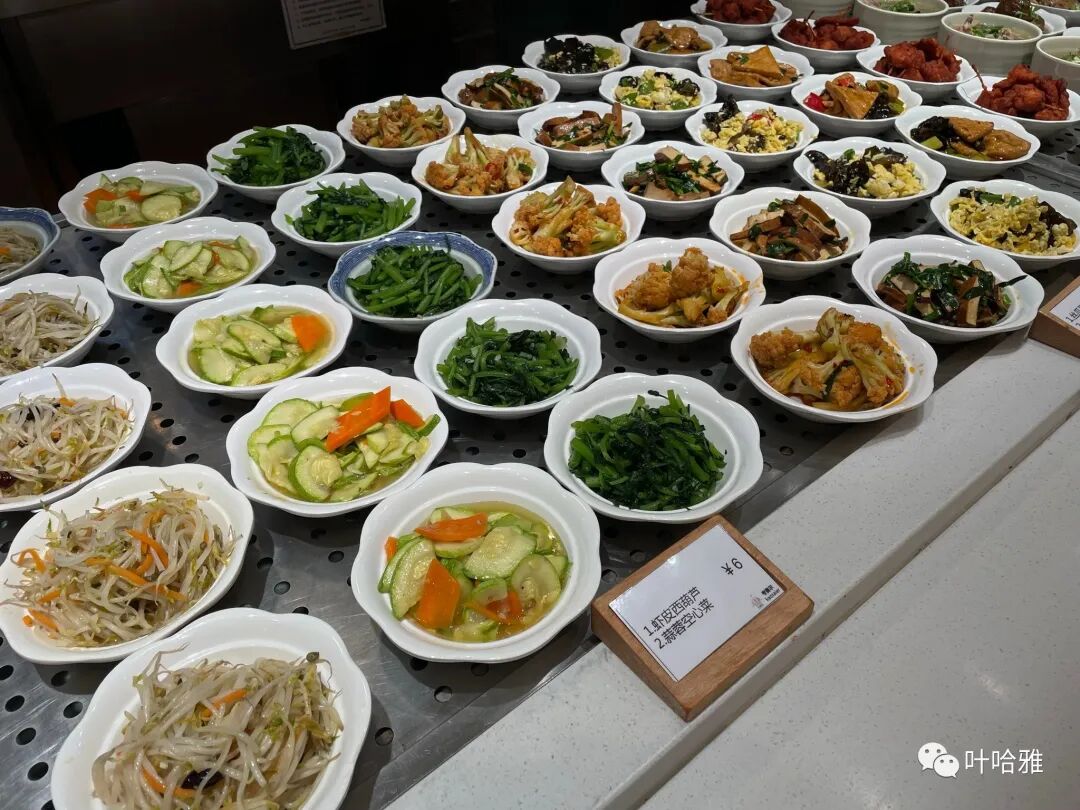
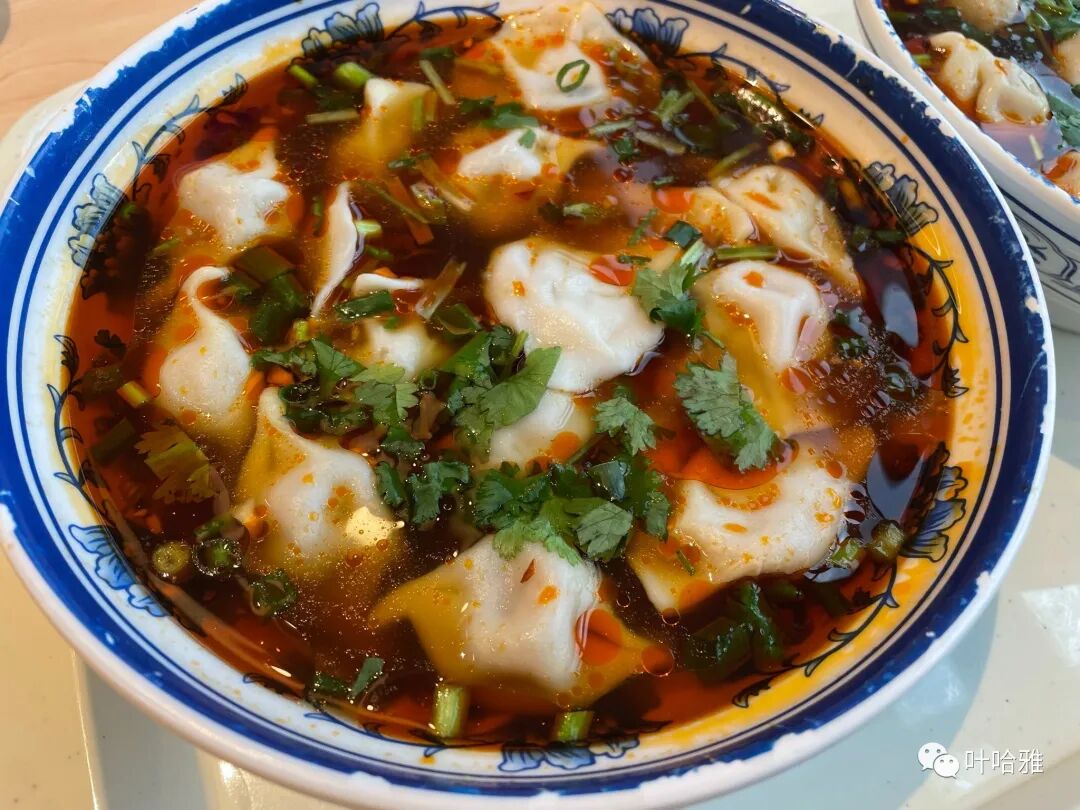
The sour soup dumplings (suantang shuijiao) are really delicious. The last time I had such good sour soup dumplings was in the Muslim Quarter (Huifang) in Xi'an, and these dumplings at Huawei are just as good.
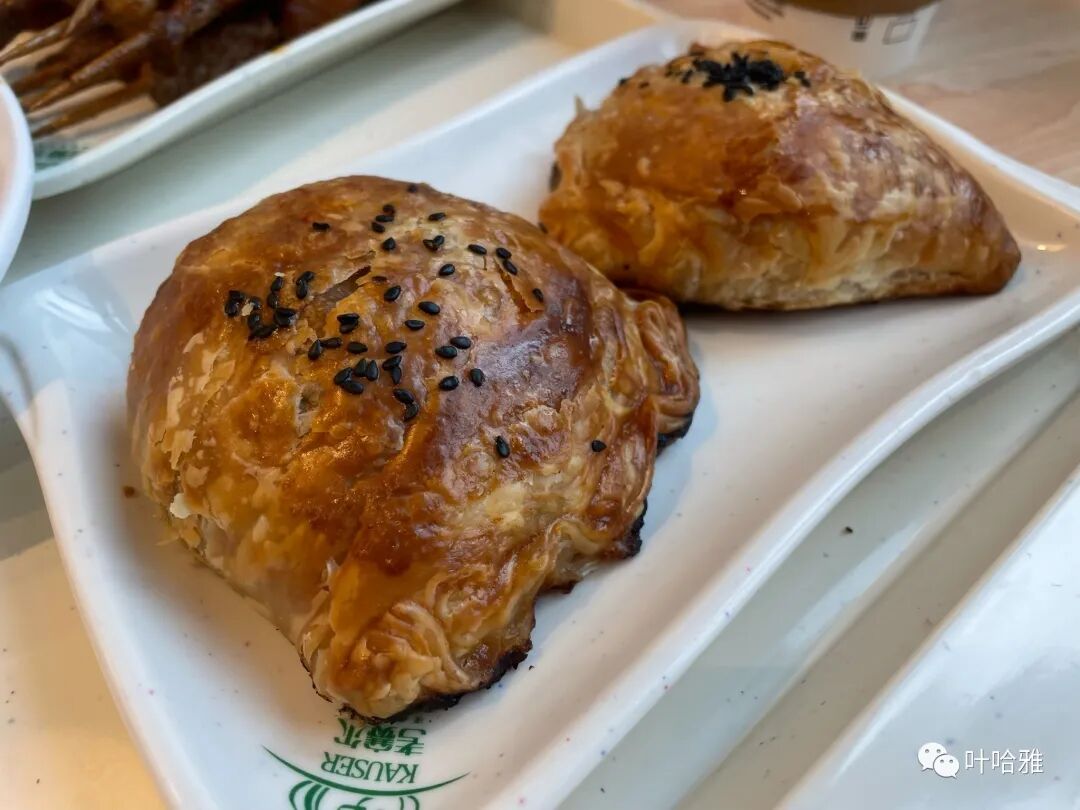
Crispy baked buns (supi kaobaozi)
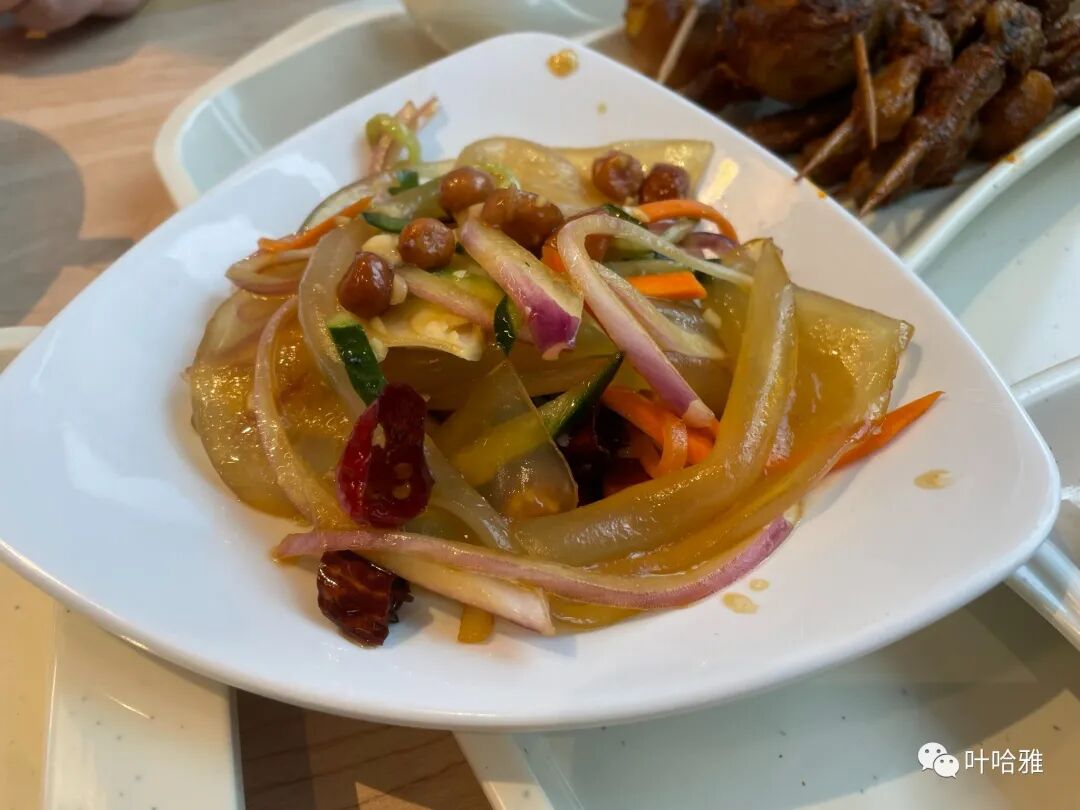
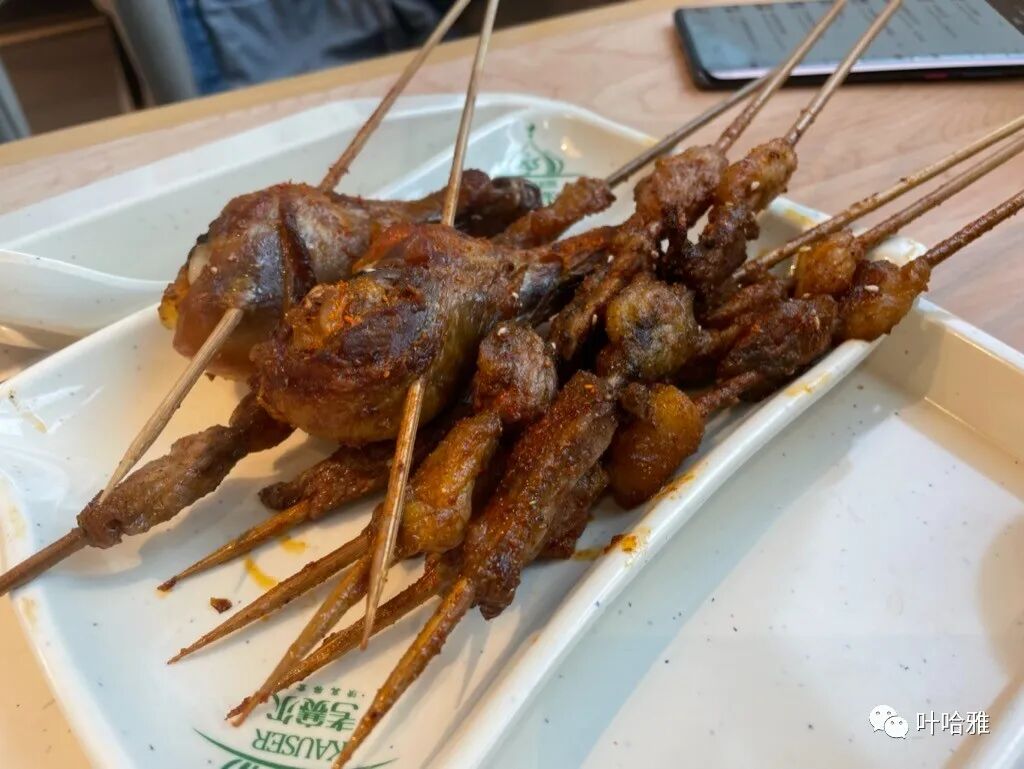
6. Xiguanshi Halal Night Market
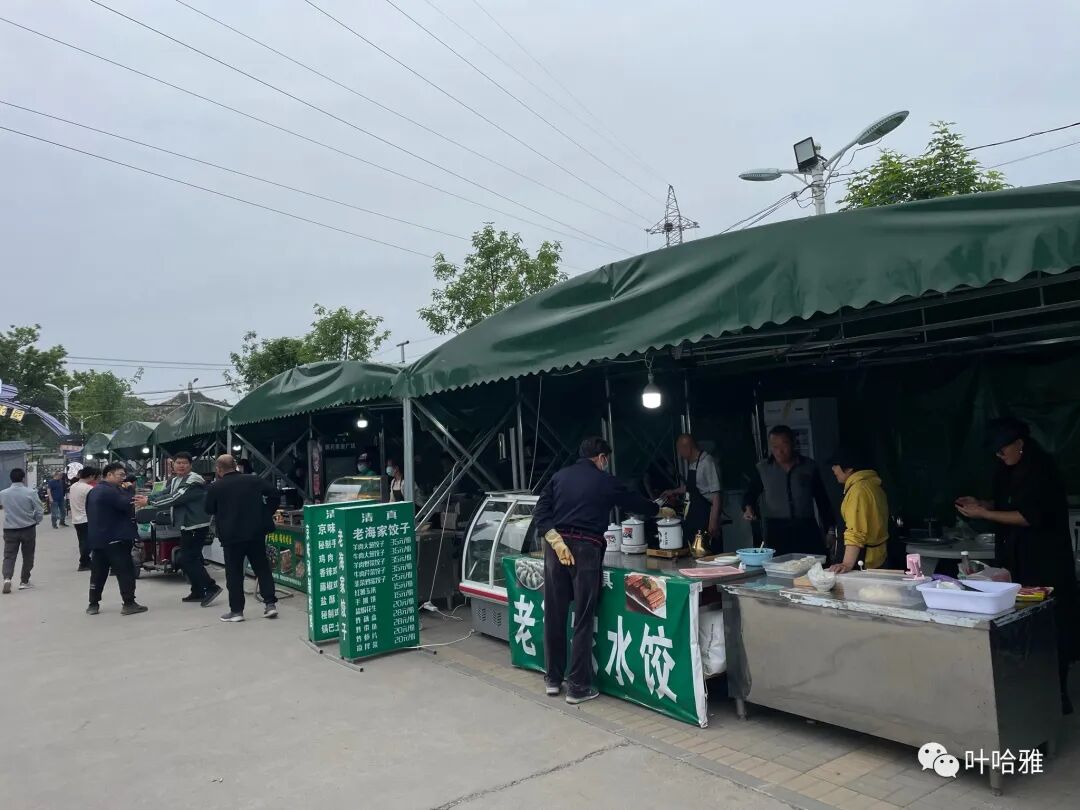
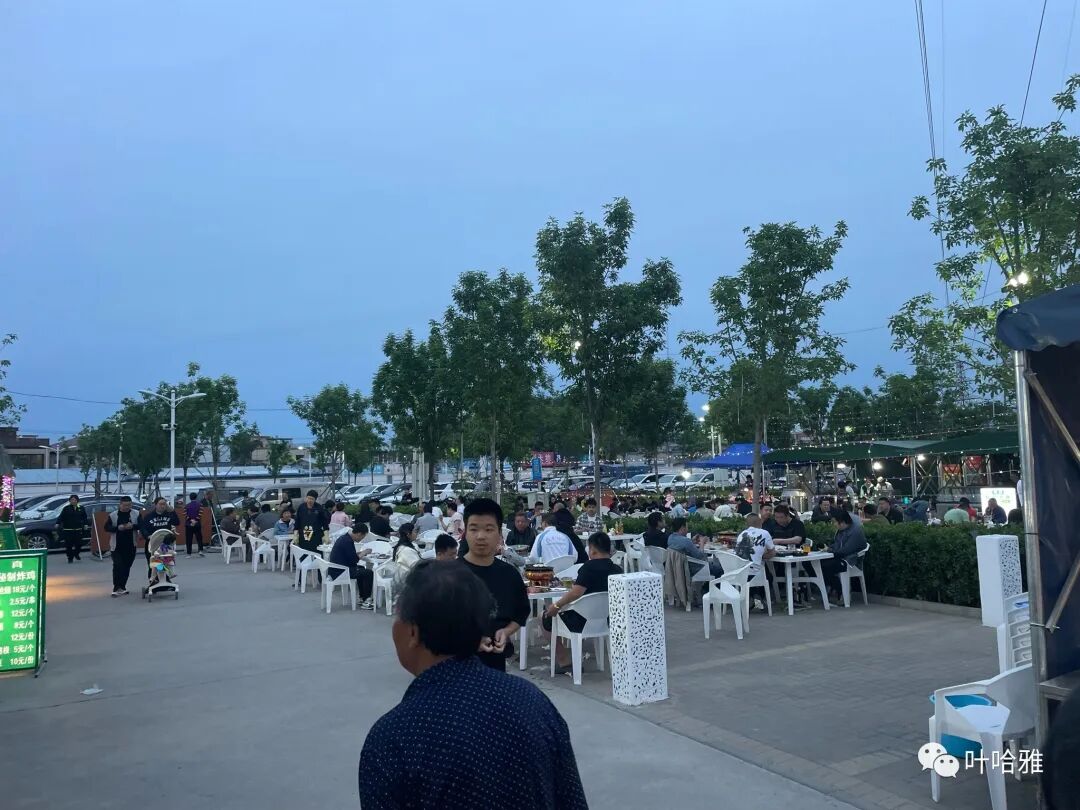
The parking lot at the entrance of Xiguanshi Village in Changping now hosts a halal night market from 5:00 PM to 11:30 PM, which is named Crescent Food Plaza.
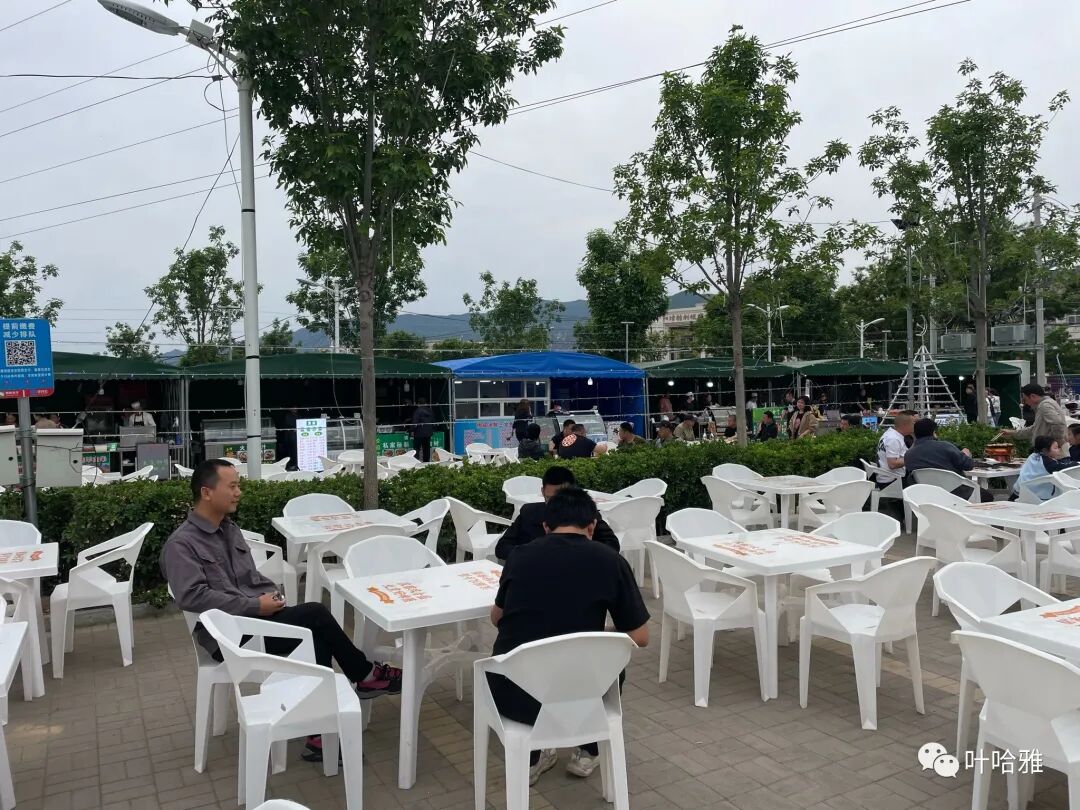
The night market is quite large, with four rows of food stalls on both sides offering dozens of different halal dishes.
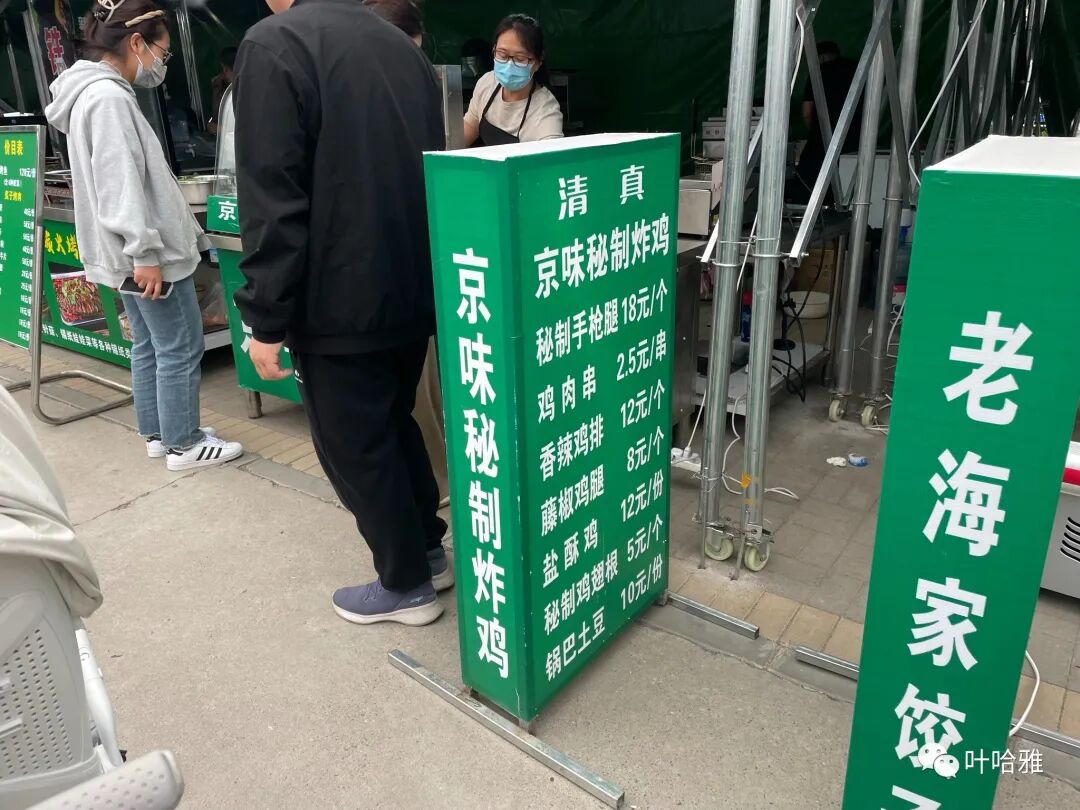
Various deep-fried snacks.
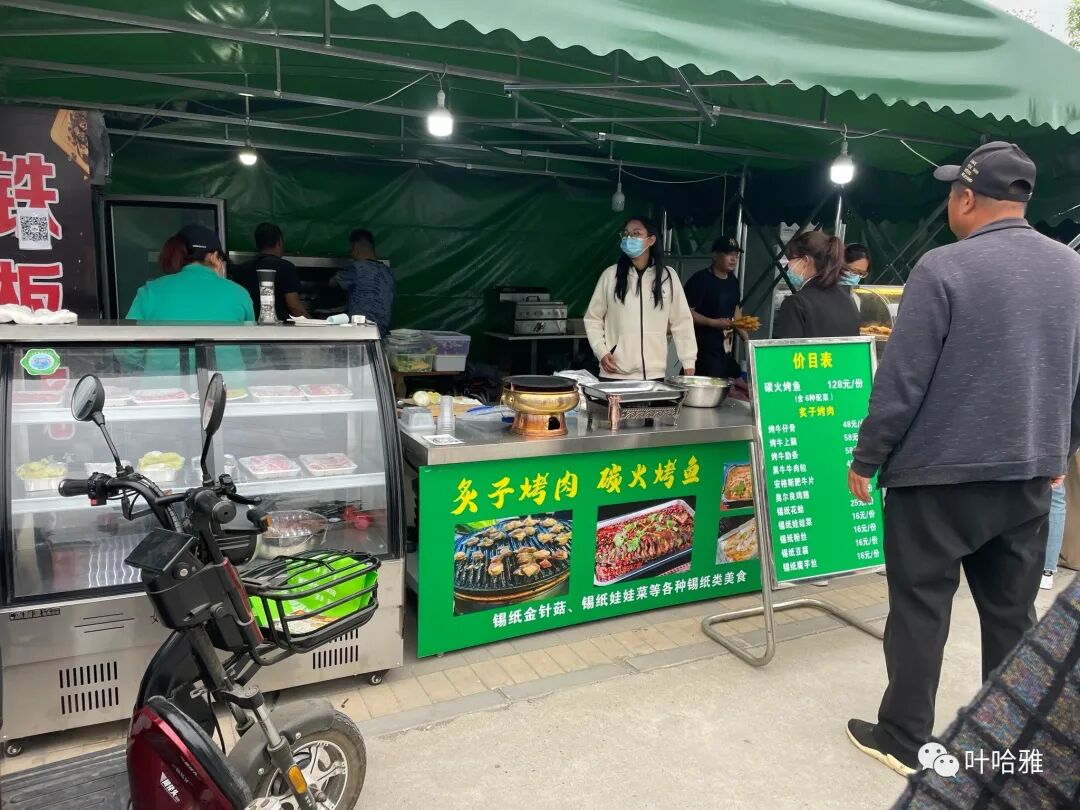
Grilled meat on a round iron plate (zhizi kaorou) and grilled fish.
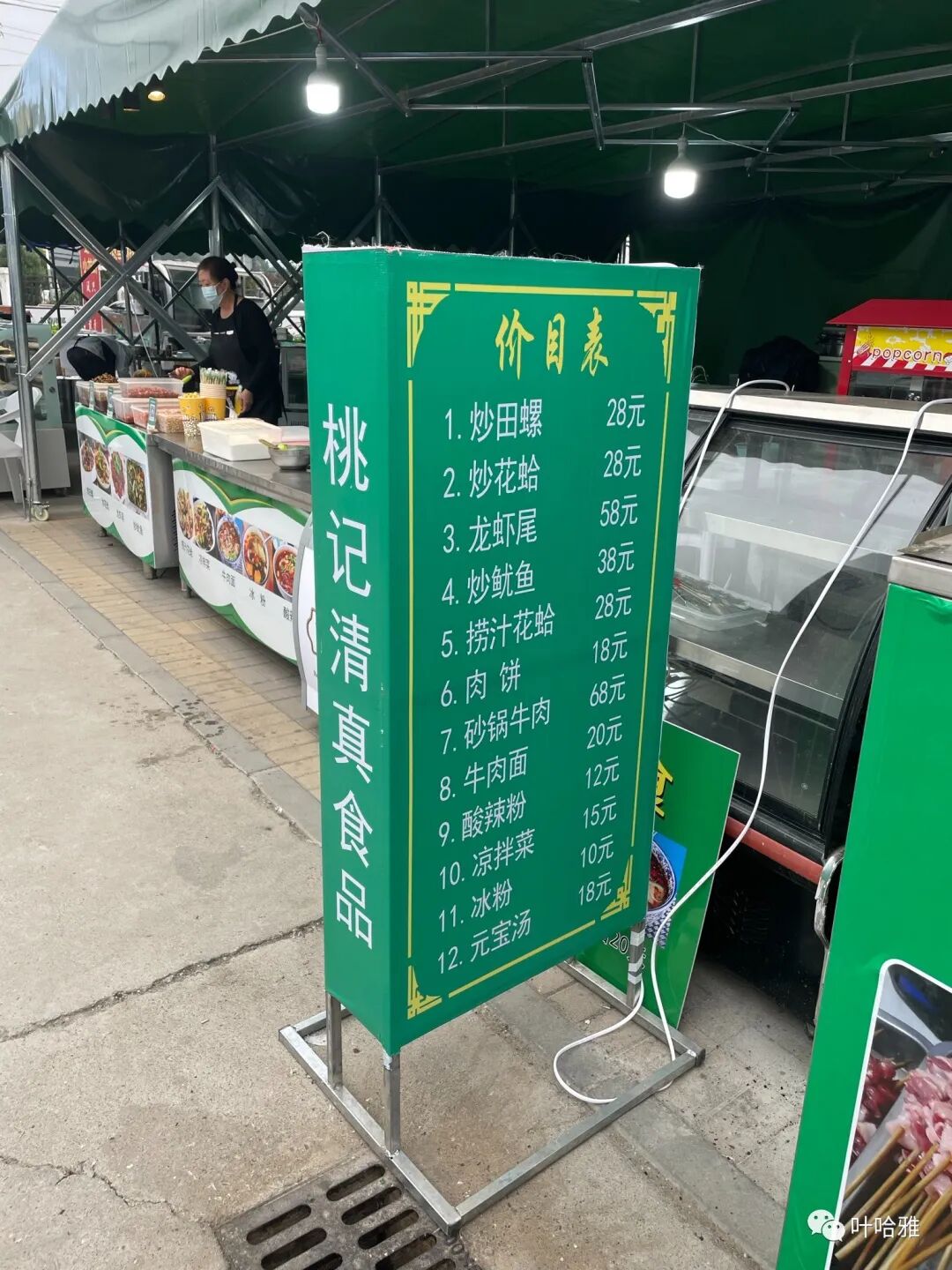
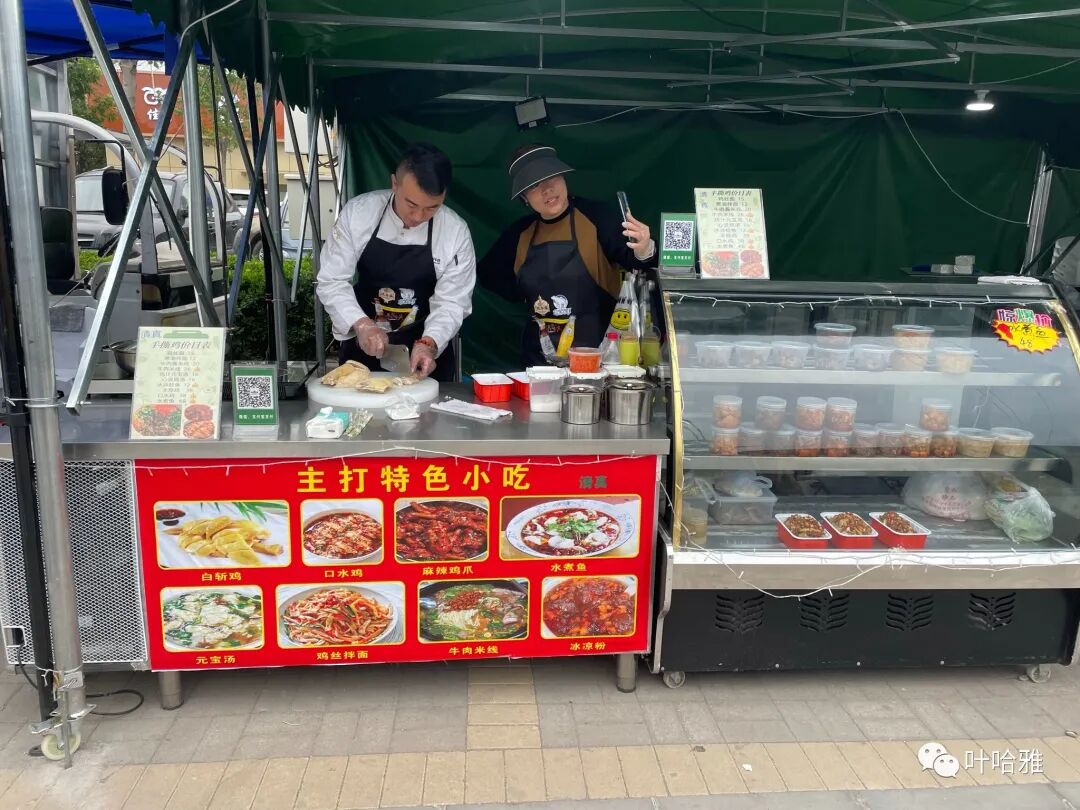
All kinds of small snacks.
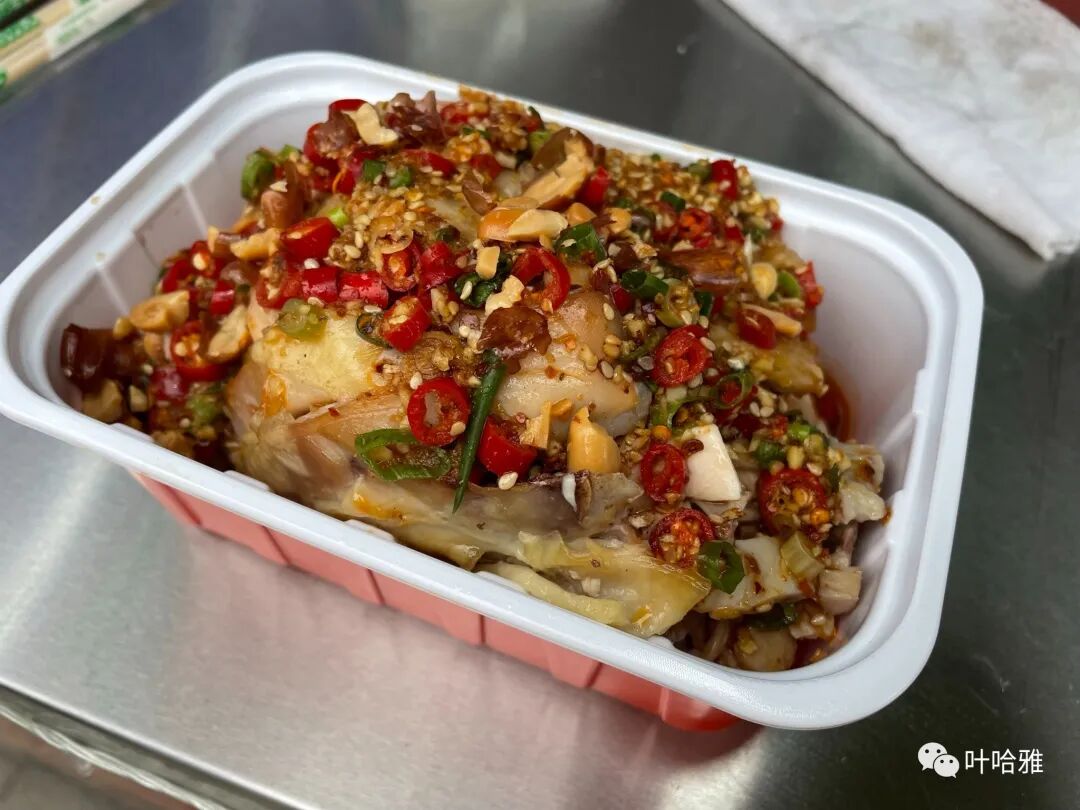
Steamed chicken in chili sauce (koushuiji).
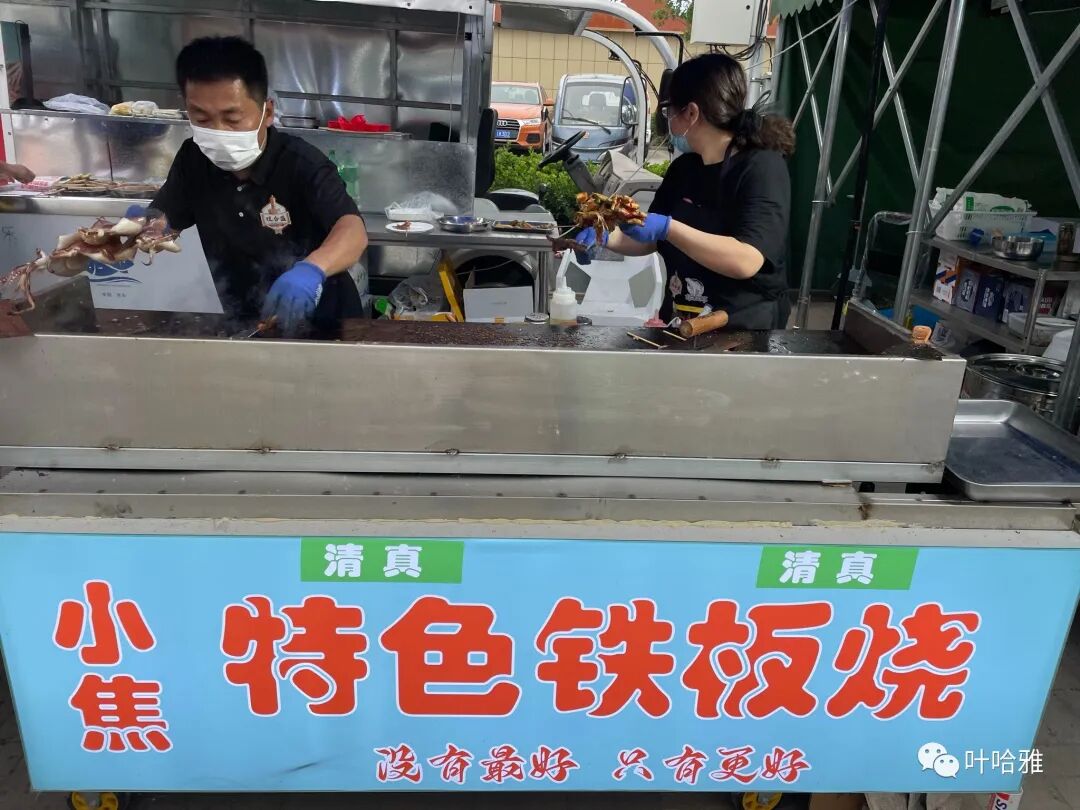
Teppanyaki.
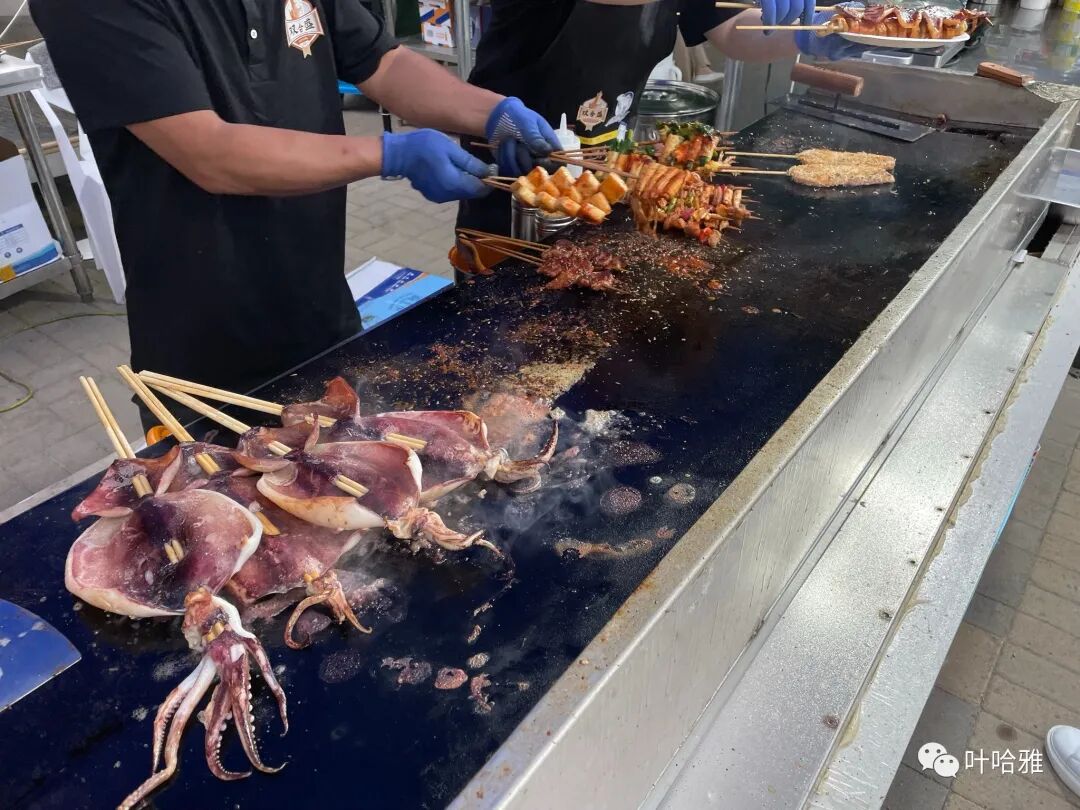
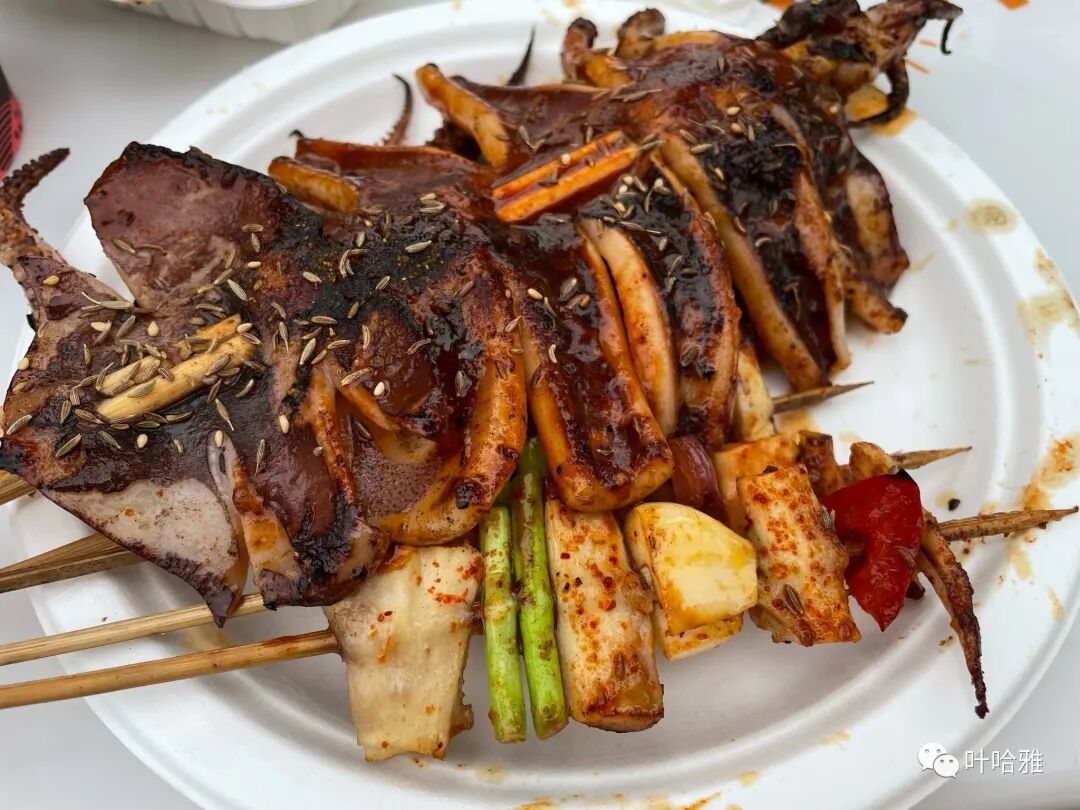
The grilled squid from the teppanyaki stall is delicious.
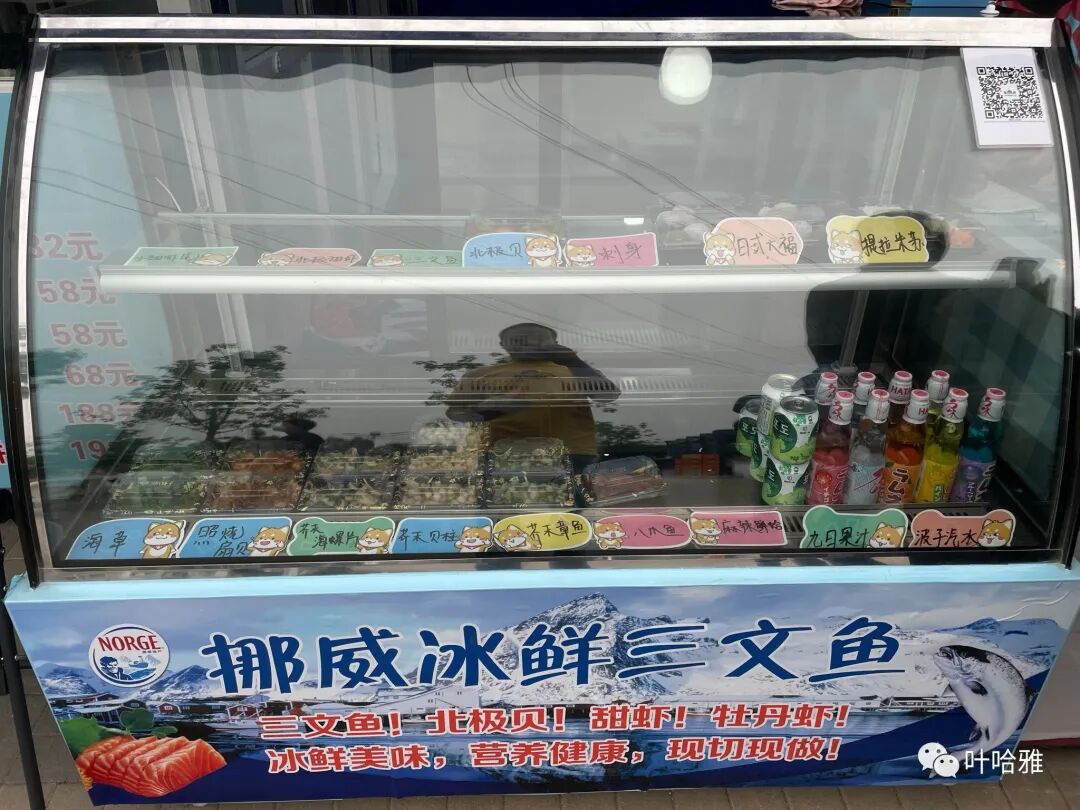
Japanese-style desserts.
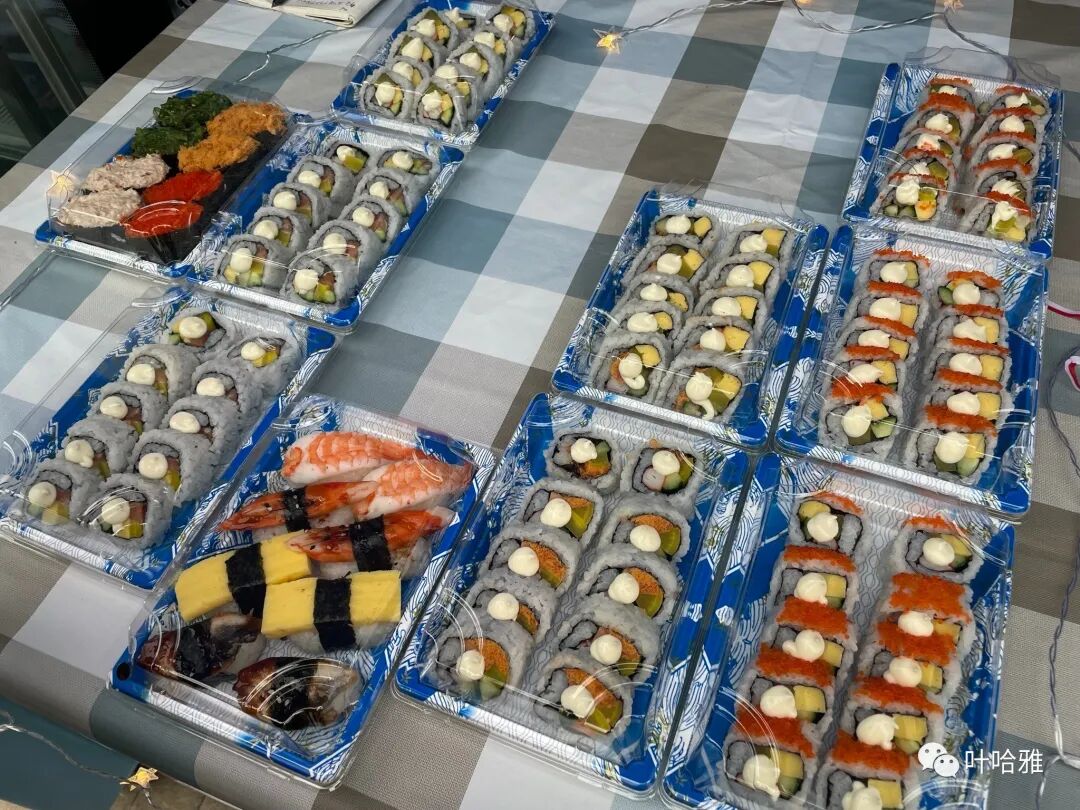
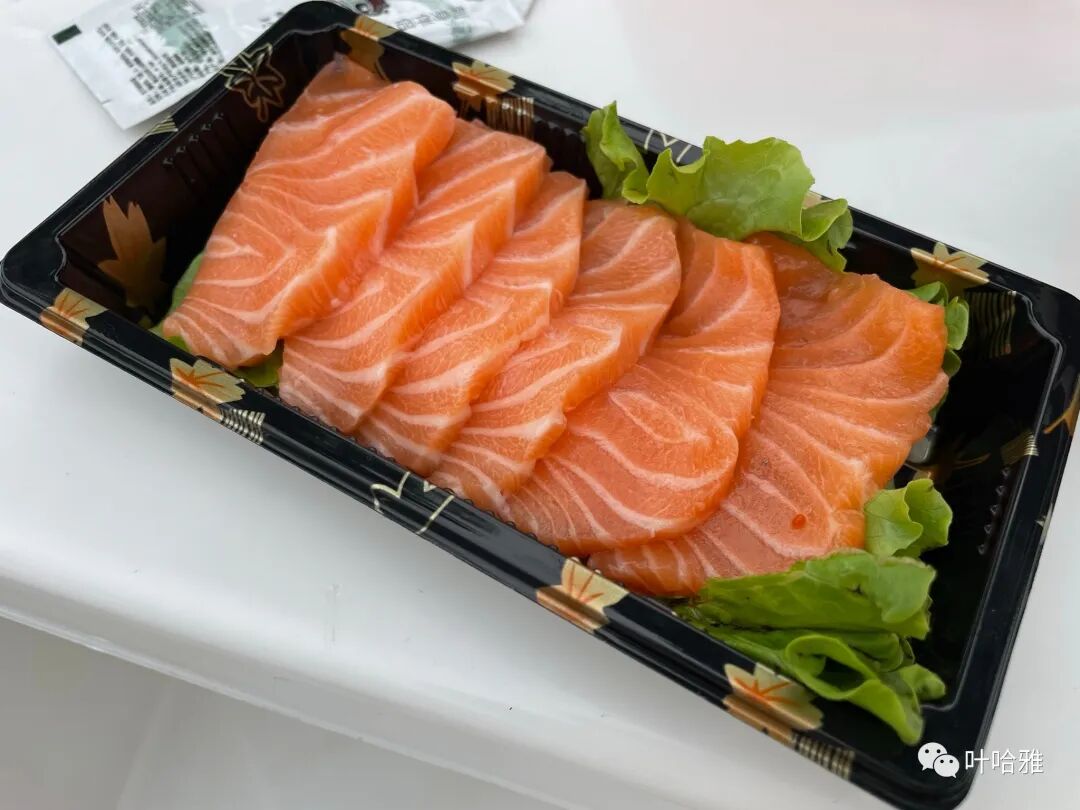
They have fresh salmon sashimi and sushi.
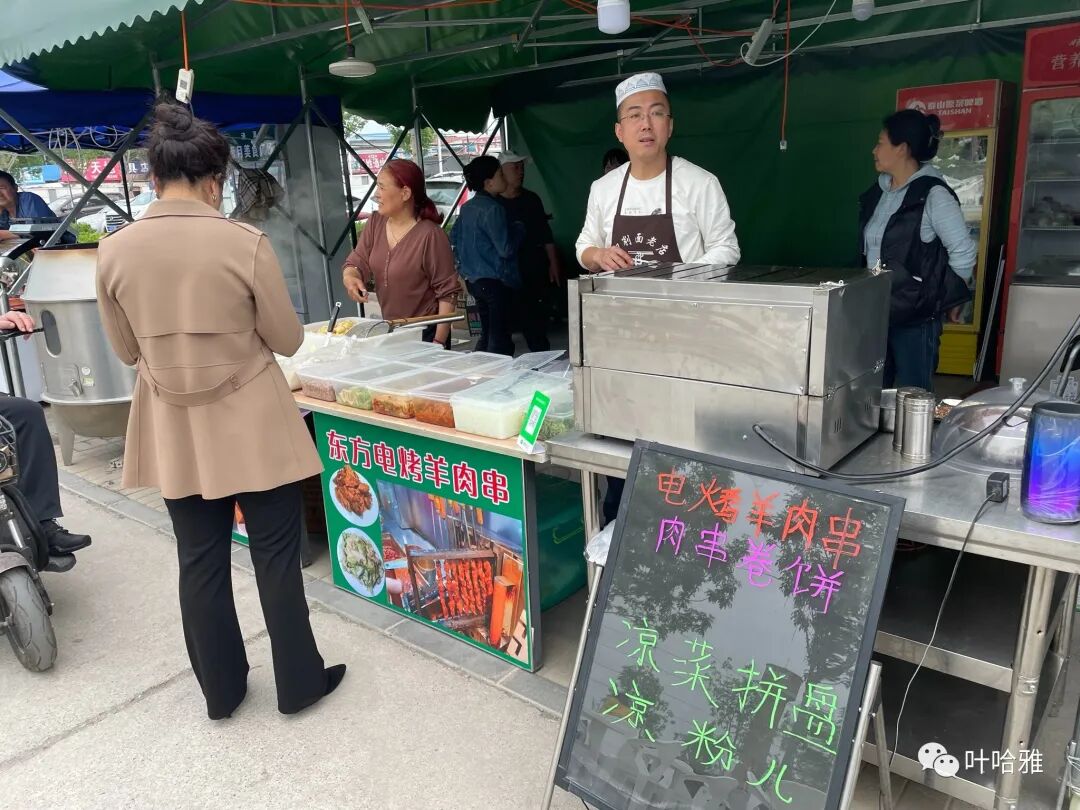
Electric-grilled skewers and mung bean jelly noodles (liangfen).
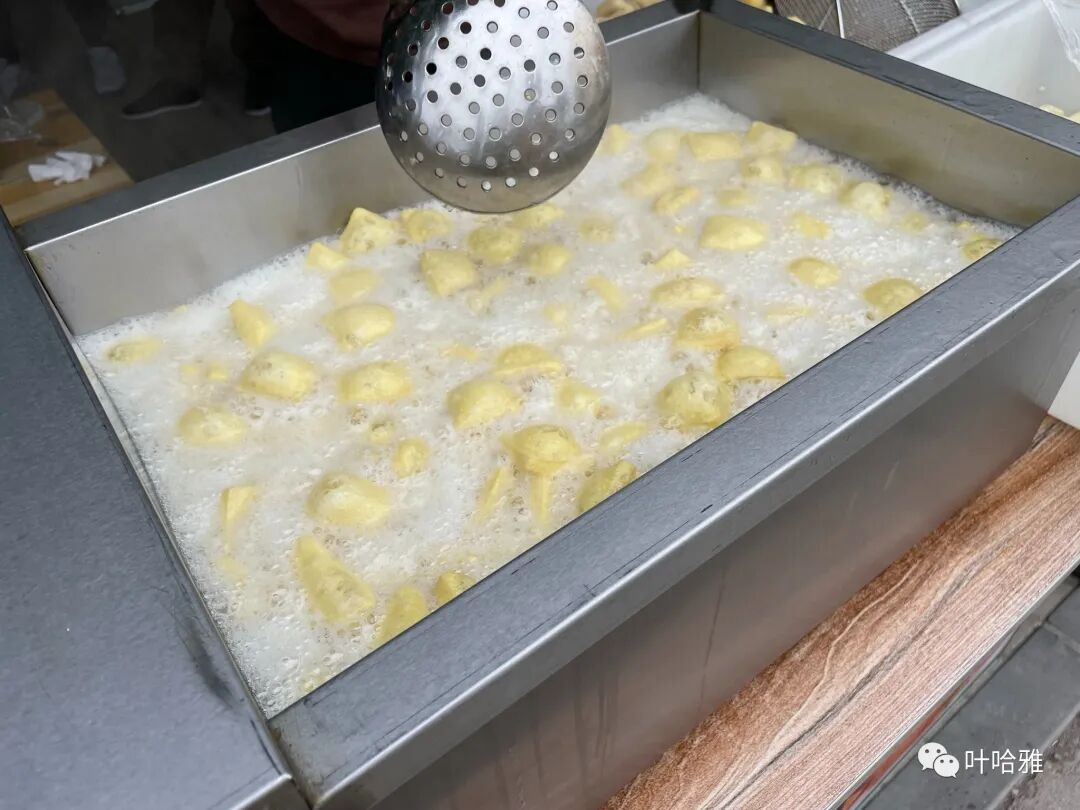
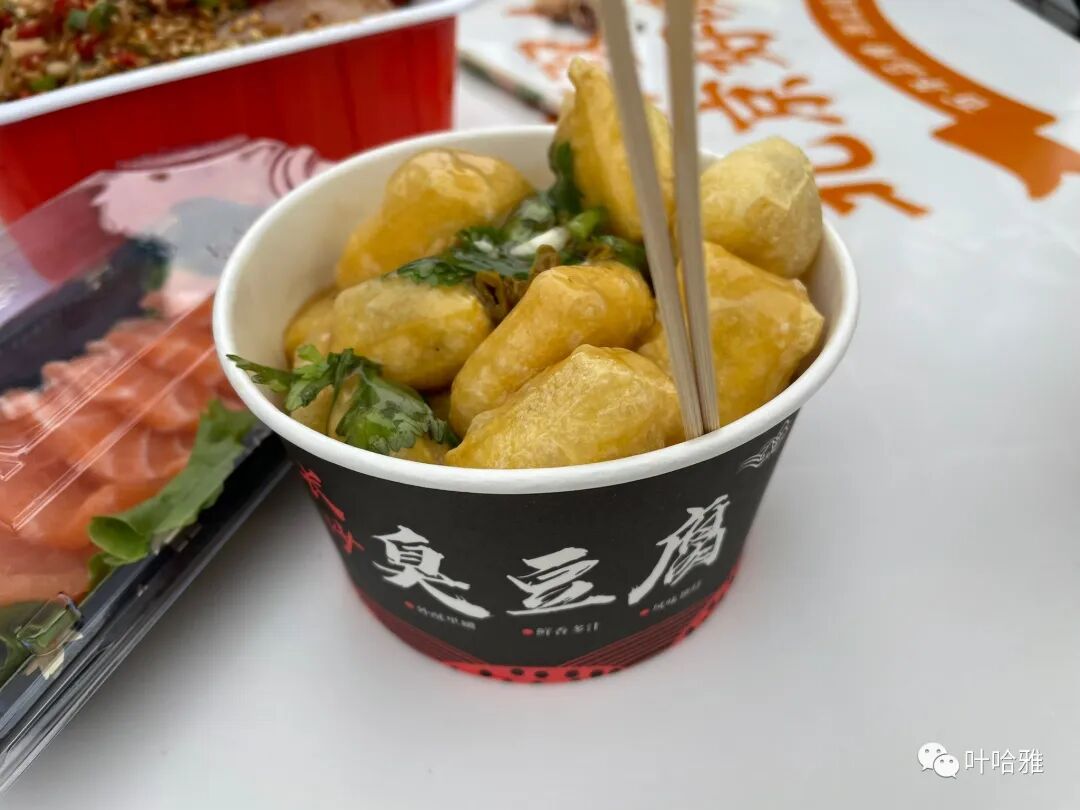
Deep-fried stinky tofu (zha chou doufu).
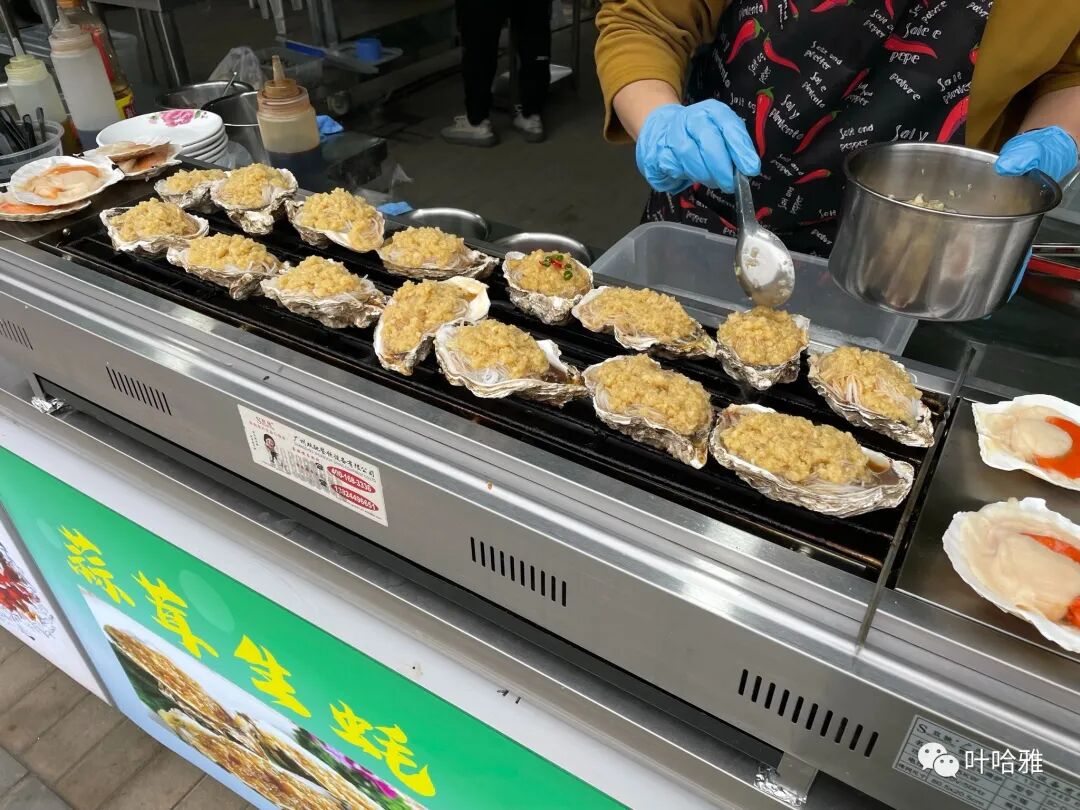
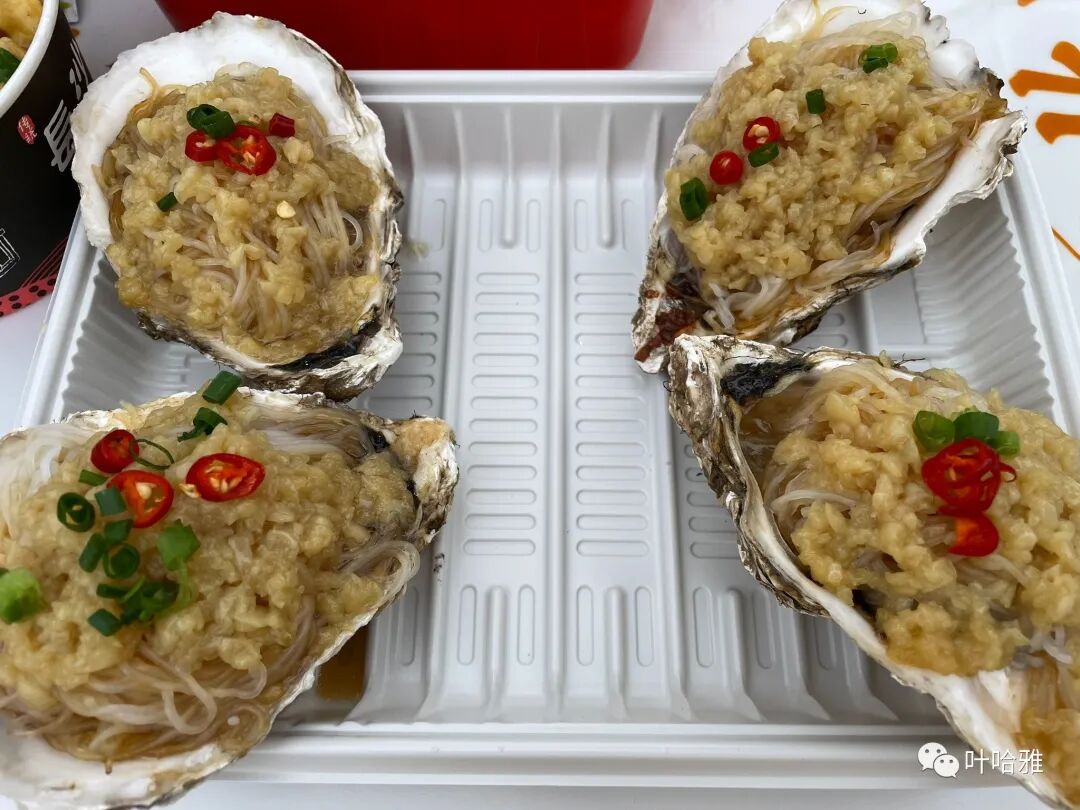
Grilled oysters and grilled scallops.
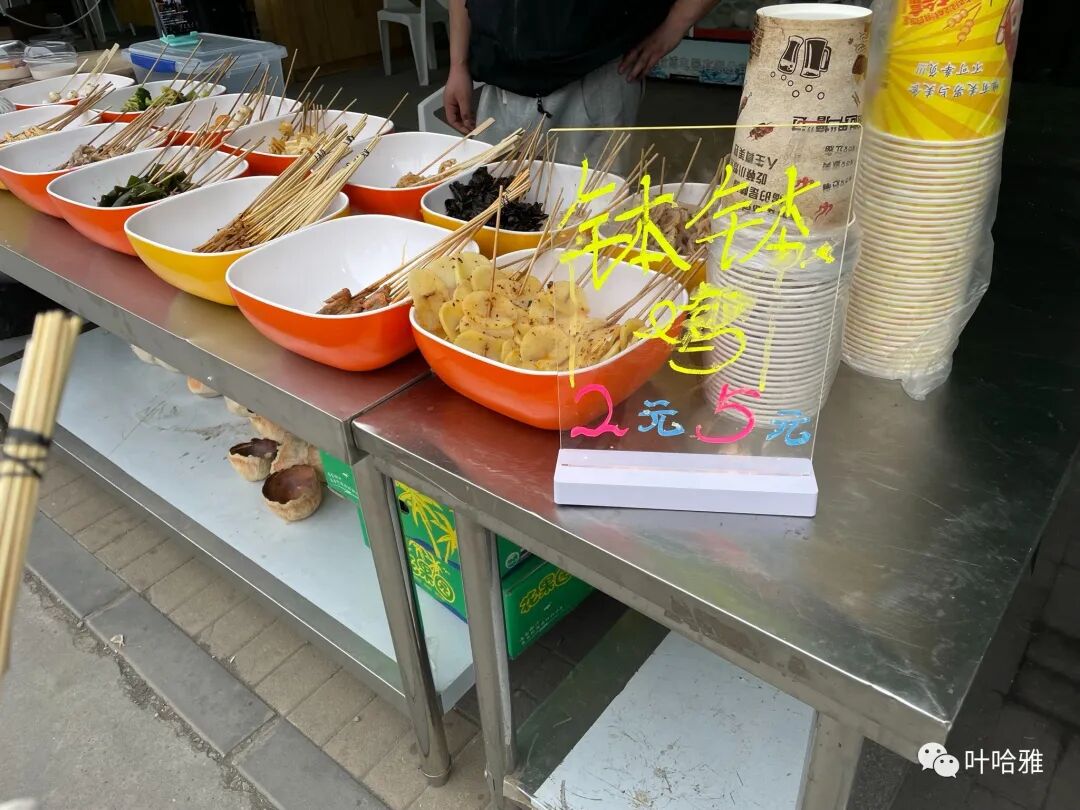
Pot-pot chicken (boboji).
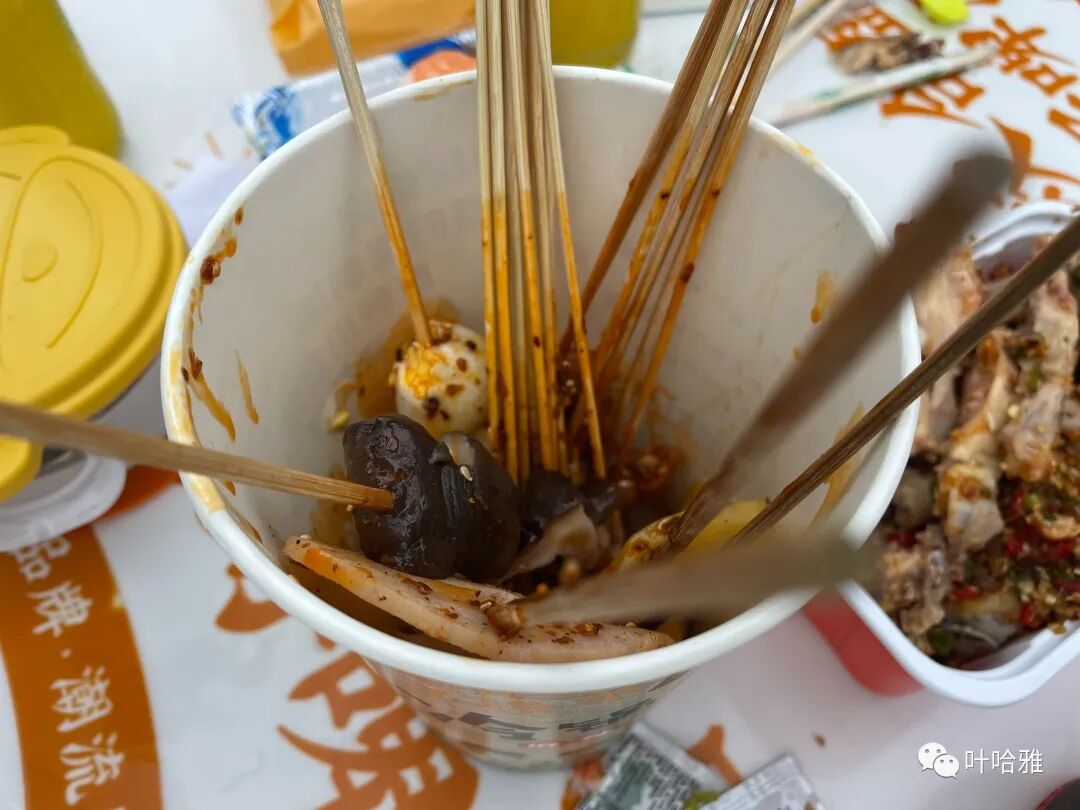
Pot-pot chicken (boboji) is a dish of cold skewers that are already cooked.
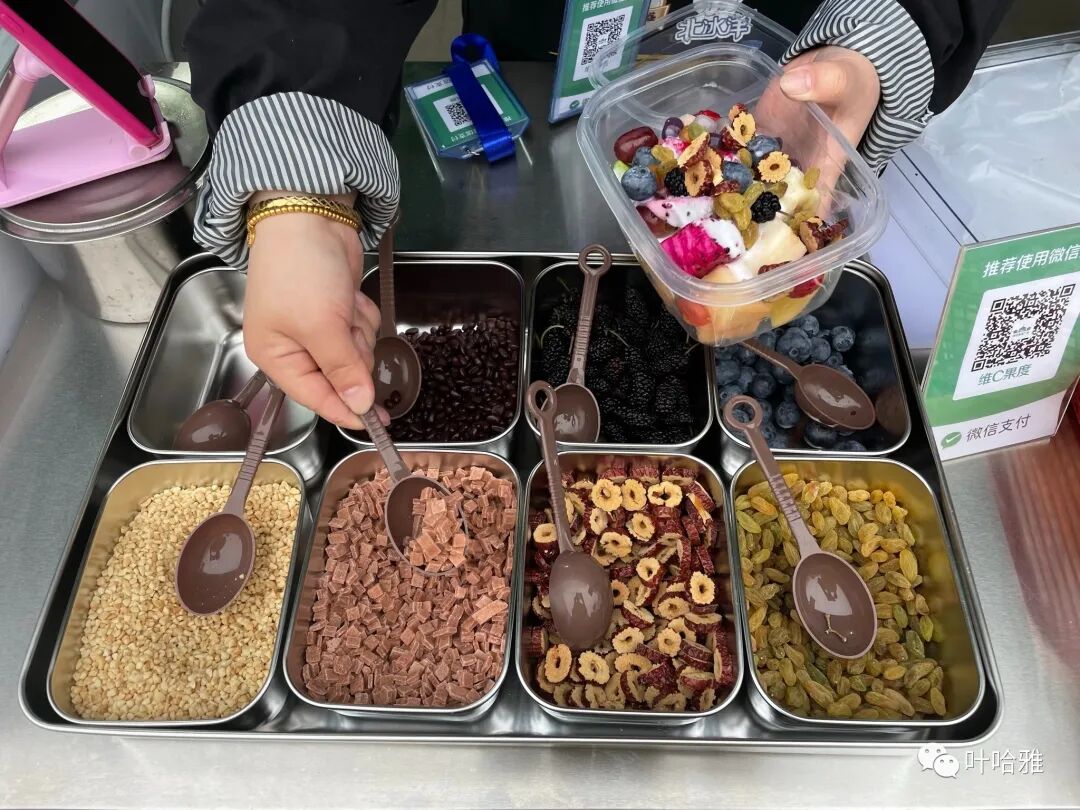
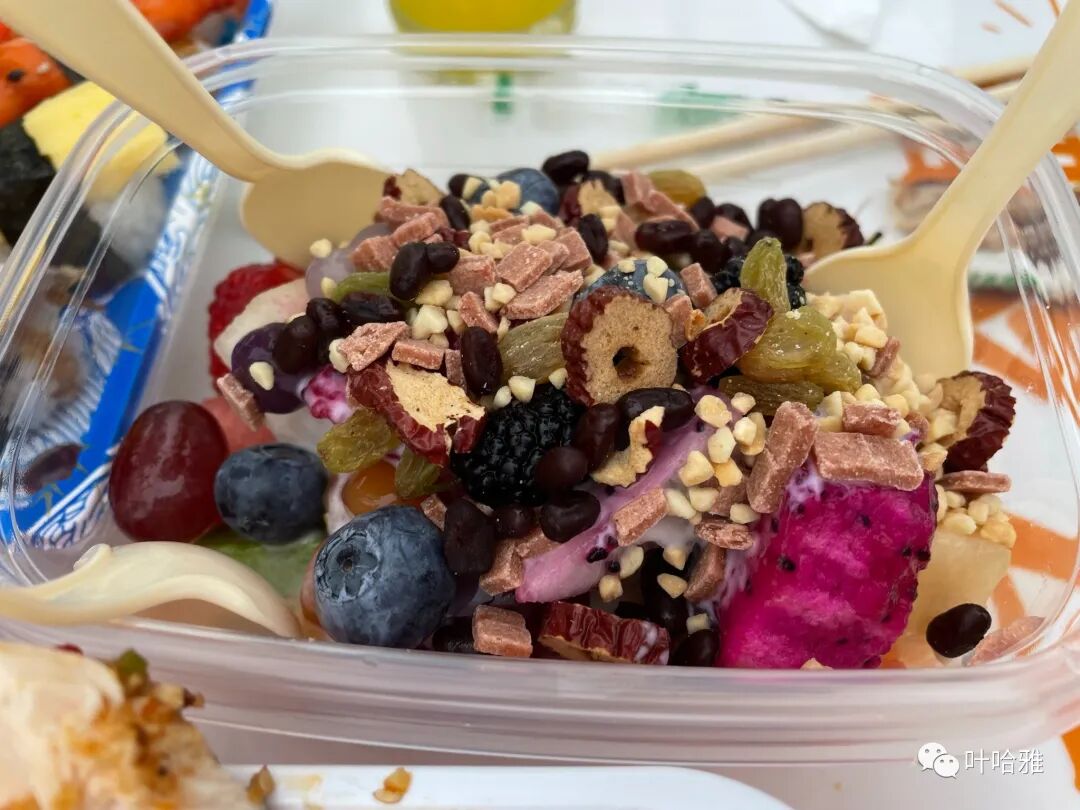
Fruit salad (shuiguolao).
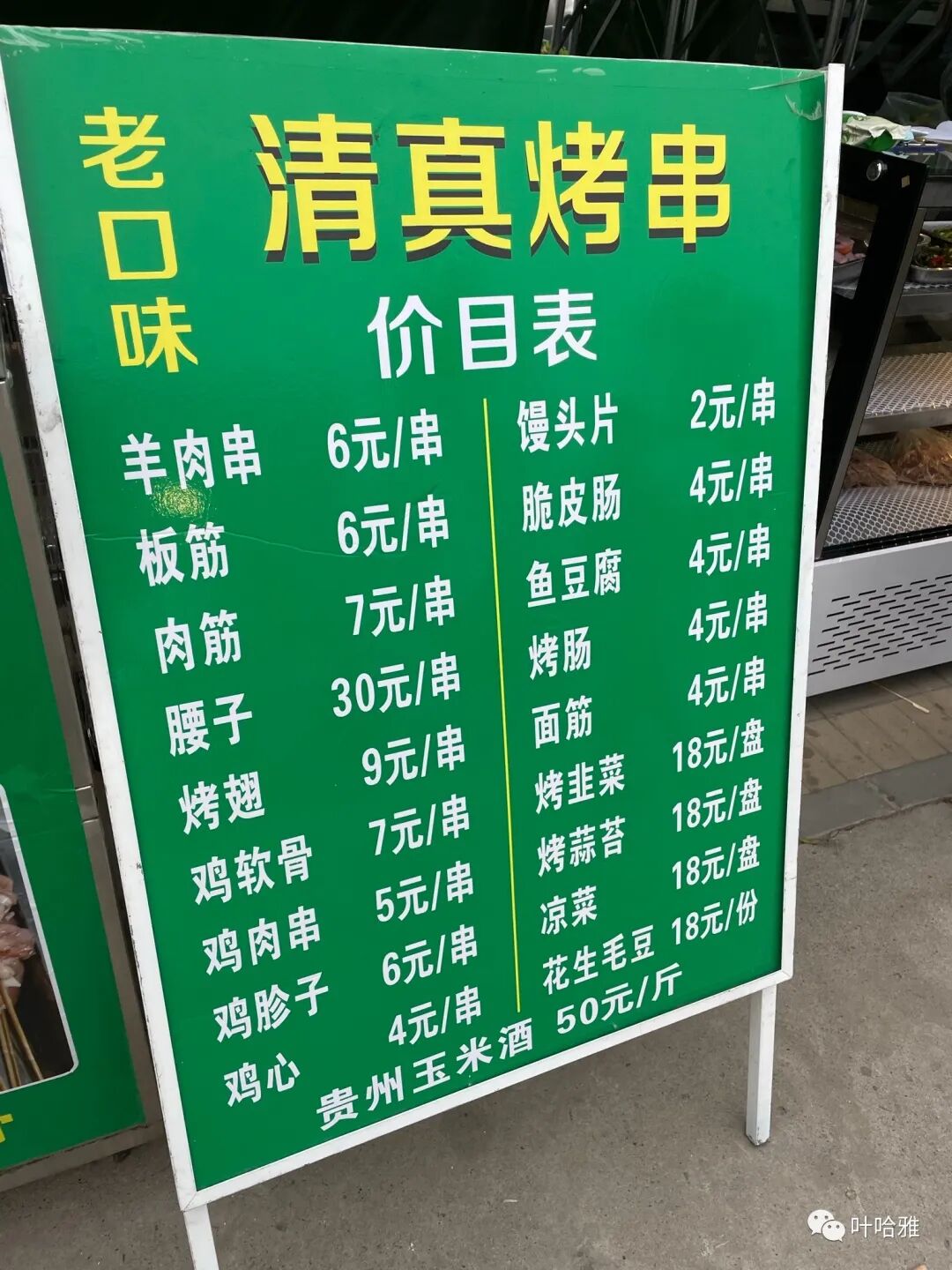
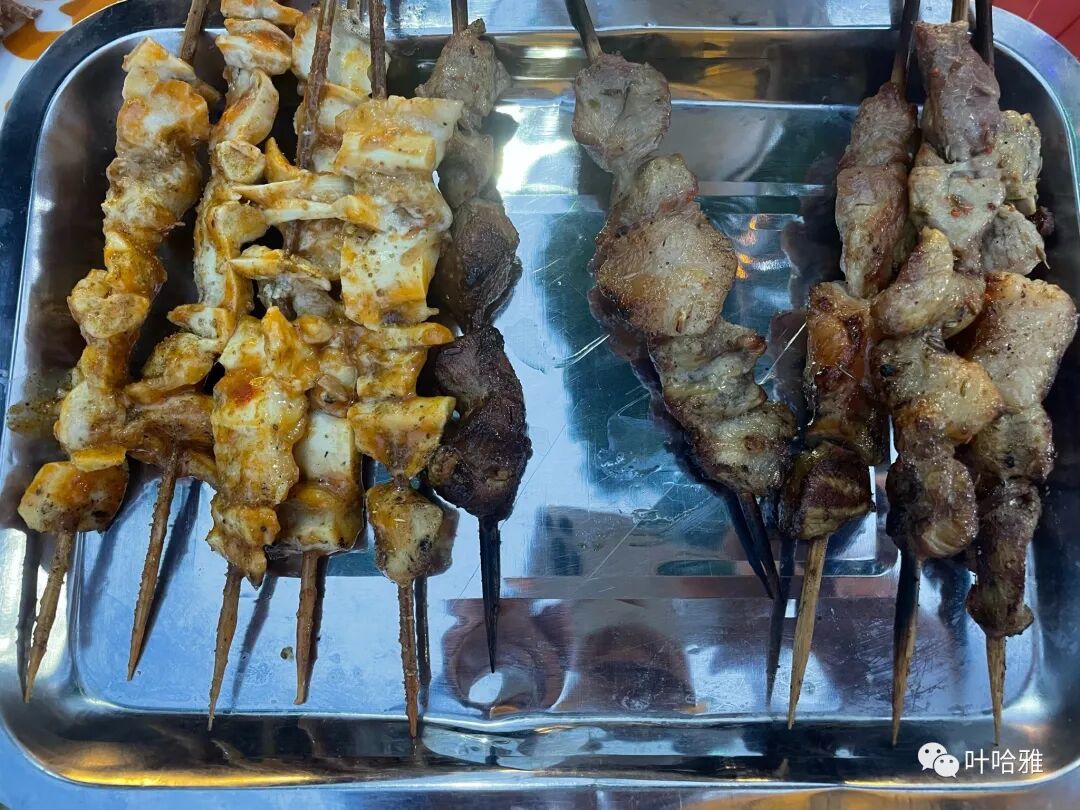
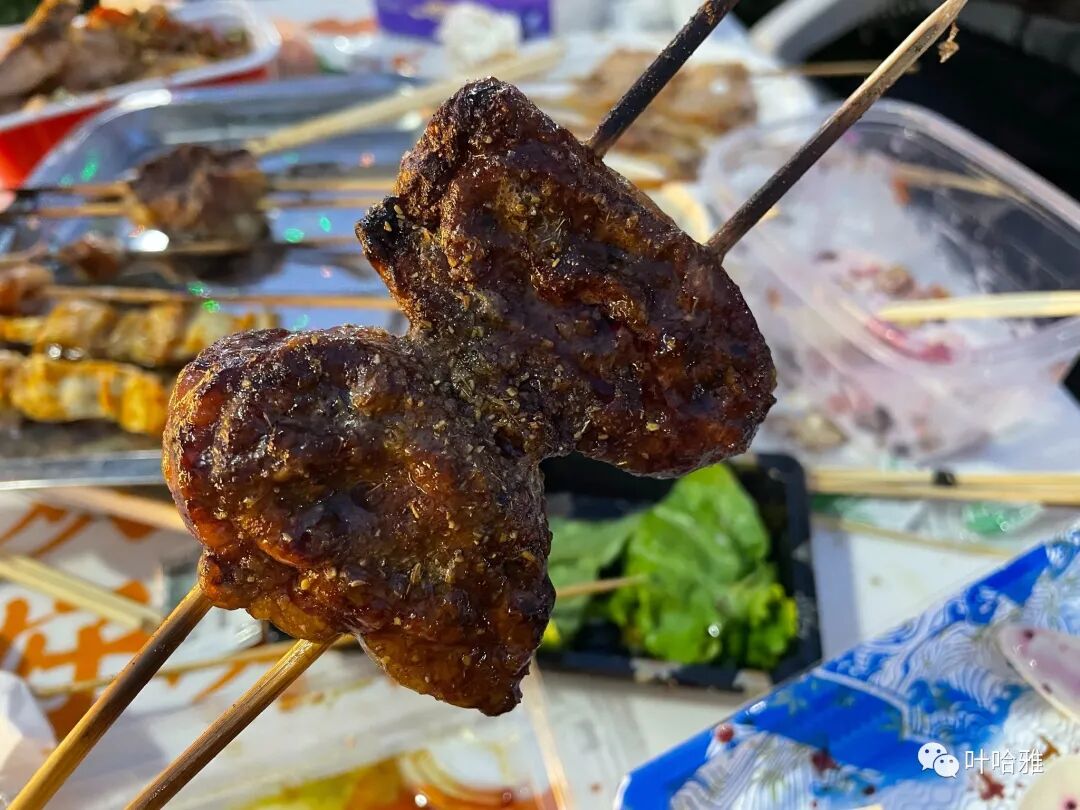
Charcoal-grilled skewers.
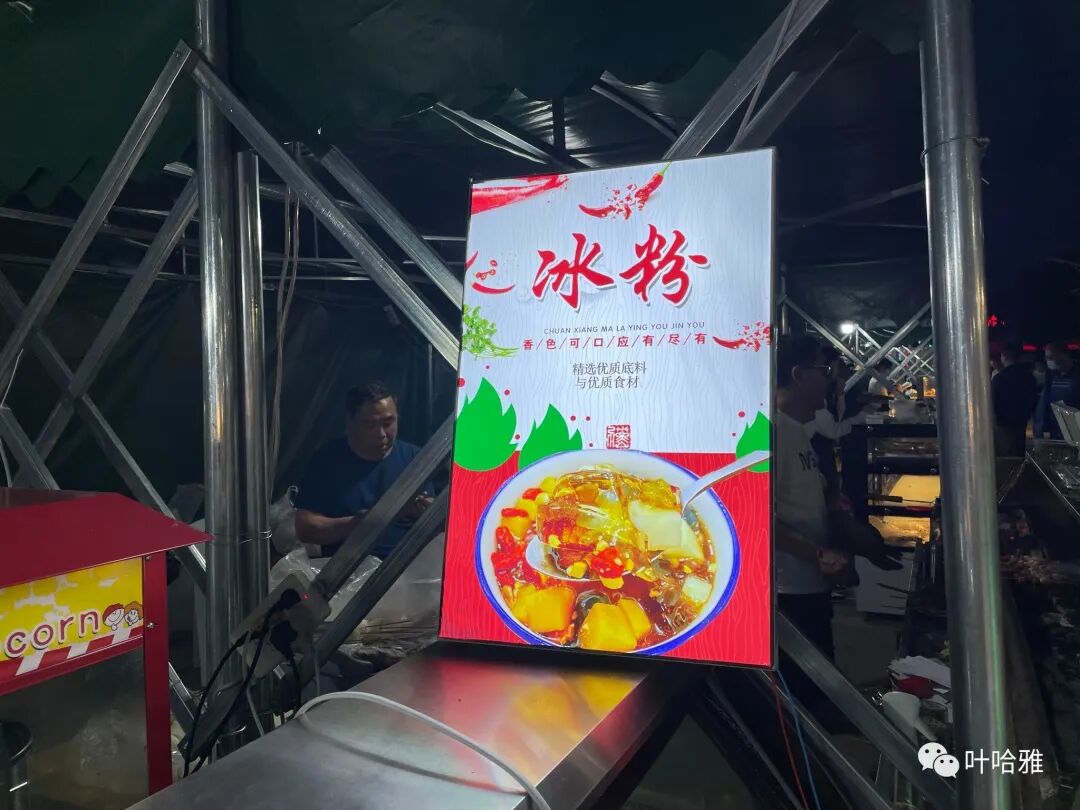
Iced jelly (bingfen) and ice cream.
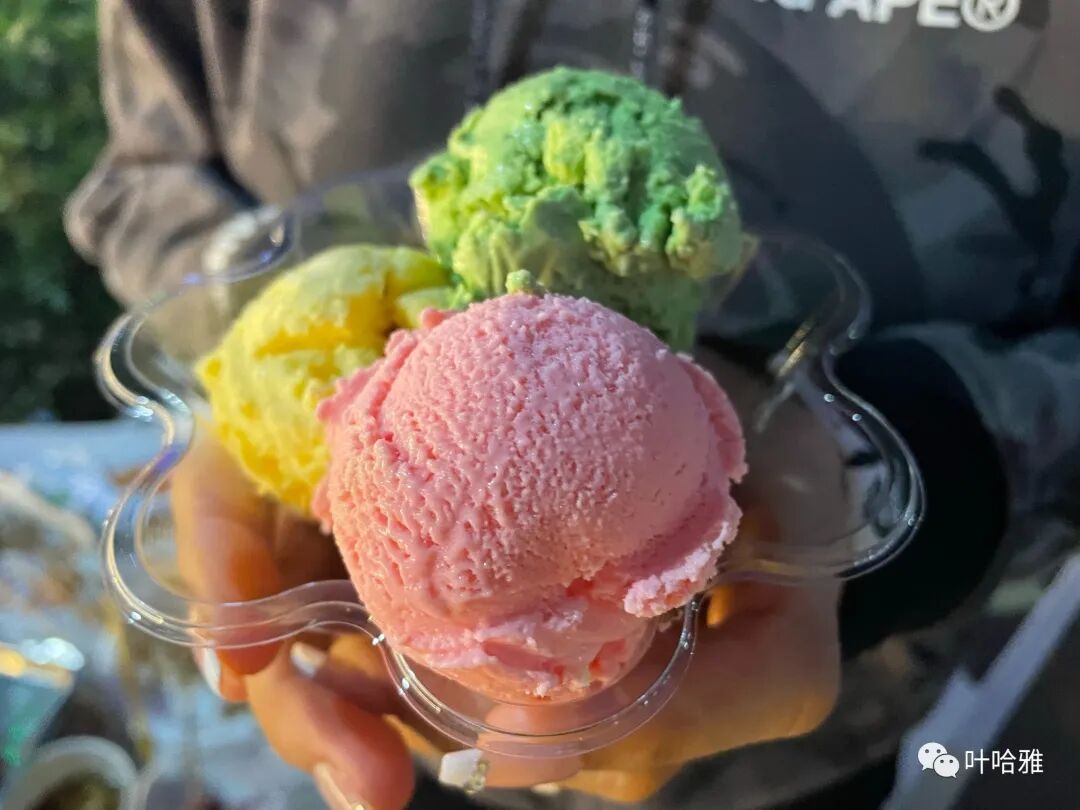
We tried almost everything at the night market. It was not cheap, and the three of us spent over 400 yuan. The Japanese food and grilled skewers were the most expensive, with two stalls costing over 200 yuan. Of course, there are cheaper ways to eat there.
7. Yuejing Lanwan Japanese Buffet Restaurant.
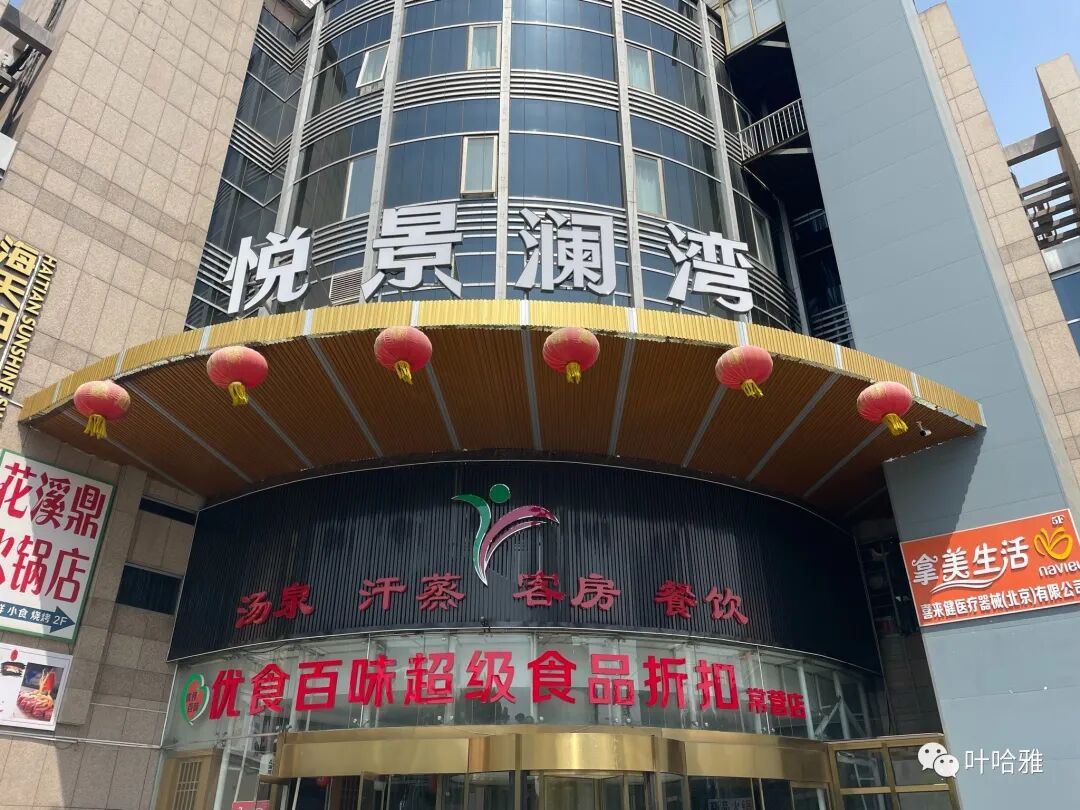
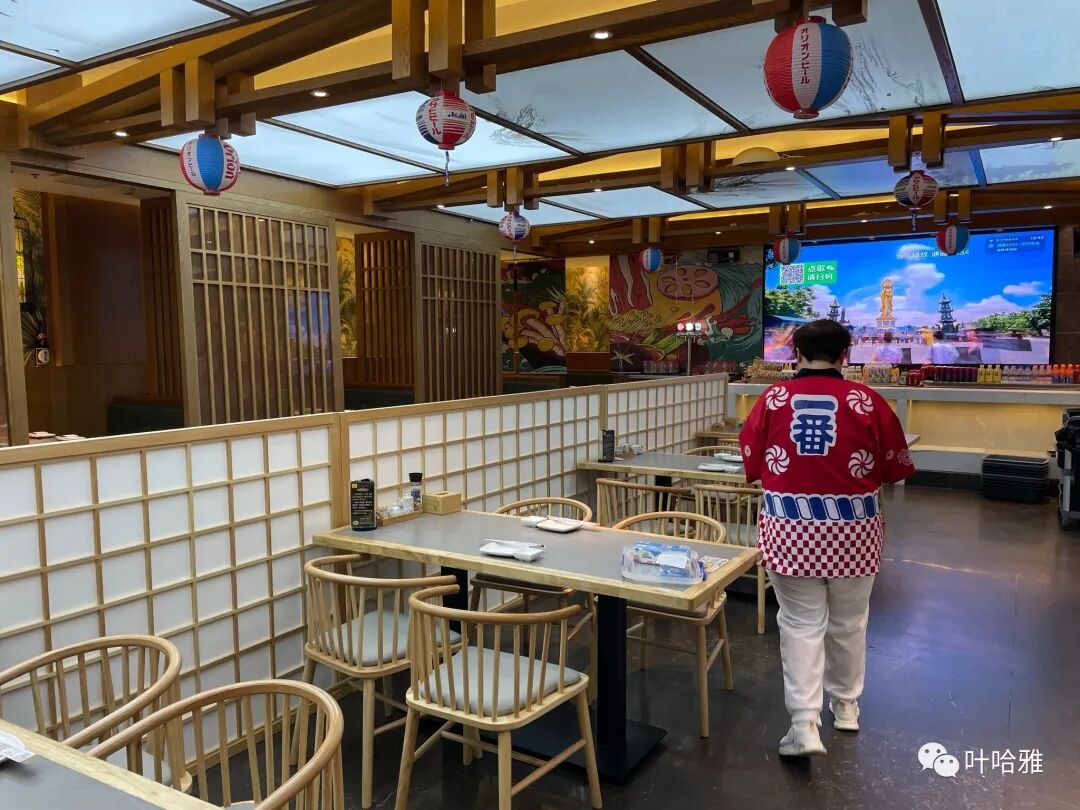
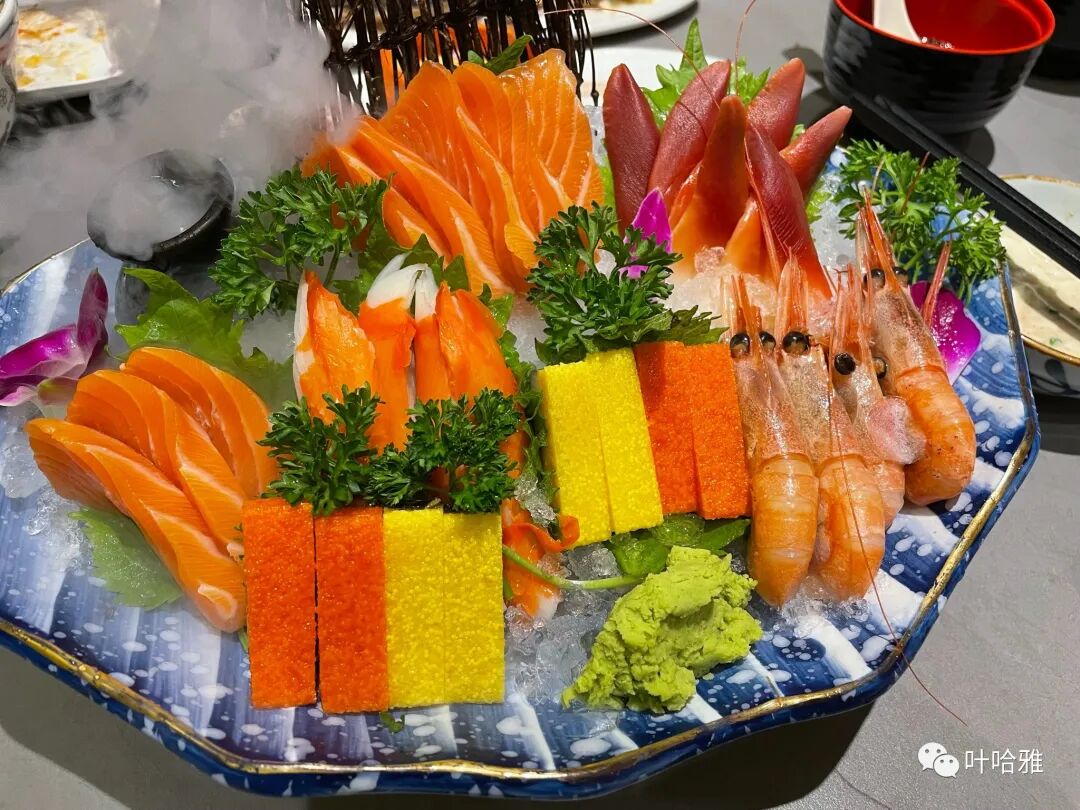
This is a halal bathhouse that opened recently in Changying, and the Japanese buffet inside is a halal restaurant. You can choose a bath and buffet package for 199 yuan, or just come for the Japanese buffet. The buffet with sashimi is 165 yuan, and the one without is 127 yuan. You can buy group deals on Douyin by searching for "Yuejing Japanese Buffet".
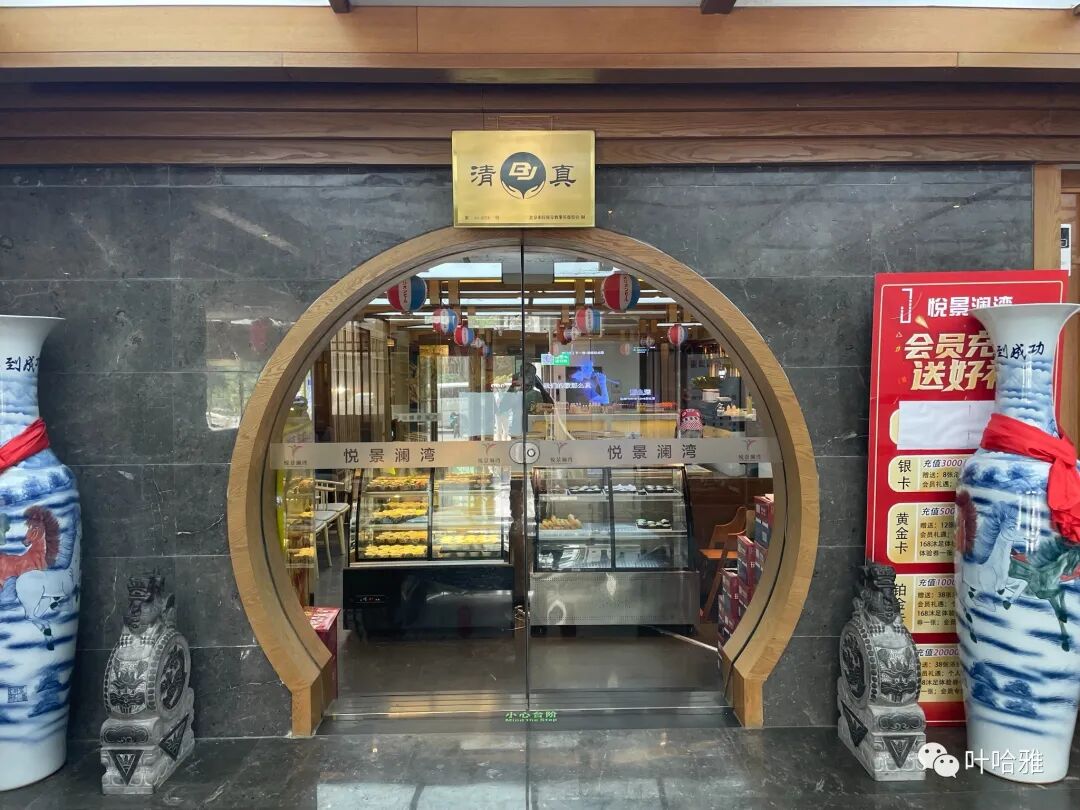
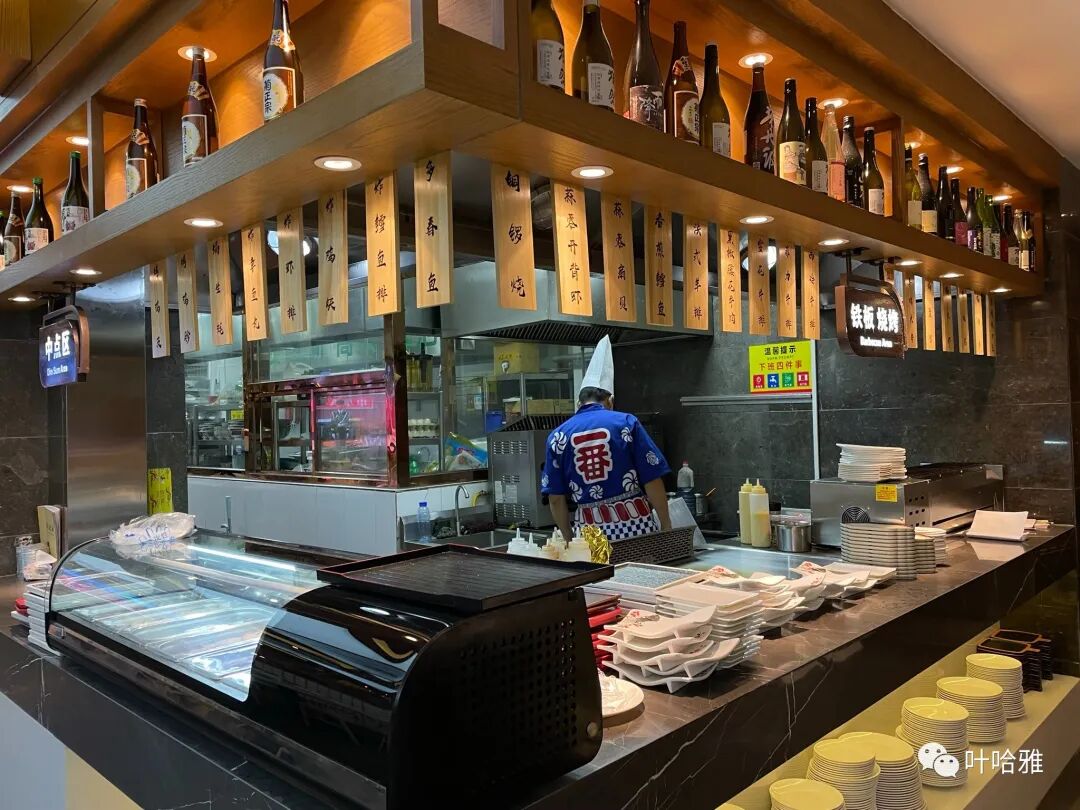
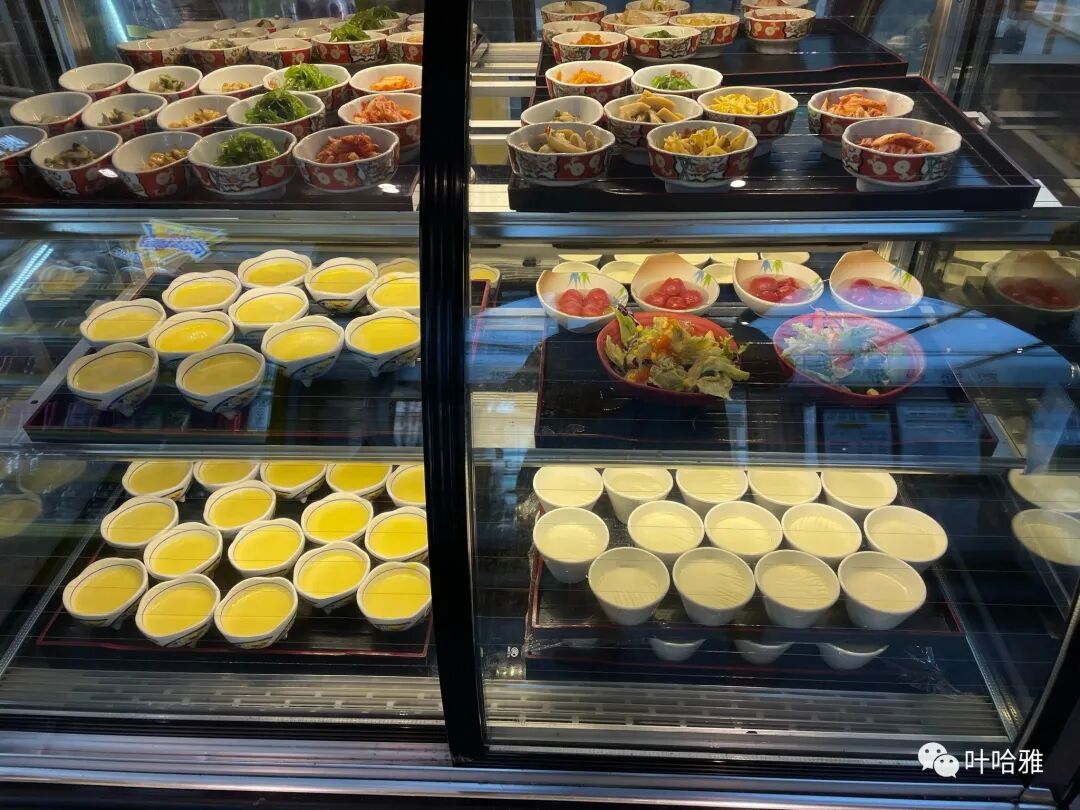
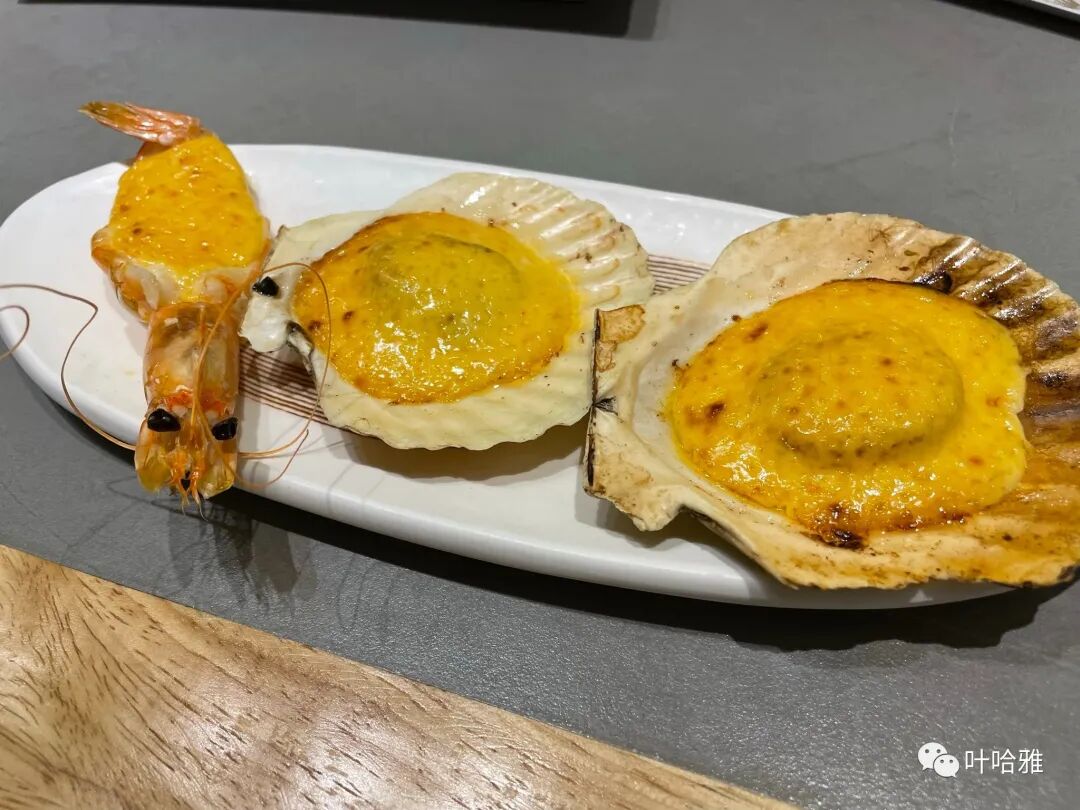
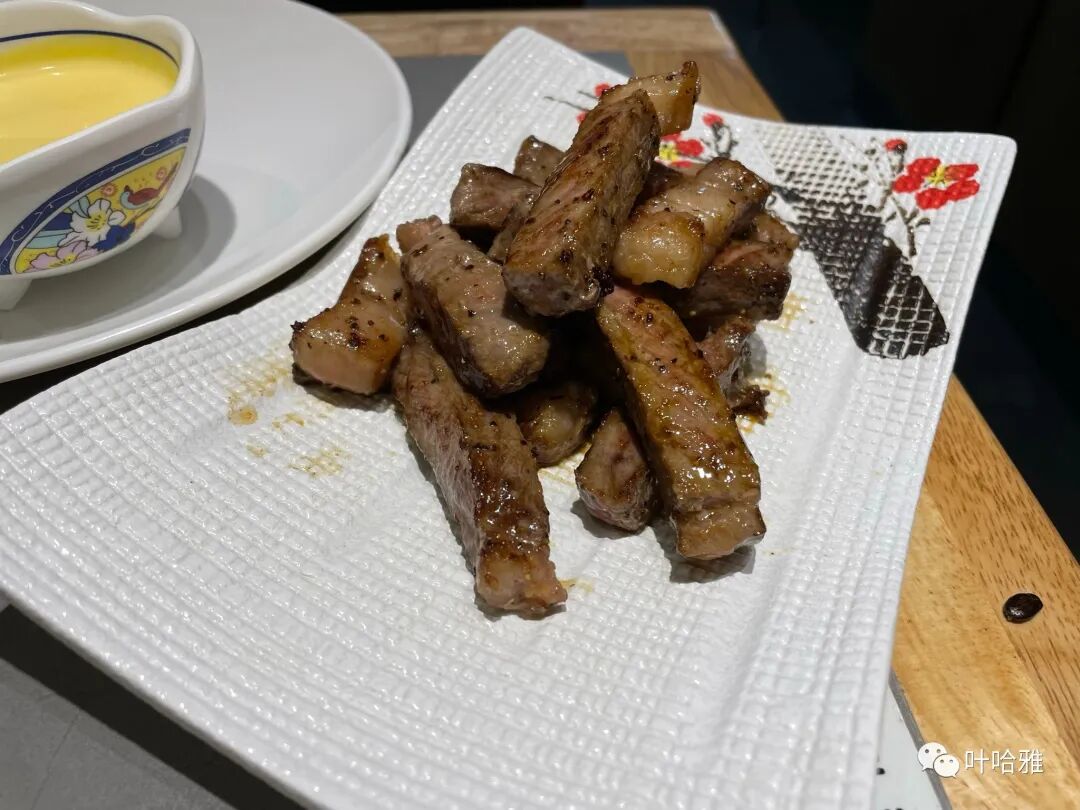
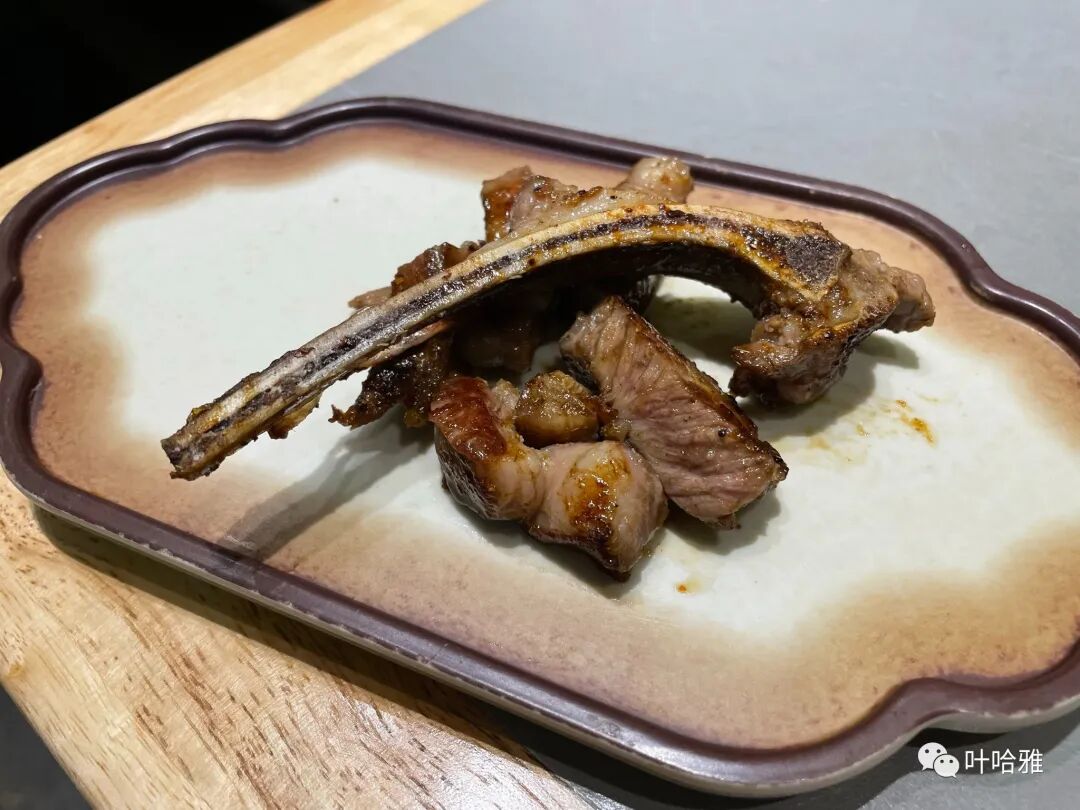
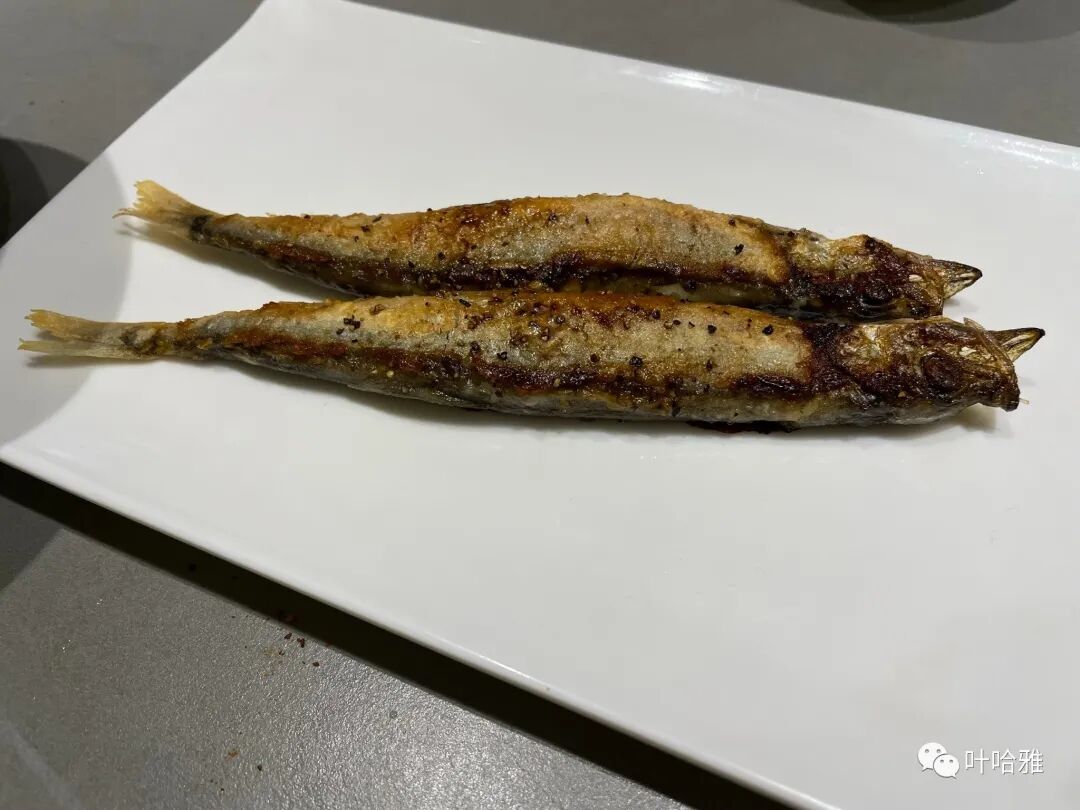
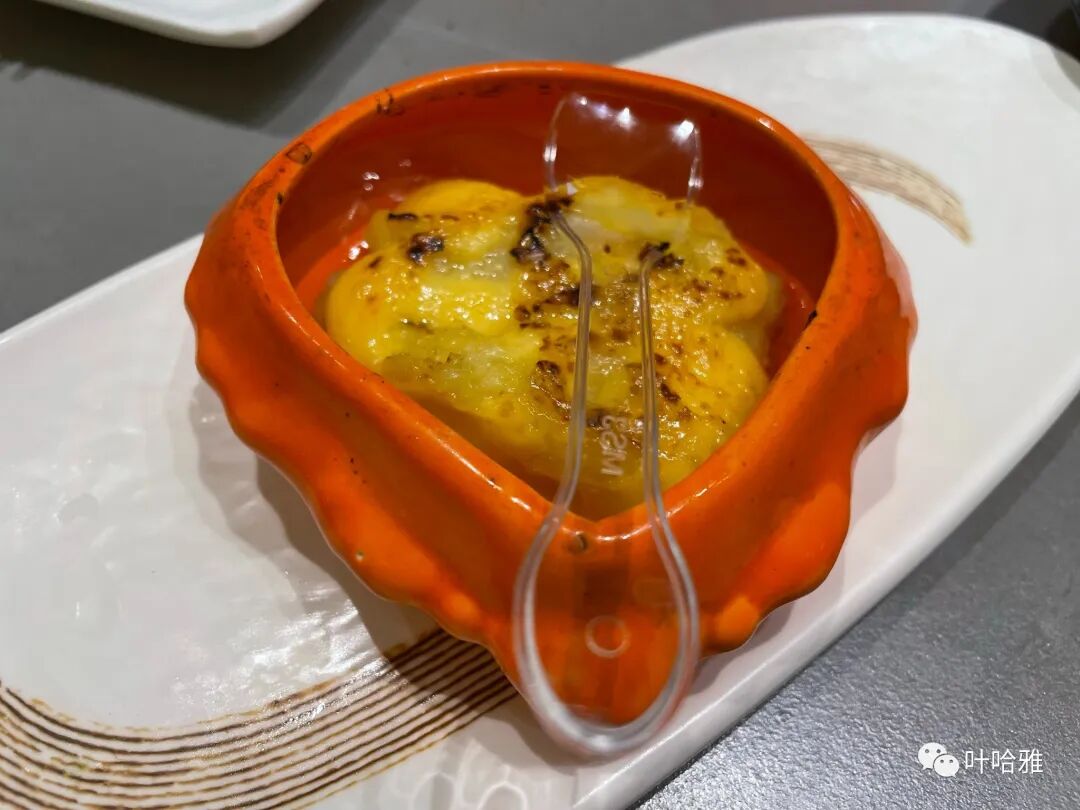
Even though it is a buffet, the food quality is just as good as ordering a la carte. You scan a code to order whatever you want. Each dish is made as a single serving, prepared fresh when you order, and you can eat as much as you like. I think the lamb and seafood at this restaurant are excellent, and the desserts are high quality too. It is a great value.
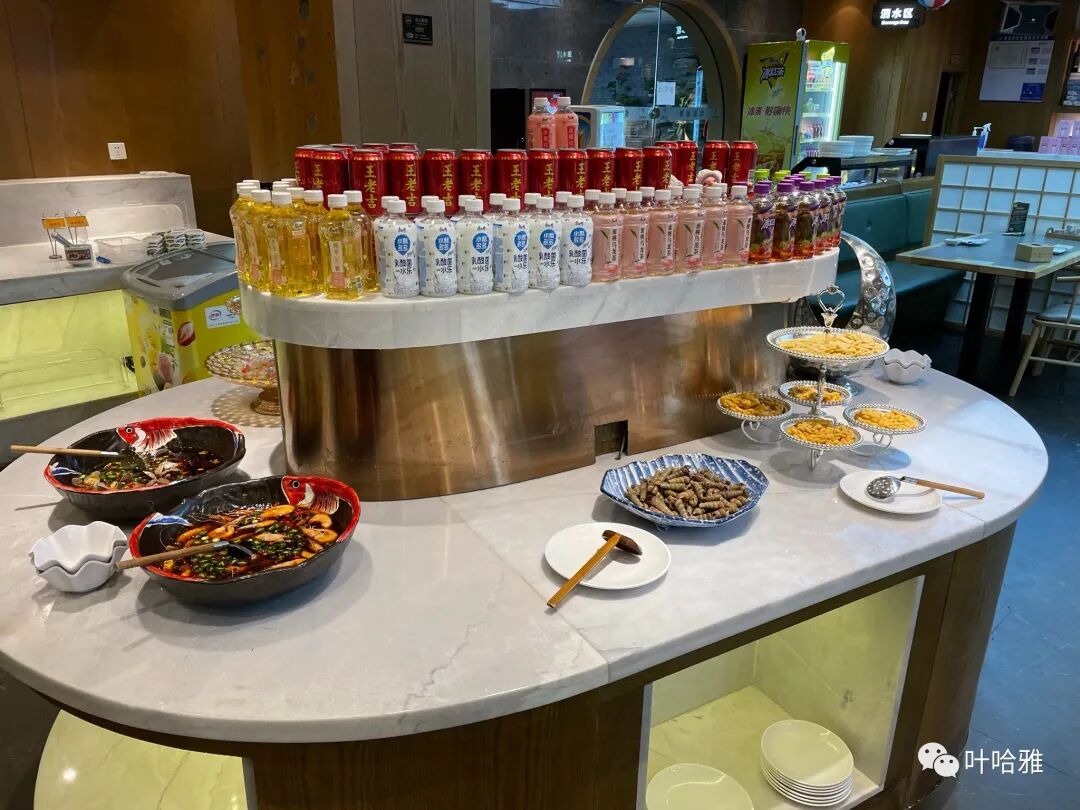
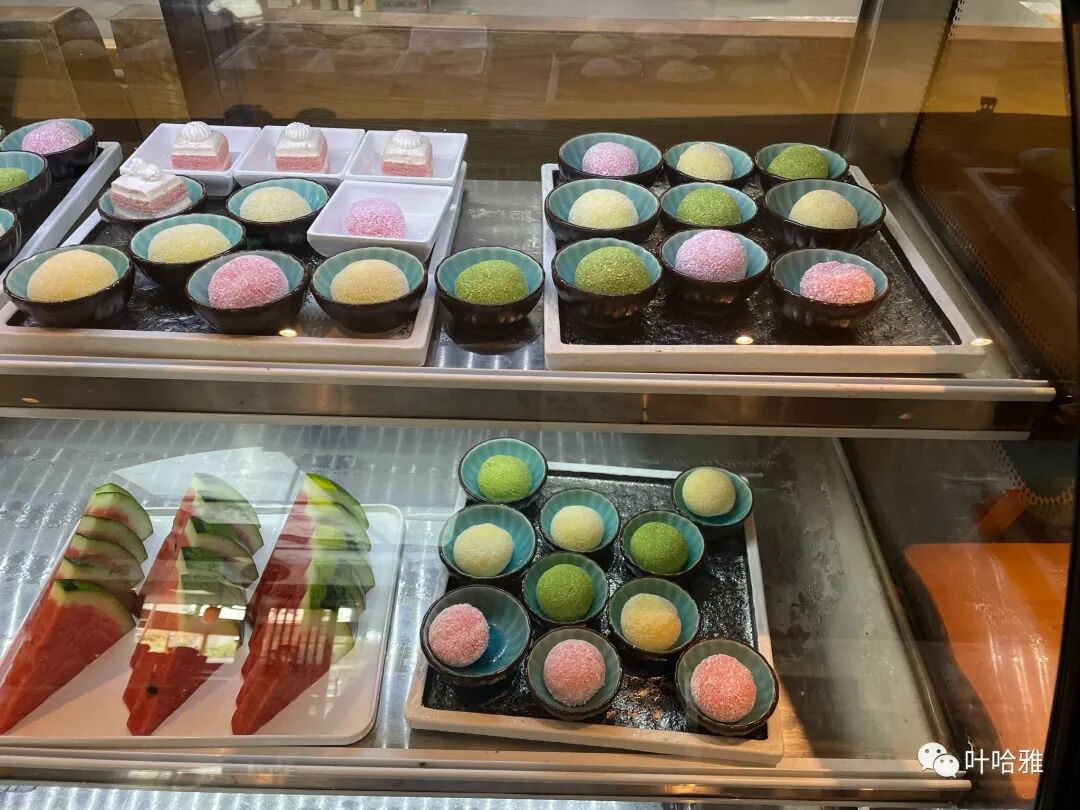
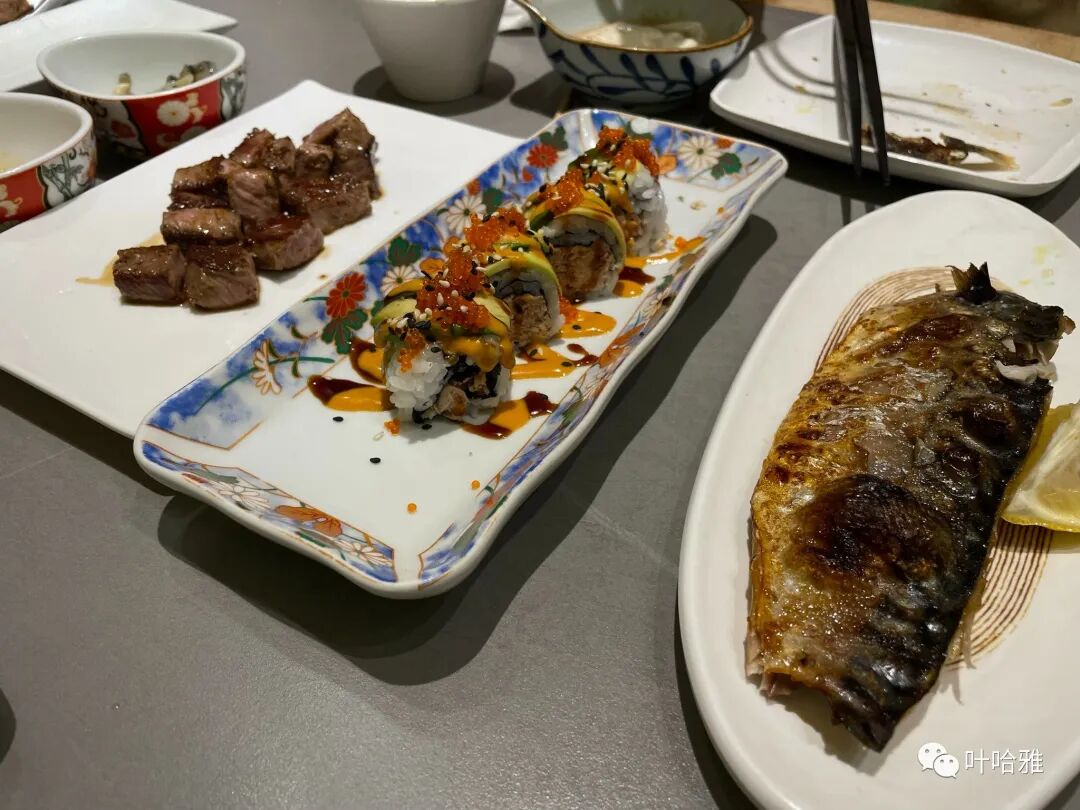
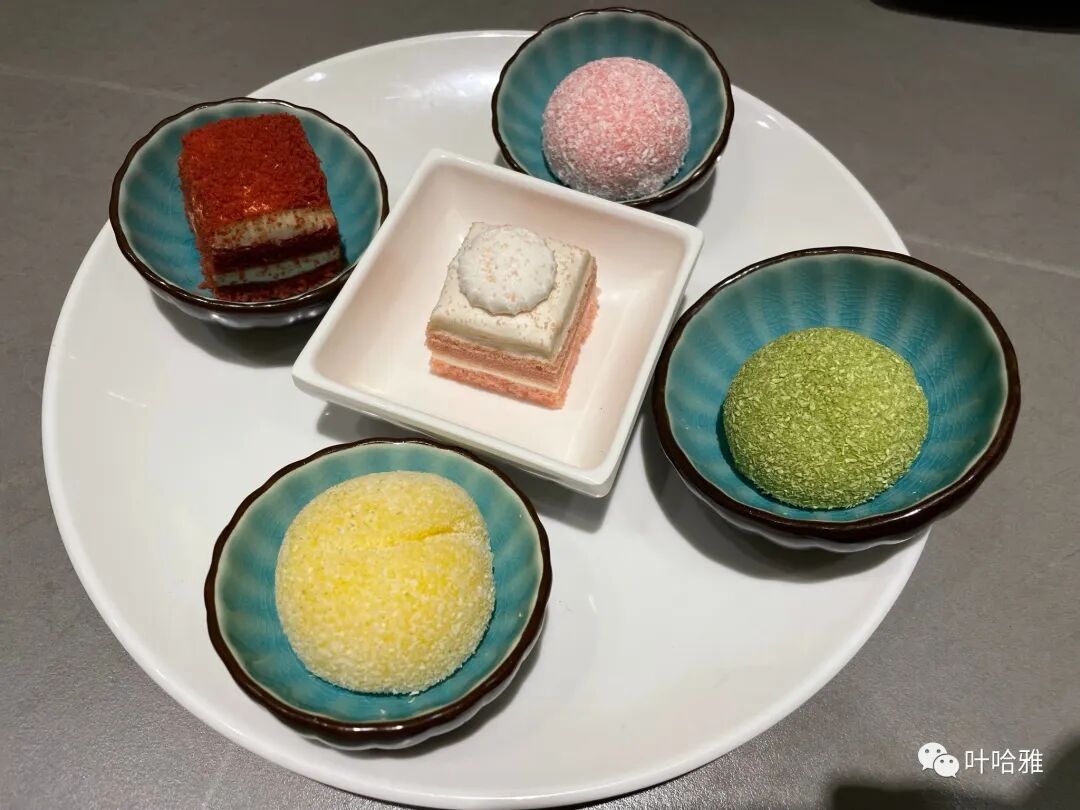
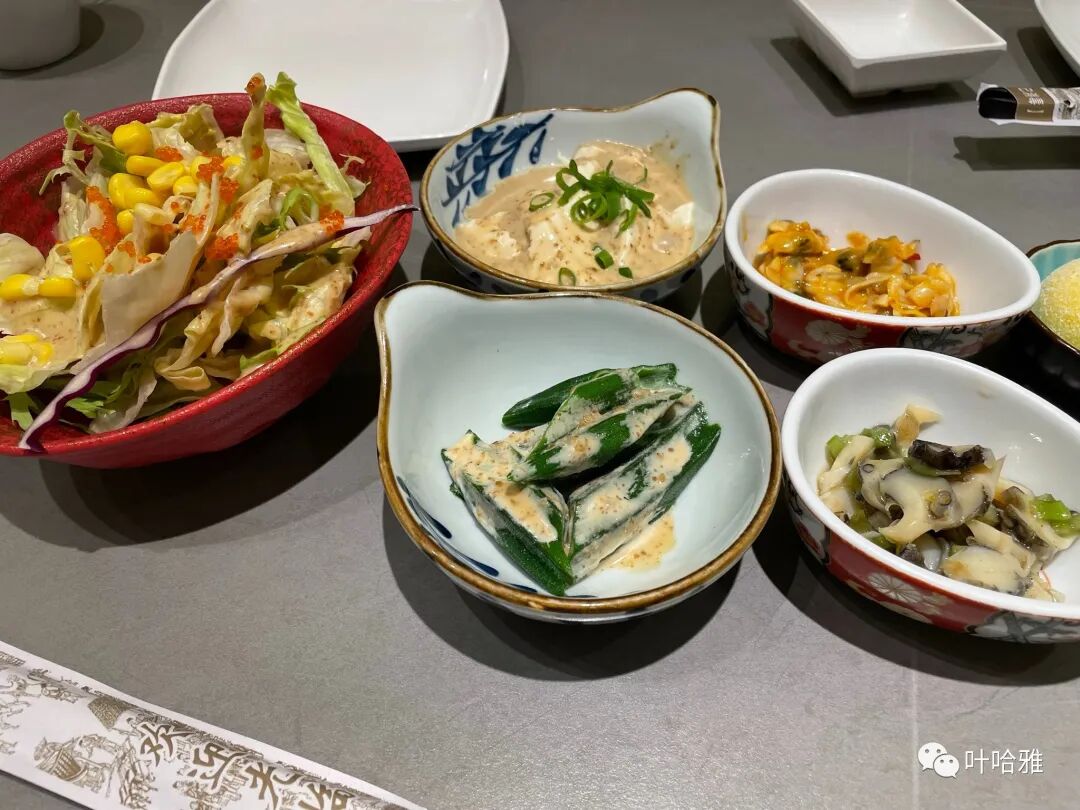
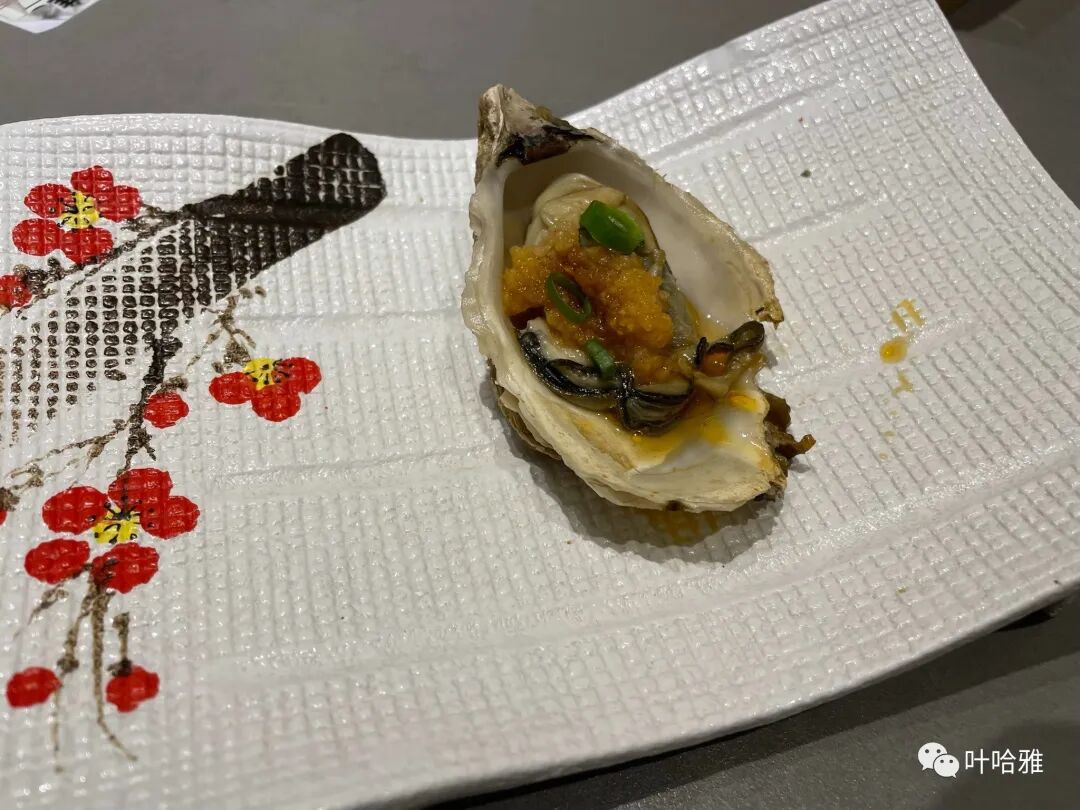
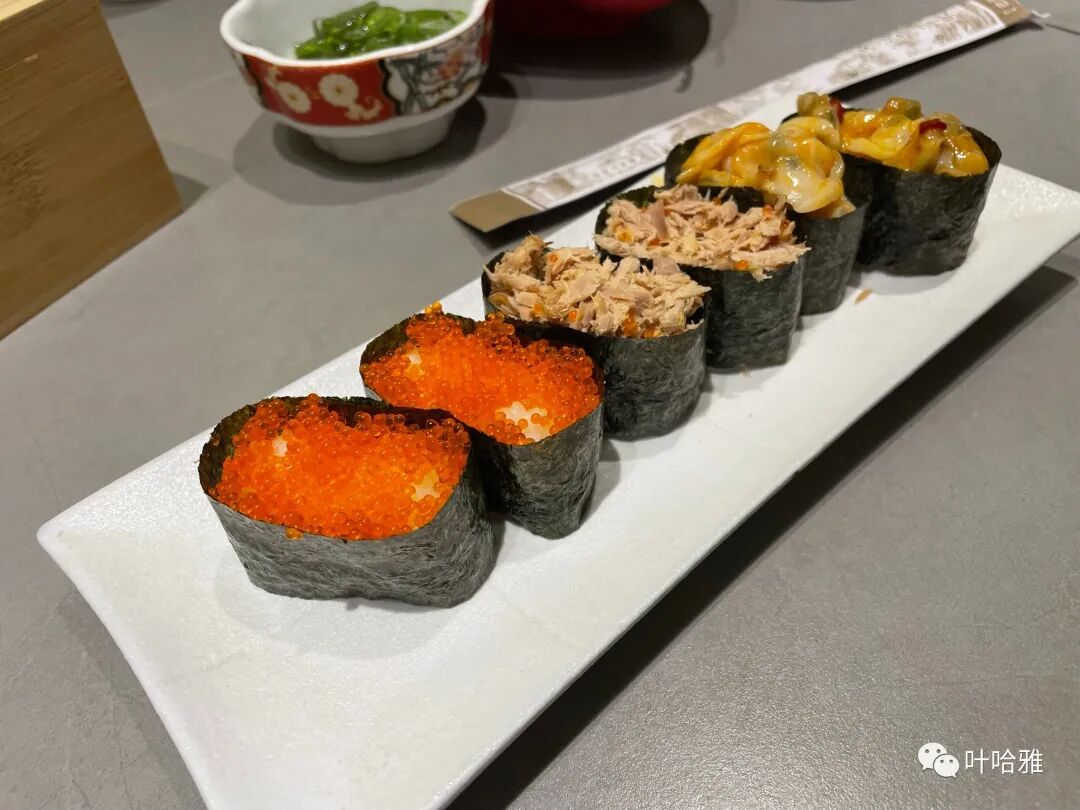
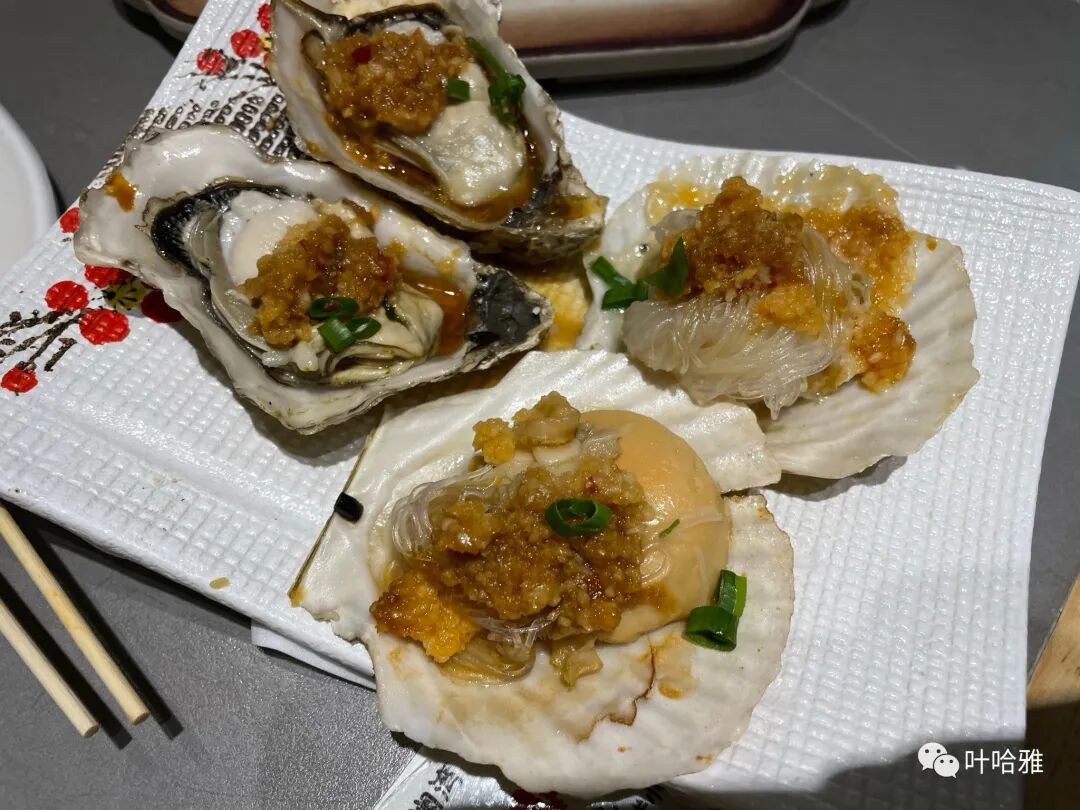
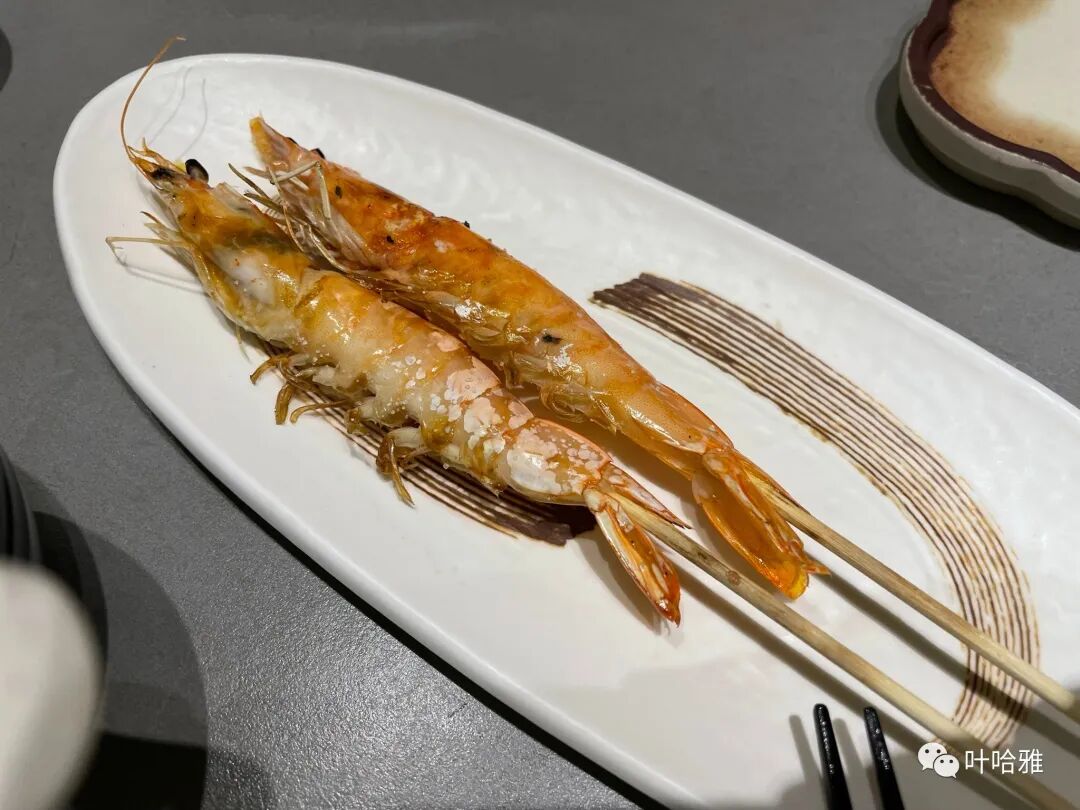
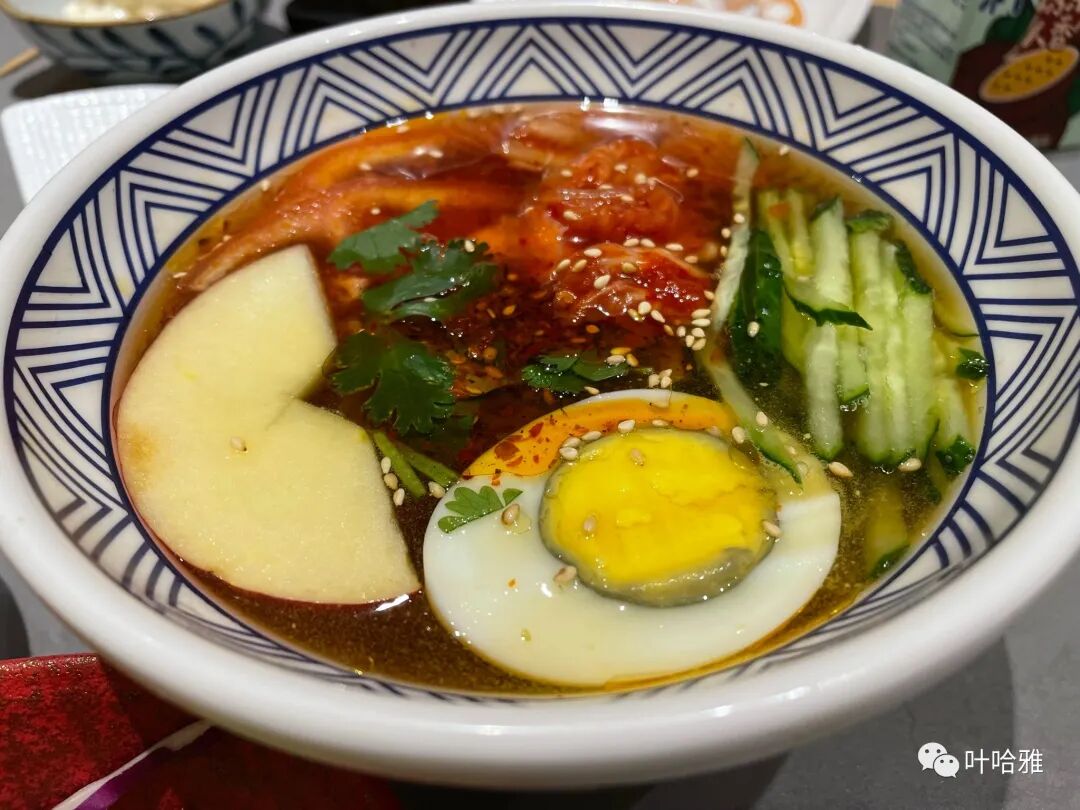
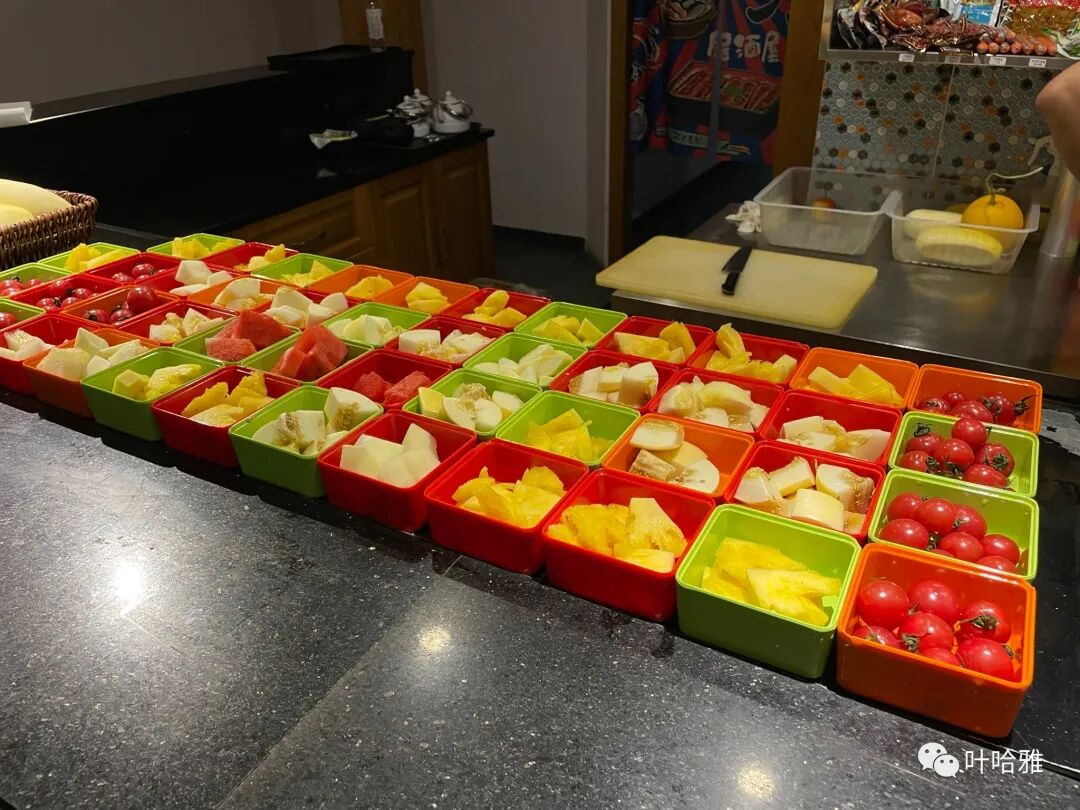
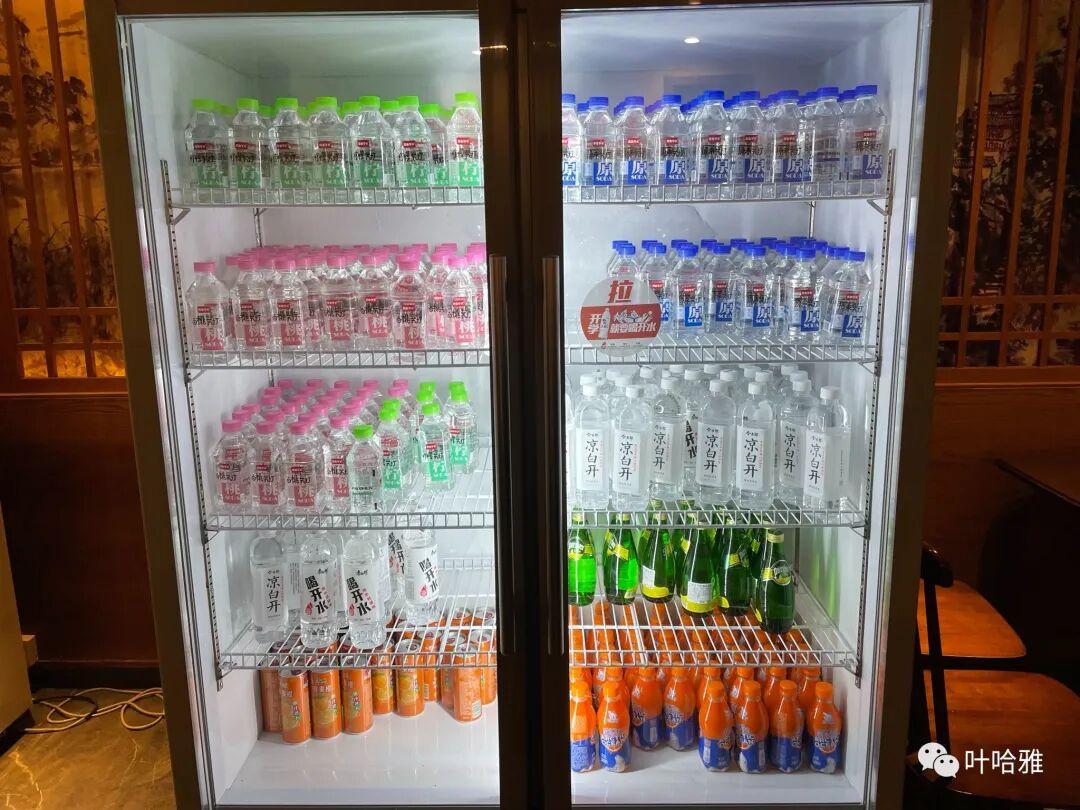
The third-floor lounge has an entertainment area and a self-service station for fruit and drinks. Everything is unlimited, and there is plenty of Yili ice cream.
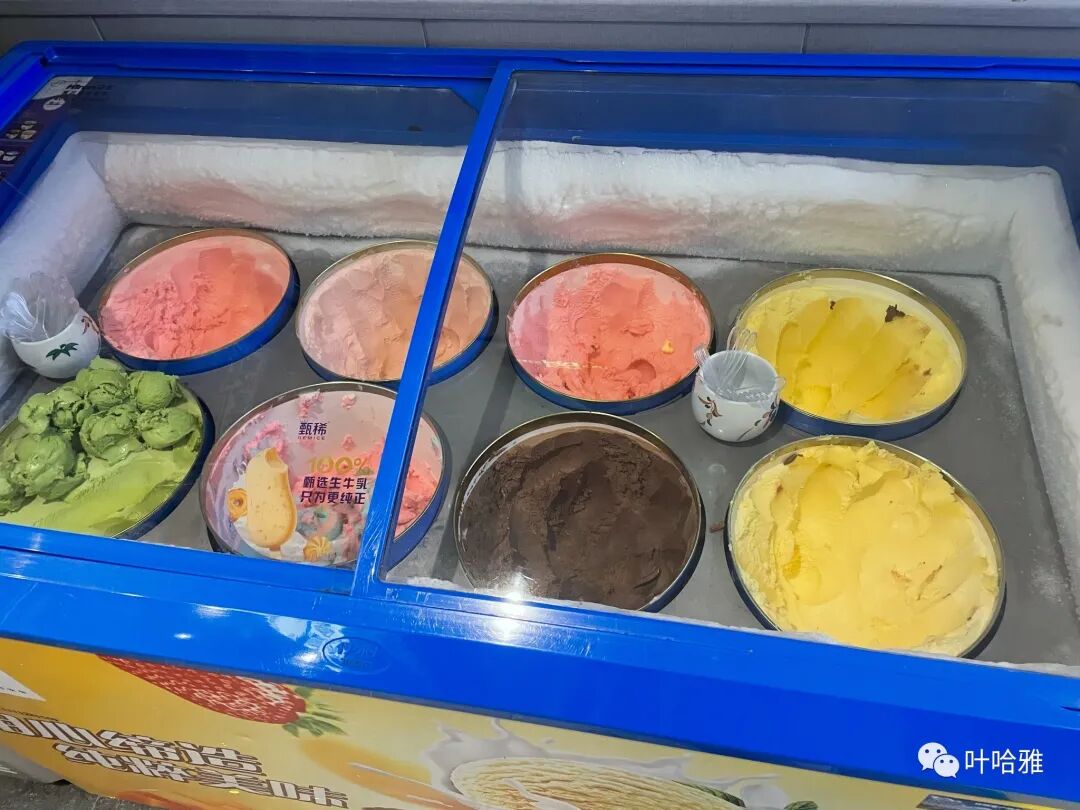
The lounge at this bathhouse isn't as nice as the one at Shuiguo Tangquan, but it is much cheaper. The Japanese restaurant here is a great deal. If you ordered these dishes separately, they would be expensive, but they are very affordable as part of the set meal. There is free parking at the entrance and a children's play area, so it is a good place to bring kids.
8. Beijing University of Posts and Telecommunications Ethnic Restaurant
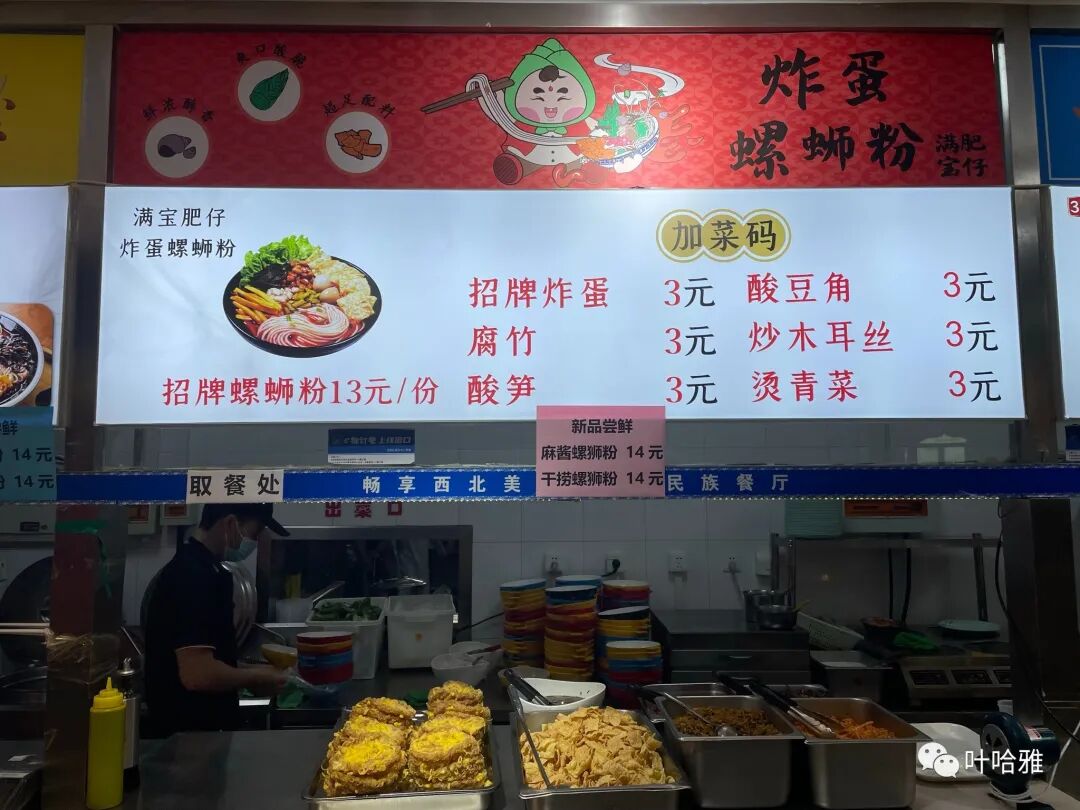
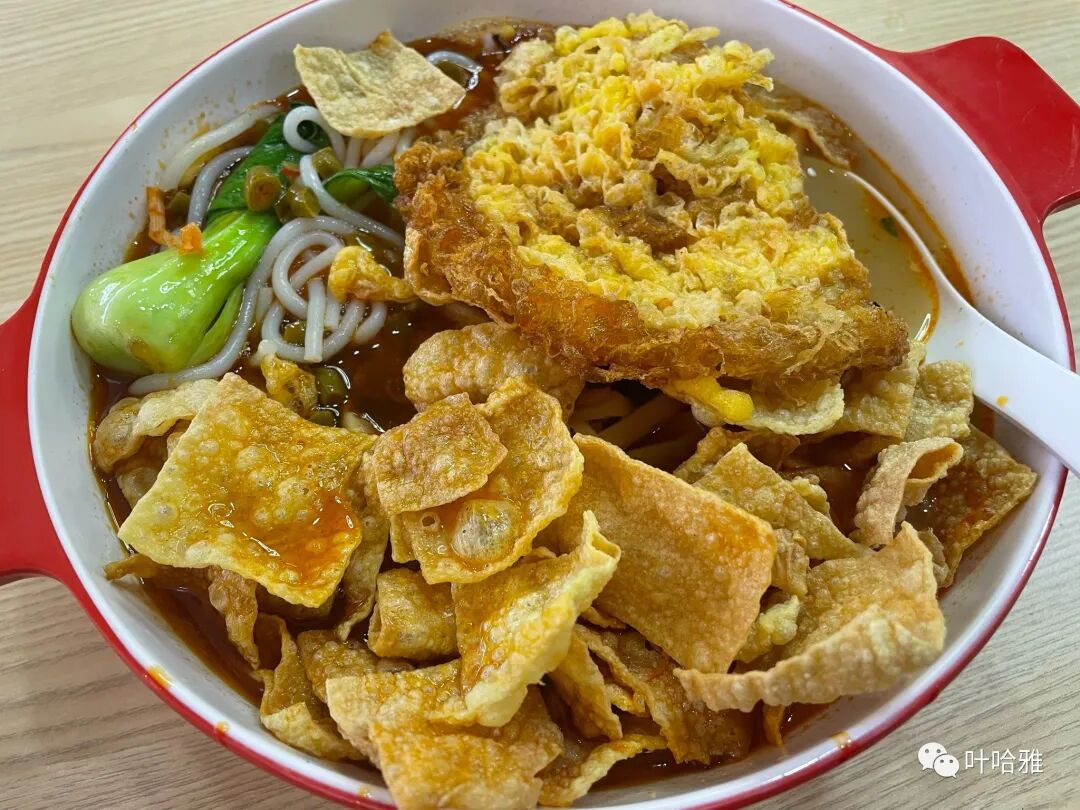
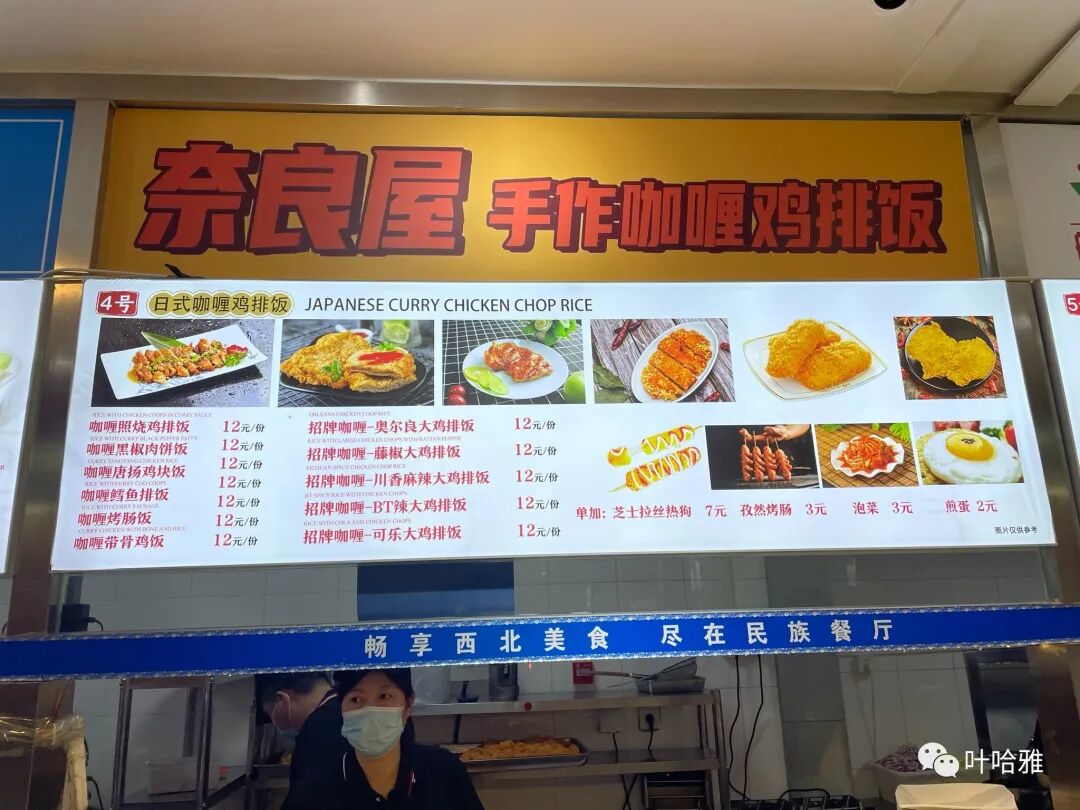
The halal canteen at BUPT is called the Ethnic Restaurant. The owner is from Lanzhou. I came to BUPT because they have halal snail rice noodles (luosifen). This is my first time eating halal luosifen in Beijing. I prepared myself mentally on the way here, thinking it would smell very strong. When I actually ate it, I didn't think it was bad at all. It just had a strong smell of pickled bamboo shoots, and it was quite tasty. You can add fried eggs and side dishes to it.
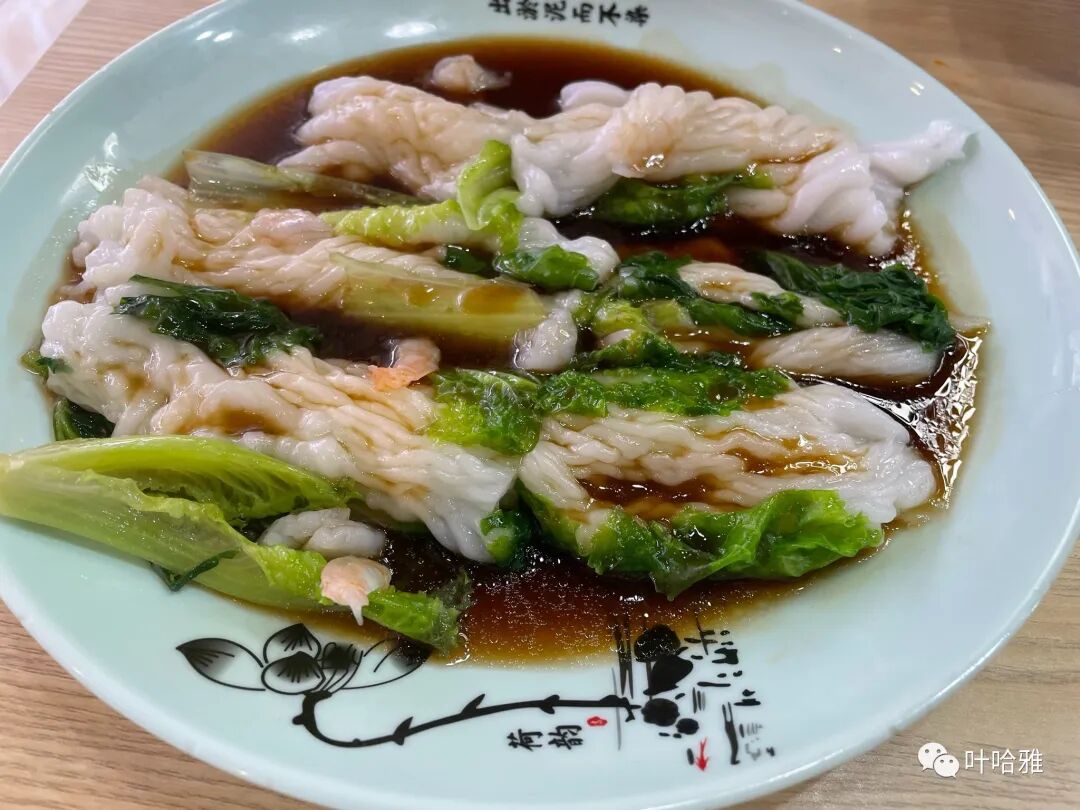
The Ethnic Restaurant has a lot of good food. We also had steamed rice rolls (changfen), and the price was so low it felt like it was free. BUPT students are really lucky.
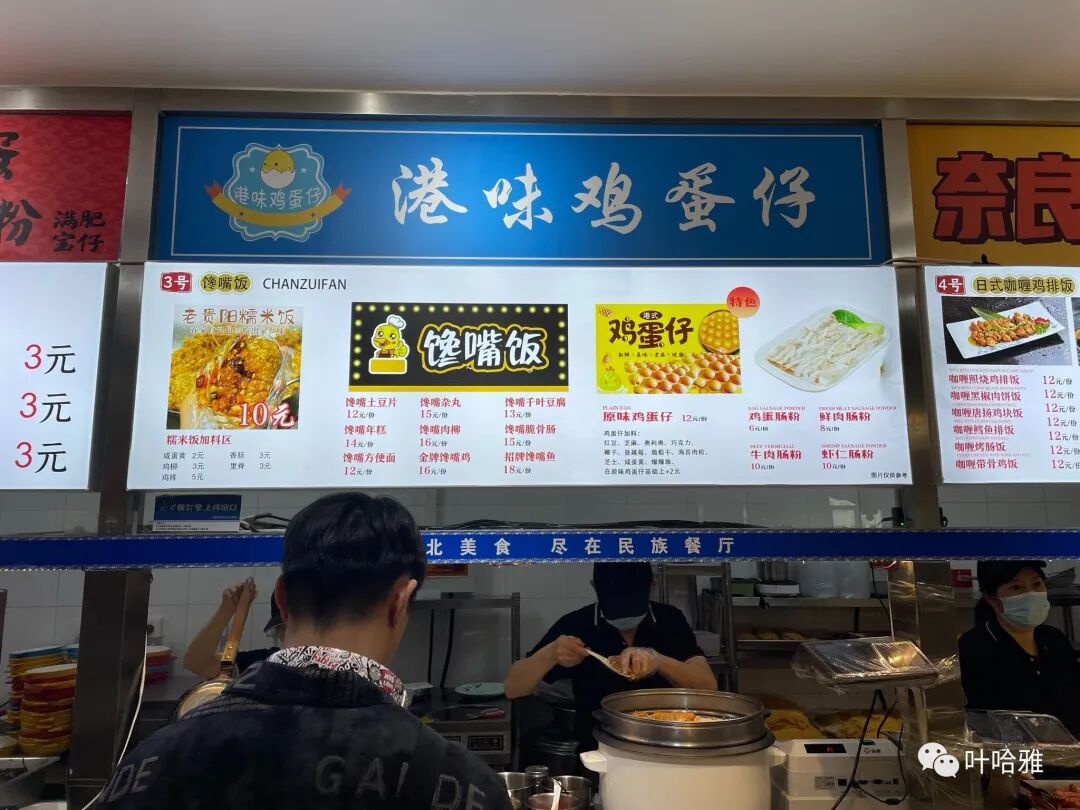
The campus isn't fully open yet, so you have to find a way to get in if you want to eat here.
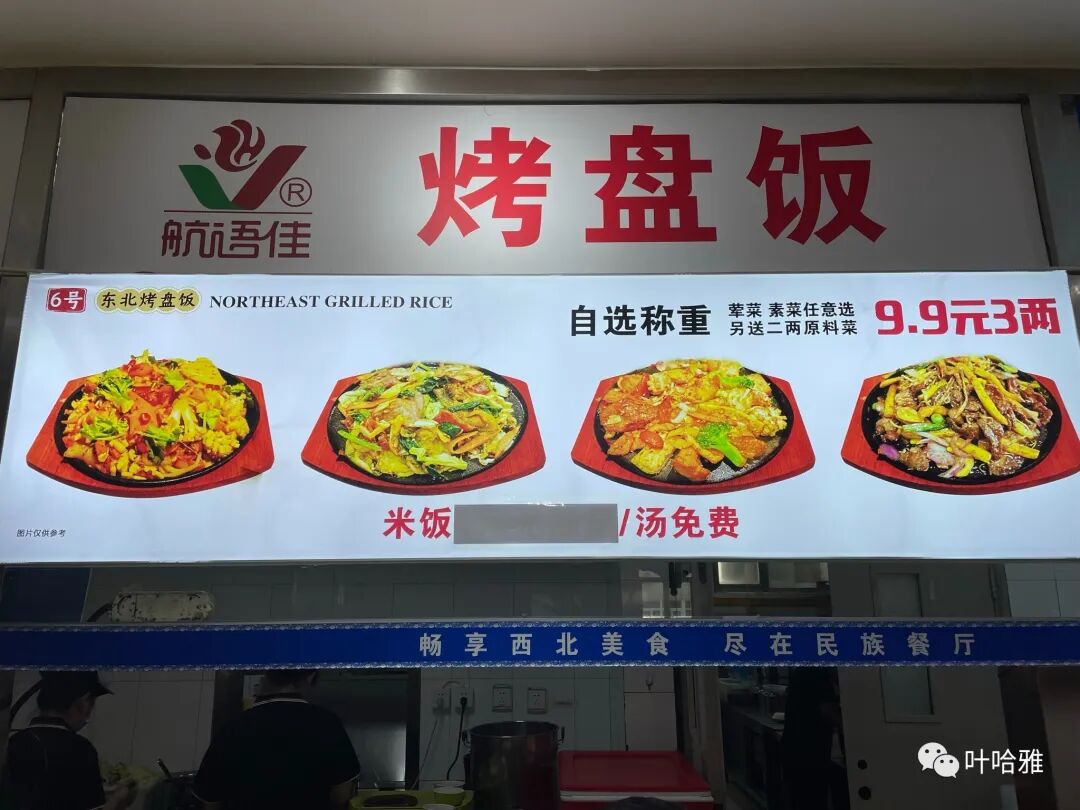
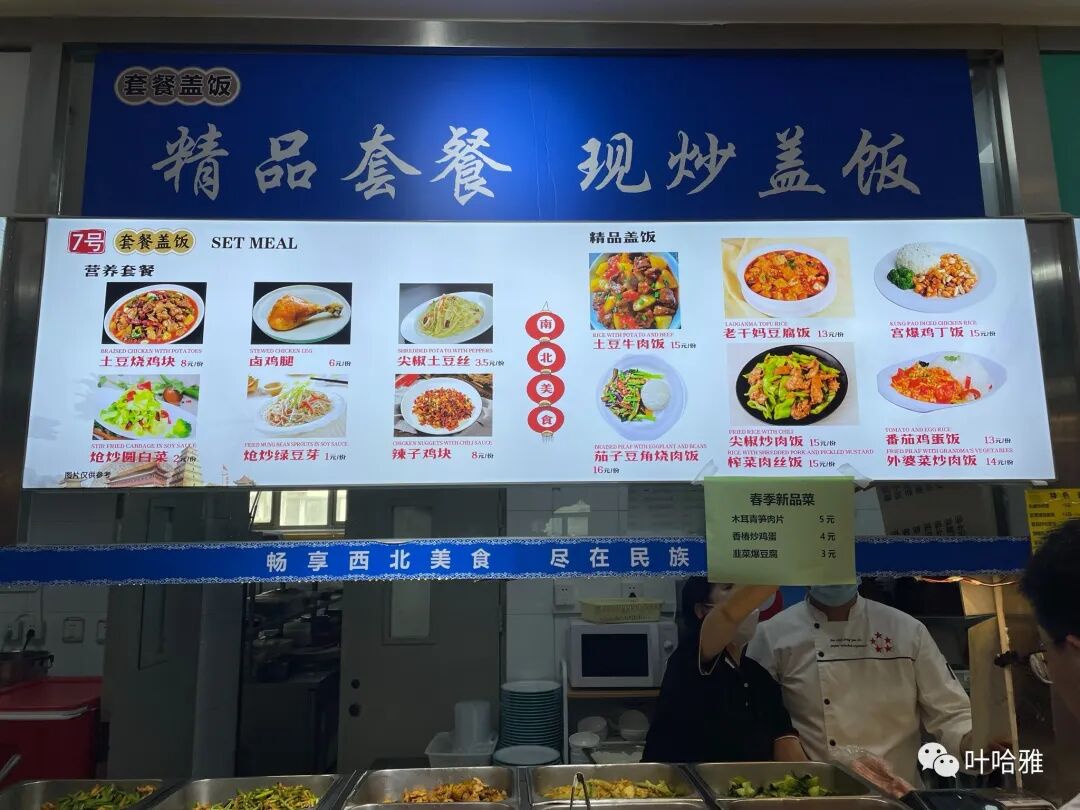
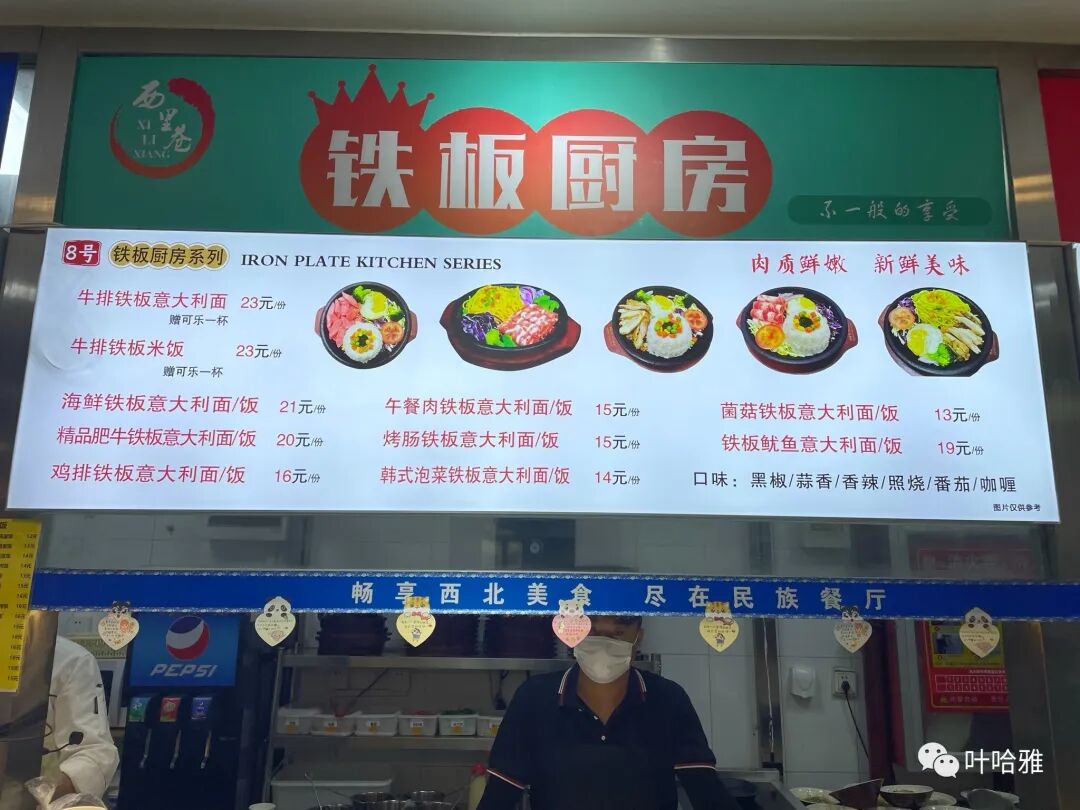
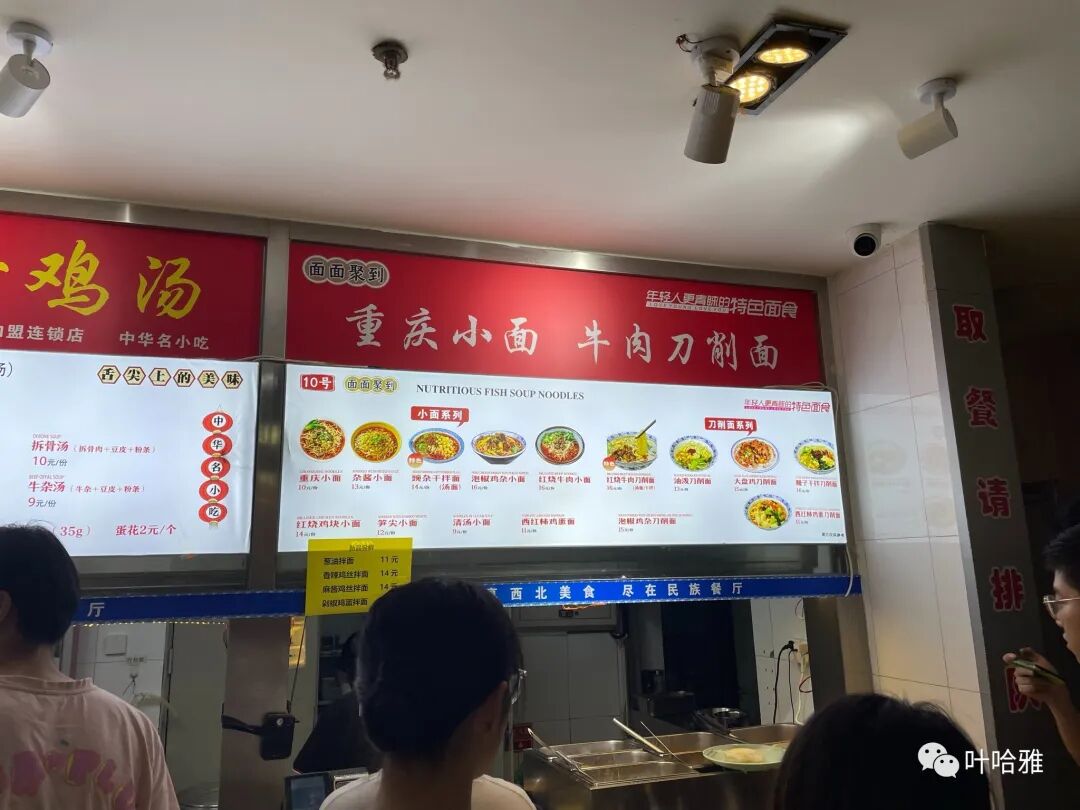
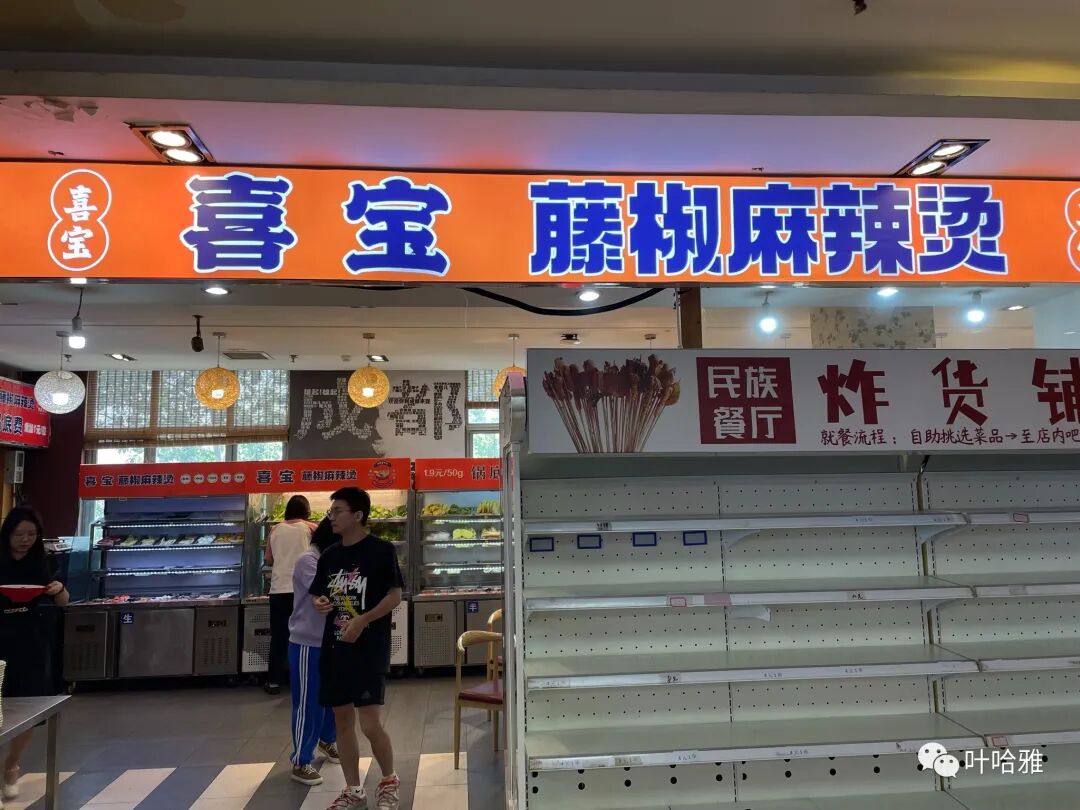
Here are some other stalls at the BUPT Ethnic Restaurant, including Chongqing spicy noodles (chongqing xiaomian). I have eaten at many university halal canteens, and BUPT has the widest variety.
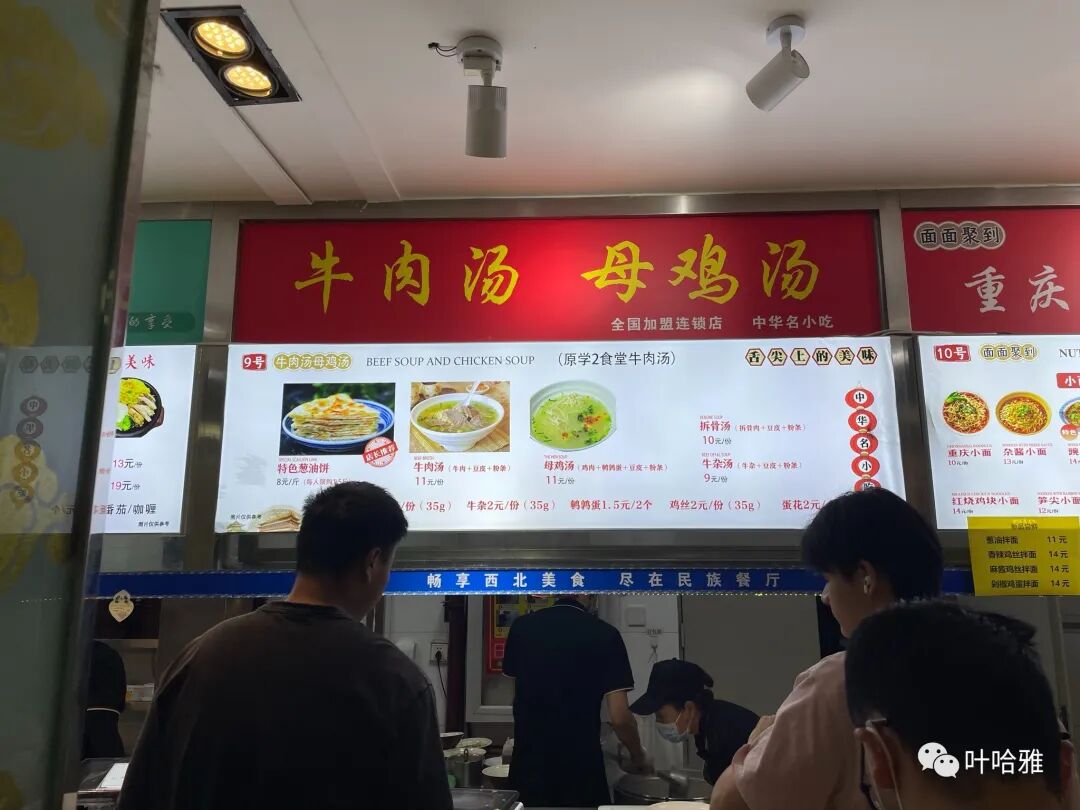
9. Peking University Tongyuan
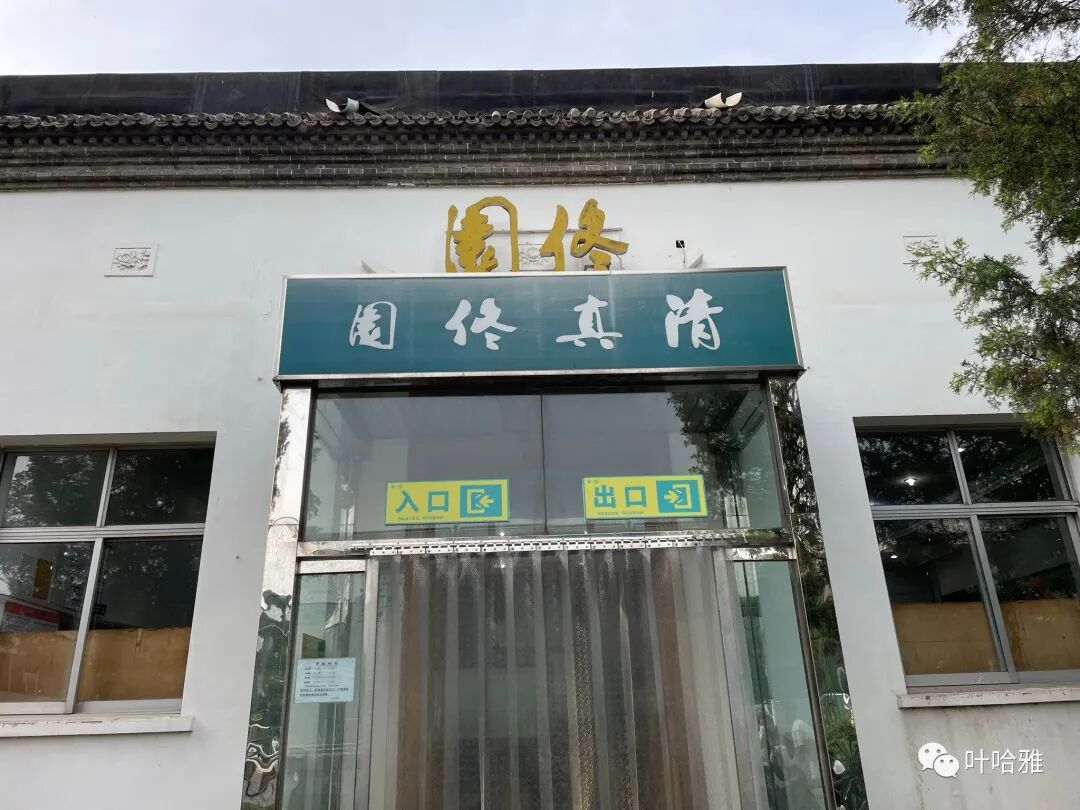
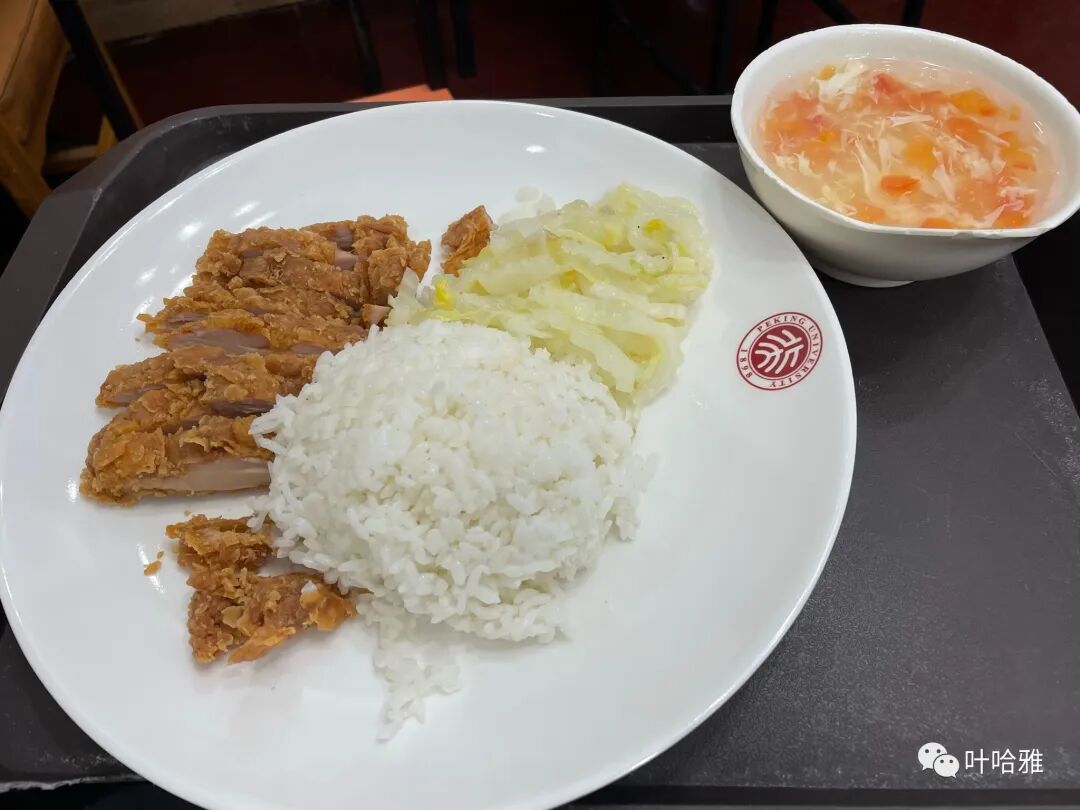
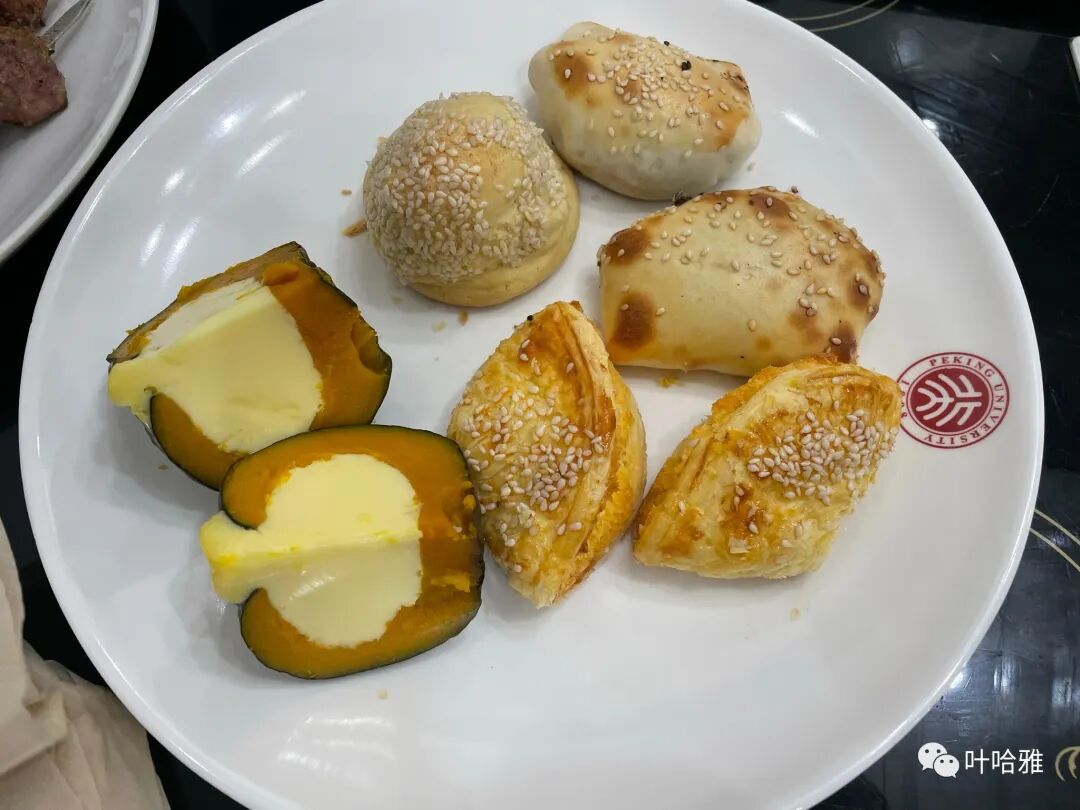
The history of PKU Tongyuan goes back to 1946. That year, PKU established the Department of Oriental Languages and the Department of Arabic. Professor Ma Jian proposed building a canteen for Hui Muslims at PKU. It was the first canteen for Hui Muslims built at a Beijing university and was named the PKU Dongfanghong Hui Muslim Canteen. Later, because the number of Muslim students at PKU increased rapidly, the canteen wasn't big enough. In 1986, PKU raised 500,000 yuan to build a new 400-square-meter halal restaurant on the site of the old Tong Mansion on campus, naming it the PKU Tongyuan Halal Restaurant.
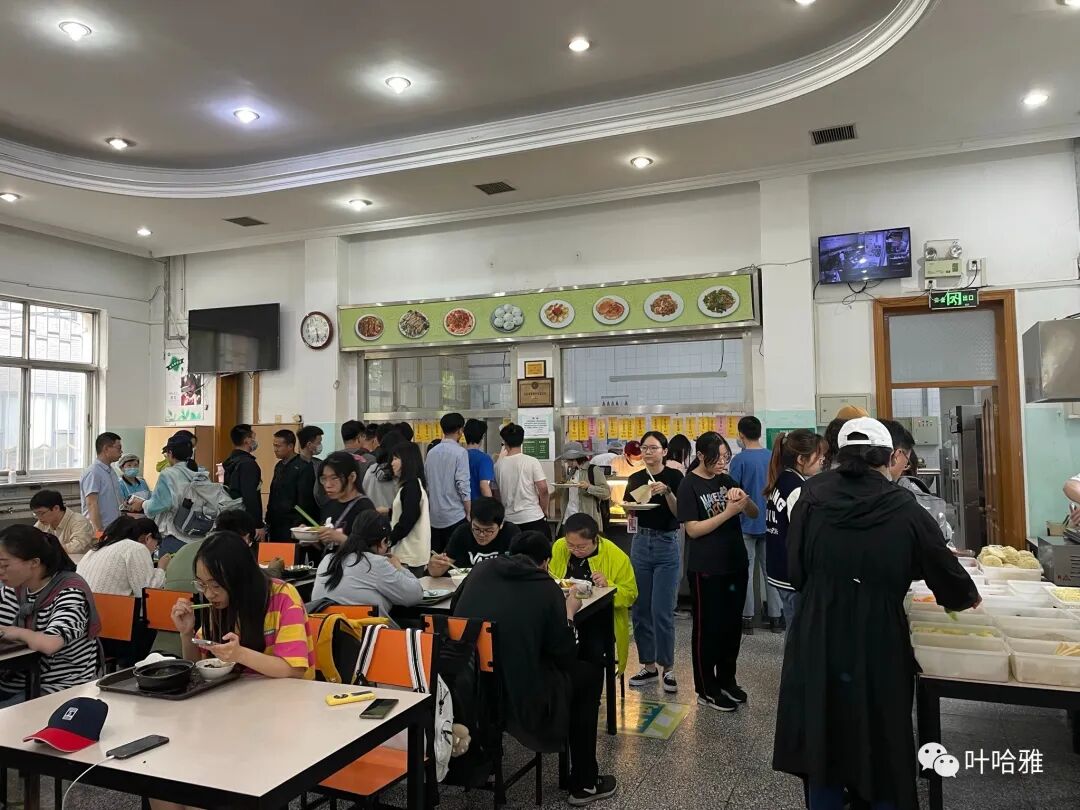
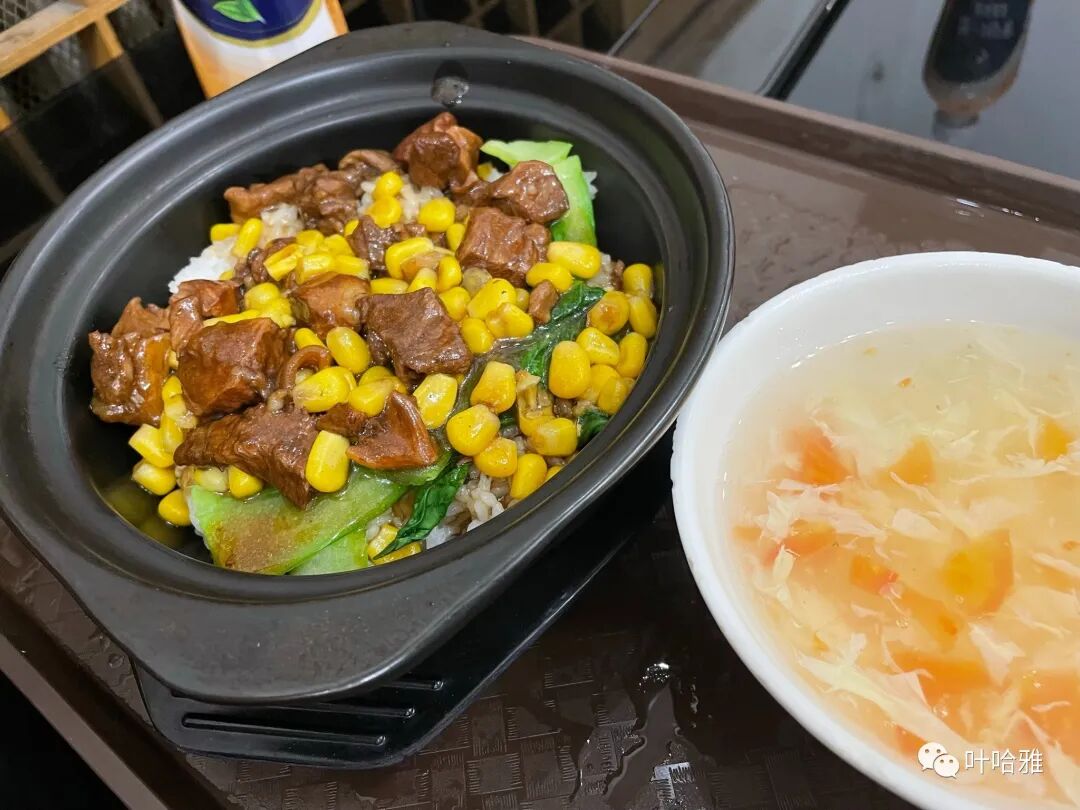
Looking at the halal restaurants at different universities now, Tongyuan at Peking University is on the smaller side. Because it has limited space, it only serves lunch to ethnic minority students, and you cannot pay without a campus card. However, after dinner, Tongyuan opens up to all students and staff for late-night barbecue.
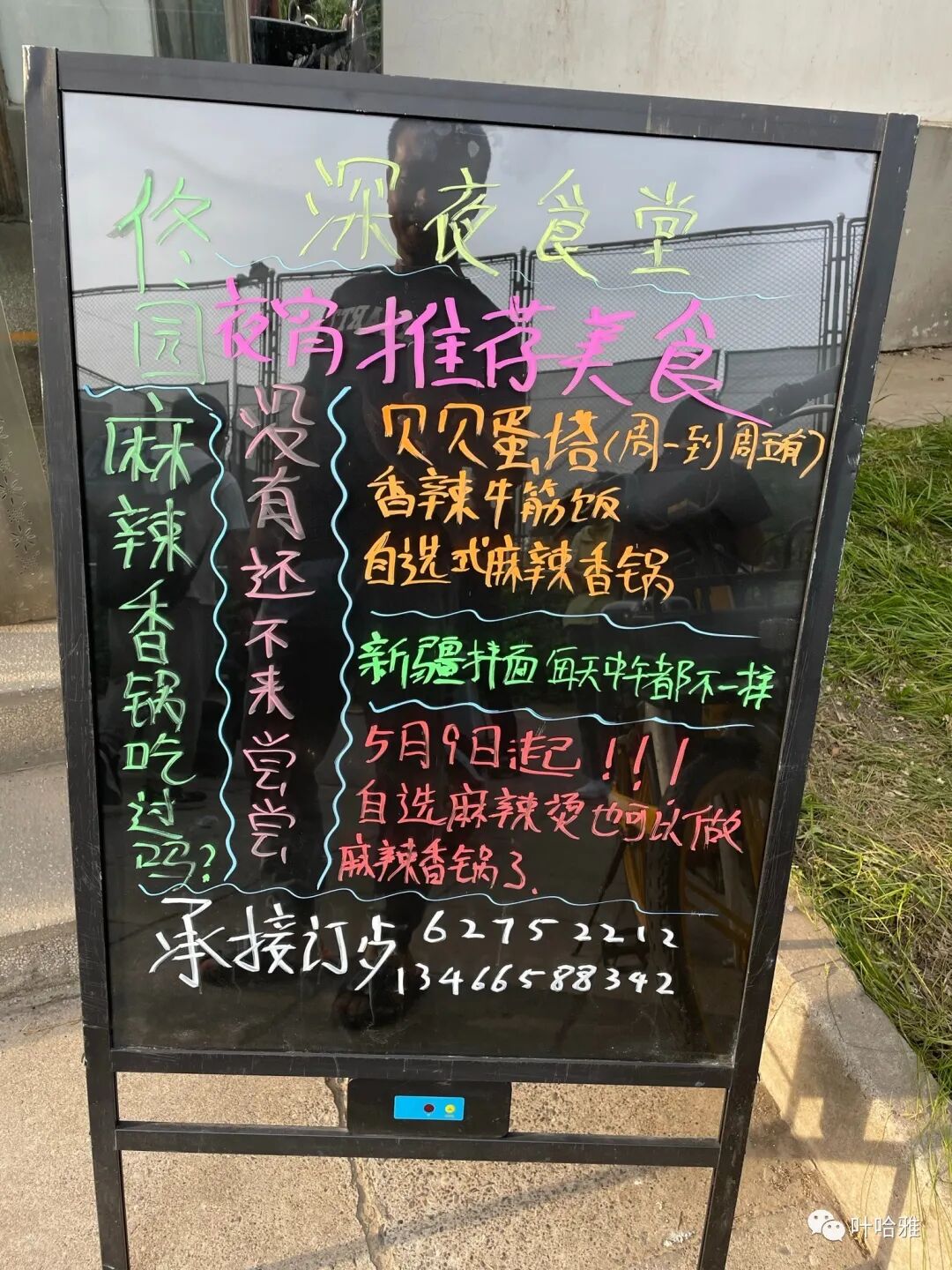
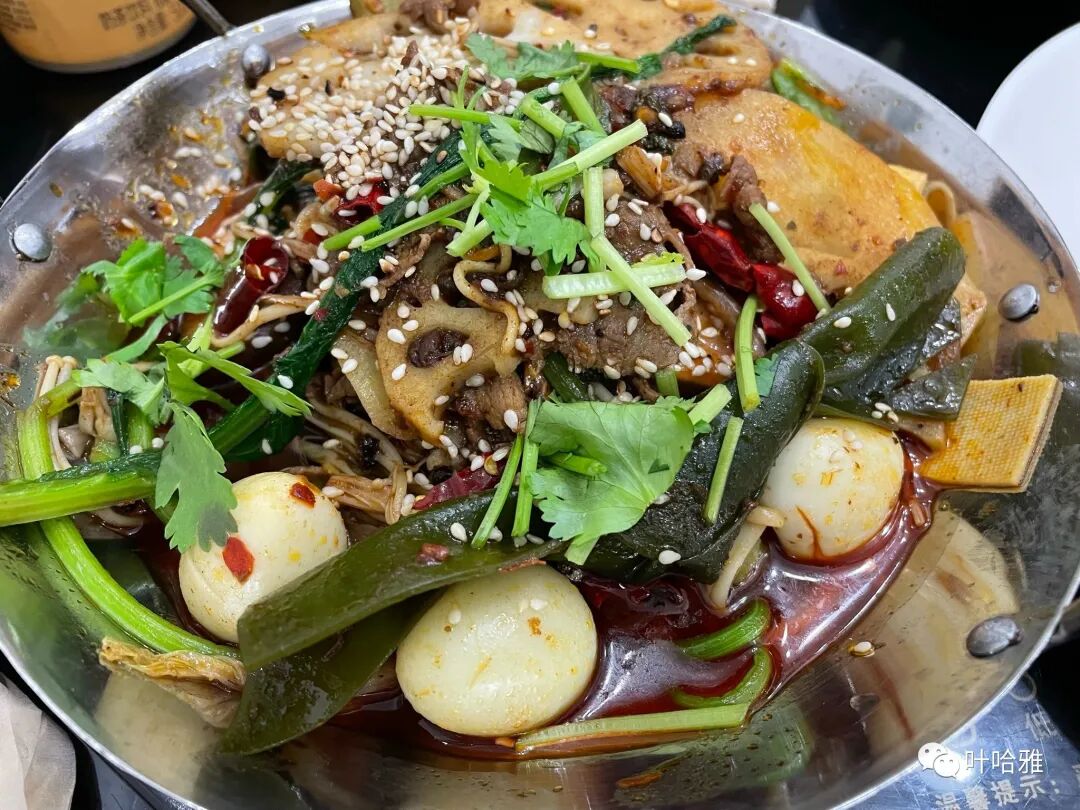
I have been to Tongyuan many times, and they recently added spicy hot pot (mala xiangguo) and spicy soup (malatang) to the menu.
That is the end of this post. The text and photos are original, and unauthorized reproduction is not allowed.
Summary: This Beijing halal street food guide maps issue 34, covering Fangshan hot pot, Shidu Xinjiang food, farm-style halal dishes, clam vermicelli, local snacks, and places worth saving for Muslim travelers.
Beijing Halal Food Map (34) is presented here as a firsthand travel account in clear English, beginning with this scene: The WeChat official account has a search feature. Just tap the search icon in the top right corner of the homepage to look for articles using keywords. The account keeps its focus on Beijing Halal Food, Muslim Travel, Middle Eastern Food while preserving the names, places, food, and historical details from the Chinese source.
The WeChat official account has a search feature. Just tap the search icon in the top right corner of the homepage to look for articles using keywords. This works for all official accounts, so there is no need to set up automated keyword replies in the backend. I always see all sorts of strange words in the backend, and I really cannot reply to them all.
1. Hengxingxiang
This is a Beijing-style hot pot restaurant. The meat tasted great while I was eating. When I paid the bill, I noticed the payee was Doudian Yisheng. I asked, and it turns out it is run by the Doudian Yisheng beef and mutton shop, which also has a stall selling beef and mutton on Niujie Street.
The restaurant is in Fangshan and is quite large with two floors. I heard they have live vegetables, which are hydroponic greens brought straight to your table for the hot pot. They are incredibly fresh, though I did not get to try them when I visited.
Aorta (huanghou)
Their sesame flatbread (shaobing) is delicious, soft, and unique. I recommend trying one. There is free parking at the entrance; just tell the security guard you are there to eat.
2. Yinsha Halal Restaurant
Shidu in Fangshan is a beautiful summer retreat in the Beijing suburbs. I found three halal restaurants along the road between Badu and Jiudu. This Yinsha Halal Restaurant is run by a friend from Kashgar (adaxi) and is located in Jiudu. These restaurants all offer lodging.
They serve traditional large Xinjiang dishes as well as local farm-style food, such as grilled rainbow trout and stir-fried wild vegetables.
The family from Xinjiang was preparing lung and tripe (mianfeizi) for Eid al-Fitr that day and even invited us to taste it.
Deep-fried prickly ash buds (zhahuajiaoya)
Stir-fried river shrimp (chaohexia)
Grilled rainbow trout (kaohongzunyu)
3. Muyi's House
This is a halal Beijing-style restaurant in Badu, and the owner is a Hui Muslim from Fengtai.
We ordered a few traditional stir-fried dishes, but they were all quite salty. We prefer lighter flavors, so keep that in mind. The Shidu tofu is a specialty dish and it tastes quite good.
Shidu tofu (shidudoufu)
Egg sauce noodles (jidancuanmian)
The egg sauce for these noodles is extremely salty. Add it little by little when you eat. Most people definitely cannot handle the whole serving of sauce.
4. Clam vermicelli (huajiaphen)
This is an unassuming little shop in the Xiguanshi market. It looks very ordinary, but the taste is excellent.
The clam vermicelli is made of glass noodles with clams and some side vegetables. It has a slightly numbing, salty, and savory flavor. You can add chili separately.
You can add any of these side dishes. The portions are small, and one order of large shrimp is just one single shrimp.
The ingredients are quite fresh. The vegetables and seafood cook quickly when blanched, and they taste good.
It comes wrapped in foil and sits on a bowl so you can carry it without burning your hands, because this clam vermicelli (huajiafen) is really piping hot.
5. Huawei Beijing Research Institute Halal Canteen
The Huawei Beijing Research Institute has four halal stalls, and they are owned by the same person as the halal canteen at the Bantian base in Shenzhen.
You can use cash at the big tech company's halal canteen, as long as you can find a way to get inside.
If you have job offers from many big companies and do not know which one to pick, Huawei's halal canteen is a plus.
Huawei employees have a high happiness index. Working and living on the campus is convenient, and the environment is beautiful.
The design style of the canteen and the campus is consistent with the Shenzhen headquarters.
The sour soup dumplings (suantang shuijiao) are really delicious. The last time I had such good sour soup dumplings was in the Muslim Quarter (Huifang) in Xi'an, and these dumplings at Huawei are just as good.
Crispy baked buns (supi kaobaozi)
6. Xiguanshi Halal Night Market
The parking lot at the entrance of Xiguanshi Village in Changping now hosts a halal night market from 5:00 PM to 11:30 PM, which is named Crescent Food Plaza.
The night market is quite large, with four rows of food stalls on both sides offering dozens of different halal dishes.
Various deep-fried snacks.
Grilled meat on a round iron plate (zhizi kaorou) and grilled fish.
All kinds of small snacks.
Steamed chicken in chili sauce (koushuiji).
Teppanyaki.
The grilled squid from the teppanyaki stall is delicious.
Japanese-style desserts.
They have fresh salmon sashimi and sushi.
Electric-grilled skewers and mung bean jelly noodles (liangfen).
Deep-fried stinky tofu (zha chou doufu).
Grilled oysters and grilled scallops.
Pot-pot chicken (boboji).
Pot-pot chicken (boboji) is a dish of cold skewers that are already cooked.
Fruit salad (shuiguolao).
Charcoal-grilled skewers.
Iced jelly (bingfen) and ice cream.
We tried almost everything at the night market. It was not cheap, and the three of us spent over 400 yuan. The Japanese food and grilled skewers were the most expensive, with two stalls costing over 200 yuan. Of course, there are cheaper ways to eat there.
7. Yuejing Lanwan Japanese Buffet Restaurant.
This is a halal bathhouse that opened recently in Changying, and the Japanese buffet inside is a halal restaurant. You can choose a bath and buffet package for 199 yuan, or just come for the Japanese buffet. The buffet with sashimi is 165 yuan, and the one without is 127 yuan. You can buy group deals on Douyin by searching for "Yuejing Japanese Buffet".
Even though it is a buffet, the food quality is just as good as ordering a la carte. You scan a code to order whatever you want. Each dish is made as a single serving, prepared fresh when you order, and you can eat as much as you like. I think the lamb and seafood at this restaurant are excellent, and the desserts are high quality too. It is a great value.
The third-floor lounge has an entertainment area and a self-service station for fruit and drinks. Everything is unlimited, and there is plenty of Yili ice cream.
The lounge at this bathhouse isn't as nice as the one at Shuiguo Tangquan, but it is much cheaper. The Japanese restaurant here is a great deal. If you ordered these dishes separately, they would be expensive, but they are very affordable as part of the set meal. There is free parking at the entrance and a children's play area, so it is a good place to bring kids.
8. Beijing University of Posts and Telecommunications Ethnic Restaurant
The halal canteen at BUPT is called the Ethnic Restaurant. The owner is from Lanzhou. I came to BUPT because they have halal snail rice noodles (luosifen). This is my first time eating halal luosifen in Beijing. I prepared myself mentally on the way here, thinking it would smell very strong. When I actually ate it, I didn't think it was bad at all. It just had a strong smell of pickled bamboo shoots, and it was quite tasty. You can add fried eggs and side dishes to it.
The Ethnic Restaurant has a lot of good food. We also had steamed rice rolls (changfen), and the price was so low it felt like it was free. BUPT students are really lucky.
The campus isn't fully open yet, so you have to find a way to get in if you want to eat here.
Here are some other stalls at the BUPT Ethnic Restaurant, including Chongqing spicy noodles (chongqing xiaomian). I have eaten at many university halal canteens, and BUPT has the widest variety.
9. Peking University Tongyuan
The history of PKU Tongyuan goes back to 1946. That year, PKU established the Department of Oriental Languages and the Department of Arabic. Professor Ma Jian proposed building a canteen for Hui Muslims at PKU. It was the first canteen for Hui Muslims built at a Beijing university and was named the PKU Dongfanghong Hui Muslim Canteen. Later, because the number of Muslim students at PKU increased rapidly, the canteen wasn't big enough. In 1986, PKU raised 500,000 yuan to build a new 400-square-meter halal restaurant on the site of the old Tong Mansion on campus, naming it the PKU Tongyuan Halal Restaurant.
Looking at the halal restaurants at different universities now, Tongyuan at Peking University is on the smaller side. Because it has limited space, it only serves lunch to ethnic minority students, and you cannot pay without a campus card. However, after dinner, Tongyuan opens up to all students and staff for late-night barbecue.
I have been to Tongyuan many times, and they recently added spicy hot pot (mala xiangguo) and spicy soup (malatang) to the menu.
That is the end of this post. The text and photos are original, and unauthorized reproduction is not allowed.
