
Muslim Travel Guide Sichuan: Xichang Tianba Hui Muslim Village, Mosques and Beef Hot Pot
Reposted from the web
Summary: This Muslim travel guide to Sichuan visits Xichang, Jianchang Ancient Town, Tianba Hui Muslim Village, old mosques, Hui Muslim residences, beef offal and chicken hot pot, youxiang, and the mountain-valley Muslim culture of Panxi.
The Hui Muslims Village in Tianba, Xichang is presented here as a firsthand travel account in clear English, beginning with this scene: Ten of my travelogues were deleted one after another recently, likely due to title violations, so I am reposting them after making edits. The account keeps its focus on Halal Travel, Yiwu Food, Mosque Travel while preserving the names, places, food, and historical details from the Chinese source.
Ten of my travelogues were deleted one after another recently, likely due to title violations, so I am reposting them after making edits.
Panxi is the combined name for Xichang and Panzhihua in southwest Sichuan. It sits near Yunnan and has the largest population of Hui Muslims in Sichuan, even more than Songpan. The area is home to descendants of Hui Muslim soldiers from Ming Dynasty military colonies, as well as Hui Muslims from Shaanxi and Gansu who settled here for business in modern times.
Old Town Beef Offal and Chicken Hot Pot
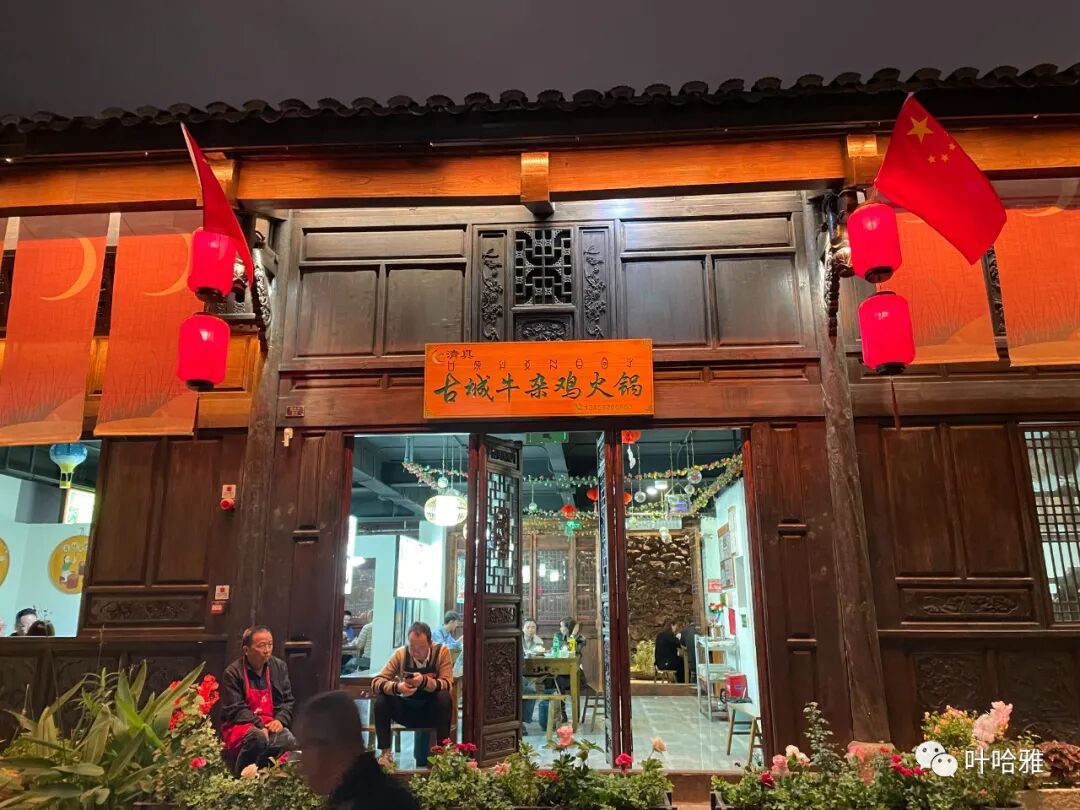
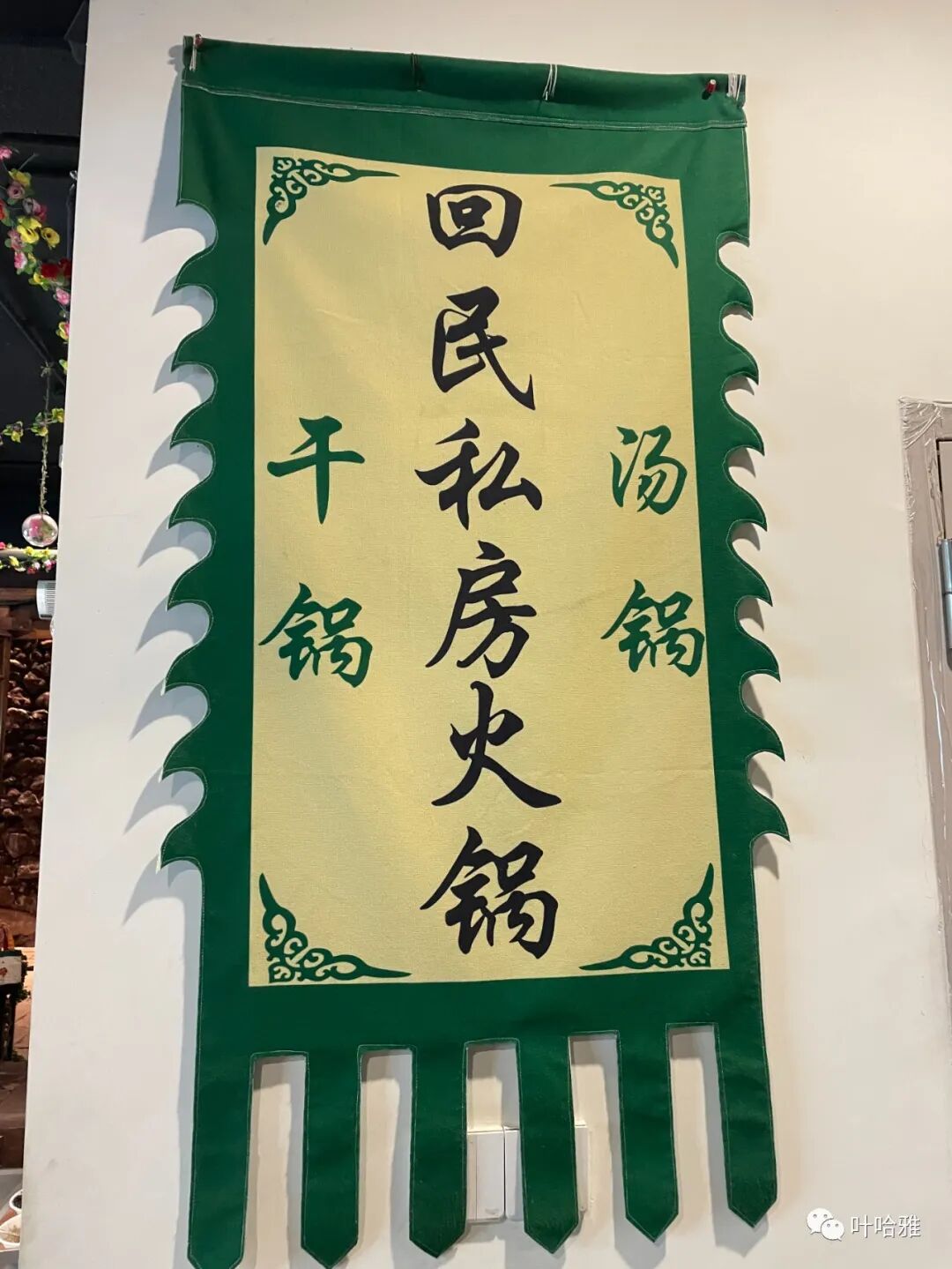
The hot pot restaurant is inside the Jianchang Ancient Town in Xichang. There is an old mosque called Jiyang Lane Mosque (Jiyang Xiang Qingzhen Si) in the town, built during the Ming Dynasty. Because the surrounding area is under renovation, people cannot get through right now, and the mosque is temporarily closed.
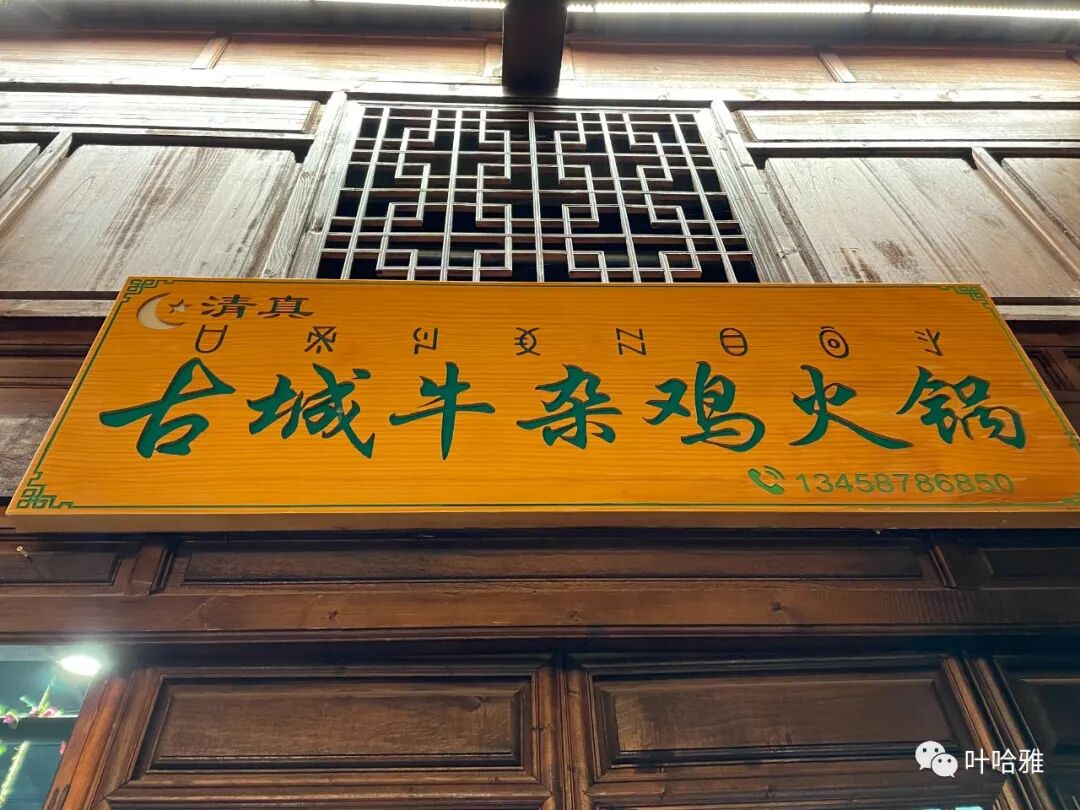
This shop is run by Hui Muslims from Xichang and has been open for many years. It is usually quite busy. I chatted with the owner for a bit, but their dialect was too heavy for me to understand.
There are a few other mosques in the Xichang area. You can find them on a map, but the roads to get there are not very easy to travel.
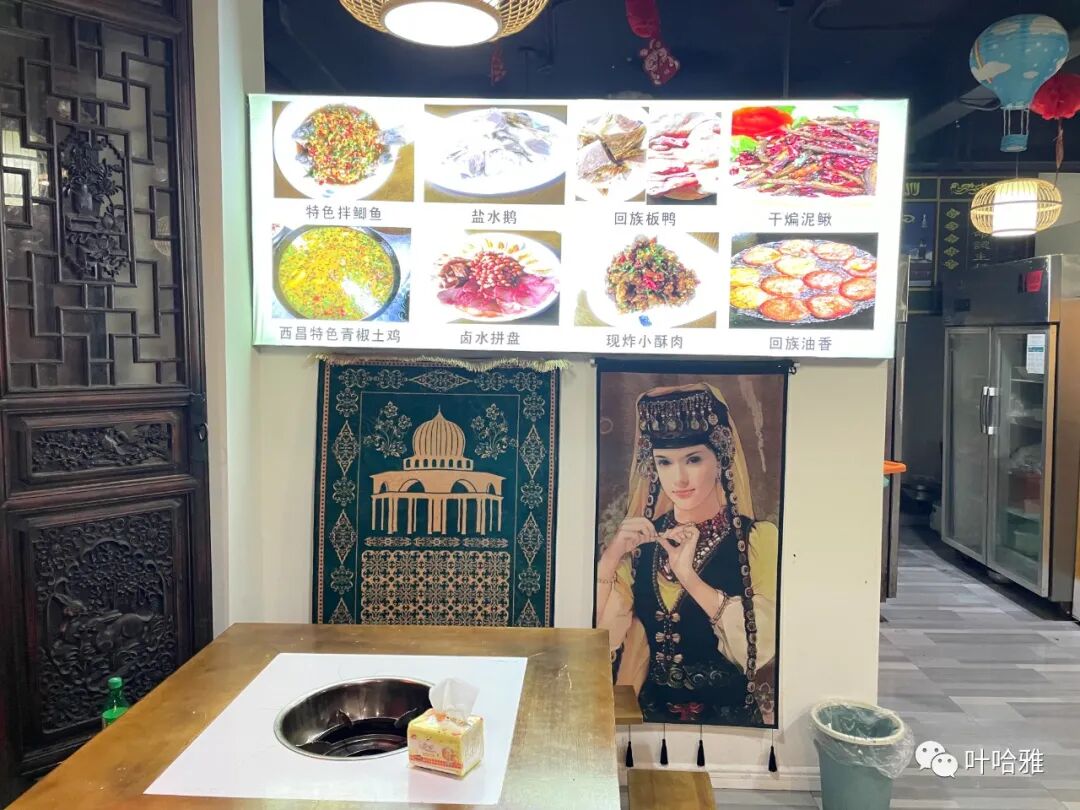
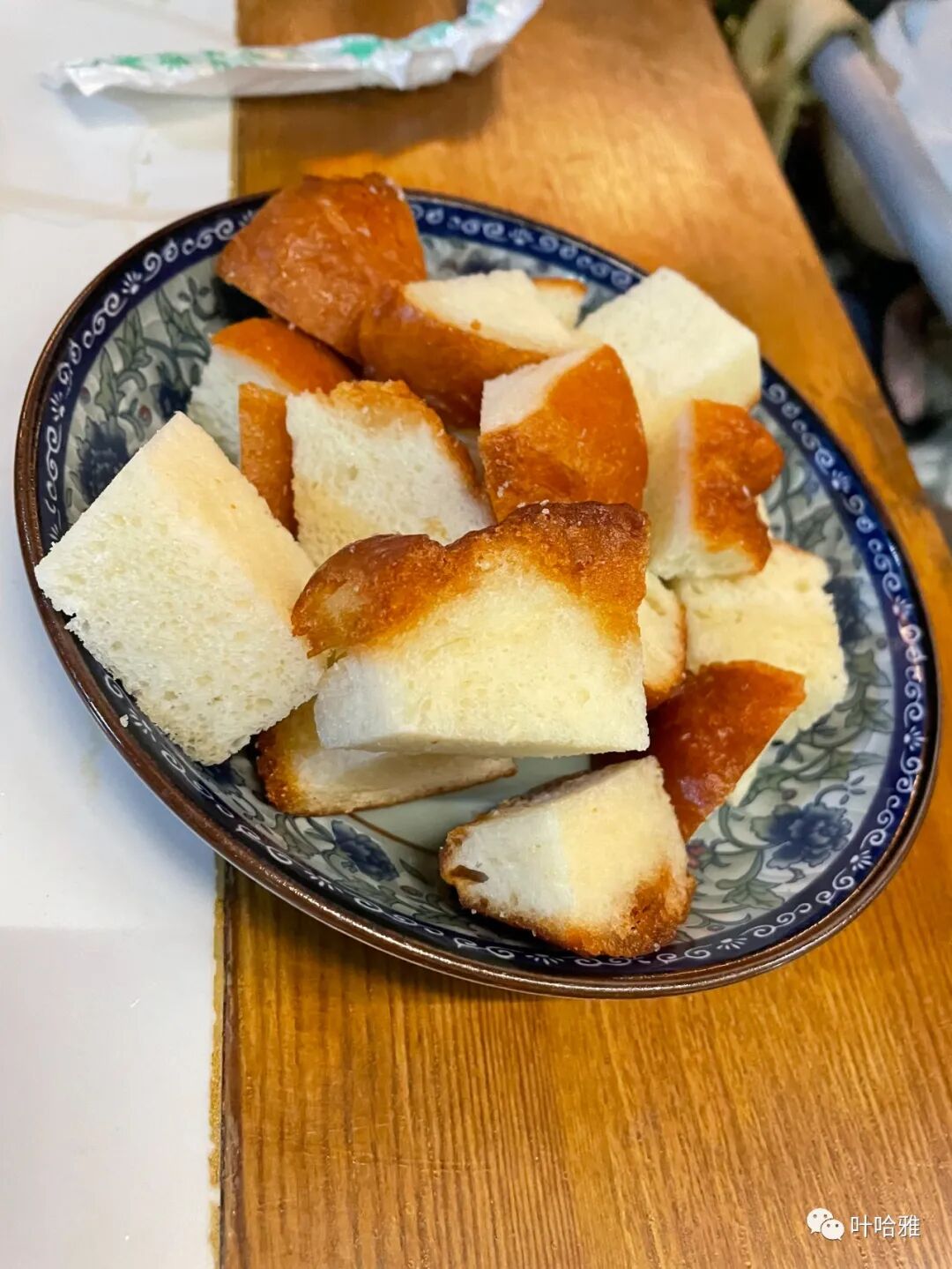
This is fried dough (youxiang) made by Hui Muslims in Xichang. It has a slightly sweet taste.
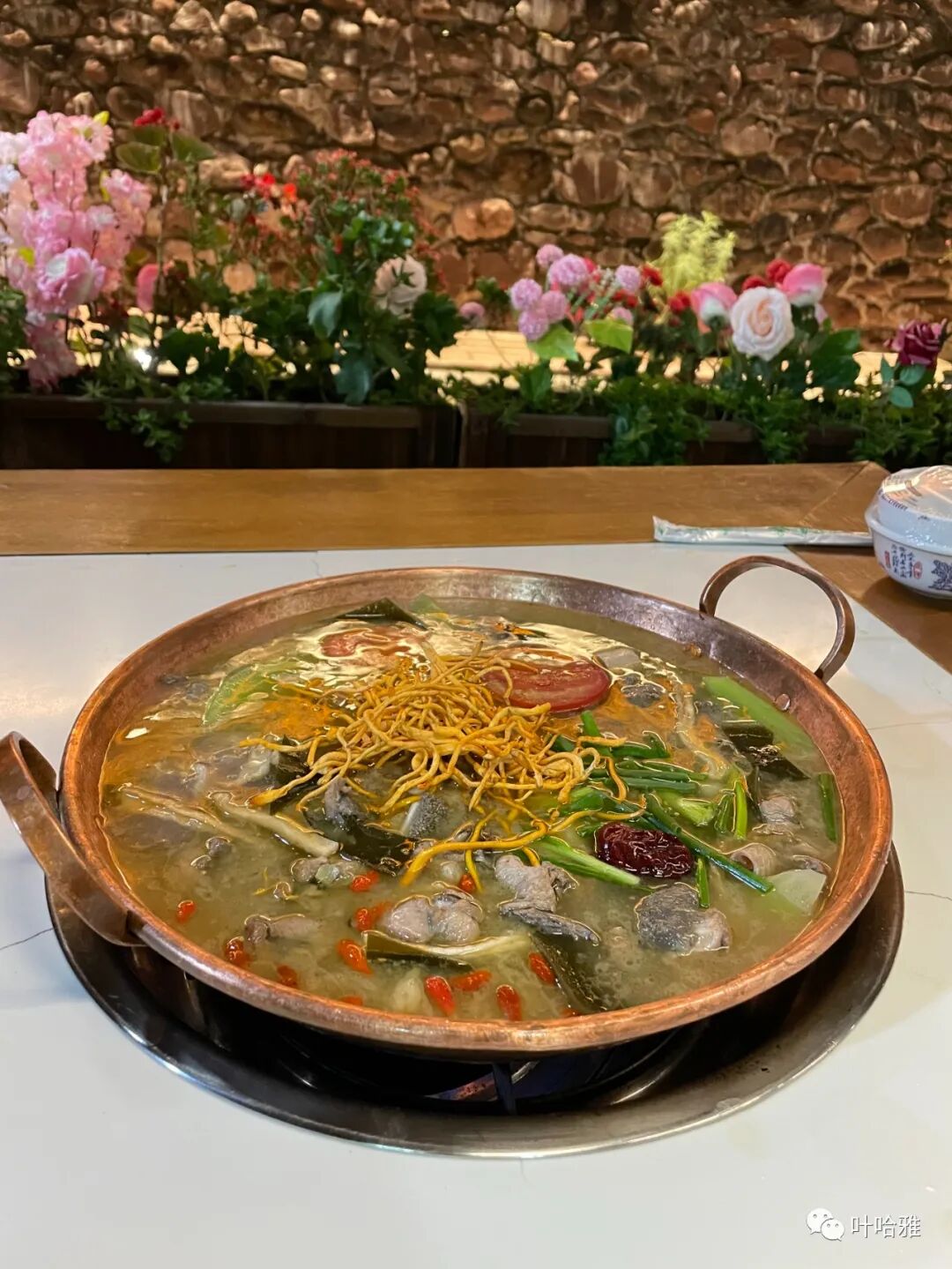
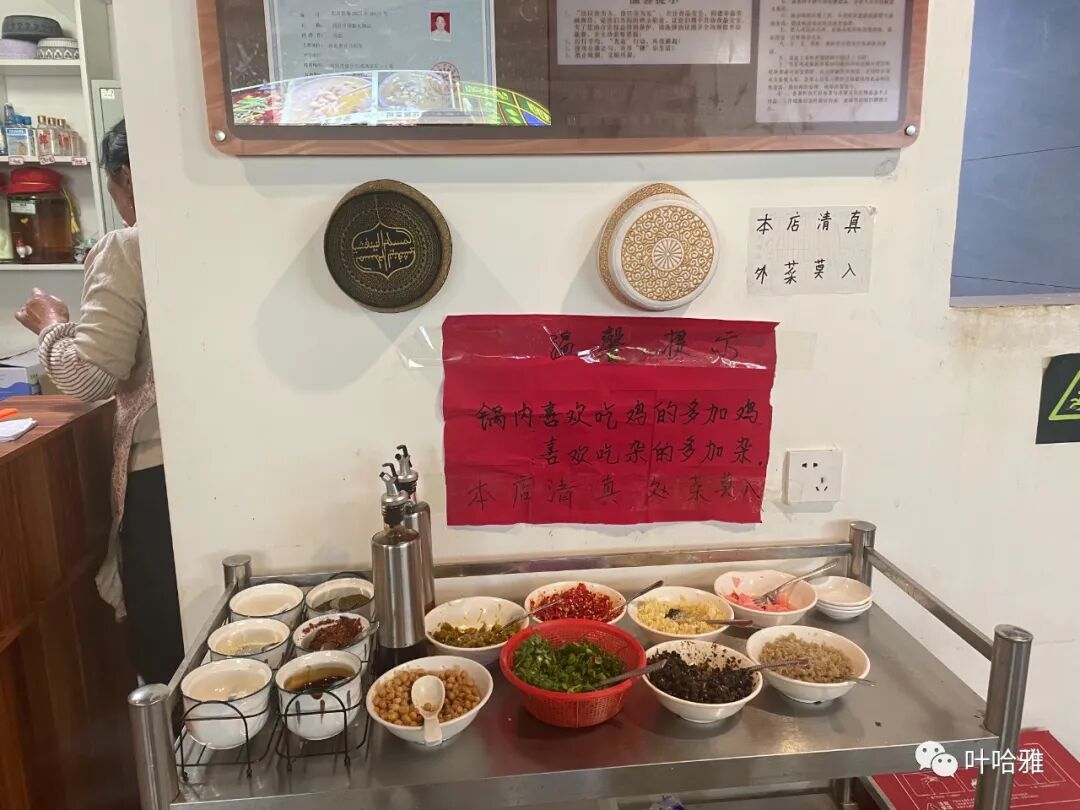
The beef offal and chicken pieces are cooked in a copper pot. The chicken is silky fowl (wuji). You can choose to have more beef offal or more chicken, and there are clear broth or spicy broth options. We were with Fahim and could not eat spicy food, so we chose the clear broth. It contained cordyceps flowers and vegetables. It was very comfortable to sit under the city wall and eat.
Across from the hot pot restaurant is the Ma Family Courtyard (Ma Jia Dayuan), a Hui Muslim residence built during the late Qing Dynasty.
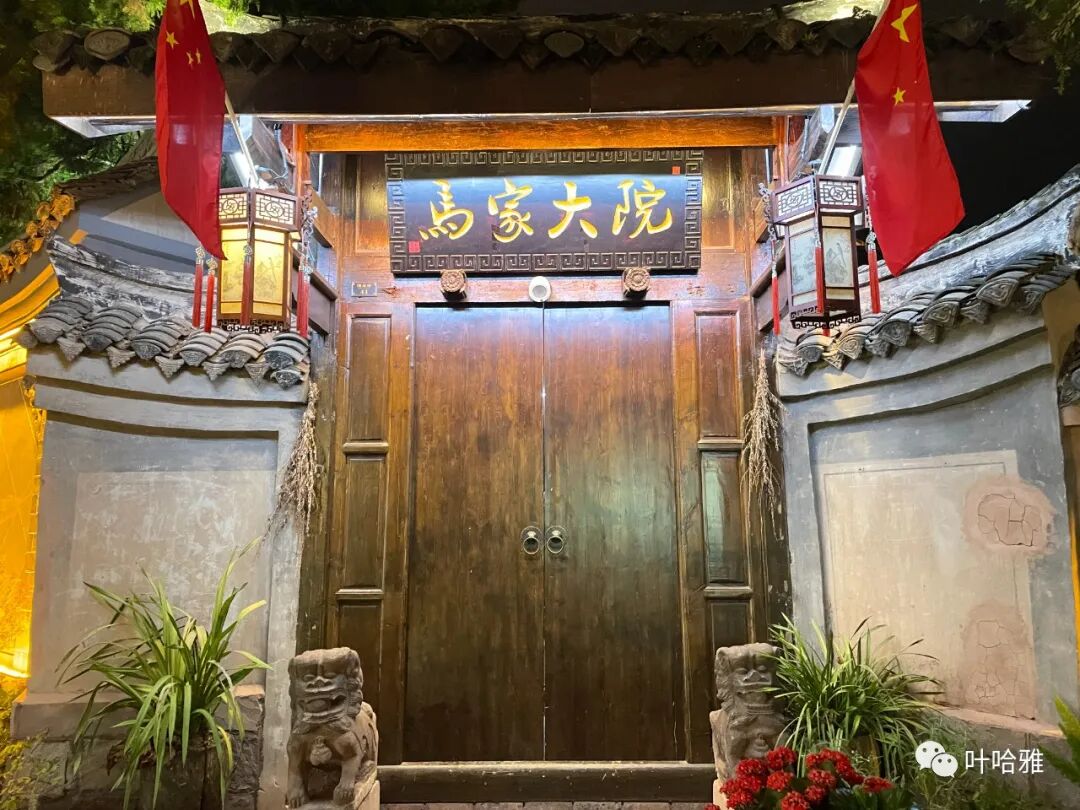
The scale of the Ma Family Courtyard shows that Hui Muslims had significant influence in Jianchang Ancient Town during the Ming and Qing Dynasties. The son and grandson of Sayyid Ajjal Shams al-Din (who served as the equivalent of the governor of Yunnan in the Yuan Dynasty) both held important positions in Jianchang.
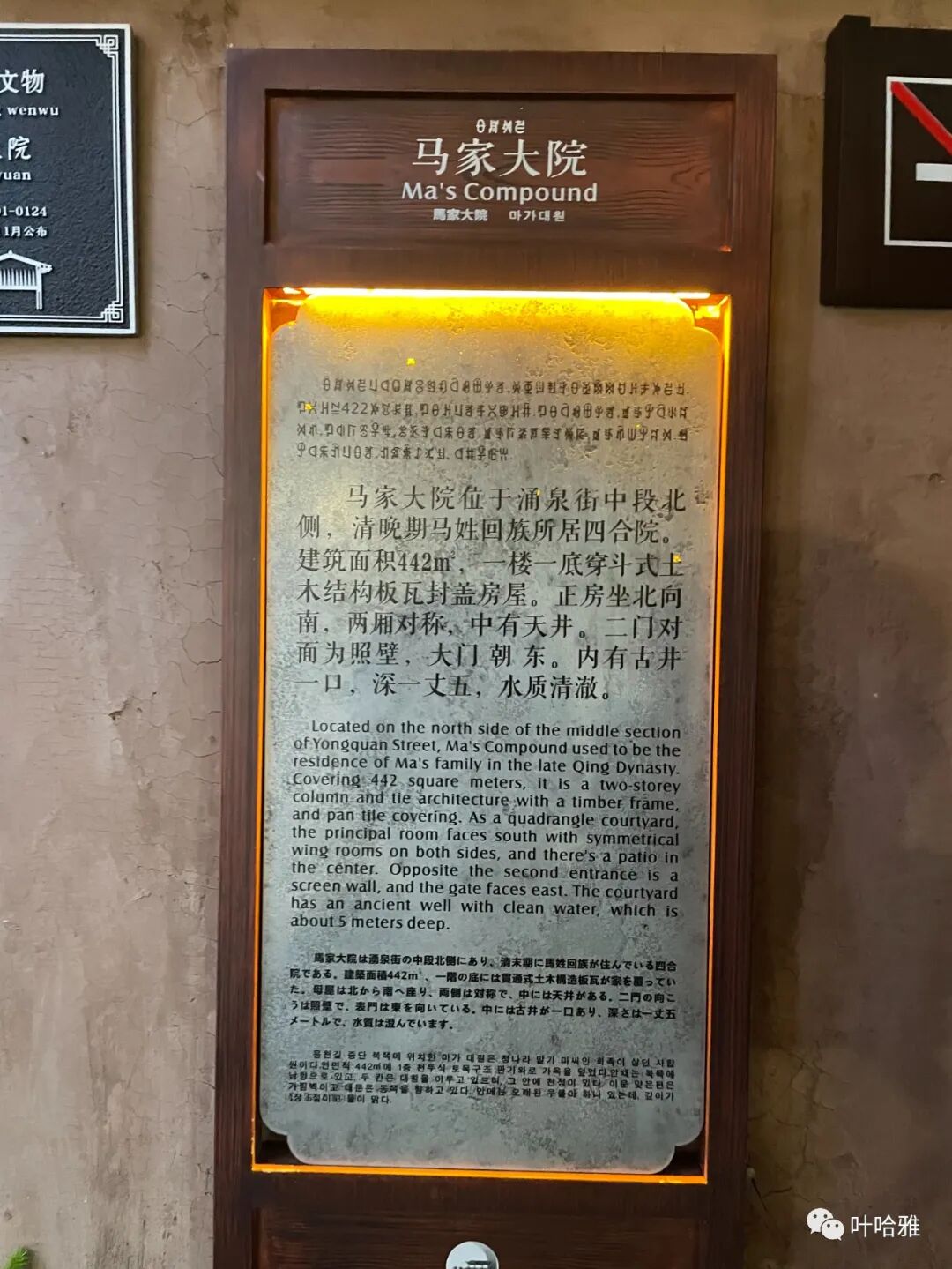
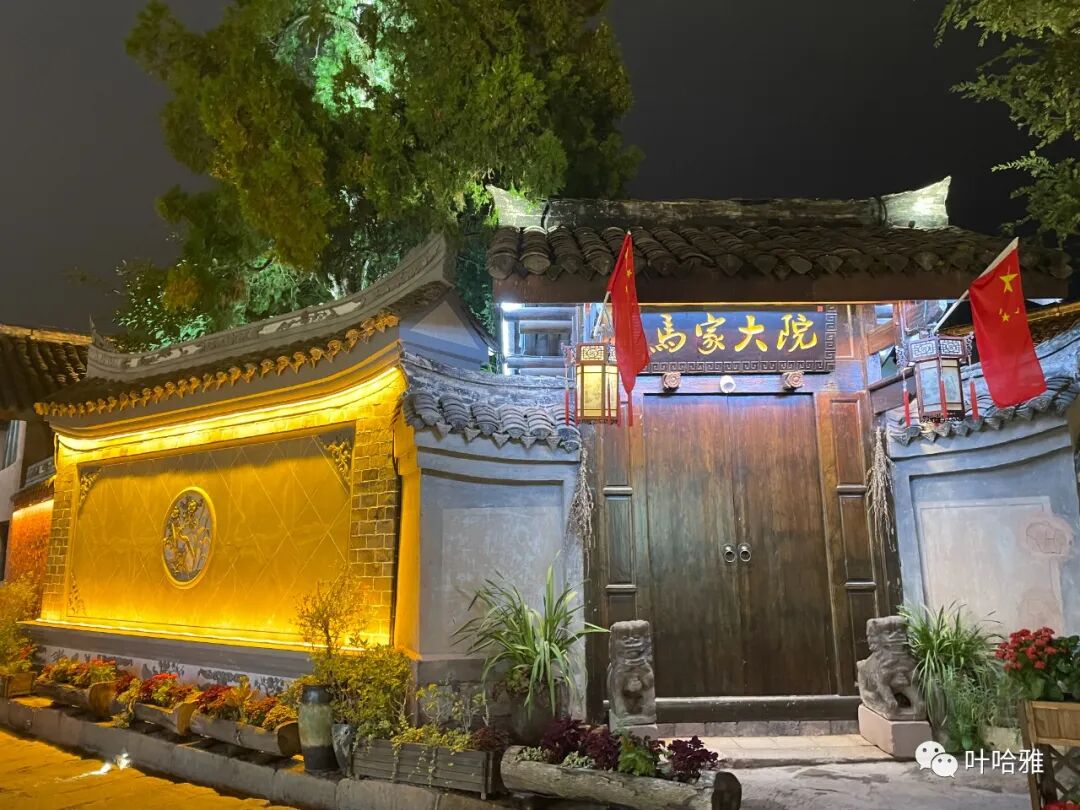
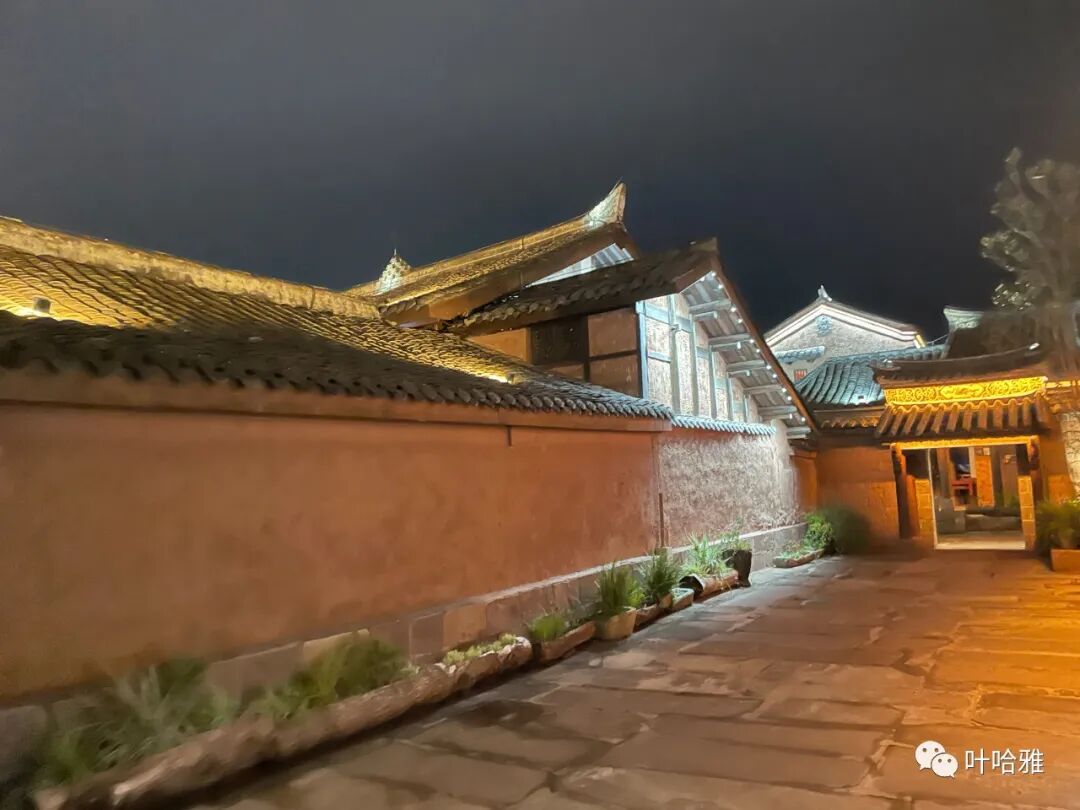
Jianchang Ancient Town is very lively at night. There is no entrance fee, and it is clean and well-maintained, making it a great place for a stroll.
East Mosque (Qingzhen Dongsi)
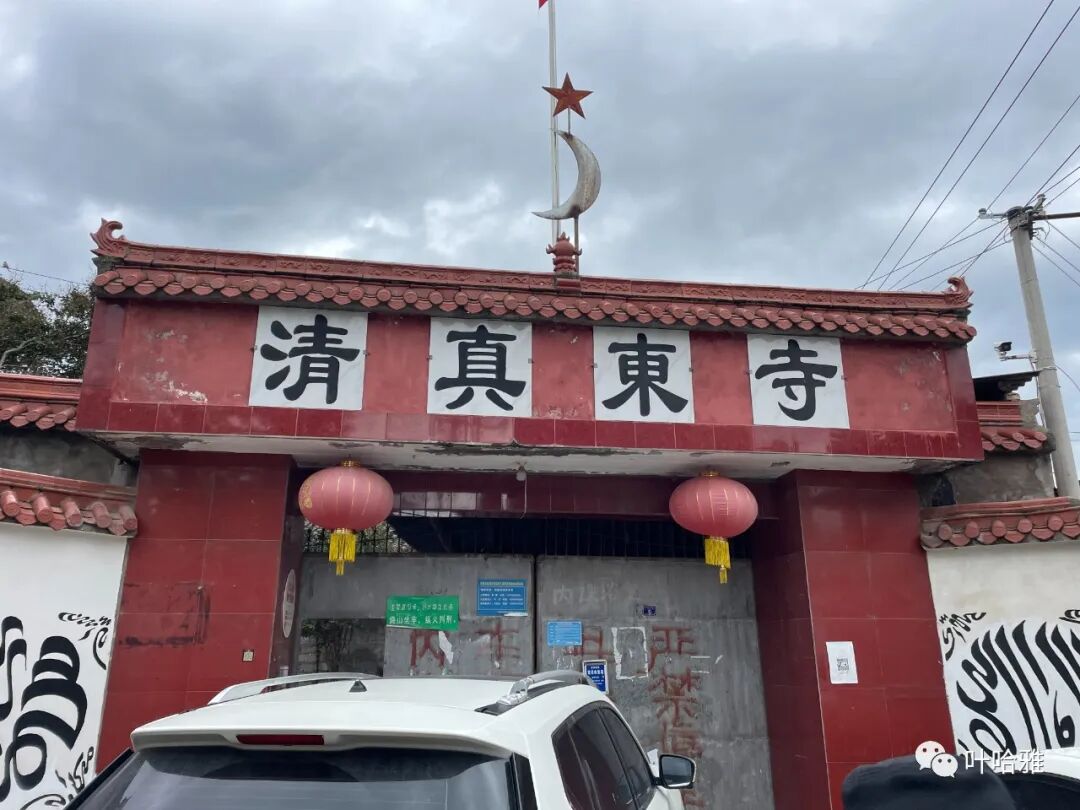
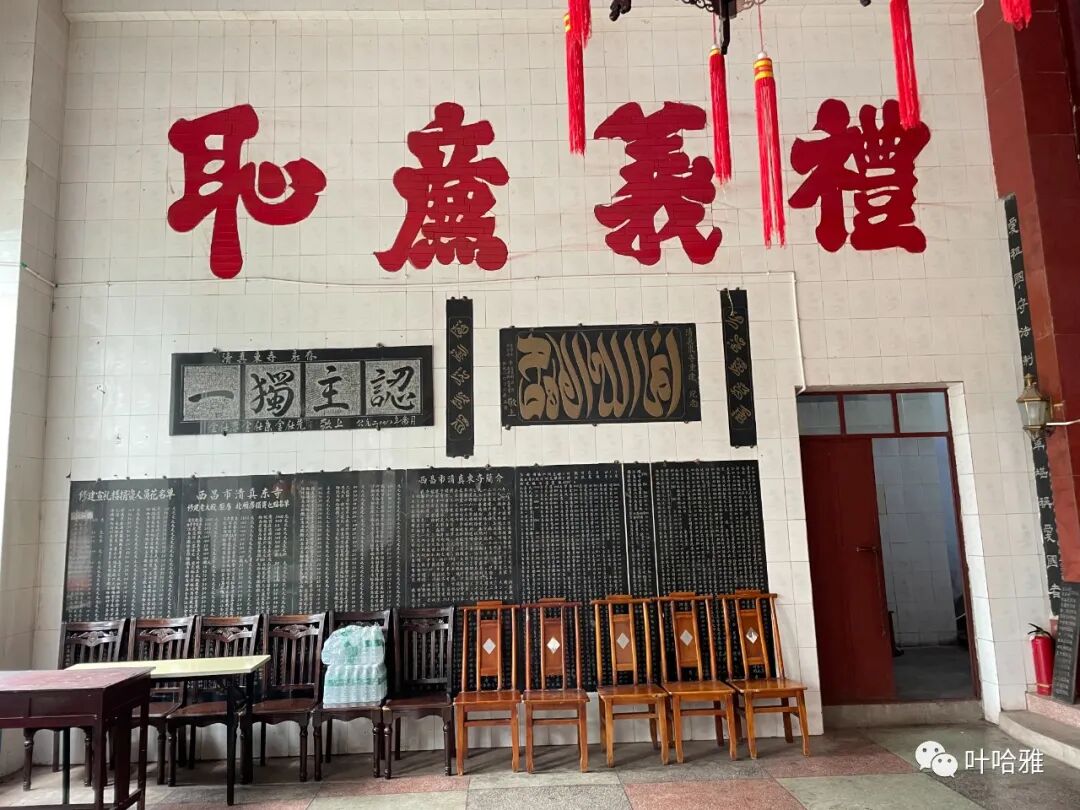
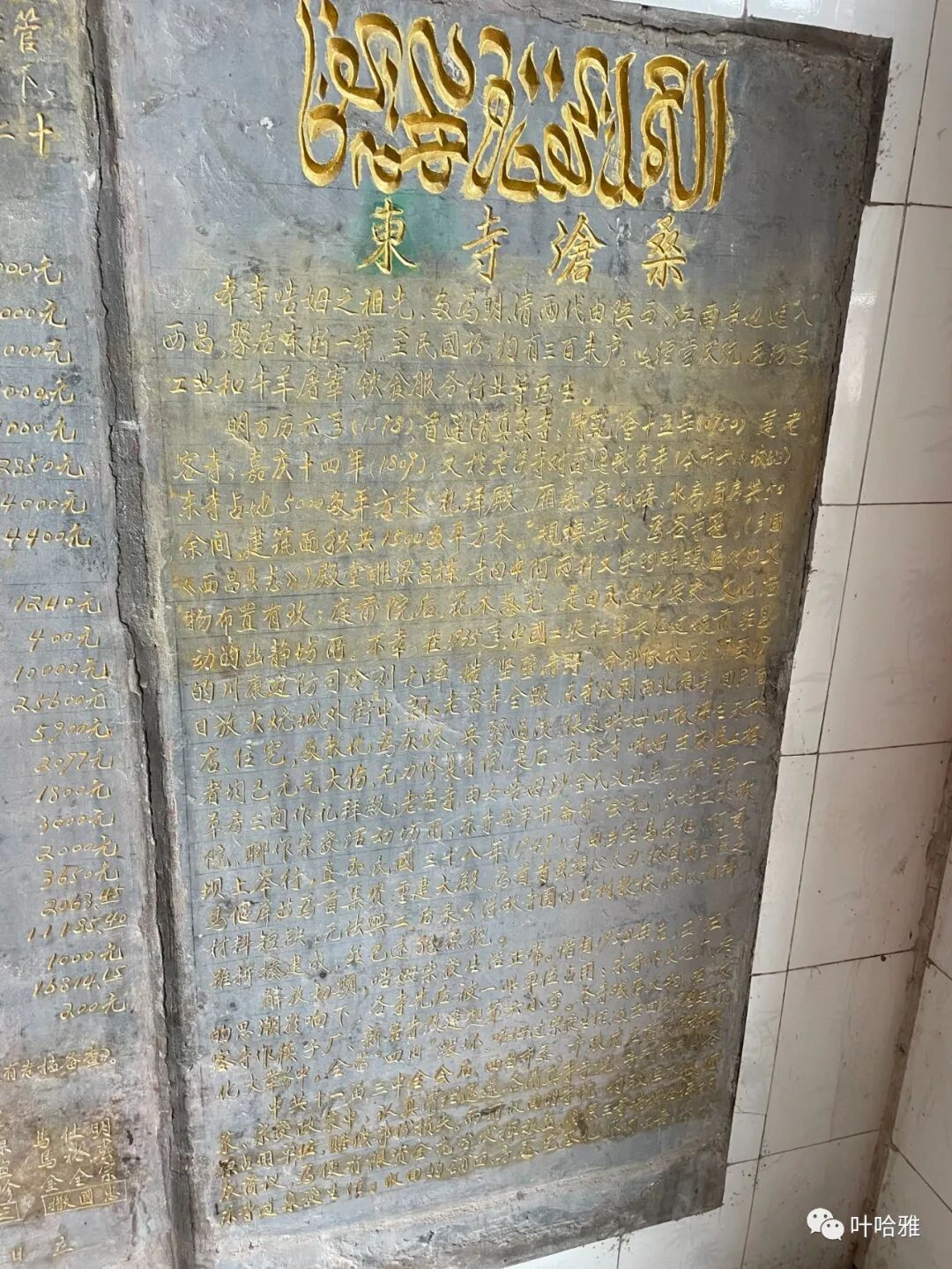
Xichang East Mosque (Qingzhen Dongsi) was first built during the Ming Dynasty. It was destroyed many times in history, and the current building was rebuilt in 2001.
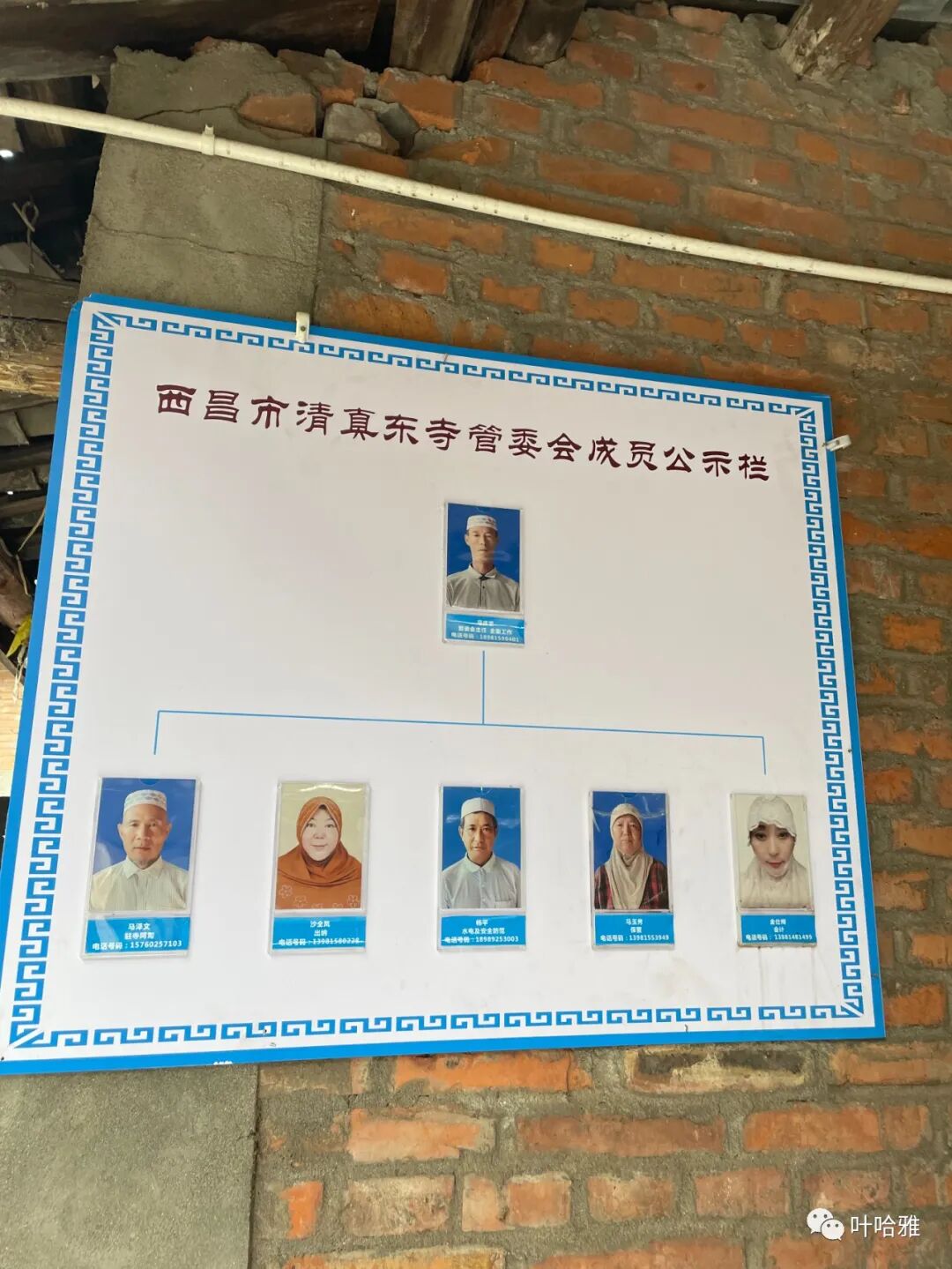
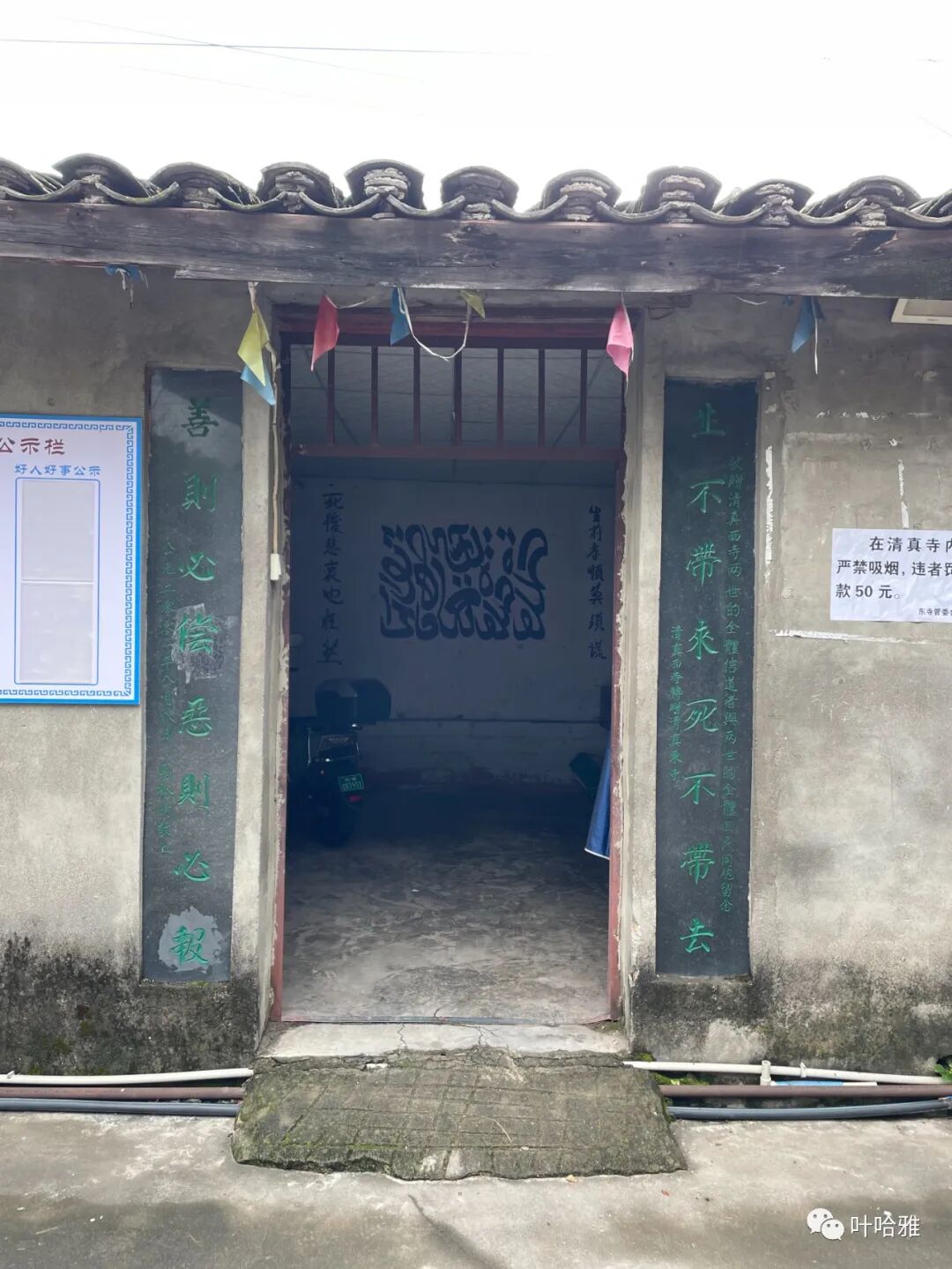
The East Mosque is in an alley on Hedong Street. The road is very narrow, so it is not easy to drive there.
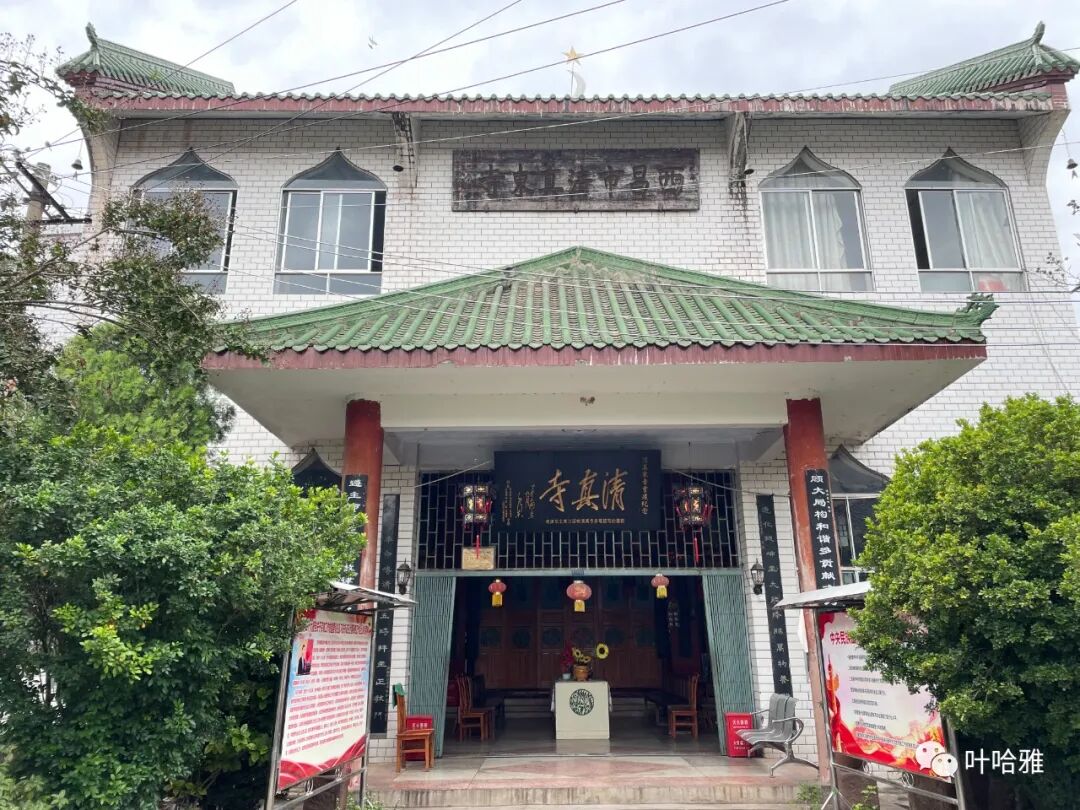
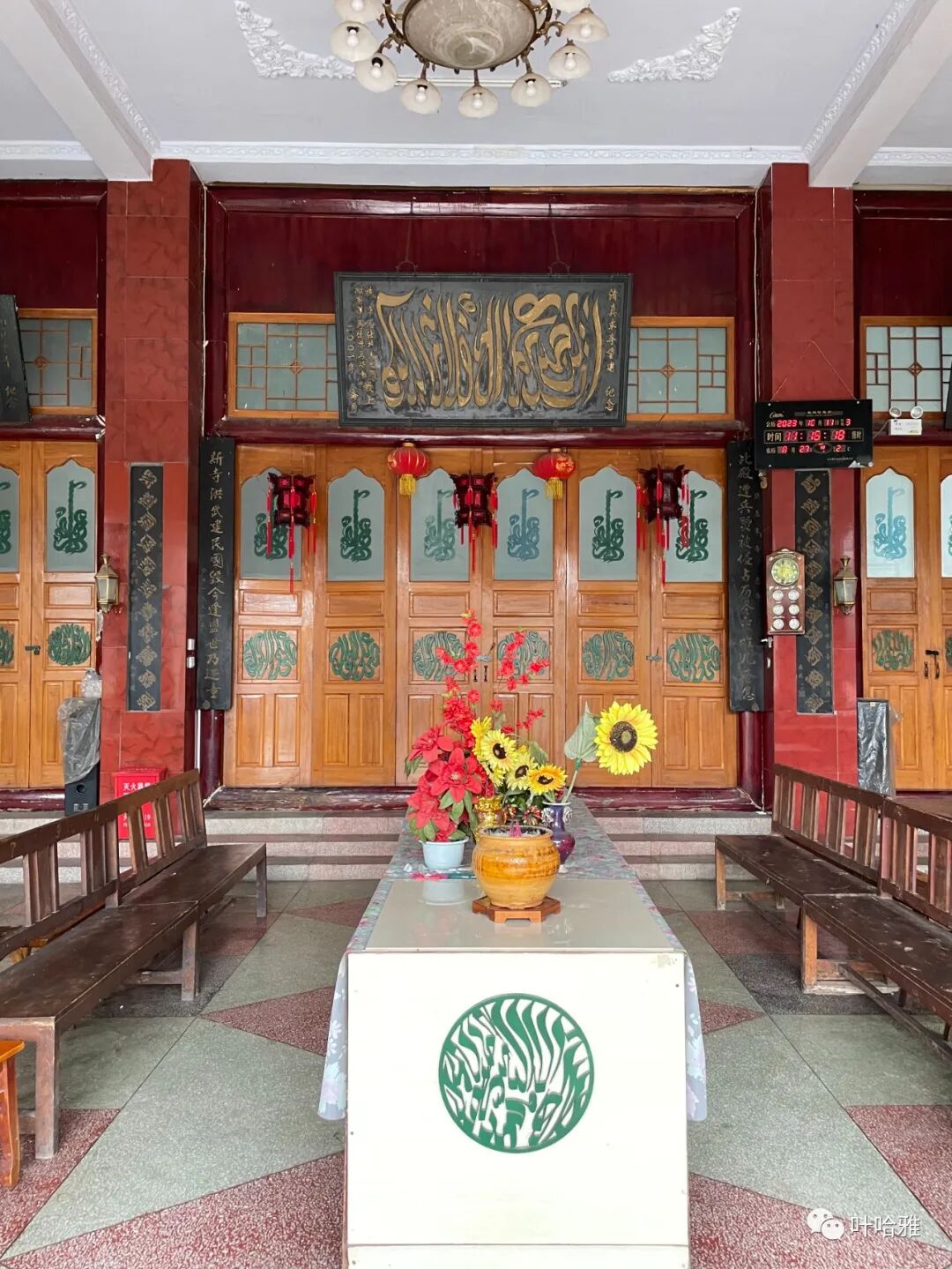
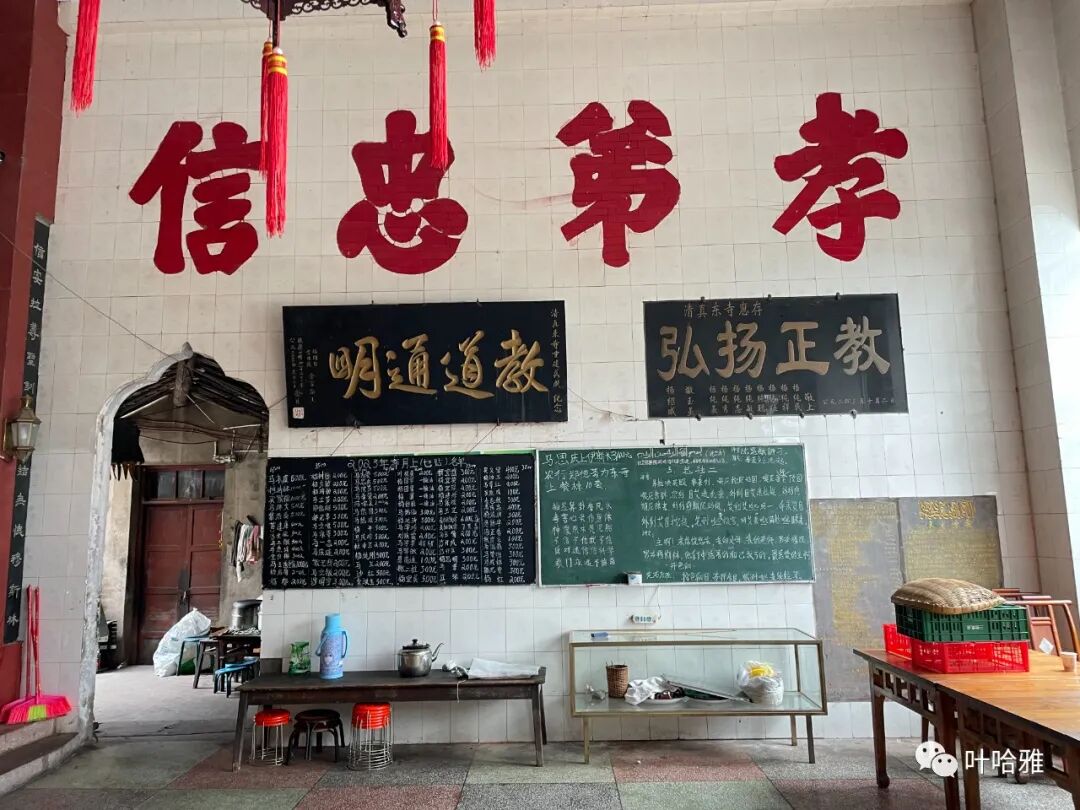
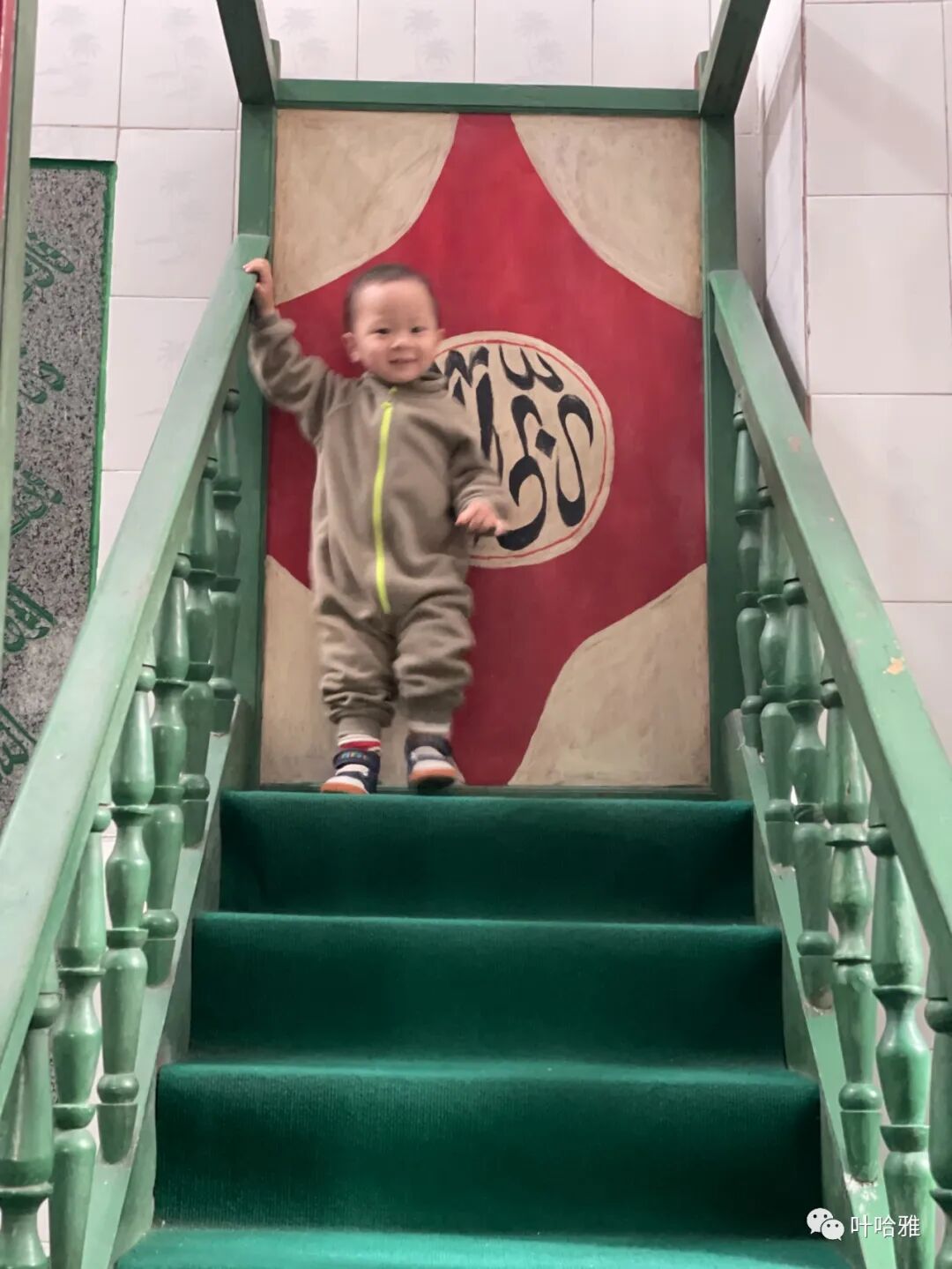
Fahim is telling everyone about the sermon (wa'z), but this kid wants to climb the minaret (minbailou) as soon as he sees it.
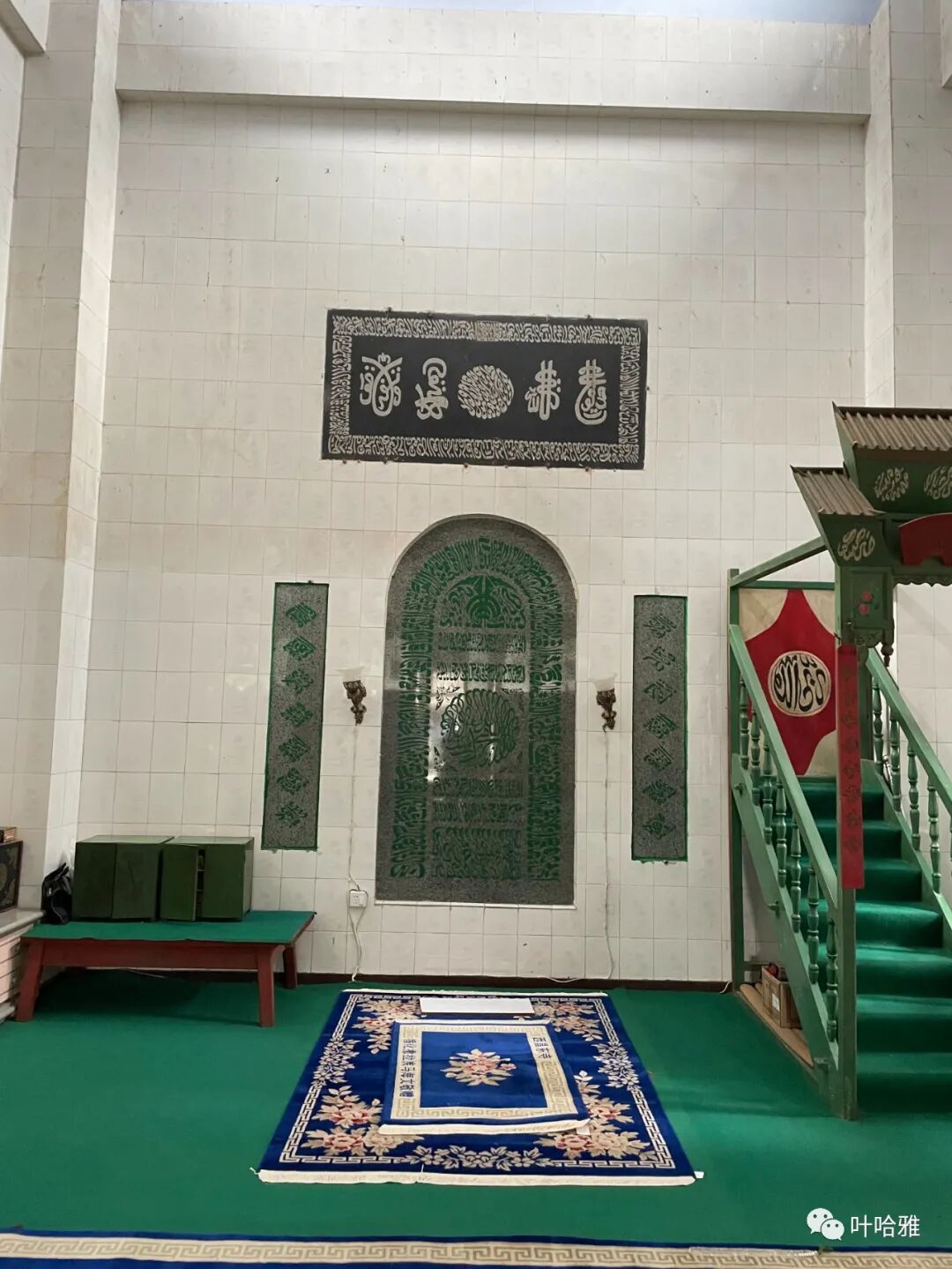
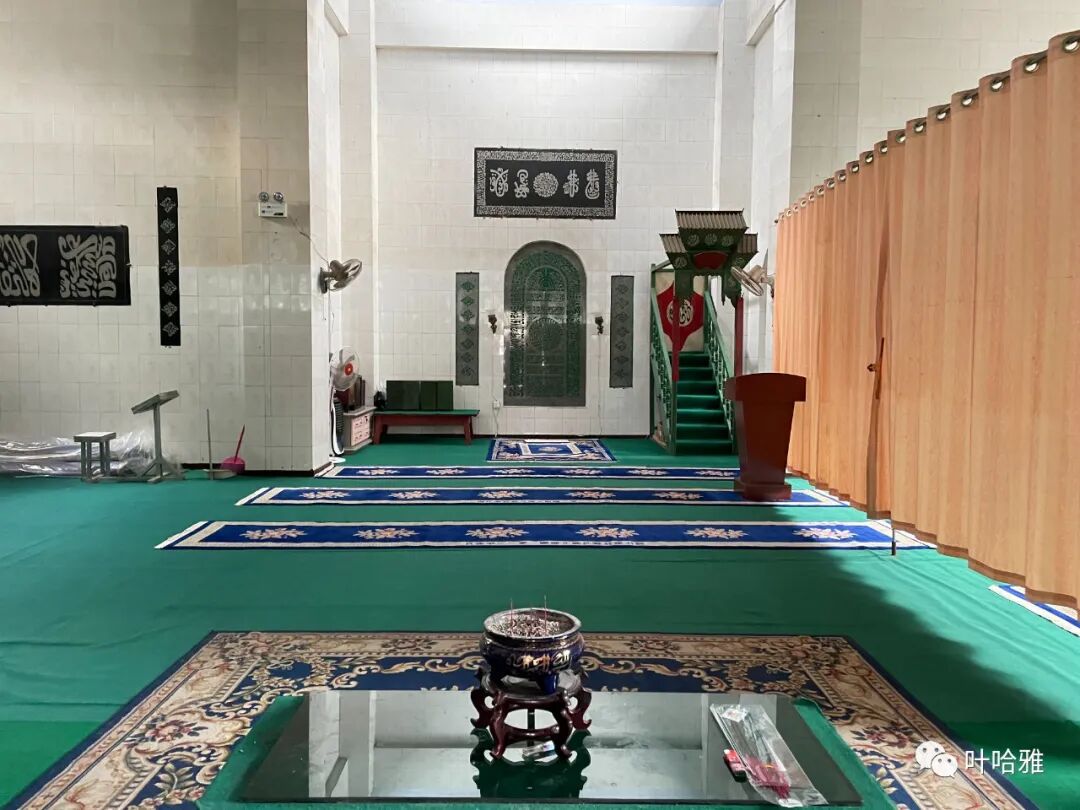
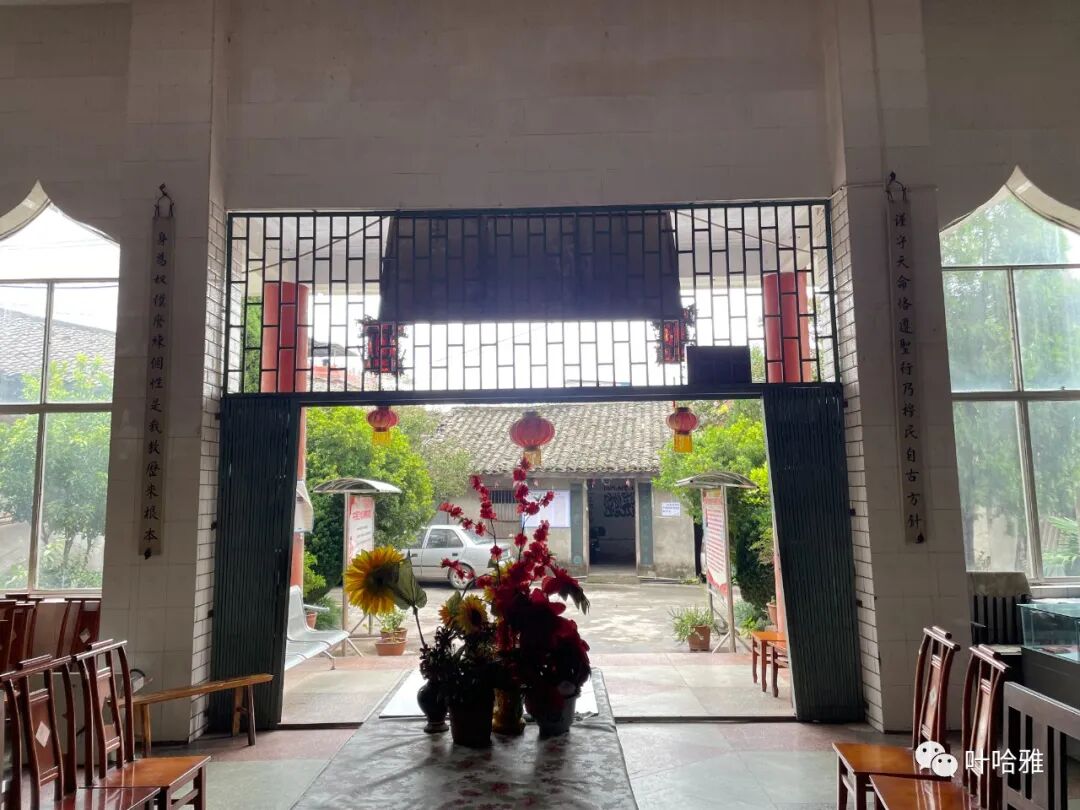
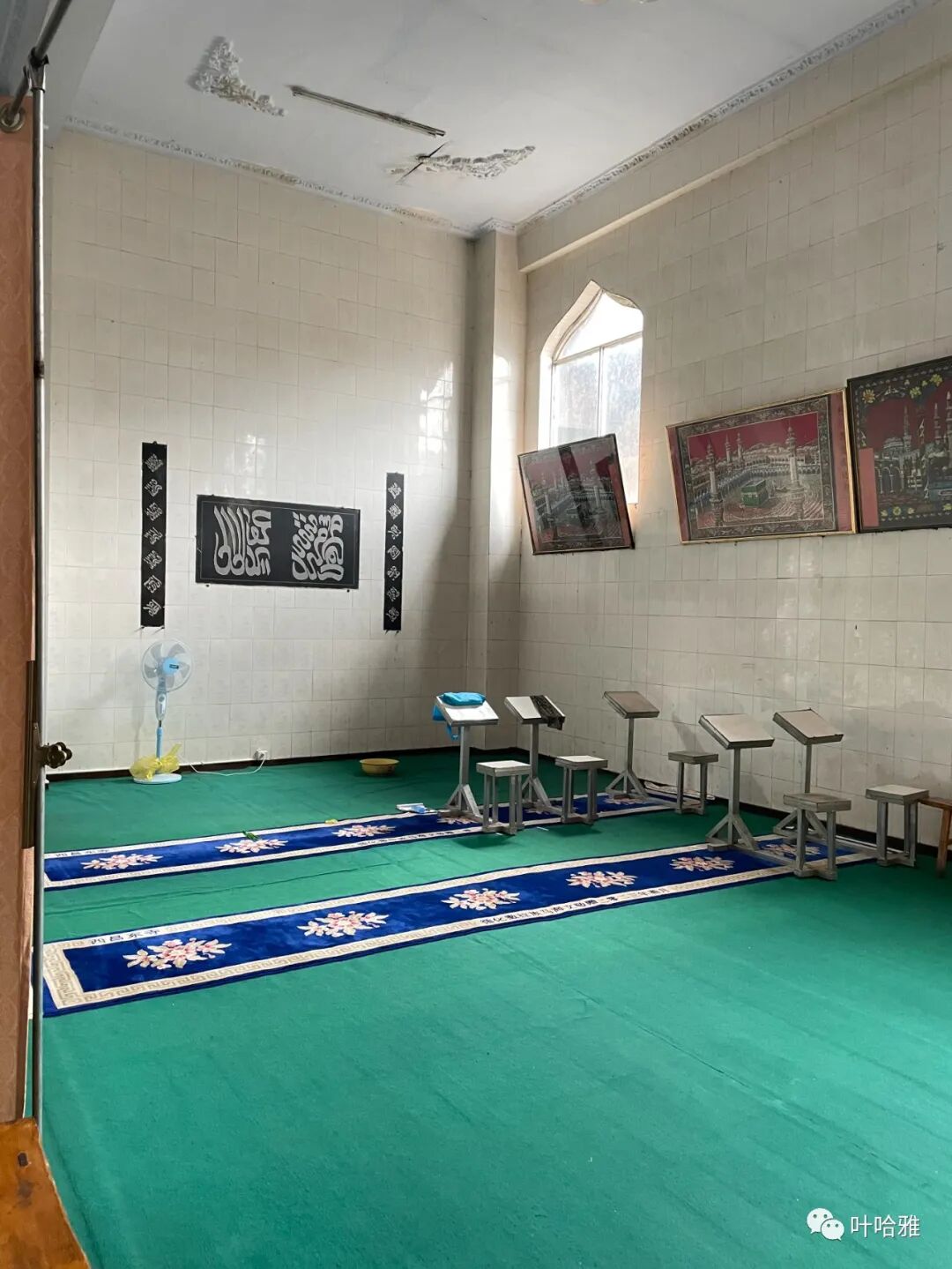
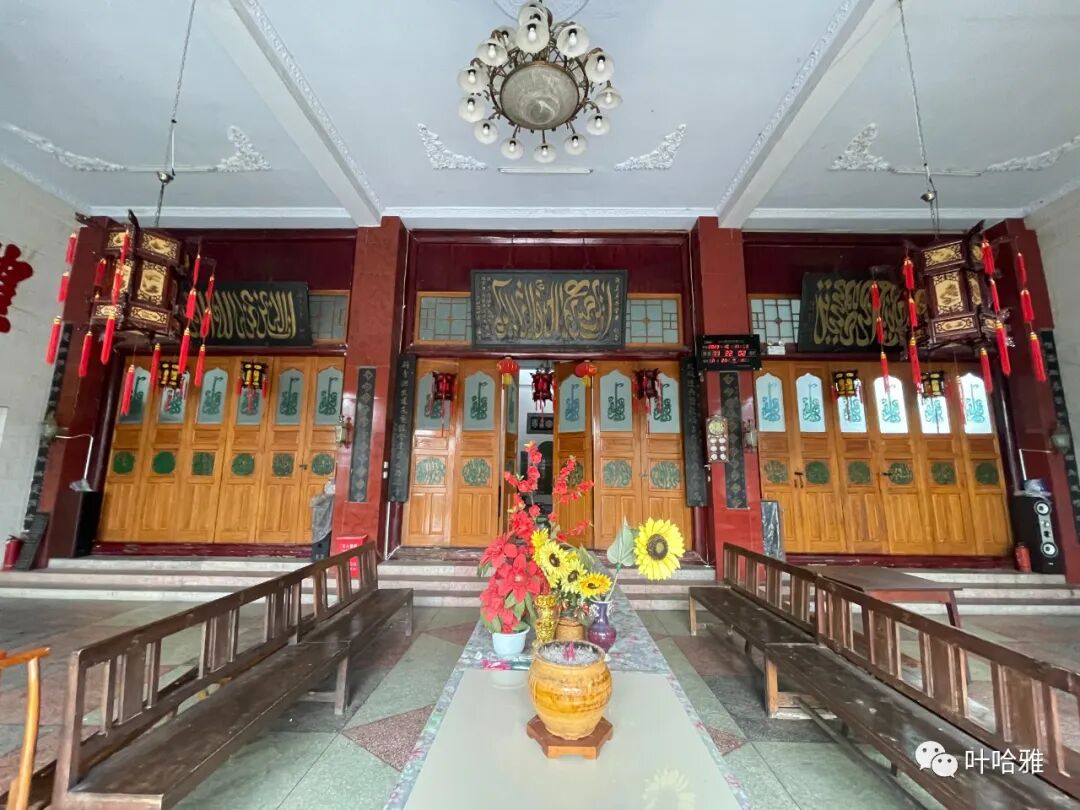
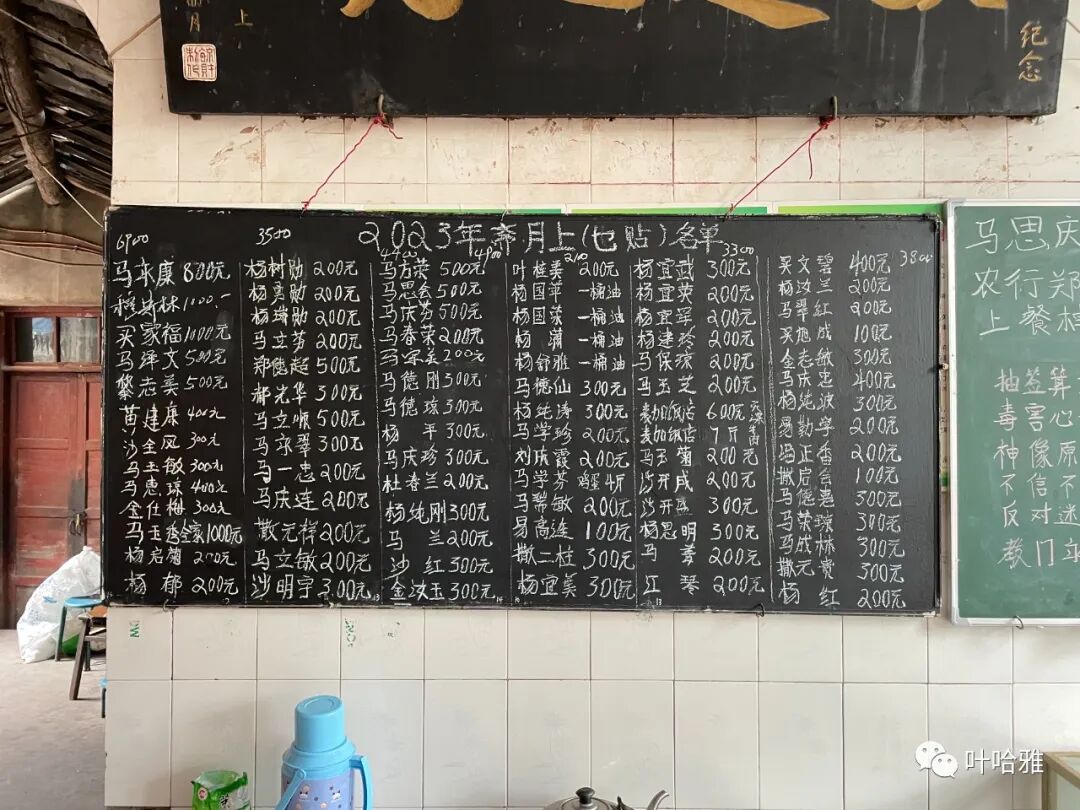
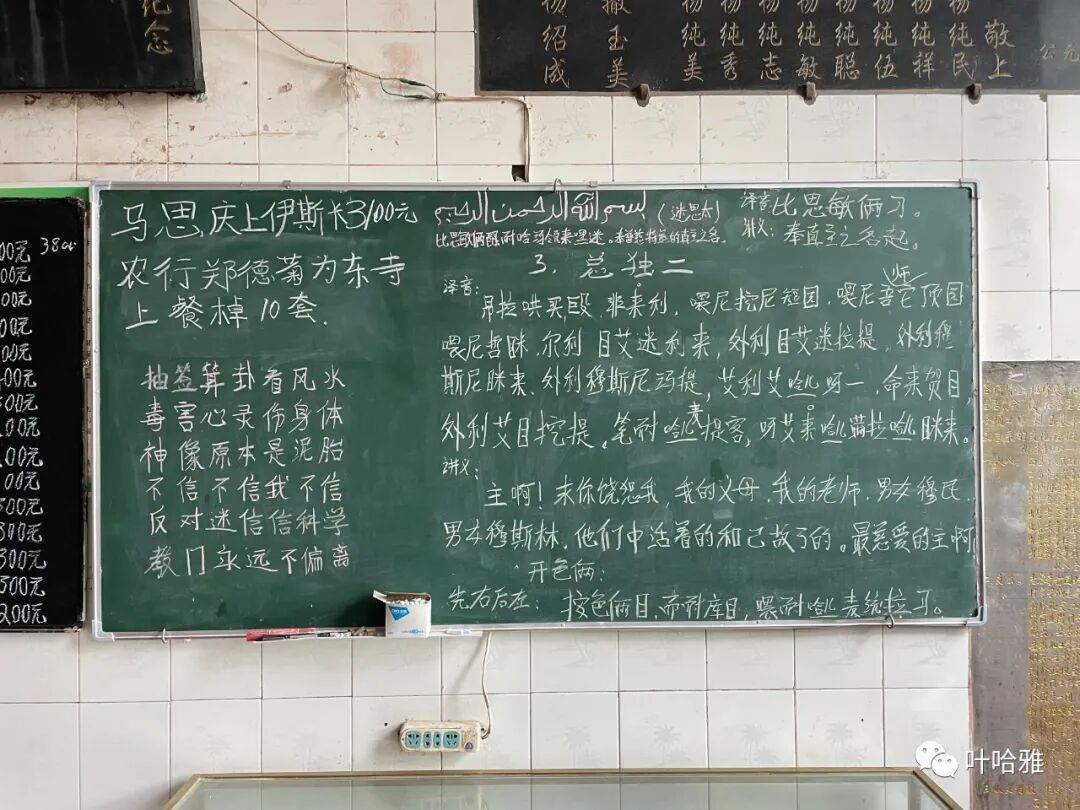
Inscriptions in the mosque record that during the Republic of China era, the Nationalist army burned down the East Mosque before retreating. It was not rebuilt with raised funds until after the liberation, but it is not as large as it used to be.
Xichang West Mosque (Qingzhen Xisi)
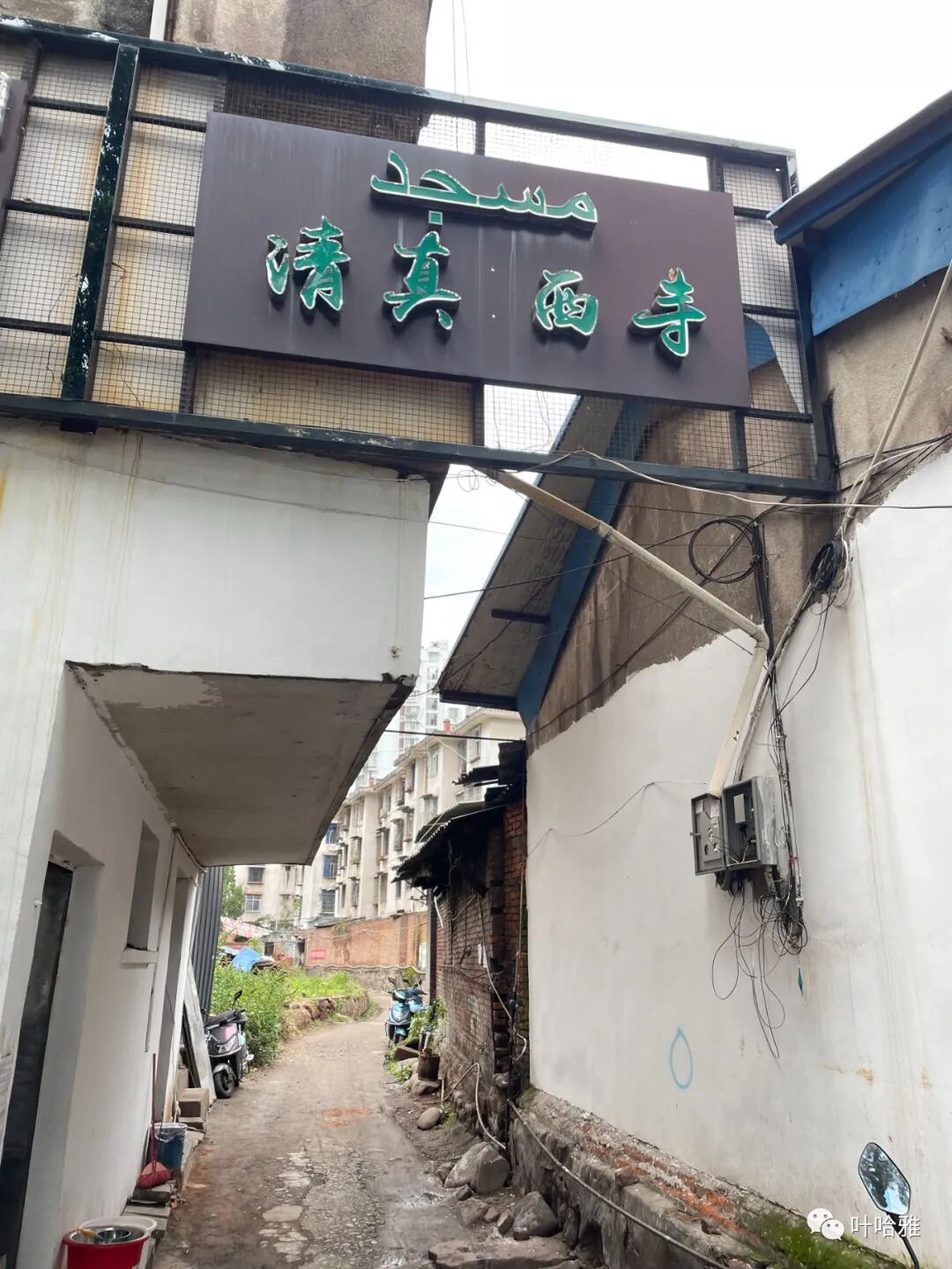
Xichang West Mosque was first built during the Jiaqing reign of the Qing Dynasty. The main prayer hall is slightly larger than the one at the East Mosque. It was destroyed along with the East Mosque in the fire during the Republic of China era and was rebuilt after the liberation.
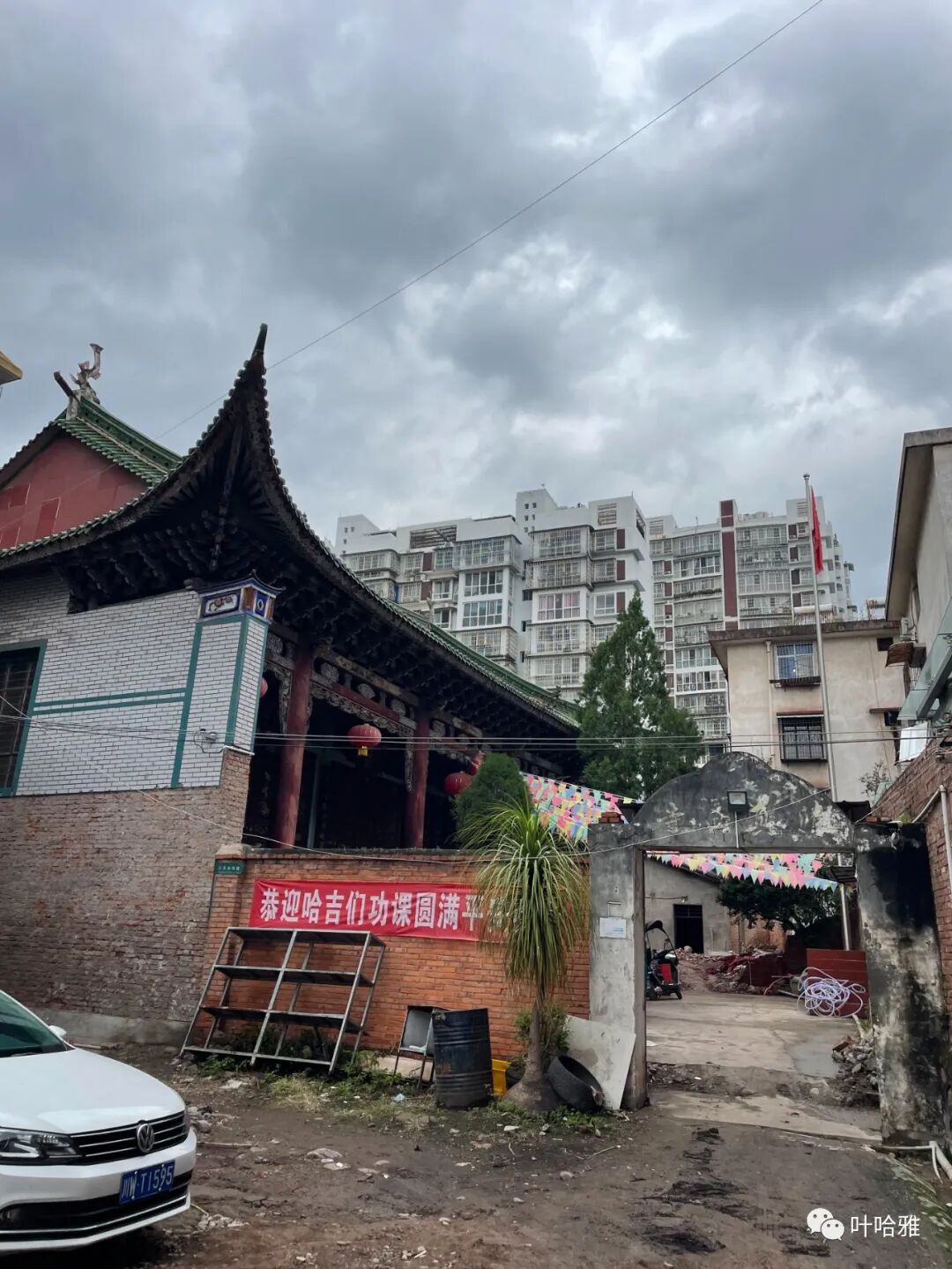
The road leading to the main prayer hall is not easy to walk on, and the surrounding area is currently being demolished.
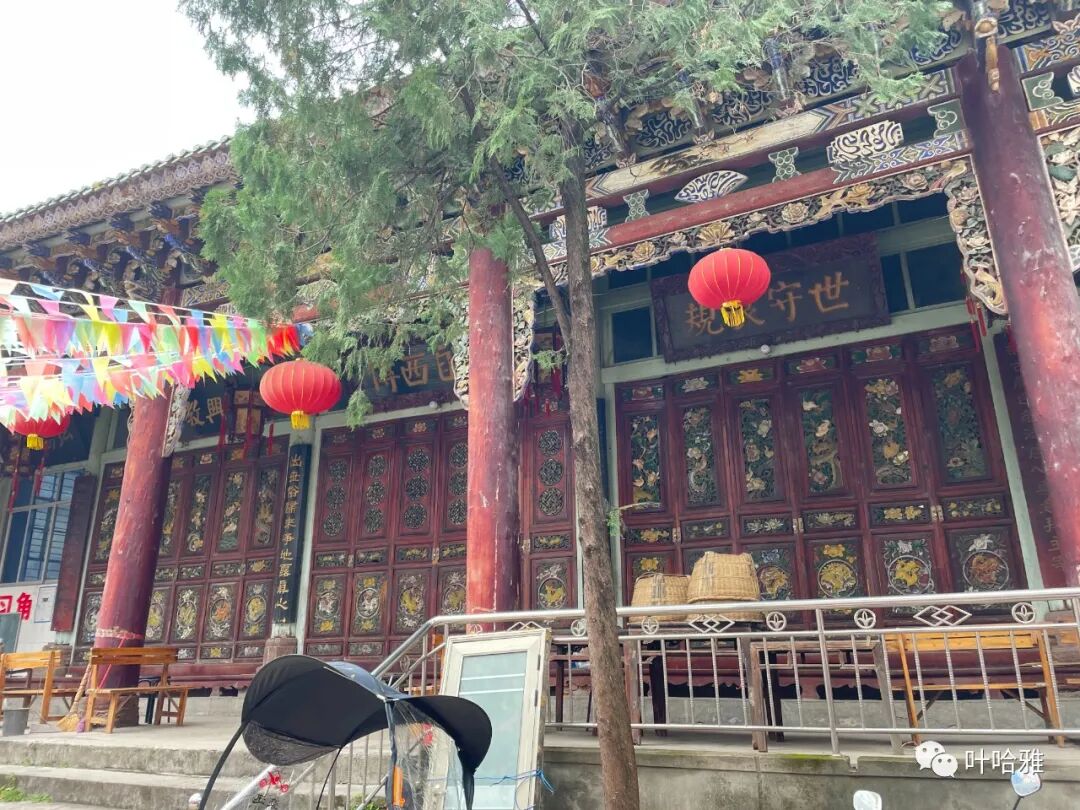
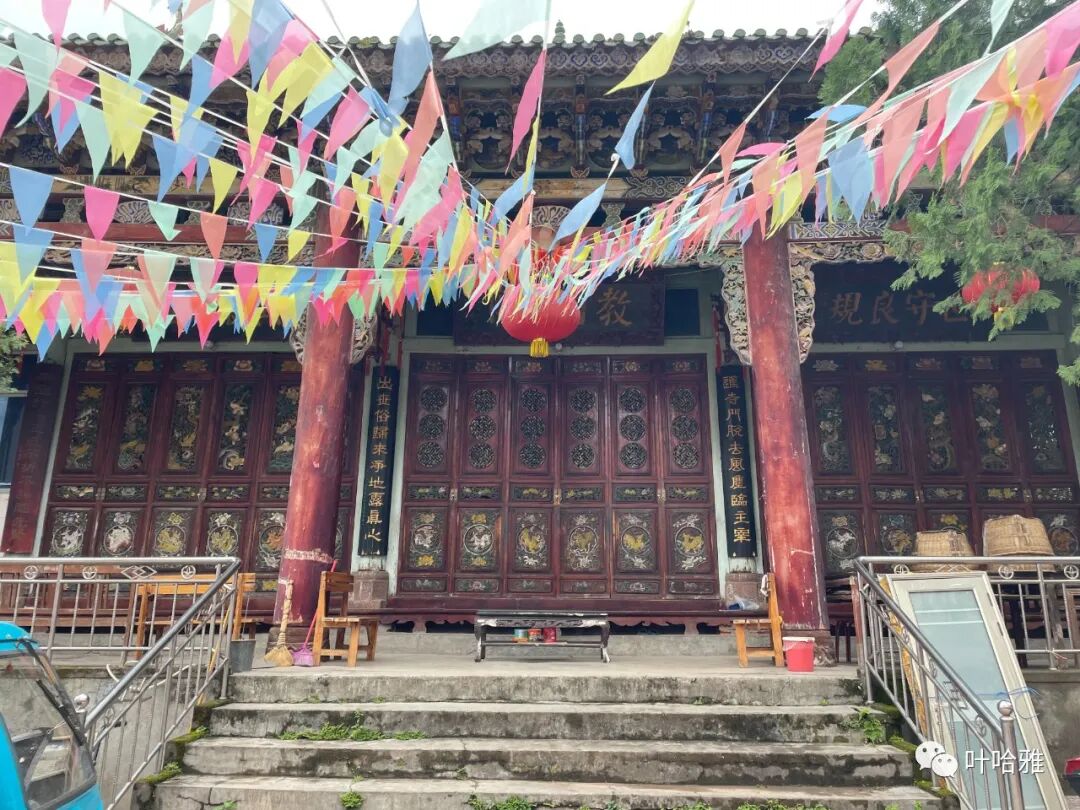
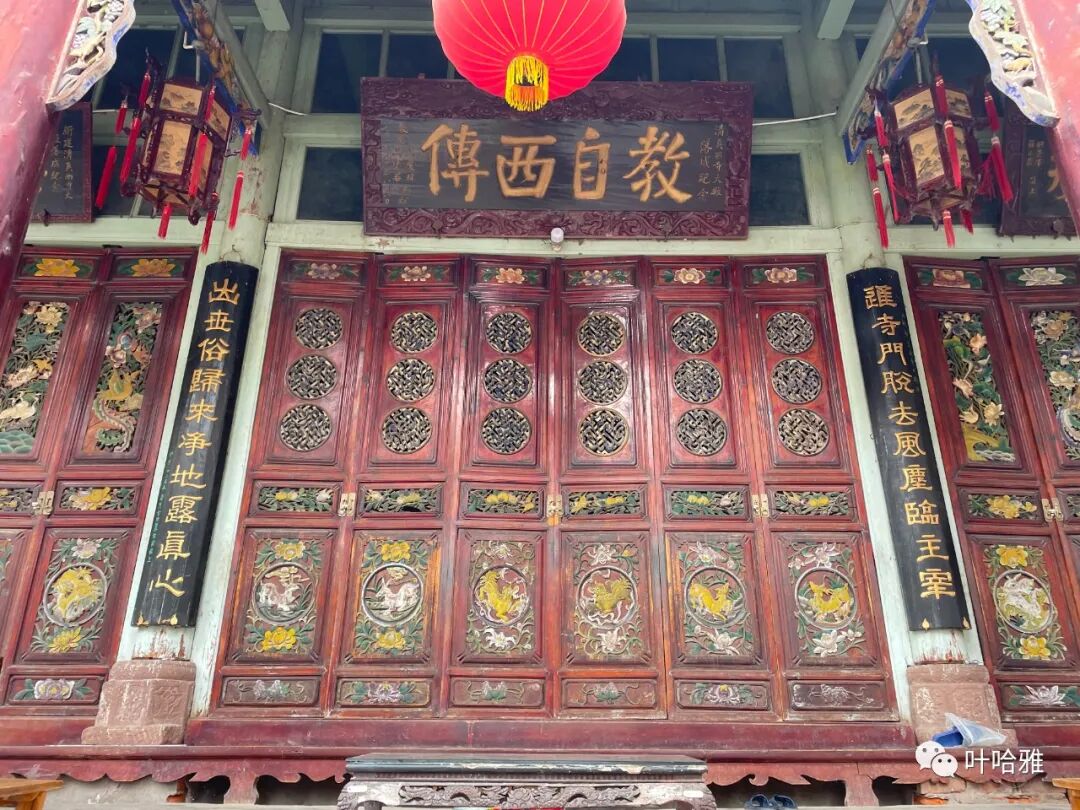
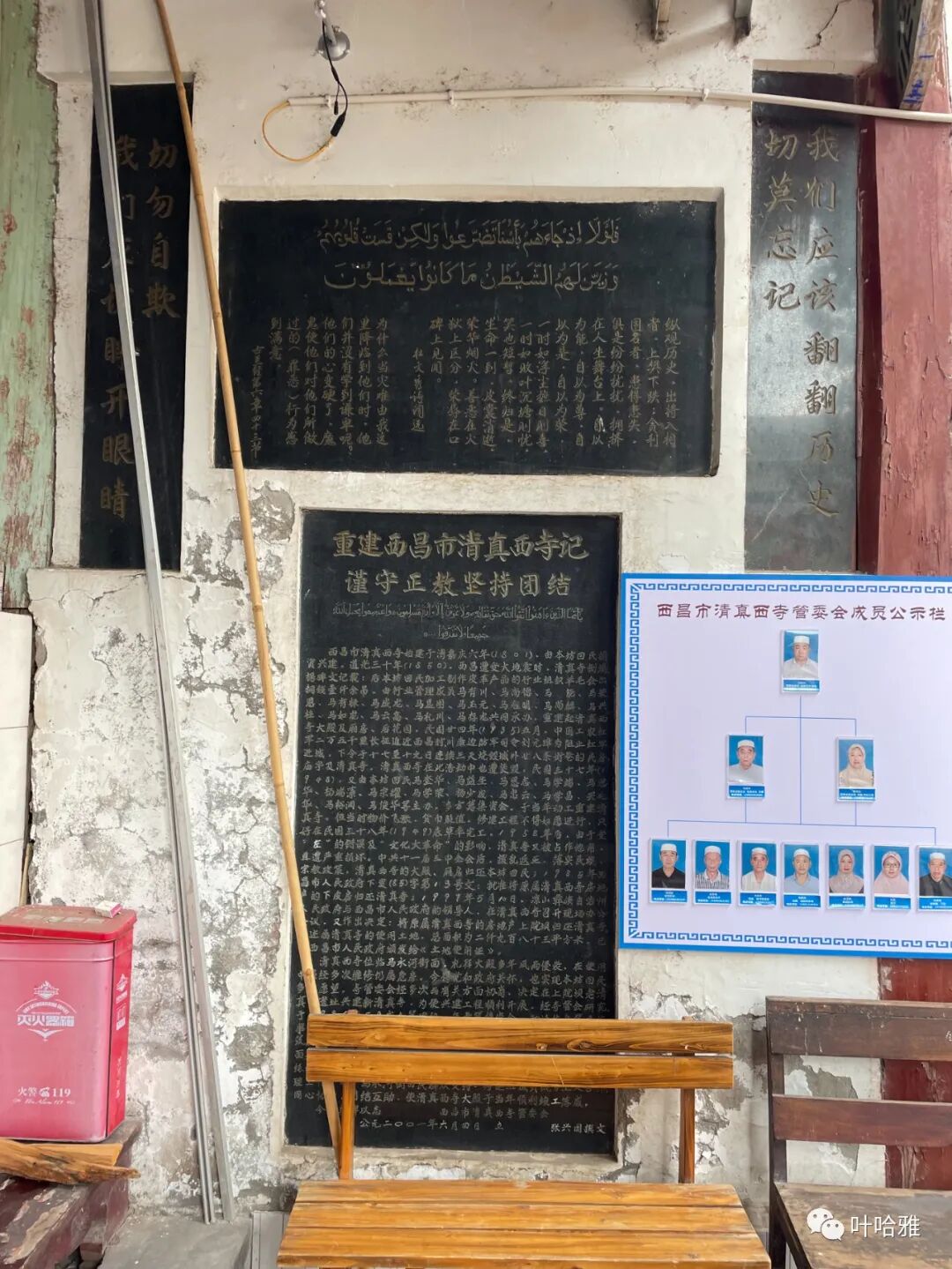
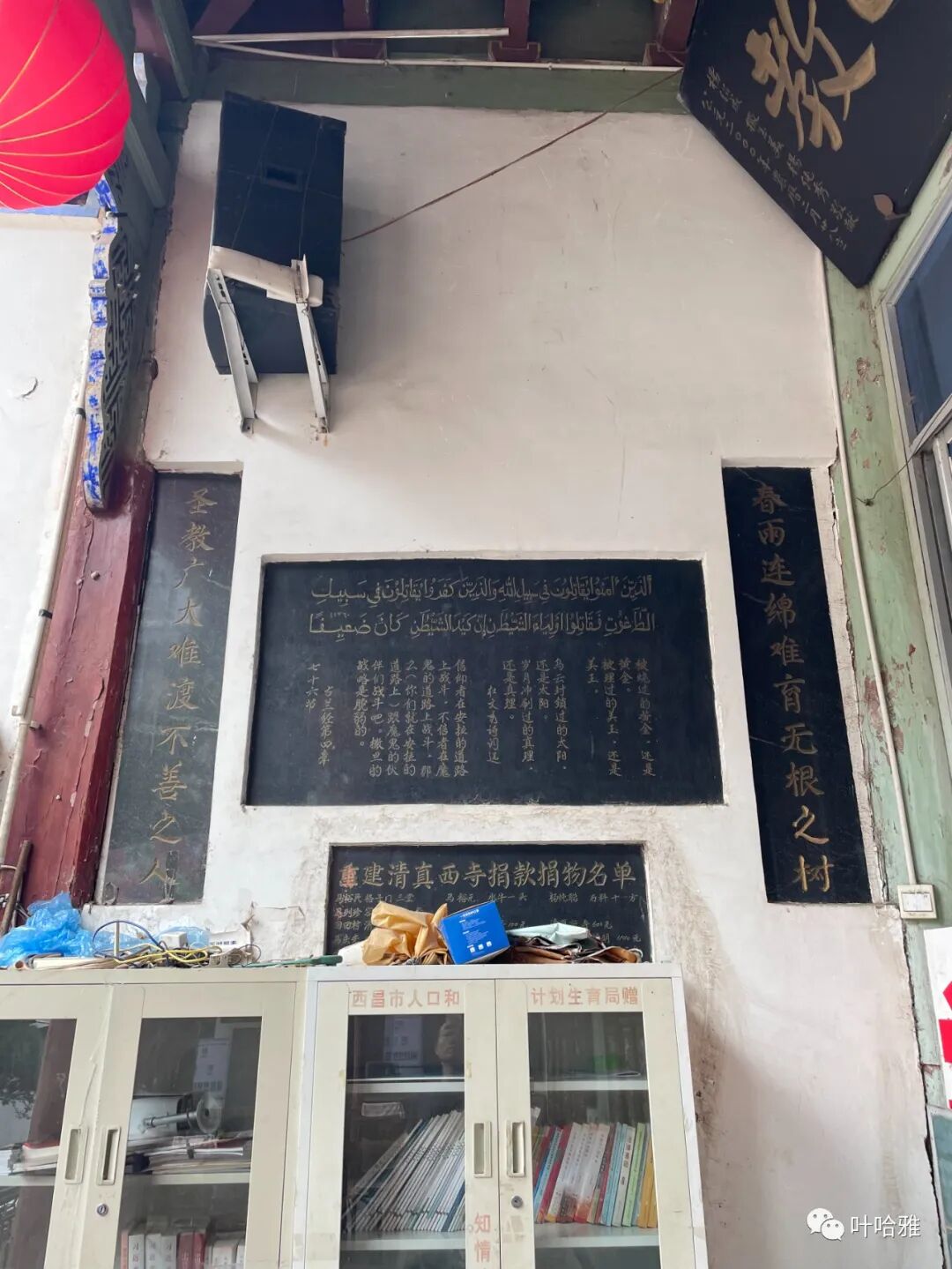
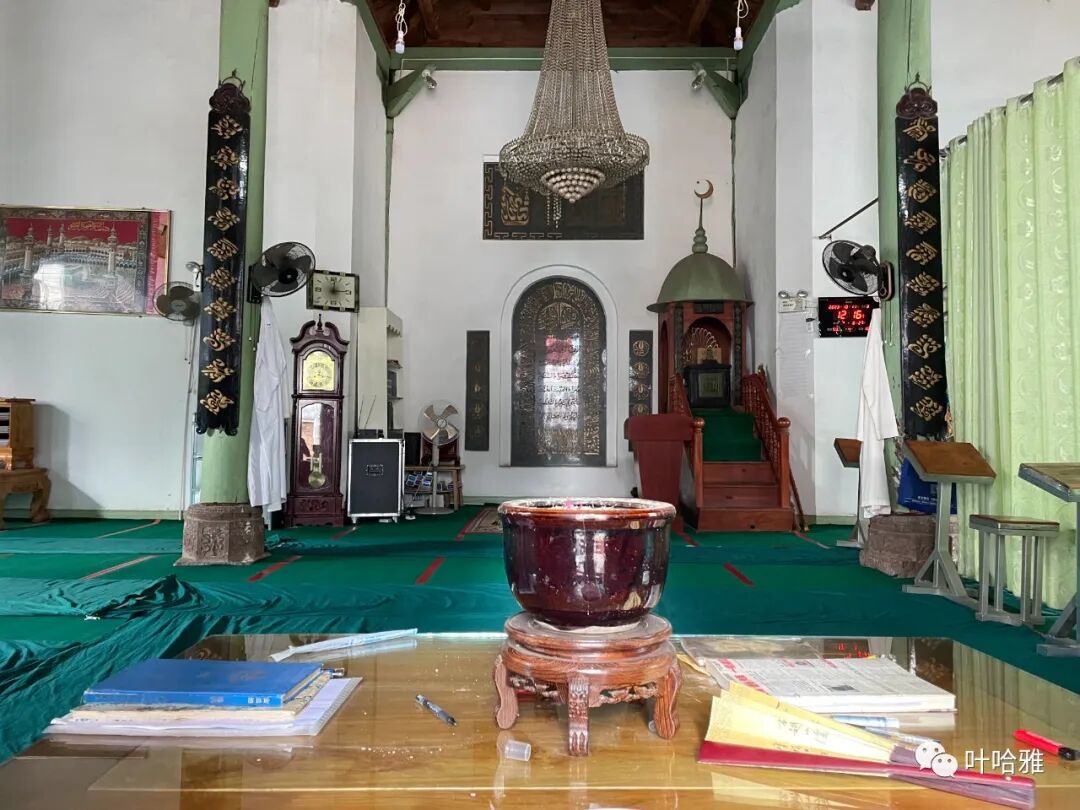
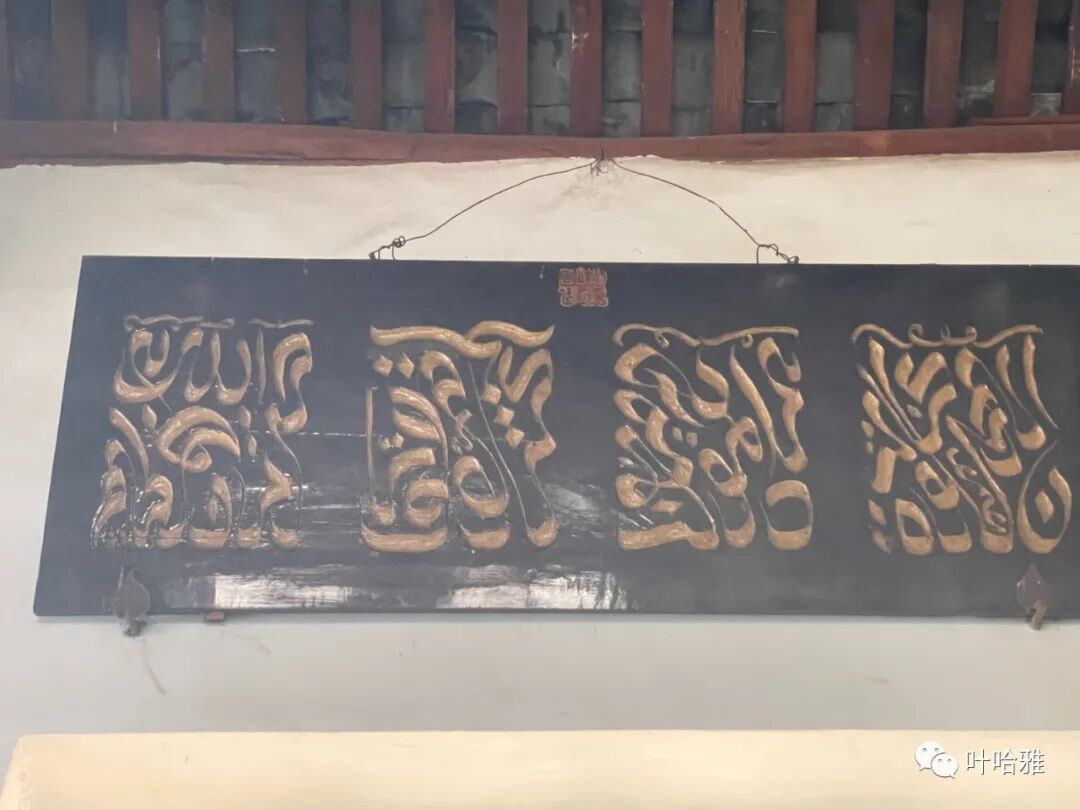
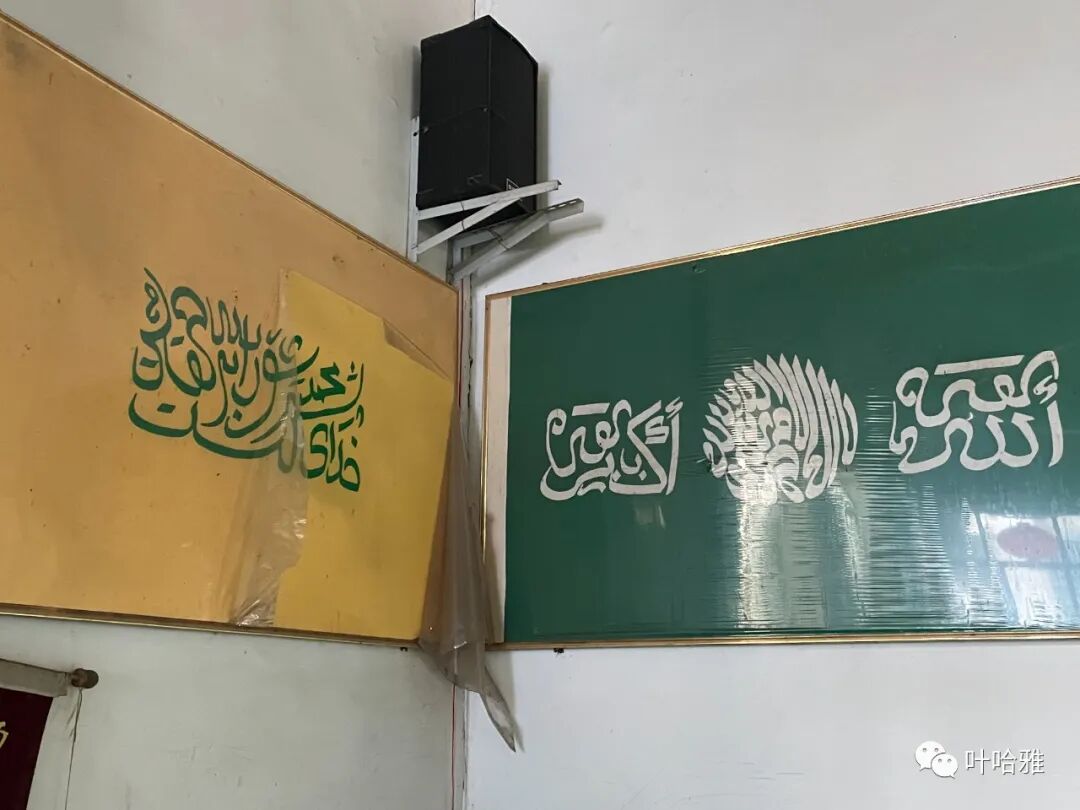
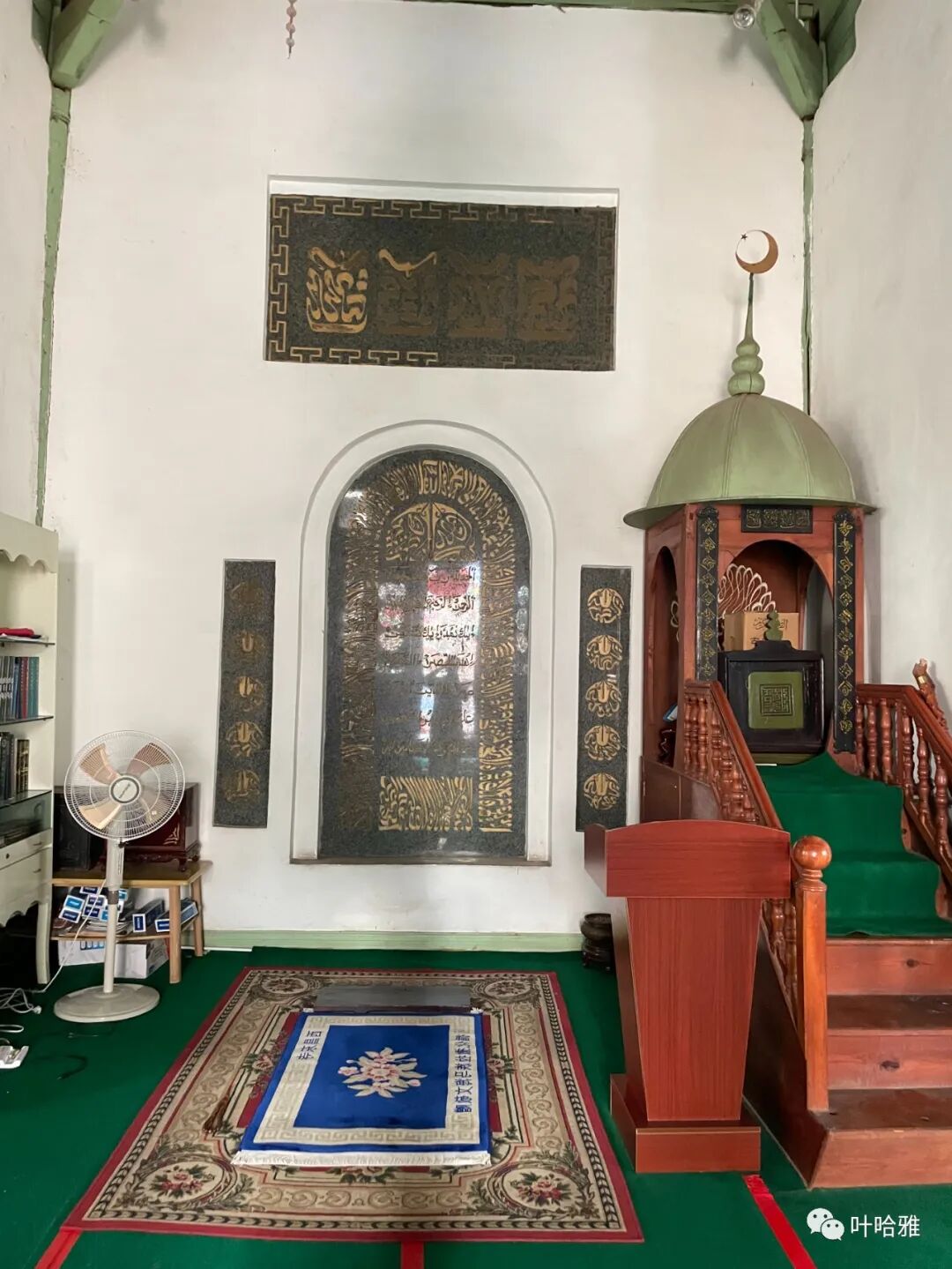
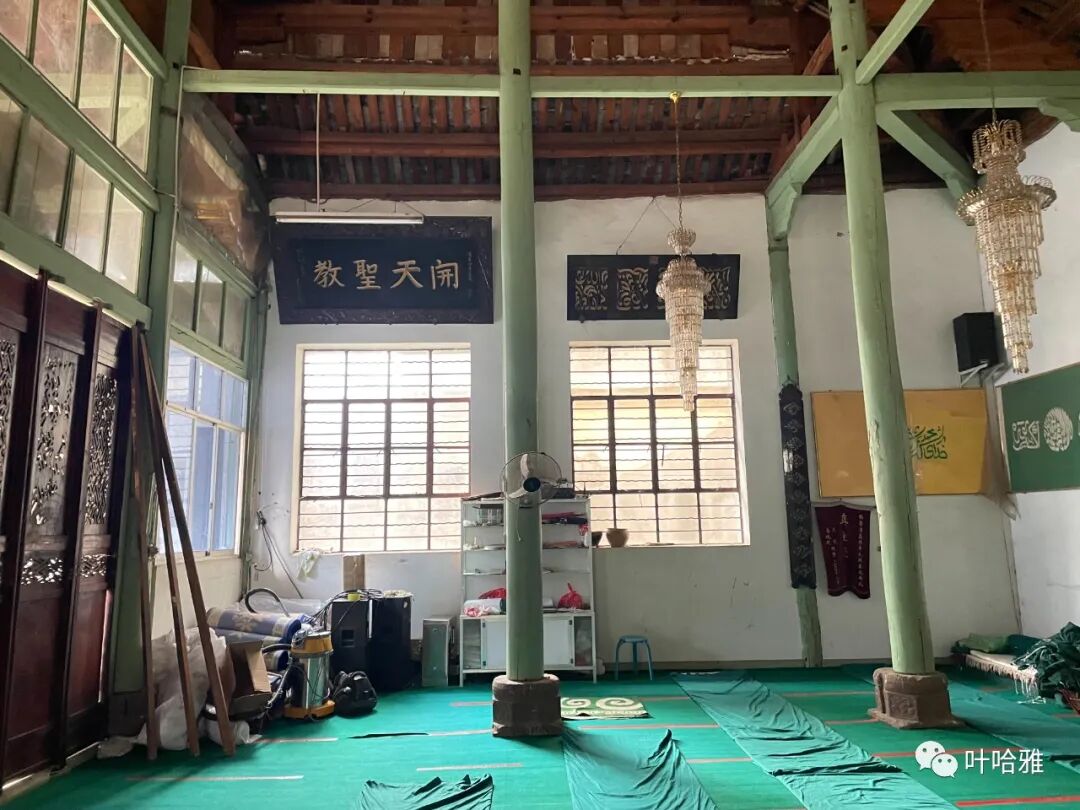
The height of this main prayer hall reminds me of the Nanguan Mosque in Anqing, Anhui, which is also very tall.
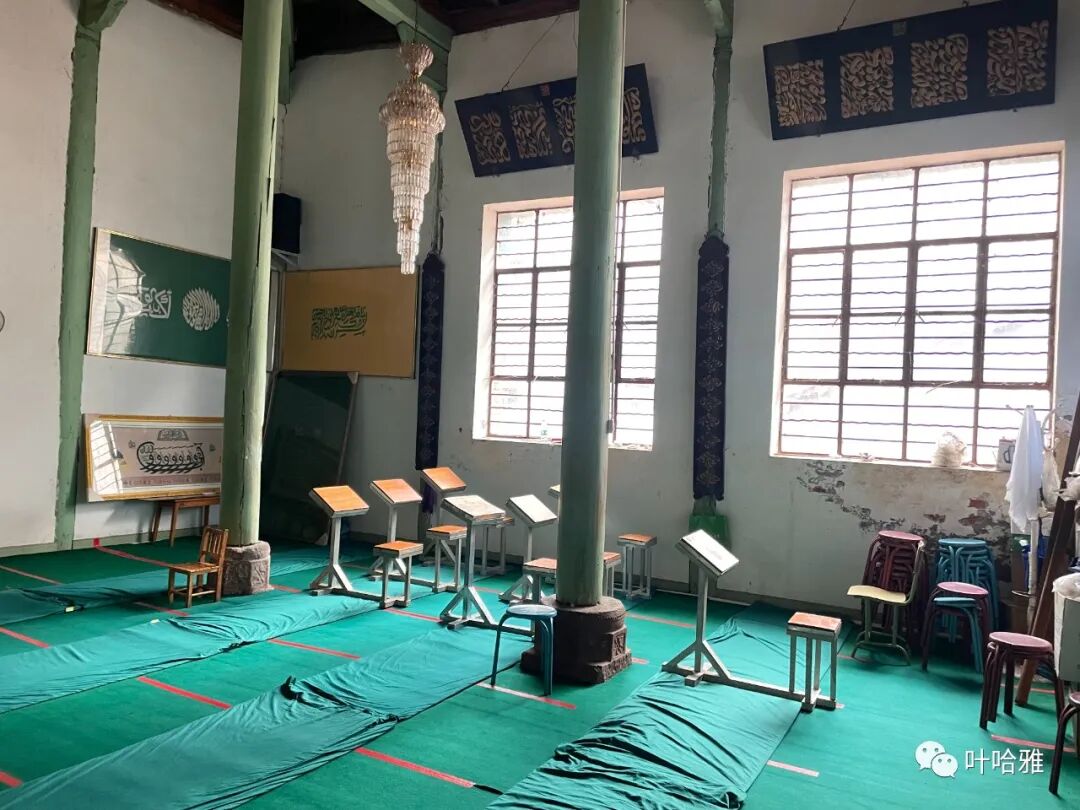
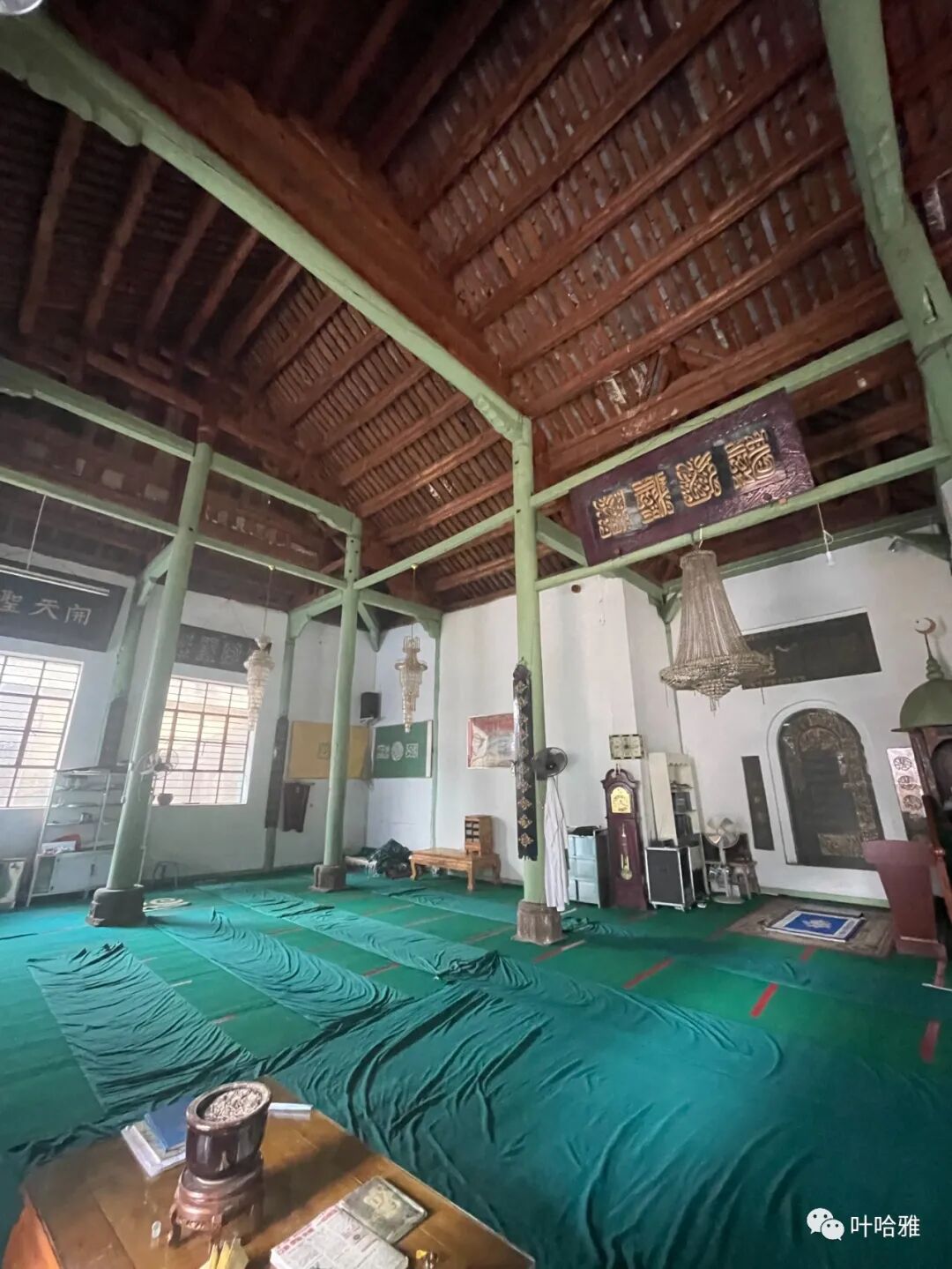
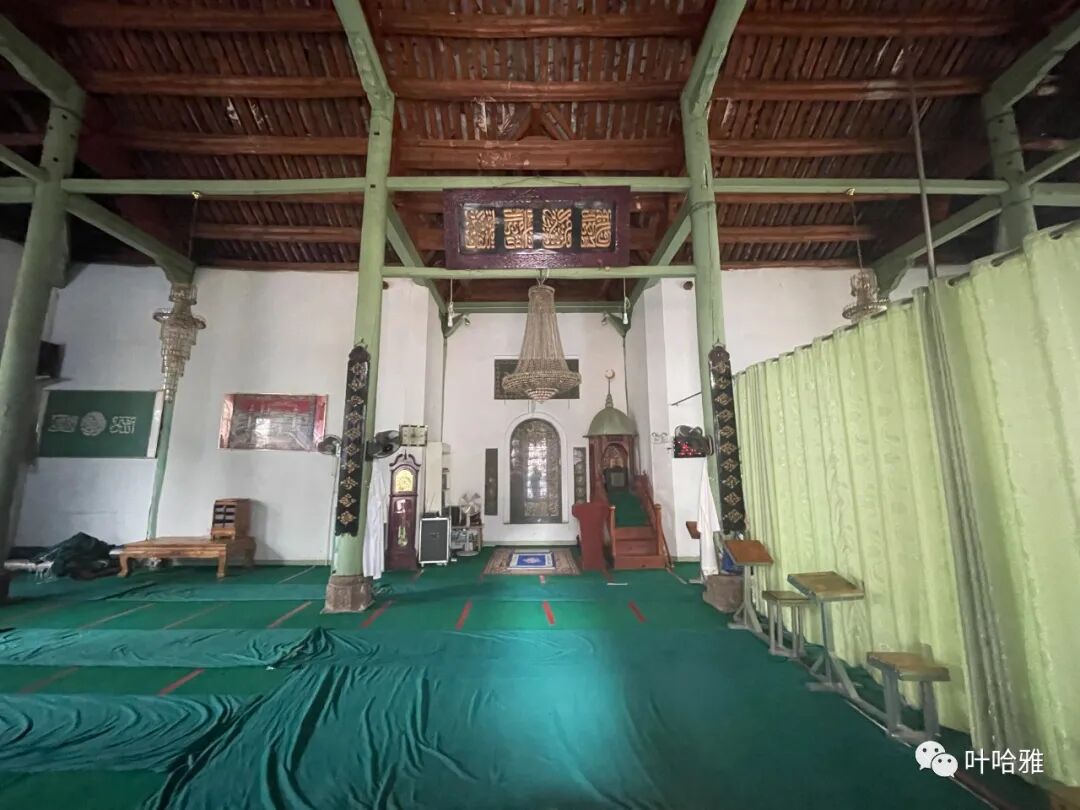
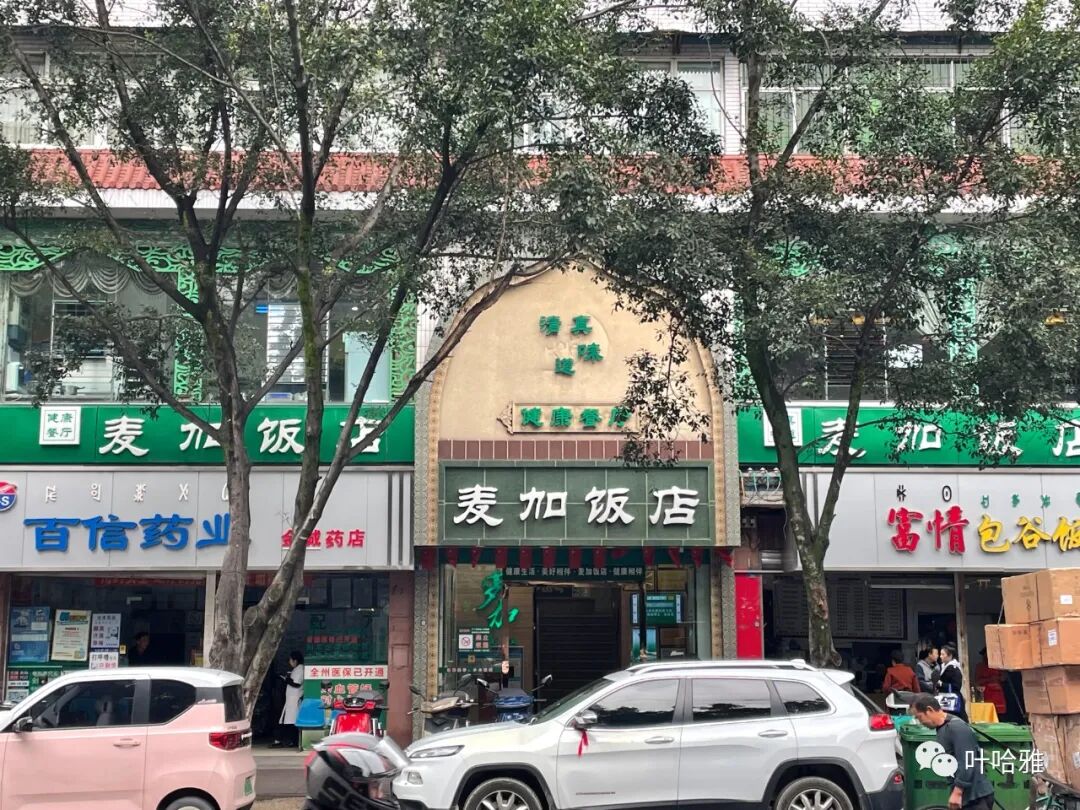
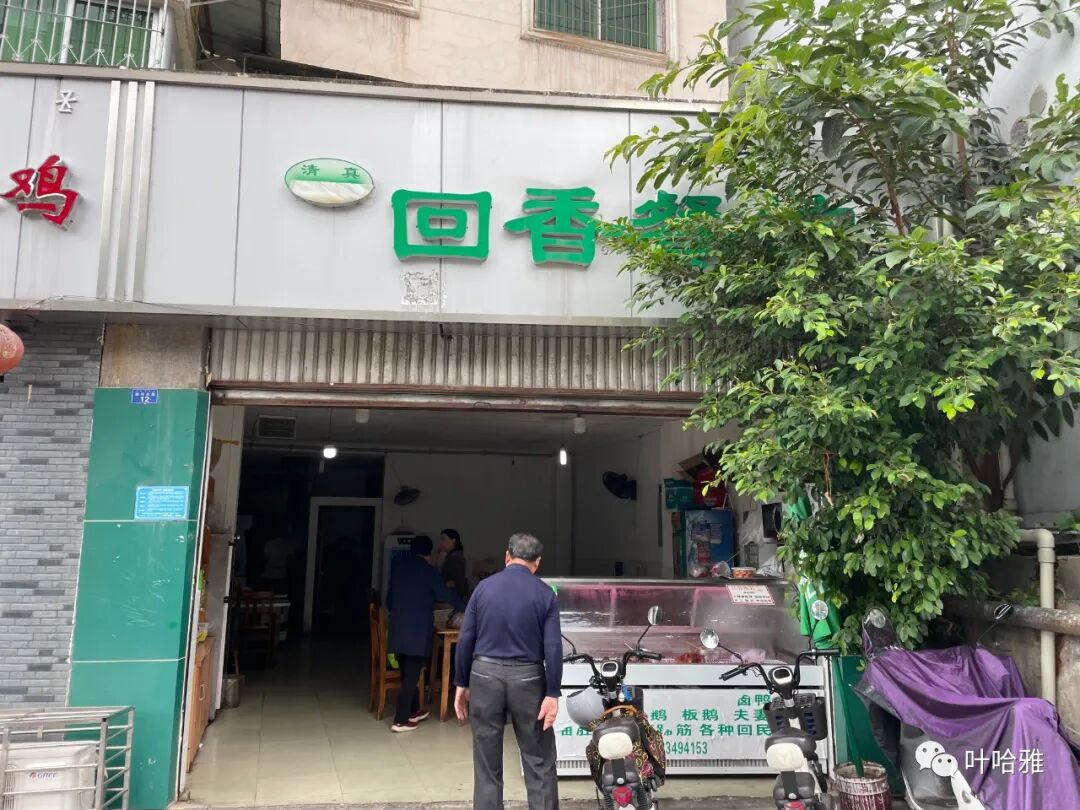
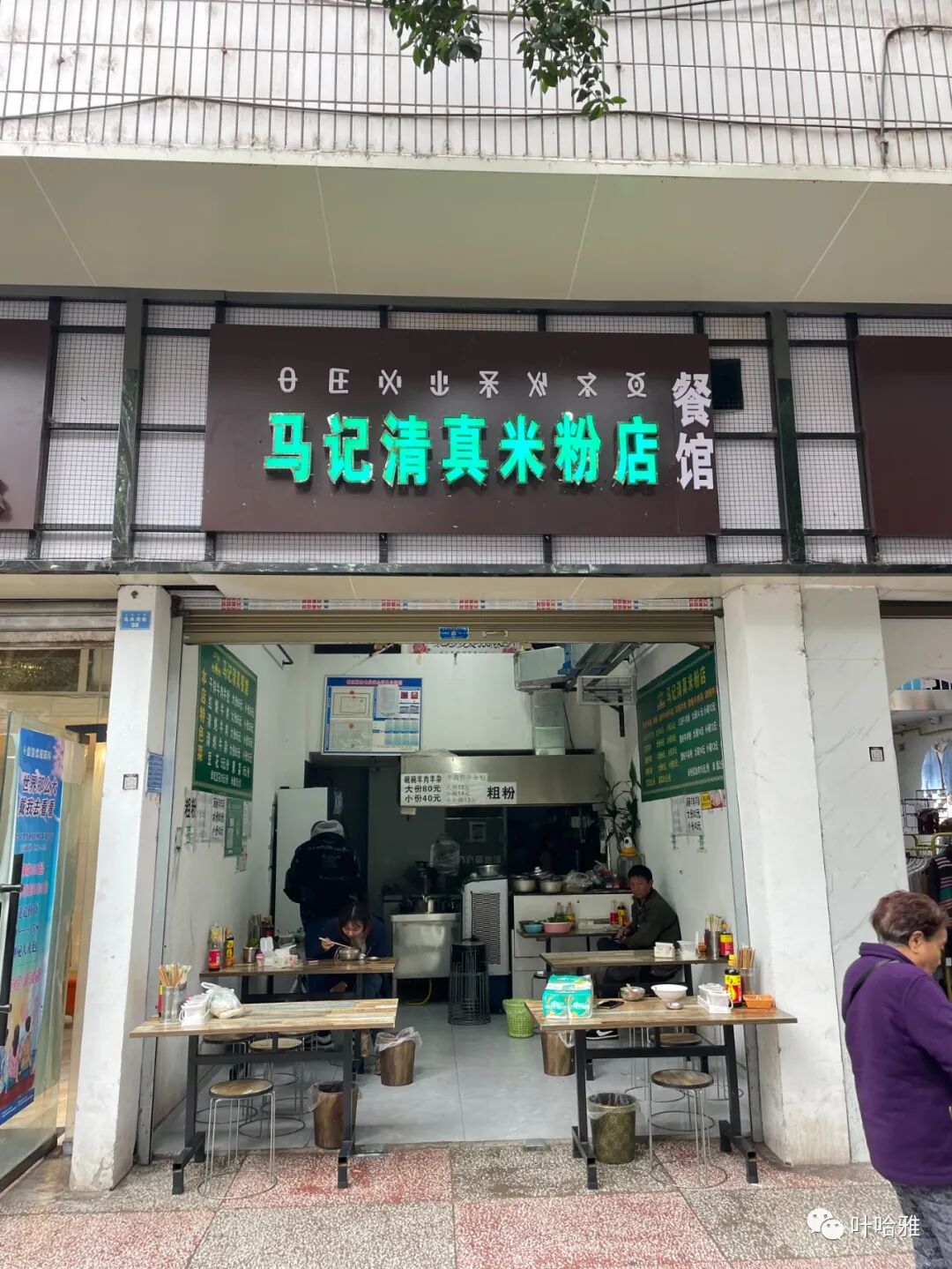
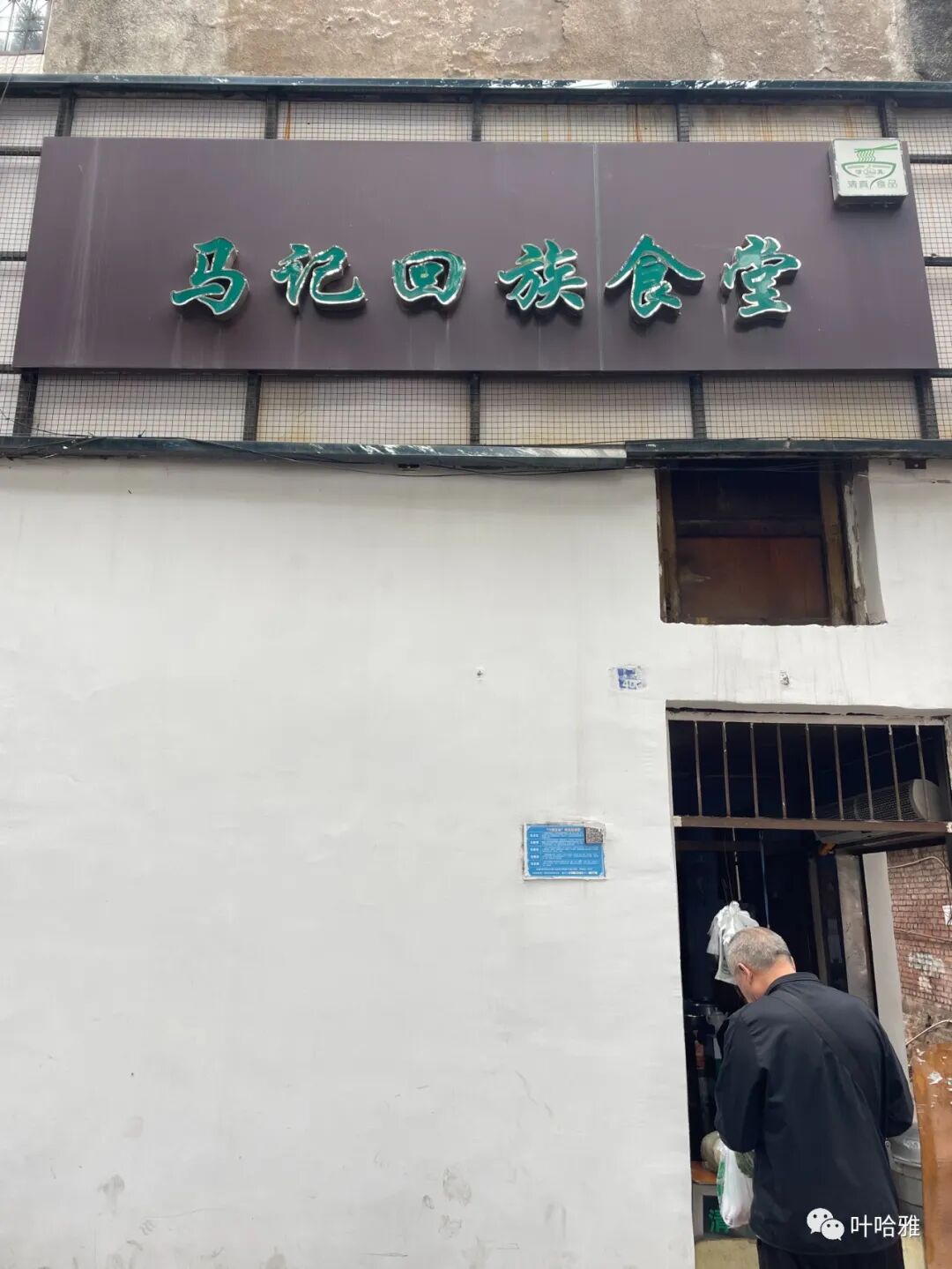
There are many halal restaurants and snack shops around the West Mosque, all featuring Sichuan flavors. The largest one is called Mecca Restaurant (Maijia Fandian).
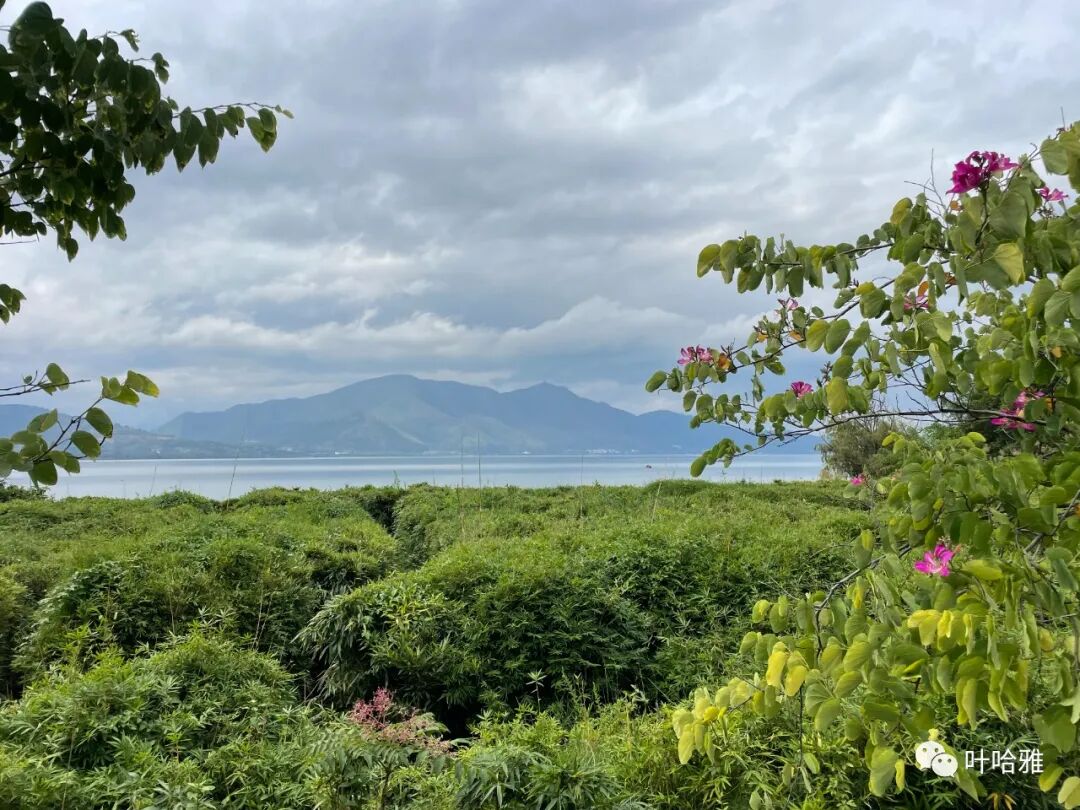
Qionghai National Wetland Park, which is far from the city center, is also a beautiful free scenic spot. It looks very much like Fuxian Lake in Yuxi.
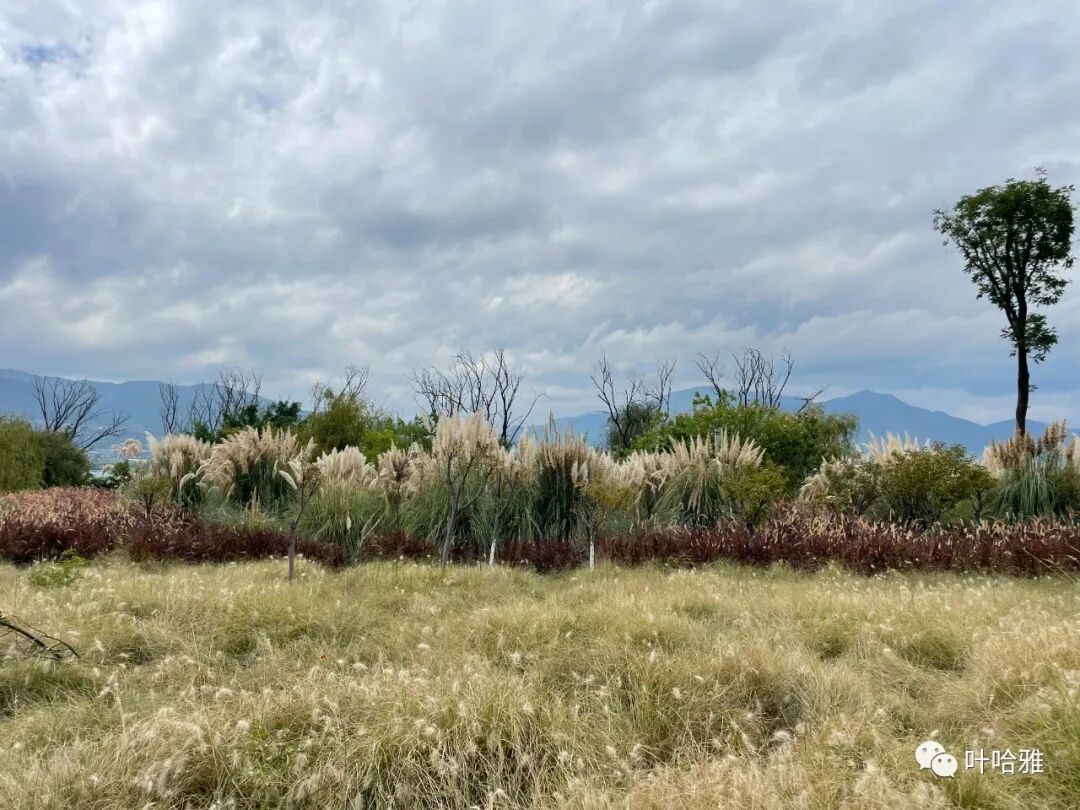
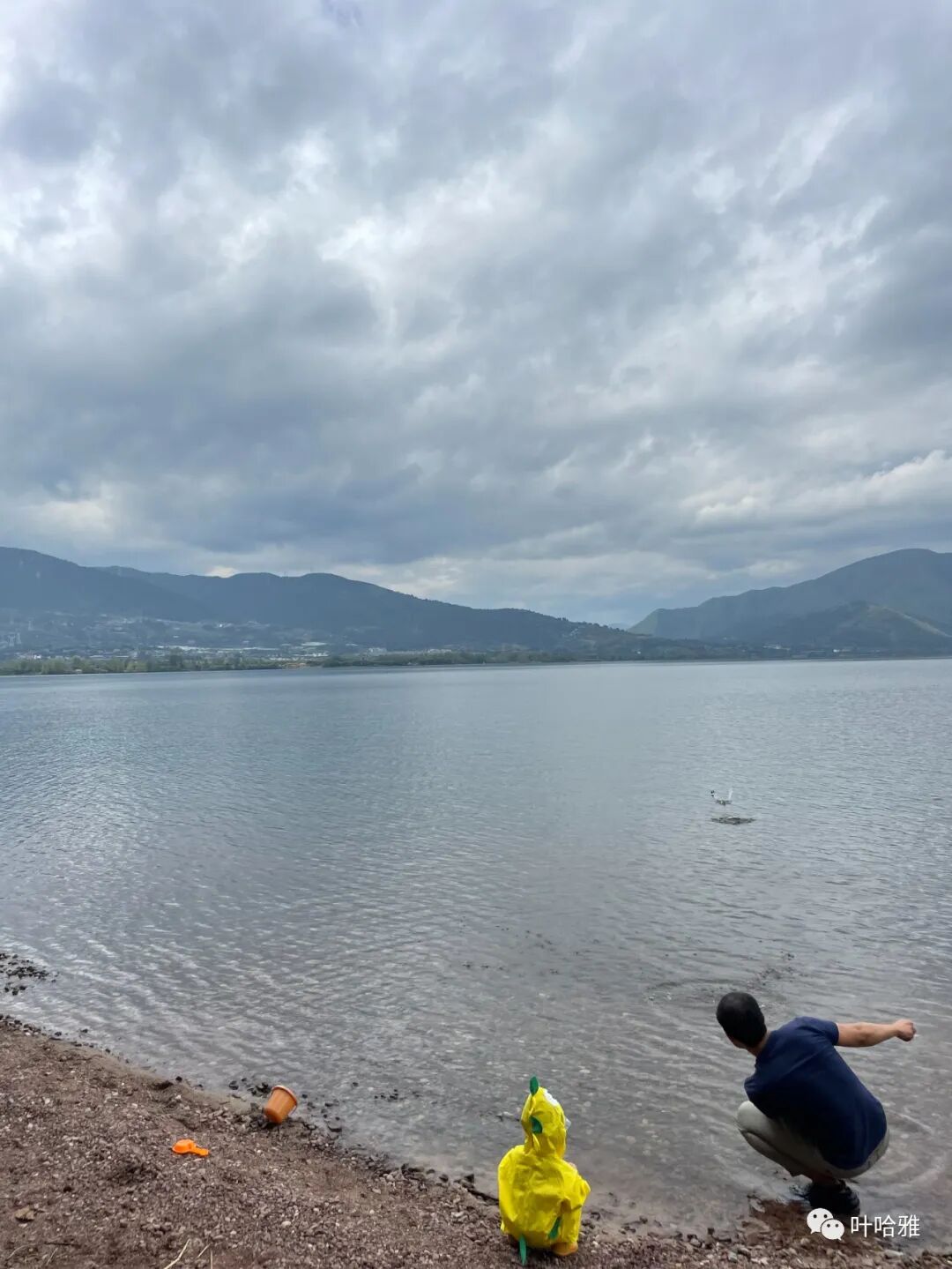
Skipping stones by the lake with Fahim.
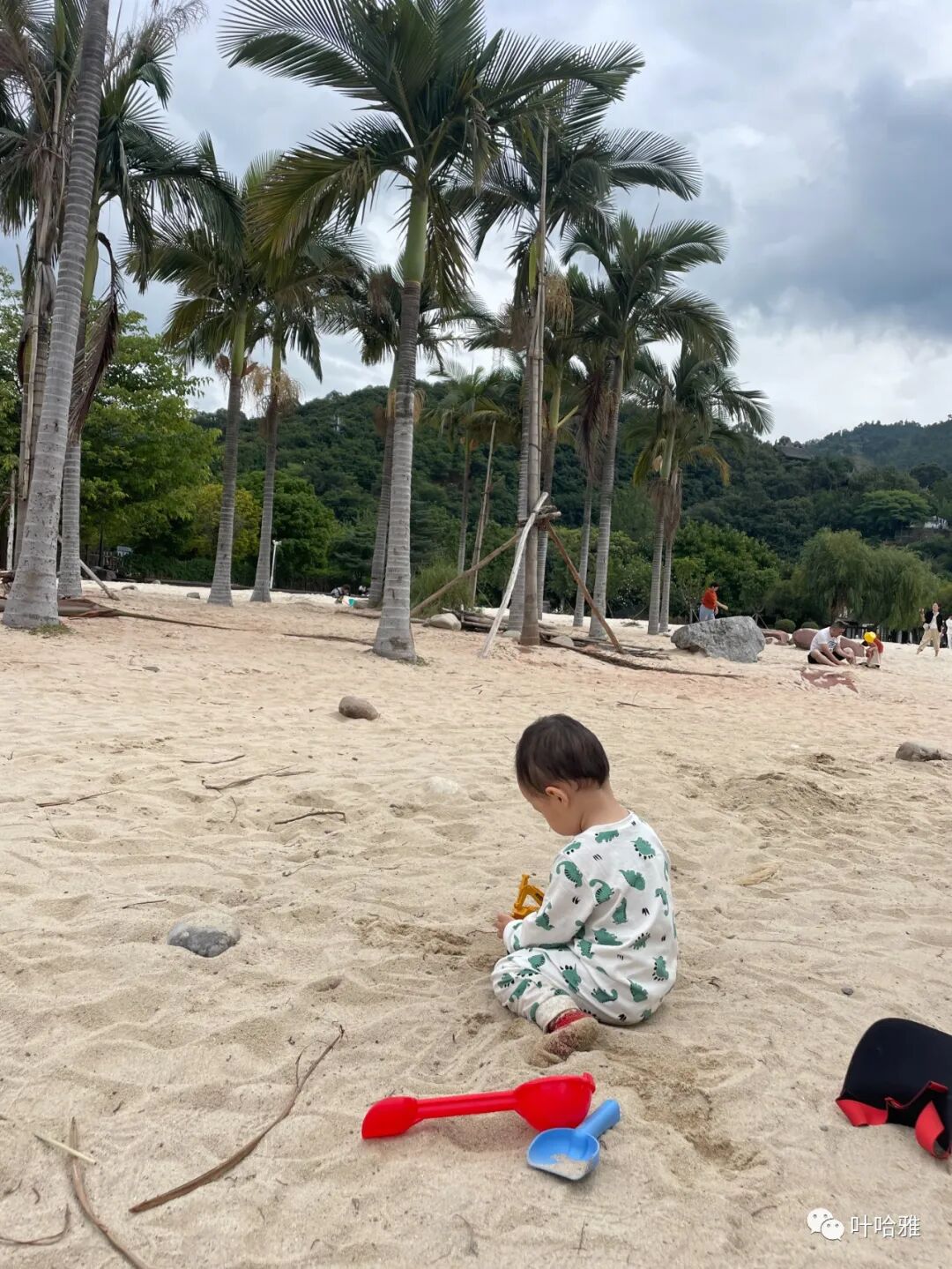
The white sand beach by the lake makes you think you have arrived at the seaside.
Halal Youde Garden (Youde Yuan)
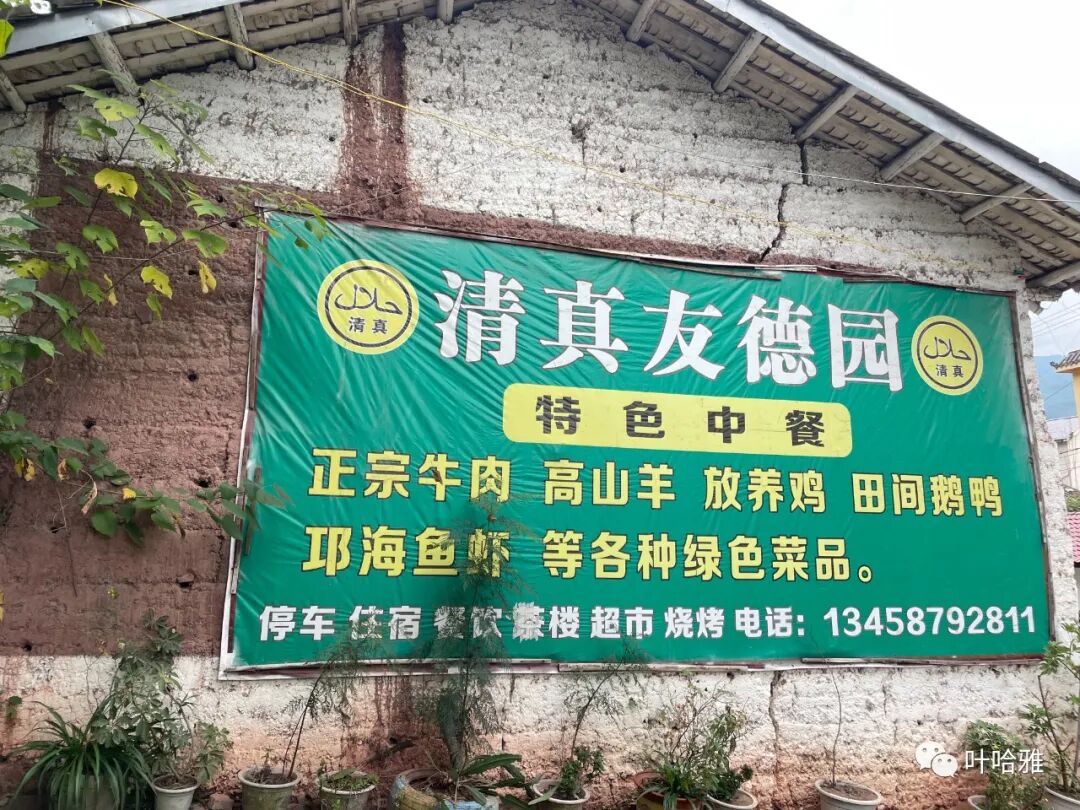
This halal farmhouse restaurant by Qionghai Lake is in Walnut Village (Hetao Cun). I found a mosque in the village when I came here to eat.
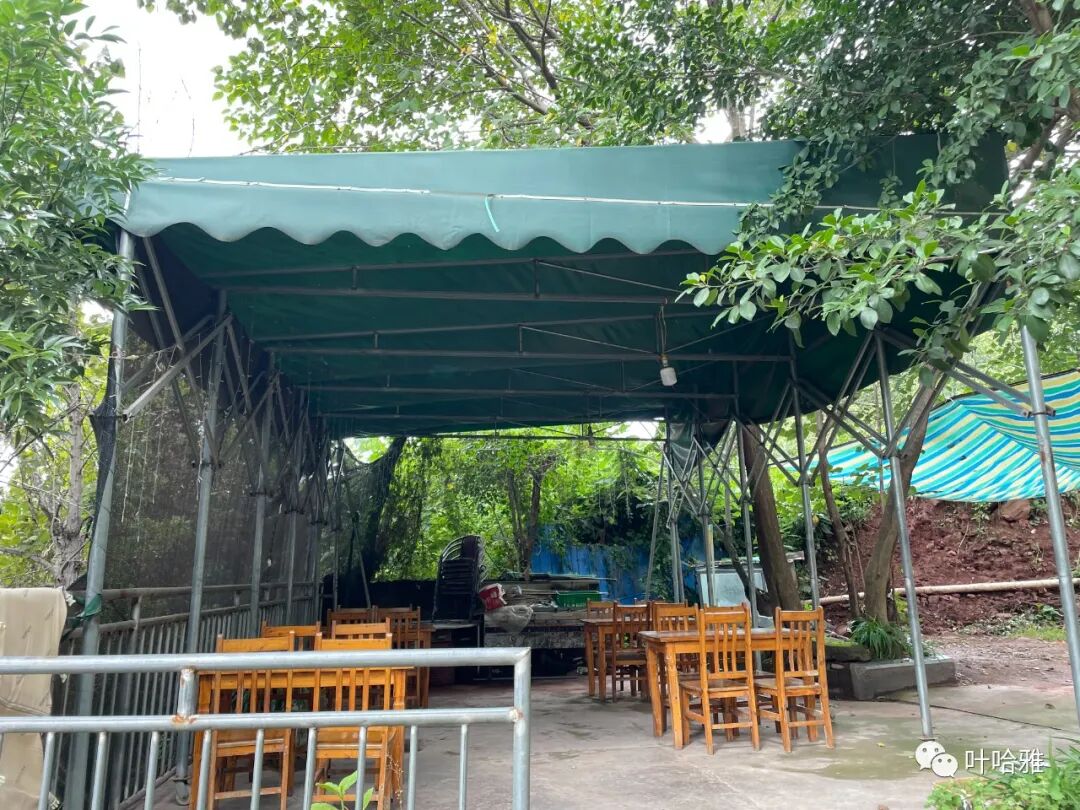
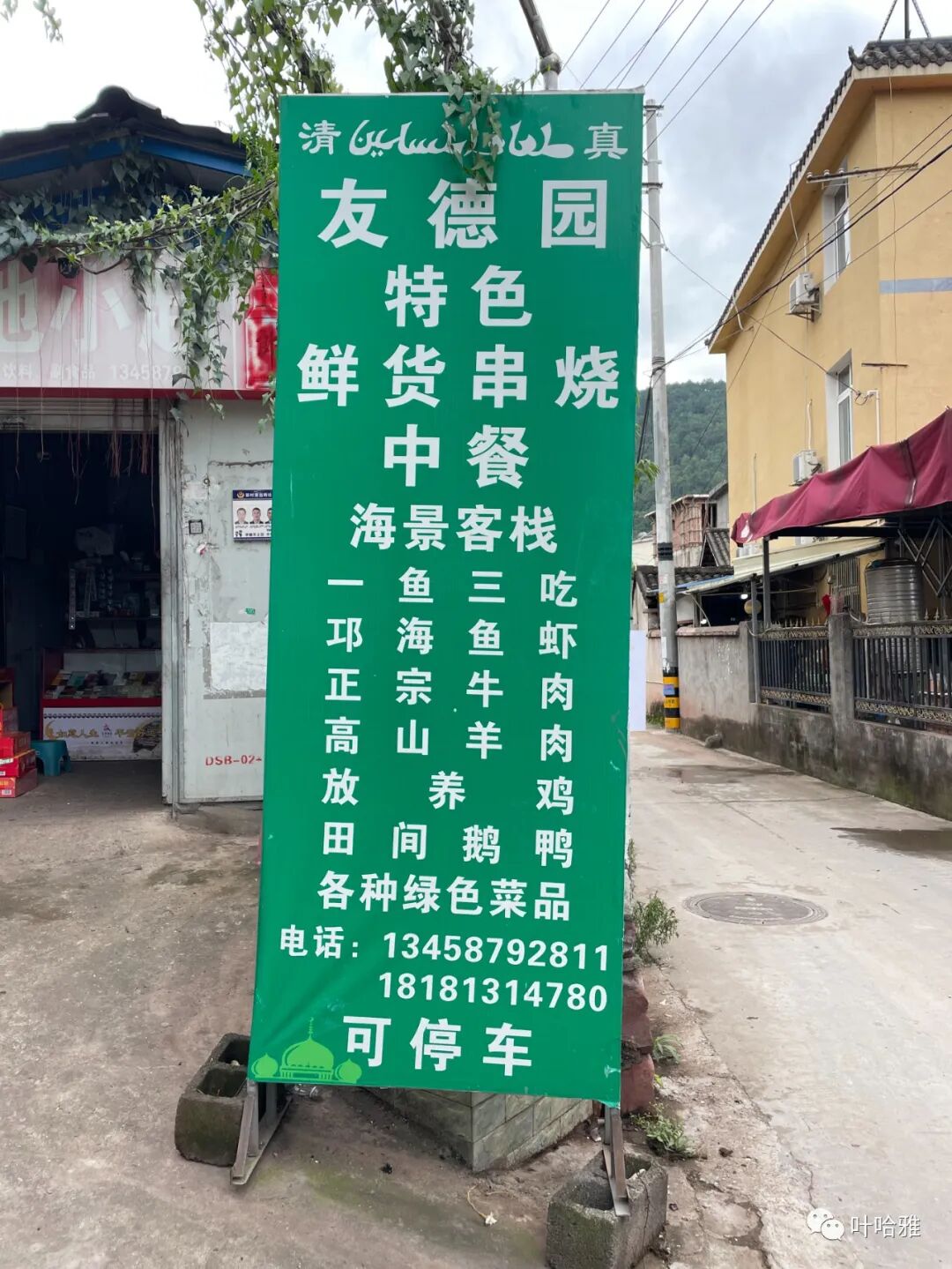
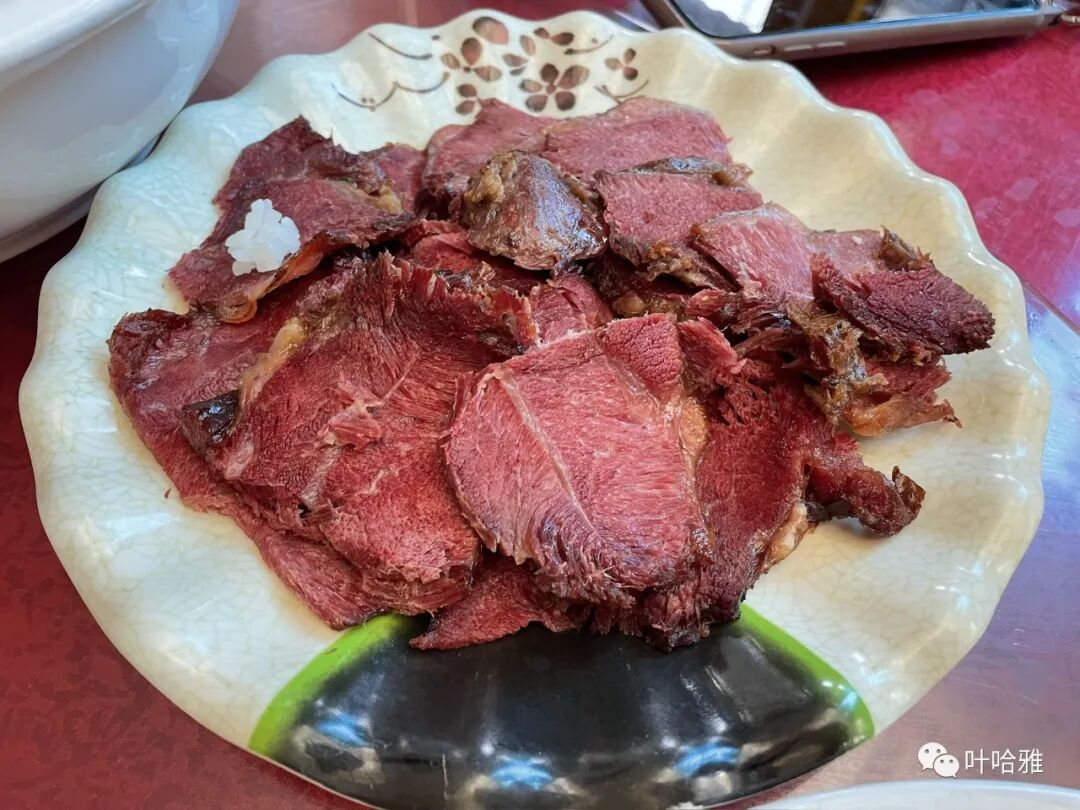
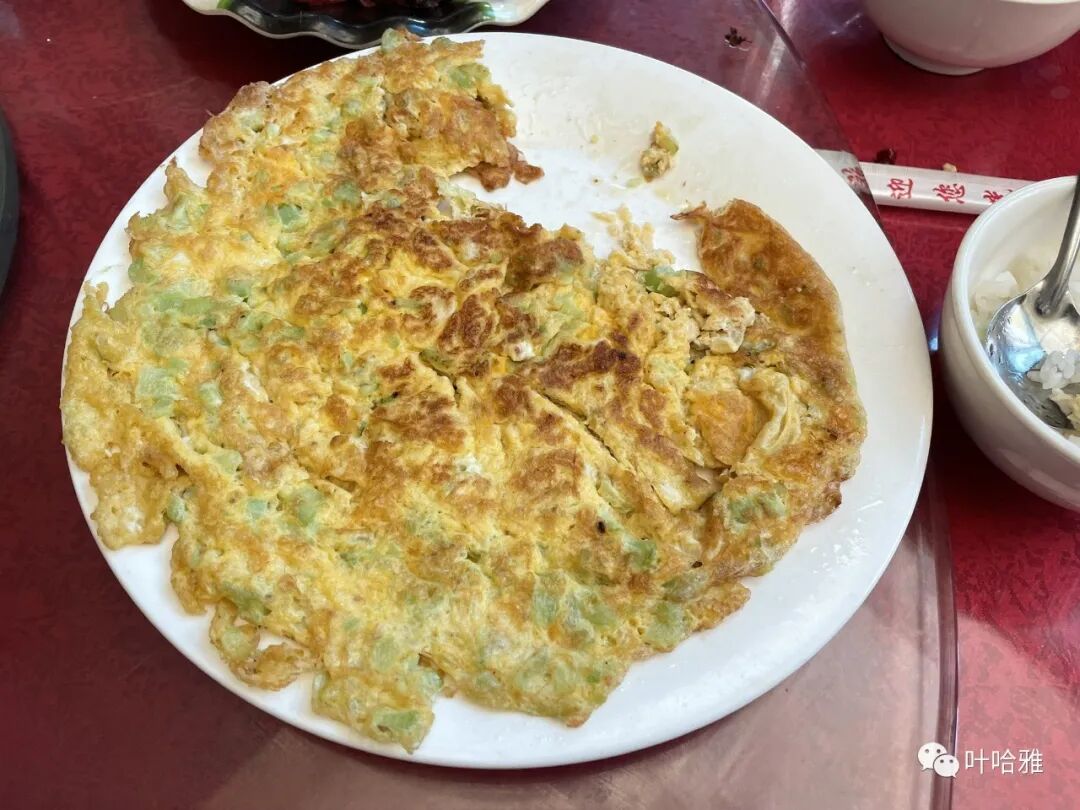
The farmhouse food is simple and rustic, but it goes great with rice. While waiting for my meal, I went up to the village to visit the Walnut Village Mosque.
Islamic elements are rare in the village. I happened to see a sign for halal snacks on a wall. The mosque is built on the mountain, so I climbed all the way to the highest point of the village to reach it.
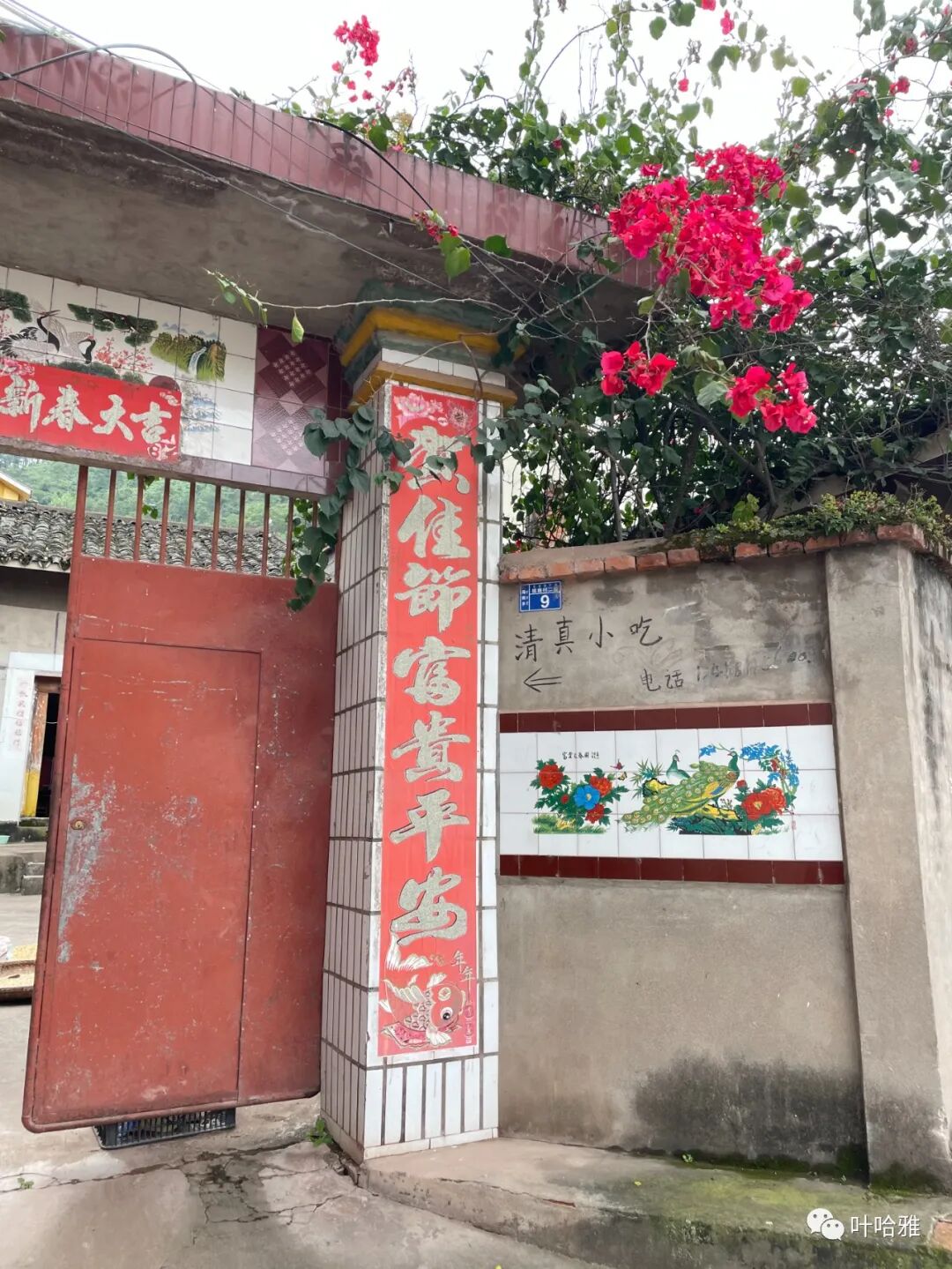
Walnut Village Mosque
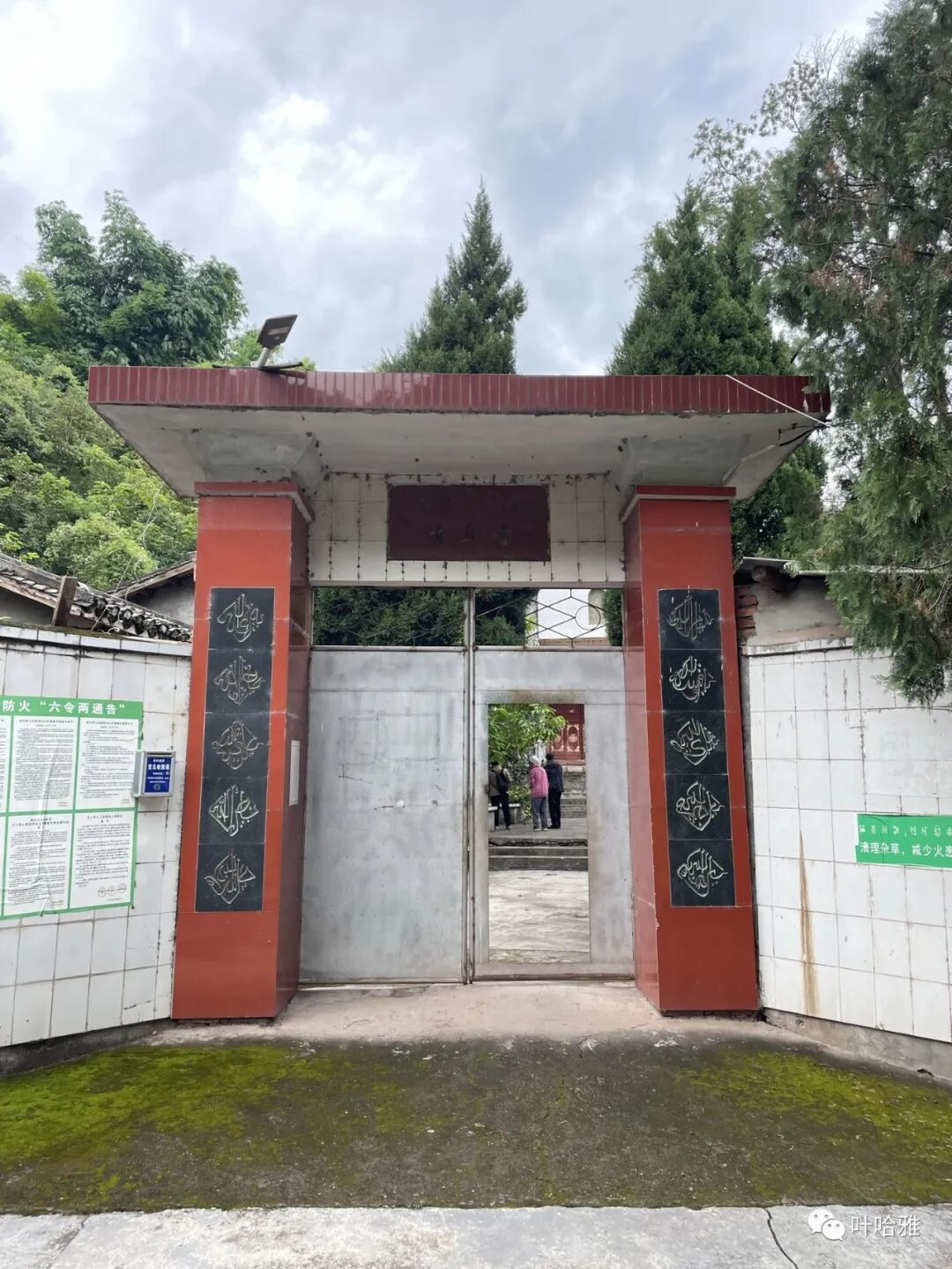
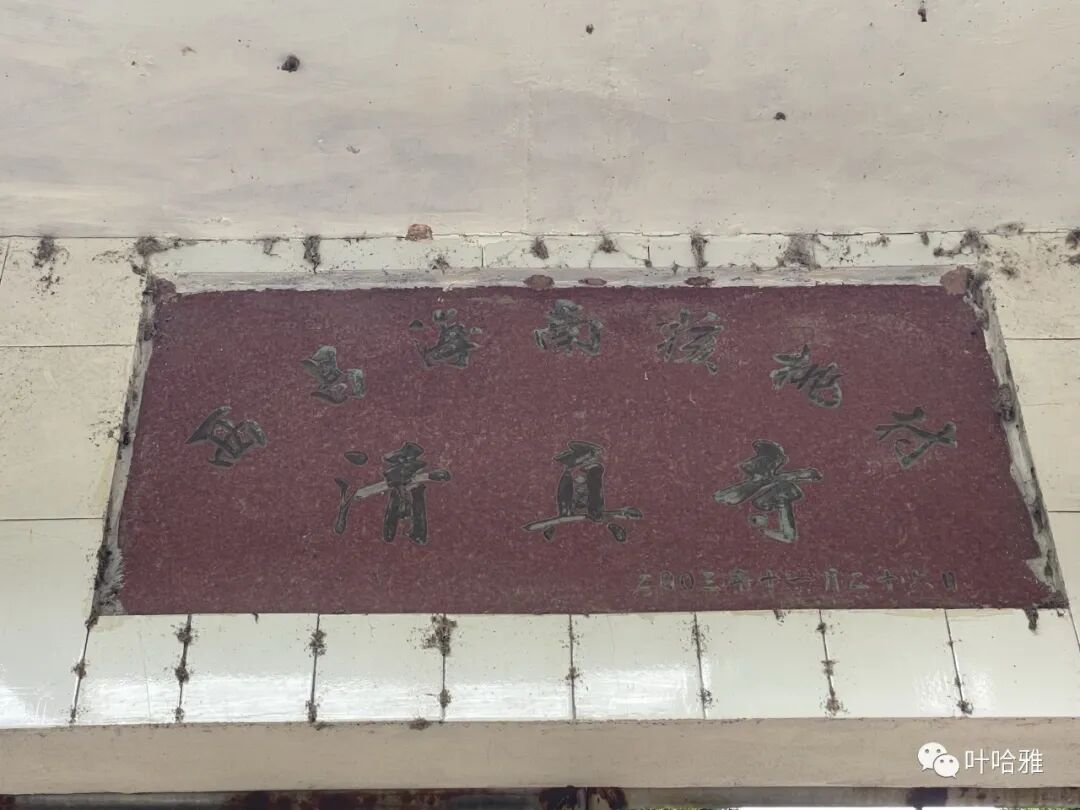
It was first built in the Ming Dynasty, and the current building was rebuilt in 2003.
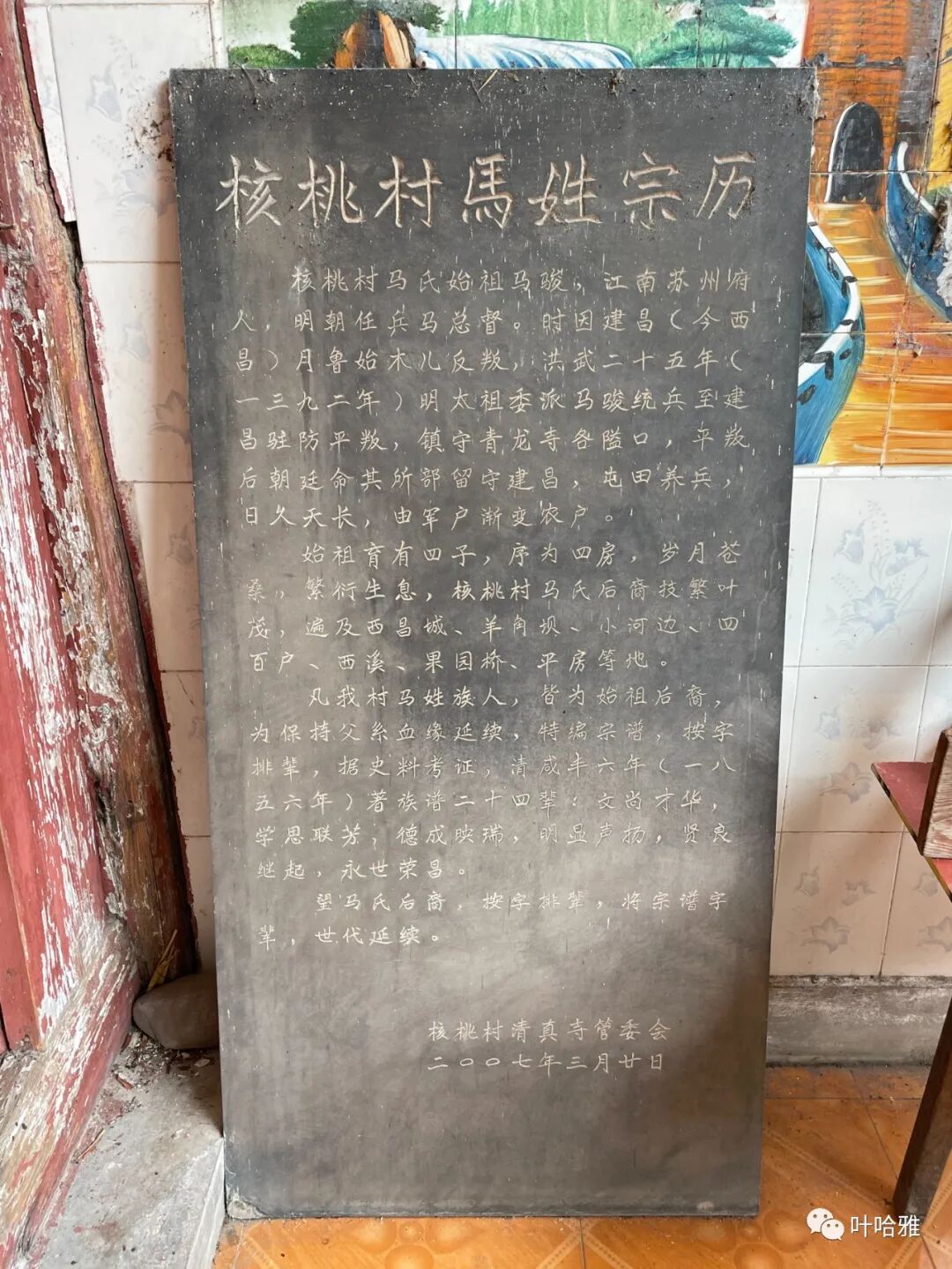
The Hui Muslims in the village with the surname Ma are descendants of the Ming Dynasty general Ma Jun. Ma Jun was responsible for putting down the rebellion of Yuelu Timur, the grandson of Sayyid Ajjal Shams al-Din. Interestingly, the descendants of Sayyid Ajjal Shams al-Din still live in Xichang and are said to be Hui Muslims with the surname Sha.
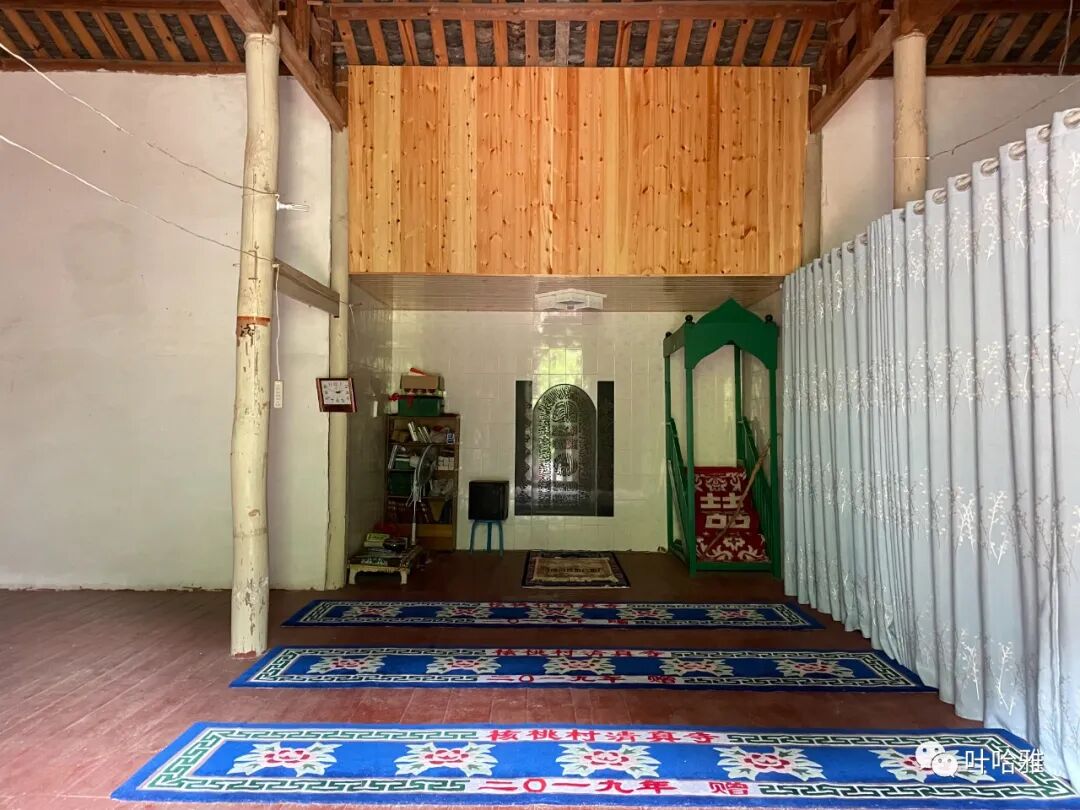
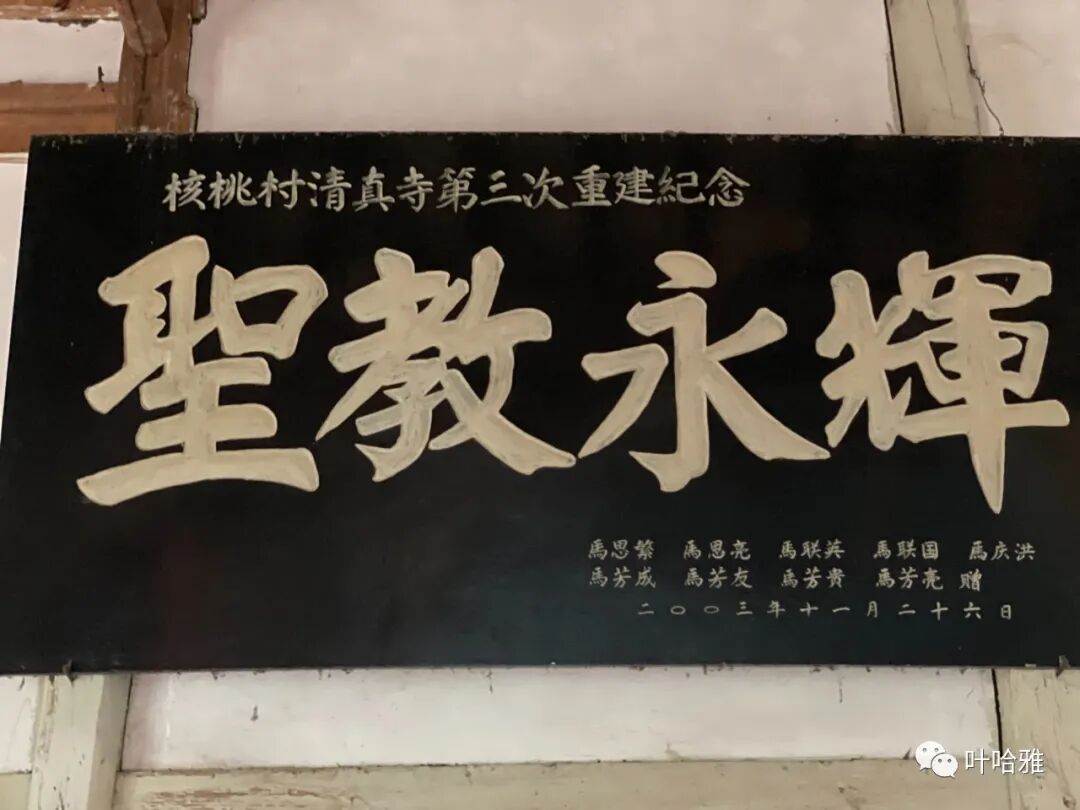
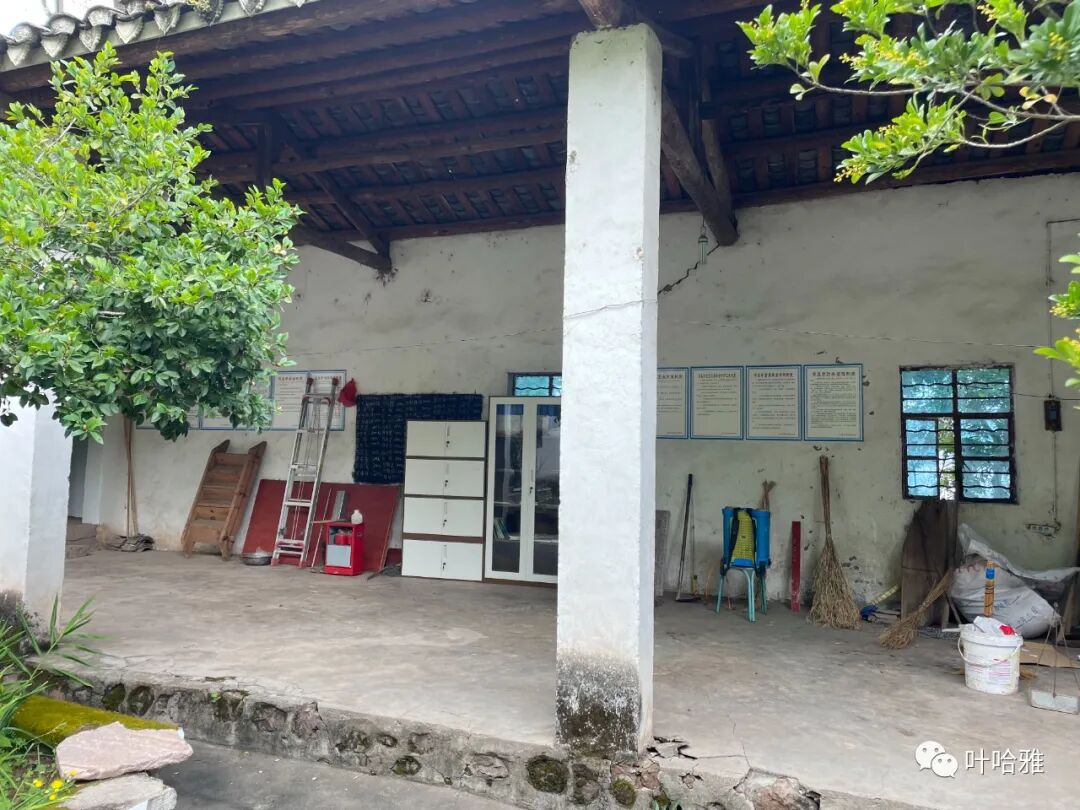
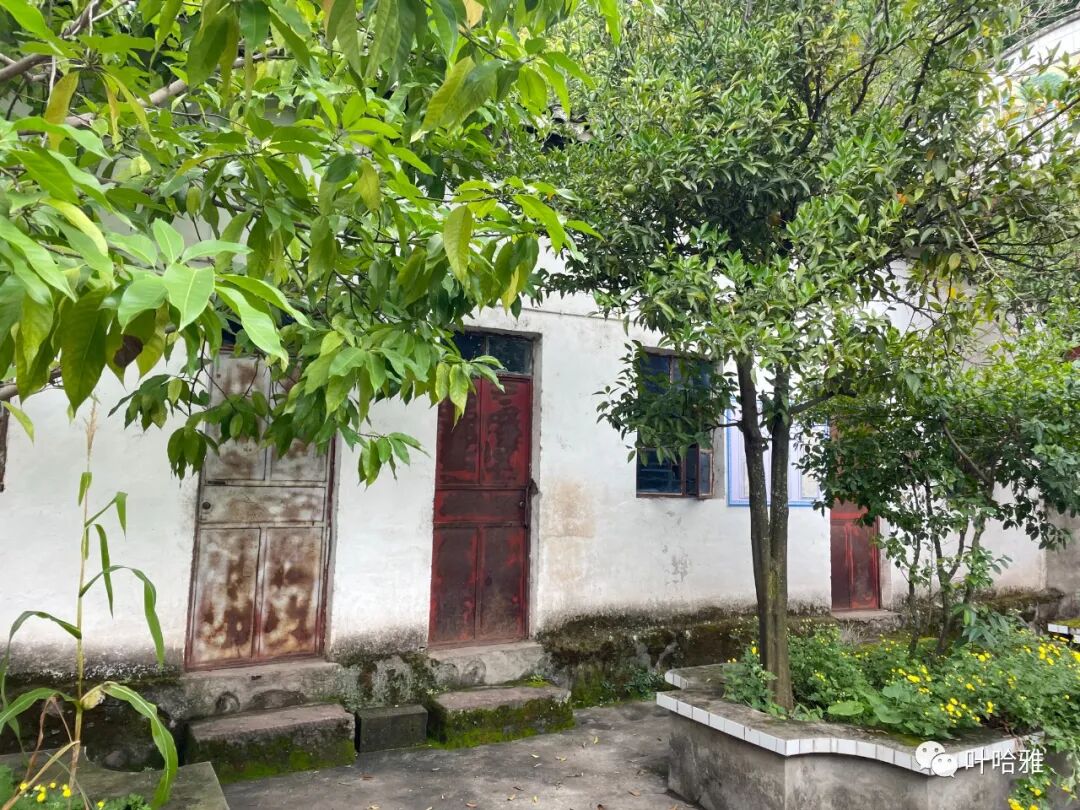
When I arrived at the mosque, I happened to see a group of people posing for photos at the entrance. They seemed to be friends (dost) visiting relatives, but I could not understand the language they were speaking.
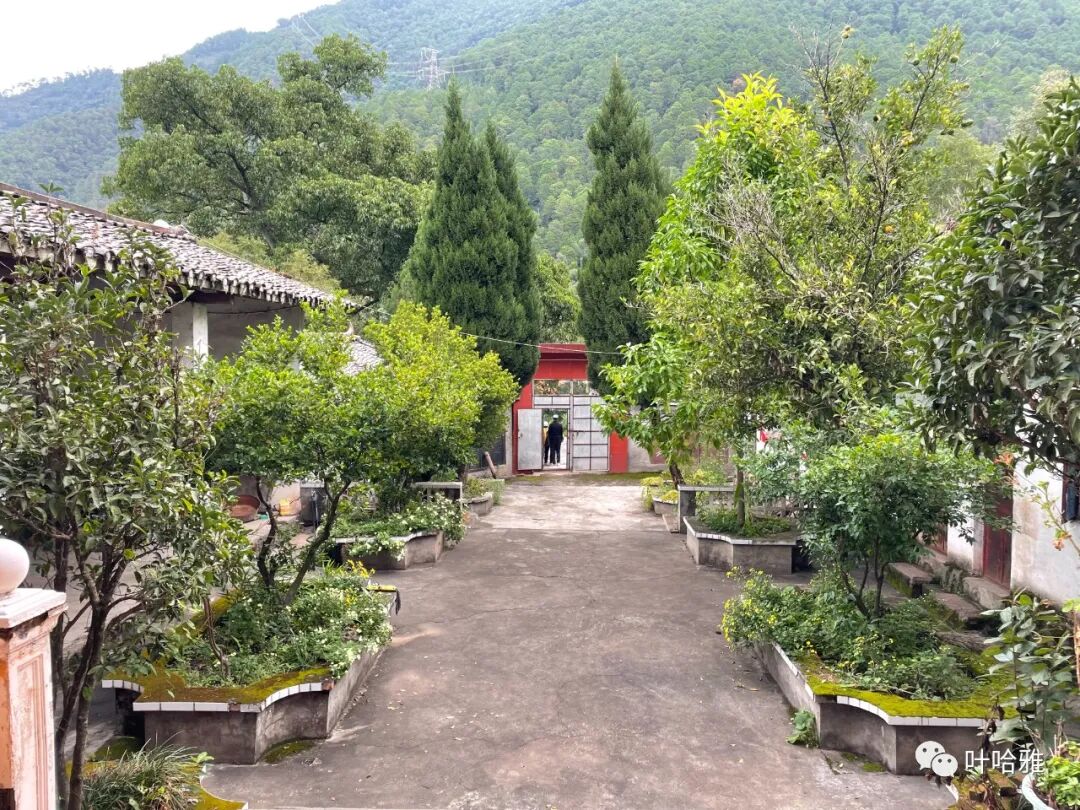
Huihui Village Mosque
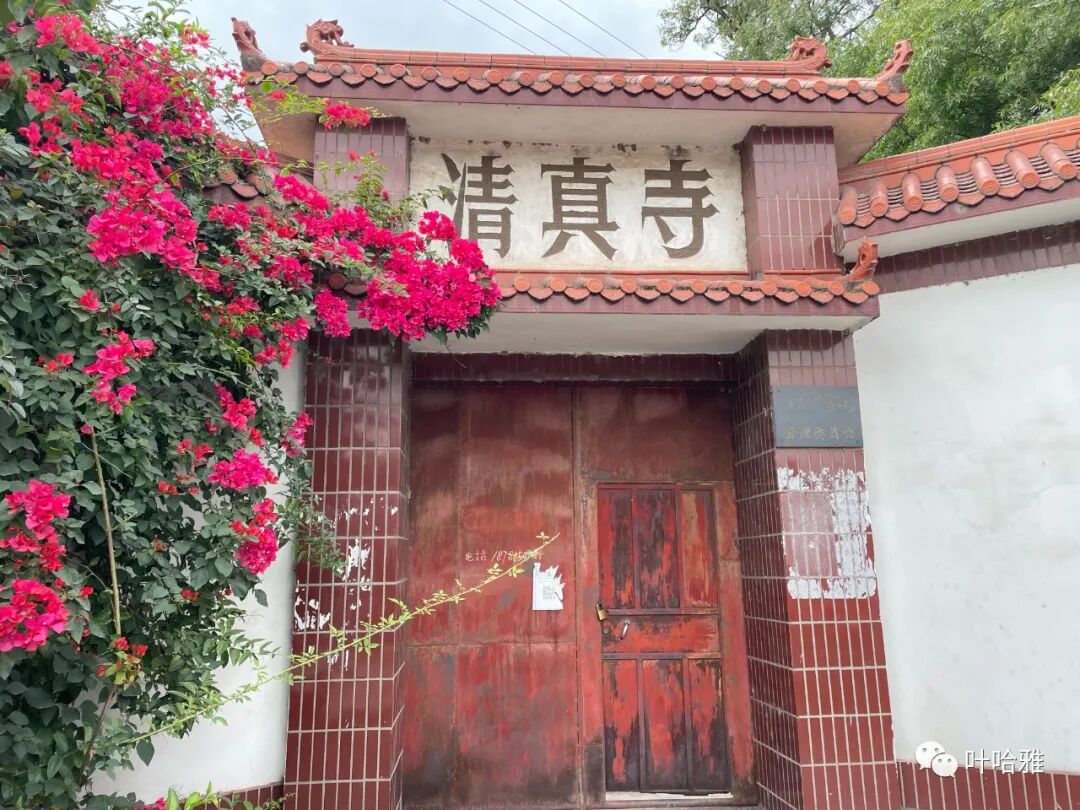
On the way from Xichang to Panzhihua, I passed by this Huihui Village Mosque. It was closed and looked quite simple, so I did not try to contact anyone to open it and continued on to the Heying Mosque.
Heying Mosque
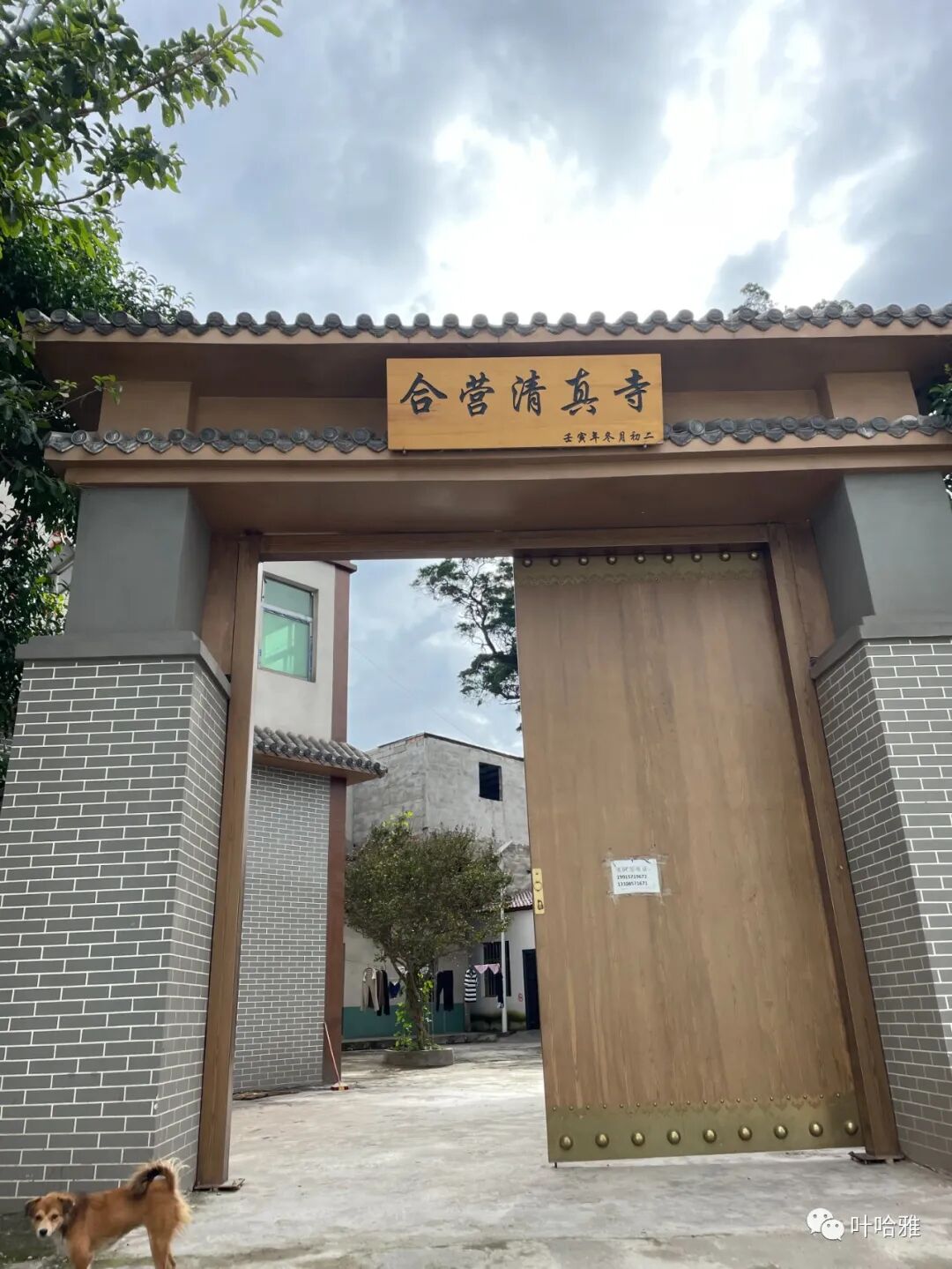
Located in Heying Village, Jingjiu Township, this mosque was built in the same period as several other mosques in Xichang, all dating back to the Hongwu era of the Ming Dynasty.
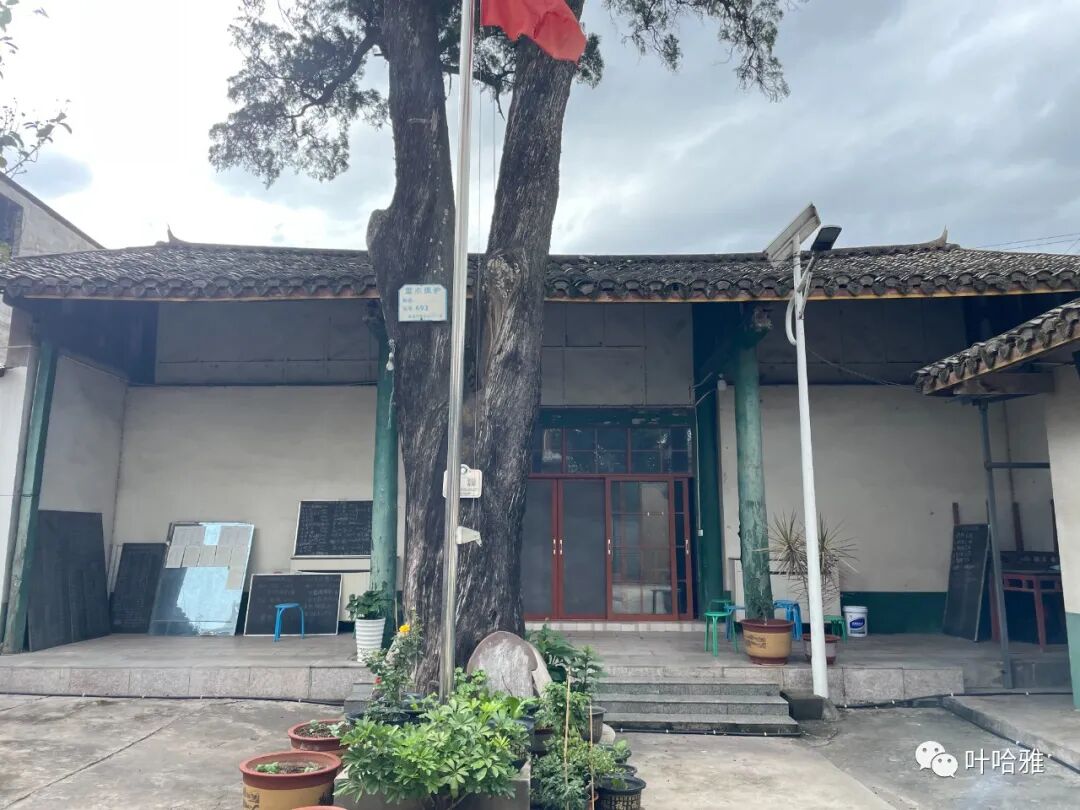
Heying Mosque is quite large, and its current buildings were finished in 2004.
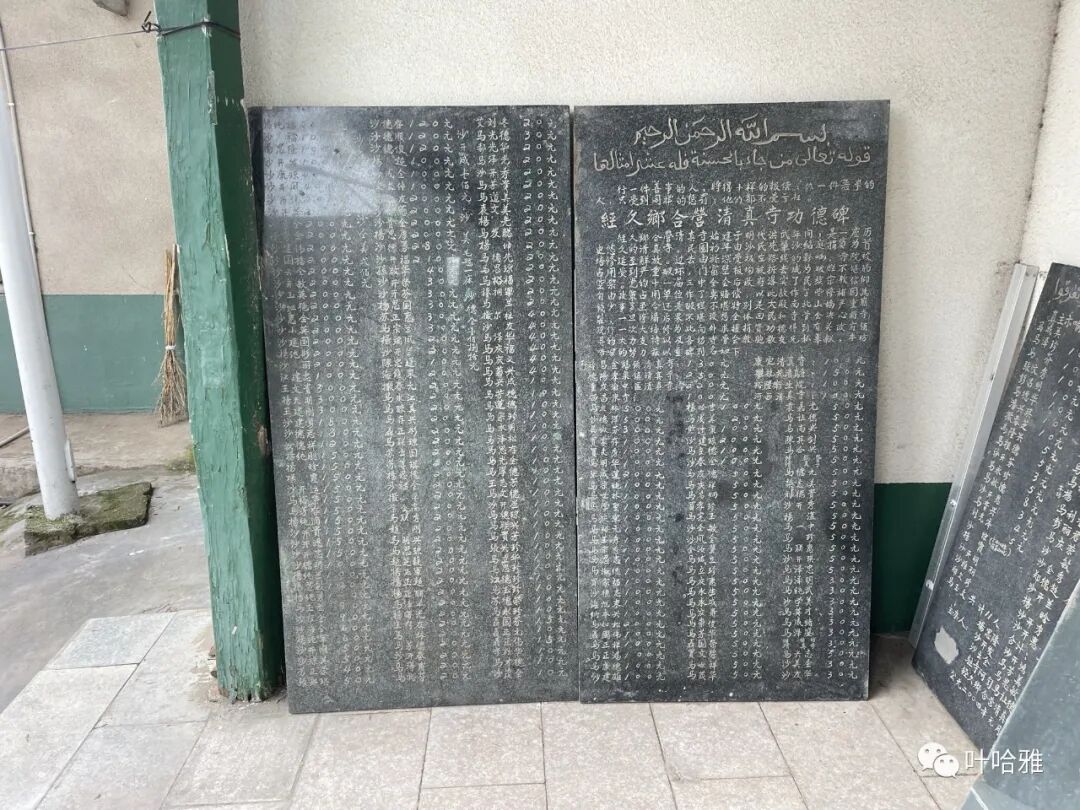
Most Hui Muslims in Heying Village have the surname Sha, and their family records show they are descendants of the Yunnan governor Sayyid Ajjal Shams al-Din.
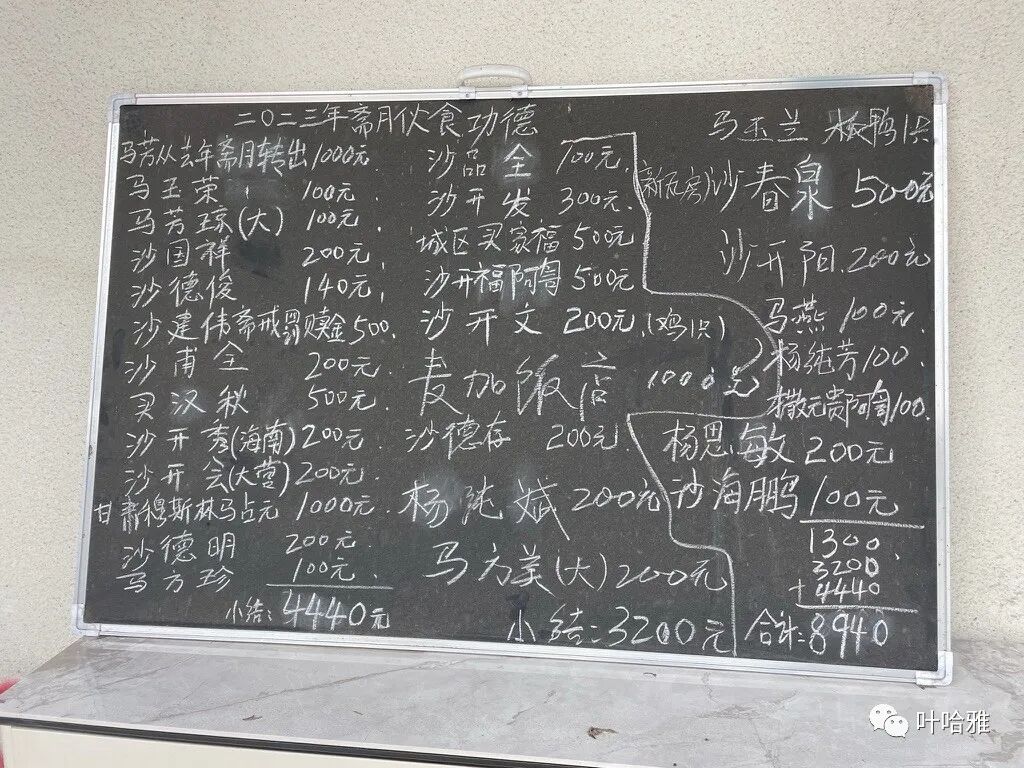
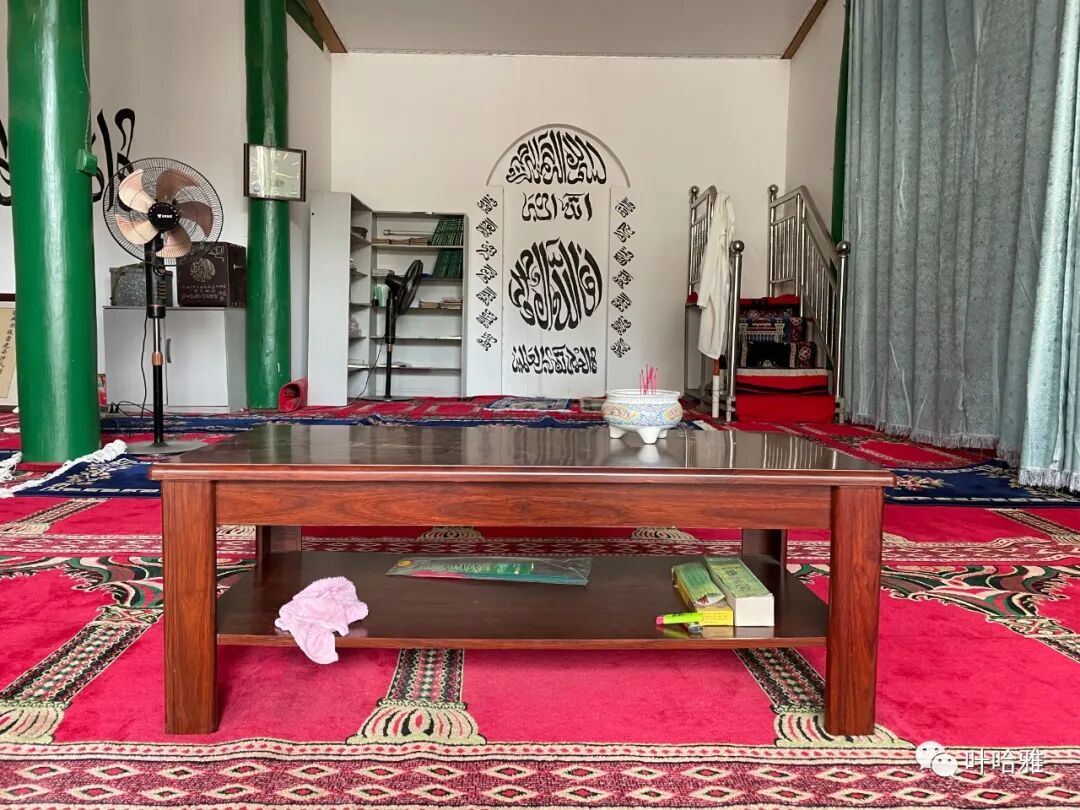
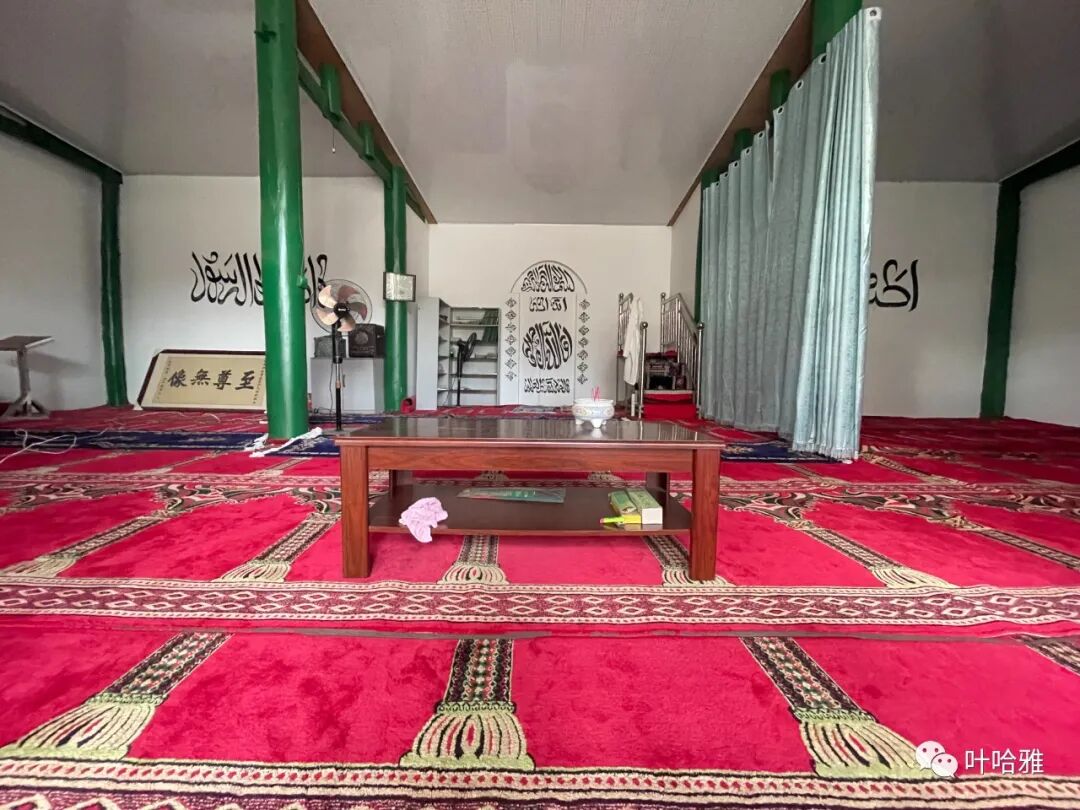
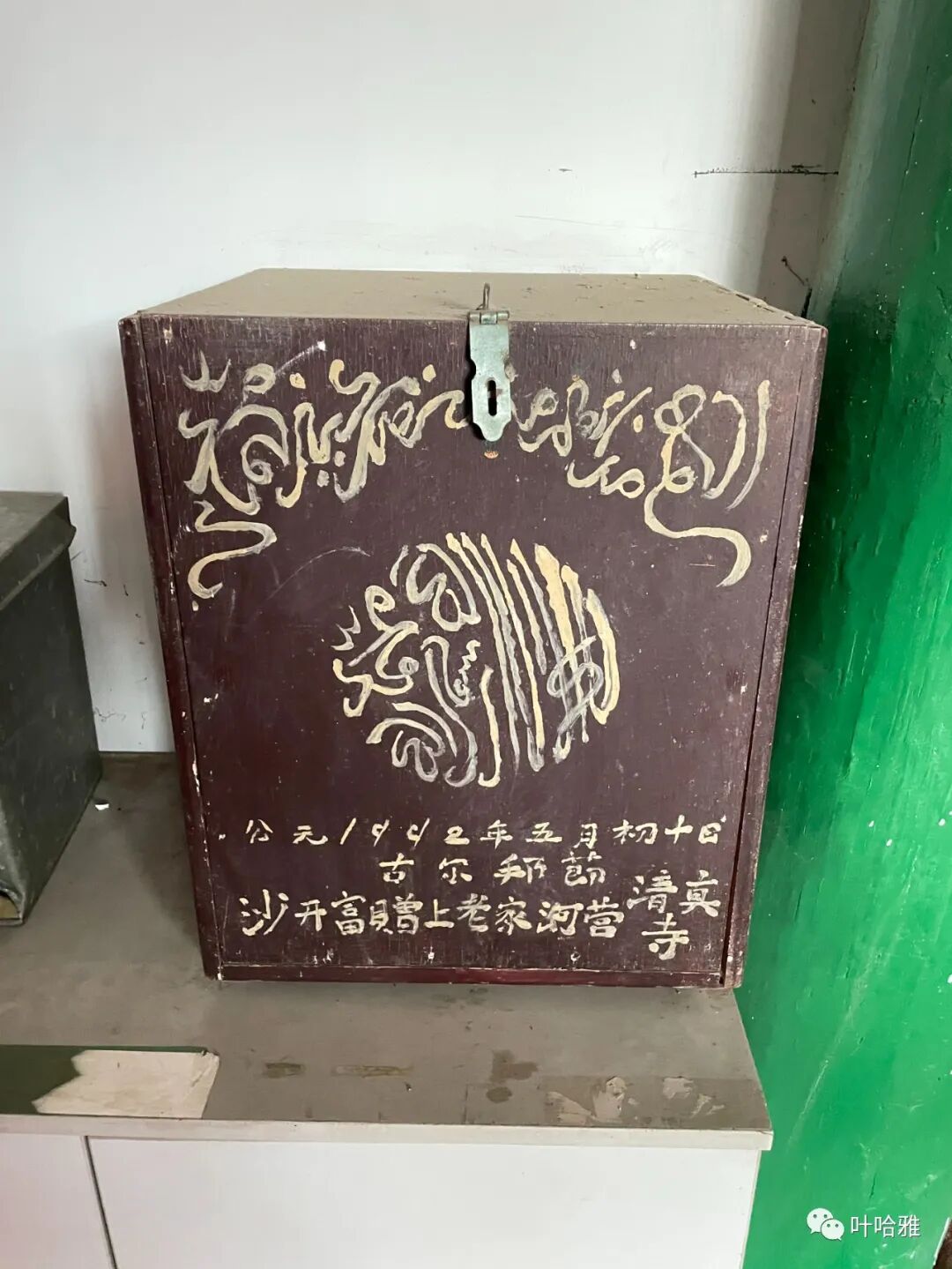
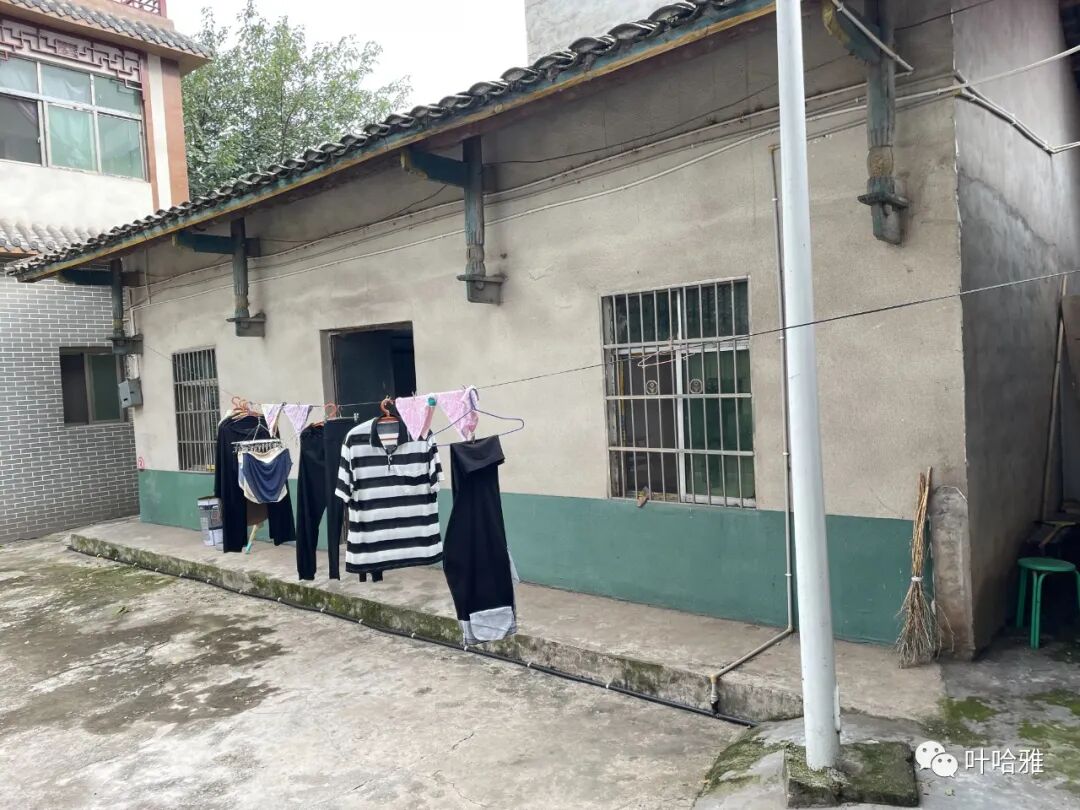
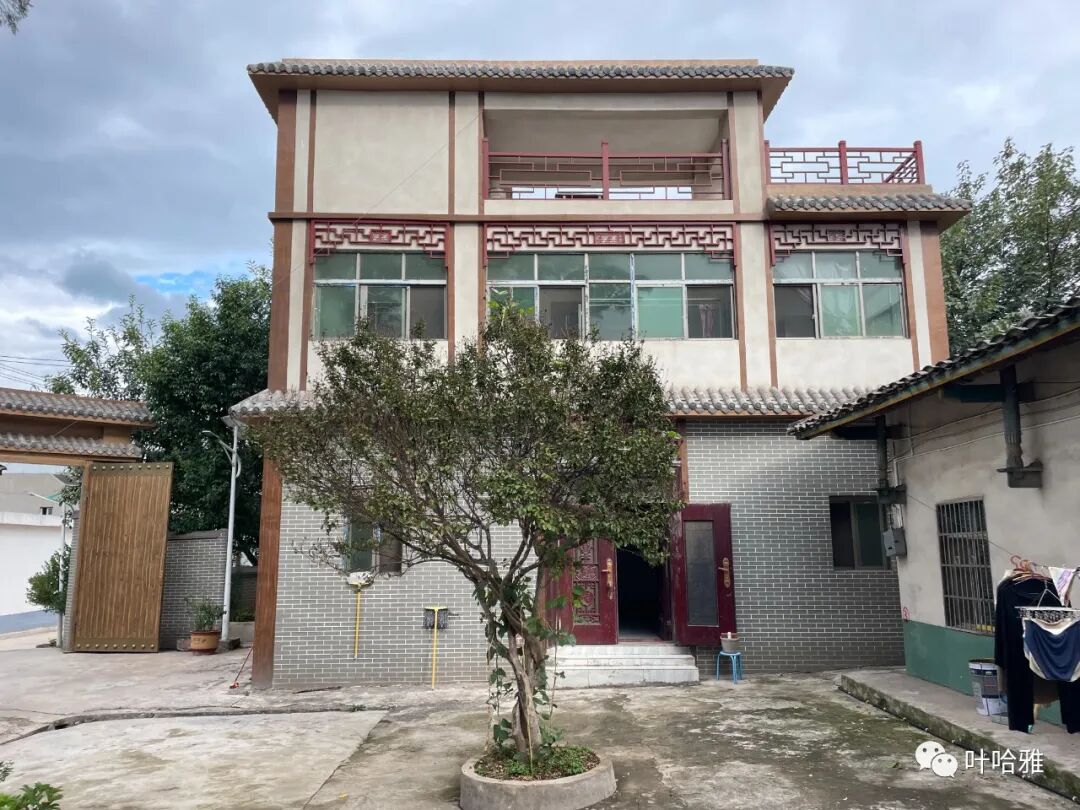
I did not see any halal restaurants or prayer hangings (dua) on the doors of homes in Heying Village.
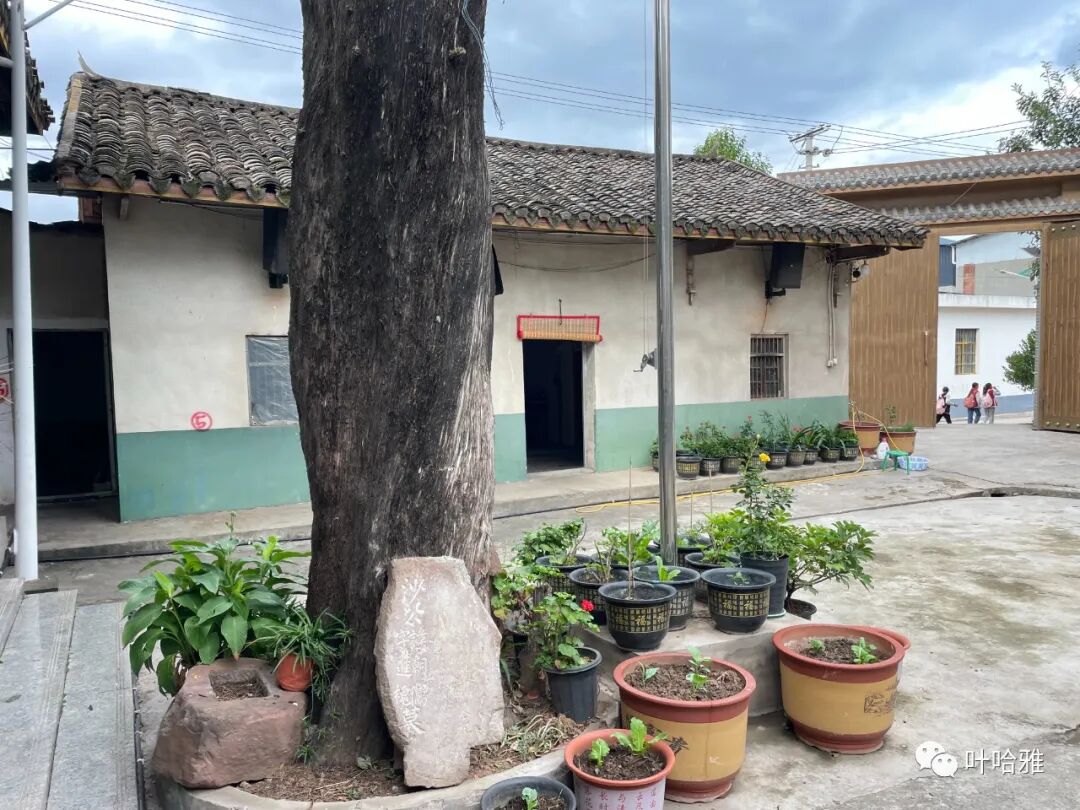
Tianba Hui Muslim Village in Panzhihua City.
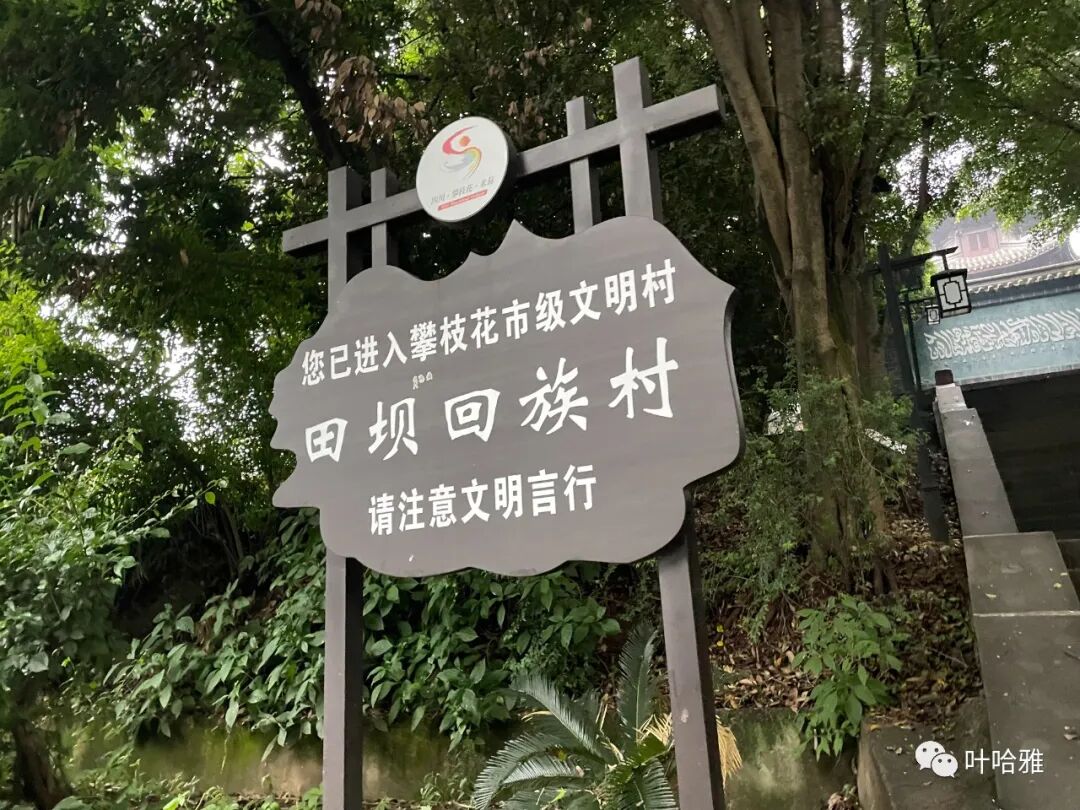
You arrive at Tianba Hui Muslim Village as soon as you exit the highway, and the village is home to the Miyi Guabang Mosque, which is a protected cultural site in Sichuan.
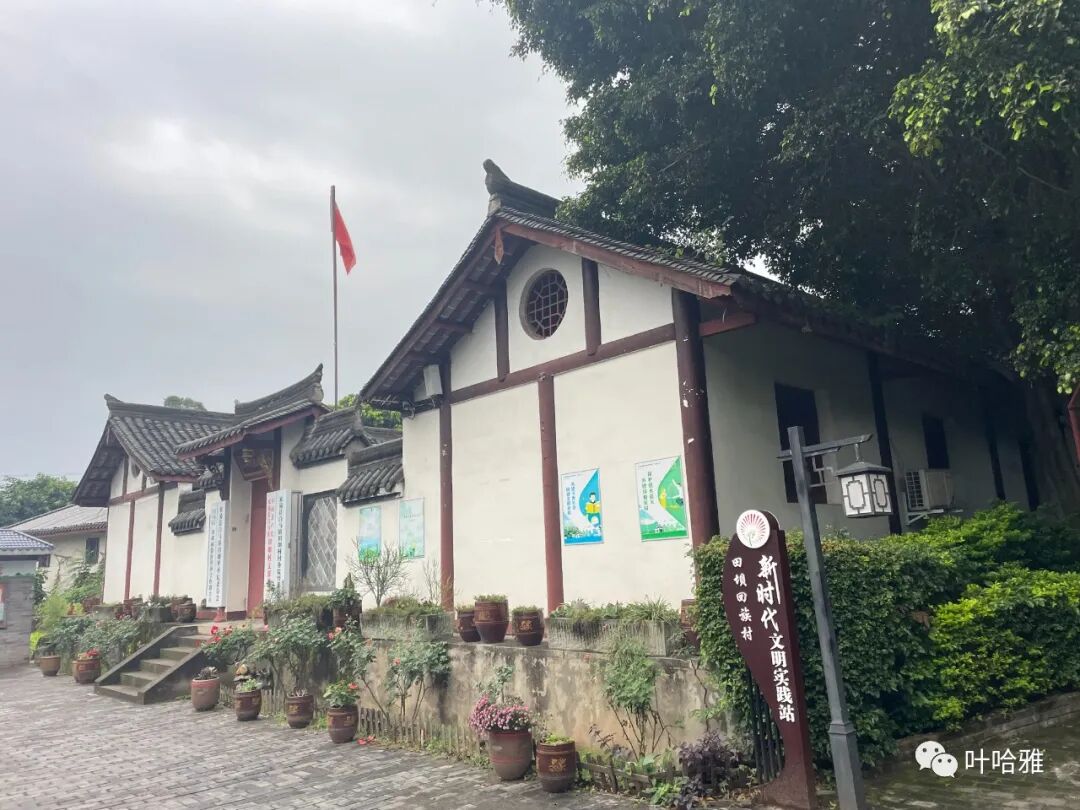
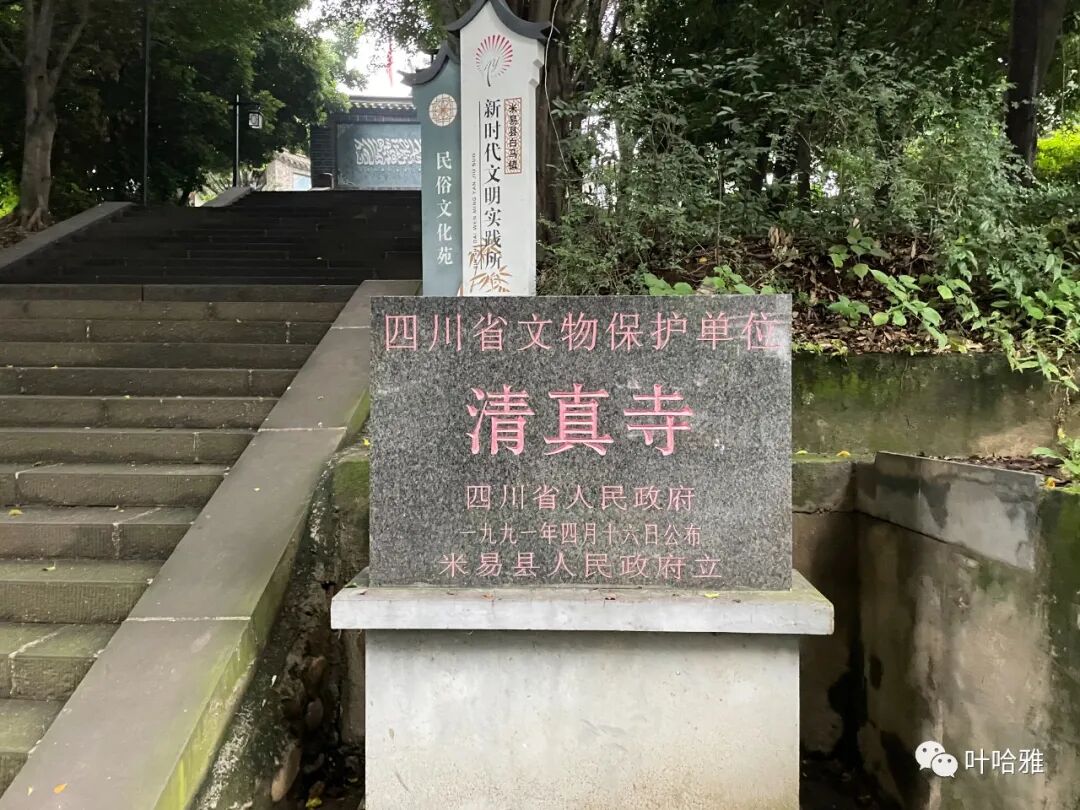
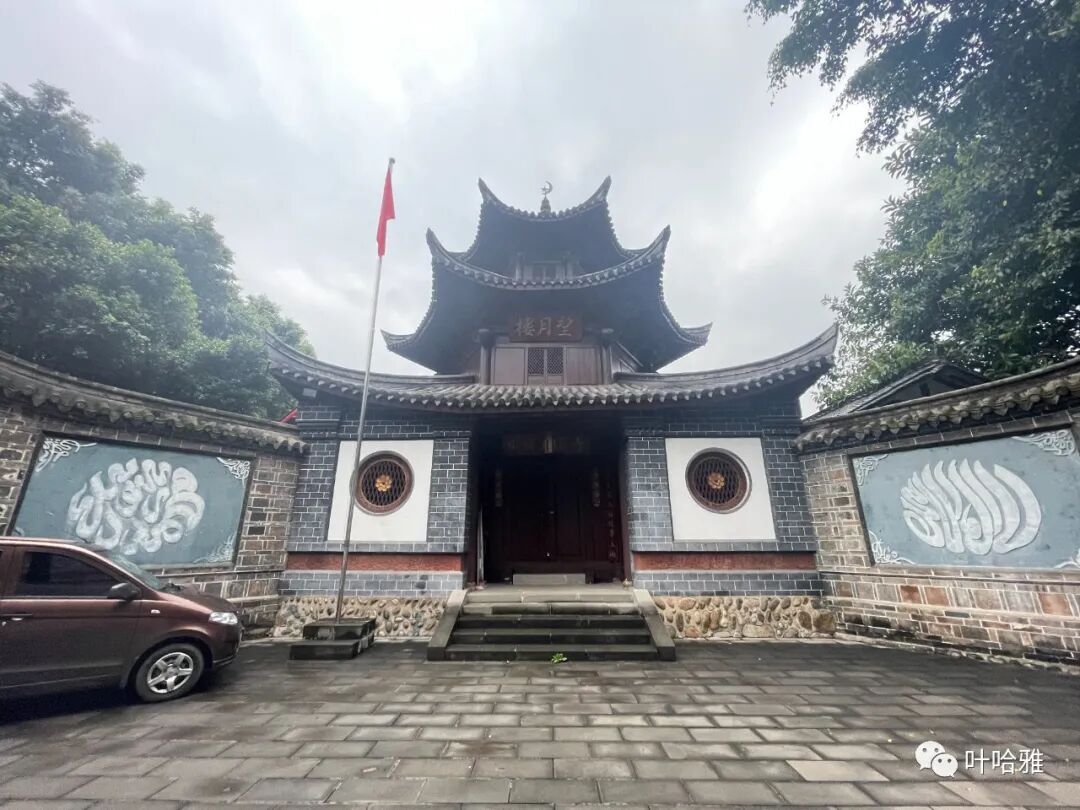
The mosque was first built during the Kangxi period of the Qing Dynasty. The Moon-Sighting Tower (wangyuelou) originally had five stories, but local residents thought it brought them bad luck and illness. To keep peace with their neighbors, the Hui Muslims reduced it to three stories and added a screen wall in front of it.
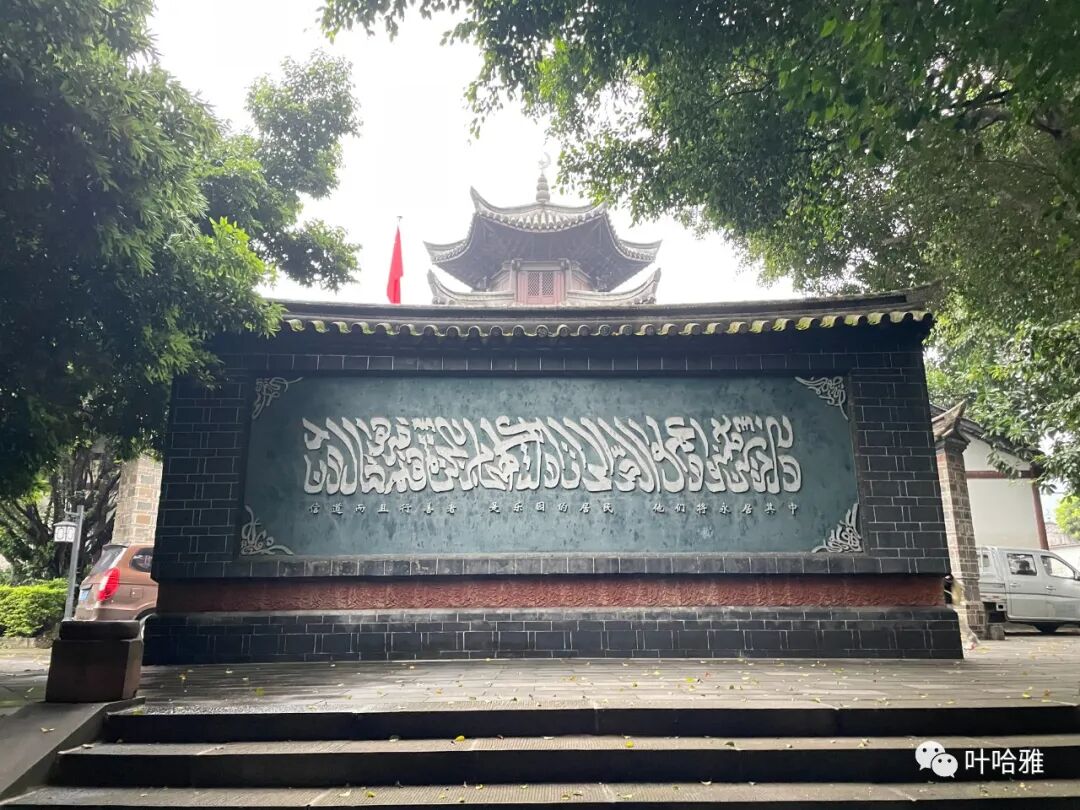
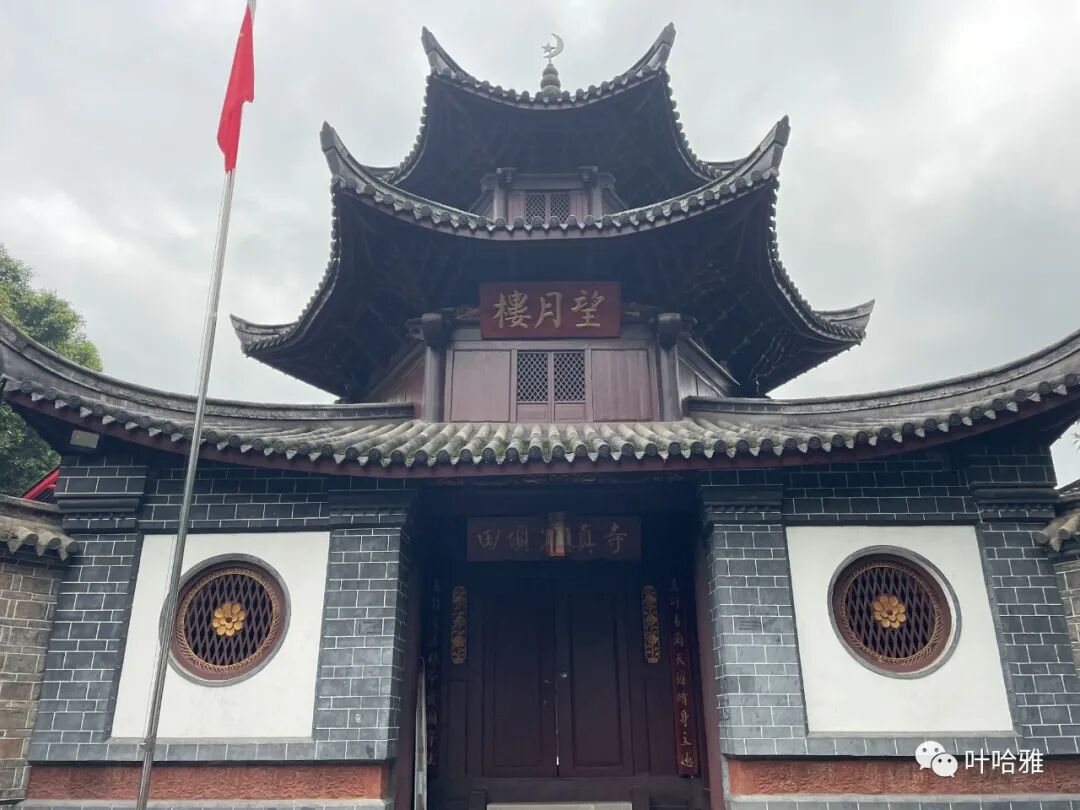
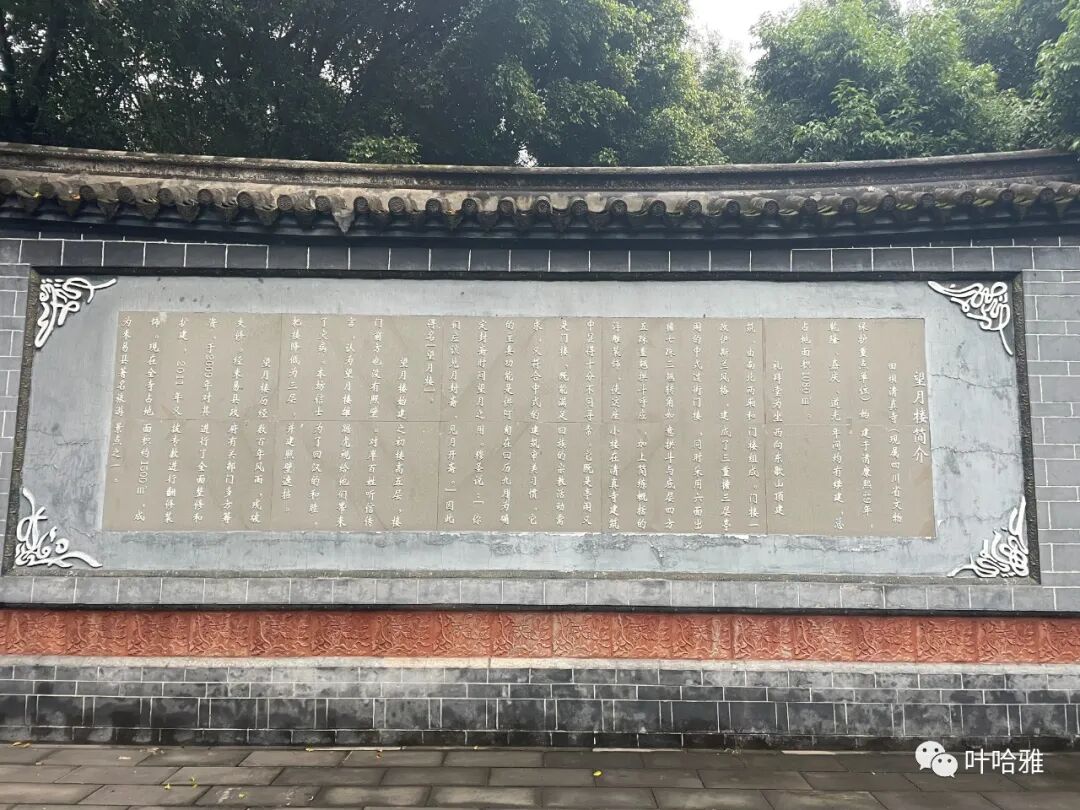
The imam at the mosque is from Yunnan, and this place is less than a three-hour drive from Dali, Yunnan.
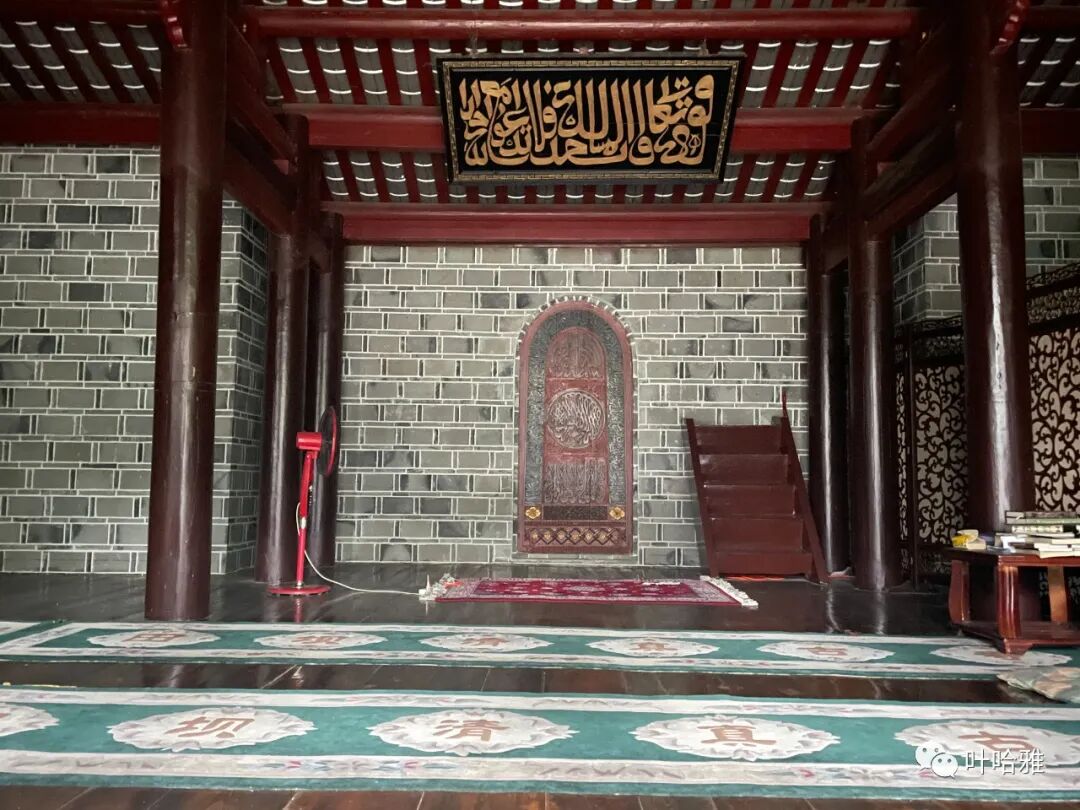
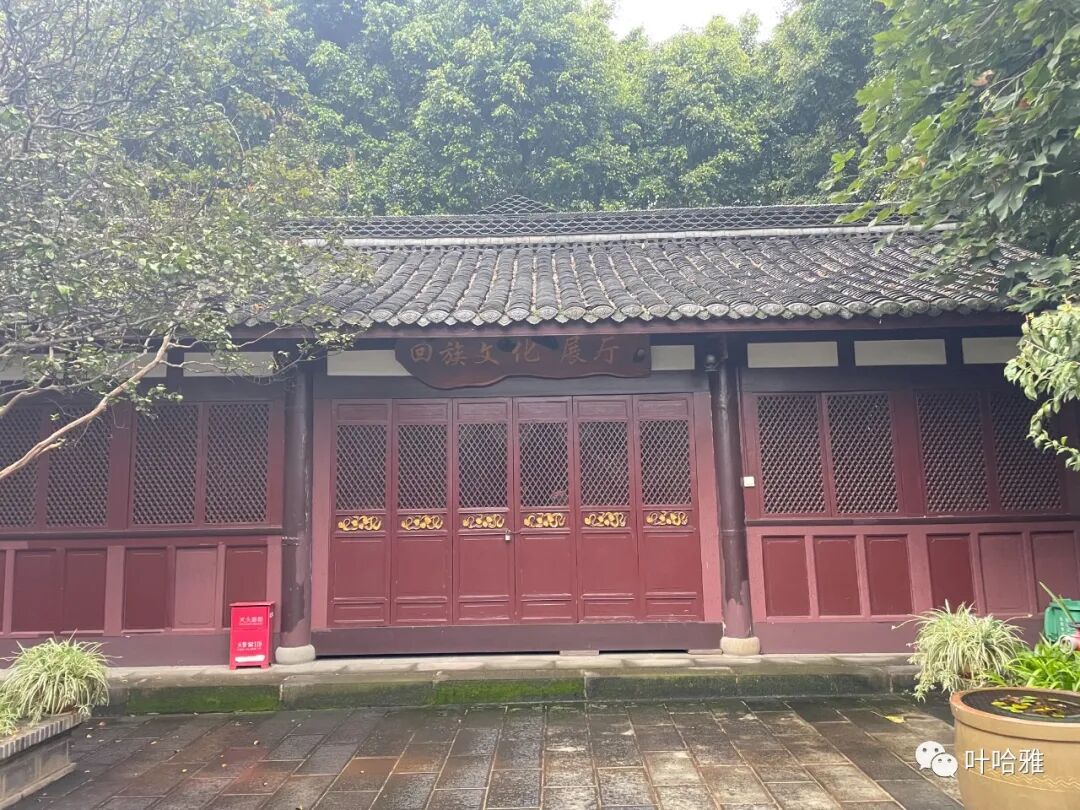
Tianba Hui Muslim Village has halal restaurants and homestays; if you need them, just ask at the mosque.
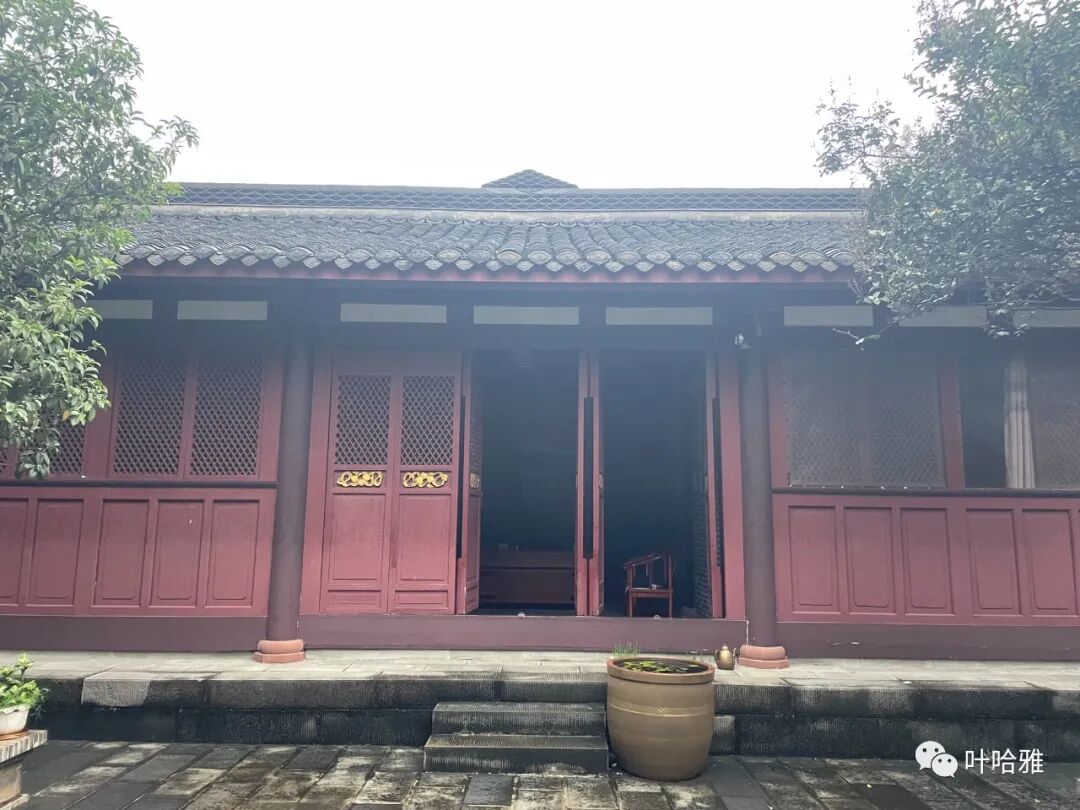
The scenery around Miyi County is beautiful. It is a small, misty mountain valley with a river flowing through the town.
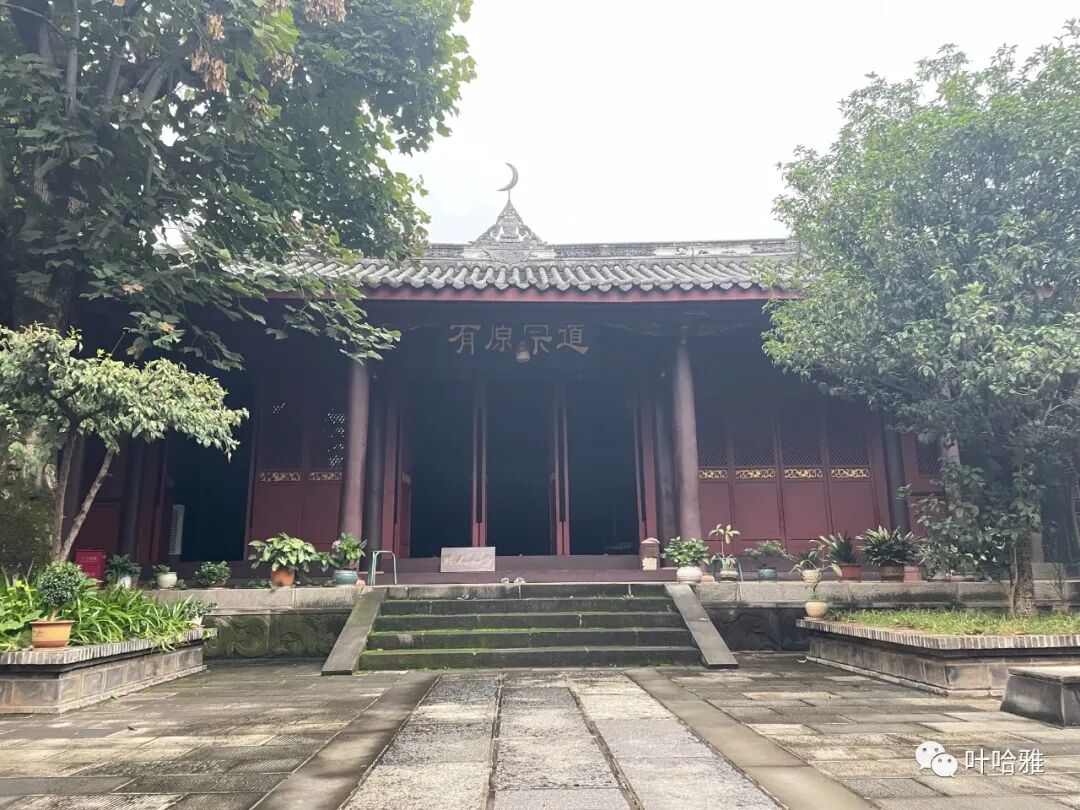
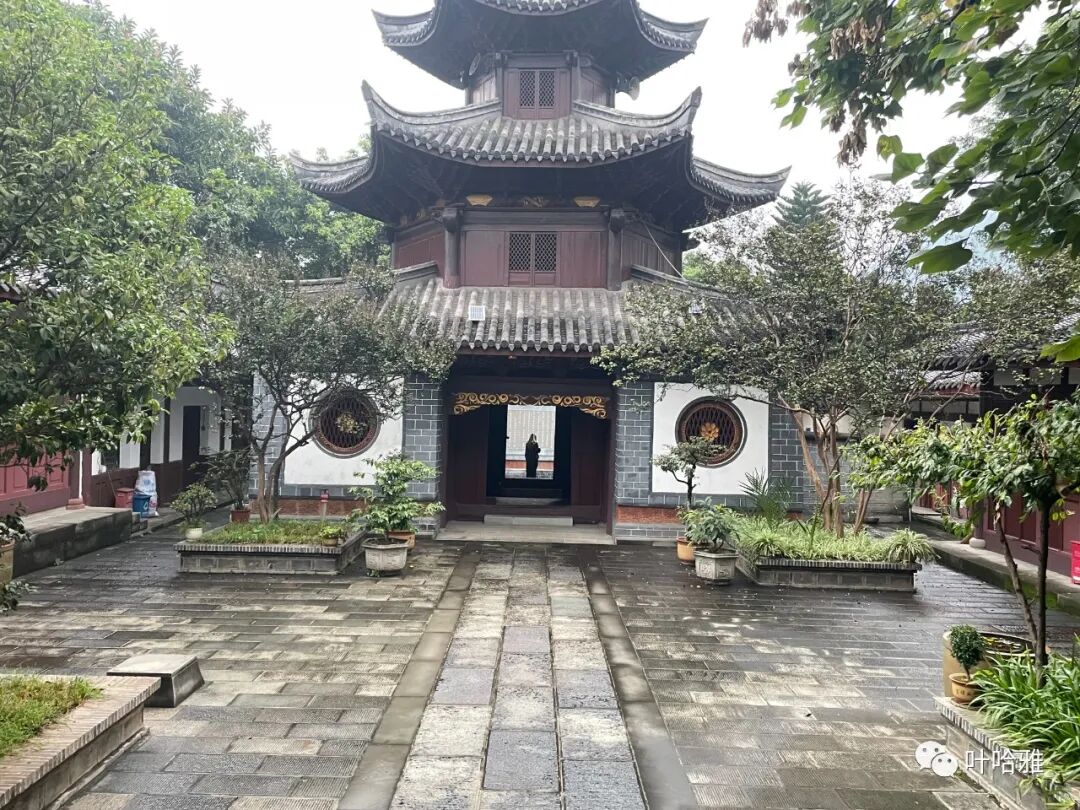
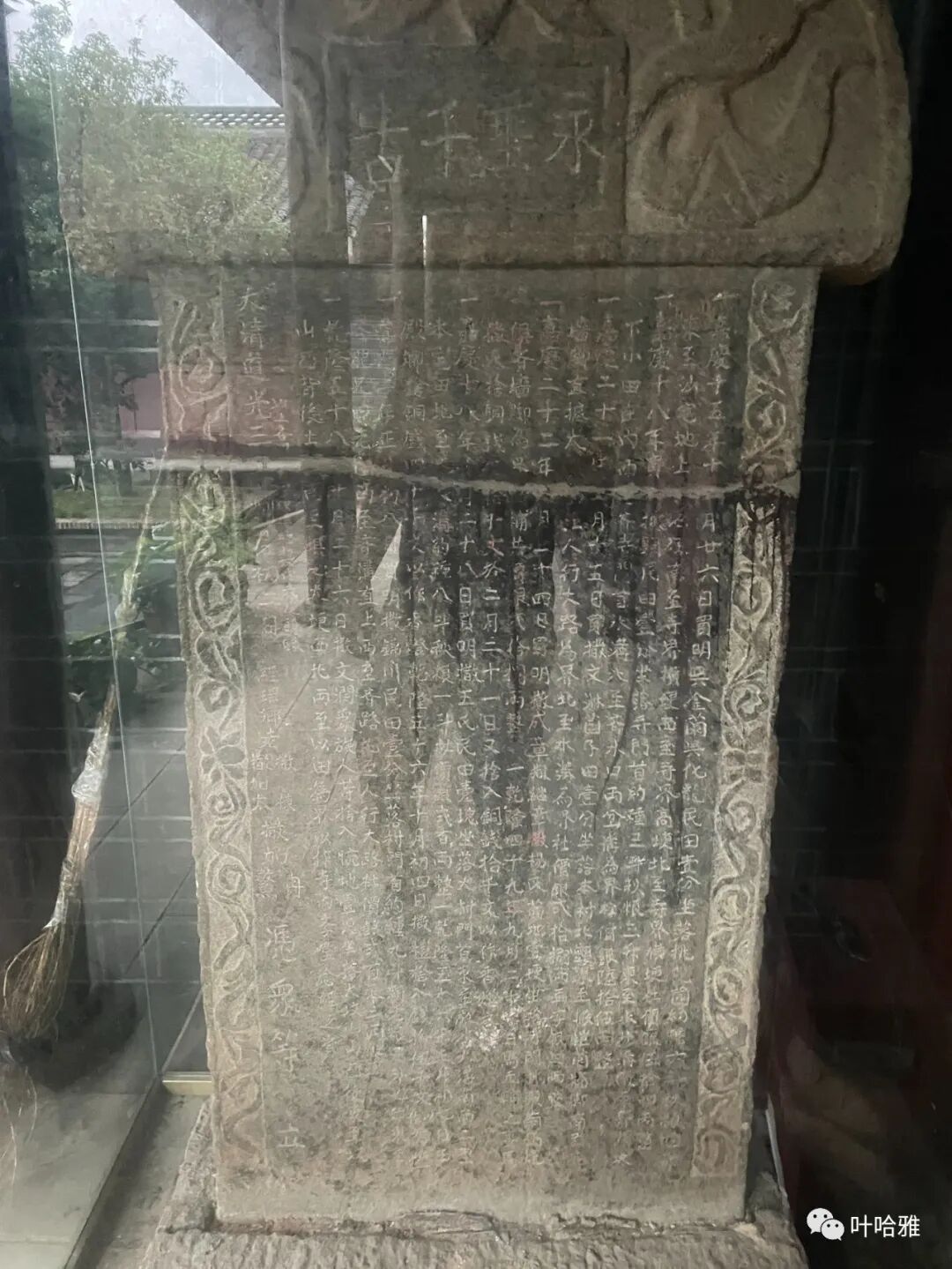
Two old stone tablets in the mosque record its history. The building style and the food of the Hui Muslims here are very similar to Yunnan. After a short stay, we will continue toward Yunnan, with Dali as our next stop.
Summary: This Muslim travel guide to Sichuan visits Xichang, Jianchang Ancient Town, Tianba Hui Muslim Village, old mosques, Hui Muslim residences, beef offal and chicken hot pot, youxiang, and the mountain-valley Muslim culture of Panxi.
The Hui Muslims Village in Tianba, Xichang is presented here as a firsthand travel account in clear English, beginning with this scene: Ten of my travelogues were deleted one after another recently, likely due to title violations, so I am reposting them after making edits. The account keeps its focus on Halal Travel, Yiwu Food, Mosque Travel while preserving the names, places, food, and historical details from the Chinese source.
Ten of my travelogues were deleted one after another recently, likely due to title violations, so I am reposting them after making edits.
Panxi is the combined name for Xichang and Panzhihua in southwest Sichuan. It sits near Yunnan and has the largest population of Hui Muslims in Sichuan, even more than Songpan. The area is home to descendants of Hui Muslim soldiers from Ming Dynasty military colonies, as well as Hui Muslims from Shaanxi and Gansu who settled here for business in modern times.
Old Town Beef Offal and Chicken Hot Pot
The hot pot restaurant is inside the Jianchang Ancient Town in Xichang. There is an old mosque called Jiyang Lane Mosque (Jiyang Xiang Qingzhen Si) in the town, built during the Ming Dynasty. Because the surrounding area is under renovation, people cannot get through right now, and the mosque is temporarily closed.
This shop is run by Hui Muslims from Xichang and has been open for many years. It is usually quite busy. I chatted with the owner for a bit, but their dialect was too heavy for me to understand.
There are a few other mosques in the Xichang area. You can find them on a map, but the roads to get there are not very easy to travel.
This is fried dough (youxiang) made by Hui Muslims in Xichang. It has a slightly sweet taste.
The beef offal and chicken pieces are cooked in a copper pot. The chicken is silky fowl (wuji). You can choose to have more beef offal or more chicken, and there are clear broth or spicy broth options. We were with Fahim and could not eat spicy food, so we chose the clear broth. It contained cordyceps flowers and vegetables. It was very comfortable to sit under the city wall and eat.
Across from the hot pot restaurant is the Ma Family Courtyard (Ma Jia Dayuan), a Hui Muslim residence built during the late Qing Dynasty.
The scale of the Ma Family Courtyard shows that Hui Muslims had significant influence in Jianchang Ancient Town during the Ming and Qing Dynasties. The son and grandson of Sayyid Ajjal Shams al-Din (who served as the equivalent of the governor of Yunnan in the Yuan Dynasty) both held important positions in Jianchang.
Jianchang Ancient Town is very lively at night. There is no entrance fee, and it is clean and well-maintained, making it a great place for a stroll.
East Mosque (Qingzhen Dongsi)
Xichang East Mosque (Qingzhen Dongsi) was first built during the Ming Dynasty. It was destroyed many times in history, and the current building was rebuilt in 2001.
The East Mosque is in an alley on Hedong Street. The road is very narrow, so it is not easy to drive there.
Fahim is telling everyone about the sermon (wa'z), but this kid wants to climb the minaret (minbailou) as soon as he sees it.
Inscriptions in the mosque record that during the Republic of China era, the Nationalist army burned down the East Mosque before retreating. It was not rebuilt with raised funds until after the liberation, but it is not as large as it used to be.
Xichang West Mosque (Qingzhen Xisi)
Xichang West Mosque was first built during the Jiaqing reign of the Qing Dynasty. The main prayer hall is slightly larger than the one at the East Mosque. It was destroyed along with the East Mosque in the fire during the Republic of China era and was rebuilt after the liberation.
The road leading to the main prayer hall is not easy to walk on, and the surrounding area is currently being demolished.
The height of this main prayer hall reminds me of the Nanguan Mosque in Anqing, Anhui, which is also very tall.
There are many halal restaurants and snack shops around the West Mosque, all featuring Sichuan flavors. The largest one is called Mecca Restaurant (Maijia Fandian).
Qionghai National Wetland Park, which is far from the city center, is also a beautiful free scenic spot. It looks very much like Fuxian Lake in Yuxi.
Skipping stones by the lake with Fahim.
The white sand beach by the lake makes you think you have arrived at the seaside.
Halal Youde Garden (Youde Yuan)
This halal farmhouse restaurant by Qionghai Lake is in Walnut Village (Hetao Cun). I found a mosque in the village when I came here to eat.
The farmhouse food is simple and rustic, but it goes great with rice. While waiting for my meal, I went up to the village to visit the Walnut Village Mosque.
Islamic elements are rare in the village. I happened to see a sign for halal snacks on a wall. The mosque is built on the mountain, so I climbed all the way to the highest point of the village to reach it.
Walnut Village Mosque
It was first built in the Ming Dynasty, and the current building was rebuilt in 2003.
The Hui Muslims in the village with the surname Ma are descendants of the Ming Dynasty general Ma Jun. Ma Jun was responsible for putting down the rebellion of Yuelu Timur, the grandson of Sayyid Ajjal Shams al-Din. Interestingly, the descendants of Sayyid Ajjal Shams al-Din still live in Xichang and are said to be Hui Muslims with the surname Sha.
When I arrived at the mosque, I happened to see a group of people posing for photos at the entrance. They seemed to be friends (dost) visiting relatives, but I could not understand the language they were speaking.
Huihui Village Mosque
On the way from Xichang to Panzhihua, I passed by this Huihui Village Mosque. It was closed and looked quite simple, so I did not try to contact anyone to open it and continued on to the Heying Mosque.
Heying Mosque
Located in Heying Village, Jingjiu Township, this mosque was built in the same period as several other mosques in Xichang, all dating back to the Hongwu era of the Ming Dynasty.
Heying Mosque is quite large, and its current buildings were finished in 2004.
Most Hui Muslims in Heying Village have the surname Sha, and their family records show they are descendants of the Yunnan governor Sayyid Ajjal Shams al-Din.
I did not see any halal restaurants or prayer hangings (dua) on the doors of homes in Heying Village.
Tianba Hui Muslim Village in Panzhihua City.
You arrive at Tianba Hui Muslim Village as soon as you exit the highway, and the village is home to the Miyi Guabang Mosque, which is a protected cultural site in Sichuan.
The mosque was first built during the Kangxi period of the Qing Dynasty. The Moon-Sighting Tower (wangyuelou) originally had five stories, but local residents thought it brought them bad luck and illness. To keep peace with their neighbors, the Hui Muslims reduced it to three stories and added a screen wall in front of it.
The imam at the mosque is from Yunnan, and this place is less than a three-hour drive from Dali, Yunnan.
Tianba Hui Muslim Village has halal restaurants and homestays; if you need them, just ask at the mosque.
The scenery around Miyi County is beautiful. It is a small, misty mountain valley with a river flowing through the town.
Two old stone tablets in the mosque record its history. The building style and the food of the Hui Muslims here are very similar to Yunnan. After a short stay, we will continue toward Yunnan, with Dali as our next stop.
