
Muslim Travel Guide Malacca: Nyonya Food, Chinese Mosque and Malaysia Islamic Heritage
Reposted from the web
Summary: This Muslim travel guide to Malacca covers transport, Jonker Street, Nyonya food, pork-free restaurants, local history, a Chinese-style mosque, Jumuah prayer, and conversations about Chinese and Malay life in Malaysia.
Nyonya Cuisine and the Chinese Mosque in Malacca is presented here as a firsthand travel account in clear English, beginning with this scene: To get from Kuala Lumpur to Malacca, I recommend taking a taxi. You can share a ride with a few people, which takes about two hours and costs around 200 RM. The account keeps its focus on Forbidden City, Islamic Art, Persian Culture while preserving the names, places, food, and historical details from the Chinese source.
To get from Kuala Lumpur to Malacca, I recommend taking a taxi. You can share a ride with a few people, which takes about two hours and costs around 200 RM. If you take a bus, buy your ticket at the Melaka Sentral Bus Terminal in Kuala Lumpur. Buses leave every half hour on average. You can also buy tickets online in advance and exchange them for paper tickets at the station. Fares are 11-13 RM, depending on the bus company. The one-way trip takes over 3-4 hours, and transferring back and forth can be a hassle.
Malacca is small, and you can see most of the sights in one day. You can return to Kuala Lumpur that same night, or choose to stay in Malacca. The cost of living here is cheaper than in Kuala Lumpur, making it a good choice for those on a budget.
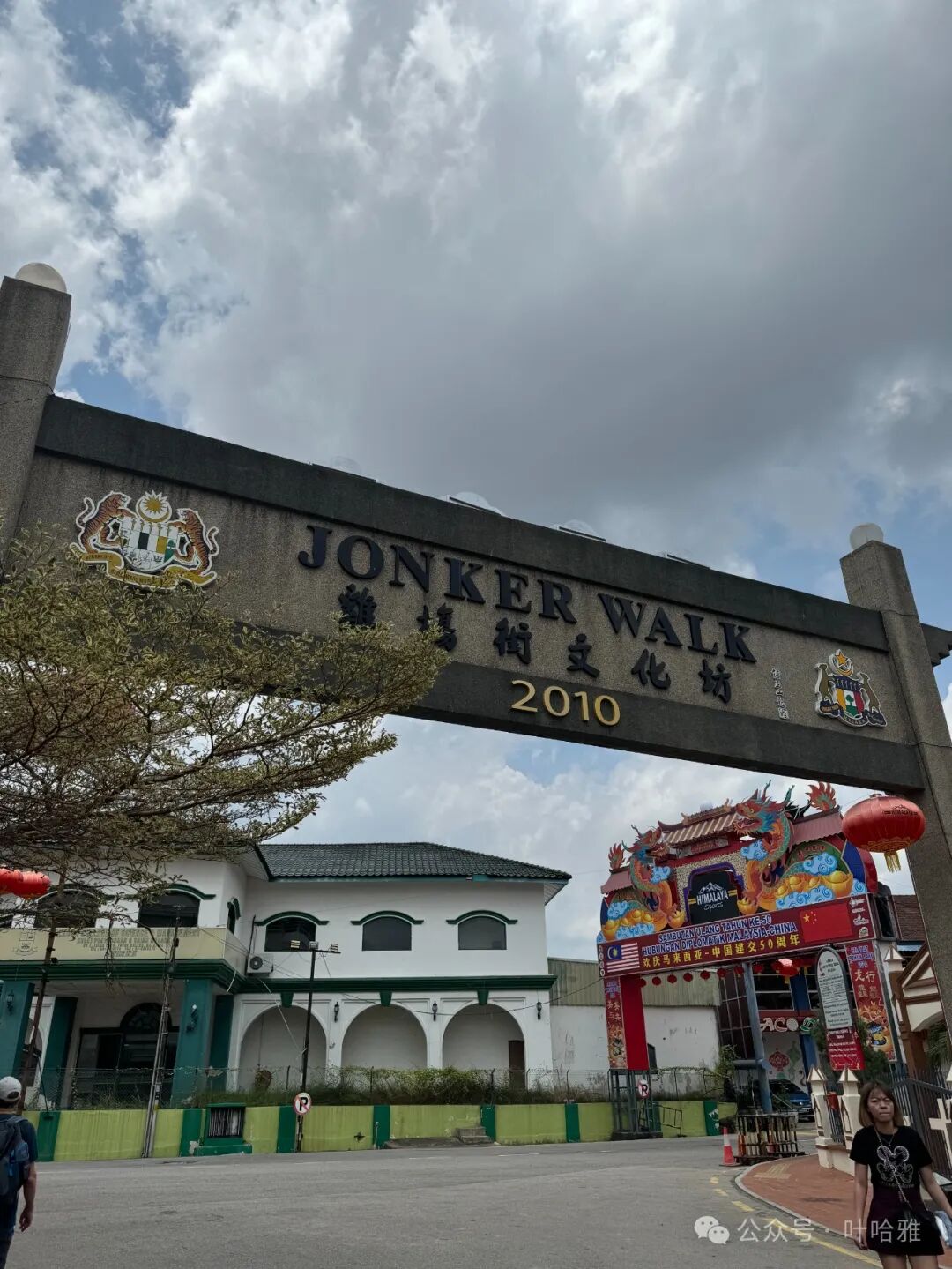
Jonker Street (Jichang Jie) Cultural Square
Malacca is the oldest city in Malaysia. Before the 14th century, it was just a fishing village belonging to the Srivijaya Kingdom of Sumatra. In 1406, the Yongle Emperor of the Ming Dynasty named Parameswara the King of Malacca, starting the history of the nation. By the time of the third king, Muhammad Shah (1424-1444), the entire royal family had converted to Islam. From then on, Malacca became the first sultanate in Southeast Asia and gradually entered its golden age.
Malaysia's national confidence comes from its Islamic period. Compared to the pre-Islamic era, Islam brought advanced cultures from all over the world. As an important historical transport hub and trade center, Malacca gathered Muslim merchants from many countries, including Zheng He from the Ming Dynasty, who passed through Malacca five times during his seven voyages to the South Seas.
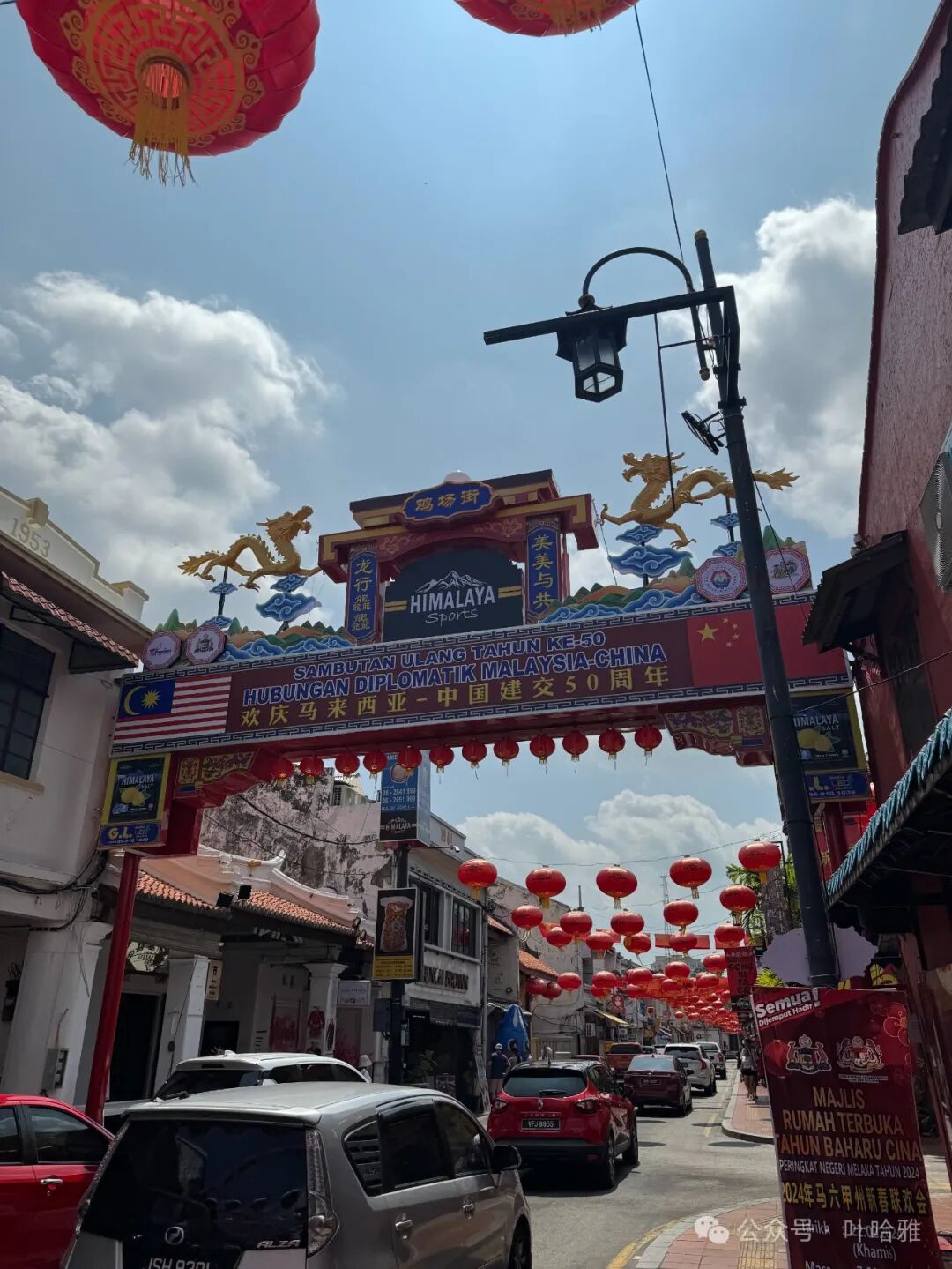
Malacca is now a city where Chinese people make up the majority. According to locals, Malays account for only about 20% of the population here. Jonker Street is a very lively Chinese neighborhood in Malacca, with Chinese signs all along the street. You can eat very unique Nyonya food here. Nyonya people are the descendants of mixed marriages between Malays and Chinese. Men are called Baba (baba), which comes from a Persian term of respect for elders, and women are called Nyonya, which comes from a Portuguese term of respect for women.
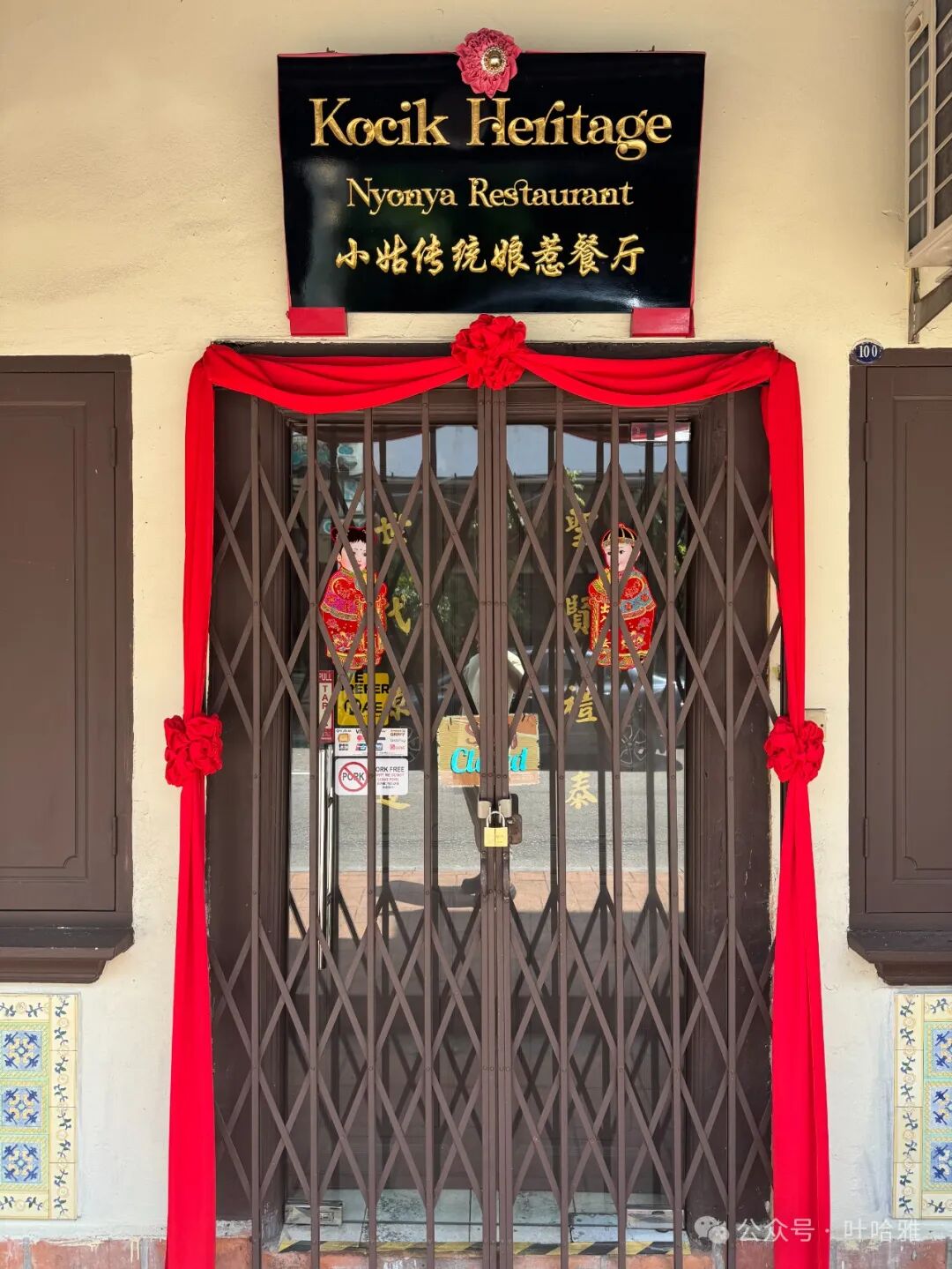
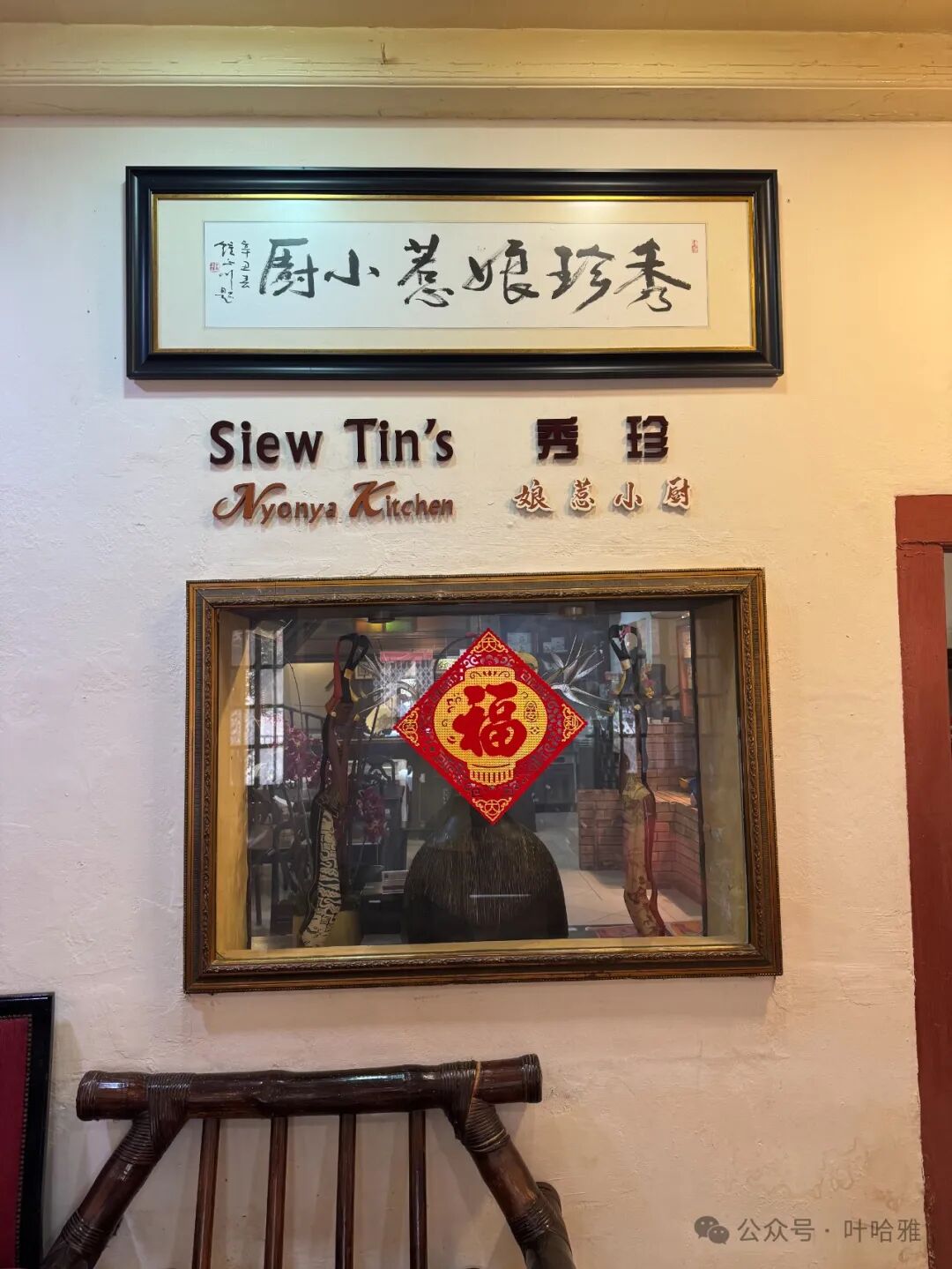
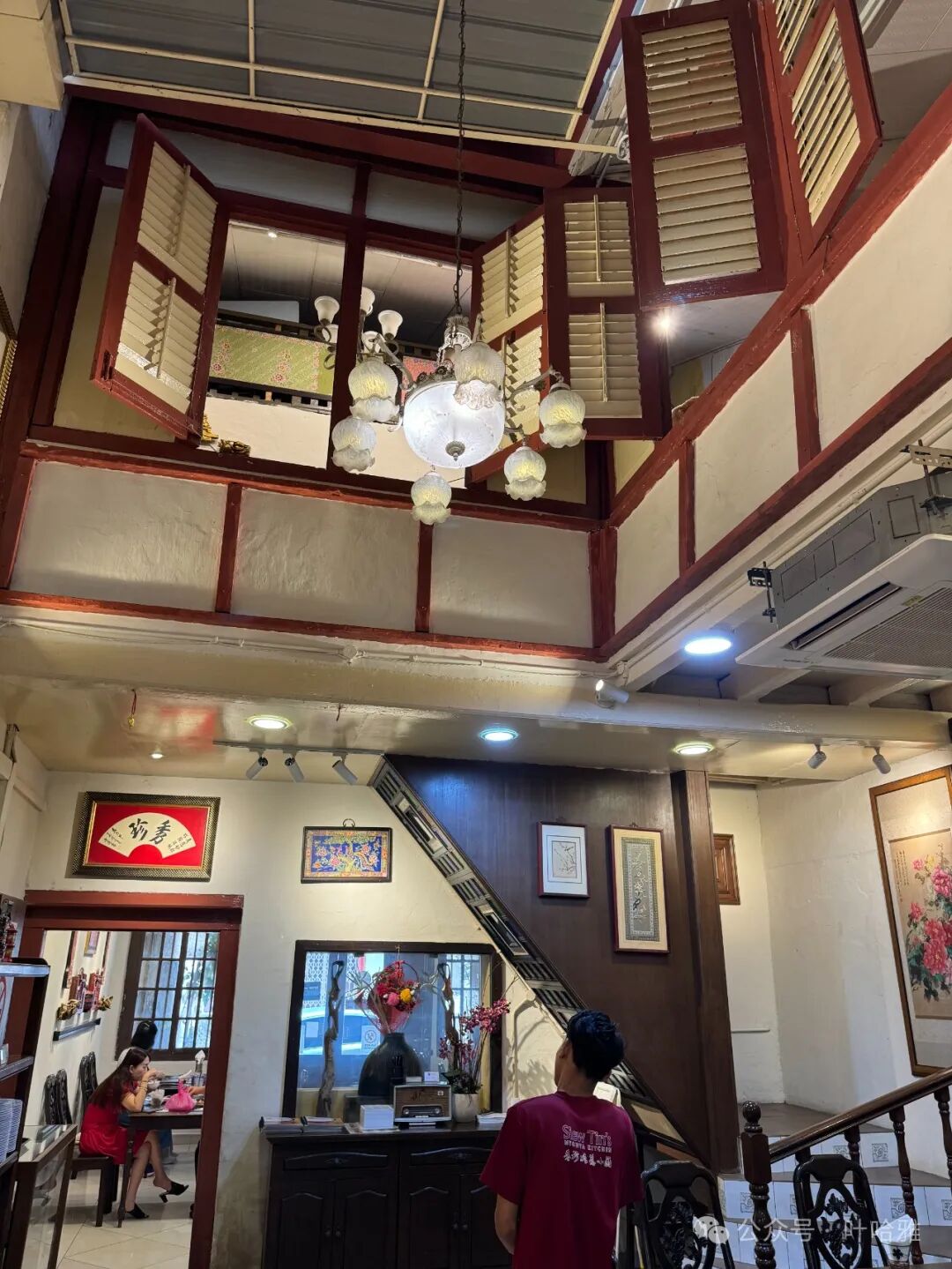
Nyonya food is generally not halal, but I found two pork-free Nyonya restaurants. One is the 'Xiao Gu Traditional Nyonya Restaurant' shown above—don't read it as 'Little Girl Nyonya'—and the other is 'Xiuzhen Nyonya Kitchen' shown below.
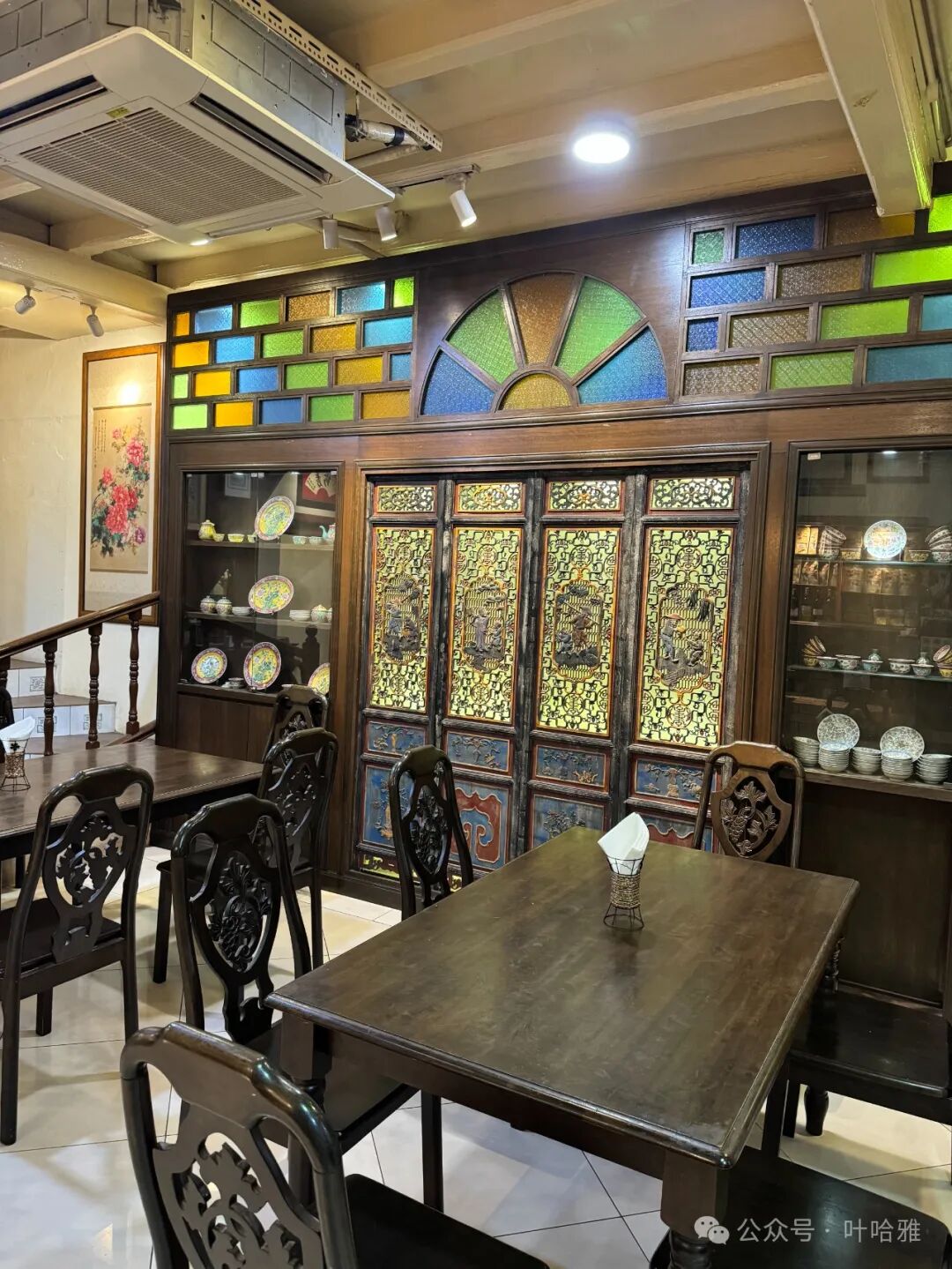
Xiuzhen Nyonya Kitchen
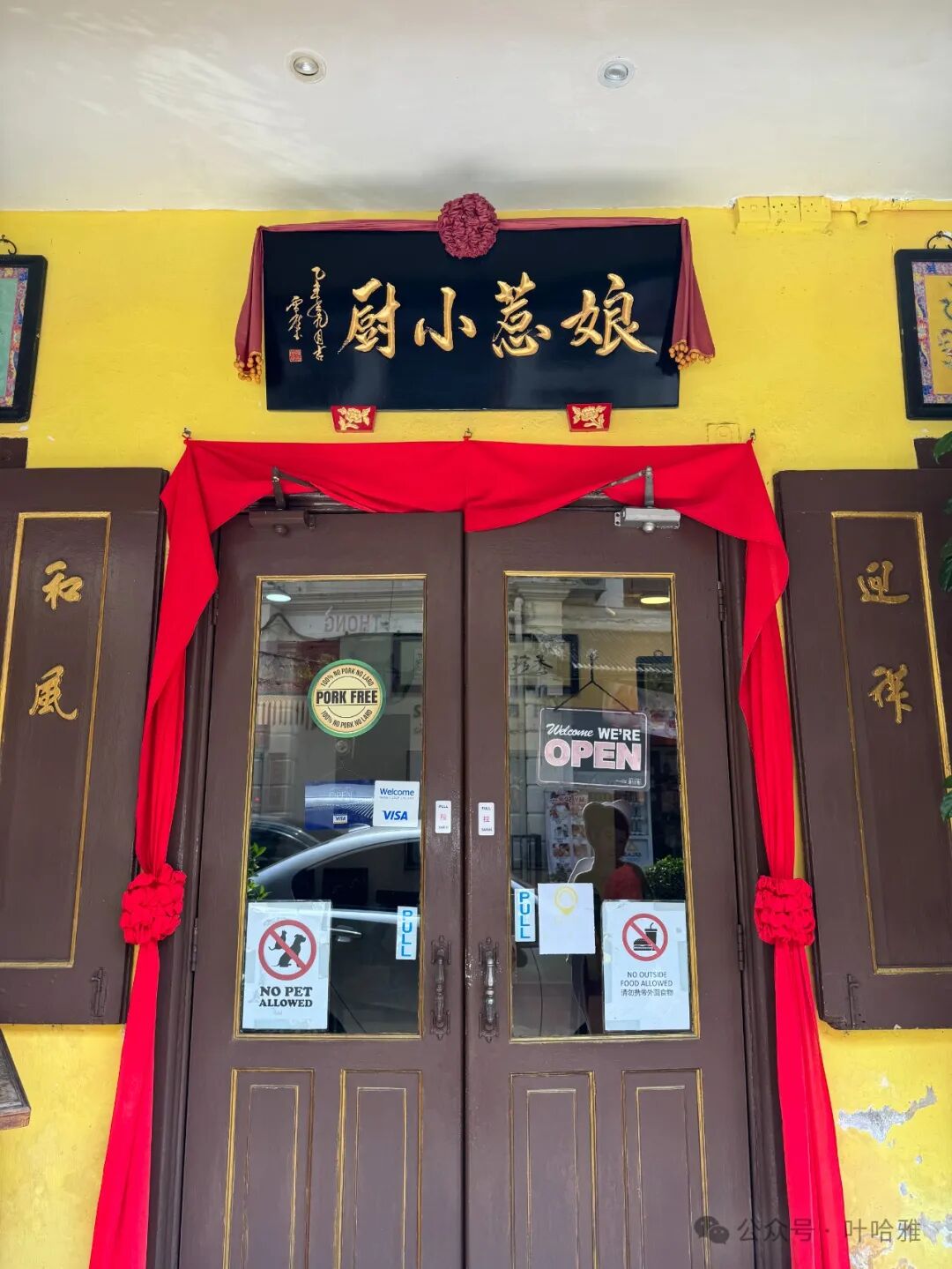
The door says 'pork free.' Local Chinese told me that Malays in Malacca are different from those in Kuala Lumpur. Because there are fewer of them, Malacca's Malays tend to be more conservative and stricter about food. Some won't eat at pork-free restaurants, only at those with halal certification, and they may even want to see Malay chefs and servers before they eat. Malays in Kuala Lumpur are more relaxed.
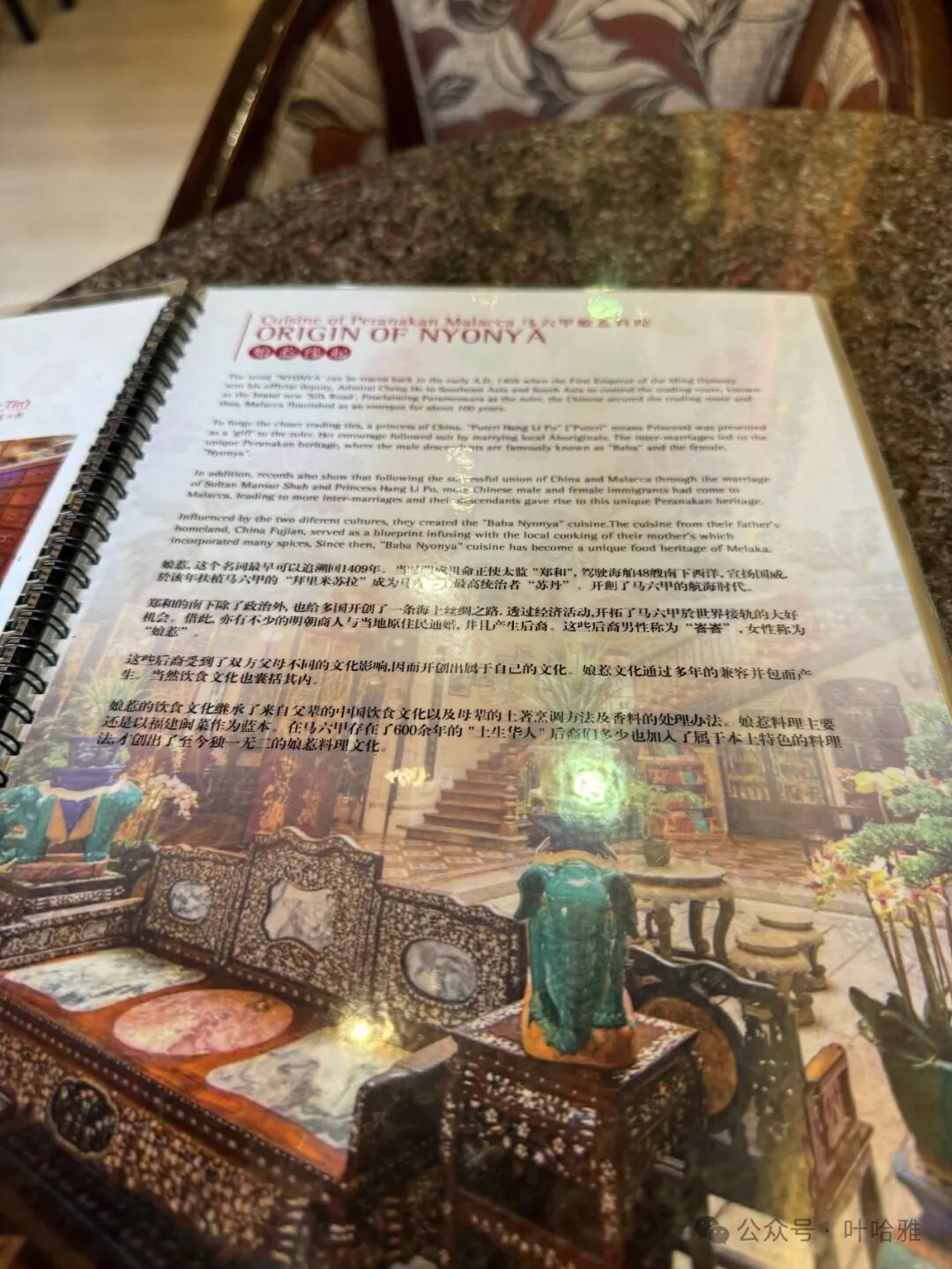
The menu mentions the history of Nyonya food. Nyonya cuisine inherits the food culture of the Chinese fathers and the local culture of the mothers. It is based on Fujian Min cuisine and adds the unique culinary features of the Peranakan (Straits-born Chinese) people, who have passed down these traditions for over 600 years. It is truly one of a kind.
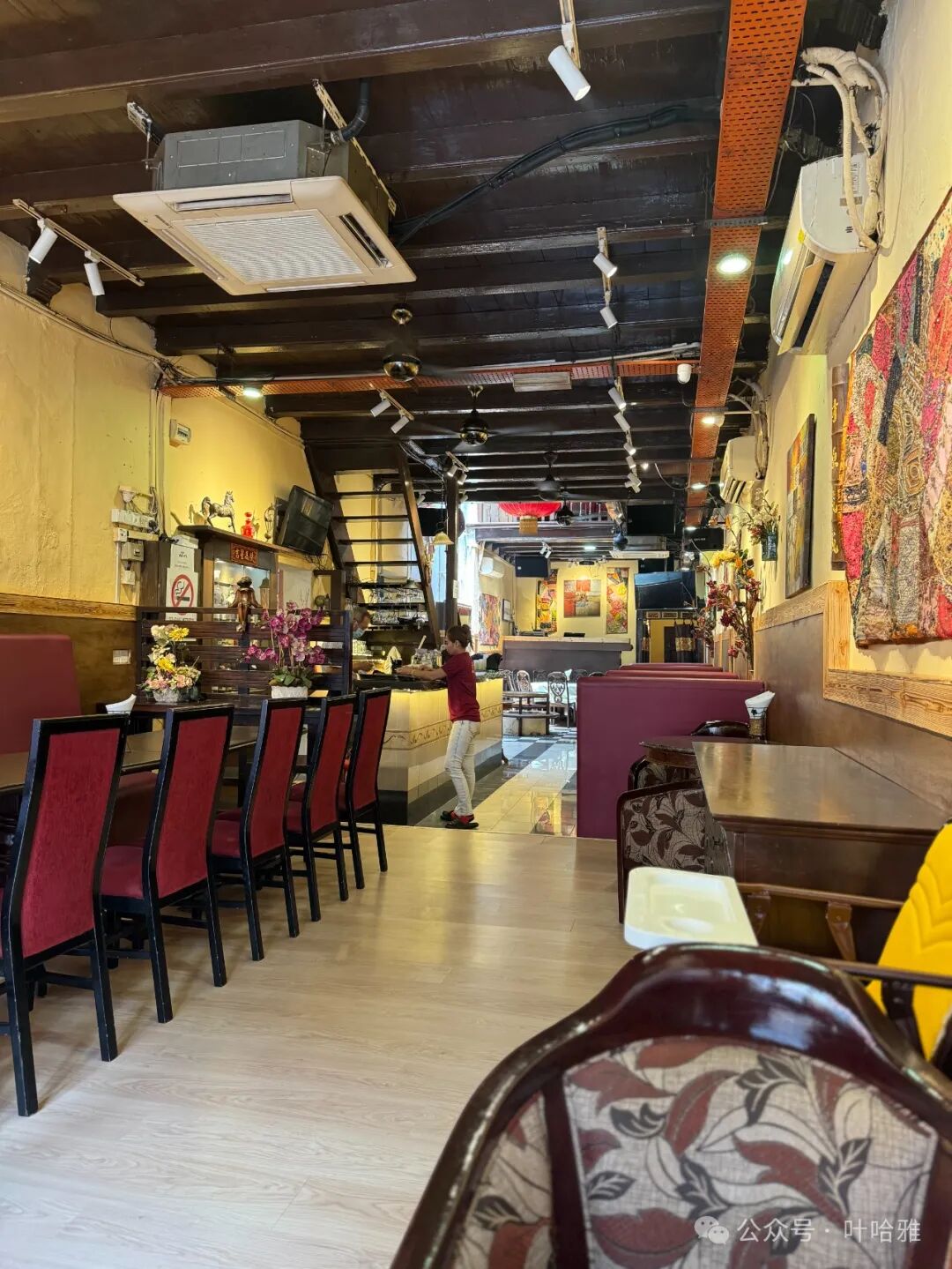
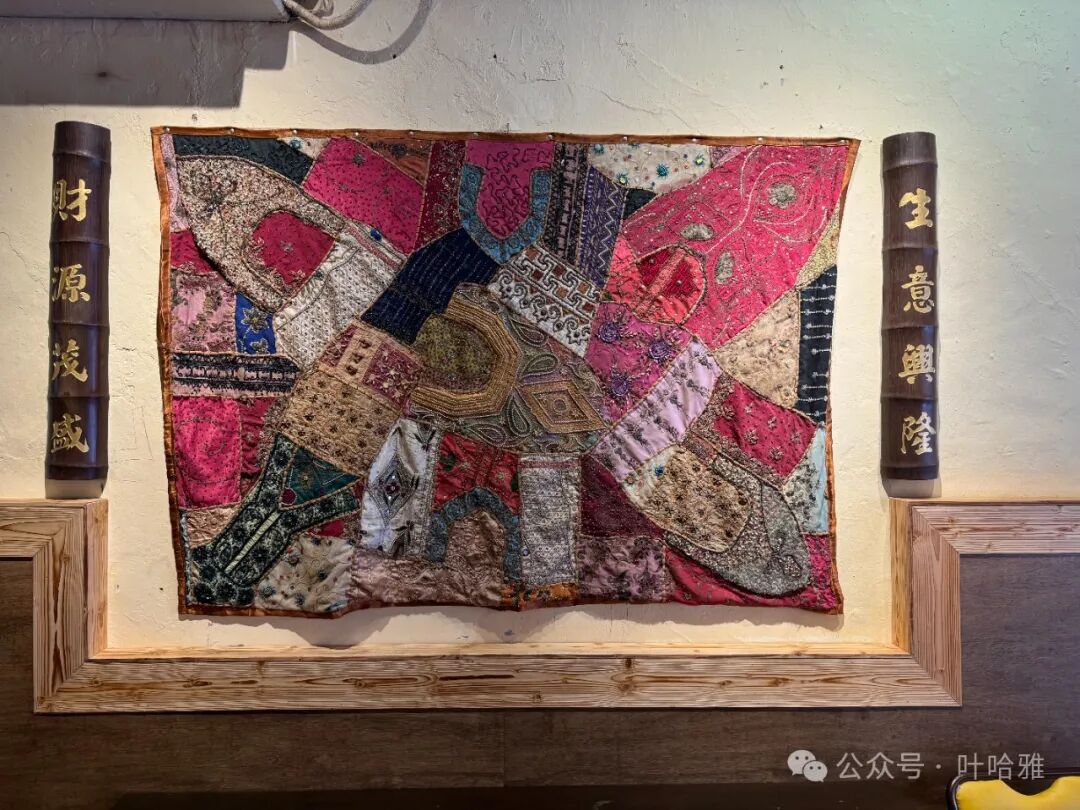
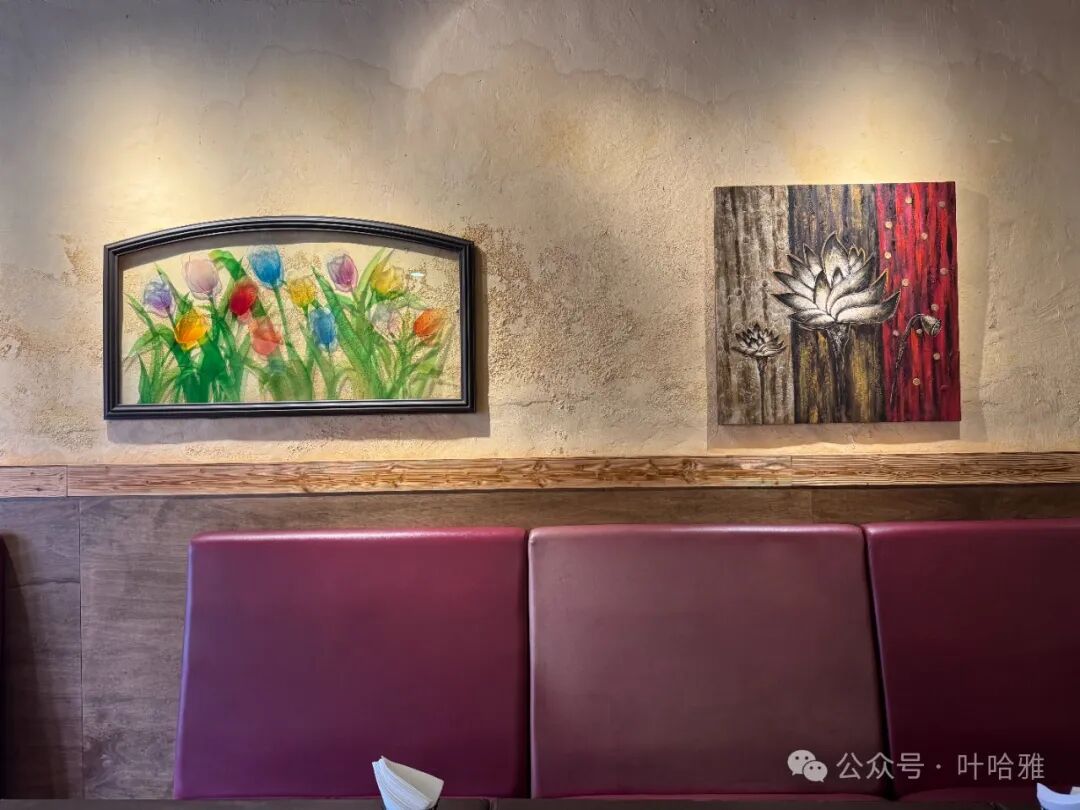
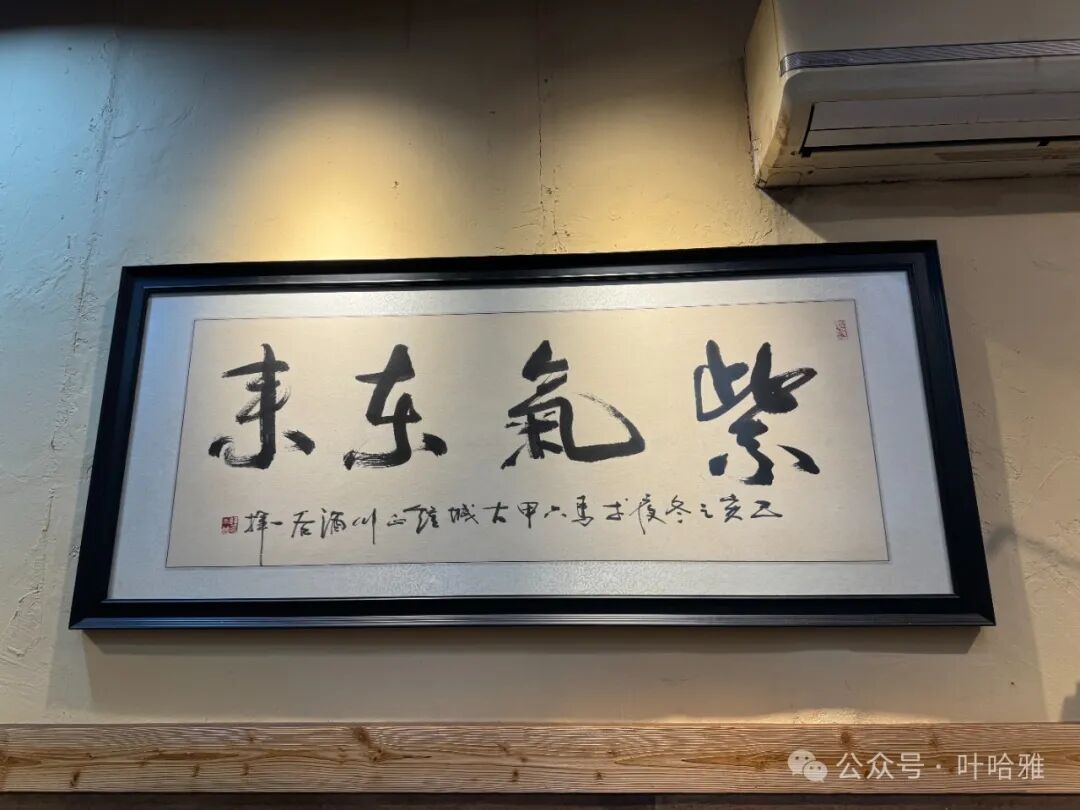
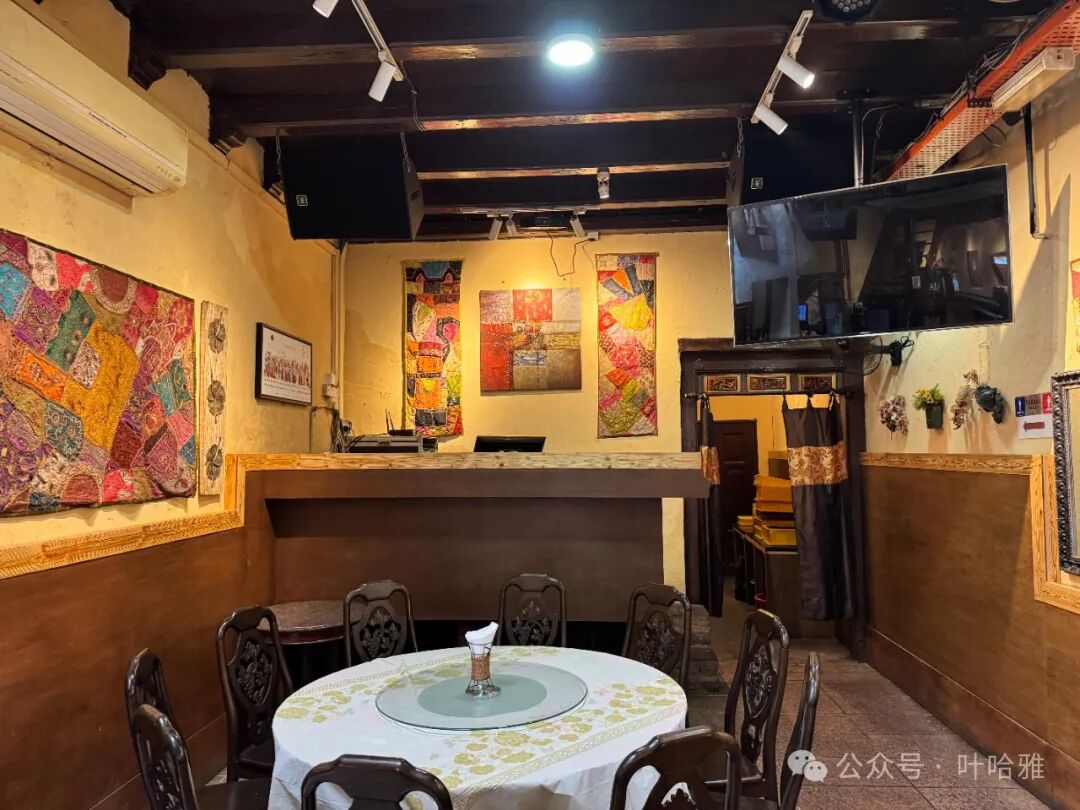
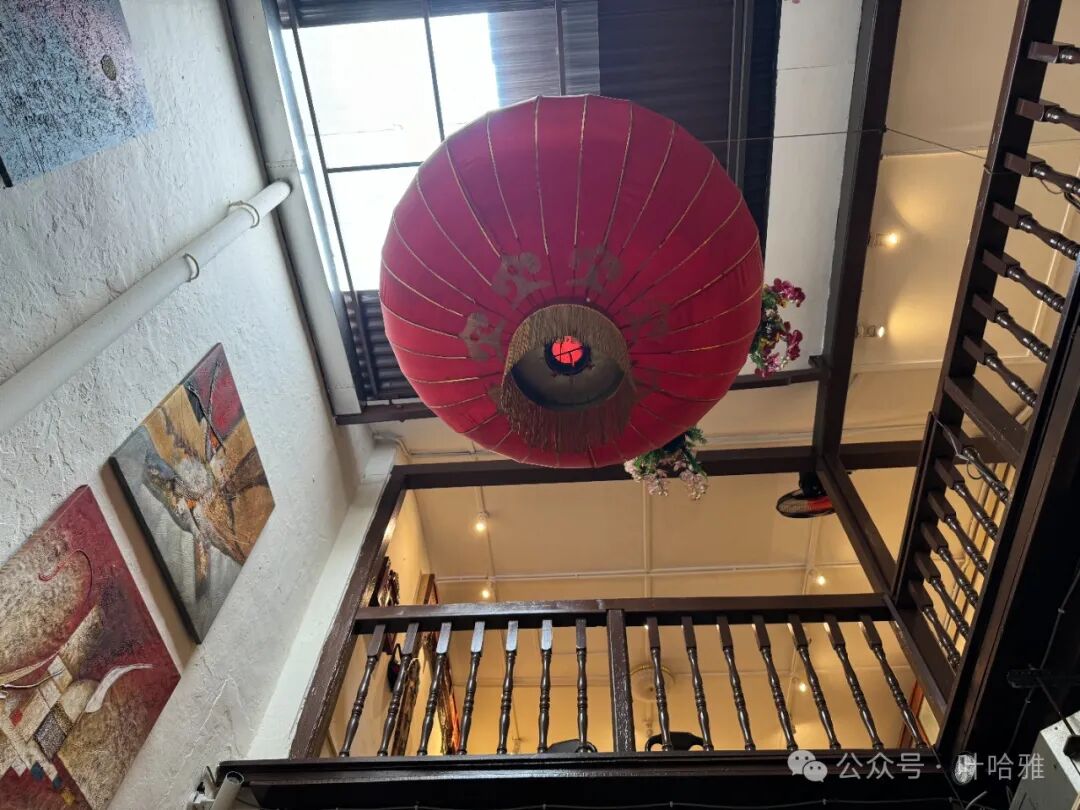
The restaurant is decorated in a South Seas style. You do not need to worry about the language here, as you can speak Chinese everywhere.
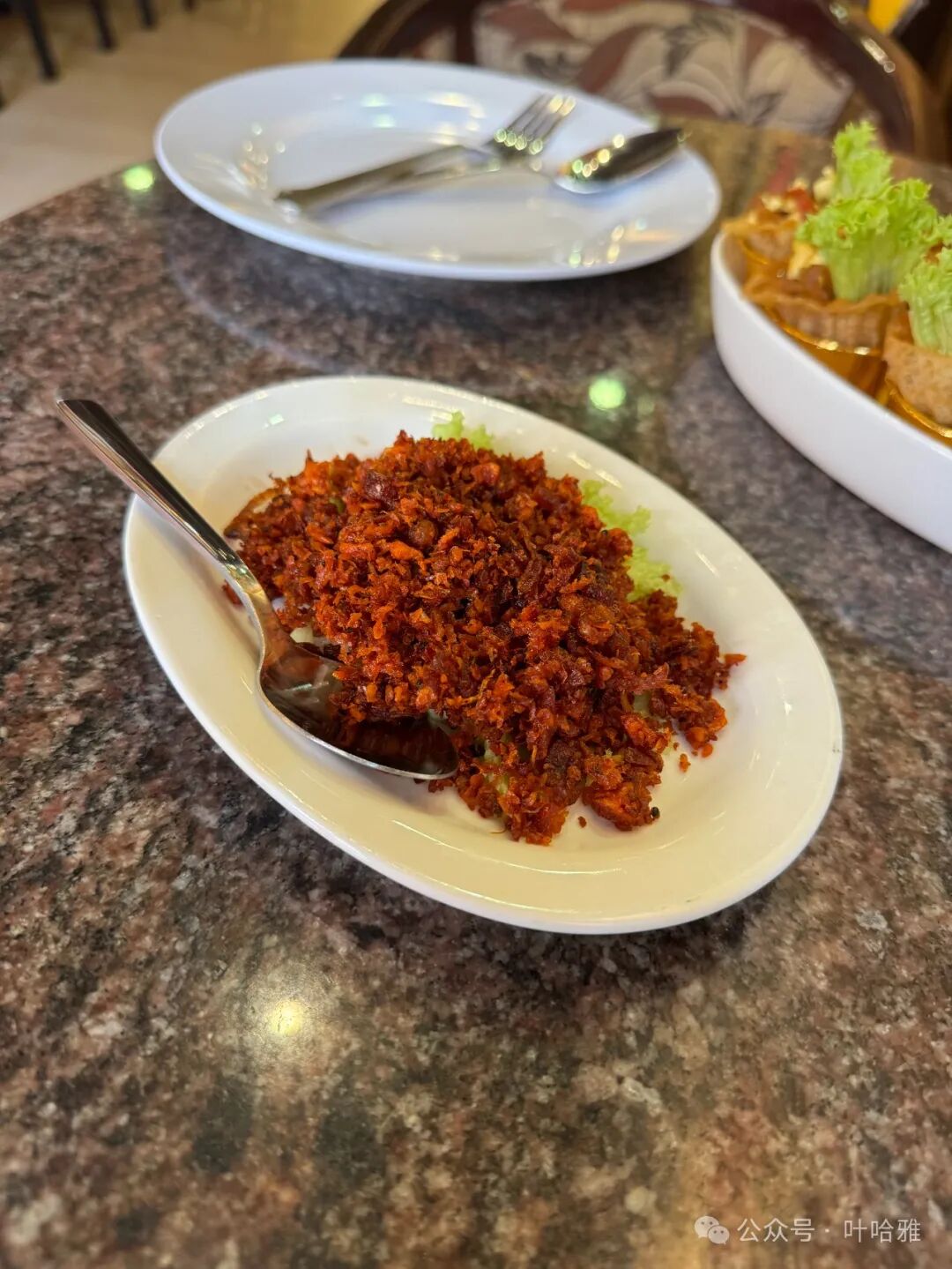
Shrimp Nyonya vegetable dish (achar)
The portions at this restaurant are small, so you do not have to worry about leftovers. Nyonya cuisine is mostly salty and spicy, which goes well with rice and suits the local hot and humid climate.
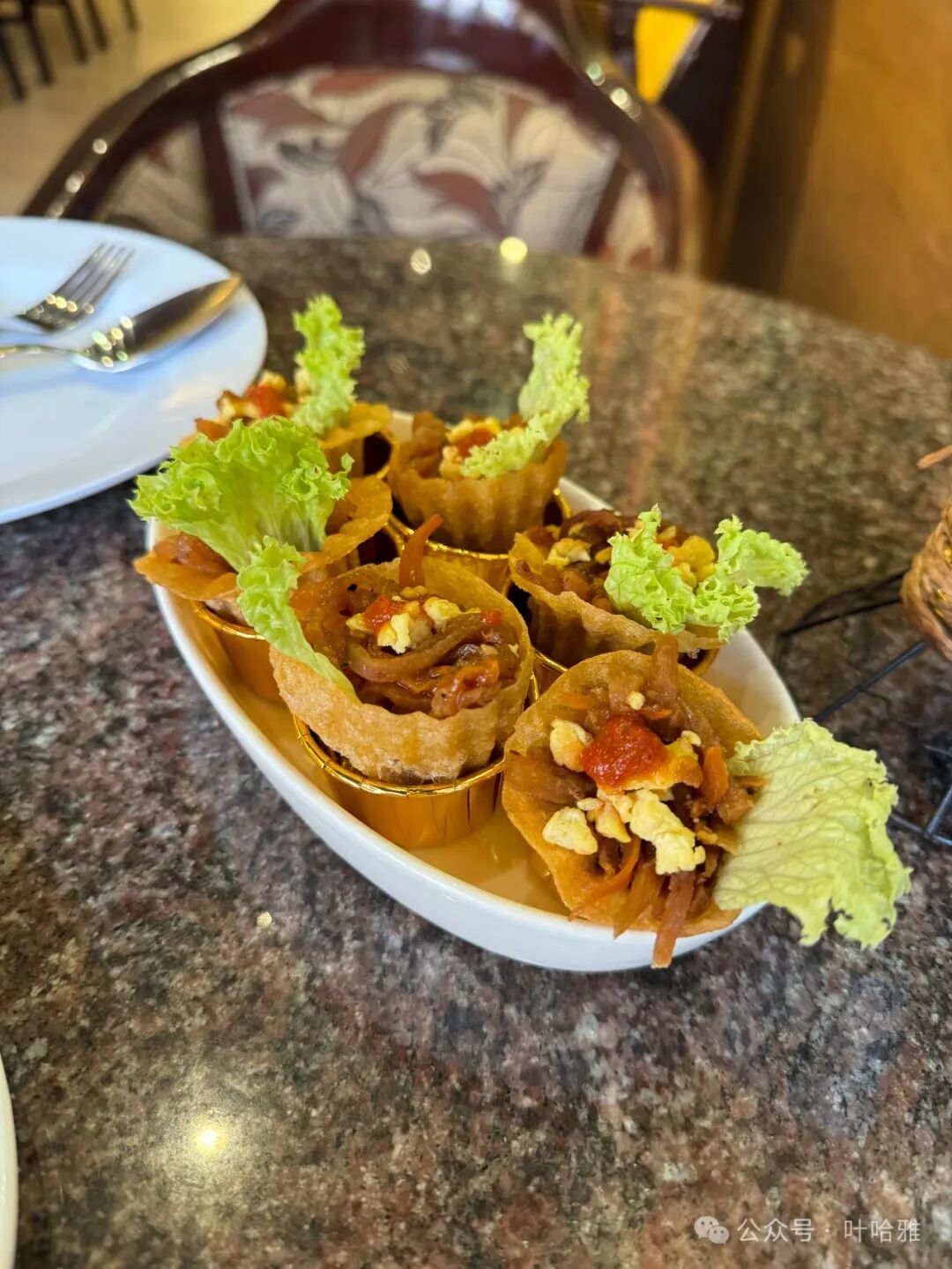
Nyonya golden cups (pie tee)
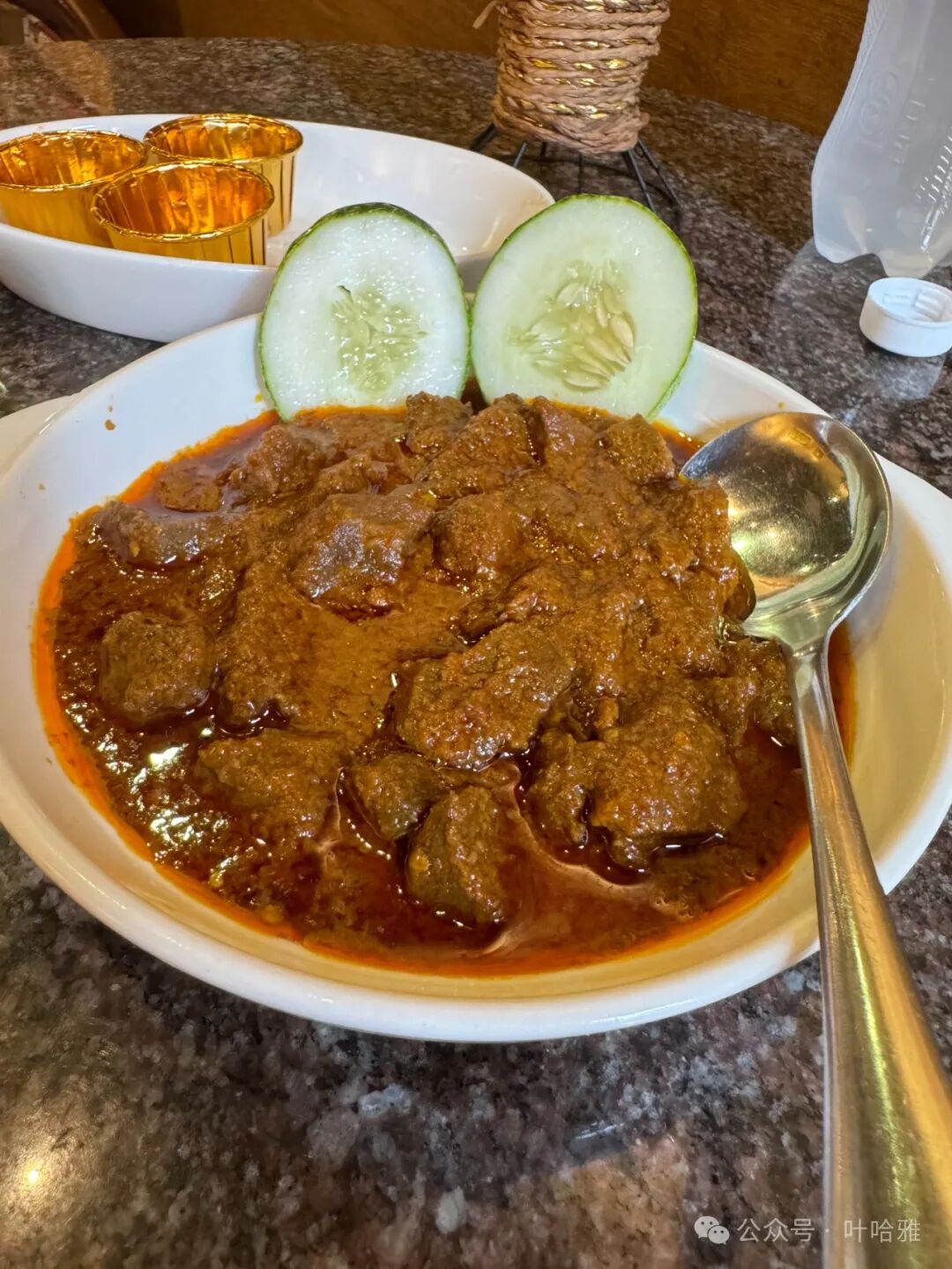
Beef rendang (rendang)
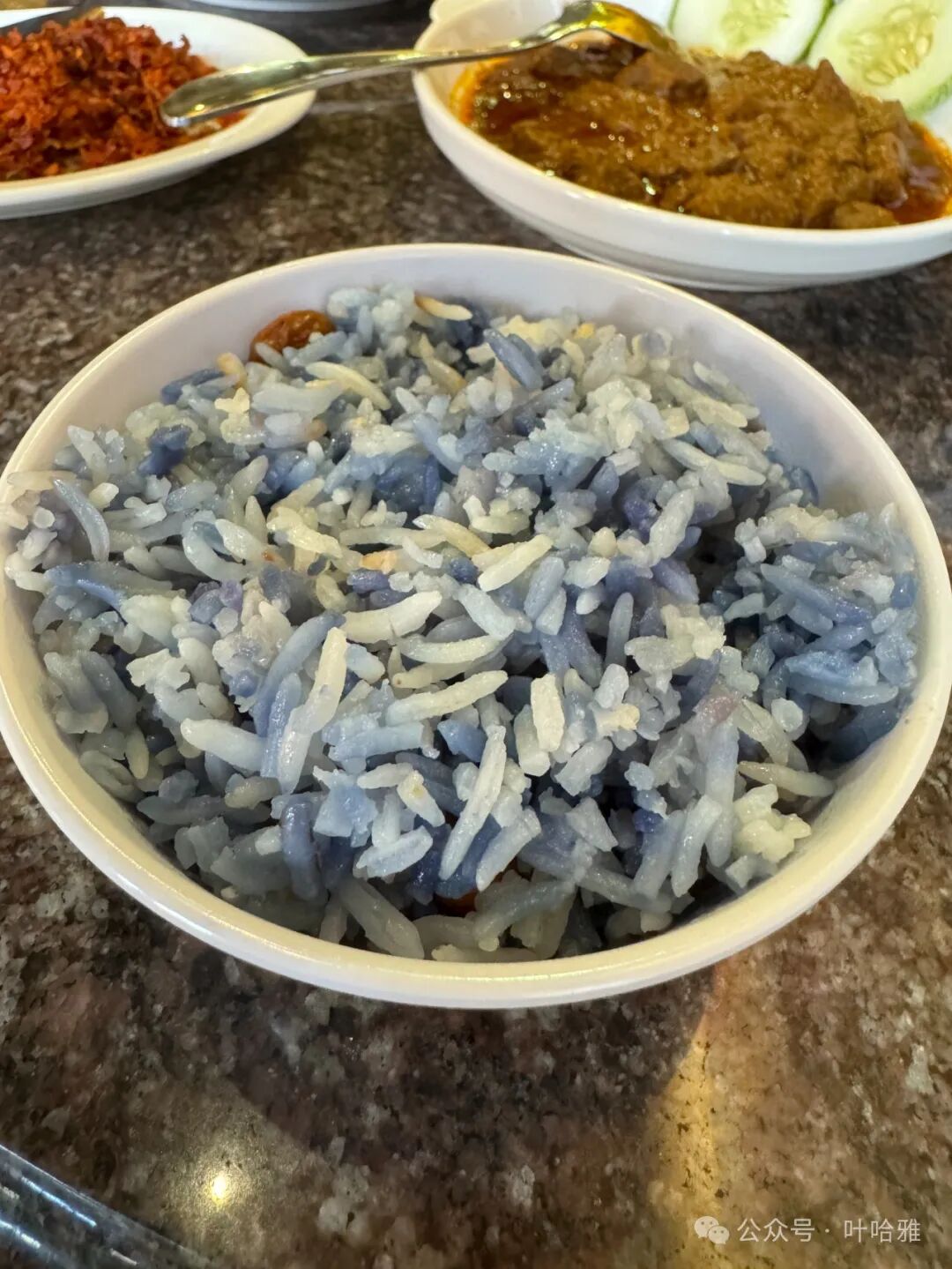
Nyonya butterfly pea flower rice (nasi kerabu)
The whole meal only cost 69 RM, and a full day of exploring Malacca costs no more than 100 RM.
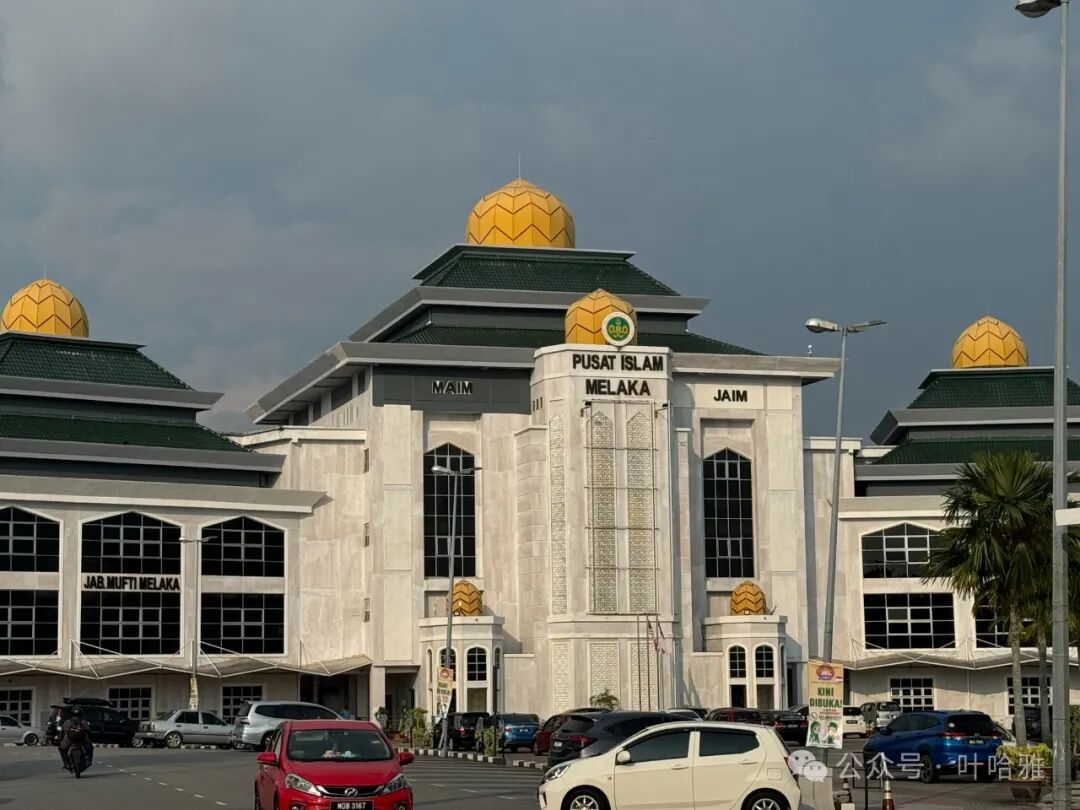
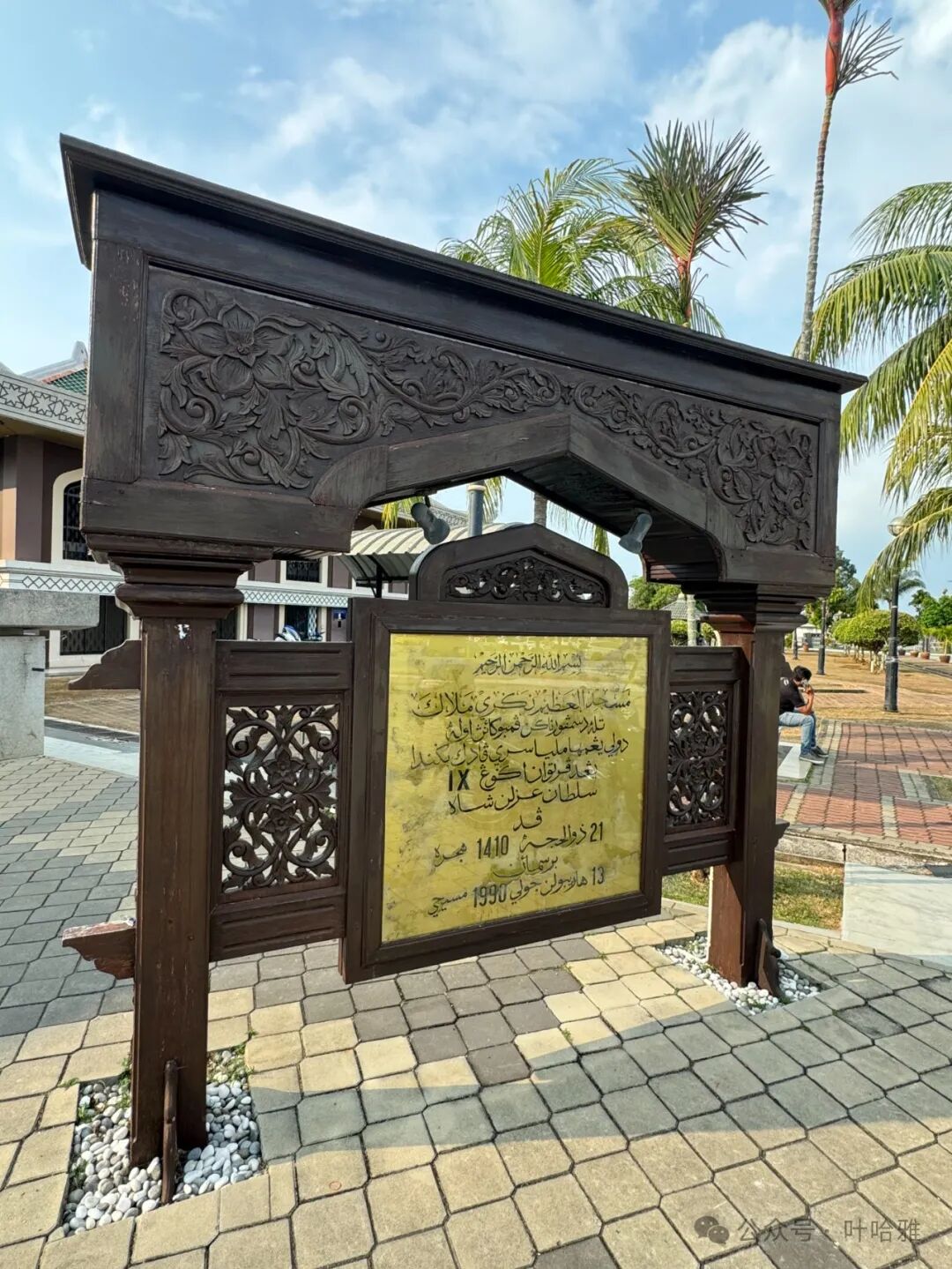
1. Malacca State Mosque
(Masjid Al Azim)
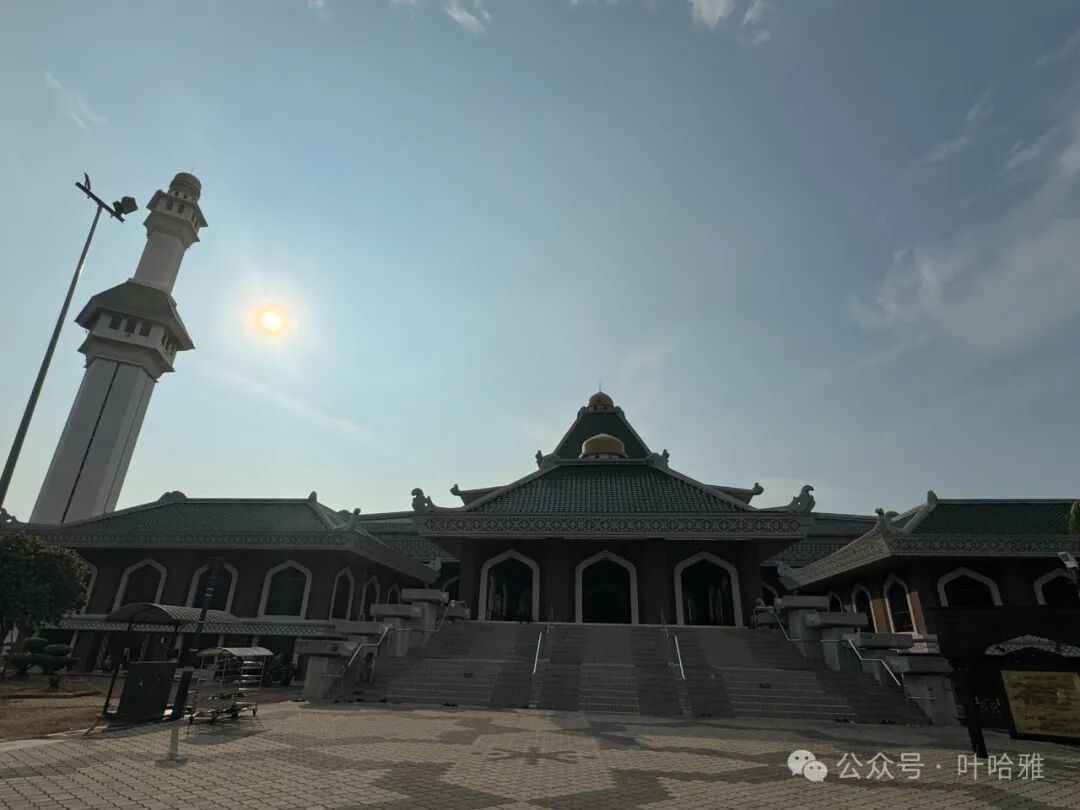
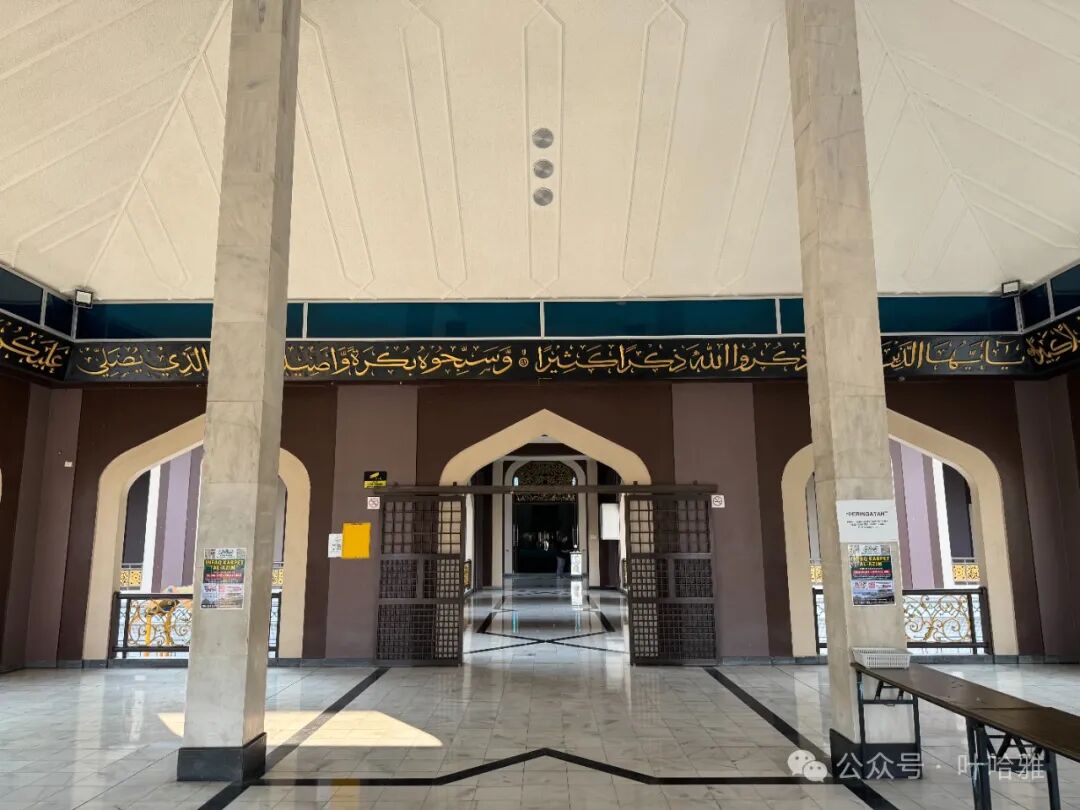
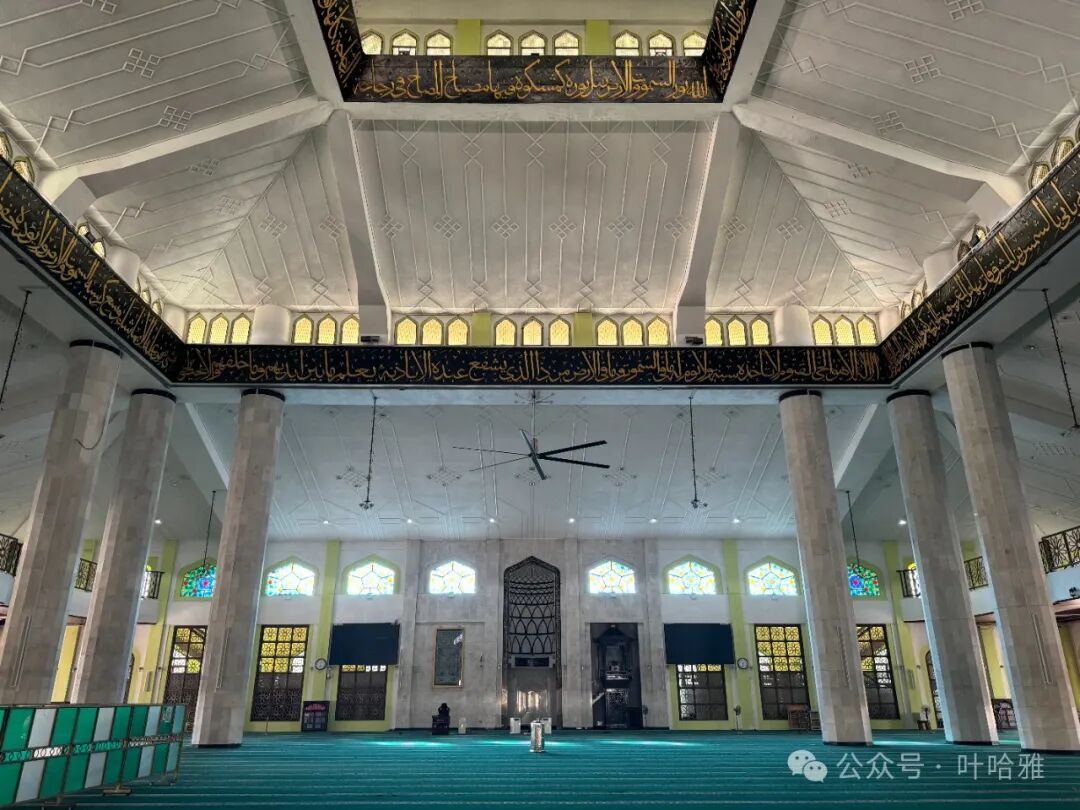
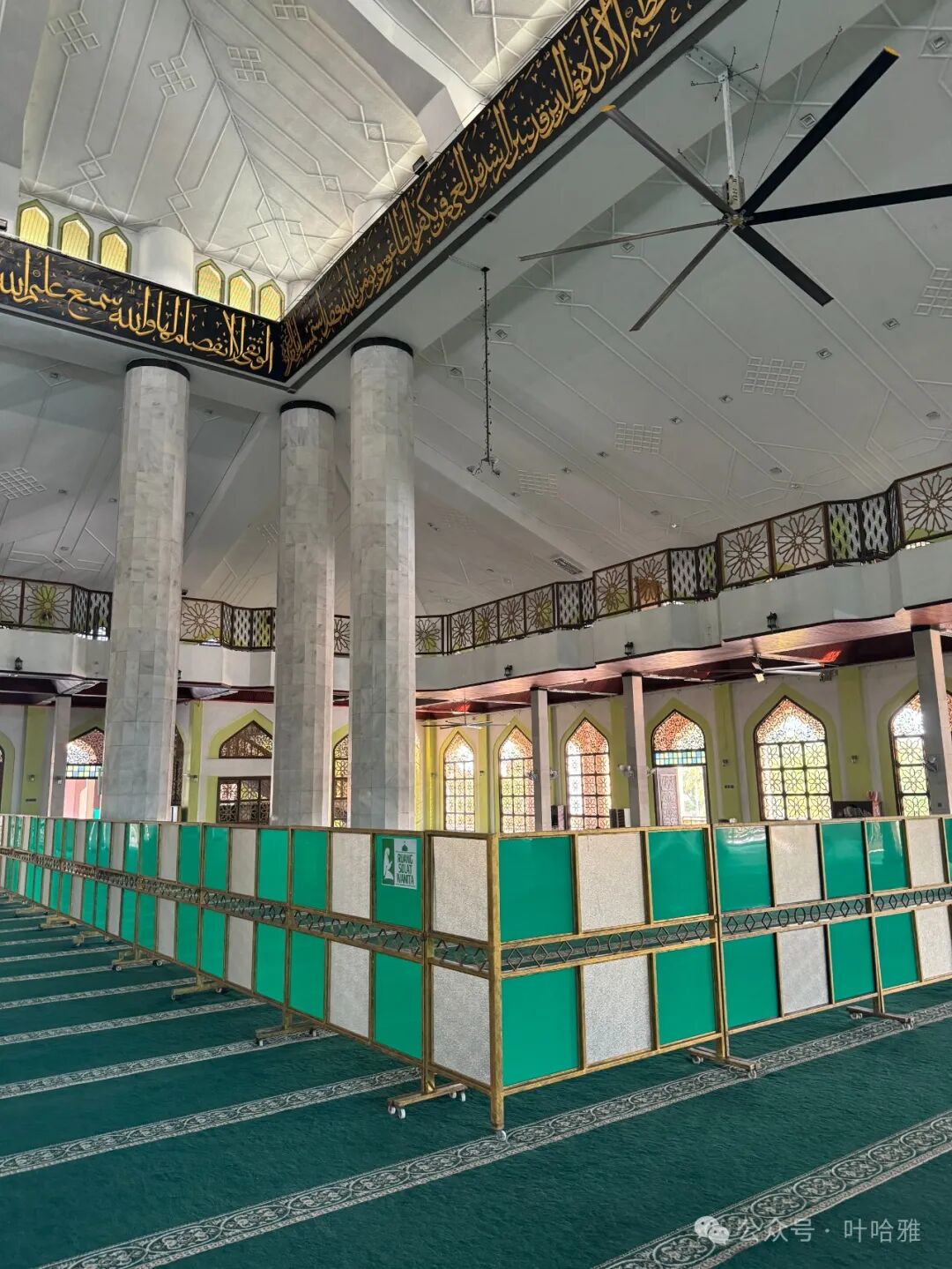
The Malacca State Mosque was built in 1990. It features a typical traditional Malacca architectural style. This style was influenced by the Ming Dynasty, which immediately reminded me of the mosques on the island of Java in Indonesia, as they share the same style.
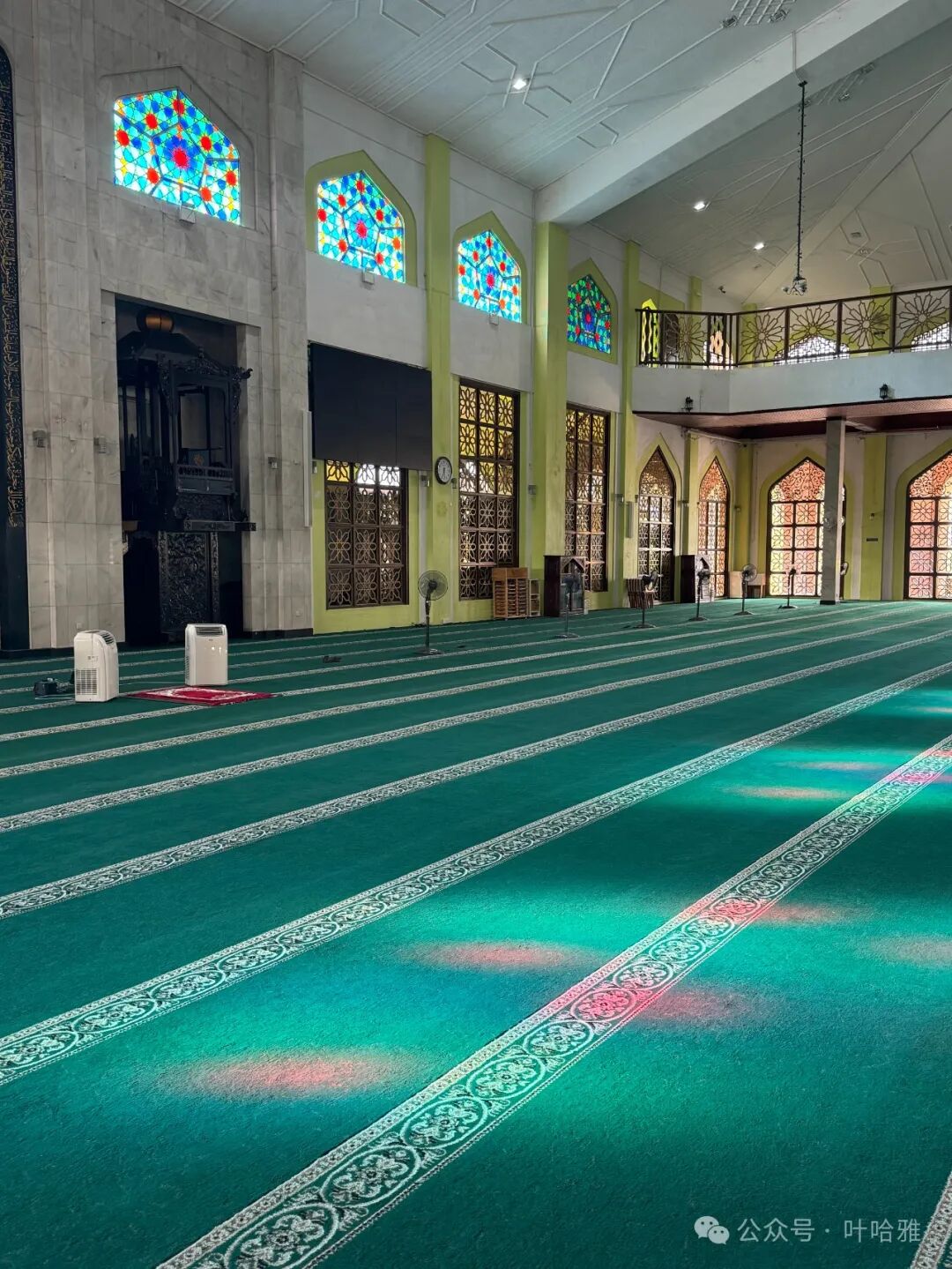
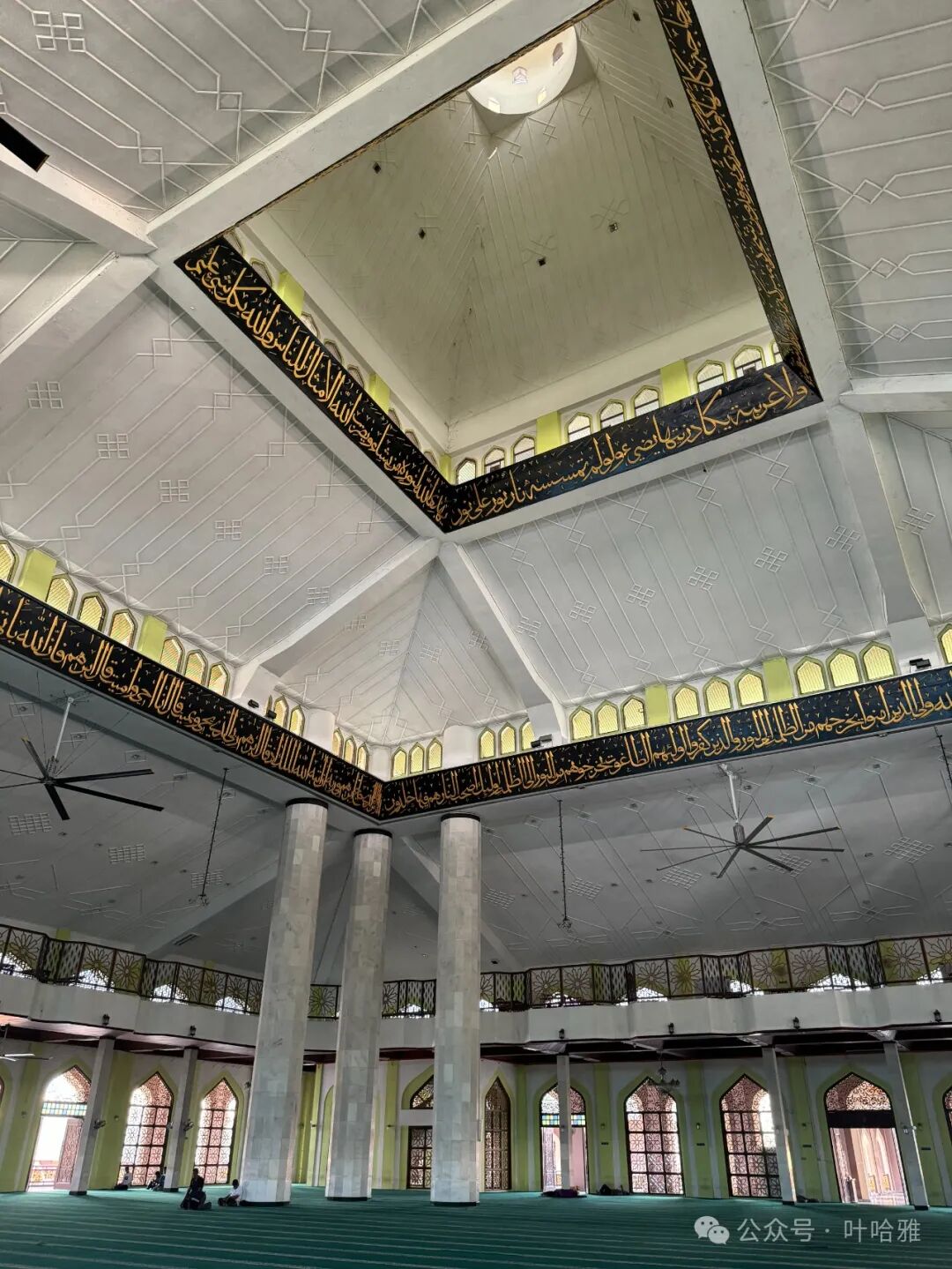
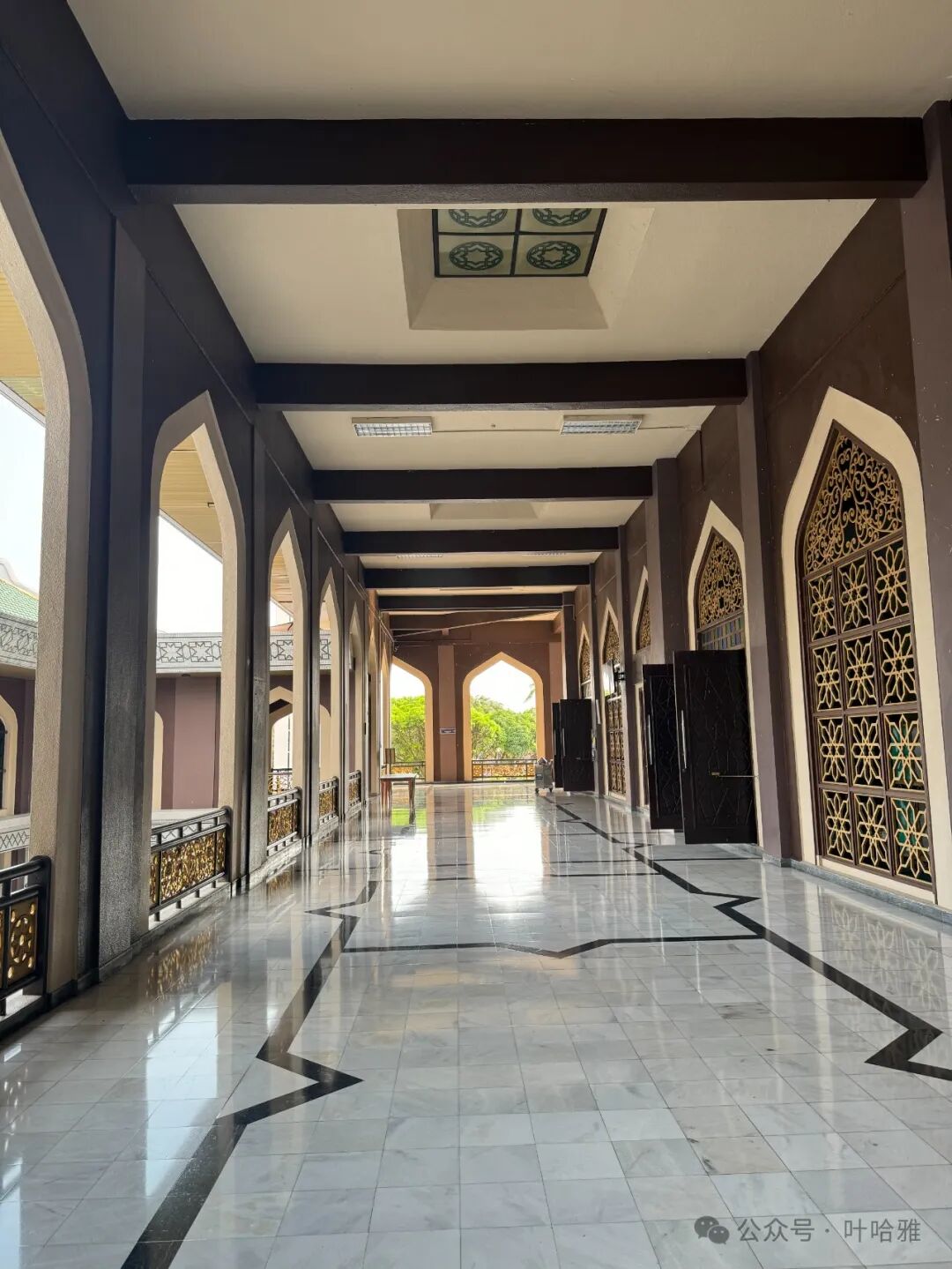
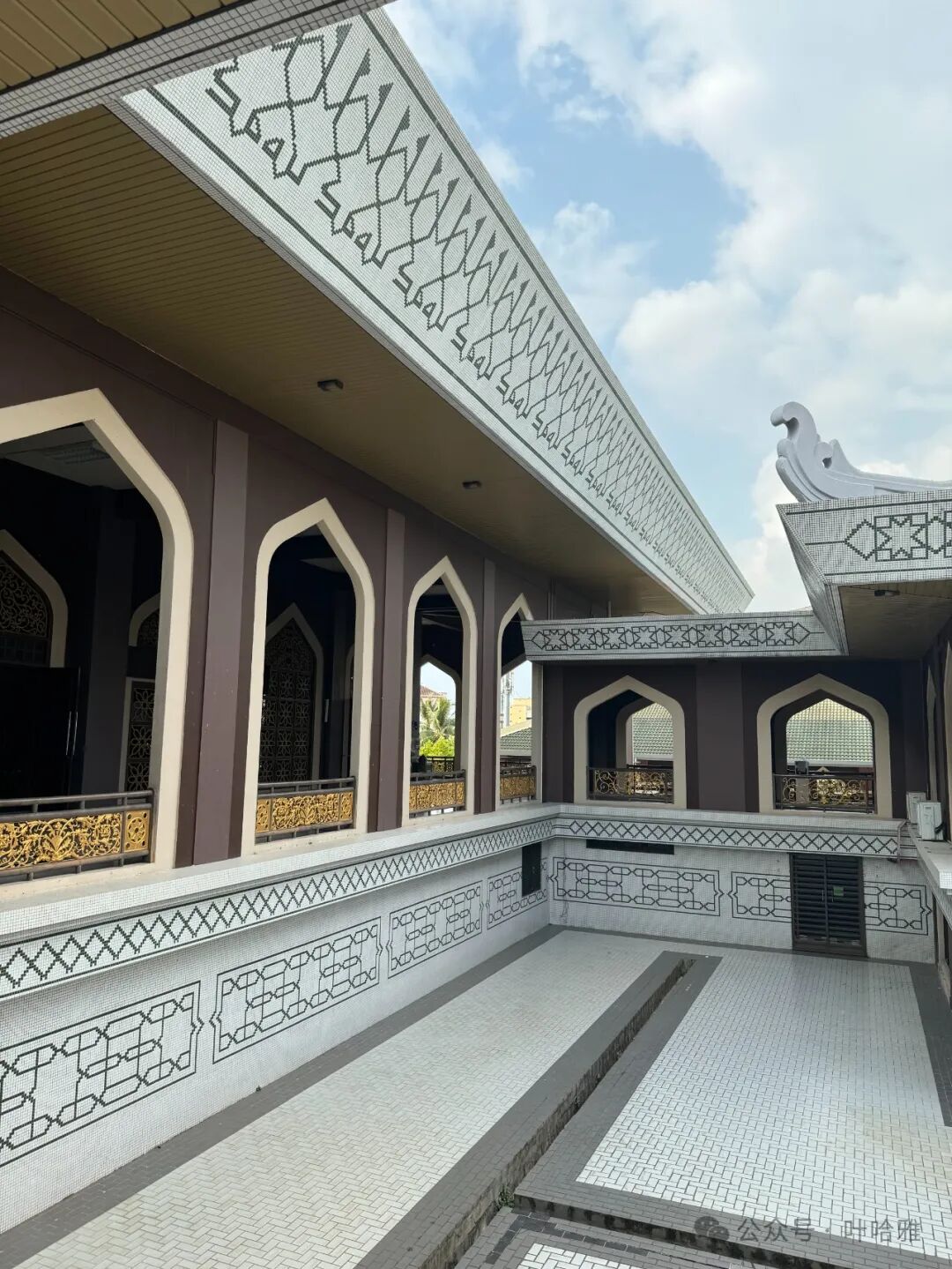
2. Tengkera Mosque
(Masjid Tengkera)
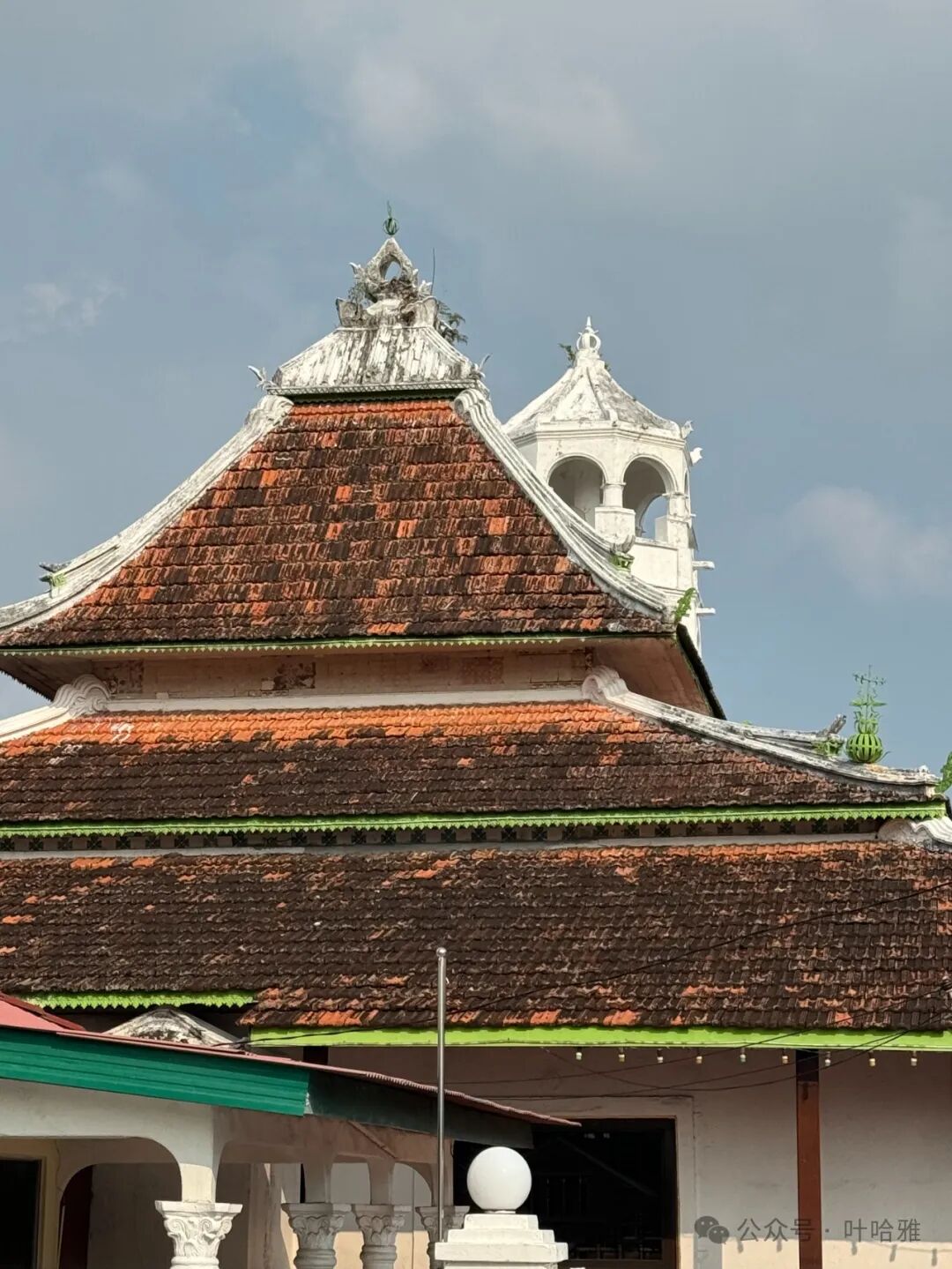
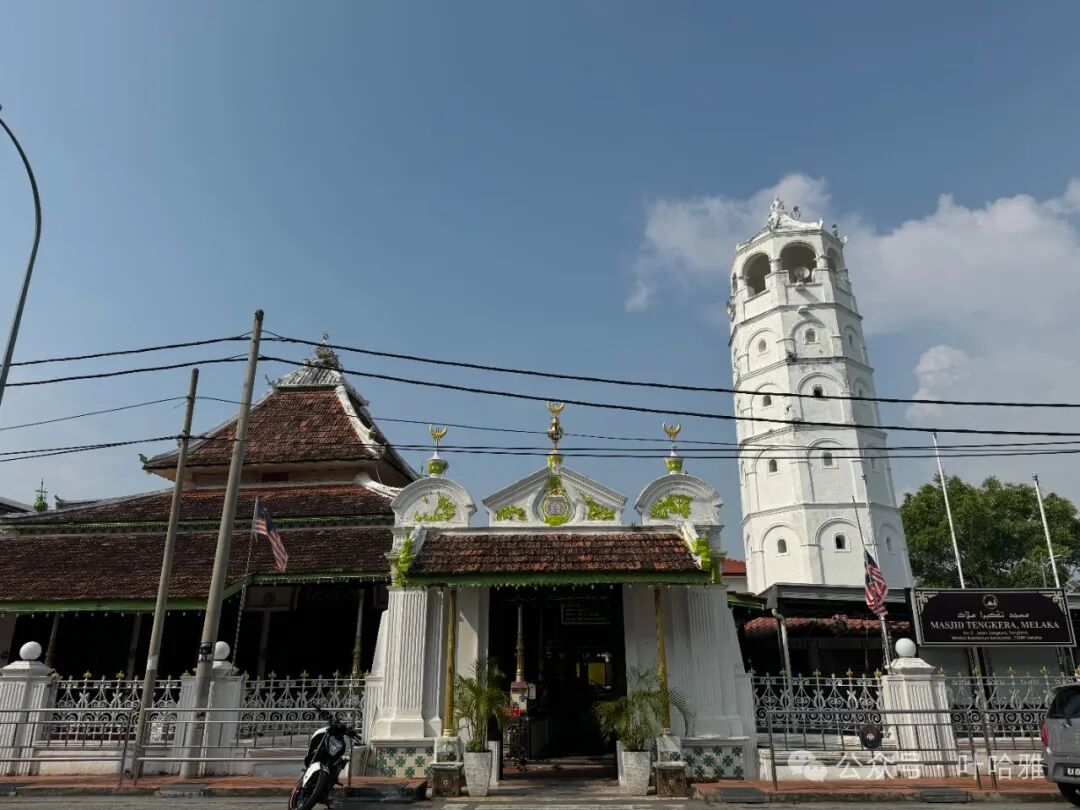
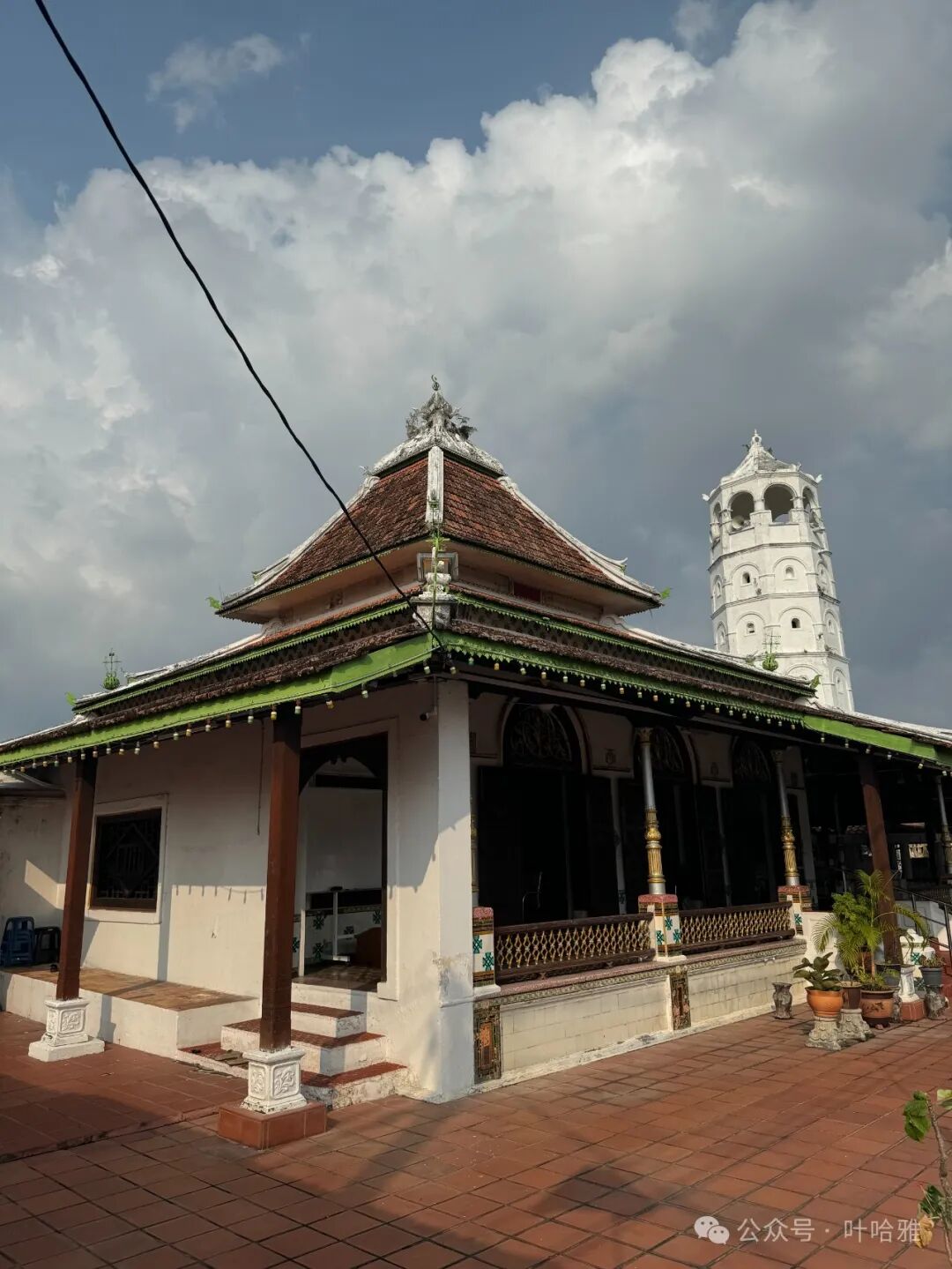
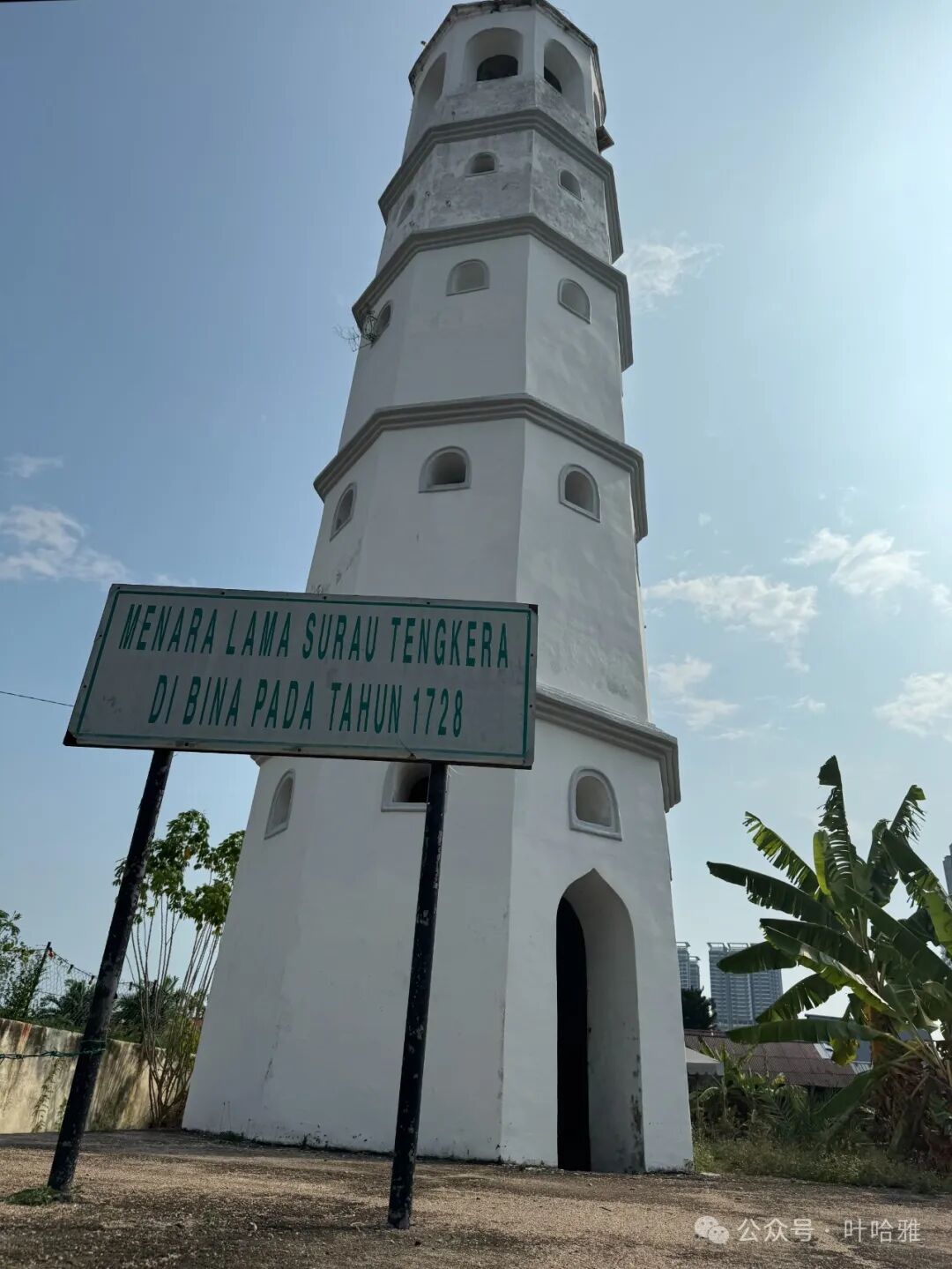
This mosque was built in 1728 with funding from the Dutch East India Company. The highlight is the minaret behind it, which is designed in the style of a Chinese pagoda. It is a mosque that blends Indonesian Javanese, Malay, and Chinese cultures.
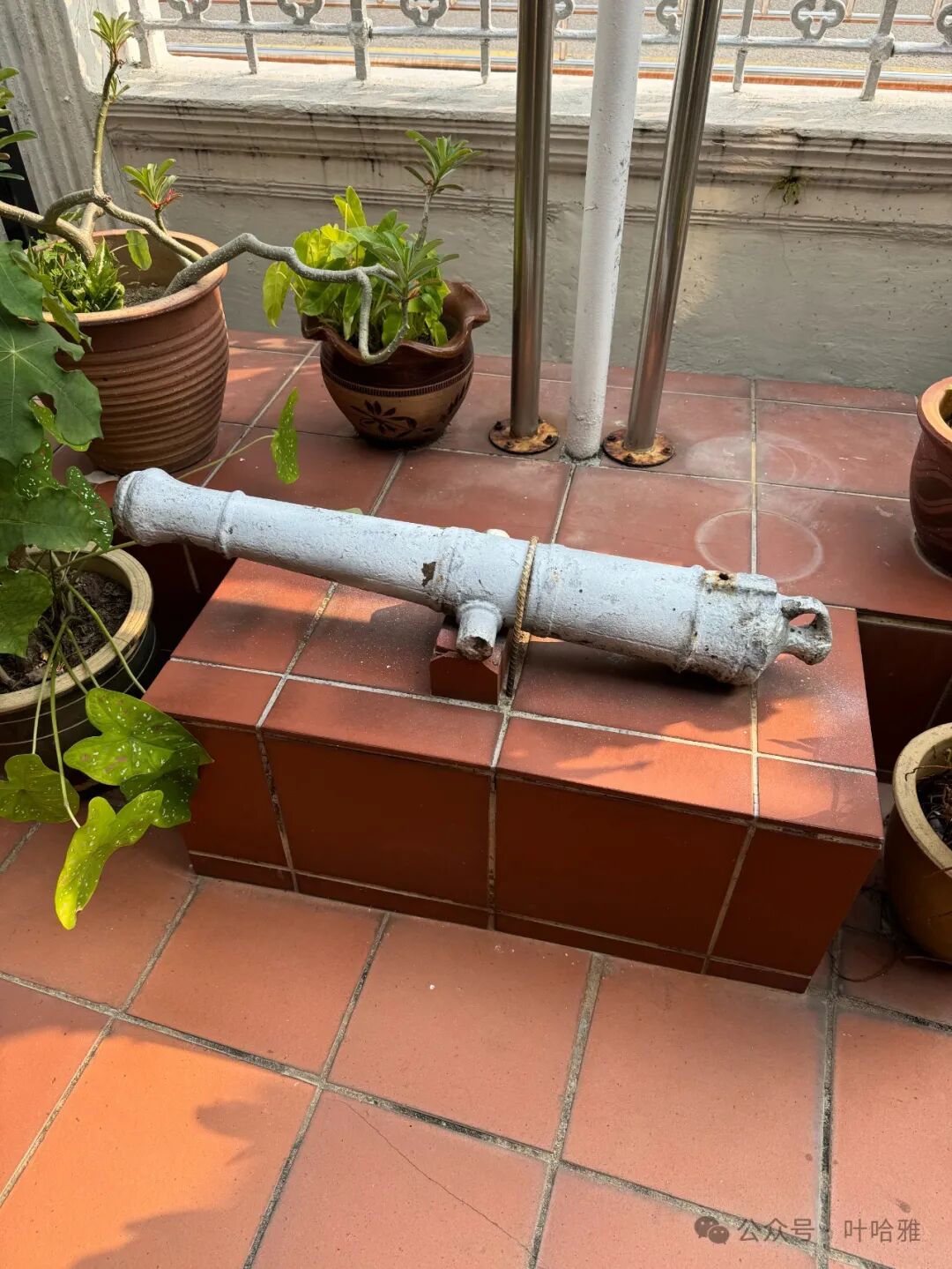
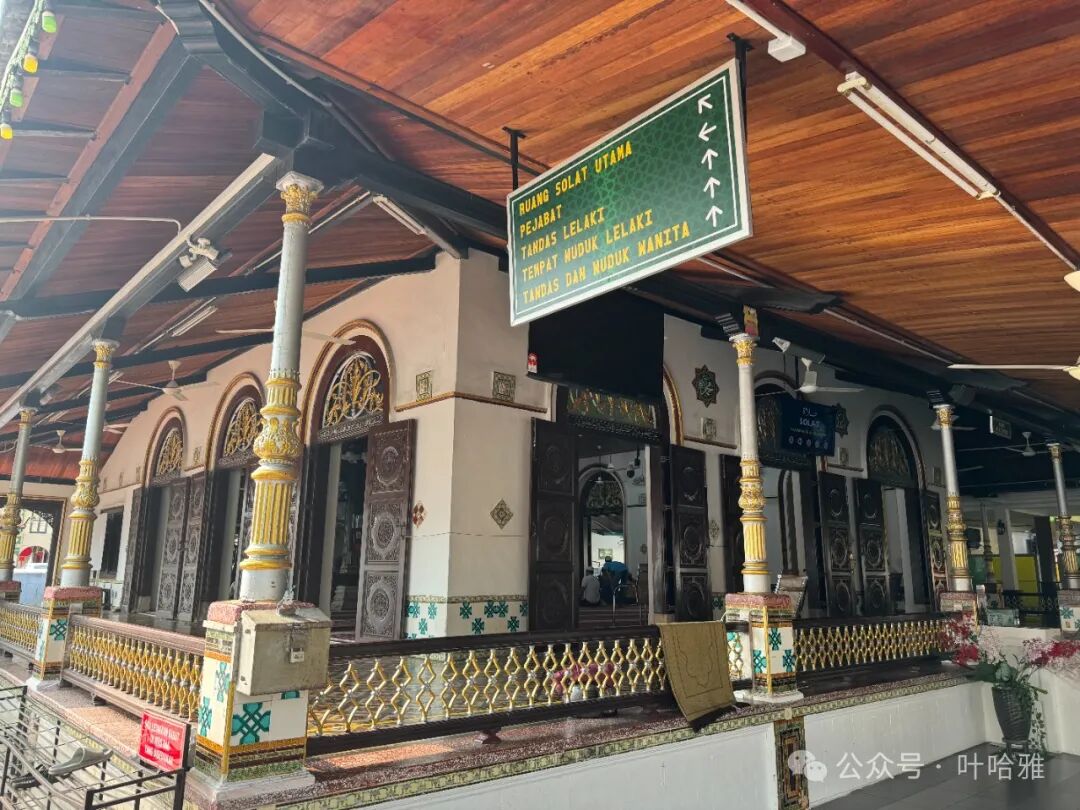
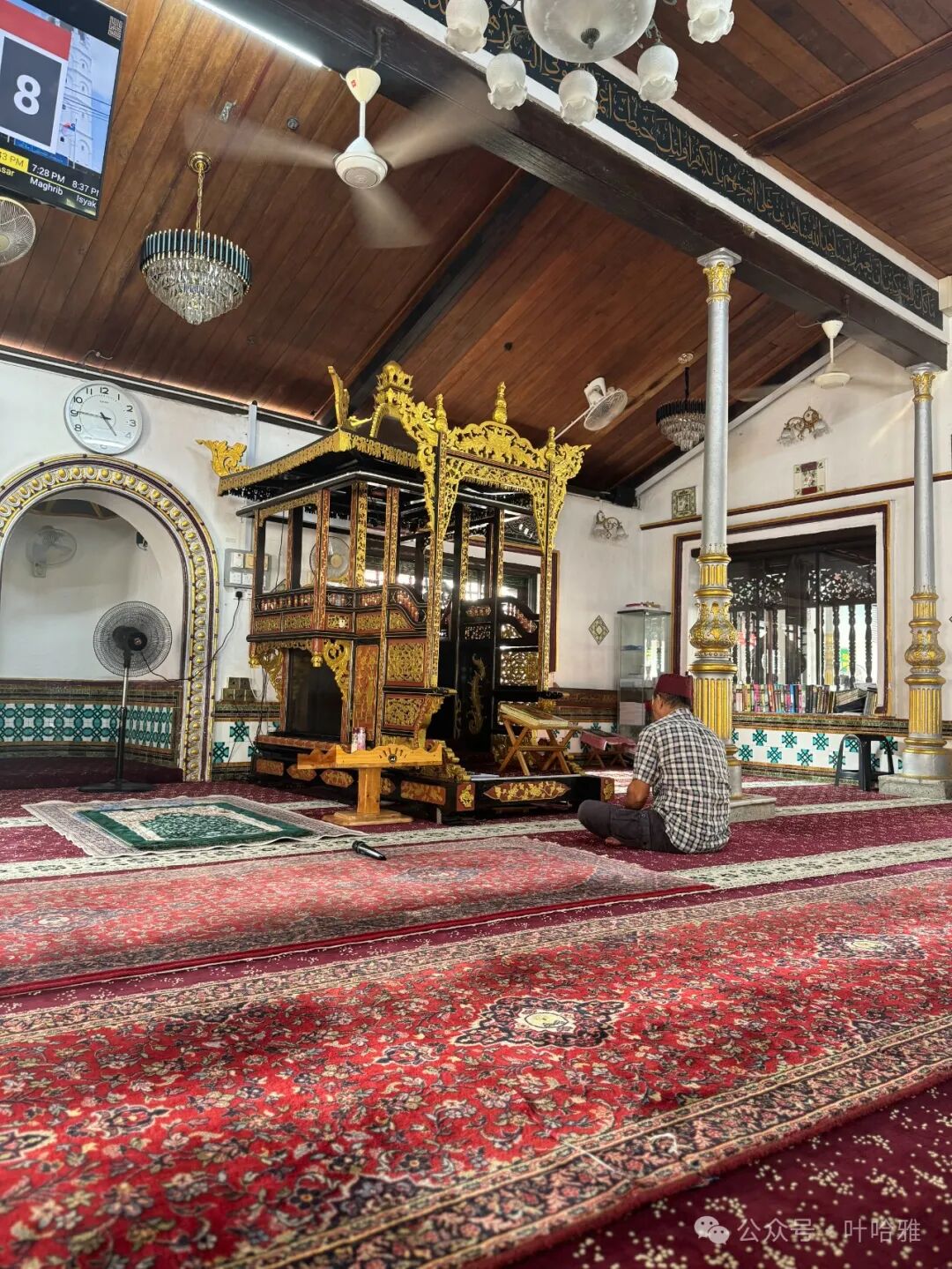
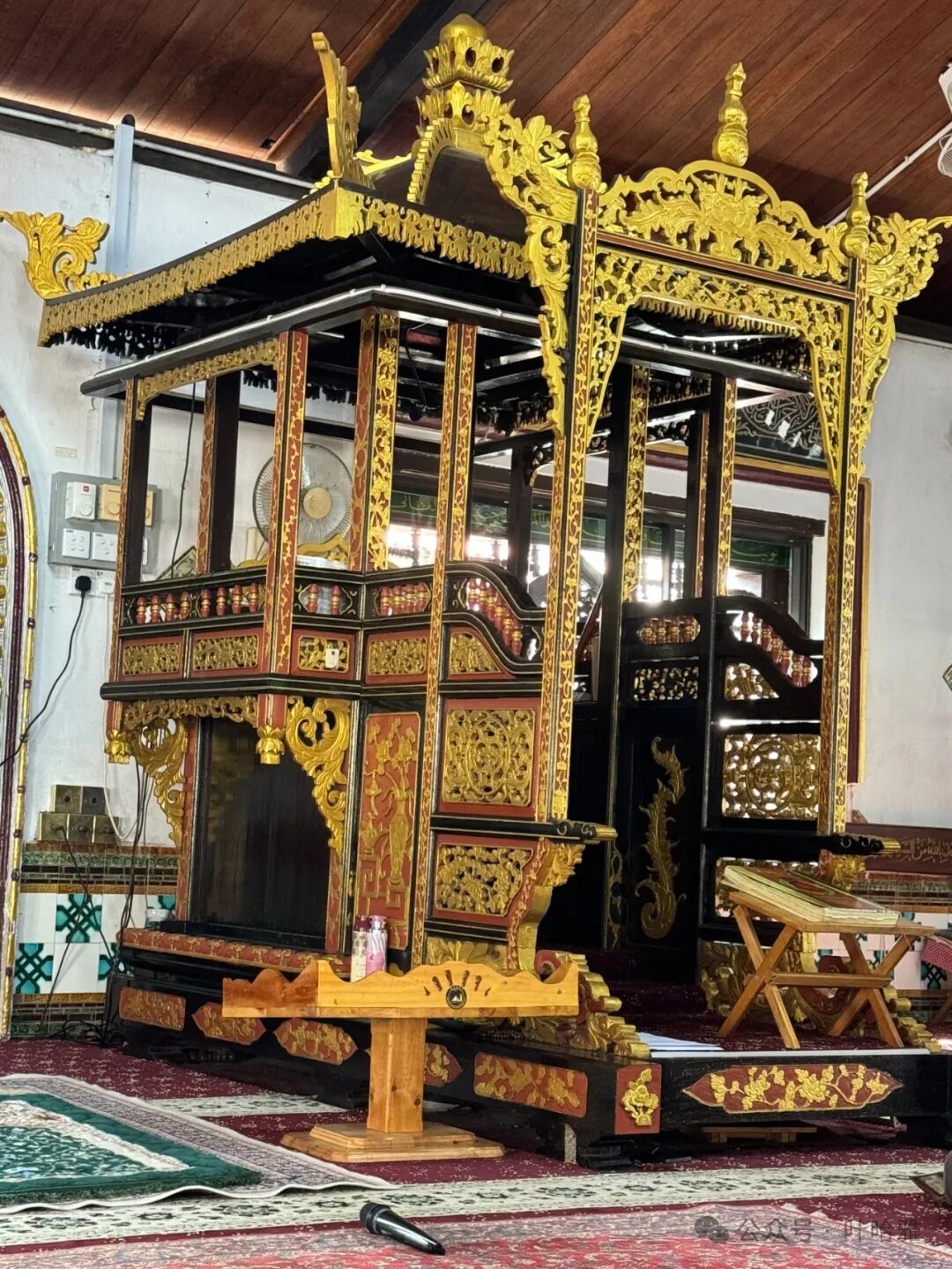
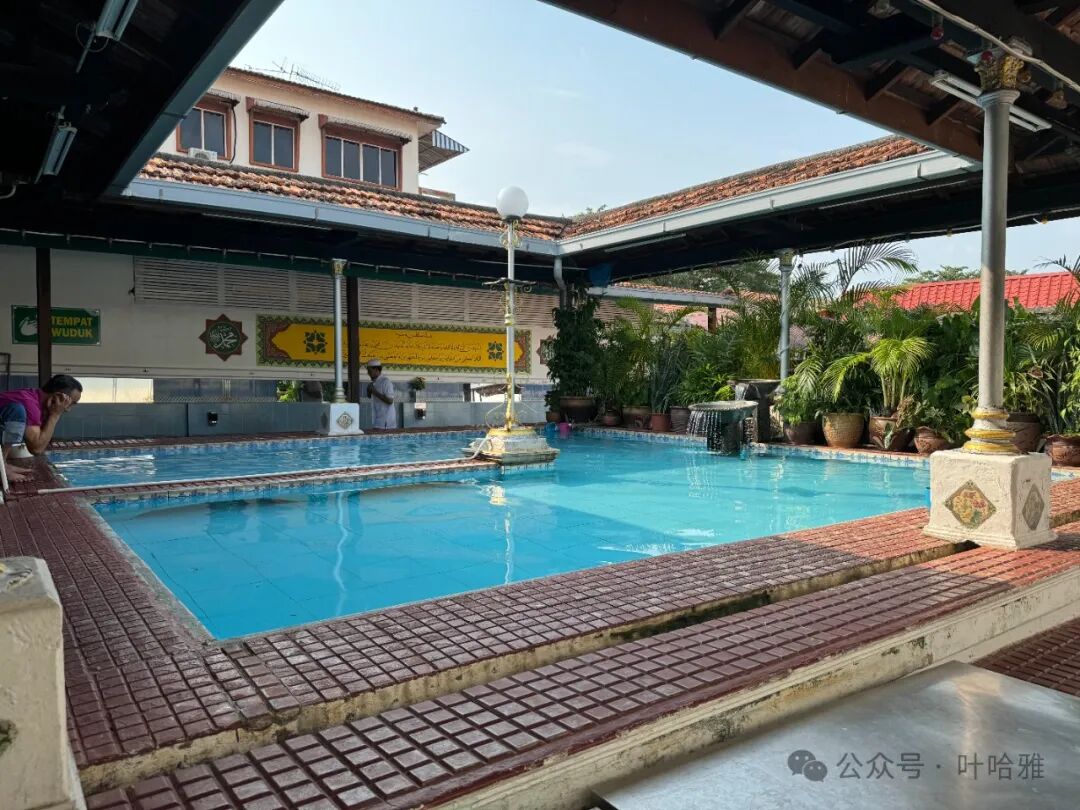
I have seen this type of water tank used for wudu on the island of Java in Indonesia.
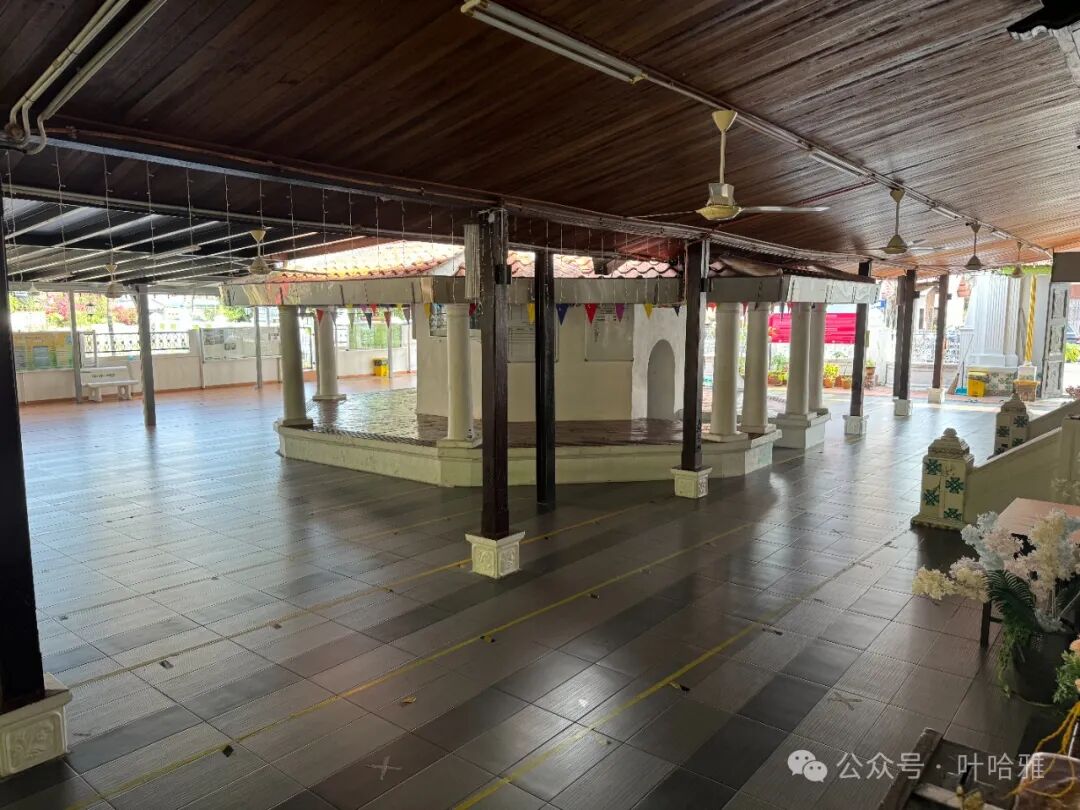
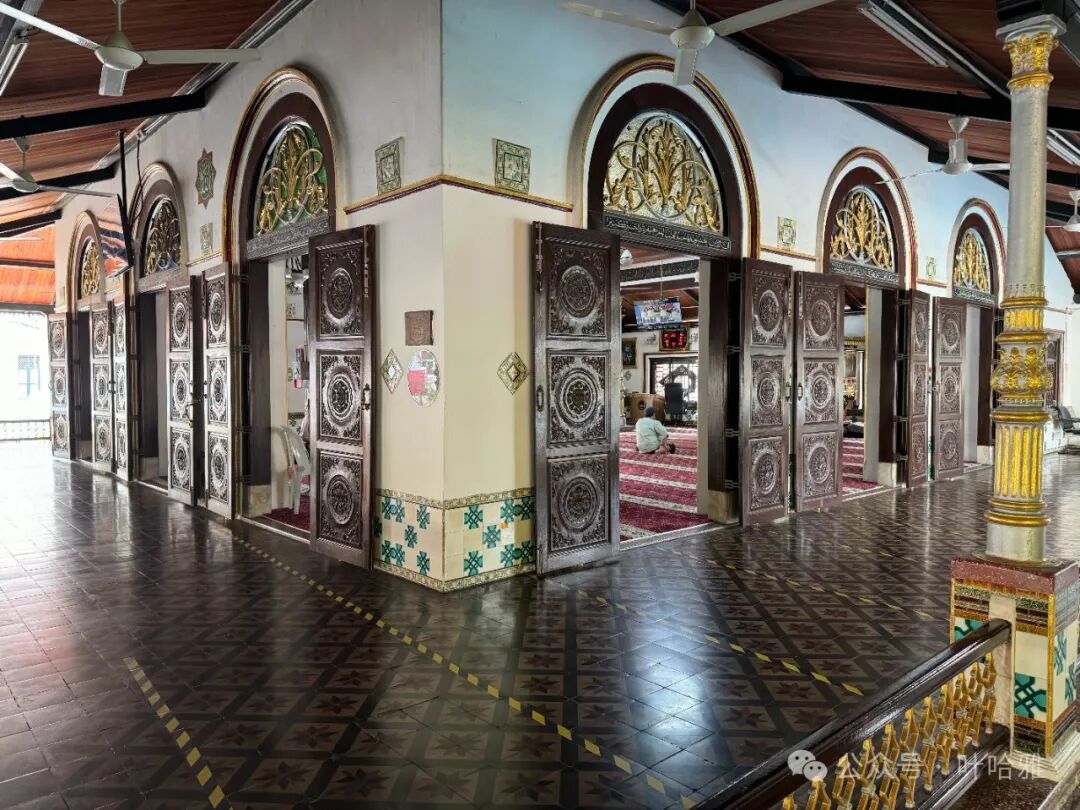
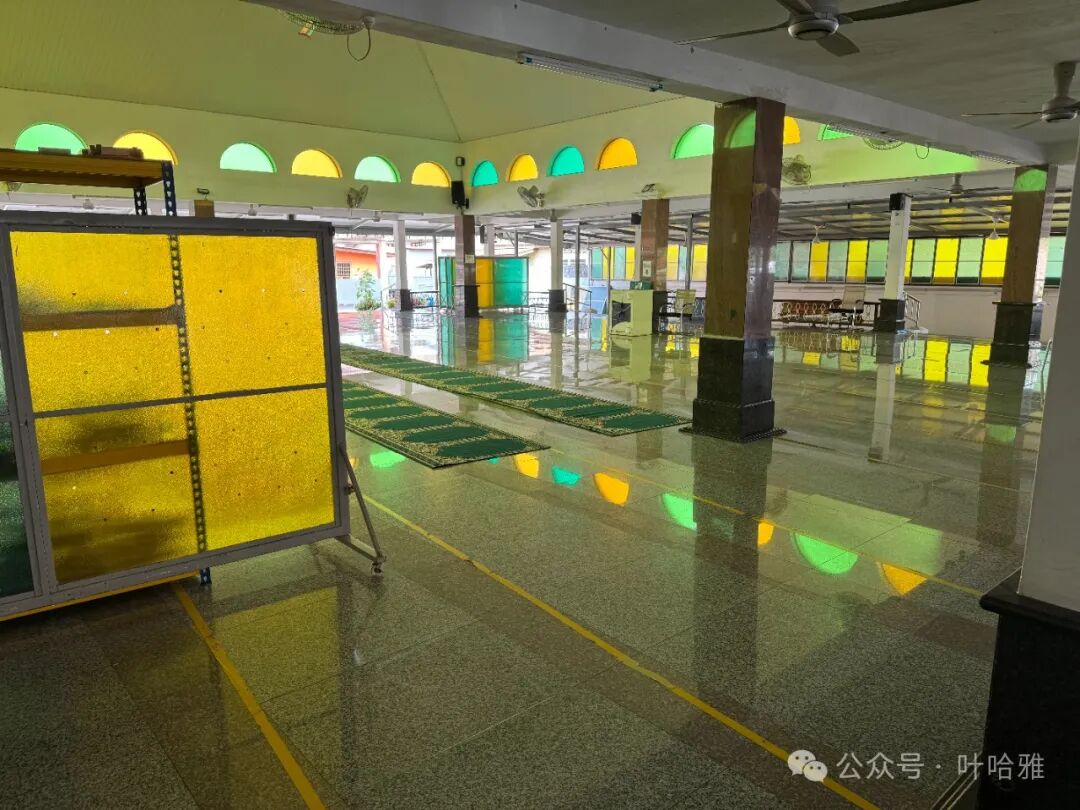
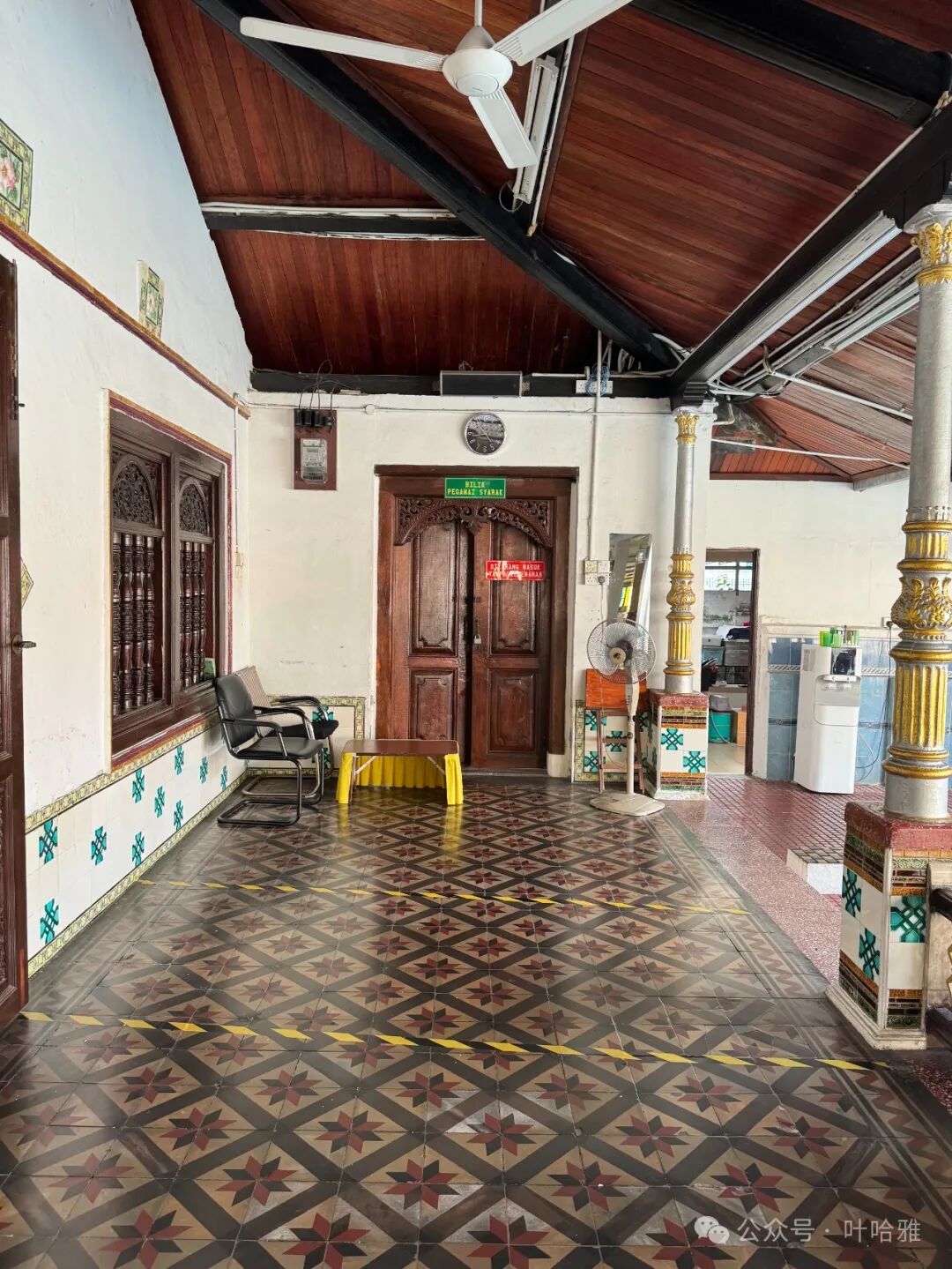
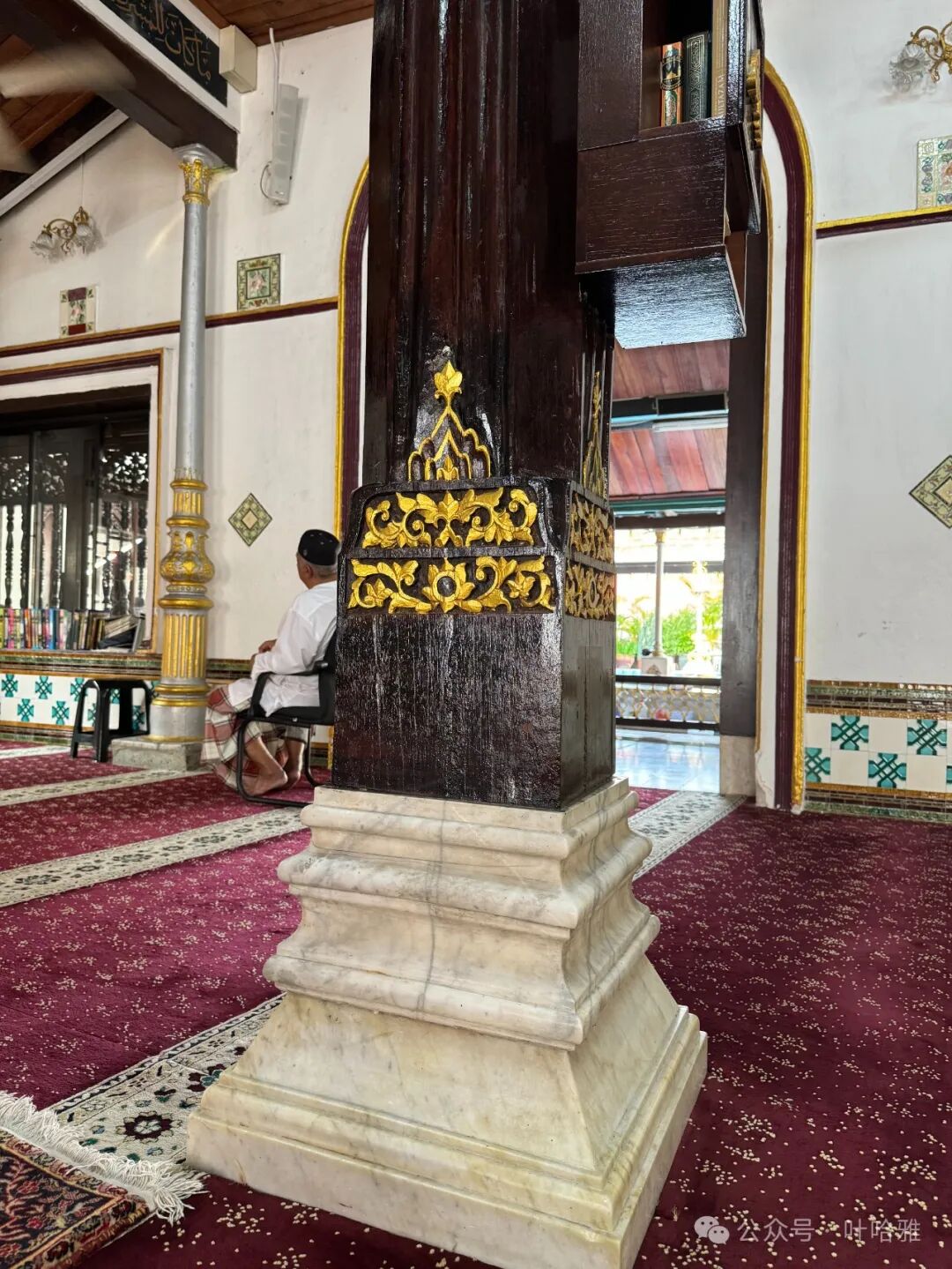
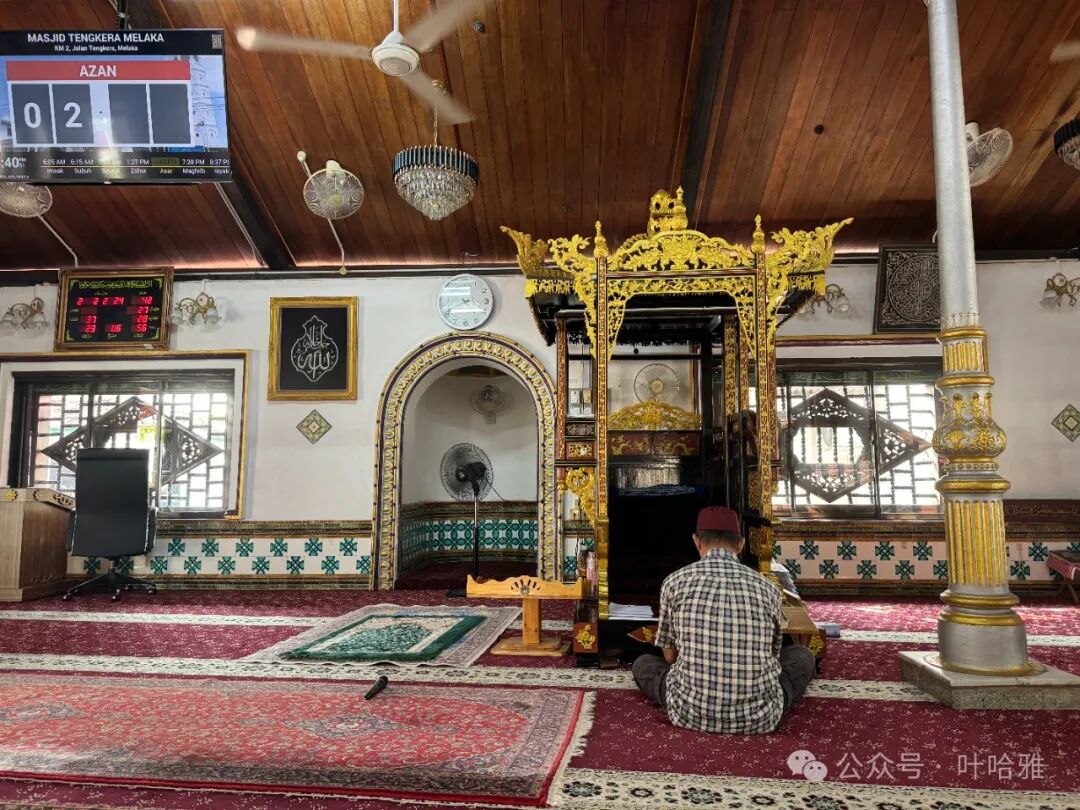
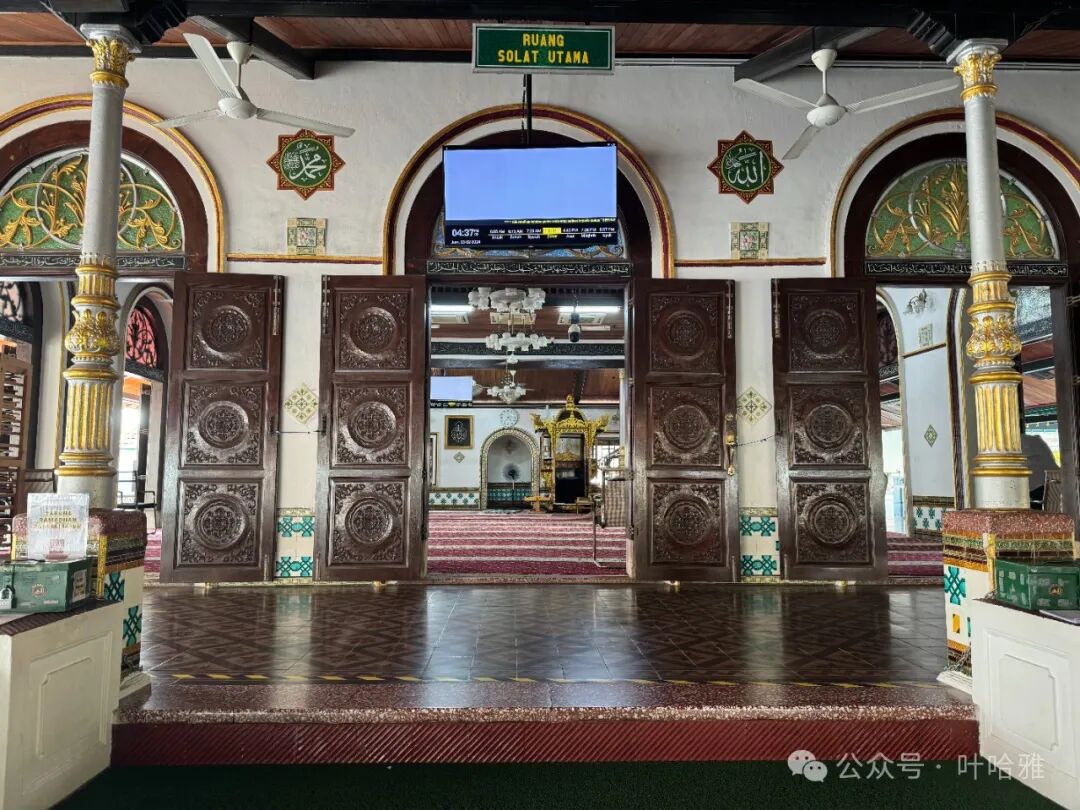
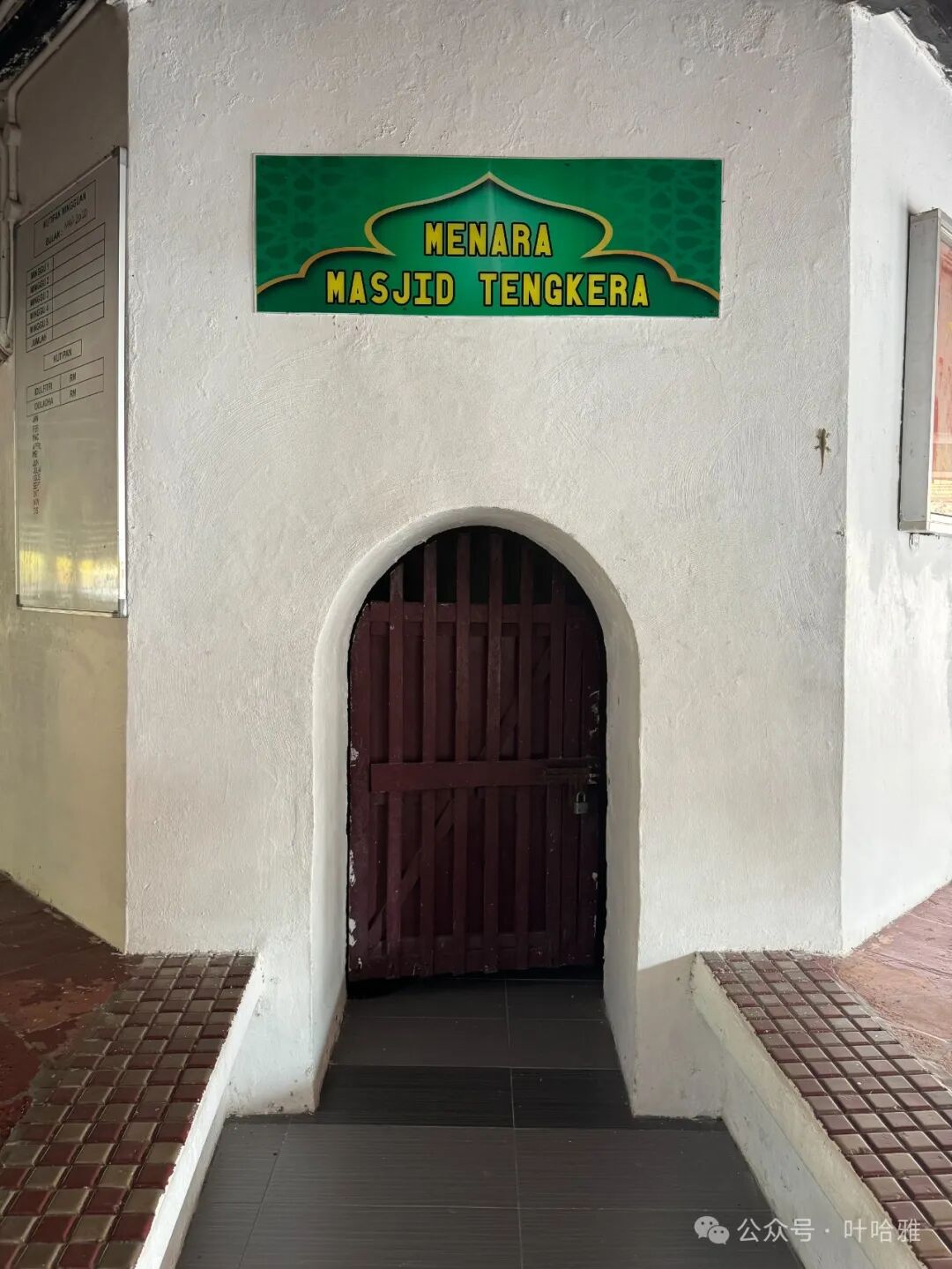
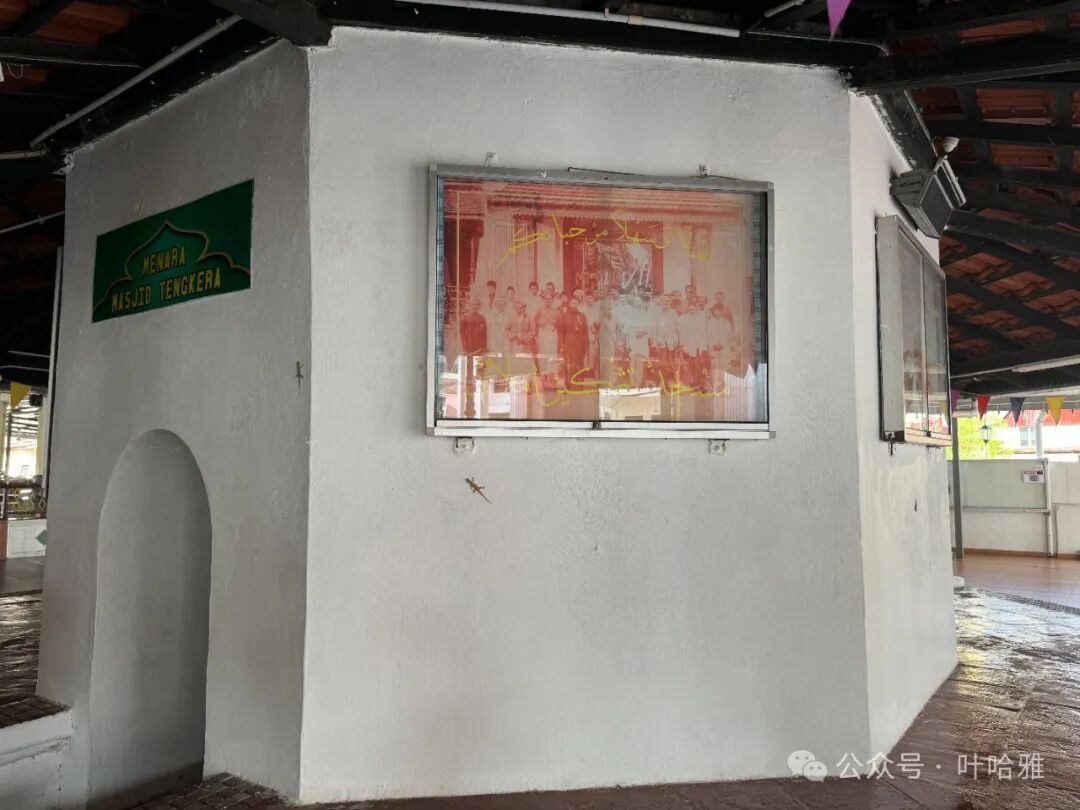
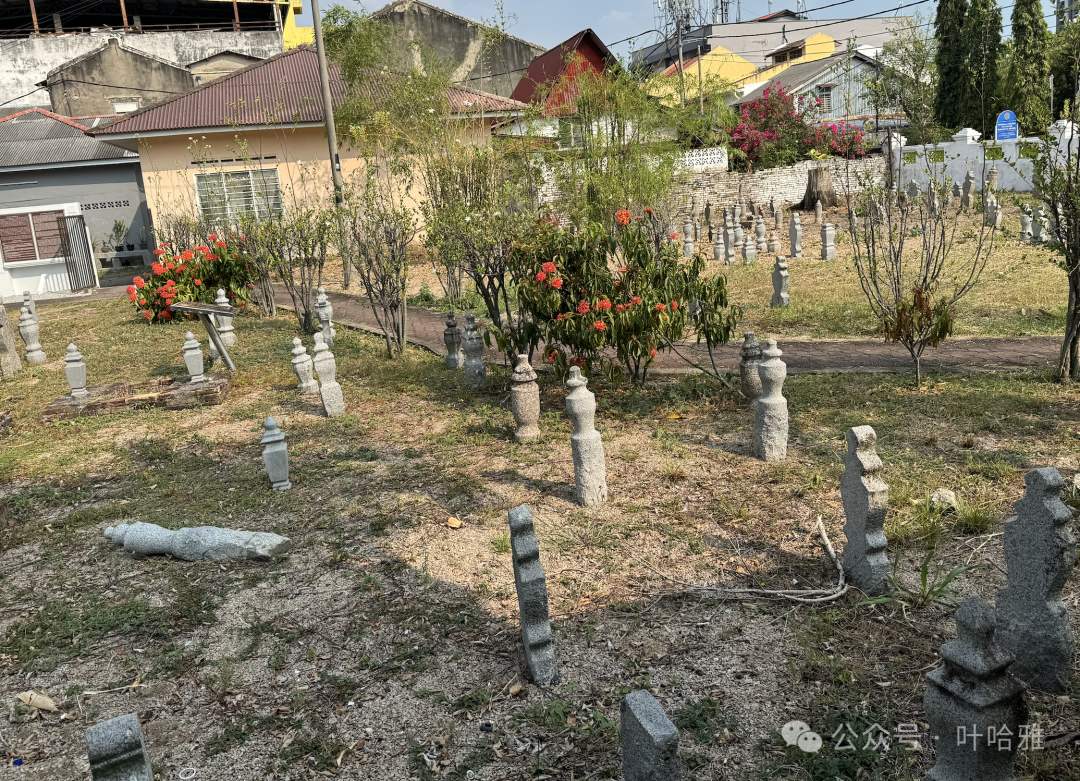
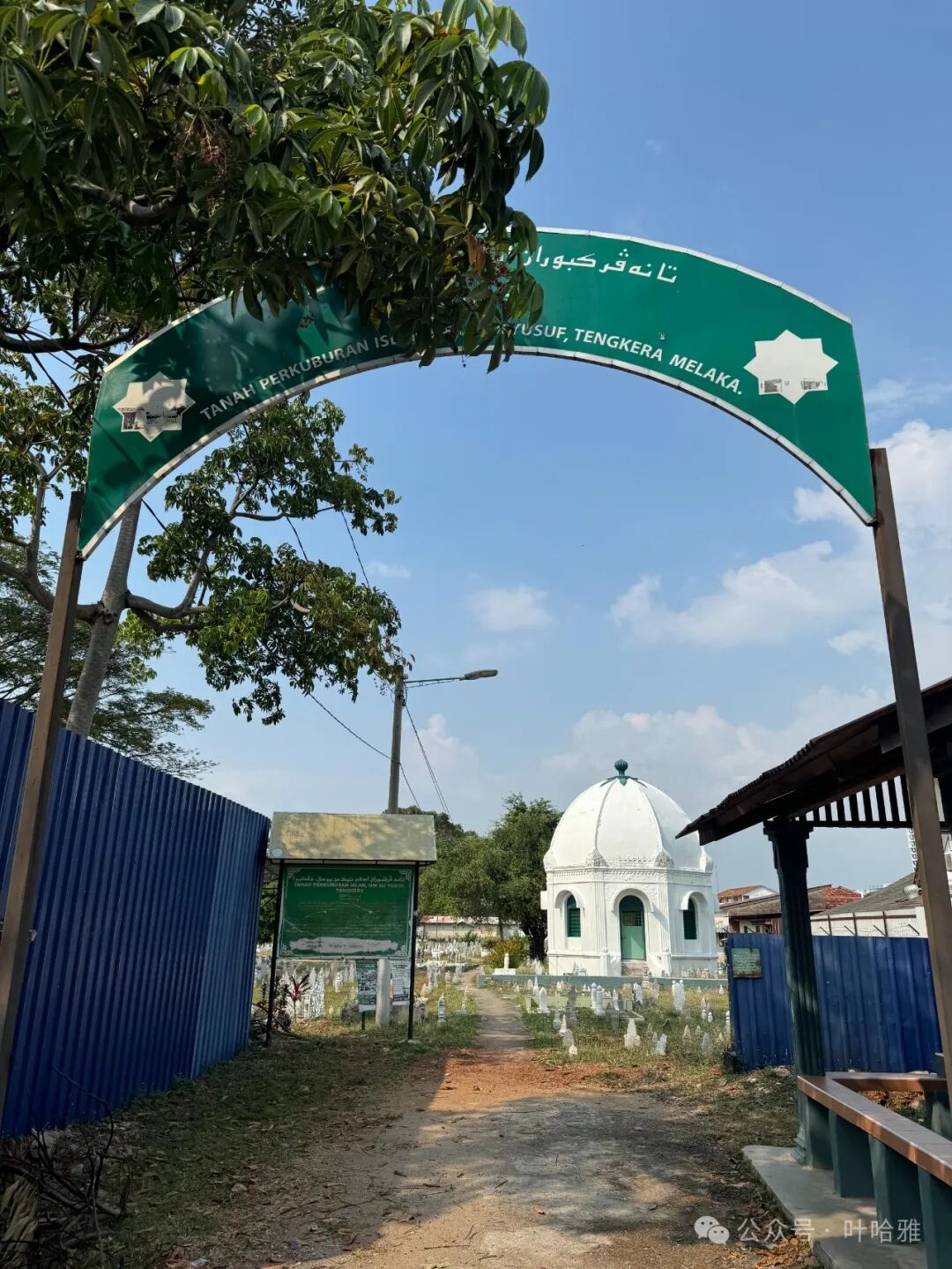
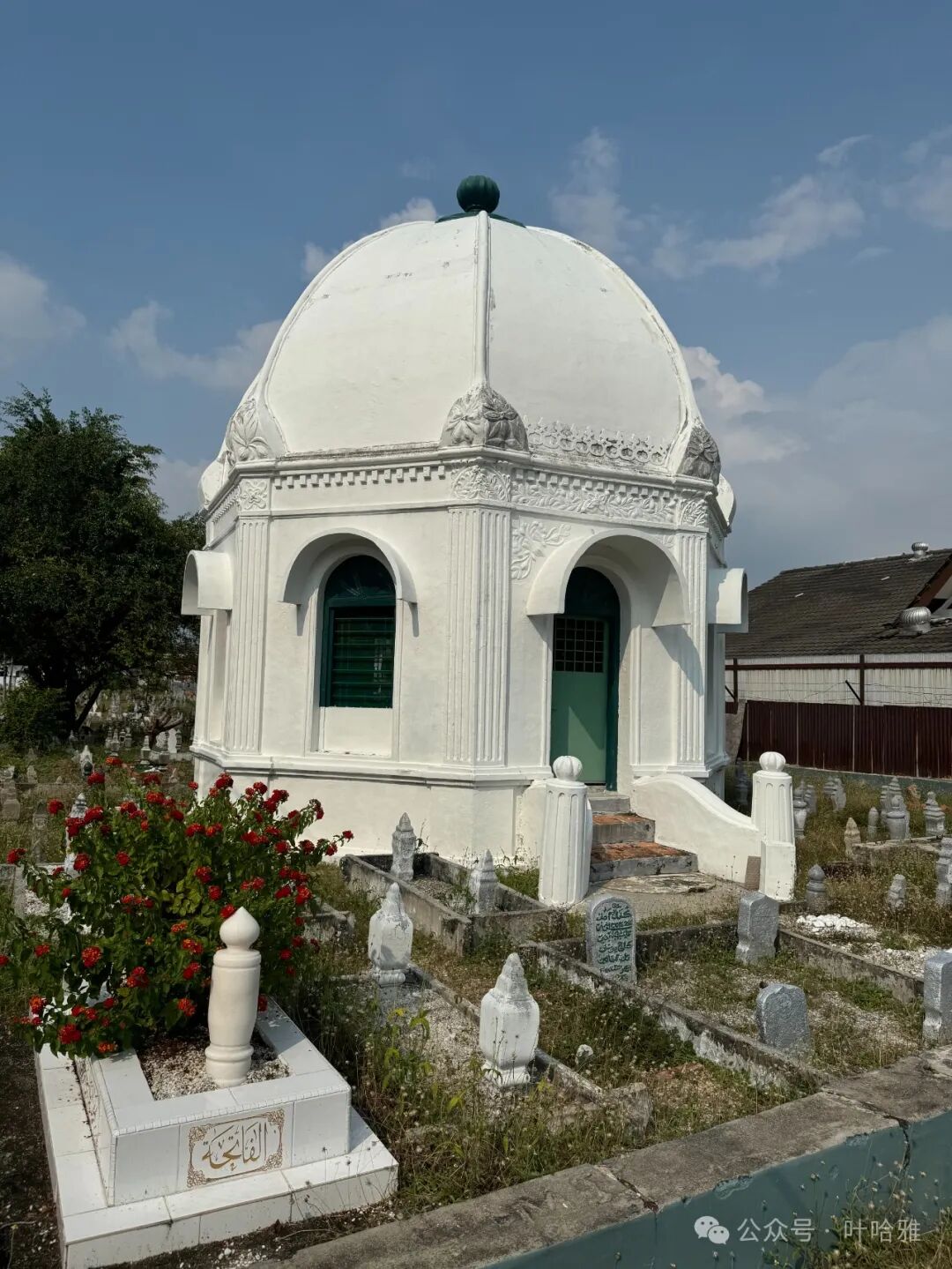
Next to the mosque is the tomb of Sultan Hussein Shah of Johor (1776-1835). He signed two treaties with the British and was nominally recognized by them as the Sultan of Johor and Singapore in 1819. He successfully weakened Dutch influence, so he is credited in the history of Singapore's founding, though he held no real power and was more of a puppet monarch. Some described him as a tiger without teeth. Several of his descendants are buried in the Jalan Kubor cemetery in Singapore.
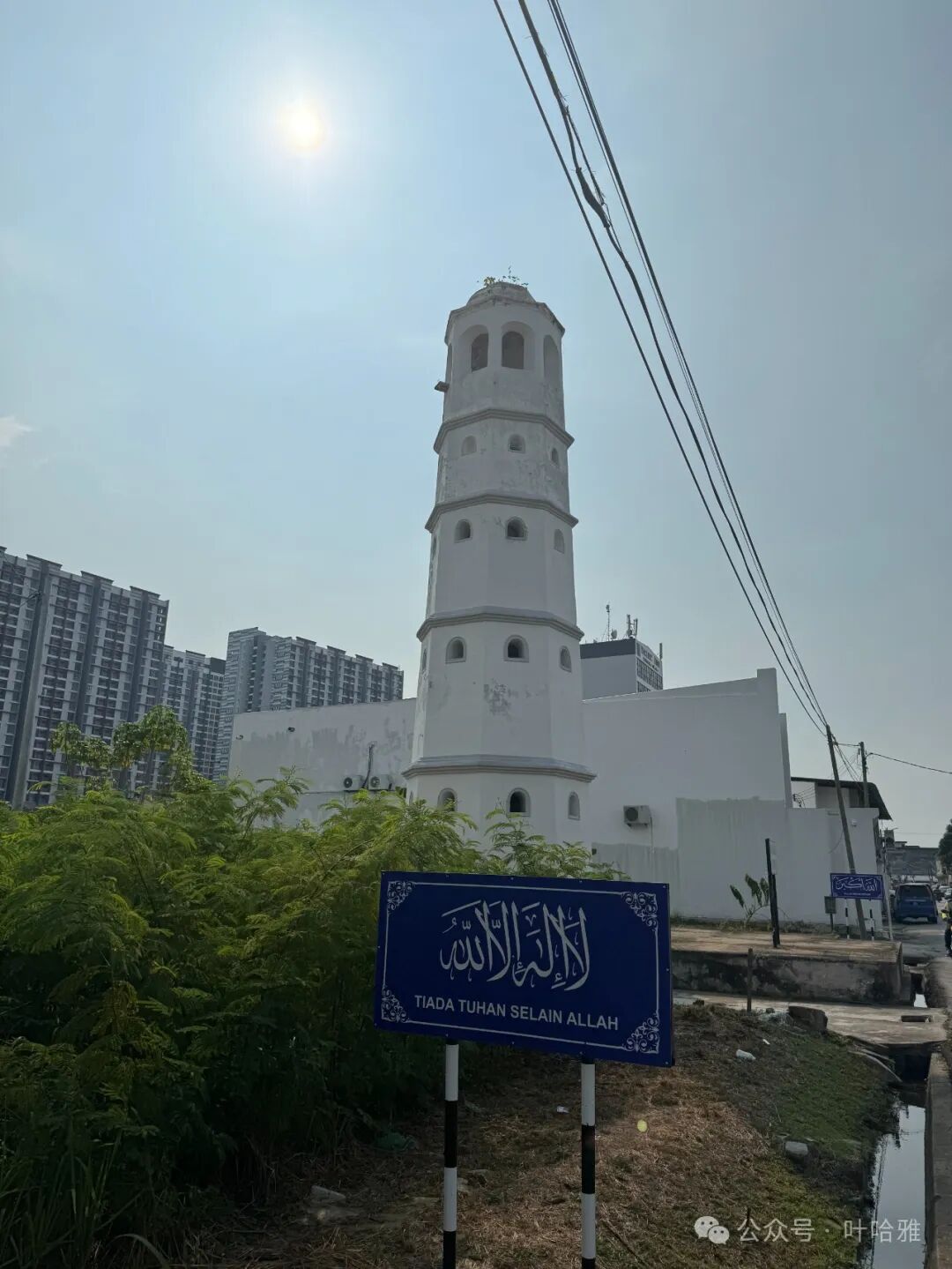
Less than 200 meters across the street from the mosque, you can see a pagoda-style building. This tower is the site of another mosque from 1728.
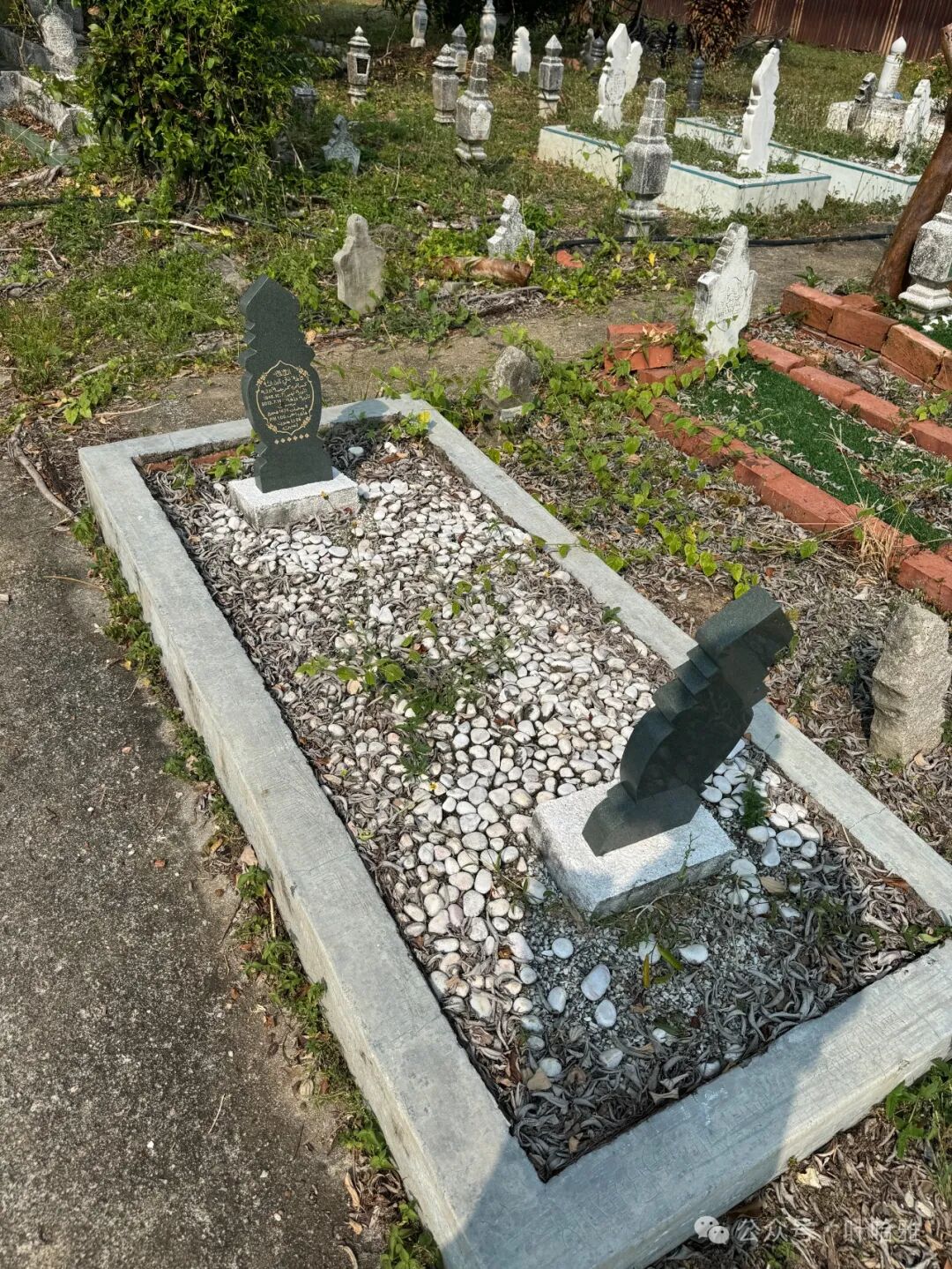
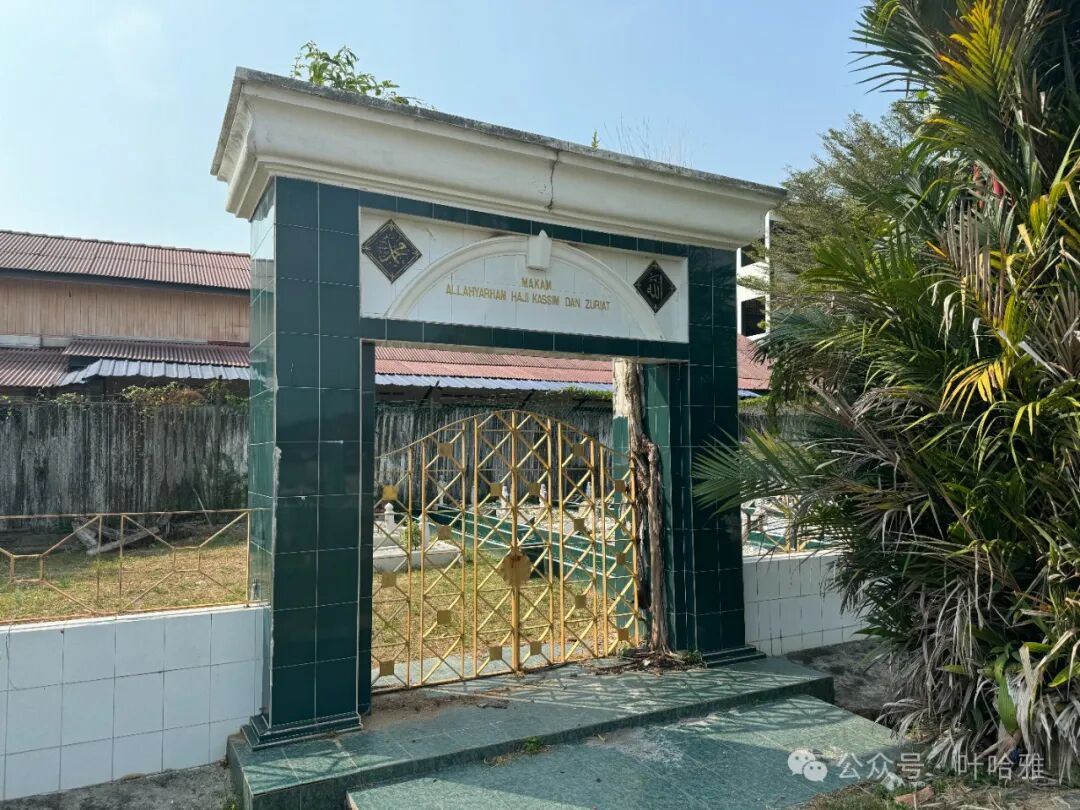
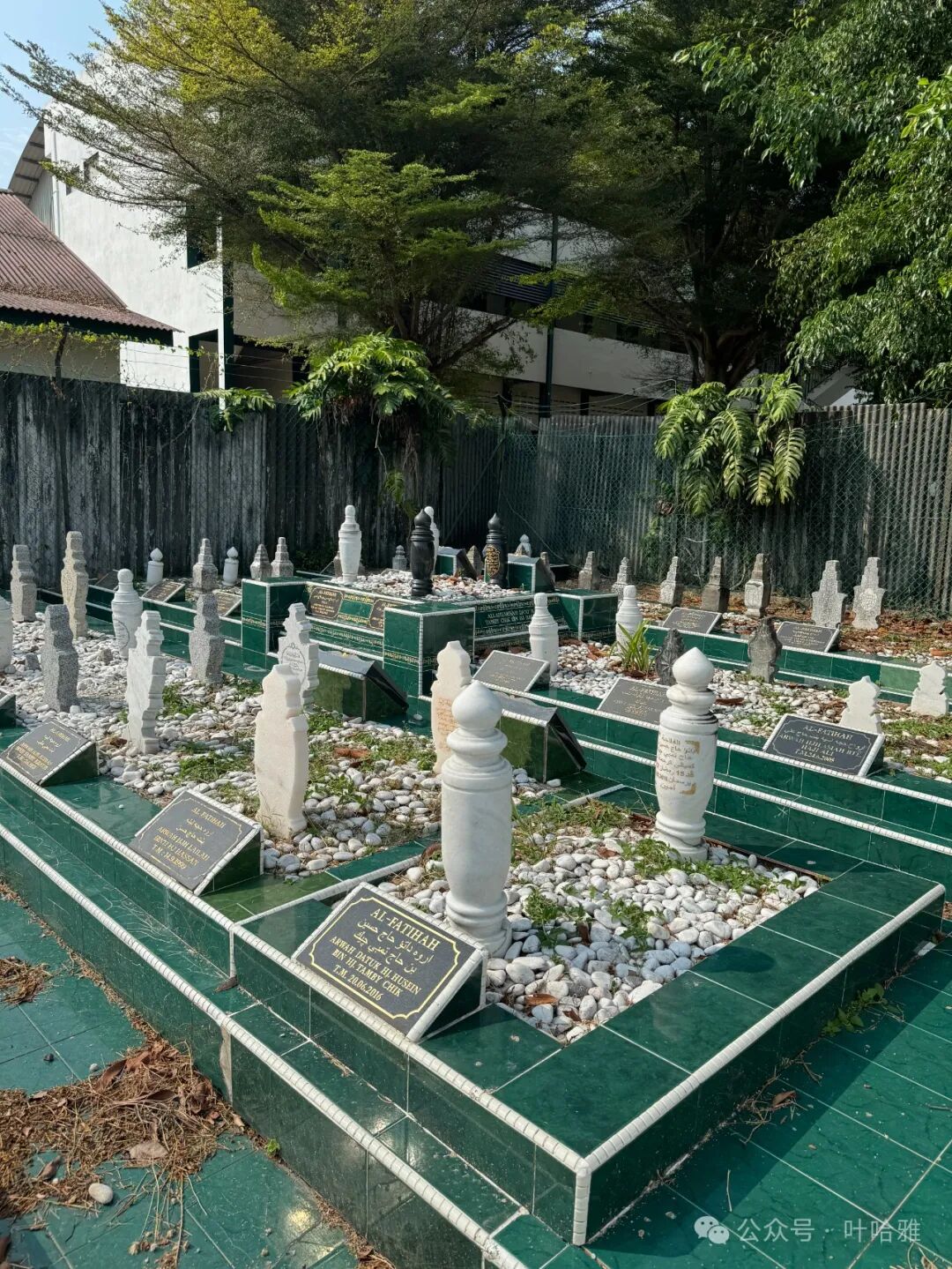
Across from the pagoda, you can see another cemetery.
3.
Kampung Hulu Mosque (Masjid Kampung)
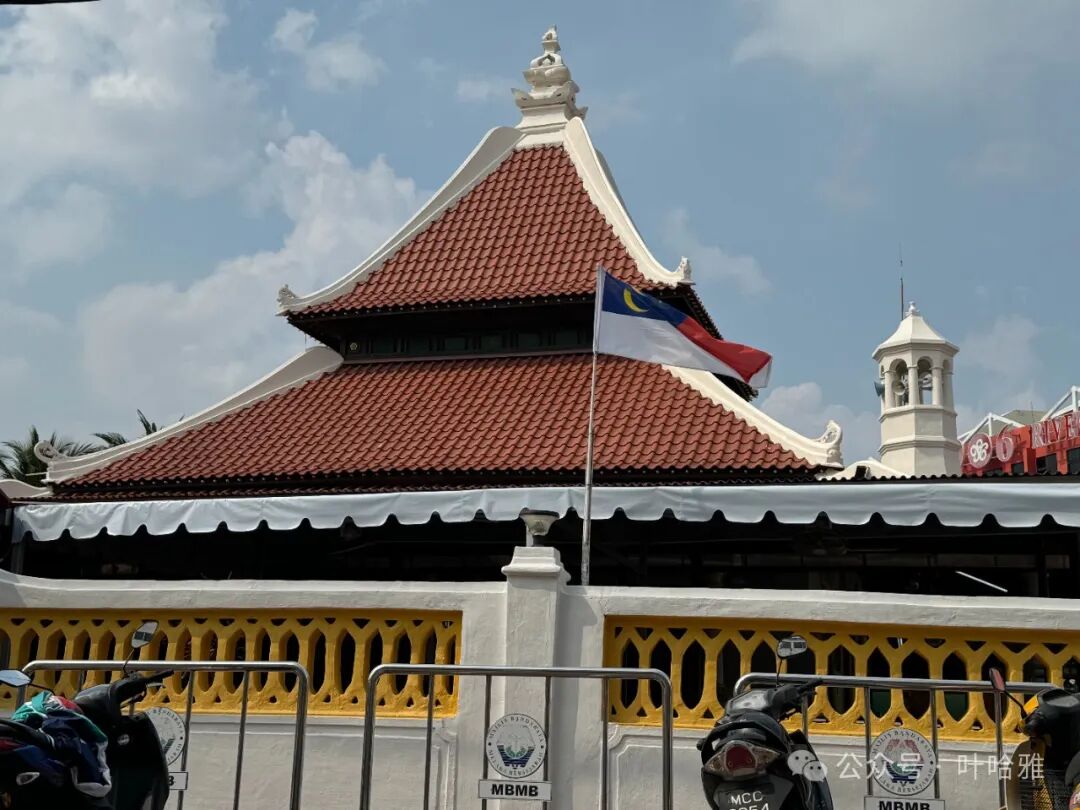
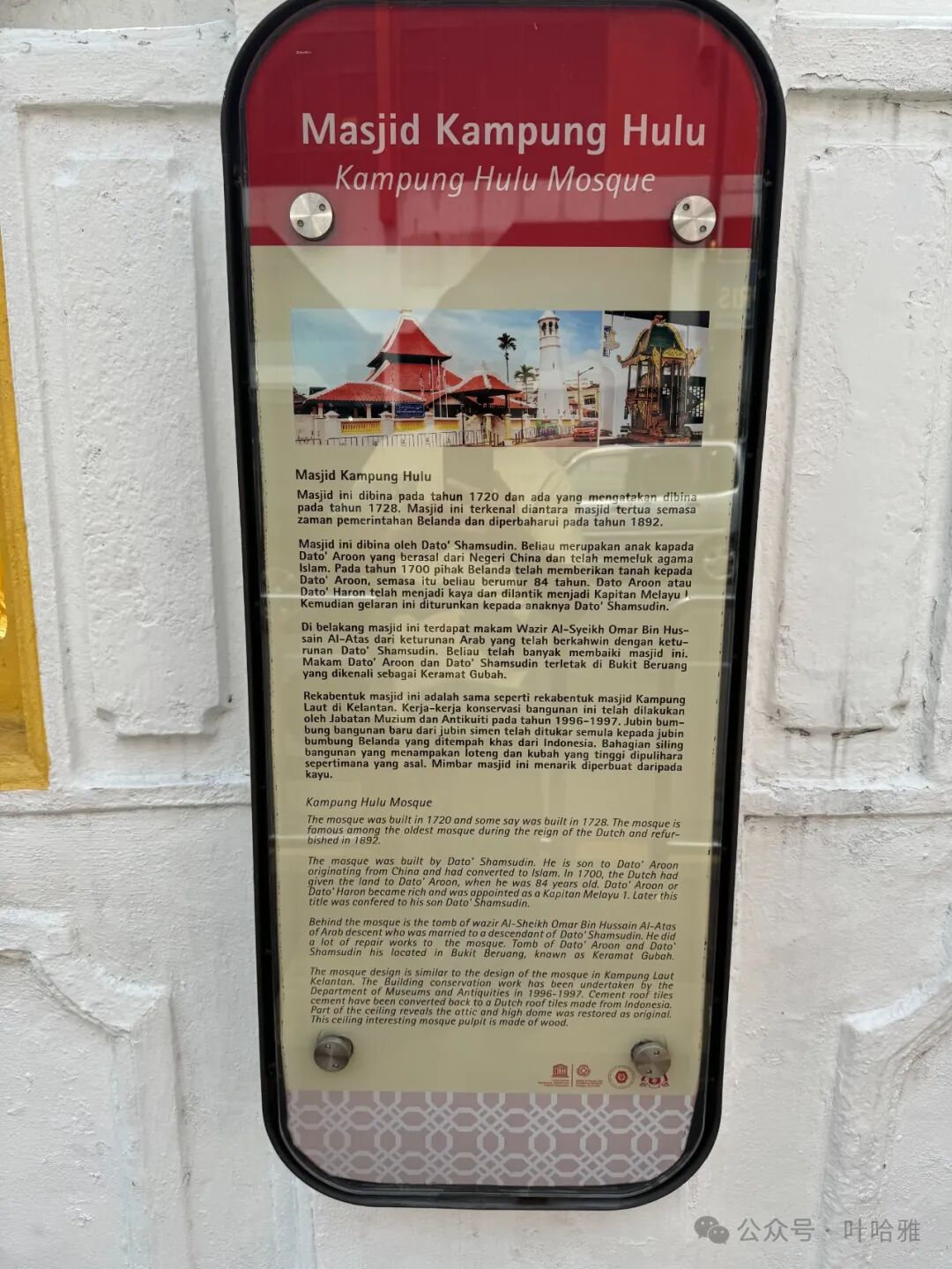
Walking another two kilometers, you reach Kampung Hulu Mosque. This mosque was built in 1720 or 1728, commissioned by the Dutch East India Company and built by Chinese Muslims. The architectural style combines Javanese and Chinese elements.
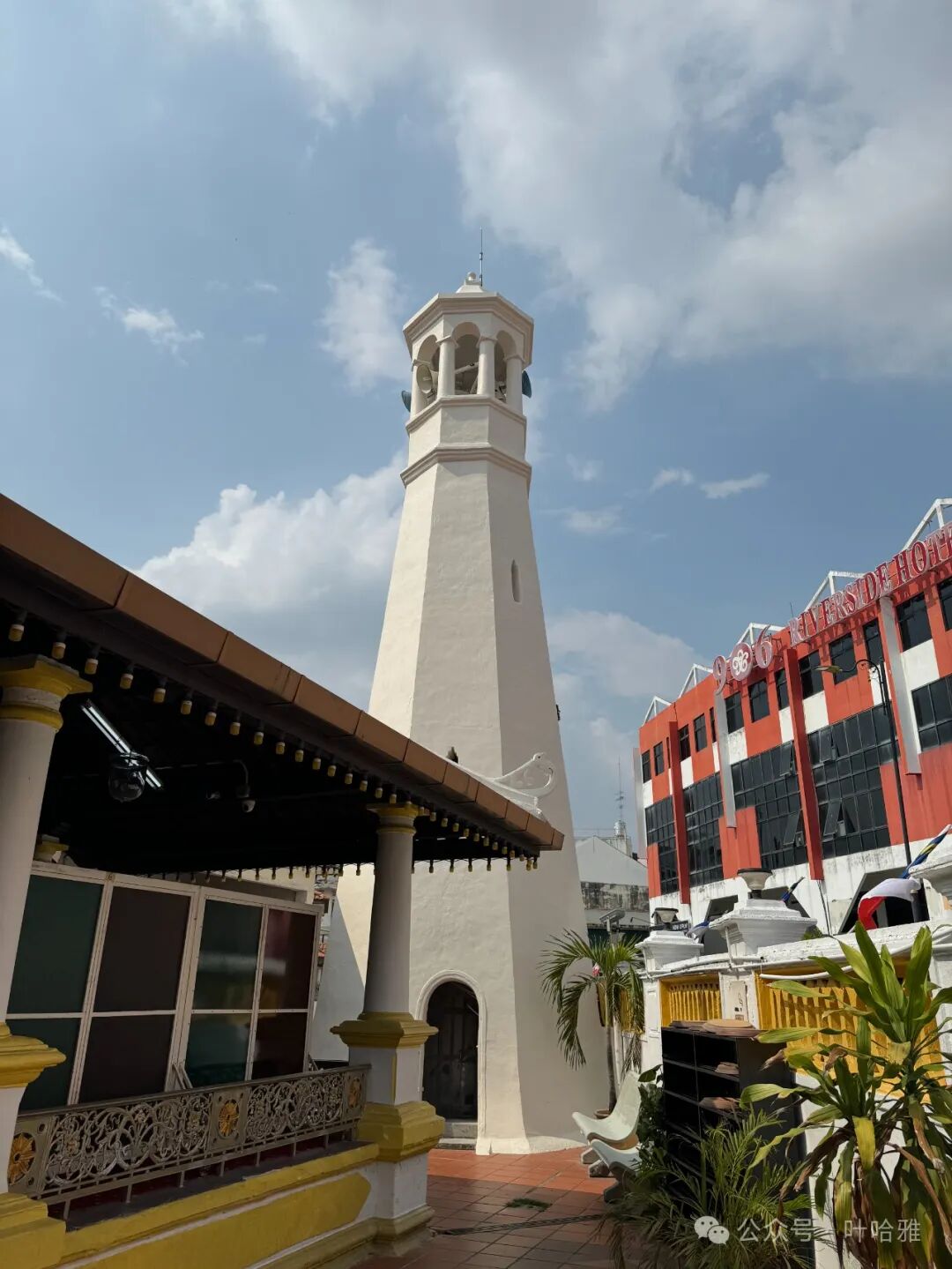
The minaret looks like a lighthouse.
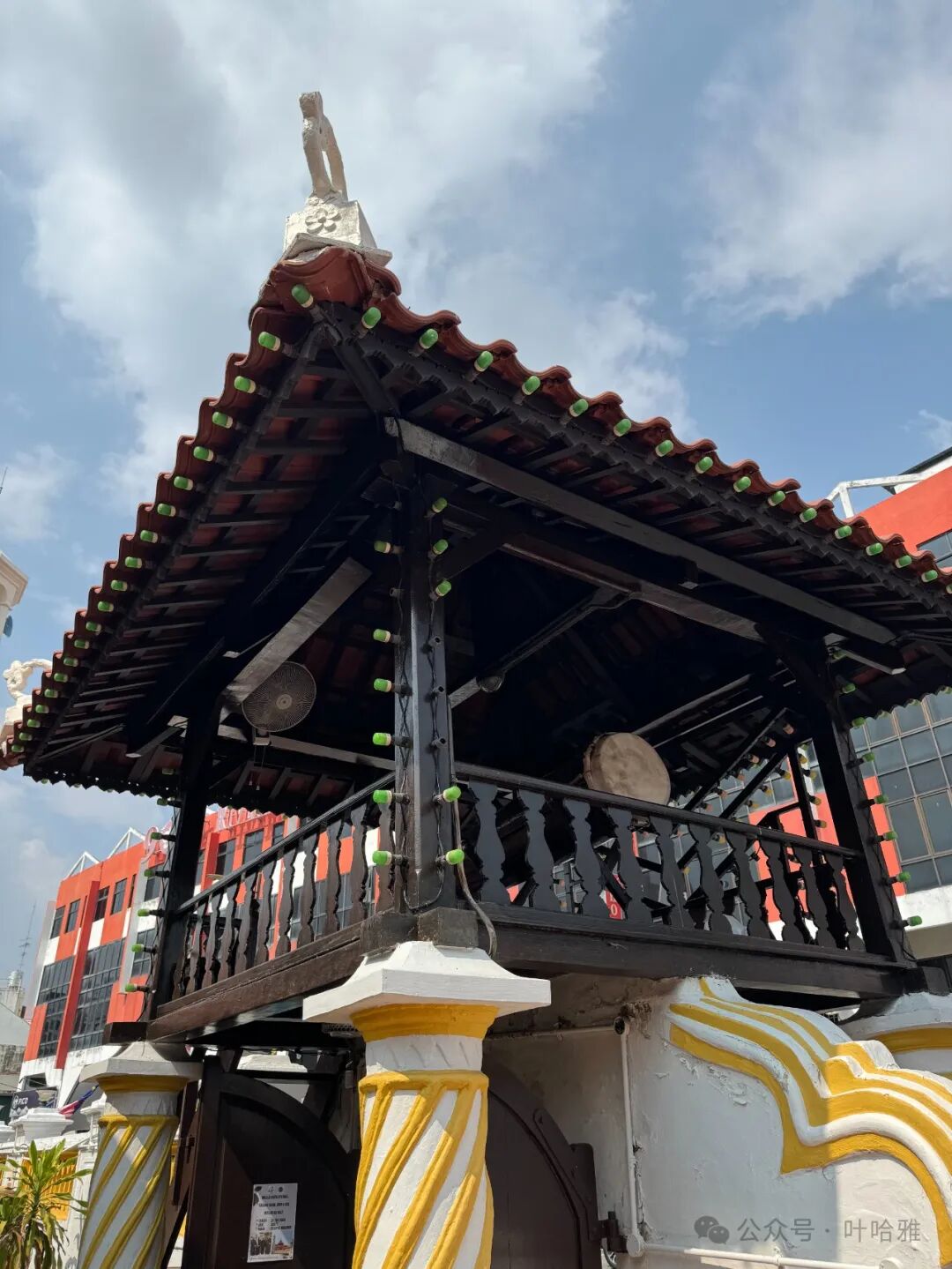
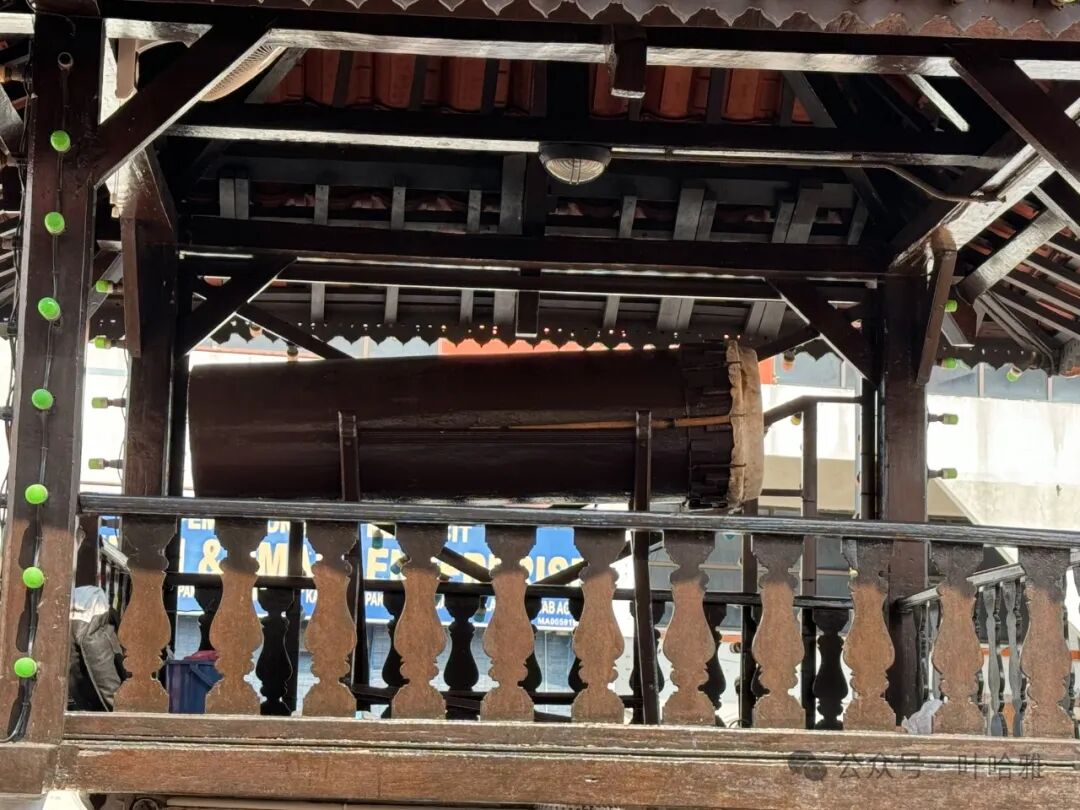
The prayer drum (bangke gu) is also influenced by Chinese culture. Traditional mosques on the island of Java in Indonesia also use drums to call people to prayer.
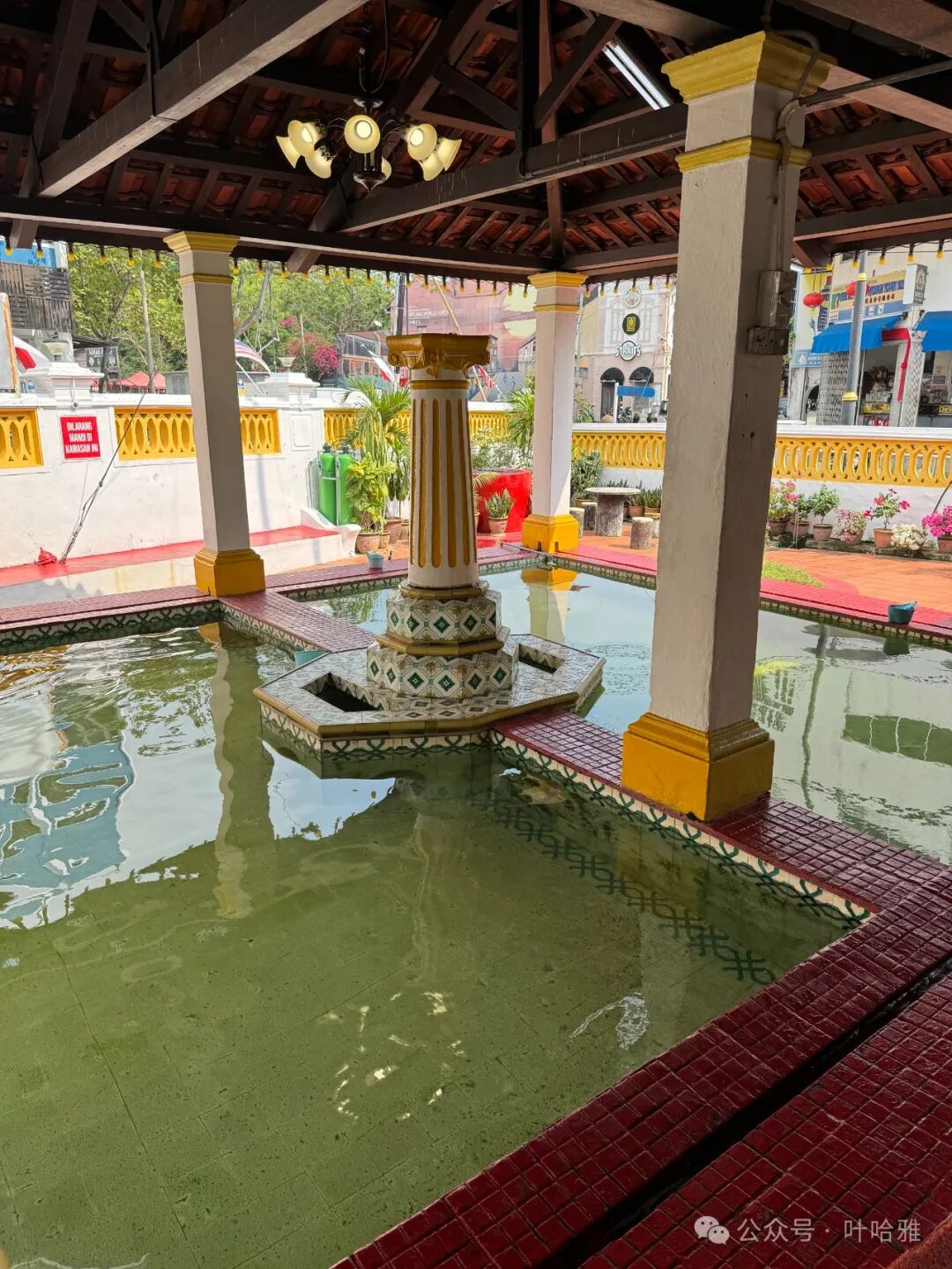
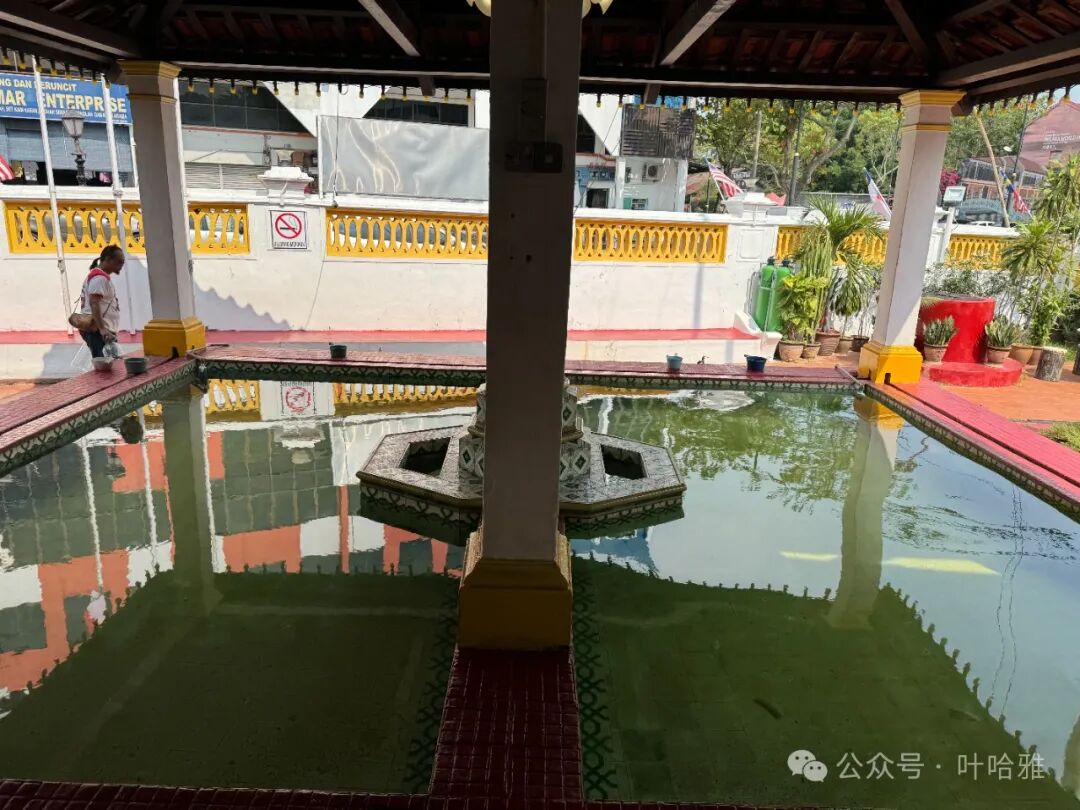
The water pool for wudu has flowing water, and the used water drains away through a channel on the side.
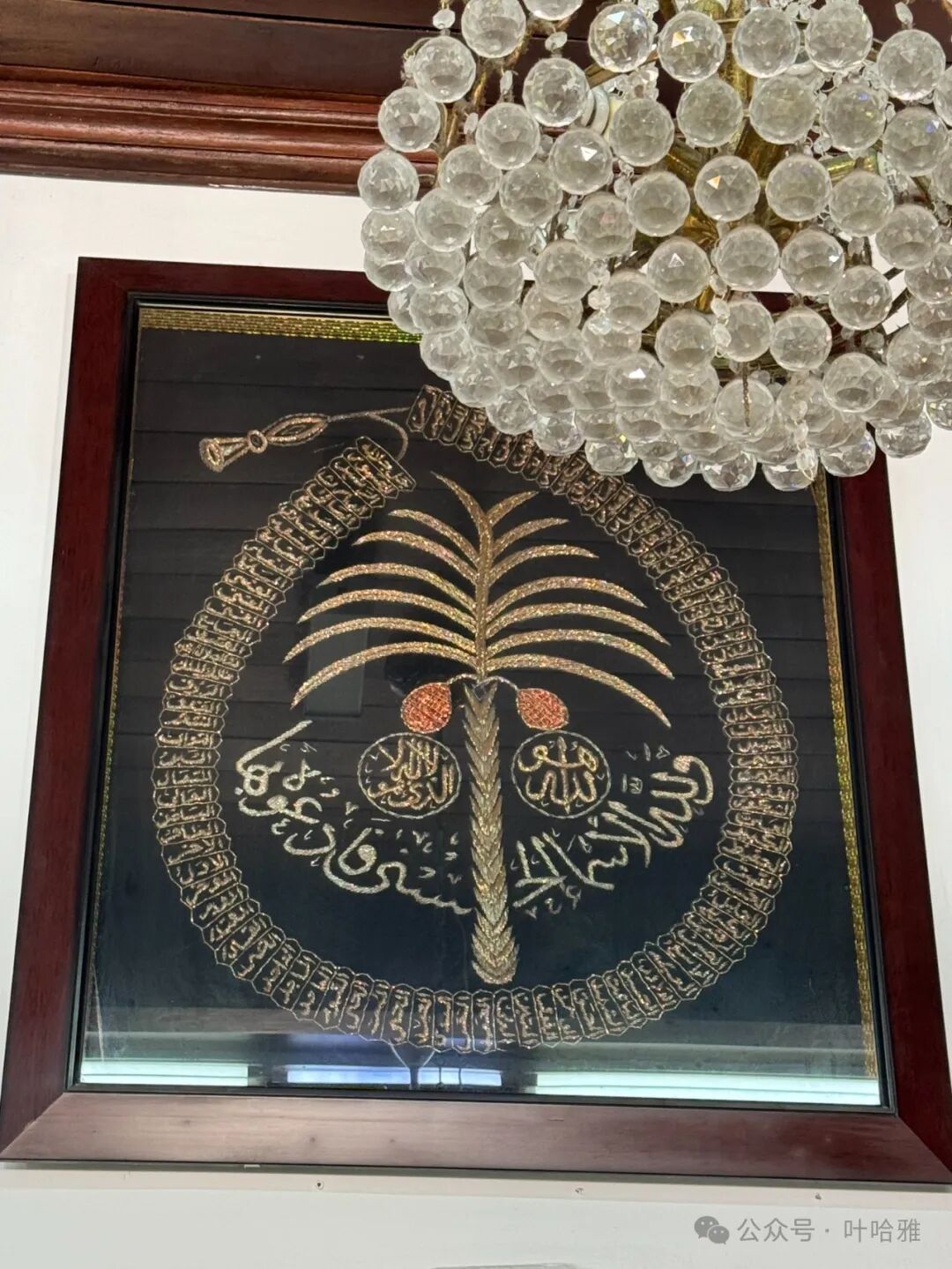
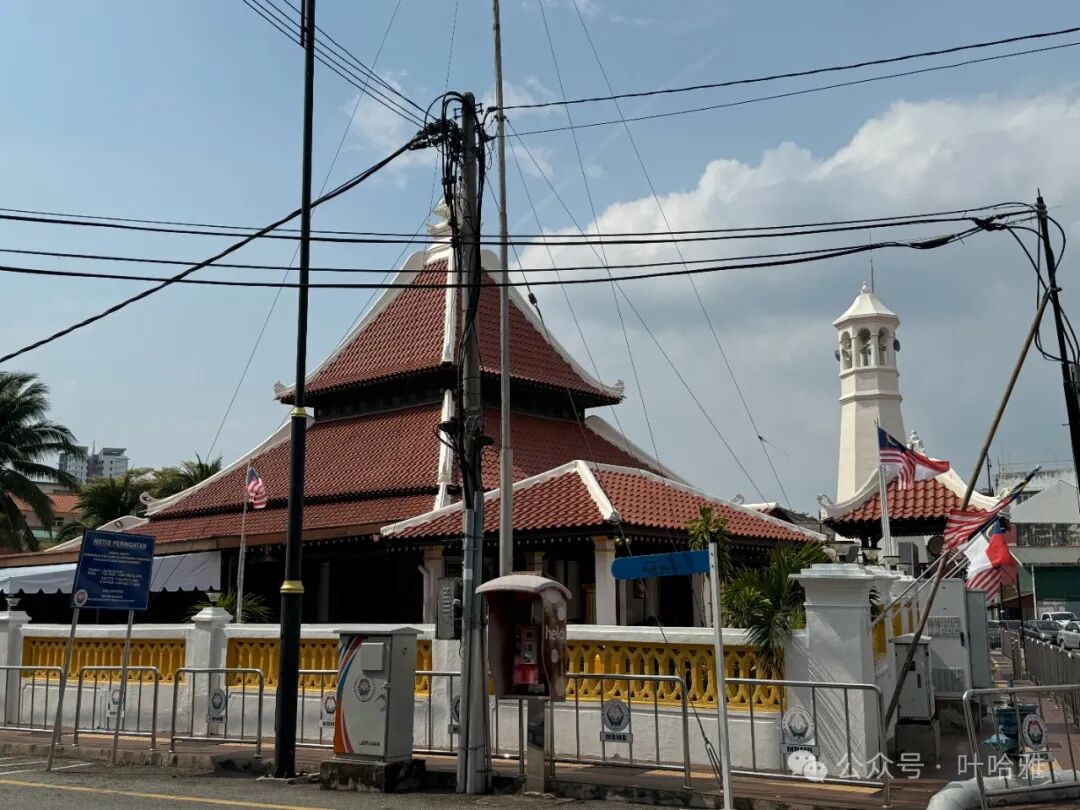
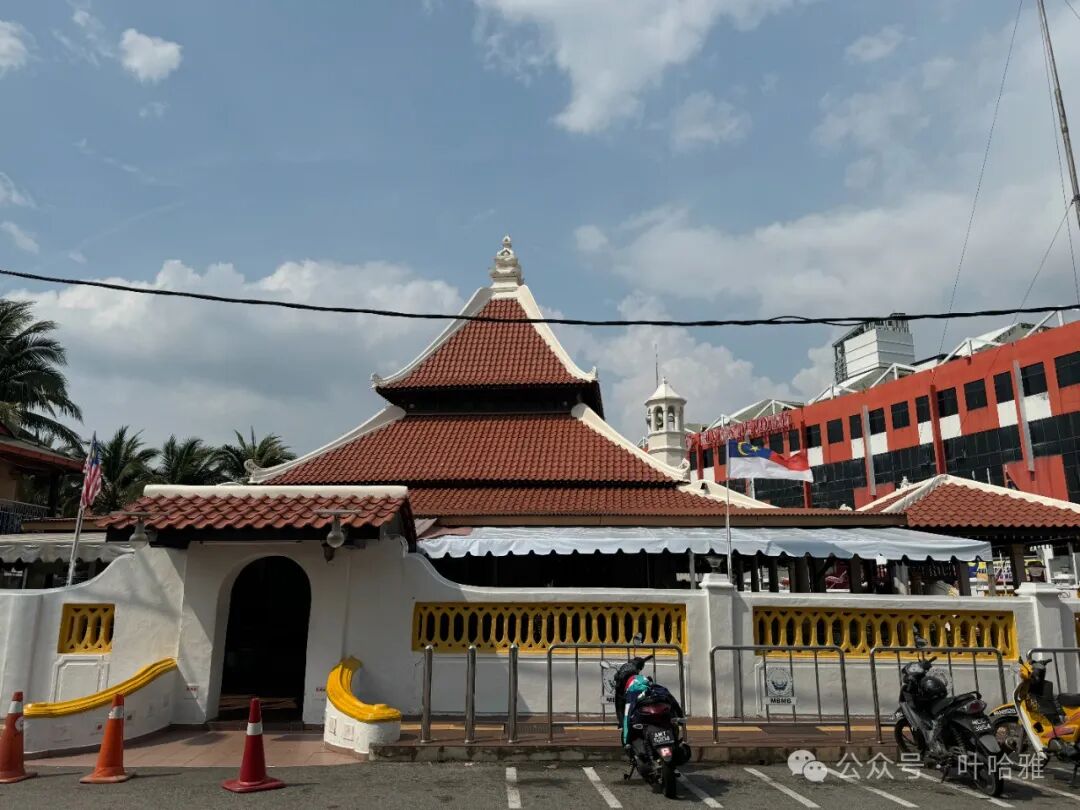
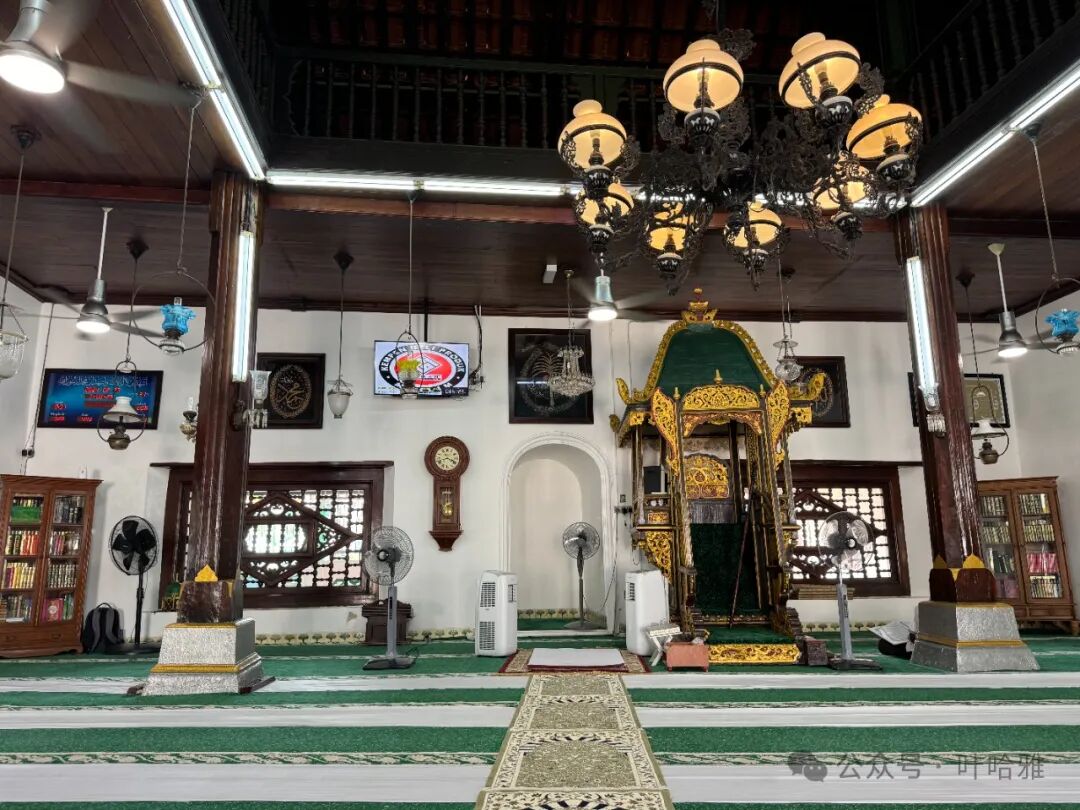
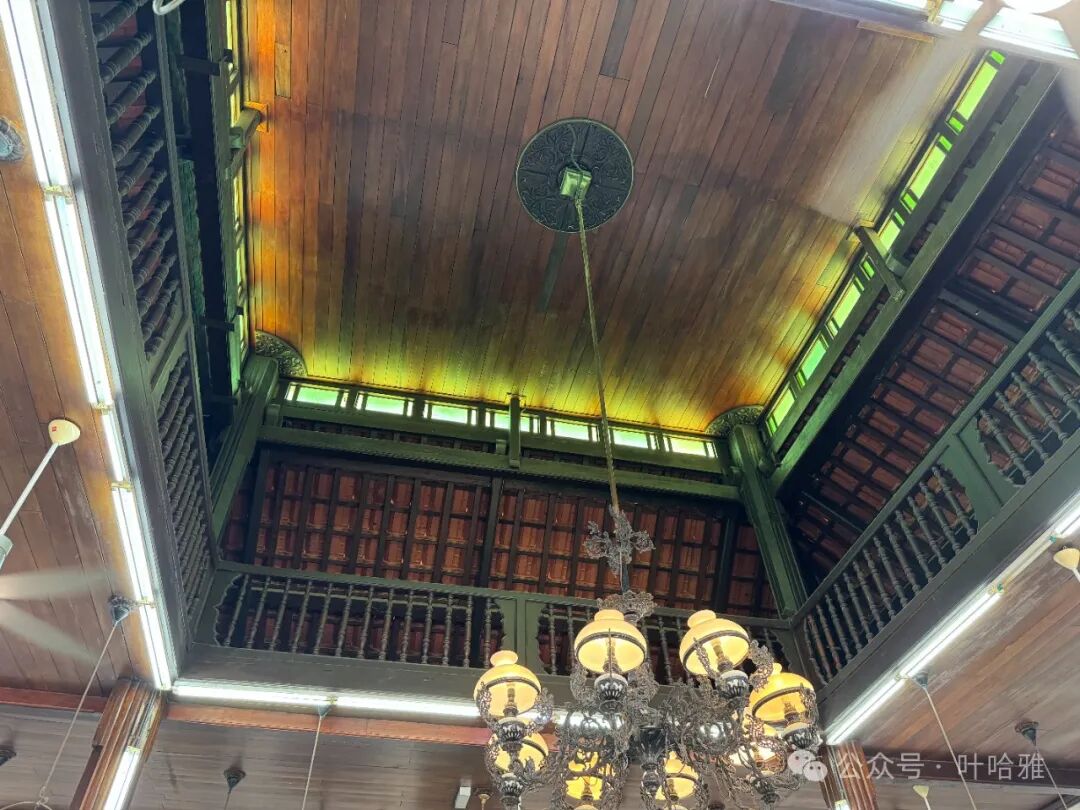
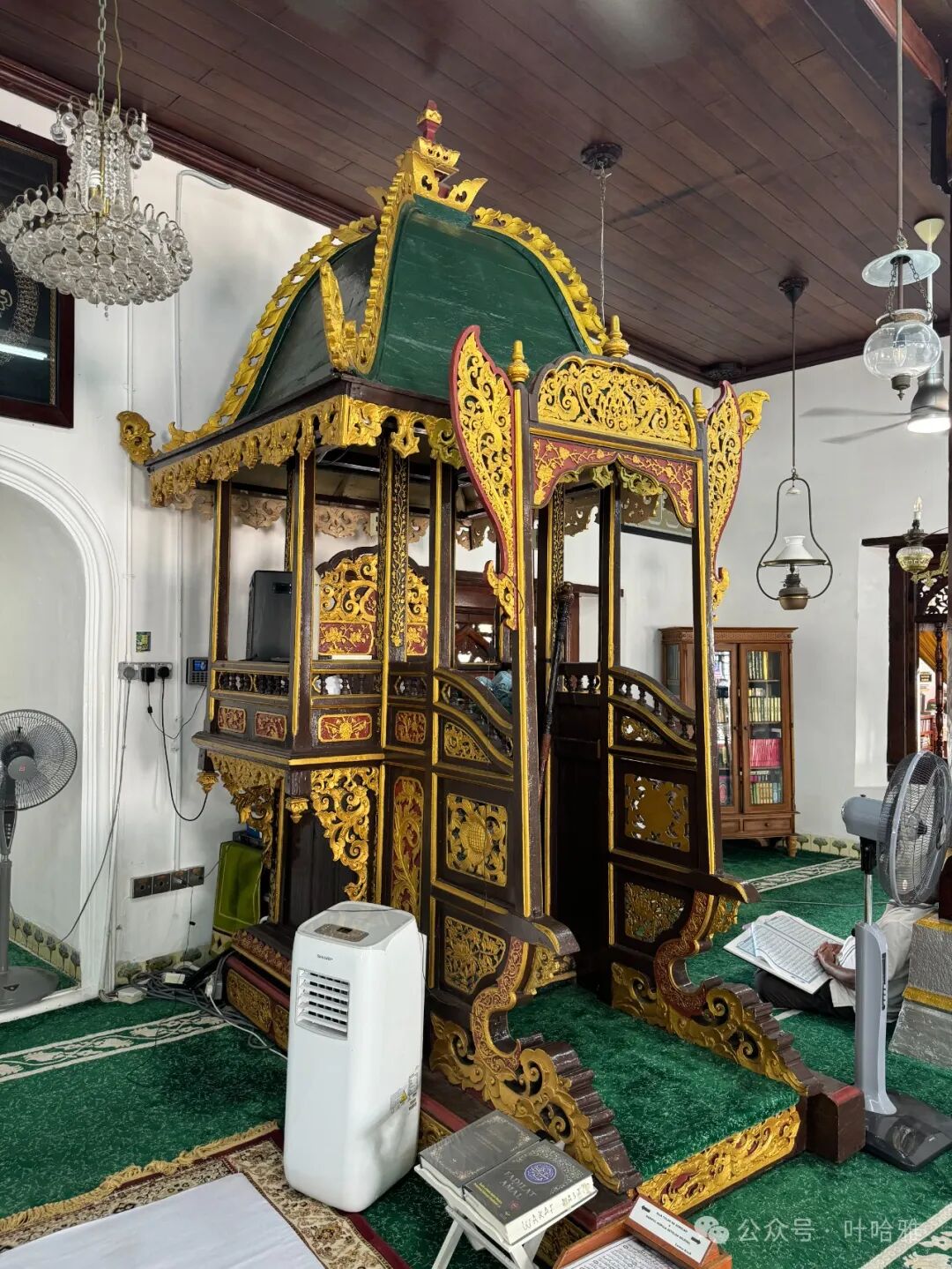
This style of minaret (minbai lou) is influenced by Javanese culture.
4. Kampung Kling Mosque
(Masjid Kampung Kling)
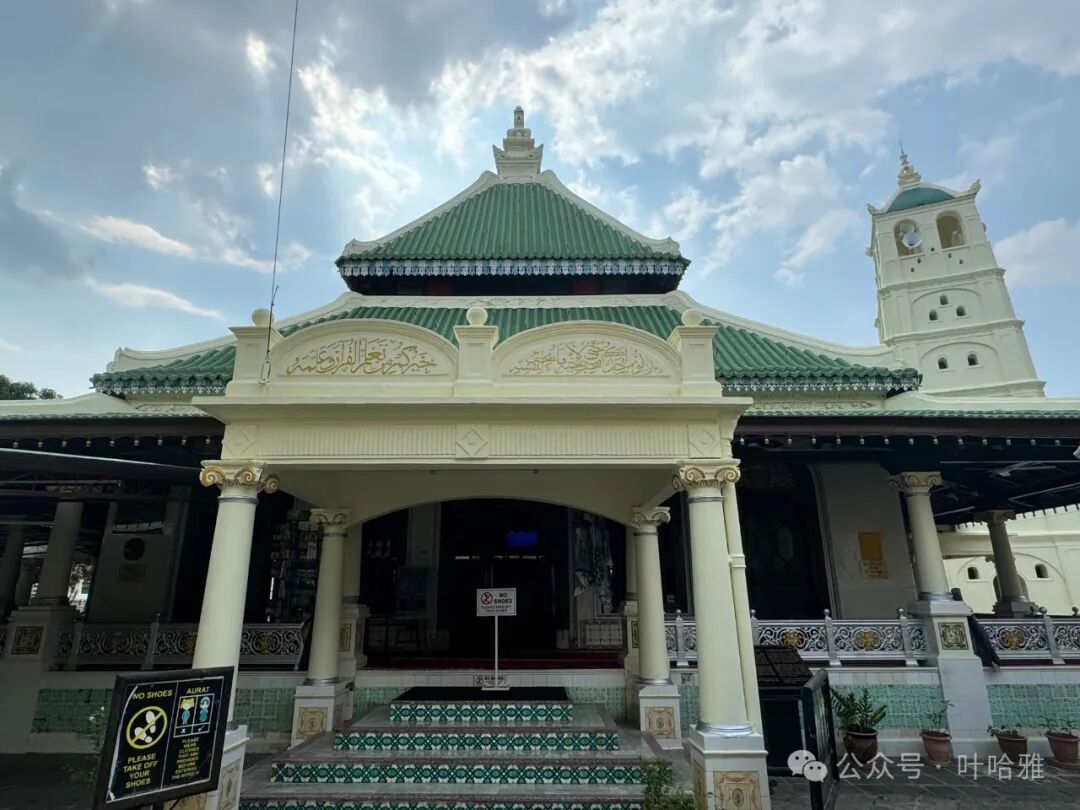
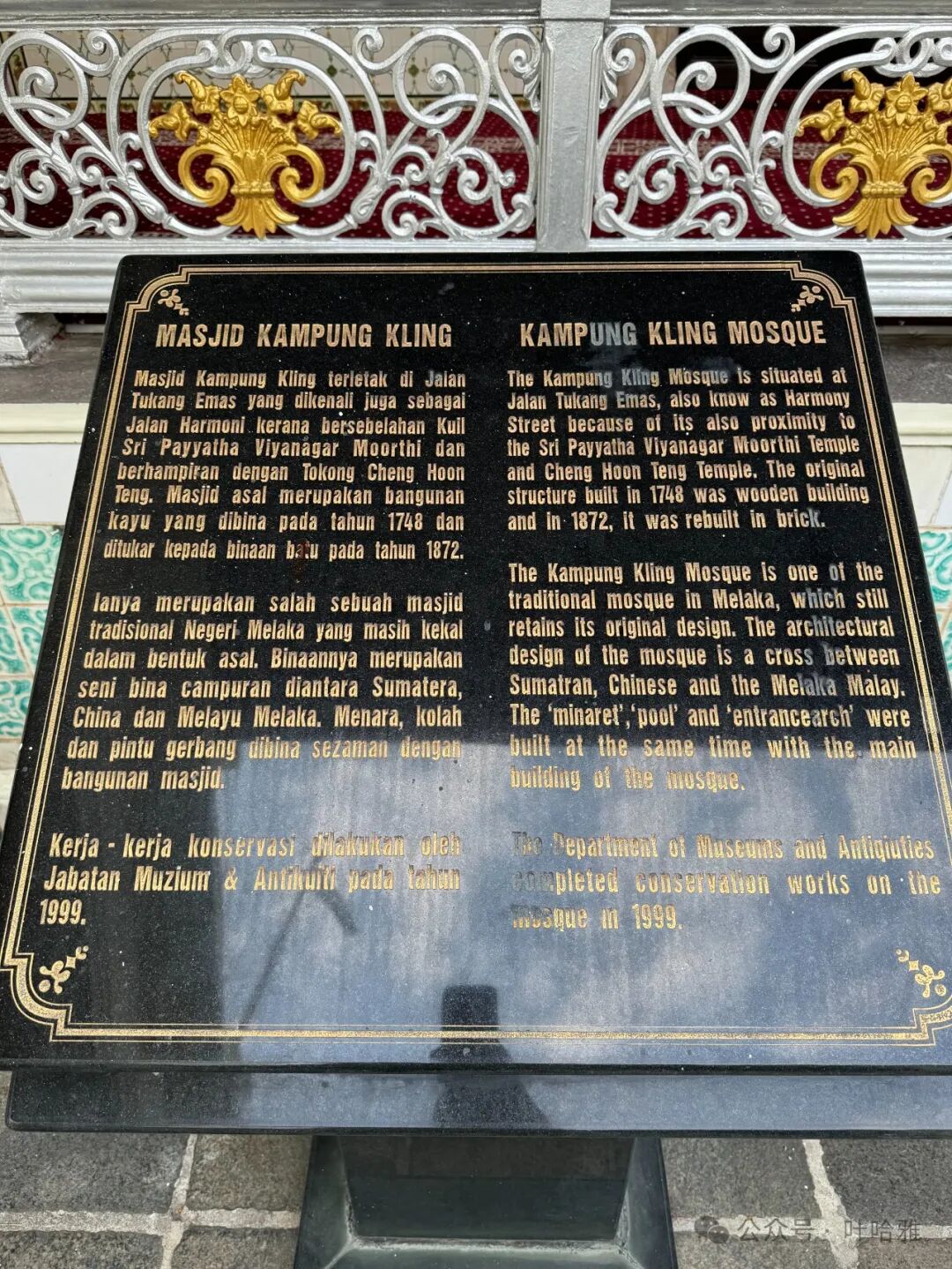
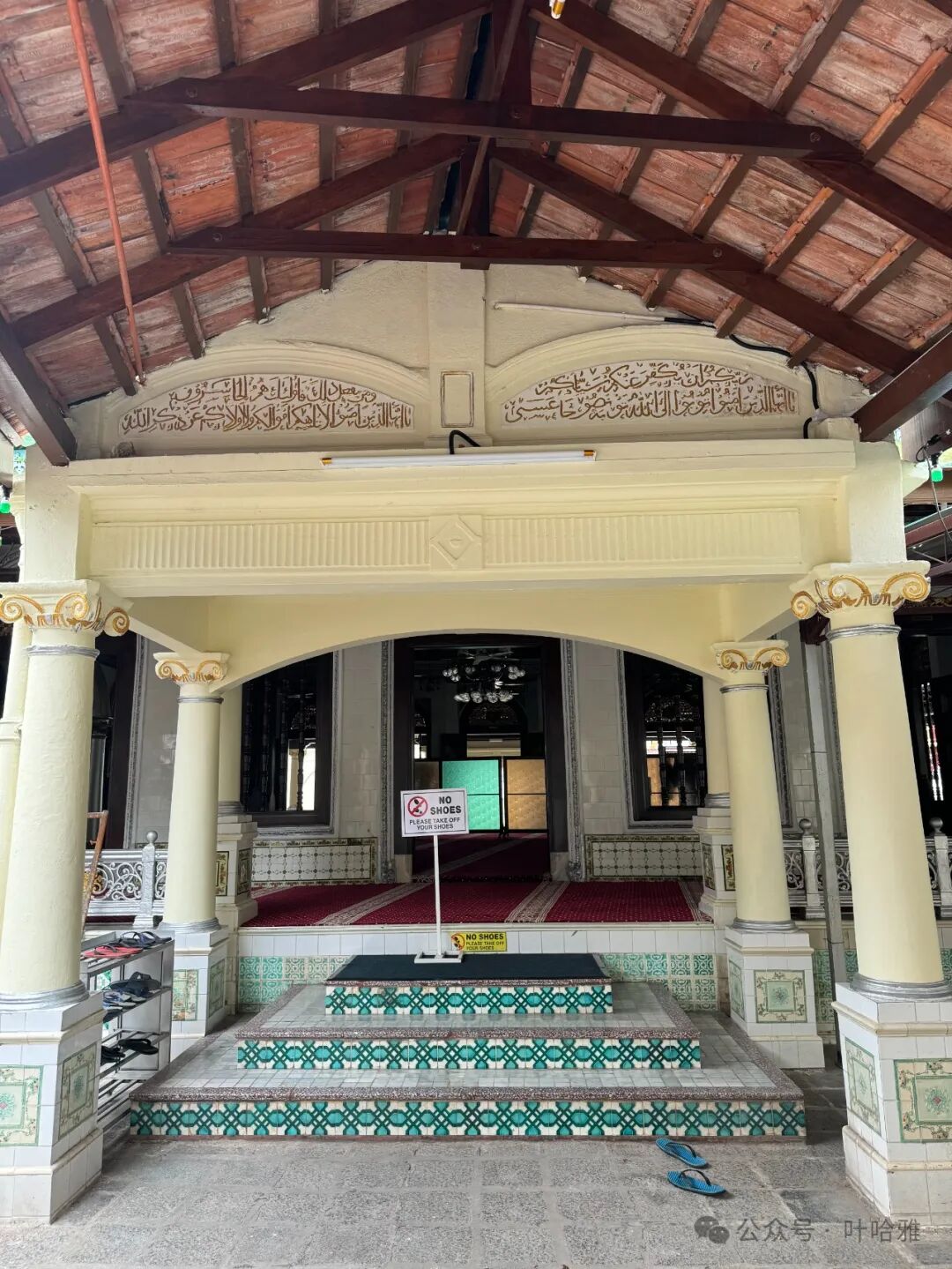
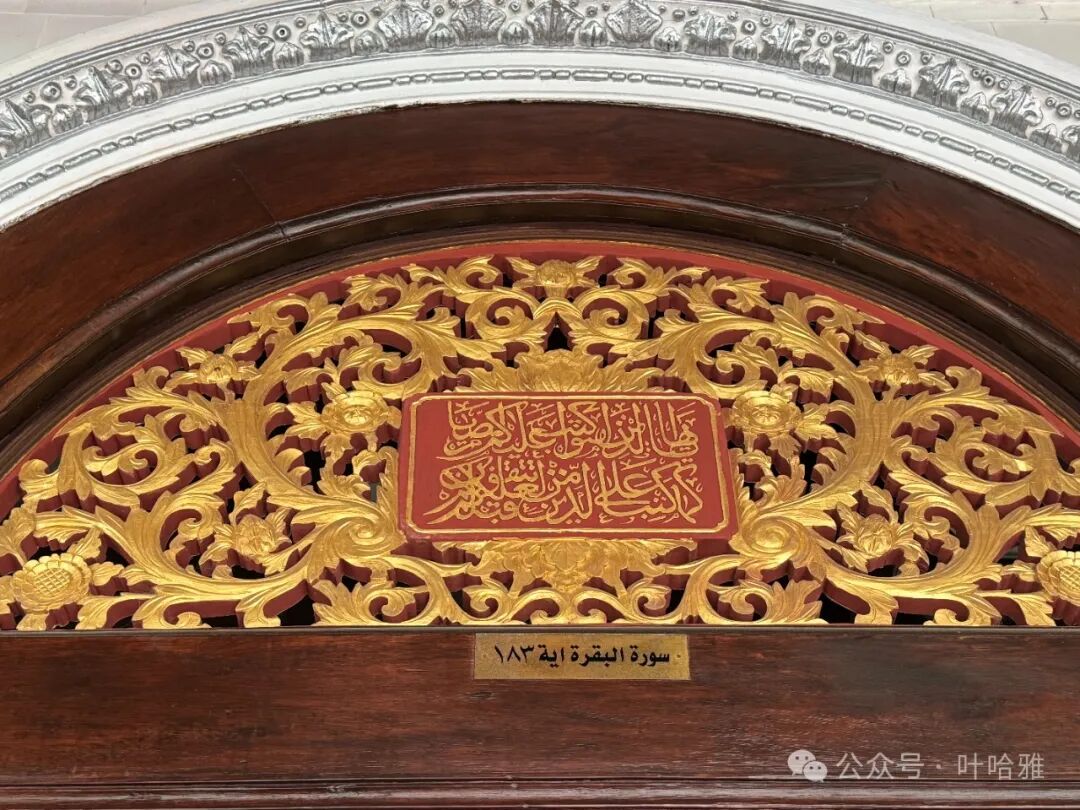
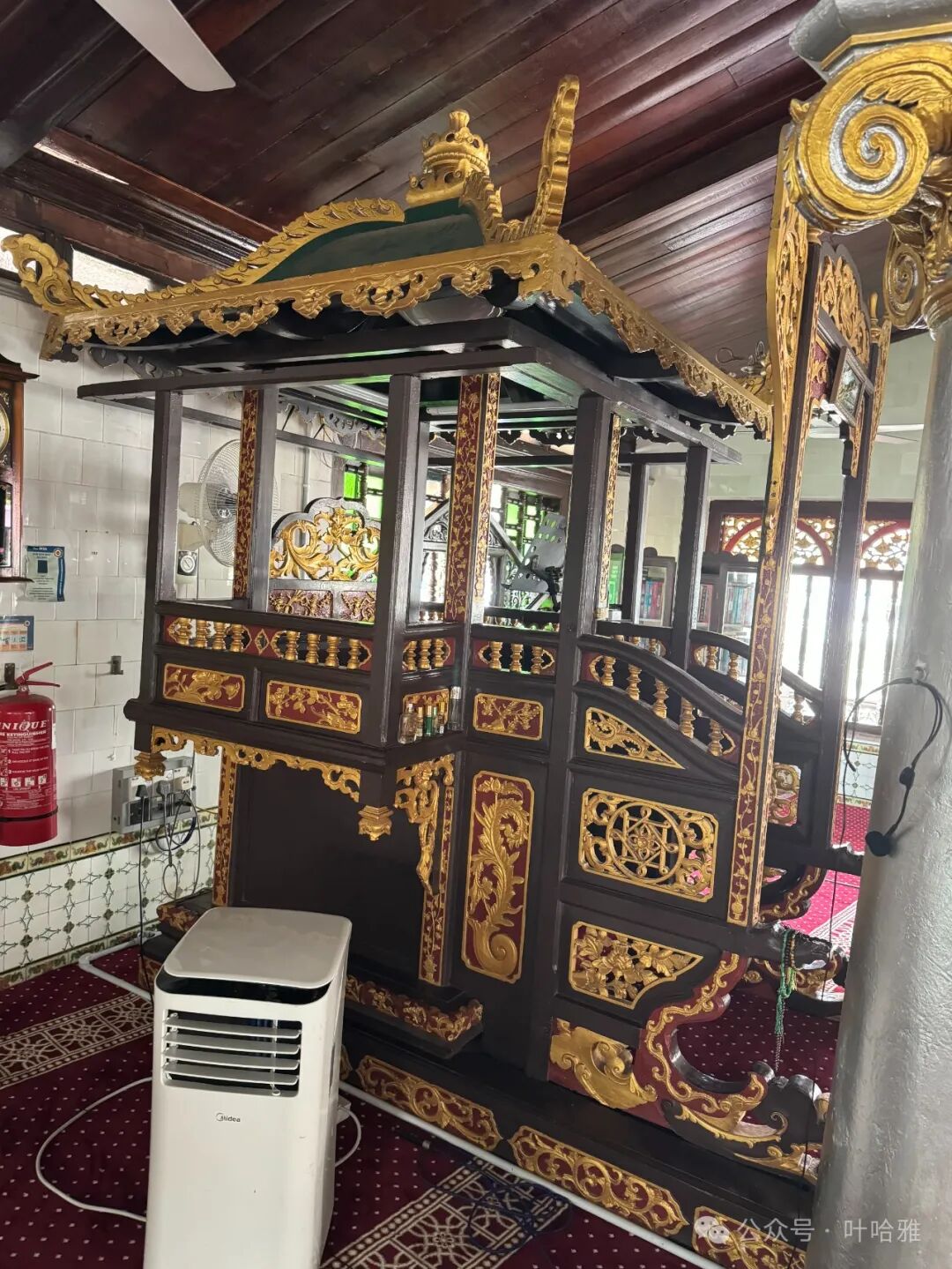
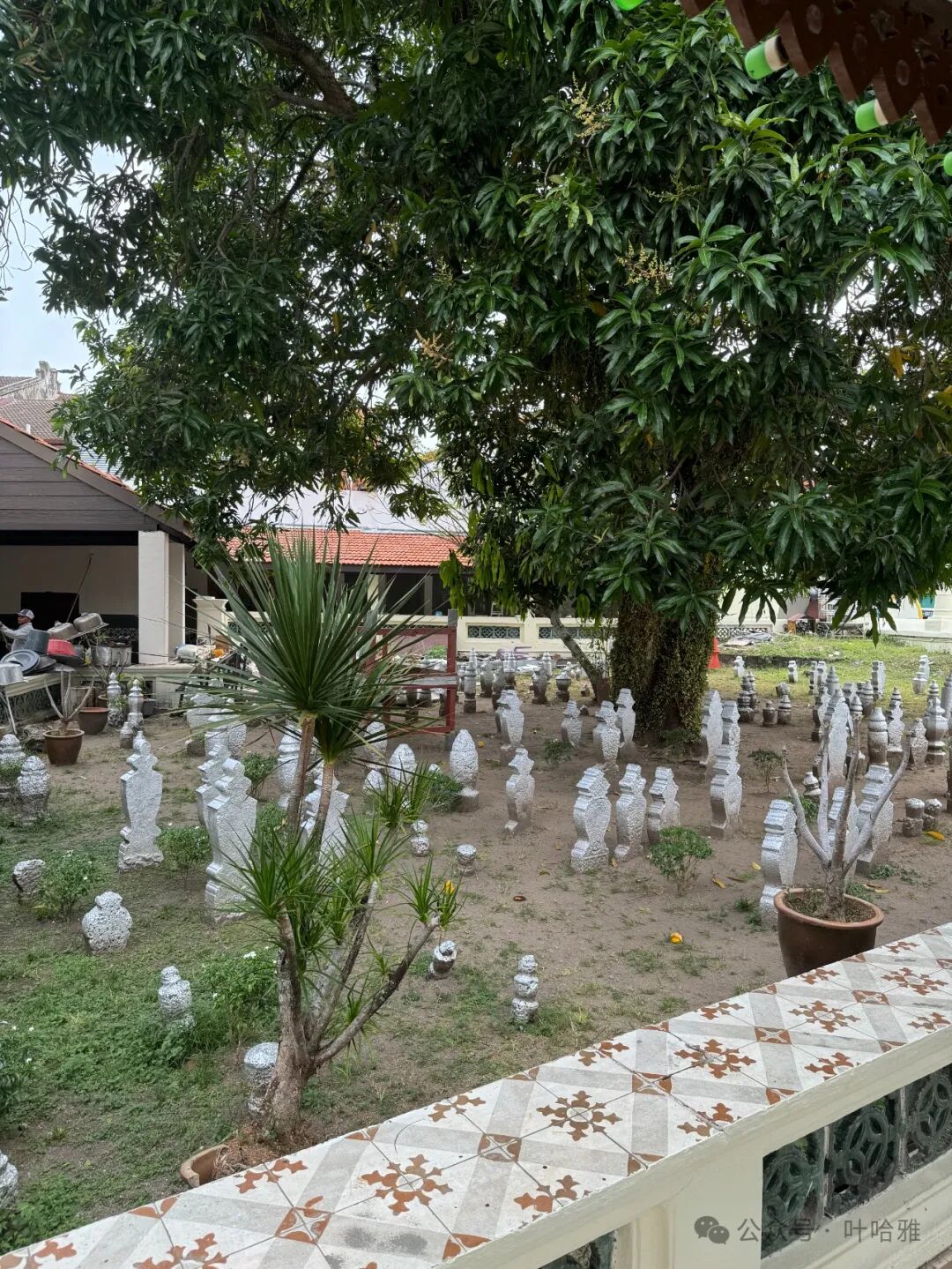
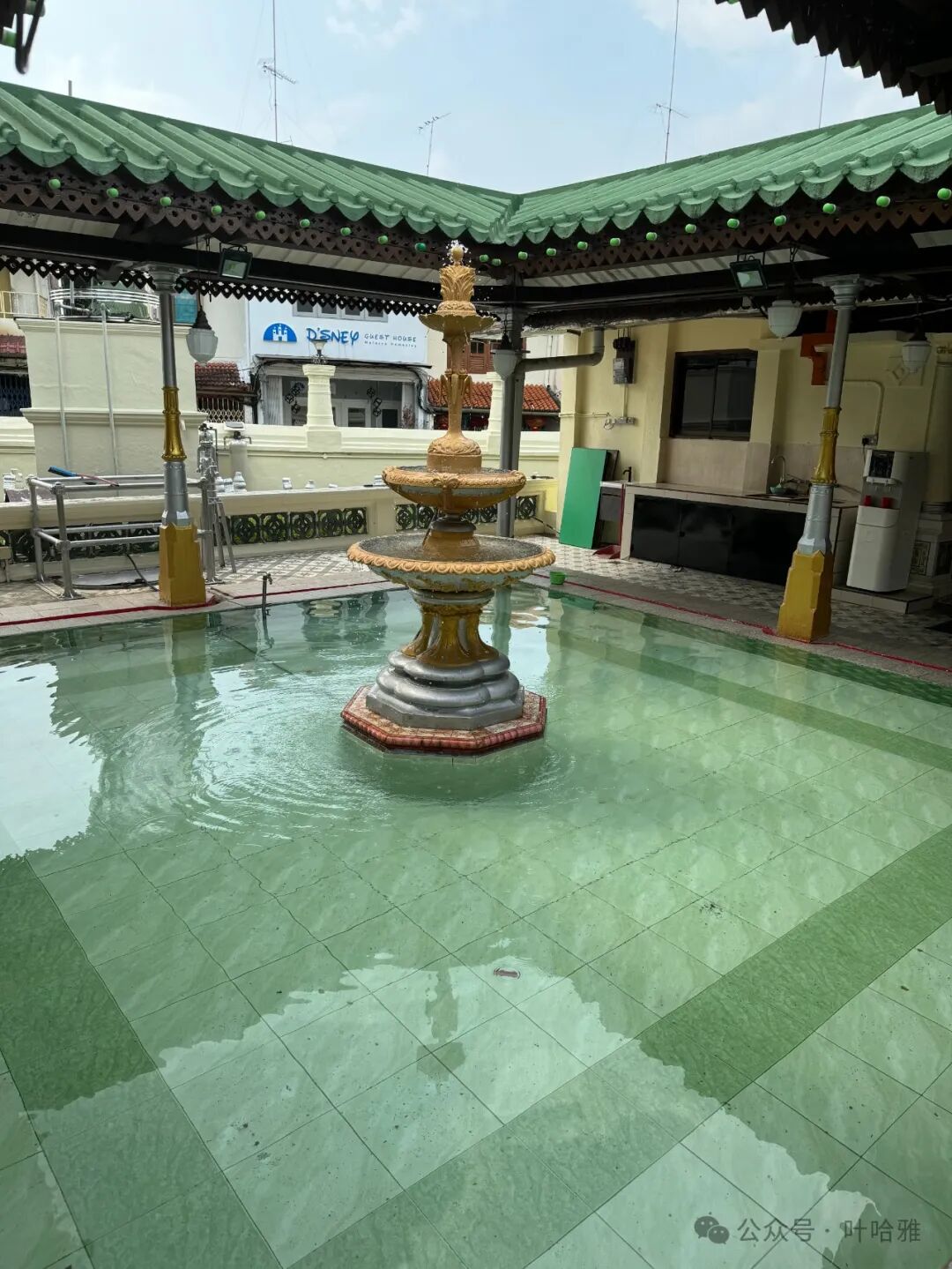
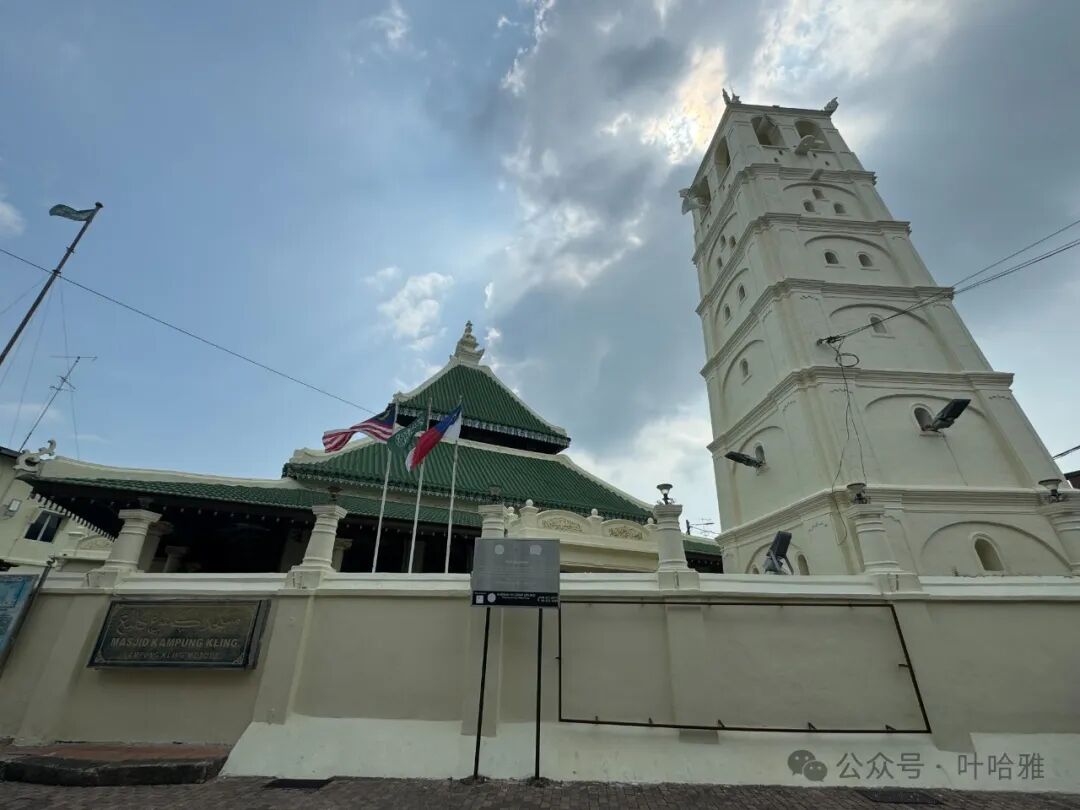
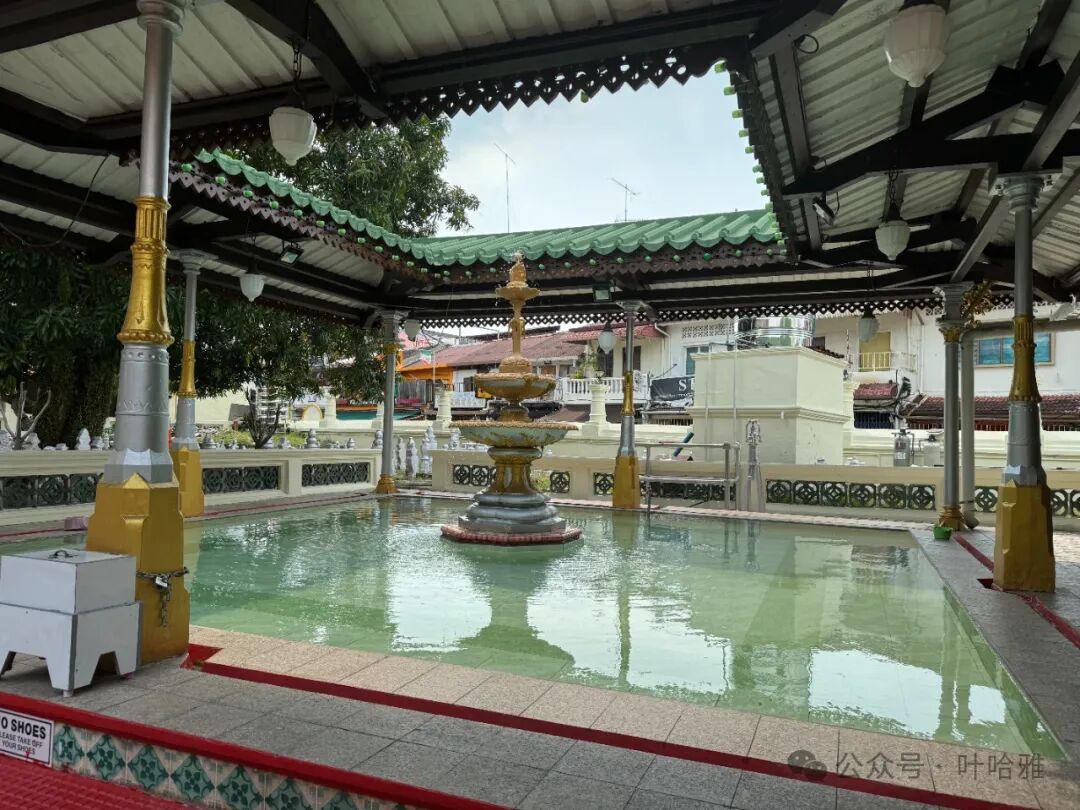
Built in 1748 by Indian Muslims, this mosque looks similar to the Kampung Hulu Mosque, just with a different color.
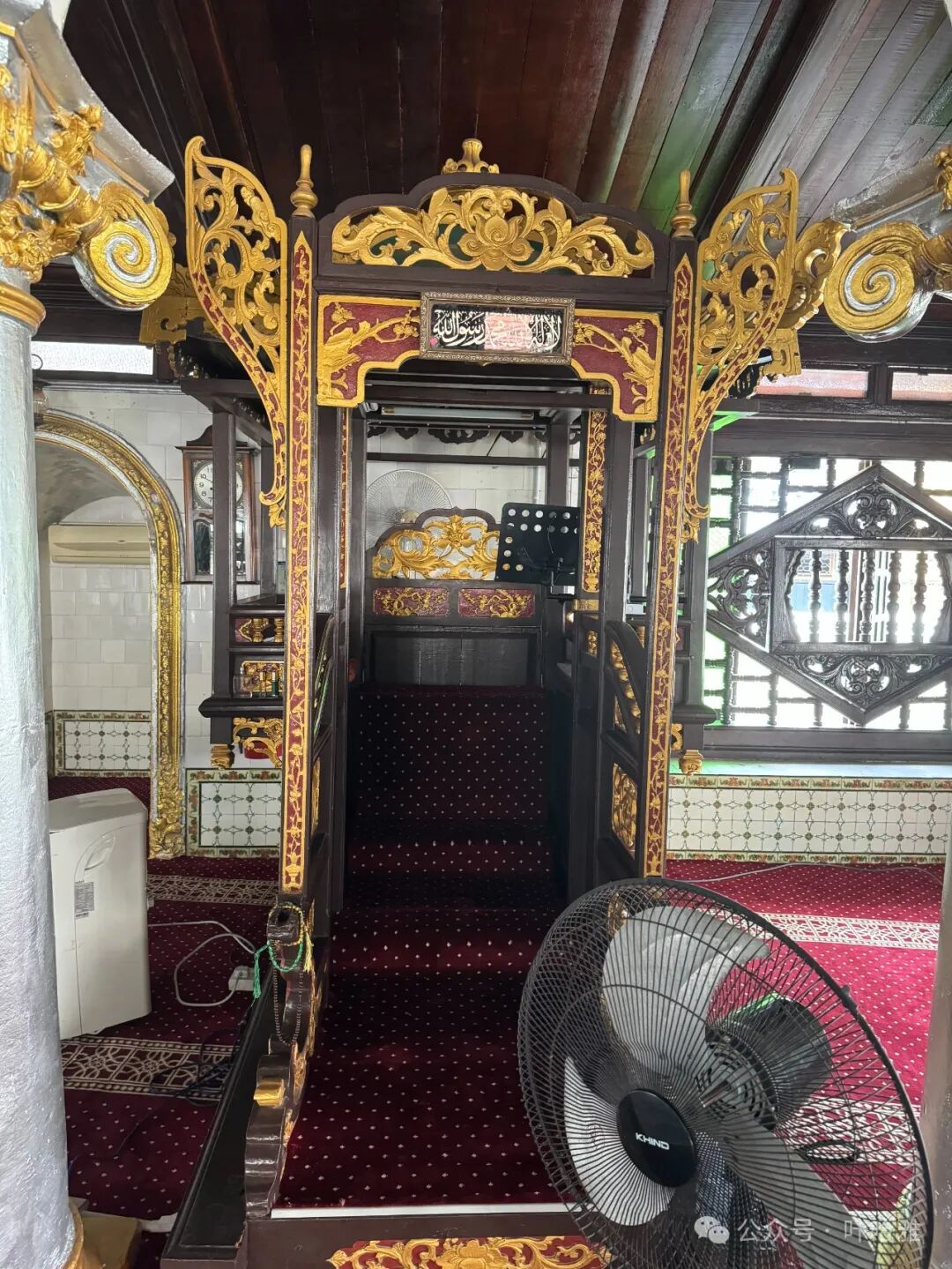
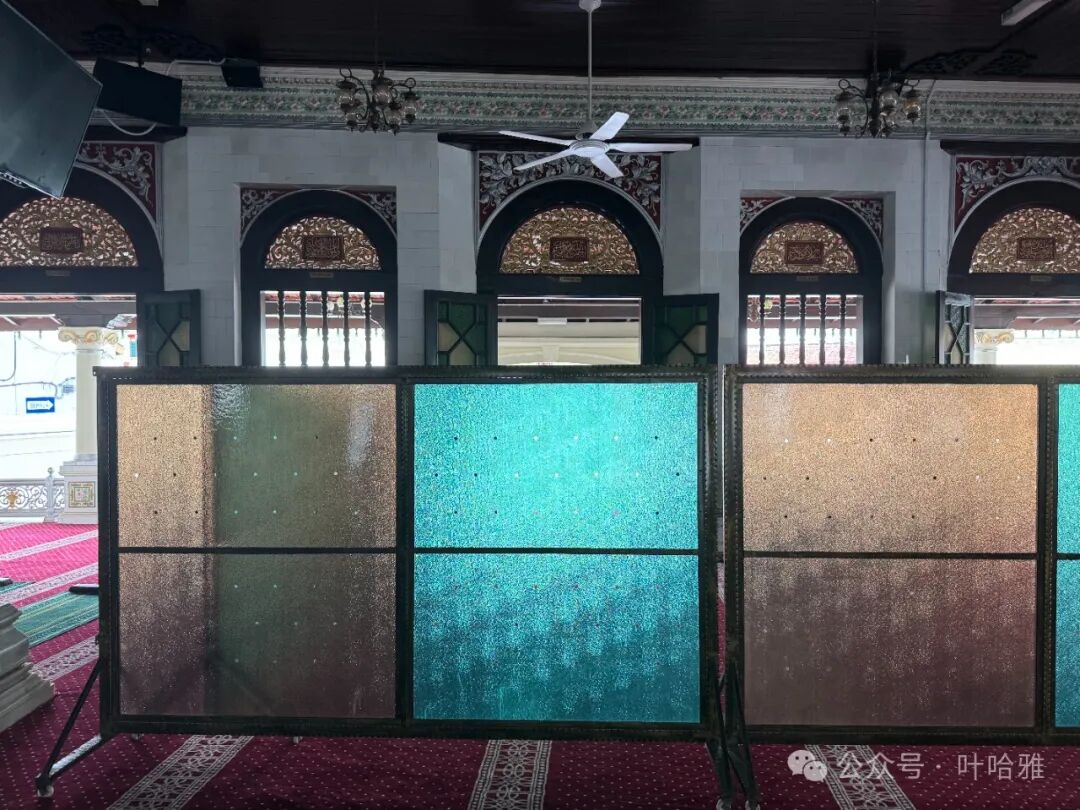
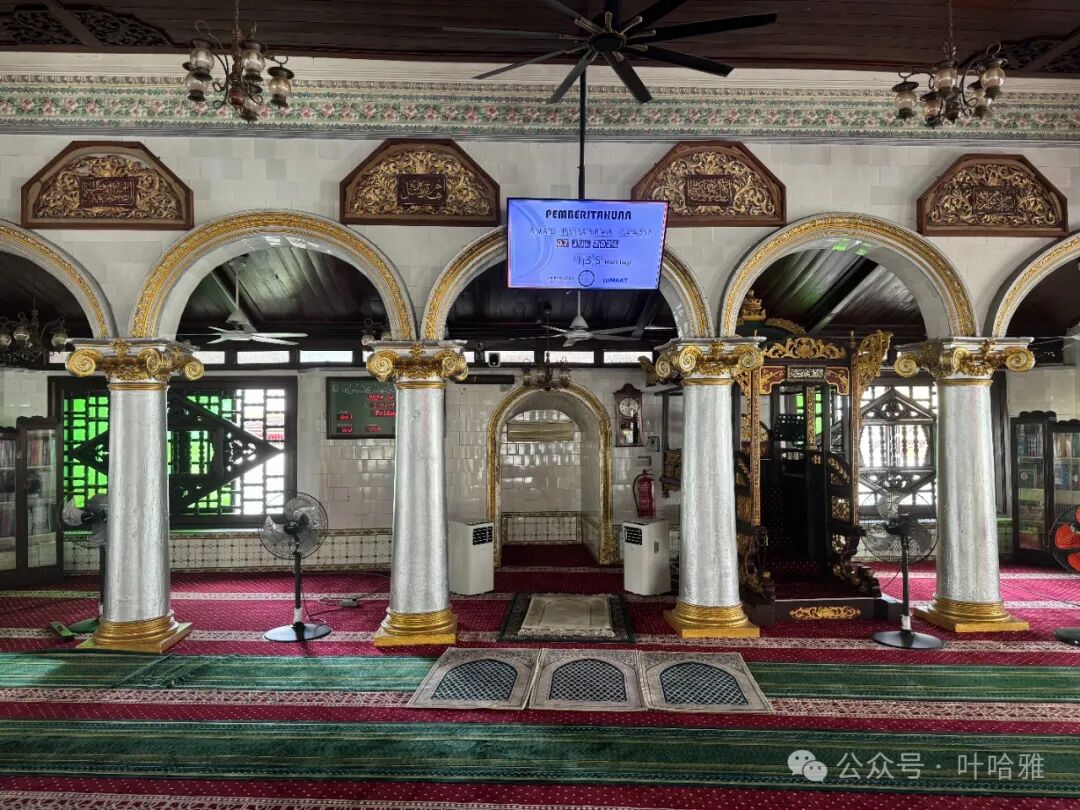
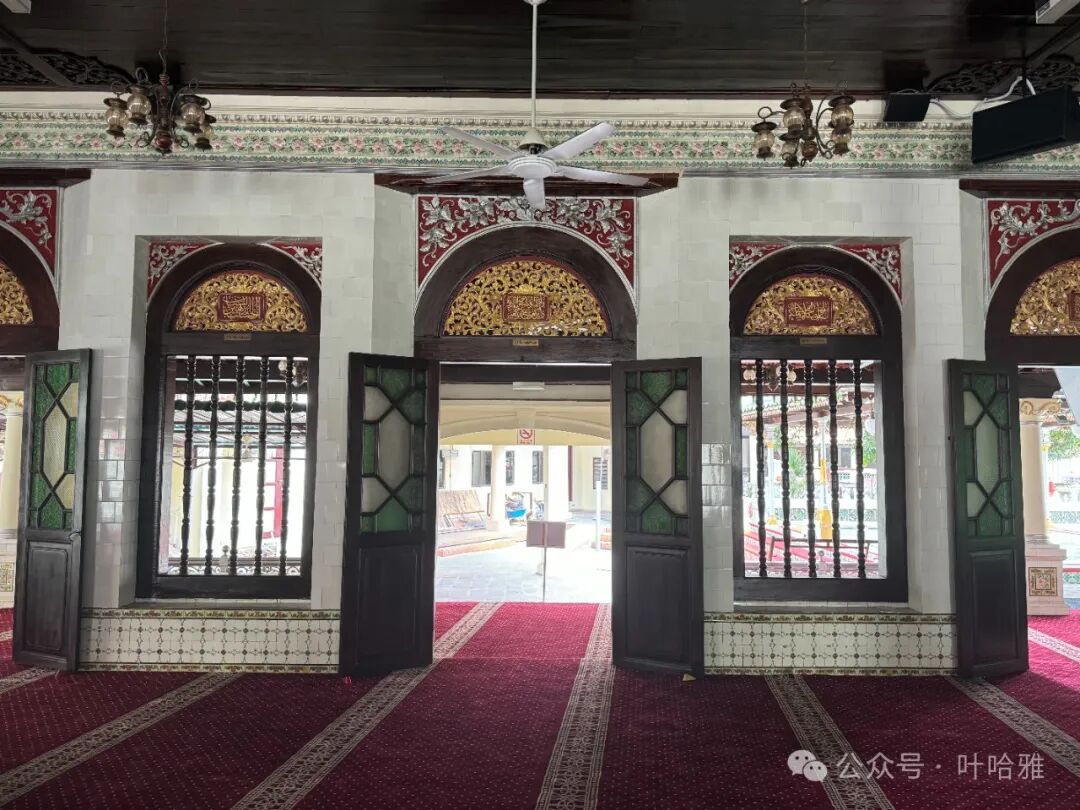
5. Malacca Straits Mosque
(Masjid Selat Melaka)
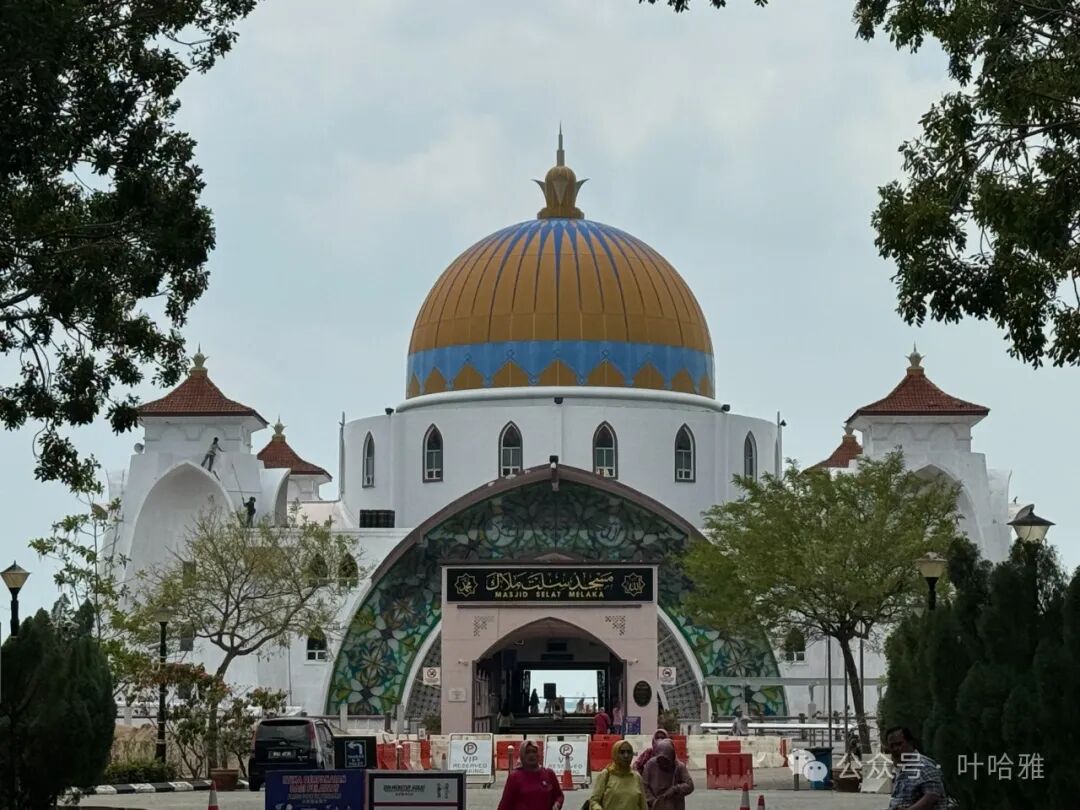
This mosque built on the sea is a landmark of Malacca. It was finished in 2006. When the tide rises, the mosque looks like it is floating on the water from a distance, and its colors are beautiful.
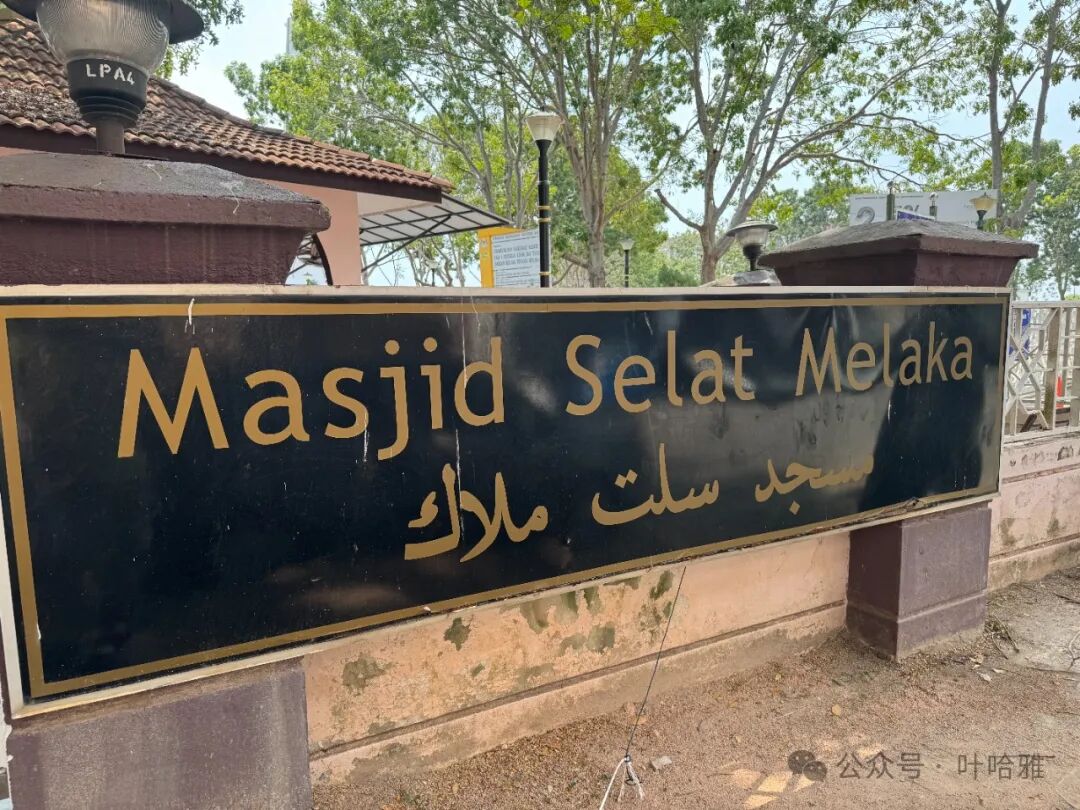
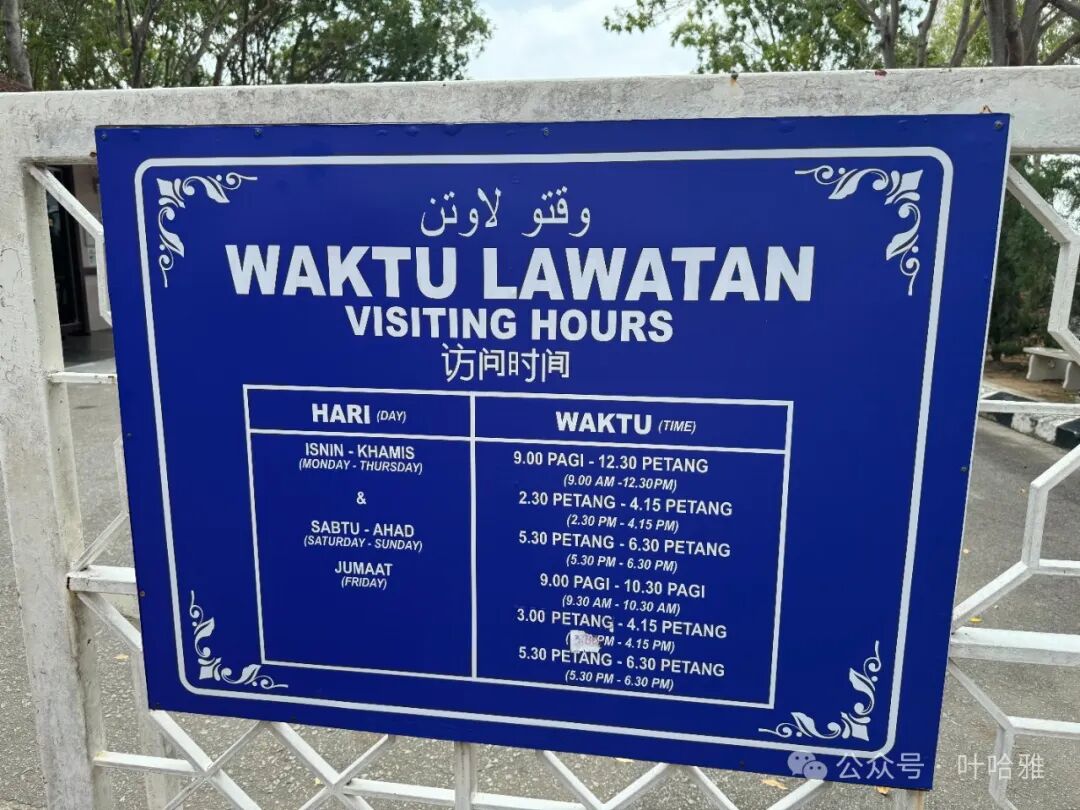
Tourists can visit for free during certain times, while those coming for namaz can enter at any time.
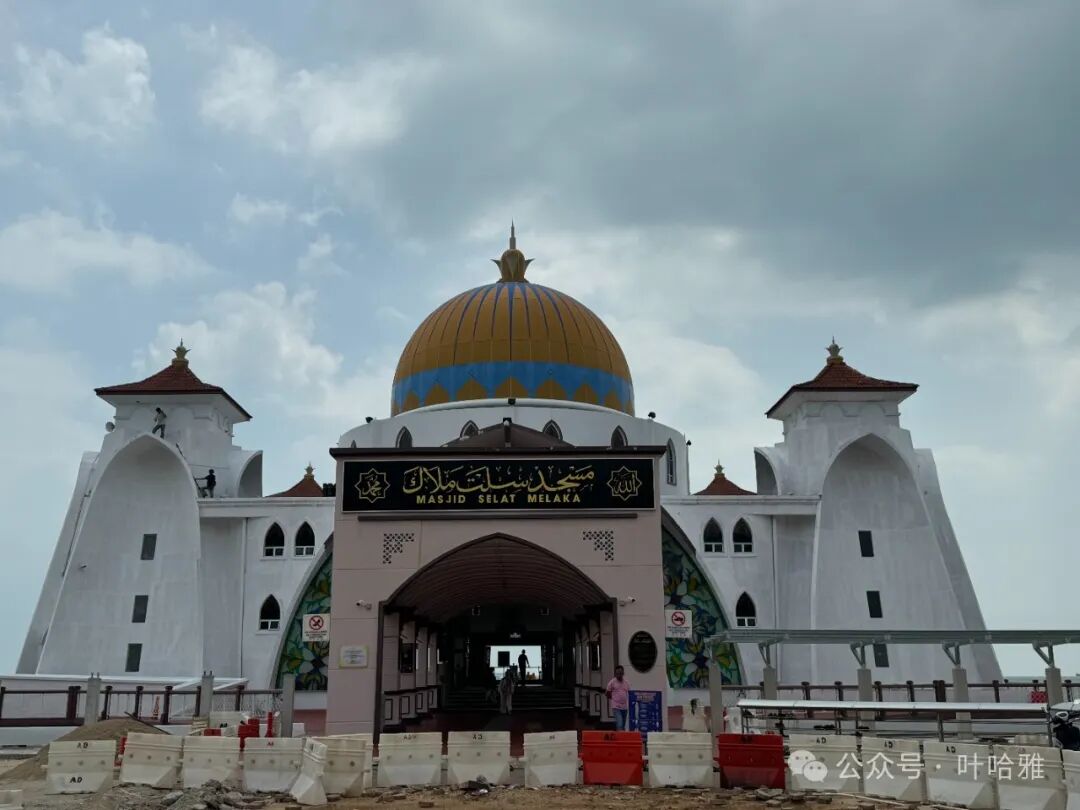
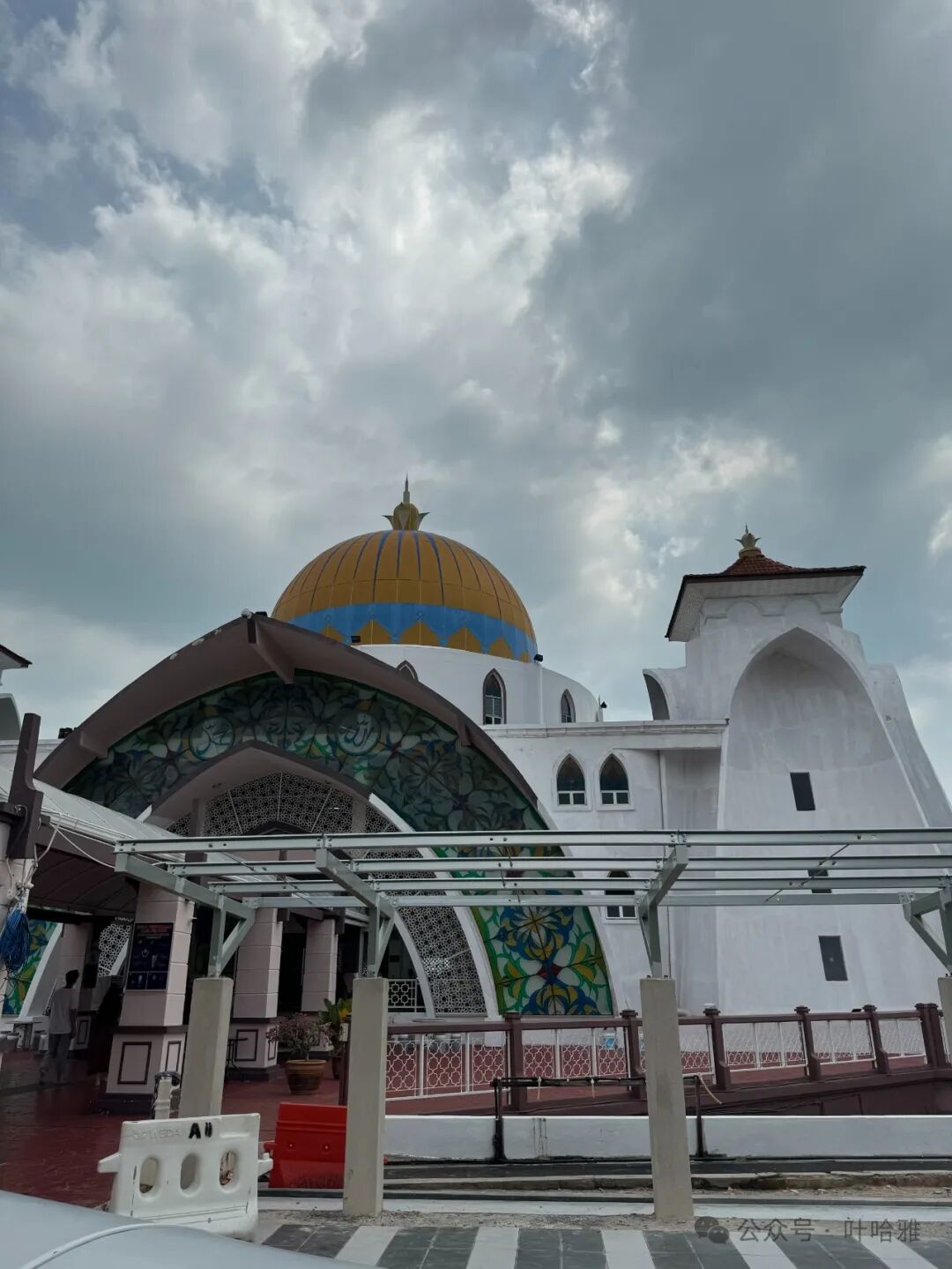
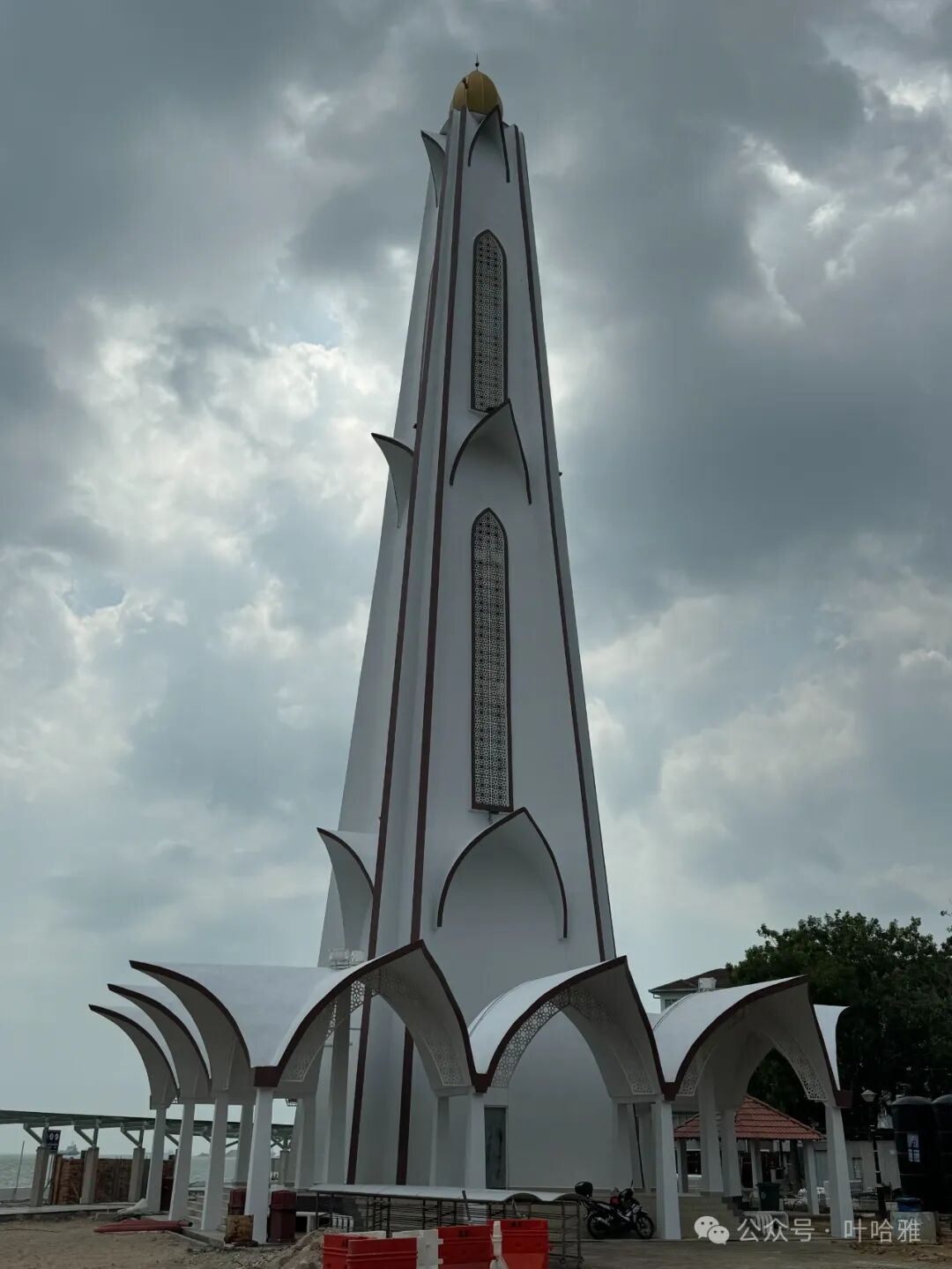
The minaret is 30 meters tall and also serves as a lighthouse.
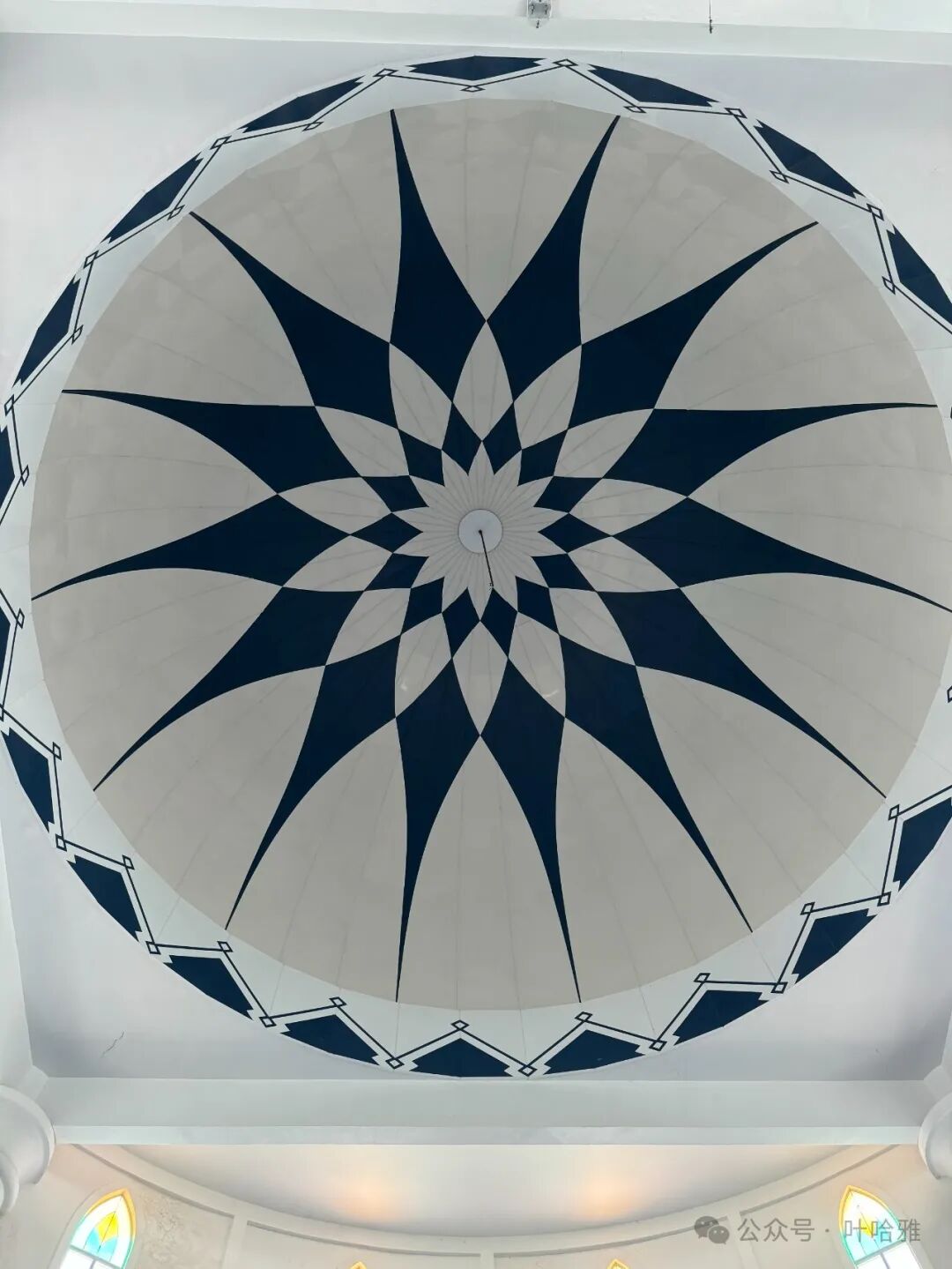
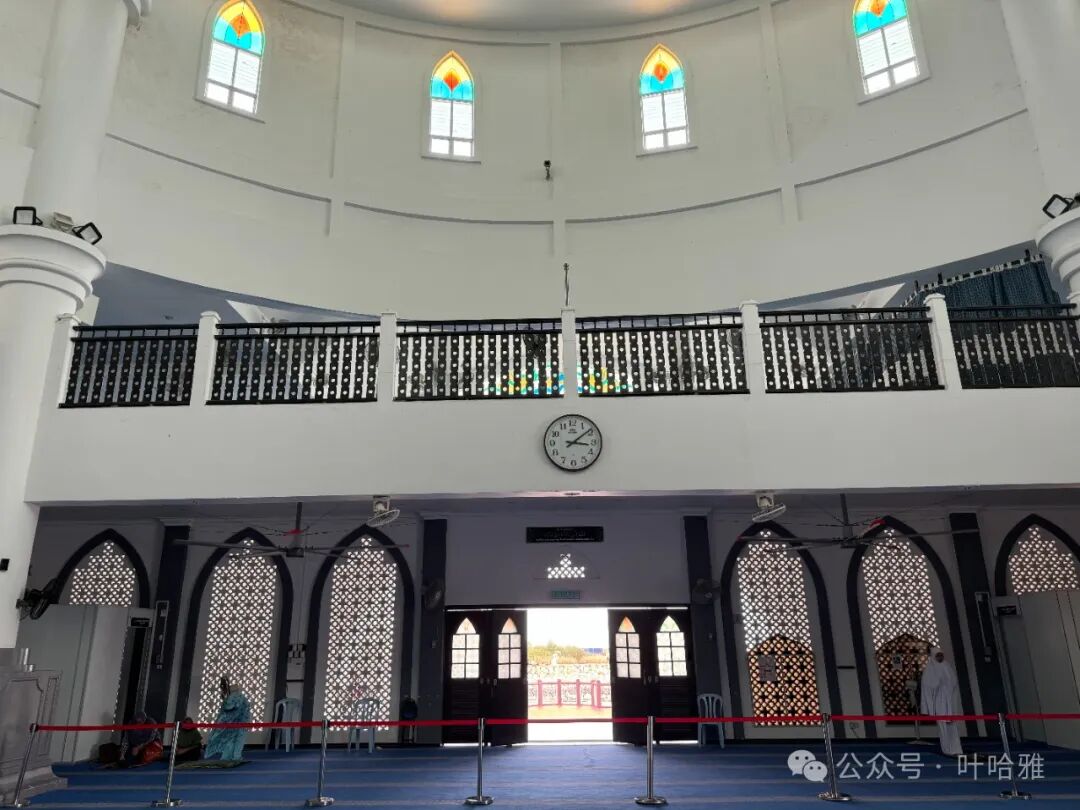
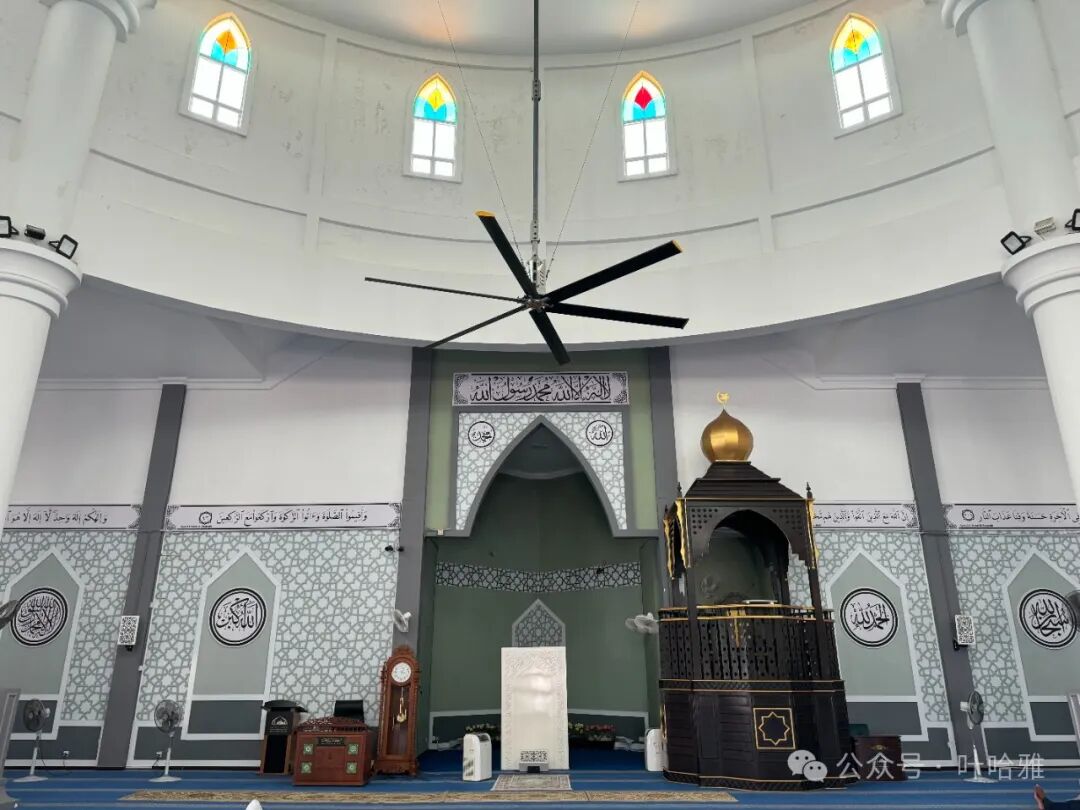
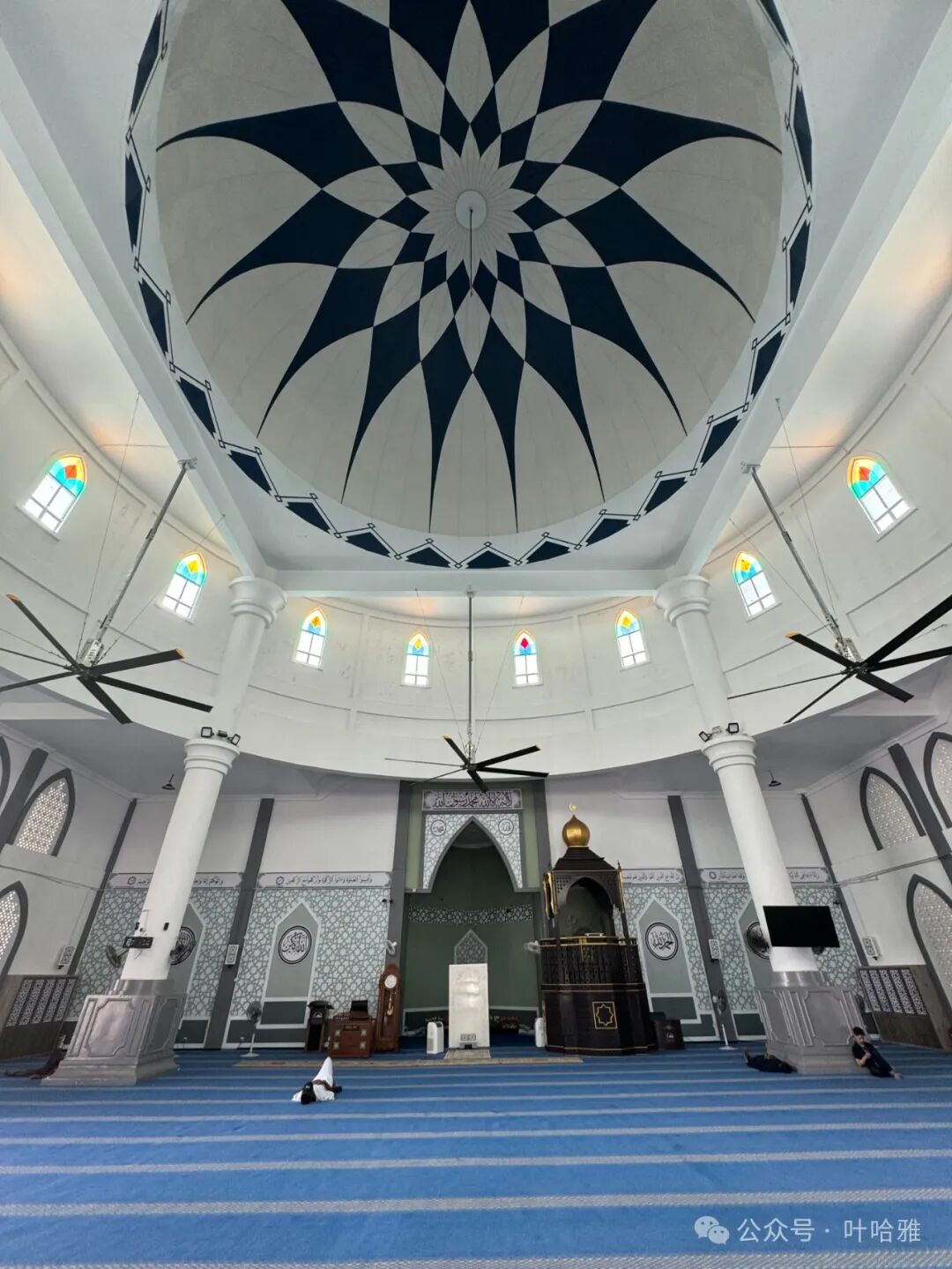
If you want to go to the beach to take a full side view of the mosque, you need to cross a piece of private land. There is a small shop run by a Chinese person at the entrance. You have to buy something to go in and take photos, and there is no minimum amount. I did not have any cash on me at the time, so I did not go.
6. Malacca Chinese Mosque
(Malacca Chinese Mosque)
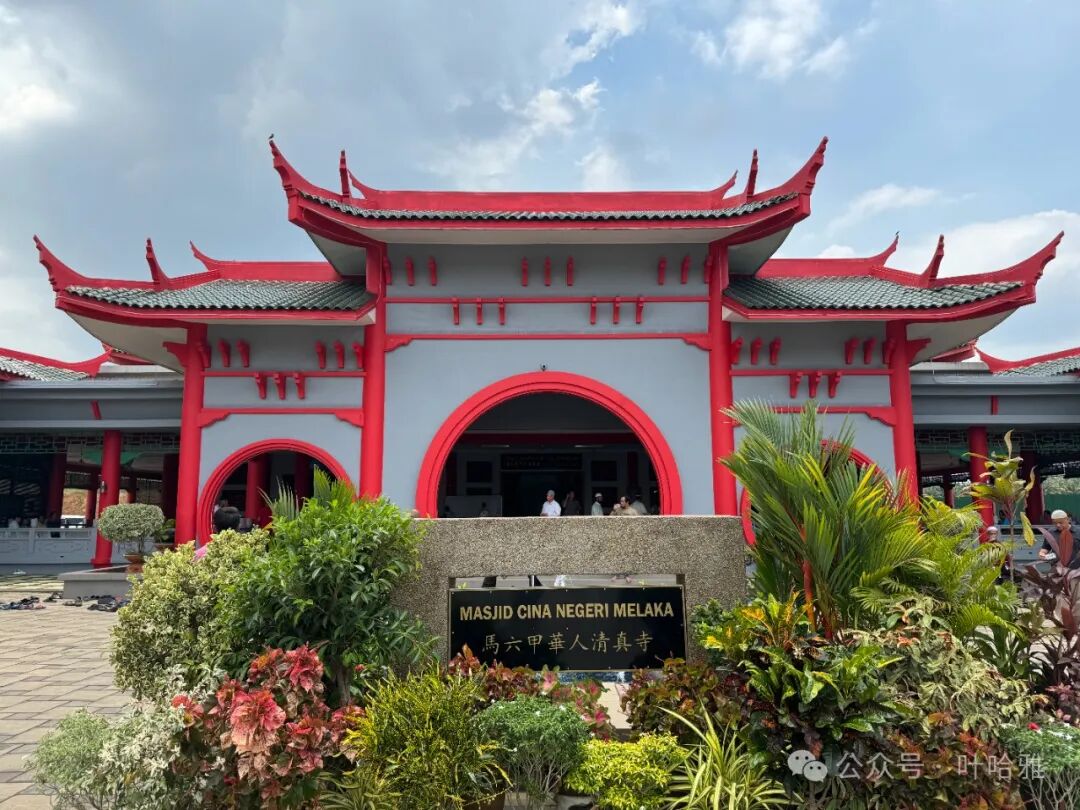
Completed in 2014, this is the third Chinese-style mosque built in Malaysia, following those in Kelantan and Perak. It was built under the leadership of the Malacca Chinese Muslim Association and cost 7.5 million RM. The federal government provided 5.9 million RM, and the rest came from public donations.
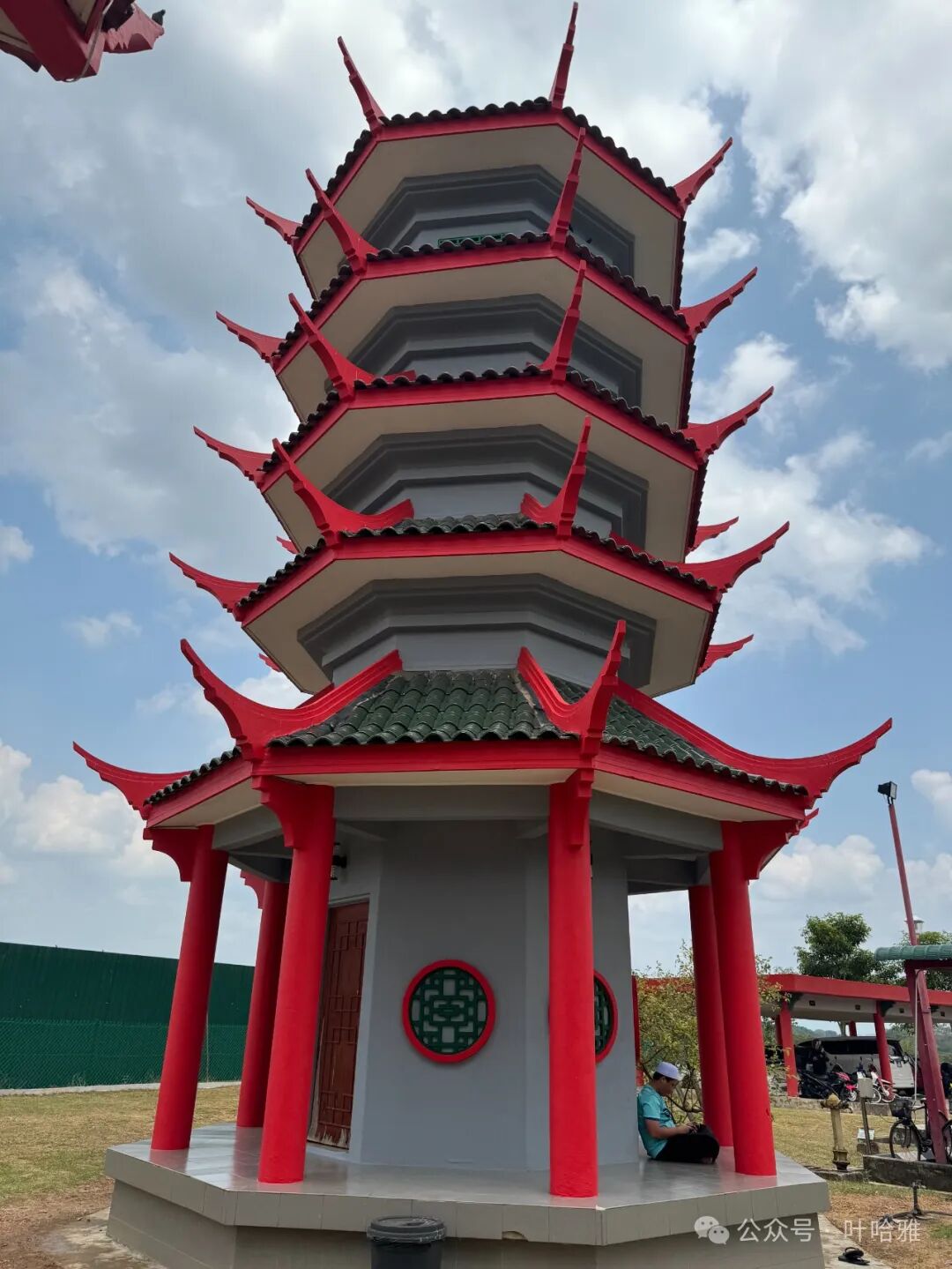
The mosque's design draws from traditional mosque styles in Beijing, Shanghai, and Xi'an. It features unique Chinese cultural elements like pagodas and calligraphy. Covering 2.8 hectares, it is the largest Chinese-style mosque I have ever visited.
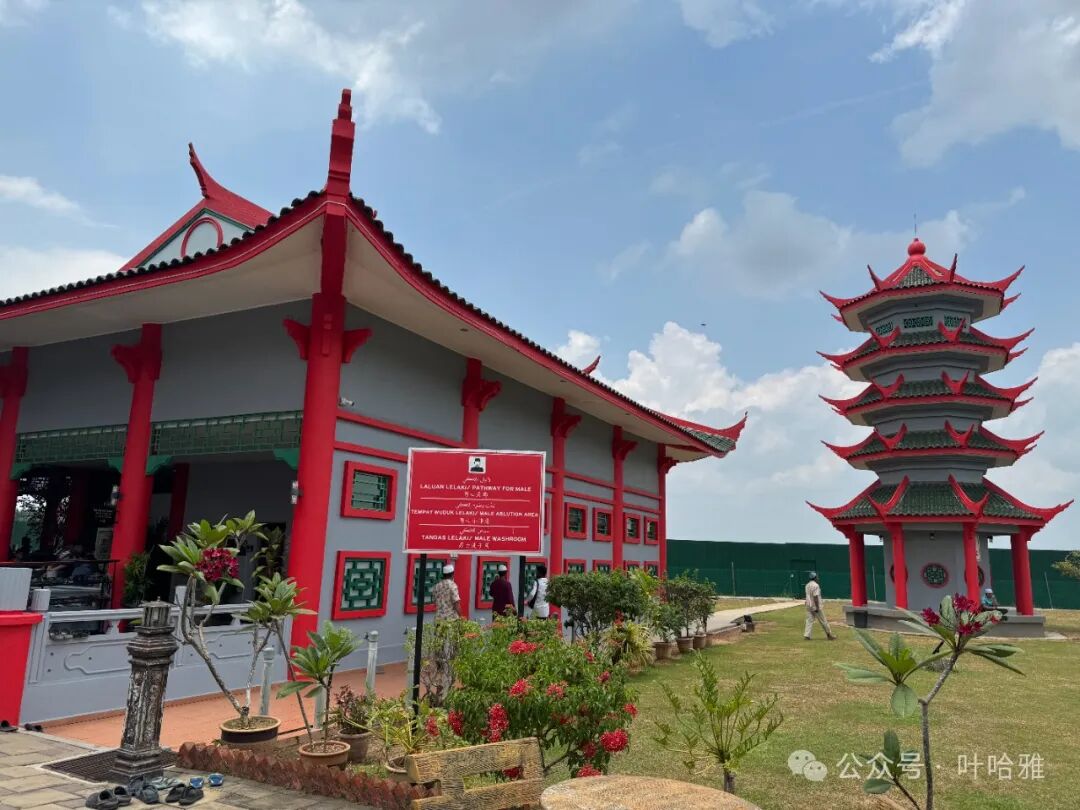
The signs are written in Chinese, Arabic, and Malay.
I found this mosque by accident. I originally planned to attend Friday namaz at the Malacca Straits Mosque. While checking Google Maps, I saw this Chinese-style mosque far from the city center and decided it would be more meaningful to go there for namaz instead.
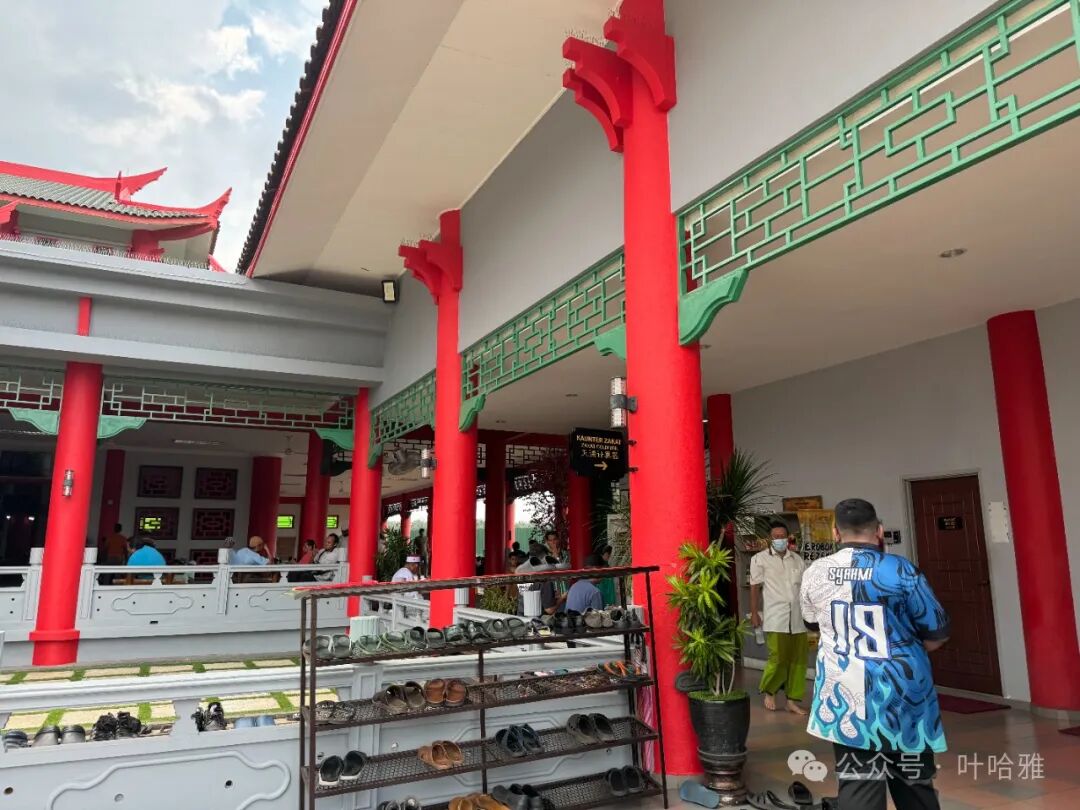
I used Grab to call a Chinese taxi driver. As soon as I got in, he curiously asked how I knew about this place. He said he had never taken a tourist there and had never heard of it himself. The mosque is in the suburbs, surrounded by empty land.
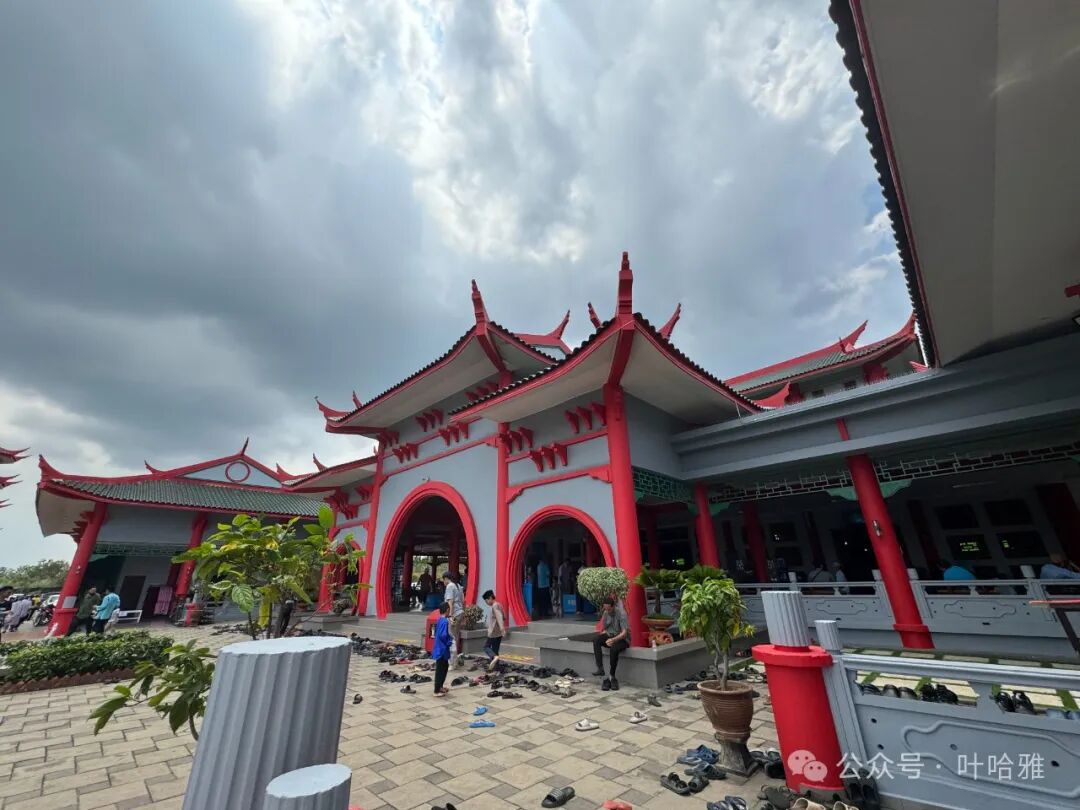
On the way, we talked about the lives of Chinese people in Malaysia. The driver said he felt it was not easy for Chinese people in Malaysia and Indonesia because of pressure from the Malay government. I told him to compare them with Chinese people in other Southeast Asian countries like Thailand, Myanmar, the Philippines, and Vietnam, who have almost no influence. If life were better there, why would so many Chinese stay in Malaysia and Indonesia? They would have left long ago, right?
The driver suddenly realized my point and agreed. He felt that compared to other Southeast Asian countries, Chinese people in Malaysia and Indonesia still have significant influence. After all, the Chinese are an immigrant group, so it is unrealistic to expect them to be treated exactly the same as the Malay people.
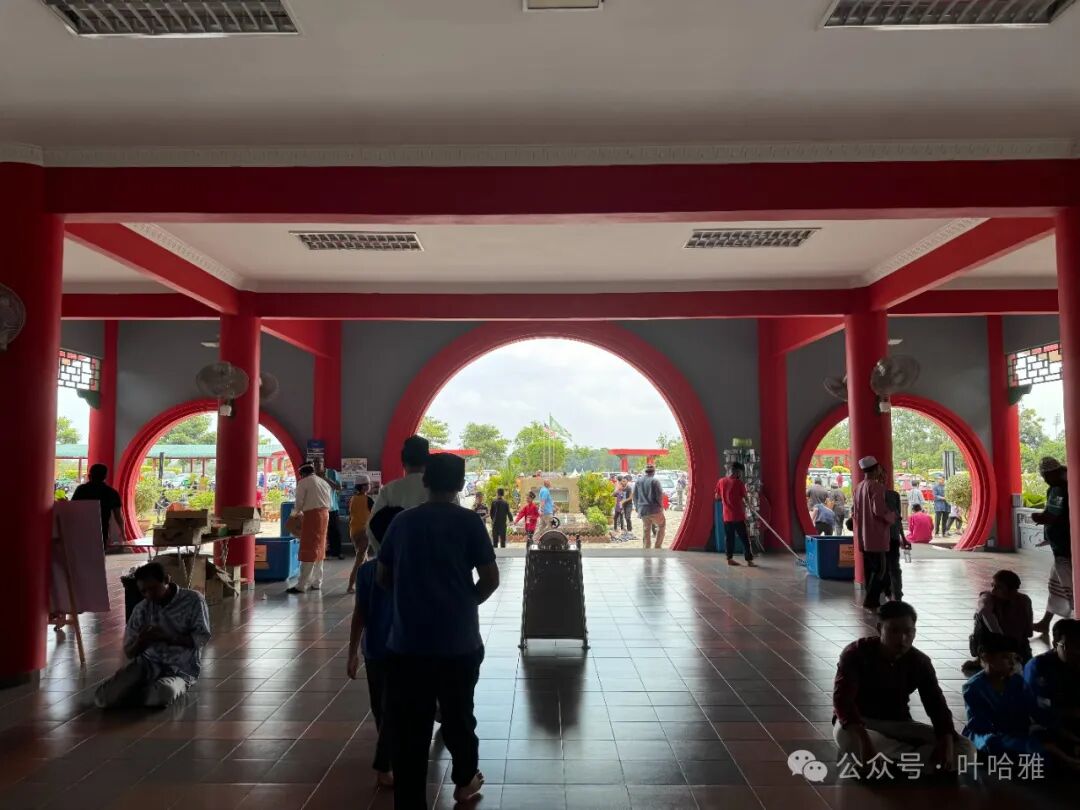
The trip was not smooth because of road construction around the mosque. The driver had to take a long detour to find the entrance. I thought I would miss the Friday prayer, but Allah's grace was with me. I arrived just in time for the congregational prayer. I was shocked to see over a thousand people there, and the imam leading the prayer was Chinese.
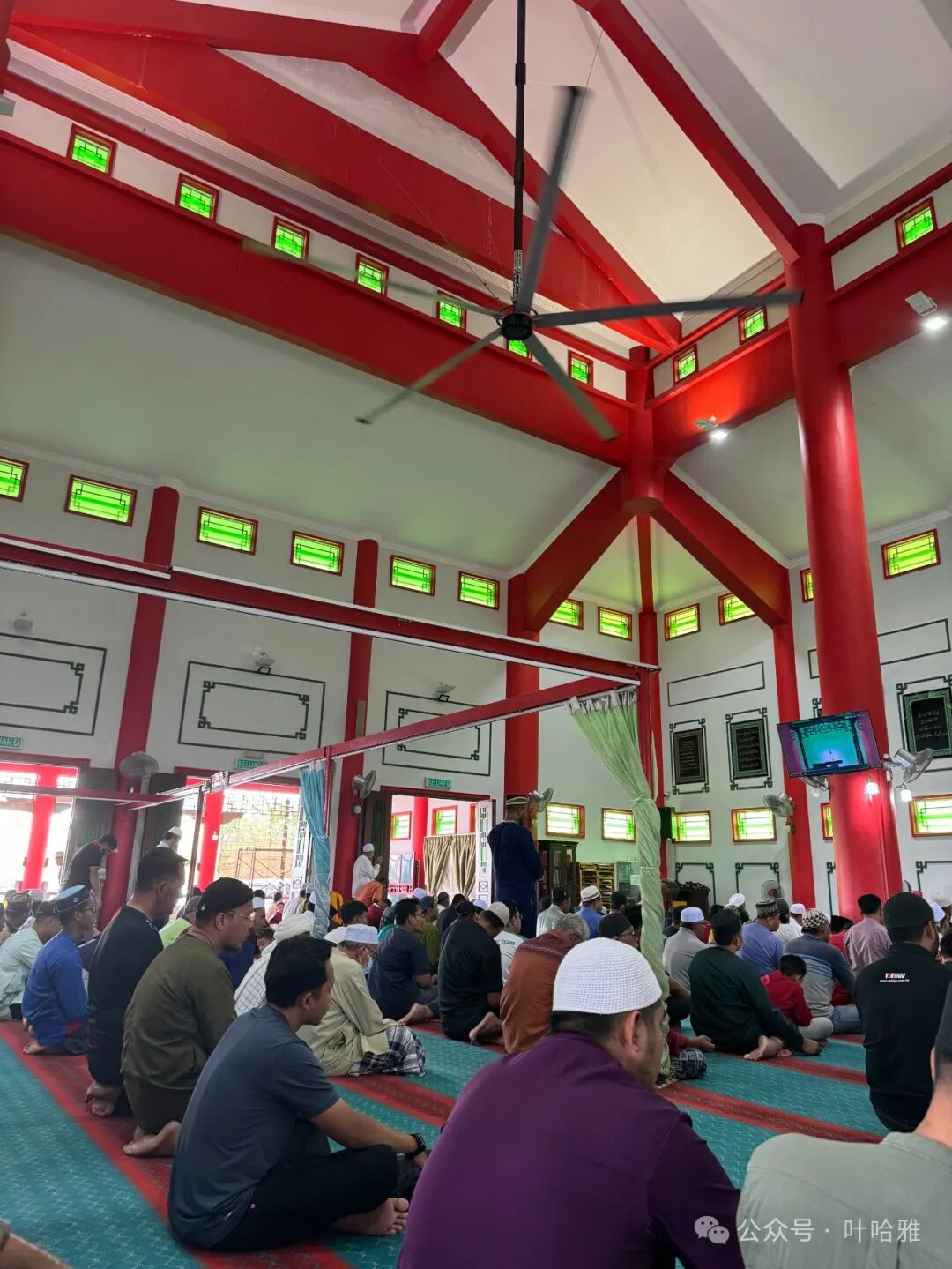
Most of the friends (dosti) here look like Malay or Indian-Pakistani people, though some Chinese people get so tanned they are mistaken for Malay, just like me.
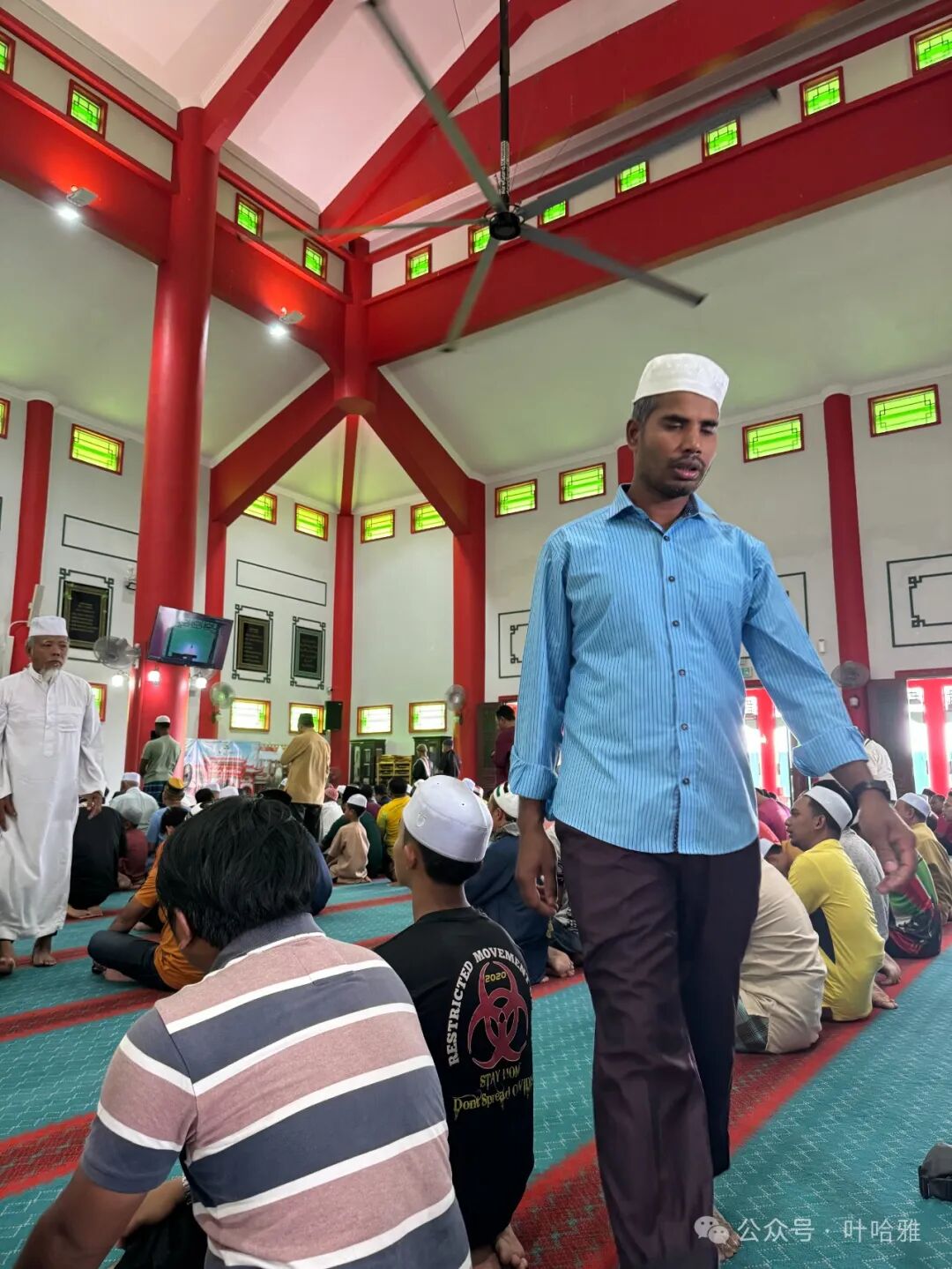
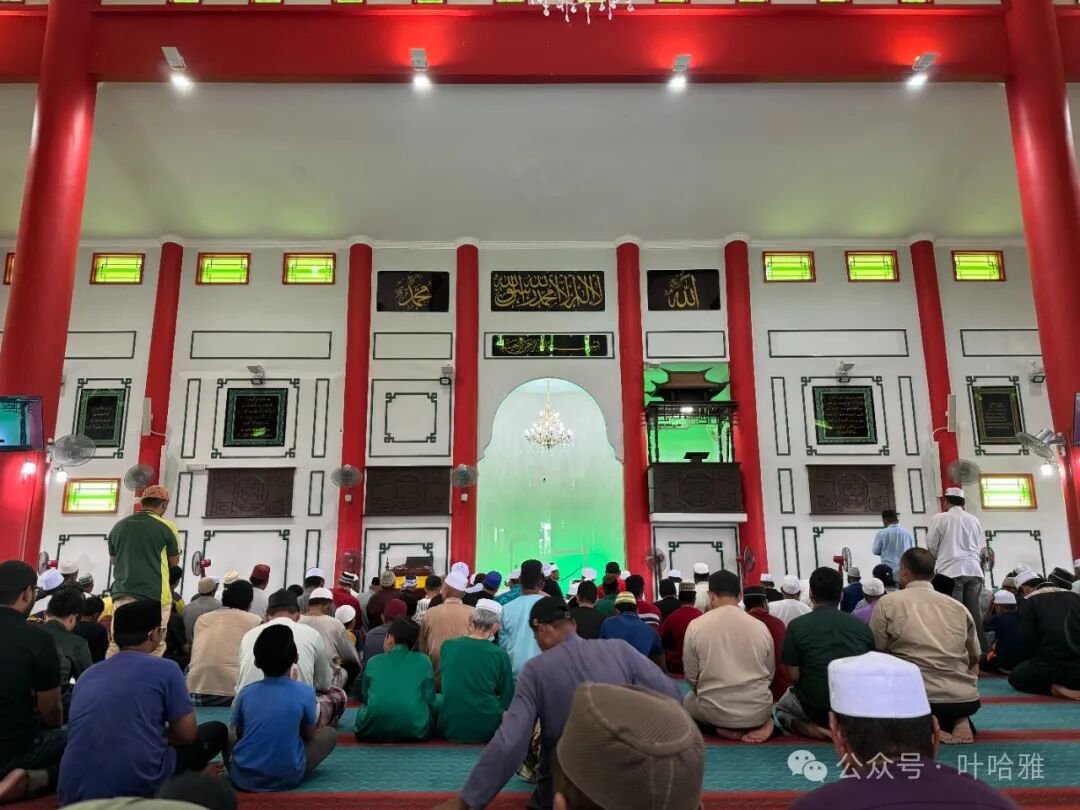
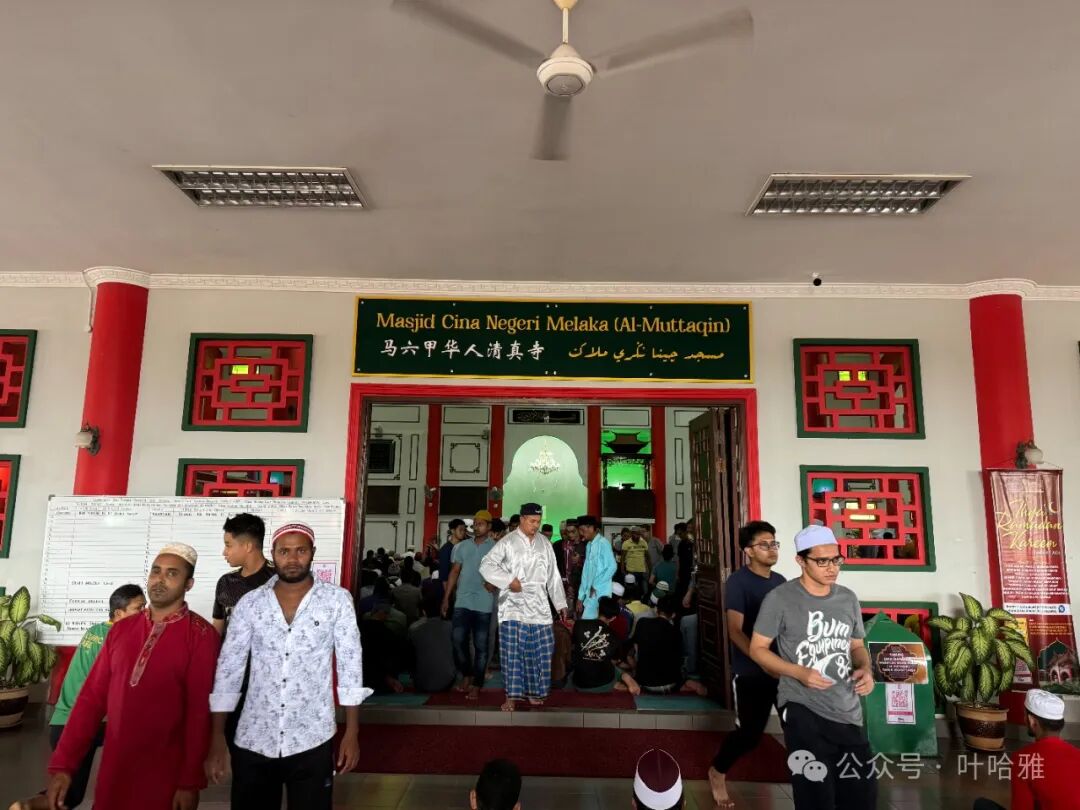
Because the location is remote, I was worried about getting a taxi back to the city, so I asked the driver to wait for me until I finished namaz. He was very kind. On the way back, he told me stories about Malay and Chinese people in Singapore. He said Malay people in Singapore feel superior to those in Malaysia, and the Chinese feel the same, but the people in Malaysia do not envy Singapore. They view Singapore's independence with a very calm attitude.
This driver was one of the most well-informed Chinese people I have met. He knows a bit about mainland China, has been to Hong Kong, and often watches short videos about the mainland on Douyin. He said Kuala Lumpur is like a small city in China, and Beijing and Shanghai are much more advanced than Kuala Lumpur. He even thinks Hong Kong has fallen behind China's first-tier cities.
Summary: This Muslim travel guide to Malacca covers transport, Jonker Street, Nyonya food, pork-free restaurants, local history, a Chinese-style mosque, Jumuah prayer, and conversations about Chinese and Malay life in Malaysia.
Nyonya Cuisine and the Chinese Mosque in Malacca is presented here as a firsthand travel account in clear English, beginning with this scene: To get from Kuala Lumpur to Malacca, I recommend taking a taxi. You can share a ride with a few people, which takes about two hours and costs around 200 RM. The account keeps its focus on Forbidden City, Islamic Art, Persian Culture while preserving the names, places, food, and historical details from the Chinese source.
To get from Kuala Lumpur to Malacca, I recommend taking a taxi. You can share a ride with a few people, which takes about two hours and costs around 200 RM. If you take a bus, buy your ticket at the Melaka Sentral Bus Terminal in Kuala Lumpur. Buses leave every half hour on average. You can also buy tickets online in advance and exchange them for paper tickets at the station. Fares are 11-13 RM, depending on the bus company. The one-way trip takes over 3-4 hours, and transferring back and forth can be a hassle.
Malacca is small, and you can see most of the sights in one day. You can return to Kuala Lumpur that same night, or choose to stay in Malacca. The cost of living here is cheaper than in Kuala Lumpur, making it a good choice for those on a budget.
Jonker Street (Jichang Jie) Cultural Square
Malacca is the oldest city in Malaysia. Before the 14th century, it was just a fishing village belonging to the Srivijaya Kingdom of Sumatra. In 1406, the Yongle Emperor of the Ming Dynasty named Parameswara the King of Malacca, starting the history of the nation. By the time of the third king, Muhammad Shah (1424-1444), the entire royal family had converted to Islam. From then on, Malacca became the first sultanate in Southeast Asia and gradually entered its golden age.
Malaysia's national confidence comes from its Islamic period. Compared to the pre-Islamic era, Islam brought advanced cultures from all over the world. As an important historical transport hub and trade center, Malacca gathered Muslim merchants from many countries, including Zheng He from the Ming Dynasty, who passed through Malacca five times during his seven voyages to the South Seas.
Malacca is now a city where Chinese people make up the majority. According to locals, Malays account for only about 20% of the population here. Jonker Street is a very lively Chinese neighborhood in Malacca, with Chinese signs all along the street. You can eat very unique Nyonya food here. Nyonya people are the descendants of mixed marriages between Malays and Chinese. Men are called Baba (baba), which comes from a Persian term of respect for elders, and women are called Nyonya, which comes from a Portuguese term of respect for women.
Nyonya food is generally not halal, but I found two pork-free Nyonya restaurants. One is the 'Xiao Gu Traditional Nyonya Restaurant' shown above—don't read it as 'Little Girl Nyonya'—and the other is 'Xiuzhen Nyonya Kitchen' shown below.
Xiuzhen Nyonya Kitchen
The door says 'pork free.' Local Chinese told me that Malays in Malacca are different from those in Kuala Lumpur. Because there are fewer of them, Malacca's Malays tend to be more conservative and stricter about food. Some won't eat at pork-free restaurants, only at those with halal certification, and they may even want to see Malay chefs and servers before they eat. Malays in Kuala Lumpur are more relaxed.
The menu mentions the history of Nyonya food. Nyonya cuisine inherits the food culture of the Chinese fathers and the local culture of the mothers. It is based on Fujian Min cuisine and adds the unique culinary features of the Peranakan (Straits-born Chinese) people, who have passed down these traditions for over 600 years. It is truly one of a kind.
The restaurant is decorated in a South Seas style. You do not need to worry about the language here, as you can speak Chinese everywhere.
Shrimp Nyonya vegetable dish (achar)
The portions at this restaurant are small, so you do not have to worry about leftovers. Nyonya cuisine is mostly salty and spicy, which goes well with rice and suits the local hot and humid climate.
Nyonya golden cups (pie tee)
Beef rendang (rendang)
Nyonya butterfly pea flower rice (nasi kerabu)
The whole meal only cost 69 RM, and a full day of exploring Malacca costs no more than 100 RM.
1. Malacca State Mosque
(Masjid Al Azim)
The Malacca State Mosque was built in 1990. It features a typical traditional Malacca architectural style. This style was influenced by the Ming Dynasty, which immediately reminded me of the mosques on the island of Java in Indonesia, as they share the same style.
2. Tengkera Mosque
(Masjid Tengkera)
This mosque was built in 1728 with funding from the Dutch East India Company. The highlight is the minaret behind it, which is designed in the style of a Chinese pagoda. It is a mosque that blends Indonesian Javanese, Malay, and Chinese cultures.
I have seen this type of water tank used for wudu on the island of Java in Indonesia.
Next to the mosque is the tomb of Sultan Hussein Shah of Johor (1776-1835). He signed two treaties with the British and was nominally recognized by them as the Sultan of Johor and Singapore in 1819. He successfully weakened Dutch influence, so he is credited in the history of Singapore's founding, though he held no real power and was more of a puppet monarch. Some described him as a tiger without teeth. Several of his descendants are buried in the Jalan Kubor cemetery in Singapore.
Less than 200 meters across the street from the mosque, you can see a pagoda-style building. This tower is the site of another mosque from 1728.
Across from the pagoda, you can see another cemetery.
3.
Kampung Hulu Mosque (Masjid Kampung)
Walking another two kilometers, you reach Kampung Hulu Mosque. This mosque was built in 1720 or 1728, commissioned by the Dutch East India Company and built by Chinese Muslims. The architectural style combines Javanese and Chinese elements.
The minaret looks like a lighthouse.
The prayer drum (bangke gu) is also influenced by Chinese culture. Traditional mosques on the island of Java in Indonesia also use drums to call people to prayer.
The water pool for wudu has flowing water, and the used water drains away through a channel on the side.
This style of minaret (minbai lou) is influenced by Javanese culture.
4. Kampung Kling Mosque
(Masjid Kampung Kling)
Built in 1748 by Indian Muslims, this mosque looks similar to the Kampung Hulu Mosque, just with a different color.
5. Malacca Straits Mosque
(Masjid Selat Melaka)
This mosque built on the sea is a landmark of Malacca. It was finished in 2006. When the tide rises, the mosque looks like it is floating on the water from a distance, and its colors are beautiful.
Tourists can visit for free during certain times, while those coming for namaz can enter at any time.
The minaret is 30 meters tall and also serves as a lighthouse.
If you want to go to the beach to take a full side view of the mosque, you need to cross a piece of private land. There is a small shop run by a Chinese person at the entrance. You have to buy something to go in and take photos, and there is no minimum amount. I did not have any cash on me at the time, so I did not go.
6. Malacca Chinese Mosque
(Malacca Chinese Mosque)
Completed in 2014, this is the third Chinese-style mosque built in Malaysia, following those in Kelantan and Perak. It was built under the leadership of the Malacca Chinese Muslim Association and cost 7.5 million RM. The federal government provided 5.9 million RM, and the rest came from public donations.
The mosque's design draws from traditional mosque styles in Beijing, Shanghai, and Xi'an. It features unique Chinese cultural elements like pagodas and calligraphy. Covering 2.8 hectares, it is the largest Chinese-style mosque I have ever visited.
The signs are written in Chinese, Arabic, and Malay.
I found this mosque by accident. I originally planned to attend Friday namaz at the Malacca Straits Mosque. While checking Google Maps, I saw this Chinese-style mosque far from the city center and decided it would be more meaningful to go there for namaz instead.
I used Grab to call a Chinese taxi driver. As soon as I got in, he curiously asked how I knew about this place. He said he had never taken a tourist there and had never heard of it himself. The mosque is in the suburbs, surrounded by empty land.
On the way, we talked about the lives of Chinese people in Malaysia. The driver said he felt it was not easy for Chinese people in Malaysia and Indonesia because of pressure from the Malay government. I told him to compare them with Chinese people in other Southeast Asian countries like Thailand, Myanmar, the Philippines, and Vietnam, who have almost no influence. If life were better there, why would so many Chinese stay in Malaysia and Indonesia? They would have left long ago, right?
The driver suddenly realized my point and agreed. He felt that compared to other Southeast Asian countries, Chinese people in Malaysia and Indonesia still have significant influence. After all, the Chinese are an immigrant group, so it is unrealistic to expect them to be treated exactly the same as the Malay people.
The trip was not smooth because of road construction around the mosque. The driver had to take a long detour to find the entrance. I thought I would miss the Friday prayer, but Allah's grace was with me. I arrived just in time for the congregational prayer. I was shocked to see over a thousand people there, and the imam leading the prayer was Chinese.
Most of the friends (dosti) here look like Malay or Indian-Pakistani people, though some Chinese people get so tanned they are mistaken for Malay, just like me.
Because the location is remote, I was worried about getting a taxi back to the city, so I asked the driver to wait for me until I finished namaz. He was very kind. On the way back, he told me stories about Malay and Chinese people in Singapore. He said Malay people in Singapore feel superior to those in Malaysia, and the Chinese feel the same, but the people in Malaysia do not envy Singapore. They view Singapore's independence with a very calm attitude.
This driver was one of the most well-informed Chinese people I have met. He knows a bit about mainland China, has been to Hong Kong, and often watches short videos about the mainland on Douyin. He said Kuala Lumpur is like a small city in China, and Beijing and Shanghai are much more advanced than Kuala Lumpur. He even thinks Hong Kong has fallen behind China's first-tier cities.
