
Best Halal Food Beijing: Authentic Turkish Restaurant, Halal Hot Pot and Mongolian Cuisine
Reposted from the web
Summary: This Beijing halal food map issue 44 discusses restaurant trust, alcohol-serving venues, halal intention, Sultan Turkish Restaurant, meat pies, Sichuan-style hot pot, beef flatbread, noodles, spicy hot pot, and Hulun Aile Halal Mongolian Cuisine.
Let me say a few more words on a common topic: eating at restaurants that serve alcohol. To me, this is not a problem. Them selling alcohol and me eating there are two different things. I just don't drink myself. I also don't stress over whether a place's meat is truly reliable. To be blunt, if I put a piece of meat in front of you right now, how could you possibly tell if it was slaughtered in a halal way? Every halal restaurant has its own supply chain, but most come from the same few monopolies. Unless you personally track every piece of meat from slaughter to loading to your table, you cannot be certain it is halal. Even if you are perfect in your religious practice, as long as you didn't slaughter the meat yourself, I have reason to doubt its source. The point here is whether your intention (niyyah) is pure and the division of responsibility is clear. People who trick you with non-halal meat are at fault, but you are not guilty if you eat it by mistake. This is like the smart approach I mentioned in my last article criticizing Islamic finance. He just deposits his money in a bank that is Islamic in name. As for whether that bank uses his money for usury, he doesn't care. He doesn't have the ability to judge if the income is lawful, but he has fulfilled his duty. What can you say to him?
I have said before that I don't share halal food just for the sake of sharing food. I have to share food to pass on certain values. I share these values only to find like-minded people. I have always been talking to myself online. Take it or leave it. I don't join any arguments or hang out in any circles. If we don't see eye to eye, I just block you. It saves everyone the trouble.
1. Sultan Turkish Restaurant
2. Yin's Meat Pie (Yinji Roubing)
3. Junbang Sichuan-style Hot Pot
4. Baoding Beef Covered Flatbread (Baoding Niurou Zhaobing)
5. Xiaojing Li
6. Northwest Xinjiang Lake (Xibei Jianghu)
7. Alanxiang Sour and Spicy Noodles (Suanlafen), Beef Noodles, and Spicy Hot Pot (Malatang)
8. Maimai Red Beef Sliced Noodles (Daoxiaomian)
9. Hulun Aile Halal Mongolian Cuisine
1. Sultan Turkish Restaurant
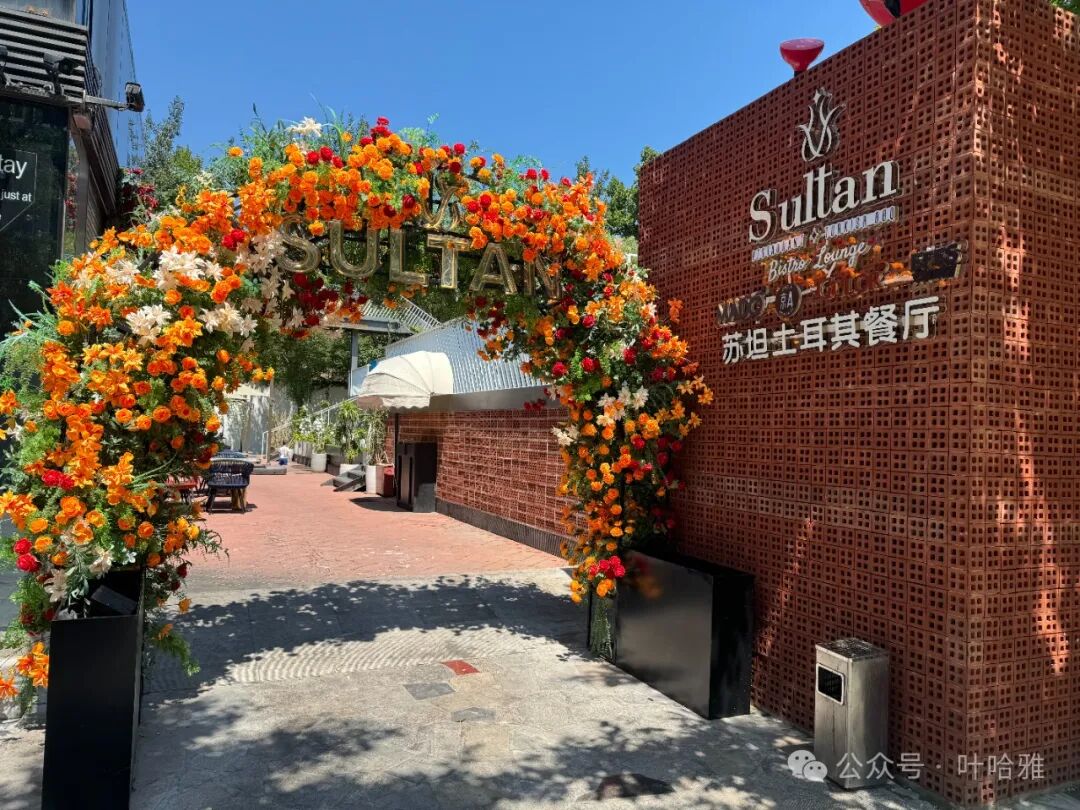
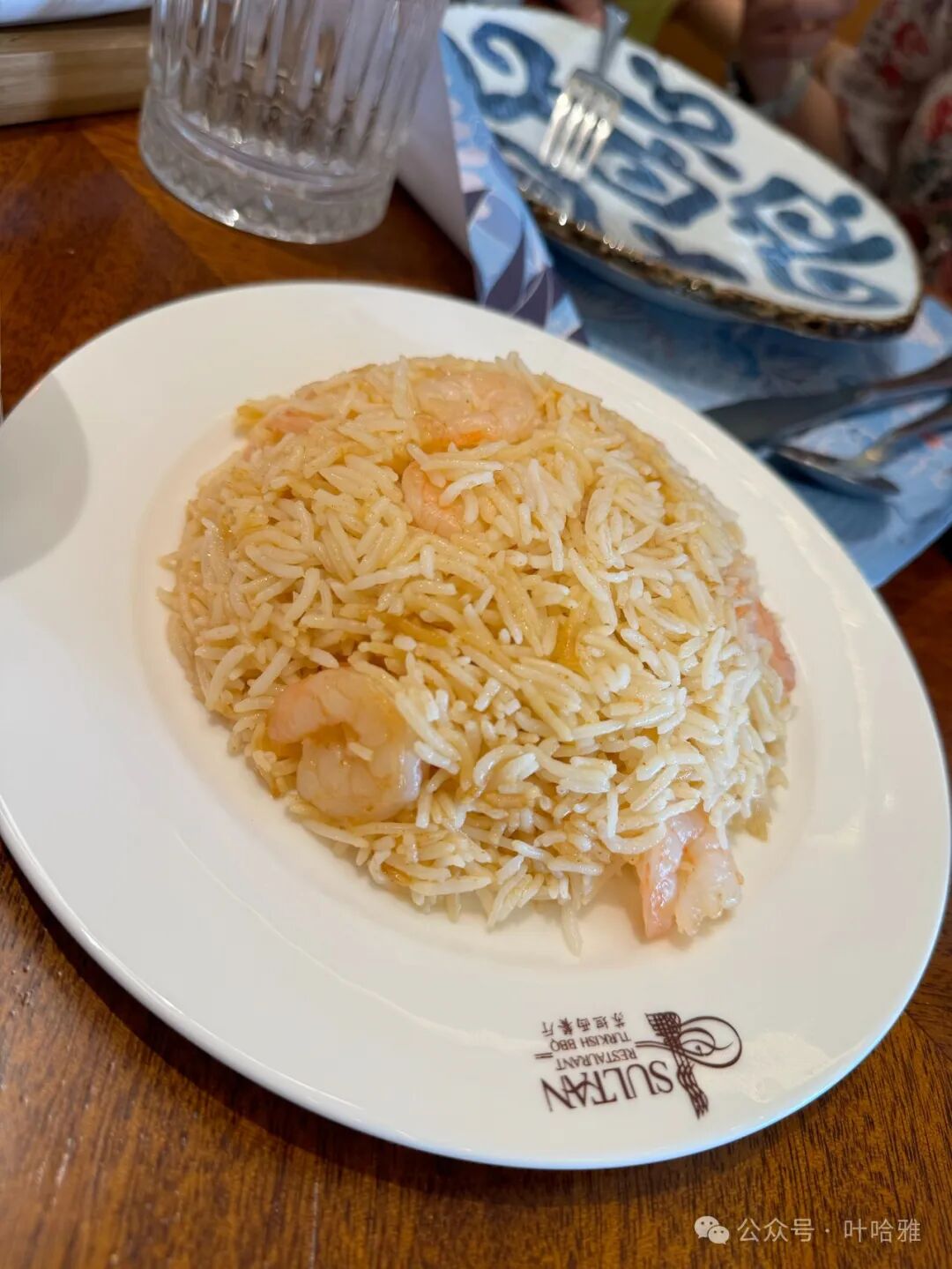
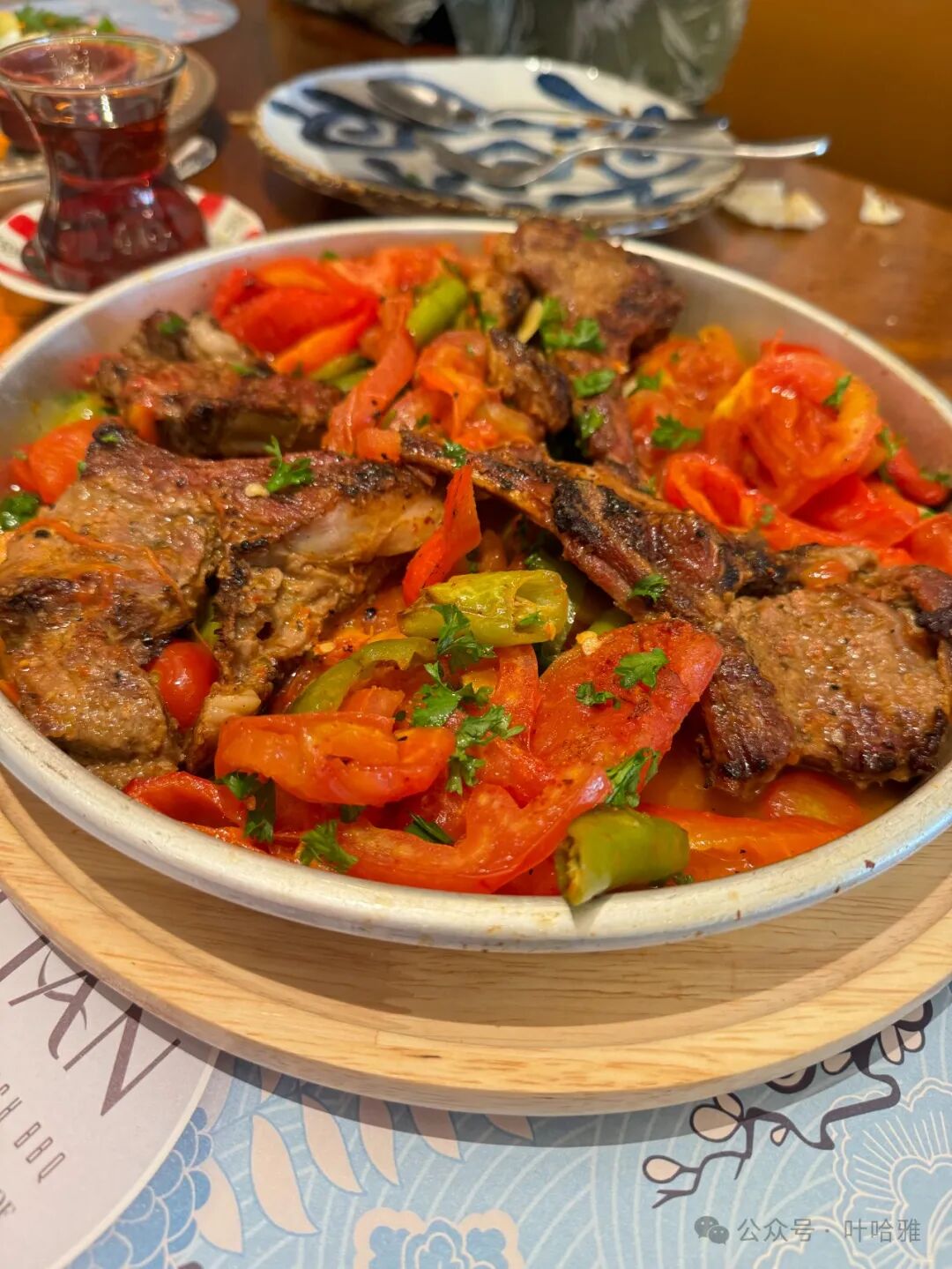
The original team from the former Kubei Turkish Restaurant has rebranded the same location as Sultan Turkish Restaurant. Sultan is a chain, and I once ate at one in Yiwu. The taste was excellent, arguably the best Turkish restaurant in China—perhaps even better than what you might find in Turkey. It wasn't very busy when it first opened, but I hear it has become a viral sensation recently, with long lines for a table.
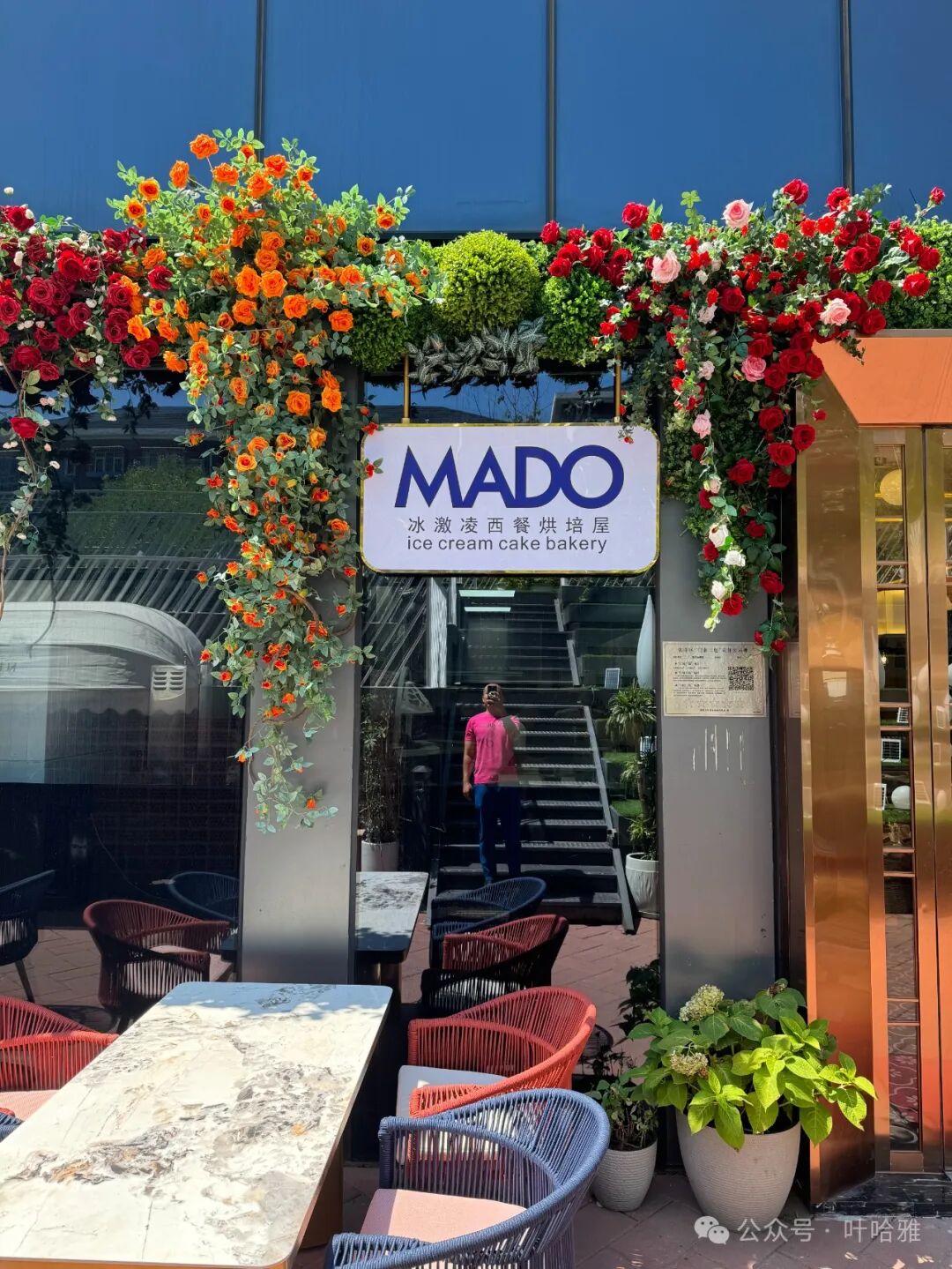
Sultan serves the famous Turkish ice cream brand MADO. It is made from goat milk without adding water, giving it a rich, creamy flavor.
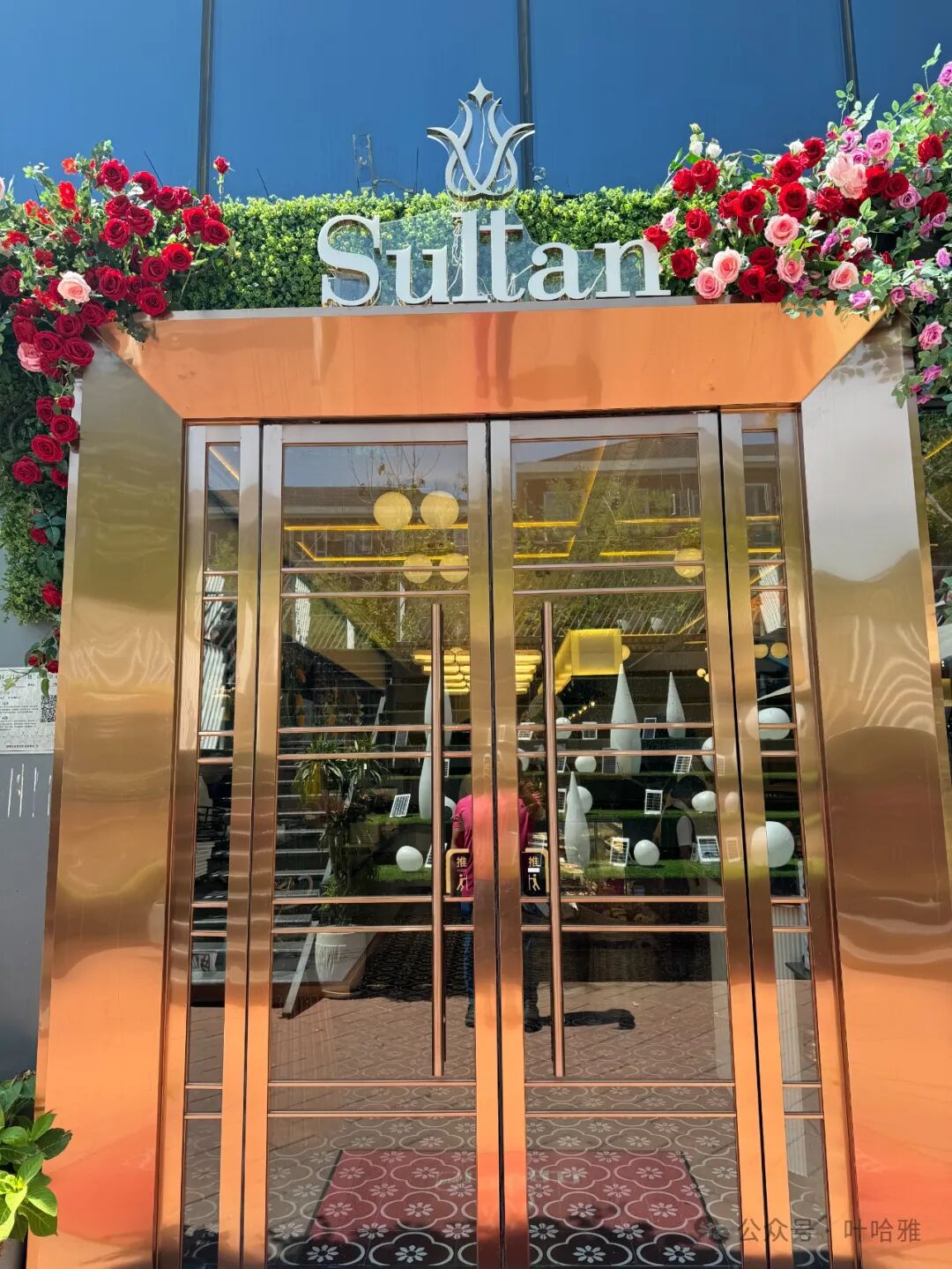
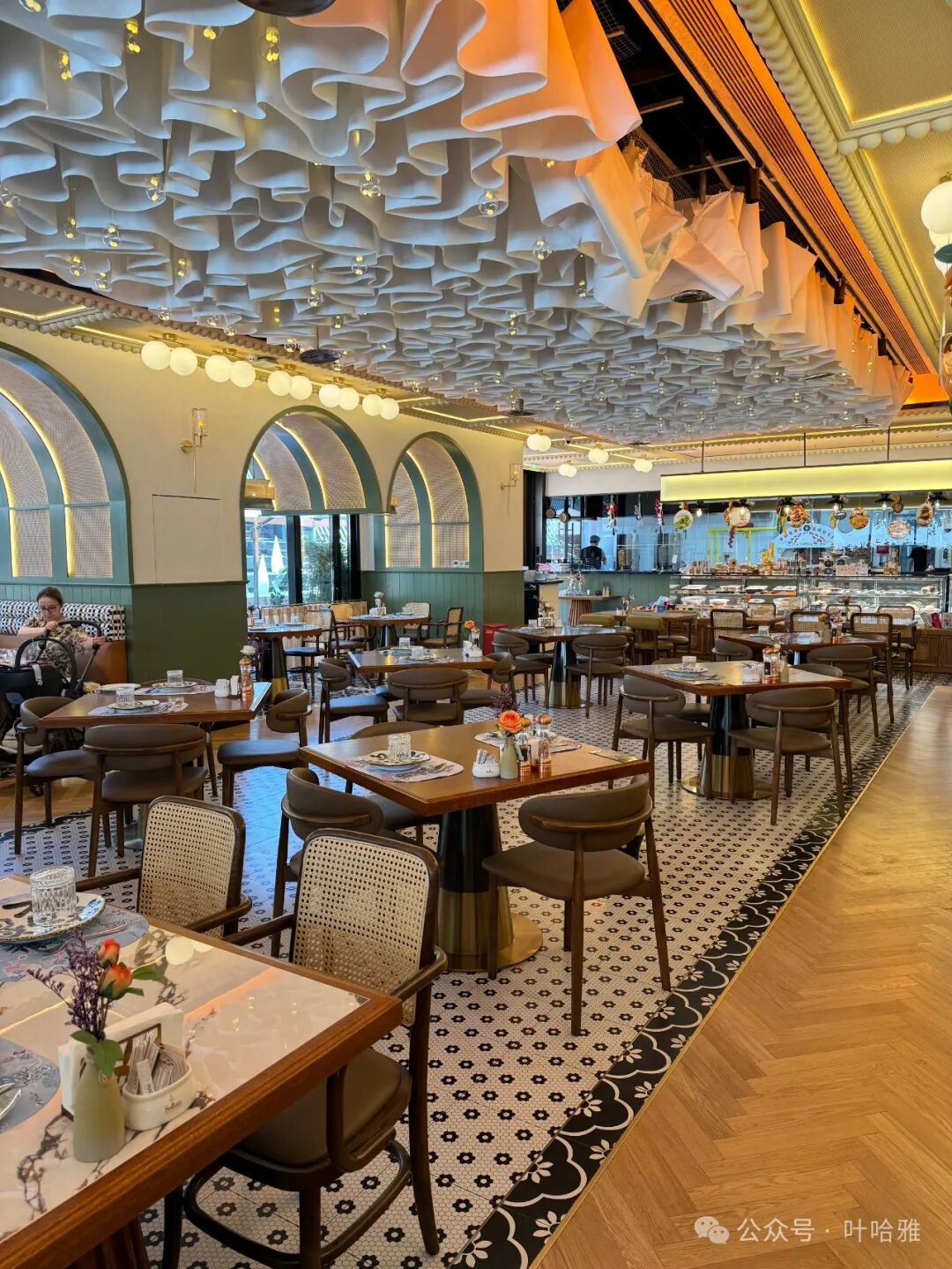
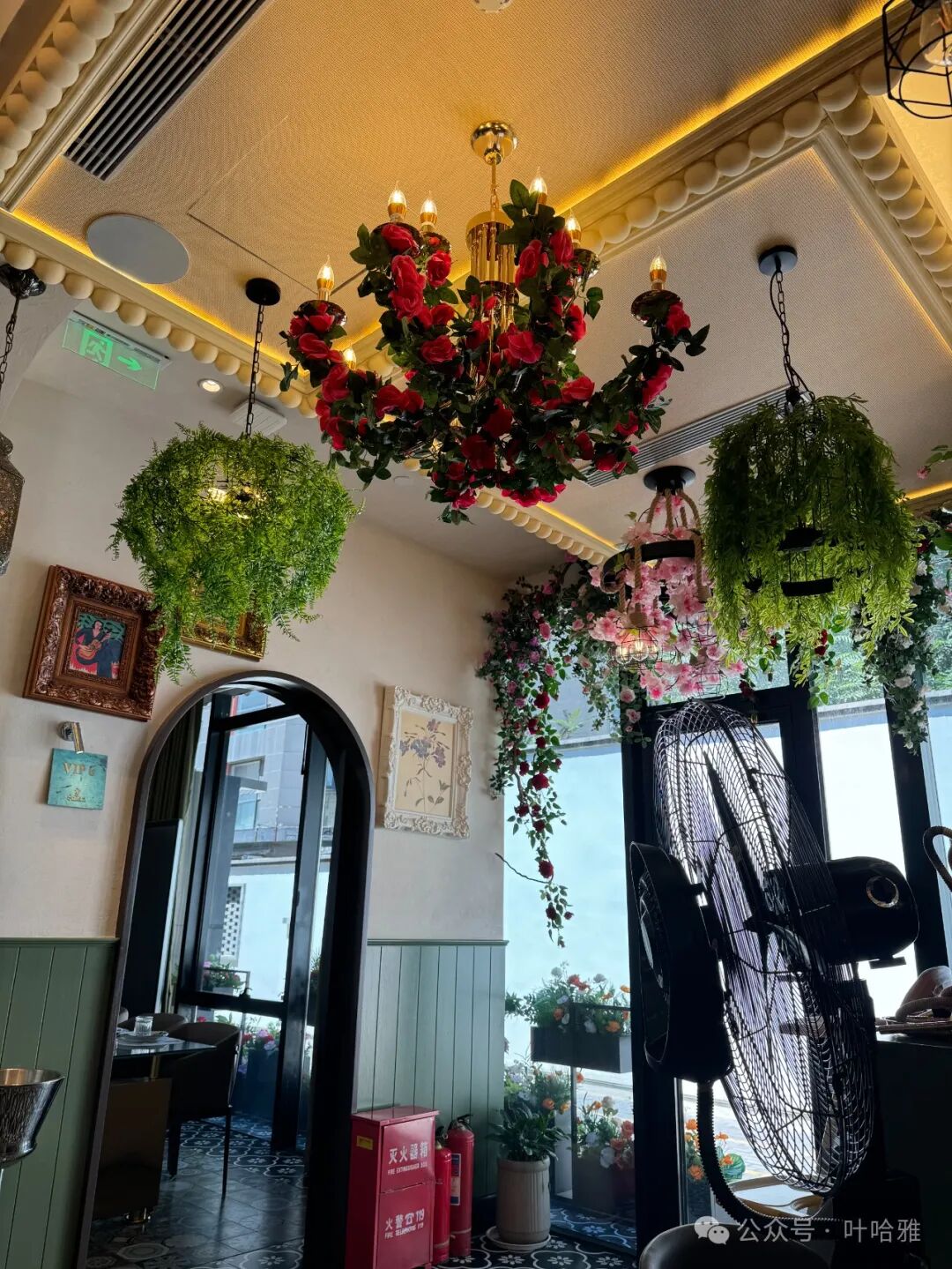
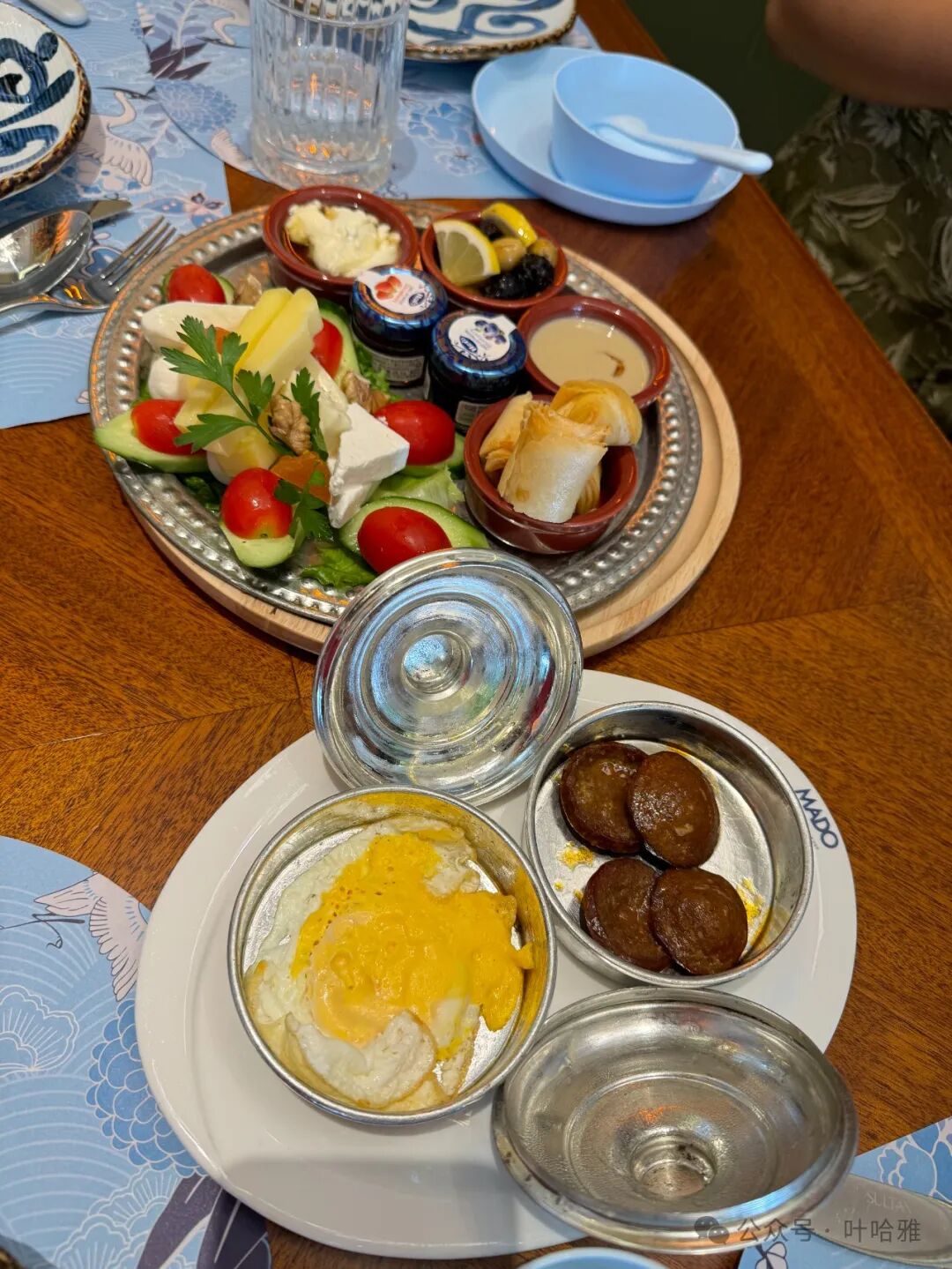
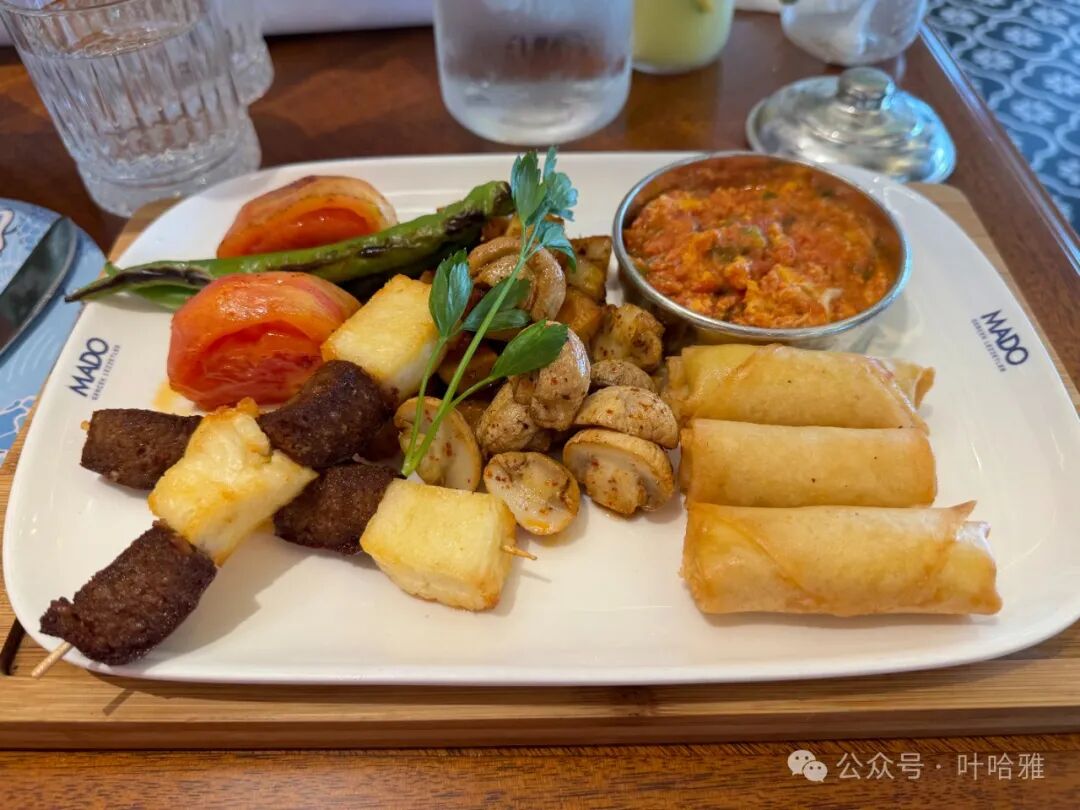
Sultan offers a wide variety of Turkish-style breakfasts. You can choose a single or double set meal, and you can even order breakfast during regular lunch or dinner hours. Turkish people are used to eating two meals a day—one in the morning and one in the evening—with each meal lasting a long time.
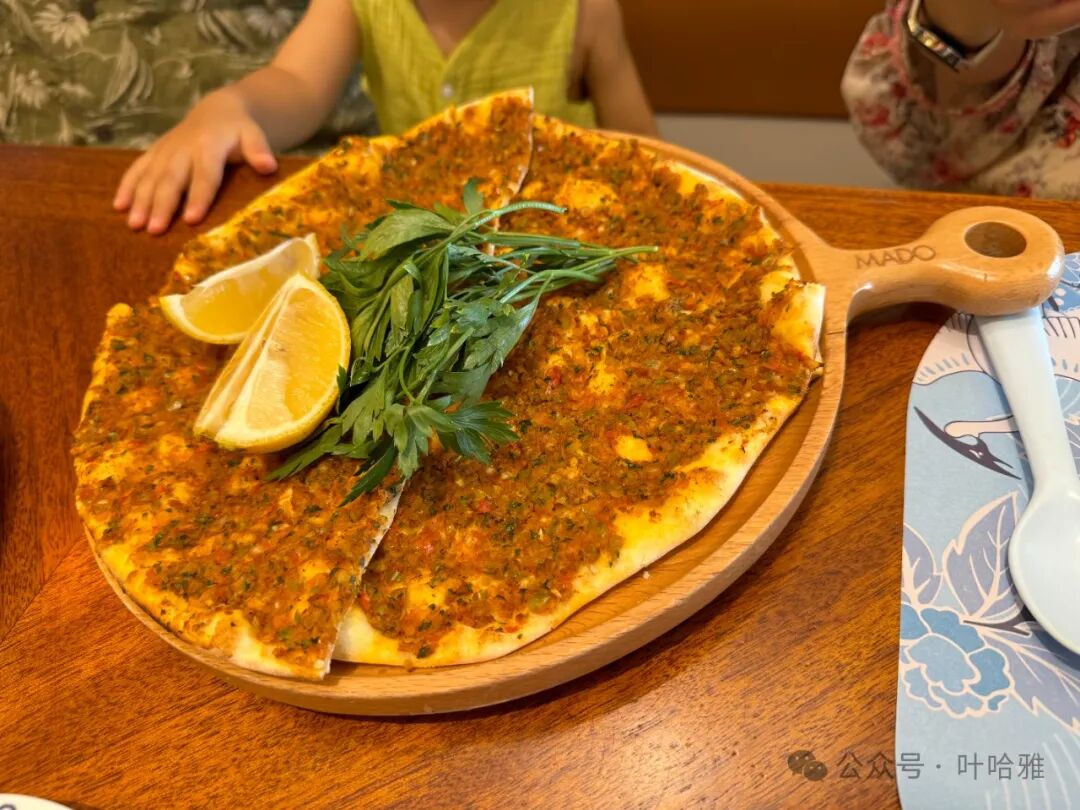
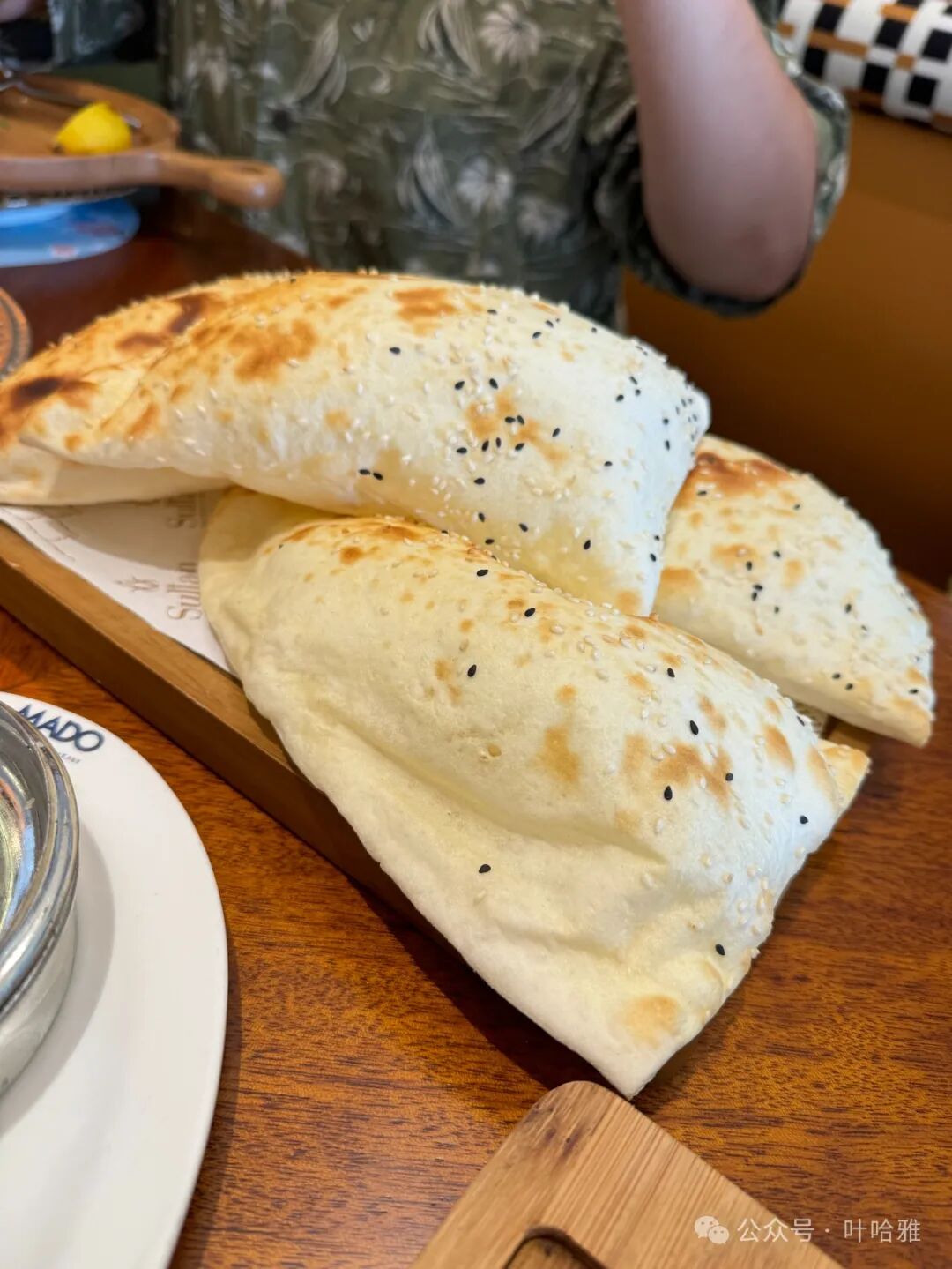
Balloon flatbread (balon ekmek)
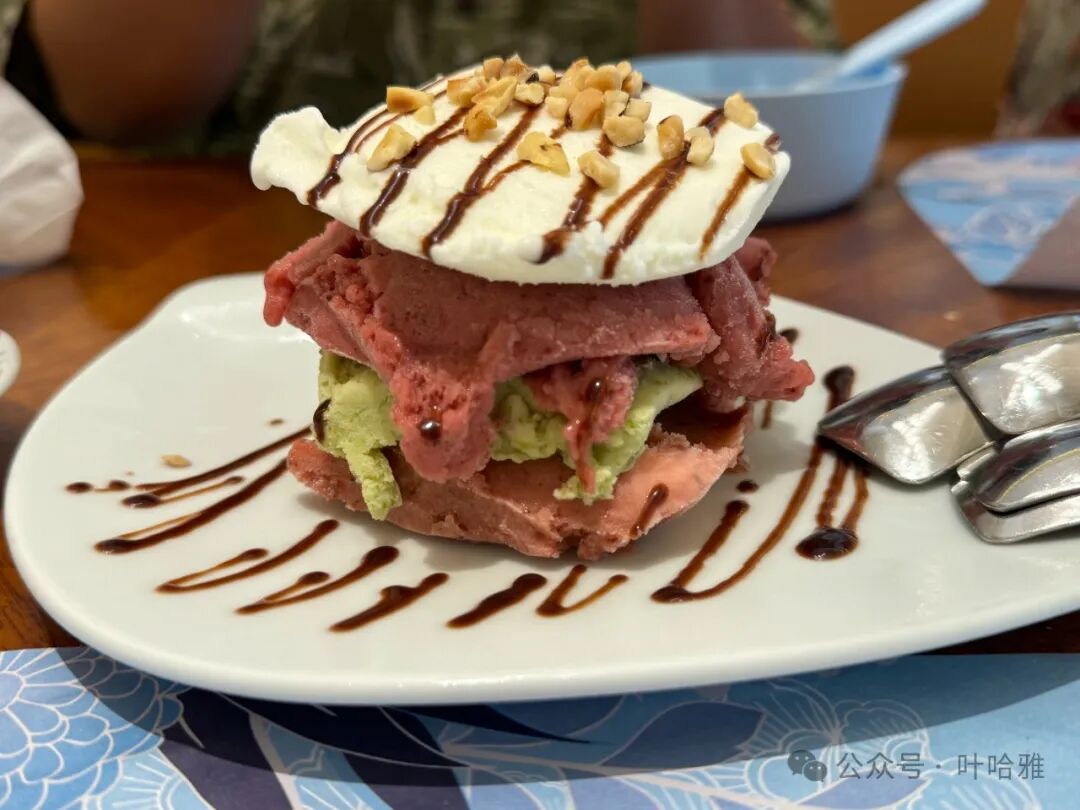
MADO layered ice cream, with your choice of four flavors.
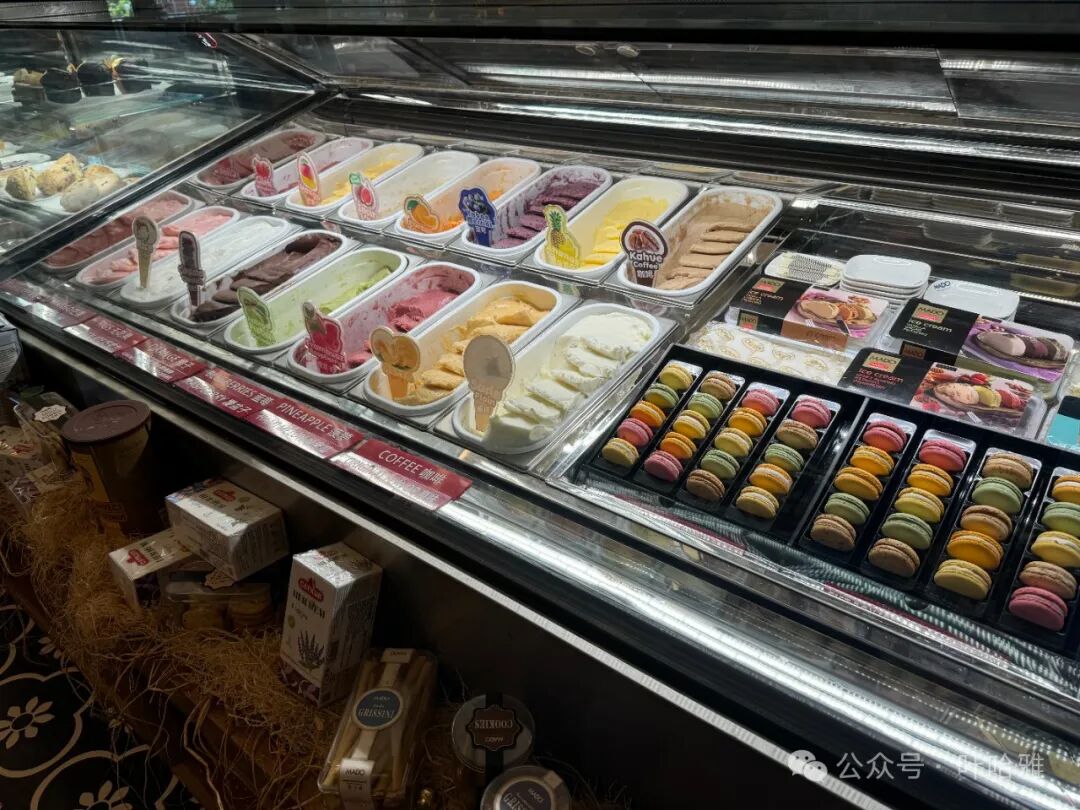
Just for this MADO ice cream, it is worth stopping by. The quality is higher than Haagen-Dazs.
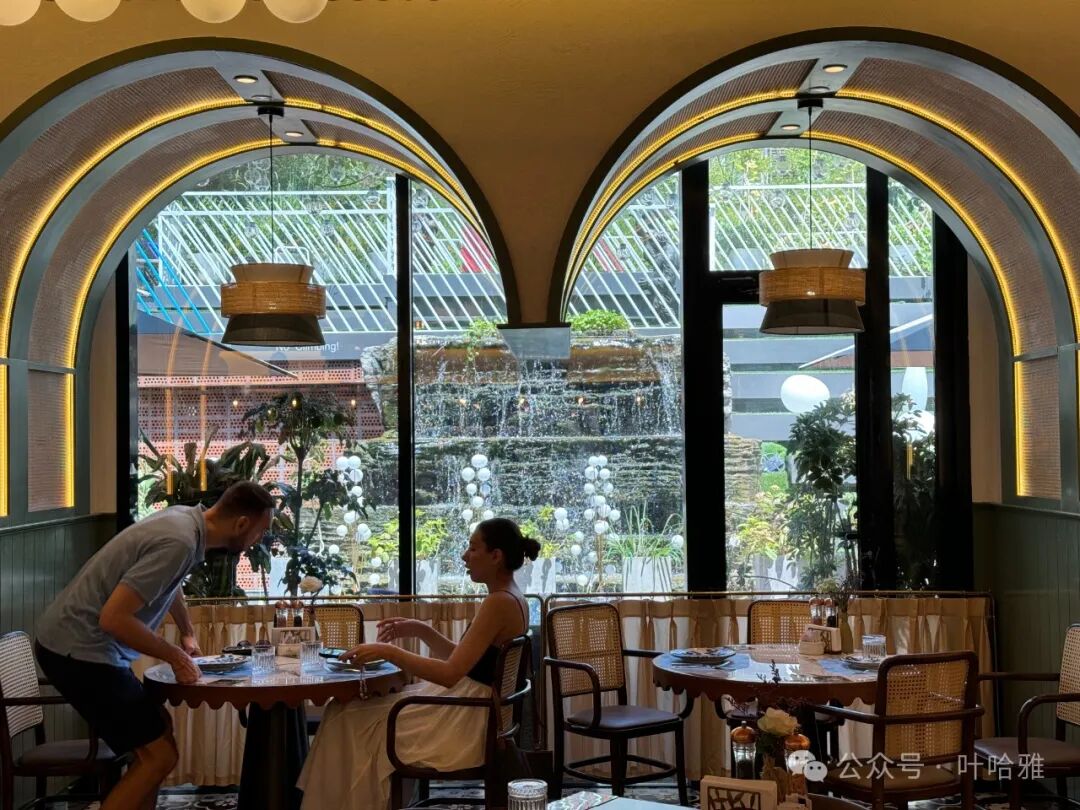
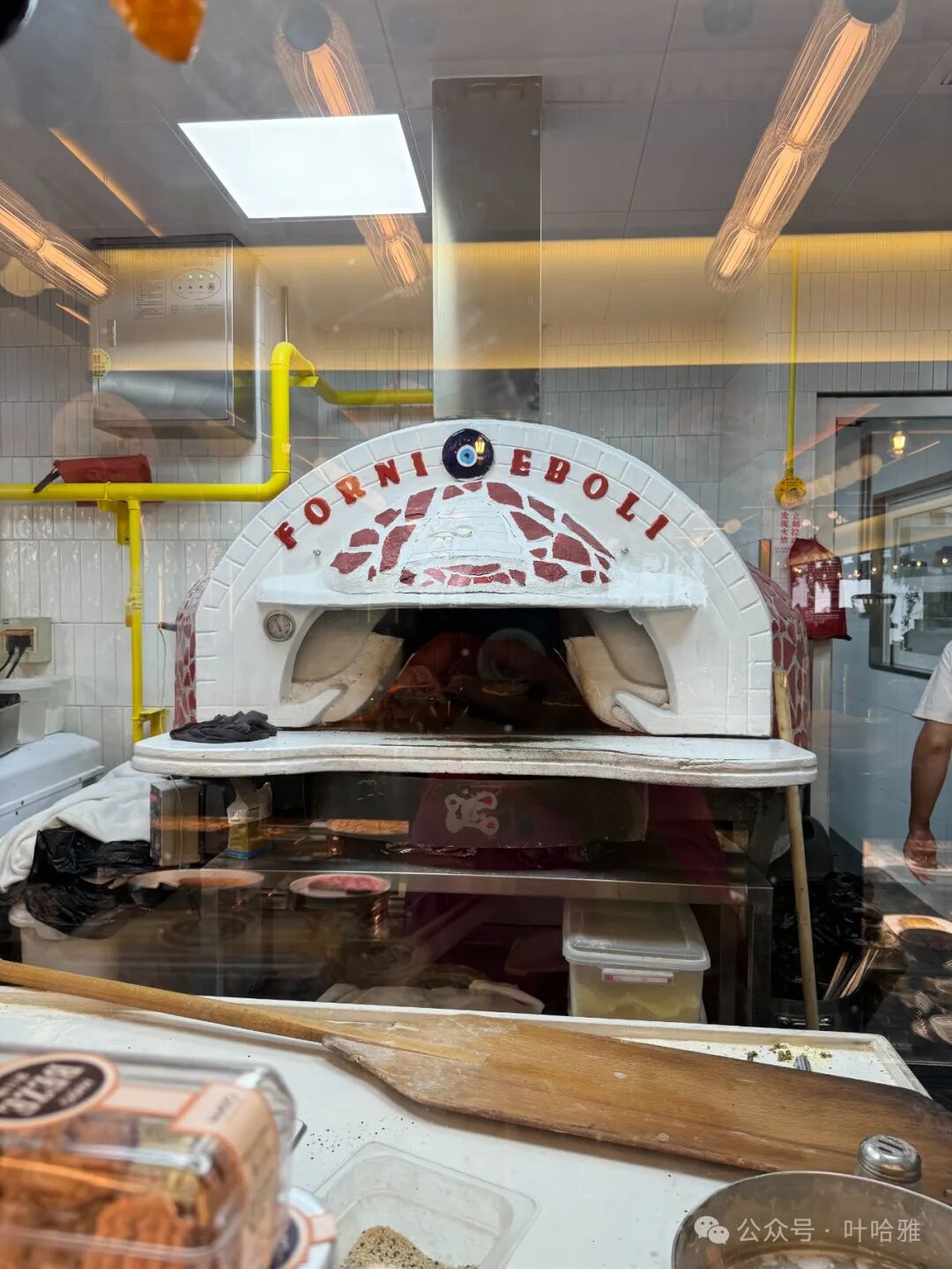
The open kitchen lets you watch the chef baking flatbread (naan) by the oven.
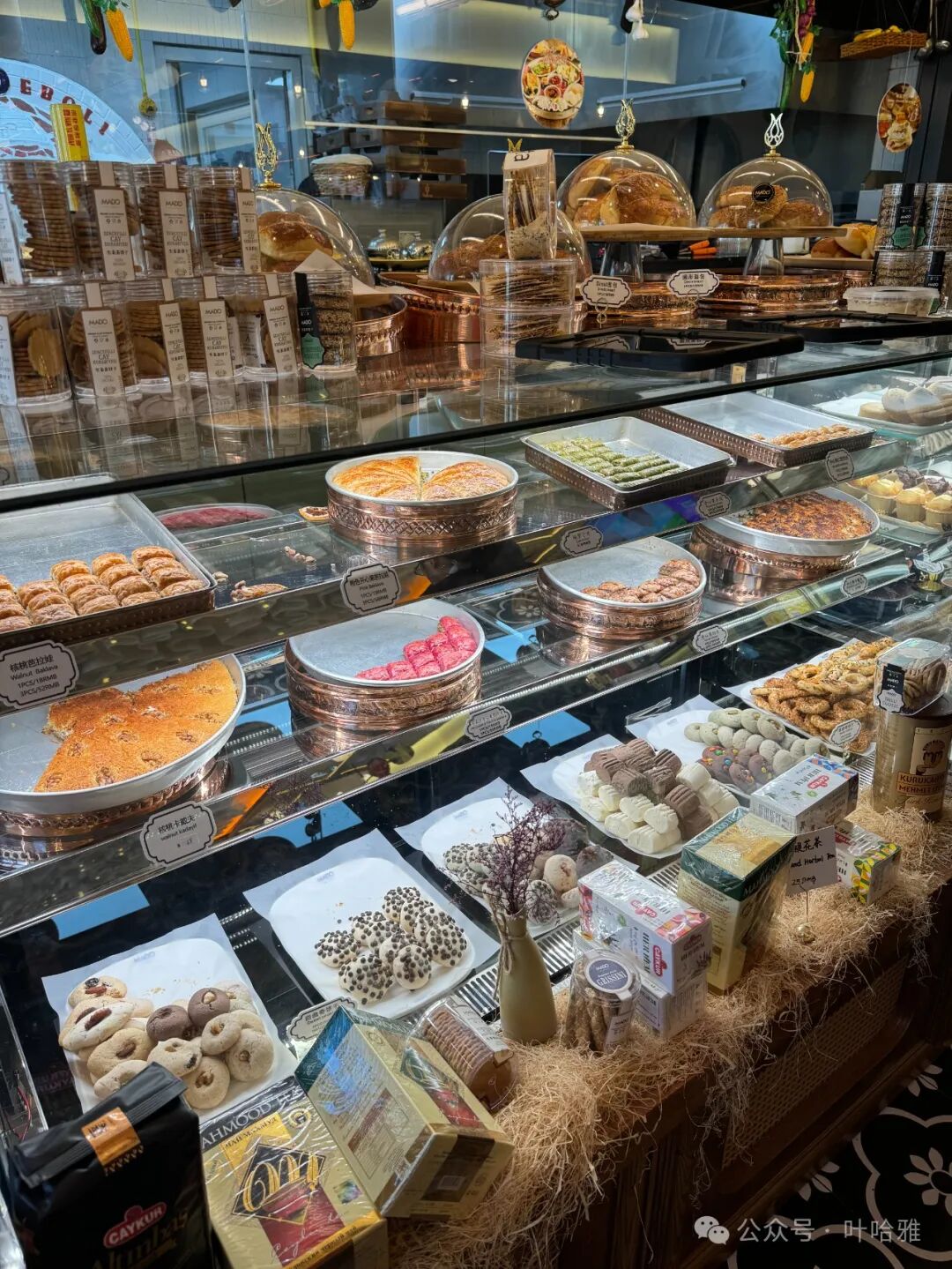
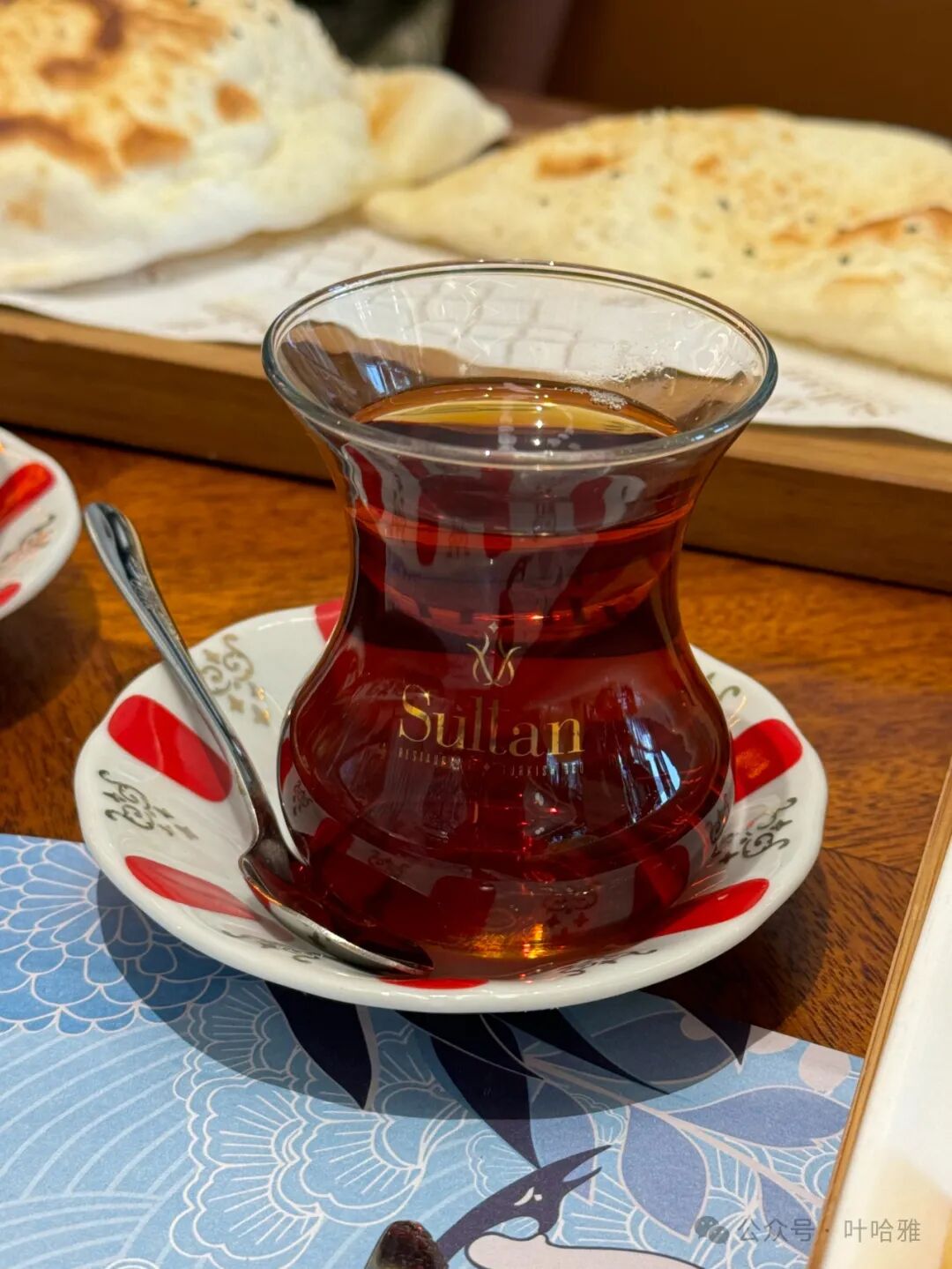
Various Turkish desserts served with tea.
2. Yinji Door-Nail Meat Pie (mending roubing)
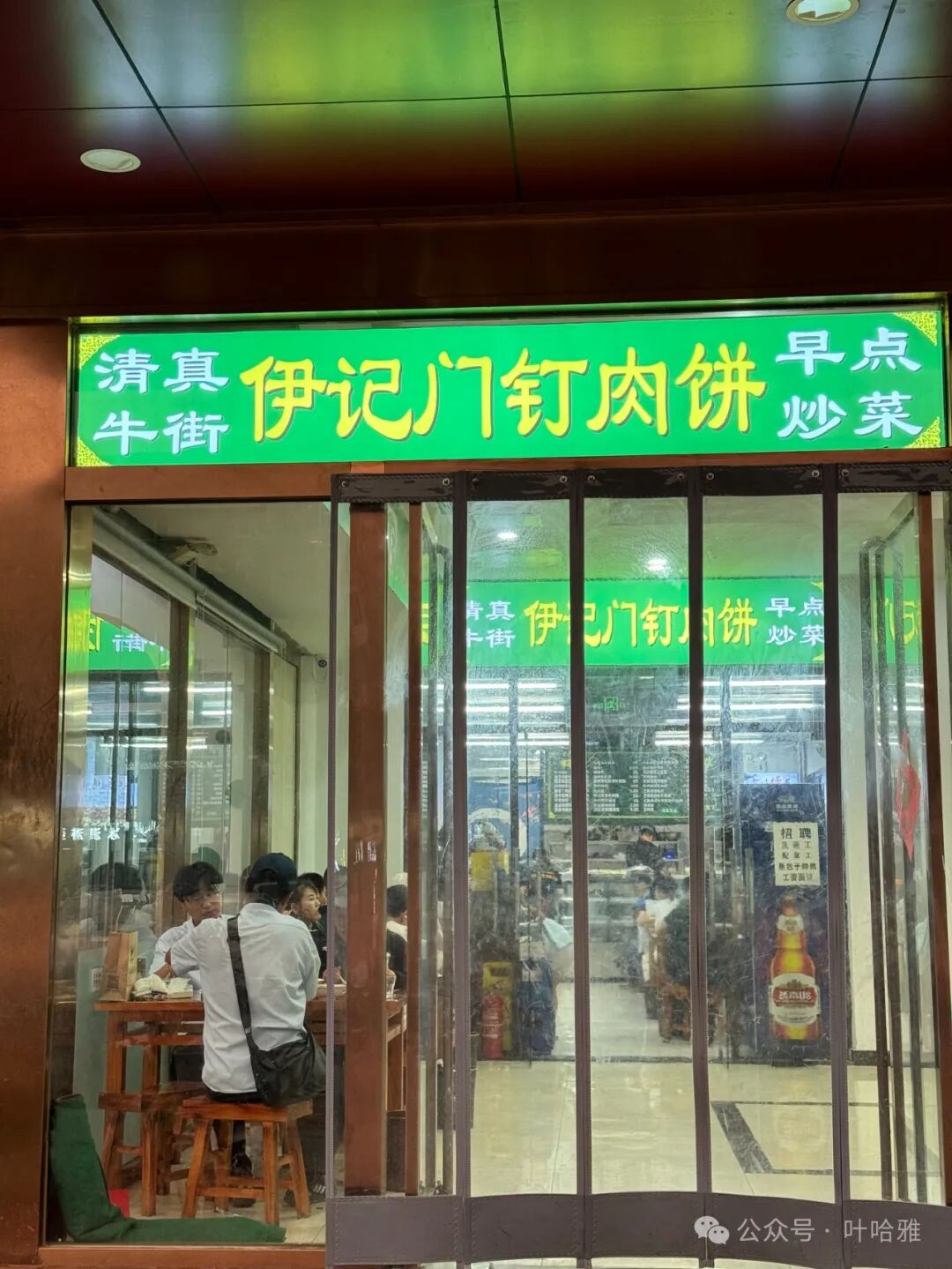
Yinji is a chain restaurant that specializes in door-nail meat pies and some traditional Beijing snacks.
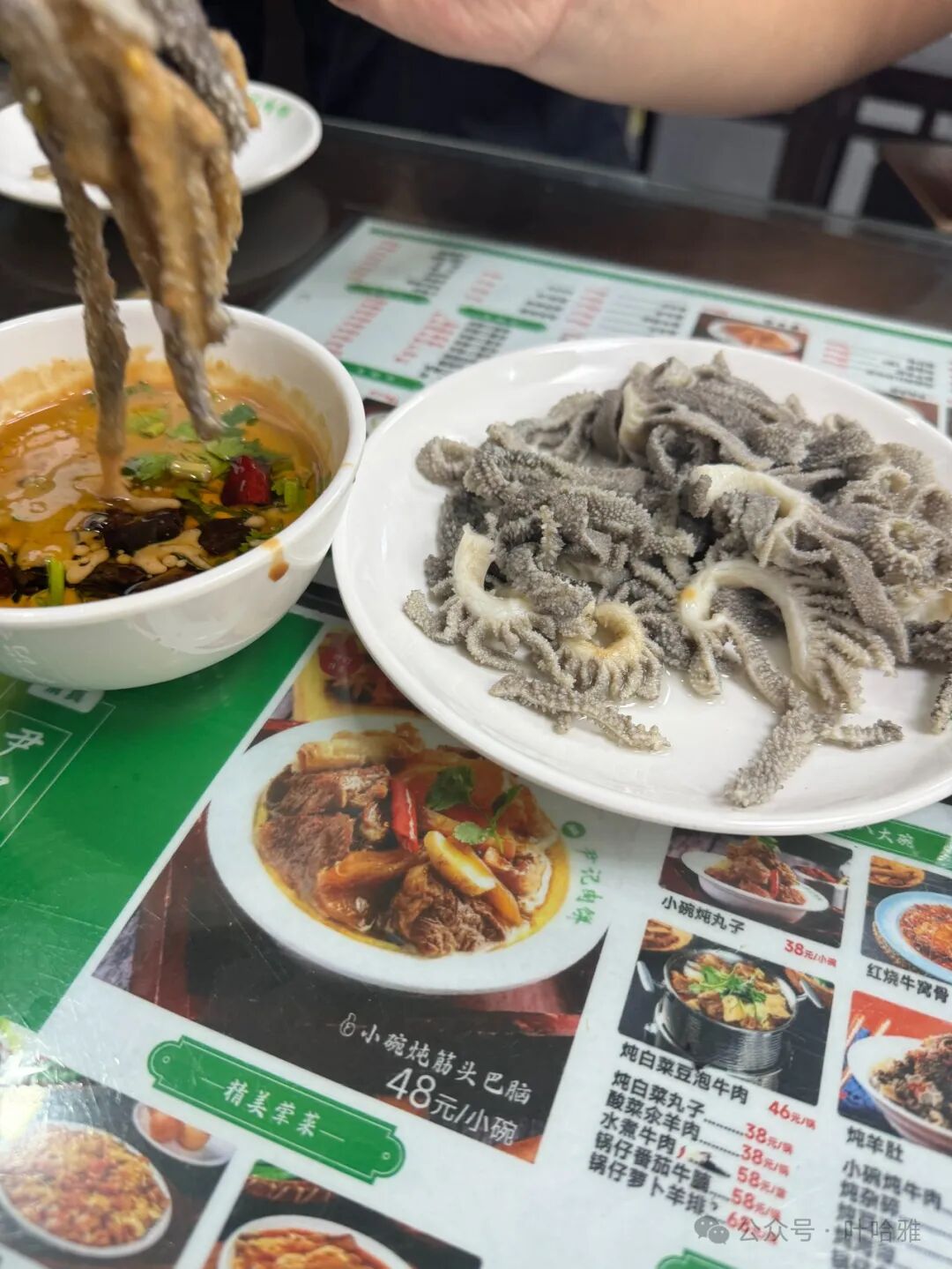
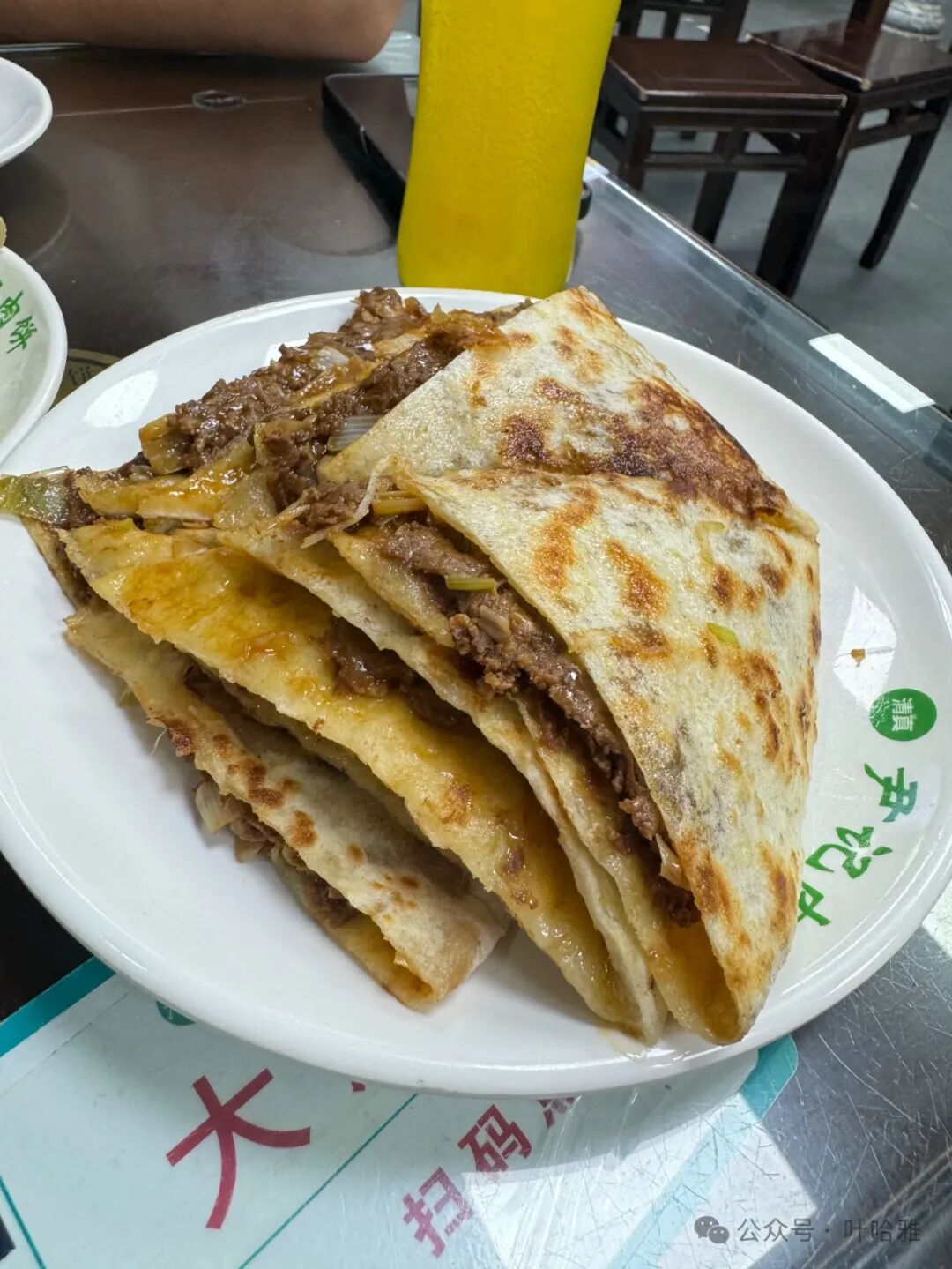
The ratings for their various locations are all about the same. I think their Jingdong meat pie (jingdong roubing) tastes better than the door-nail meat pie. The advantage of both is that they are pan-fried to order, rather than being made in advance and reheated.
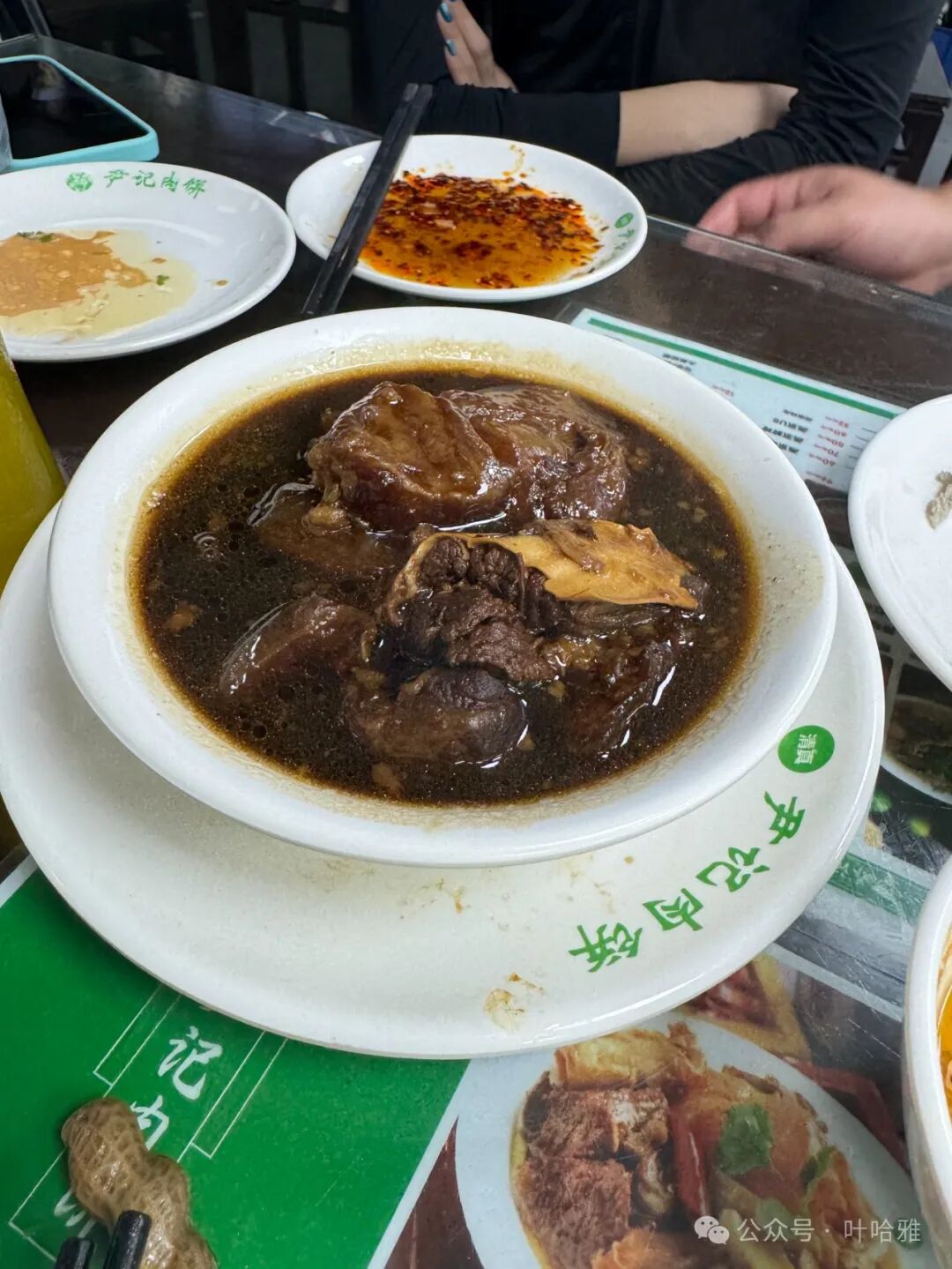
Beef tendon and brisket (jintou banao).
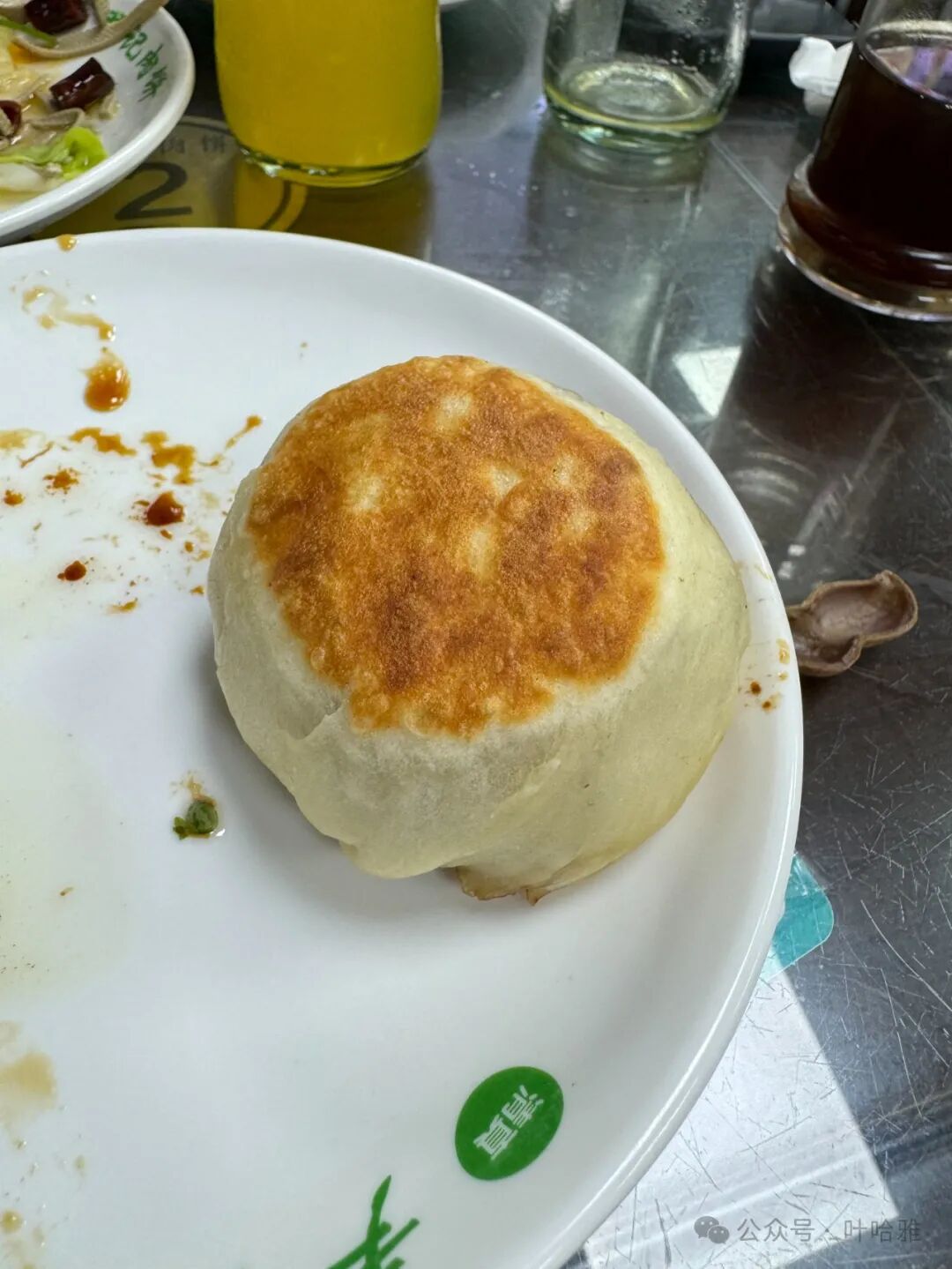
The meat filling in the door-nail meat pie (mending roubing) is generous, and it is made in the traditional way.
3. Junbang Hot Pot.
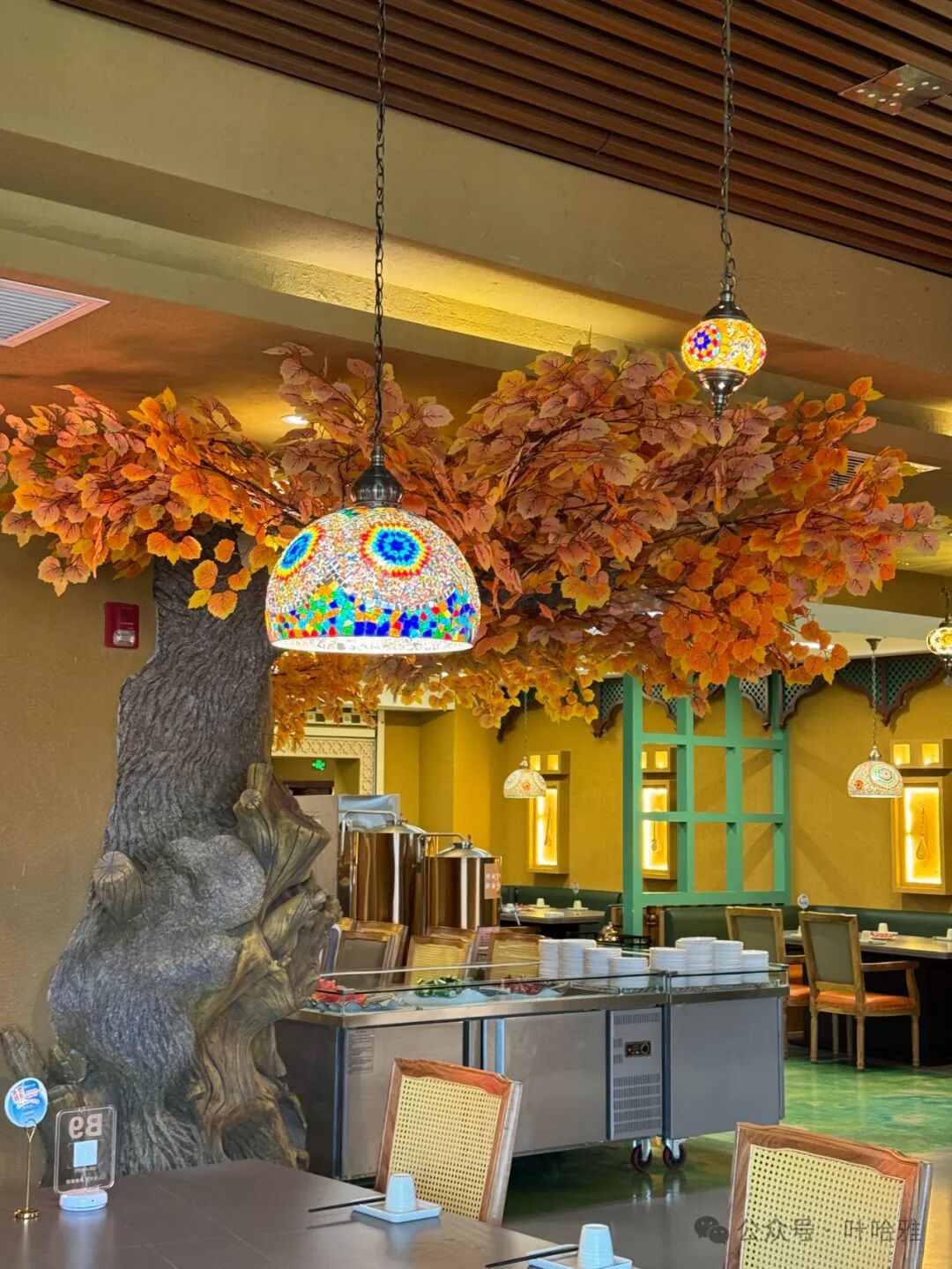
This is a newly opened Sichuan-style hot pot restaurant on the 4th floor of Building B at the Xinjiang Mansion. It is owned by the same person who runs the Xihan Meatball Soup.
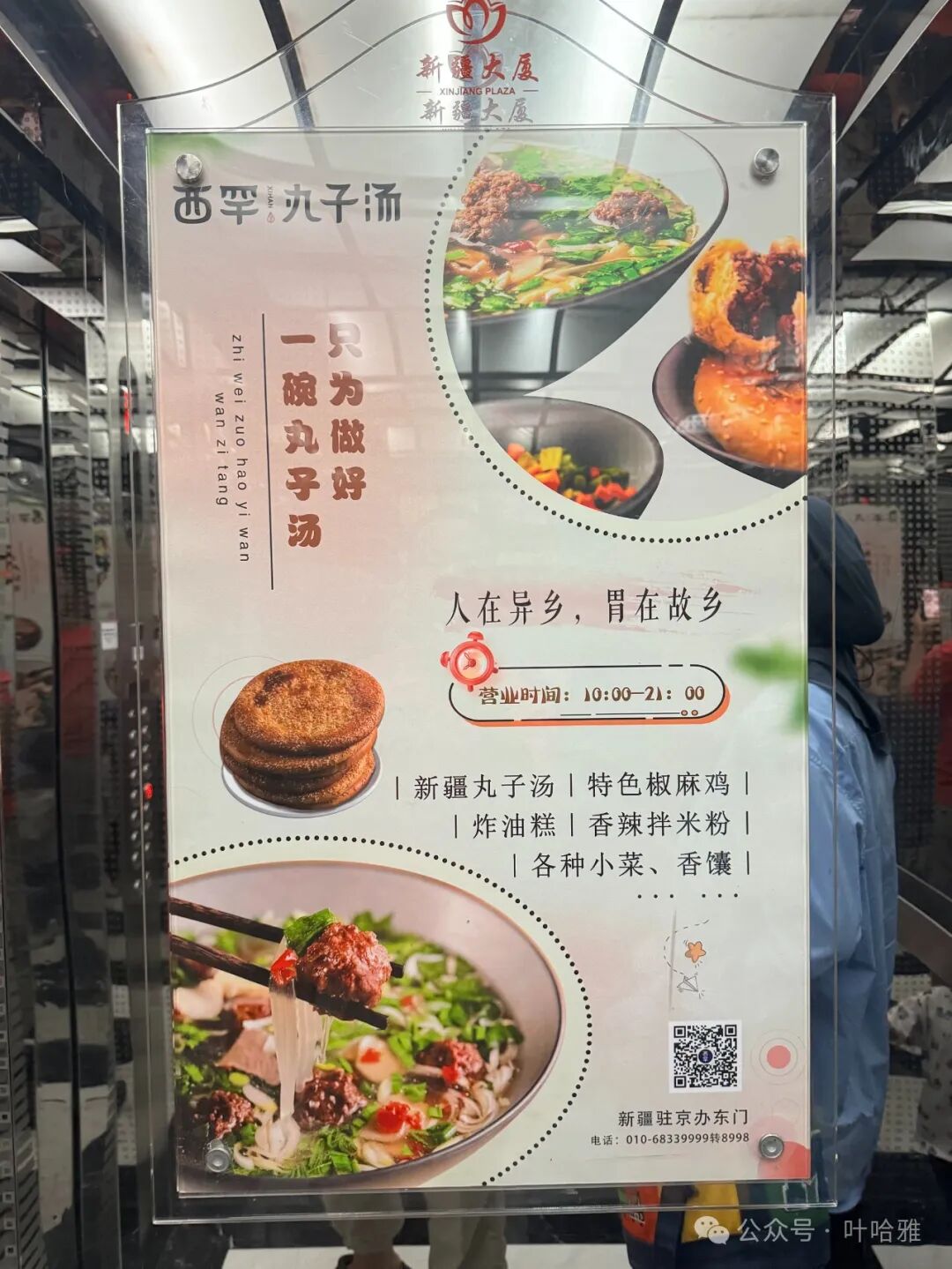

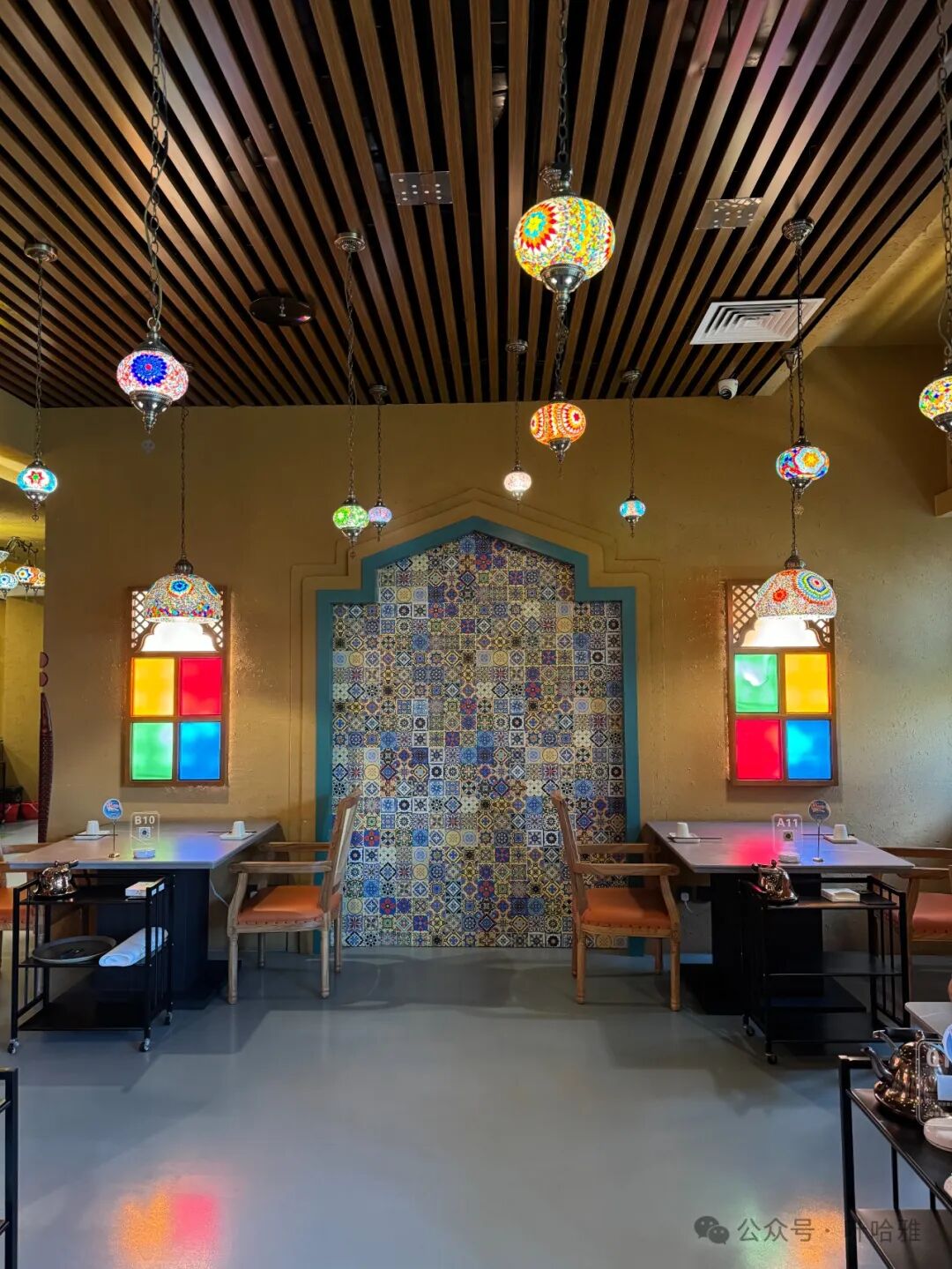
The dining environment here is very comfortable. It has a large space, big tables, beautiful decor, and the service is especially attentive.
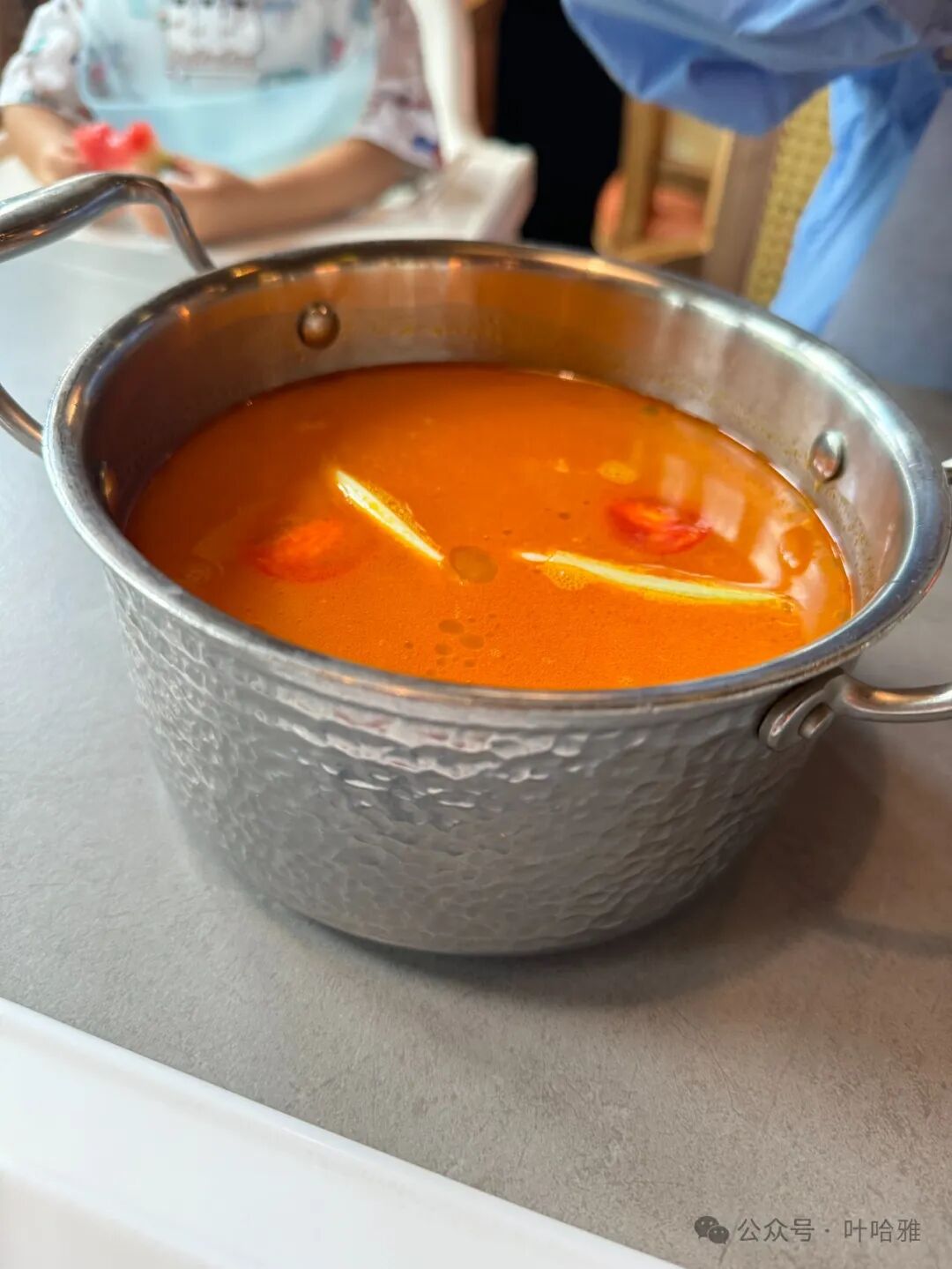
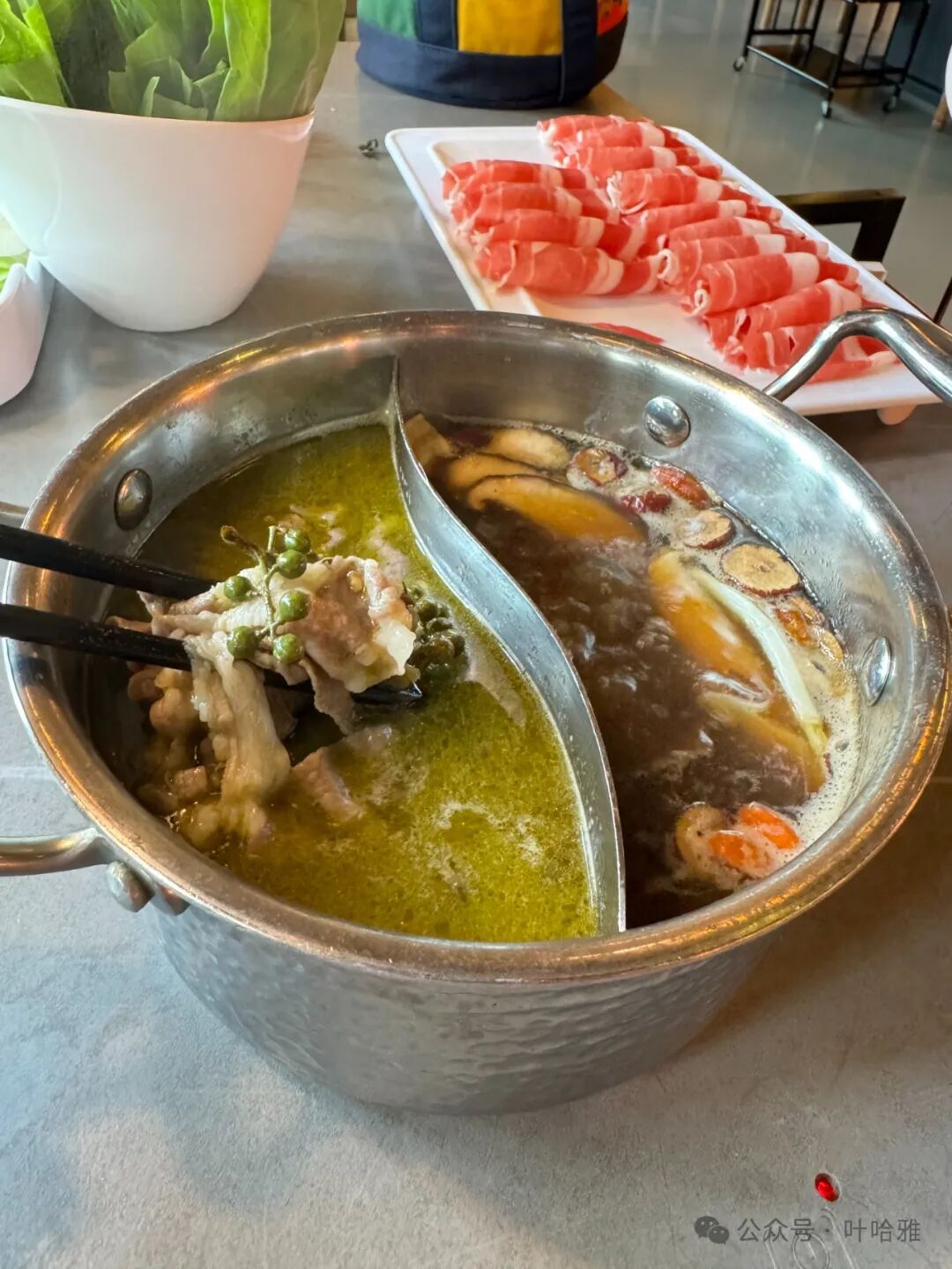
We ate from individual small pots, which can also be set up as a split-pot (yuanyang guo). We chose a yellow tomato broth and a green chili mushroom broth.
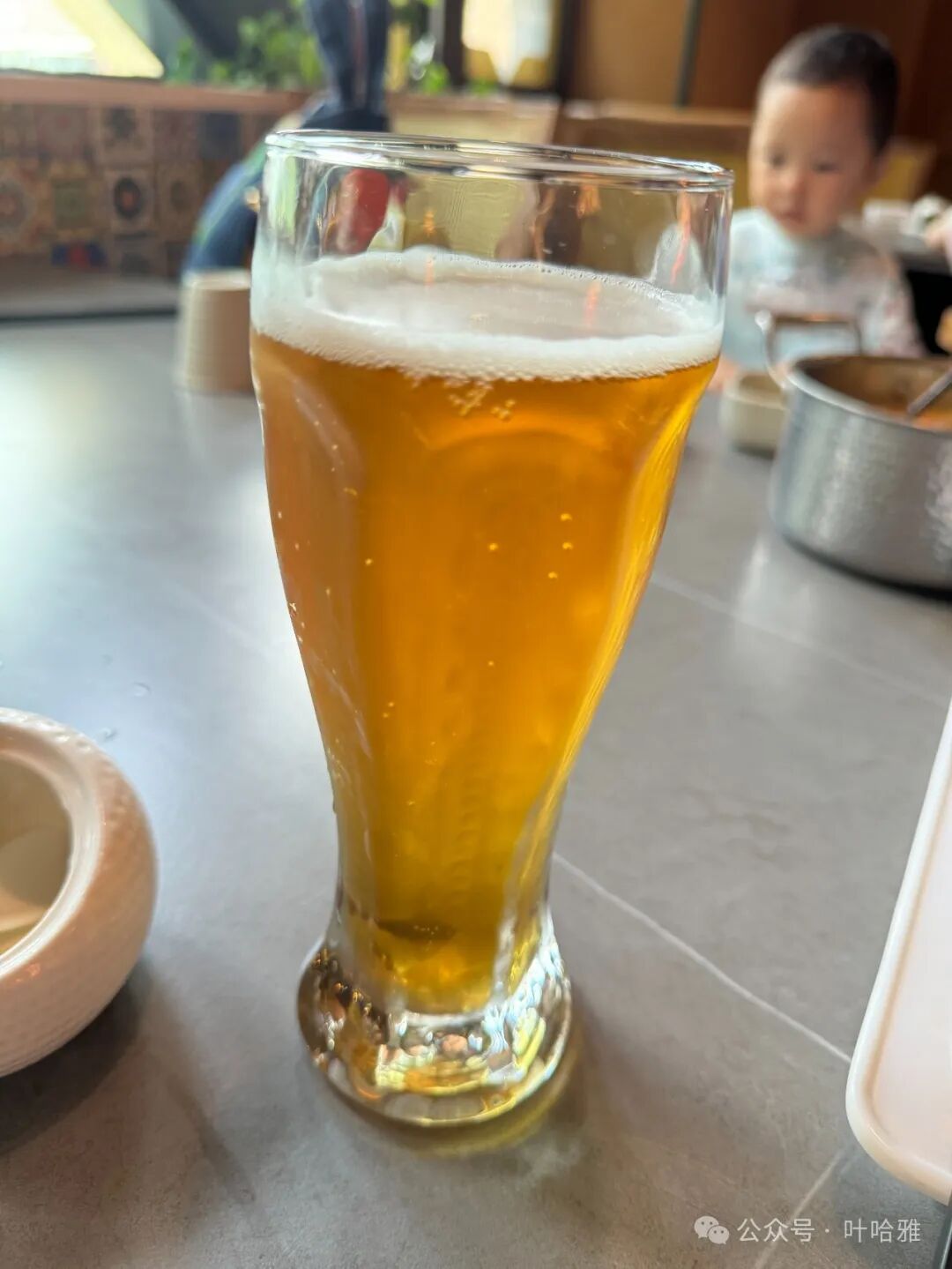
This is the house-brewed kvass (gewasi). It is ice-cold and tastes great. I prefer this kind of house-brewed kvass because it is more satisfying than the bottled version.
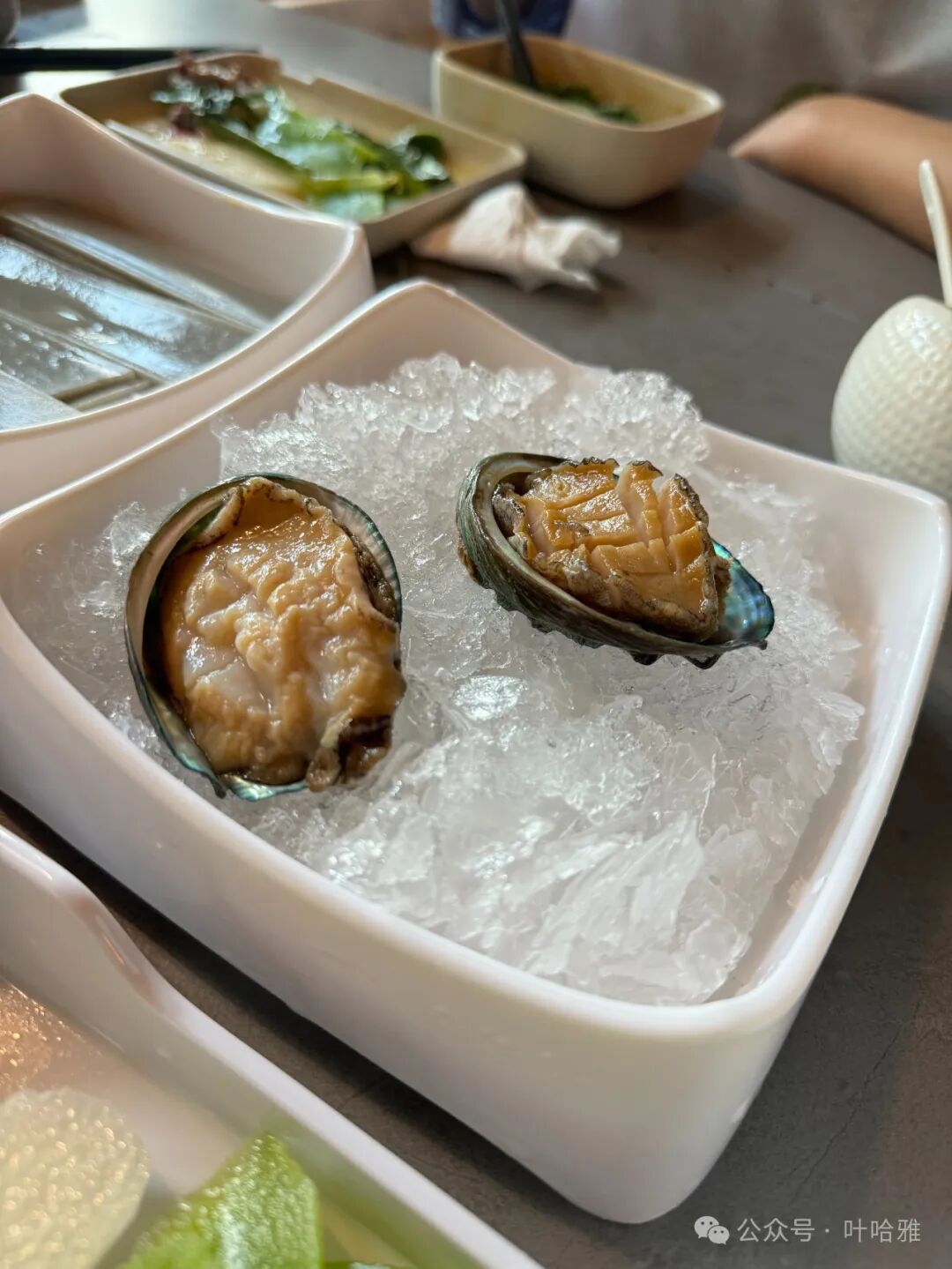
A serving of fresh abalone from the set meal for two.
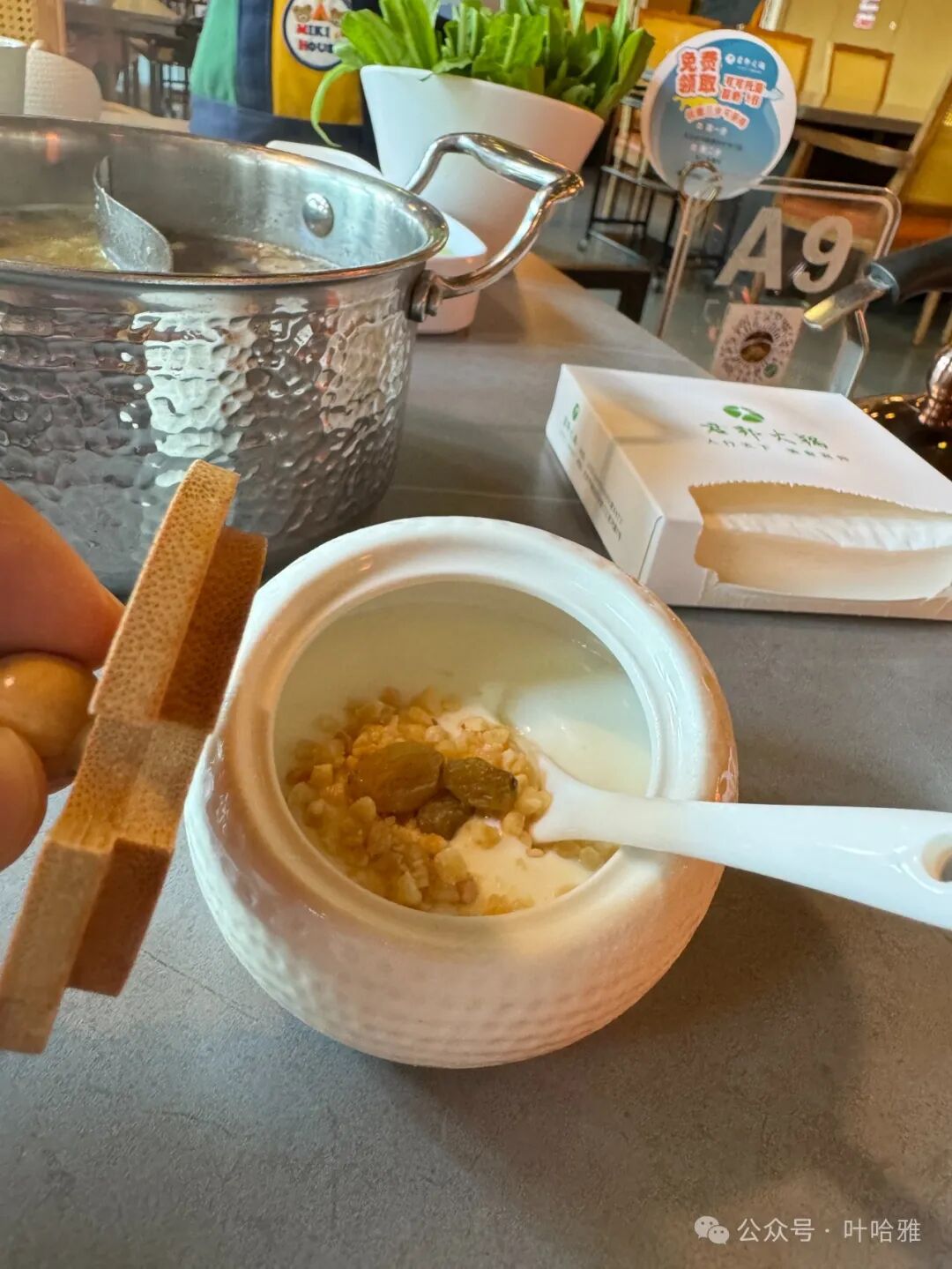
The homemade yogurt provided by the restaurant is quite thick.
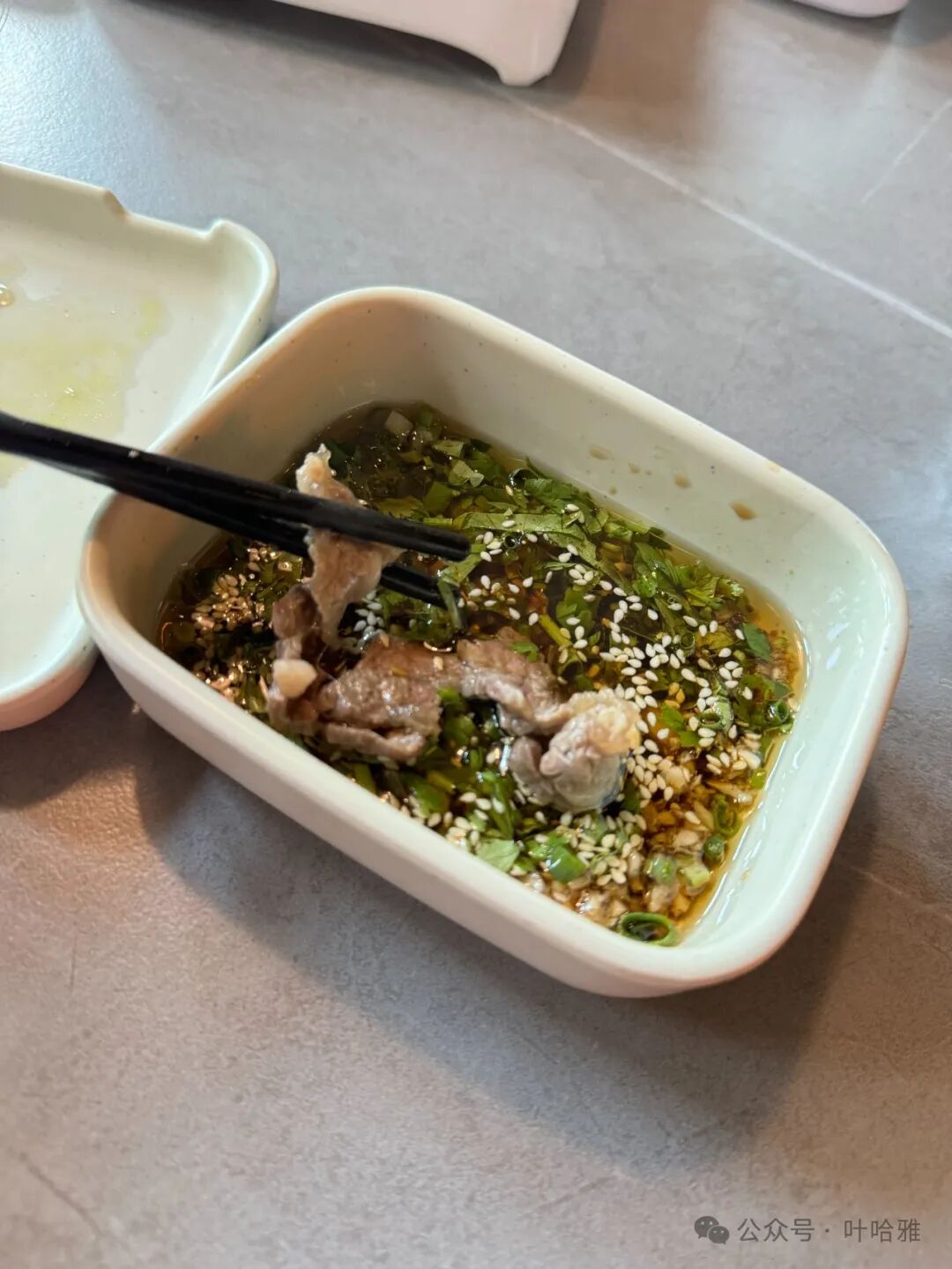
The green chili broth is spicy. I recommend pairing it with a dipping sauce of sesame oil and minced garlic, with a splash of fragrant vinegar added. It is delicious.
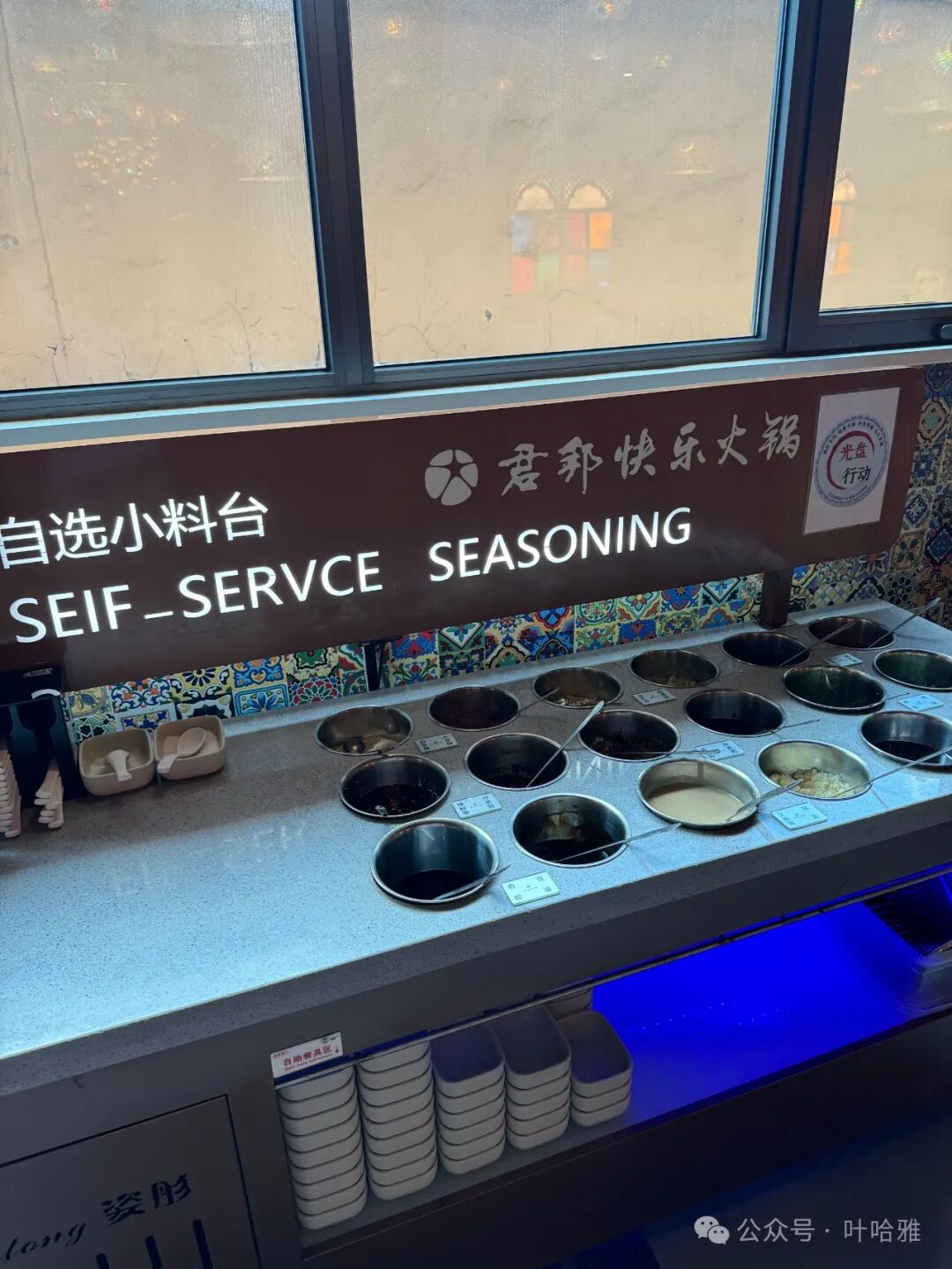
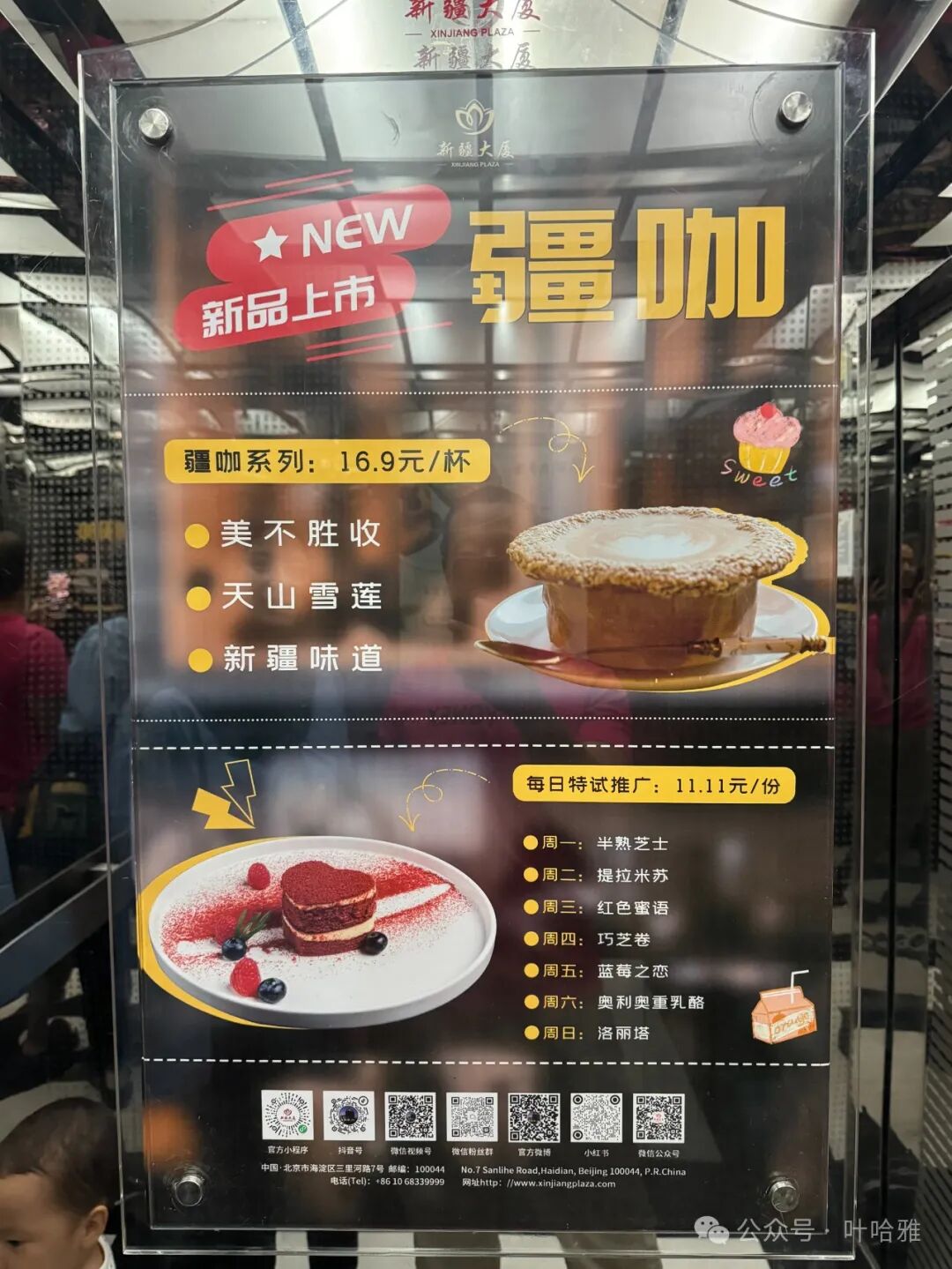
The Xinjiang Mansion has launched a Xinjiang-style afternoon tea (Jiang Ka). I will come back to try it when I have the chance. The Xinjiang Mansion is the Xinjiang government office in Beijing. There are several halal restaurants inside, and parking is convenient.
4. Baoding Beef Covered Flatbread (Baoding Niurou Zhaobing)
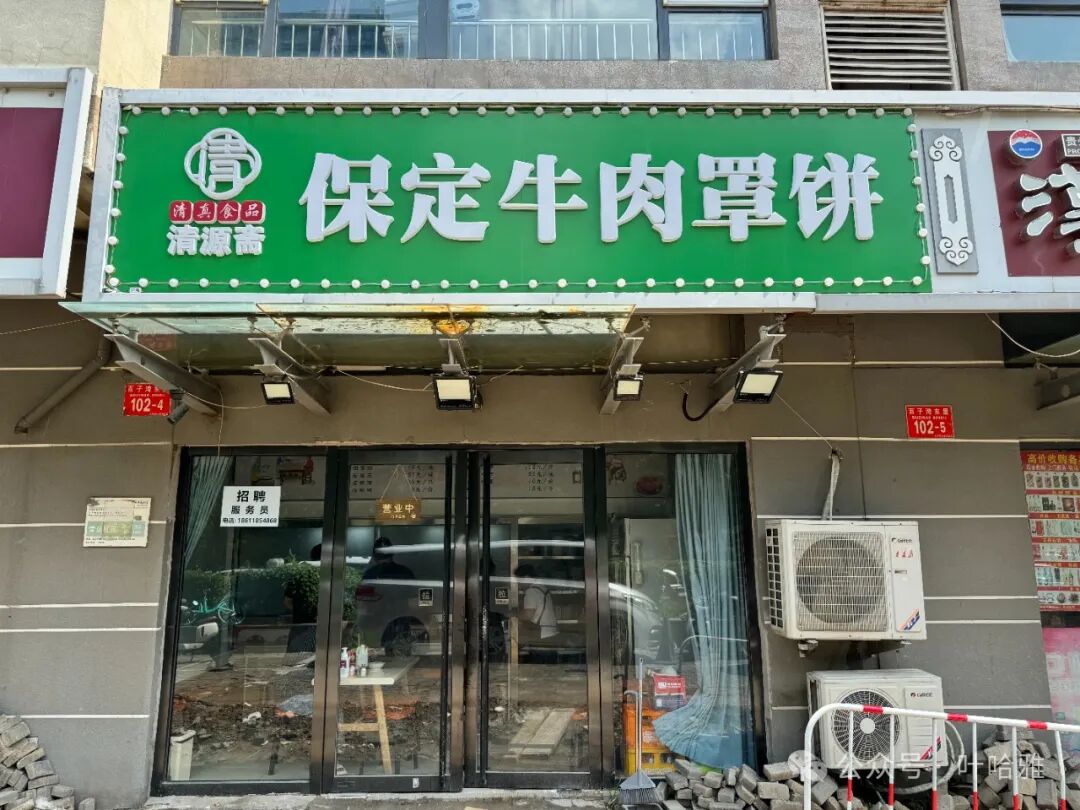
I once drove all the way to Miyun just to eat halal covered flatbread (zhaobing). When I heard a new halal zhaobing shop opened in Baiziwan, I went to try it, and it tasted even better than the one in Miyun.
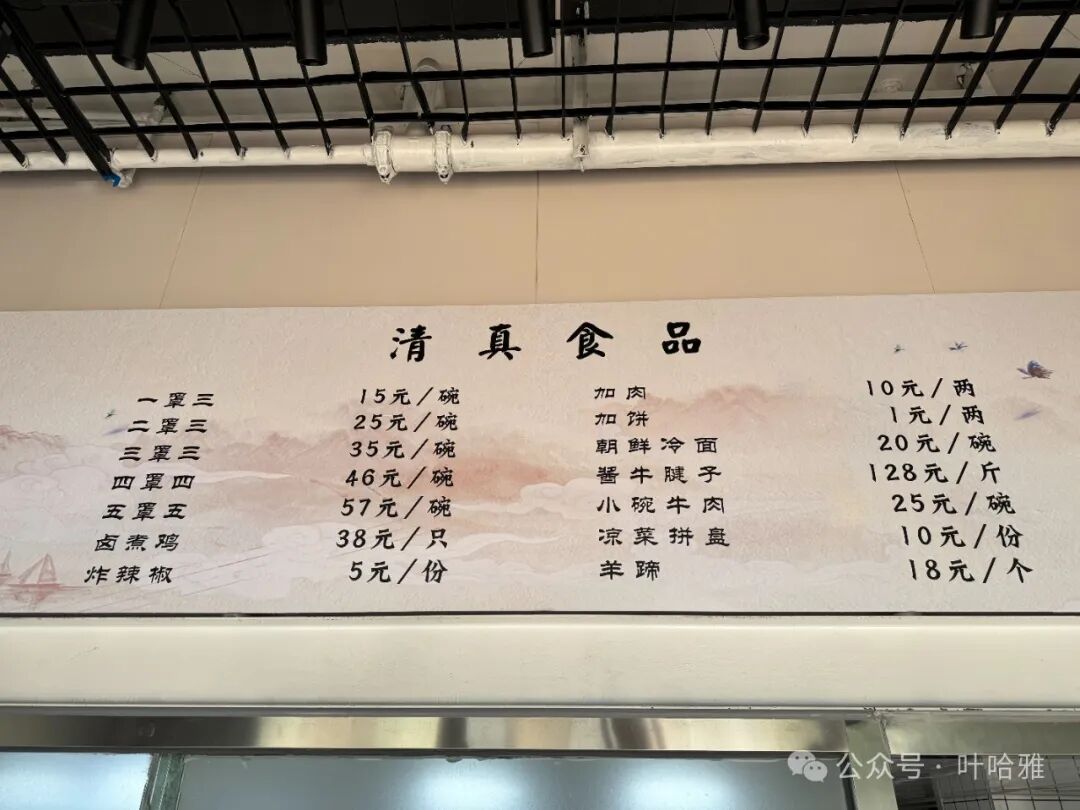
The term 'one cover two' means one liang of meat and two liang of flatbread. I chose the single-person set 'two cover three,' which is two liang of beef and three liang of flatbread. The shop just opened and is still hiring staff. They only serve zhaobing and braised chicken (luzhuji), which is also a specialty from Baoding.
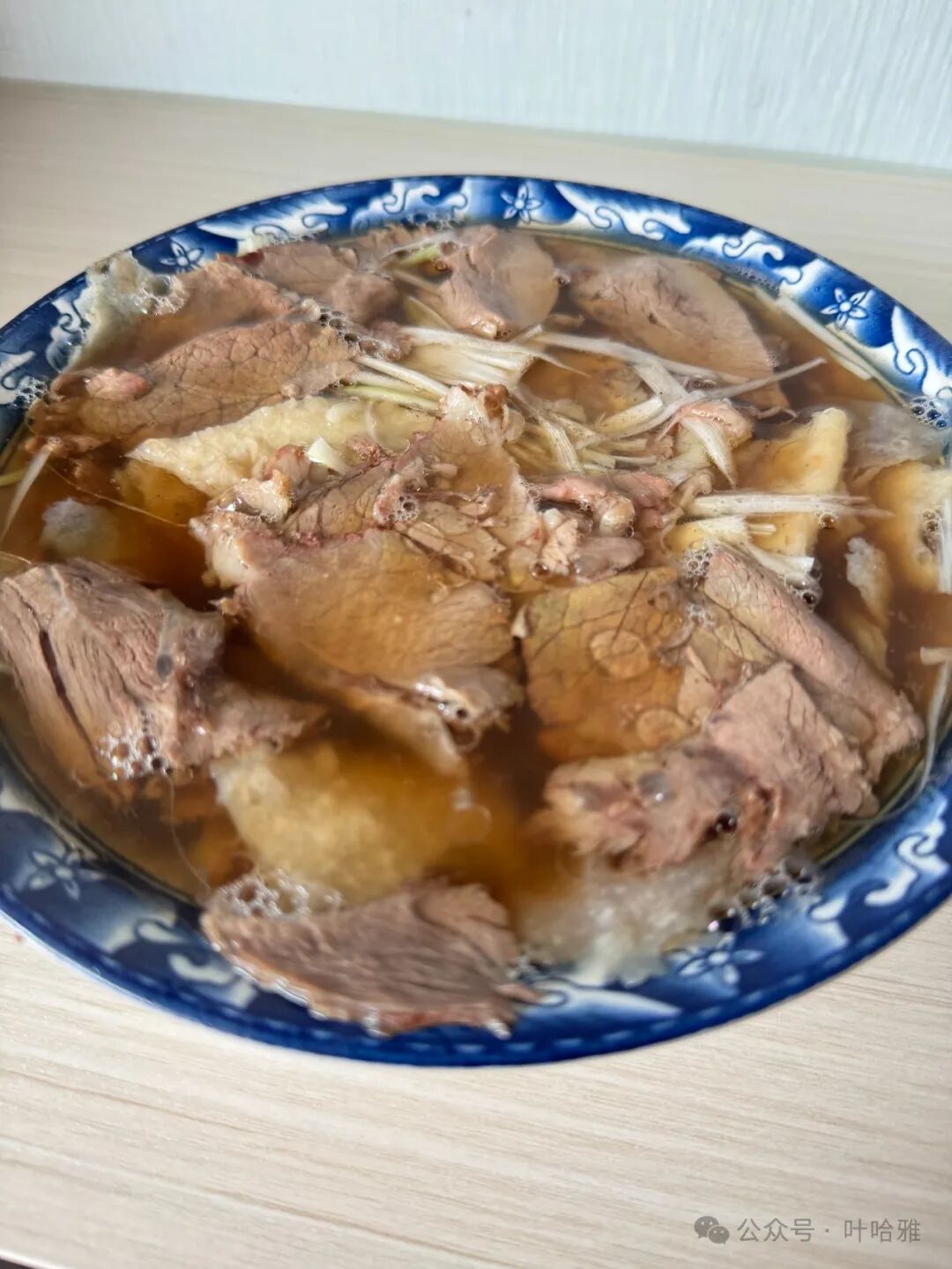
5. Xiaojing Li
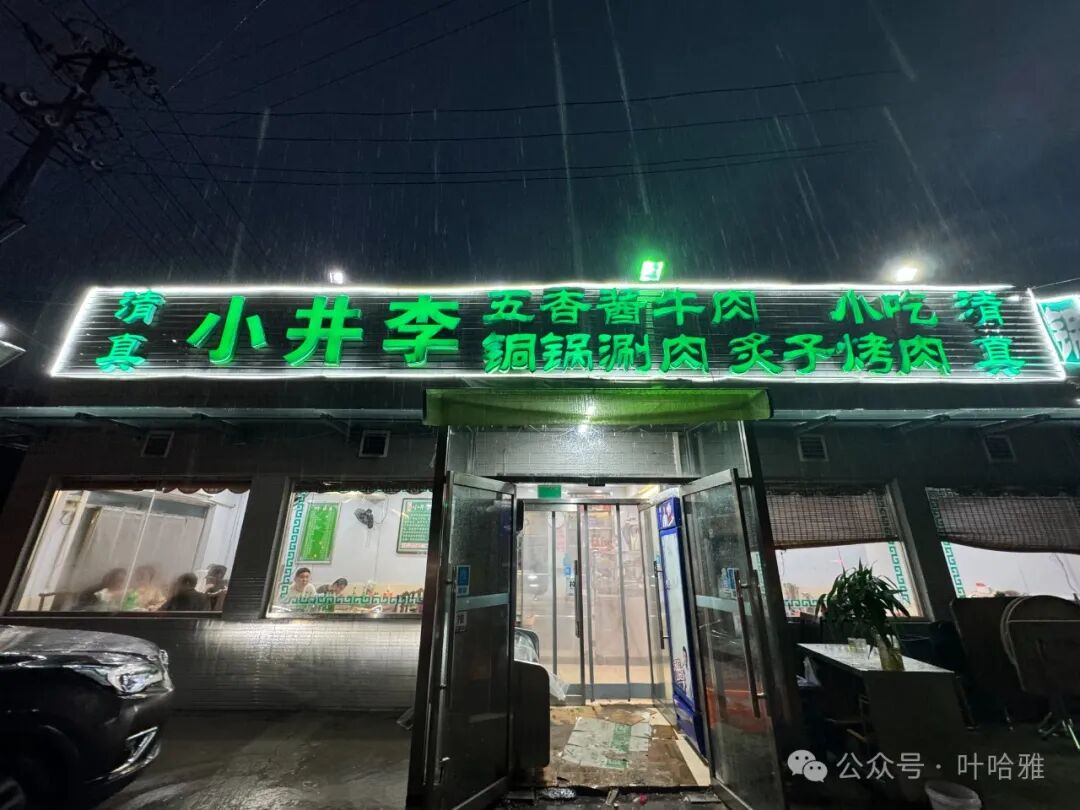
I often pass by this old shop in Fengtai that serves traditional halal stir-fry and hot pot meat. Last week, a sudden rainstorm forced me inside to take shelter, so I decided to check the place out.
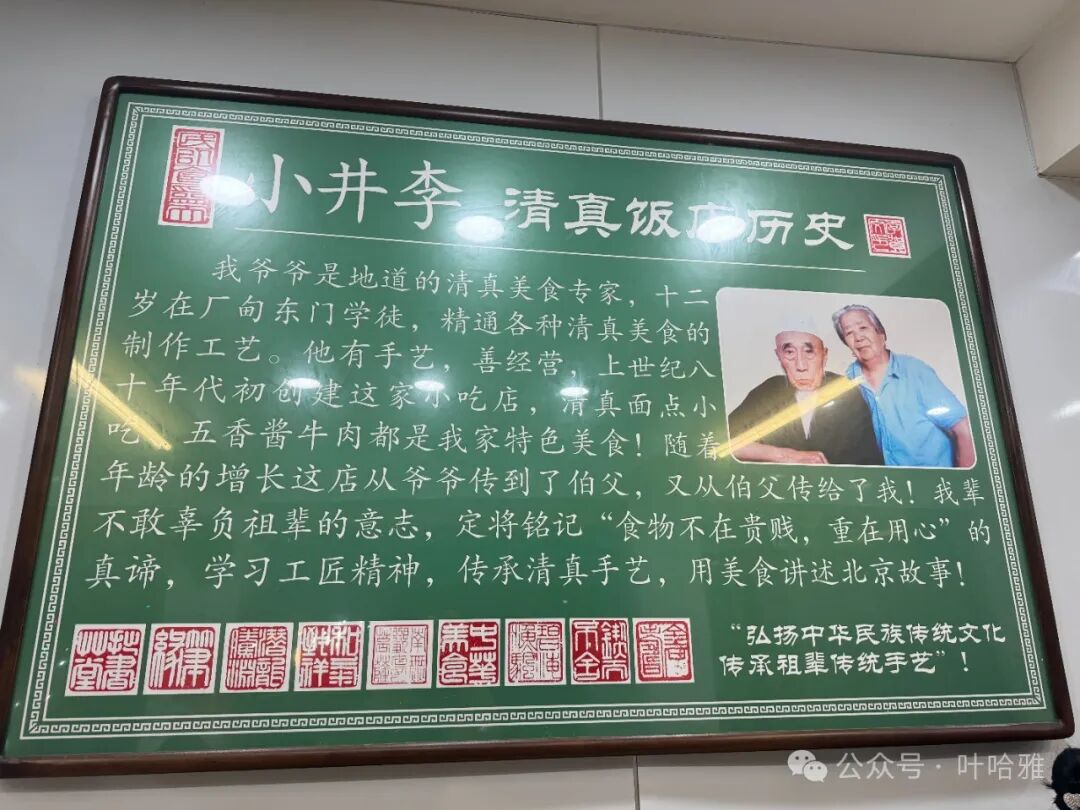
The history of Xiaojingli is written too simply, so I suggest polishing it up.
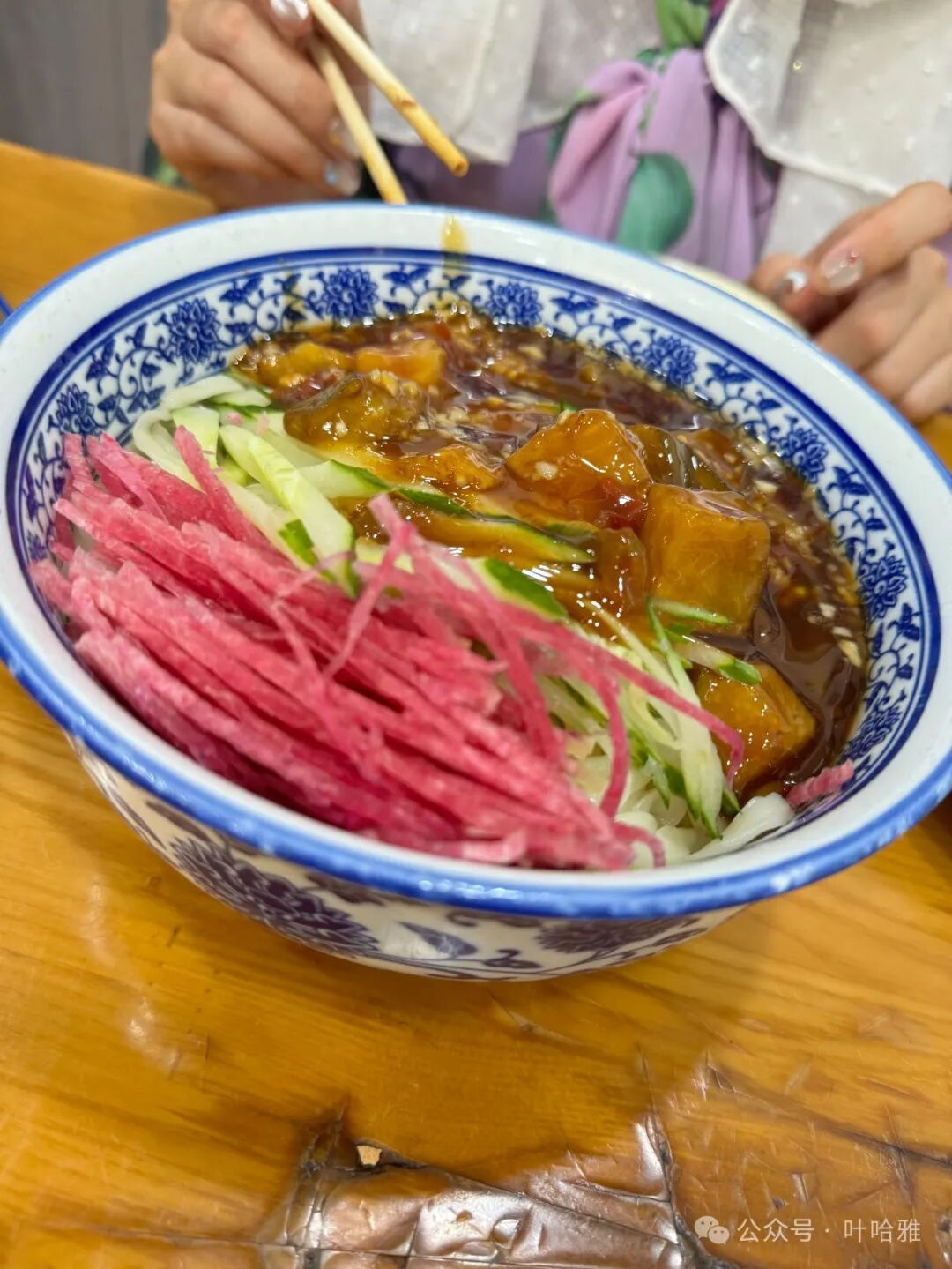
I think their eggplant diced noodles (qiedingmian) are delicious, and the hand-rolled noodles have a great chew.
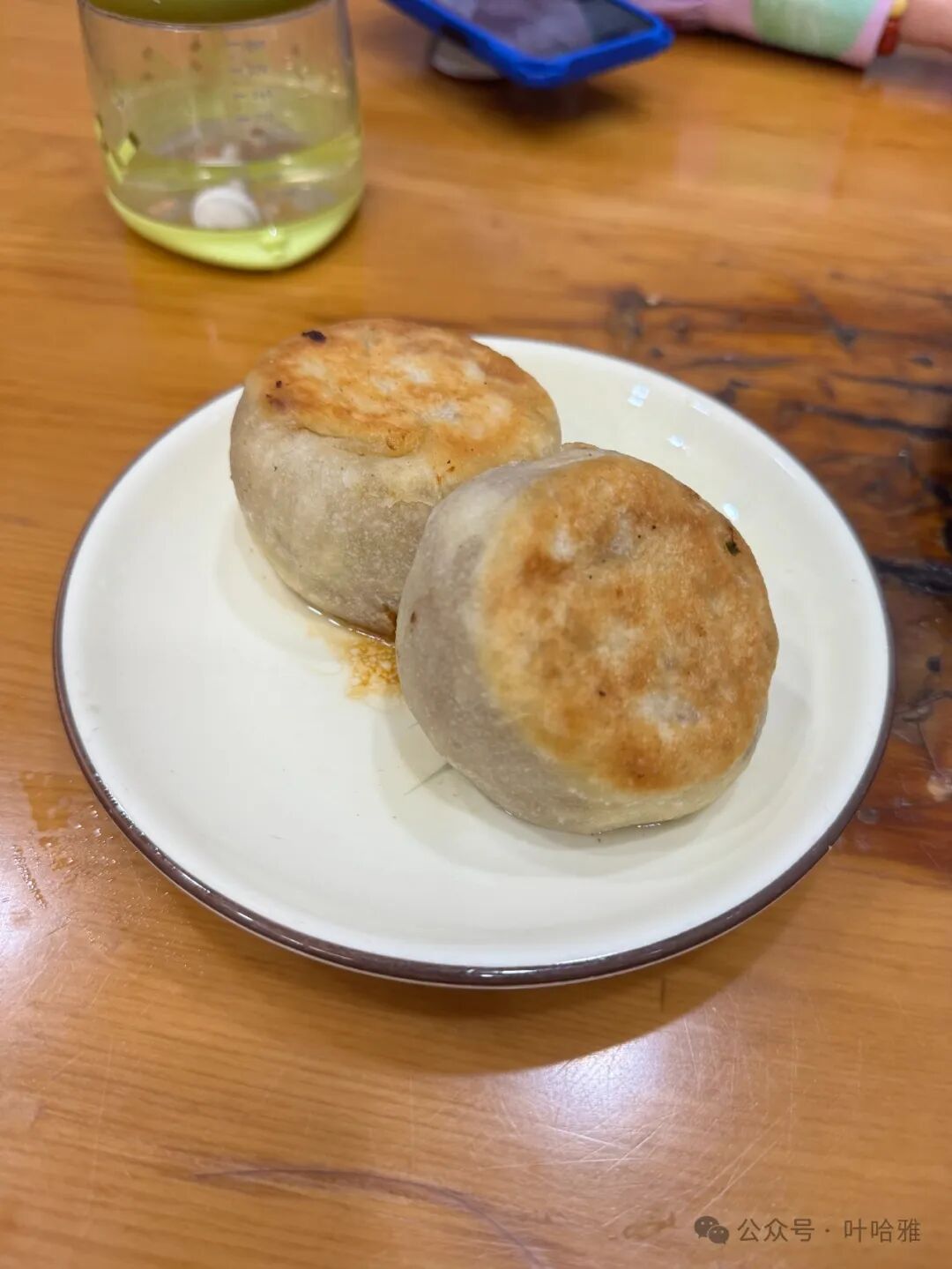
The door-nail meat pies (mending roubing) were not freshly pan-fried but were heated up before being served, so they were not as good as the ones at Yinji.
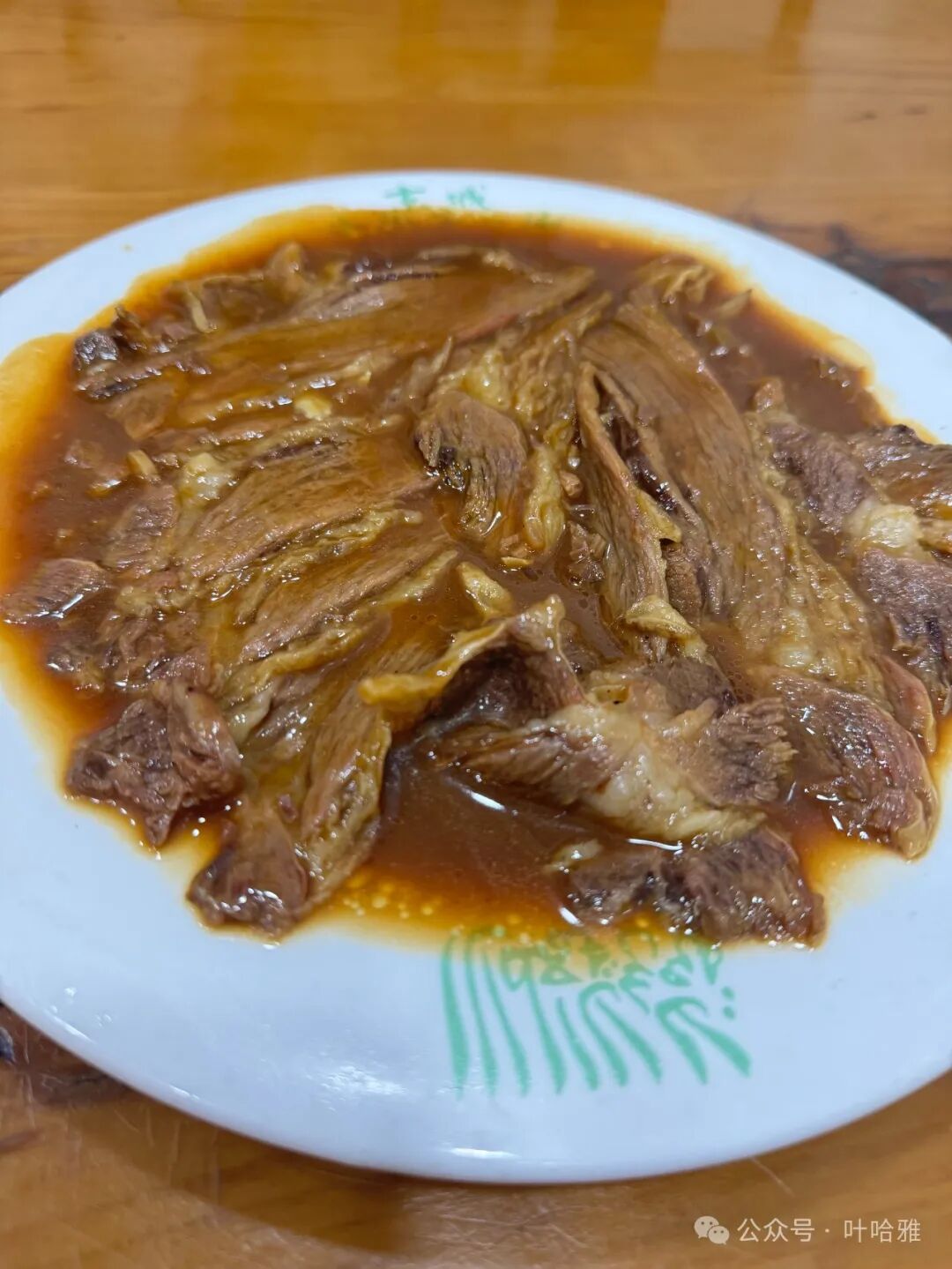
However, the braised meat strips (baroutiao), a traditional dish for Hui Muslims, were quite tasty and affordable, costing just over sixty yuan.
6. Northwest Xinjiang Lake (Xibei Jianghu)
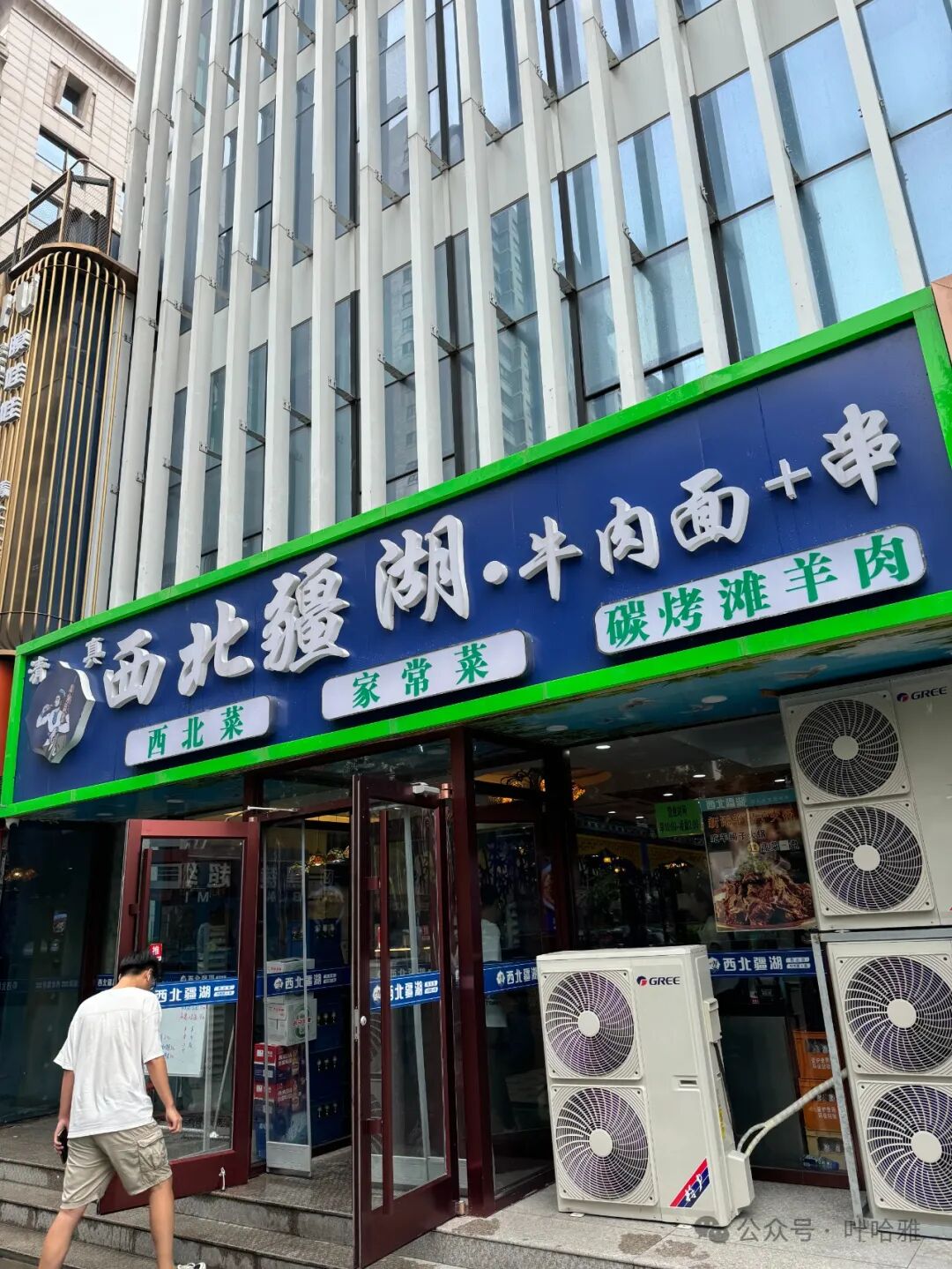
I saw this restaurant while out with my kids. They sell grilled fish, and there is a group-buy set for 98 yuan.
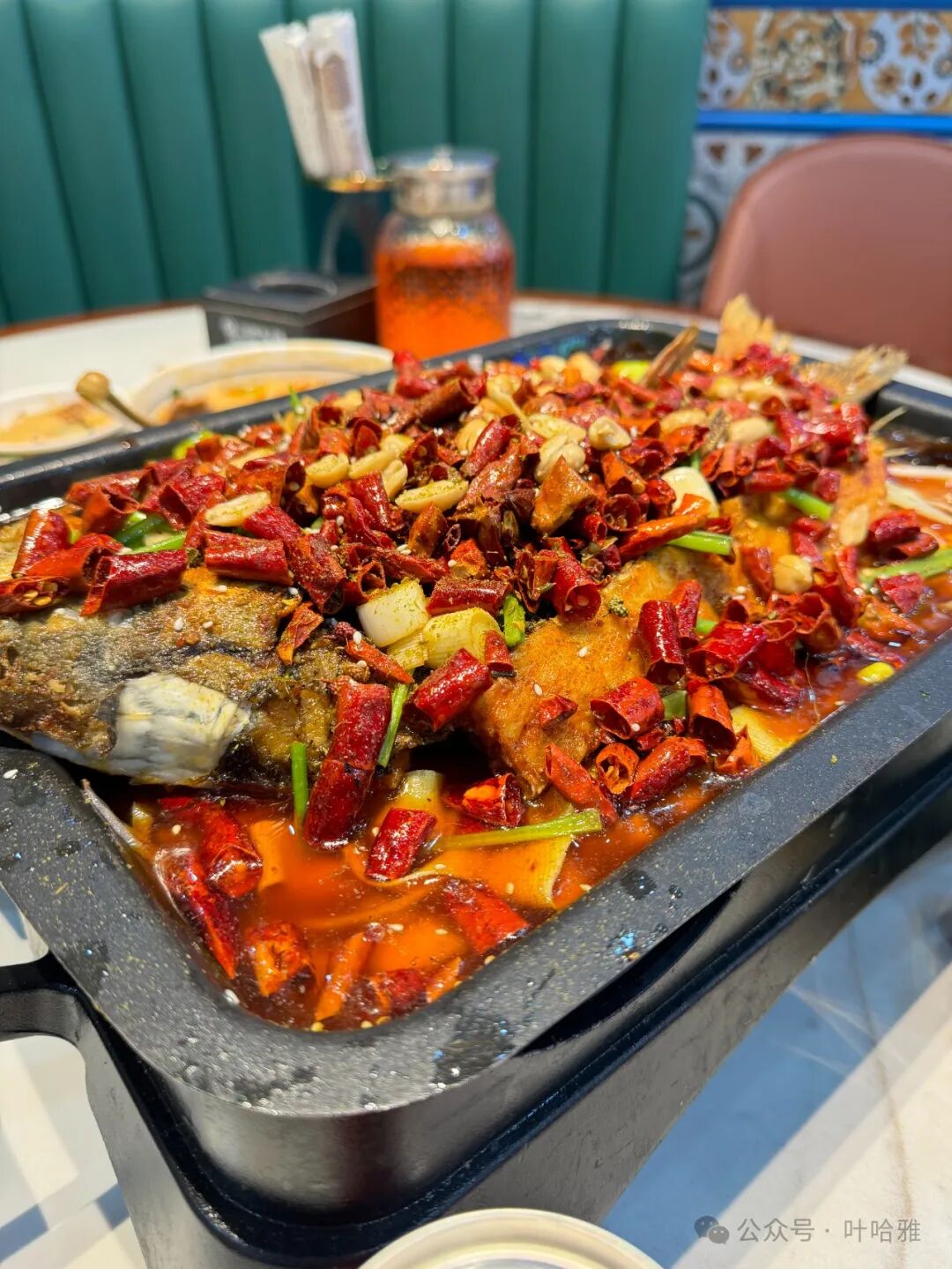
The fish is very fresh, but the grass carp has a lot of bones.
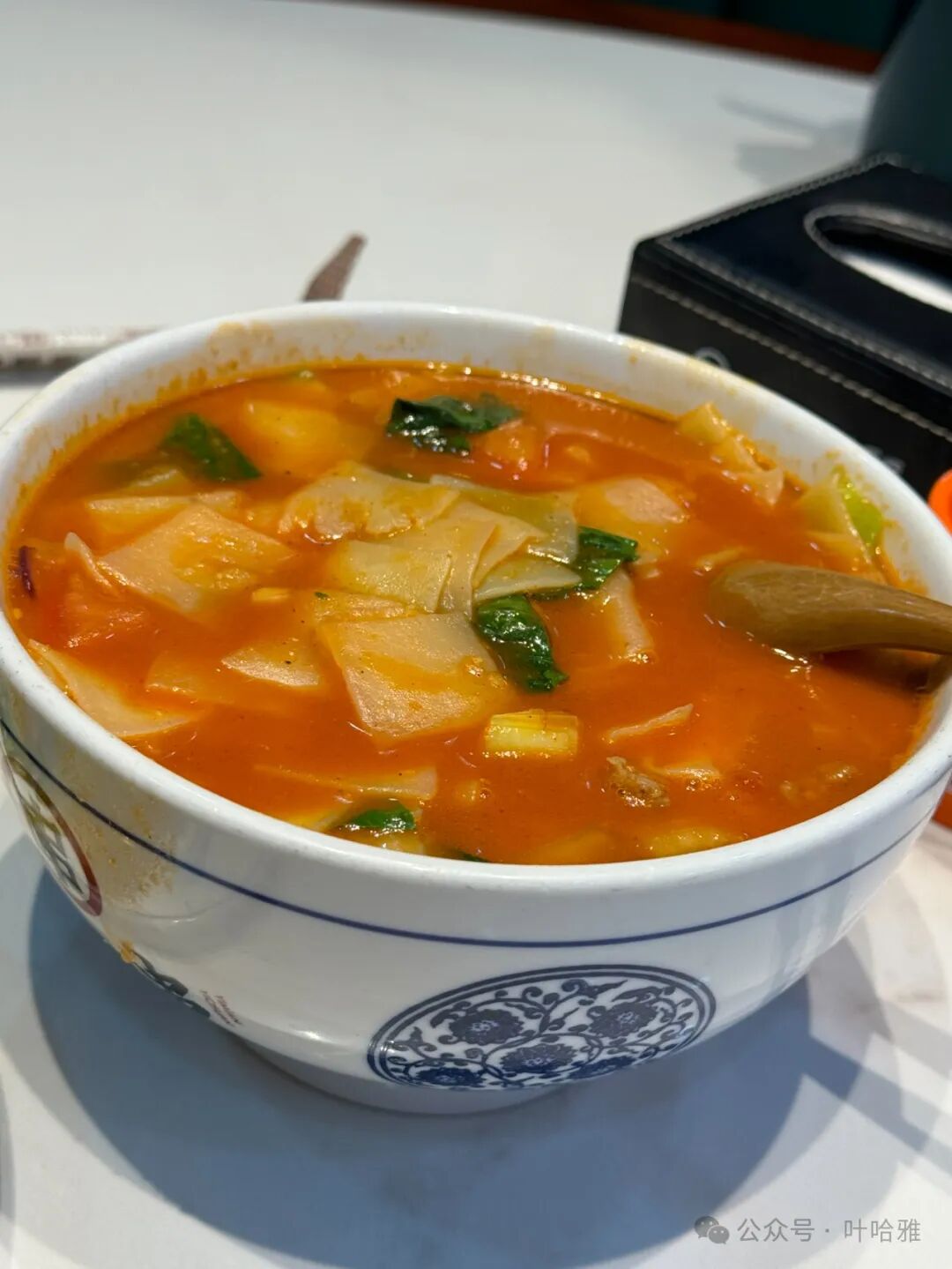
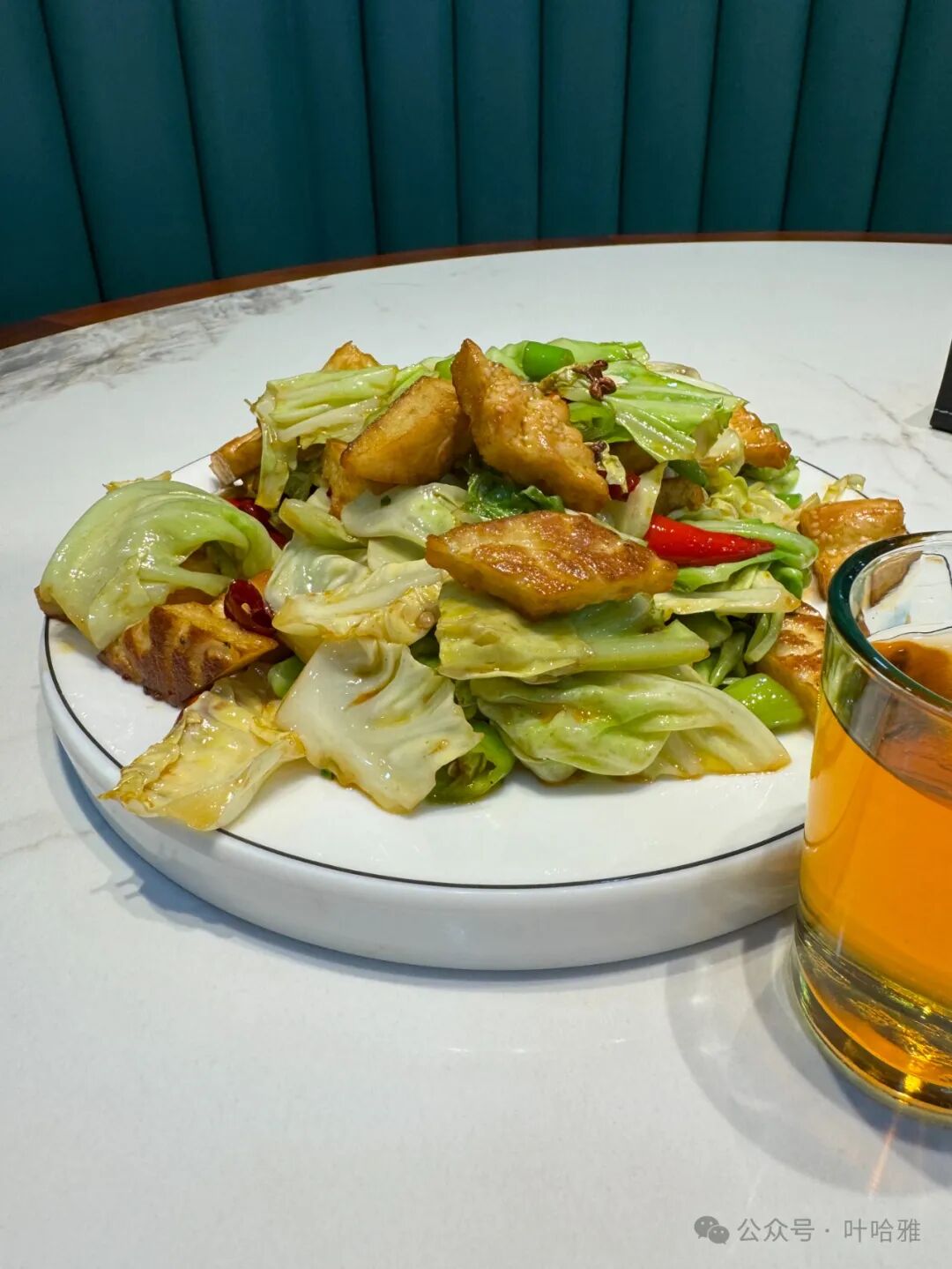
The noodle soup slices (tangmianpian) and stir-fried cabbage with flatbread (nang chao lianhuabai) are both quite tasty. If you want grilled fish, you can come to this shop; it is a chain.
7. Alanxiang Lanzhou Beef Noodles
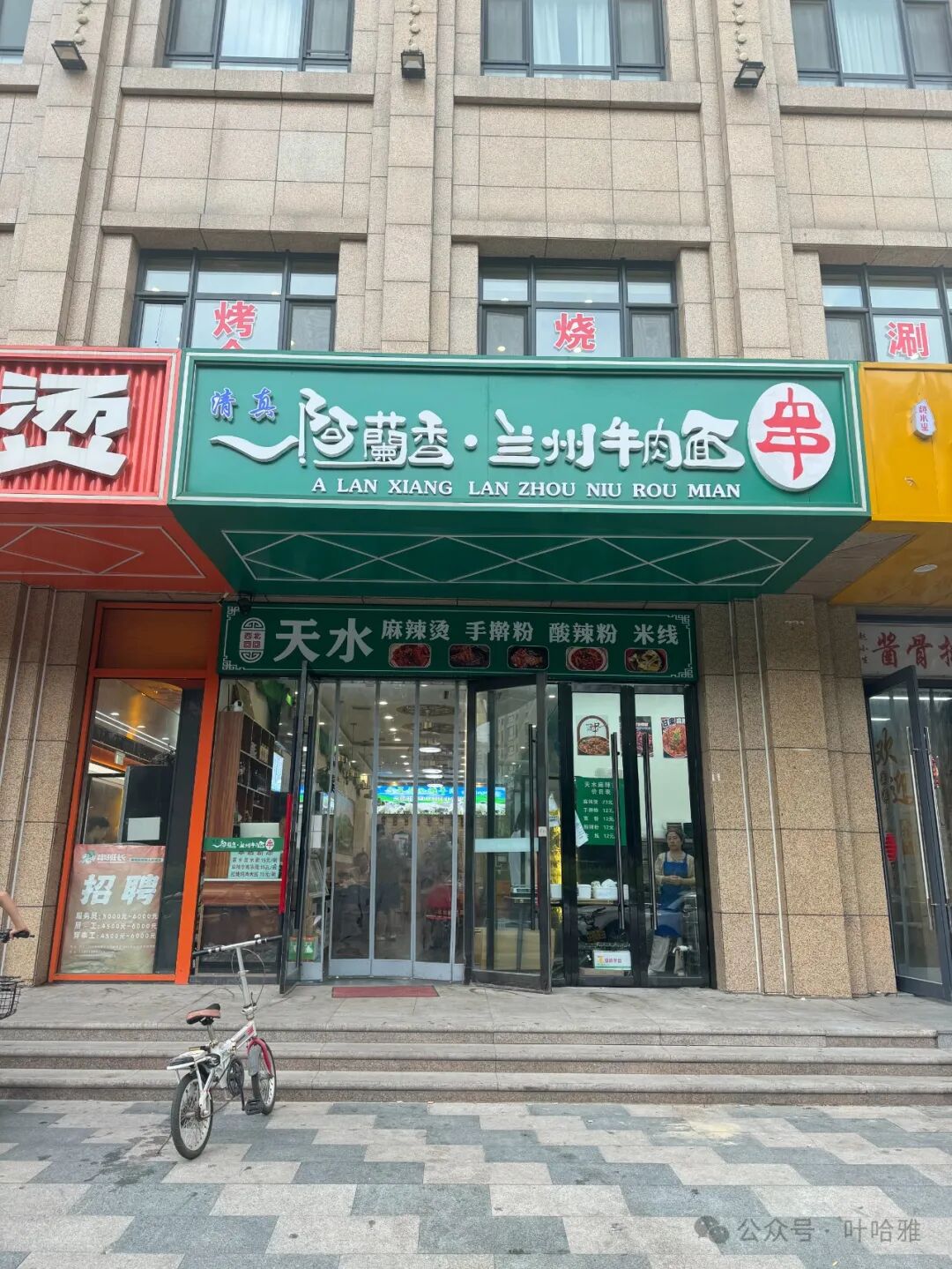
What attracted me to this shop wasn't the beef noodles, but the fact that you can get hot and sour glass noodles (suanlafen), rice noodles (mixian), and Tianshui spicy hot pot (malatang) here.
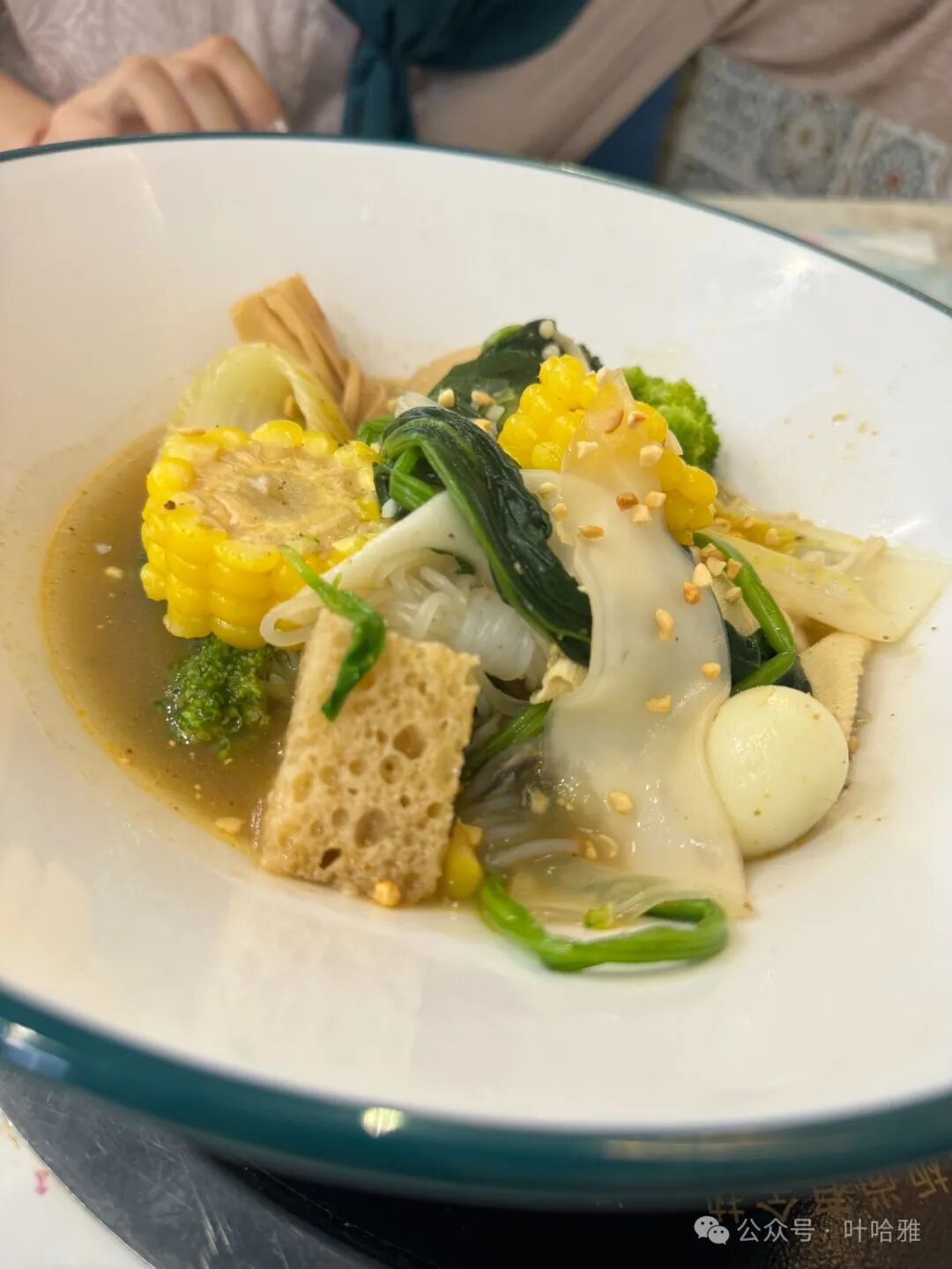
Because the chili used in Tianshui spicy hot pot is fragrant rather than spicy, the hot and sour glass noodles and rice noodles made with this chili are also especially delicious.
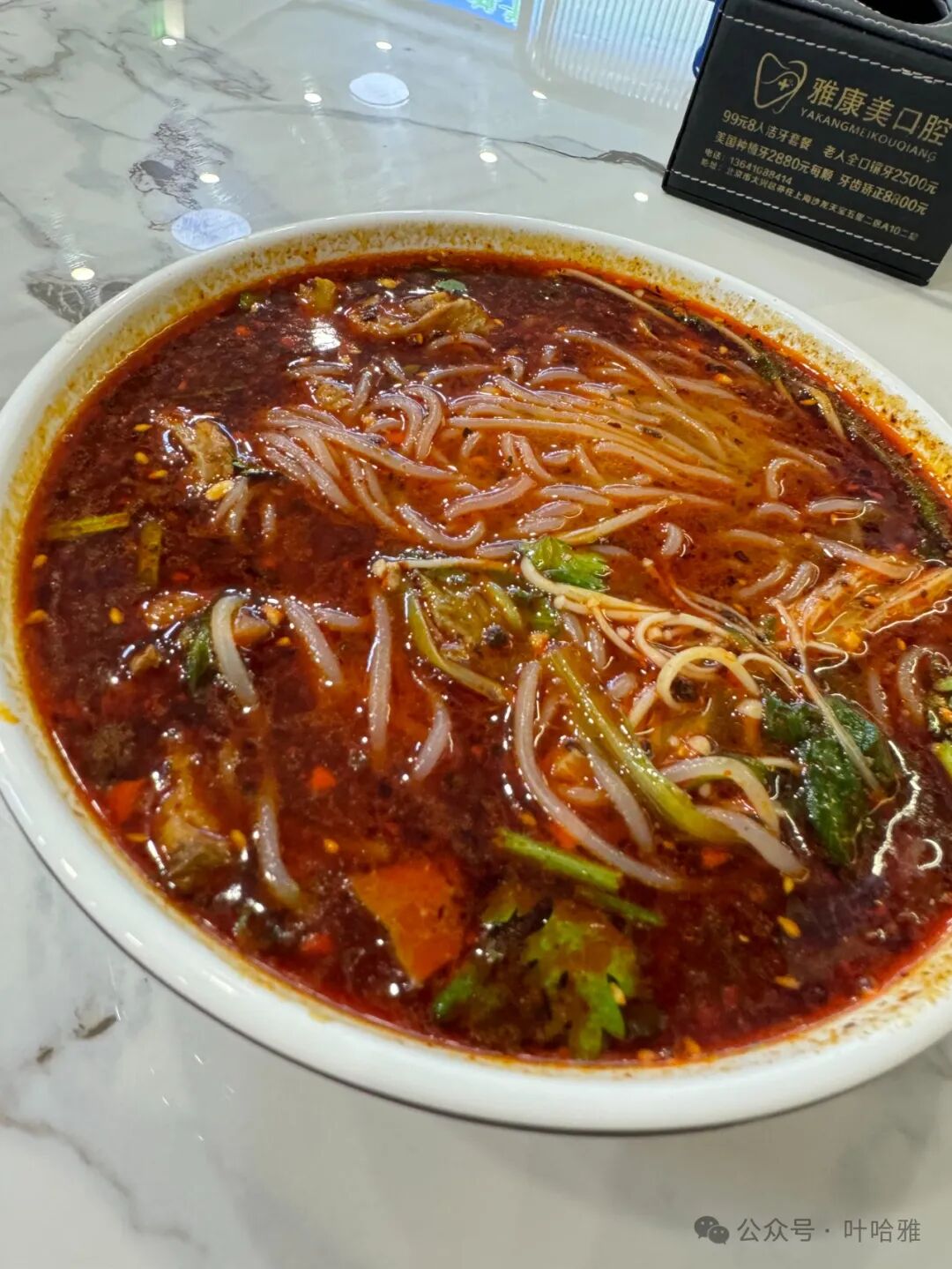
Chicken rice noodles (jirou mixian)
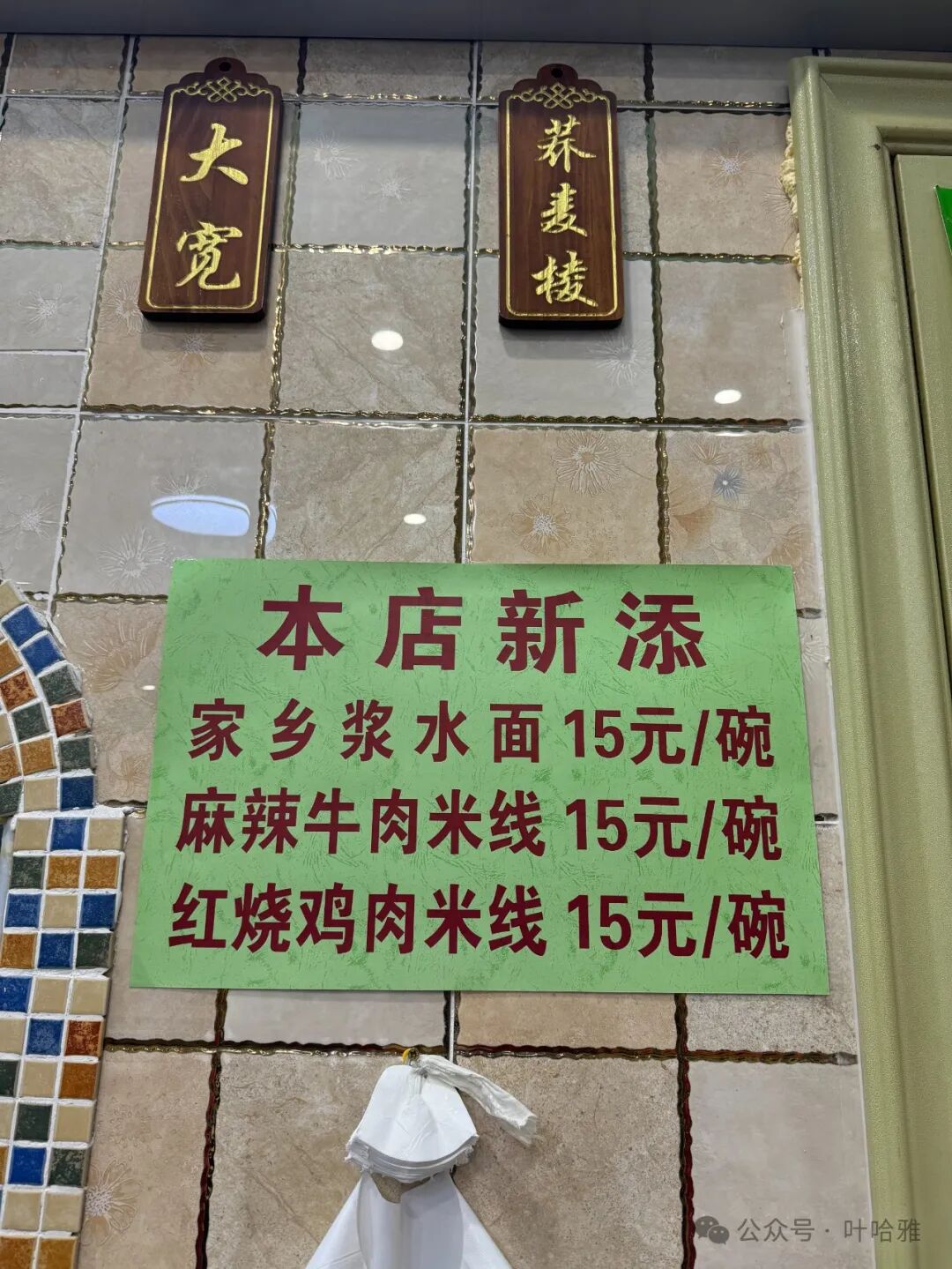
The chicken rice noodles are very good, and they give you plenty of chicken in big chunks, all for just 15 yuan a bowl.
8. Maimai Red Beef Sliced Noodles (Daoxiaomian)
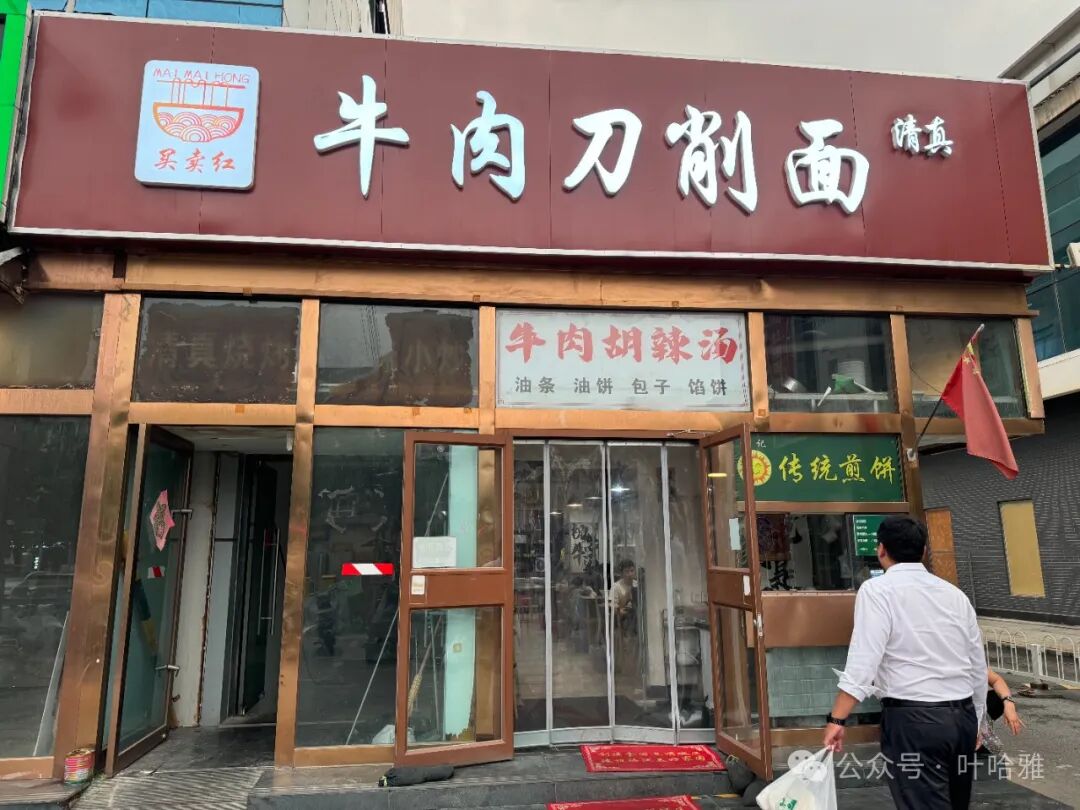
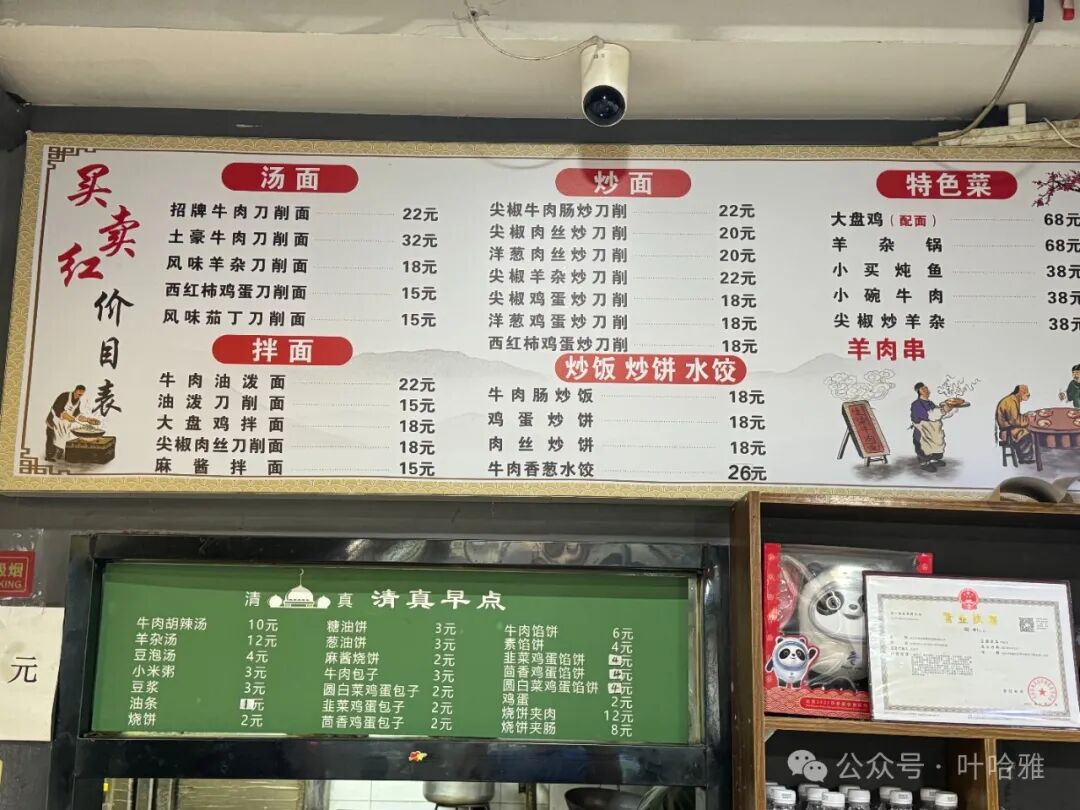
Maimai Hong's beef knife-cut noodles (daoxiaomian) are definitely worth a visit. If you like this kind of food, you won't go wrong coming here.
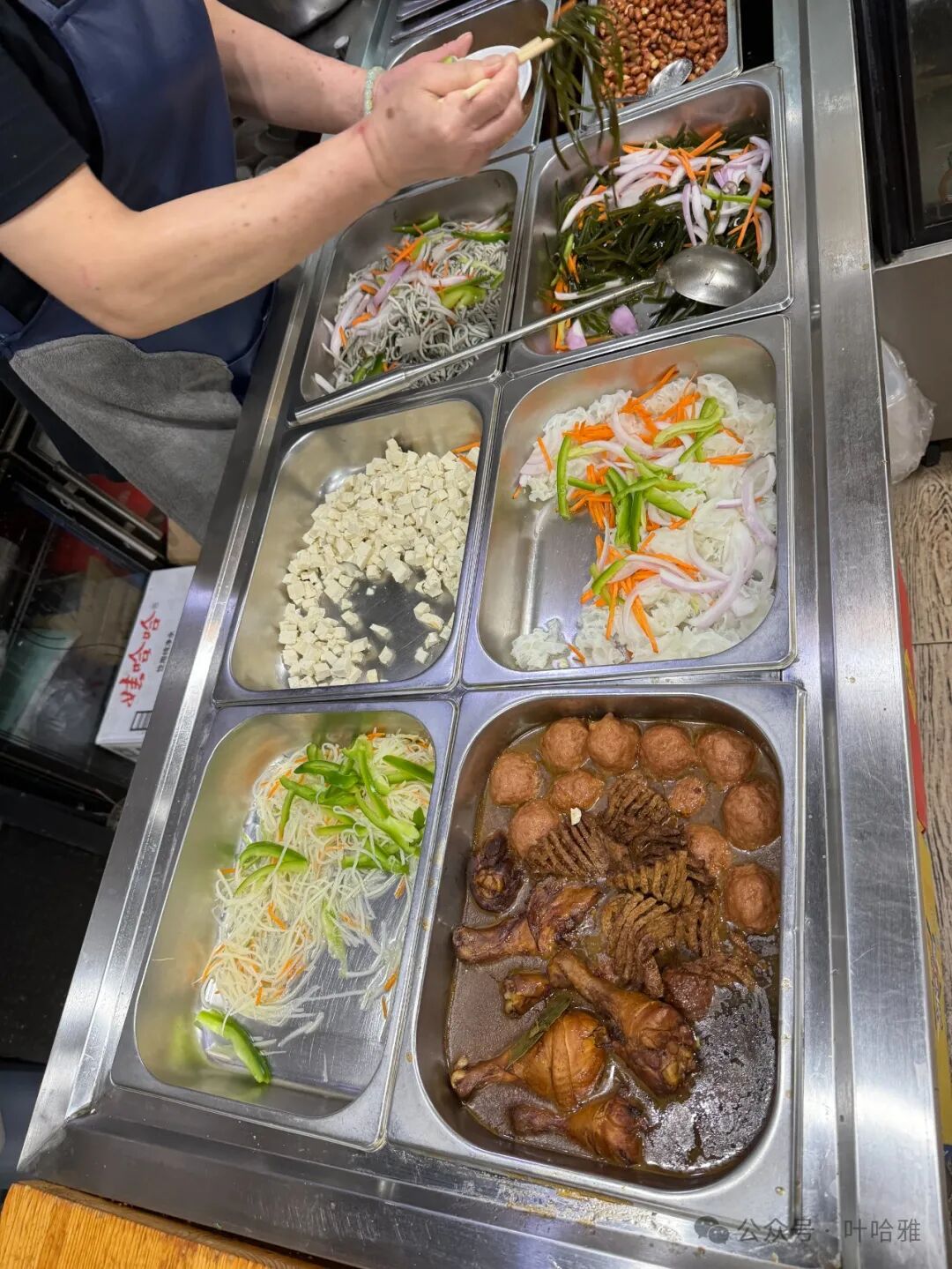
The shop is run by Hui Muslims from Jiaozuo, Henan. Their cold dishes are also a specialty. If you come at breakfast time, you can have spicy soup (hulatang) in the Xiaoyao Town style, but with the spice level lowered to suit Beijingers.
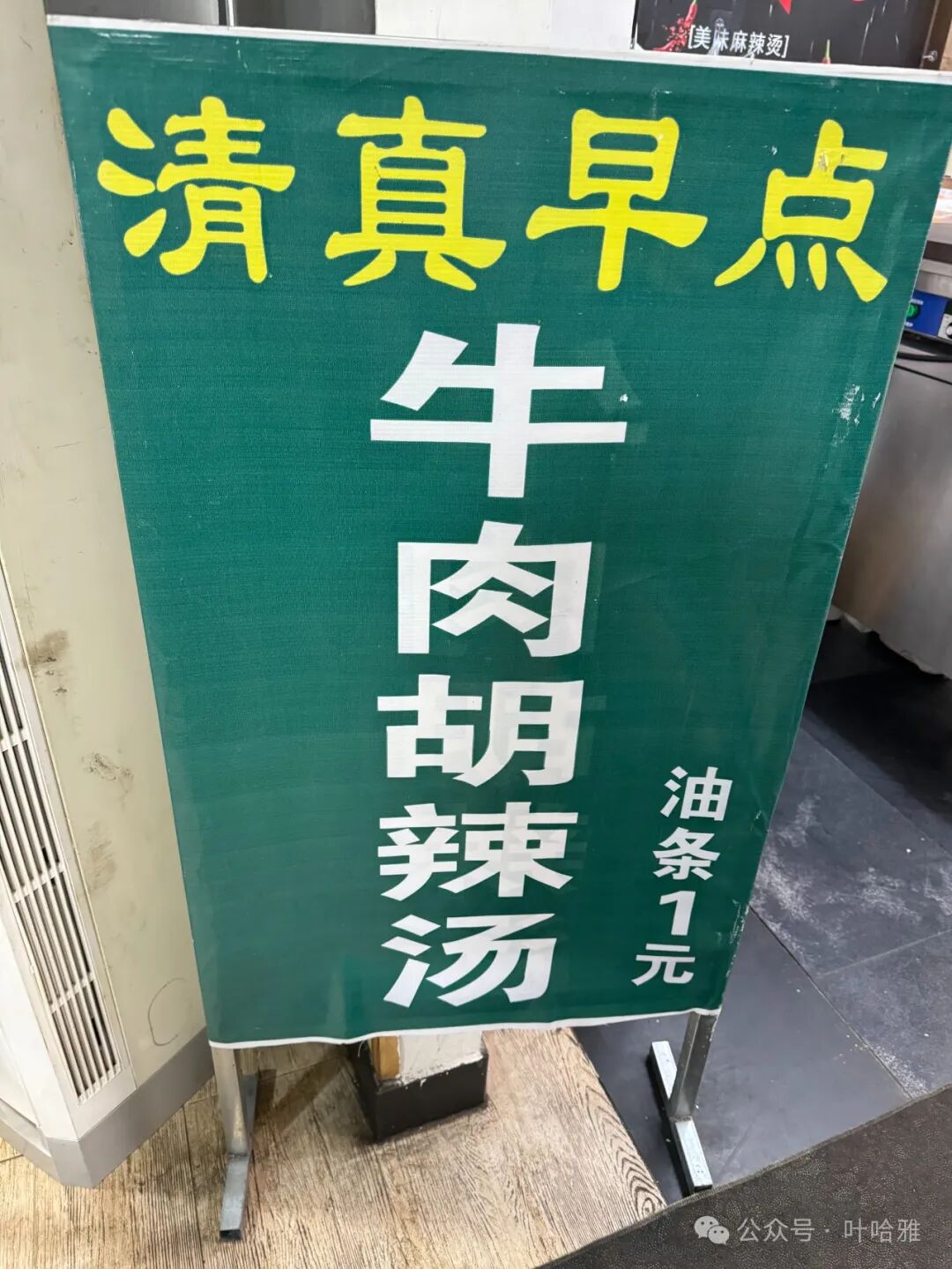
Another specialty they have is beef steamed buns (niurou baozi). These aren't pan-fried, but the large steamed kind, which you can also get if you come in the morning.
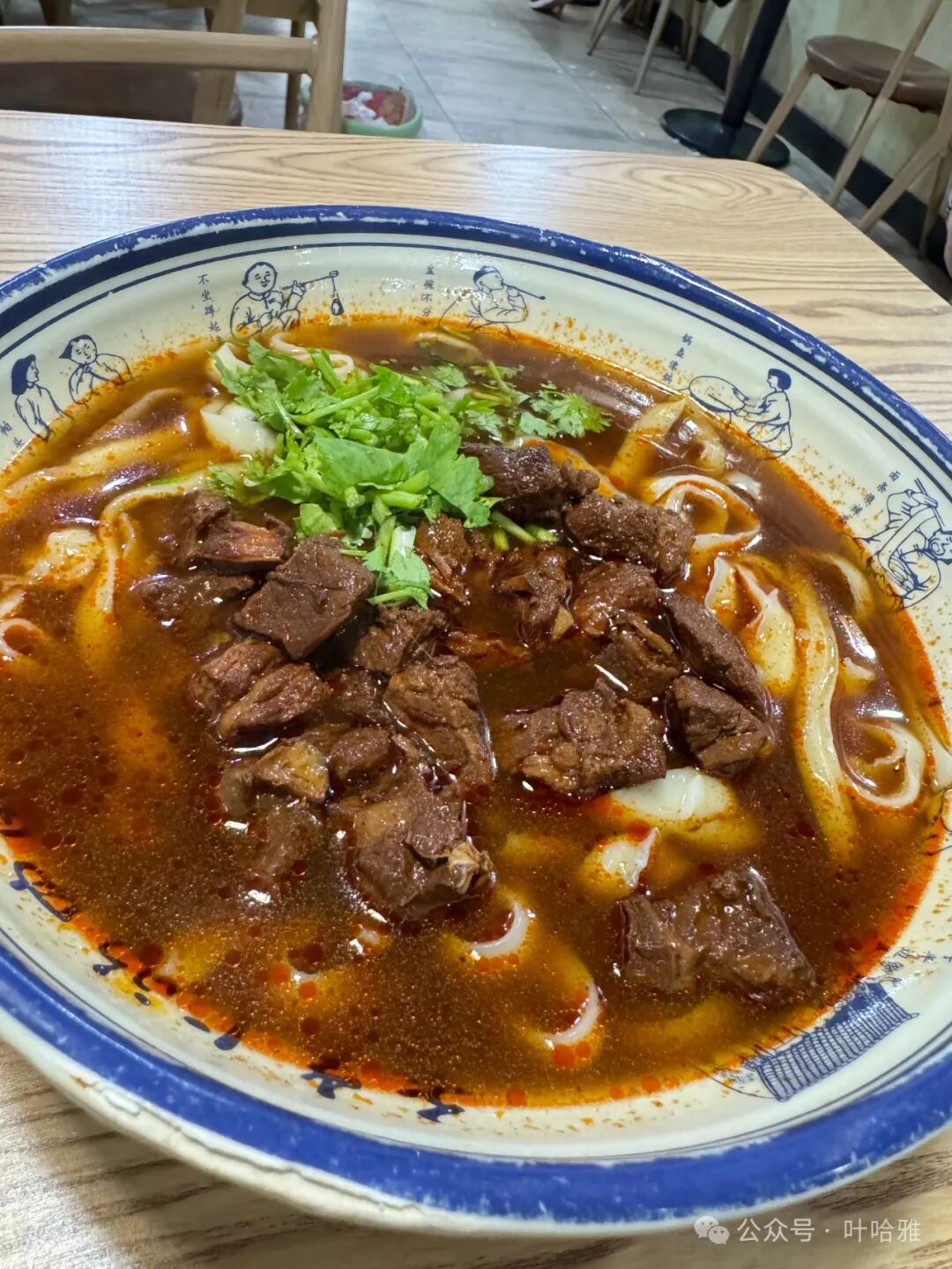
I had a portion of the deluxe beef knife-cut noodles. They gave me plenty of meat, the broth was rich, the meat was tender, and the noodles were chewy.
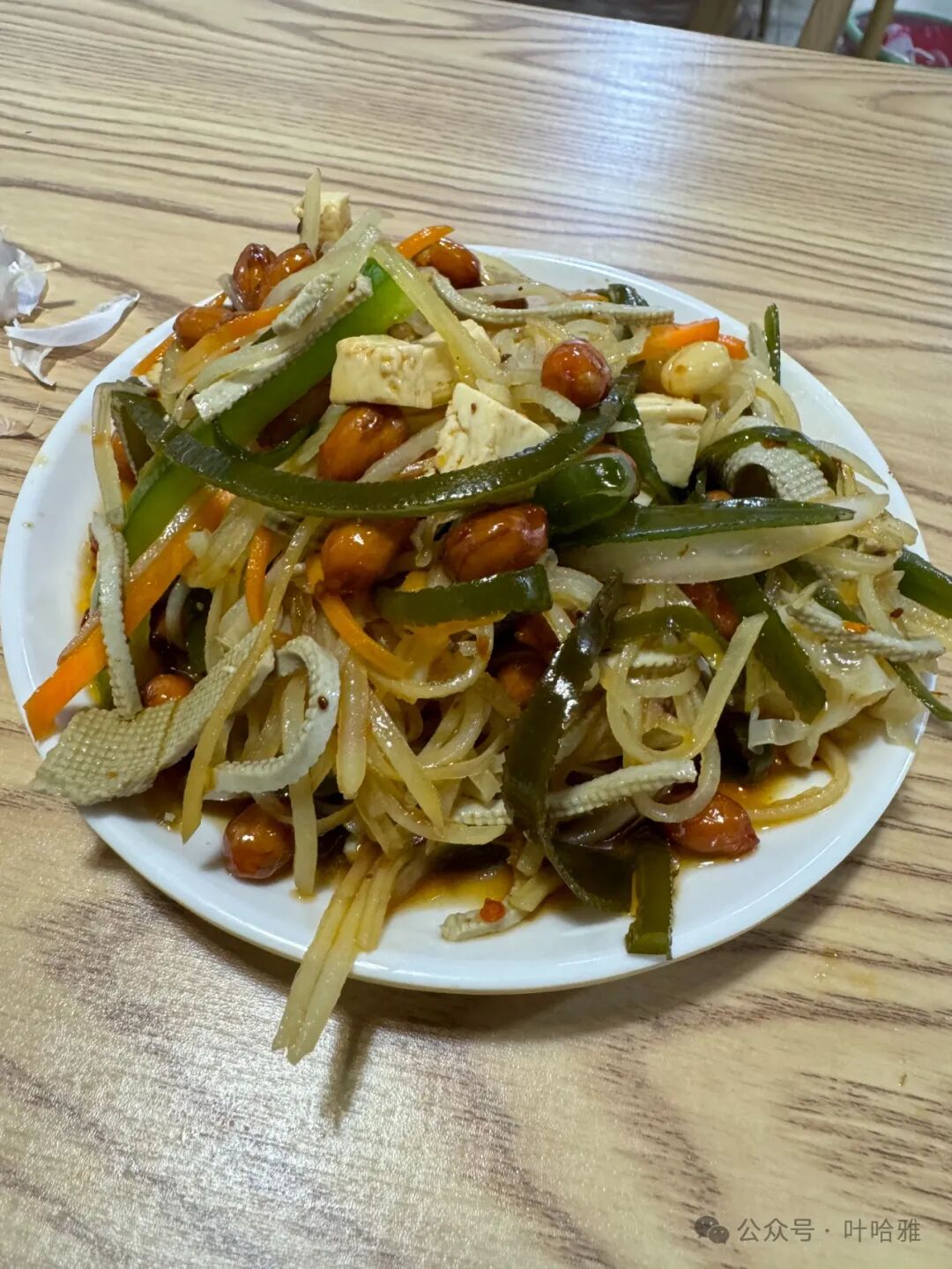
You pick your cold dishes first, then they go to the kitchen to be tossed with extra seasoning so they stay fresh and taste their best.
9. Hulun Aile Halal hand-held meat (shouba rou).
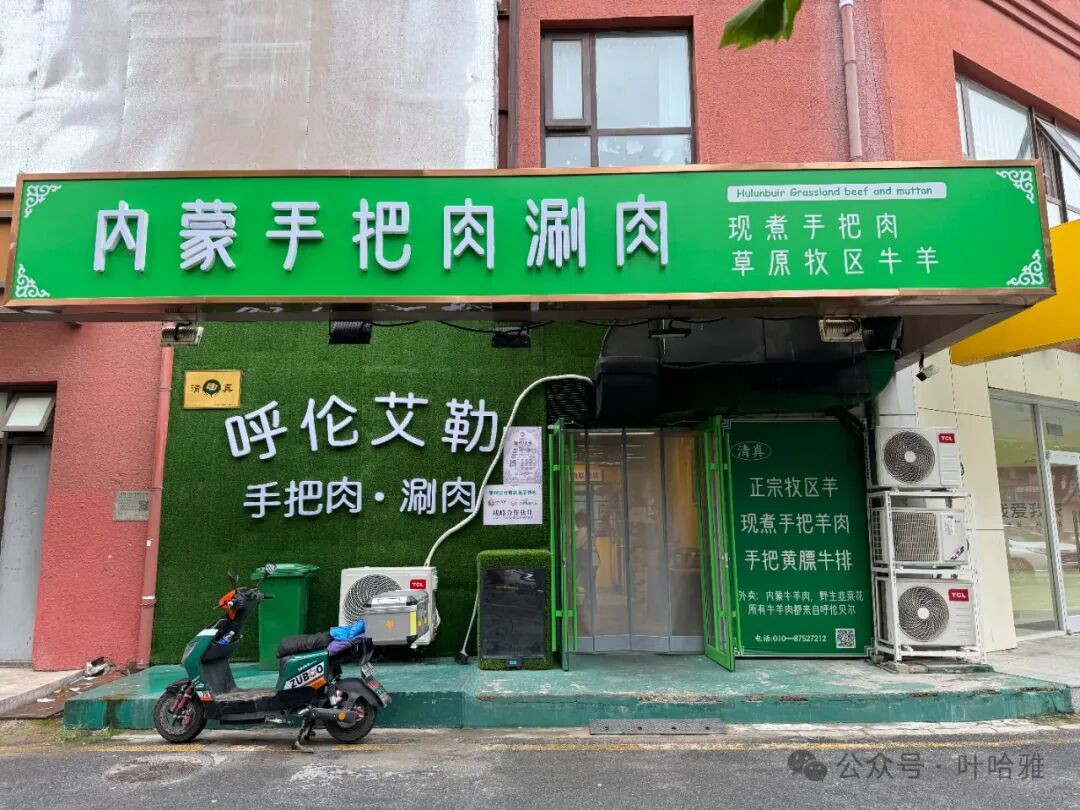
This place used to be a hot pot restaurant, but it recently switched to Mongolian cuisine, and the change was a huge success.
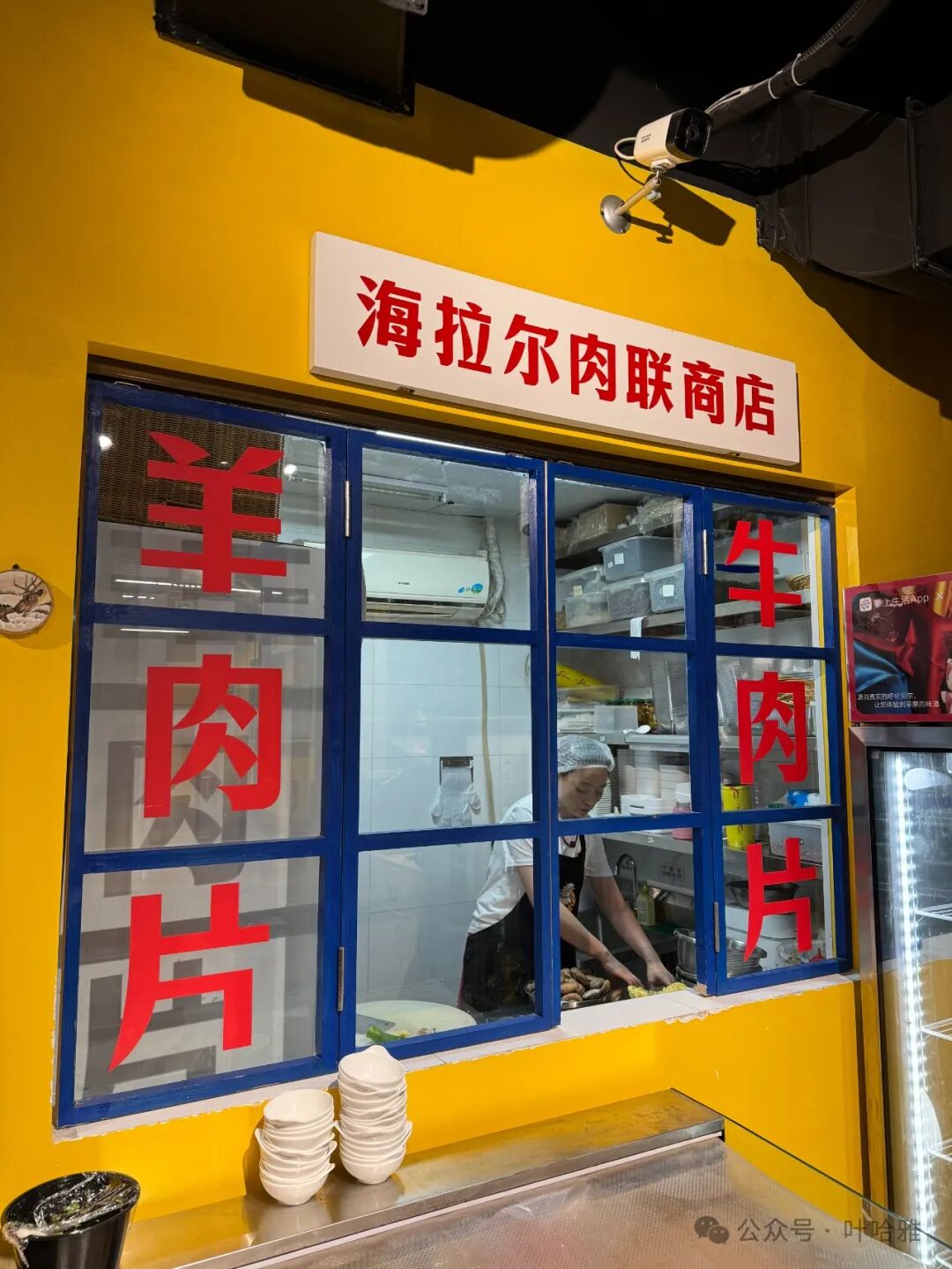
They source all their beef and lamb from Hulunbuir, and the quality of meat from the Inner Mongolian grasslands is unbeatable.
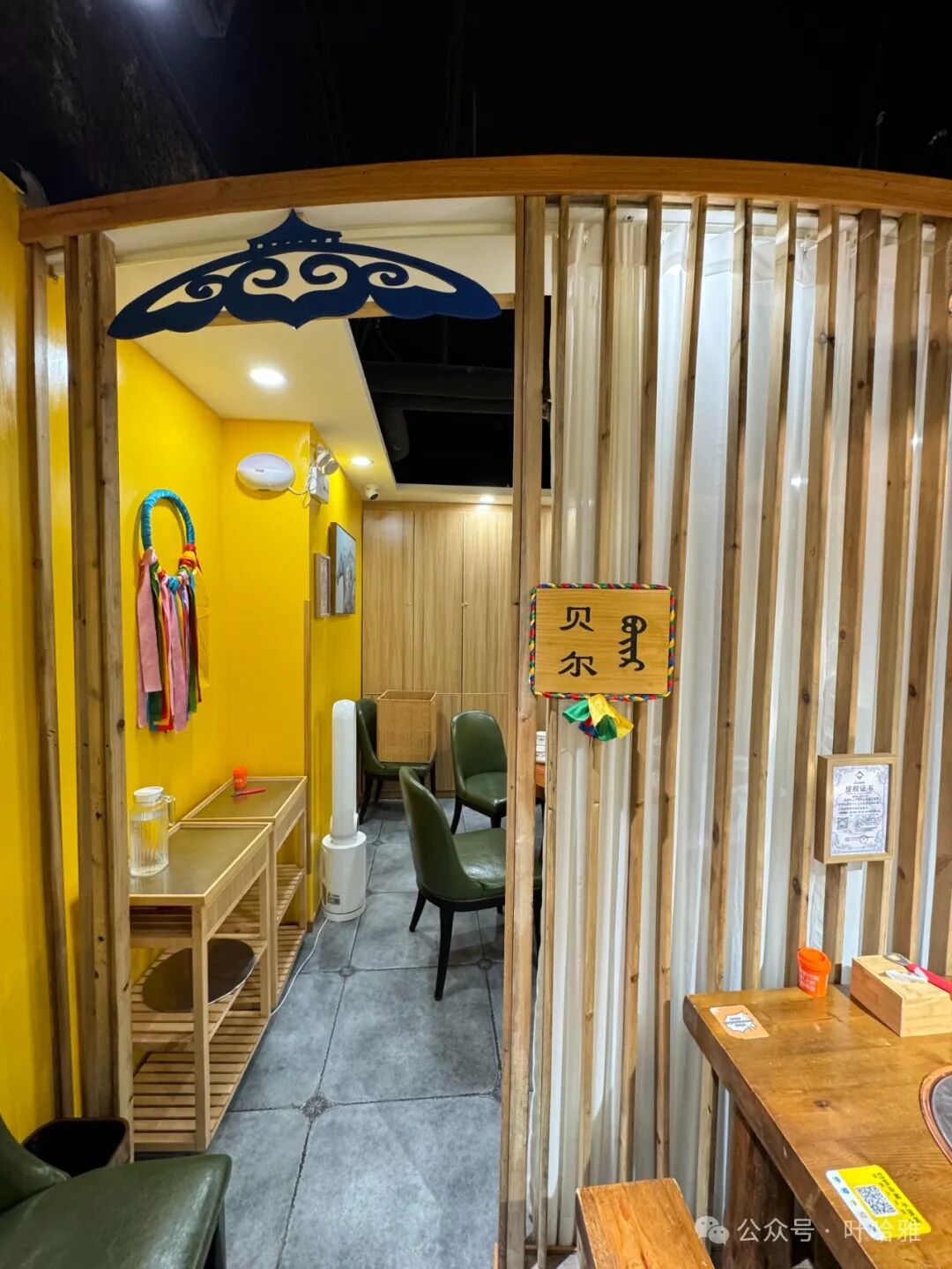
What drew us here was their afternoon tea with Inner Mongolian flair.
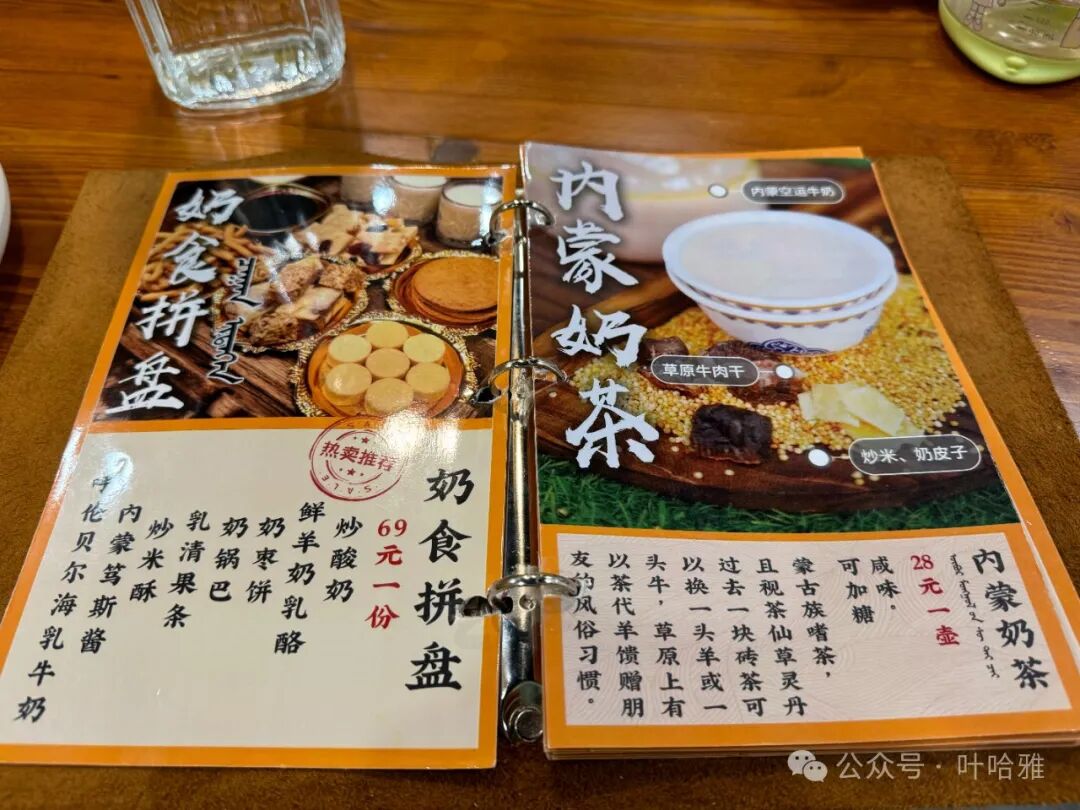
The milk tea comes with a plate of dairy products, a combination that is just too tempting.
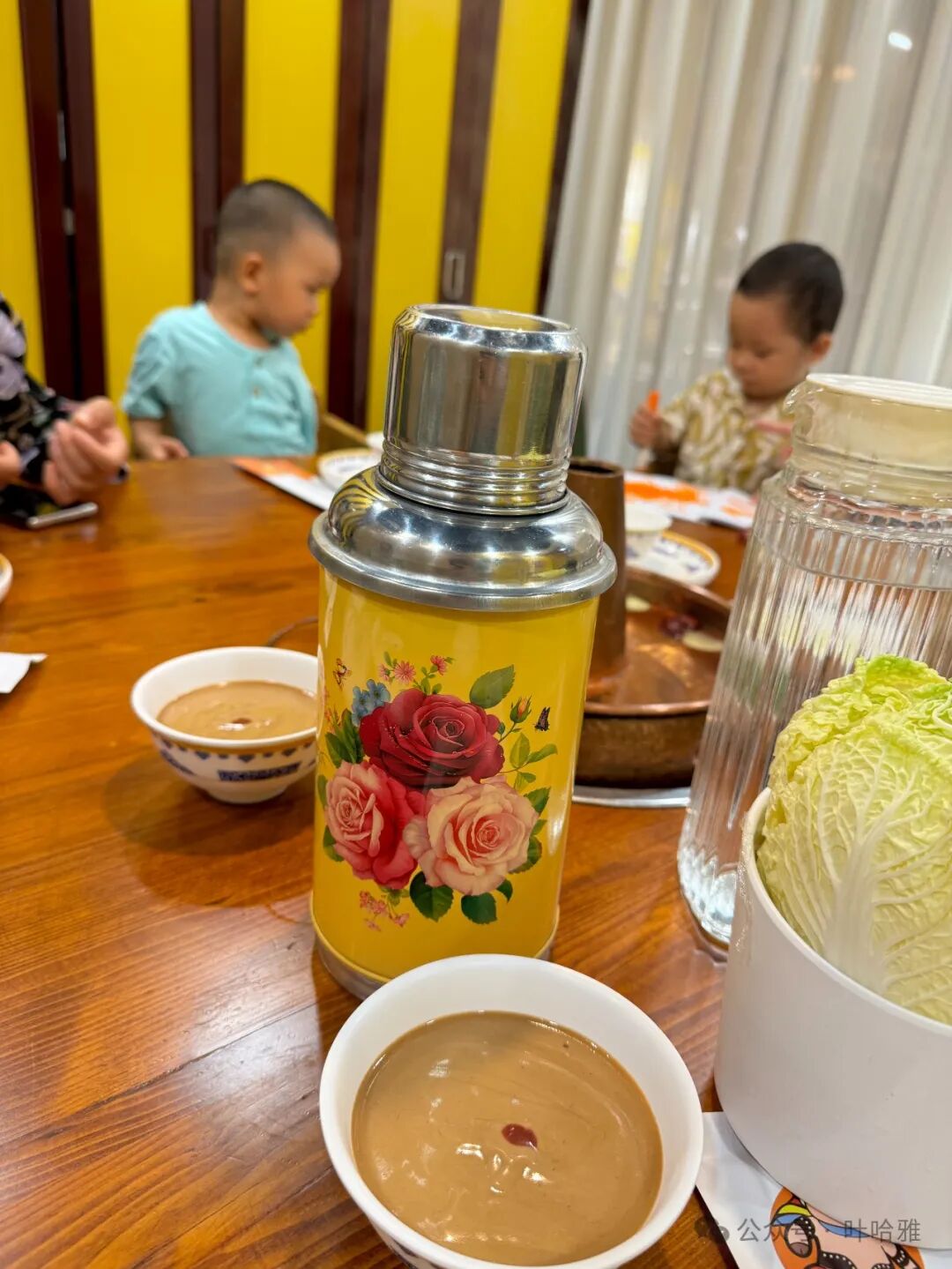
Mongolian-style milk tea contains roasted millet (chaomi) and is served in a thermos to keep it warm.
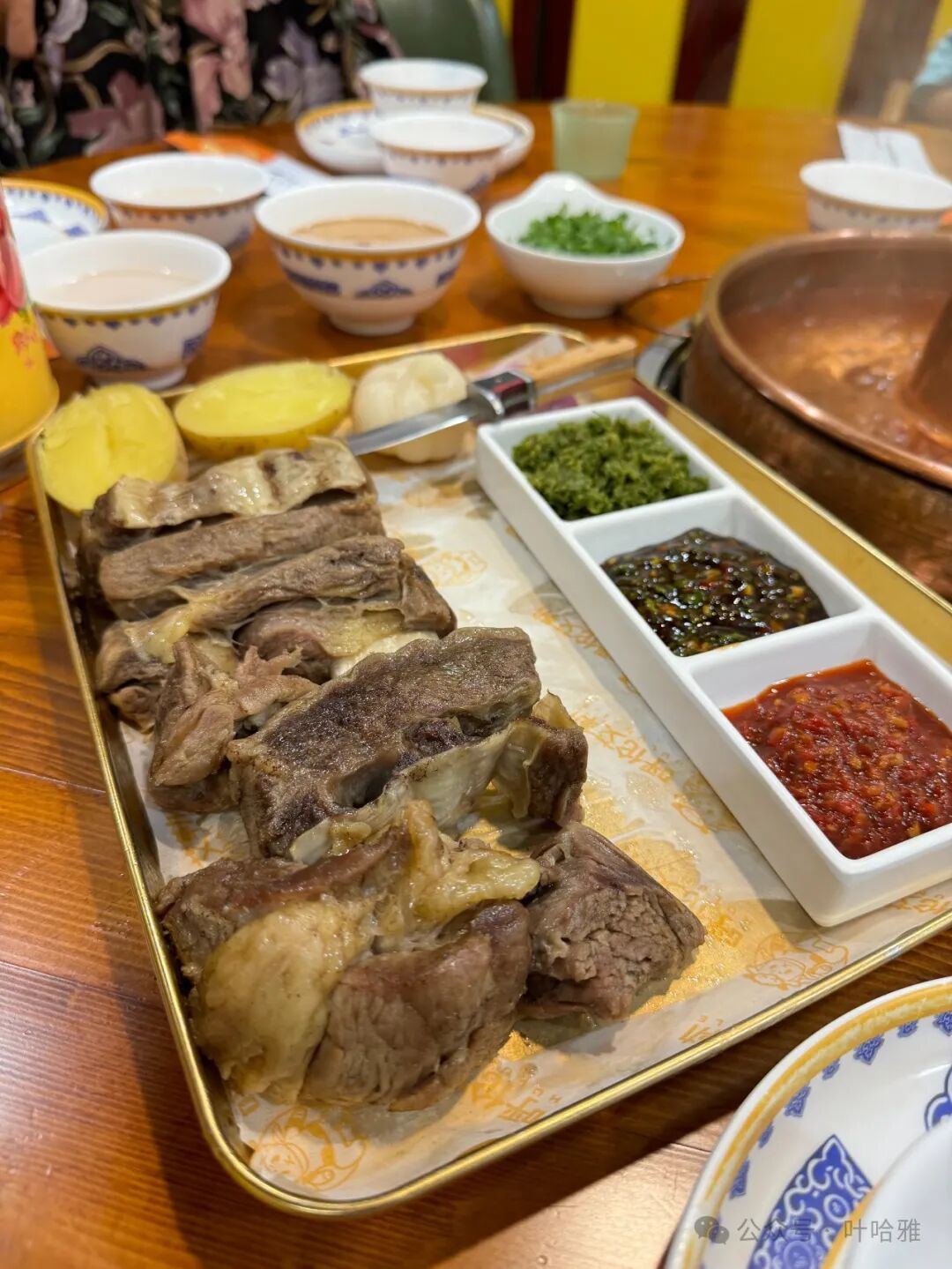
For the hand-held beef steak (shouba niupai), you cut off a piece with a small knife, spread some chive flower sauce (jiucaihua) on it, and it tastes great. Their three types of dipping sauces are all very authentic.
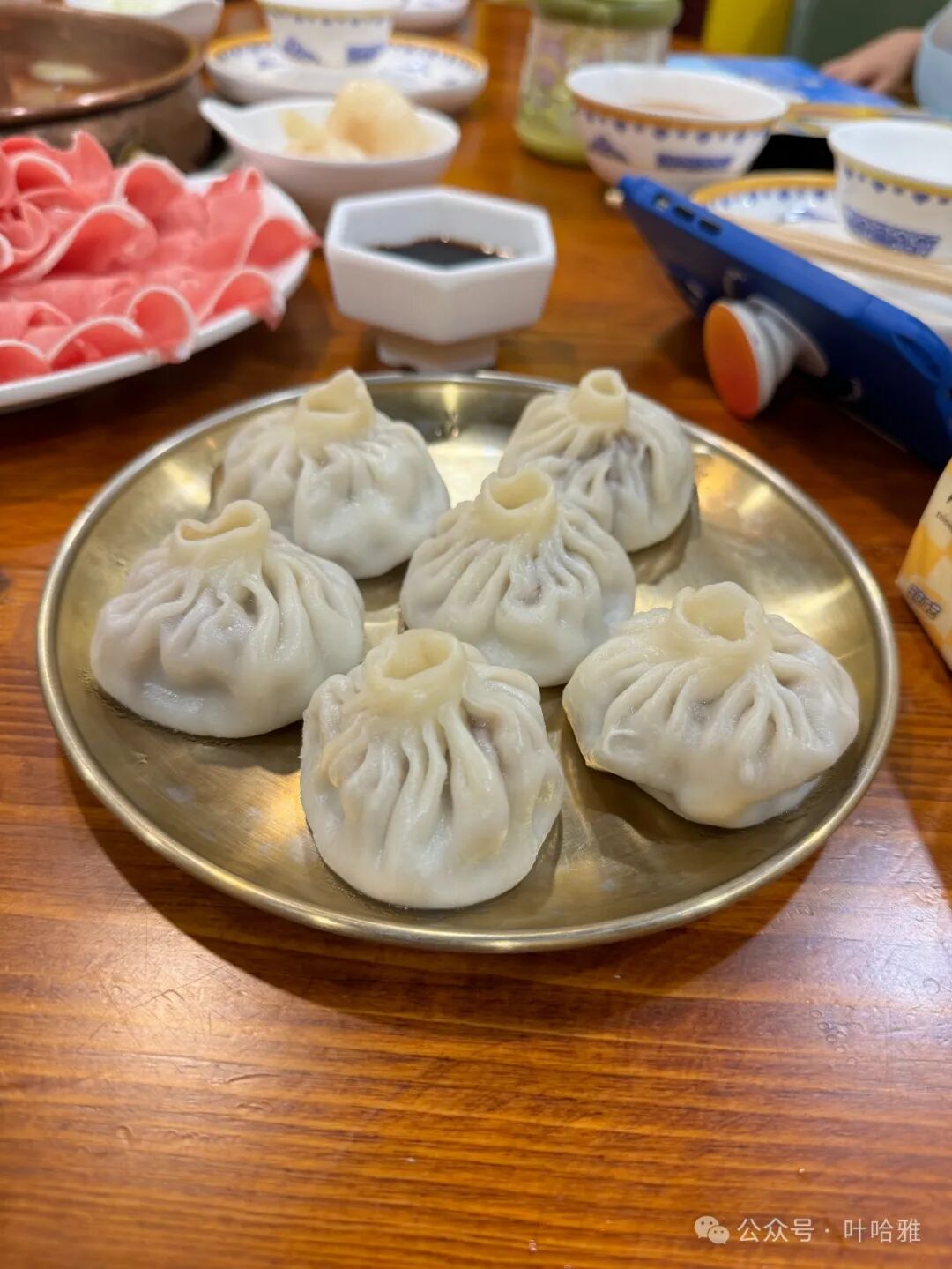
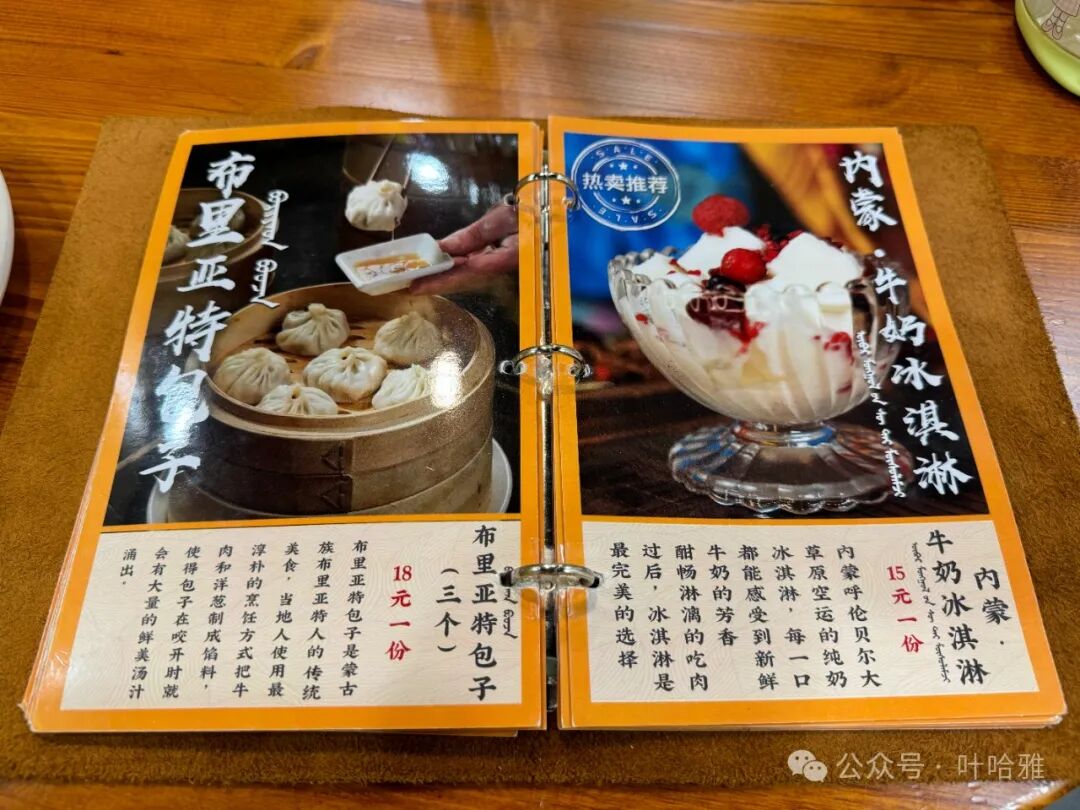
Buryat steamed buns (Buliya baozi) look a lot like the thin-skinned buns from Xinjiang, but the dough is a bit thicker. They are filled with large chunks of lamb, full of broth, and delicious.
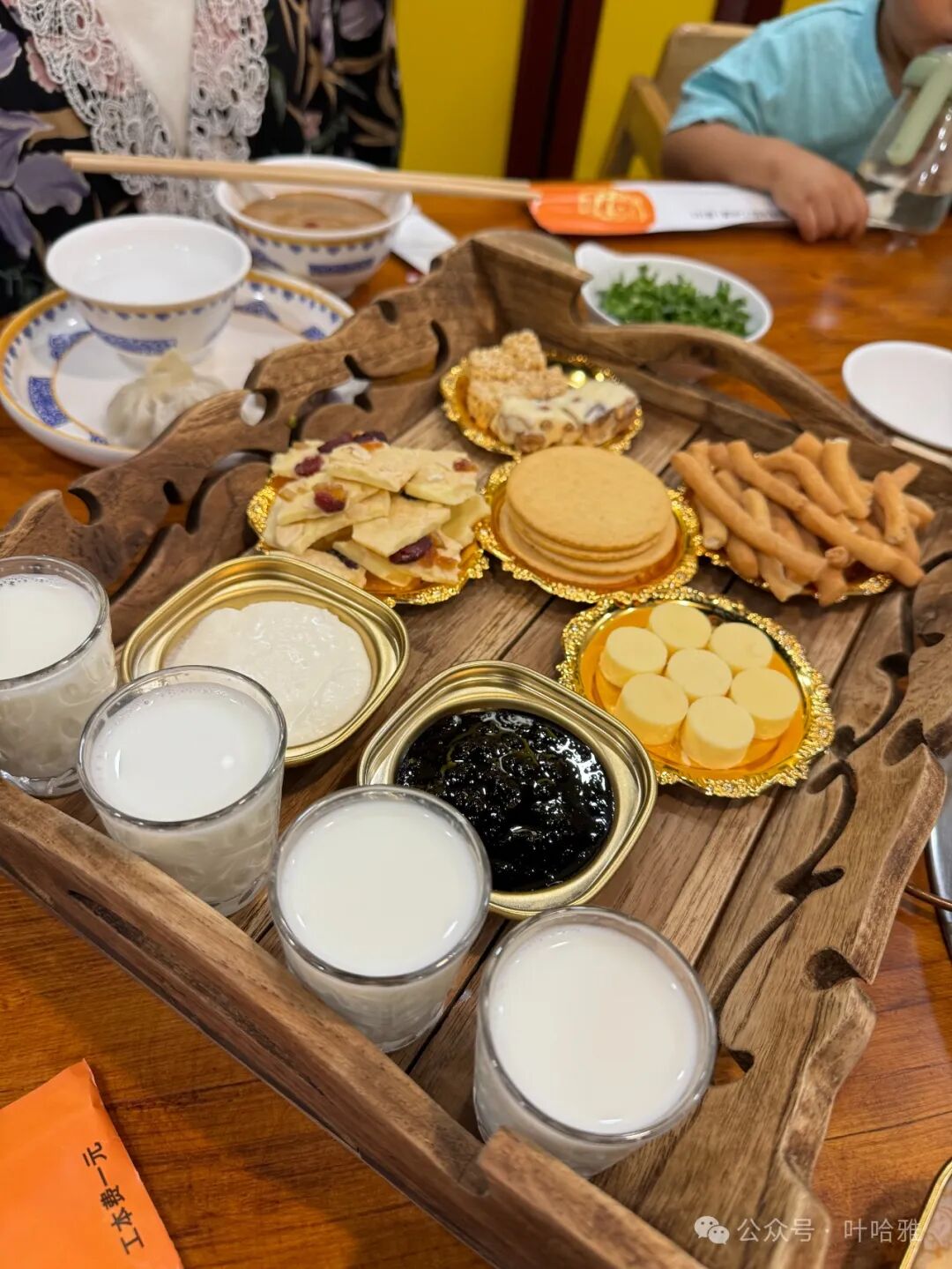
This dairy platter is the most popular part of the afternoon tea today. The white topping is cream, which you eat with the dairy products. The four cups contain concentrated milk that tastes like ice bock, a type of milk concentrated by evaporating most of the water.
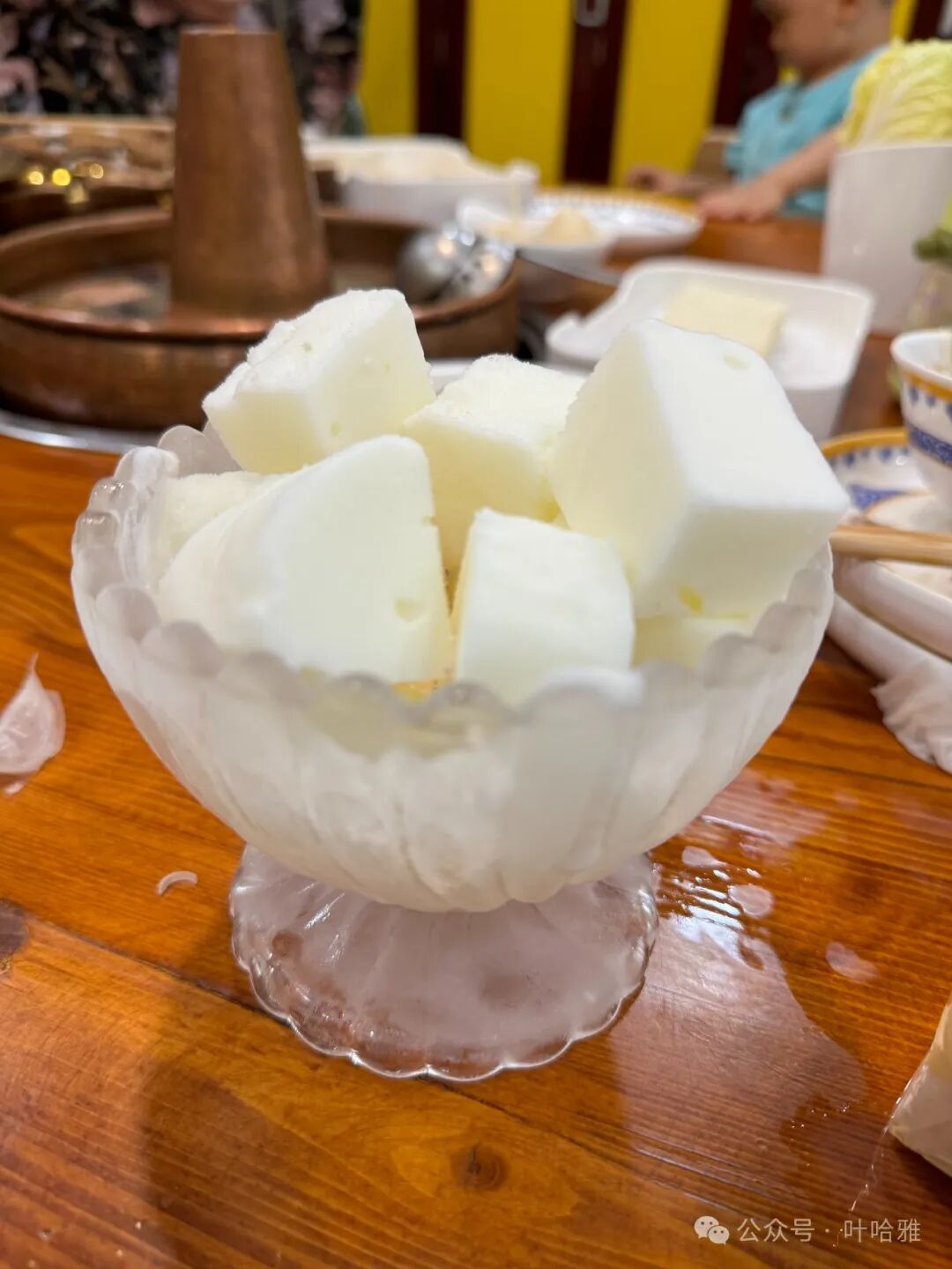
The Inner Mongolian milk ice cream is also simple and bold. It is made of large chunks of milk ice, just like a popsicle, but without added water, so the texture is silky and the milky flavor is rich. It is highly recommended. Compared to the Mongolian food, their hot pot seems quite ordinary, so I suggest you stick to the Mongolian dishes when you visit.
Summary: This Beijing halal food map issue 44 discusses restaurant trust, alcohol-serving venues, halal intention, Sultan Turkish Restaurant, meat pies, Sichuan-style hot pot, beef flatbread, noodles, spicy hot pot, and Hulun Aile Halal Mongolian Cuisine.
Let me say a few more words on a common topic: eating at restaurants that serve alcohol. To me, this is not a problem. Them selling alcohol and me eating there are two different things. I just don't drink myself. I also don't stress over whether a place's meat is truly reliable. To be blunt, if I put a piece of meat in front of you right now, how could you possibly tell if it was slaughtered in a halal way? Every halal restaurant has its own supply chain, but most come from the same few monopolies. Unless you personally track every piece of meat from slaughter to loading to your table, you cannot be certain it is halal. Even if you are perfect in your religious practice, as long as you didn't slaughter the meat yourself, I have reason to doubt its source. The point here is whether your intention (niyyah) is pure and the division of responsibility is clear. People who trick you with non-halal meat are at fault, but you are not guilty if you eat it by mistake. This is like the smart approach I mentioned in my last article criticizing Islamic finance. He just deposits his money in a bank that is Islamic in name. As for whether that bank uses his money for usury, he doesn't care. He doesn't have the ability to judge if the income is lawful, but he has fulfilled his duty. What can you say to him?
I have said before that I don't share halal food just for the sake of sharing food. I have to share food to pass on certain values. I share these values only to find like-minded people. I have always been talking to myself online. Take it or leave it. I don't join any arguments or hang out in any circles. If we don't see eye to eye, I just block you. It saves everyone the trouble.
1. Sultan Turkish Restaurant
2. Yin's Meat Pie (Yinji Roubing)
3. Junbang Sichuan-style Hot Pot
4. Baoding Beef Covered Flatbread (Baoding Niurou Zhaobing)
5. Xiaojing Li
6. Northwest Xinjiang Lake (Xibei Jianghu)
7. Alanxiang Sour and Spicy Noodles (Suanlafen), Beef Noodles, and Spicy Hot Pot (Malatang)
8. Maimai Red Beef Sliced Noodles (Daoxiaomian)
9. Hulun Aile Halal Mongolian Cuisine
1. Sultan Turkish Restaurant
The original team from the former Kubei Turkish Restaurant has rebranded the same location as Sultan Turkish Restaurant. Sultan is a chain, and I once ate at one in Yiwu. The taste was excellent, arguably the best Turkish restaurant in China—perhaps even better than what you might find in Turkey. It wasn't very busy when it first opened, but I hear it has become a viral sensation recently, with long lines for a table.
Sultan serves the famous Turkish ice cream brand MADO. It is made from goat milk without adding water, giving it a rich, creamy flavor.
Sultan offers a wide variety of Turkish-style breakfasts. You can choose a single or double set meal, and you can even order breakfast during regular lunch or dinner hours. Turkish people are used to eating two meals a day—one in the morning and one in the evening—with each meal lasting a long time.
Balloon flatbread (balon ekmek)
MADO layered ice cream, with your choice of four flavors.
Just for this MADO ice cream, it is worth stopping by. The quality is higher than Haagen-Dazs.
The open kitchen lets you watch the chef baking flatbread (naan) by the oven.
Various Turkish desserts served with tea.
2. Yinji Door-Nail Meat Pie (mending roubing)
Yinji is a chain restaurant that specializes in door-nail meat pies and some traditional Beijing snacks.
The ratings for their various locations are all about the same. I think their Jingdong meat pie (jingdong roubing) tastes better than the door-nail meat pie. The advantage of both is that they are pan-fried to order, rather than being made in advance and reheated.
Beef tendon and brisket (jintou banao).
The meat filling in the door-nail meat pie (mending roubing) is generous, and it is made in the traditional way.
3. Junbang Hot Pot.
This is a newly opened Sichuan-style hot pot restaurant on the 4th floor of Building B at the Xinjiang Mansion. It is owned by the same person who runs the Xihan Meatball Soup.
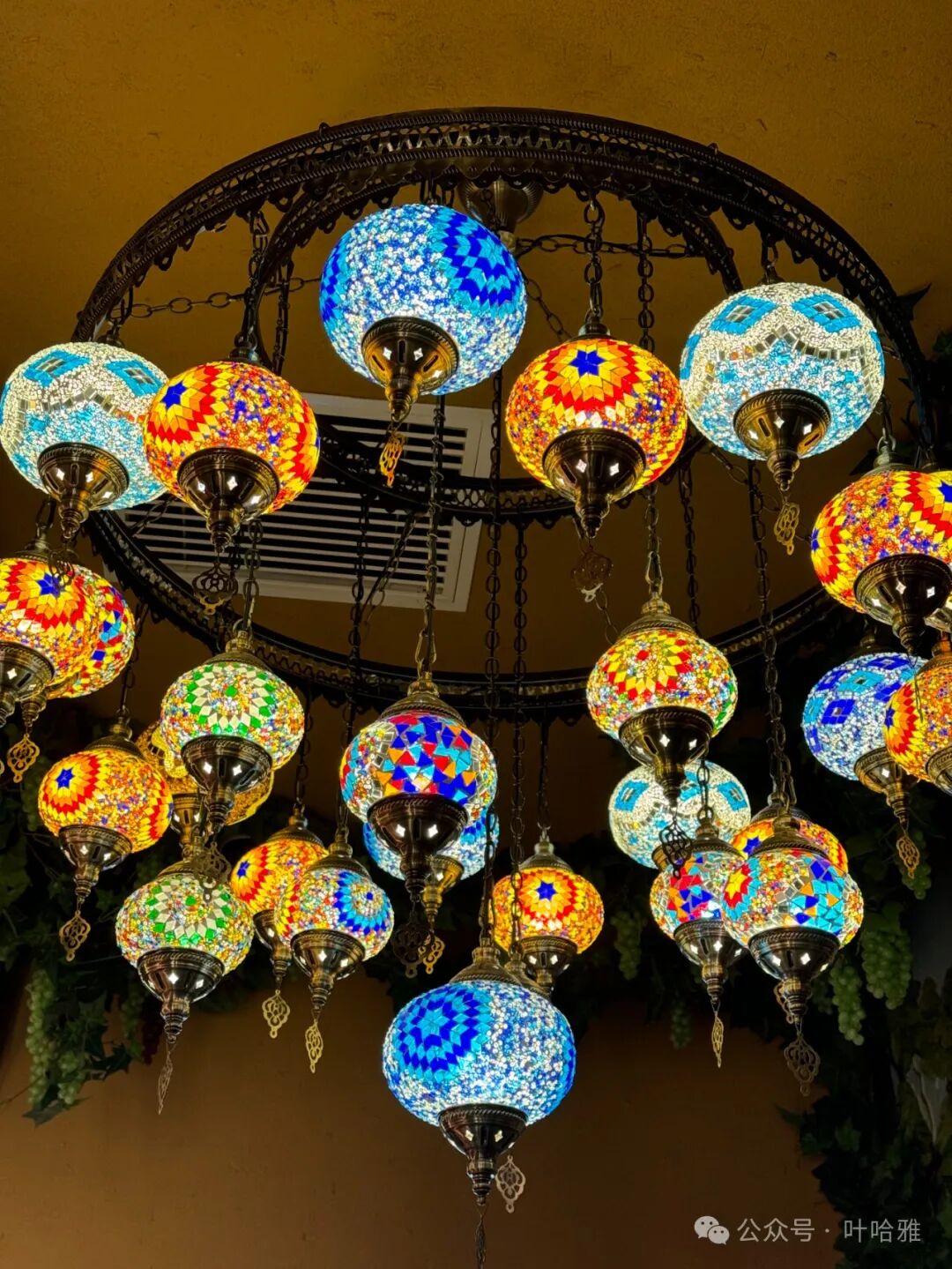
The dining environment here is very comfortable. It has a large space, big tables, beautiful decor, and the service is especially attentive.
We ate from individual small pots, which can also be set up as a split-pot (yuanyang guo). We chose a yellow tomato broth and a green chili mushroom broth.
This is the house-brewed kvass (gewasi). It is ice-cold and tastes great. I prefer this kind of house-brewed kvass because it is more satisfying than the bottled version.
A serving of fresh abalone from the set meal for two.
The homemade yogurt provided by the restaurant is quite thick.
The green chili broth is spicy. I recommend pairing it with a dipping sauce of sesame oil and minced garlic, with a splash of fragrant vinegar added. It is delicious.
The Xinjiang Mansion has launched a Xinjiang-style afternoon tea (Jiang Ka). I will come back to try it when I have the chance. The Xinjiang Mansion is the Xinjiang government office in Beijing. There are several halal restaurants inside, and parking is convenient.
4. Baoding Beef Covered Flatbread (Baoding Niurou Zhaobing)
I once drove all the way to Miyun just to eat halal covered flatbread (zhaobing). When I heard a new halal zhaobing shop opened in Baiziwan, I went to try it, and it tasted even better than the one in Miyun.
The term 'one cover two' means one liang of meat and two liang of flatbread. I chose the single-person set 'two cover three,' which is two liang of beef and three liang of flatbread. The shop just opened and is still hiring staff. They only serve zhaobing and braised chicken (luzhuji), which is also a specialty from Baoding.
5. Xiaojing Li
I often pass by this old shop in Fengtai that serves traditional halal stir-fry and hot pot meat. Last week, a sudden rainstorm forced me inside to take shelter, so I decided to check the place out.
The history of Xiaojingli is written too simply, so I suggest polishing it up.
I think their eggplant diced noodles (qiedingmian) are delicious, and the hand-rolled noodles have a great chew.
The door-nail meat pies (mending roubing) were not freshly pan-fried but were heated up before being served, so they were not as good as the ones at Yinji.
However, the braised meat strips (baroutiao), a traditional dish for Hui Muslims, were quite tasty and affordable, costing just over sixty yuan.
6. Northwest Xinjiang Lake (Xibei Jianghu)
I saw this restaurant while out with my kids. They sell grilled fish, and there is a group-buy set for 98 yuan.
The fish is very fresh, but the grass carp has a lot of bones.
The noodle soup slices (tangmianpian) and stir-fried cabbage with flatbread (nang chao lianhuabai) are both quite tasty. If you want grilled fish, you can come to this shop; it is a chain.
7. Alanxiang Lanzhou Beef Noodles
What attracted me to this shop wasn't the beef noodles, but the fact that you can get hot and sour glass noodles (suanlafen), rice noodles (mixian), and Tianshui spicy hot pot (malatang) here.
Because the chili used in Tianshui spicy hot pot is fragrant rather than spicy, the hot and sour glass noodles and rice noodles made with this chili are also especially delicious.
Chicken rice noodles (jirou mixian)
The chicken rice noodles are very good, and they give you plenty of chicken in big chunks, all for just 15 yuan a bowl.
8. Maimai Red Beef Sliced Noodles (Daoxiaomian)
Maimai Hong's beef knife-cut noodles (daoxiaomian) are definitely worth a visit. If you like this kind of food, you won't go wrong coming here.
The shop is run by Hui Muslims from Jiaozuo, Henan. Their cold dishes are also a specialty. If you come at breakfast time, you can have spicy soup (hulatang) in the Xiaoyao Town style, but with the spice level lowered to suit Beijingers.
Another specialty they have is beef steamed buns (niurou baozi). These aren't pan-fried, but the large steamed kind, which you can also get if you come in the morning.
I had a portion of the deluxe beef knife-cut noodles. They gave me plenty of meat, the broth was rich, the meat was tender, and the noodles were chewy.
You pick your cold dishes first, then they go to the kitchen to be tossed with extra seasoning so they stay fresh and taste their best.
9. Hulun Aile Halal hand-held meat (shouba rou).
This place used to be a hot pot restaurant, but it recently switched to Mongolian cuisine, and the change was a huge success.
They source all their beef and lamb from Hulunbuir, and the quality of meat from the Inner Mongolian grasslands is unbeatable.
What drew us here was their afternoon tea with Inner Mongolian flair.
The milk tea comes with a plate of dairy products, a combination that is just too tempting.
Mongolian-style milk tea contains roasted millet (chaomi) and is served in a thermos to keep it warm.
For the hand-held beef steak (shouba niupai), you cut off a piece with a small knife, spread some chive flower sauce (jiucaihua) on it, and it tastes great. Their three types of dipping sauces are all very authentic.
Buryat steamed buns (Buliya baozi) look a lot like the thin-skinned buns from Xinjiang, but the dough is a bit thicker. They are filled with large chunks of lamb, full of broth, and delicious.
This dairy platter is the most popular part of the afternoon tea today. The white topping is cream, which you eat with the dairy products. The four cups contain concentrated milk that tastes like ice bock, a type of milk concentrated by evaporating most of the water.
The Inner Mongolian milk ice cream is also simple and bold. It is made of large chunks of milk ice, just like a popsicle, but without added water, so the texture is silky and the milky flavor is rich. It is highly recommended. Compared to the Mongolian food, their hot pot seems quite ordinary, so I suggest you stick to the Mongolian dishes when you visit.
