
Best Halal Food Beijing: Authentic Hui Muslim Fried Chicken, Hulatang and Miyun Reservoir Fish
Reposted from the web
Summary: This Beijing halal food map issue 45 covers Imam Malik food-rule reflections, Chenfei Shiwei fried chicken, Gao Qunsheng hulatang, Hotan Xinjiang rose pilaf, spicy hot pot, Guizhou sour soup, lobster, Ningxia salt-lake lamb, farmhouse dishes, and Miyun reservoir fish.
I am currently translating a research paper on Imam Malik's legal views regarding food. It is quite interesting, as it mentions that Imam Malik allows eating frogs. I will post it later. I previously wrote an article about which foods are considered not halal according to the Quran and Sunnah. The article mentions that the four schools of jurisprudence interpret the Quran and Sunnah differently. I often hear people say that on controversial issues, it is best to be cautious and strict. I think the opposite. In most cases, I prefer to be lenient when facing controversial issues. I believe that having different opinions on the same issue is actually a mercy. It gives people more choices. You cannot label those who choose the lenient path because you do not have enough evidence yet. If there were evidence, there would be no controversy. Some things will only be revealed in the afterlife, and it is not for you in this life to point fingers and judge.
In fact, we create too many difficulties for ourselves, overcome problems that should not exist, and then feel moved by our own efforts. I will not specify which things these are; you can all decide for yourselves.
The restaurant information for this issue is as follows:
1. Chenfei Shiwei
2. Gao Qunsheng Spicy Soup (hulatang)
3. Hotan Xinjiang Rose Pilaf (zhuafan)
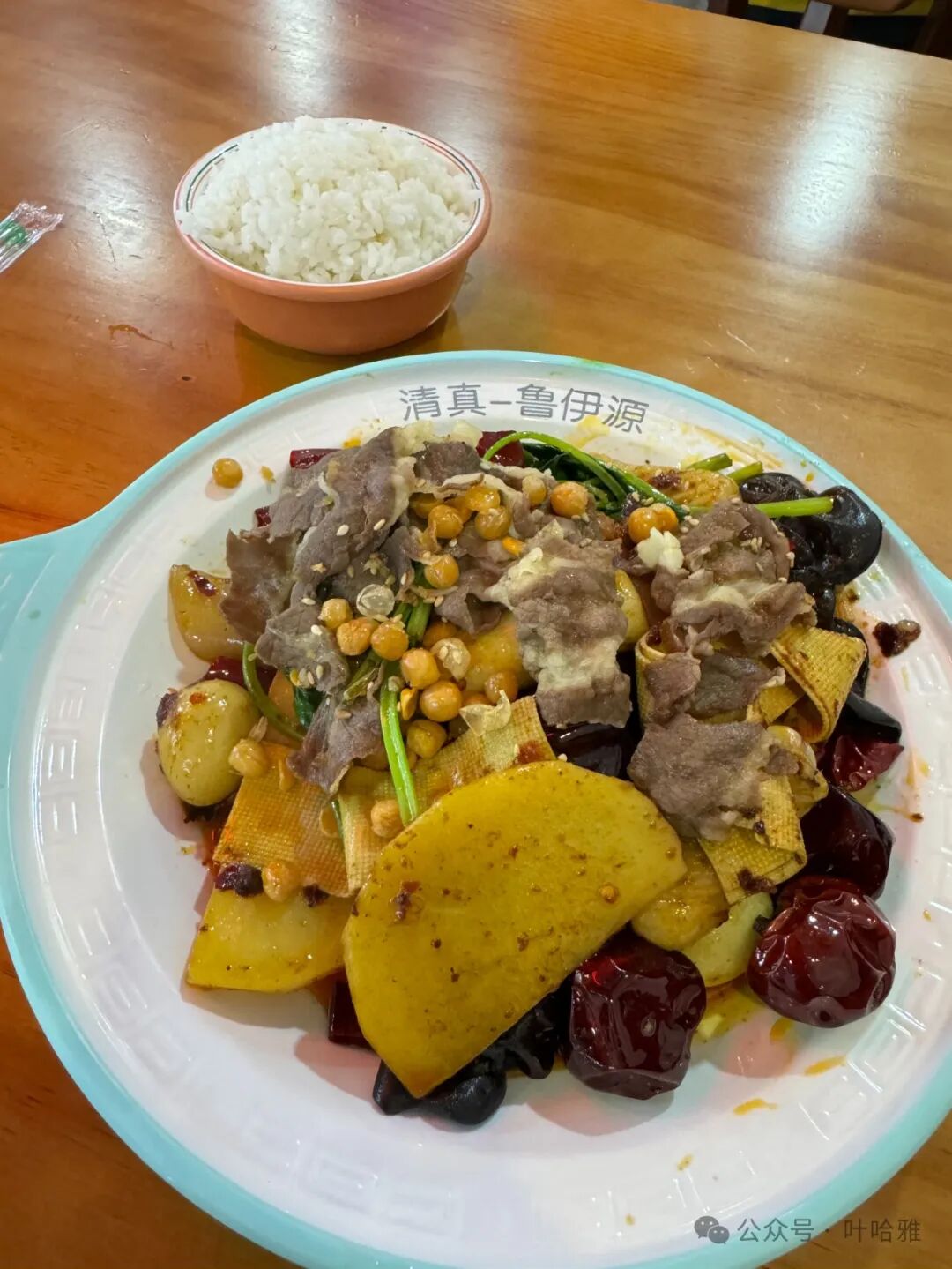
4. Luyiyuan Spicy Hot Pot (malatang) and Spicy Dry Pot (mala xiangguo)
5. Guizhou Sour Soup Hot Pot, Beef with Skin (daipi huangniurou), and Sour Soup Fish
6. Fanshen Lobster Restaurant
7. Gameizi Ningxia Salt-lake Lamb Restaurant
8. Fuhua Zhengxing Folk Customs Restaurant
9. Hexingzhai Restaurant
1. Chenfei Shiwei
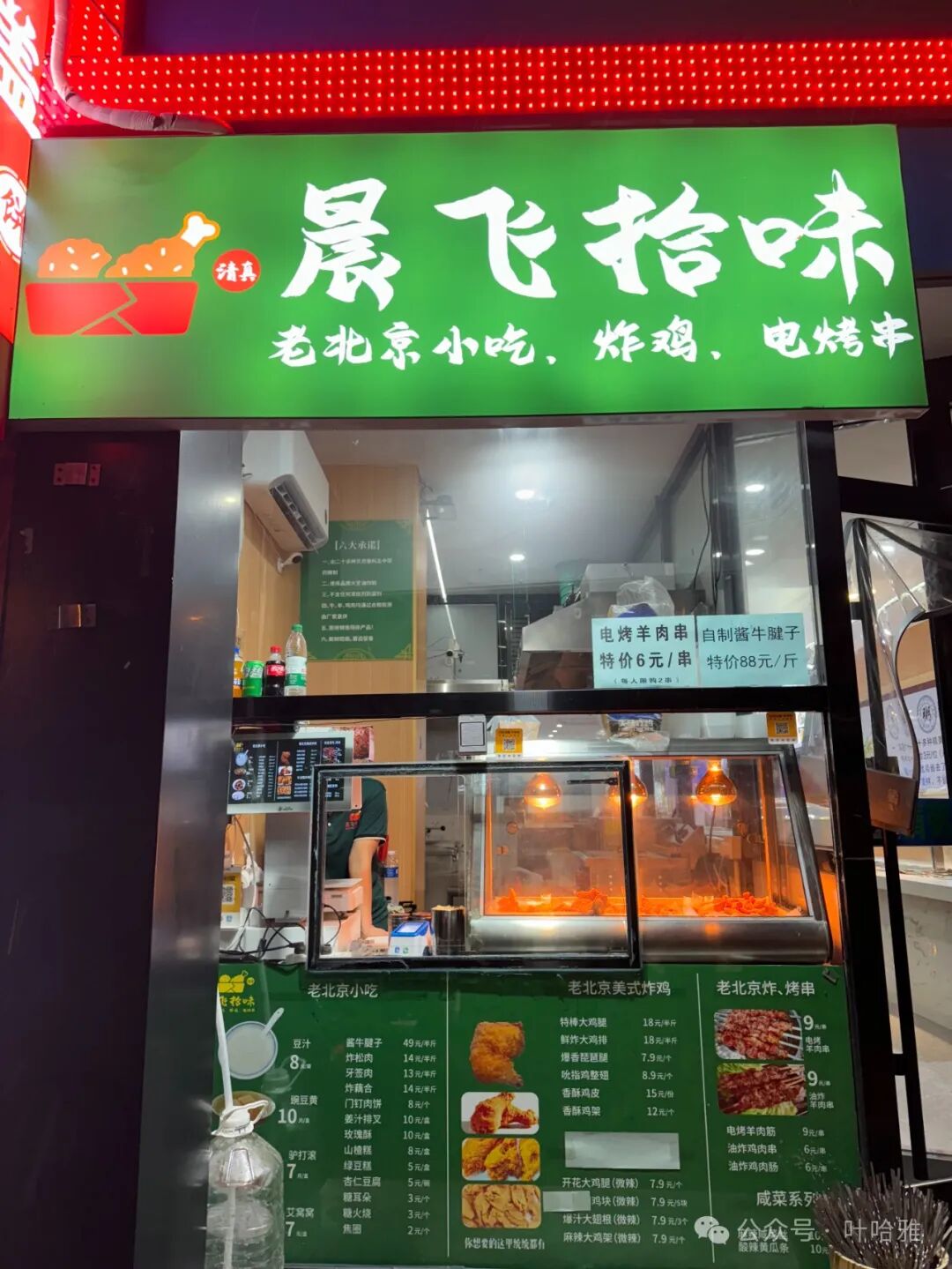
A new fried chicken shop opened at the entrance of Puhuangyu subway station. It is a takeout window, but you can also sit inside to eat.
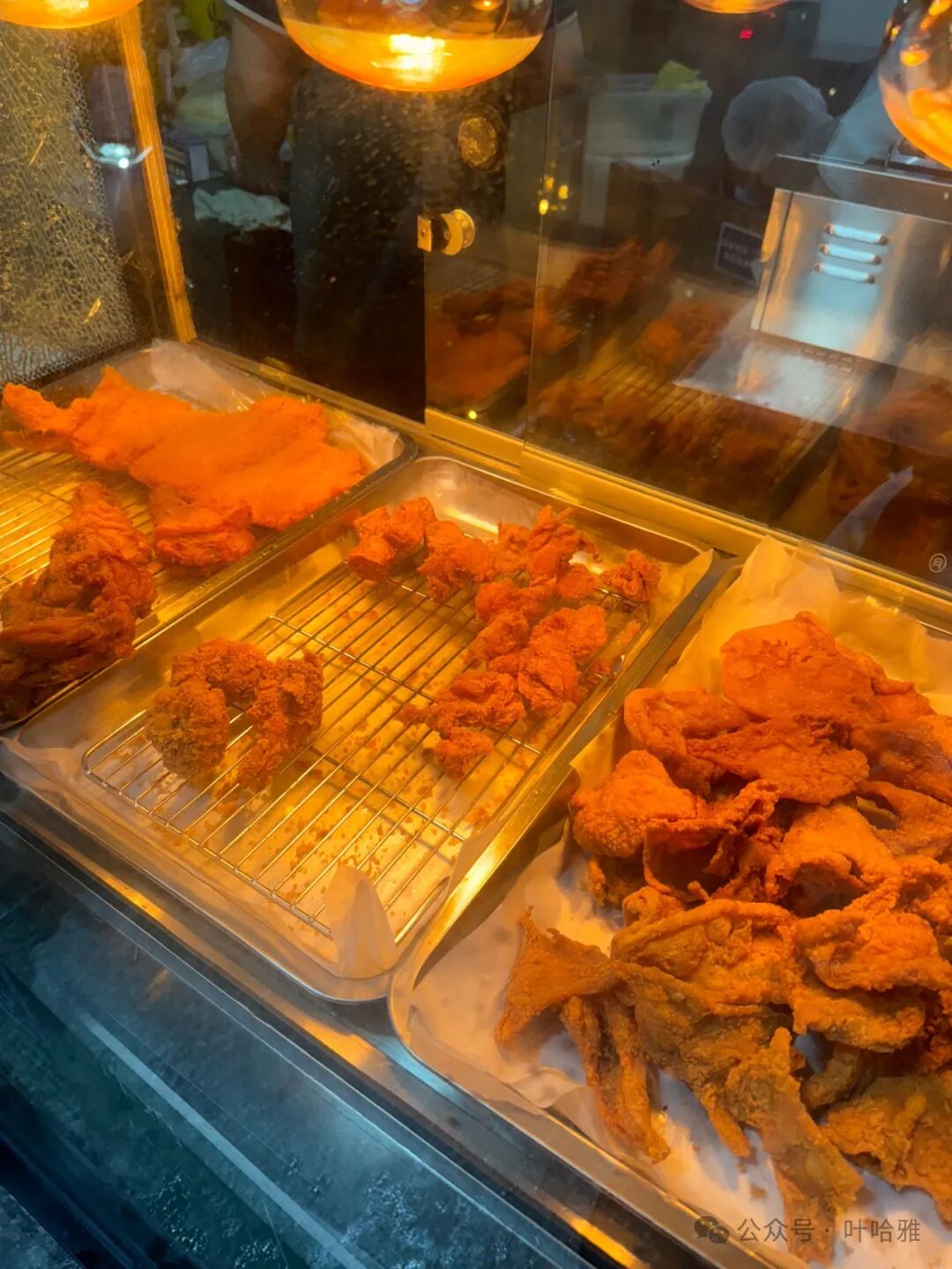
The fried chicken tastes pretty good. Usually, as long as the ingredients are fresh, fried food like this will not taste bad.
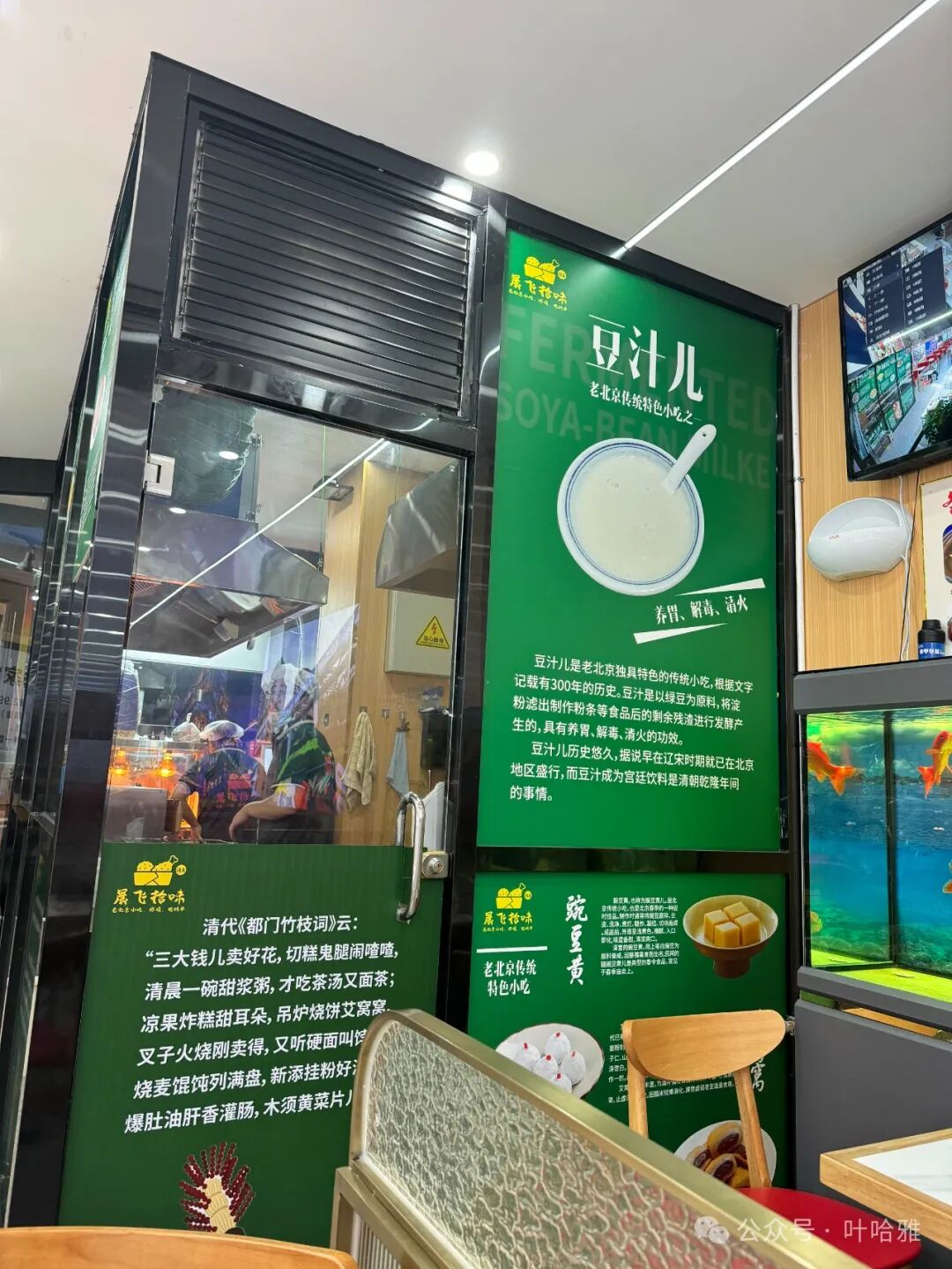
The group-buy deal for two people including fried chicken and almond tofu (xingren doufu) is quite affordable.
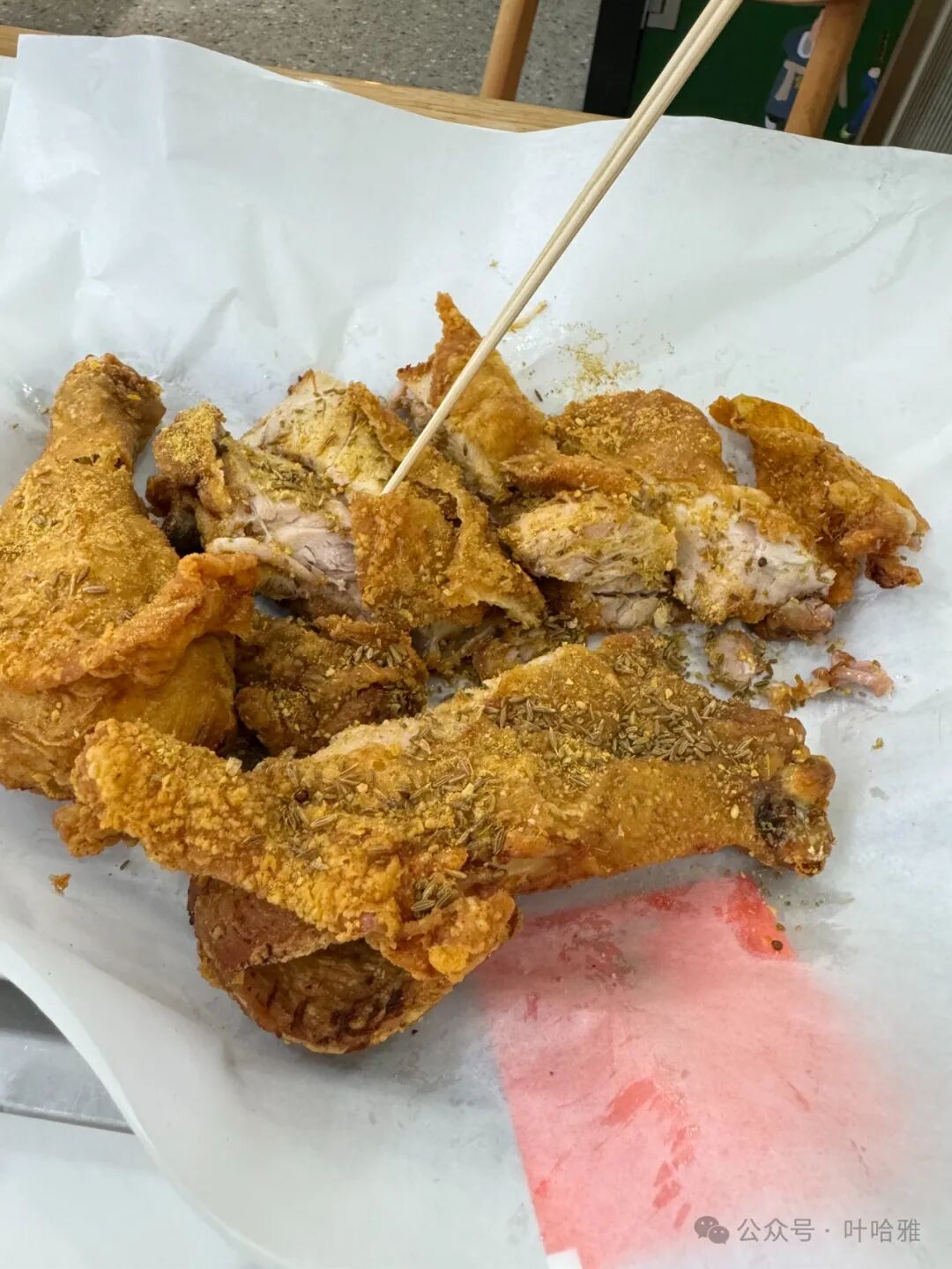
The fried chicken is 39.9 yuan, and two bowls of almond tofu cost 4 yuan.
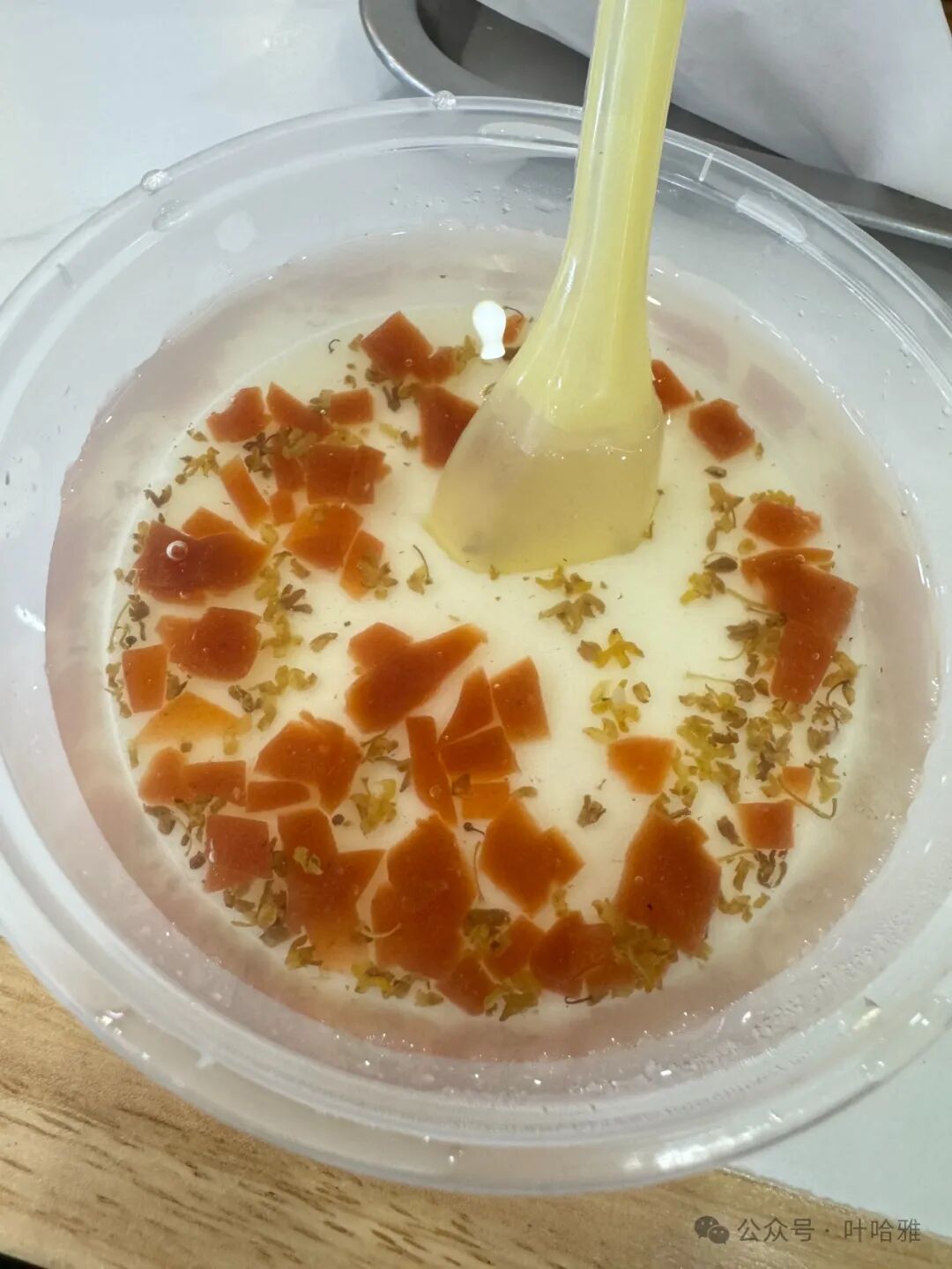
There is a paid parking lot right at the shop entrance, so it is easy to get to.
2. Gao Qunsheng Spicy Soup (hulatang)
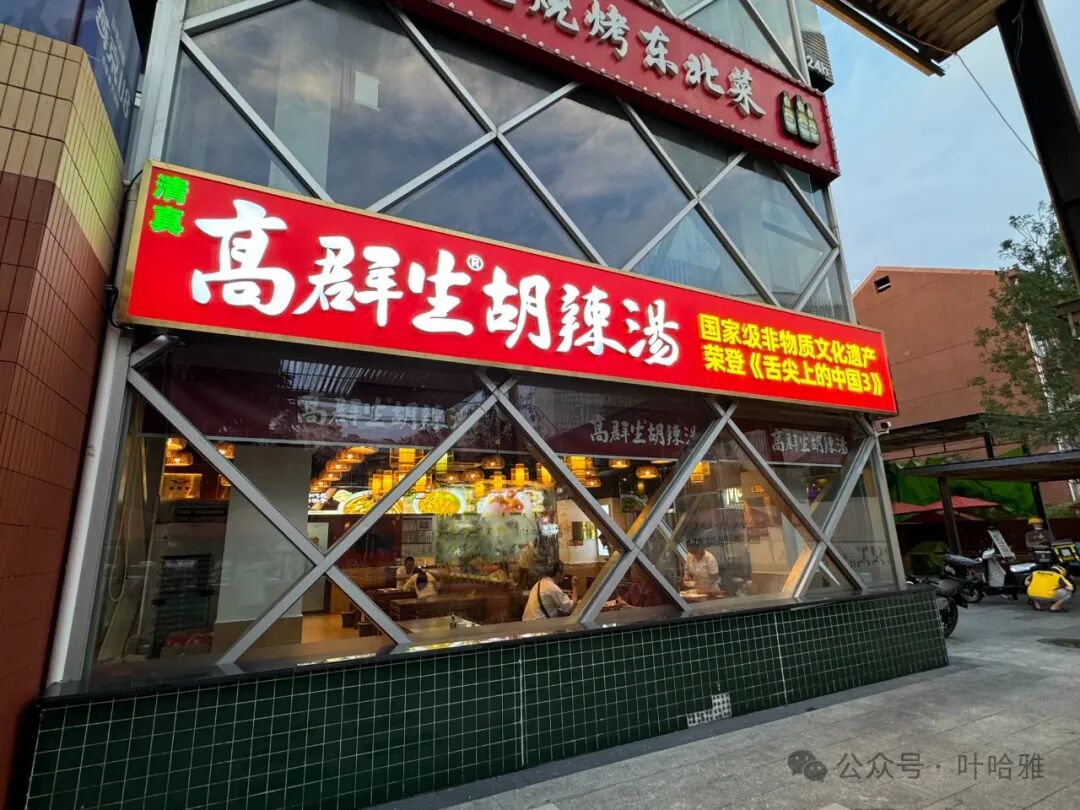
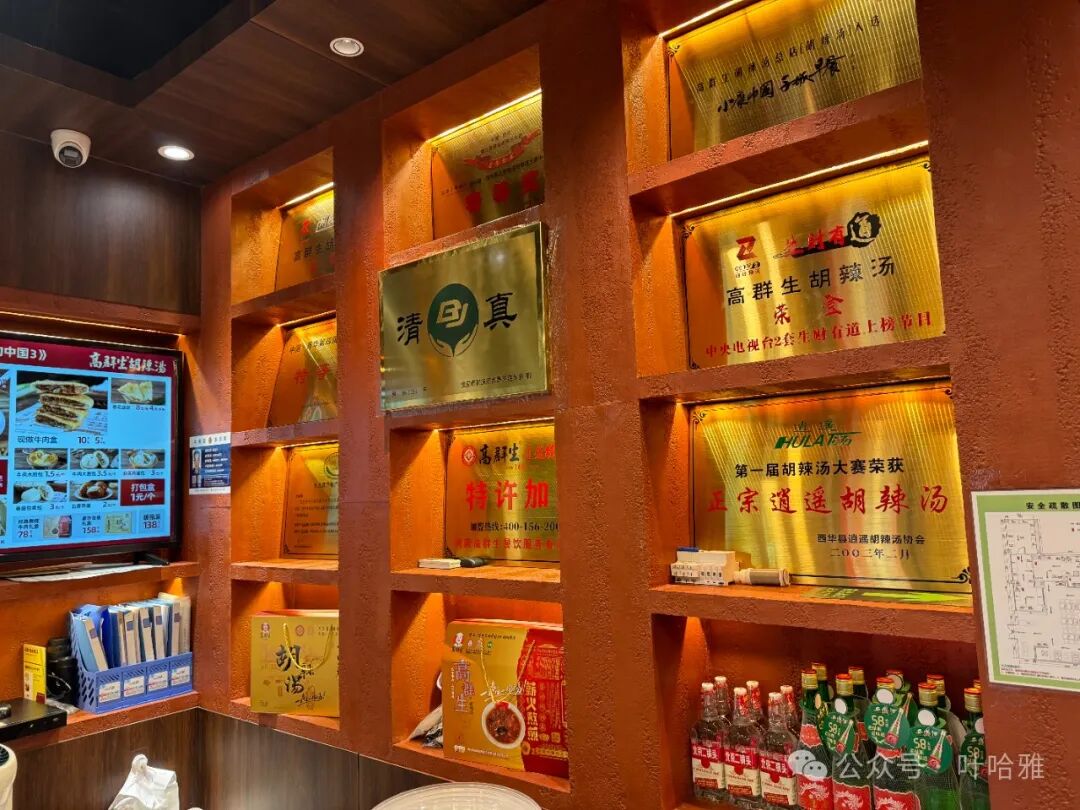
Gao Qunsheng is a halal chain brand from Henan. After they opened in Beijing, I never saw a halal certification displayed, so I did not go. This time, I saw the halal certification at the Shijingshan branch. The staff told me that some branches do not have enough ethnic minority employees to qualify for the certification. If you mind that, you can just go to the Shijingshan branch.
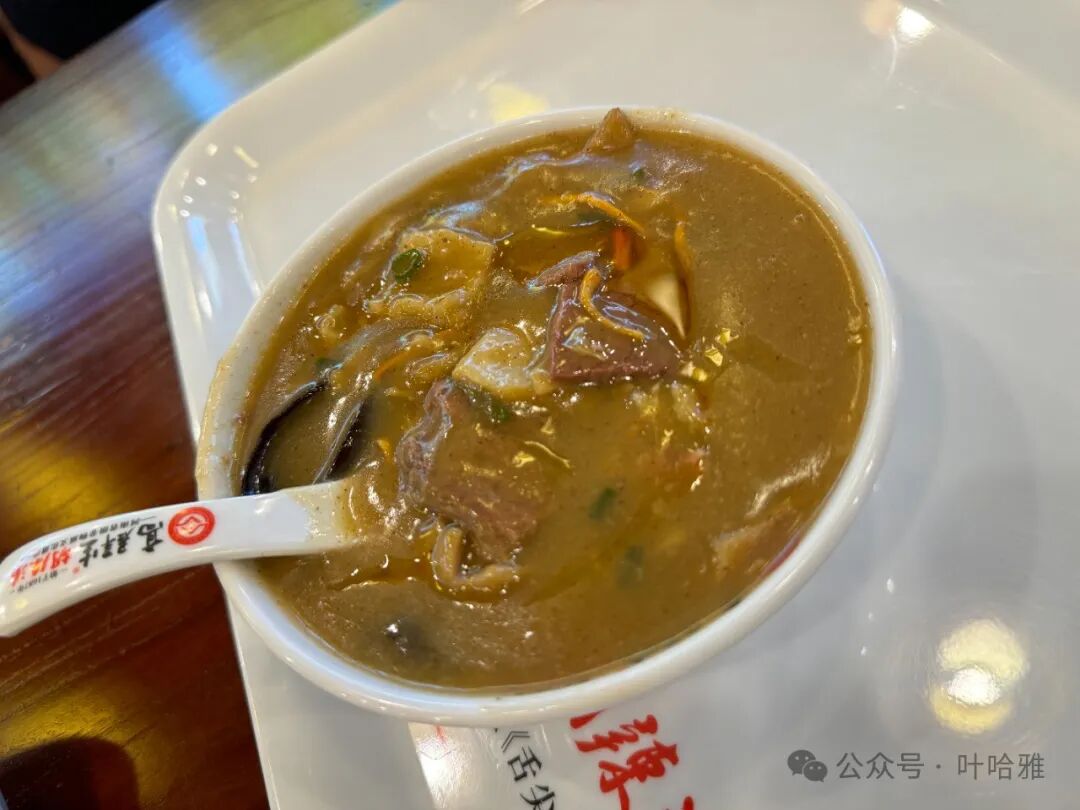
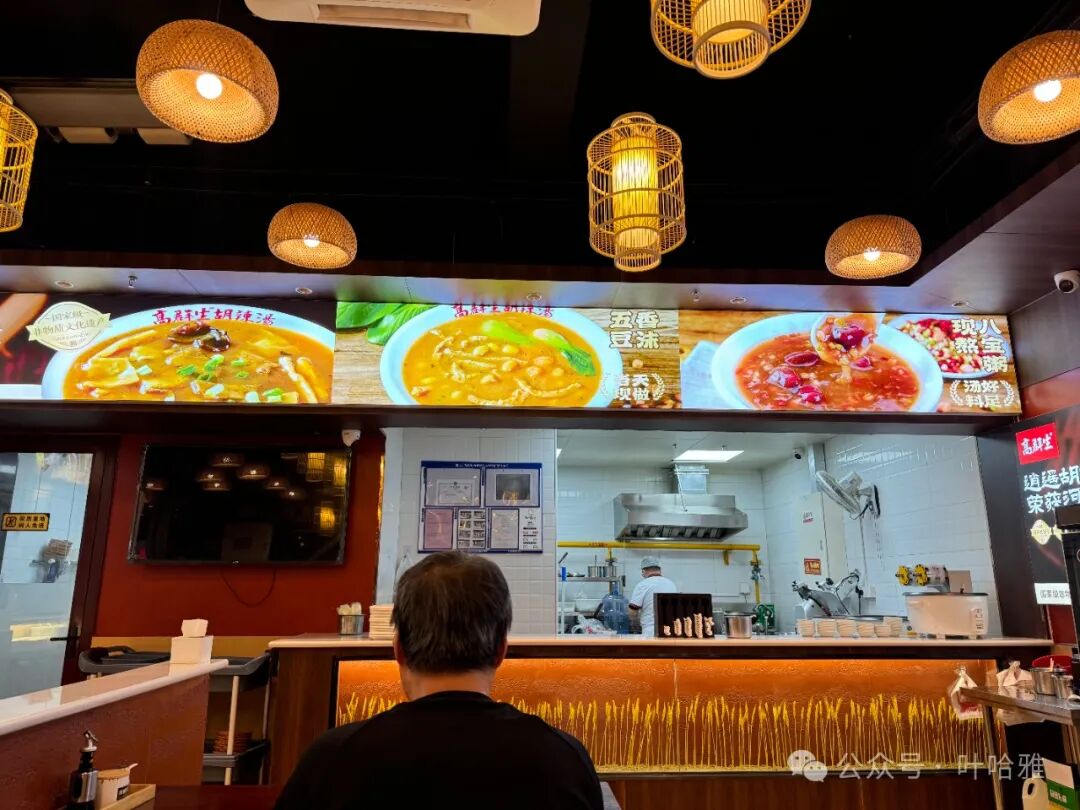
Gao Qunsheng spicy soup (hulatang) is in the style of Xiaoyao Town and is not particularly spicy.
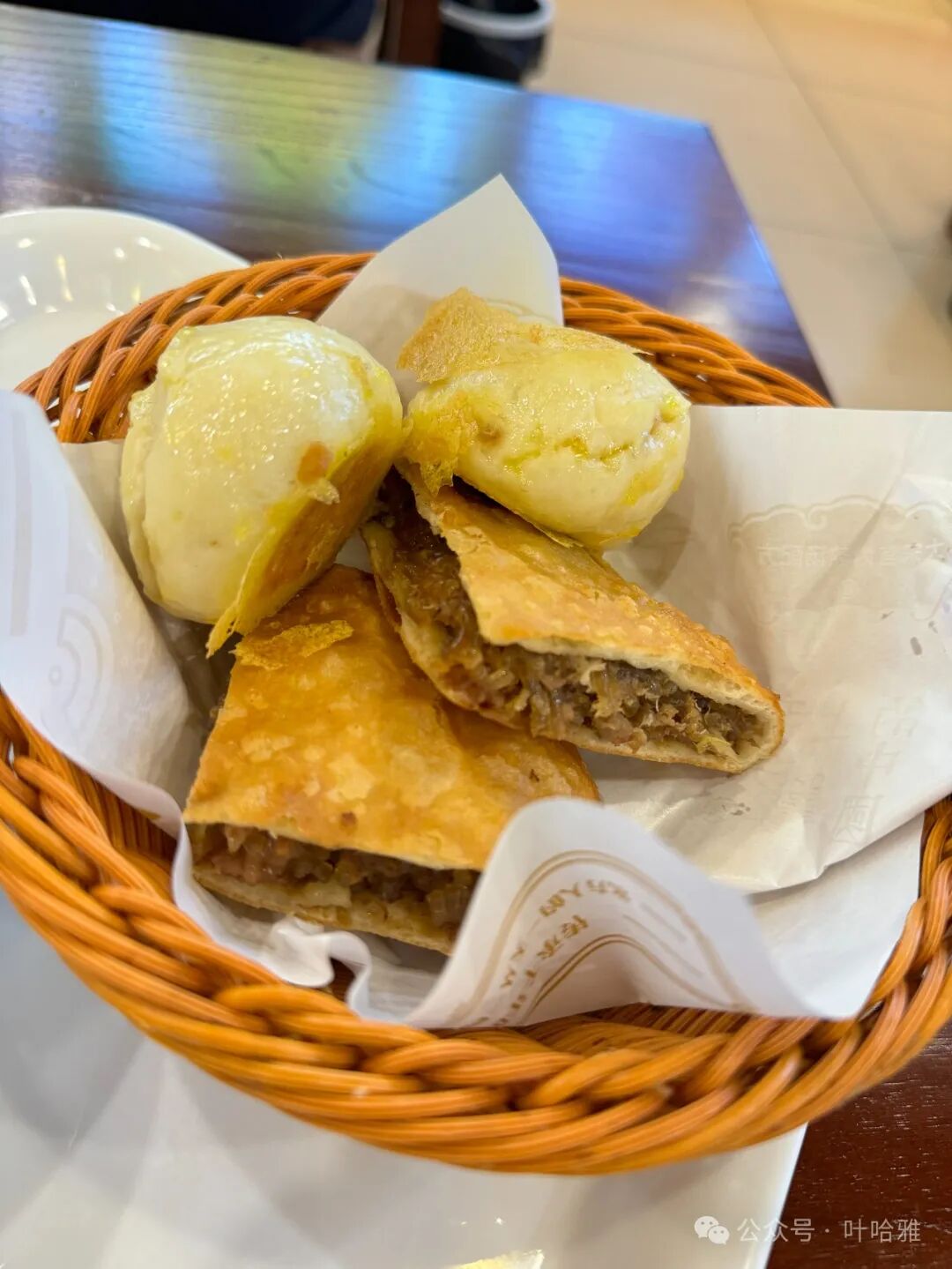
Their pan-fried buns (shuijianbao) are better than the beef pockets, and the pan-fried buns and bean porridge (doumo) are their signature dishes.
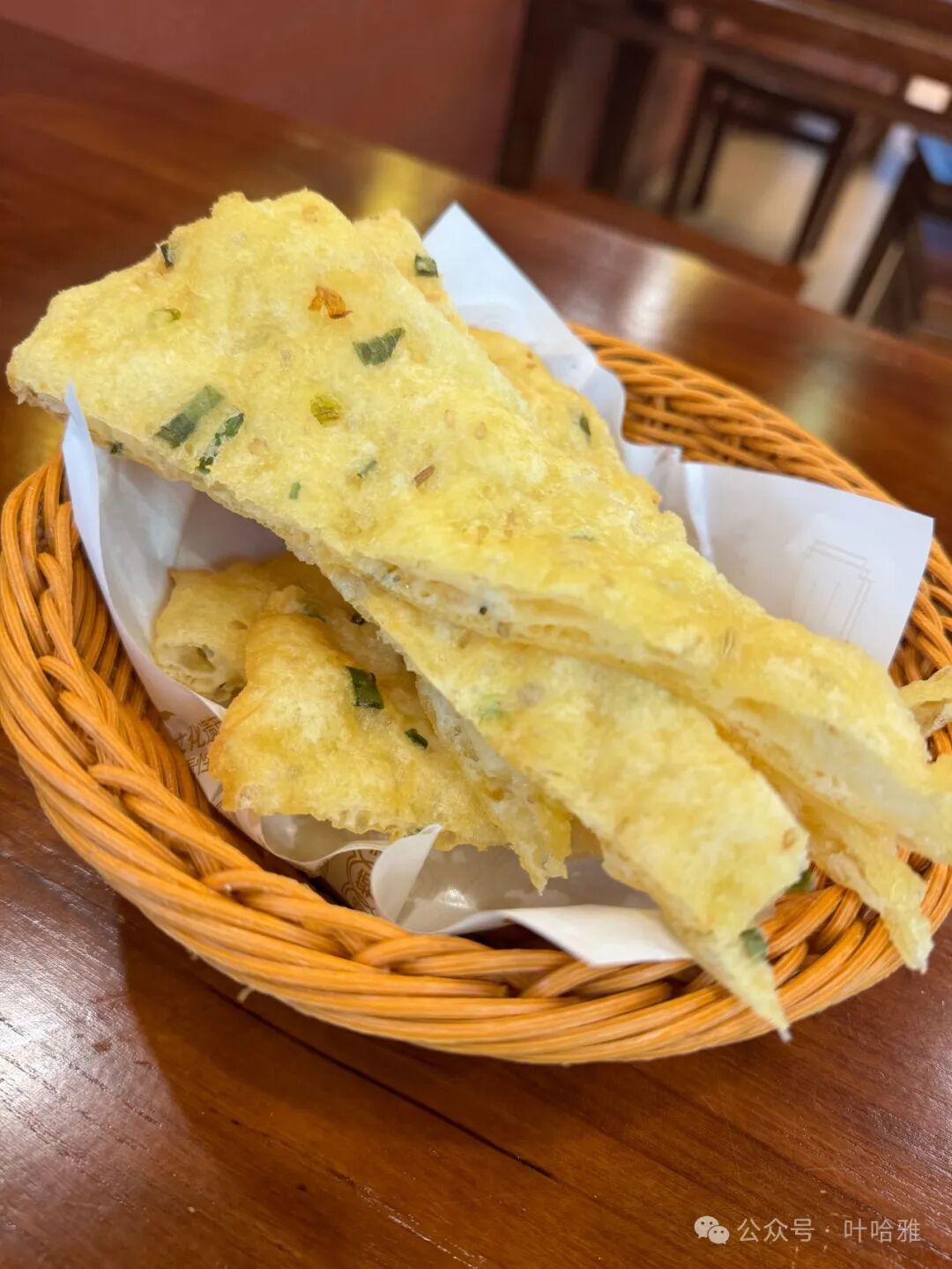
The scallion pancakes (congyoubing) are crispy and have a good texture, but the lamb offal soup (yangzatang) is just average.
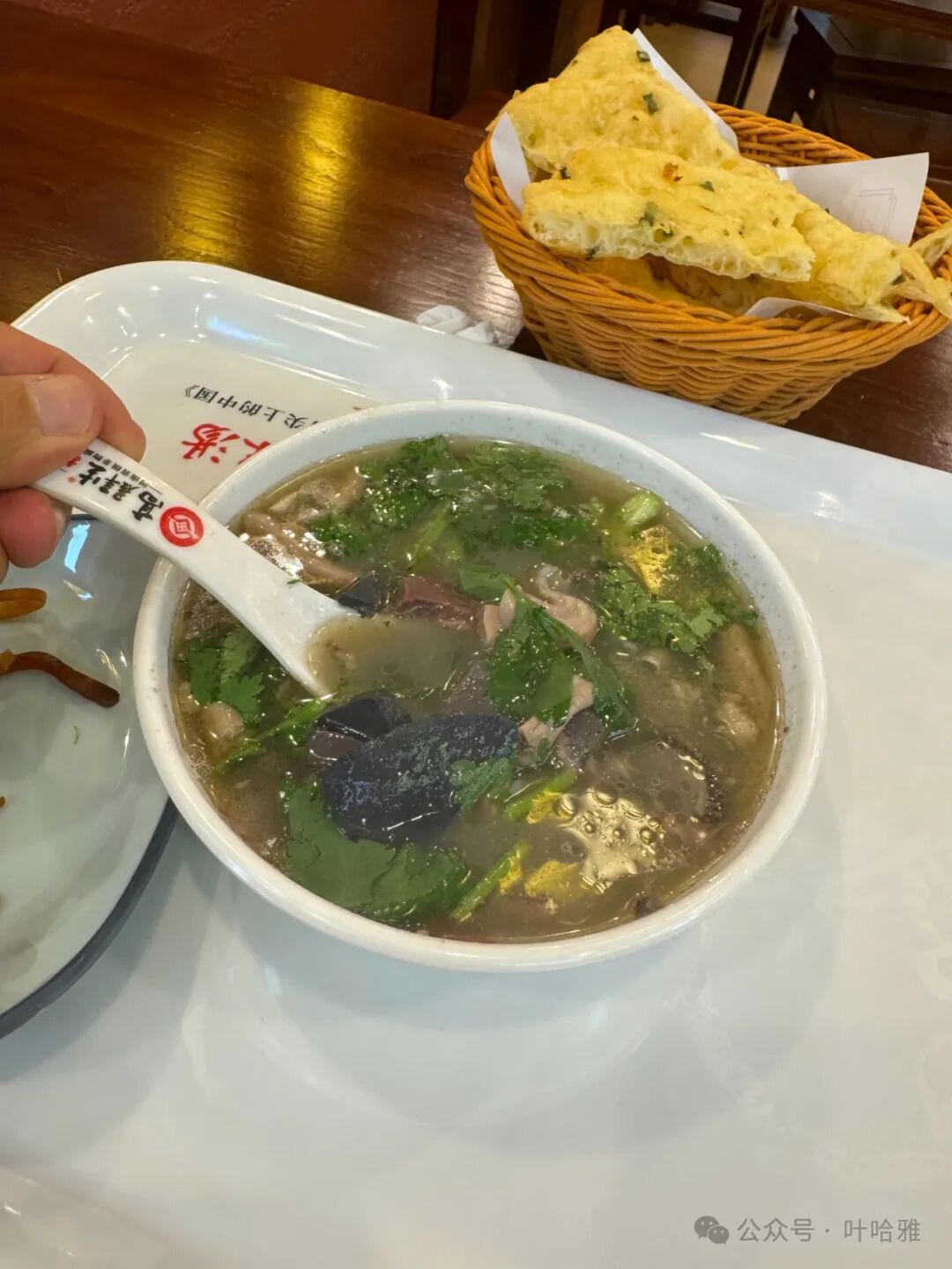
I went in the evening and they only had spicy soup (hulatang), no bean porridge. It is best to go in the morning for the spicy soup.
There is a paid parking lot at the entrance of the restaurant, which is very convenient.
3. Hotan Rose Xinjiang Pilaf (zhuafan)
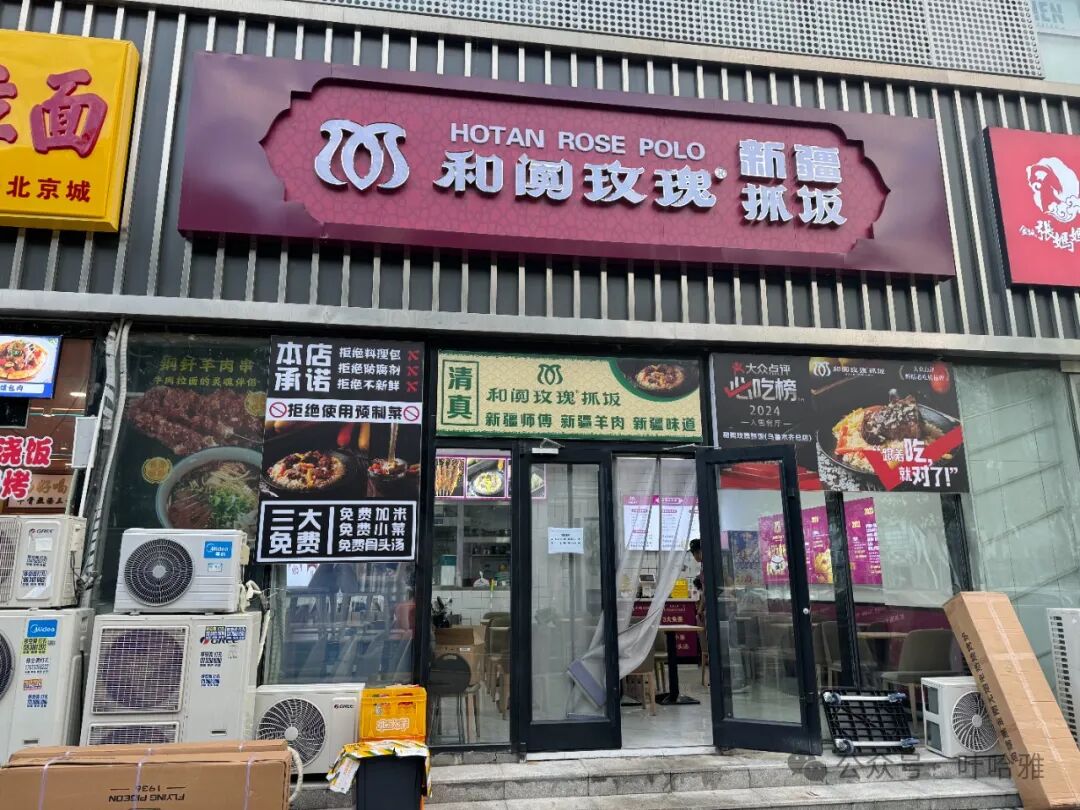
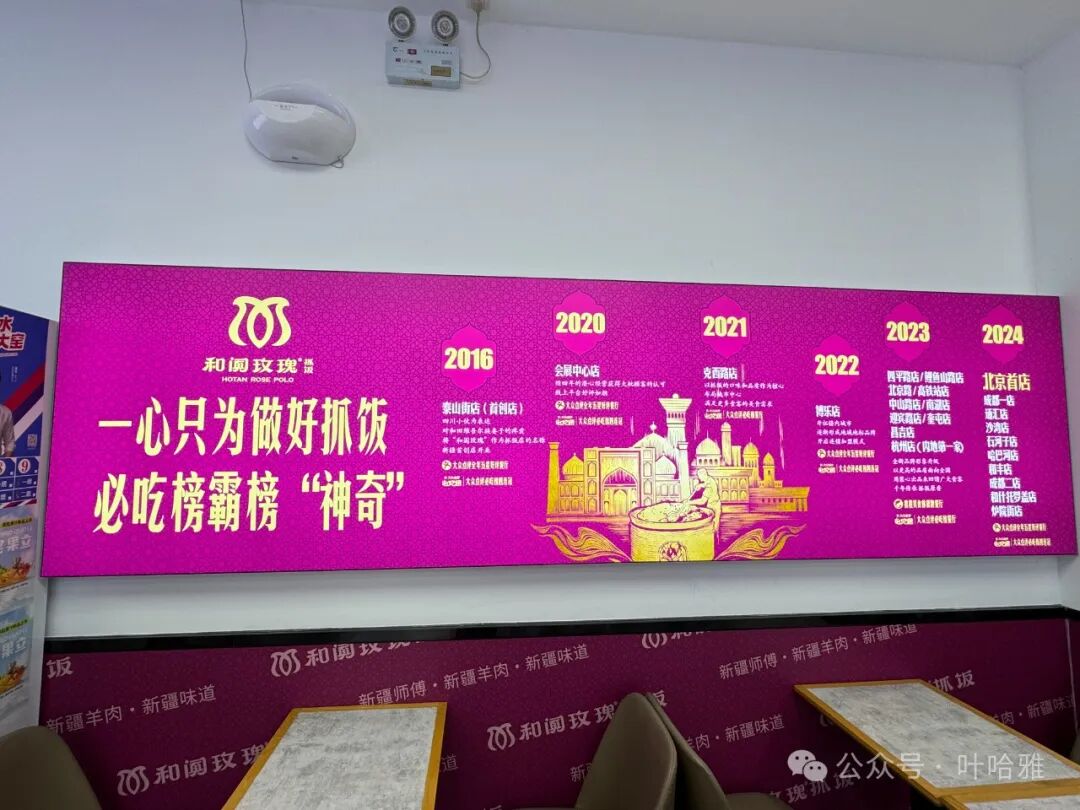
This is a Xinjiang halal restaurant that only serves pilaf and has chain stores in Urumqi.
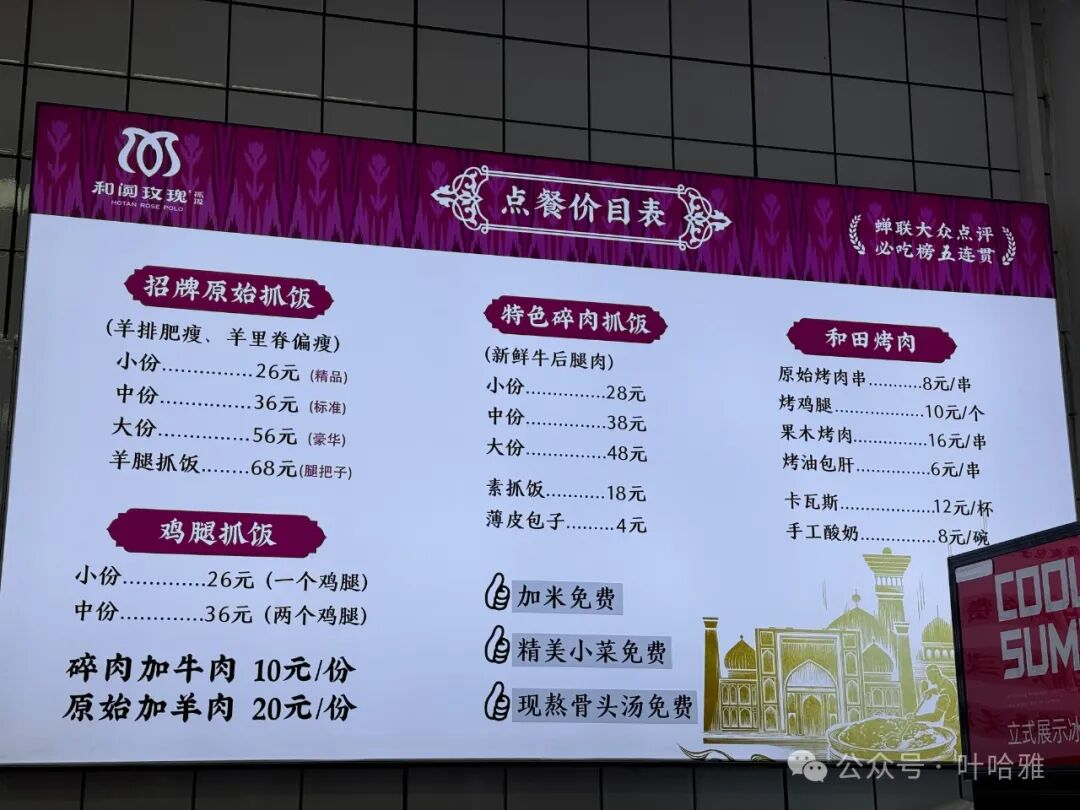
The shop just opened, so they currently only have pilaf and some free side dishes.
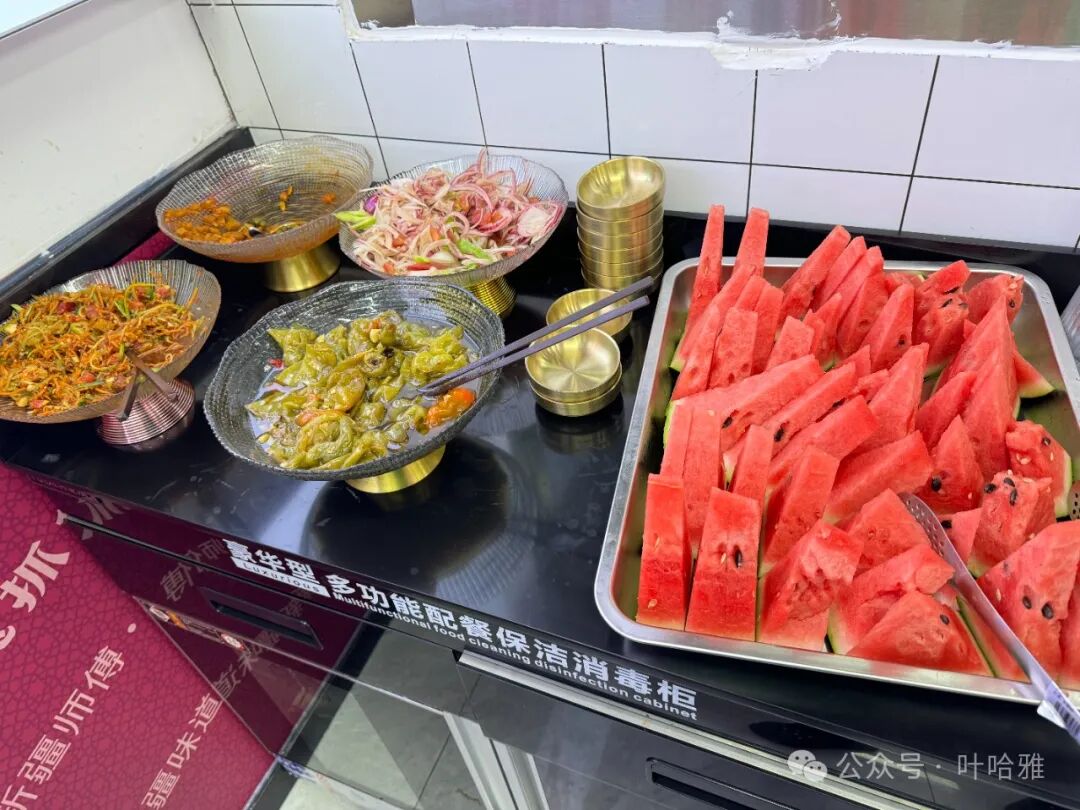
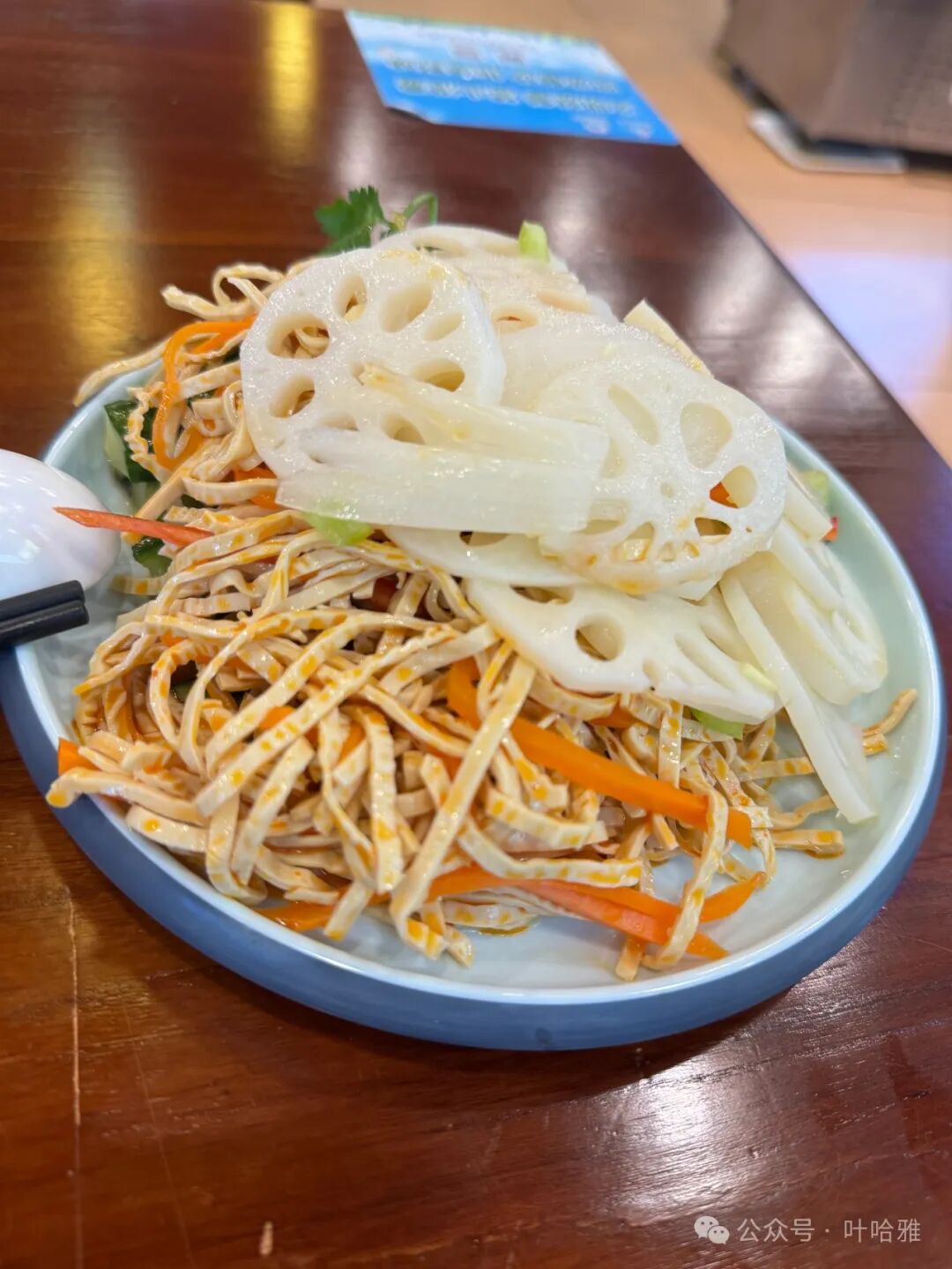
Their free side dishes are especially delicious.
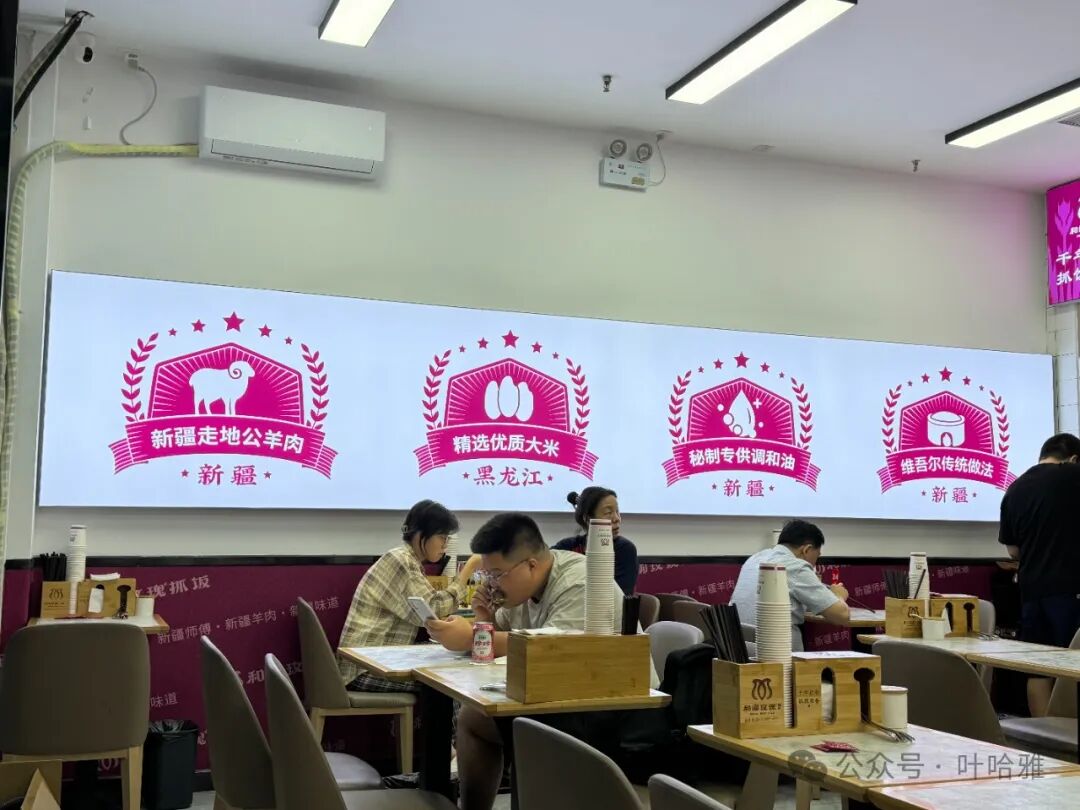
The lamb and oil are both shipped from Xinjiang.
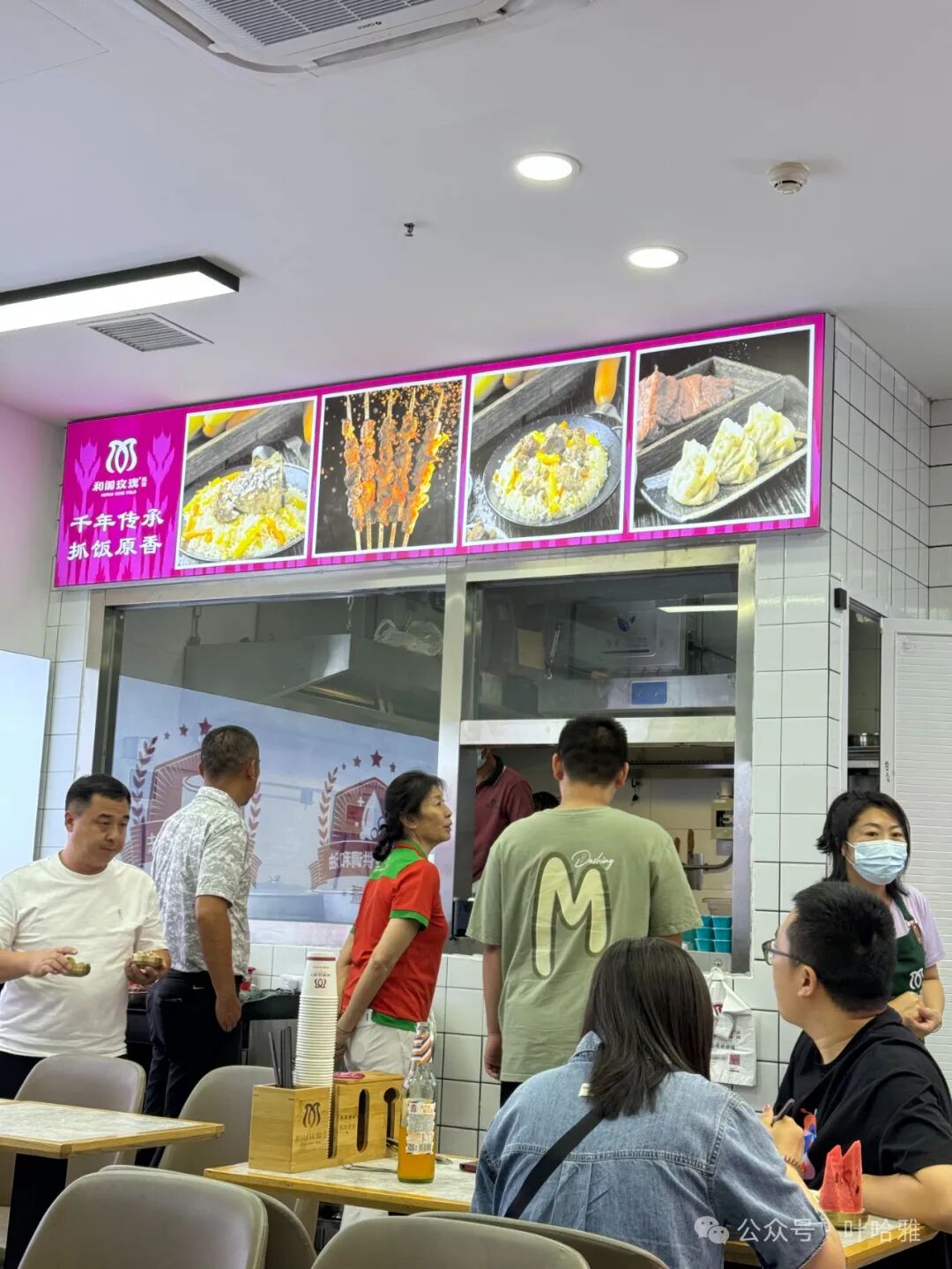
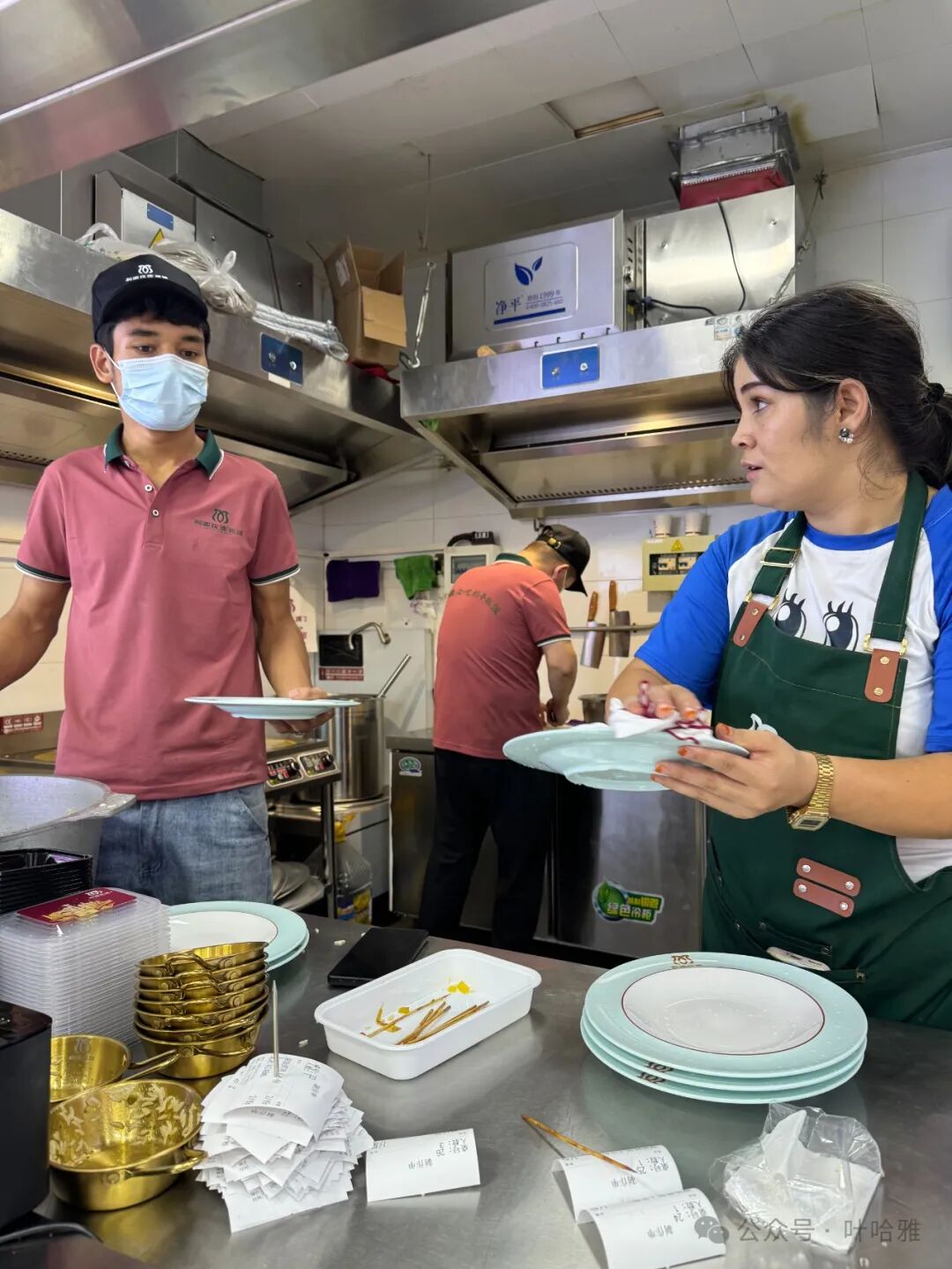
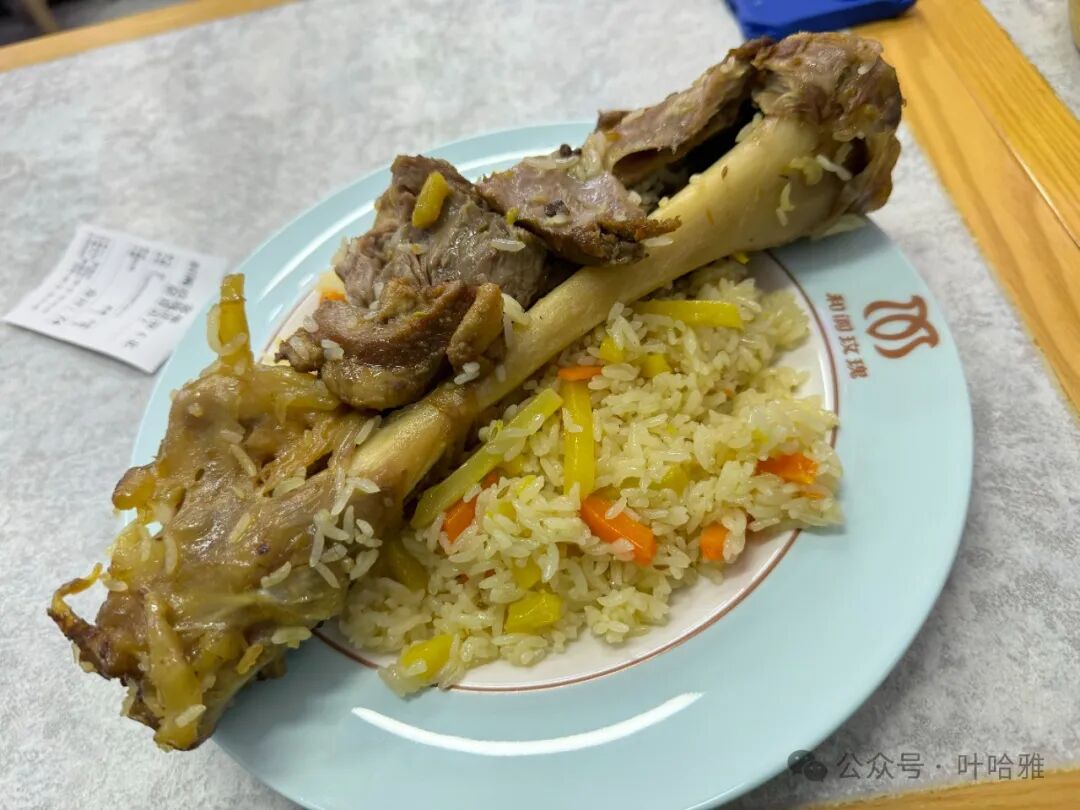
Uyghur staff work in the kitchen, and the lamb leg pilaf here is excellent. I arrived late and there was only one lamb leg left. The meat was very tender and flavorful, and the pilaf was fragrant. You could say this is the best place for pilaf among Xinjiang restaurants in Beijing.
4. Luyiyuan Spicy Hot Pot (malaxiangguo)
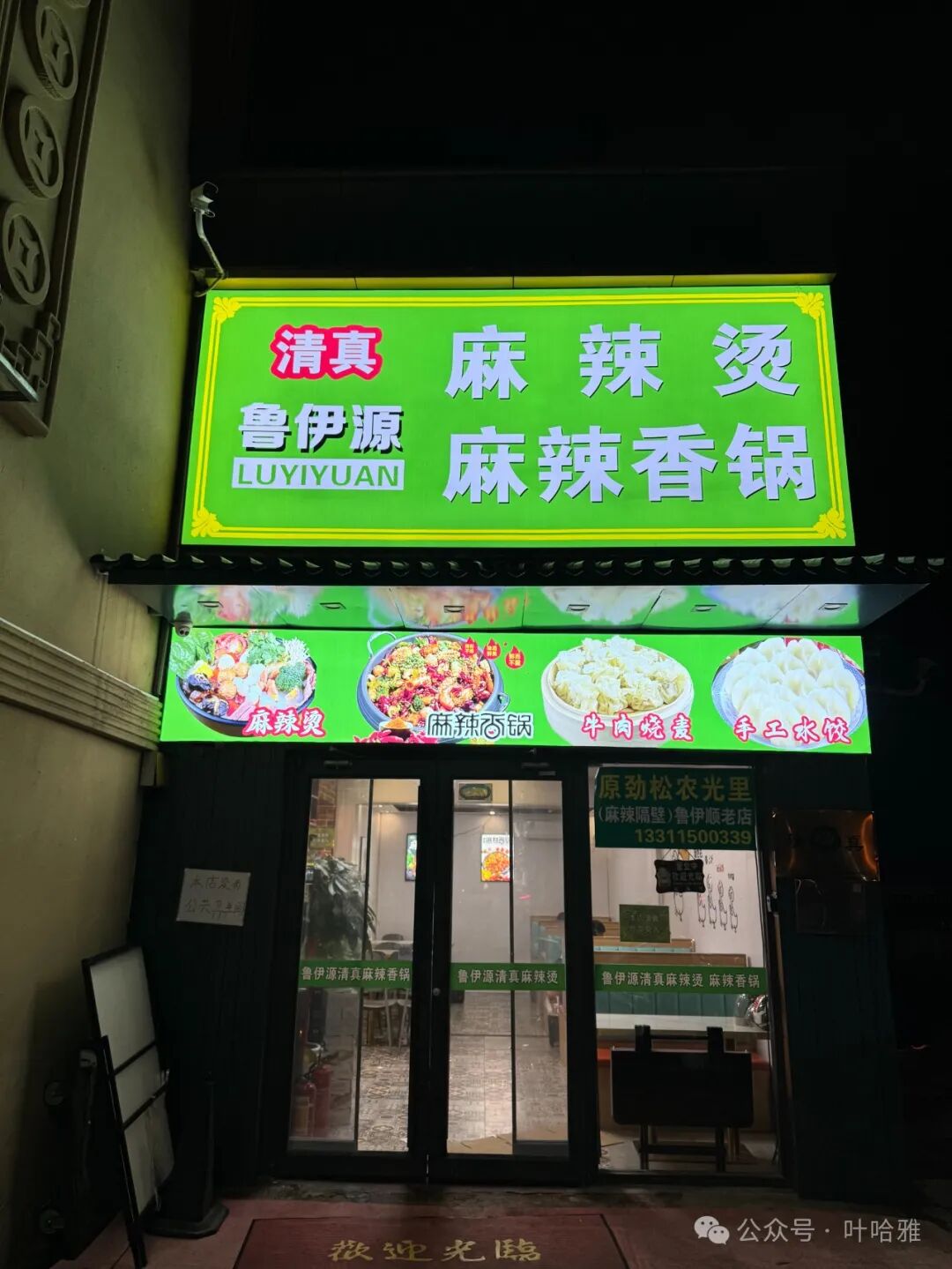
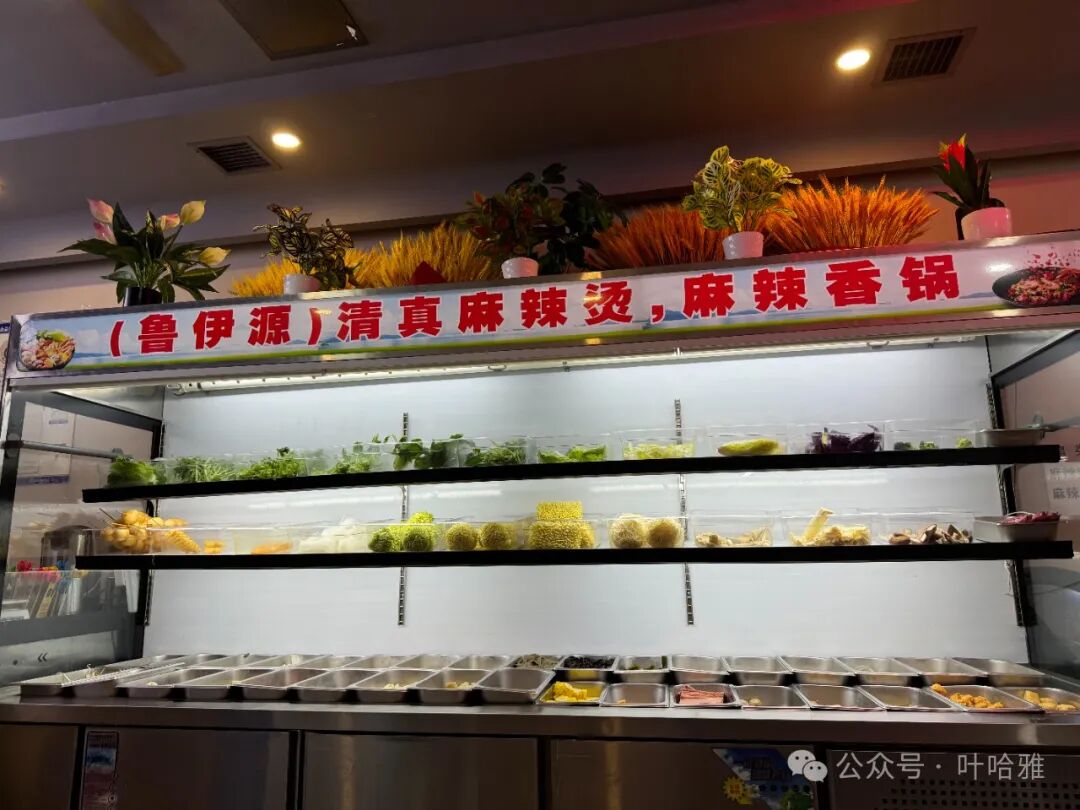
There are plenty of halal spicy hot pot (malatang) shops, but halal spicy dry pot (mala xiangguo) is rare.
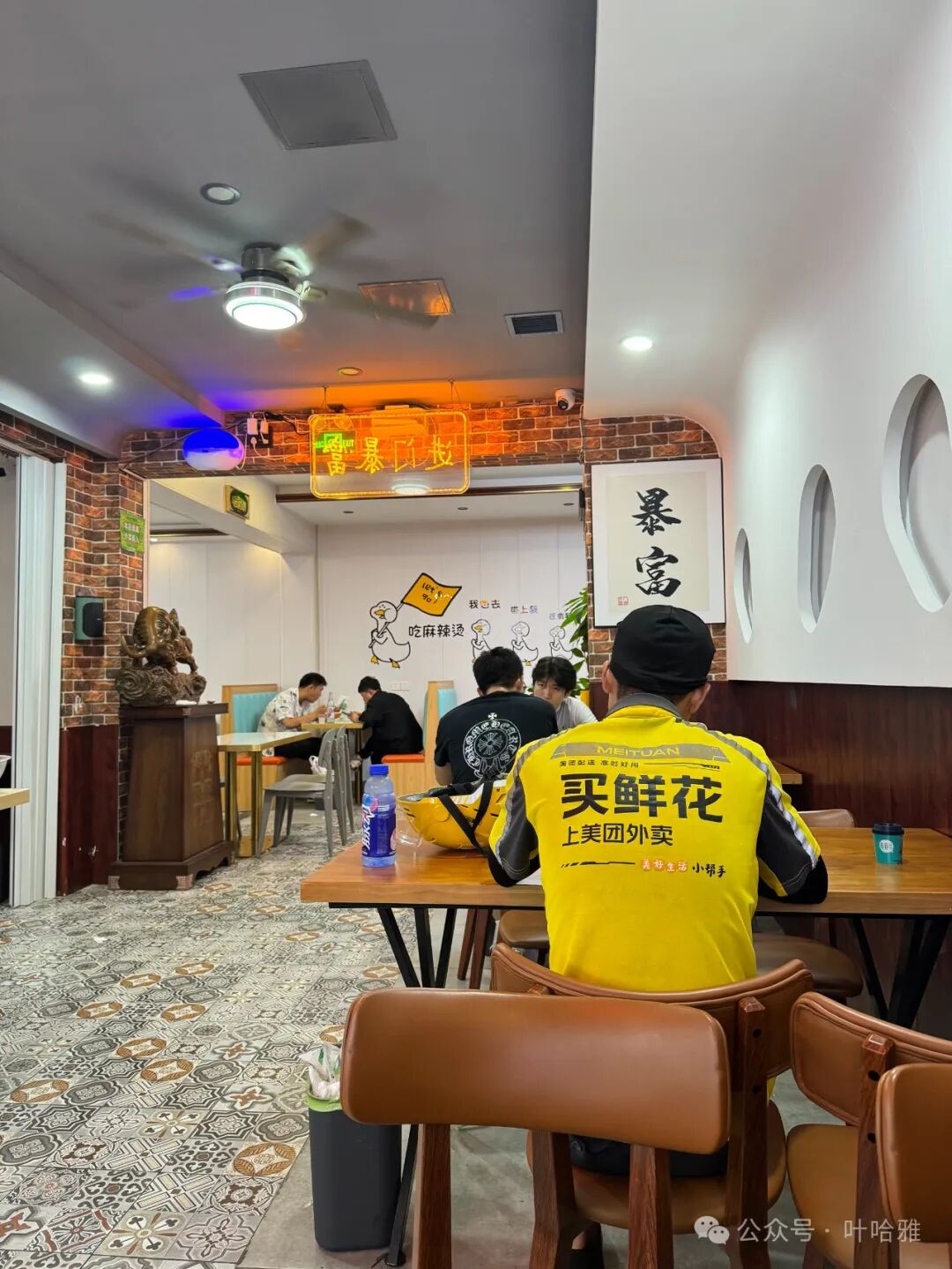
I arrived at 10 p.m., and there were still many customers eating a late-night snack.
The spicy dry pot is quite hot, so be careful if you cannot handle spice. The shop also serves steamed dumplings (shaomai).
5. Guizhou Sour Soup Hot Pot, Beef with Skin (daipi huangniurou), and Sour Soup Fish
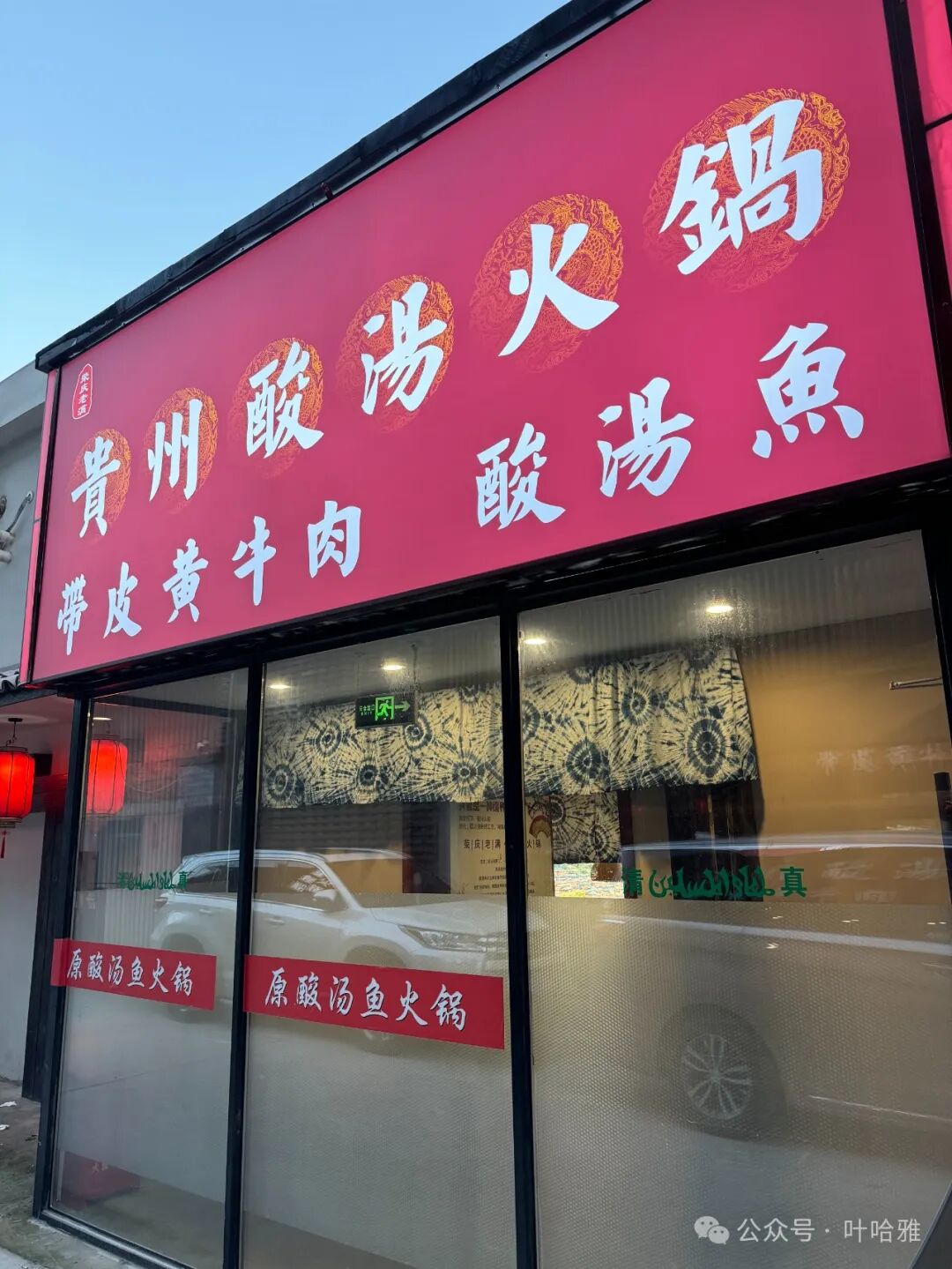
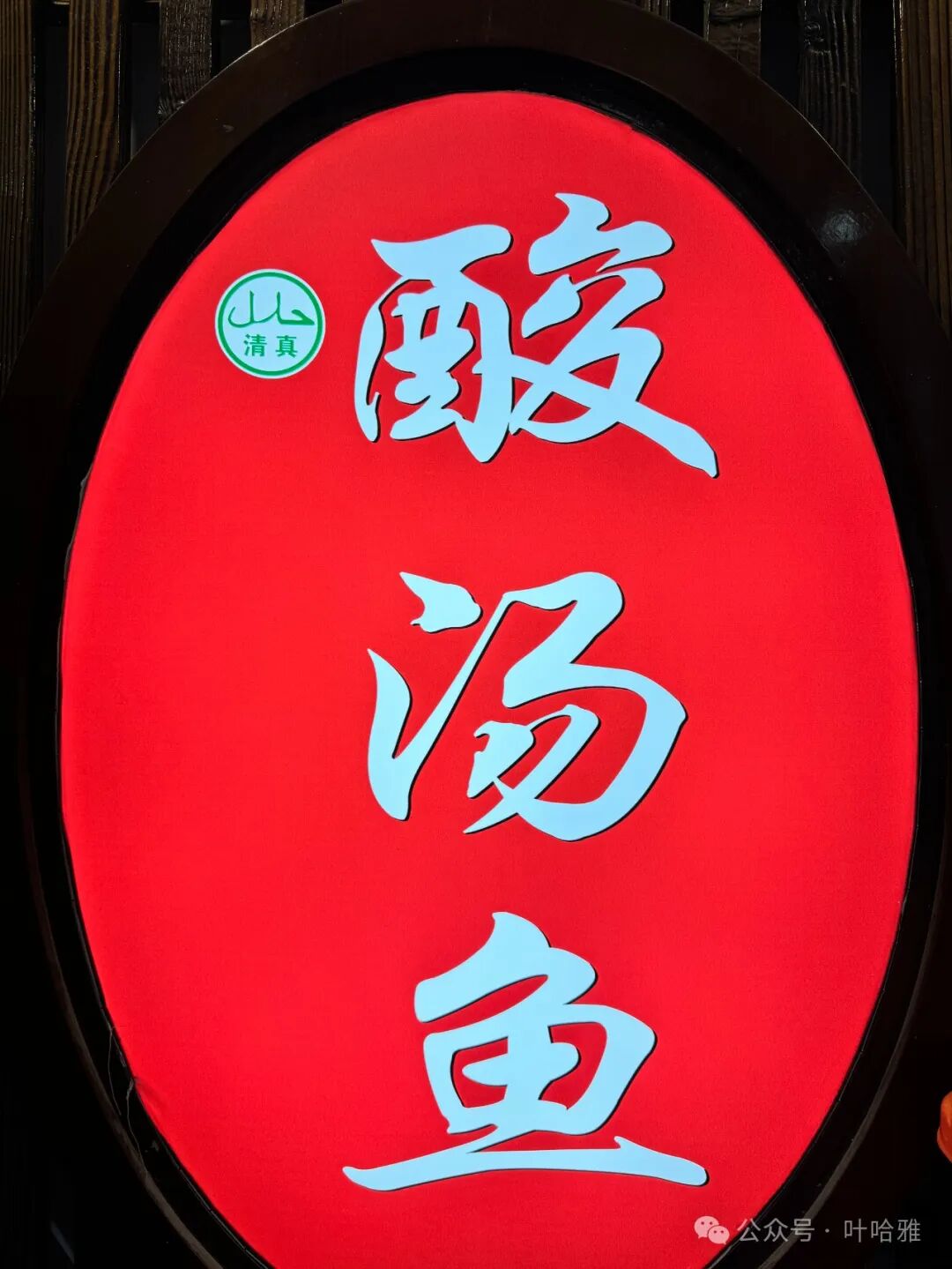
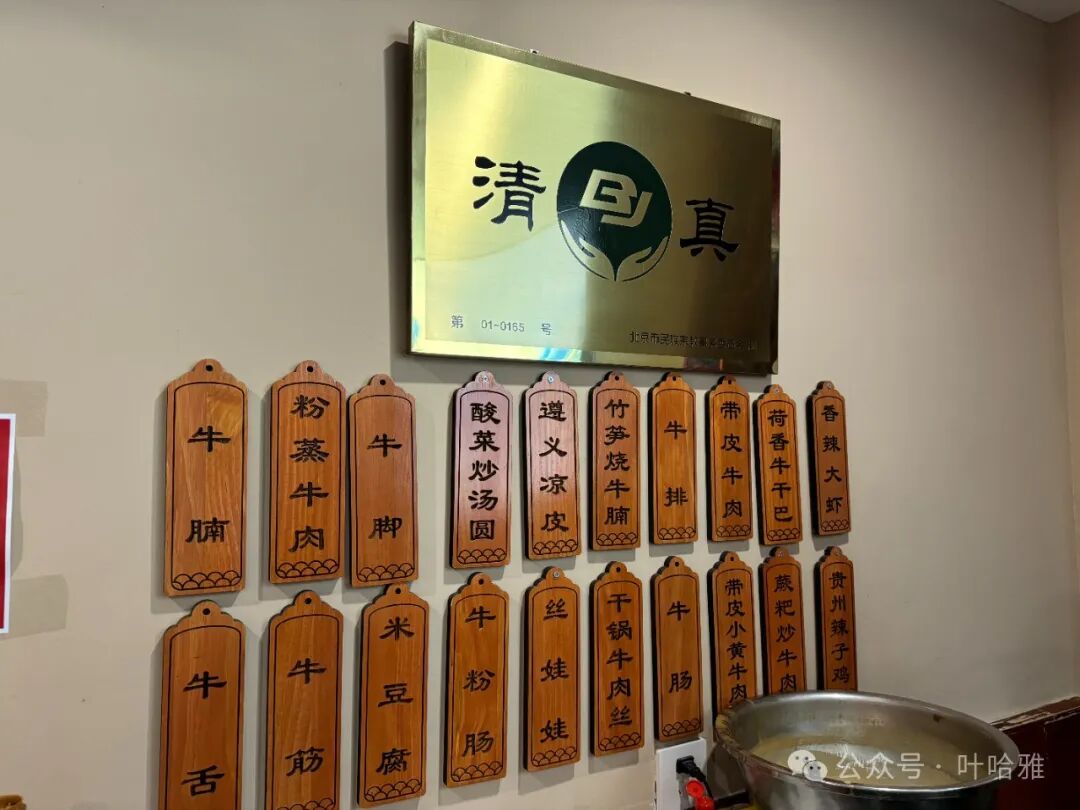
This is a Guizhou sour soup hot pot restaurant with a new style, featuring beef hot pot and fish hot pot as their signature dishes.
Business was great as soon as they opened, and you have to wait over 30 minutes for a table.
The owner originally planned to serve Guizhou-style stir-fried dishes, but the hot pot business became so popular that they stopped making stir-fries. Now, they only serve hot pot.
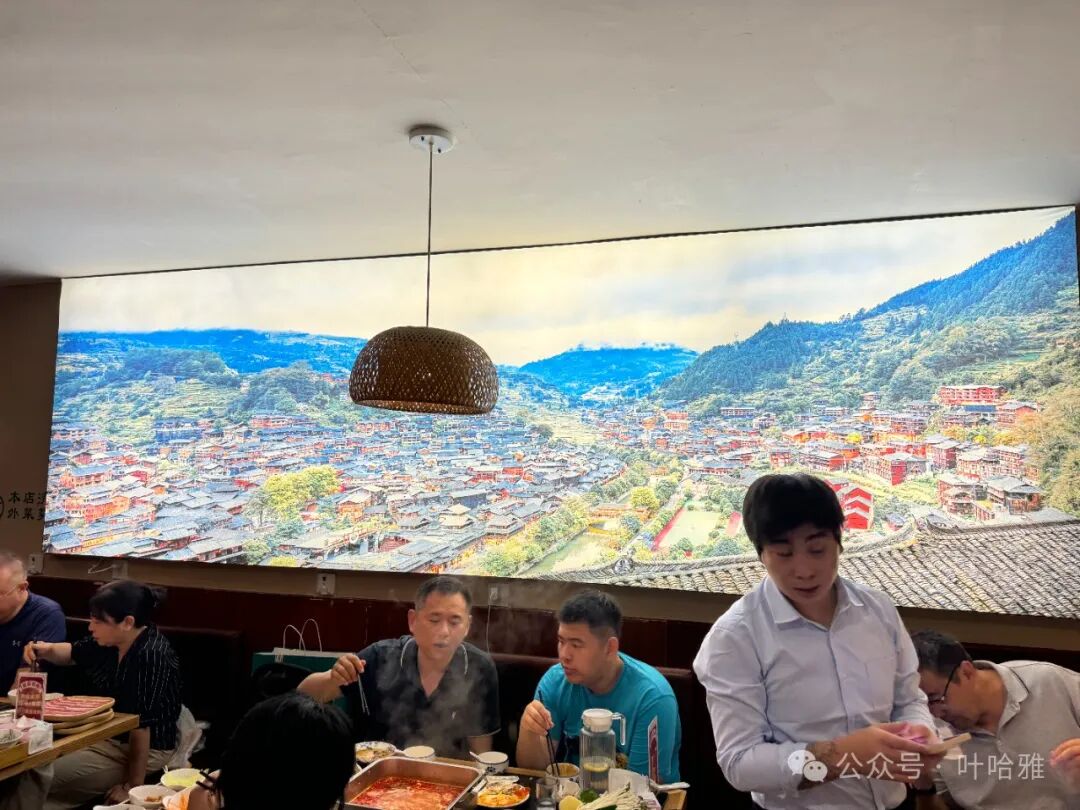
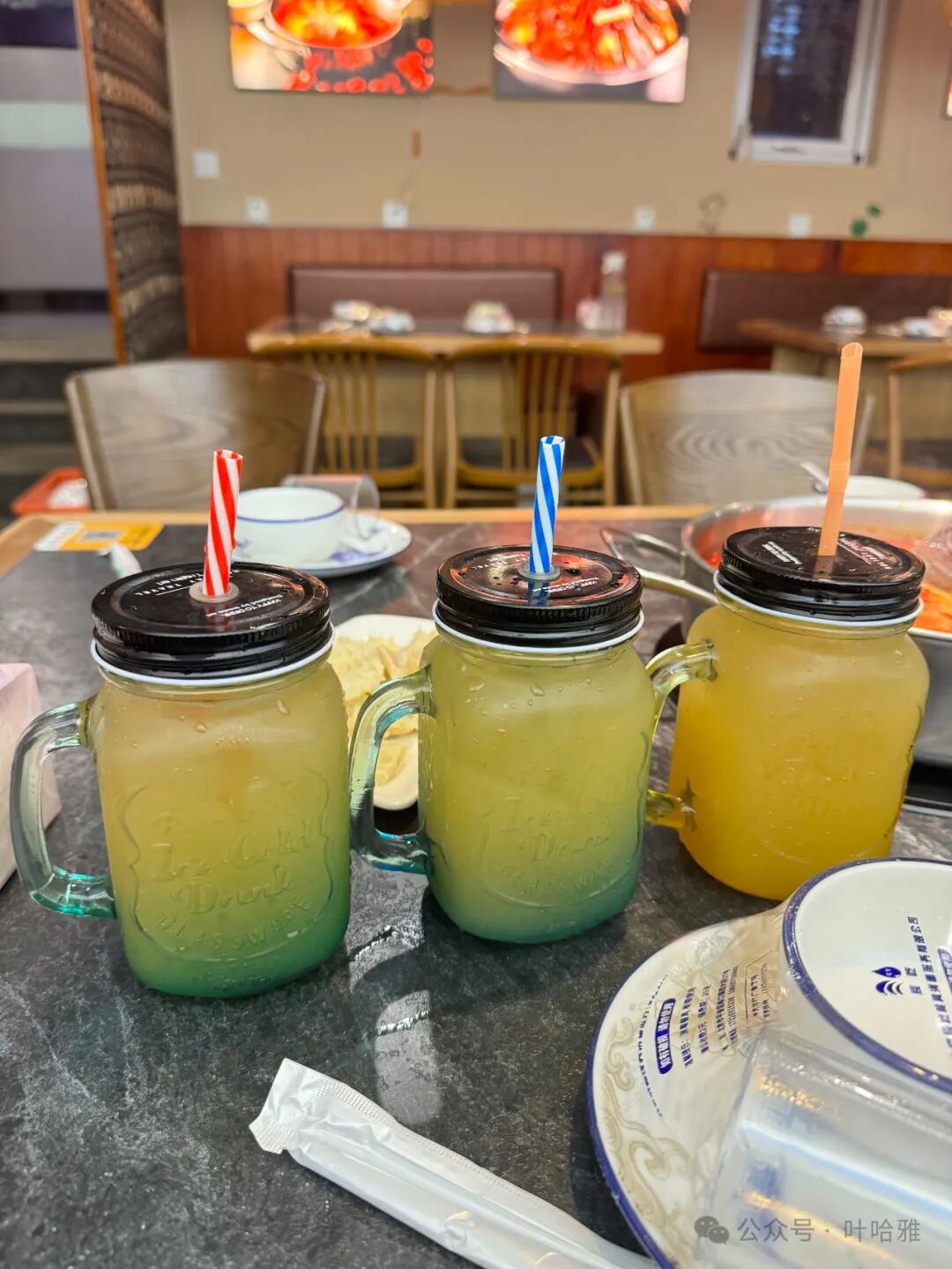
We ordered three cups of homemade prickly pear juice (cili zhi), which is sweet, sour, and icy. They only have three of these cups, so we took them all, and other customers had to order different drinks.
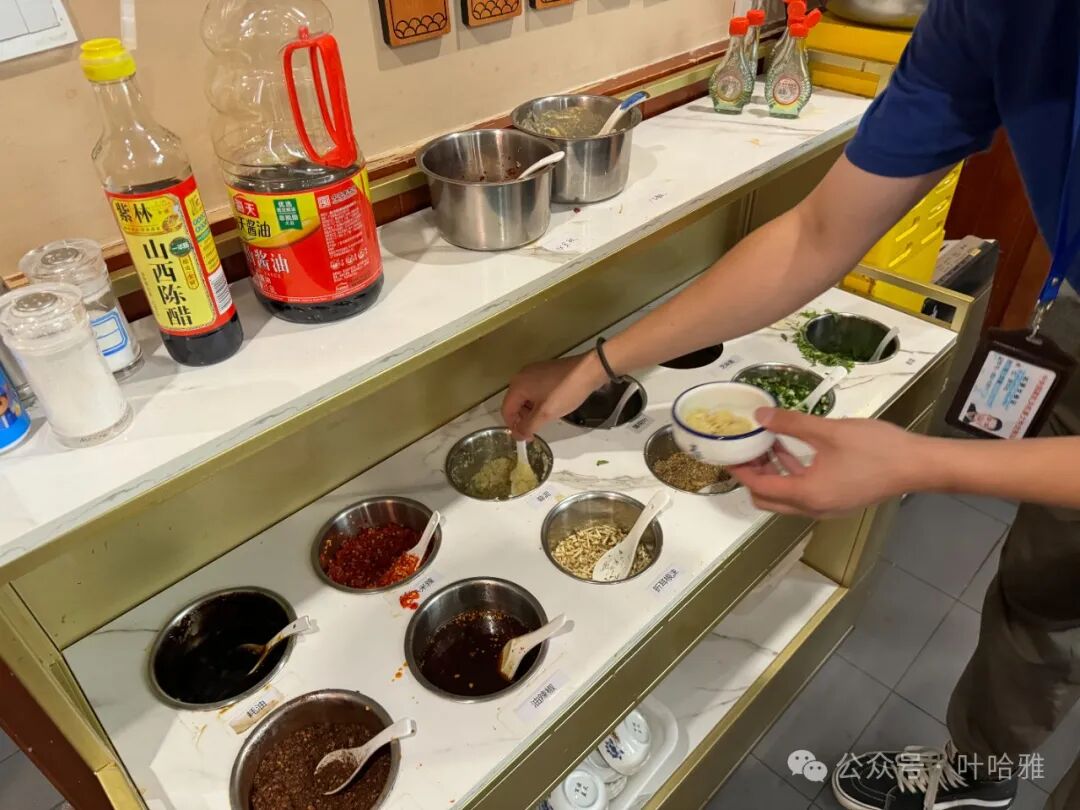
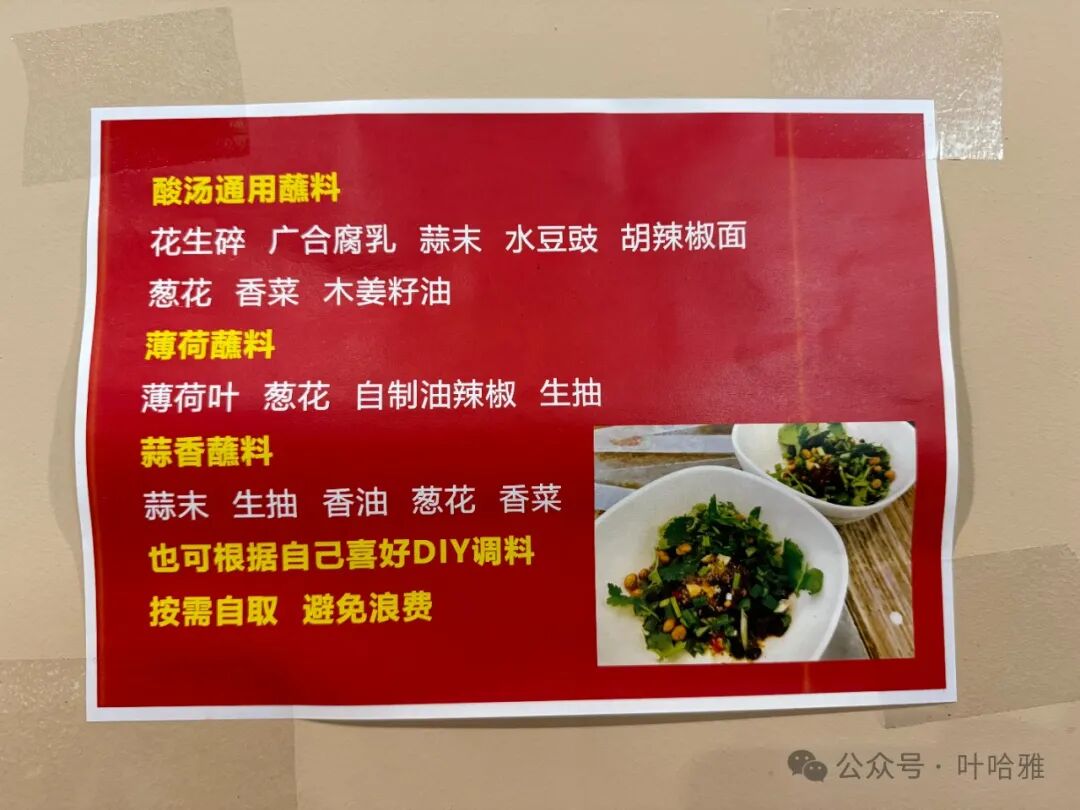
The dipping sauce is the soul of the meal. I suggest following the guide posted by the shop to mix your sauce. You must try the litsea cubeba oil (mujiangzi you), mint leaves, chili powder (hu lajiao mian), and fish mint (zhe'ergen).
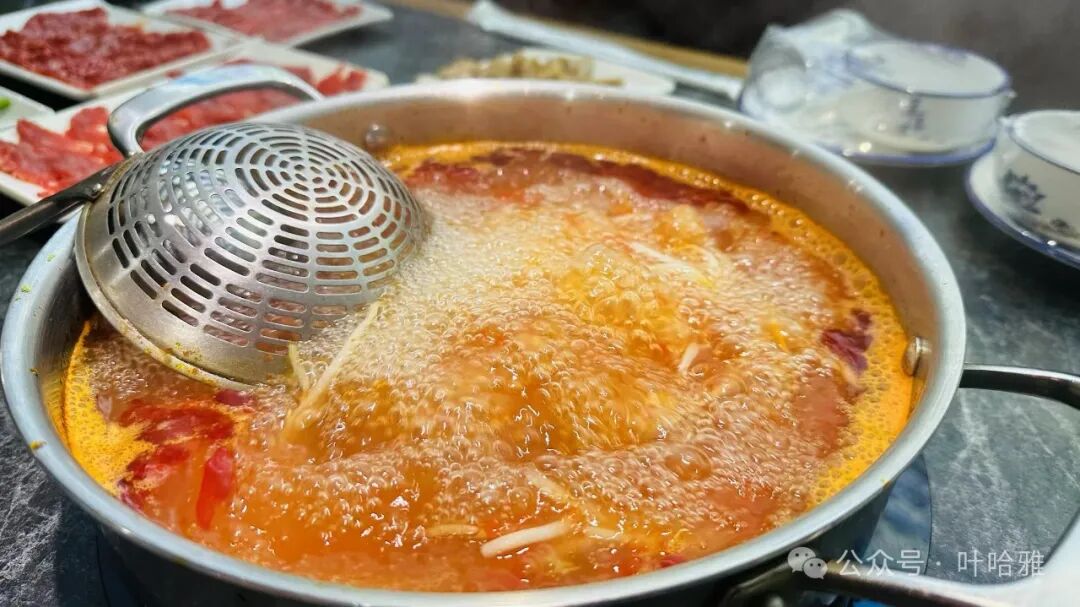
The full beef set includes beef and various beef offal, and the ingredients are very fresh. If you like fish, choose the river catfish (jiangtuan). Each fish weighs two jin and three liang, and the meat is firm with no small bones.
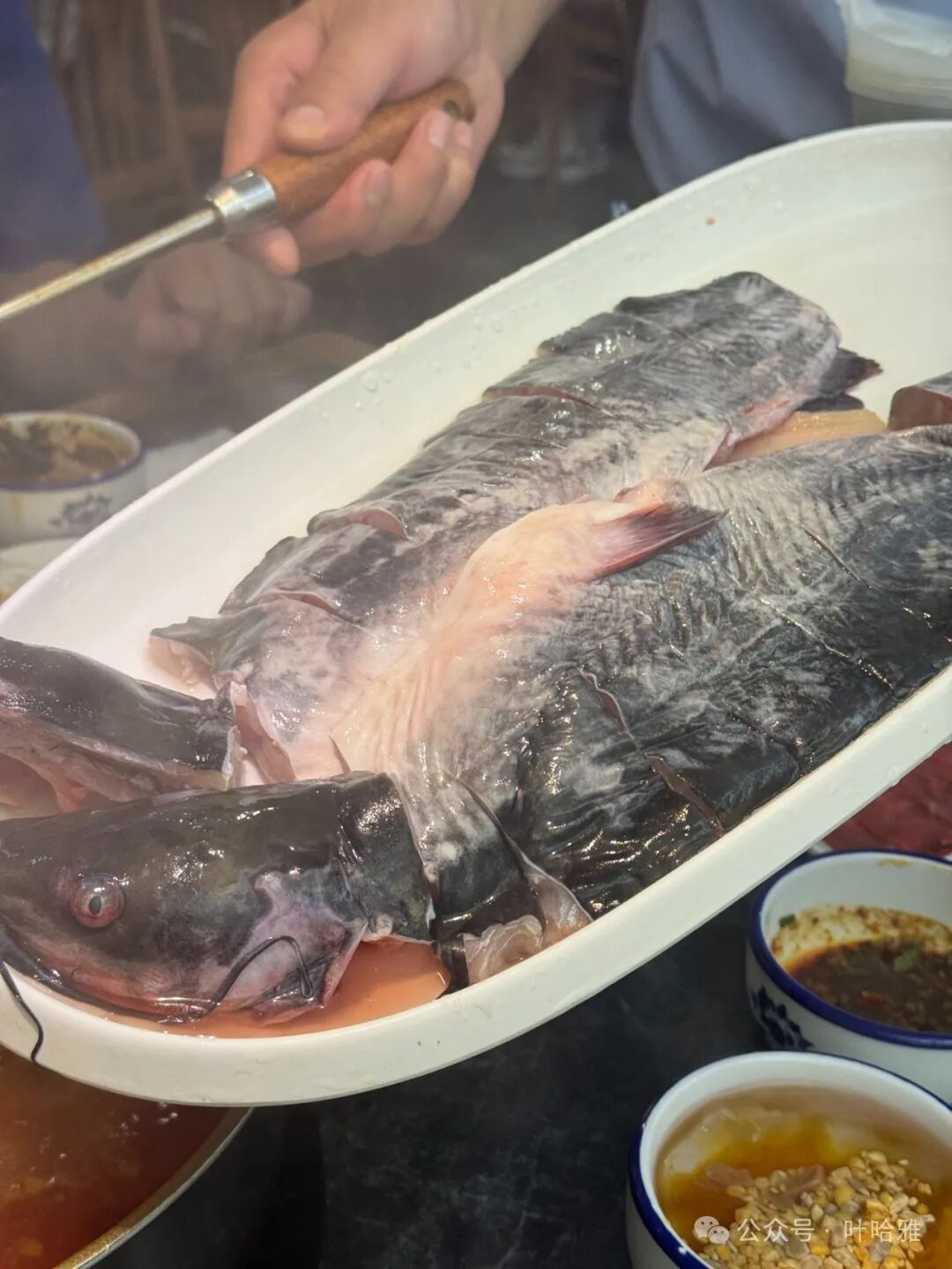
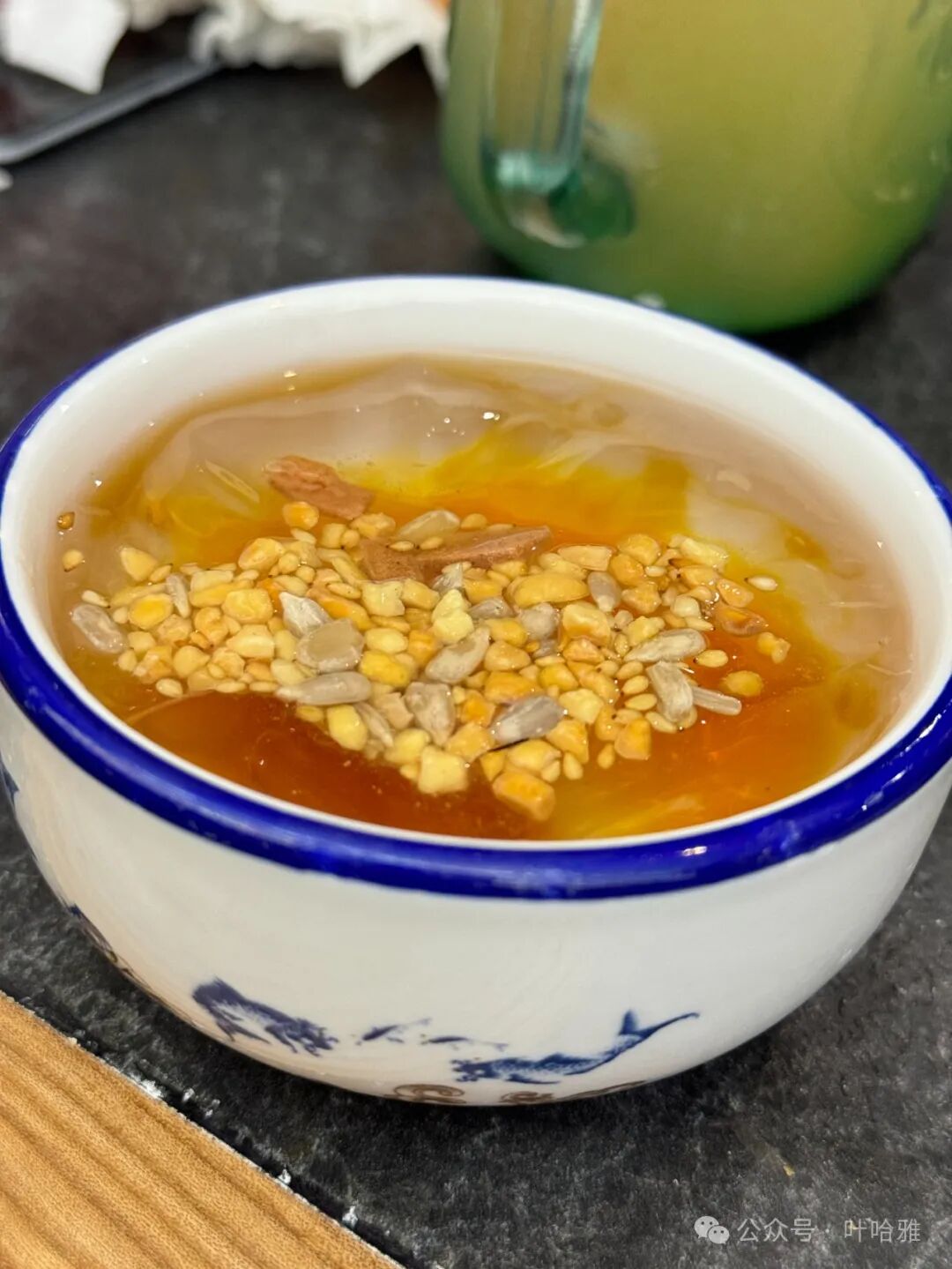
You can get free iced jelly (bingfen) if you save the shop on your map and check in. The iced jelly is just okay, but the signature beef and fish hot pots are worth a try.
6. Fanshen Lobster Restaurant
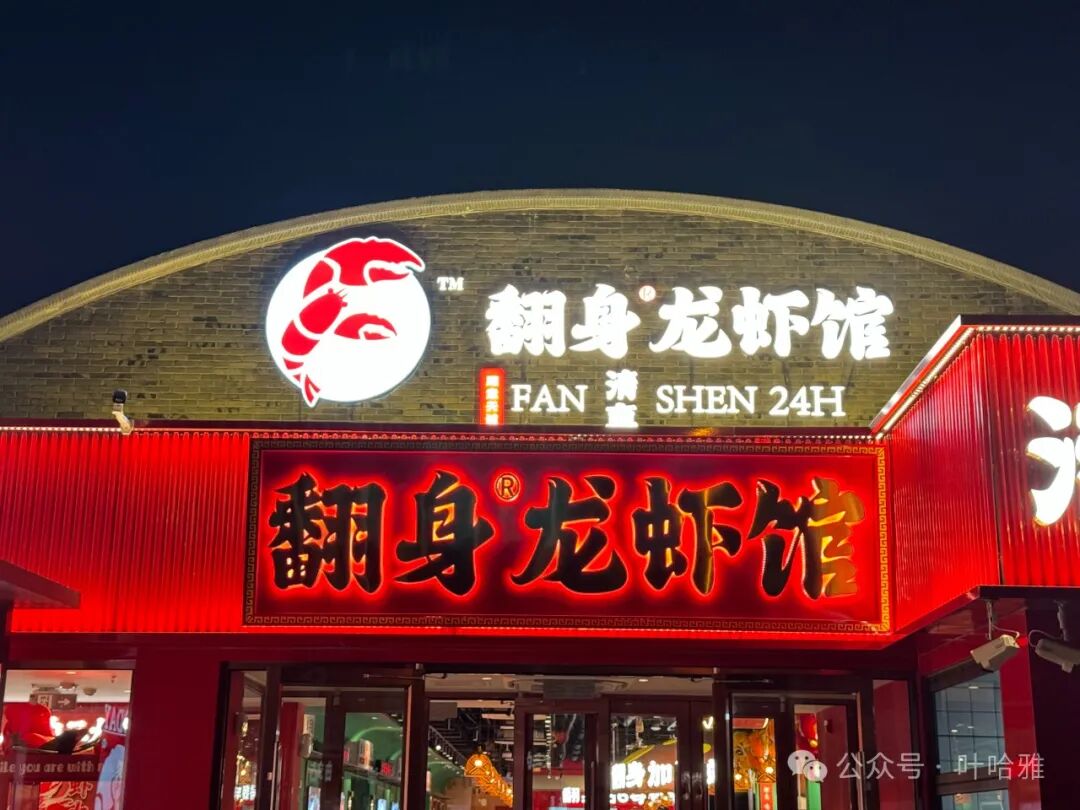
A new crayfish restaurant just opened in Baiziwan. The owner is from Langfang, and they are currently only open for dinner until the early morning.
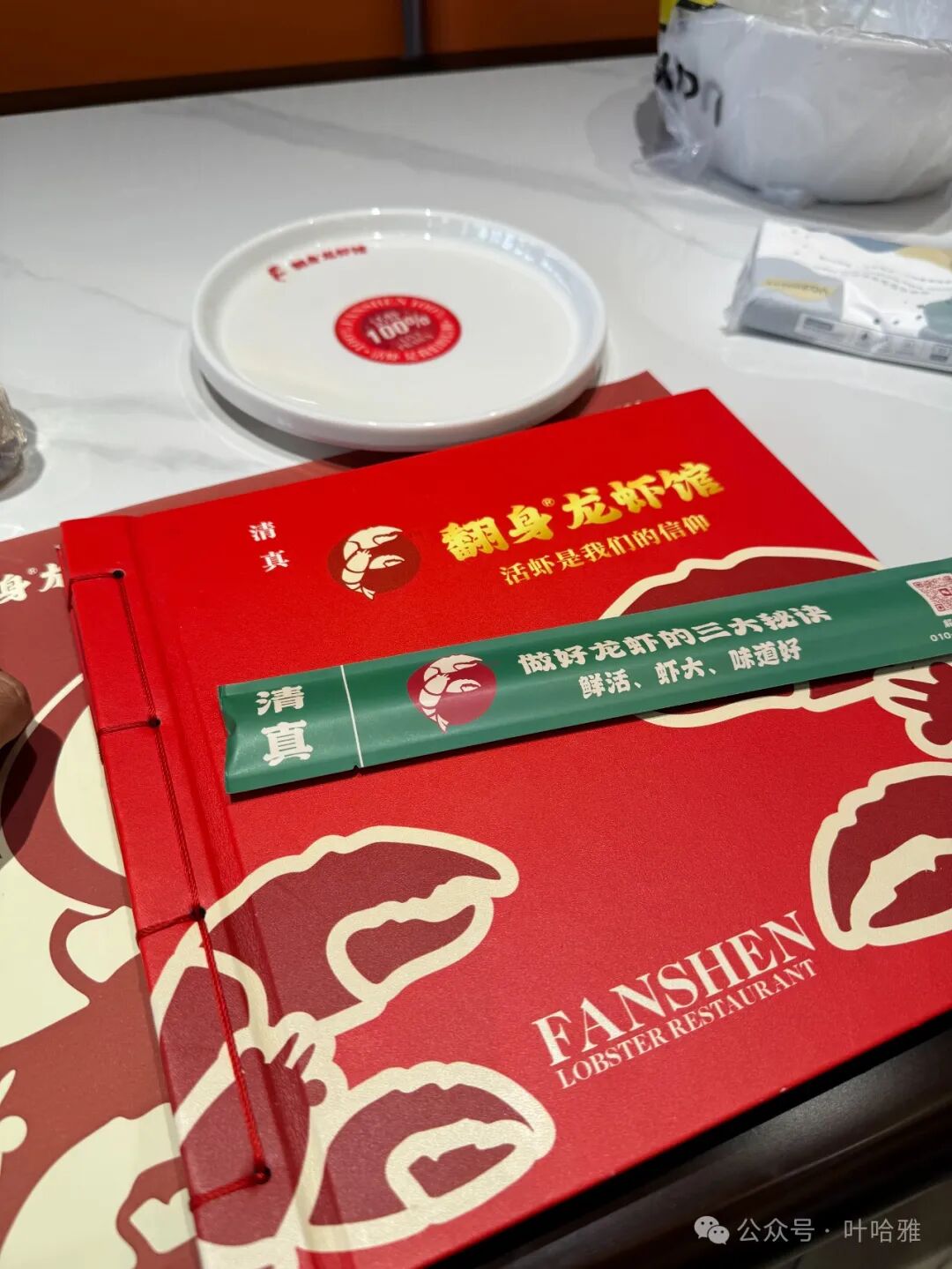
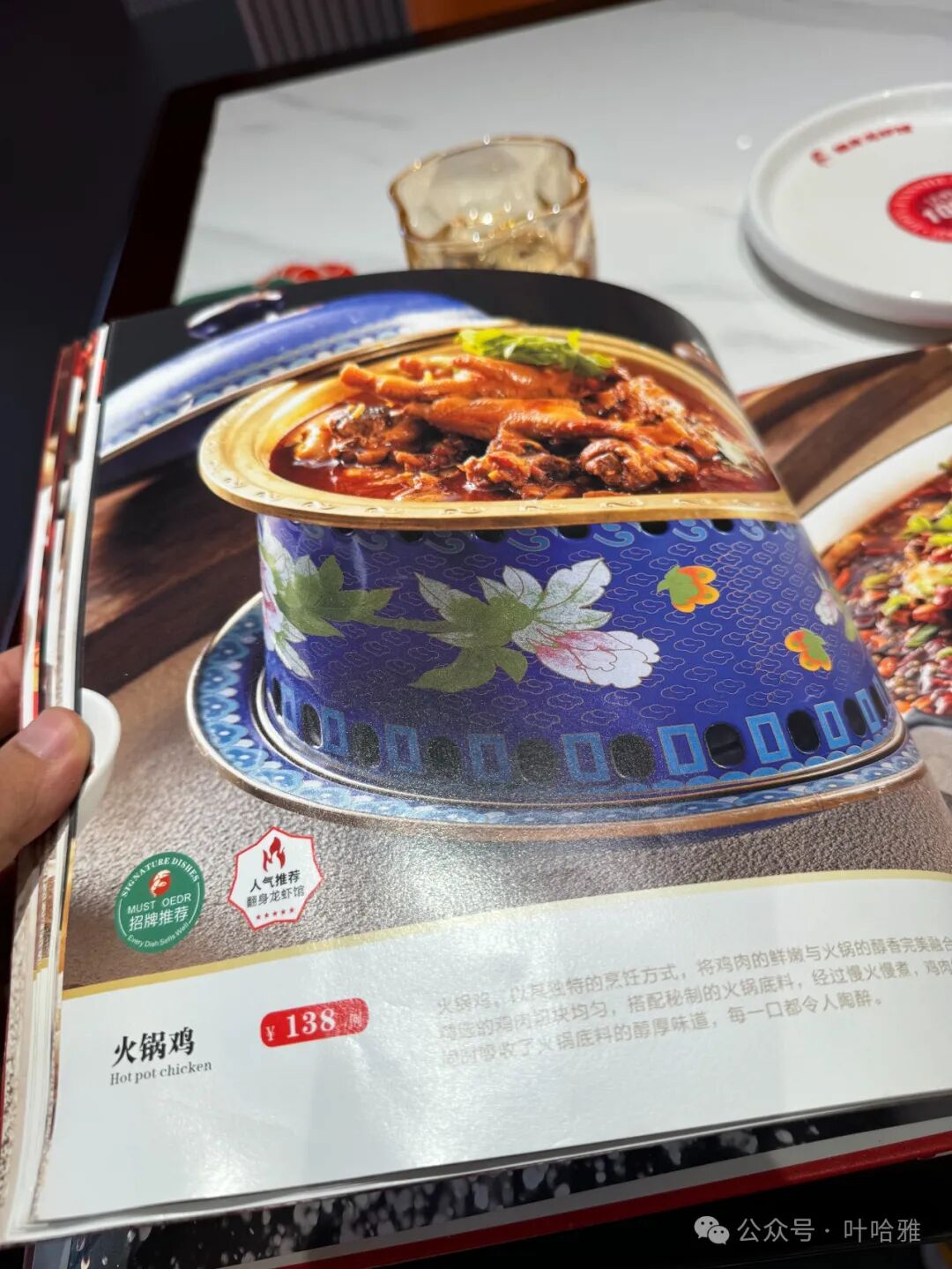
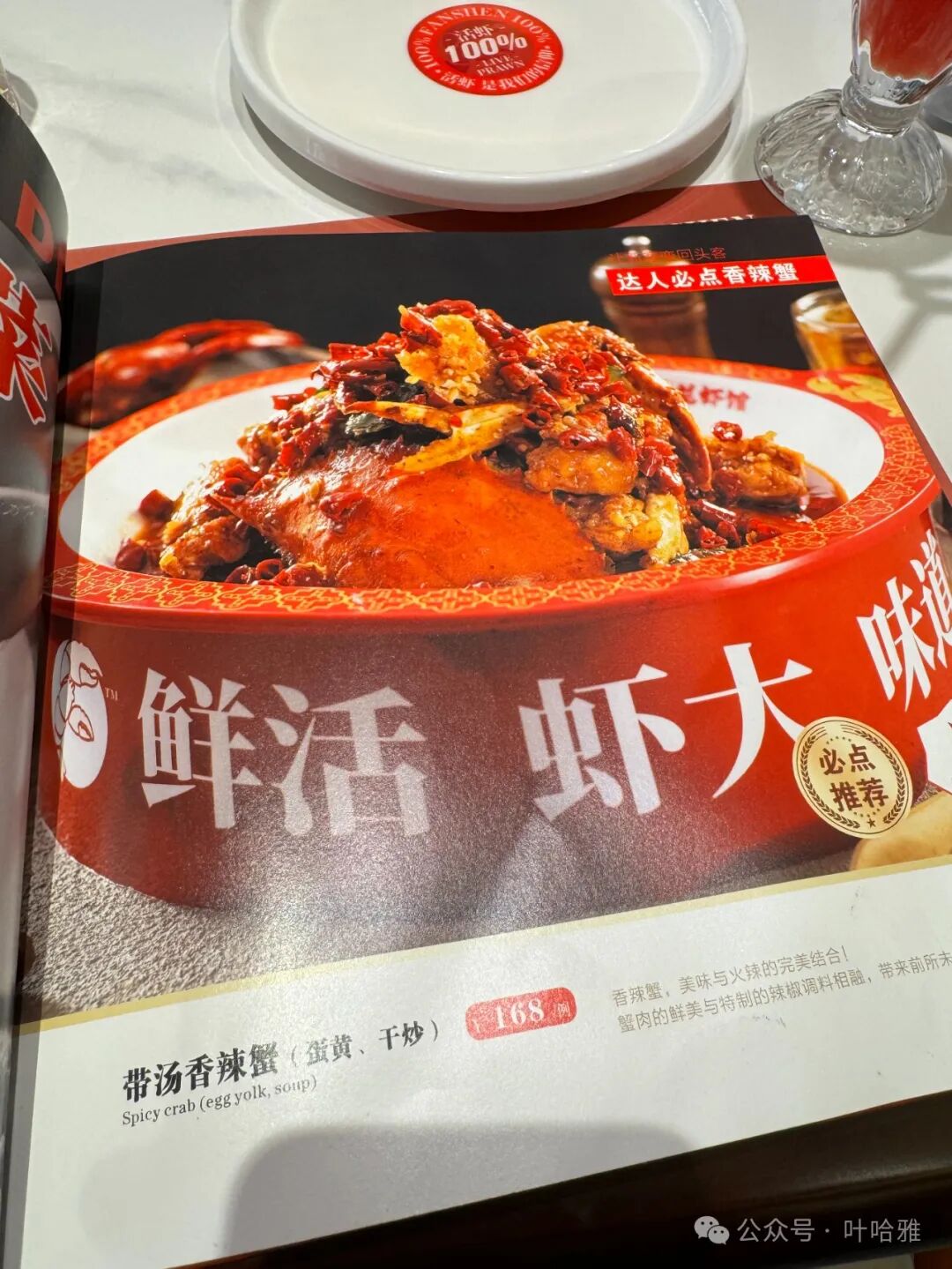
You can eat seafood like crayfish. For details, check out my previous article on how the Hanafi school views shrimp. They also serve specialties from Cangzhou, Hebei, like hot pot chicken (huoguo ji) and spicy crab (xiangla xie).
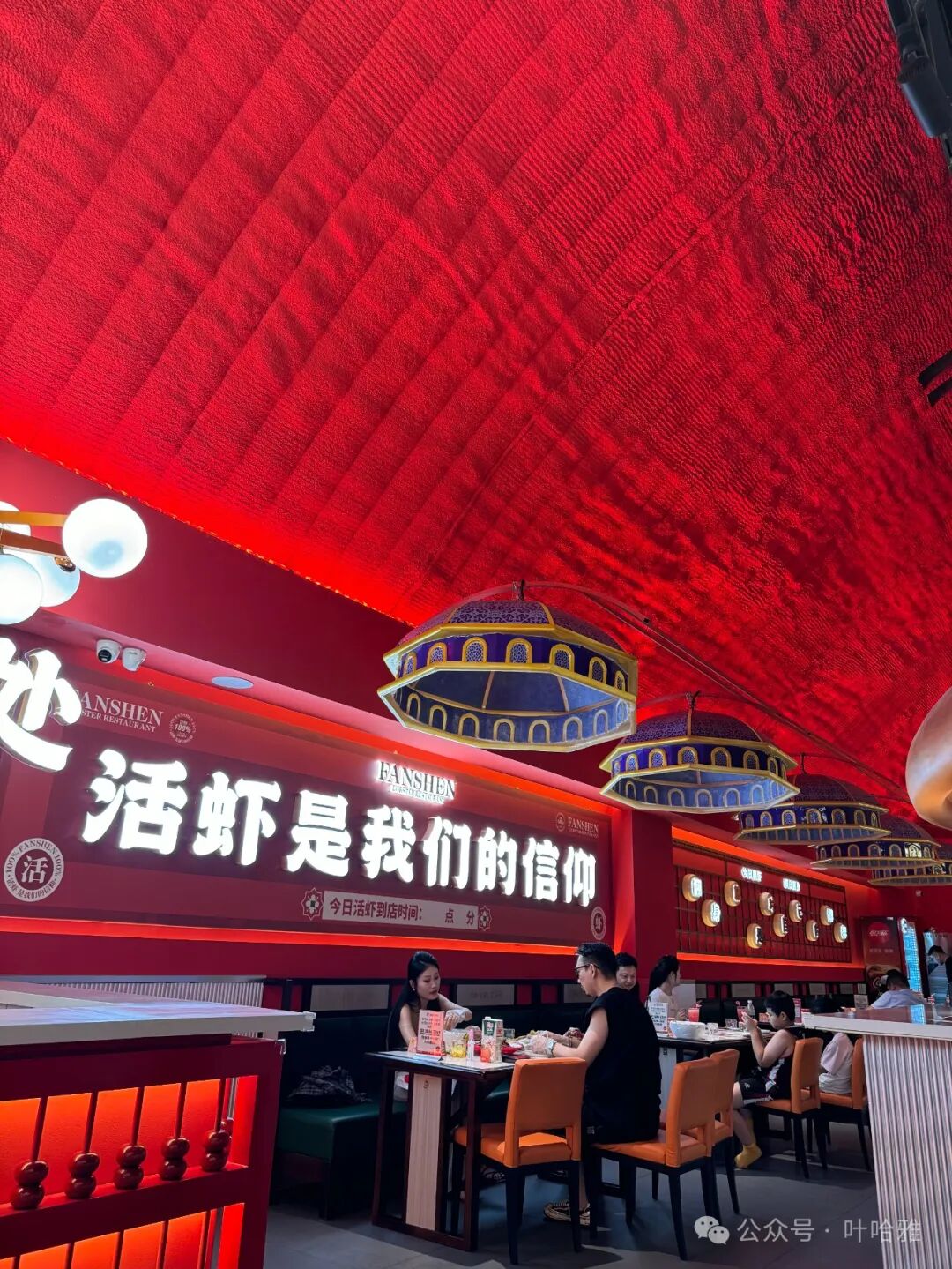
The restaurant has a great atmosphere. It is spacious with plenty of room between tables, and the private courtyard at the entrance serves as a free parking lot.
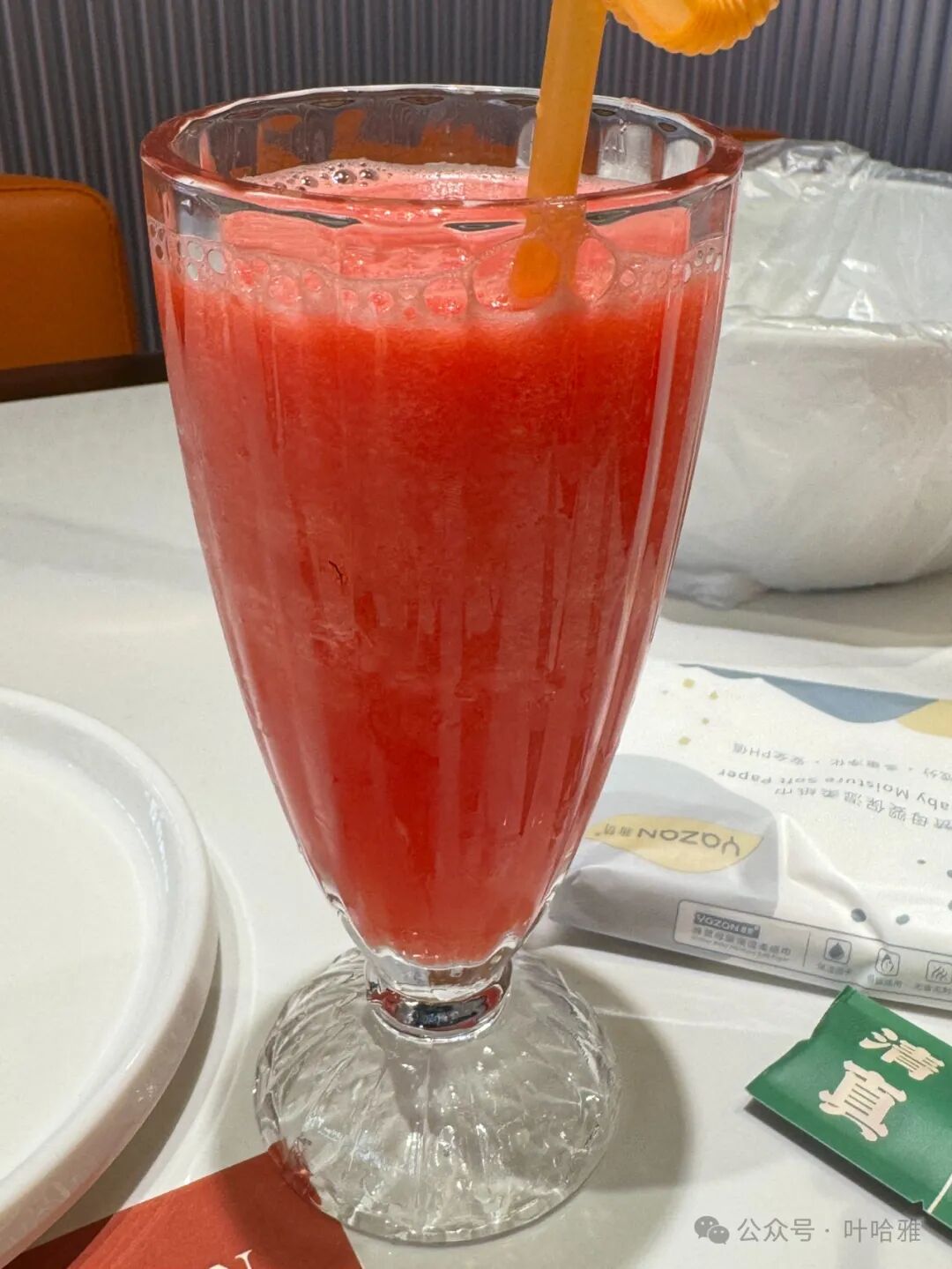
If you leave a review and save the shop on the app, you get a free glass of fresh-squeezed fruit juice.
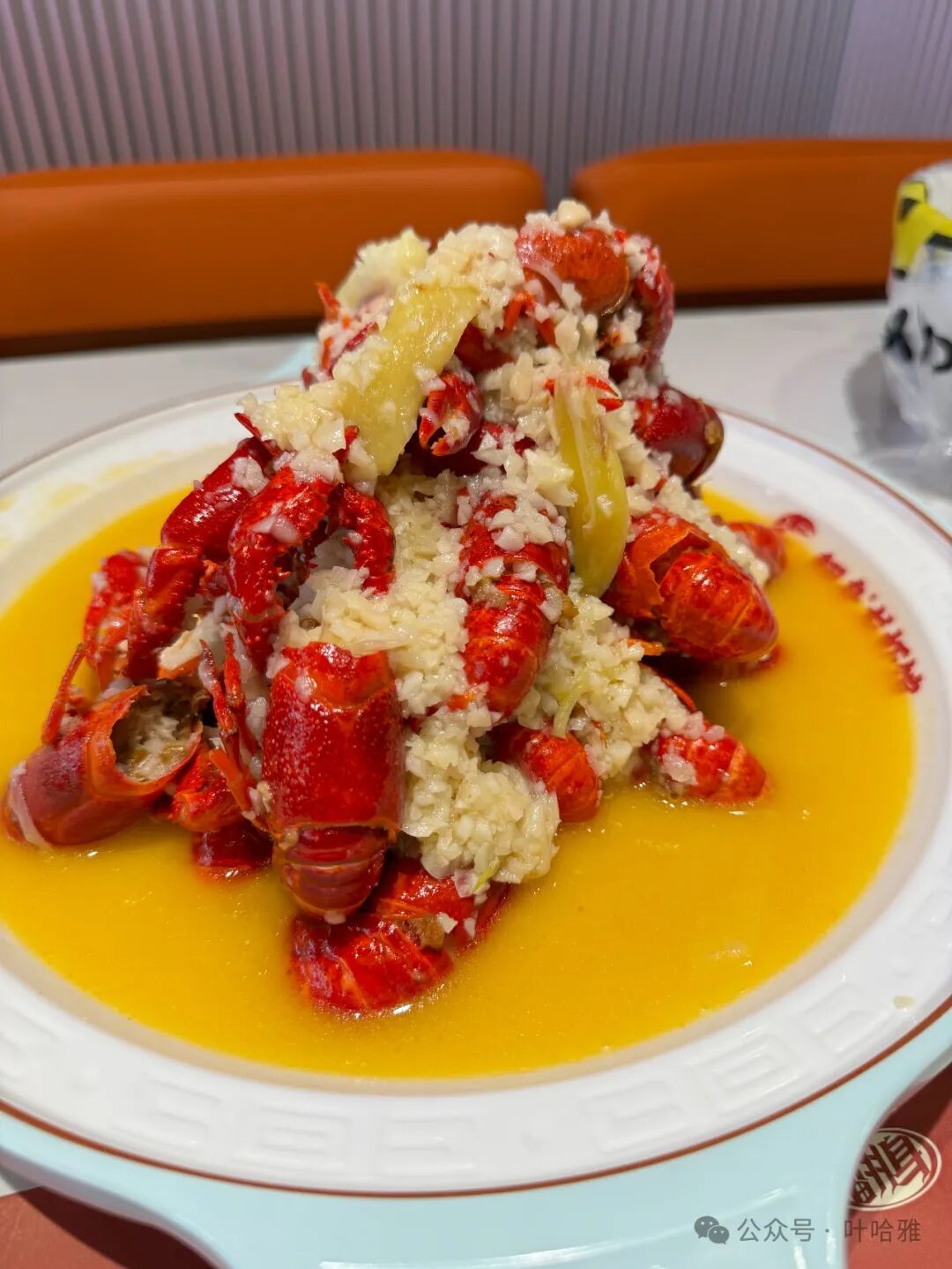
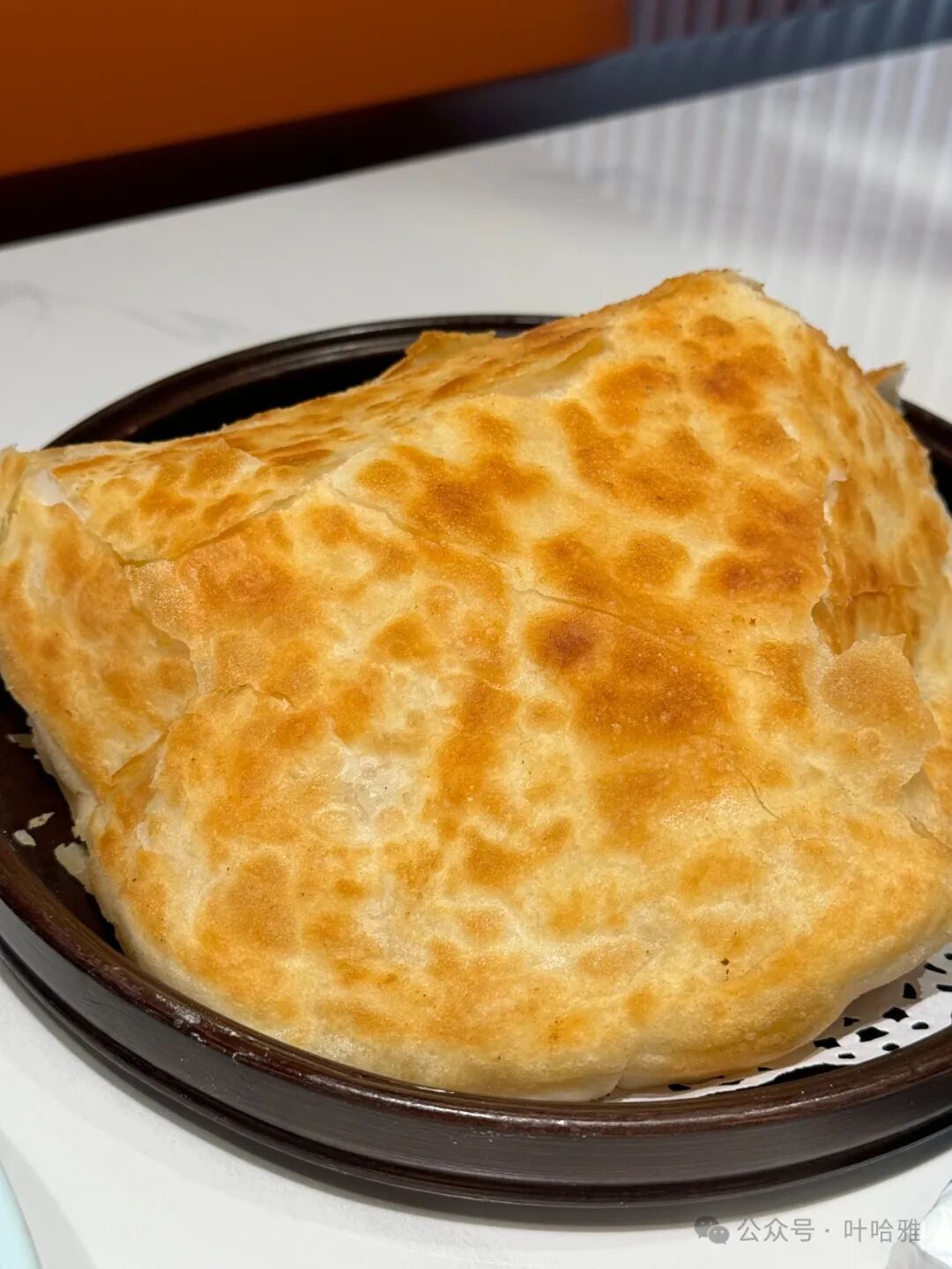
The most popular dish is the garlic crayfish. You can really taste how fresh the shrimp are. You can dip the freshly griddled hand-torn flatbread (shousi bing) into the golden crayfish broth; it tastes excellent.
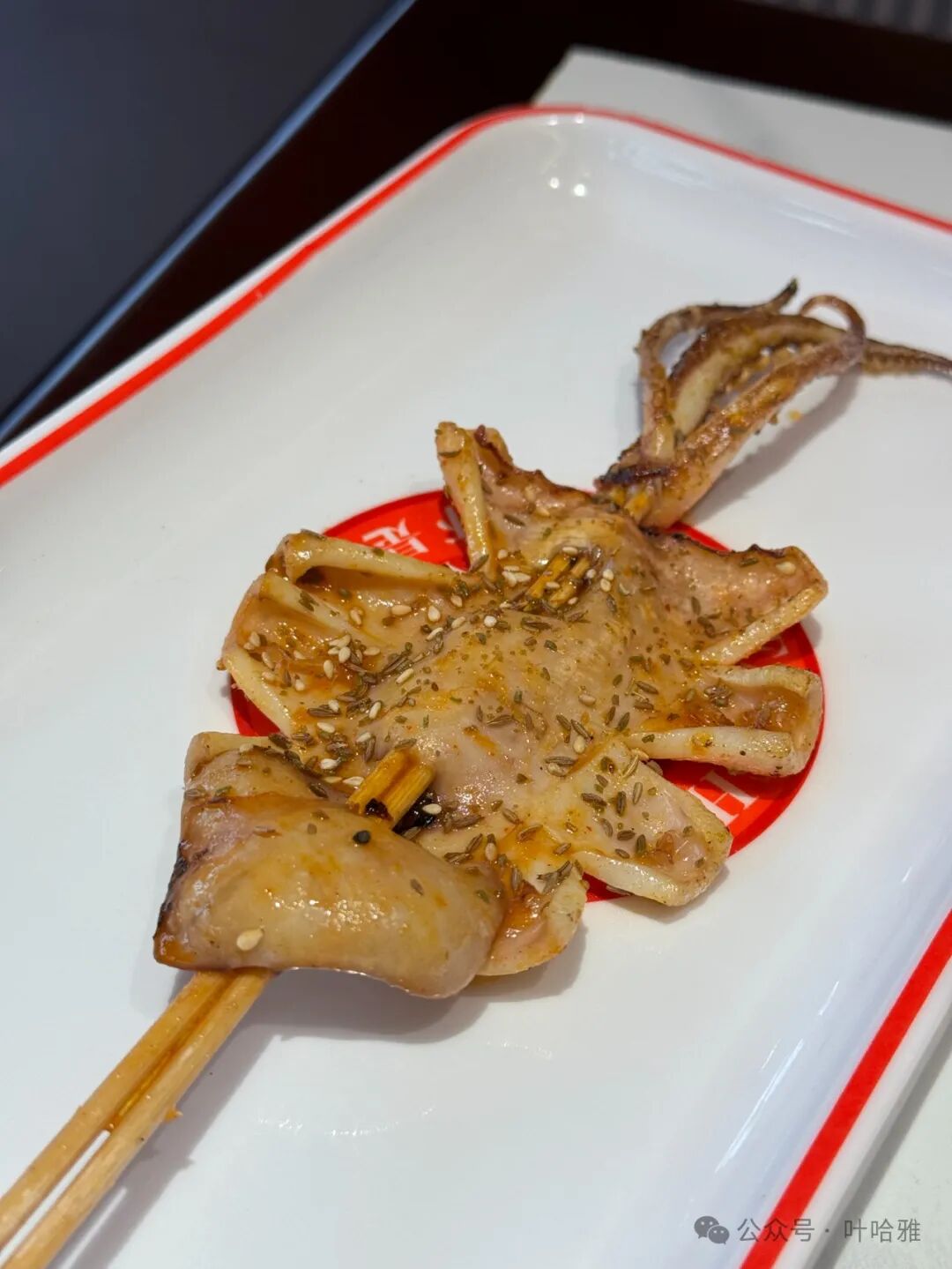
The grilled squid is also delicious. Their ingredients are definitely fresh.
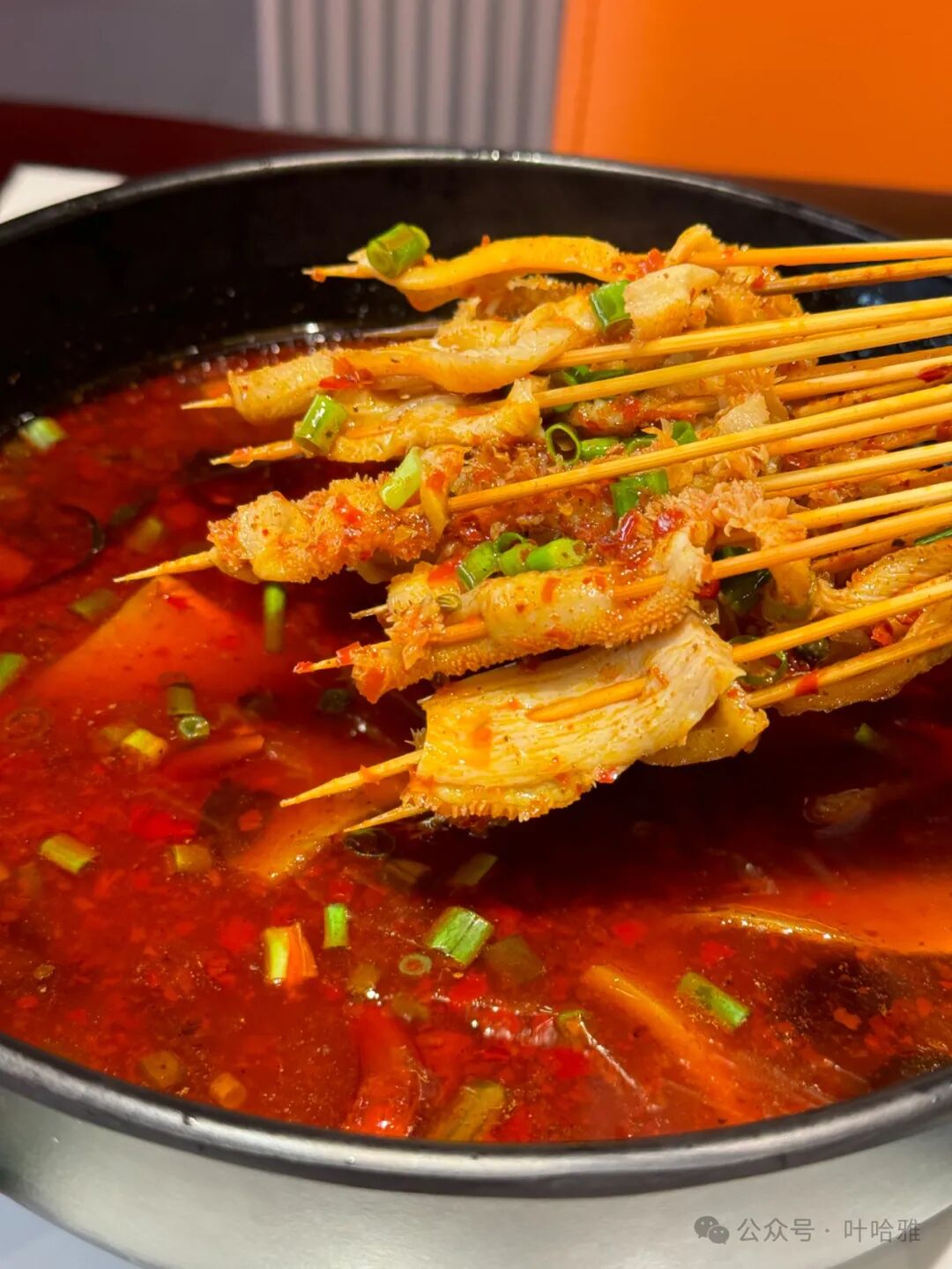
The spicy beef tripe (chanzui niudu) has a numbing and spicy flavor and tastes great. Overall, this place has the potential to become a viral hit, whether you look at the service, environment, or taste. It is a bit pricey, with an average cost of over 200 yuan per person.
7. Gameizi Ningxia Tan Sheep
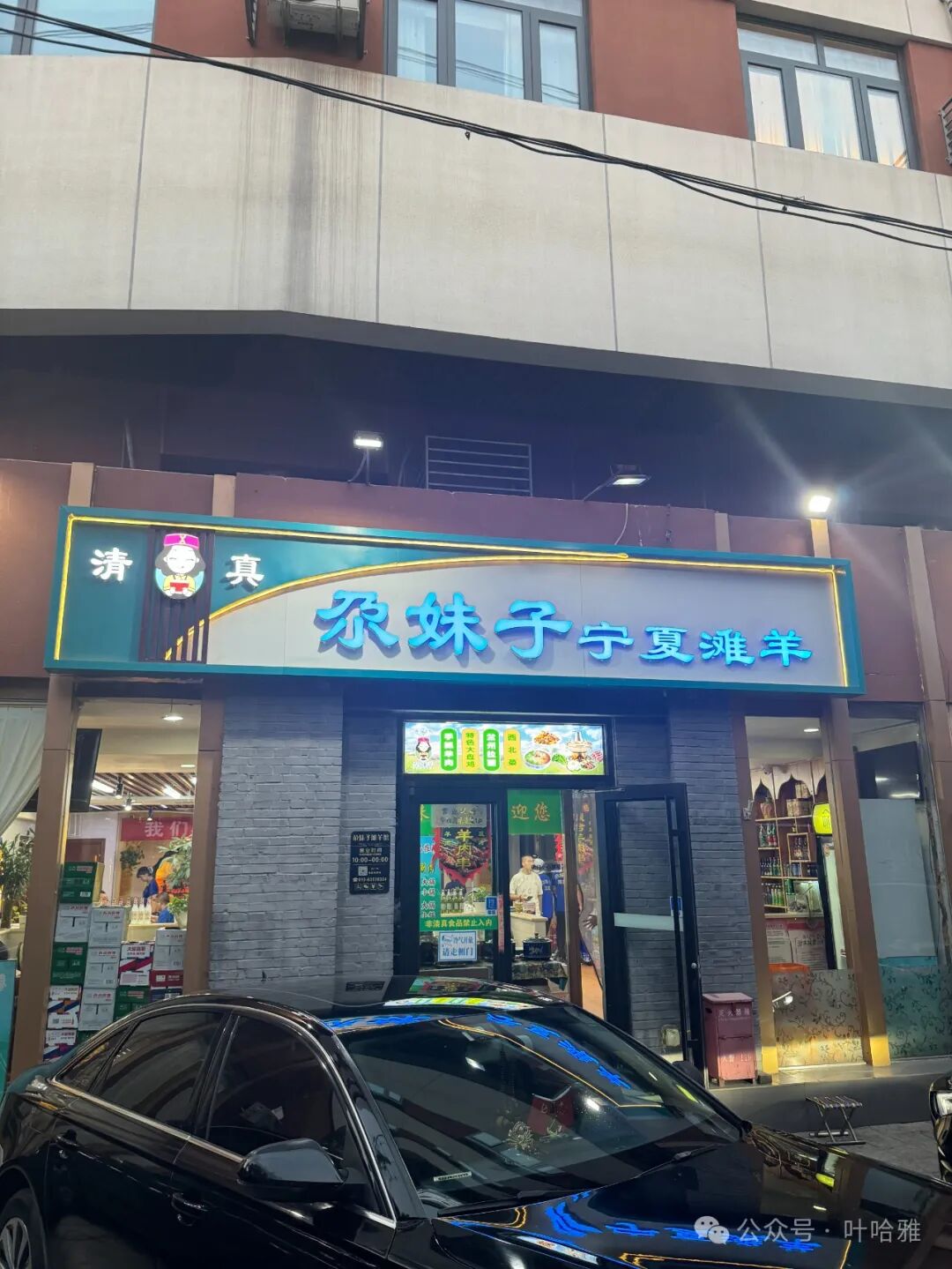
Gameizi is a chain restaurant, and they do a good job with their lamb.
Tan sheep (tan yang) restaurants have popped up all over Beijing in the last two years, but the quality of the meat has been going downhill.
We tried the lamb neck this time, and everyone liked it. It comes with chive flower sauce and chili sauce, both of which are quite tasty.
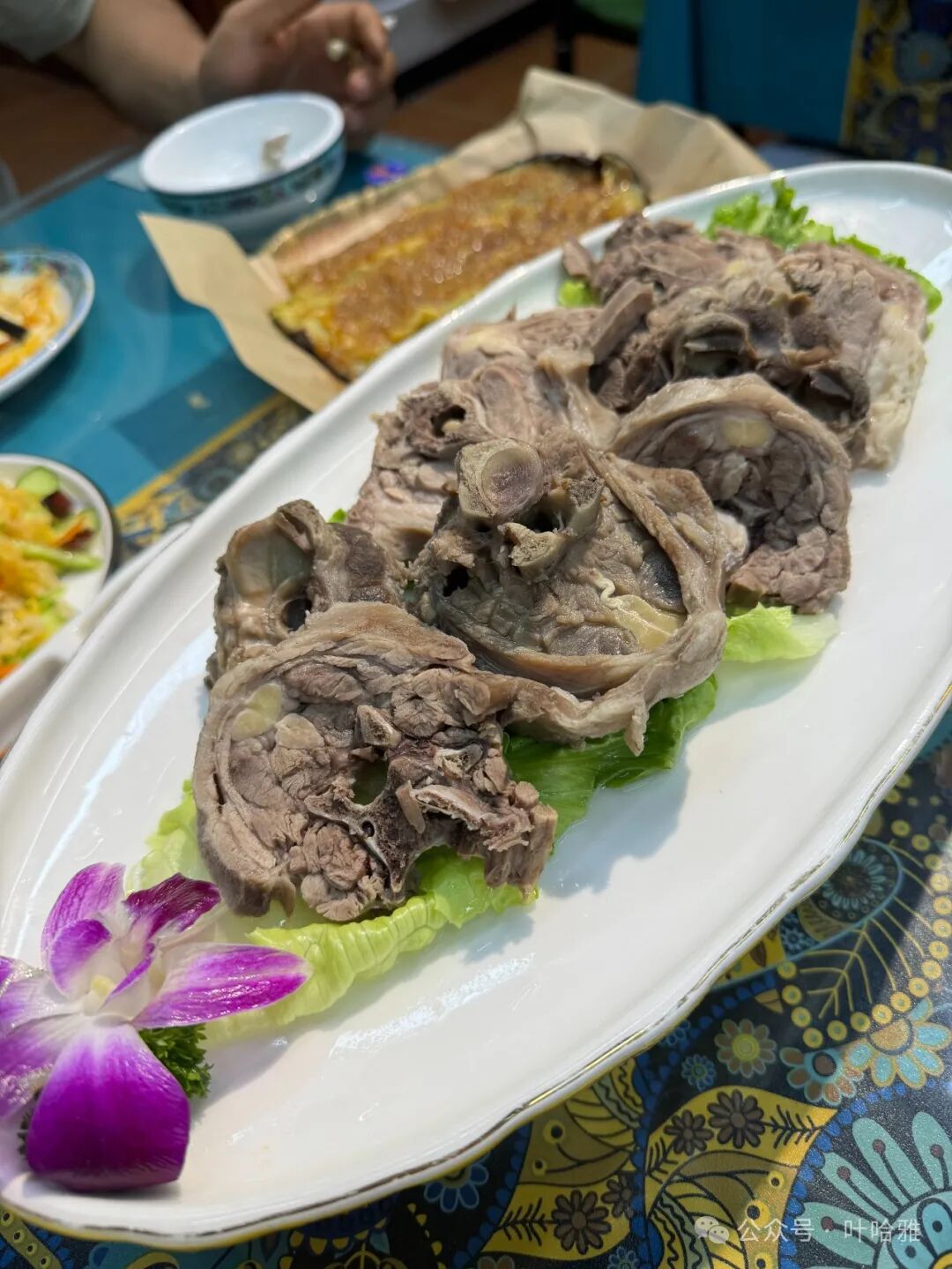
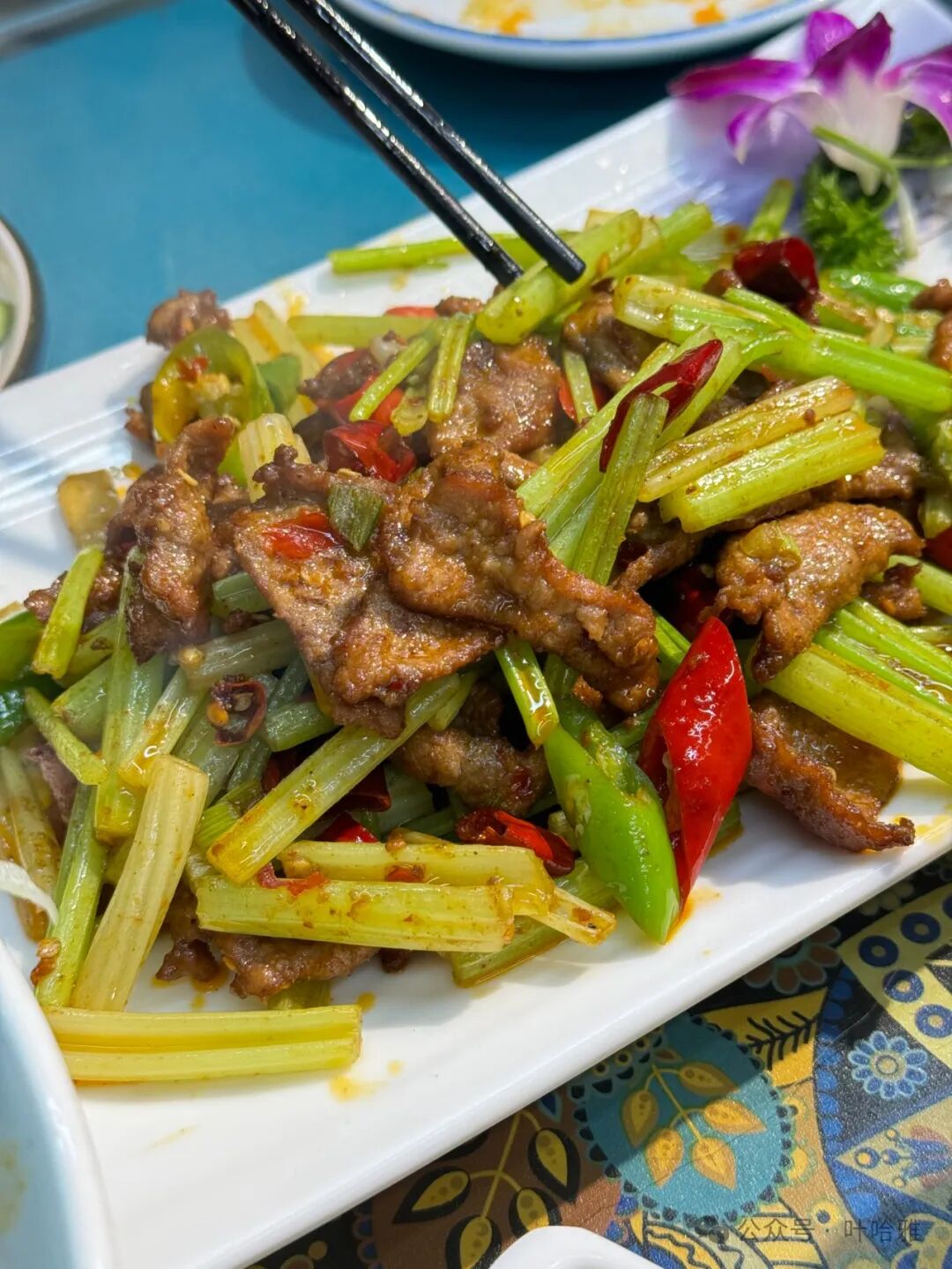
Stir-fried beef (xiaochao huangniurou) is a common home-cooked dish in southern Ningxia, where people eat more beef.
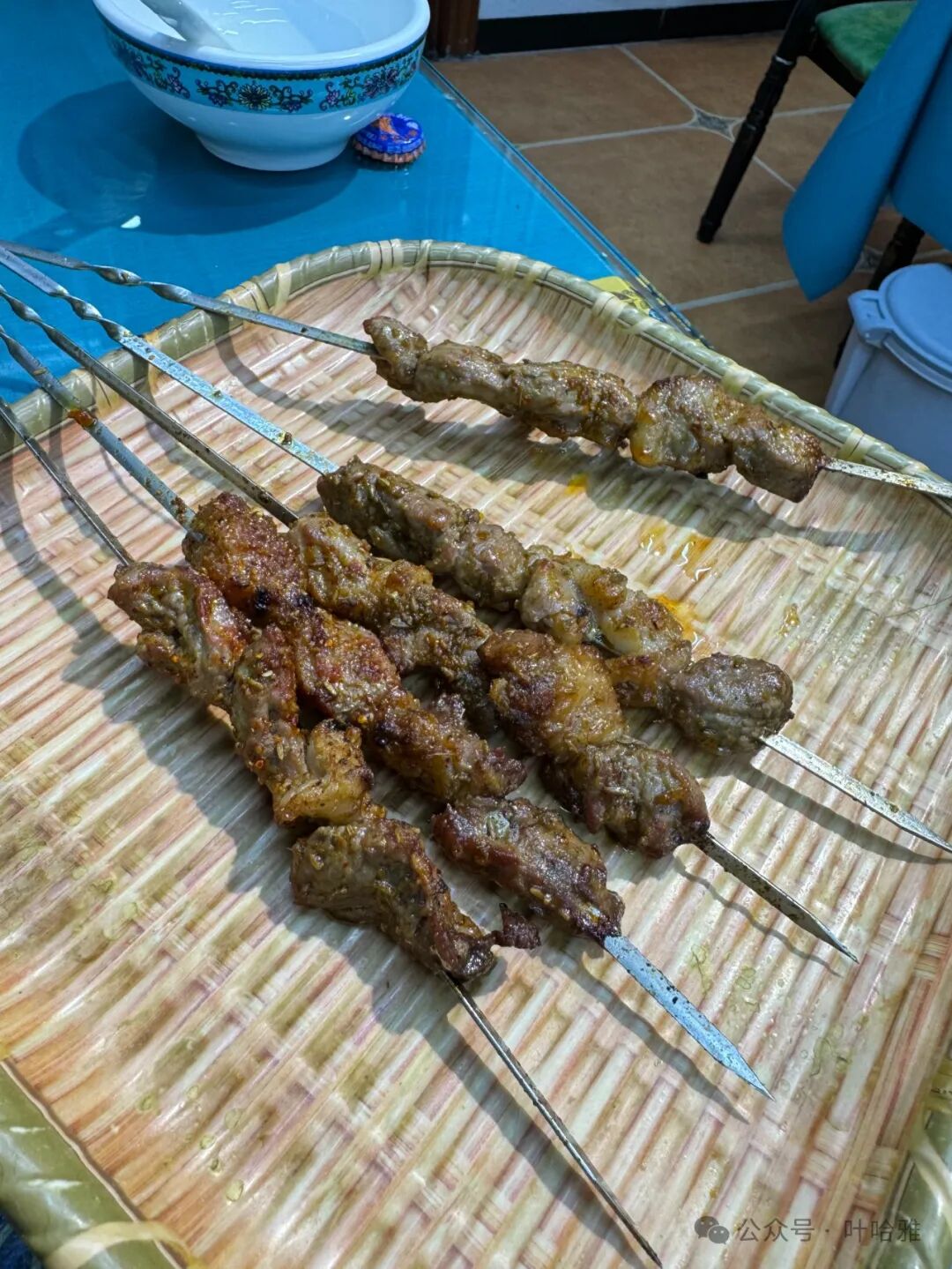
Salt-lake sheep (tanyang) has a slightly thicker layer of fat, which makes it perfect for roasting. This restaurant is busy at night, but parking is difficult. The average cost is about 150 yuan per person.
8. Fuhua Zhengxing Folk Customs Restaurant
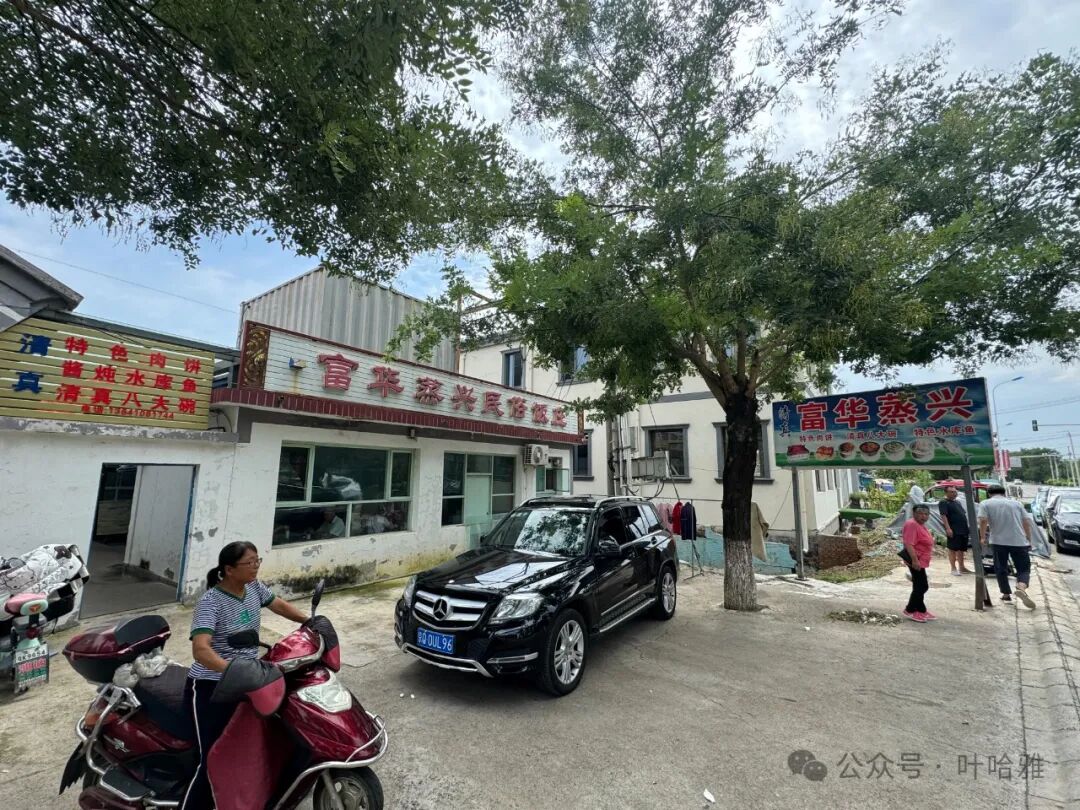
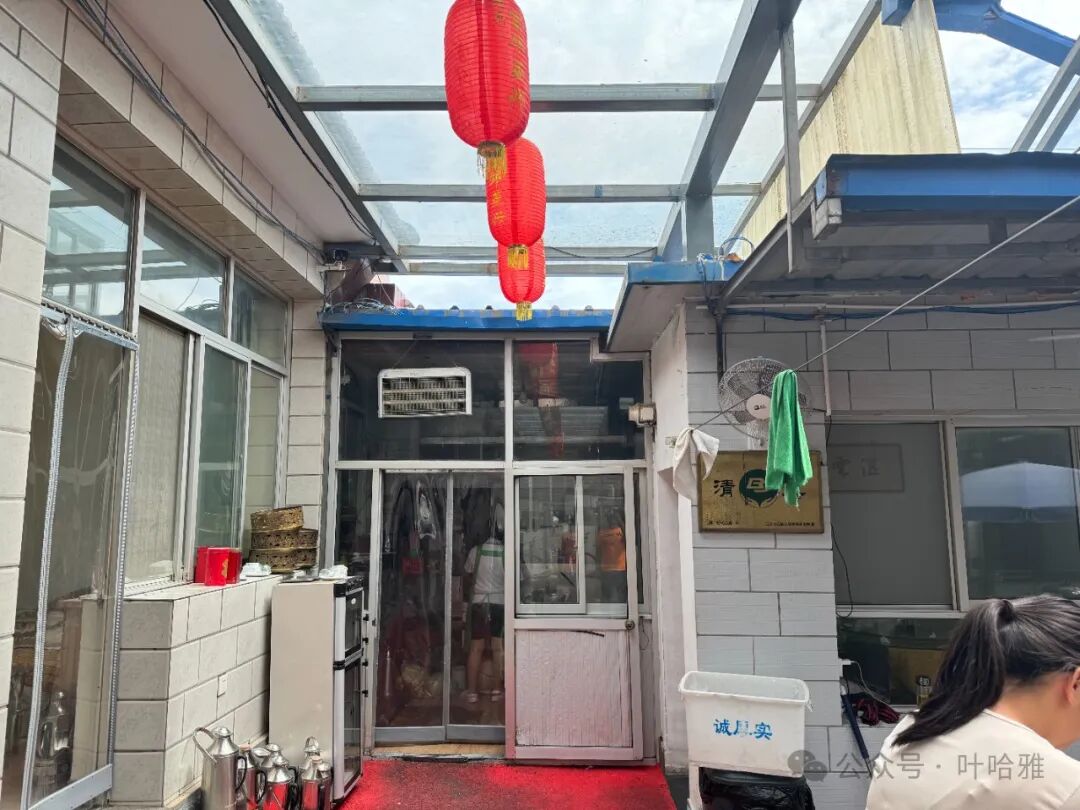
Mujia Yu village, near Miyun Reservoir, is a village for Hui Muslims. There are four halal farm-style restaurants along the road at the village entrance: Fuhua Zhengxing Folk Restaurant, Hexingzhai Restaurant, Shanshui Tianyuan, and Kunanchun. I have eaten at Shanshui Tianyuan before, and Kunanchun was closed, so we had our farm-style lunch at Fuhua Zhengxing.
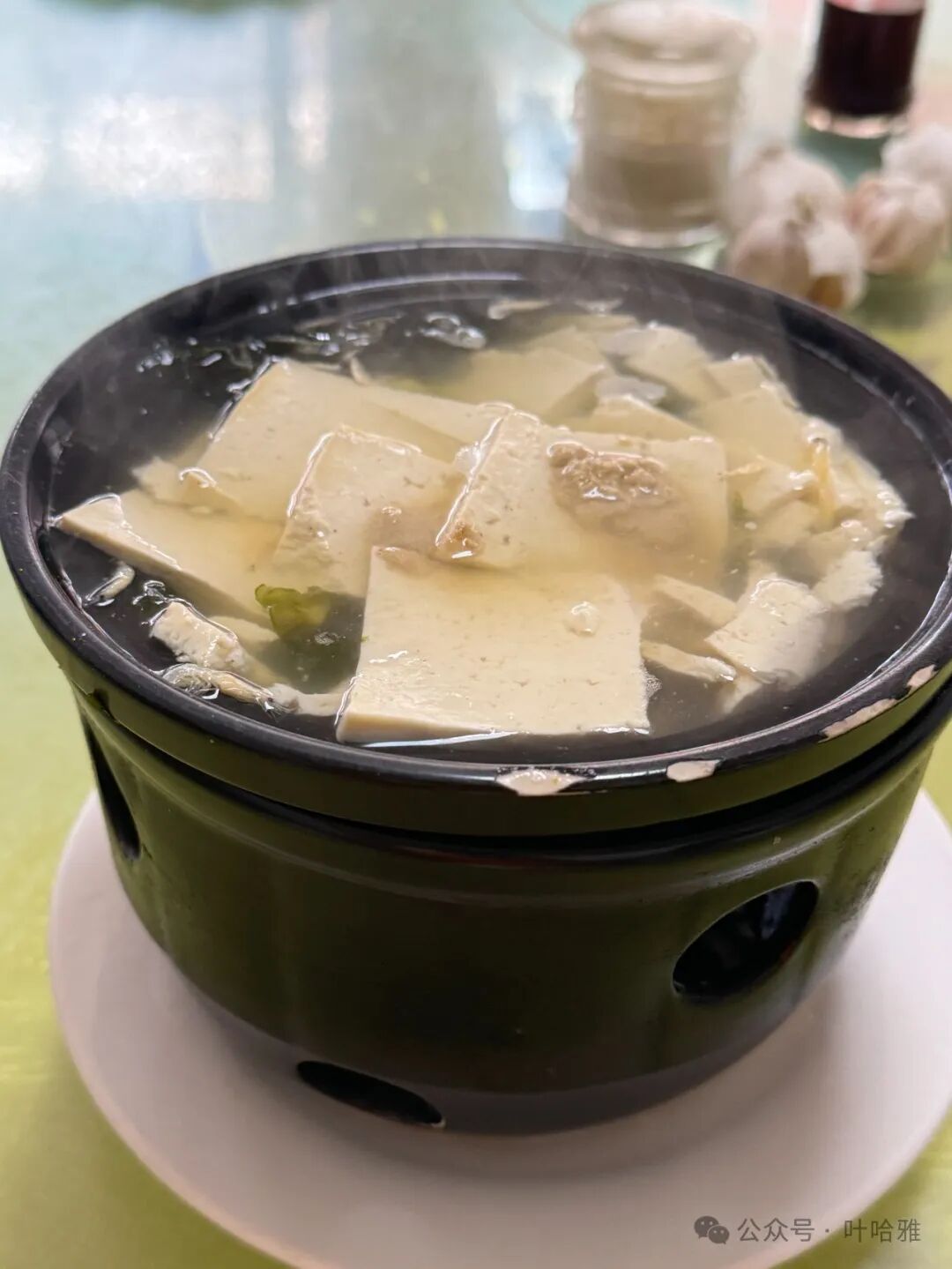
I recommend trying the farm-style tofu in Miyun. It is a local specialty and has a very fragrant flavor.
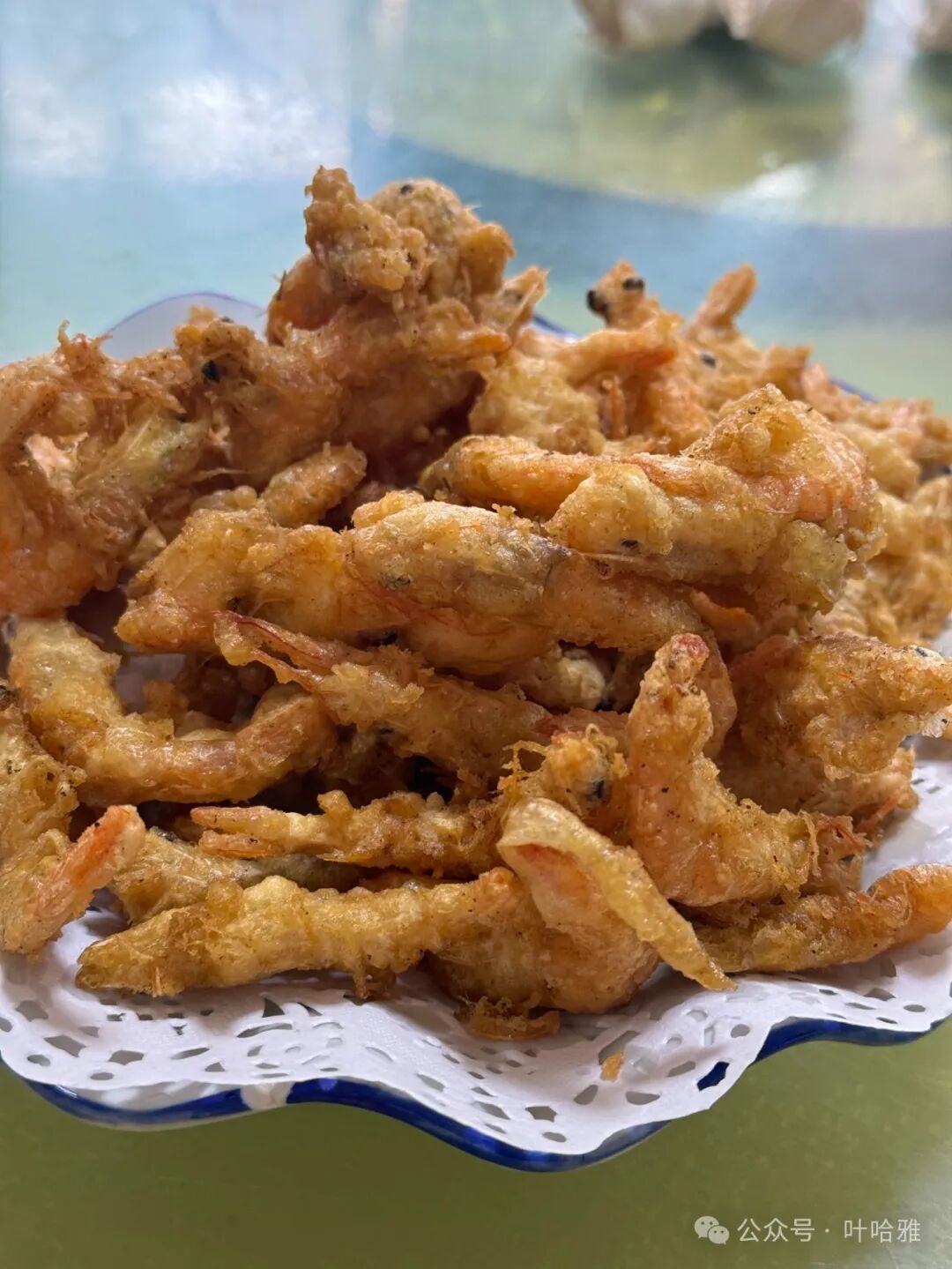
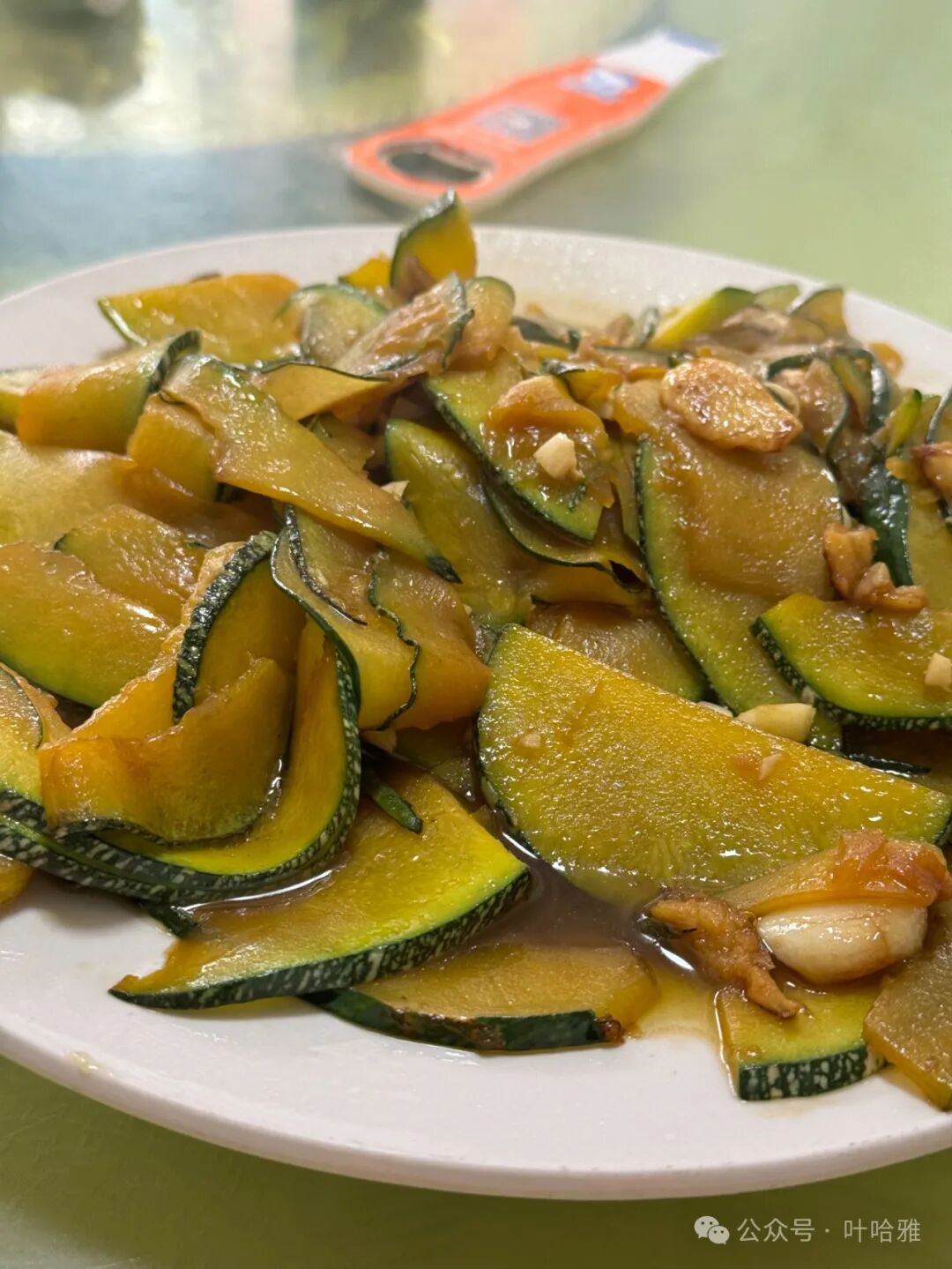
Fried river shrimp is another farm specialty. There is also the stir-fried pumpkin (wogua) shown below. Wogua is just pumpkin, and this was grown in their own field. It tastes great.
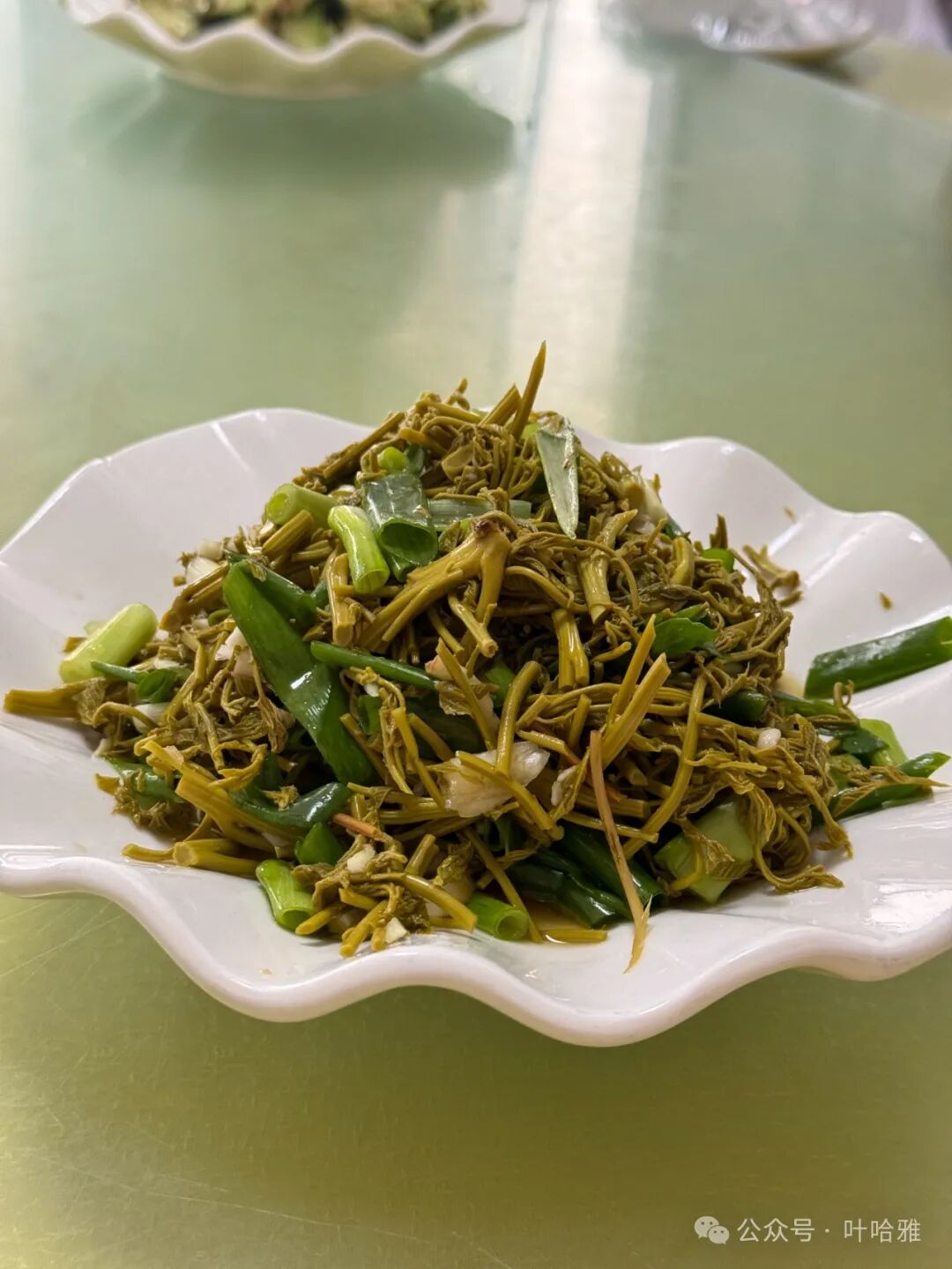
One of the wild vegetables often found in Beijing farm-style restaurants is muli bud (muliya), also called jasmine bud (moliya), which is actually the tender leaf of the goldenrain tree.
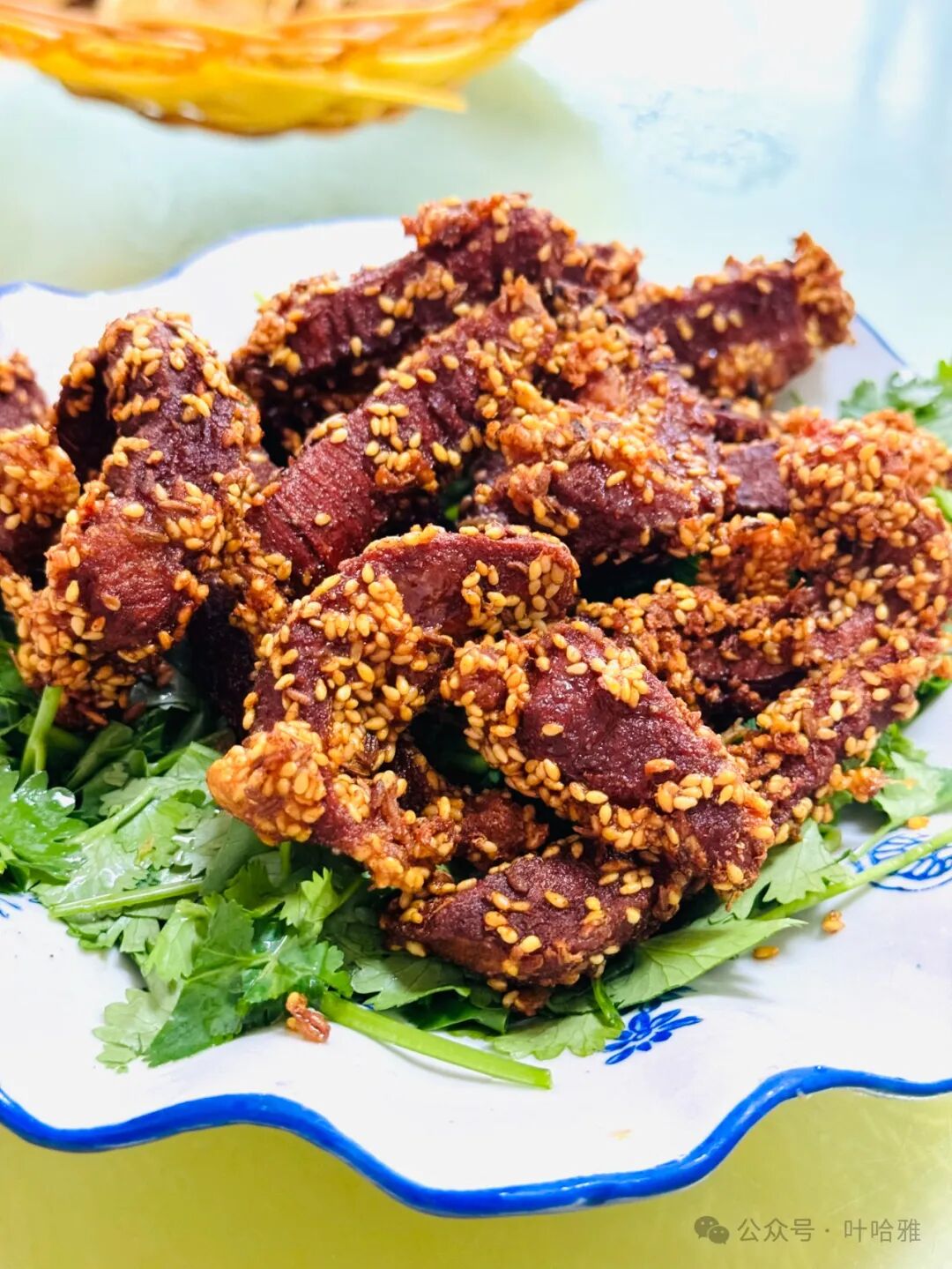
The fried beef strips are covered in sesame seeds. They seem to be made from beef jerky and go very well with rice.
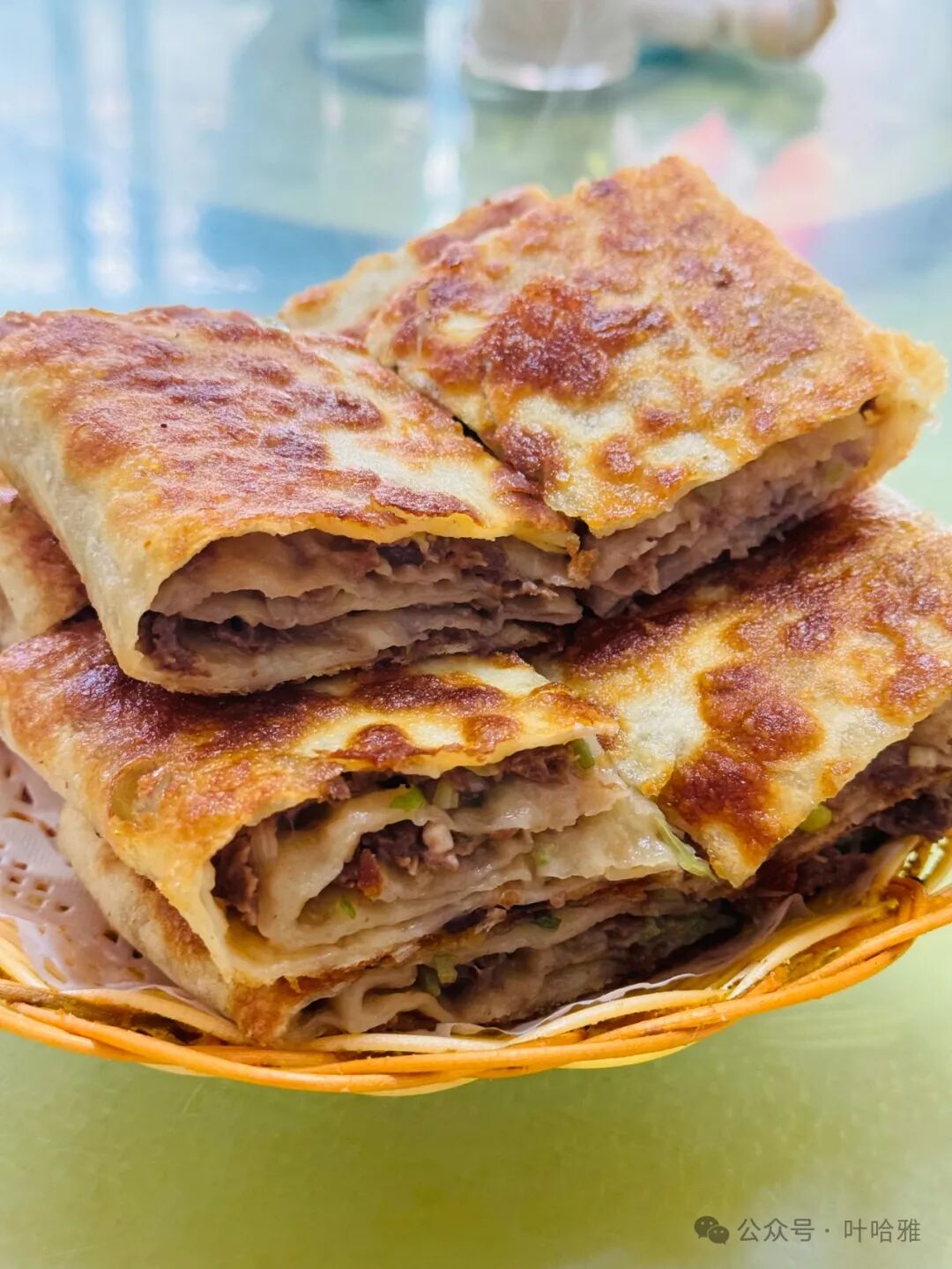
Their signature meat pie has a crispy crust, which is the texture I like. We ordered two jin (one kilogram), and all 10 of us finished it.
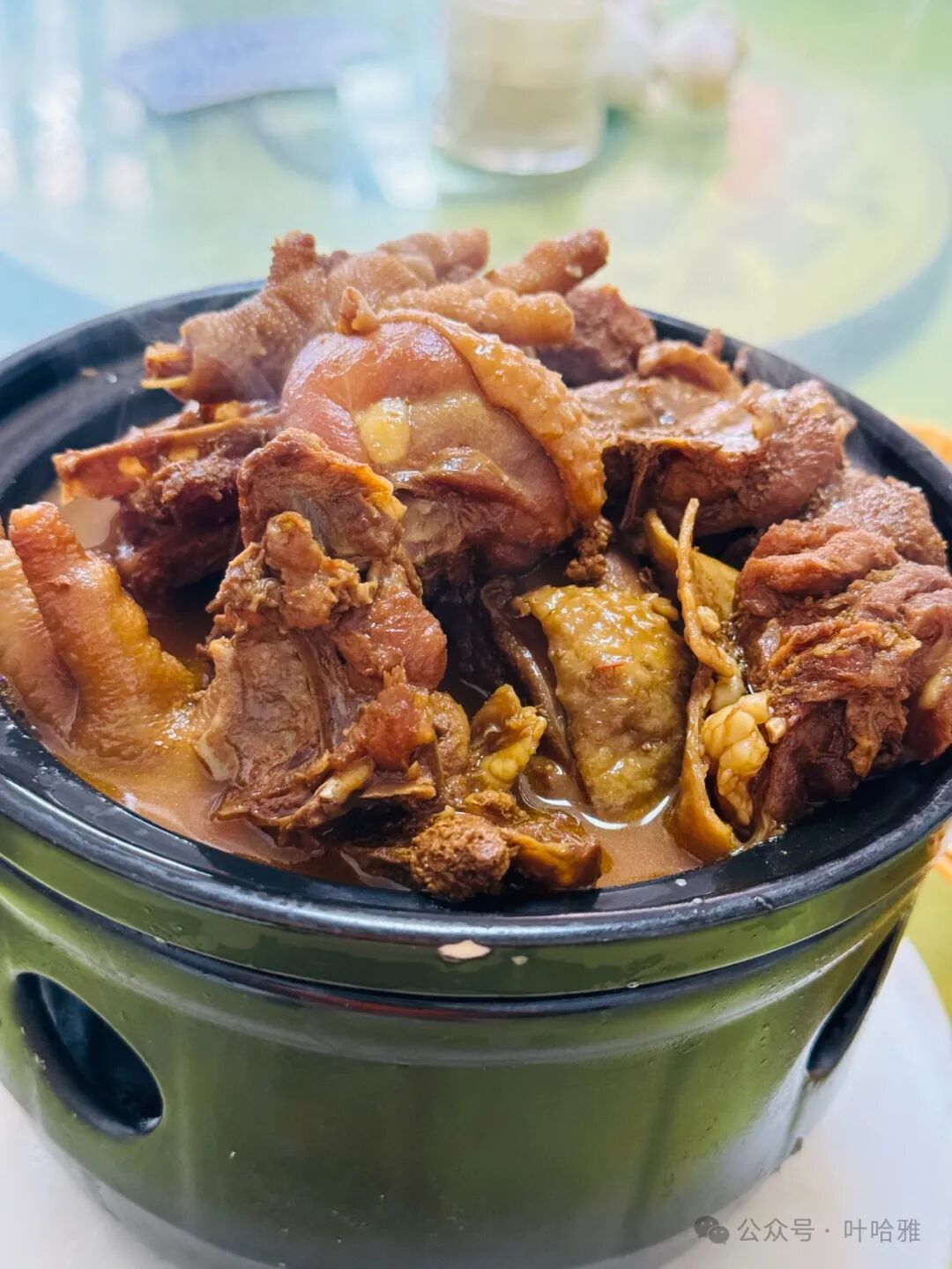
The stewed free-range chicken is also good. The meat is soft, tender, and flavorful, and the price is cheap.
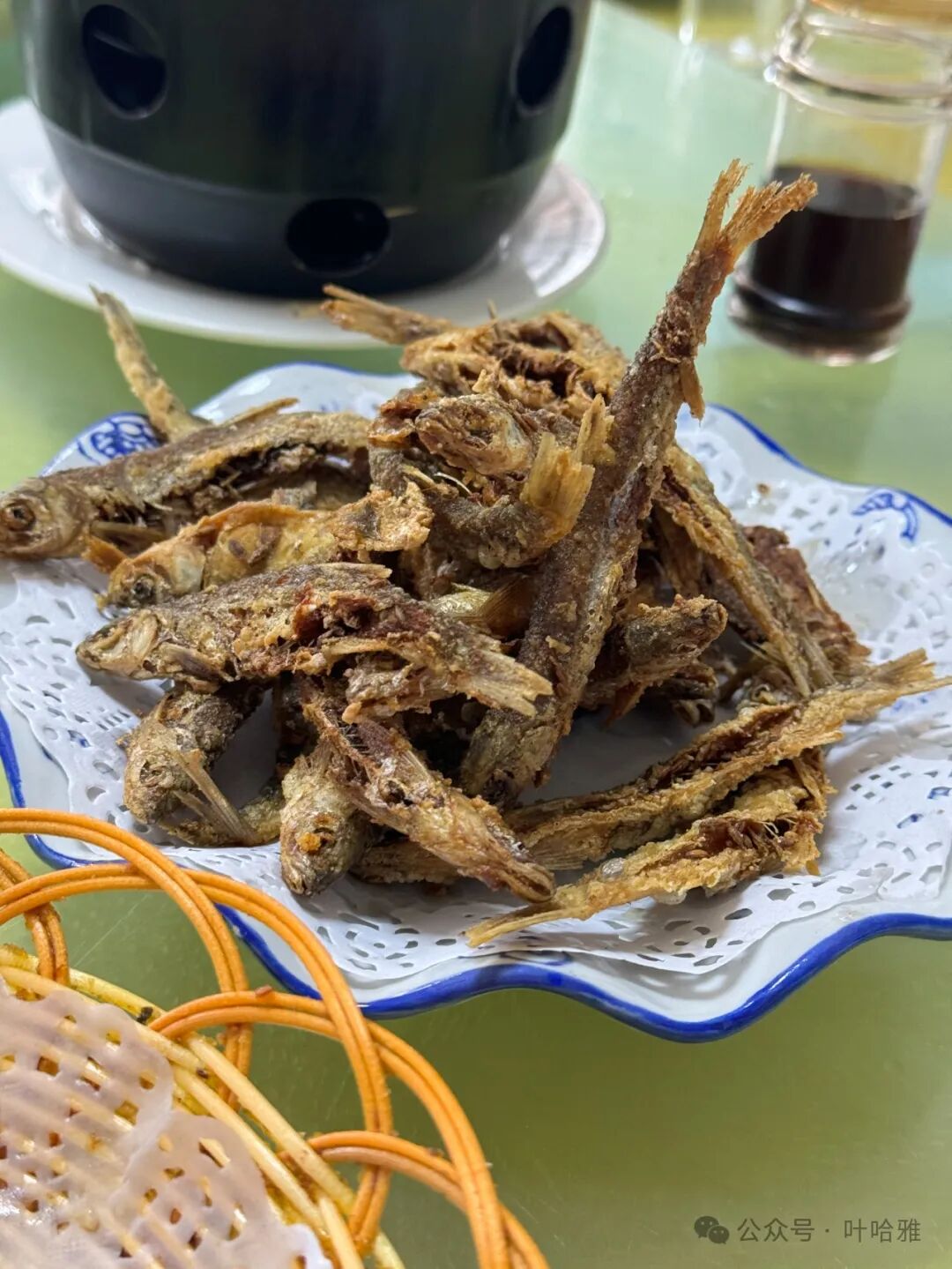
Since we did not book in advance, there were no reservoir fish of a suitable size when we arrived at noon, so we chose these fried small fish. Reservoir fish usually weigh between five and eight jin, with the extra-large ones being over ten jin. They are bighead carp, and every restaurant charges 38 yuan per jin, usually cooking them by braising in sauce.
9. Hexingzhai Halal Restaurant
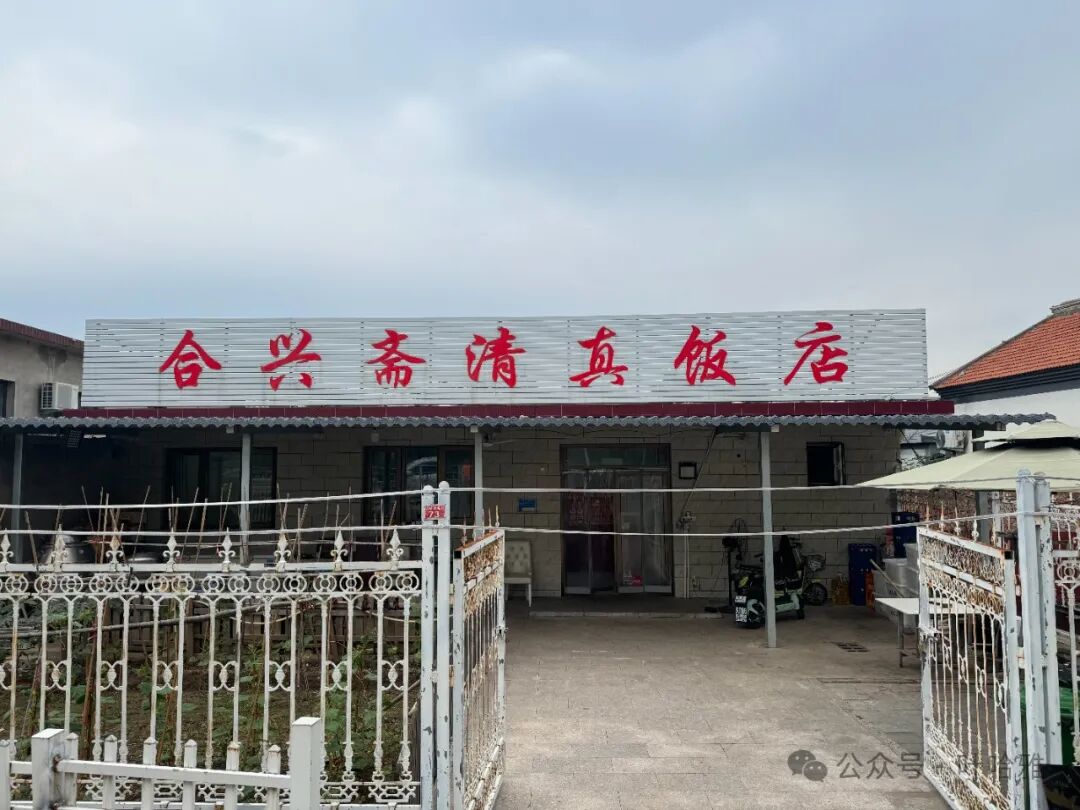
We missed out on reservoir fish at lunch, but we didn't give up. We wandered around until evening and came to Mujia Yu to try this place, Hexingzhai.
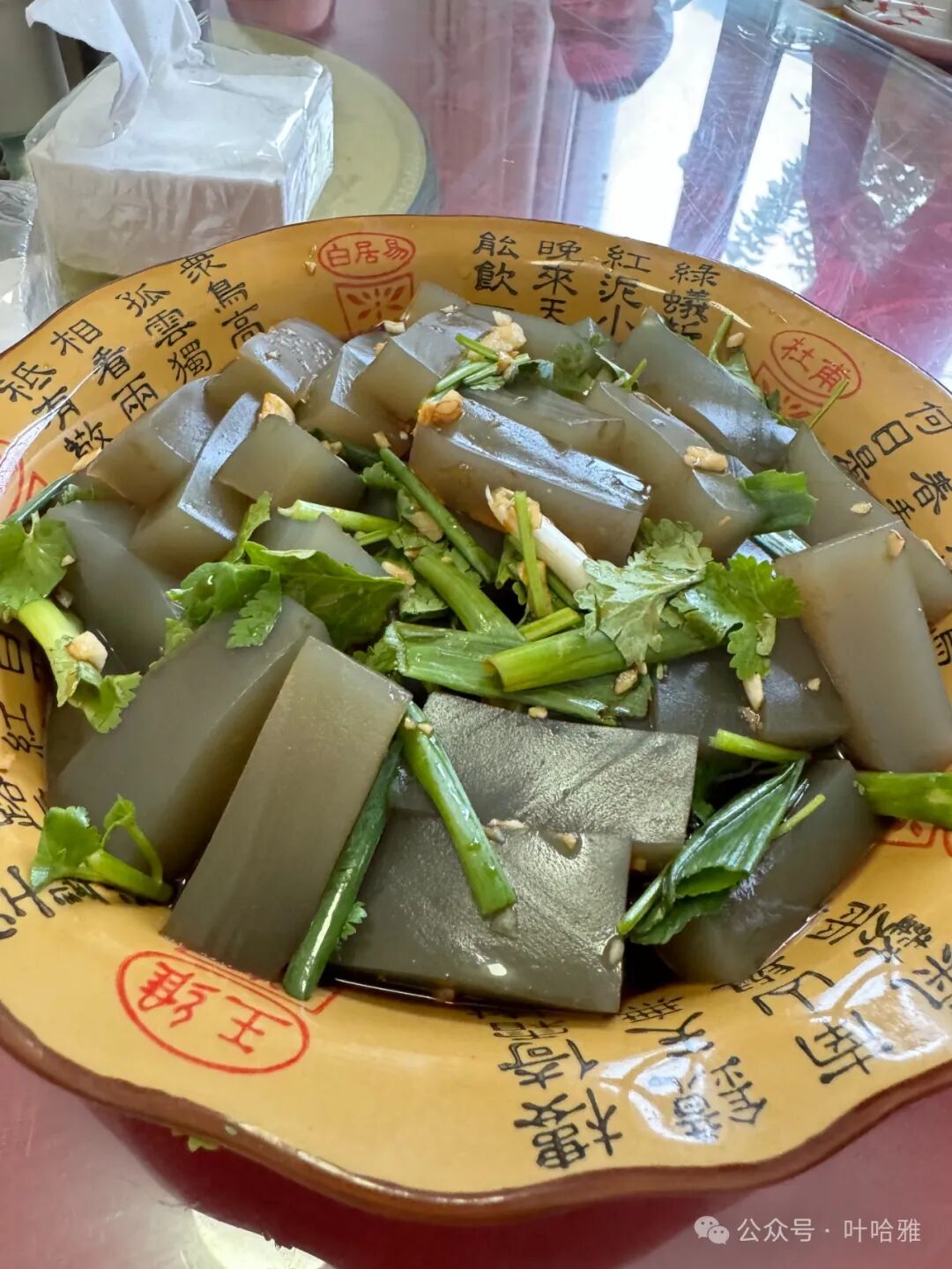
The homemade mung bean jelly (liangfen) had mustard oil added, making it extra refreshing.
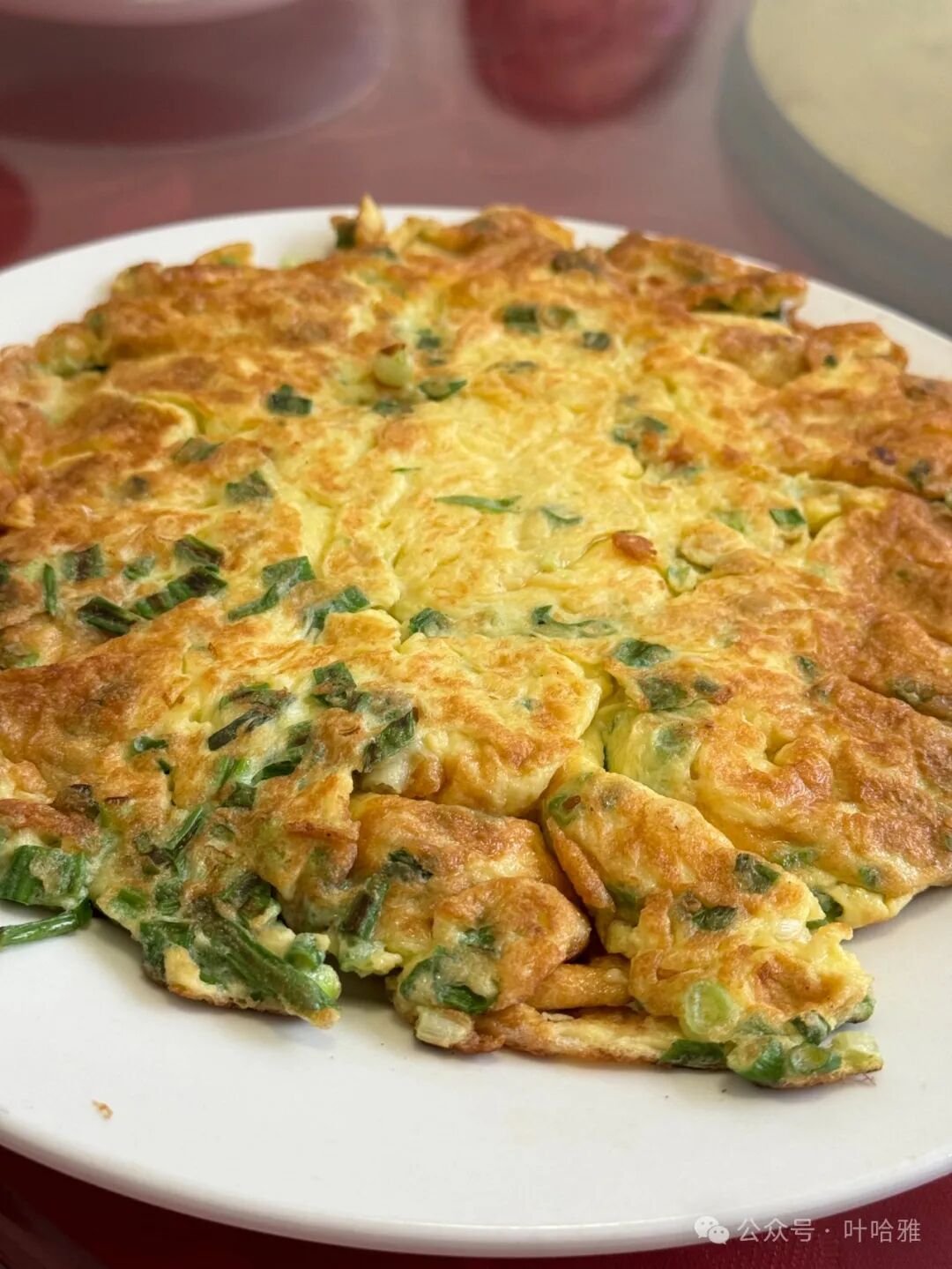
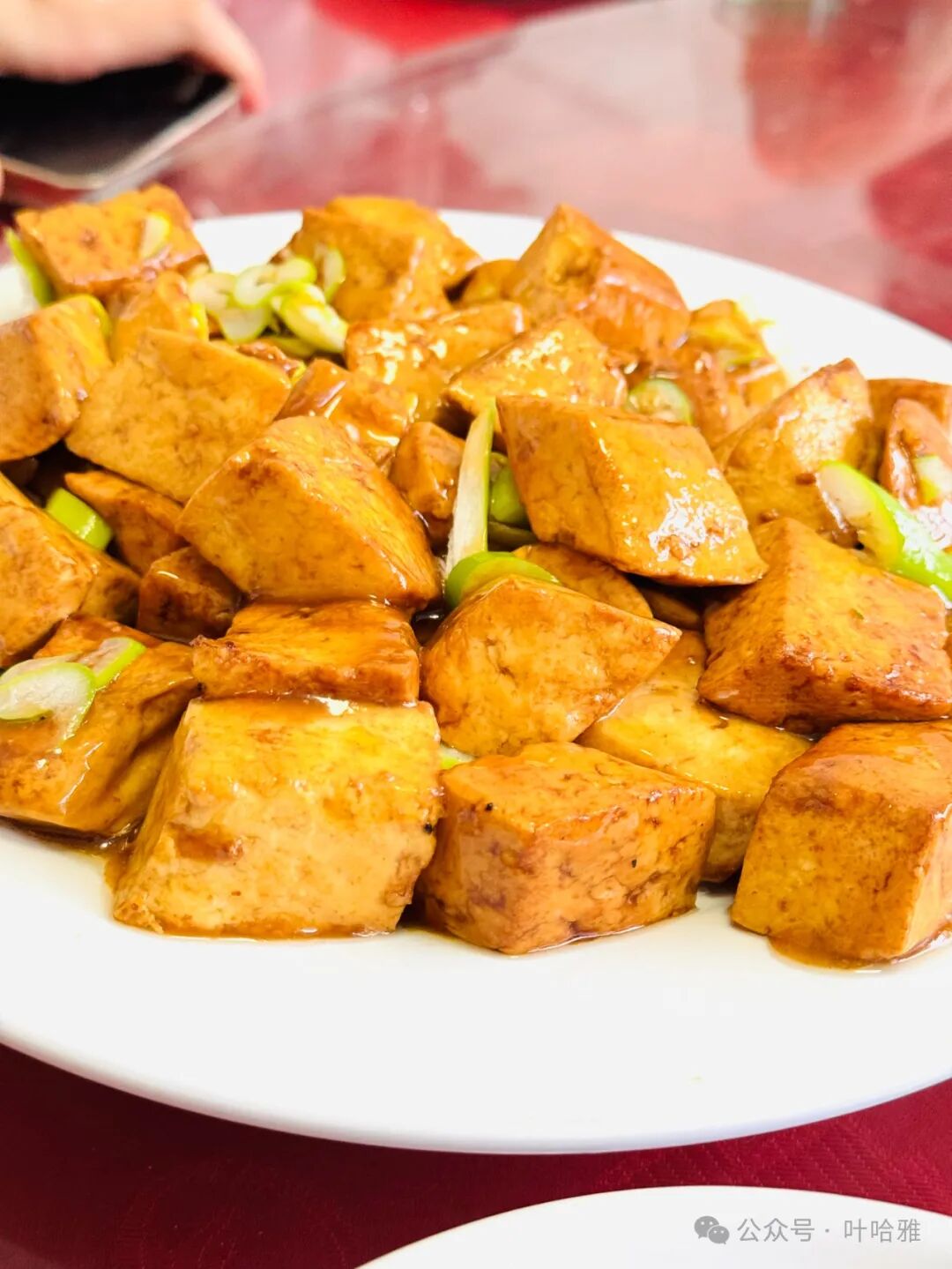
We had scrambled eggs and stir-fried tofu. Miyun tofu is truly delicious no matter how you cook it.
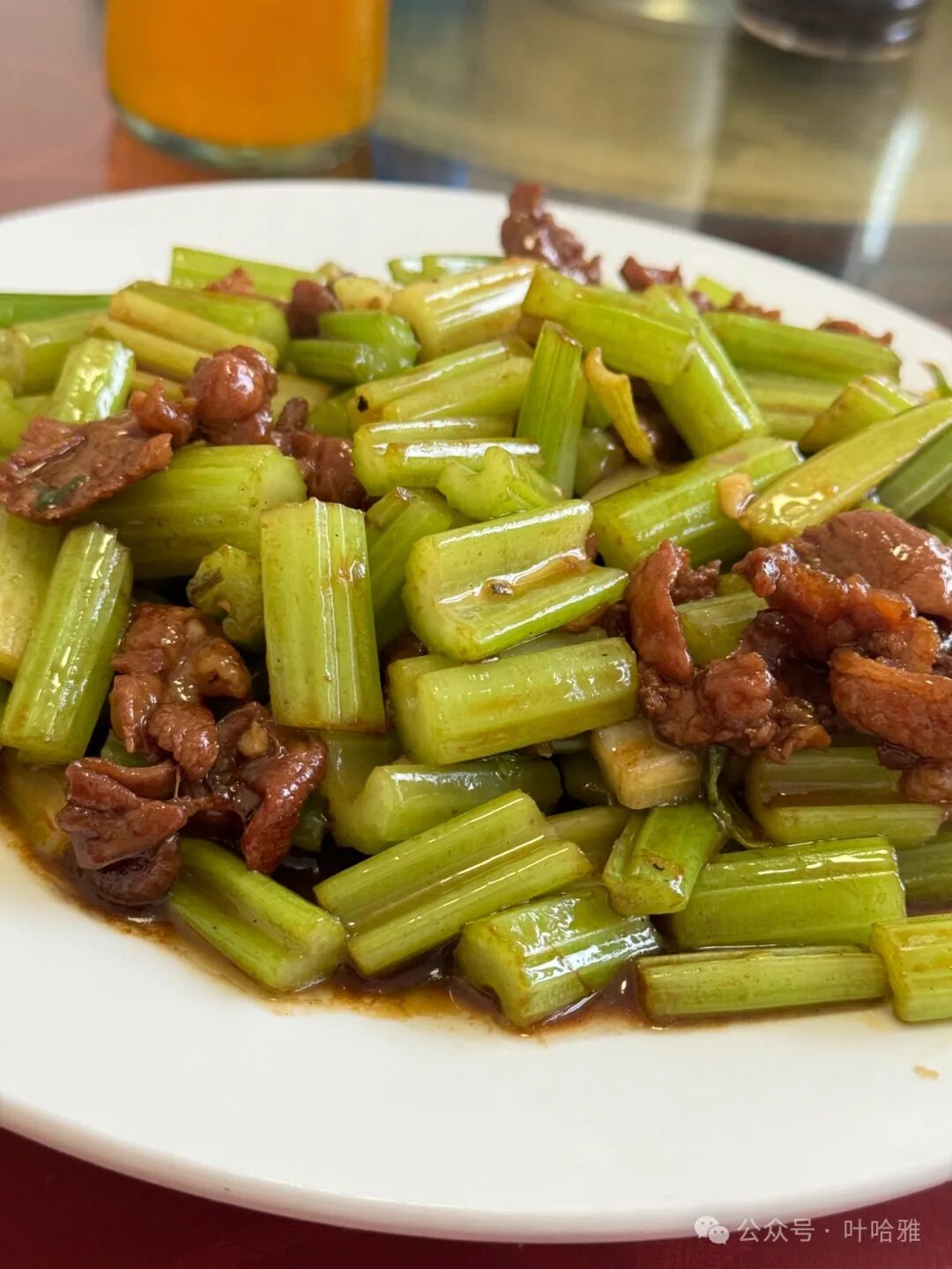
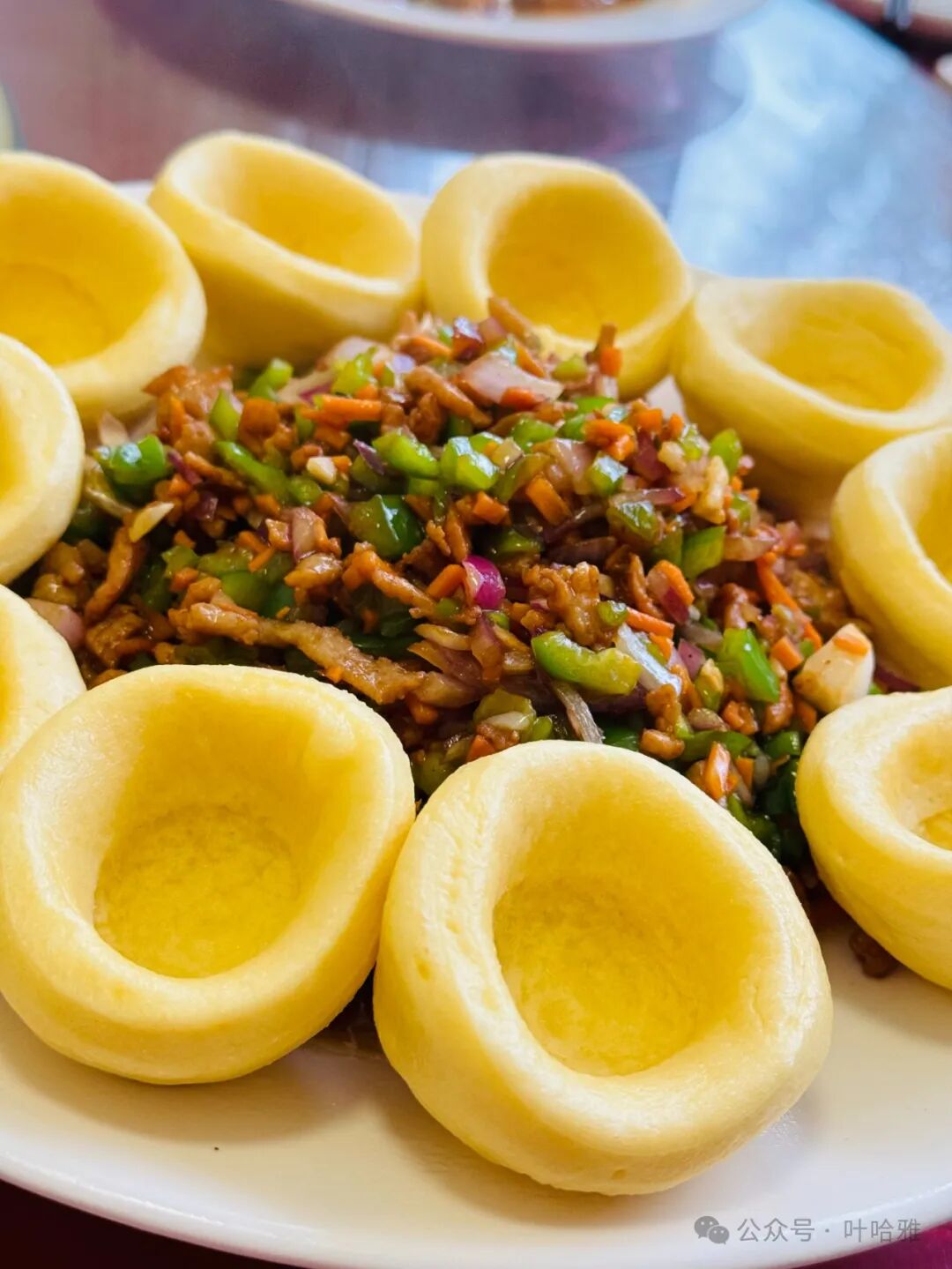
Stir-fried celery with beef and mixed-grain buns (zaliangbao) are both classic home-style dishes that go great with rice.
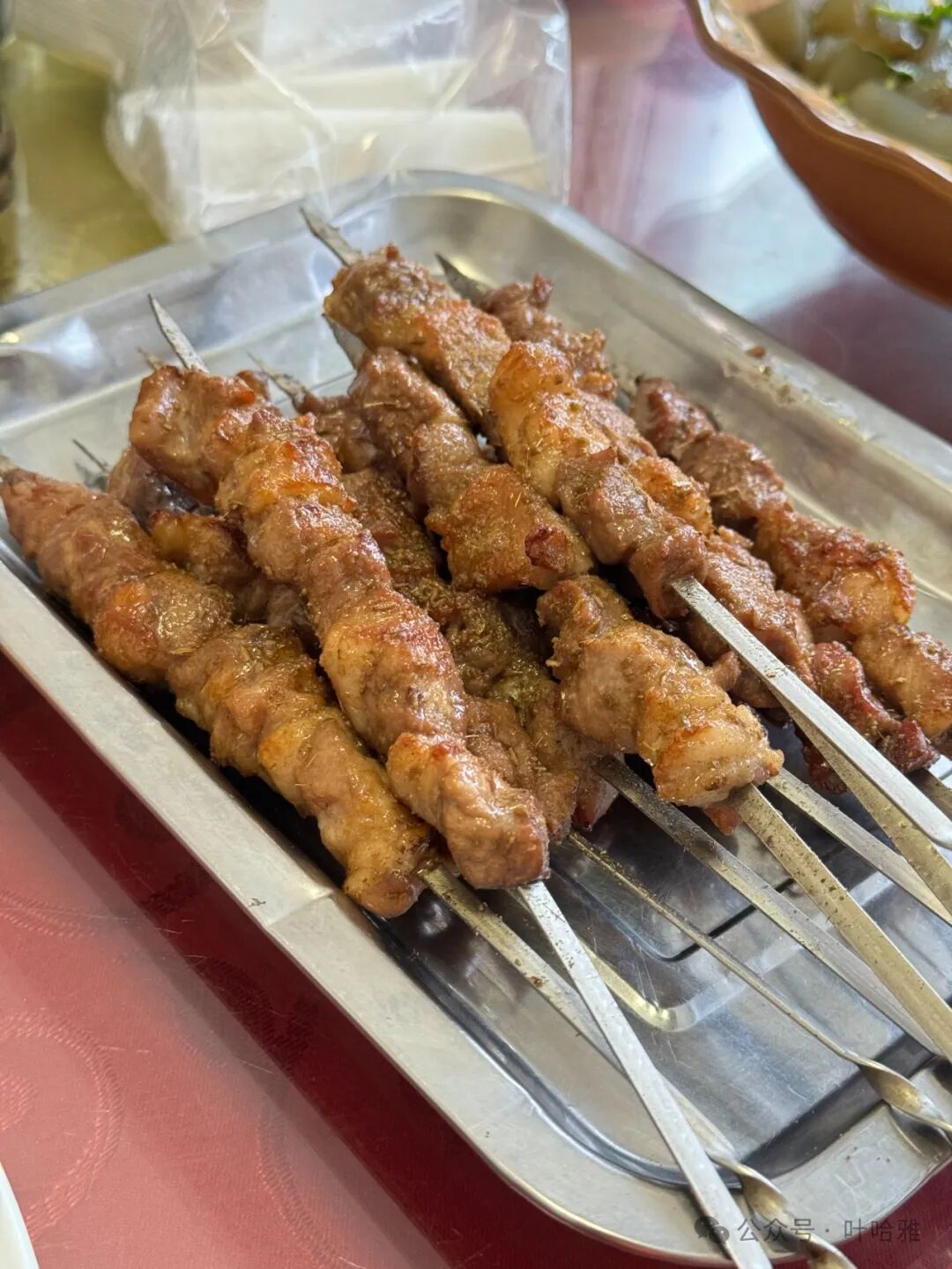
Lamb skewers (yangrouchuan) are 5 yuan each, which isn't expensive. The food at these farmhouses in Mujia Yu is quite good.
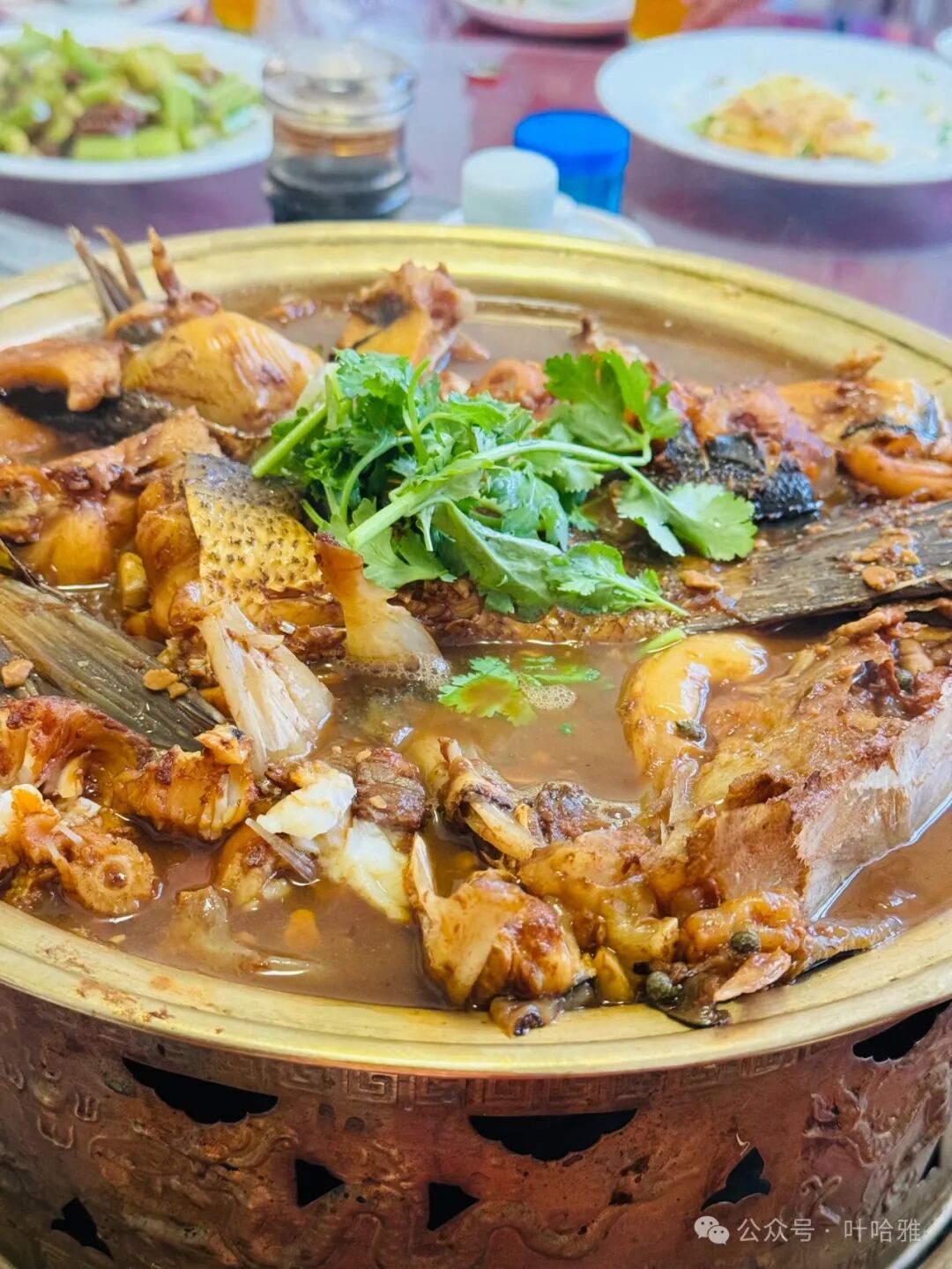
We finally got to eat reservoir fish. This fish weighed over eight pounds, enough for 10 people. The bighead carp meat was tender, though it had many small bones, so kids should be careful. After finishing the fish, we added a portion of griddle-baked flatbread (laobing) to the sauce to make fish head with soaked flatbread. This dish was a hit with everyone, making the trip well worth it.
Summary: This Beijing halal food map issue 45 covers Imam Malik food-rule reflections, Chenfei Shiwei fried chicken, Gao Qunsheng hulatang, Hotan Xinjiang rose pilaf, spicy hot pot, Guizhou sour soup, lobster, Ningxia salt-lake lamb, farmhouse dishes, and Miyun reservoir fish.
I am currently translating a research paper on Imam Malik's legal views regarding food. It is quite interesting, as it mentions that Imam Malik allows eating frogs. I will post it later. I previously wrote an article about which foods are considered not halal according to the Quran and Sunnah. The article mentions that the four schools of jurisprudence interpret the Quran and Sunnah differently. I often hear people say that on controversial issues, it is best to be cautious and strict. I think the opposite. In most cases, I prefer to be lenient when facing controversial issues. I believe that having different opinions on the same issue is actually a mercy. It gives people more choices. You cannot label those who choose the lenient path because you do not have enough evidence yet. If there were evidence, there would be no controversy. Some things will only be revealed in the afterlife, and it is not for you in this life to point fingers and judge.
In fact, we create too many difficulties for ourselves, overcome problems that should not exist, and then feel moved by our own efforts. I will not specify which things these are; you can all decide for yourselves.
The restaurant information for this issue is as follows:
1. Chenfei Shiwei
2. Gao Qunsheng Spicy Soup (hulatang)
3. Hotan Xinjiang Rose Pilaf (zhuafan)
4. Luyiyuan Spicy Hot Pot (malatang) and Spicy Dry Pot (mala xiangguo)
5. Guizhou Sour Soup Hot Pot, Beef with Skin (daipi huangniurou), and Sour Soup Fish
6. Fanshen Lobster Restaurant
7. Gameizi Ningxia Salt-lake Lamb Restaurant
8. Fuhua Zhengxing Folk Customs Restaurant
9. Hexingzhai Restaurant
1. Chenfei Shiwei
A new fried chicken shop opened at the entrance of Puhuangyu subway station. It is a takeout window, but you can also sit inside to eat.
The fried chicken tastes pretty good. Usually, as long as the ingredients are fresh, fried food like this will not taste bad.
The group-buy deal for two people including fried chicken and almond tofu (xingren doufu) is quite affordable.
The fried chicken is 39.9 yuan, and two bowls of almond tofu cost 4 yuan.
There is a paid parking lot right at the shop entrance, so it is easy to get to.
2. Gao Qunsheng Spicy Soup (hulatang)
Gao Qunsheng is a halal chain brand from Henan. After they opened in Beijing, I never saw a halal certification displayed, so I did not go. This time, I saw the halal certification at the Shijingshan branch. The staff told me that some branches do not have enough ethnic minority employees to qualify for the certification. If you mind that, you can just go to the Shijingshan branch.
Gao Qunsheng spicy soup (hulatang) is in the style of Xiaoyao Town and is not particularly spicy.
Their pan-fried buns (shuijianbao) are better than the beef pockets, and the pan-fried buns and bean porridge (doumo) are their signature dishes.
The scallion pancakes (congyoubing) are crispy and have a good texture, but the lamb offal soup (yangzatang) is just average.
I went in the evening and they only had spicy soup (hulatang), no bean porridge. It is best to go in the morning for the spicy soup.
There is a paid parking lot at the entrance of the restaurant, which is very convenient.
3. Hotan Rose Xinjiang Pilaf (zhuafan)
This is a Xinjiang halal restaurant that only serves pilaf and has chain stores in Urumqi.
The shop just opened, so they currently only have pilaf and some free side dishes.
Their free side dishes are especially delicious.
The lamb and oil are both shipped from Xinjiang.
Uyghur staff work in the kitchen, and the lamb leg pilaf here is excellent. I arrived late and there was only one lamb leg left. The meat was very tender and flavorful, and the pilaf was fragrant. You could say this is the best place for pilaf among Xinjiang restaurants in Beijing.
4. Luyiyuan Spicy Hot Pot (malaxiangguo)
There are plenty of halal spicy hot pot (malatang) shops, but halal spicy dry pot (mala xiangguo) is rare.
I arrived at 10 p.m., and there were still many customers eating a late-night snack.
The spicy dry pot is quite hot, so be careful if you cannot handle spice. The shop also serves steamed dumplings (shaomai).
5. Guizhou Sour Soup Hot Pot, Beef with Skin (daipi huangniurou), and Sour Soup Fish
This is a Guizhou sour soup hot pot restaurant with a new style, featuring beef hot pot and fish hot pot as their signature dishes.
Business was great as soon as they opened, and you have to wait over 30 minutes for a table.
The owner originally planned to serve Guizhou-style stir-fried dishes, but the hot pot business became so popular that they stopped making stir-fries. Now, they only serve hot pot.
We ordered three cups of homemade prickly pear juice (cili zhi), which is sweet, sour, and icy. They only have three of these cups, so we took them all, and other customers had to order different drinks.
The dipping sauce is the soul of the meal. I suggest following the guide posted by the shop to mix your sauce. You must try the litsea cubeba oil (mujiangzi you), mint leaves, chili powder (hu lajiao mian), and fish mint (zhe'ergen).
The full beef set includes beef and various beef offal, and the ingredients are very fresh. If you like fish, choose the river catfish (jiangtuan). Each fish weighs two jin and three liang, and the meat is firm with no small bones.
You can get free iced jelly (bingfen) if you save the shop on your map and check in. The iced jelly is just okay, but the signature beef and fish hot pots are worth a try.
6. Fanshen Lobster Restaurant
A new crayfish restaurant just opened in Baiziwan. The owner is from Langfang, and they are currently only open for dinner until the early morning.
You can eat seafood like crayfish. For details, check out my previous article on how the Hanafi school views shrimp. They also serve specialties from Cangzhou, Hebei, like hot pot chicken (huoguo ji) and spicy crab (xiangla xie).
The restaurant has a great atmosphere. It is spacious with plenty of room between tables, and the private courtyard at the entrance serves as a free parking lot.
If you leave a review and save the shop on the app, you get a free glass of fresh-squeezed fruit juice.
The most popular dish is the garlic crayfish. You can really taste how fresh the shrimp are. You can dip the freshly griddled hand-torn flatbread (shousi bing) into the golden crayfish broth; it tastes excellent.
The grilled squid is also delicious. Their ingredients are definitely fresh.
The spicy beef tripe (chanzui niudu) has a numbing and spicy flavor and tastes great. Overall, this place has the potential to become a viral hit, whether you look at the service, environment, or taste. It is a bit pricey, with an average cost of over 200 yuan per person.
7. Gameizi Ningxia Tan Sheep
Gameizi is a chain restaurant, and they do a good job with their lamb.
Tan sheep (tan yang) restaurants have popped up all over Beijing in the last two years, but the quality of the meat has been going downhill.
We tried the lamb neck this time, and everyone liked it. It comes with chive flower sauce and chili sauce, both of which are quite tasty.
Stir-fried beef (xiaochao huangniurou) is a common home-cooked dish in southern Ningxia, where people eat more beef.
Salt-lake sheep (tanyang) has a slightly thicker layer of fat, which makes it perfect for roasting. This restaurant is busy at night, but parking is difficult. The average cost is about 150 yuan per person.
8. Fuhua Zhengxing Folk Customs Restaurant
Mujia Yu village, near Miyun Reservoir, is a village for Hui Muslims. There are four halal farm-style restaurants along the road at the village entrance: Fuhua Zhengxing Folk Restaurant, Hexingzhai Restaurant, Shanshui Tianyuan, and Kunanchun. I have eaten at Shanshui Tianyuan before, and Kunanchun was closed, so we had our farm-style lunch at Fuhua Zhengxing.
I recommend trying the farm-style tofu in Miyun. It is a local specialty and has a very fragrant flavor.
Fried river shrimp is another farm specialty. There is also the stir-fried pumpkin (wogua) shown below. Wogua is just pumpkin, and this was grown in their own field. It tastes great.
One of the wild vegetables often found in Beijing farm-style restaurants is muli bud (muliya), also called jasmine bud (moliya), which is actually the tender leaf of the goldenrain tree.
The fried beef strips are covered in sesame seeds. They seem to be made from beef jerky and go very well with rice.
Their signature meat pie has a crispy crust, which is the texture I like. We ordered two jin (one kilogram), and all 10 of us finished it.
The stewed free-range chicken is also good. The meat is soft, tender, and flavorful, and the price is cheap.
Since we did not book in advance, there were no reservoir fish of a suitable size when we arrived at noon, so we chose these fried small fish. Reservoir fish usually weigh between five and eight jin, with the extra-large ones being over ten jin. They are bighead carp, and every restaurant charges 38 yuan per jin, usually cooking them by braising in sauce.
9. Hexingzhai Halal Restaurant
We missed out on reservoir fish at lunch, but we didn't give up. We wandered around until evening and came to Mujia Yu to try this place, Hexingzhai.
The homemade mung bean jelly (liangfen) had mustard oil added, making it extra refreshing.
We had scrambled eggs and stir-fried tofu. Miyun tofu is truly delicious no matter how you cook it.
Stir-fried celery with beef and mixed-grain buns (zaliangbao) are both classic home-style dishes that go great with rice.
Lamb skewers (yangrouchuan) are 5 yuan each, which isn't expensive. The food at these farmhouses in Mujia Yu is quite good.
We finally got to eat reservoir fish. This fish weighed over eight pounds, enough for 10 people. The bighead carp meat was tender, though it had many small bones, so kids should be careful. After finishing the fish, we added a portion of griddle-baked flatbread (laobing) to the sauce to make fish head with soaked flatbread. This dish was a hit with everyone, making the trip well worth it.
