
Best Halal Food Beijing: Xiaoyao Hulatang, Doudian BBQ, Suancai Fish and Hutong Snacks
Reposted from the web
Summary: This Beijing halal food guide continues the 2024 must-eat list with Xiaoyao hulatang, vegetable flatbread, Doudian barbecue, suancai fish, old Beijing snacks, Xinjiang-style dishes, and several newer halal restaurants worth trying while they are still around.
28. Yuziwei Xiaoyao Spicy Soup
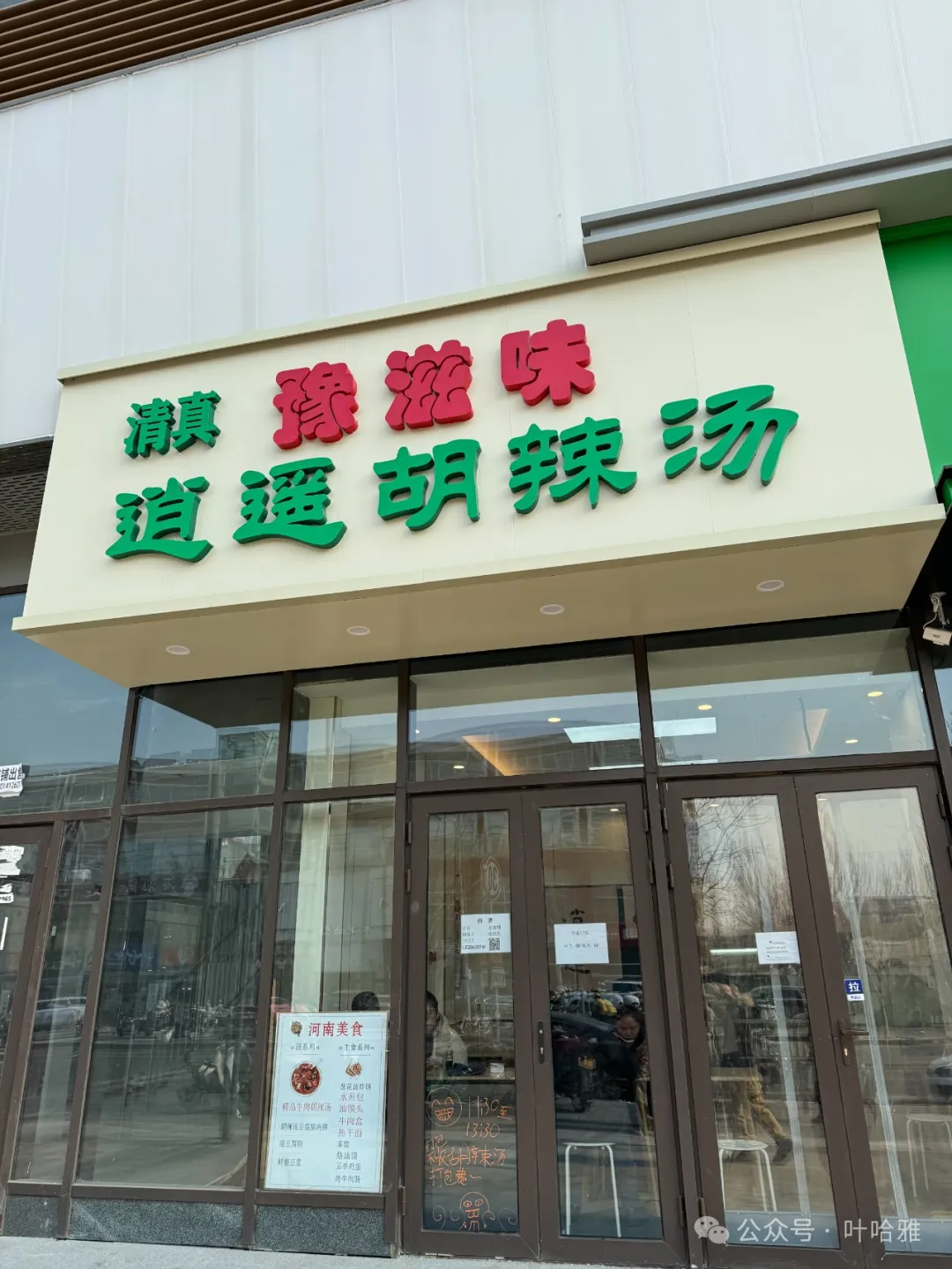
I recommend this newly opened Henan Xiaoyao Town spicy soup (hulatang) shop near Huoying Subway Station. It is more comfortable and easier to enjoy than the version from Fang Zhongshan, which is much spicier. If I wrote about Fang Zhongshan, many of my friends from Henan would surely disagree.
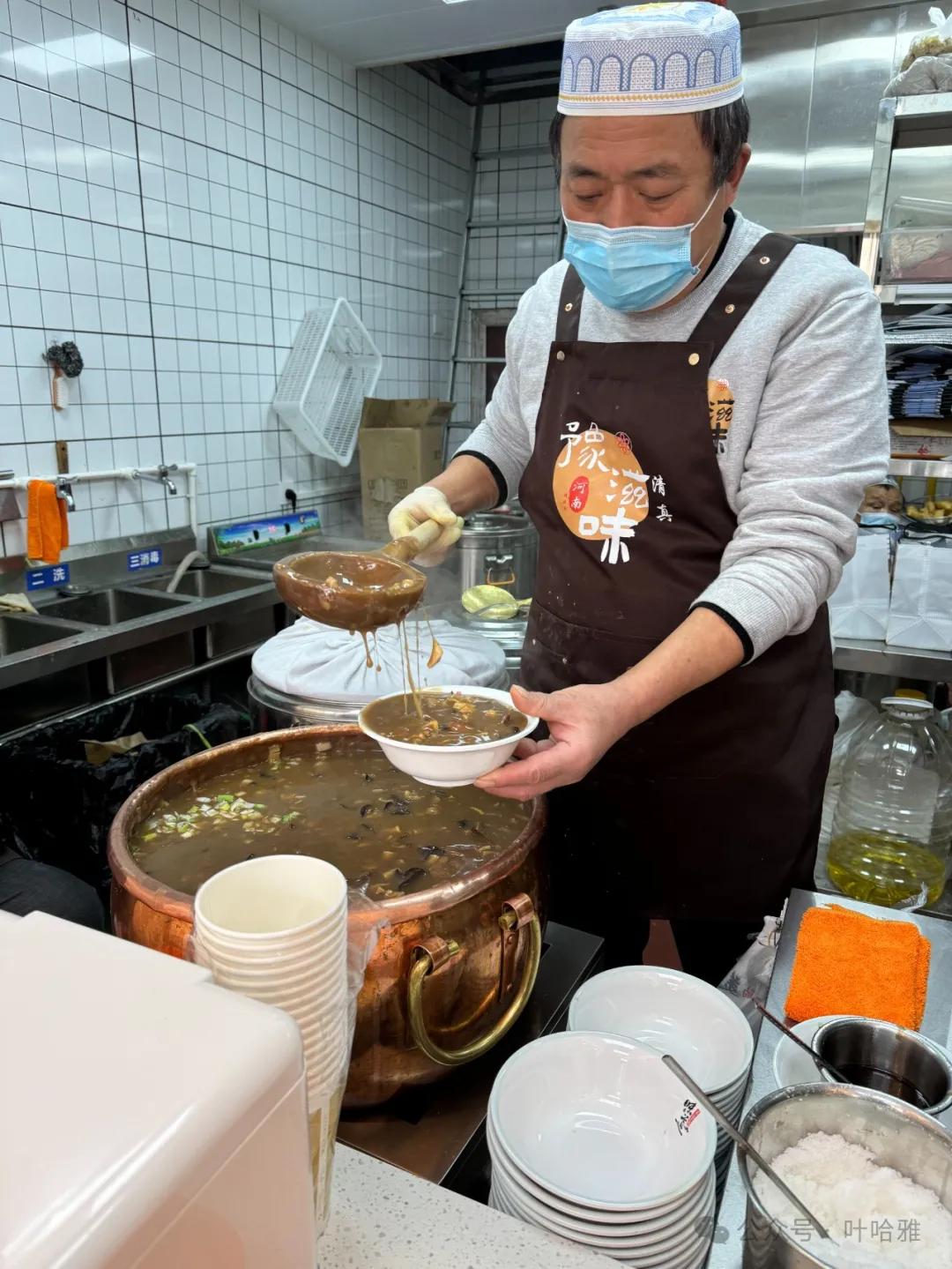
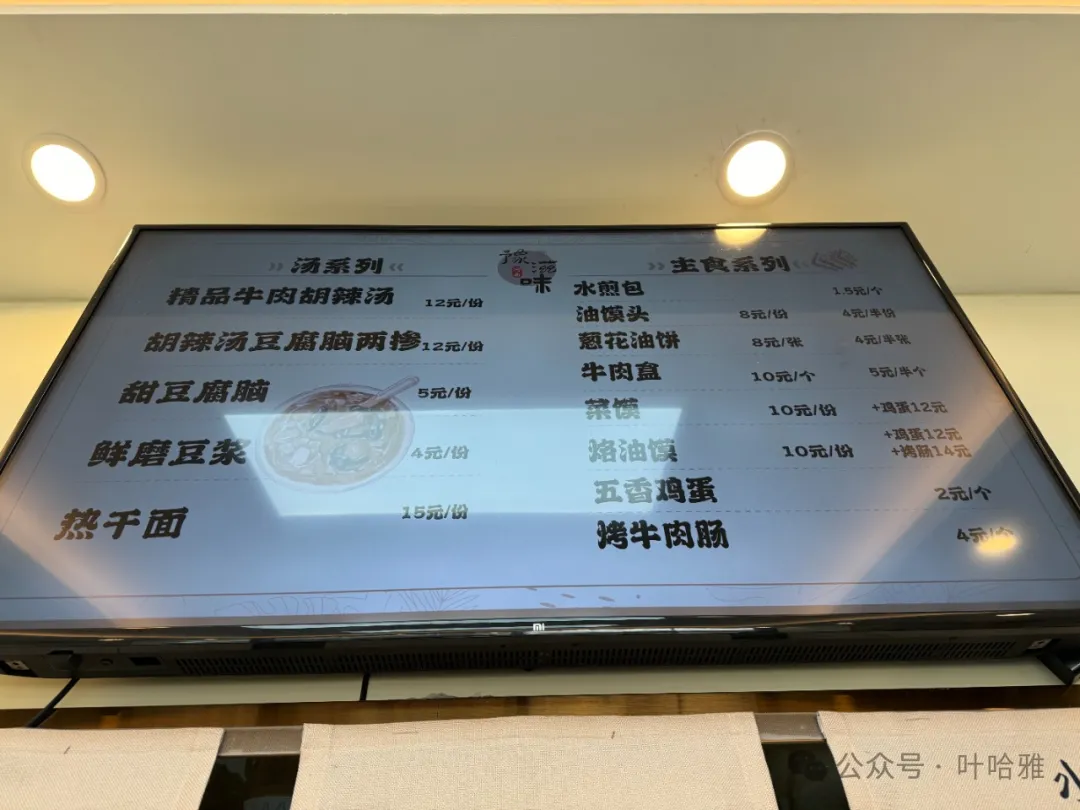
The shop is small with only a few tables, but the service is great. They serve a mix of spicy soup and tofu pudding (doufunao), and the tofu pudding is sweet. They also have pan-fried buns (shuijianbao) and fried dough fritters (youmotou), but the highlight is that you can get vegetable flatbread (caimo) here.
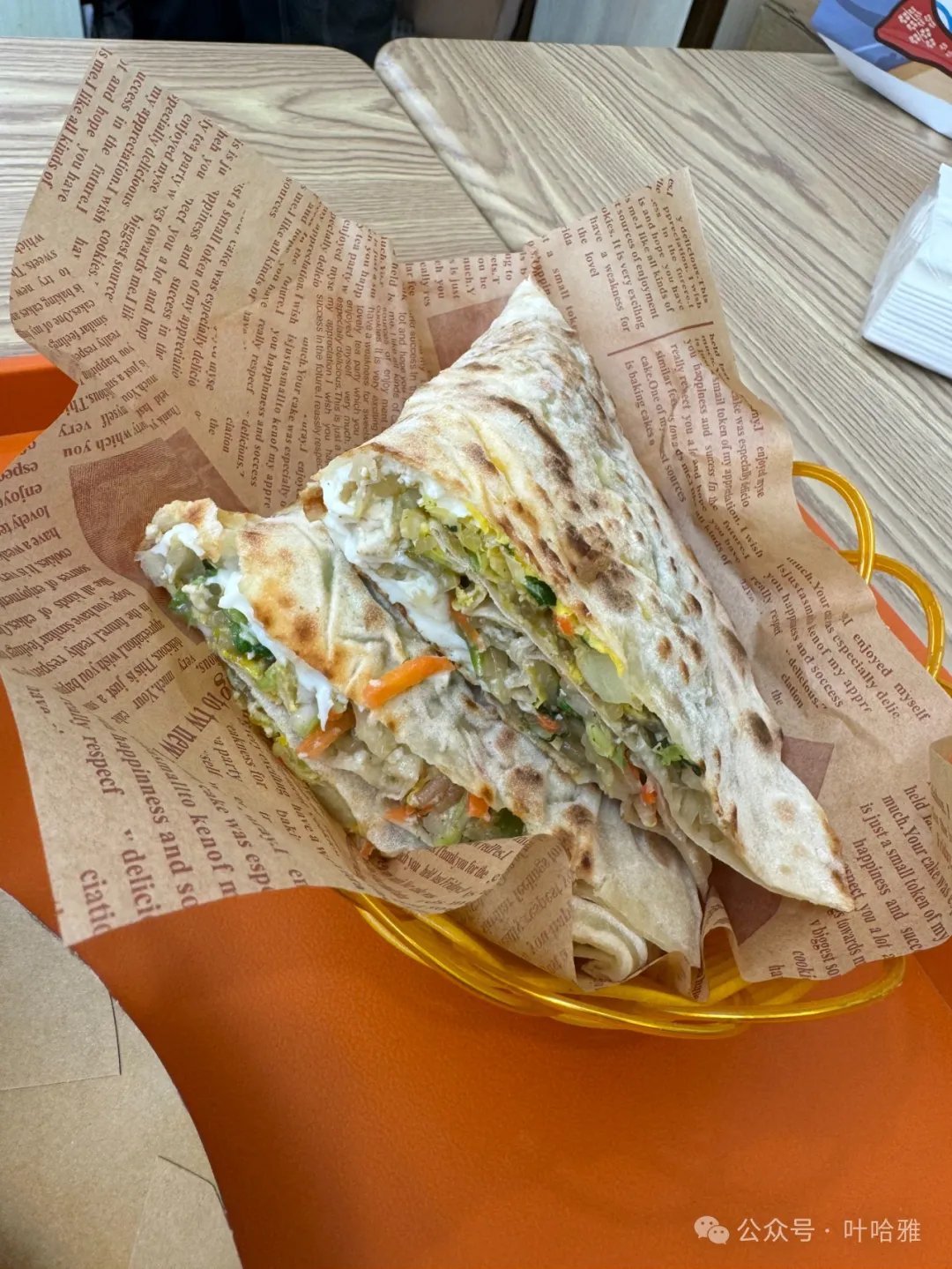
The vegetable flatbread is made to order and served piping hot with plenty of filling.
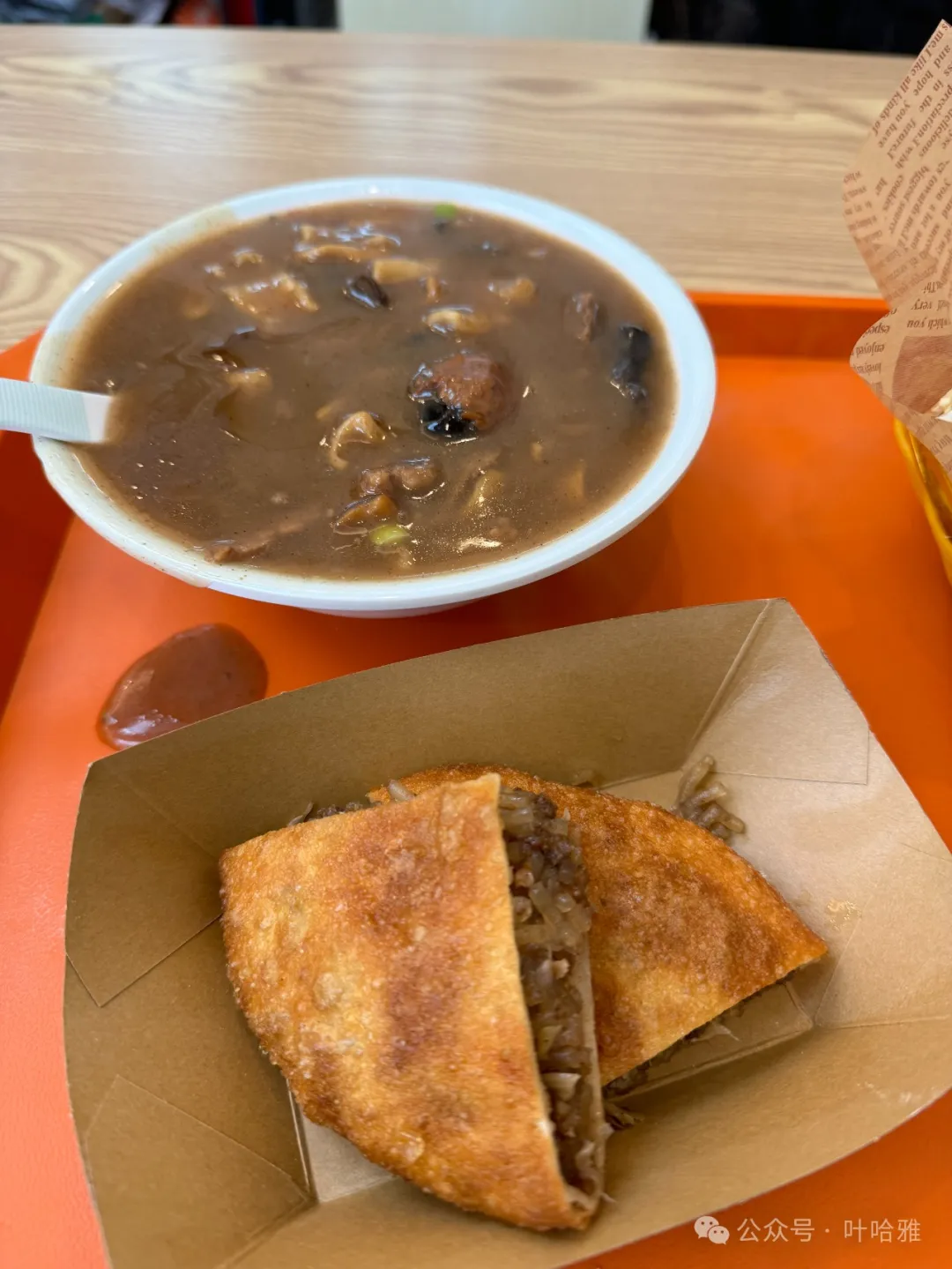
The spicy soup and beef pockets (niurouhe) are very authentic and taste just like Henan.
29. Yandu Barbecue
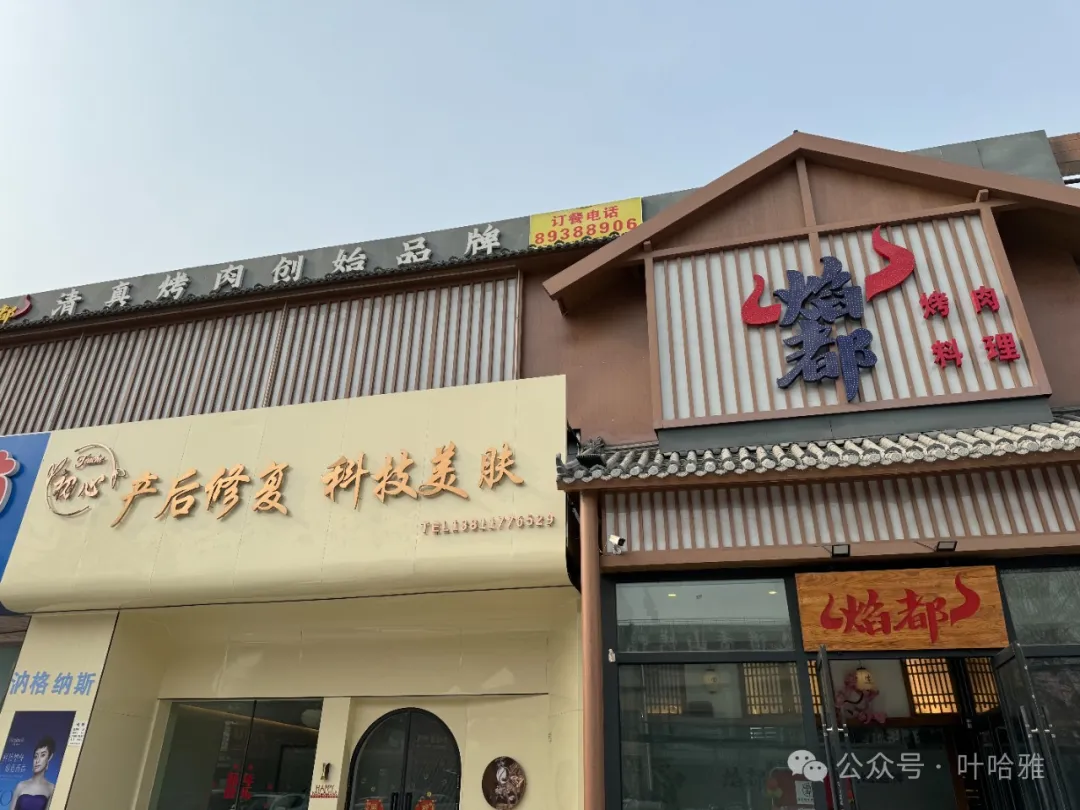
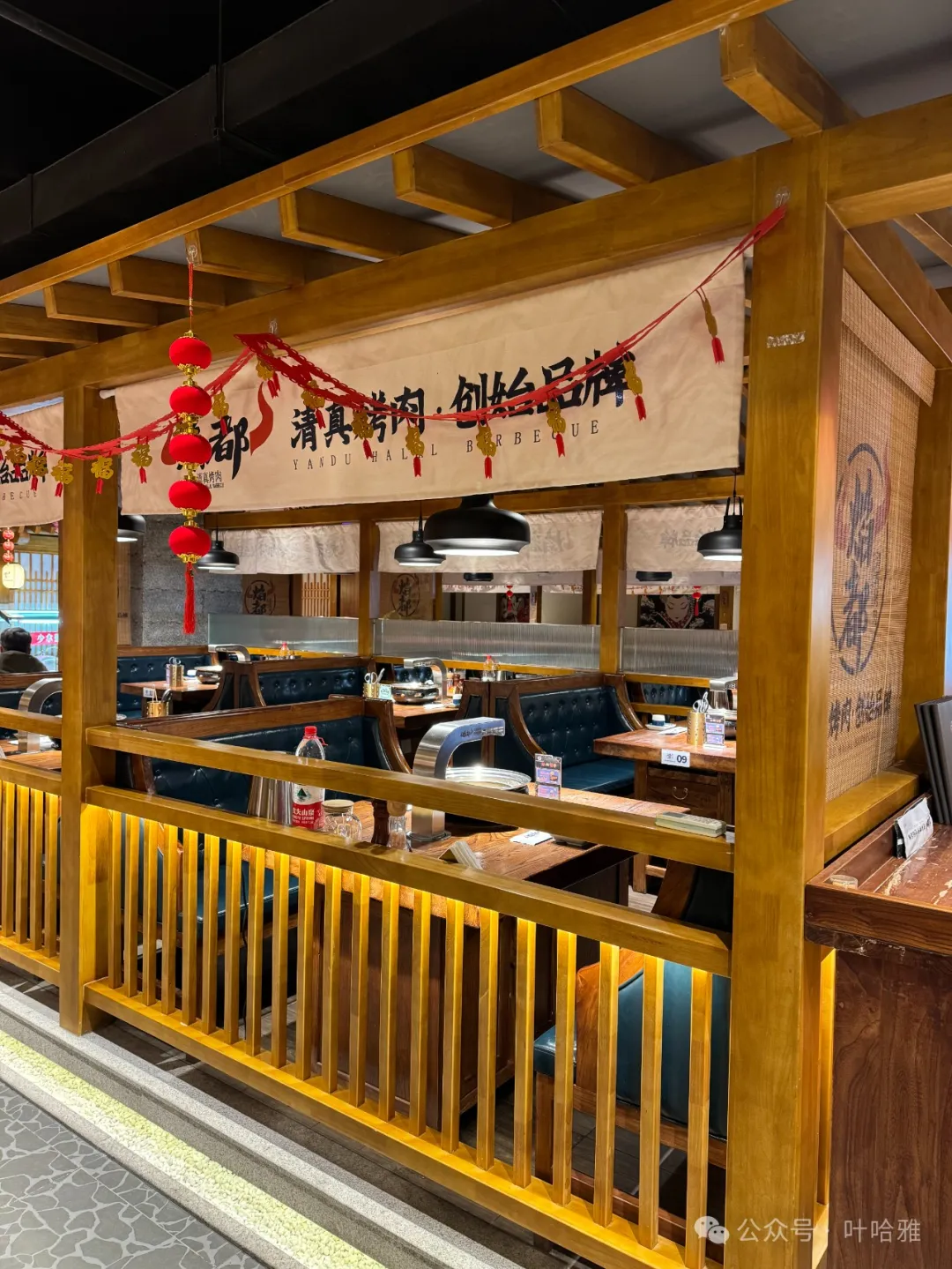
This is a barbecue shop in Doudian, Fangshan. The quality is excellent and it offers better value than Qingu in Changying, costing about 80 yuan per person.
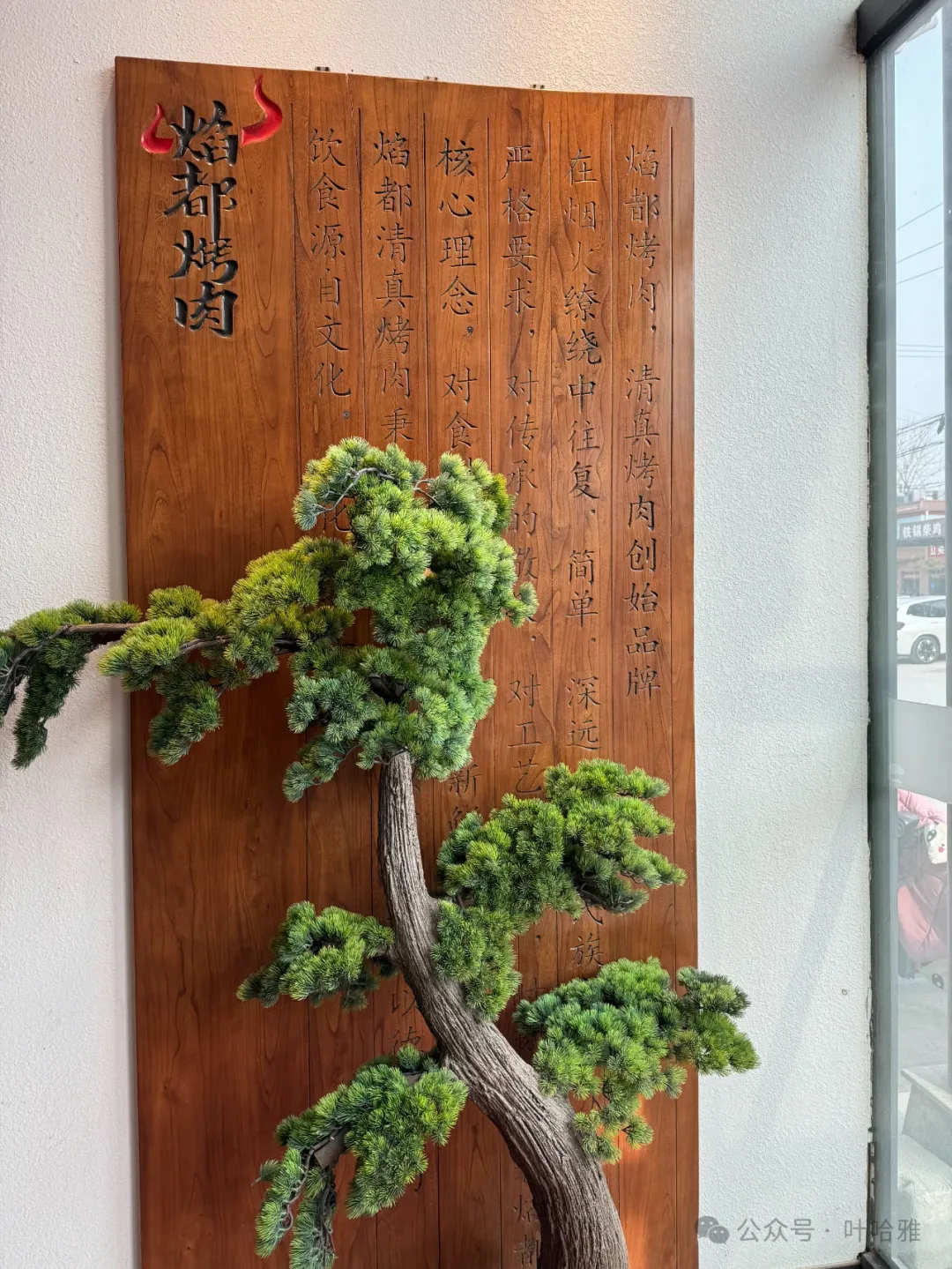
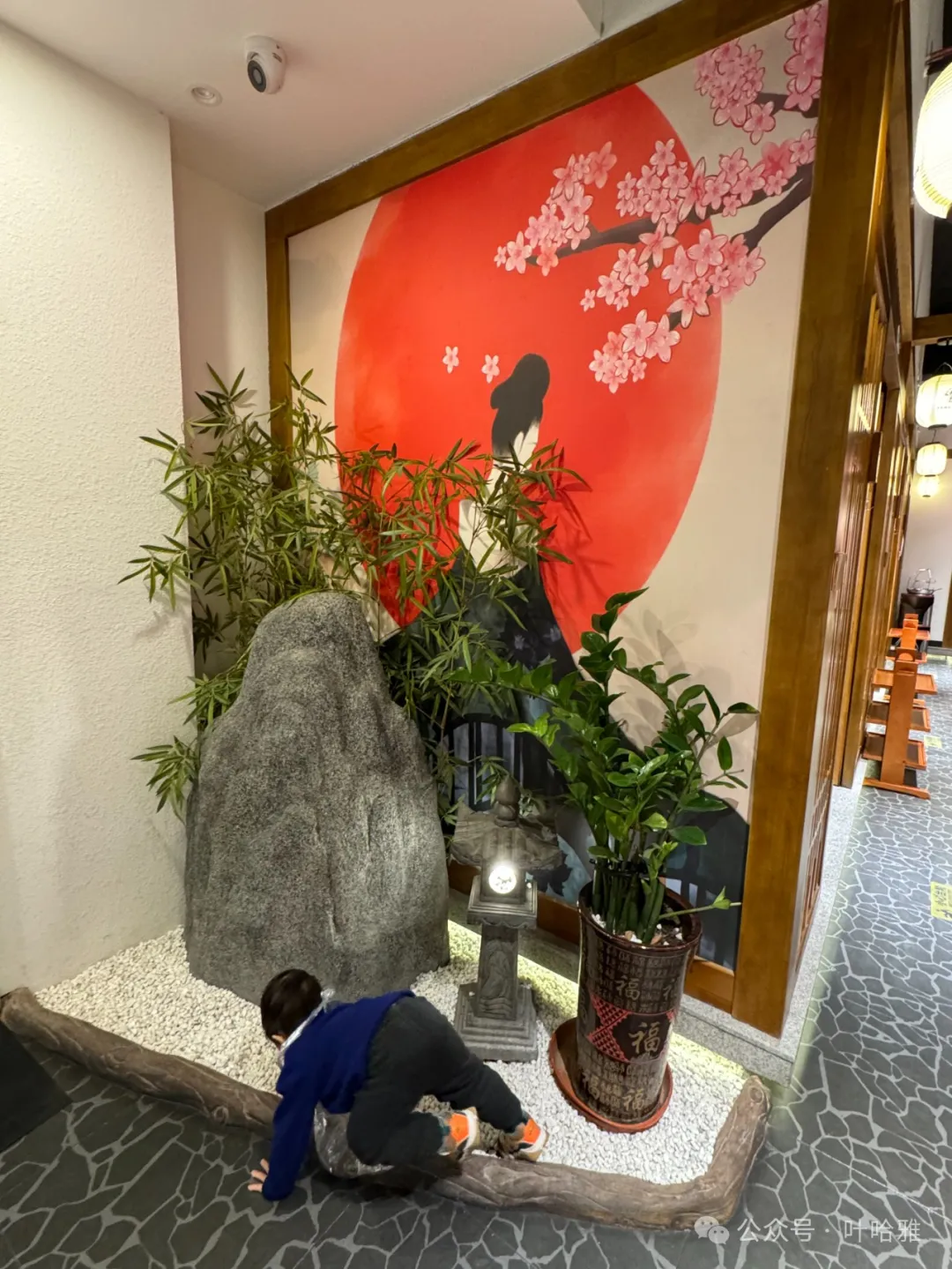
Due to various reasons, many Japanese and Korean restaurants are downplaying their origins. While this shop serves Korean-style barbecue, they have added items like sushi to their menu.
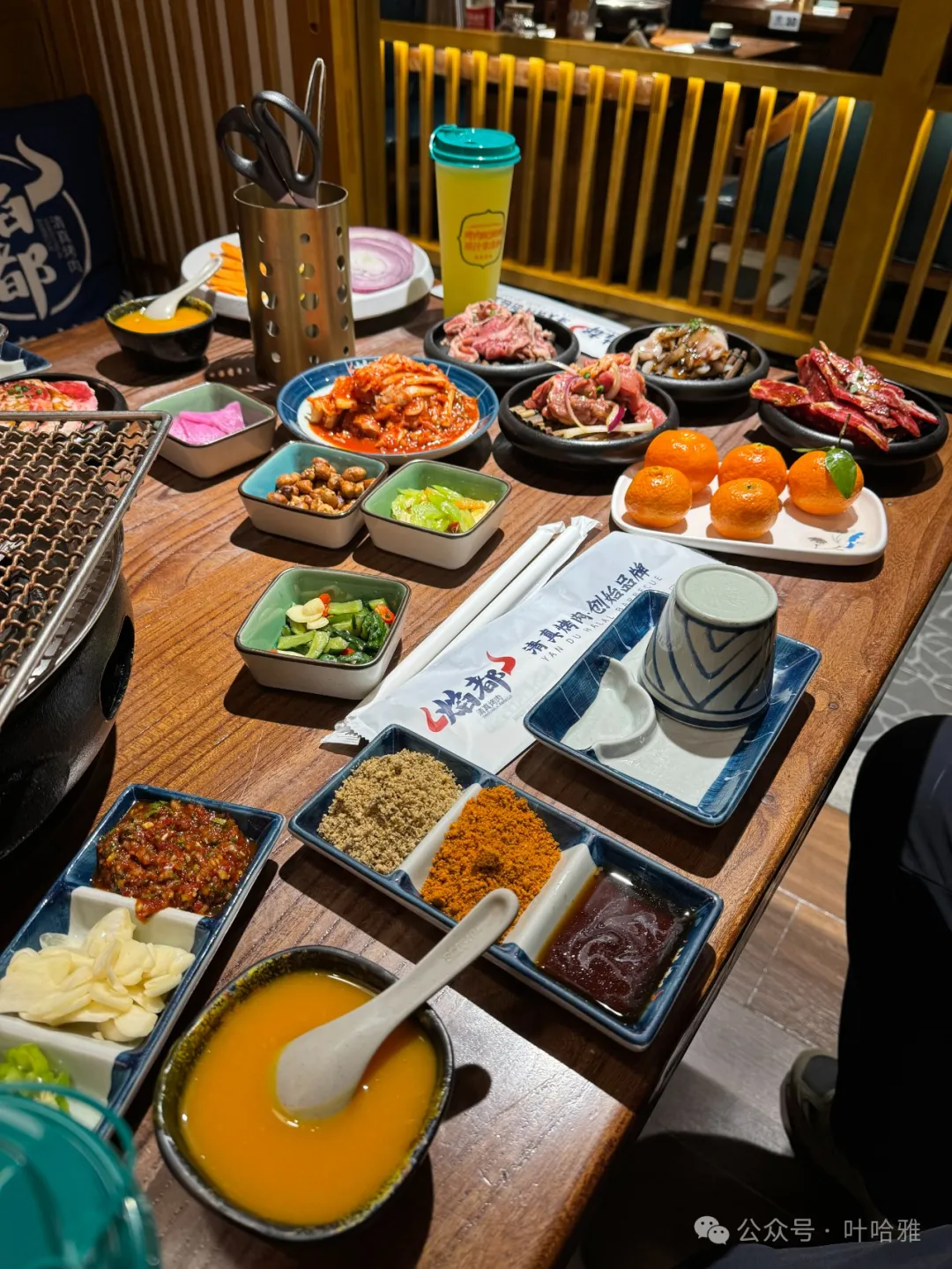
The three-person set meal was enough to fill us up, and we had choices like sushi, stone pot bibimbap, and cold noodles.
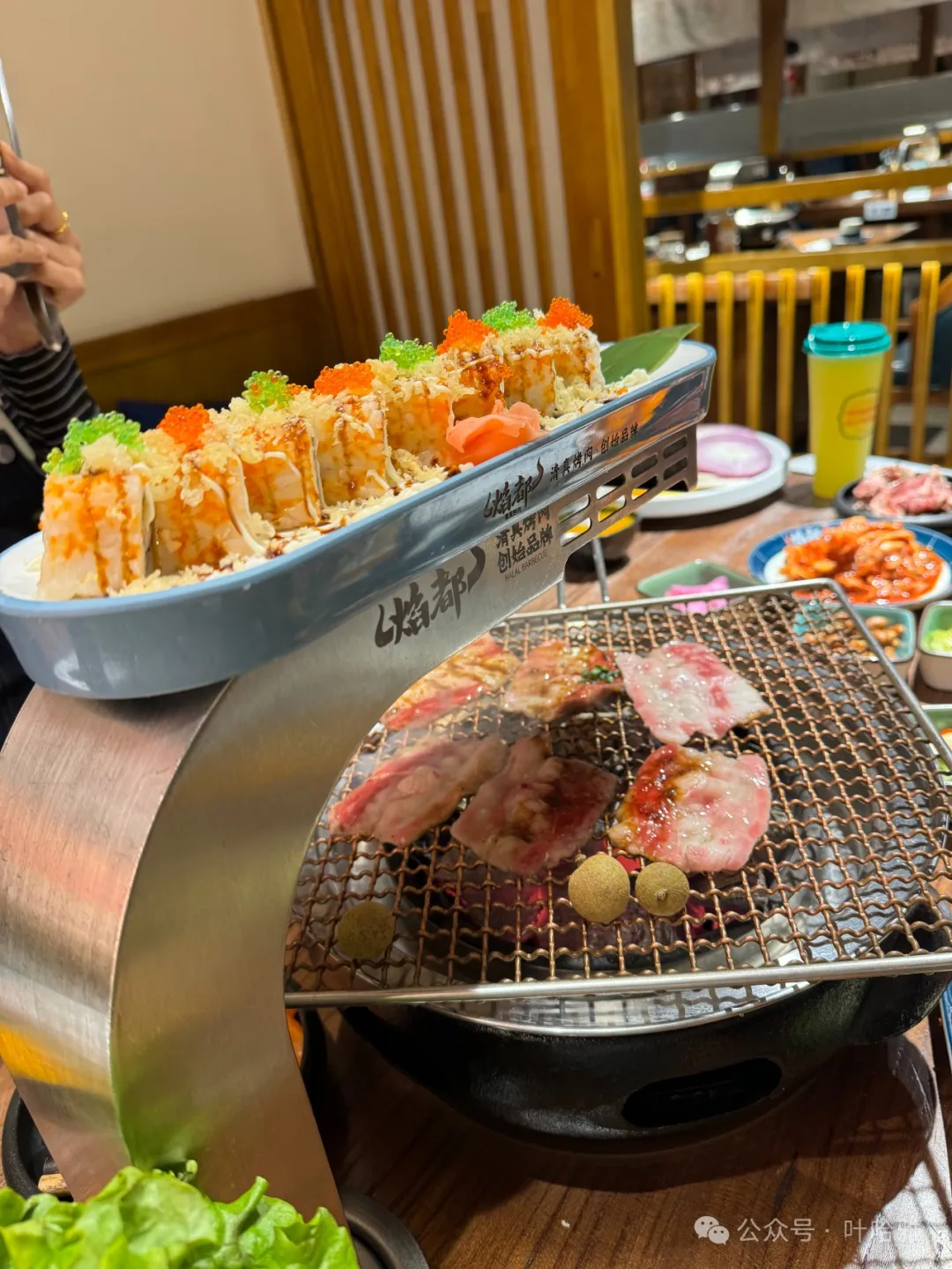
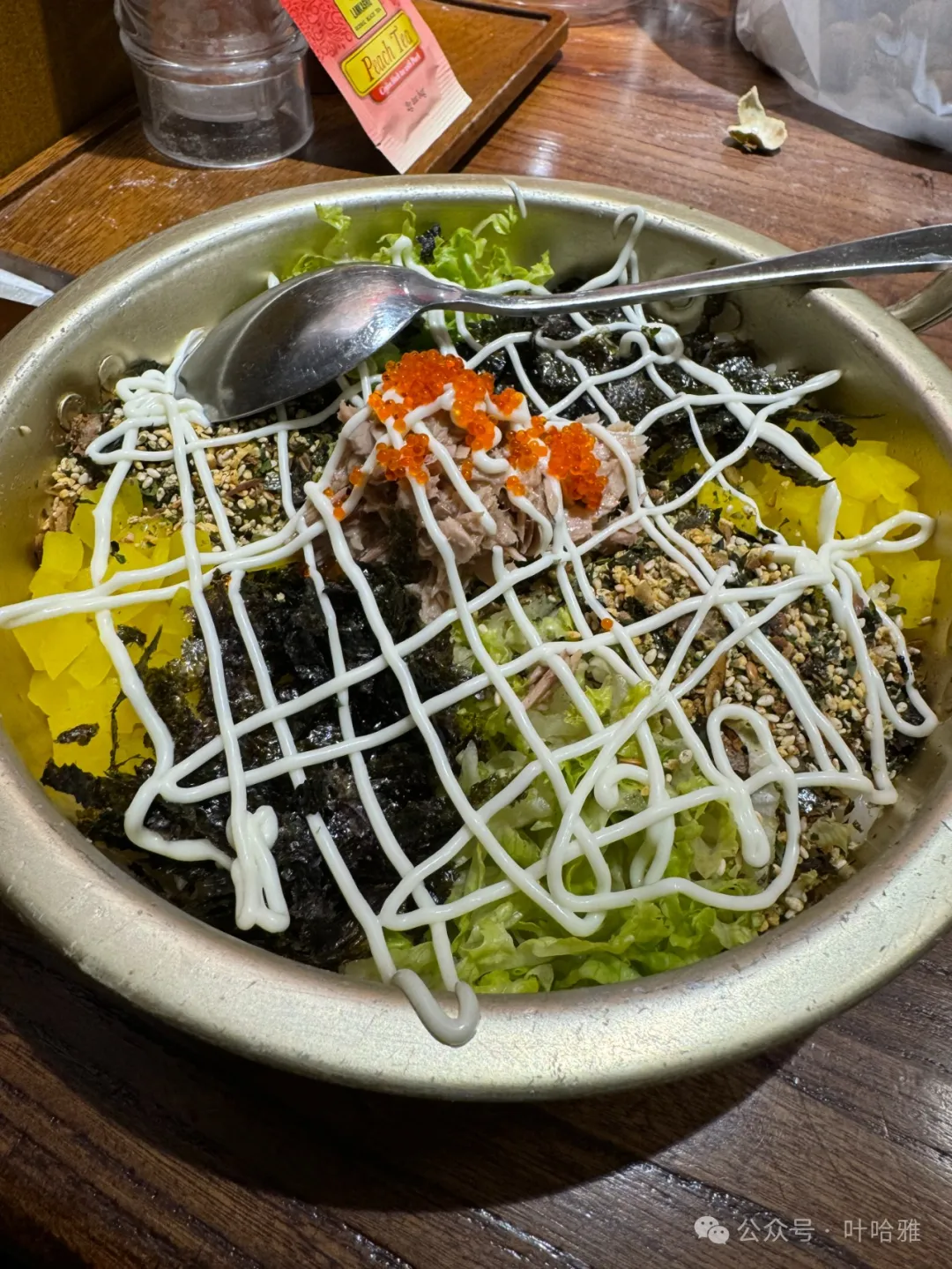
The bibimbap had a rich variety of ingredients and tasted good, and the staff provided attentive service.
30. Al Safir Arabic Restaurant
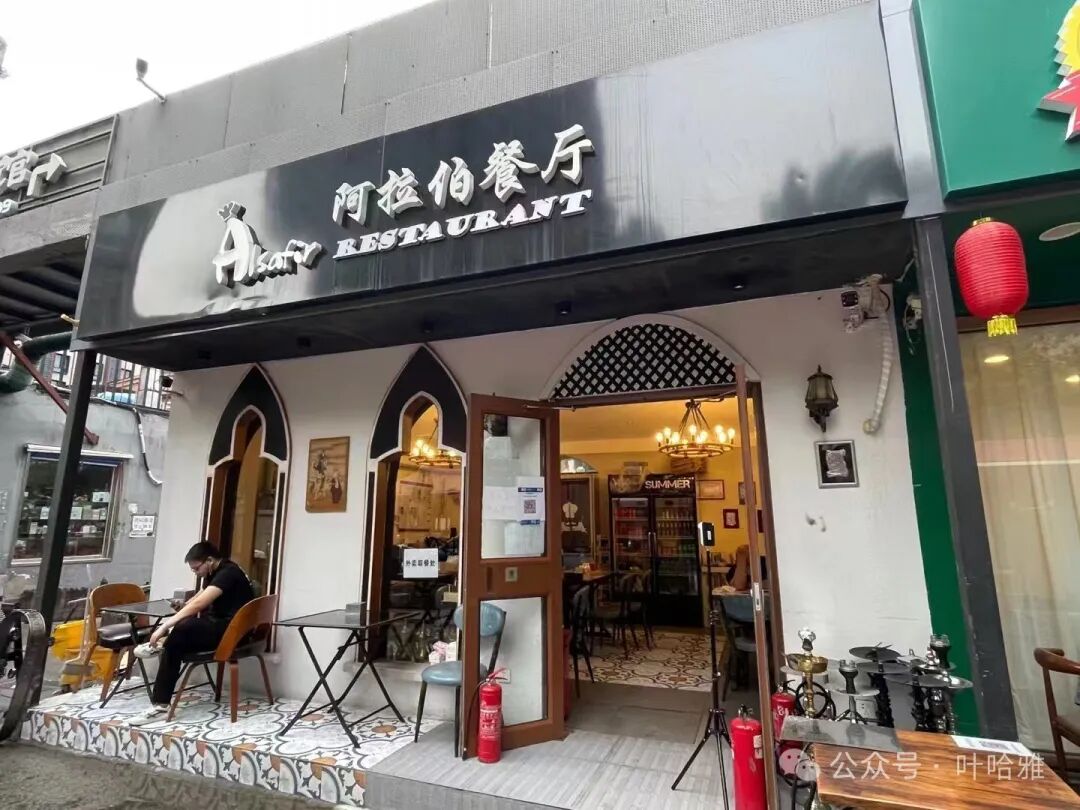
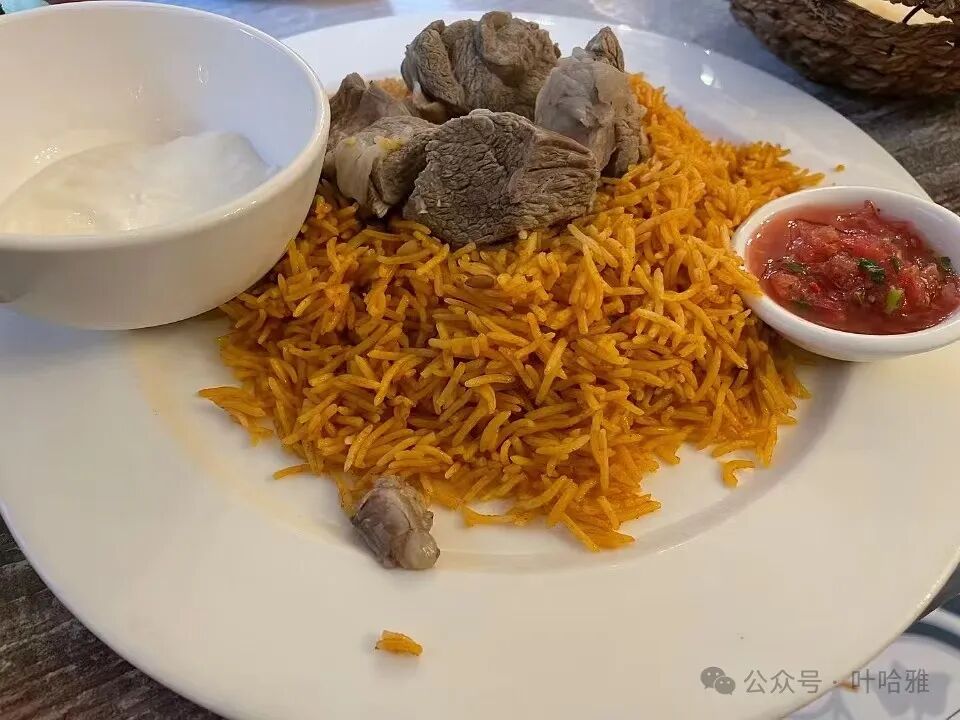
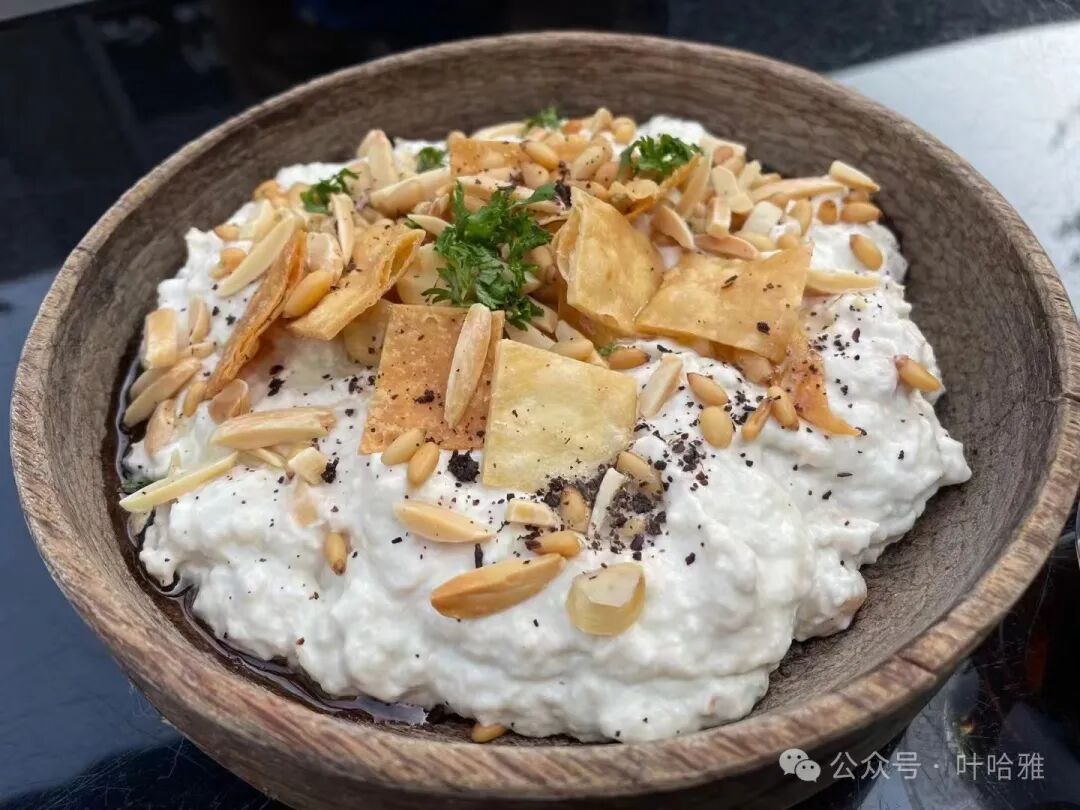
This restaurant has been open in Beijing for over ten years and the food quality is always consistent. The owner is Palestinian, speaks fluent Chinese, is a devout Muslim, and the restaurant does not serve alcohol.
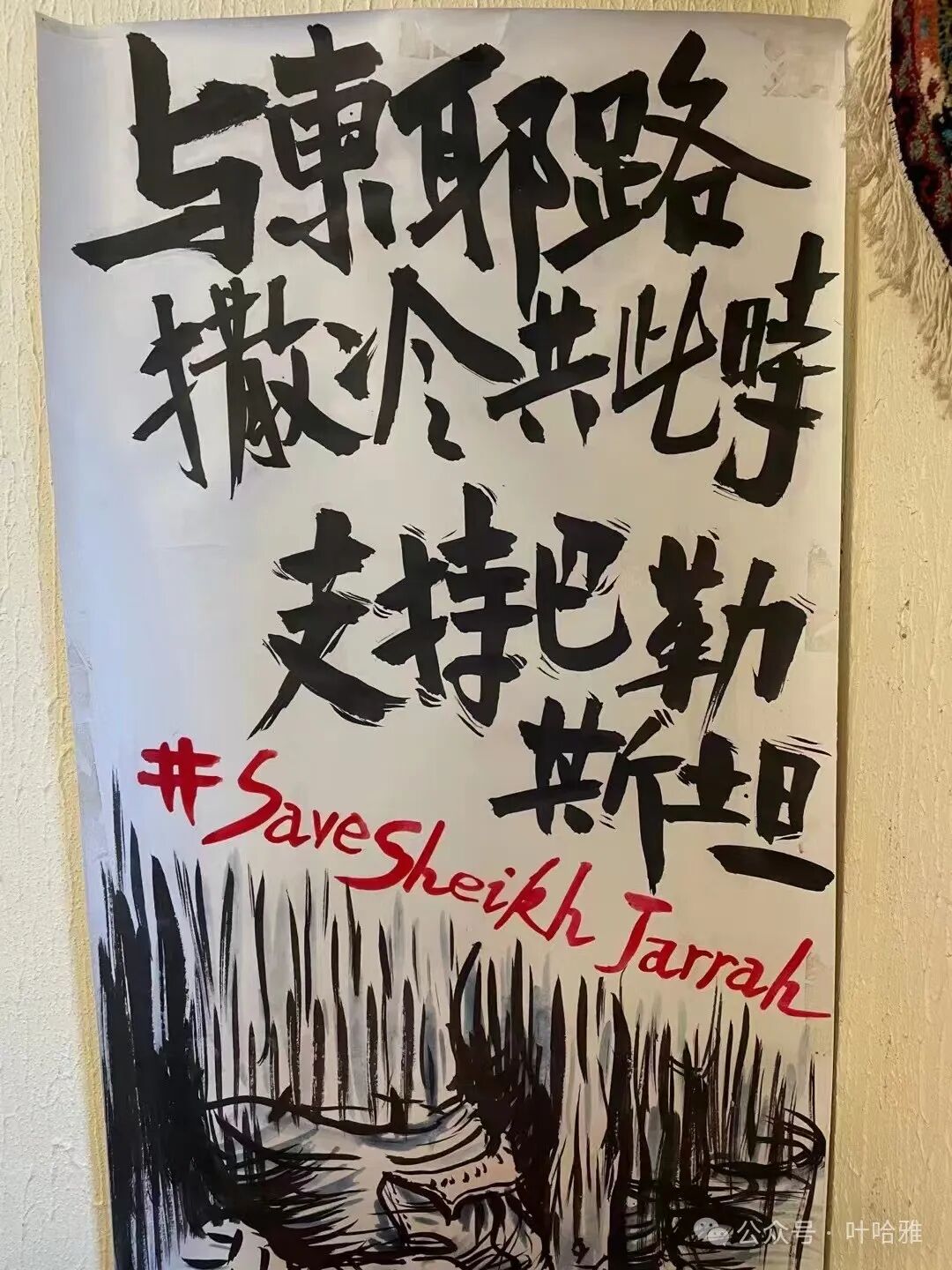
Once, I was drinking tea at the shop with the owner and a few Arab friends. One of the Arab guys started to explain why he hadn't performed his namaz on time, but the owner cut him off immediately. He told him not to make any excuses, saying that missing a prayer is wrong and there was nothing more to say.
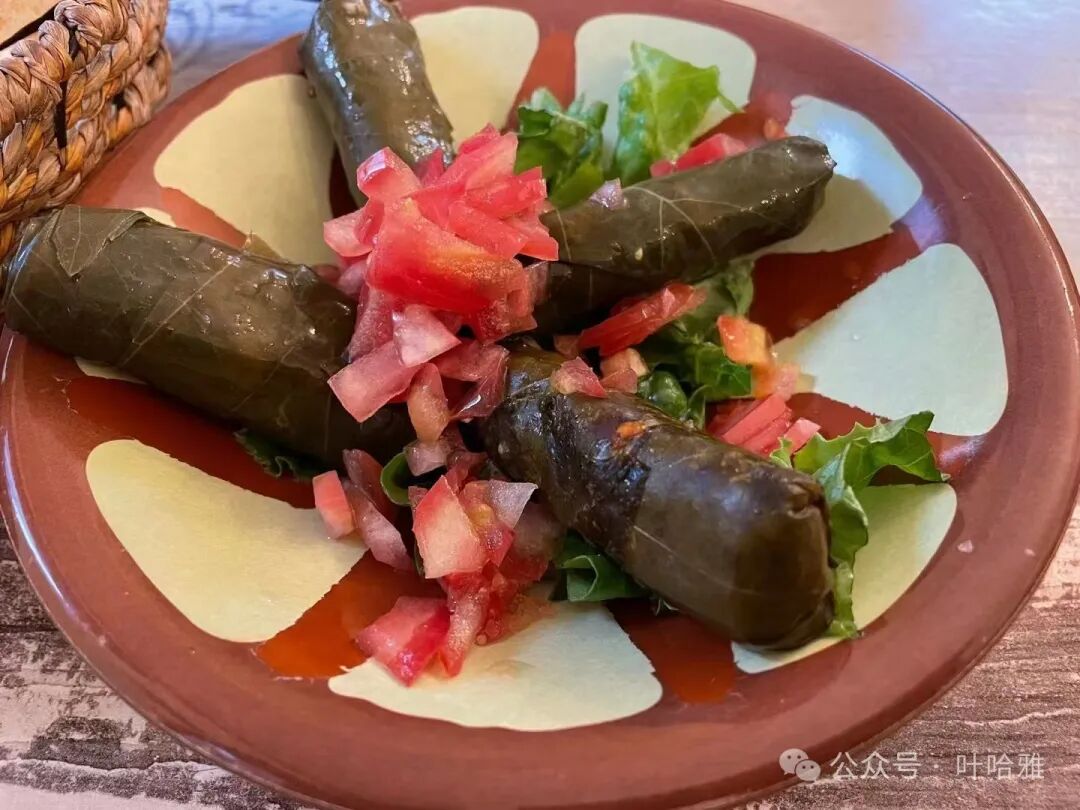
The owner's mother lives in Jordan, which hosts the largest number of Palestinian refugees. He once brought her to live in Beijing for a while, but she wasn't used to it because she couldn't hear the adhan (the call to prayer) five times a day, so she moved back to Jordan.
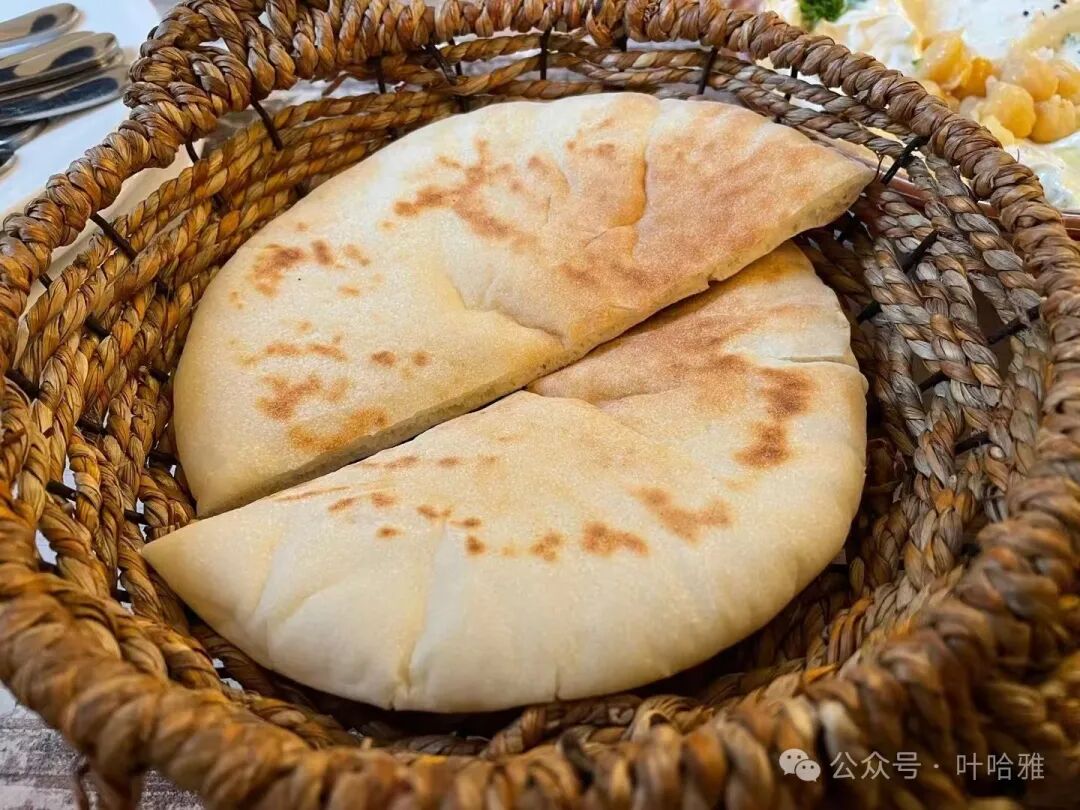
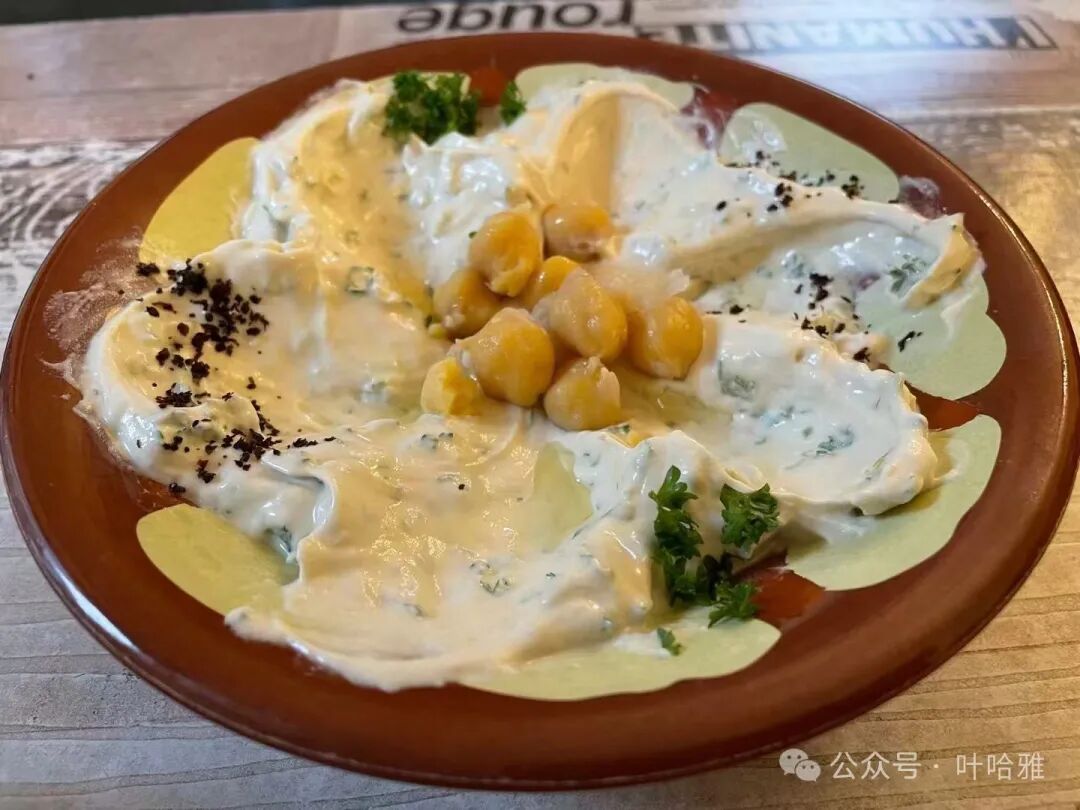
A foreign restaurant that has stayed open for over a decade without selling alcohol must have great food. It is also one of the more affordable Arab restaurants in Beijing, with an average cost of about 100 yuan per person.
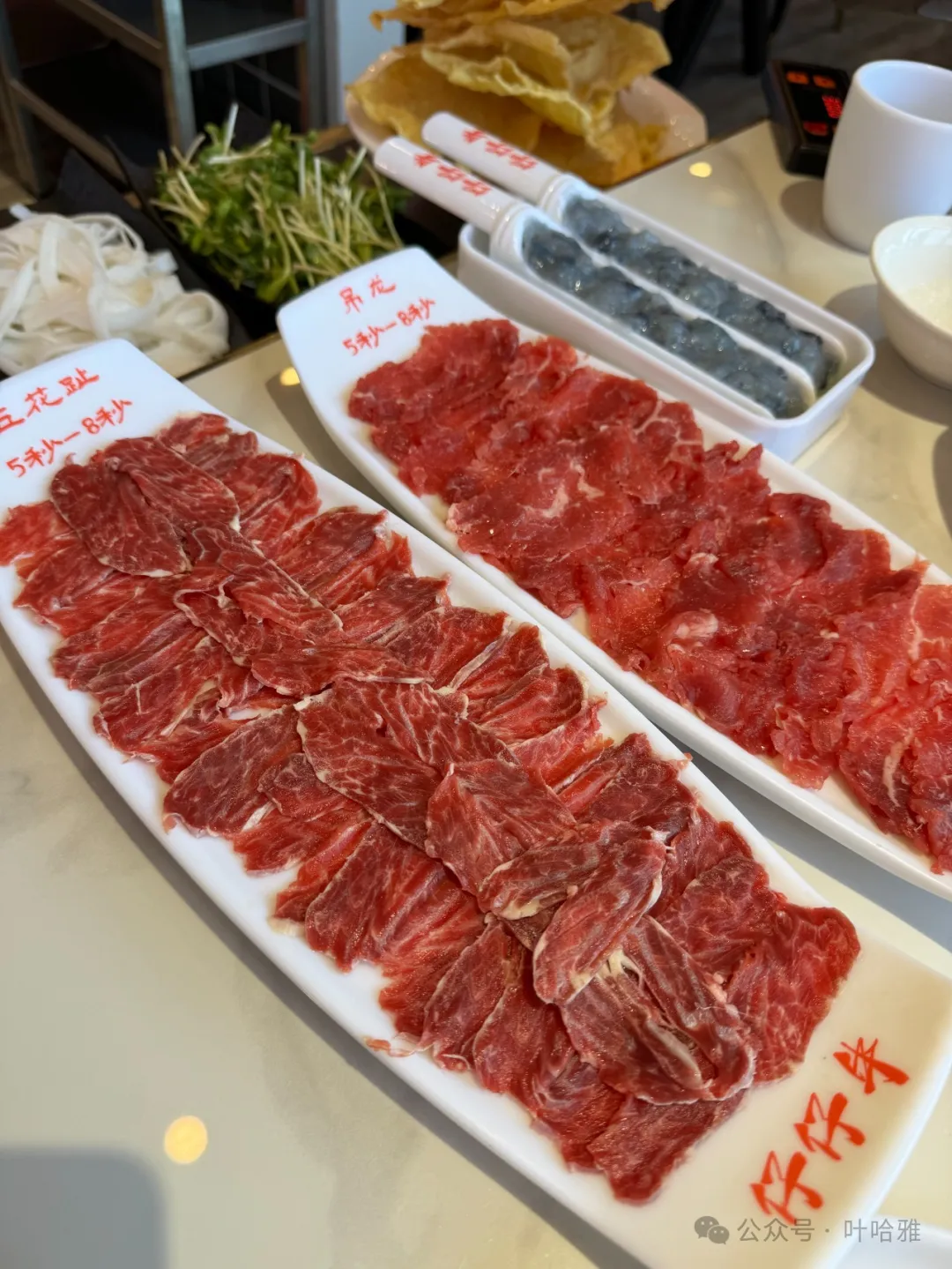
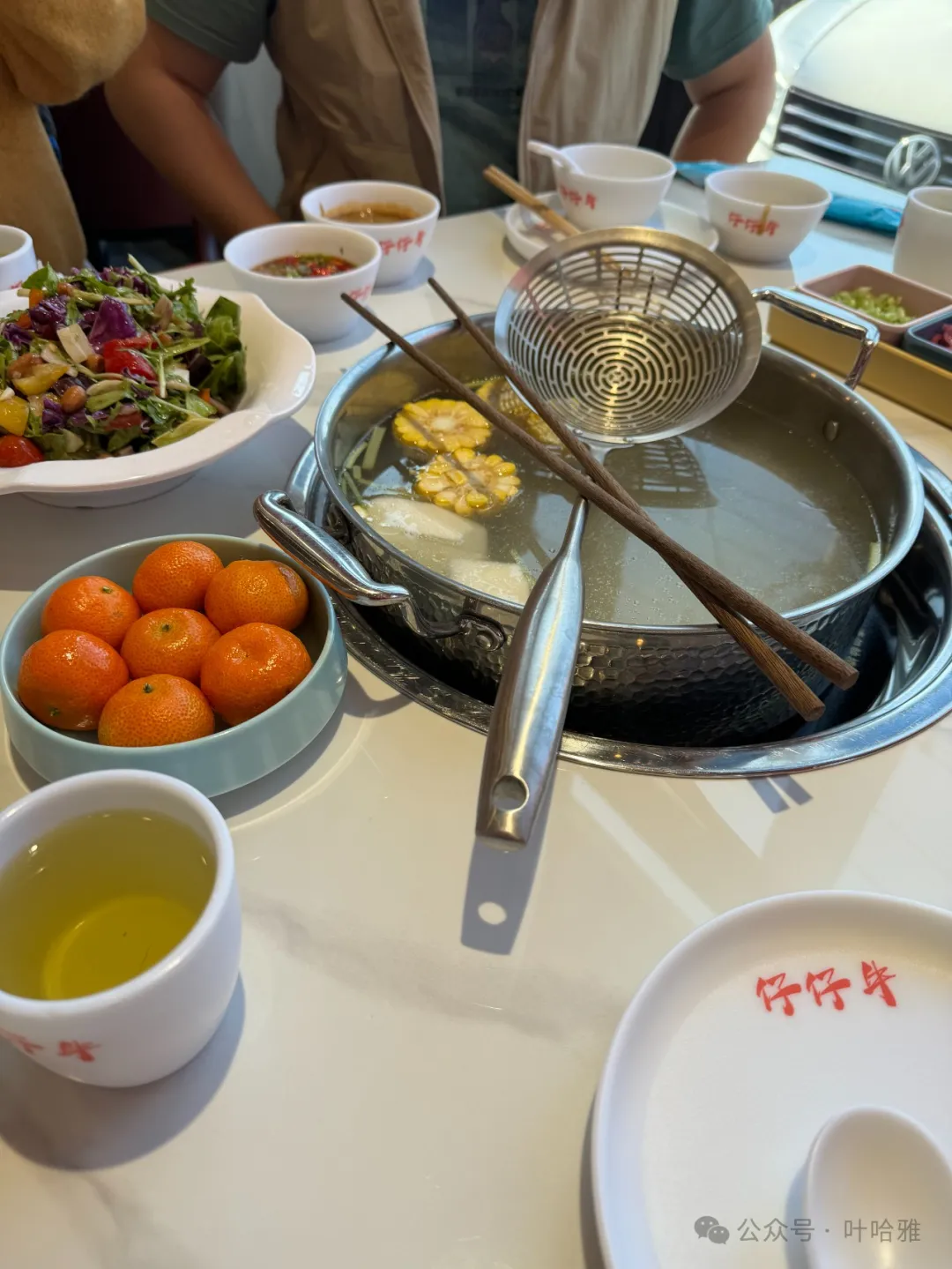
31. Yangfang Hot Pot (Yangfang Shuanrou)
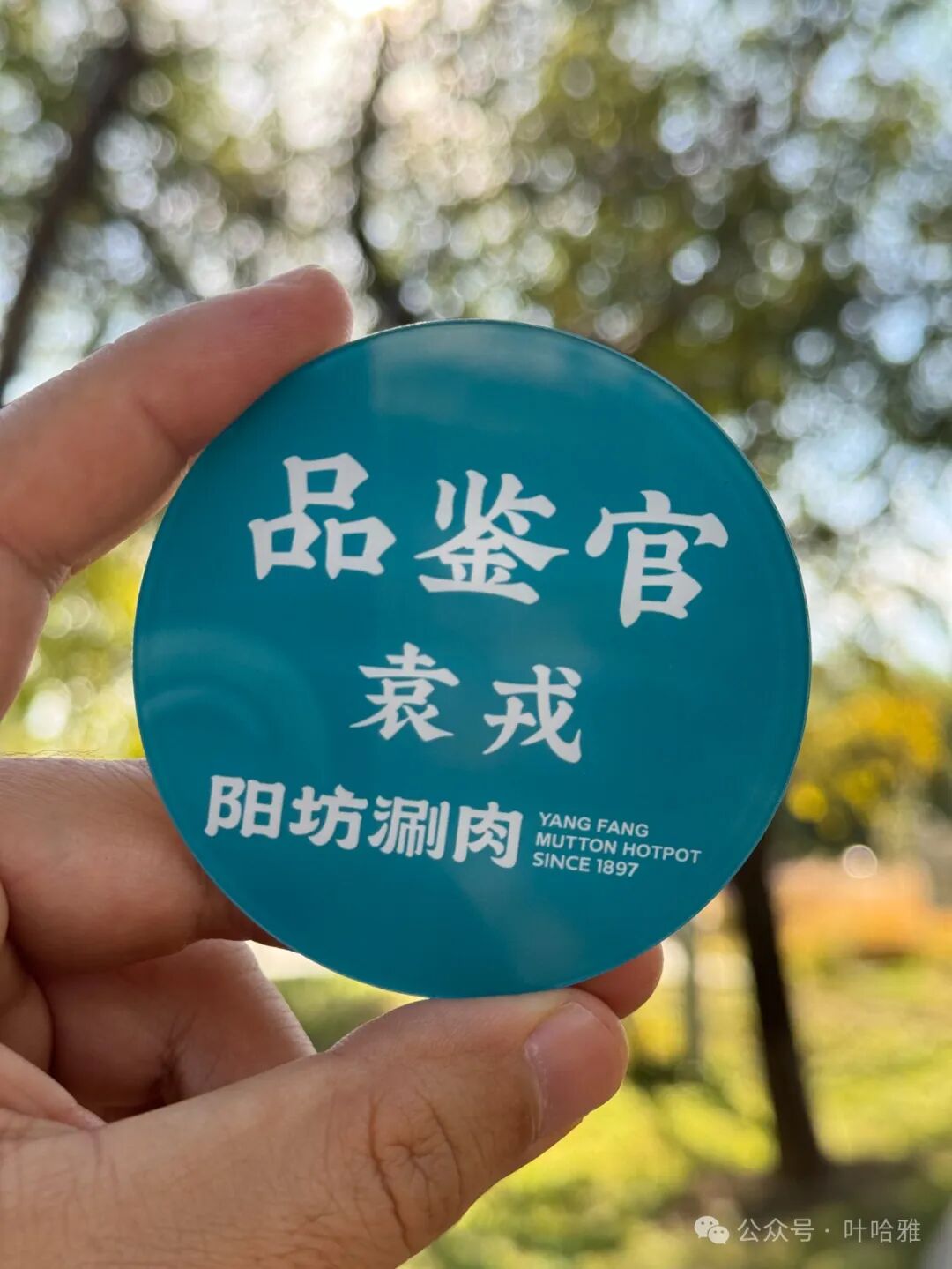
As a food critic for Yangfang Hot Pot, I have visited almost all of their direct-managed stores in Beijing. I can honestly say that Yangfang's service and food quality control are better than any traditional hot pot restaurant in the city. In the current tough restaurant market, Yangfang continues to grow against the trend, which is due to their commitment to excellence in management.
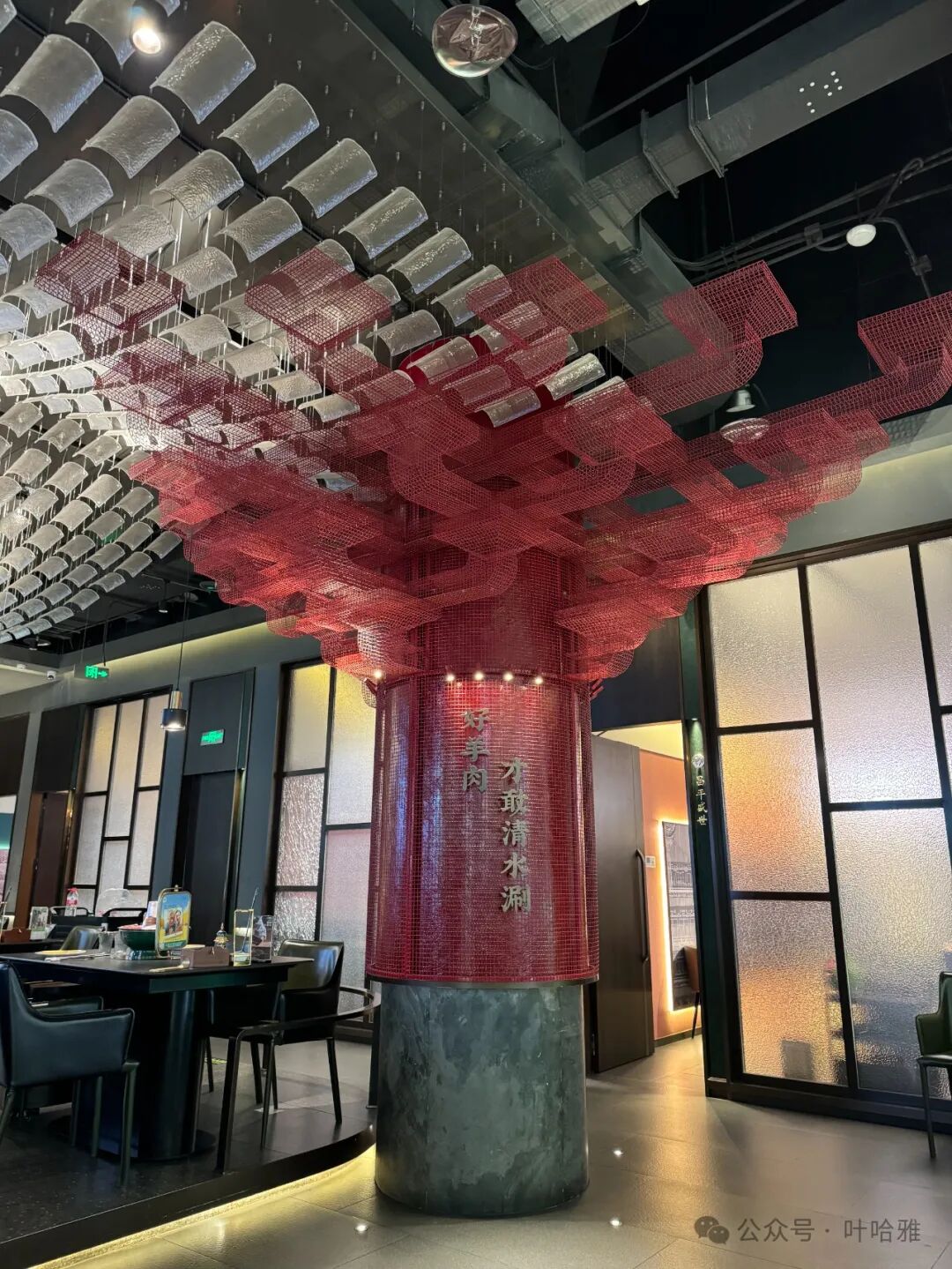
Among the many Yangfang Hot Pot locations, the service at the Yangfang Beitou flagship store is especially detail-oriented and almost flawless.
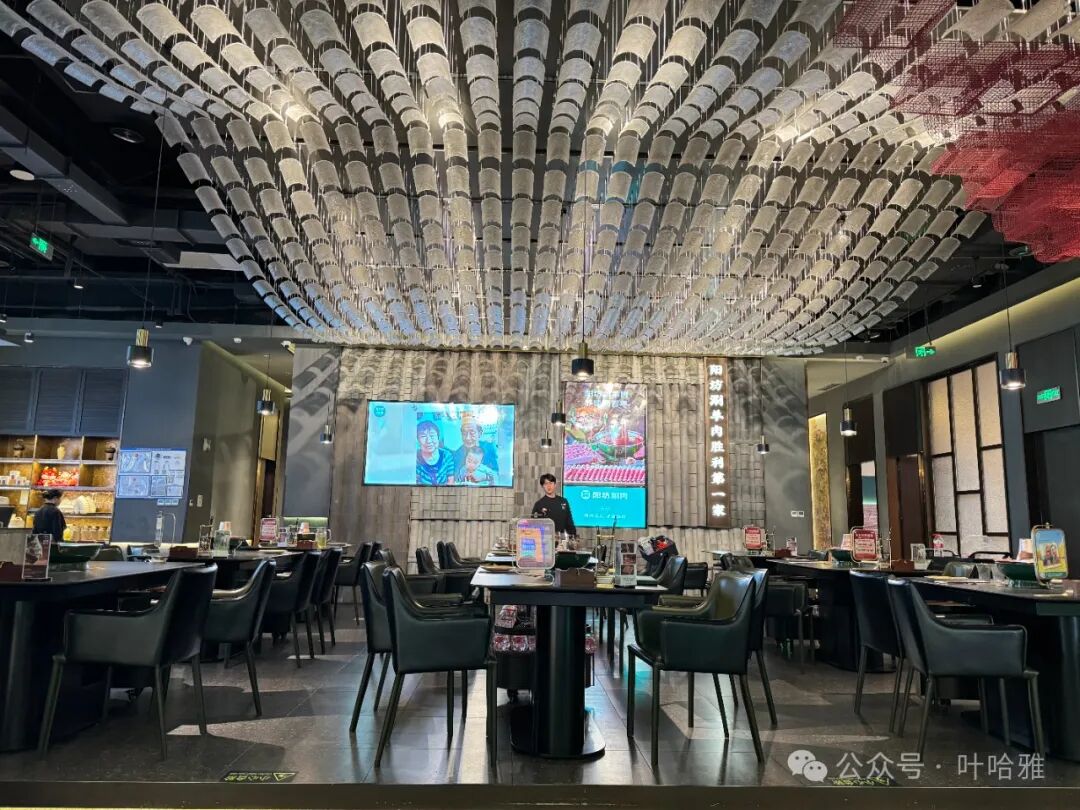
Before experiencing the high-quality service at Yangfang, I used to ignore the service standards at halal restaurants and only cared about the food. Now, I realize that in China's highly competitive restaurant market, you cannot win over customers without focusing on service.
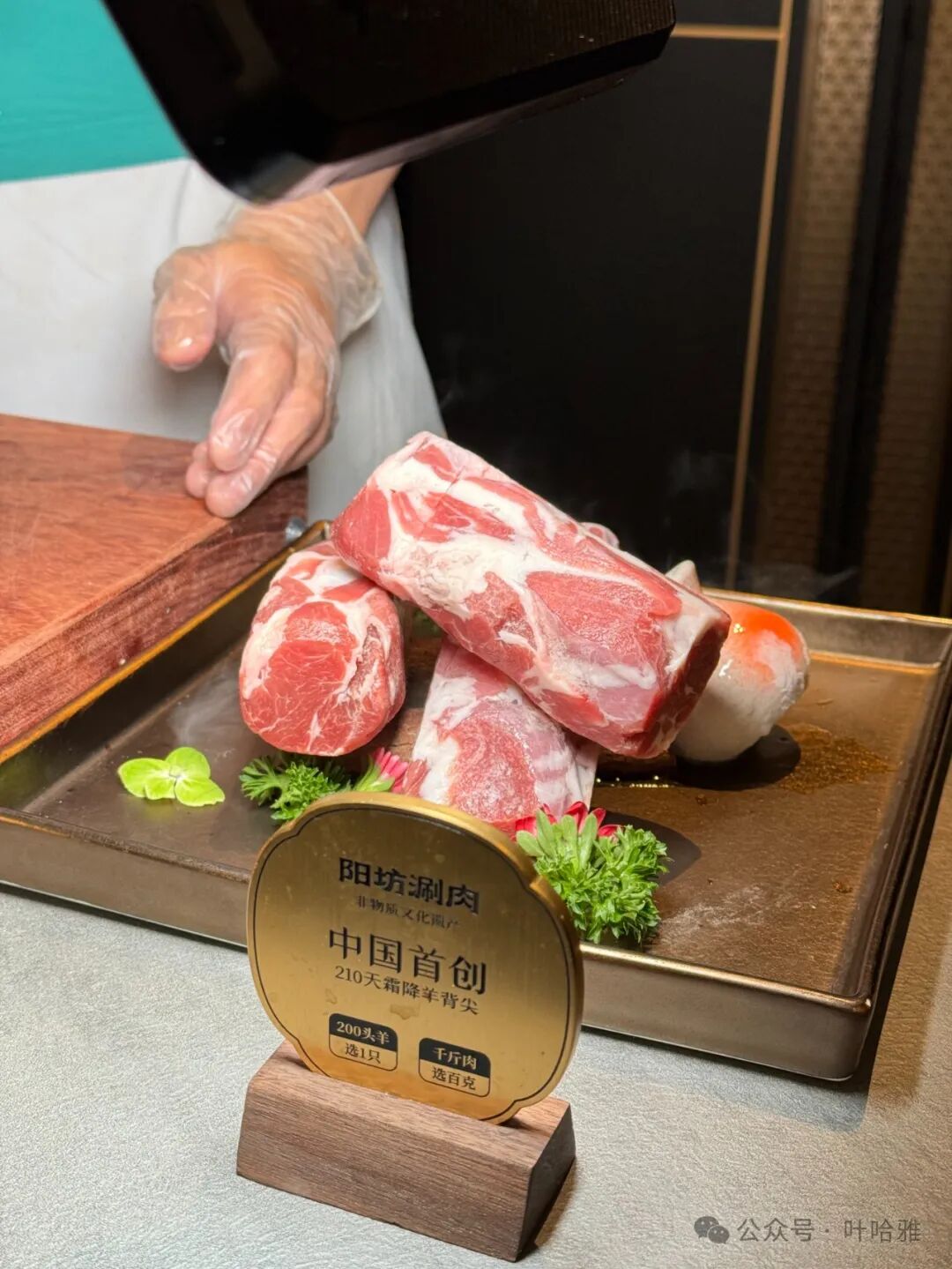
Yangfang pioneered the 210-day frost-marbled lamb back tip, which is priced at 1.6 yuan per gram, or about 800 yuan for 500 grams.
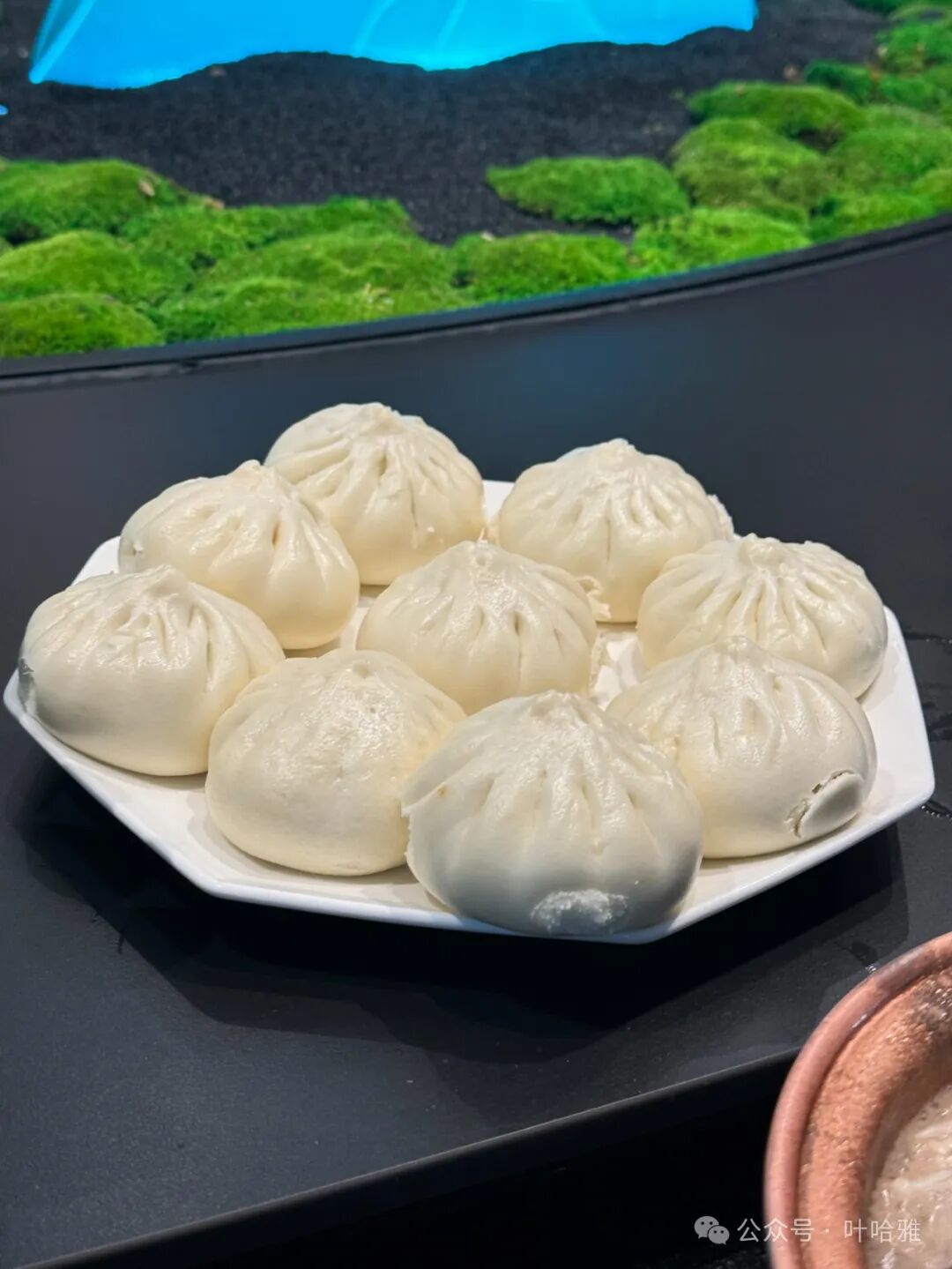
Hot pot restaurants today can't just rely on meat quality. Just as Jubao Yuan is famous for its sesame flatbread (shaobing) and Manheng Ji for its sugar pancakes (tangbing), Yangfang's handmade beef buns (baozi) and steamed dumplings (shaomai) are excellent. They even sell these as packaged semi-finished products that you can order through their mini-program for home delivery.
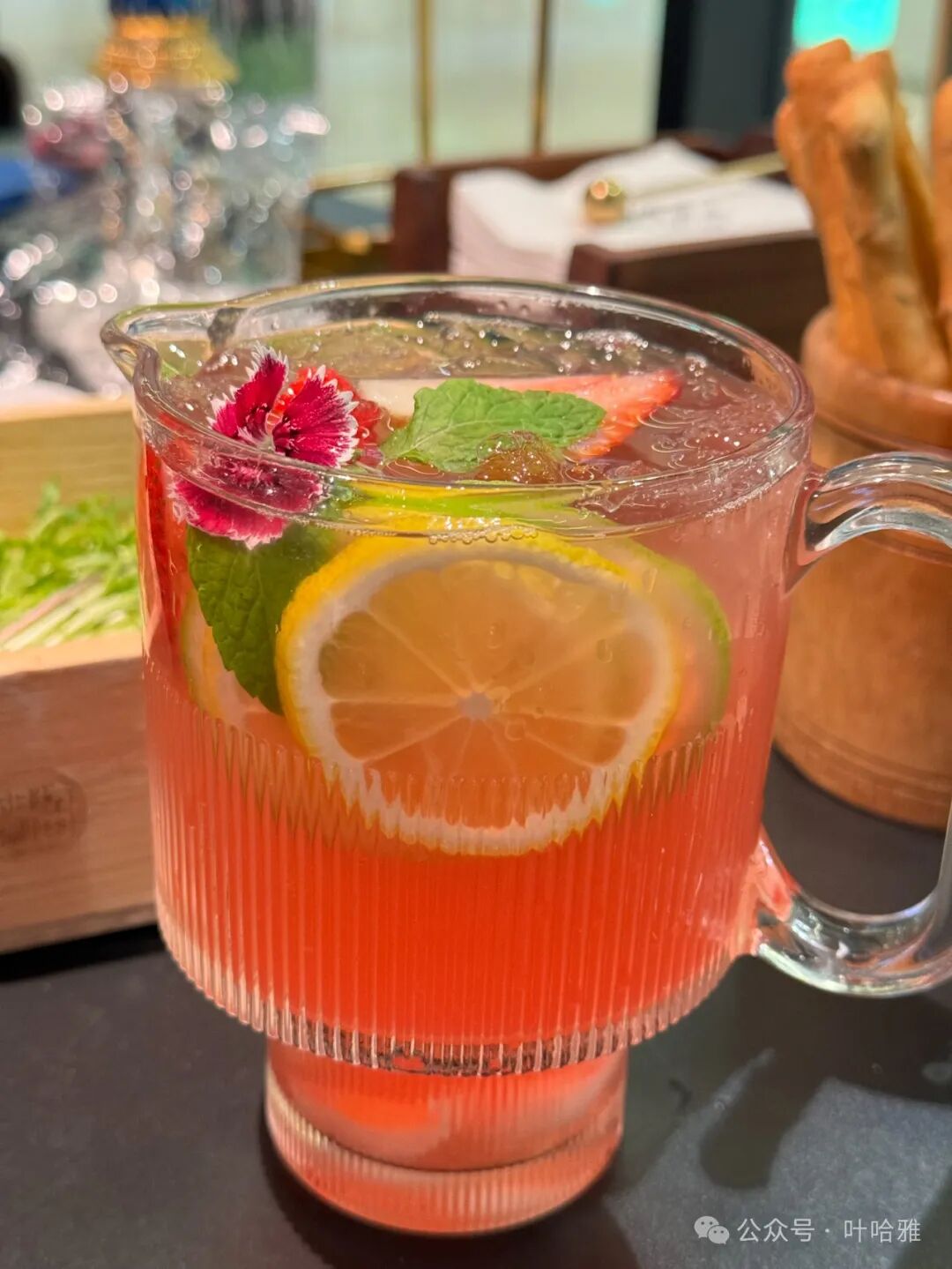
The drinks at Yangfang Hot Pot are another highlight. They aim to match the quality of Heytea, and their homemade fruit tea and sour plum drink (suanmeitang) are very popular.
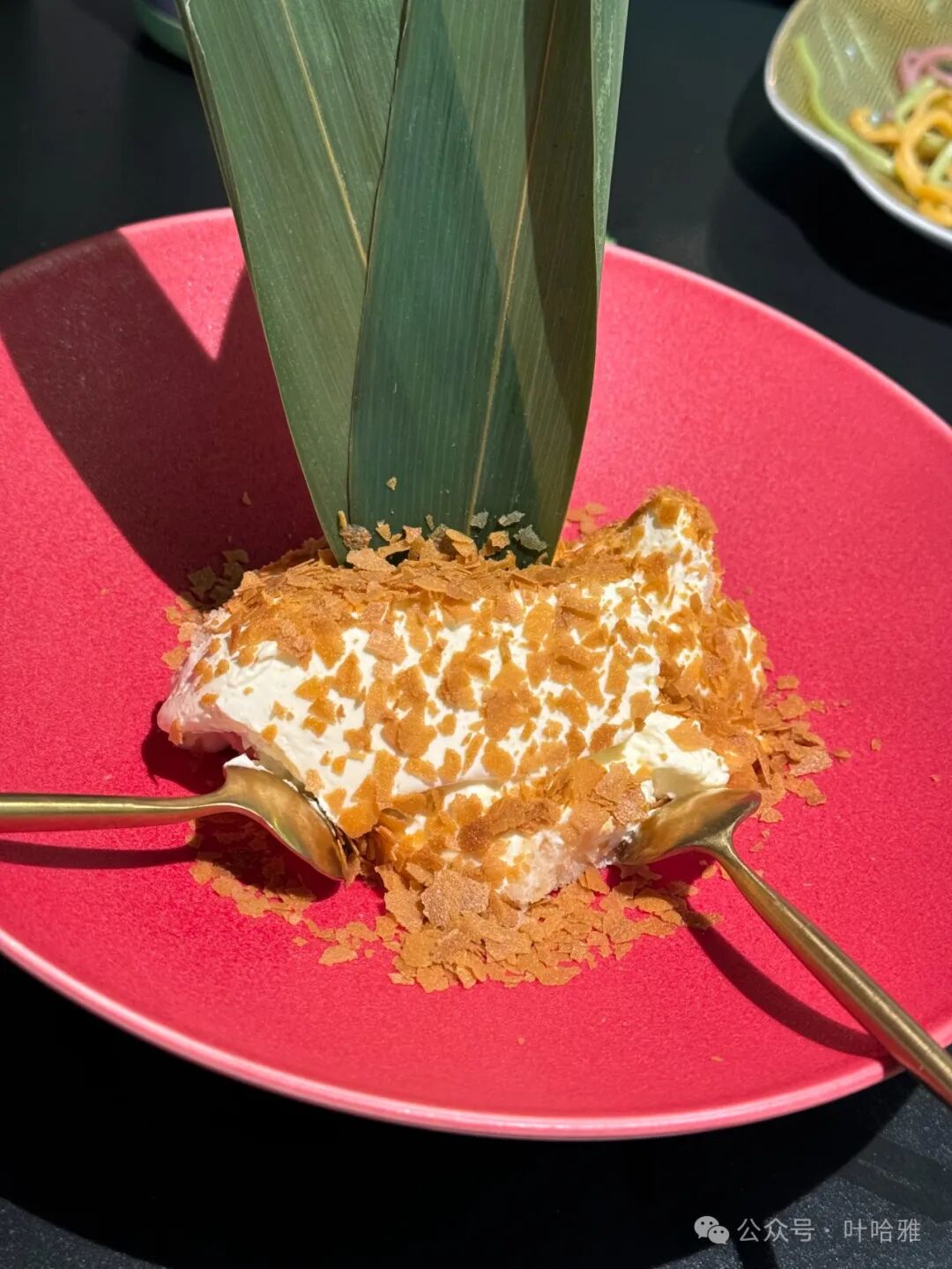
The durian-flavored tiramisu at the flagship store is so good that it rivals any specialty dessert shop.
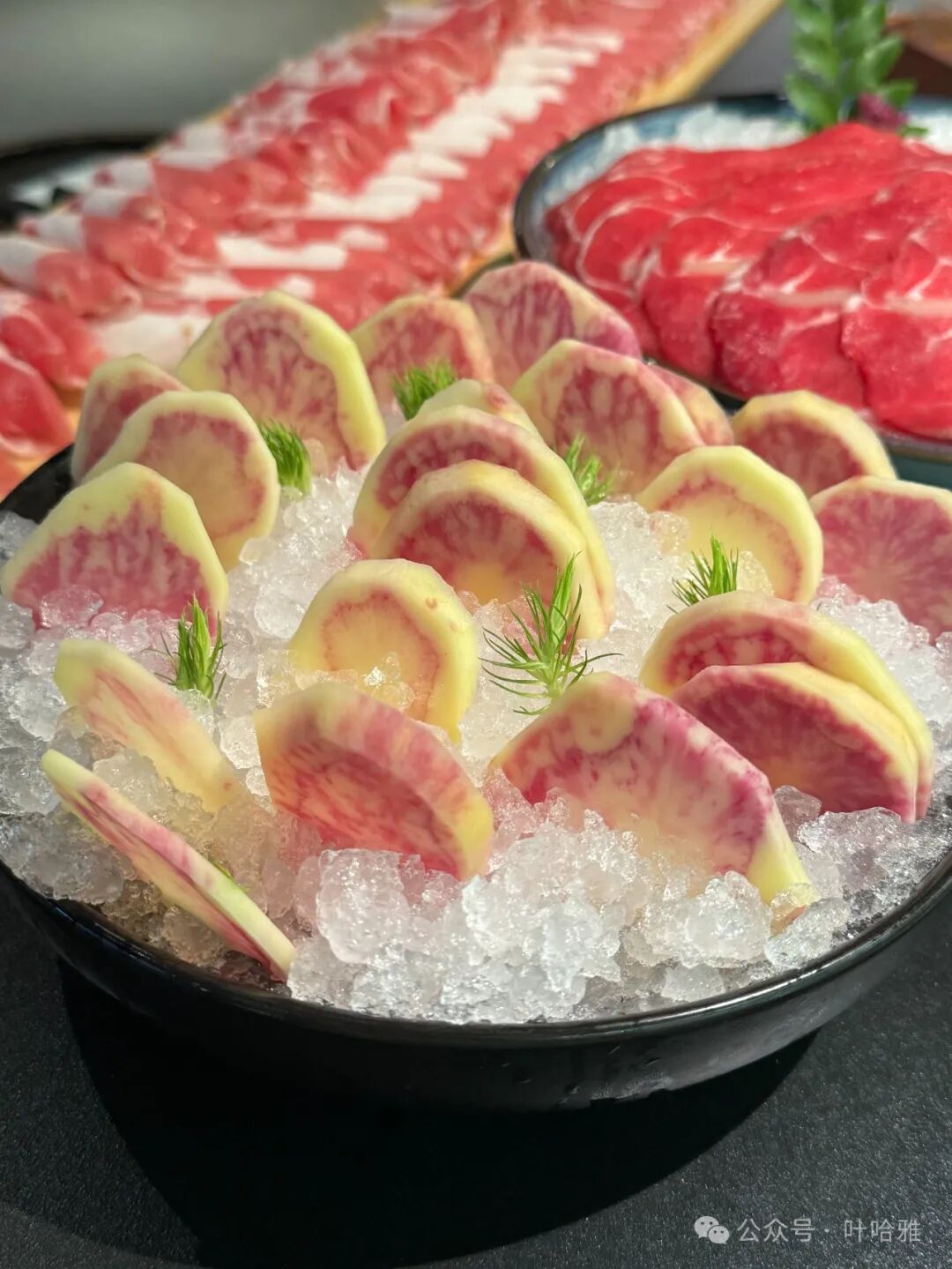
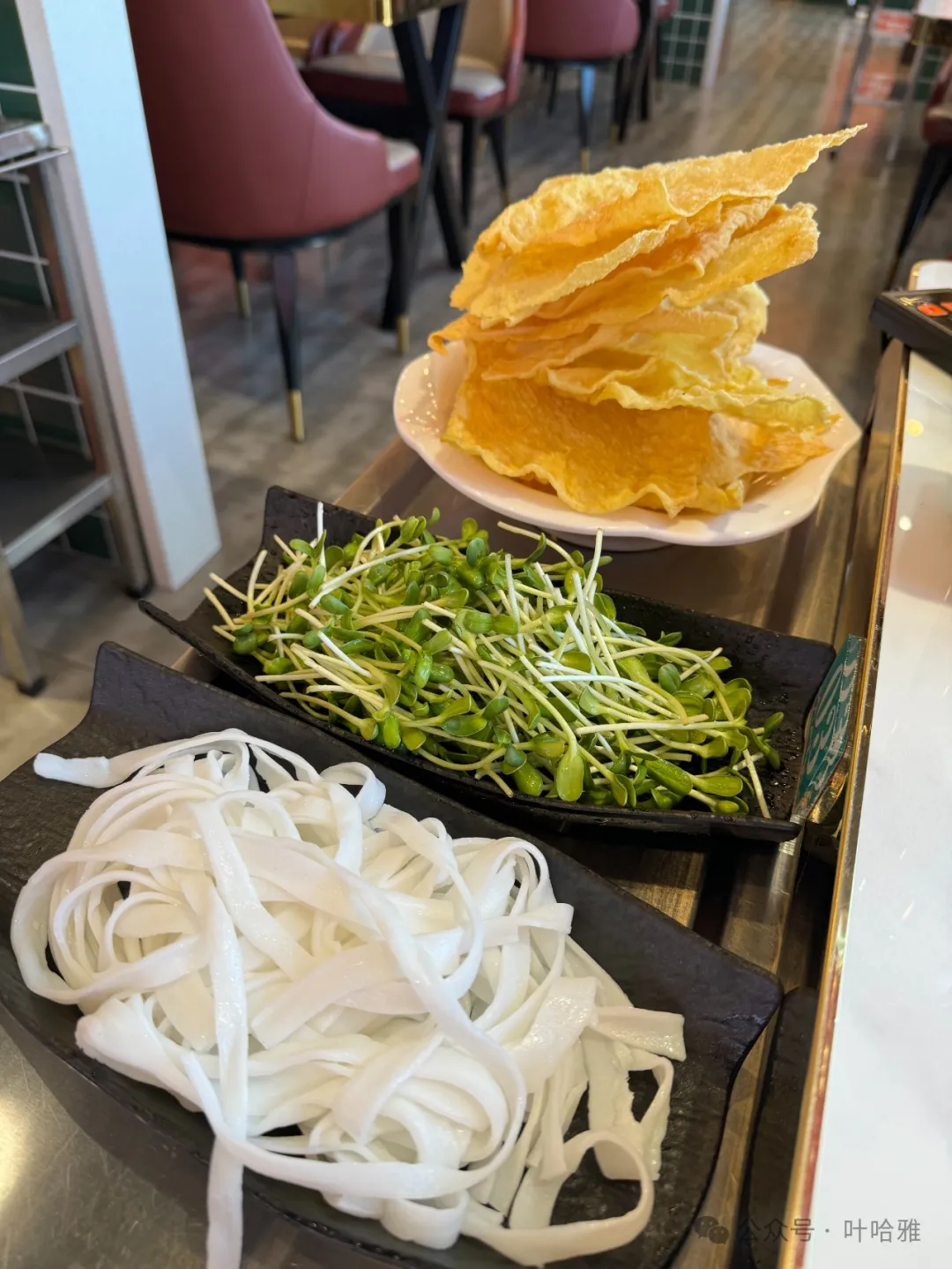
Their hot pot vegetables look as good as they taste, and the hydroponic vegetables are safe and healthy. My interest in their vegetables, drinks, desserts, and staple foods has actually surpassed my interest in the meat. Yangfang is also very kid-friendly. Fahim gets a toy every time we go, and the quality of the children's bibs they provide is even better than the ones we buy ourselves. You can take them home after the meal, and my son uses his at home now.
32. Merv
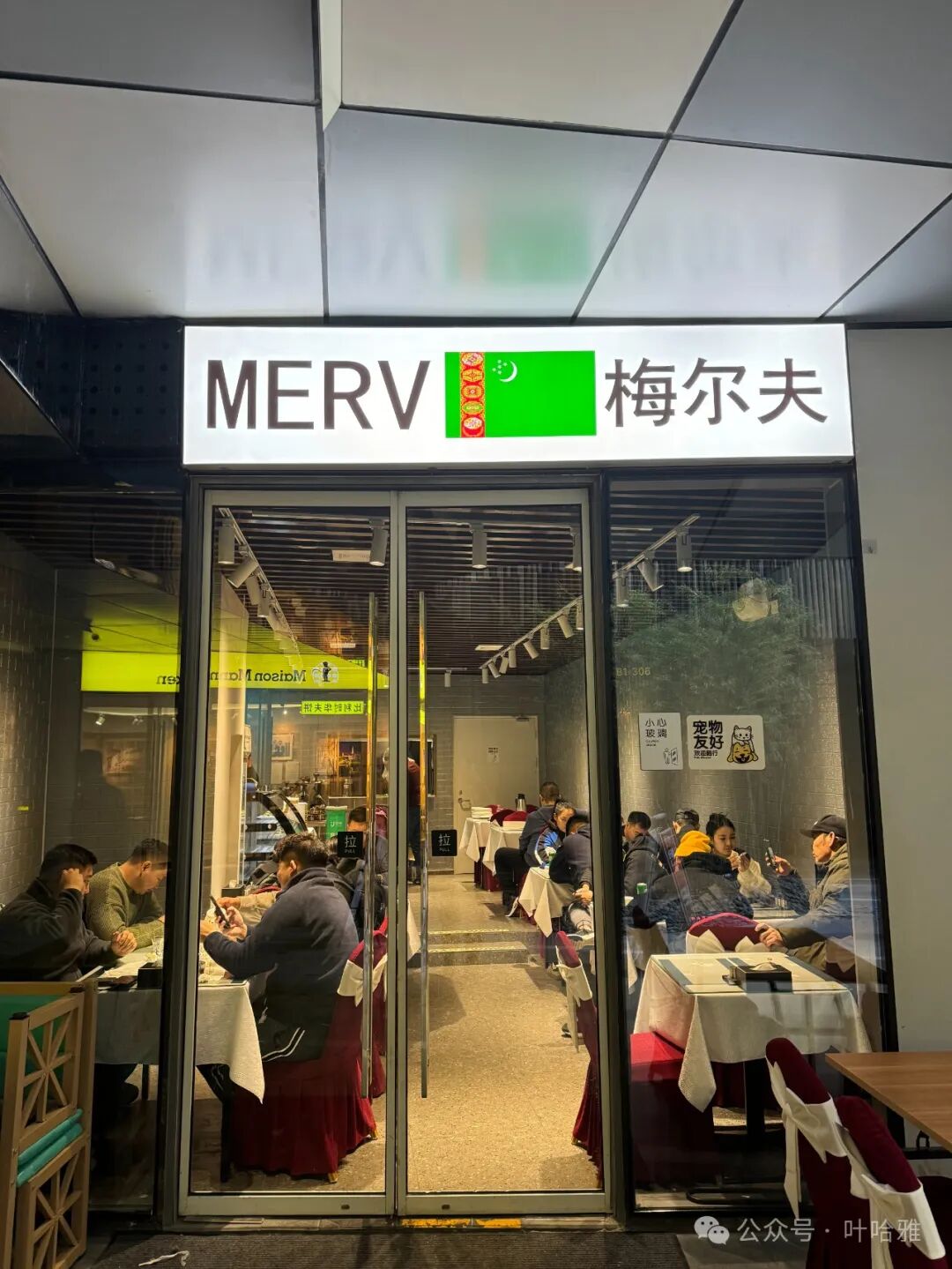
Merv is likely the first halal restaurant in Beijing serving Turkmenistan cuisine. Merv is an ancient city in Turkmenistan listed as a World Heritage site, and the restaurant sign features the Turkmenistan flag.
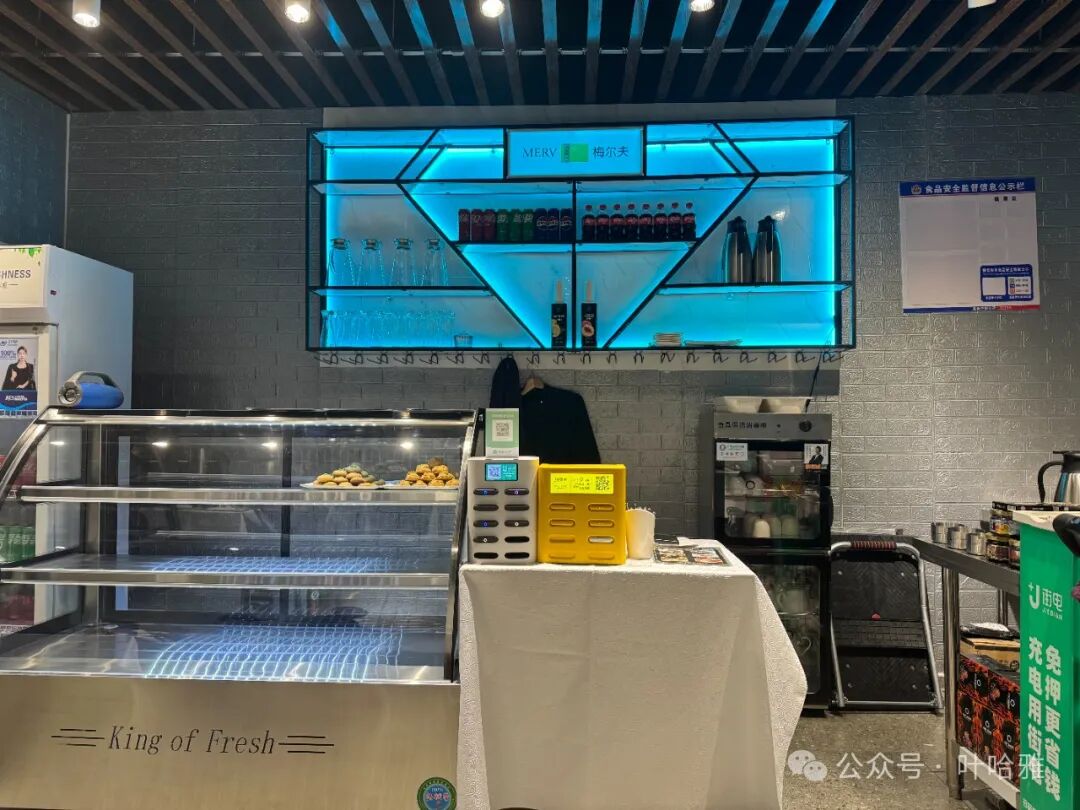
We came to try this restaurant on its very first day of business. The owner is from Turkmenistan and speaks Chinese. This restaurant does not sell alcohol.
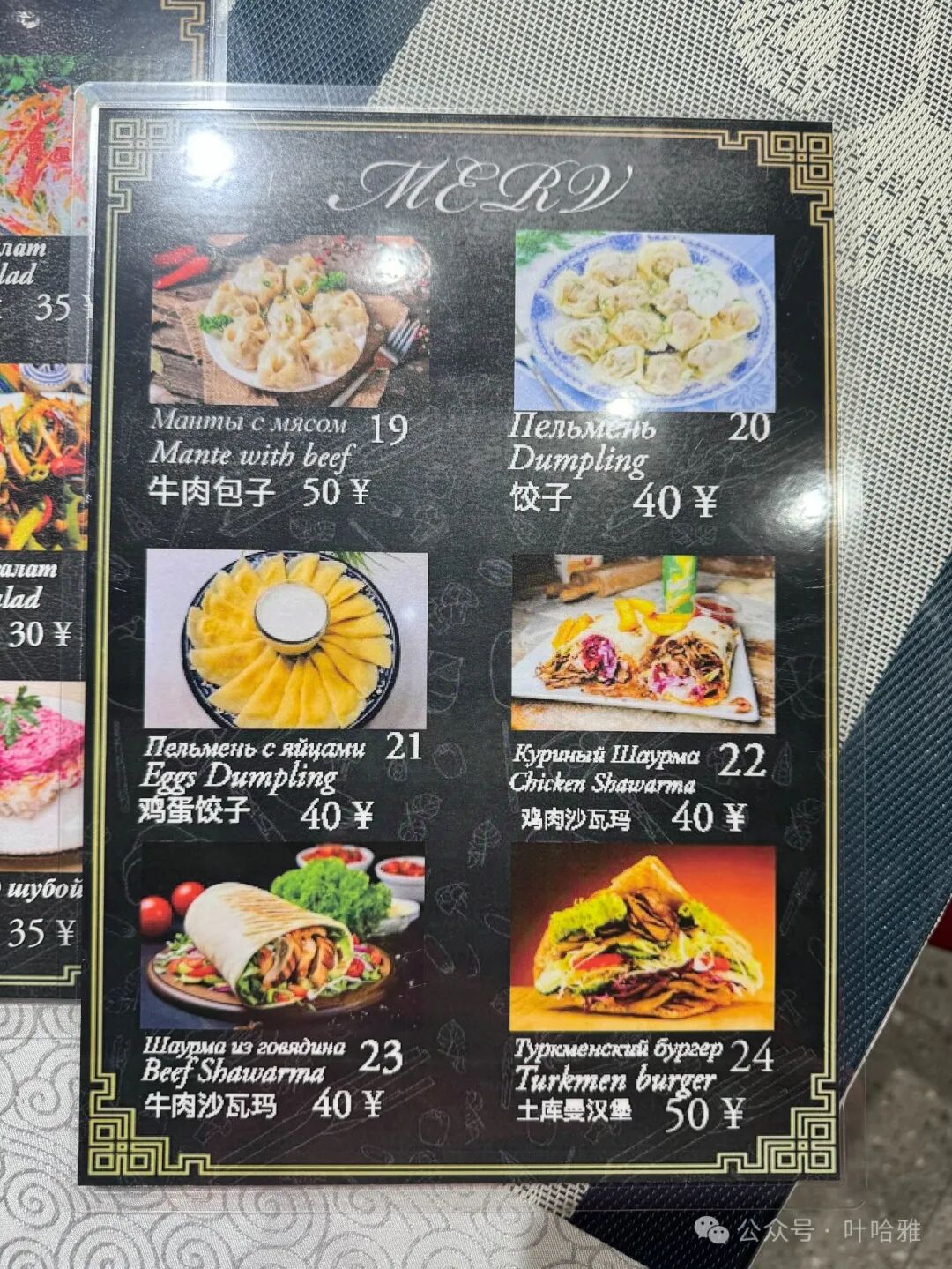
The menu is in Chinese, Russian, and English. Besides Turkmenistan specialties, they also serve Central Asian dishes from Russia, Turkey, and Kazakhstan.
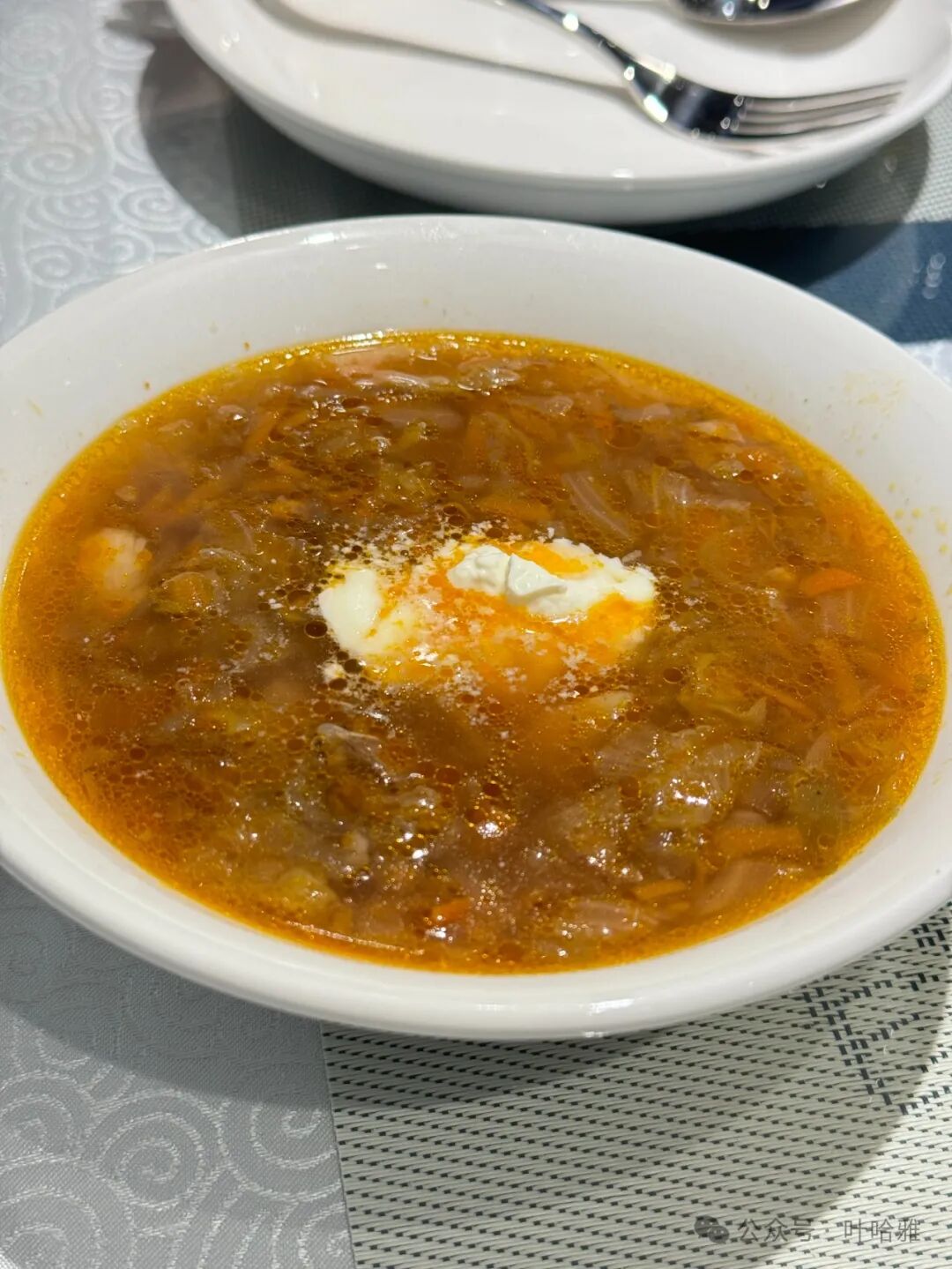
The menu calls this borscht (hongcaitang), also known as beef soup. It is made with beef and cabbage and has a light flavor.
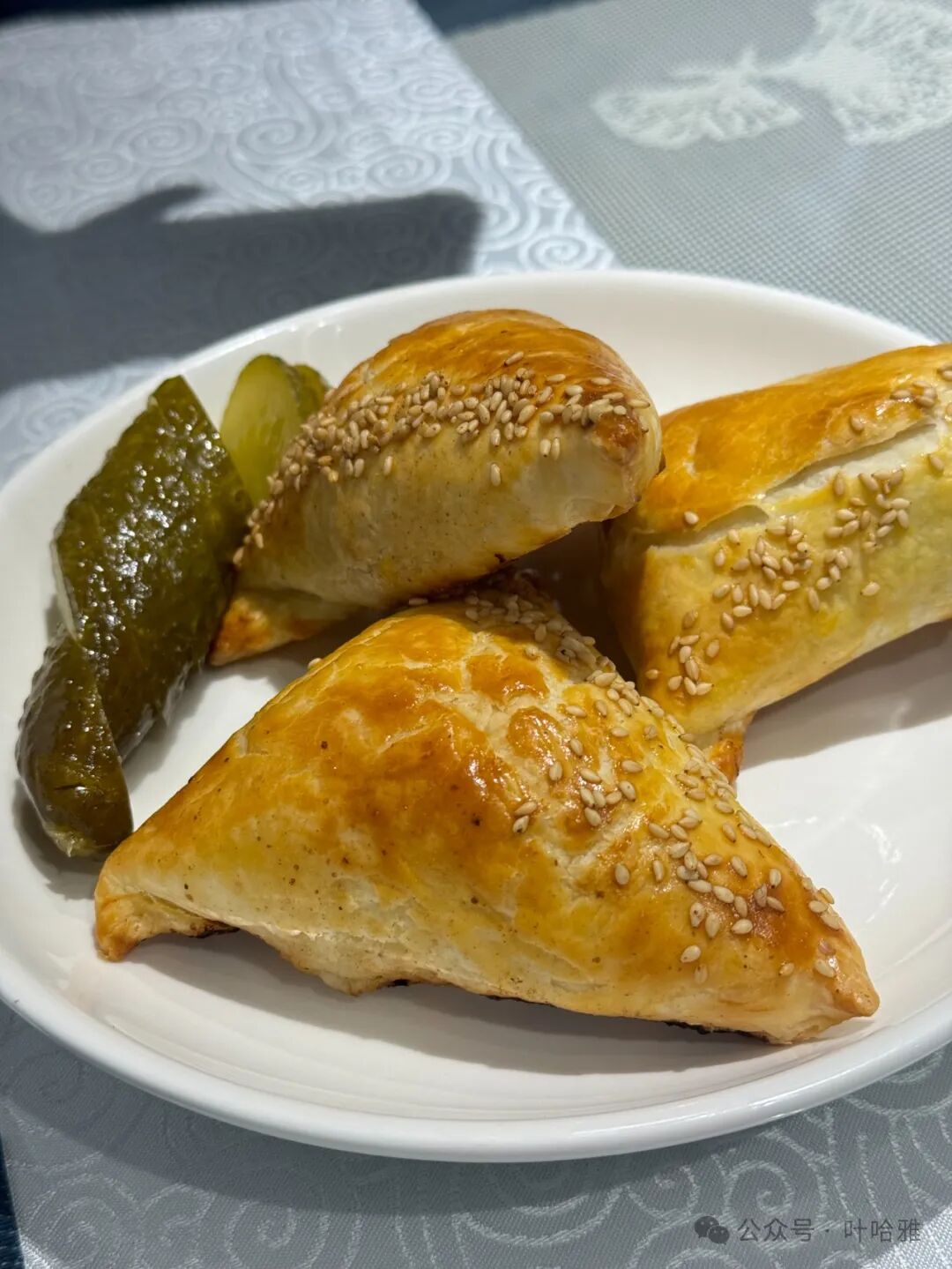
This flaky baked bun (kaobaozi) is excellent. It is filled with large chunks of lamb and onions (piyanzi). The crust is crispy, which is a signature of Central Asian baked buns. It comes with pickles, which are very appetizing, and I enjoy eating them.
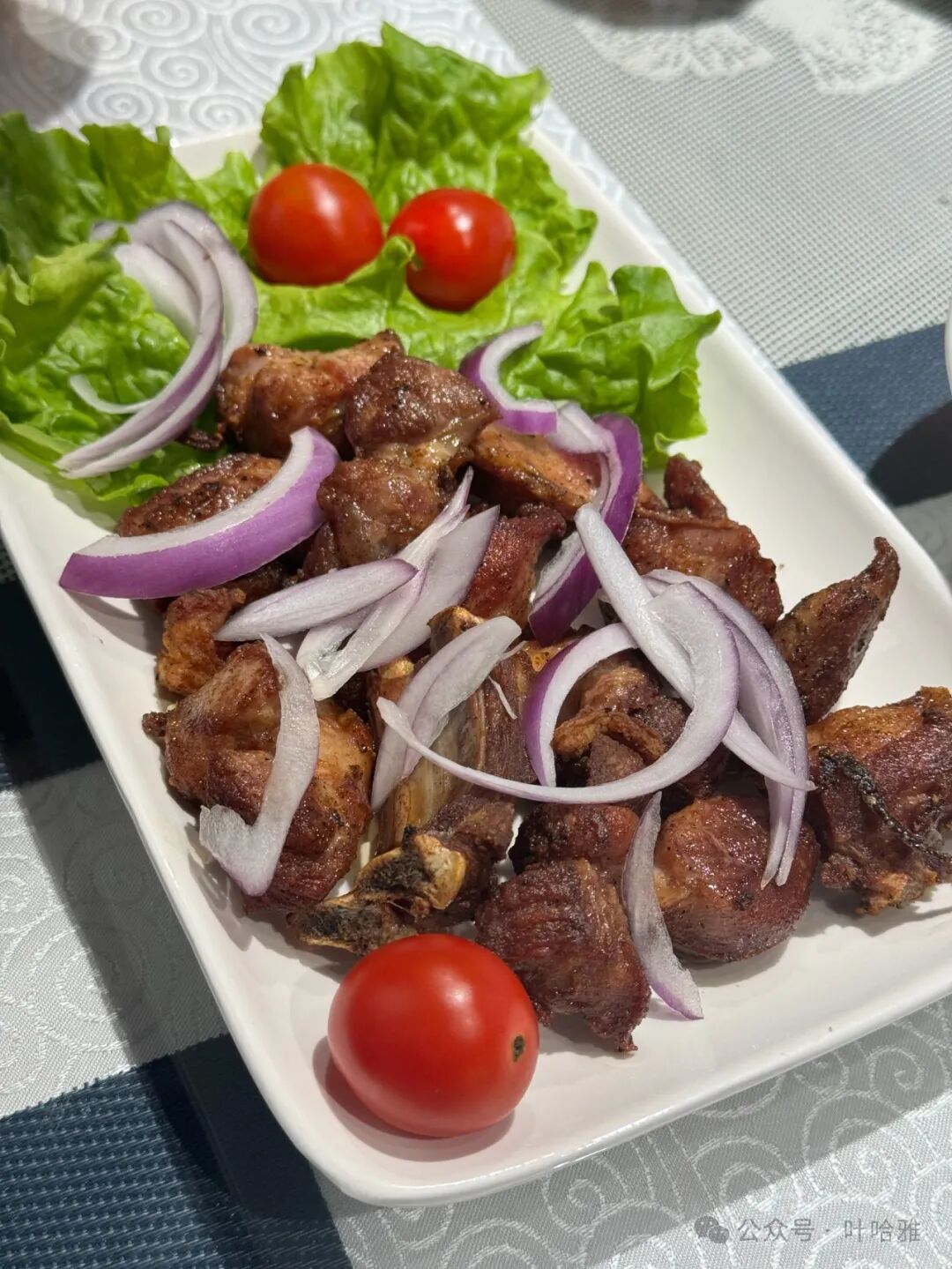
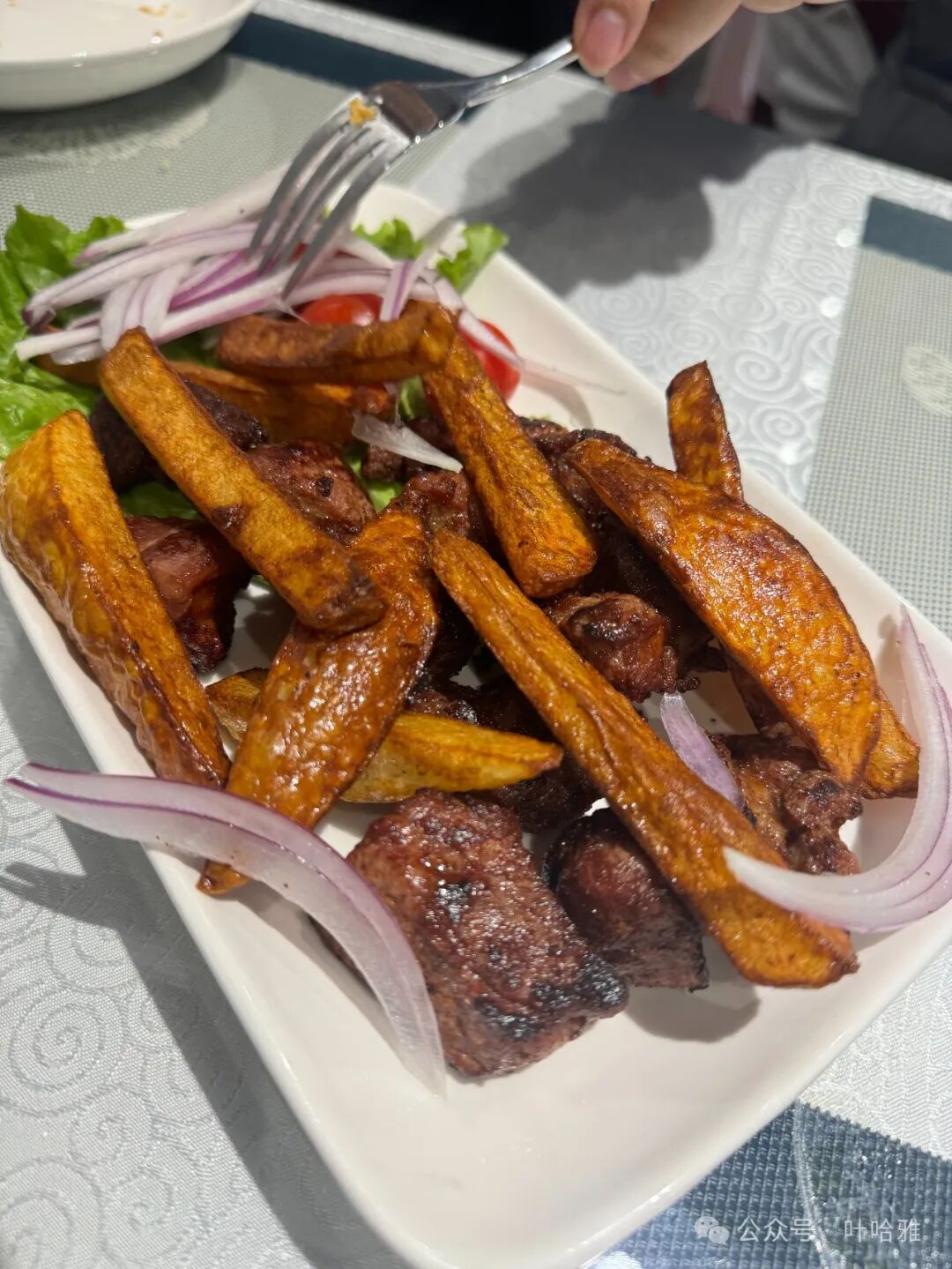
We ordered two types of barbecue: fried lamb chops and grilled beef. Both were quite salty, but the side of roasted fries was delicious and had a unique aroma.
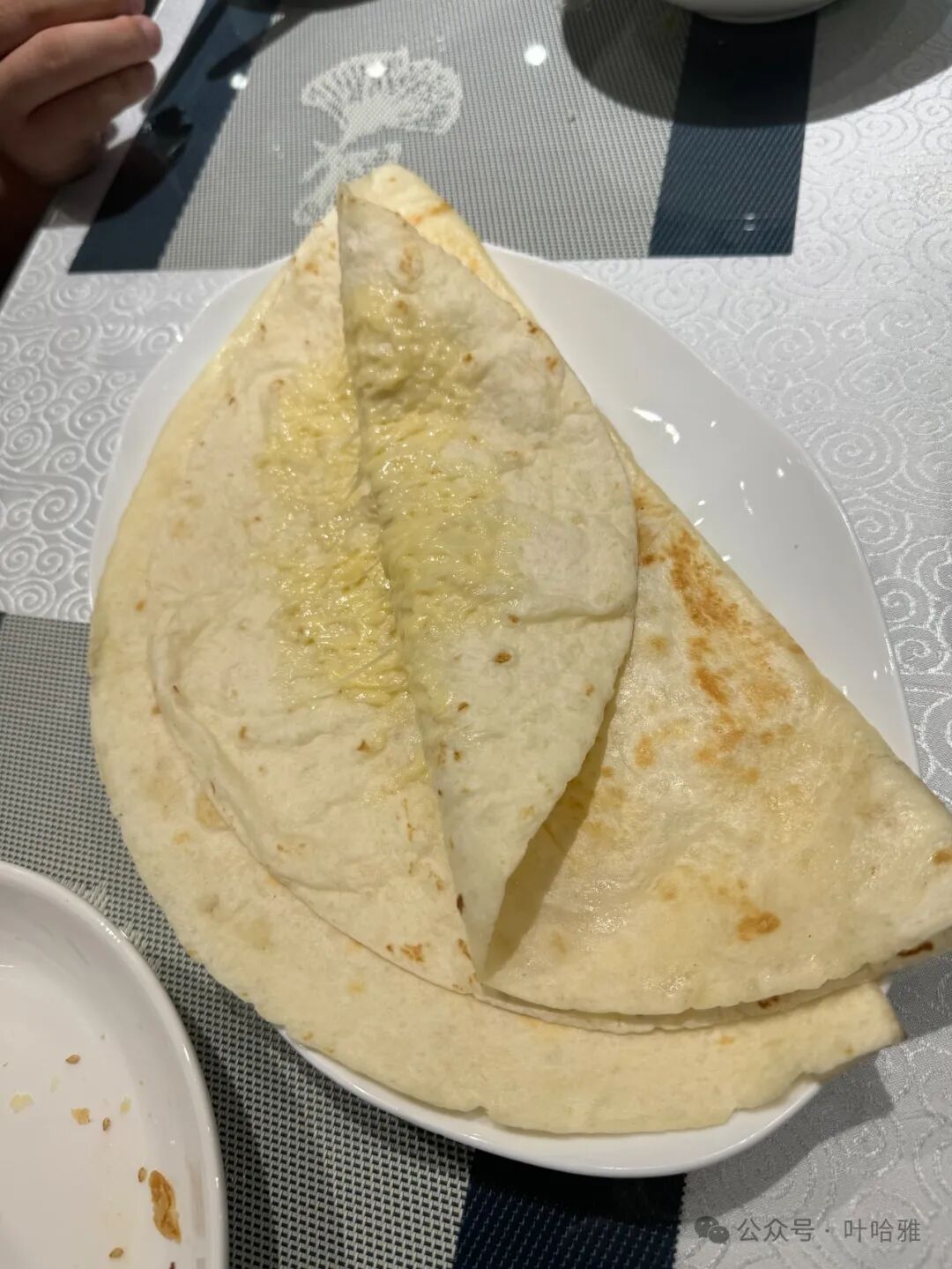
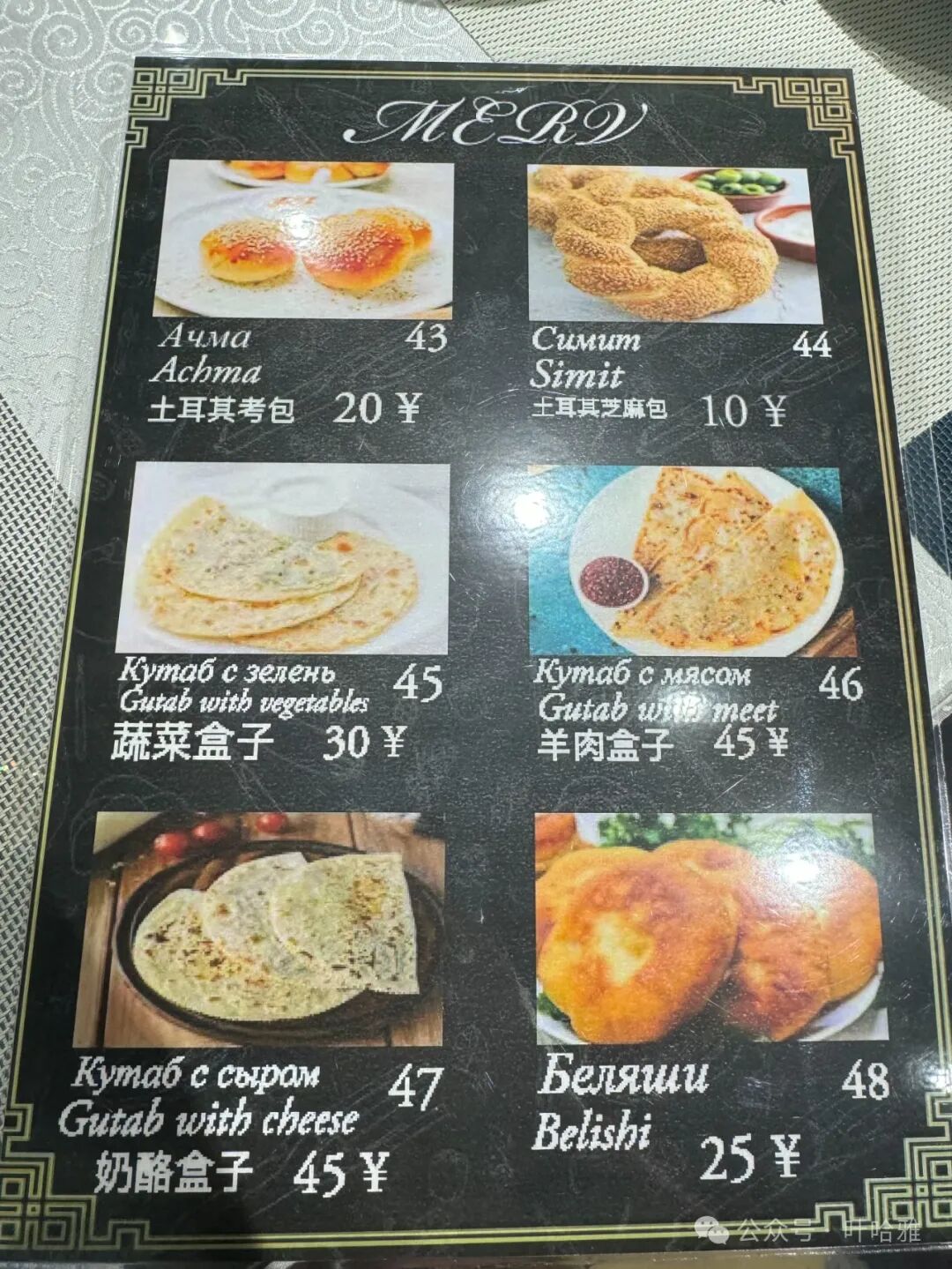
The cheese flatbread (nailaokaobing) is filled with salty cheese. It is delicious and I recommend it.
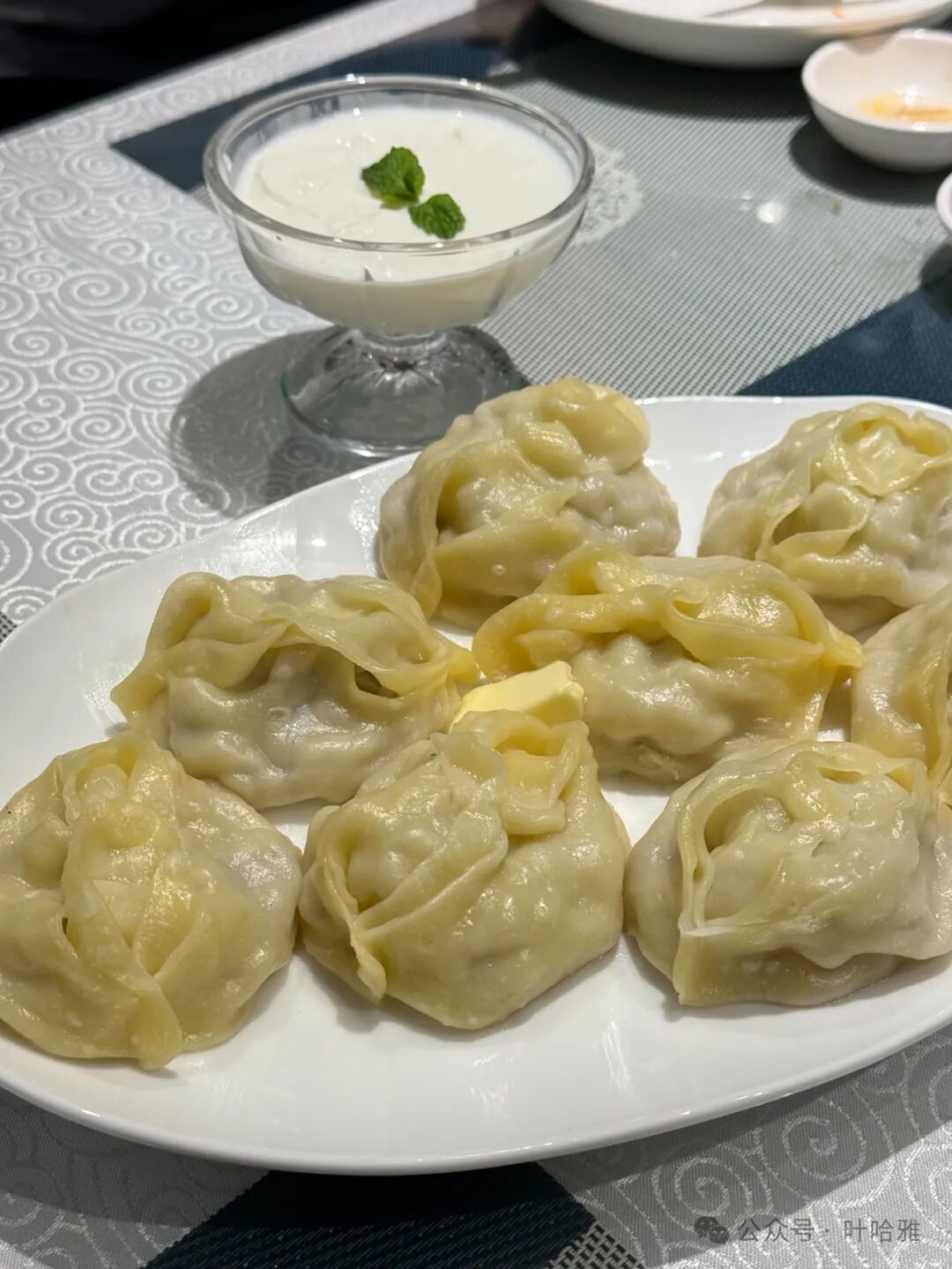
This is a type of bun similar to a thin-skinned bun (baopibaozi), but the dough is thicker. There is a piece of butter in the center of the plate to dip the buns in, and it comes with a cup of plain yogurt. Turkmen people are used to adding yogurt to their buns when they eat them.
Summary: This Beijing halal food guide continues the 2024 must-eat list with Xiaoyao hulatang, vegetable flatbread, Doudian barbecue, suancai fish, old Beijing snacks, Xinjiang-style dishes, and several newer halal restaurants worth trying while they are still around.
28. Yuziwei Xiaoyao Spicy Soup
I recommend this newly opened Henan Xiaoyao Town spicy soup (hulatang) shop near Huoying Subway Station. It is more comfortable and easier to enjoy than the version from Fang Zhongshan, which is much spicier. If I wrote about Fang Zhongshan, many of my friends from Henan would surely disagree.
The shop is small with only a few tables, but the service is great. They serve a mix of spicy soup and tofu pudding (doufunao), and the tofu pudding is sweet. They also have pan-fried buns (shuijianbao) and fried dough fritters (youmotou), but the highlight is that you can get vegetable flatbread (caimo) here.
The vegetable flatbread is made to order and served piping hot with plenty of filling.
The spicy soup and beef pockets (niurouhe) are very authentic and taste just like Henan.
29. Yandu Barbecue
This is a barbecue shop in Doudian, Fangshan. The quality is excellent and it offers better value than Qingu in Changying, costing about 80 yuan per person.
Due to various reasons, many Japanese and Korean restaurants are downplaying their origins. While this shop serves Korean-style barbecue, they have added items like sushi to their menu.
The three-person set meal was enough to fill us up, and we had choices like sushi, stone pot bibimbap, and cold noodles.
The bibimbap had a rich variety of ingredients and tasted good, and the staff provided attentive service.
30. Al Safir Arabic Restaurant
This restaurant has been open in Beijing for over ten years and the food quality is always consistent. The owner is Palestinian, speaks fluent Chinese, is a devout Muslim, and the restaurant does not serve alcohol.
Once, I was drinking tea at the shop with the owner and a few Arab friends. One of the Arab guys started to explain why he hadn't performed his namaz on time, but the owner cut him off immediately. He told him not to make any excuses, saying that missing a prayer is wrong and there was nothing more to say.
The owner's mother lives in Jordan, which hosts the largest number of Palestinian refugees. He once brought her to live in Beijing for a while, but she wasn't used to it because she couldn't hear the adhan (the call to prayer) five times a day, so she moved back to Jordan.
A foreign restaurant that has stayed open for over a decade without selling alcohol must have great food. It is also one of the more affordable Arab restaurants in Beijing, with an average cost of about 100 yuan per person.
31. Yangfang Hot Pot (Yangfang Shuanrou)
As a food critic for Yangfang Hot Pot, I have visited almost all of their direct-managed stores in Beijing. I can honestly say that Yangfang's service and food quality control are better than any traditional hot pot restaurant in the city. In the current tough restaurant market, Yangfang continues to grow against the trend, which is due to their commitment to excellence in management.
Among the many Yangfang Hot Pot locations, the service at the Yangfang Beitou flagship store is especially detail-oriented and almost flawless.
Before experiencing the high-quality service at Yangfang, I used to ignore the service standards at halal restaurants and only cared about the food. Now, I realize that in China's highly competitive restaurant market, you cannot win over customers without focusing on service.
Yangfang pioneered the 210-day frost-marbled lamb back tip, which is priced at 1.6 yuan per gram, or about 800 yuan for 500 grams.
Hot pot restaurants today can't just rely on meat quality. Just as Jubao Yuan is famous for its sesame flatbread (shaobing) and Manheng Ji for its sugar pancakes (tangbing), Yangfang's handmade beef buns (baozi) and steamed dumplings (shaomai) are excellent. They even sell these as packaged semi-finished products that you can order through their mini-program for home delivery.
The drinks at Yangfang Hot Pot are another highlight. They aim to match the quality of Heytea, and their homemade fruit tea and sour plum drink (suanmeitang) are very popular.
The durian-flavored tiramisu at the flagship store is so good that it rivals any specialty dessert shop.
Their hot pot vegetables look as good as they taste, and the hydroponic vegetables are safe and healthy. My interest in their vegetables, drinks, desserts, and staple foods has actually surpassed my interest in the meat. Yangfang is also very kid-friendly. Fahim gets a toy every time we go, and the quality of the children's bibs they provide is even better than the ones we buy ourselves. You can take them home after the meal, and my son uses his at home now.
32. Merv
Merv is likely the first halal restaurant in Beijing serving Turkmenistan cuisine. Merv is an ancient city in Turkmenistan listed as a World Heritage site, and the restaurant sign features the Turkmenistan flag.
We came to try this restaurant on its very first day of business. The owner is from Turkmenistan and speaks Chinese. This restaurant does not sell alcohol.
The menu is in Chinese, Russian, and English. Besides Turkmenistan specialties, they also serve Central Asian dishes from Russia, Turkey, and Kazakhstan.
The menu calls this borscht (hongcaitang), also known as beef soup. It is made with beef and cabbage and has a light flavor.
This flaky baked bun (kaobaozi) is excellent. It is filled with large chunks of lamb and onions (piyanzi). The crust is crispy, which is a signature of Central Asian baked buns. It comes with pickles, which are very appetizing, and I enjoy eating them.
We ordered two types of barbecue: fried lamb chops and grilled beef. Both were quite salty, but the side of roasted fries was delicious and had a unique aroma.
The cheese flatbread (nailaokaobing) is filled with salty cheese. It is delicious and I recommend it.
This is a type of bun similar to a thin-skinned bun (baopibaozi), but the dough is thicker. There is a piece of butter in the center of the plate to dip the buns in, and it comes with a cup of plain yogurt. Turkmen people are used to adding yogurt to their buns when they eat them.
