
Best Halal Food Beijing: Iranian Food, African Cuisine, Hot Pot, Peking Duck and Shabu-Shabu
Reposted from the web
Summary: This Beijing halal food guide covers the middle part of the 2024 must-eat list, including Azerbaijani dumplings, Iranian food, Ghanaian and West African cuisine, halal Peking duck, shabu-shabu, Yunnan flavors, hot pot, and halal Chaoshan beef hot pot.
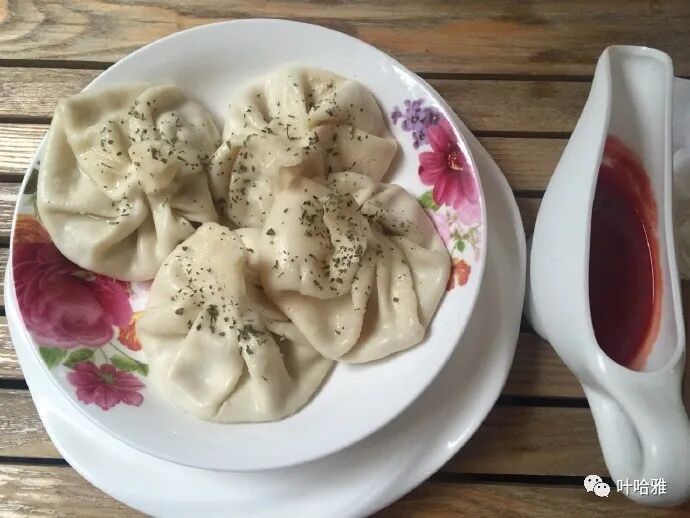
Caucasian soup dumplings (gaojiaosuotangbao)
These are Azerbaijani soup dumplings. The owner is from Azerbaijan, so most of the servers are too. Their Chinese isn't great, but it has improved over the last few years.
15. Iranian Cuisine
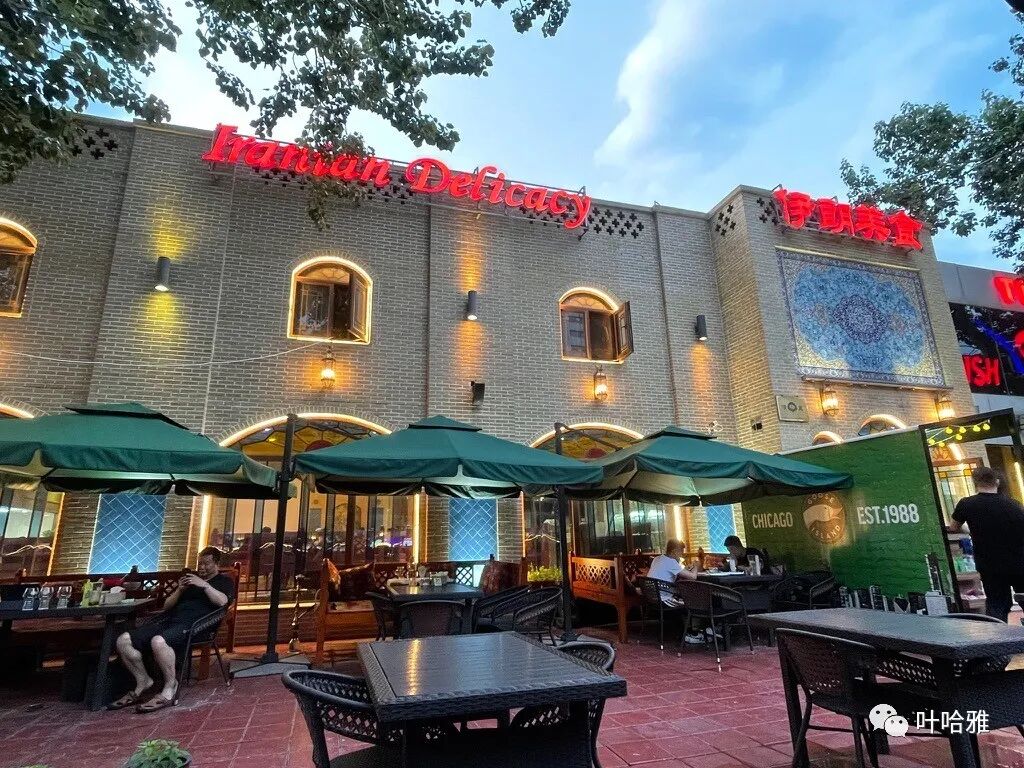
It used to be called Persepolis, but now it is named Iranian Cuisine. The cooking style hasn't changed, but I think it tastes better now than before. This is the only Iranian restaurant in Beijing, excluding the one inside the Iranian embassy.
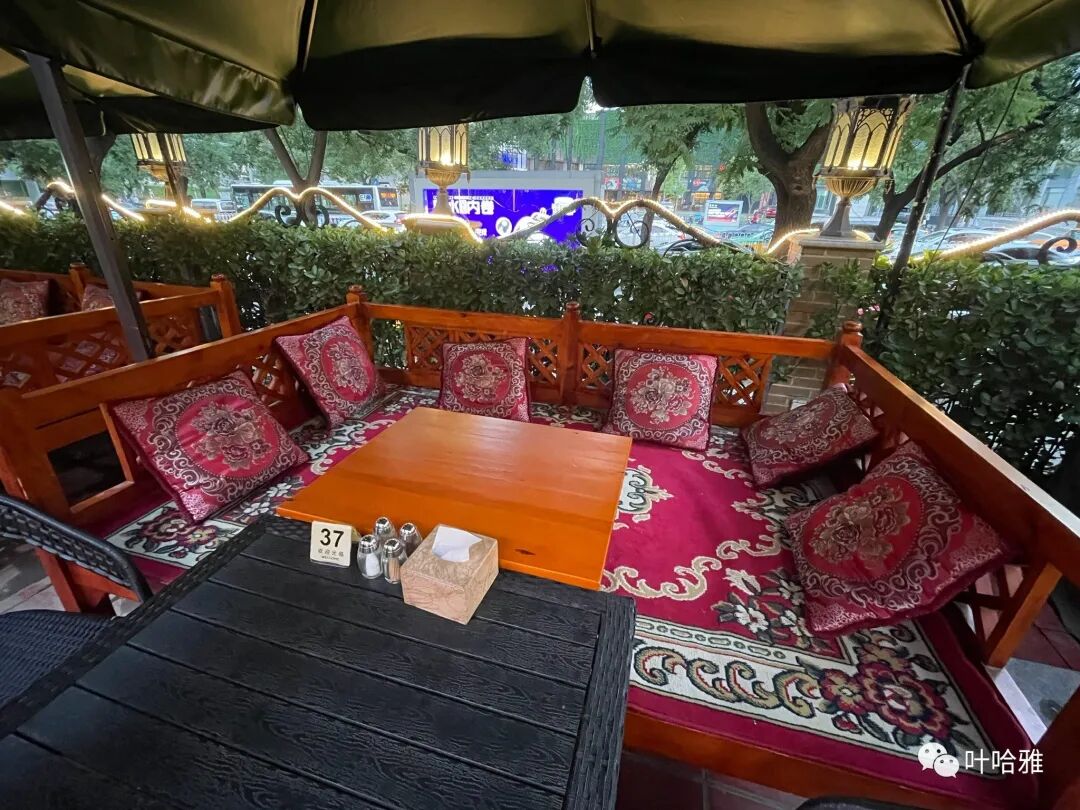
I like this spot in their courtyard; it is a typical Iranian residential style.
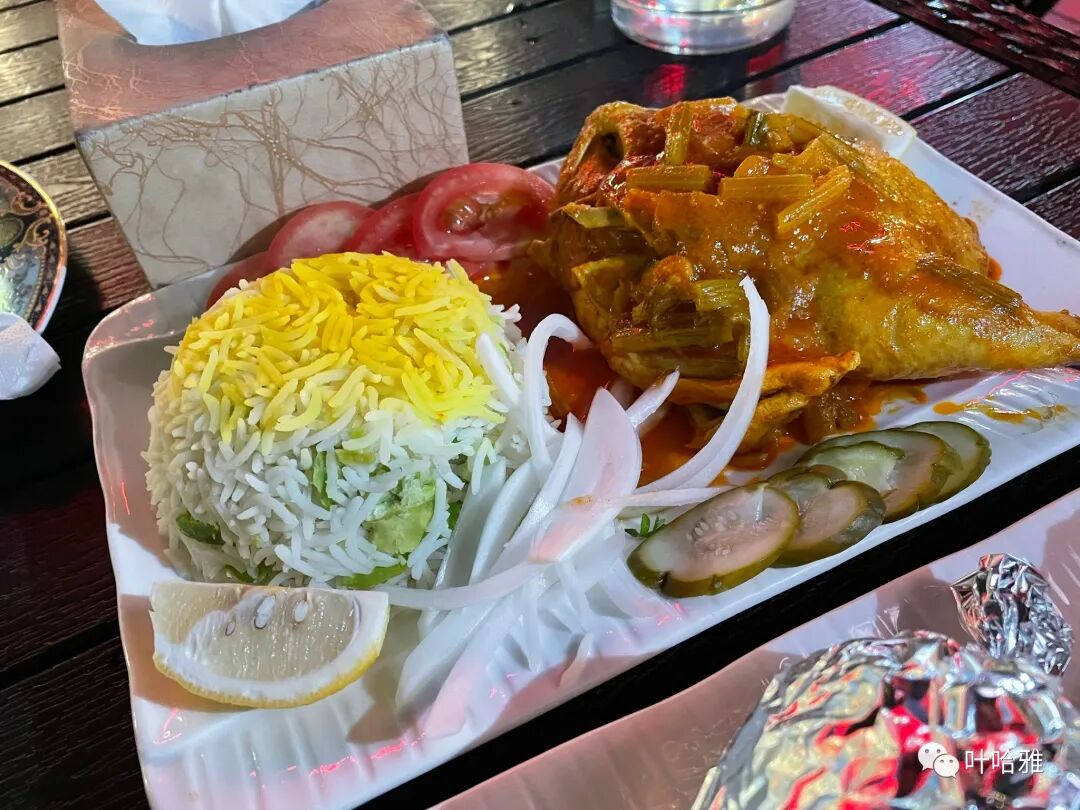
Saffron pilaf (zanghonghuazhuafan)
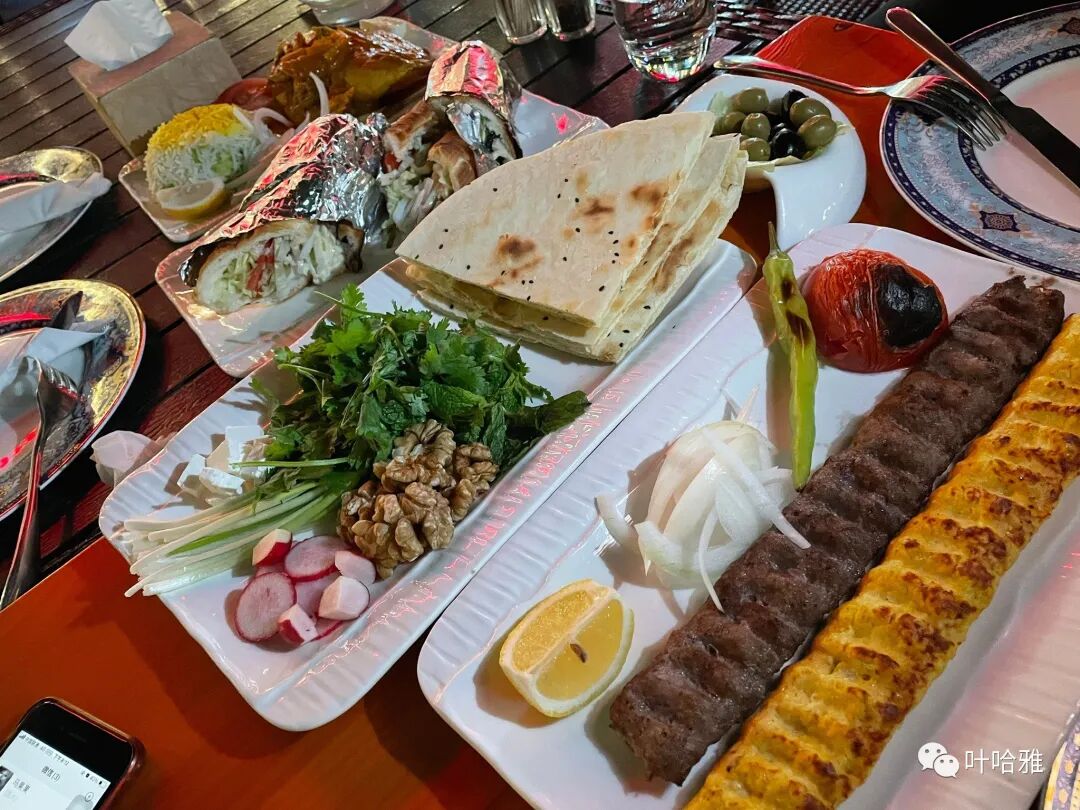
I have been here many times. They have a buffet at lunch, and for dinner, they serve Western food like grilled meat and burgers, plus coffee and afternoon tea.
16. TRIBE GARDEN African Tribe Garden Restaurant
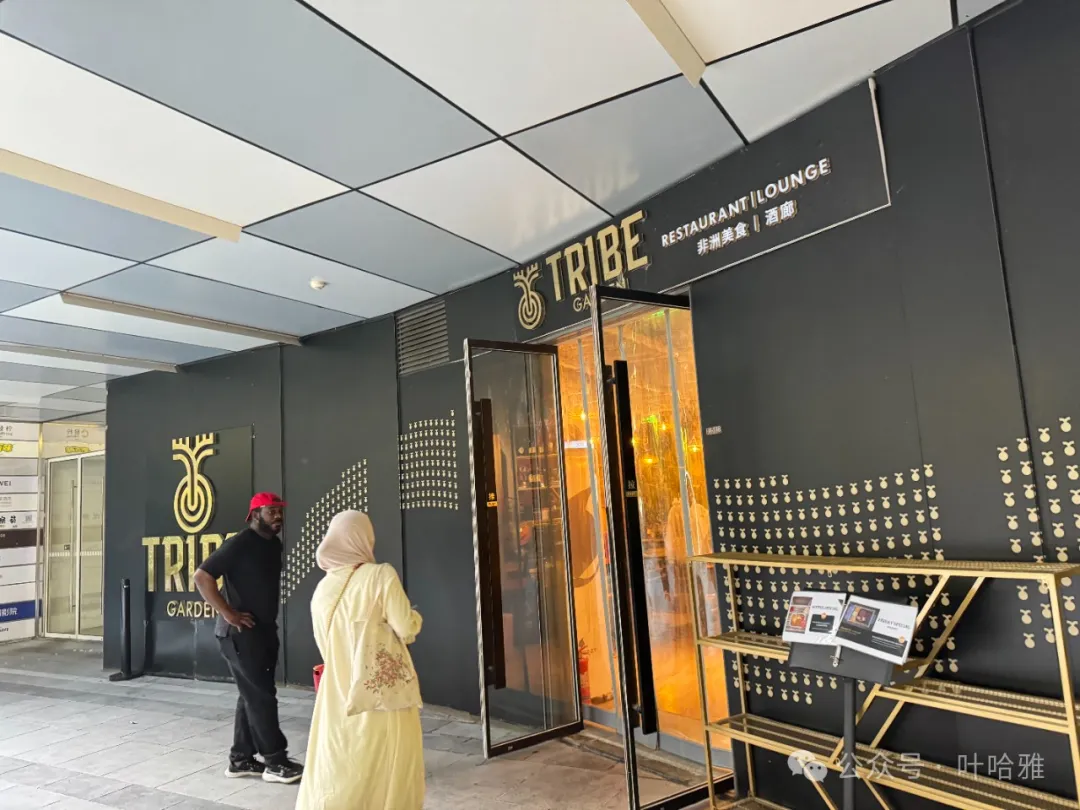
A new halal restaurant featuring West African specialties recently opened on the first basement level of the Sanlitun SOHO mall, focusing on Ghanaian cuisine. The staff are all Black Muslims who speak fluent Chinese, and one young lady from Kenya is especially lovely.
Ghana is a country in West Africa where about 15% of the population is Muslim, yet their national banknote features a picture of a mosque with a unique style.

Larabanga Mosque
The Larabanga Mosque (Larabanga Mosque) on the banknote was built between the 14th and 15th centuries. It is the oldest mosque in Ghana. Its architectural style is unique to West Africa, built with yellow mud and wood, making it very iconic.
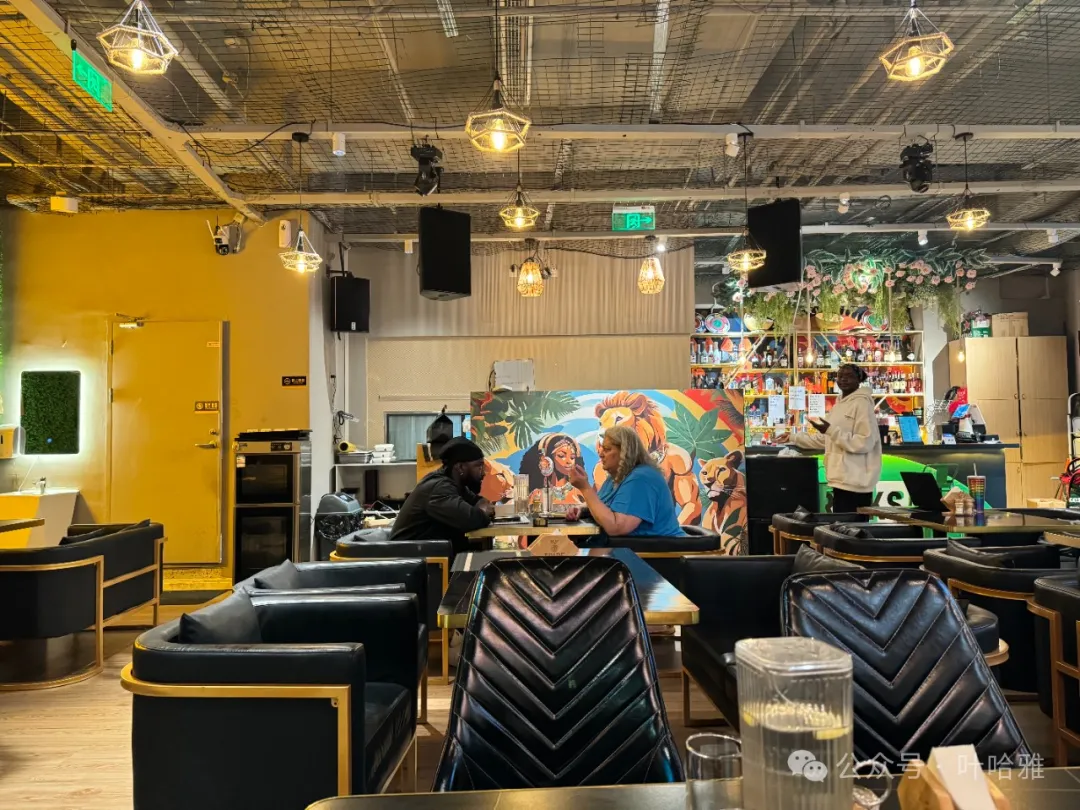
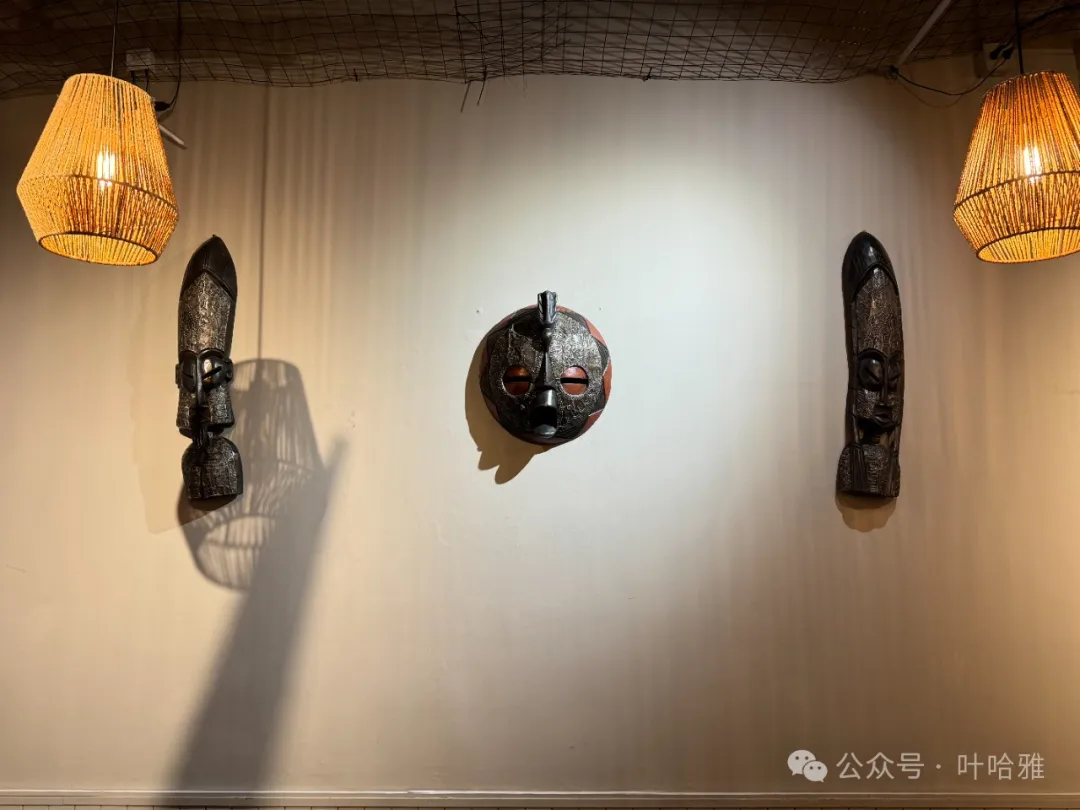
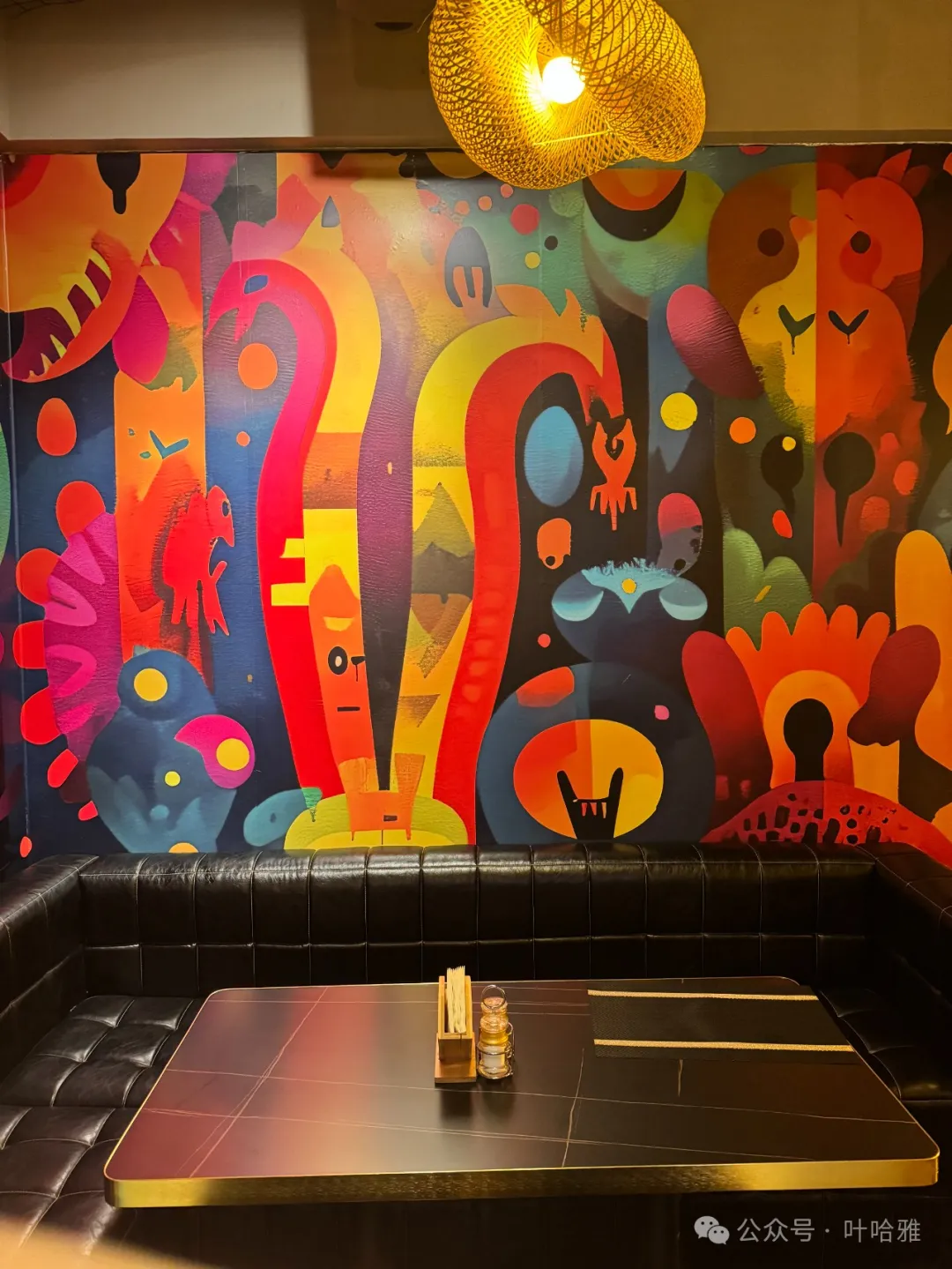
The restaurant decor also has a strong African feel, including the wall hangings.
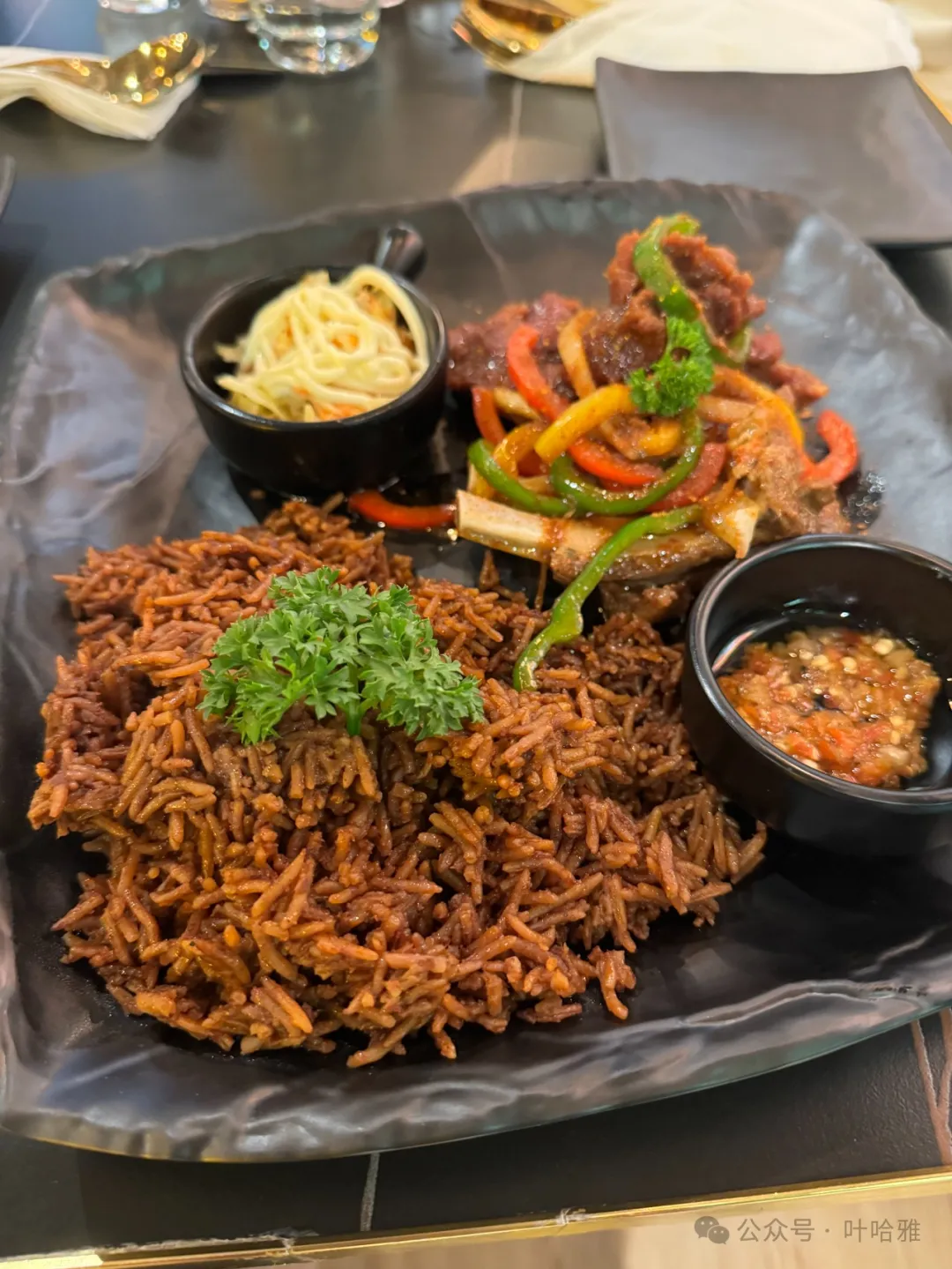
African goat meat mixed rice
African goat meat is a bit tough, but it has no gamey smell. The mixed rice tastes salty and spicy.
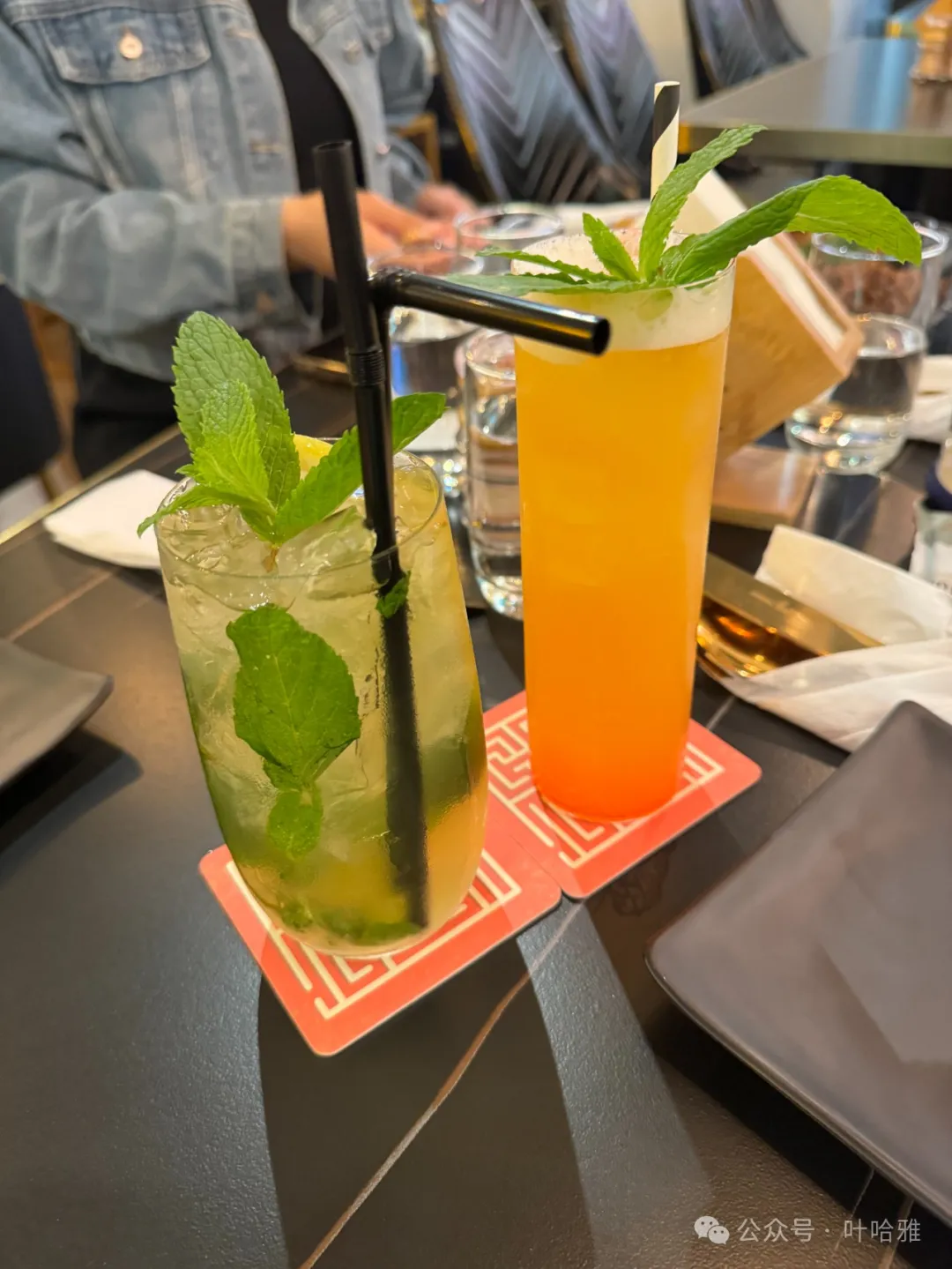
Non-alcoholic mojito and fruit punch
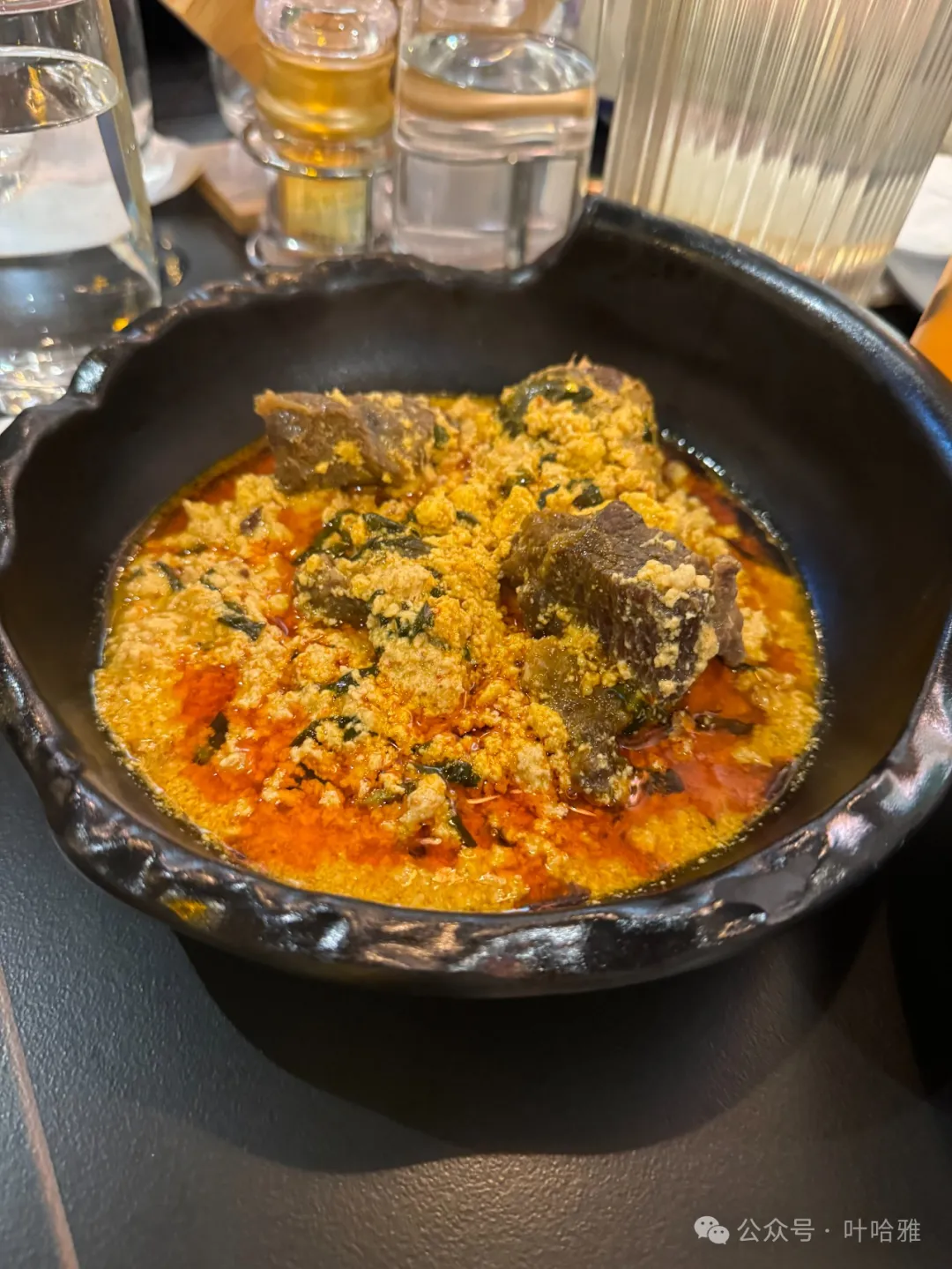
African specialty egusi (egusi)
This dish is meant to be eaten mixed with the cassava flour paste shown in the picture below. Eating the cassava flour paste is just like eating rice cake.
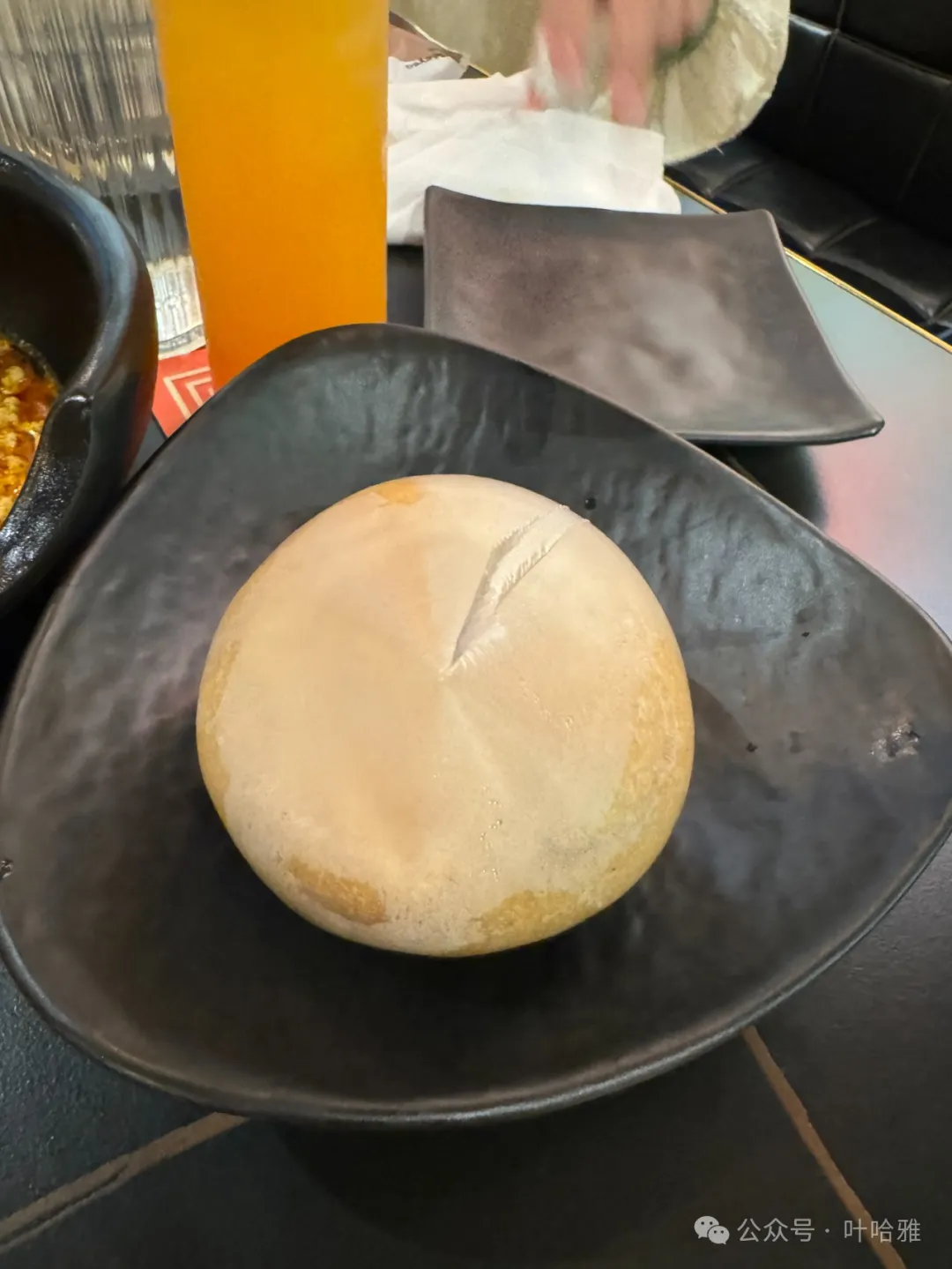
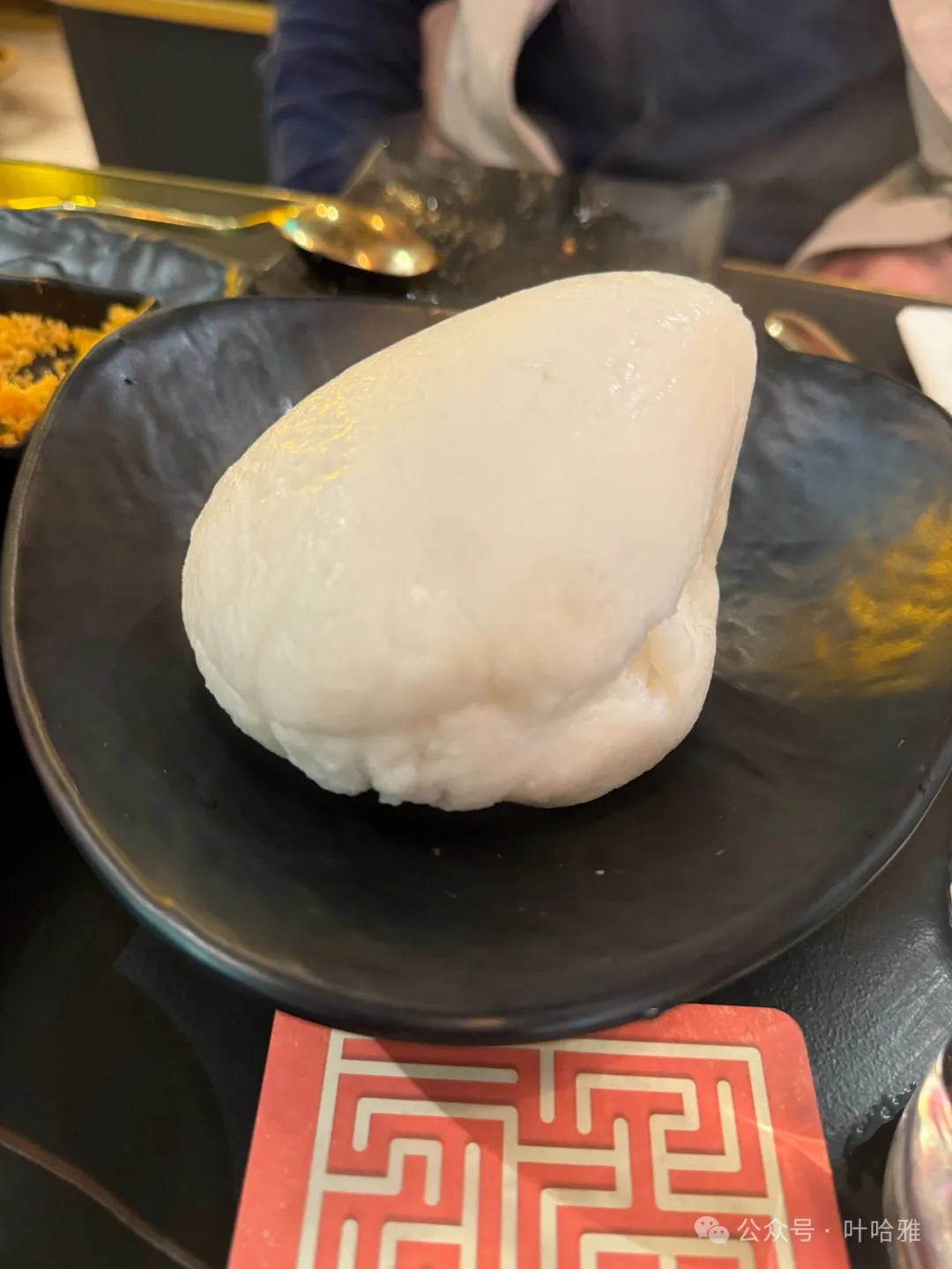
Fufu (fufu)
The white one is called fufu, which translates to rice flour paste in Chinese. It is the staple food for Ghanaians.
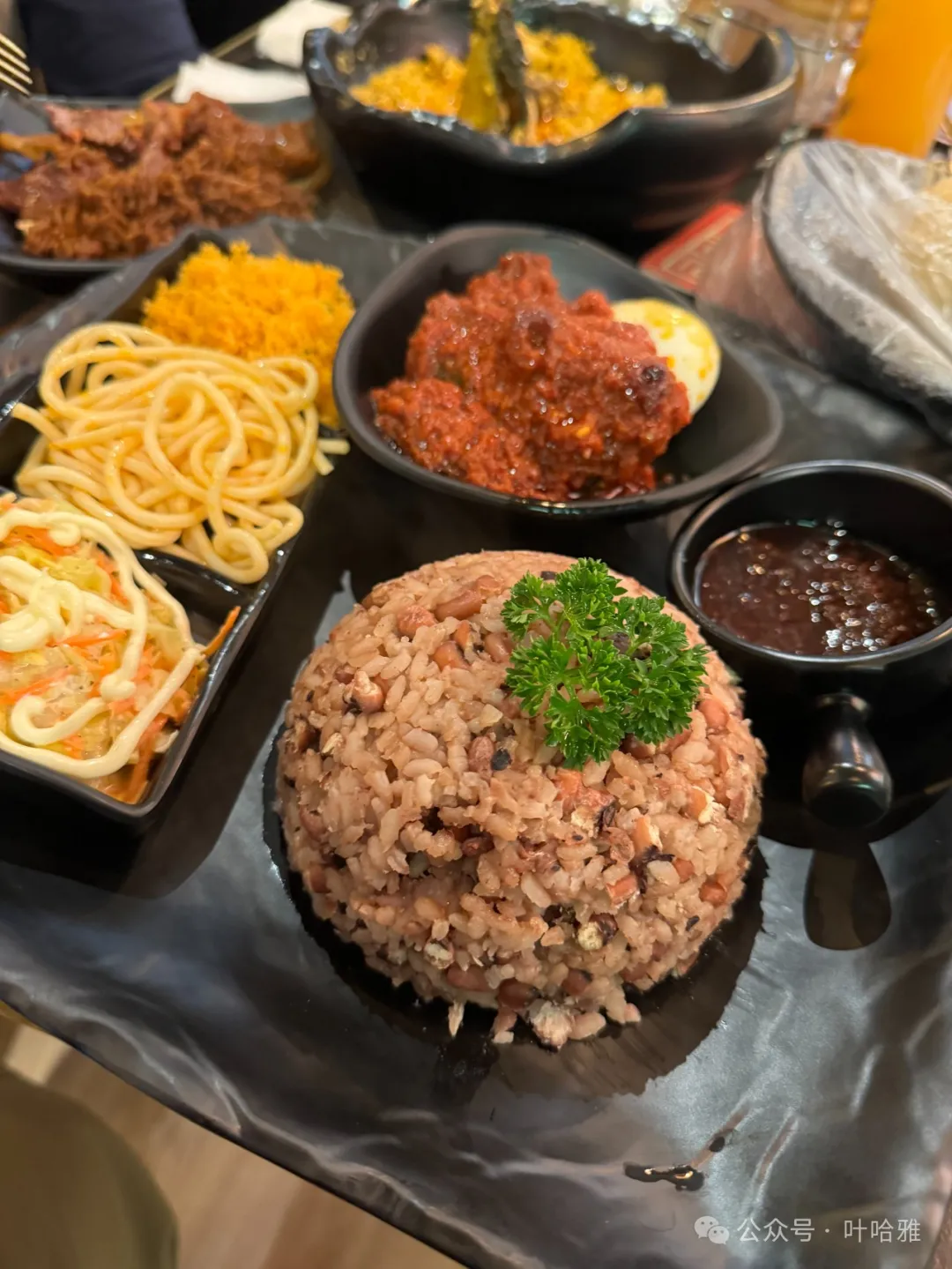
Friday special dish
They have a special dish every day. This Friday special is made with beans and rice, served with some noodles and dipping sauce. It tastes sour, salty, and spicy all at once.
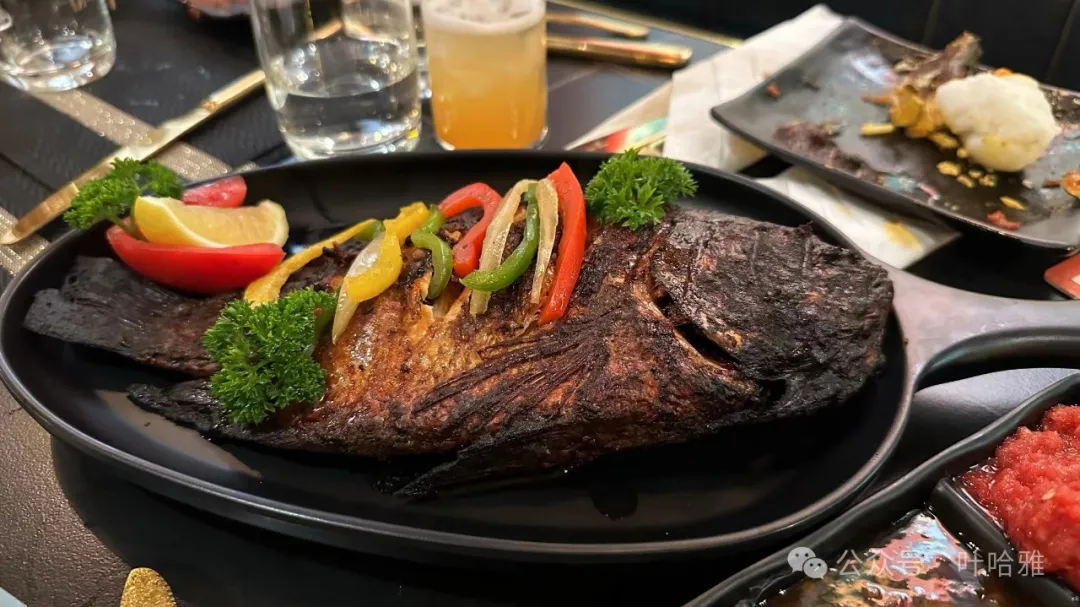
Grilled tilapia
This is African-style grilled fish. It tastes great. Don't let the charred skin fool you; the meat inside is white.
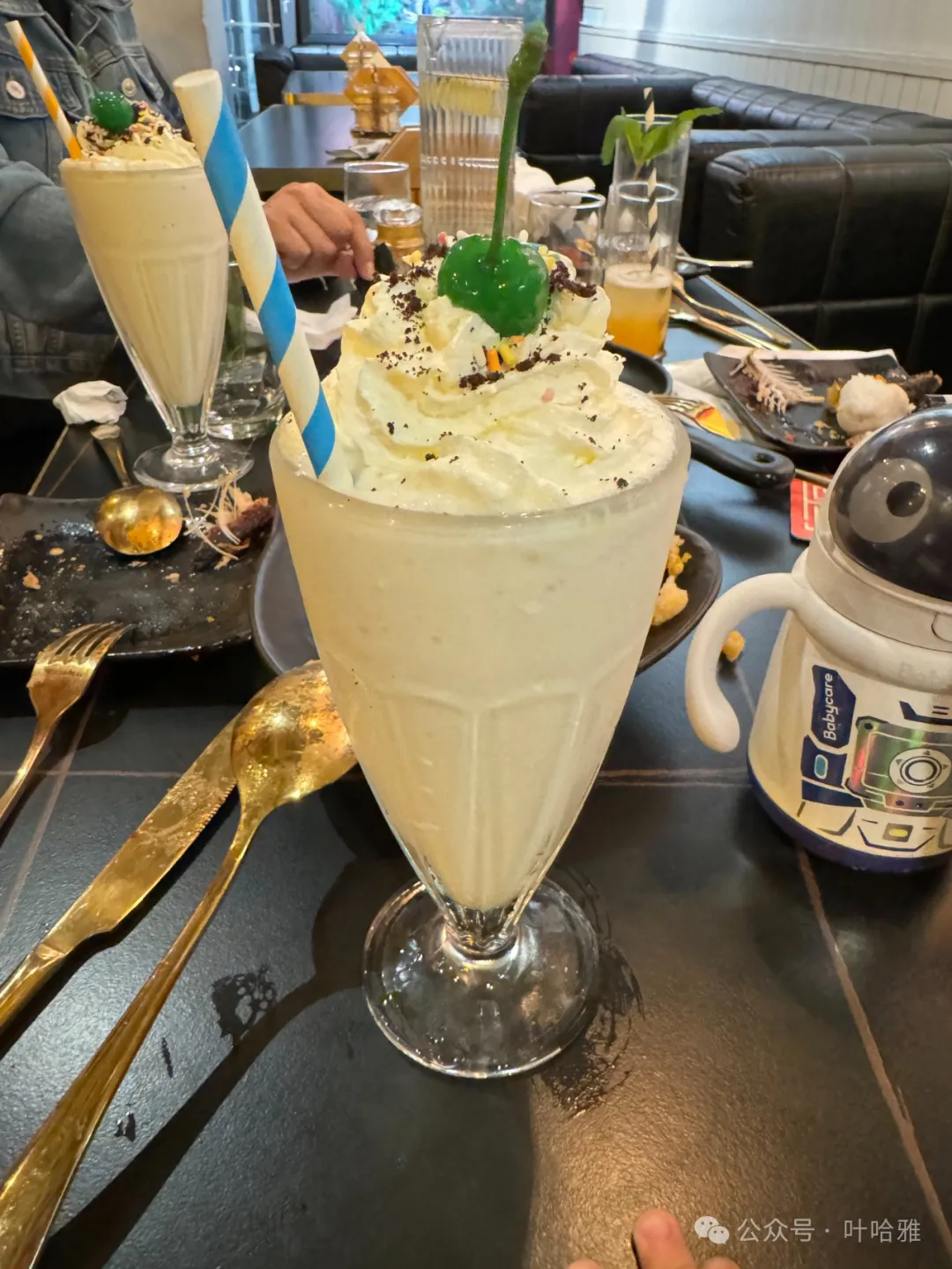
A young lady from Kenya recommended this milkshake to us. It is very creamy and delicious. The total for this meal was 530 yuan for four people, which comes to 130 yuan per person.
17. Rongqing Laoman Guizhou Sour Soup Fish Hot Pot
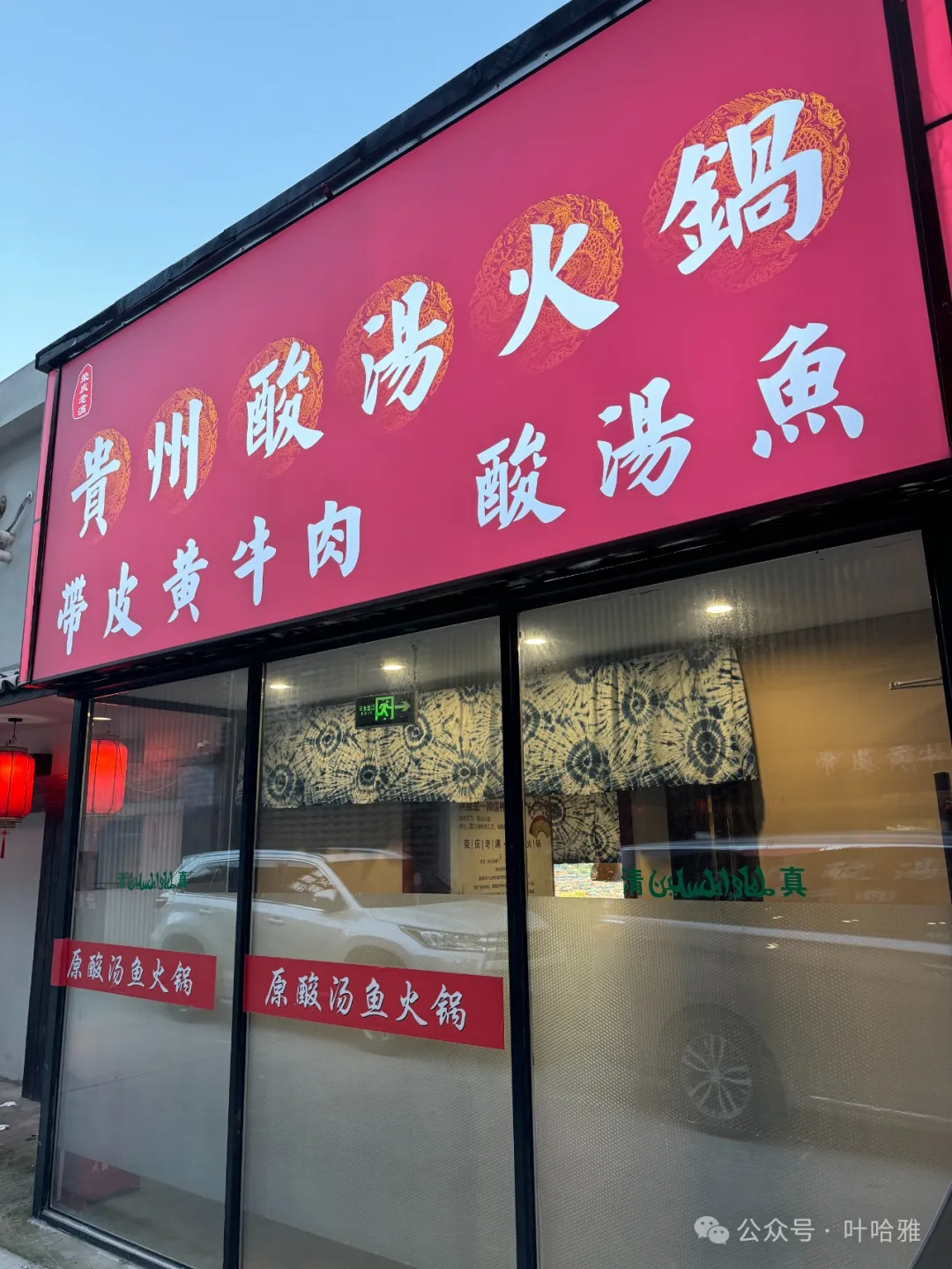
This Guizhou sour soup hot pot restaurant changed its style and is the only halal Guizhou restaurant in Beijing. Their signature dishes are beef hot pot and fish hot pot. When we visited, the business was already starting to take off, and I hear there are long lines now, with an average wait time of over an hour.
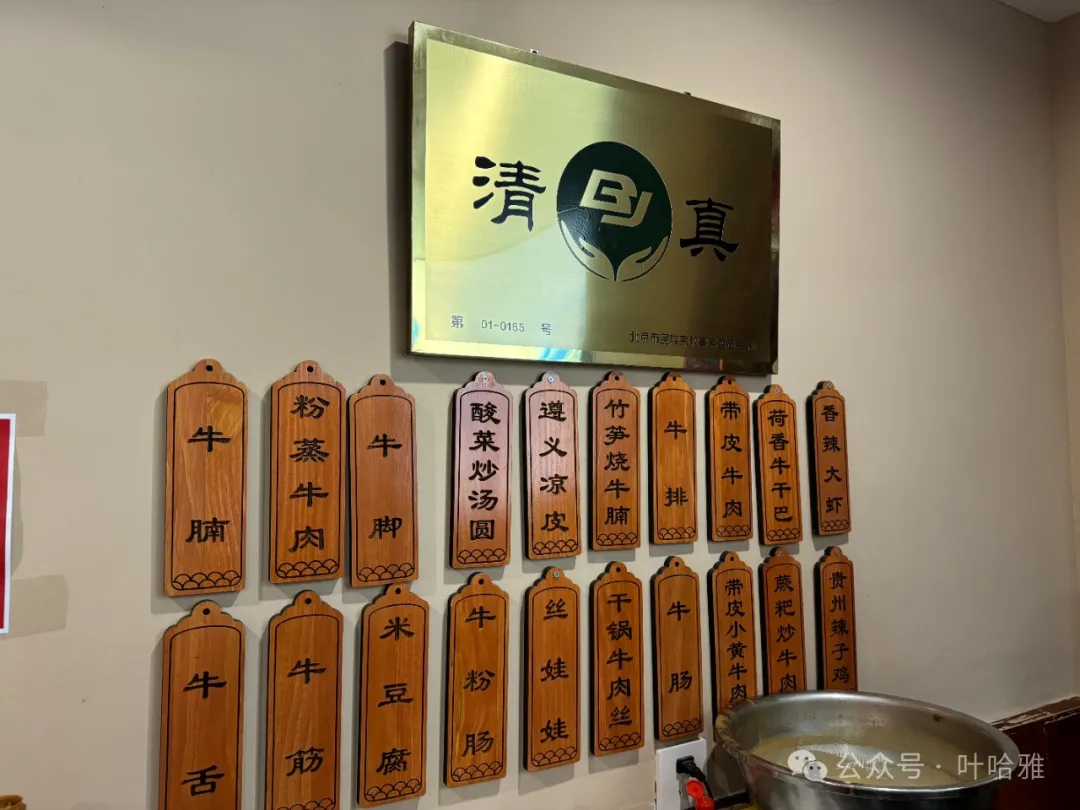
The owner originally planned to serve Guizhou-style stir-fried dishes, but the hot pot business became so popular that they stopped making stir-fries. Now, they only serve hot pot.
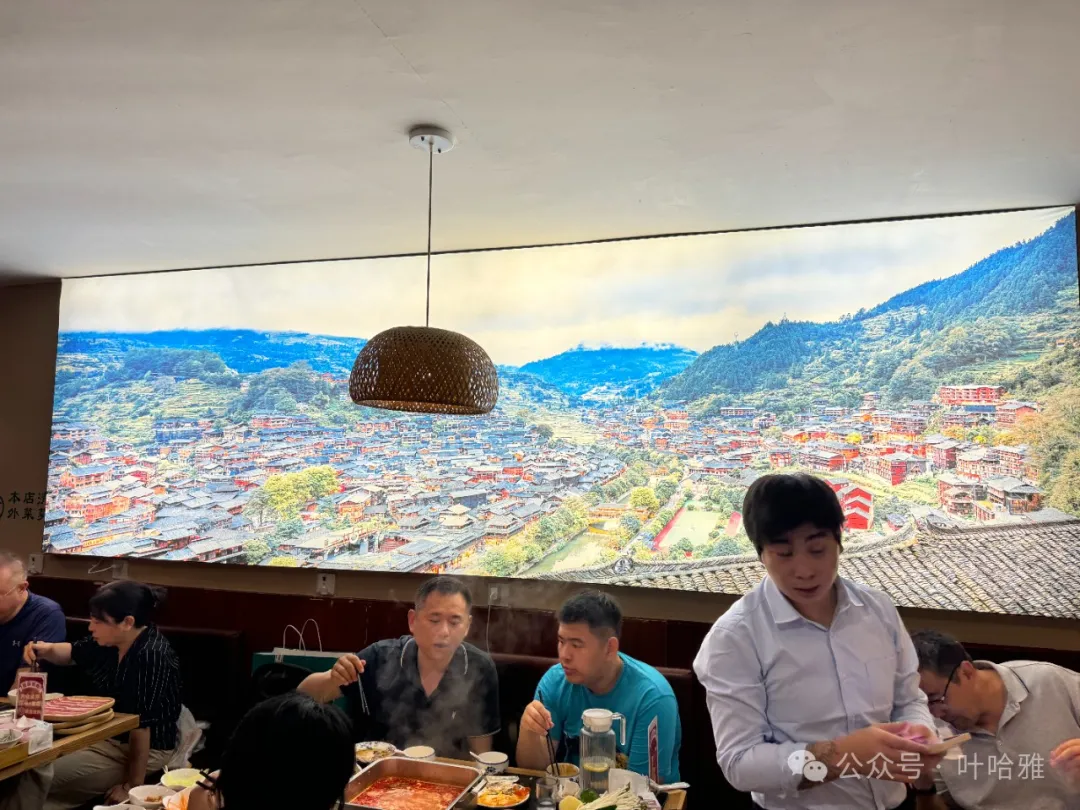
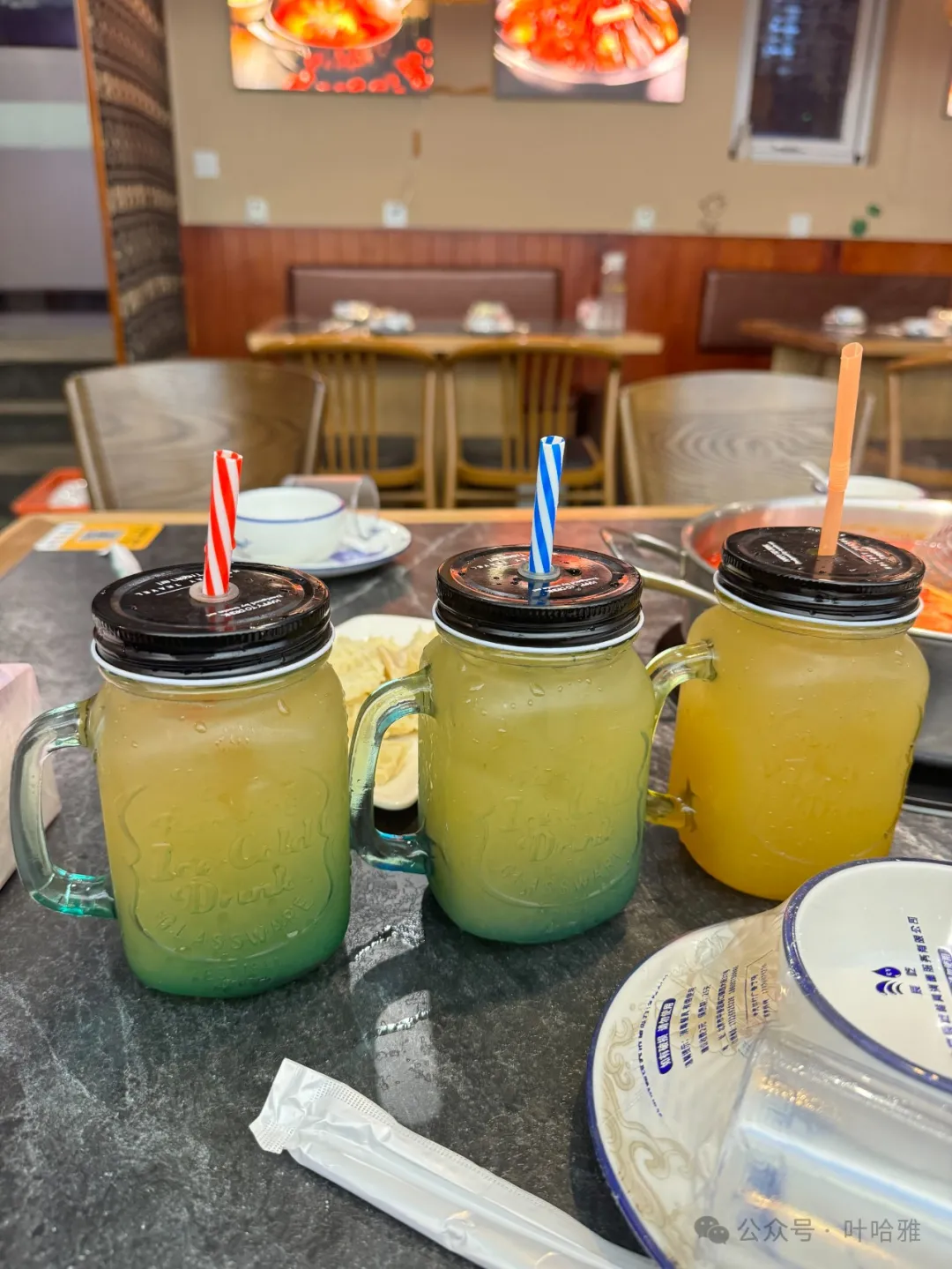
We had three glasses of homemade prickly pear juice (cili zhi). It was sweet, sour, and icy cold. They only had three of these glasses, so we took them all, and other customers had to order different drinks.
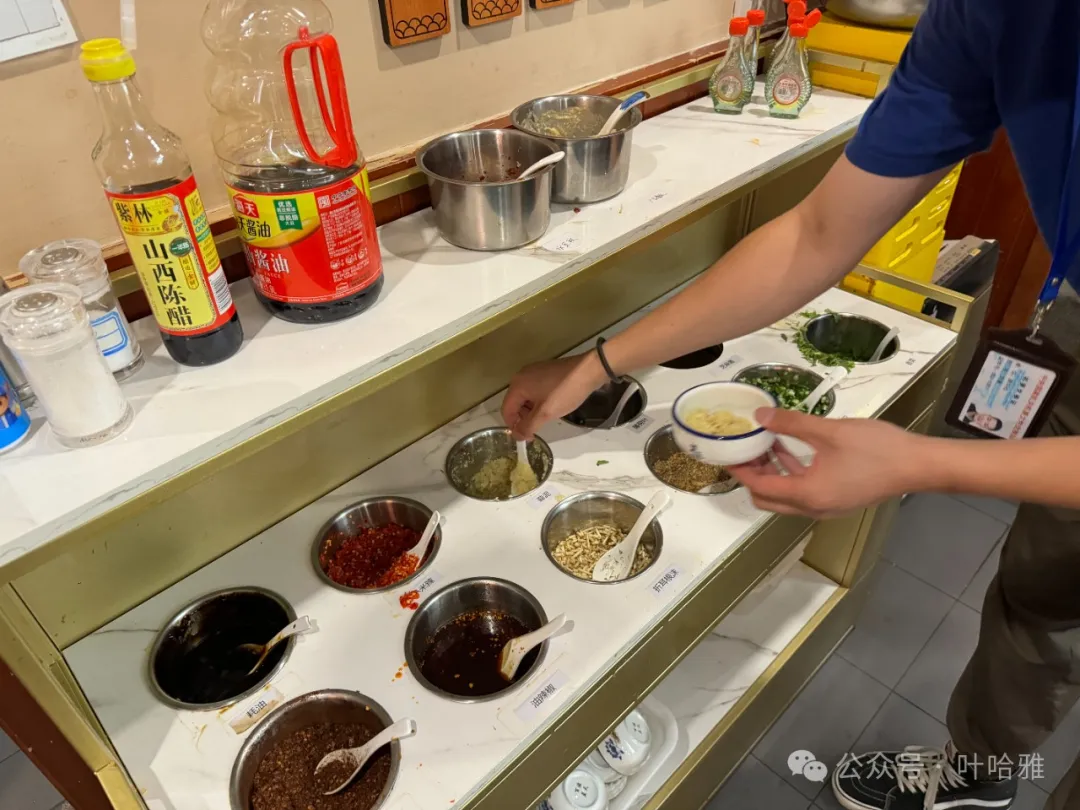
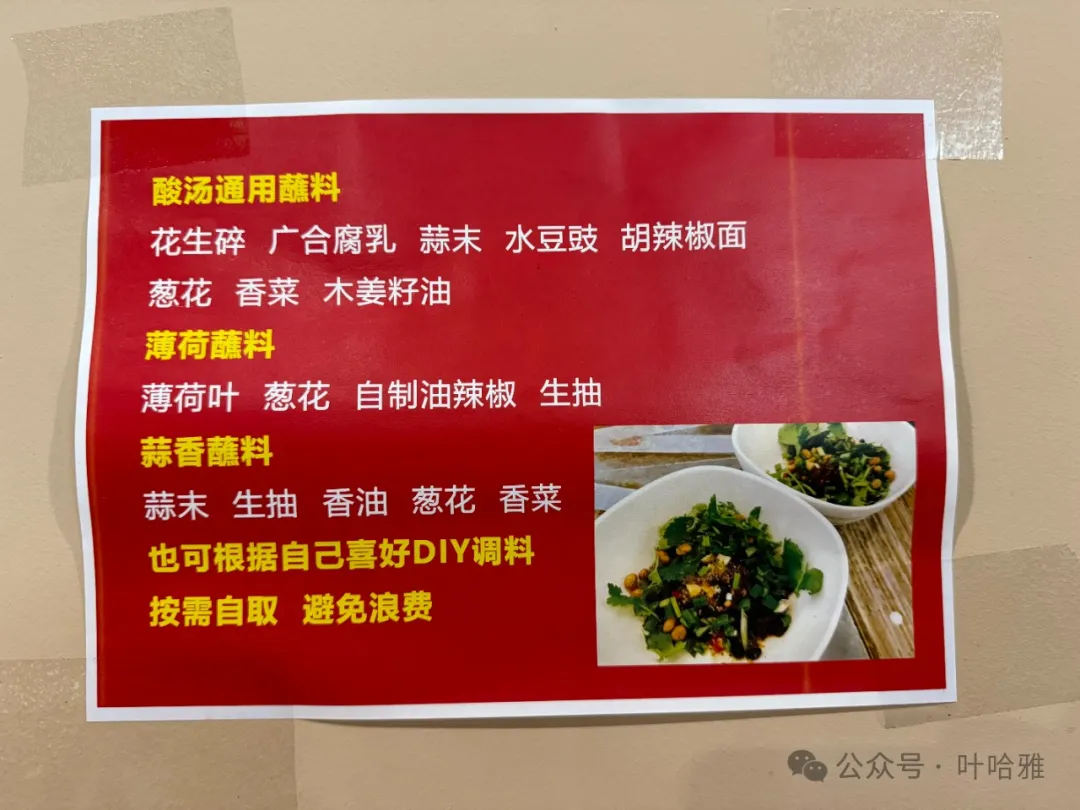
The dipping sauce (zhanshui) is the soul of the meal. I suggest following the guide posted by the shop to mix your sauce. You must try the litsea cubeba oil (mujiangzi you), mint leaves, chili powder (hu lajiao mian), and fish mint (zhe'ergen).
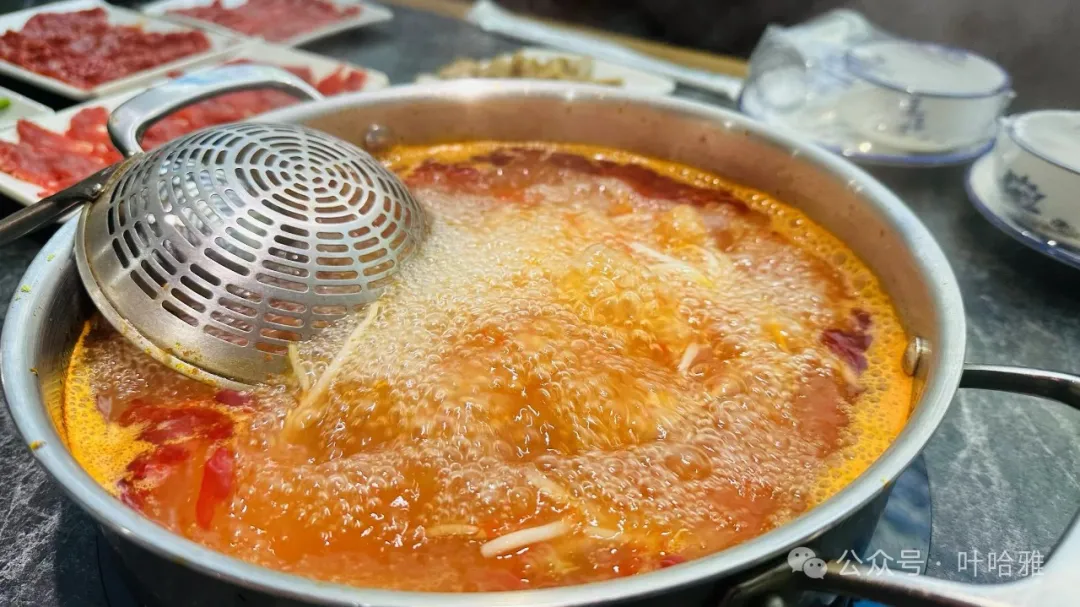
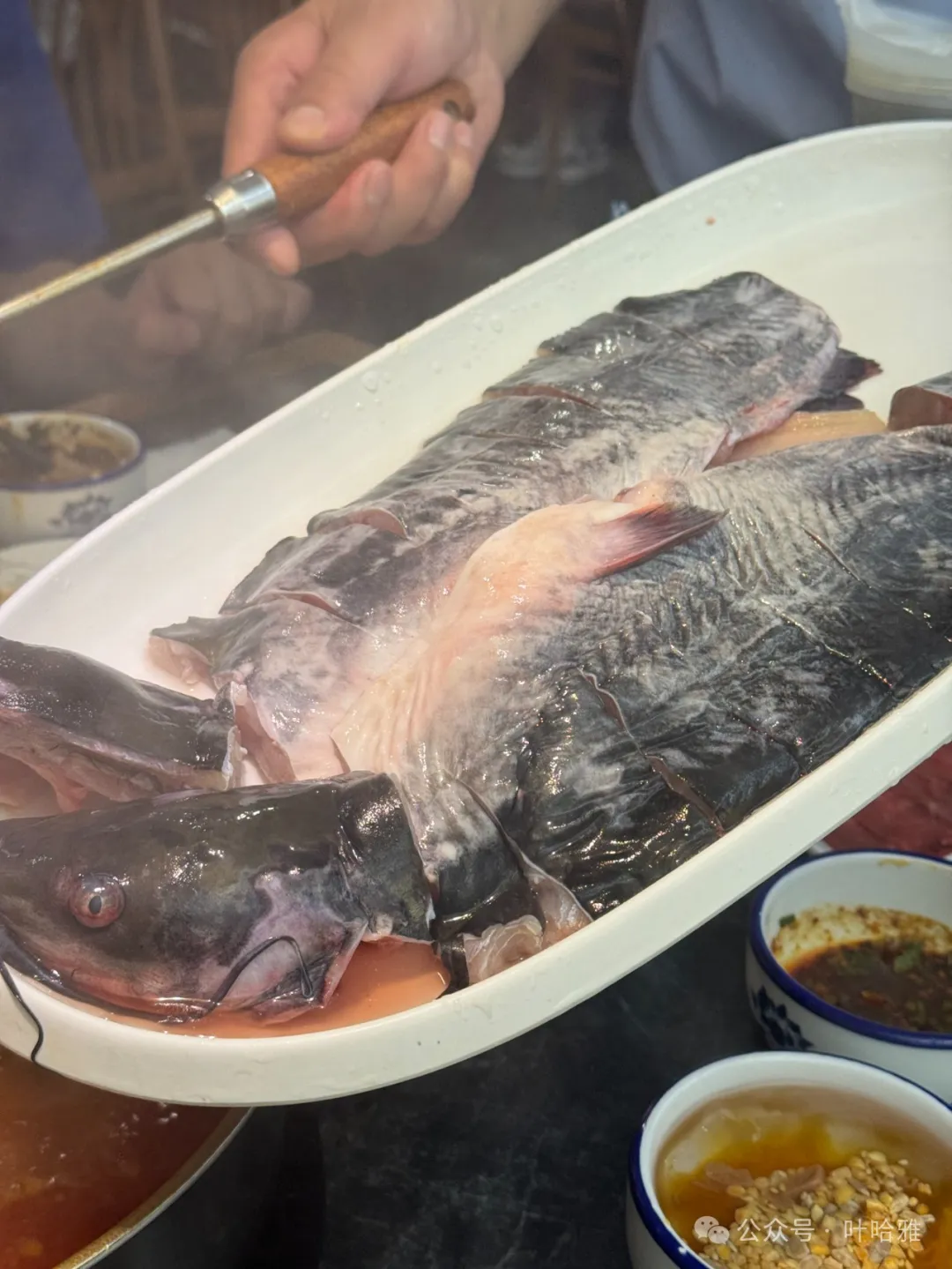
The full beef feast set includes beef and various beef offal. The ingredients are very fresh. If you like fish, choose the river catfish (jiangtuan). One fish weighs about 1.15 kilograms, and the meat is firm with no small bones.
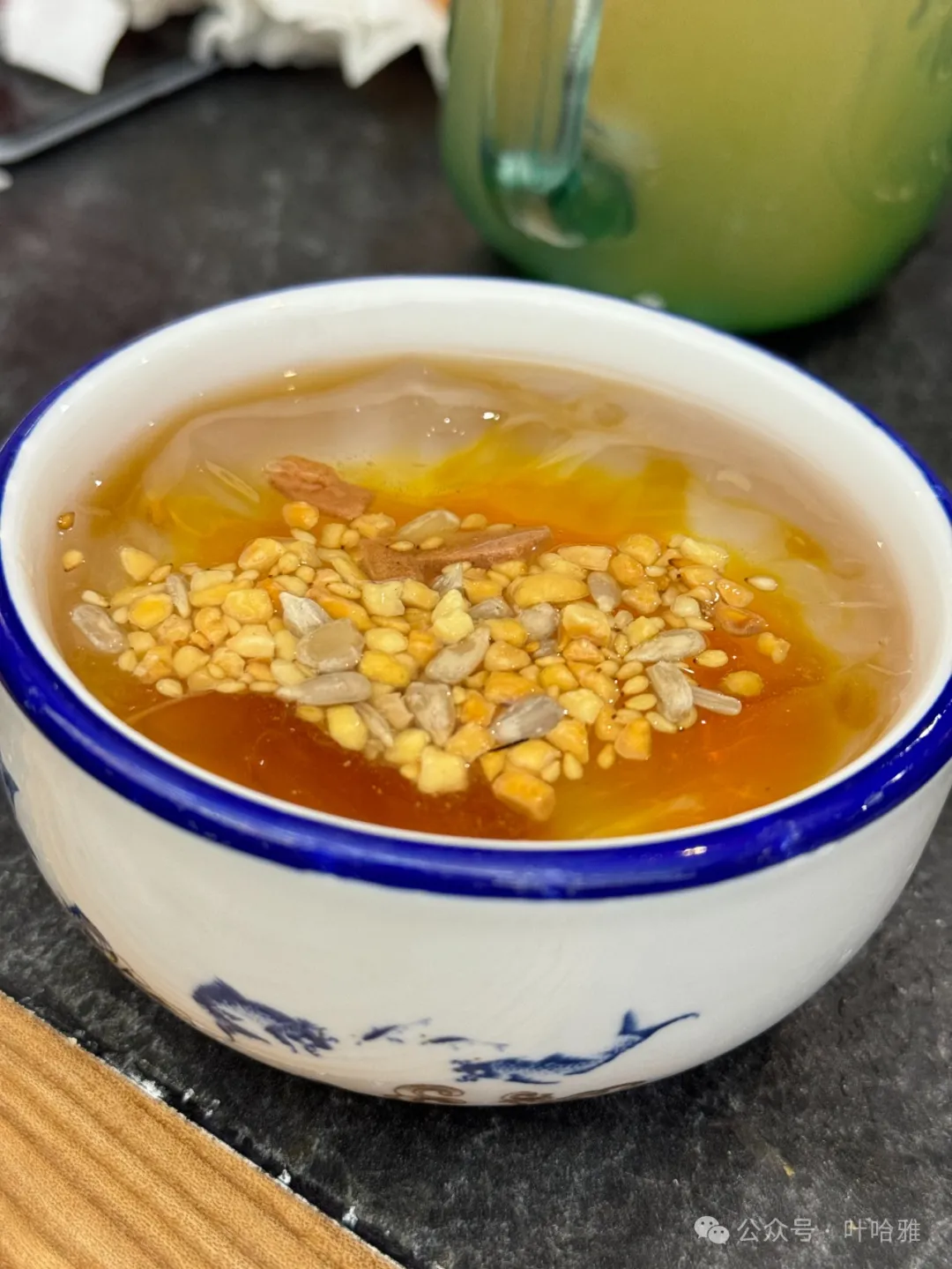
If you save the shop on your map and check in, you get free iced jelly (bingfen). The jelly is just okay, but the signature beef and fish hot pot are worth a try.
18. Xunji Tan Sheep Hot Pot
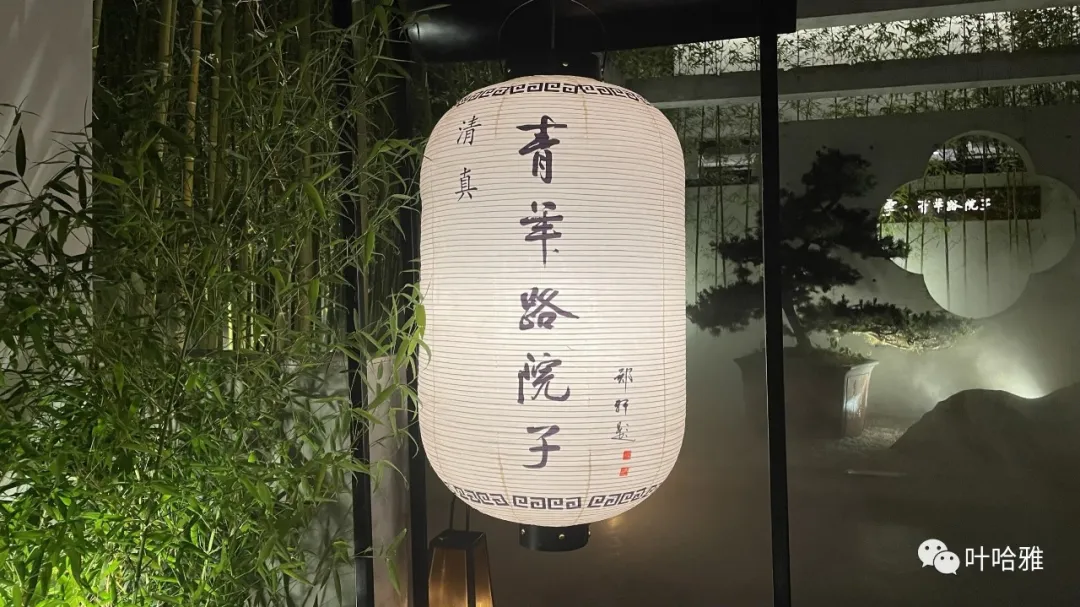
Xunji is a chain restaurant. There is one in Gulou and another one in Qingnian Road. The two shops have very different decor, but both are high-end and elegant. The Qingnian Road location has a particularly fresh and unique atmosphere. It is much larger than the Gulou shop and has plenty of free parking.
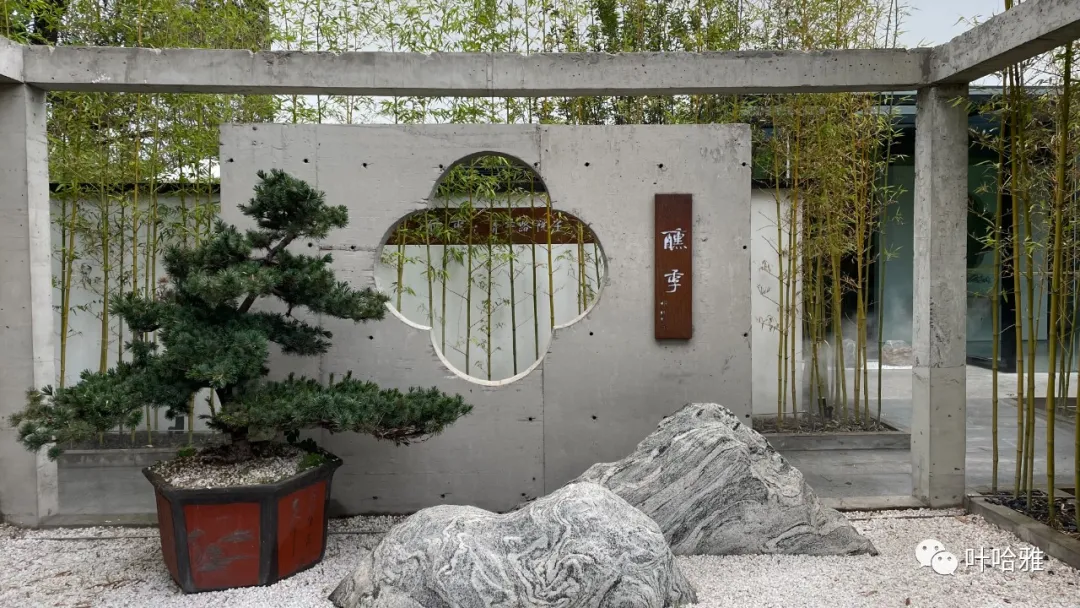
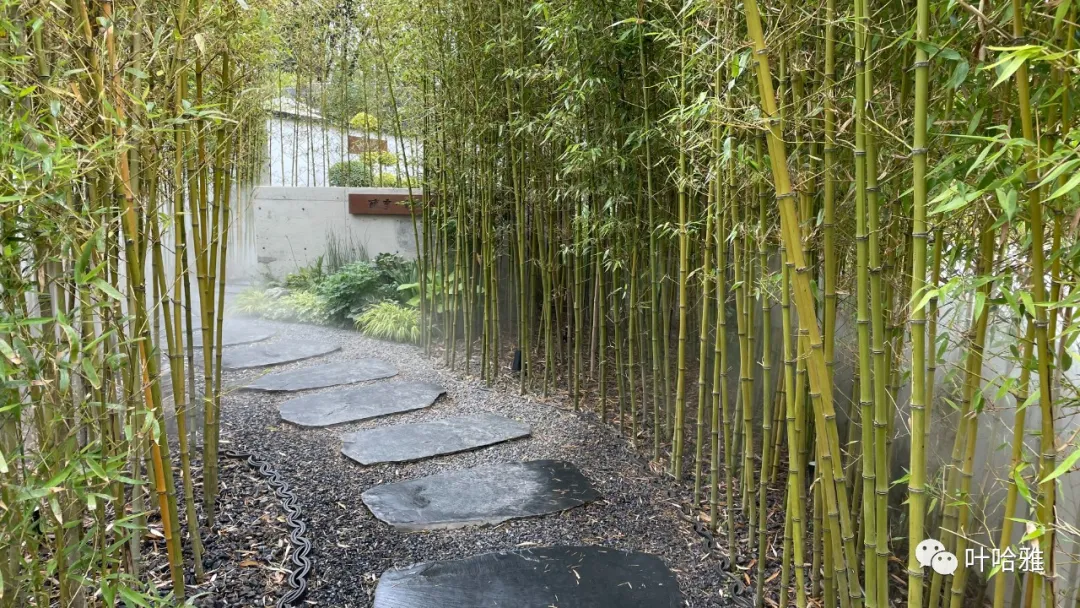
When you enter the courtyard, you first walk through a bamboo grove. Mist floats along both sides of the path, making it feel like a fairyland.
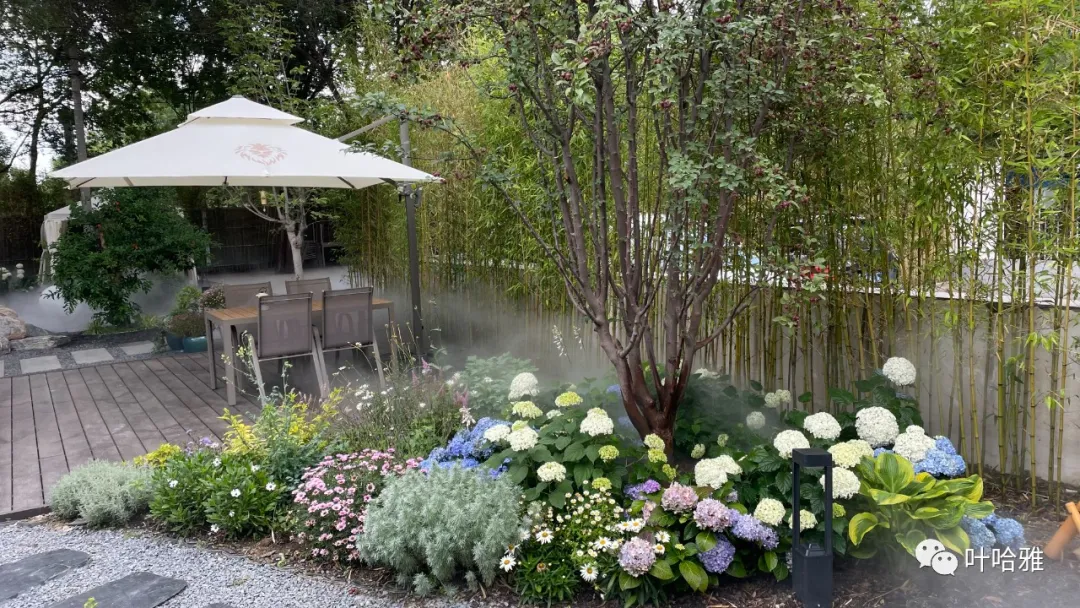
The courtyard is filled with flowers and green plants, including many brightly colored hydrangeas.
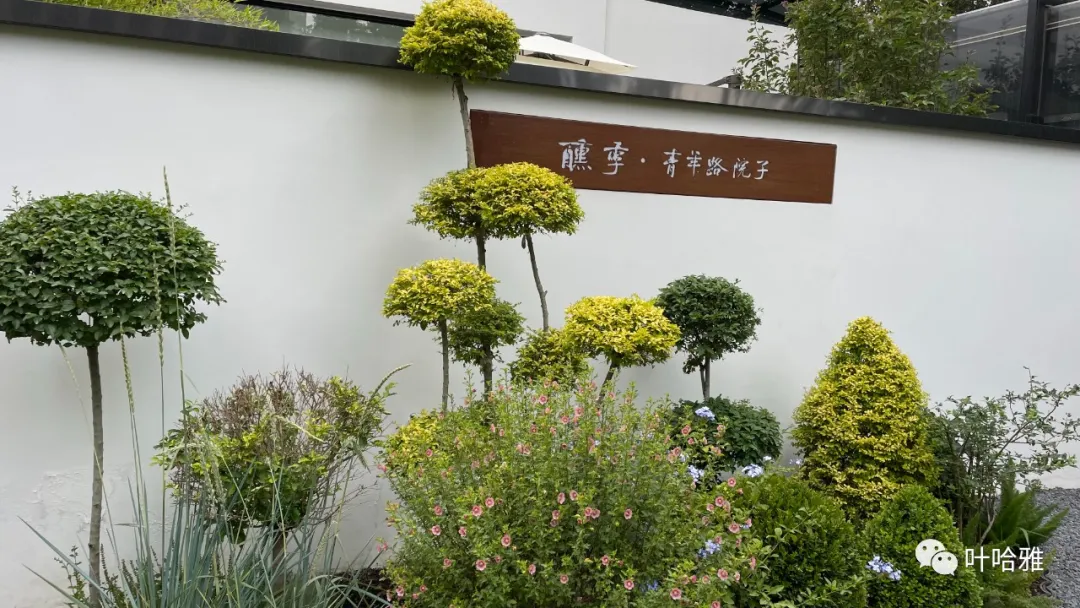
The courtyard has open-air seating and tented private rooms. Each tent is equipped with air conditioning, lights, and a sound system.
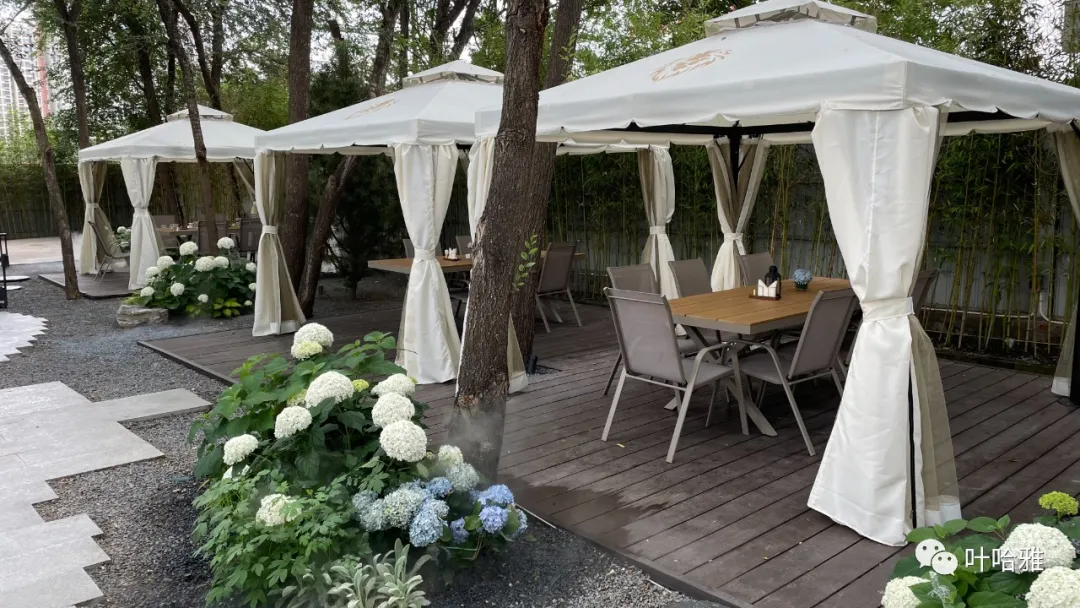
There is an indoor dining hall, but in the summer, everyone prefers to sit in the courtyard to enjoy the flowers and food.
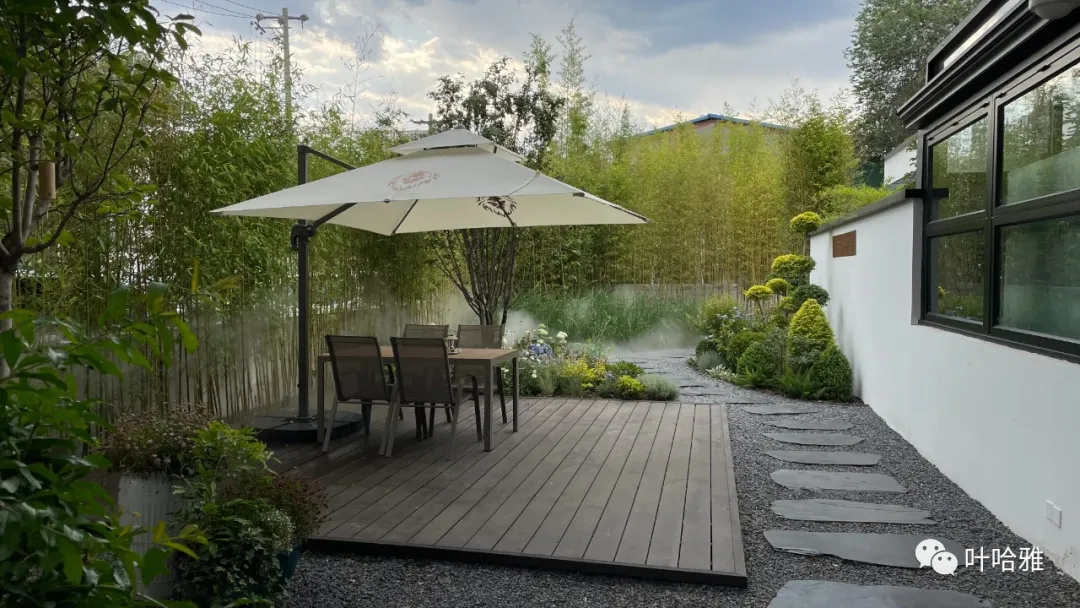
The dining tables in the tented rooms have microphones. If you speak near the table, you can hear an echo, which makes chatting easier.
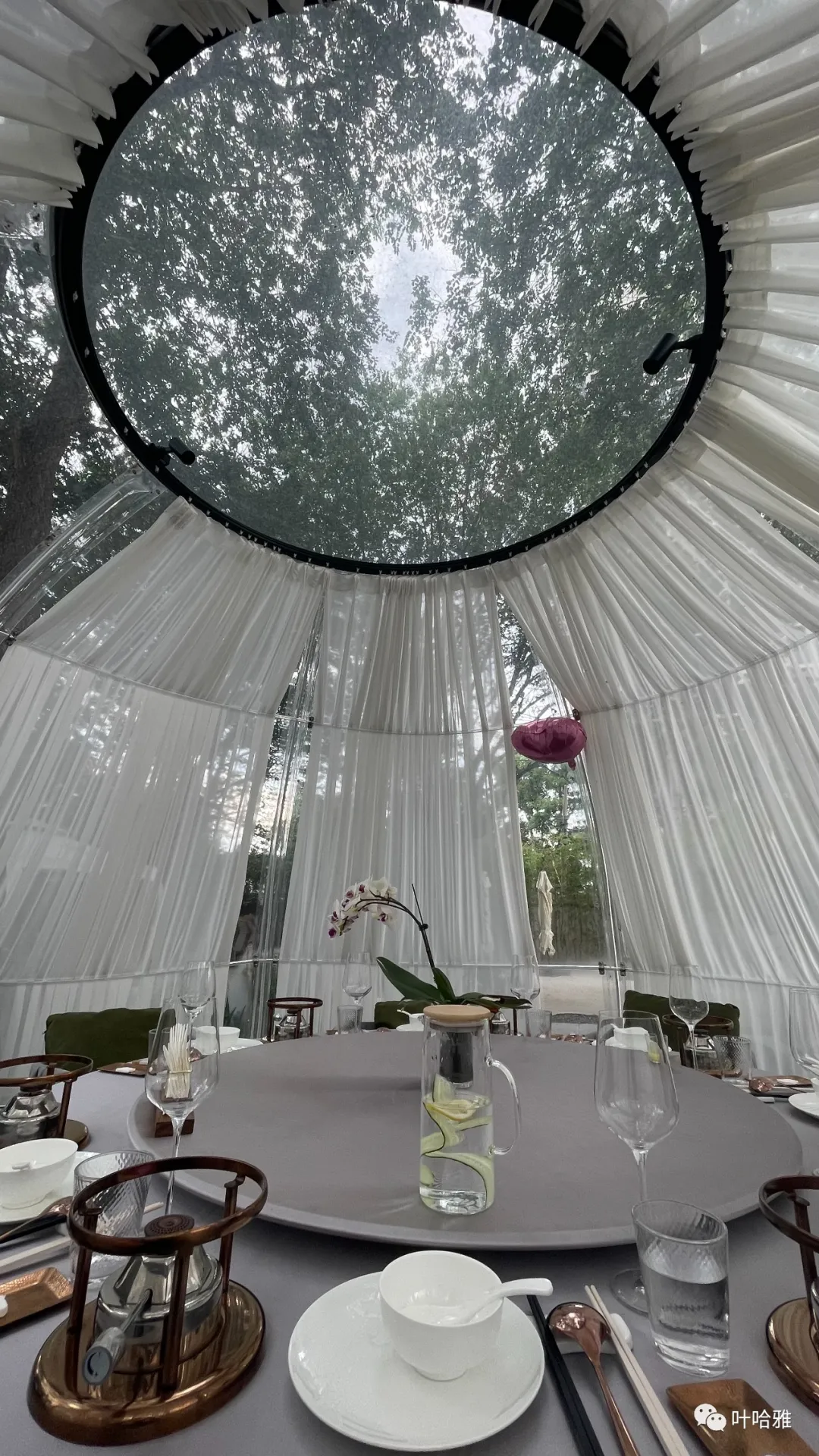
This restaurant is a top-tier halal establishment in Beijing. The average cost per person is between 400 and 500 yuan. The restaurant charges per head and currently only serves hot pot. They can host wedding banquets for about 150 people. Wedding banquets are also charged per head, so a wedding for 100 people costs only 50,000 to 60,000 yuan, which is very affordable for Beijing.
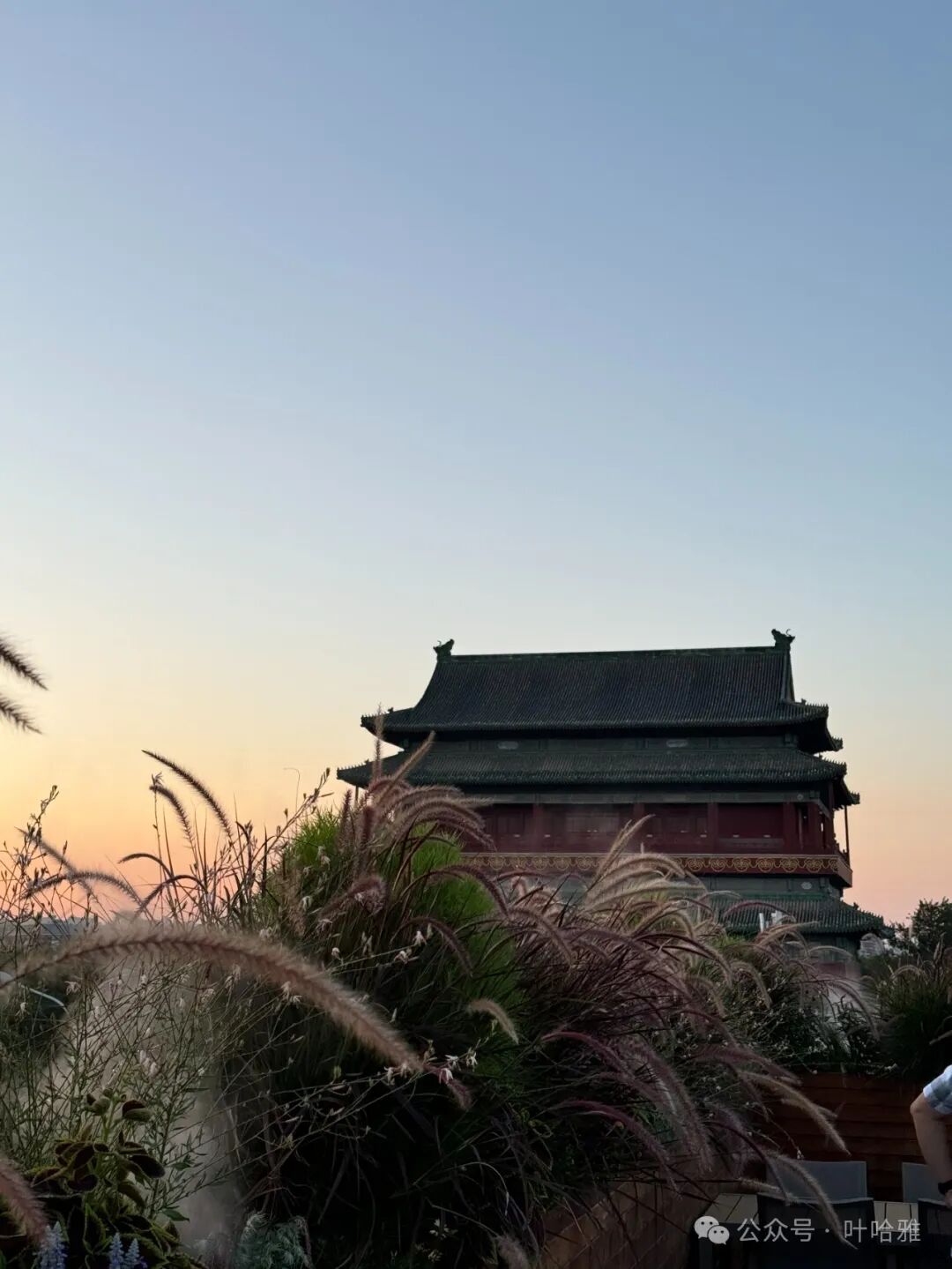
Xunji Gulou Courtyard has a different, classical style. You can sit on the terrace and eat hot pot with the Drum Tower behind you.
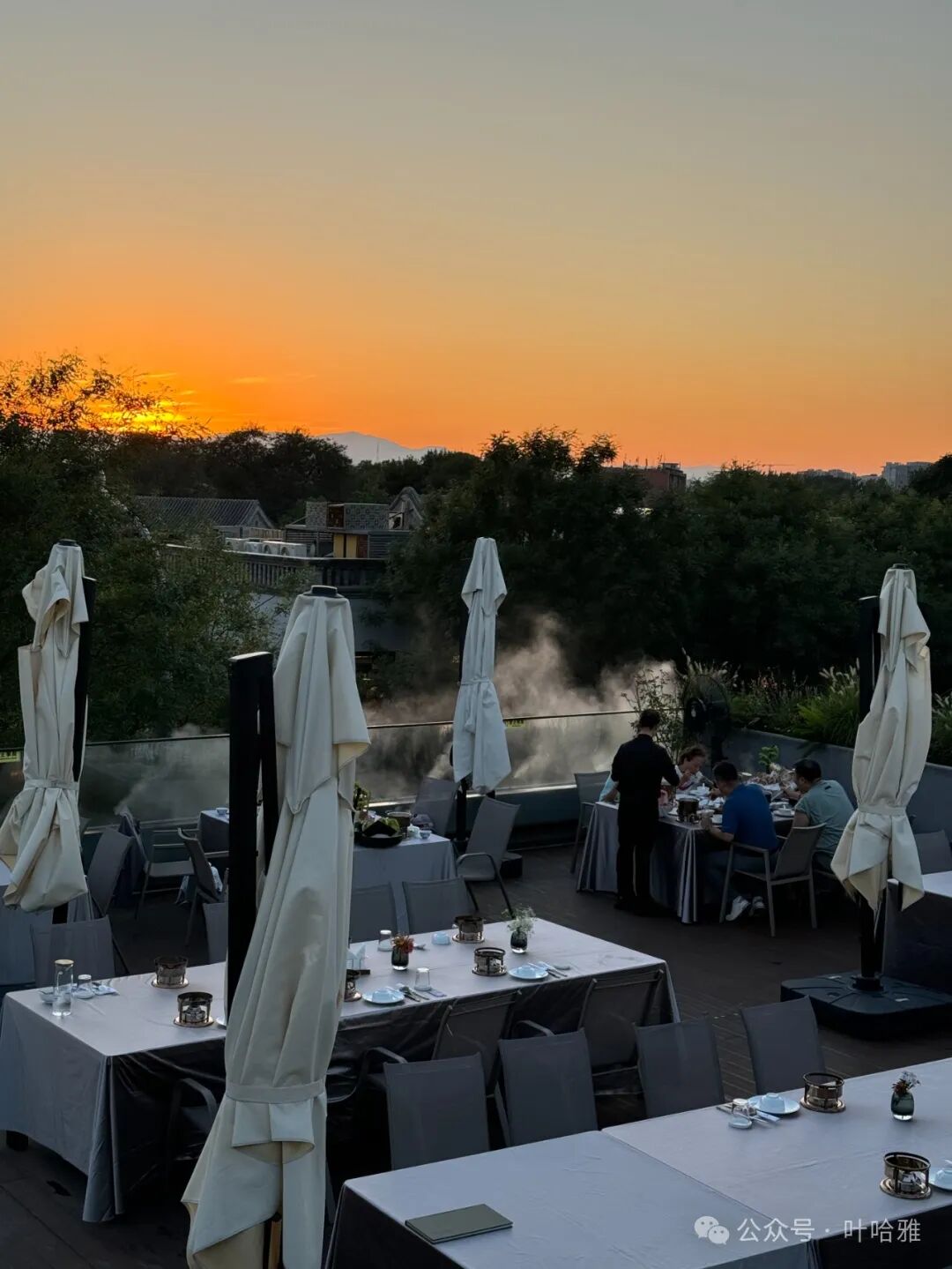
At sunset, the scene of eating hot pot with the Drum Tower in the background is stunning. Oriental Selection even came here to host a live stream.
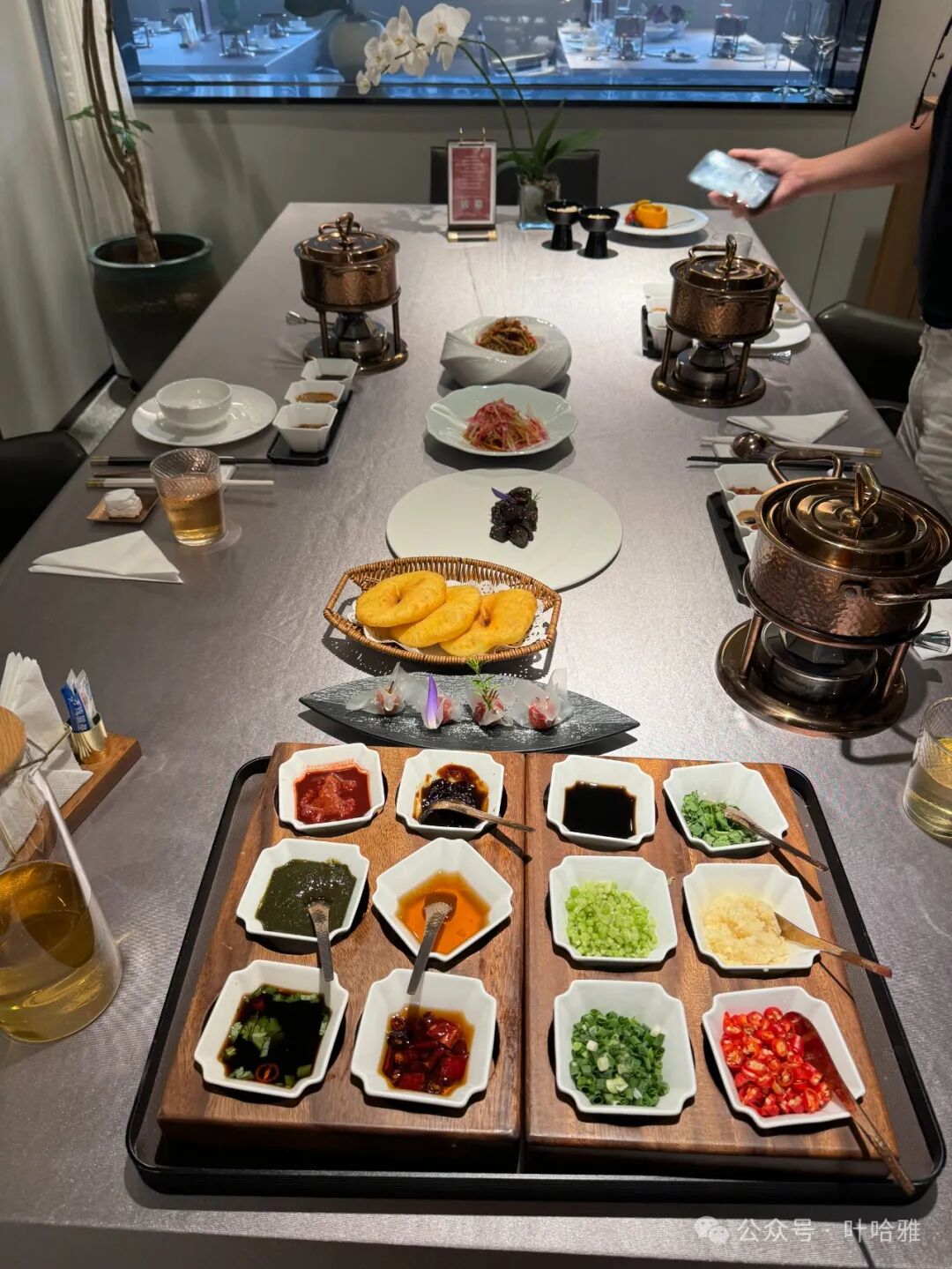
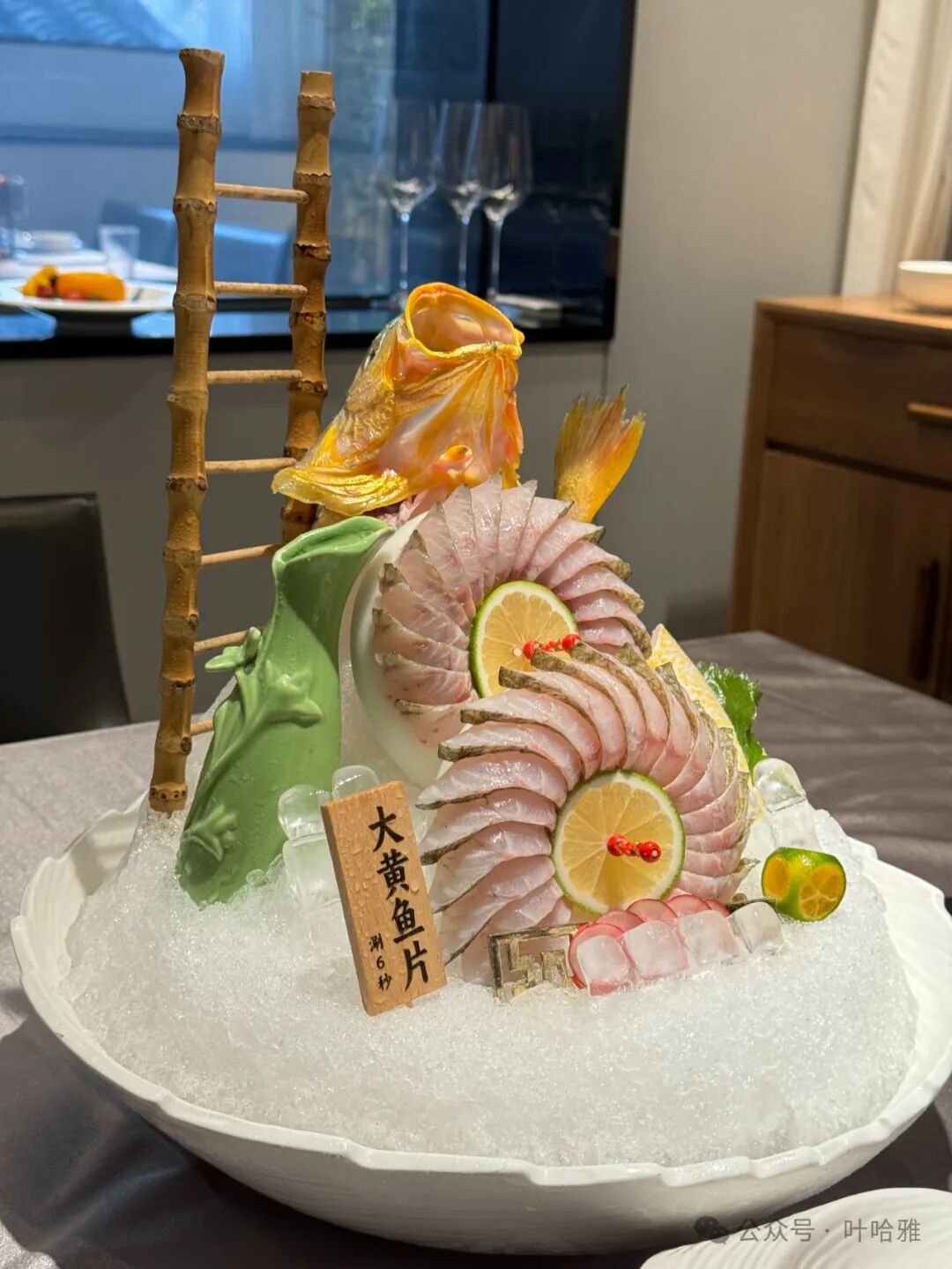
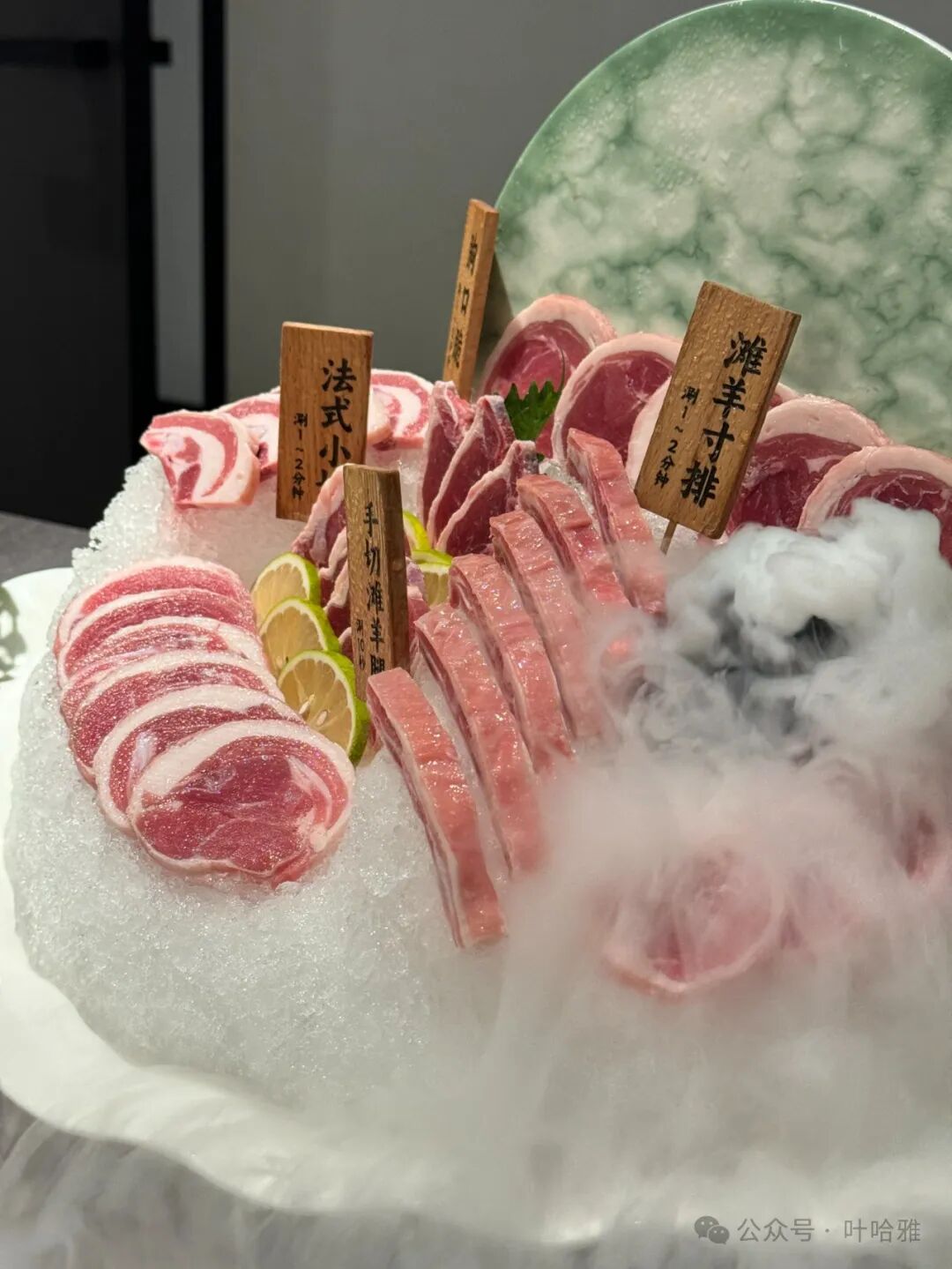
All ingredients are fresh and high-quality. You just wait for the servers to bring the dishes in order. Each private room has a dedicated server to provide attentive service. The dishes are served in this order: drinks, cold appetizers, hot pot ingredients, staples, and dessert. You can order extra portions of anything you like without extra charges. It is like paying 300 to 500 yuan for a high-end buffet, so it is not expensive.
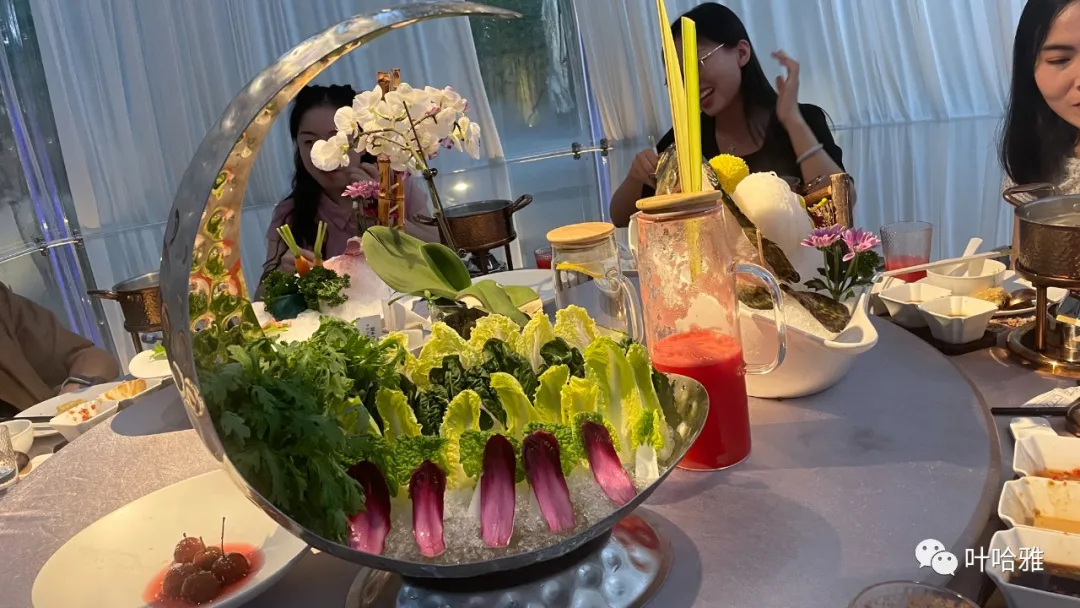
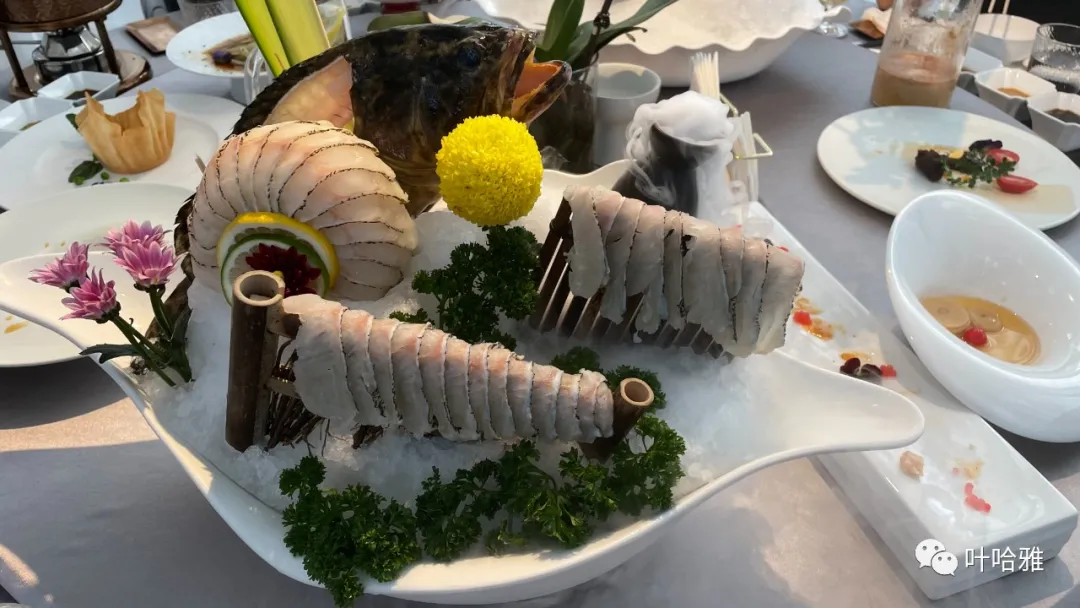
19. Baoding beef covered pancake (niurou zhaobing)
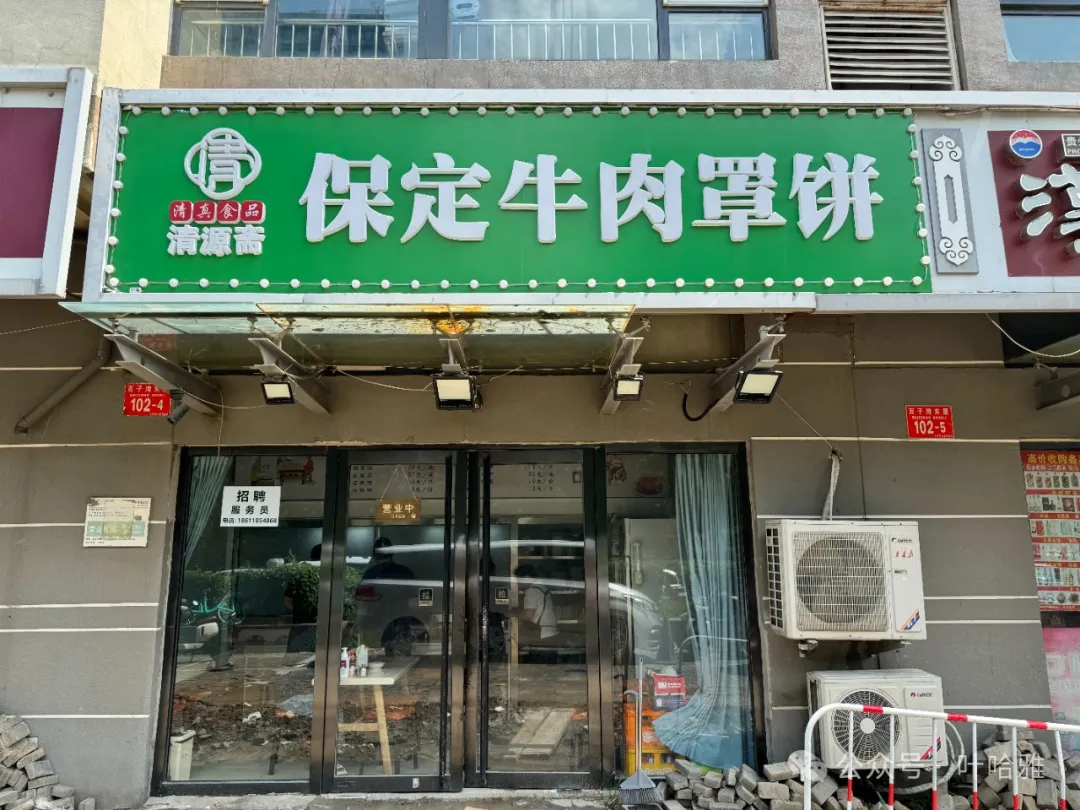
I once drove all the way to Miyun just to eat halal covered pancake (zhaobing). When I heard a halal zhaobing shop opened in Baiziwan, I came to try it. The taste is even better than the one in Miyun. Now, this shop has also opened a branch in Daxing.
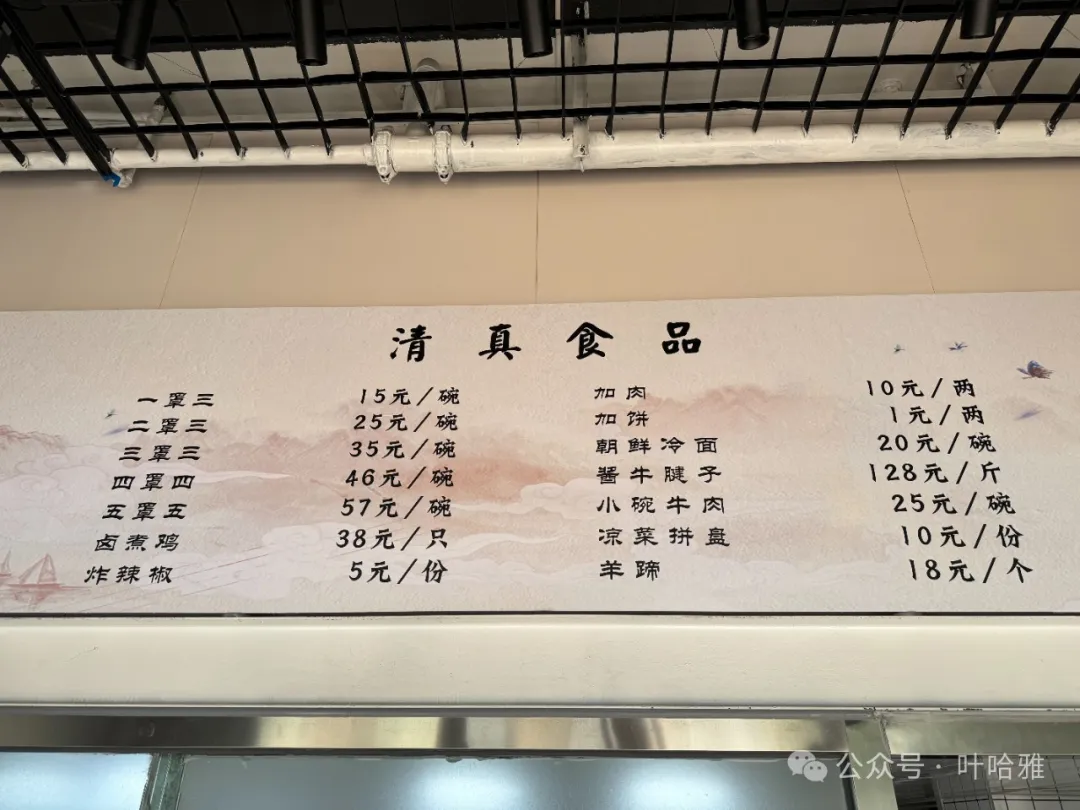
One cover two means one liang of meat and two liang of flatbread. I chose the single set meal of one cover three, which is two liang of beef and three liang of flatbread. The shop just opened and they are still hiring staff. They only serve covered flatbread (zhaobing) and braised chicken (luzhuji), which is also a specialty of Baoding.
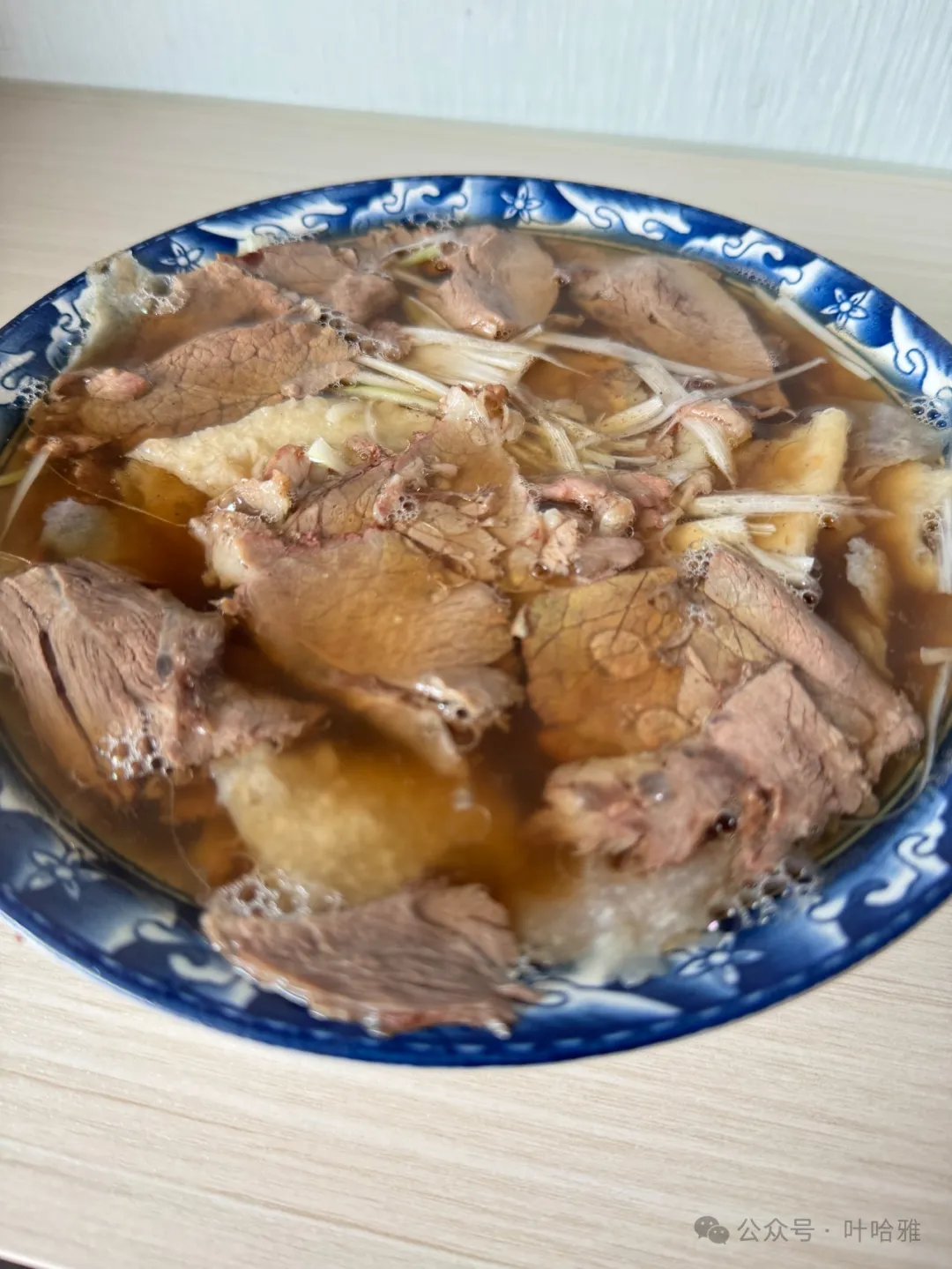
I have eaten covered flatbread in Baoding, and the taste is basically the same as this place.
20. Azerbaijan National Pavilion Maiden Tower Restaurant
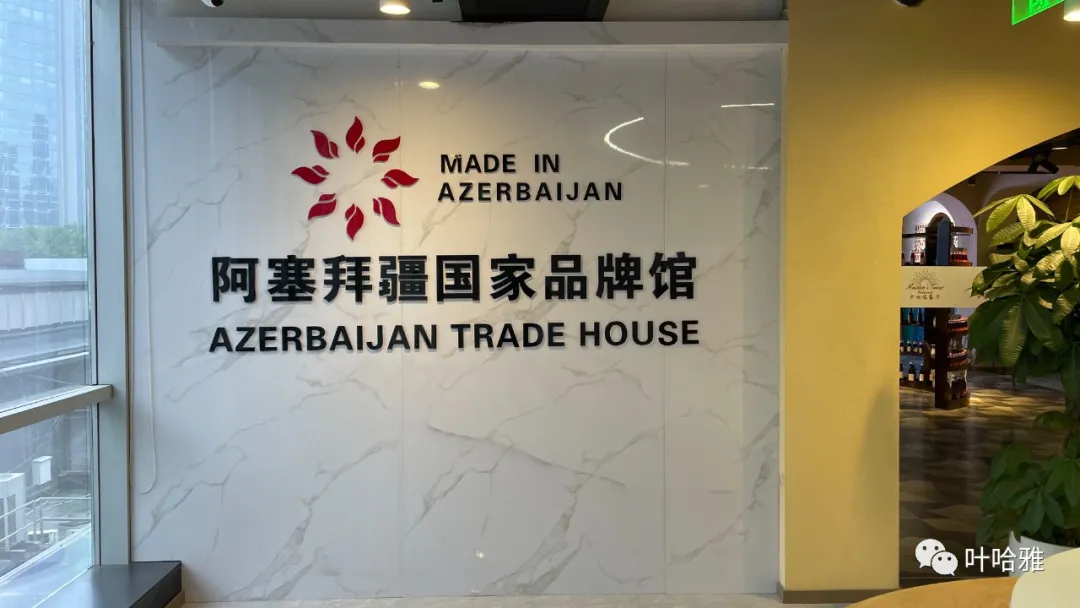
A new restaurant opened on the third floor of the Azerbaijan National Pavilion. It is named after the Maiden Tower, which is a tourist attraction in Azerbaijan. This is the only halal Azerbaijani restaurant in Beijing, so it is worth noting.
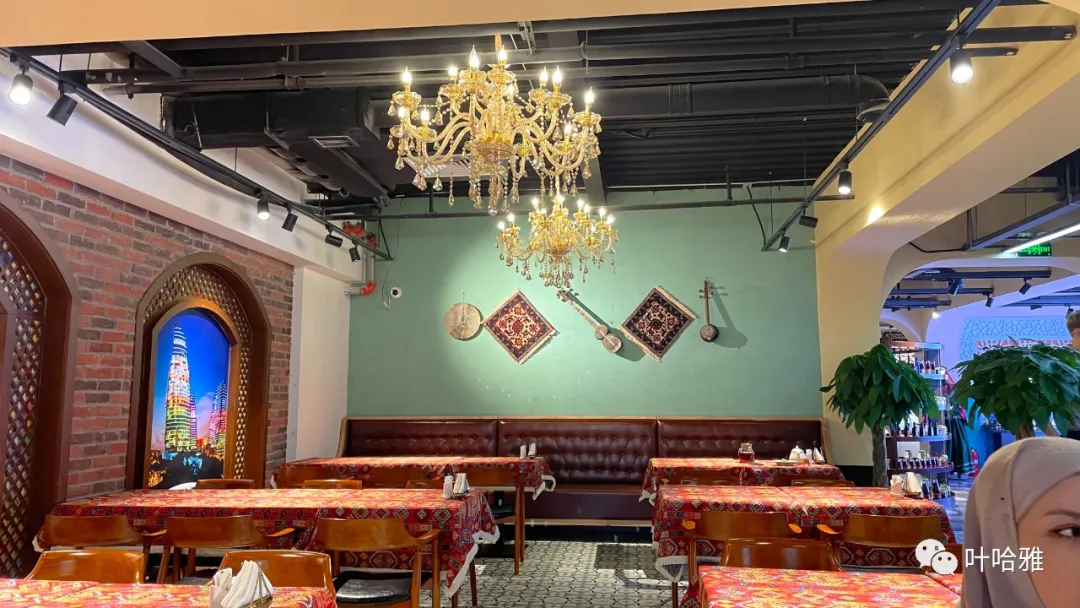
The restaurant is inside the pavilion, so you can enjoy Azerbaijani folk handicrafts while you eat.
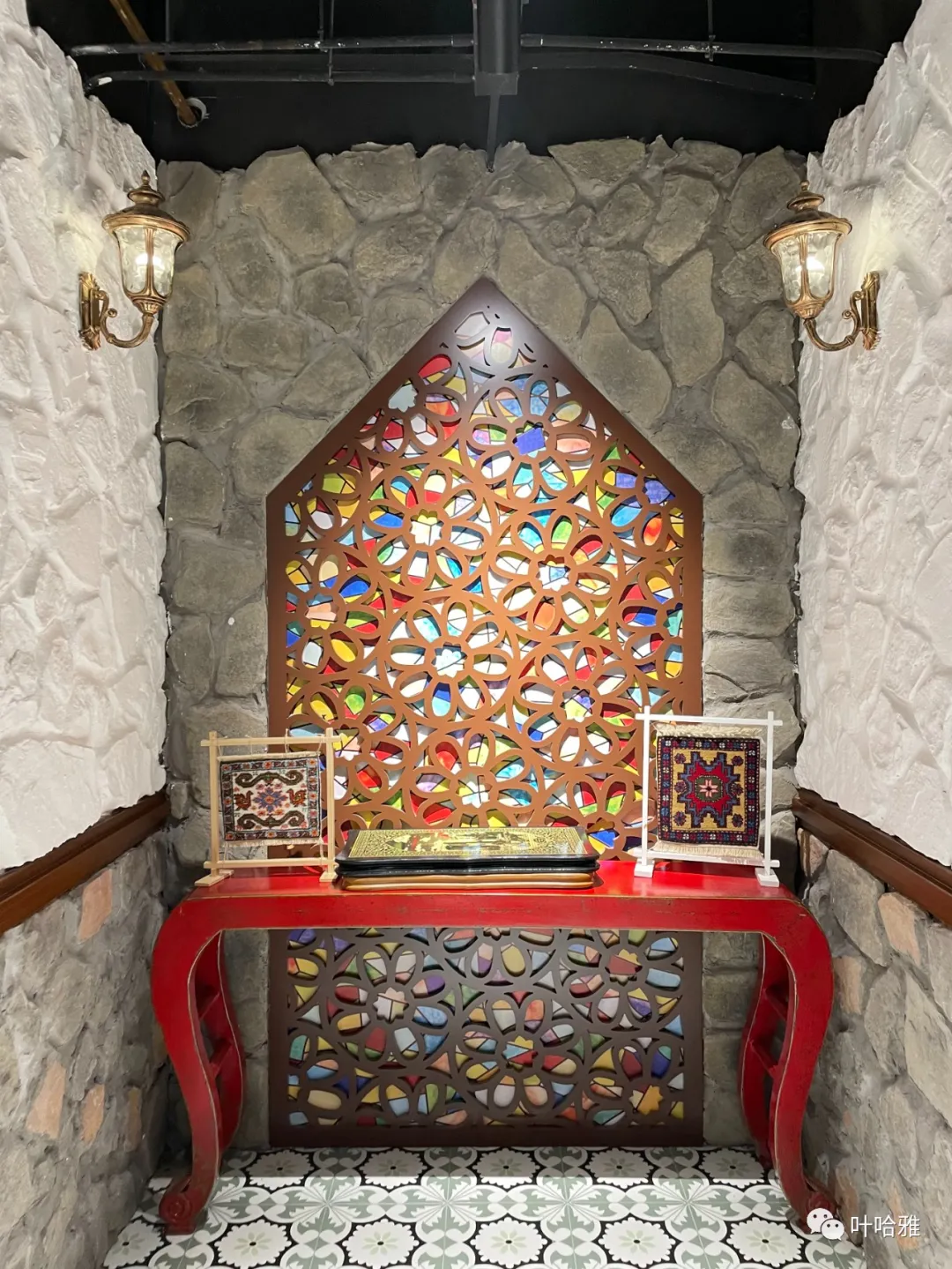
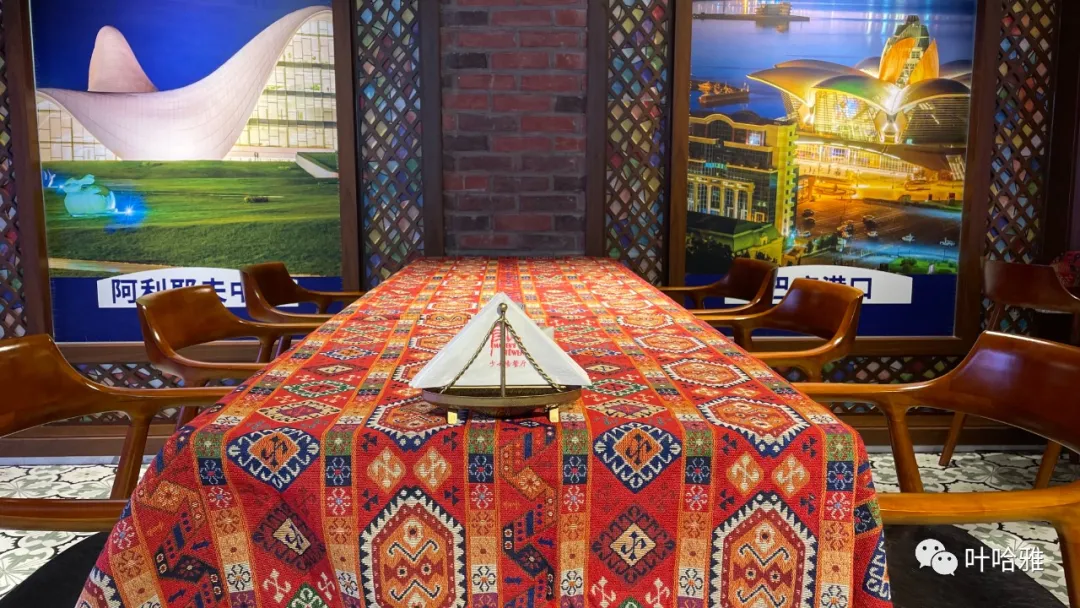
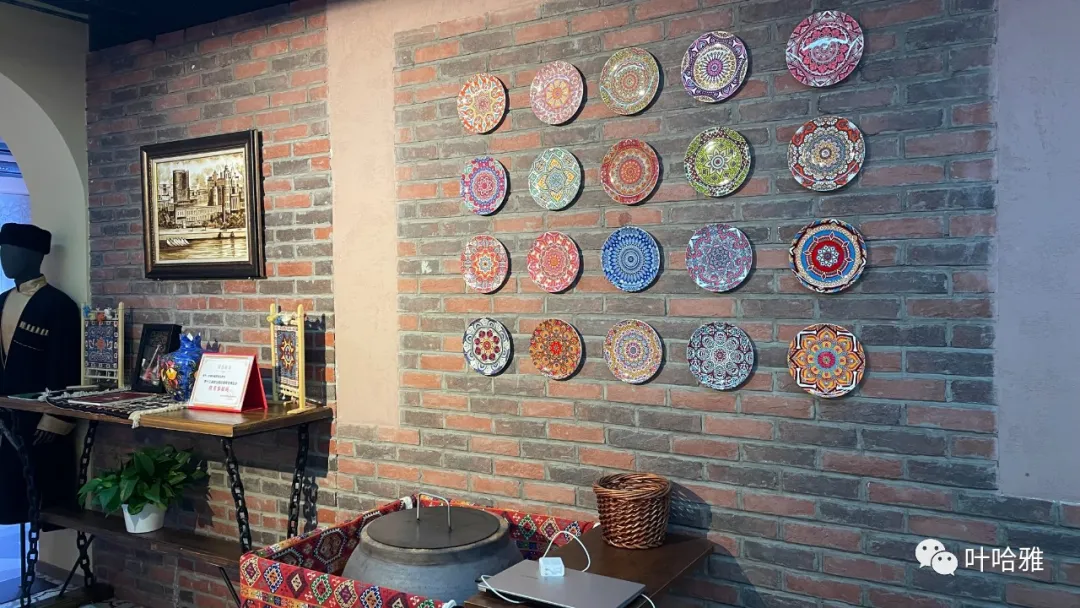
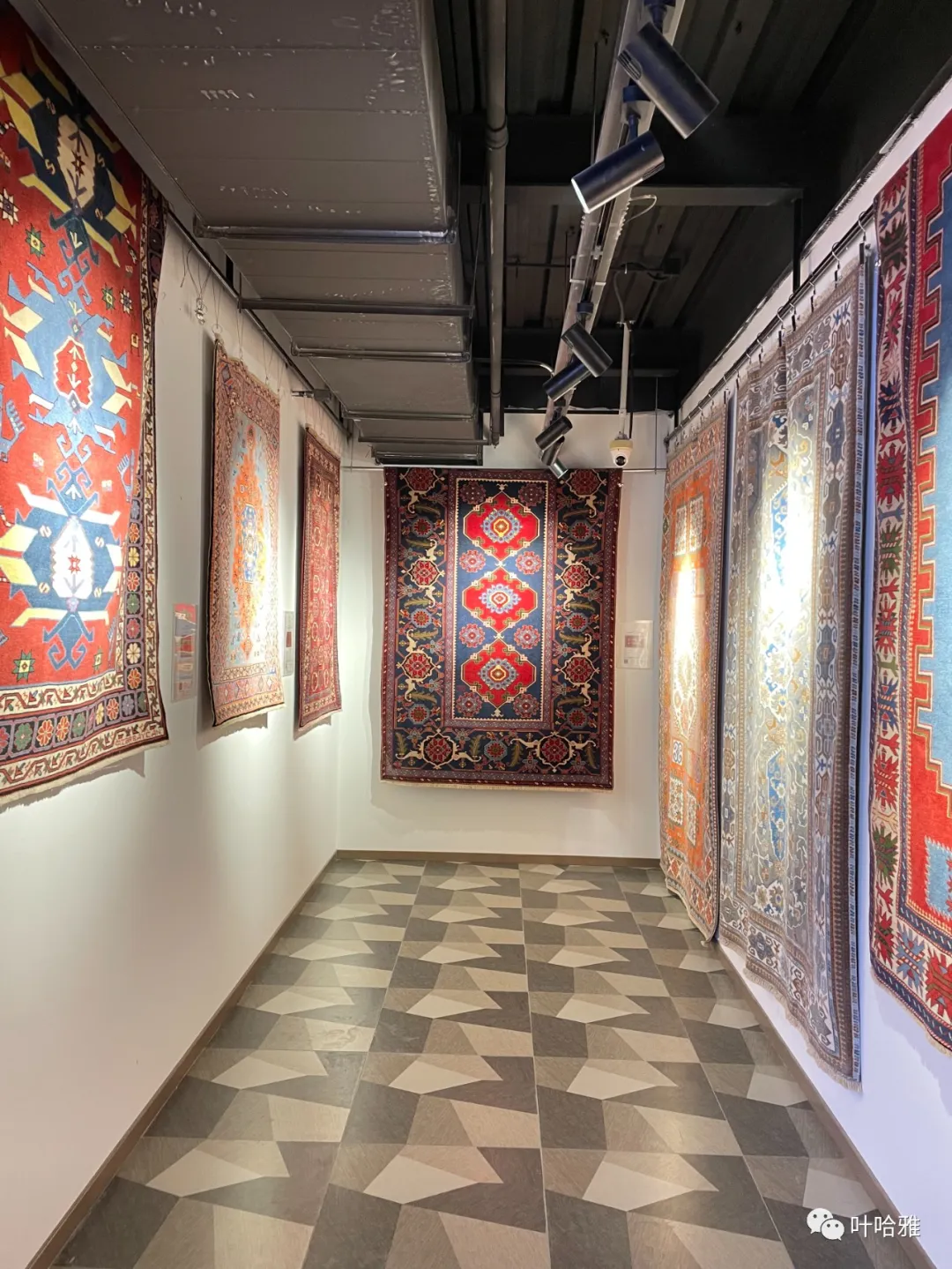
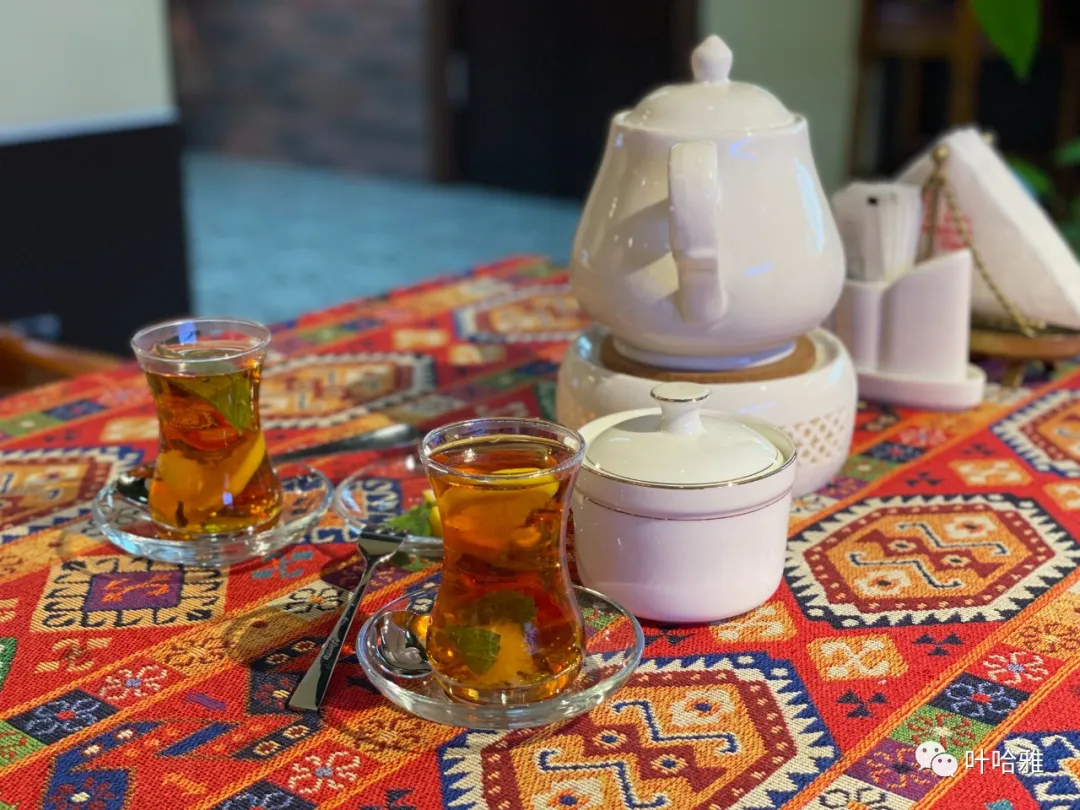
Many Azerbaijani chefs work abroad. Many of the Turkish restaurants we often eat at are actually run by Azerbaijanis.
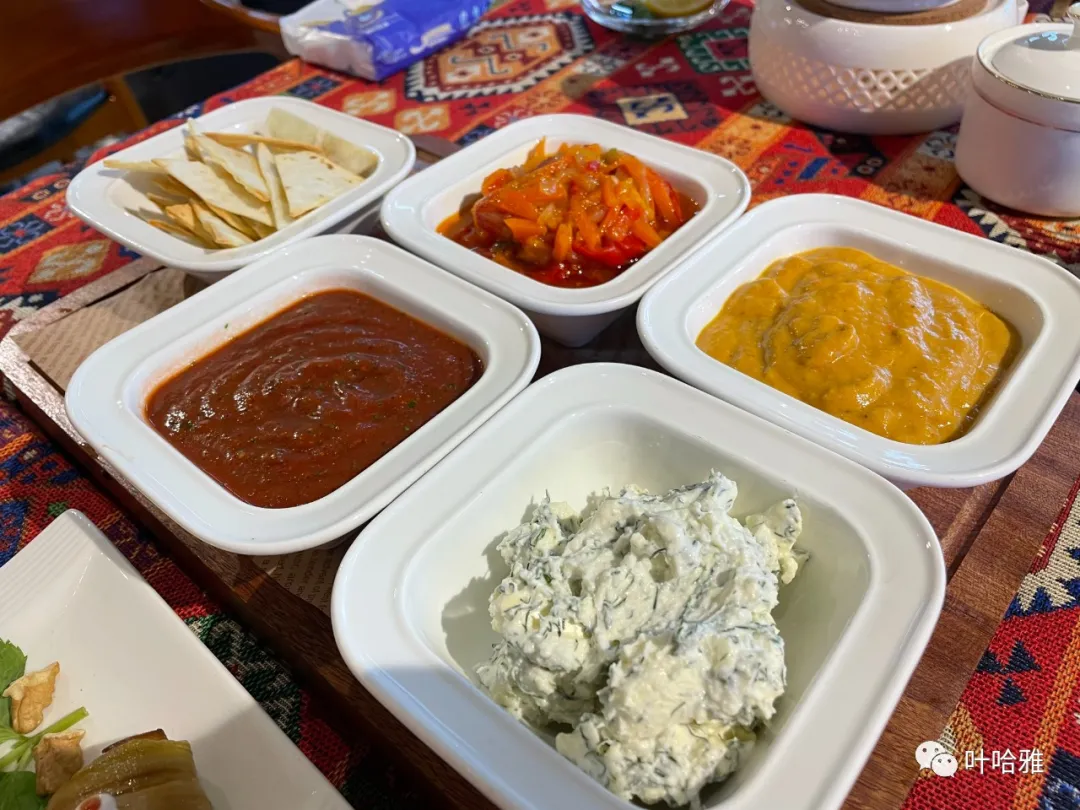
The dishes here suit our tastes well, including these snacks, which are also good for babies to eat.
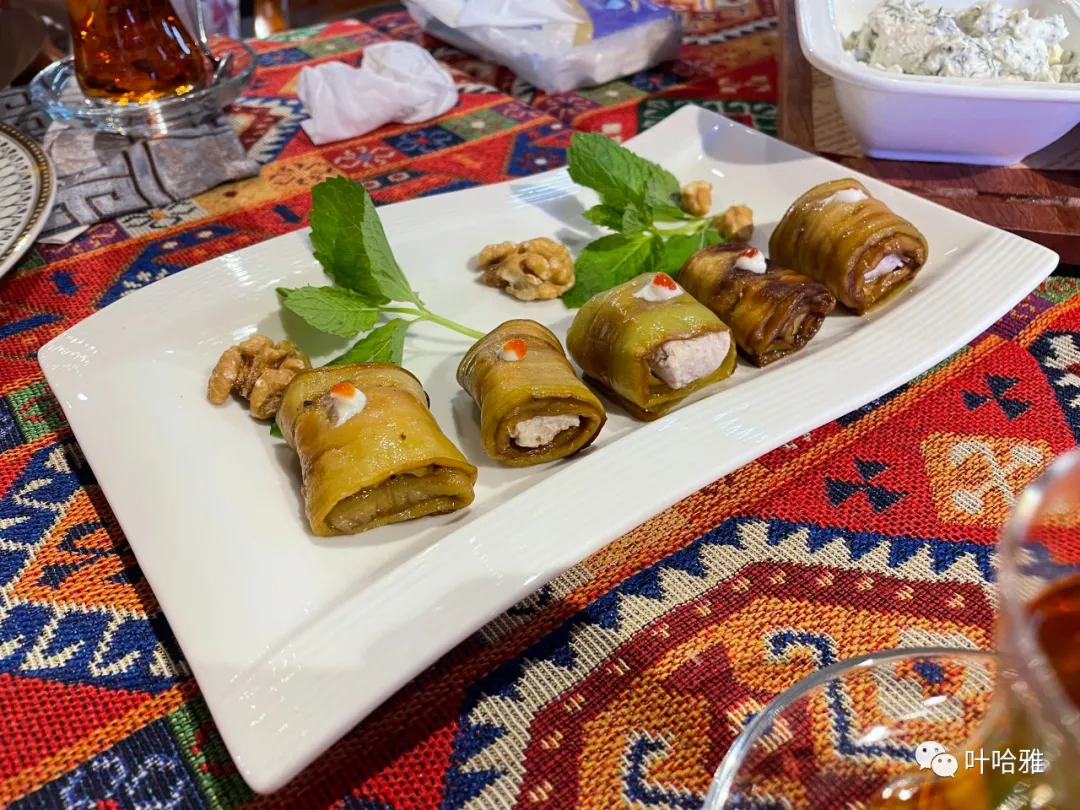
Creamy eggplant rolls (xiangnai qiezijuan)
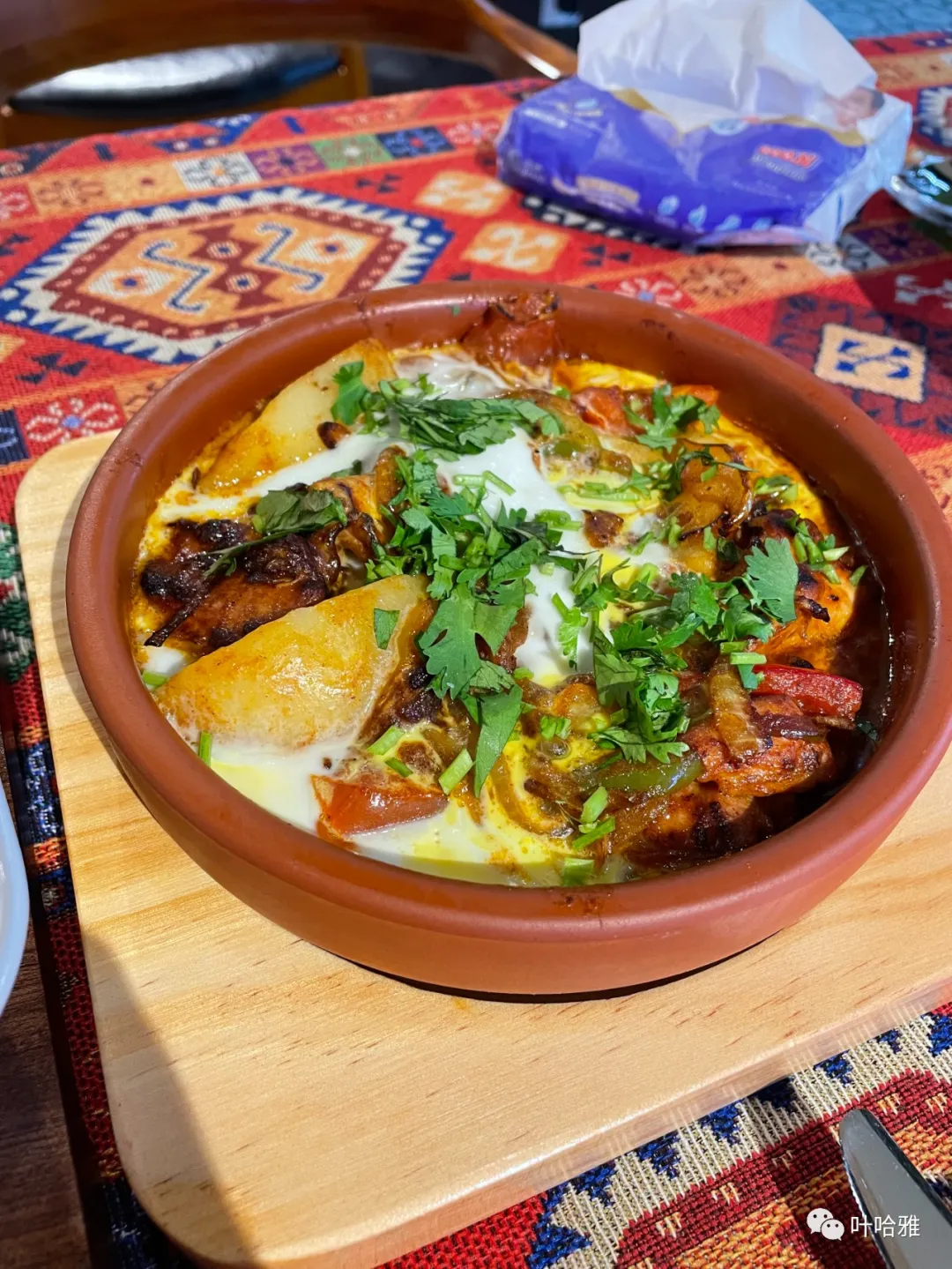
Jeliteme roast chicken (jeliteme kaoji)
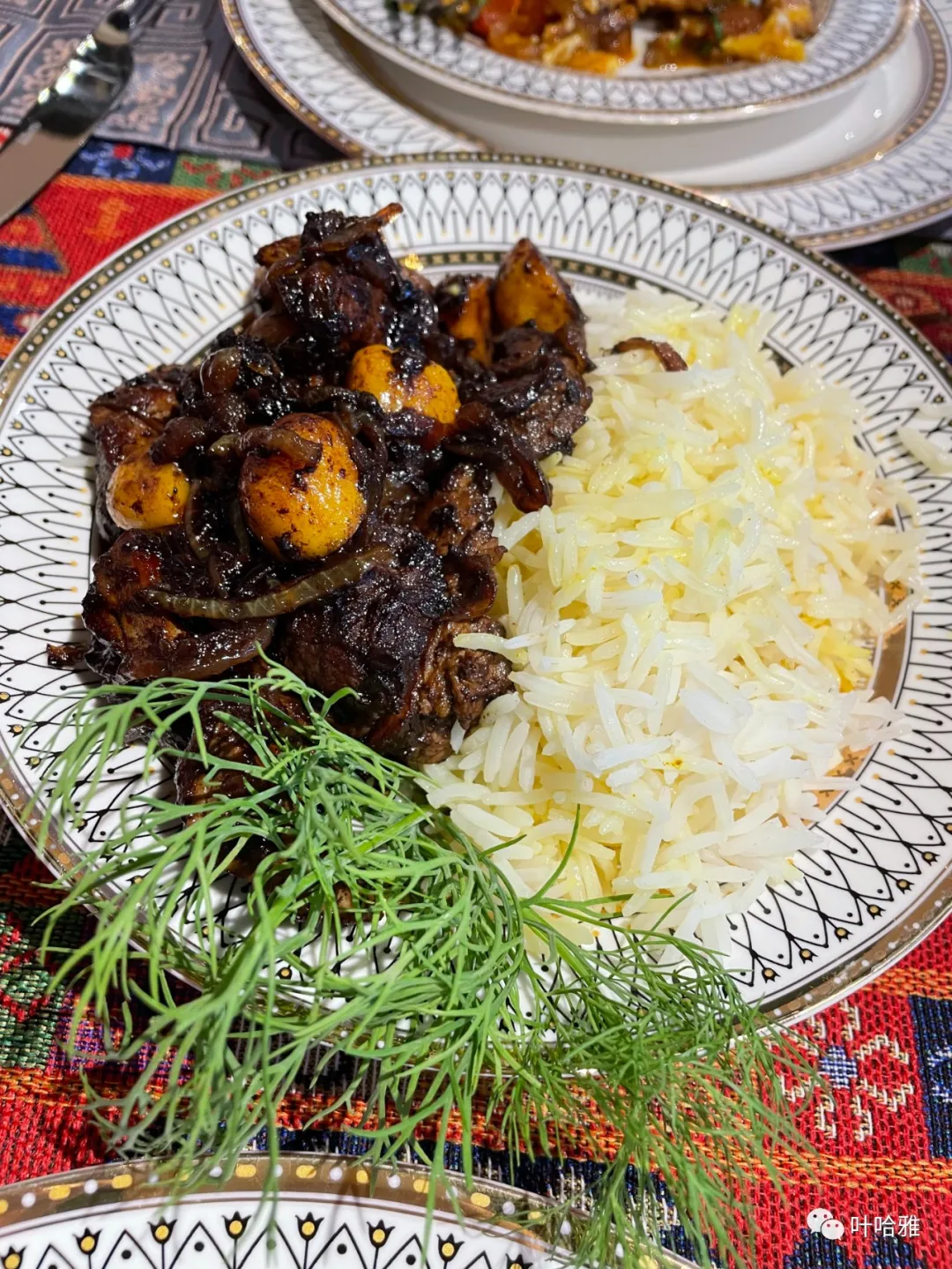
Beef rice with chestnut and pomegranate sauce (lizi shiliujiang niuroufan)
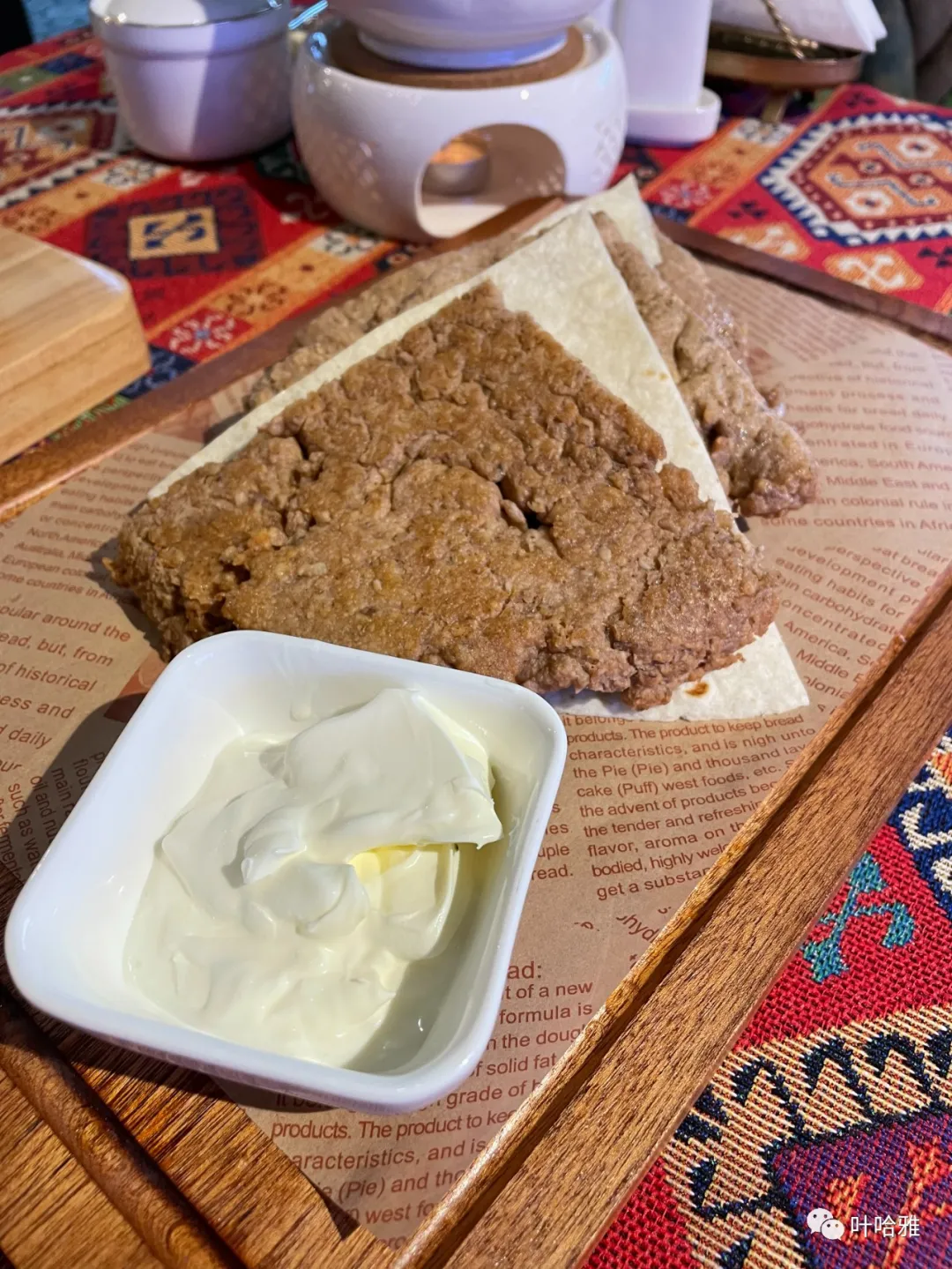
Nut cake
The restaurant is near Sanyuanqiao. It costs about 150 yuan per person. It is good for business dinners and dates.
21. Alkhaleej Mandi Kitchen
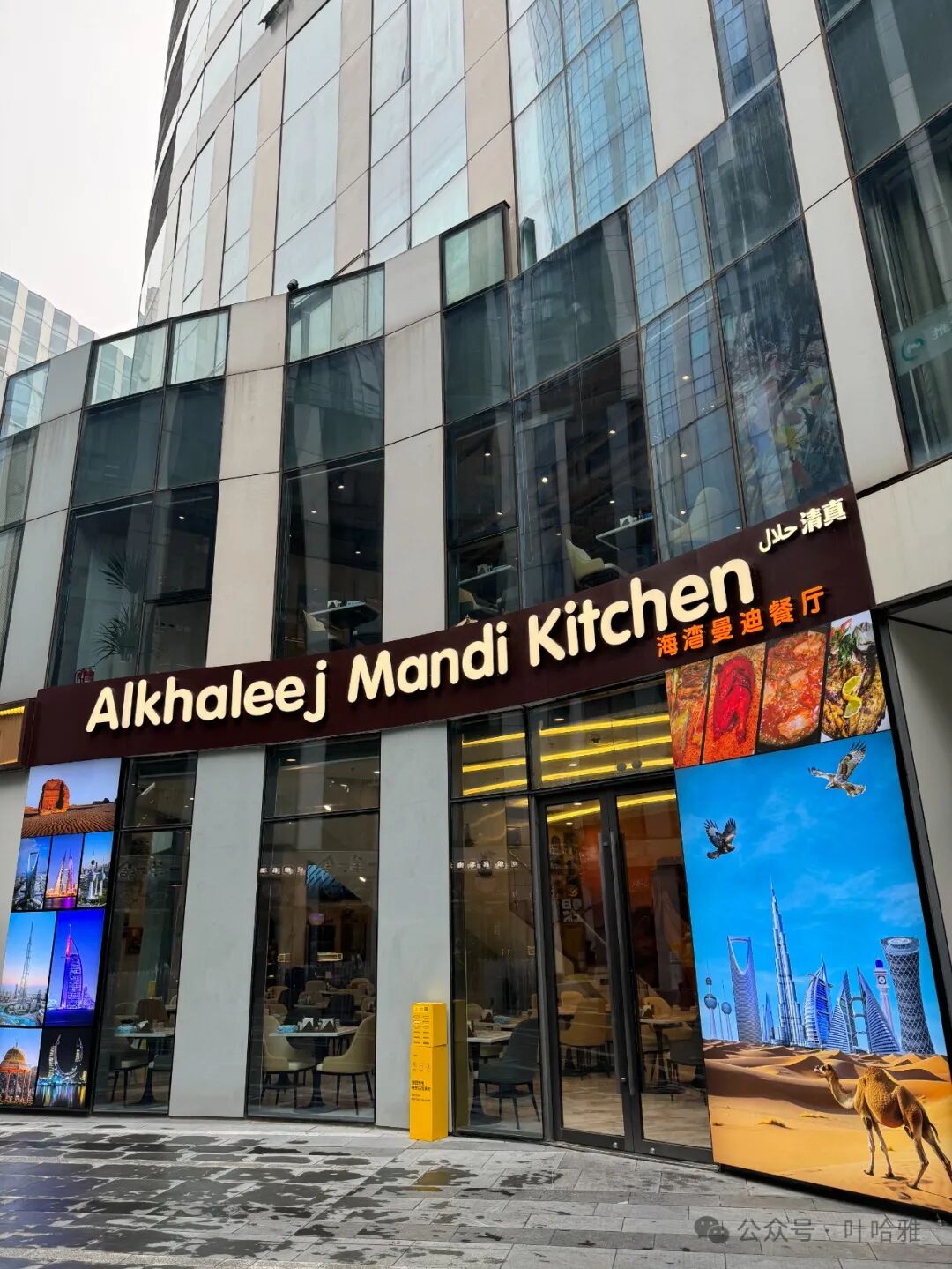
This is a newly opened Dubai halal restaurant in Sanlitun. The owner is an Arab from Dubai and has another shop there. The staff said the ingredients are imported from the Middle East. After eating here, I can say that is true. It reminds me of the mandi I ate in Makkah last year. It is a perfect recreation of Middle Eastern flavors.
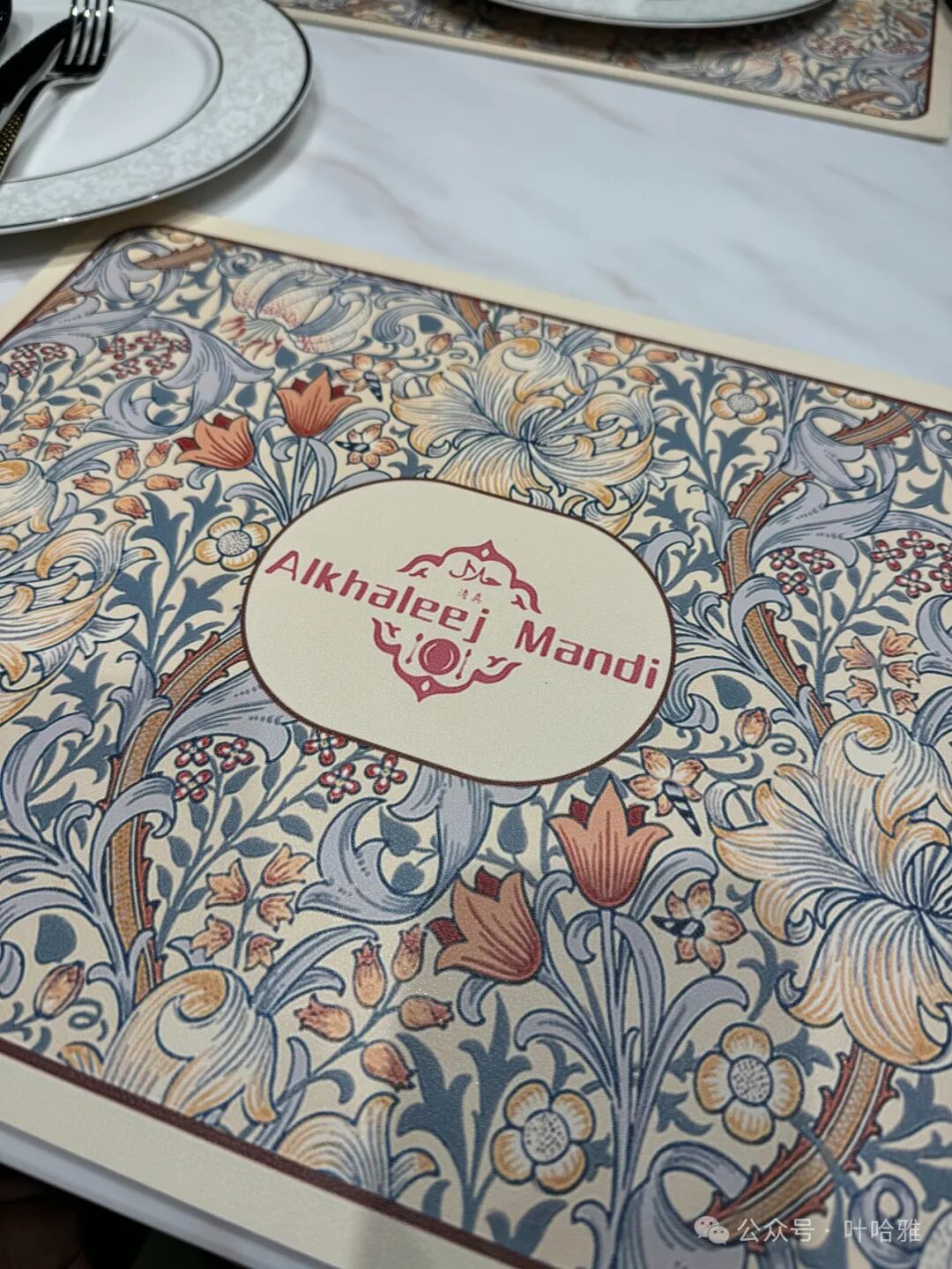
This is a non-alcoholic restaurant. I worry about whether it can stay open for a long time because the owner is spending a lot of money, but the Beijing restaurant market is slow this year. Even in Sanlitun on the weekend, there are not many people.
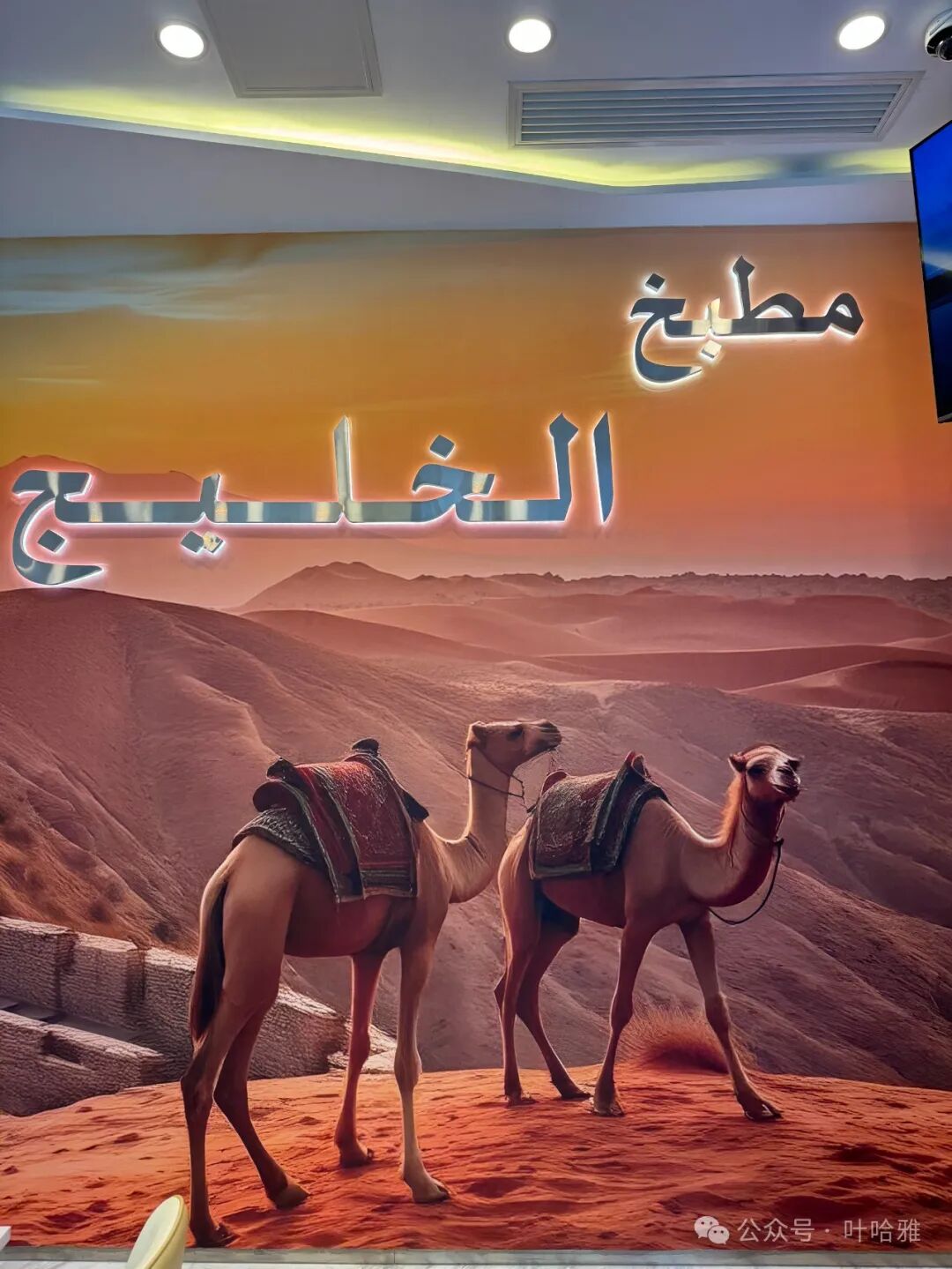
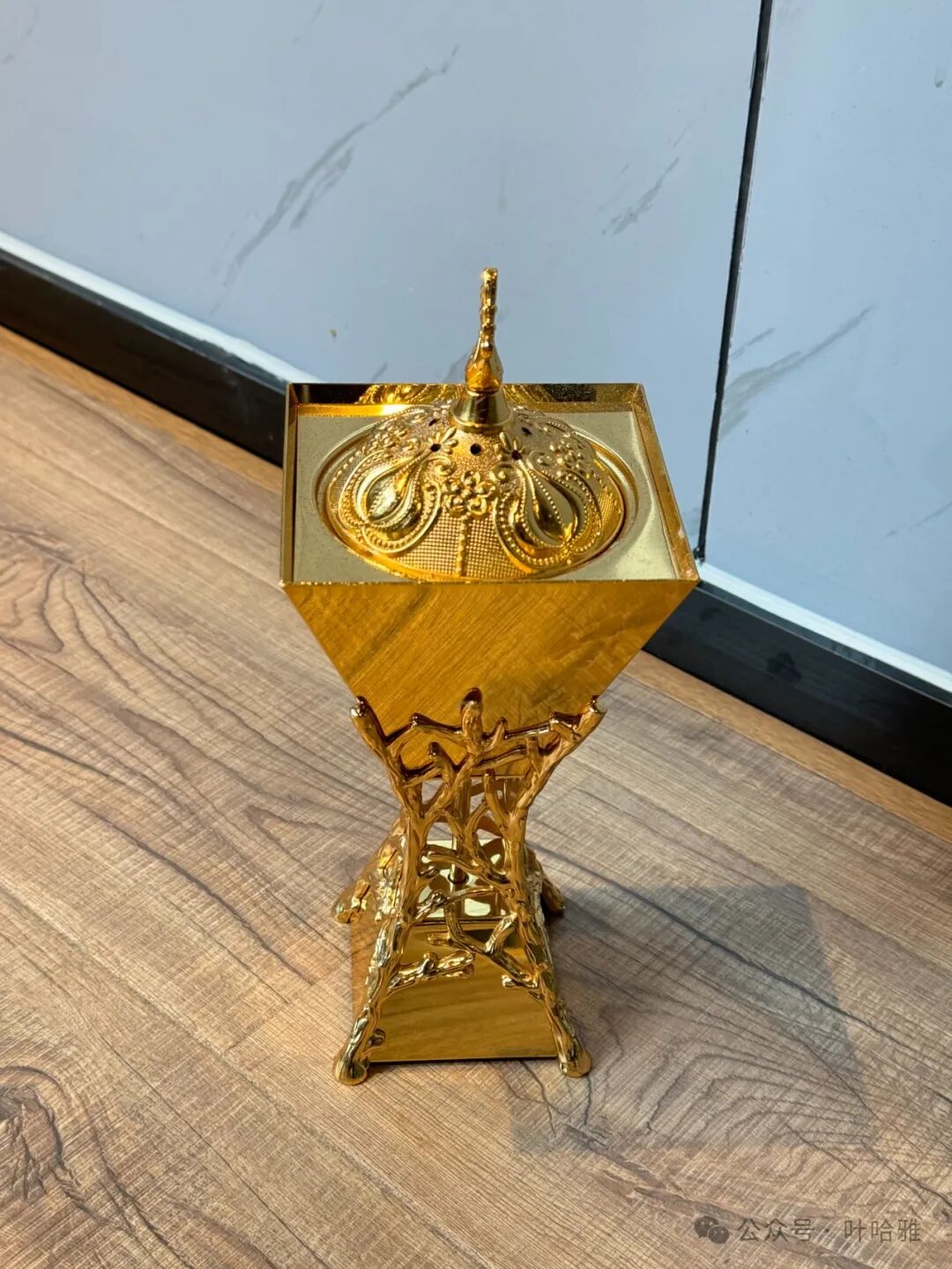
You can smell the familiar scent of agarwood in the shop.
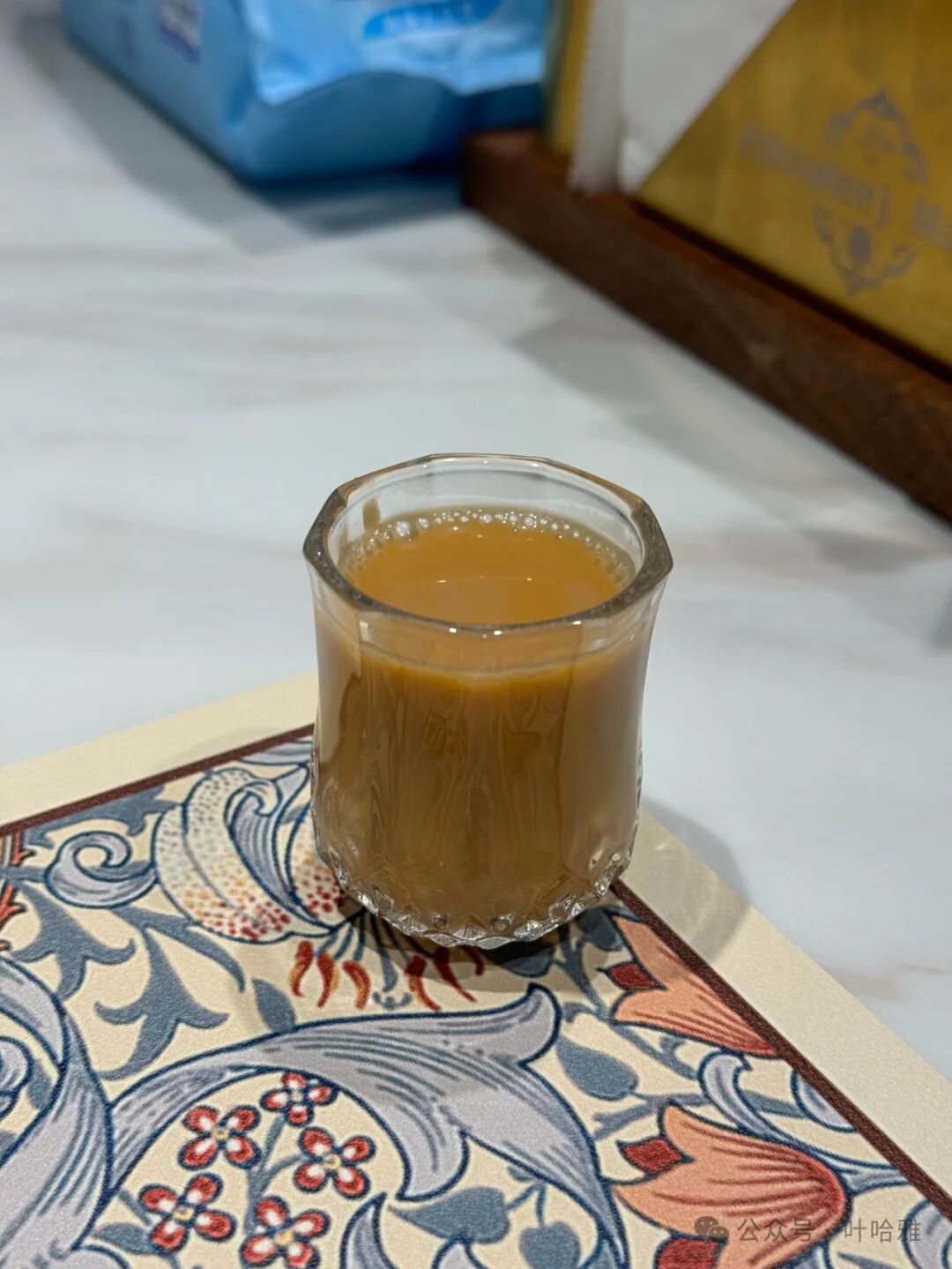
The small cup of Arabic milk tea the waiter brought tastes exactly like the one I had in Abu Dhabi.
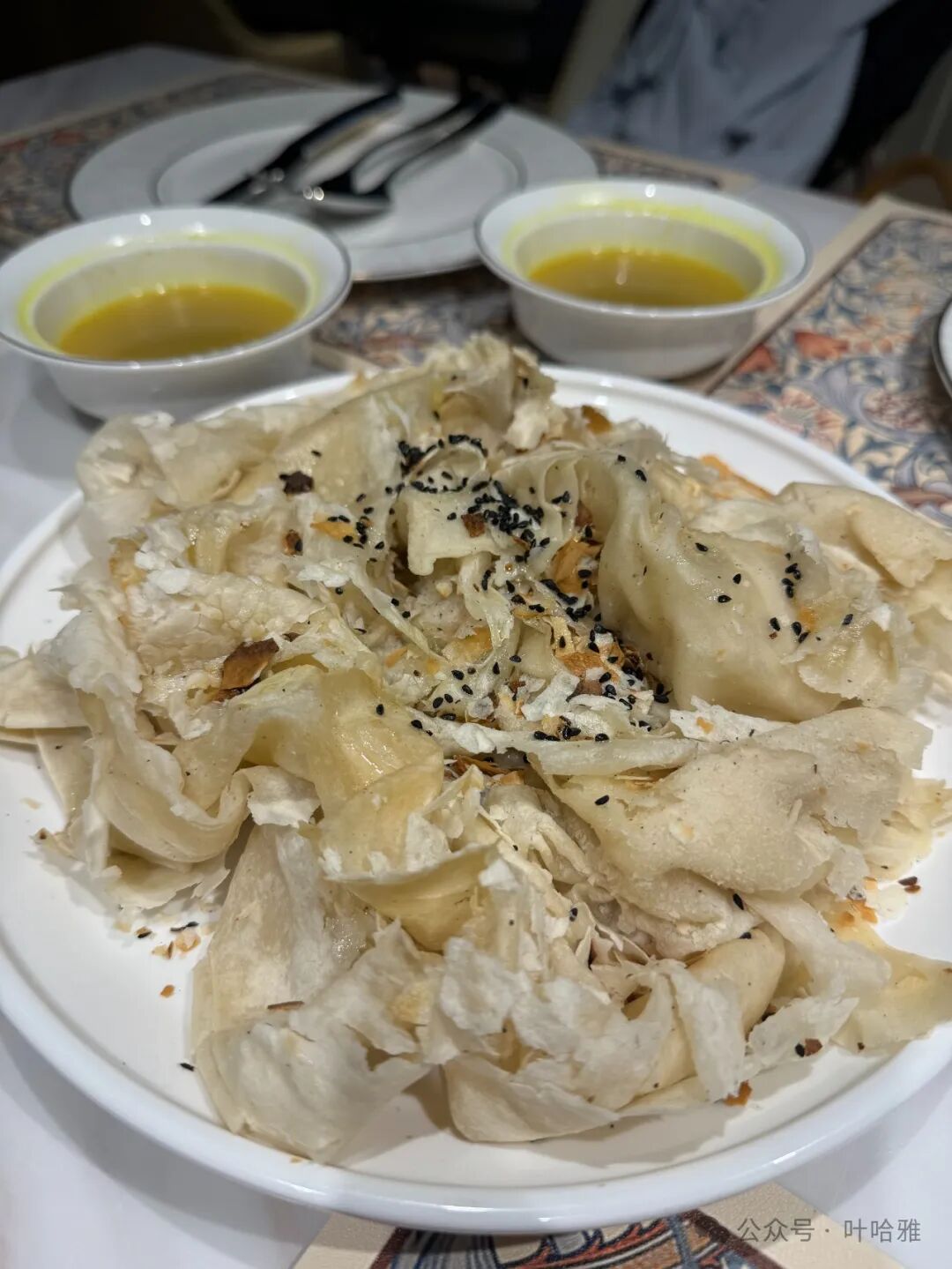
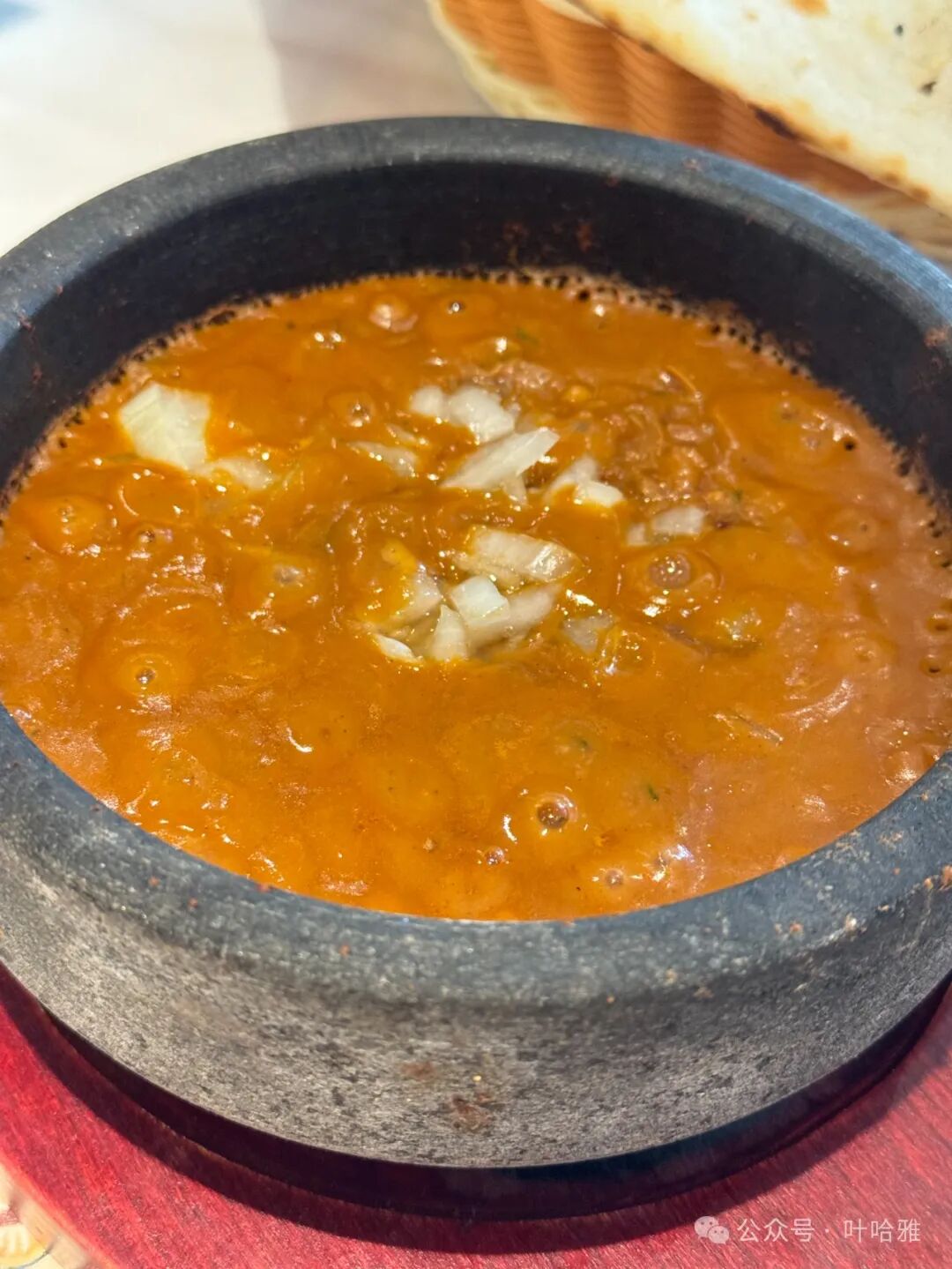
The handmade Yemeni flatbread (khubz) comes with various dips and is delicious. The chefs are all Arabs from the Middle East.
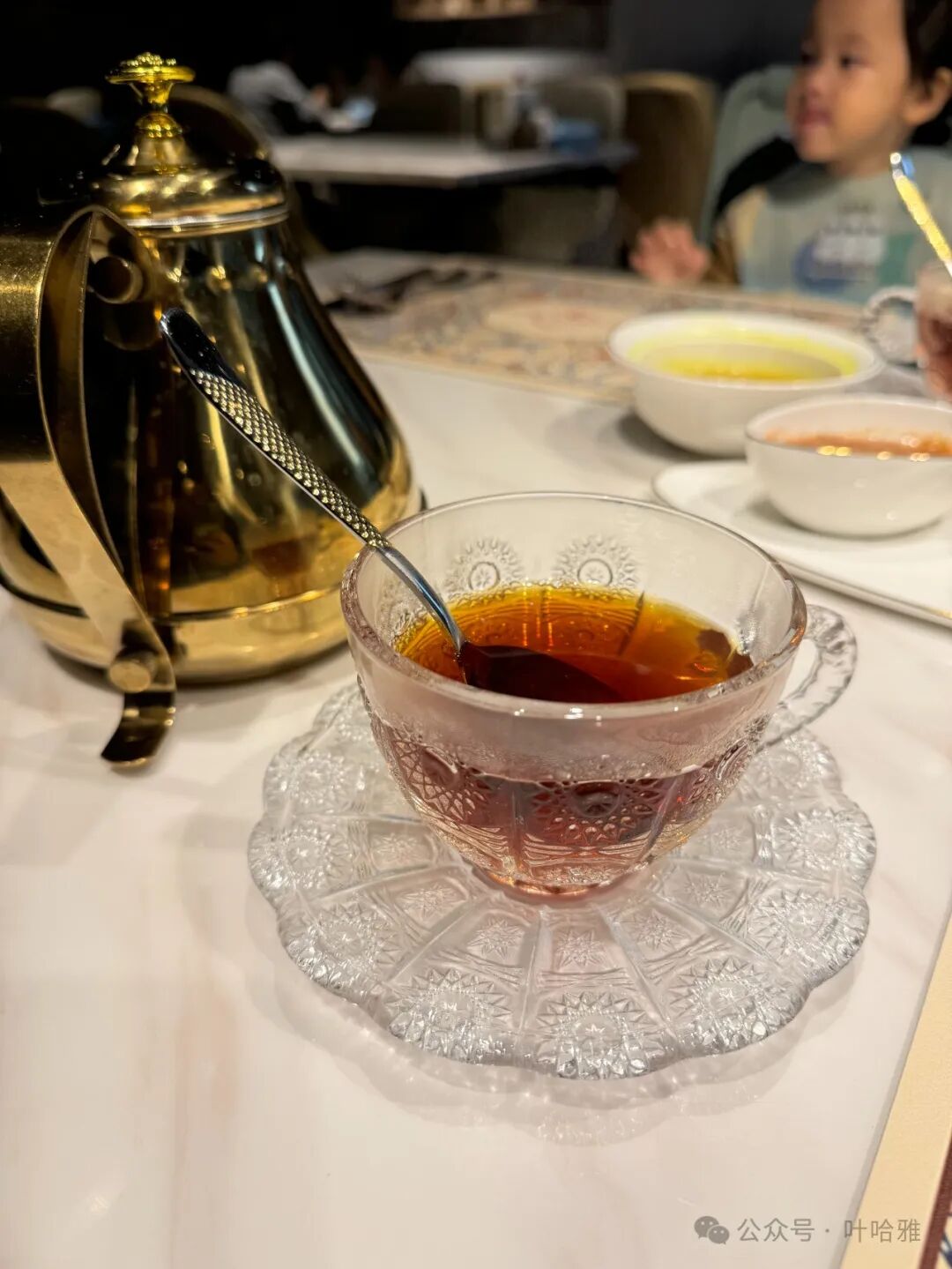
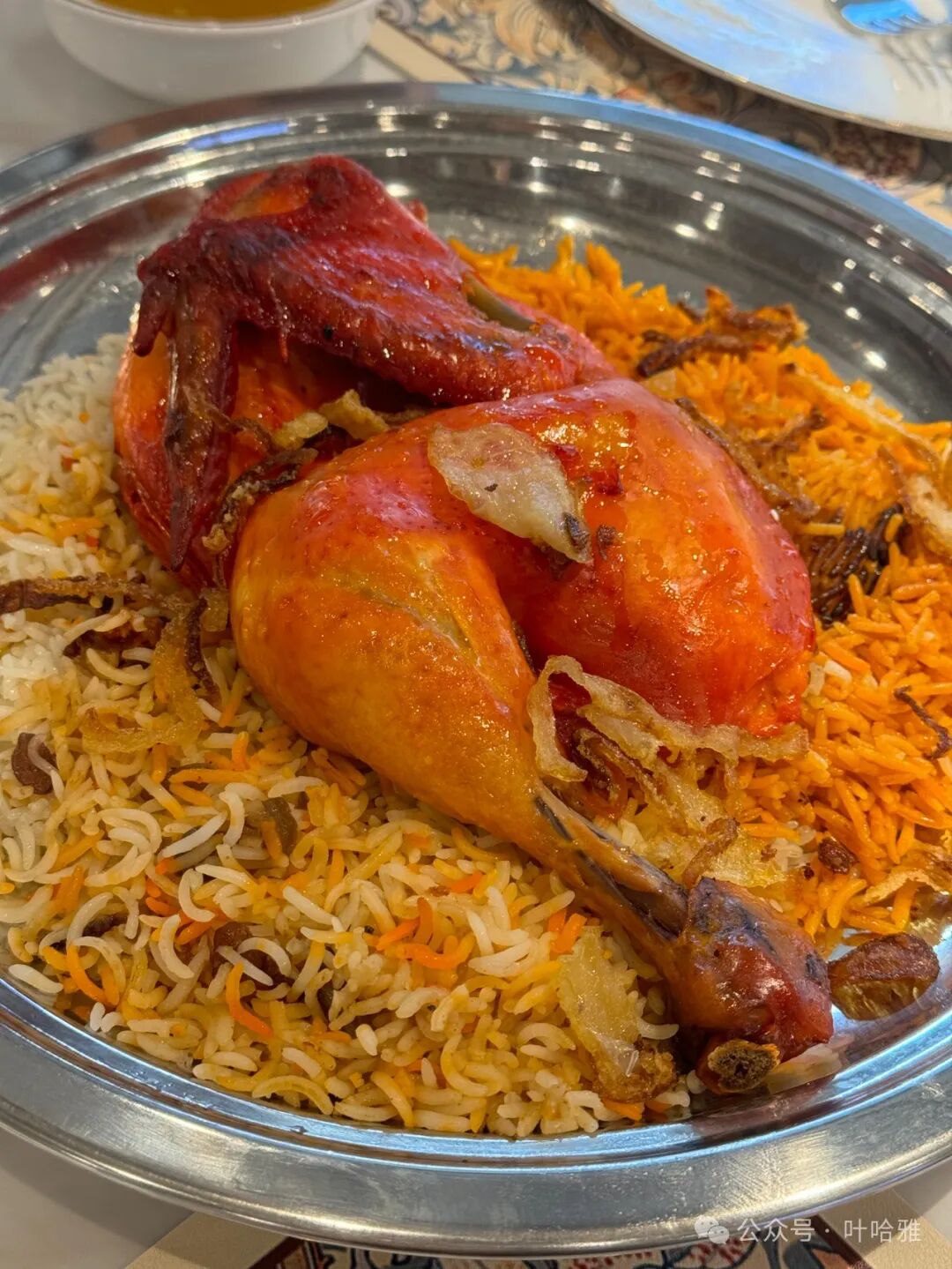
Desert colorful chicken mandi
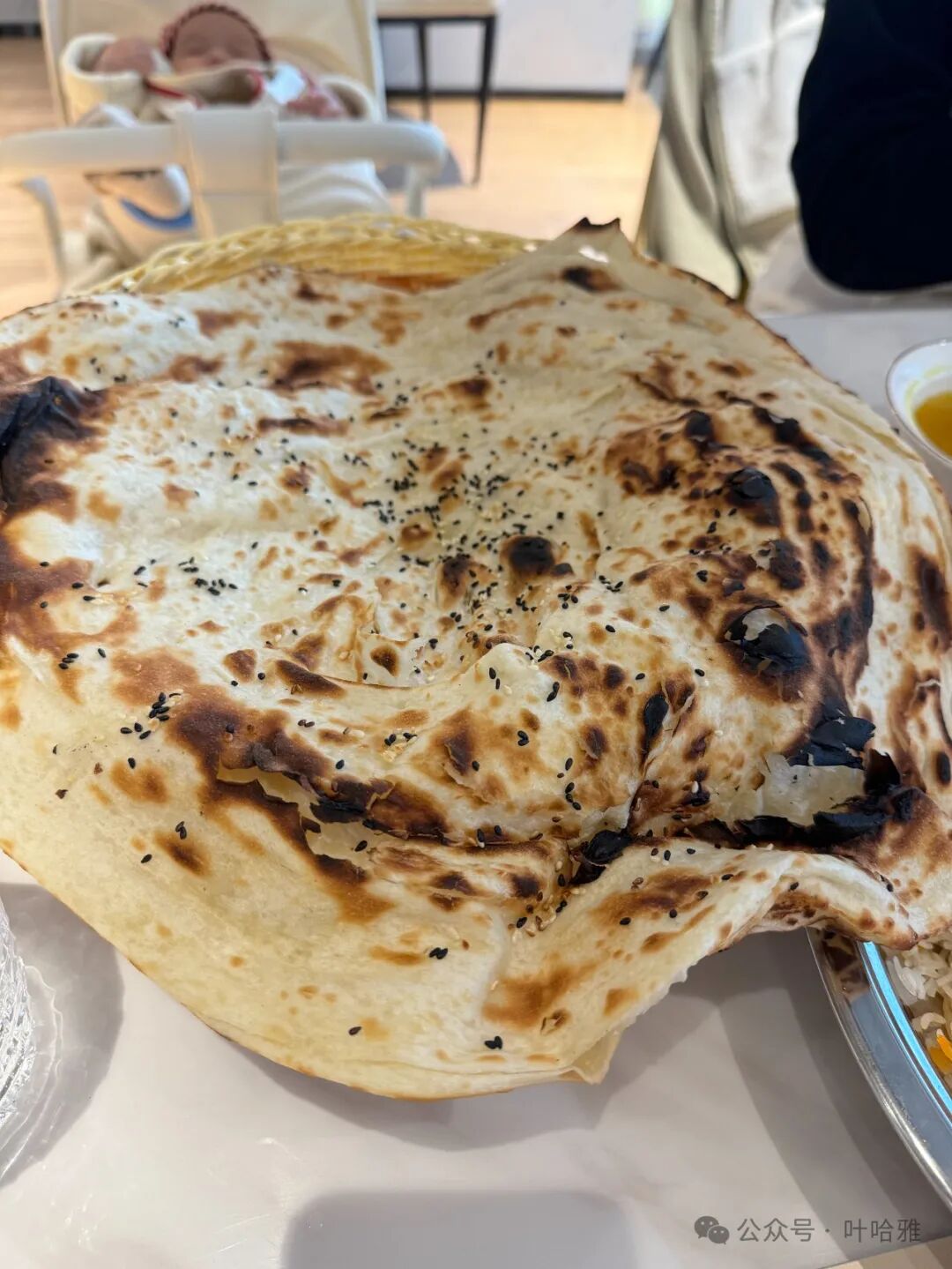
The special handmade Yemeni flatbread is very tasty, has a strong wheat aroma, and is very large.
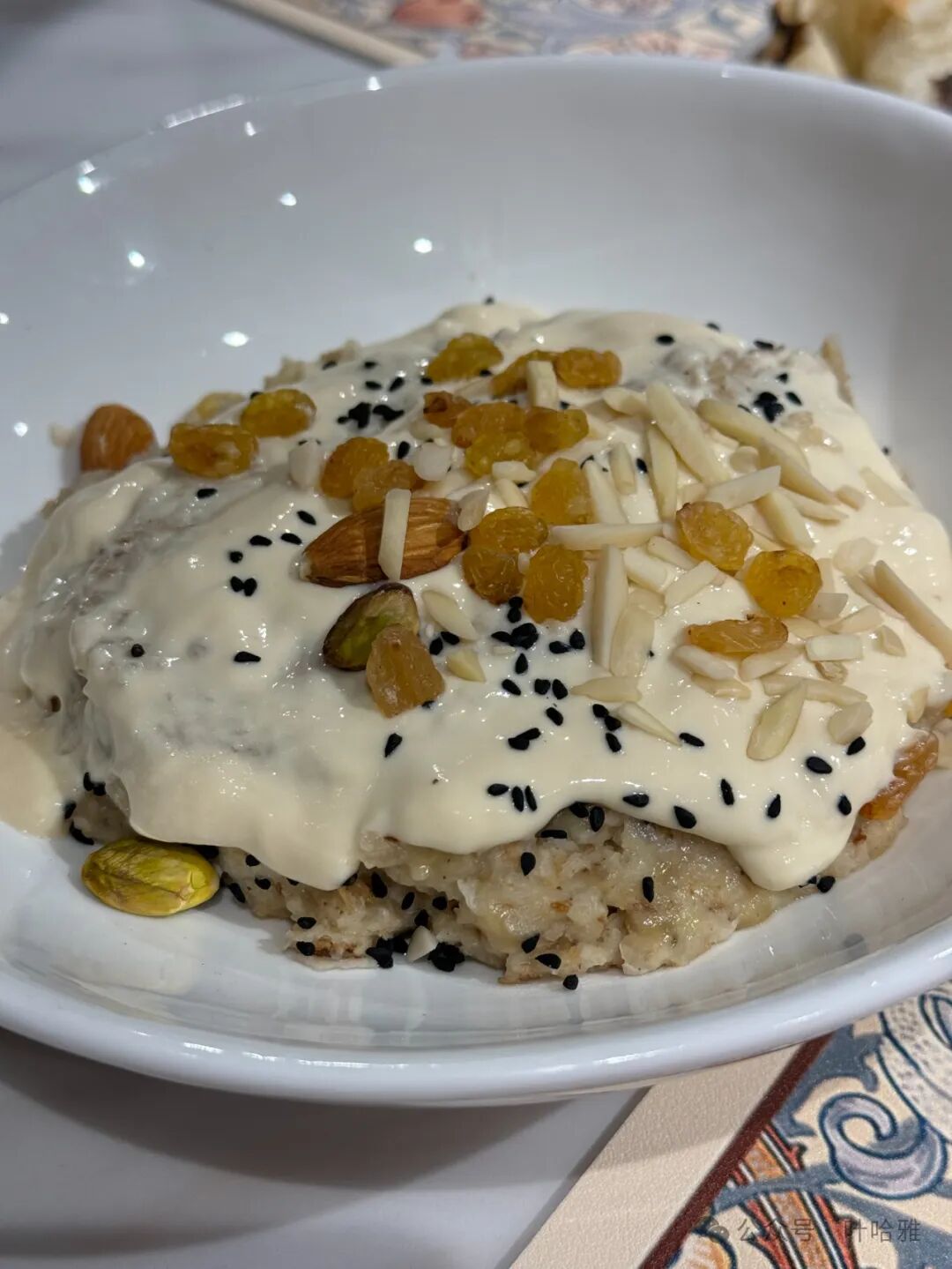
Royal pastry, it has a texture like sticky rice and contains banana. This dessert is not sweet at all.
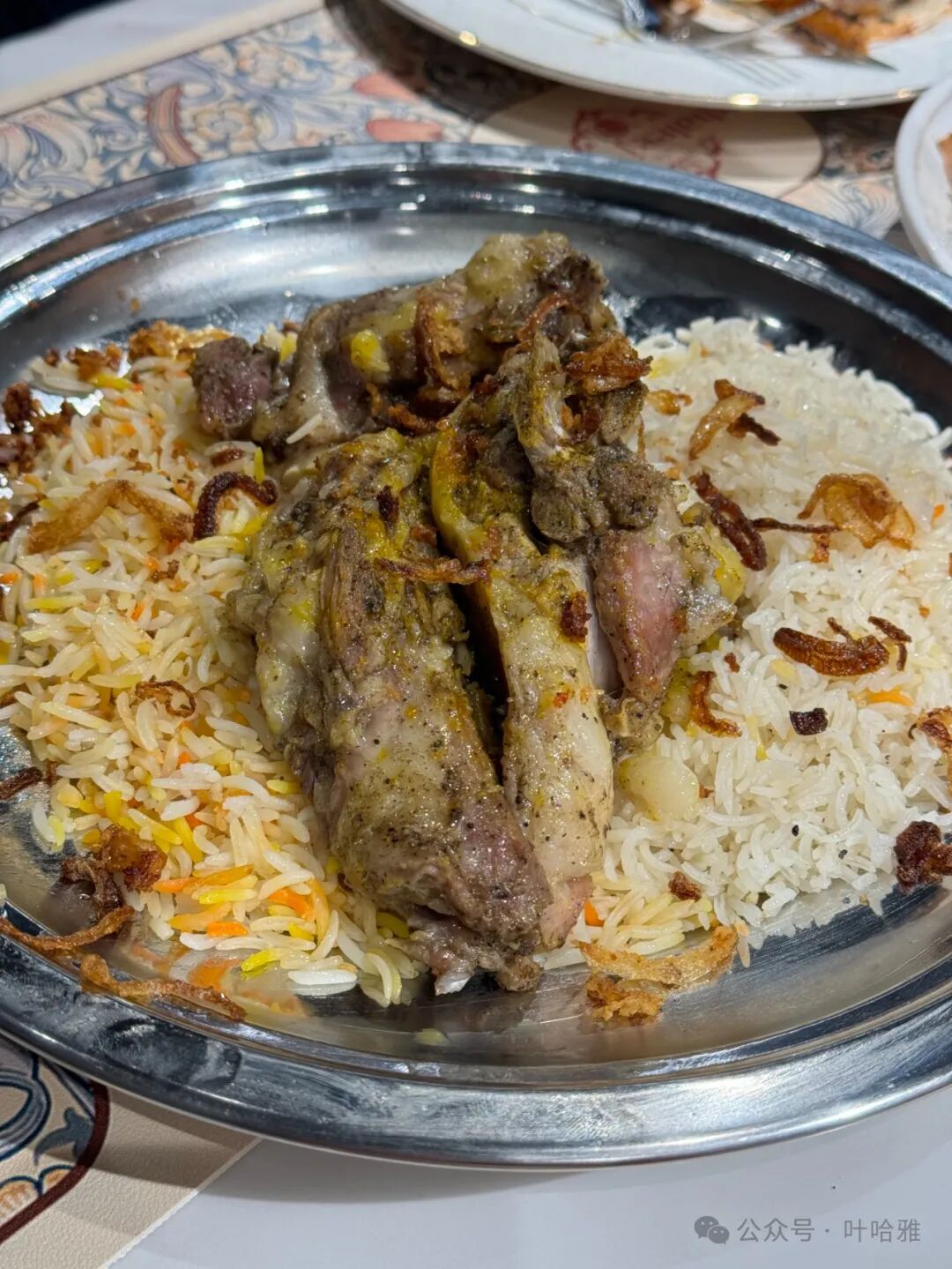
Lamb mandi
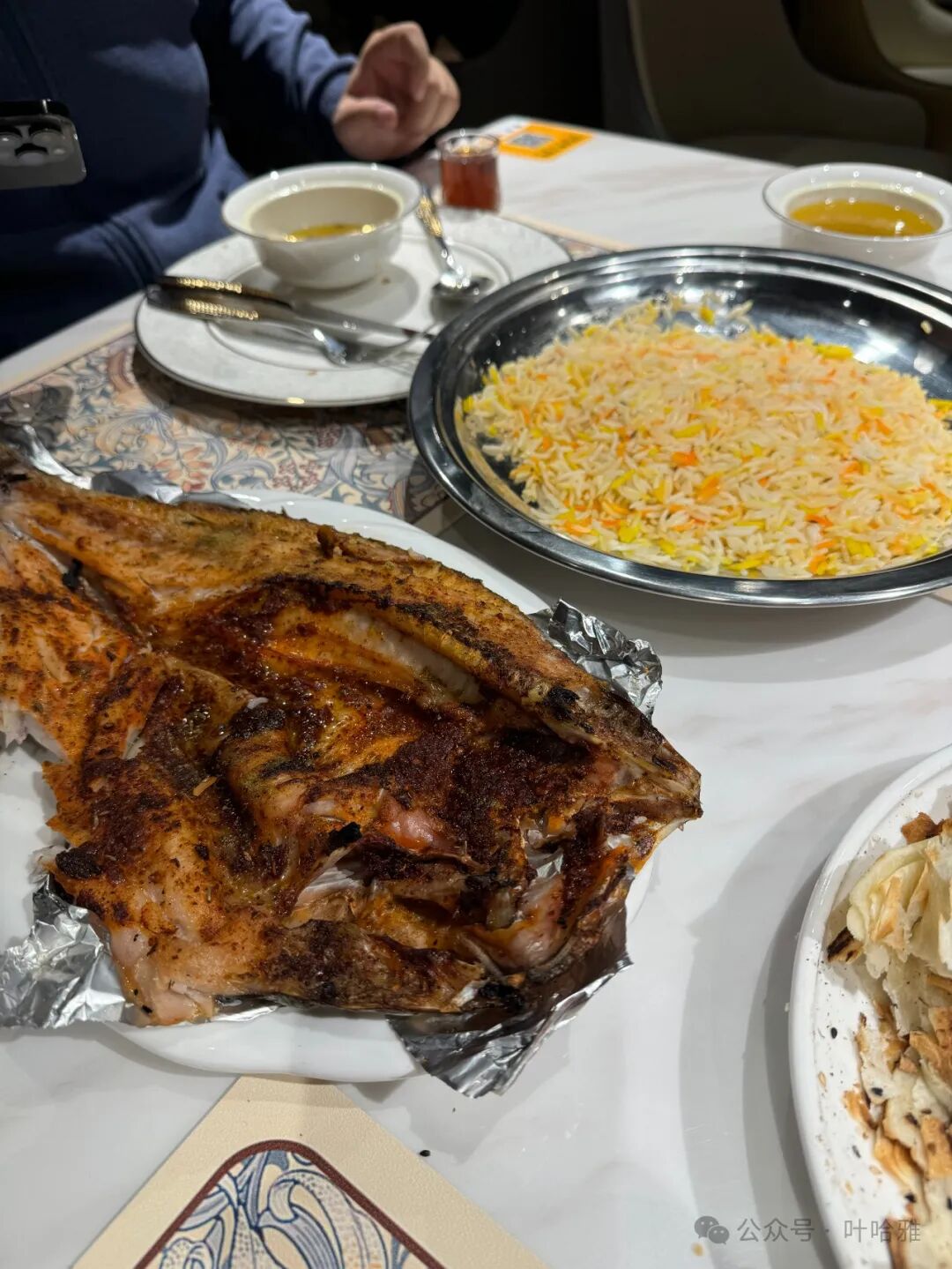
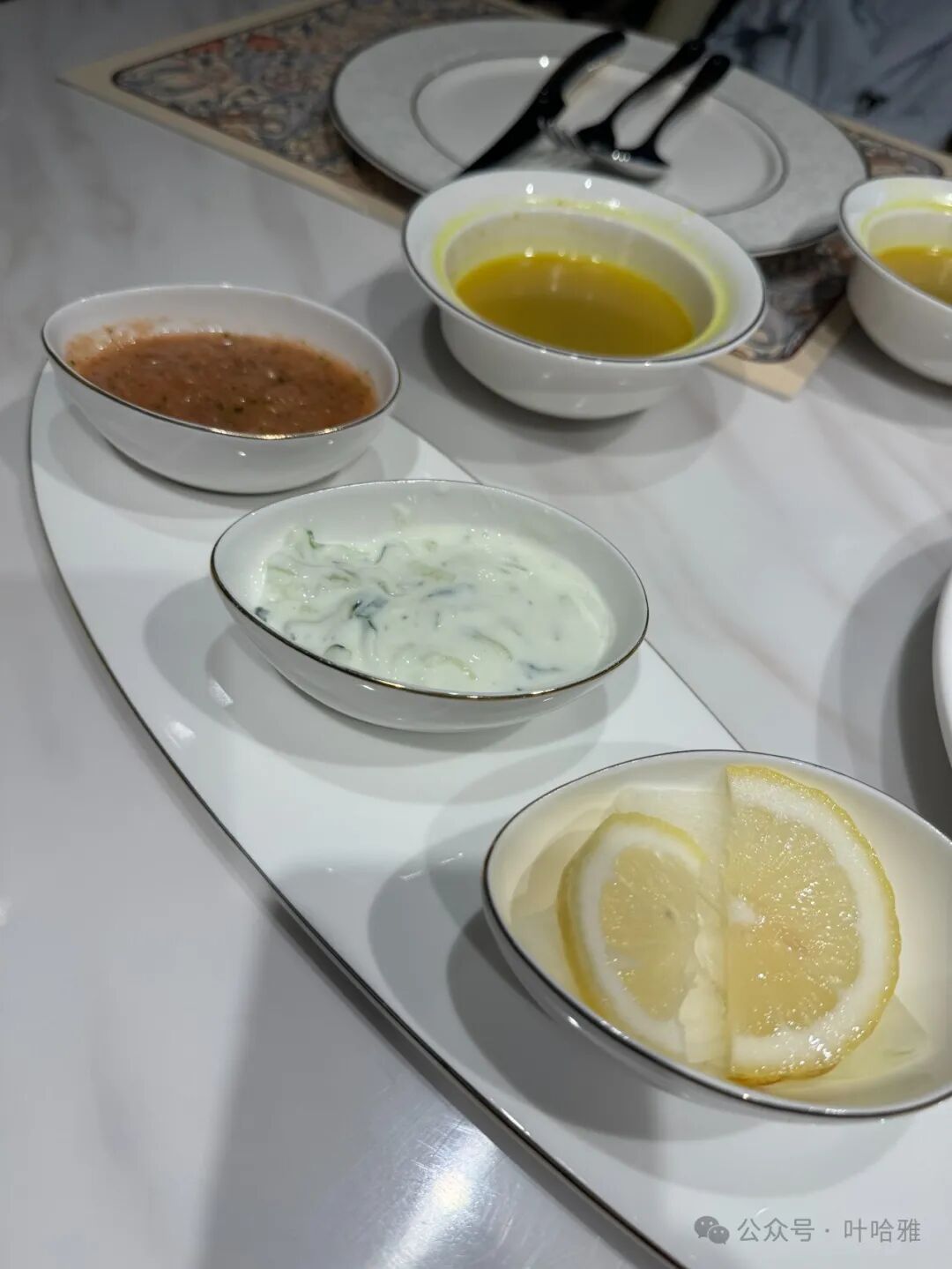
Grilled fish served with rice. The fish itself has no flavor, so you need to eat it with three different dipping sauces.
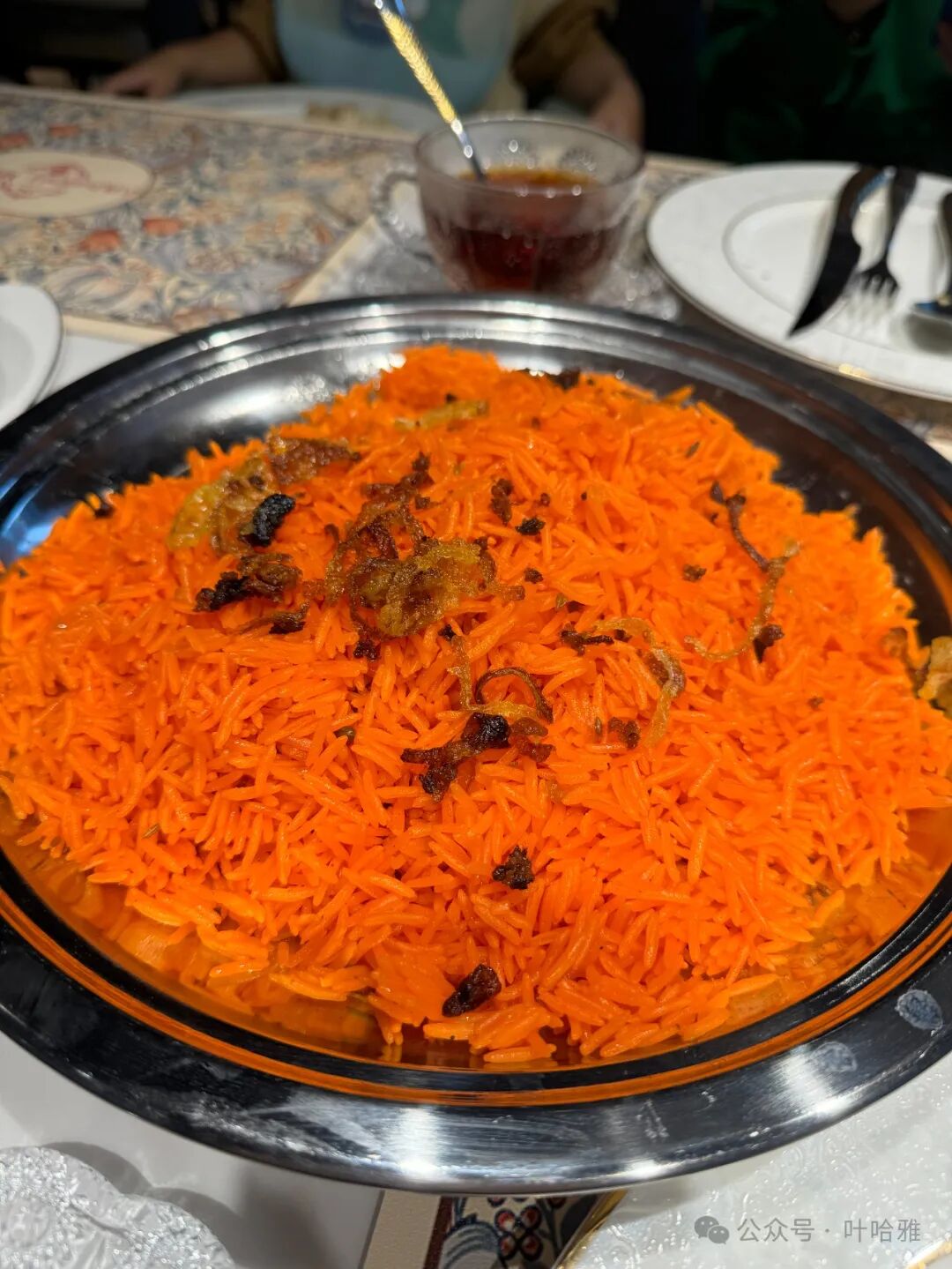
The mandi is amazing. The chicken inside is stewed until it is extremely soft and tender, and the rice gets its color from added spices.
22. Stinky Star Snail Rice Noodle (luosifen) Hot Pot
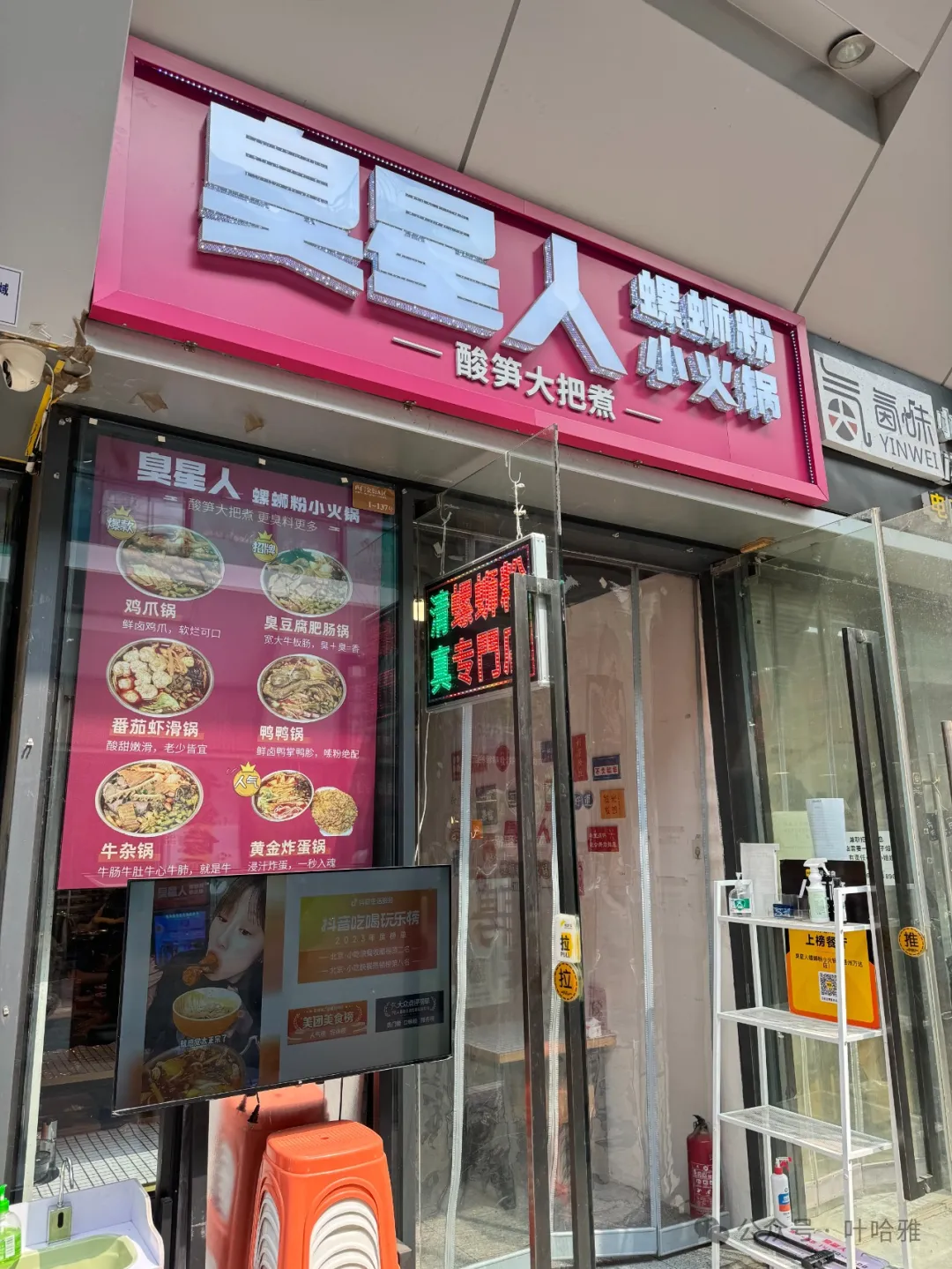
This halal snail rice noodle shop is on the ground floor of the Golden Street in the West District of Tongzhou Wanda Plaza. The owner is a Hui Muslim from Changchun who used to work at iQIYI before opening this physical shop. The small shop has two floors and mainly serves halal snail rice noodles and clam (huajia) noodle hot pots.
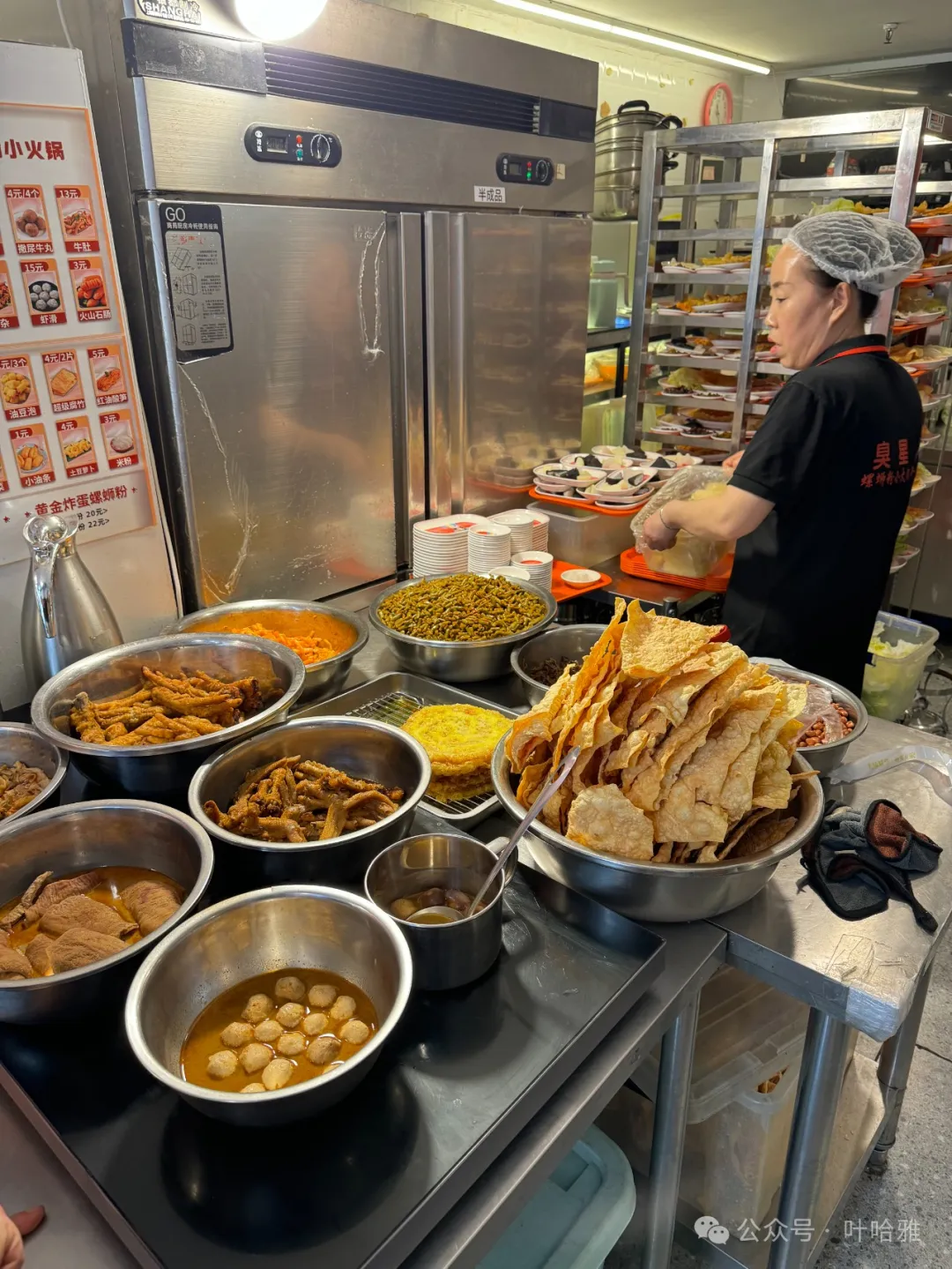
The snail rice noodle hot pot comes with a wide variety of ingredients that you can add to the pot to cook together.
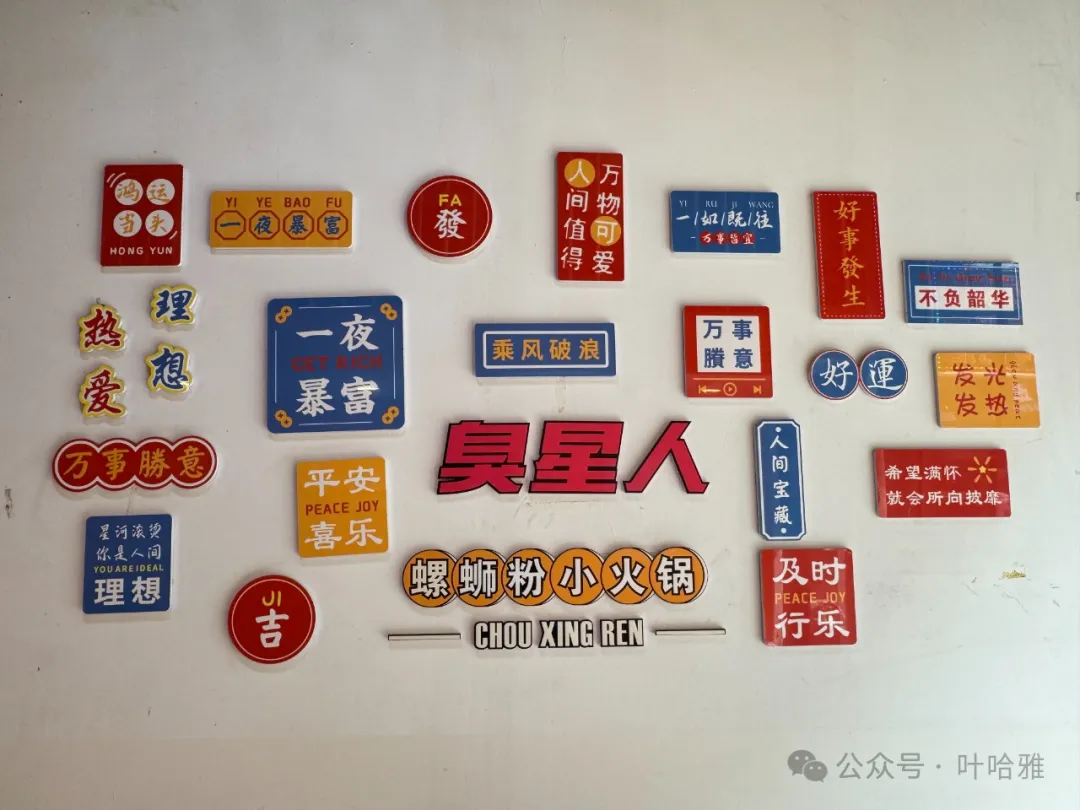
Halal snail rice noodles are rare, but you can find them at the halal canteen of Beijing University of Posts and Telecommunications. However, you need a student or teacher from inside to guide you in. If you don't have any connections, just come to Tongzhou Wanda.
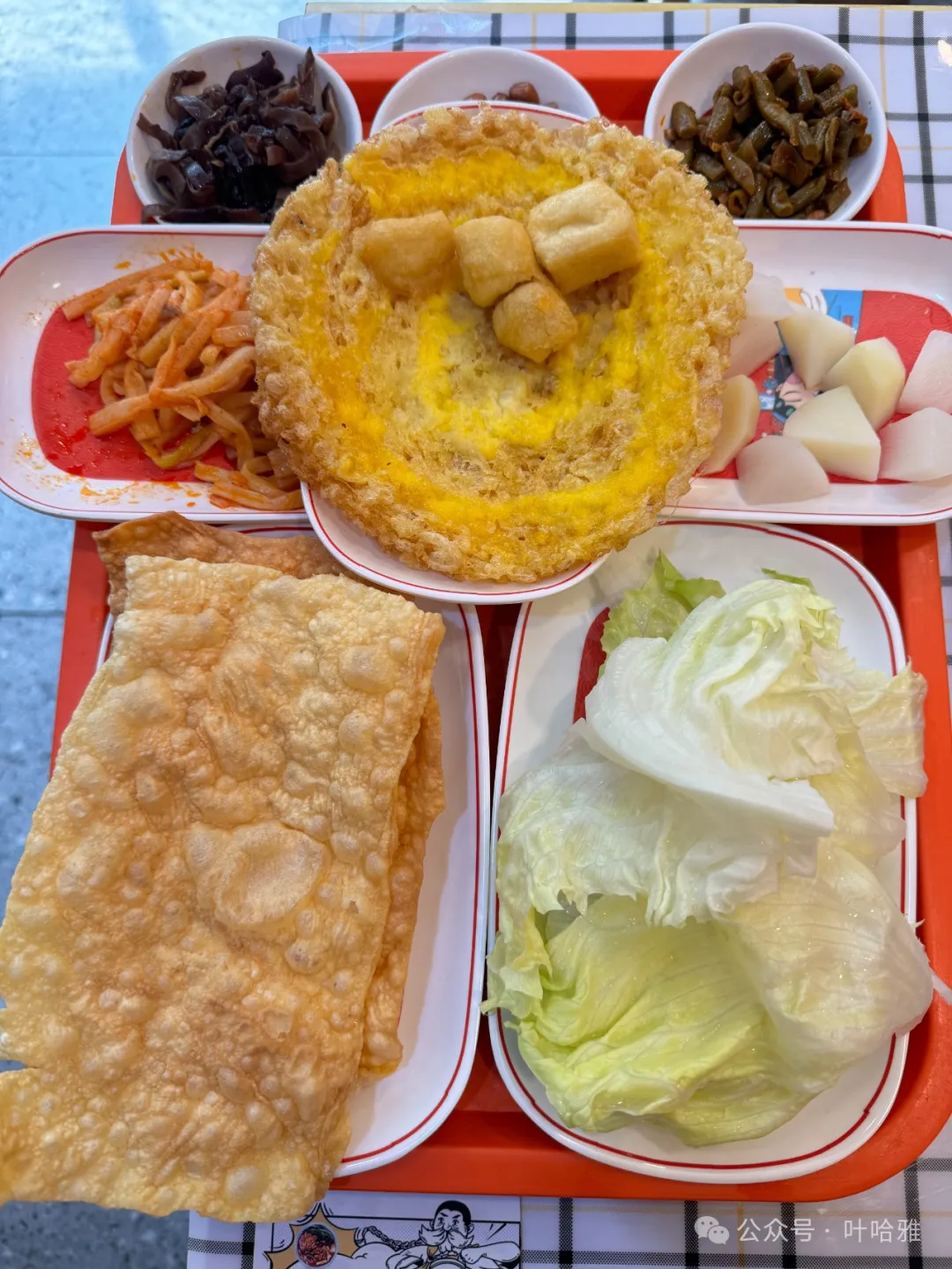
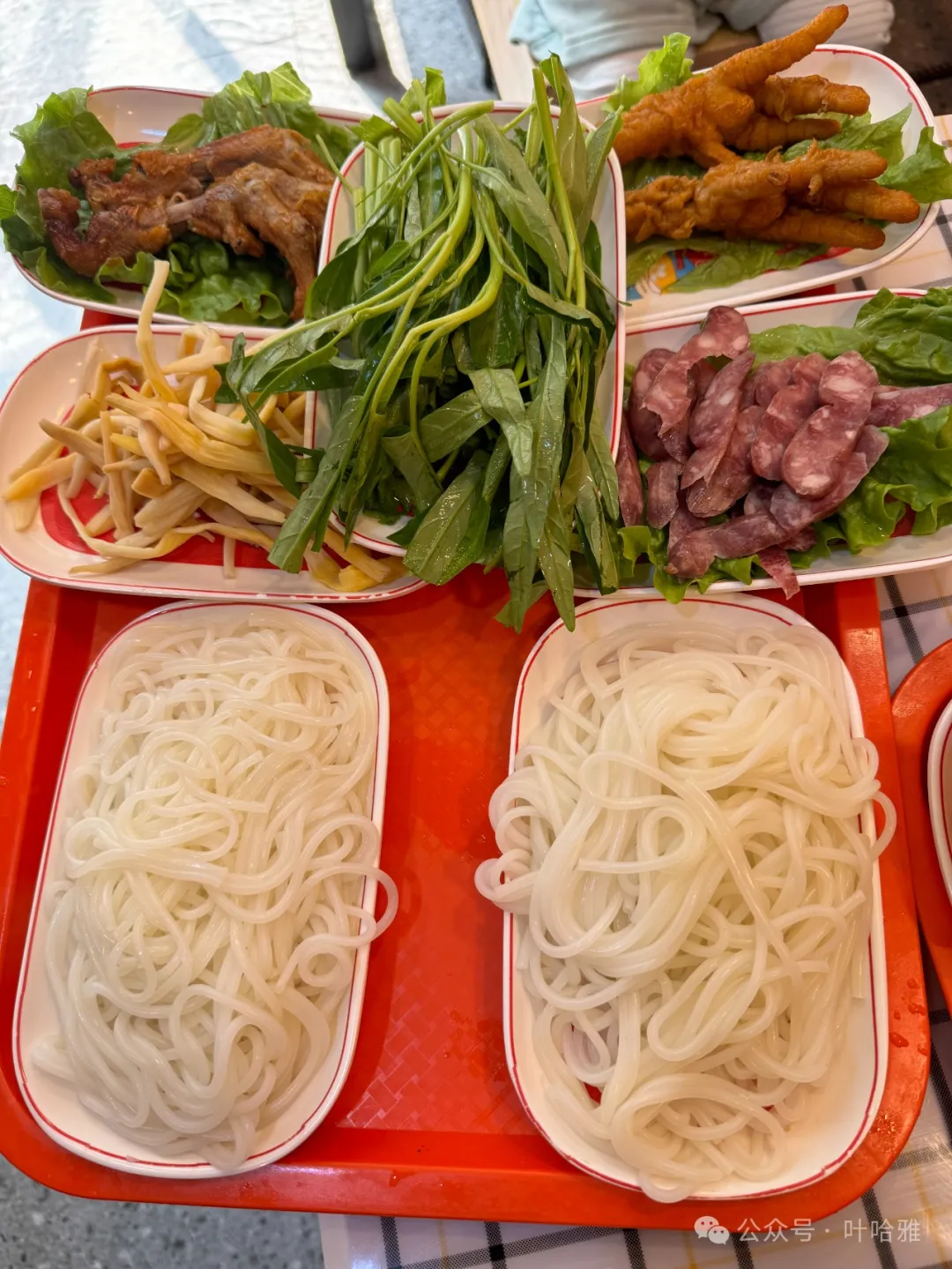
This hot pot set for two costs 78 yuan and is enough for two or three people to eat.
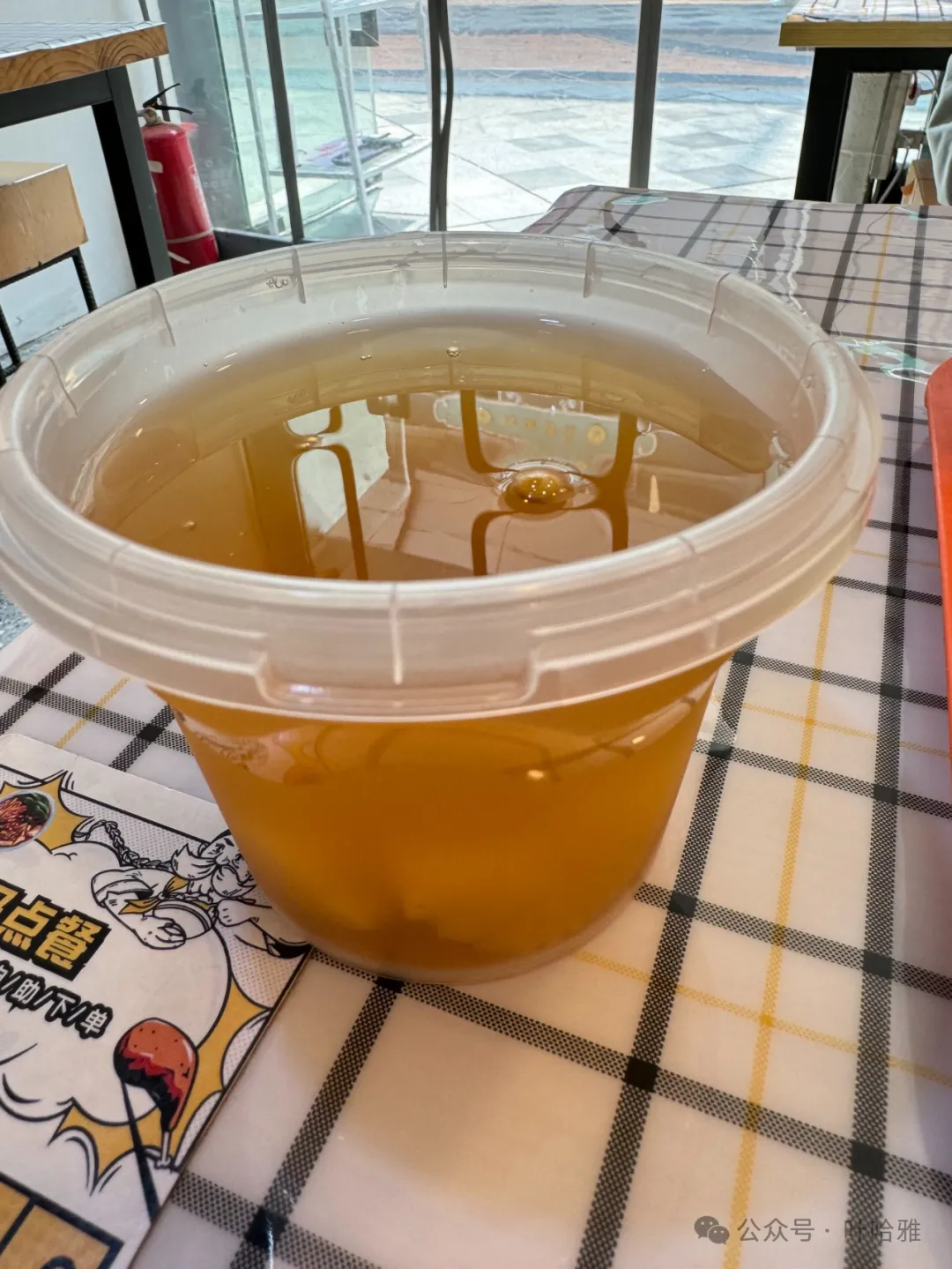
The set comes with Guangxi cassava sweet soup.
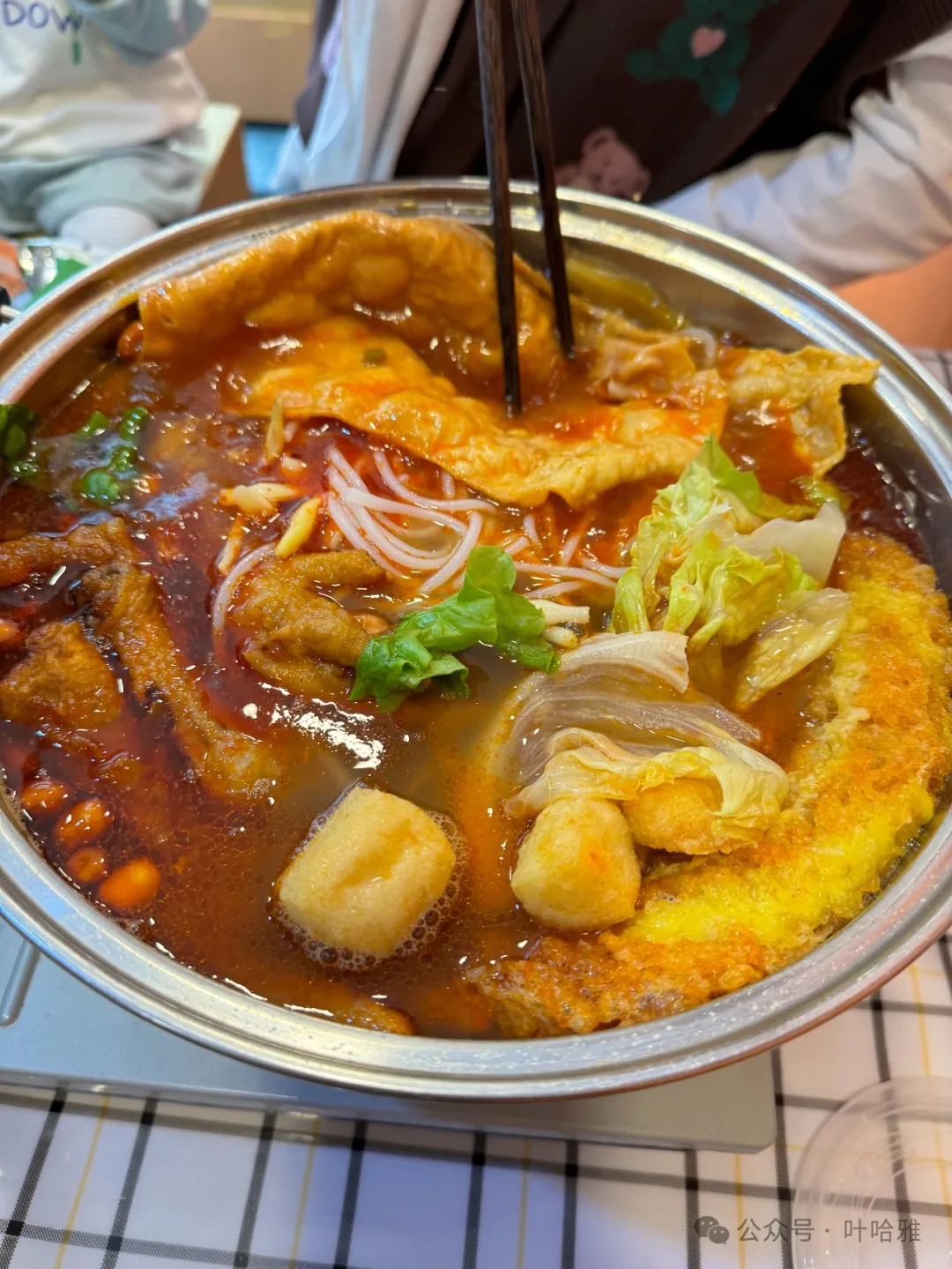
Add all the side dishes to the pot and cook for 1 minute to start eating. The taste is quite authentic.
23. Fanshen Lobster Restaurant
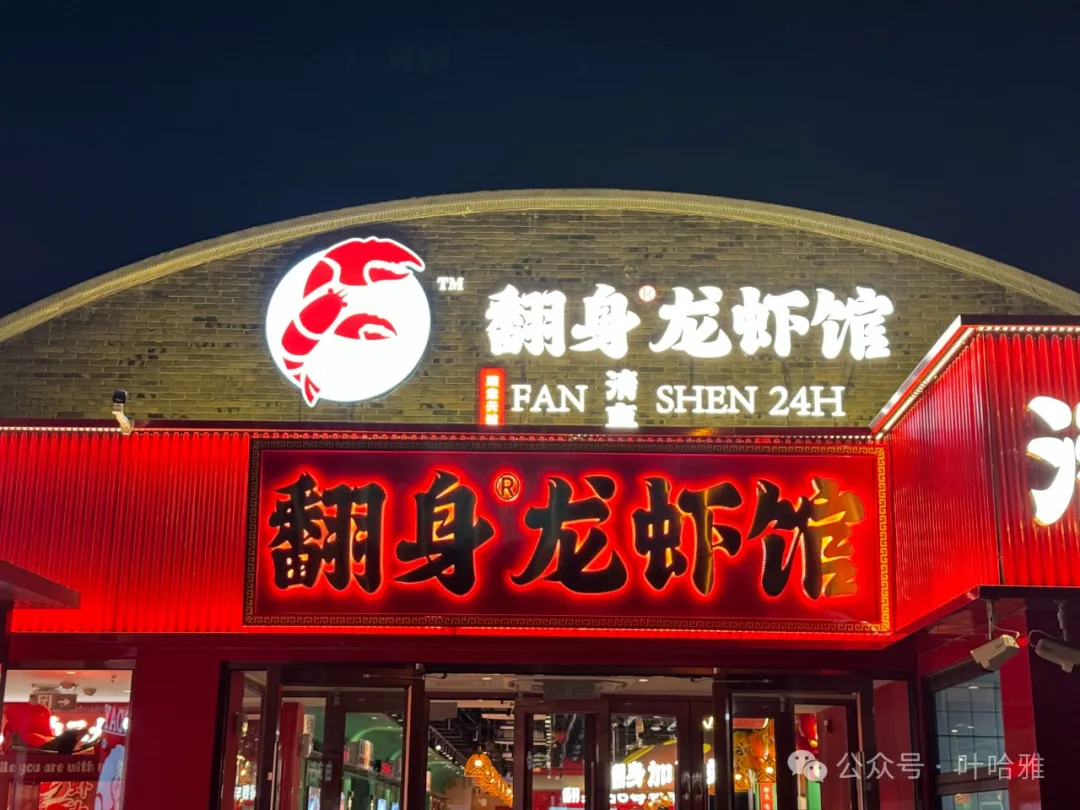
A newly opened crayfish restaurant in Baiziwan. The owner is from Langfang, and it is currently only open for dinner until the early morning.
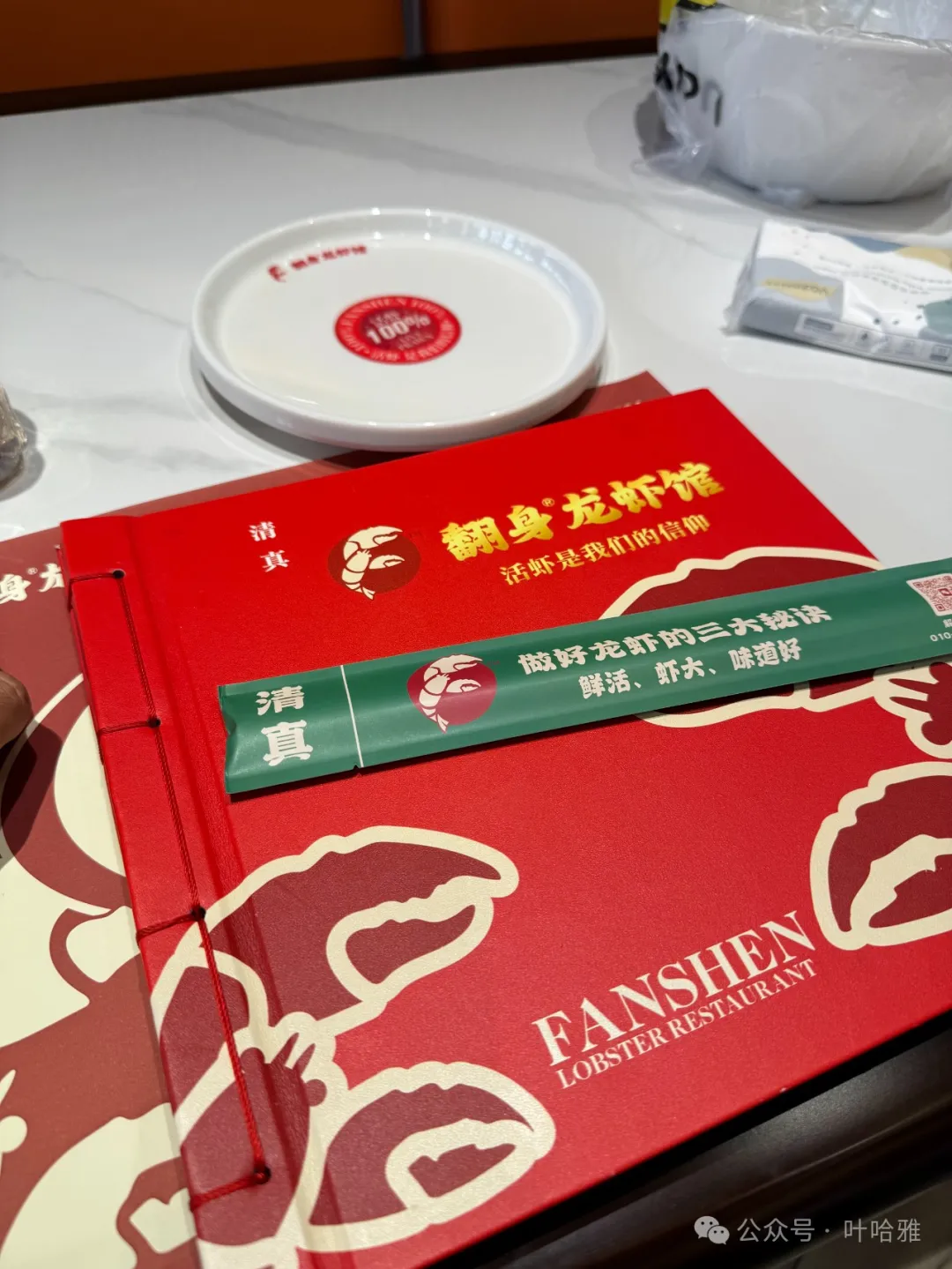
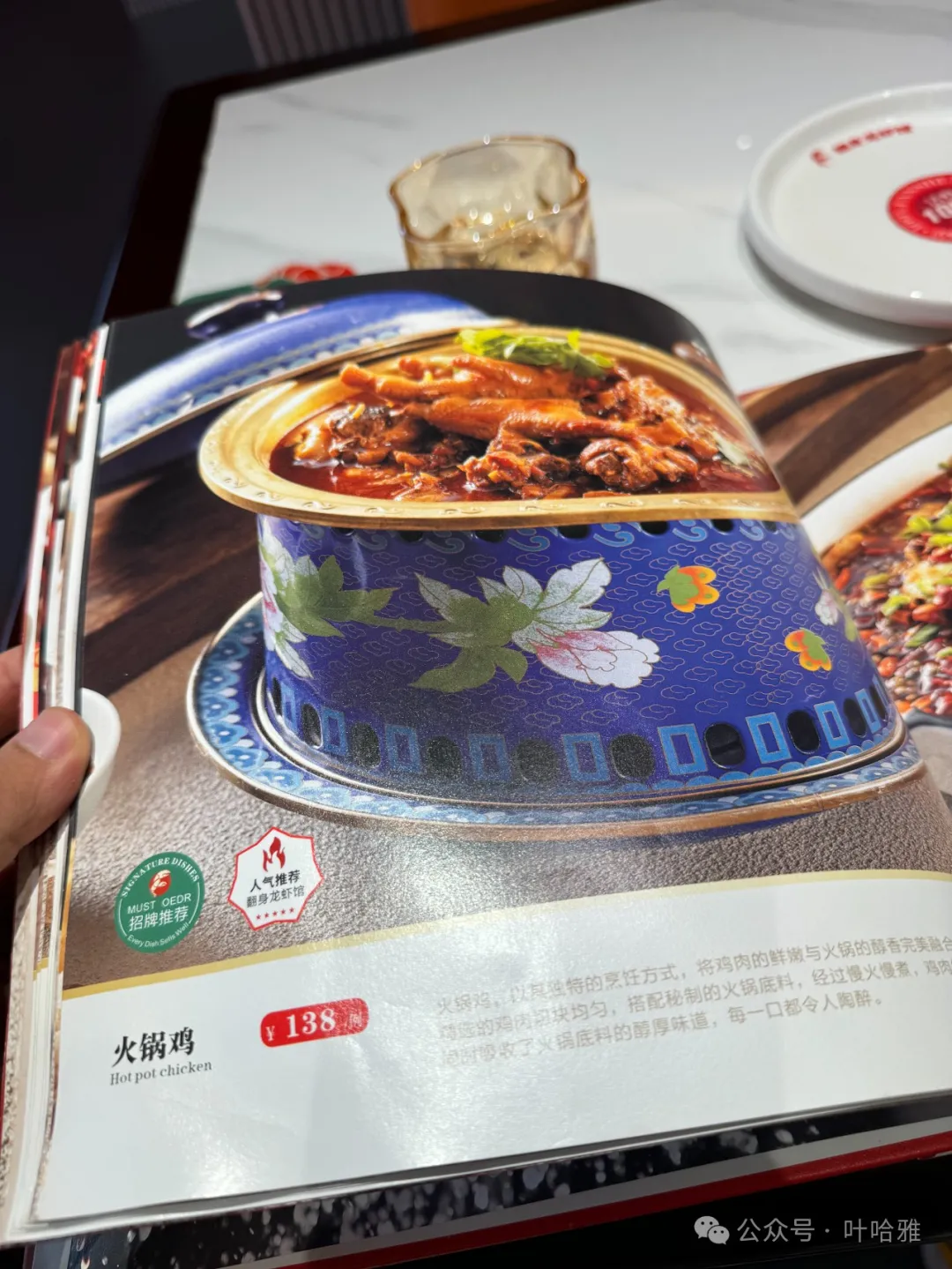
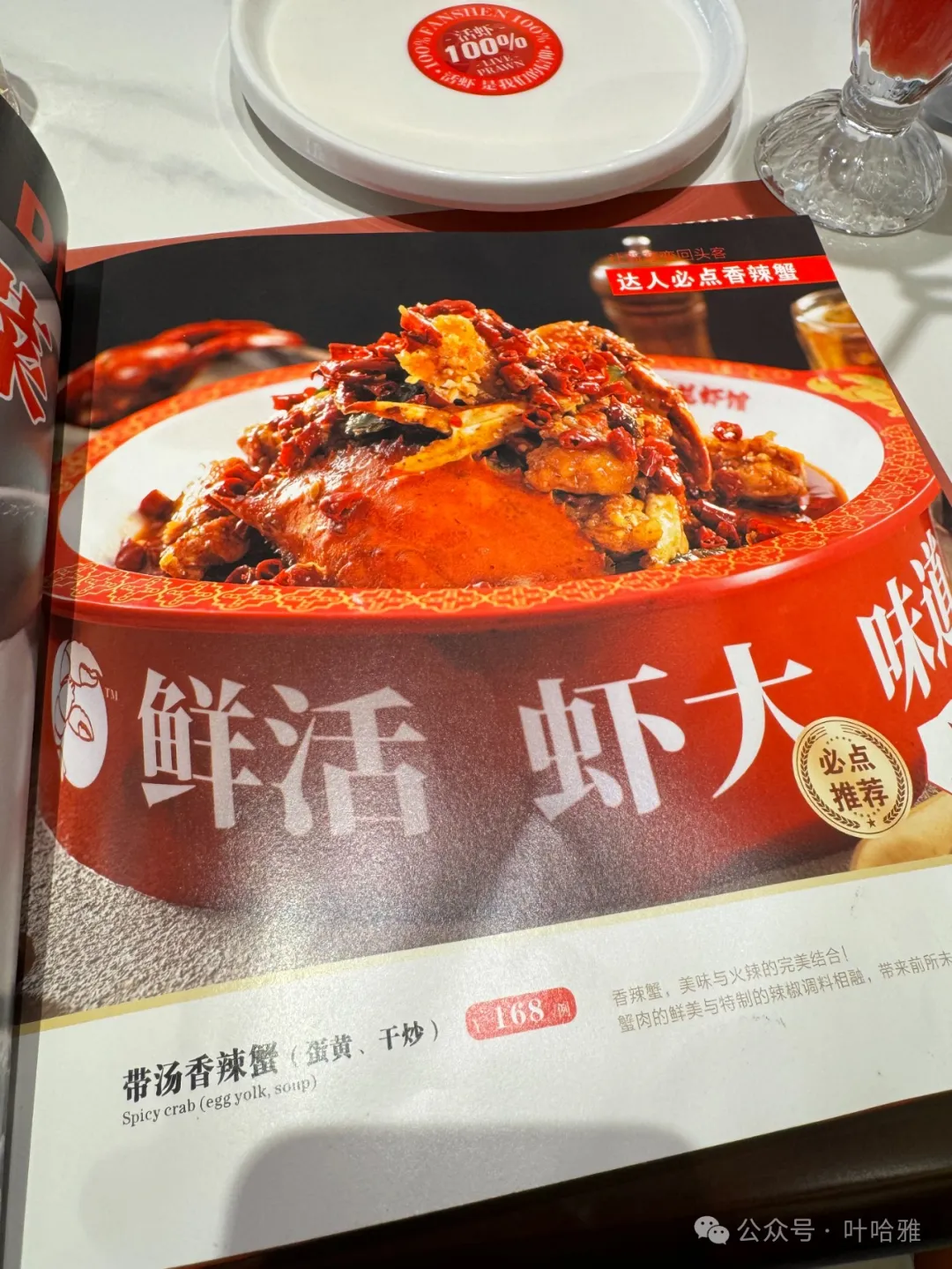
You can eat aquatic products like crayfish. For details, you can check my previous article, How does the Hanafi school view shrimp? They also serve local specialties from Cangzhou, Hebei, like hot pot chicken (huoguo ji) and spicy crab (xiangla xie).
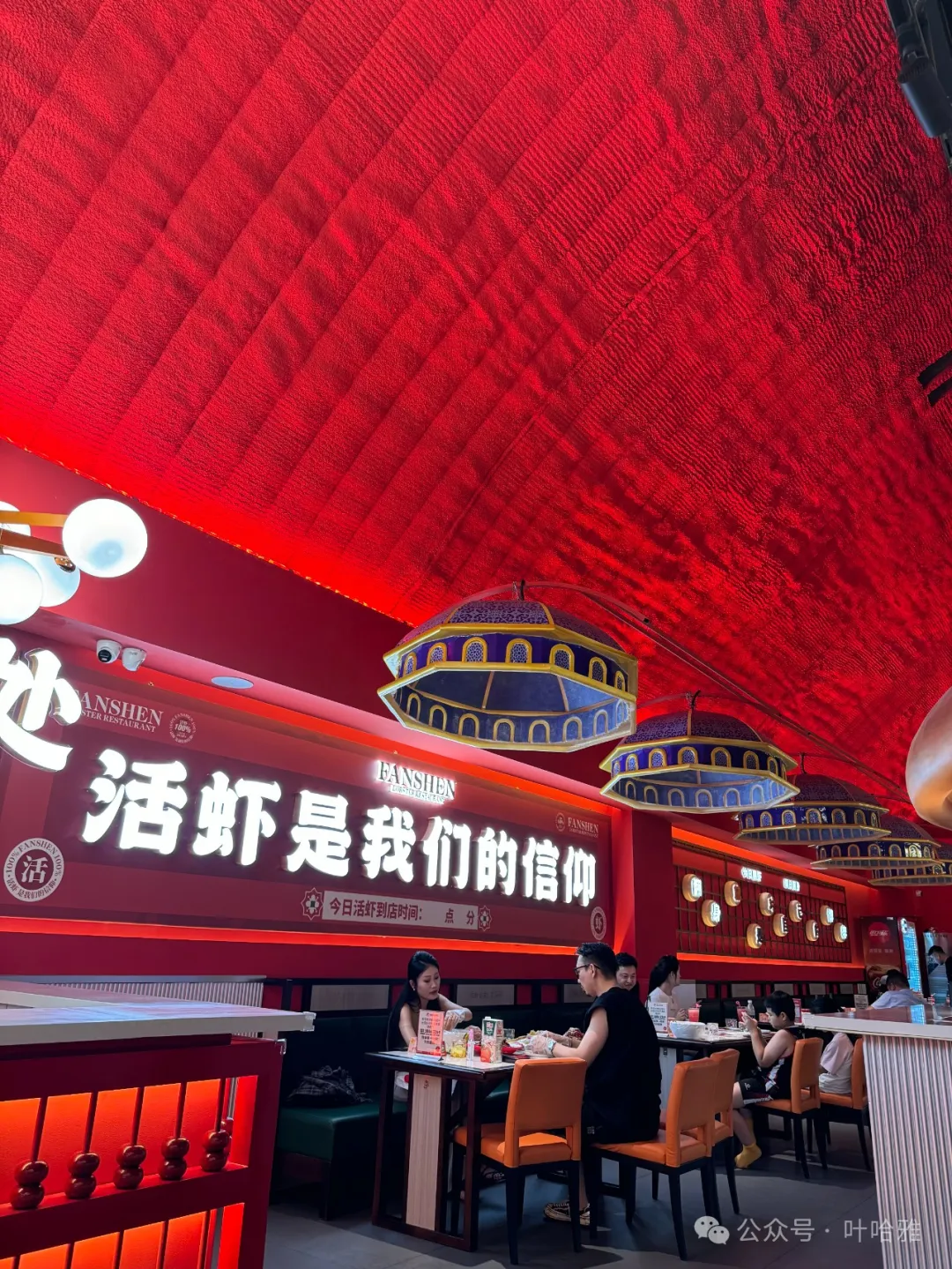
The restaurant has a great atmosphere with plenty of space and wide gaps between tables. There is a large private courtyard at the entrance that serves as a free parking lot.
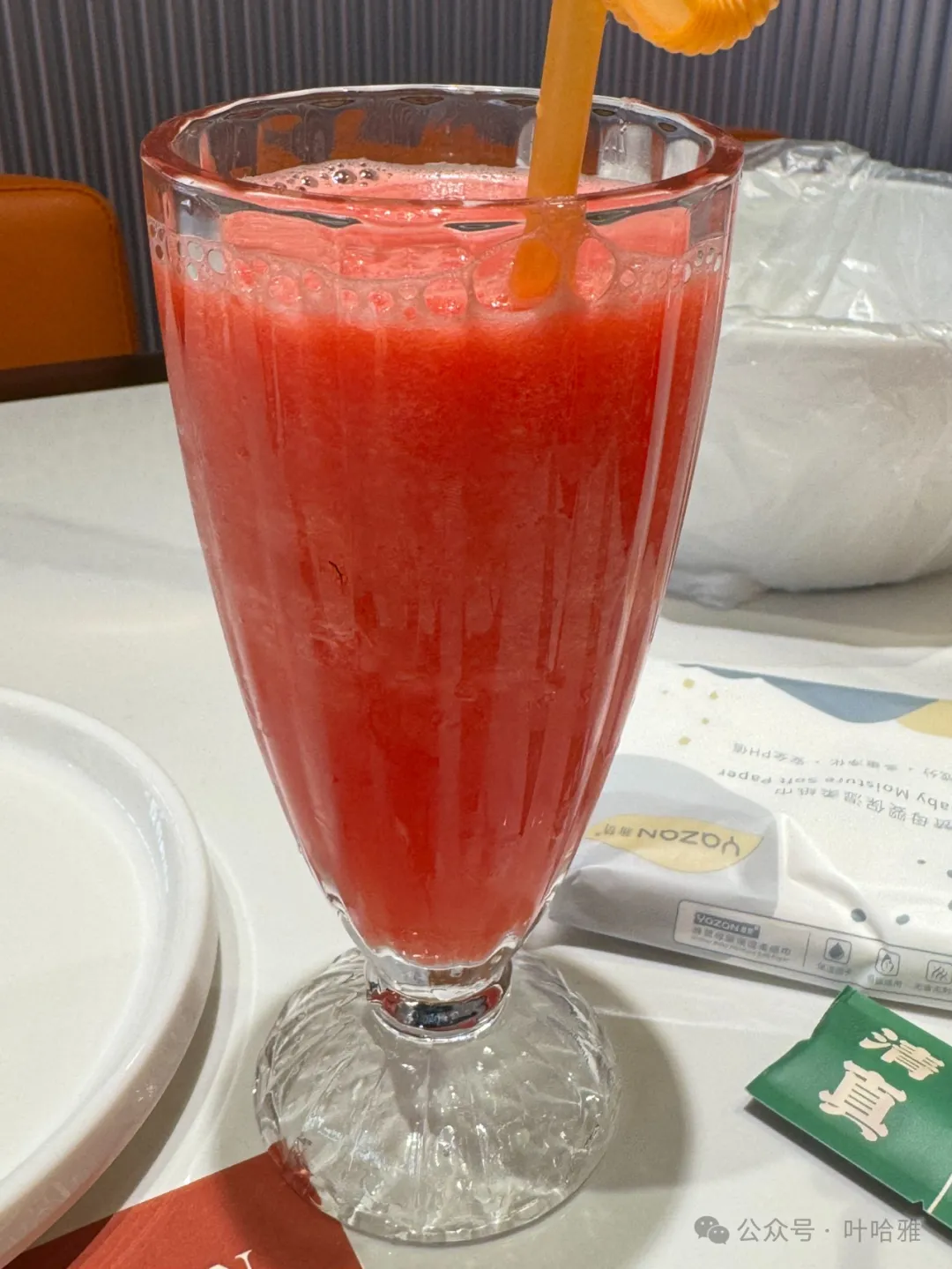
Write a review, save the shop, and check in to get a free glass of fresh-squeezed juice.
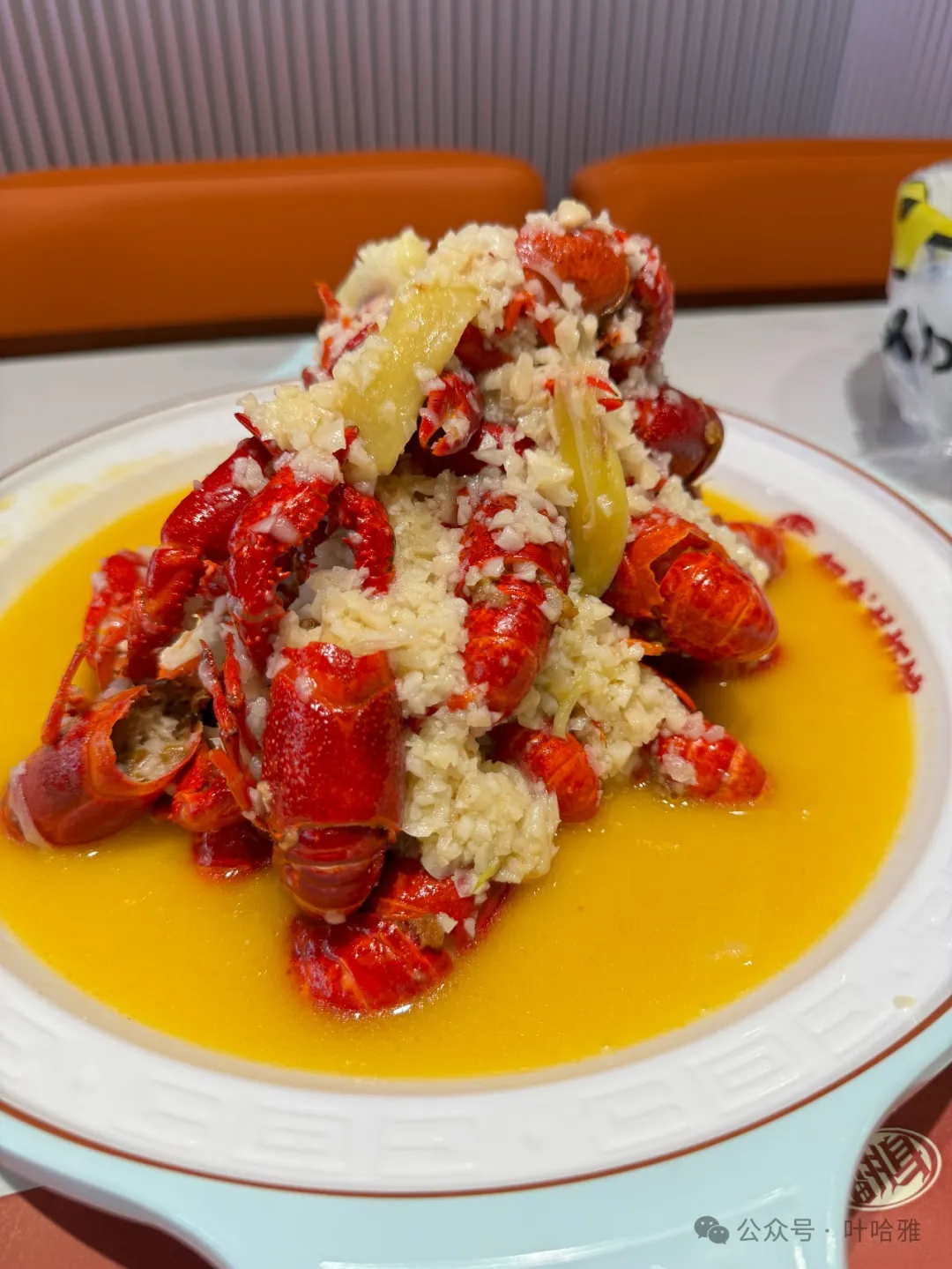
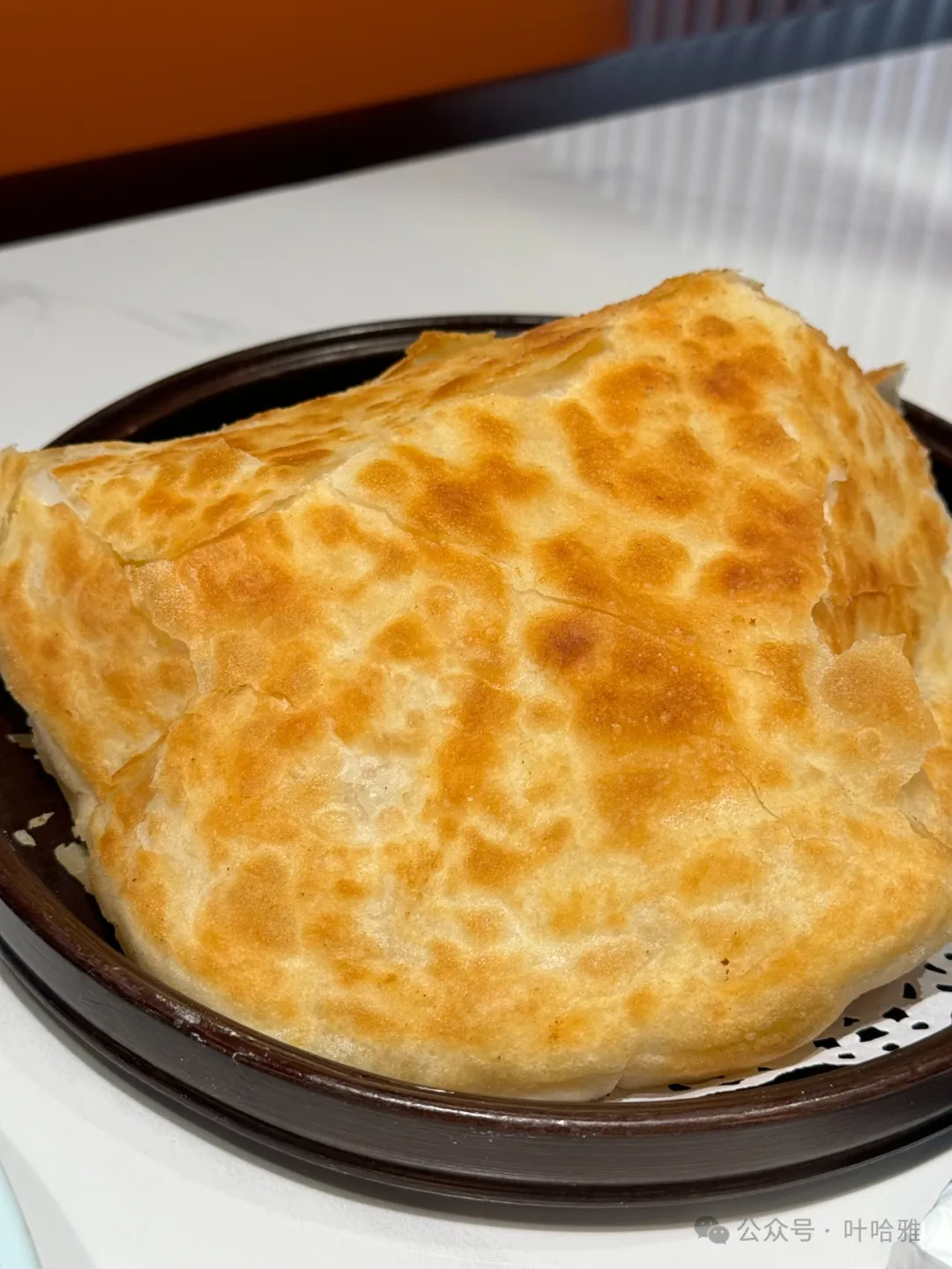
The most popular dish is the garlic crawfish. You can really taste how fresh the shrimp is. The golden sauce from the crawfish is great for dipping the hand-torn flatbread (shoushibing), which is freshly griddled and tastes excellent.
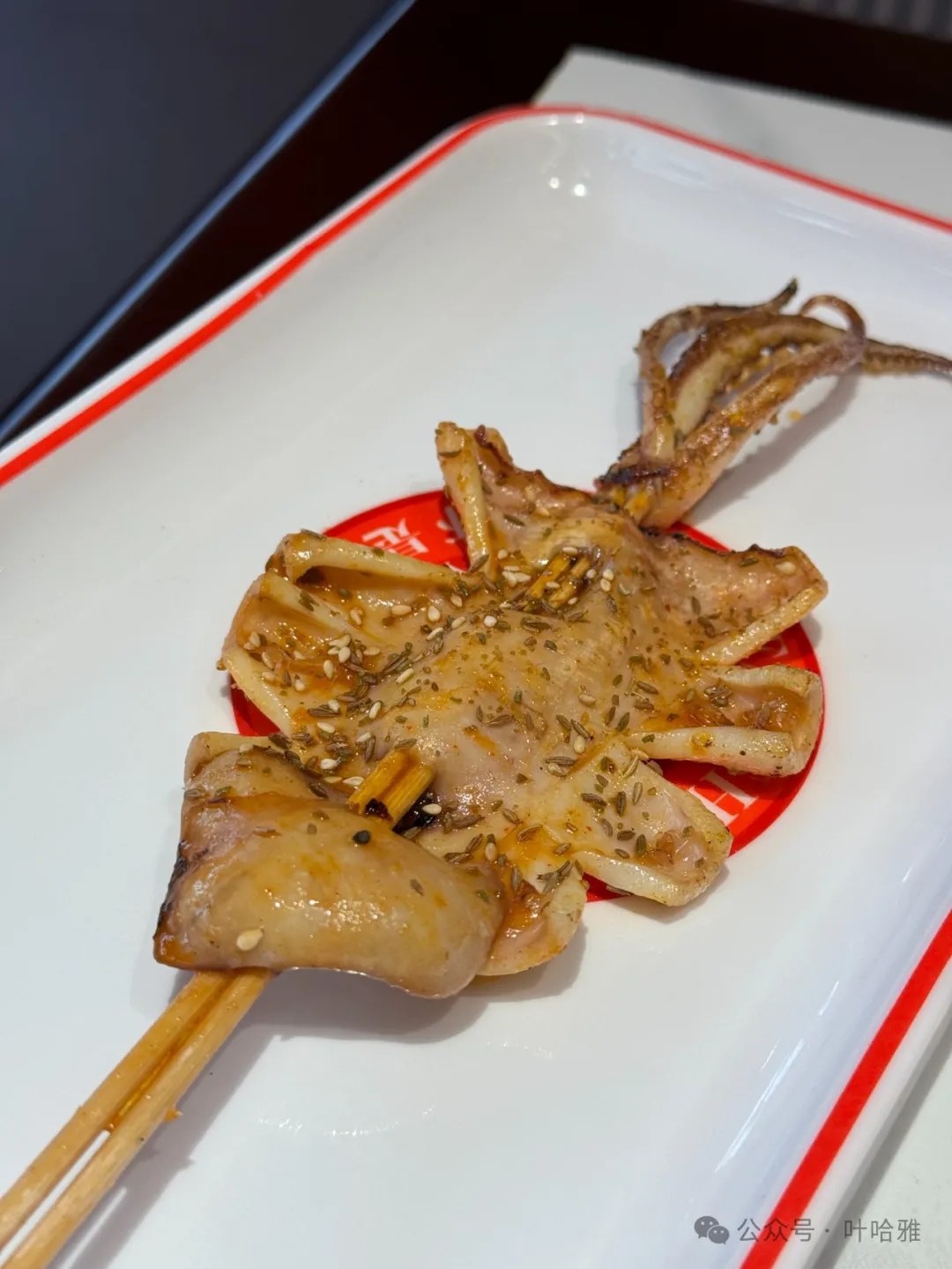
The grilled squid is also delicious. Their ingredients are definitely fresh.
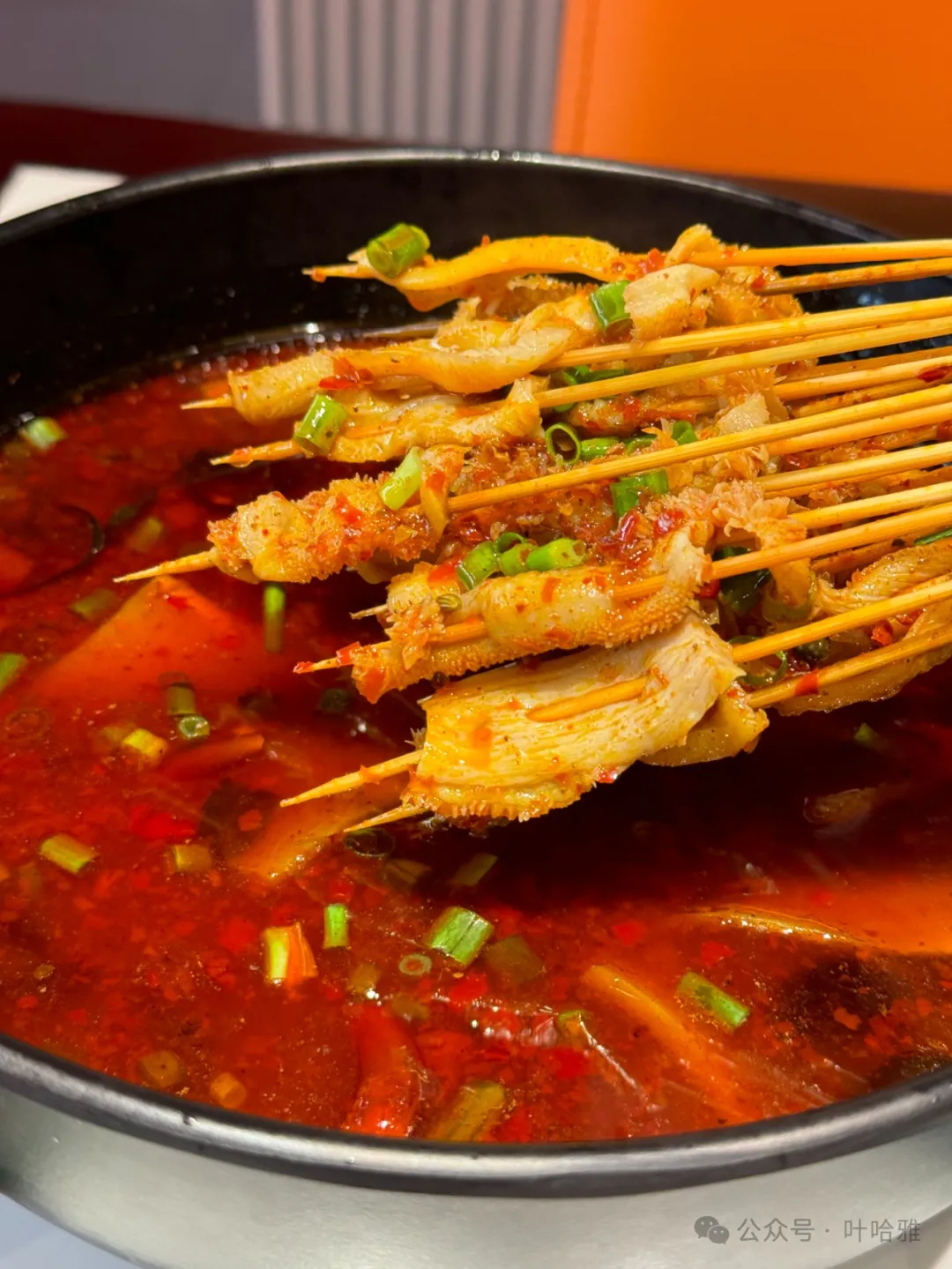
The spicy beef tripe (chanzui niudu) has a numbing and spicy flavor that is very good. Overall, this place has the potential to become a viral restaurant thanks to its service, environment, and taste. It is a bit pricey, with an average cost of over 200 yuan per person.
24. Maimaihong Beef Sliced Noodles
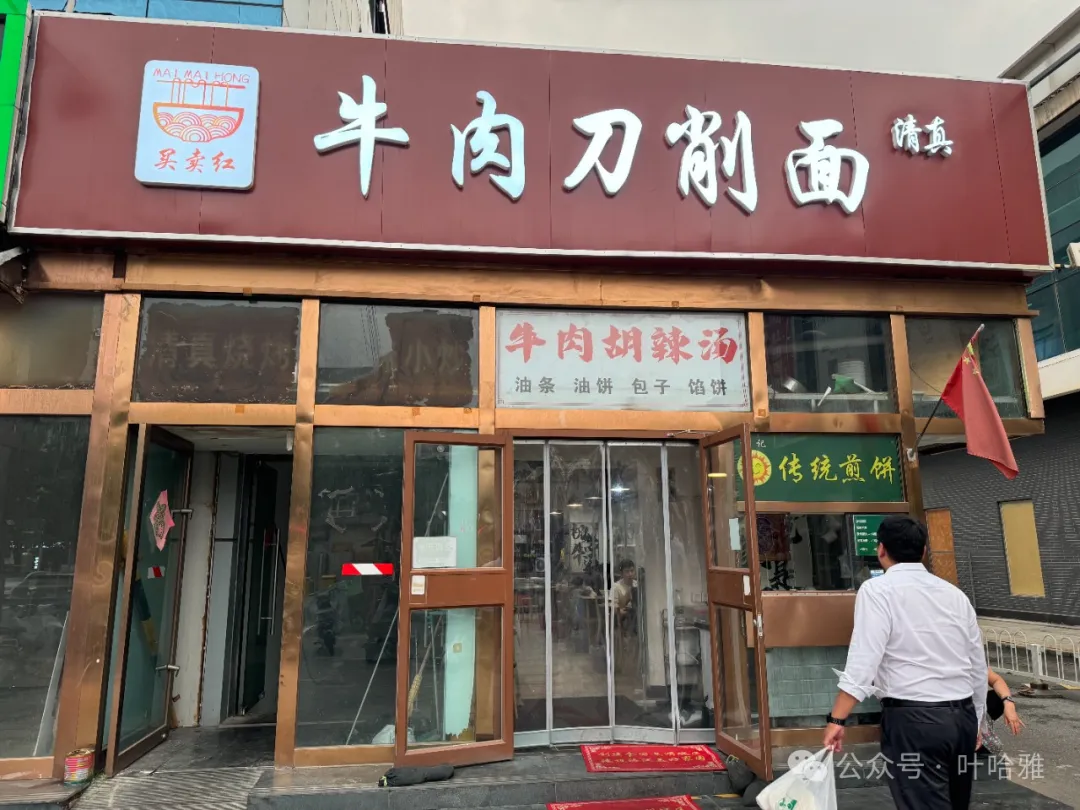
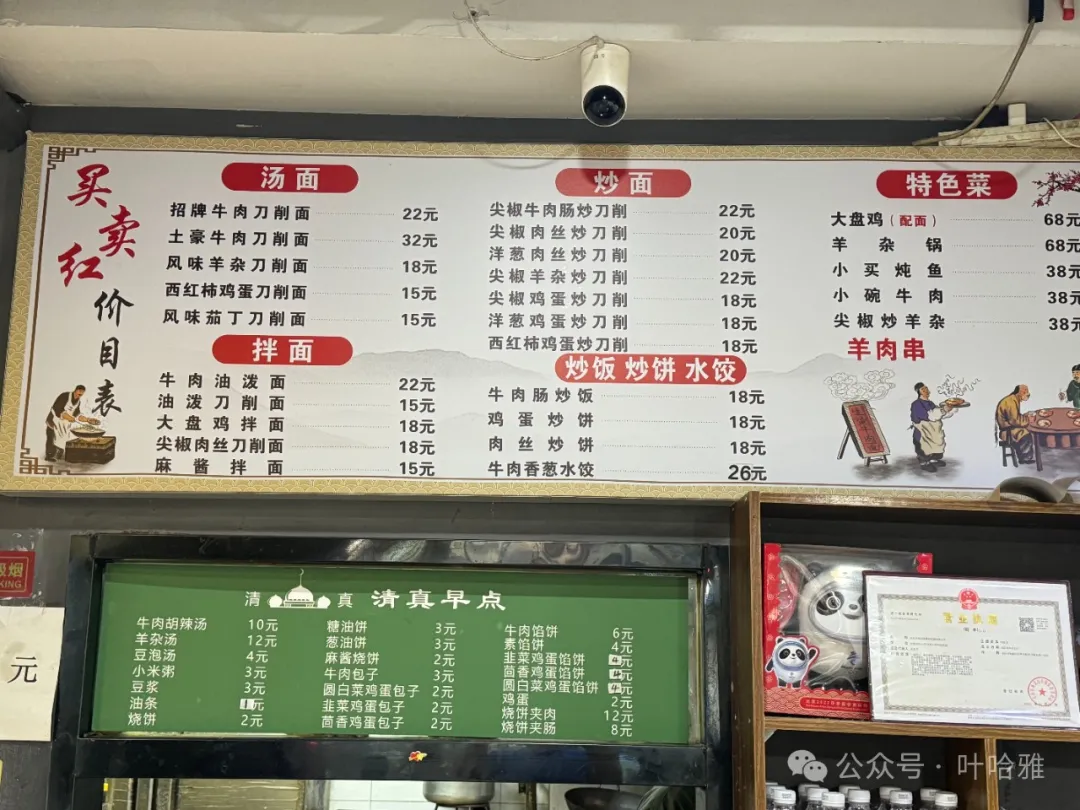
Don't underestimate this noodle shop. I will drive 40 minutes from Niujie to Haidian just for a bowl of these noodles. Maimaihong's beef sliced noodles (daoxiao mian) are definitely worth a visit. If you like this style, you won't be disappointed.
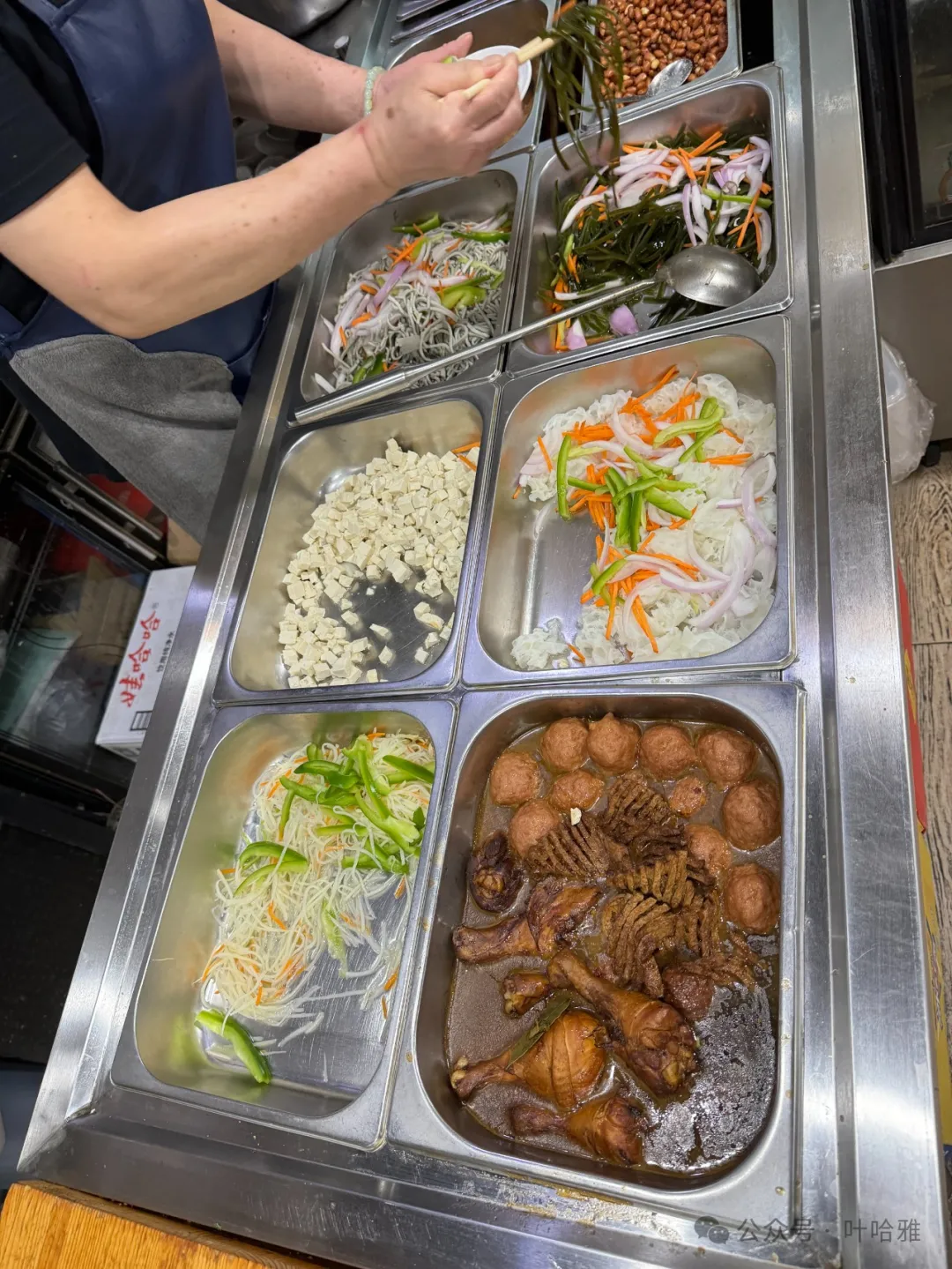
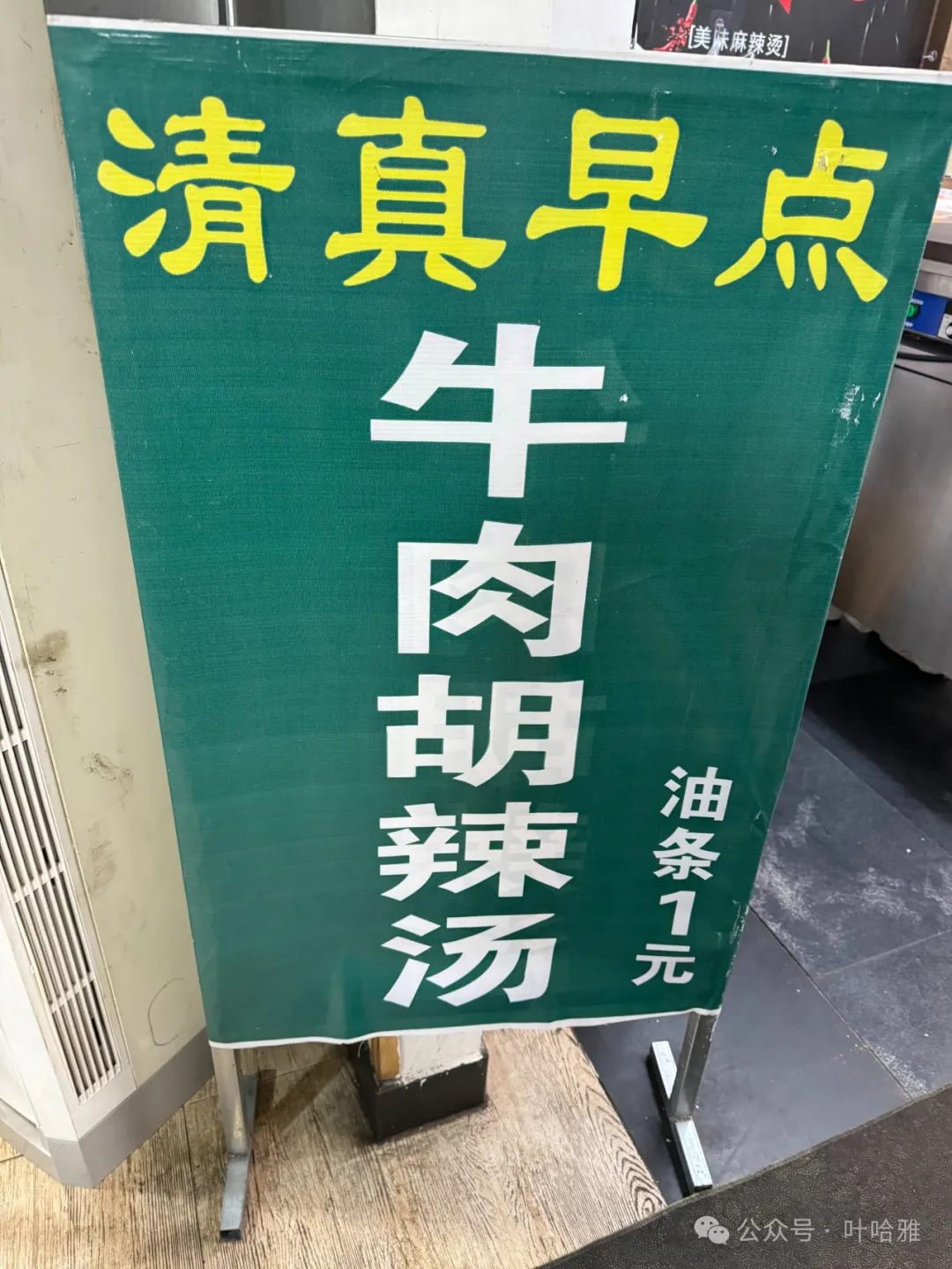
The shop is run by Hui Muslims from Jiaozuo, Henan. Their cold dishes are a specialty, and if you come for breakfast, you can have spicy soup (hulatang) in the Xiaoyao Town style, but with less spice to suit Beijing tastes.
Another specialty is their beef steamed buns (niurou baozi). These aren't pan-fried, but the large steamed kind, which you can also get in the morning.
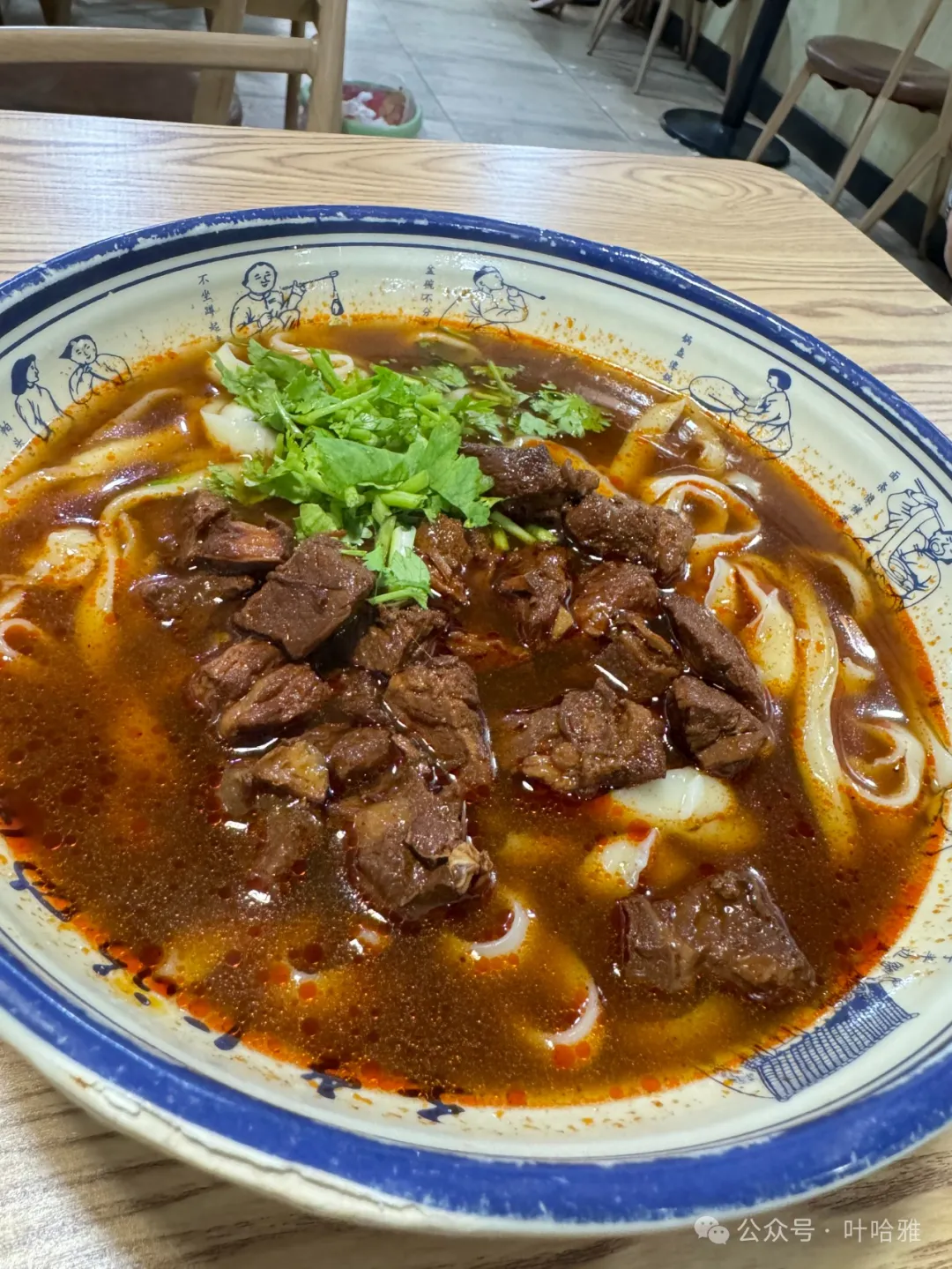
I had a bowl of the deluxe beef sliced noodles. They give you plenty of meat, the broth is rich, the beef is tender, and the noodles are chewy.
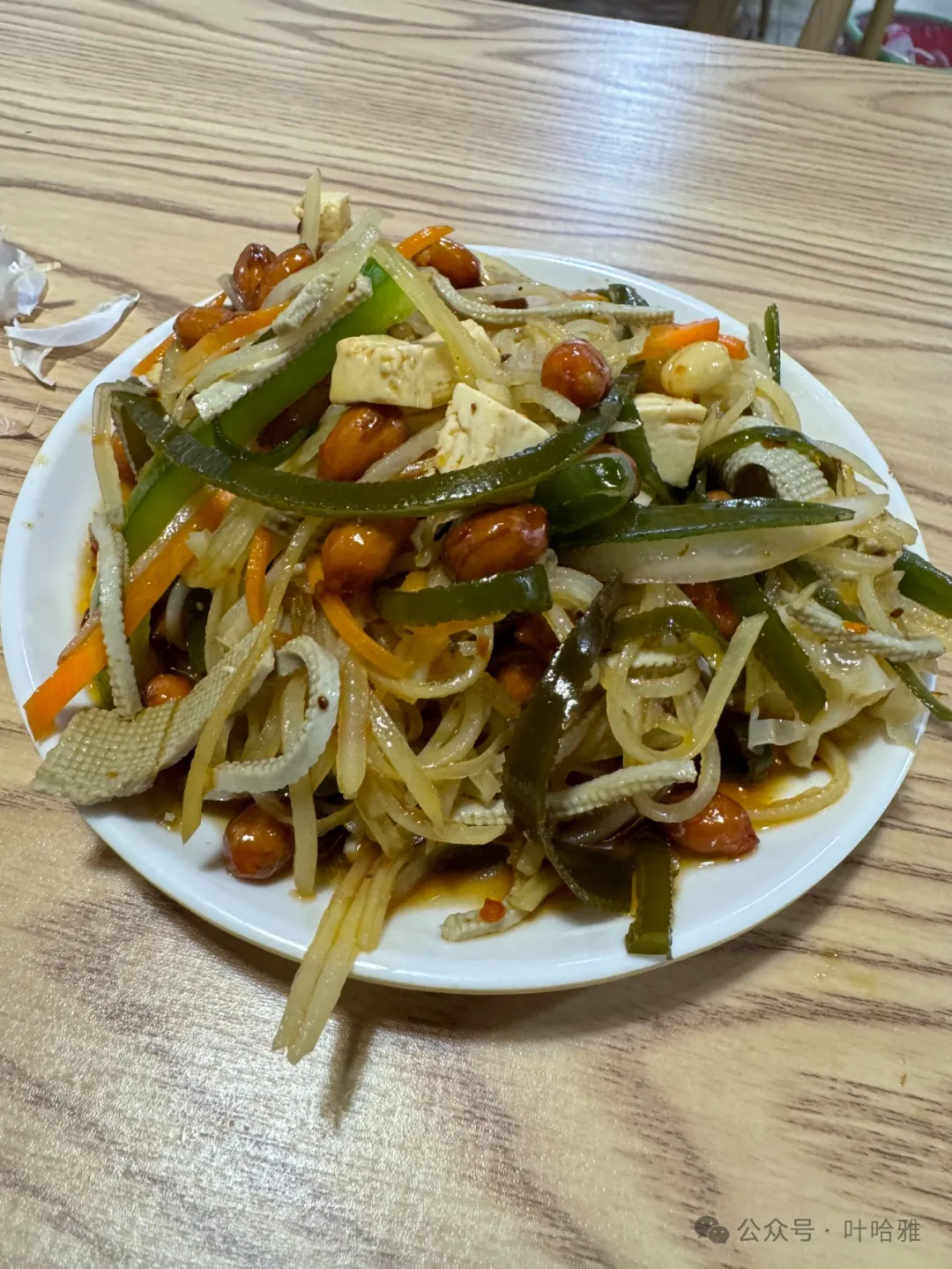
For the cold dishes, you pick what you want, and they take it to the kitchen to add seasoning and mix it, which keeps everything fresh and tasty.
25. Hulun Aile Halal Hand-held Meat (shouba rou)
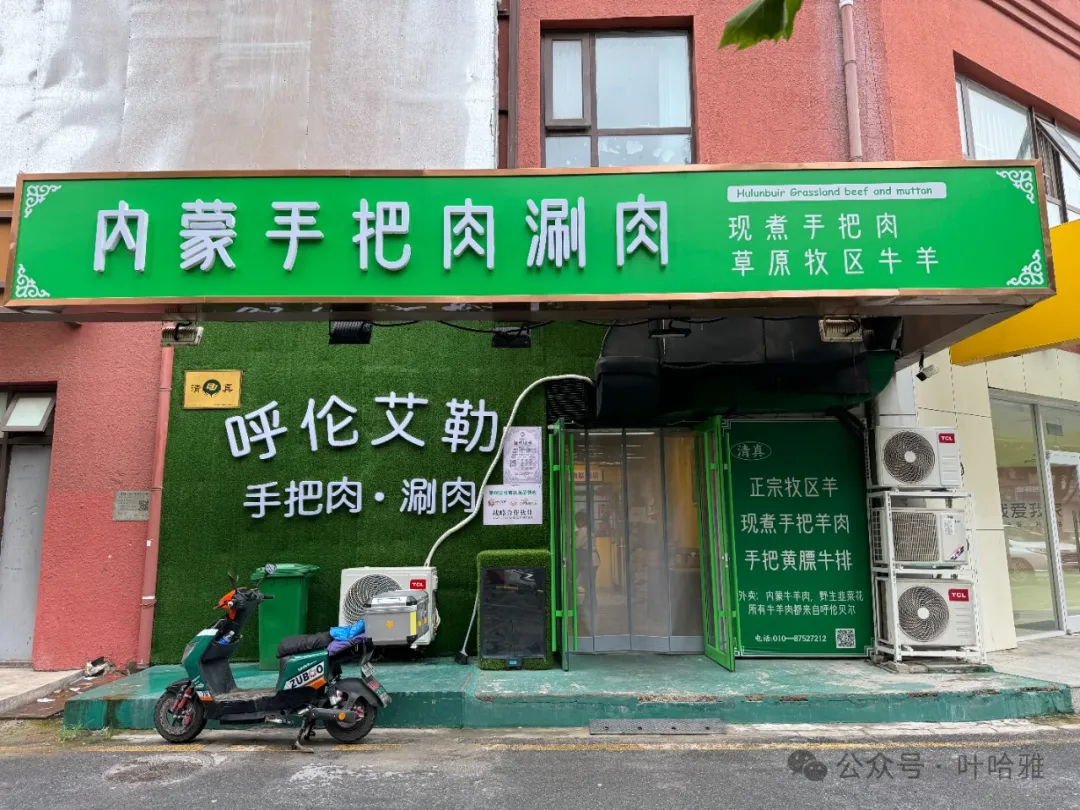
This shop used to be a hot pot place, but it recently changed into a Mongolian restaurant. The change was very successful.
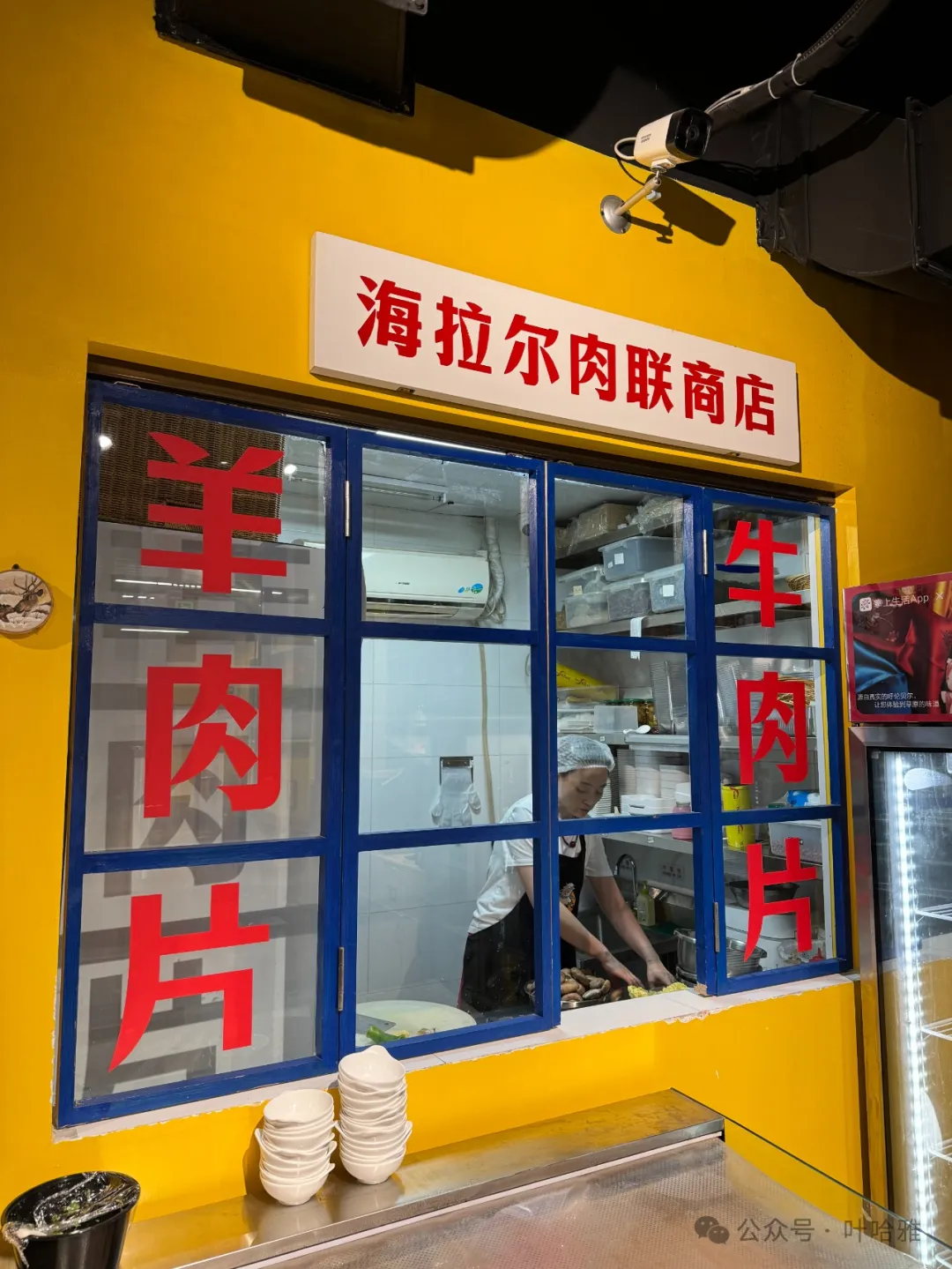
They get their beef and lamb from Hulunbuir. The meat quality from the Inner Mongolian grasslands is excellent.
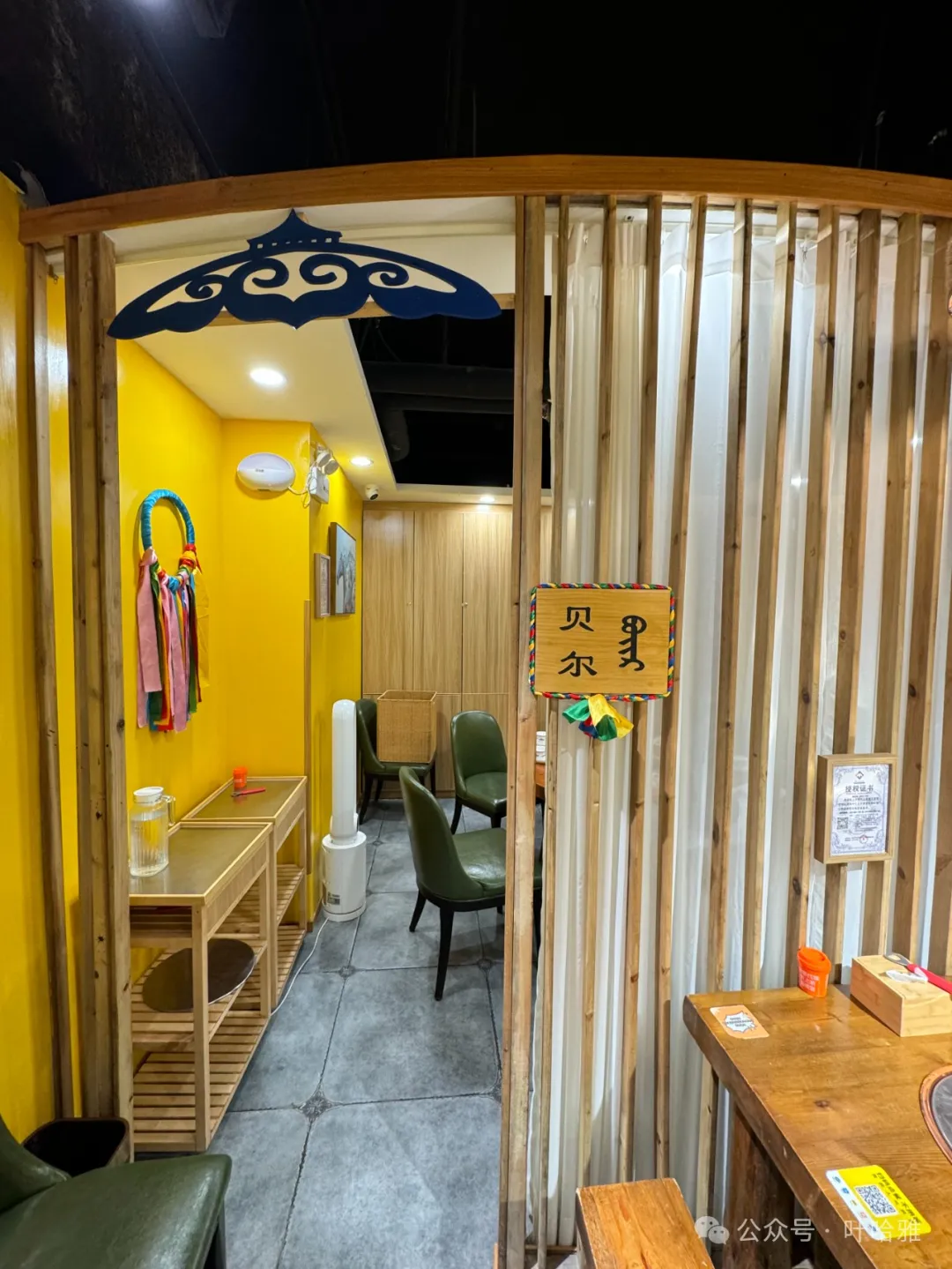
What drew us here was their afternoon tea with Inner Mongolian flair.
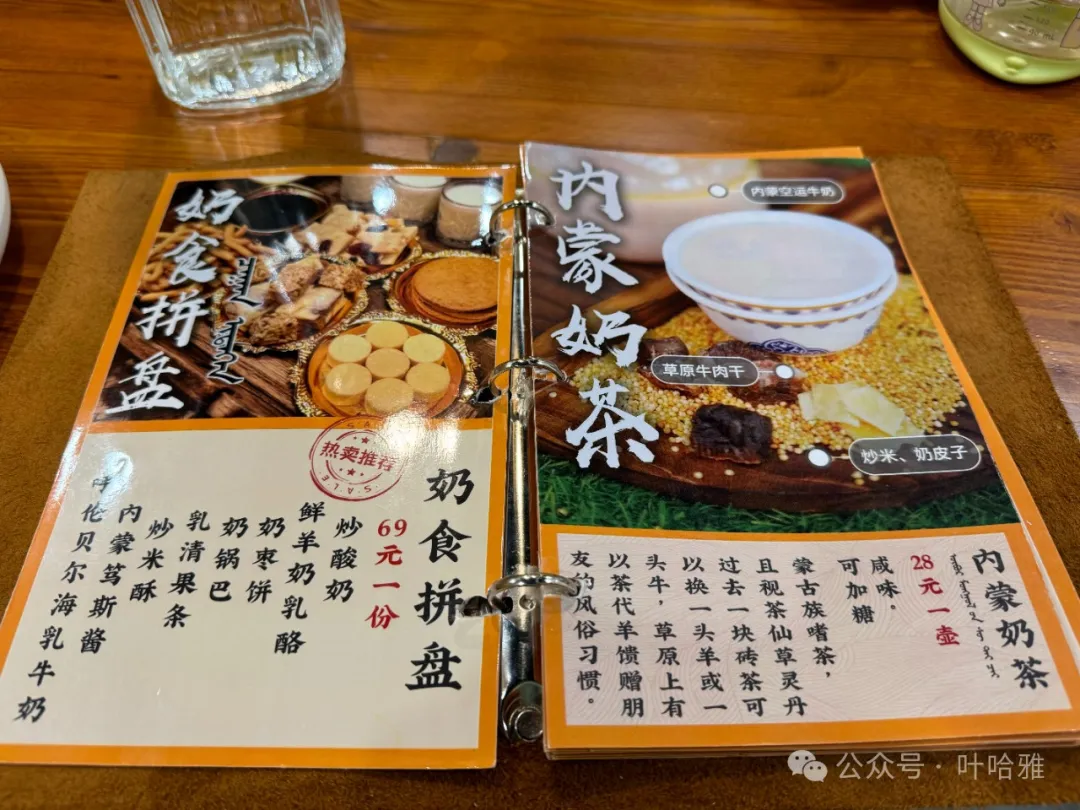
The milk tea comes with a plate of dairy products. This combination is truly tempting.
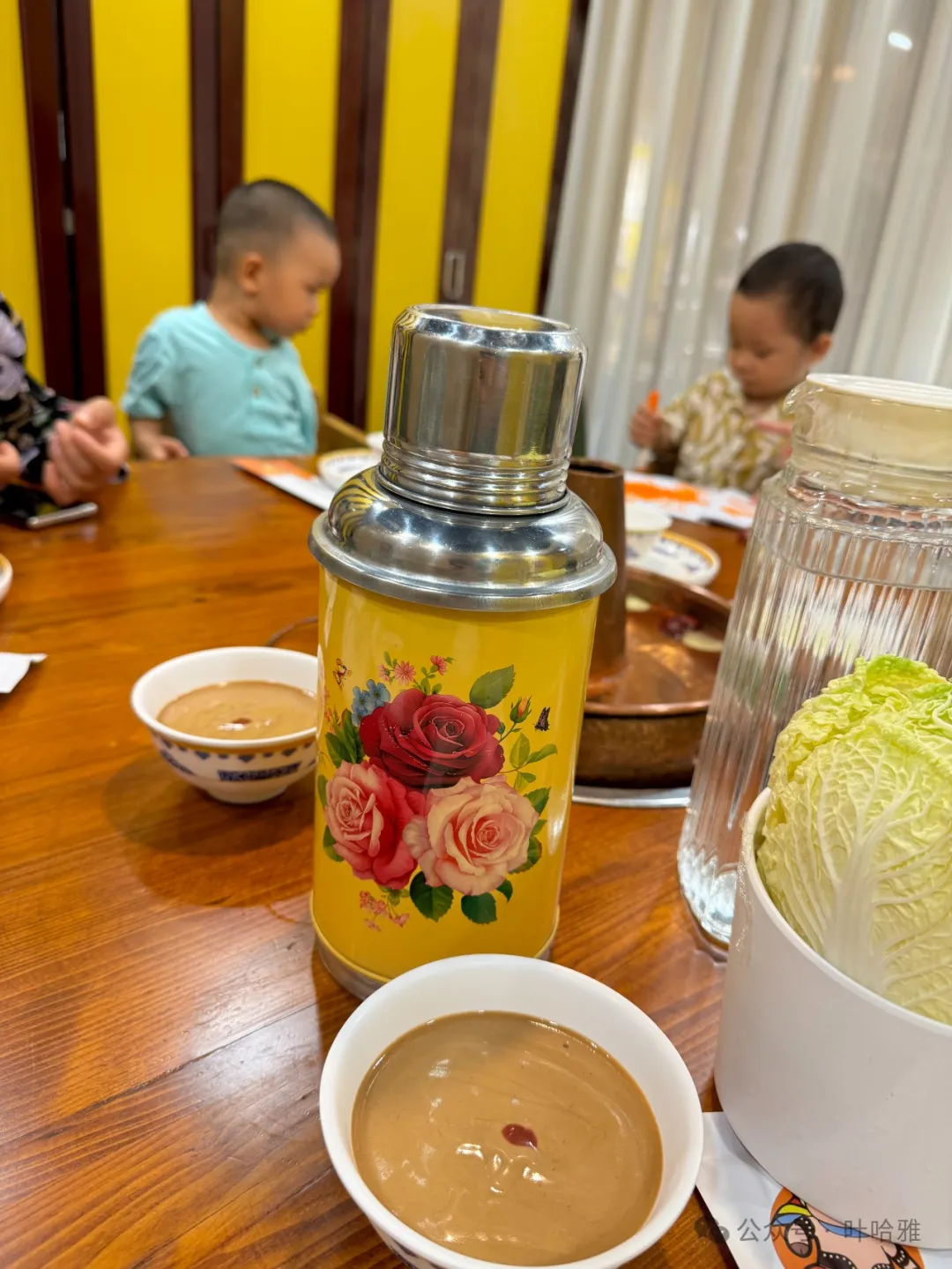
The Mongolian-style milk tea contains roasted millet (chaomi) and is served in a thermos to keep it warm.
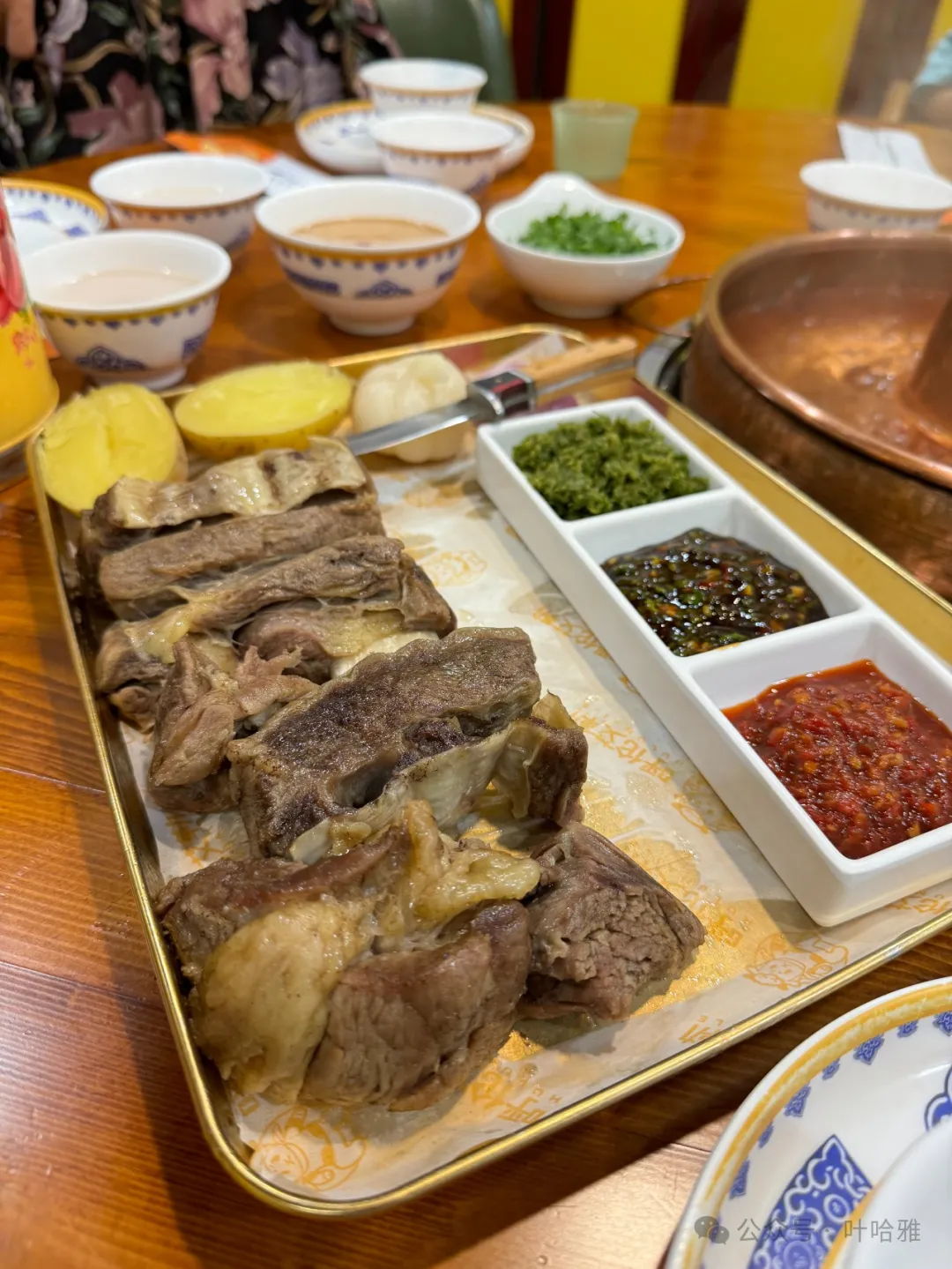
For the hand-held beef steak (shouba niupai), you cut a piece with a small knife and spread chive flower sauce (jiucaihua) on it. It is delicious, and their three types of dipping sauces are all very authentic.
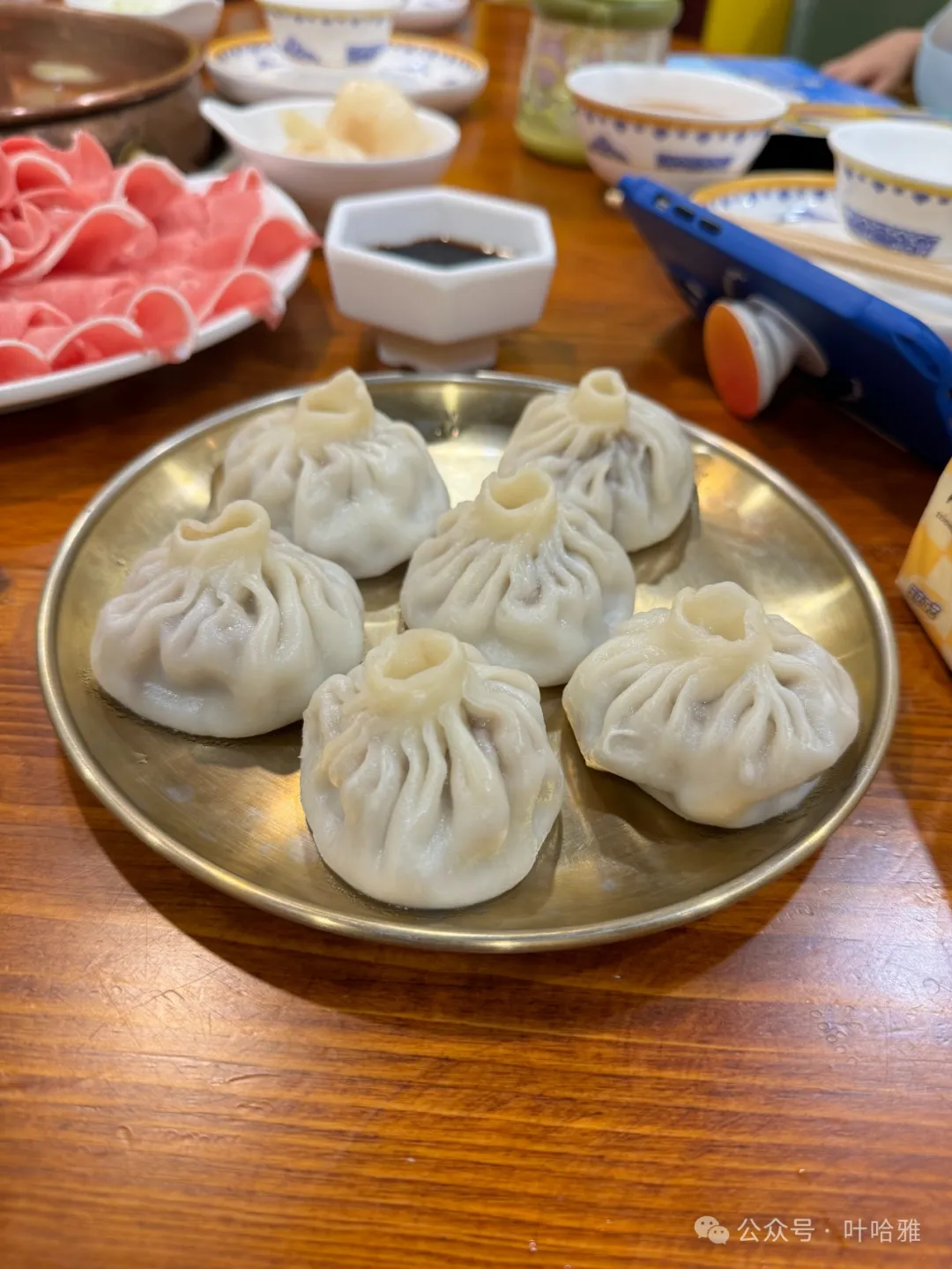
Buryat steamed buns (Buliya baozi) look like the thin-skinned buns from Xinjiang, but the dough is slightly thicker. They are filled with large chunks of lamb, full of broth, and taste great.
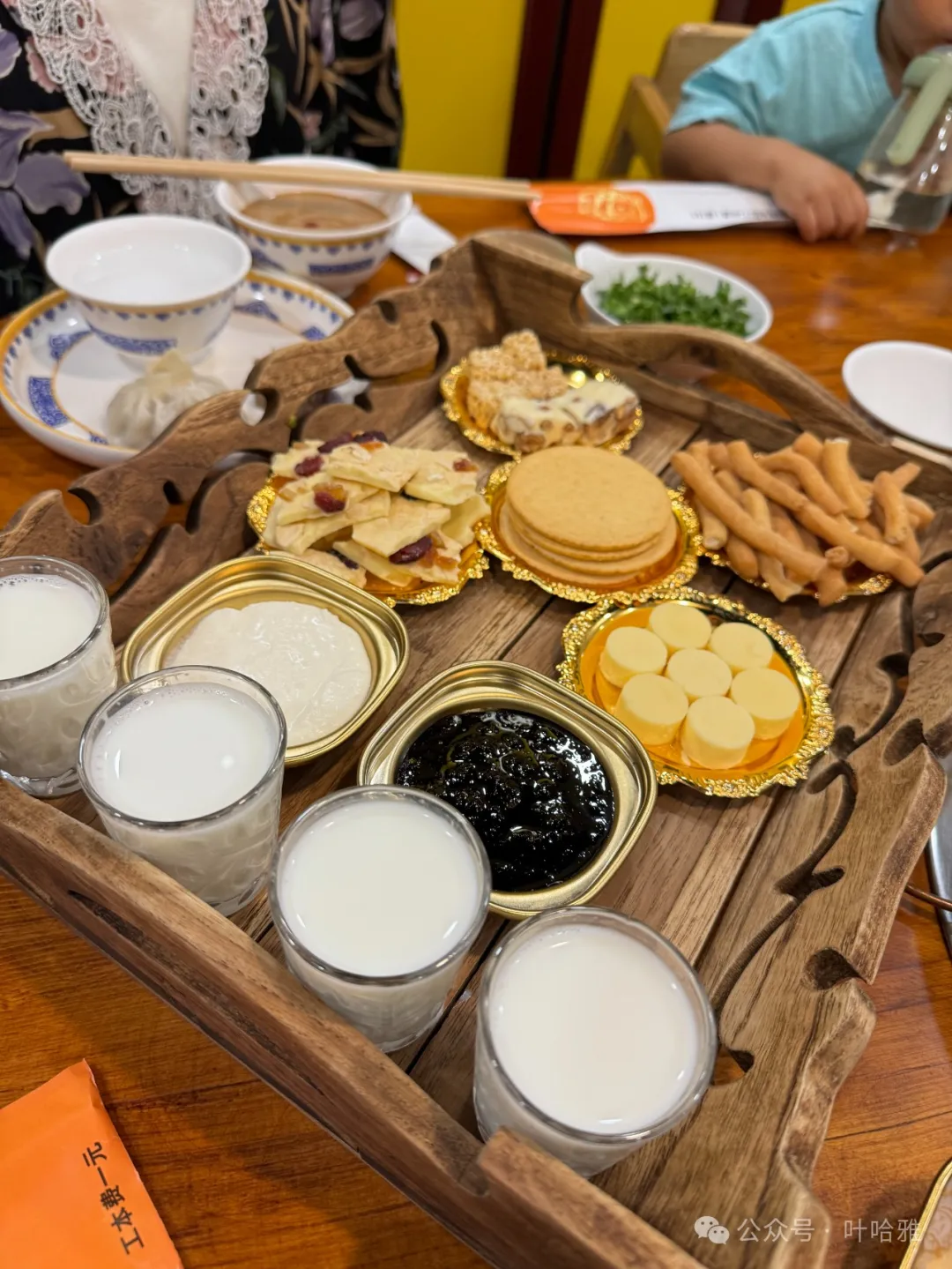
This is the most popular afternoon tea dairy platter of the day. The white part on top is cream, which you eat with the dairy products. The four cups contain concentrated milk; it tastes like ice bock (bingboke), which is milk concentrated by evaporating most of the water.
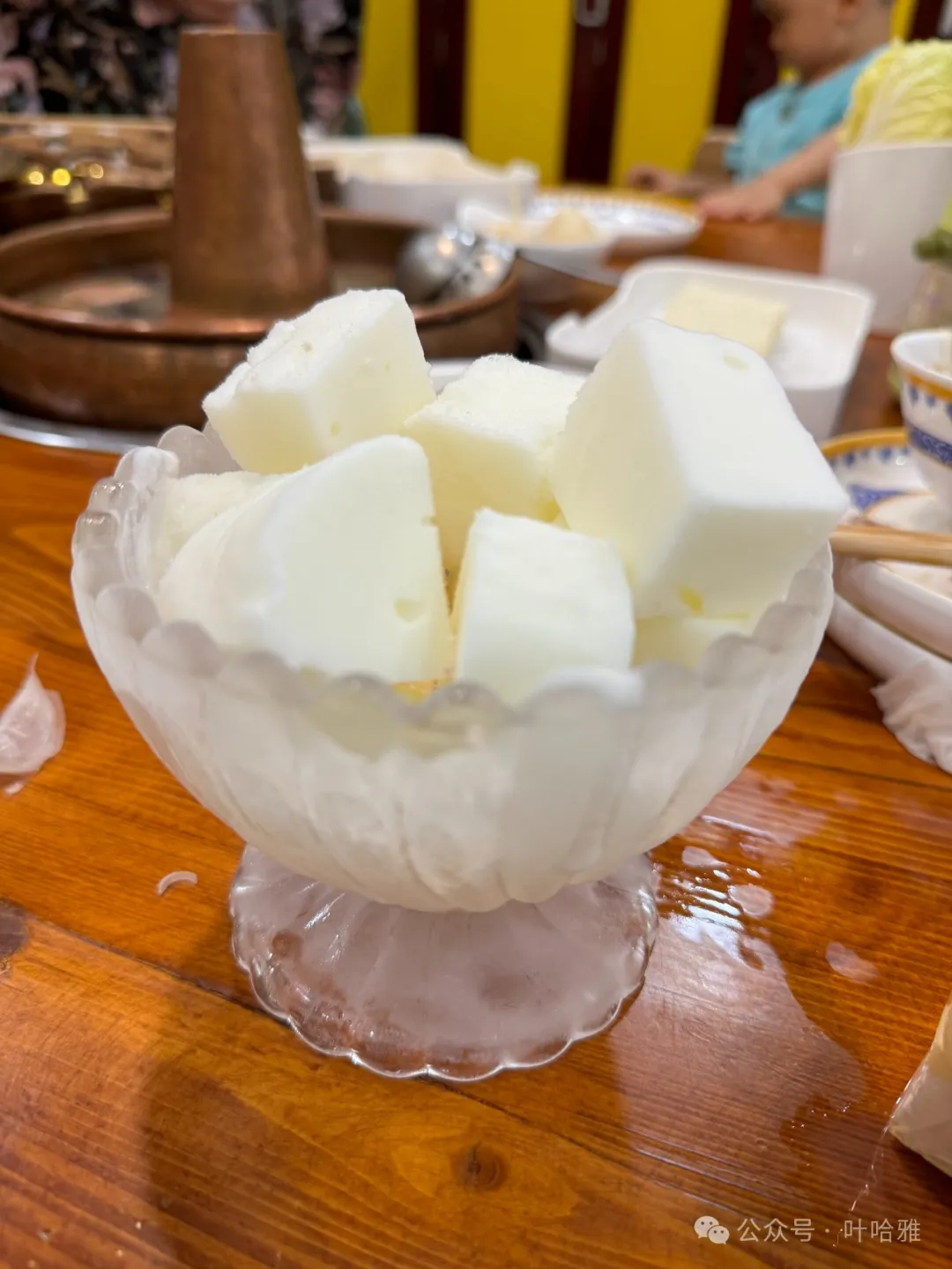
The Inner Mongolian milk ice cream is simple and bold. It is made of large chunks of milk ice, just like a popsicle, but no extra water is added. The texture is smooth and the milky flavor is rich. It is highly recommended. With the Mongolian food being so good, their hot pot seems plain, so I suggest you stick to the Mongolian dishes here.
26. Sanliujiu Wan Halal Beef Brisket Pot
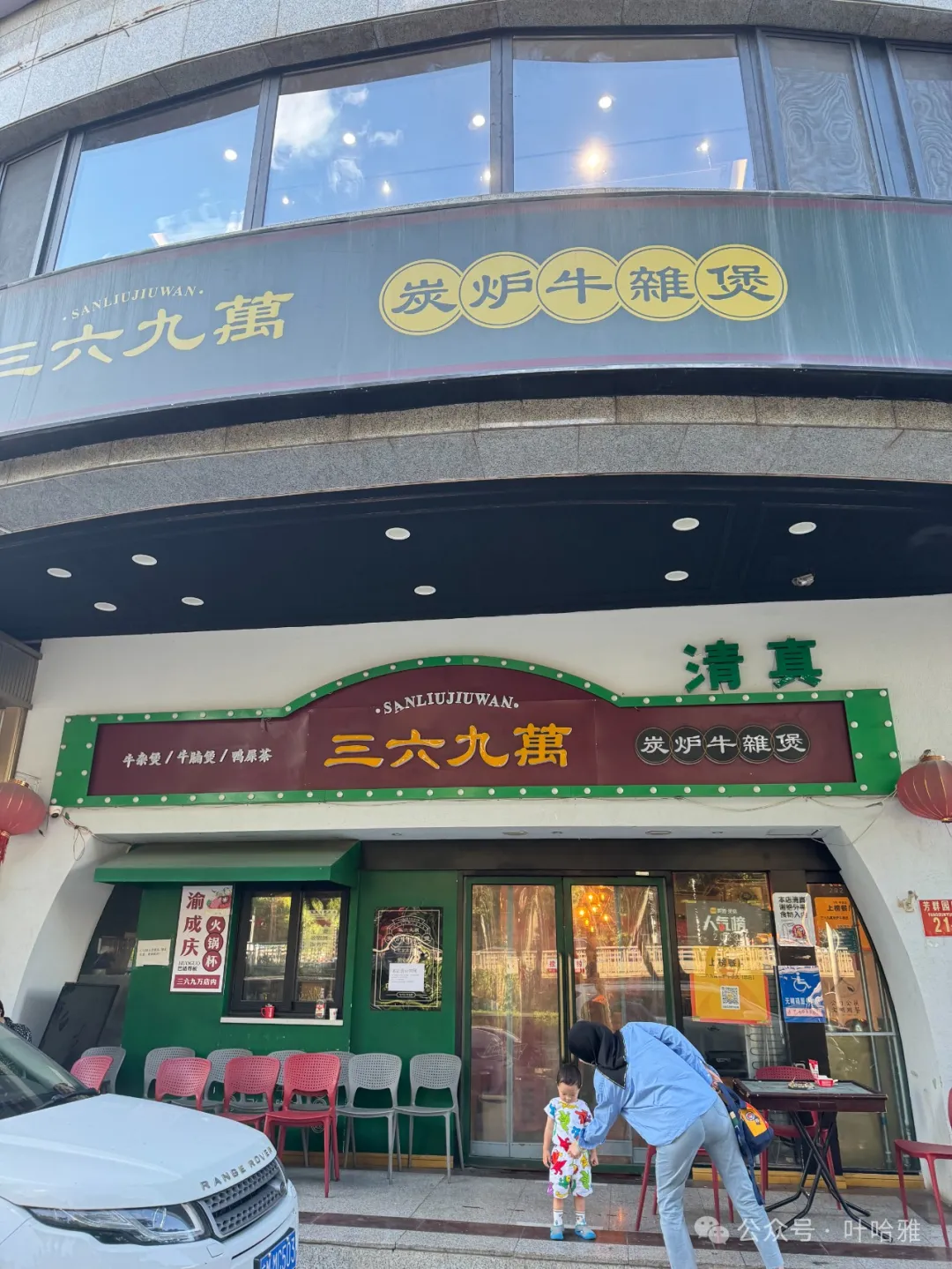
This shop offers Cantonese-style Qingyuan chicken pot, beef brisket and offal pot, and Tianhu chicken pot, along with Cantonese dim sum. It is currently the only halal Cantonese restaurant in Beijing.
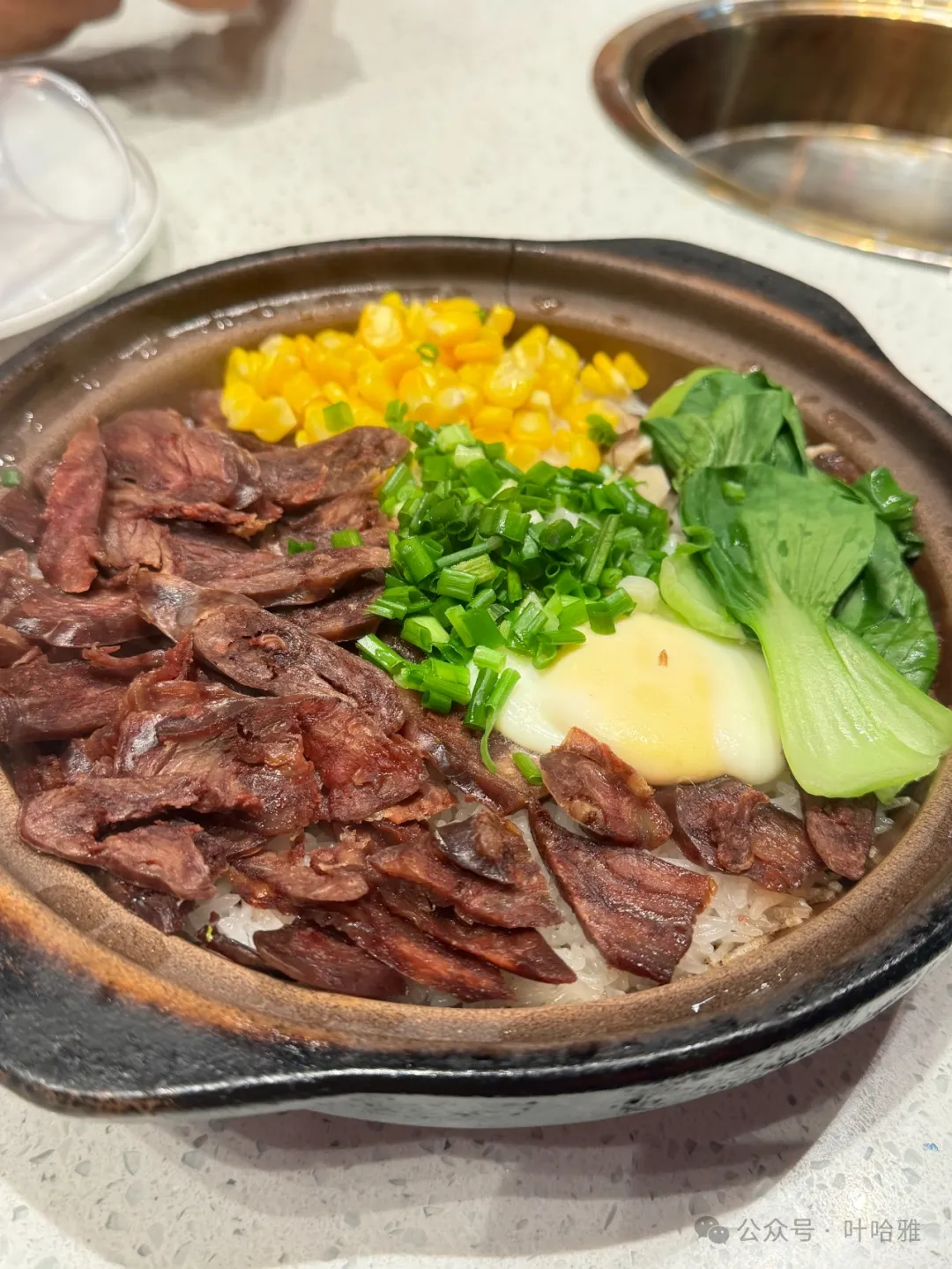
Claypot rice (baozai fan)
Claypot rice (baozai fan) is also a new dish. It must be made to order and takes 25 minutes to prepare. It uses Thai jasmine rice topped with beef sausage, and you can choose how many grams of sausage to add based on your preference.
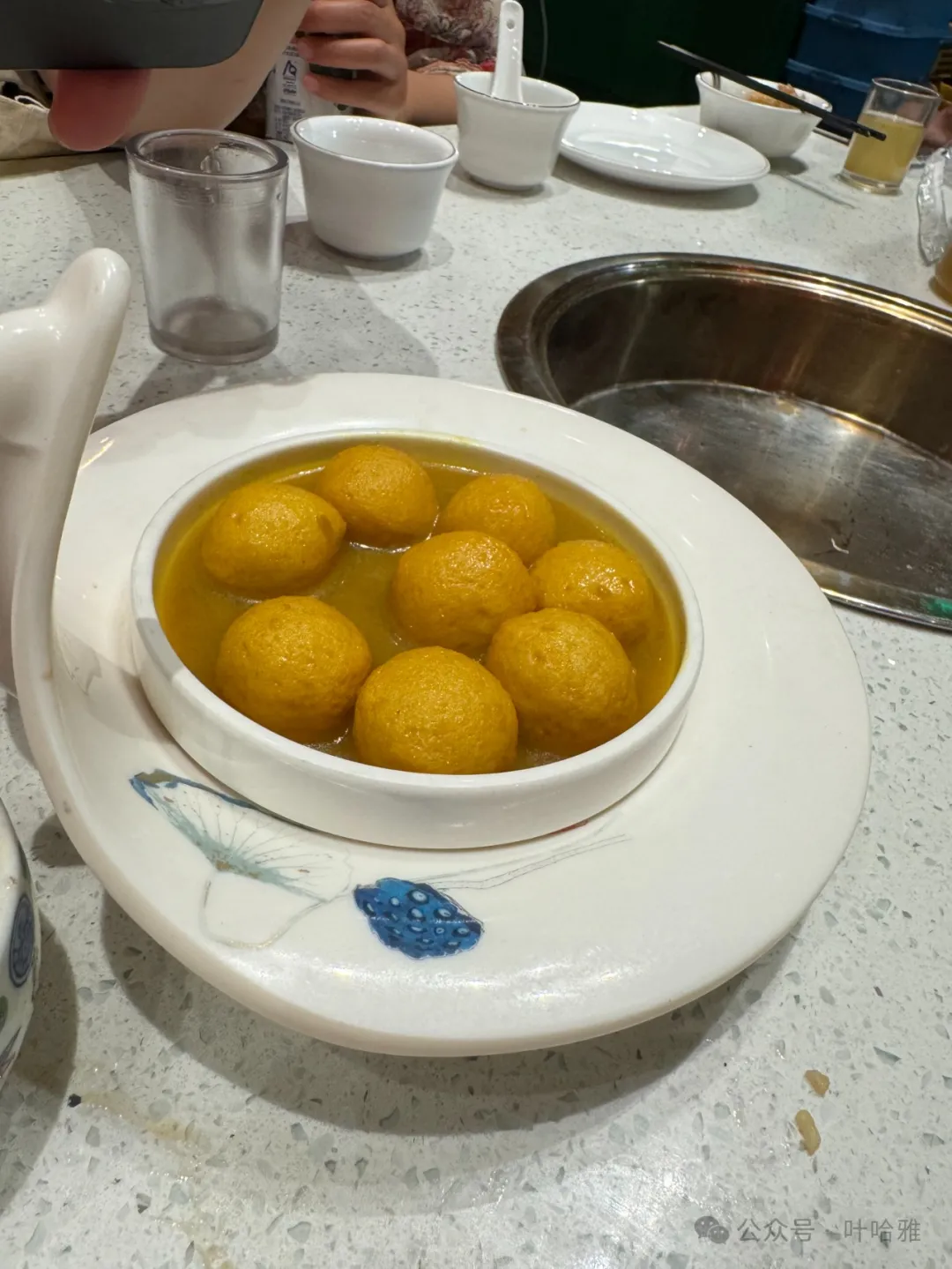
The curry fish balls are very bouncy. The owner says he developed the recipe himself. He is a Hui Muslim from Shandong and the son of an imam.
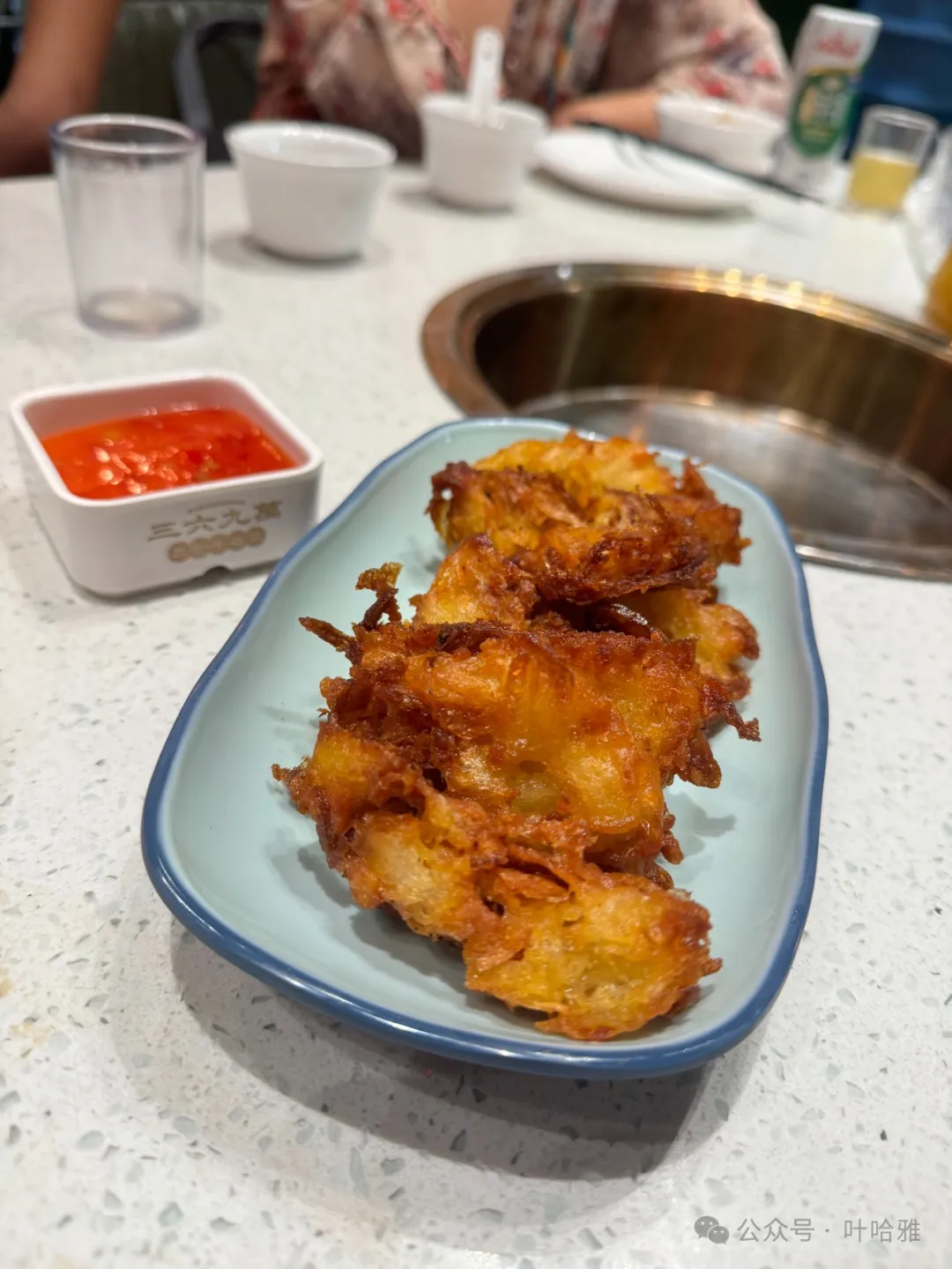
Our group of 12 people ate through the new dim sum menu twice, and the cost was about 120 yuan per person.
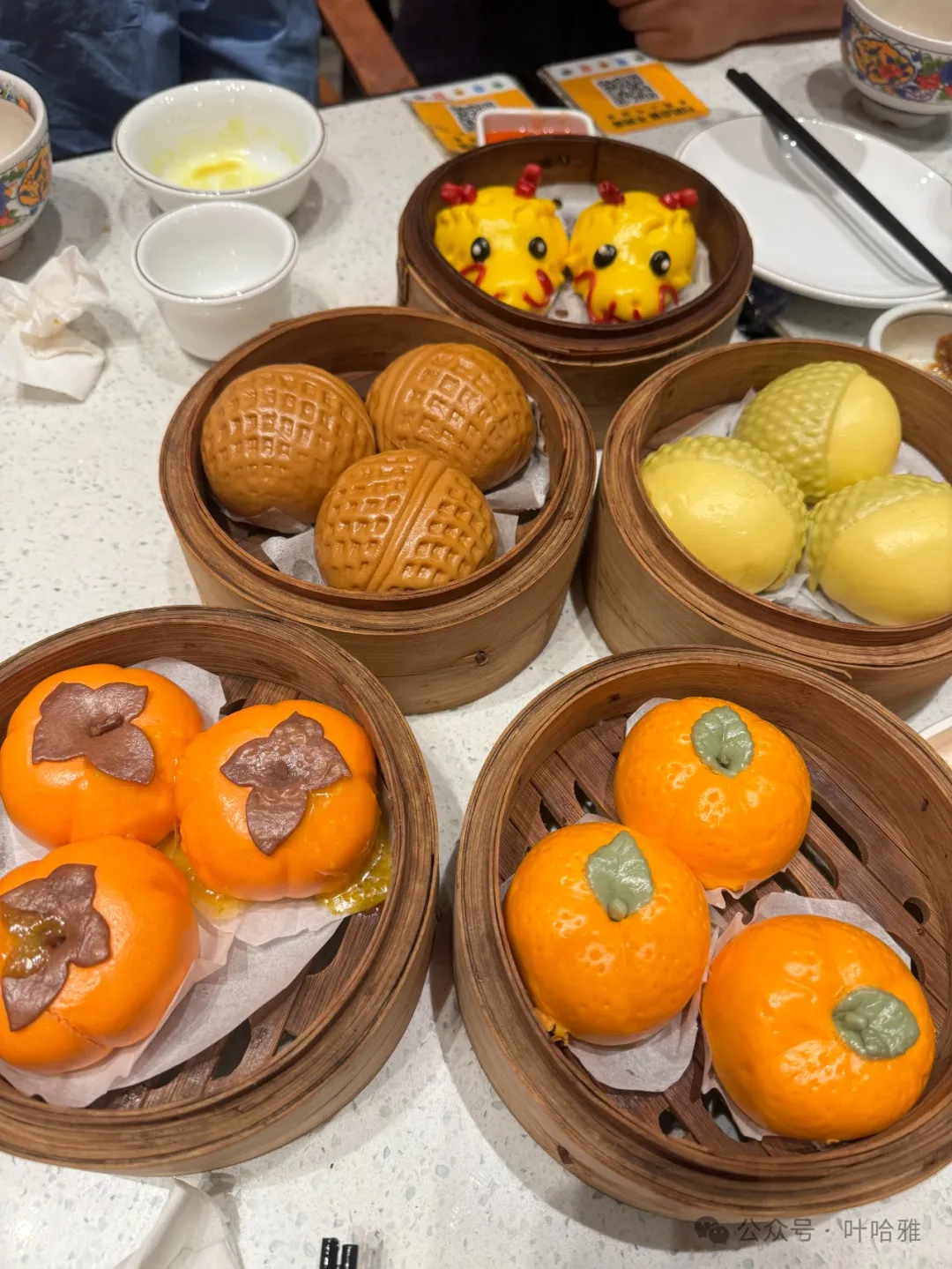
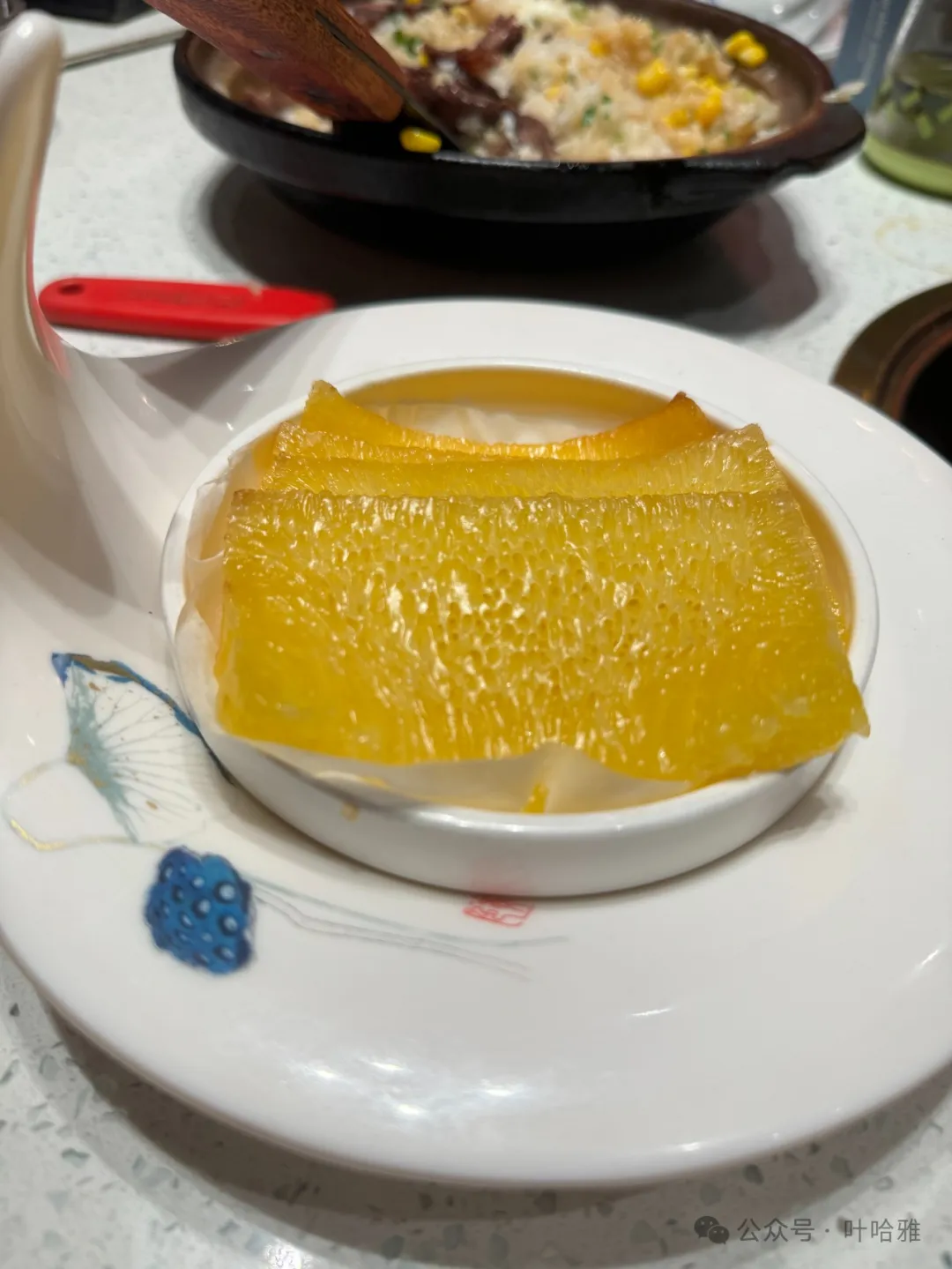
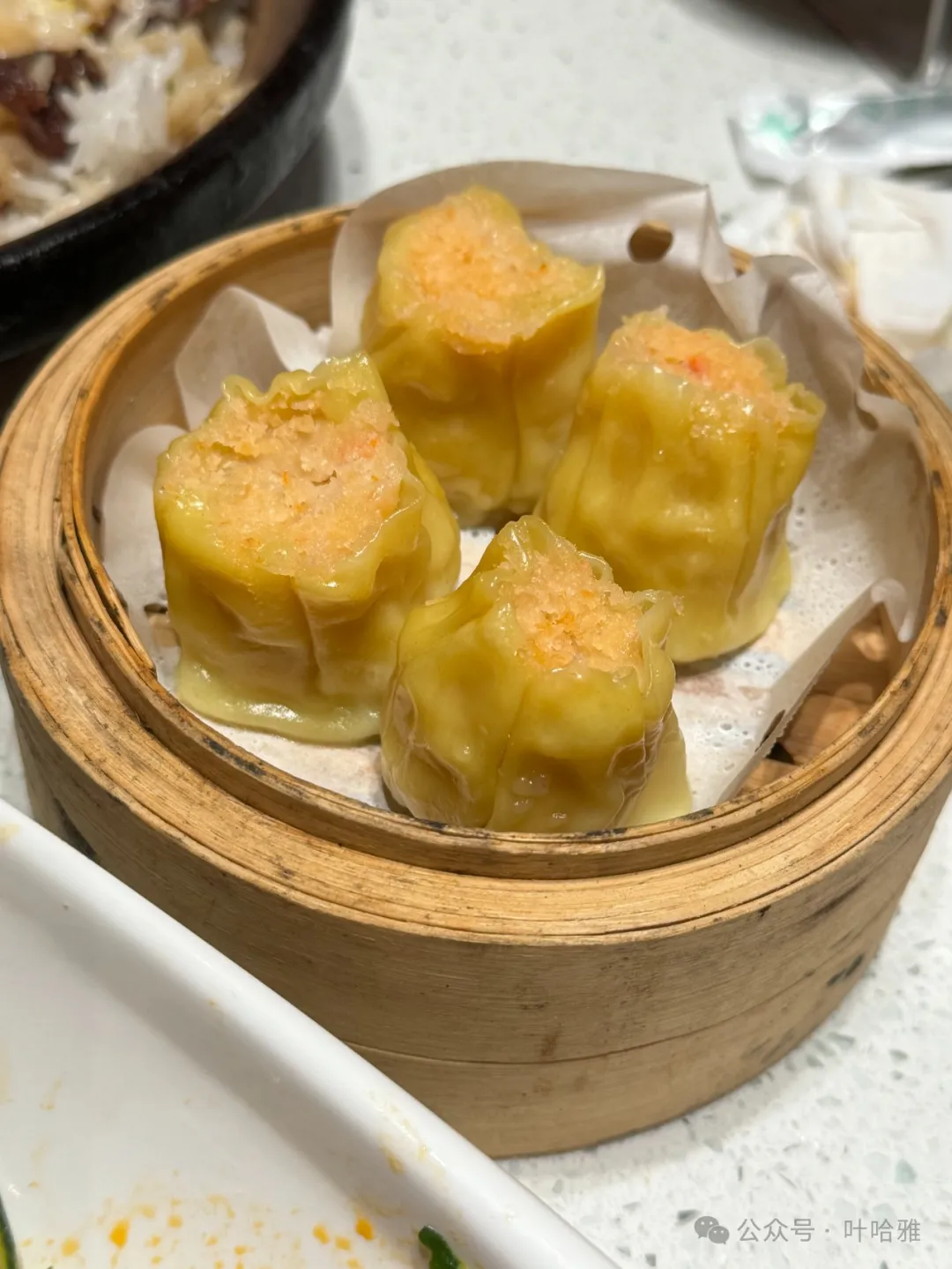
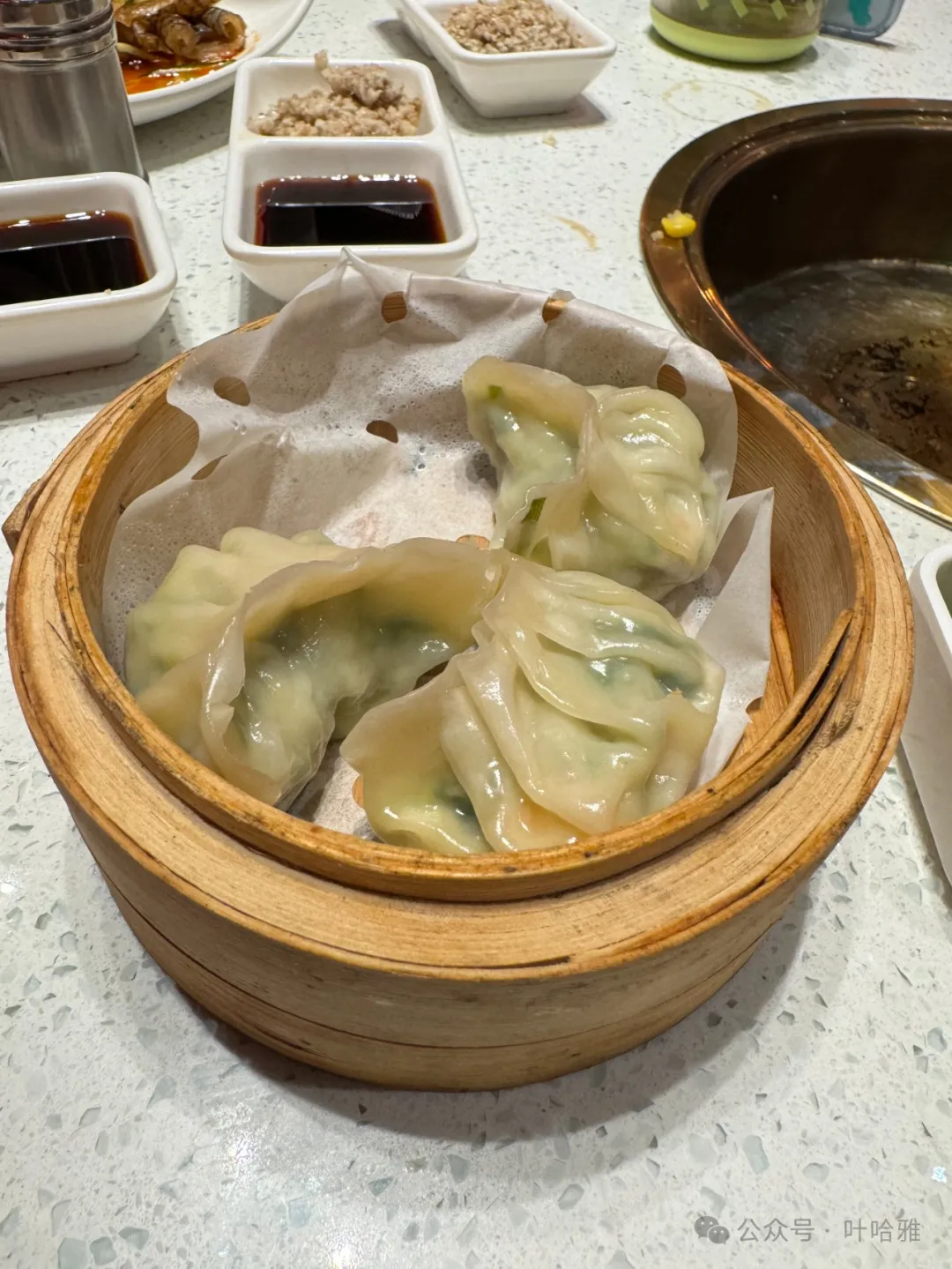
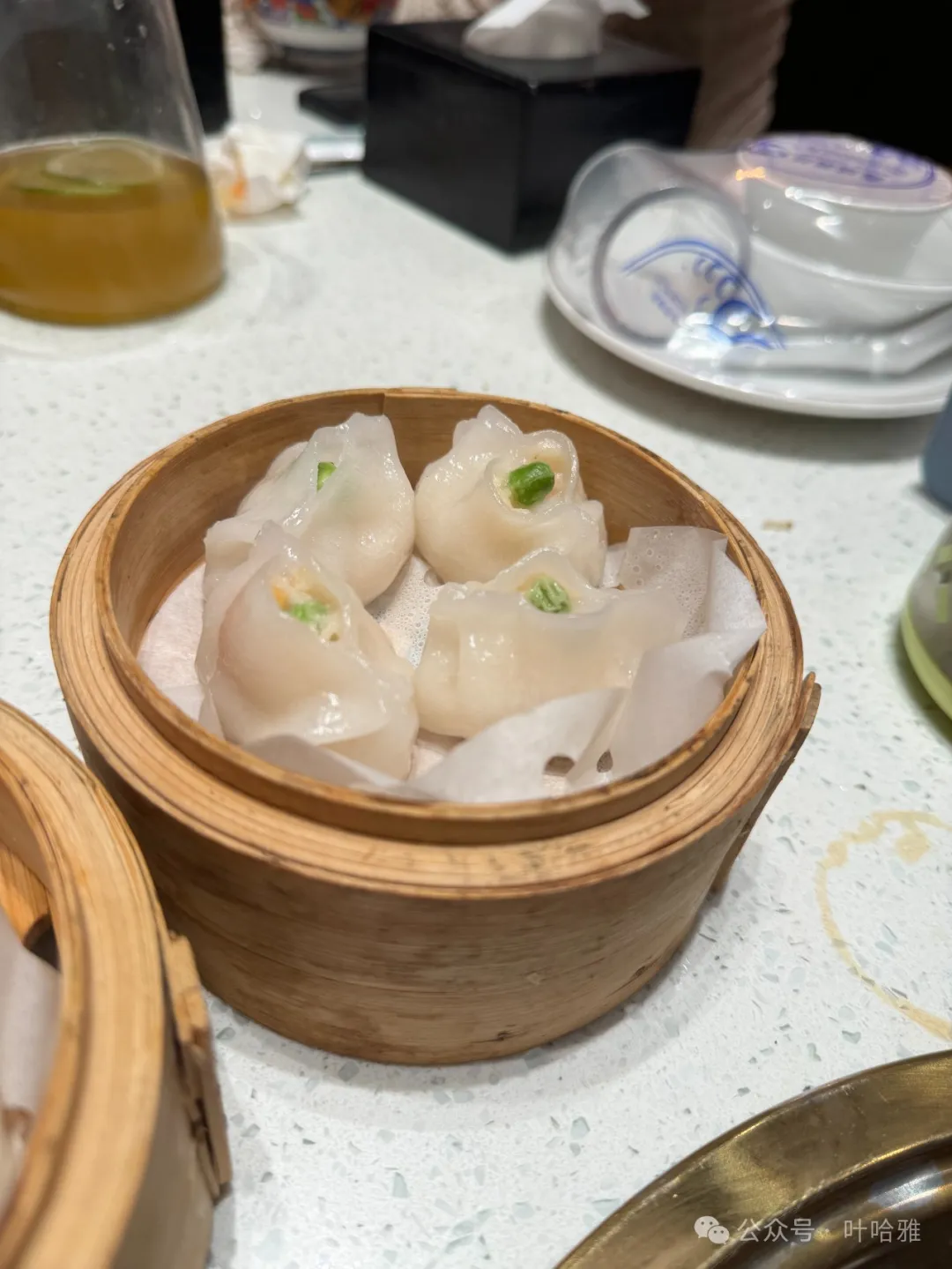
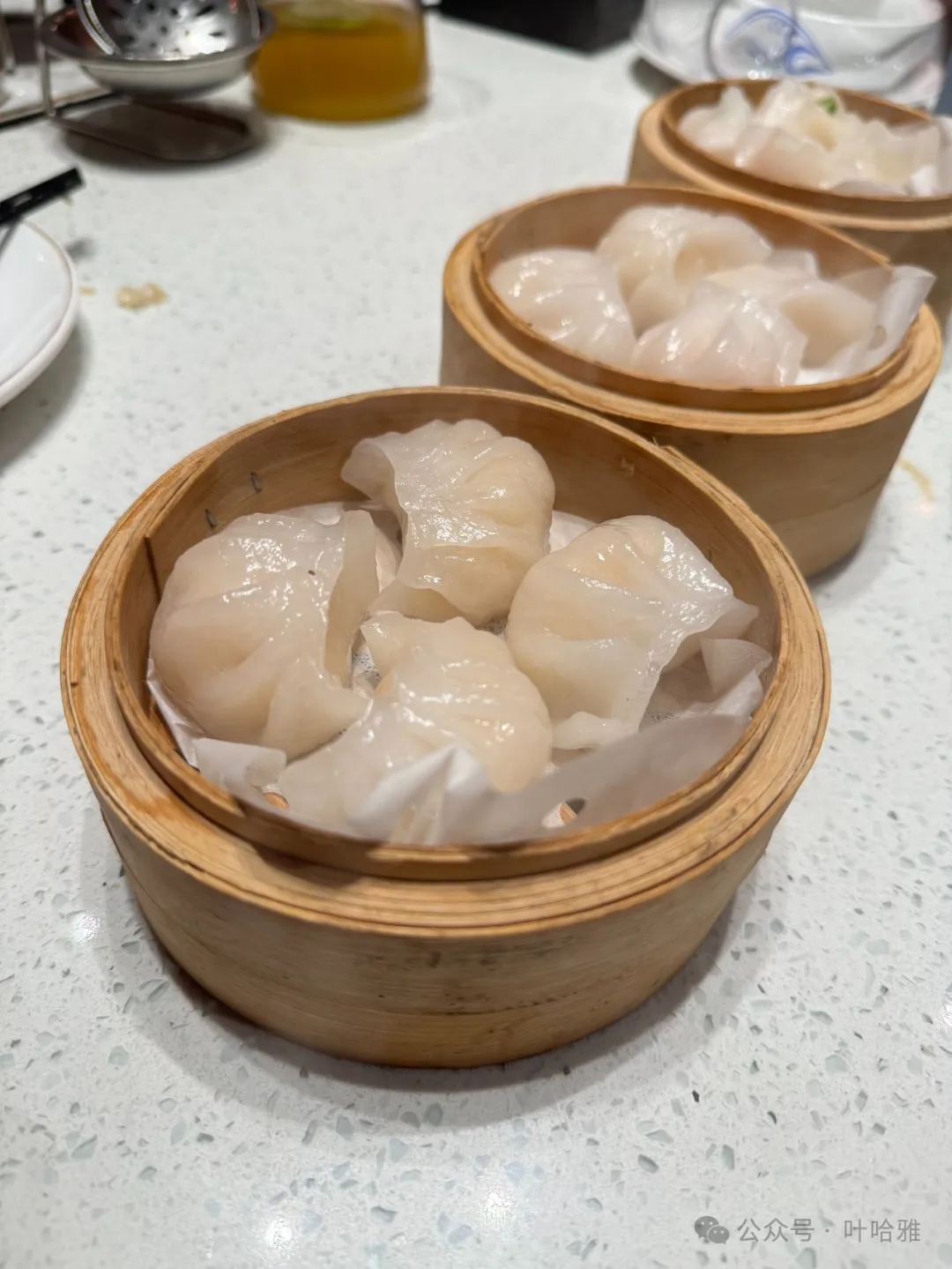
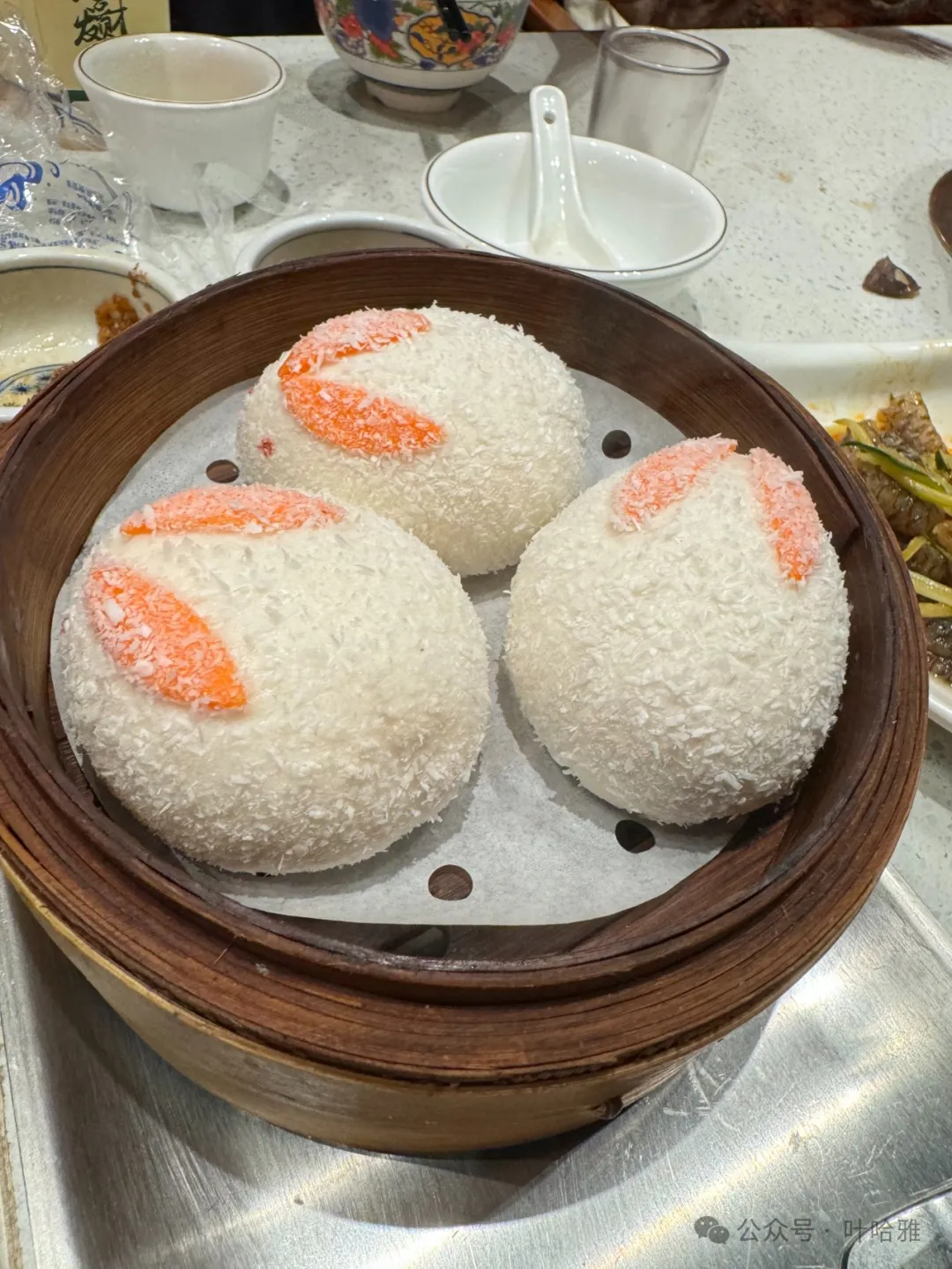
After eating this Hong Kong-style dim sum, you could say there are no gaps left in Beijing's halal food scene. You can find a halal version of every major cuisine in Beijing now.
27. Zaizai Niu Chaoshan Beef Hot Pot
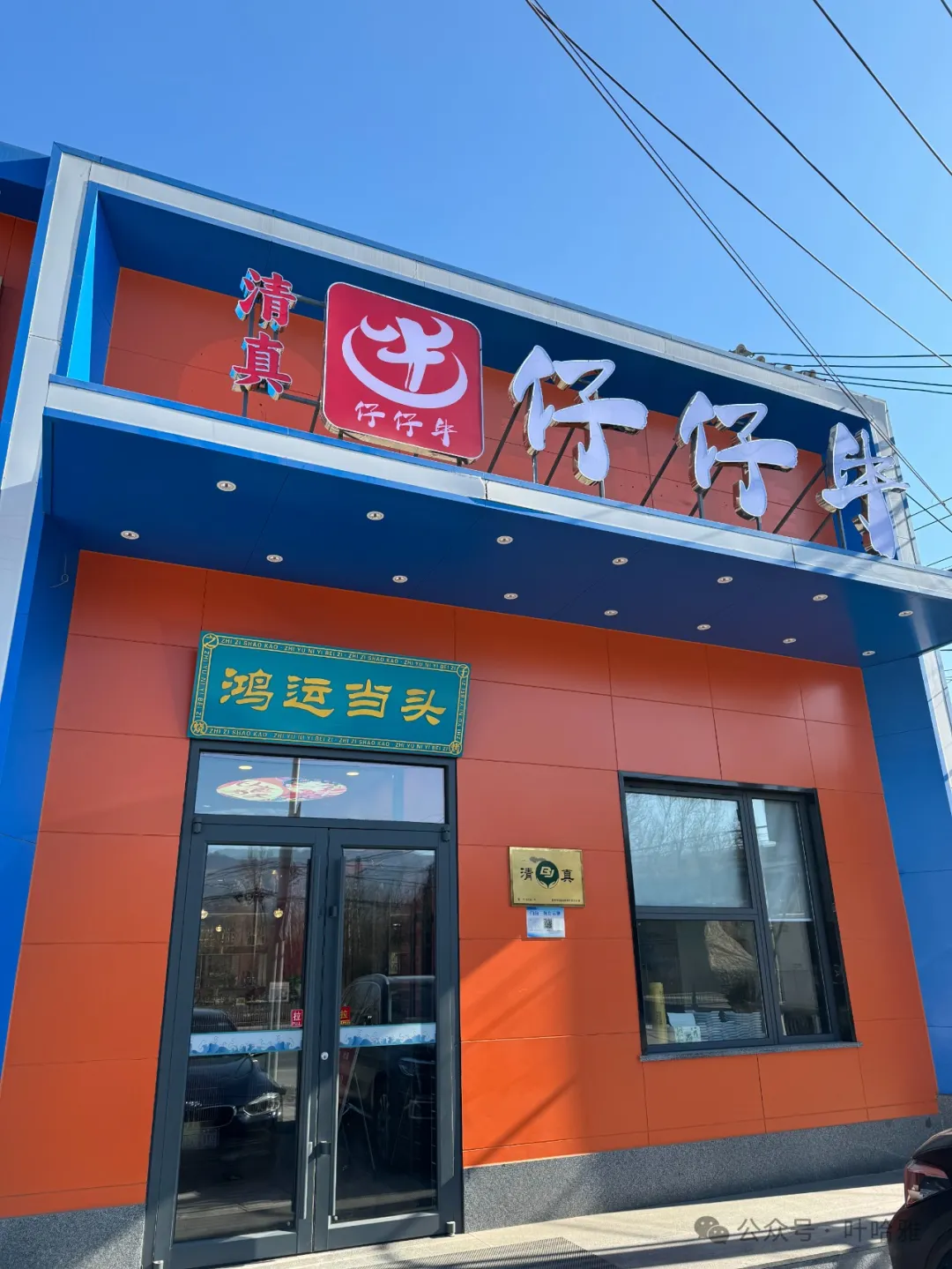
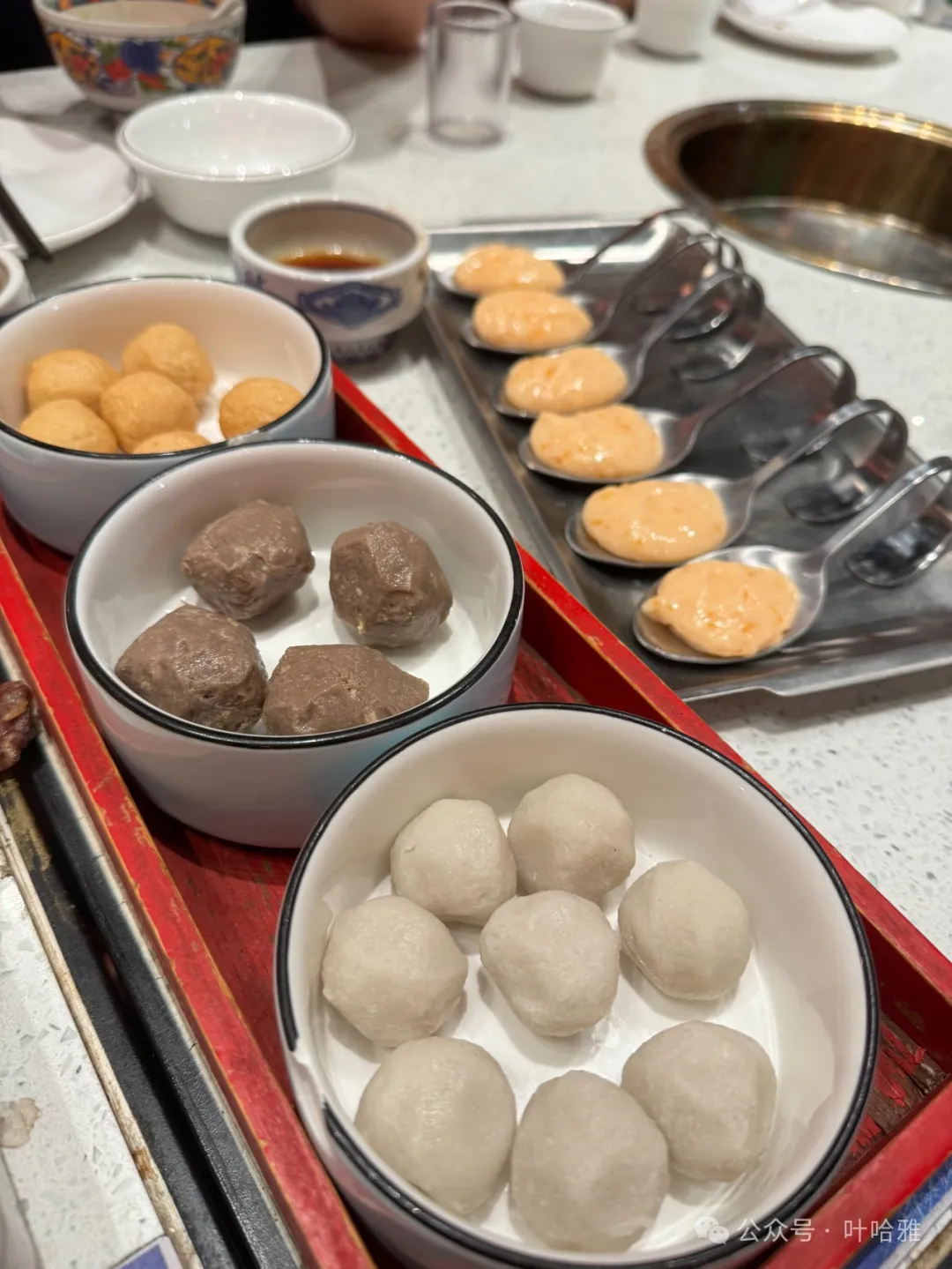
This newly opened Chaoshan beef hot pot place in Xiguanshi, Changping, is even better than the one in Pingle Yuan. The Yushanfang restaurant in Pingle Yuan has closed, so this is currently the only halal Chaoshan beef hot pot in Beijing.
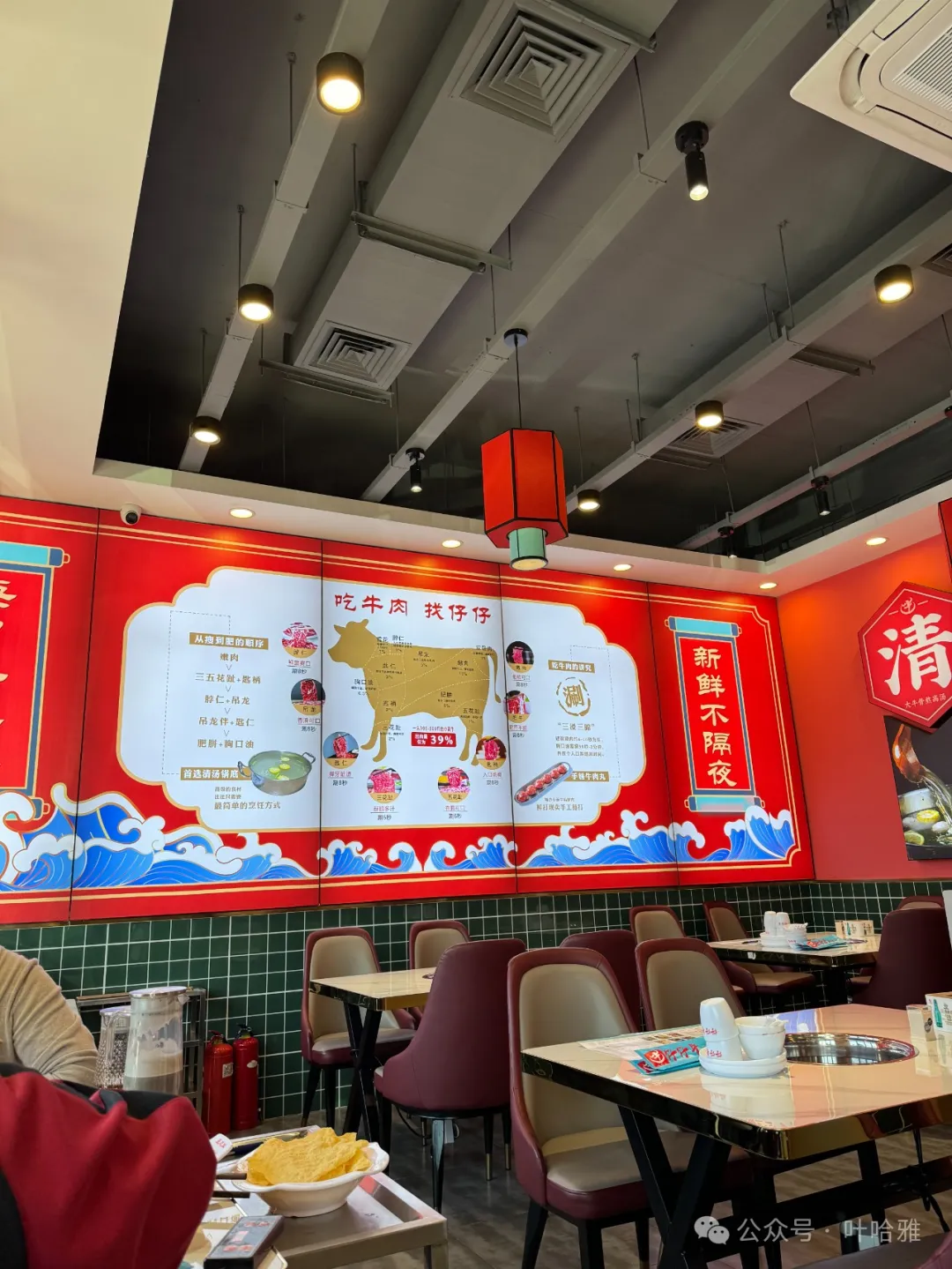
We came at noon and it wasn't crowded. There was only one waitress, a kind lady who could help us cook the meat.
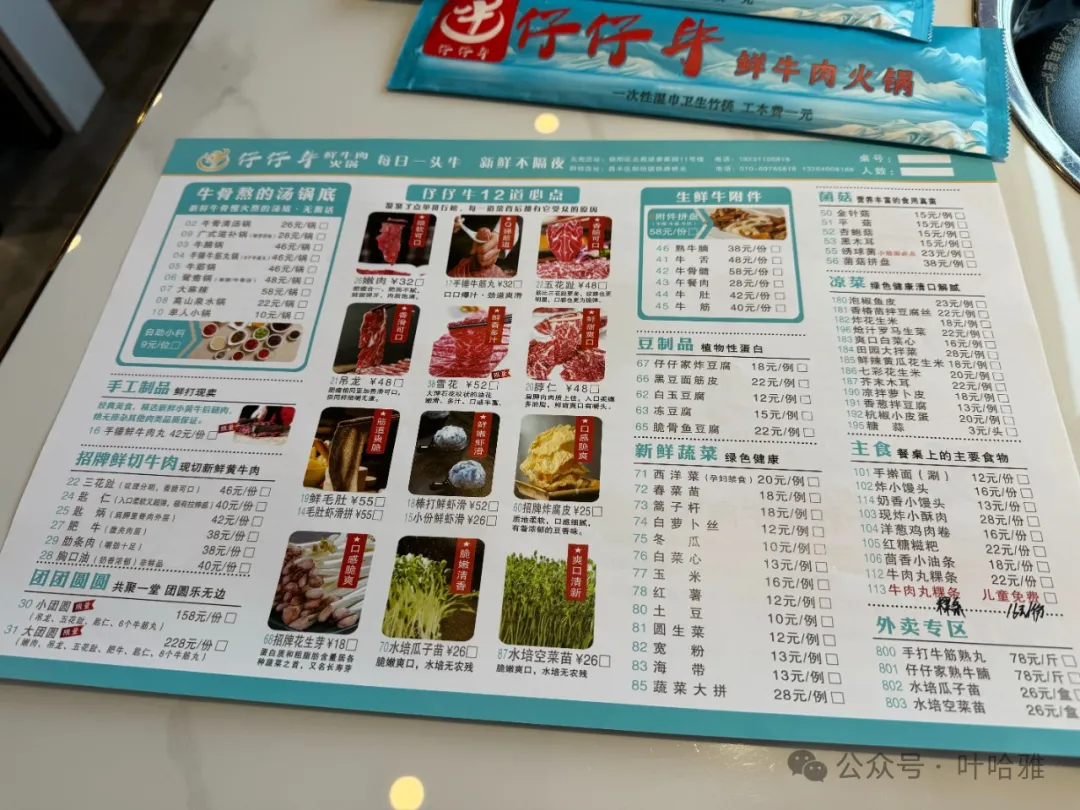
Every dish in the three-person set meal we bought was delicious. The shrimp paste gets a thumbs up, and the beef was especially fragrant.
Summary: This Beijing halal food guide covers the middle part of the 2024 must-eat list, including Azerbaijani dumplings, Iranian food, Ghanaian and West African cuisine, halal Peking duck, shabu-shabu, Yunnan flavors, hot pot, and halal Chaoshan beef hot pot.
Caucasian soup dumplings (gaojiaosuotangbao)
These are Azerbaijani soup dumplings. The owner is from Azerbaijan, so most of the servers are too. Their Chinese isn't great, but it has improved over the last few years.
15. Iranian Cuisine
It used to be called Persepolis, but now it is named Iranian Cuisine. The cooking style hasn't changed, but I think it tastes better now than before. This is the only Iranian restaurant in Beijing, excluding the one inside the Iranian embassy.
I like this spot in their courtyard; it is a typical Iranian residential style.
Saffron pilaf (zanghonghuazhuafan)
I have been here many times. They have a buffet at lunch, and for dinner, they serve Western food like grilled meat and burgers, plus coffee and afternoon tea.
16. TRIBE GARDEN African Tribe Garden Restaurant
A new halal restaurant featuring West African specialties recently opened on the first basement level of the Sanlitun SOHO mall, focusing on Ghanaian cuisine. The staff are all Black Muslims who speak fluent Chinese, and one young lady from Kenya is especially lovely.
Ghana is a country in West Africa where about 15% of the population is Muslim, yet their national banknote features a picture of a mosque with a unique style.
Larabanga Mosque
The Larabanga Mosque (Larabanga Mosque) on the banknote was built between the 14th and 15th centuries. It is the oldest mosque in Ghana. Its architectural style is unique to West Africa, built with yellow mud and wood, making it very iconic.
The restaurant decor also has a strong African feel, including the wall hangings.
African goat meat mixed rice
African goat meat is a bit tough, but it has no gamey smell. The mixed rice tastes salty and spicy.
Non-alcoholic mojito and fruit punch
African specialty egusi (egusi)
This dish is meant to be eaten mixed with the cassava flour paste shown in the picture below. Eating the cassava flour paste is just like eating rice cake.
Fufu (fufu)
The white one is called fufu, which translates to rice flour paste in Chinese. It is the staple food for Ghanaians.
Friday special dish
They have a special dish every day. This Friday special is made with beans and rice, served with some noodles and dipping sauce. It tastes sour, salty, and spicy all at once.
Grilled tilapia
This is African-style grilled fish. It tastes great. Don't let the charred skin fool you; the meat inside is white.
A young lady from Kenya recommended this milkshake to us. It is very creamy and delicious. The total for this meal was 530 yuan for four people, which comes to 130 yuan per person.
17. Rongqing Laoman Guizhou Sour Soup Fish Hot Pot
This Guizhou sour soup hot pot restaurant changed its style and is the only halal Guizhou restaurant in Beijing. Their signature dishes are beef hot pot and fish hot pot. When we visited, the business was already starting to take off, and I hear there are long lines now, with an average wait time of over an hour.
The owner originally planned to serve Guizhou-style stir-fried dishes, but the hot pot business became so popular that they stopped making stir-fries. Now, they only serve hot pot.
We had three glasses of homemade prickly pear juice (cili zhi). It was sweet, sour, and icy cold. They only had three of these glasses, so we took them all, and other customers had to order different drinks.
The dipping sauce (zhanshui) is the soul of the meal. I suggest following the guide posted by the shop to mix your sauce. You must try the litsea cubeba oil (mujiangzi you), mint leaves, chili powder (hu lajiao mian), and fish mint (zhe'ergen).
The full beef feast set includes beef and various beef offal. The ingredients are very fresh. If you like fish, choose the river catfish (jiangtuan). One fish weighs about 1.15 kilograms, and the meat is firm with no small bones.
If you save the shop on your map and check in, you get free iced jelly (bingfen). The jelly is just okay, but the signature beef and fish hot pot are worth a try.
18. Xunji Tan Sheep Hot Pot
Xunji is a chain restaurant. There is one in Gulou and another one in Qingnian Road. The two shops have very different decor, but both are high-end and elegant. The Qingnian Road location has a particularly fresh and unique atmosphere. It is much larger than the Gulou shop and has plenty of free parking.
When you enter the courtyard, you first walk through a bamboo grove. Mist floats along both sides of the path, making it feel like a fairyland.
The courtyard is filled with flowers and green plants, including many brightly colored hydrangeas.
The courtyard has open-air seating and tented private rooms. Each tent is equipped with air conditioning, lights, and a sound system.
There is an indoor dining hall, but in the summer, everyone prefers to sit in the courtyard to enjoy the flowers and food.
The dining tables in the tented rooms have microphones. If you speak near the table, you can hear an echo, which makes chatting easier.
This restaurant is a top-tier halal establishment in Beijing. The average cost per person is between 400 and 500 yuan. The restaurant charges per head and currently only serves hot pot. They can host wedding banquets for about 150 people. Wedding banquets are also charged per head, so a wedding for 100 people costs only 50,000 to 60,000 yuan, which is very affordable for Beijing.
Xunji Gulou Courtyard has a different, classical style. You can sit on the terrace and eat hot pot with the Drum Tower behind you.
At sunset, the scene of eating hot pot with the Drum Tower in the background is stunning. Oriental Selection even came here to host a live stream.
All ingredients are fresh and high-quality. You just wait for the servers to bring the dishes in order. Each private room has a dedicated server to provide attentive service. The dishes are served in this order: drinks, cold appetizers, hot pot ingredients, staples, and dessert. You can order extra portions of anything you like without extra charges. It is like paying 300 to 500 yuan for a high-end buffet, so it is not expensive.
19. Baoding beef covered pancake (niurou zhaobing)
I once drove all the way to Miyun just to eat halal covered pancake (zhaobing). When I heard a halal zhaobing shop opened in Baiziwan, I came to try it. The taste is even better than the one in Miyun. Now, this shop has also opened a branch in Daxing.
One cover two means one liang of meat and two liang of flatbread. I chose the single set meal of one cover three, which is two liang of beef and three liang of flatbread. The shop just opened and they are still hiring staff. They only serve covered flatbread (zhaobing) and braised chicken (luzhuji), which is also a specialty of Baoding.
I have eaten covered flatbread in Baoding, and the taste is basically the same as this place.
20. Azerbaijan National Pavilion Maiden Tower Restaurant
A new restaurant opened on the third floor of the Azerbaijan National Pavilion. It is named after the Maiden Tower, which is a tourist attraction in Azerbaijan. This is the only halal Azerbaijani restaurant in Beijing, so it is worth noting.
The restaurant is inside the pavilion, so you can enjoy Azerbaijani folk handicrafts while you eat.
Many Azerbaijani chefs work abroad. Many of the Turkish restaurants we often eat at are actually run by Azerbaijanis.
The dishes here suit our tastes well, including these snacks, which are also good for babies to eat.
Creamy eggplant rolls (xiangnai qiezijuan)
Jeliteme roast chicken (jeliteme kaoji)
Beef rice with chestnut and pomegranate sauce (lizi shiliujiang niuroufan)
Nut cake
The restaurant is near Sanyuanqiao. It costs about 150 yuan per person. It is good for business dinners and dates.
21. Alkhaleej Mandi Kitchen
This is a newly opened Dubai halal restaurant in Sanlitun. The owner is an Arab from Dubai and has another shop there. The staff said the ingredients are imported from the Middle East. After eating here, I can say that is true. It reminds me of the mandi I ate in Makkah last year. It is a perfect recreation of Middle Eastern flavors.
This is a non-alcoholic restaurant. I worry about whether it can stay open for a long time because the owner is spending a lot of money, but the Beijing restaurant market is slow this year. Even in Sanlitun on the weekend, there are not many people.
You can smell the familiar scent of agarwood in the shop.
The small cup of Arabic milk tea the waiter brought tastes exactly like the one I had in Abu Dhabi.
The handmade Yemeni flatbread (khubz) comes with various dips and is delicious. The chefs are all Arabs from the Middle East.
Desert colorful chicken mandi
The special handmade Yemeni flatbread is very tasty, has a strong wheat aroma, and is very large.
Royal pastry, it has a texture like sticky rice and contains banana. This dessert is not sweet at all.
Lamb mandi
Grilled fish served with rice. The fish itself has no flavor, so you need to eat it with three different dipping sauces.
The mandi is amazing. The chicken inside is stewed until it is extremely soft and tender, and the rice gets its color from added spices.
22. Stinky Star Snail Rice Noodle (luosifen) Hot Pot
This halal snail rice noodle shop is on the ground floor of the Golden Street in the West District of Tongzhou Wanda Plaza. The owner is a Hui Muslim from Changchun who used to work at iQIYI before opening this physical shop. The small shop has two floors and mainly serves halal snail rice noodles and clam (huajia) noodle hot pots.
The snail rice noodle hot pot comes with a wide variety of ingredients that you can add to the pot to cook together.
Halal snail rice noodles are rare, but you can find them at the halal canteen of Beijing University of Posts and Telecommunications. However, you need a student or teacher from inside to guide you in. If you don't have any connections, just come to Tongzhou Wanda.
This hot pot set for two costs 78 yuan and is enough for two or three people to eat.
The set comes with Guangxi cassava sweet soup.
Add all the side dishes to the pot and cook for 1 minute to start eating. The taste is quite authentic.
23. Fanshen Lobster Restaurant
A newly opened crayfish restaurant in Baiziwan. The owner is from Langfang, and it is currently only open for dinner until the early morning.
You can eat aquatic products like crayfish. For details, you can check my previous article, How does the Hanafi school view shrimp? They also serve local specialties from Cangzhou, Hebei, like hot pot chicken (huoguo ji) and spicy crab (xiangla xie).
The restaurant has a great atmosphere with plenty of space and wide gaps between tables. There is a large private courtyard at the entrance that serves as a free parking lot.
Write a review, save the shop, and check in to get a free glass of fresh-squeezed juice.
The most popular dish is the garlic crawfish. You can really taste how fresh the shrimp is. The golden sauce from the crawfish is great for dipping the hand-torn flatbread (shoushibing), which is freshly griddled and tastes excellent.
The grilled squid is also delicious. Their ingredients are definitely fresh.
The spicy beef tripe (chanzui niudu) has a numbing and spicy flavor that is very good. Overall, this place has the potential to become a viral restaurant thanks to its service, environment, and taste. It is a bit pricey, with an average cost of over 200 yuan per person.
24. Maimaihong Beef Sliced Noodles
Don't underestimate this noodle shop. I will drive 40 minutes from Niujie to Haidian just for a bowl of these noodles. Maimaihong's beef sliced noodles (daoxiao mian) are definitely worth a visit. If you like this style, you won't be disappointed.
The shop is run by Hui Muslims from Jiaozuo, Henan. Their cold dishes are a specialty, and if you come for breakfast, you can have spicy soup (hulatang) in the Xiaoyao Town style, but with less spice to suit Beijing tastes.
Another specialty is their beef steamed buns (niurou baozi). These aren't pan-fried, but the large steamed kind, which you can also get in the morning.
I had a bowl of the deluxe beef sliced noodles. They give you plenty of meat, the broth is rich, the beef is tender, and the noodles are chewy.
For the cold dishes, you pick what you want, and they take it to the kitchen to add seasoning and mix it, which keeps everything fresh and tasty.
25. Hulun Aile Halal Hand-held Meat (shouba rou)
This shop used to be a hot pot place, but it recently changed into a Mongolian restaurant. The change was very successful.
They get their beef and lamb from Hulunbuir. The meat quality from the Inner Mongolian grasslands is excellent.
What drew us here was their afternoon tea with Inner Mongolian flair.
The milk tea comes with a plate of dairy products. This combination is truly tempting.
The Mongolian-style milk tea contains roasted millet (chaomi) and is served in a thermos to keep it warm.
For the hand-held beef steak (shouba niupai), you cut a piece with a small knife and spread chive flower sauce (jiucaihua) on it. It is delicious, and their three types of dipping sauces are all very authentic.
Buryat steamed buns (Buliya baozi) look like the thin-skinned buns from Xinjiang, but the dough is slightly thicker. They are filled with large chunks of lamb, full of broth, and taste great.
This is the most popular afternoon tea dairy platter of the day. The white part on top is cream, which you eat with the dairy products. The four cups contain concentrated milk; it tastes like ice bock (bingboke), which is milk concentrated by evaporating most of the water.
The Inner Mongolian milk ice cream is simple and bold. It is made of large chunks of milk ice, just like a popsicle, but no extra water is added. The texture is smooth and the milky flavor is rich. It is highly recommended. With the Mongolian food being so good, their hot pot seems plain, so I suggest you stick to the Mongolian dishes here.
26. Sanliujiu Wan Halal Beef Brisket Pot
This shop offers Cantonese-style Qingyuan chicken pot, beef brisket and offal pot, and Tianhu chicken pot, along with Cantonese dim sum. It is currently the only halal Cantonese restaurant in Beijing.
Claypot rice (baozai fan)
Claypot rice (baozai fan) is also a new dish. It must be made to order and takes 25 minutes to prepare. It uses Thai jasmine rice topped with beef sausage, and you can choose how many grams of sausage to add based on your preference.
The curry fish balls are very bouncy. The owner says he developed the recipe himself. He is a Hui Muslim from Shandong and the son of an imam.
Our group of 12 people ate through the new dim sum menu twice, and the cost was about 120 yuan per person.
After eating this Hong Kong-style dim sum, you could say there are no gaps left in Beijing's halal food scene. You can find a halal version of every major cuisine in Beijing now.
27. Zaizai Niu Chaoshan Beef Hot Pot
This newly opened Chaoshan beef hot pot place in Xiguanshi, Changping, is even better than the one in Pingle Yuan. The Yushanfang restaurant in Pingle Yuan has closed, so this is currently the only halal Chaoshan beef hot pot in Beijing.
We came at noon and it wasn't crowded. There was only one waitress, a kind lady who could help us cook the meat.
Every dish in the three-person set meal we bought was delicious. The shrimp paste gets a thumbs up, and the beef was especially fragrant.
