
Best Halal Food Beijing: Niububi Hot Pot, Old Beijing Snacks, Xinjiang Food and Azerbaijani Dumplings
Reposted from the web
Summary: This Beijing halal food guide opens the 2024 must-eat list with Niububi Sichuan hot pot, old Beijing halal snacks, Xinjiang cuisine, Tatar food, Chongqing hot pot, suancai fish, roast duck, and Azerbaijani dumplings, all from places the author personally visited.
Friends familiar with my style know that I write about every place I eat. I do not write about shops I have not visited, and I have definitely eaten at every shop I write about. Regardless of whether a restaurant suits my personal taste, I still write about it. My goal is to include as many halal restaurants with different flavors as possible. I generally do not give bad reviews to halal restaurants because I want their businesses to thrive and spread everywhere, making travel easier for us. People often ask me which restaurants in Beijing are worth recommending. As a Beijinger whose family roots in the city go back at least to the Ming Dynasty, I do have a list of high-quality restaurants in my mind. My taste is very down-to-earth, so as long as you are not an extremely picky eater, you will likely find the places I enjoy delicious too.
The variety of halal dining in Beijing is arguably the richest in the world. It brings together halal versions of Chinese regional cuisines as well as halal restaurants from many other countries. I wrote a list of must-eat Beijing-style halal restaurants in 2020 and again in 2022. A few years have passed, and some restaurants on those lists have changed. Below, I present my latest must-eat list of Beijing-style halal restaurants.
The list is in no particular order. I will specifically note if a restaurant does not serve alcohol; otherwise, assume it does.
1. Niububi Hot Pot
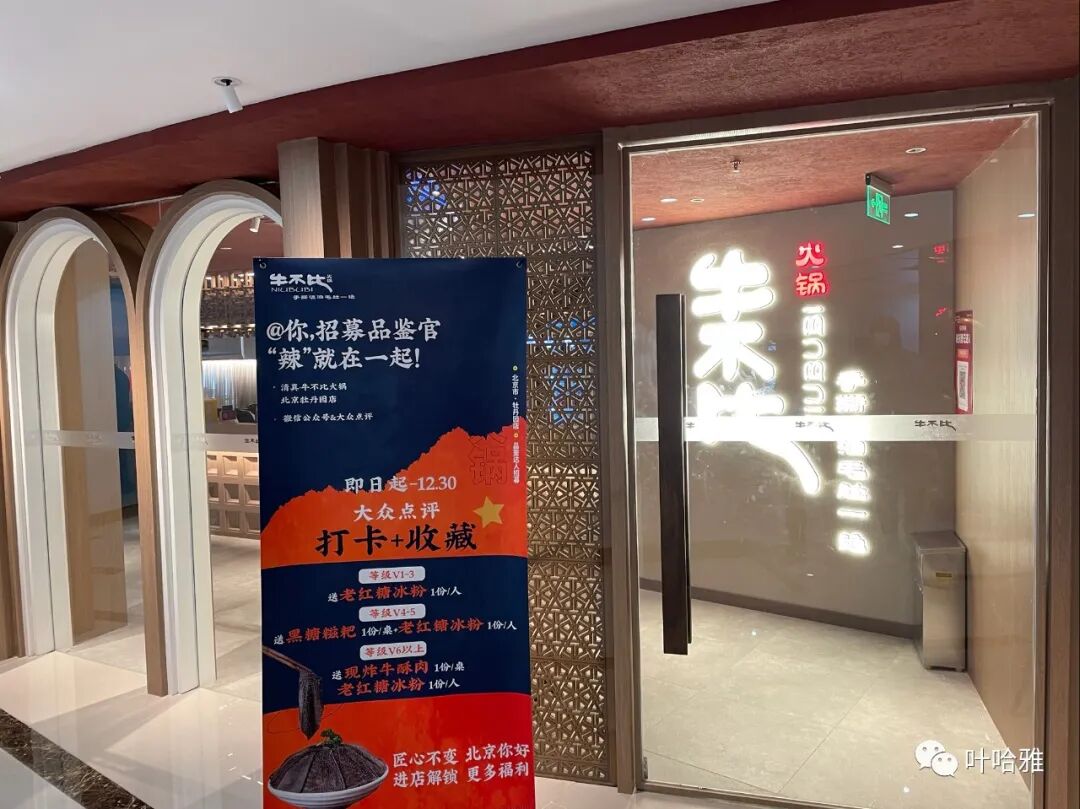
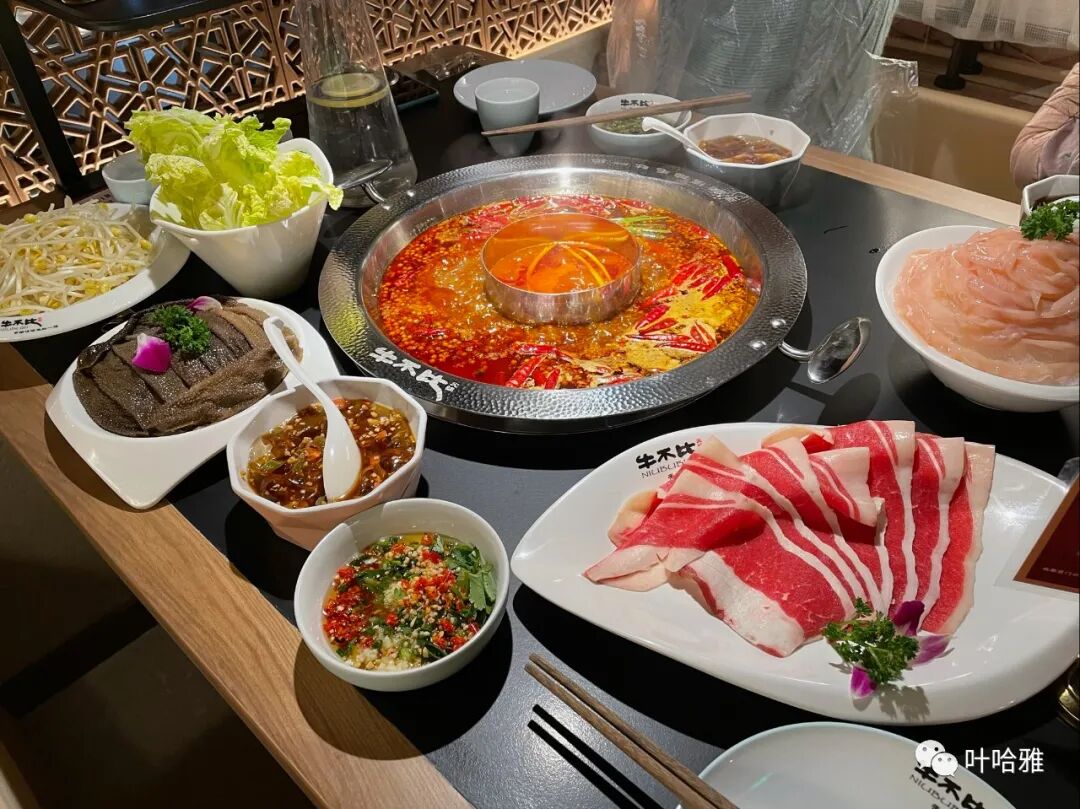
Niububi is a halal chain brand from Sichuan. I first ate at Niububi in Chengdu in 2016. That was my first time having authentic halal Chengdu-style hot pot. I waited in line for over two hours, but it was worth it. Later, I ate at their Xining branch (which has since closed) and kept thinking about it after returning to Beijing. Now I can eat those Chengdu flavors right at my doorstep. Since the opening of Subway Line 19, I can go directly from Niujie to Niububi, giving me one less reason to travel to Chengdu.
Today, there is more than one Sichuan-style hot pot place in Beijing. Junbang Hot Pot in the Xinjiang Building is also Sichuan-style. Junbang and Xihan Meatball Soup share the same owner, and the environment and service are excellent, but Niububi remains my number one choice for Sichuan-style halal hot pot.
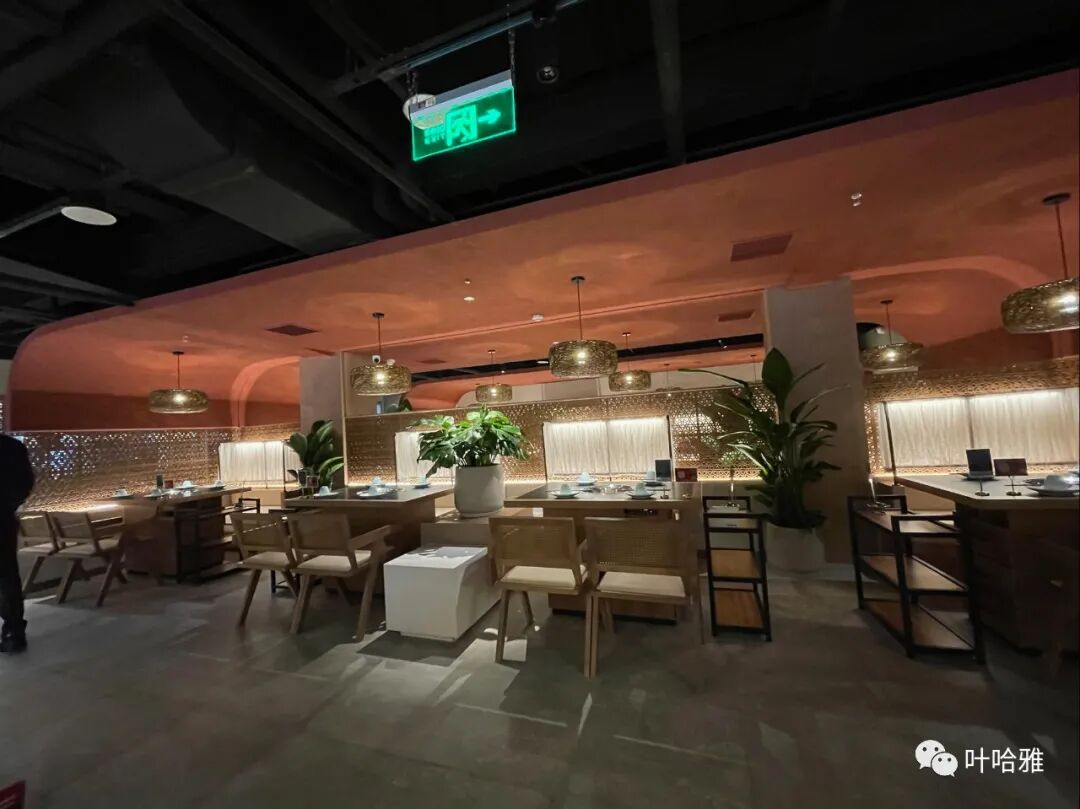
The restaurant is located on the second floor of Quanpin Jinsha in Mudanyuan. The space is roomy, and the interior design was reportedly created by Hui Muslim designers.
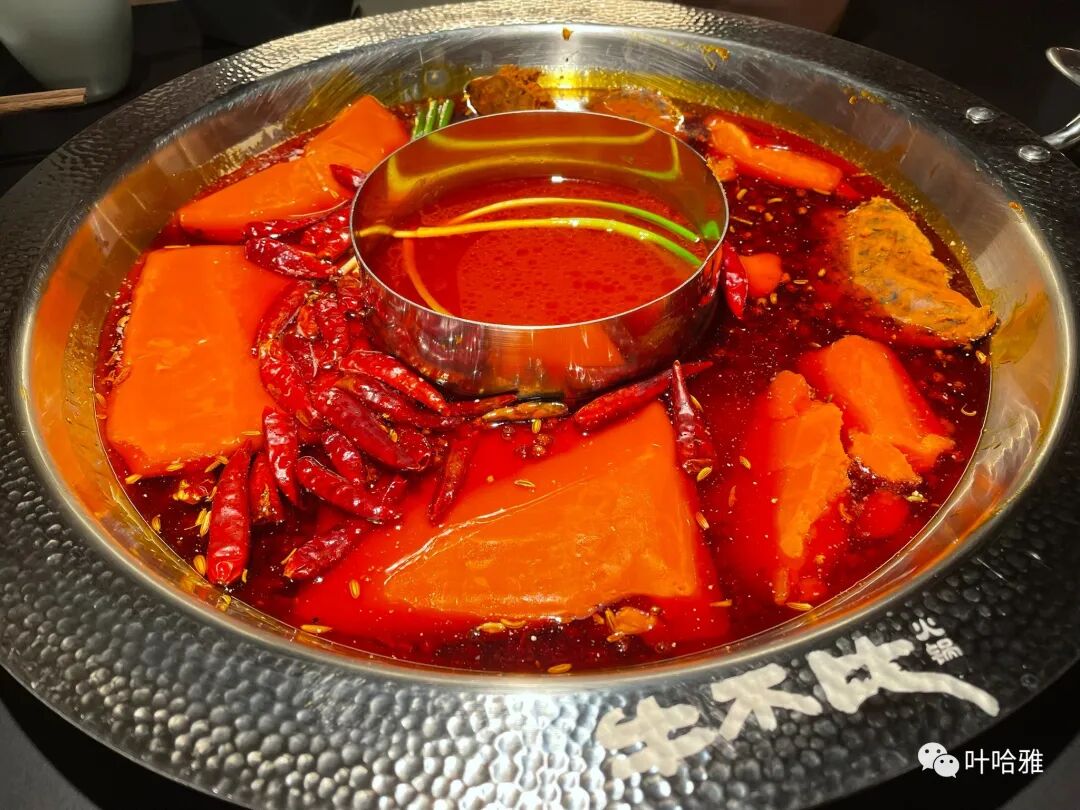
The owner of Niububi is a local Hui Muslim from Sichuan, and the head chef is also a Sichuan Hui Muslim who is skilled at making Sichuan cuisine.
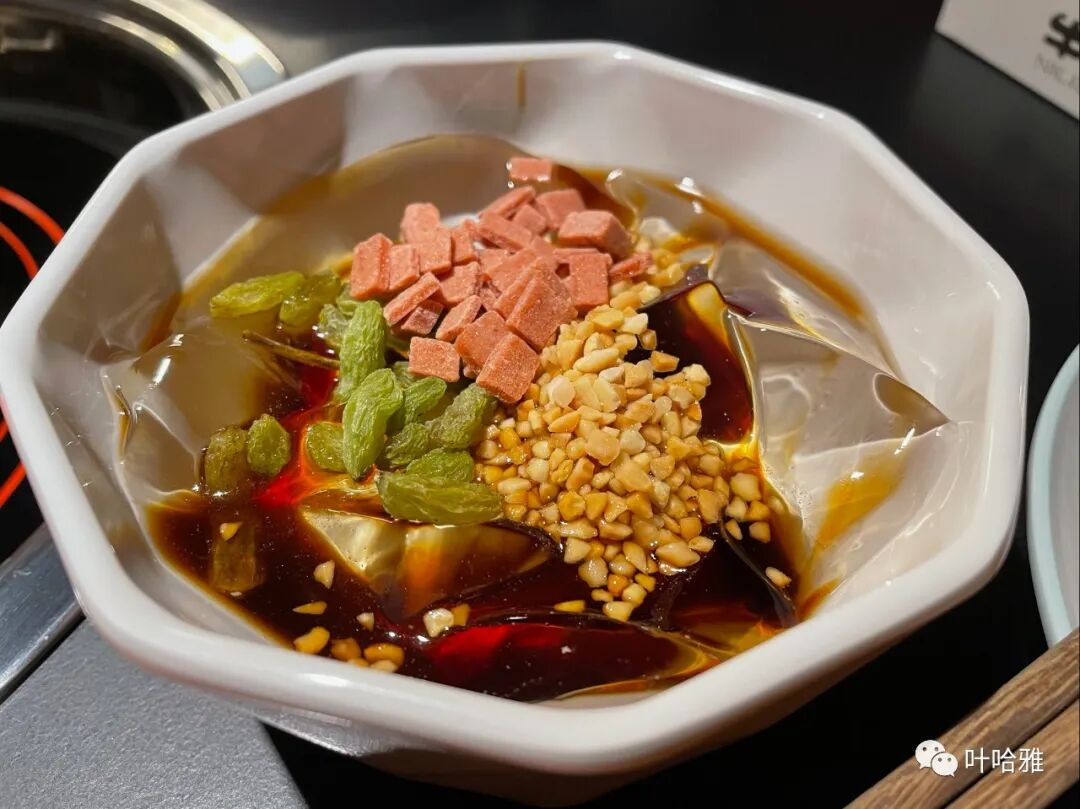
Iced jelly (bingfen)
Iced jelly (bingfen) is a must-have dessert for Sichuan hot pot. It is mainly used to relieve the spiciness and is cold, sour, and sweet.
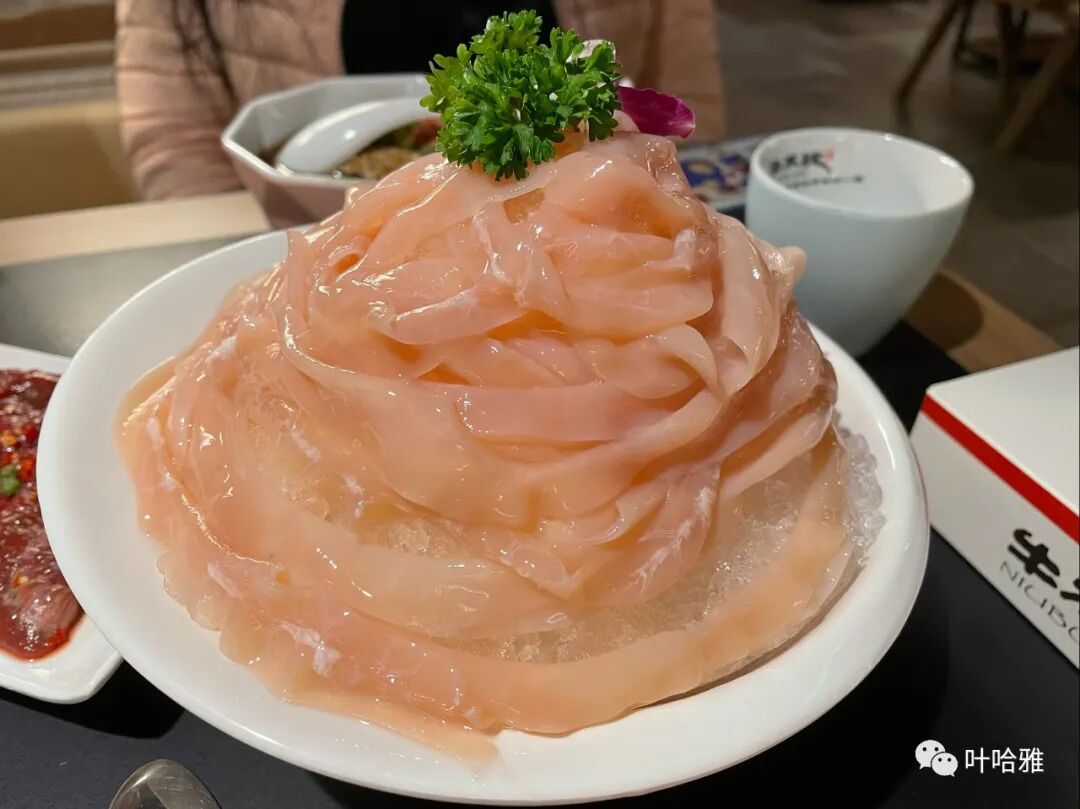
Duck intestines
Duck intestine and beef tripe are must-order dishes for Chengdu hot pot, and the duck intestine cooks as soon as it hits the water.
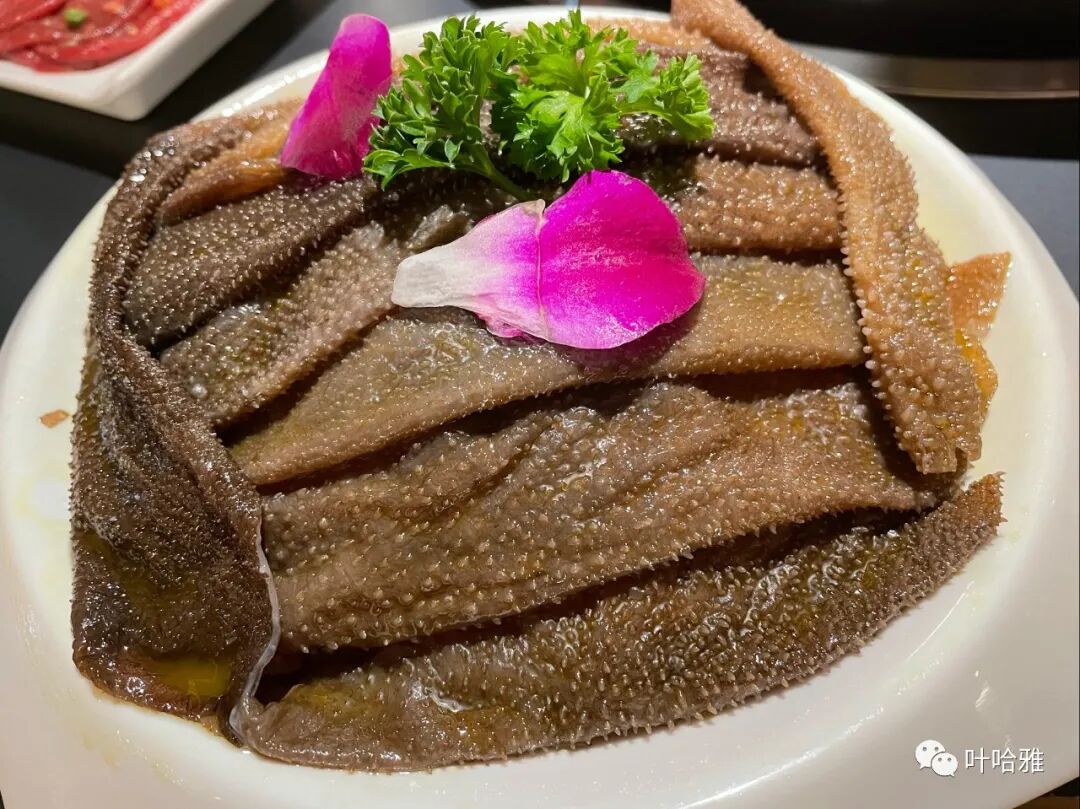
Beef tripe
Shabu-shabu beef tripe is a signature dish. Fresh beef tripe only needs a few seconds in the pot, a technique locals call 'seven up, eight down,' or it will get tough.
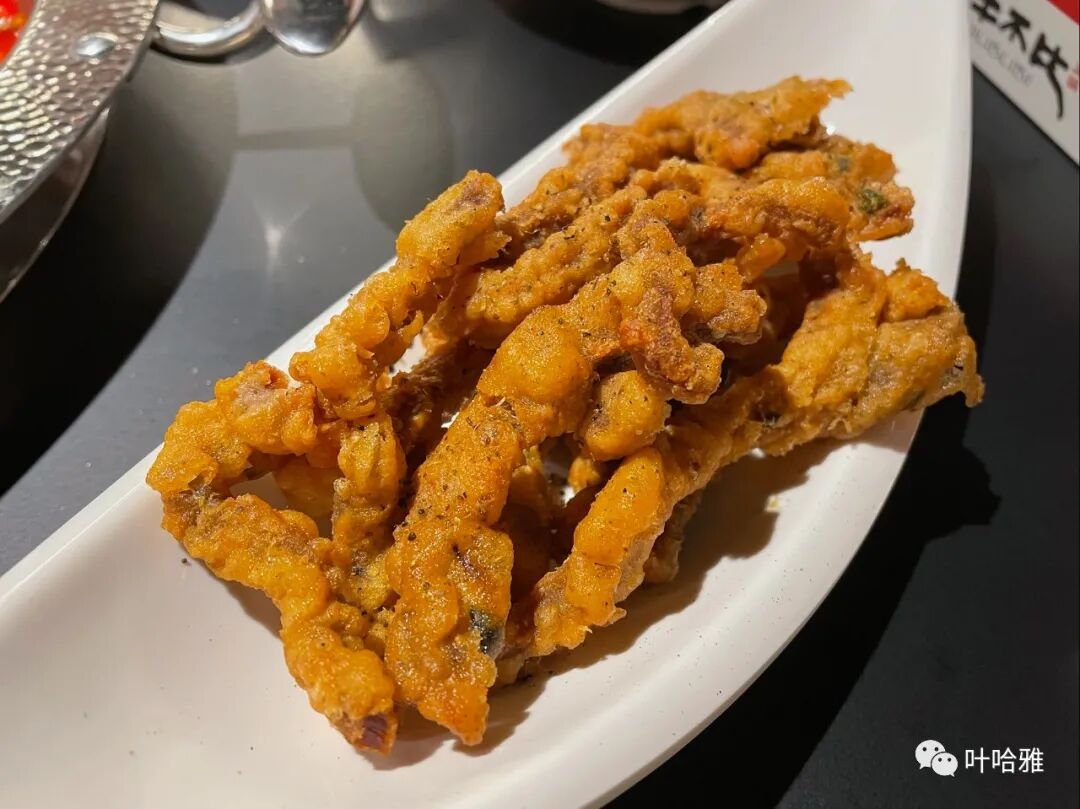
Crispy fried meat (xiaosurou)
Freshly fried crispy meat is a standard snack for Sichuan hot pot, and the beef is tender and crunchy.
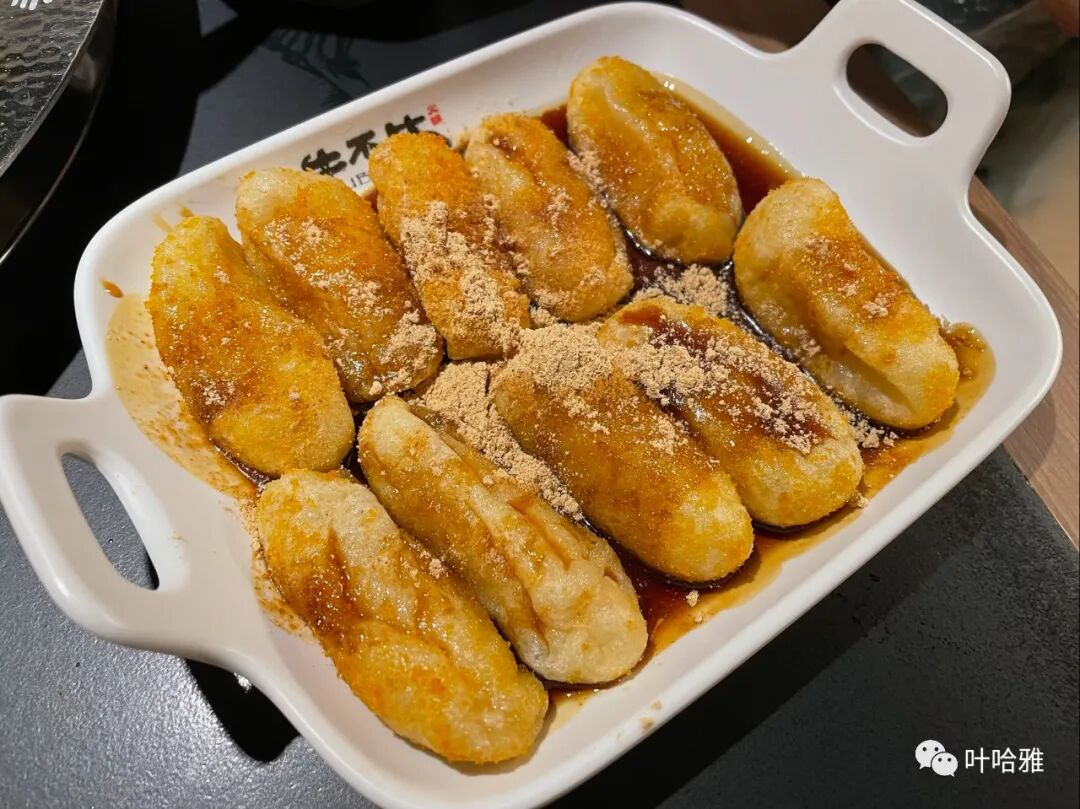
Brown sugar sticky rice cake (hongtang ciba)
Unlike some shops that just heat up pre-made cakes, Niububi makes their brown sugar sticky rice cakes on the spot to ensure the best texture.
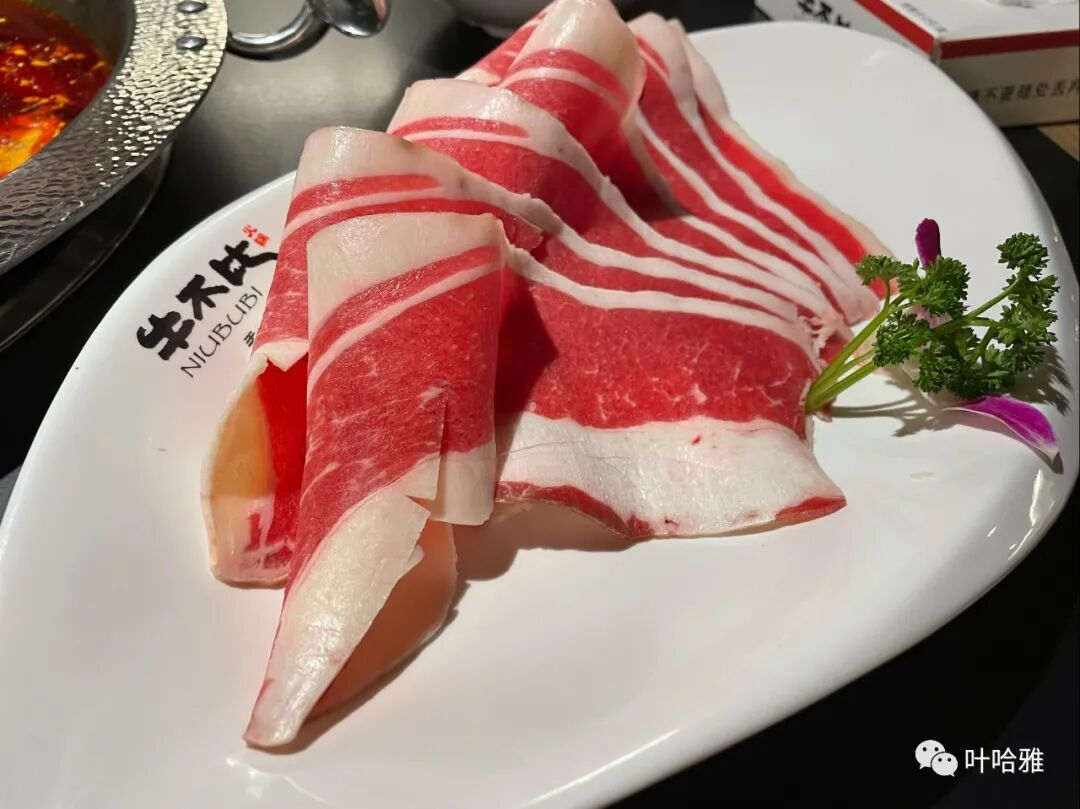
The shop is named 'Niububi' because they believe their beef doesn't need to be compared to others. It also sounds like the slang 'niubi' (awesome), and among our friends, the shop really is awesome.
2. Xinjiang Hotan Rose Pilaf (zhuafan)
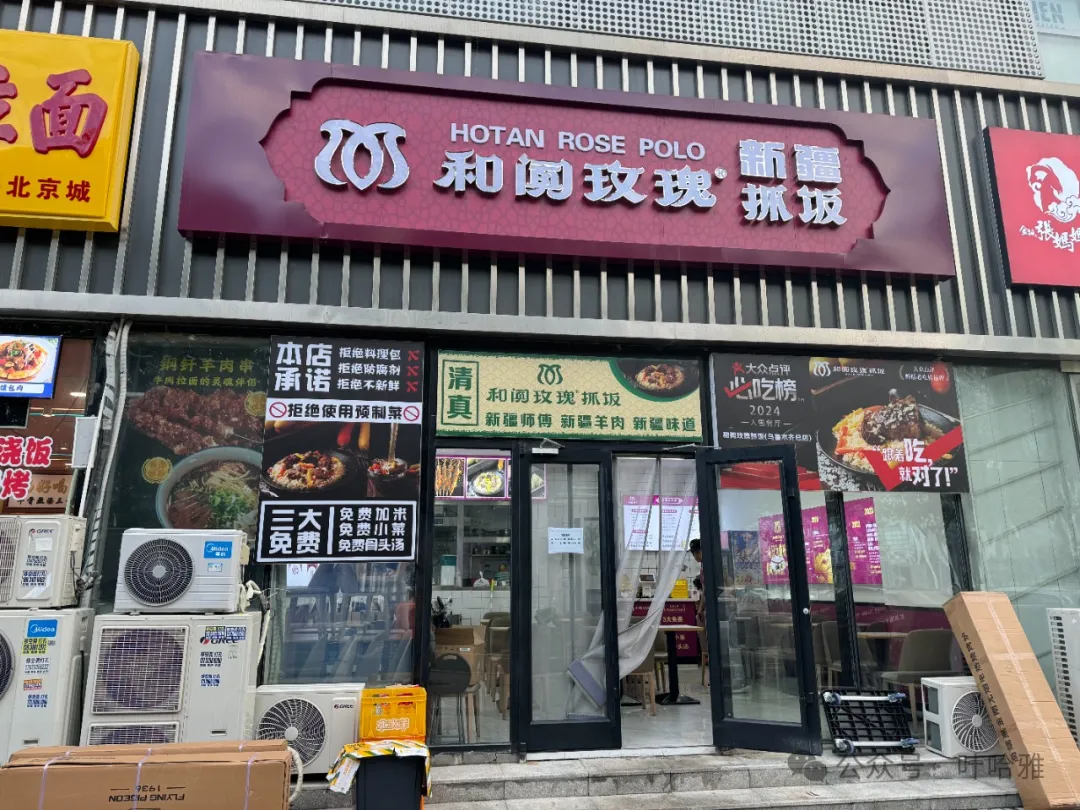
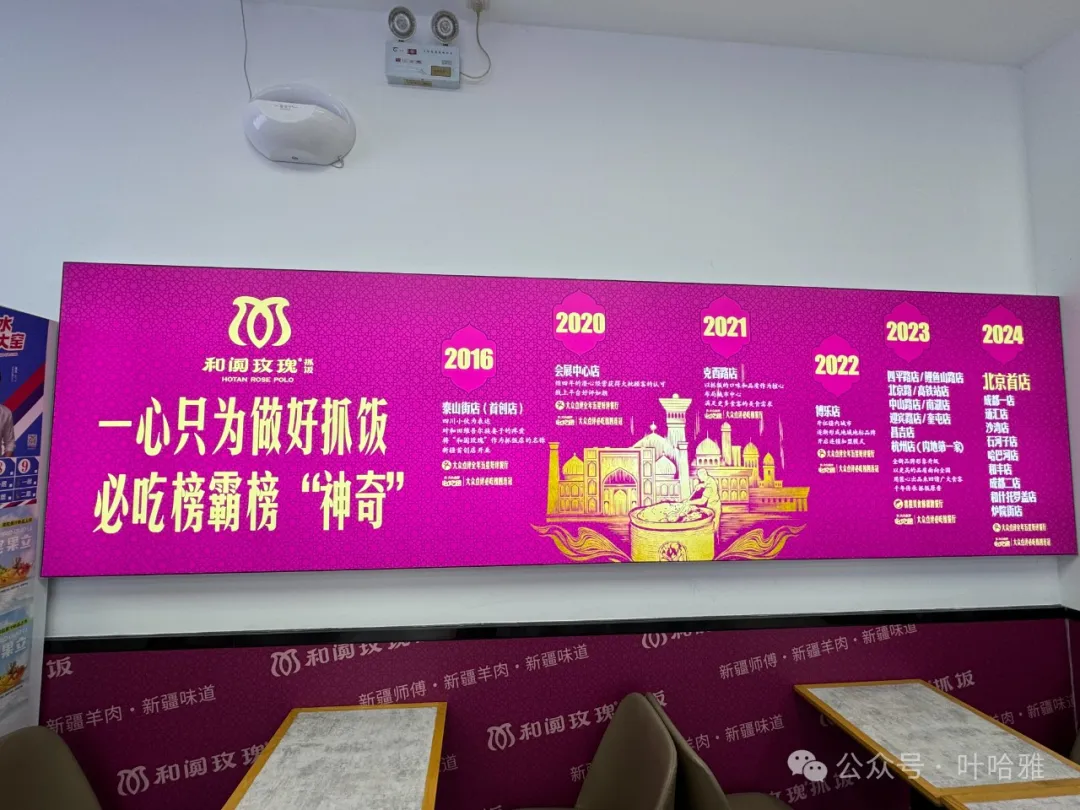
Hotan Rose is a halal Xinjiang restaurant that only serves pilaf. They have chain stores in Urumqi, and this location just opened recently.
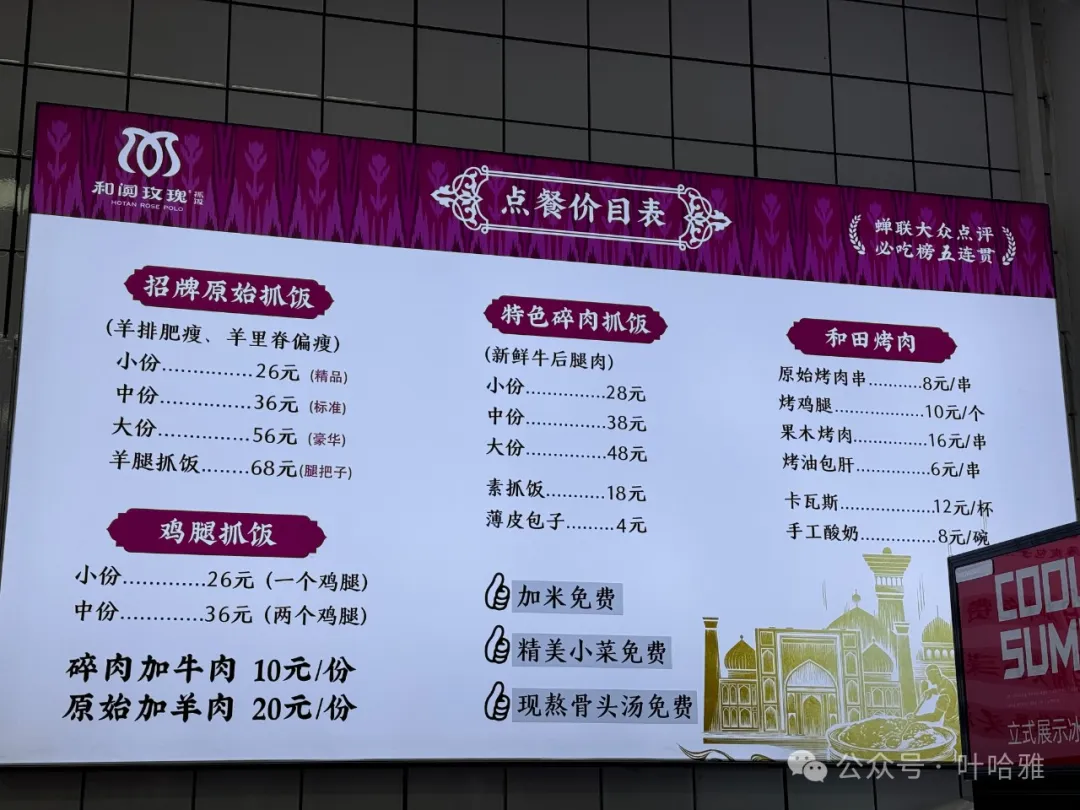
Their signature pilaf is a hit with everyone I know. Besides pilaf, the shop also serves baked buns (kaobaozi), thin-skinned buns (baopibaozi), and three types of free side dishes.
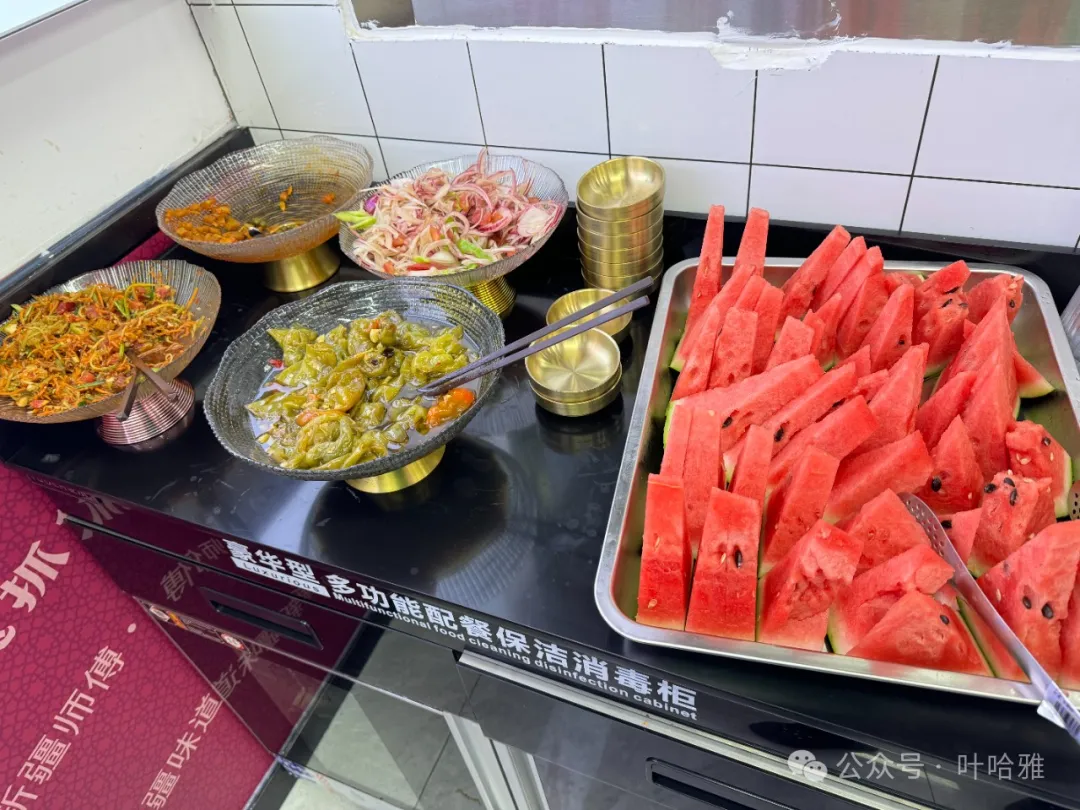
Their free side dishes are especially delicious.
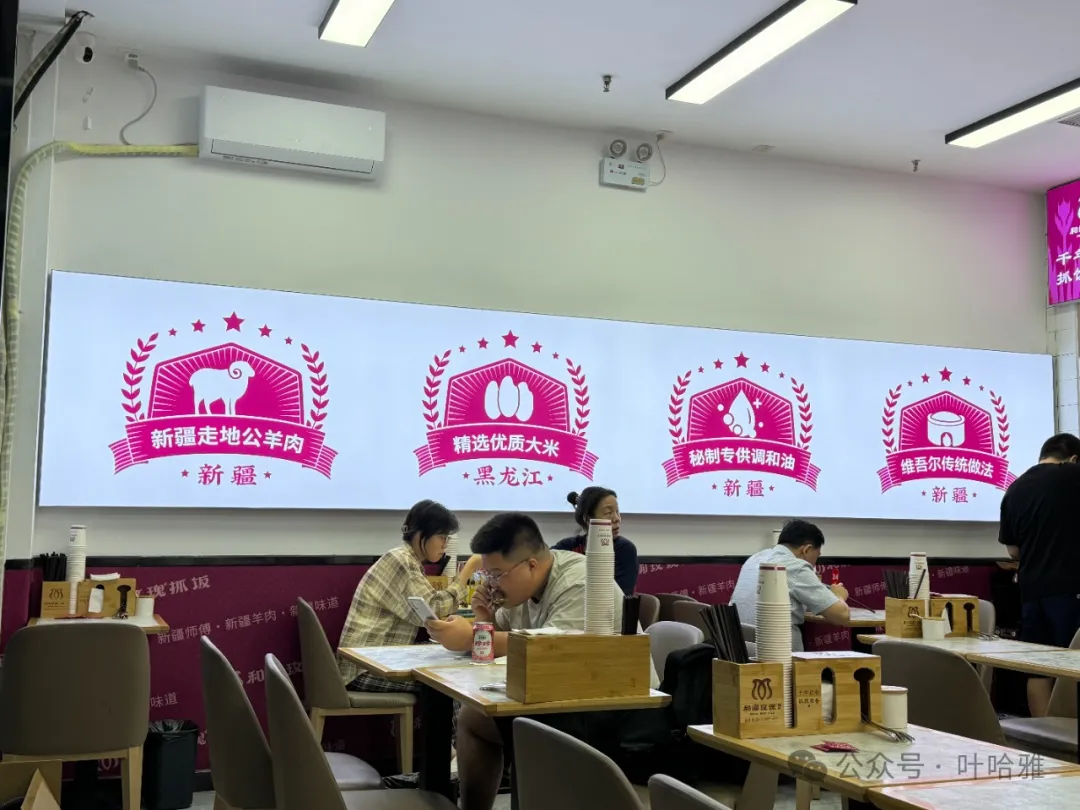
The lamb and oil are both shipped from Xinjiang.
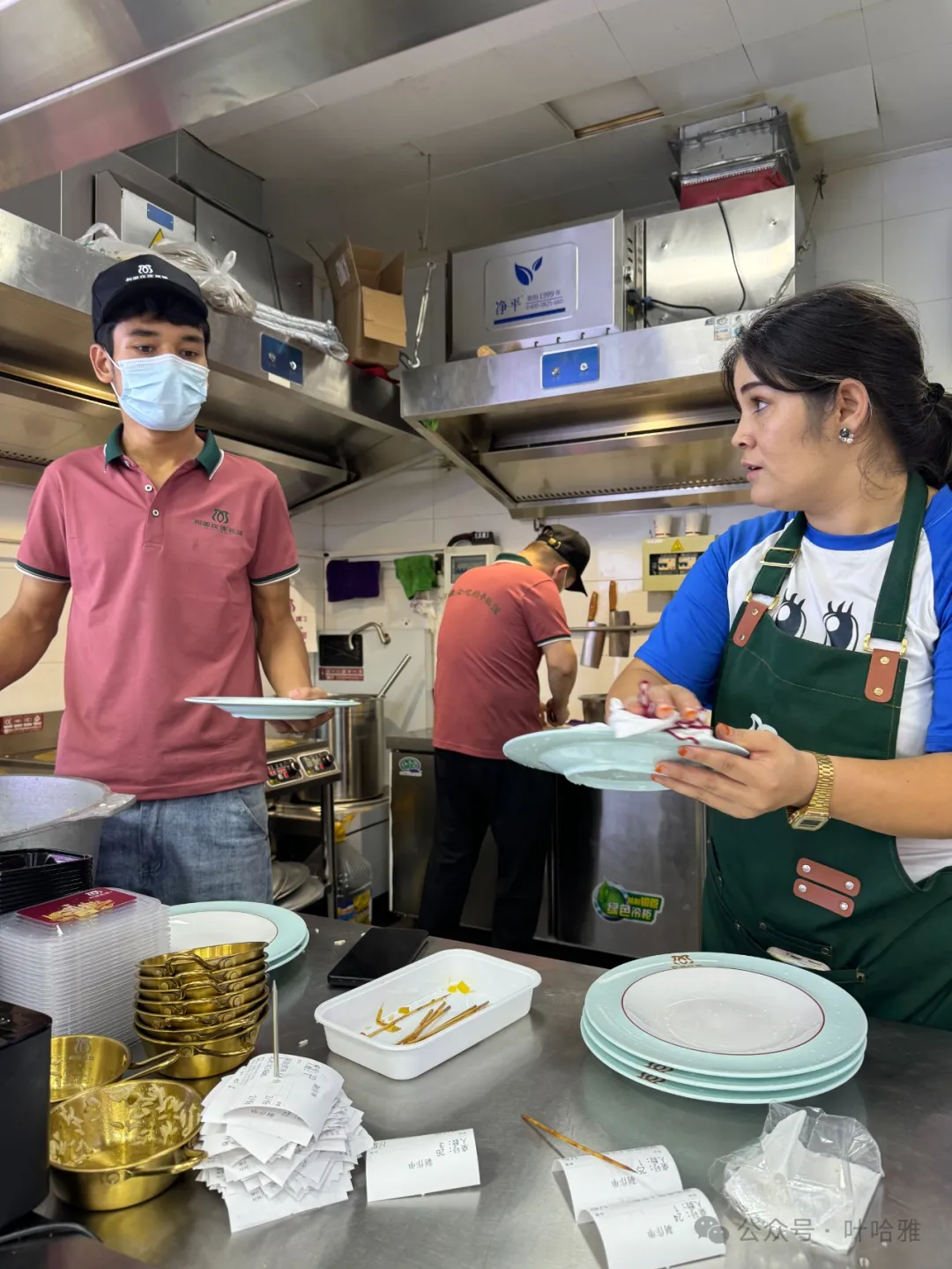
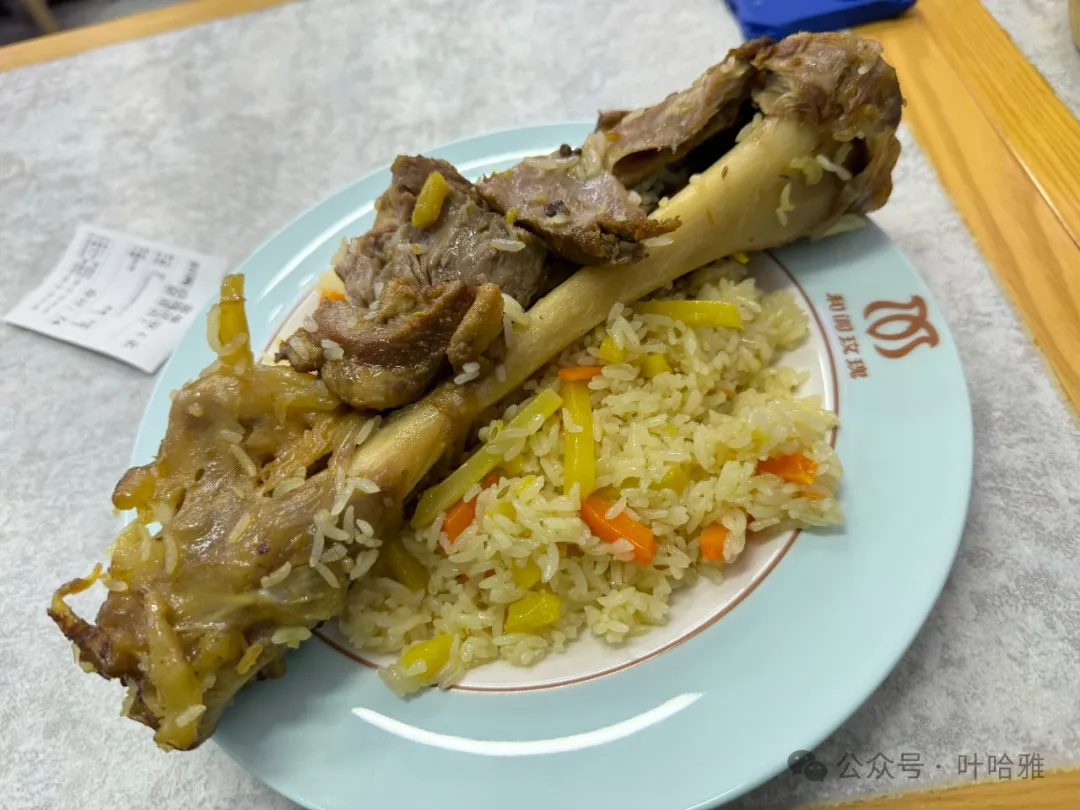
Uyghur staff run the kitchen, and the lamb leg pilaf (zhua fan) at this shop is excellent. I arrived late, so only one lamb leg was left. The meat was very tender and flavorful, and the pilaf was fragrant. It is arguably the best pilaf you can find at a Xinjiang restaurant in Beijing.
3. China-Pakistan Friendship Restaurant
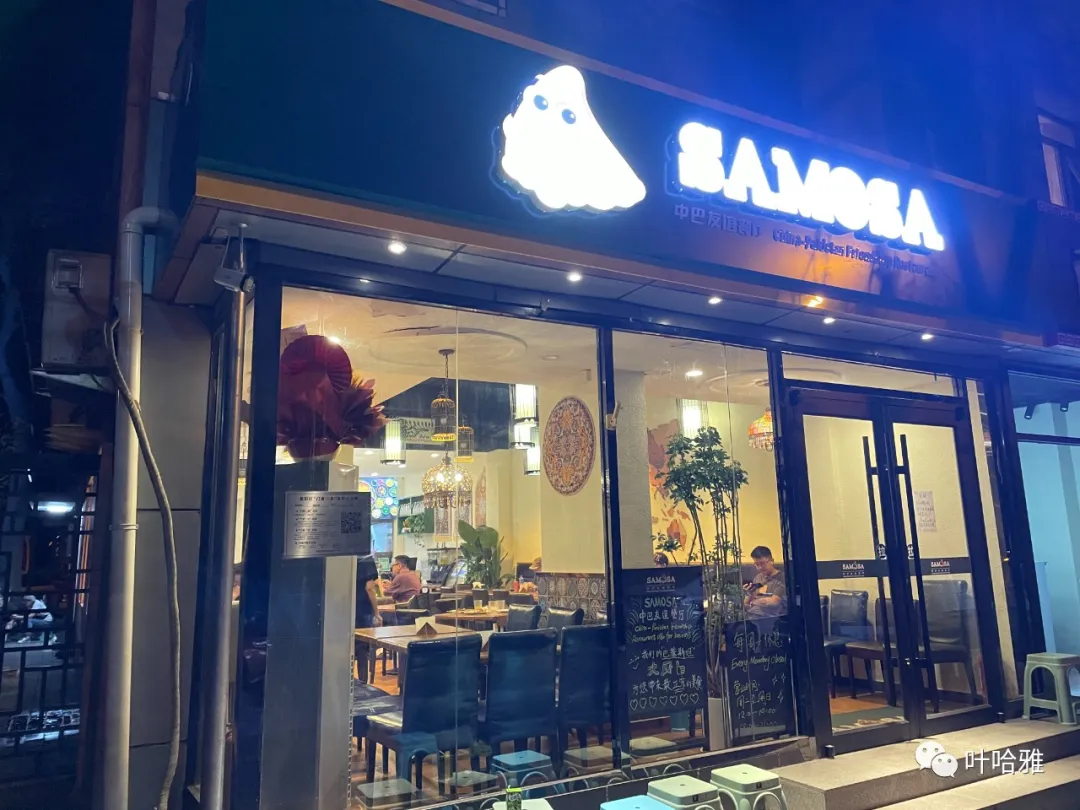
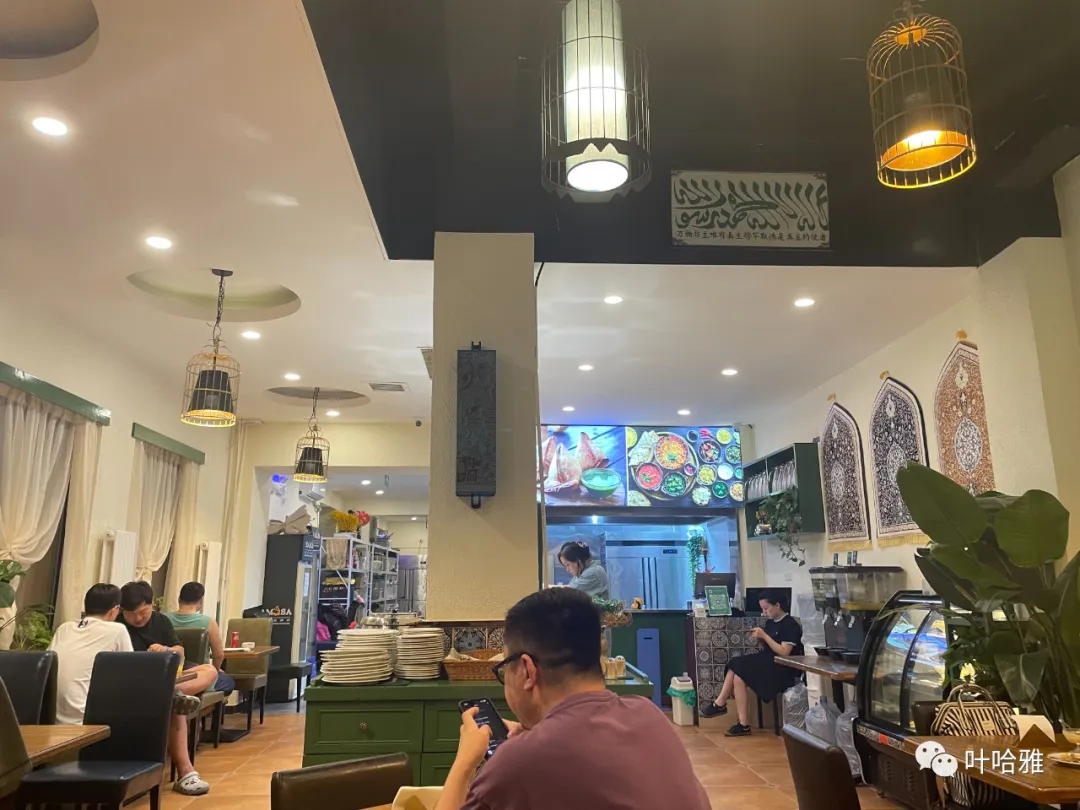
There are at least 10 Indian and Pakistani halal restaurants in Beijing. Samosa is a popular, alcohol-free spot that consistently serves good food. A samosa is a fried triangular snack in Indian and Pakistani cuisine. The owner used to run another Indian and Pakistani buffet called ZamZam, and this Samosa is located in Xibahe.
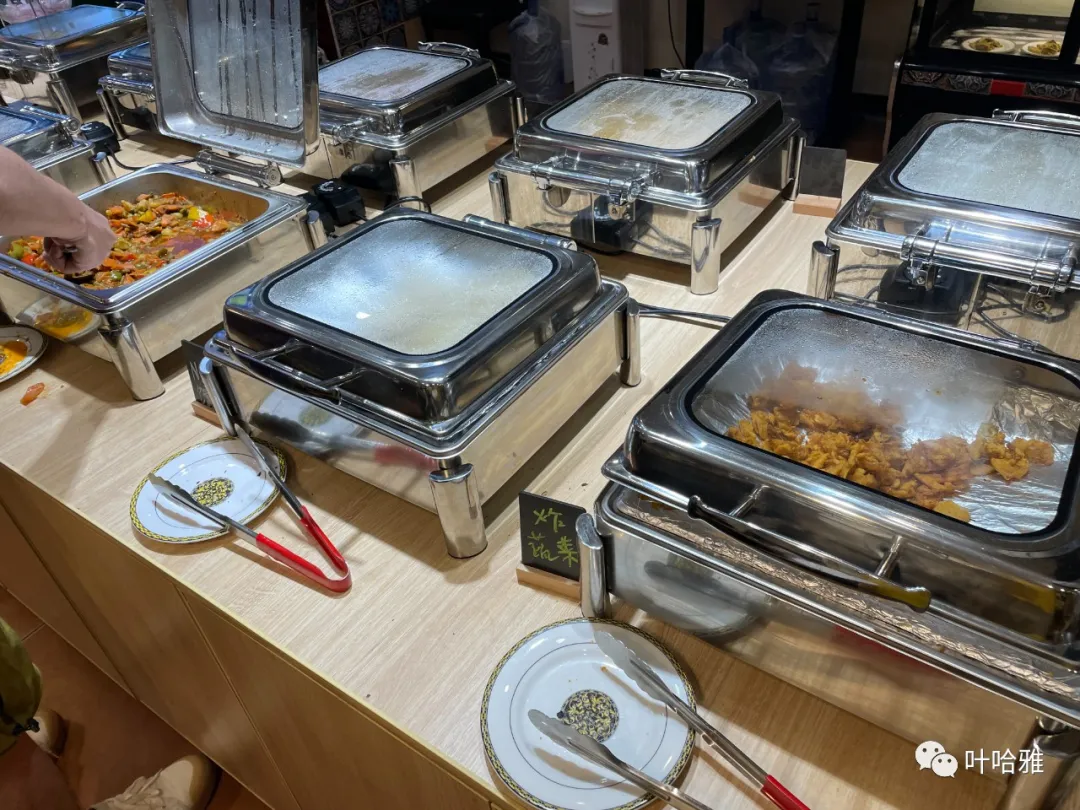
You can eat various Pakistani snacks here. Besides the buffet, you can order a la carte, and they offer halal Western fast food like pizza and pasta.
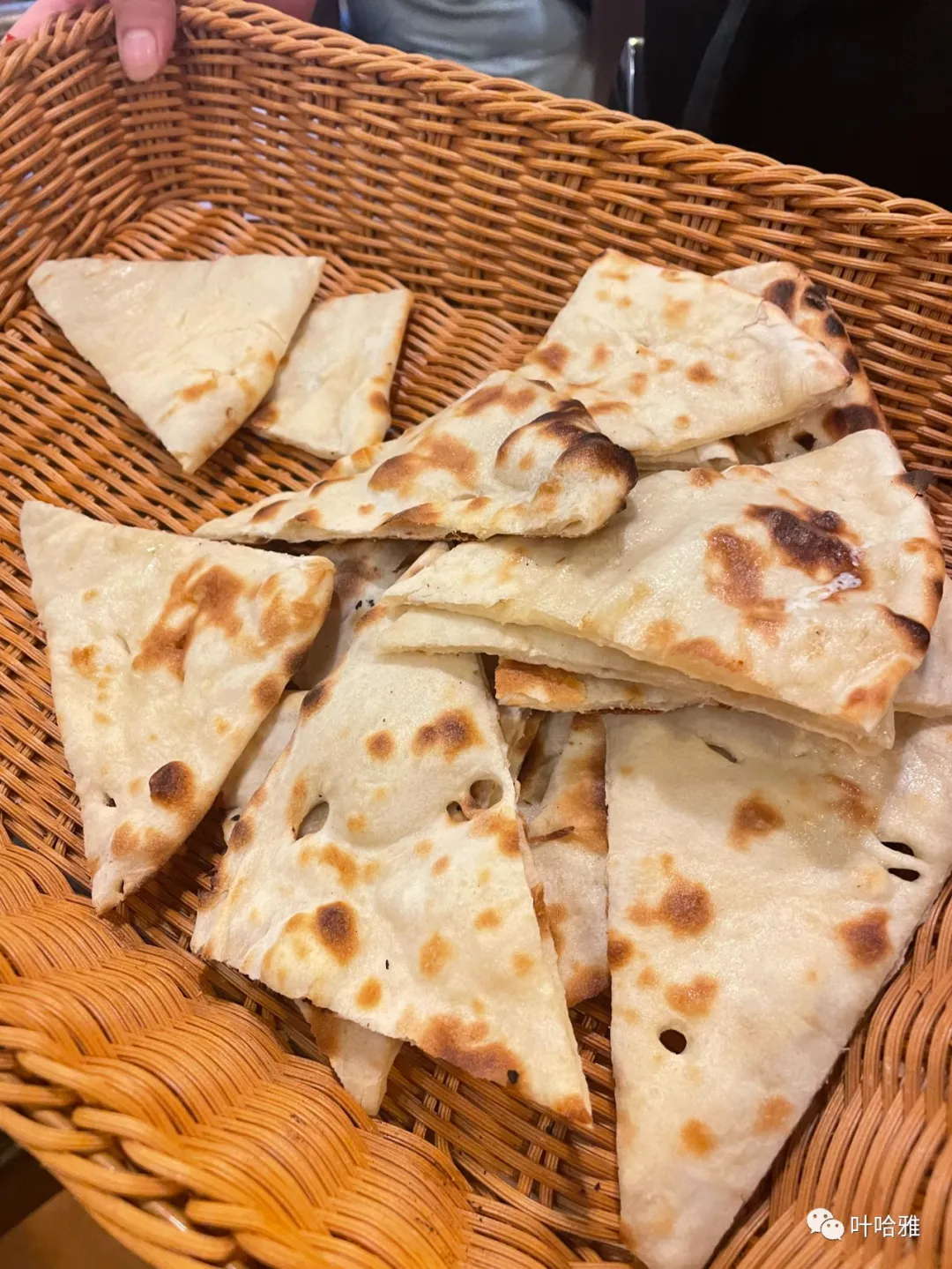
This is freshly baked butter naan, one of my favorite Indian and Pakistani treats. I can eat a whole basket of bread with curry.
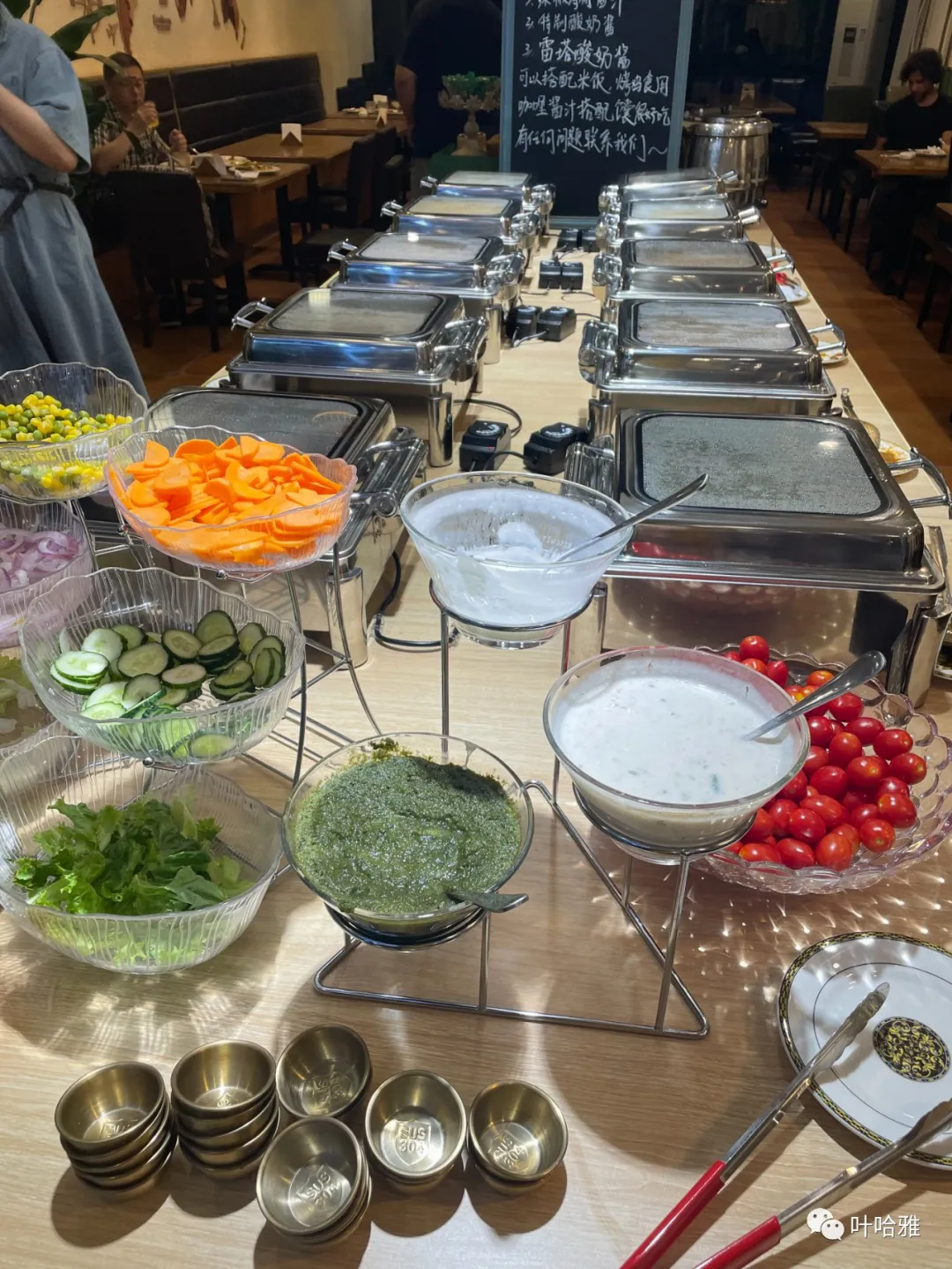
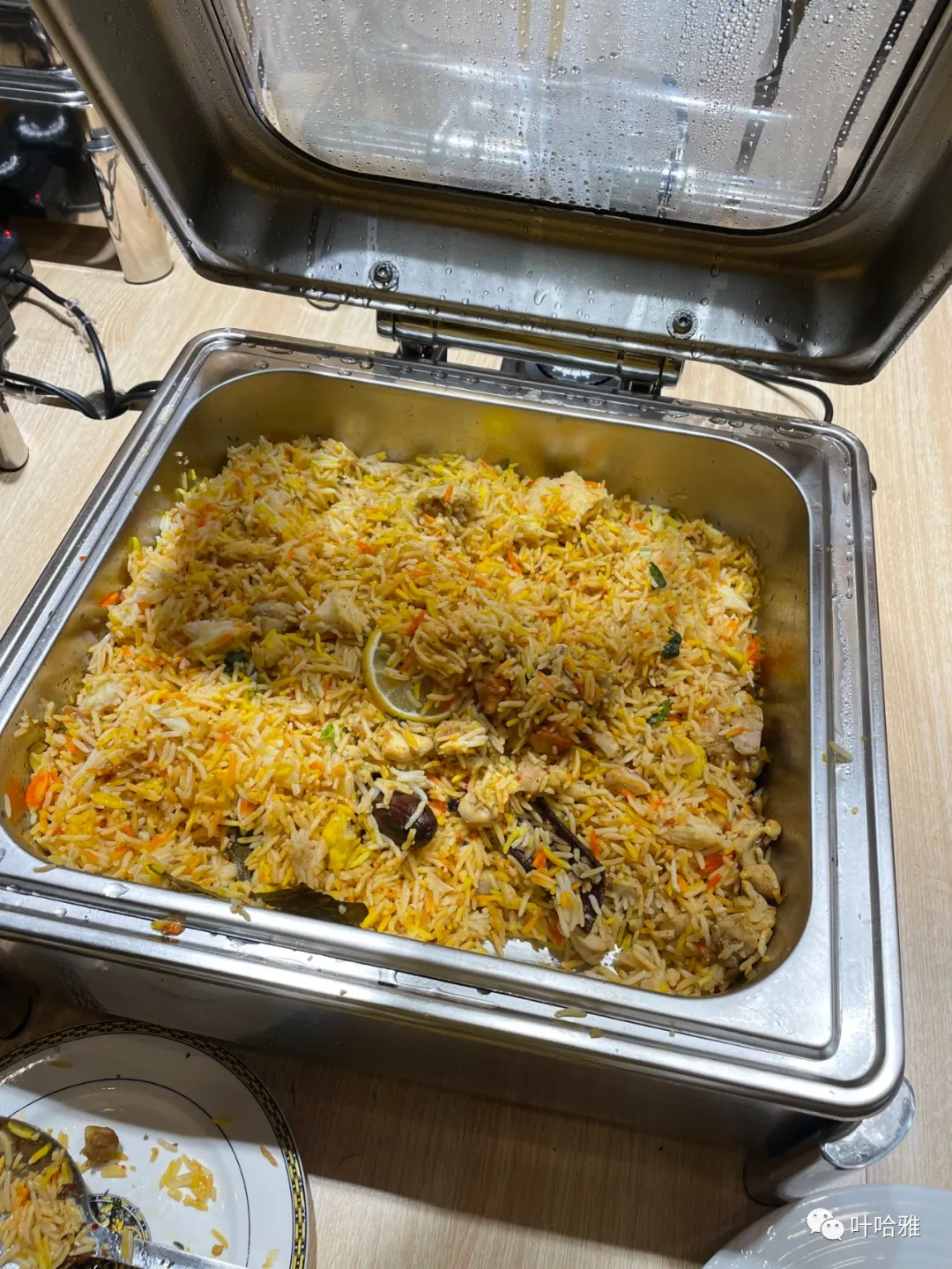
The buffet includes two desserts and three drinks. I like the green mint drink. They use high-quality ingredients, serve generous portions of meat, and the place is clean and hygienic.
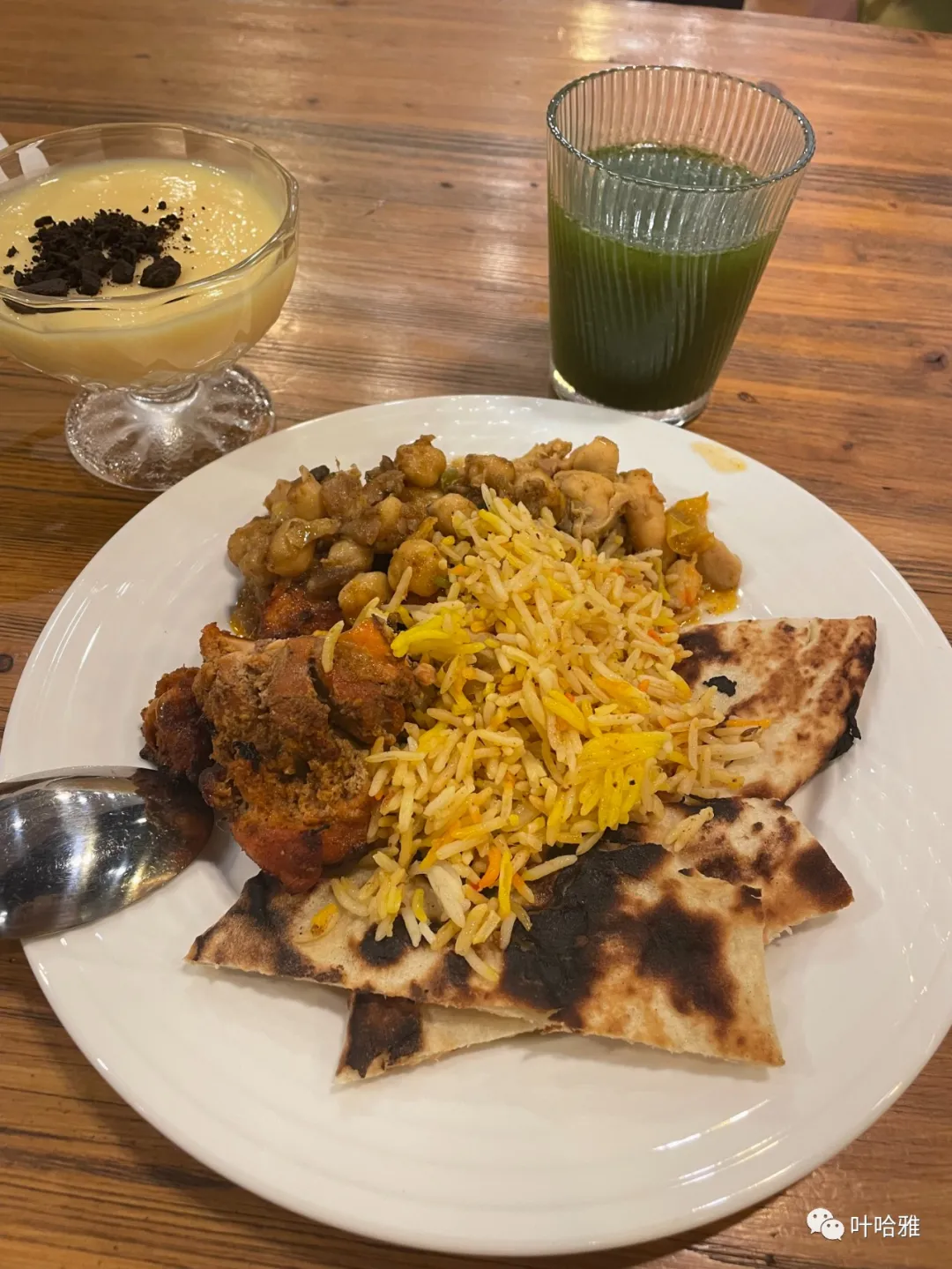
The China-Pakistan Friendship Restaurant opened a new branch in Sanlitun this year, and both locations are currently open.
4. Wanfu Halal Iron Pot Stew
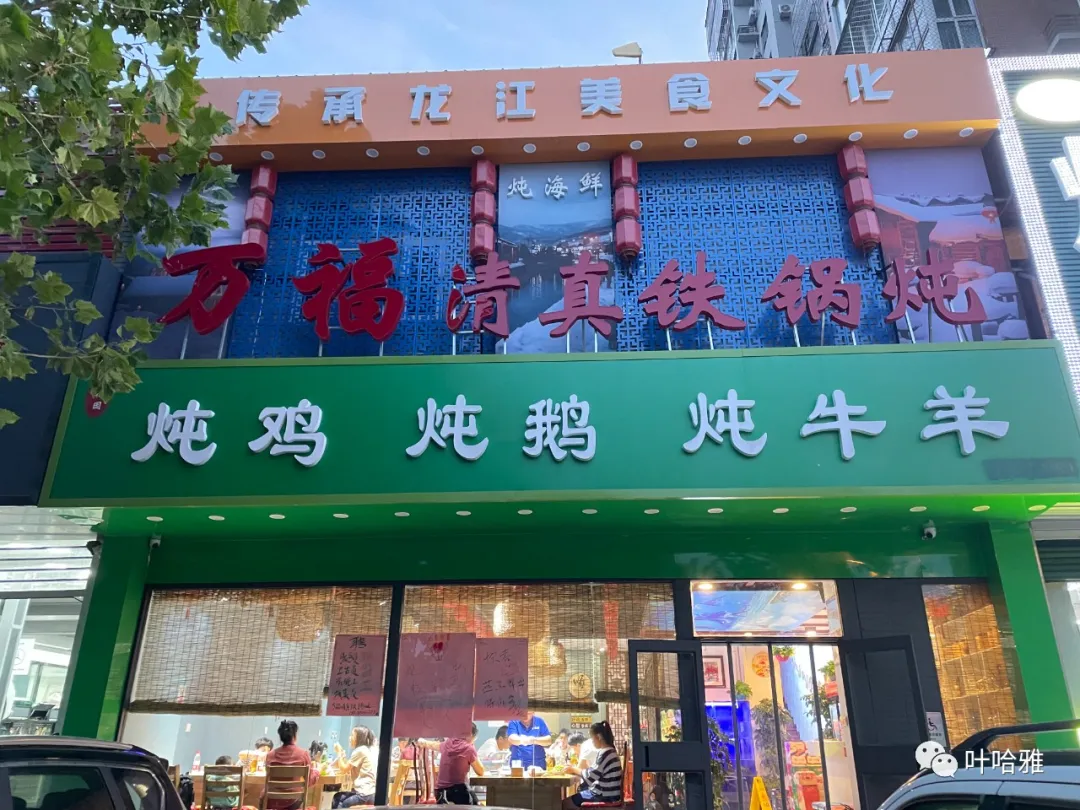
This Harbin-style halal iron pot stew in Daxing tastes very good. I think it is better than Uncle Oyster's. Beijing has another halal iron pot stew place worth recommending called Dunyishou, but it falls a bit short compared to Wanfu because it lacks the Northeast-style stir-fried dishes.
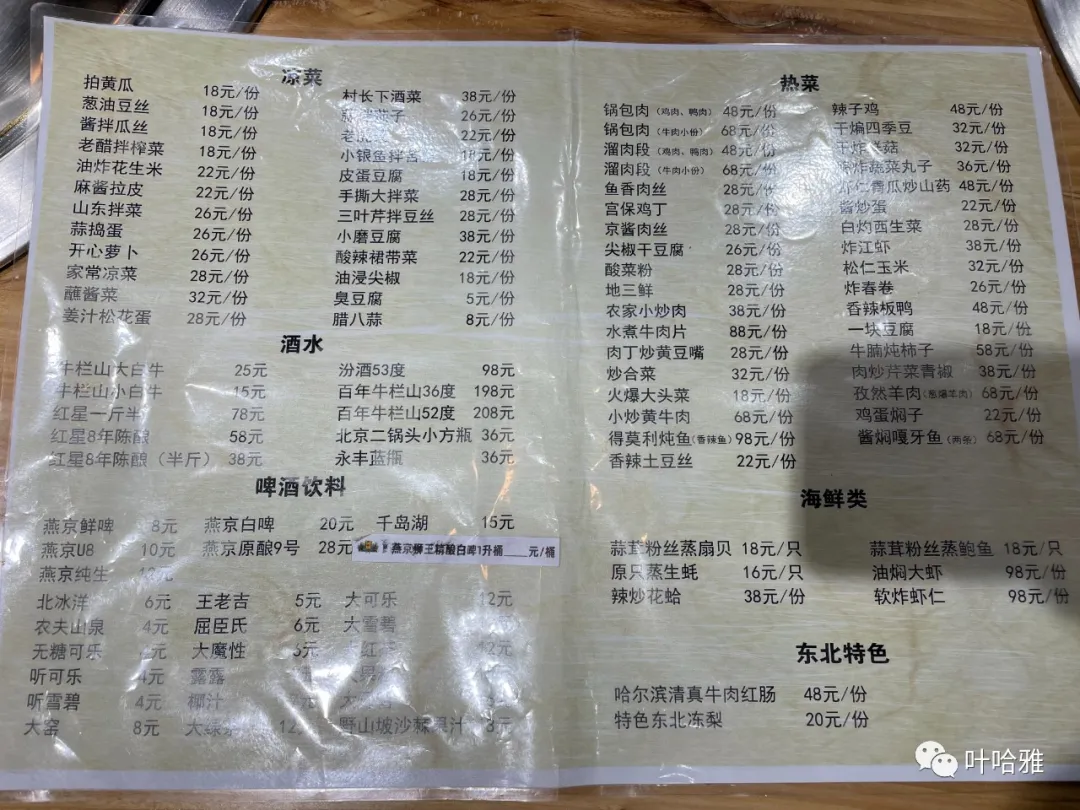
Besides the iron pot stew, the biggest surprise is their sweet and sour pork (guobaorou). They offer it in several styles, using either chicken or beef, and you can choose between a sweet or savory flavor.
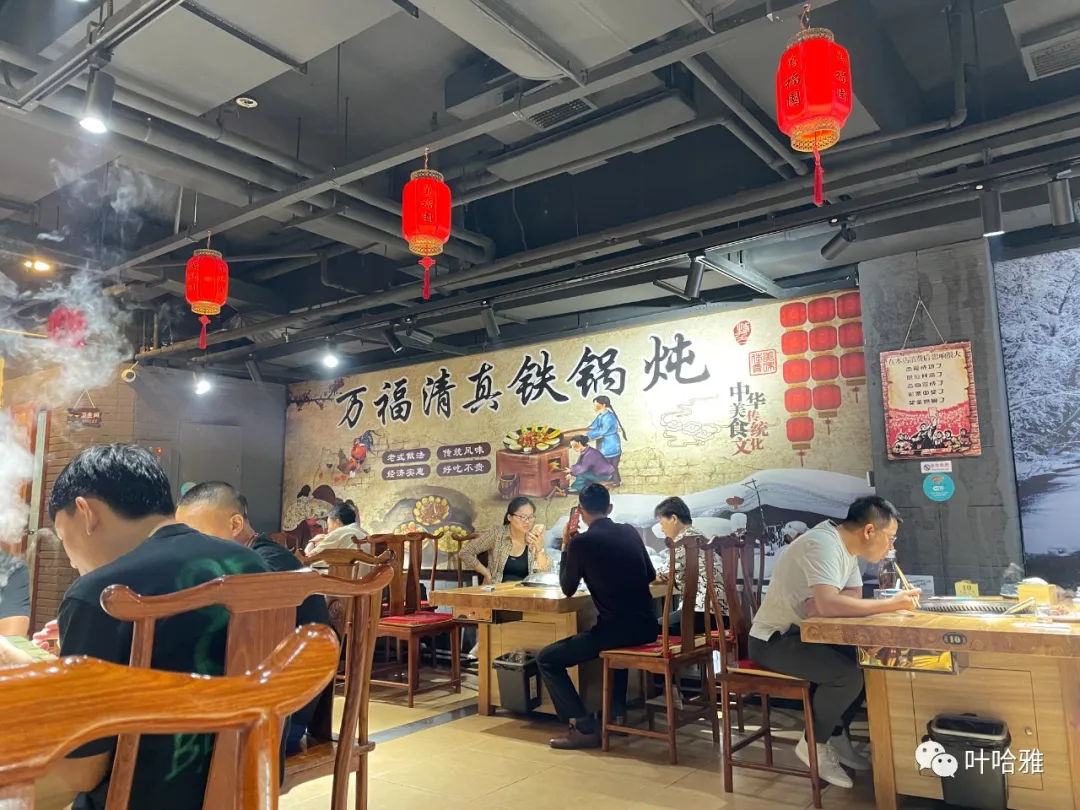
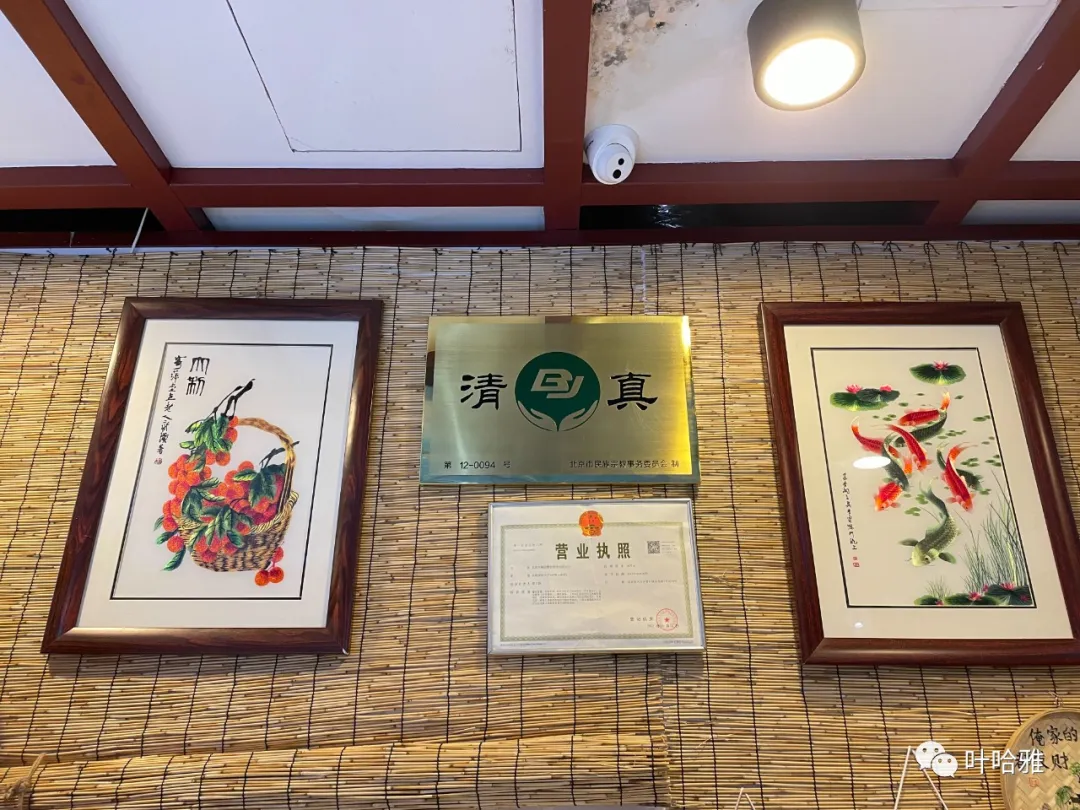
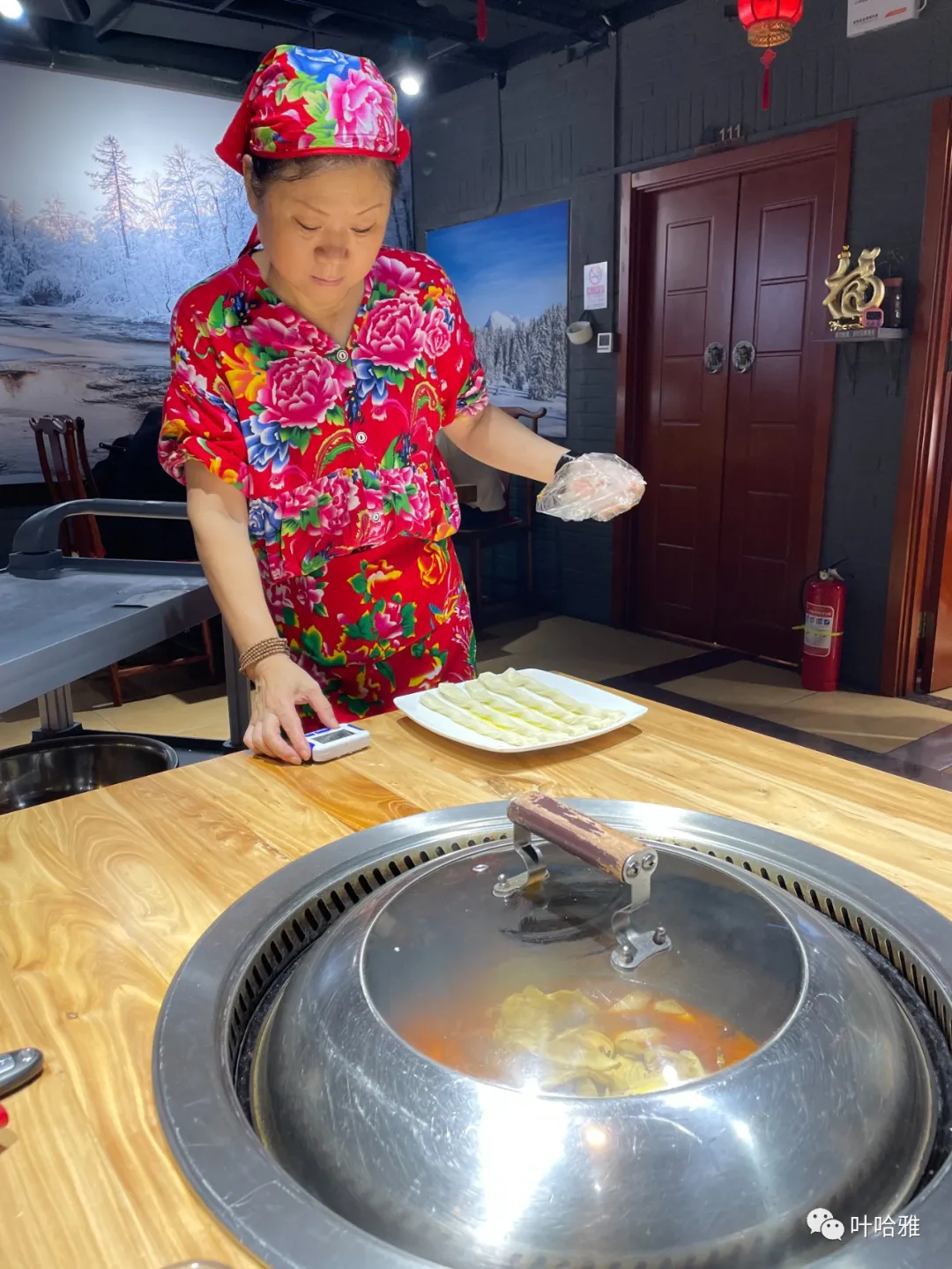
This is called sticky roll (nianjuanzi). It is made with unleavened dough and dropped into the pot. After steaming with the stew for 15 minutes, it is ready to eat and tastes delicious.
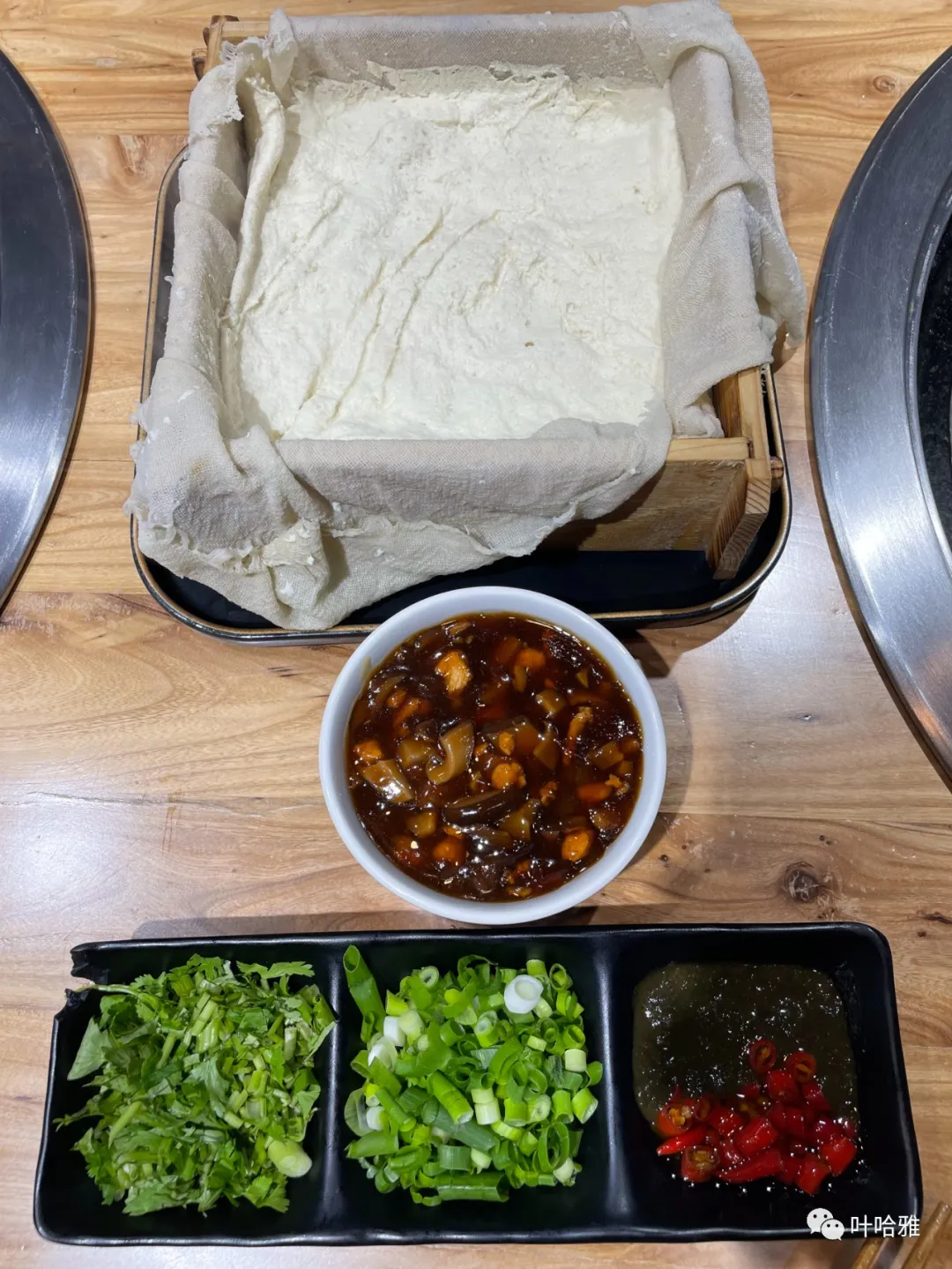
The owner gave us some stone-ground tofu on the house. They make the tofu themselves, and with the savory sauce and toppings, it feels just like eating tofu pudding (doufunao), which is also very tasty.
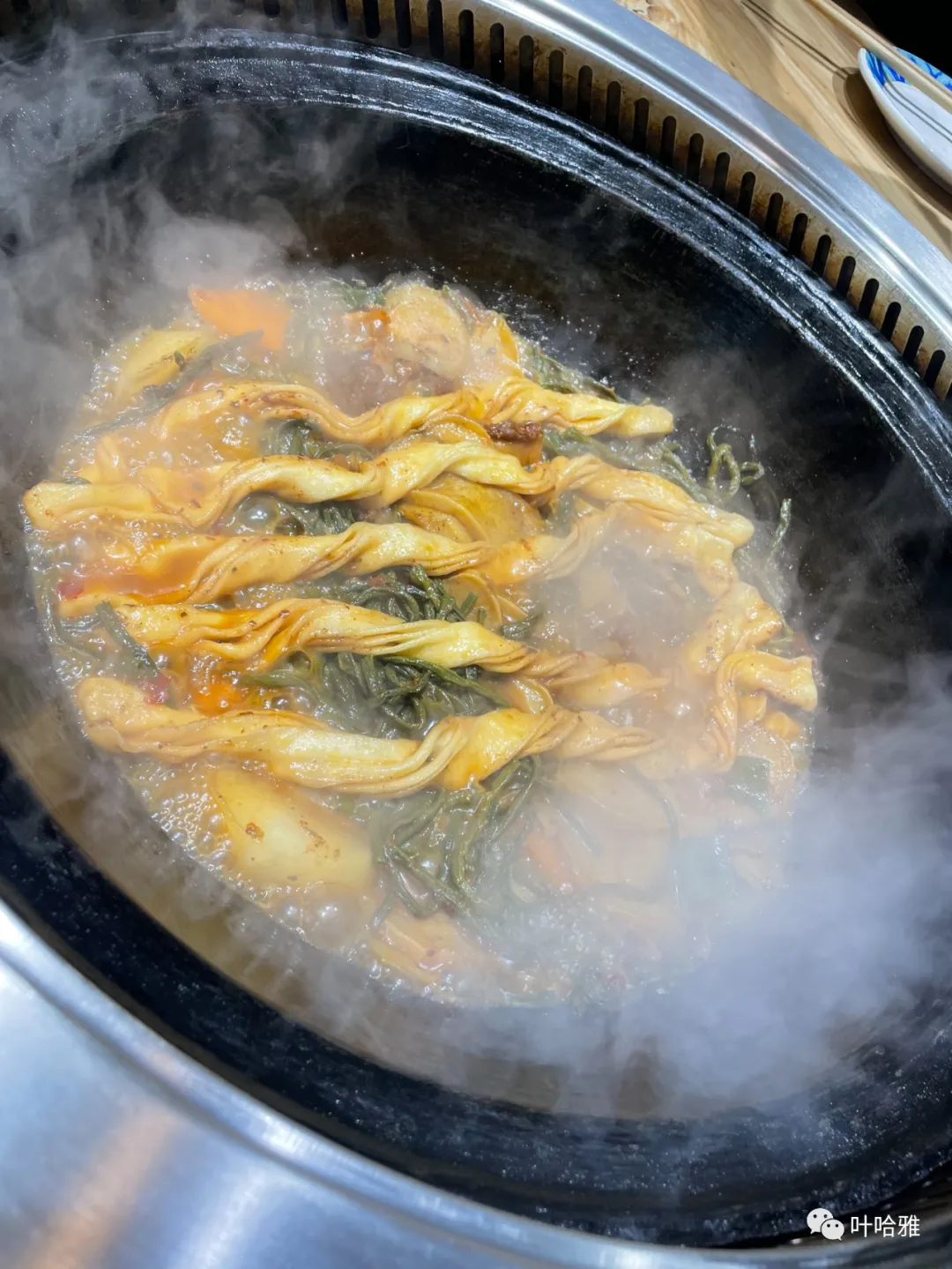
We added dried green beans and dried potatoes to the iron pot. These two ingredients taste even better stewed than when they are fresh.
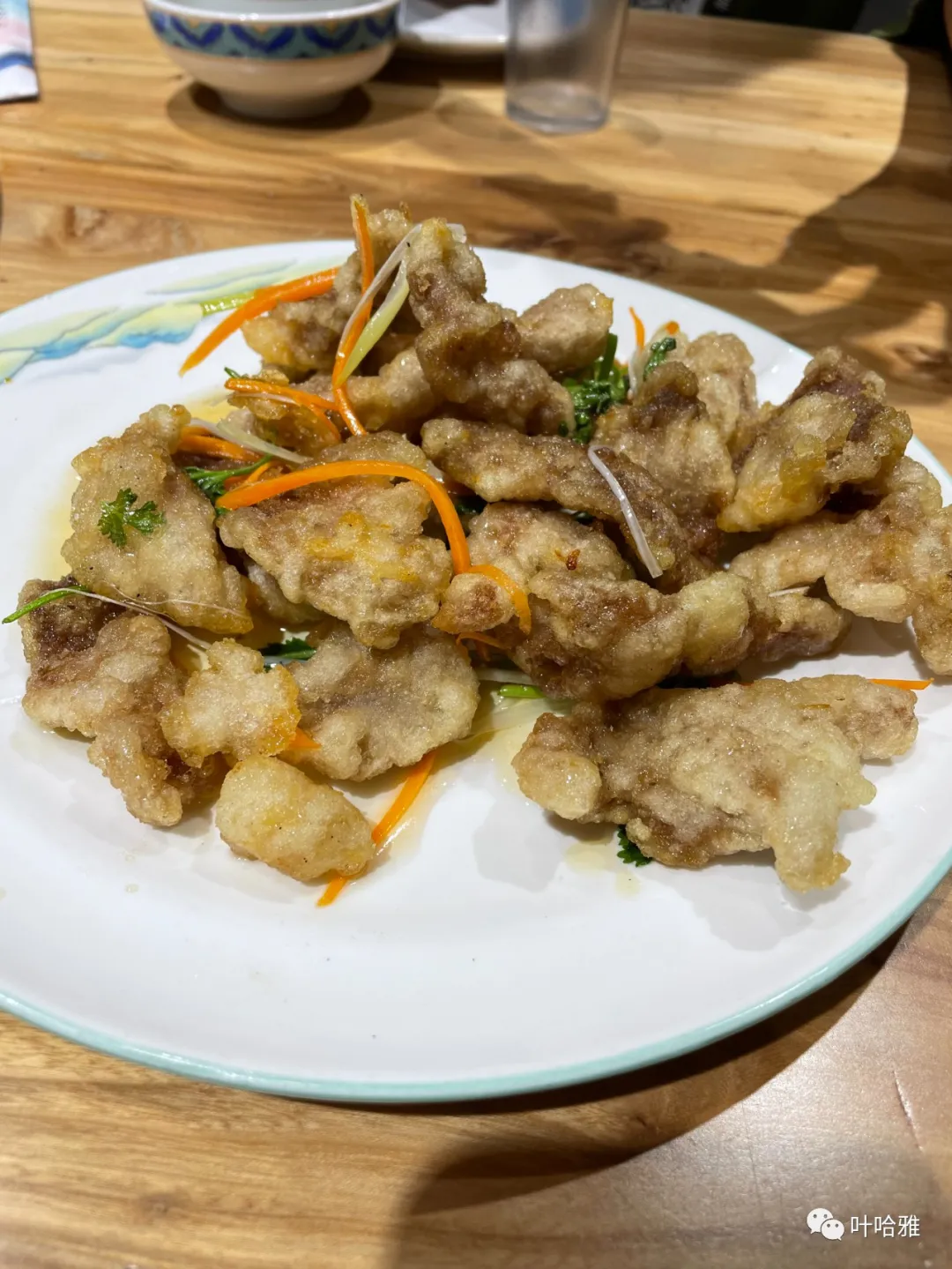
The sweet and sour pork (guobaorou) made by Hui Muslims in Harbin is savory. Their version is crispy on the outside and tender on the inside. We finished the whole plate in no time. It is great to finally have authentic savory sweet and sour pork in Beijing again.
5. La Medina Tunisian Restaurant
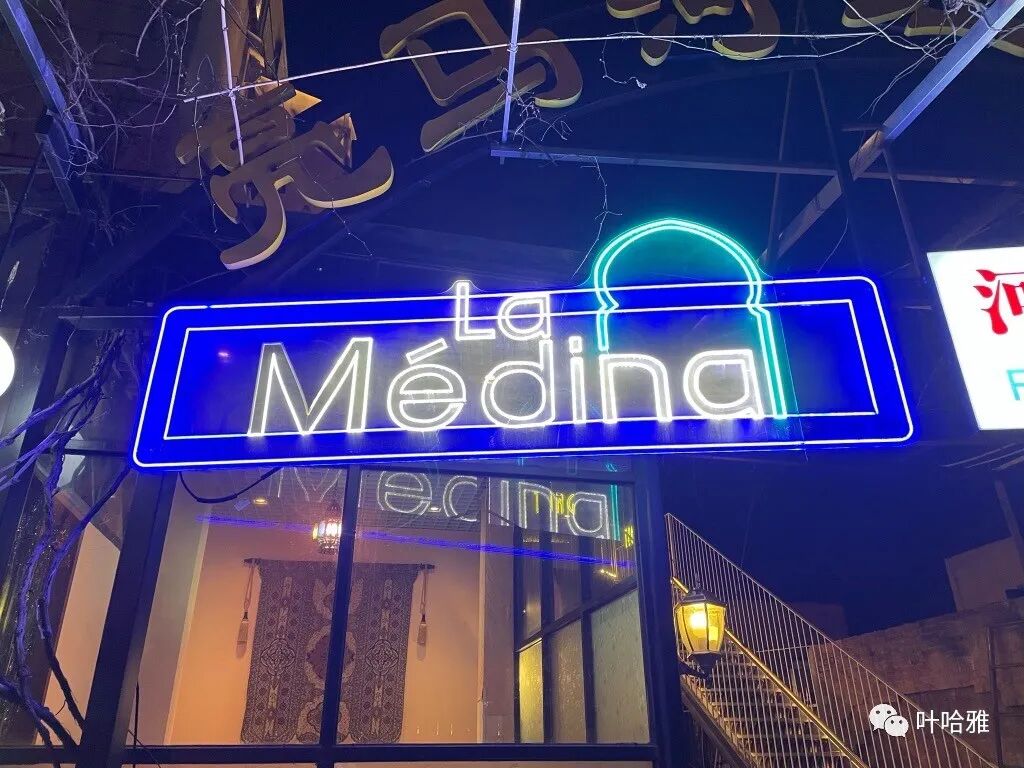
Beijing once had a Moroccan-style restaurant called Camel Team that was open for many years before closing due to the pandemic. However, a Tunisian-style restaurant opened during the pandemic. Since Tunisia and Morocco are both in the North African Maghreb region and have similar eating habits, this place helps fill the gap left by the Moroccan restaurant.
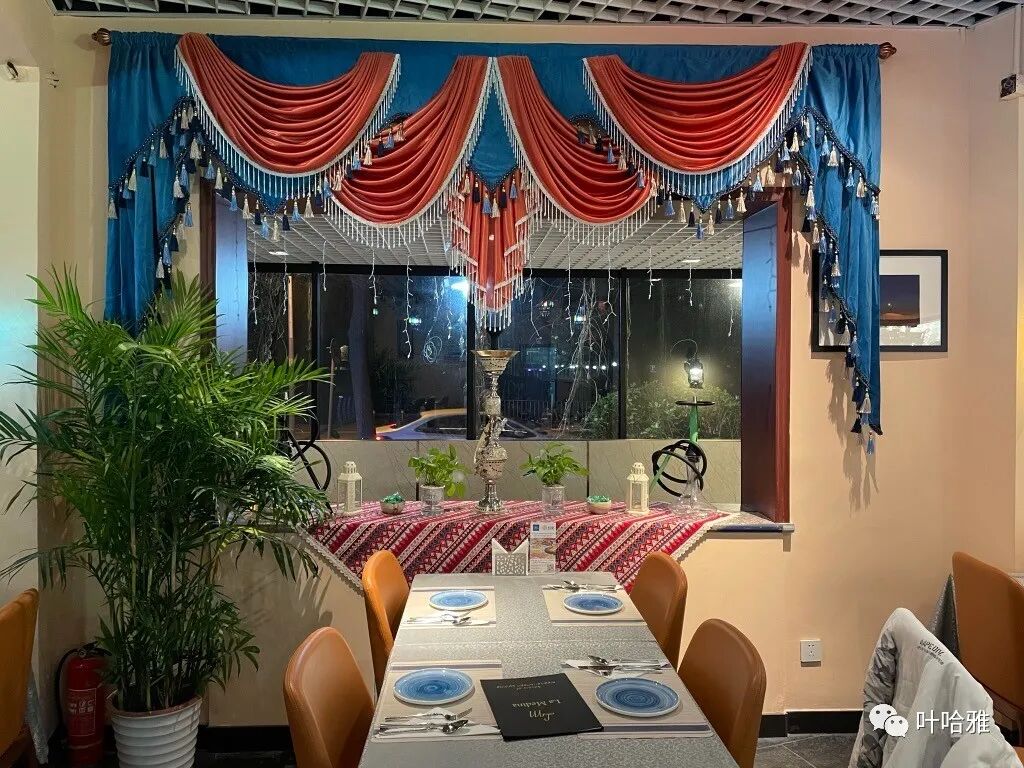
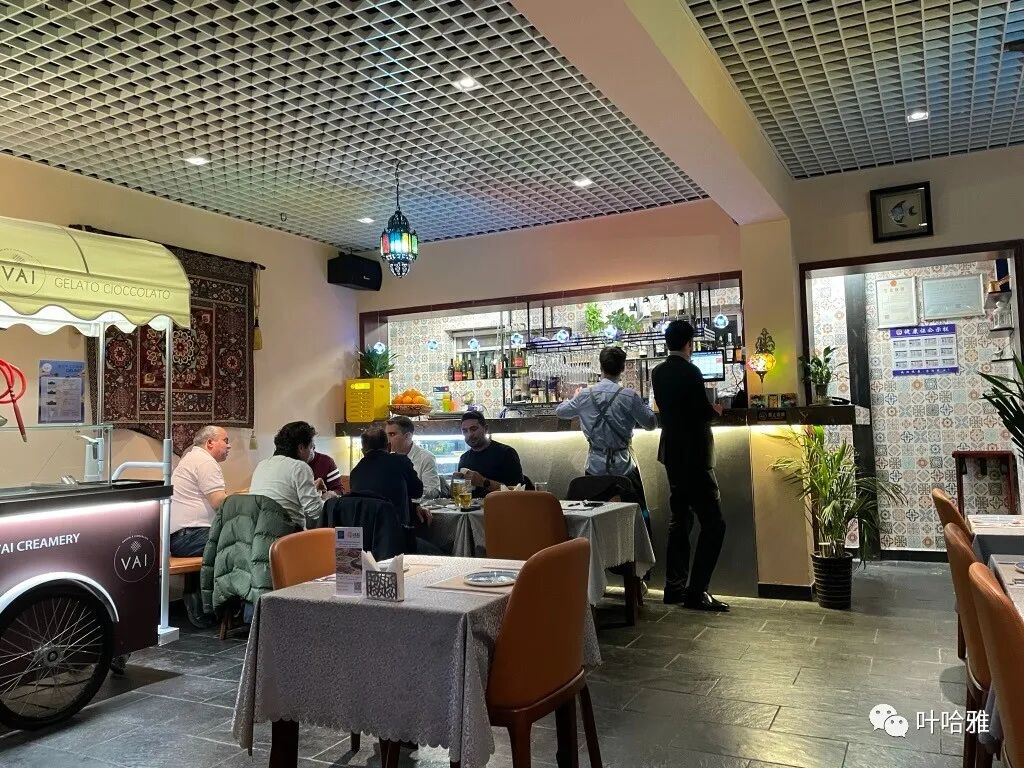
This shop has moved to a new location in the last two years, growing from a small space to a larger one. The chef is an Arab from Tunisia. We talked and he confirmed it is a halal restaurant, even though they do not display the sign. In China, you must get approval from the Ethnic and Religious Affairs Bureau to apply for halal certification, otherwise, individuals cannot put up the halal sign on their own.
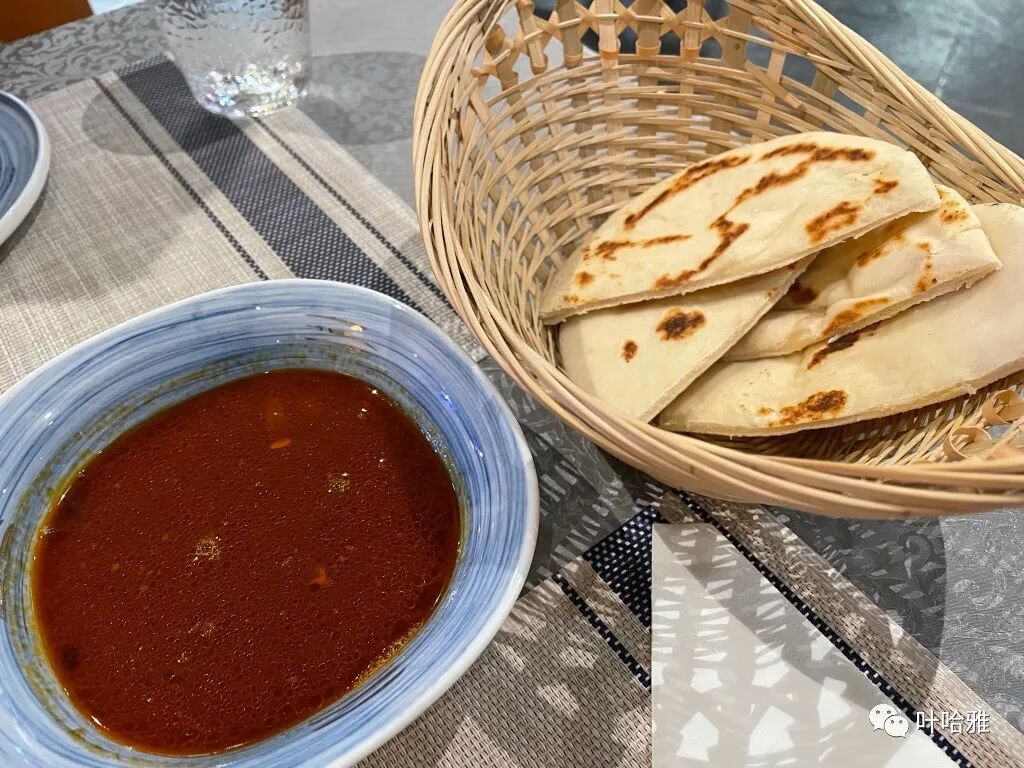
Classic Moroccan bean soup
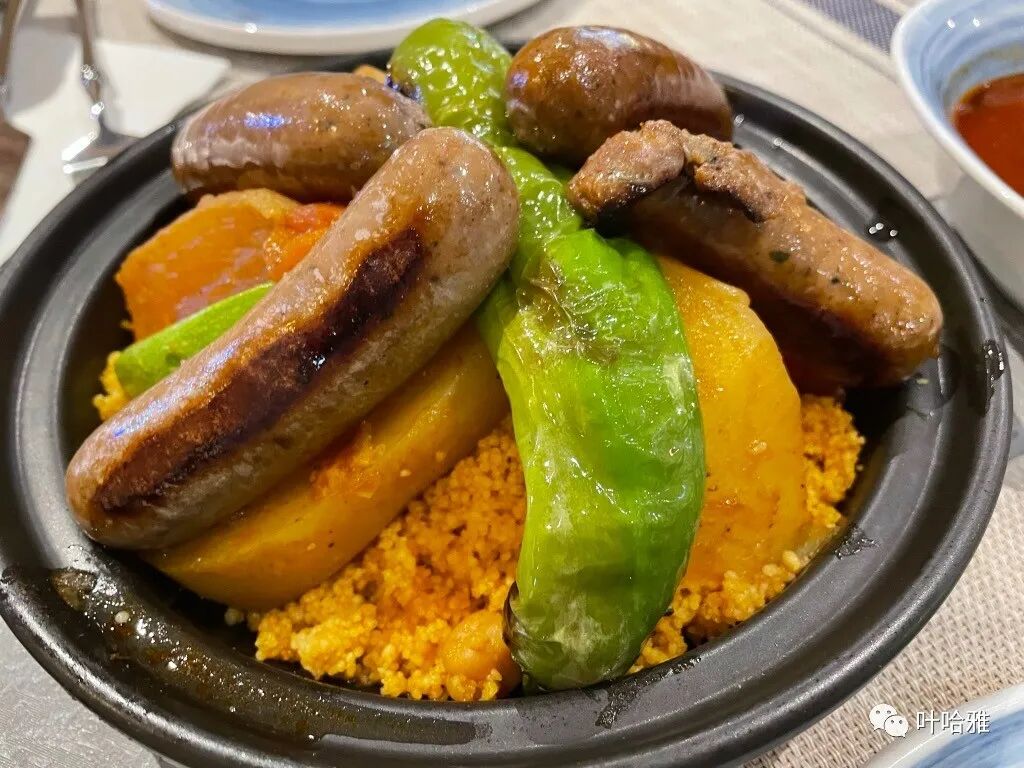
Couscous (Tunisian millet rice)
The most unique dish in Tunisia is this couscous. It is called millet rice and has the texture of millet, but it is actually made from ground hard wheat grains.
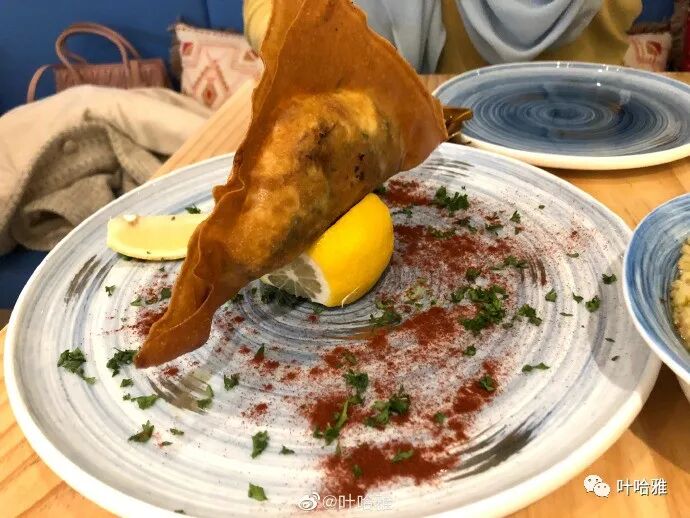
Tunisian pastry (brik)
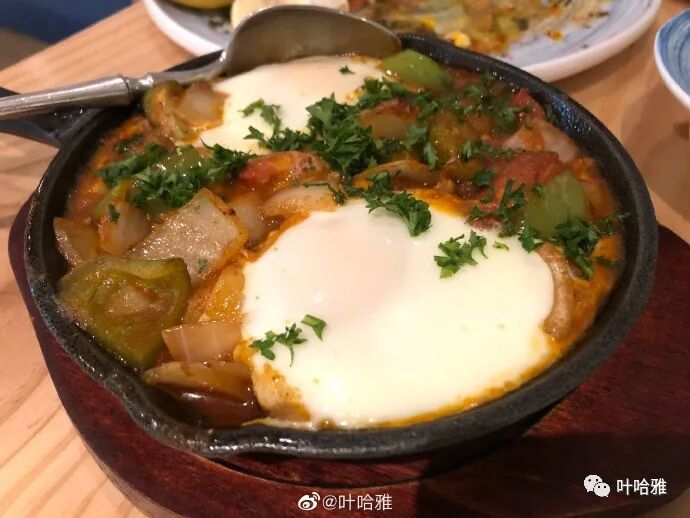
shakshuka eggs (shasuka) served on a hot iron plate
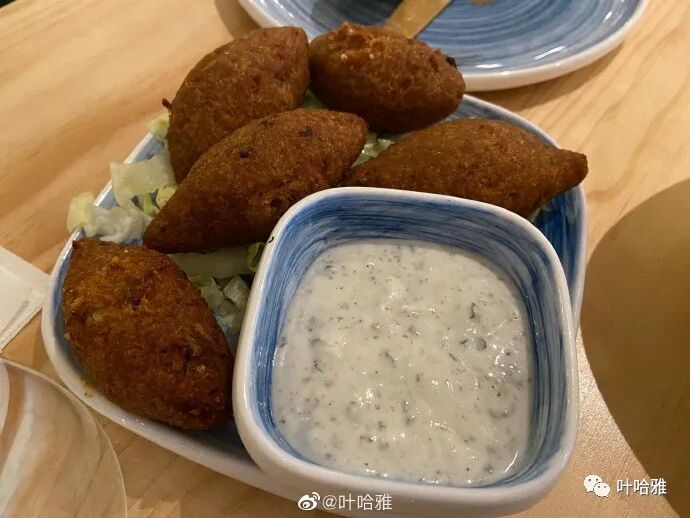
beef and wheat bun
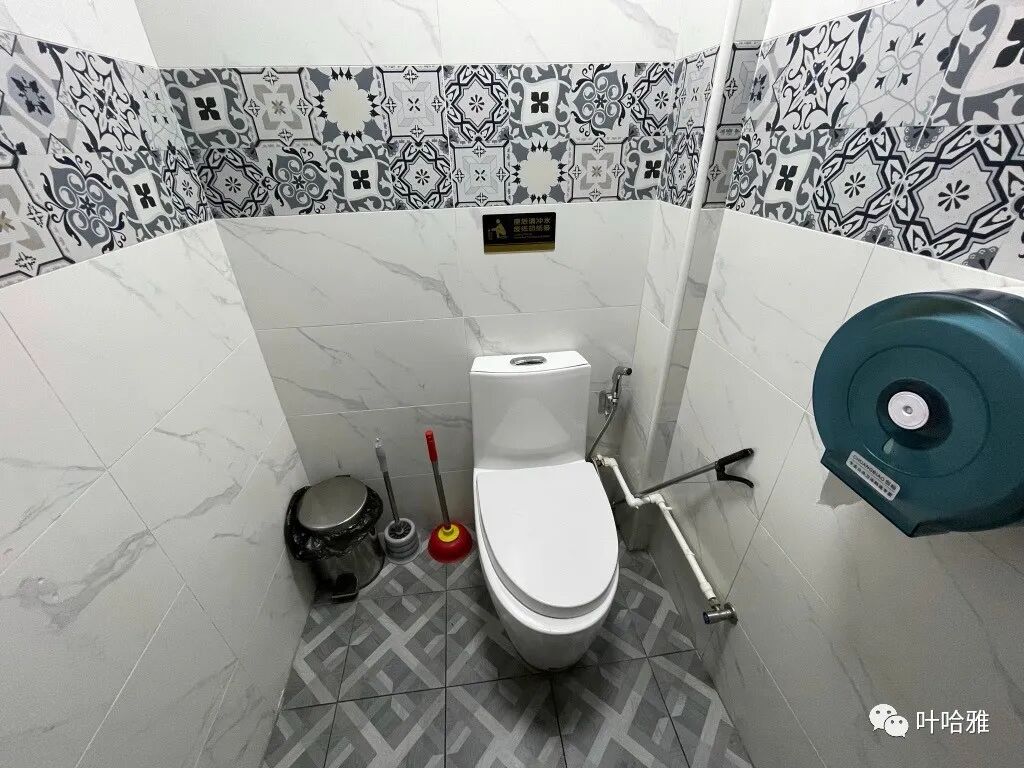
The spray nozzle in the bathroom; those who know, know what it is for.
6. Niushi Japanese BBQ
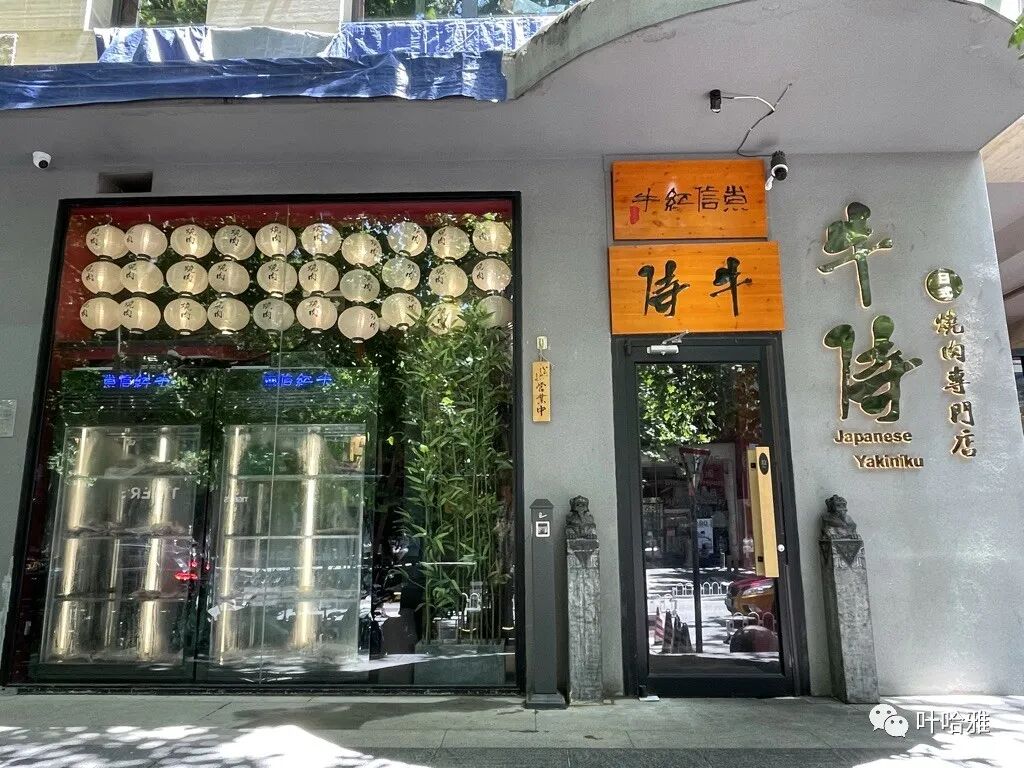
Niushi Japanese BBQ has been open in Beijing for about five years. They used to have three locations, but now only the main CBD branch remains.
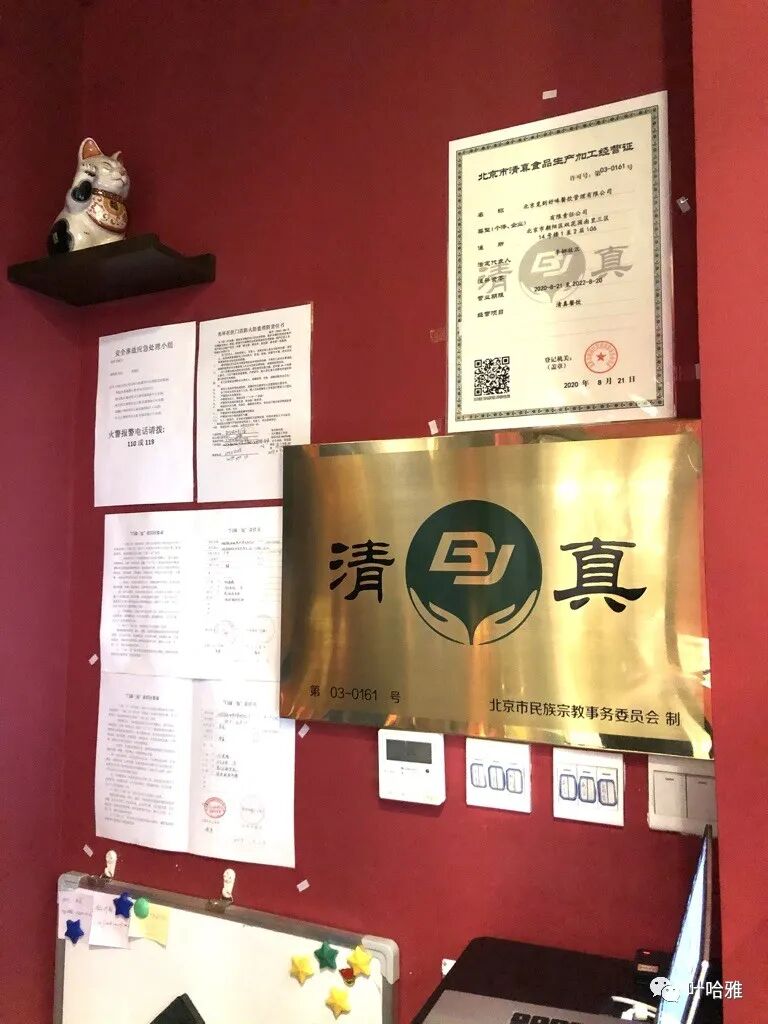
The owner of Niushi is named Hei and is a Hui Muslim from Beijing. His family has been in the beef business for generations and they have their own cattle farm in Gansu. The owner knows a lot about beef and is even a consultant for the Ministry of Agriculture on beef, so the quality of the beef at Niushi is guaranteed.
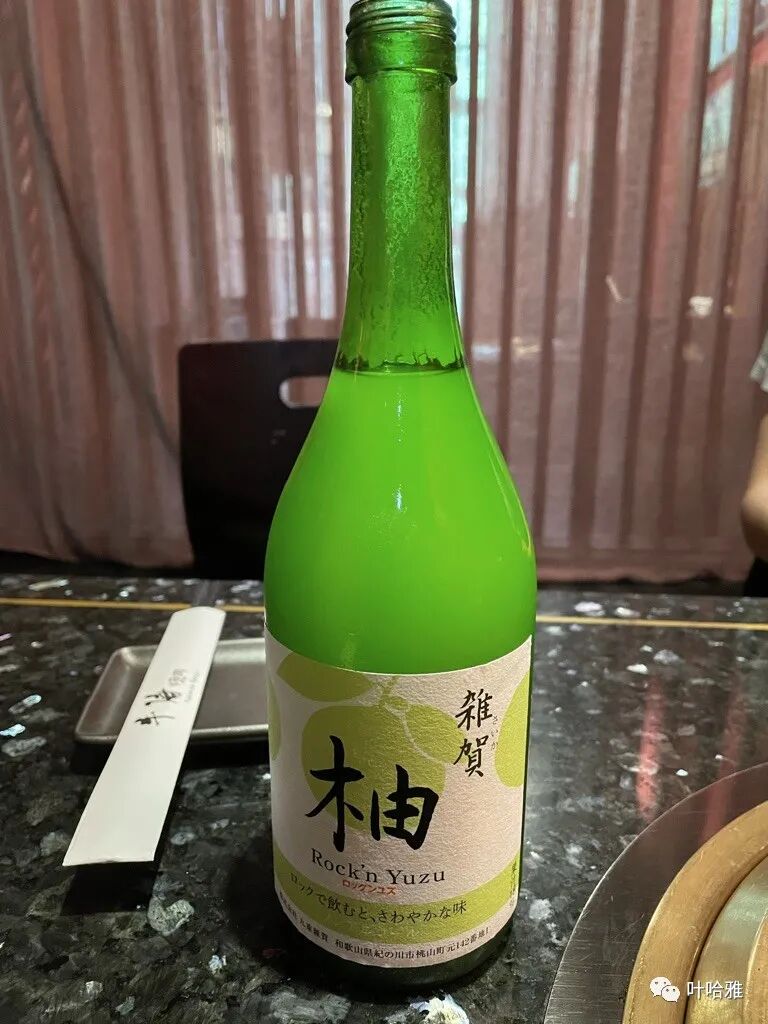
The restaurant is on the high-end side. The bottle of non-alcoholic grapefruit juice I drank cost 330 yuan. The average cost per person here is over 200 yuan, and if you order some good beef, the bill can easily go over a thousand.
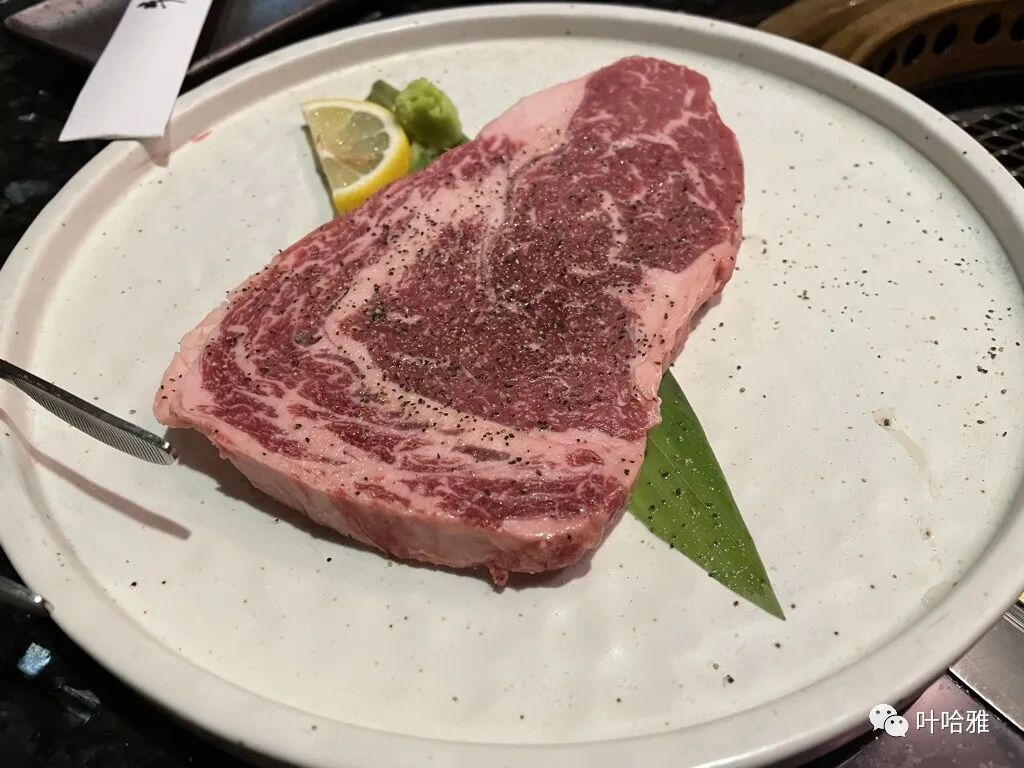
This 200g piece of marbled Wagyu beef costs 380 yuan. It is not cheap, but it is tender and juicy. Paired with the fruit sauce developed by the restaurant, it is truly a top-tier dish.
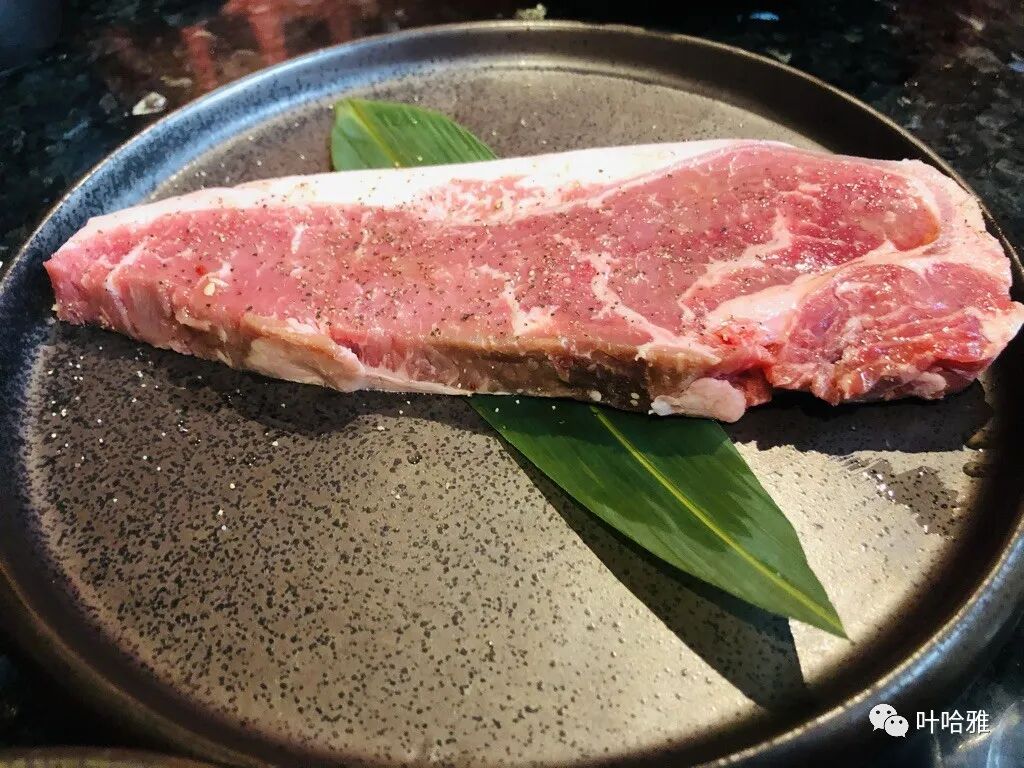
Besides expensive beef, the shop also has some affordable snacks. If you only eat meat to get full, your wallet will be empty. I suggest pairing it with staples like udon noodles, grilled meat rice, or ramen. They are not only affordable but also delicious. These portions are small, so they are perfect for one person.
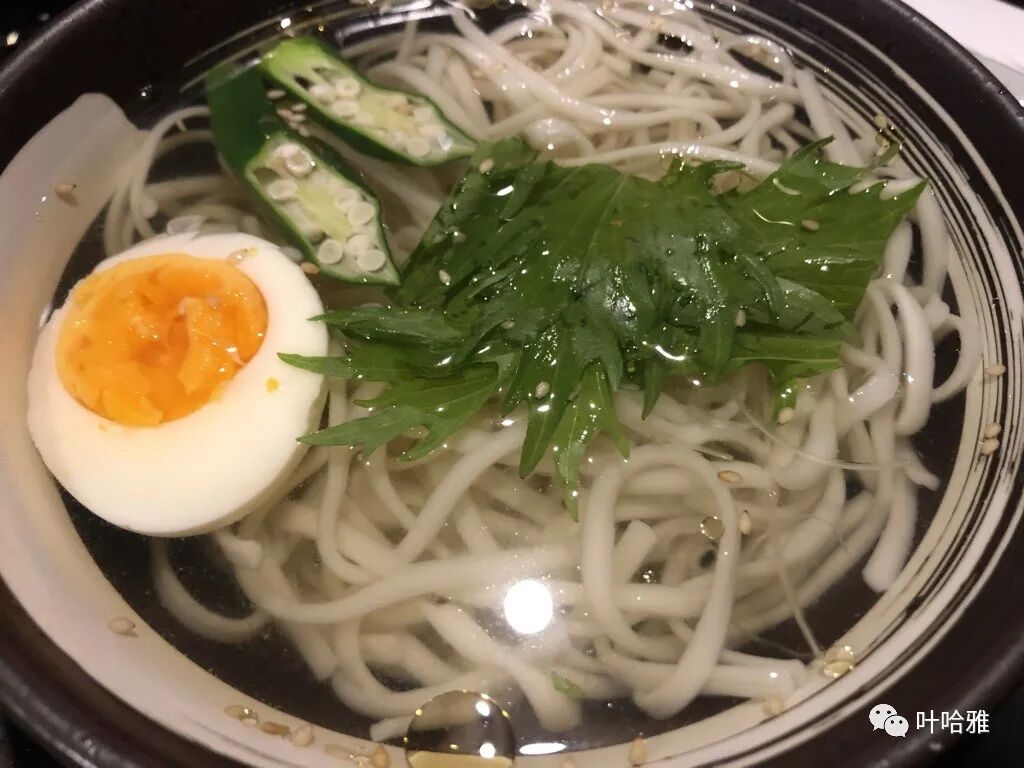
Udon noodles
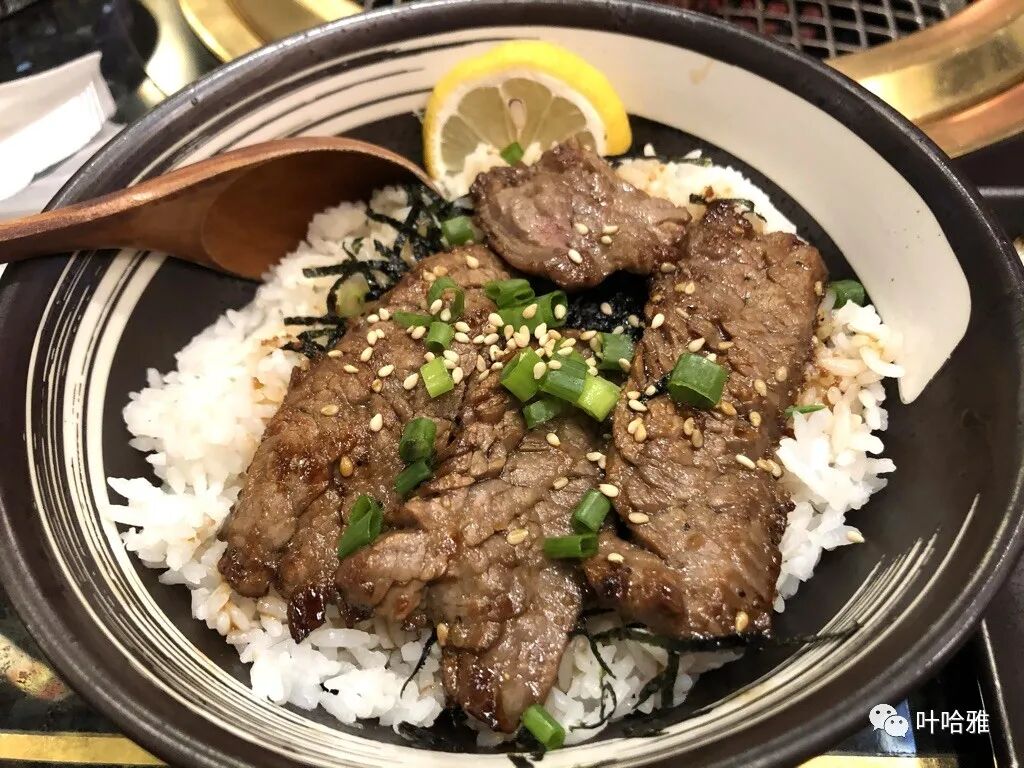
Grilled meat rice
Niushi does not serve raw food like sashimi. Food safety rules require strict separation between raw and cooked food preparation, which needs a lot of kitchen space, so they cannot make sashimi right now.
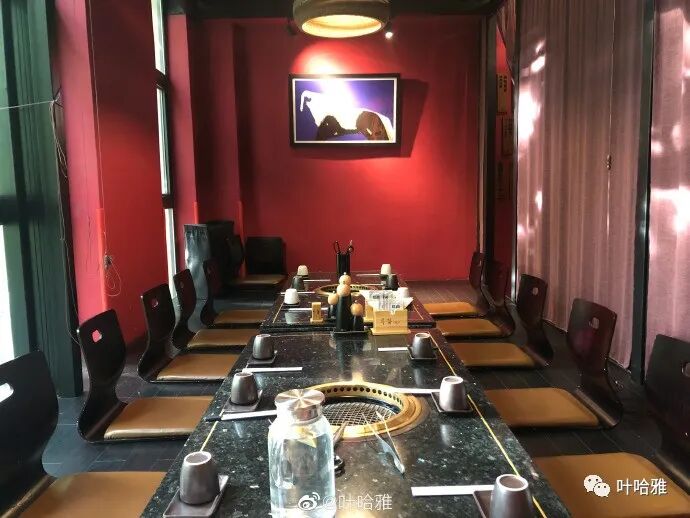
The private rooms have a Japanese style where you need to take off your shoes, so remember to make sure your feet are clean before you come. The restaurant moved to a new location this year not far from the old one, so regular customers should take note.
7. Tomato Pizza and Pasta
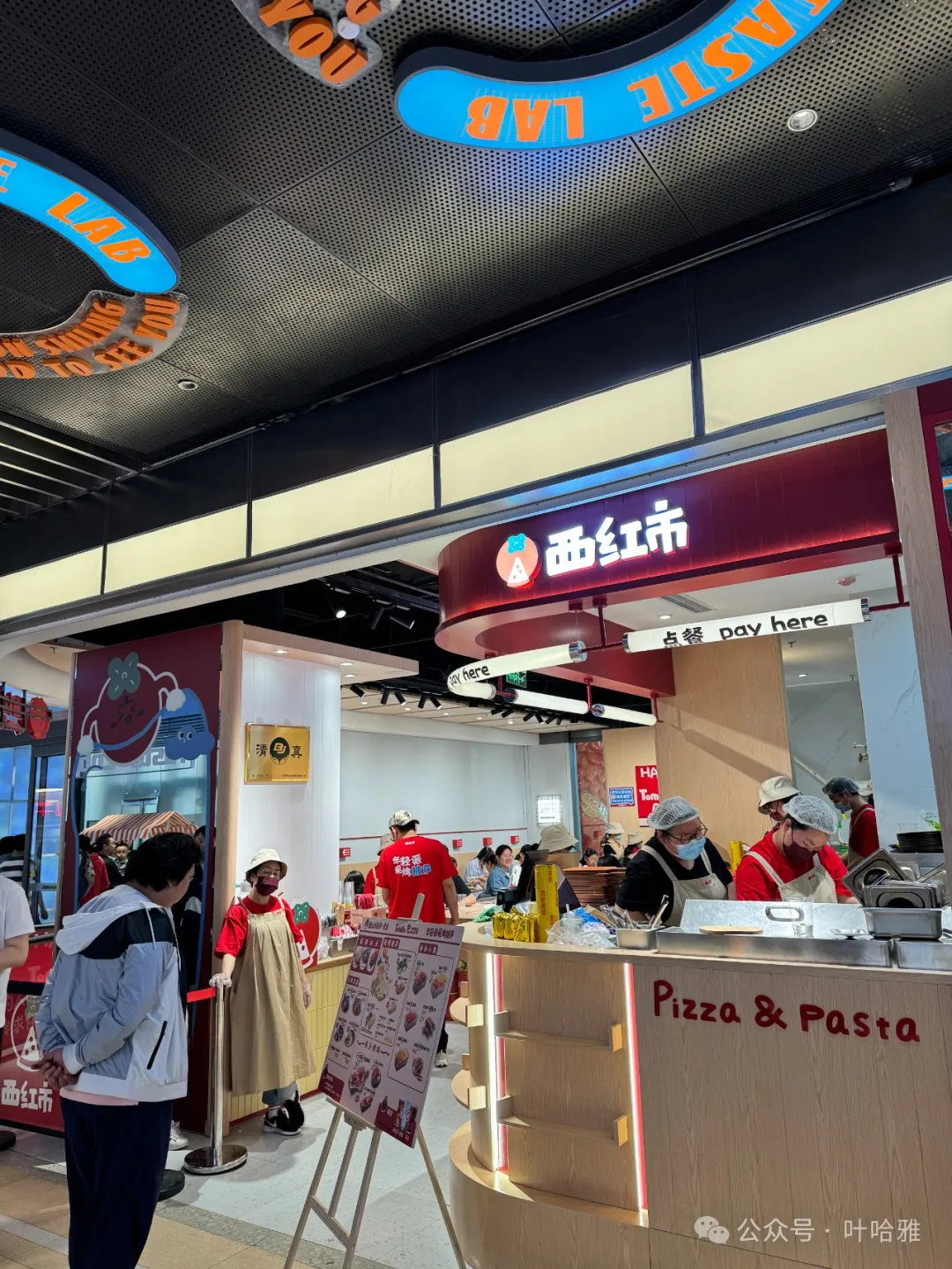
Tomato is a new fast-food chain created by the owner of the original Xihongmen Speed Pizza. They focus on made-to-order food at affordable prices. The owner is a Hui Muslim from Xueying in Daxing.
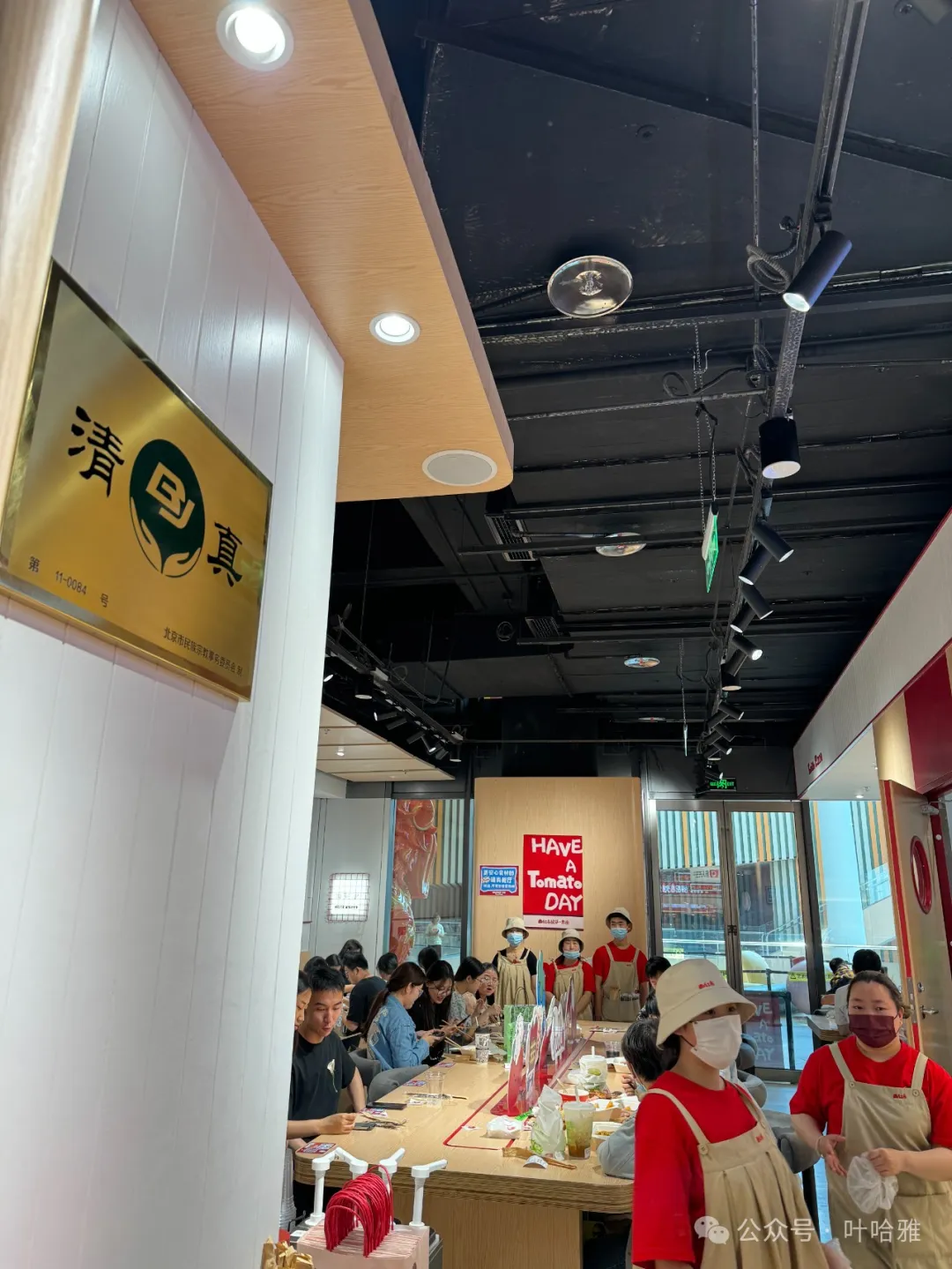
The shop became popular as soon as it opened, and you have to wait in line during peak dining hours.
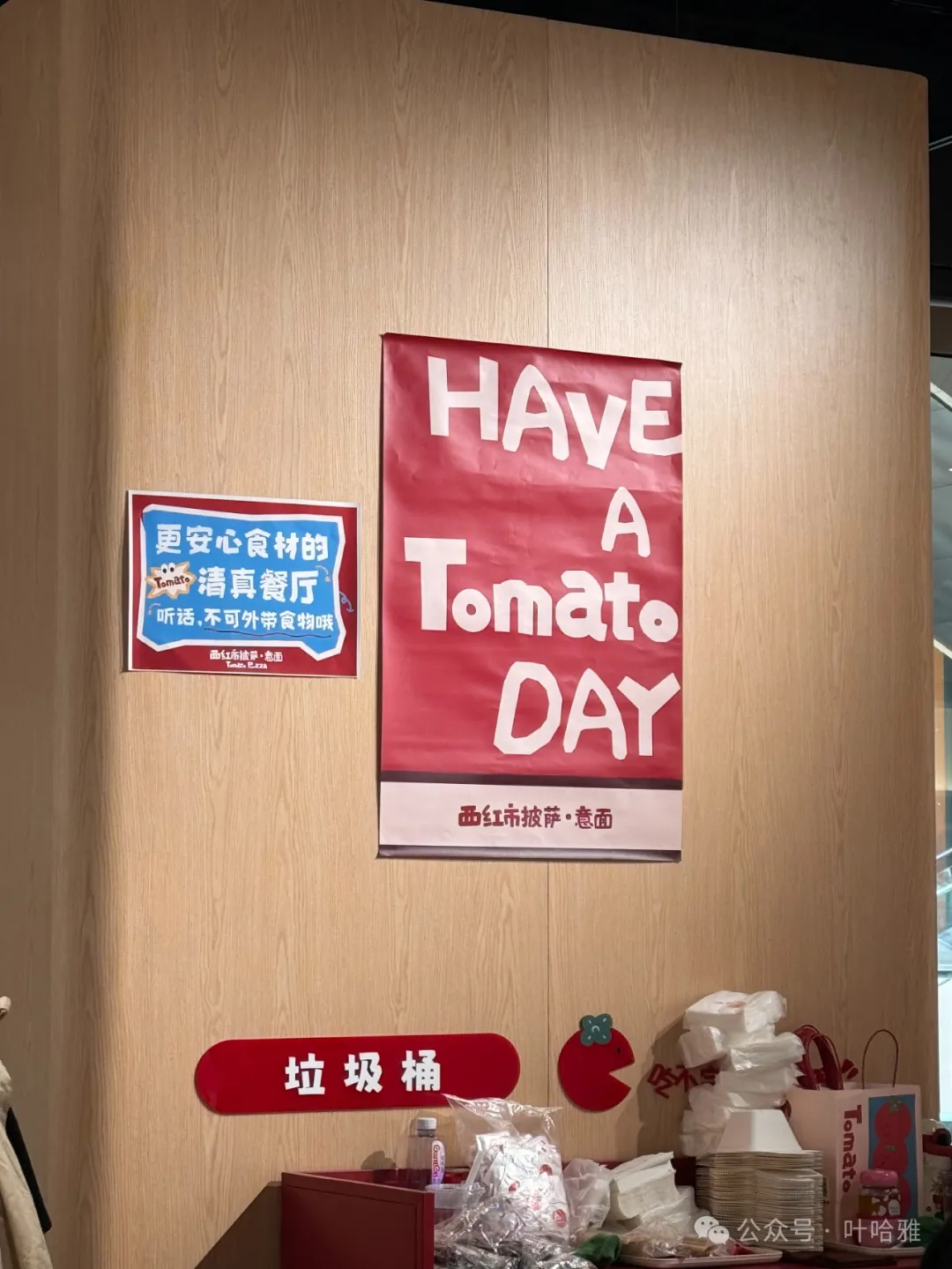
Their specialties are pizza and pasta, which are both made on the spot and served quickly.
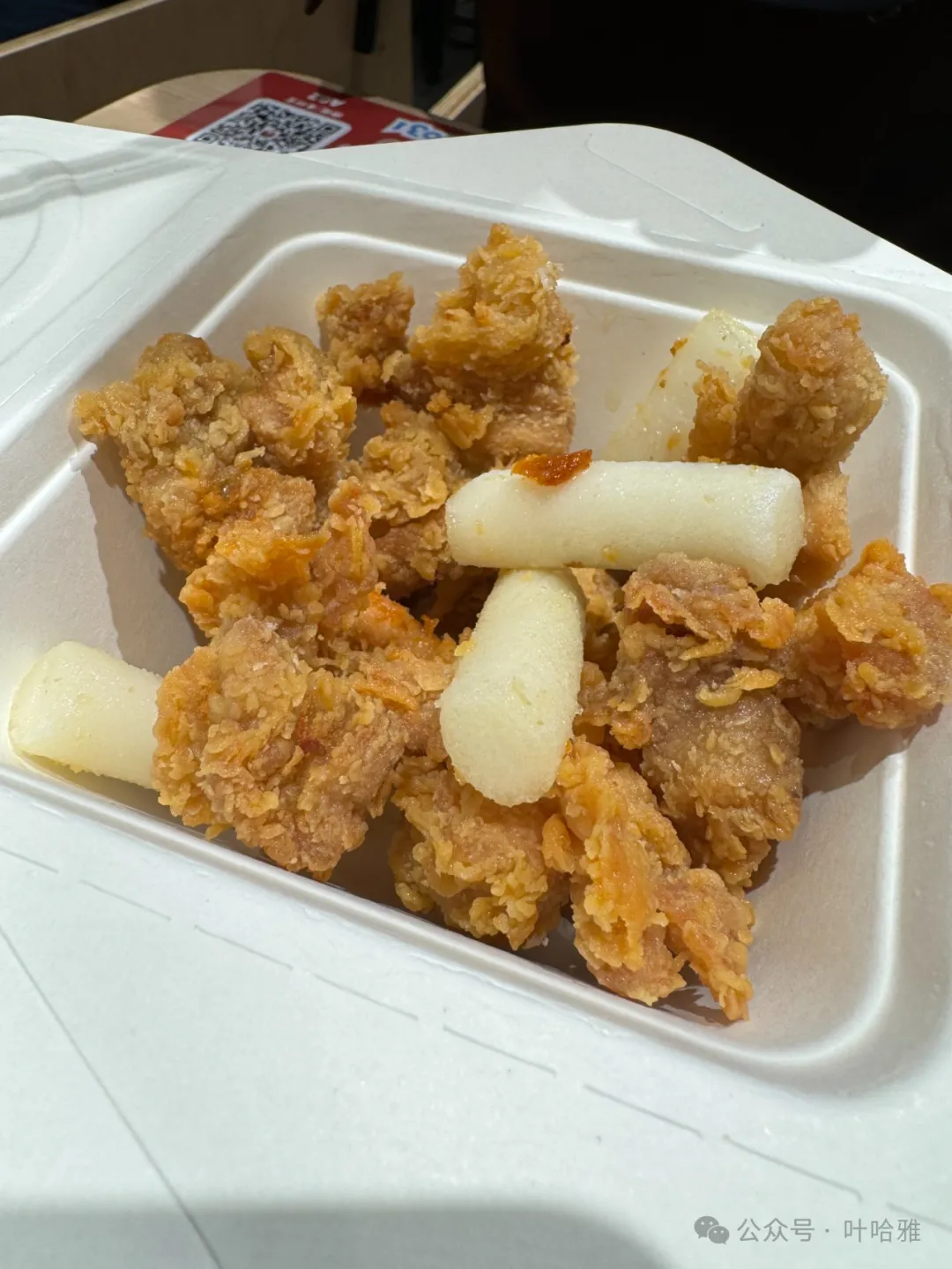
They have soda for 3.9 yuan with free refills that kids can enjoy, and Fahim especially loves their tomato pasta.
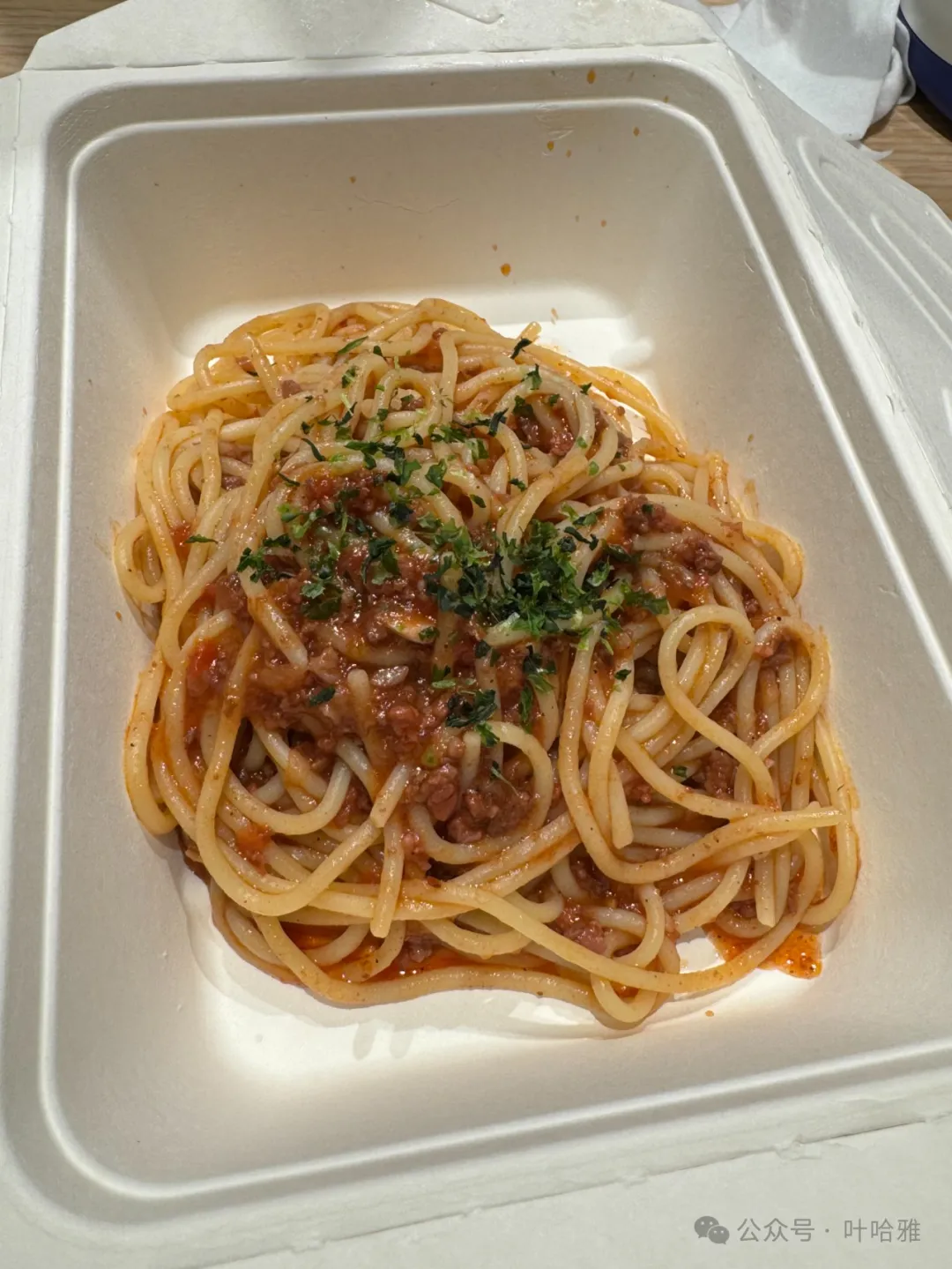
A pizza there costs just over 20 yuan and pasta is around a dozen yuan, but the quality of the ingredients is guaranteed.
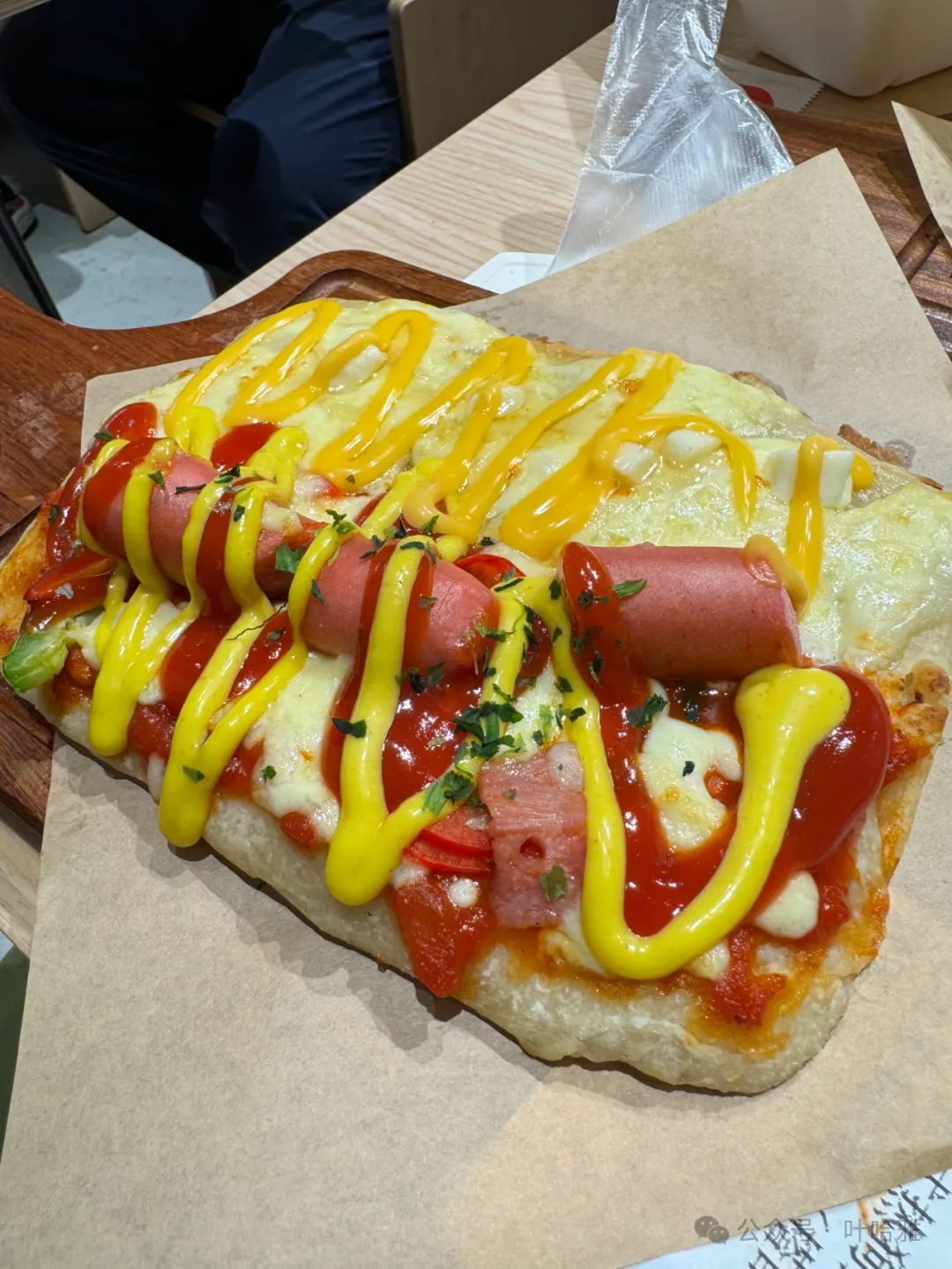
We have been to the Xindongan and Changping Super Hopson One locations, and the taste was great at both. Now they have added locations at the Communication University of China and Raffles City.
8. Sultan Turkish Restaurant
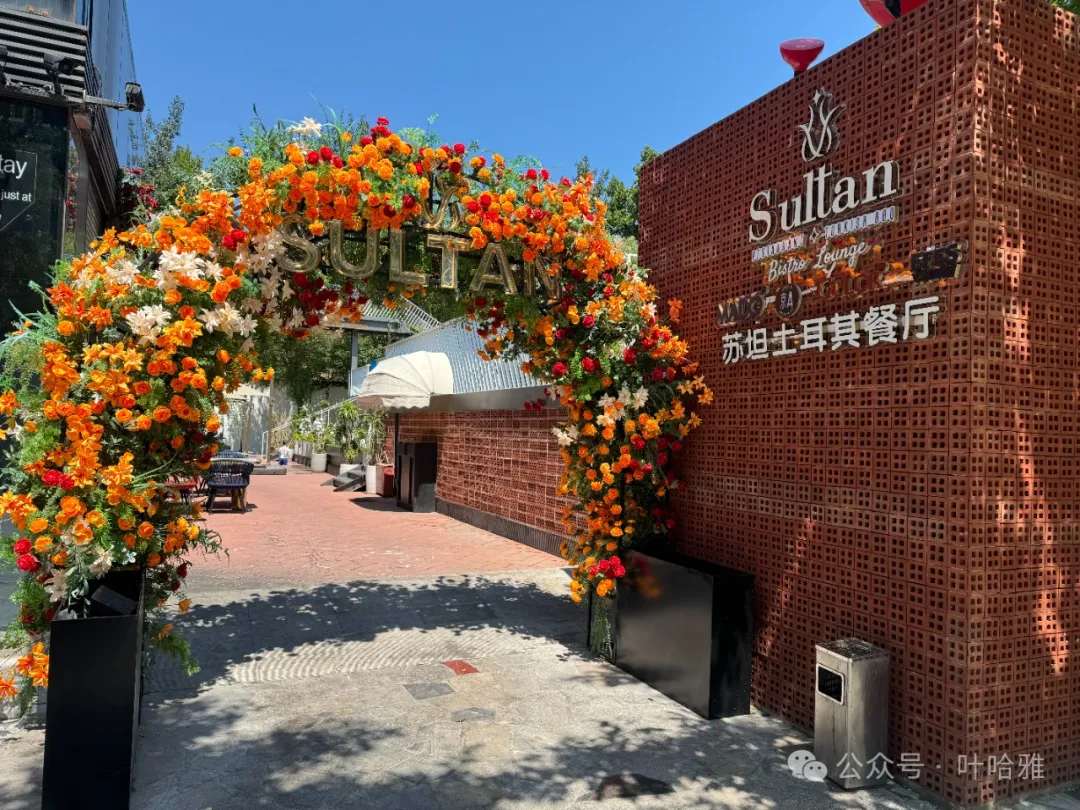
Formerly Kubei Turkish Restaurant, the original team changed the place into Sultan Turkish Restaurant. Sultan is a chain brand. I ate at one in Yiwu once and the taste was excellent. You could say it is the gold standard for Turkish restaurants in China, perhaps even better than what you might eat in Turkey. It was not very crowded when it first opened, but I hear it has become a viral hit recently and you have to wait in line for a long time.
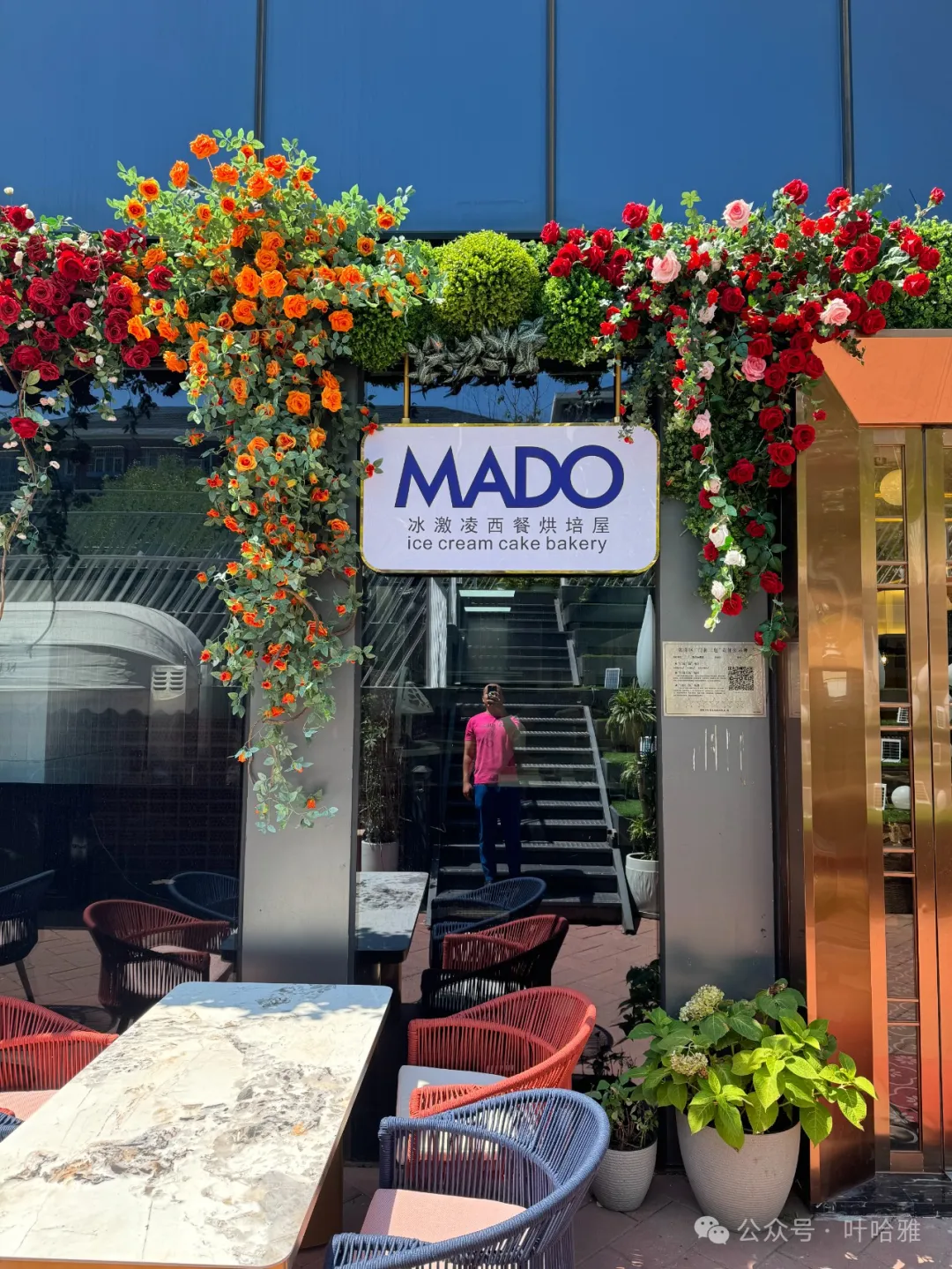
Sultan serves the famous Turkish ice cream brand MADO. It is made from goat milk without adding water, giving it a rich and creamy flavor.
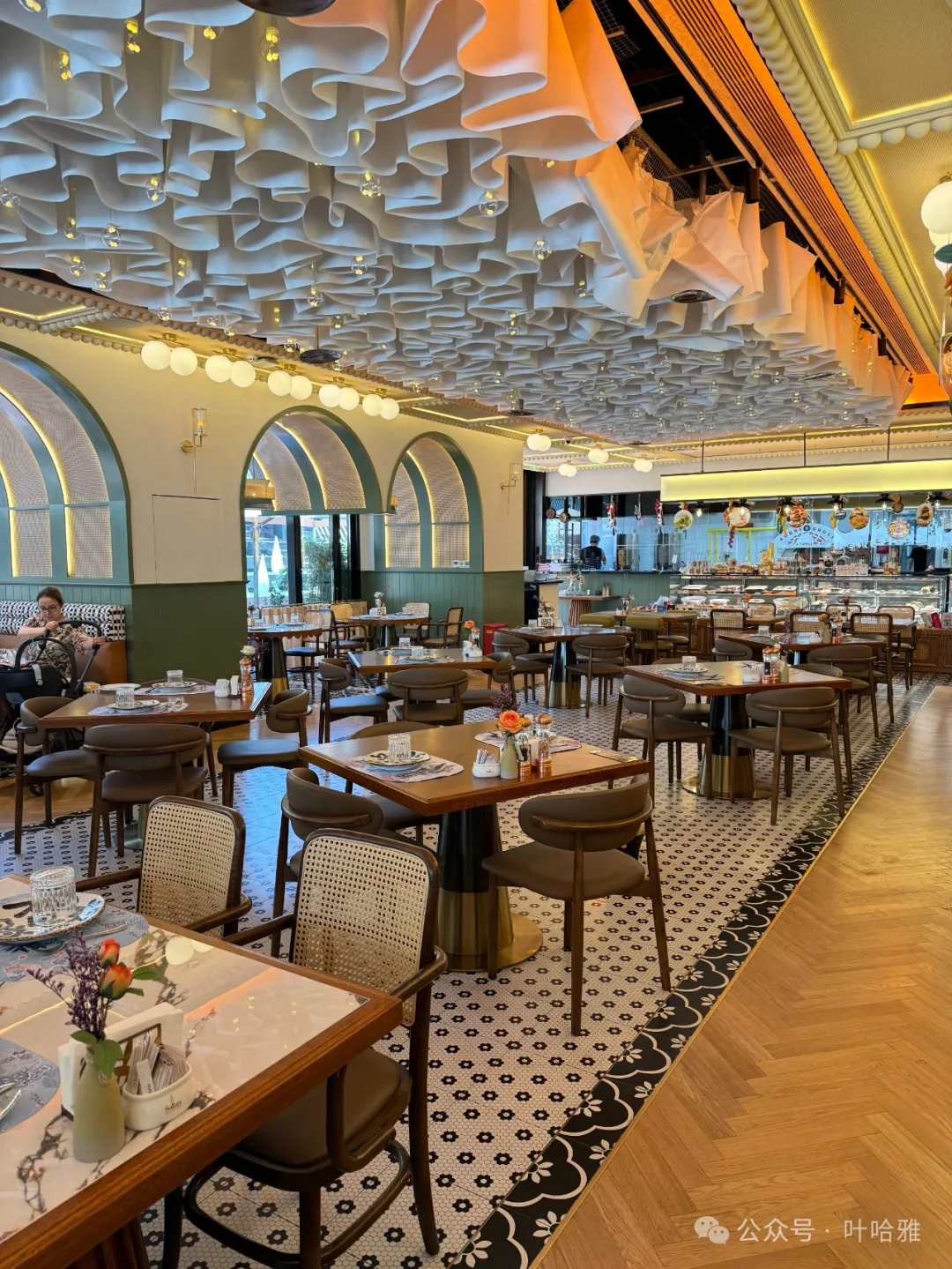
Beijing also has Dardanelles Turkish Restaurant, Desert Rose Turkish Restaurant, and West Court Show Turkish Restaurant, which are all quite good. Desert Rose and Dardanelles do not sell alcohol, but personally, I think Sultan offers the best dining experience.
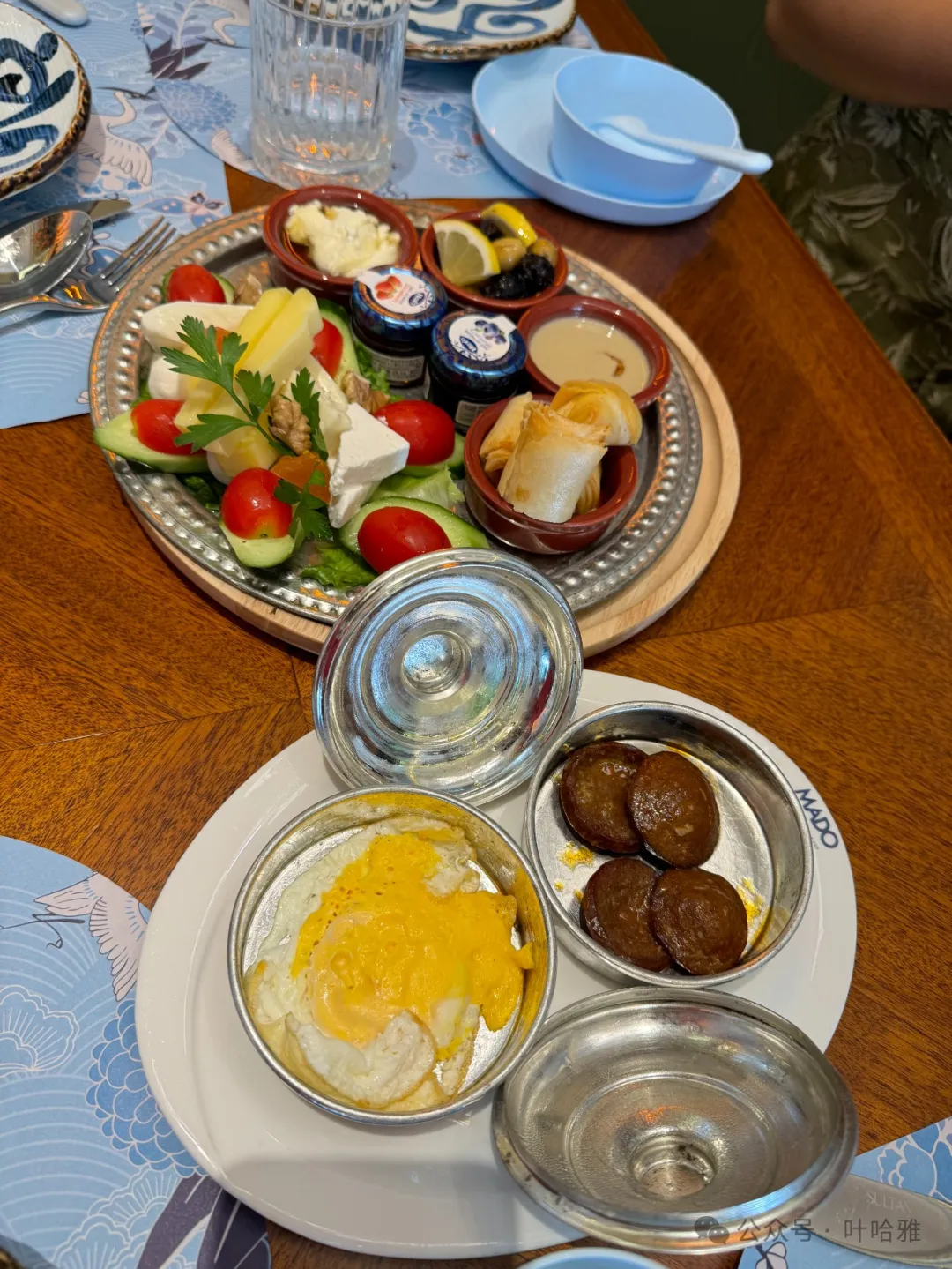
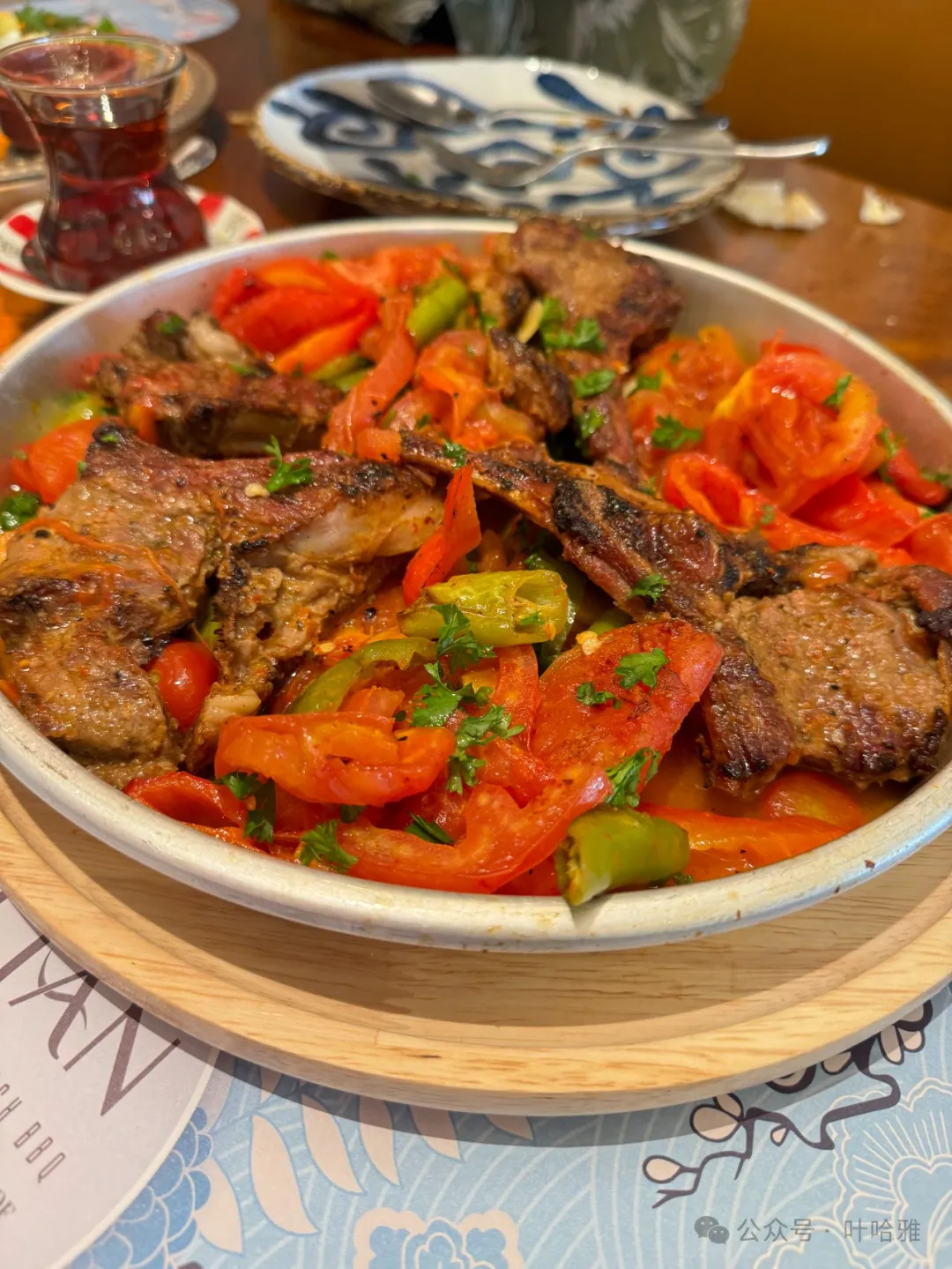
Sultan offers many types of Turkish-style breakfasts. You can choose a single or double set meal, and you can even order breakfast during regular meal times. Turkish people are used to eating two meals a day—one in the morning and one in the evening—with each meal lasting a long time.
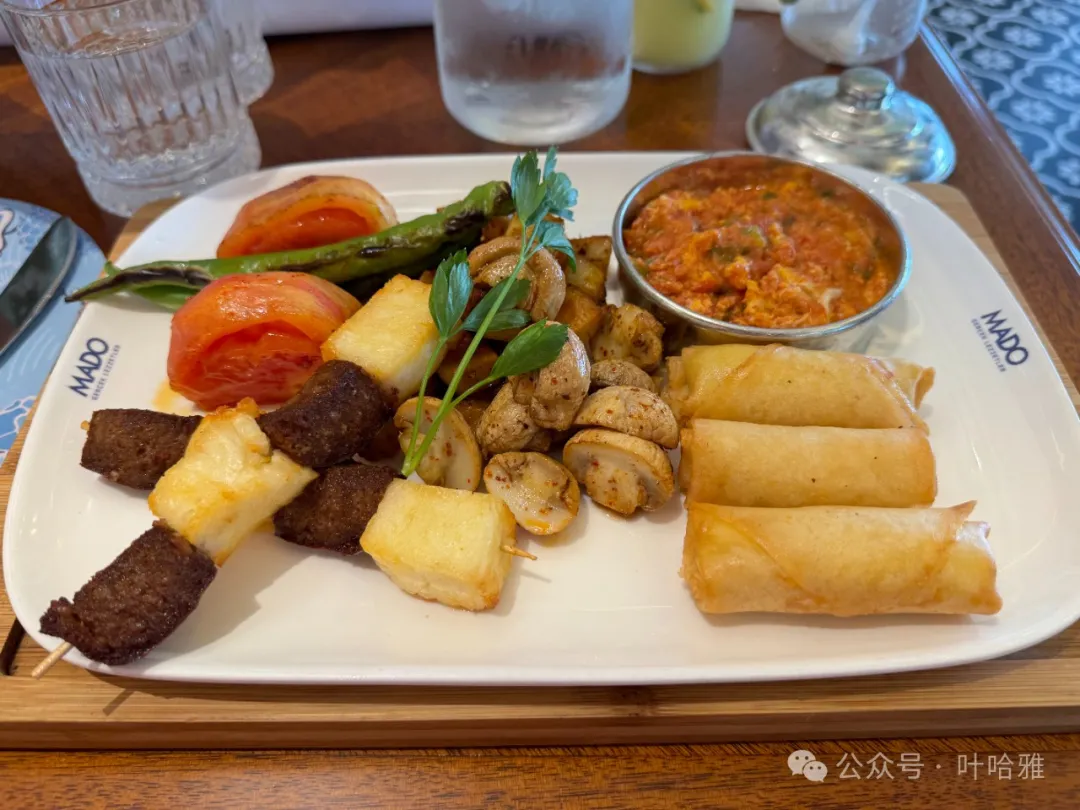
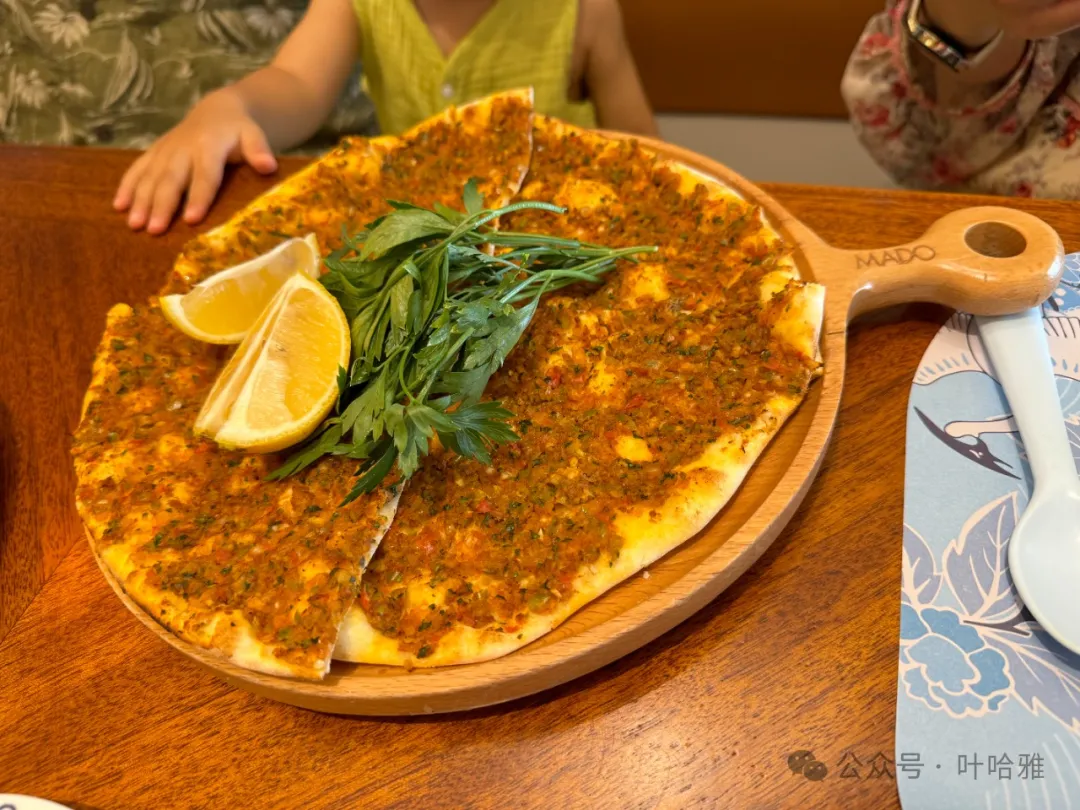
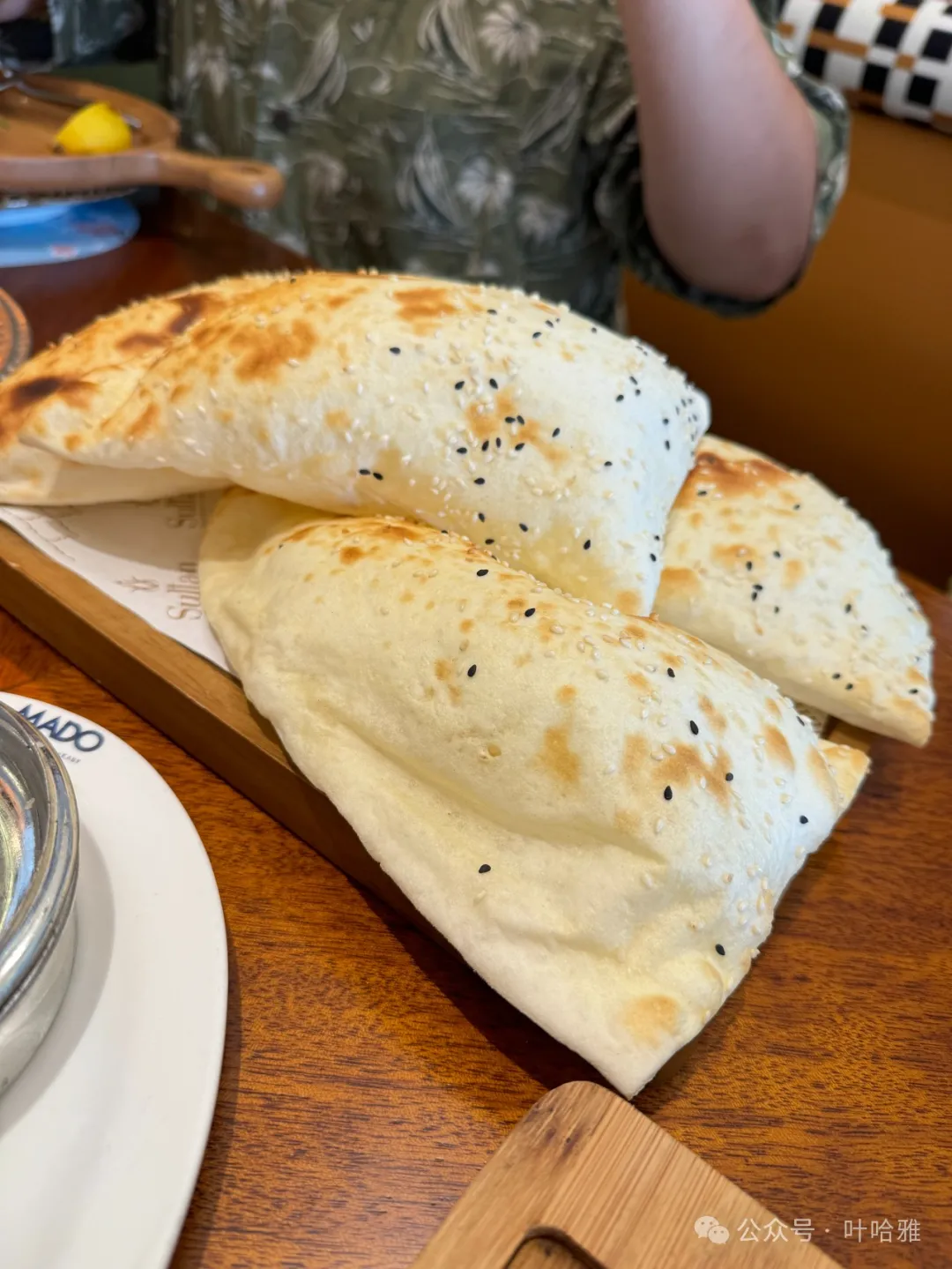
Balloon flatbread (pide)
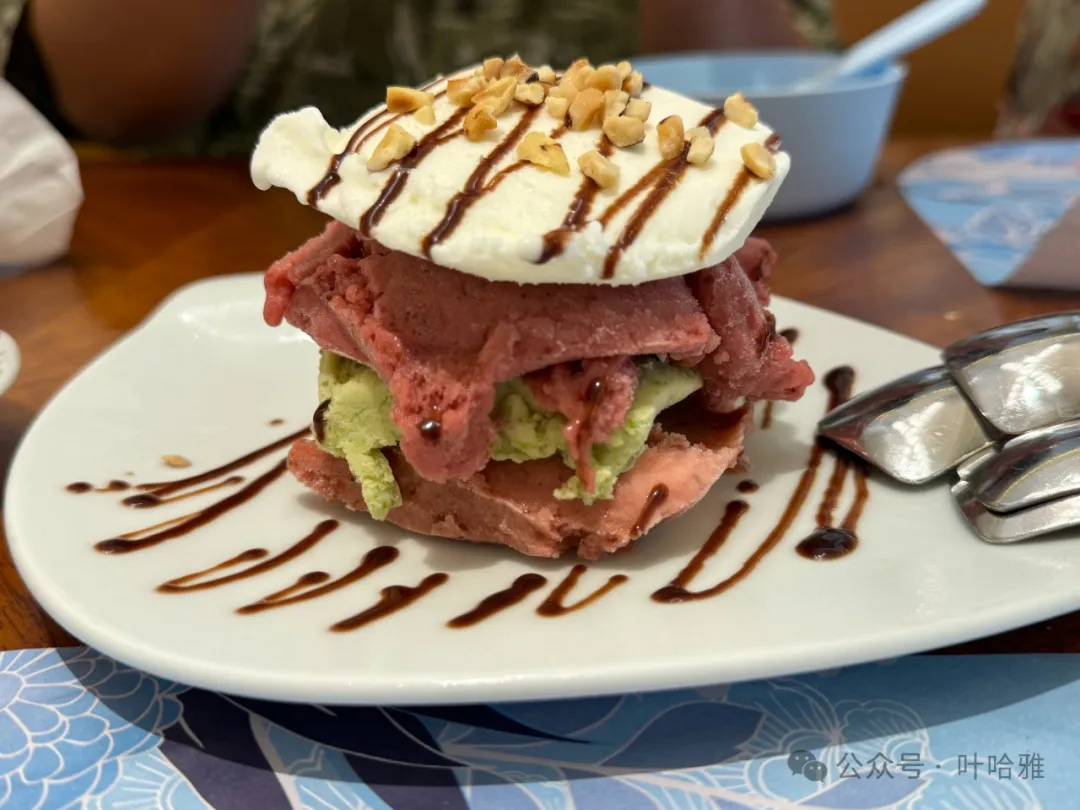
MADO layered ice cream, with a choice of four flavors.
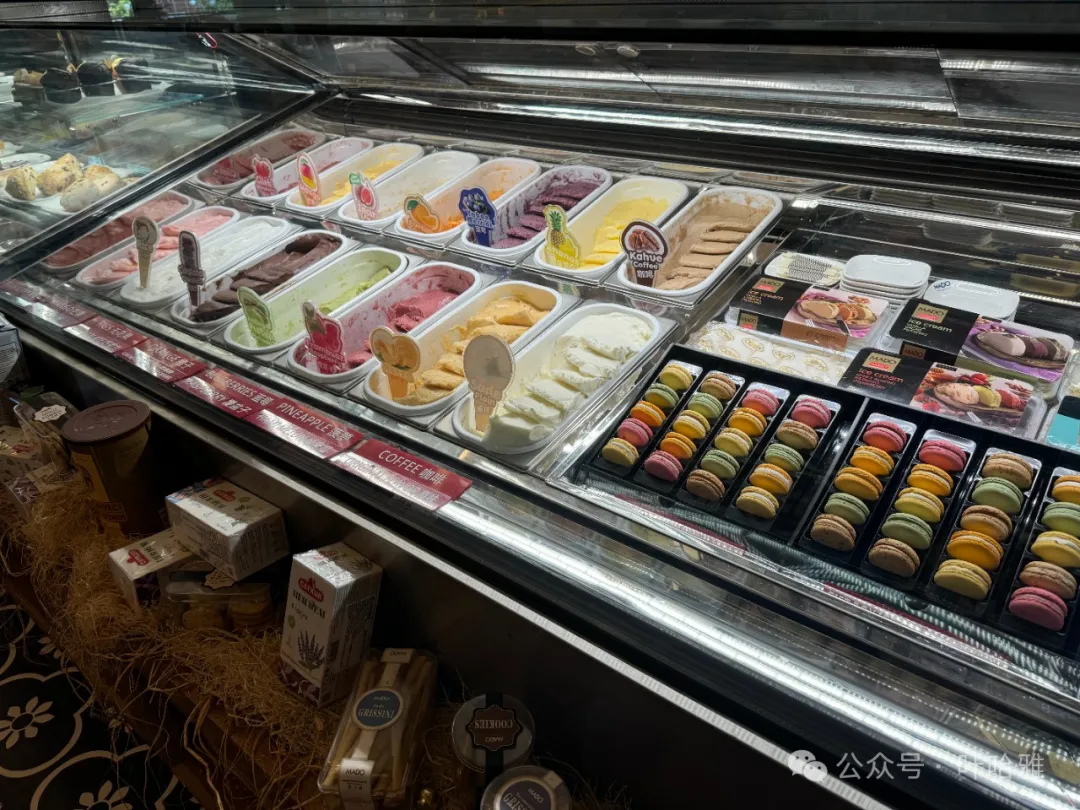
Just for this MADO ice cream, it is worth a visit. The quality is higher than Haagen-Dazs.
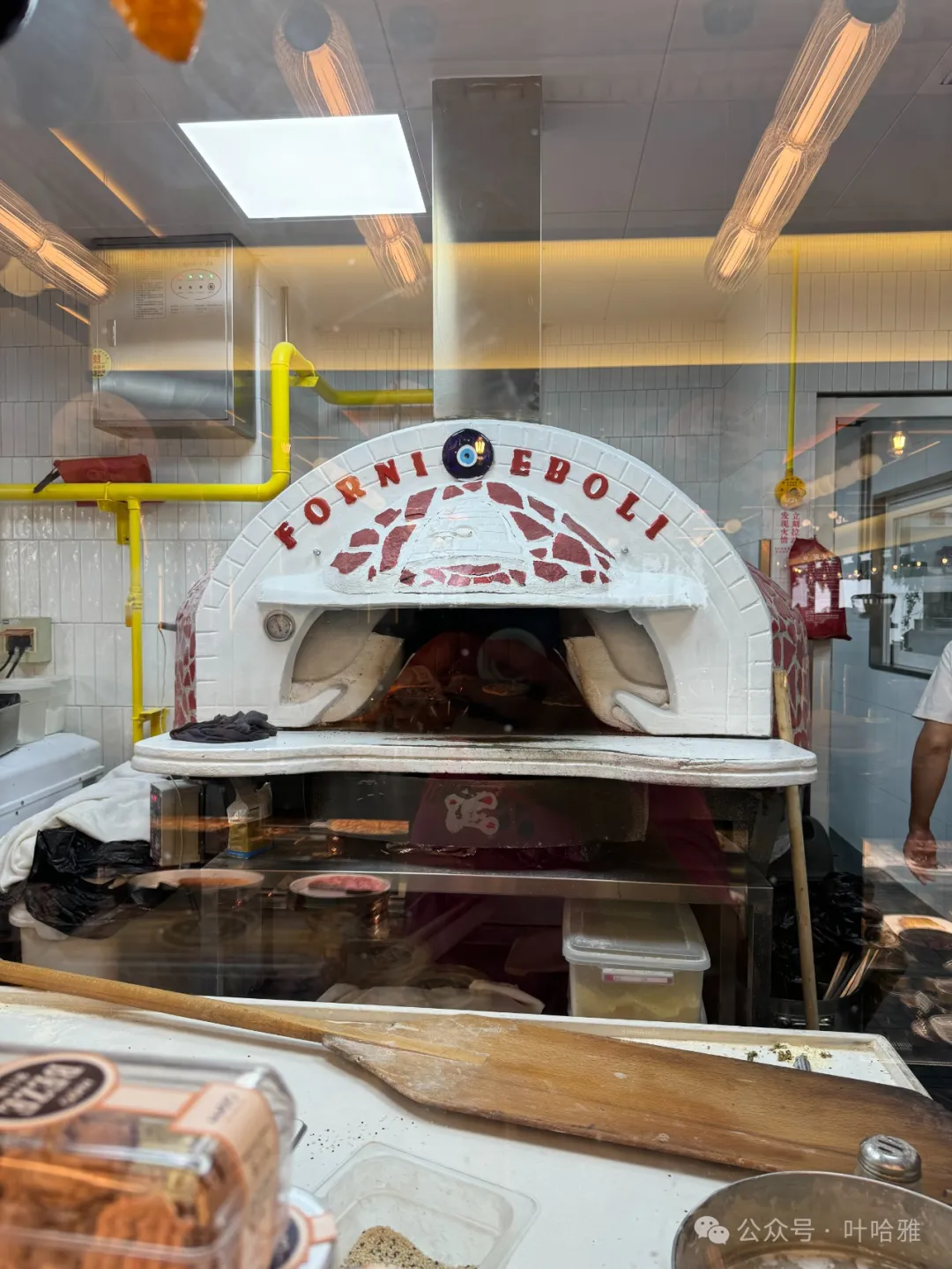
The open kitchen lets you see the chef baking naan bread by the oven.
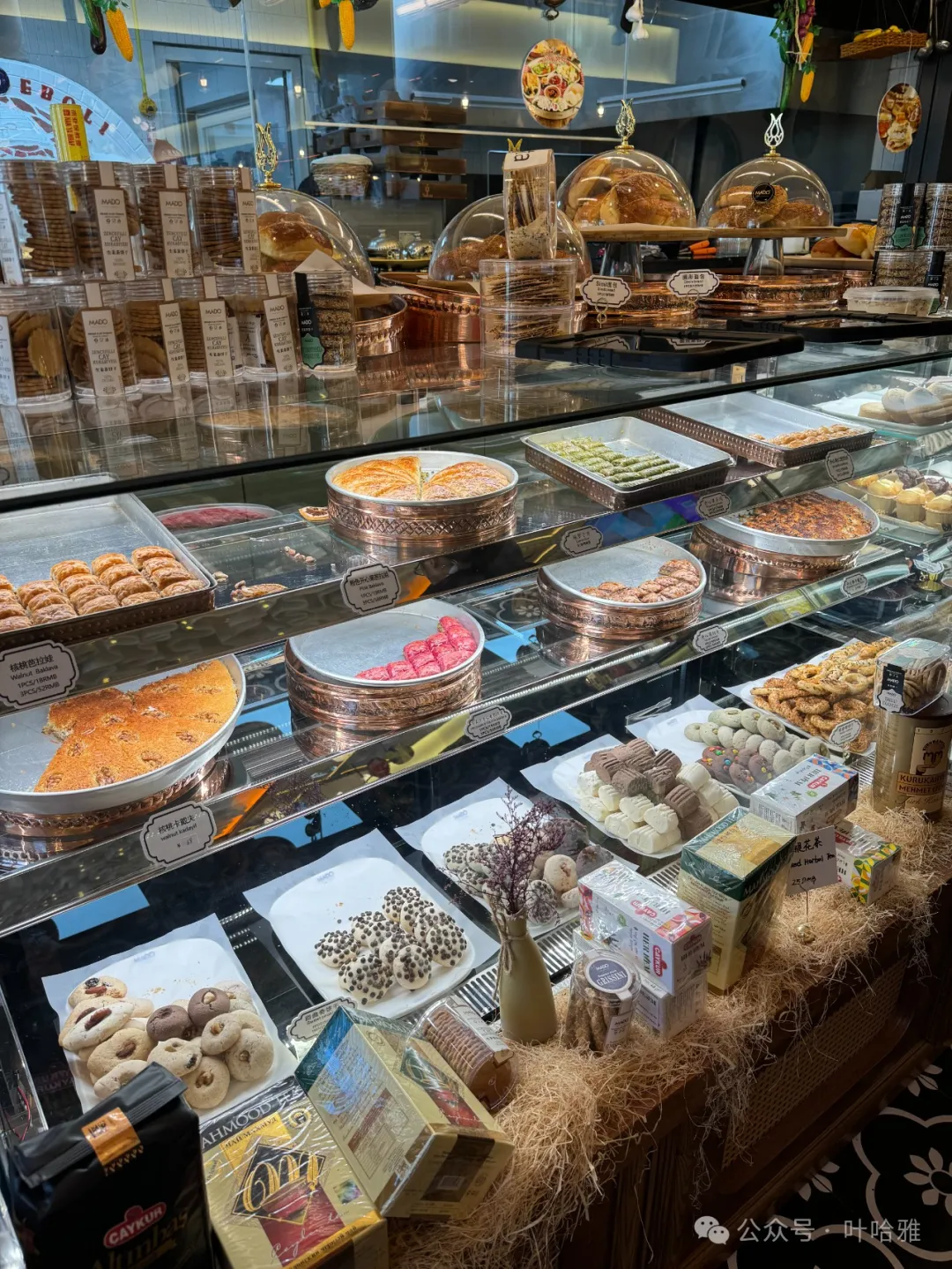
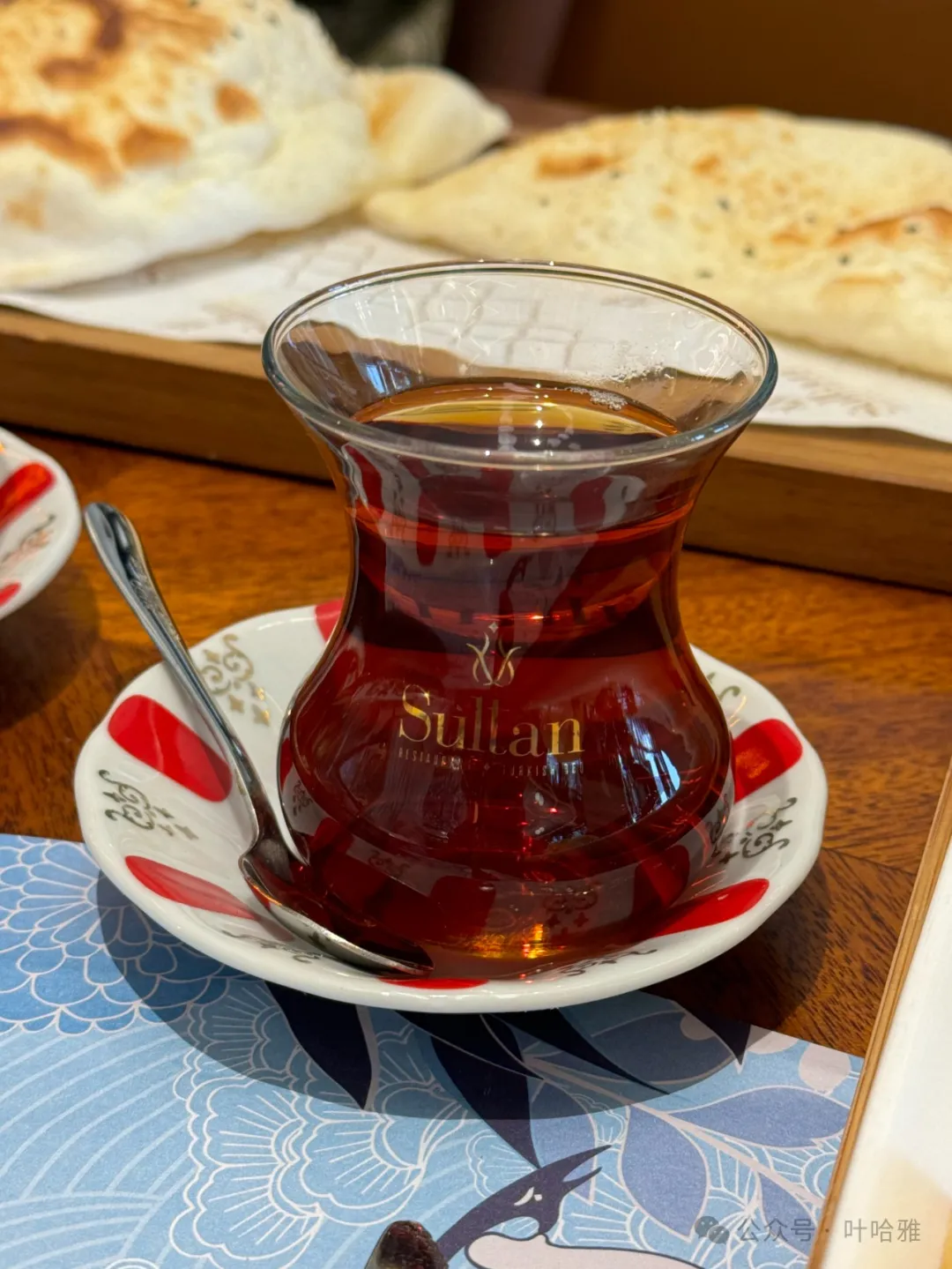
Various Turkish desserts served with tea.
9. BRBR Syrian Restaurant
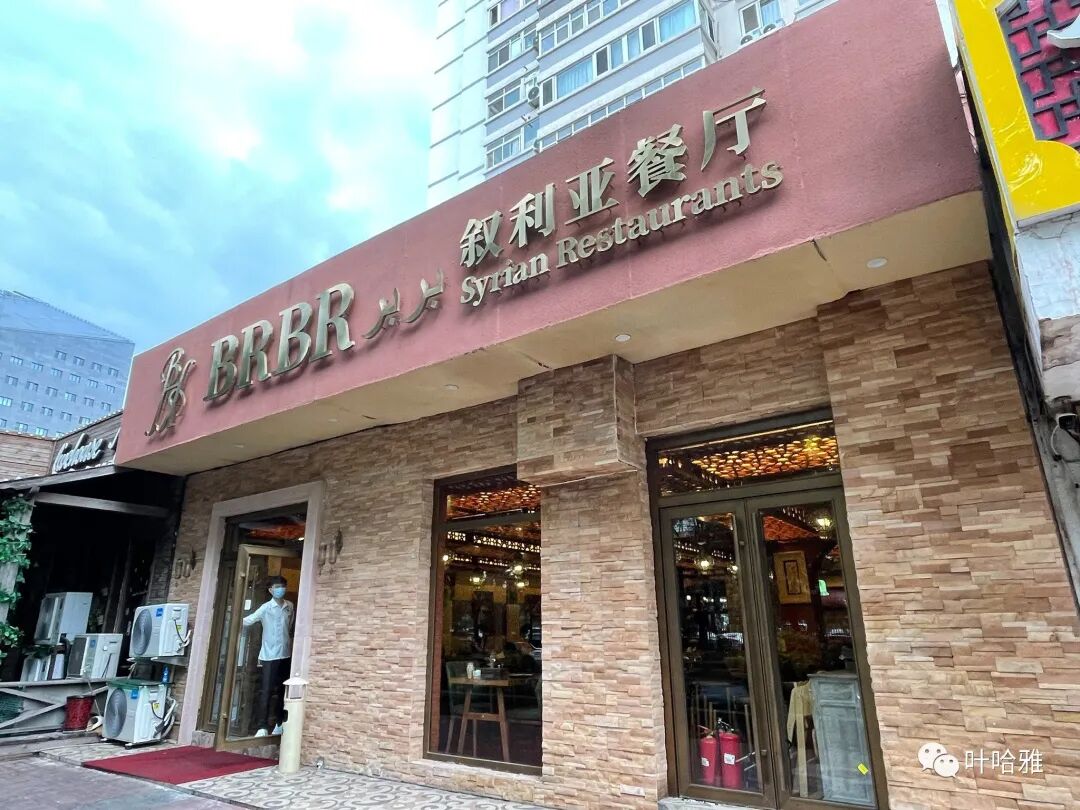
This is the only Syrian restaurant in Beijing. It has been open for many years, and I have watched it grow from a small storefront into a larger space by taking over neighboring shops. At lunchtime, people line up to eat here. This year, BRBR opened a new branch in SOLANA, and business continues to boom.
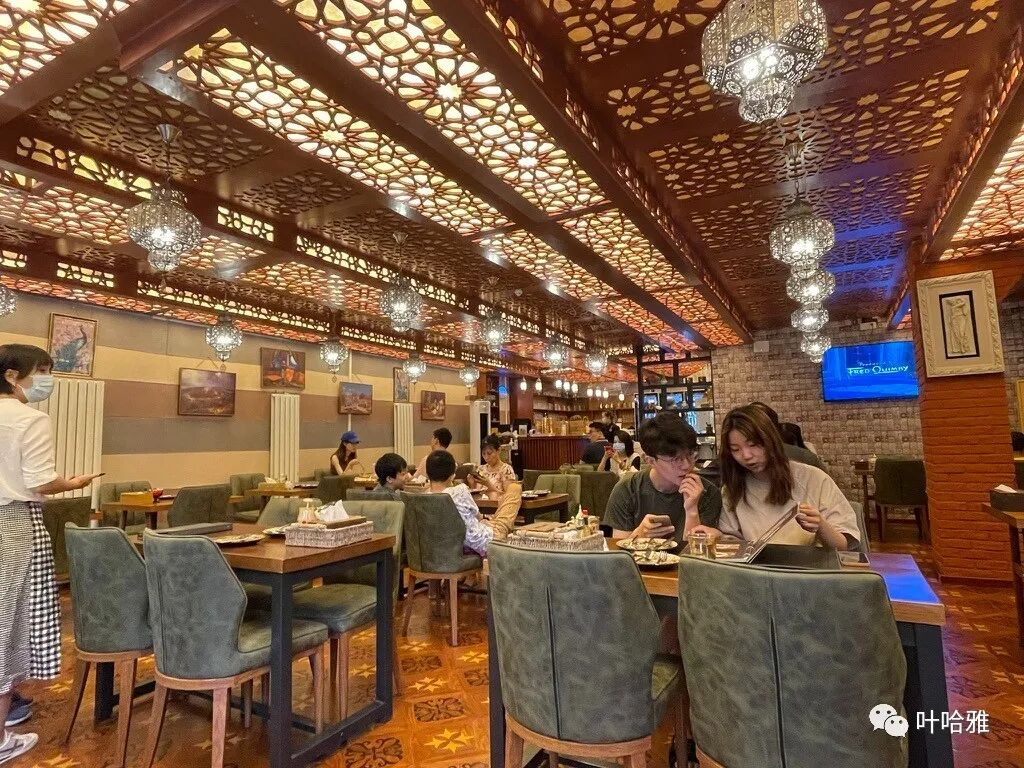
Syrian food is essentially Arabic food. There are quite a few Arabic restaurants in Beijing, such as One Thousand and One Nights and Al Safir, which are both excellent. The staff there are mostly Arabs from Syria and Palestine.
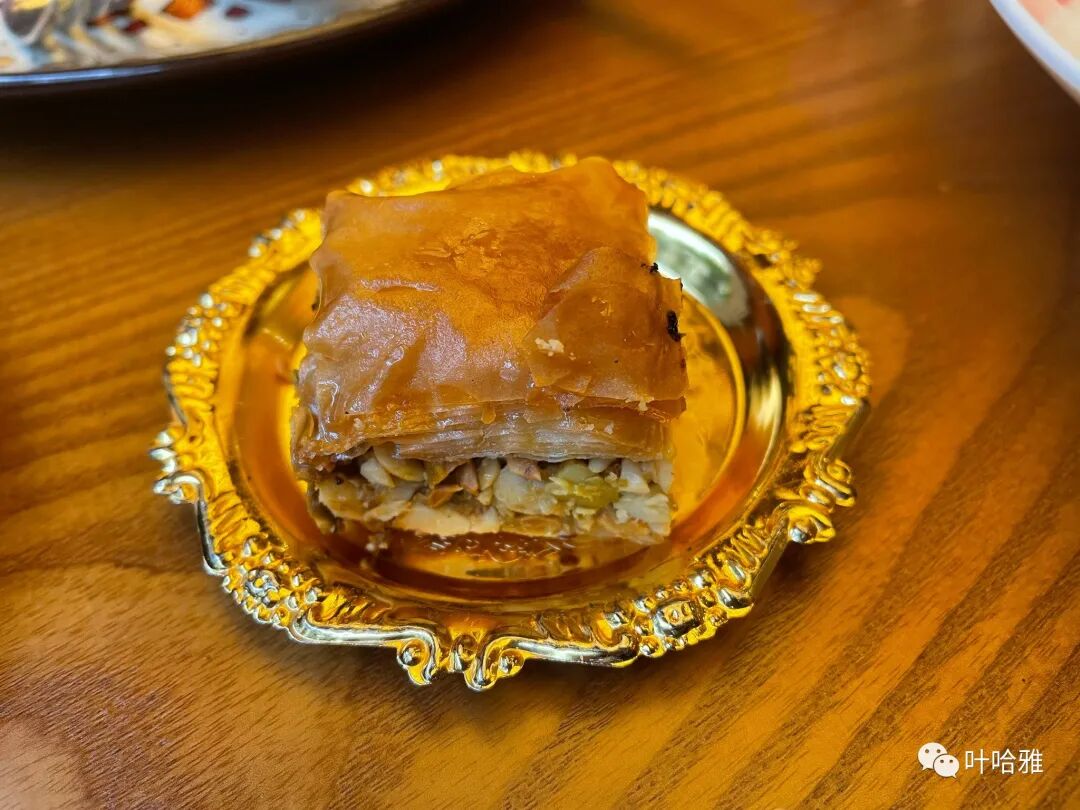
Honey and nut layered pastry (baklava)
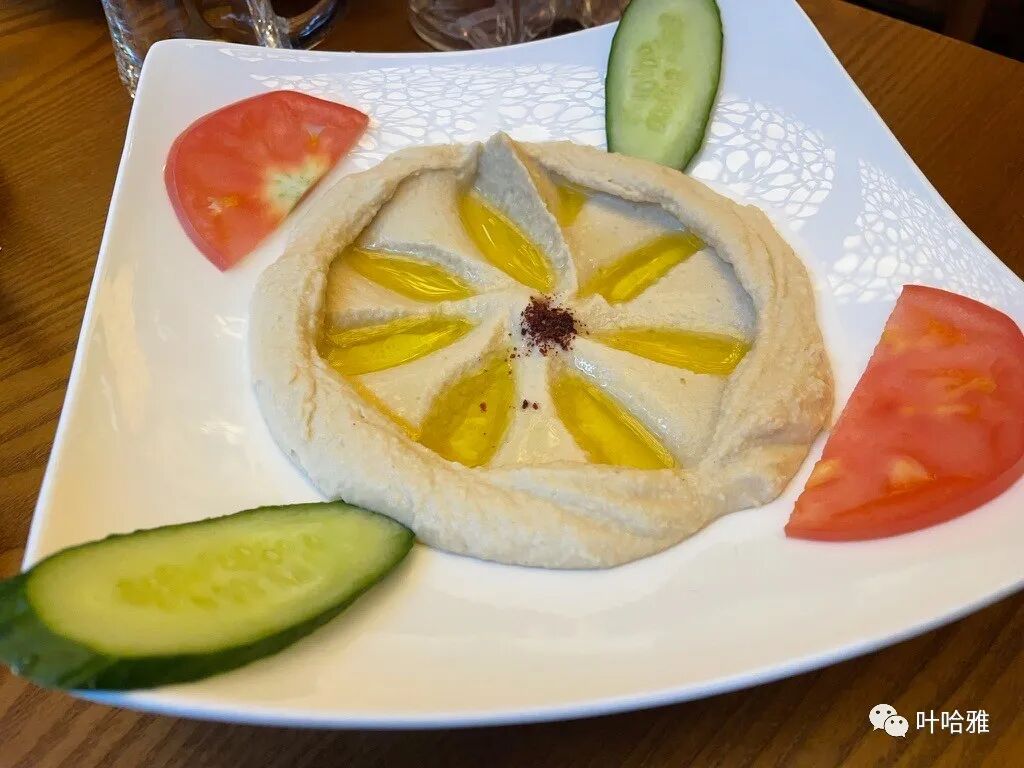
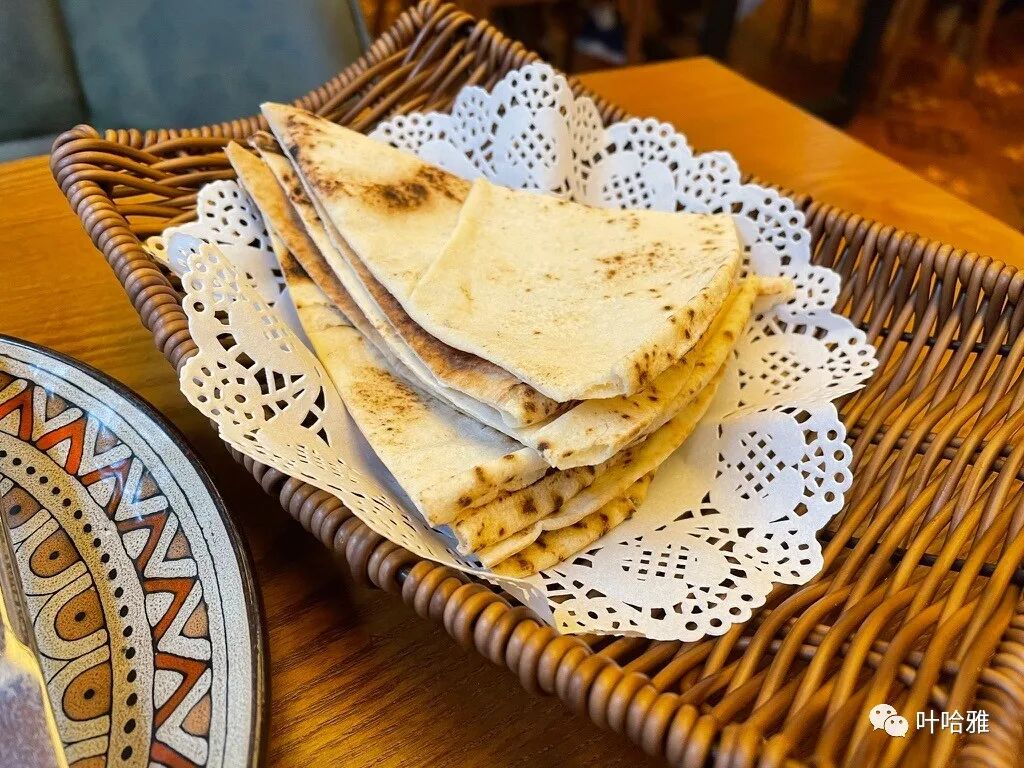
Hummus dip with flatbread.
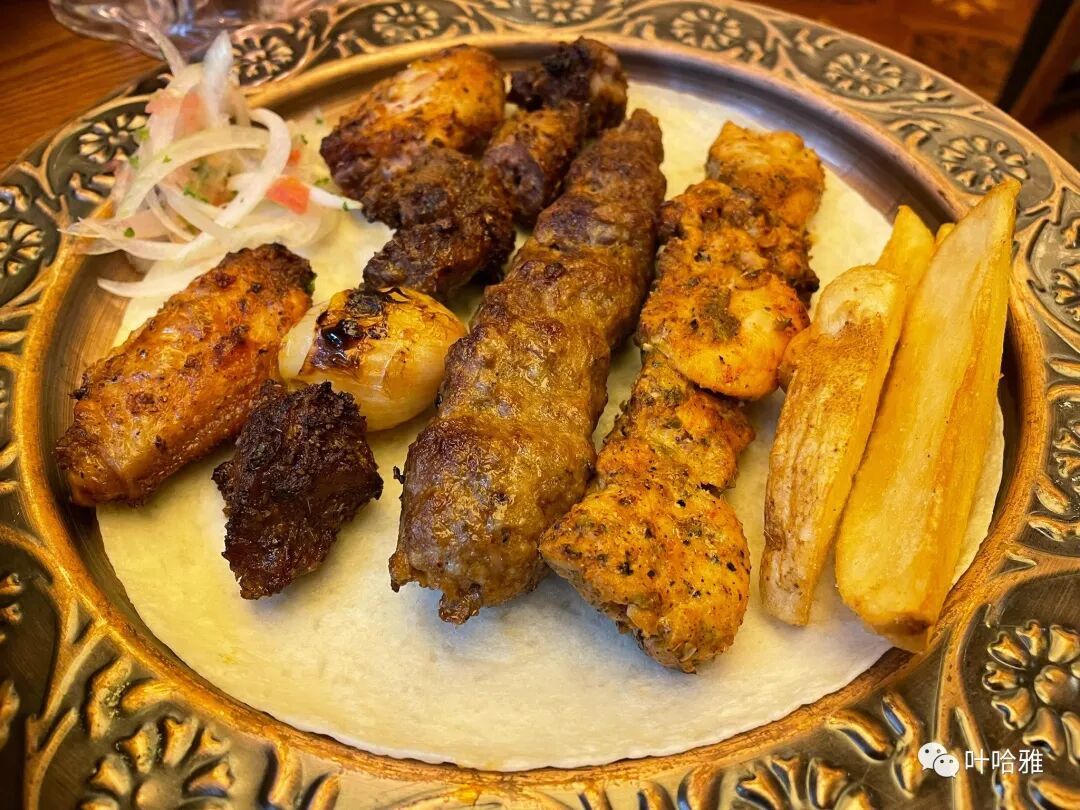
BRBR mixed grill.
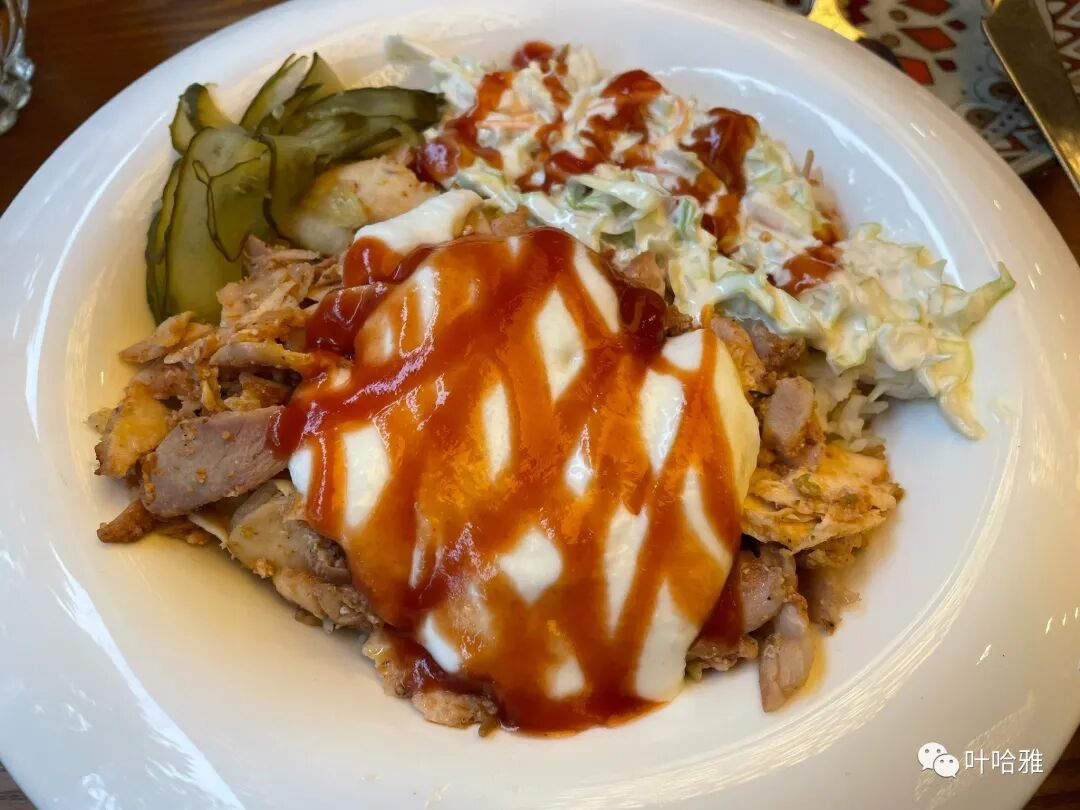
Shawarma rice.
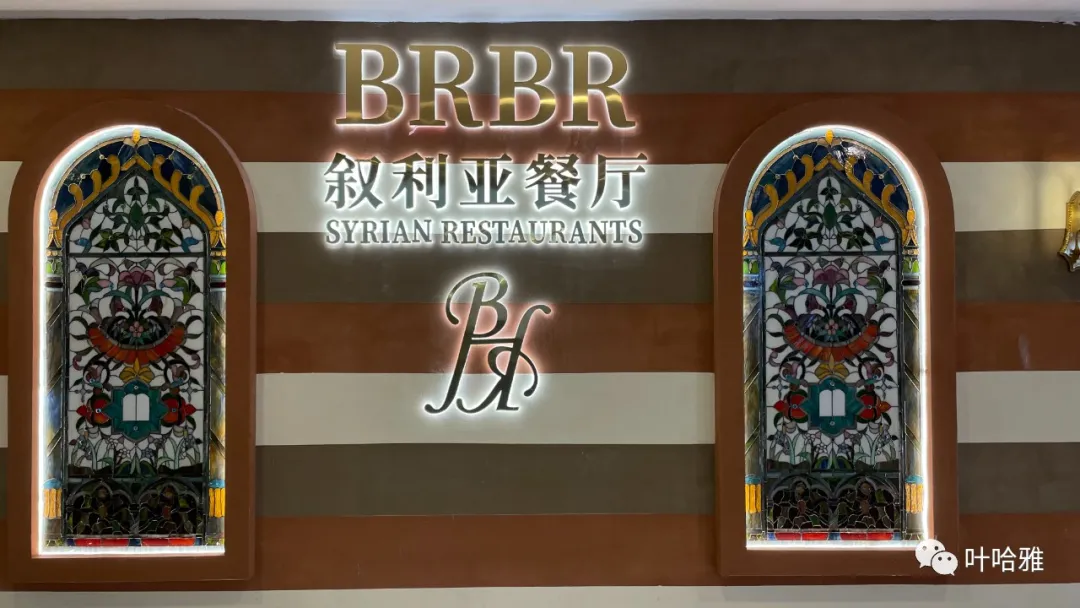
SOLANA branch.
Ever since the Syrian restaurant in Wudaokou, Haidian became popular, the owner wanted to open a branch in Chaoyang District. He finally got his wish, choosing a spot on the second floor of the SOLANA mall near McDonald's.
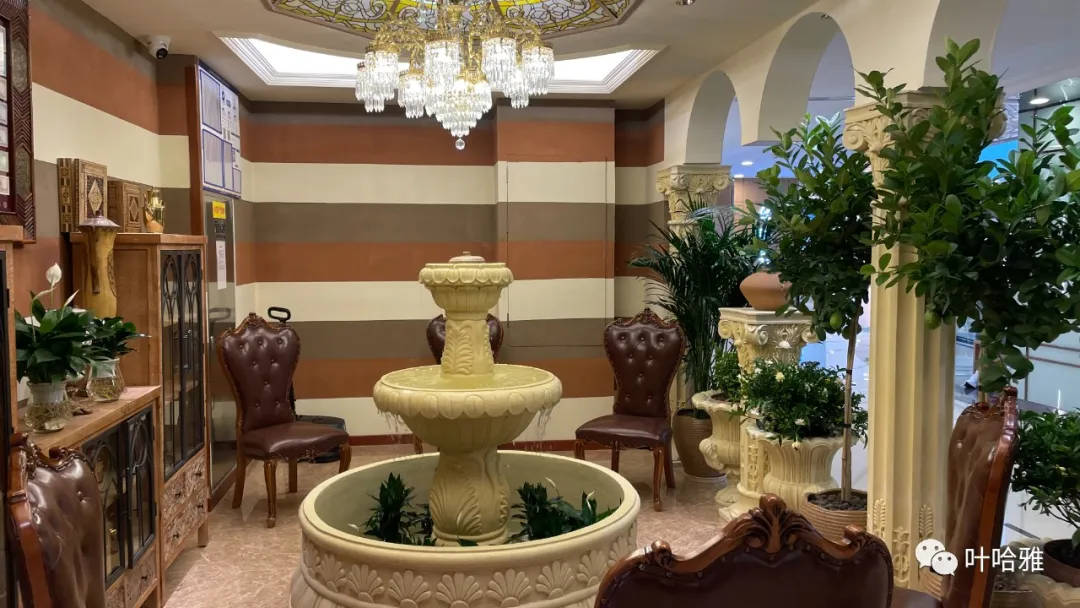
The SOLANA branch is much larger, the decor is very refined, and the private rooms have a wider view than the previous ones.
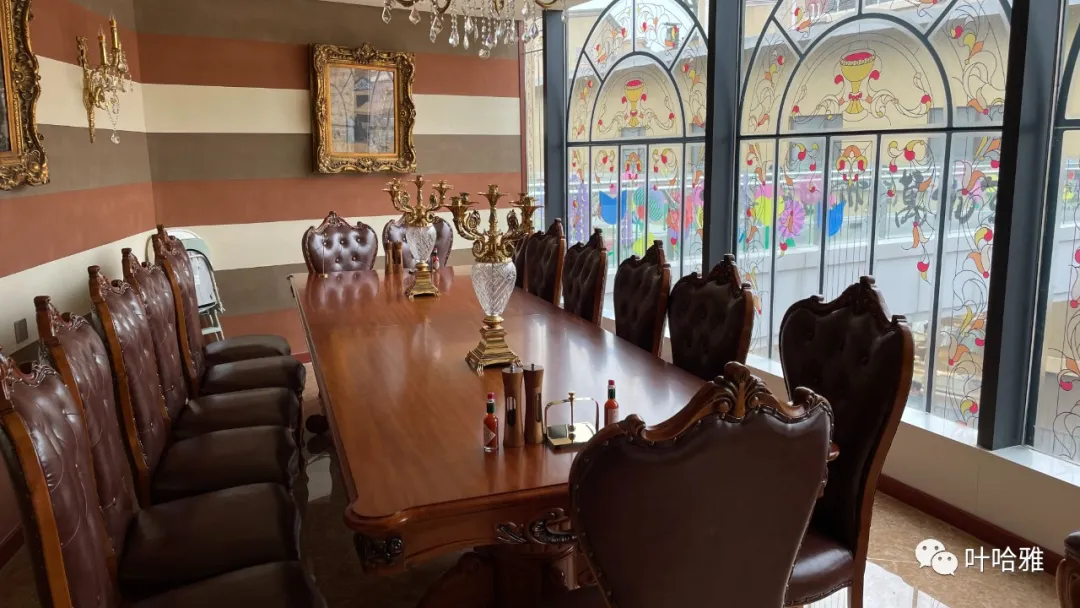
The menu is exactly the same as the Wudaokou shop, and the flavors are basically the same.
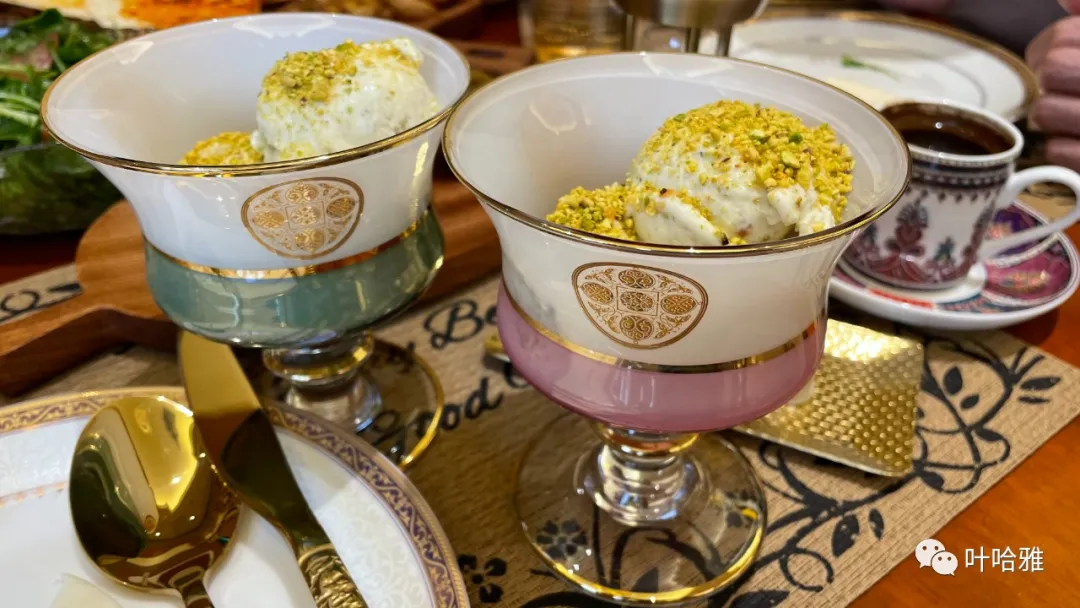
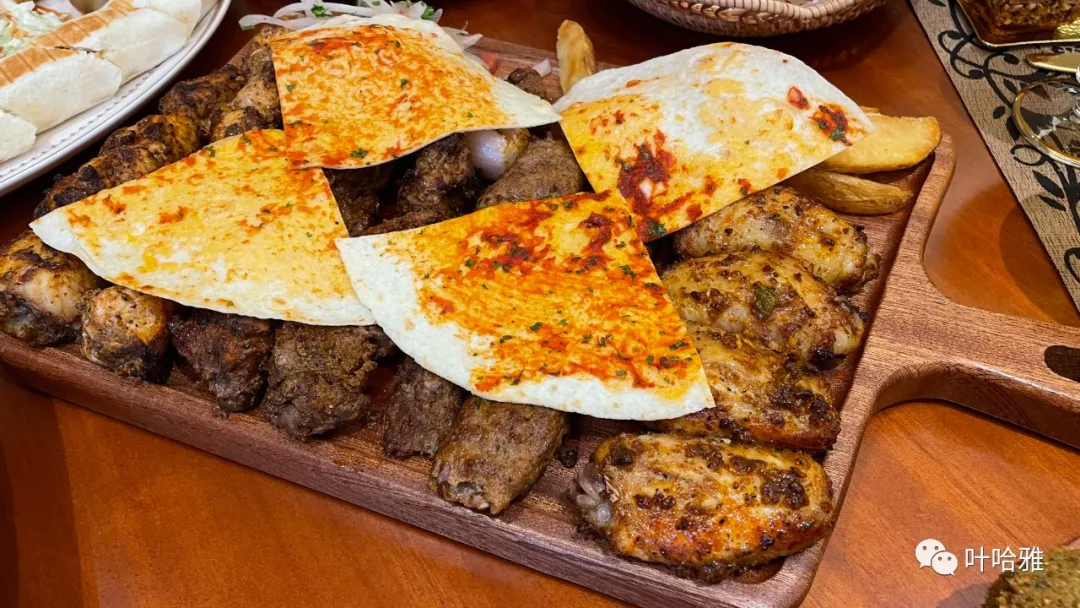
I suddenly realized that Syrian barbecue and Zibo barbecue are the same thing. Syrian barbecue is also eaten by wrapping meat in thin flatbread. The difference is that Zibo barbecue uses green onions inside, while Syrian barbecue uses onions.
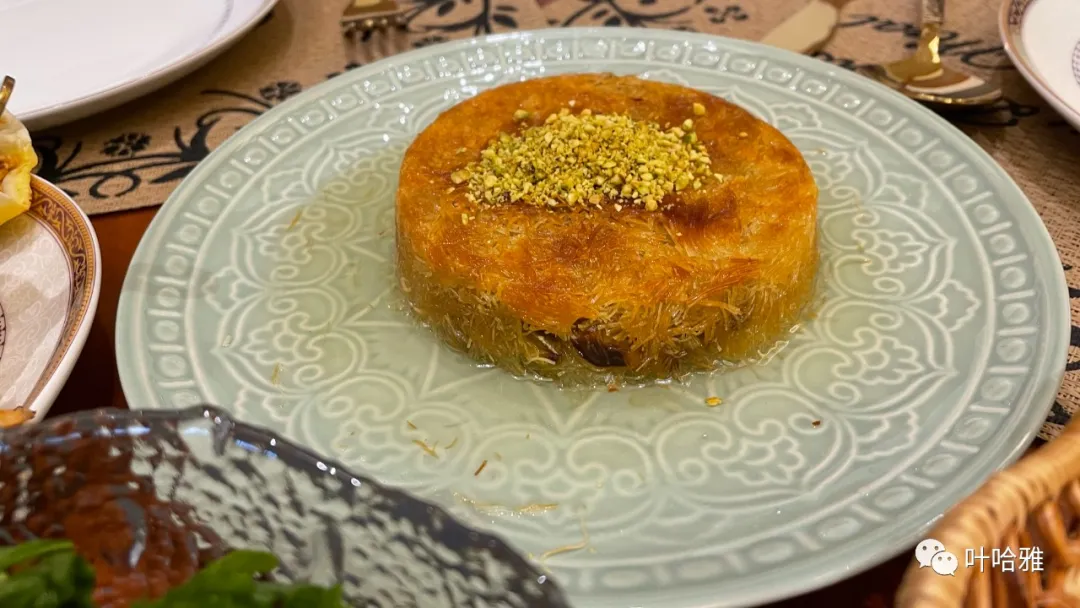
Kunafa.
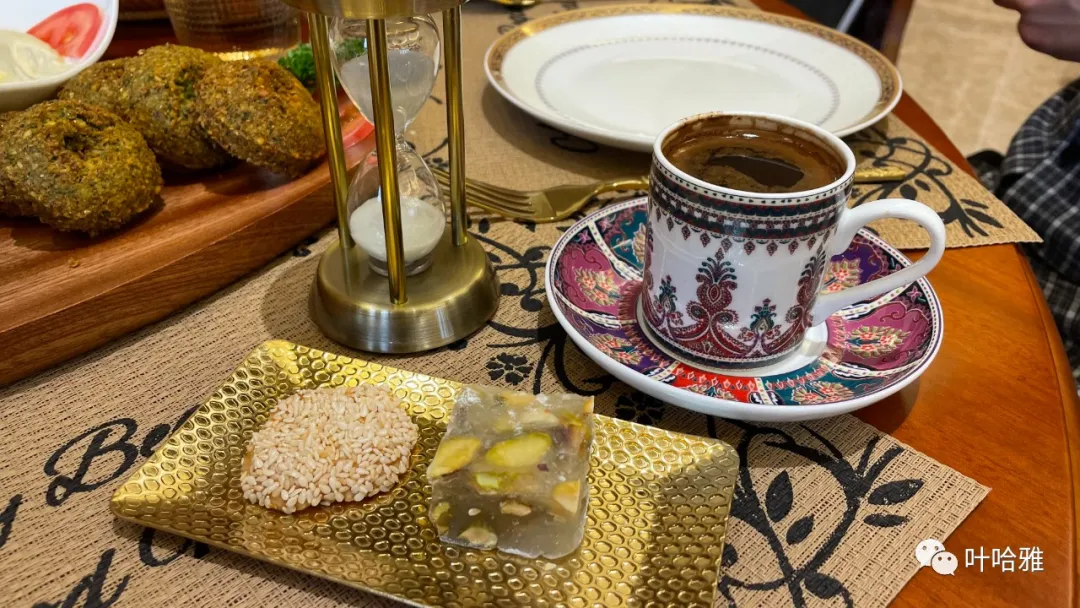
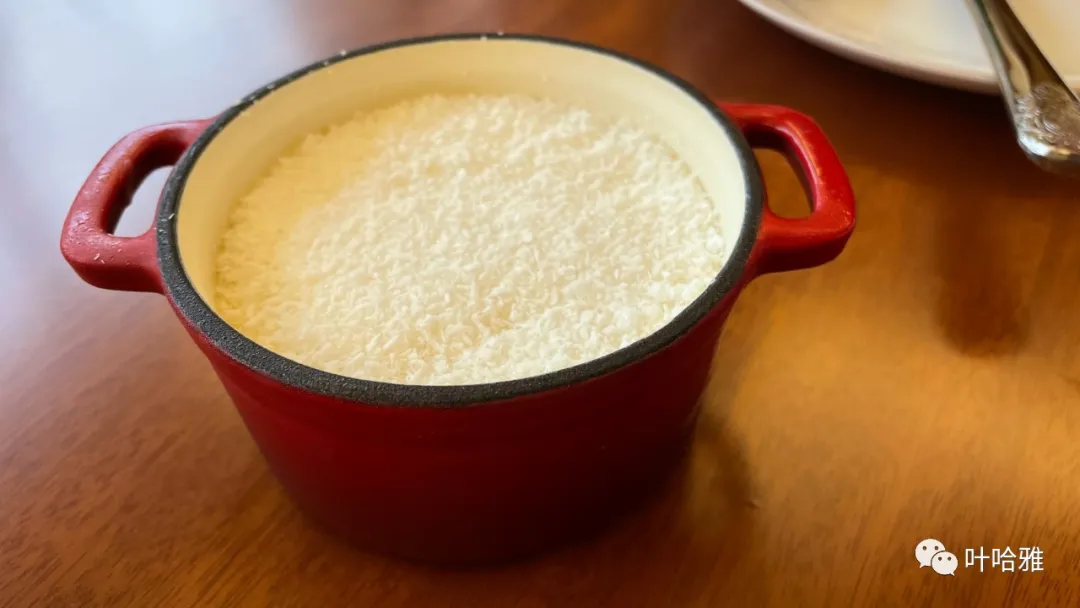
Syria has a deep connection with coffee. The world's first coffee house was opened in Istanbul in 1554 by two Syrians, one from Aleppo and one from Damascus. It wasn't until a hundred years later that France had its first coffee house in Europe.
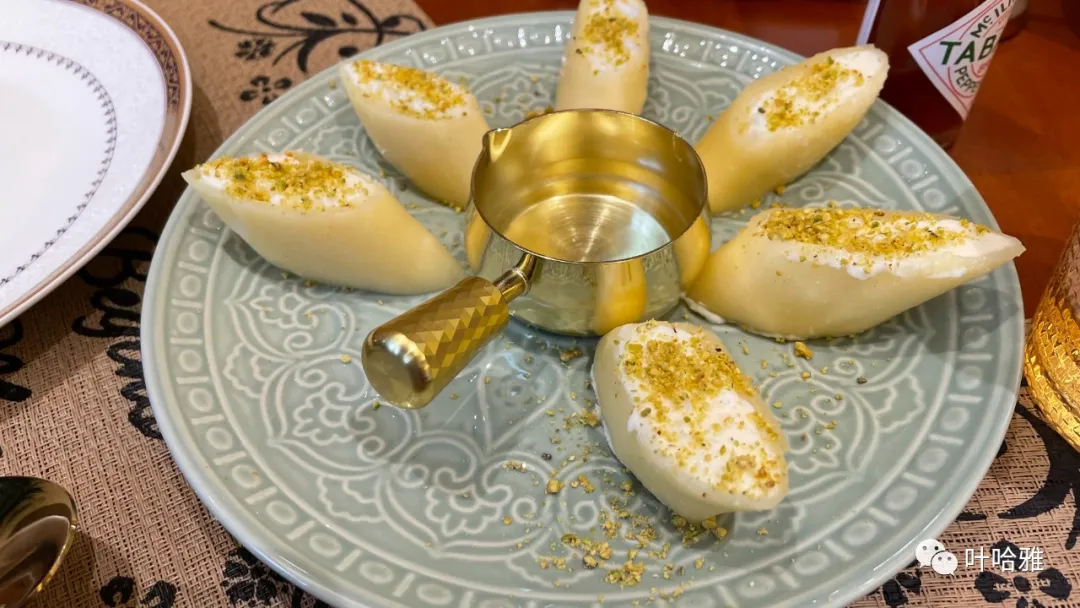
So, the sand-brewed coffee at BRBR is also worth trying. Next to the Wudaokou shop is a coffee house run by BRBR.
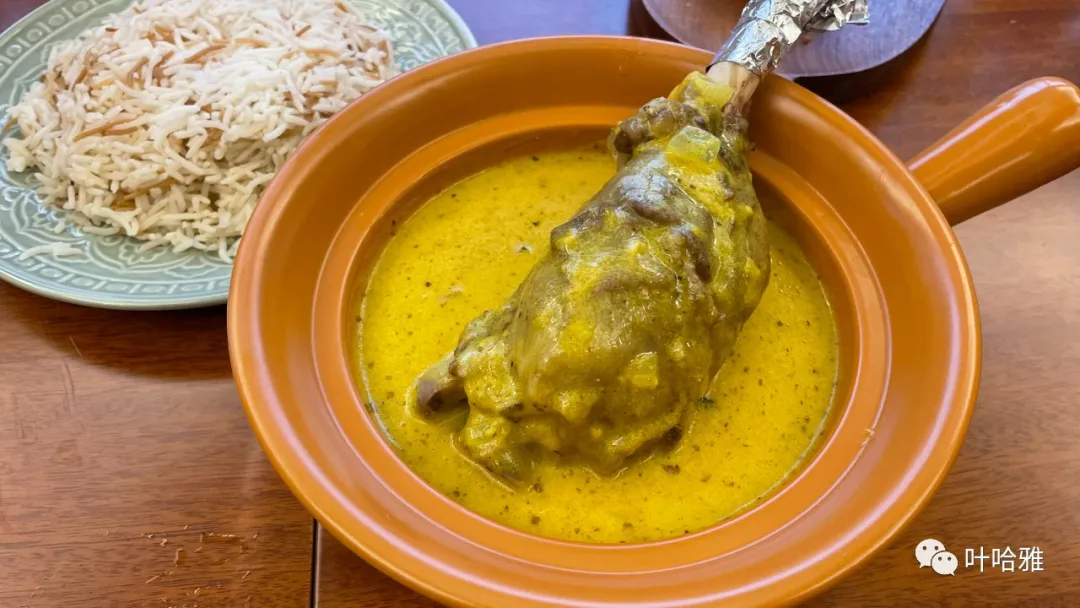
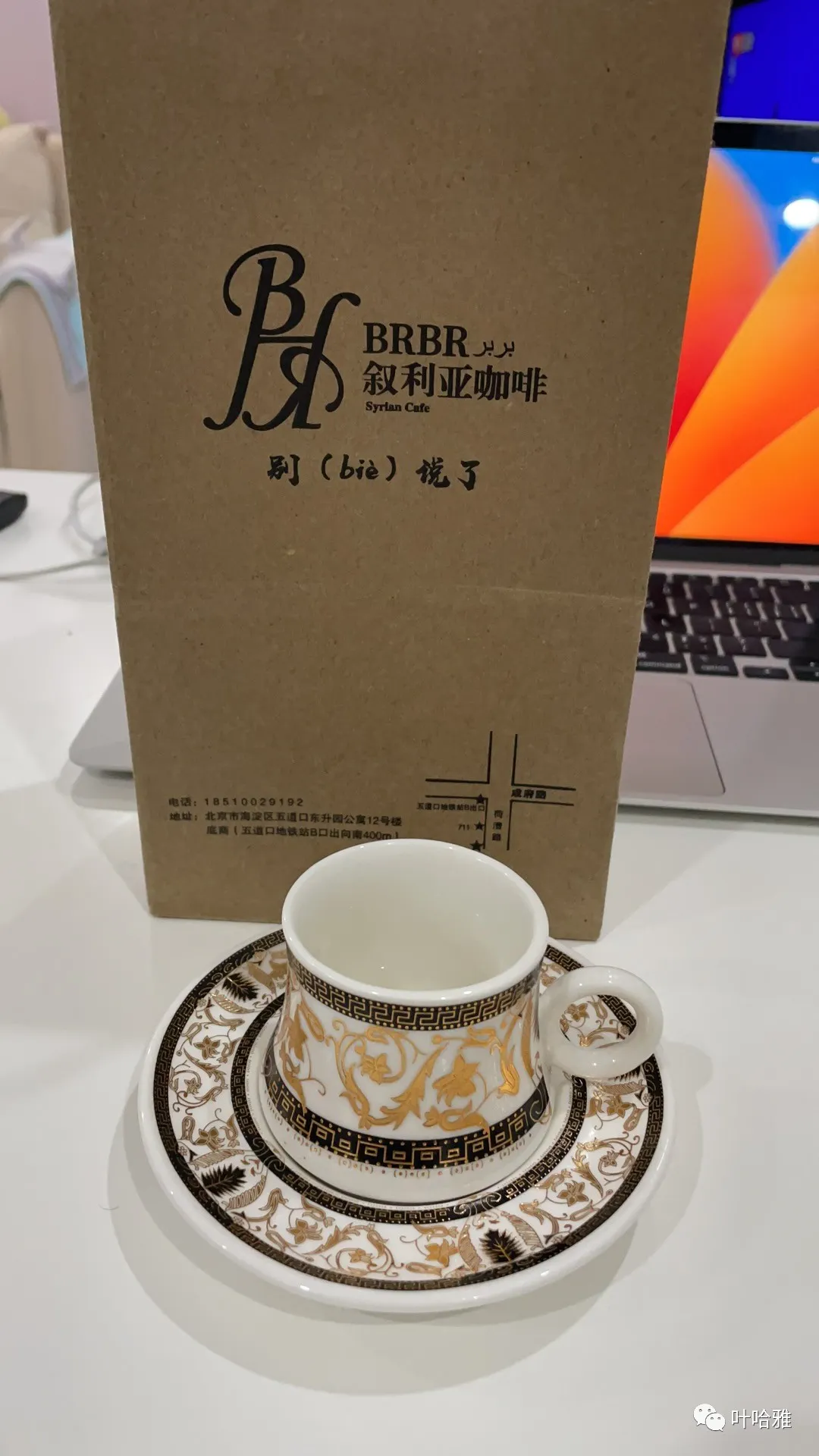
The shop sells beautiful coffee cups. We happened to be there for the opening day celebration, and the owner gave every guest who came to check in a beautiful coffee cup.
10. Yuelangzhai
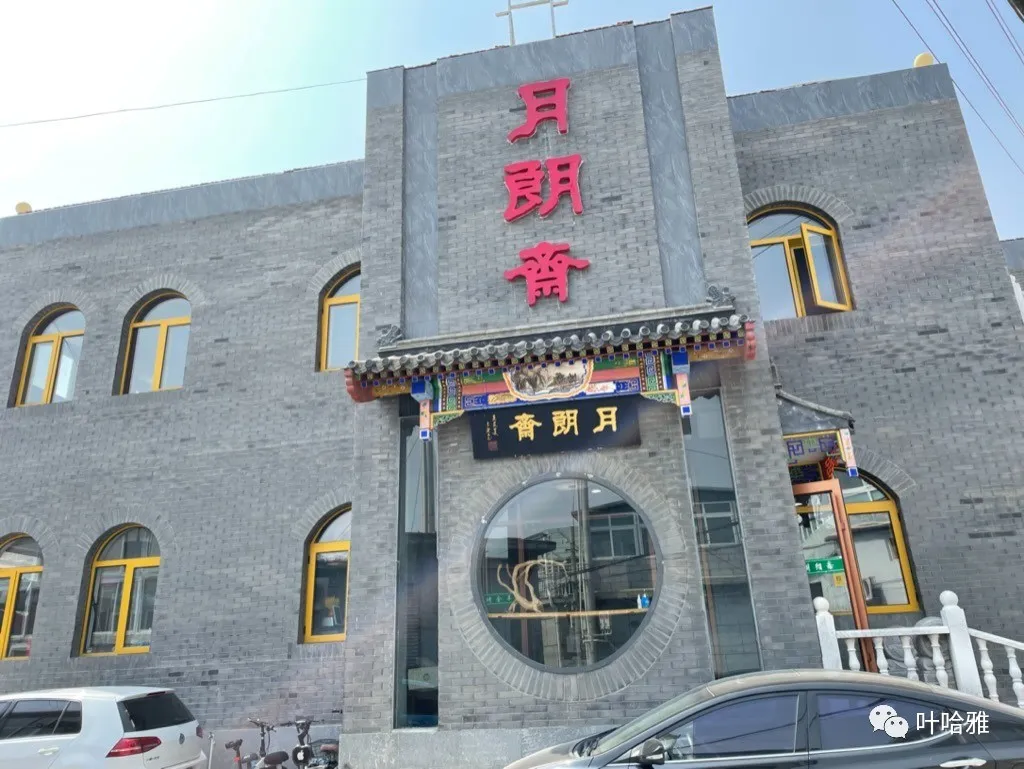
In Xiguanshi Village, Changping, there is a halal restaurant with a very impressive history. Before I arrived, I learned that the restaurant was once the Imperial Escort Agency (Yuqian Biaoju), named for its role in protecting Empress Dowager Cixi during her escape to Xi'an.
Yuelangzhai Restaurant started in 2014. The Li family ancestors worked as professional escorts (biaoshi). Although that profession no longer exists, the descendants of the Li family have good cooking skills. They decided to open a restaurant, taking advantage of the prime location of their ancestral property.
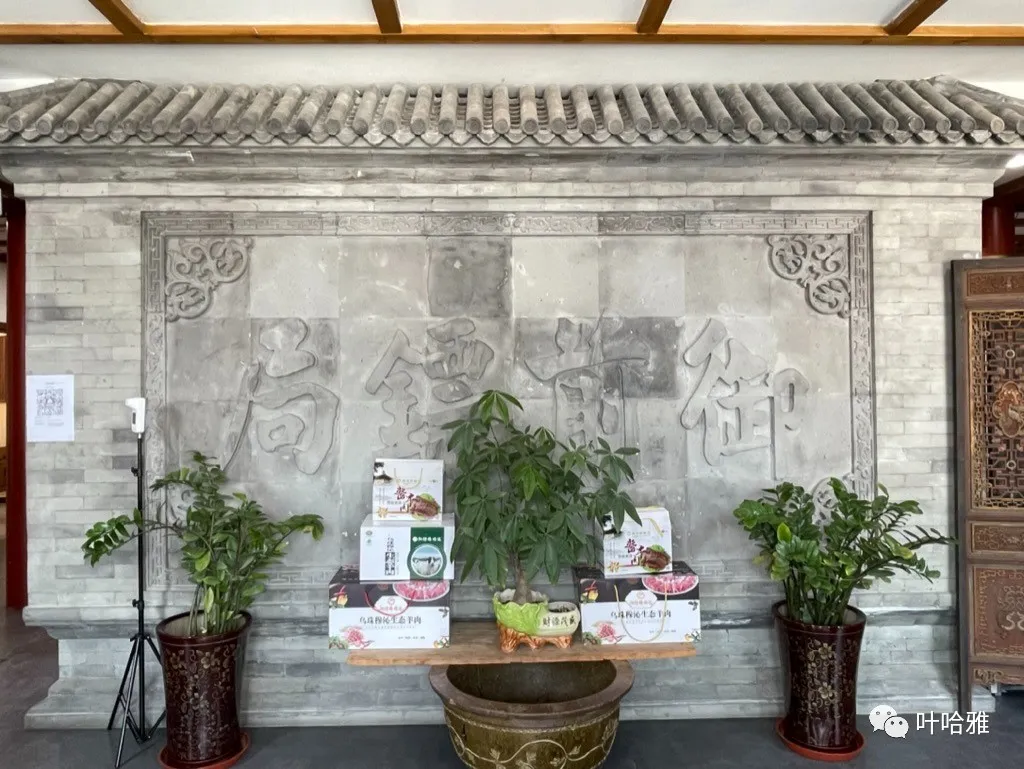
A screen wall at the entrance is carved with the four characters for Imperial Escort Agency, which research confirms was a gift from the emperor. The Imperial Escort Agency was originally called Xiguangyu Escort Agency. To safely escort Empress Dowager Cixi out of Beijing, the owner, Li Entao, recommended Yang Juchuan to accompany her all the way to Xi'an, and later, they escorted her back to Beijing.
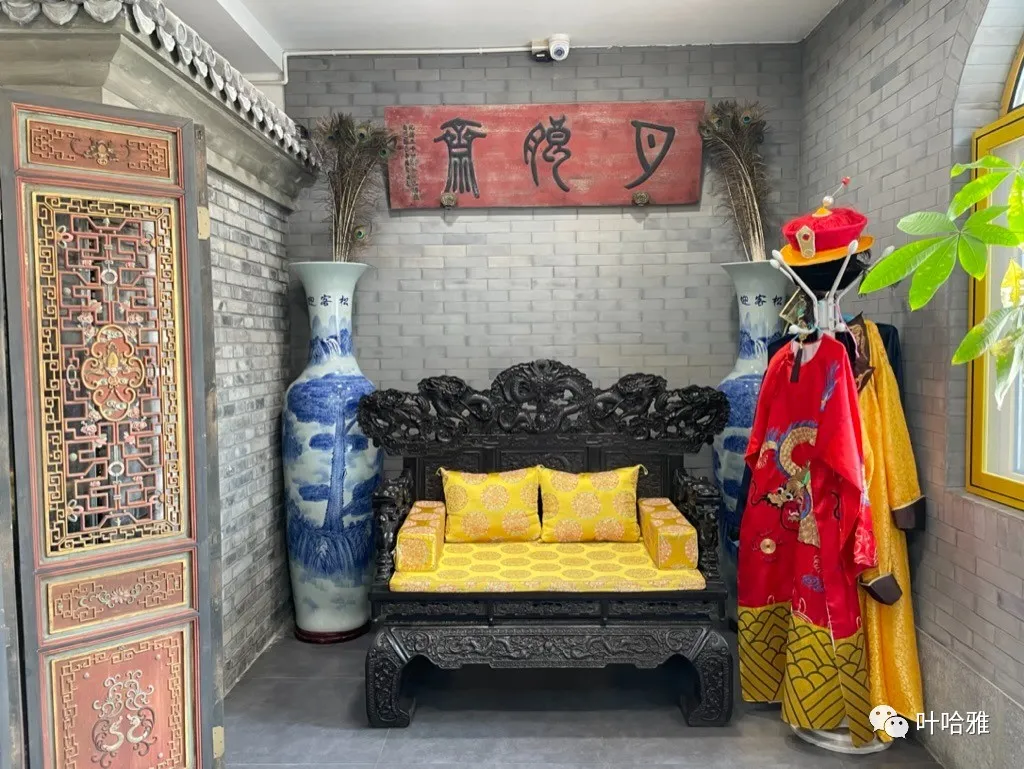
A set of dragon chairs is displayed in the front courtyard with a yellow imperial robe hanging nearby. A plaque reading Yuelangzhai hangs in the center, signifying that this shop once served the royal family.
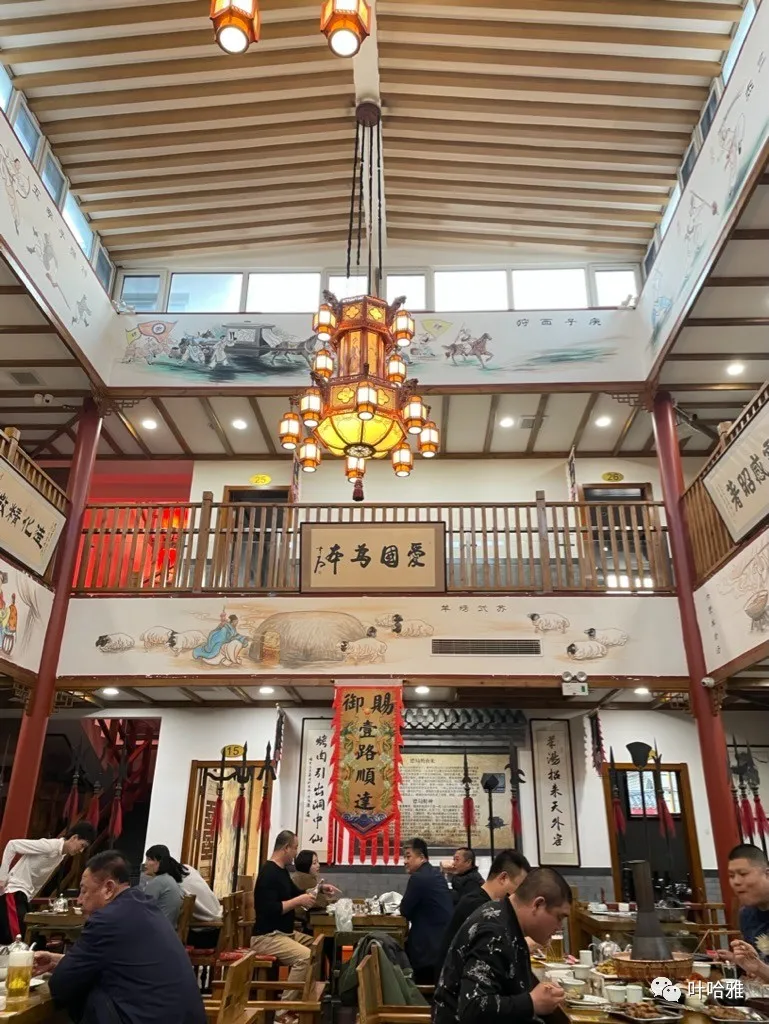
Walking through the porch into the main hall, the space is wide and open. The interior uses a traditional Chinese style that is simple and elegant. The restaurant has two floors: the first floor is for general seating, and the second floor has private rooms.
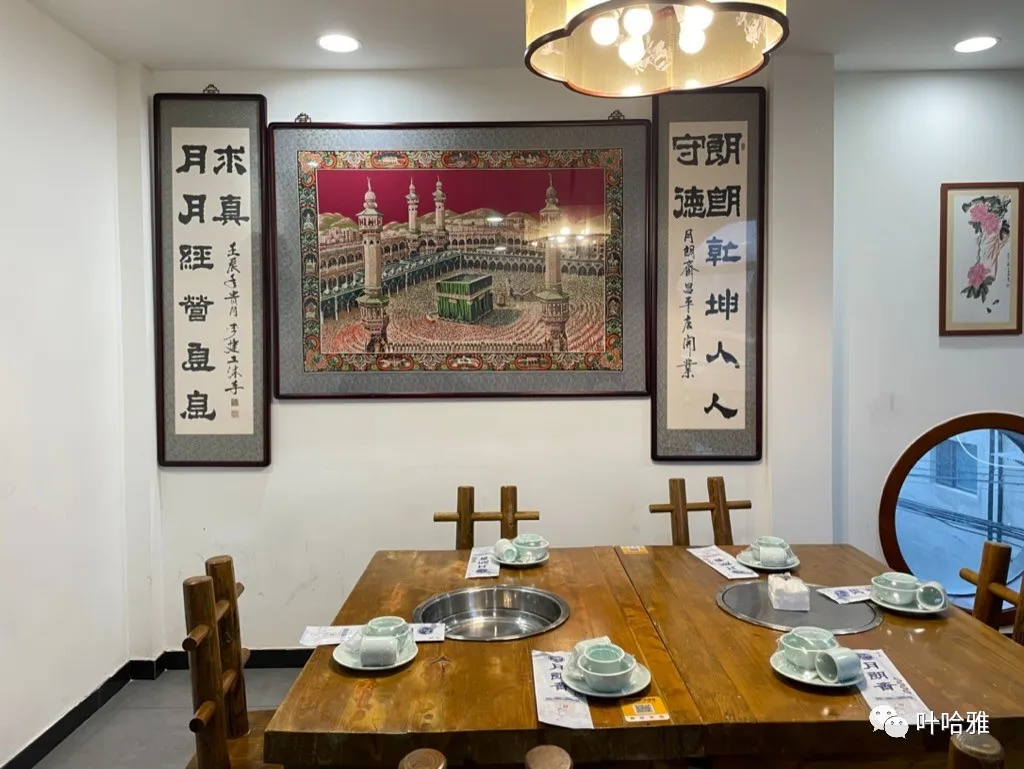
Inside a private room, the decor remains traditional Chinese with square tables and wooden stools. Calligraphy and ink paintings hang on the walls, creating an atmosphere that feels like a trip back to the late Qing Dynasty.
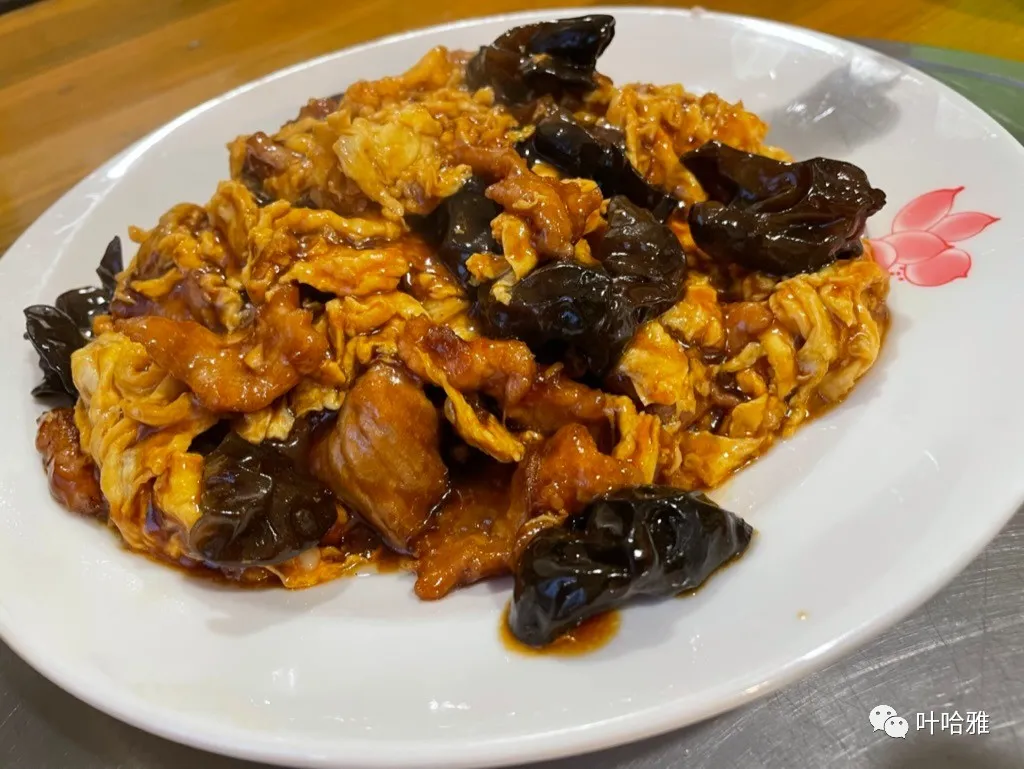
Vinegar-stir-fried egg and beef (culiu muxu) is a common Beijing home-style dish found in many restaurants. It should actually be called culiu muxi because the scrambled eggs look like osmanthus flowers. It requires high culinary skill; while it looks simple, it is not easy to make well and the method is very particular.
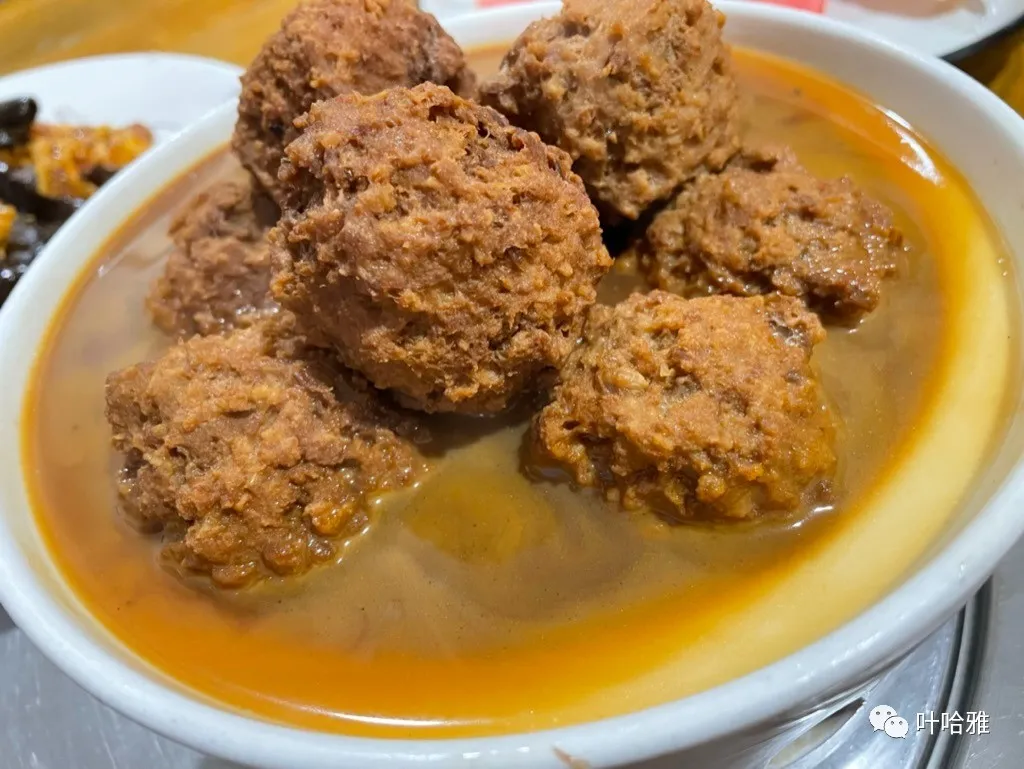
Manager Li specifically recommended the beef meatballs. He said he is usually cautious about ordering this dish at other restaurants because he often feels they contain too many fillers and not enough beef. At Yuelangzhai, the beef meatballs are made with real, quality ingredients. I picked one up and took a bite. It was just as Manager Li said: full of beef flavor with no taste of starch or other fillers. The beef meatballs were soft, delicious, and melted in my mouth.
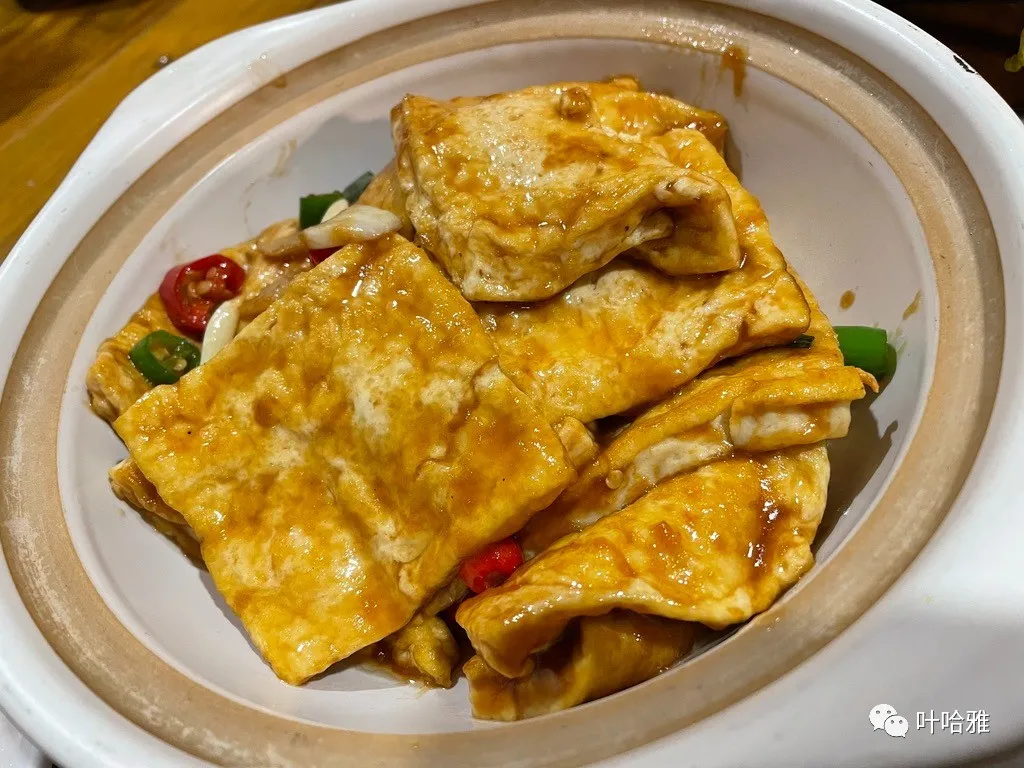
Pan-fried tofu (guota doufu) is a classic Beijing-Shandong dish. The tofu is cut into 5-centimeter squares, and shrimp are minced into a paste. The shrimp paste is mixed with egg liquid, and the tofu is dipped in the egg mixture and pan-fried. It is cooked over low heat, and when the oil is about 60 percent hot, the tofu is carefully slid into the pan, fried until golden brown on both sides, and then covered to simmer until the sauce is absorbed.
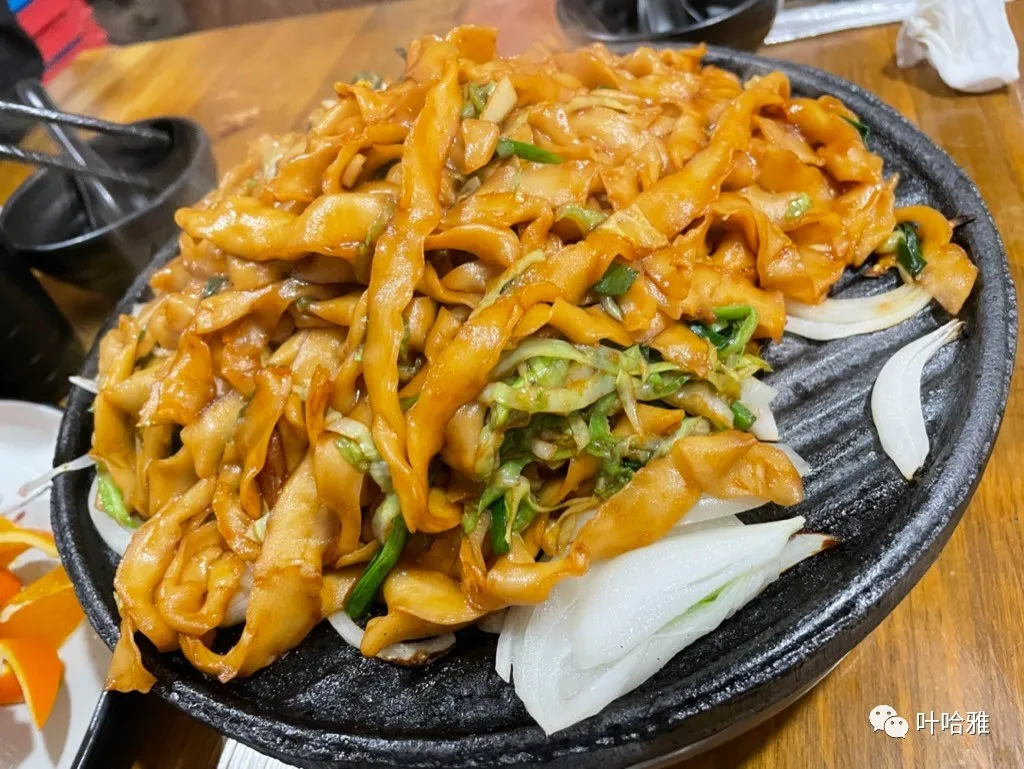
The main dish is grilled noodles (zhizi kaomian). I had never heard of this before. I only knew about grilled meat (zhizi kaorou), but I had never eaten noodles cooked this way. Manager Li said he invented this dish. He seasons hand-rolled noodles and stir-fries them on a hot iron grill, similar to how you make stir-fried noodles. The high heat of the grill adds a lot of aroma and texture, and it is very popular with diners.
11. Bai Xiaobei Northeast Barbecue
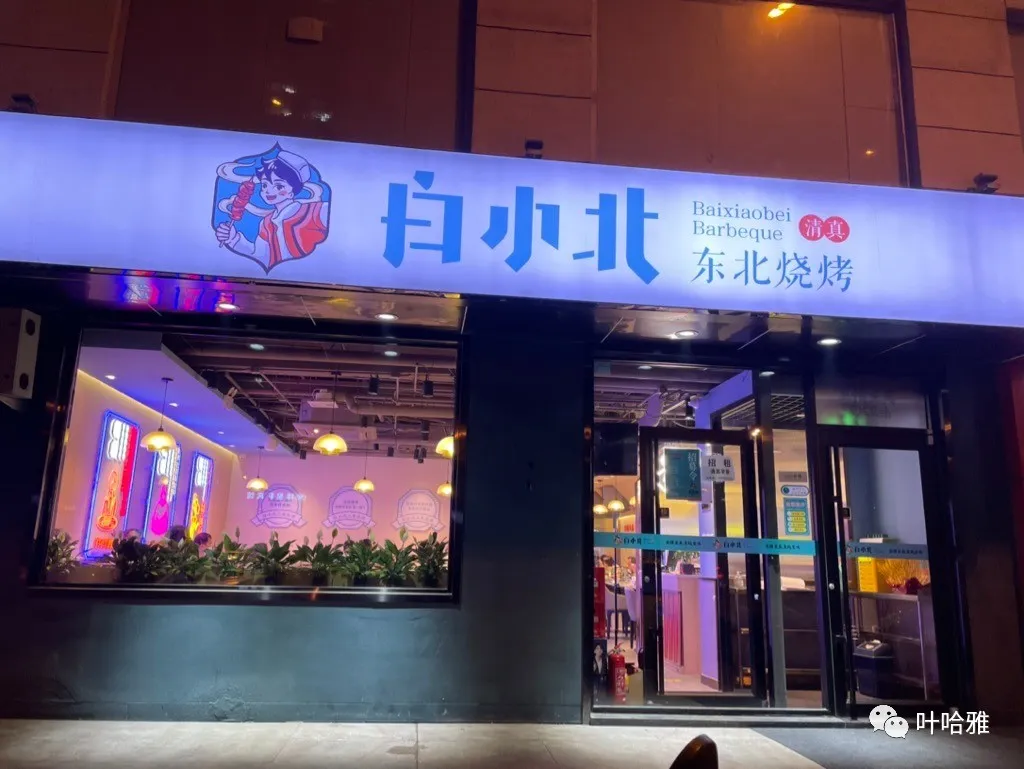
This is the only halal Qiqihar-style barbecue restaurant in Beijing. It has been open for over three years and just opened a second branch in Wangjing. I brought friends here to try it during the soft opening. Northeast-style barbecue is known for small skewers, which is different from Northeast-style stir-fry dishes that come in large portions.
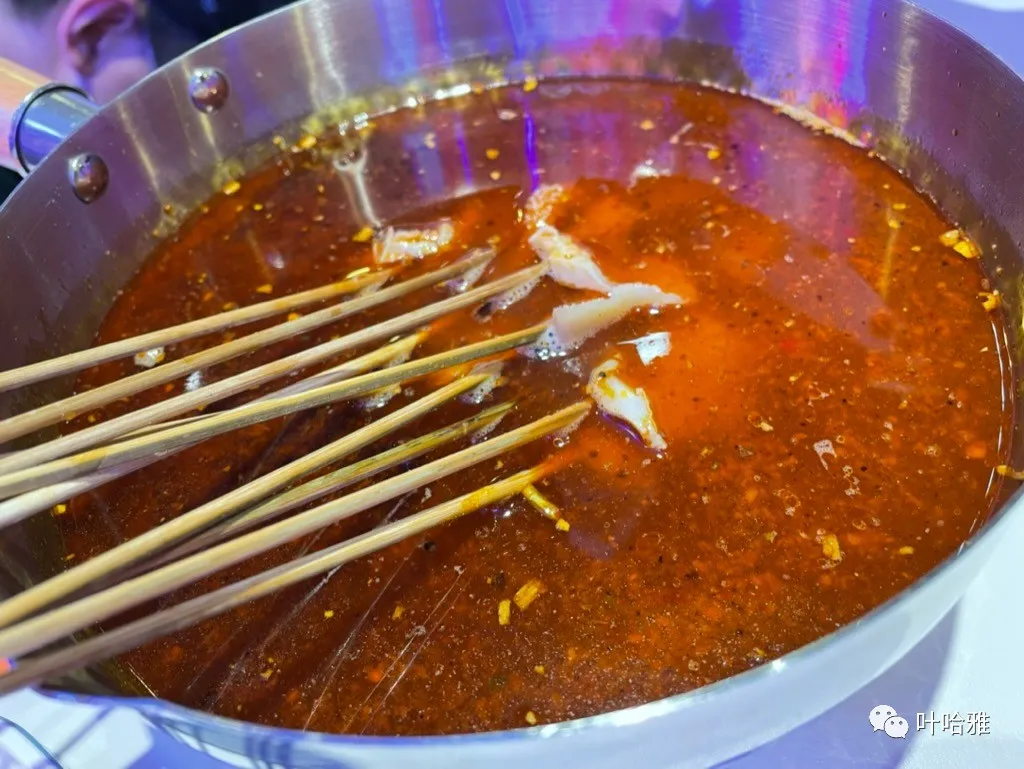
Hot pot beef tripe (shuan niudu)
I actually do not mind small portions because it lets me try more flavors and helps avoid waste.
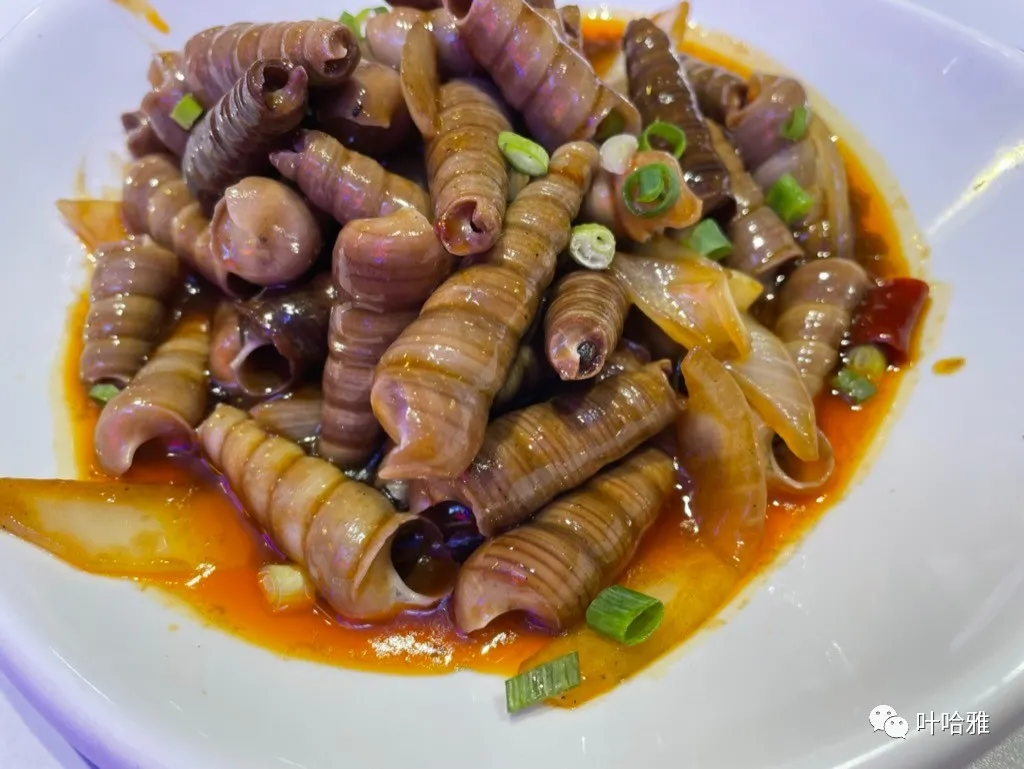
Stir-fried screw snails (baochao dingluo)
After the tips of the screw snails are knocked off, you just take a quick suck to pull the meat out. The texture is crunchy, tender, and chewy.
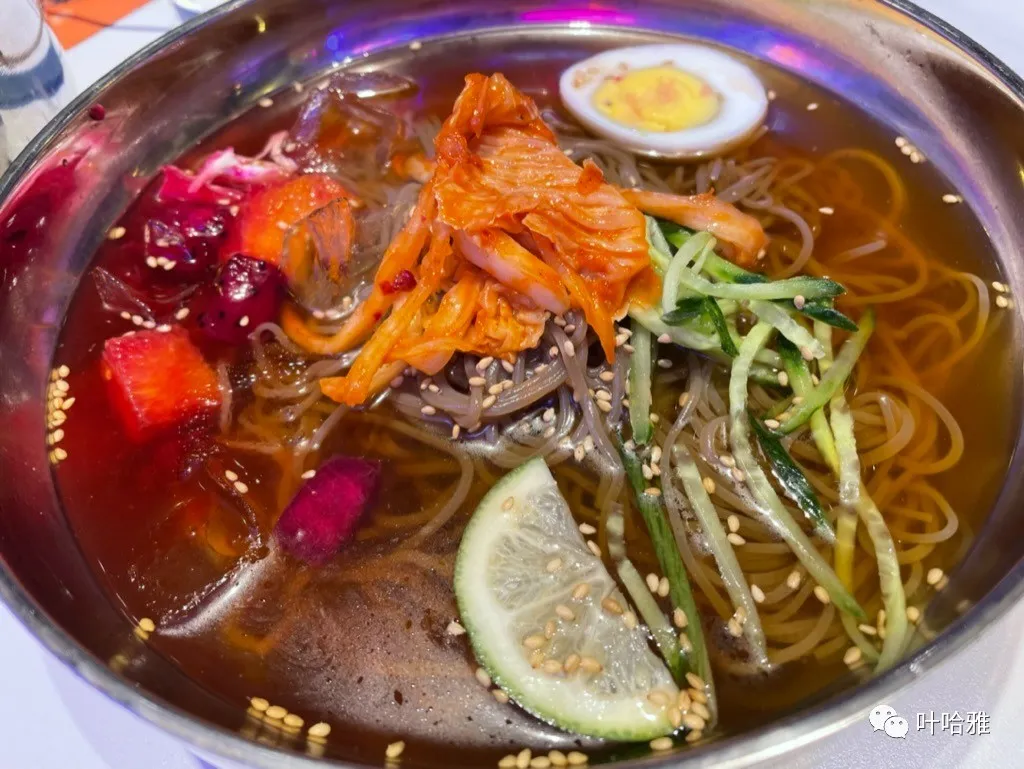
Fruit cold noodles (shuiguo lengmian). I have to say, the cold noodles here are quite authentic and taste much better than the halal Yanji cold noodles I mentioned earlier.
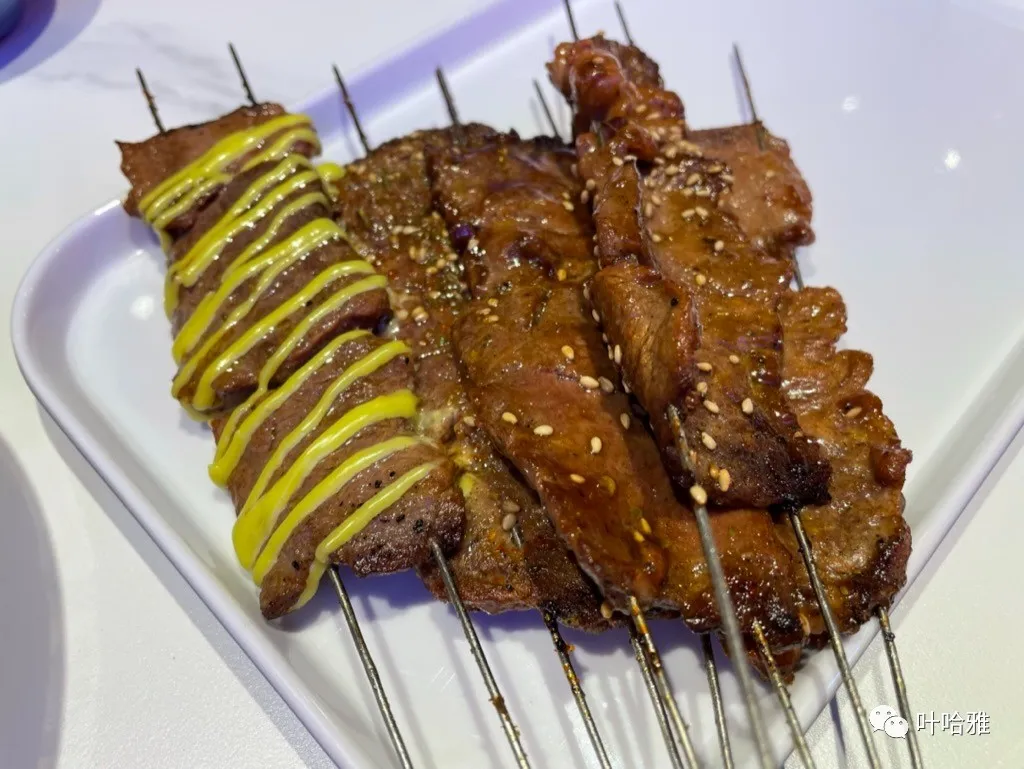
The skewers are called 'Five Elements Lack Skewers' (wuxing que chuan). I do not know what that means, but I can tell it is beef, and the yellow part is cheese.
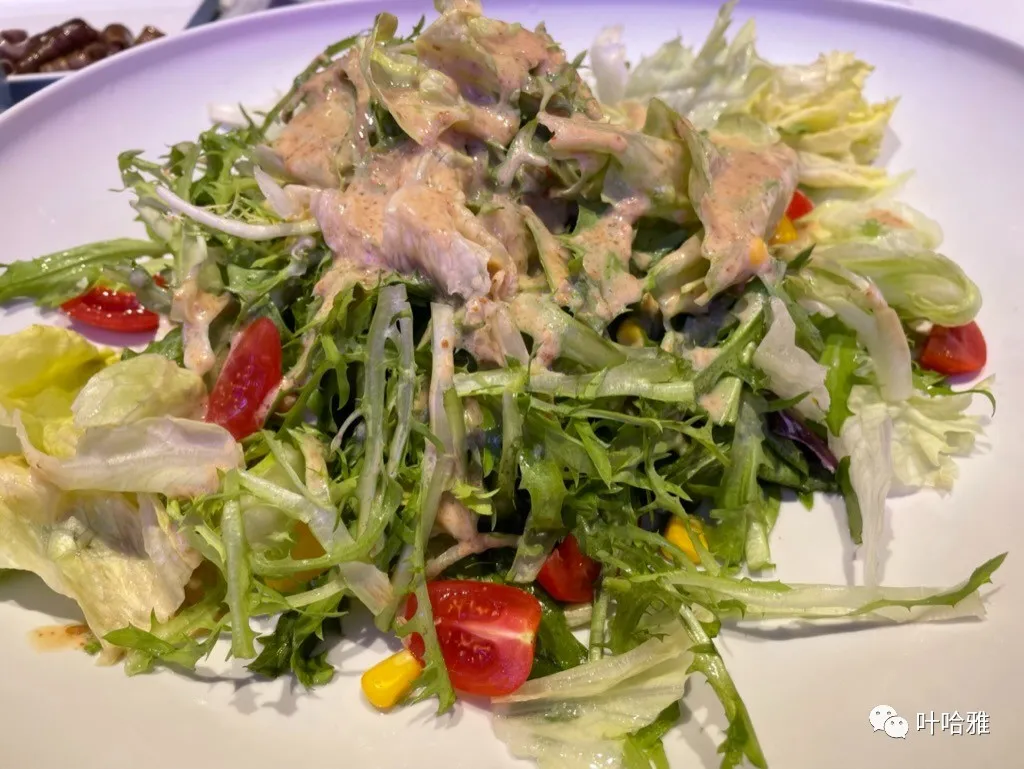
This dish is called 'Wocao Super Big Salad' because it is named after the huge plate it is served on. People from the Northeast love eating raw vegetables, and the owner gave us this cold salad for free.
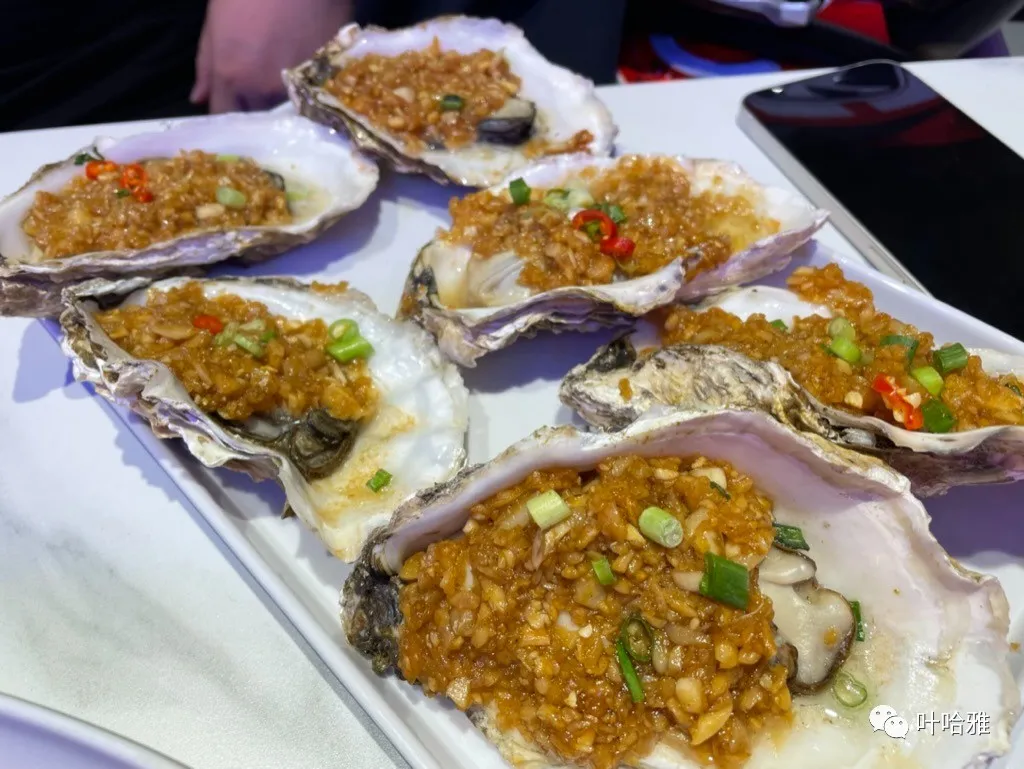
Grilled oysters and scallops are also a must. The ingredients are very fresh, but the price is not cheap.
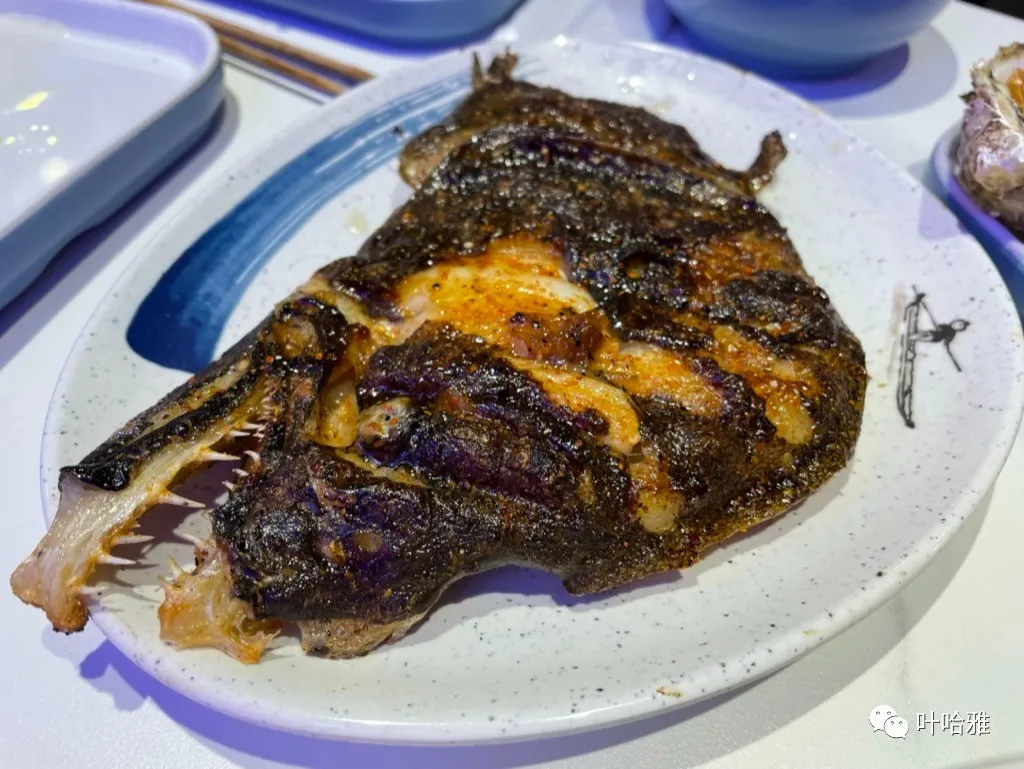
Deep-sea flathead fish head (shenhai dieyutou). This fish has sharp teeth and a fierce nature. The more aggressive the fish, the firmer and tastier the meat.
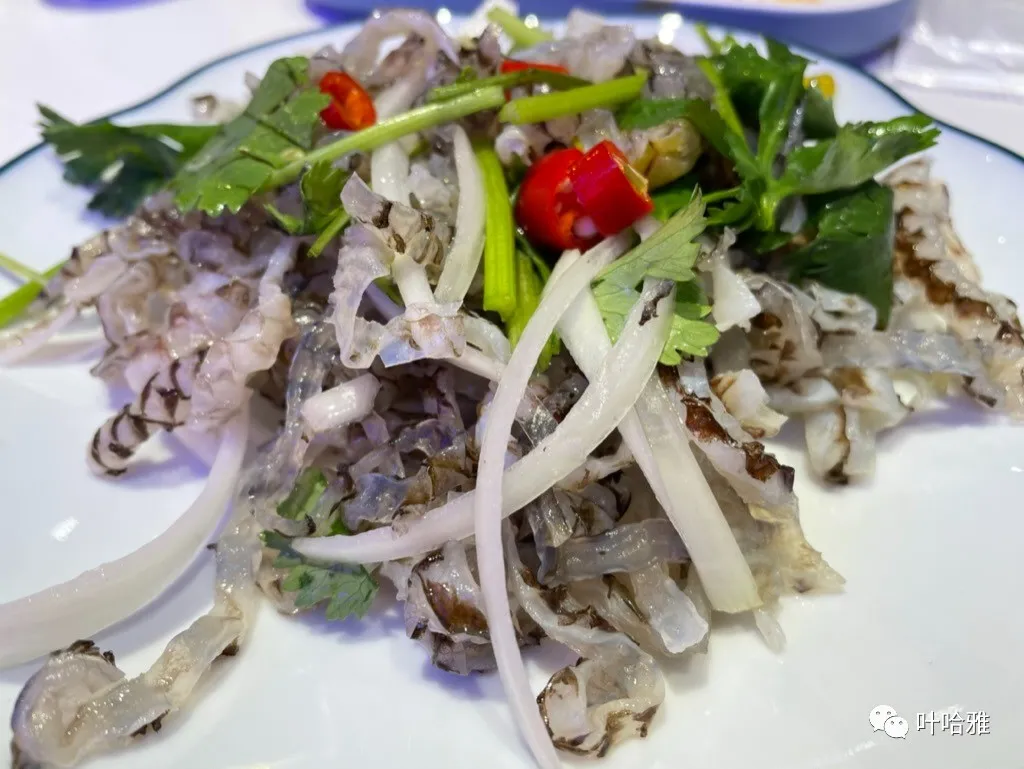
The cold-tossed fish skin has no fishy smell, which shows it is very fresh, and it is crunchy when you eat it. Cold-tossed fish skin is a typical home-style dish in Northeast China. I wanted to try roasted silkworm pupae, but my friend talked me out of it because they were scared.
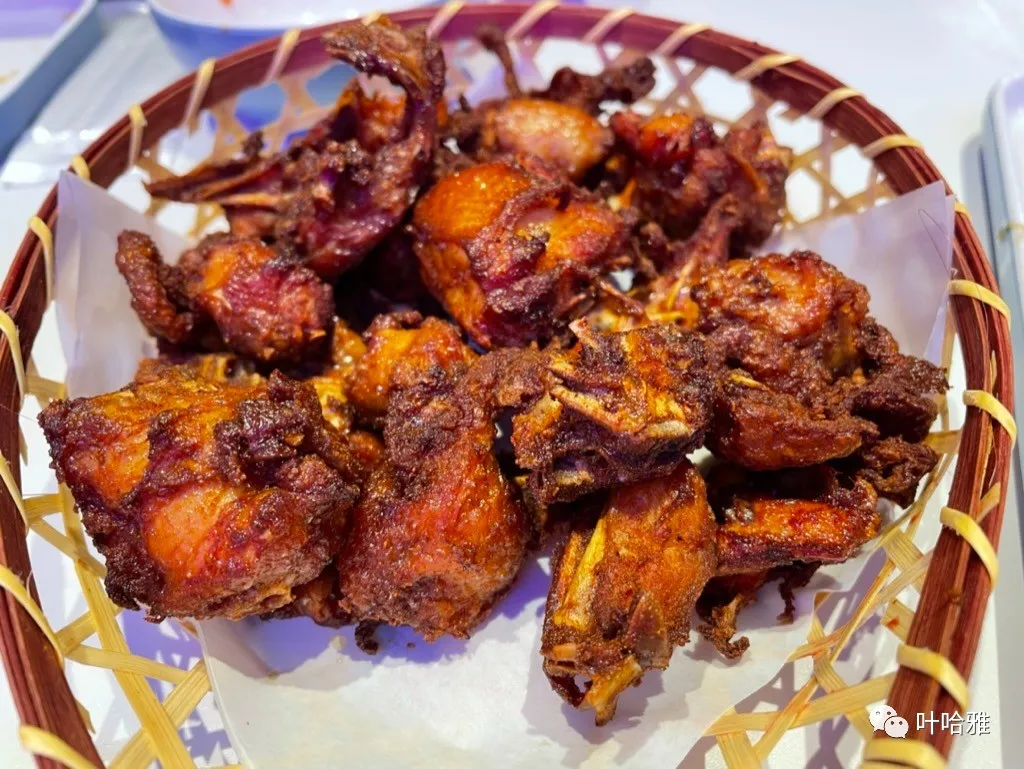
Shenyang chicken rack is a very famous local specialty in the Northeast. The chicken rack is fried until it is golden and crispy, and you can even chew the bones. This shop has a wide variety of small skewers, covering almost all the specialty barbecue of the Northeast. The prices are a bit expensive, with an average cost of over 150 yuan per person.
12. Dianxinyuan
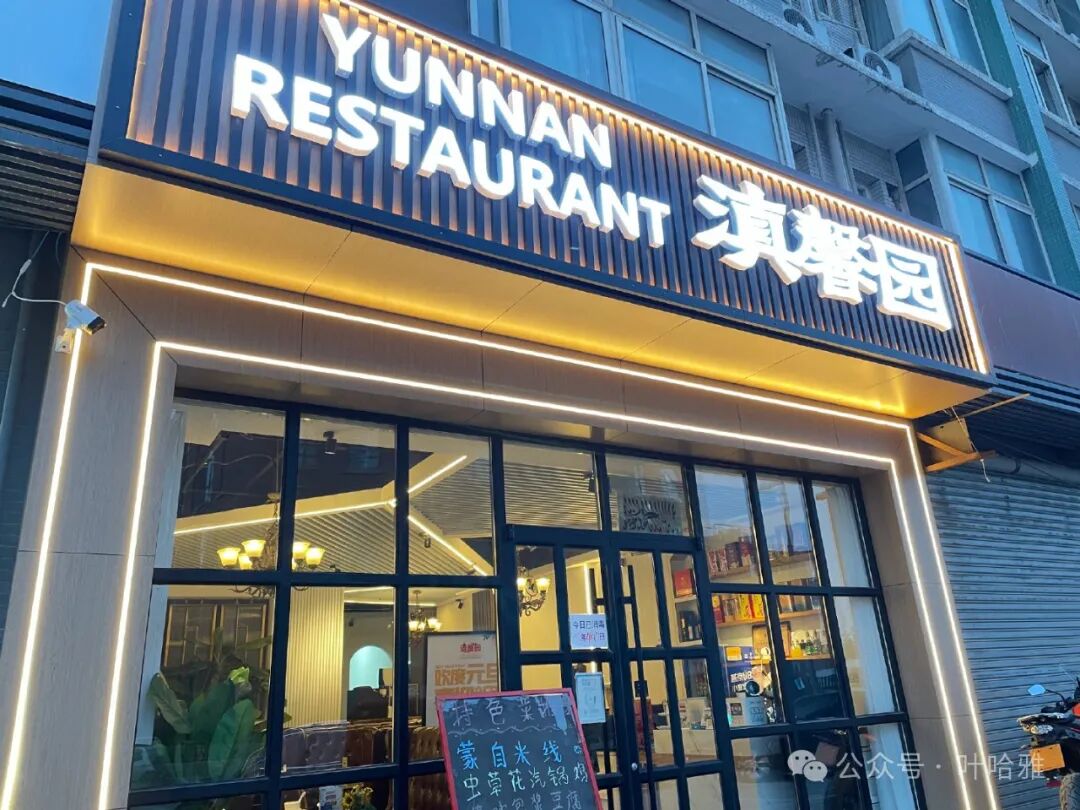
Dianxinyuan is currently the only remaining halal Yunnan restaurant in Beijing. It has been open for 13 years, and the owner is from Shadian.
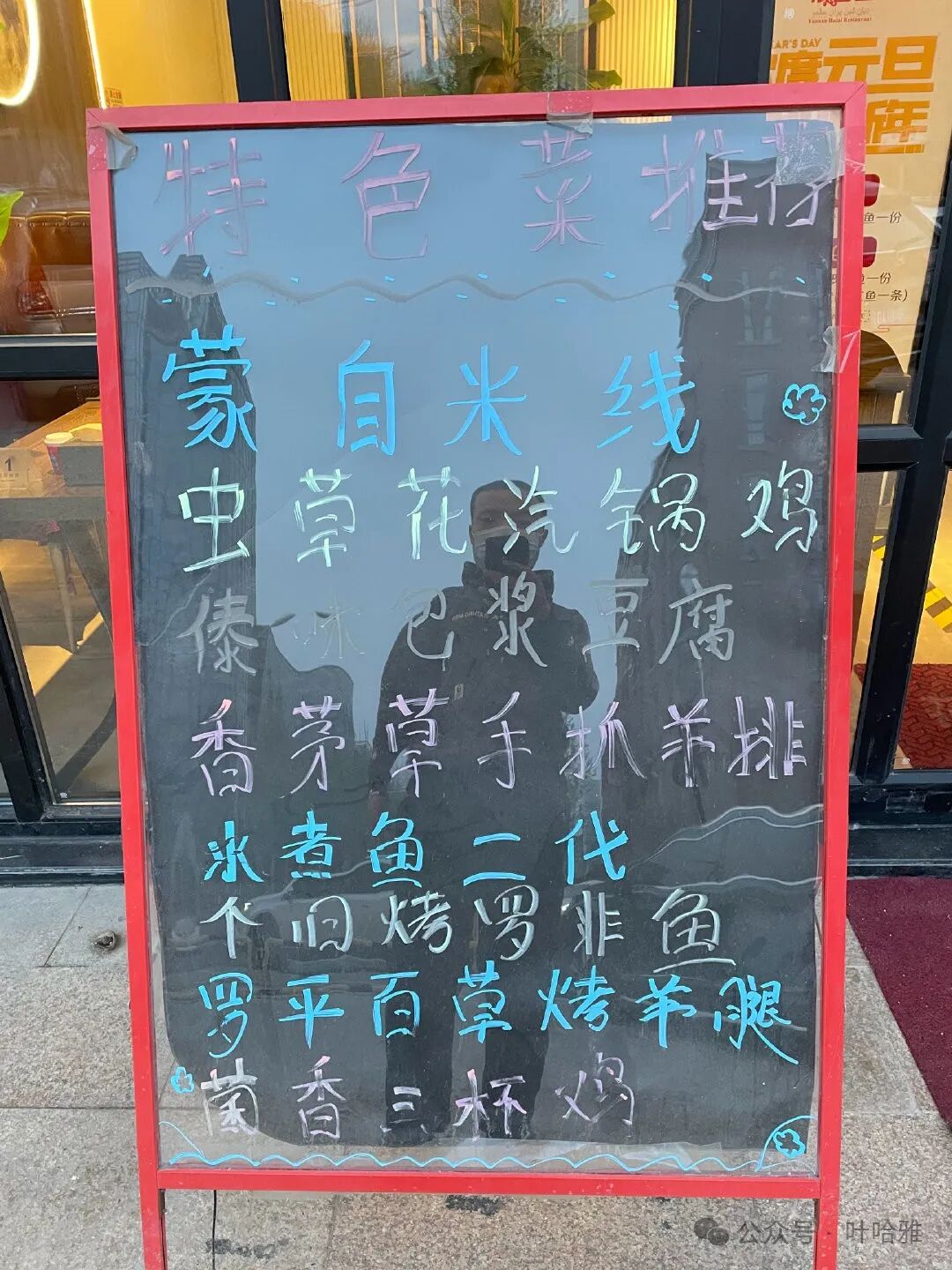
Beijing used to have halal Yunnan restaurants like Ayidianchang, Hailiye, and Dalifu, but they have all closed down. It is not easy for this Dianxinyuan to have lasted until today.
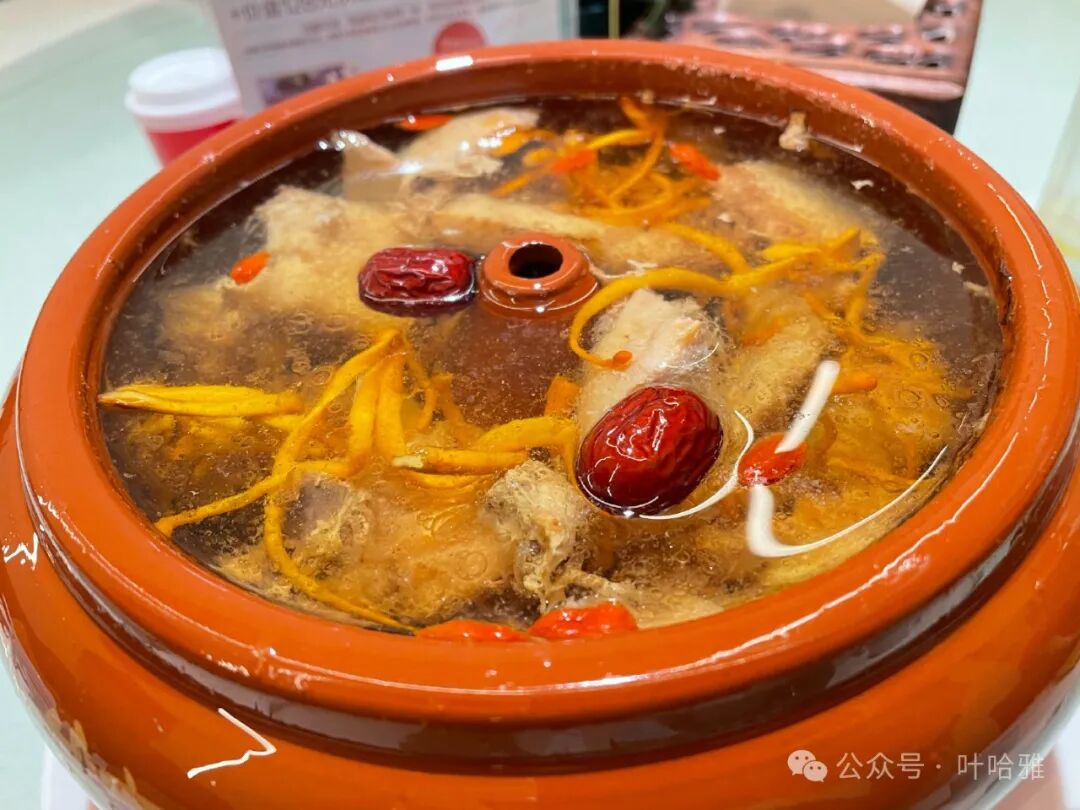
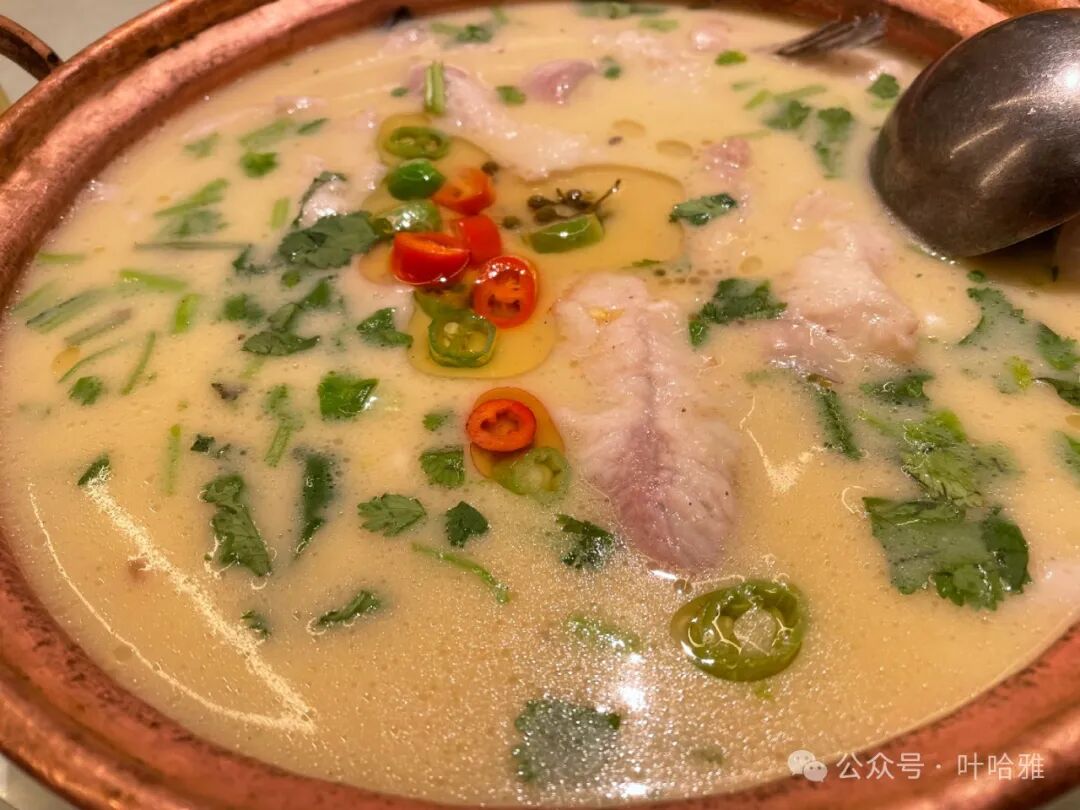
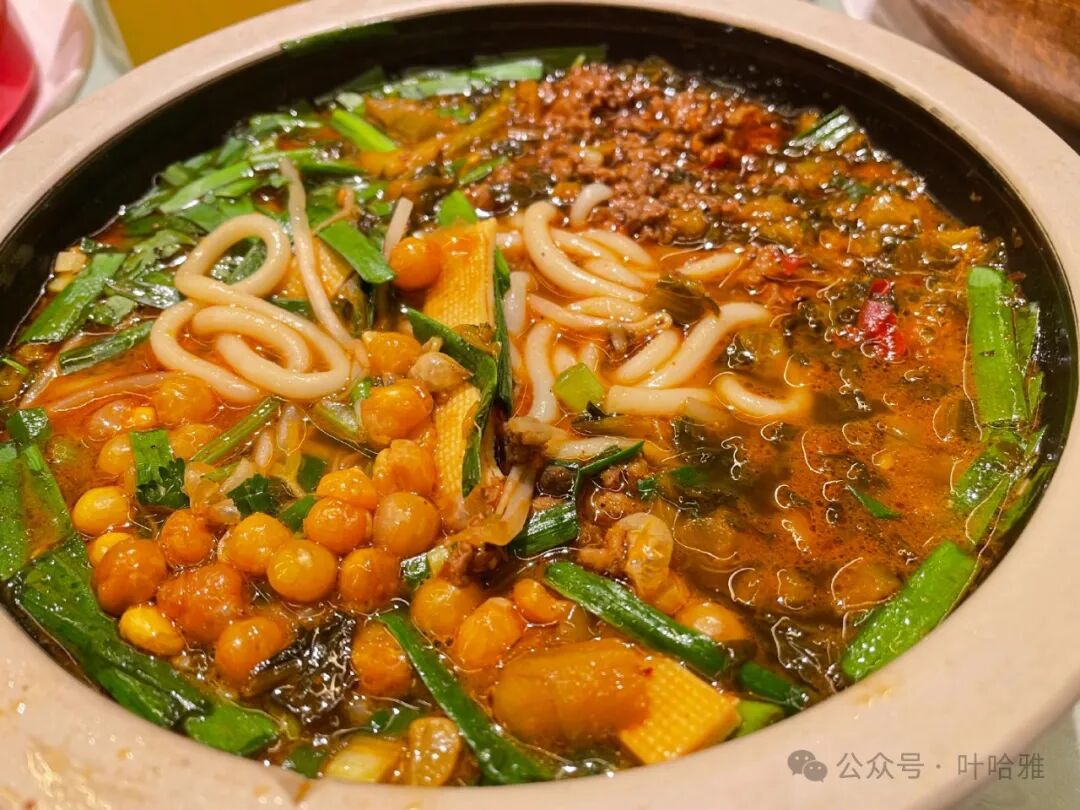
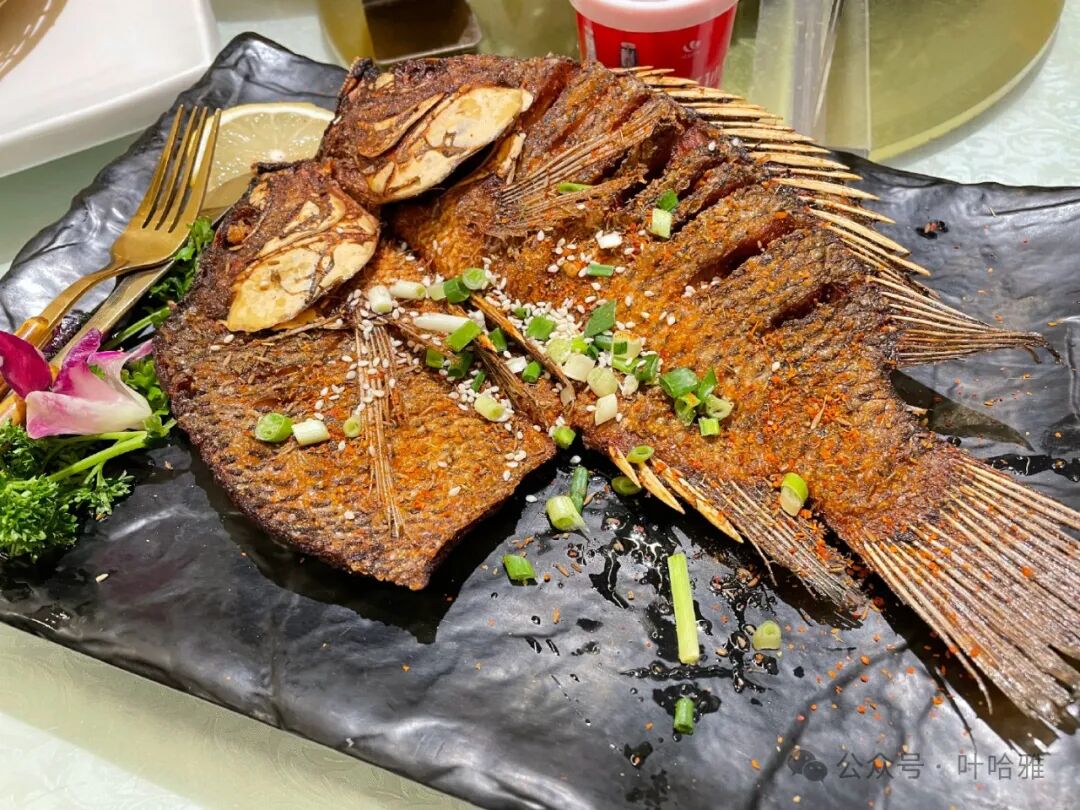
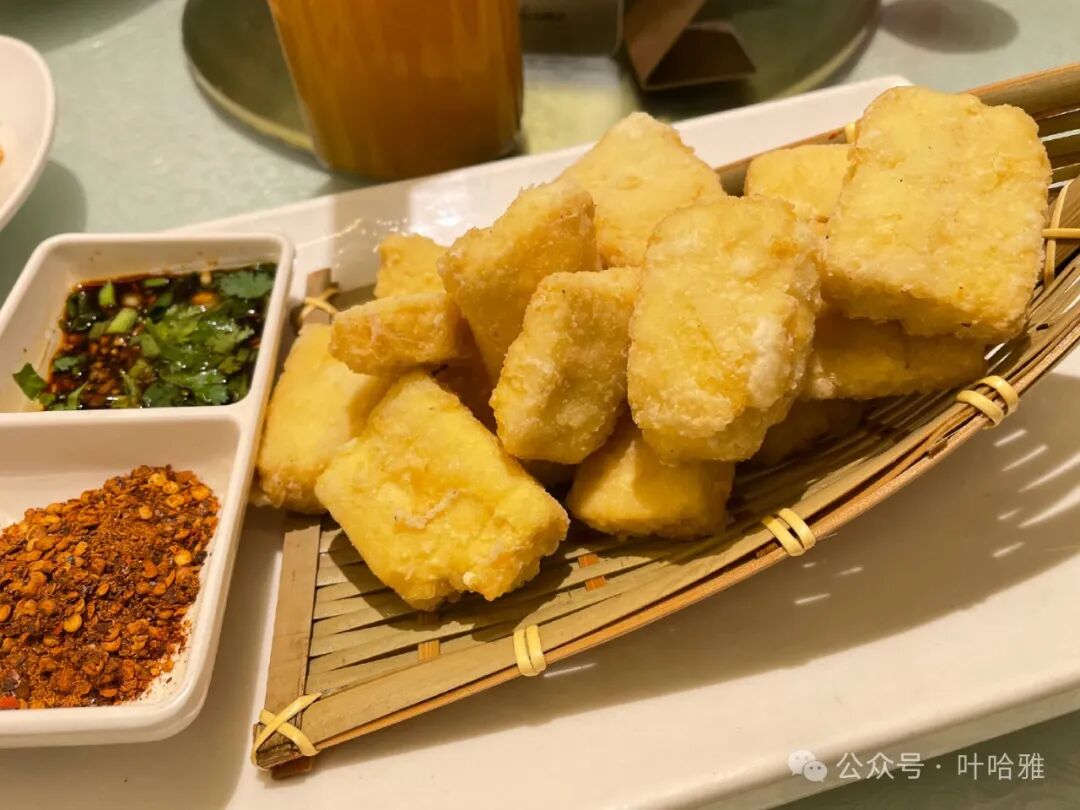
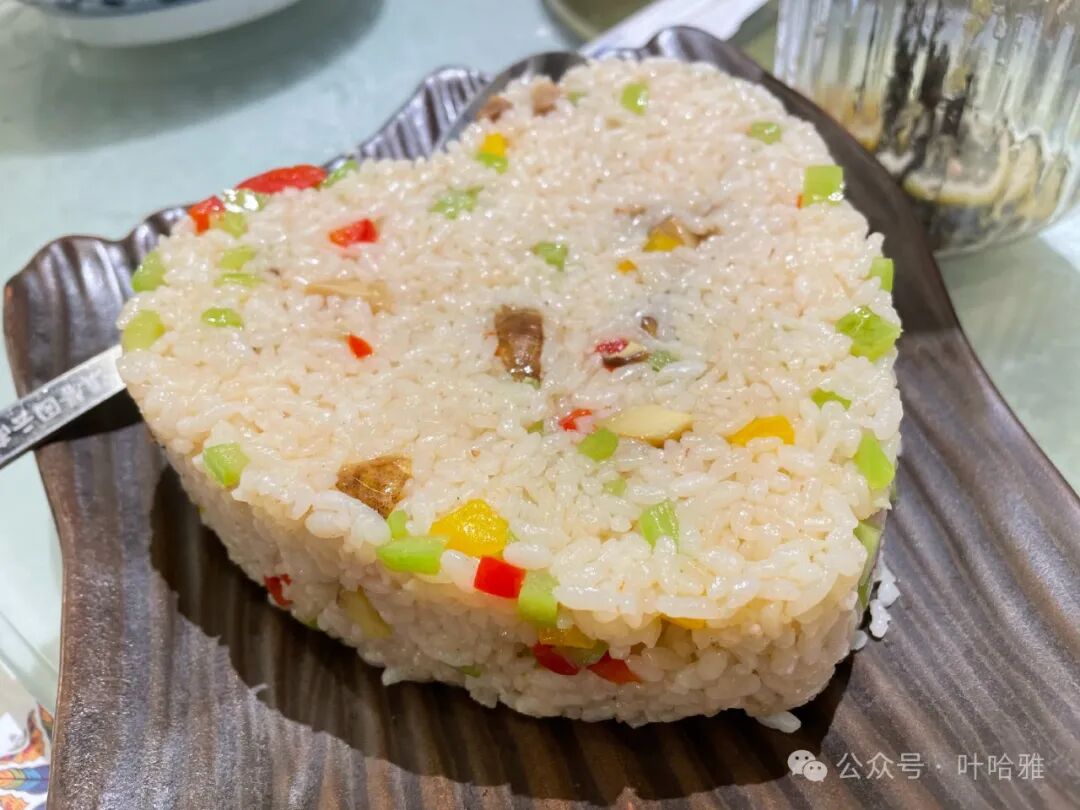
You can basically eat all kinds of Yunnan specialty foods here, including Mengzi small-pot rice noodles (xiaoguo mixian), copper-pot boiled fish, Dai-style tofu with sauce (baojiang doufu), Dai-style shredded chicken, Gejiu roasted tilapia, porcini mushroom fried rice, and dried beef (niuganba).
The small-pot beef rice noodles are especially close to the taste I had in Yunnan.
13. Jiasan Steamed Buns
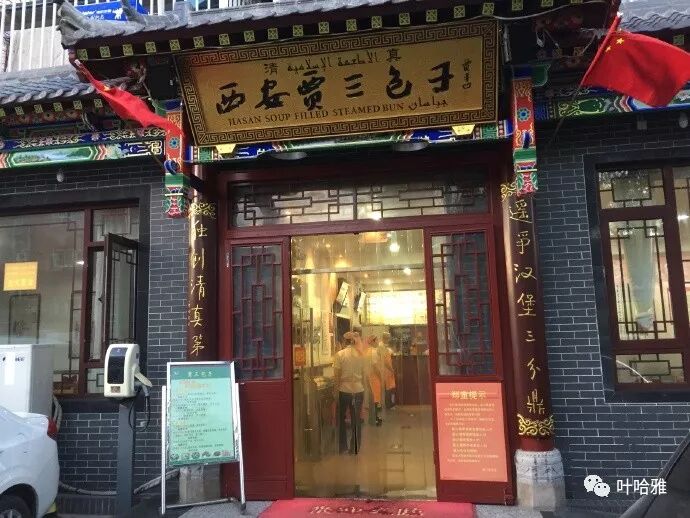
This is the Beijing branch of the time-honored Jiasan soup-filled steamed bun (guantang baozi) shop from Xi'an, and it has been operating in Beijing for over ten years. They sell various halal snacks from Xi'an, including soaked bread in soup (paomo), barbecue, and steamed beef with rice flour (fenzheng niurou).
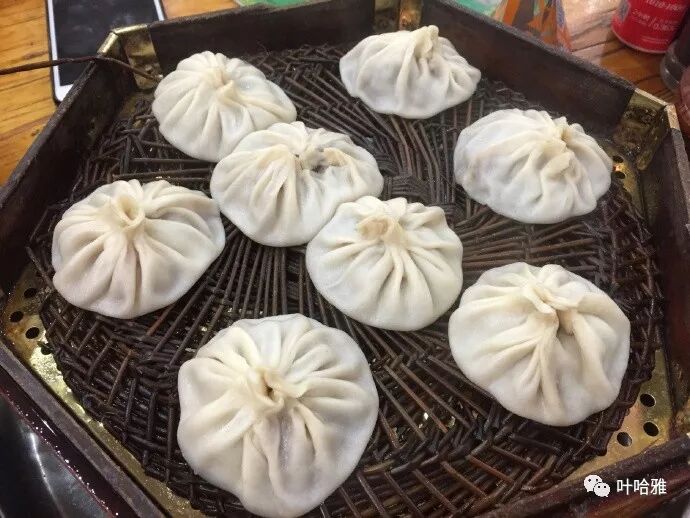
For the soup-filled steamed buns, you should first take a small bite to drink the soup inside, then eat the bun.
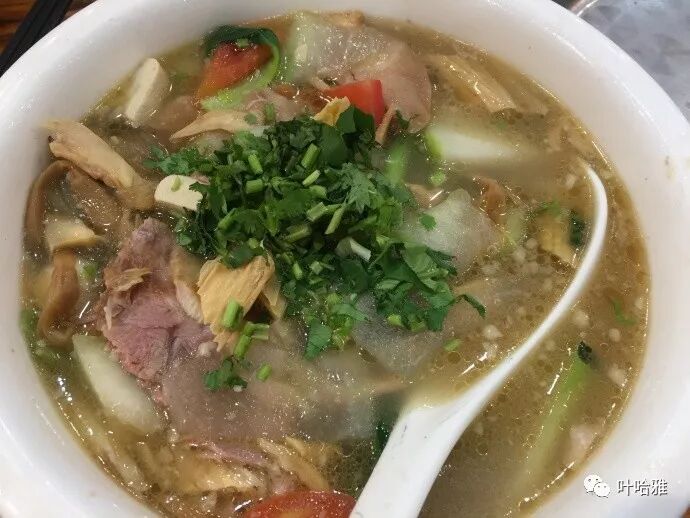
I really like eating this vegetable stew (huicai). For Xi'an food in Beijing, there is also Old Xi'an Restaurant, Xi'an Old Yang Family Restaurant, and Qin Laoda Paomo. Jiasan is an old shop with a very complete selection of Xi'an snacks, and you can even eat halal venison here. Jiasan currently has two branches in Beijing, with the other one located at Yangqiao.
14. KAVKAZ Ruilin Restaurant
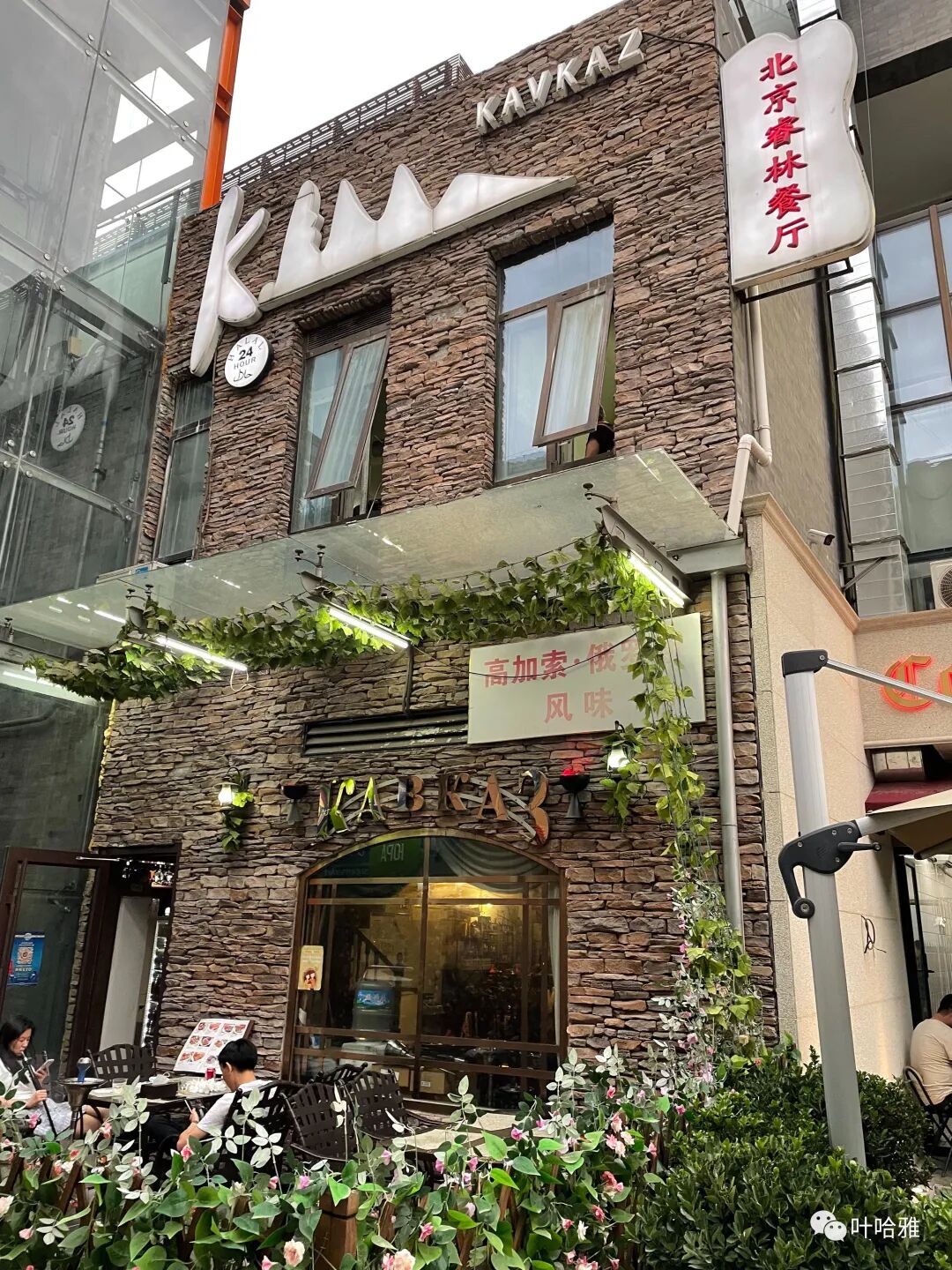
This is a Caucasian-style restaurant on Shenlu Street in Chaoyang. There used to be an Azerbaijani restaurant next door called Bakuli with a similar style, but it closed. Another halal Russian-style restaurant called NAIL also closed, so it is not easy for this shop to have lasted until today.
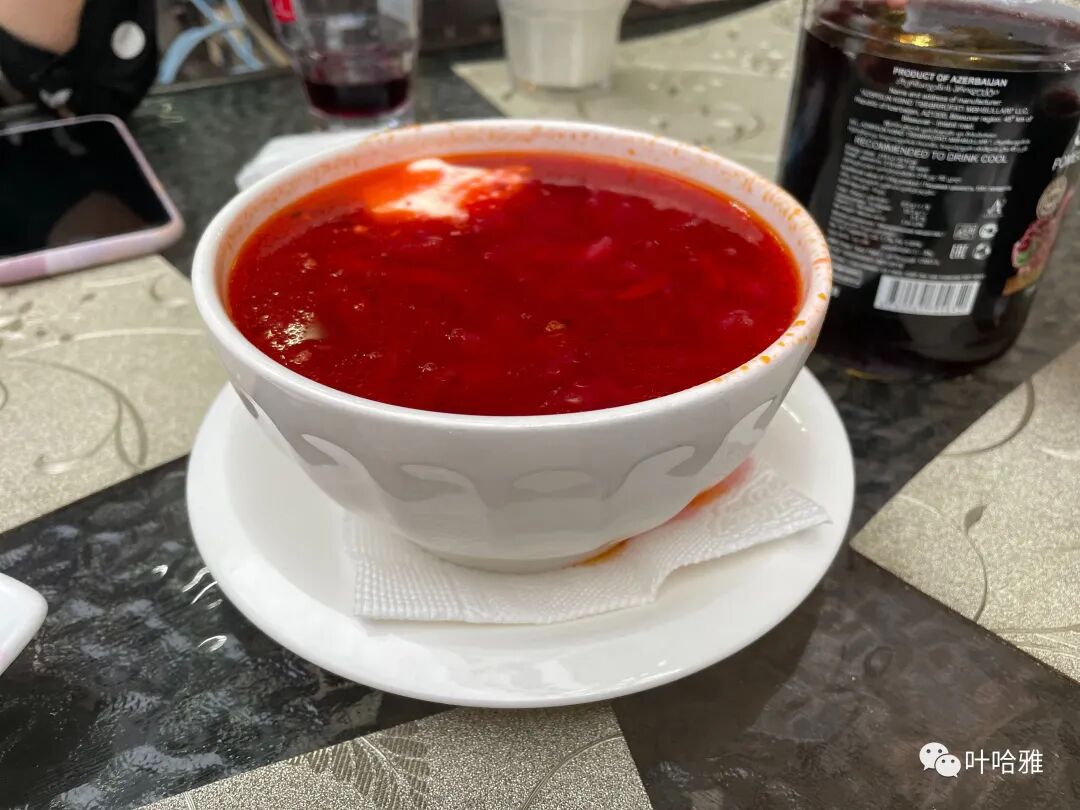
Beet soup (borscht)
Beet soup (borscht) is a famous Russian dish. You drink it before your main meal to whet your appetite.
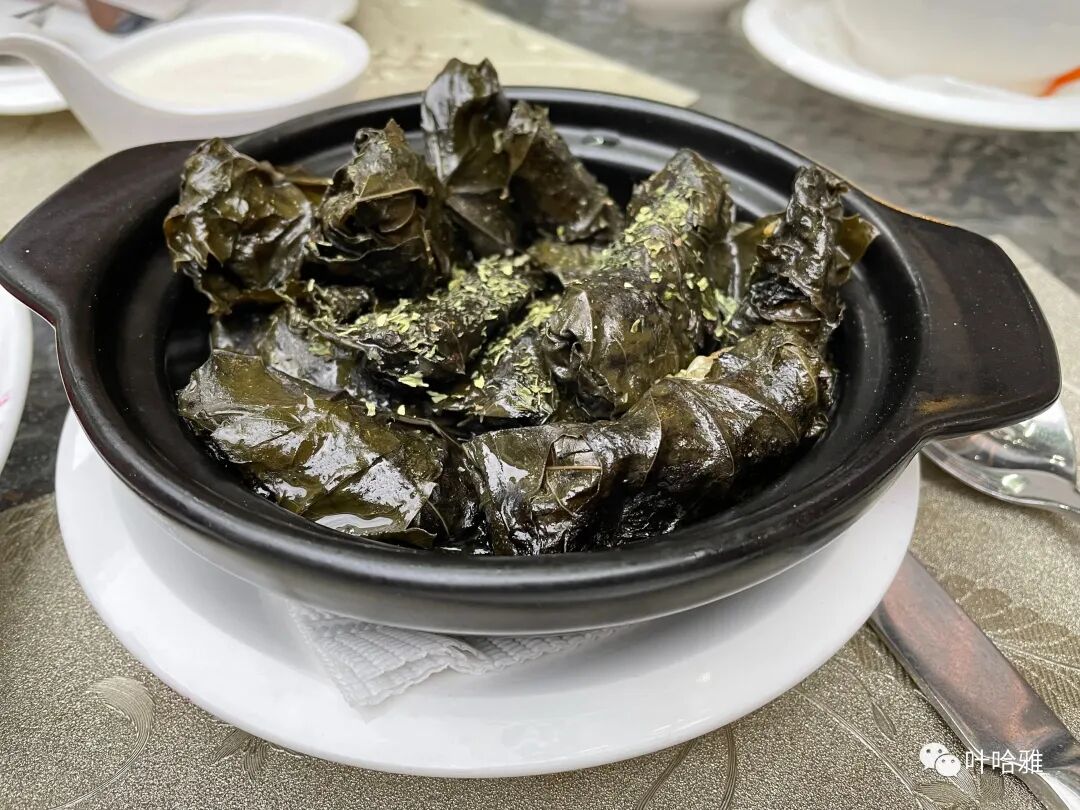
Stuffed grape leaves (dolma)
Stuffed grape leaves (dolma) use grape leaves for the outer layer with beef filling inside. This dish is also a common specialty in Central Asia.
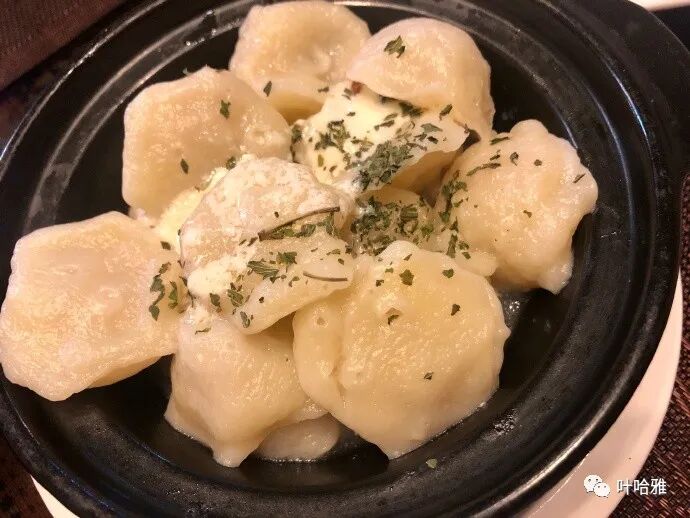
Dumplings (pelmeni)
These are Azerbaijani dumplings (pelmeni). Historically, people in the Caucasus region have been eating dumplings for a long time, though the ones they make are much smaller.
Summary: This Beijing halal food guide opens the 2024 must-eat list with Niububi Sichuan hot pot, old Beijing halal snacks, Xinjiang cuisine, Tatar food, Chongqing hot pot, suancai fish, roast duck, and Azerbaijani dumplings, all from places the author personally visited.
Friends familiar with my style know that I write about every place I eat. I do not write about shops I have not visited, and I have definitely eaten at every shop I write about. Regardless of whether a restaurant suits my personal taste, I still write about it. My goal is to include as many halal restaurants with different flavors as possible. I generally do not give bad reviews to halal restaurants because I want their businesses to thrive and spread everywhere, making travel easier for us. People often ask me which restaurants in Beijing are worth recommending. As a Beijinger whose family roots in the city go back at least to the Ming Dynasty, I do have a list of high-quality restaurants in my mind. My taste is very down-to-earth, so as long as you are not an extremely picky eater, you will likely find the places I enjoy delicious too.
The variety of halal dining in Beijing is arguably the richest in the world. It brings together halal versions of Chinese regional cuisines as well as halal restaurants from many other countries. I wrote a list of must-eat Beijing-style halal restaurants in 2020 and again in 2022. A few years have passed, and some restaurants on those lists have changed. Below, I present my latest must-eat list of Beijing-style halal restaurants.
The list is in no particular order. I will specifically note if a restaurant does not serve alcohol; otherwise, assume it does.
1. Niububi Hot Pot
Niububi is a halal chain brand from Sichuan. I first ate at Niububi in Chengdu in 2016. That was my first time having authentic halal Chengdu-style hot pot. I waited in line for over two hours, but it was worth it. Later, I ate at their Xining branch (which has since closed) and kept thinking about it after returning to Beijing. Now I can eat those Chengdu flavors right at my doorstep. Since the opening of Subway Line 19, I can go directly from Niujie to Niububi, giving me one less reason to travel to Chengdu.
Today, there is more than one Sichuan-style hot pot place in Beijing. Junbang Hot Pot in the Xinjiang Building is also Sichuan-style. Junbang and Xihan Meatball Soup share the same owner, and the environment and service are excellent, but Niububi remains my number one choice for Sichuan-style halal hot pot.
The restaurant is located on the second floor of Quanpin Jinsha in Mudanyuan. The space is roomy, and the interior design was reportedly created by Hui Muslim designers.
The owner of Niububi is a local Hui Muslim from Sichuan, and the head chef is also a Sichuan Hui Muslim who is skilled at making Sichuan cuisine.
Iced jelly (bingfen)
Iced jelly (bingfen) is a must-have dessert for Sichuan hot pot. It is mainly used to relieve the spiciness and is cold, sour, and sweet.
Duck intestines
Duck intestine and beef tripe are must-order dishes for Chengdu hot pot, and the duck intestine cooks as soon as it hits the water.
Beef tripe
Shabu-shabu beef tripe is a signature dish. Fresh beef tripe only needs a few seconds in the pot, a technique locals call 'seven up, eight down,' or it will get tough.
Crispy fried meat (xiaosurou)
Freshly fried crispy meat is a standard snack for Sichuan hot pot, and the beef is tender and crunchy.
Brown sugar sticky rice cake (hongtang ciba)
Unlike some shops that just heat up pre-made cakes, Niububi makes their brown sugar sticky rice cakes on the spot to ensure the best texture.
The shop is named 'Niububi' because they believe their beef doesn't need to be compared to others. It also sounds like the slang 'niubi' (awesome), and among our friends, the shop really is awesome.
2. Xinjiang Hotan Rose Pilaf (zhuafan)
Hotan Rose is a halal Xinjiang restaurant that only serves pilaf. They have chain stores in Urumqi, and this location just opened recently.
Their signature pilaf is a hit with everyone I know. Besides pilaf, the shop also serves baked buns (kaobaozi), thin-skinned buns (baopibaozi), and three types of free side dishes.
Their free side dishes are especially delicious.
The lamb and oil are both shipped from Xinjiang.
Uyghur staff run the kitchen, and the lamb leg pilaf (zhua fan) at this shop is excellent. I arrived late, so only one lamb leg was left. The meat was very tender and flavorful, and the pilaf was fragrant. It is arguably the best pilaf you can find at a Xinjiang restaurant in Beijing.
3. China-Pakistan Friendship Restaurant
There are at least 10 Indian and Pakistani halal restaurants in Beijing. Samosa is a popular, alcohol-free spot that consistently serves good food. A samosa is a fried triangular snack in Indian and Pakistani cuisine. The owner used to run another Indian and Pakistani buffet called ZamZam, and this Samosa is located in Xibahe.
You can eat various Pakistani snacks here. Besides the buffet, you can order a la carte, and they offer halal Western fast food like pizza and pasta.
This is freshly baked butter naan, one of my favorite Indian and Pakistani treats. I can eat a whole basket of bread with curry.
The buffet includes two desserts and three drinks. I like the green mint drink. They use high-quality ingredients, serve generous portions of meat, and the place is clean and hygienic.
The China-Pakistan Friendship Restaurant opened a new branch in Sanlitun this year, and both locations are currently open.
4. Wanfu Halal Iron Pot Stew
This Harbin-style halal iron pot stew in Daxing tastes very good. I think it is better than Uncle Oyster's. Beijing has another halal iron pot stew place worth recommending called Dunyishou, but it falls a bit short compared to Wanfu because it lacks the Northeast-style stir-fried dishes.
Besides the iron pot stew, the biggest surprise is their sweet and sour pork (guobaorou). They offer it in several styles, using either chicken or beef, and you can choose between a sweet or savory flavor.
This is called sticky roll (nianjuanzi). It is made with unleavened dough and dropped into the pot. After steaming with the stew for 15 minutes, it is ready to eat and tastes delicious.
The owner gave us some stone-ground tofu on the house. They make the tofu themselves, and with the savory sauce and toppings, it feels just like eating tofu pudding (doufunao), which is also very tasty.
We added dried green beans and dried potatoes to the iron pot. These two ingredients taste even better stewed than when they are fresh.
The sweet and sour pork (guobaorou) made by Hui Muslims in Harbin is savory. Their version is crispy on the outside and tender on the inside. We finished the whole plate in no time. It is great to finally have authentic savory sweet and sour pork in Beijing again.
5. La Medina Tunisian Restaurant
Beijing once had a Moroccan-style restaurant called Camel Team that was open for many years before closing due to the pandemic. However, a Tunisian-style restaurant opened during the pandemic. Since Tunisia and Morocco are both in the North African Maghreb region and have similar eating habits, this place helps fill the gap left by the Moroccan restaurant.
This shop has moved to a new location in the last two years, growing from a small space to a larger one. The chef is an Arab from Tunisia. We talked and he confirmed it is a halal restaurant, even though they do not display the sign. In China, you must get approval from the Ethnic and Religious Affairs Bureau to apply for halal certification, otherwise, individuals cannot put up the halal sign on their own.
Classic Moroccan bean soup
Couscous (Tunisian millet rice)
The most unique dish in Tunisia is this couscous. It is called millet rice and has the texture of millet, but it is actually made from ground hard wheat grains.
Tunisian pastry (brik)
shakshuka eggs (shasuka) served on a hot iron plate
beef and wheat bun
The spray nozzle in the bathroom; those who know, know what it is for.
6. Niushi Japanese BBQ
Niushi Japanese BBQ has been open in Beijing for about five years. They used to have three locations, but now only the main CBD branch remains.
The owner of Niushi is named Hei and is a Hui Muslim from Beijing. His family has been in the beef business for generations and they have their own cattle farm in Gansu. The owner knows a lot about beef and is even a consultant for the Ministry of Agriculture on beef, so the quality of the beef at Niushi is guaranteed.
The restaurant is on the high-end side. The bottle of non-alcoholic grapefruit juice I drank cost 330 yuan. The average cost per person here is over 200 yuan, and if you order some good beef, the bill can easily go over a thousand.
This 200g piece of marbled Wagyu beef costs 380 yuan. It is not cheap, but it is tender and juicy. Paired with the fruit sauce developed by the restaurant, it is truly a top-tier dish.
Besides expensive beef, the shop also has some affordable snacks. If you only eat meat to get full, your wallet will be empty. I suggest pairing it with staples like udon noodles, grilled meat rice, or ramen. They are not only affordable but also delicious. These portions are small, so they are perfect for one person.
Udon noodles
Grilled meat rice
Niushi does not serve raw food like sashimi. Food safety rules require strict separation between raw and cooked food preparation, which needs a lot of kitchen space, so they cannot make sashimi right now.
The private rooms have a Japanese style where you need to take off your shoes, so remember to make sure your feet are clean before you come. The restaurant moved to a new location this year not far from the old one, so regular customers should take note.
7. Tomato Pizza and Pasta
Tomato is a new fast-food chain created by the owner of the original Xihongmen Speed Pizza. They focus on made-to-order food at affordable prices. The owner is a Hui Muslim from Xueying in Daxing.
The shop became popular as soon as it opened, and you have to wait in line during peak dining hours.
Their specialties are pizza and pasta, which are both made on the spot and served quickly.
They have soda for 3.9 yuan with free refills that kids can enjoy, and Fahim especially loves their tomato pasta.
A pizza there costs just over 20 yuan and pasta is around a dozen yuan, but the quality of the ingredients is guaranteed.
We have been to the Xindongan and Changping Super Hopson One locations, and the taste was great at both. Now they have added locations at the Communication University of China and Raffles City.
8. Sultan Turkish Restaurant
Formerly Kubei Turkish Restaurant, the original team changed the place into Sultan Turkish Restaurant. Sultan is a chain brand. I ate at one in Yiwu once and the taste was excellent. You could say it is the gold standard for Turkish restaurants in China, perhaps even better than what you might eat in Turkey. It was not very crowded when it first opened, but I hear it has become a viral hit recently and you have to wait in line for a long time.
Sultan serves the famous Turkish ice cream brand MADO. It is made from goat milk without adding water, giving it a rich and creamy flavor.
Beijing also has Dardanelles Turkish Restaurant, Desert Rose Turkish Restaurant, and West Court Show Turkish Restaurant, which are all quite good. Desert Rose and Dardanelles do not sell alcohol, but personally, I think Sultan offers the best dining experience.
Sultan offers many types of Turkish-style breakfasts. You can choose a single or double set meal, and you can even order breakfast during regular meal times. Turkish people are used to eating two meals a day—one in the morning and one in the evening—with each meal lasting a long time.
Balloon flatbread (pide)
MADO layered ice cream, with a choice of four flavors.
Just for this MADO ice cream, it is worth a visit. The quality is higher than Haagen-Dazs.
The open kitchen lets you see the chef baking naan bread by the oven.
Various Turkish desserts served with tea.
9. BRBR Syrian Restaurant
This is the only Syrian restaurant in Beijing. It has been open for many years, and I have watched it grow from a small storefront into a larger space by taking over neighboring shops. At lunchtime, people line up to eat here. This year, BRBR opened a new branch in SOLANA, and business continues to boom.
Syrian food is essentially Arabic food. There are quite a few Arabic restaurants in Beijing, such as One Thousand and One Nights and Al Safir, which are both excellent. The staff there are mostly Arabs from Syria and Palestine.
Honey and nut layered pastry (baklava)
Hummus dip with flatbread.
BRBR mixed grill.
Shawarma rice.
SOLANA branch.
Ever since the Syrian restaurant in Wudaokou, Haidian became popular, the owner wanted to open a branch in Chaoyang District. He finally got his wish, choosing a spot on the second floor of the SOLANA mall near McDonald's.
The SOLANA branch is much larger, the decor is very refined, and the private rooms have a wider view than the previous ones.
The menu is exactly the same as the Wudaokou shop, and the flavors are basically the same.
I suddenly realized that Syrian barbecue and Zibo barbecue are the same thing. Syrian barbecue is also eaten by wrapping meat in thin flatbread. The difference is that Zibo barbecue uses green onions inside, while Syrian barbecue uses onions.
Kunafa.
Syria has a deep connection with coffee. The world's first coffee house was opened in Istanbul in 1554 by two Syrians, one from Aleppo and one from Damascus. It wasn't until a hundred years later that France had its first coffee house in Europe.
So, the sand-brewed coffee at BRBR is also worth trying. Next to the Wudaokou shop is a coffee house run by BRBR.
The shop sells beautiful coffee cups. We happened to be there for the opening day celebration, and the owner gave every guest who came to check in a beautiful coffee cup.
10. Yuelangzhai
In Xiguanshi Village, Changping, there is a halal restaurant with a very impressive history. Before I arrived, I learned that the restaurant was once the Imperial Escort Agency (Yuqian Biaoju), named for its role in protecting Empress Dowager Cixi during her escape to Xi'an.
Yuelangzhai Restaurant started in 2014. The Li family ancestors worked as professional escorts (biaoshi). Although that profession no longer exists, the descendants of the Li family have good cooking skills. They decided to open a restaurant, taking advantage of the prime location of their ancestral property.
A screen wall at the entrance is carved with the four characters for Imperial Escort Agency, which research confirms was a gift from the emperor. The Imperial Escort Agency was originally called Xiguangyu Escort Agency. To safely escort Empress Dowager Cixi out of Beijing, the owner, Li Entao, recommended Yang Juchuan to accompany her all the way to Xi'an, and later, they escorted her back to Beijing.
A set of dragon chairs is displayed in the front courtyard with a yellow imperial robe hanging nearby. A plaque reading Yuelangzhai hangs in the center, signifying that this shop once served the royal family.
Walking through the porch into the main hall, the space is wide and open. The interior uses a traditional Chinese style that is simple and elegant. The restaurant has two floors: the first floor is for general seating, and the second floor has private rooms.
Inside a private room, the decor remains traditional Chinese with square tables and wooden stools. Calligraphy and ink paintings hang on the walls, creating an atmosphere that feels like a trip back to the late Qing Dynasty.
Vinegar-stir-fried egg and beef (culiu muxu) is a common Beijing home-style dish found in many restaurants. It should actually be called culiu muxi because the scrambled eggs look like osmanthus flowers. It requires high culinary skill; while it looks simple, it is not easy to make well and the method is very particular.
Manager Li specifically recommended the beef meatballs. He said he is usually cautious about ordering this dish at other restaurants because he often feels they contain too many fillers and not enough beef. At Yuelangzhai, the beef meatballs are made with real, quality ingredients. I picked one up and took a bite. It was just as Manager Li said: full of beef flavor with no taste of starch or other fillers. The beef meatballs were soft, delicious, and melted in my mouth.
Pan-fried tofu (guota doufu) is a classic Beijing-Shandong dish. The tofu is cut into 5-centimeter squares, and shrimp are minced into a paste. The shrimp paste is mixed with egg liquid, and the tofu is dipped in the egg mixture and pan-fried. It is cooked over low heat, and when the oil is about 60 percent hot, the tofu is carefully slid into the pan, fried until golden brown on both sides, and then covered to simmer until the sauce is absorbed.
The main dish is grilled noodles (zhizi kaomian). I had never heard of this before. I only knew about grilled meat (zhizi kaorou), but I had never eaten noodles cooked this way. Manager Li said he invented this dish. He seasons hand-rolled noodles and stir-fries them on a hot iron grill, similar to how you make stir-fried noodles. The high heat of the grill adds a lot of aroma and texture, and it is very popular with diners.
11. Bai Xiaobei Northeast Barbecue
This is the only halal Qiqihar-style barbecue restaurant in Beijing. It has been open for over three years and just opened a second branch in Wangjing. I brought friends here to try it during the soft opening. Northeast-style barbecue is known for small skewers, which is different from Northeast-style stir-fry dishes that come in large portions.
Hot pot beef tripe (shuan niudu)
I actually do not mind small portions because it lets me try more flavors and helps avoid waste.
Stir-fried screw snails (baochao dingluo)
After the tips of the screw snails are knocked off, you just take a quick suck to pull the meat out. The texture is crunchy, tender, and chewy.
Fruit cold noodles (shuiguo lengmian). I have to say, the cold noodles here are quite authentic and taste much better than the halal Yanji cold noodles I mentioned earlier.
The skewers are called 'Five Elements Lack Skewers' (wuxing que chuan). I do not know what that means, but I can tell it is beef, and the yellow part is cheese.
This dish is called 'Wocao Super Big Salad' because it is named after the huge plate it is served on. People from the Northeast love eating raw vegetables, and the owner gave us this cold salad for free.
Grilled oysters and scallops are also a must. The ingredients are very fresh, but the price is not cheap.
Deep-sea flathead fish head (shenhai dieyutou). This fish has sharp teeth and a fierce nature. The more aggressive the fish, the firmer and tastier the meat.
The cold-tossed fish skin has no fishy smell, which shows it is very fresh, and it is crunchy when you eat it. Cold-tossed fish skin is a typical home-style dish in Northeast China. I wanted to try roasted silkworm pupae, but my friend talked me out of it because they were scared.
Shenyang chicken rack is a very famous local specialty in the Northeast. The chicken rack is fried until it is golden and crispy, and you can even chew the bones. This shop has a wide variety of small skewers, covering almost all the specialty barbecue of the Northeast. The prices are a bit expensive, with an average cost of over 150 yuan per person.
12. Dianxinyuan
Dianxinyuan is currently the only remaining halal Yunnan restaurant in Beijing. It has been open for 13 years, and the owner is from Shadian.
Beijing used to have halal Yunnan restaurants like Ayidianchang, Hailiye, and Dalifu, but they have all closed down. It is not easy for this Dianxinyuan to have lasted until today.
You can basically eat all kinds of Yunnan specialty foods here, including Mengzi small-pot rice noodles (xiaoguo mixian), copper-pot boiled fish, Dai-style tofu with sauce (baojiang doufu), Dai-style shredded chicken, Gejiu roasted tilapia, porcini mushroom fried rice, and dried beef (niuganba).
The small-pot beef rice noodles are especially close to the taste I had in Yunnan.
13. Jiasan Steamed Buns
This is the Beijing branch of the time-honored Jiasan soup-filled steamed bun (guantang baozi) shop from Xi'an, and it has been operating in Beijing for over ten years. They sell various halal snacks from Xi'an, including soaked bread in soup (paomo), barbecue, and steamed beef with rice flour (fenzheng niurou).
For the soup-filled steamed buns, you should first take a small bite to drink the soup inside, then eat the bun.
I really like eating this vegetable stew (huicai). For Xi'an food in Beijing, there is also Old Xi'an Restaurant, Xi'an Old Yang Family Restaurant, and Qin Laoda Paomo. Jiasan is an old shop with a very complete selection of Xi'an snacks, and you can even eat halal venison here. Jiasan currently has two branches in Beijing, with the other one located at Yangqiao.
14. KAVKAZ Ruilin Restaurant
This is a Caucasian-style restaurant on Shenlu Street in Chaoyang. There used to be an Azerbaijani restaurant next door called Bakuli with a similar style, but it closed. Another halal Russian-style restaurant called NAIL also closed, so it is not easy for this shop to have lasted until today.
Beet soup (borscht)
Beet soup (borscht) is a famous Russian dish. You drink it before your main meal to whet your appetite.
Stuffed grape leaves (dolma)
Stuffed grape leaves (dolma) use grape leaves for the outer layer with beef filling inside. This dish is also a common specialty in Central Asia.
Dumplings (pelmeni)
These are Azerbaijani dumplings (pelmeni). Historically, people in the Caucasus region have been eating dumplings for a long time, though the ones they make are much smaller.
