
Muslim Travel Guide Indonesia: Surabaya Sunan Ampel Mosque, Cheng Ho Mosque and Halal Airport Food
Reposted from the web
Summary: This Indonesia Muslim travel guide part 2 follows Surabaya, Sunan Ampel Mosque, Cheng Ho Mosque, Islamic history in Java, local Chinese Muslim heritage, airport halal food, and practical reflections from a Chinese Hui Muslim traveler.
The gongbei of Sunan Ampel (1401-1481).
Sunan Ampel Mosque (1401-1481) in Surabaya was built in 1421. Sunan Ampel was a key founder of Islam in Java and held a status similar to Hu Dengzhou in China. His ancestor was the famous Sufi master Ahmad Muhajir from Iraq. Ampel married a woman of Chinese descent named Nyi Gede Manila, and they had two sons and two daughters. After Ampel passed away in 1481, he was buried inside the mosque. Today, it is a place of pilgrimage for believers. When I arrived, a school was organizing a visit to the grave, so I joined the students in performing a dua and listened to them chant various melodies of praise for the Prophet. Although this is a holy tomb, it looks very simple. It has no grave mound and is not as luxurious as the menhuan gongbei in China.
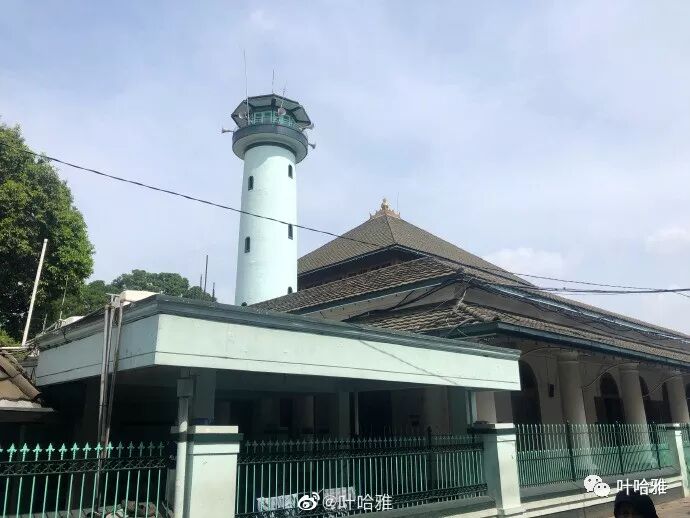
The main hall of Sunan Ampel Mosque.
Islam had already spread to Indonesia as early as the 13th century. In his travelogues, Marco Polo mentioned that when he stayed in the kingdom of Perlak on the Malay Peninsula and the kingdom of Pasai in Sumatra in 1292, he found that the people there practiced Islam. Meanwhile, the Chinese historian Ma Huan recorded his observations in Sumatra during Zheng He's voyages in "The Overall Survey of the Ocean's Shores" (Yingya Shenglan). He stated that in places like Palembang, West Sumatra, and Aceh on the northeast coast of Sumatra, the kings and the people were all Hui Muslims, and there were also merchants from Guangzhou, Zhangzhou, and Quanzhou in China.
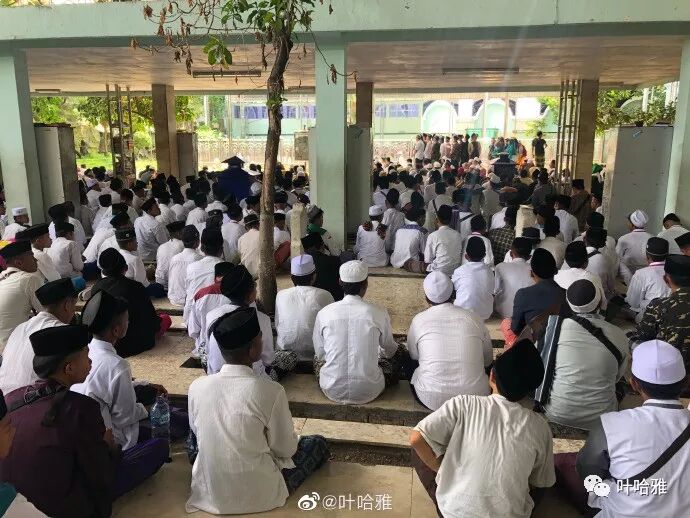
Students arrived one after another, sat on the ground, and followed their teacher in praising Allah and the Prophet.
Indonesia established its first Islamic sultanate in the 13th century on the island of Sumatra, called Samudera Pasai. Its founder, Mirah Silau, was a royal descendant who converted to Islam under the influence of the Arab merchant Sheikh Ismail and the South Indian mentor Sultan Muhammad.
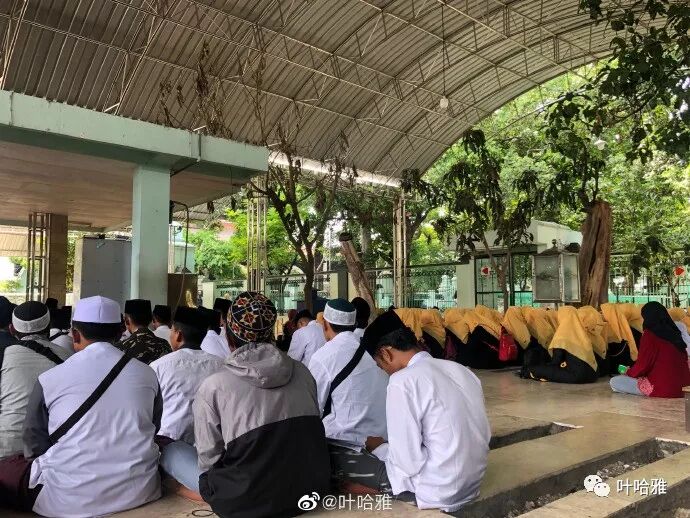
The boys finished reciting, and then the girls continued.
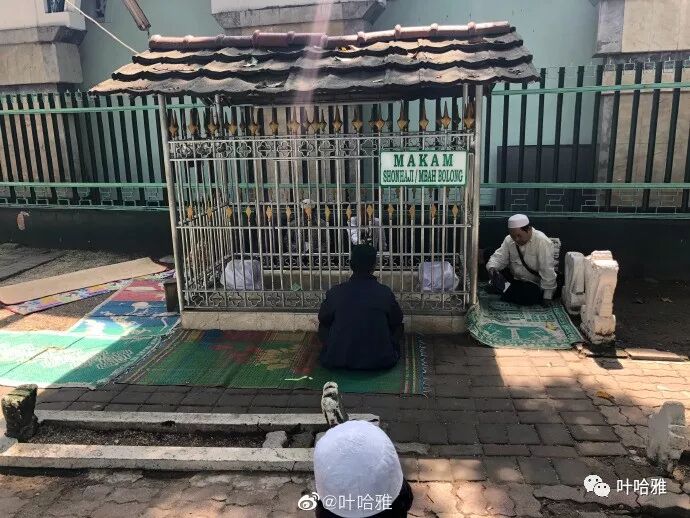
No matter whose tombstone it is, it is always in such a small space.
Cheng Ho Mosque
Surabaya has a Cheng Ho Mosque named after Zheng He, built by Indonesian Chinese. There are over 200,000 Indonesian Chinese Muslims. Many more have long blended into the Indonesian community, some even changing to Indonesian surnames, making them hard to distinguish by appearance. These facts show that any attempt to exclude Chinese people in Indonesia is unpopular and impossible to succeed in theory or practice.
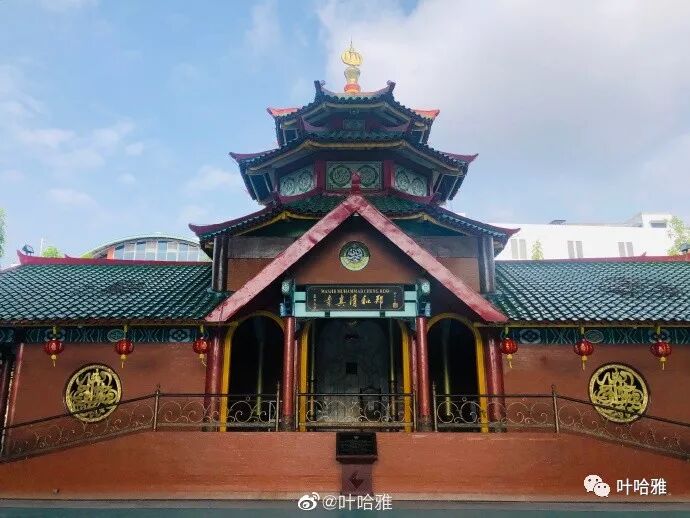
Cheng Ho Mosque
The architectural style of the Cheng Ho Mosque references the Niujie Mosque in Beijing. Since then, seven more Cheng Ho mosques have been built in Indonesia. The groundbreaking ceremony was held on October 15, 2001, which was the day of Isra and Mi'raj.
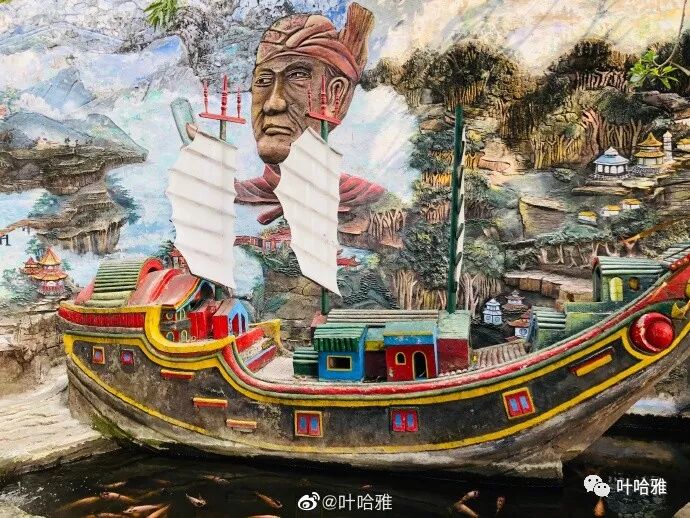
Islam spread in Indonesia mainly through peaceful means. Scholars currently believe there were several channels. First, merchants from Arabia, India, and China brought Islam to Indonesia through trade. On May 22, 2006, the British newspaper The Daily Telegraph reported that after 18 months of salvage work, European and Indonesian teams discovered about 250,000 artifacts from the Tang and Song dynasties in an ancient shipwreck in the Java Sea, including many Islamic items. This shows that China had a significant influence on the Islamization of Indonesia. Zheng He was very active in Southeast Asia. He actively engaged in local Islamic activities, built mosques, and established Chinese Muslim communities. To this day, Indonesian Chinese Muslims still commemorate Zheng He.
The second channel for spreading the faith was Sufi missionary work. The mystical ideas of Sufism were easily accepted by local residents who practiced Hinduism. Before Islam arrived, Hinduism was the mainstream religion in Indonesia. As Sufi scholars became more active, many residents and the ruling class abandoned their original polytheism and converted to the monotheistic faith of Islam.
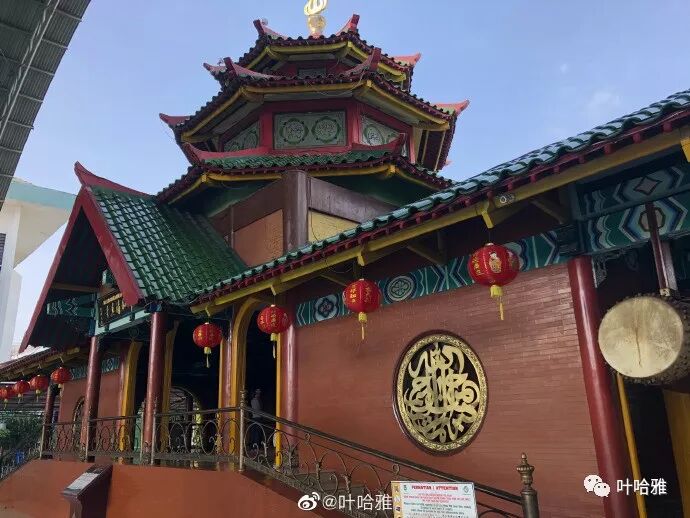
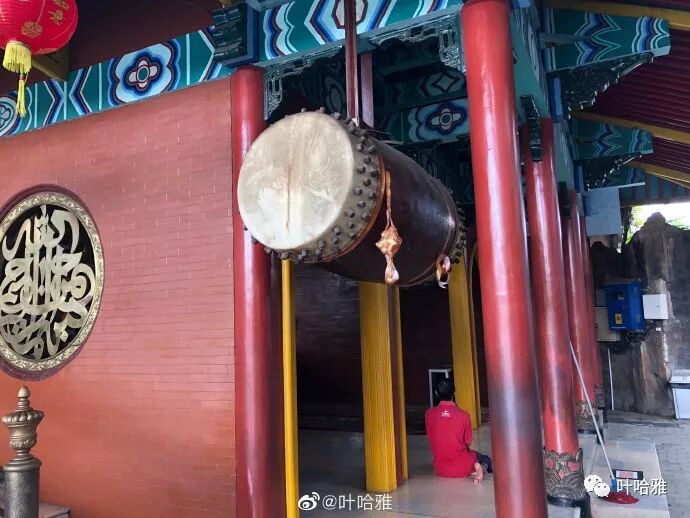
Large red lanterns and the call-to-prayer drum are a perfect blend of Chinese and Indonesian cultures.
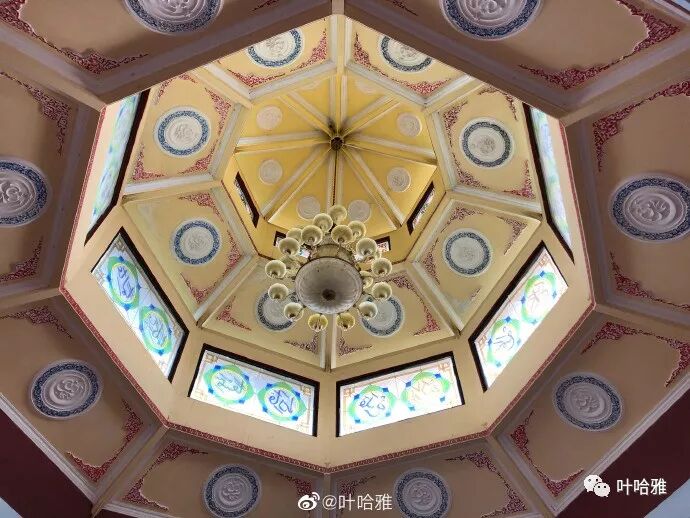
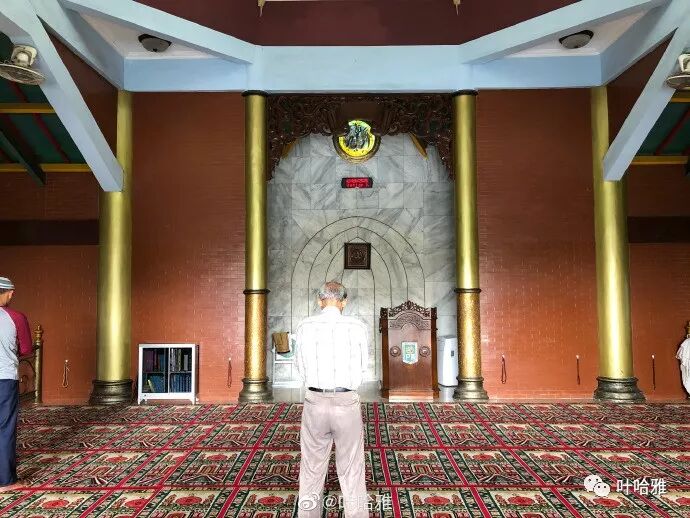
The main hall is an open space, meaning it has no doors. Doors are not needed here, as the mosque is always open to the public.
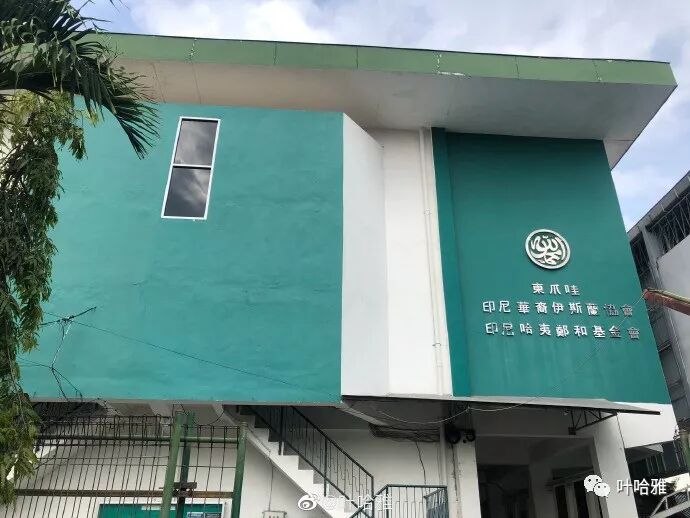
This is the location of the Indonesian Chinese Islamic Association and the Indonesian Haji Cheng Ho Foundation.
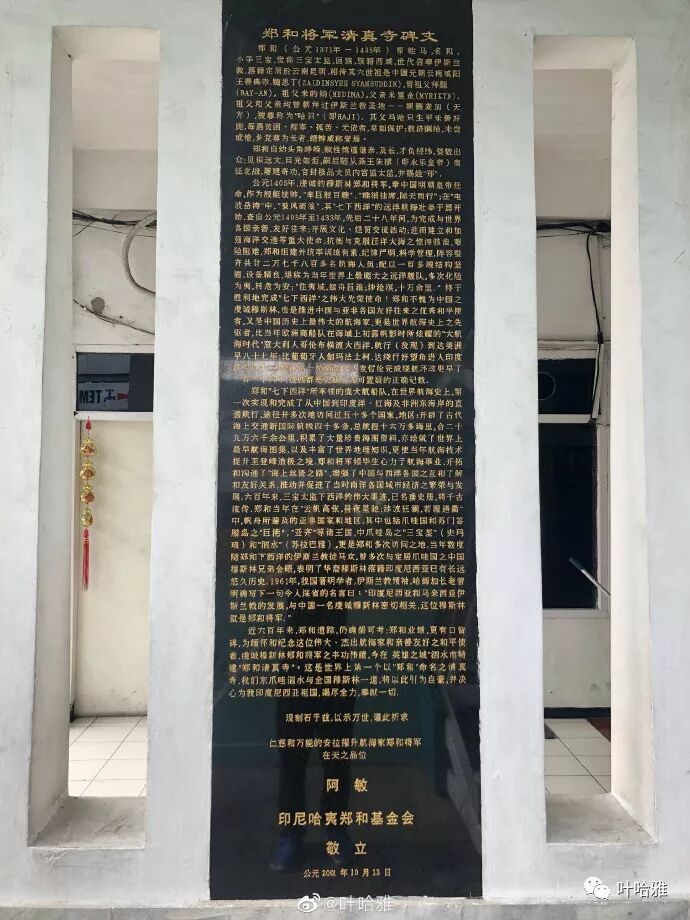
The stone inscriptions inside the mosque record the history of Zheng He and the spiritual legacy he left behind in Surabaya.
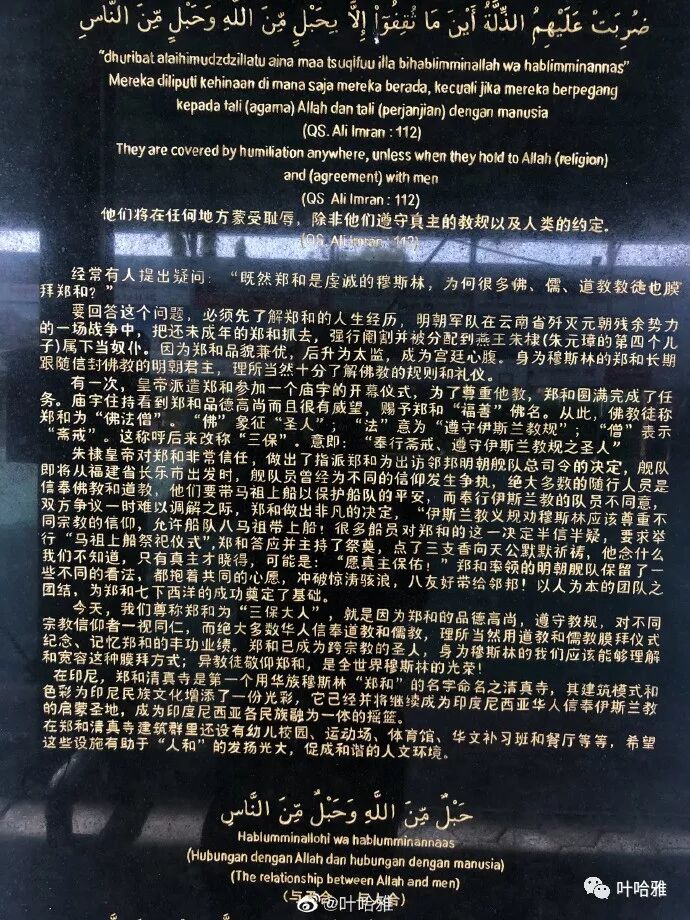
The inscriptions clearly state that Zheng He was a Muslim. They also explain why he participated in Buddhist, Confucian, and Taoist activities. Simply put, he had to adapt to the world around him.
Masjid Al Ittihad Pakuwon Mall mosque
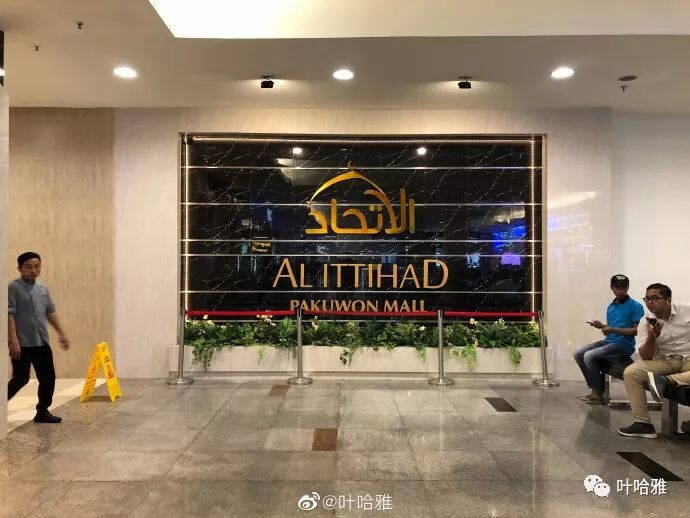
Masjid Al Ittihad Pakuwon Mall mosque
This mosque is built inside the Pakuwon Mall. Indonesian friends (dosti) told me that almost every building in Indonesia has a prayer room. Prayer rooms are different from mosques because they usually lack facilities for a full ritual wash (ghusl) and do not have an imam. This is the first time I have seen a full mosque inside a shopping mall.
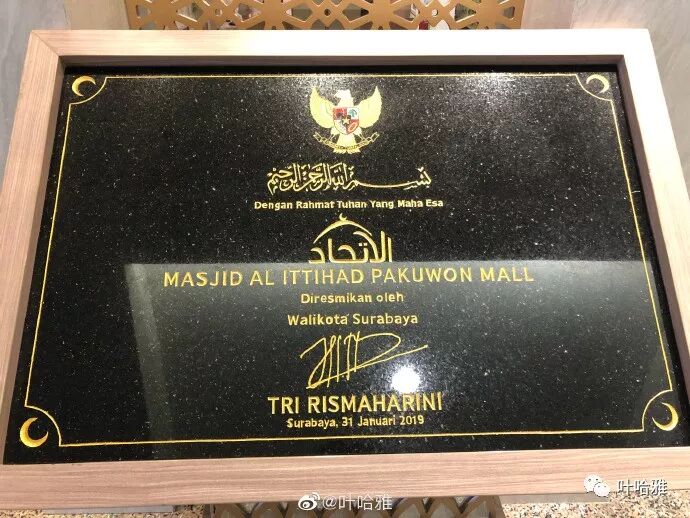
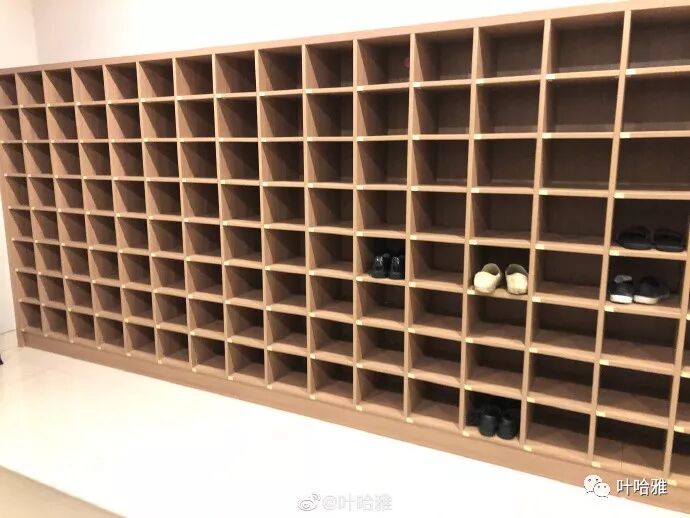
The mosque also offers free storage services.
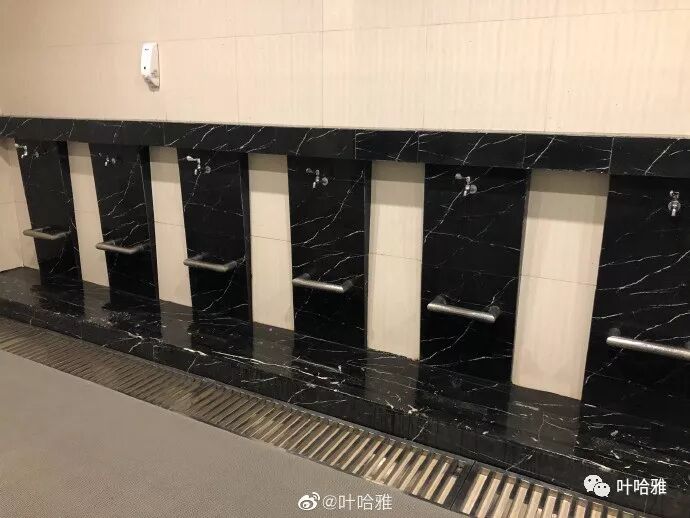
Area for minor ritual washing (wudu)
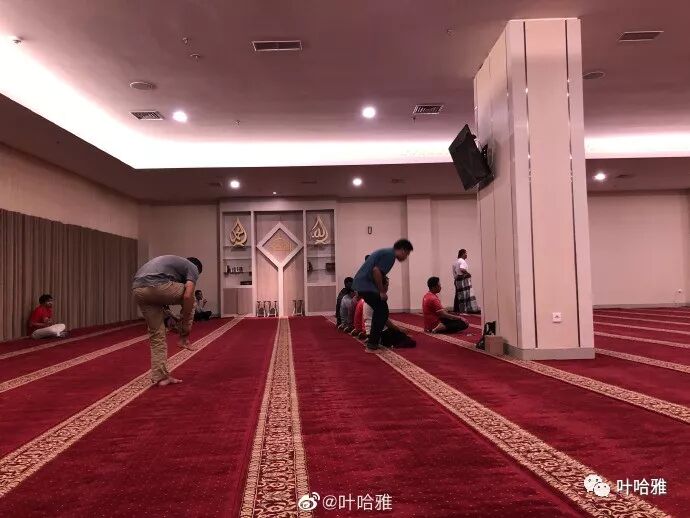
Main prayer hall
Mount Bromo
(Bromo)
After finishing my tour of the city, I planned to head to Mount Bromo. You can book a two-day local tour from Surabaya for about 1,000 yuan, but they require at least two people. I checked the route and decided I could have a great trip without a tour group, so I boarded the train to the volcano.
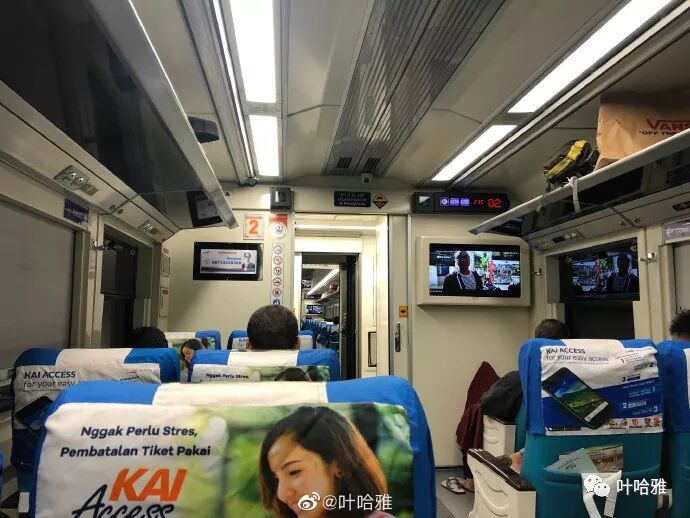
The train has first-class and second-class seats.
To get to Mount Bromo, start at Gubeng train station in Surabaya. Take a train for over two hours and get off at Probolinggo. The train ticket costs about 5 yuan. Outside the Probolinggo station, green minibuses head to the village at the foot of the volcano. They leave when full and cost about 15 yuan each. The 50-kilometer trip takes an hour and a half, but you have to wait for the bus to fill up. On my way back, I waited over three hours and it never filled, so I had to take an unlicensed taxi back to the Probolinggo train station. The 100 yuan I paid for the 50-kilometer ride was not expensive.
If you catch the bus smoothly, the total cost to climb Mount Bromo is no more than 50 yuan. Because I arrived in the middle of the night and wanted to see the sunrise, I spent an extra 200 yuan on taxis for the round trip.
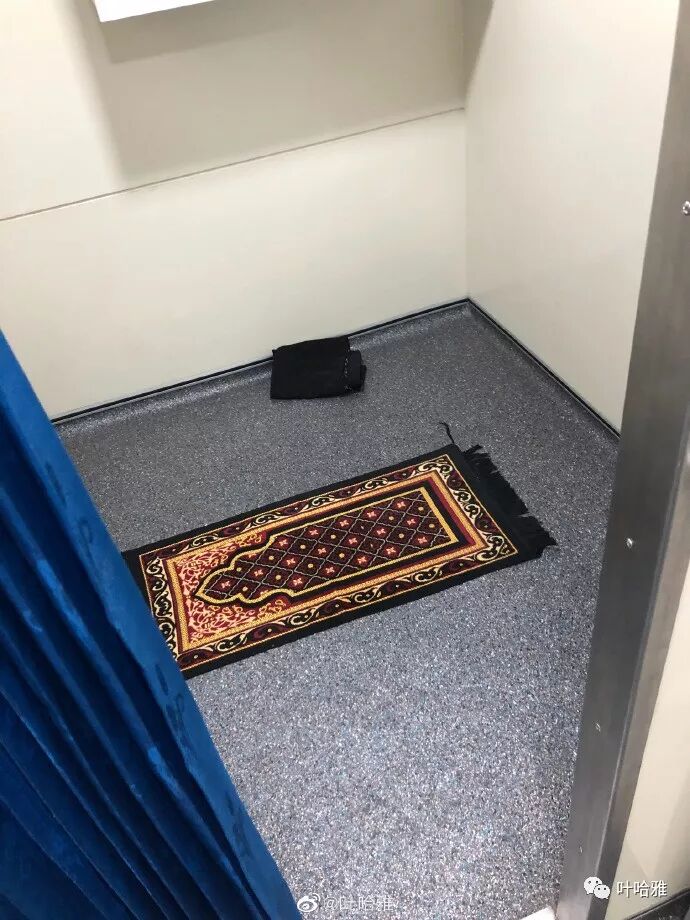
A prayer room on the train.
The driver dropped me off at the village at the foot of the volcano at 2 a.m. From there, you have to hike to the summit unless you rent an off-road vehicle or ride a horse, which is expensive. Climbing in the middle of the night is pitch black, so you need to use your phone's flashlight. You must pay a 10 yuan entrance fee to enter the village and climb to the summit for the sunrise, and you need to buy another ticket to get close to the crater.
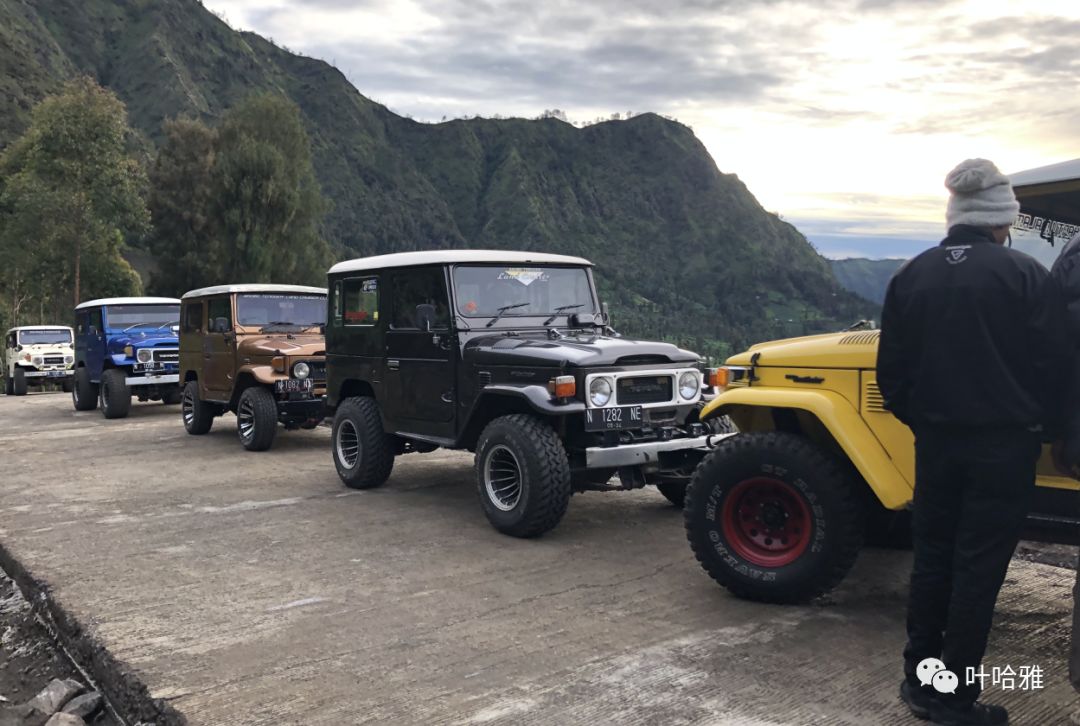
Off-road vehicles for climbing. You can charter one for a few people for about 300 yuan per vehicle.
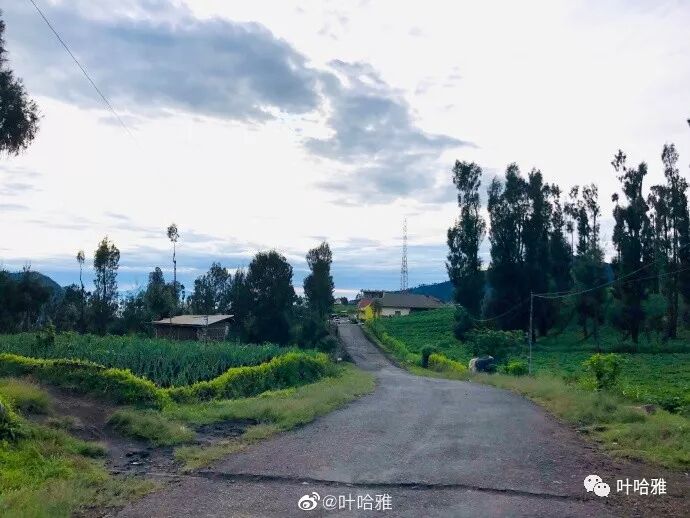
The scenery along the way after daybreak.
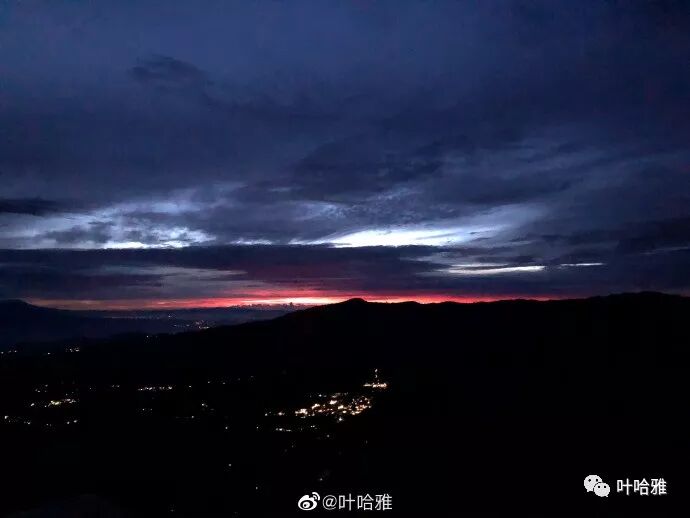
Dawn before the sunrise.
Google Maps shows the walk to the King Kong Hill (Penanjakan) summit is about 3 kilometers, but it is a mountain road and difficult to walk. It is also cold on the mountain at night, so you need a cotton jacket to stay warm. It took me an hour and a half to walk those three kilometers. It was pitch black along the way with no other tourists, just a few villagers on horseback who occasionally asked if I wanted a ride.
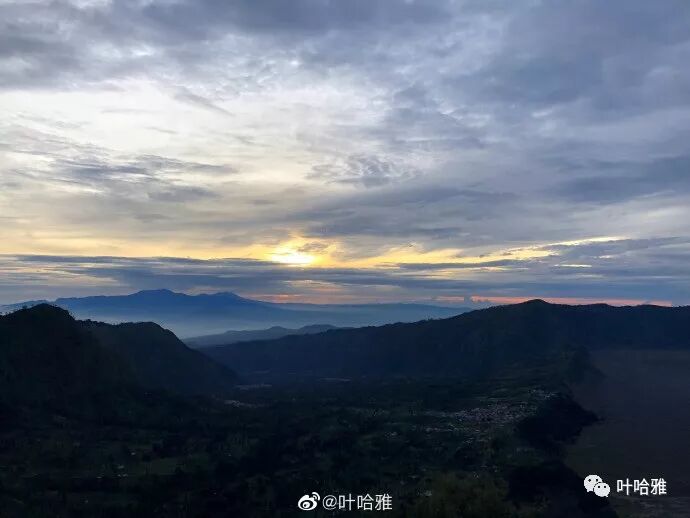
I shivered in the cold wind while waiting for the sunrise. The scenery around Mount Bromo is truly beautiful. In the morning, with the sea of clouds, the small town looks like a fairyland from a distance.
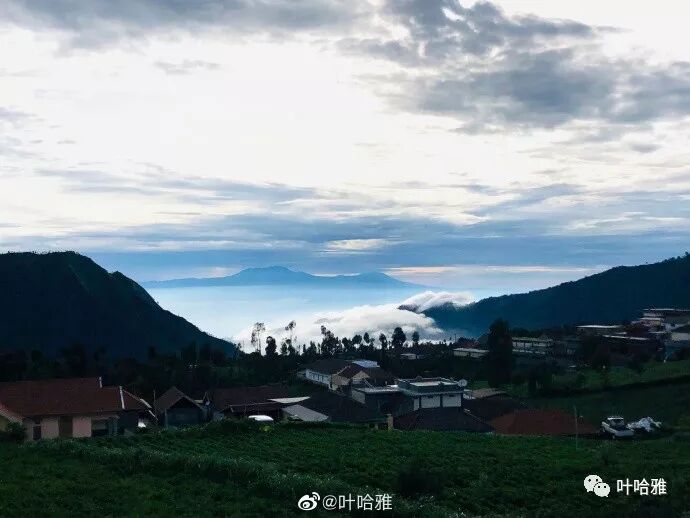
A town in the clouds.
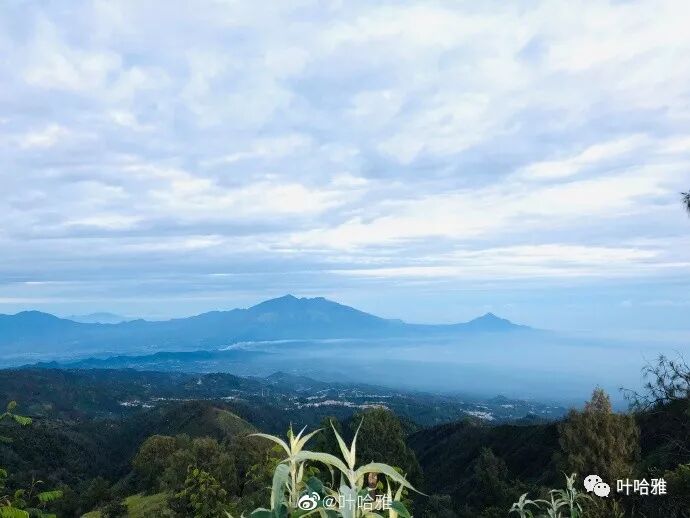
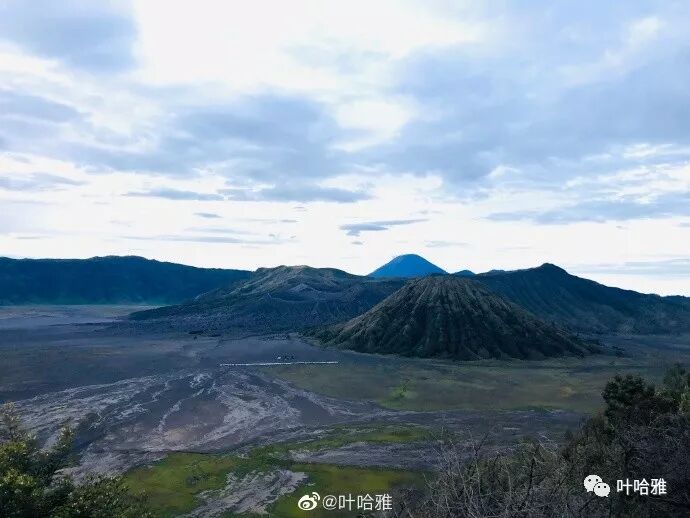
Mount Bromo crater.
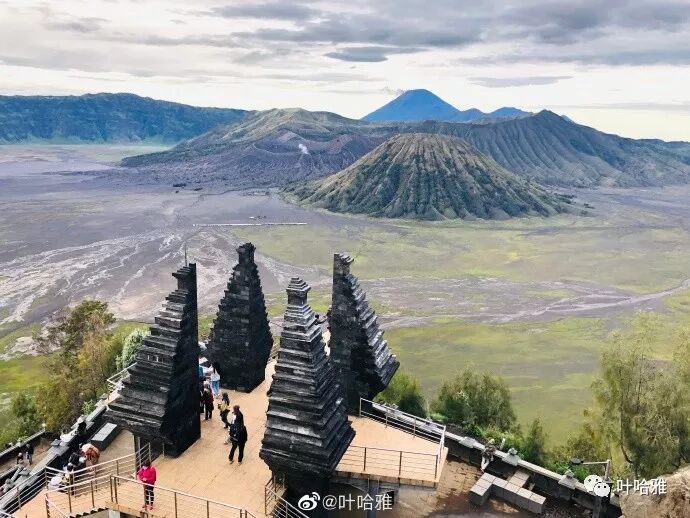
Looking from afar, the Mount Bromo crater is still emitting smoke, and you can already smell the sulfur. This volcano is still active, but you can walk up to the crater for a close look. You just need to bring your own gas mask, as a regular face mask won't help. Some people say it stings your throat and eyes. You can ride a horse from the foot of the mountain to the crater. You need to buy a ticket to visit the crater, which costs about 170 yuan per person. Considering the pandemic, I couldn't risk any respiratory issues, or it would be very troublesome to return home, so I gave up on the idea of walking into the crater, even though I really wanted to see the lava flowing.
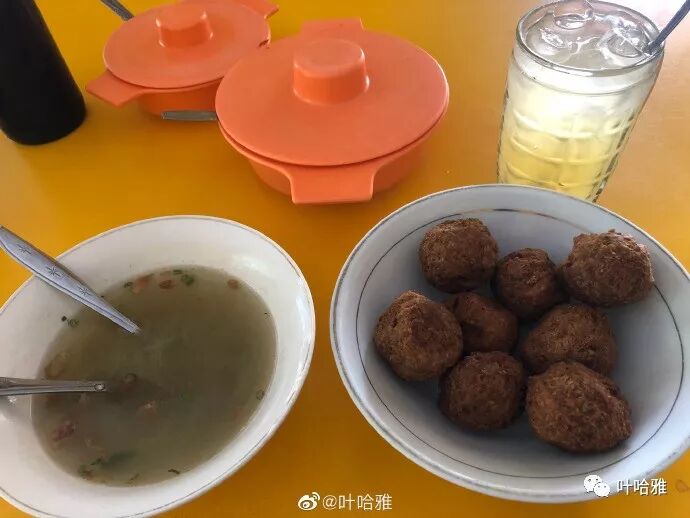
The meatball noodle soup (wanzi fentang) at the train station restaurant uses meatballs made with beef fat, much like the style in Yunnan.
On the way back to Surabaya, I kept eating to keep my energy up. There is nothing on the mountain except small stalls selling instant noodles and hot coffee, and there are no mosques.
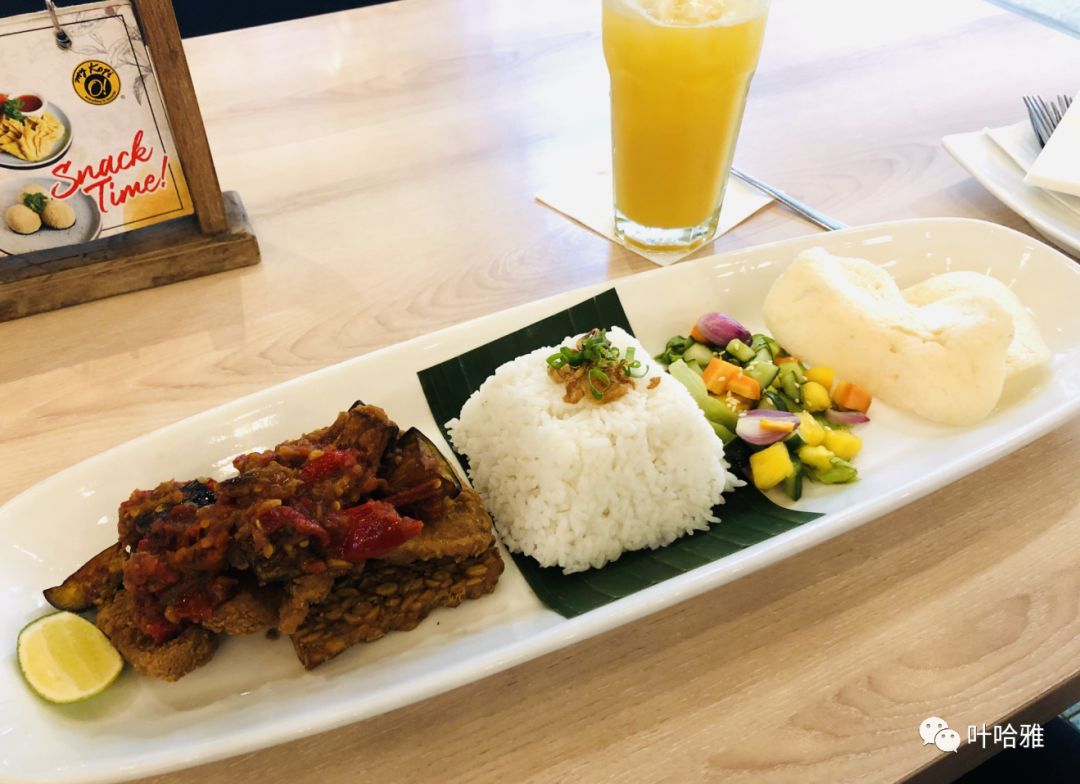
I had an Indonesian-style set meal at the Broadway shopping center.
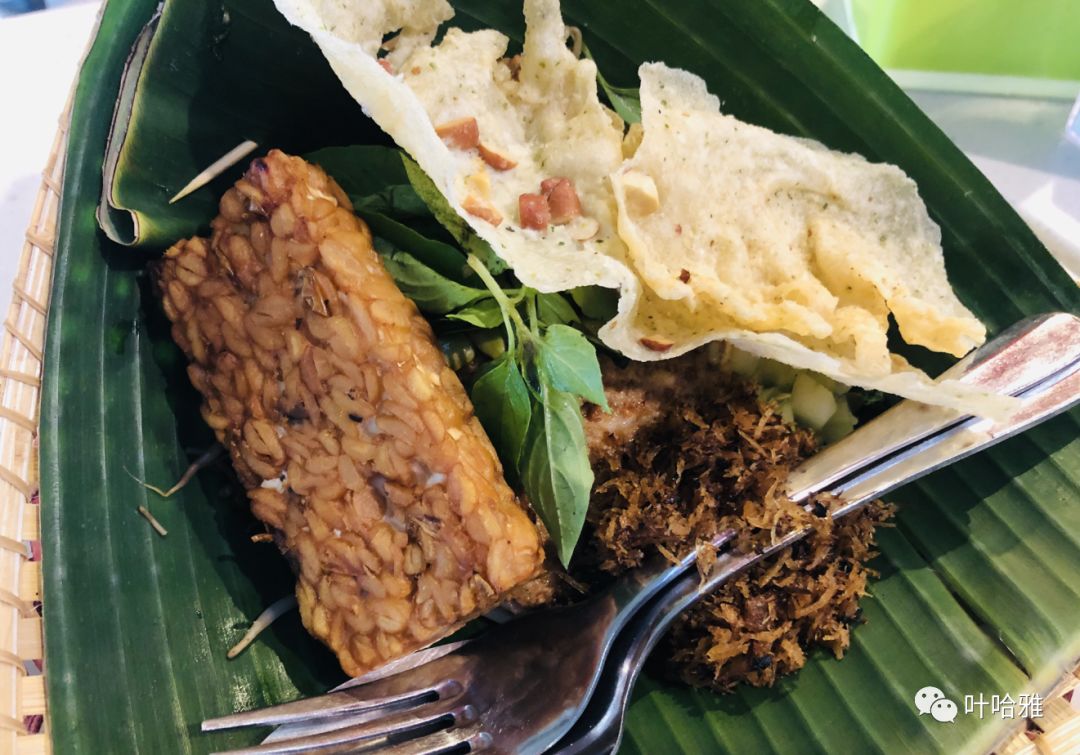
I ate Indonesian fried rice (nasi goreng) at the Surabaya airport.
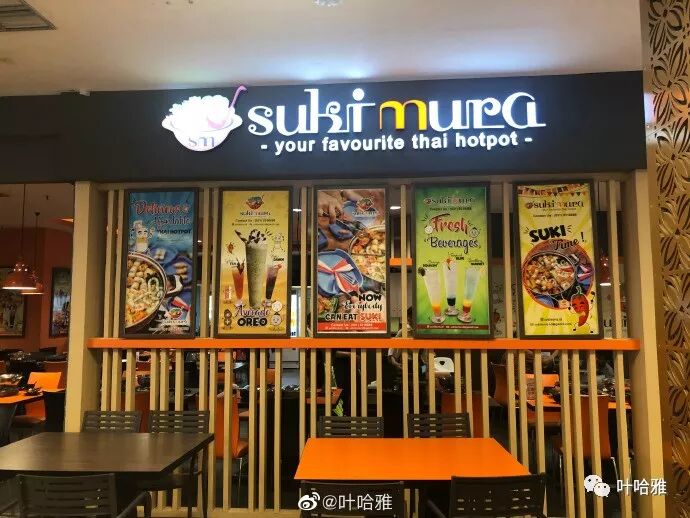
Thai-style hot pot, rich in curry flavor and slightly spicy.
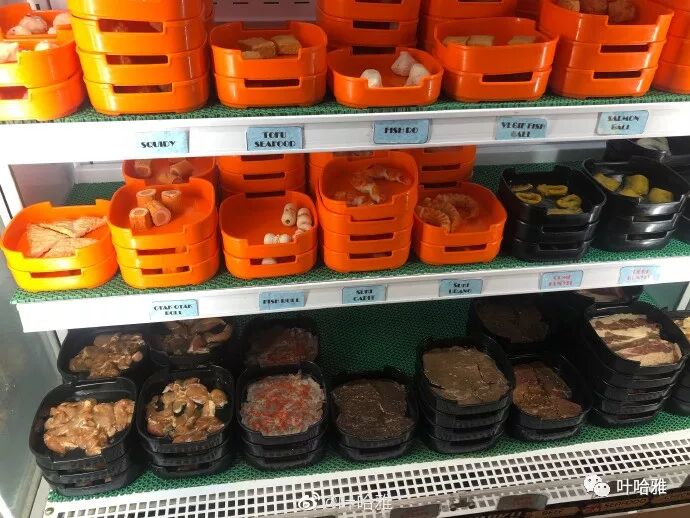
Different colored plates have different prices, and they count the plates to calculate the bill after you finish eating.
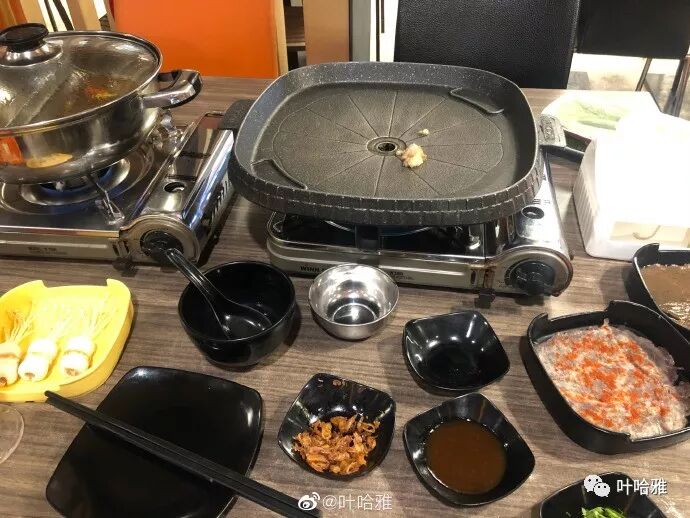
There are two ways to eat Thai-style hot pot: you can grill or boil the food.
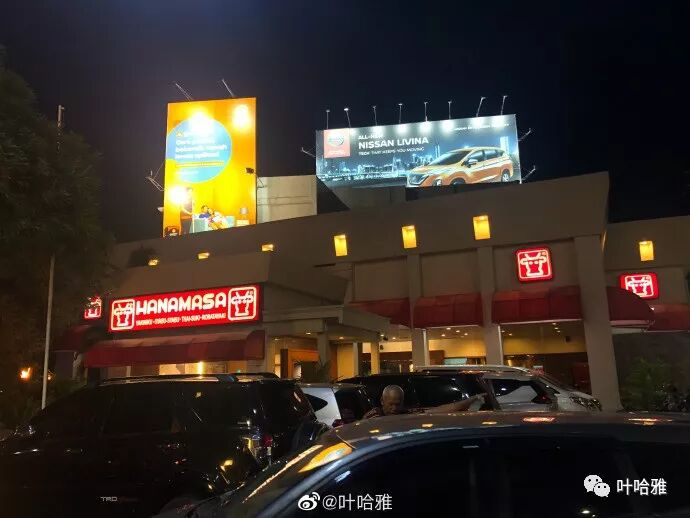
HANAMASA, a Japanese-style wagyu barbecue restaurant near the Surabaya train station.
You can also grill and boil meat at the same time here, and the greeter wearing a headscarf spoke to me in Japanese.
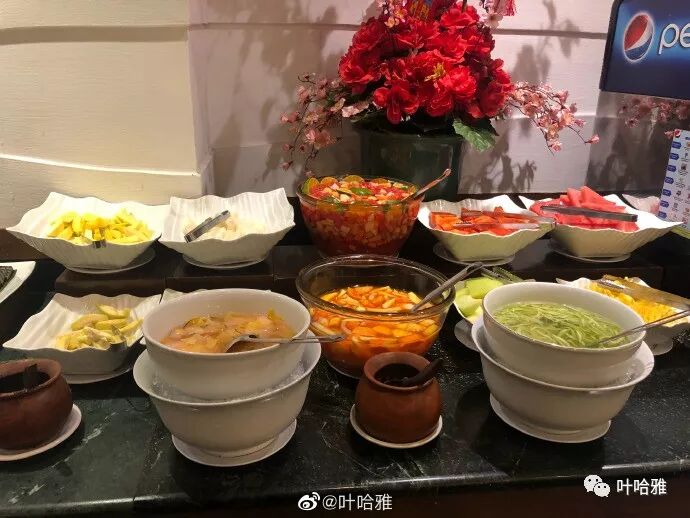
Help yourself to the fruit snacks.
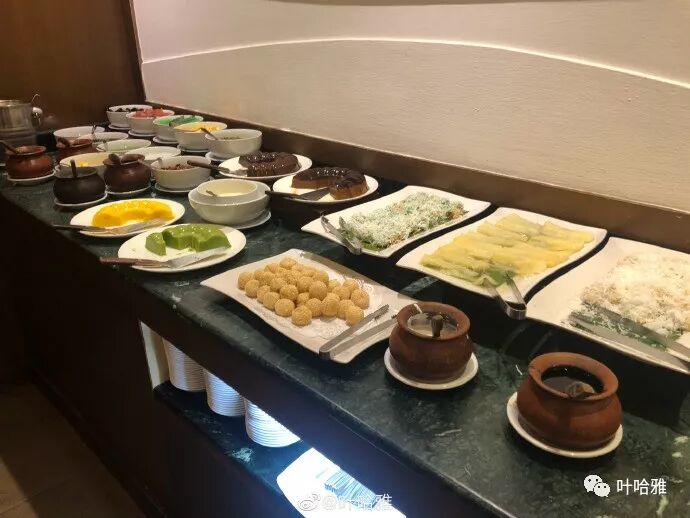
A variety of Southeast Asian desserts.
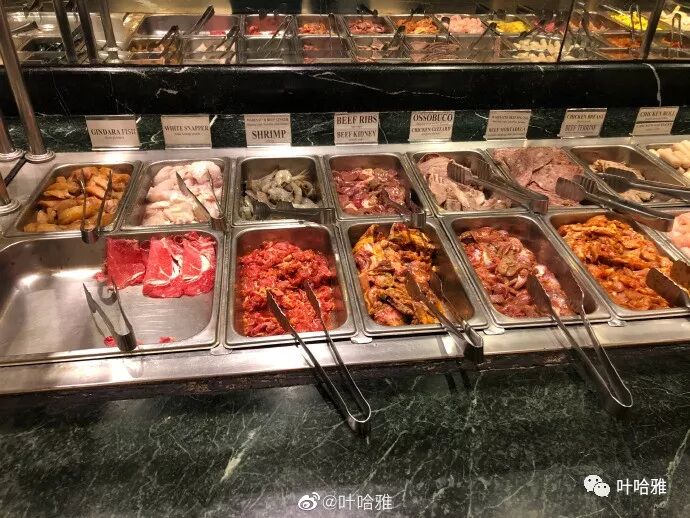
They specialize in wagyu beef, but also serve chicken, seafood, and more.
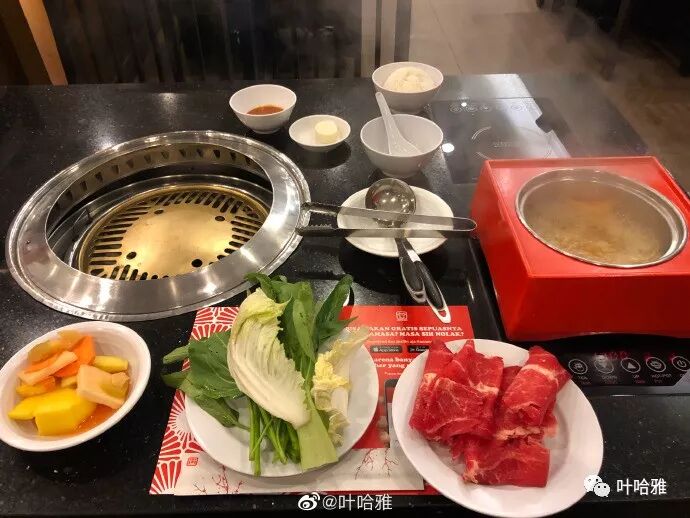
The server suggested I try both the grilled meat and the hot pot, and both tasted good. I still think the hot pot in Beijing is better, as Indonesians don't use sesame paste for it. This meal cost a few dozen yuan per person, as prices in Surabaya are also quite low.
My trip to Indonesia ended after my visit to Surabaya. I flew from Surabaya back to Beijing with a layover in Hong Kong. My Cathay Pacific flight was delayed for 12 hours, and I wasn't allowed to leave the airport to look around. Many passengers were stuck at the airport, and since the border was closed during the pandemic, we had to wait at the airport until our flight took off the next morning.
I spent the whole night walking around Hong Kong International Airport. There are currently two dua rooms at the airport, one near gate 42 and the other near gate 211.
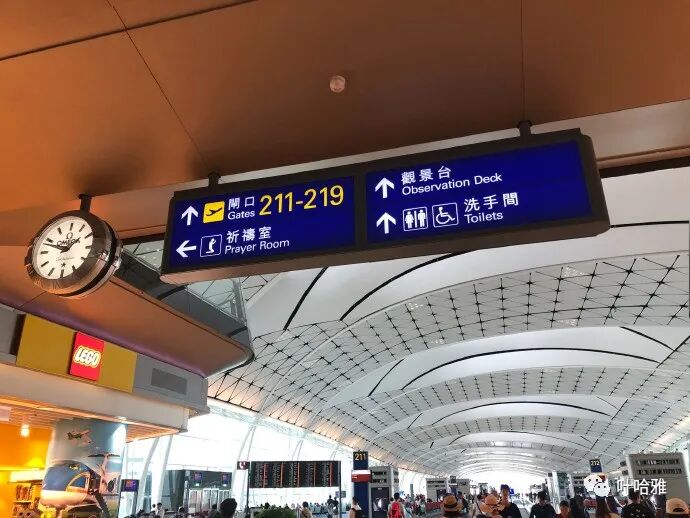
The dua room near gate 211
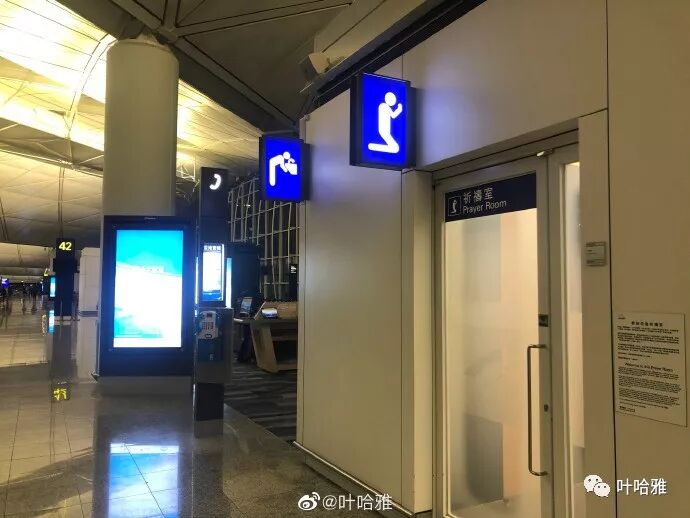
The dua room near gate 42
After leaving Indonesia, it felt a bit strange not being able to eat just anywhere at Hong Kong airport. There is currently only one halal-certified restaurant in the entire airport called Old Town White Coffee. There used to be a halal Popeyes, but it has closed down.
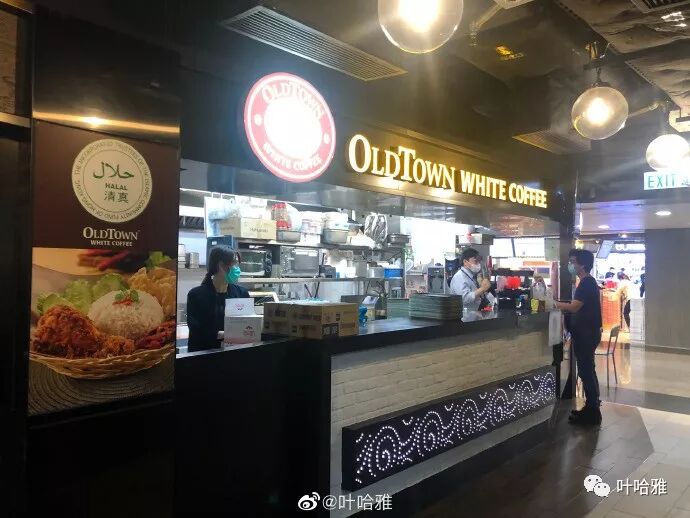
Old Town White Coffee
This restaurant serves no alcohol and offers Southeast Asian food. I ordered a bowl of Ipoh shredded chicken rice noodles (hefen), a side of fried chicken, and a lemon tea for about 100 yuan. The taste was decent, and I felt very grateful to have a hot halal meal at that time.
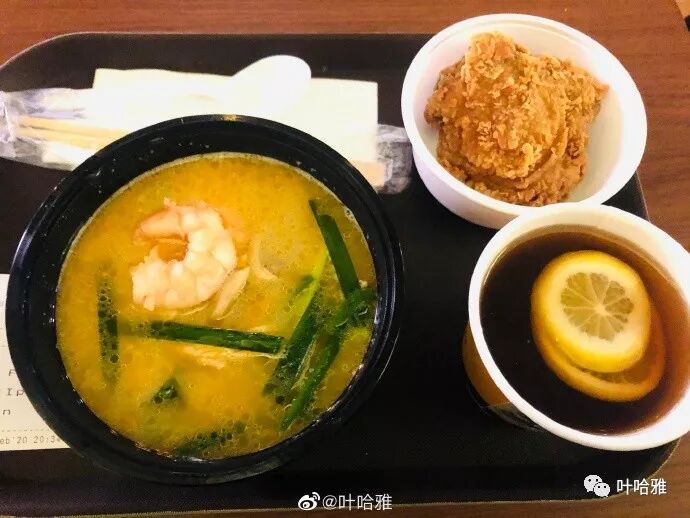
The restaurant is open from 7:00 AM to 9:00 PM and is located in the food court area.
Summary: This Indonesia Muslim travel guide part 2 follows Surabaya, Sunan Ampel Mosque, Cheng Ho Mosque, Islamic history in Java, local Chinese Muslim heritage, airport halal food, and practical reflections from a Chinese Hui Muslim traveler.
The gongbei of Sunan Ampel (1401-1481).
Sunan Ampel Mosque (1401-1481) in Surabaya was built in 1421. Sunan Ampel was a key founder of Islam in Java and held a status similar to Hu Dengzhou in China. His ancestor was the famous Sufi master Ahmad Muhajir from Iraq. Ampel married a woman of Chinese descent named Nyi Gede Manila, and they had two sons and two daughters. After Ampel passed away in 1481, he was buried inside the mosque. Today, it is a place of pilgrimage for believers. When I arrived, a school was organizing a visit to the grave, so I joined the students in performing a dua and listened to them chant various melodies of praise for the Prophet. Although this is a holy tomb, it looks very simple. It has no grave mound and is not as luxurious as the menhuan gongbei in China.
The main hall of Sunan Ampel Mosque.
Islam had already spread to Indonesia as early as the 13th century. In his travelogues, Marco Polo mentioned that when he stayed in the kingdom of Perlak on the Malay Peninsula and the kingdom of Pasai in Sumatra in 1292, he found that the people there practiced Islam. Meanwhile, the Chinese historian Ma Huan recorded his observations in Sumatra during Zheng He's voyages in "The Overall Survey of the Ocean's Shores" (Yingya Shenglan). He stated that in places like Palembang, West Sumatra, and Aceh on the northeast coast of Sumatra, the kings and the people were all Hui Muslims, and there were also merchants from Guangzhou, Zhangzhou, and Quanzhou in China.
Students arrived one after another, sat on the ground, and followed their teacher in praising Allah and the Prophet.
Indonesia established its first Islamic sultanate in the 13th century on the island of Sumatra, called Samudera Pasai. Its founder, Mirah Silau, was a royal descendant who converted to Islam under the influence of the Arab merchant Sheikh Ismail and the South Indian mentor Sultan Muhammad.
The boys finished reciting, and then the girls continued.
No matter whose tombstone it is, it is always in such a small space.
Cheng Ho Mosque
Surabaya has a Cheng Ho Mosque named after Zheng He, built by Indonesian Chinese. There are over 200,000 Indonesian Chinese Muslims. Many more have long blended into the Indonesian community, some even changing to Indonesian surnames, making them hard to distinguish by appearance. These facts show that any attempt to exclude Chinese people in Indonesia is unpopular and impossible to succeed in theory or practice.
Cheng Ho Mosque
The architectural style of the Cheng Ho Mosque references the Niujie Mosque in Beijing. Since then, seven more Cheng Ho mosques have been built in Indonesia. The groundbreaking ceremony was held on October 15, 2001, which was the day of Isra and Mi'raj.
Islam spread in Indonesia mainly through peaceful means. Scholars currently believe there were several channels. First, merchants from Arabia, India, and China brought Islam to Indonesia through trade. On May 22, 2006, the British newspaper The Daily Telegraph reported that after 18 months of salvage work, European and Indonesian teams discovered about 250,000 artifacts from the Tang and Song dynasties in an ancient shipwreck in the Java Sea, including many Islamic items. This shows that China had a significant influence on the Islamization of Indonesia. Zheng He was very active in Southeast Asia. He actively engaged in local Islamic activities, built mosques, and established Chinese Muslim communities. To this day, Indonesian Chinese Muslims still commemorate Zheng He.
The second channel for spreading the faith was Sufi missionary work. The mystical ideas of Sufism were easily accepted by local residents who practiced Hinduism. Before Islam arrived, Hinduism was the mainstream religion in Indonesia. As Sufi scholars became more active, many residents and the ruling class abandoned their original polytheism and converted to the monotheistic faith of Islam.
Large red lanterns and the call-to-prayer drum are a perfect blend of Chinese and Indonesian cultures.
The main hall is an open space, meaning it has no doors. Doors are not needed here, as the mosque is always open to the public.
This is the location of the Indonesian Chinese Islamic Association and the Indonesian Haji Cheng Ho Foundation.
The stone inscriptions inside the mosque record the history of Zheng He and the spiritual legacy he left behind in Surabaya.
The inscriptions clearly state that Zheng He was a Muslim. They also explain why he participated in Buddhist, Confucian, and Taoist activities. Simply put, he had to adapt to the world around him.
Masjid Al Ittihad Pakuwon Mall mosque
Masjid Al Ittihad Pakuwon Mall mosque
This mosque is built inside the Pakuwon Mall. Indonesian friends (dosti) told me that almost every building in Indonesia has a prayer room. Prayer rooms are different from mosques because they usually lack facilities for a full ritual wash (ghusl) and do not have an imam. This is the first time I have seen a full mosque inside a shopping mall.
The mosque also offers free storage services.
Area for minor ritual washing (wudu)
Main prayer hall
Mount Bromo
(Bromo)
After finishing my tour of the city, I planned to head to Mount Bromo. You can book a two-day local tour from Surabaya for about 1,000 yuan, but they require at least two people. I checked the route and decided I could have a great trip without a tour group, so I boarded the train to the volcano.
The train has first-class and second-class seats.
To get to Mount Bromo, start at Gubeng train station in Surabaya. Take a train for over two hours and get off at Probolinggo. The train ticket costs about 5 yuan. Outside the Probolinggo station, green minibuses head to the village at the foot of the volcano. They leave when full and cost about 15 yuan each. The 50-kilometer trip takes an hour and a half, but you have to wait for the bus to fill up. On my way back, I waited over three hours and it never filled, so I had to take an unlicensed taxi back to the Probolinggo train station. The 100 yuan I paid for the 50-kilometer ride was not expensive.
If you catch the bus smoothly, the total cost to climb Mount Bromo is no more than 50 yuan. Because I arrived in the middle of the night and wanted to see the sunrise, I spent an extra 200 yuan on taxis for the round trip.
A prayer room on the train.
The driver dropped me off at the village at the foot of the volcano at 2 a.m. From there, you have to hike to the summit unless you rent an off-road vehicle or ride a horse, which is expensive. Climbing in the middle of the night is pitch black, so you need to use your phone's flashlight. You must pay a 10 yuan entrance fee to enter the village and climb to the summit for the sunrise, and you need to buy another ticket to get close to the crater.
Off-road vehicles for climbing. You can charter one for a few people for about 300 yuan per vehicle.
The scenery along the way after daybreak.
Dawn before the sunrise.
Google Maps shows the walk to the King Kong Hill (Penanjakan) summit is about 3 kilometers, but it is a mountain road and difficult to walk. It is also cold on the mountain at night, so you need a cotton jacket to stay warm. It took me an hour and a half to walk those three kilometers. It was pitch black along the way with no other tourists, just a few villagers on horseback who occasionally asked if I wanted a ride.
I shivered in the cold wind while waiting for the sunrise. The scenery around Mount Bromo is truly beautiful. In the morning, with the sea of clouds, the small town looks like a fairyland from a distance.
A town in the clouds.
Mount Bromo crater.
Looking from afar, the Mount Bromo crater is still emitting smoke, and you can already smell the sulfur. This volcano is still active, but you can walk up to the crater for a close look. You just need to bring your own gas mask, as a regular face mask won't help. Some people say it stings your throat and eyes. You can ride a horse from the foot of the mountain to the crater. You need to buy a ticket to visit the crater, which costs about 170 yuan per person. Considering the pandemic, I couldn't risk any respiratory issues, or it would be very troublesome to return home, so I gave up on the idea of walking into the crater, even though I really wanted to see the lava flowing.
The meatball noodle soup (wanzi fentang) at the train station restaurant uses meatballs made with beef fat, much like the style in Yunnan.
On the way back to Surabaya, I kept eating to keep my energy up. There is nothing on the mountain except small stalls selling instant noodles and hot coffee, and there are no mosques.
I had an Indonesian-style set meal at the Broadway shopping center.
I ate Indonesian fried rice (nasi goreng) at the Surabaya airport.
Thai-style hot pot, rich in curry flavor and slightly spicy.
Different colored plates have different prices, and they count the plates to calculate the bill after you finish eating.
There are two ways to eat Thai-style hot pot: you can grill or boil the food.
HANAMASA, a Japanese-style wagyu barbecue restaurant near the Surabaya train station.
You can also grill and boil meat at the same time here, and the greeter wearing a headscarf spoke to me in Japanese.
Help yourself to the fruit snacks.
A variety of Southeast Asian desserts.
They specialize in wagyu beef, but also serve chicken, seafood, and more.
The server suggested I try both the grilled meat and the hot pot, and both tasted good. I still think the hot pot in Beijing is better, as Indonesians don't use sesame paste for it. This meal cost a few dozen yuan per person, as prices in Surabaya are also quite low.
My trip to Indonesia ended after my visit to Surabaya. I flew from Surabaya back to Beijing with a layover in Hong Kong. My Cathay Pacific flight was delayed for 12 hours, and I wasn't allowed to leave the airport to look around. Many passengers were stuck at the airport, and since the border was closed during the pandemic, we had to wait at the airport until our flight took off the next morning.
I spent the whole night walking around Hong Kong International Airport. There are currently two dua rooms at the airport, one near gate 42 and the other near gate 211.
The dua room near gate 211
The dua room near gate 42
After leaving Indonesia, it felt a bit strange not being able to eat just anywhere at Hong Kong airport. There is currently only one halal-certified restaurant in the entire airport called Old Town White Coffee. There used to be a halal Popeyes, but it has closed down.
Old Town White Coffee
This restaurant serves no alcohol and offers Southeast Asian food. I ordered a bowl of Ipoh shredded chicken rice noodles (hefen), a side of fried chicken, and a lemon tea for about 100 yuan. The taste was decent, and I felt very grateful to have a hot halal meal at that time.
The restaurant is open from 7:00 AM to 9:00 PM and is located in the food court area.
