
Best Halal Food Beijing: Kashgar Bazi Noodles, Nail-Head Meat Pies, Braised Noodles and Lamb Soup
Reposted from the web
Summary: This Beijing halal food map issue 48 follows the author's video-channel notes and covers Kashgar bazi noodles, Niuniu Bread & Coffee, nail-head meat pies, Henan braised noodles, iron pot stew, Xiting Xiuse, lamb soup, halal dumplings, and several local Beijing Muslim food spots.
I recently started working on my video channel. I think recording videos is necessary because they spread information much faster than text and images. Videos work for all age groups. Most of my WeChat official account followers are between 20 and 40, but over half of my video channel followers are over 50. Writing a WeChat article, like my Beijing halal food map series, takes at least two hours and gets an average of over 5,000 views. But I can film and post a two-minute video in under 20 minutes, and it easily gets over 10,000 views.
However, text and images carry more information and are better for deep thinking or food recommendations. I do not want to turn my video channel into a food review blog, and those who know me understand that. I also do not want to gain followers by talking about ethnic culture. I will not stop updating the food map series on my text-based account. I just found several new restaurants in Beijing. Here they are for you foodies—hurry back to Beijing from your hometowns to try them before they close.
1. Frontier Feelings (Bianjiang Qing) Kashgar-style noodles (bazi mian)
2. Niuniu Bread & Coffee
3. Diji nail-head meat pies (mending roubing)
4. Henan braised noodles (huimian)
5. Yimuyuan iron pot stew (tieguo dun)
6. Mabeier Noodle Restaurant
7. Xiting Xiuse (WF Central branch)
8. Beiping lamb soup and dumpling restaurant (yangtang jiaozi guan)
9. Huijia Sanxiongdi (Three Brothers Returning Home)
1. Frontier Feelings (Bianjiang Qing) Kashgar-style noodles (bazi mian)
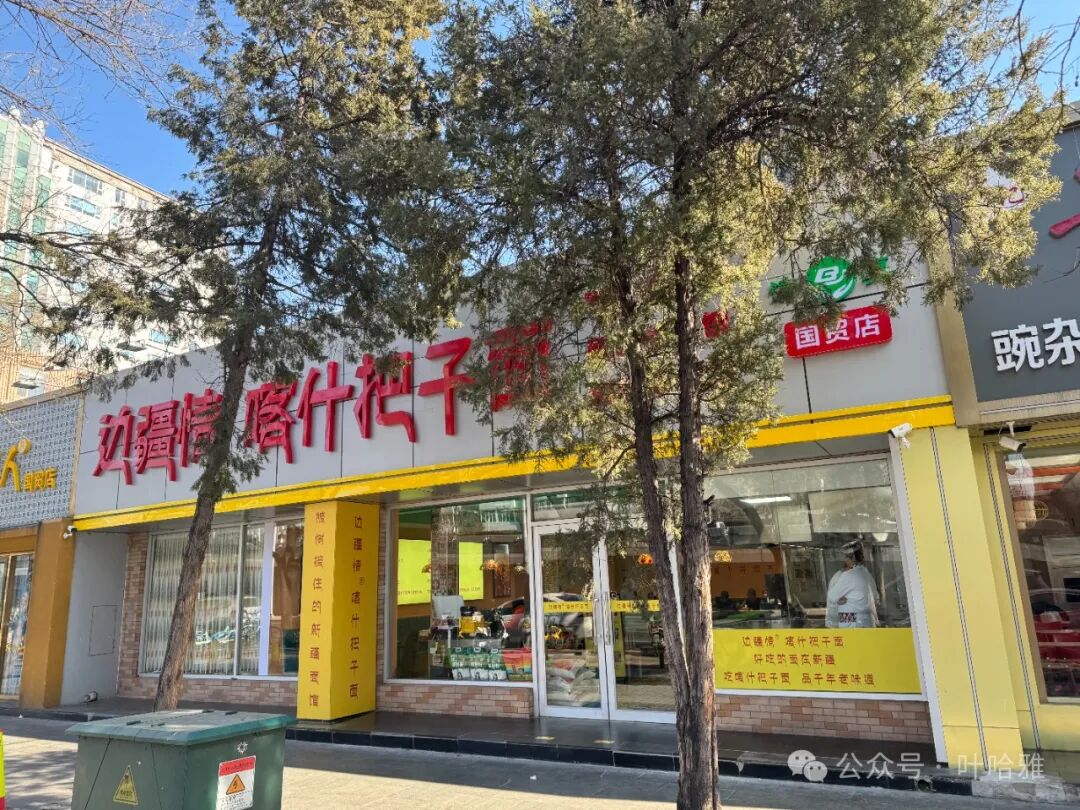
Next to the Tanyang shop is a newly opened place called Kashgar Bazi Noodles. Bazi noodles are a specialty from the Bachu region of Xinjiang. Bazi refers to a hand-pulled noodle technique. They use high-gluten flour from Xinjiang, salt, and water, which makes the noodles quite chewy.
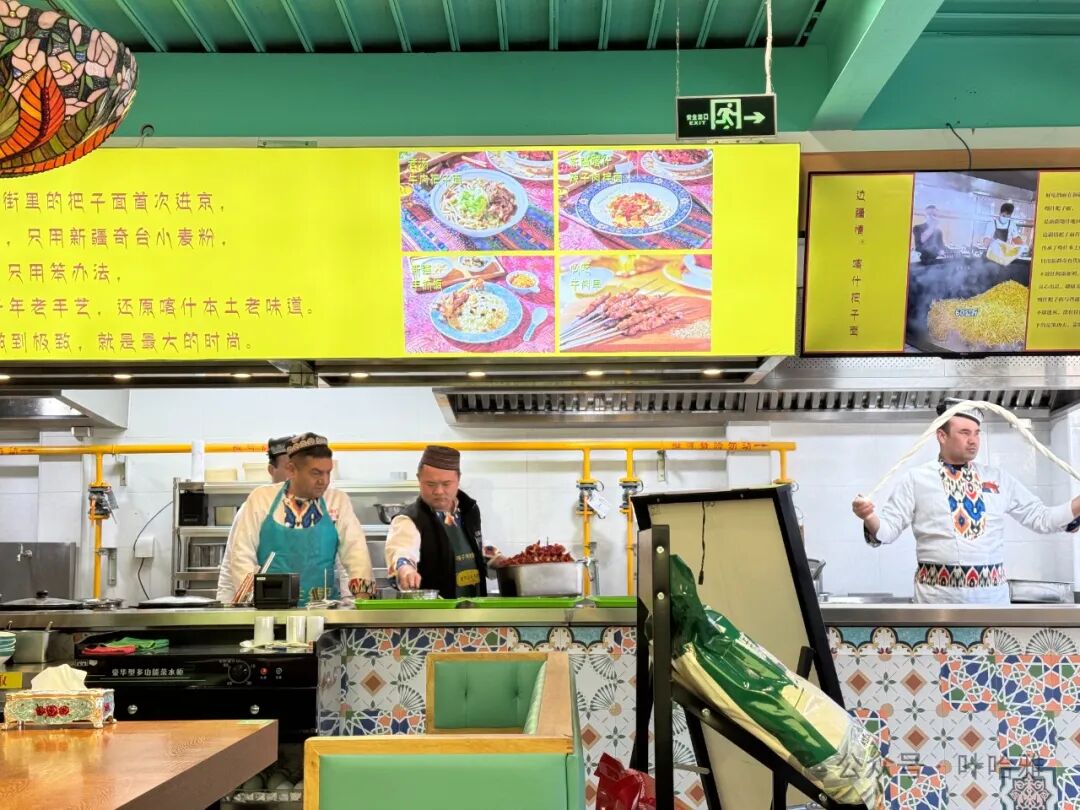
In the open kitchen, Uyghur men pull the noodles. You can choose beef broth for your Bazi noodles. It tastes a lot like the beef noodle soup you find in Beijing, but the hand-pulled noodles give it a much chewier texture.
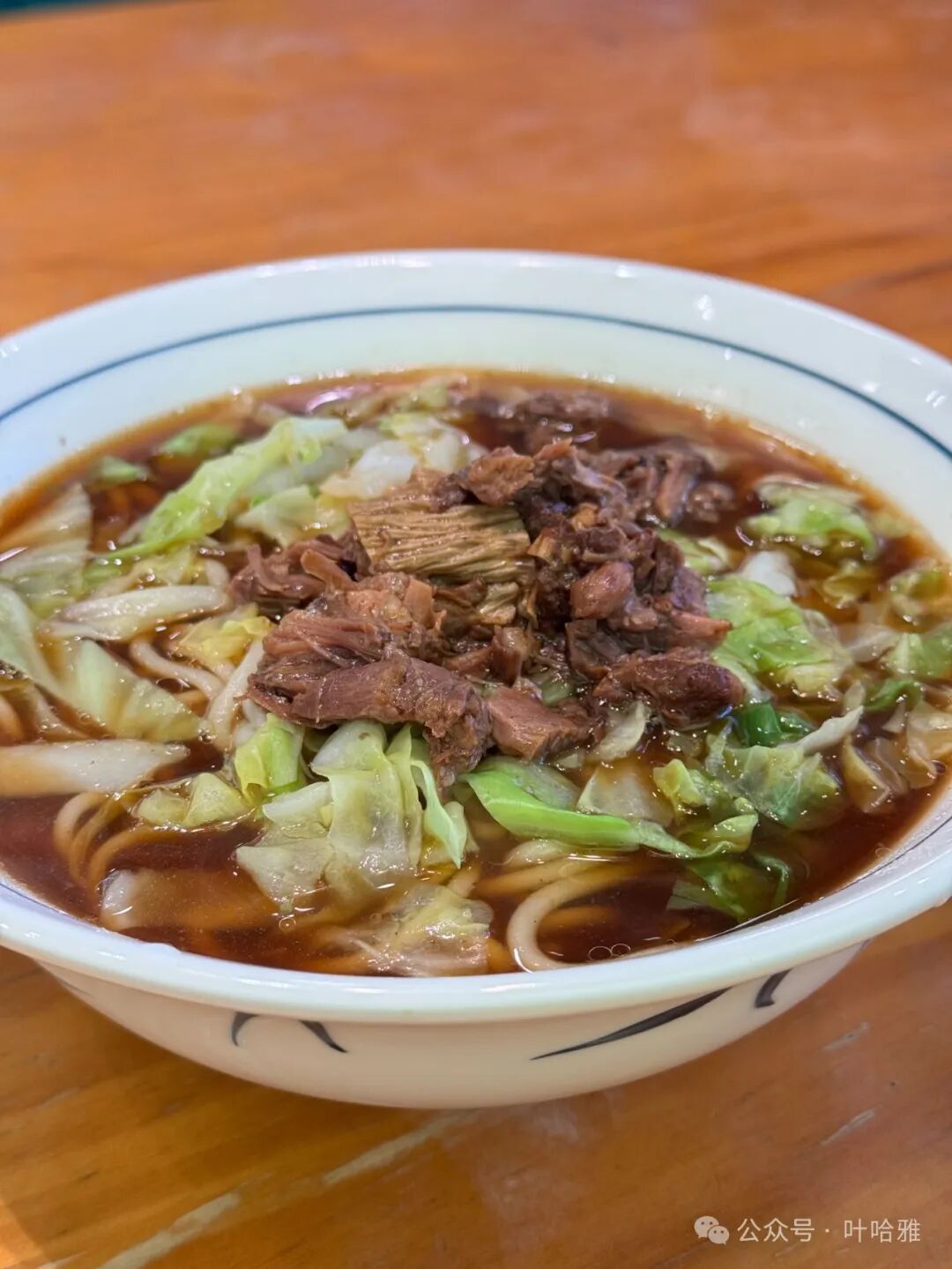
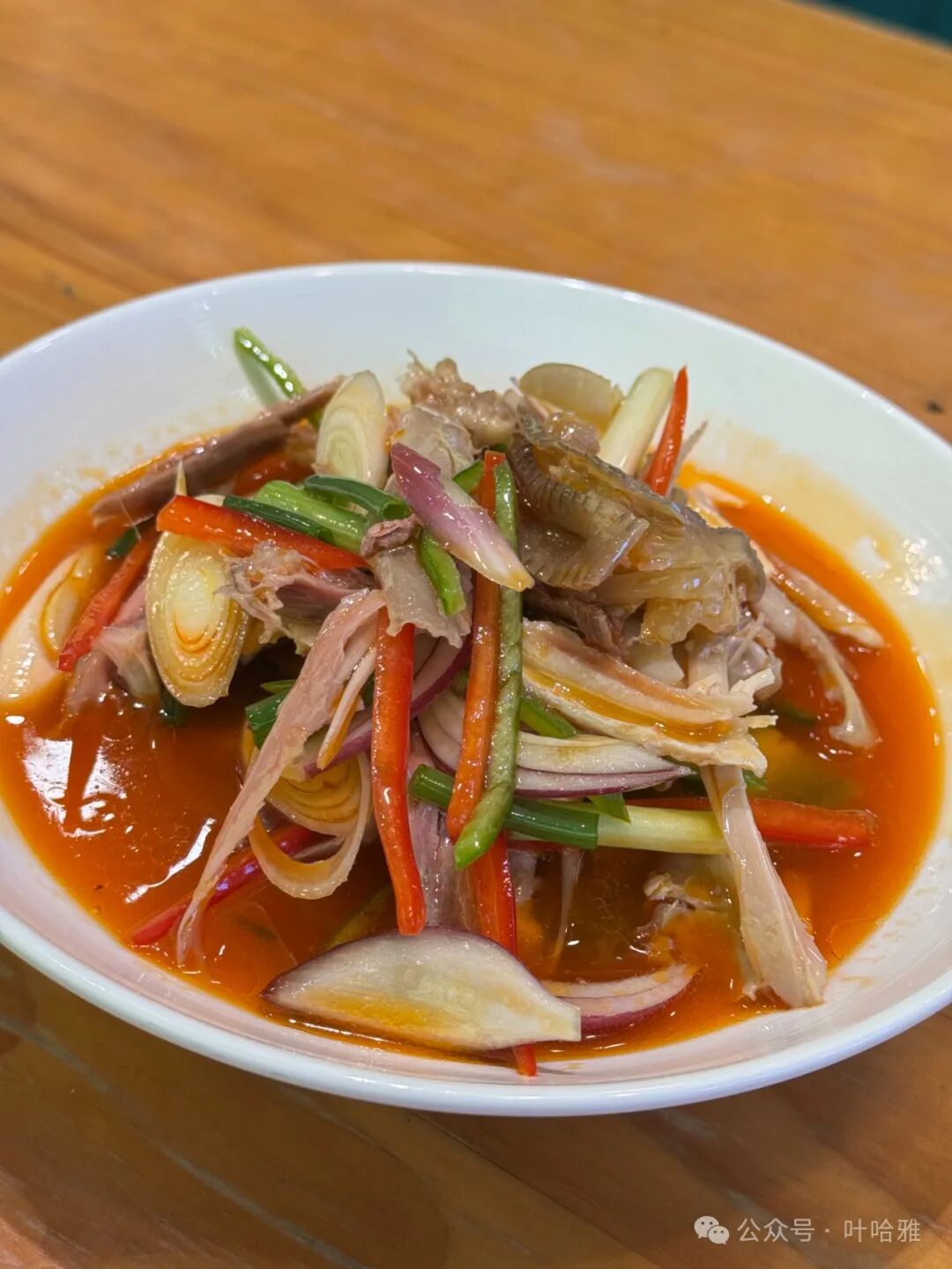
Their spicy peppercorn chicken (jiaomaji) and plain yogurt are both delicious. The chicken includes dried stem lettuce (gongcai), and the chicken feet are boneless and crunchy. They add grapes to the yogurt, which is a nice touch. The prices are cheap. A bowl of beef Bazi noodles costs 19 yuan, and the service is very attentive.
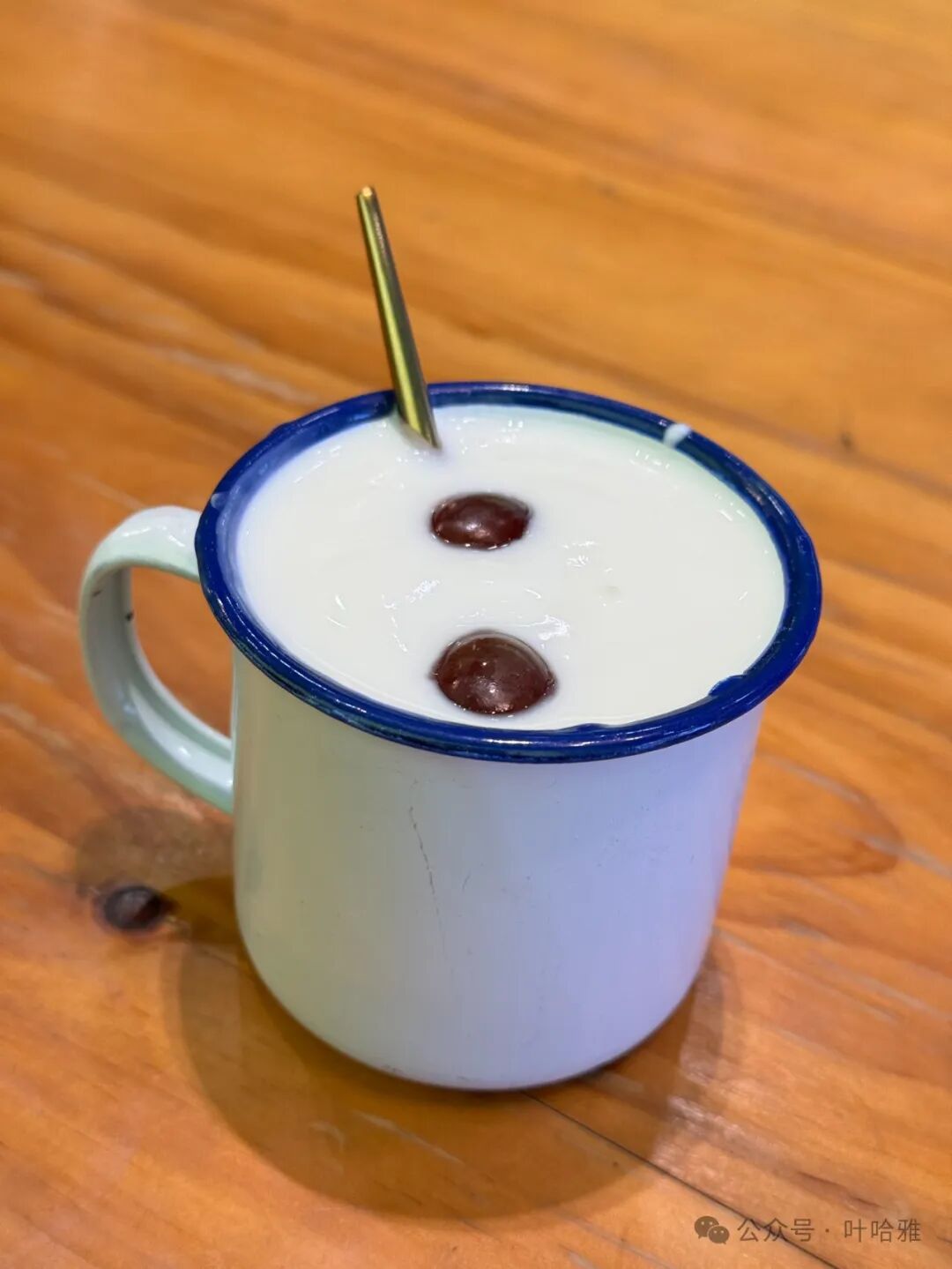
2. Niuniu Bread & Coffee
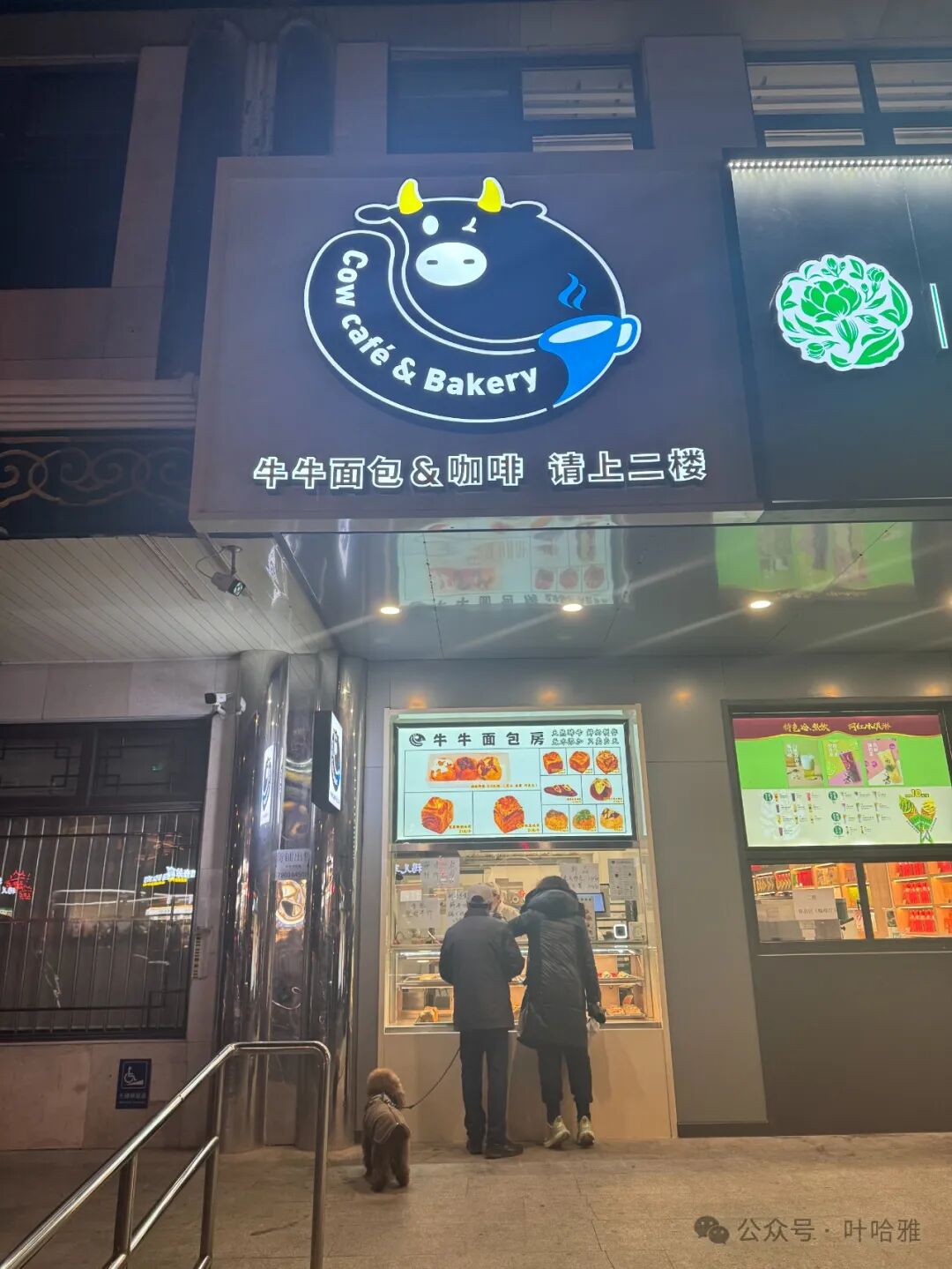
A new bakery and cafe has opened on Niujie Street. It is said to be run by a Hui Muslim named Dai. There is a takeout window for bread, and the second floor is a cafe.
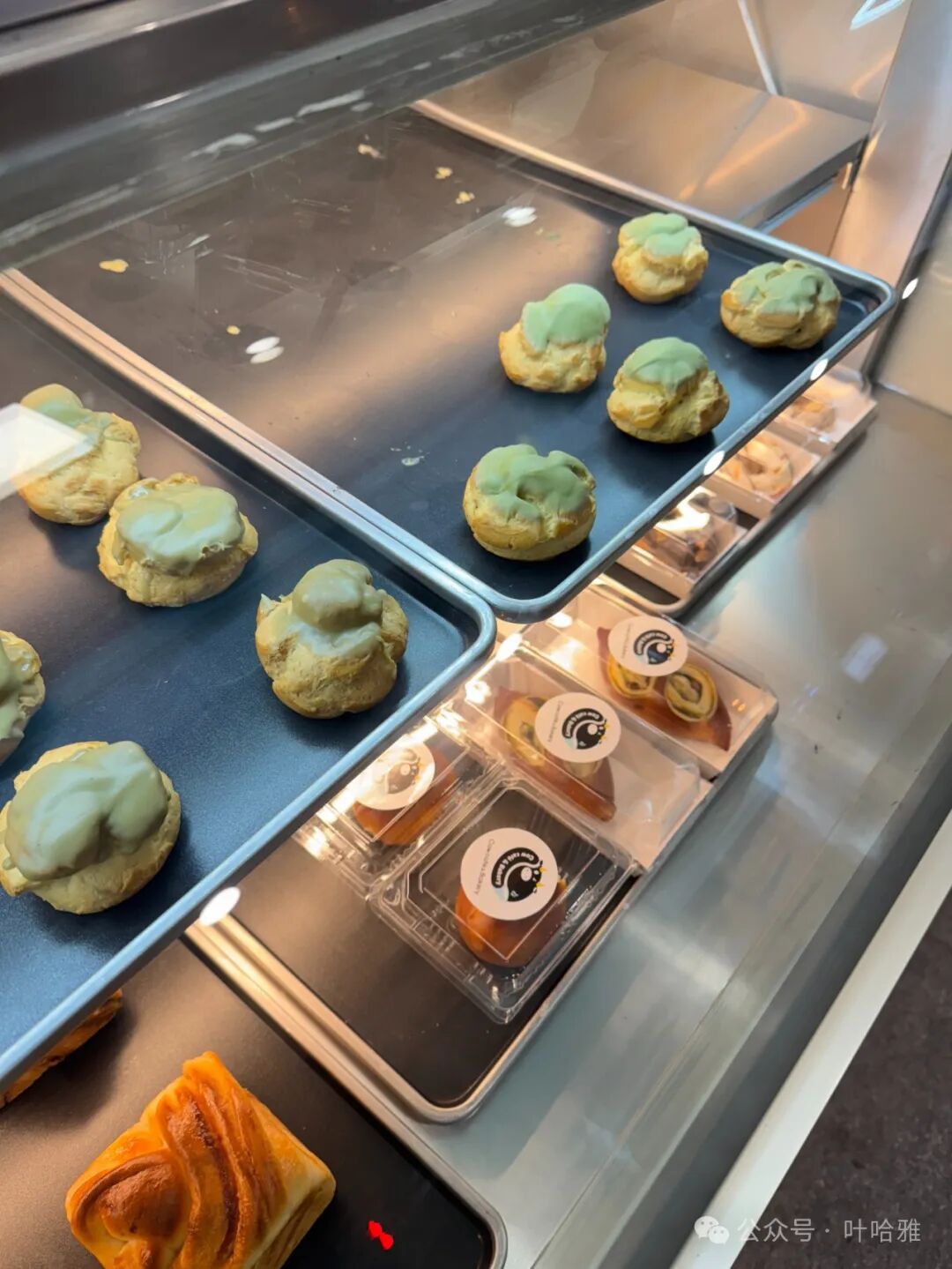
When they first opened, all bread was half price. I tried a few items, but they were too sweet, and I think the baking technique needs improvement.
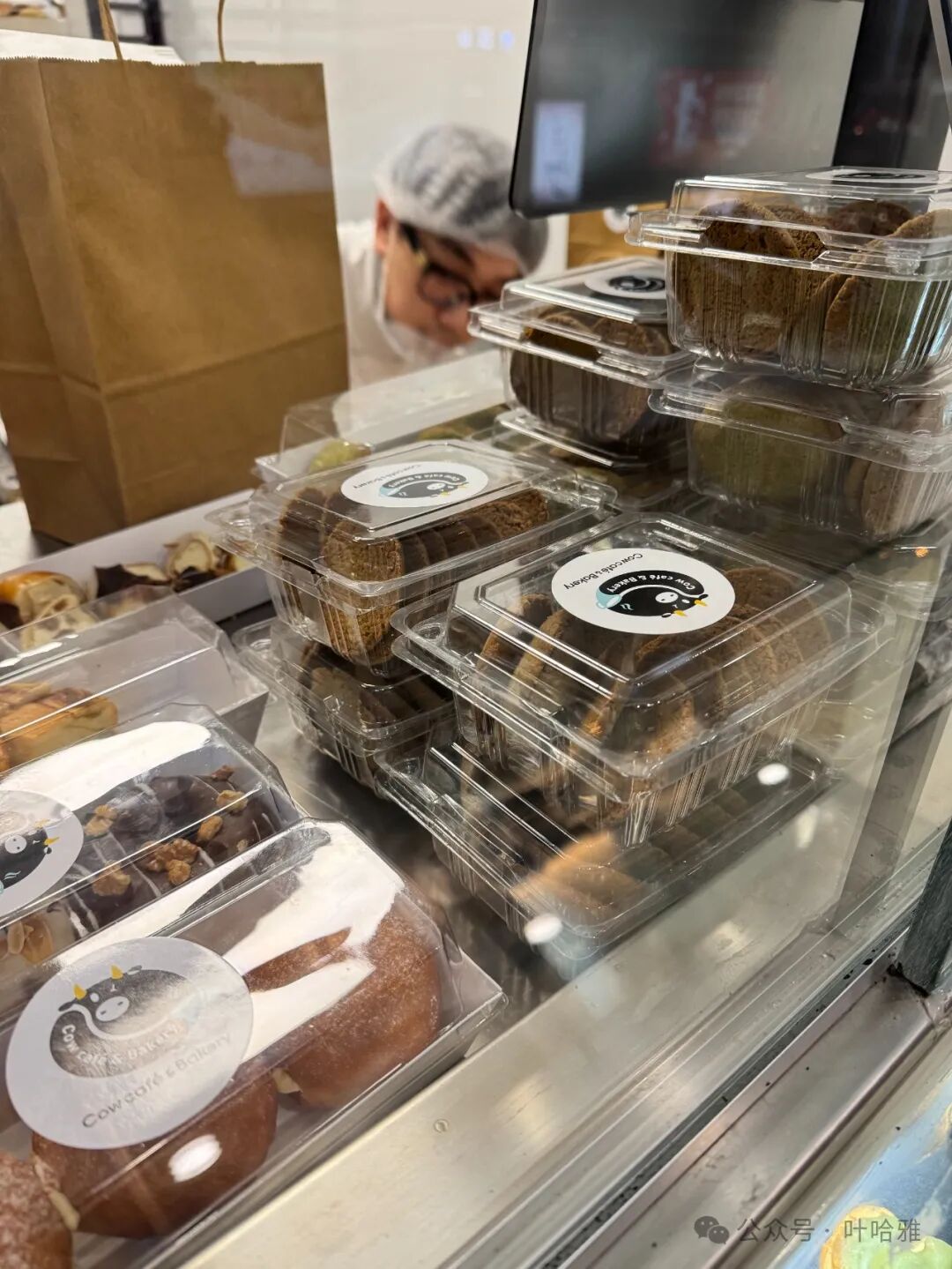
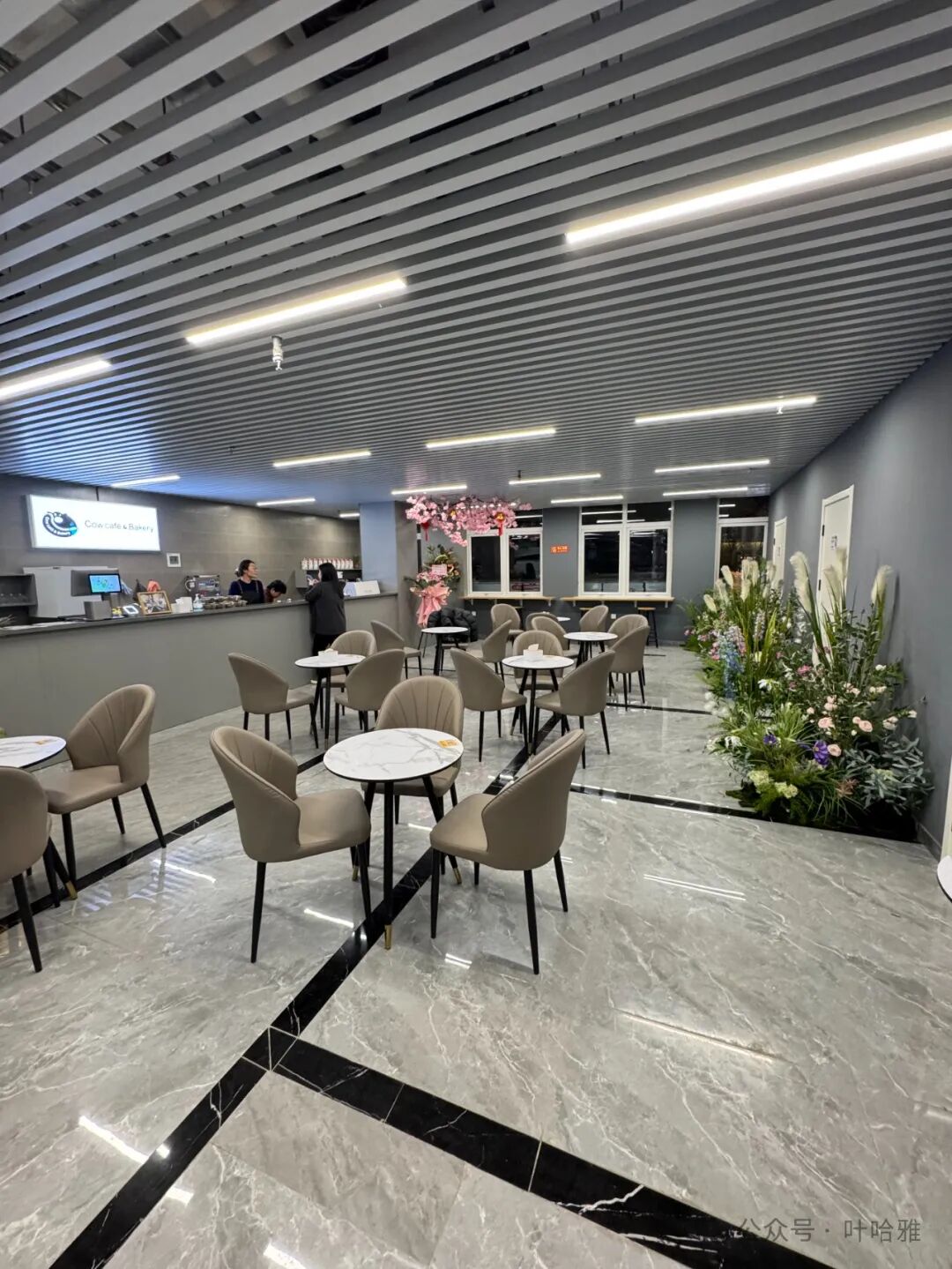
The cafe on the second floor has simple decor. It feels a bit amateur compared to other popular cafes around Niujie, and the location is easy to miss. They will need to work hard to survive on Niujie.
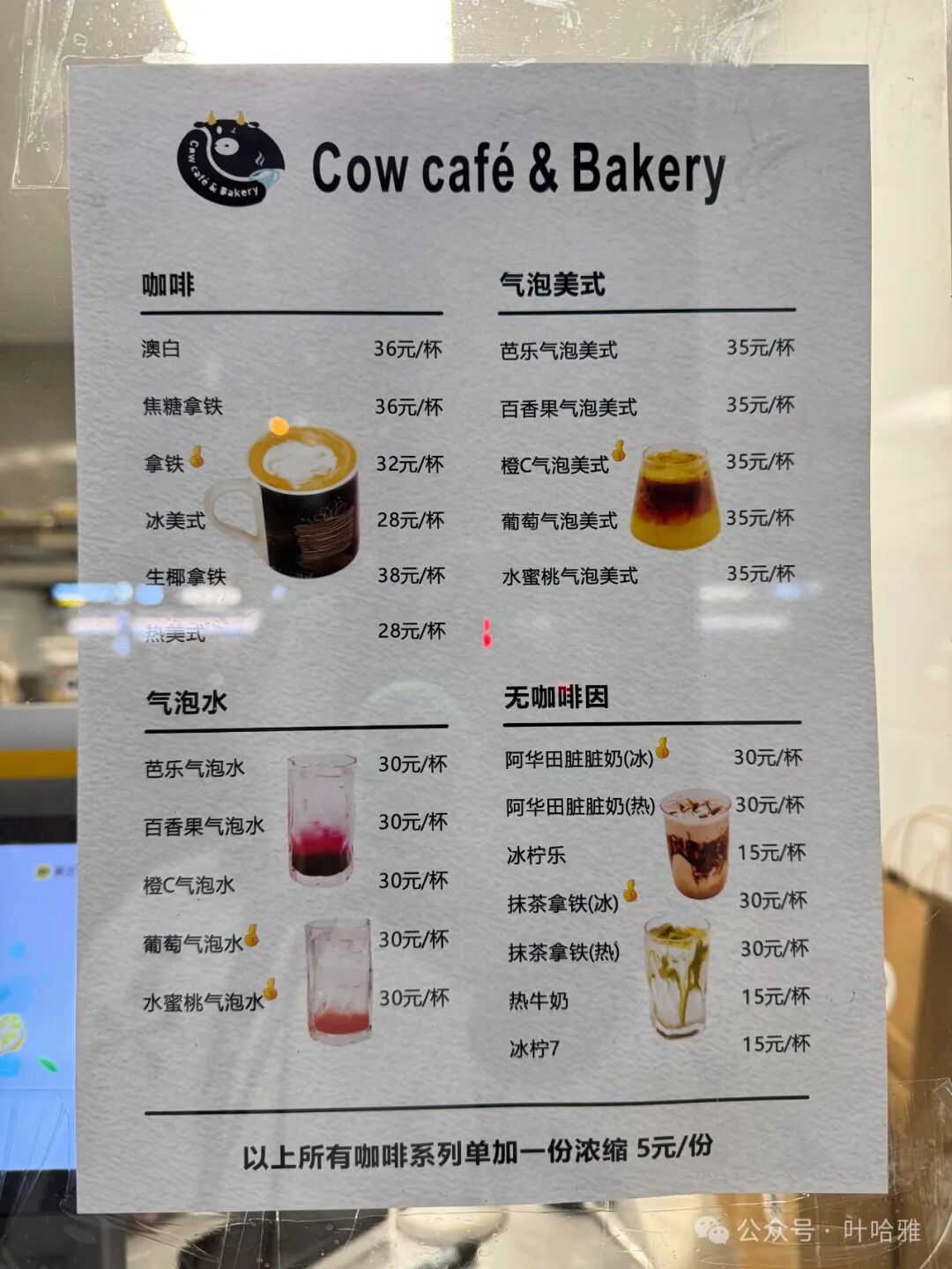
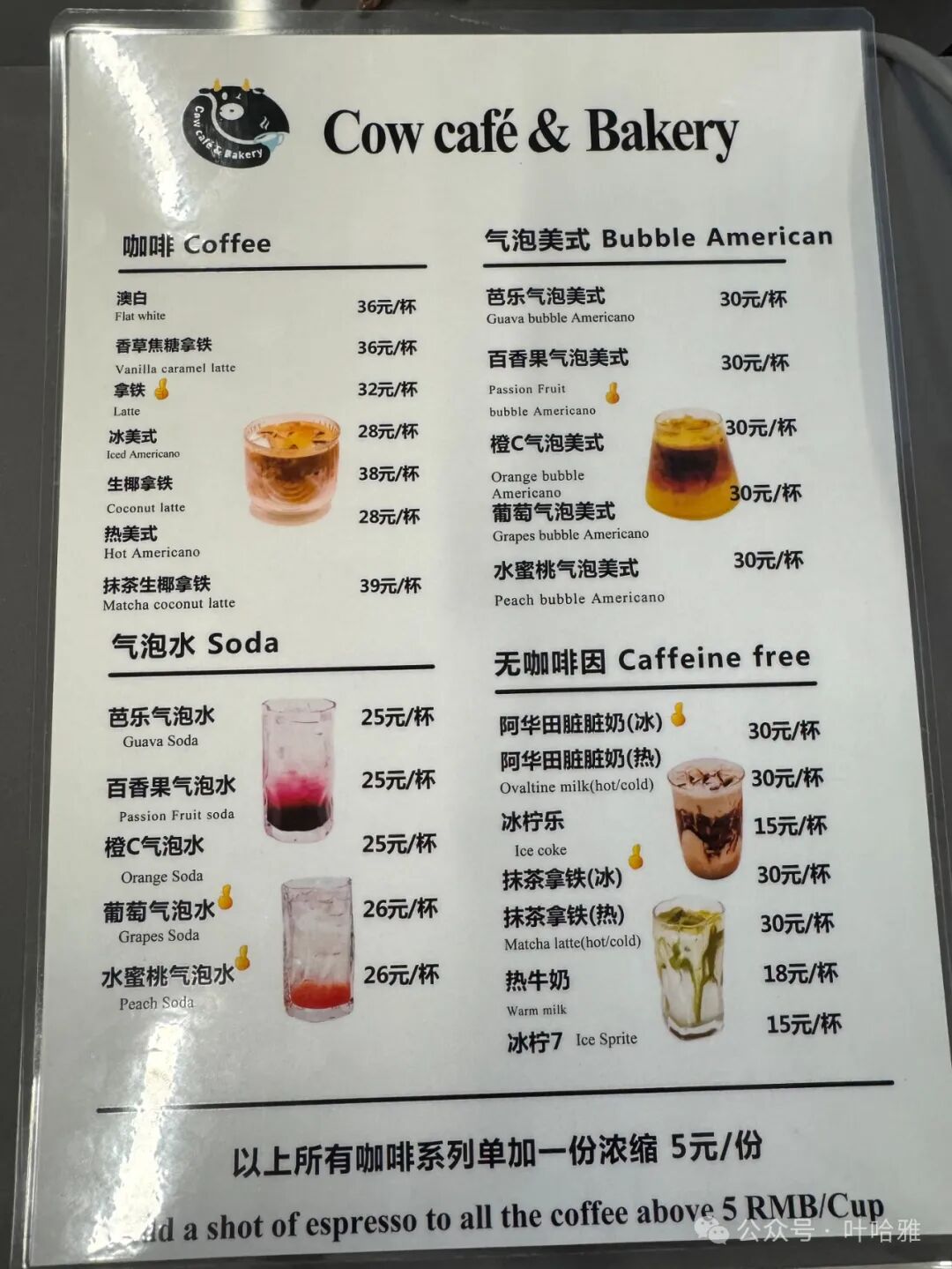
Many people saw the price list I posted and thought it was too expensive. After trying their coffee, I agree that the quality does not match the price.
3. Diji nail-head meat pies (mending roubing)
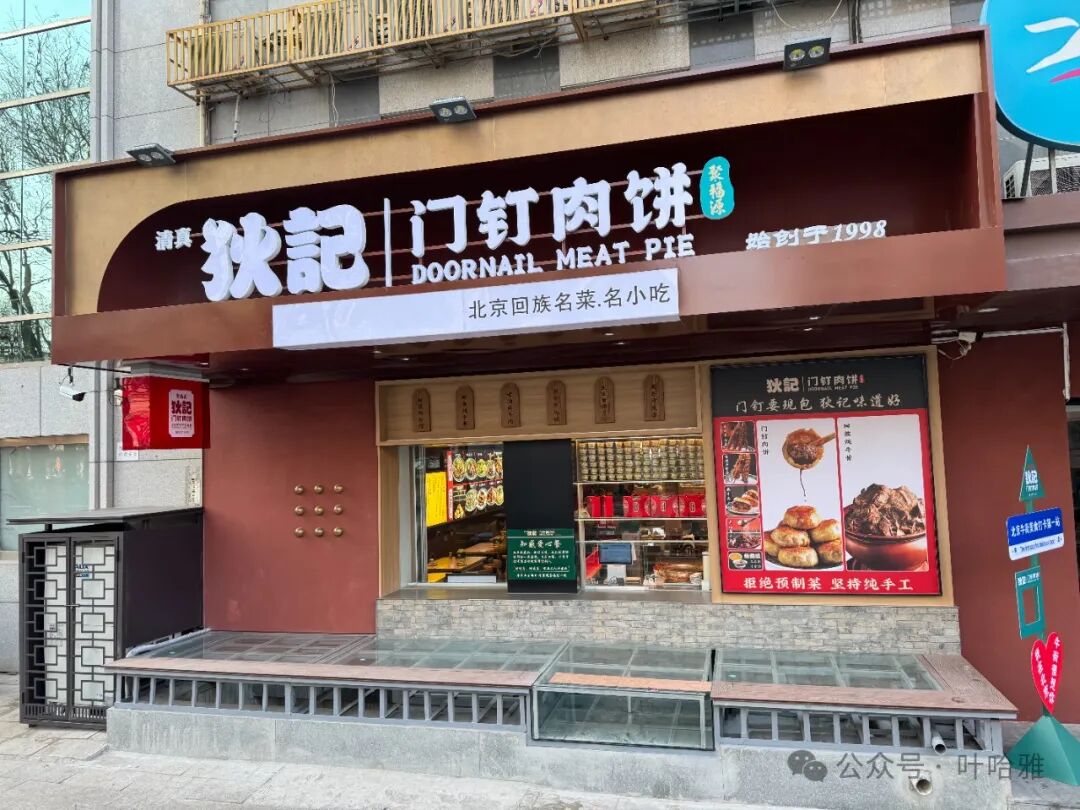
A new shop selling meat-filled buns (mending roubing) just opened on Niujie Street. They specialize in these buns and also serve some traditional snacks.
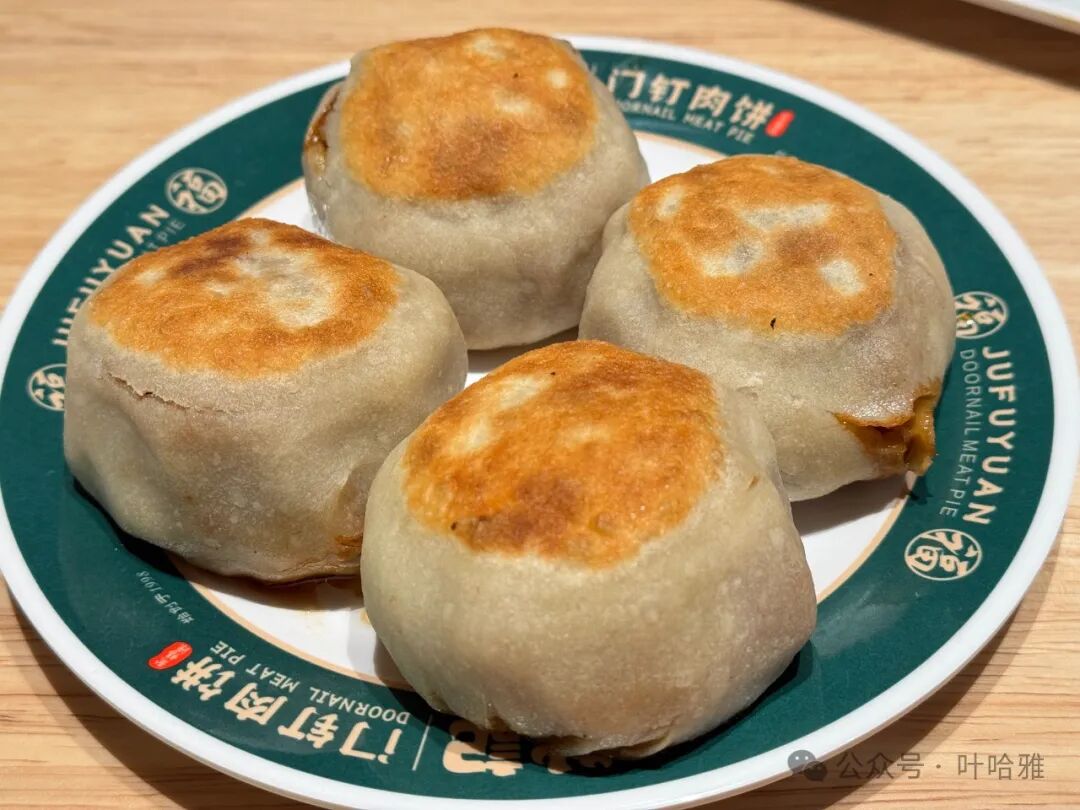
The meat-filled buns were not cooked to order when they arrived. The crust was thick, but the meat filling inside was quite solid.
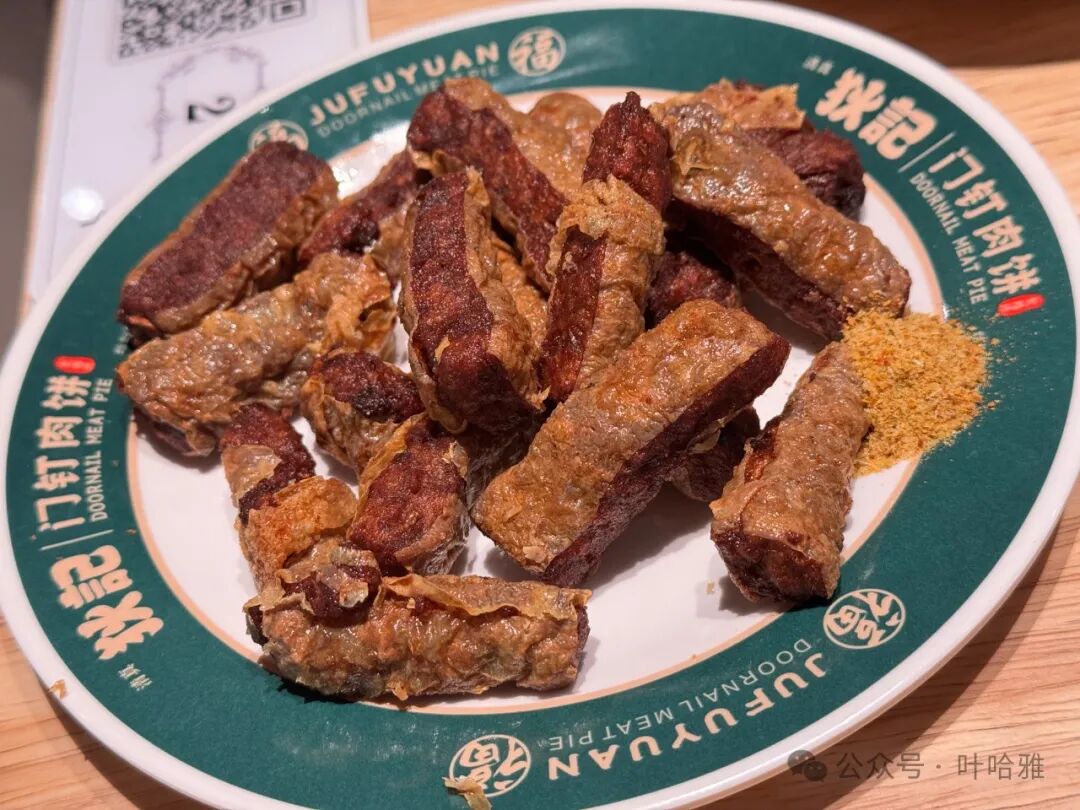
The deep-fried meat strips (zha songrou) tasted good.
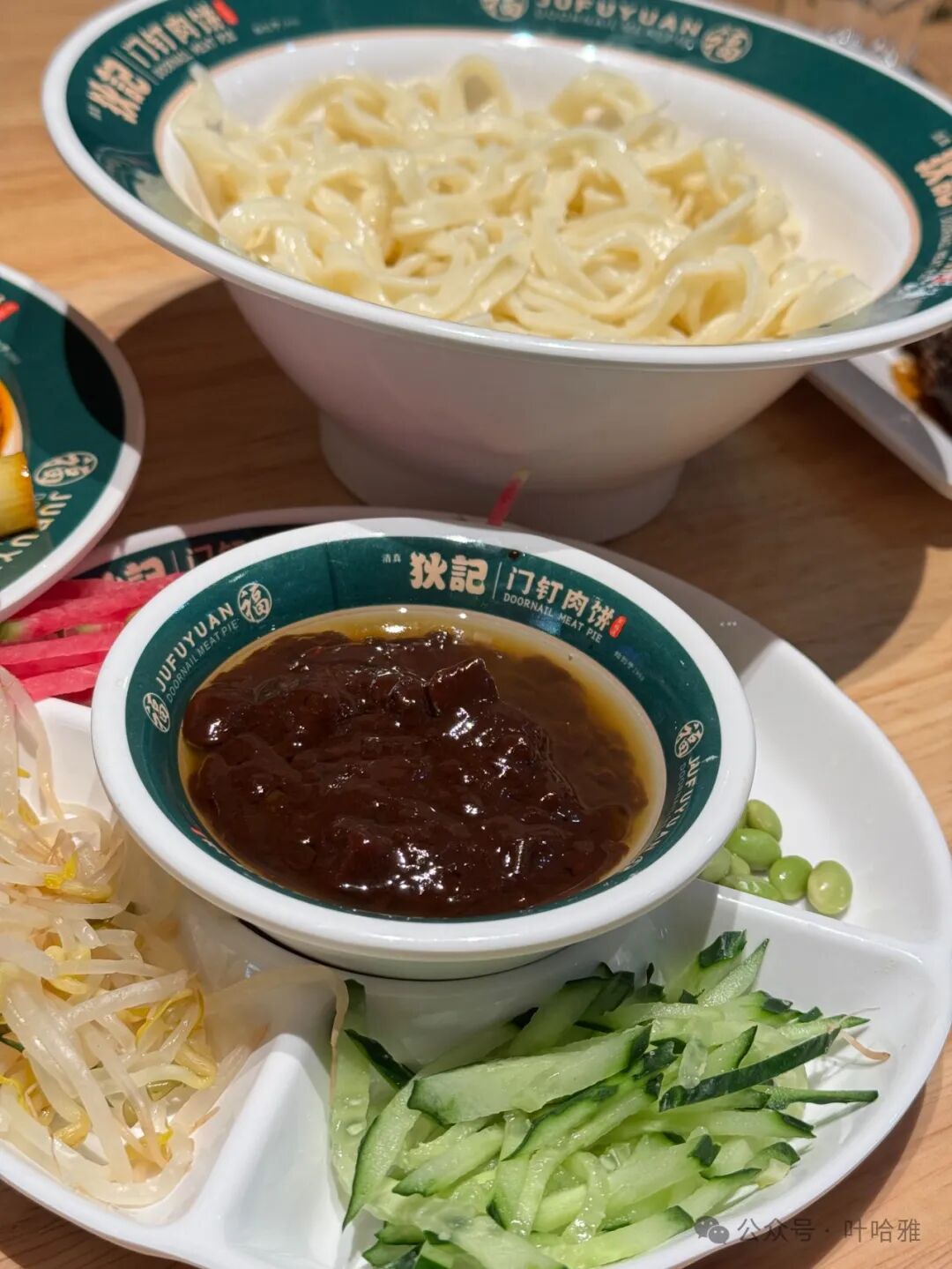
The vegetable toppings and the soybean paste sauce for the noodles with soybean paste (zhajiangmian) were quite good, but the texture of the noodles was lacking.
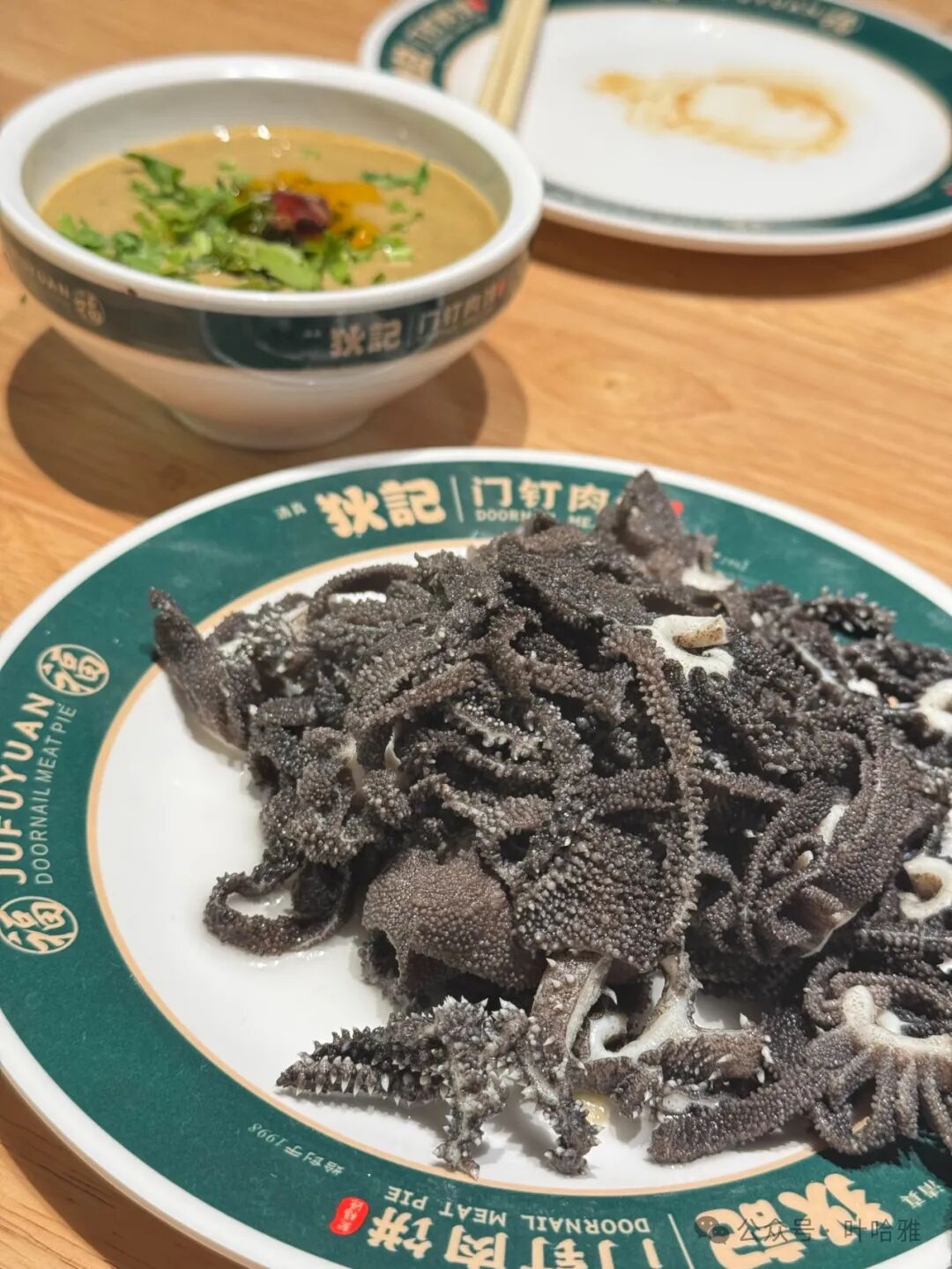
The quick-boiled tripe (baodu) tasted good.
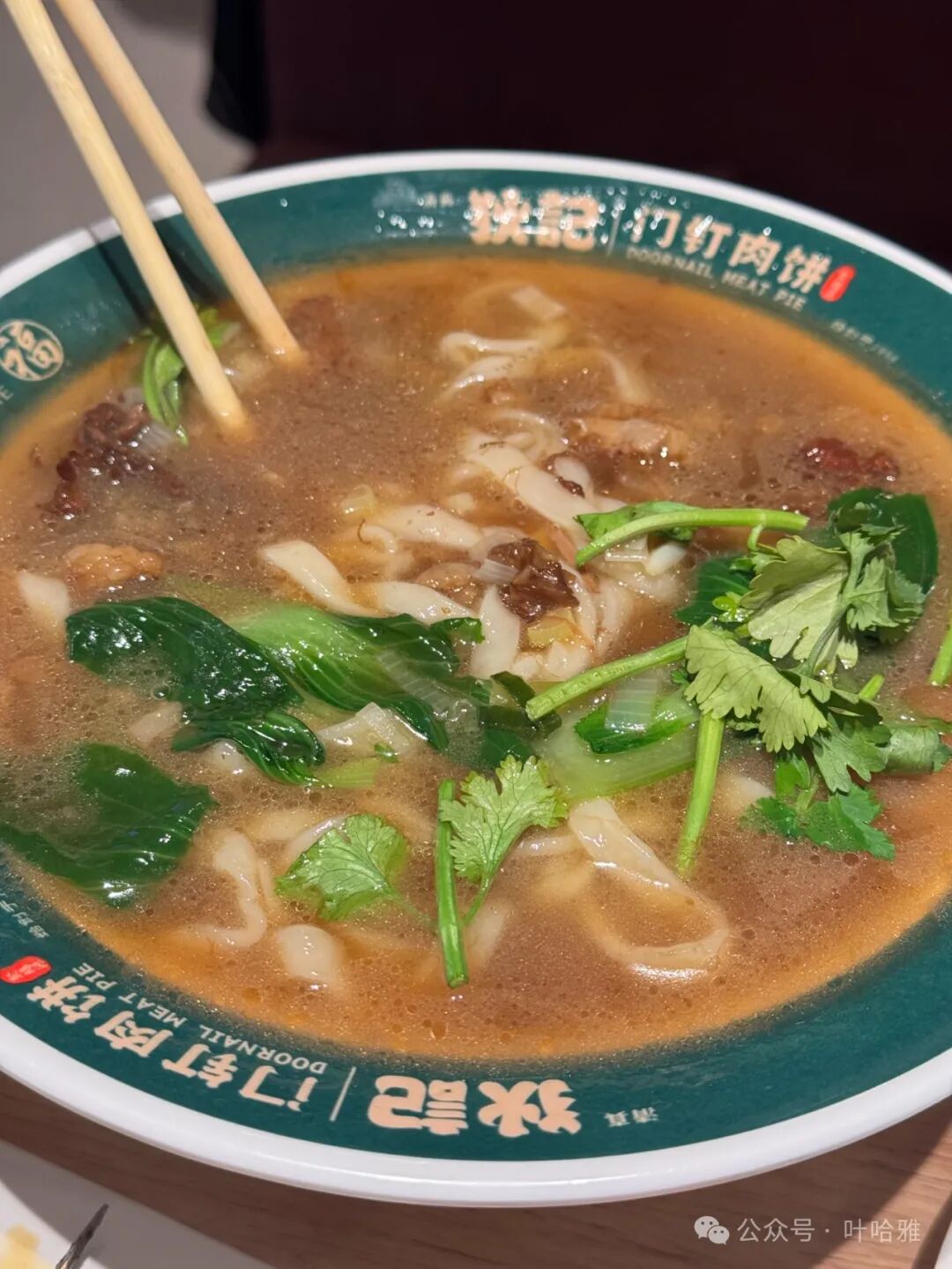
The beef noodles and the noodles with soybean paste were about the same; the noodles were not chewy enough.
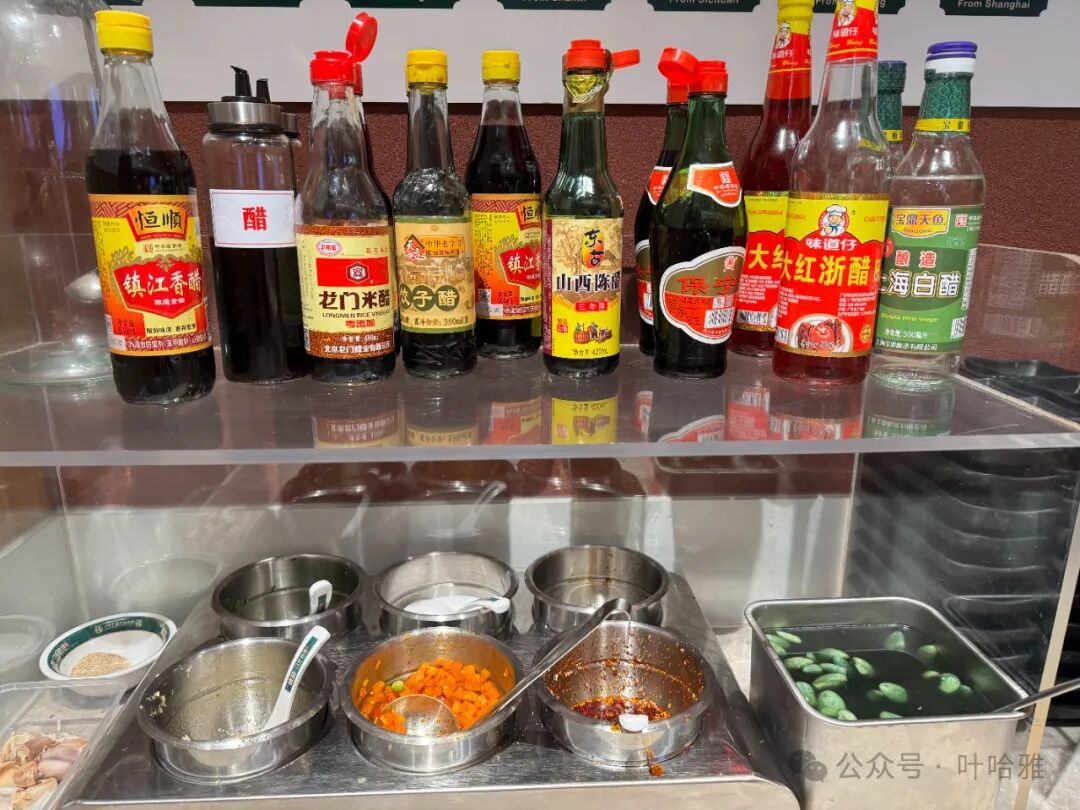
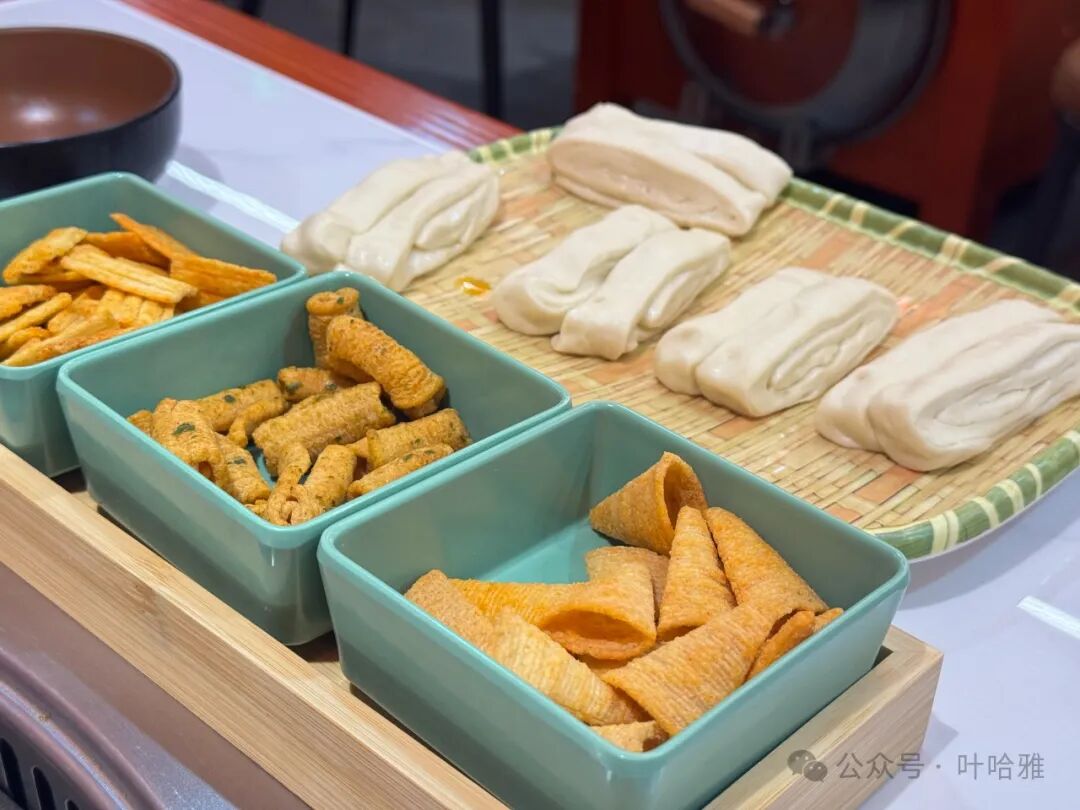
The most interesting thing here is the self-service condiment station, which has eight different kinds of vinegar for you to choose from.
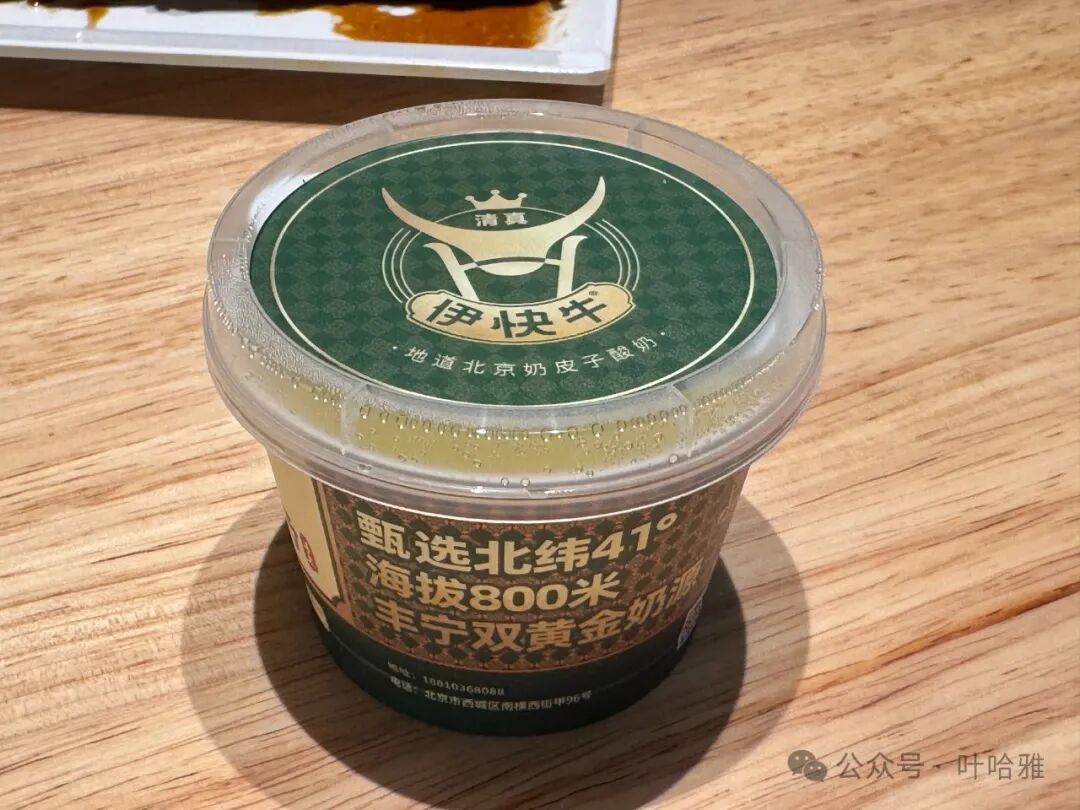
The yogurt from Yikuainiu is the same brand as the one at Ziguangyuan, and it has a smooth, creamy texture.
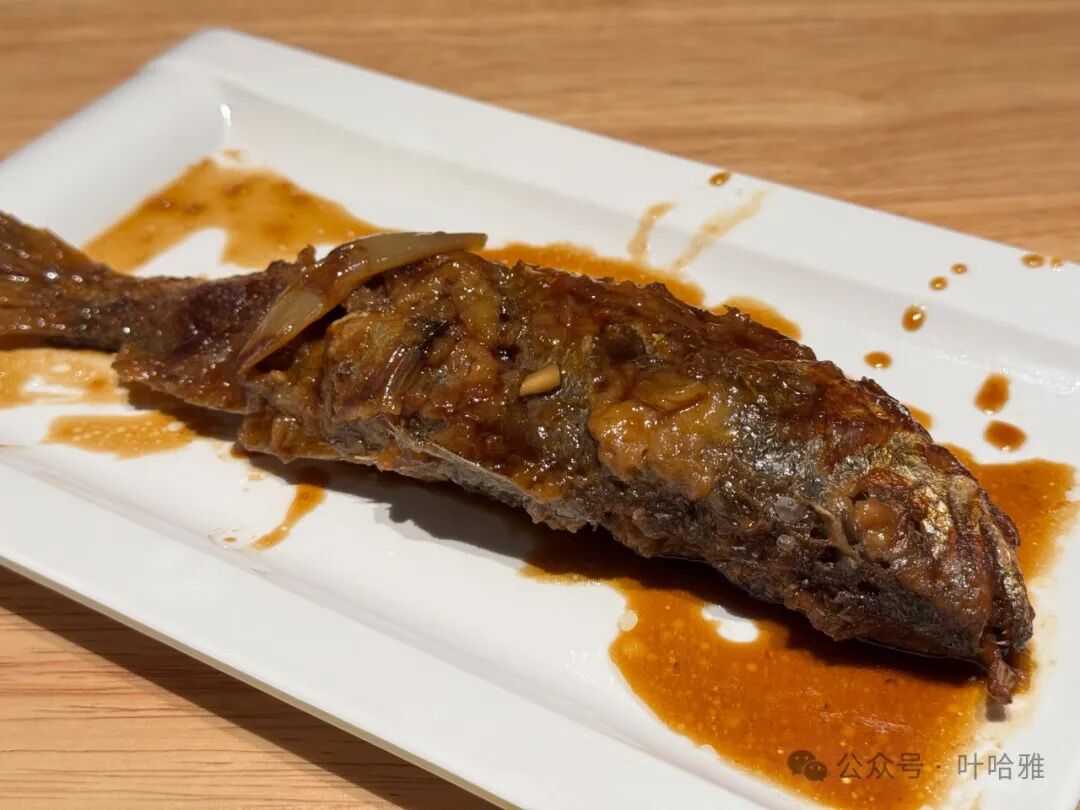
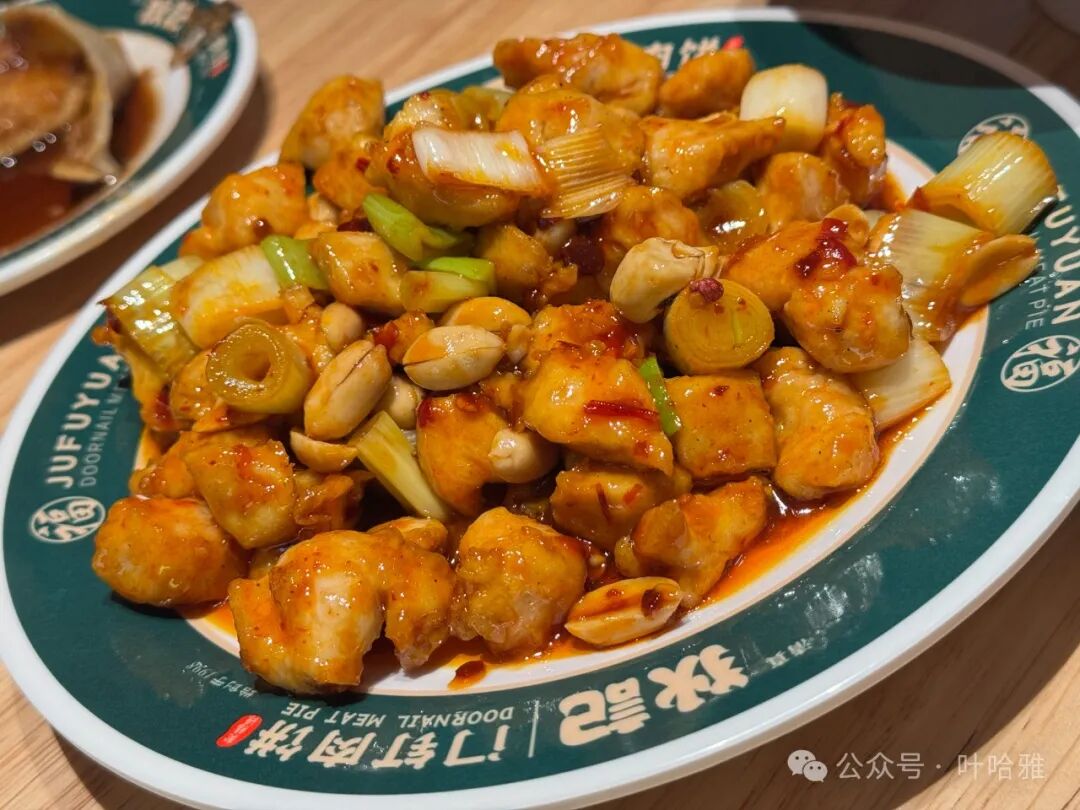
The yellow croaker and the kung pao chicken were both fine. Overall, their snacks are made quite well. Except for the noodles, the food is decent, the prices are cheap, and the portions are small, with an average cost of less than 50 yuan per person.
4. Henan Yukai Braised Noodles (huimian)
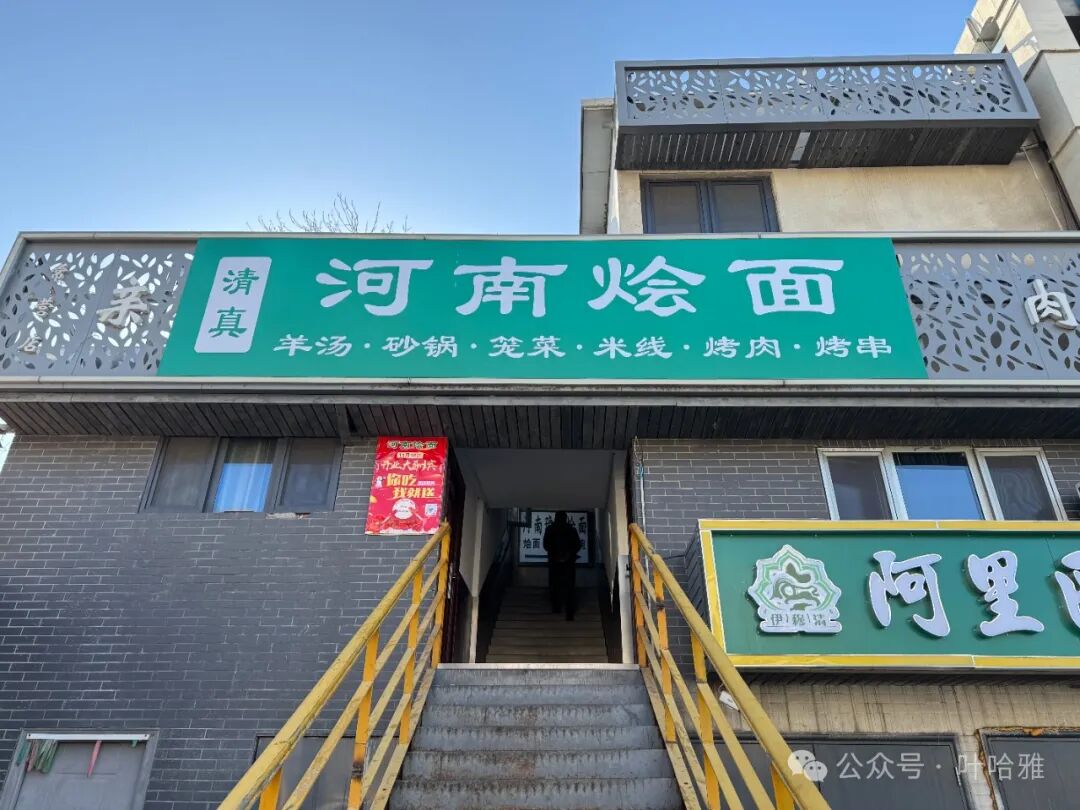
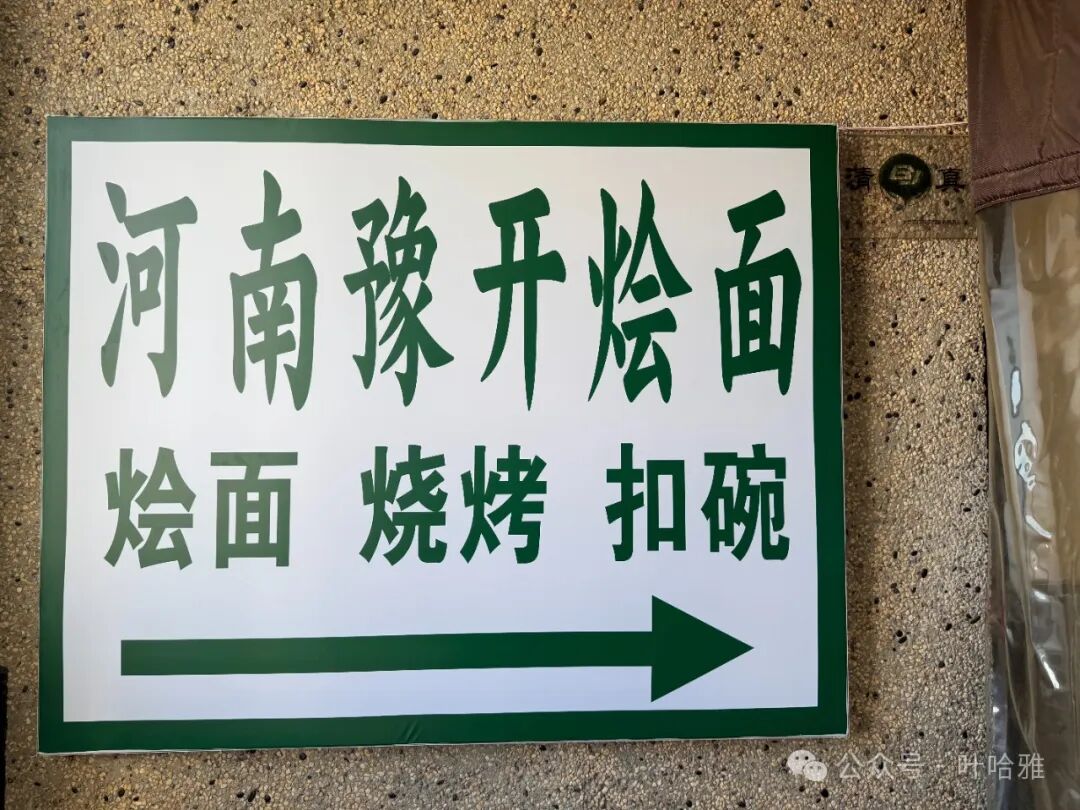
The Qingu Barbecue restaurant in Changying has closed, and it is now a Henan braised noodles shop.
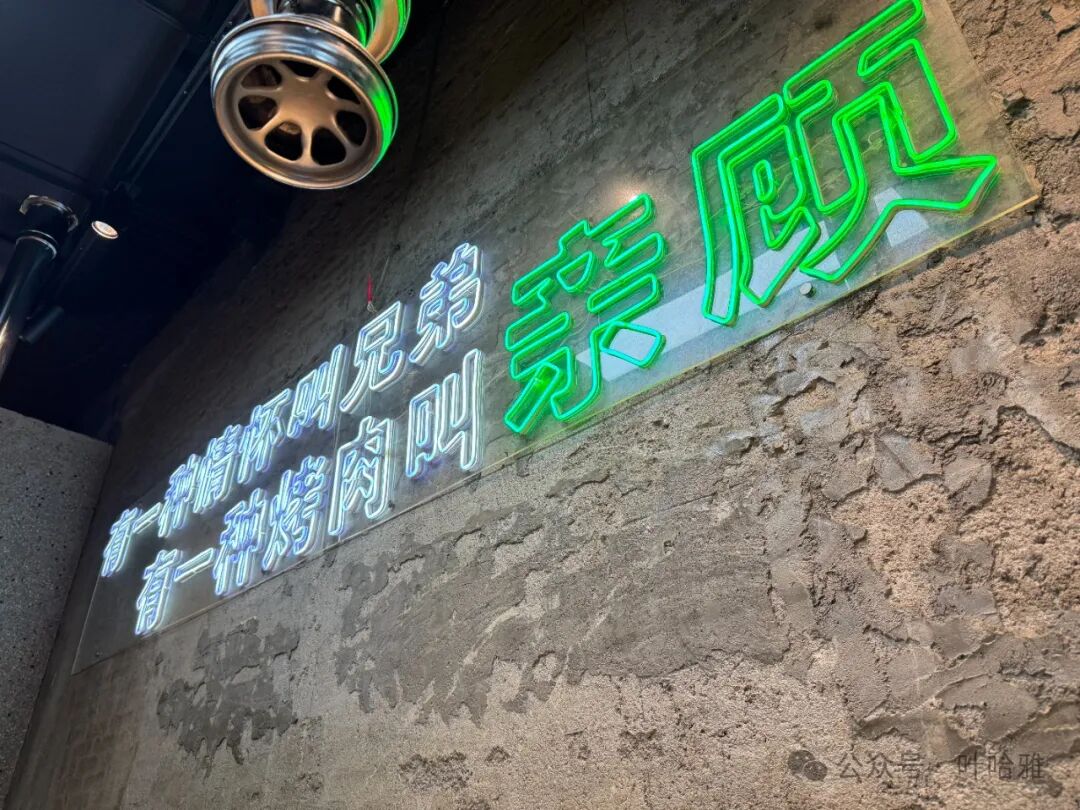
The interior decor has not changed, and the Qingu sign is still there.
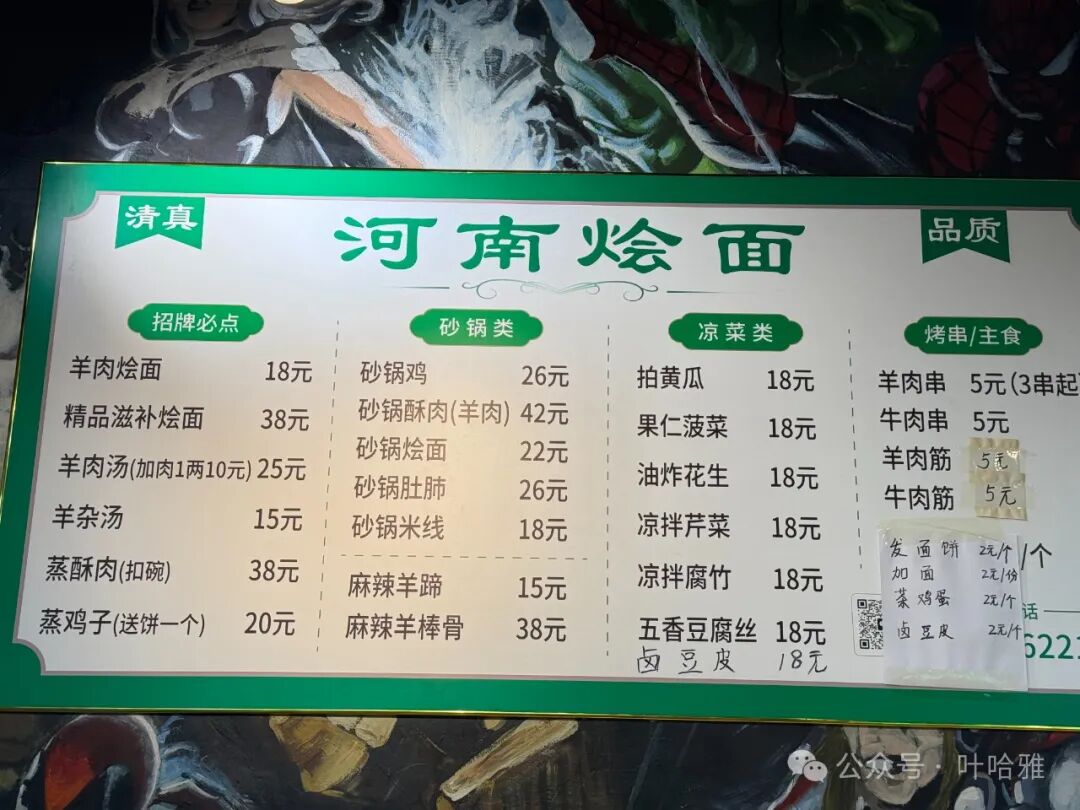
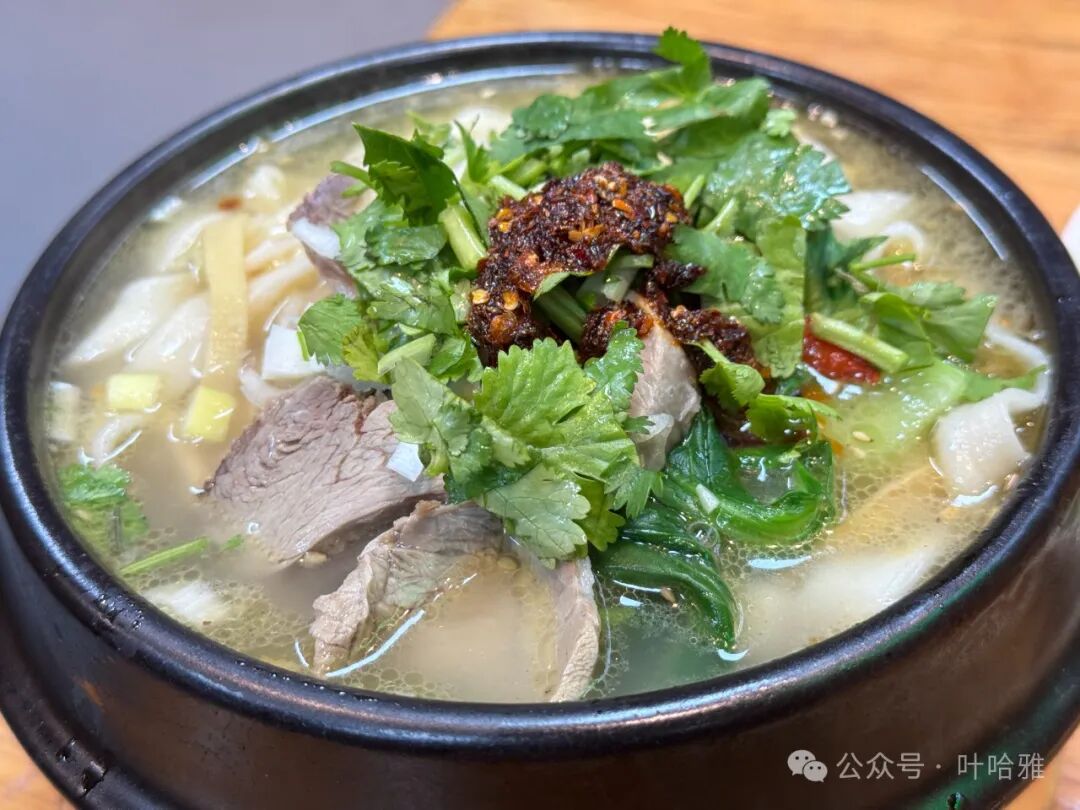
Their braised noodles (huimian) are really delicious. I ordered a clay pot version, and both the noodles and the broth were great.
5. Yimuyuan iron pot stew (tieguo dun)
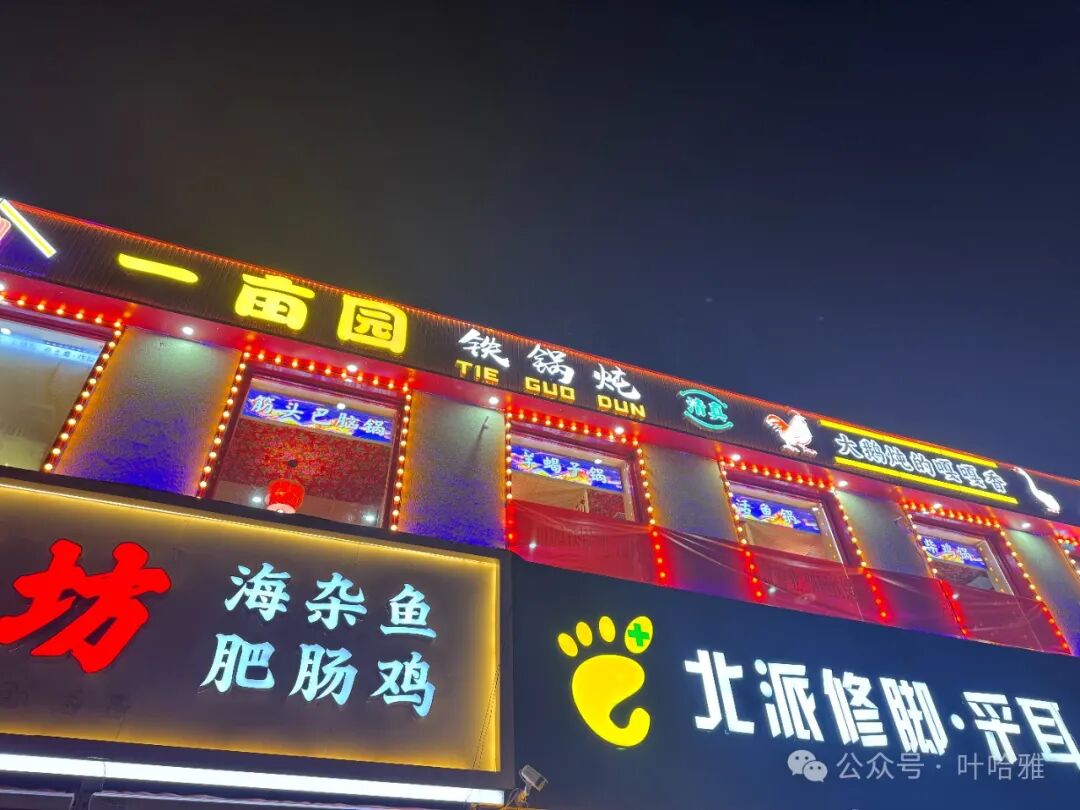
A new halal iron pot stew (tieguodun) restaurant just opened in Fengtai. It was half-price when I visited. The owner is a Hui Muslim from Dachang, Hebei, where he also has a chain of restaurants.
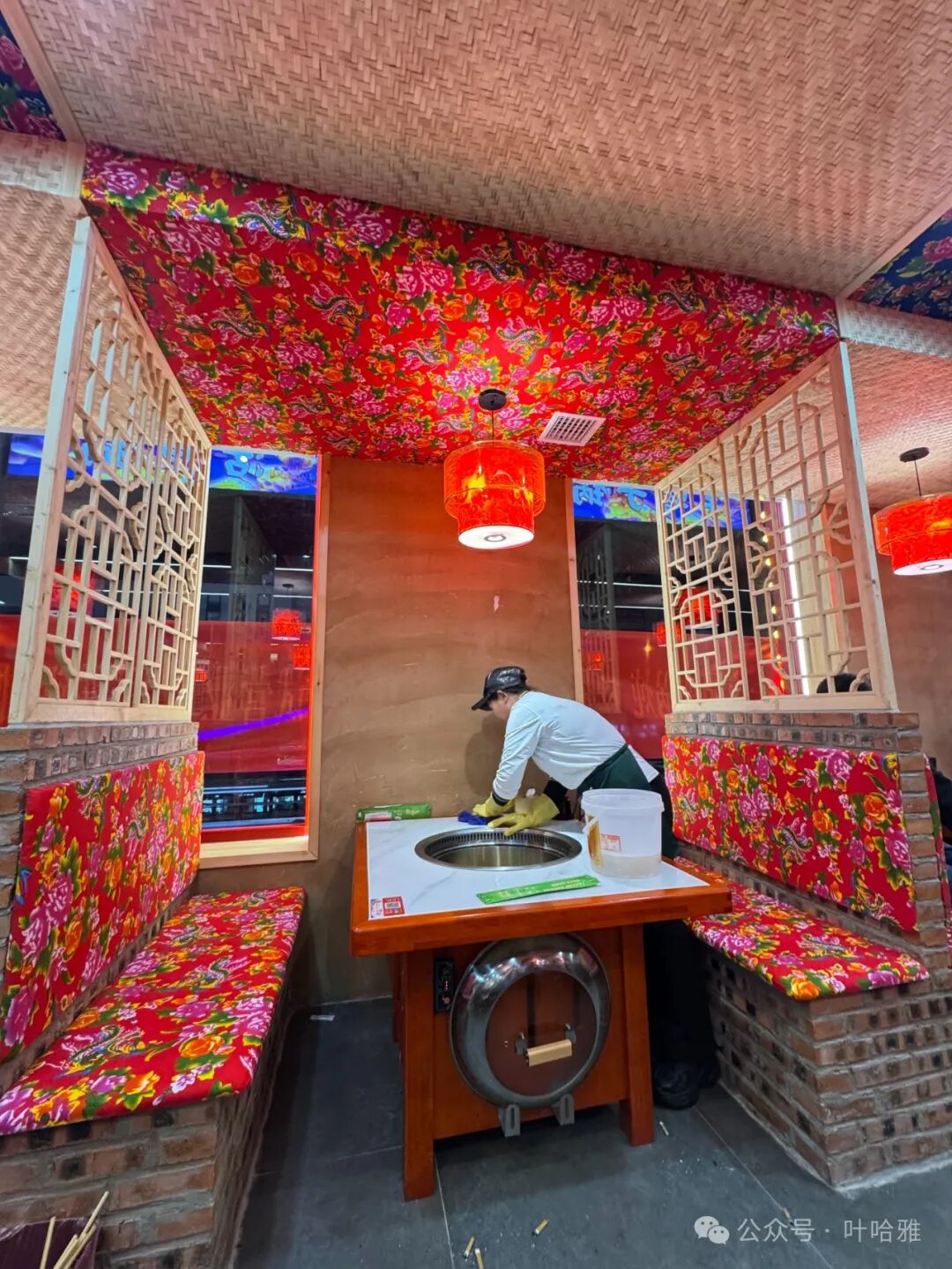
The place has a traditional Northeast floral decor vibe, the staff are very friendly, and there is a parking lot at the entrance.
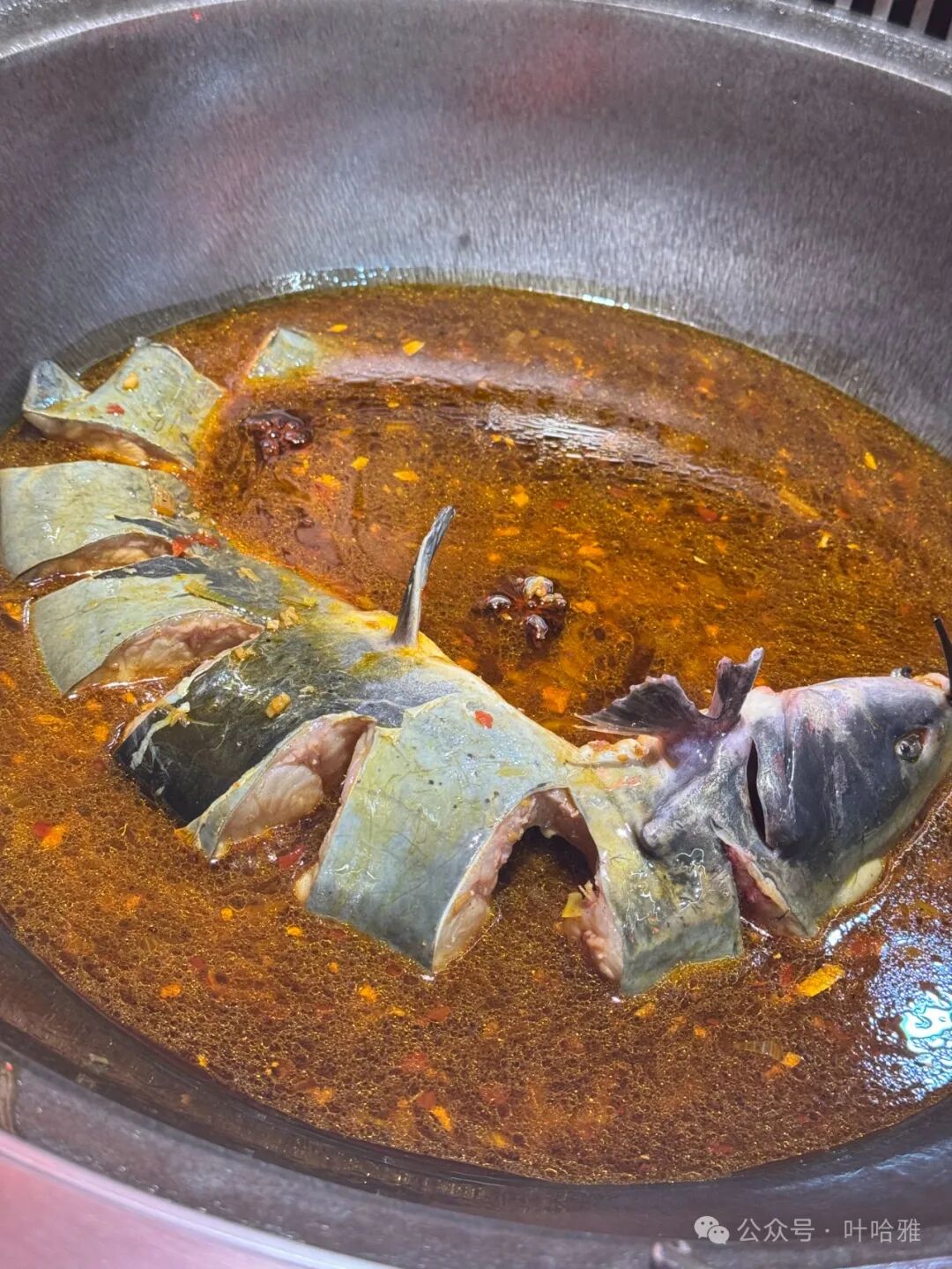
I ordered my favorite Qingjiang fish, which has very few bones and plenty of meat.
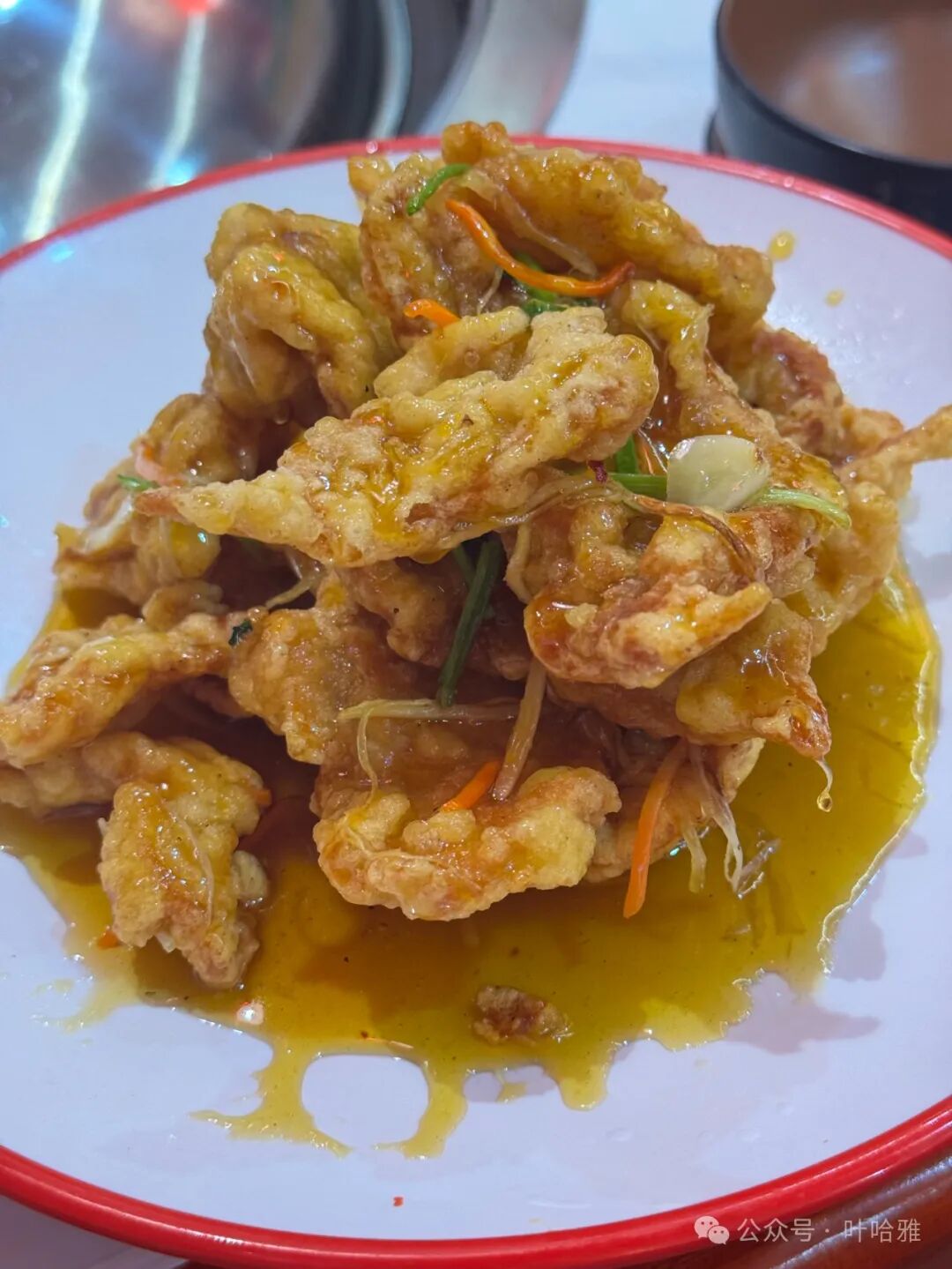
They serve sweet and sour stir-fried meat (guobaorou) that is actually quite good. Overall, this place offers great value and tasty food, so it is worth a visit.
6. Mabeier Noodle Restaurant
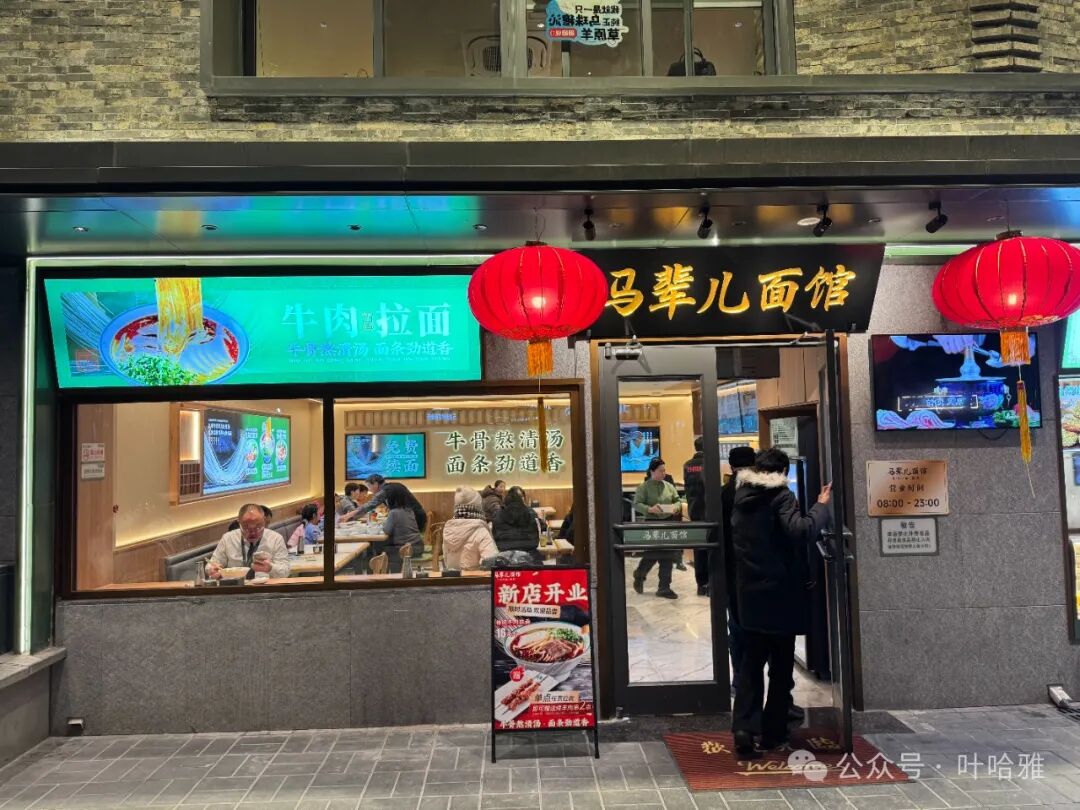
Mabeier Hot Pot replaced their deli section with a hand-pulled noodle shop.
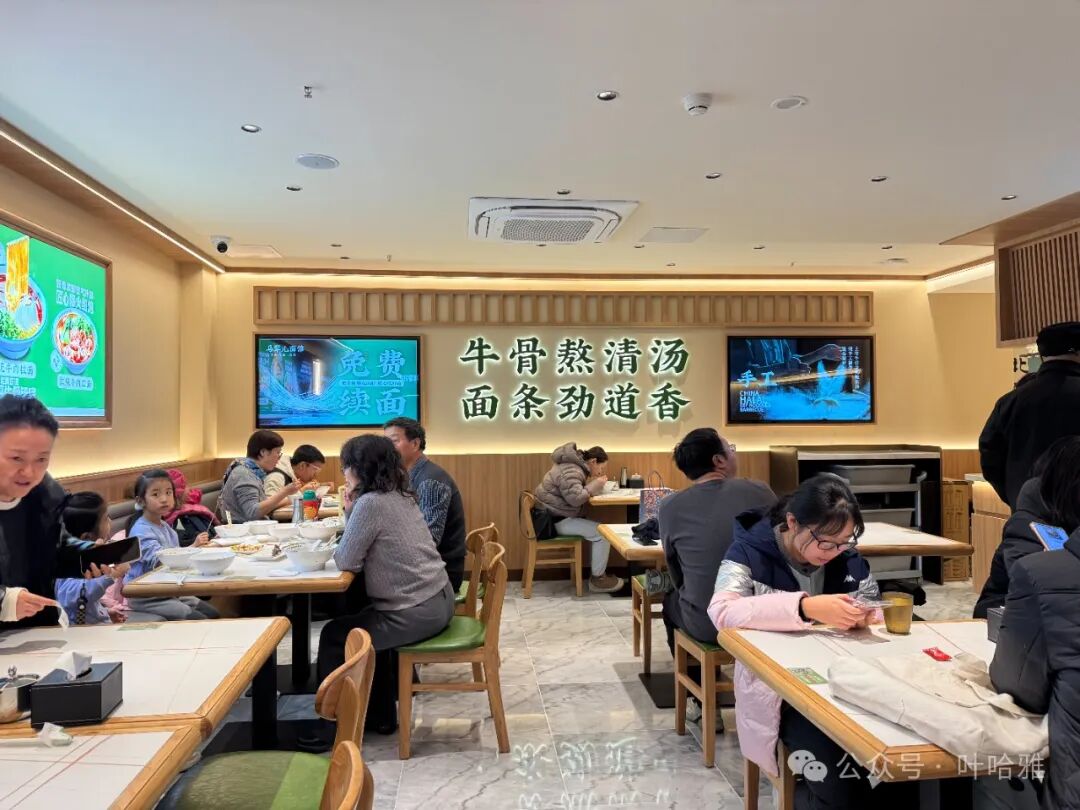
The Mabeier noodle shop serves Northwest-style hand-pulled noodles (lamian). I did not have high expectations, but I was pleasantly surprised by how good it tasted.
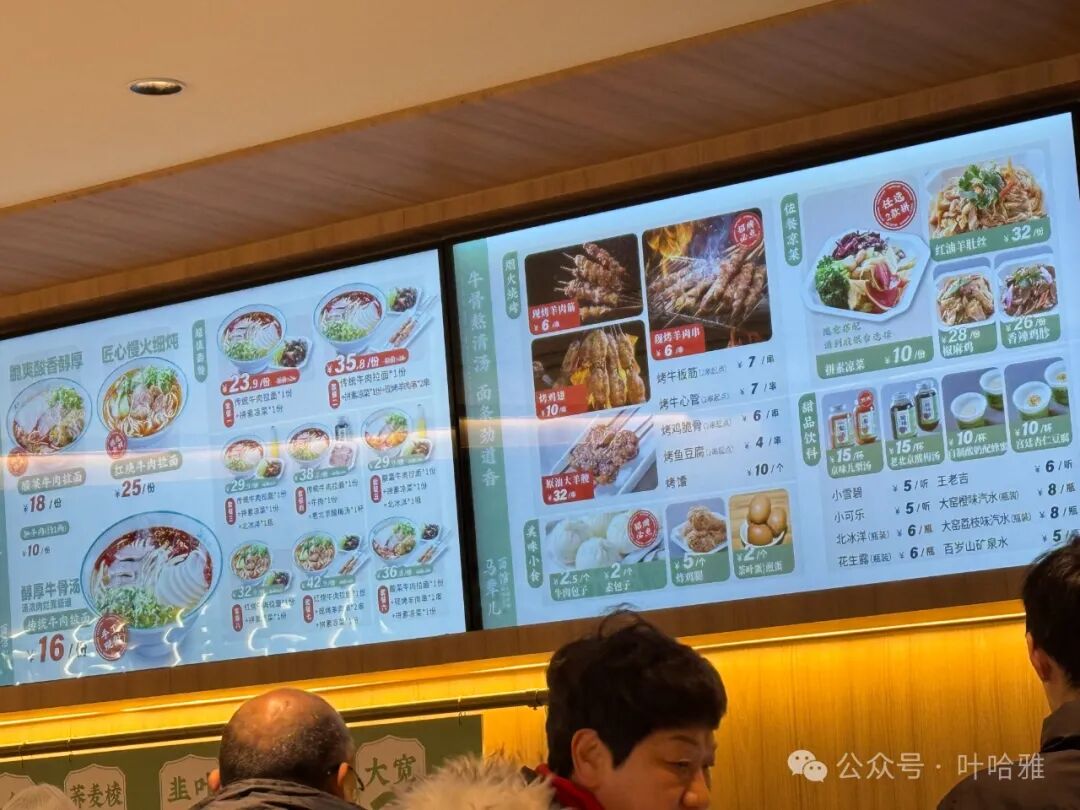
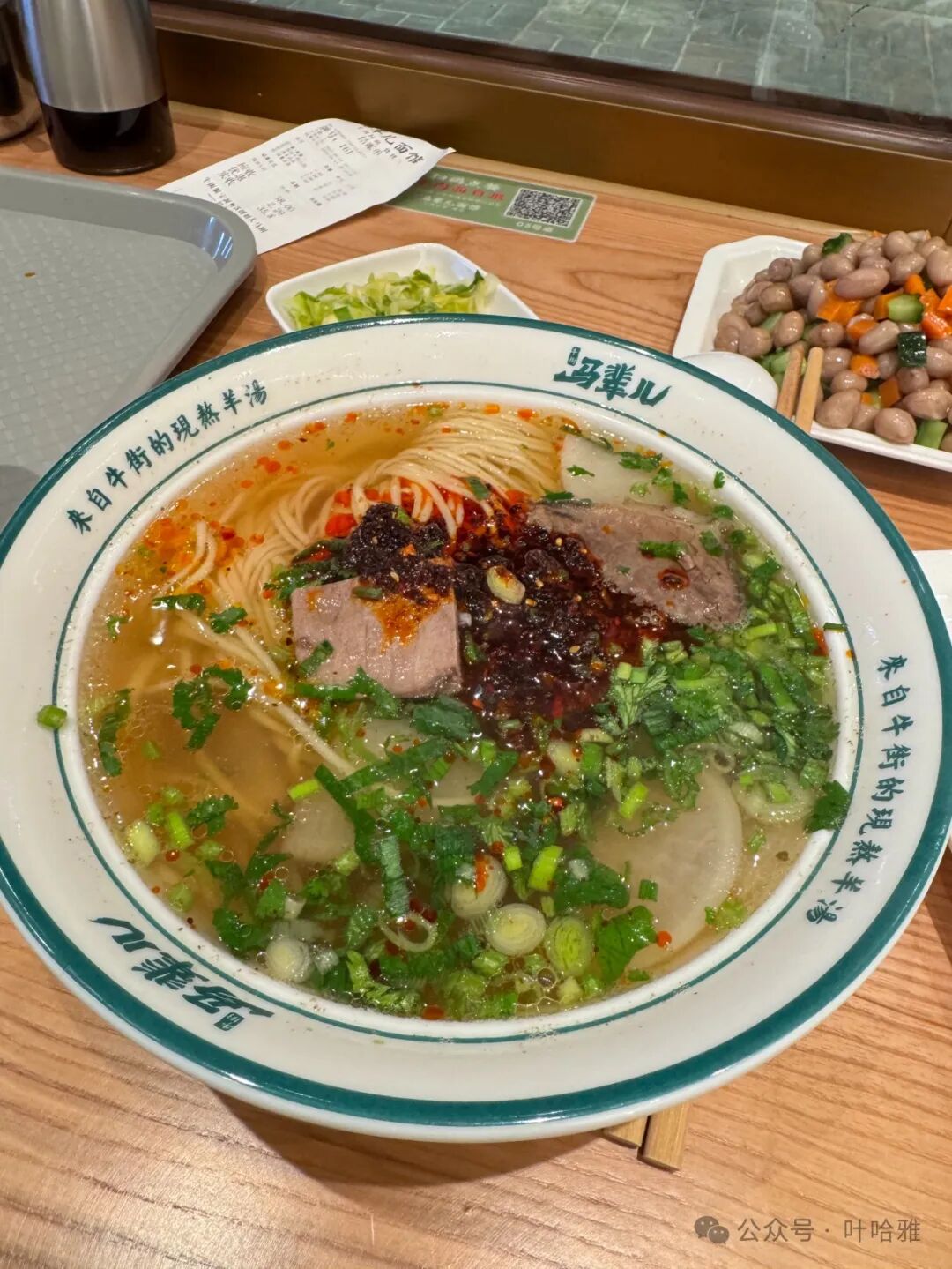
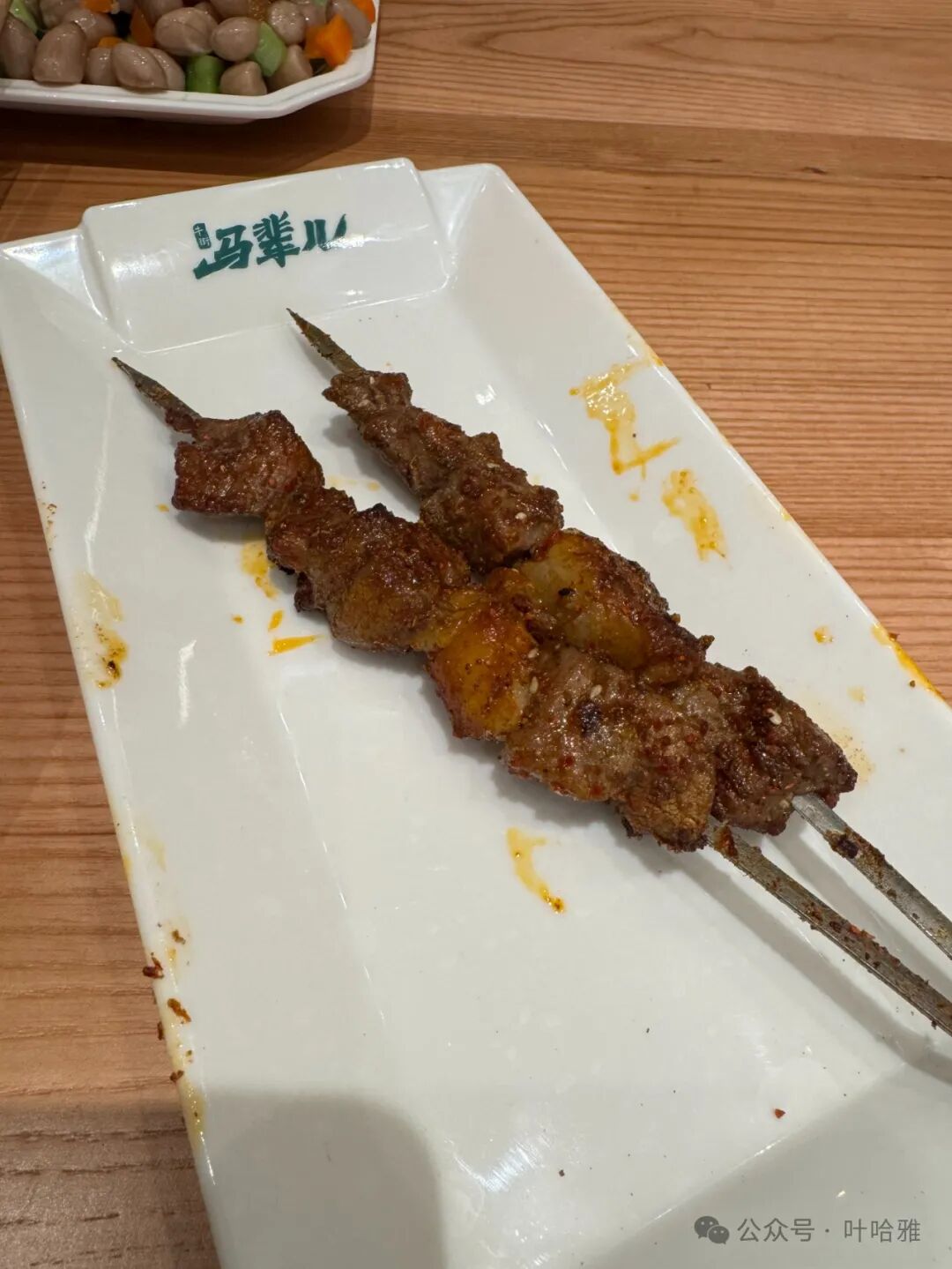
The broth and noodles are both well-made. You can tell the broth is not made from concentrates, the noodles have a great texture, and the chili oil is fragrant. Pairing them with their lamb skewers made for a very satisfying meal that far exceeded my expectations.
7. Xiting Xiuse (WF Central branch)
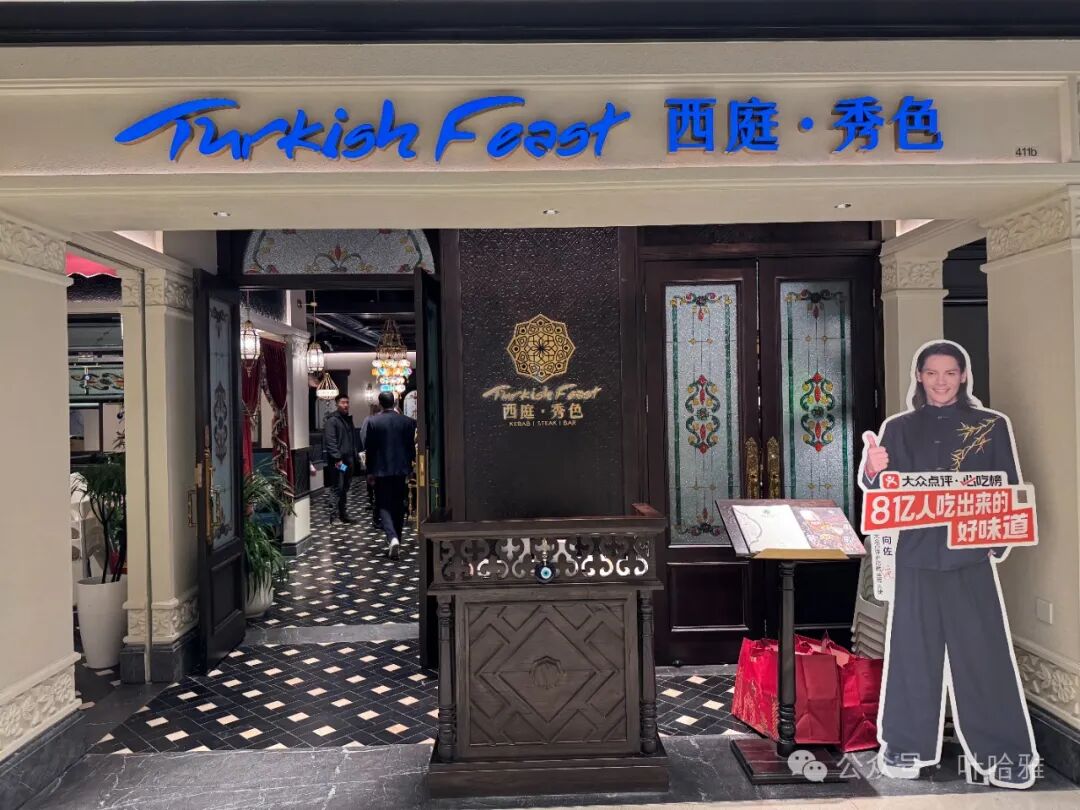
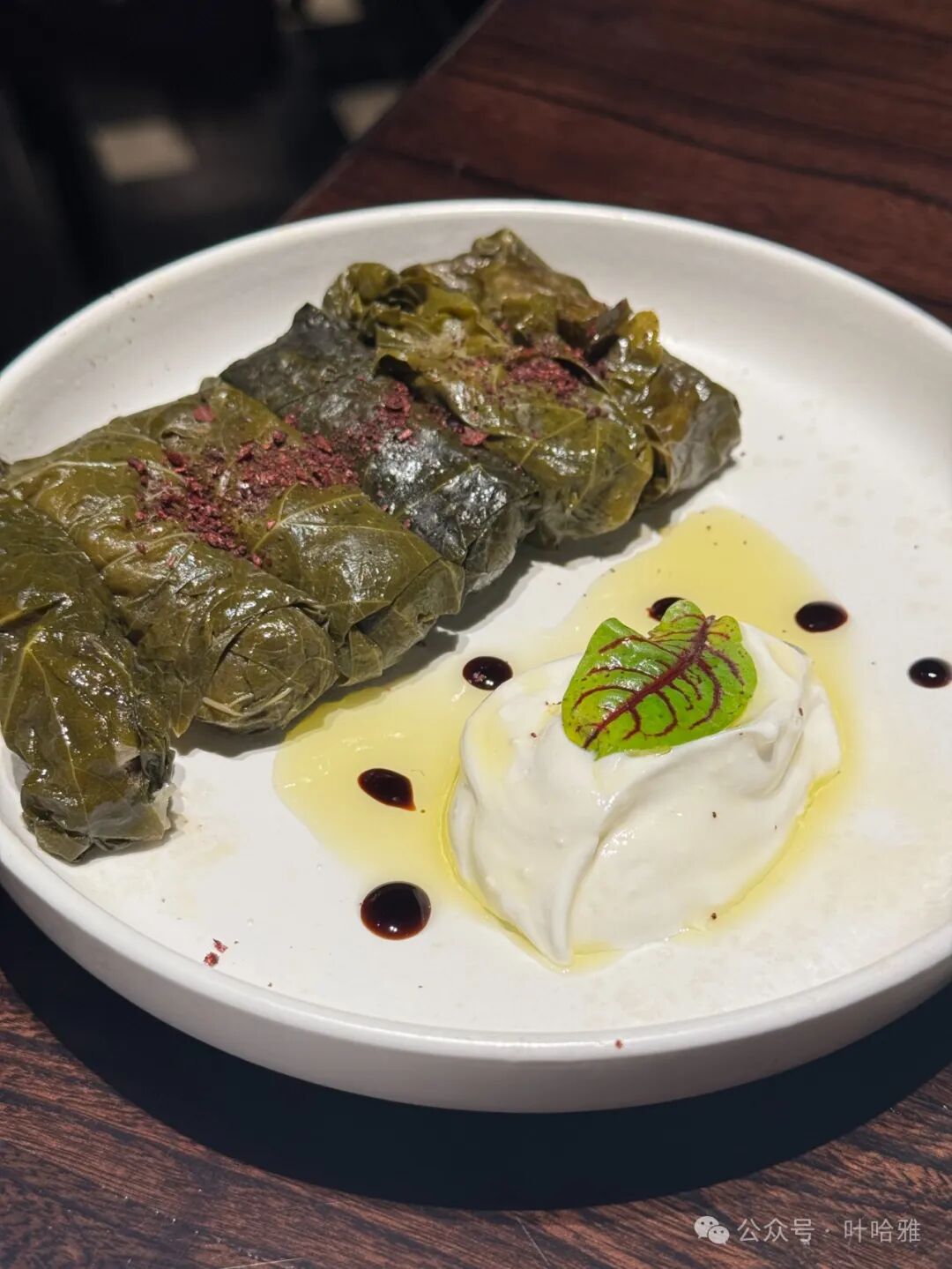
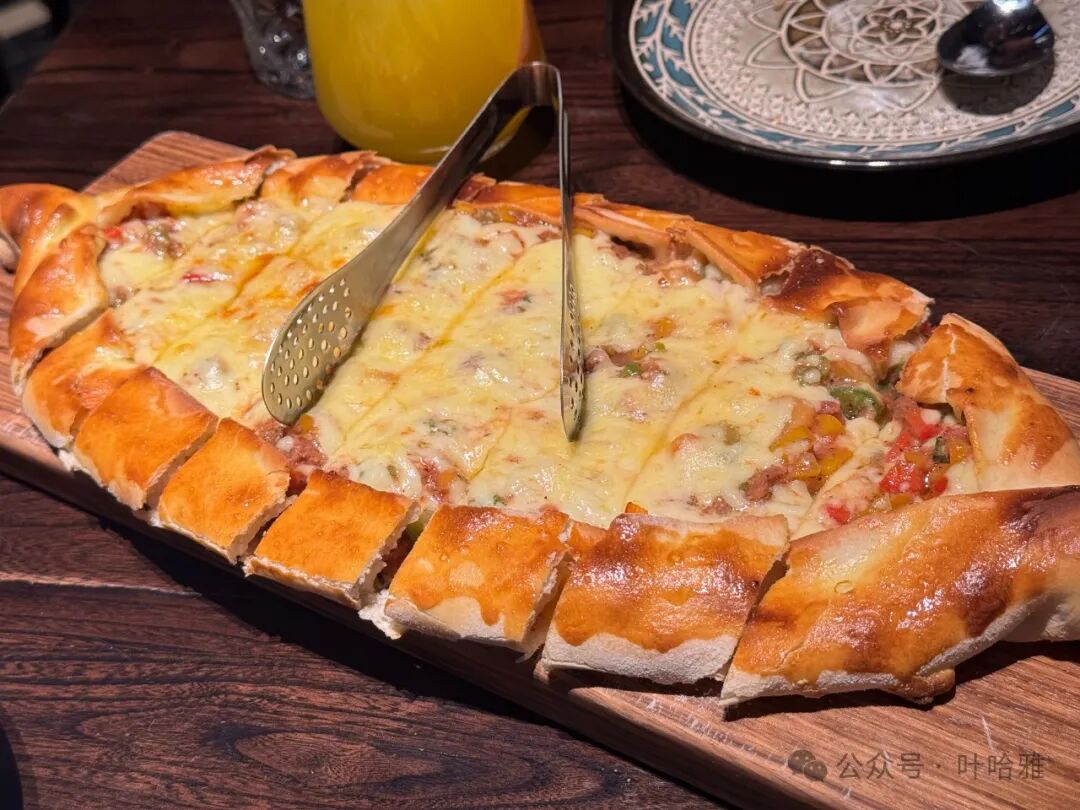
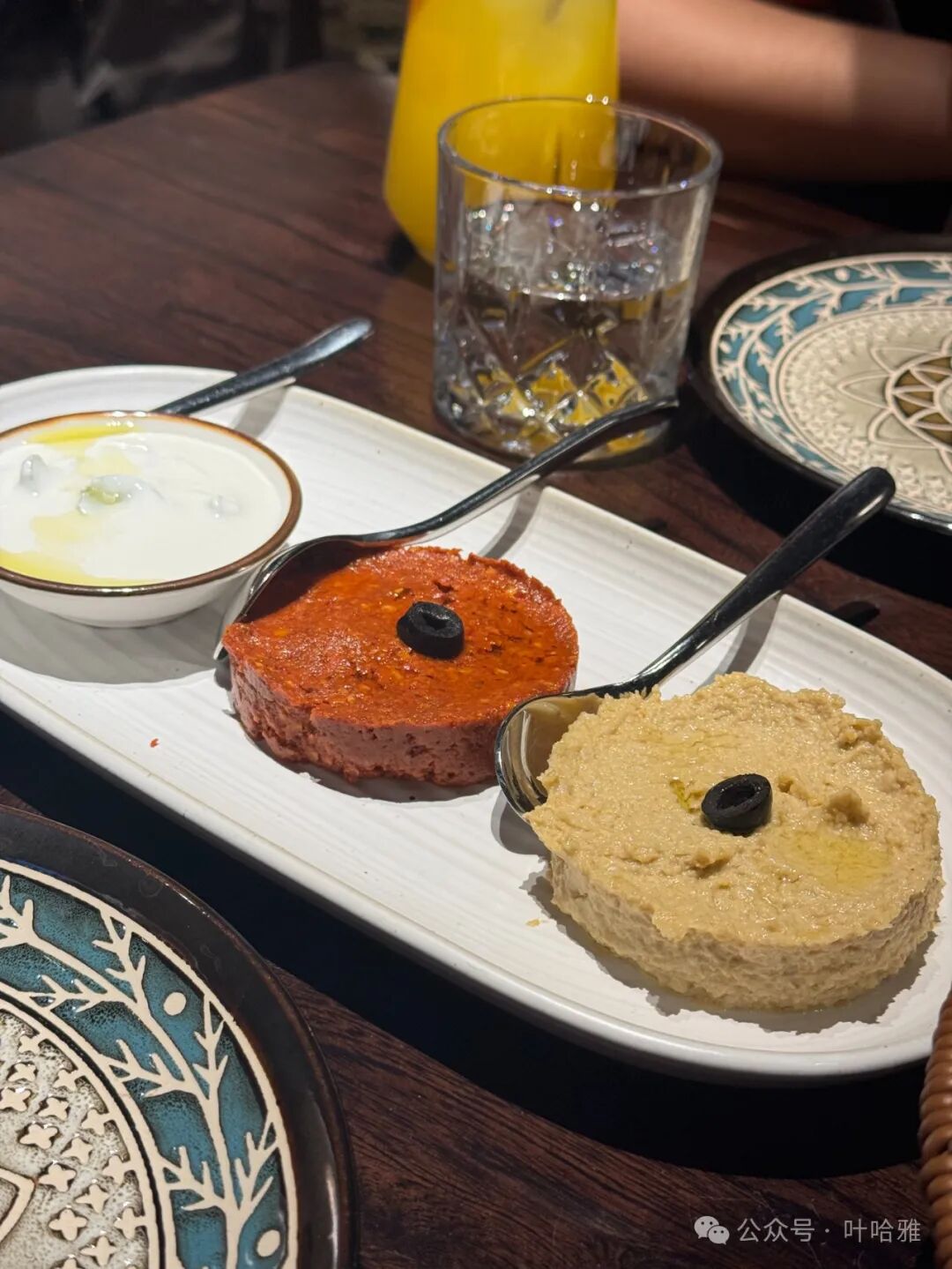
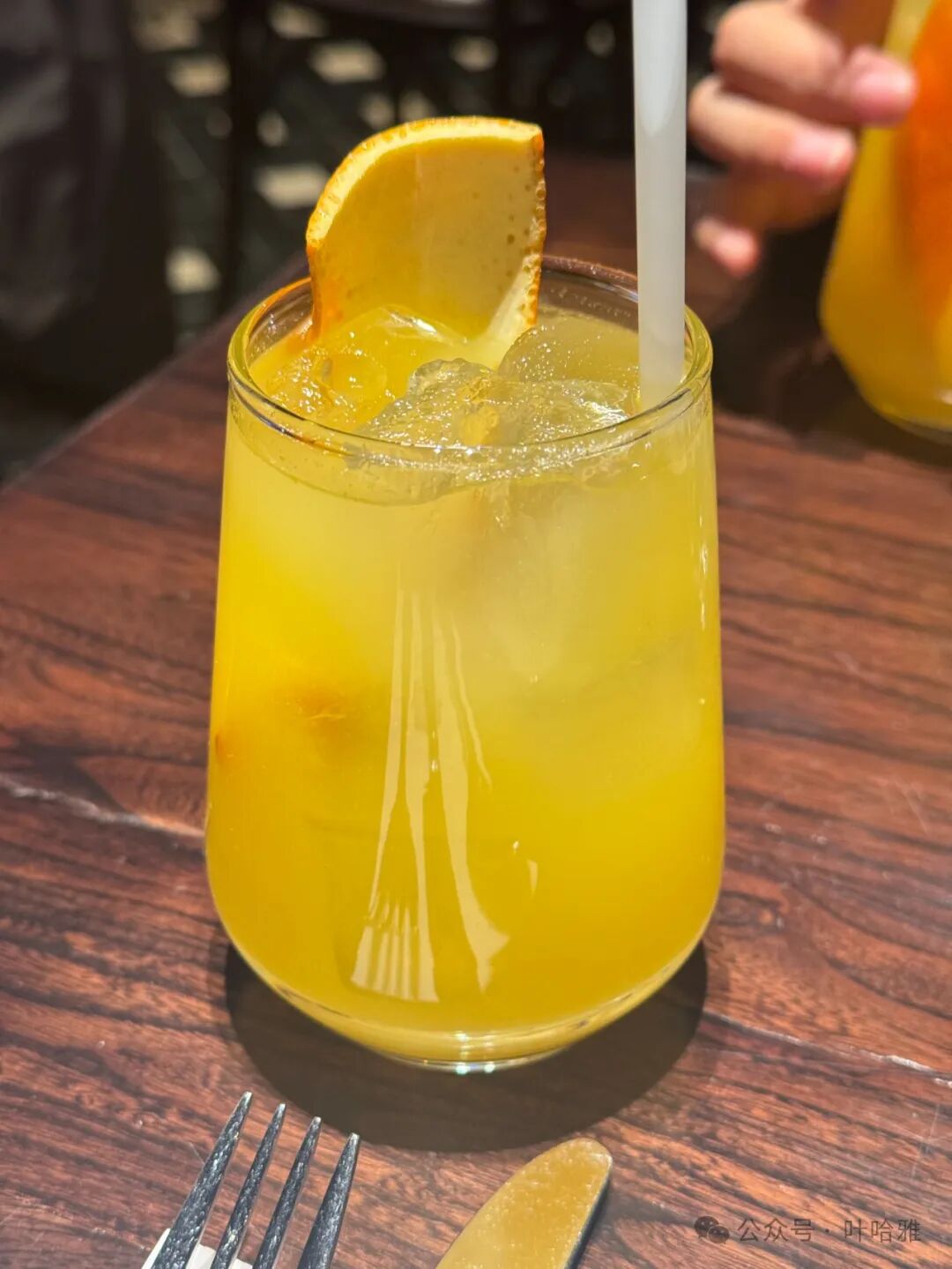
Wangfujing finally has a decent halal restaurant again. The new Xiting Xiuse Turkish Restaurant branch at WF Central has a different menu and atmosphere compared to their previous locations.
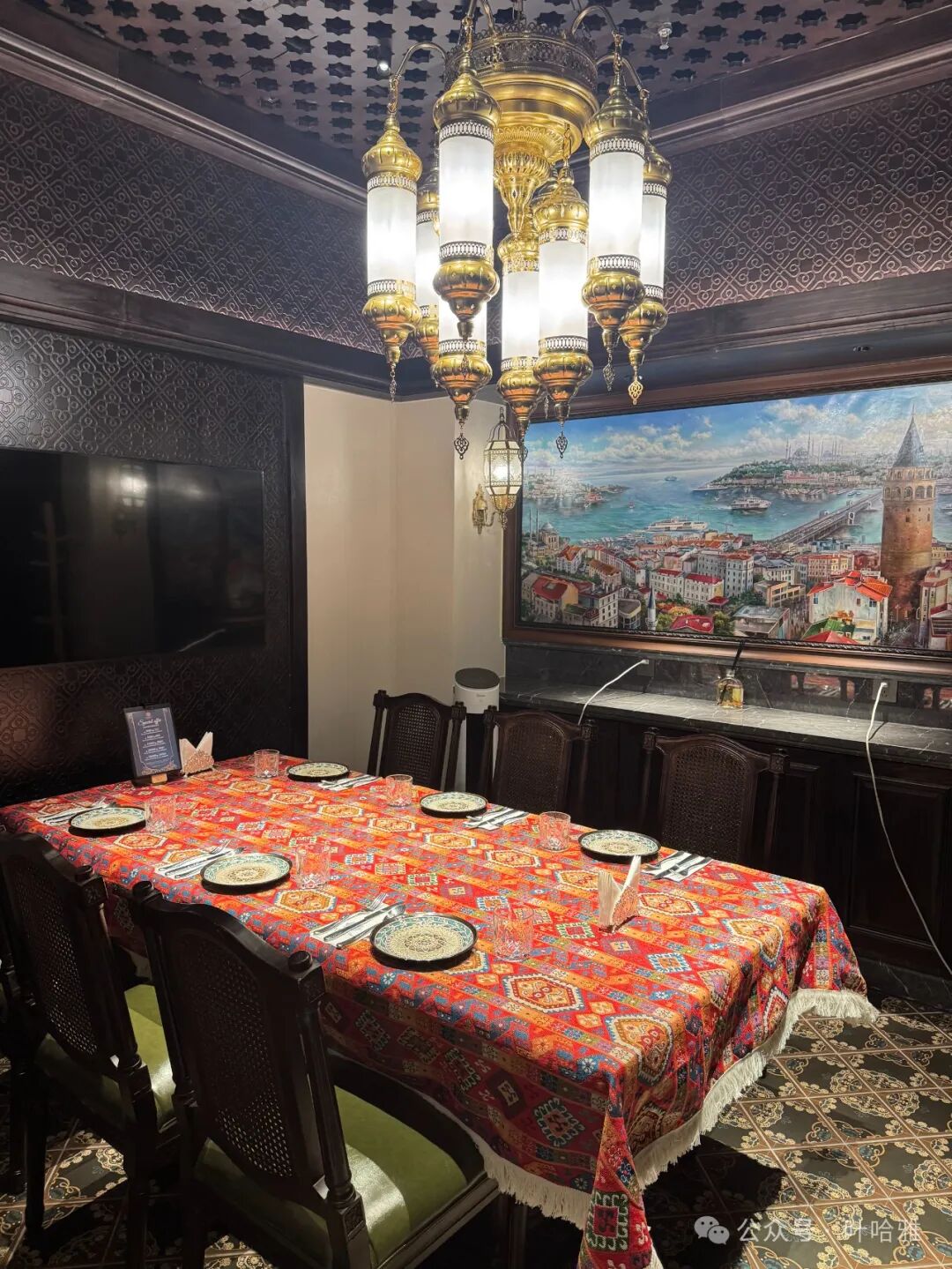
Overall, this place looks a bit more upscale, but the prices have actually gone down.
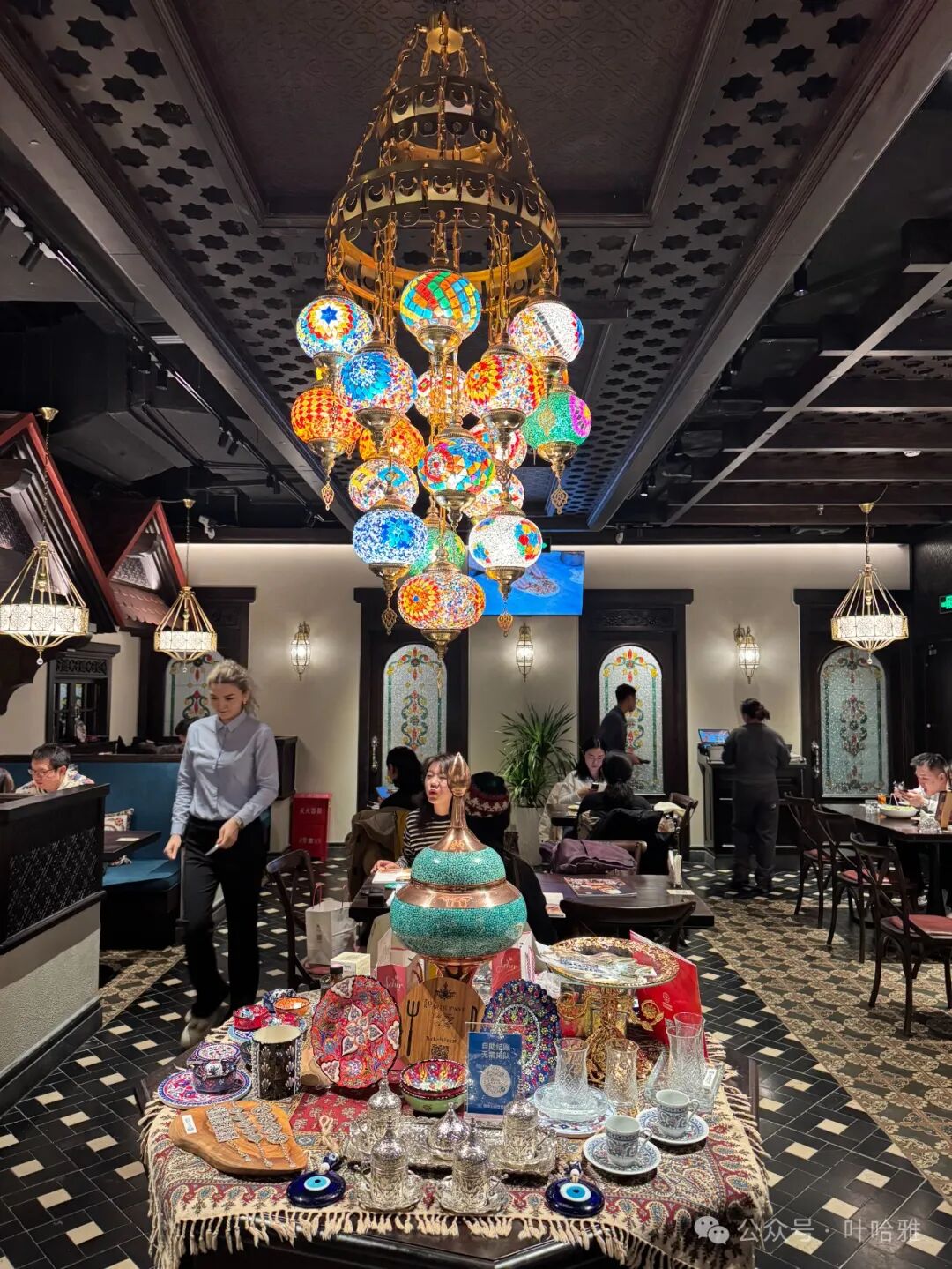
The servers all have an exotic look, and they are all very good-looking, both men and women.
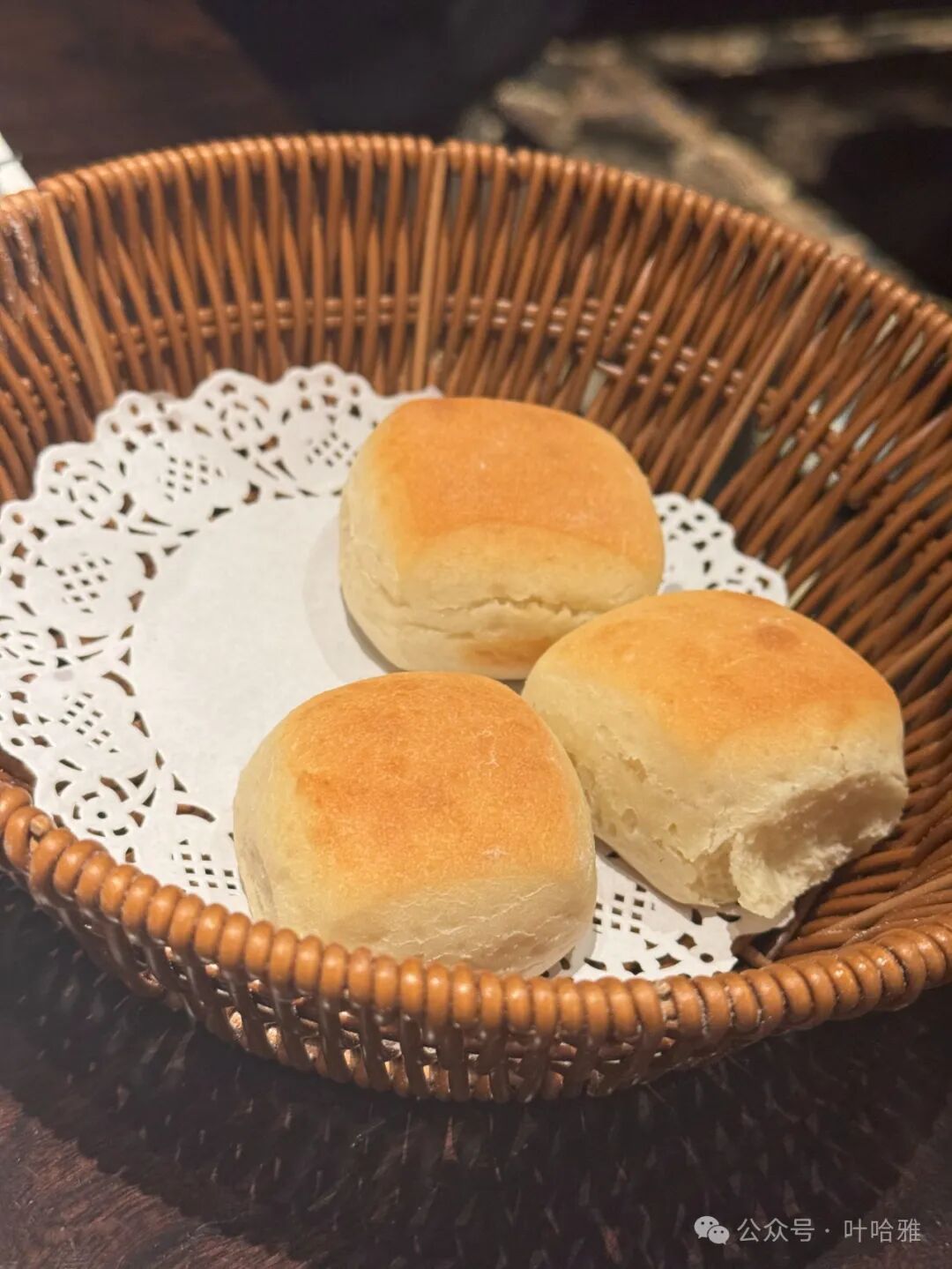
The head chef from the original shop is now in charge here, so the food quality stays the same.
It gets busy on weekends, so you might have to wait for a table during peak hours.
There is an underground parking lot with plenty of spaces, but there are no parking discounts.
The average cost per person is over 200.
8. Beiping lamb soup and dumpling restaurant (yangtang jiaozi guan)
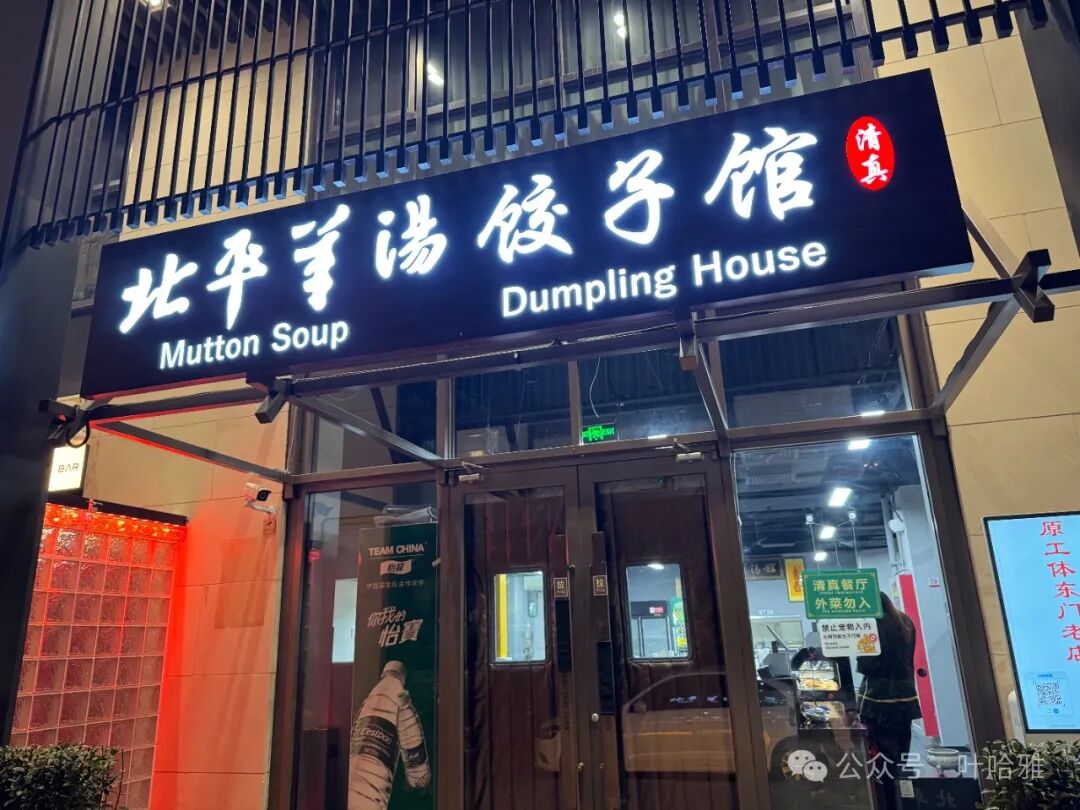
This is the original shop reopening; it used to be at the Workers' Stadium (Gongti) and now it is back.
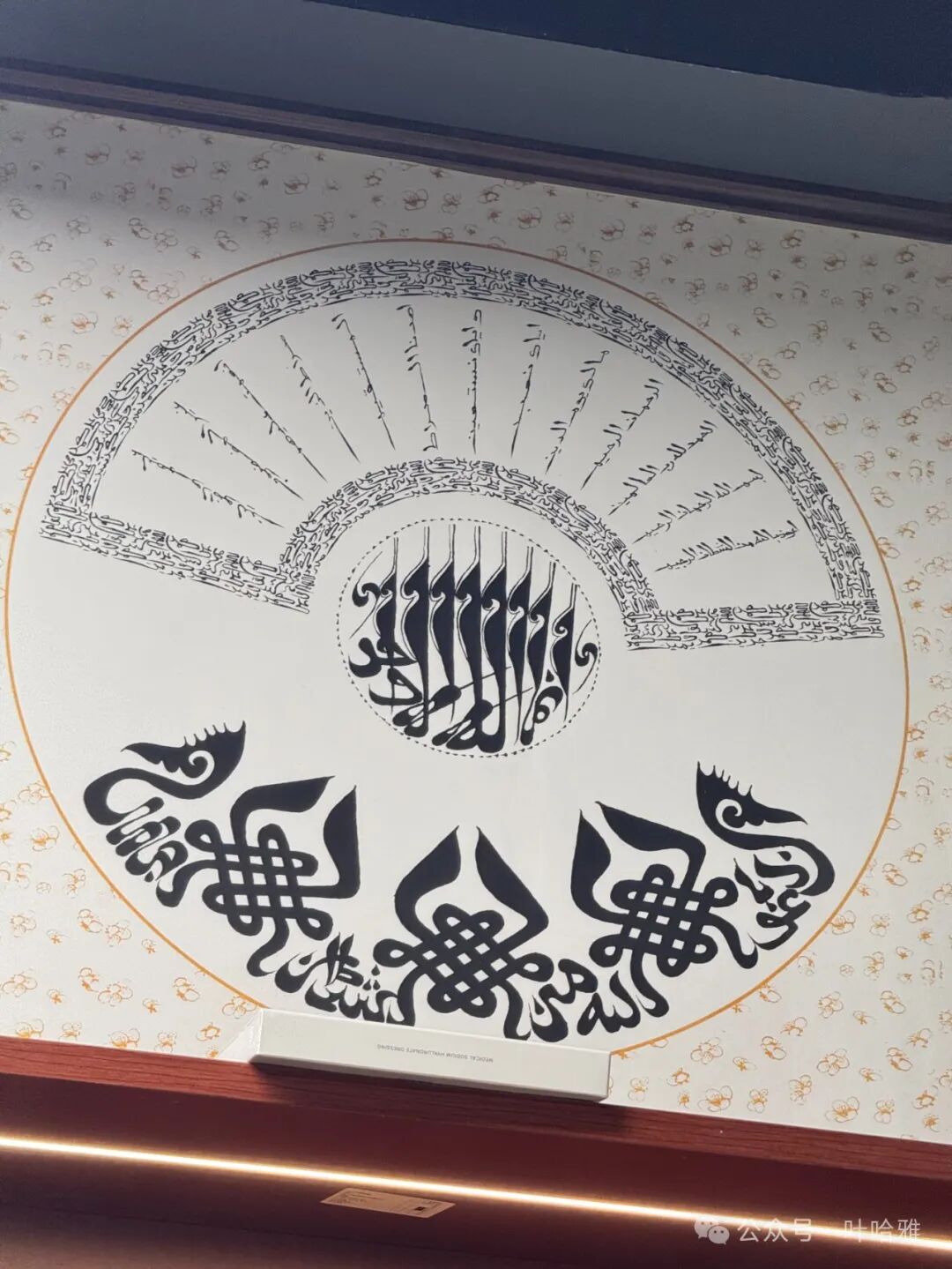
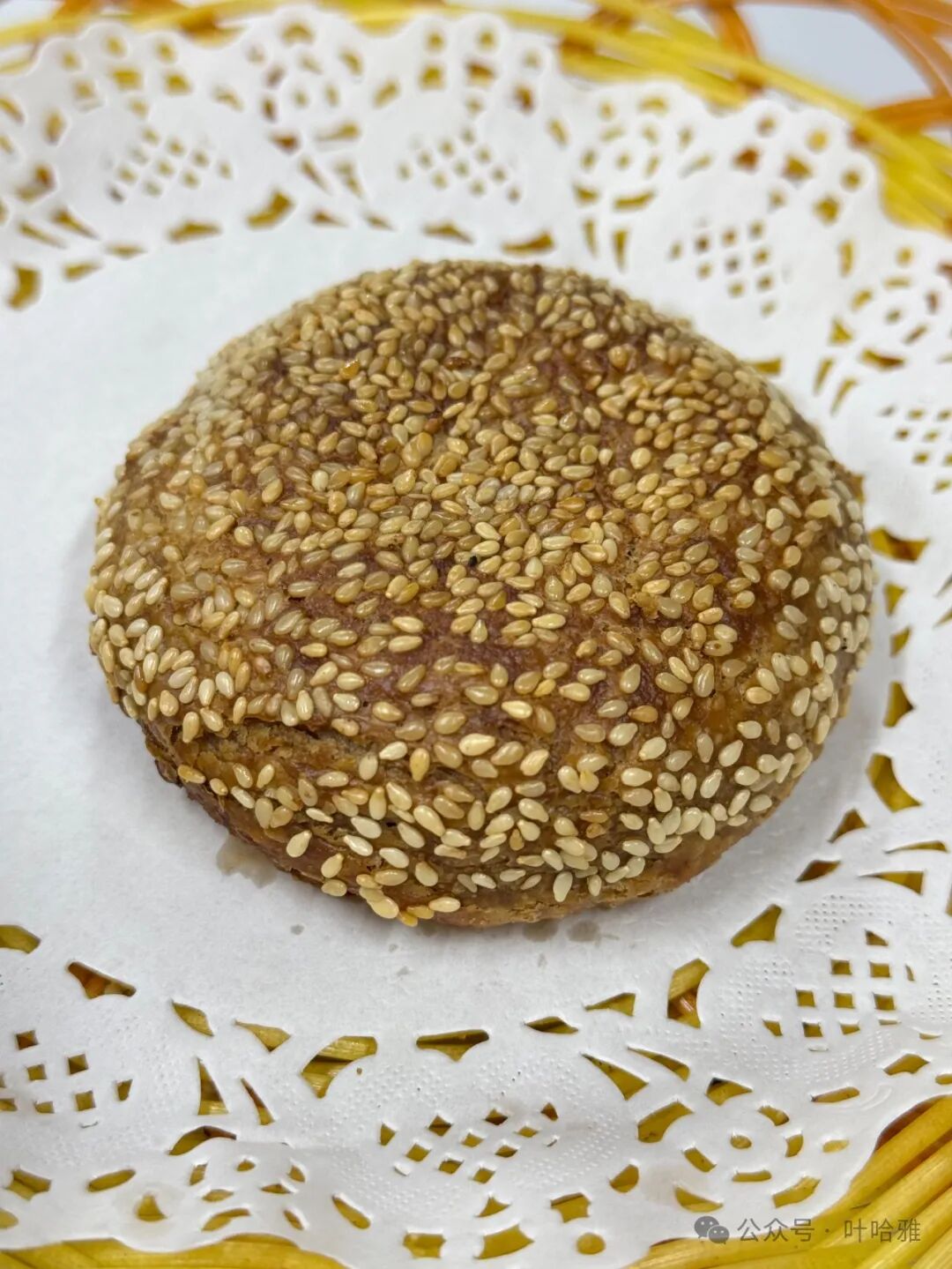
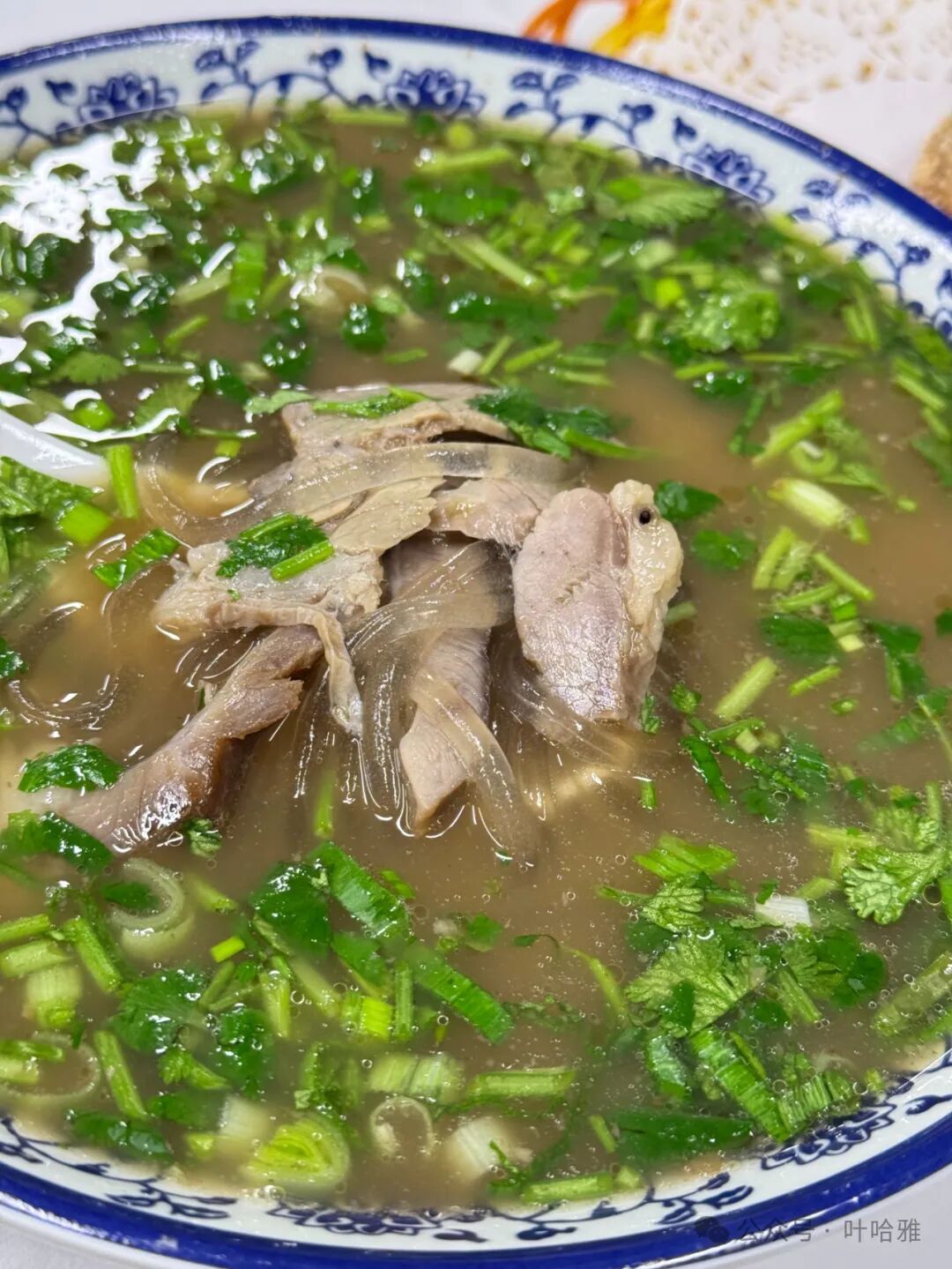
Their signature lamb bone broth (yangtang) and sesame flatbread (shaobing) are both decent, but I think the flatbread is better.
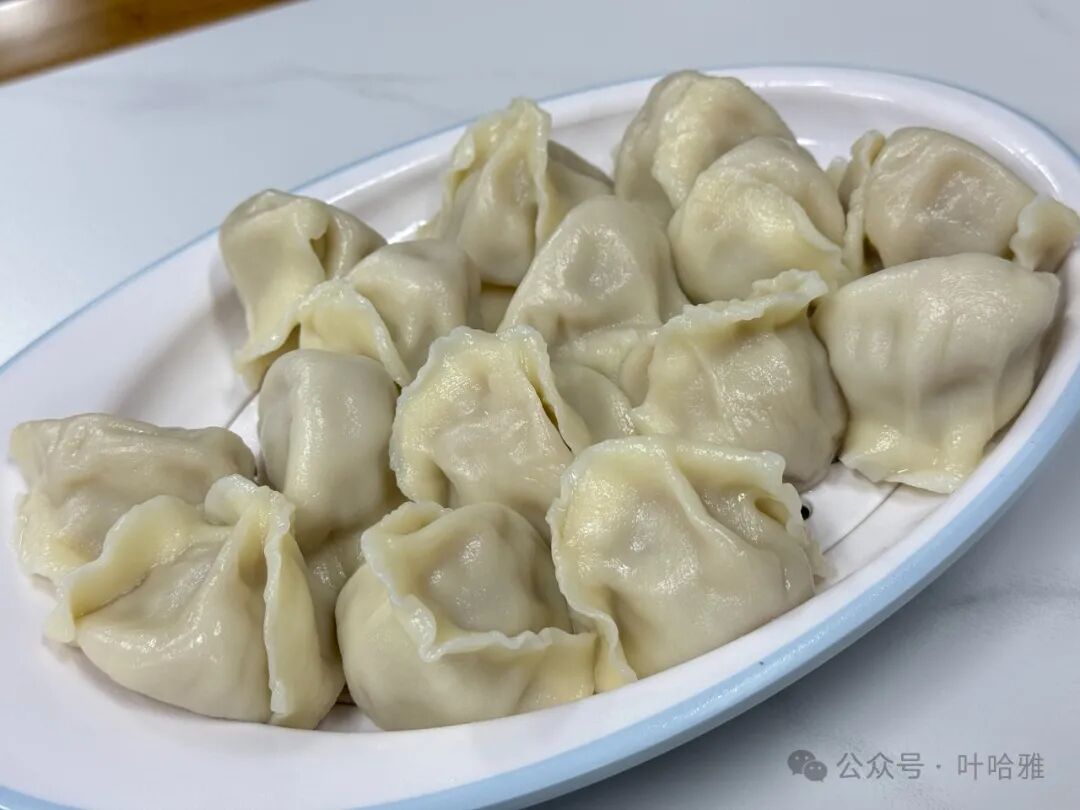
I wasn't full after the lamb bone broth, so I tried their dumplings. These handmade dumplings are shaped exactly how I like them.
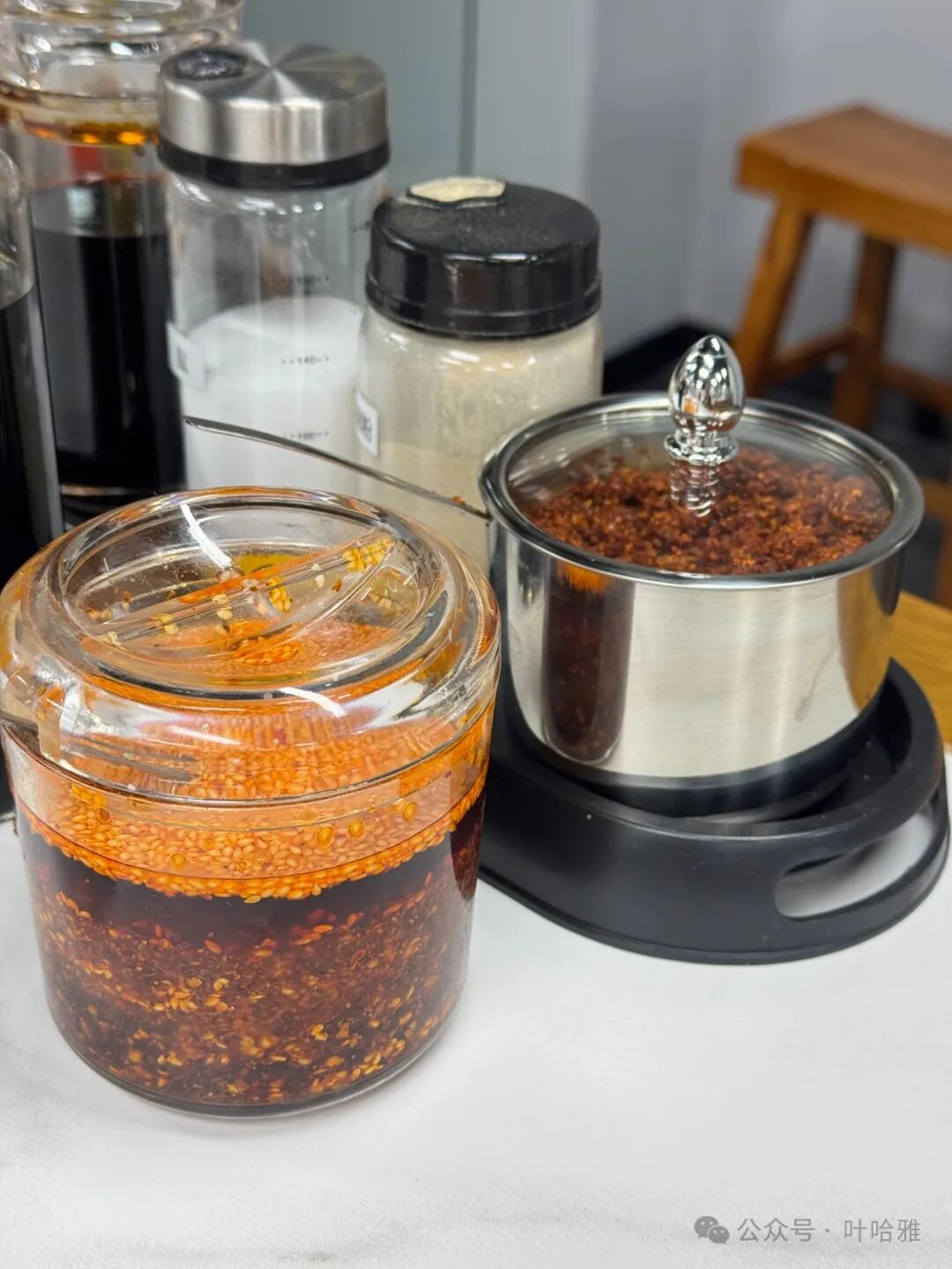
They have two types of chili, and both are quite good. I personally like the dry lamb fat chili.
9. Huijia Sanxiongdi (Three Brothers Returning Home)
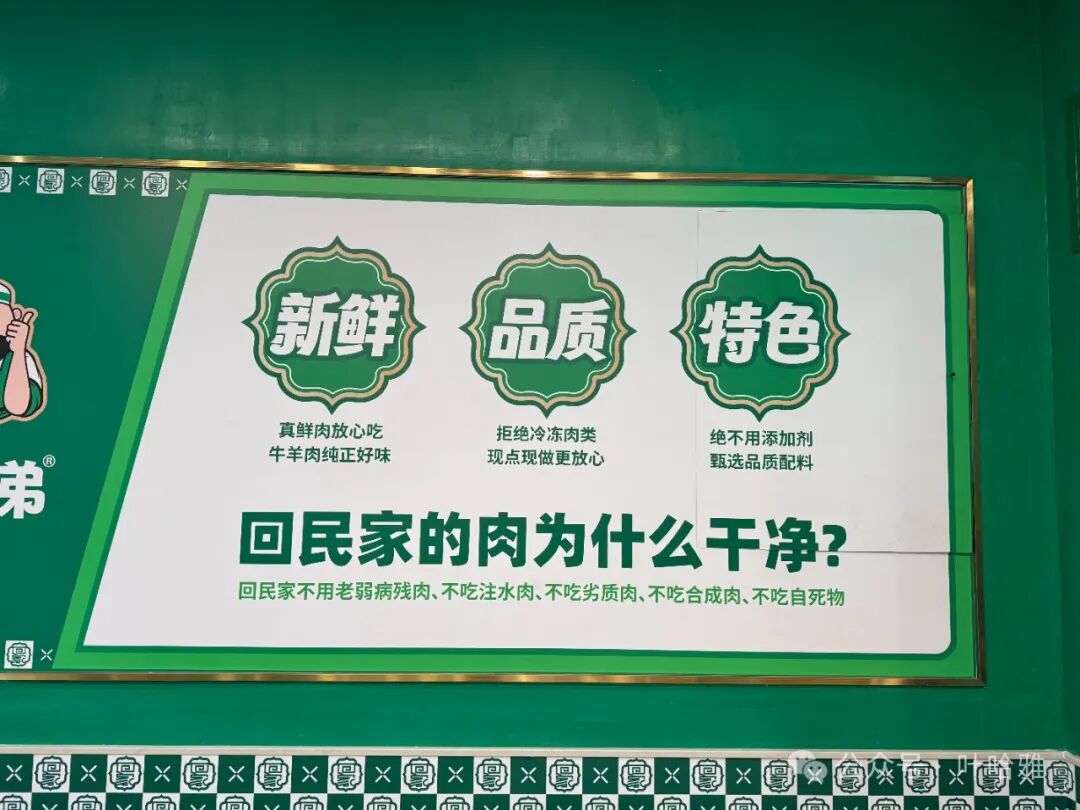
The Three Brothers fast food restaurant has been open for a few months, but it is still just as popular as ever. My post about it on Xiaohongshu got tens of thousands of views.
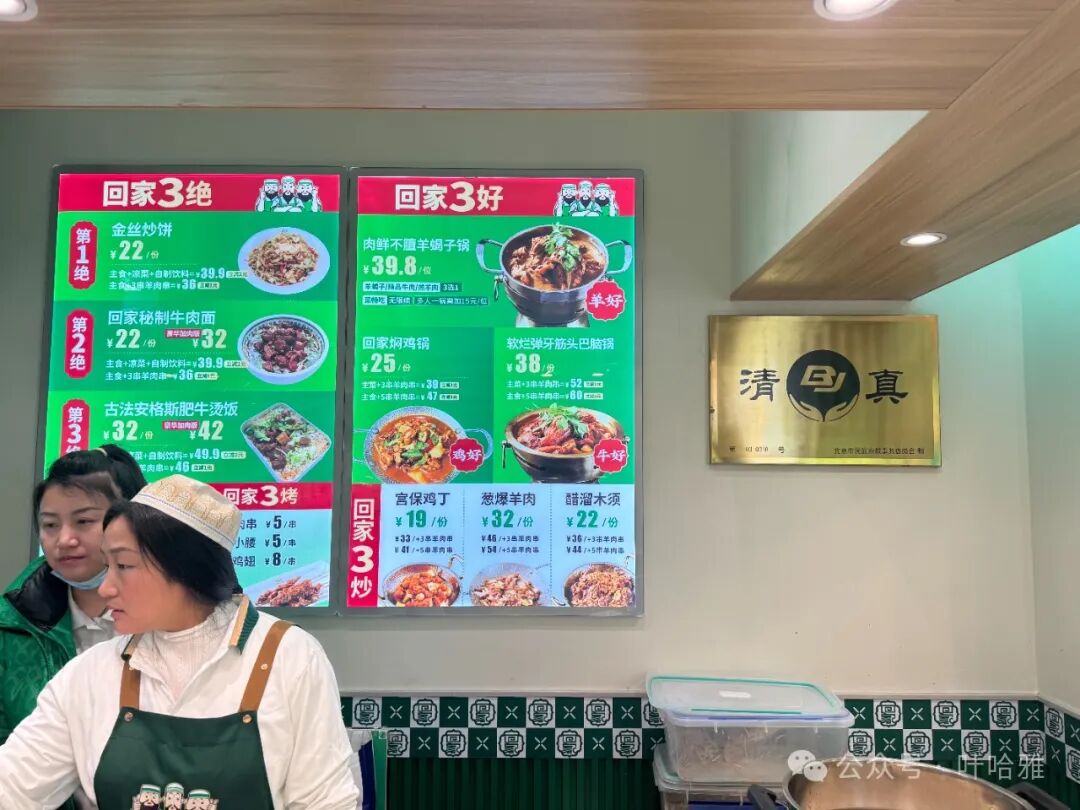
I really love the beef rice soup (tangfan) at Home Three Brothers. Many people on Xiaohongshu do not know what tangfan is. It is actually a one-pot meal made from leftover food that Beijing families eat. People used to only make it at home, so it is surprising to see someone selling it now.
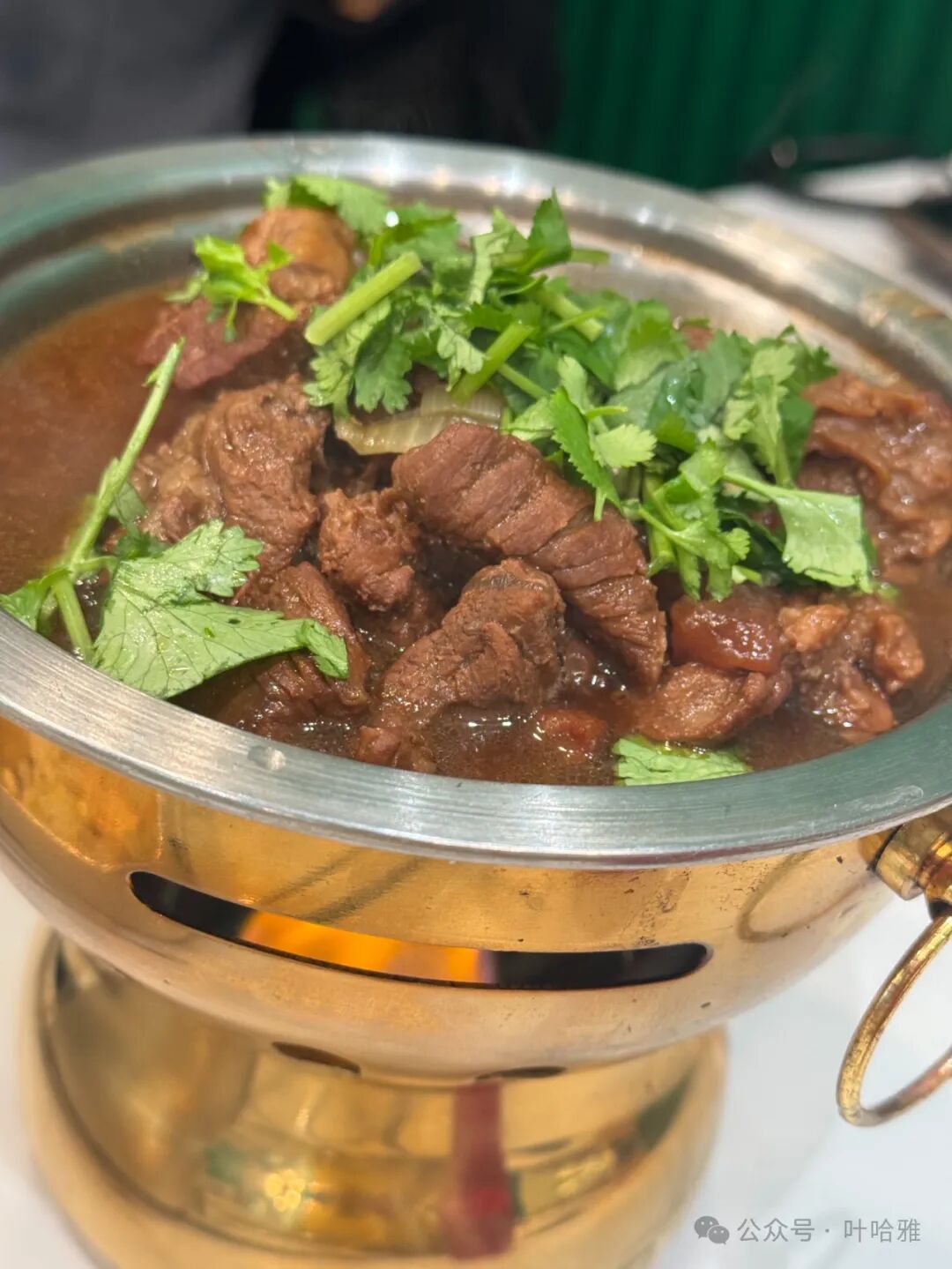
The beef at Home Three Brothers is cooked perfectly. You mix it with rice, and that makes the tangfan.
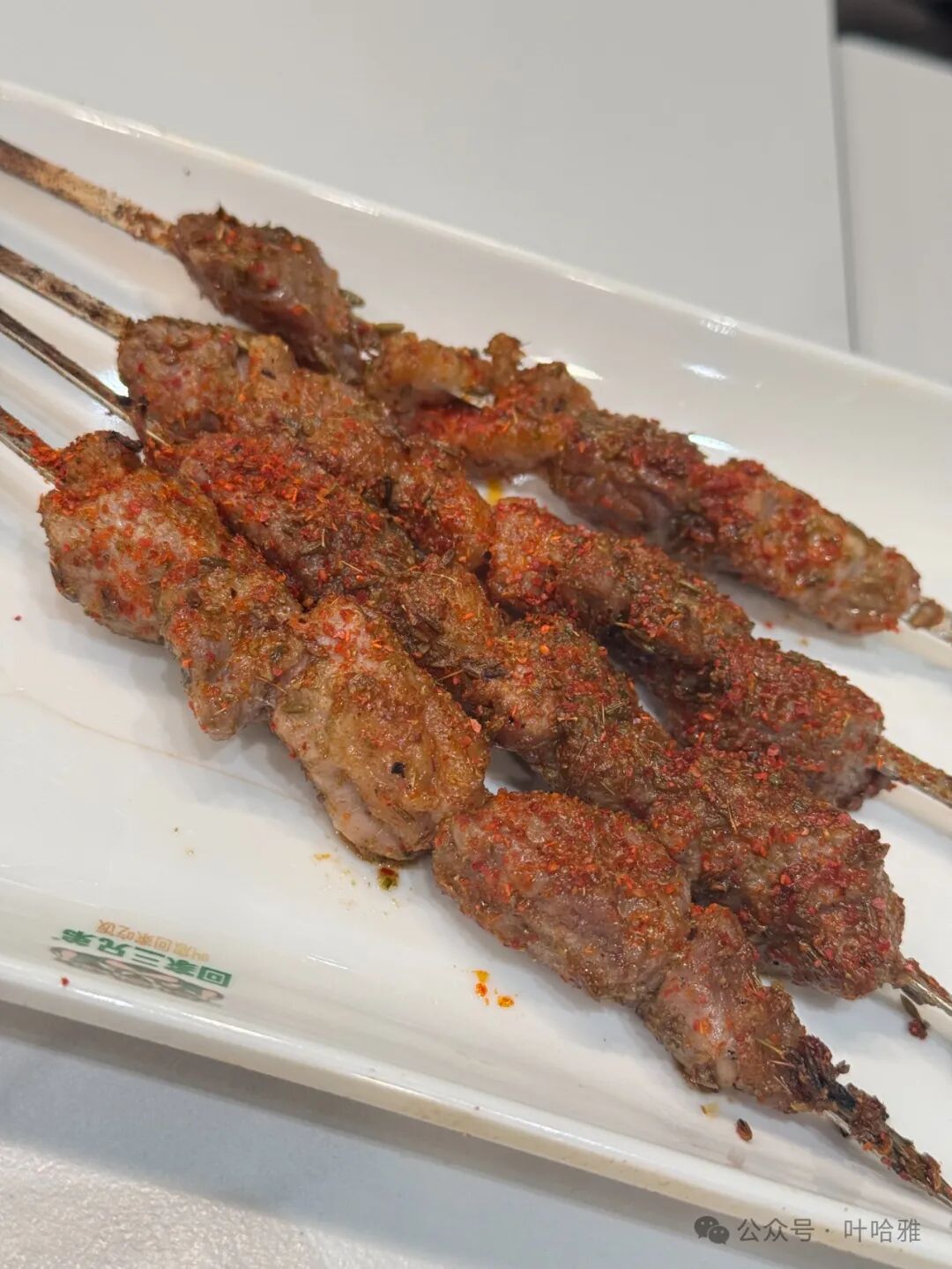
Their side dishes and barbecue (shaokao) are also quite tasty. It is a clean, affordable, and budget-friendly little restaurant.
Summary: This Beijing halal food map issue 48 follows the author's video-channel notes and covers Kashgar bazi noodles, Niuniu Bread & Coffee, nail-head meat pies, Henan braised noodles, iron pot stew, Xiting Xiuse, lamb soup, halal dumplings, and several local Beijing Muslim food spots.
I recently started working on my video channel. I think recording videos is necessary because they spread information much faster than text and images. Videos work for all age groups. Most of my WeChat official account followers are between 20 and 40, but over half of my video channel followers are over 50. Writing a WeChat article, like my Beijing halal food map series, takes at least two hours and gets an average of over 5,000 views. But I can film and post a two-minute video in under 20 minutes, and it easily gets over 10,000 views.
However, text and images carry more information and are better for deep thinking or food recommendations. I do not want to turn my video channel into a food review blog, and those who know me understand that. I also do not want to gain followers by talking about ethnic culture. I will not stop updating the food map series on my text-based account. I just found several new restaurants in Beijing. Here they are for you foodies—hurry back to Beijing from your hometowns to try them before they close.
1. Frontier Feelings (Bianjiang Qing) Kashgar-style noodles (bazi mian)
2. Niuniu Bread & Coffee
3. Diji nail-head meat pies (mending roubing)
4. Henan braised noodles (huimian)
5. Yimuyuan iron pot stew (tieguo dun)
6. Mabeier Noodle Restaurant
7. Xiting Xiuse (WF Central branch)
8. Beiping lamb soup and dumpling restaurant (yangtang jiaozi guan)
9. Huijia Sanxiongdi (Three Brothers Returning Home)
1. Frontier Feelings (Bianjiang Qing) Kashgar-style noodles (bazi mian)
Next to the Tanyang shop is a newly opened place called Kashgar Bazi Noodles. Bazi noodles are a specialty from the Bachu region of Xinjiang. Bazi refers to a hand-pulled noodle technique. They use high-gluten flour from Xinjiang, salt, and water, which makes the noodles quite chewy.
In the open kitchen, Uyghur men pull the noodles. You can choose beef broth for your Bazi noodles. It tastes a lot like the beef noodle soup you find in Beijing, but the hand-pulled noodles give it a much chewier texture.
Their spicy peppercorn chicken (jiaomaji) and plain yogurt are both delicious. The chicken includes dried stem lettuce (gongcai), and the chicken feet are boneless and crunchy. They add grapes to the yogurt, which is a nice touch. The prices are cheap. A bowl of beef Bazi noodles costs 19 yuan, and the service is very attentive.
2. Niuniu Bread & Coffee
A new bakery and cafe has opened on Niujie Street. It is said to be run by a Hui Muslim named Dai. There is a takeout window for bread, and the second floor is a cafe.
When they first opened, all bread was half price. I tried a few items, but they were too sweet, and I think the baking technique needs improvement.
The cafe on the second floor has simple decor. It feels a bit amateur compared to other popular cafes around Niujie, and the location is easy to miss. They will need to work hard to survive on Niujie.
Many people saw the price list I posted and thought it was too expensive. After trying their coffee, I agree that the quality does not match the price.
3. Diji nail-head meat pies (mending roubing)
A new shop selling meat-filled buns (mending roubing) just opened on Niujie Street. They specialize in these buns and also serve some traditional snacks.
The meat-filled buns were not cooked to order when they arrived. The crust was thick, but the meat filling inside was quite solid.
The deep-fried meat strips (zha songrou) tasted good.
The vegetable toppings and the soybean paste sauce for the noodles with soybean paste (zhajiangmian) were quite good, but the texture of the noodles was lacking.
The quick-boiled tripe (baodu) tasted good.
The beef noodles and the noodles with soybean paste were about the same; the noodles were not chewy enough.
The most interesting thing here is the self-service condiment station, which has eight different kinds of vinegar for you to choose from.
The yogurt from Yikuainiu is the same brand as the one at Ziguangyuan, and it has a smooth, creamy texture.
The yellow croaker and the kung pao chicken were both fine. Overall, their snacks are made quite well. Except for the noodles, the food is decent, the prices are cheap, and the portions are small, with an average cost of less than 50 yuan per person.
4. Henan Yukai Braised Noodles (huimian)
The Qingu Barbecue restaurant in Changying has closed, and it is now a Henan braised noodles shop.
The interior decor has not changed, and the Qingu sign is still there.
Their braised noodles (huimian) are really delicious. I ordered a clay pot version, and both the noodles and the broth were great.
5. Yimuyuan iron pot stew (tieguo dun)
A new halal iron pot stew (tieguodun) restaurant just opened in Fengtai. It was half-price when I visited. The owner is a Hui Muslim from Dachang, Hebei, where he also has a chain of restaurants.
The place has a traditional Northeast floral decor vibe, the staff are very friendly, and there is a parking lot at the entrance.
I ordered my favorite Qingjiang fish, which has very few bones and plenty of meat.
They serve sweet and sour stir-fried meat (guobaorou) that is actually quite good. Overall, this place offers great value and tasty food, so it is worth a visit.
6. Mabeier Noodle Restaurant
Mabeier Hot Pot replaced their deli section with a hand-pulled noodle shop.
The Mabeier noodle shop serves Northwest-style hand-pulled noodles (lamian). I did not have high expectations, but I was pleasantly surprised by how good it tasted.
The broth and noodles are both well-made. You can tell the broth is not made from concentrates, the noodles have a great texture, and the chili oil is fragrant. Pairing them with their lamb skewers made for a very satisfying meal that far exceeded my expectations.
7. Xiting Xiuse (WF Central branch)
Wangfujing finally has a decent halal restaurant again. The new Xiting Xiuse Turkish Restaurant branch at WF Central has a different menu and atmosphere compared to their previous locations.
Overall, this place looks a bit more upscale, but the prices have actually gone down.
The servers all have an exotic look, and they are all very good-looking, both men and women.
The head chef from the original shop is now in charge here, so the food quality stays the same.
It gets busy on weekends, so you might have to wait for a table during peak hours.
There is an underground parking lot with plenty of spaces, but there are no parking discounts.
The average cost per person is over 200.
8. Beiping lamb soup and dumpling restaurant (yangtang jiaozi guan)
This is the original shop reopening; it used to be at the Workers' Stadium (Gongti) and now it is back.
Their signature lamb bone broth (yangtang) and sesame flatbread (shaobing) are both decent, but I think the flatbread is better.
I wasn't full after the lamb bone broth, so I tried their dumplings. These handmade dumplings are shaped exactly how I like them.
They have two types of chili, and both are quite good. I personally like the dry lamb fat chili.
9. Huijia Sanxiongdi (Three Brothers Returning Home)
The Three Brothers fast food restaurant has been open for a few months, but it is still just as popular as ever. My post about it on Xiaohongshu got tens of thousands of views.
I really love the beef rice soup (tangfan) at Home Three Brothers. Many people on Xiaohongshu do not know what tangfan is. It is actually a one-pot meal made from leftover food that Beijing families eat. People used to only make it at home, so it is surprising to see someone selling it now.
The beef at Home Three Brothers is cooked perfectly. You mix it with rice, and that makes the tangfan.
Their side dishes and barbecue (shaokao) are also quite tasty. It is a clean, affordable, and budget-friendly little restaurant.
