
Muslim History Guide Indonesia Kotagede: Mataram Capital, Mosques and Java Muslim Heritage
Reposted from the web
Summary: Muslim History Guide Indonesia Kotagede: Mataram Capital, Mosques and Java Muslim Heritage is presented here as a clear Muslim travel account, beginning with this scene: Kotagede is now a small town in the southeastern suburbs of the ancient Javanese city of Yogyakarta, famous for its silverwork, but the name Kotagede originally meant great city. The account keeps its focus on Kotagede Mosques, Indonesia Muslim Travel, Mataram Sultanate while preserving the names, places, food, and historical details from the Chinese source.
Kotagede is now a small town in the southeastern suburbs of the ancient Javanese city of Yogyakarta, famous for its silverwork, but the name Kotagede originally meant great city. Between the 1570s and 1613, this place was the first capital of the Mataram Sultanate.
The Mataram Sultanate was the most powerful Islamic kingdom on Java in the 17th century, and it later split into the Yogyakarta and Surakarta sultanates in 1755, which both still exist today. Kotagede still houses the royal tombs of the Mataram Sultanate, and the tomb guards are employed by both the Yogyakarta and Surakarta sultanate families, making it a famous pilgrimage site for people from both places.
Founding the Mataram Sultanate
Reliable historical records only began after the Mataram Sultanate started working closely with the Dutch East India Company in the 17th century, as earlier historical materials are very limited and filled with myths.
In early historical records, Kotagede was originally a forest. In 1568, Hadiwijaya, a minister of the Demak Sultanate, sent Kyai Gedhe Pamanahan to kill the last sultan, Arya Penangsang, and establish the Pajang Kingdom. To reward Kyai Gedhe Pamanahan for his service, Sultan Hadiwijaya granted Kotagede to Ki Ageng Pemanahan. Pemanahan and his adopted son, Danang Sutawijaya, cleared the forest to build the first settlement, which they named Mataram, and Pemanahan became known as the King of Mataram (Ki Gedhe Mataram).
After Pemanahan died in 1575, Danang Sutawijaya declared himself the King of Mataram, but Mataram was still a vassal of the Pajang Kingdom at that time. A major power struggle occurred in the Pajang Kingdom in 1582, and Sutawijaya took the chance to break free from Pajang rule, officially establishing the Mataram Sultanate in 1587.
In 1601, Prince Mas Jolang became the second Sultan of Mataram. During his reign, he built many structures in Kotagede, the most important of which was the Prabayeksa built within the palace. In the Yogyakarta palace that survives today, the Prabayeksa is a massive wooden building that served as the sultan's private inner chamber, housing many magical treasures and weapons. Jolang also built several pleasure gardens (taman).
In 1613, Prince Mas Rangsang became the third Sultan of Mataram. Rangsang was known as the Great Sultan (Sultan Agung) and was the most powerful ruler in the history of the Mataram Sultanate. While expanding his territory, he moved the capital from Kotagede to Kerta, 5 kilometers to the south, ending Kotagede's history as the capital.
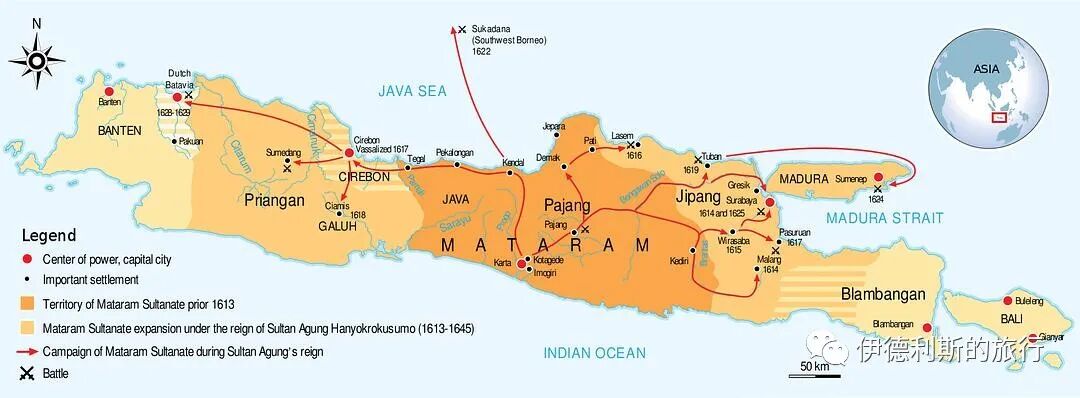
Territory of the Mataram Sultanate
Great Mosque of Mataram
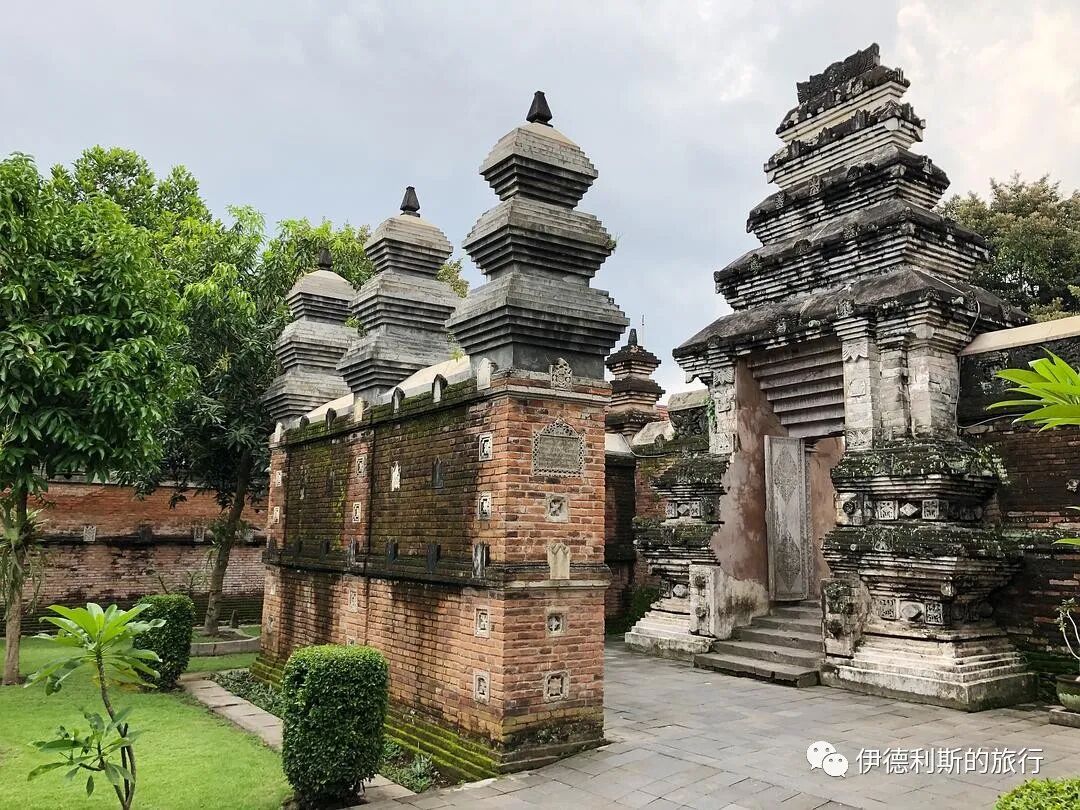
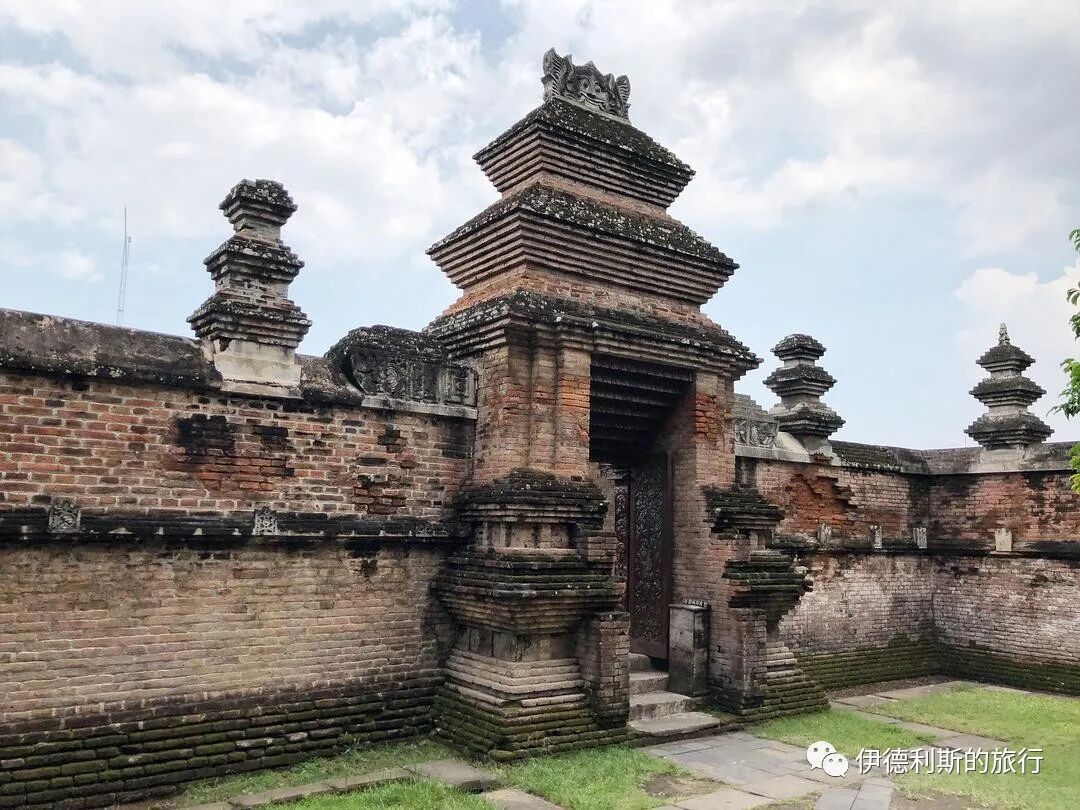
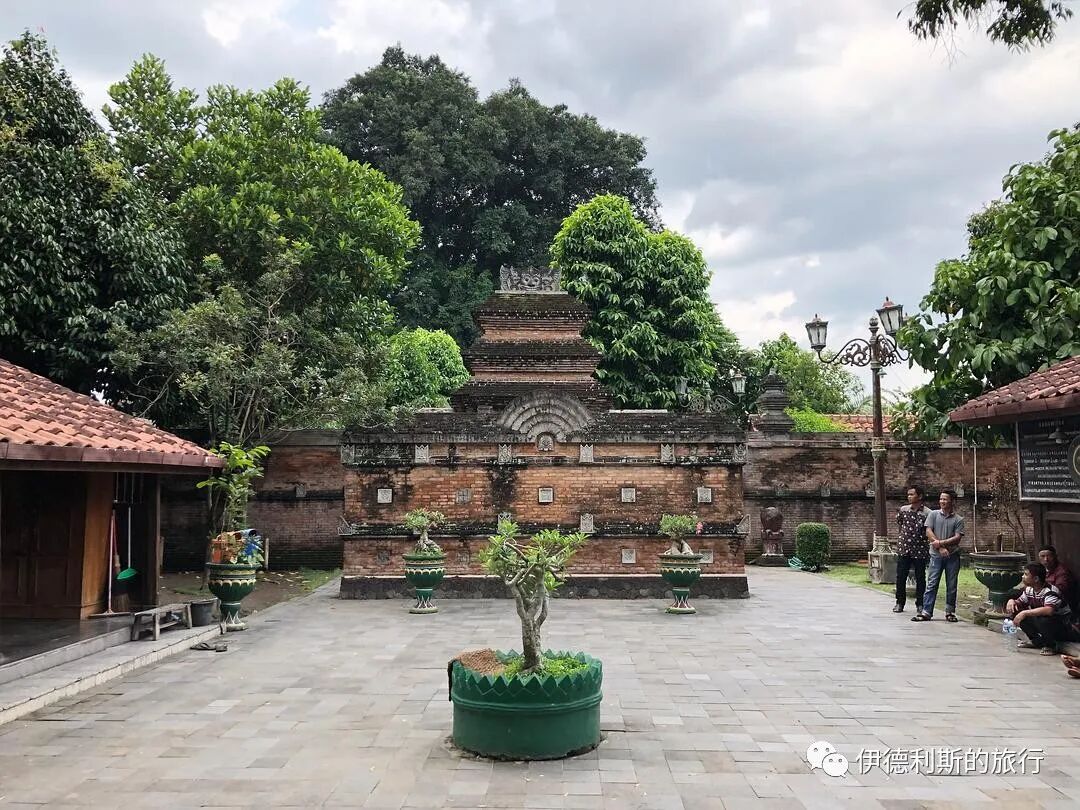
The Great Mosque of Mataram (Masjid Gedhe Mataram) is the most important architectural relic of the Mataram Sultanate. The mosque was first built in 1575, and the original walls and gates are still preserved today.
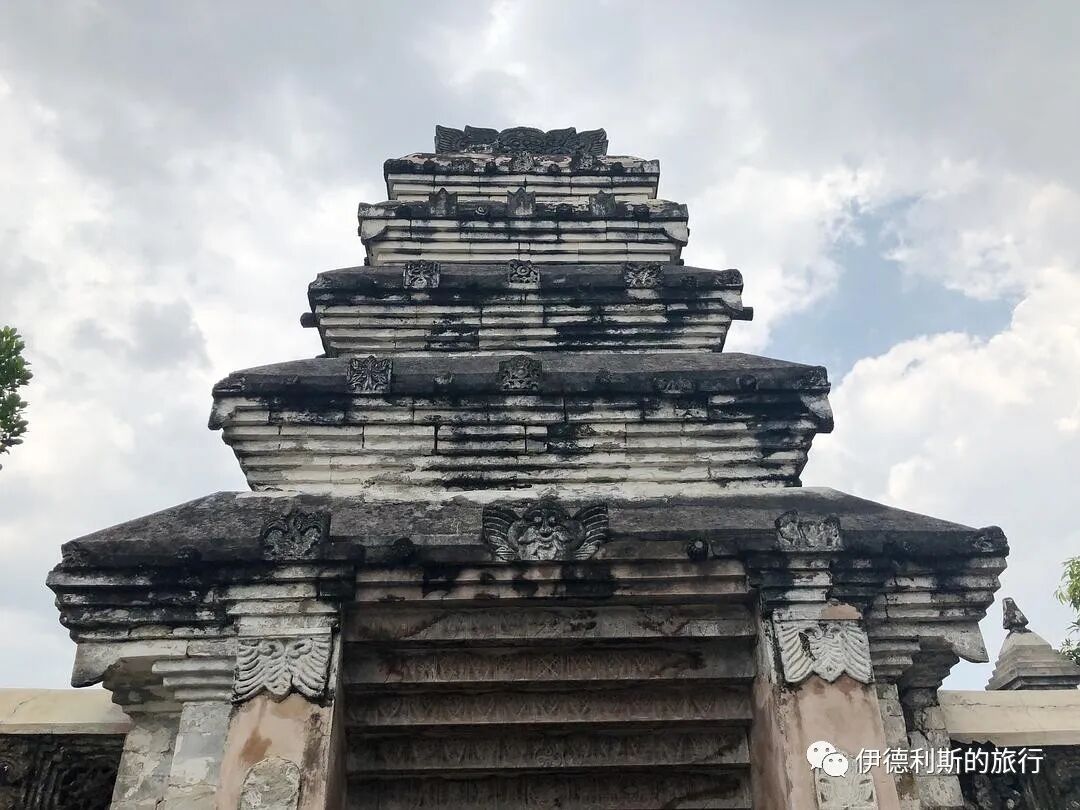
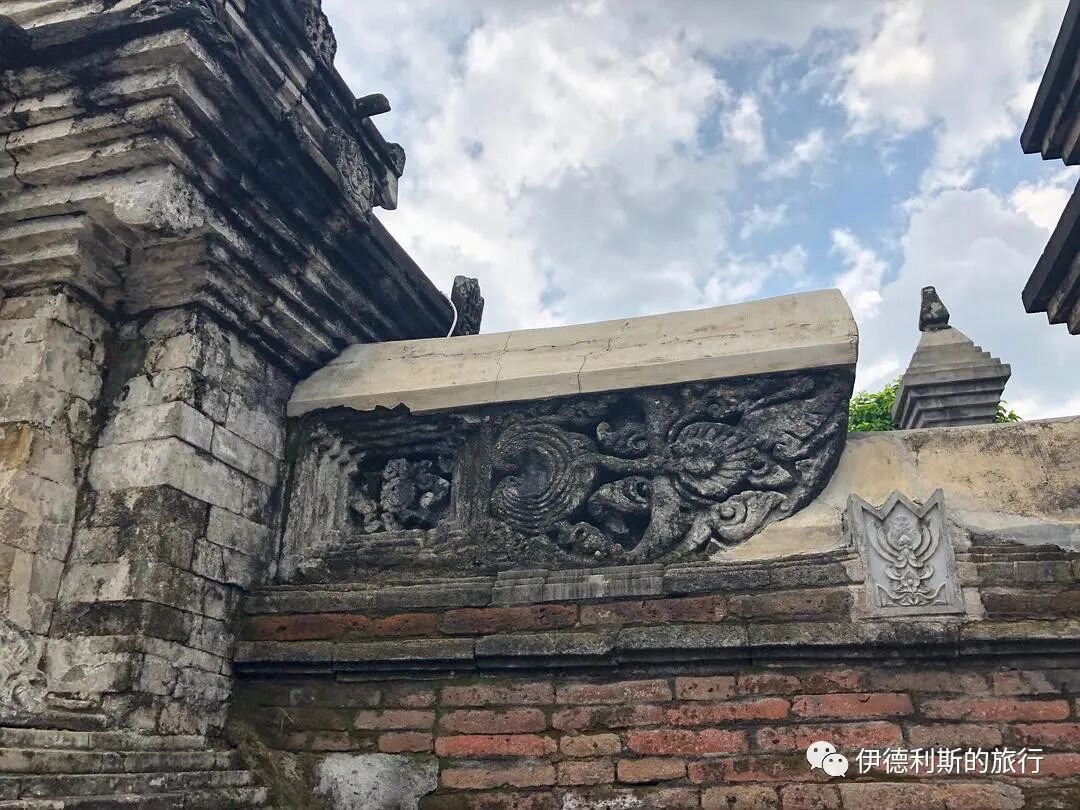
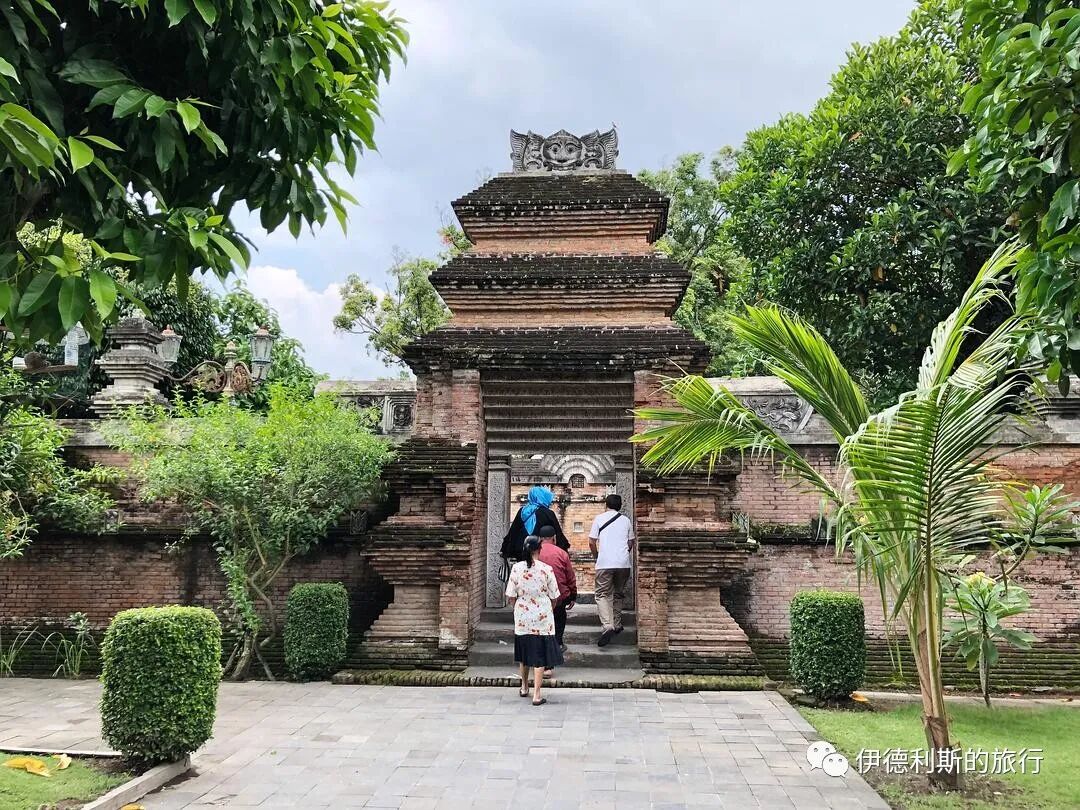
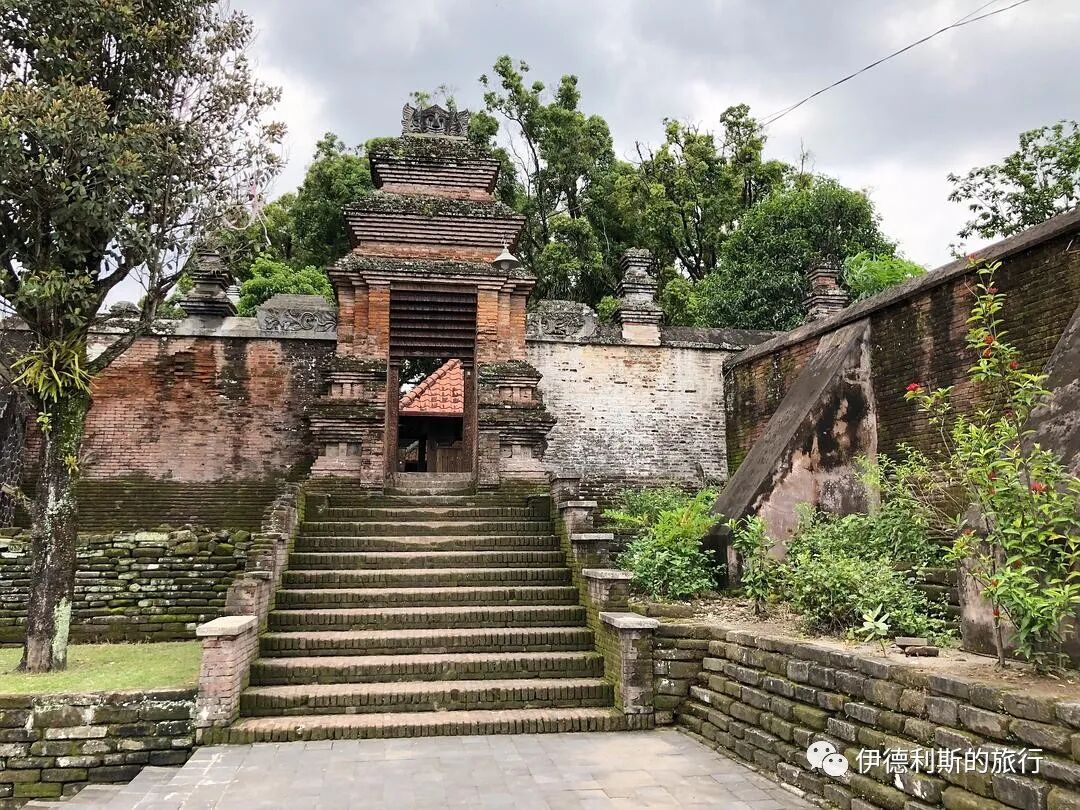
This style of gate, known as Paduraksa, comes from the ancient Hindu gopuram gate, which was widely used in old Javanese Hindu and Buddhist temples from the 8th to 9th centuries and was adopted by Islamic sultanate mosques, palaces, and cemeteries after the 15th century. When used for non-Hindu buildings, this architectural style is generally called Kori Agung. The main gate of the Great Mosque of Mataram is known as one of the most classic Kori Agung gates on Java island.
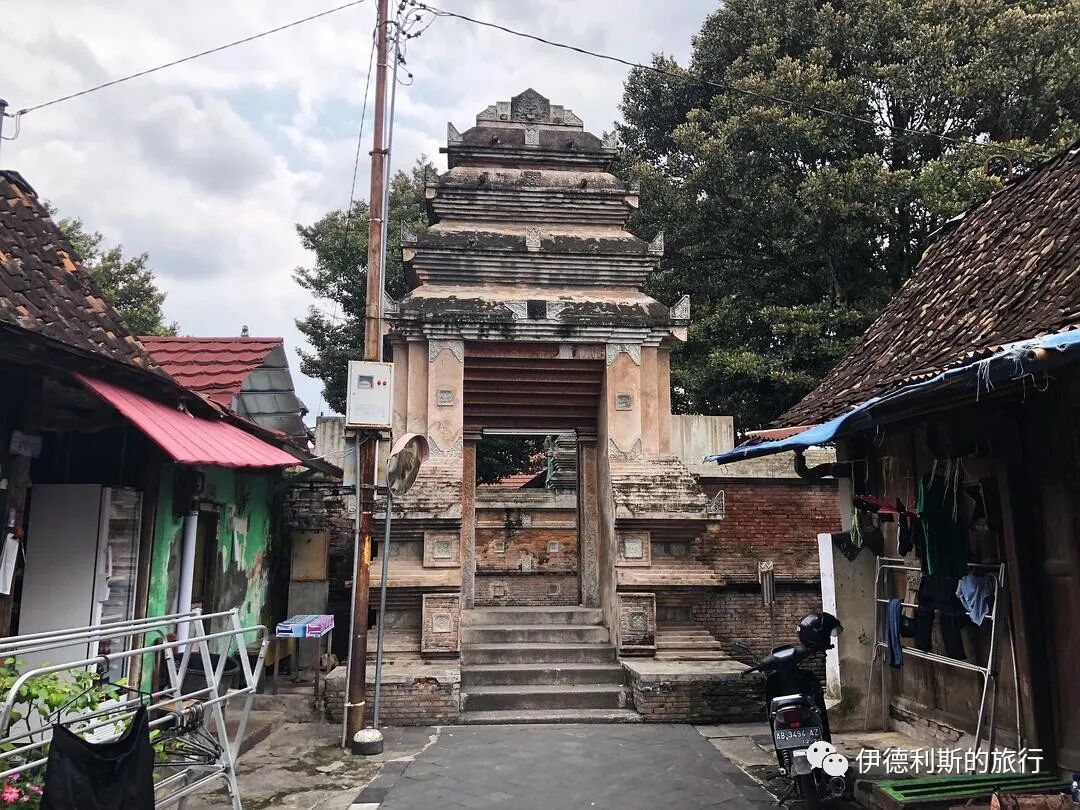
Outside of the east gate
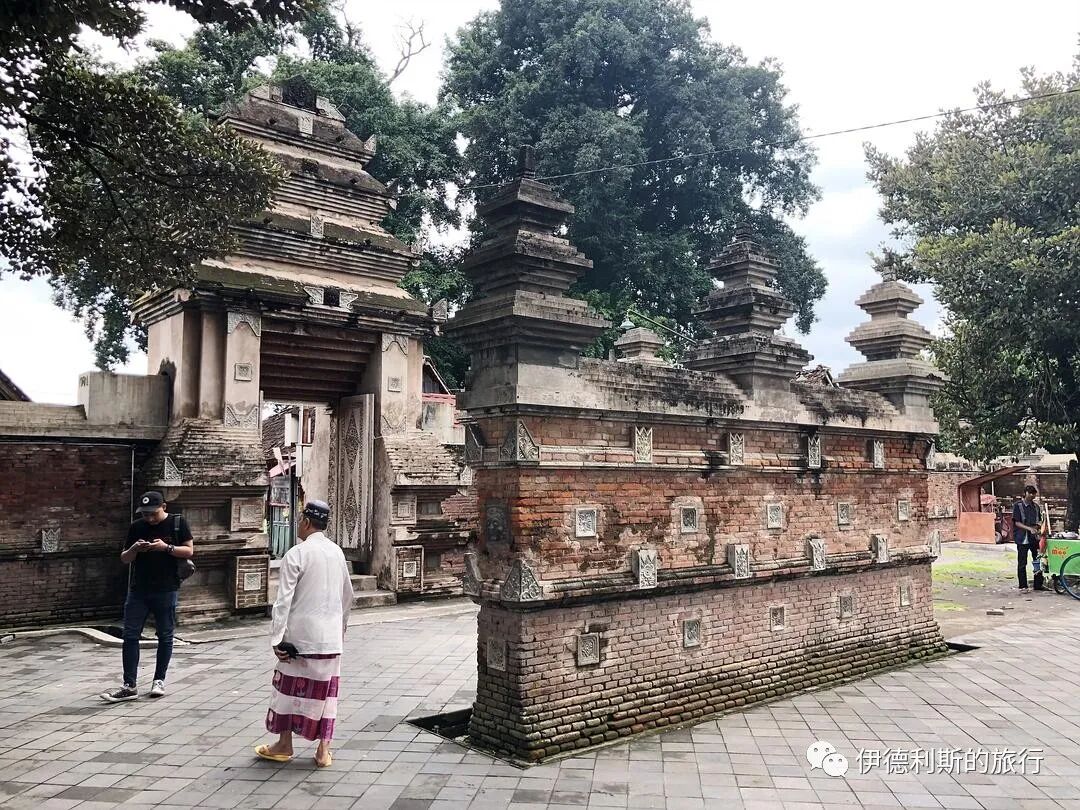
Inside of the east gate
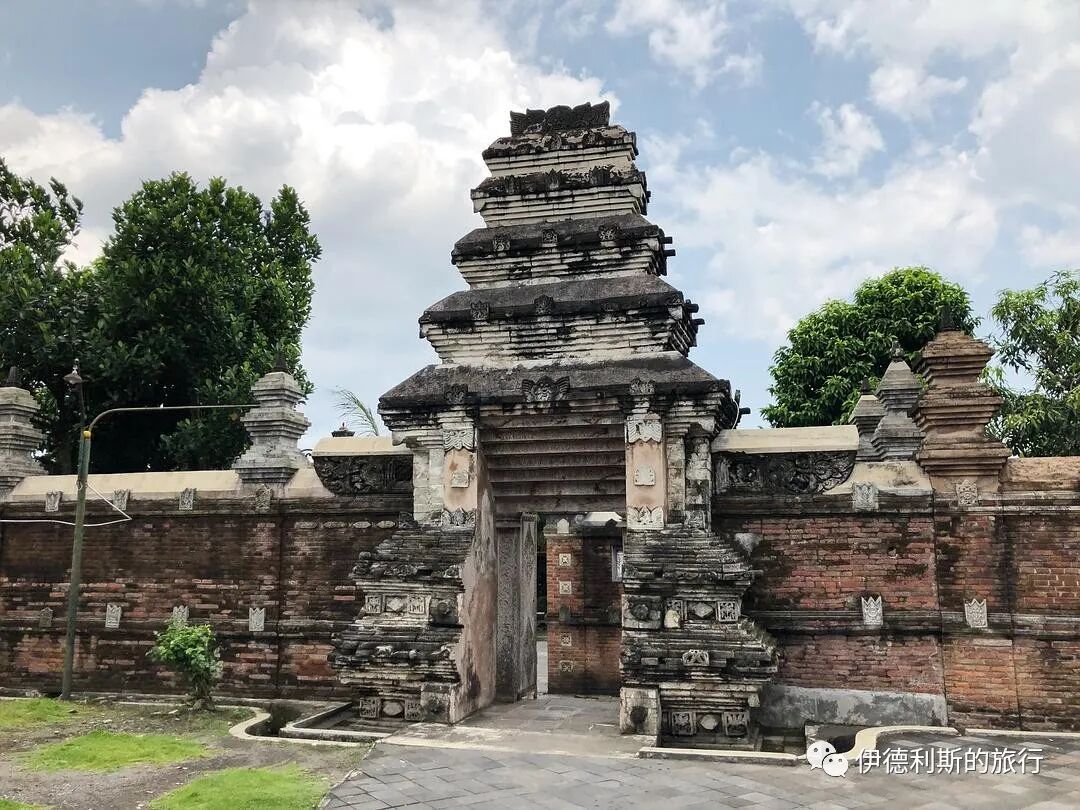
Inside of the south gate
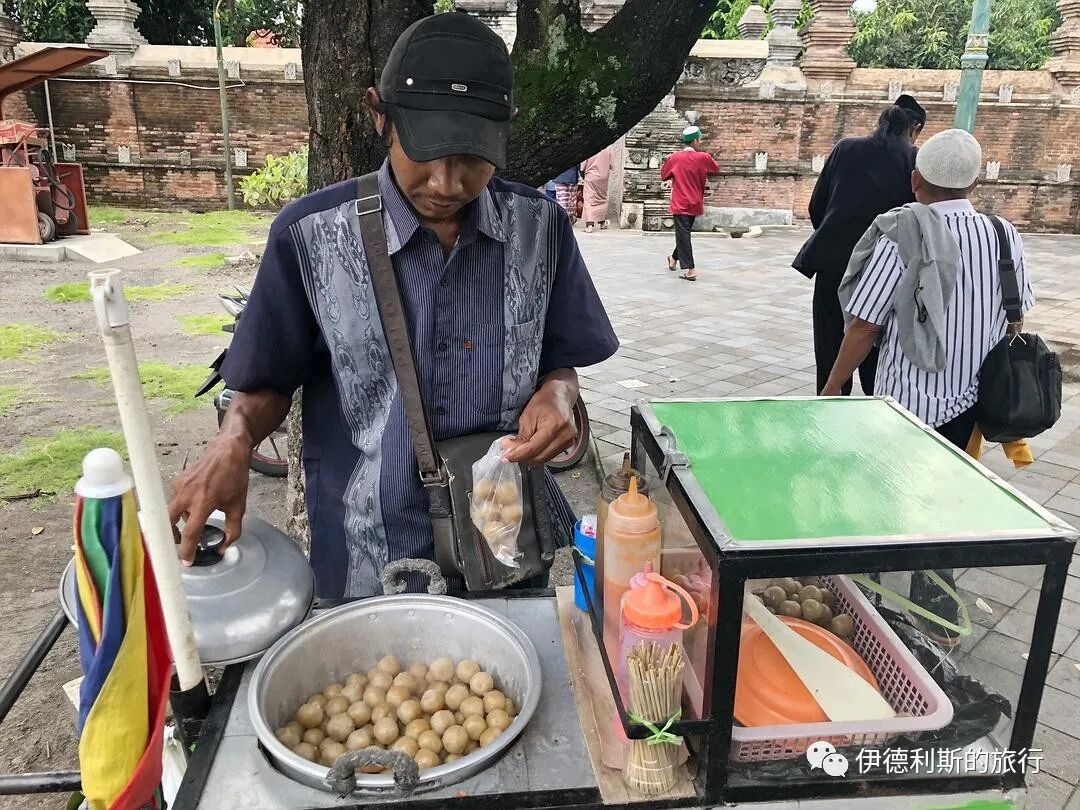
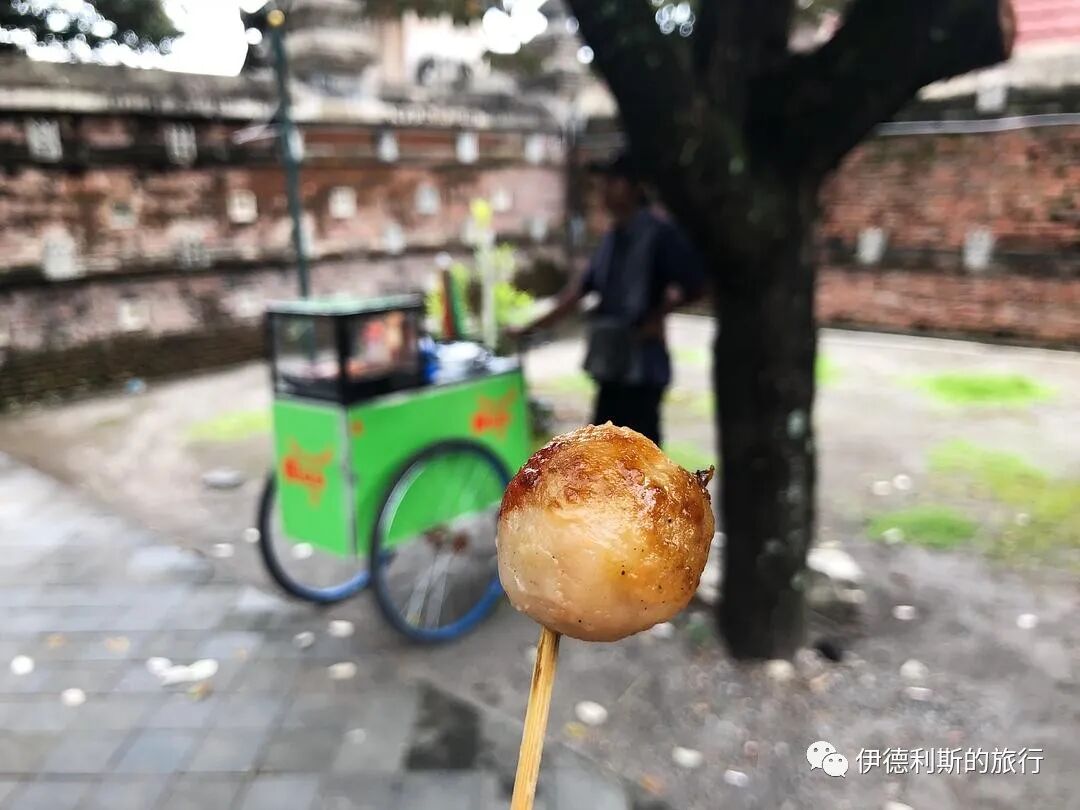
Fish balls (yüwan) eaten in the courtyard
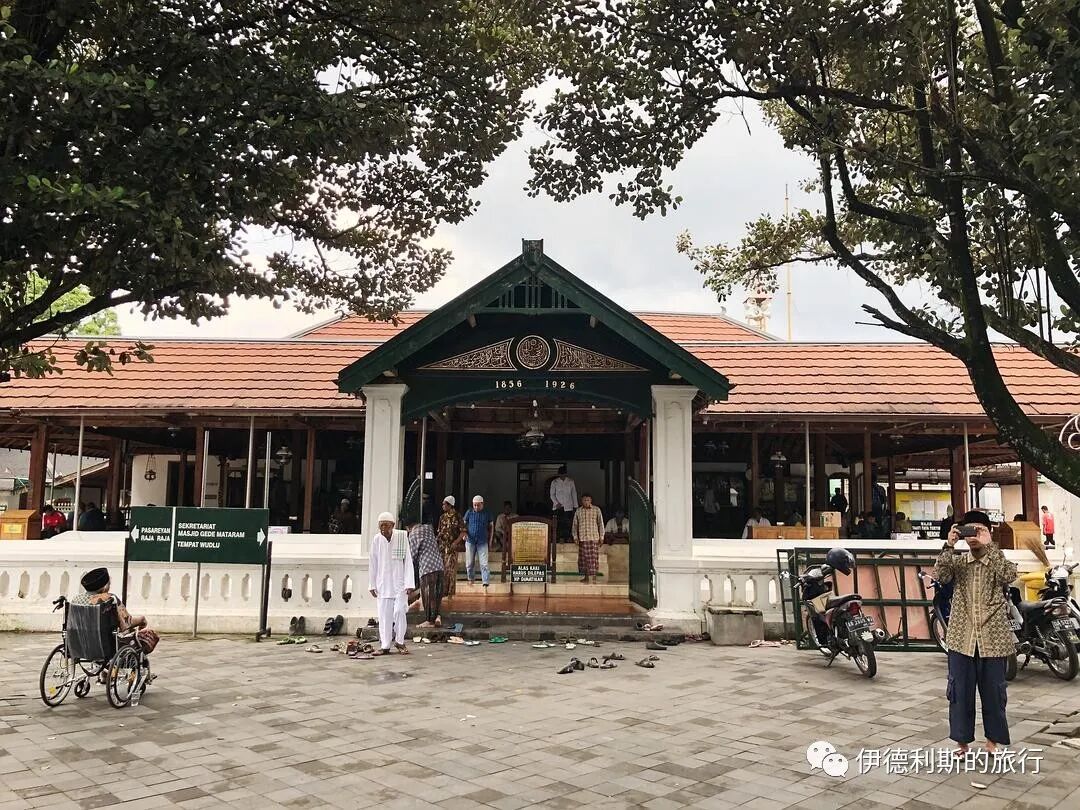
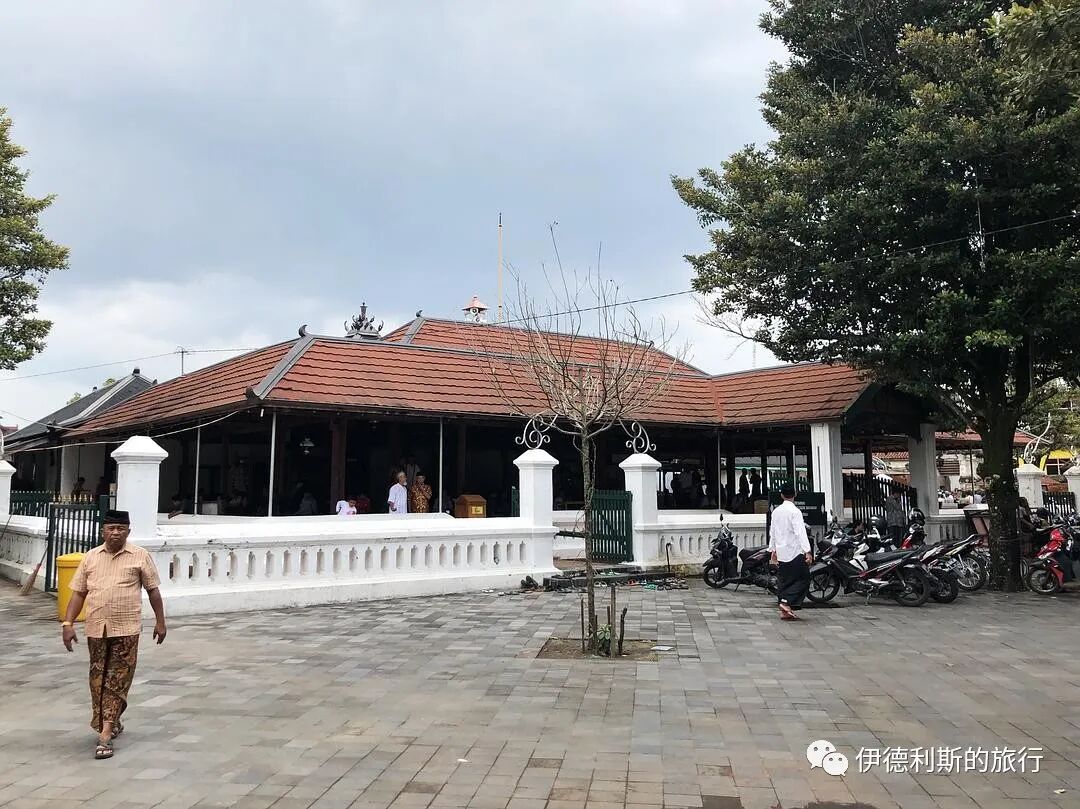
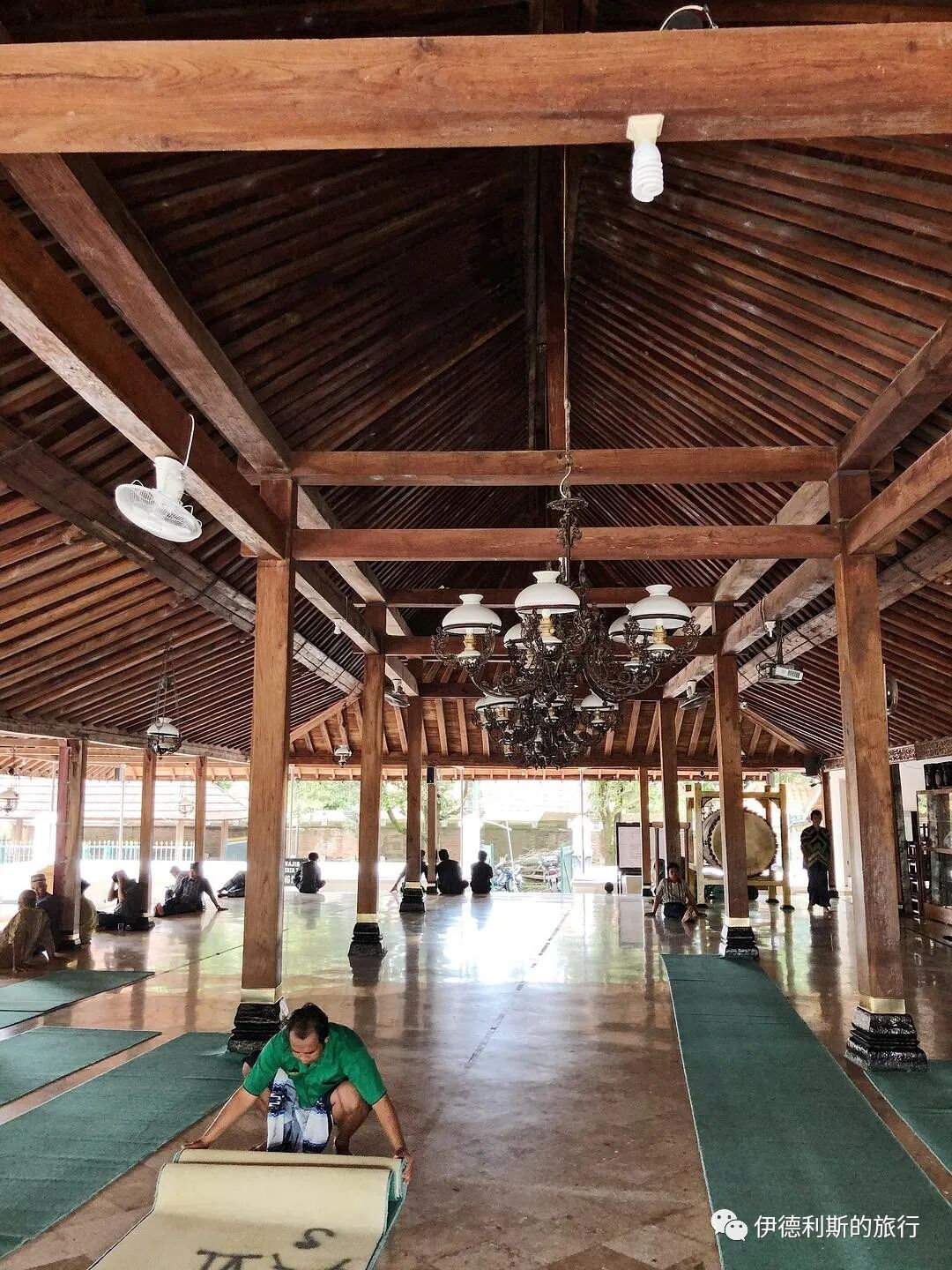
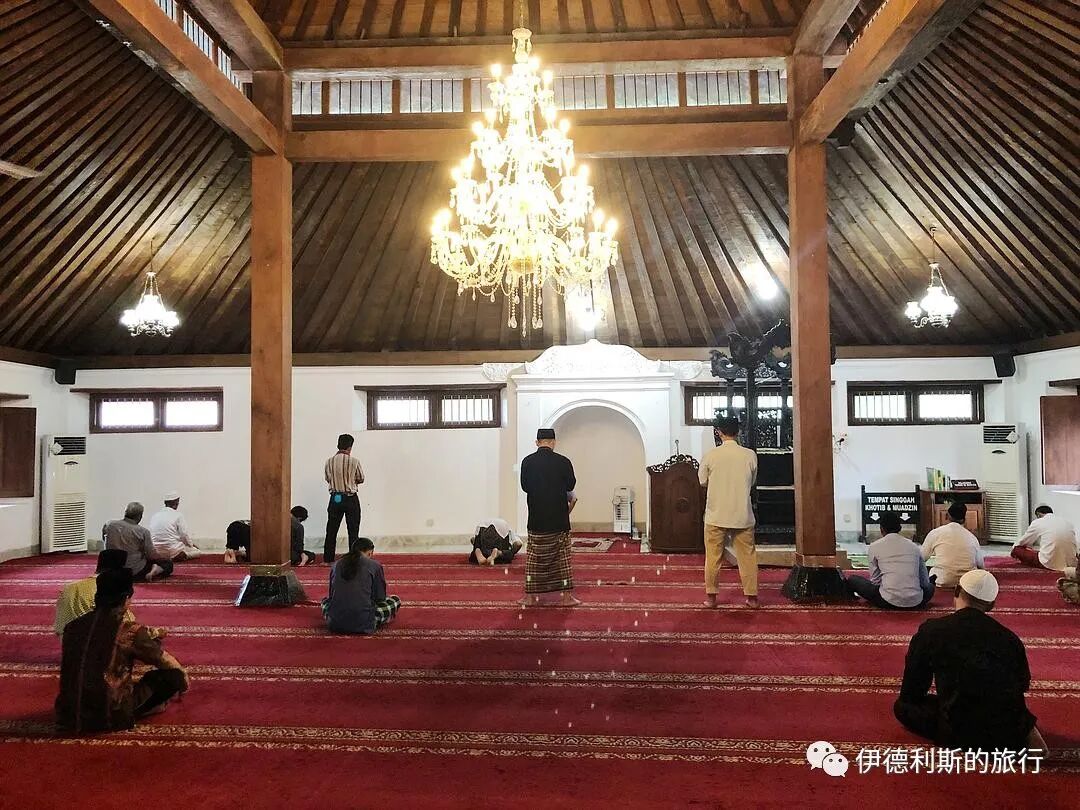
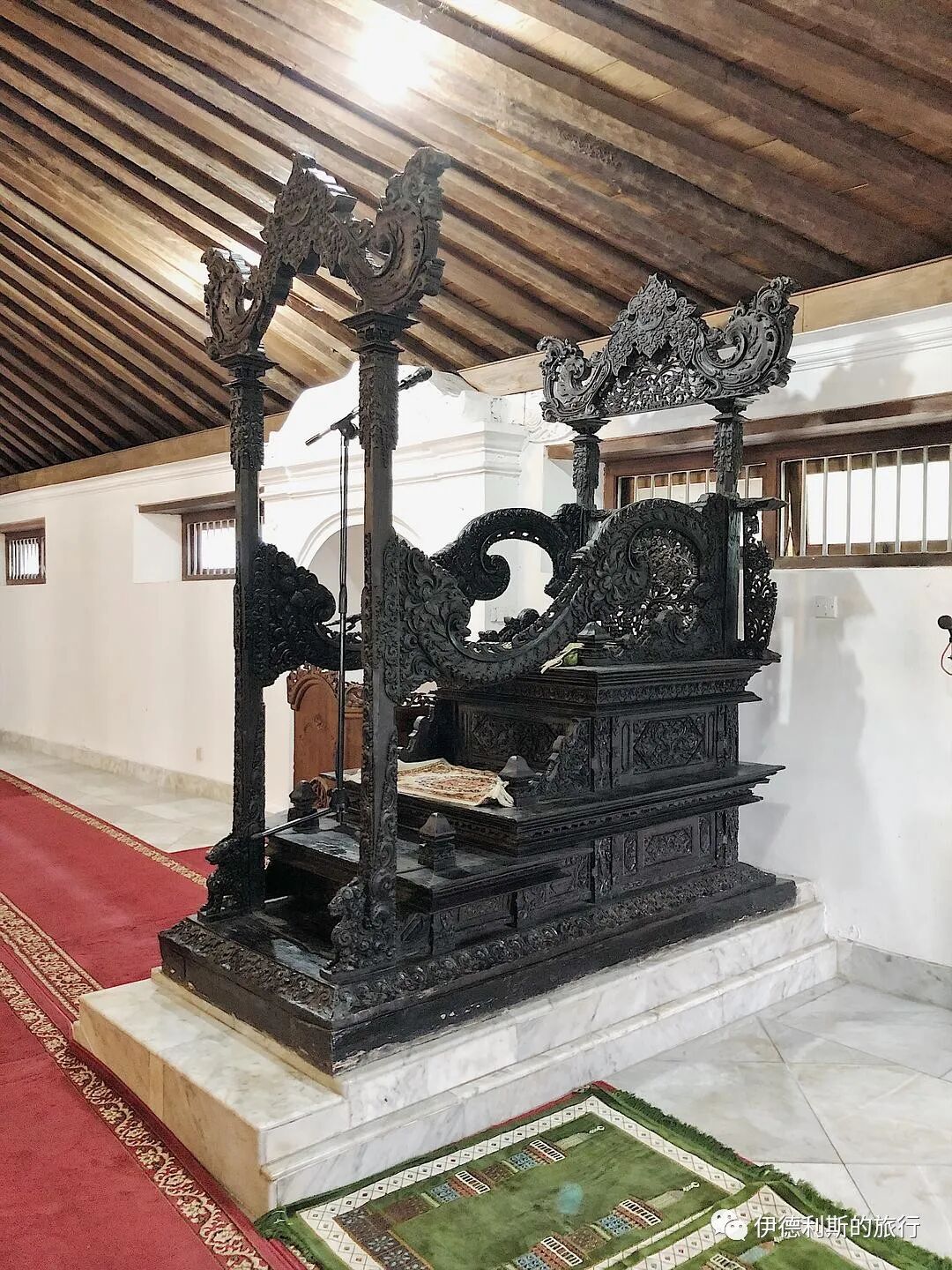
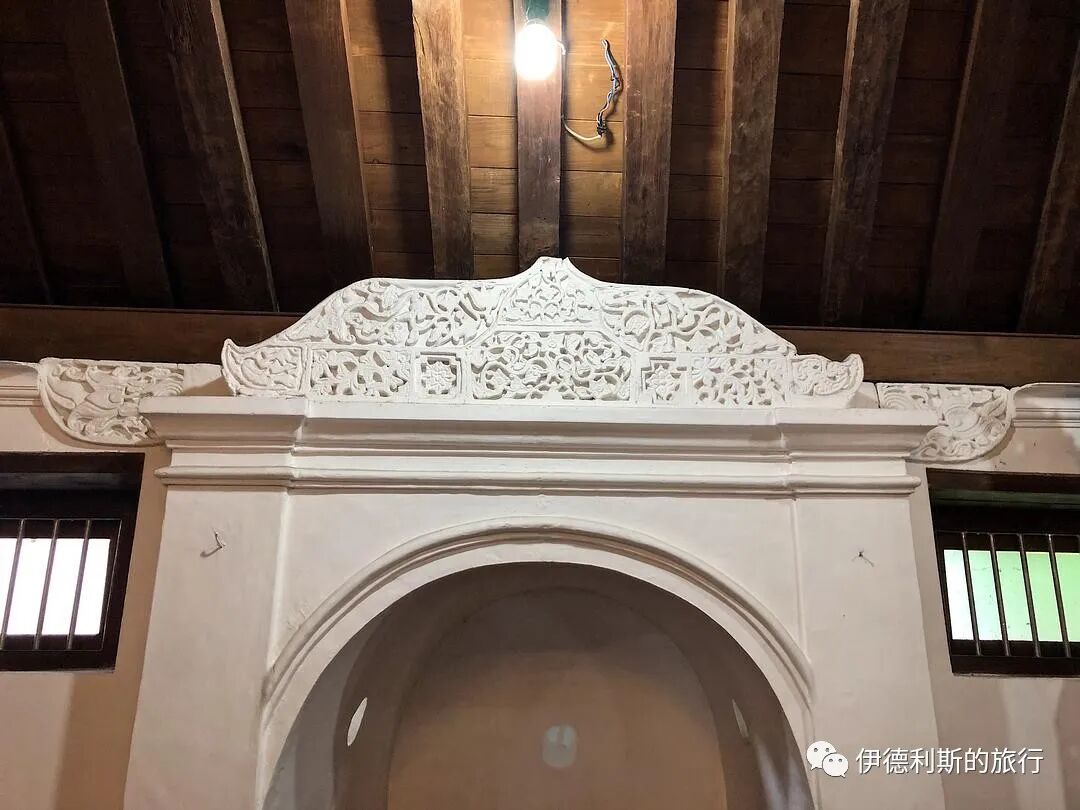
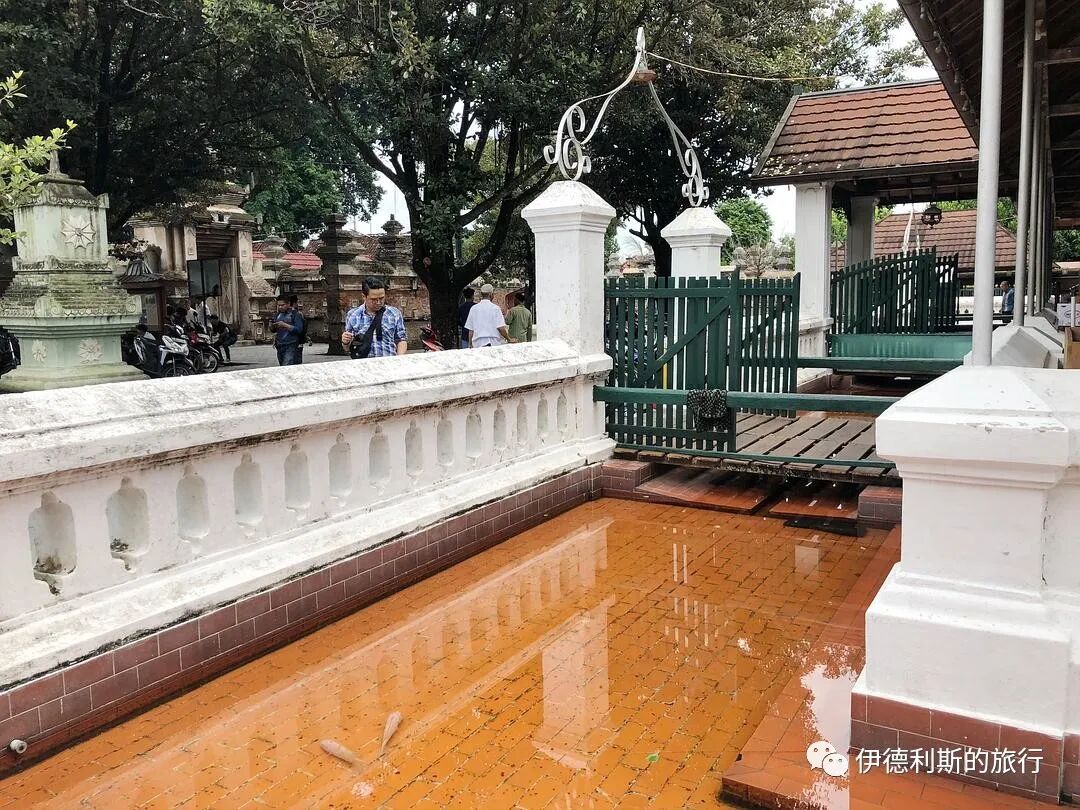
The main hall of the mosque was rebuilt in the 17th century by Sultan Agung and later repaired several times by the sultans of Yogyakarta and Solo. The current building was rebuilt after a fire in 1926 and still keeps the traditional Javanese mosque style. The mosque consists of a main hall and a front porch called a serambi, surrounded by a pool of water. Traditionally, dipping your feet in the pool before entering the main hall symbolizes purification.
Mataram Sultan Tombs
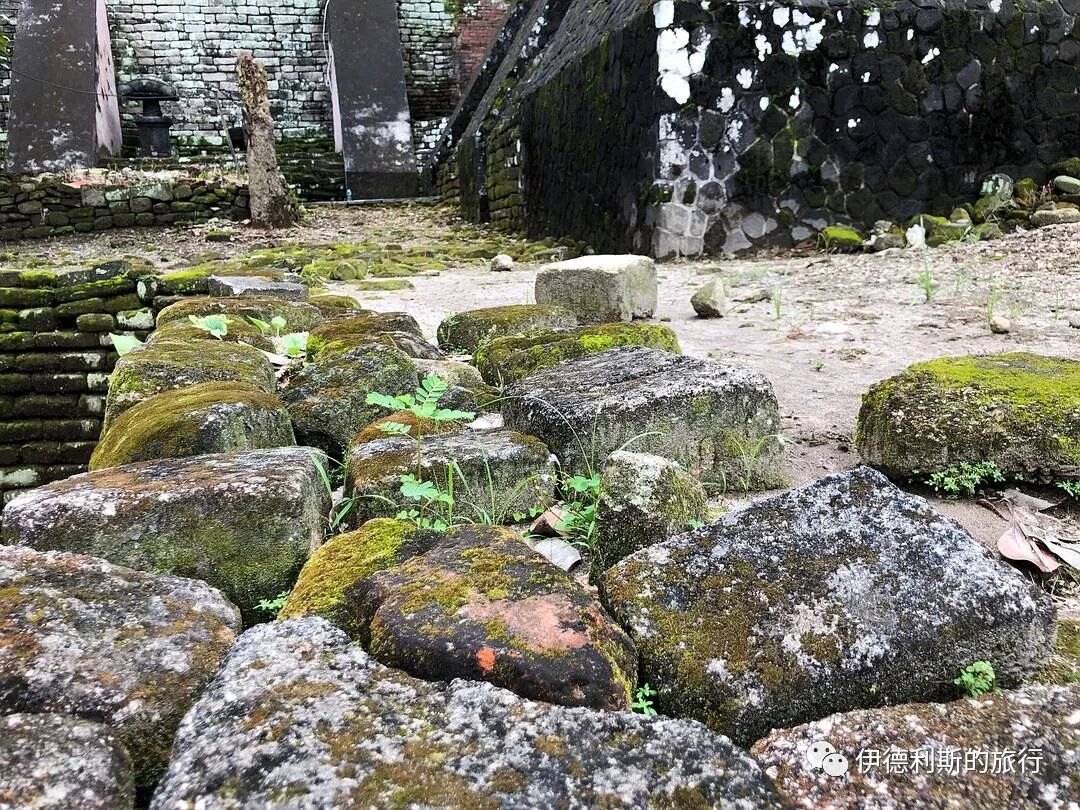
The Mataram Sultan Tombs (Makam Kota Gede) are located on the west side of the mosque and hold the grave of Ki Gedhe Mataram, the founder of the Mataram Sultanate. The tomb guards, called Juru Kunci, are hired jointly by the two sultan families of Yogyakarta and Solo.
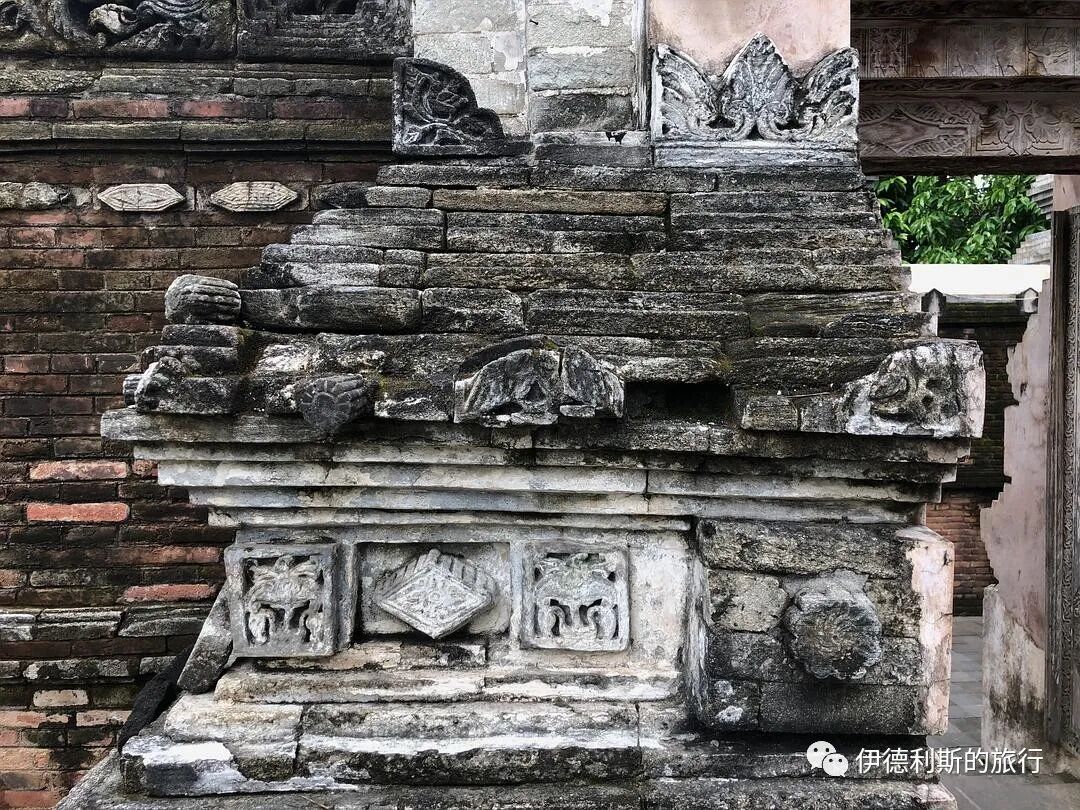
The stone carving on the gate comes from the Javanese Hindu god of the underworld, Batara Kala, who is also the god of time and destruction. In traditional Javanese mythology, Batara Kala is the son of the Javanese version of Shiva, Batara Guru, and his eating of the sun is the cause of solar eclipses.
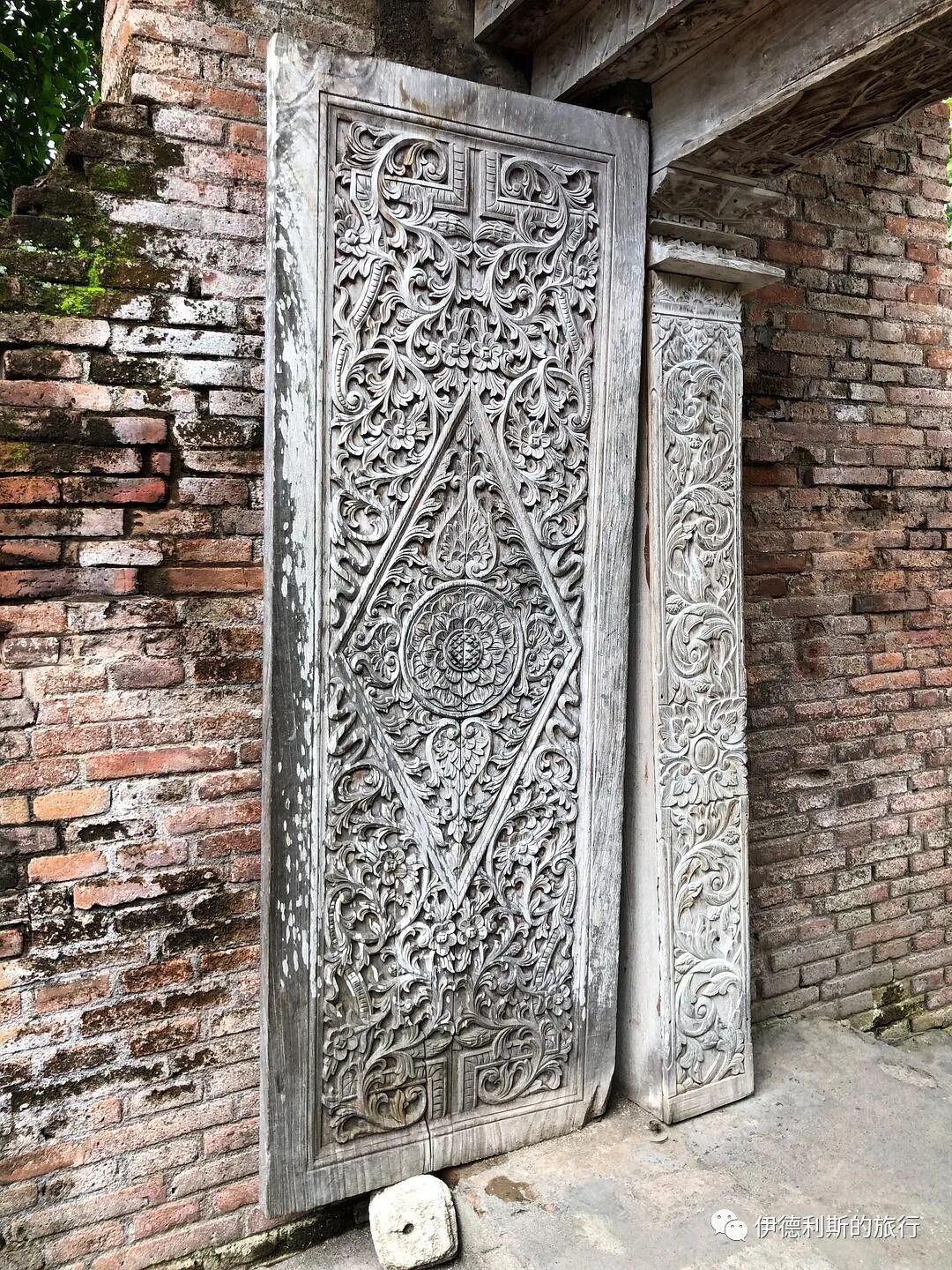
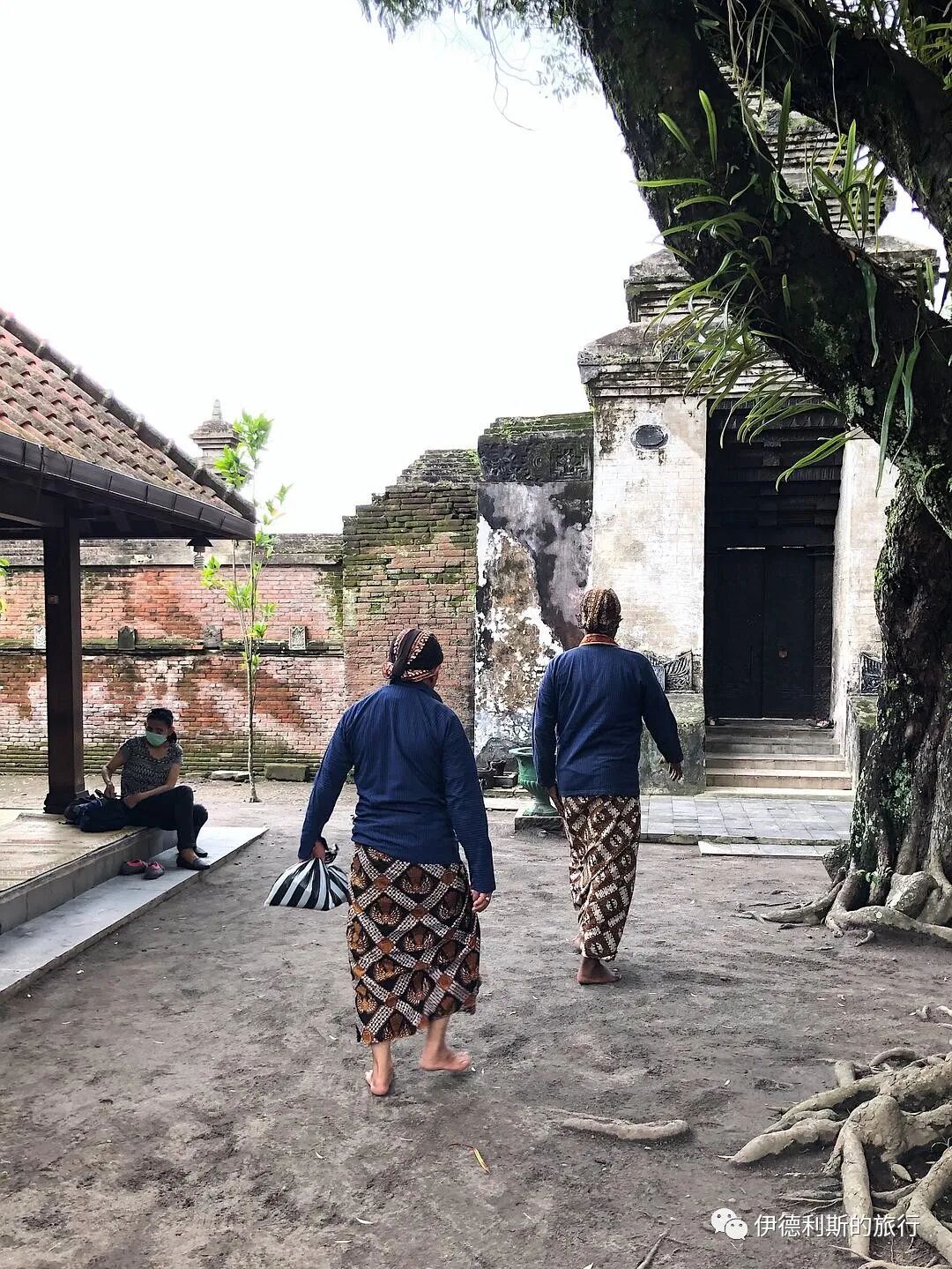
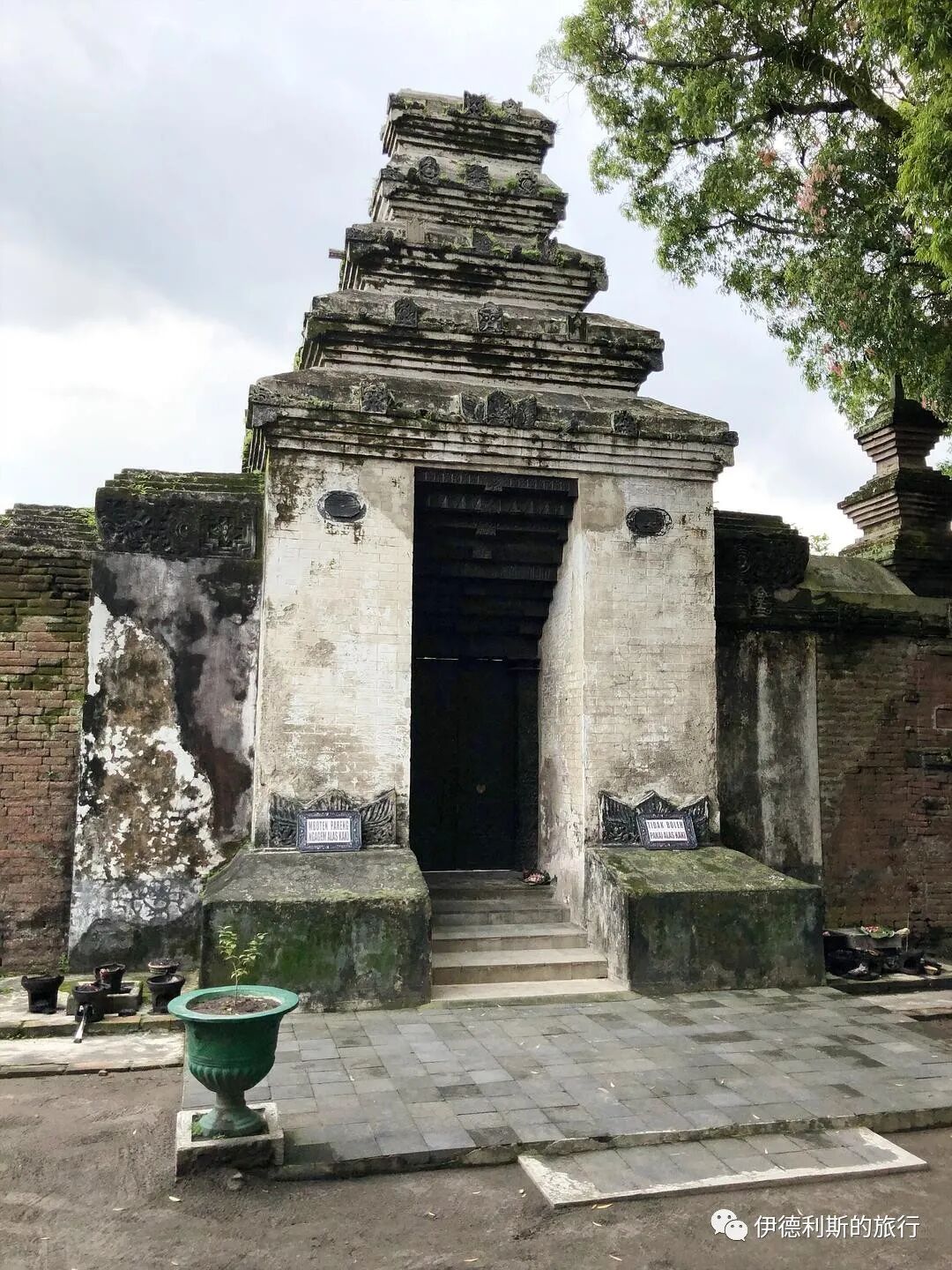
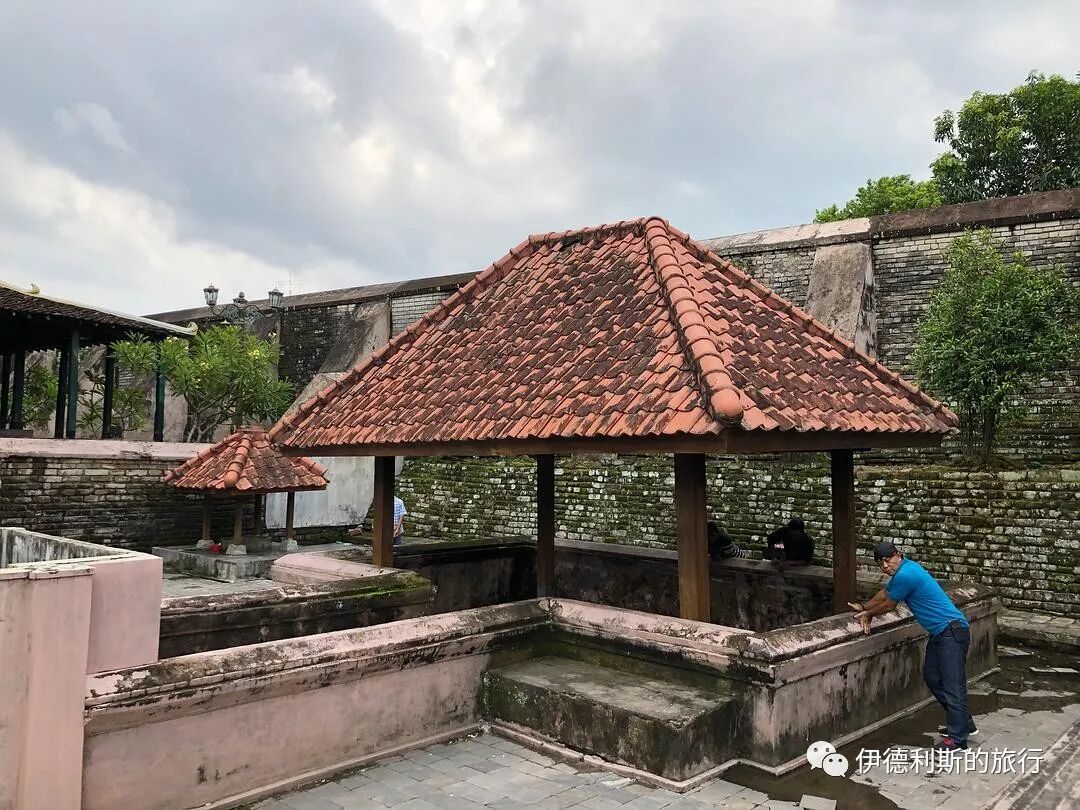
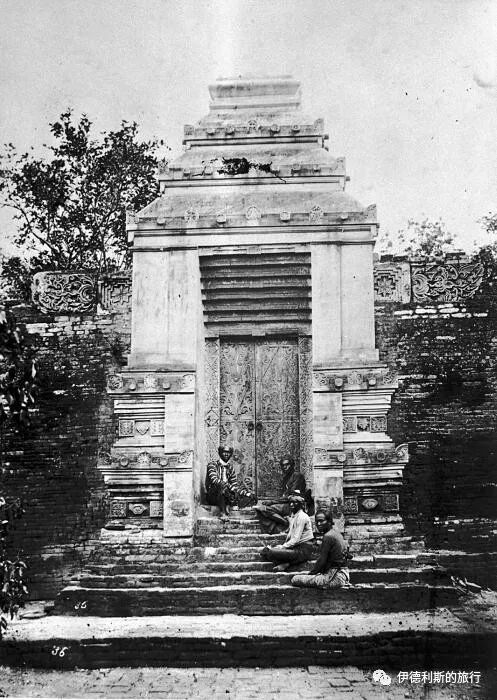
The tomb gate photographed by Kassian Cephas in 1890
Summary: Muslim History Guide Indonesia Kotagede: Mataram Capital, Mosques and Java Muslim Heritage is presented here as a clear Muslim travel account, beginning with this scene: Kotagede is now a small town in the southeastern suburbs of the ancient Javanese city of Yogyakarta, famous for its silverwork, but the name Kotagede originally meant great city. The account keeps its focus on Kotagede Mosques, Indonesia Muslim Travel, Mataram Sultanate while preserving the names, places, food, and historical details from the Chinese source.
Kotagede is now a small town in the southeastern suburbs of the ancient Javanese city of Yogyakarta, famous for its silverwork, but the name Kotagede originally meant great city. Between the 1570s and 1613, this place was the first capital of the Mataram Sultanate.
The Mataram Sultanate was the most powerful Islamic kingdom on Java in the 17th century, and it later split into the Yogyakarta and Surakarta sultanates in 1755, which both still exist today. Kotagede still houses the royal tombs of the Mataram Sultanate, and the tomb guards are employed by both the Yogyakarta and Surakarta sultanate families, making it a famous pilgrimage site for people from both places.
Founding the Mataram Sultanate
Reliable historical records only began after the Mataram Sultanate started working closely with the Dutch East India Company in the 17th century, as earlier historical materials are very limited and filled with myths.
In early historical records, Kotagede was originally a forest. In 1568, Hadiwijaya, a minister of the Demak Sultanate, sent Kyai Gedhe Pamanahan to kill the last sultan, Arya Penangsang, and establish the Pajang Kingdom. To reward Kyai Gedhe Pamanahan for his service, Sultan Hadiwijaya granted Kotagede to Ki Ageng Pemanahan. Pemanahan and his adopted son, Danang Sutawijaya, cleared the forest to build the first settlement, which they named Mataram, and Pemanahan became known as the King of Mataram (Ki Gedhe Mataram).
After Pemanahan died in 1575, Danang Sutawijaya declared himself the King of Mataram, but Mataram was still a vassal of the Pajang Kingdom at that time. A major power struggle occurred in the Pajang Kingdom in 1582, and Sutawijaya took the chance to break free from Pajang rule, officially establishing the Mataram Sultanate in 1587.
In 1601, Prince Mas Jolang became the second Sultan of Mataram. During his reign, he built many structures in Kotagede, the most important of which was the Prabayeksa built within the palace. In the Yogyakarta palace that survives today, the Prabayeksa is a massive wooden building that served as the sultan's private inner chamber, housing many magical treasures and weapons. Jolang also built several pleasure gardens (taman).
In 1613, Prince Mas Rangsang became the third Sultan of Mataram. Rangsang was known as the Great Sultan (Sultan Agung) and was the most powerful ruler in the history of the Mataram Sultanate. While expanding his territory, he moved the capital from Kotagede to Kerta, 5 kilometers to the south, ending Kotagede's history as the capital.
Territory of the Mataram Sultanate
Great Mosque of Mataram
The Great Mosque of Mataram (Masjid Gedhe Mataram) is the most important architectural relic of the Mataram Sultanate. The mosque was first built in 1575, and the original walls and gates are still preserved today.
This style of gate, known as Paduraksa, comes from the ancient Hindu gopuram gate, which was widely used in old Javanese Hindu and Buddhist temples from the 8th to 9th centuries and was adopted by Islamic sultanate mosques, palaces, and cemeteries after the 15th century. When used for non-Hindu buildings, this architectural style is generally called Kori Agung. The main gate of the Great Mosque of Mataram is known as one of the most classic Kori Agung gates on Java island.
Outside of the east gate
Inside of the east gate
Inside of the south gate
Fish balls (yüwan) eaten in the courtyard
The main hall of the mosque was rebuilt in the 17th century by Sultan Agung and later repaired several times by the sultans of Yogyakarta and Solo. The current building was rebuilt after a fire in 1926 and still keeps the traditional Javanese mosque style. The mosque consists of a main hall and a front porch called a serambi, surrounded by a pool of water. Traditionally, dipping your feet in the pool before entering the main hall symbolizes purification.
Mataram Sultan Tombs
The Mataram Sultan Tombs (Makam Kota Gede) are located on the west side of the mosque and hold the grave of Ki Gedhe Mataram, the founder of the Mataram Sultanate. The tomb guards, called Juru Kunci, are hired jointly by the two sultan families of Yogyakarta and Solo.
The stone carving on the gate comes from the Javanese Hindu god of the underworld, Batara Kala, who is also the god of time and destruction. In traditional Javanese mythology, Batara Kala is the son of the Javanese version of Shiva, Batara Guru, and his eating of the sun is the cause of solar eclipses.
The tomb gate photographed by Kassian Cephas in 1890
