
Muslim Travel Guide Beijing Huairou: Mountain Courtyard Mosque, Hui Village and Halal Food
Reposted from the web
Summary: Muslim Travel Guide Beijing Huairou: Mountain Courtyard Mosque, Hui Village and Halal Food is presented here as a clear Muslim travel account, beginning with this scene: Following a recommendation from a friend (dosti), I visited the halal Juzi Homestay inside the Xiangshui Lake Great Wall scenic area in Huairou. The account keeps its focus on Huairou Mosque, Beijing Muslim Travel, Hui Village while preserving the names, places, food, and historical details from the Chinese source.
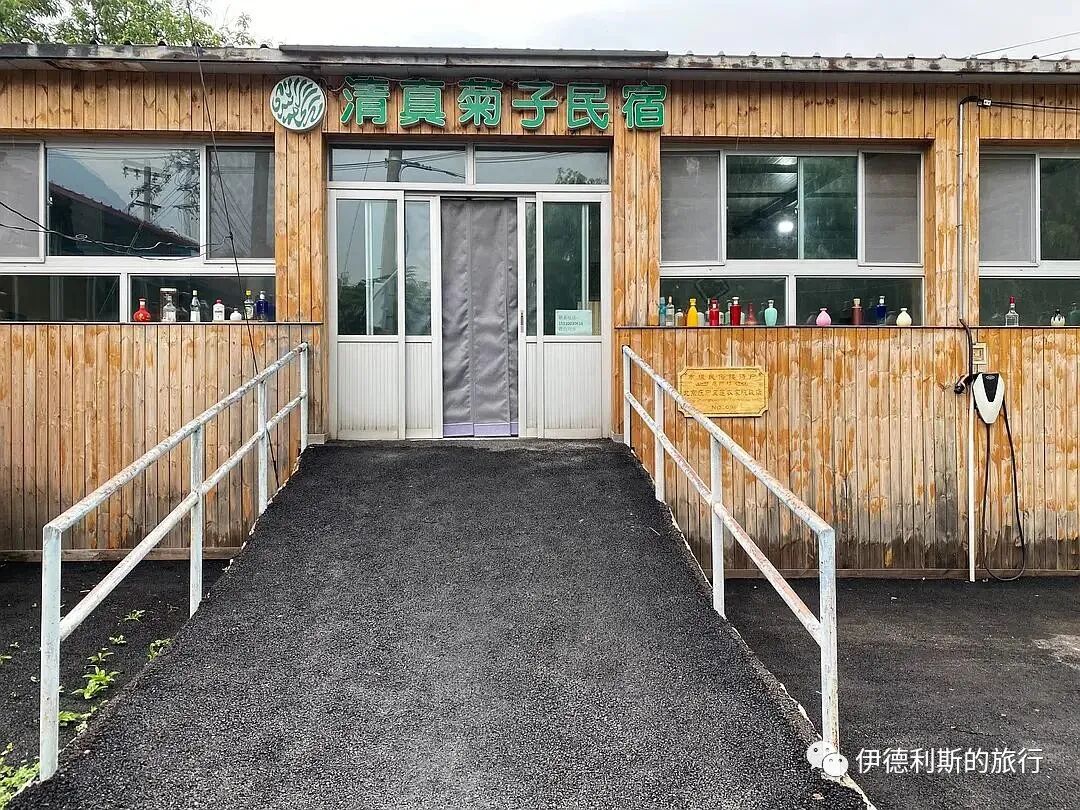
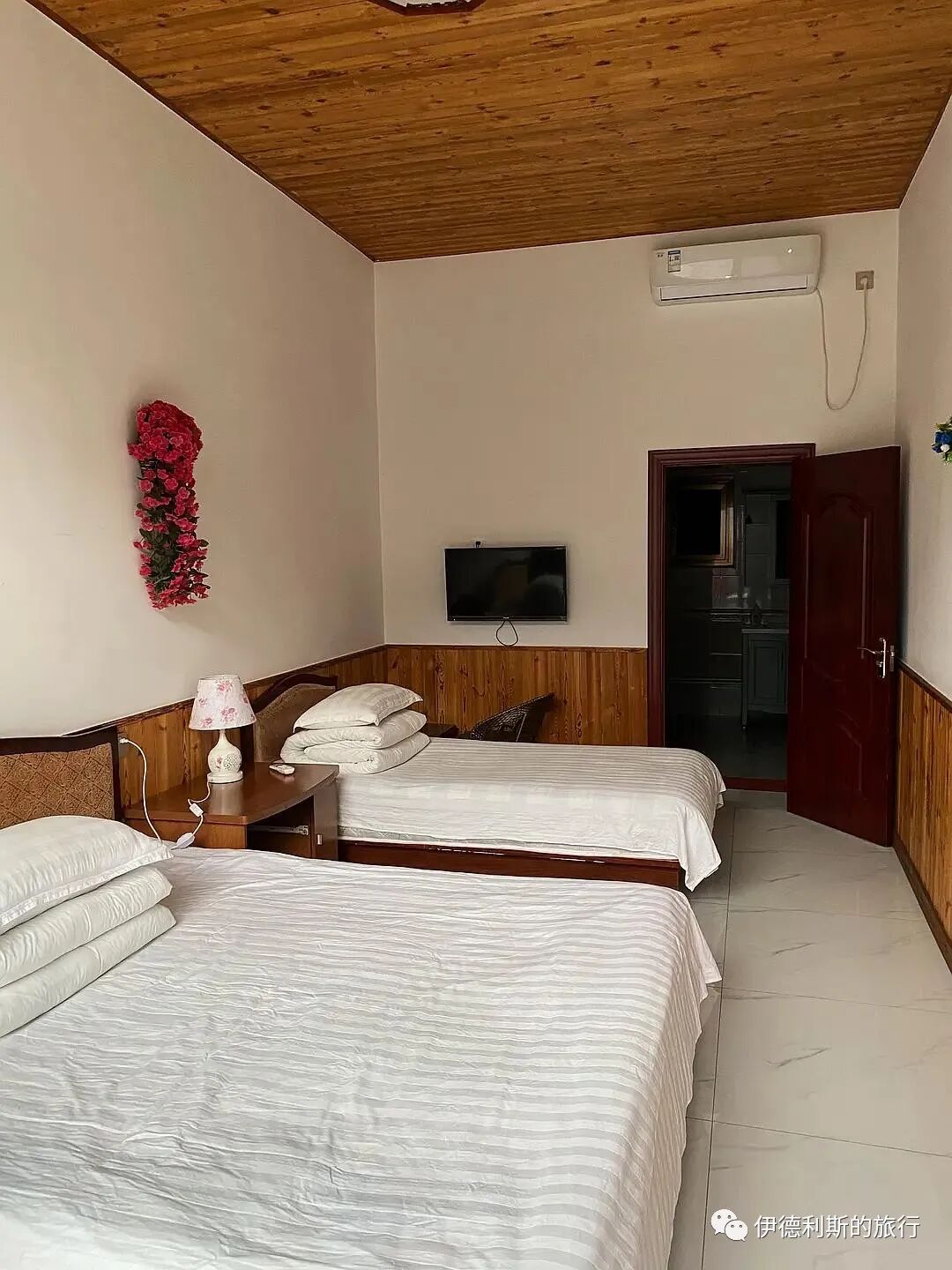
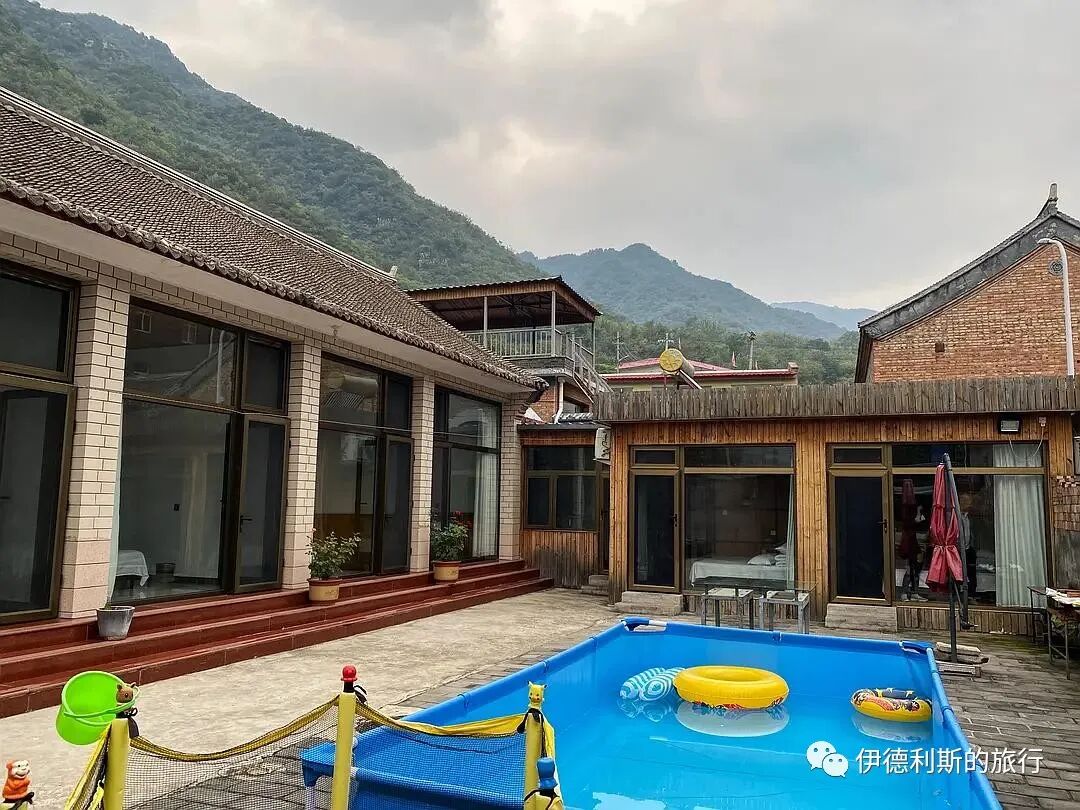
Following a recommendation from a friend (dosti), I visited the halal Juzi Homestay inside the Xiangshui Lake Great Wall scenic area in Huairou. The owner is a Hui Muslim from Dongzhimen and his wife is a Hui Muslim from Tongzhou. They originally rented the courtyard in the mountains just for fun, but they loved the environment so much they decided to stay and open this homestay, making it easy for other friends (dosti) to experience farm life in the mountains near Beijing.
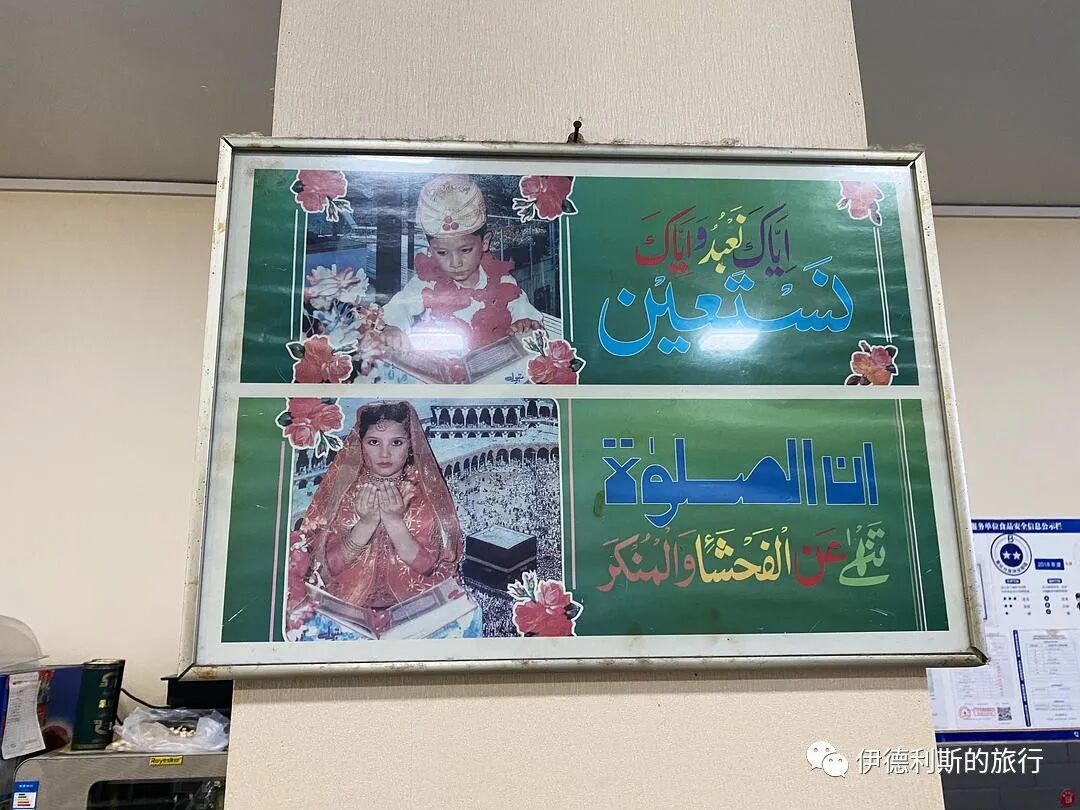
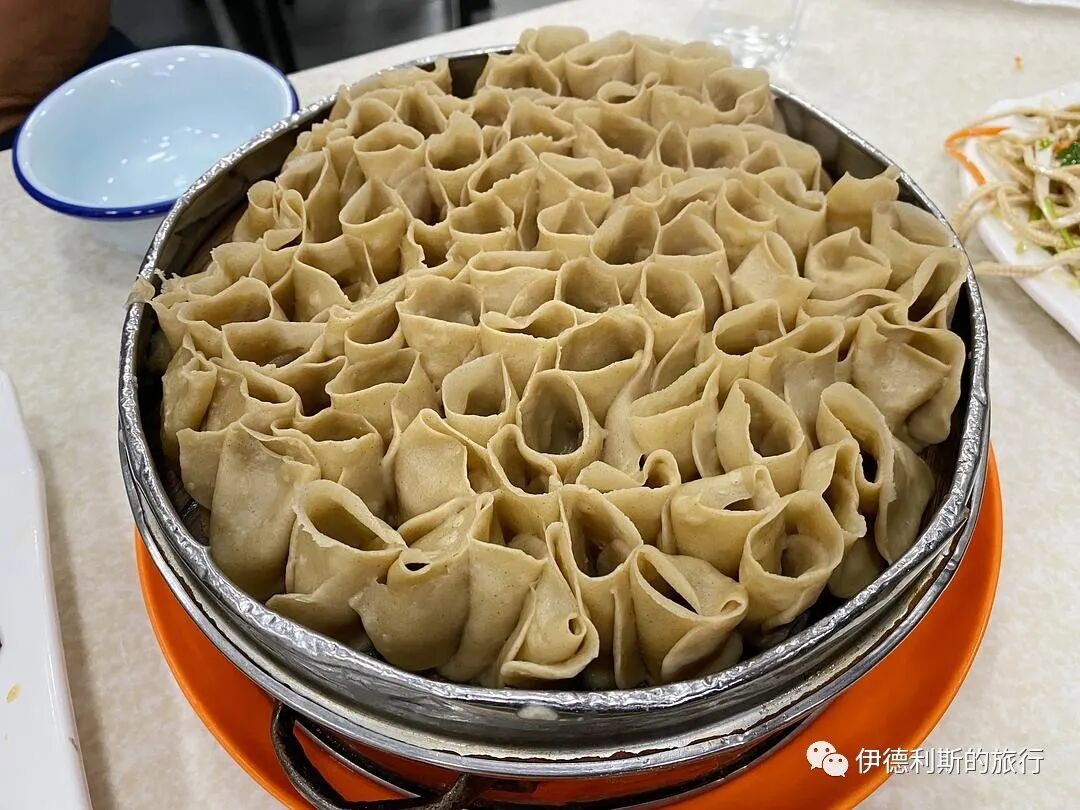
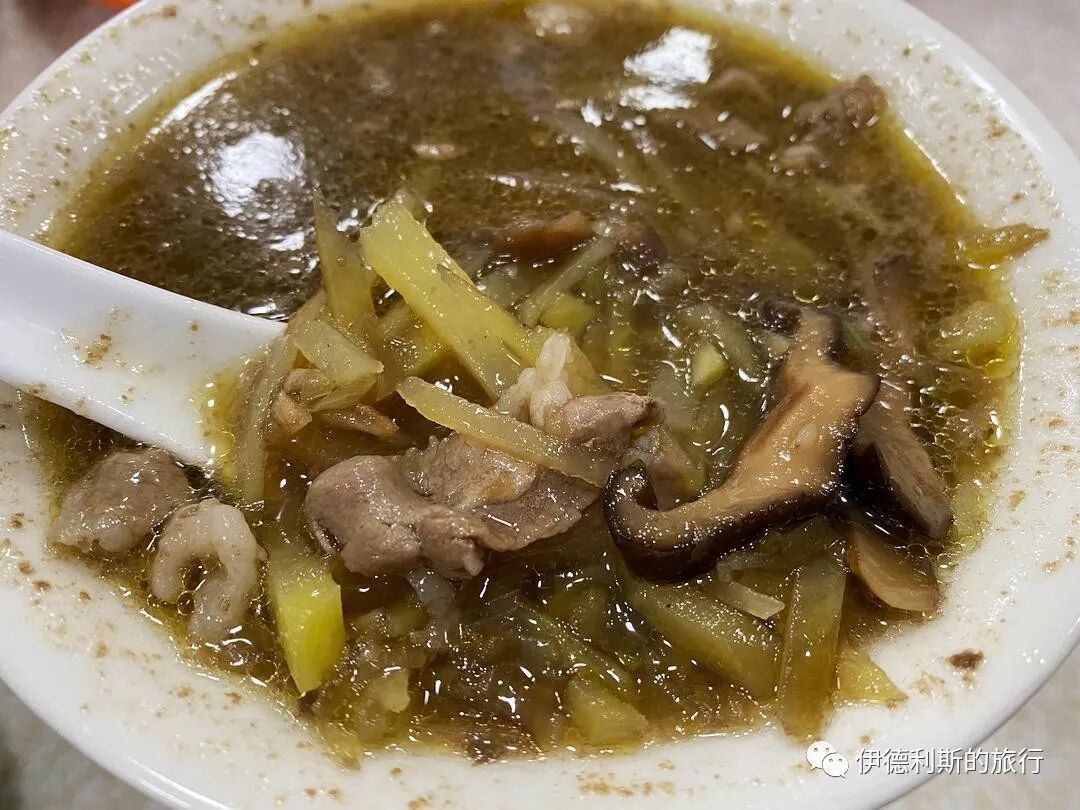
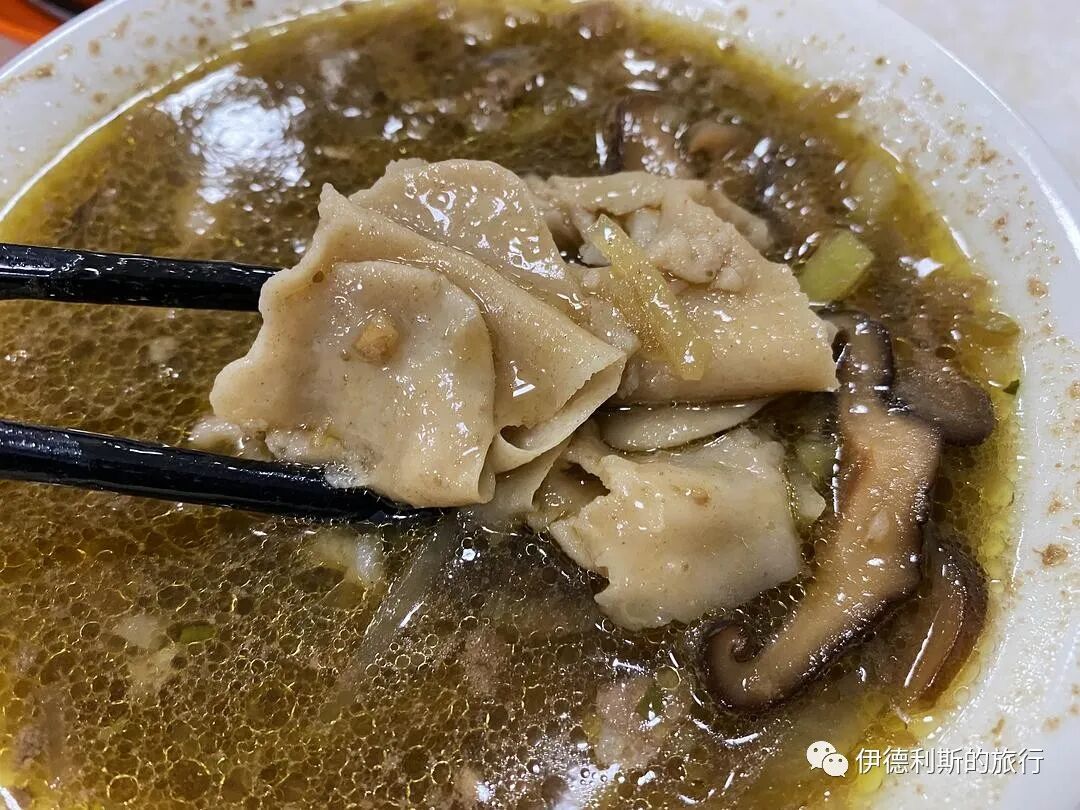
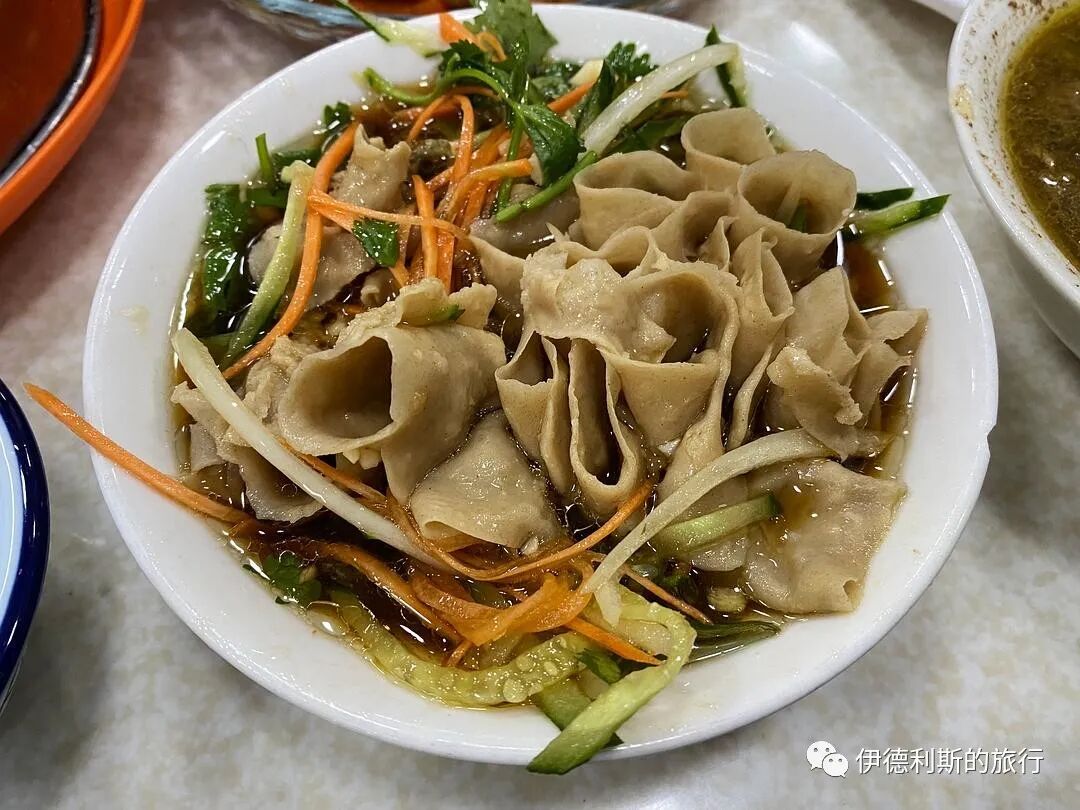
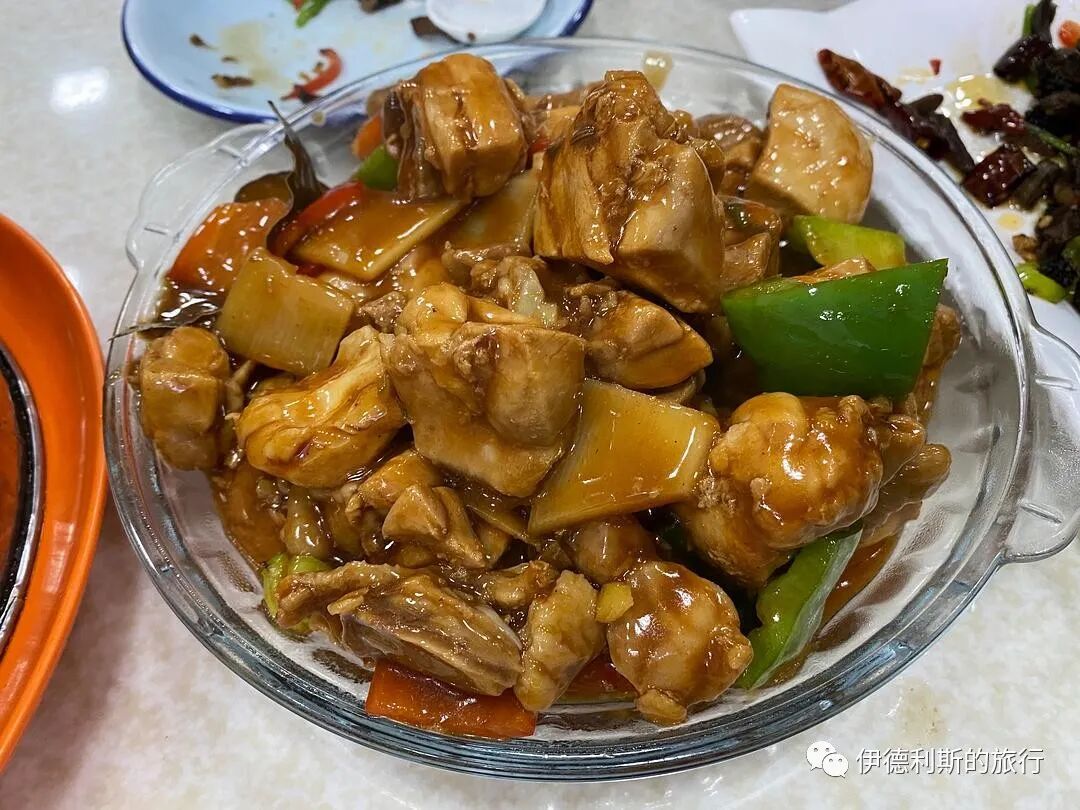
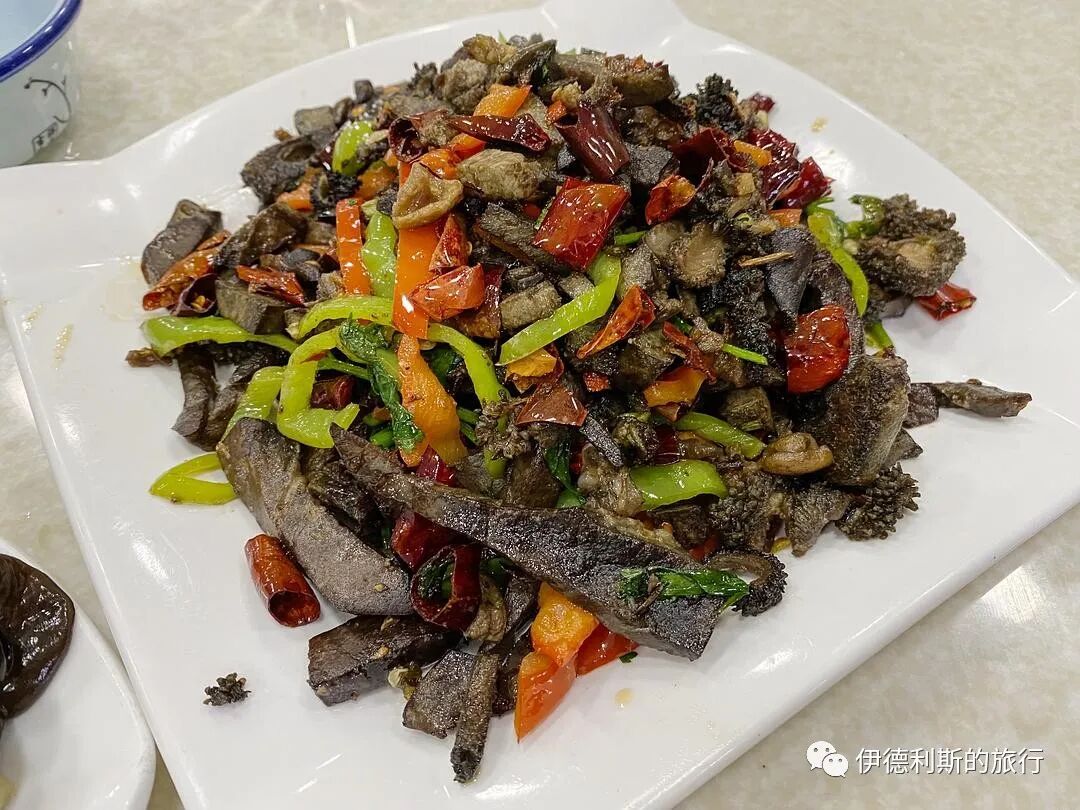
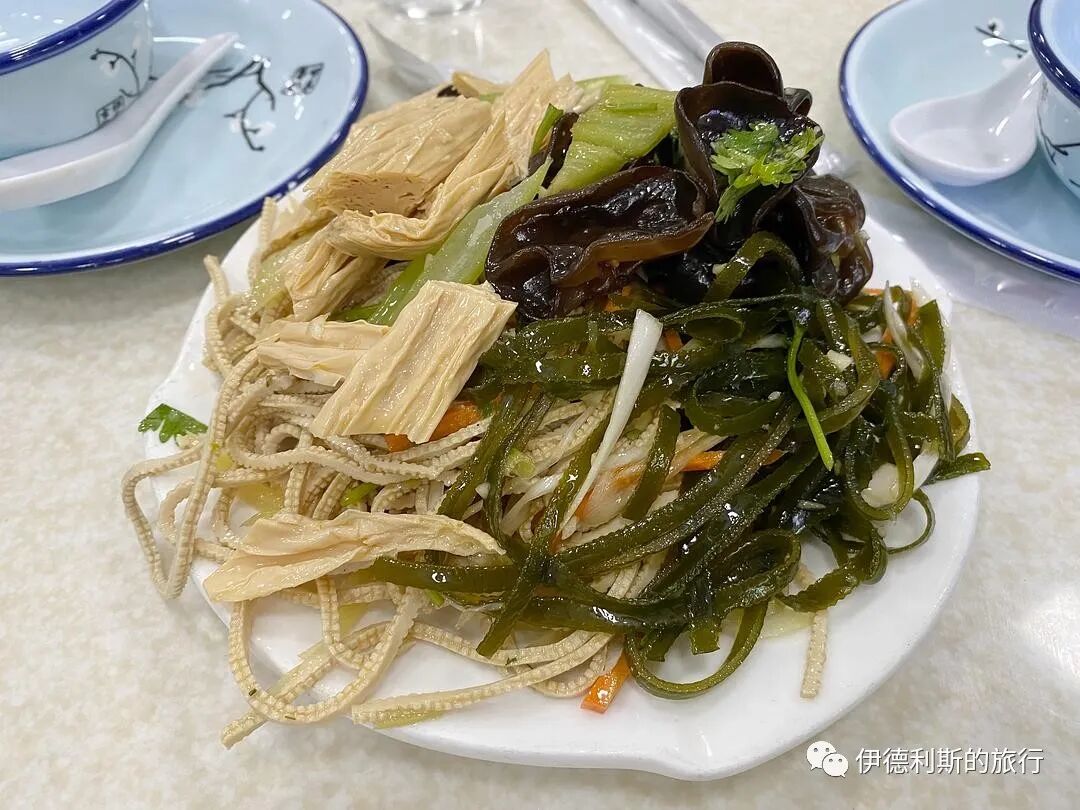
Xiangshui Lake Great Wall is located behind the Mutianyu Great Wall, and you can reach it by road from both Changping and Huairou. We took the Changping route on our way there, stopping first at Qingcheng Restaurant, a Hohhot-style eatery on Changping West Ring Road, to have some Inner Mongolian food. The original Qingcheng Restaurant opened in 1994 and has been running for 28 years. We ordered oat noodle cones (youmian wowo) served with a hot lamb and mushroom soup, along with a cold cucumber and carrot soup; dipping the noodles in the soup was very flavorful. We also ordered stir-fried oat noodles (chao youmian), braised chicken chunks, and stir-fried lamb offal (baochao yangza). Their stir-fried lamb offal is really special! It is stir-fried until crispy with a slightly sweet taste, and it is so delicious you cannot stop eating it. Just a heads-up, there are quite a few people who smoke there, so be careful if you are bothered by cigarette smoke.

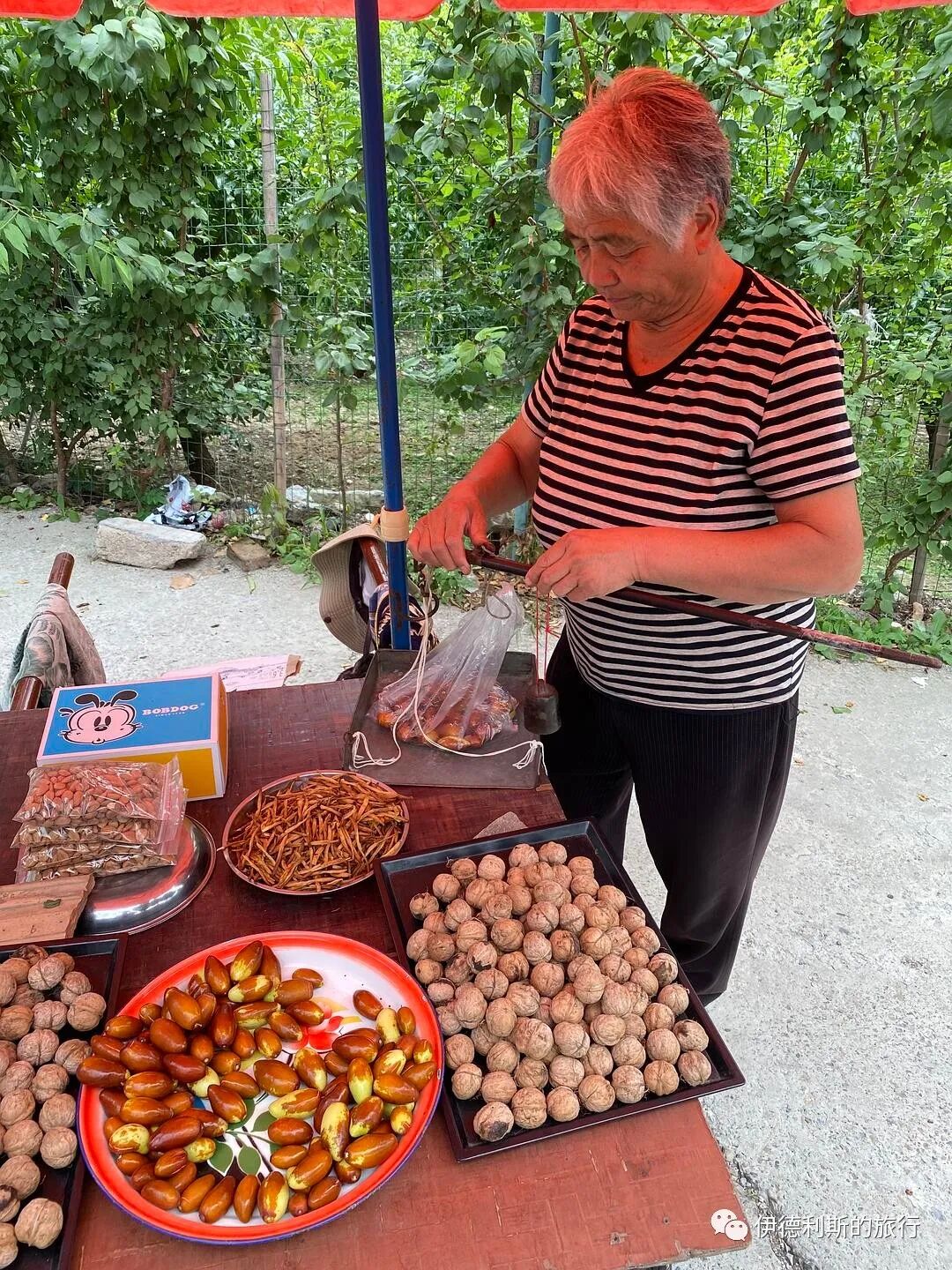
After lunch, we drove into the mountains. The mountains in Changping are full of vendors selling horse-tooth dates (maya zao) and walnuts; the mountain dates are especially sweet! Behind me in the photo is Grandma's own date orchard.
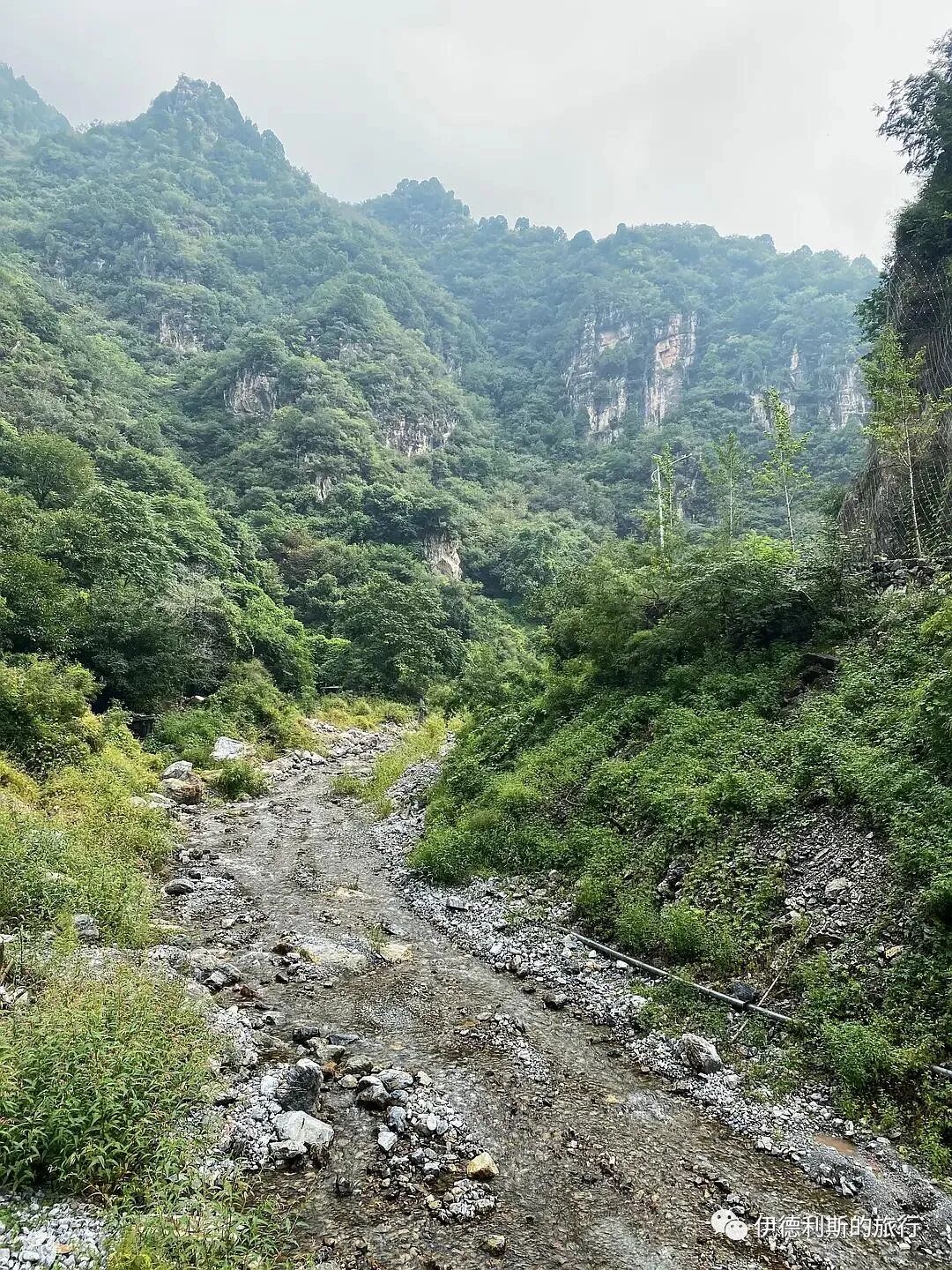
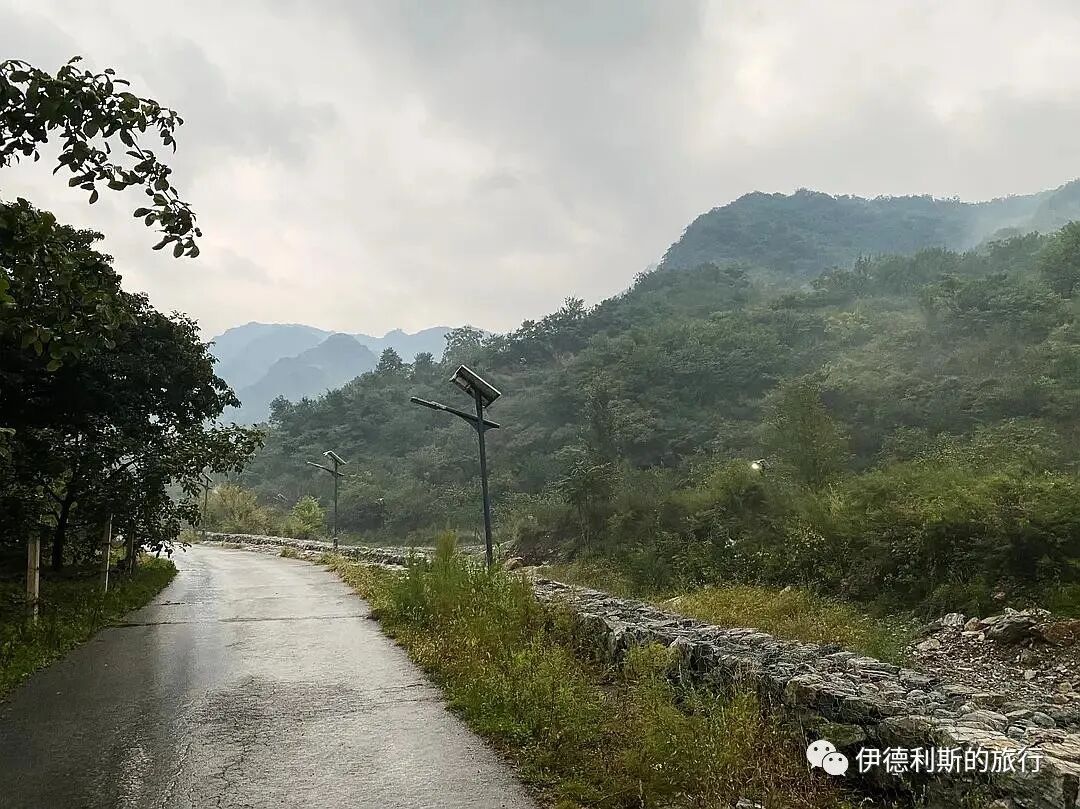
After crossing mountains and ridges, we finally arrived at the Xiangshui Lake Great Wall. If you are staying at the homestay, you do not need to buy a ticket; just tell the security guard at the entrance and you can drive right in. After passing the main scenic area and going through a canyon, you reach Zhuanghu Village, where the homestay is located. It really feels like a hidden paradise.
The canyon between the scenic area and the homestay.
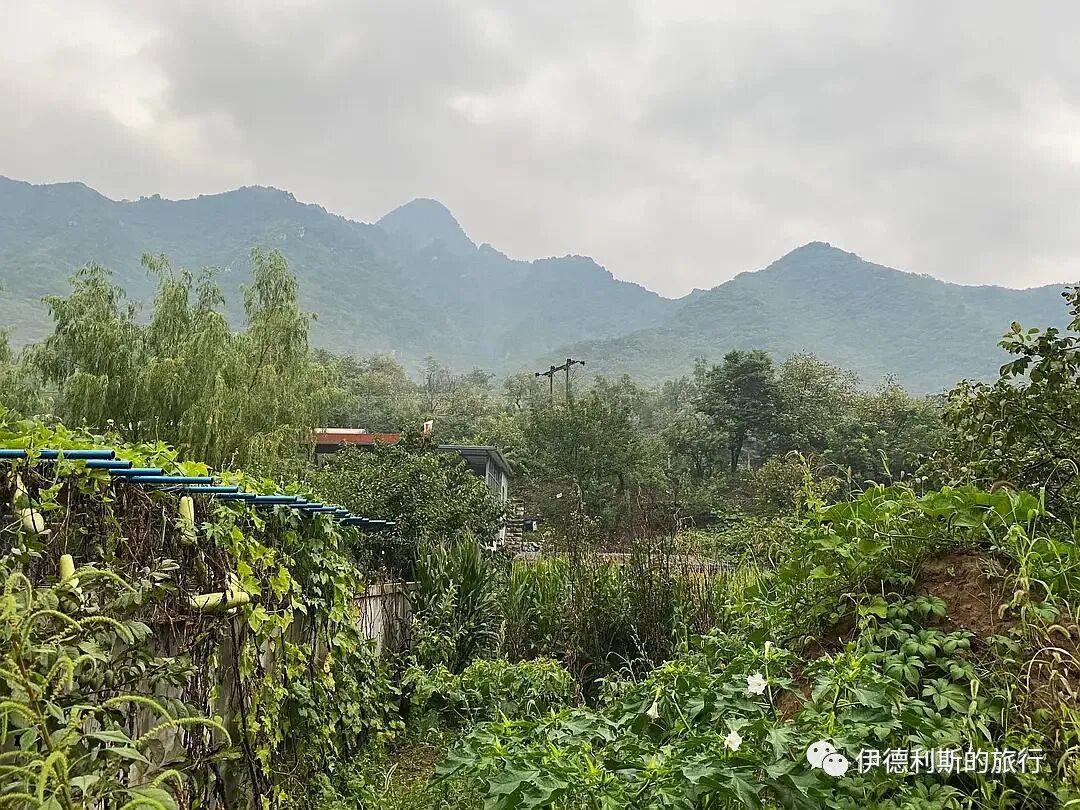
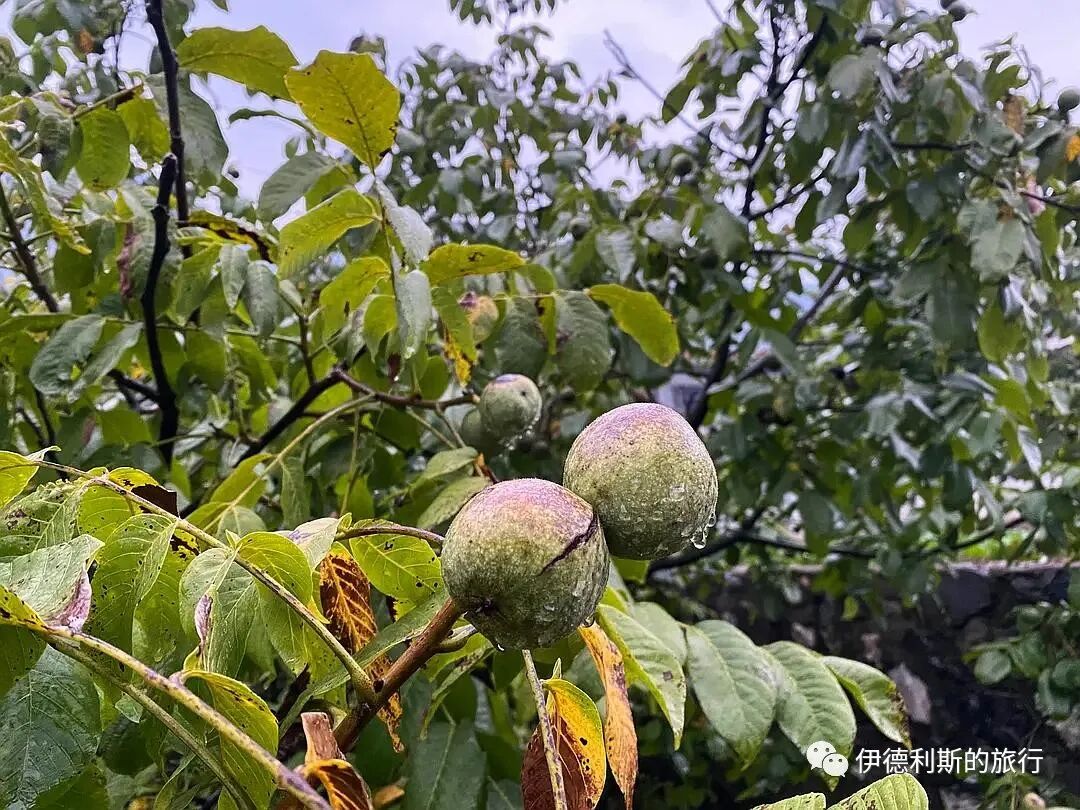
I put down my luggage and went for a walk. The mountains are very quiet in the evening, and the valley is filled with walnut trees.
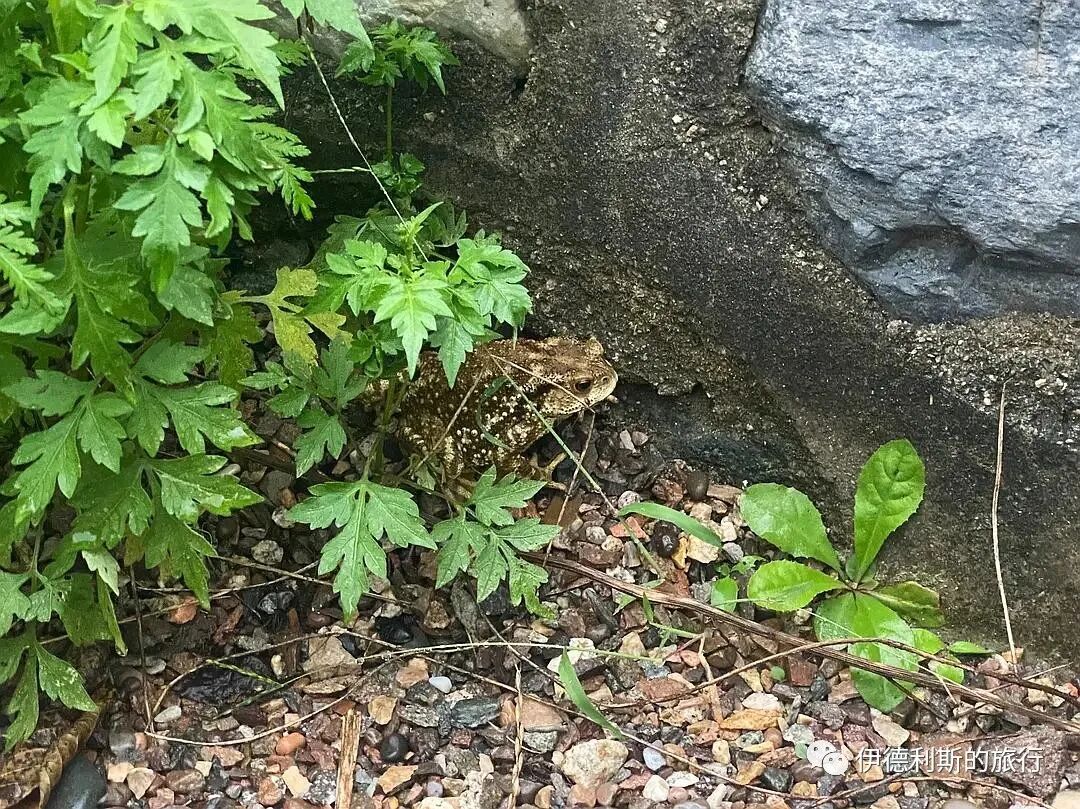
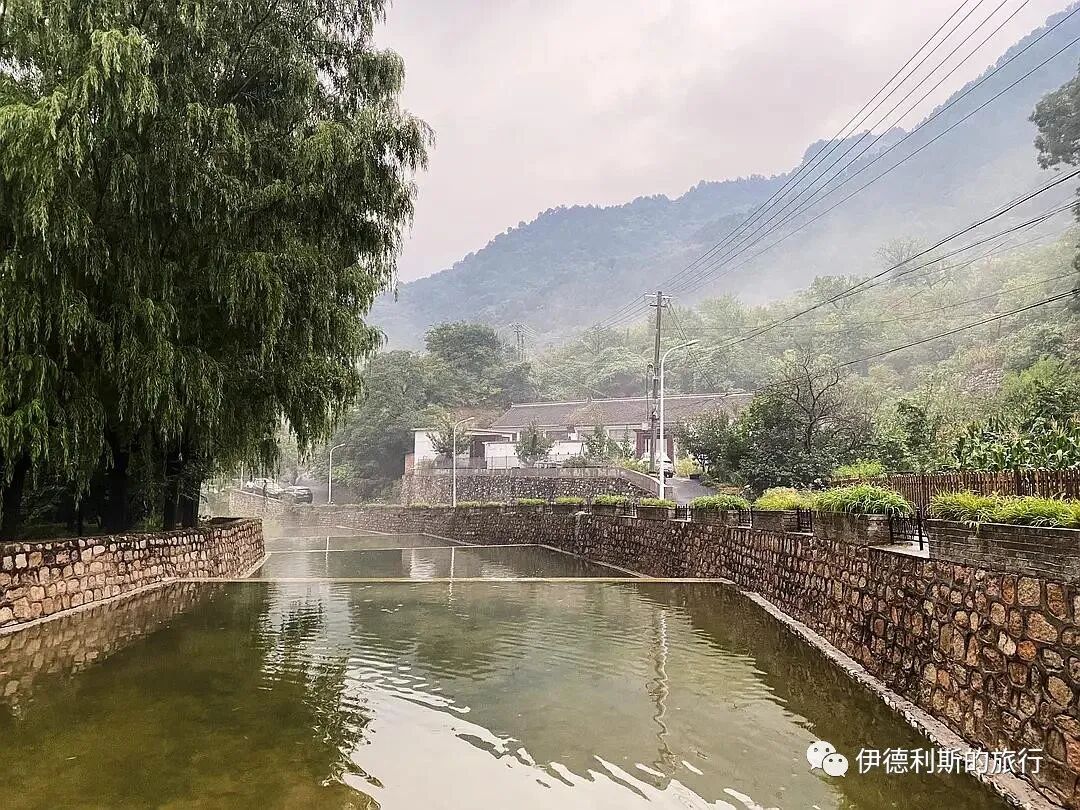
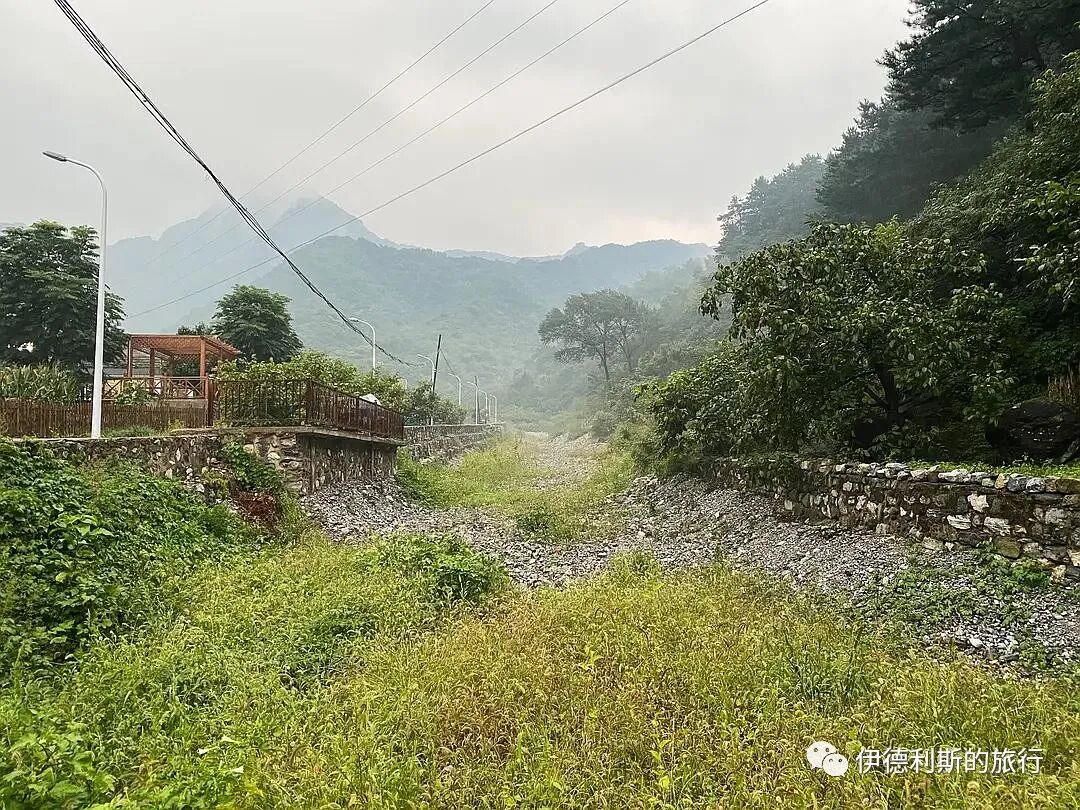
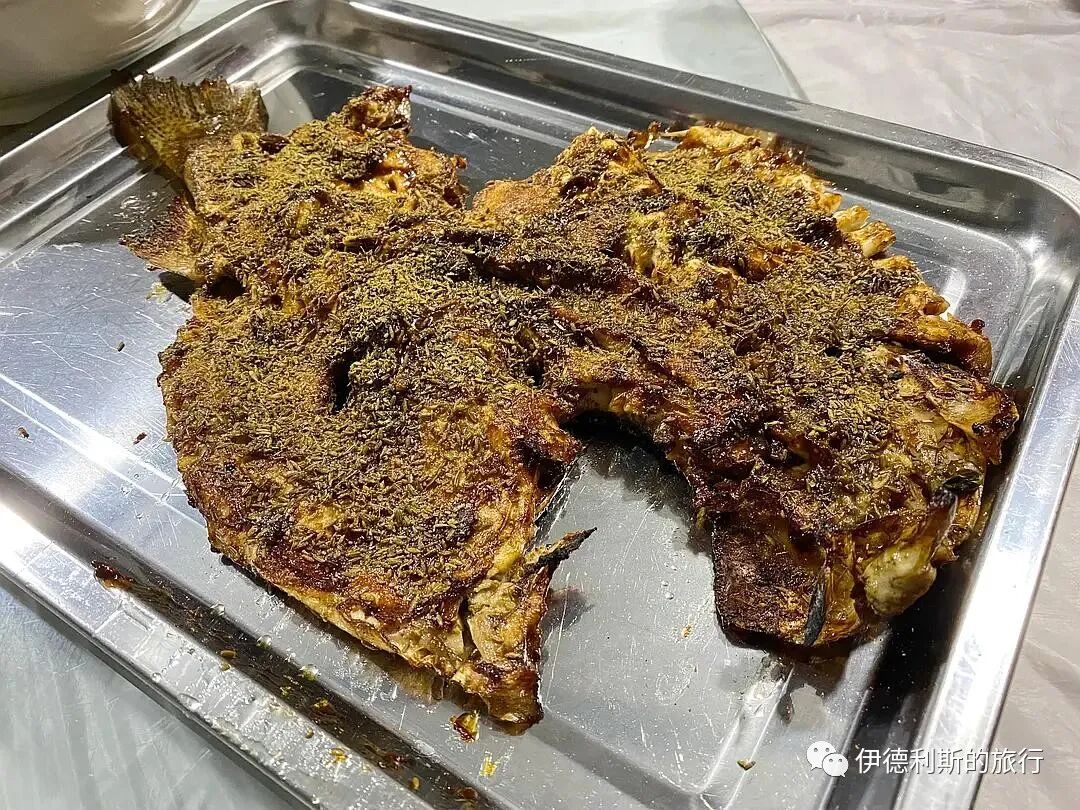
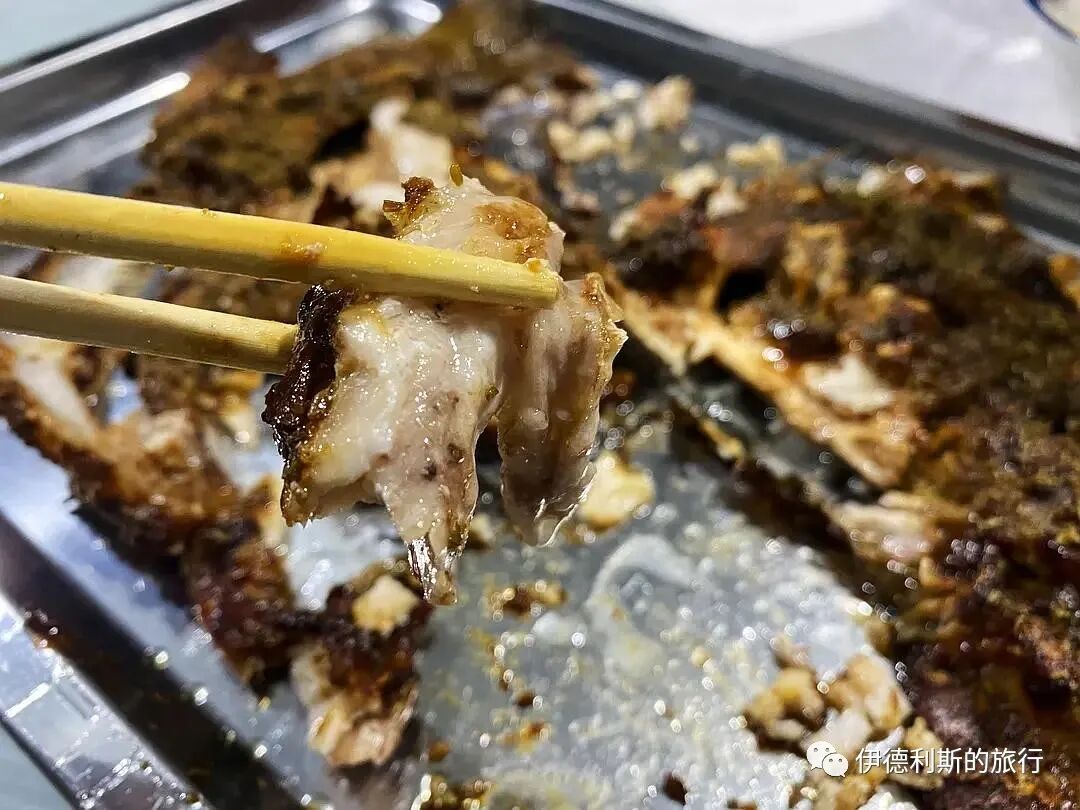
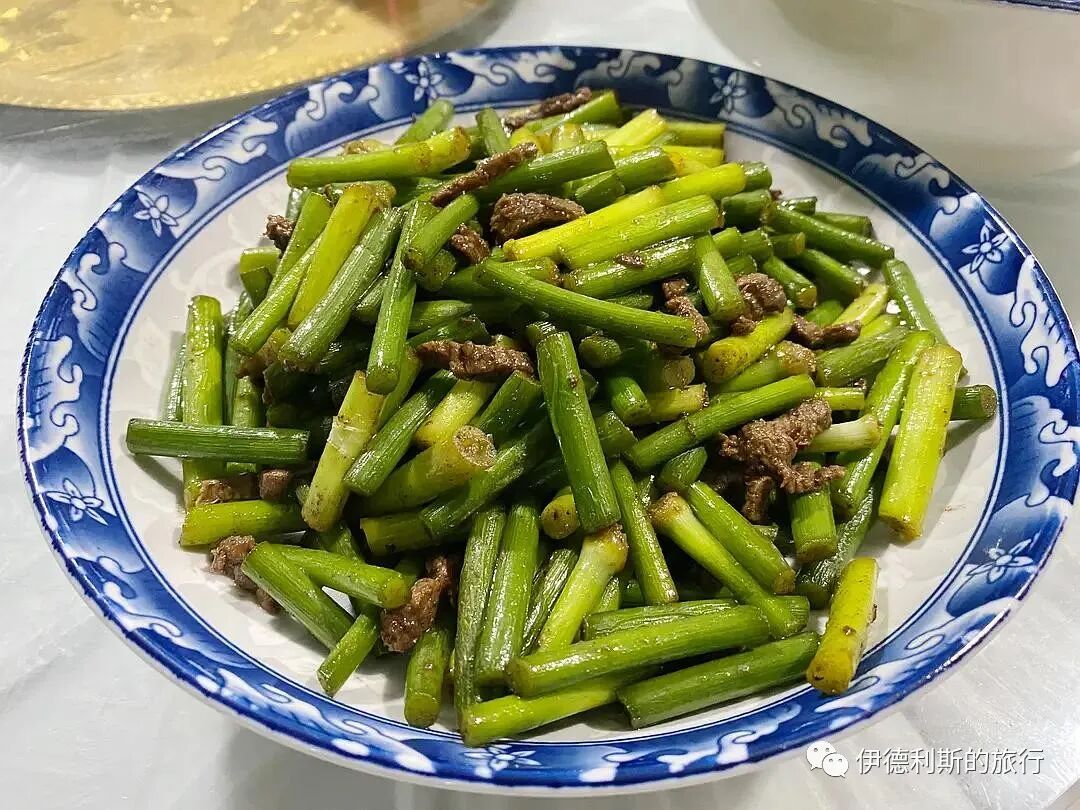
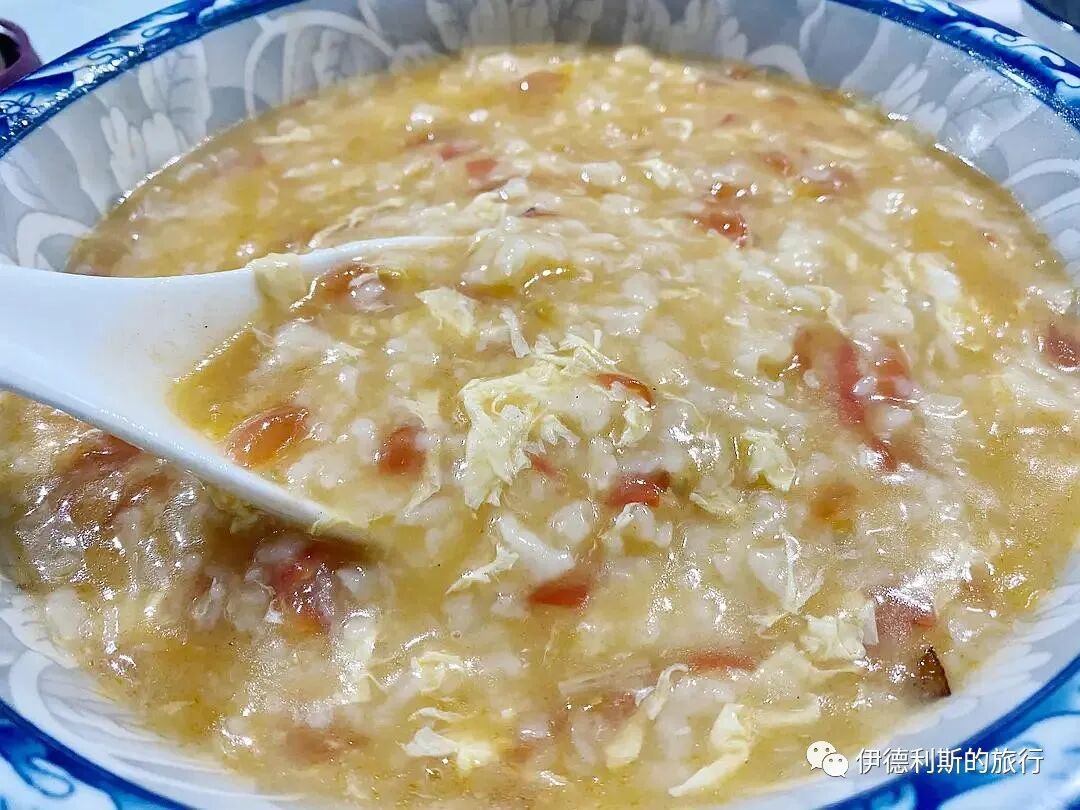
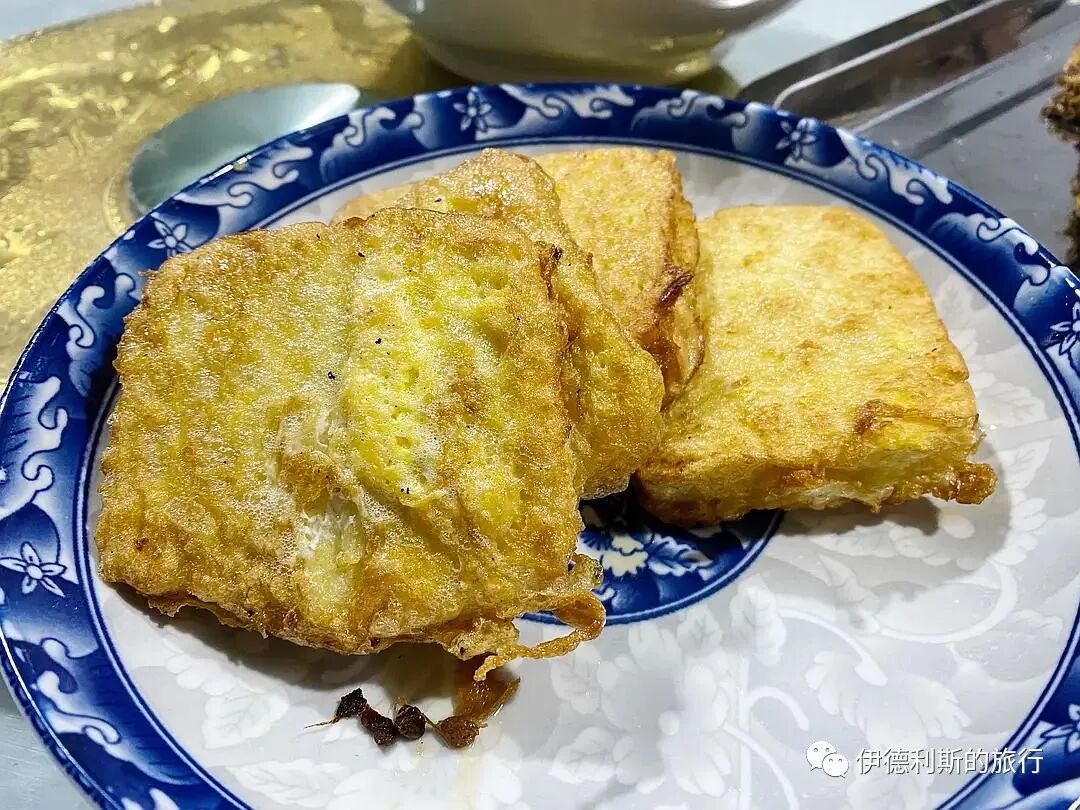
In the evening, we had grilled rainbow trout, stir-stir-fried meat with garlic sprouts, fried steamed bun slices (zha mantou pian), and dough drop soup (geda tang) at the homestay. Their rainbow trout is truly delicious, and the meat is so tender it flakes like garlic cloves.
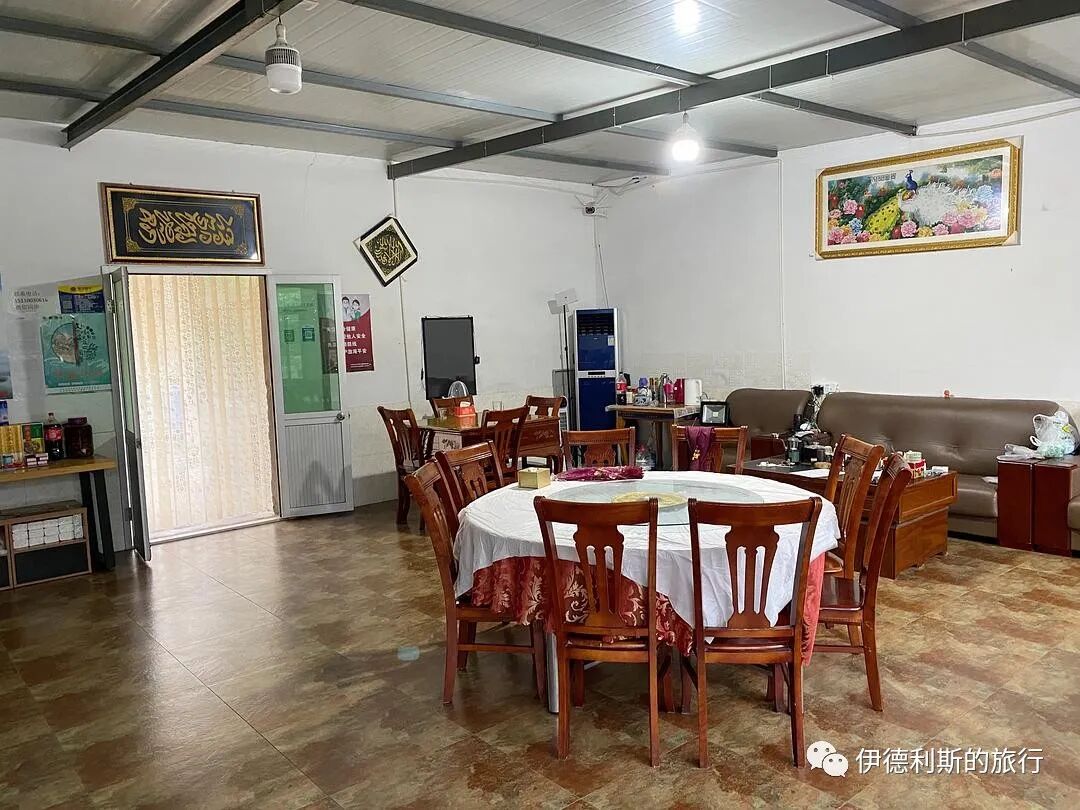
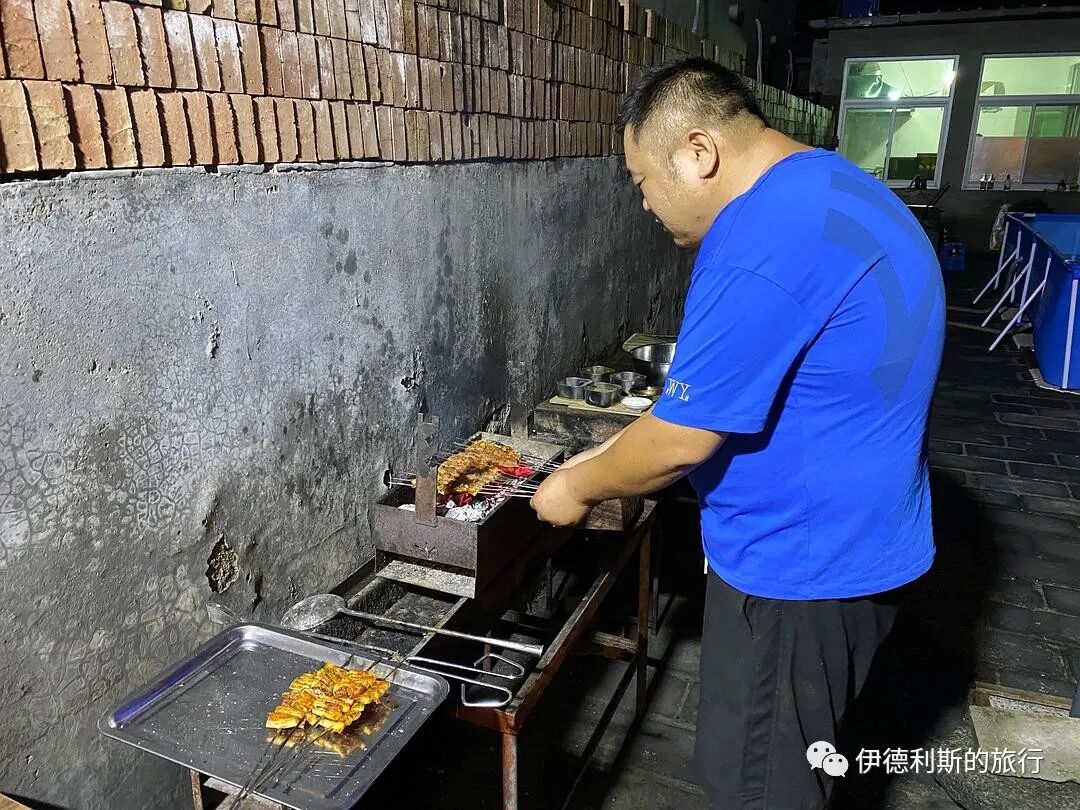
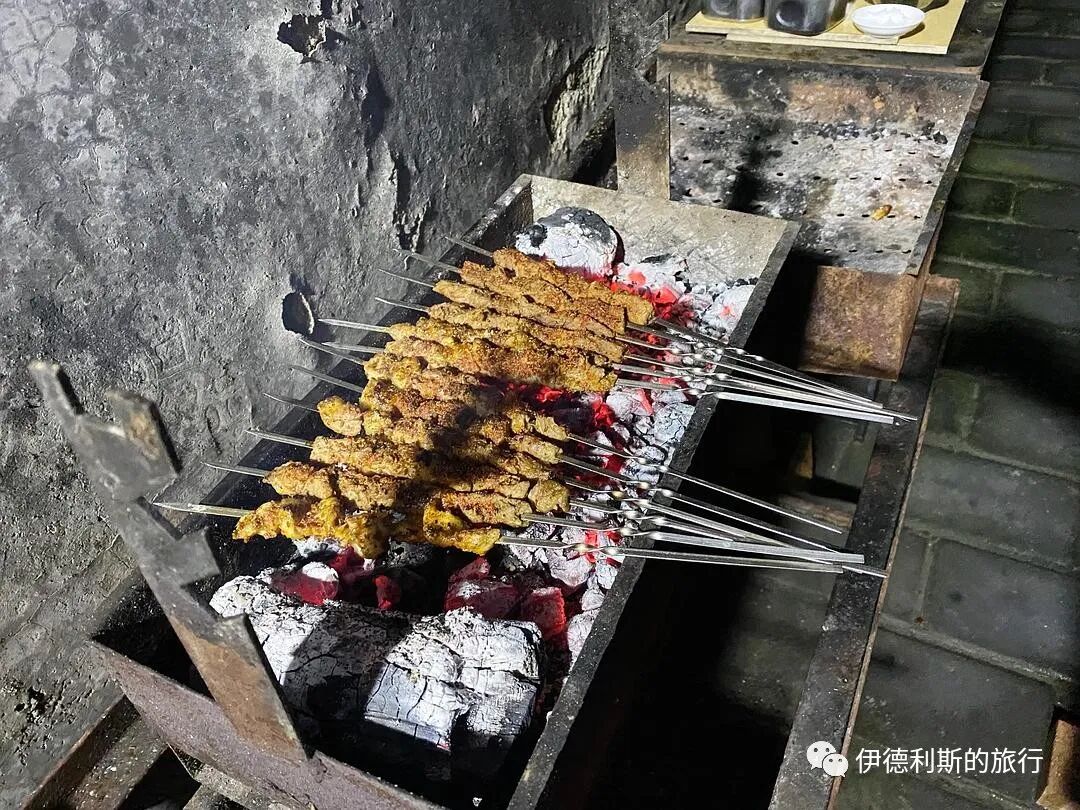
At night, the owner grilled in the courtyard. This little courtyard is perfect for a barbecue and stargazing.
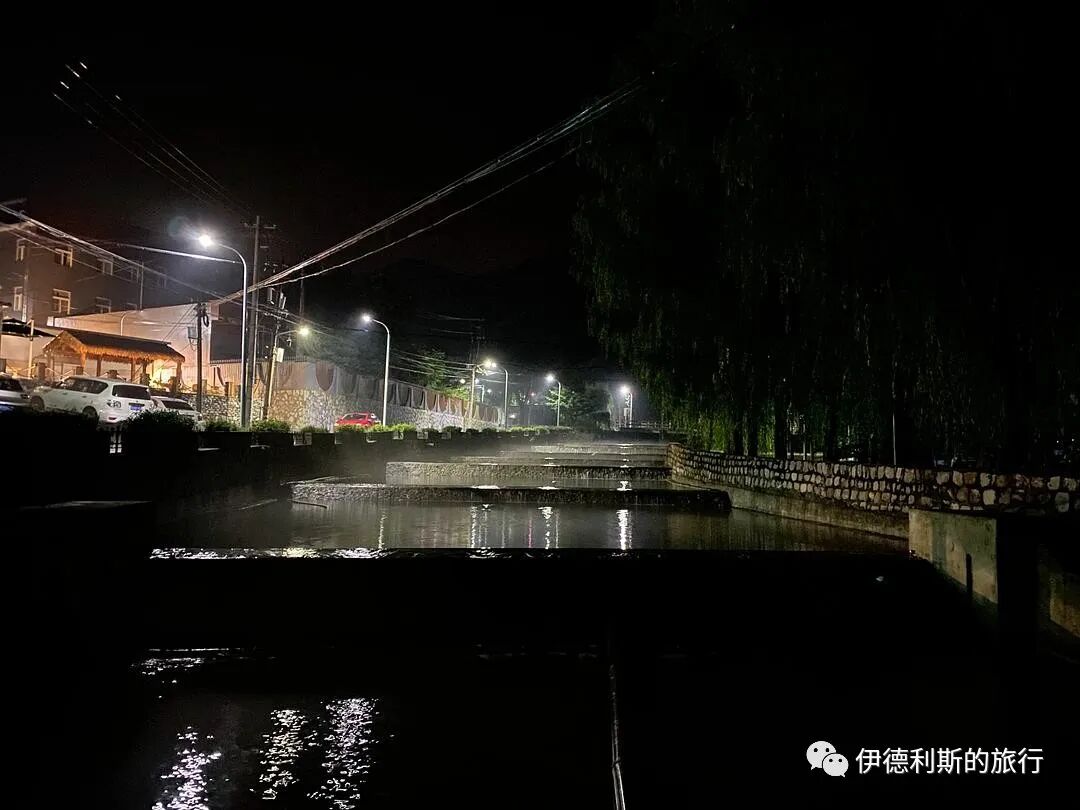
We had a simple breakfast at the homestay in the morning. The benefit of staying at a homestay is that you can easily arrange what you want to eat. Then we went for a walk in the mountains; the valley in the morning mist looked like a fairyland! The air is so fresh.
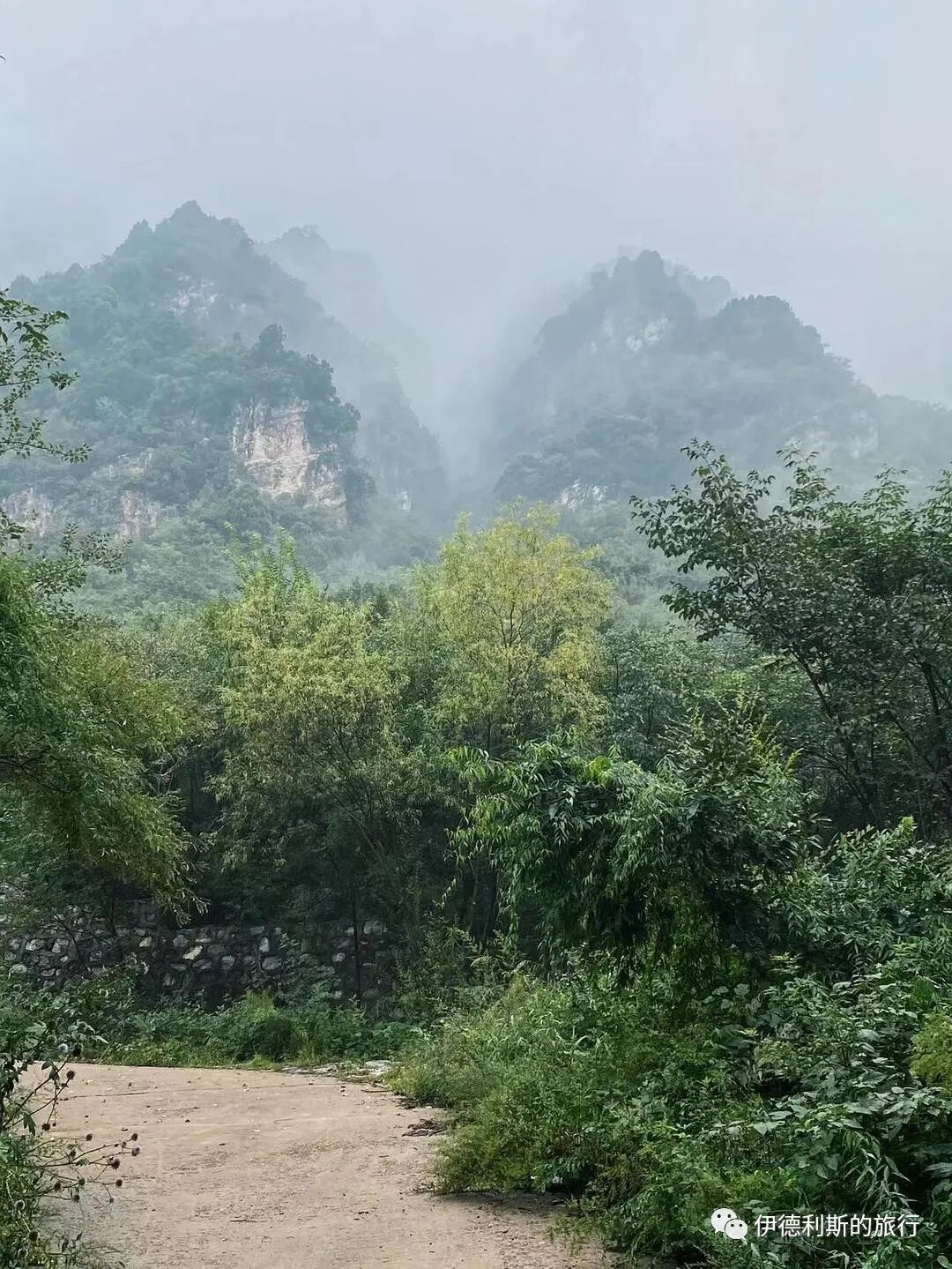
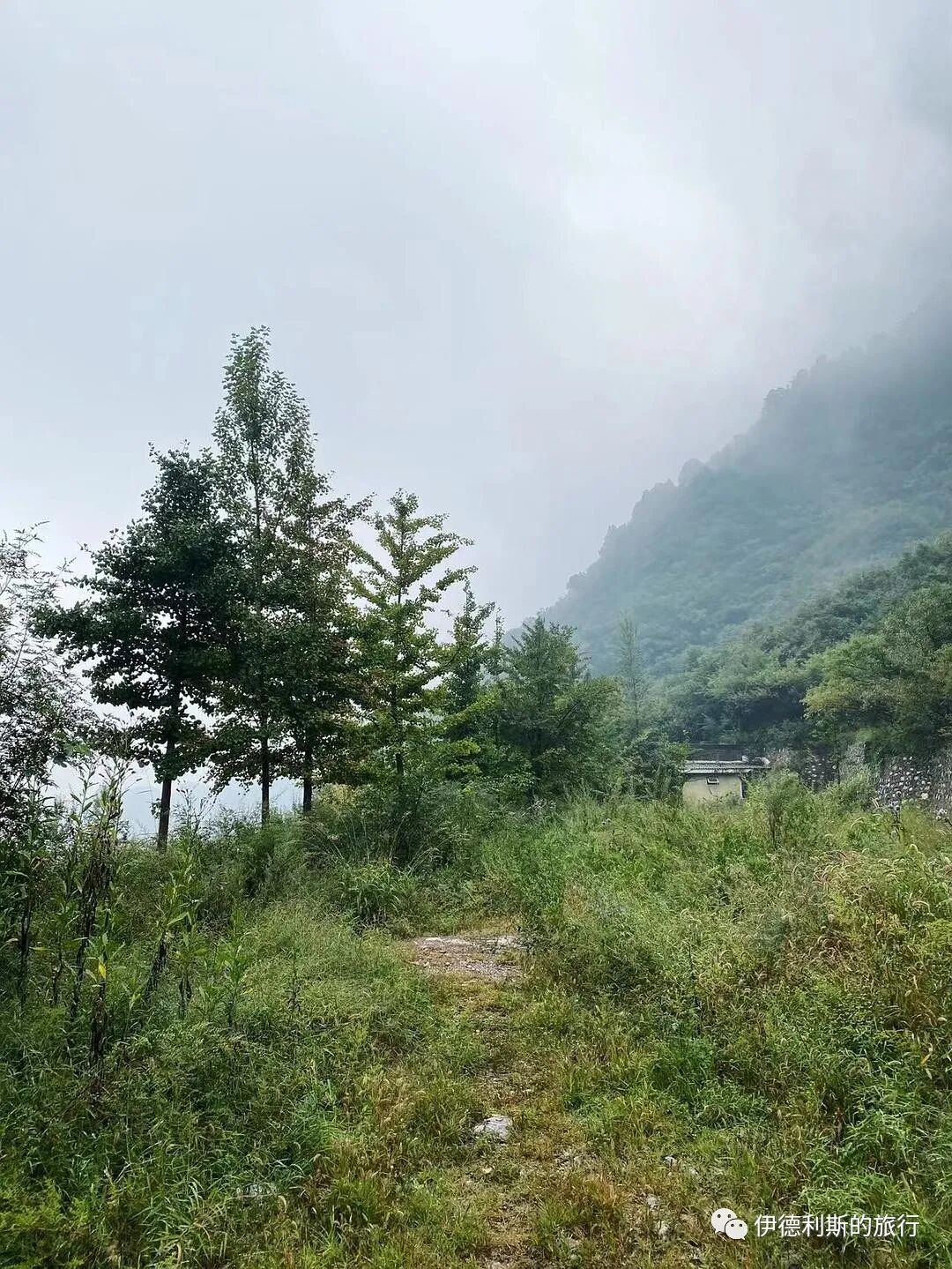
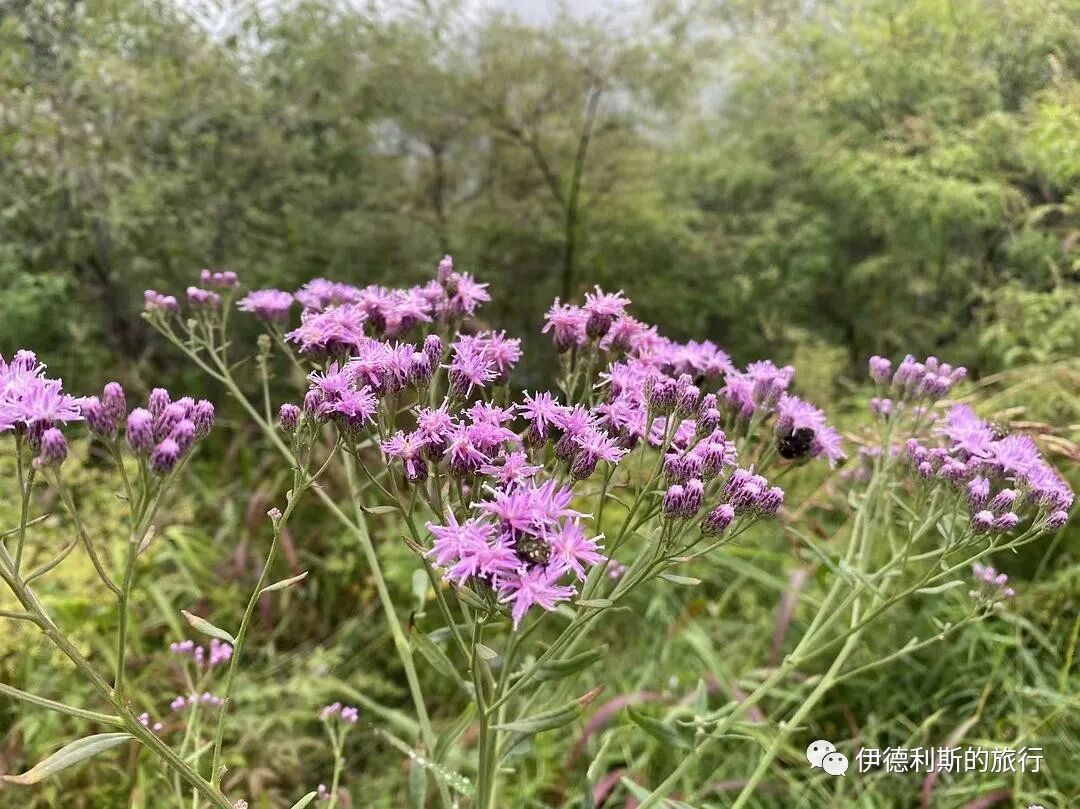
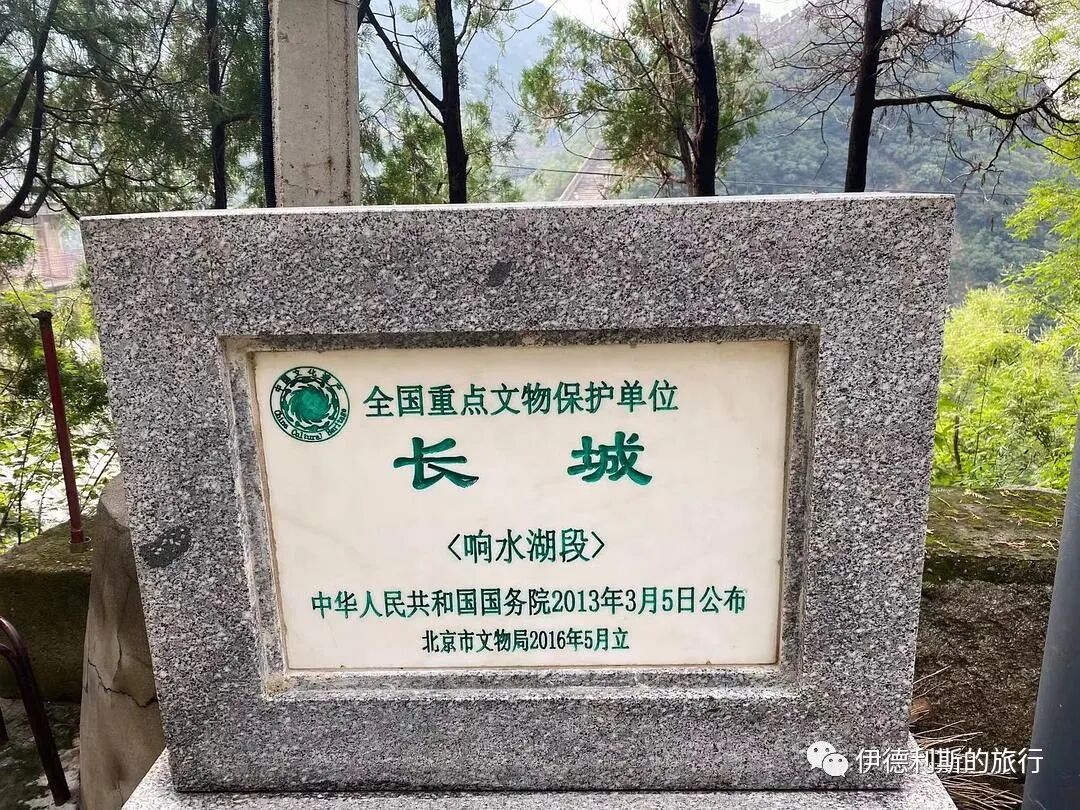
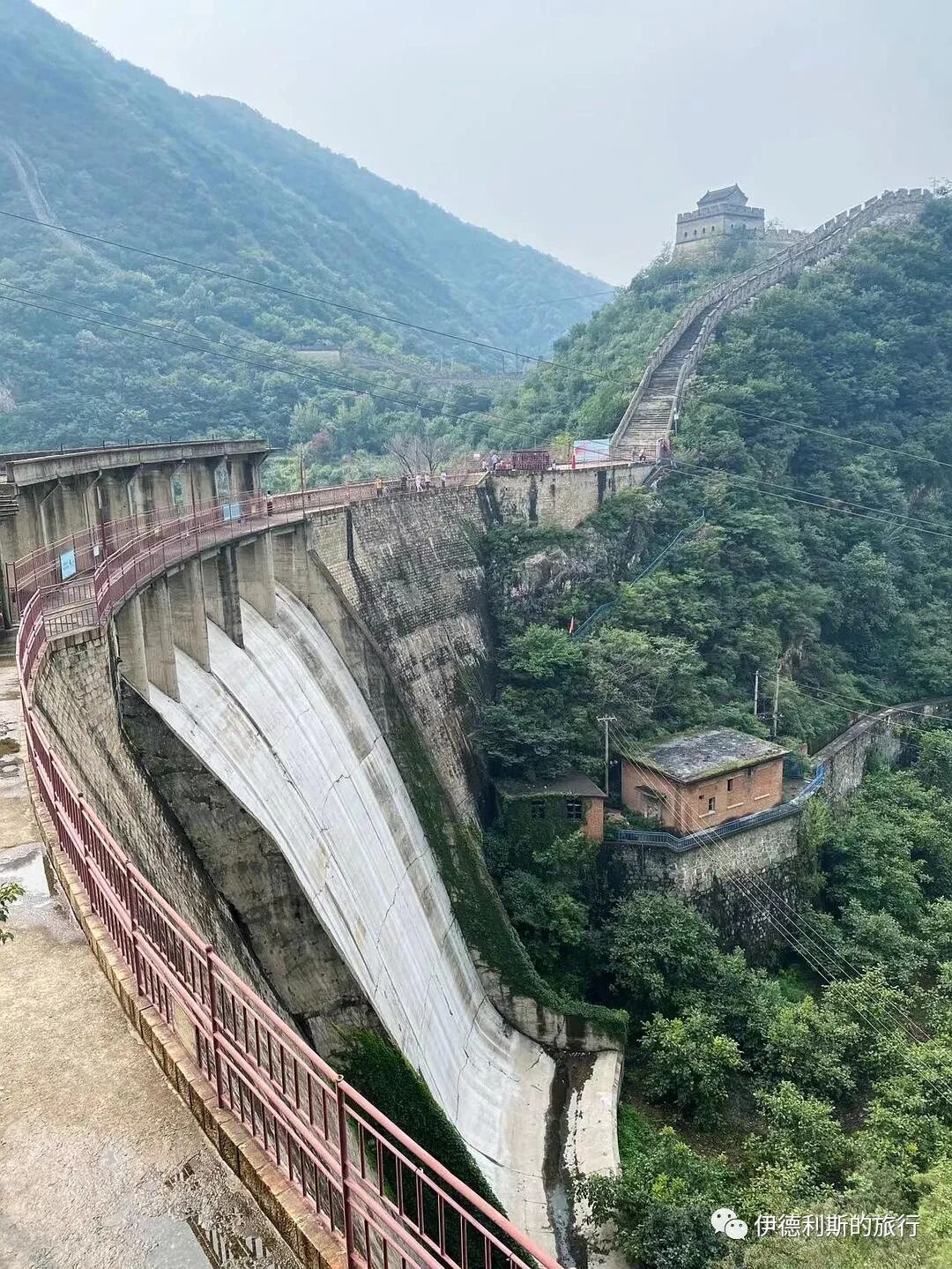
The Xiangshui Lake Great Wall was first built in 1404 (the second year of the Yongle reign of the Ming Dynasty). The entrance is called Moshikou Pass, named because the narrow mountain pass was worn down by flowing water over the years. The pass was destroyed in 1977 during the construction of a reservoir, which is why the current layout features the reservoir connected to the Great Wall.
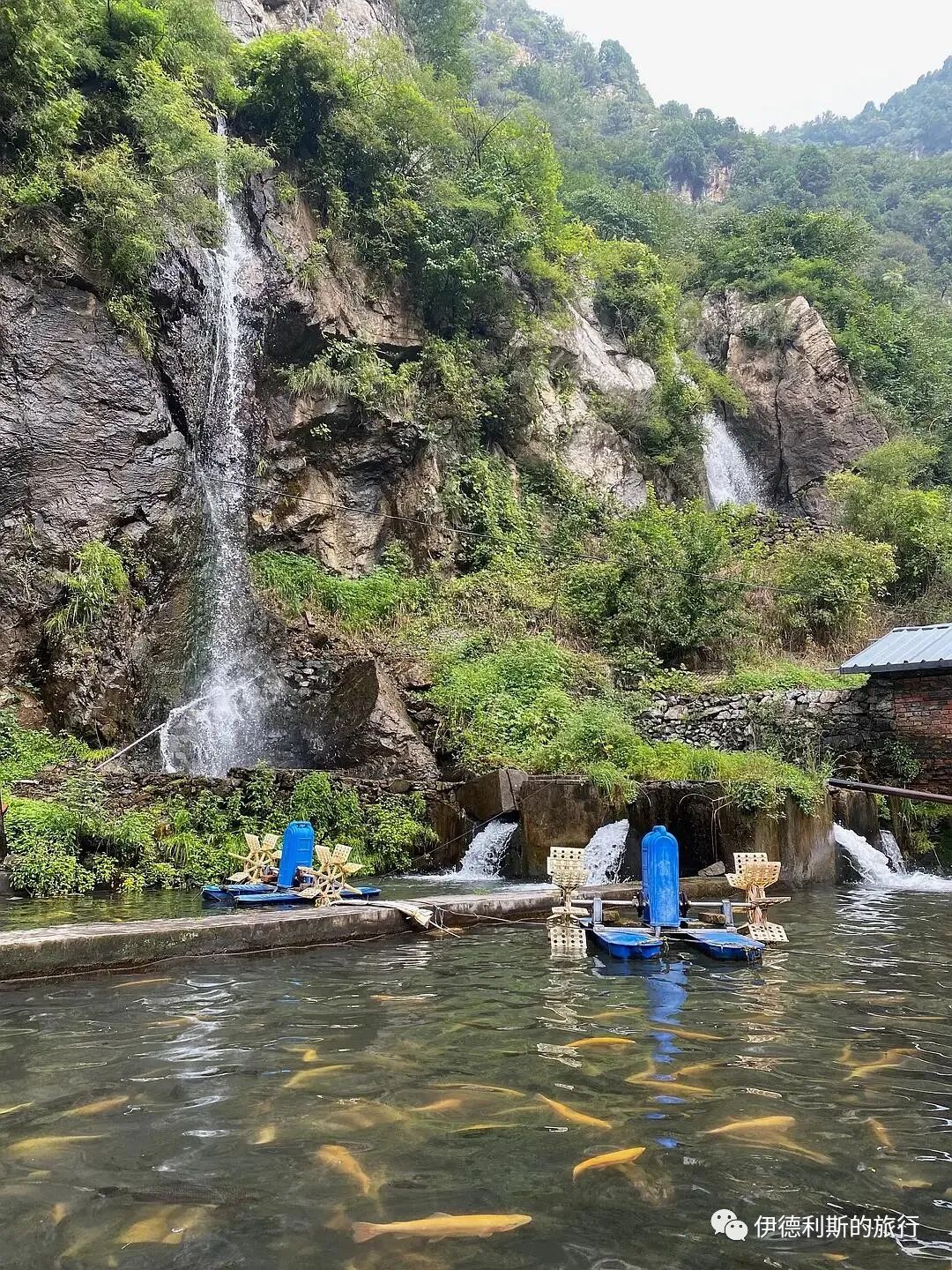
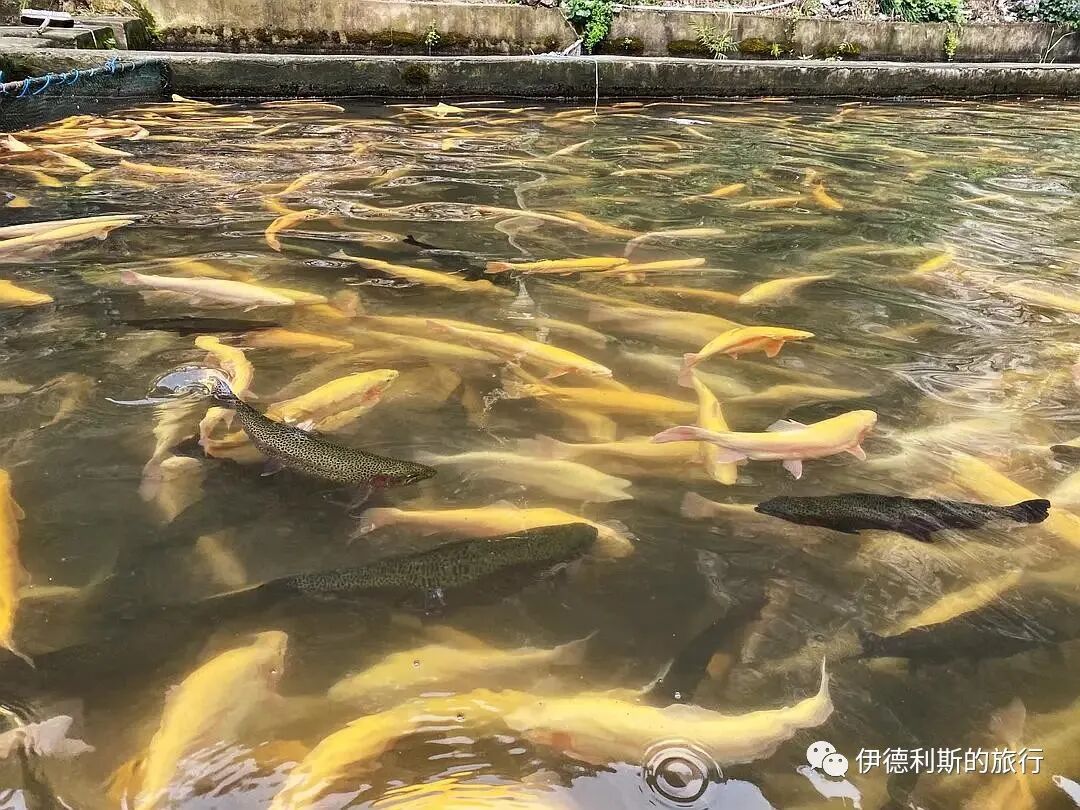
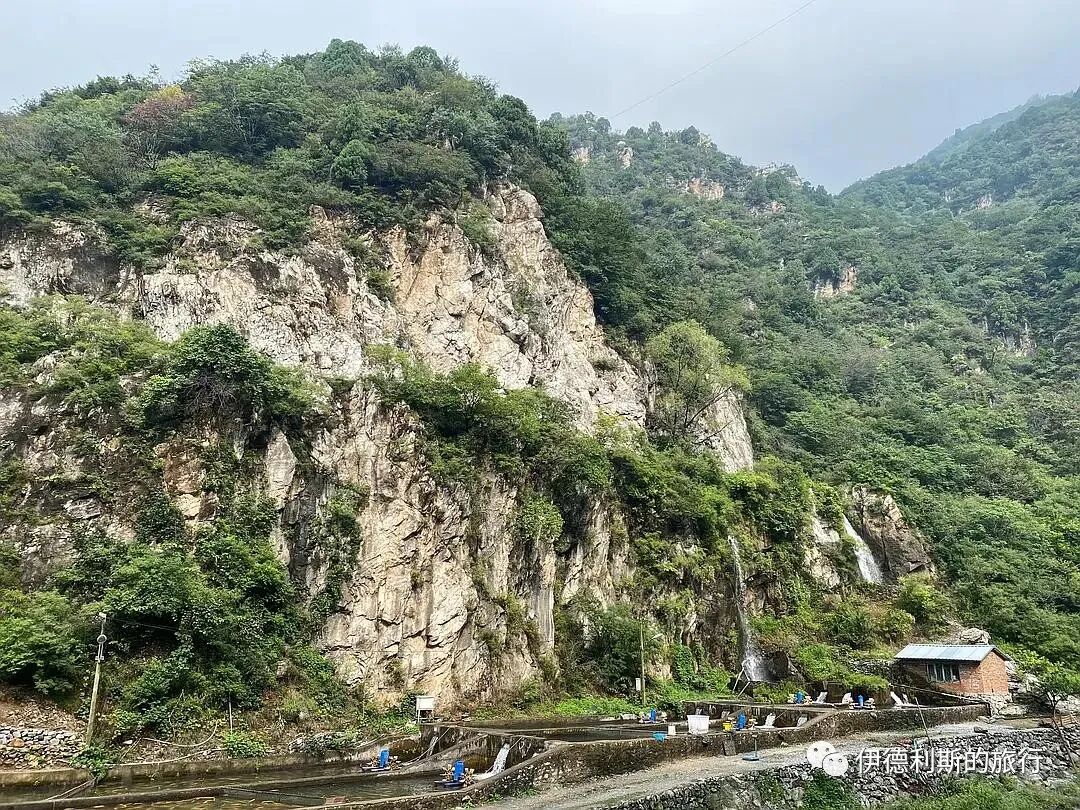
The Mother-Son Waterfall (muzi pubu) is located between the homestay and the scenic area, and there is a rainbow trout breeding base right below the waterfall. The water flows rapidly, and the rainbow trout inside are full of energy, jumping out of the water from time to time. The owner said rainbow trout must be raised in stream water. They have to be caught and grilled on the spot, because if they lose their energy, the texture changes after grilling.
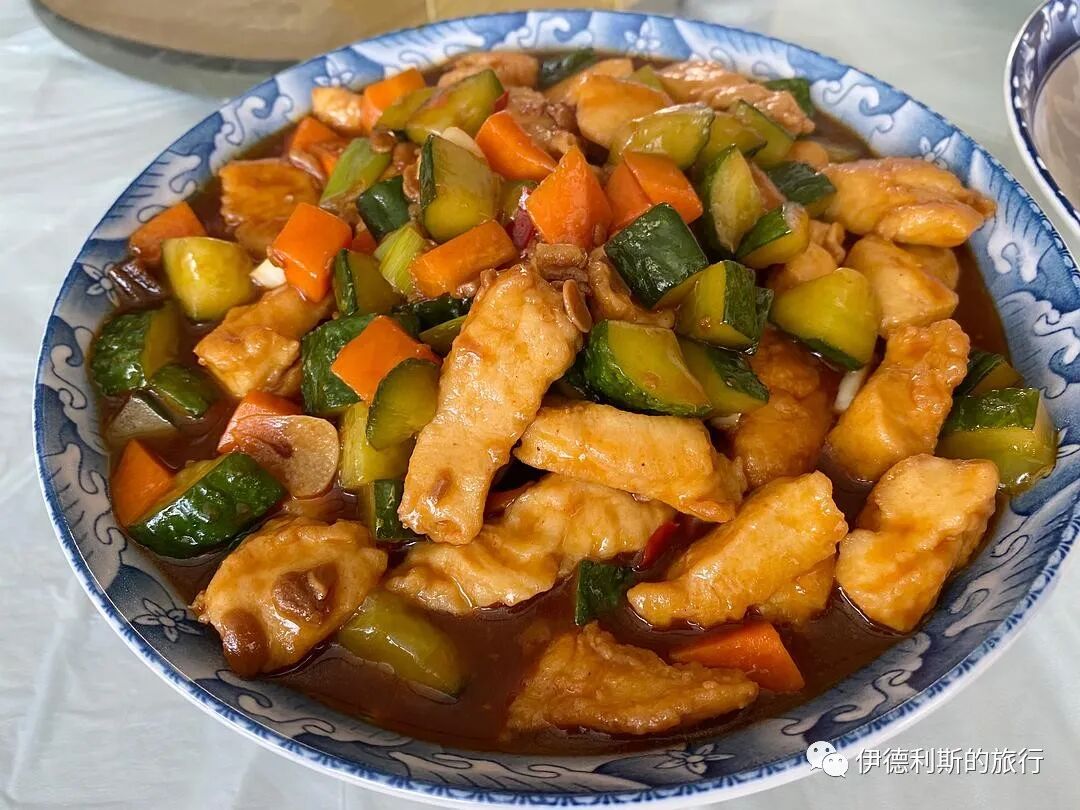
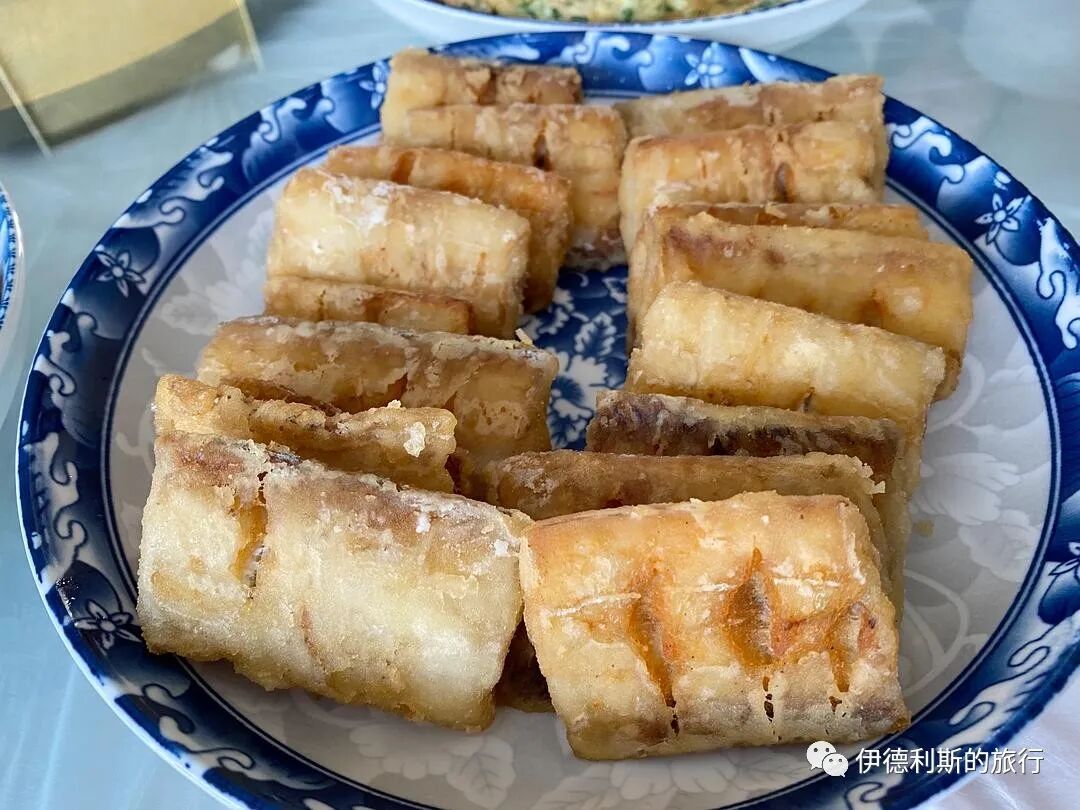
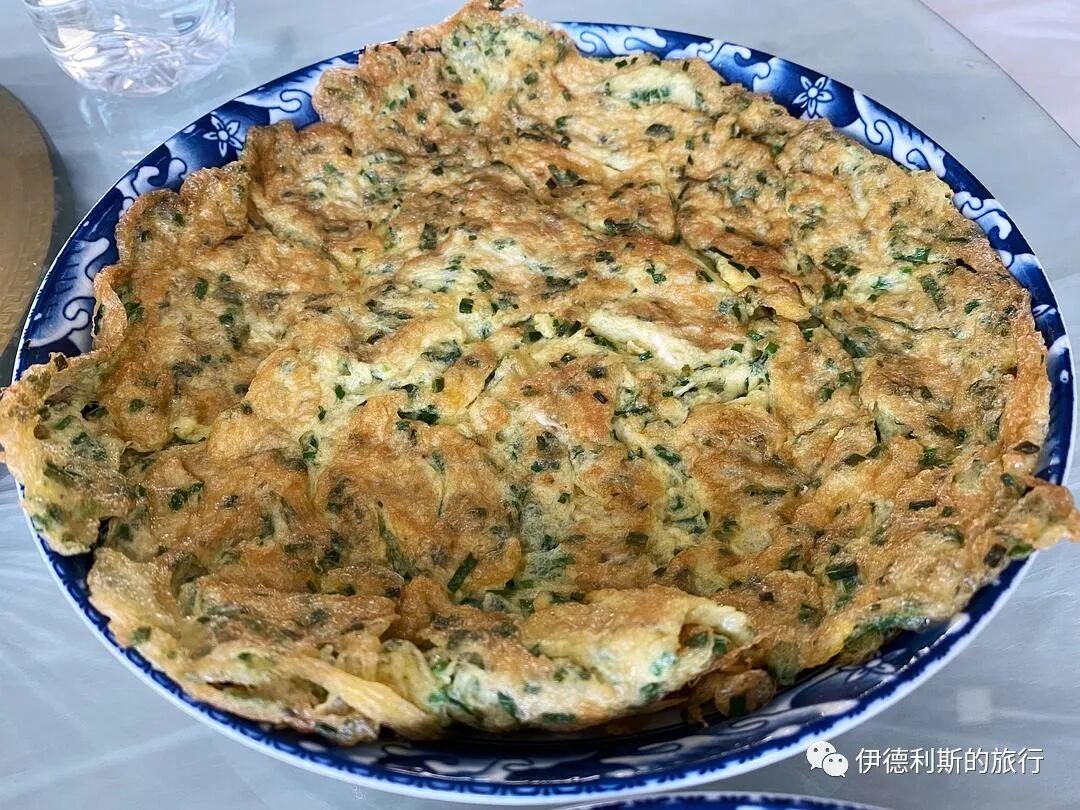
For lunch, we had stir-fried chicken cubes, deep-fried hairtail fish, and scrambled eggs with chives, all of which are home-style dishes.
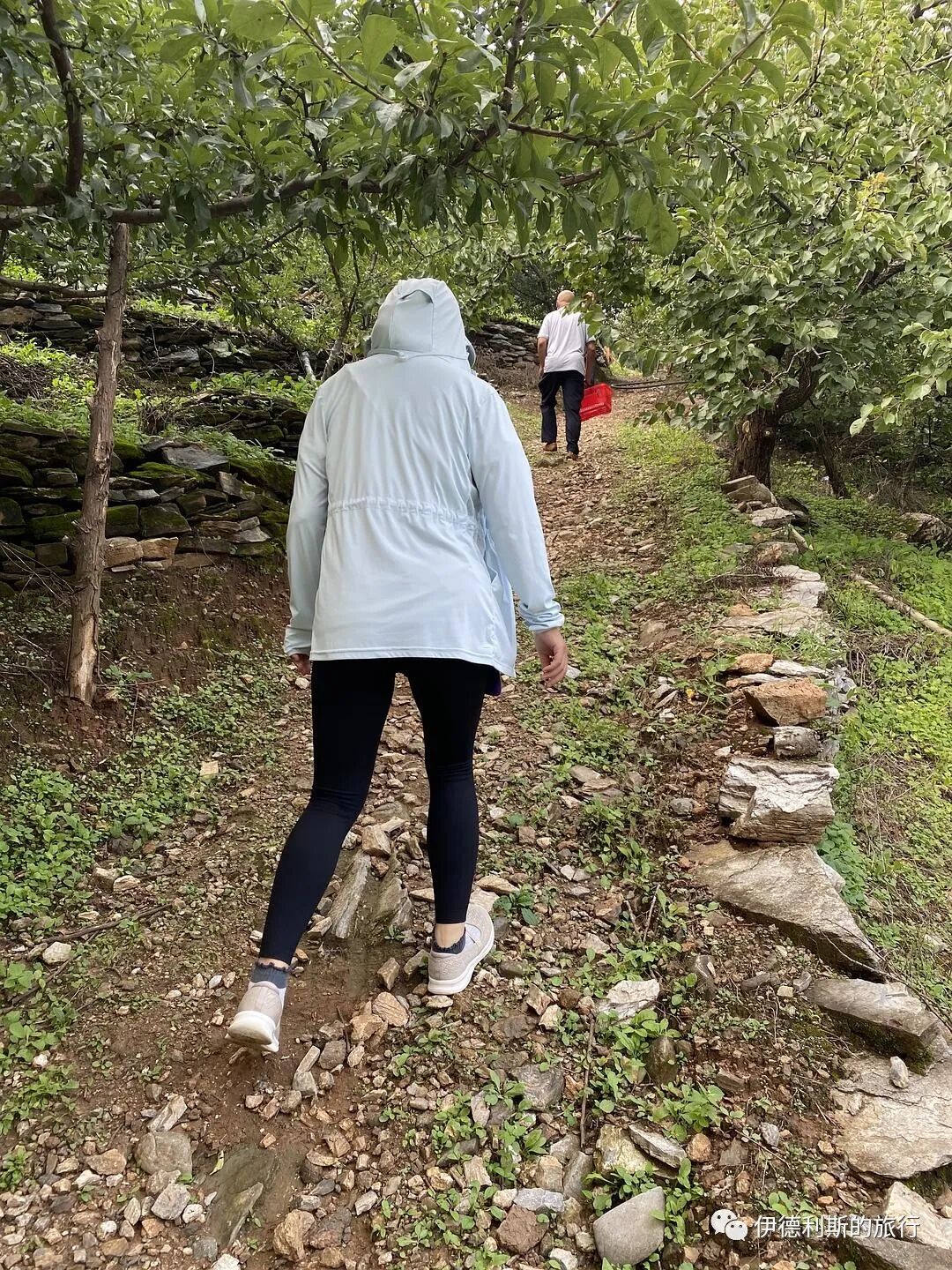
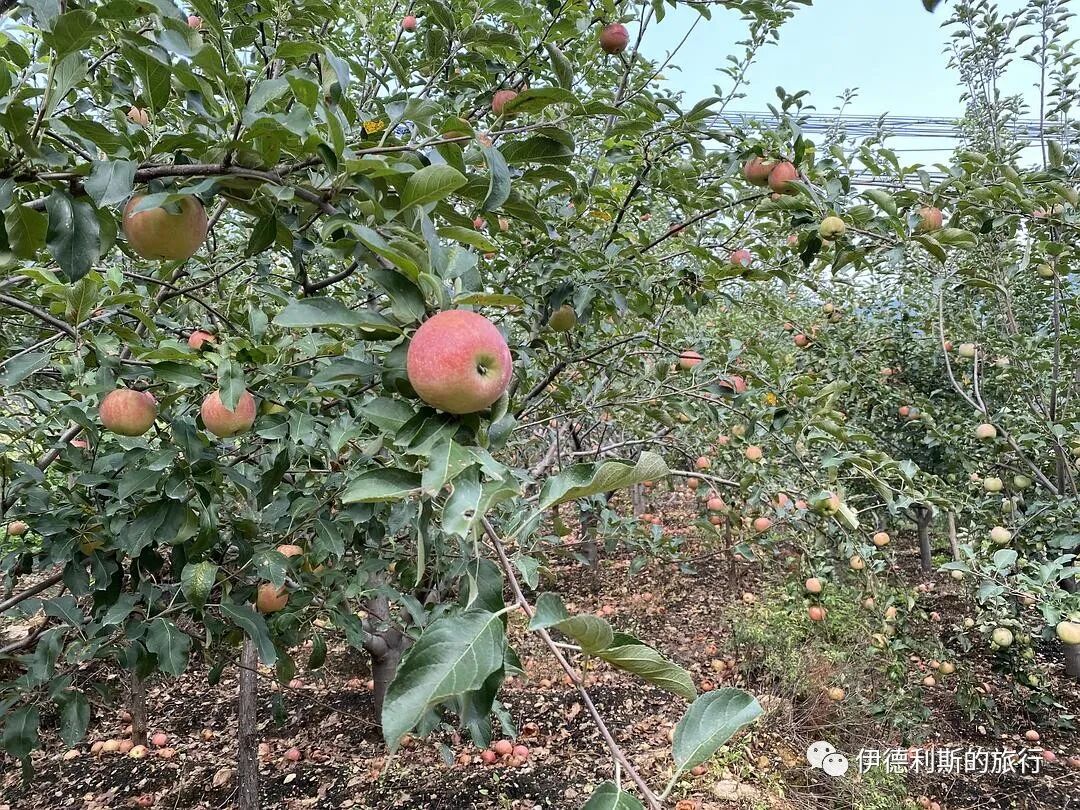
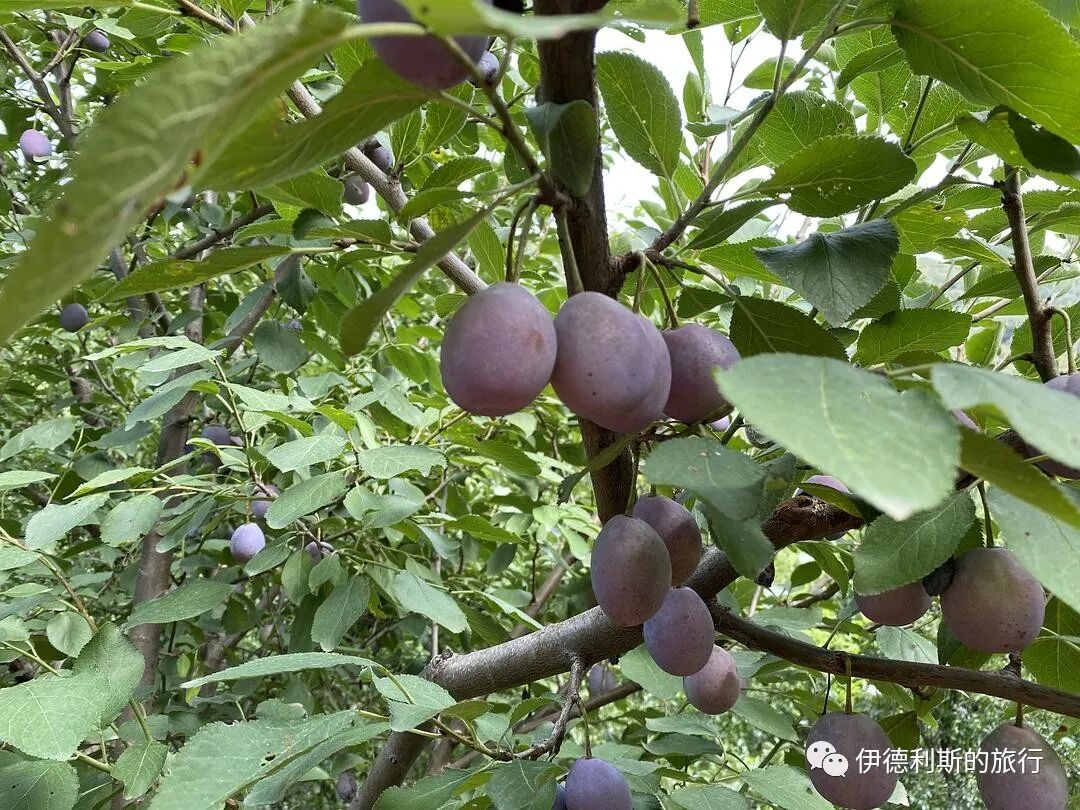
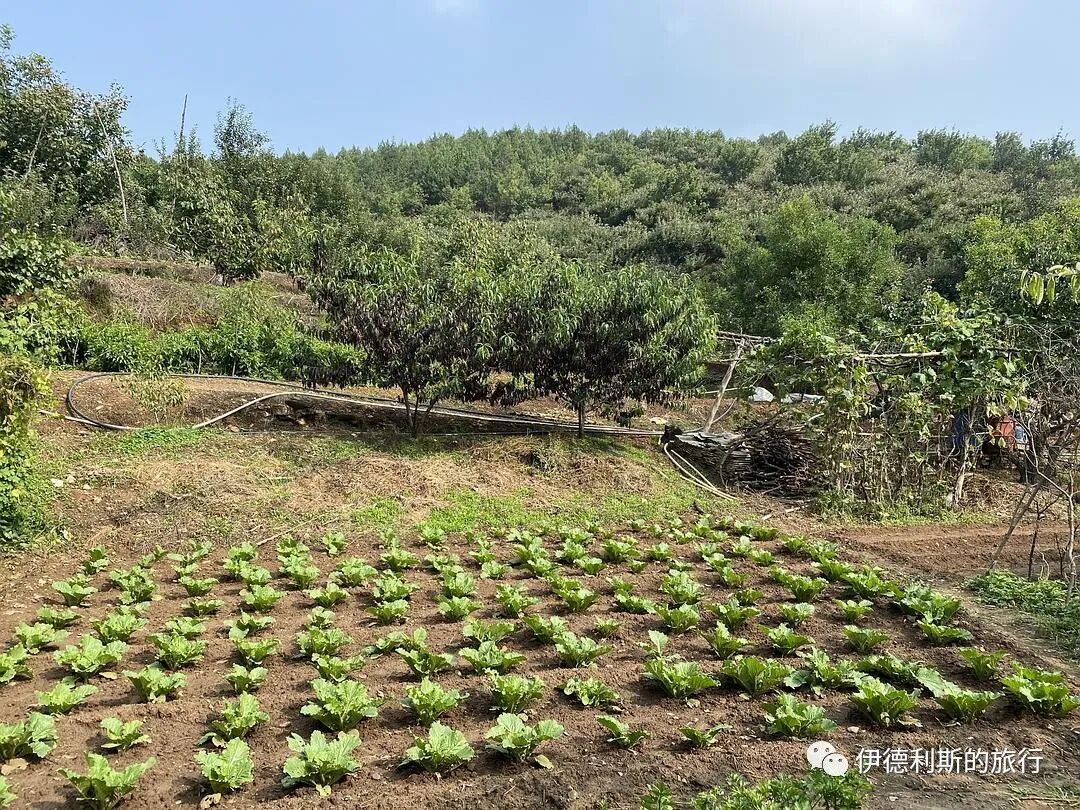
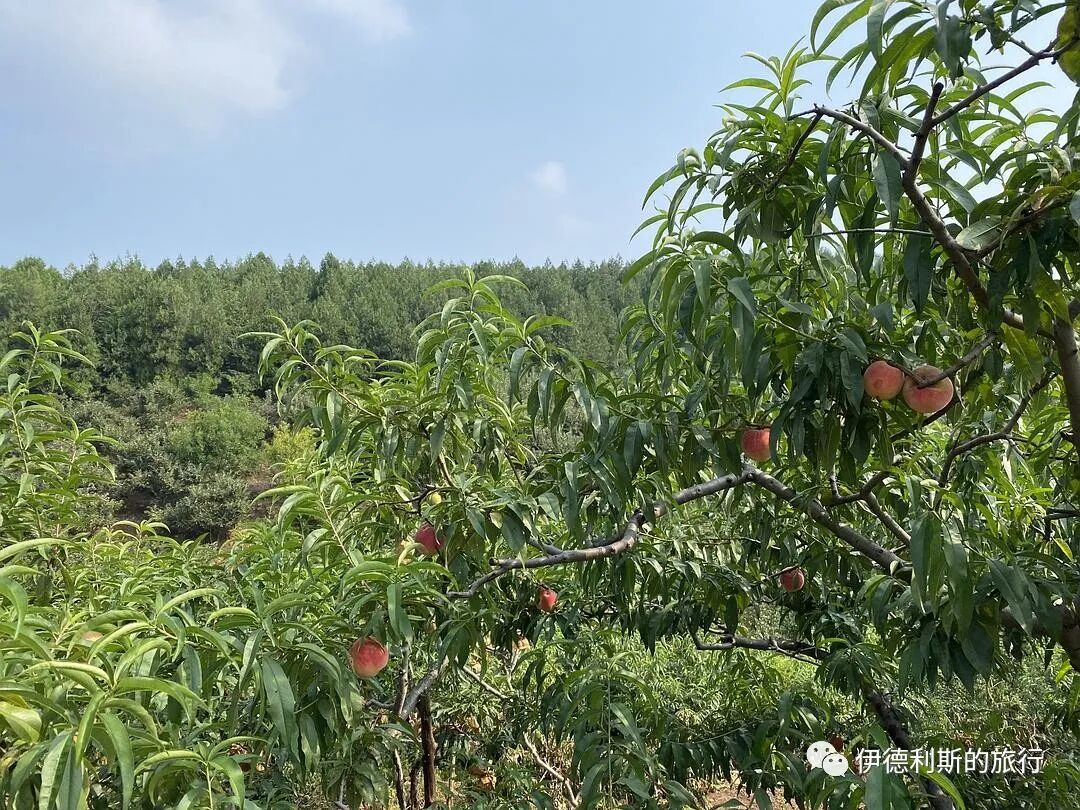
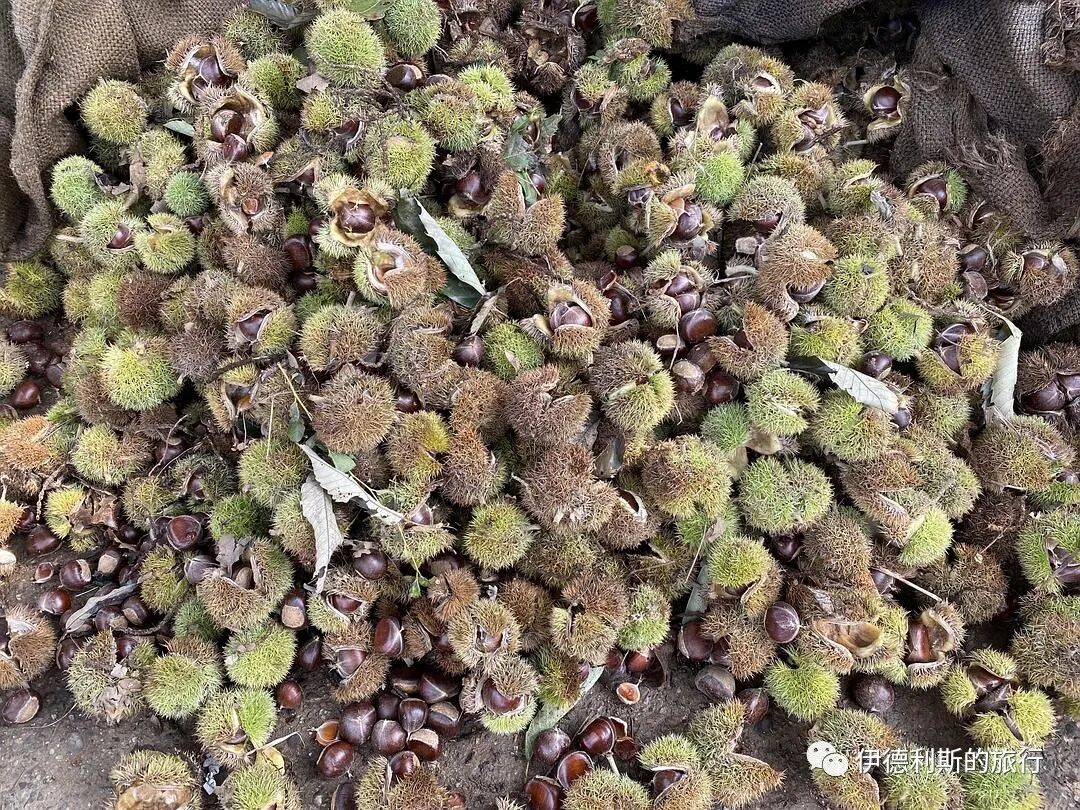
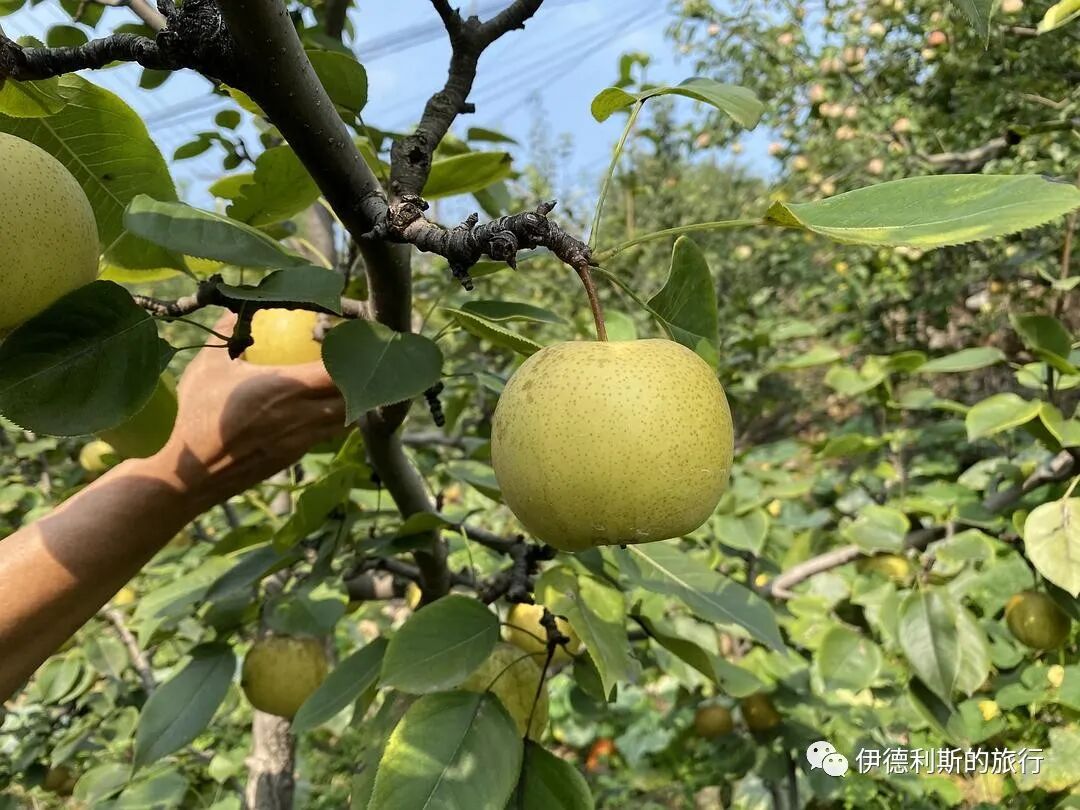
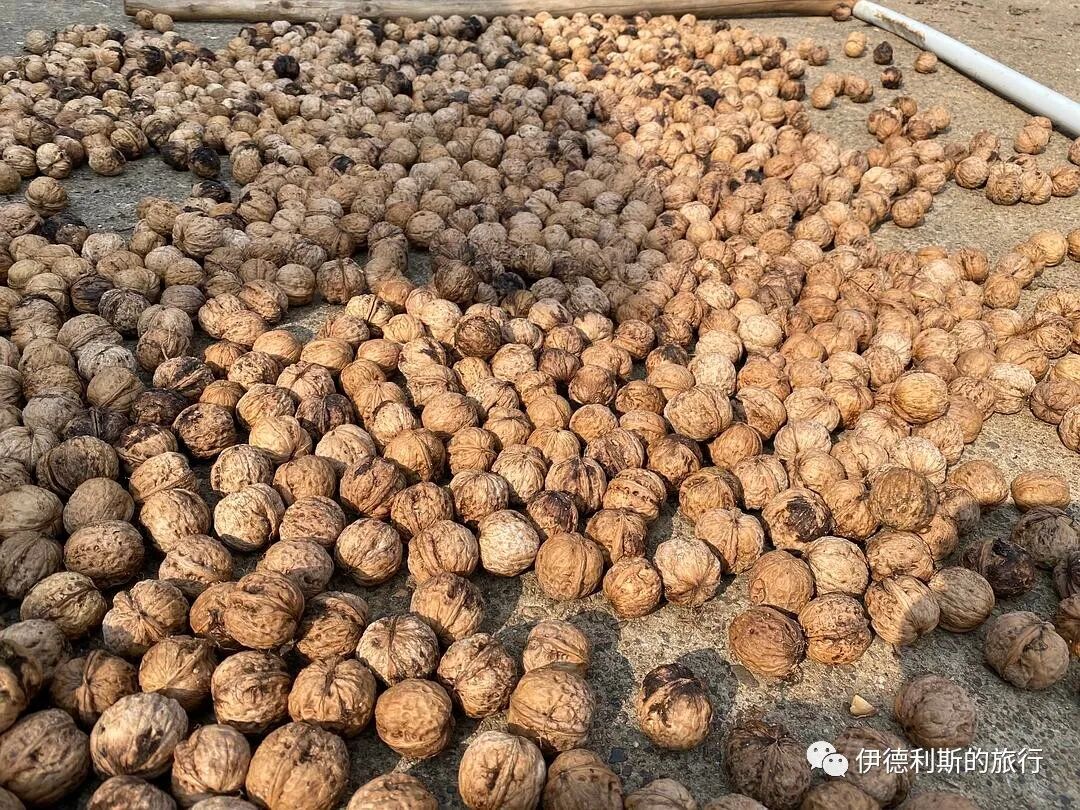
We passed by Sanduhe Village in Huairou, where you can pick all kinds of produce like apples, peaches, plums, pears, walnuts, and chestnuts.
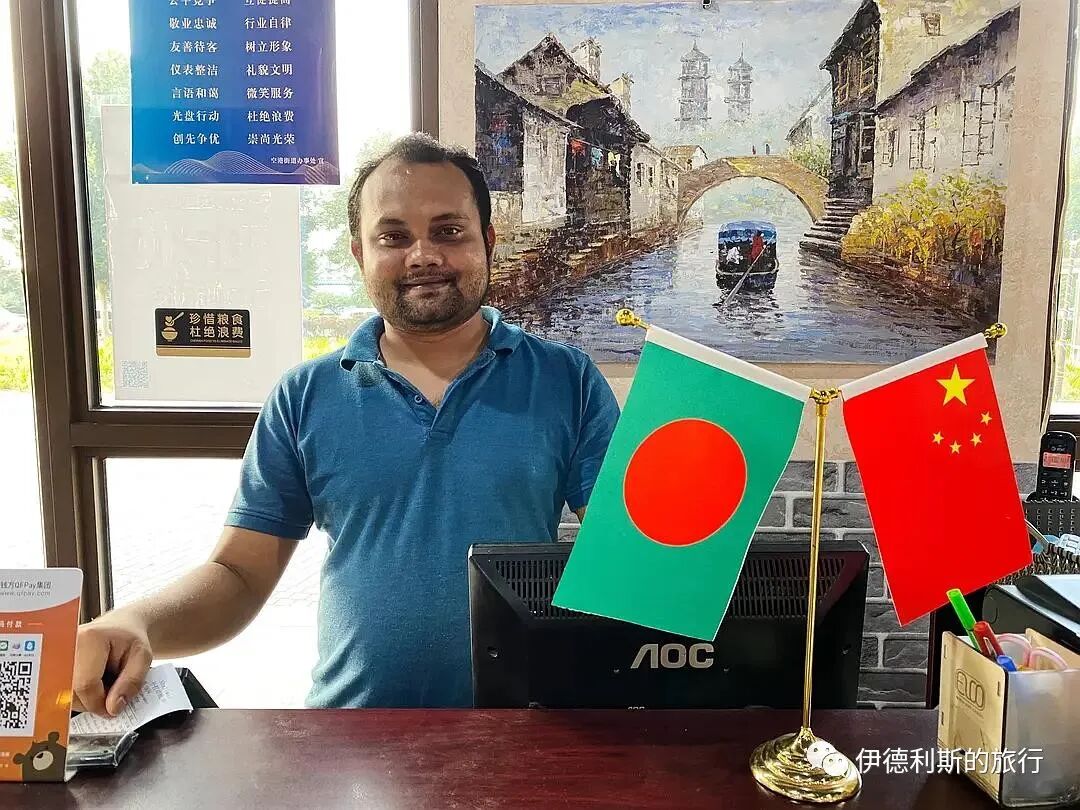
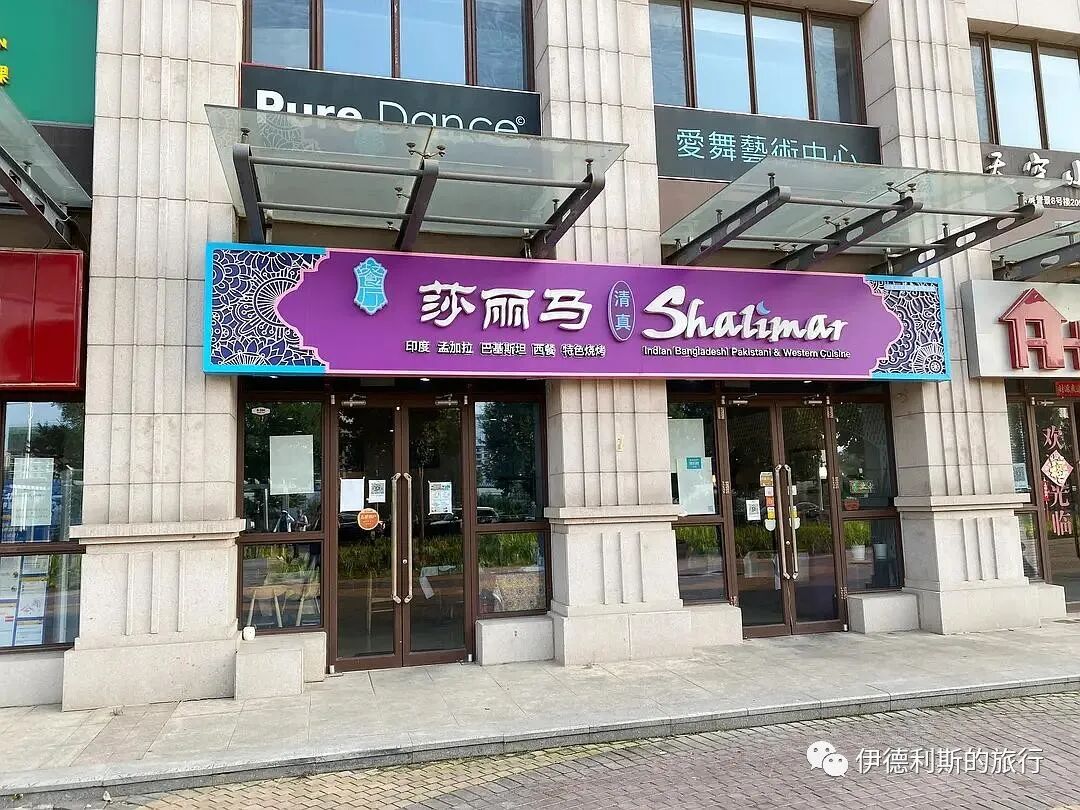
In the afternoon, we went to Shalimar, a Bangladeshi restaurant near the New China International Exhibition Center in Shunyi. It is likely the only Bangladeshi restaurant in Beijing. Also, the owner of Saduli in Beiluoguxiang is from Kolkata, the capital of West Bengal.
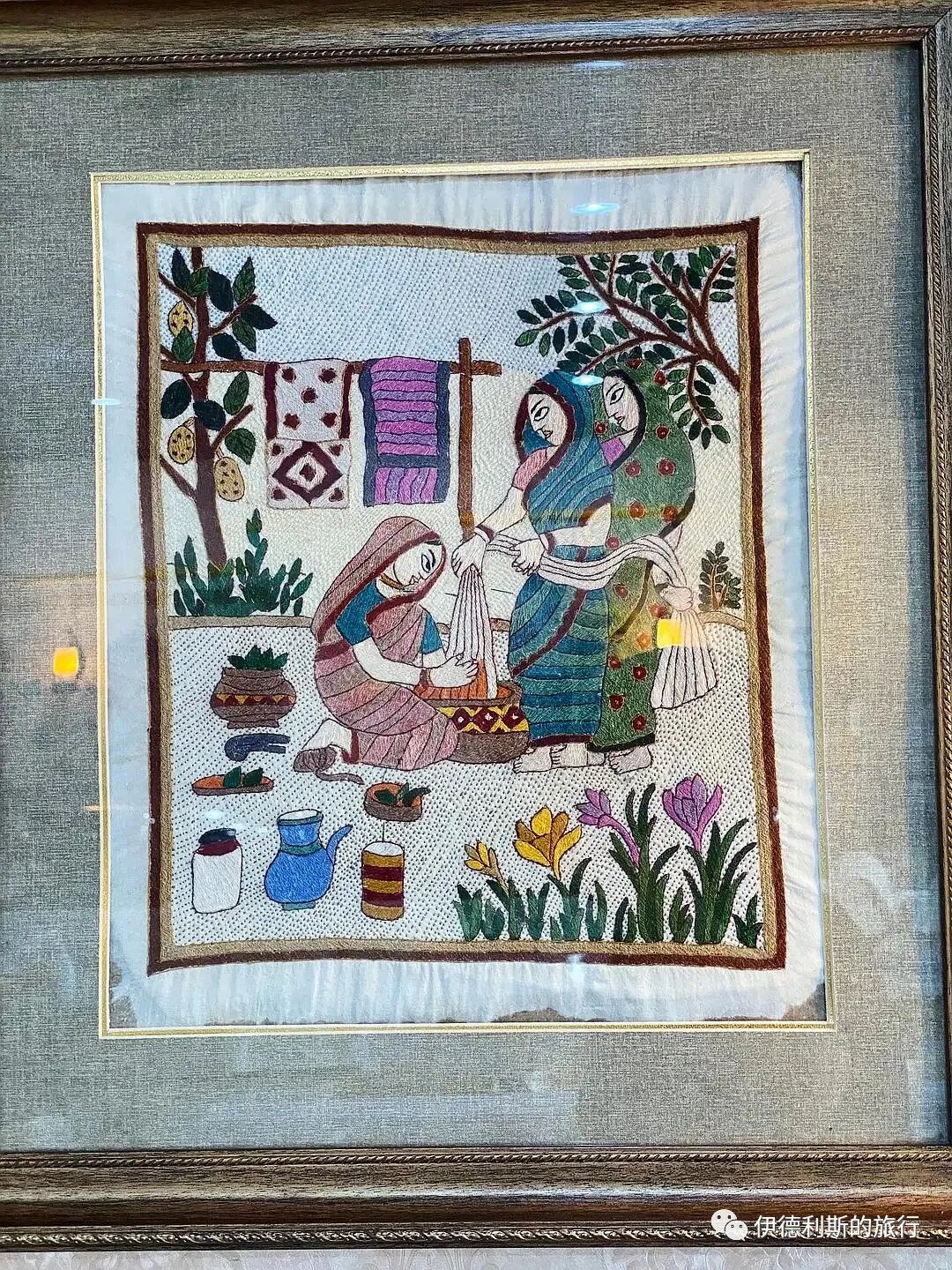
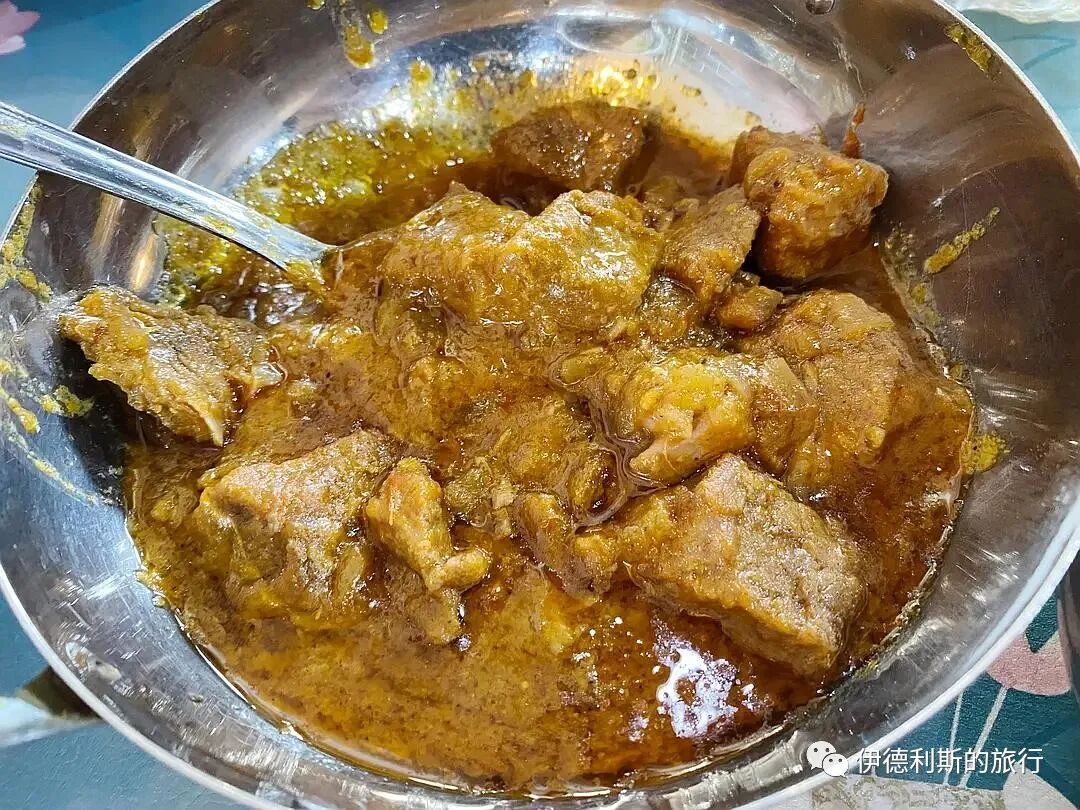
Although the owner is Bangladeshi, the restaurant mainly serves classic South Asian Pakistani and Indian dishes. We ate lamb and mushroom curry puffs (samosa), beef curry (bhuna), lentil curry (tarka daal), flatbread (chapati), and layered flatbread (paratha). We also ordered two salty yogurt drinks (lassi).
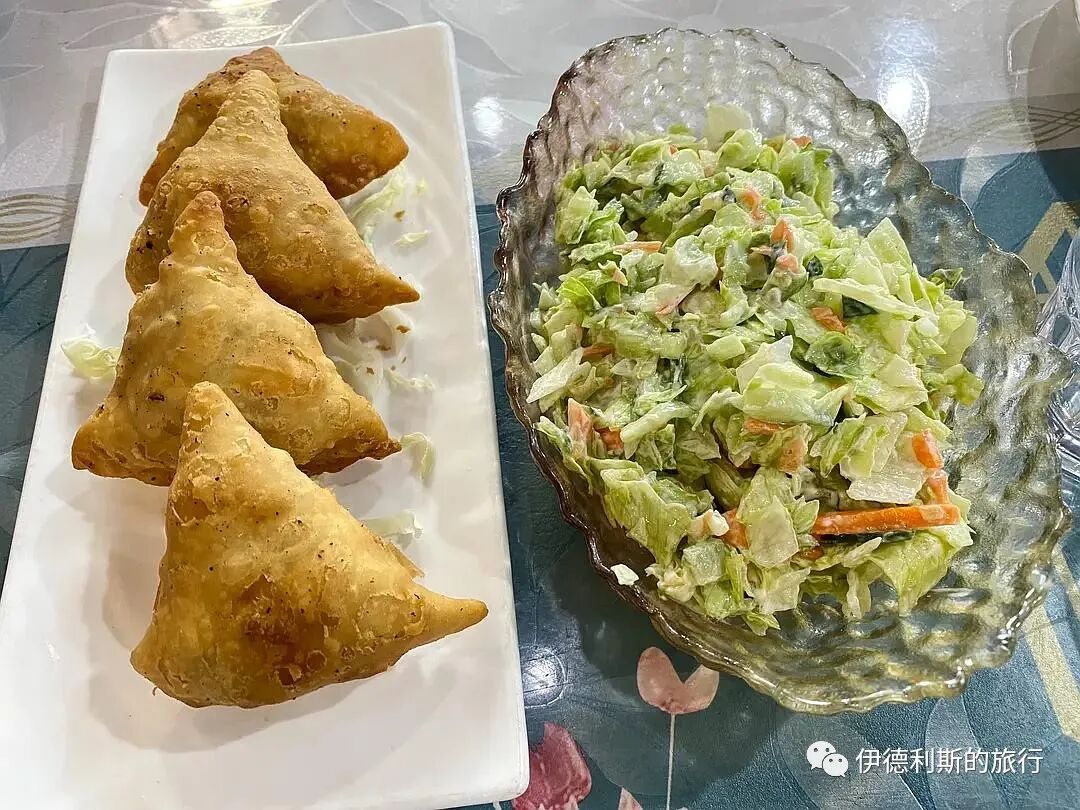
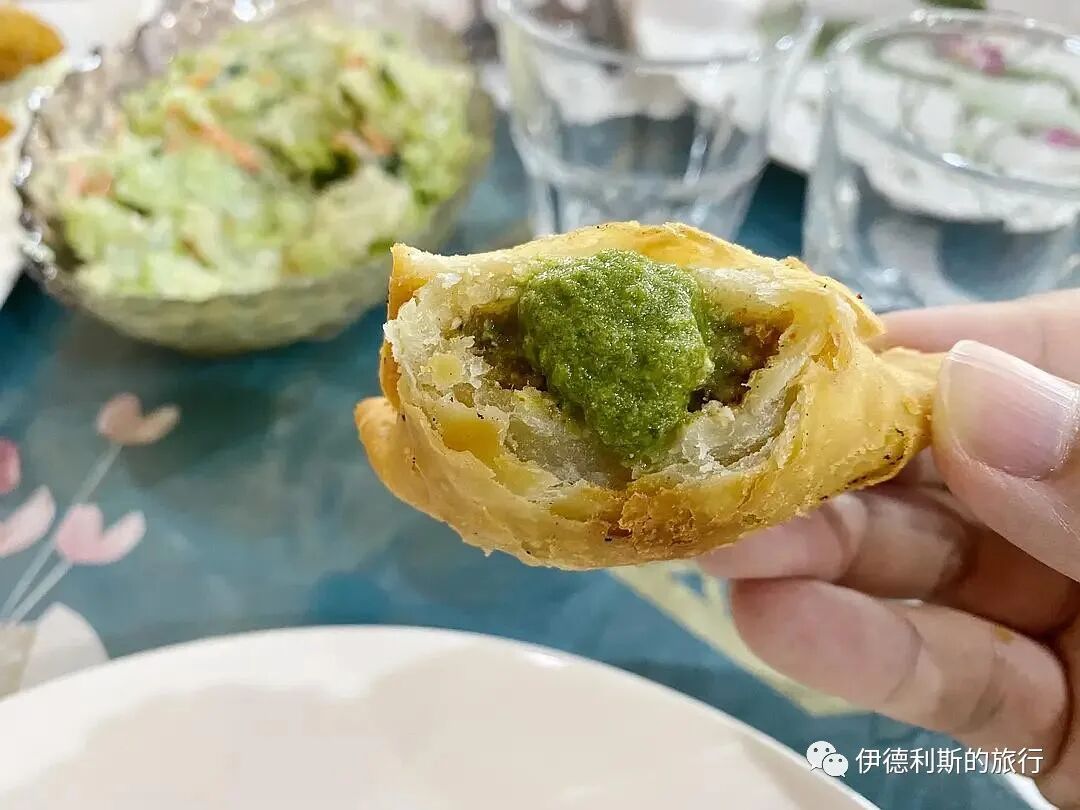
First, I have to praise their freshly fried samosas; they were crispy and fragrant! Drizzling them with mint sauce makes the flavor very rich.
Bhuna means "fried" in Urdu. When making it, the curry is fried in hot oil until it becomes a thick paste, which makes the flavor more intense. I have eaten this dish at Saduli before, and it was also very delicious.
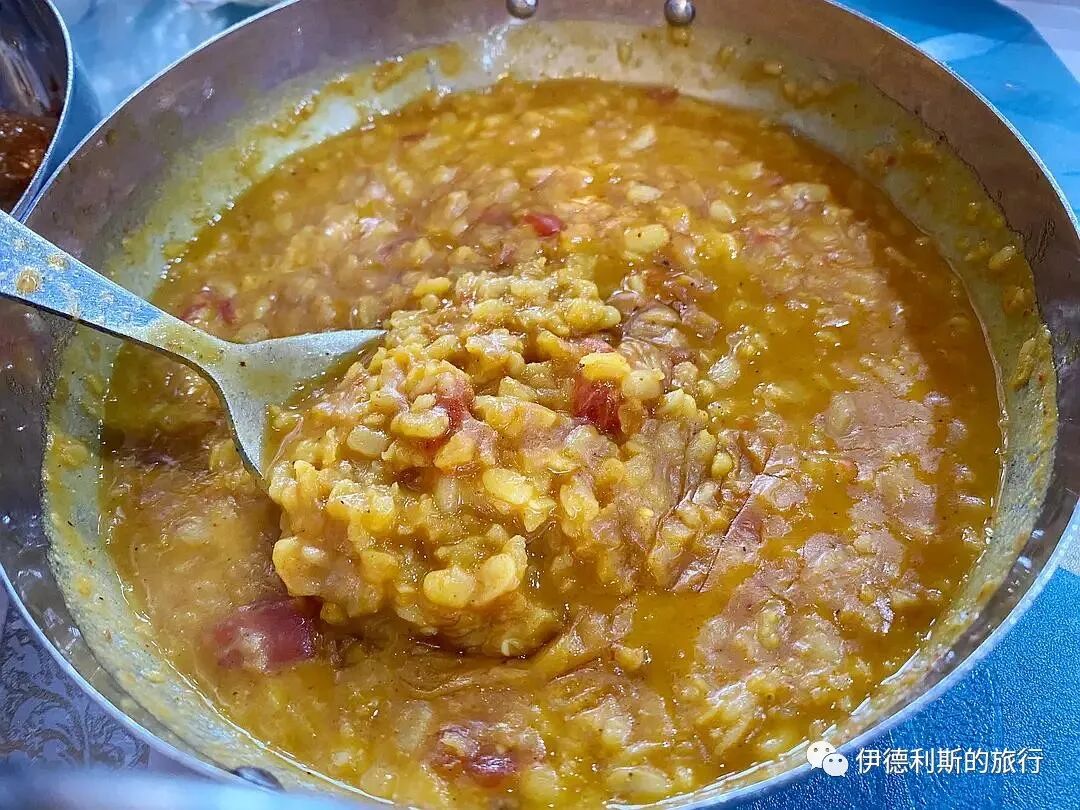
Tarka daal is a North Indian curry dish. Daal refers to lentils, and tarka refers to the process of quickly frying crispy garlic, onions, and chili peppers at the end of cooking, which adds a smoky flavor.
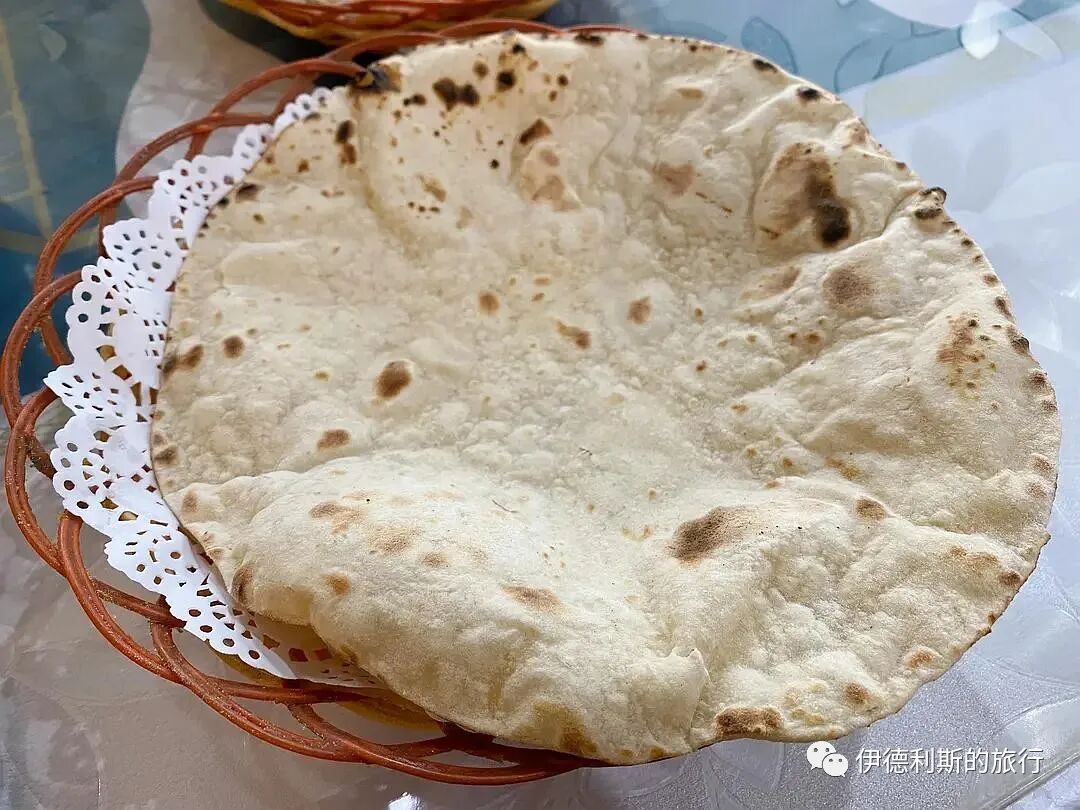
Chapati means "to slap" in Hindi, and it is a classic companion for curry.
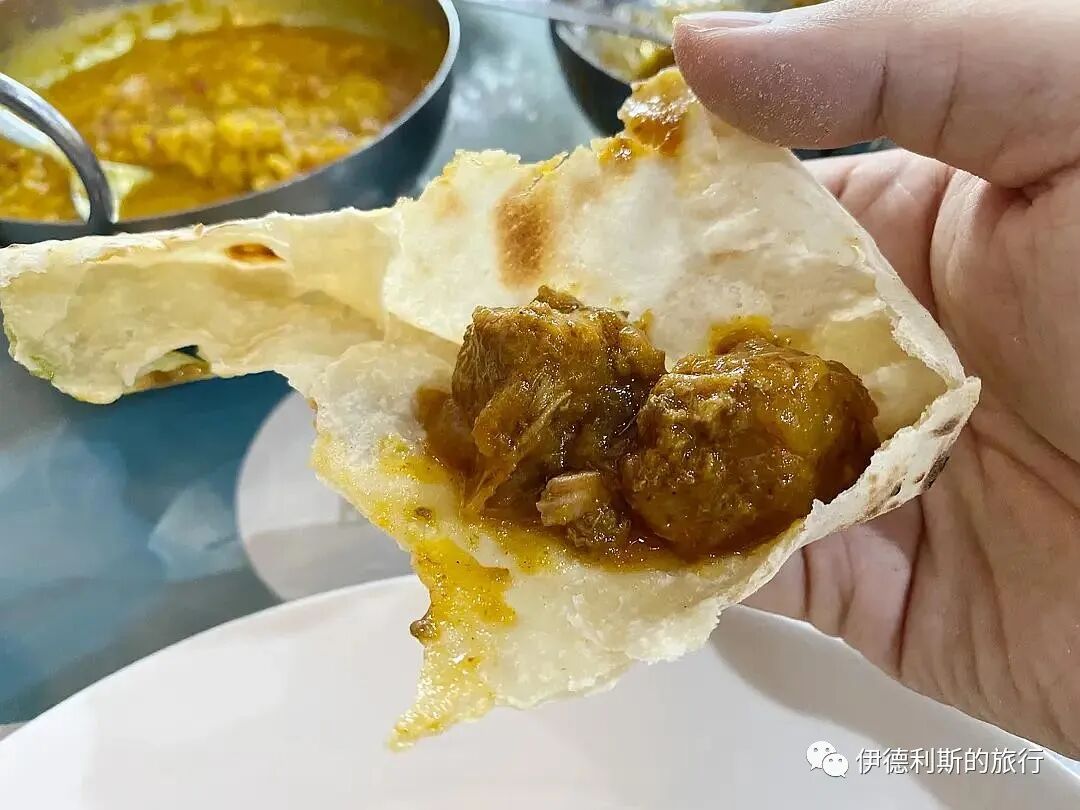
Paratha is a bit like a homemade griddle cake and is also a classic South Asian staple. Because it is brushed with oil and folded repeatedly during preparation, it is much thicker than chapati.
Summary: Muslim Travel Guide Beijing Huairou: Mountain Courtyard Mosque, Hui Village and Halal Food is presented here as a clear Muslim travel account, beginning with this scene: Following a recommendation from a friend (dosti), I visited the halal Juzi Homestay inside the Xiangshui Lake Great Wall scenic area in Huairou. The account keeps its focus on Huairou Mosque, Beijing Muslim Travel, Hui Village while preserving the names, places, food, and historical details from the Chinese source.
Following a recommendation from a friend (dosti), I visited the halal Juzi Homestay inside the Xiangshui Lake Great Wall scenic area in Huairou. The owner is a Hui Muslim from Dongzhimen and his wife is a Hui Muslim from Tongzhou. They originally rented the courtyard in the mountains just for fun, but they loved the environment so much they decided to stay and open this homestay, making it easy for other friends (dosti) to experience farm life in the mountains near Beijing.
Xiangshui Lake Great Wall is located behind the Mutianyu Great Wall, and you can reach it by road from both Changping and Huairou. We took the Changping route on our way there, stopping first at Qingcheng Restaurant, a Hohhot-style eatery on Changping West Ring Road, to have some Inner Mongolian food. The original Qingcheng Restaurant opened in 1994 and has been running for 28 years. We ordered oat noodle cones (youmian wowo) served with a hot lamb and mushroom soup, along with a cold cucumber and carrot soup; dipping the noodles in the soup was very flavorful. We also ordered stir-fried oat noodles (chao youmian), braised chicken chunks, and stir-fried lamb offal (baochao yangza). Their stir-fried lamb offal is really special! It is stir-fried until crispy with a slightly sweet taste, and it is so delicious you cannot stop eating it. Just a heads-up, there are quite a few people who smoke there, so be careful if you are bothered by cigarette smoke.
After lunch, we drove into the mountains. The mountains in Changping are full of vendors selling horse-tooth dates (maya zao) and walnuts; the mountain dates are especially sweet! Behind me in the photo is Grandma's own date orchard.
After crossing mountains and ridges, we finally arrived at the Xiangshui Lake Great Wall. If you are staying at the homestay, you do not need to buy a ticket; just tell the security guard at the entrance and you can drive right in. After passing the main scenic area and going through a canyon, you reach Zhuanghu Village, where the homestay is located. It really feels like a hidden paradise.
The canyon between the scenic area and the homestay.
I put down my luggage and went for a walk. The mountains are very quiet in the evening, and the valley is filled with walnut trees.
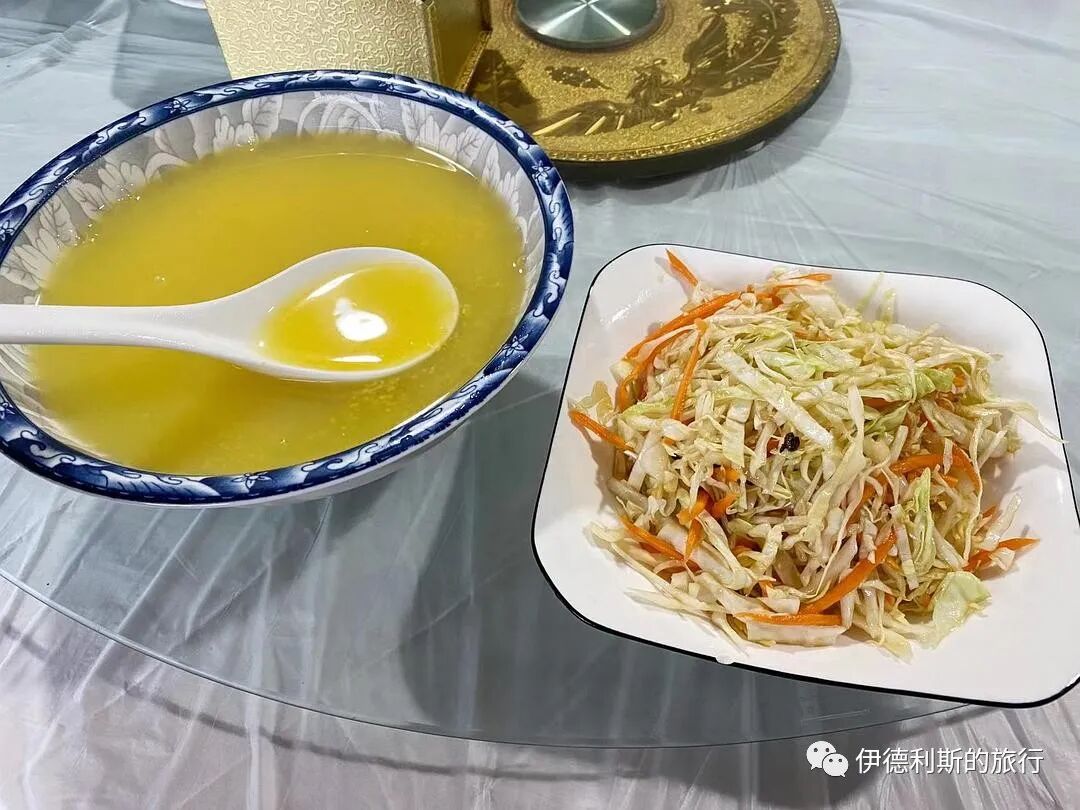
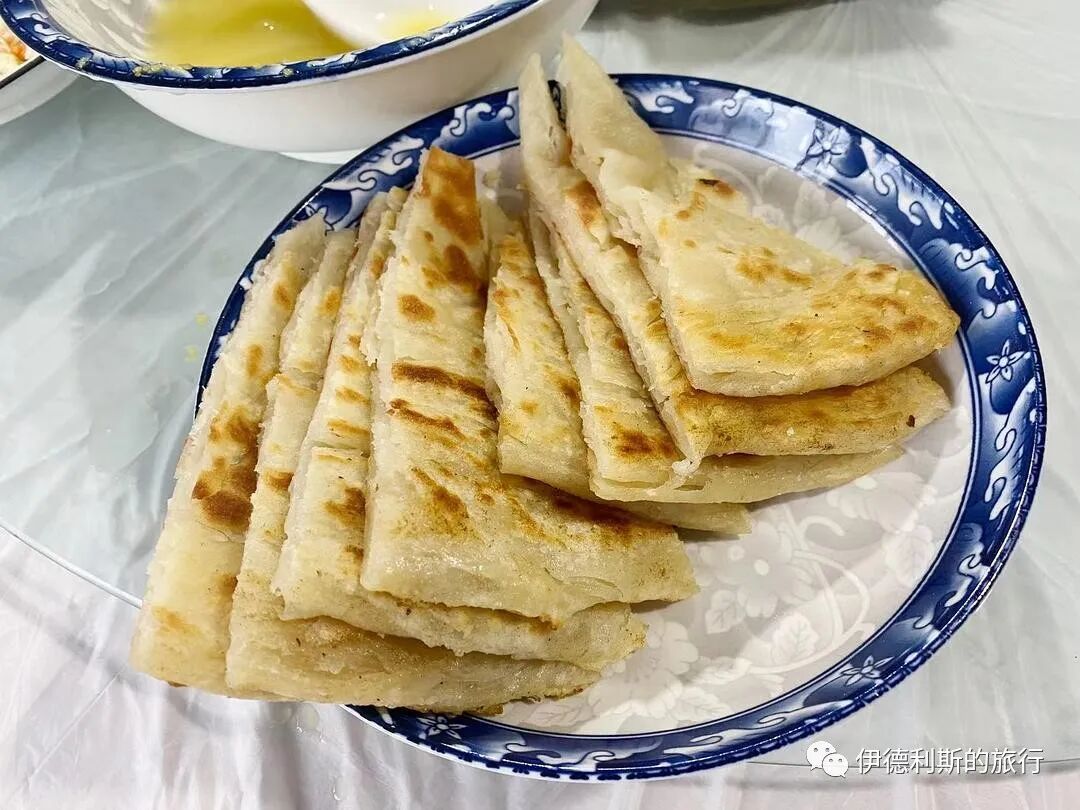
In the evening, we had grilled rainbow trout, stir-stir-fried meat with garlic sprouts, fried steamed bun slices (zha mantou pian), and dough drop soup (geda tang) at the homestay. Their rainbow trout is truly delicious, and the meat is so tender it flakes like garlic cloves.
At night, the owner grilled in the courtyard. This little courtyard is perfect for a barbecue and stargazing.
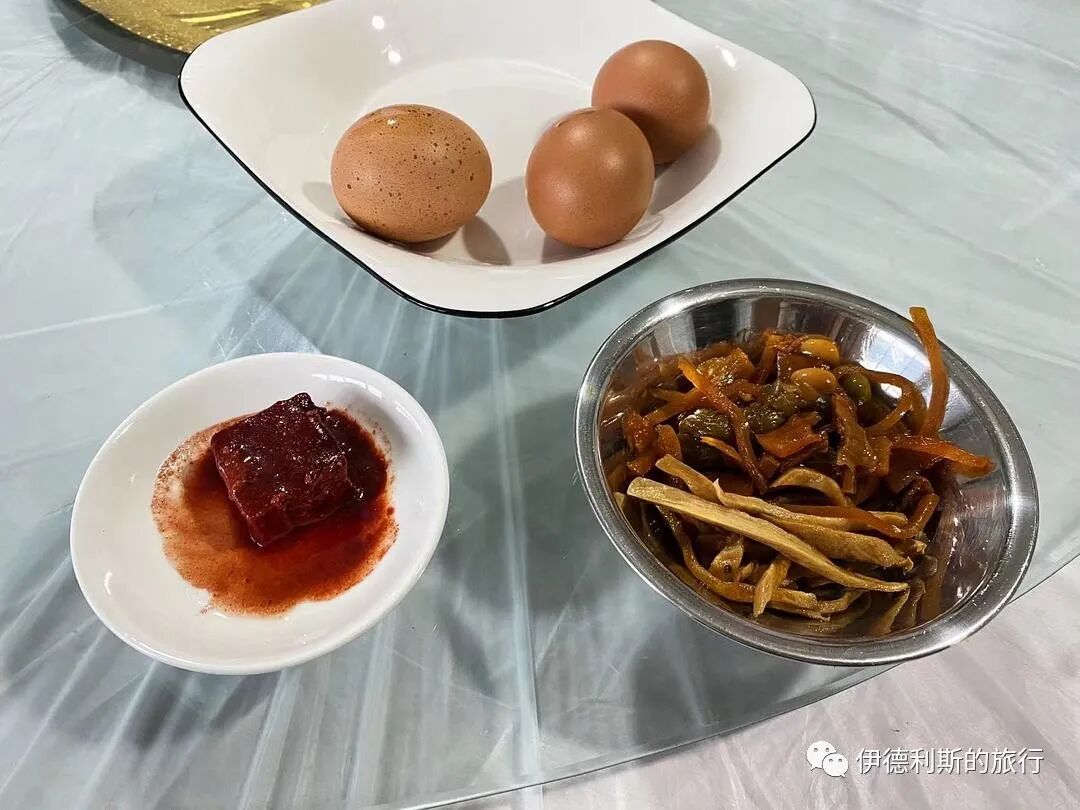
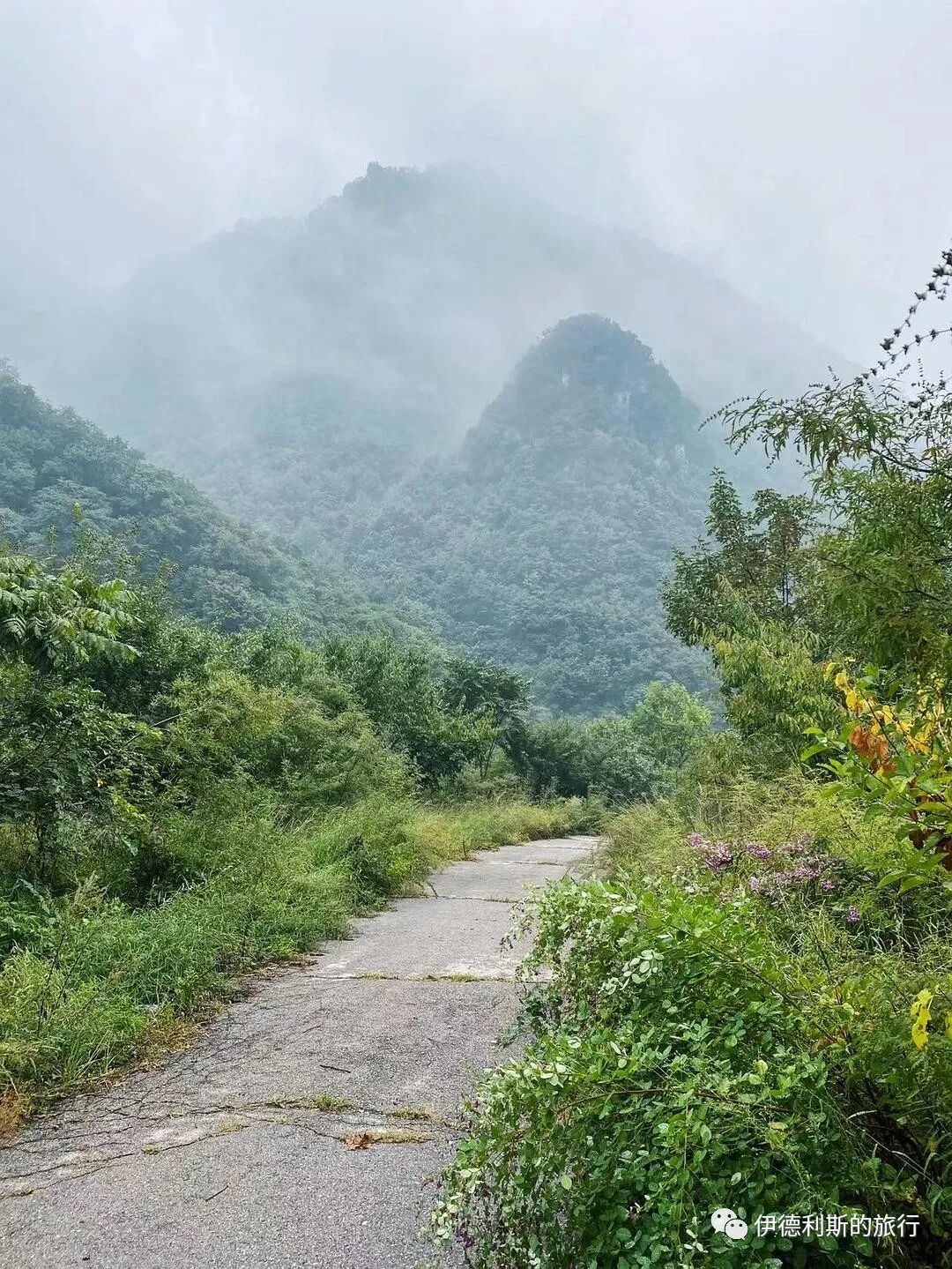
We had a simple breakfast at the homestay in the morning. The benefit of staying at a homestay is that you can easily arrange what you want to eat. Then we went for a walk in the mountains; the valley in the morning mist looked like a fairyland! The air is so fresh.
The Xiangshui Lake Great Wall was first built in 1404 (the second year of the Yongle reign of the Ming Dynasty). The entrance is called Moshikou Pass, named because the narrow mountain pass was worn down by flowing water over the years. The pass was destroyed in 1977 during the construction of a reservoir, which is why the current layout features the reservoir connected to the Great Wall.
The Mother-Son Waterfall (muzi pubu) is located between the homestay and the scenic area, and there is a rainbow trout breeding base right below the waterfall. The water flows rapidly, and the rainbow trout inside are full of energy, jumping out of the water from time to time. The owner said rainbow trout must be raised in stream water. They have to be caught and grilled on the spot, because if they lose their energy, the texture changes after grilling.
For lunch, we had stir-fried chicken cubes, deep-fried hairtail fish, and scrambled eggs with chives, all of which are home-style dishes.
We passed by Sanduhe Village in Huairou, where you can pick all kinds of produce like apples, peaches, plums, pears, walnuts, and chestnuts.
In the afternoon, we went to Shalimar, a Bangladeshi restaurant near the New China International Exhibition Center in Shunyi. It is likely the only Bangladeshi restaurant in Beijing. Also, the owner of Saduli in Beiluoguxiang is from Kolkata, the capital of West Bengal.
Although the owner is Bangladeshi, the restaurant mainly serves classic South Asian Pakistani and Indian dishes. We ate lamb and mushroom curry puffs (samosa), beef curry (bhuna), lentil curry (tarka daal), flatbread (chapati), and layered flatbread (paratha). We also ordered two salty yogurt drinks (lassi).
First, I have to praise their freshly fried samosas; they were crispy and fragrant! Drizzling them with mint sauce makes the flavor very rich.
Bhuna means "fried" in Urdu. When making it, the curry is fried in hot oil until it becomes a thick paste, which makes the flavor more intense. I have eaten this dish at Saduli before, and it was also very delicious.
Tarka daal is a North Indian curry dish. Daal refers to lentils, and tarka refers to the process of quickly frying crispy garlic, onions, and chili peppers at the end of cooking, which adds a smoky flavor.
Chapati means "to slap" in Hindi, and it is a classic companion for curry.
Paratha is a bit like a homemade griddle cake and is also a classic South Asian staple. Because it is brushed with oil and folded repeatedly during preparation, it is much thicker than chapati.
