
Muslim Travel Guide Indonesia Solo: Central Java Palaces, Mosques and Muslim Heritage
Reposted from the web
Summary: Muslim Travel Guide Indonesia Solo: Central Java Palaces, Mosques and Muslim Heritage is presented here as a clear Muslim travel account, beginning with this scene: In our last article, The Lost Ancient Capital of Java: Kotagede, we introduced how the Mataram Sultanate became the most powerful Islamic kingdom on Java in the first half of the 17th century. The account keeps its focus on Solo Mosques, Indonesia Muslim Travel, Central Java while preserving the names, places, food, and historical details from the Chinese source.
In our last article, The Lost Ancient Capital of Java: Kotagede, we introduced how the Mataram Sultanate became the most powerful Islamic kingdom on Java in the first half of the 17th century. However, after the third ruler, Sultan Agung (reigned 1613-1645), passed away, the royal family fell into a power struggle. After the 1670s, the Dutch East India Company used power struggles within the Mataram Sultanate to slowly tighten its control over Central Java.
Moving the capital to Solo
In 1726, the last Mataram Sultan, Pakubuwana II, took the throne. In 1740, a massacre of Chinese people broke out in the Dutch East India Company headquarters of Batavia (Jakarta), and chaos quickly spread across the entire island of Java. In 1741, Chinese armed forces entered Central Java and began to besiege Semarang, the capital of the Dutch East India Company in the region. Sultan Pakubuwana II chose to help the Chinese fight the Dutch East India Company, so he sent his army to join the siege of Semarang. However, as Dutch reinforcements arrived, the Chinese-Javanese alliance was pushed back repeatedly. Sultan Pakubuwana II had to negotiate with the Dutch, hoping to trade the entire northern coast of Java for peace.
As the negotiations went on, both the Javanese and the Chinese began to turn against Sultan Pakubuwana II. On June 30, 1742, the Chinese-Javanese alliance captured Kartasura, the capital of the Mataram Sultanate, and Sultan Pakubuwono II was forced to flee. On December 14, 1742, Sultan Pakubuwono II returned to the capital with Dutch help, but the palace had been destroyed and the city was considered cursed. Because of this, Sultan Pakubuwono II decided to move the capital.
On February 17, 1745, Sultan Pakubuwono II officially moved the capital to Solo (Surakarta), which became the final capital of the Mataram Sultanate. By this time, most of the Mataram Sultanate's territory had been handed over to the Dutch East India Company, and all official appointments required Dutch approval. Sultan Pakubuwono II had become a Dutch puppet. At the same time, the Mataram Sultanate was constantly splitting apart from within.
Surakarta Sunanate
The first to rebel was Raden Mas Said, the grandson of Mataram Sultan Amangkurat III. In 1746, Prince Mangkubumi, the brother of Sultan Pakubuwono II, also joined the rebellion. The Sultan died in 1749, and before he passed away, he entrusted the Dutch East India Company to handle state affairs. In 1755, the Dutch East India Company represented the successor, Sultan Pakubuwono III, in negotiations with Prince Mangkubumi. A treaty was finally signed, splitting the Mataram Sultanate into two parts: the Yogyakarta Sultanate and the Surakarta Sunanate. Solo officially became the capital of the Surakarta Sunanate.
During the Dutch East Indies era, the Surakarta Sunanate and the Yogyakarta Sultanate both enjoyed autonomous status and were considered vassal states of the Dutch Empire. During the reign of Pakubuwono X (who ruled from 1893 to 1939), the prestige and power of the Surakarta Sunanate reached its peak. He understood the colonial economy much better than any of his predecessors. He raised funds by leasing land to European developers and buying shares in commercial real estate. He led the construction of many buildings and infrastructure projects in the city of Solo, and brought water and electricity to many parts of the Sunanate, earning him widespread respect.
The Republic of Indonesia was declared in 1945, and in 1946 an anti-monarchy movement broke out, stripping the Sunan of Solo of his ruling power and incorporating the Sunanate into Central Java Province. Although he has no real power, the Sunan of Solo still holds royal authority and a special status in maintaining traditional Javanese culture, and he remains highly prestigious.
1. Solo Palace: 1745
The Solo Palace (Kraton Surakarta Hadiningrat) is a massive complex with gardens and courtyards that served as the royal seat for the Mataram Sultanate and the Sunanate of Solo. The Solo court played an important role in developing and preserving traditional Javanese culture, and people call this place the center of Javanese culture.
In 1743, the last Sultan of the Mataram Sultanate, Pakubuwana II, began building a new capital in the village of Sala, 20 kilometers southeast of the old capital, Kartasura. The Sultan's palace was completed in 1744, and the village of Sala was renamed Solo (Surakarta, also known as Solo).
In 1745, the Mataram Sultanate officially moved its capital to Solo, and the Solo Palace became the final palace of this once-powerful Islamic kingdom on Java island. During the preparations for the move, the Sultan took all the wealth from the old capital of Kartasura, even including various flowers and trees.
After the Sunanate of Solo was established in 1755, the palace remained the seat of the Sunan's court. Today, most of the palace area is still occupied by the Sunan and is not open to the public; only a portion is open as a museum, displaying various gifts, weapons, and carriages collected by the Sunan.
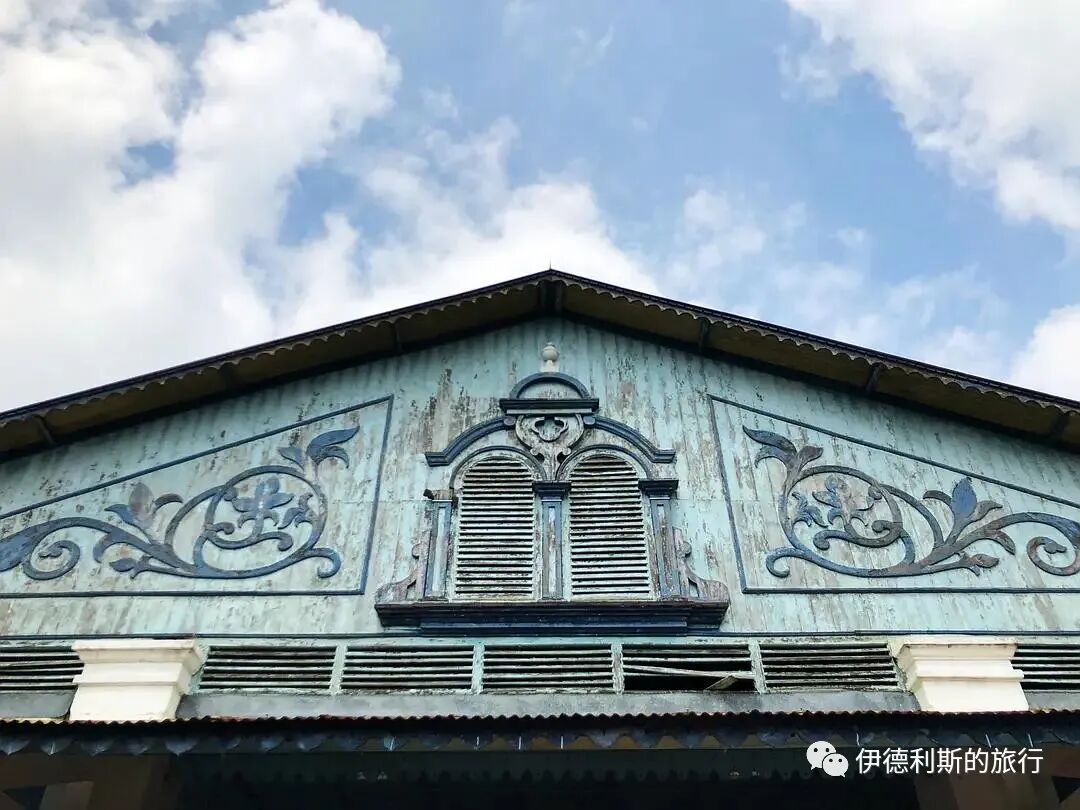
The main architect of the Solo Palace was Pangeran Mangkubumi (who later ascended the throne as Sultan Hamengkubuwana I), who was also the main architect of the Yogyakarta Palace, so the basic spatial layout of the two palaces is very similar. The Solo Palace underwent large-scale renovations and expansions during the reign of Pakubuwana X (reigned 1893-1939). These buildings belong to a Javanese-European fusion style, with blue and white as the main color scheme. Some of the buildings were destroyed by a fire in 1985 and were later restored.
1. Pagelaran Pavilion
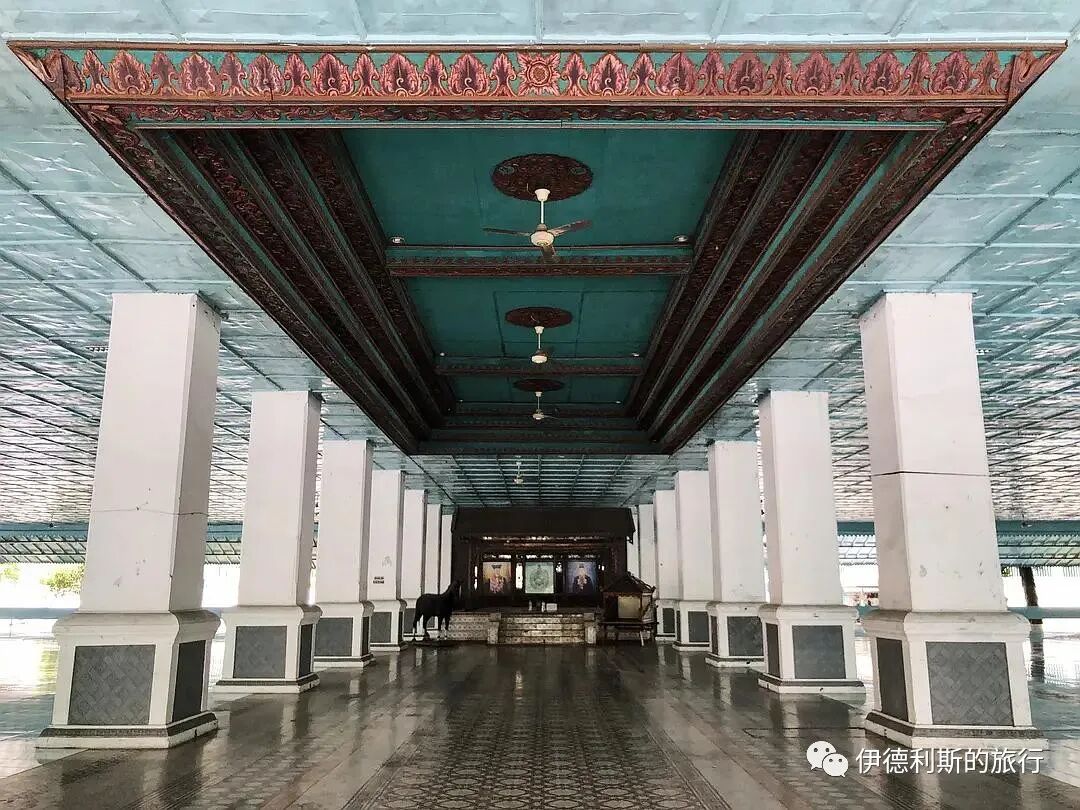
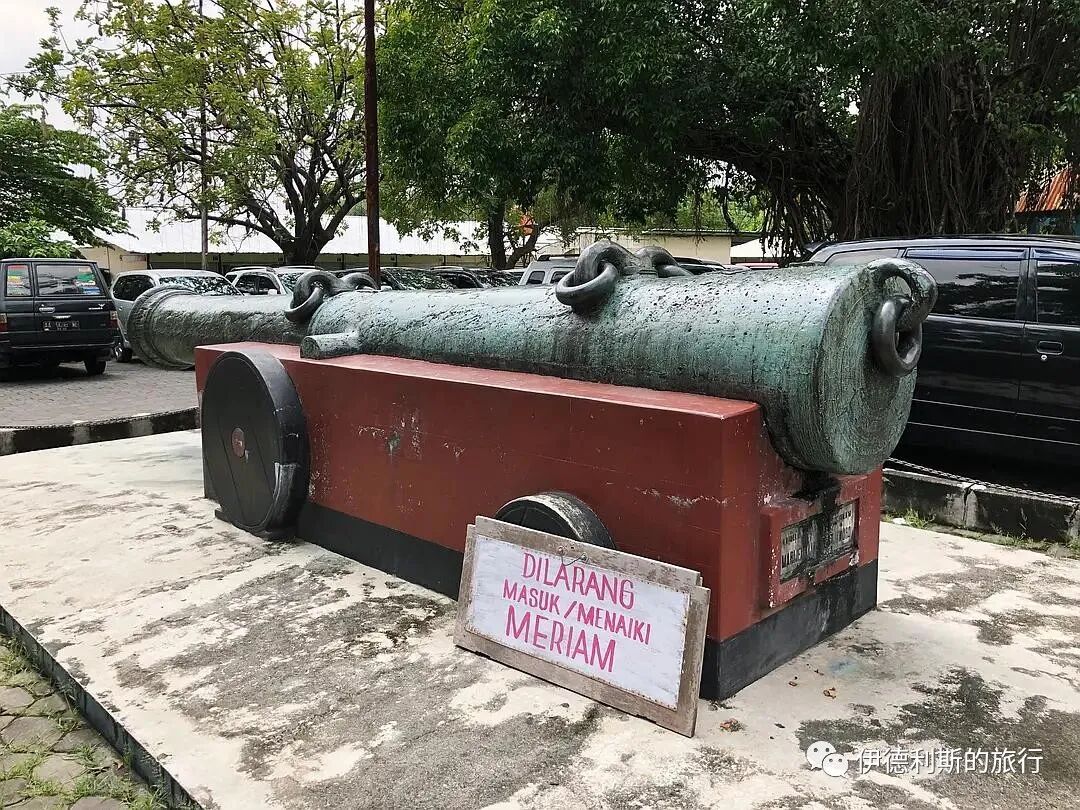
The northernmost building of the Solo Palace is a pavilion (pendapo) called Pagelaran, where the Sunan received courtiers during ceremonies and festivals. Many cannons are placed in front of the palace, the most famous of which was built by the Mataram Sultanate's most famous ruler, Sultan Agung (reigned 1613-1645), and moved here in 1744 by the last Sultan, Pakubuwana II.
2. Kori Brajanala Gate
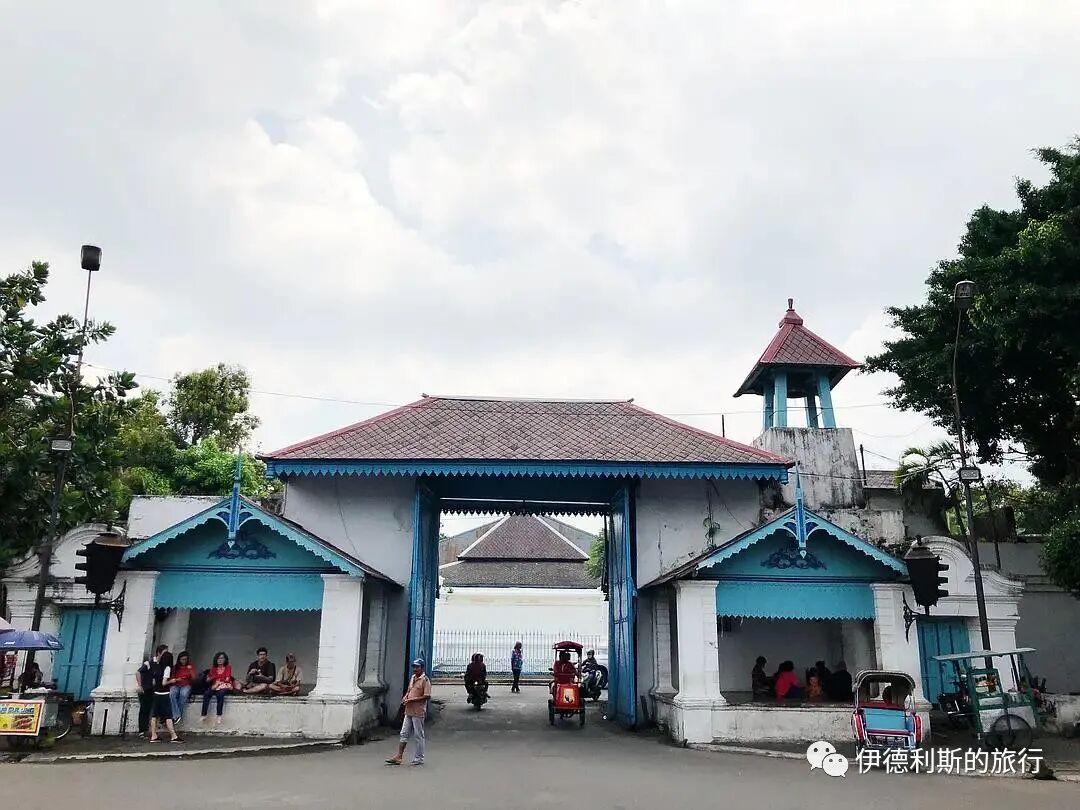
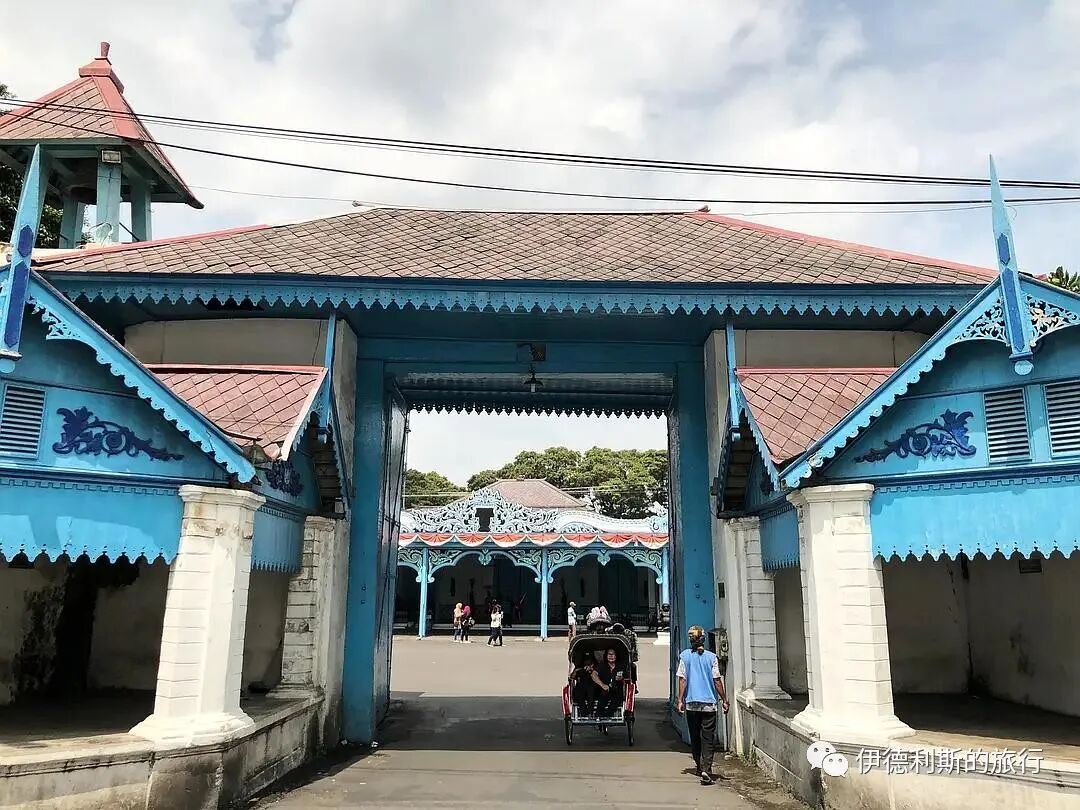
Kori Brajanala is the gate connecting the north and south sections of the palace, built by Sunan Pakubuwana III. The gate roof uses the Semar Tinandu style, and there are guard rooms on both sides. A clock tower (Jam Panggung) was built on one side of the gate, which used to ring once every hour.
3. Kori Kamandungan Gate
Kori Kamandungan is the main palace gate. It is a three-door structure (Kori Kupu Tarung) built by Pakubuwana III in 1819 and later rebuilt by Pakubuwana X. The word Kamandungan comes from "mandong," which means "to stop." Anyone entering the palace must stop here for a moment to prepare their body and mind. Large mirrors are mounted on the gate walls so people can tidy their appearance before entering the palace.
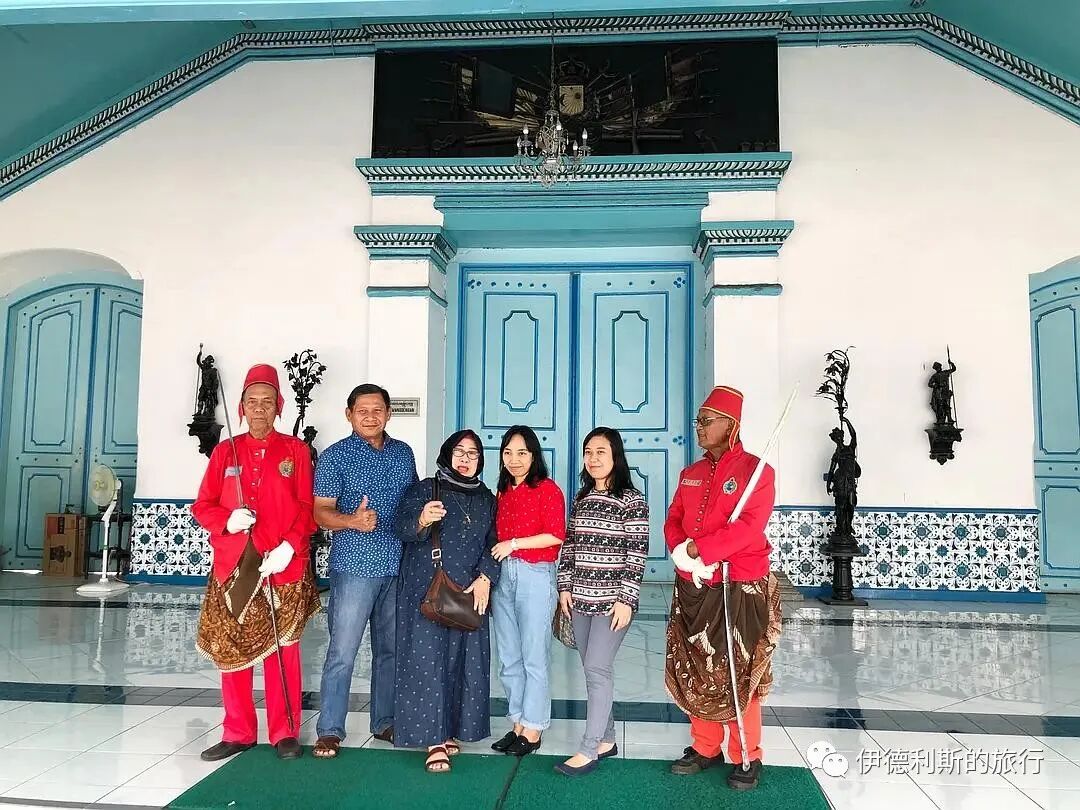
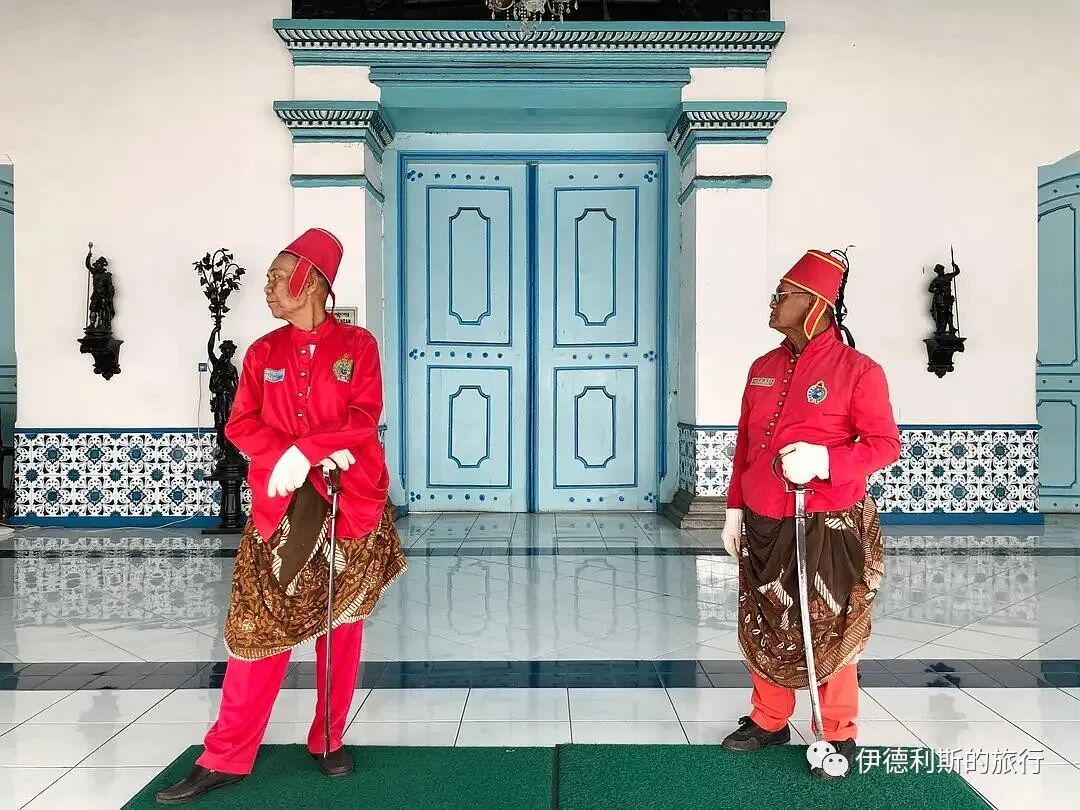
Palace guards stand at the gate. The area behind the gate is still occupied by the Sunan and his family and is not open to the public.
From outside the gate, you can see the Panggung Songgo Buwono tower inside. It was built in 1782 and stands 30 meters tall with 5 levels. The tower caught fire in November 1954, was rebuilt at the end of September 1959, and was renovated again in May 1978. The top of the tower was once square, but it was later rebuilt into an octagon. The top is decorated with a Sengkala (Javanese clock Candra Sangkala). This tower serves as a place for the Sunan to meditate, a high point to observe the Dutch fort outside the city, and a spot to sight the moon during Ramadan.
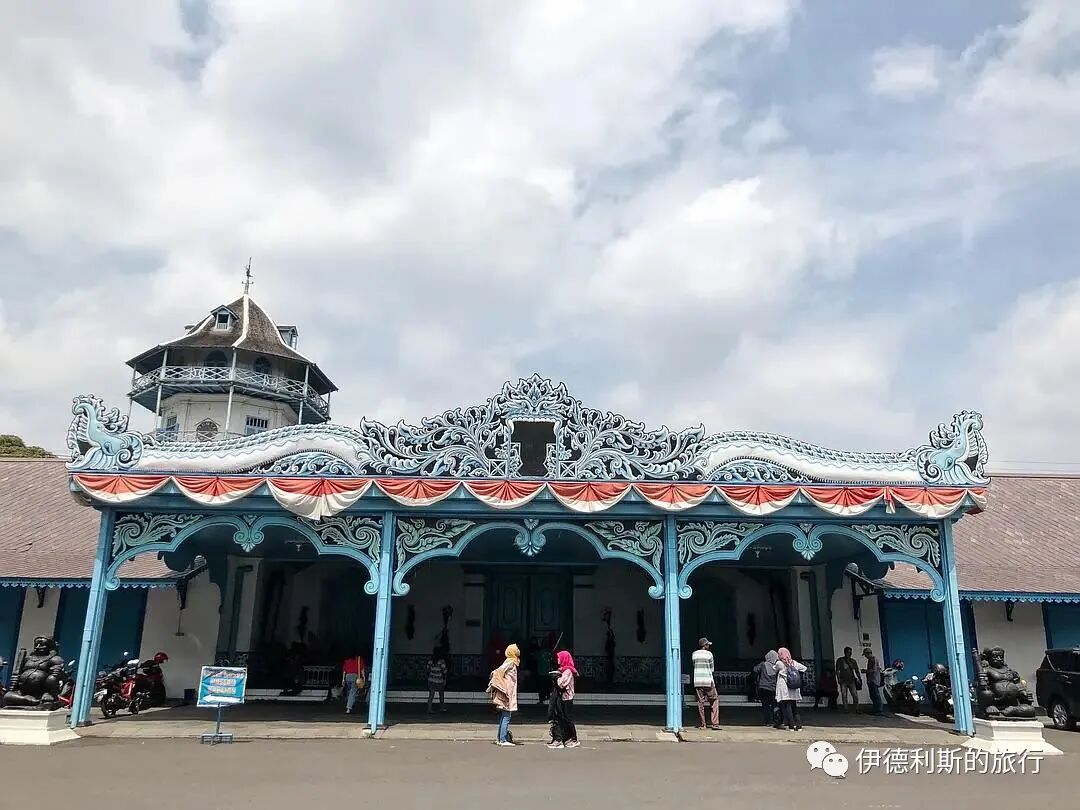
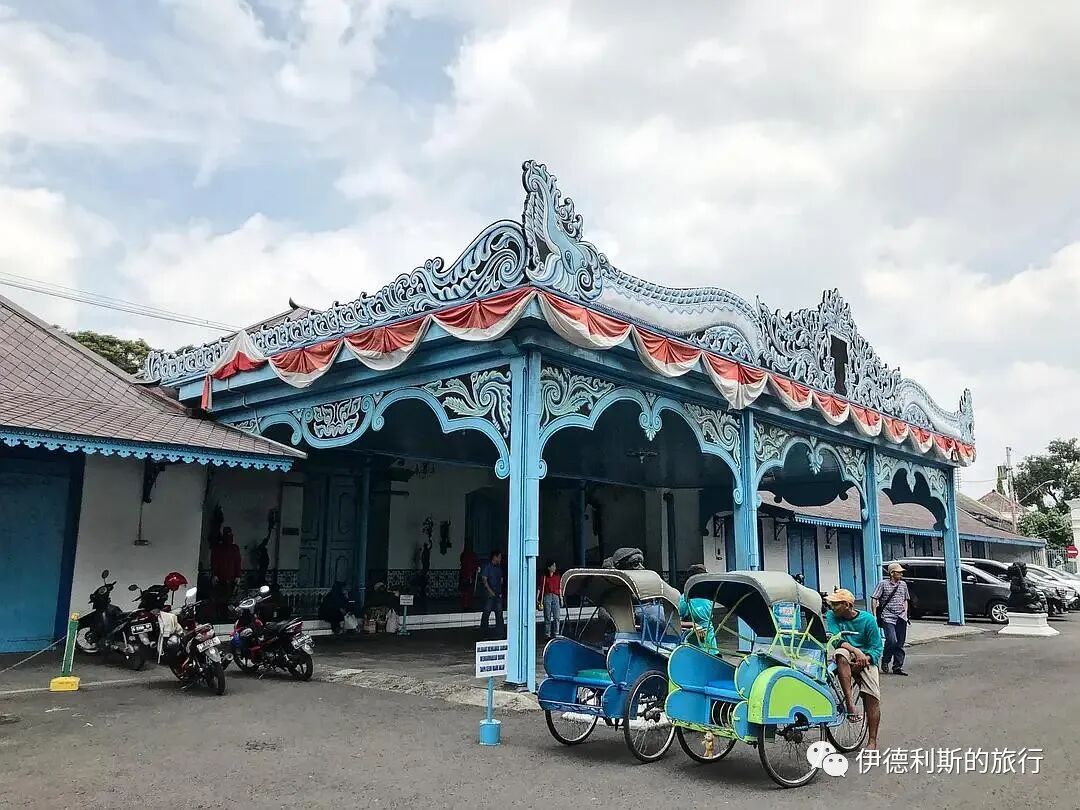
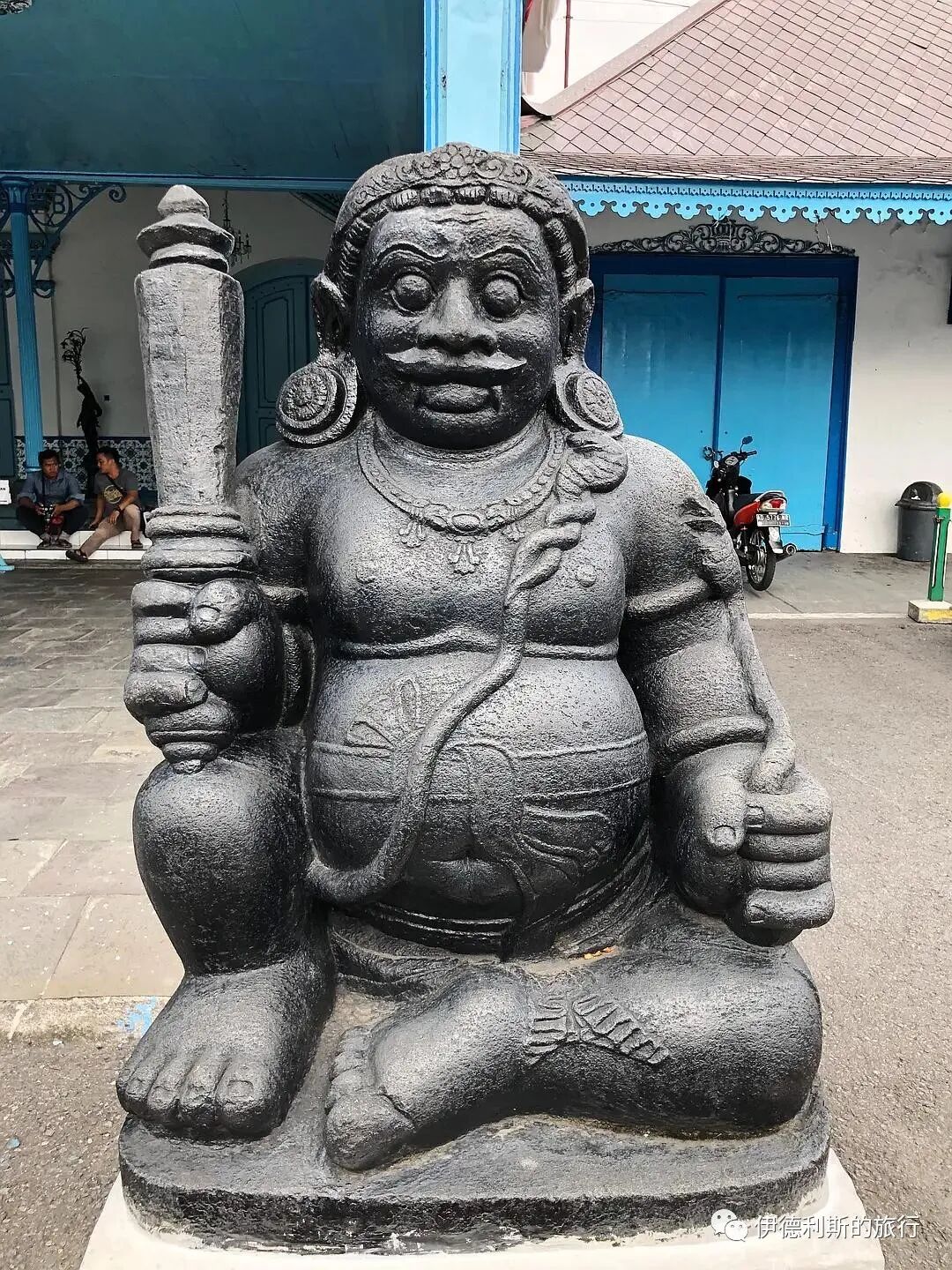
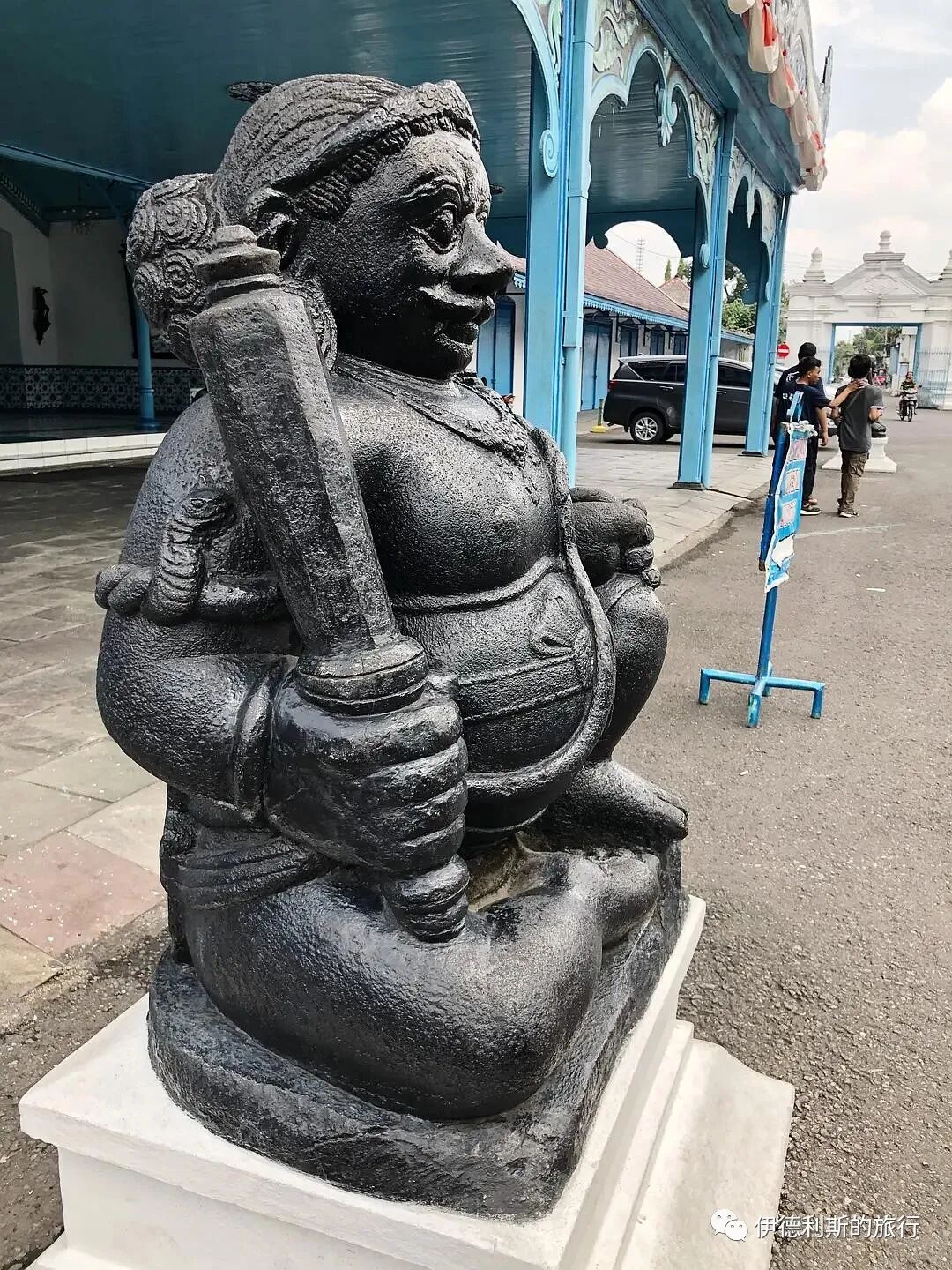
There is a pair of guardian statues (Dvarapala) in front of the gate. Dvarapala originated as gate gods in Hinduism and Buddhism. In Javanese culture, they usually appear as giant, fierce-looking asuras holding a vajra.
4. Garden Museum
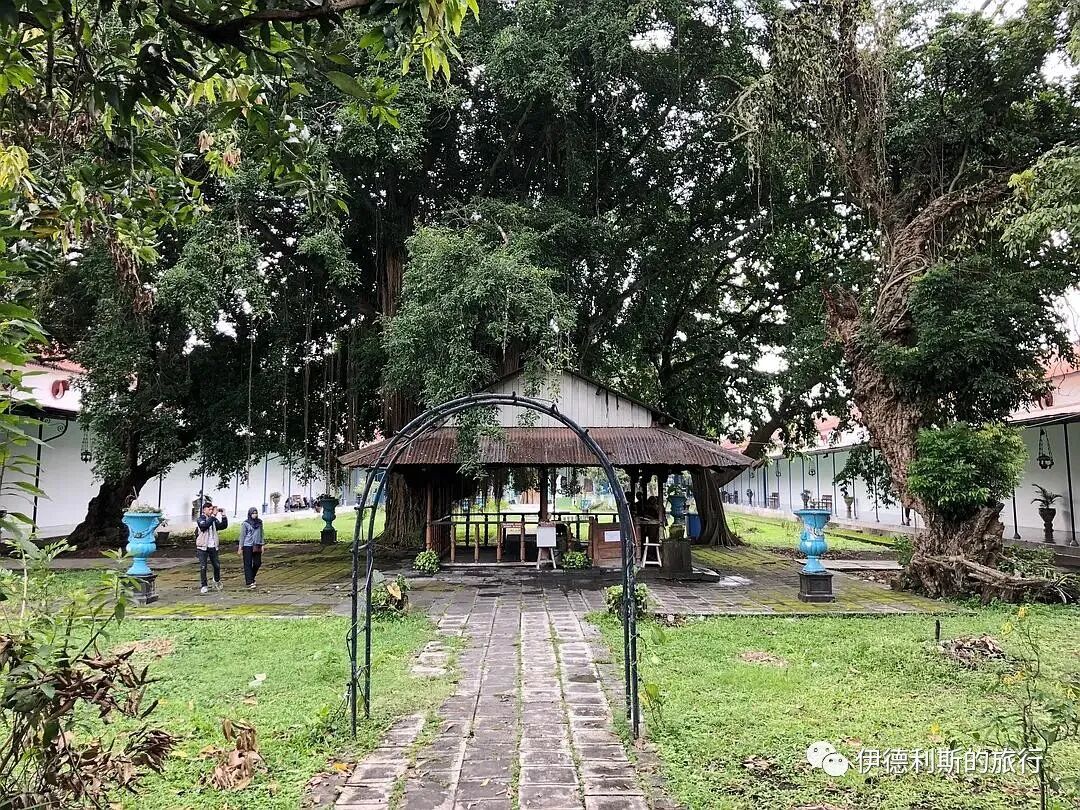
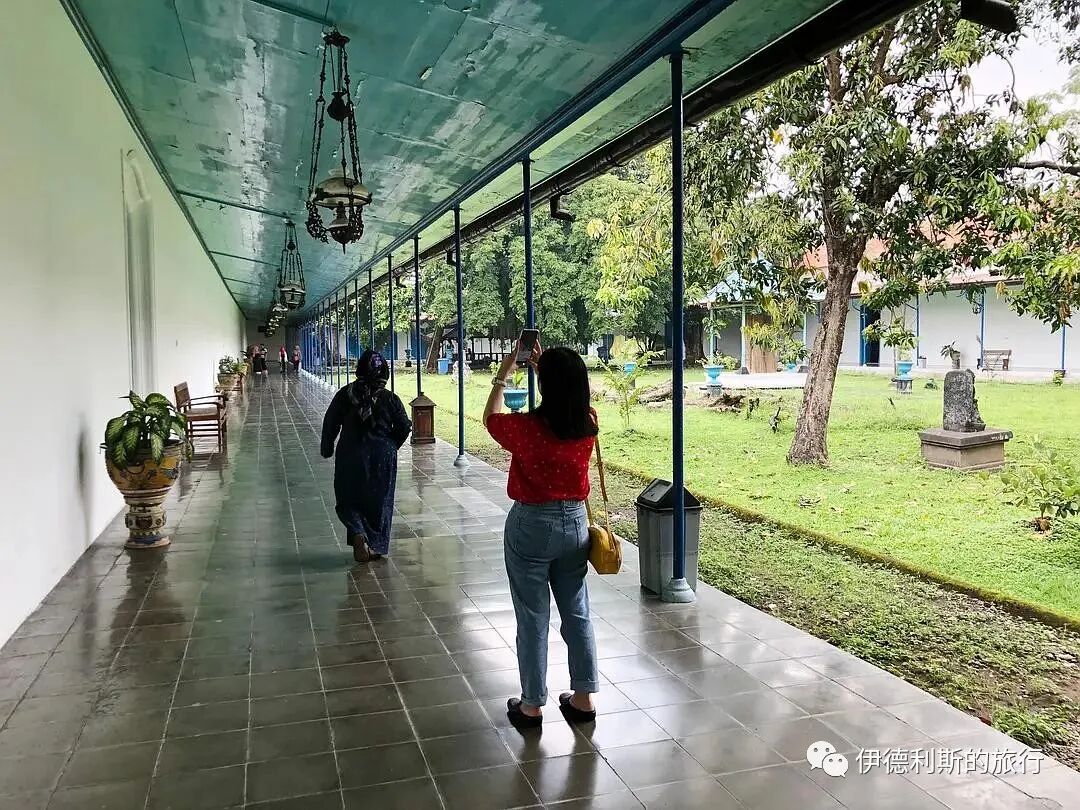
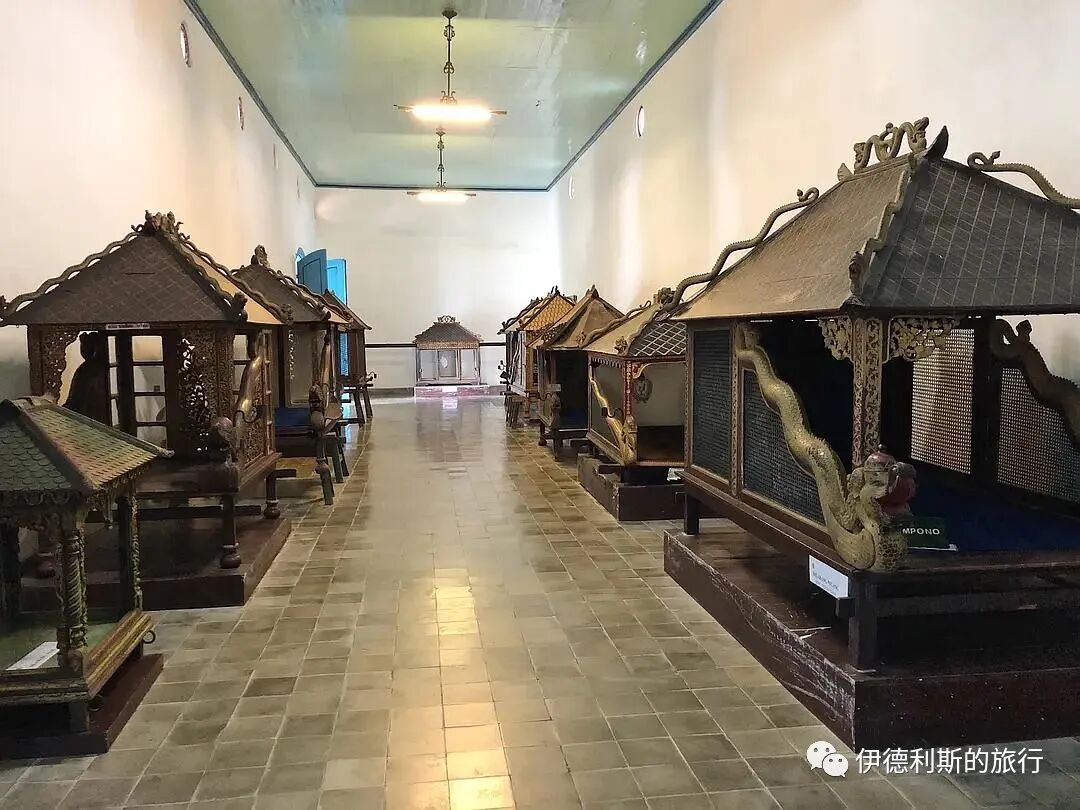
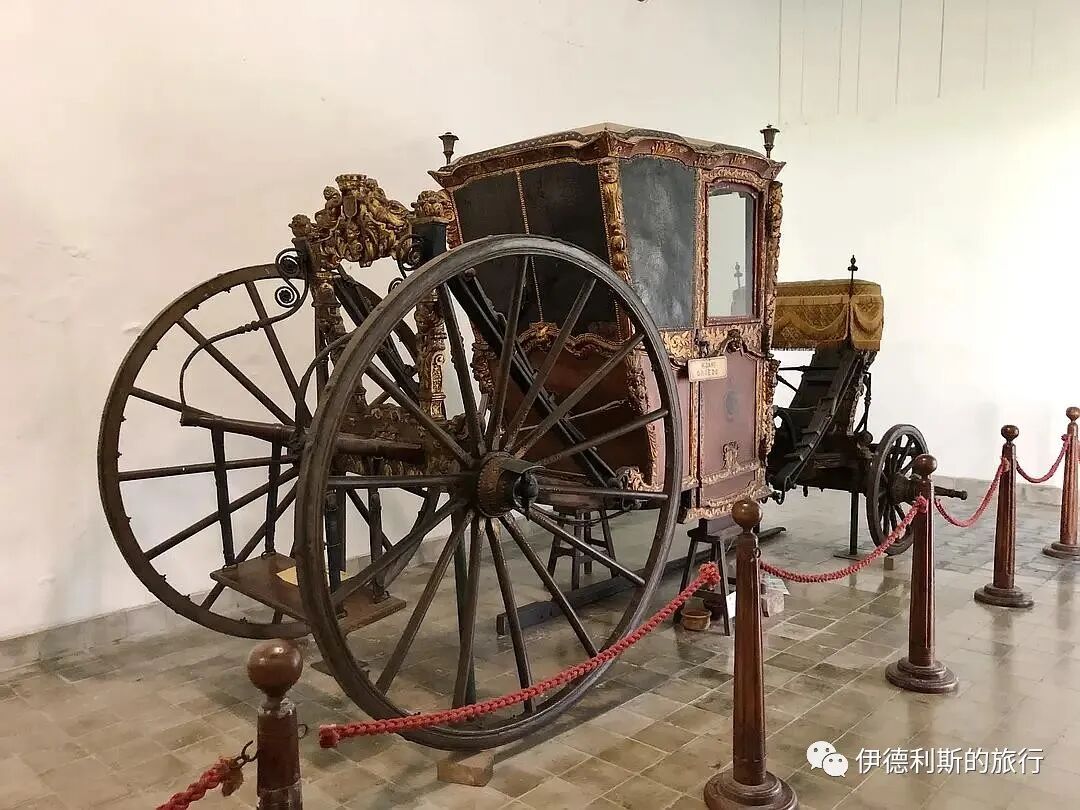
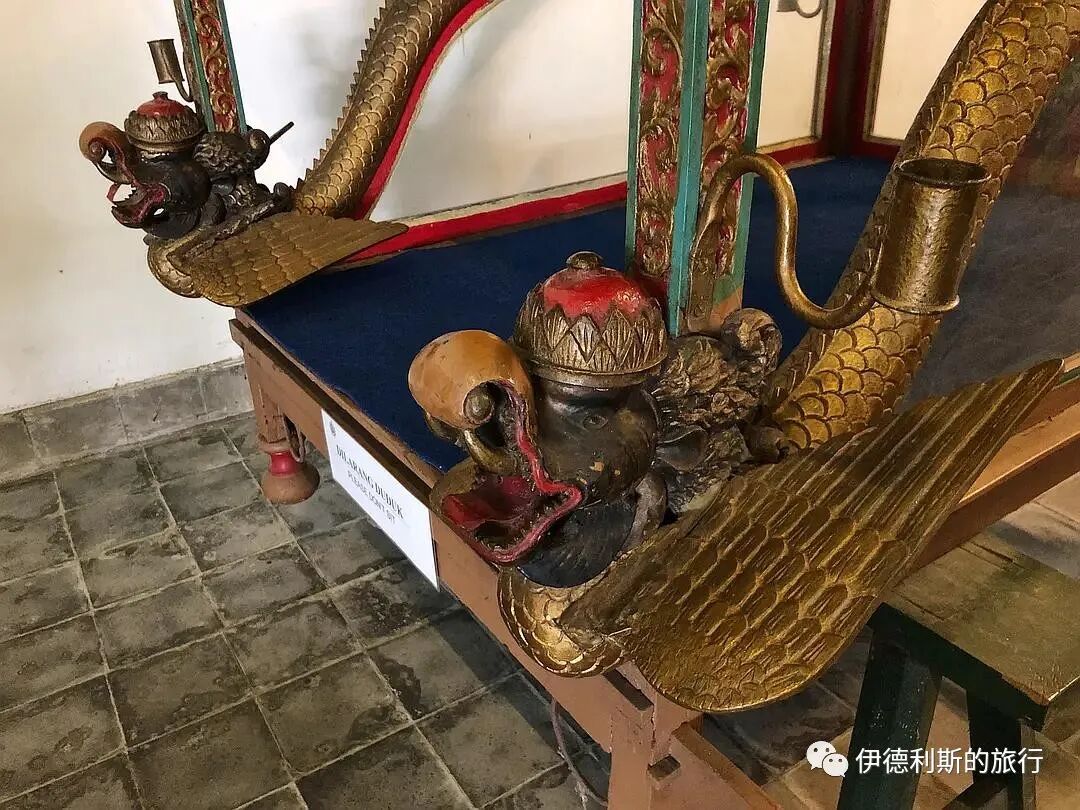
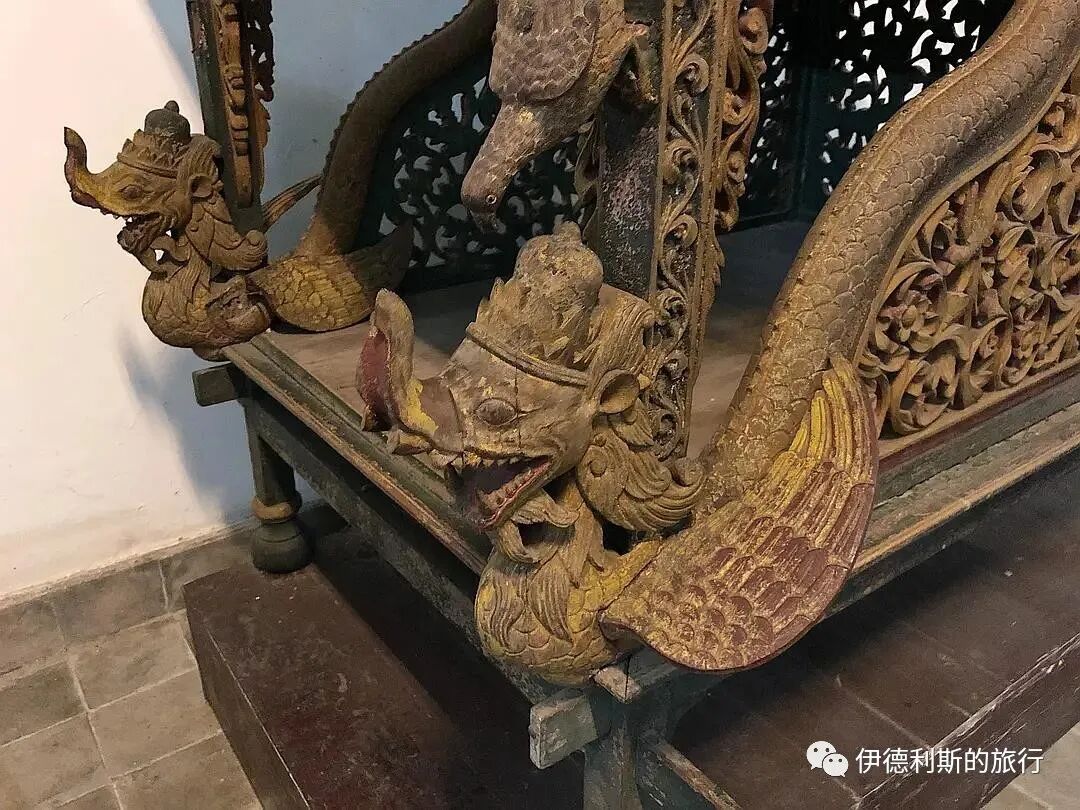
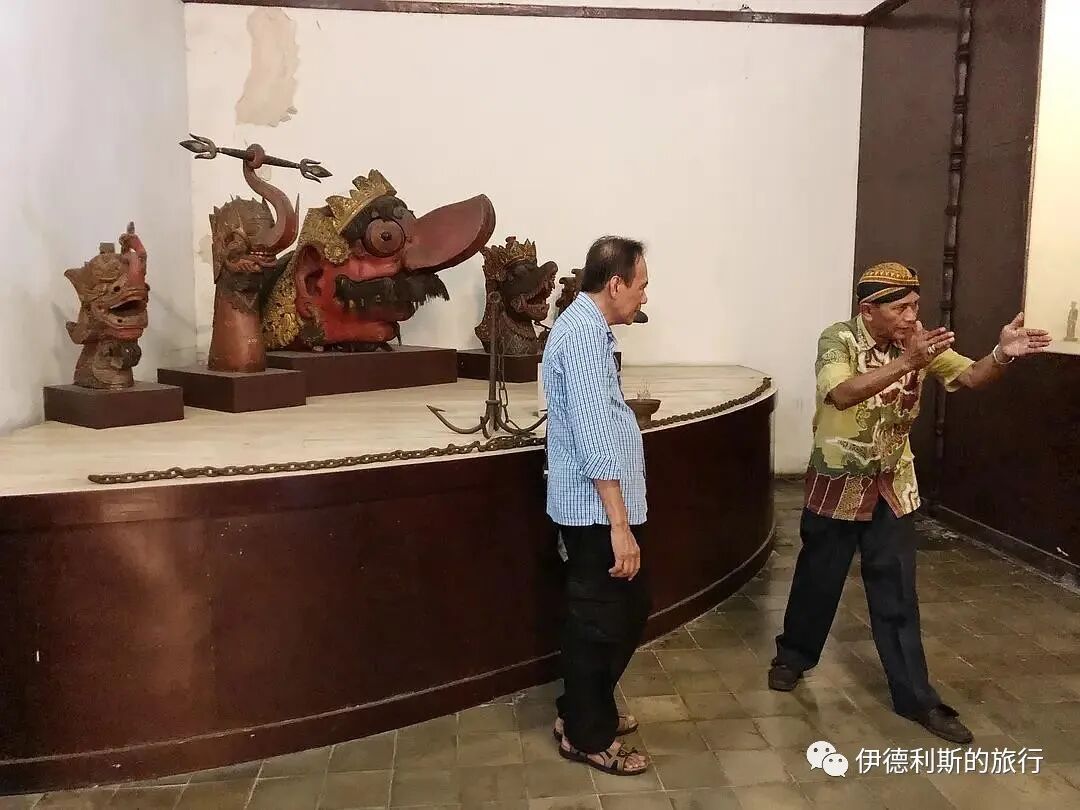
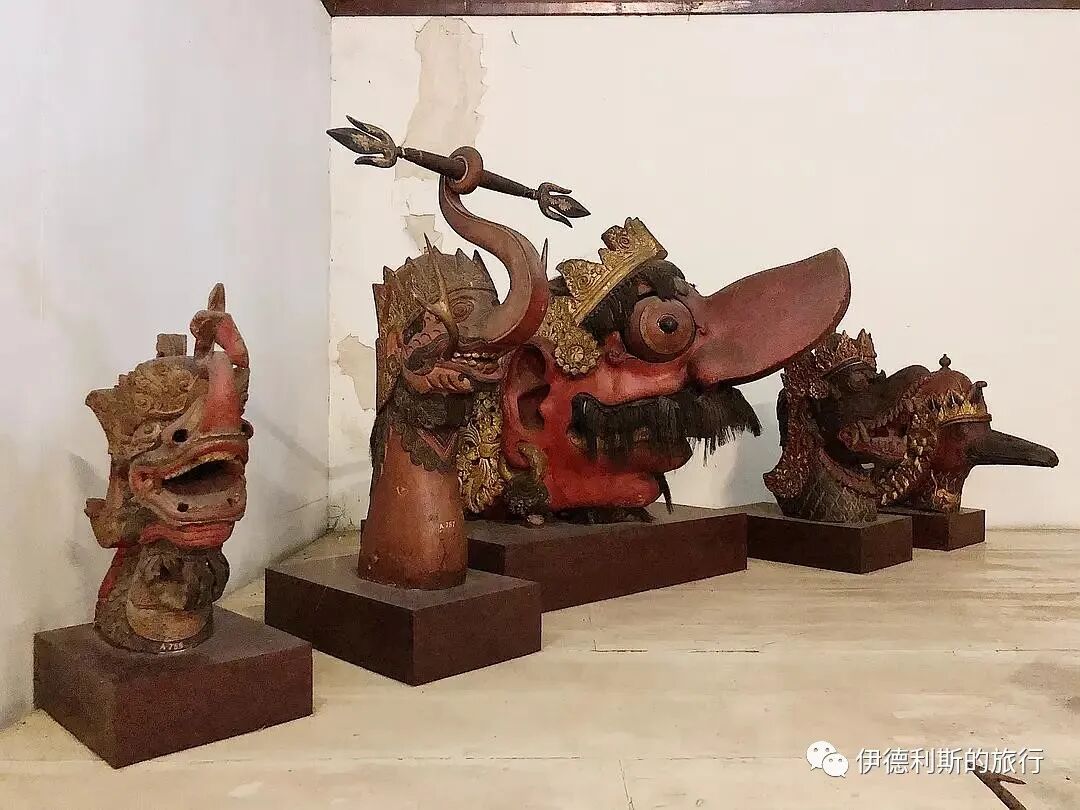
Part of the side garden has been turned into a museum, displaying a collection of artifacts including statues, weapons, royal treasures, and carriages. However, the exhibits have almost no descriptions and are not in good condition.
5. Sasana Mulya Prince's Residence
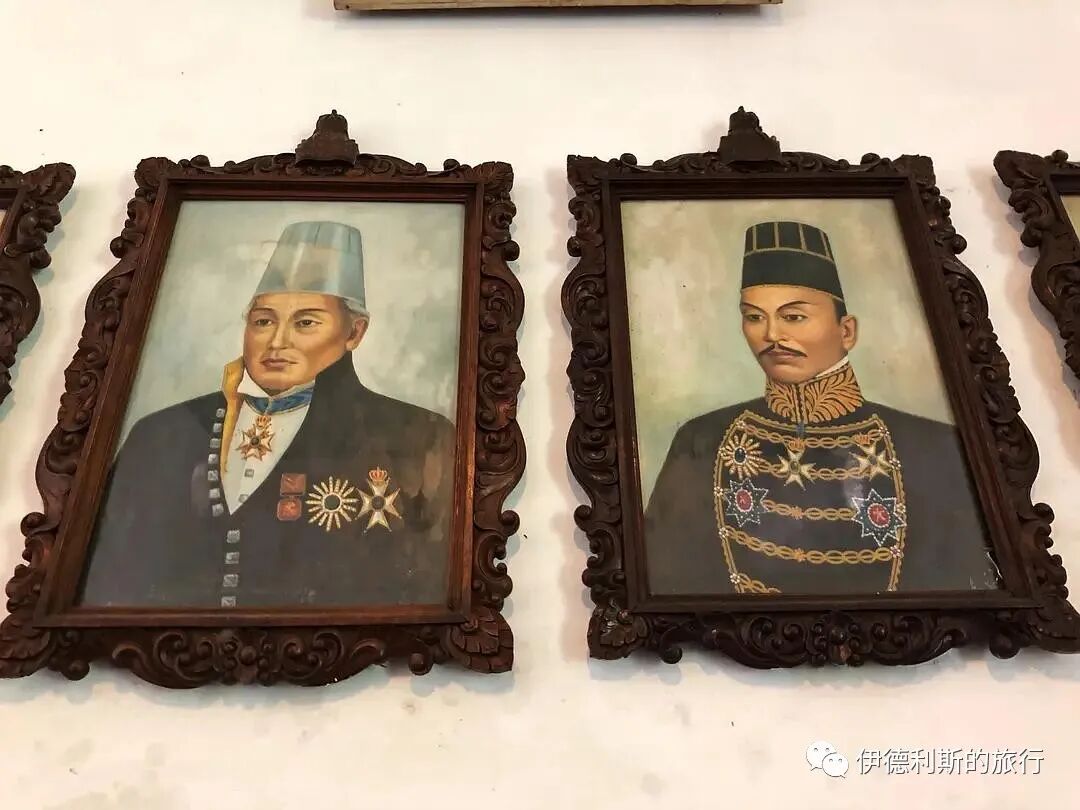
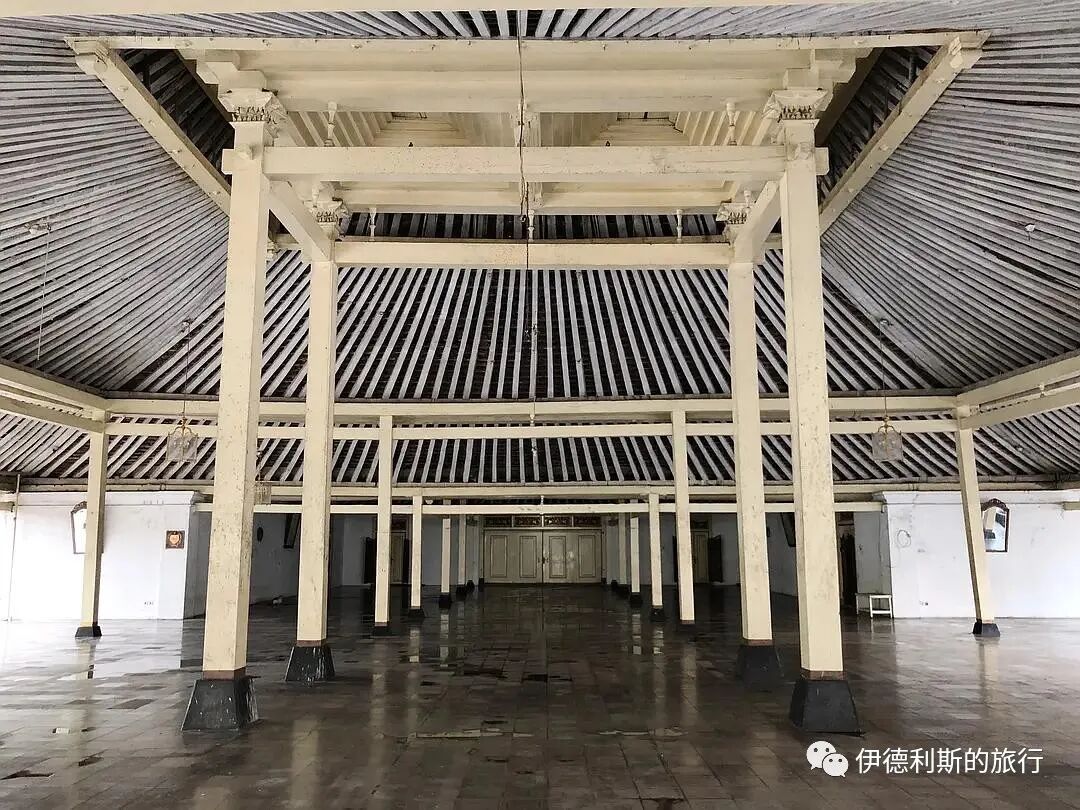
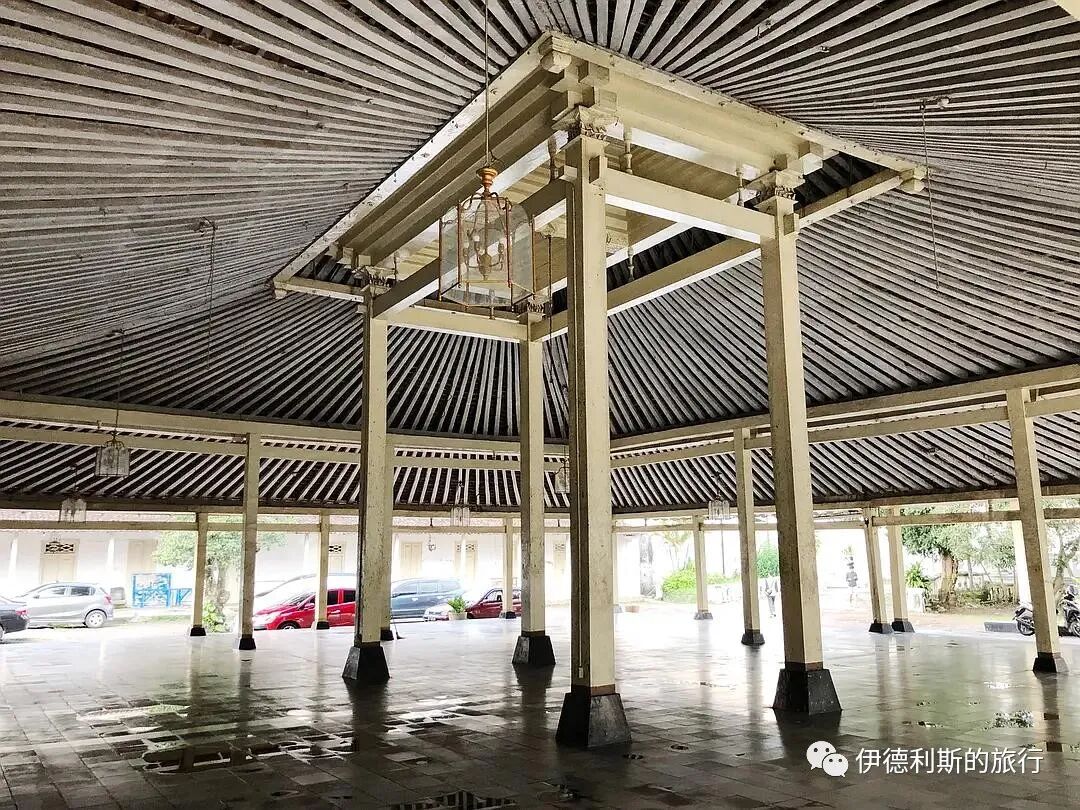
A series of royal buildings are scattered around the palace. I visited a building called Sasana Mulya, built by Pakubuwana III as a residence for the Sunan's princes and their descendants. The royal family often gathers here, and the palace also hosts weddings at this location.
Today, it is also a practice space for traditional Solo song and dance, and related traditional cultural events are held here every week.
6. Around the Palace
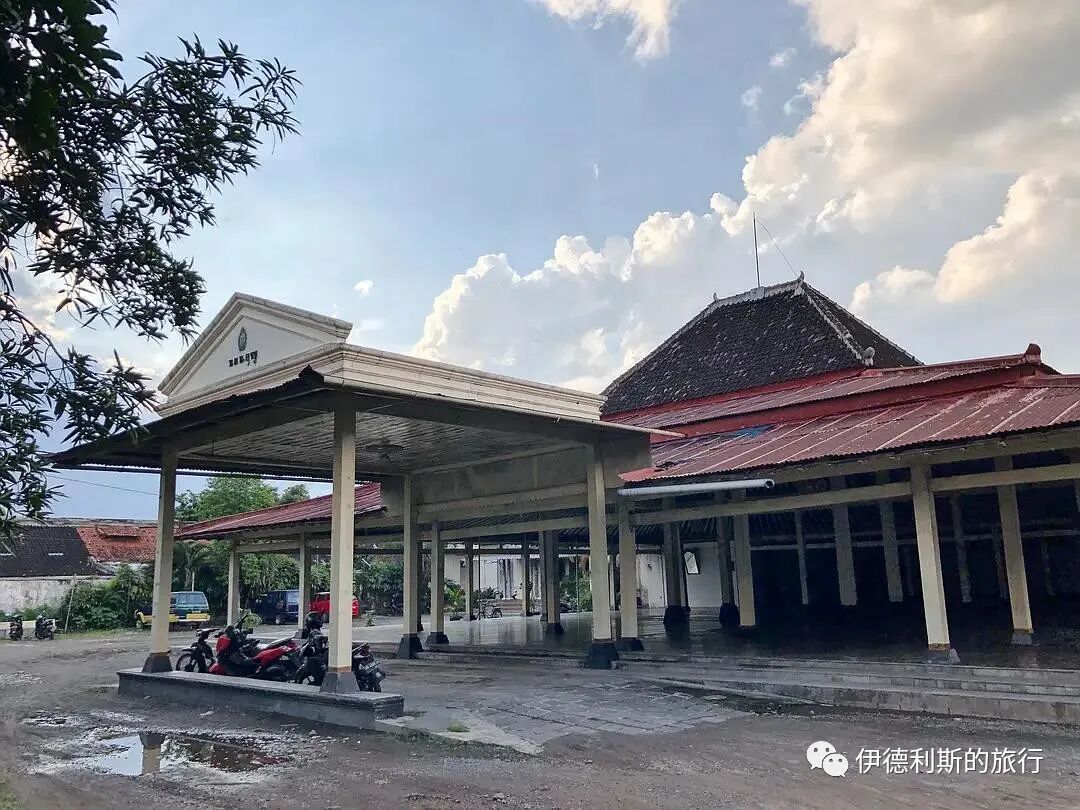
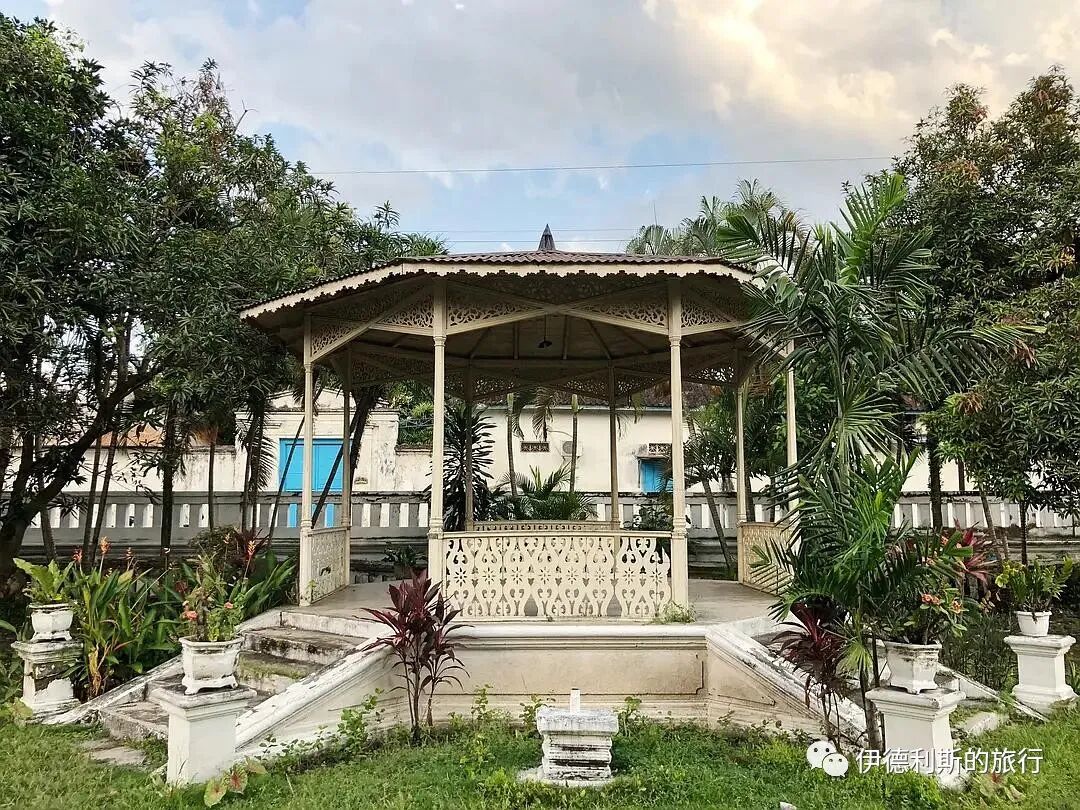
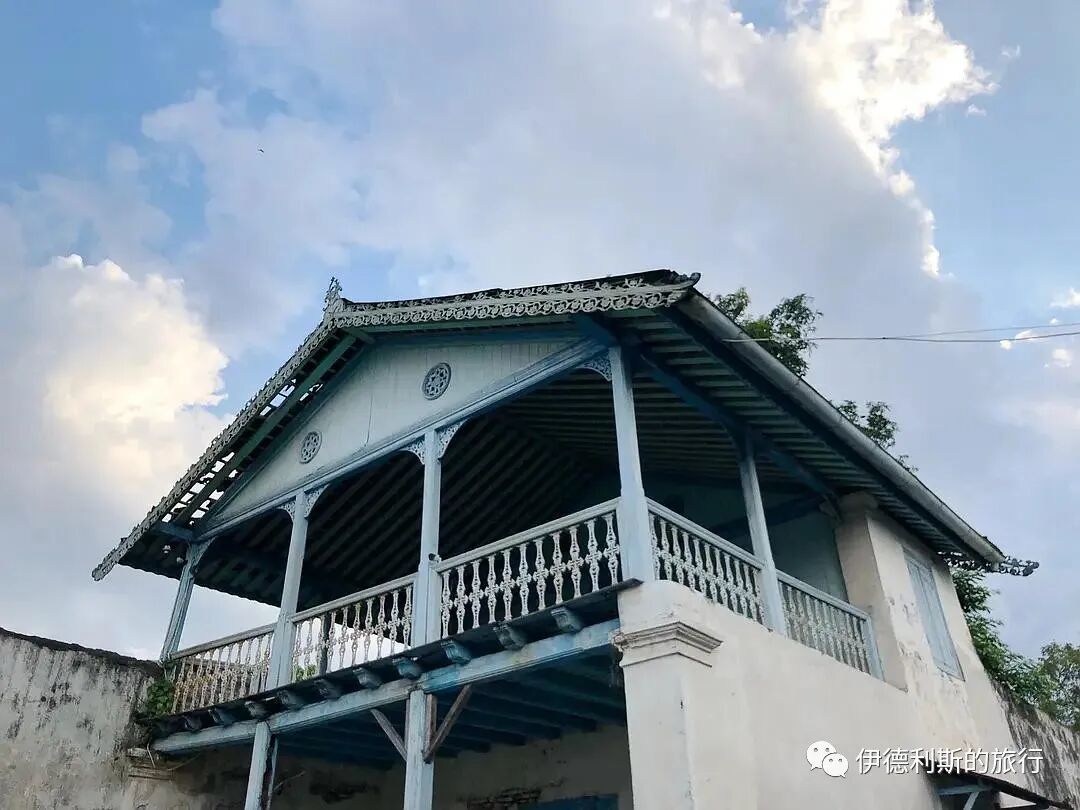
Inside the walls of the Solo palace, there is a two-story watchtower.
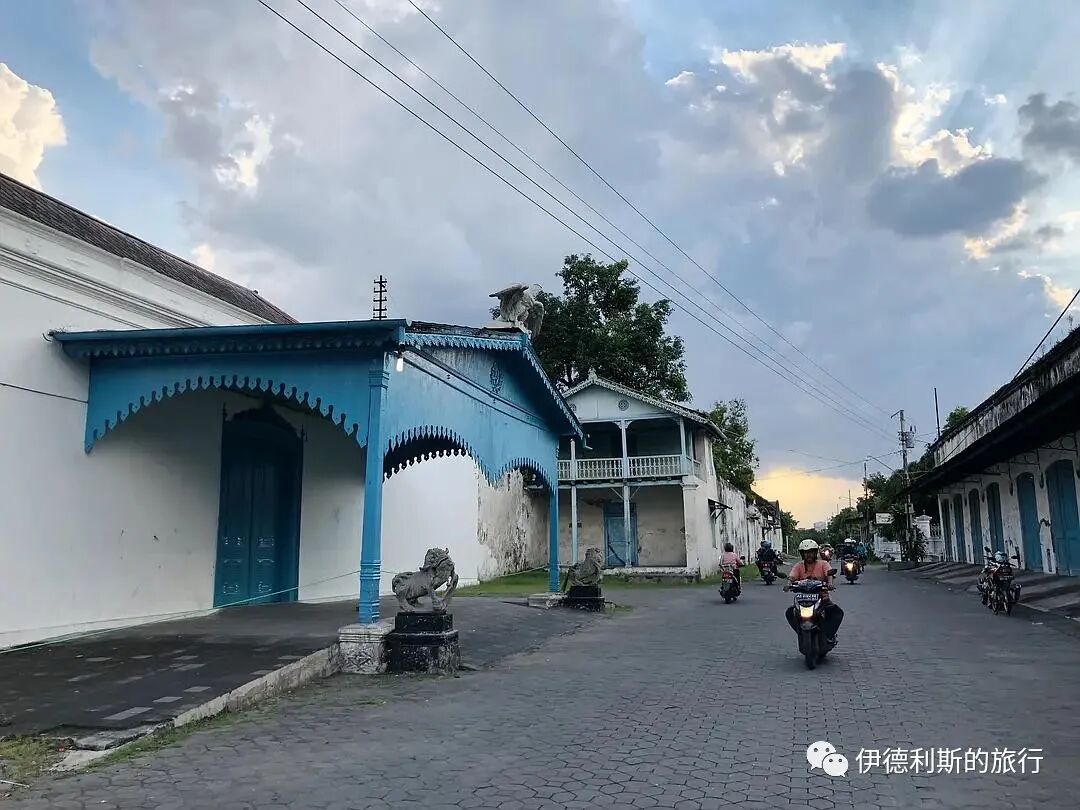
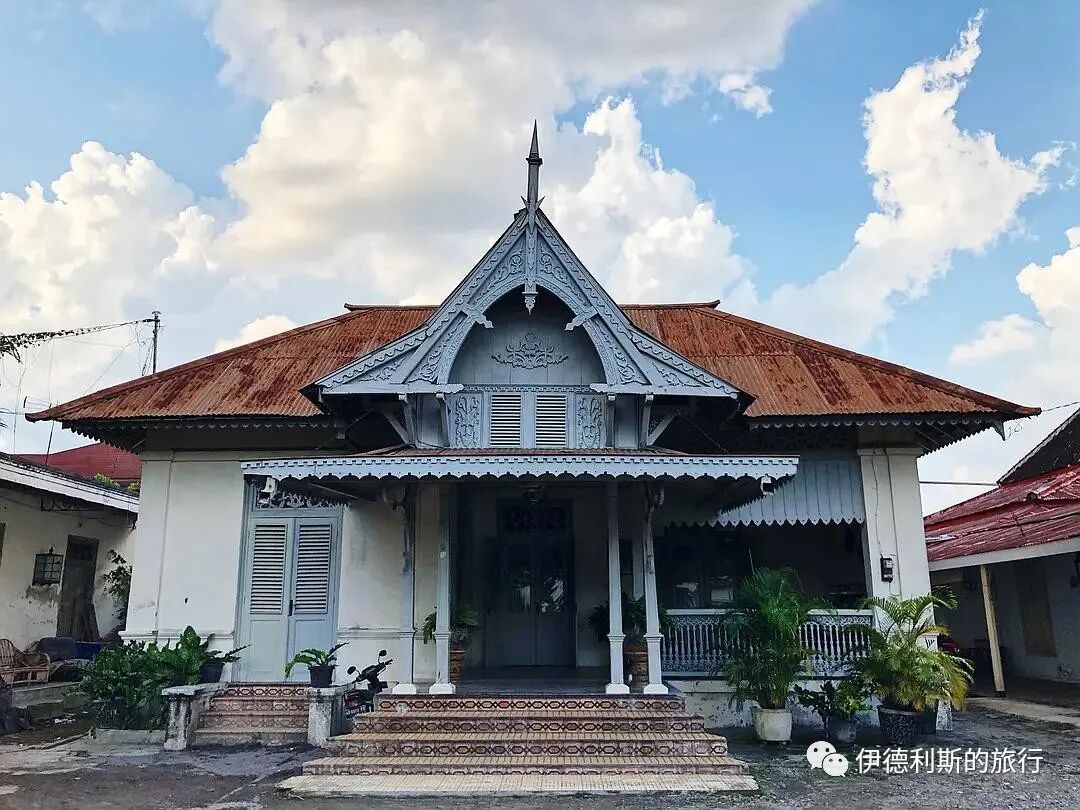
A building next to the palace shows a typical blend of Dutch colonial and Javanese styles.
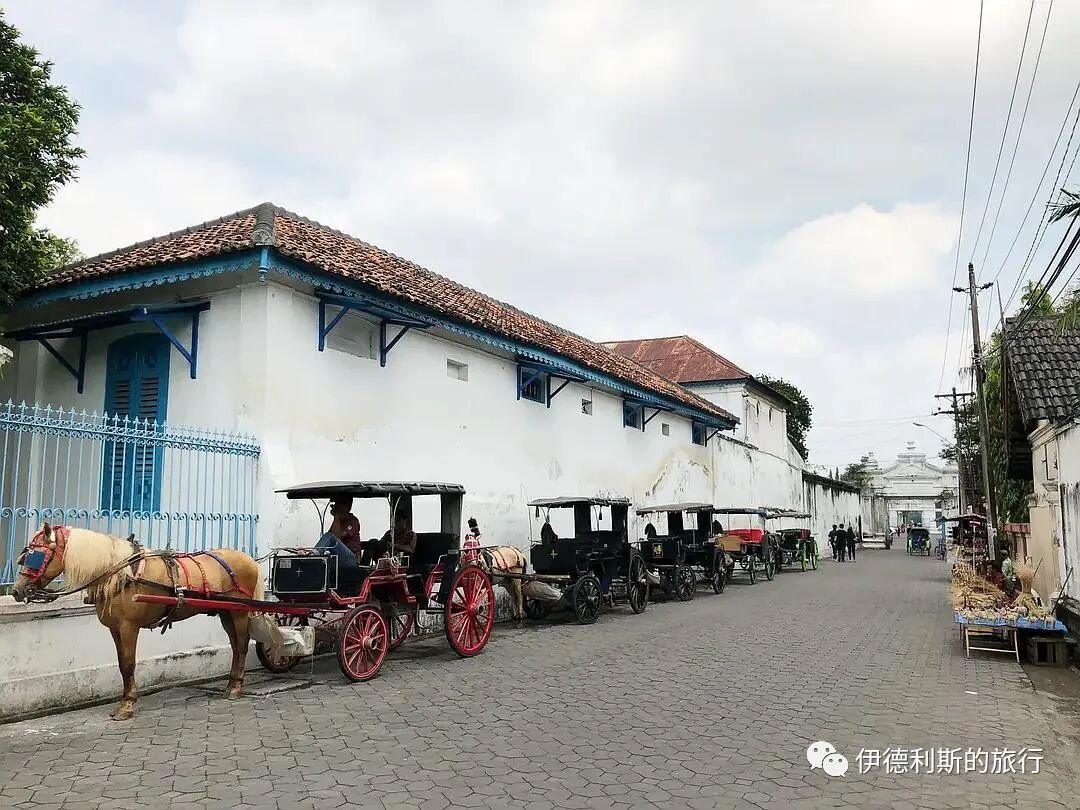
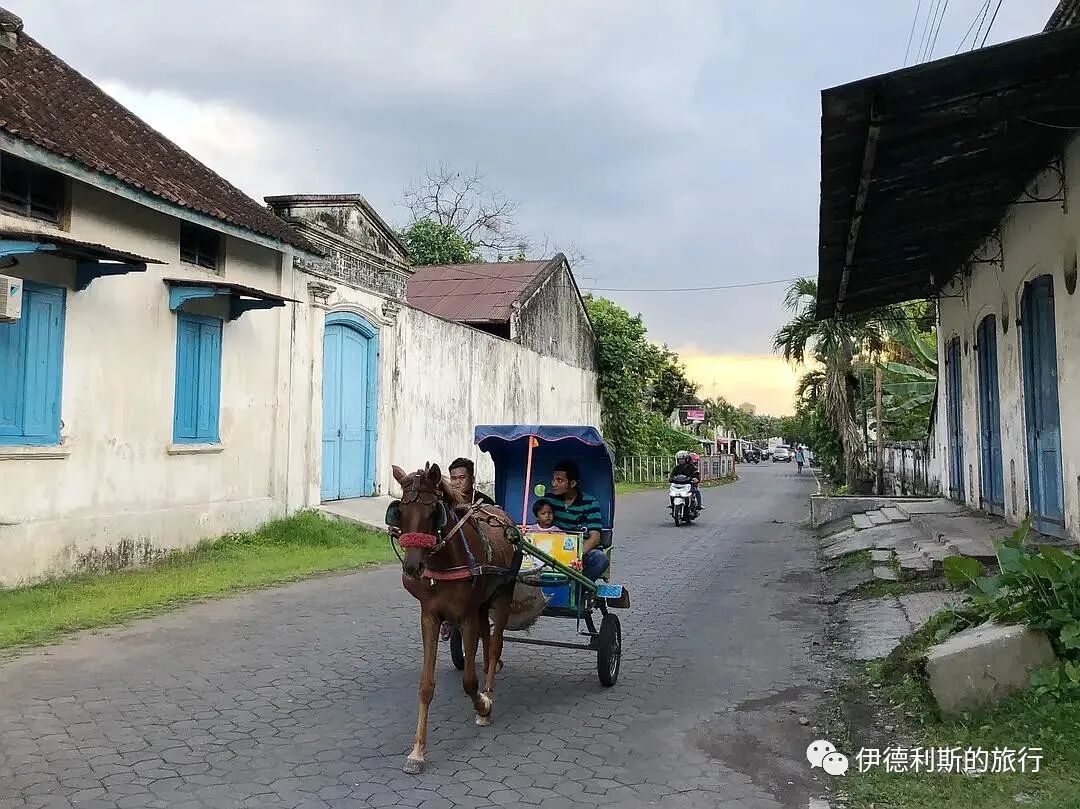
On the streets near the palace, there are horse-drawn carriage tours.
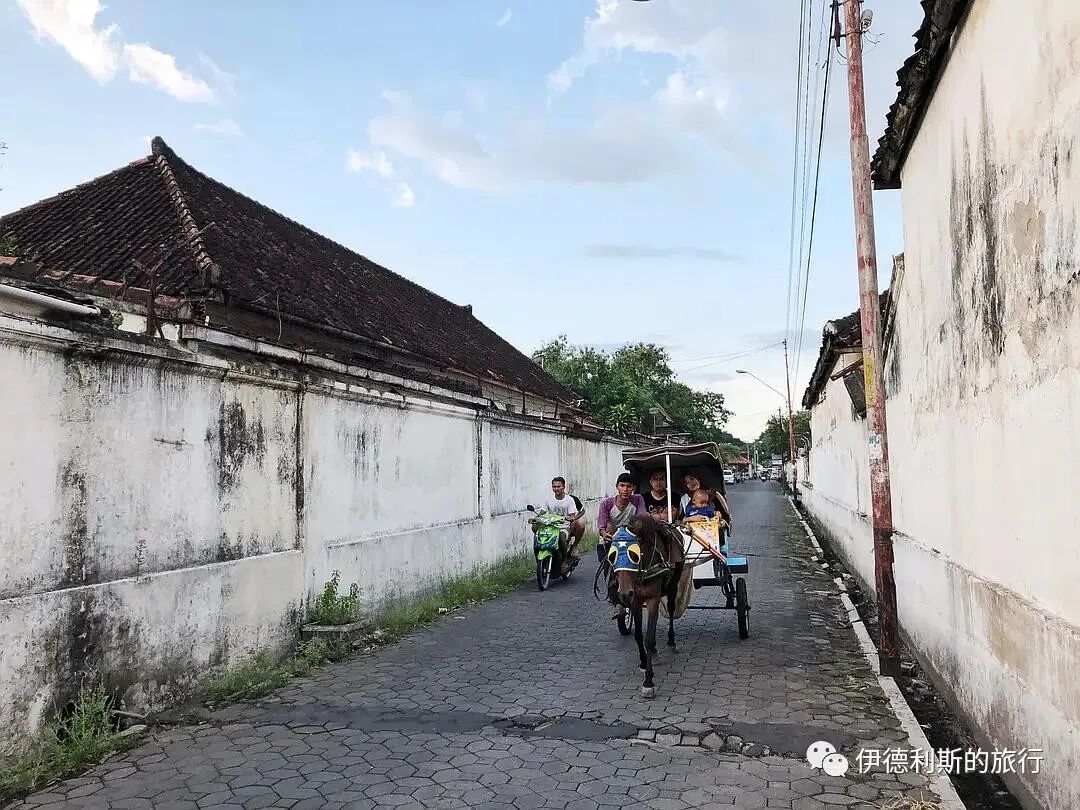
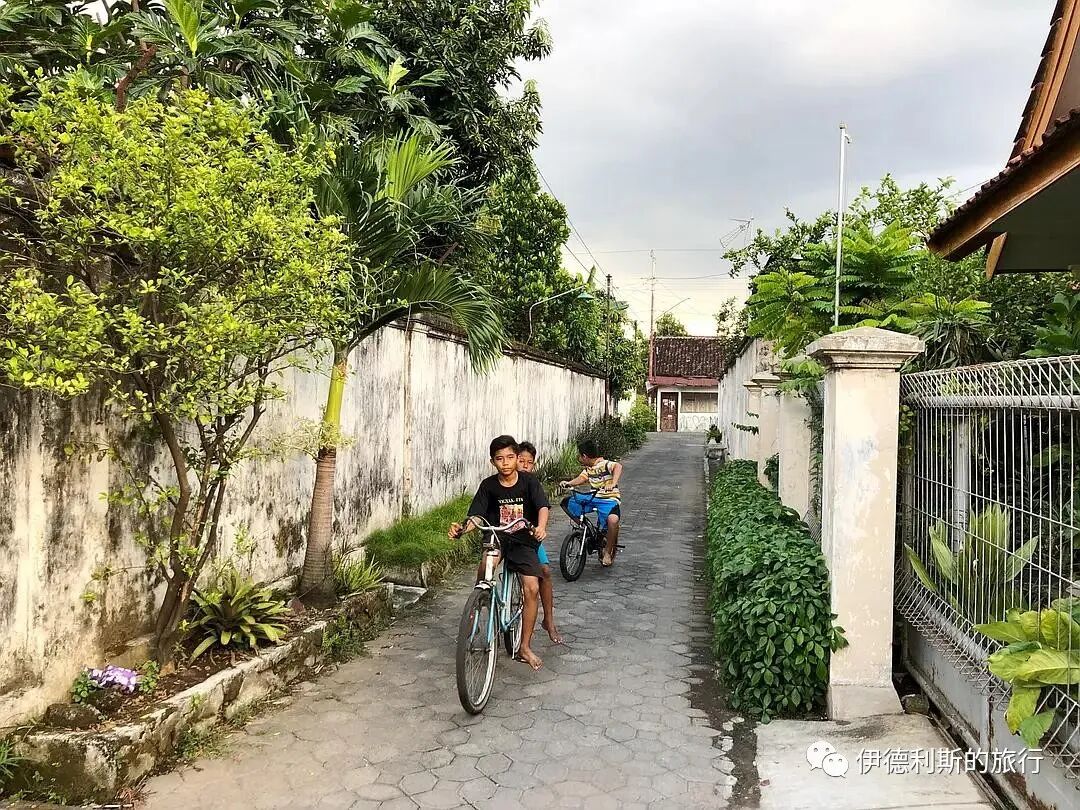
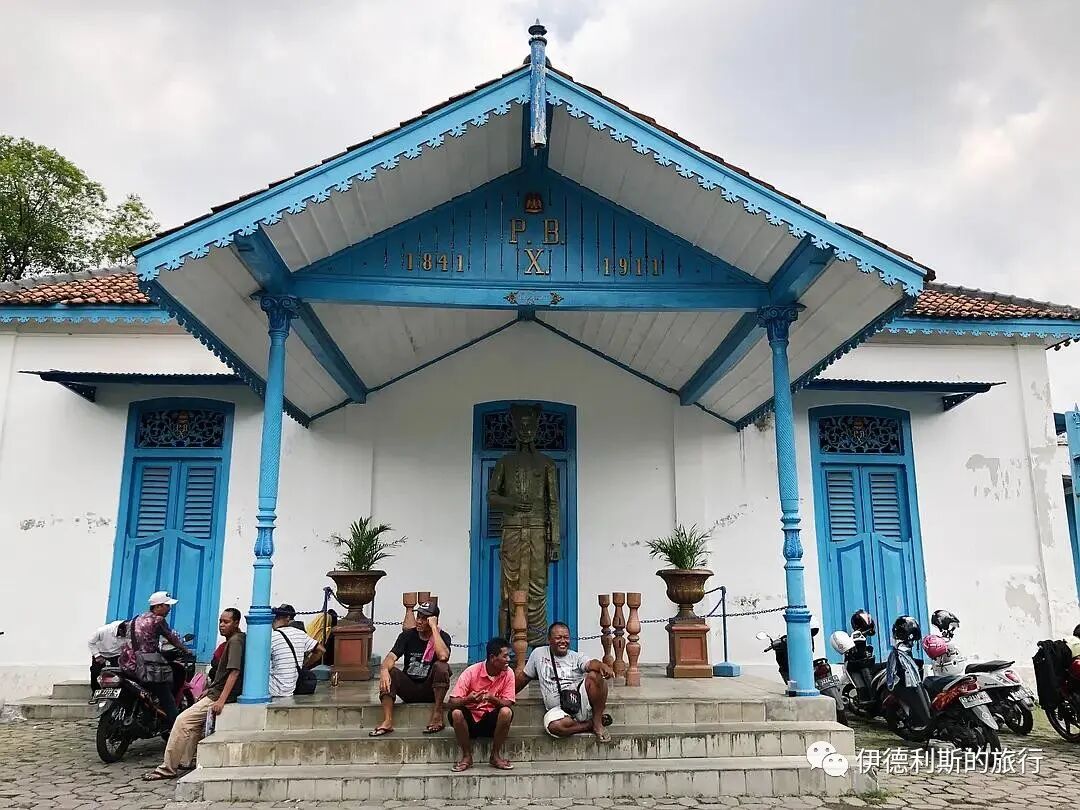
The outer walls and gates of the Solo palace.
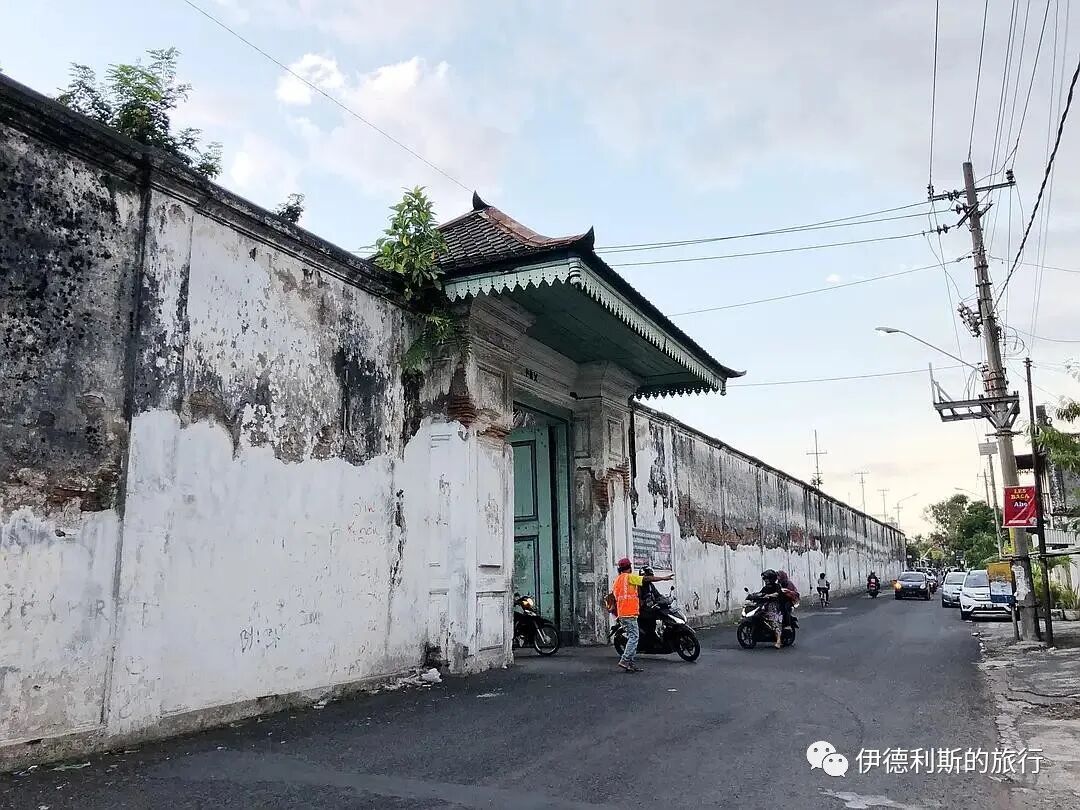
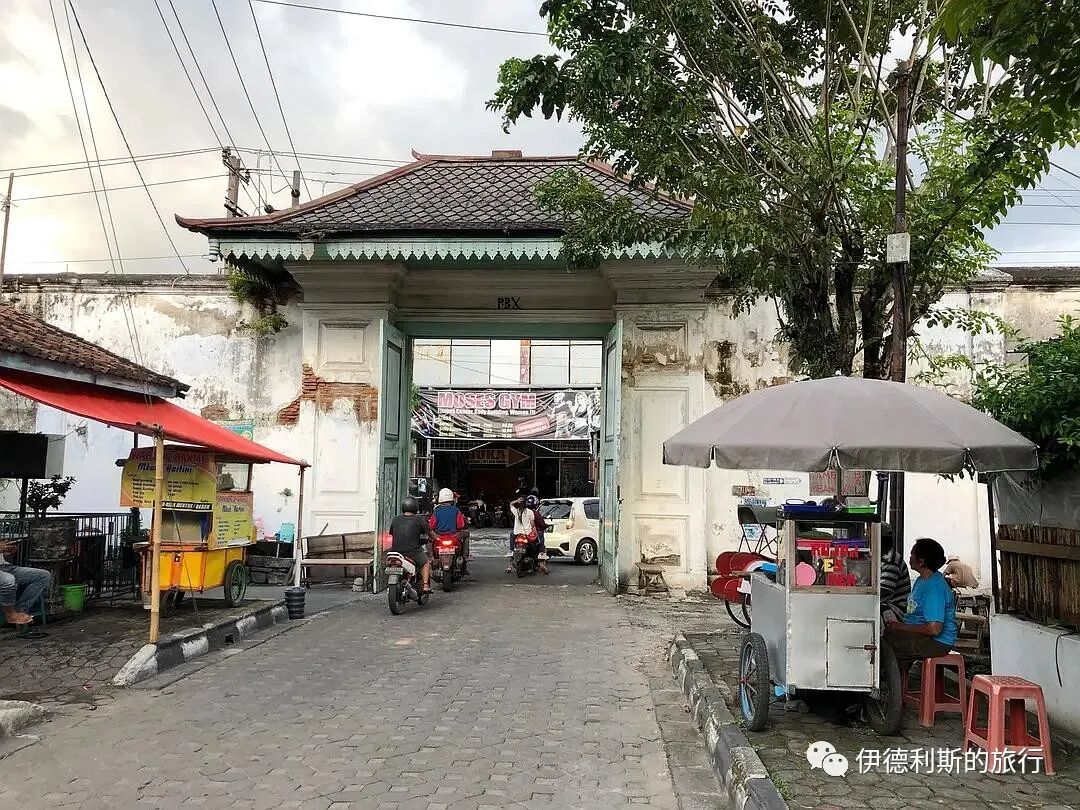
2. Solo Grand Mosque (Masjid Agung Surakarta)
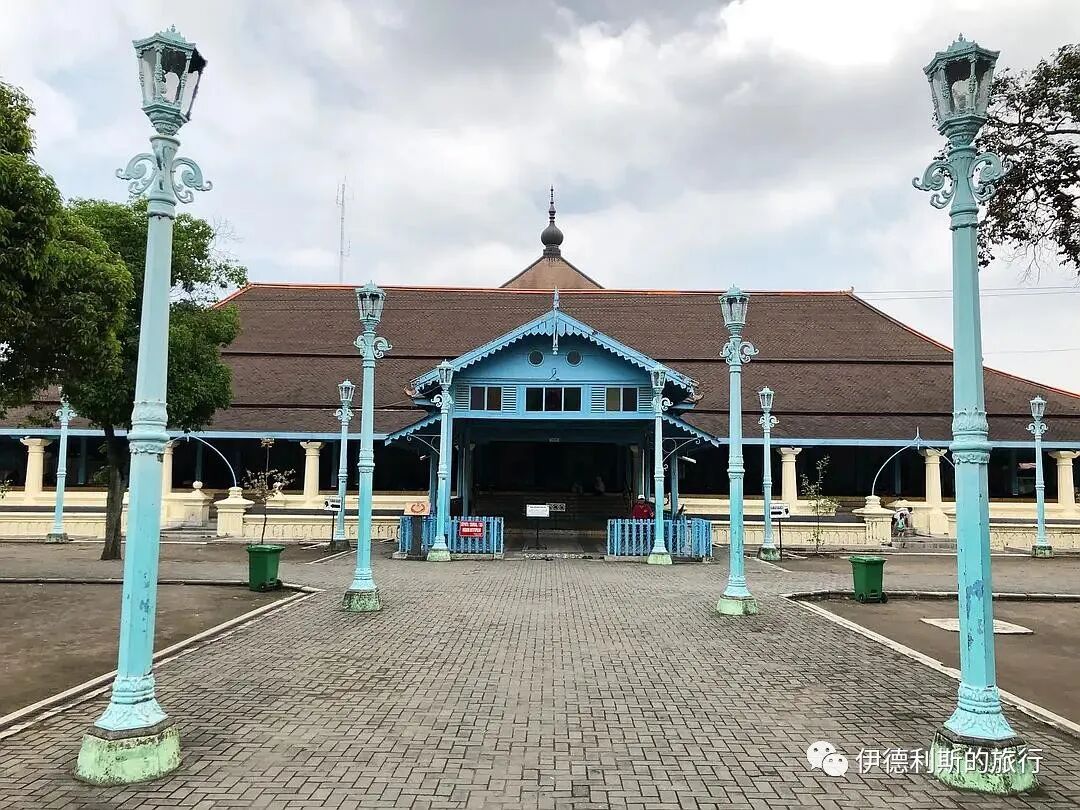
The Solo Grand Mosque is located north of the palace. It was built by Sunan Pakubuwana III in 1763 and finished in 1768. The Solo Grand Mosque serves as both a Friday mosque and a royal mosque. Many Islamic ceremonies for the Solo court take place here, the most important being the Prophet's Birthday (Sekaten). During Sekaten, two sets of large gamelan instruments (Gangsa Sekaten) are moved from the Solo palace storage to the mosque courtyard. One set was made in 1810. Traditional Javanese gamelan music is performed here except during prayer times.
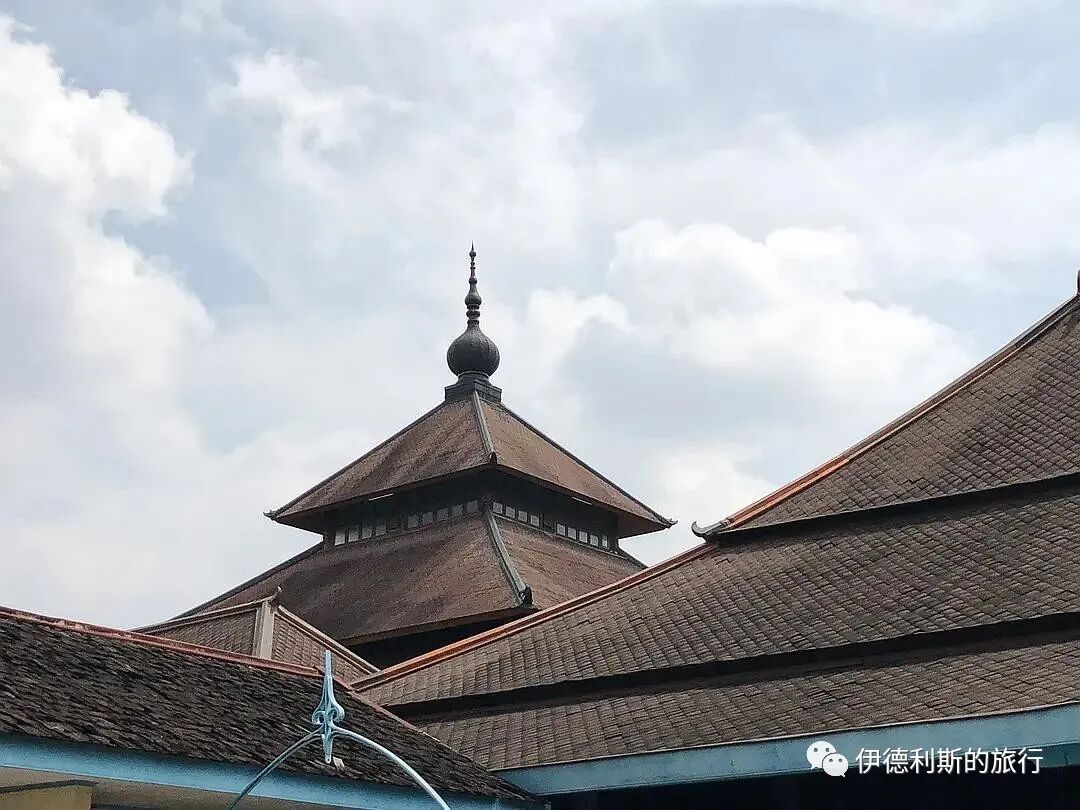
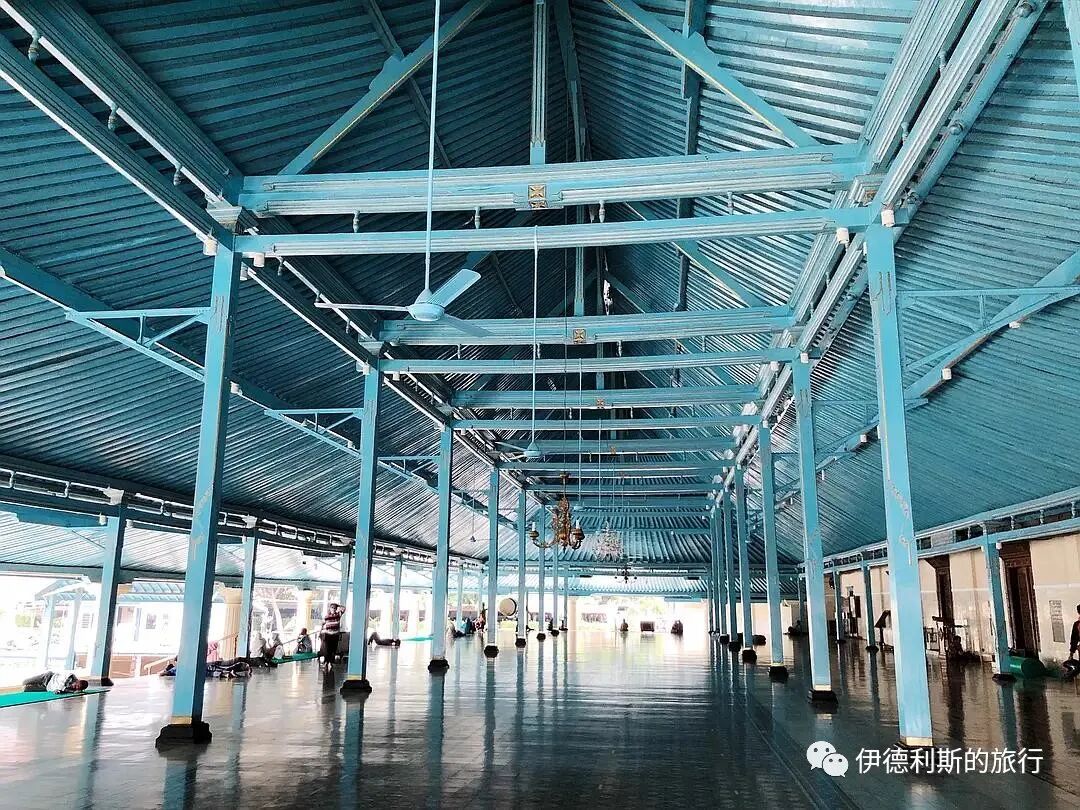
The Solo Grand Mosque is a classic example of traditional Javanese mosque architecture. The main hall has a three-tiered pyramid-shaped roof called a Tajug. This structure comes from Indian and Chinese cultures and existed before Islam reached Java. It shows how Indonesian Islam blends with local culture. The decoration at the very top of the roof is called a Mustoko or Memolo. Traditional Mustoko are made of clay, but the ones at the Solo Grand Mosque have been replaced with Indian-style domes. During the reign of Pakubuwono X, the roof of the main hall was covered in gold, but other materials replaced it later.
The main hall does not use walls for support. Instead, it uses four pillars called Soko Guru that connect to the roof.
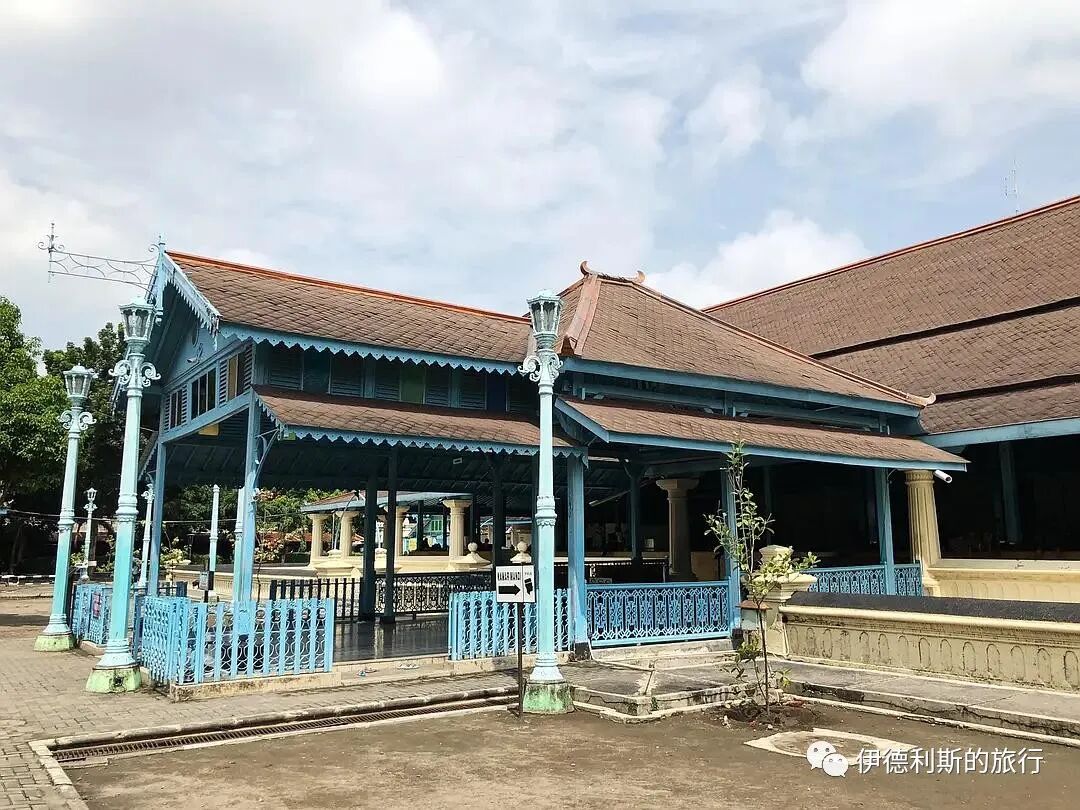
The front porch (Serambi) is located in front of the main hall and is connected to it. The front porch is mainly used for shade and shelter from rain. People also pray there during Friday congregational prayers.
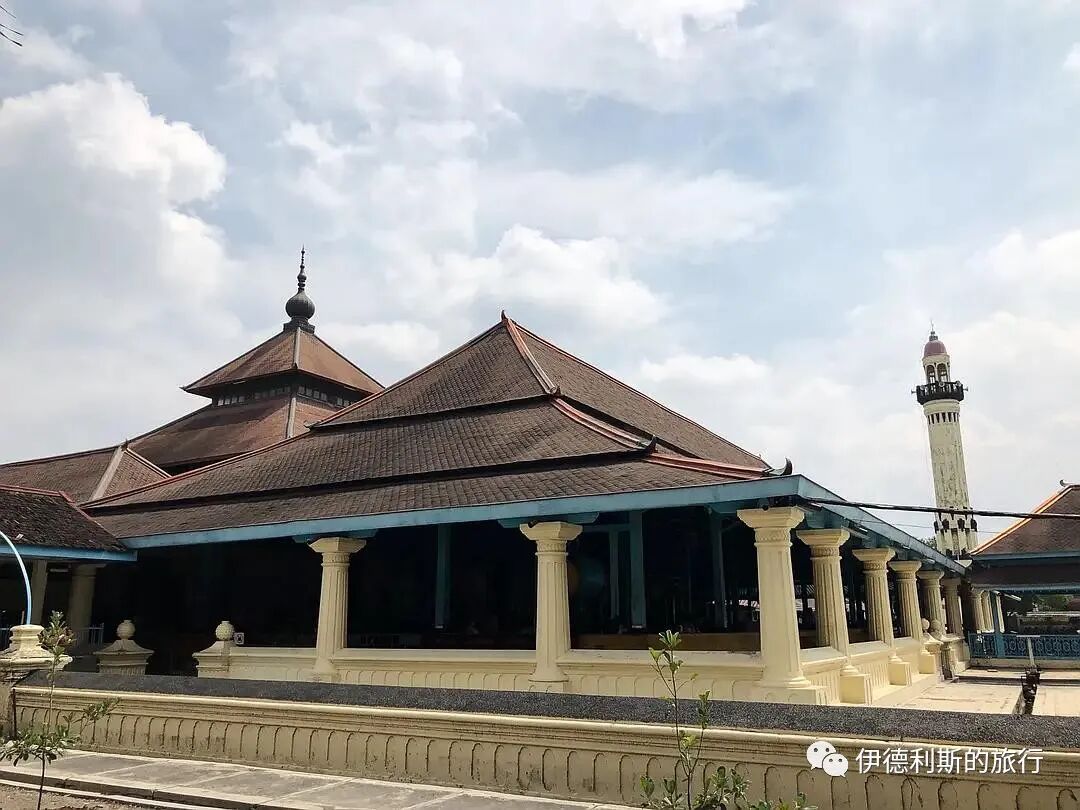
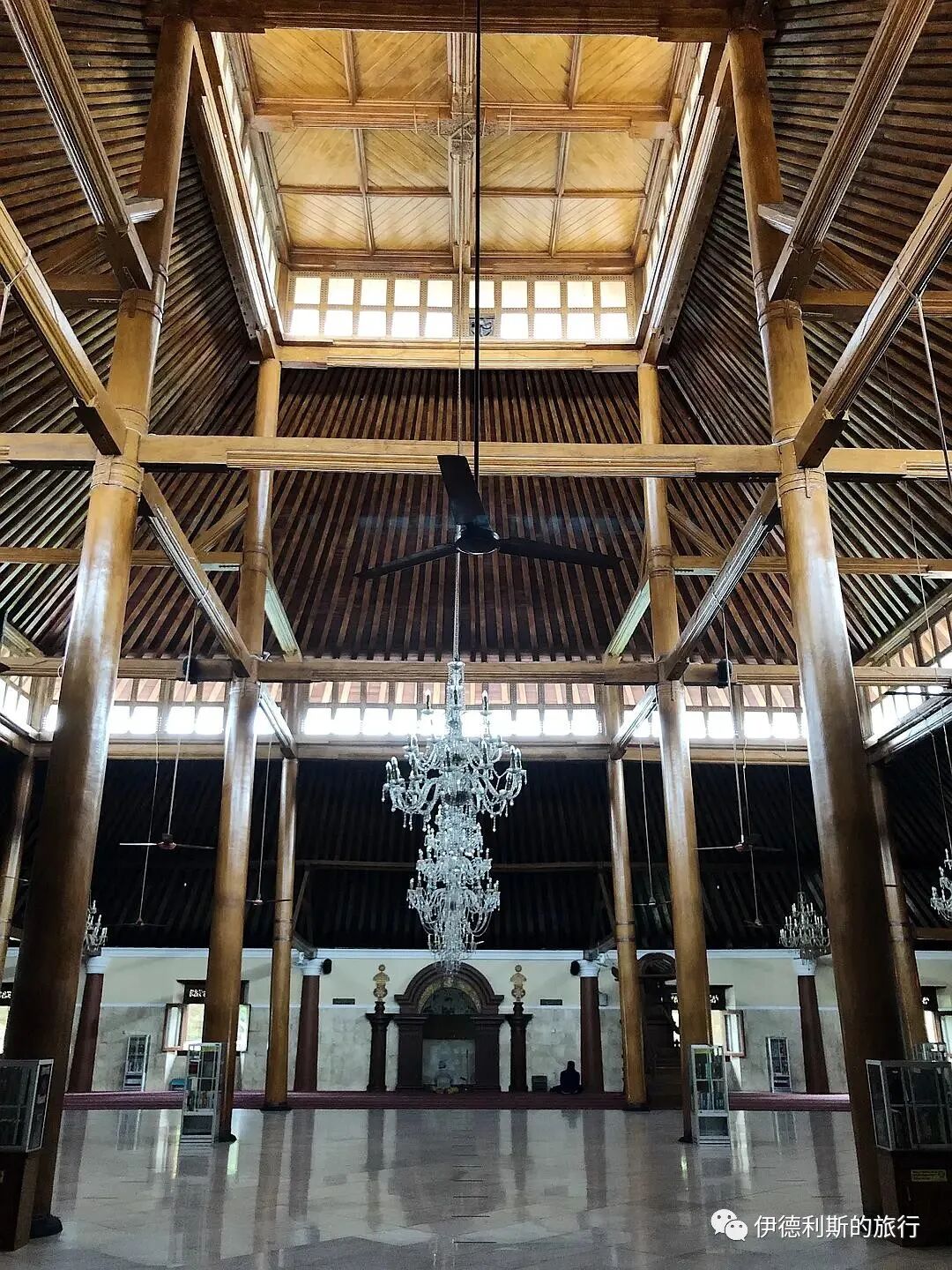
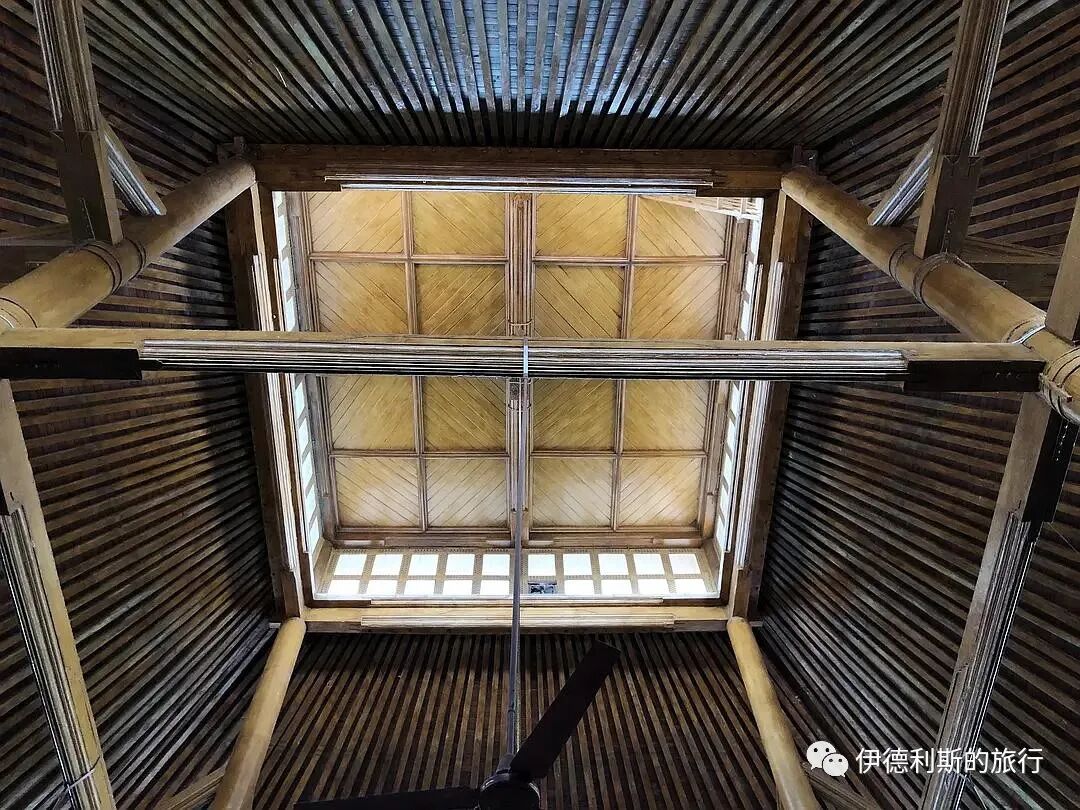
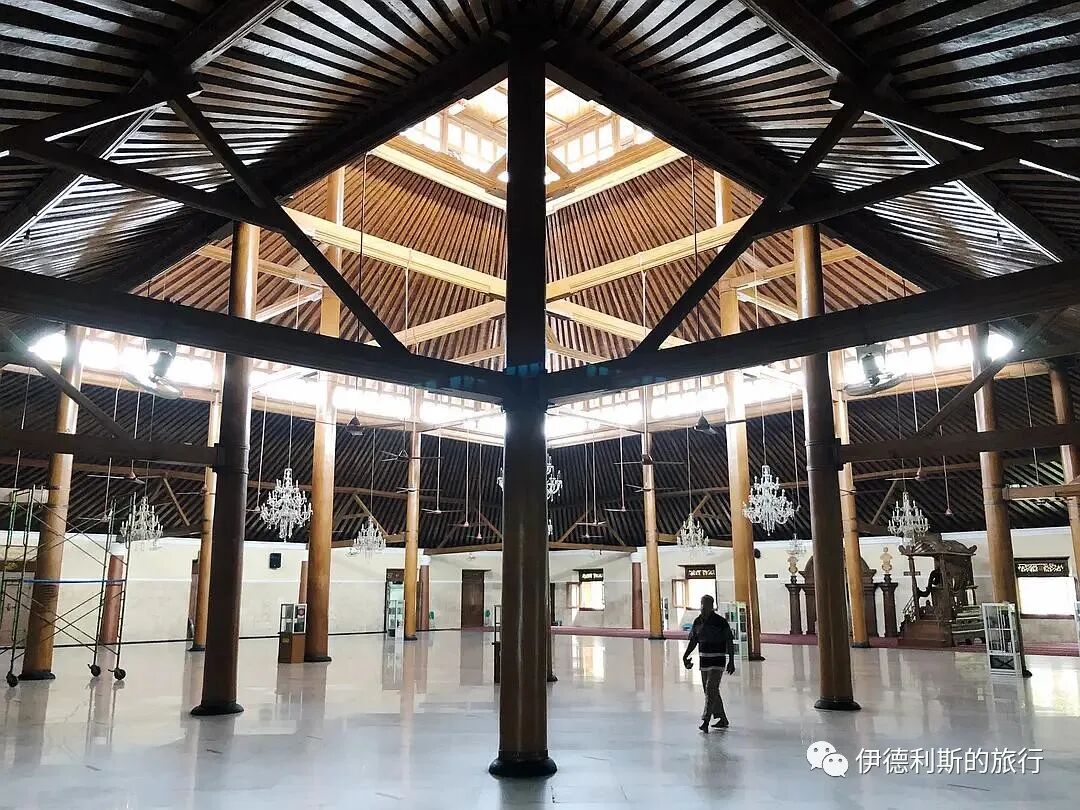
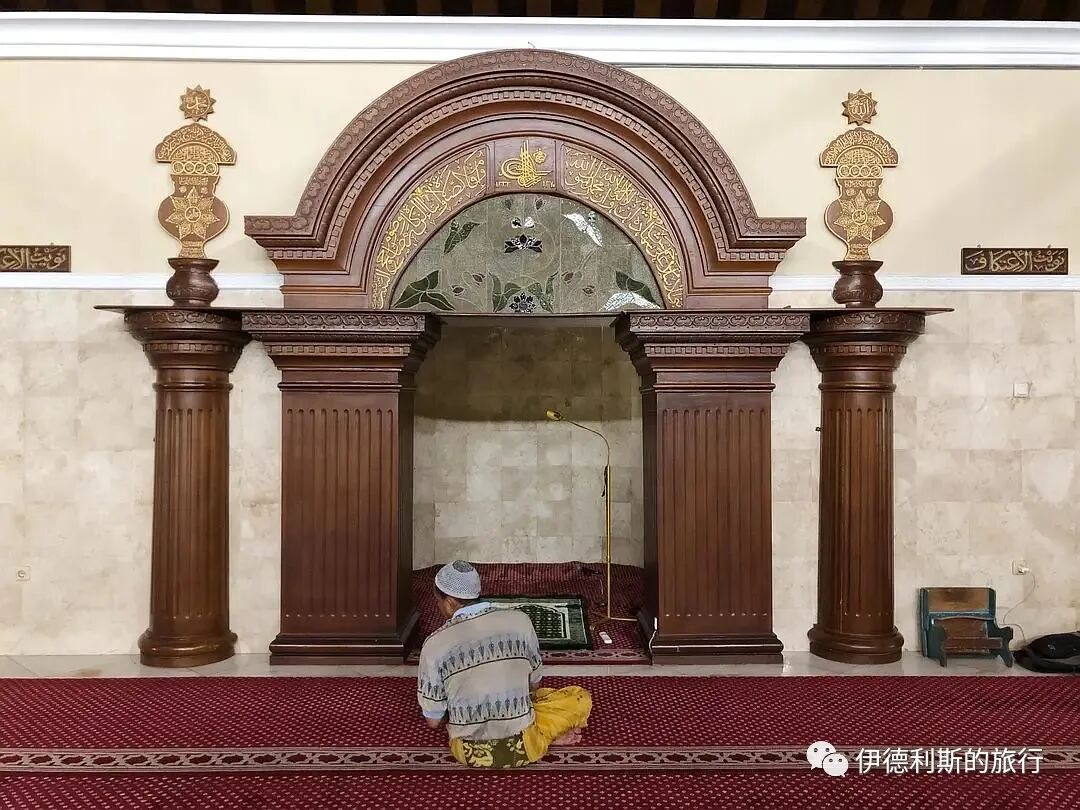
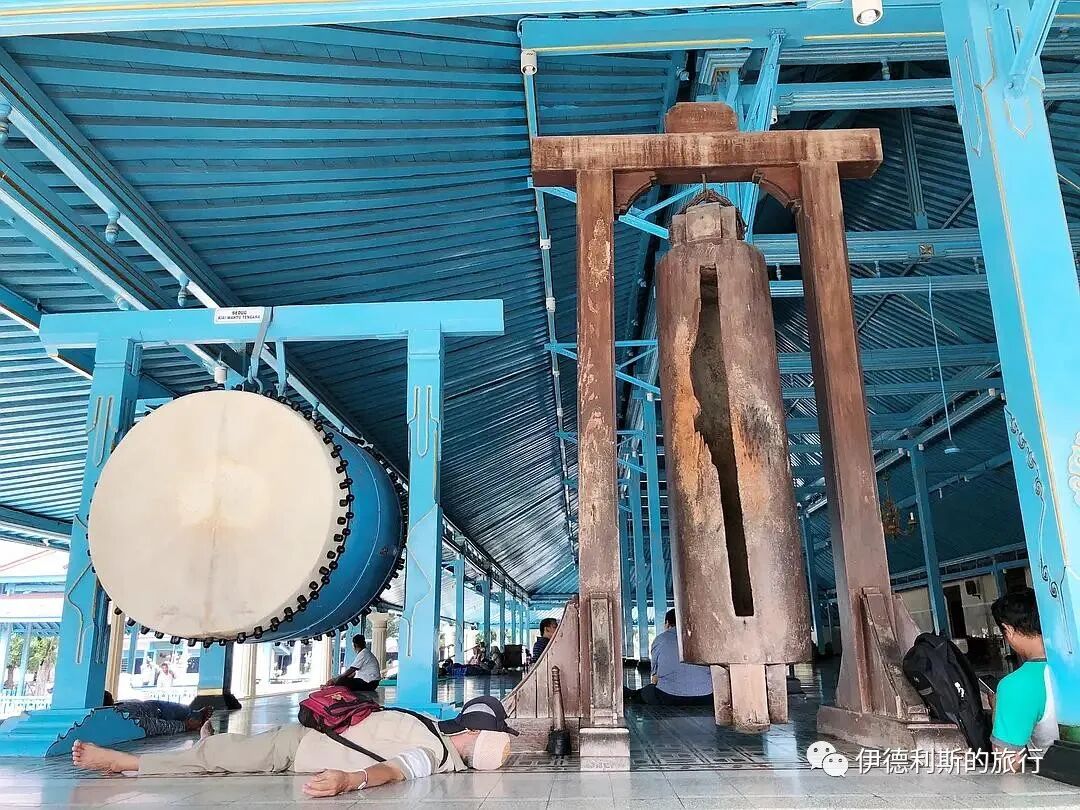
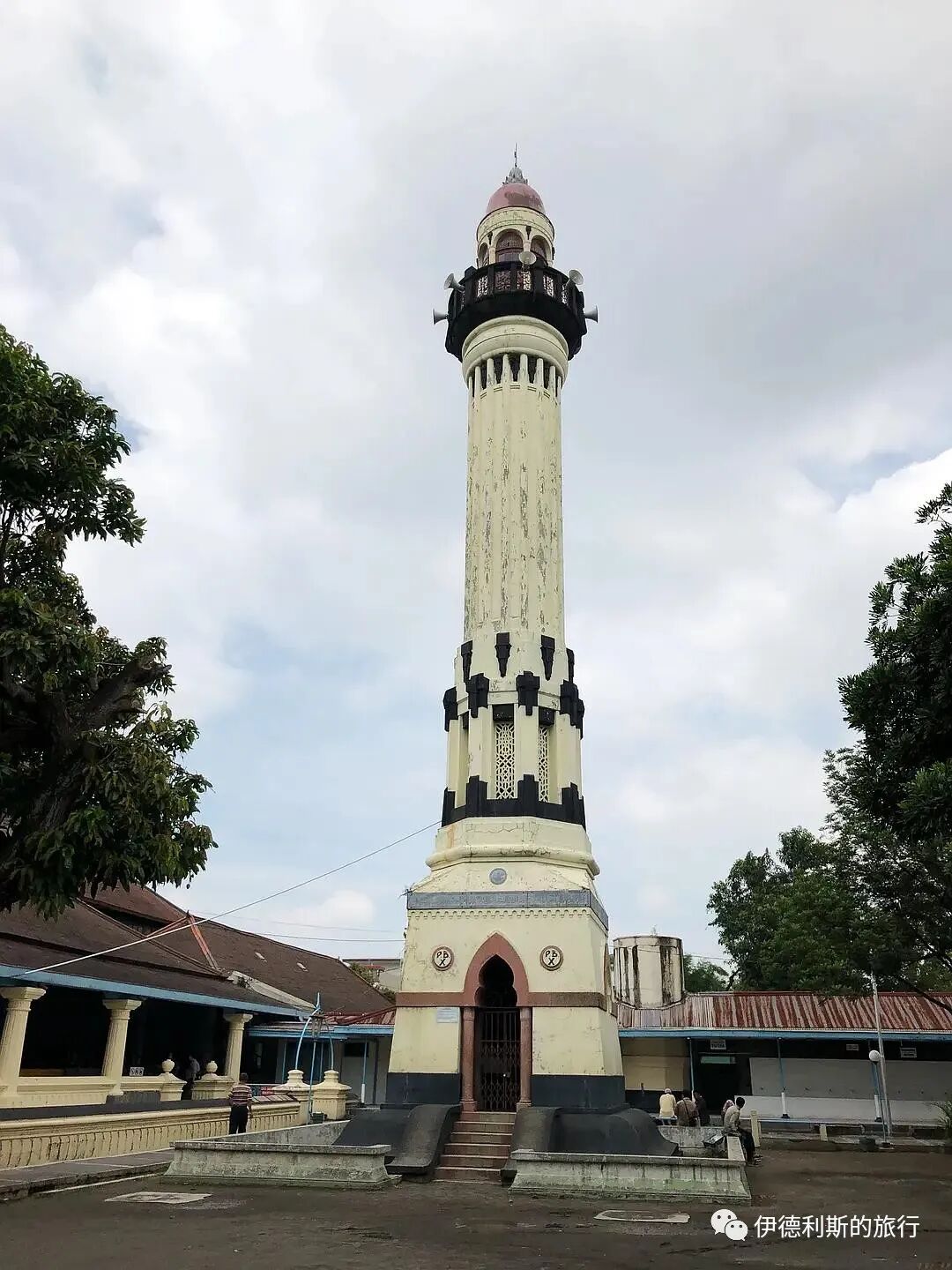
Early traditional Javanese mosques rarely had minarets. Instead, they used a large drum (Bedug) inside the front porch to call people to prayer. Today, the Solo Grand Mosque has an Indian Mughal-style minaret built in 1928 by Sunan Pakubuwono XI.
3. Mangkunegara Palace (Pura Mangkunegaran)
In 1757, Raden Mas Said, a rebel from the Mataram Sultanate, surrendered to the Solo Sunanate. He signed an agreement with the Dutch East India Company to establish the Mangkunegaran princely state near Solo and took the name Mangkunegara I. That same year, he built the Mangkunegara Palace (Pura Mangkunegaran) in Solo.
After Indonesia gained independence, Mangkunegara VIII announced in 1946 that he would join the Republic of Indonesia. Although he lost his ruling power in later movements, he and the Solo Sunan still hold cultural status and prestige.
The palace is now open to the public as a tourist site. Once inside, English-speaking guides are available to show you around.
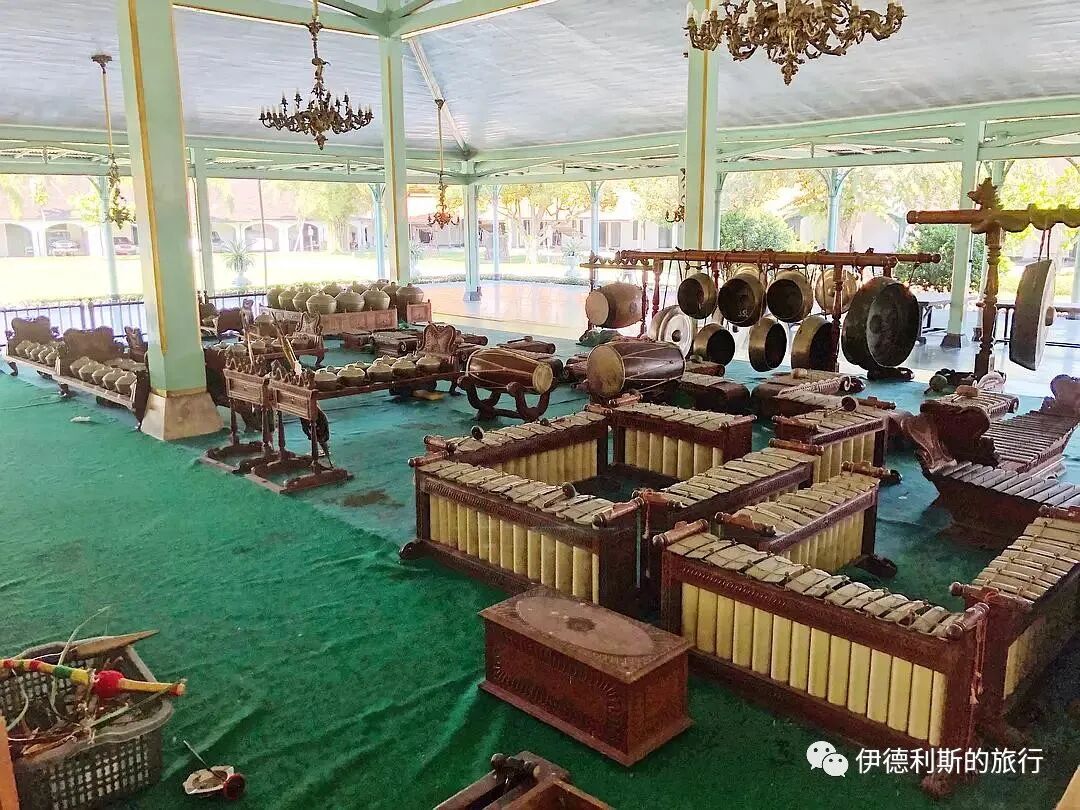
The main building of the palace is a traditional Javanese pavilion called a Pendopo Ageng. It was built in 1815 by Mangkunegara II (reigned 1796-1835) and later expanded by Mangkunegara IV (reigned 1853-1881). It became the largest pavilion in Indonesia at the time and can hold 10,000 people.
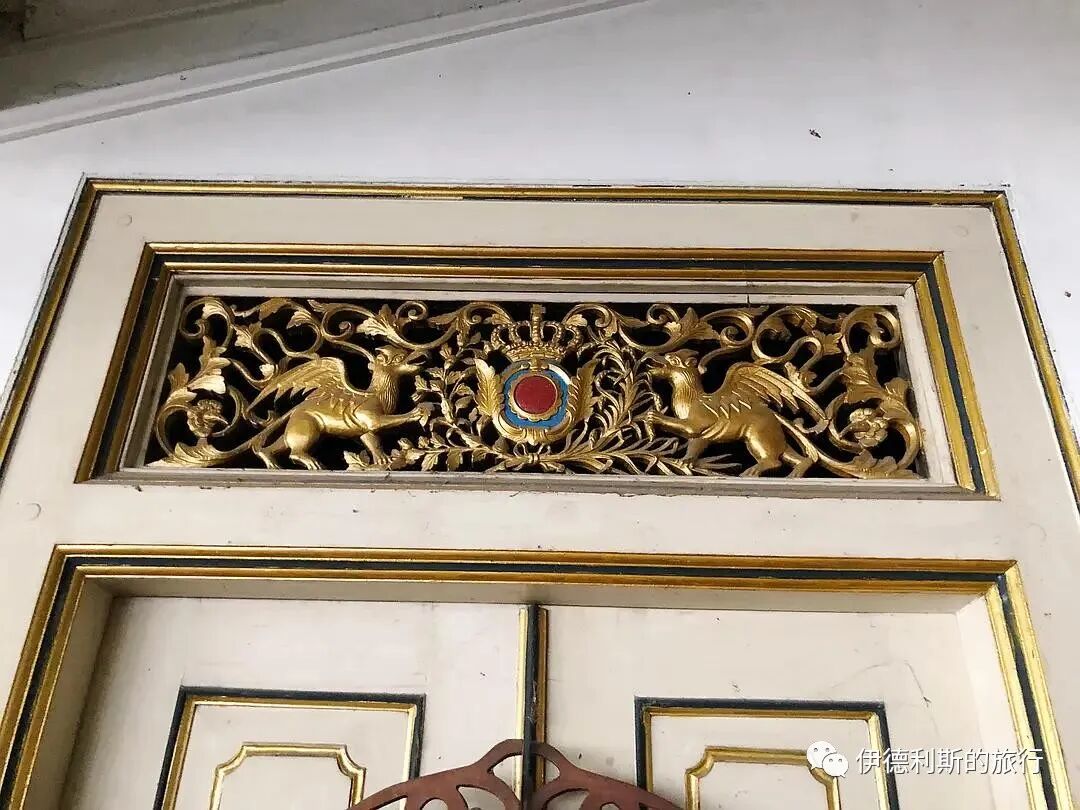
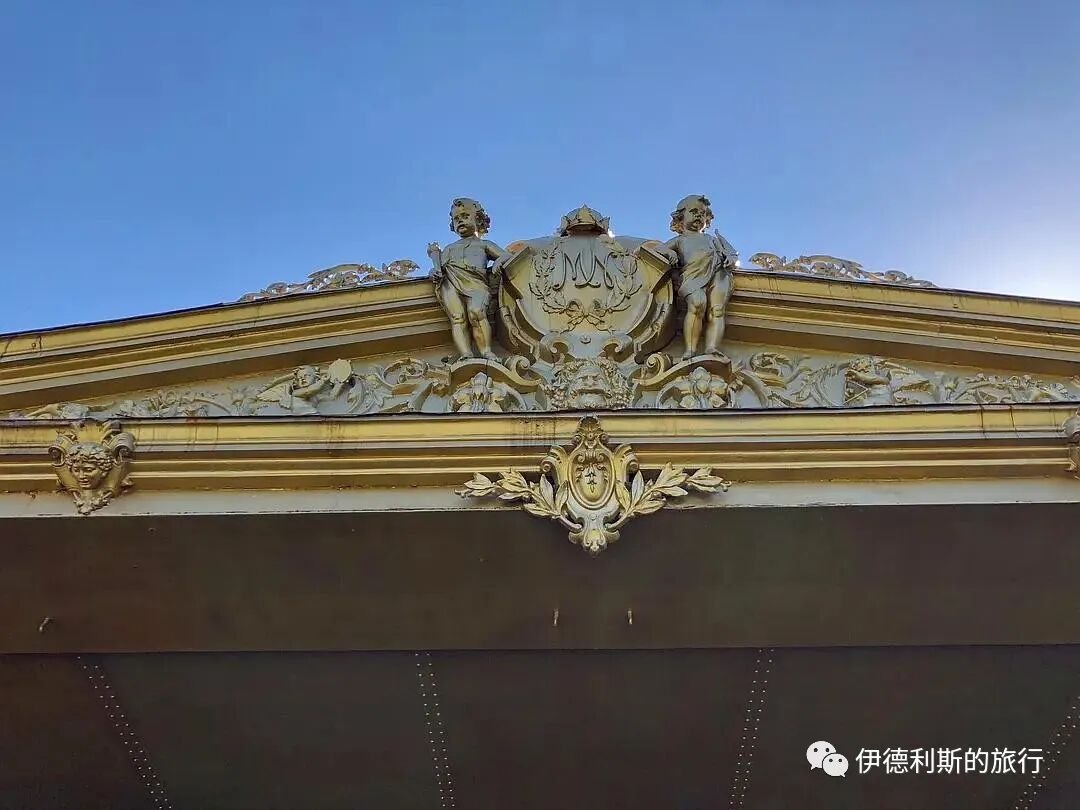
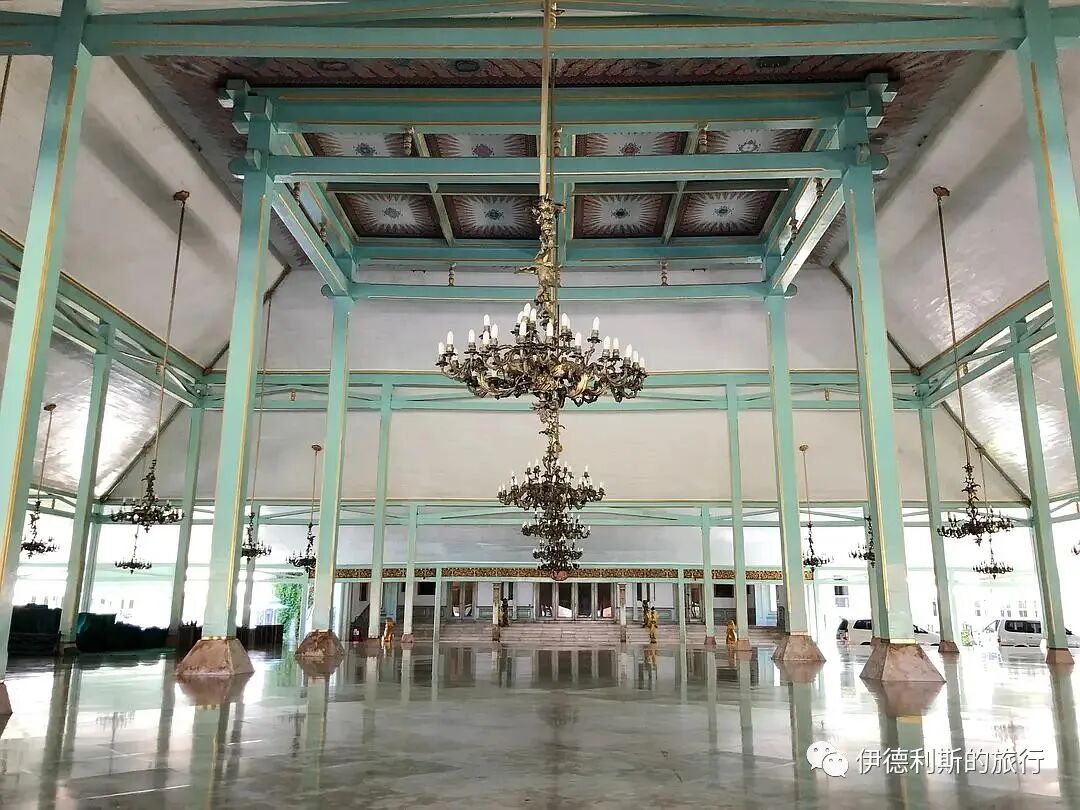
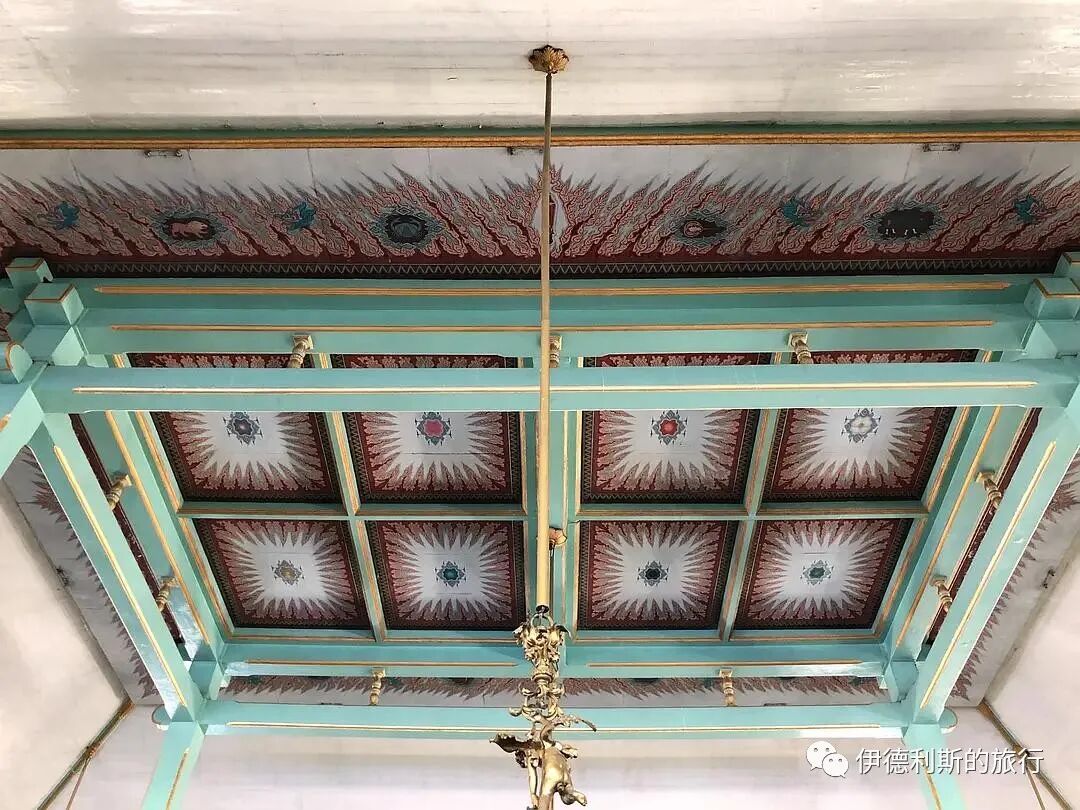
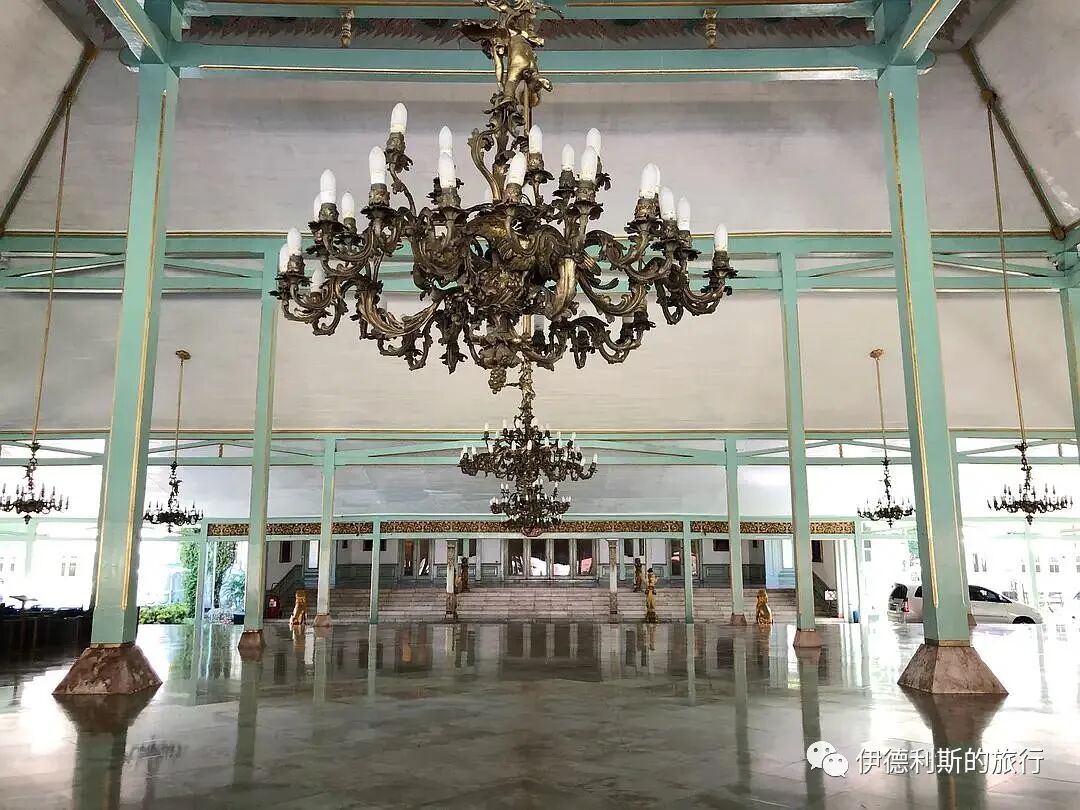
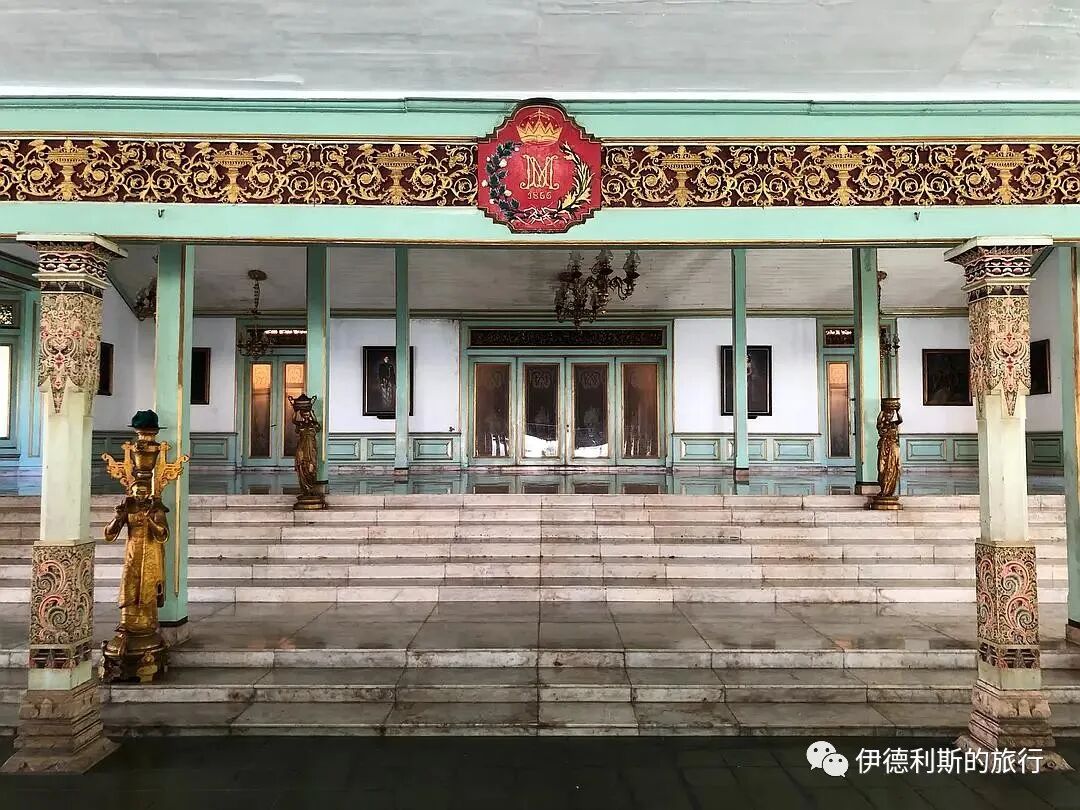
The roof of the Pendopo Ageng is a trapezoidal pyramid shape called a Joglo, and the entrance features Dutch colonial-style decorations. Inside the pavilion, there are chandeliers installed in 1866, and the floor is covered in marble. Traditional Javanese song and dance performances are held here regularly.
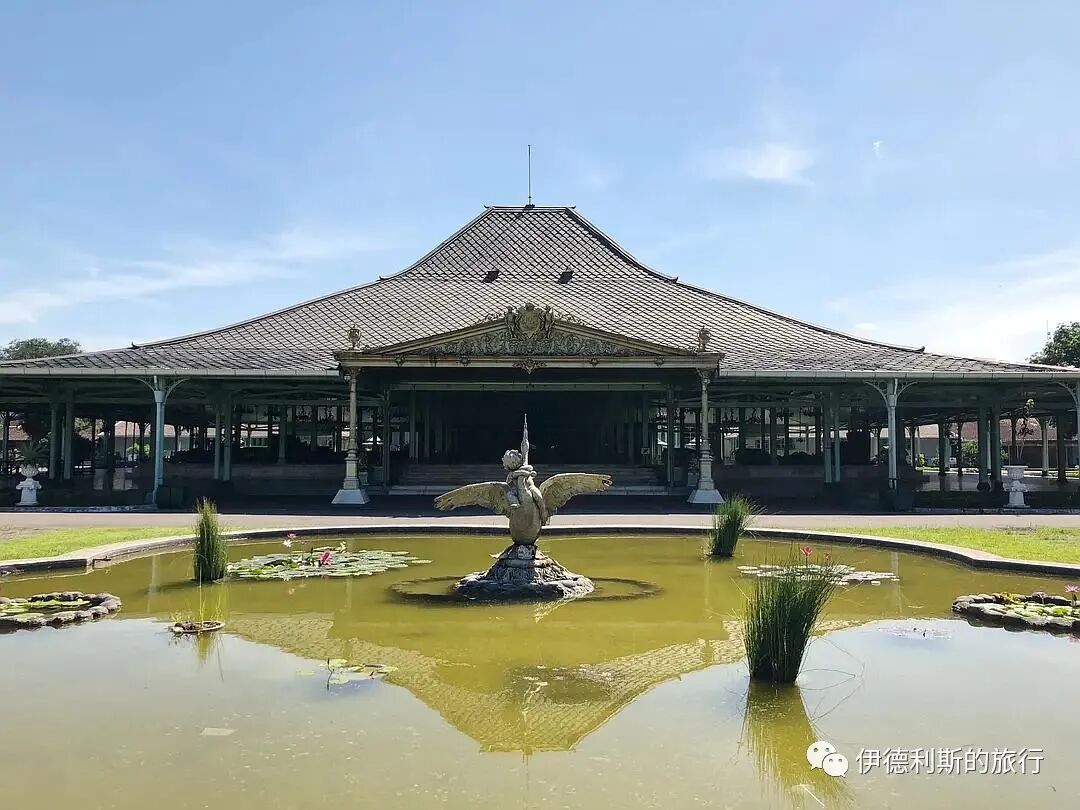
Behind the main hall (Pendopo) is a rectangular area called Pringgitan. It was built during the reign of Mankunugoro II to welcome royal guests.
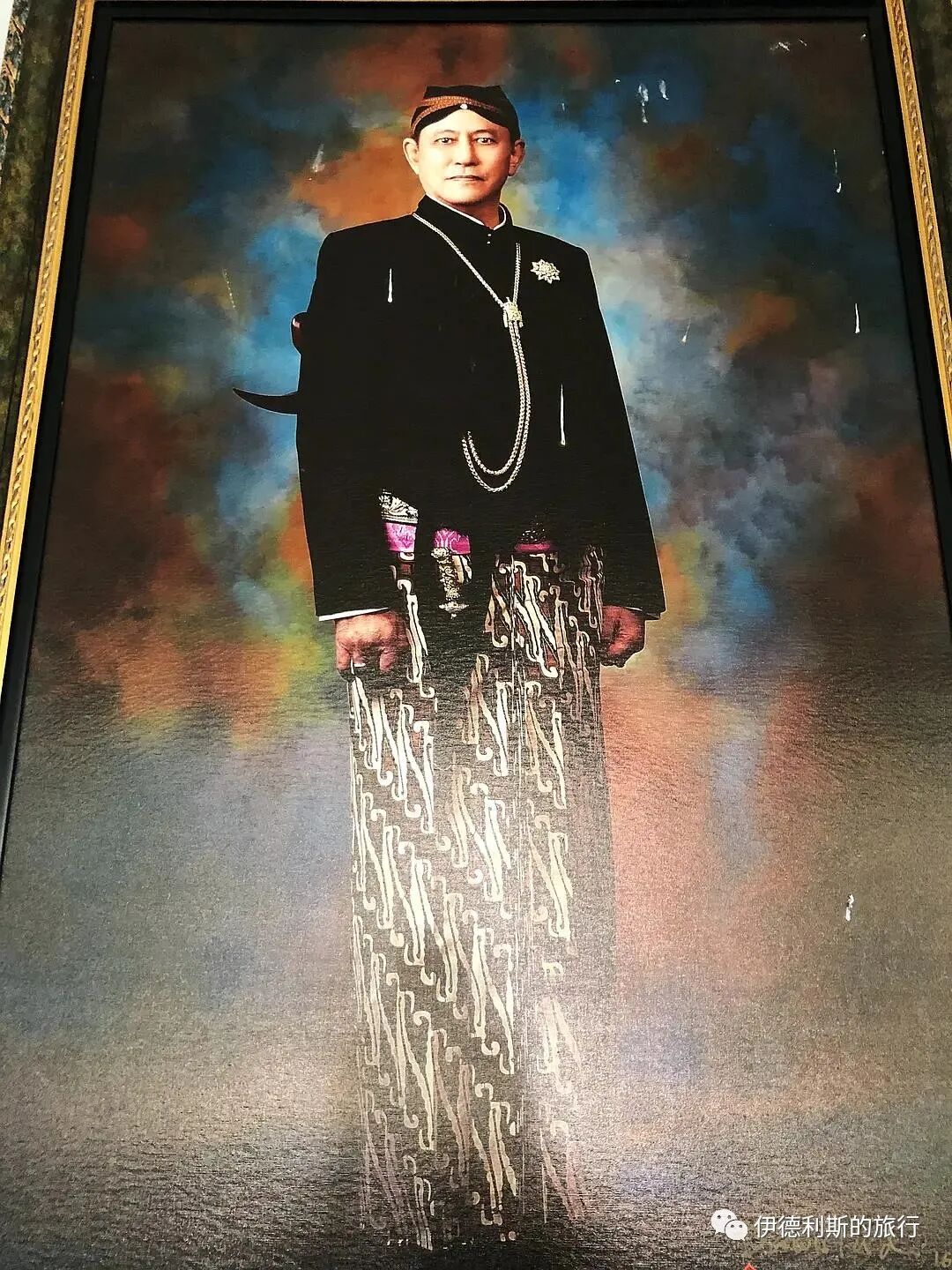
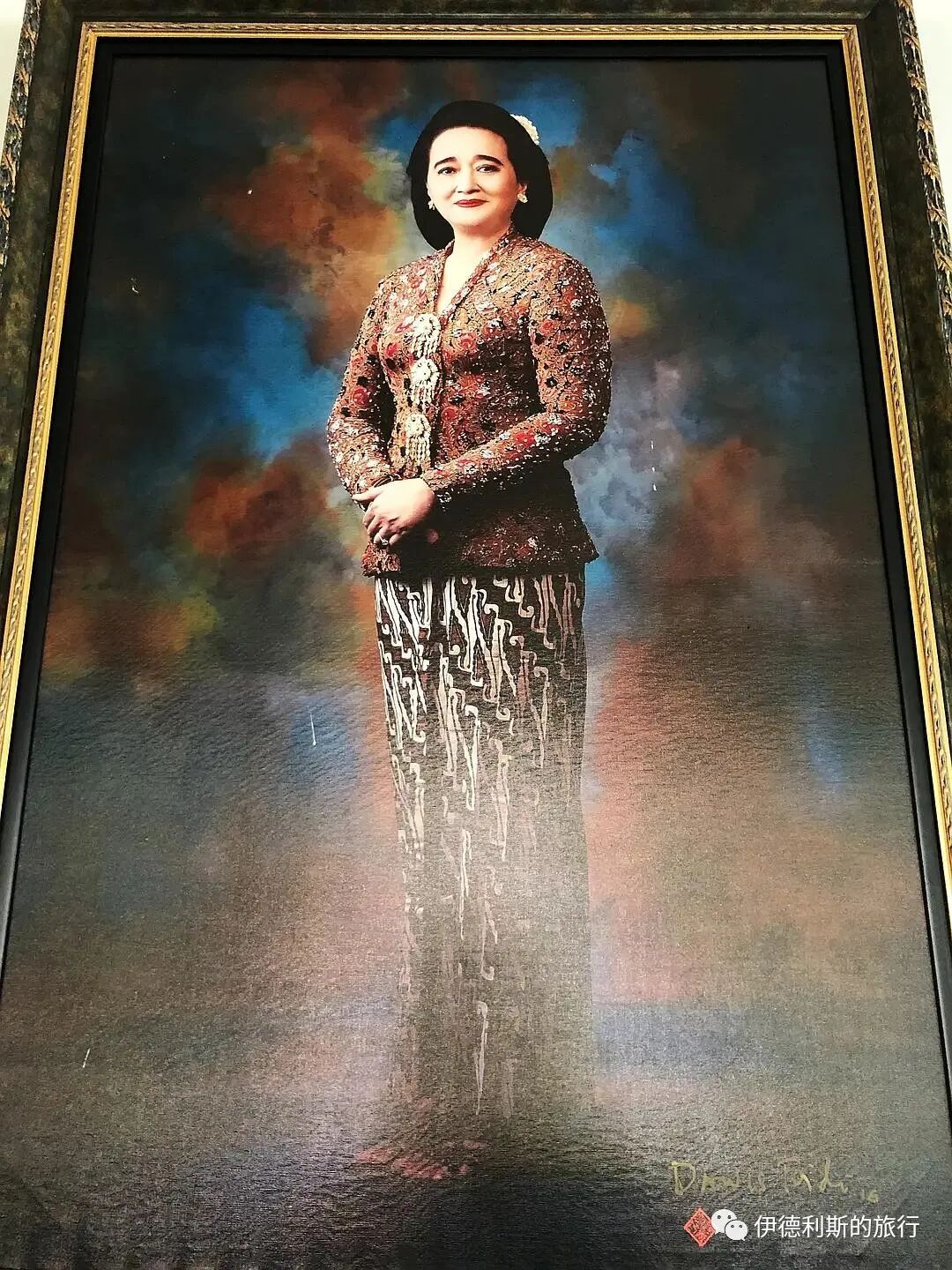
Further back is the Dalem Agen hall, which features a pyramid-shaped Jogro roof. This 1,000-square-meter building was once the royal inner court. It now serves as an exhibition hall for royal heirlooms, though photography is not allowed.
Behind the Dalem Agen hall is the royal residence. It is now the home of the Mank Nugoro family, the descendants of the royals, and part of it is open as a museum.
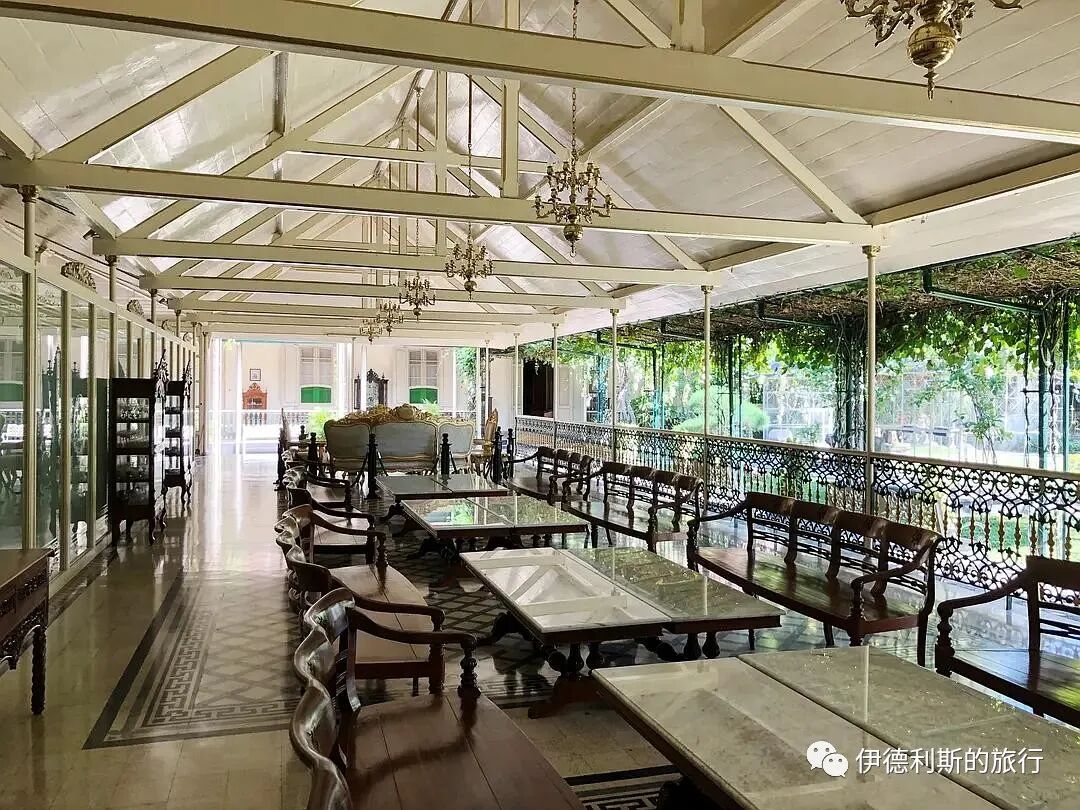
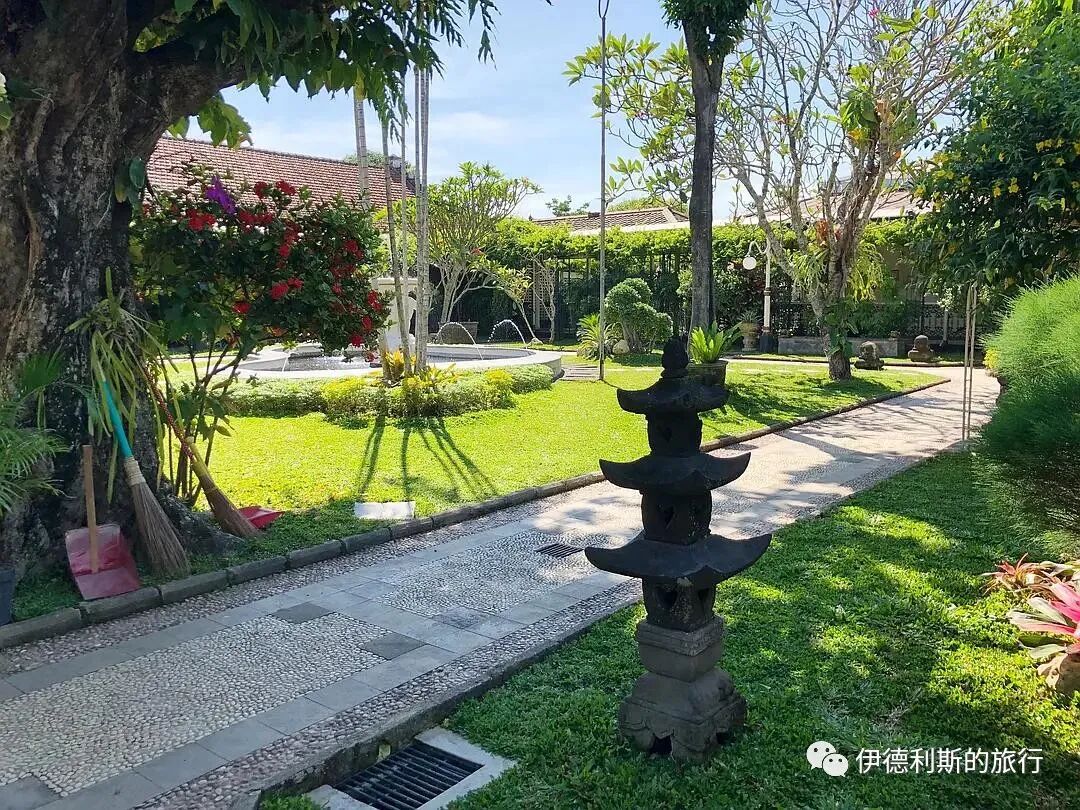
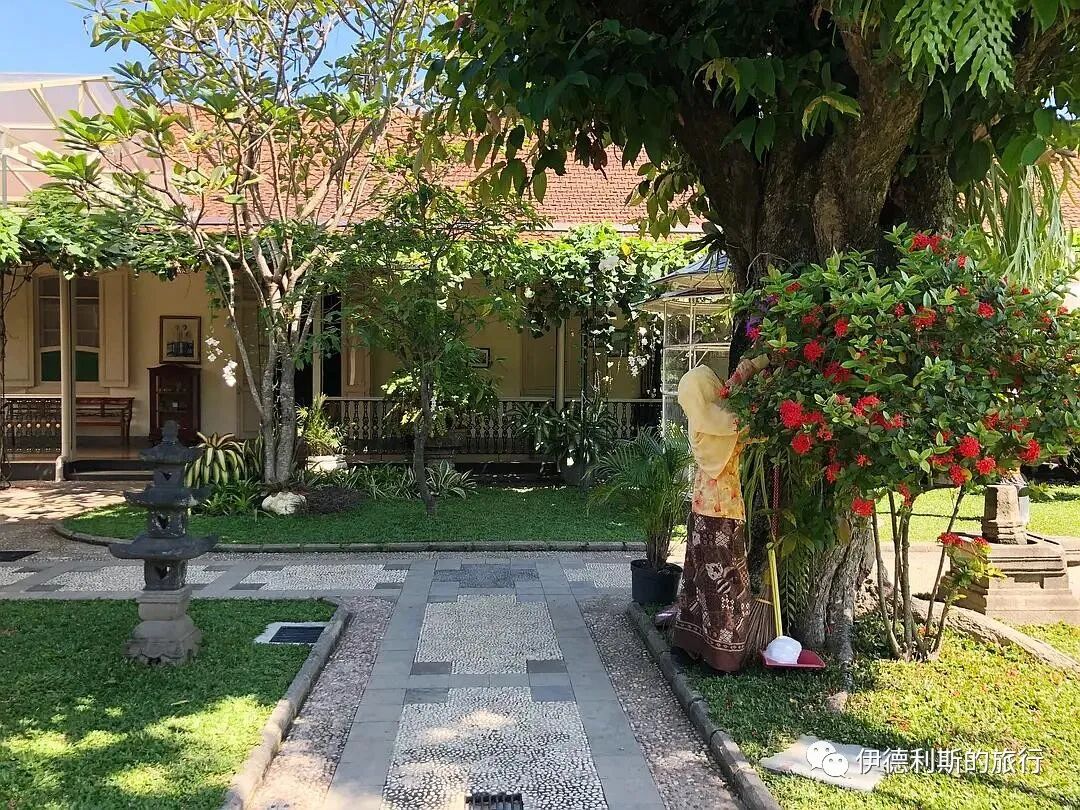
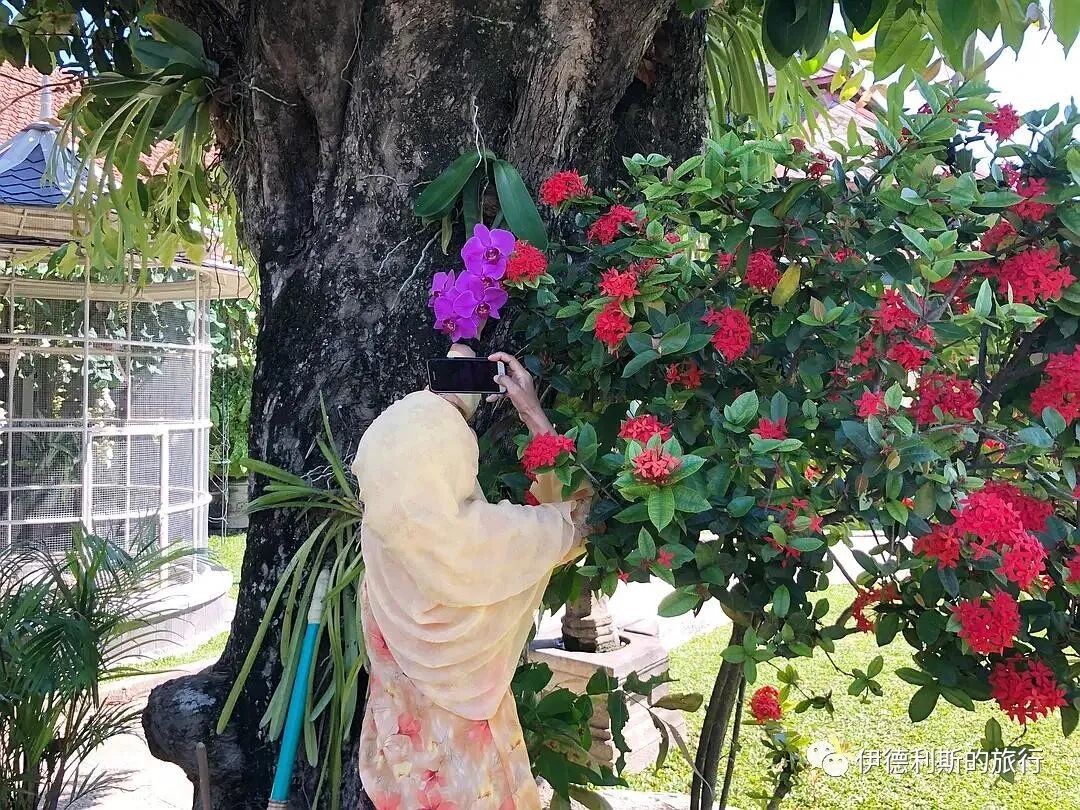
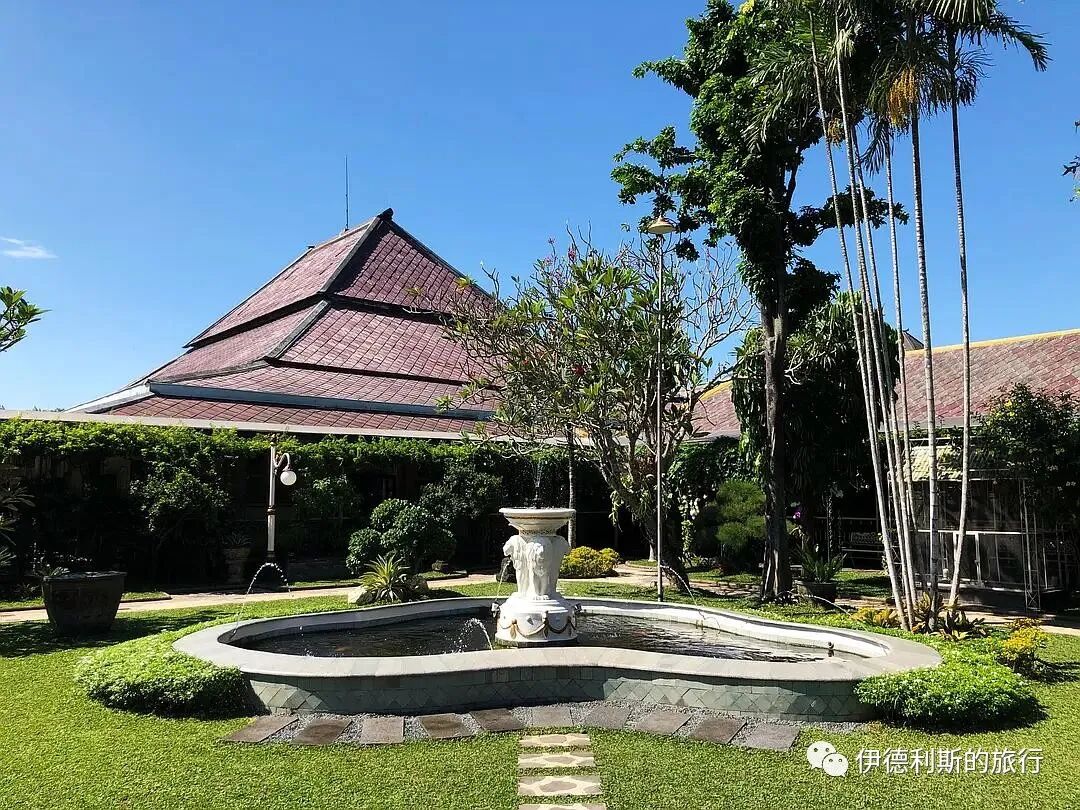
The palace backyard is filled with ornamental plants, European-style statues, fountains, and birdcages.
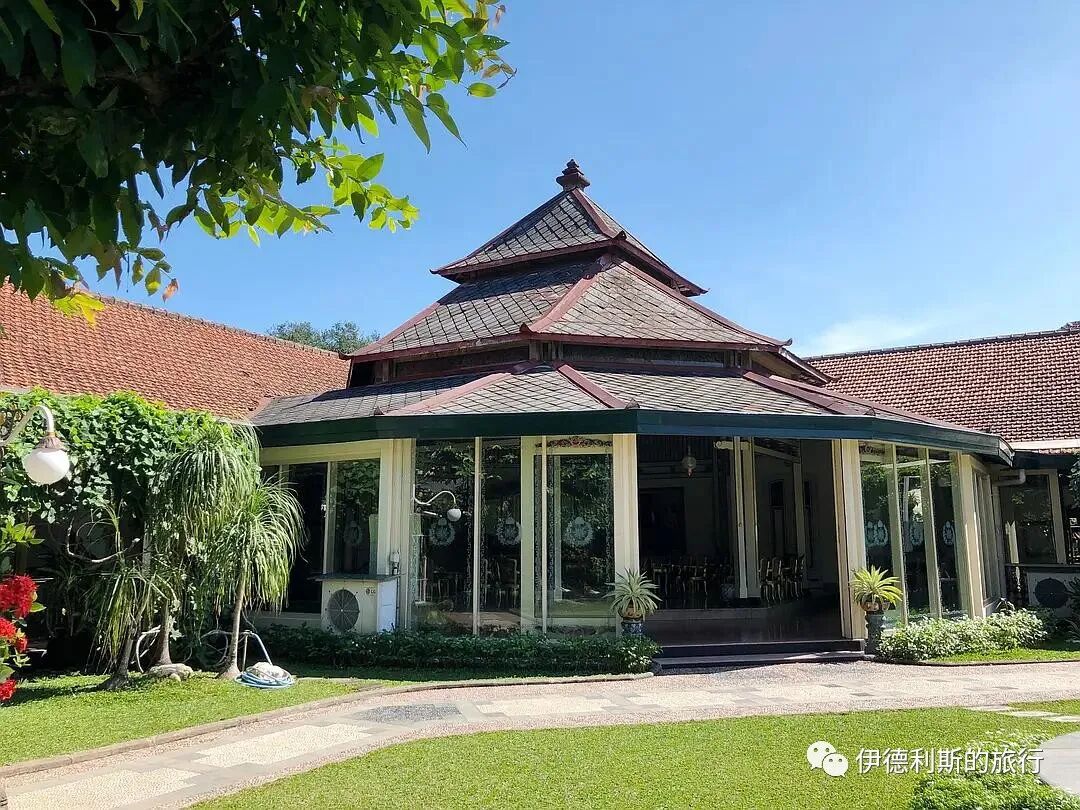
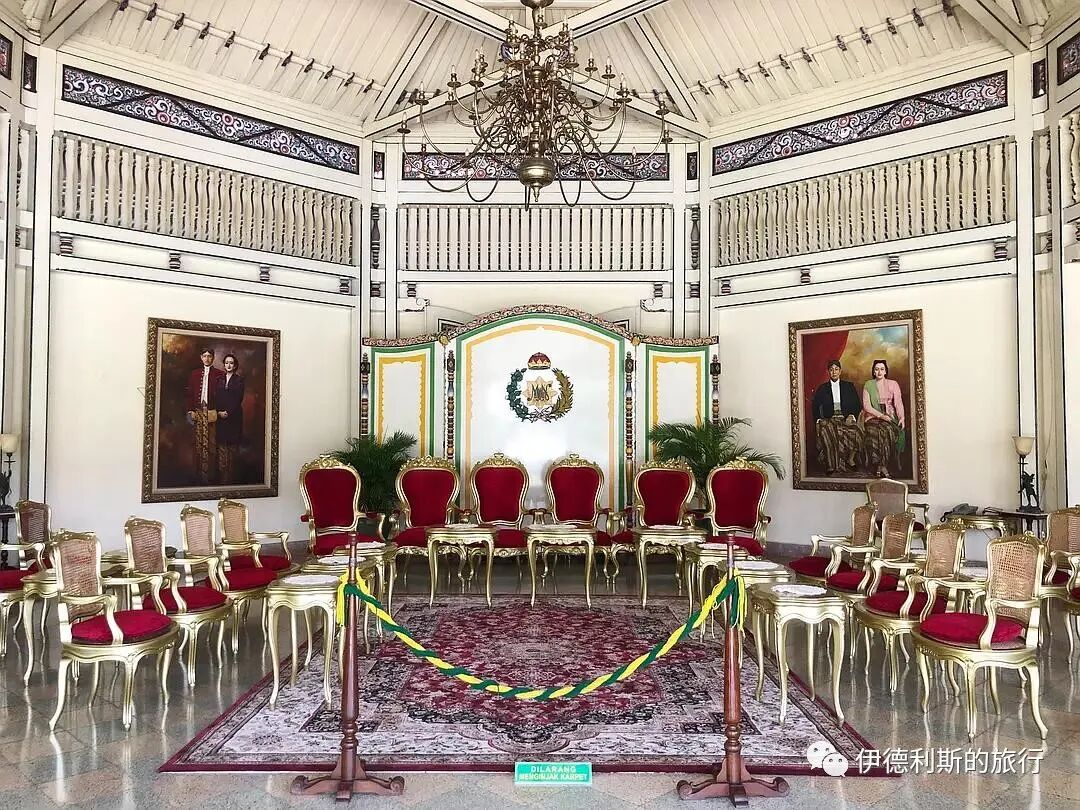
The octagonal building Pracimoyasa (Dalem Veranda) overlooks the garden. It has a traditional Javanese three-tiered roof and contains elegant European furniture and candelabra chandeliers. This area served as the royal dining room, dressing room, and bathroom.
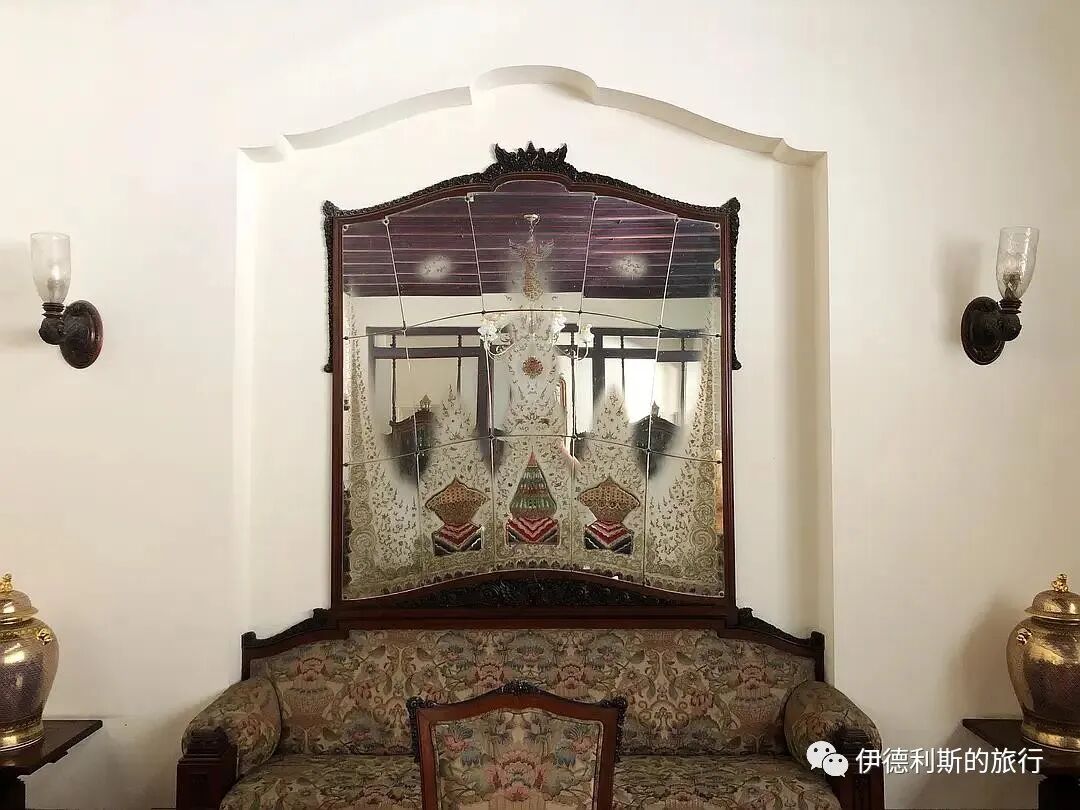
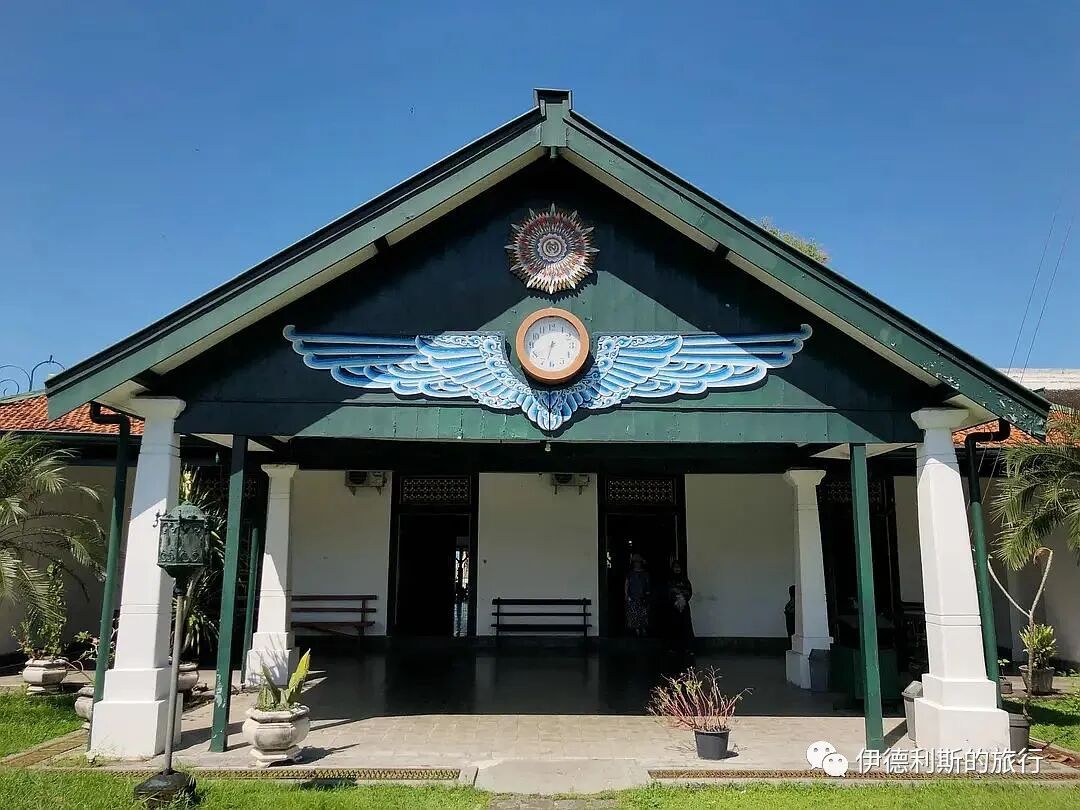
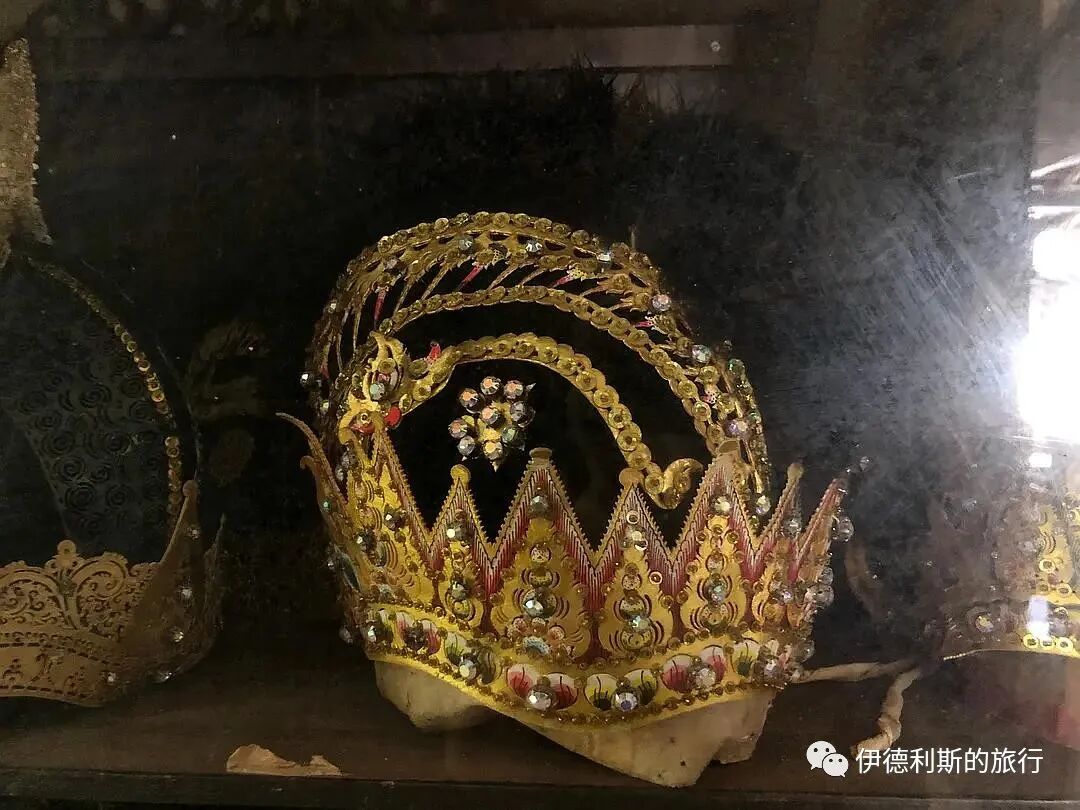
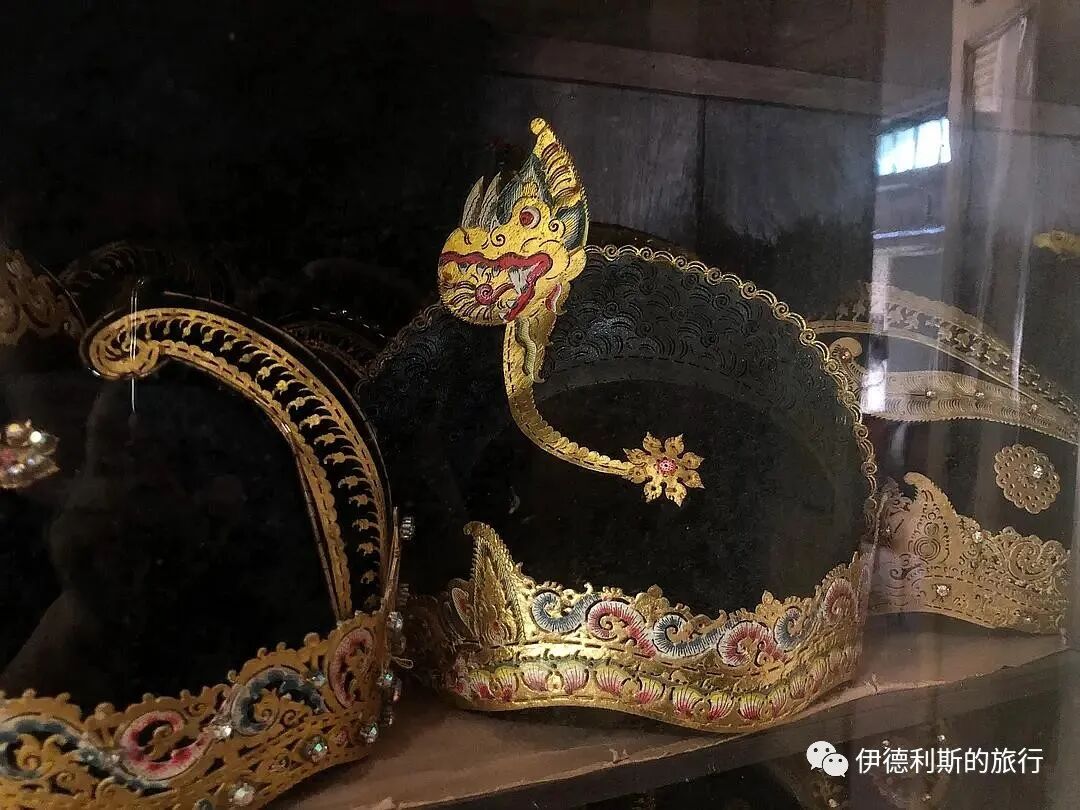
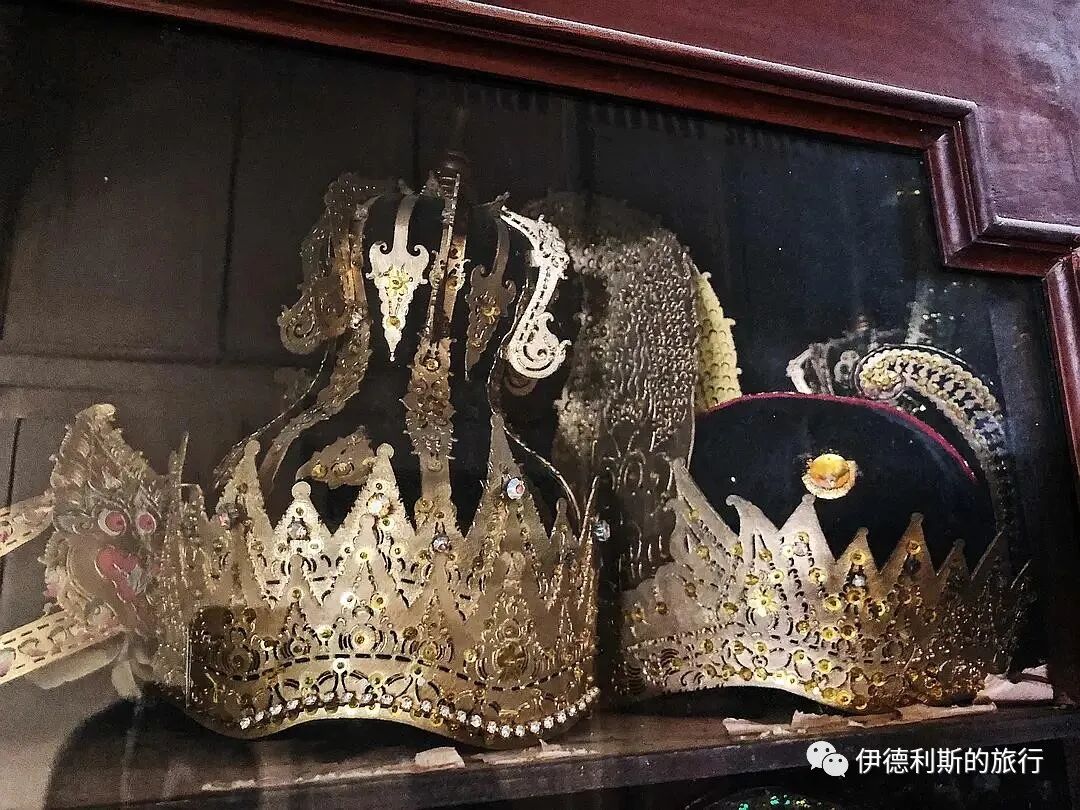
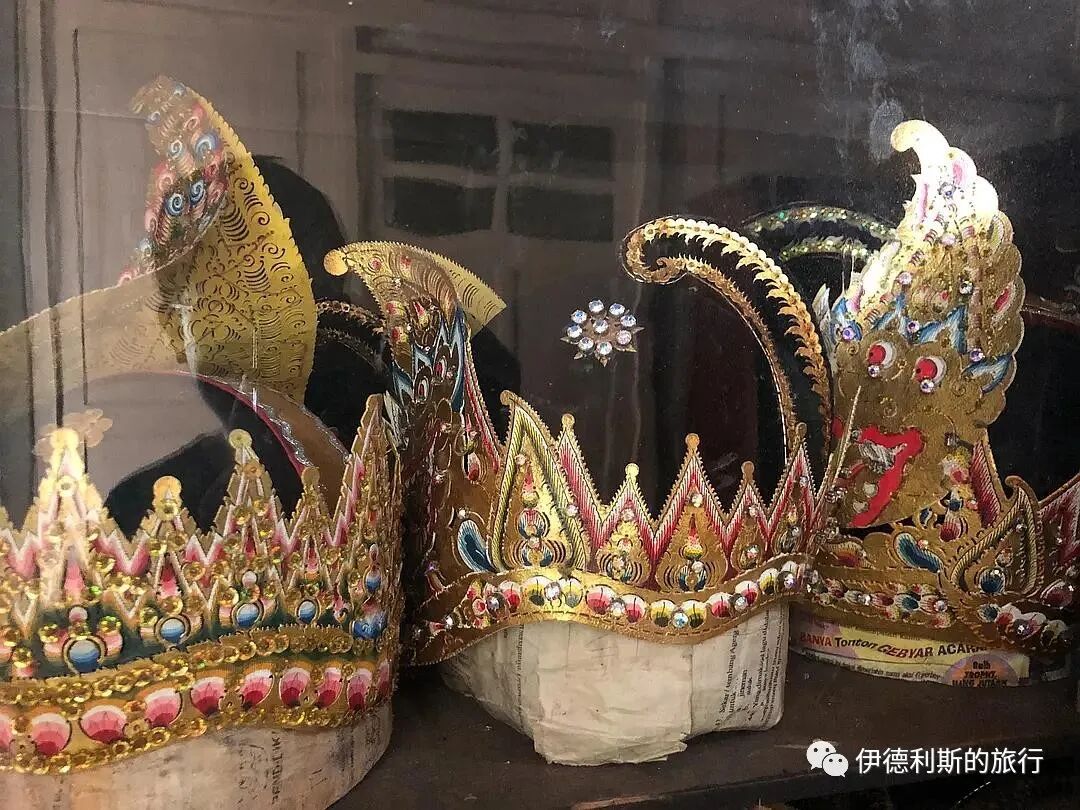
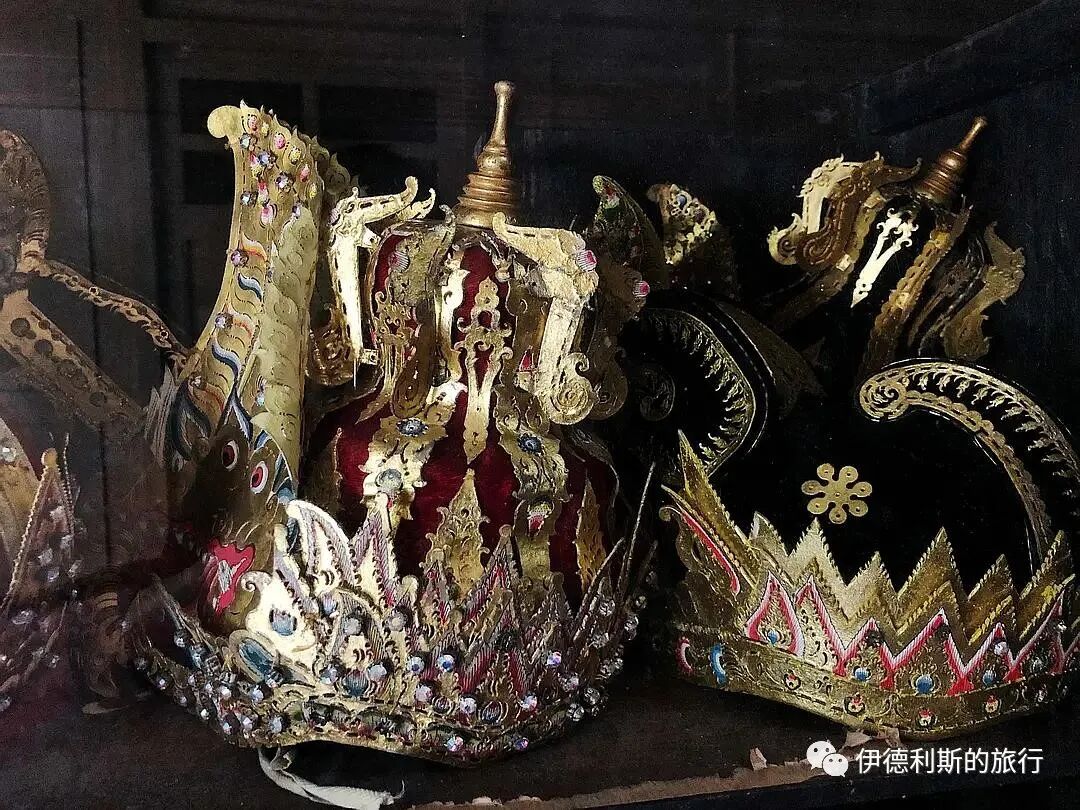
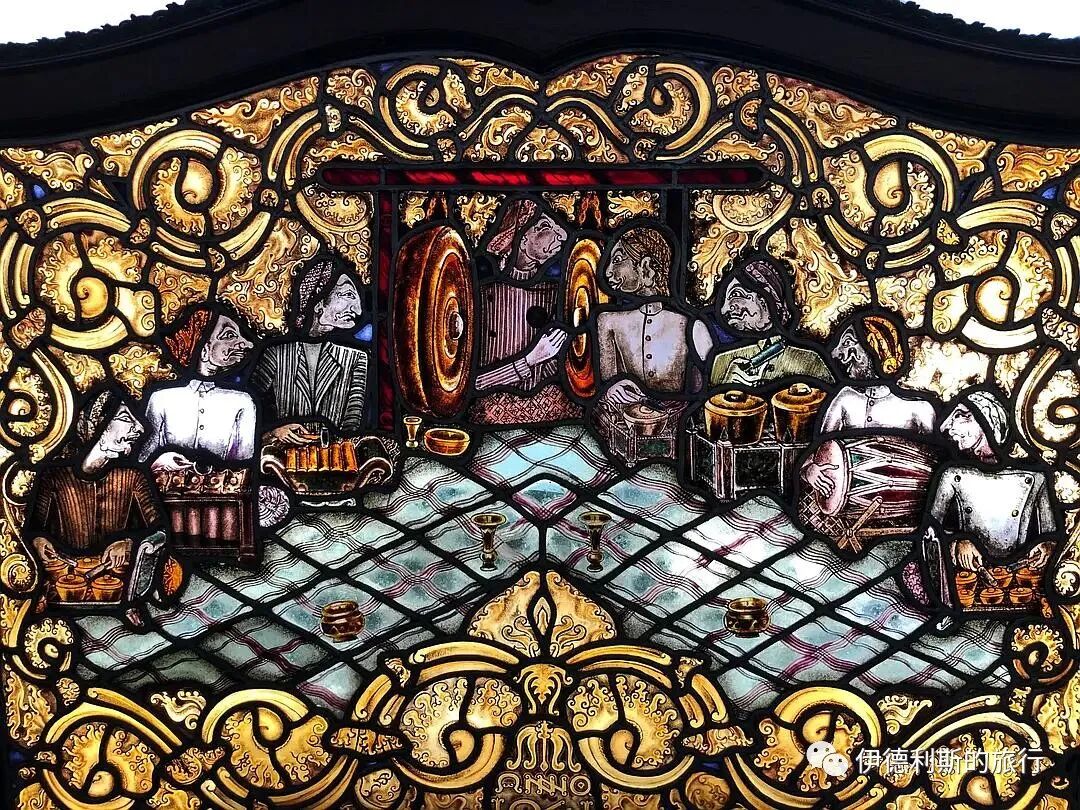
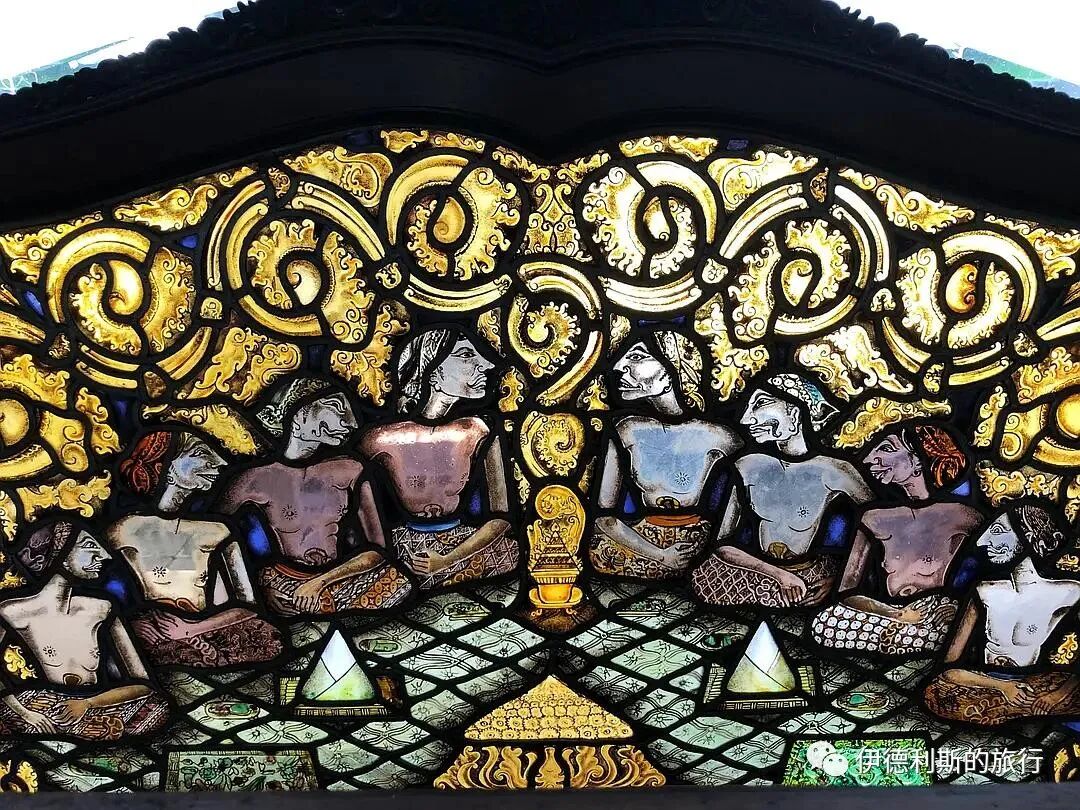
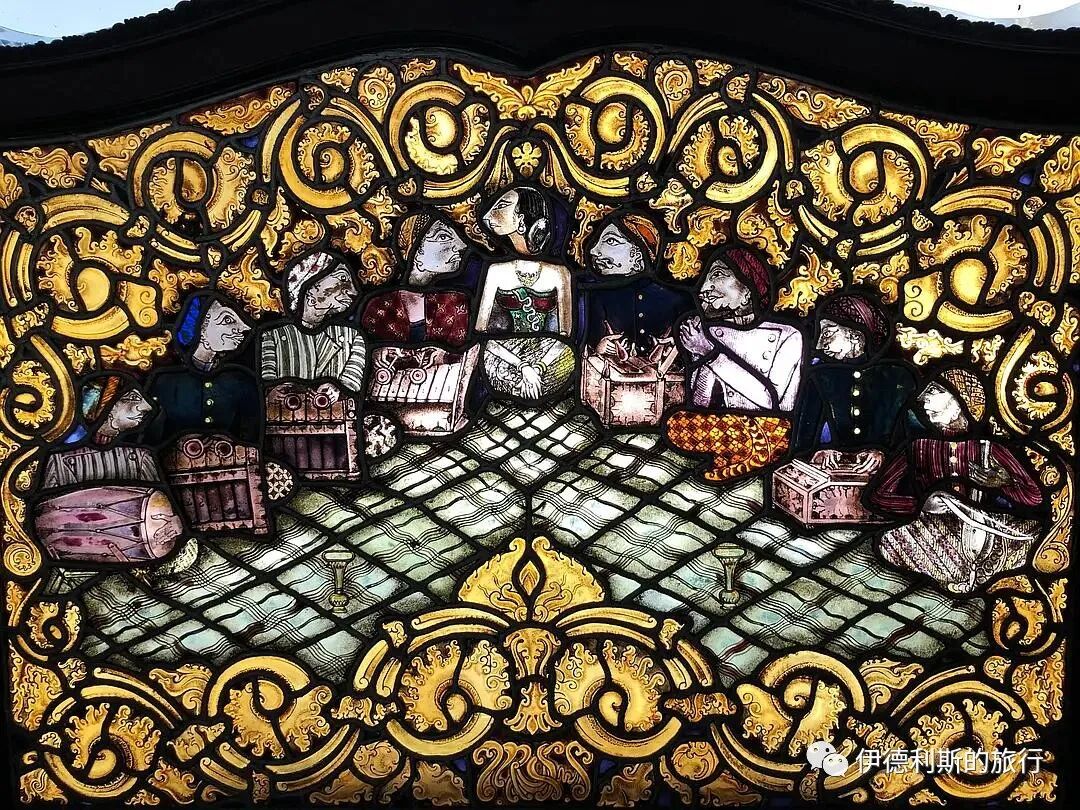
The palace collection includes headpieces worn for traditional Javanese dances, as well as stained glass windows painted with figures in traditional Javanese clothing.
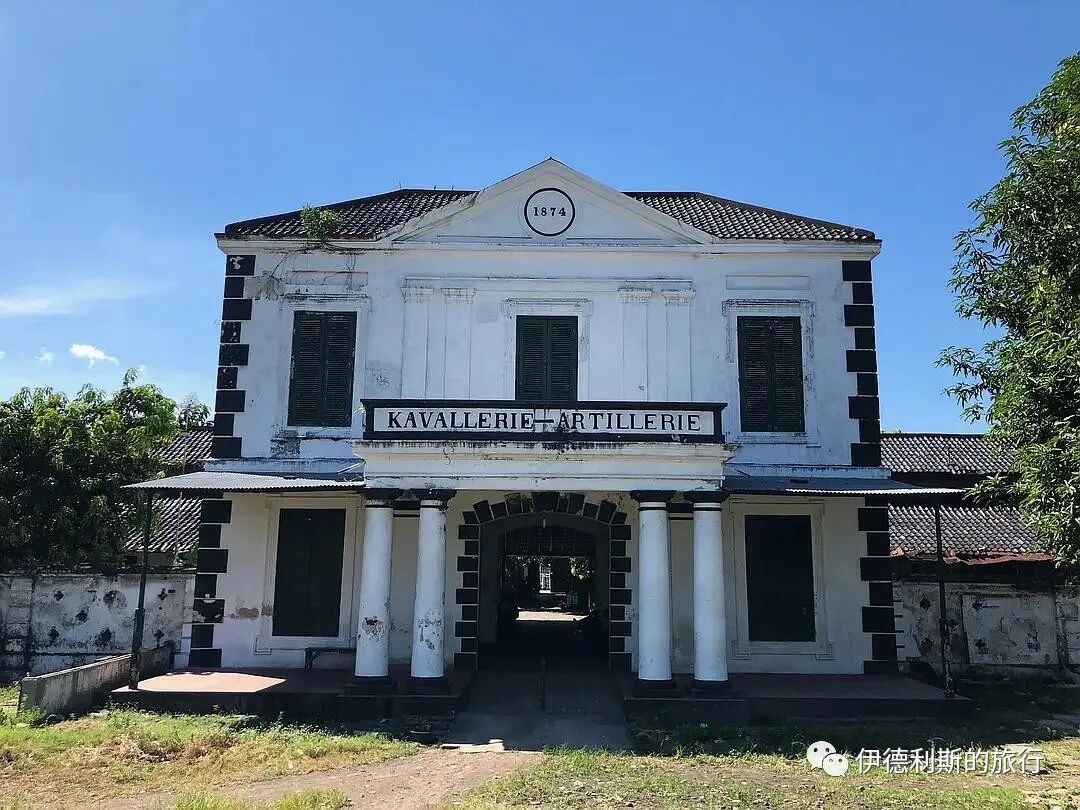
To the east in front of the palace is the headquarters for the Mangkunegaran infantry and cavalry. It is a fortress-style building constructed in 1874.
Summary: Muslim Travel Guide Indonesia Solo: Central Java Palaces, Mosques and Muslim Heritage is presented here as a clear Muslim travel account, beginning with this scene: In our last article, The Lost Ancient Capital of Java: Kotagede, we introduced how the Mataram Sultanate became the most powerful Islamic kingdom on Java in the first half of the 17th century. The account keeps its focus on Solo Mosques, Indonesia Muslim Travel, Central Java while preserving the names, places, food, and historical details from the Chinese source.
In our last article, The Lost Ancient Capital of Java: Kotagede, we introduced how the Mataram Sultanate became the most powerful Islamic kingdom on Java in the first half of the 17th century. However, after the third ruler, Sultan Agung (reigned 1613-1645), passed away, the royal family fell into a power struggle. After the 1670s, the Dutch East India Company used power struggles within the Mataram Sultanate to slowly tighten its control over Central Java.
Moving the capital to Solo
In 1726, the last Mataram Sultan, Pakubuwana II, took the throne. In 1740, a massacre of Chinese people broke out in the Dutch East India Company headquarters of Batavia (Jakarta), and chaos quickly spread across the entire island of Java. In 1741, Chinese armed forces entered Central Java and began to besiege Semarang, the capital of the Dutch East India Company in the region. Sultan Pakubuwana II chose to help the Chinese fight the Dutch East India Company, so he sent his army to join the siege of Semarang. However, as Dutch reinforcements arrived, the Chinese-Javanese alliance was pushed back repeatedly. Sultan Pakubuwana II had to negotiate with the Dutch, hoping to trade the entire northern coast of Java for peace.
As the negotiations went on, both the Javanese and the Chinese began to turn against Sultan Pakubuwana II. On June 30, 1742, the Chinese-Javanese alliance captured Kartasura, the capital of the Mataram Sultanate, and Sultan Pakubuwono II was forced to flee. On December 14, 1742, Sultan Pakubuwono II returned to the capital with Dutch help, but the palace had been destroyed and the city was considered cursed. Because of this, Sultan Pakubuwono II decided to move the capital.
On February 17, 1745, Sultan Pakubuwono II officially moved the capital to Solo (Surakarta), which became the final capital of the Mataram Sultanate. By this time, most of the Mataram Sultanate's territory had been handed over to the Dutch East India Company, and all official appointments required Dutch approval. Sultan Pakubuwono II had become a Dutch puppet. At the same time, the Mataram Sultanate was constantly splitting apart from within.
Surakarta Sunanate
The first to rebel was Raden Mas Said, the grandson of Mataram Sultan Amangkurat III. In 1746, Prince Mangkubumi, the brother of Sultan Pakubuwono II, also joined the rebellion. The Sultan died in 1749, and before he passed away, he entrusted the Dutch East India Company to handle state affairs. In 1755, the Dutch East India Company represented the successor, Sultan Pakubuwono III, in negotiations with Prince Mangkubumi. A treaty was finally signed, splitting the Mataram Sultanate into two parts: the Yogyakarta Sultanate and the Surakarta Sunanate. Solo officially became the capital of the Surakarta Sunanate.
During the Dutch East Indies era, the Surakarta Sunanate and the Yogyakarta Sultanate both enjoyed autonomous status and were considered vassal states of the Dutch Empire. During the reign of Pakubuwono X (who ruled from 1893 to 1939), the prestige and power of the Surakarta Sunanate reached its peak. He understood the colonial economy much better than any of his predecessors. He raised funds by leasing land to European developers and buying shares in commercial real estate. He led the construction of many buildings and infrastructure projects in the city of Solo, and brought water and electricity to many parts of the Sunanate, earning him widespread respect.
The Republic of Indonesia was declared in 1945, and in 1946 an anti-monarchy movement broke out, stripping the Sunan of Solo of his ruling power and incorporating the Sunanate into Central Java Province. Although he has no real power, the Sunan of Solo still holds royal authority and a special status in maintaining traditional Javanese culture, and he remains highly prestigious.
1. Solo Palace: 1745
The Solo Palace (Kraton Surakarta Hadiningrat) is a massive complex with gardens and courtyards that served as the royal seat for the Mataram Sultanate and the Sunanate of Solo. The Solo court played an important role in developing and preserving traditional Javanese culture, and people call this place the center of Javanese culture.
In 1743, the last Sultan of the Mataram Sultanate, Pakubuwana II, began building a new capital in the village of Sala, 20 kilometers southeast of the old capital, Kartasura. The Sultan's palace was completed in 1744, and the village of Sala was renamed Solo (Surakarta, also known as Solo).
In 1745, the Mataram Sultanate officially moved its capital to Solo, and the Solo Palace became the final palace of this once-powerful Islamic kingdom on Java island. During the preparations for the move, the Sultan took all the wealth from the old capital of Kartasura, even including various flowers and trees.
After the Sunanate of Solo was established in 1755, the palace remained the seat of the Sunan's court. Today, most of the palace area is still occupied by the Sunan and is not open to the public; only a portion is open as a museum, displaying various gifts, weapons, and carriages collected by the Sunan.
The main architect of the Solo Palace was Pangeran Mangkubumi (who later ascended the throne as Sultan Hamengkubuwana I), who was also the main architect of the Yogyakarta Palace, so the basic spatial layout of the two palaces is very similar. The Solo Palace underwent large-scale renovations and expansions during the reign of Pakubuwana X (reigned 1893-1939). These buildings belong to a Javanese-European fusion style, with blue and white as the main color scheme. Some of the buildings were destroyed by a fire in 1985 and were later restored.
1. Pagelaran Pavilion
The northernmost building of the Solo Palace is a pavilion (pendapo) called Pagelaran, where the Sunan received courtiers during ceremonies and festivals. Many cannons are placed in front of the palace, the most famous of which was built by the Mataram Sultanate's most famous ruler, Sultan Agung (reigned 1613-1645), and moved here in 1744 by the last Sultan, Pakubuwana II.
2. Kori Brajanala Gate
Kori Brajanala is the gate connecting the north and south sections of the palace, built by Sunan Pakubuwana III. The gate roof uses the Semar Tinandu style, and there are guard rooms on both sides. A clock tower (Jam Panggung) was built on one side of the gate, which used to ring once every hour.
3. Kori Kamandungan Gate
Kori Kamandungan is the main palace gate. It is a three-door structure (Kori Kupu Tarung) built by Pakubuwana III in 1819 and later rebuilt by Pakubuwana X. The word Kamandungan comes from "mandong," which means "to stop." Anyone entering the palace must stop here for a moment to prepare their body and mind. Large mirrors are mounted on the gate walls so people can tidy their appearance before entering the palace.
Palace guards stand at the gate. The area behind the gate is still occupied by the Sunan and his family and is not open to the public.
From outside the gate, you can see the Panggung Songgo Buwono tower inside. It was built in 1782 and stands 30 meters tall with 5 levels. The tower caught fire in November 1954, was rebuilt at the end of September 1959, and was renovated again in May 1978. The top of the tower was once square, but it was later rebuilt into an octagon. The top is decorated with a Sengkala (Javanese clock Candra Sangkala). This tower serves as a place for the Sunan to meditate, a high point to observe the Dutch fort outside the city, and a spot to sight the moon during Ramadan.
There is a pair of guardian statues (Dvarapala) in front of the gate. Dvarapala originated as gate gods in Hinduism and Buddhism. In Javanese culture, they usually appear as giant, fierce-looking asuras holding a vajra.
4. Garden Museum
Part of the side garden has been turned into a museum, displaying a collection of artifacts including statues, weapons, royal treasures, and carriages. However, the exhibits have almost no descriptions and are not in good condition.
5. Sasana Mulya Prince's Residence
A series of royal buildings are scattered around the palace. I visited a building called Sasana Mulya, built by Pakubuwana III as a residence for the Sunan's princes and their descendants. The royal family often gathers here, and the palace also hosts weddings at this location.
Today, it is also a practice space for traditional Solo song and dance, and related traditional cultural events are held here every week.
6. Around the Palace
Inside the walls of the Solo palace, there is a two-story watchtower.
A building next to the palace shows a typical blend of Dutch colonial and Javanese styles.
On the streets near the palace, there are horse-drawn carriage tours.
The outer walls and gates of the Solo palace.
2. Solo Grand Mosque (Masjid Agung Surakarta)
The Solo Grand Mosque is located north of the palace. It was built by Sunan Pakubuwana III in 1763 and finished in 1768. The Solo Grand Mosque serves as both a Friday mosque and a royal mosque. Many Islamic ceremonies for the Solo court take place here, the most important being the Prophet's Birthday (Sekaten). During Sekaten, two sets of large gamelan instruments (Gangsa Sekaten) are moved from the Solo palace storage to the mosque courtyard. One set was made in 1810. Traditional Javanese gamelan music is performed here except during prayer times.
The Solo Grand Mosque is a classic example of traditional Javanese mosque architecture. The main hall has a three-tiered pyramid-shaped roof called a Tajug. This structure comes from Indian and Chinese cultures and existed before Islam reached Java. It shows how Indonesian Islam blends with local culture. The decoration at the very top of the roof is called a Mustoko or Memolo. Traditional Mustoko are made of clay, but the ones at the Solo Grand Mosque have been replaced with Indian-style domes. During the reign of Pakubuwono X, the roof of the main hall was covered in gold, but other materials replaced it later.
The main hall does not use walls for support. Instead, it uses four pillars called Soko Guru that connect to the roof.
The front porch (Serambi) is located in front of the main hall and is connected to it. The front porch is mainly used for shade and shelter from rain. People also pray there during Friday congregational prayers.
Early traditional Javanese mosques rarely had minarets. Instead, they used a large drum (Bedug) inside the front porch to call people to prayer. Today, the Solo Grand Mosque has an Indian Mughal-style minaret built in 1928 by Sunan Pakubuwono XI.
3. Mangkunegara Palace (Pura Mangkunegaran)
In 1757, Raden Mas Said, a rebel from the Mataram Sultanate, surrendered to the Solo Sunanate. He signed an agreement with the Dutch East India Company to establish the Mangkunegaran princely state near Solo and took the name Mangkunegara I. That same year, he built the Mangkunegara Palace (Pura Mangkunegaran) in Solo.
After Indonesia gained independence, Mangkunegara VIII announced in 1946 that he would join the Republic of Indonesia. Although he lost his ruling power in later movements, he and the Solo Sunan still hold cultural status and prestige.
The palace is now open to the public as a tourist site. Once inside, English-speaking guides are available to show you around.
The main building of the palace is a traditional Javanese pavilion called a Pendopo Ageng. It was built in 1815 by Mangkunegara II (reigned 1796-1835) and later expanded by Mangkunegara IV (reigned 1853-1881). It became the largest pavilion in Indonesia at the time and can hold 10,000 people.
The roof of the Pendopo Ageng is a trapezoidal pyramid shape called a Joglo, and the entrance features Dutch colonial-style decorations. Inside the pavilion, there are chandeliers installed in 1866, and the floor is covered in marble. Traditional Javanese song and dance performances are held here regularly.
Behind the main hall (Pendopo) is a rectangular area called Pringgitan. It was built during the reign of Mankunugoro II to welcome royal guests.
Further back is the Dalem Agen hall, which features a pyramid-shaped Jogro roof. This 1,000-square-meter building was once the royal inner court. It now serves as an exhibition hall for royal heirlooms, though photography is not allowed.
Behind the Dalem Agen hall is the royal residence. It is now the home of the Mank Nugoro family, the descendants of the royals, and part of it is open as a museum.
The palace backyard is filled with ornamental plants, European-style statues, fountains, and birdcages.
The octagonal building Pracimoyasa (Dalem Veranda) overlooks the garden. It has a traditional Javanese three-tiered roof and contains elegant European furniture and candelabra chandeliers. This area served as the royal dining room, dressing room, and bathroom.
The palace collection includes headpieces worn for traditional Javanese dances, as well as stained glass windows painted with figures in traditional Javanese clothing.
To the east in front of the palace is the headquarters for the Mangkunegaran infantry and cavalry. It is a fortress-style building constructed in 1874.
