
Muslim History Guide Xinjiang Yarkand: Chagatai Capital, Old Mosques and Silk Road Heritage
Reposted from the web
Summary: This Muslim travel guide China 2026 update keeps the original Yarkand travel notes intact while making the history easier for English readers to follow. It is useful for readers researching halal food in China, Chinese Muslim food, old mosques, and Silk Road Muslim heritage in Xinjiang.
I visited Yarkant in 2018 and recorded some images related to the Yarkent Khanate.
By the end of the Ming Dynasty, the Western Regions were united, with Yarkent being the largest—from the Xinjiang Illustrated Records (Xinjiang Tuzhi).
The Yarkent Khanate was a state established in 1514 by Sultan Said Khan, a descendant of the Eastern Chagatai Khanate royal family. With Yarkent (the city of Shache) as its capital, it ruled southern Xinjiang and surrounding areas for over a hundred years until it was incorporated into the Dzungar Khanate in 1680.
During the Yarkent Khanate's rule over southern Xinjiang, the Chagatai Mongols shifted from a nomadic lifestyle to a settled one and integrated into the Uyghur people. The Uyghur people also gradually developed and formed into a modern ethnic group during this period. Culturally, the Yarkent Khanate period saw the appearance of famous historical works like the History of Rashid (Tarikh-i-Rashidi) and the Chronicles, and the Twelve Muqam was also finalized during this time.
The name Yarkent Khanate is actually a term used by modern scholars. Earlier local documents used the Persian word Moghuliye, which means Mongol State. Around the same time, Sultan Said Khan's cousin Babur established a state in northern India and also used the term Moghul for himself. To distinguish between them, Chinese generally translates them as Mengwu'er and Mowuo'er respectively.
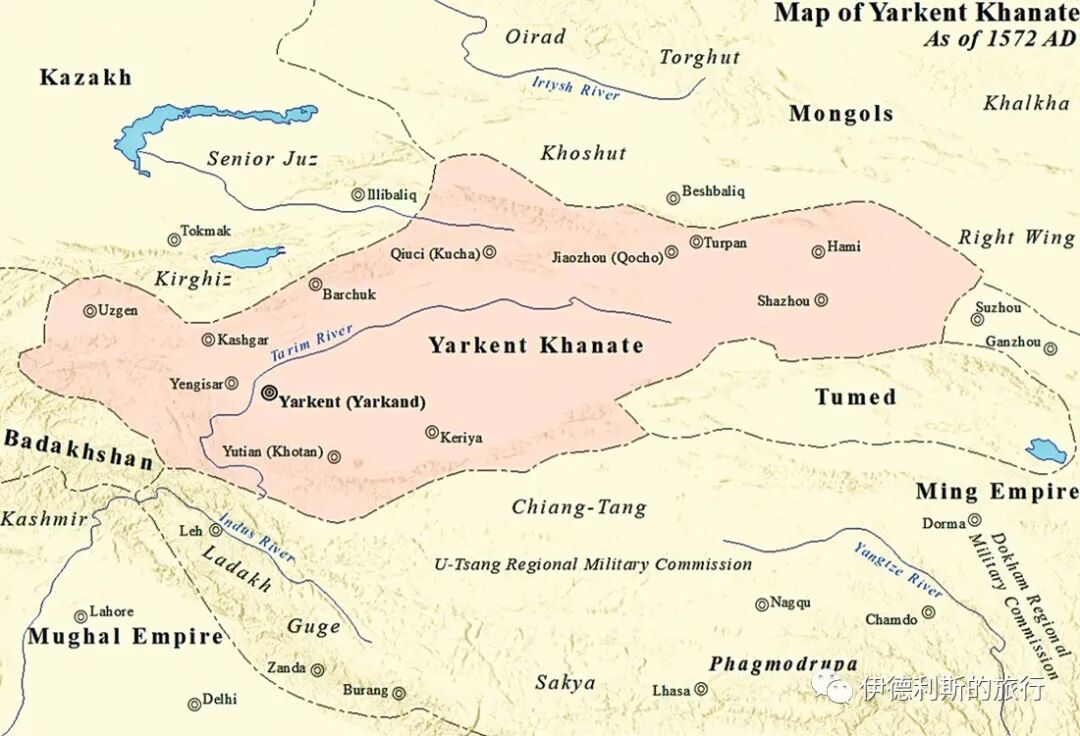
A map of the Yarkent Khanate's territory drawn by SY.
1. A Bumpy Road of Exile
In the second half of the 15th century, the Eastern Chagatai Khanate split again. The founder of the Yarkent Khanate, Sultan Said Khan, was the third son of Ahmad Alaq, the ruler of Uyghurstan (the area around modern-day Turpan) in the eastern part of the Eastern Chagatai Khanate.
1. The First Exile
Sultan Said Khan was born in Turpan in 1487. At age 14 (in 1501), he followed his father to support his uncle, Mahmud Khan, the ruler of the western part of the Eastern Chagatai Khanate, against the Uzbek tribal leader Muhammad Shaybani. The Eastern Chagatai coalition was defeated by Muhammad Shaybani in Tashkent. Sultan Said Khan was shot in the thigh and fell on the battlefield, after which he was imprisoned by the Eastern Chagatai rebels. At the same time, Sultan Said Khan's cousin Babur, the future founder of the Mughal Empire, was also in the coalition. After his defeat, he crossed the mountains and headed to Afghanistan.
The following year, Muhammad Shaybani attacked the Fergana Valley again and released Sultan Said Khan. Muhammad Shaybani felt sympathy for Sultan Said Khan, took him along on military campaigns, and later left him in the city of Samarkand. While Muhammad Shaybani was campaigning in Khwarezm, Sultan Said Khan escaped from Samarkand and made his way back to his uncle Mahmud Khan's camp.
Sultan Said Khan's father died of grief shortly after the defeat, so Sultan Said Khan stayed to serve in his uncle's court. Soon, Sultan Said Khan could not stand his uncle's neglect of state affairs, so he fled the court again to join his younger brother, Khalil Sultan.
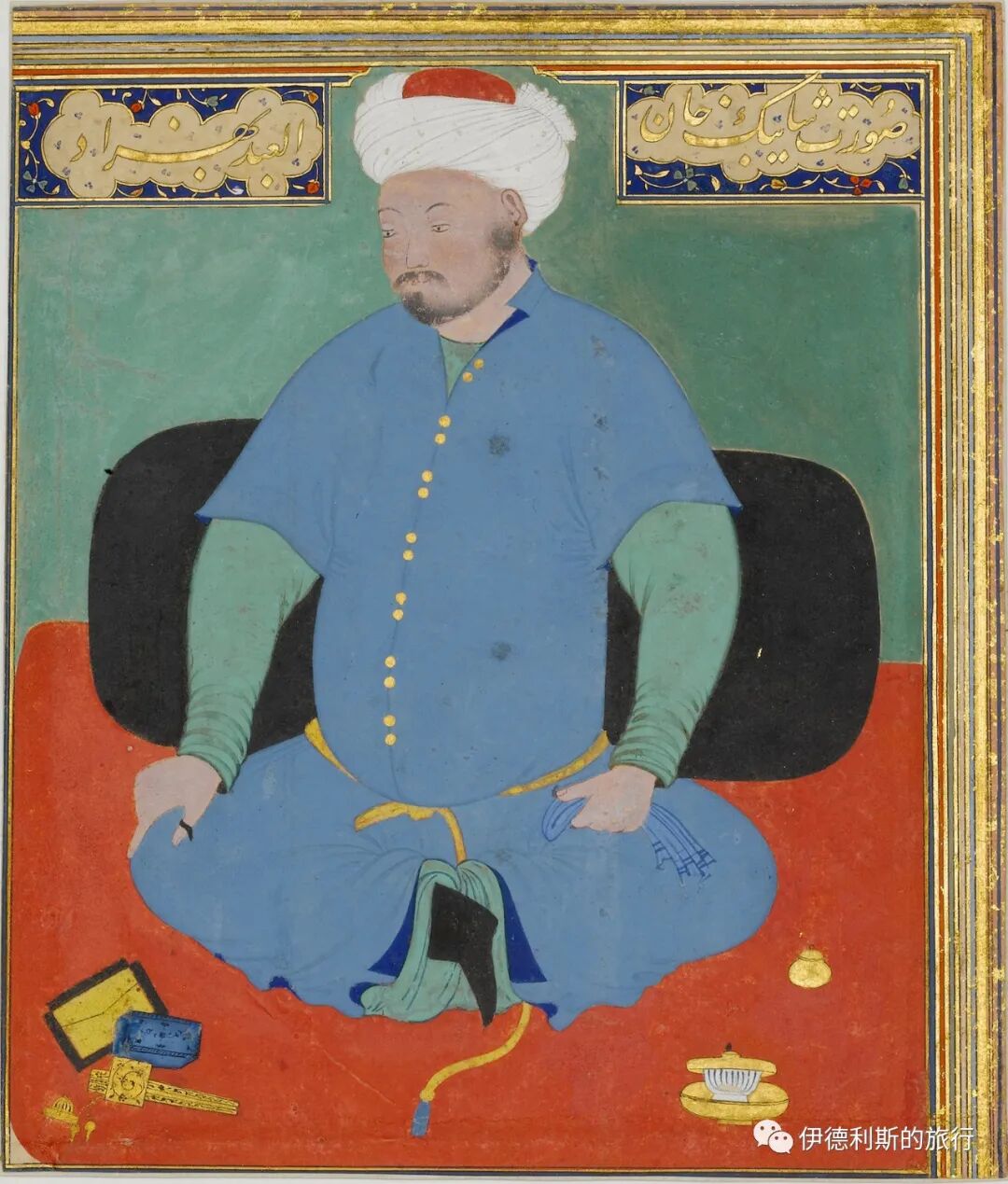
A portrait of Muhammad Shaybani drawn around 1507, held by the Uzbekistan Academy of Arts.
2. The Second Exile
Starting in 1504, the 17-year-old Sultan Said Khan and his brother fought against their uncle several times, finally defeating him in 1508. That same year, Sultan Said Khan's older brother, Mansur Khan, the ruler of the eastern part of the Eastern Chagatai Khanate, sent troops from Turpan. The two sides fought a decisive battle in Almaty. After his defeat, Sultan Said Khan set out on the road of exile once again.
Said Khan and a few loyal followers started a thrilling escape. They faced betrayal, robbery, and broken promises before finally disguising themselves to cross the Pamir Mountains. After many hardships, they reached Kabul, Afghanistan, to join his cousin Babur. Said Khan and Babur shared a deep bond, and Said Khan finally found a stable life in Afghanistan for two years.
3. Counterattacking Central Asia
In 1510, Shaybani Khan was defeated and killed in a war against the Safavid dynasty of Iran. The following year, the leaders of all Uzbek tribes held a meeting in Samarkand and decided to kill all Chagatai Mongols in the Transoxiana region of Central Asia. The Chagatai Mongols in Transoxiana learned of this and rose up in rebellion. They sent a letter to Babur in Afghanistan asking for help, so Babur sent his cousin Said Khan to lead an army to their rescue.
In 1511, Said Khan arrived in Andijan, the center of the Chagatai Mongol resistance in the Fergana Valley, where he received a grand welcome. While Said Khan was fighting the Uzbek army, the ruler of the Kashgar Kingdom, Abu Bakr, took the chance to surround the city of Andijan. Said Khan quickly fought back. He faced Abu Bakr in a decisive battle outside Andijan and defeated the enemy despite being outnumbered. Soon after, Babur led his army to occupy Samarkand, forcing the Uzbek troops to withdraw from Andijan.
In 1512, the Uzbek army defeated Babur and recaptured Samarkand. Babur asked for help from the Safavid dynasty of Iran and Said Khan. Said Khan led his army from Andijan to help, but they were blocked on the way. After losing the battle, he had to retreat to Andijan. Soon, the joint forces of Babur and the Safavid dynasty were completely crushed by the Uzbek tribes, and Babur returned to Afghanistan once again.
II. Transoxiana or Southern Xinjiang?
In 1514, after stabilizing their hold on Transoxiana, the Uzbek army prepared to march into the Fergana Valley. After careful thought and discussion, Said Khan realized he could not withstand the Uzbek army's attack. He decided to cross the Tianshan Mountains to Yarkand to fight the easier target, Abu Bakr.
1. Abu Bakr's Yarkand
Let's go back to the 15th century. In 1432, the East Chagatai Khan, Vais Khan, passed away. The Dughlat tribe, which held the actual military power of the Khanate, fell into division. The noble Amirs supported Vais Khan's two sons, Esen Buqa and Yunus Khan (Said Khan's grandfather), and the East Chagatai Khanate split into two parts.
The main figure supporting Esen Buqa was the Dughlat noble Amir Abu Bakr. He defeated Yunus Khan's attacks and began ruling the western part of southern Xinjiang, including Kashgar, Yarkand, Yengisar, and Hotan, starting in the 1460s.
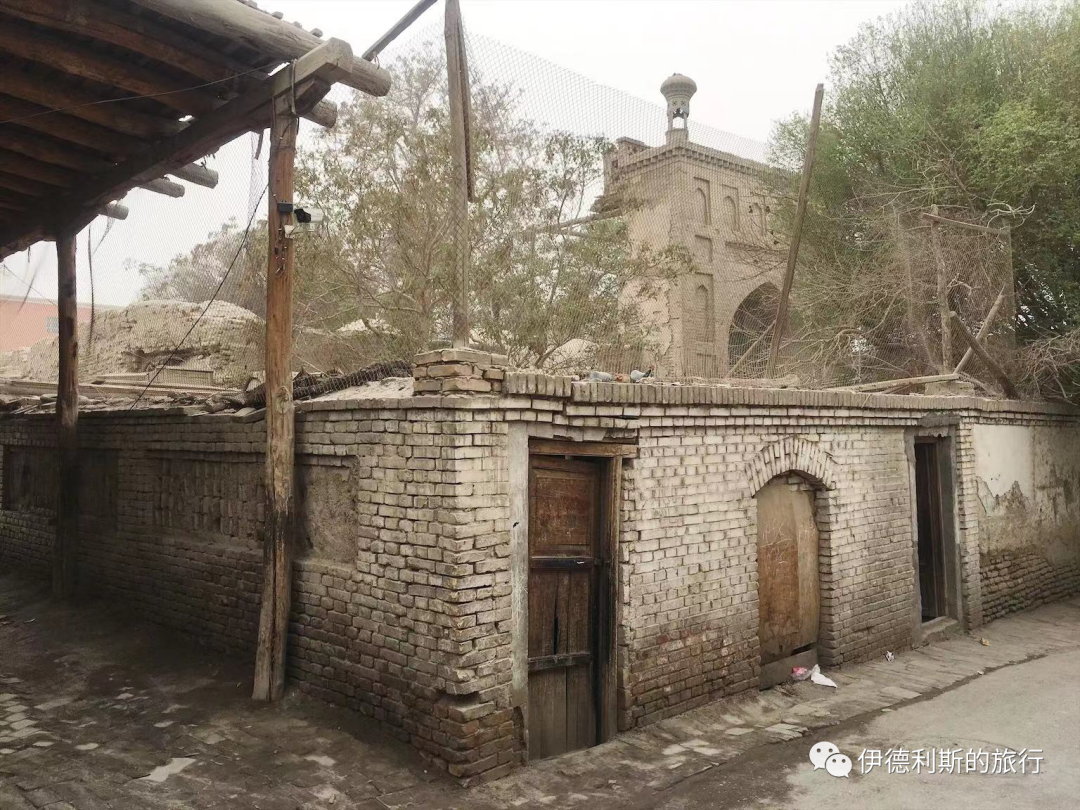
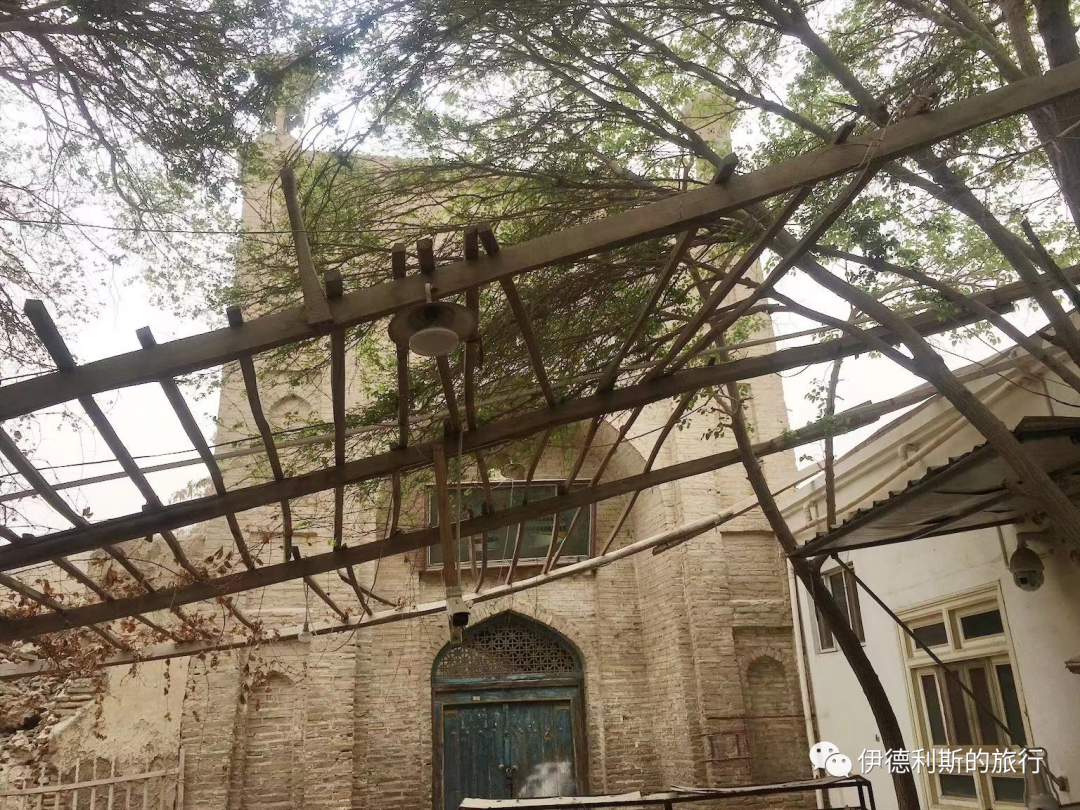
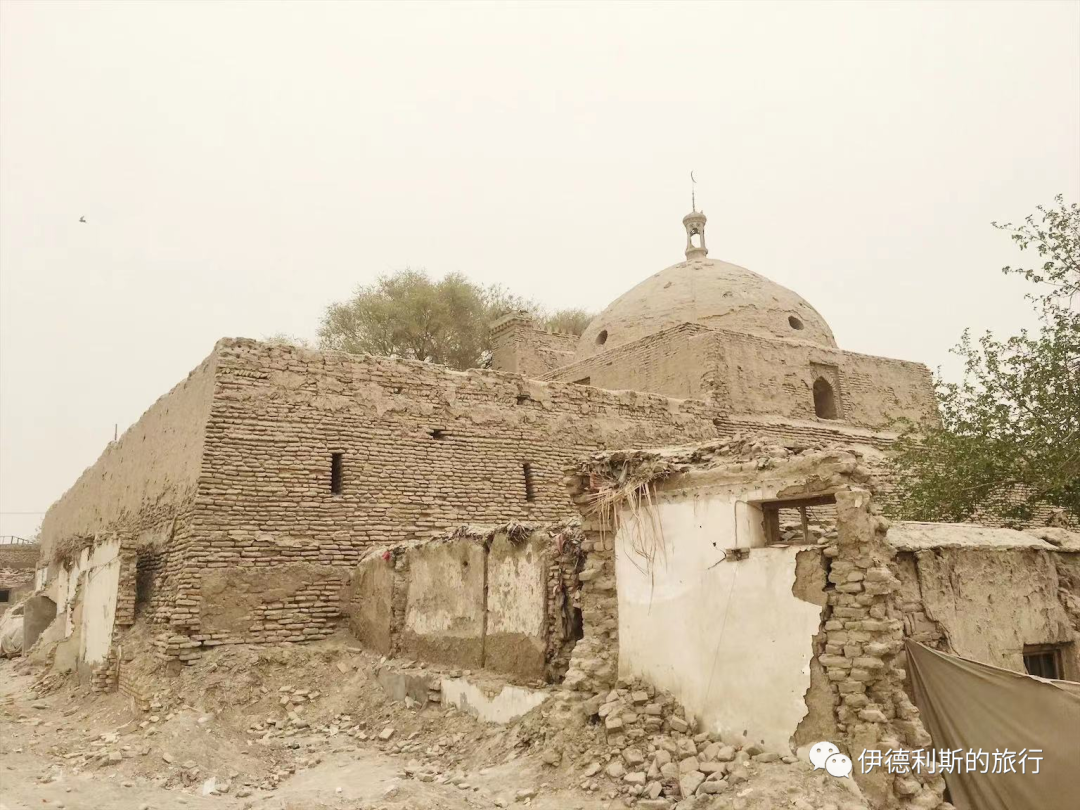
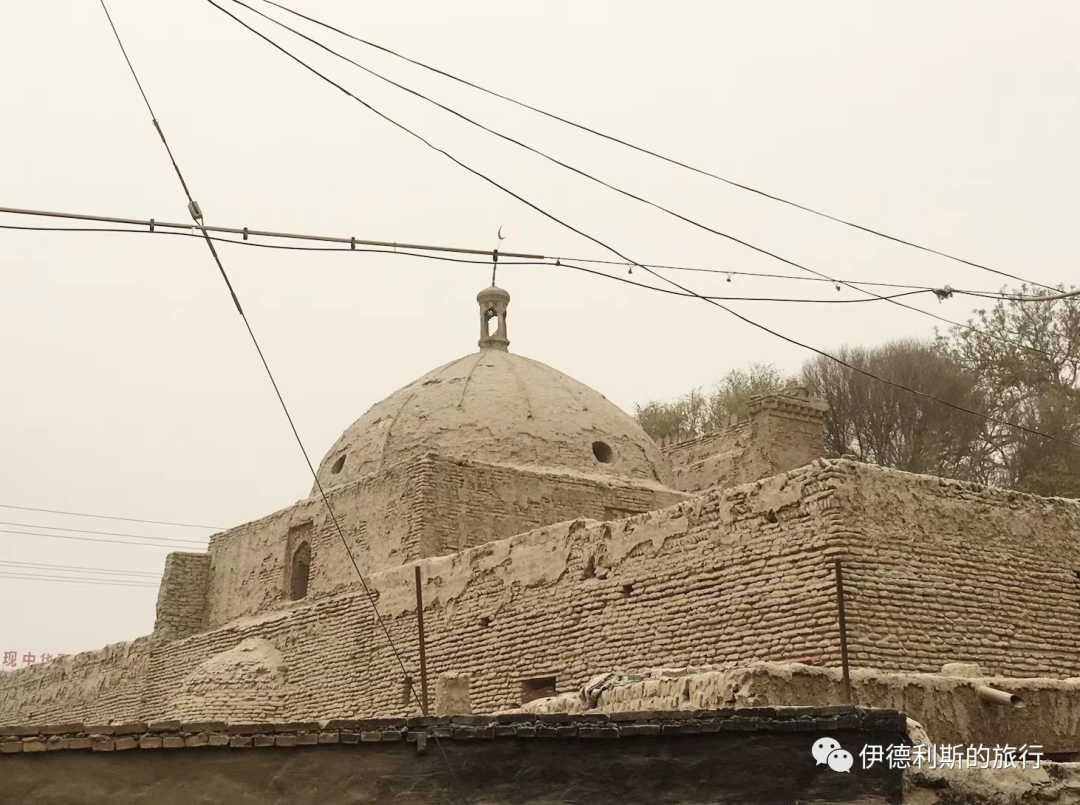
2. Azna Mosque
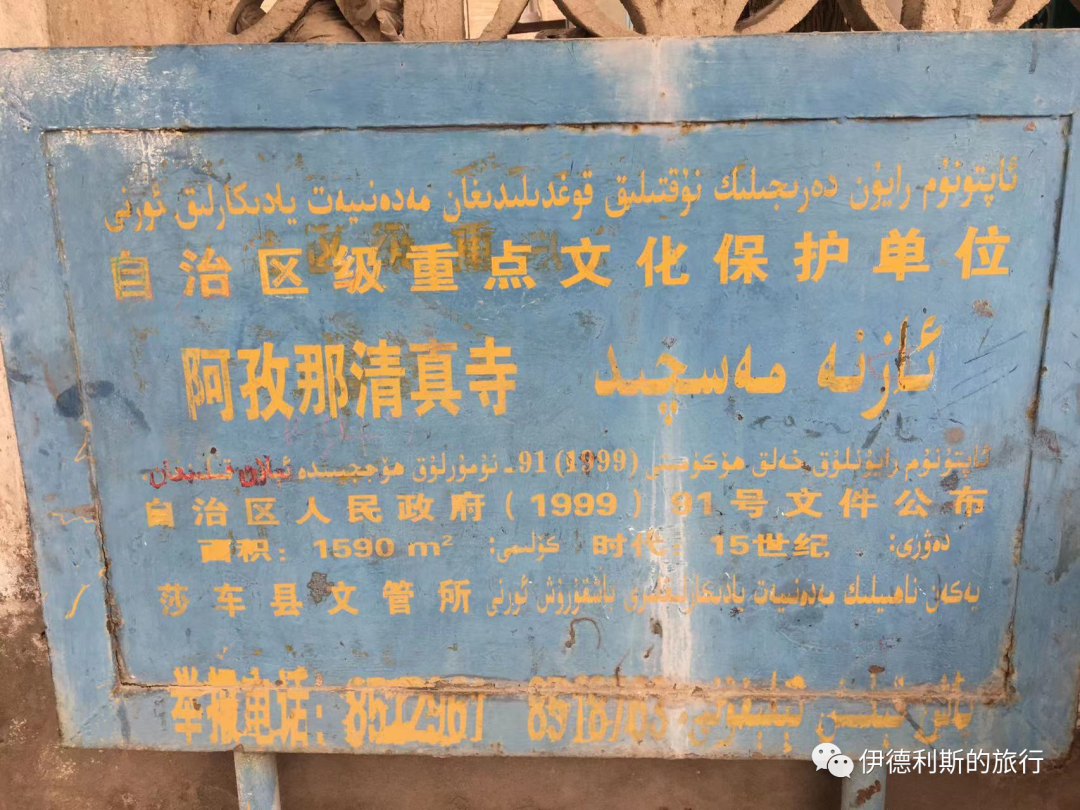
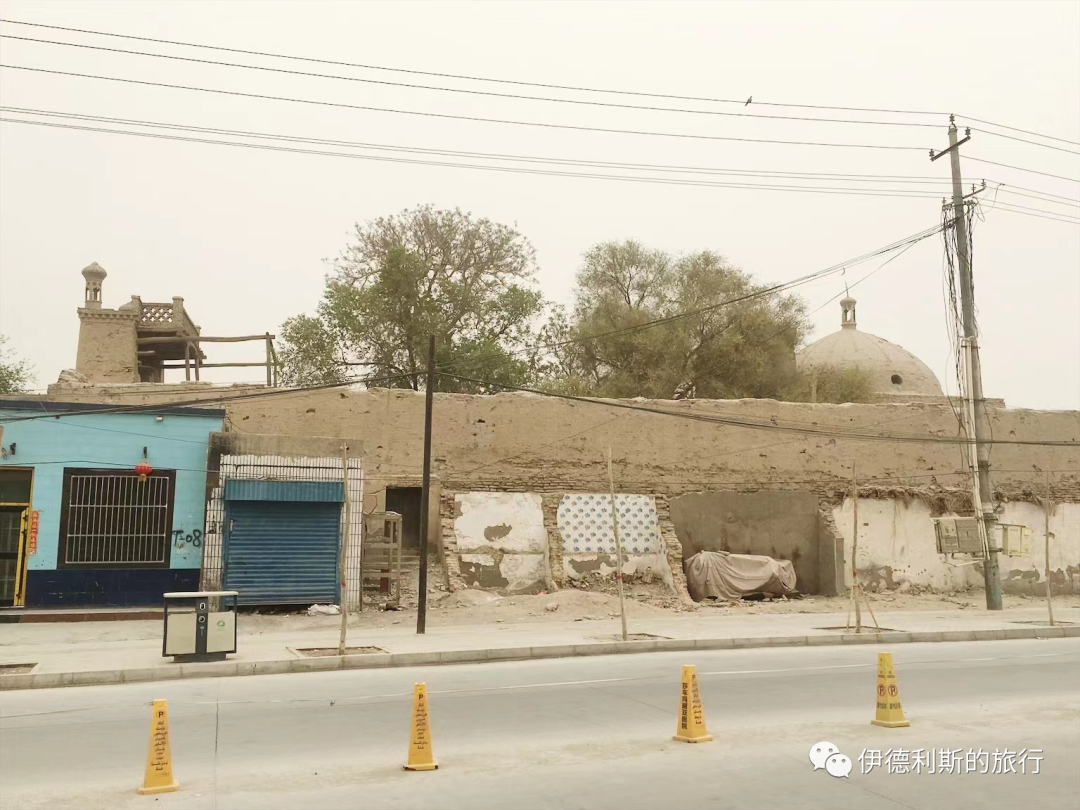
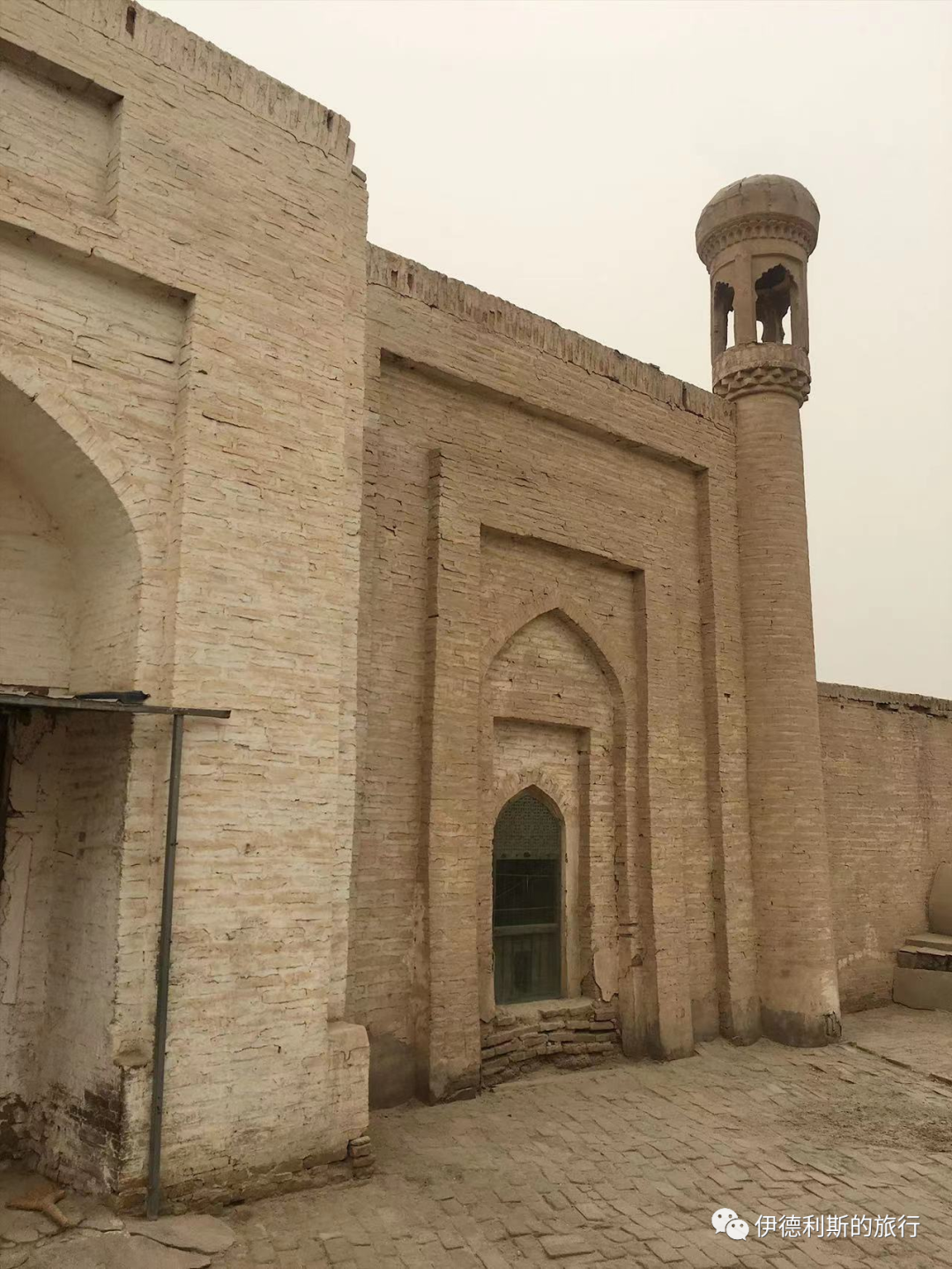
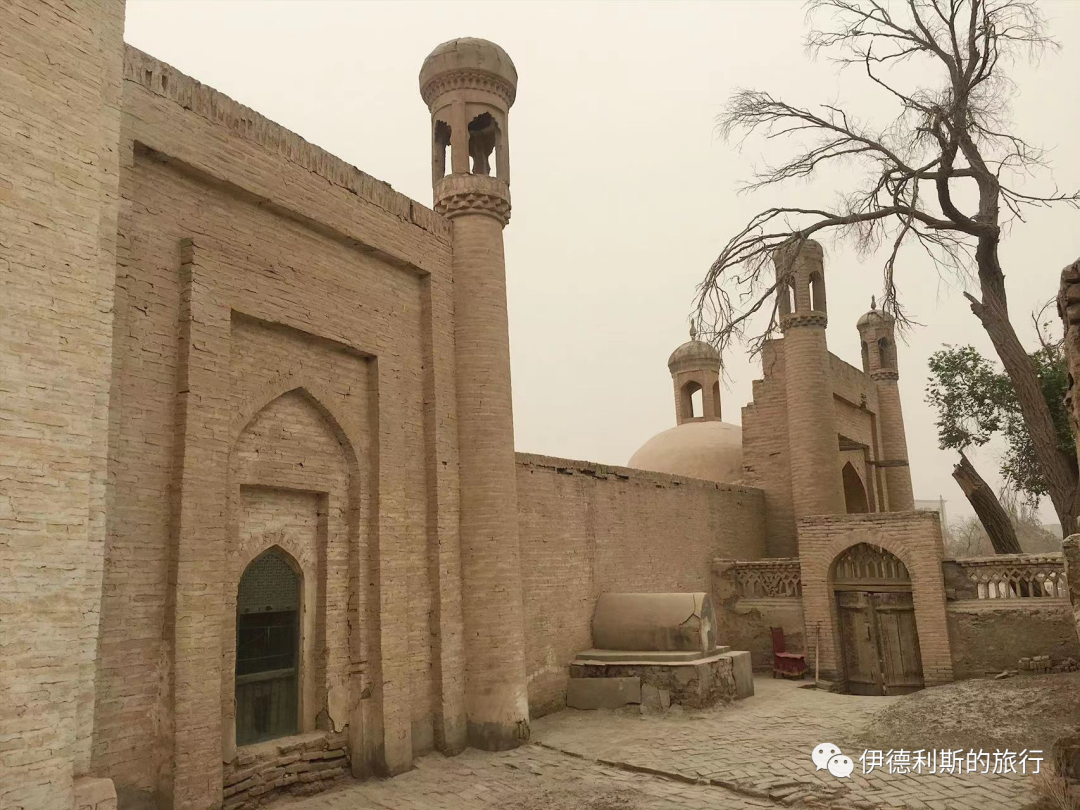
The Azna Mosque, built during Abu Bakr's rule of Yarkand (1465-1514), still stands in Yarkand today. This mosque has never been rebuilt by later generations and still keeps its original appearance, making it very precious.
The Azna Mosque belongs to the typical Persian-Turkic architectural style. Its design is very similar to the Bibi-Khanym Mosque of the 14th and 15th-century Timurid Empire and the Begampur Mosque of the Delhi Sultanate, though it is smaller in size.
The most unique feature of the Azna Mosque is its 52 domes on the roof. Unfortunately, the mosque is not open to the public, so you can only look at the exterior facade.
3. Qiletan Mazar
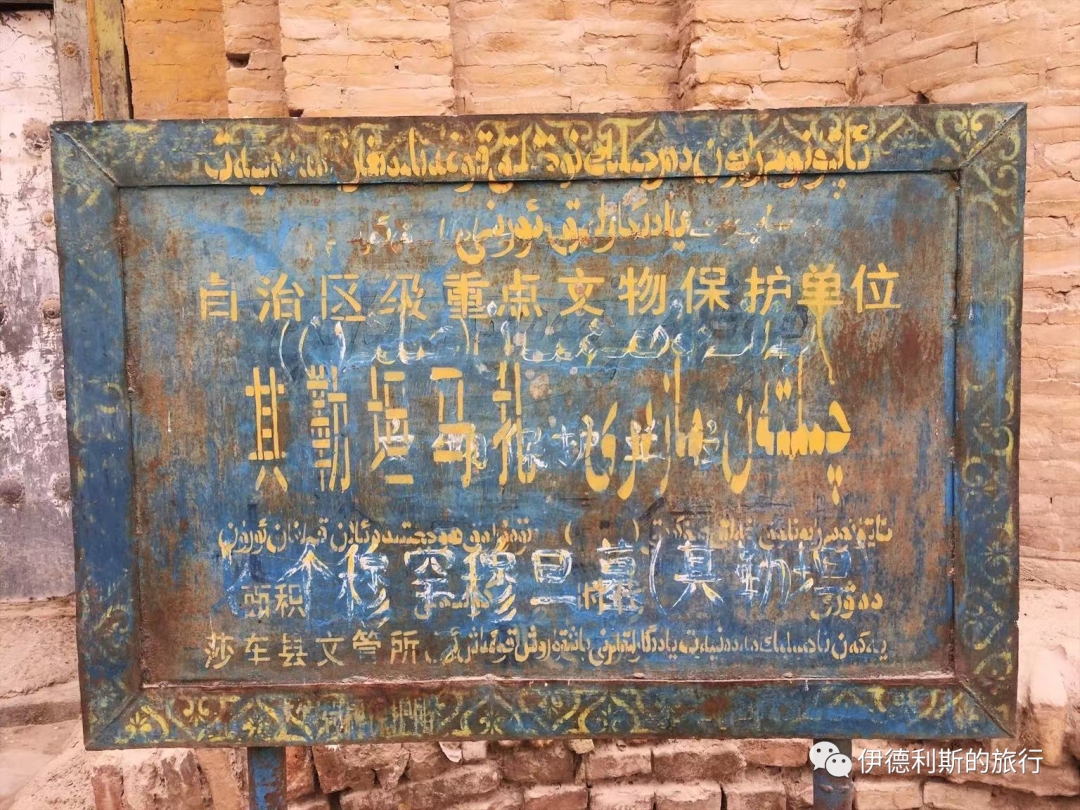
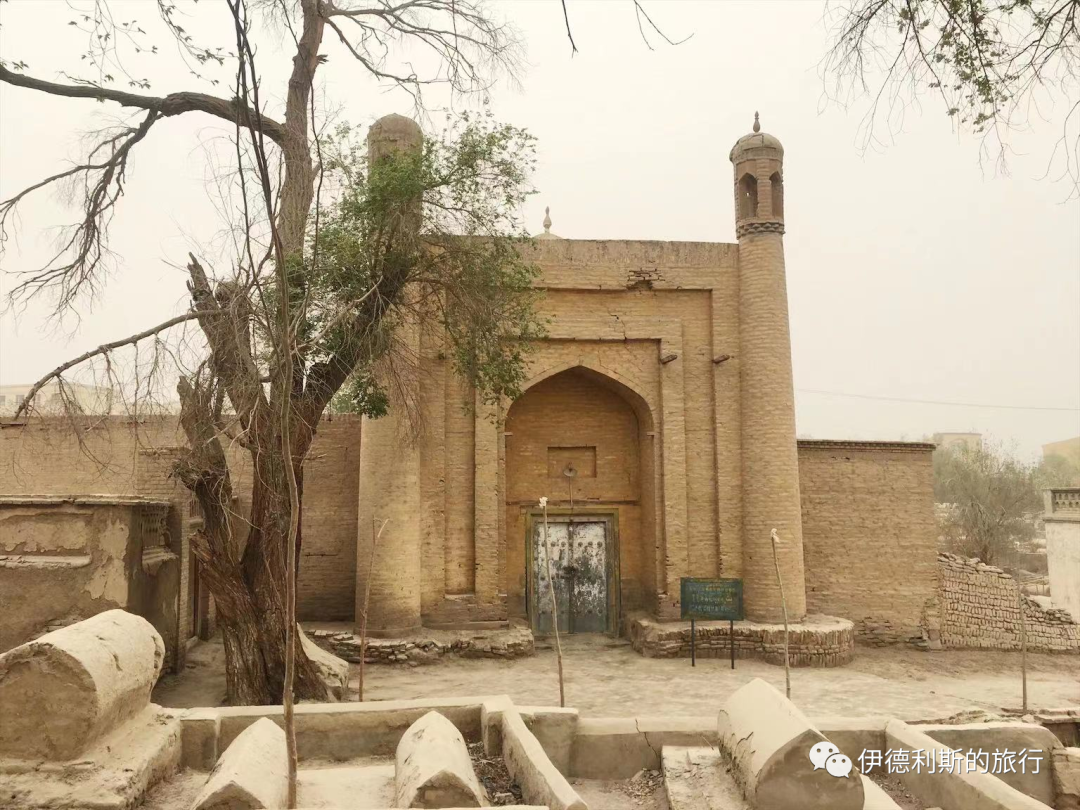
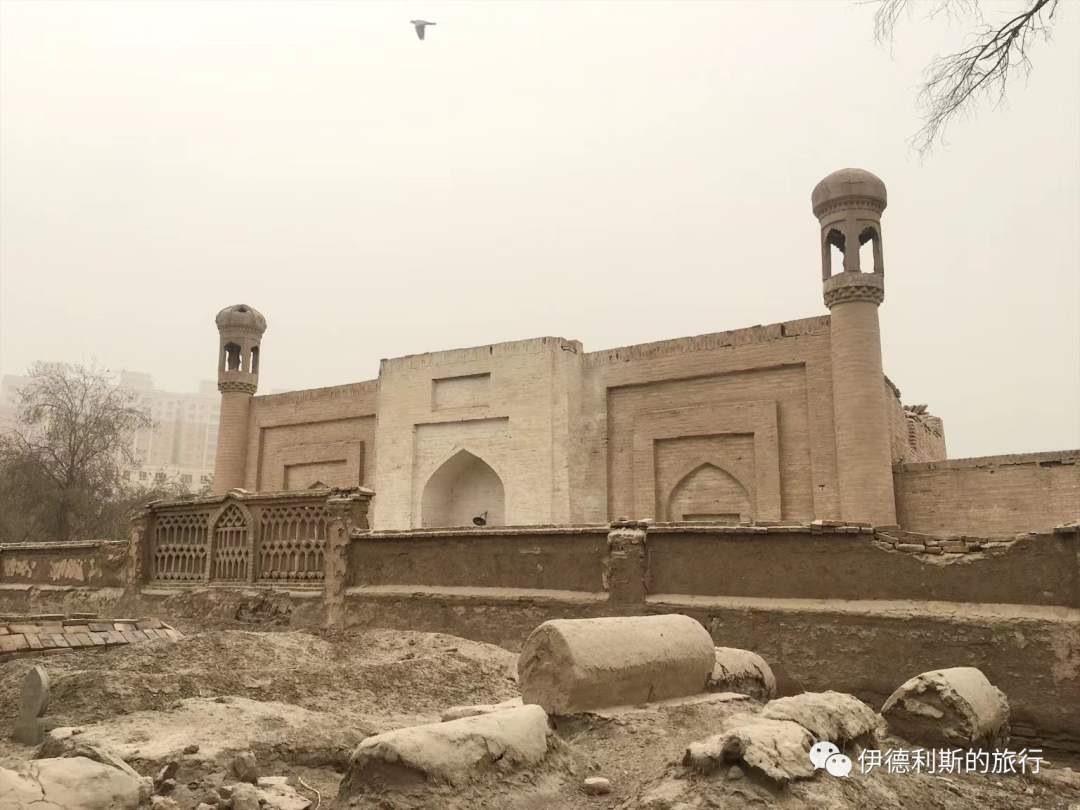
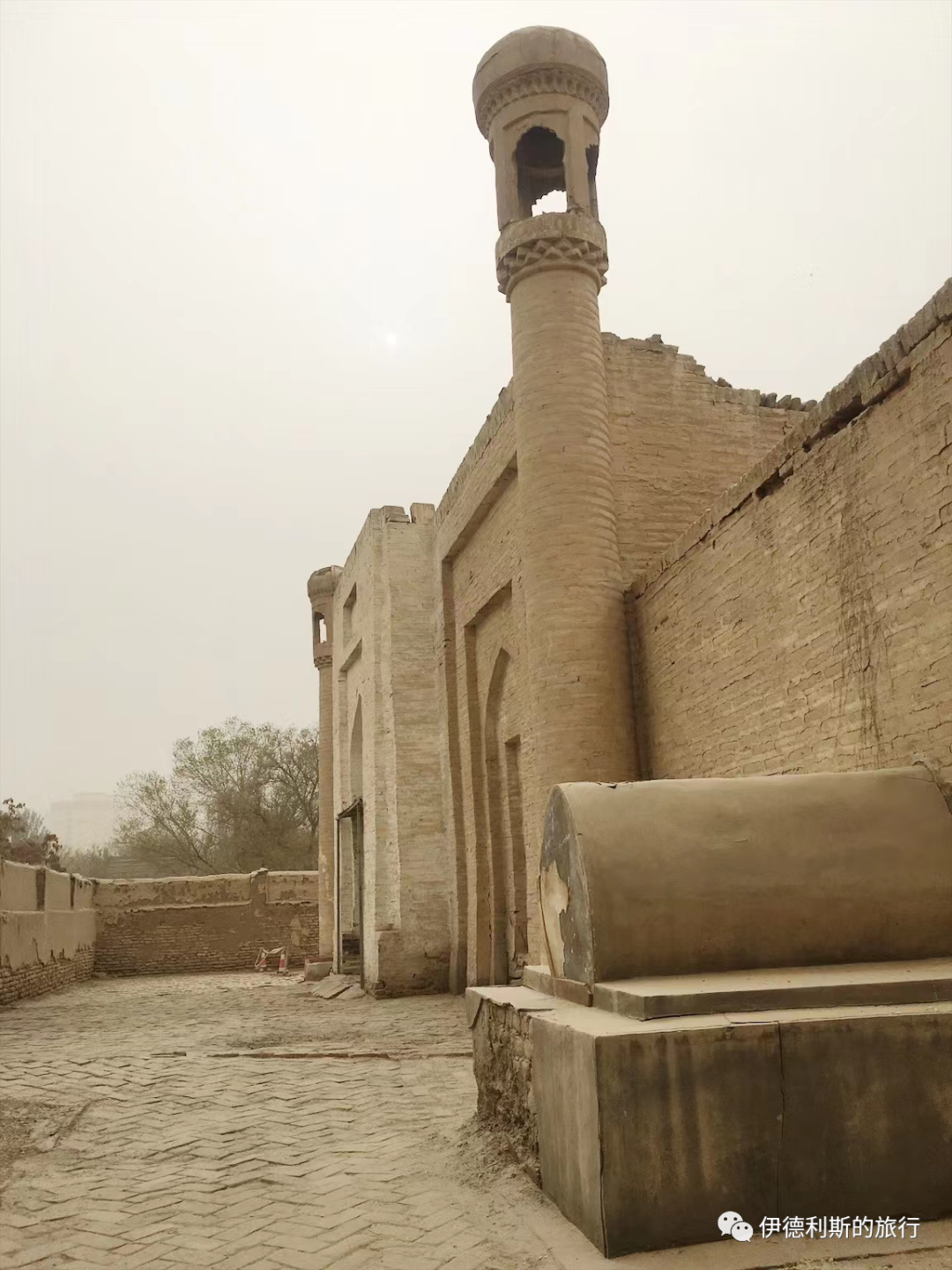
Another building said to have been built during the reign of Aba Bakr is the Qiletan Mazar. This mazar was originally an adobe structure, but it was rebuilt with brick and wood during the rule of Yaqub Beg (1865-1877), so it now reflects a 19th-century style. The current building has a mosque on the east side and the mazar on the west side. Because there are seven tombs inside the mazar, it is also called the "Mazar of the Seven Muhammads."
III. Founding the Yarkand Khanate
In the spring of 1514, Sultan Said Khan led his army over the Tianshan Mountains and arrived in Kashgar via the Torugart Pass. At that time, Aba Bakr was recruiting soldiers in Yarkand city. Sultan Said Khan fought a fierce battle outside the city against the Kashgar garrison and defeated them. The enemy closed the gates and refused to come out, so Sultan Said Khan could not take the city and turned to attack Yengisar city instead. Sultan Said Khan besieged Yengisar for two months and finally captured it after six days of intense fighting.
Hearing that Yengisar had fallen, the Kashgar garrison abandoned the city and fled, so Sultan Said Khan marched directly toward Yarkand. When Aba Bakr heard this, he abandoned the city and fled to Hotan, and soon after, Sultan Said Khan entered Yarkand city. On September 3, 1514, Sultan Said Khan officially ascended the throne and established the Yarkand Khanate.
1. Restoring Order
In 1516, Sultan Said Khan reconciled with his older brother, Mansur Khan, the ruler of the eastern part of the Eastern Chagatai Khanate. He agreed to mention Mansur's name during the khutbah (sermon) and to mint coins bearing Mansur's name. Southern Xinjiang welcomed long-lost peace and order that year. The Tarikh-i-Rashidi describes it this way:
The reconciliation of these two brothers resulted in safety and prosperity for the residents, such that anyone could travel alone between Hami in China and the Fergana region without needing provisions or fearing robbery.
2. Palace Ruins
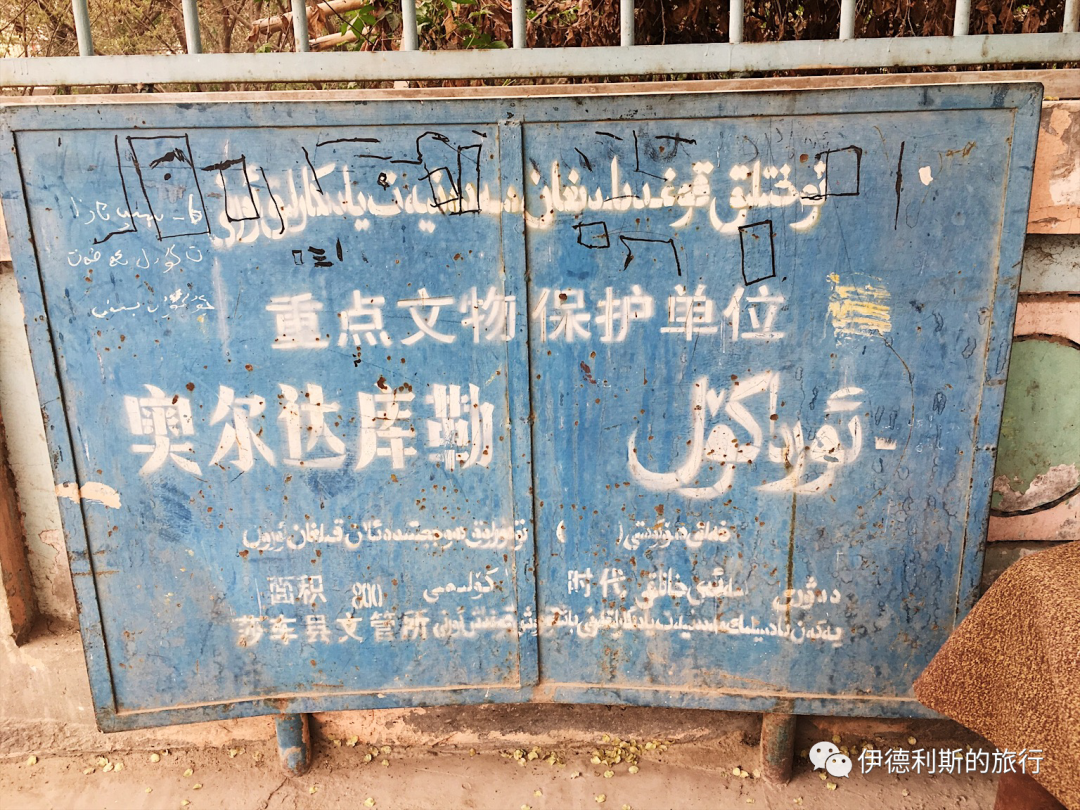
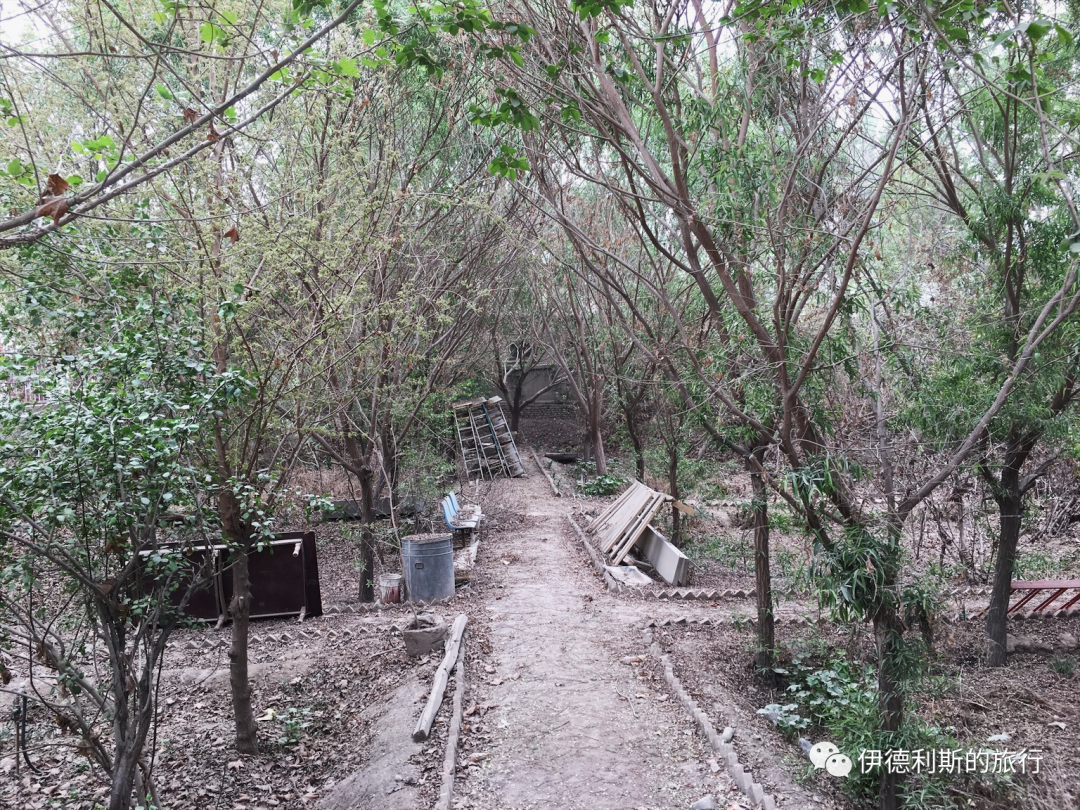
Today in the old city of Yarkand (Shache), there is a site called "Ordakul," which means "palace pond." This is very likely the location of the Yarkand Khanate's royal palace. The Tarikh-i-Rashidi describes Yarkand city during the early period of the Yarkand Khanate like this:
They diverted rivers into the city and built gardens... The main roads people walked on were tree-lined paths of white poplar. So when people walked around the city, they could spend half their journey under the shade of these trees, and most of the tree-lined paths had water channels on both sides.
Ordakul
Ordakule Mosque
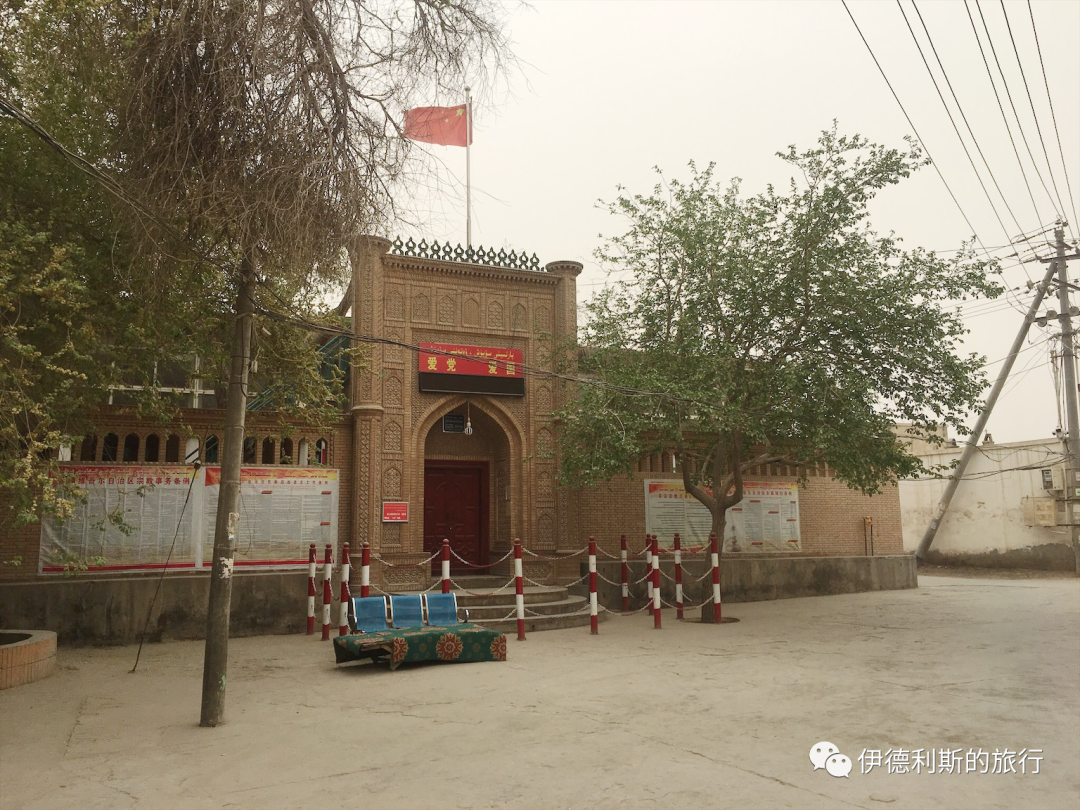
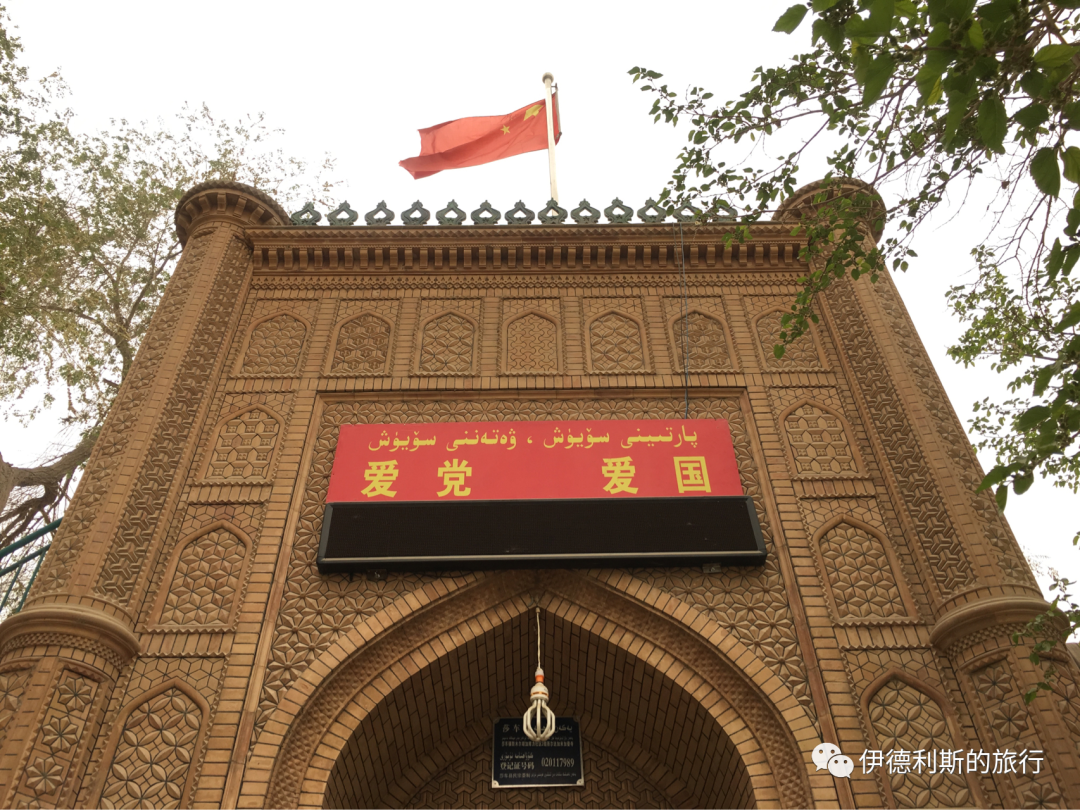
3. Jiaman Mosque
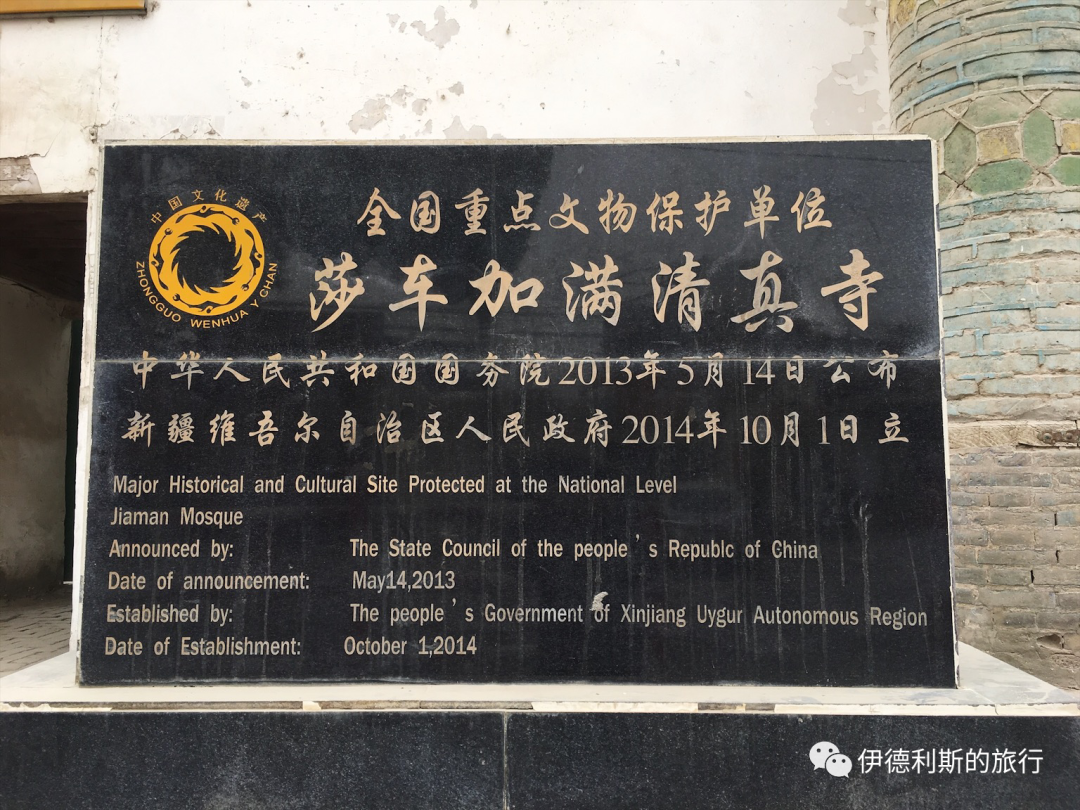
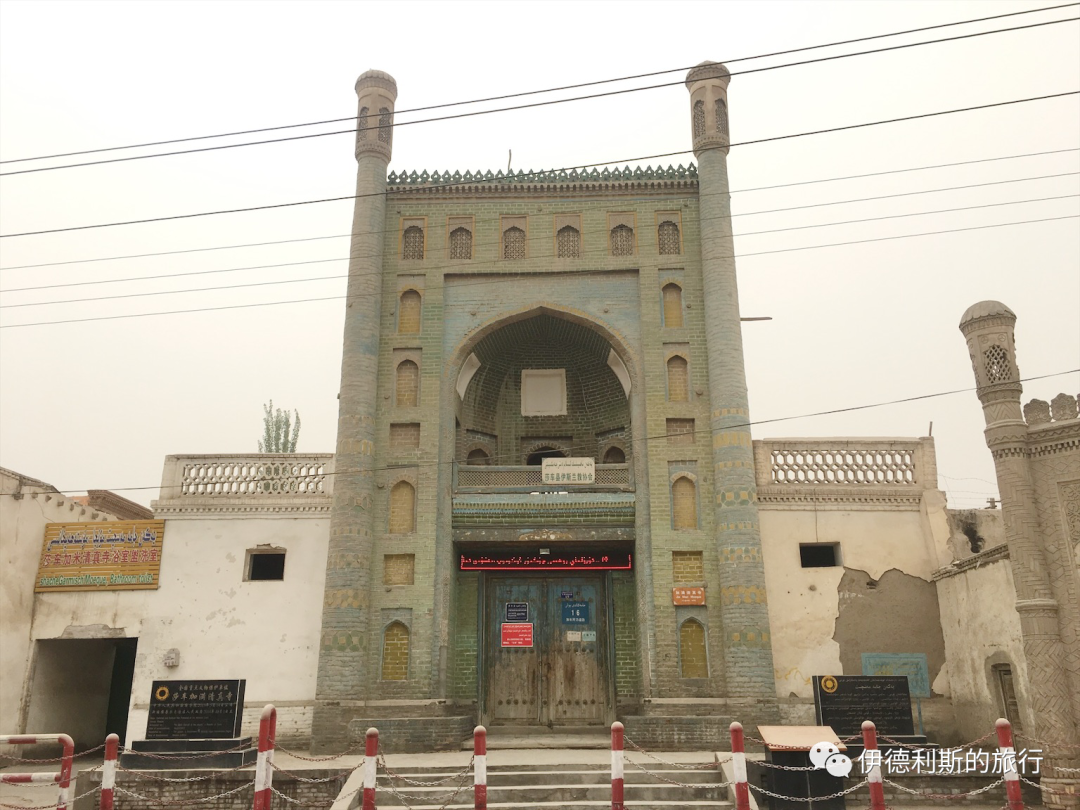
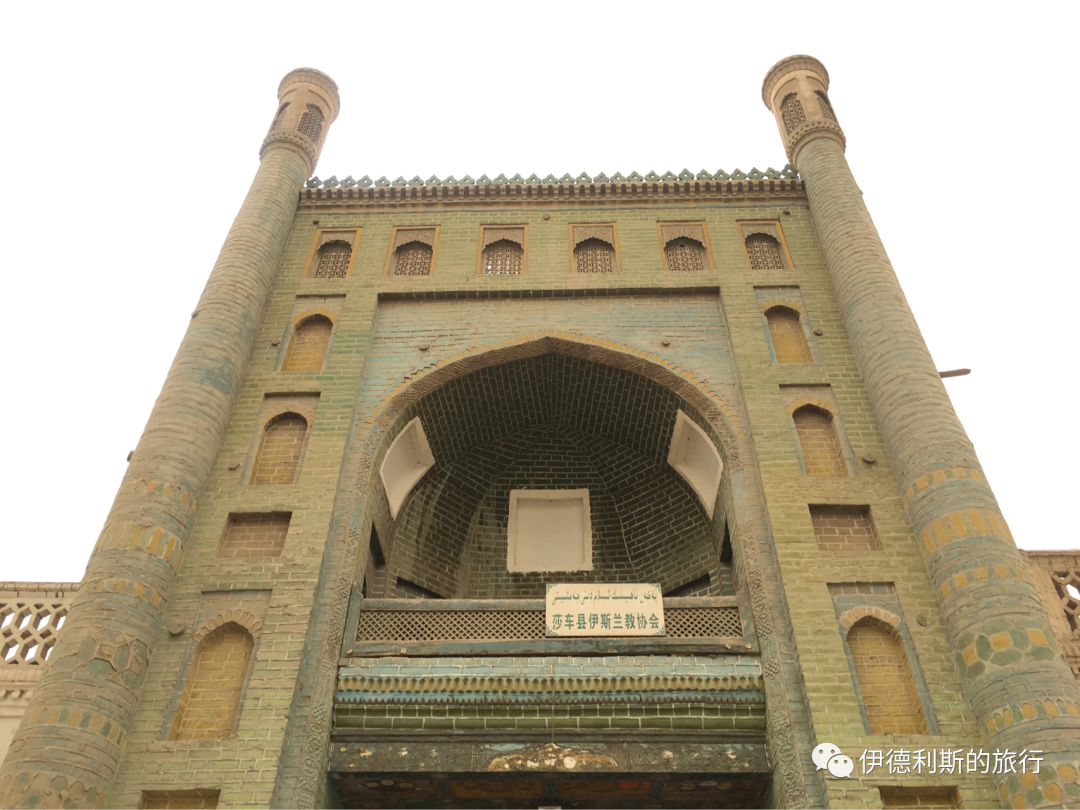
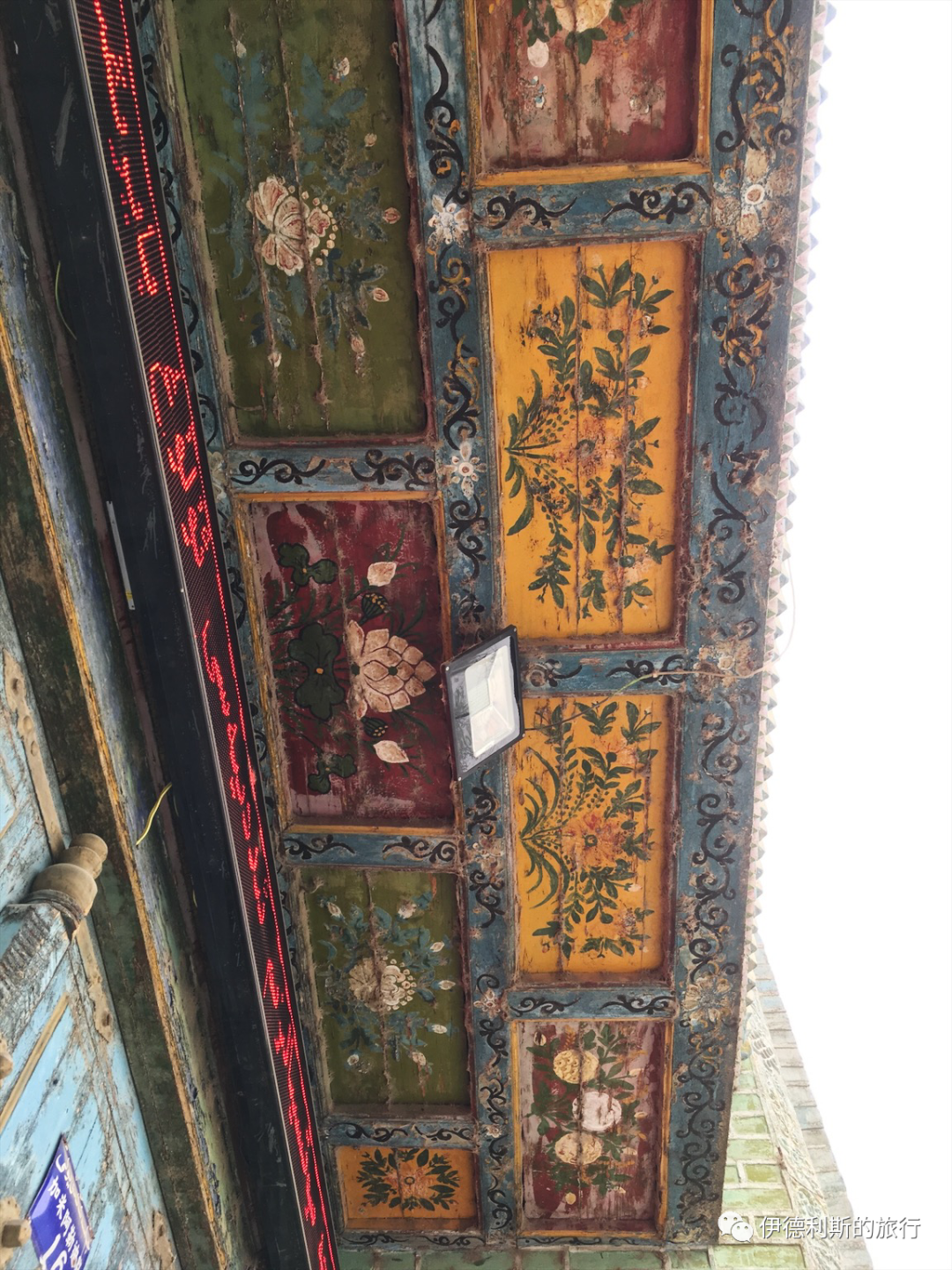
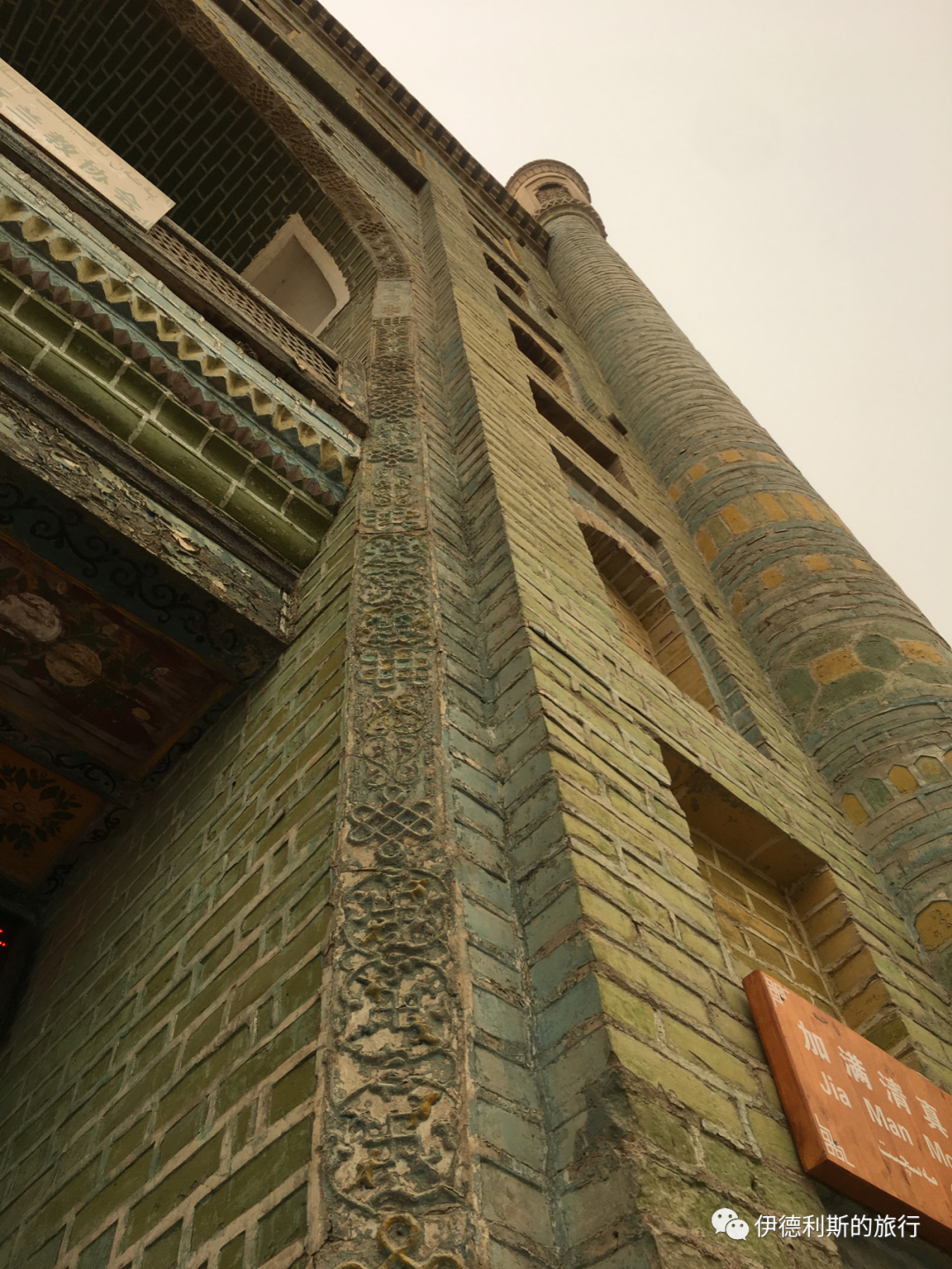
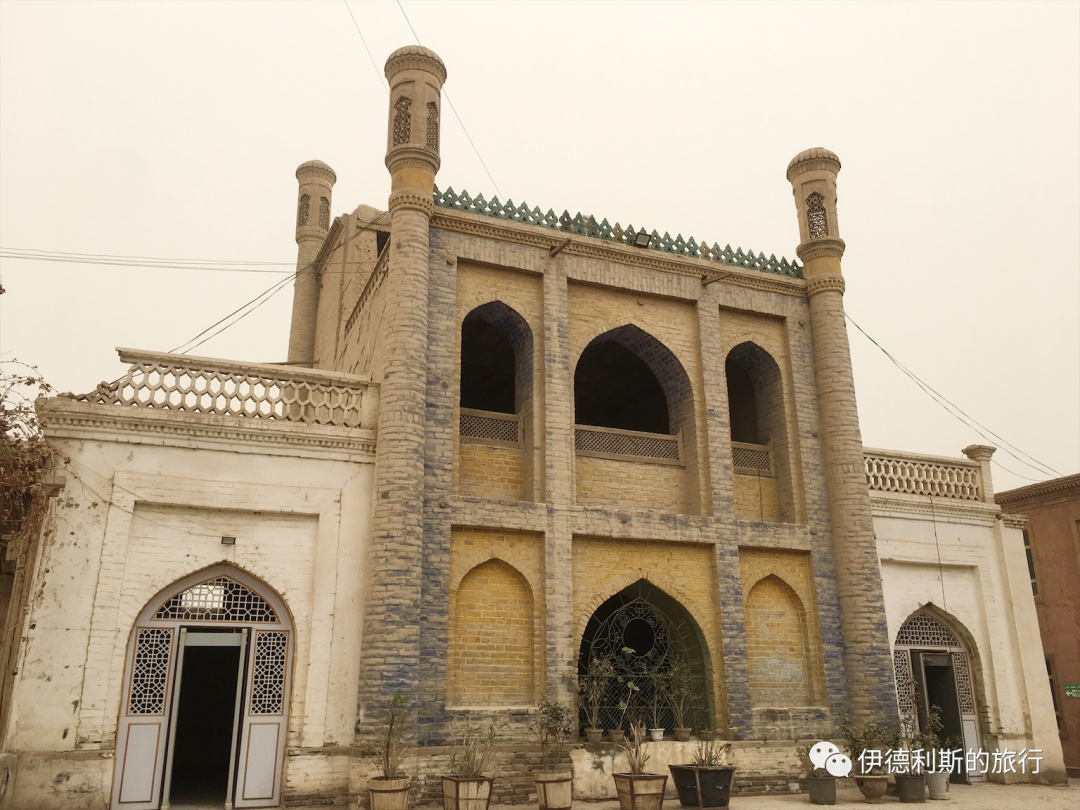
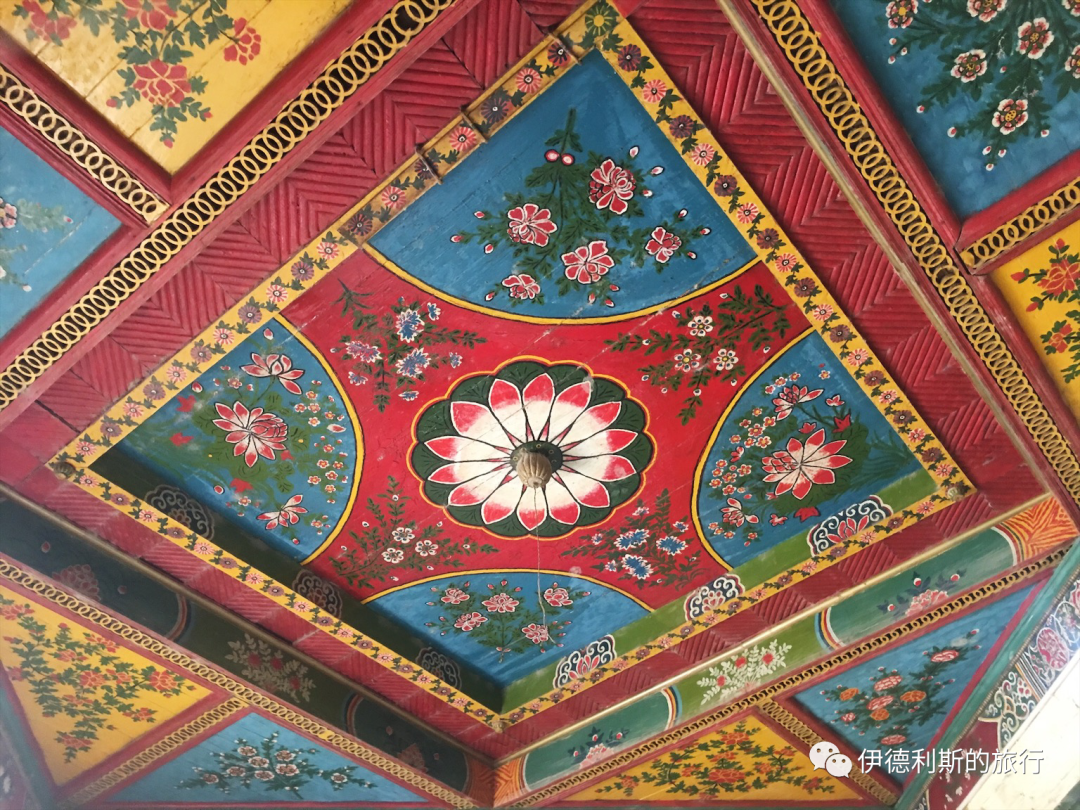
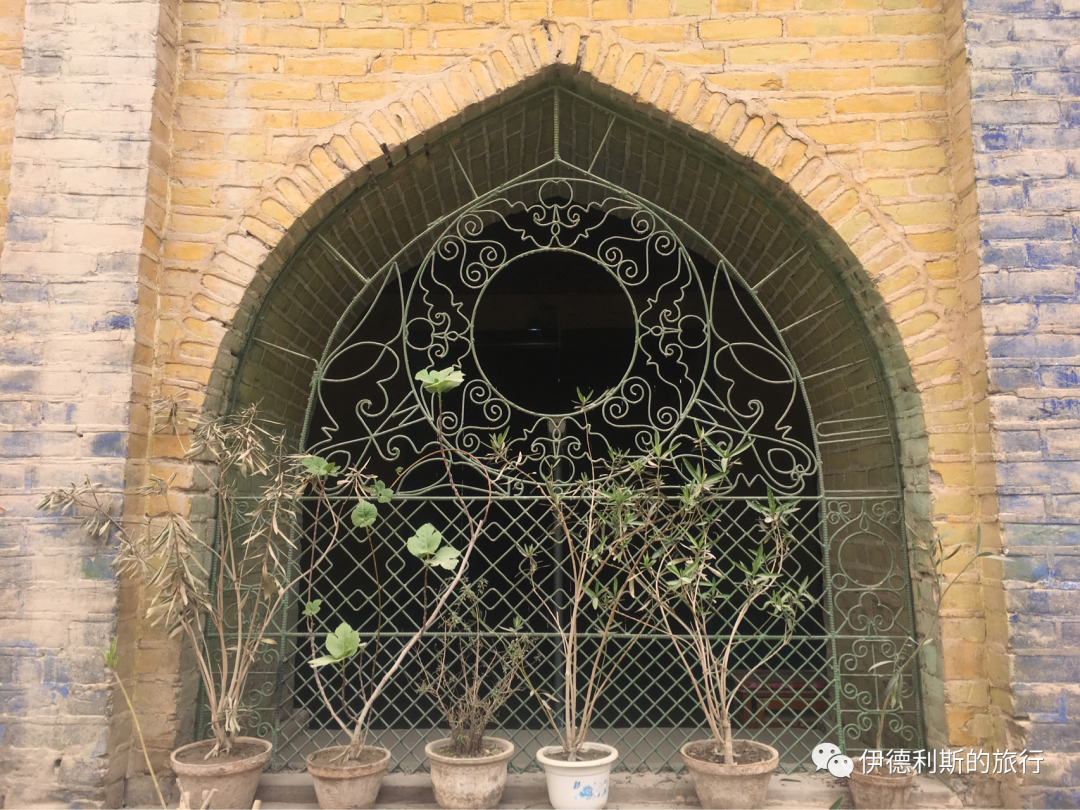
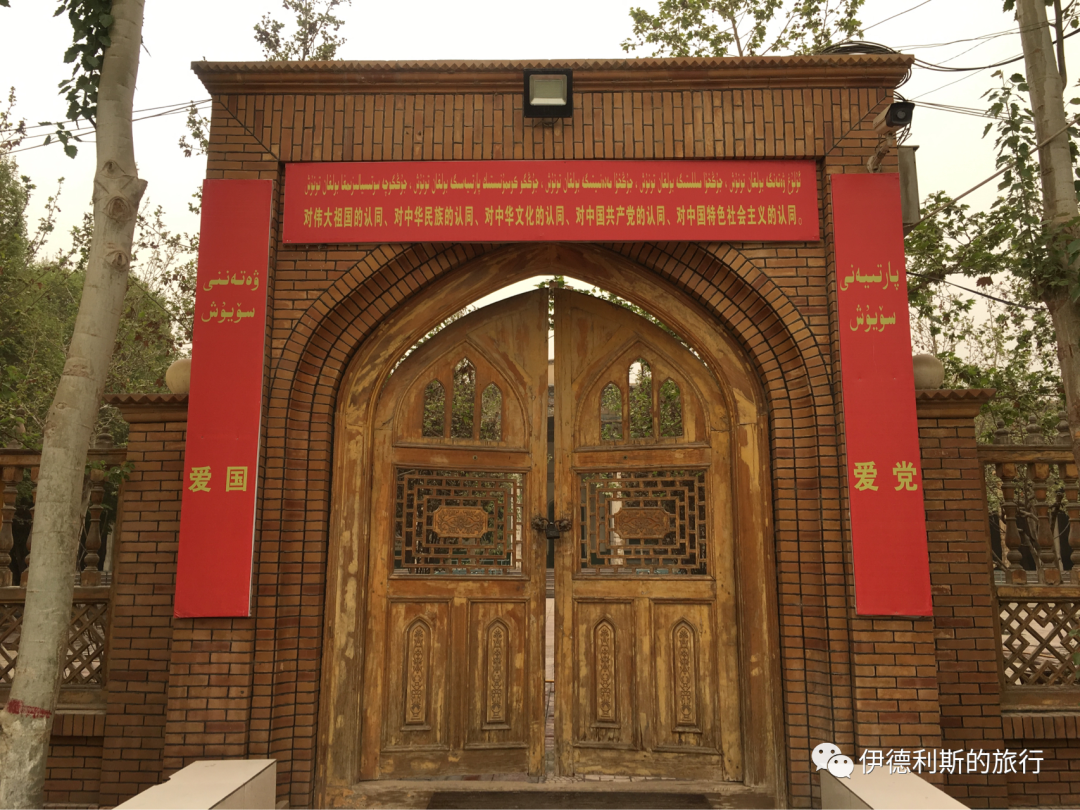
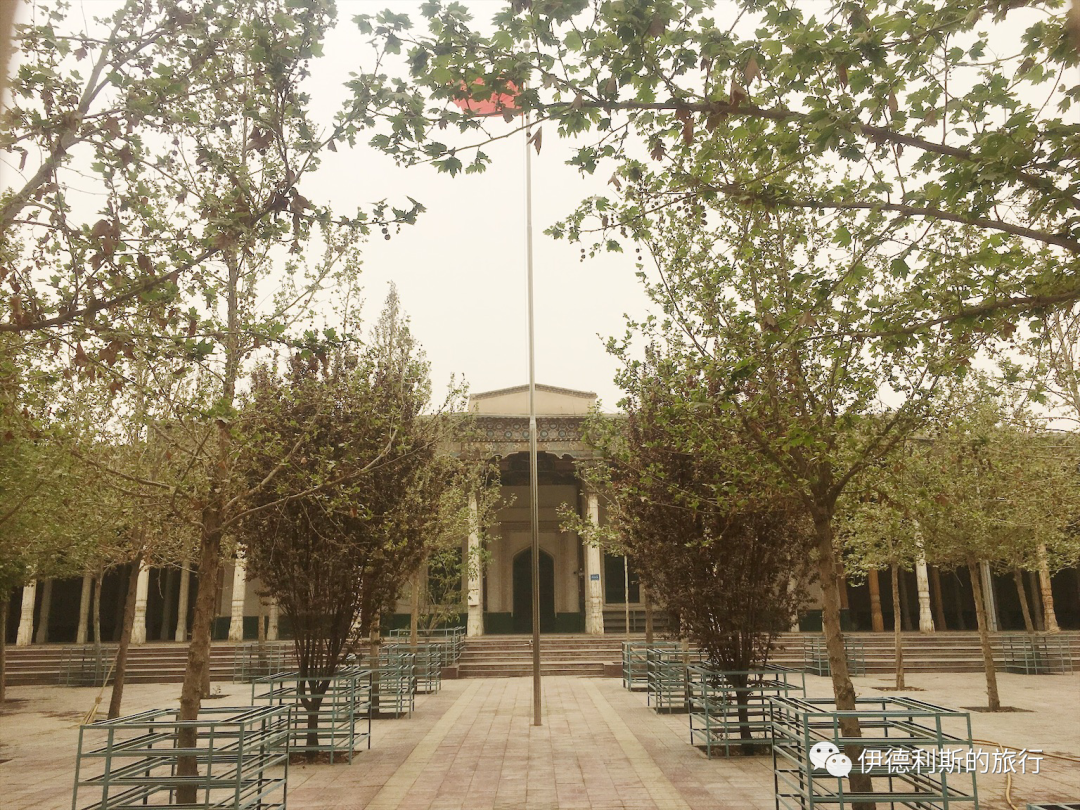
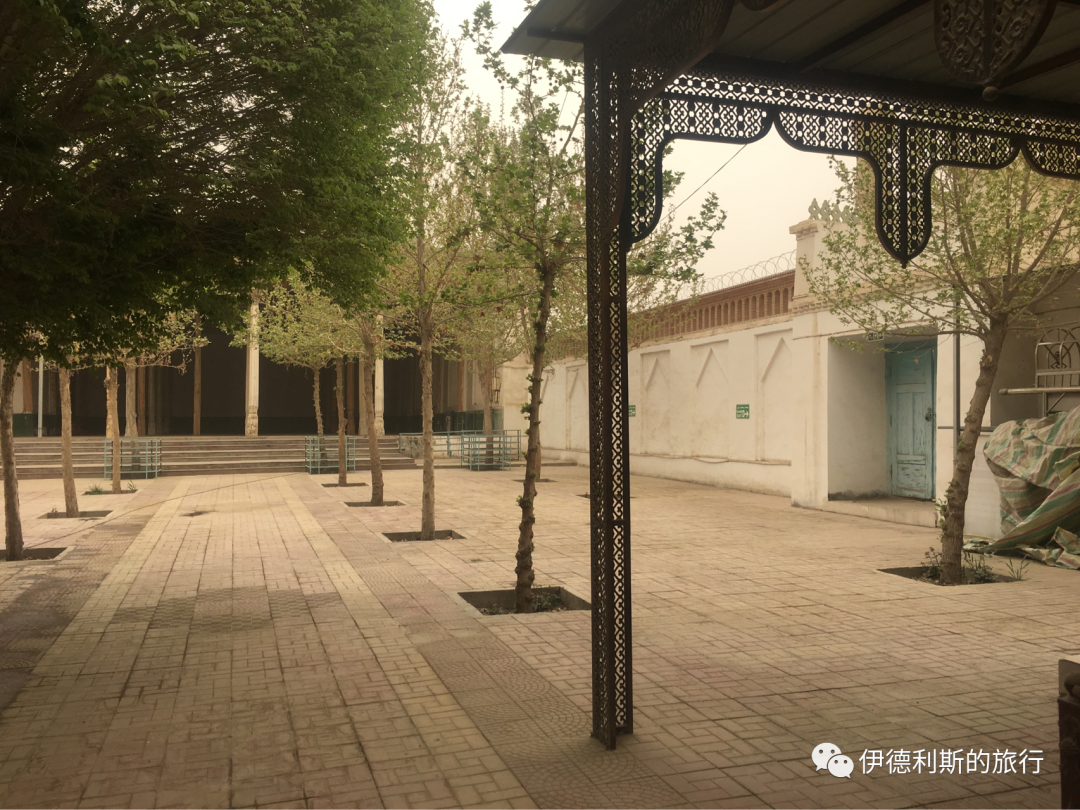
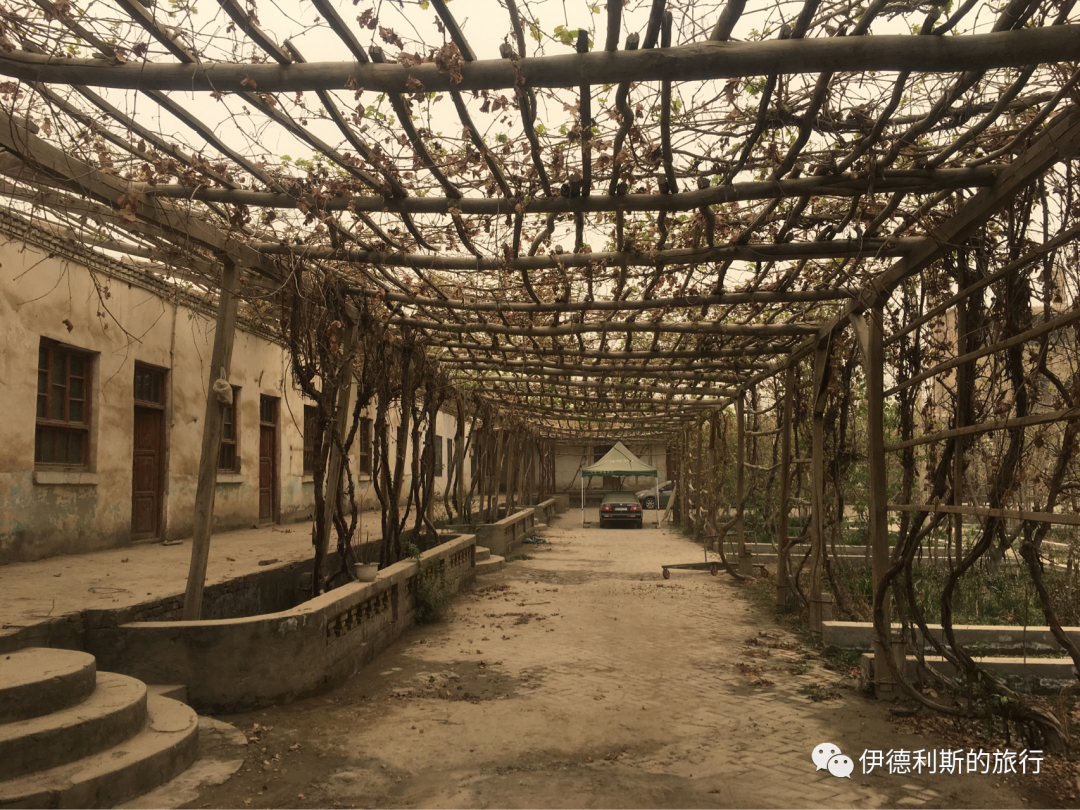
To the west of Ordakule is Jiaman Mosque. Jiaman is also translated as Jumu'ah, which refers to the weekly Friday congregational prayer. This is the most important prayer of the week for Muslims and is usually held at the largest mosque in a community.
Jiaman Mosque was reportedly first built by Sultan Said Khan and later expanded during the reign of Abdullah Khan (1638–1669). The mosque gates are locked tight outside of prayer times, and the uncle who looks after the place said he does not have a key either.
4. Settled or Nomadic?
After settling down in the oases of southern Xinjiang, many Chagatai Mongols began to complain about city life and missed the nomadic life on the grasslands of their homeland, Moghulistan, more and more. the small pastures in the southern Xinjiang oases could not support the needs of the Mongol army. In 1522, Sultan Said Khan sent his son, Abdurashid Khan, to lead troops into Moghulistan, where they occupied the Kyrgyz people living there.
In 1526, the Kazakhs entered Moghulistan and joined forces with the Kyrgyz, reaching a total of over 200,000 people. Sultan Said Khan realized his strength was not enough to fight them, so he had to order all the Chagatai Mongols to return to southern Xinjiang. The Chagatai Mongols' five-year attempt to return to their homeland for a nomadic life ended in failure.
5. The Death of Sultan Said Khan
After the failure in the north, Sultan Said turned to attack the south. In 1529, Sultan Said Khan raided the Badakhshan region, which sat between the Yarkent Khanate and the Mughal Empire. This raid caused conflict between Sultan Said Khan and his cousin, Emperor Babur. Emperor Babur wrote a letter to Sultan Said Khan warning him that if he continued, "you will know the rest for yourself."
In 1532, Sultan Said Khan personally led his army south to prepare for an expedition to Lhasa. While crossing the Karakoram Mountains, Sultan Said Khan suffered from severe altitude sickness and lost his strength. In 1533, he decided to return to Yarkent to recover, but he died from altitude sickness while crossing the Karakoram Mountains again.
After Sultan Said Khan died in 1533, his son, Abdurashid Khan, succeeded him. Abdurashid Khan built a mausoleum for his father at the west gate of Yarkent city. Later, this place also became the royal tomb for the Yarkent Khanate.
The current mausoleum of Sultan Said Khan was rebuilt in 1997.
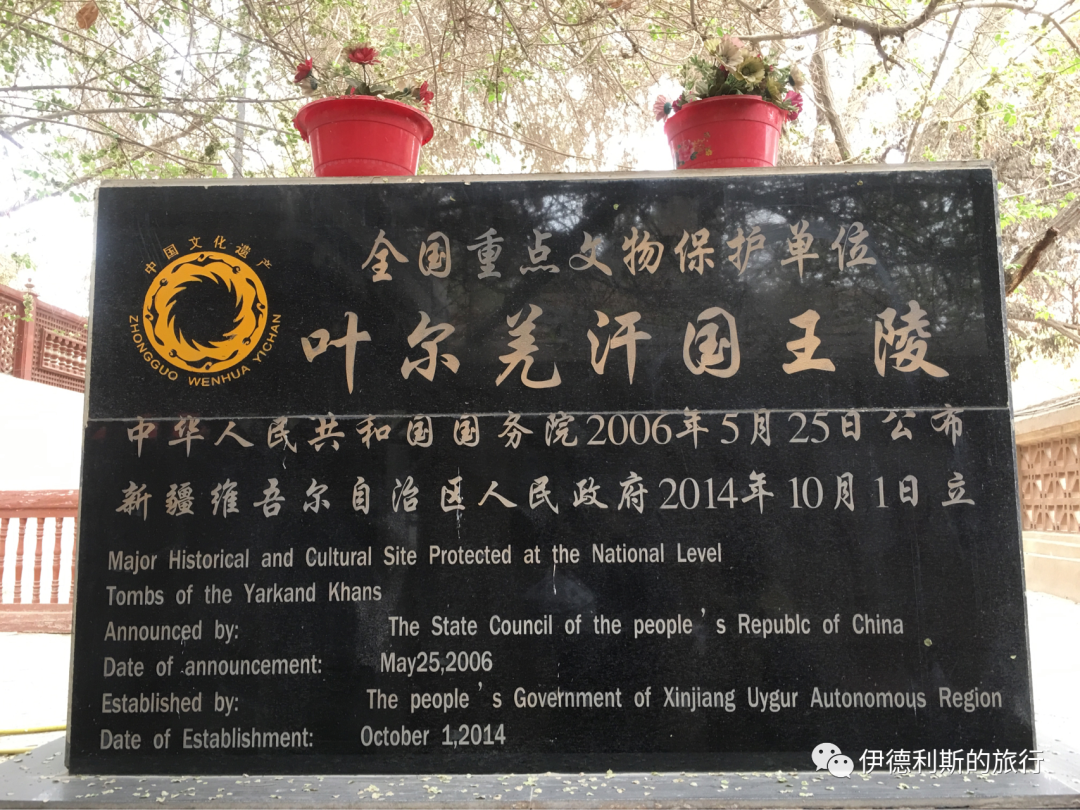
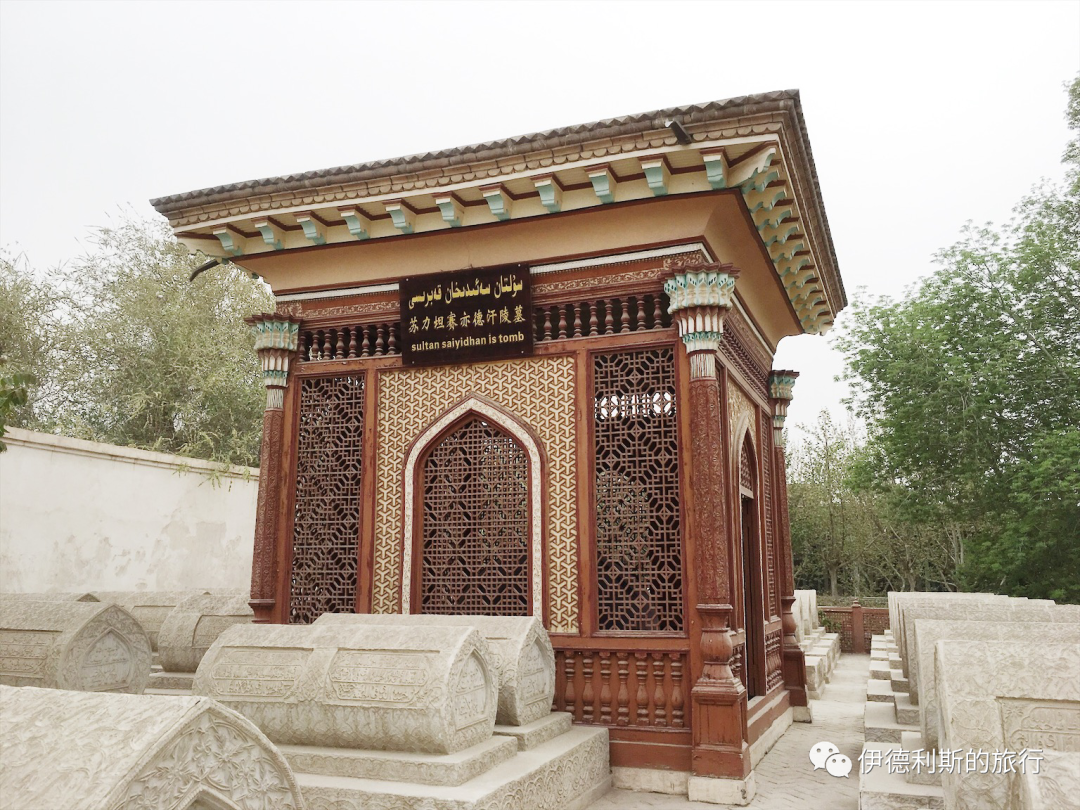
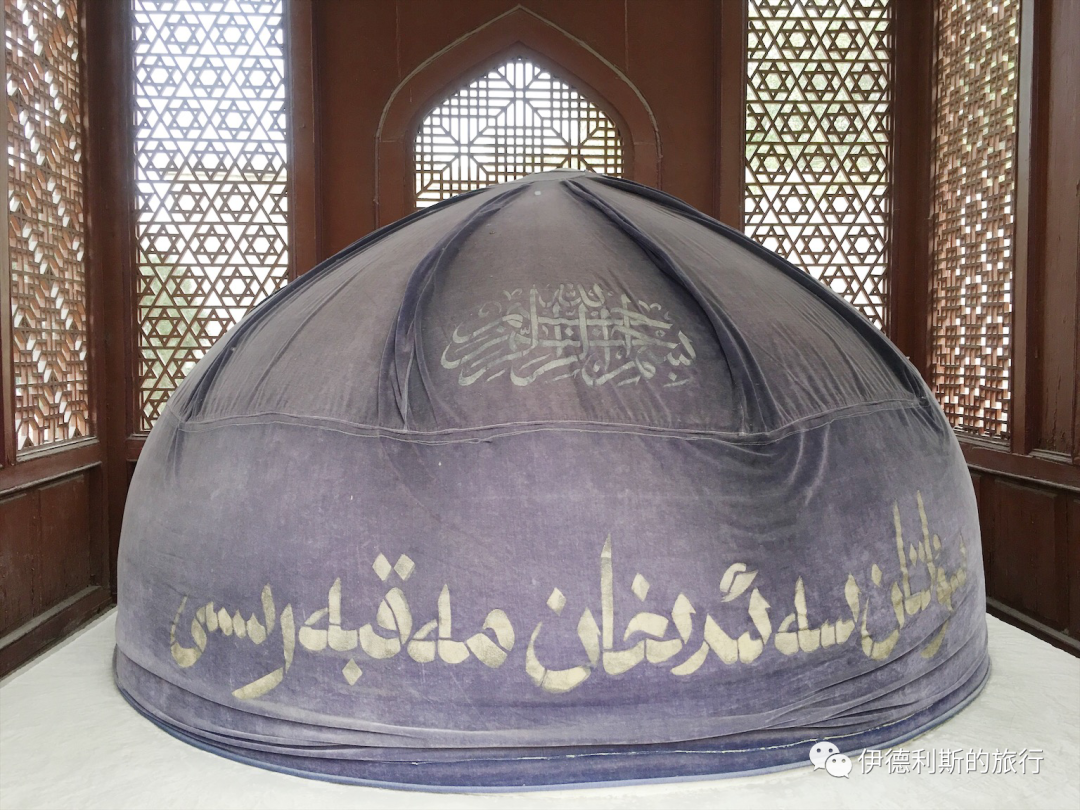
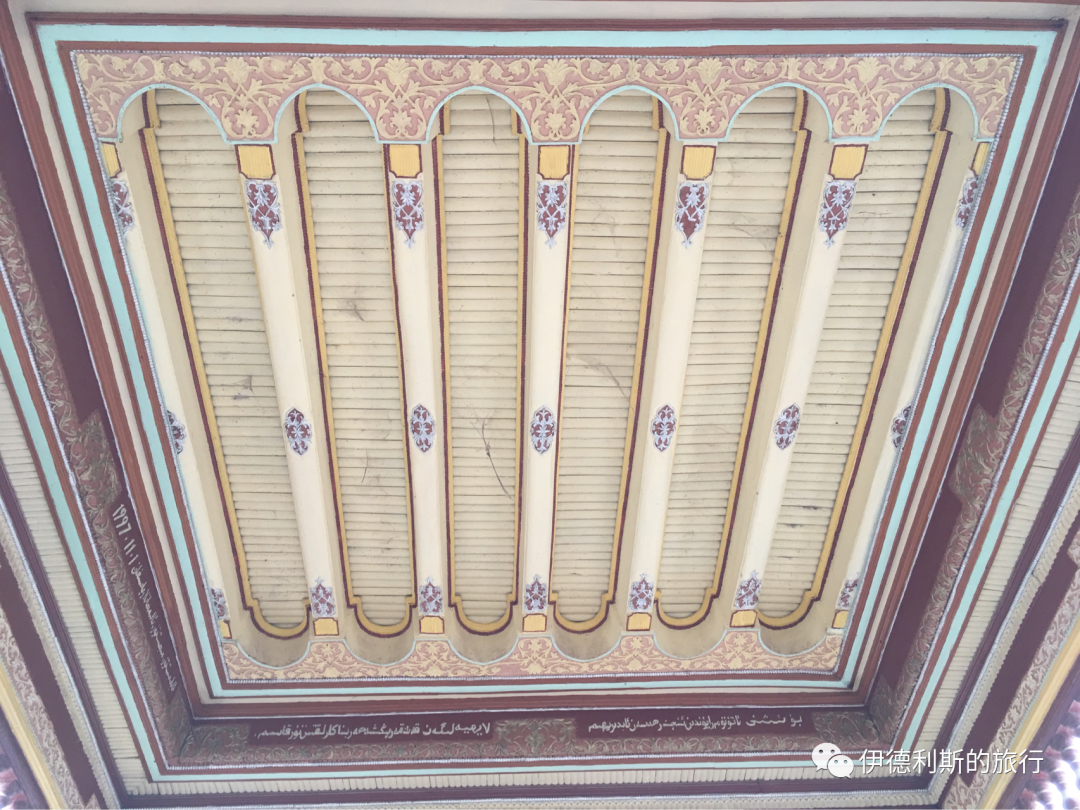
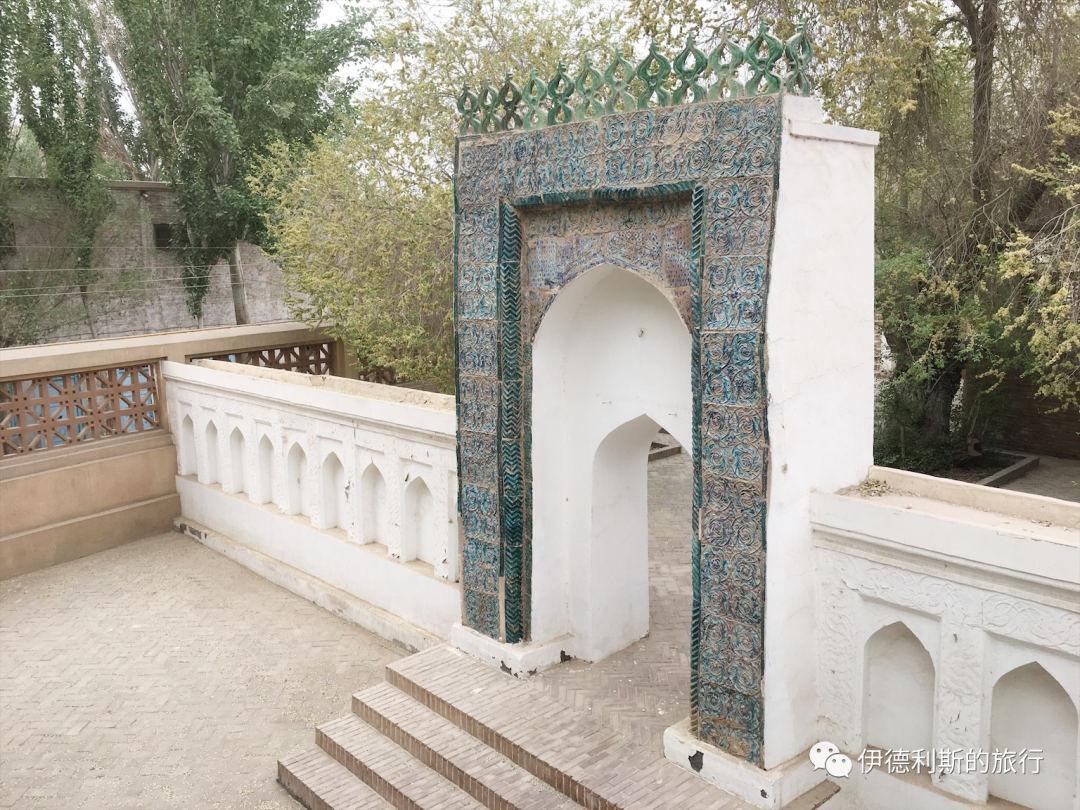
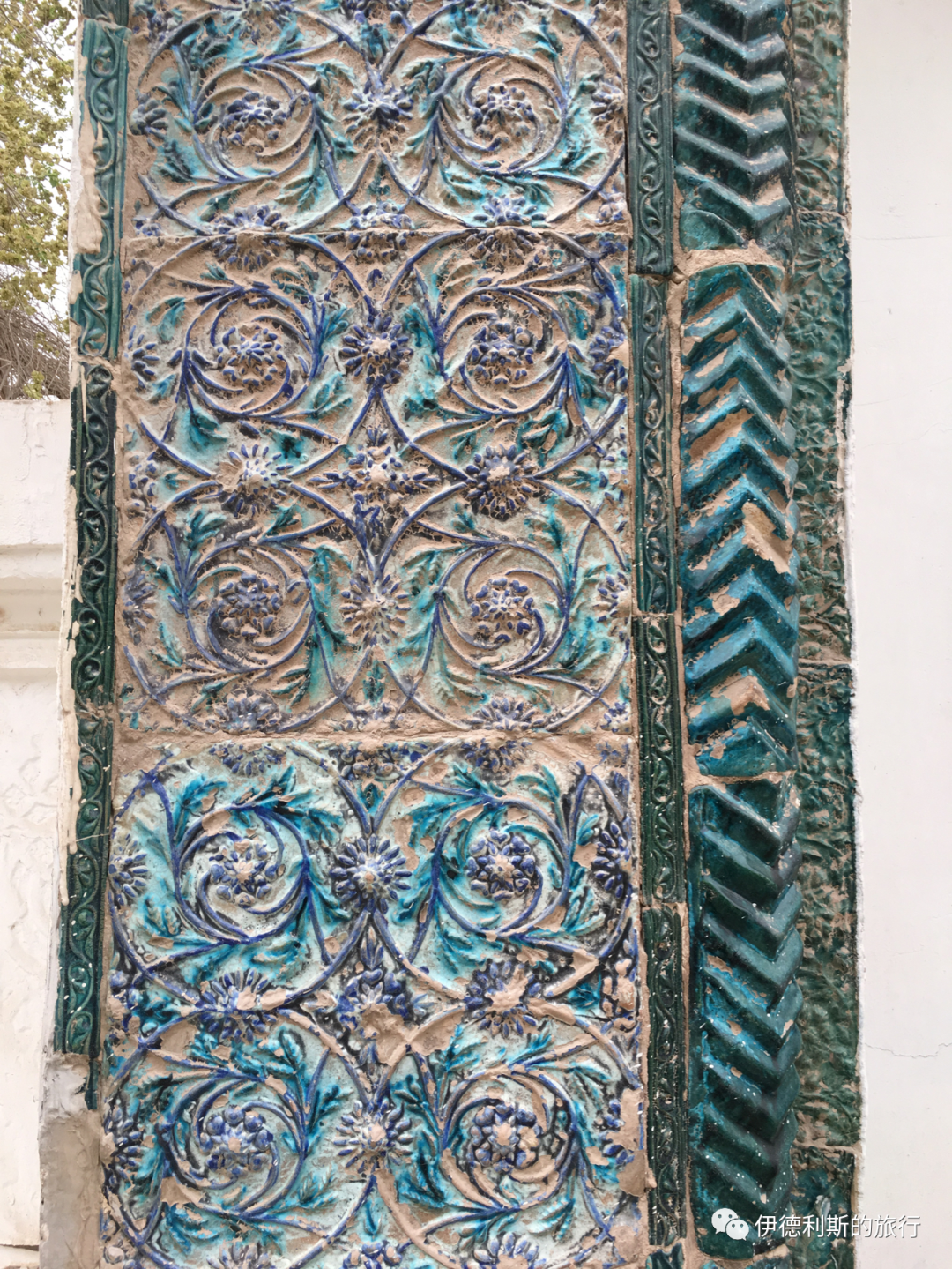
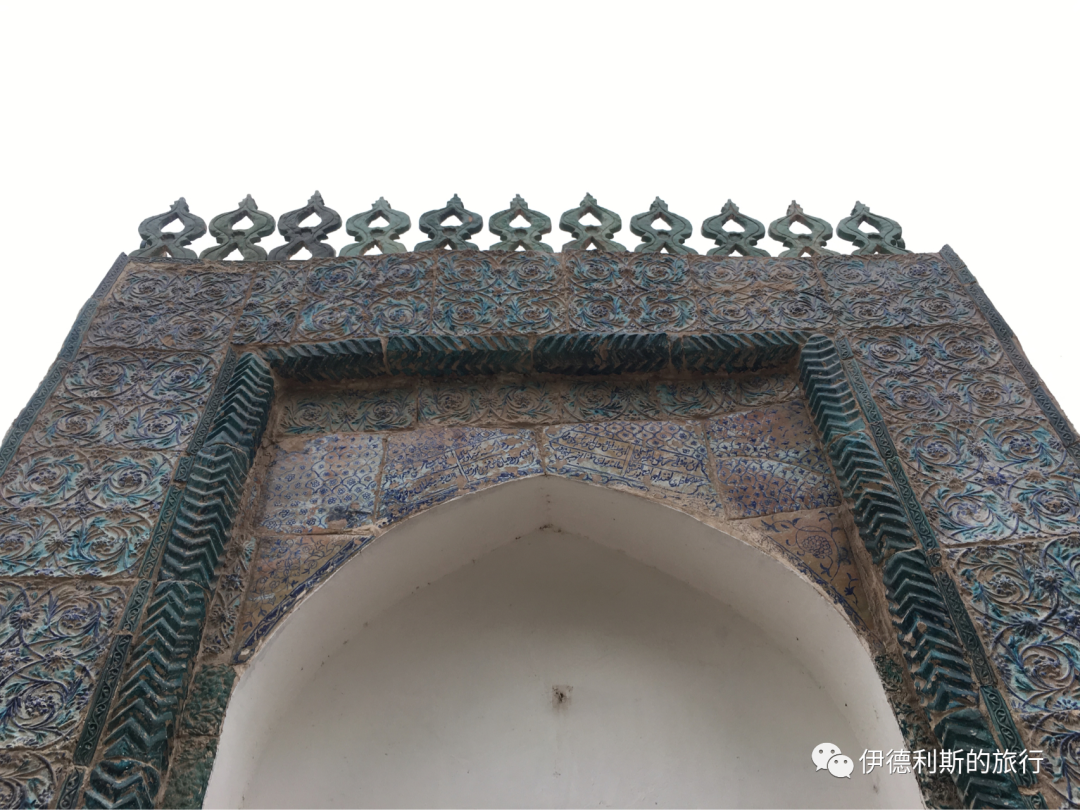
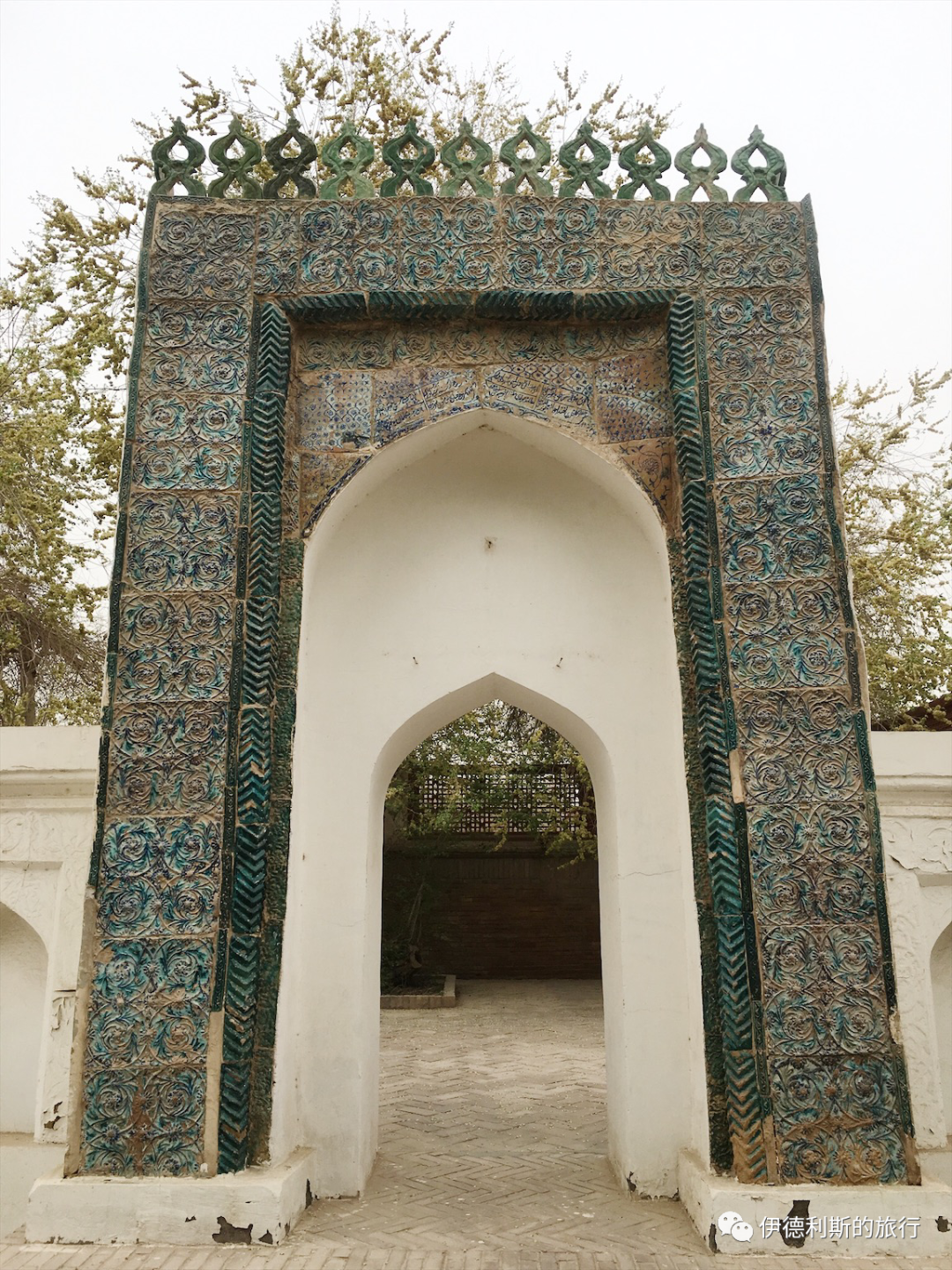
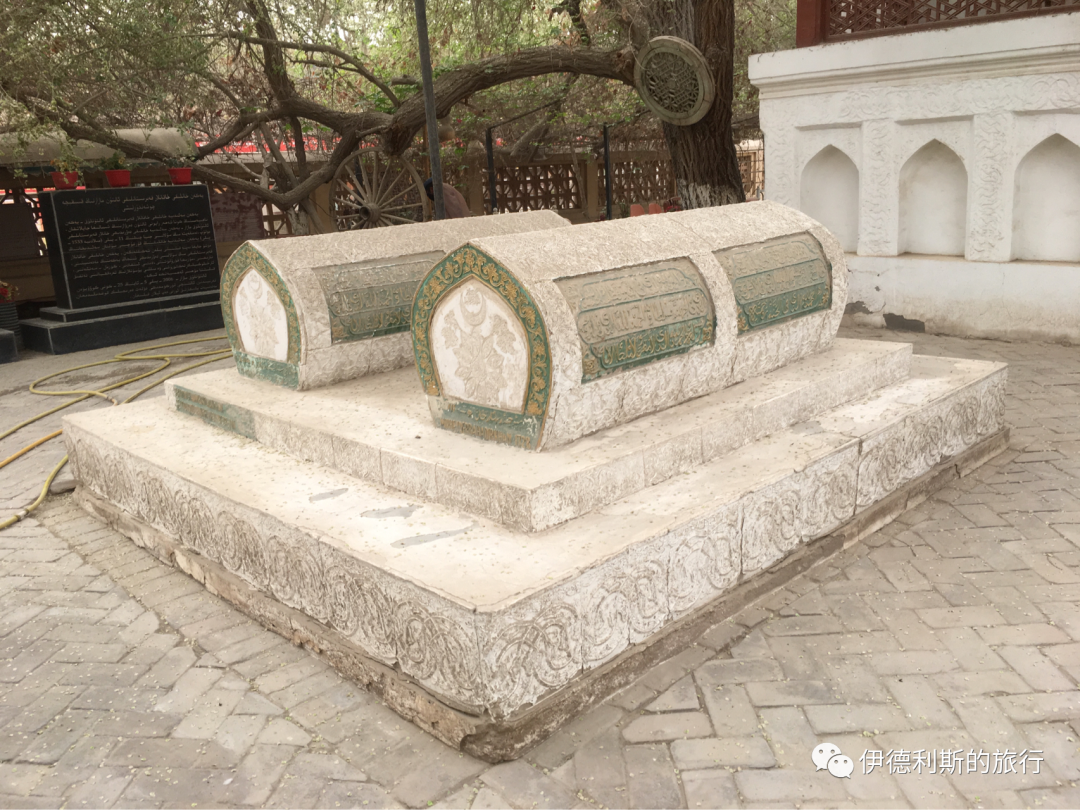
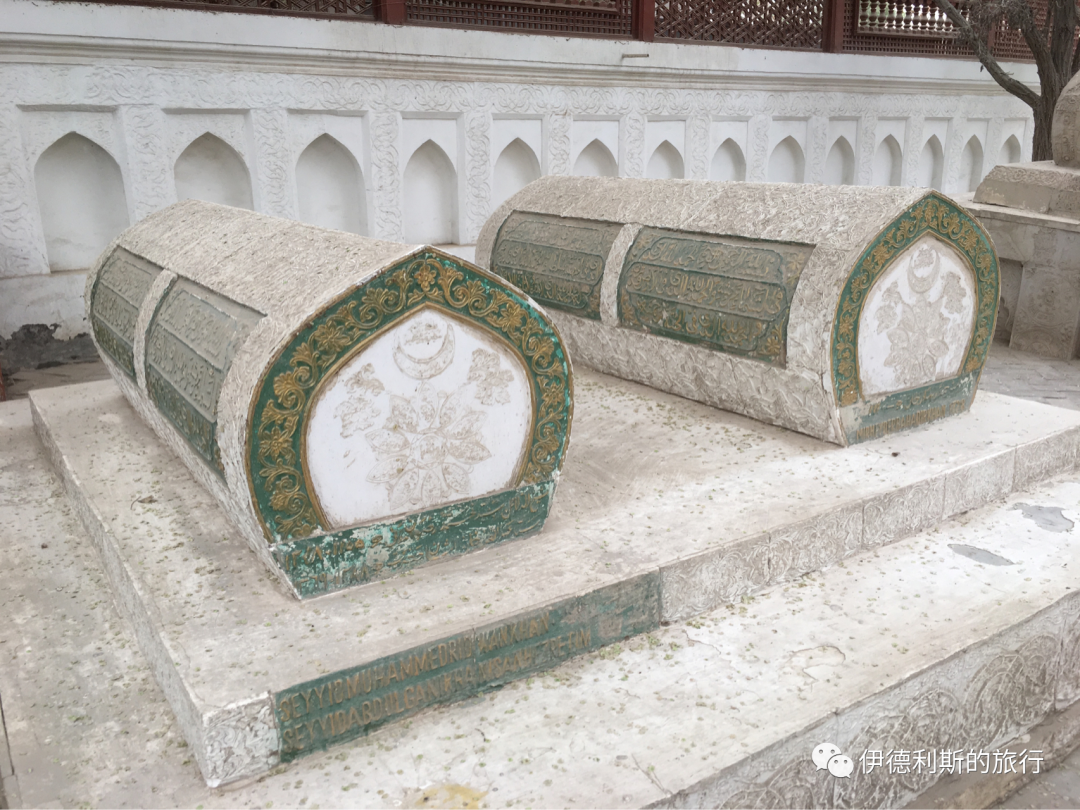
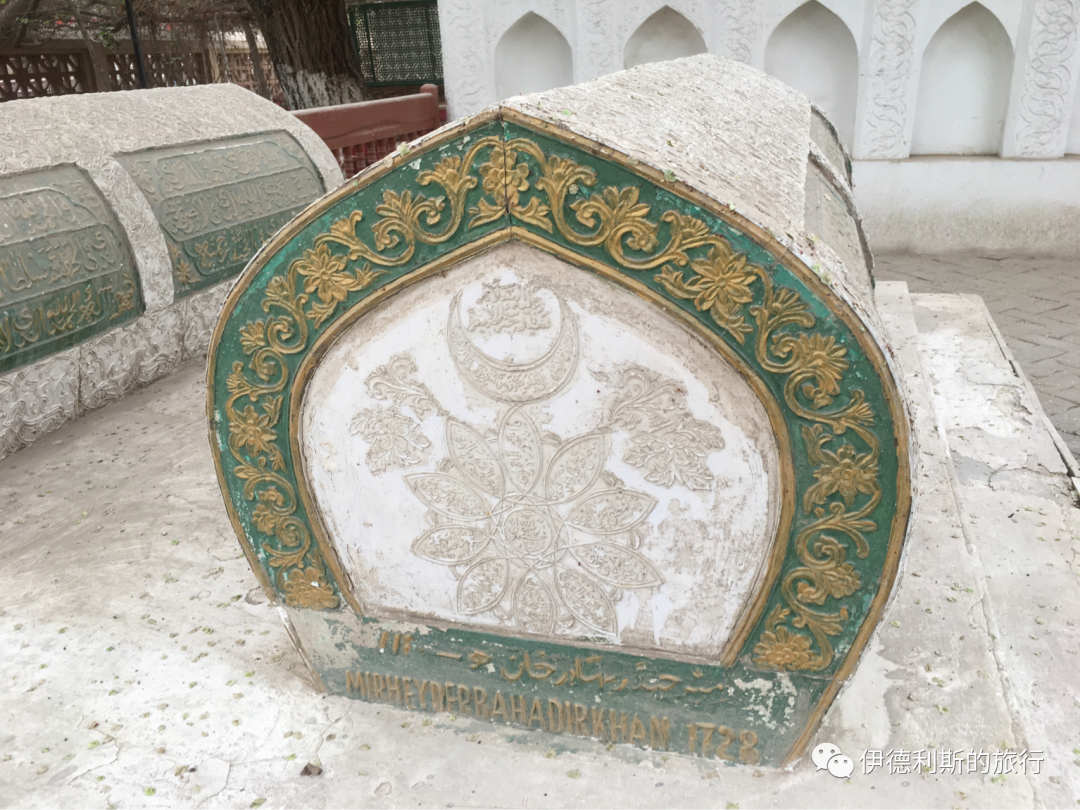
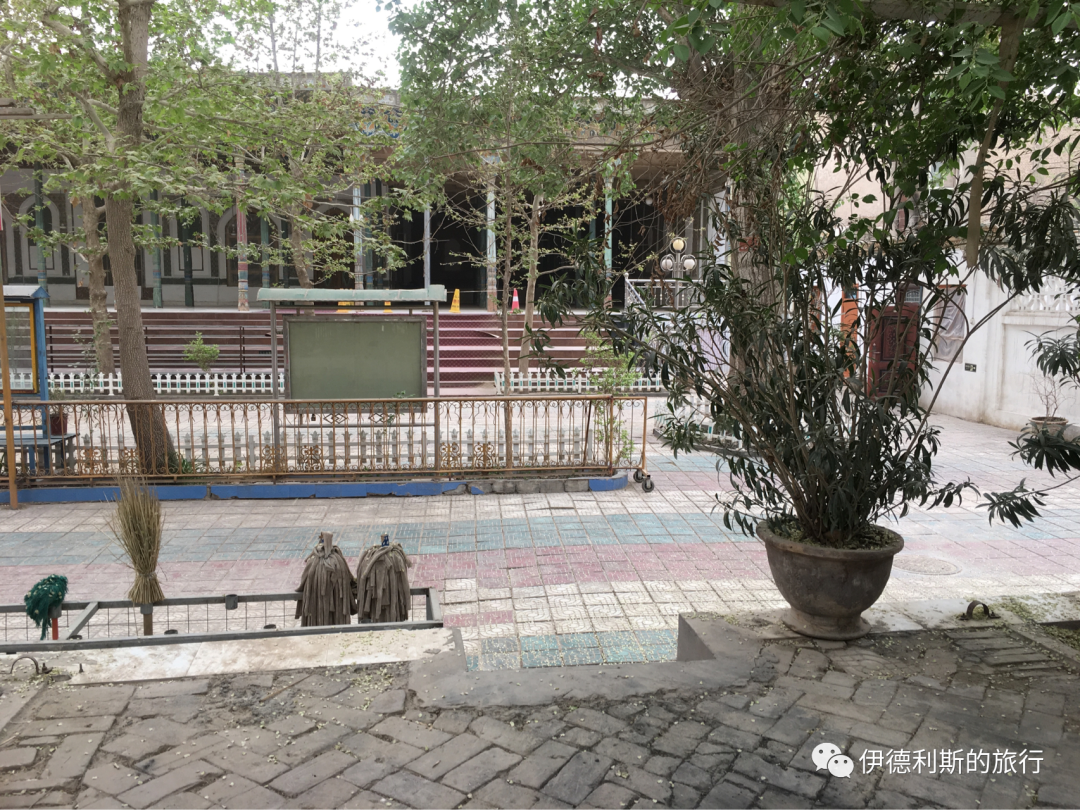
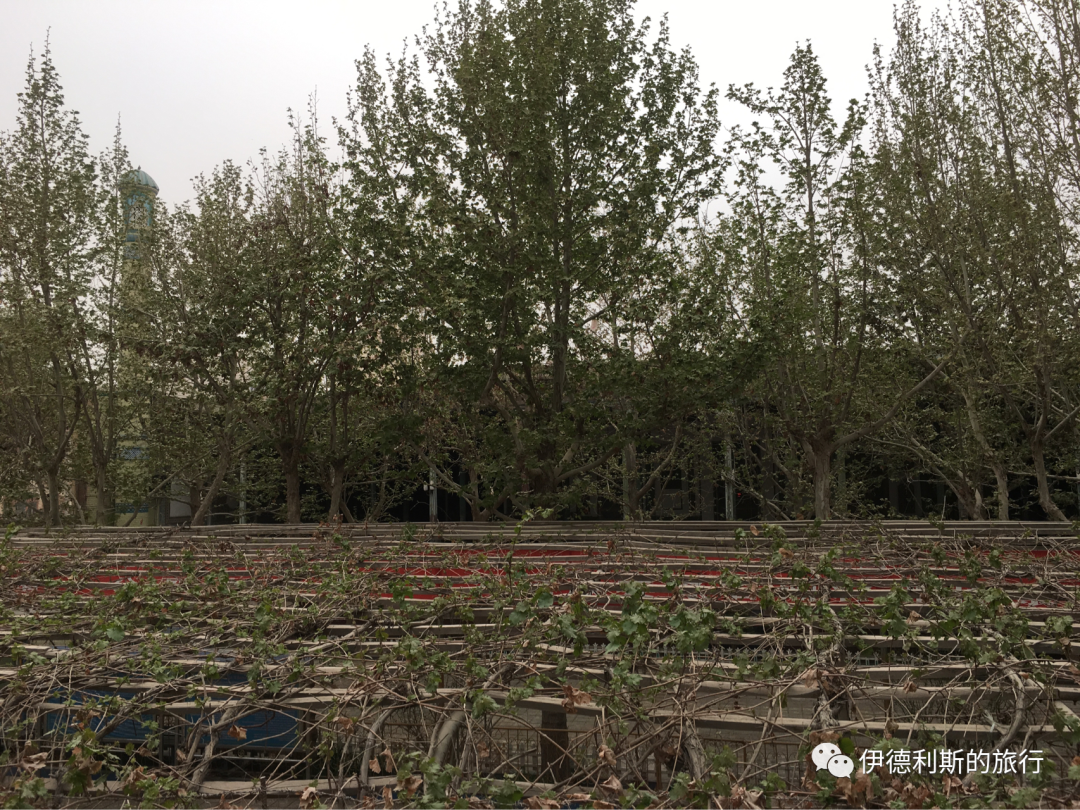
The Altun Mosque (Altun Qingzhensi) next to the royal tombs was also built in 1533, though its current appearance dates to renovations in 1735. The Altun Mosque is currently closed to visitors.
4. Yarkant and Muqam
During the reign of Rashid Khan, foreign wars decreased significantly while the success rate of those fought increased. The national situation stabilized, and social, economic, and cultural life began to recover.
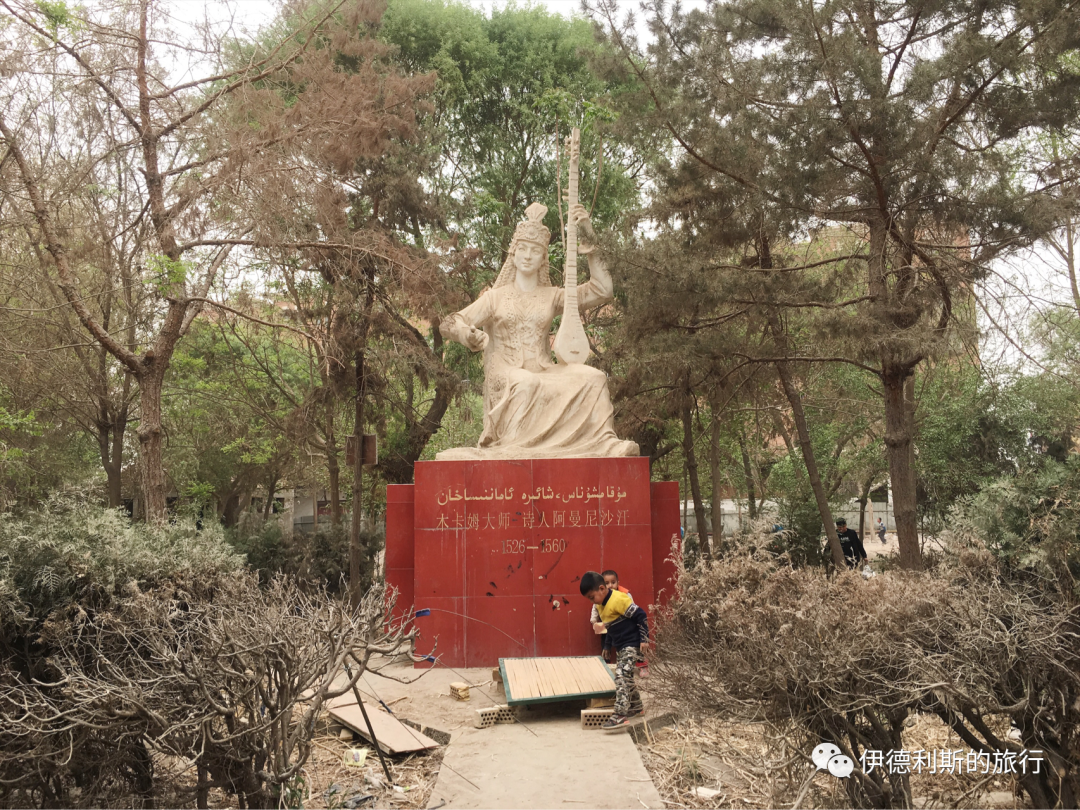
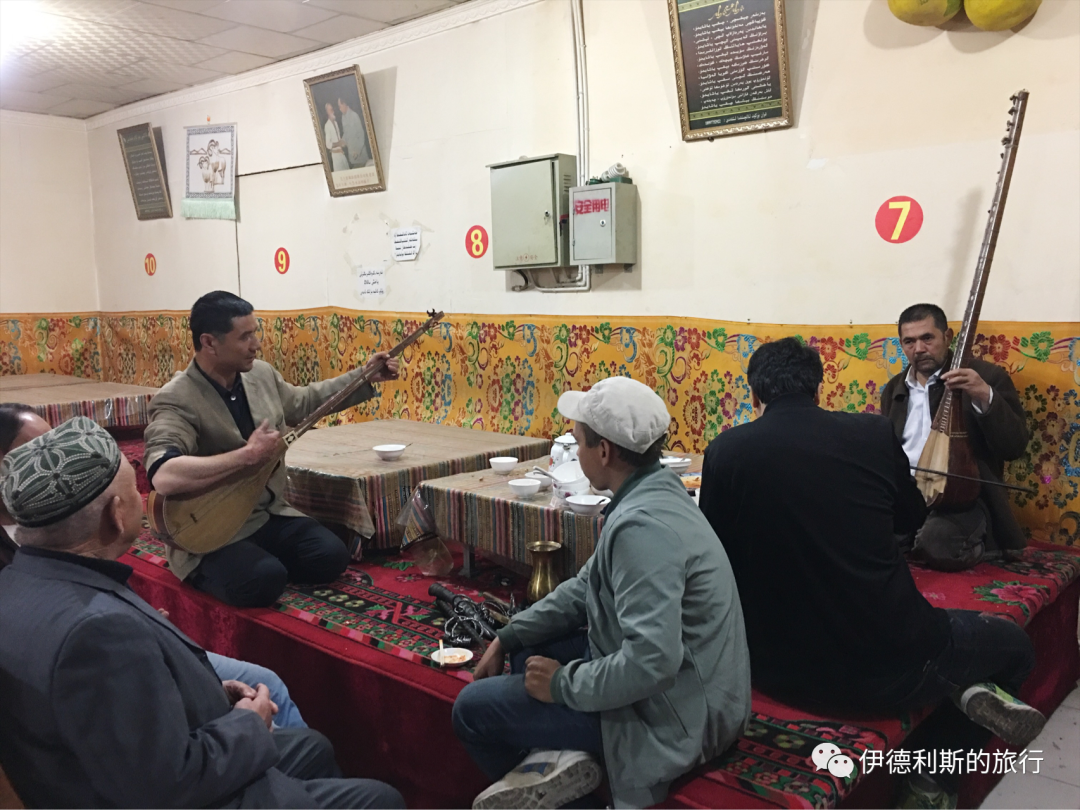
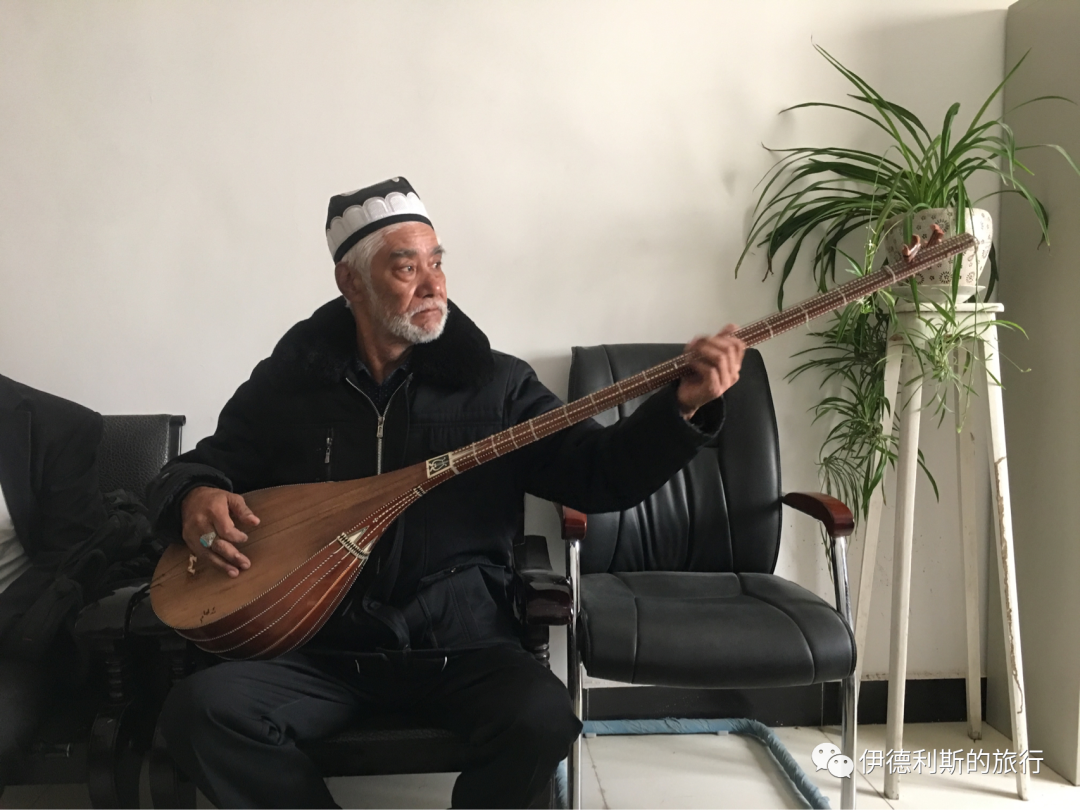
According to the History of Musicians (Tavārikh-i mūsīqiyyūn) written in 1853 by the Khotan scholar Mulla Ismatulla Mujizi, Queen Amannisa Khan and the chief court musician Kidirhan organized a group of talented musicians, singers, and poets during Rashid Khan's reign to collect and organize Muqam music from various regions. This effort resulted in the compilation of 16 Muqam suites, including one set each processed by Amannisa Khan and Kidirhan.
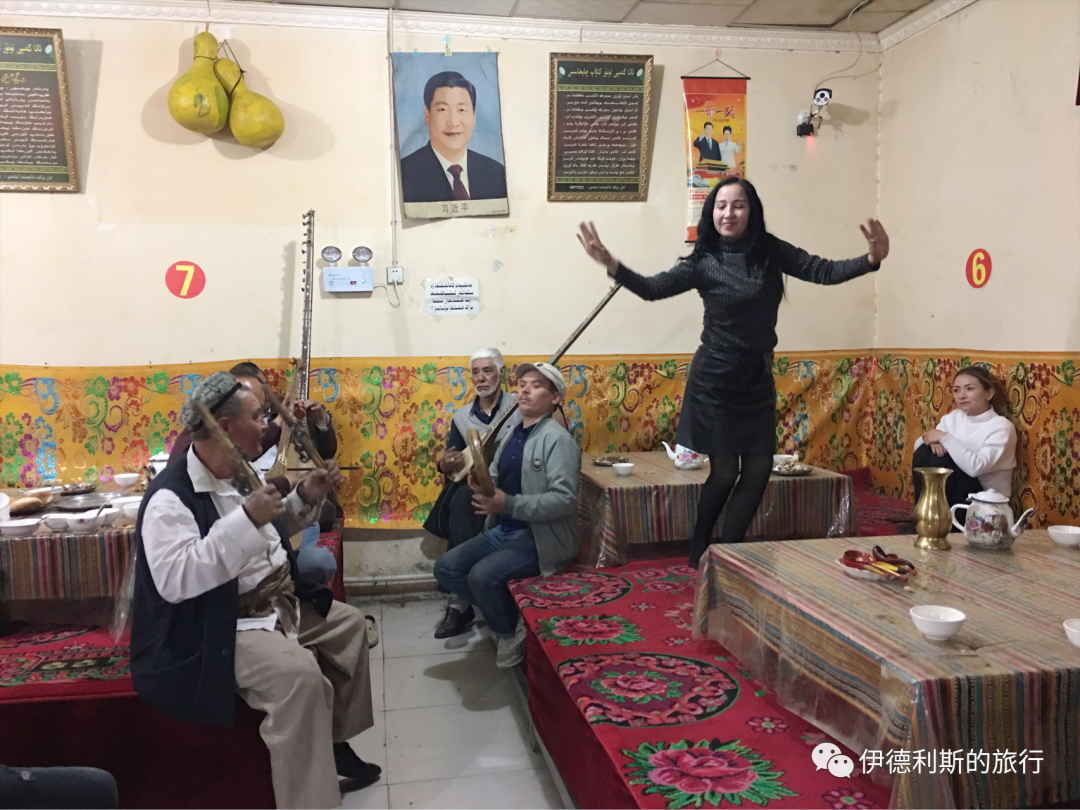
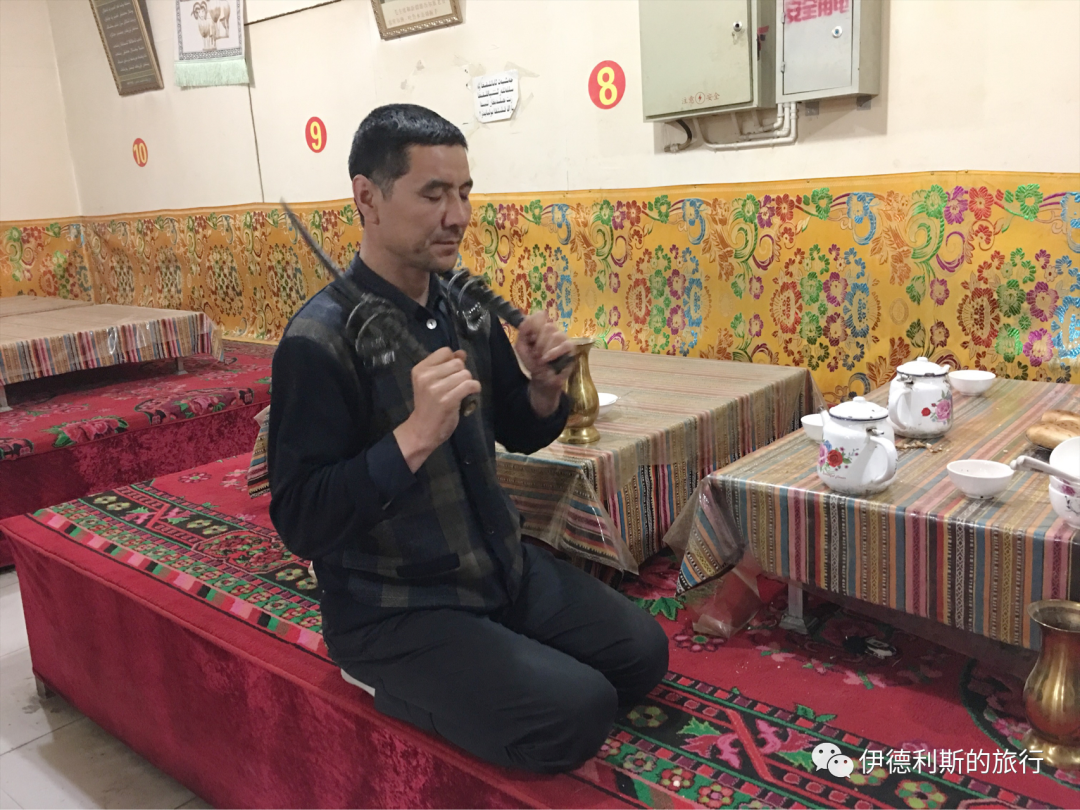
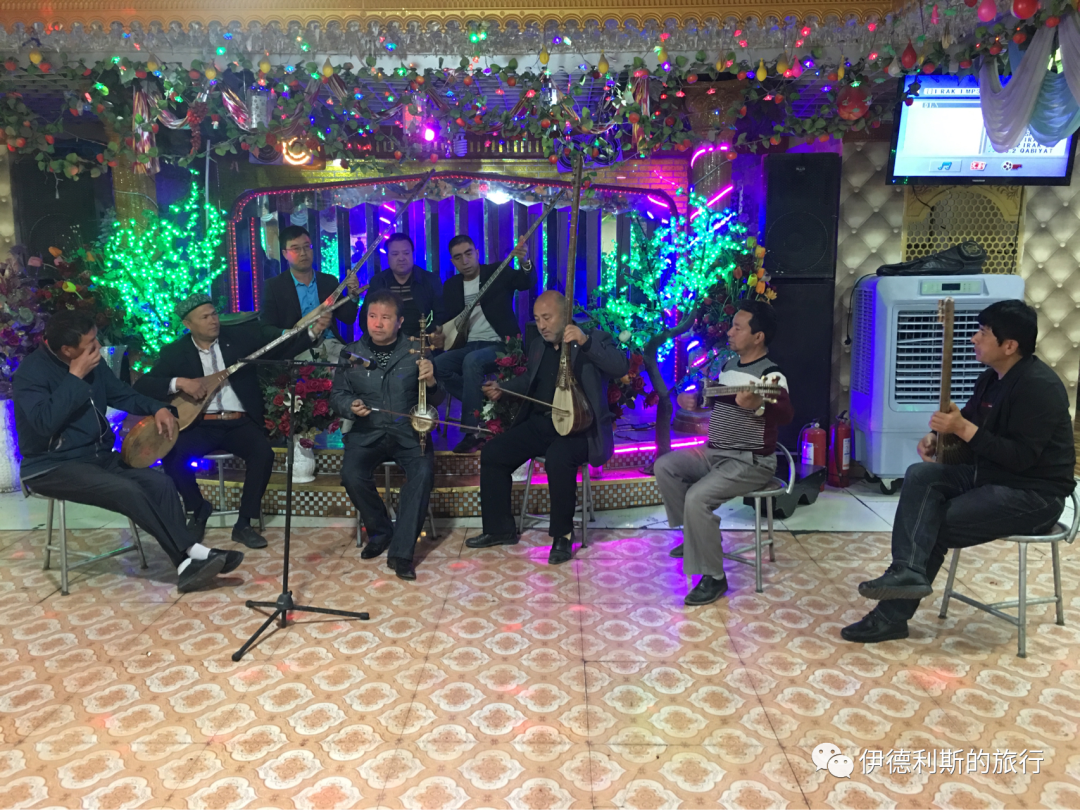
During the Yarkant Khanate, Muqam existed only in the form of the grand suite known as Qong Neghma. In 1879, musicians from Kashgar and Yarkant reorganized the Muqam again, adding folk narrative poems called Dastan and song-and-dance performances known as Mexirep, which made the Muqam structure much larger. In the 1950s, the Xinjiang Military District Cultural Department recorded the complete Twelve Muqam as performed by the master Turdi Akhun. After editing and compilation, the musical scores were officially published in 1960, finalizing the form of the Twelve Muqam.
A new tomb for Amannisa Khan was built in the 1990s at the entrance to the Yarkant Royal Tombs.
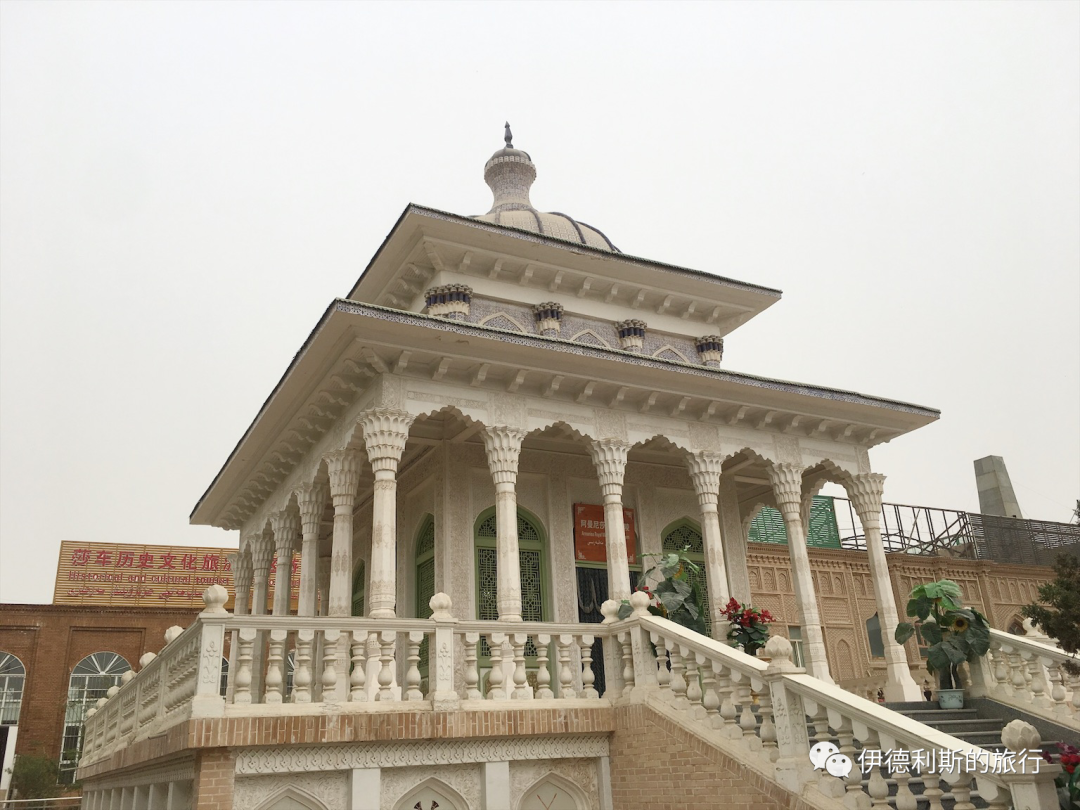
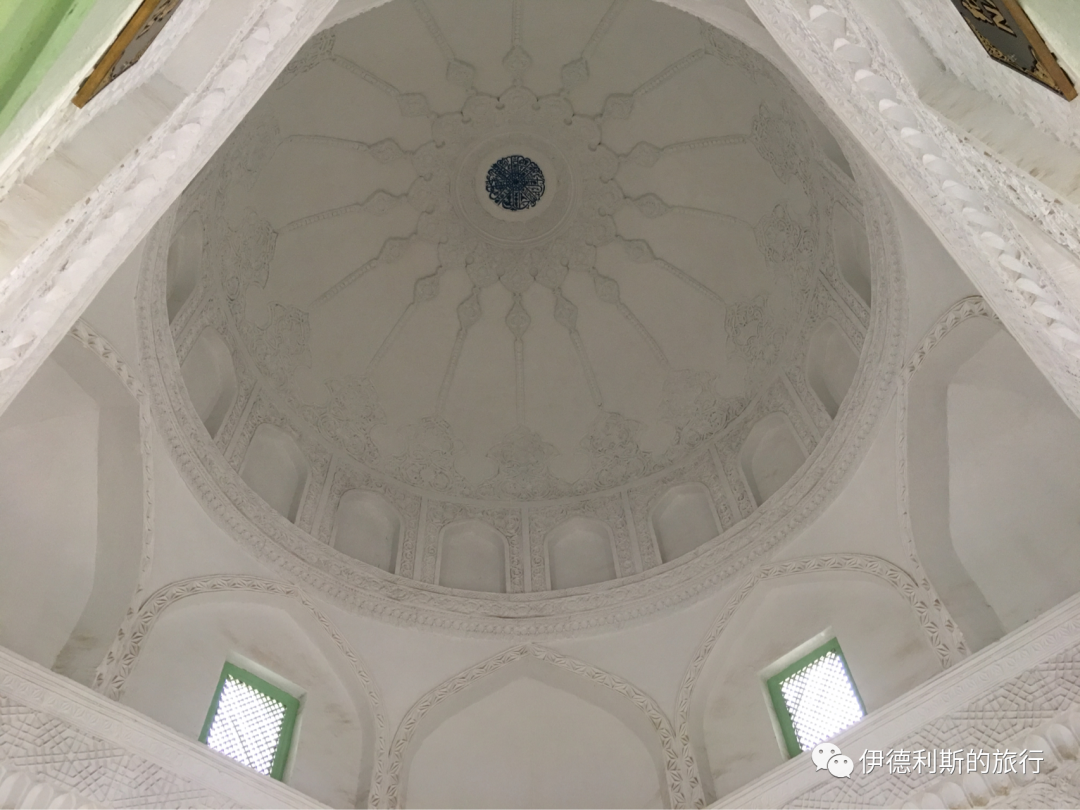
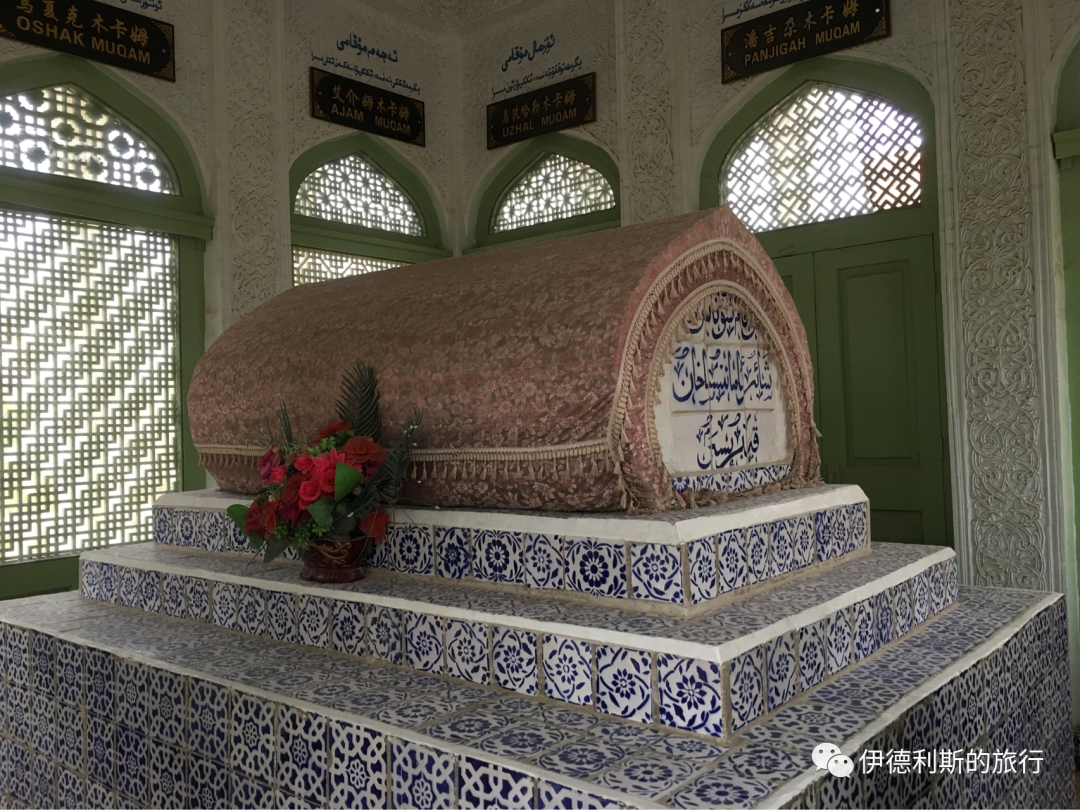
A statue of Amannisa Khan in the park.
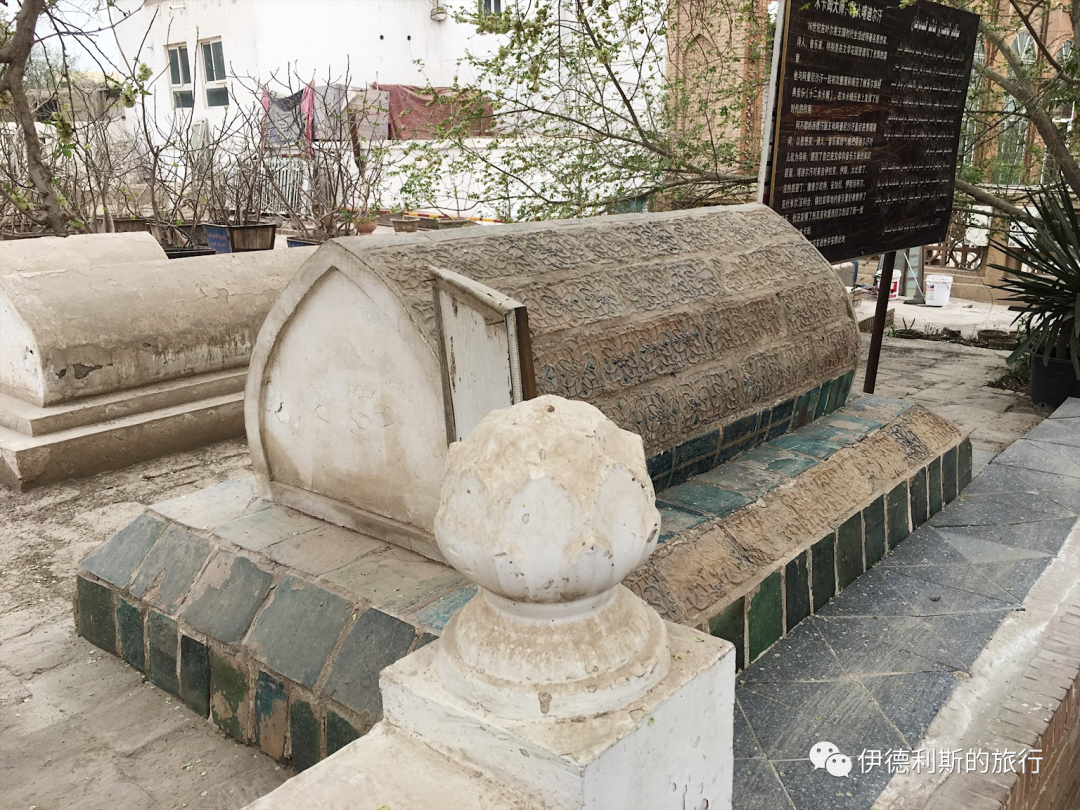
The tomb of Kidirhan is located within the Yarkant Royal Tombs.
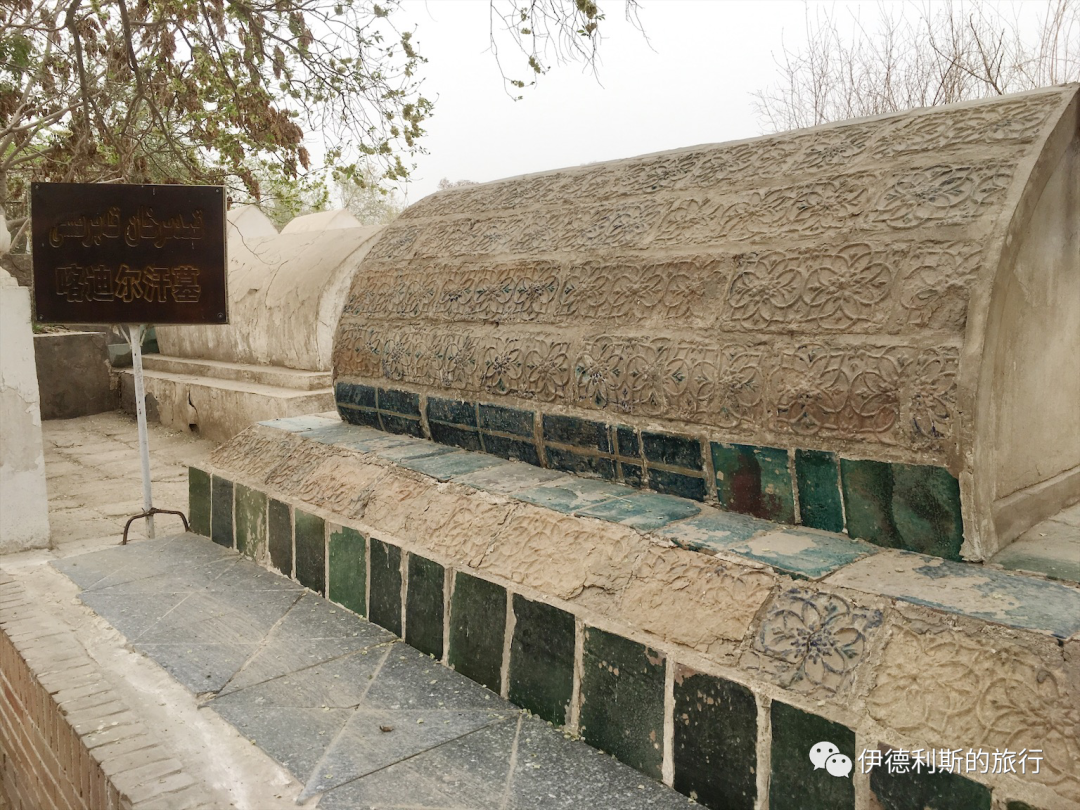
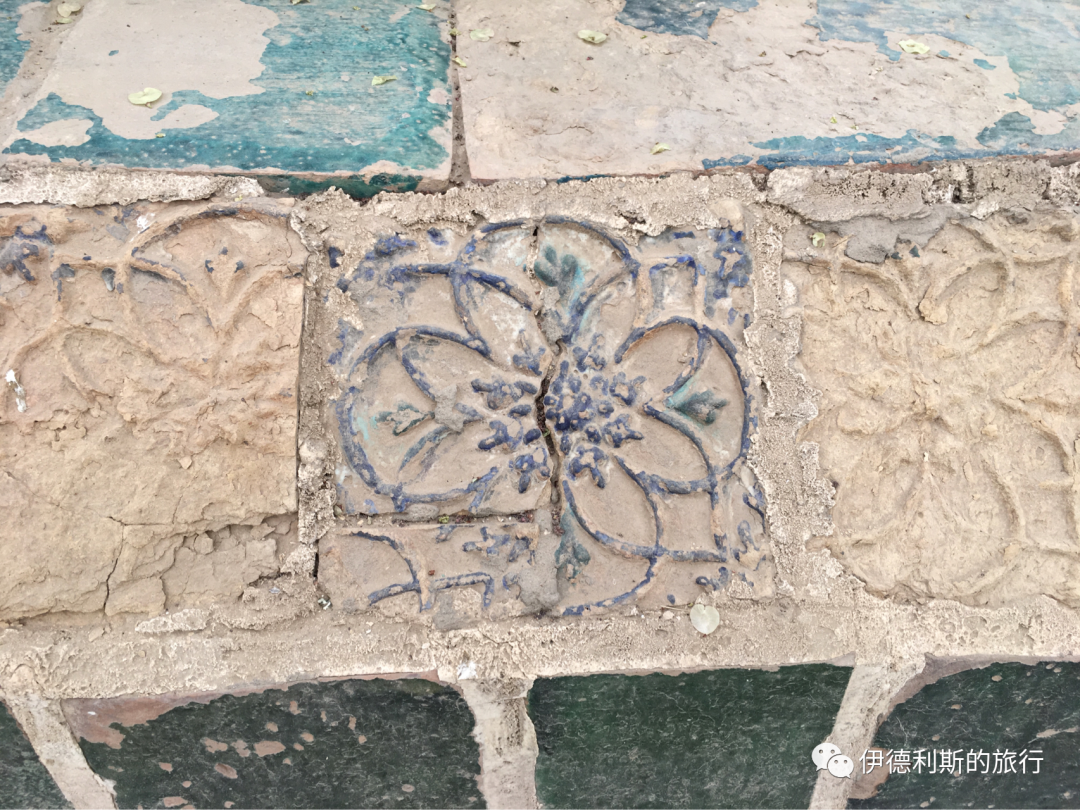
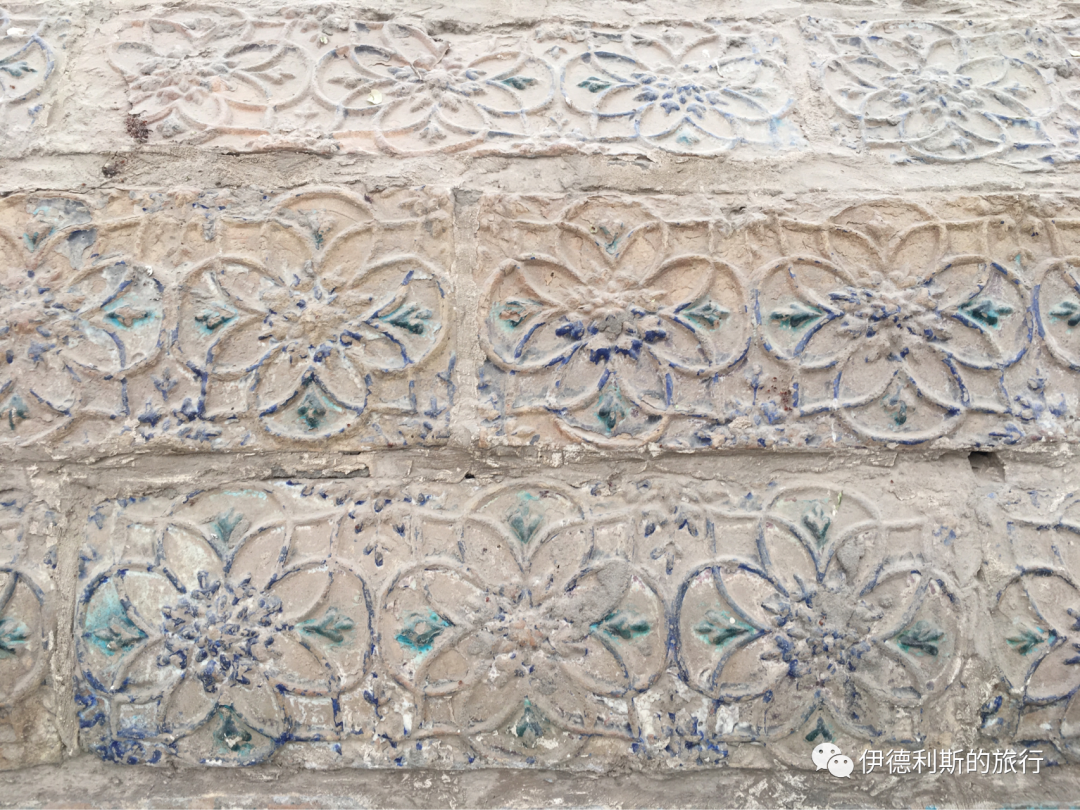
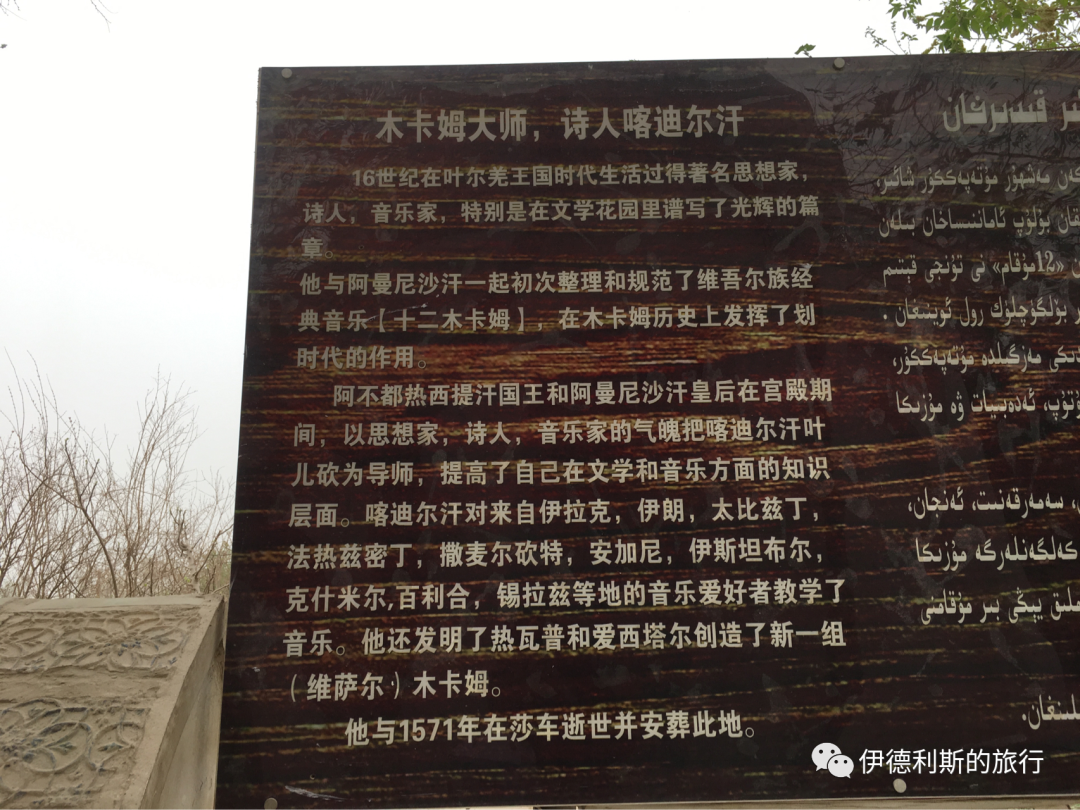
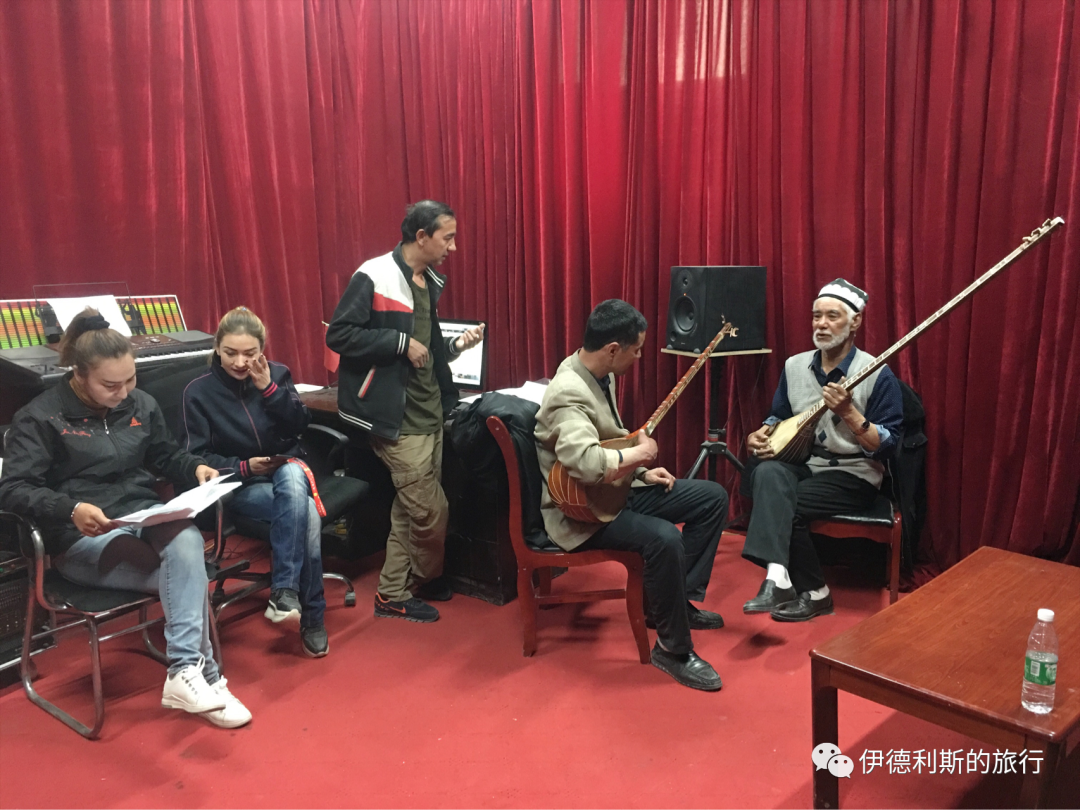
I am grateful to Mr. Ilham, director of the Yarkant Muqam Heritage Center, for this trip to Yarkant and for letting us enjoy performances by the masters of the Yarkant Twelve Muqam.
5. The Prosperous Chamber of Commerce
Between 1603 and 1604, the Portuguese Jesuit missionary Bento de Góis visited the city of Yarkant. In the book 'China in the Sixteenth Century: The Journals of Matthew Ricci,' Bento de Góis's travel records note that because merchants gathered there frequently to sell a wide variety of goods, Yarkant became the capital of the Kashgar Kingdom (Yarkant Khanate) and a major commercial hub. Caravans from Kabul would disband here to form new ones heading toward Cathay.
At that time, there were two main international trade routes passing through Yarkant, forming a T-shape:
The east-west route connected Central Asia with the Chinese heartland: Bukhara—Samarkand—Kashgar—Yarkant—Aksu—Kuqa—Turpan—Hami—Suzhou (Jiuquan).
The north-south route connected Xinjiang with India: Yarkant—Kashgar—Pamir—Kabul—Lahore—Delhi.
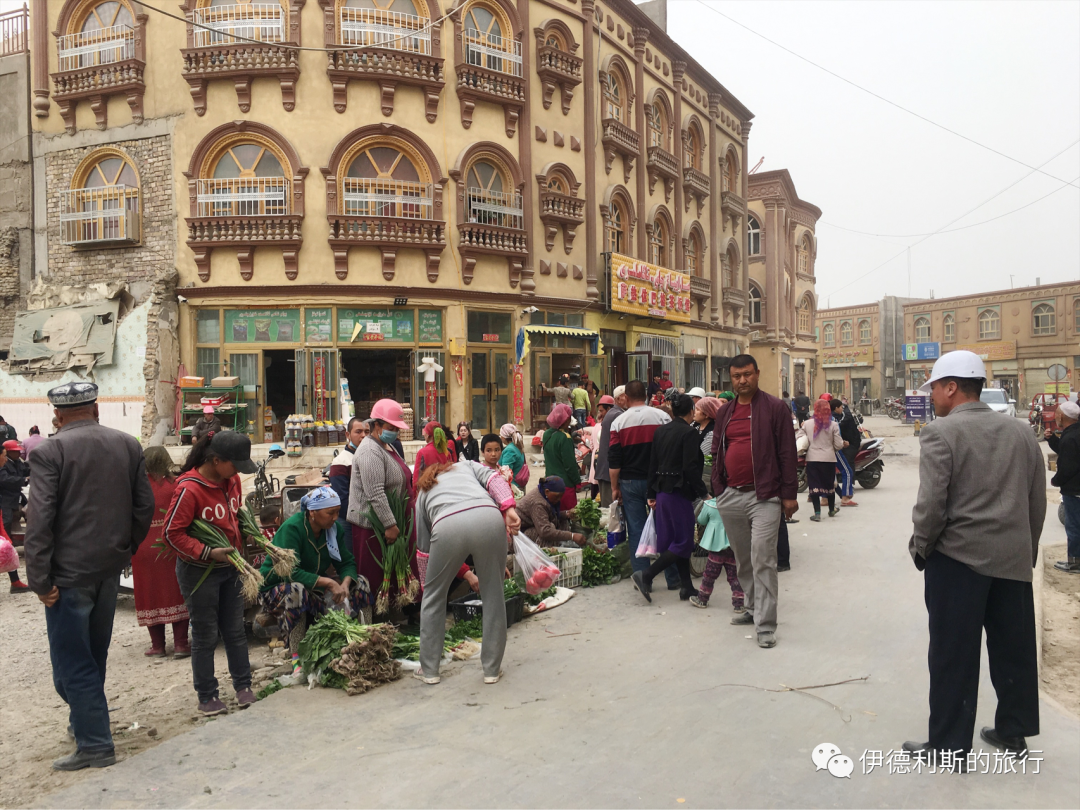
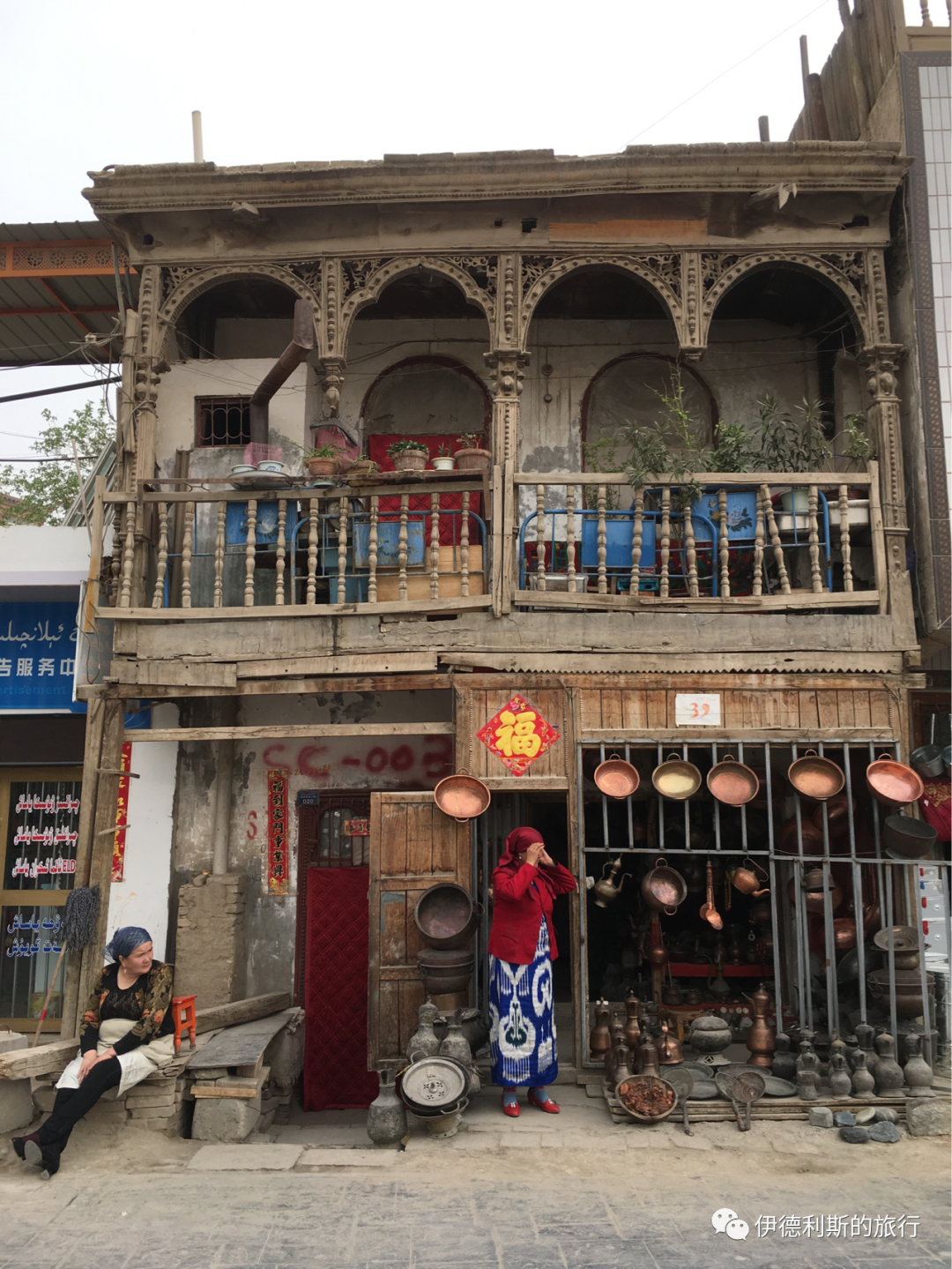
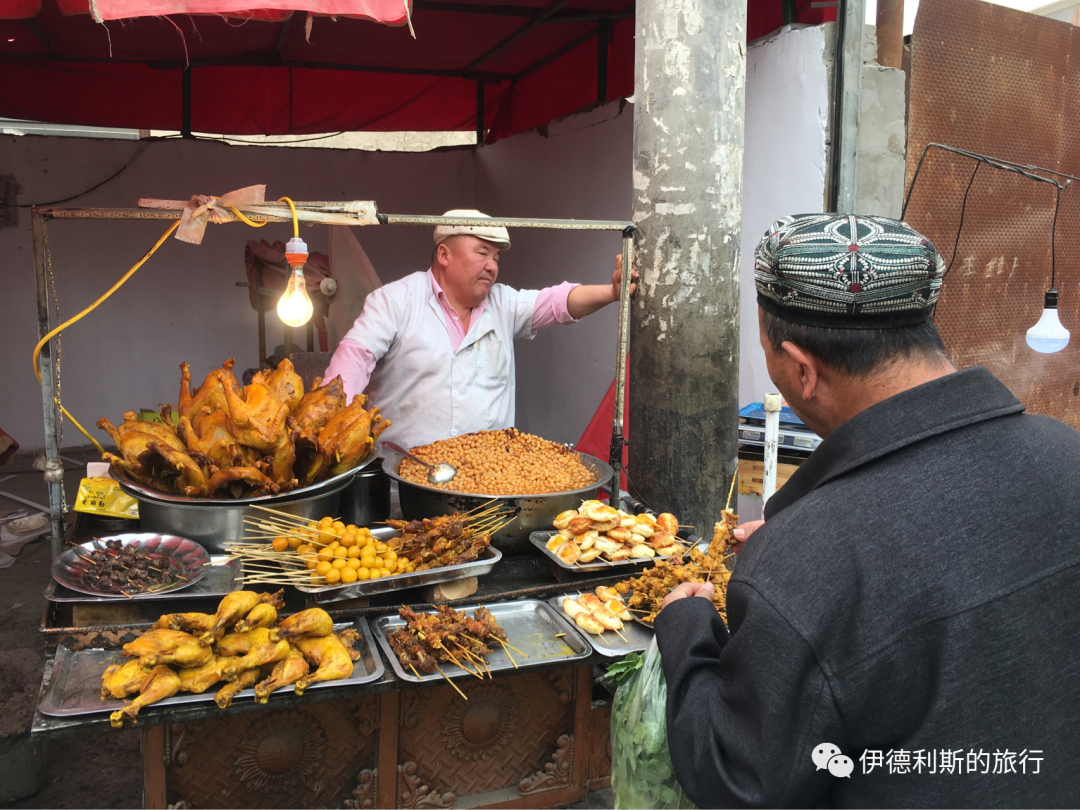
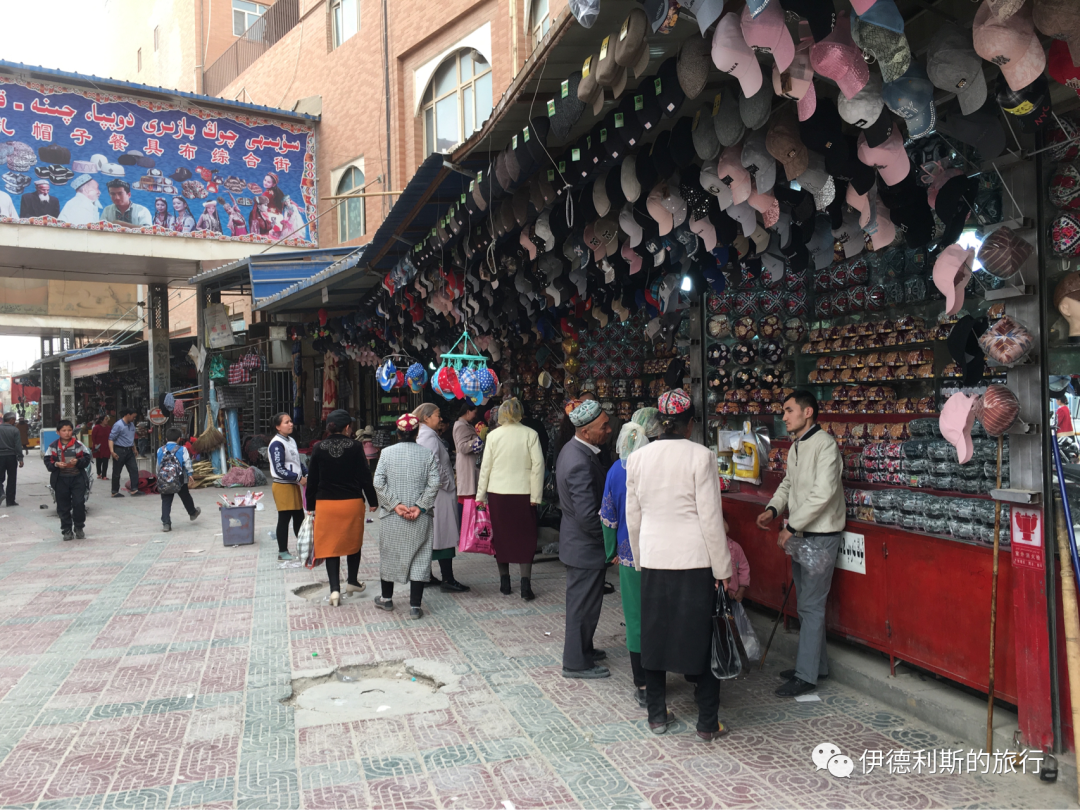
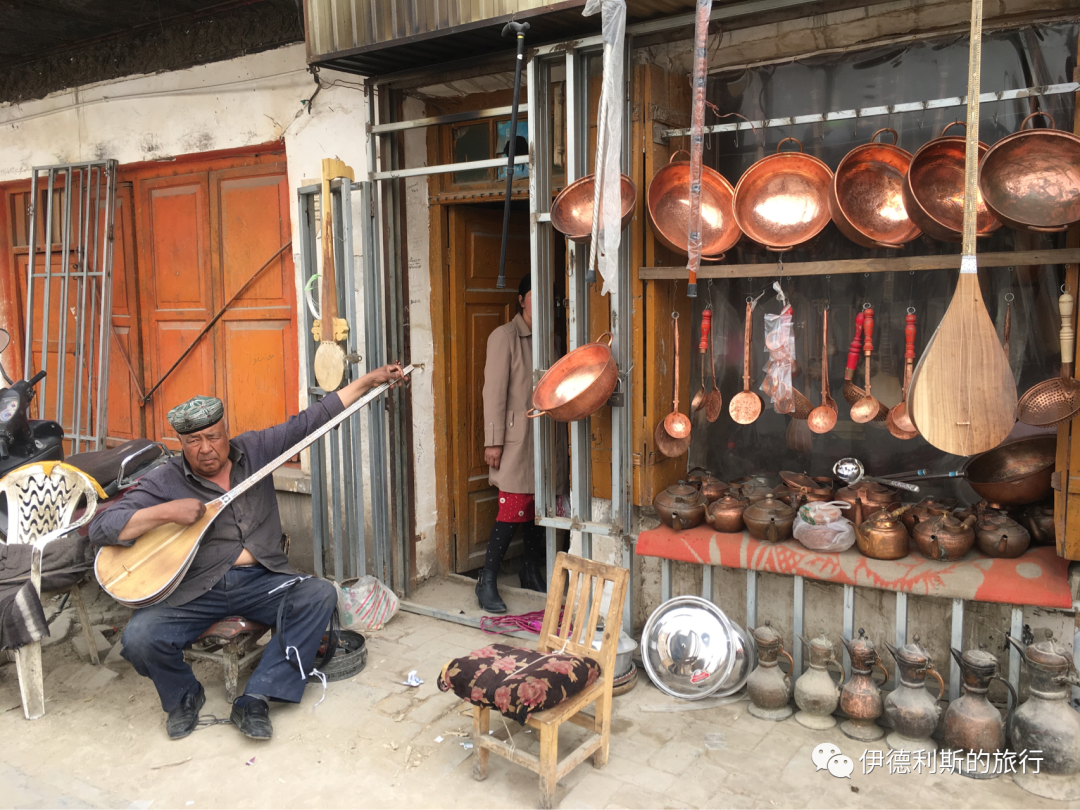
The Yarkant Bazaar today.
6. The Center of the Black Mountain Sect—Altun Mazar
1. The Black Mountain Sect controls the Yarkant Khanate.
The reigns of the first three rulers of the Yarkant Khanate—Sultan Said Khan (1514-1533), Abdurashid Khan (1533-1560), and Abdul Karim Khan (1560-1591)—are known as the 'Golden Age' of the Yarkant Khanate, a time when the monarchs were diligent and focused on economic and cultural development.
During the reign of the fourth ruler, Muhammad Khan (1591-1610), the Khoja family of the Black Mountain faction (Qara Taghliq) of the Naqshbandi Sufi order, which rose in the Transoxiana region, began to hold real power. This marked the decline of the Yarkand Khanate.
In 1596, Khoja Muhammad Ishaq Wali of the Black Mountain faction sent his son, Khoja Shadi, to Yarkand to become Muhammad Khan's mentor. From then on, Yarkand became the center of the Black Mountain faction, and the Yarkand Royal Mausoleum, known as Altun Mazar, became the burial place for the Black Mountain Khojas.
2. The White Mountain faction defeats the Black Mountain faction
In the 1630s, Khoja Muhammad Yusuf of the White Mountain faction (Aq Taghliq), another branch of the Naqshbandi order, arrived in Kashgar. He used Kashgar as a base to oppose the rule of the Black Mountain faction, plunging the Yarkand Khanate into conflict between the two groups.
In 1680, Afaq Khoja of the White Mountain faction led the army of Galdan of the Dzungar Khanate to capture Yarkand. Khoja Abdullah of the Black Mountain faction fled to India, and Yarkand fell into the hands of the White Mountain faction.
However, shortly after Afaq Khoja died in 1694, the White Mountain faction fell into internal strife. In 1697, Galdan was defeated by the Qing army and committed suicide. Afterward, the Dzungar Khanate could no longer control southern Xinjiang, and the exiled Black Mountain Khoja, Khoja Daniyal, returned to Yarkand.
3. The Black Mountain faction under the Dzungar Khanate
In 1713, the Dzungar Khanate, having regained its strength, marched south to attack Yarkand. Khoja Daniyal surrendered without a fight and was taken to Ili. Because he was relatively loyal to the Dzungar Khanate, Khoja Daniyal was appointed by them in 1720 as the ruler of the four cities: Yarkand, Kashgar, Aksu, and Hotan. After Khoja Daniyal died in 1730, he was buried in Altun Mazar.
After Khoja Daniyal's death, the Dzungar Khan Galdan Tseren divided power by giving Yarkand, Kashgar, Aksu, and Hotan to each of Khoja Daniyal's four sons. Khoja Chagan ruled Yarkand.
After Galdan Tseren died in 1745, the Dzungar Khanate fell into intense infighting. Khoja Yusuf, the Black Mountain leader ruling Kashgar, broke away from Dzungar rule in 1754 and unified the entire southern Xinjiang region.
4. The fall of the Black Mountain faction.
In 1755, the Qing dynasty captured Ili. The White Mountain Khoja brothers, who had been held in Ili by the Dzungar Khanate, surrendered to the Qing. The Qing sent the elder Khoja, Khoja Burhan-ud-din, to lead an army into southern Xinjiang. He occupied most of the region, leaving the Black Mountain faction with only the isolated city of Yarkand. After fierce fighting, betrayals, wavering loyalties, and massacres, Yarkand was finally captured. The entire Black Mountain Khoja family was killed, and the faction exited the stage of history.
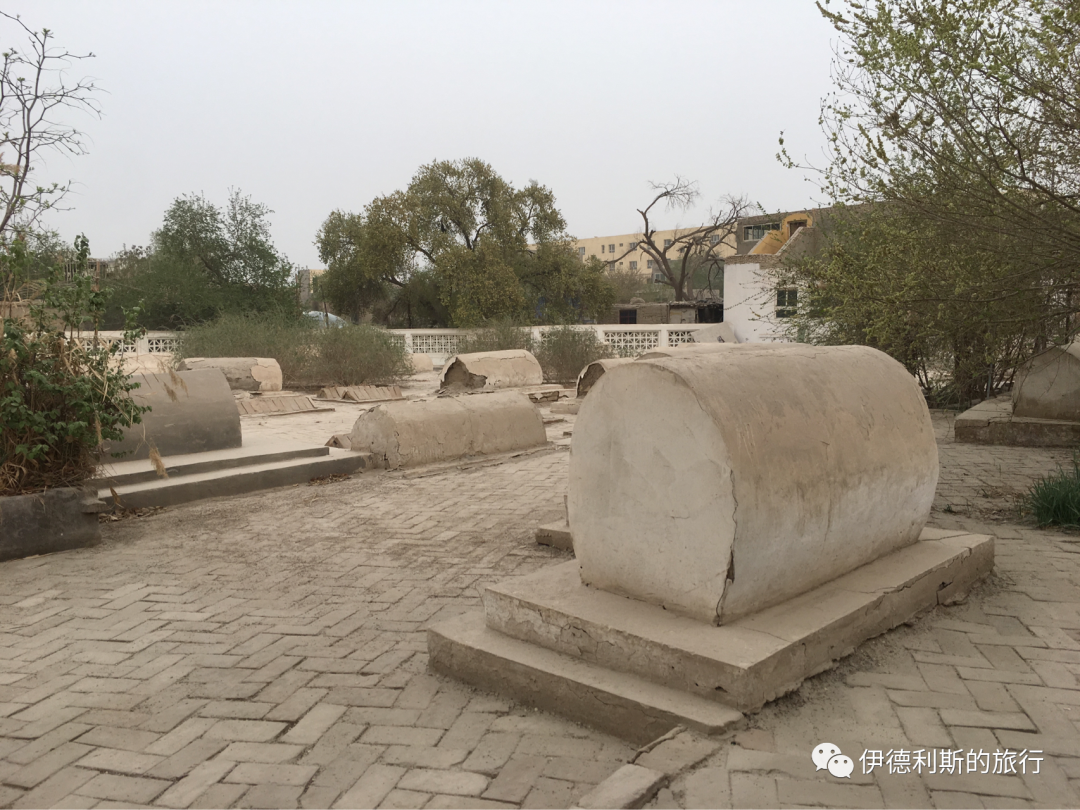
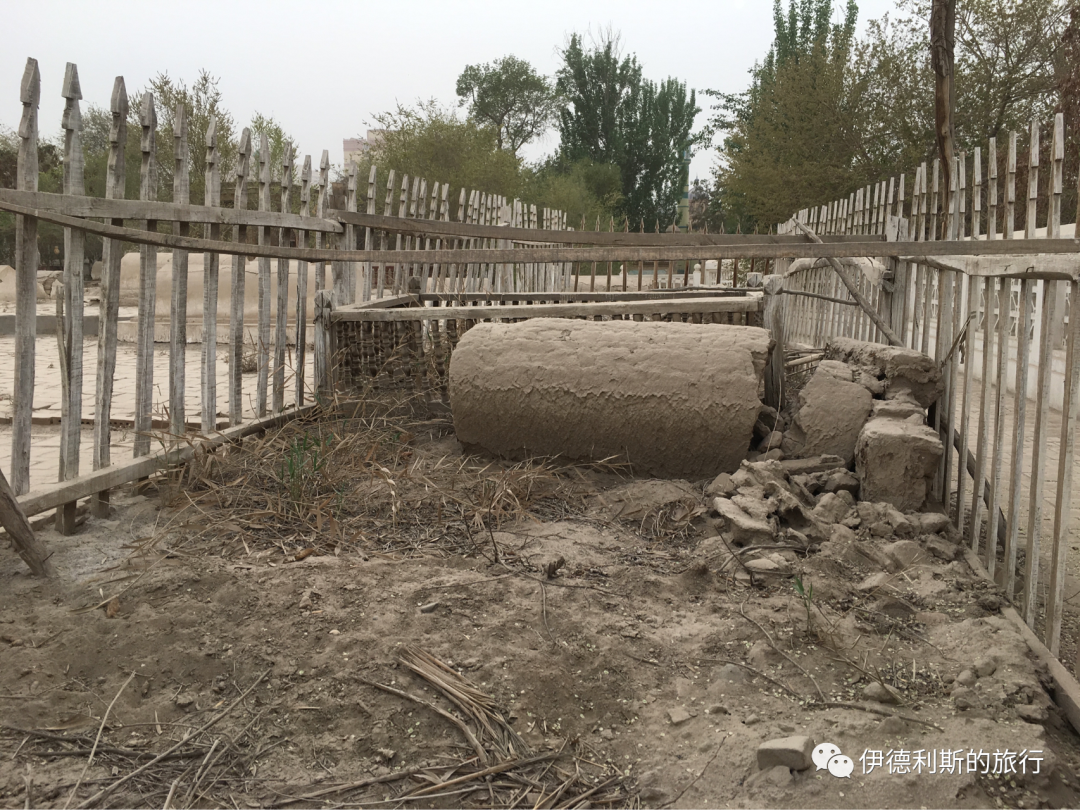
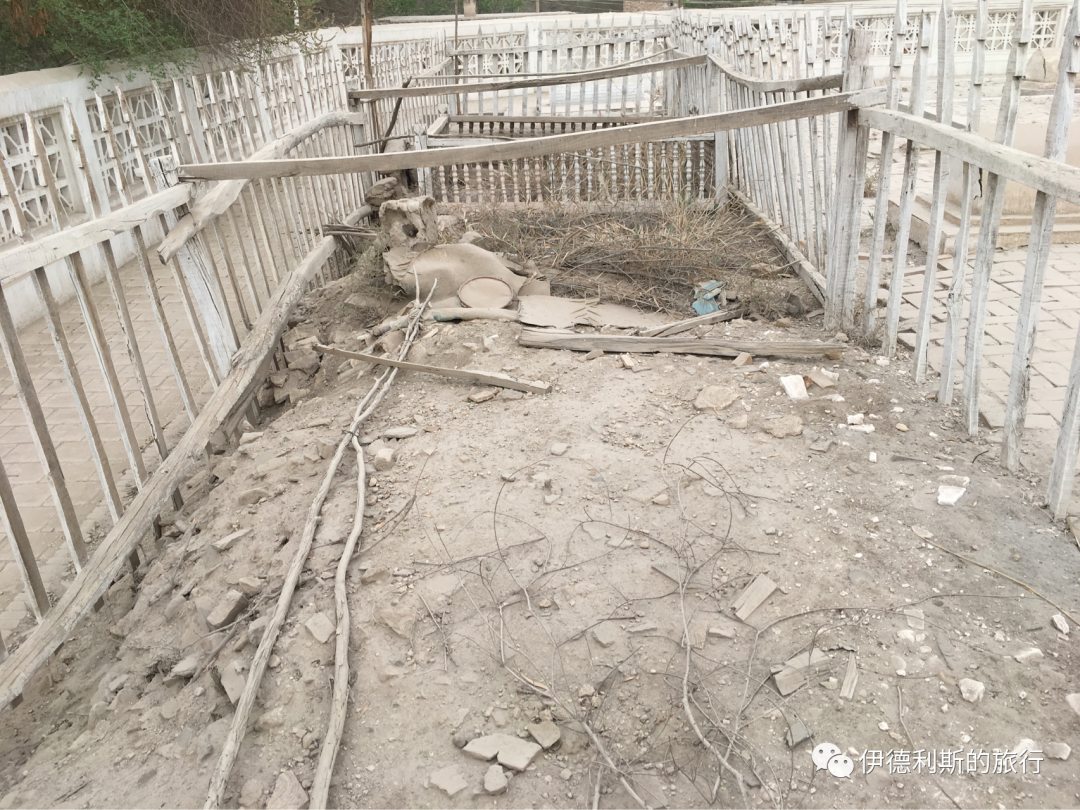
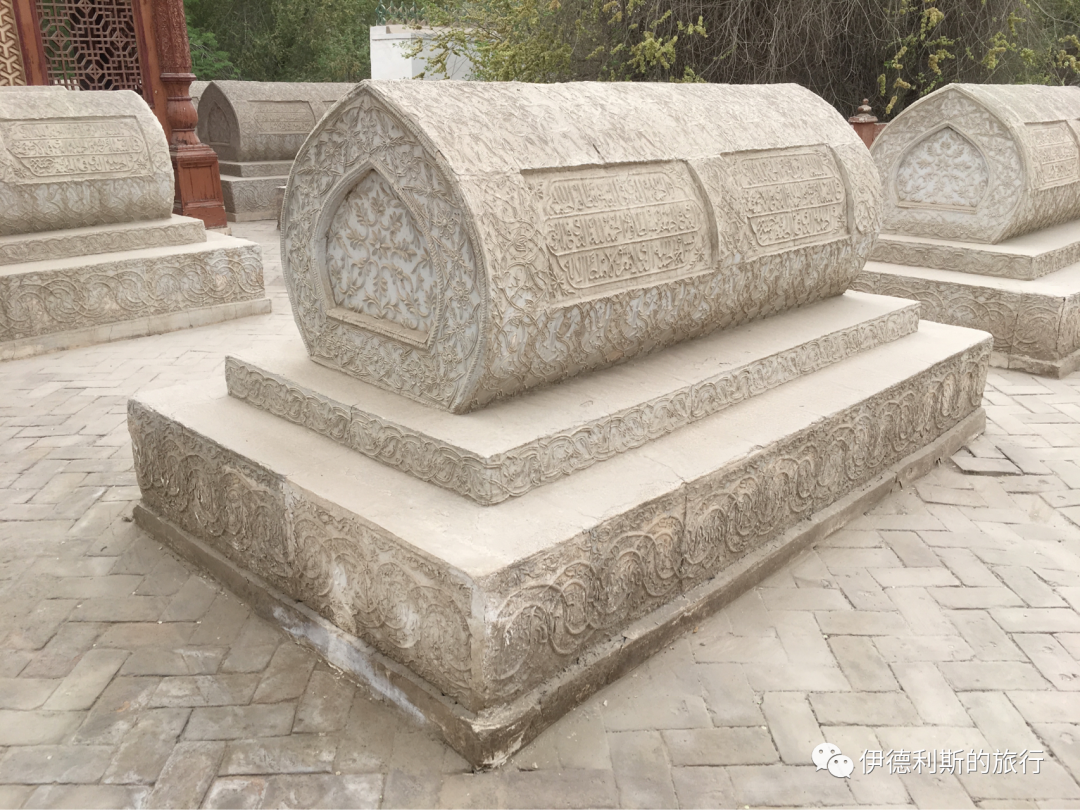
Today's Altun Mazar is the site of the former mausoleum of the Black Mountain Khojas.
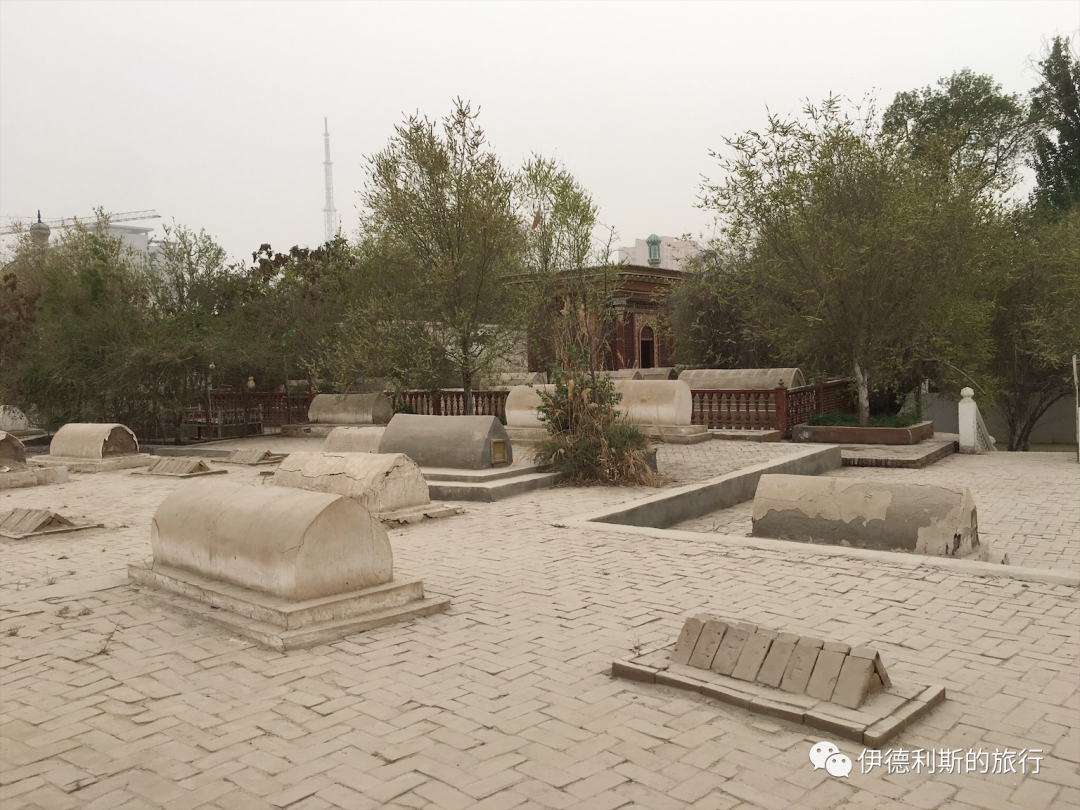
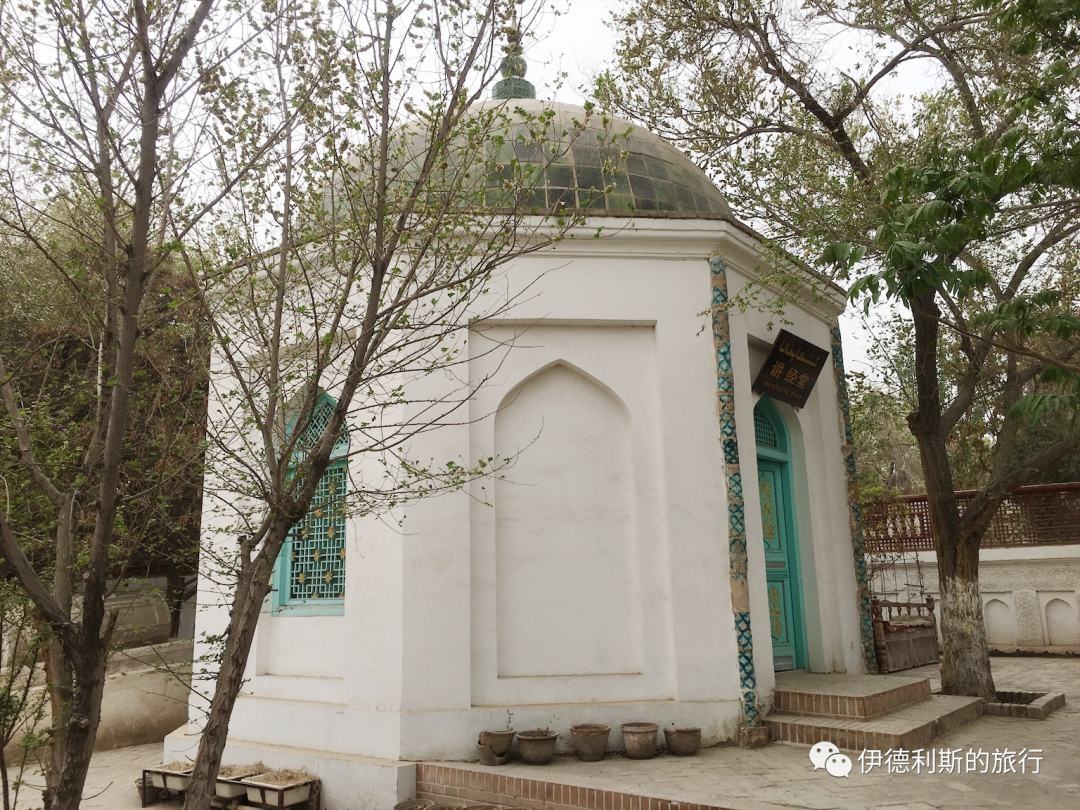
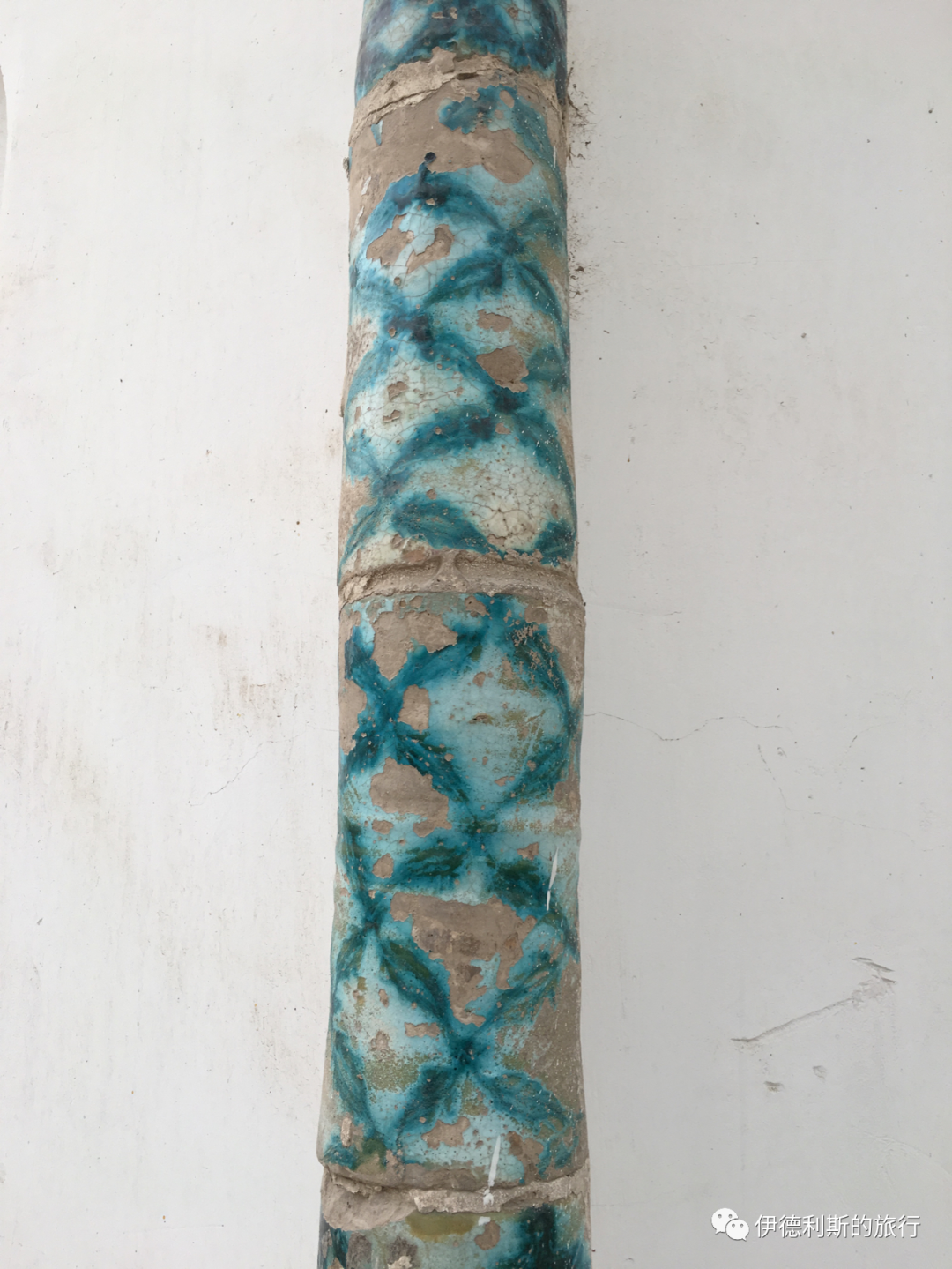
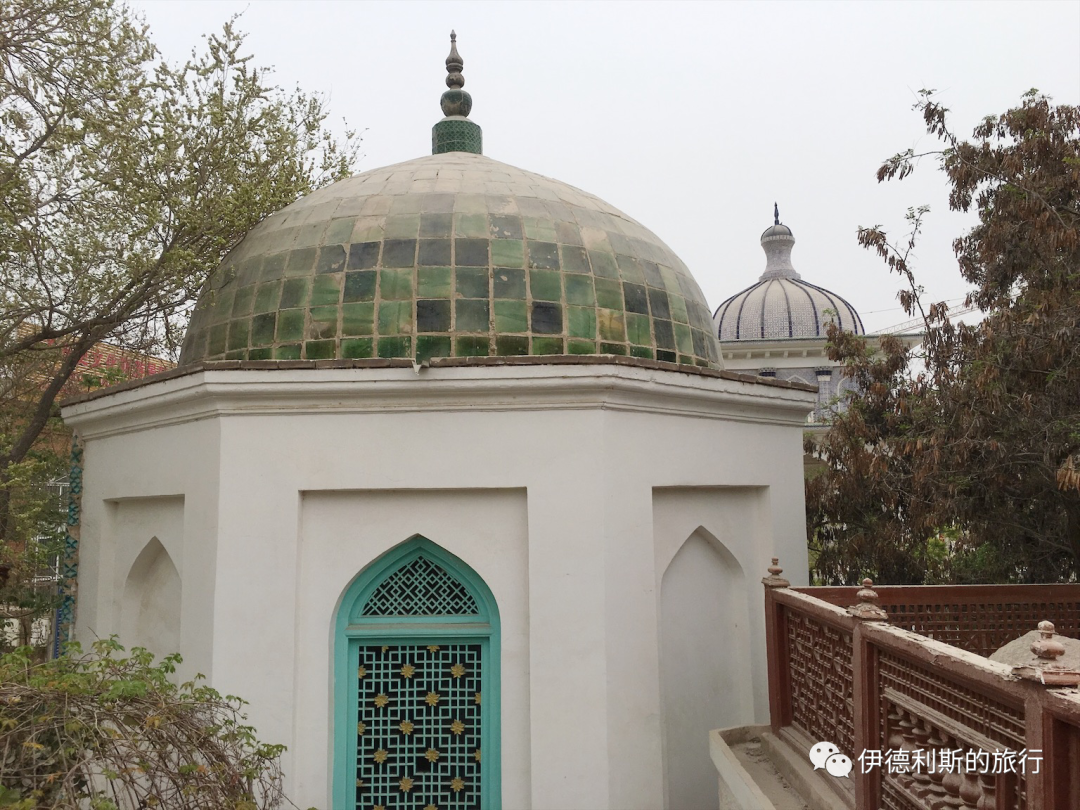
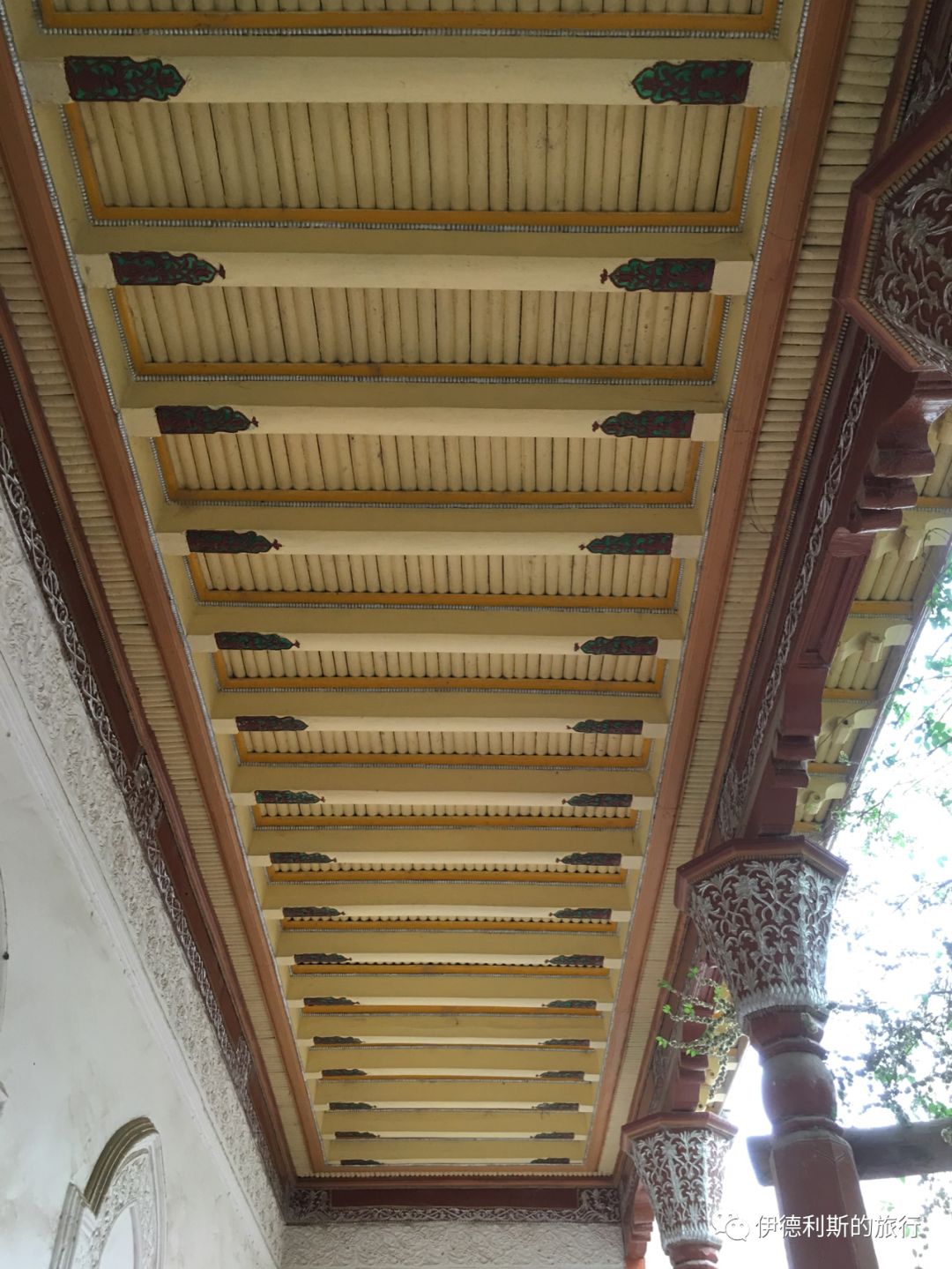
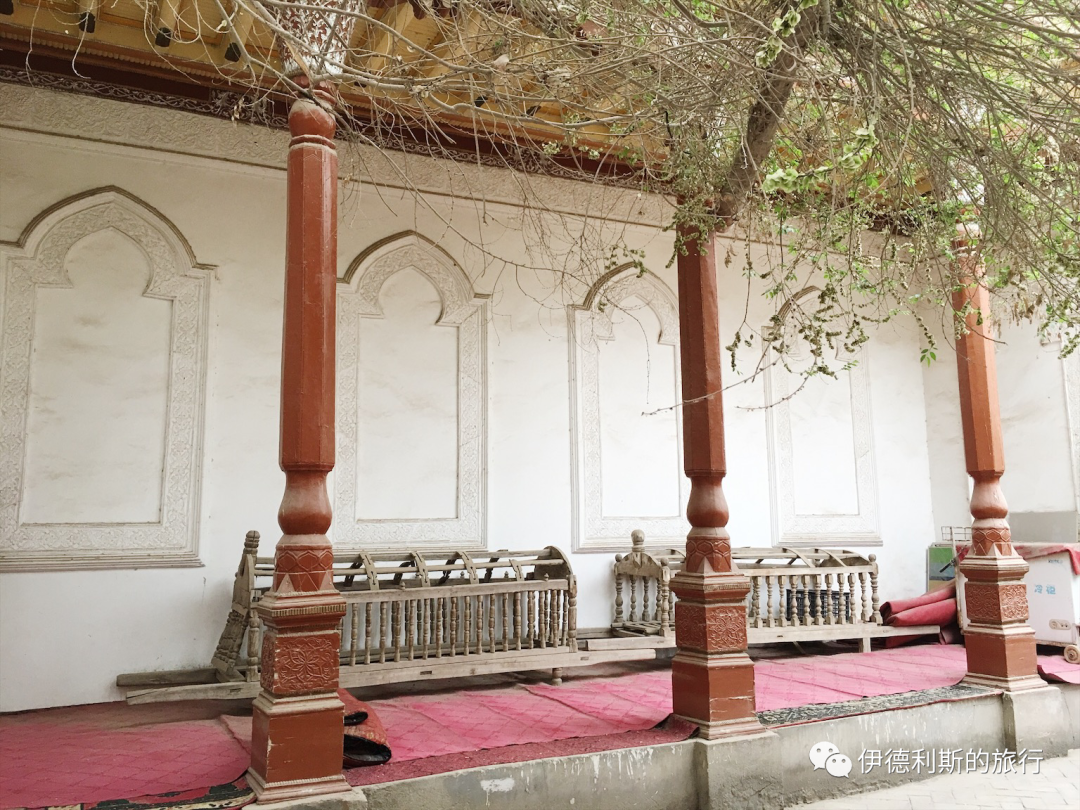
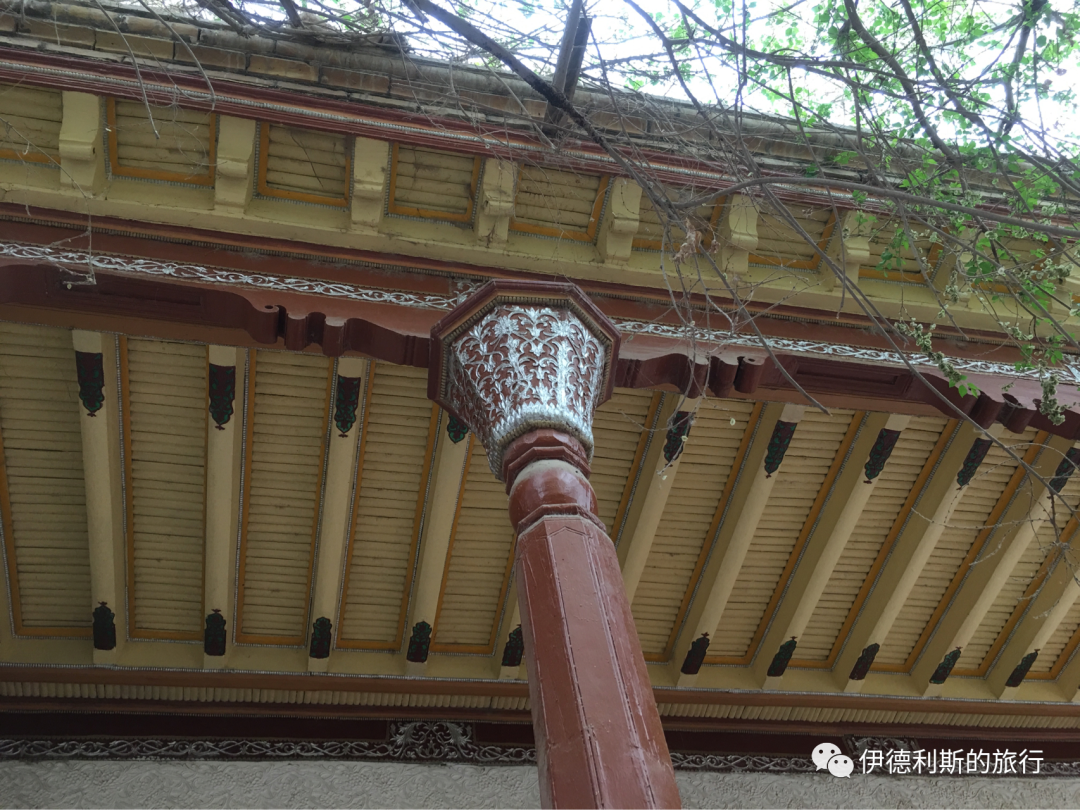
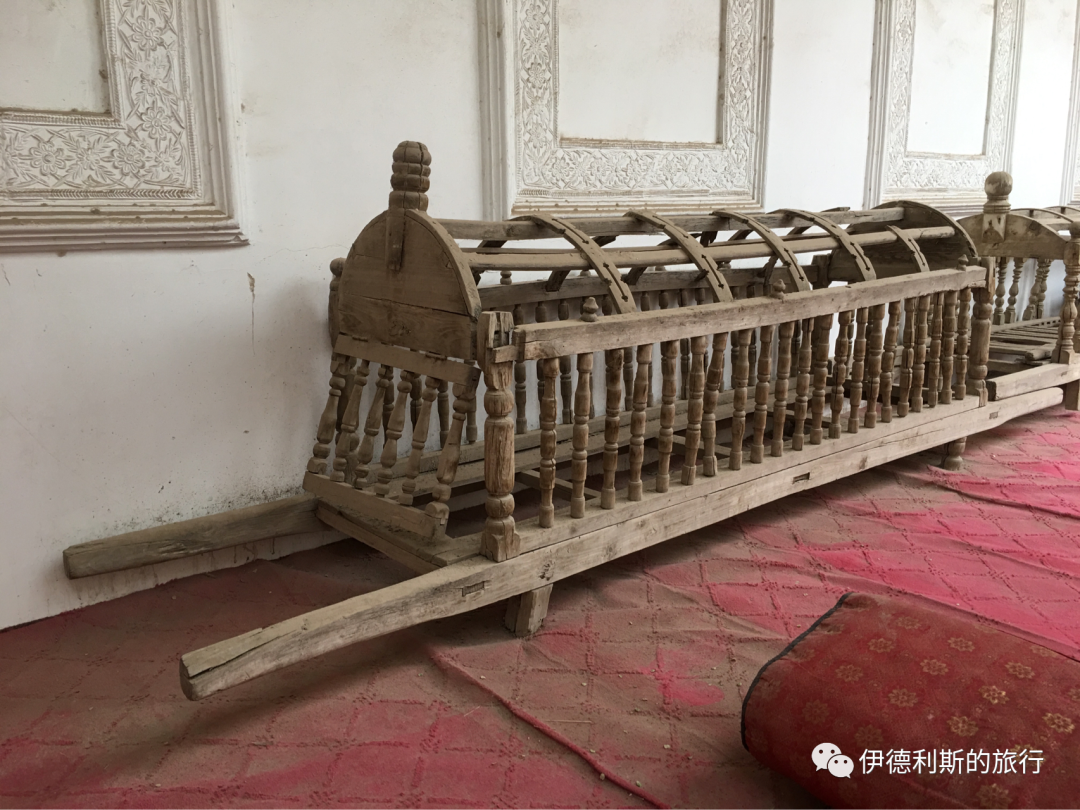
Lecture hall
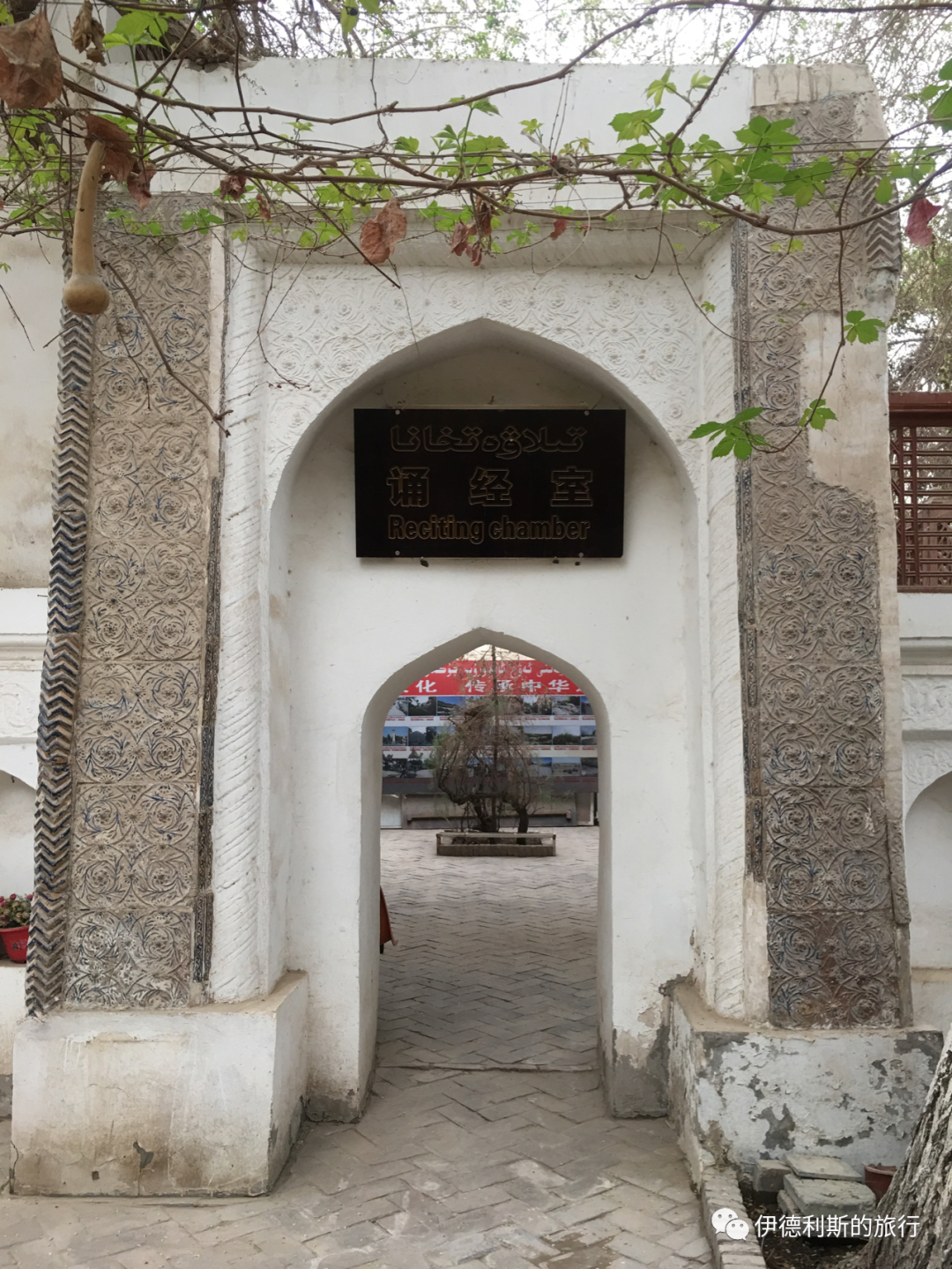
Scripture recitation room
The historical records in this article are mainly compiled from three books: A Brief History of the Islamic Khanates in Xinjiang, An Outline of the History of the Yarkand Khanate, and A History of Islam in China's Xinjiang Region. Additionally, one may refer to Ancient City of Yarkand and Map of Ancient Architecture in Xinjiang.
Summary: This Muslim travel guide China 2026 update keeps the original Yarkand travel notes intact while making the history easier for English readers to follow. It is useful for readers researching halal food in China, Chinese Muslim food, old mosques, and Silk Road Muslim heritage in Xinjiang.
I visited Yarkant in 2018 and recorded some images related to the Yarkent Khanate.
By the end of the Ming Dynasty, the Western Regions were united, with Yarkent being the largest—from the Xinjiang Illustrated Records (Xinjiang Tuzhi).
The Yarkent Khanate was a state established in 1514 by Sultan Said Khan, a descendant of the Eastern Chagatai Khanate royal family. With Yarkent (the city of Shache) as its capital, it ruled southern Xinjiang and surrounding areas for over a hundred years until it was incorporated into the Dzungar Khanate in 1680.
During the Yarkent Khanate's rule over southern Xinjiang, the Chagatai Mongols shifted from a nomadic lifestyle to a settled one and integrated into the Uyghur people. The Uyghur people also gradually developed and formed into a modern ethnic group during this period. Culturally, the Yarkent Khanate period saw the appearance of famous historical works like the History of Rashid (Tarikh-i-Rashidi) and the Chronicles, and the Twelve Muqam was also finalized during this time.
The name Yarkent Khanate is actually a term used by modern scholars. Earlier local documents used the Persian word Moghuliye, which means Mongol State. Around the same time, Sultan Said Khan's cousin Babur established a state in northern India and also used the term Moghul for himself. To distinguish between them, Chinese generally translates them as Mengwu'er and Mowuo'er respectively.
A map of the Yarkent Khanate's territory drawn by SY.
1. A Bumpy Road of Exile
In the second half of the 15th century, the Eastern Chagatai Khanate split again. The founder of the Yarkent Khanate, Sultan Said Khan, was the third son of Ahmad Alaq, the ruler of Uyghurstan (the area around modern-day Turpan) in the eastern part of the Eastern Chagatai Khanate.
1. The First Exile
Sultan Said Khan was born in Turpan in 1487. At age 14 (in 1501), he followed his father to support his uncle, Mahmud Khan, the ruler of the western part of the Eastern Chagatai Khanate, against the Uzbek tribal leader Muhammad Shaybani. The Eastern Chagatai coalition was defeated by Muhammad Shaybani in Tashkent. Sultan Said Khan was shot in the thigh and fell on the battlefield, after which he was imprisoned by the Eastern Chagatai rebels. At the same time, Sultan Said Khan's cousin Babur, the future founder of the Mughal Empire, was also in the coalition. After his defeat, he crossed the mountains and headed to Afghanistan.
The following year, Muhammad Shaybani attacked the Fergana Valley again and released Sultan Said Khan. Muhammad Shaybani felt sympathy for Sultan Said Khan, took him along on military campaigns, and later left him in the city of Samarkand. While Muhammad Shaybani was campaigning in Khwarezm, Sultan Said Khan escaped from Samarkand and made his way back to his uncle Mahmud Khan's camp.
Sultan Said Khan's father died of grief shortly after the defeat, so Sultan Said Khan stayed to serve in his uncle's court. Soon, Sultan Said Khan could not stand his uncle's neglect of state affairs, so he fled the court again to join his younger brother, Khalil Sultan.
A portrait of Muhammad Shaybani drawn around 1507, held by the Uzbekistan Academy of Arts.
2. The Second Exile
Starting in 1504, the 17-year-old Sultan Said Khan and his brother fought against their uncle several times, finally defeating him in 1508. That same year, Sultan Said Khan's older brother, Mansur Khan, the ruler of the eastern part of the Eastern Chagatai Khanate, sent troops from Turpan. The two sides fought a decisive battle in Almaty. After his defeat, Sultan Said Khan set out on the road of exile once again.
Said Khan and a few loyal followers started a thrilling escape. They faced betrayal, robbery, and broken promises before finally disguising themselves to cross the Pamir Mountains. After many hardships, they reached Kabul, Afghanistan, to join his cousin Babur. Said Khan and Babur shared a deep bond, and Said Khan finally found a stable life in Afghanistan for two years.
3. Counterattacking Central Asia
In 1510, Shaybani Khan was defeated and killed in a war against the Safavid dynasty of Iran. The following year, the leaders of all Uzbek tribes held a meeting in Samarkand and decided to kill all Chagatai Mongols in the Transoxiana region of Central Asia. The Chagatai Mongols in Transoxiana learned of this and rose up in rebellion. They sent a letter to Babur in Afghanistan asking for help, so Babur sent his cousin Said Khan to lead an army to their rescue.
In 1511, Said Khan arrived in Andijan, the center of the Chagatai Mongol resistance in the Fergana Valley, where he received a grand welcome. While Said Khan was fighting the Uzbek army, the ruler of the Kashgar Kingdom, Abu Bakr, took the chance to surround the city of Andijan. Said Khan quickly fought back. He faced Abu Bakr in a decisive battle outside Andijan and defeated the enemy despite being outnumbered. Soon after, Babur led his army to occupy Samarkand, forcing the Uzbek troops to withdraw from Andijan.
In 1512, the Uzbek army defeated Babur and recaptured Samarkand. Babur asked for help from the Safavid dynasty of Iran and Said Khan. Said Khan led his army from Andijan to help, but they were blocked on the way. After losing the battle, he had to retreat to Andijan. Soon, the joint forces of Babur and the Safavid dynasty were completely crushed by the Uzbek tribes, and Babur returned to Afghanistan once again.
II. Transoxiana or Southern Xinjiang?
In 1514, after stabilizing their hold on Transoxiana, the Uzbek army prepared to march into the Fergana Valley. After careful thought and discussion, Said Khan realized he could not withstand the Uzbek army's attack. He decided to cross the Tianshan Mountains to Yarkand to fight the easier target, Abu Bakr.
1. Abu Bakr's Yarkand
Let's go back to the 15th century. In 1432, the East Chagatai Khan, Vais Khan, passed away. The Dughlat tribe, which held the actual military power of the Khanate, fell into division. The noble Amirs supported Vais Khan's two sons, Esen Buqa and Yunus Khan (Said Khan's grandfather), and the East Chagatai Khanate split into two parts.
The main figure supporting Esen Buqa was the Dughlat noble Amir Abu Bakr. He defeated Yunus Khan's attacks and began ruling the western part of southern Xinjiang, including Kashgar, Yarkand, Yengisar, and Hotan, starting in the 1460s.
2. Azna Mosque
The Azna Mosque, built during Abu Bakr's rule of Yarkand (1465-1514), still stands in Yarkand today. This mosque has never been rebuilt by later generations and still keeps its original appearance, making it very precious.
The Azna Mosque belongs to the typical Persian-Turkic architectural style. Its design is very similar to the Bibi-Khanym Mosque of the 14th and 15th-century Timurid Empire and the Begampur Mosque of the Delhi Sultanate, though it is smaller in size.
The most unique feature of the Azna Mosque is its 52 domes on the roof. Unfortunately, the mosque is not open to the public, so you can only look at the exterior facade.
3. Qiletan Mazar
Another building said to have been built during the reign of Aba Bakr is the Qiletan Mazar. This mazar was originally an adobe structure, but it was rebuilt with brick and wood during the rule of Yaqub Beg (1865-1877), so it now reflects a 19th-century style. The current building has a mosque on the east side and the mazar on the west side. Because there are seven tombs inside the mazar, it is also called the "Mazar of the Seven Muhammads."
III. Founding the Yarkand Khanate
In the spring of 1514, Sultan Said Khan led his army over the Tianshan Mountains and arrived in Kashgar via the Torugart Pass. At that time, Aba Bakr was recruiting soldiers in Yarkand city. Sultan Said Khan fought a fierce battle outside the city against the Kashgar garrison and defeated them. The enemy closed the gates and refused to come out, so Sultan Said Khan could not take the city and turned to attack Yengisar city instead. Sultan Said Khan besieged Yengisar for two months and finally captured it after six days of intense fighting.
Hearing that Yengisar had fallen, the Kashgar garrison abandoned the city and fled, so Sultan Said Khan marched directly toward Yarkand. When Aba Bakr heard this, he abandoned the city and fled to Hotan, and soon after, Sultan Said Khan entered Yarkand city. On September 3, 1514, Sultan Said Khan officially ascended the throne and established the Yarkand Khanate.
1. Restoring Order
In 1516, Sultan Said Khan reconciled with his older brother, Mansur Khan, the ruler of the eastern part of the Eastern Chagatai Khanate. He agreed to mention Mansur's name during the khutbah (sermon) and to mint coins bearing Mansur's name. Southern Xinjiang welcomed long-lost peace and order that year. The Tarikh-i-Rashidi describes it this way:
The reconciliation of these two brothers resulted in safety and prosperity for the residents, such that anyone could travel alone between Hami in China and the Fergana region without needing provisions or fearing robbery.
2. Palace Ruins
Today in the old city of Yarkand (Shache), there is a site called "Ordakul," which means "palace pond." This is very likely the location of the Yarkand Khanate's royal palace. The Tarikh-i-Rashidi describes Yarkand city during the early period of the Yarkand Khanate like this:
They diverted rivers into the city and built gardens... The main roads people walked on were tree-lined paths of white poplar. So when people walked around the city, they could spend half their journey under the shade of these trees, and most of the tree-lined paths had water channels on both sides.
Ordakul
Ordakule Mosque
3. Jiaman Mosque
To the west of Ordakule is Jiaman Mosque. Jiaman is also translated as Jumu'ah, which refers to the weekly Friday congregational prayer. This is the most important prayer of the week for Muslims and is usually held at the largest mosque in a community.
Jiaman Mosque was reportedly first built by Sultan Said Khan and later expanded during the reign of Abdullah Khan (1638–1669). The mosque gates are locked tight outside of prayer times, and the uncle who looks after the place said he does not have a key either.
4. Settled or Nomadic?
After settling down in the oases of southern Xinjiang, many Chagatai Mongols began to complain about city life and missed the nomadic life on the grasslands of their homeland, Moghulistan, more and more. the small pastures in the southern Xinjiang oases could not support the needs of the Mongol army. In 1522, Sultan Said Khan sent his son, Abdurashid Khan, to lead troops into Moghulistan, where they occupied the Kyrgyz people living there.
In 1526, the Kazakhs entered Moghulistan and joined forces with the Kyrgyz, reaching a total of over 200,000 people. Sultan Said Khan realized his strength was not enough to fight them, so he had to order all the Chagatai Mongols to return to southern Xinjiang. The Chagatai Mongols' five-year attempt to return to their homeland for a nomadic life ended in failure.
5. The Death of Sultan Said Khan
After the failure in the north, Sultan Said turned to attack the south. In 1529, Sultan Said Khan raided the Badakhshan region, which sat between the Yarkent Khanate and the Mughal Empire. This raid caused conflict between Sultan Said Khan and his cousin, Emperor Babur. Emperor Babur wrote a letter to Sultan Said Khan warning him that if he continued, "you will know the rest for yourself."
In 1532, Sultan Said Khan personally led his army south to prepare for an expedition to Lhasa. While crossing the Karakoram Mountains, Sultan Said Khan suffered from severe altitude sickness and lost his strength. In 1533, he decided to return to Yarkent to recover, but he died from altitude sickness while crossing the Karakoram Mountains again.
After Sultan Said Khan died in 1533, his son, Abdurashid Khan, succeeded him. Abdurashid Khan built a mausoleum for his father at the west gate of Yarkent city. Later, this place also became the royal tomb for the Yarkent Khanate.
The current mausoleum of Sultan Said Khan was rebuilt in 1997.
The Altun Mosque (Altun Qingzhensi) next to the royal tombs was also built in 1533, though its current appearance dates to renovations in 1735. The Altun Mosque is currently closed to visitors.
4. Yarkant and Muqam
During the reign of Rashid Khan, foreign wars decreased significantly while the success rate of those fought increased. The national situation stabilized, and social, economic, and cultural life began to recover.
According to the History of Musicians (Tavārikh-i mūsīqiyyūn) written in 1853 by the Khotan scholar Mulla Ismatulla Mujizi, Queen Amannisa Khan and the chief court musician Kidirhan organized a group of talented musicians, singers, and poets during Rashid Khan's reign to collect and organize Muqam music from various regions. This effort resulted in the compilation of 16 Muqam suites, including one set each processed by Amannisa Khan and Kidirhan.
During the Yarkant Khanate, Muqam existed only in the form of the grand suite known as Qong Neghma. In 1879, musicians from Kashgar and Yarkant reorganized the Muqam again, adding folk narrative poems called Dastan and song-and-dance performances known as Mexirep, which made the Muqam structure much larger. In the 1950s, the Xinjiang Military District Cultural Department recorded the complete Twelve Muqam as performed by the master Turdi Akhun. After editing and compilation, the musical scores were officially published in 1960, finalizing the form of the Twelve Muqam.
A new tomb for Amannisa Khan was built in the 1990s at the entrance to the Yarkant Royal Tombs.
A statue of Amannisa Khan in the park.
The tomb of Kidirhan is located within the Yarkant Royal Tombs.
I am grateful to Mr. Ilham, director of the Yarkant Muqam Heritage Center, for this trip to Yarkant and for letting us enjoy performances by the masters of the Yarkant Twelve Muqam.
5. The Prosperous Chamber of Commerce
Between 1603 and 1604, the Portuguese Jesuit missionary Bento de Góis visited the city of Yarkant. In the book 'China in the Sixteenth Century: The Journals of Matthew Ricci,' Bento de Góis's travel records note that because merchants gathered there frequently to sell a wide variety of goods, Yarkant became the capital of the Kashgar Kingdom (Yarkant Khanate) and a major commercial hub. Caravans from Kabul would disband here to form new ones heading toward Cathay.
At that time, there were two main international trade routes passing through Yarkant, forming a T-shape:
The east-west route connected Central Asia with the Chinese heartland: Bukhara—Samarkand—Kashgar—Yarkant—Aksu—Kuqa—Turpan—Hami—Suzhou (Jiuquan).
The north-south route connected Xinjiang with India: Yarkant—Kashgar—Pamir—Kabul—Lahore—Delhi.
The Yarkant Bazaar today.
6. The Center of the Black Mountain Sect—Altun Mazar
1. The Black Mountain Sect controls the Yarkant Khanate.
The reigns of the first three rulers of the Yarkant Khanate—Sultan Said Khan (1514-1533), Abdurashid Khan (1533-1560), and Abdul Karim Khan (1560-1591)—are known as the 'Golden Age' of the Yarkant Khanate, a time when the monarchs were diligent and focused on economic and cultural development.
During the reign of the fourth ruler, Muhammad Khan (1591-1610), the Khoja family of the Black Mountain faction (Qara Taghliq) of the Naqshbandi Sufi order, which rose in the Transoxiana region, began to hold real power. This marked the decline of the Yarkand Khanate.
In 1596, Khoja Muhammad Ishaq Wali of the Black Mountain faction sent his son, Khoja Shadi, to Yarkand to become Muhammad Khan's mentor. From then on, Yarkand became the center of the Black Mountain faction, and the Yarkand Royal Mausoleum, known as Altun Mazar, became the burial place for the Black Mountain Khojas.
2. The White Mountain faction defeats the Black Mountain faction
In the 1630s, Khoja Muhammad Yusuf of the White Mountain faction (Aq Taghliq), another branch of the Naqshbandi order, arrived in Kashgar. He used Kashgar as a base to oppose the rule of the Black Mountain faction, plunging the Yarkand Khanate into conflict between the two groups.
In 1680, Afaq Khoja of the White Mountain faction led the army of Galdan of the Dzungar Khanate to capture Yarkand. Khoja Abdullah of the Black Mountain faction fled to India, and Yarkand fell into the hands of the White Mountain faction.
However, shortly after Afaq Khoja died in 1694, the White Mountain faction fell into internal strife. In 1697, Galdan was defeated by the Qing army and committed suicide. Afterward, the Dzungar Khanate could no longer control southern Xinjiang, and the exiled Black Mountain Khoja, Khoja Daniyal, returned to Yarkand.
3. The Black Mountain faction under the Dzungar Khanate
In 1713, the Dzungar Khanate, having regained its strength, marched south to attack Yarkand. Khoja Daniyal surrendered without a fight and was taken to Ili. Because he was relatively loyal to the Dzungar Khanate, Khoja Daniyal was appointed by them in 1720 as the ruler of the four cities: Yarkand, Kashgar, Aksu, and Hotan. After Khoja Daniyal died in 1730, he was buried in Altun Mazar.
After Khoja Daniyal's death, the Dzungar Khan Galdan Tseren divided power by giving Yarkand, Kashgar, Aksu, and Hotan to each of Khoja Daniyal's four sons. Khoja Chagan ruled Yarkand.
After Galdan Tseren died in 1745, the Dzungar Khanate fell into intense infighting. Khoja Yusuf, the Black Mountain leader ruling Kashgar, broke away from Dzungar rule in 1754 and unified the entire southern Xinjiang region.
4. The fall of the Black Mountain faction.
In 1755, the Qing dynasty captured Ili. The White Mountain Khoja brothers, who had been held in Ili by the Dzungar Khanate, surrendered to the Qing. The Qing sent the elder Khoja, Khoja Burhan-ud-din, to lead an army into southern Xinjiang. He occupied most of the region, leaving the Black Mountain faction with only the isolated city of Yarkand. After fierce fighting, betrayals, wavering loyalties, and massacres, Yarkand was finally captured. The entire Black Mountain Khoja family was killed, and the faction exited the stage of history.
Today's Altun Mazar is the site of the former mausoleum of the Black Mountain Khojas.
Lecture hall
Scripture recitation room
The historical records in this article are mainly compiled from three books: A Brief History of the Islamic Khanates in Xinjiang, An Outline of the History of the Yarkand Khanate, and A History of Islam in China's Xinjiang Region. Additionally, one may refer to Ancient City of Yarkand and Map of Ancient Architecture in Xinjiang.
