
Muslim Travel Guide Beijing Winter Diary: Mosques, Halal Food and Hui Muslim Heritage (Part 1)
Reposted from the web
Summary: Beijing Winter Diary — Mosques, Halal Food and Muslim Heritage is presented here as a firsthand travel account in clear English, beginning with this scene: Everything I ate in Beijing between December 2021 and February 2022, starting with the resumption of Jumu'ah prayers in Beijing and ending with the Night Journey (Isra and Mi'raj) dinner. The account keeps its focus on Beijing Mosques, Halal Food, Muslim Heritage while preserving the names, places, food, and historical details from the Chinese source.
Everything I ate in Beijing between December 2021 and February 2022, starting with the resumption of Jumu'ah prayers in Beijing and ending with the Night Journey (Isra and Mi'raj) dinner. Thinking about winter during the summer, it feels so good to dine in at restaurants.
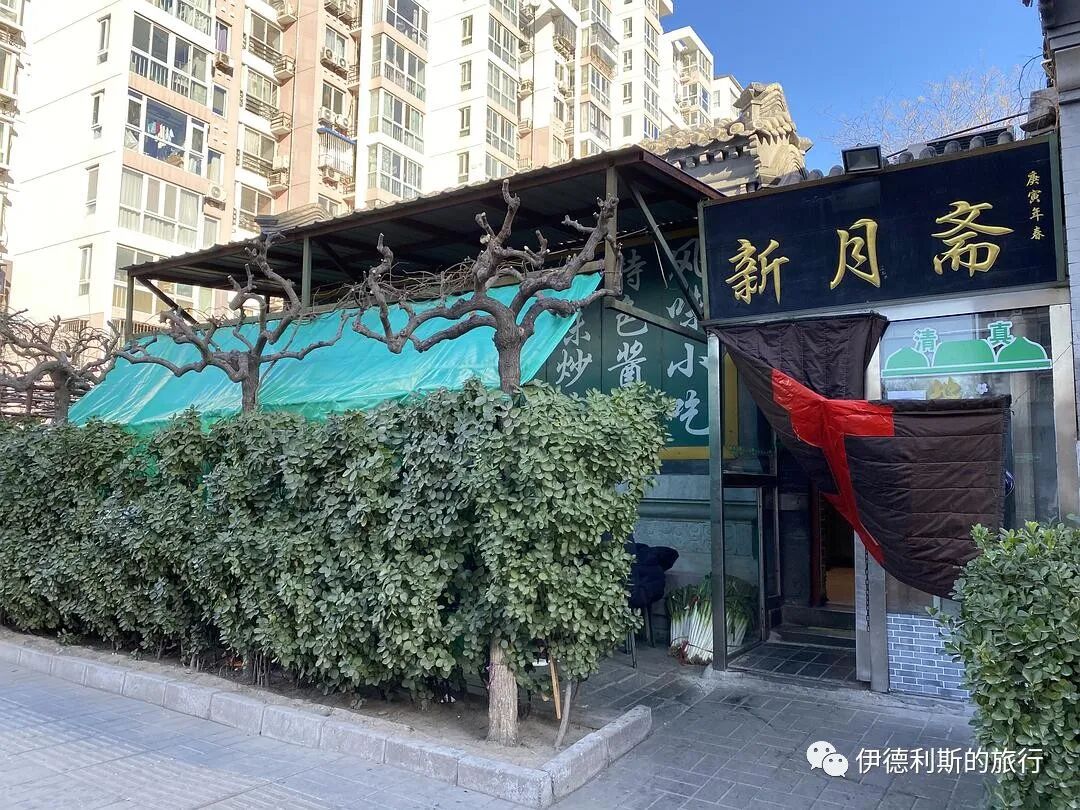
December 3, Xinyuezhai at Douban Hutong.
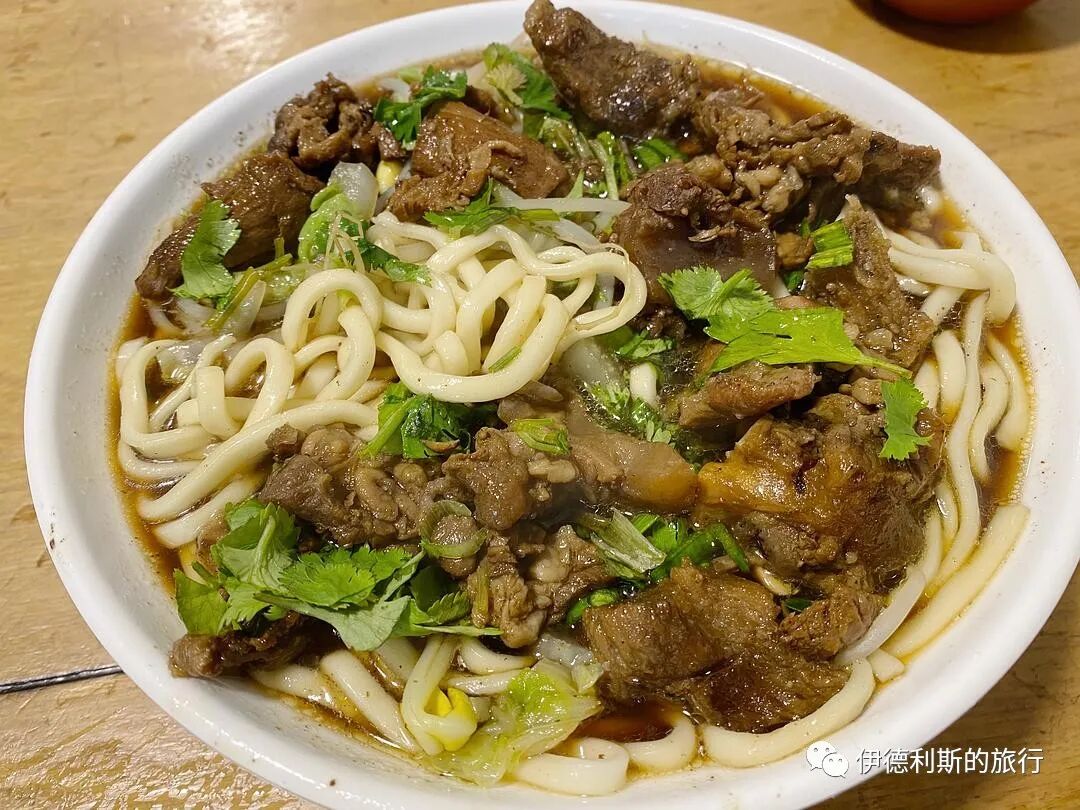
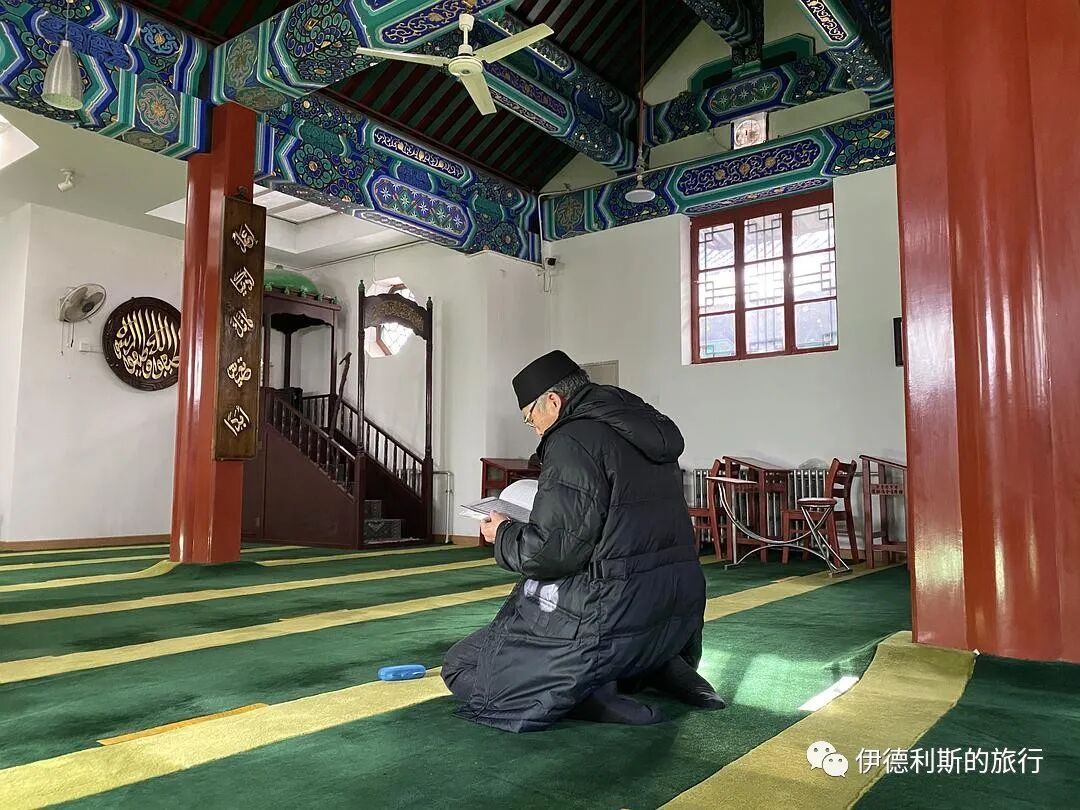
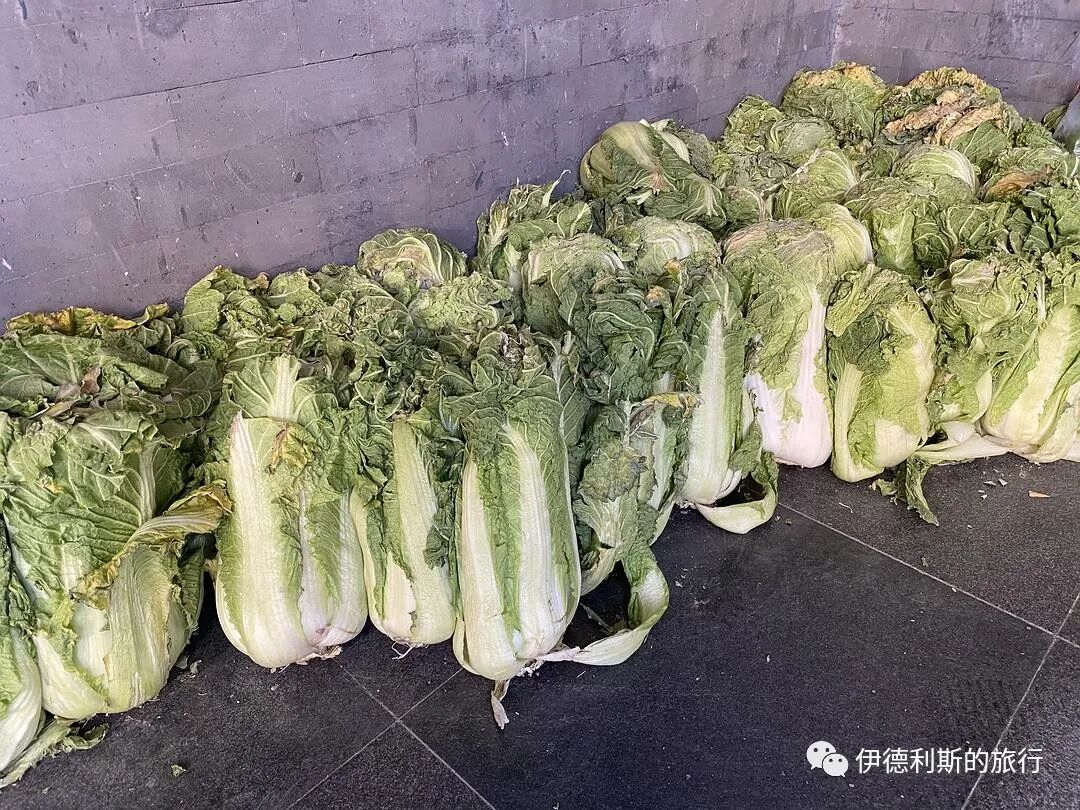
Alhamdulillah, the mosques in Beijing have finally opened. I attended Jumu'ah at Nandouyacai Mosque, then went to the nearby Xinyuezhai for beef noodles and a small bowl of beef.
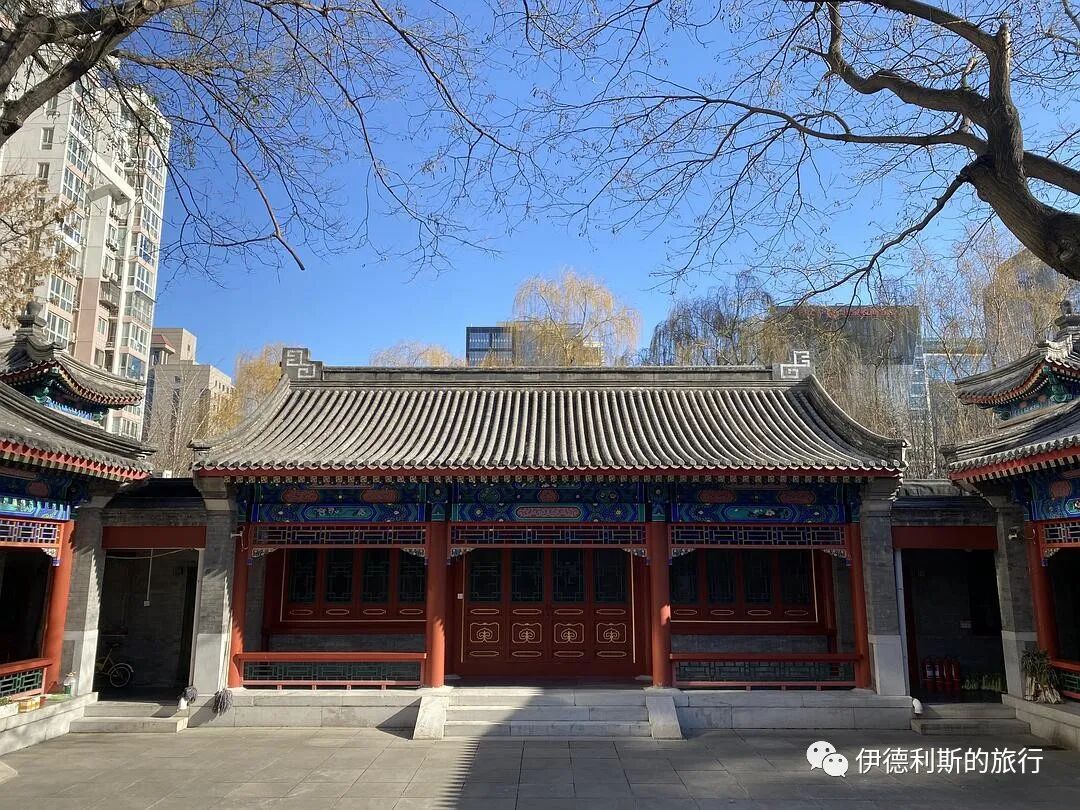
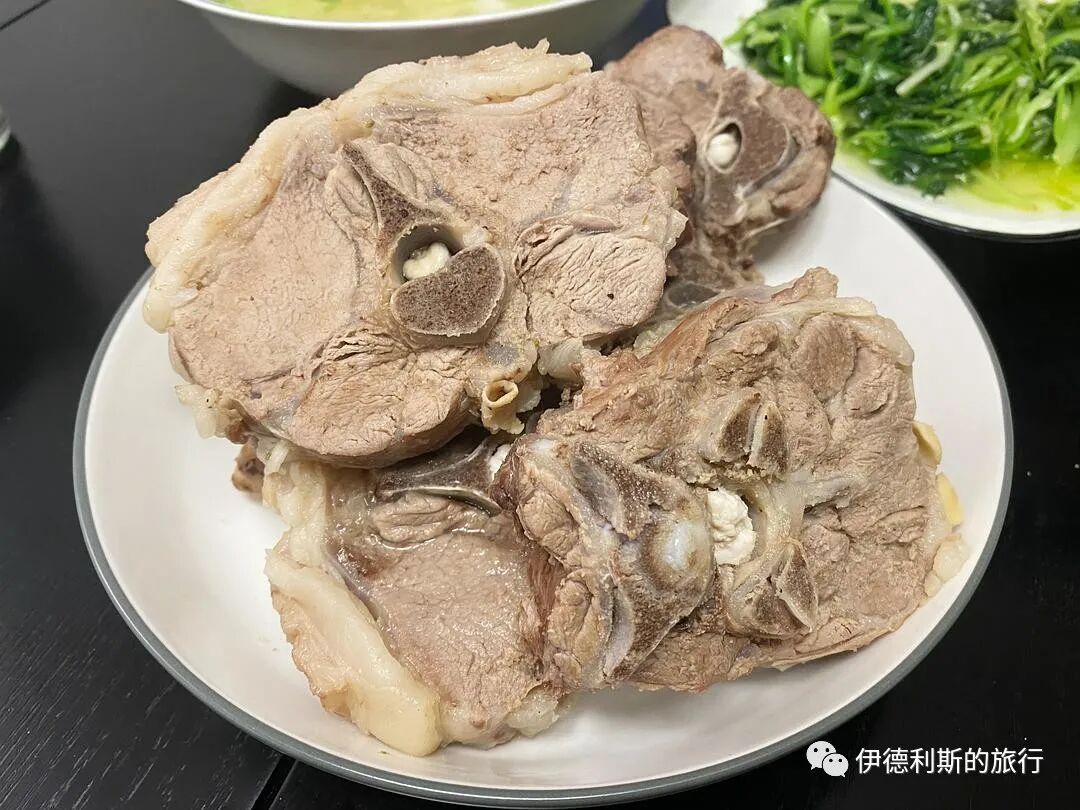
December 4, clear-stewed lamb spine (yangxiezi).
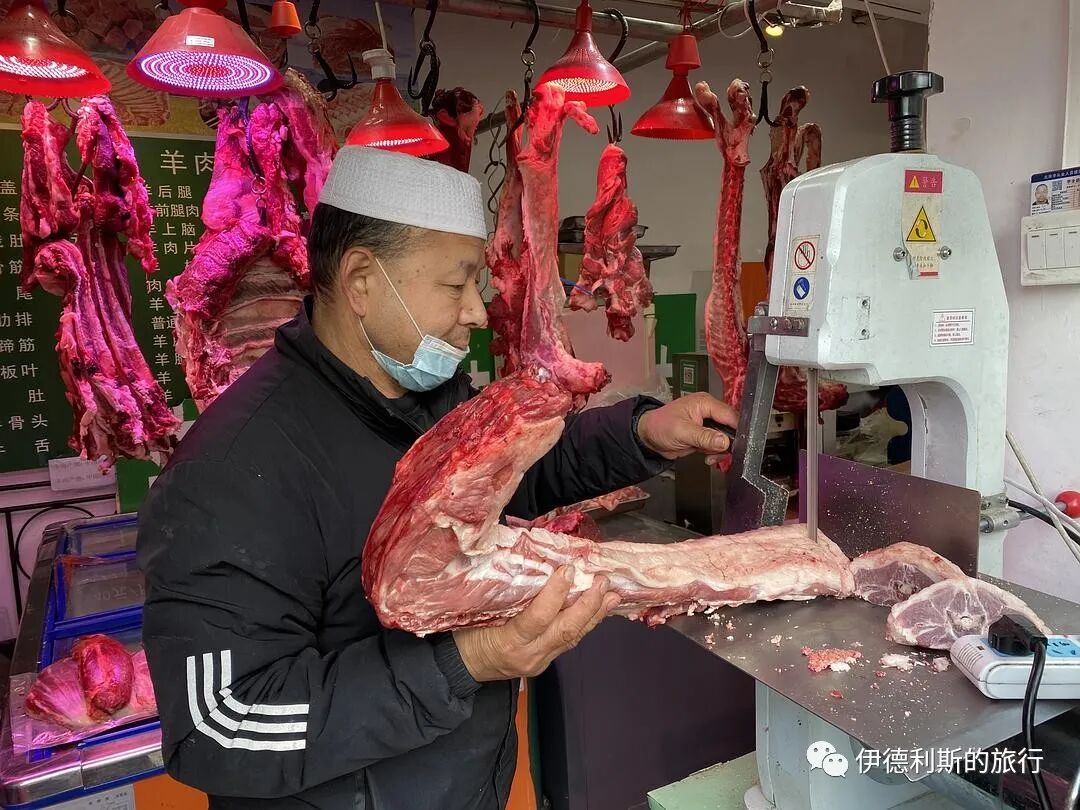
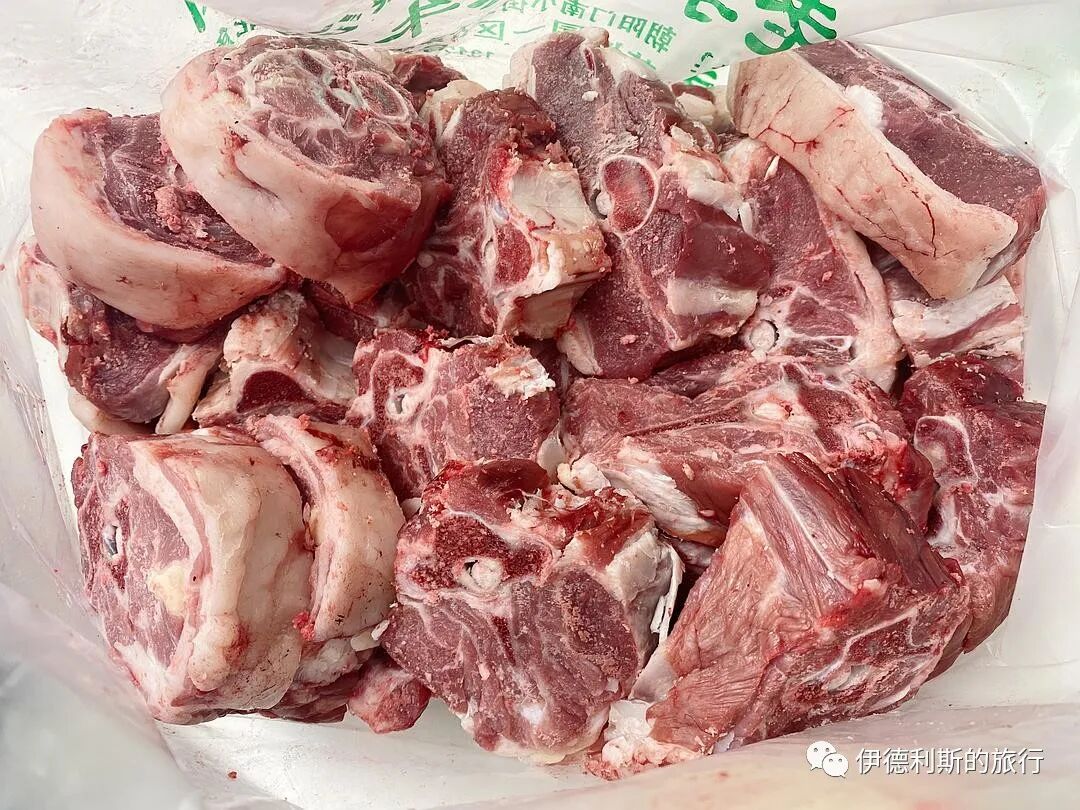
I bought some lamb spine at the entrance of the Chaoyangmen Life Supermarket and made clear-stewed lamb spine at home.
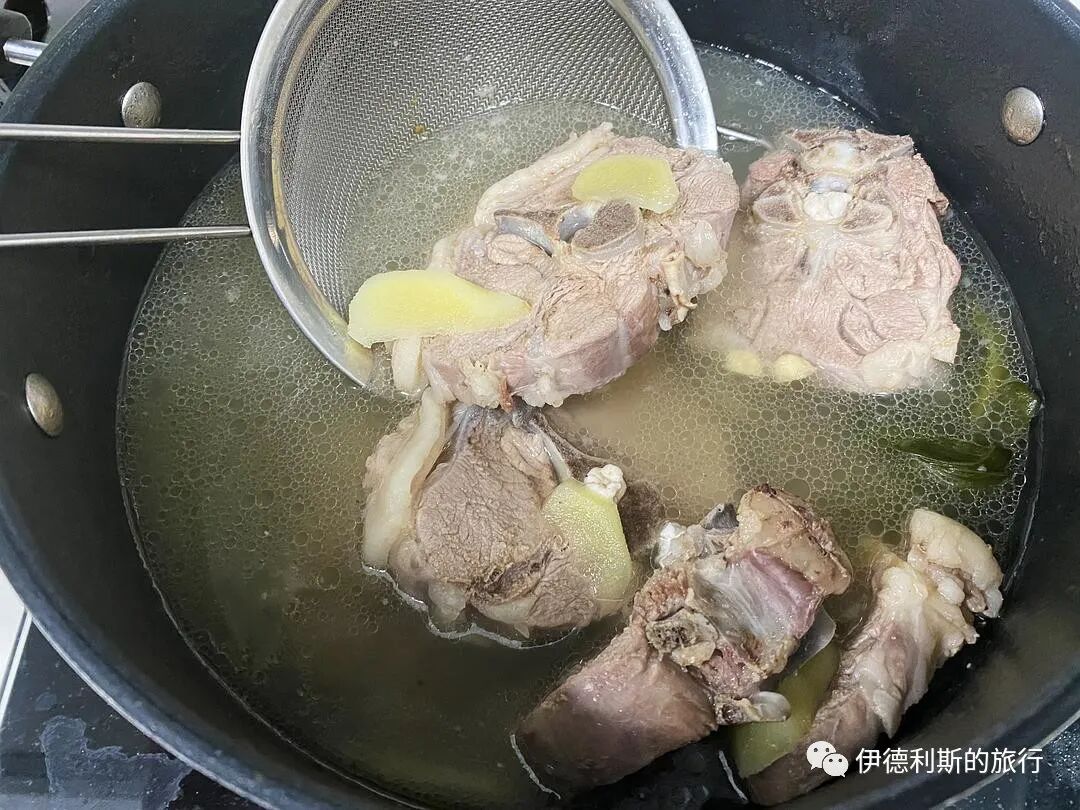
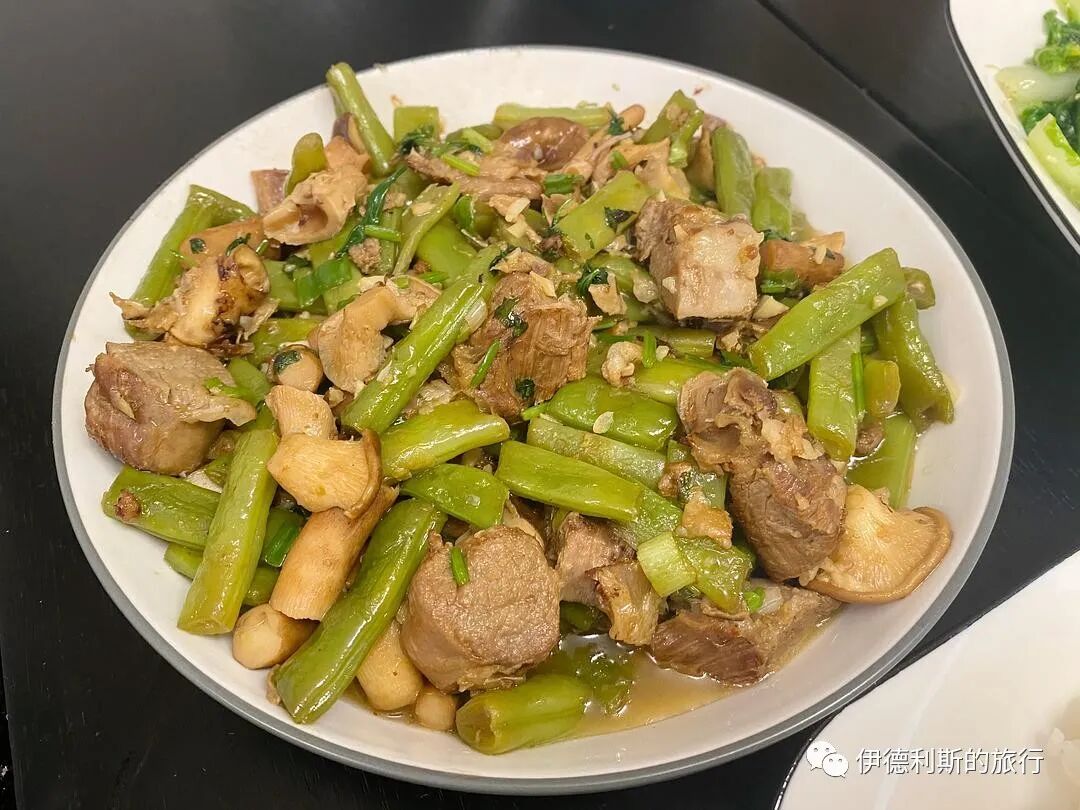
You can add green beans and mushrooms to the leftover clear-stewed lamb spine.
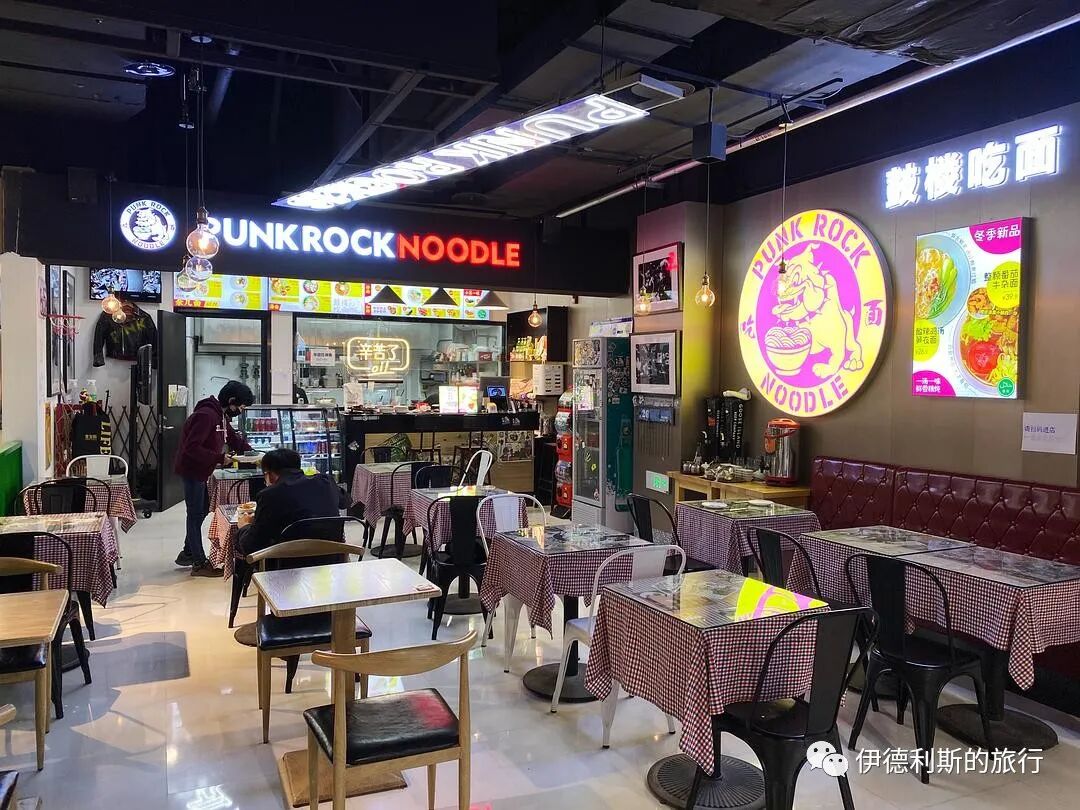
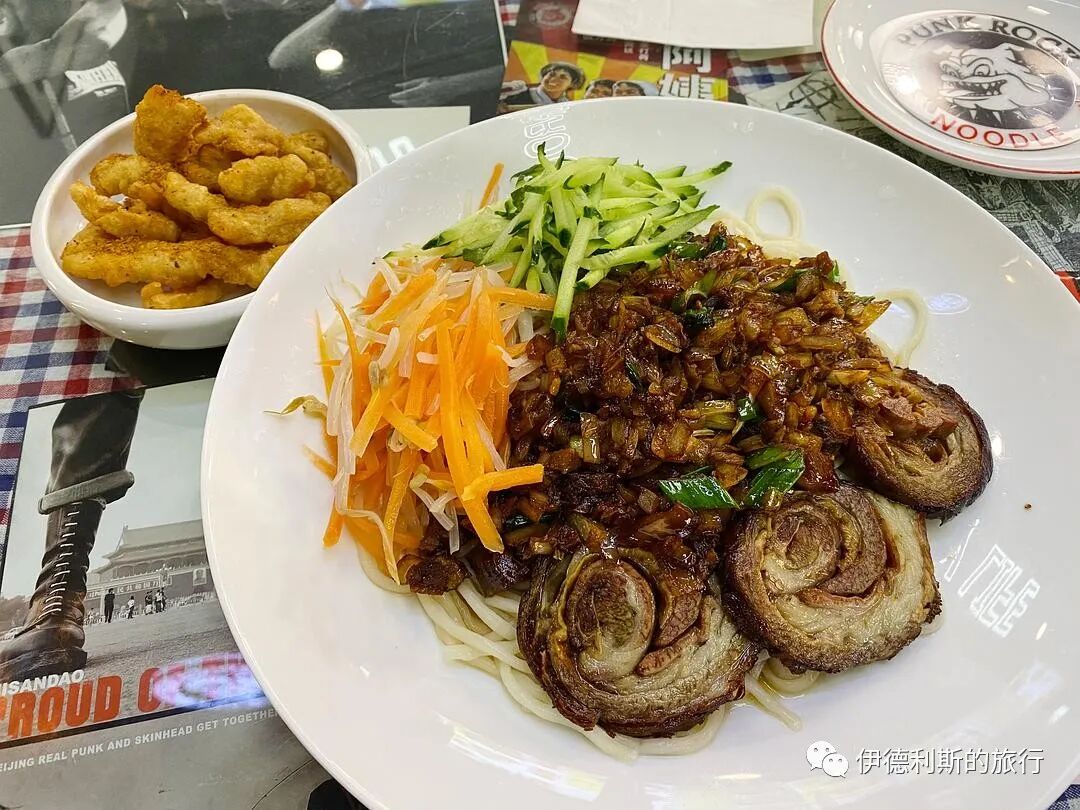
December 9, Gulou Chimian at Jinbao Street.
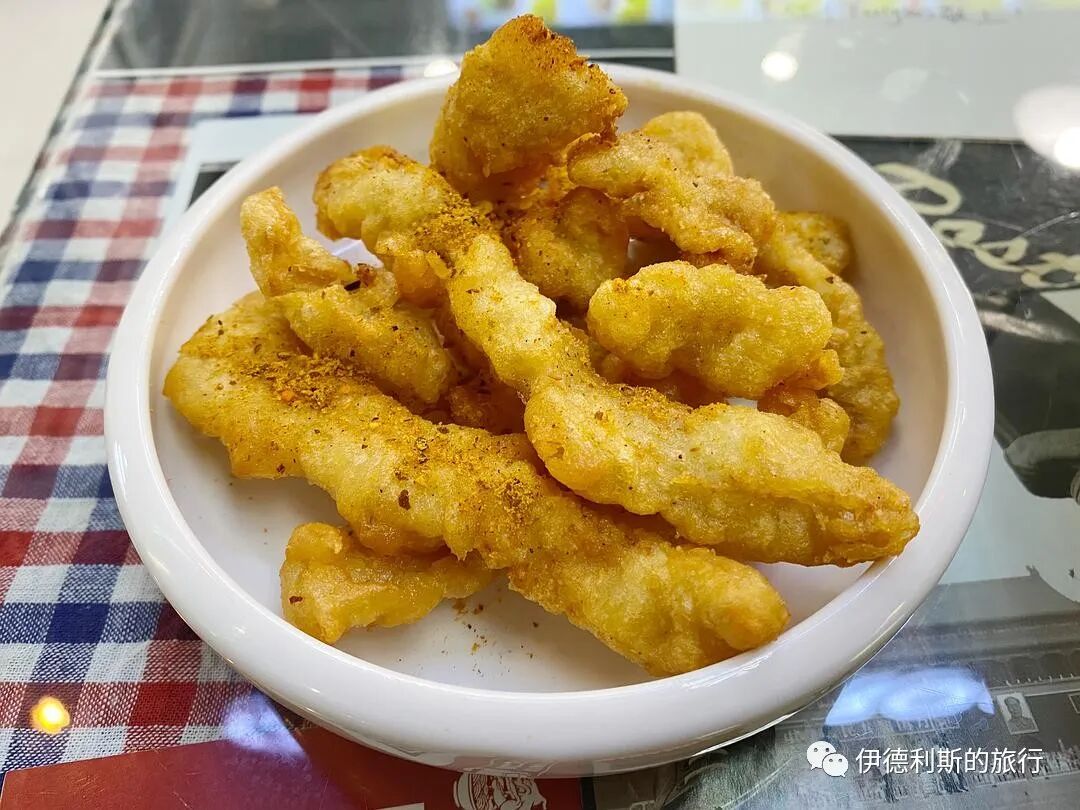
After work, I went to Gulou Chimian on Jinbao Street to have my favorite braised lamb and Sichuan peppercorn noodle soup (huajiao cuamian). I never get tired of it, and even though they have so many kinds of noodles, I rarely try anything else. I also had the newly added deep-fried crispy pork (xiaosurou), which was quite fragrant and worth ordering again.
December 10, Longxianghui's flatbread stew (hubo).
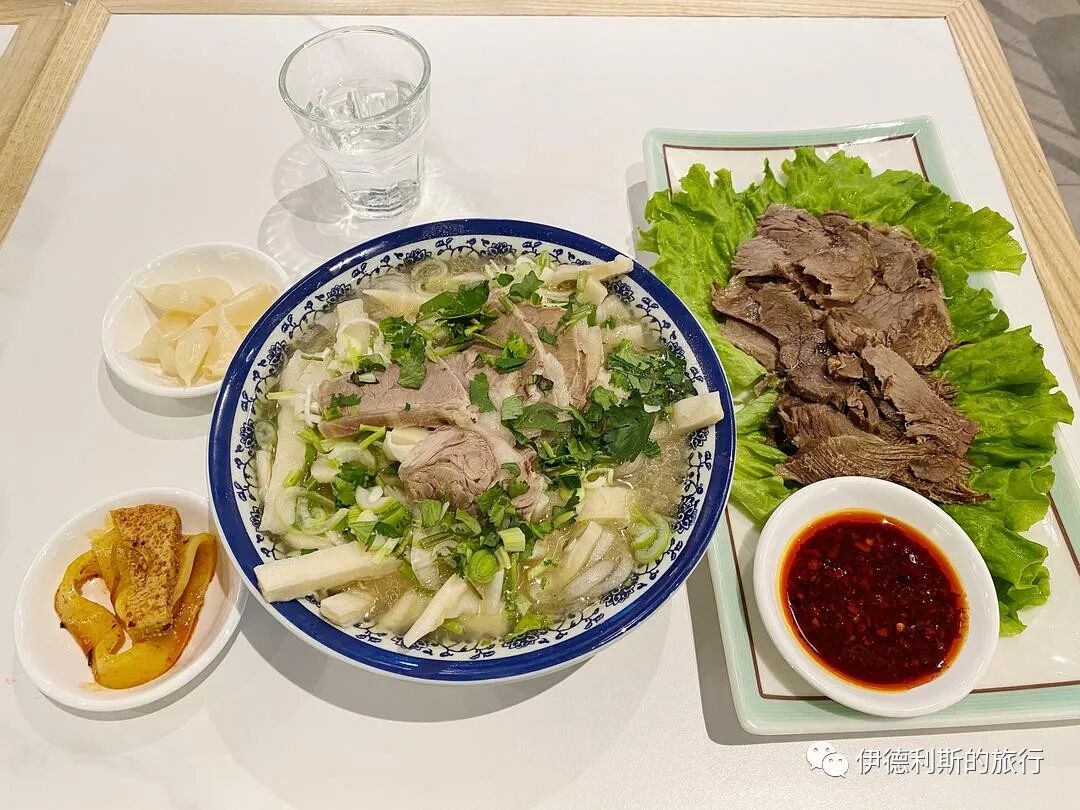
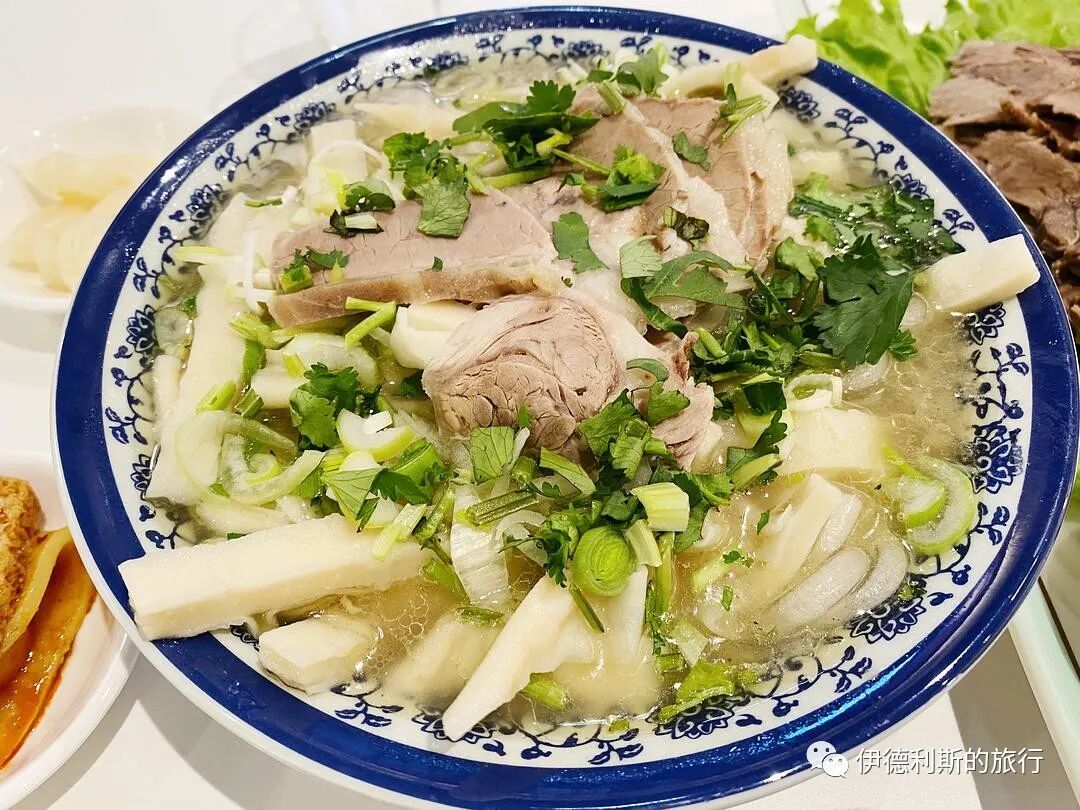
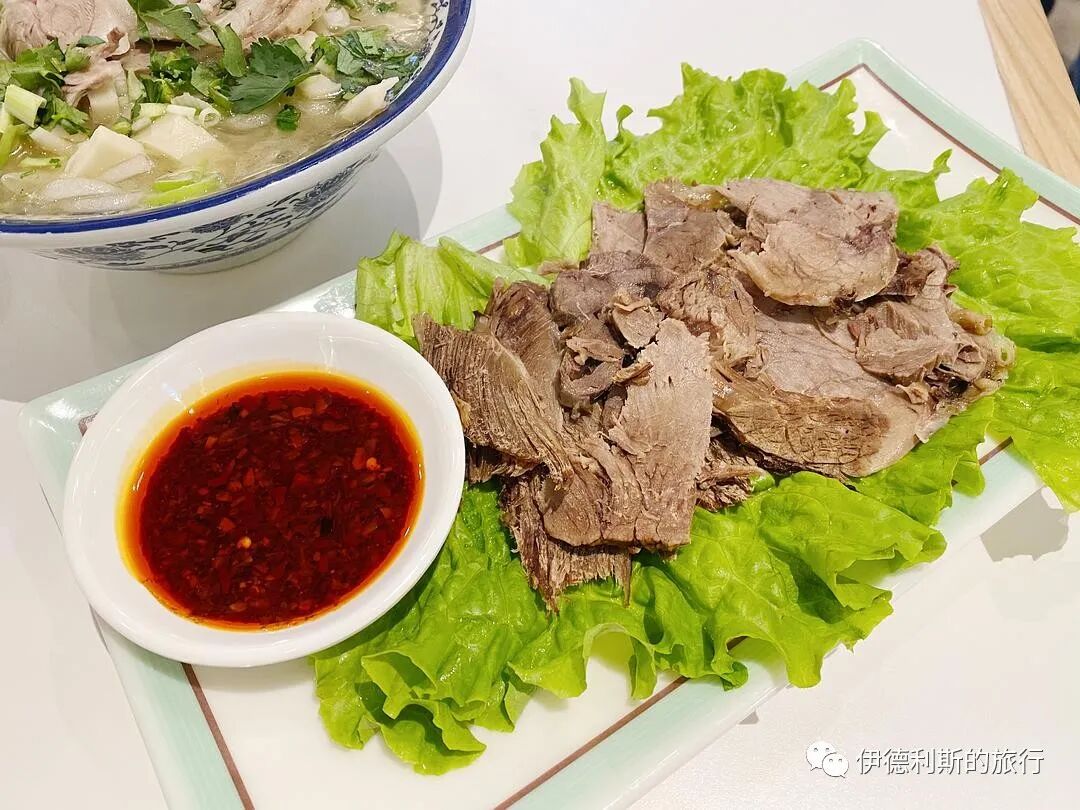
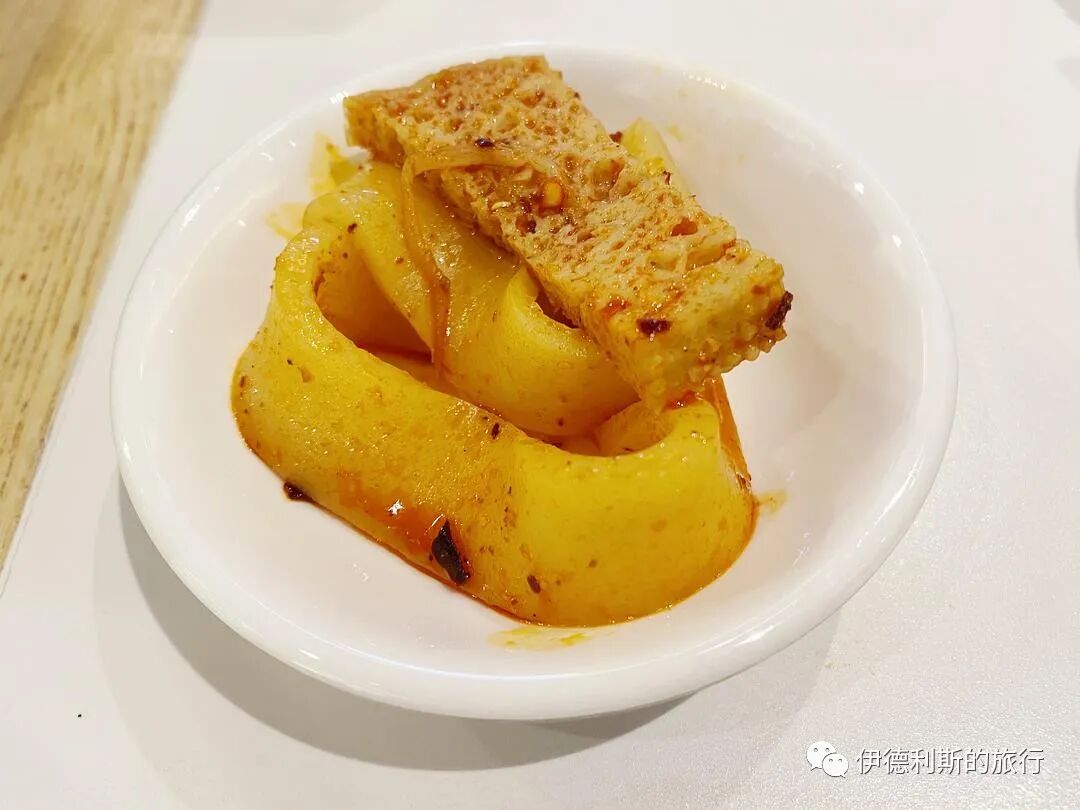
The Gansu Pingliang restaurant Longxianghui on Dongsi North Street added flatbread stew, meat sauce noodles (saozimian), and cold noodles to their menu. I tried the flatbread stew last night, and it really suits my taste. Pingliang flatbread stew is the opposite of lamb pita soup (yangrou paomo). For lamb pita soup, you have to eat the semi-leavened bread quickly after soaking it, but for flatbread stew, the longer the fried dough sticks (youbangzi) soak, the better they taste.
December 17, home-cooked meal.
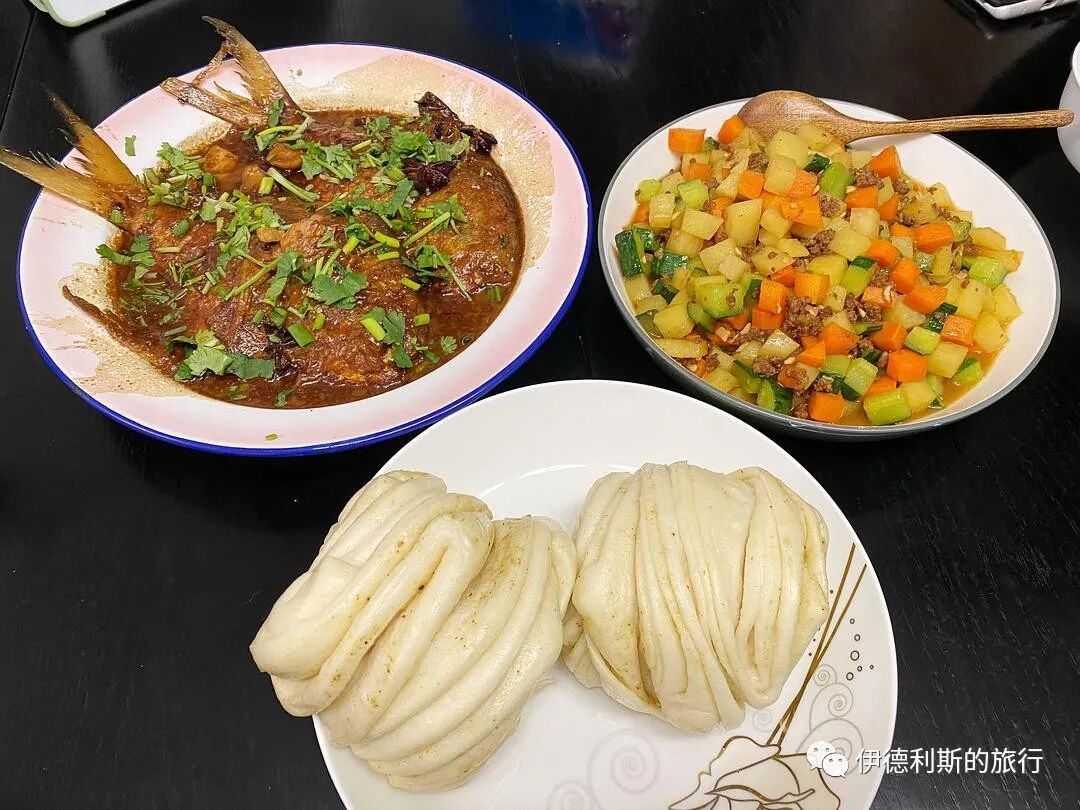
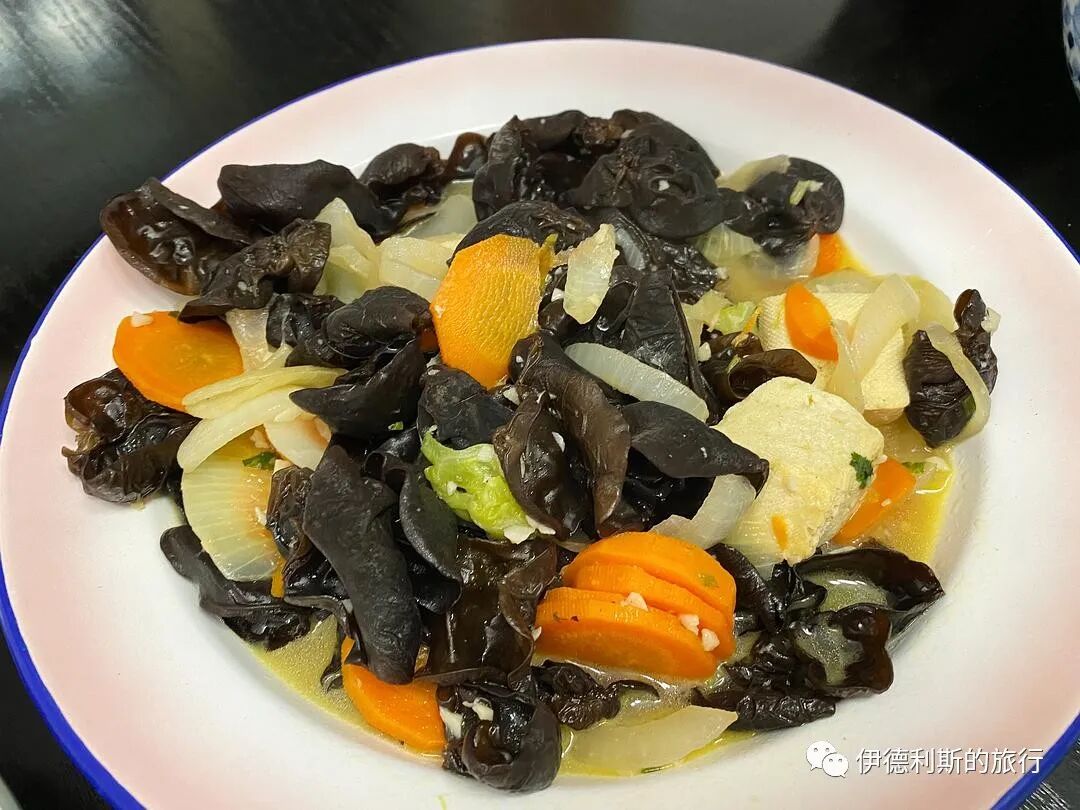
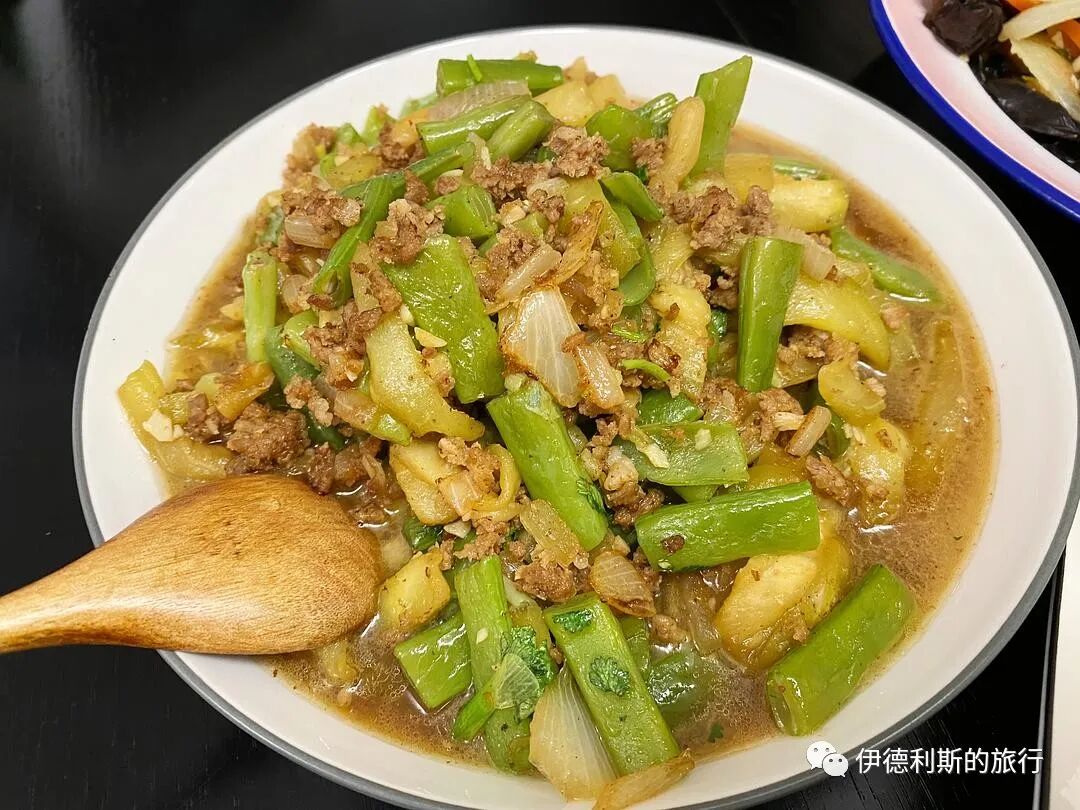
I made braised pomfret with diced potatoes, carrots, and cucumbers. Zainabu made braised eggplant with green beans and onions (piyanzi) with wood ear mushrooms. Zainabu's braised eggplant and green beans capture the essence of our Beijing home cooking, and I love it so much.
December 18, Urumqi Office in Beijing.
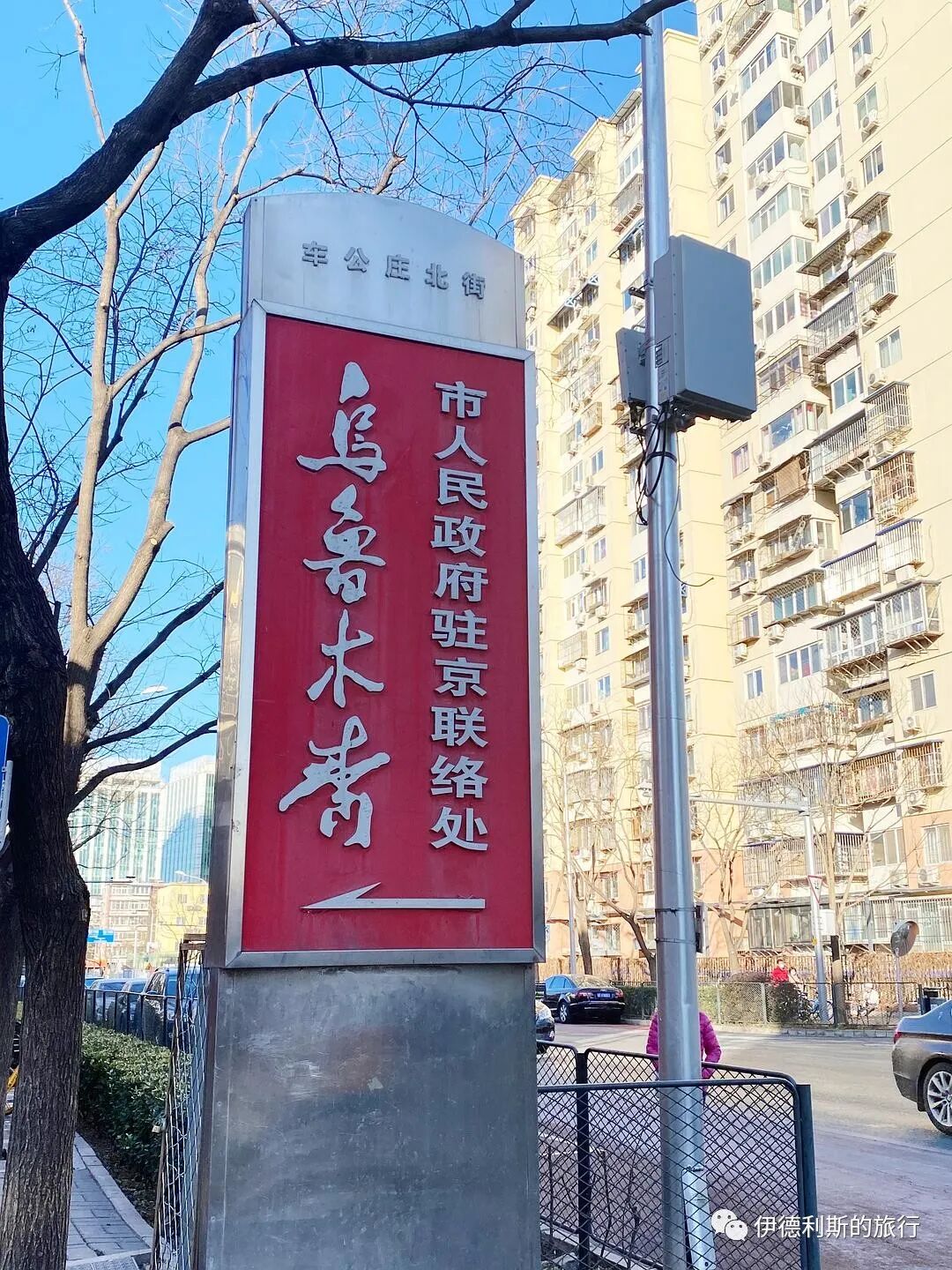
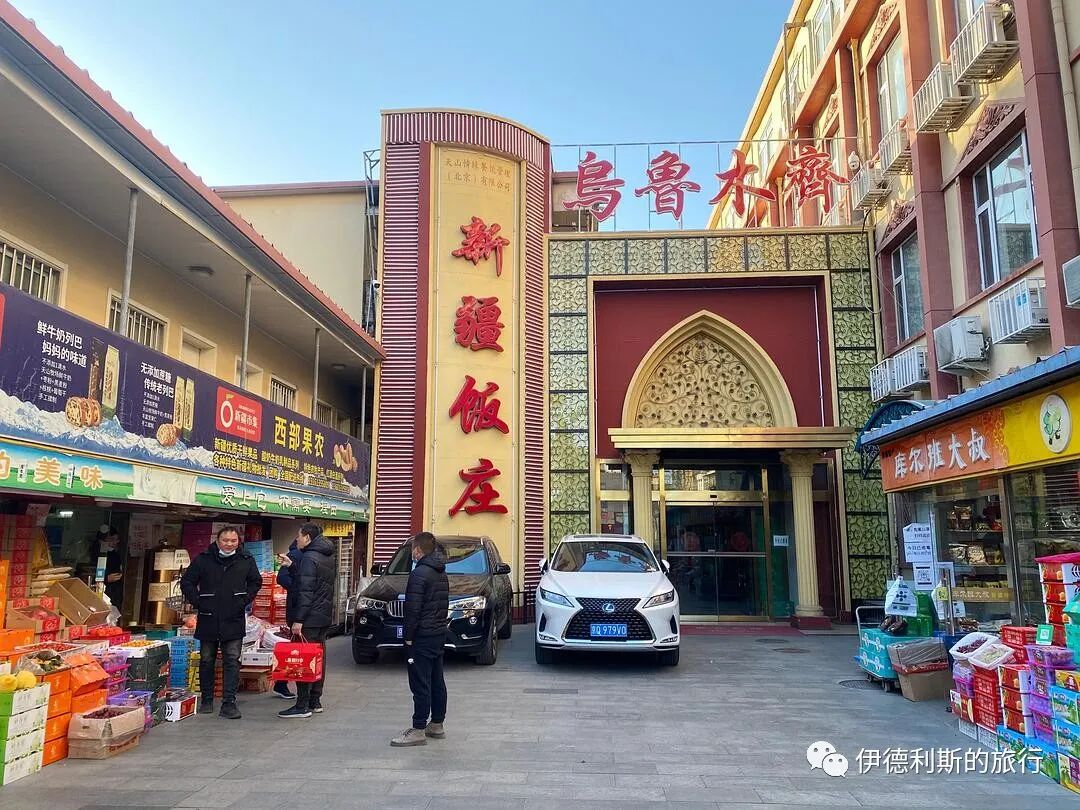
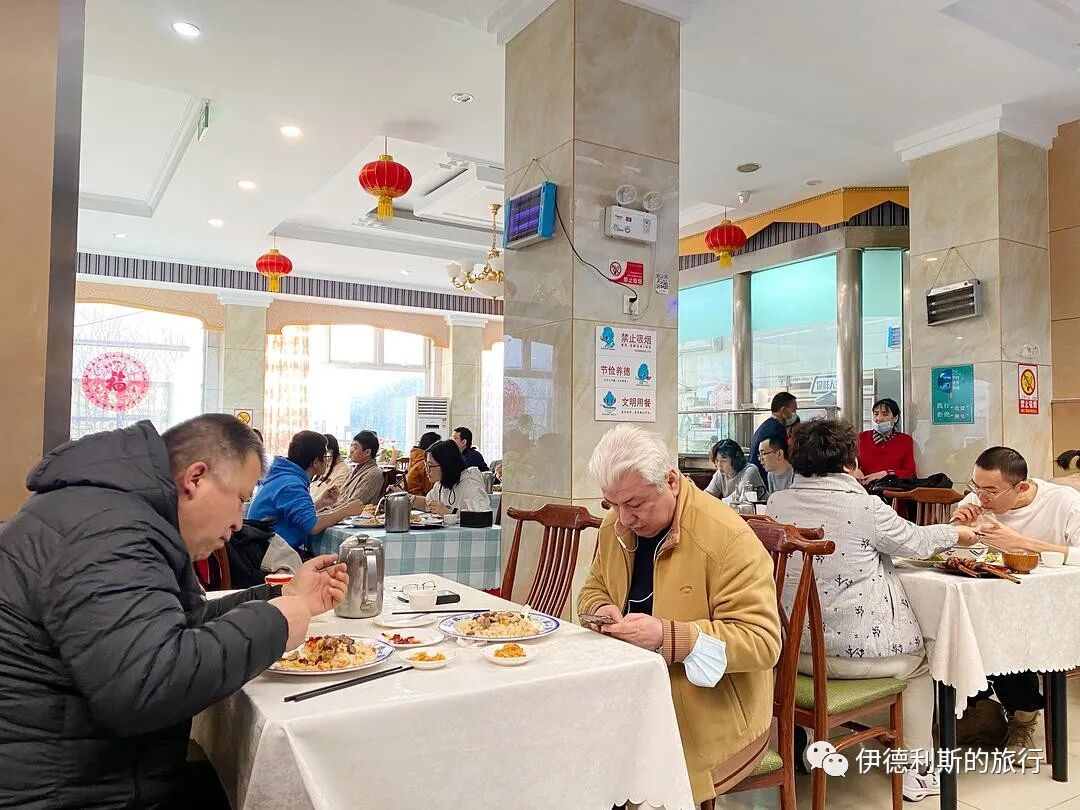
After visiting the Xinqiao Market at noon, I went to the Urumqi Office in Beijing at Chegongzhuang. I realized I hadn't been there in seven years. This was the Xinjiang restaurant I visited most when I was a kid. Most of my childhood memories of Xinjiang food come from here. I definitely didn't expect back then that I would eventually become a son-in-law from Urumqi, haha.
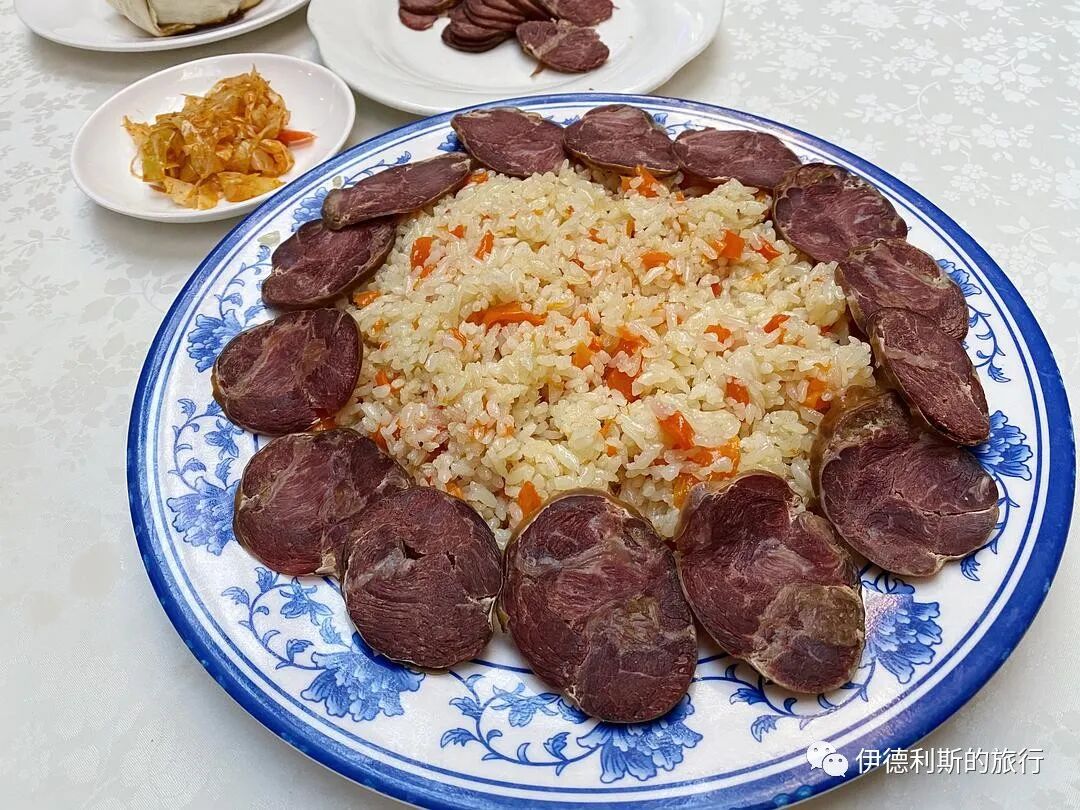
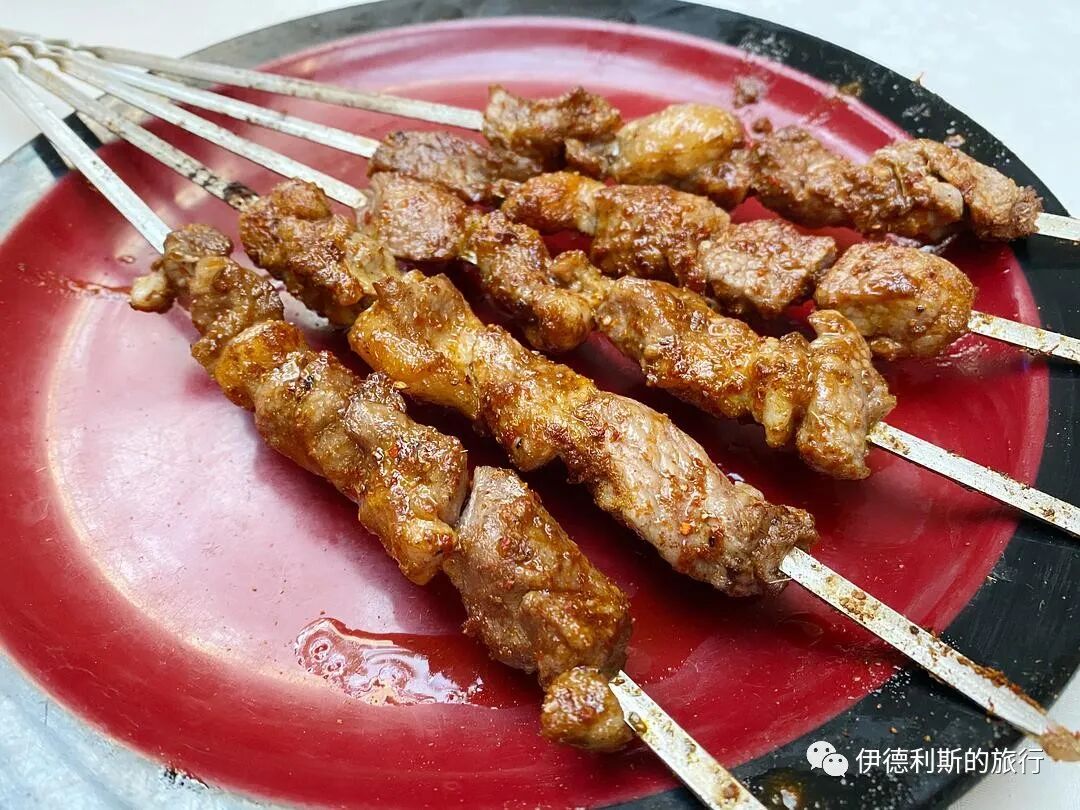
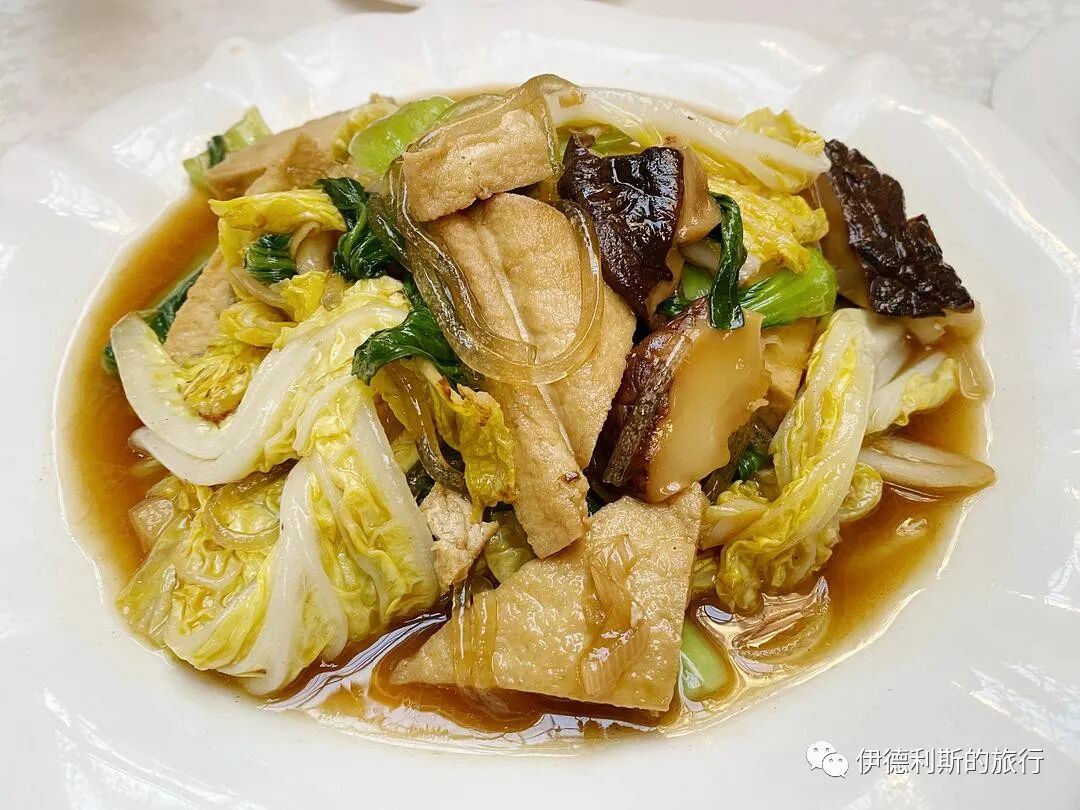
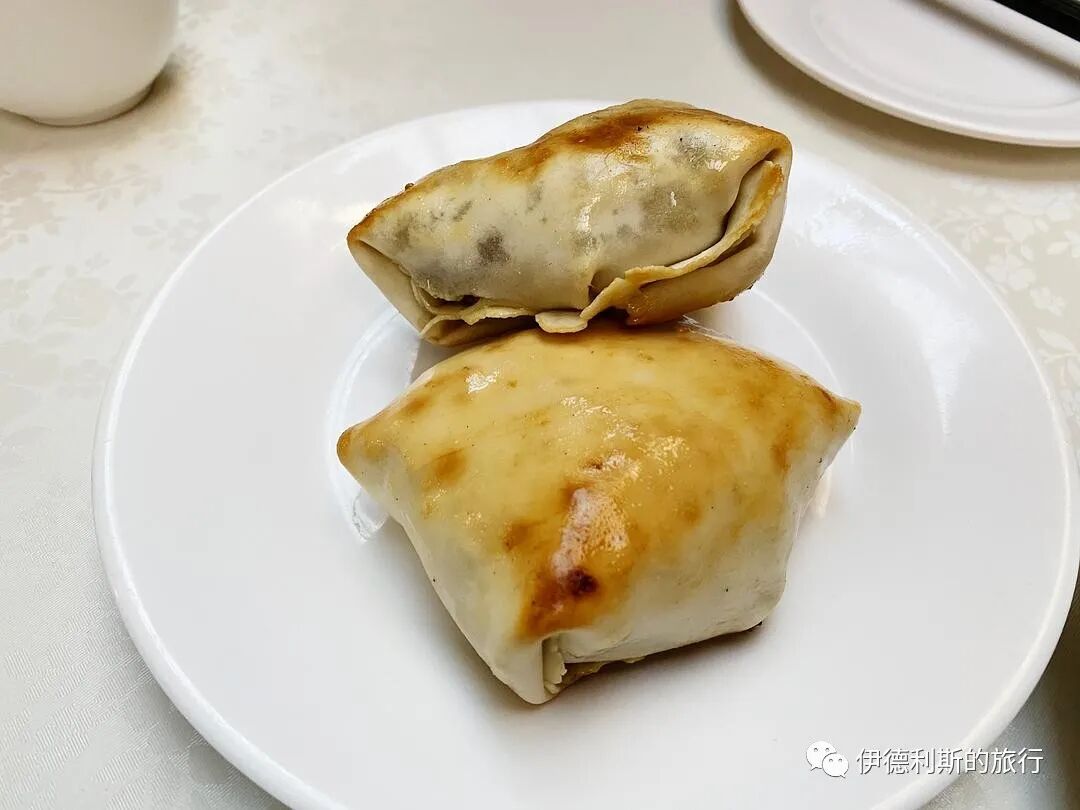
I ordered horse sausage (machangzi) and vegetable pilaf (zhuafan) to make my own horse sausage pilaf. The pilaf was oily and delicious, but the horse sausage wasn't oily enough and felt a bit dry. The grilled meat (kaorou) tasted great. The baked buns (kaobaozi) weren't very crispy, and I finished by ordering a mixed vegetable stew (huicai).
December 26, chain restaurant Quanzhou Beef House Niujiufen.
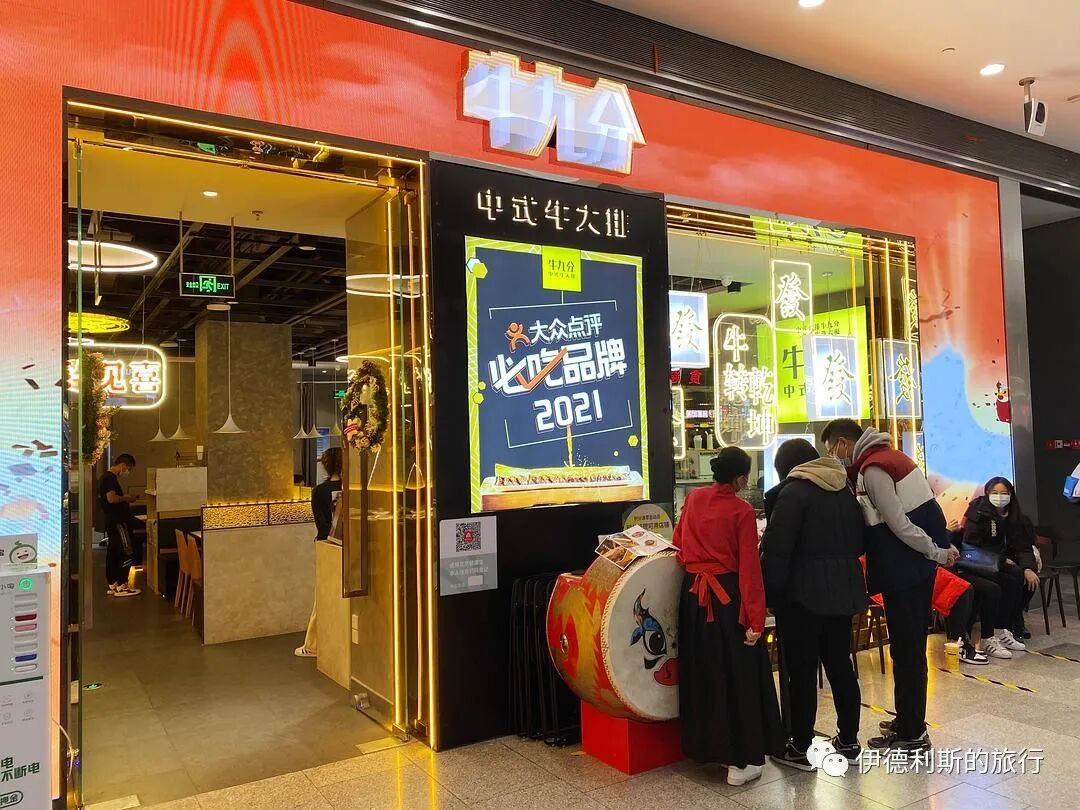
Passing through Xihongmen in Daxing, I ate at the chain restaurant Quanzhou Beef House (Niujiufen) inside the Livat shopping center. The famous Xue Family (Xuejia), known as the number one hot pot in southern Beijing from the Hui Muslim village of Xueying in Daxing, has opened three halal restaurants in Livat: Speed Pizza, Niujiufen, and Lou Sanshao. They are all halal, though you cannot tell from the outside.
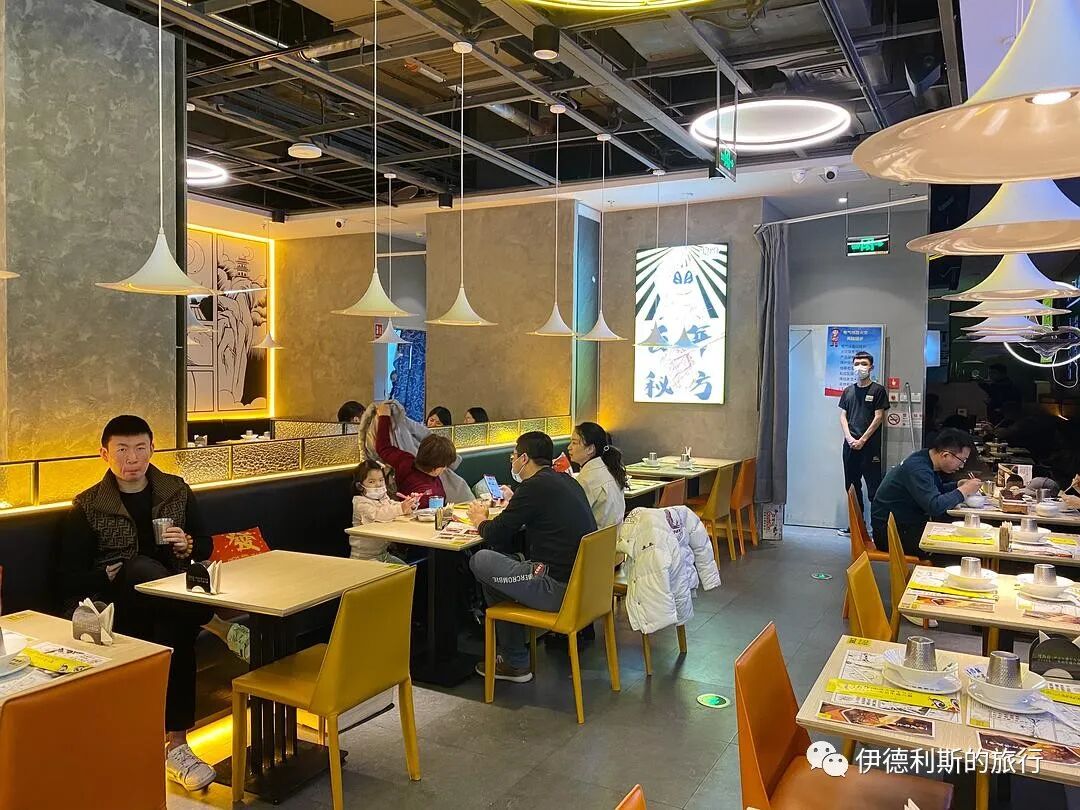
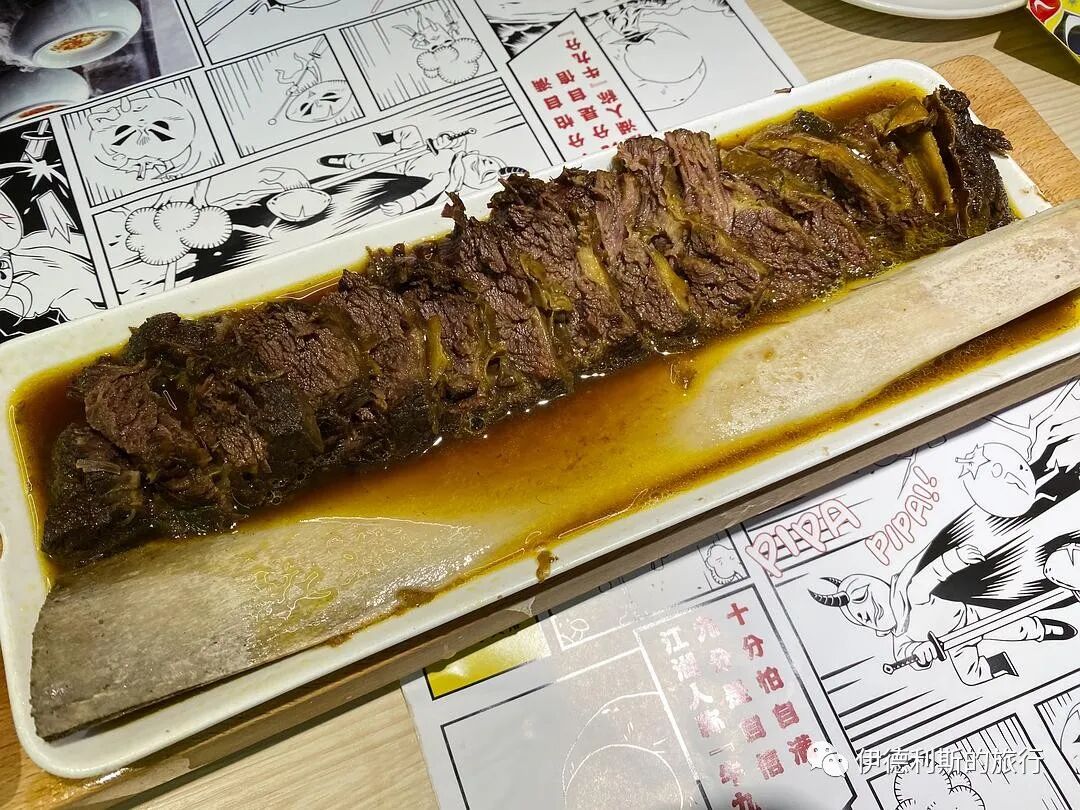
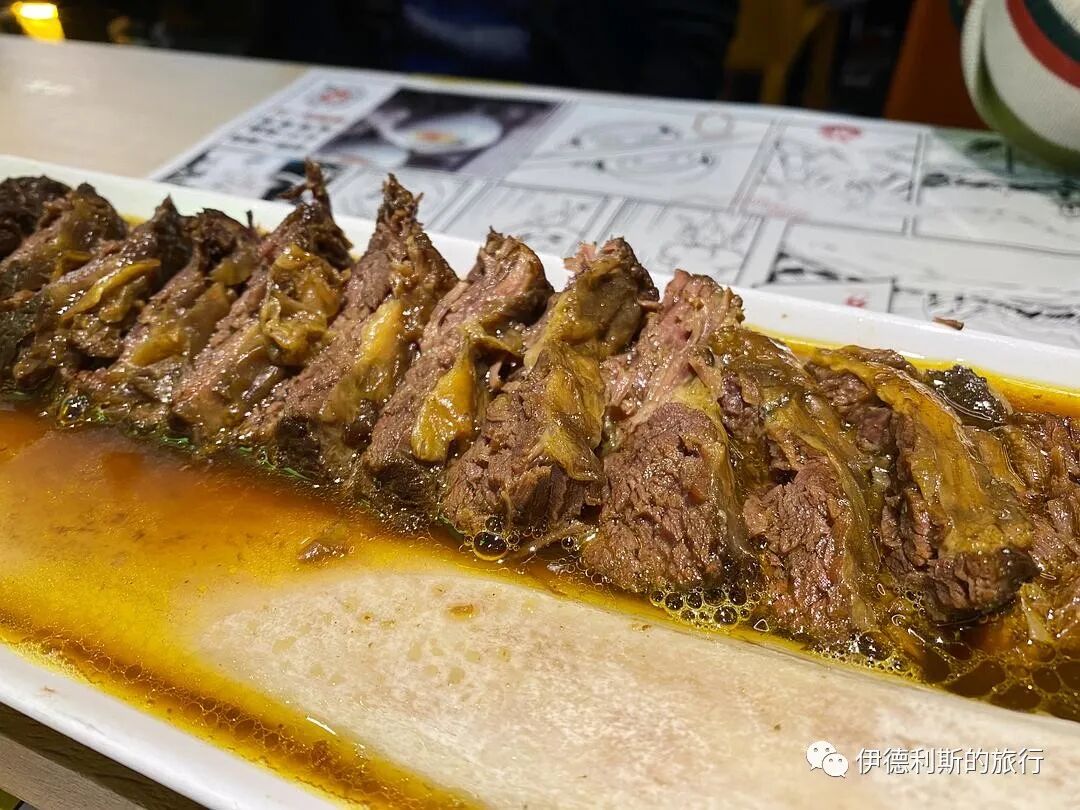
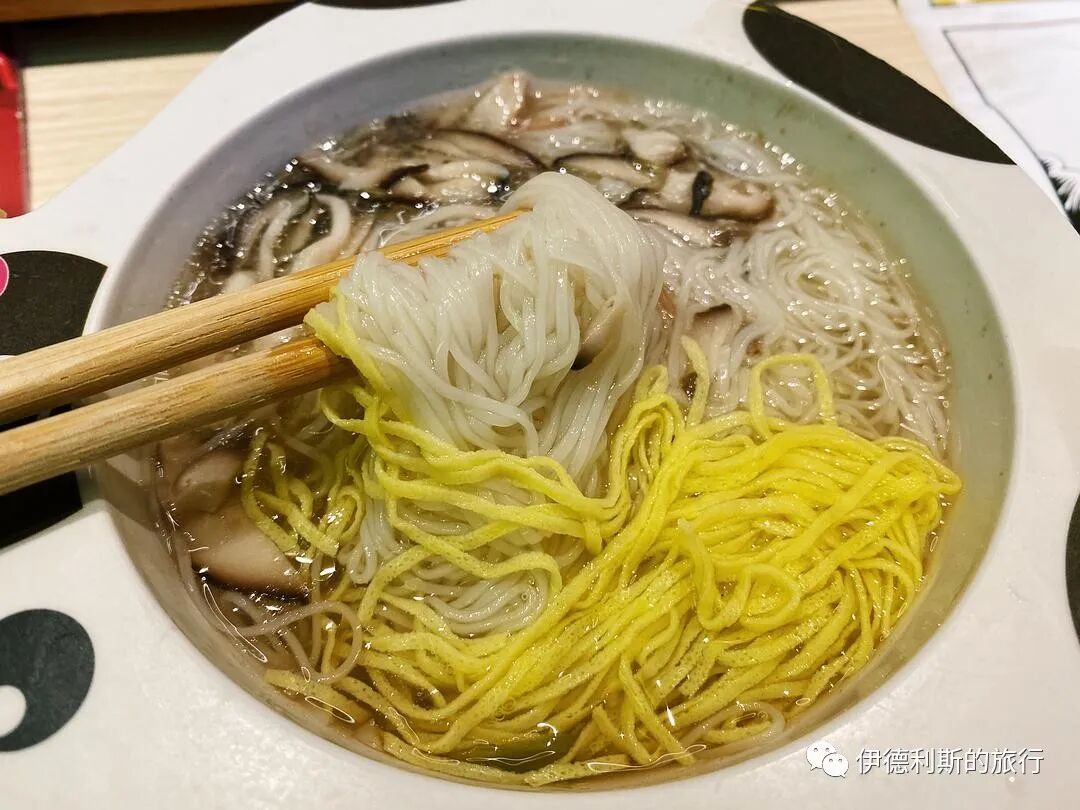
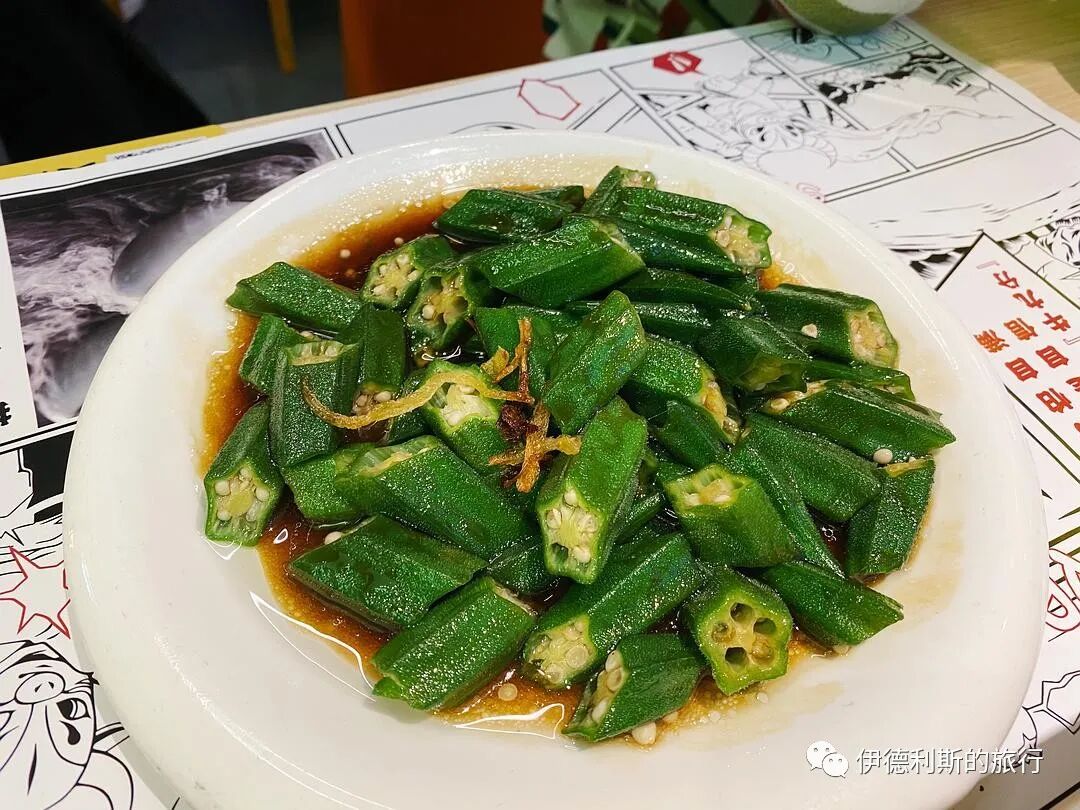
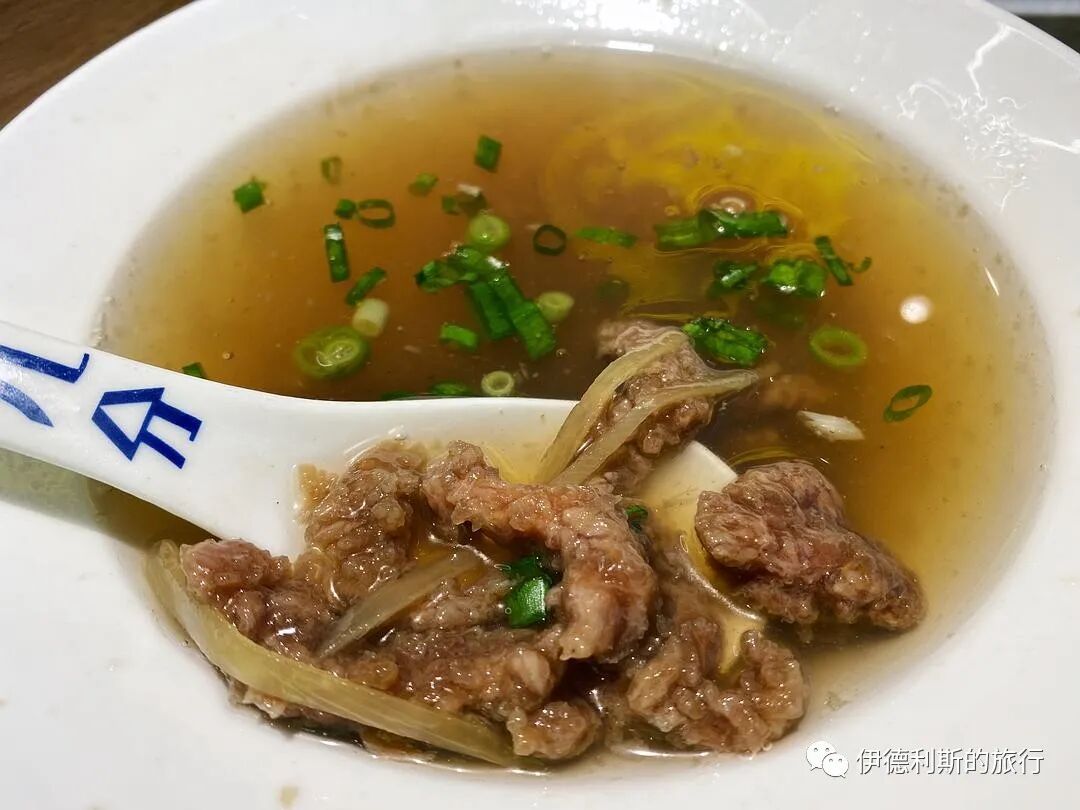
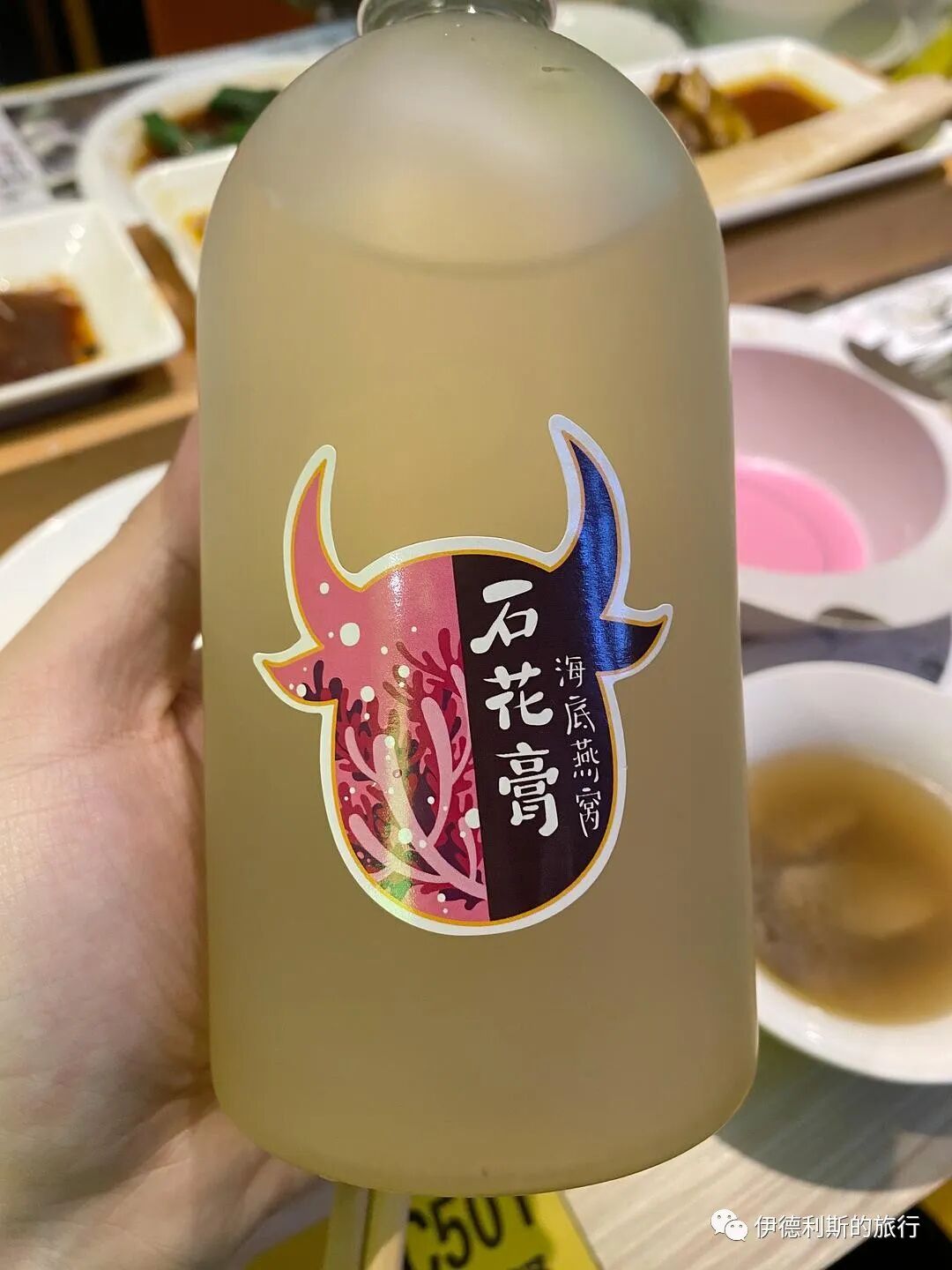
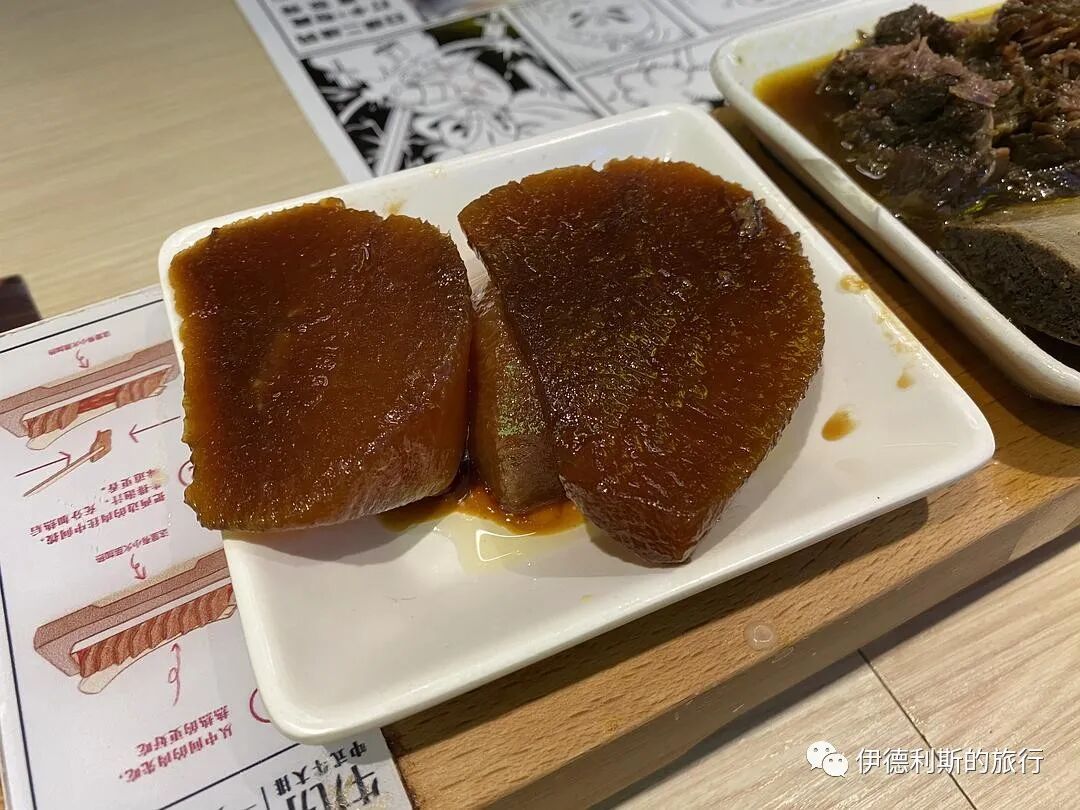
I ate Quanzhou-style beef ribs, beef soup, abalone sauce vermicelli (mianxian), and drank seaweed jelly (shihuagao) made from agar-agar. Zainab really likes the taste of the Quanzhou-style soy-braised beef; it is not greasy and a little sweet.
December 27, Muyixuan Lamb Spine Hot Pot.
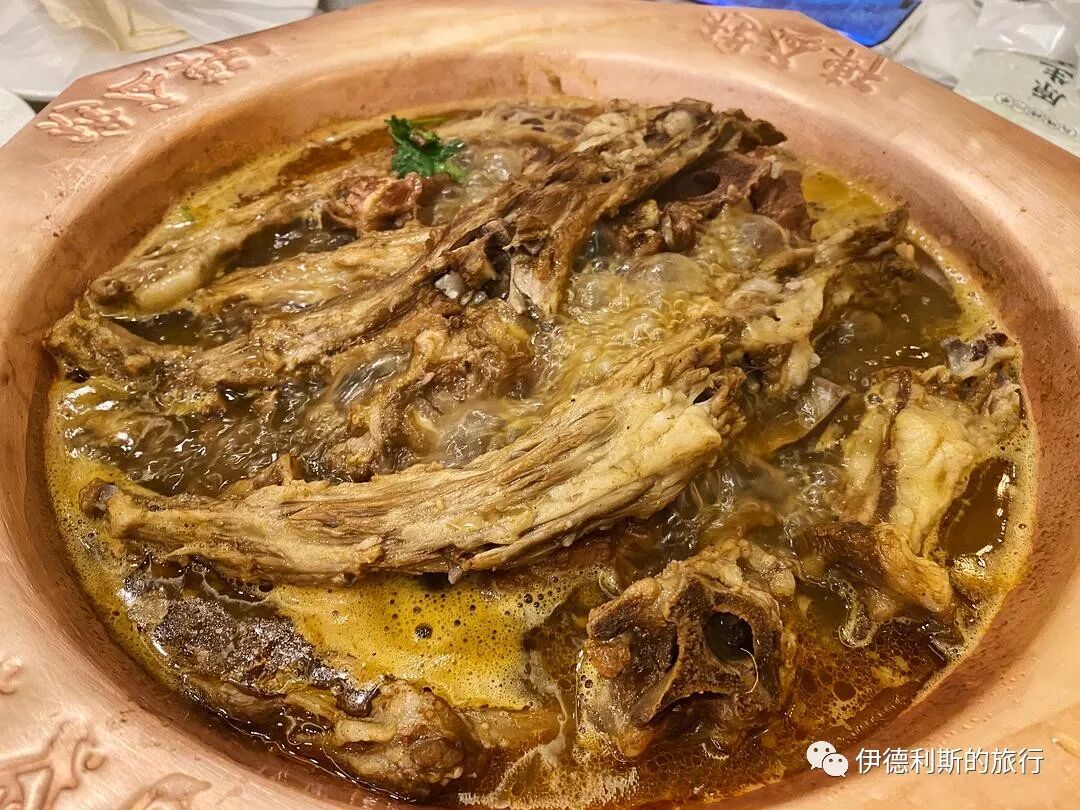
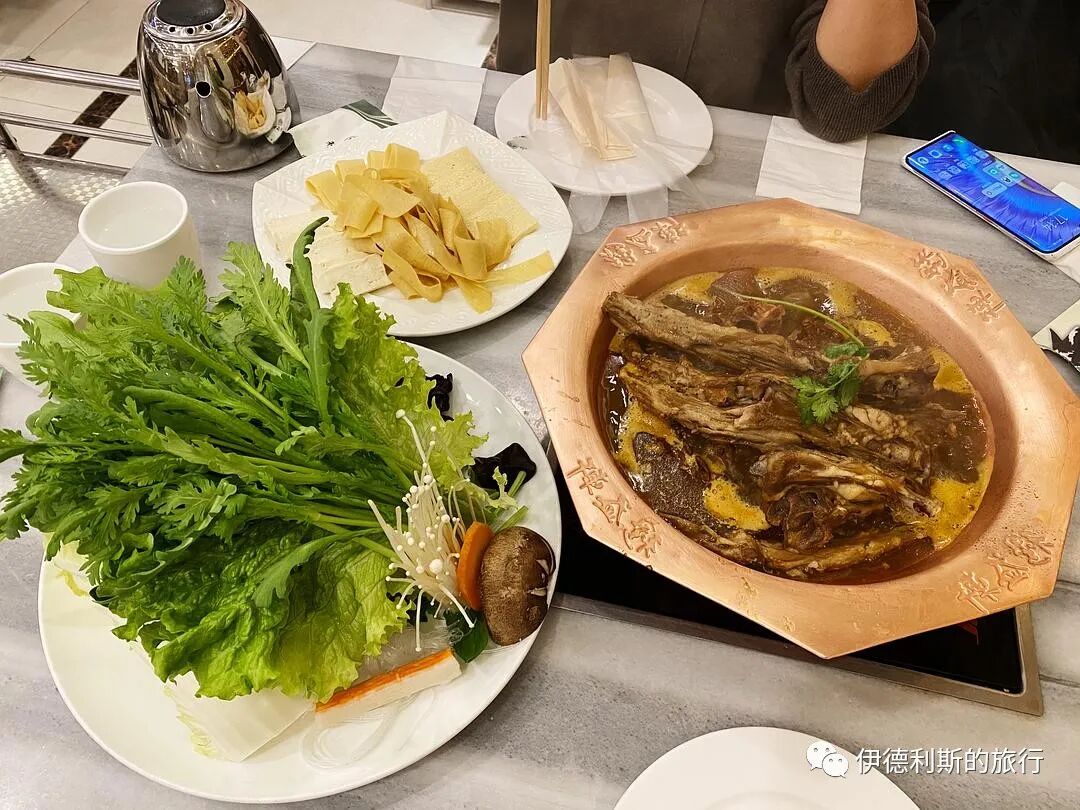
In the evening, I ate lamb spine hot pot at Muyixuan in Ping'anli.
January 9, Ali Restaurant on Shenlu Street.
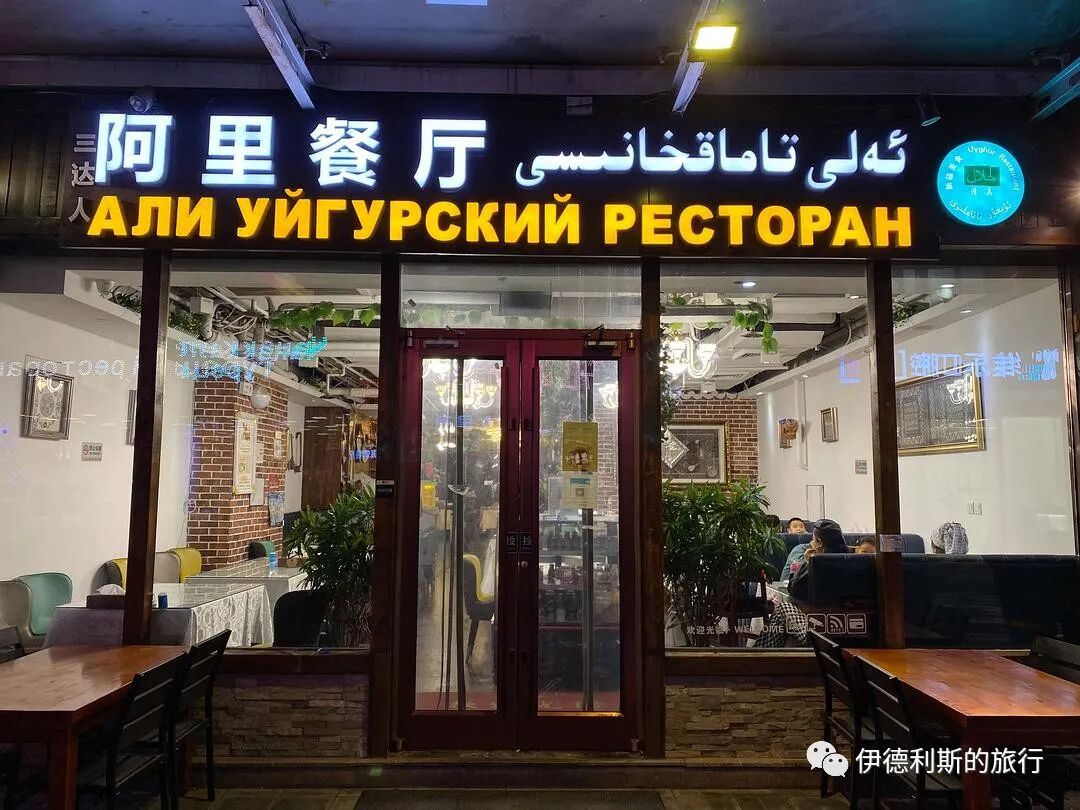
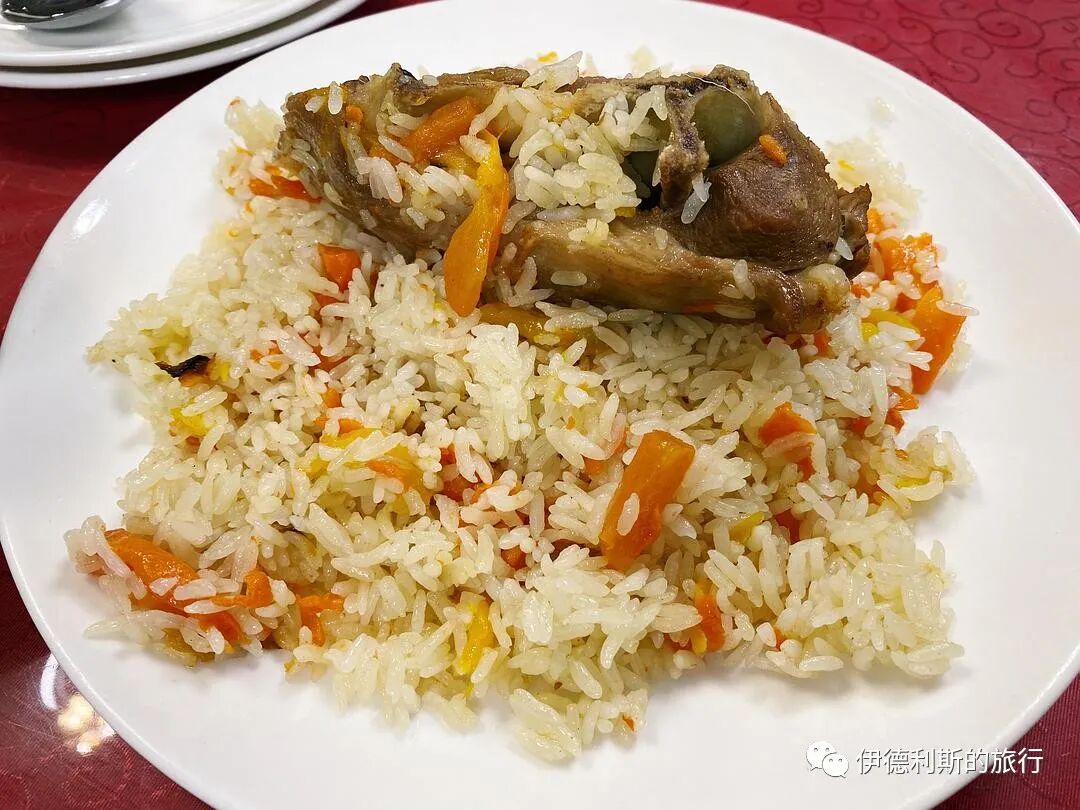
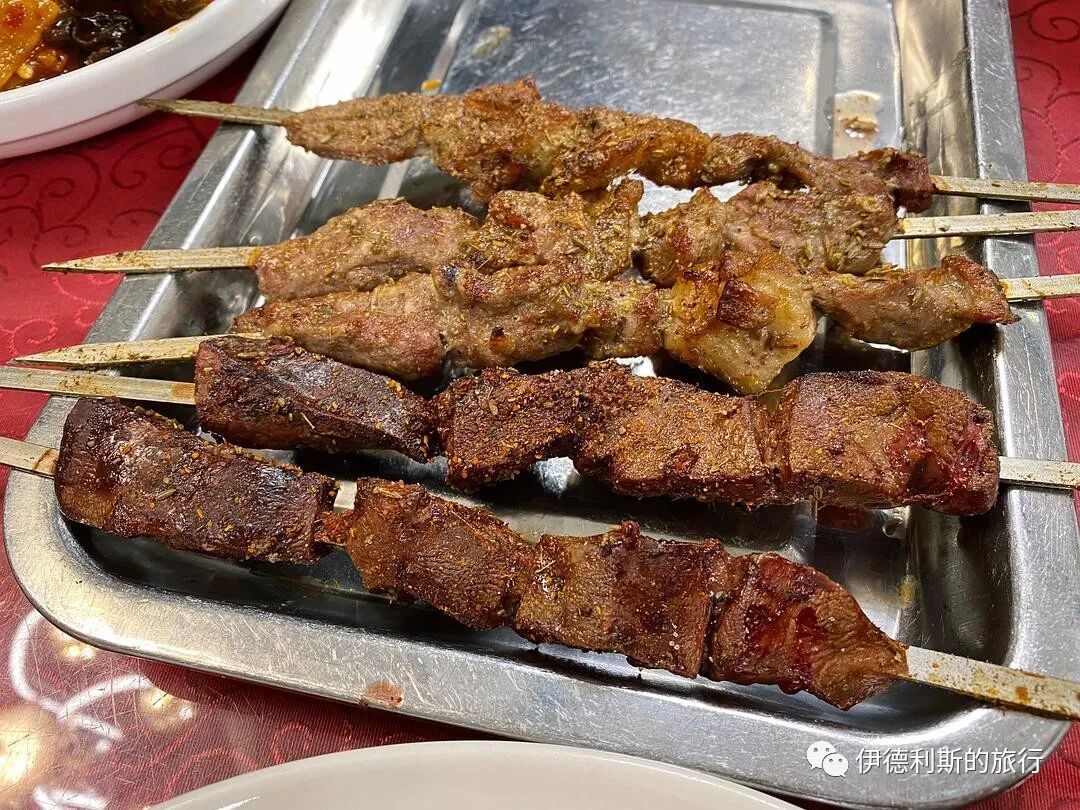
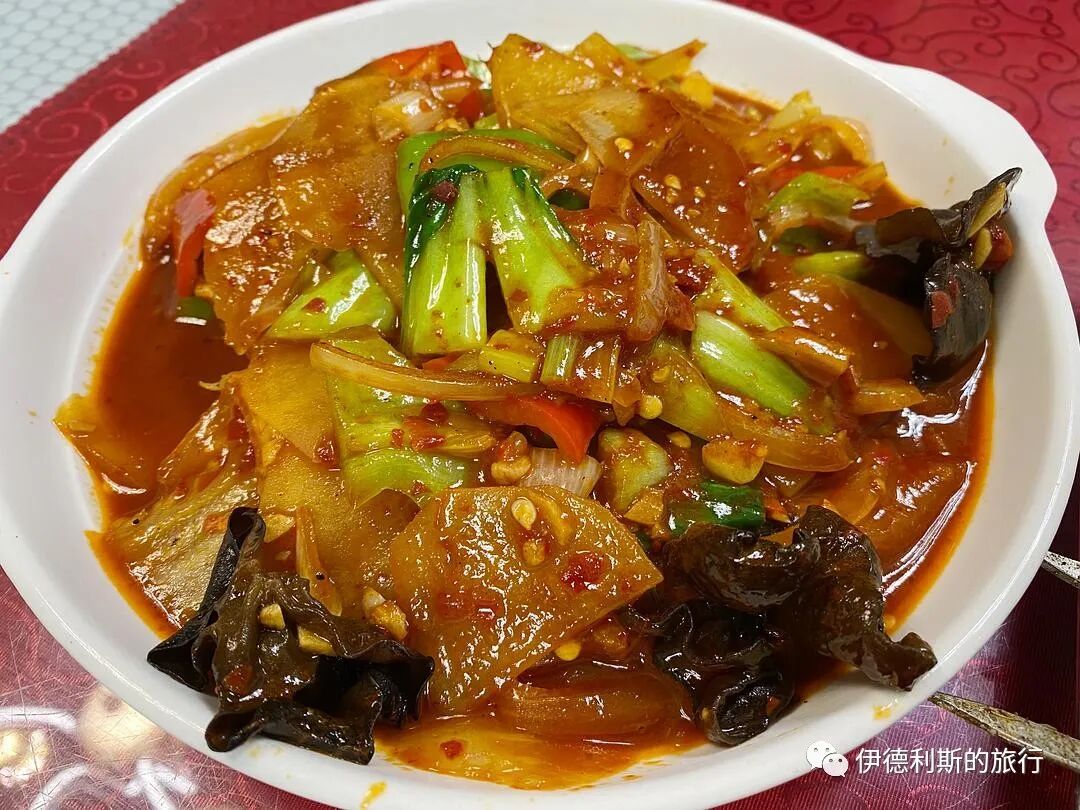
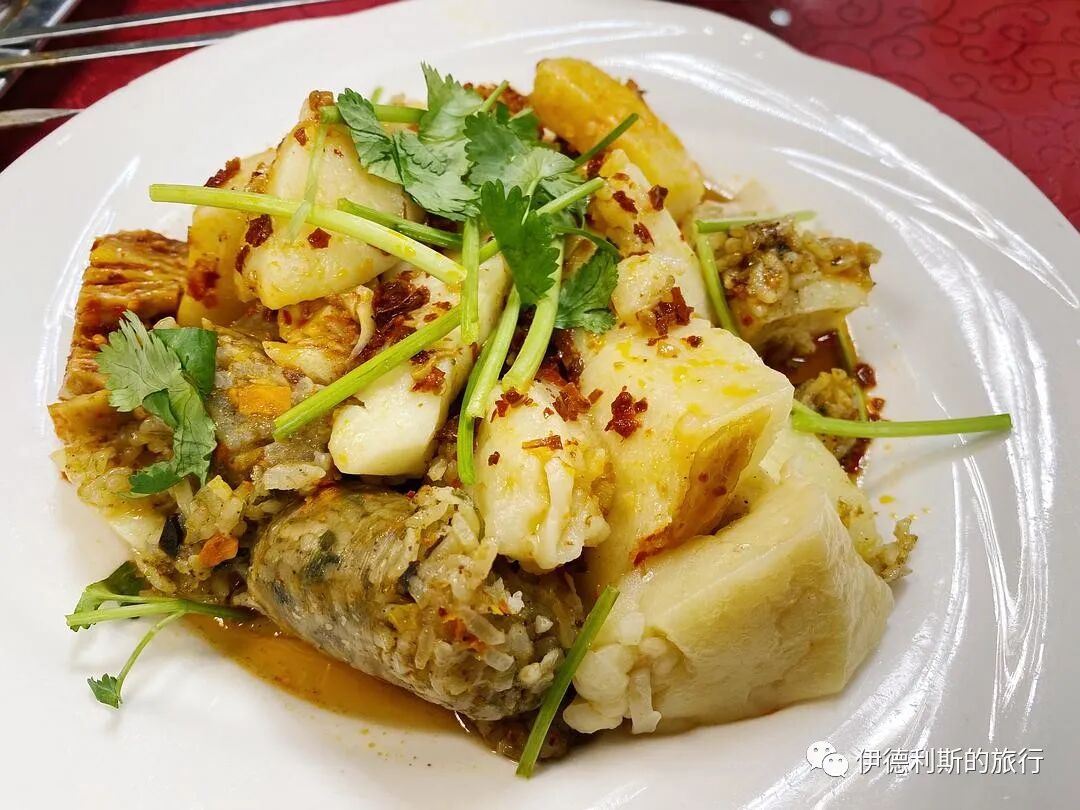
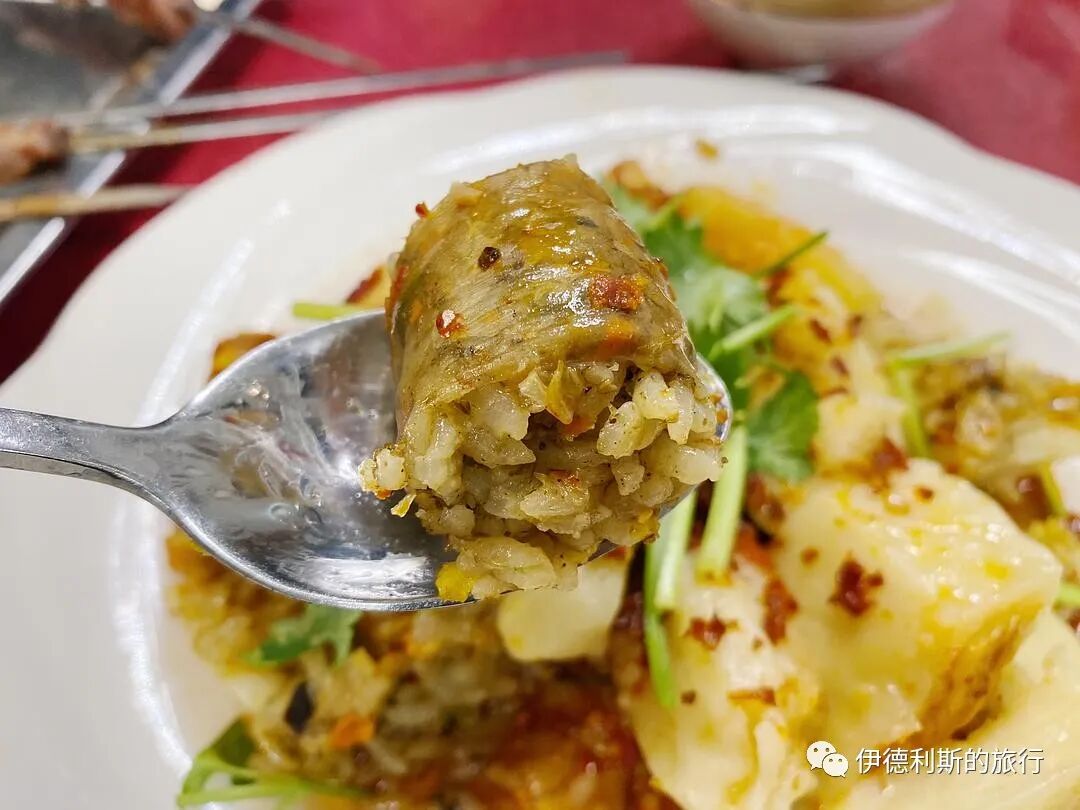
Ali Restaurant on Shenlu Street uses pilaf (zhuafan) inside their rice sausages. It is the most authentic I have had in Beijing, and the other dishes were quite good too. The meat in the pilaf was very fragrant, though the liver slices were a bit tough.
Account.
January 10, Syrian restaurant One Thousand and One Nights.
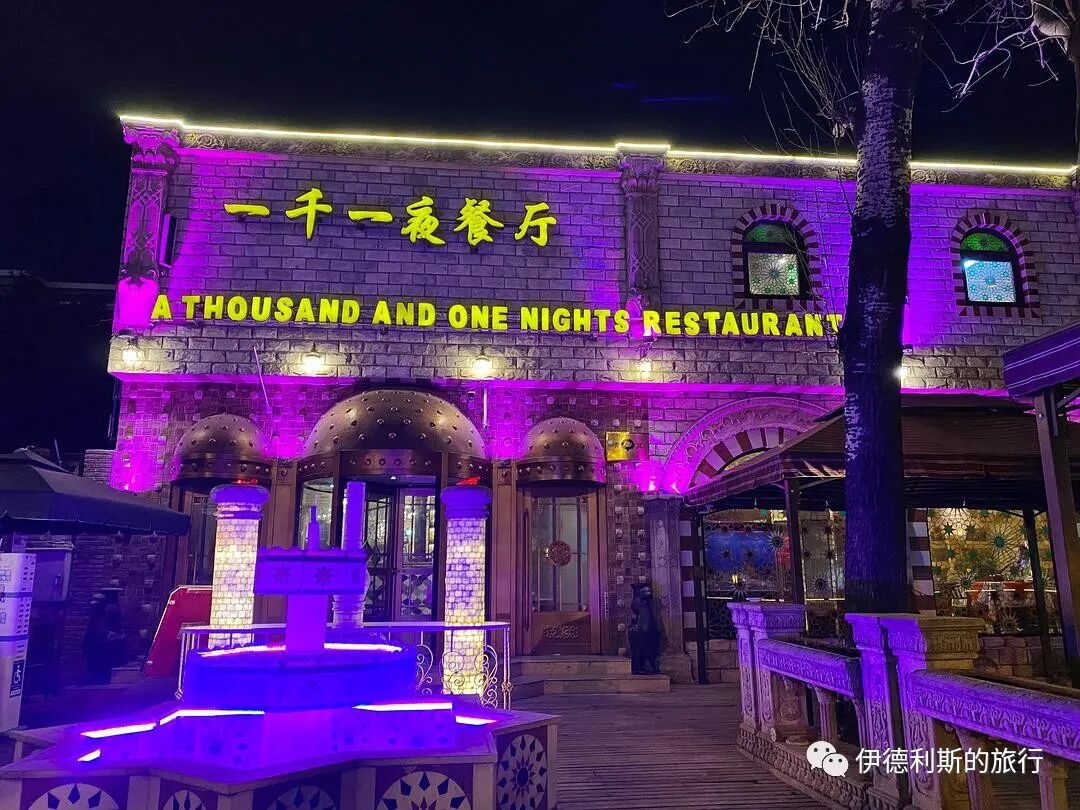
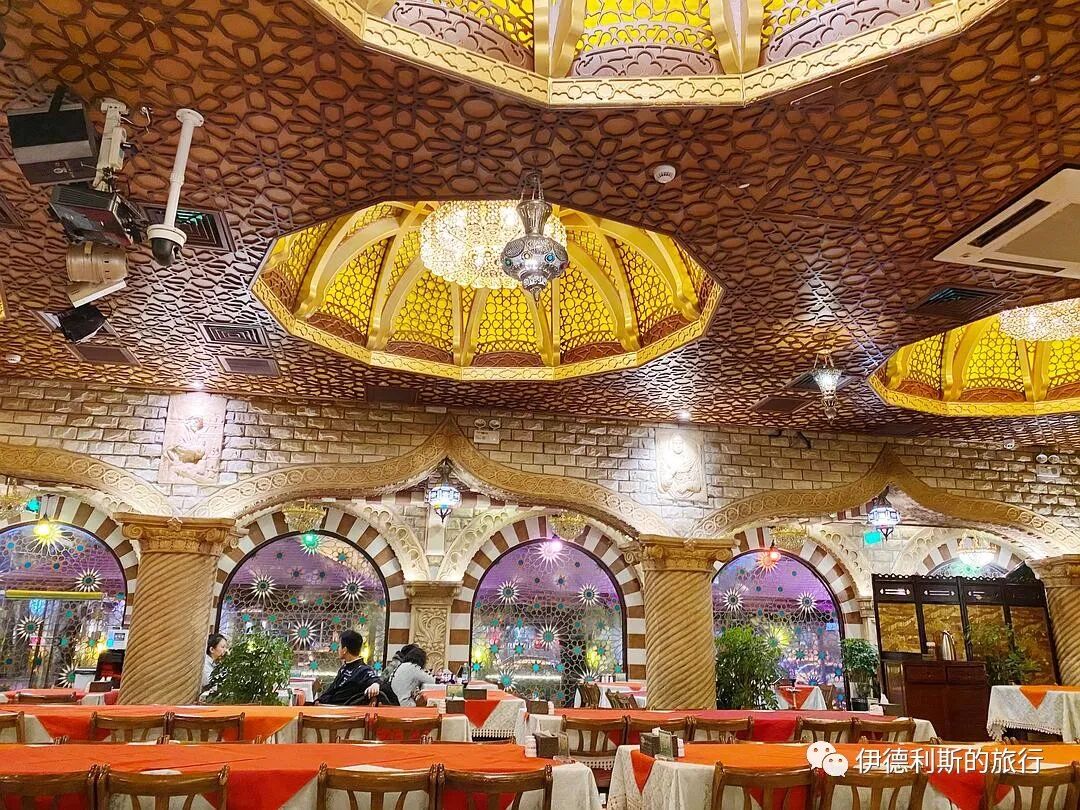
It is my second wedding anniversary with Zainab, so we celebrated at One Thousand and One Nights after work. One Thousand and One Nights is a long-standing Arabic restaurant in Beijing. The owner is Syrian, and the shop opened in 2004, making it 17 years old now. When I was in middle school, I would pass by their place every time I went home from Chaoyang Park. Back then, they were the symbol of a high-end restaurant in my mind, perfectly matching the vibe of the embassy district. At that time, the major shopping malls in Sanlitun had not been built yet, so their place was really eye-catching. In the blink of an eye, more than ten years have passed, and I can finally afford to eat at One Thousand and One Nights.
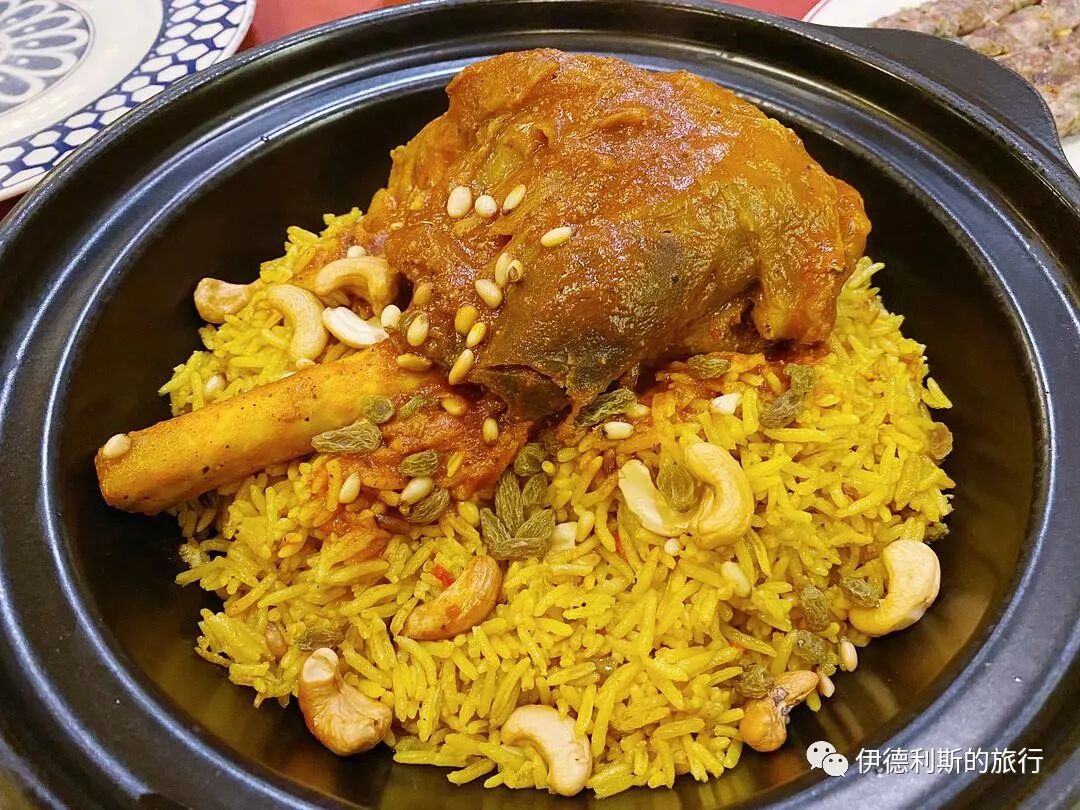
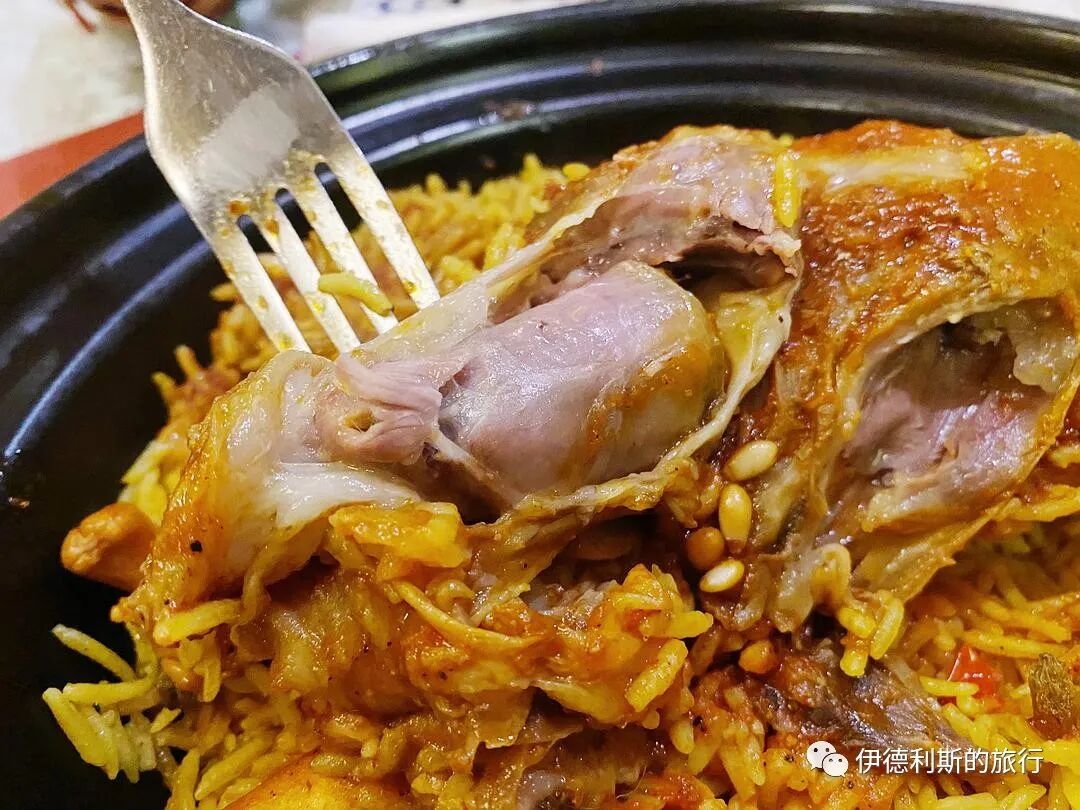
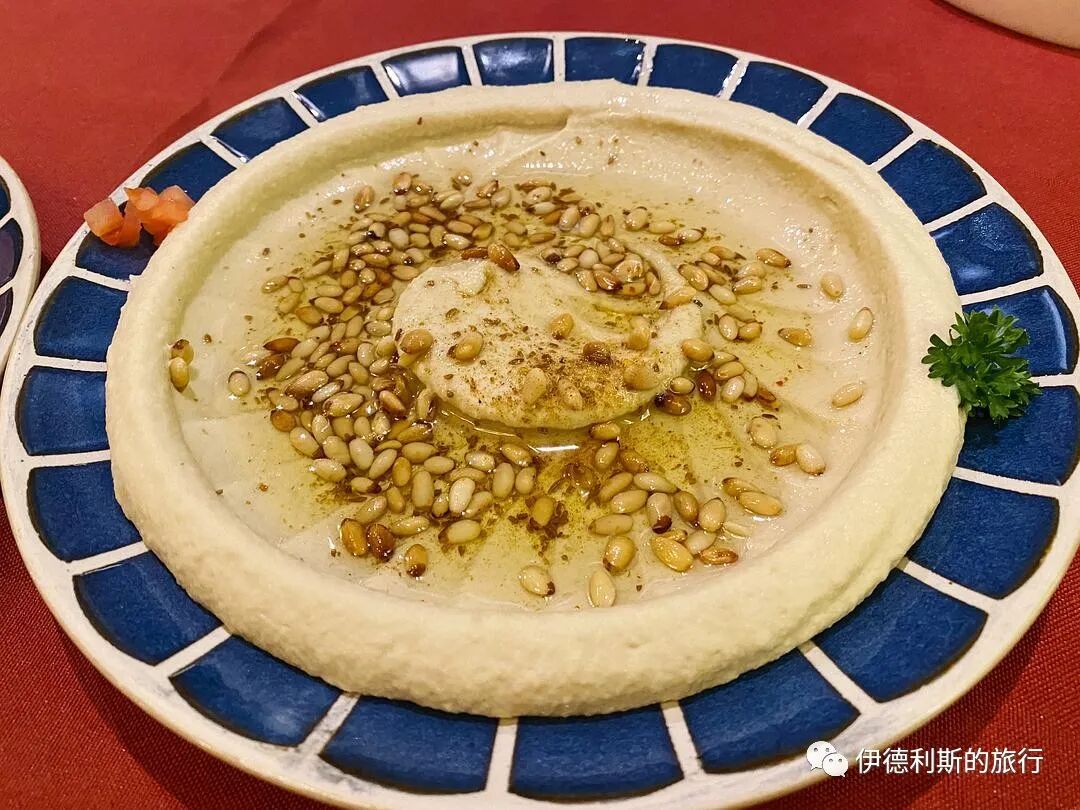
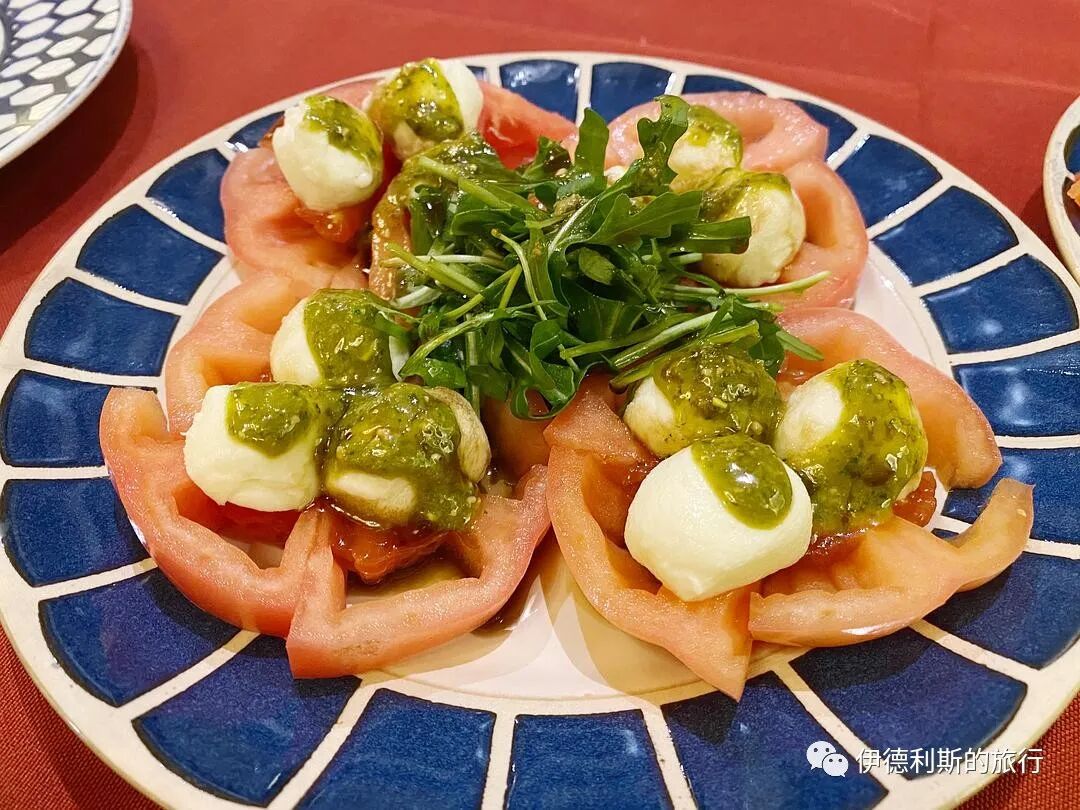
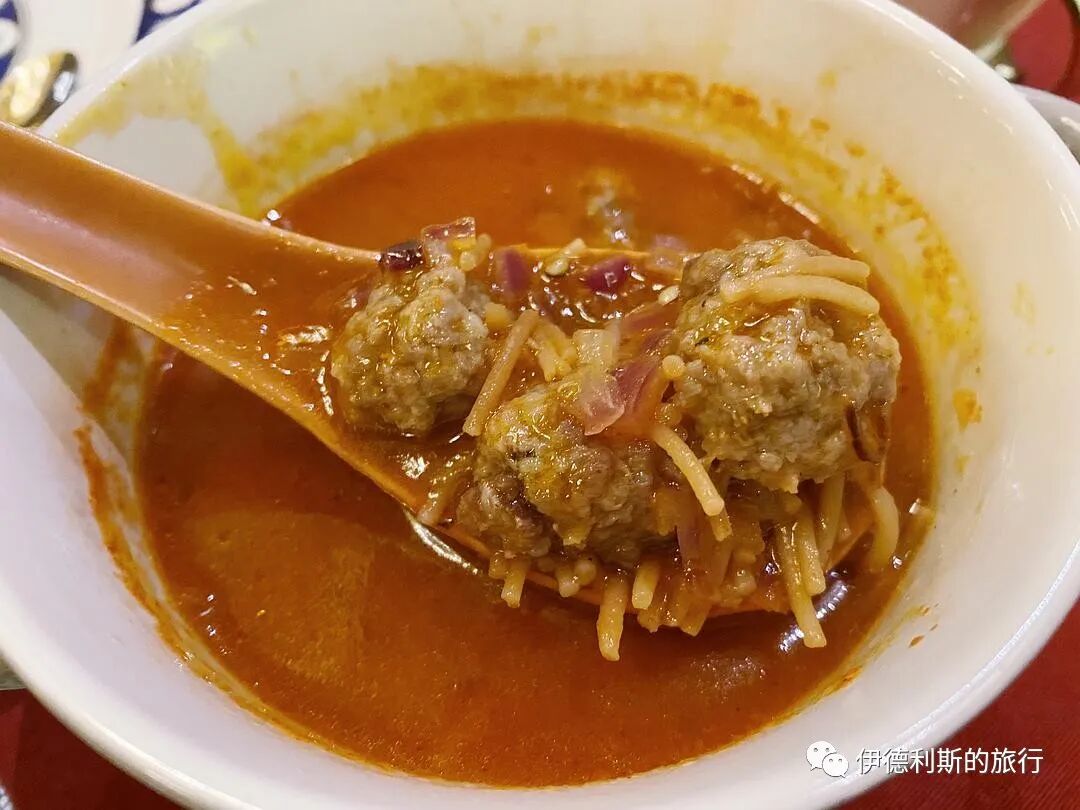
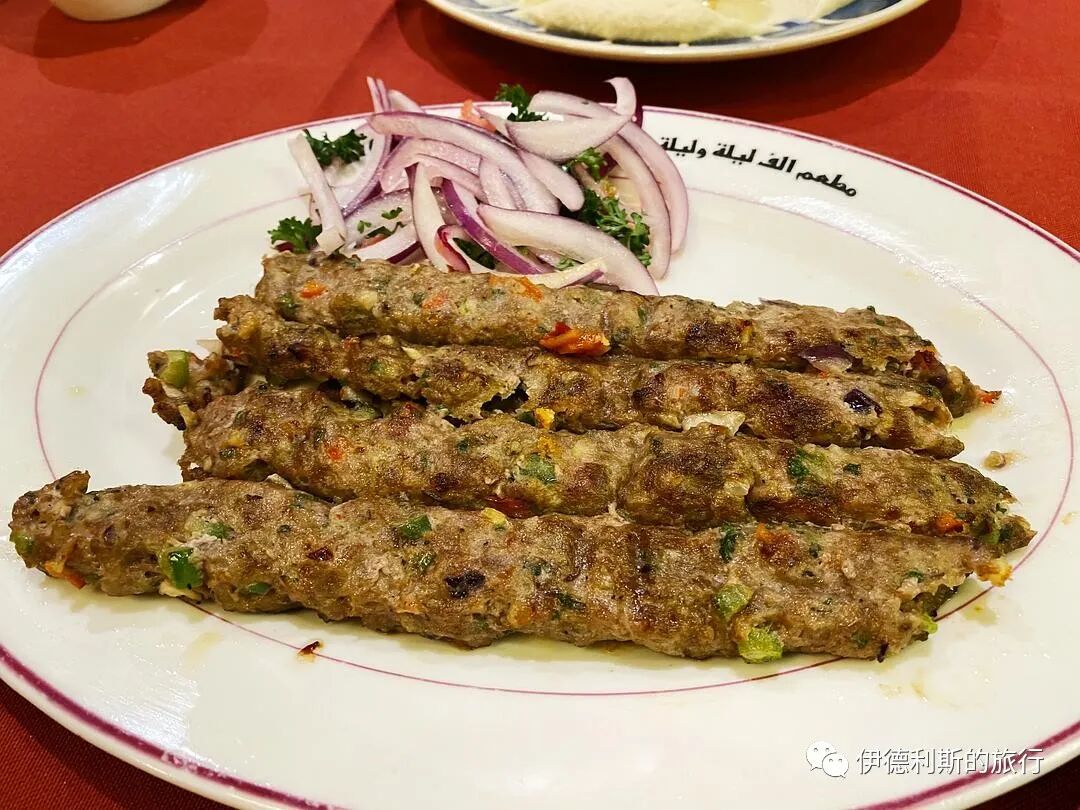
To this day, One Thousand and One Nights remains the highest-class, most diverse, and best-tasting Arabic restaurant in Beijing. We ordered seafood soup, Kofta meatball soup, pine nut hummus, mozzarella cheese salad, Kashkash kebab, lamb mandi rice in a tagine, and cauliflower with eggplant. Except for the cauliflower and eggplant being a bit oily, everything else was delicious. Their lamb mandi rice is definitely the best I have had in Beijing. The lamb is fresh and tender, and the rice is filled with saffron, raisins, cashews, and various spices, making it smell amazing. The Kashkash kebab is made with parsley, green and red peppers, and garlic, which I think is a Syrian specialty.
January 14, Madeburg inside Chaoyangmen.
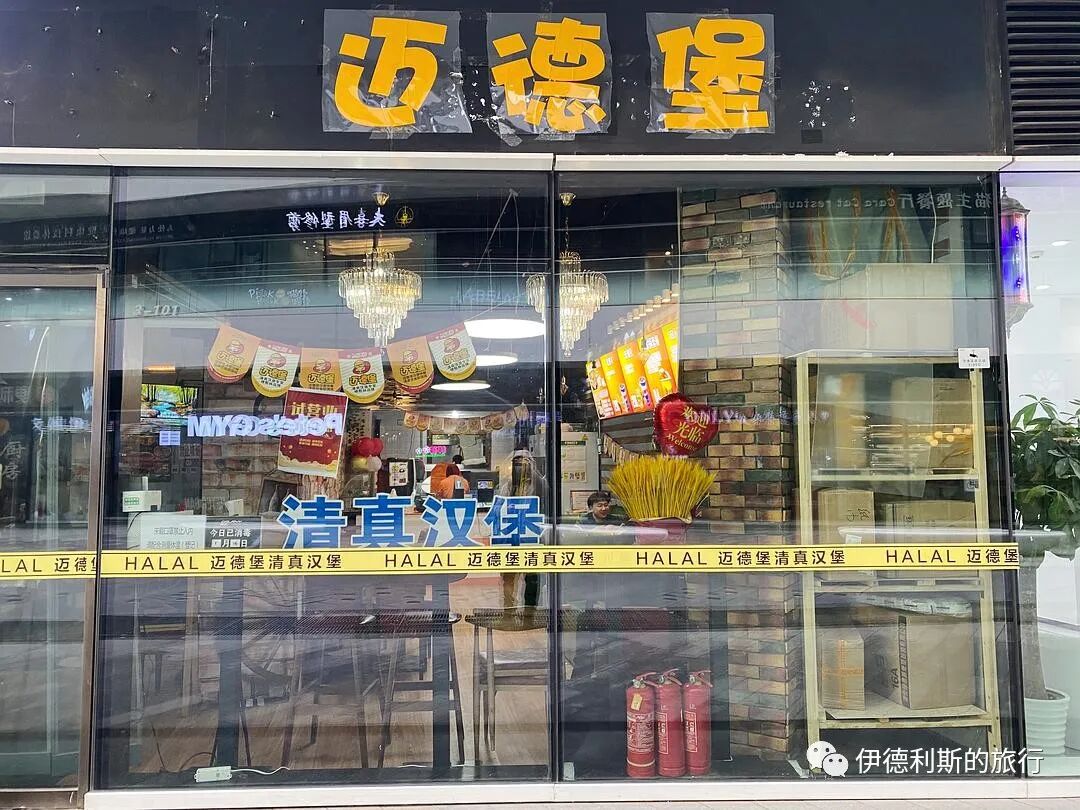
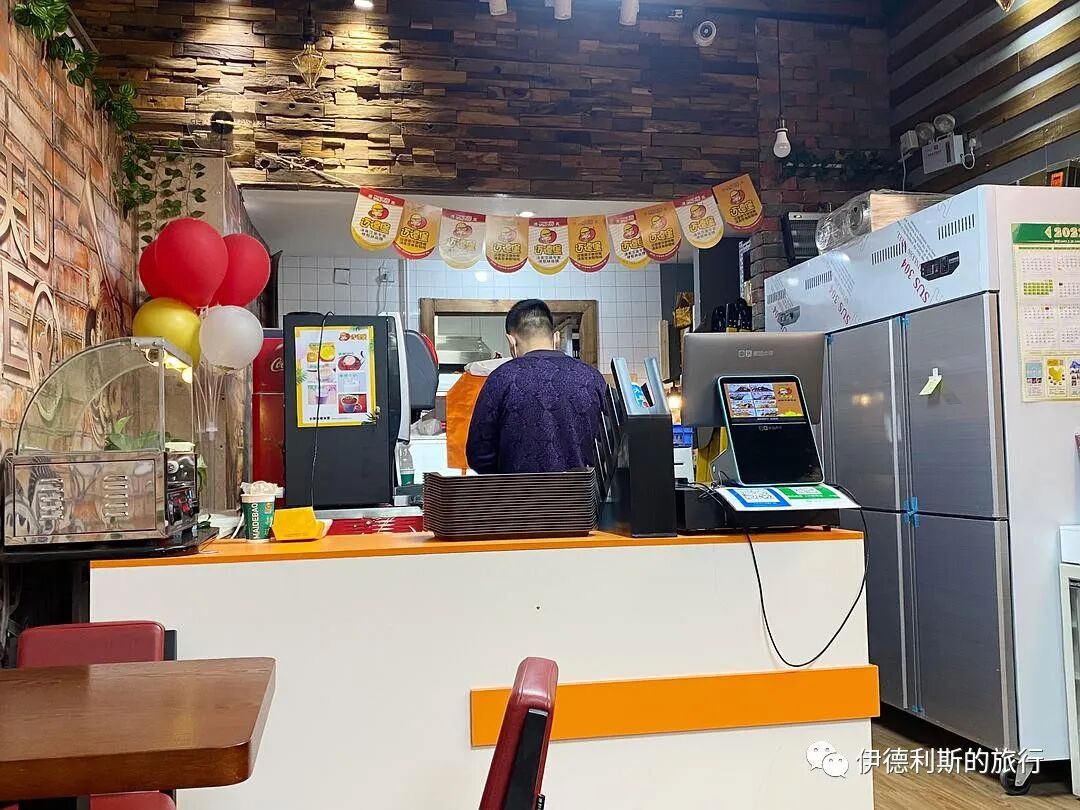
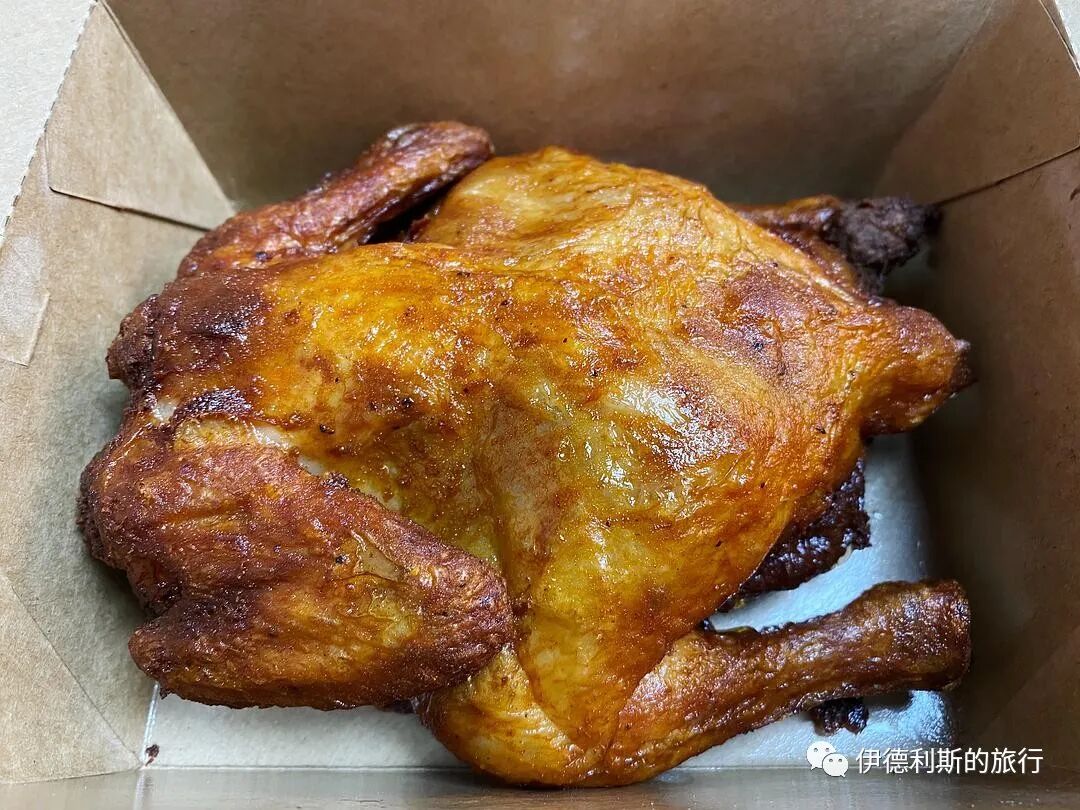
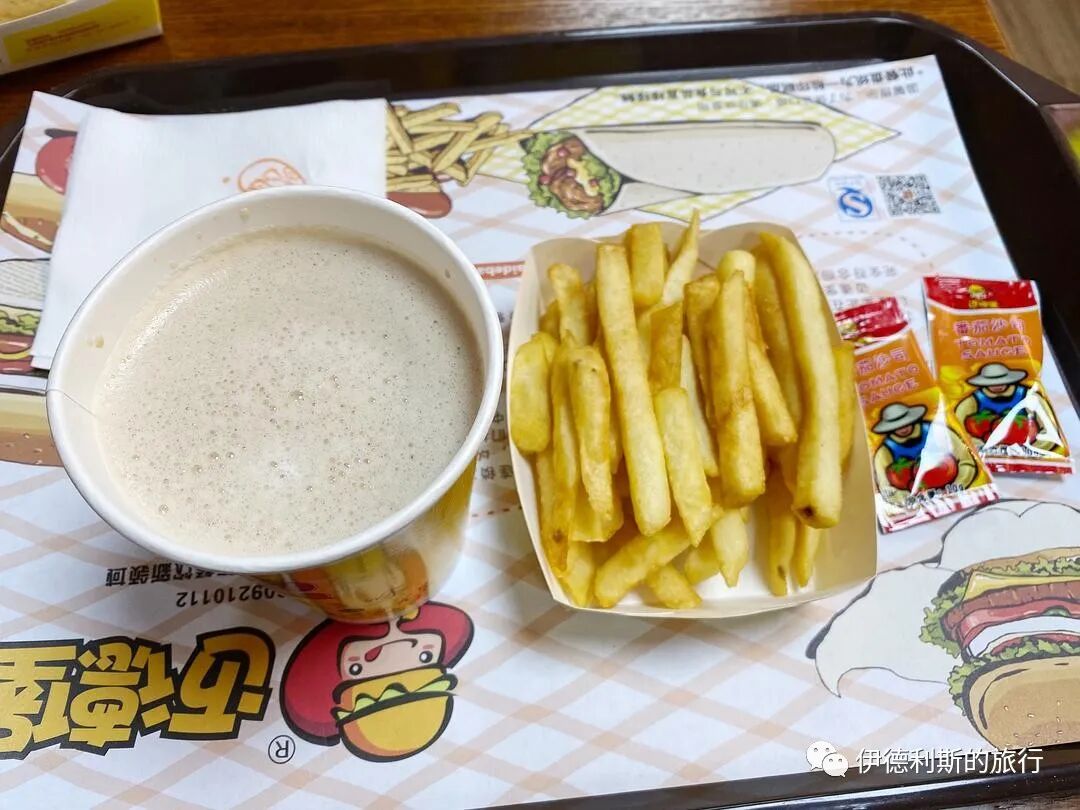
My second visit to Madeburg inside Chaoyangmen; I ordered a whole chicken, fries, and milk tea. I have fallen in love with their freshly made whole chicken. It is much better than burgers, haha. Putting on gloves and tearing it apart to eat is very satisfying. Freshly fried french fries are, of course, both fragrant and have a great texture. Boss Zhang said he found that pizza baked a little longer tastes even better than the standard way, so he shared one with me. I found that pizza baked a bit longer has a scent like naan bread and is both crispy and crunchy, haha.
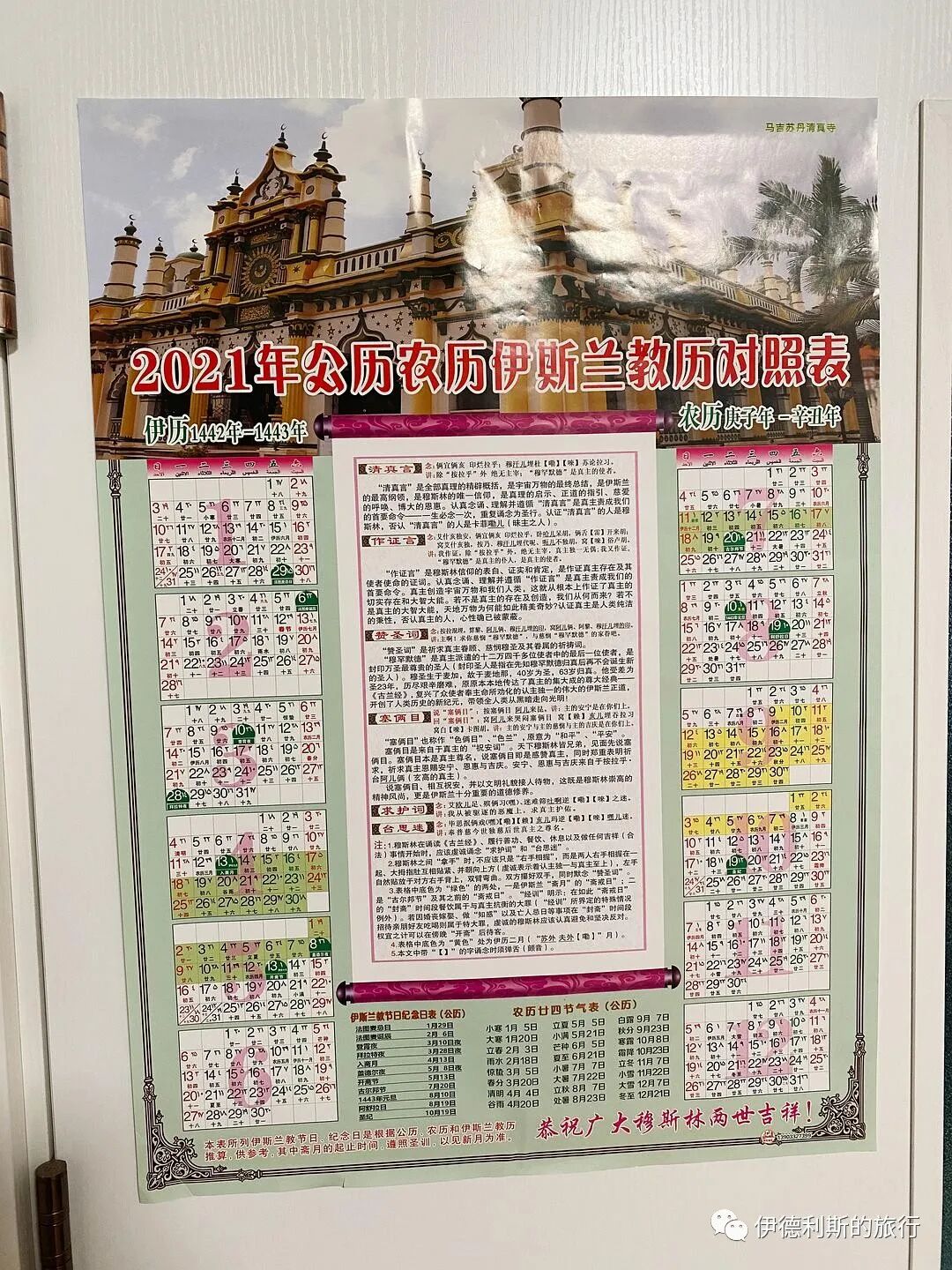
Before leaving, I received a distributed Islamic calendar from Maidebao. When I got home, I took down the one from last year issued by the Grace Bookstore on Niujie Street and put up the new one. I feel that changing the Islamic calendar every year gives a special sense of ritual that a year has passed. The second month is Isra and Mi'raj, the third is Bara'at, the fourth is the start of Ramadan and Laylat al-Qadr, the fifth is Eid al-Fitr, the seventh is Arafah, Eid al-Adha, and the Islamic New Year, the eighth is Ashura, and the tenth is Mawlid. A new year begins just like that.
January 15, Indian food Mirch Masala.
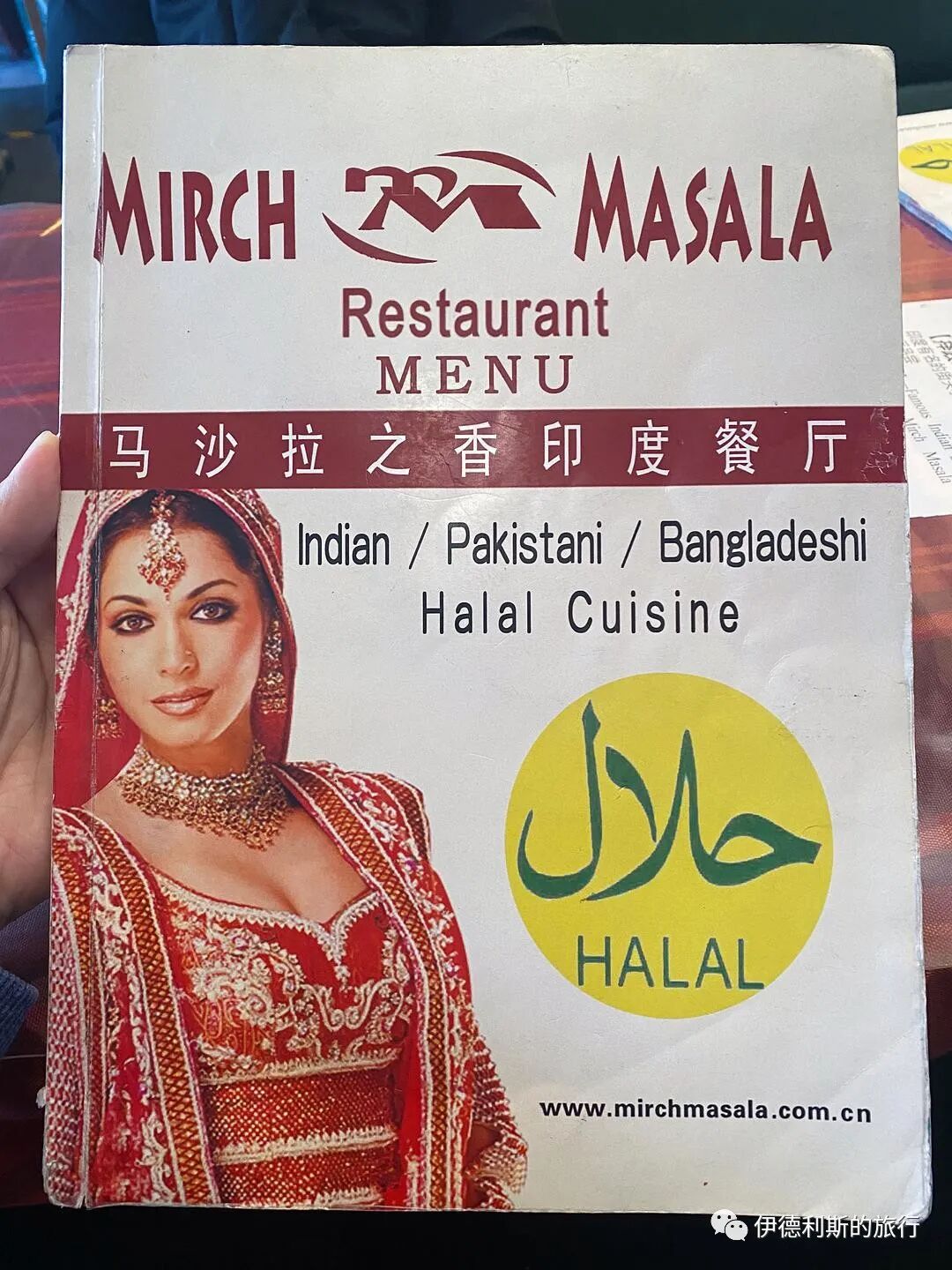
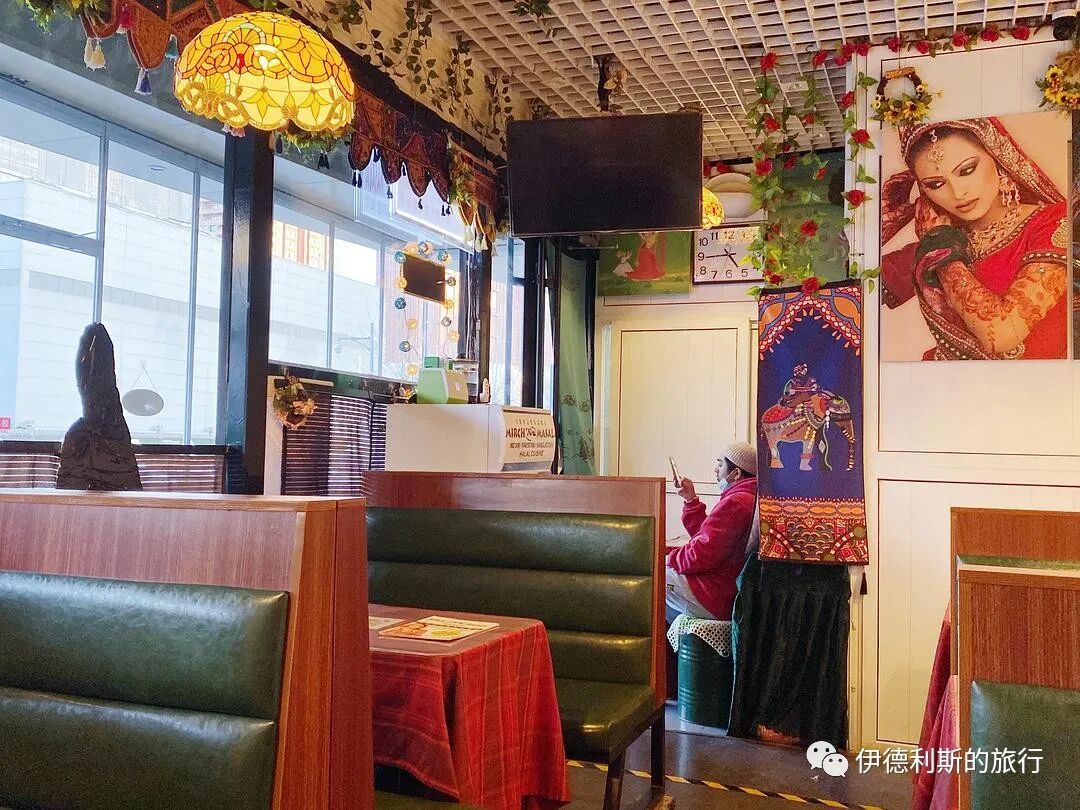
I ate Indian food at Mirch Masala on Xiushui Street; the shop name 'mirch' means chili pepper. The restaurant is quite small, with two Indian guys, one as the chef and one as the waiter. It is not big but the food is delicious, reminding me of the South Asian eateries found everywhere in Dubai.
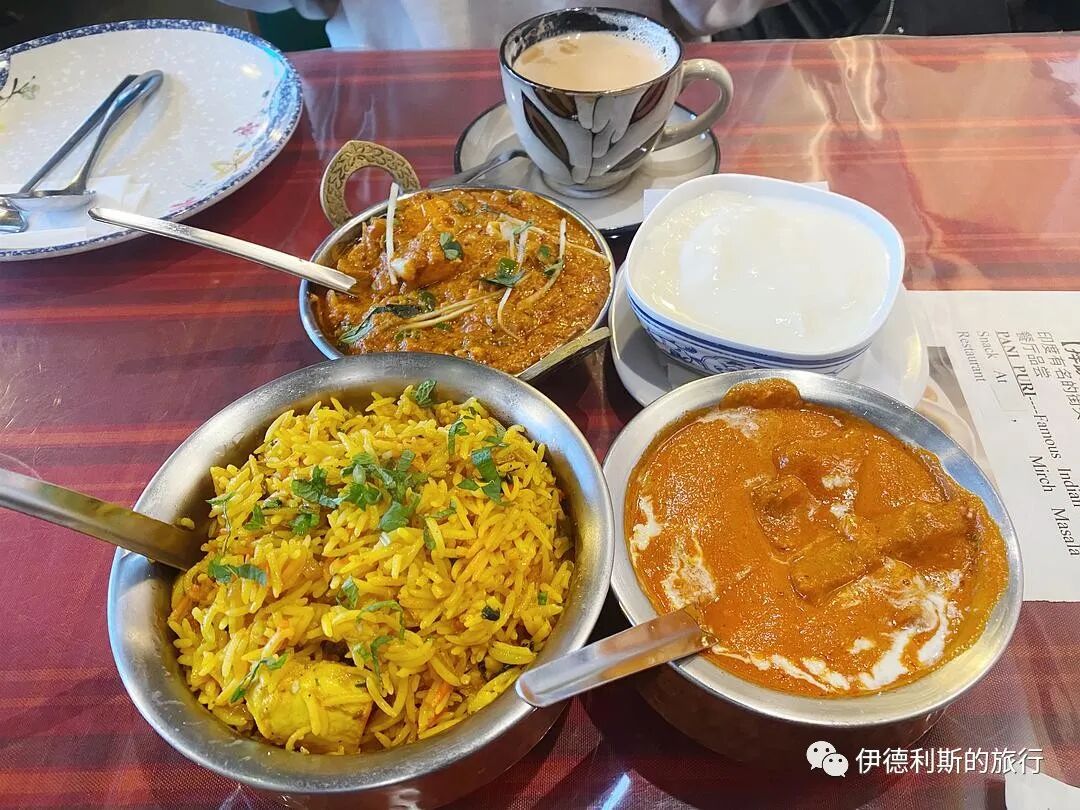
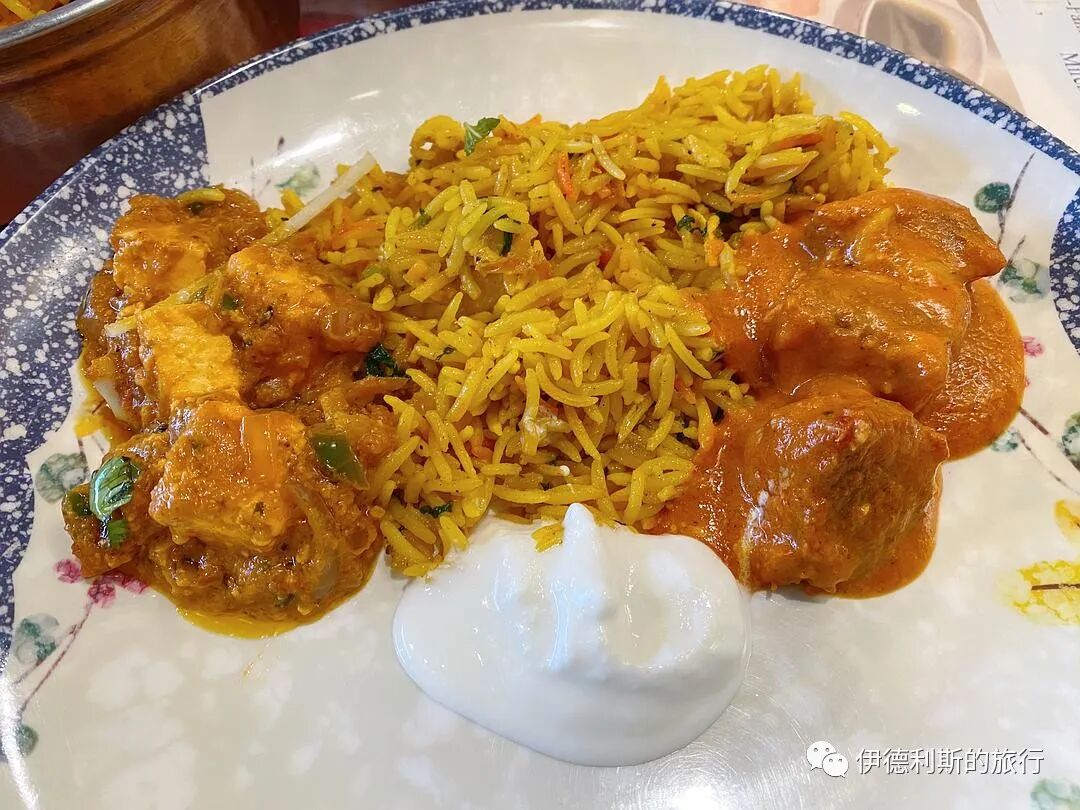
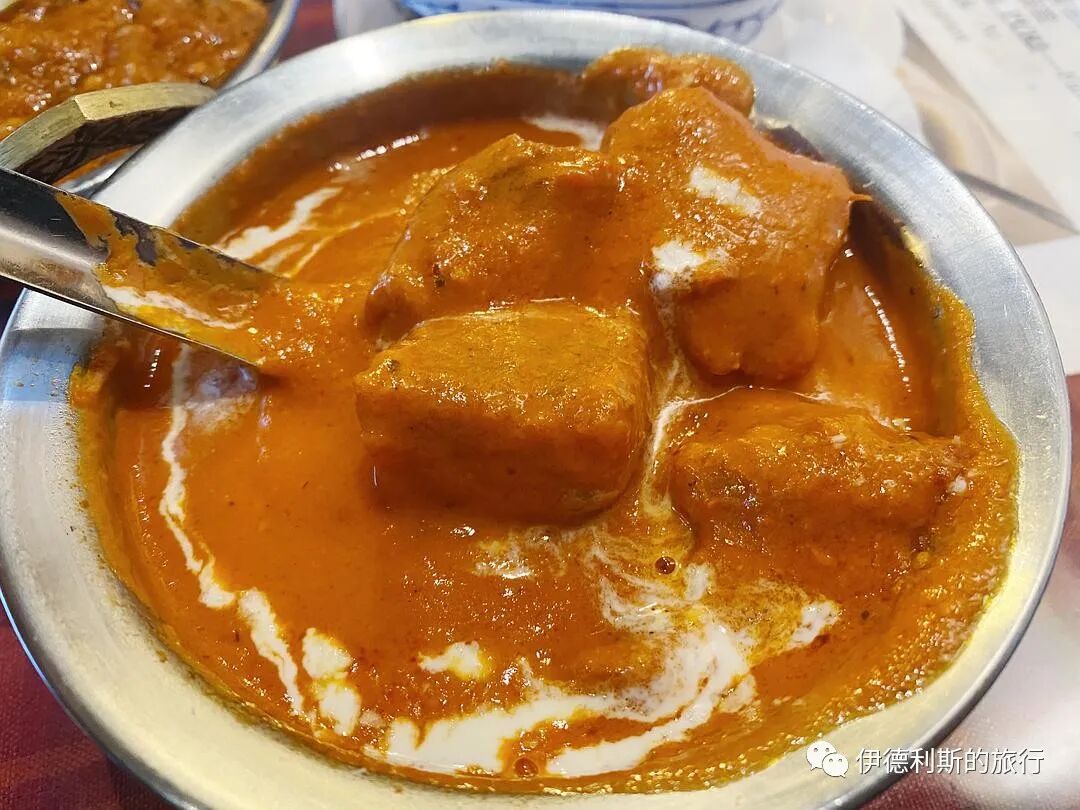
We ordered lamb korma curry, chicken biryani rice, masala tea, kadhai paneer (curry tofu), and their homemade yogurt. Putting the curry, rice, and yogurt on a plate and eating them together is especially fragrant. Finally, we packed the korma curry to take home, planning to add a little bit when we stir-fry dishes over the next few days.
Korma is a type of curry stewed with coconut milk or yogurt. The etymology of 'korma' comes from 'Qawirma' in Turkic, which originally meant to fry, but after evolving into the Urdu word 'Qormā', the meaning changed to stew. Korma is a classic Mughal court dish that started in the 16th century. People say Shah Jahan and his guests ate Korma at the banquet for the completion of the Taj Mahal.
Biryani is a Persian loanword in Urdu, also likely originating from the Mughal court. People say the Mughal imperial chefs created it by combining Indian spicy rice with Persian pilaf. In Mughal dynasty documents, the terms 'biryanis' and 'Pulao' (pilaf) appeared separately, and at that time, the two could be used interchangeably. It is generally believed that biryani is mixed with more spices than pilaf and has a stronger curry flavor.
The recipe for masala tea is not fixed, but it basically includes black tea, milk, sugar, cardamom, black pepper, and ginger. Other spices include cinnamon, star anise, fennel seeds, cloves, and so on.
Kadhai comes from 'Kataha' in the ancient Indian Prakrit dialect, meaning iron pot, which was even mentioned in the Ramayana. This cooking method is relatively popular in northern South Asia and Afghanistan.
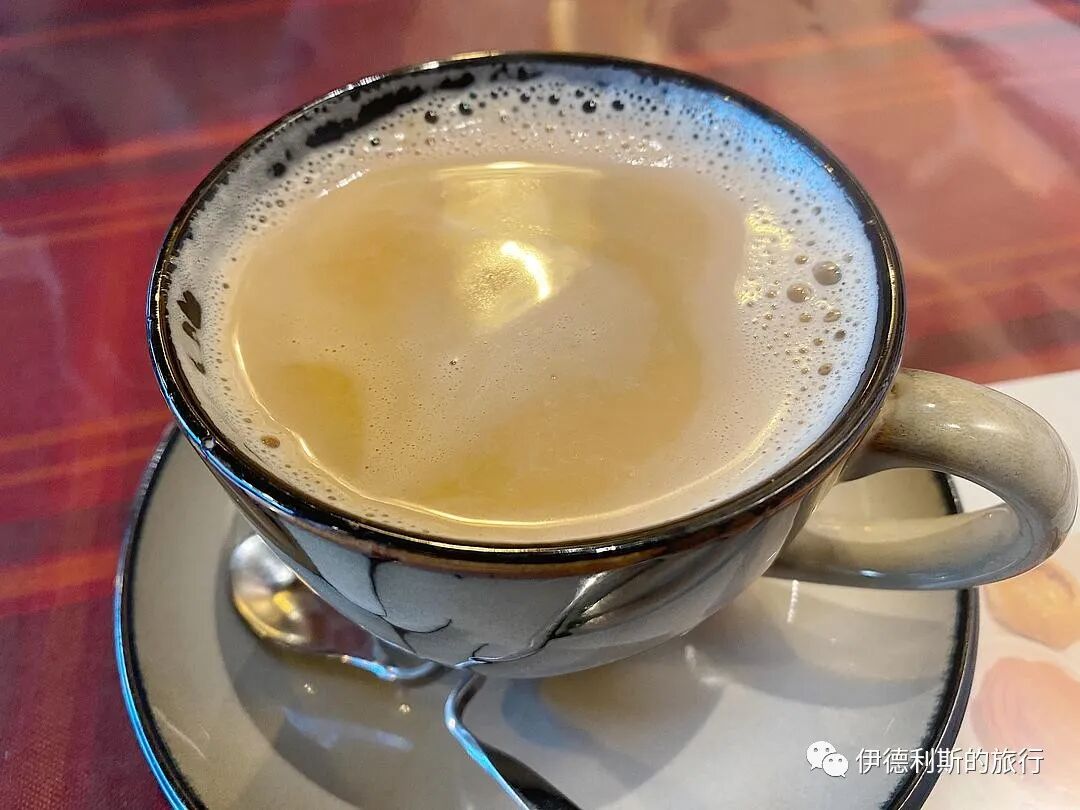
January 16, Kashgar Mahmuti Restaurant.
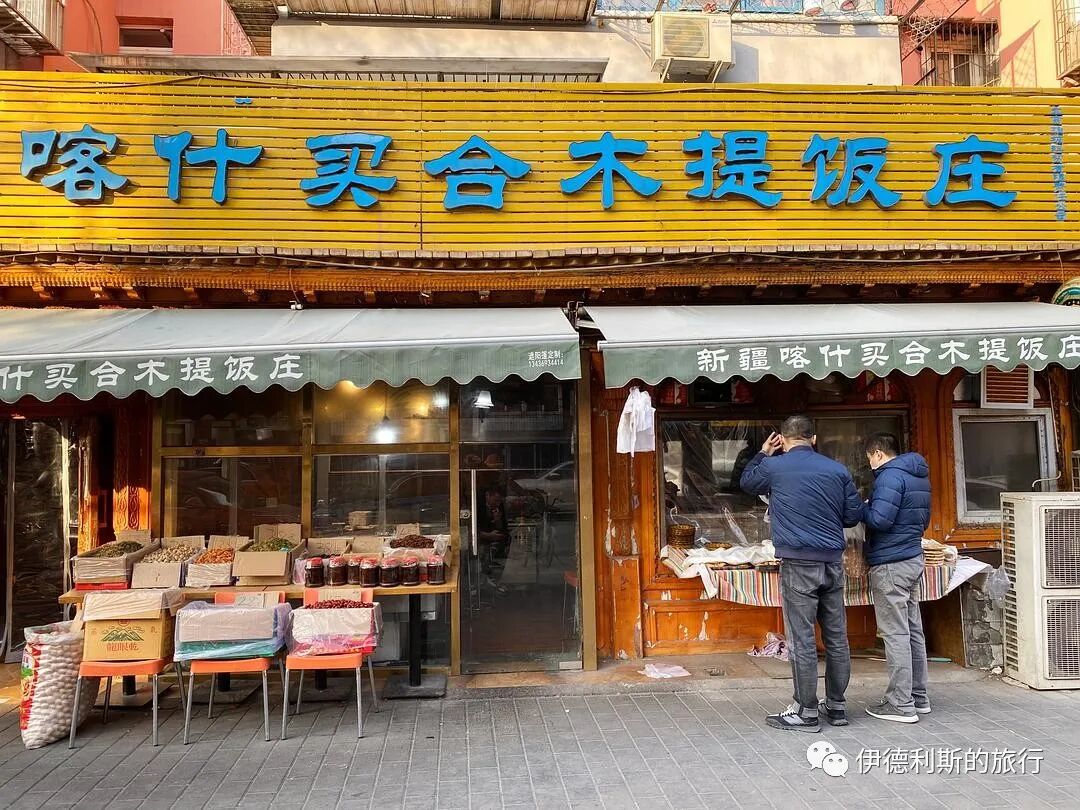
In the afternoon, I went to the Kashgar Mahmuti Restaurant near Baiyun Temple. It is a restaurant that opened in 2005, yet this was my first time eating there. I used to stop at Jiasan and never walked any further. Who knew there was such a restaurant right next to Jiasan!
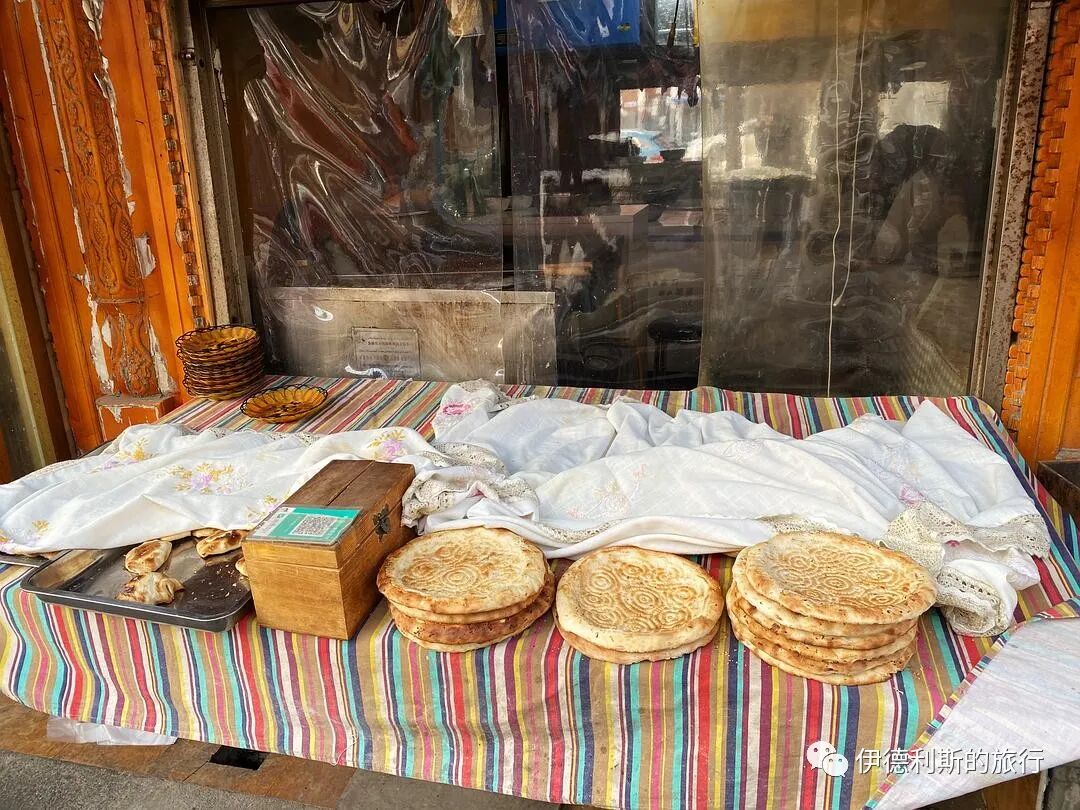
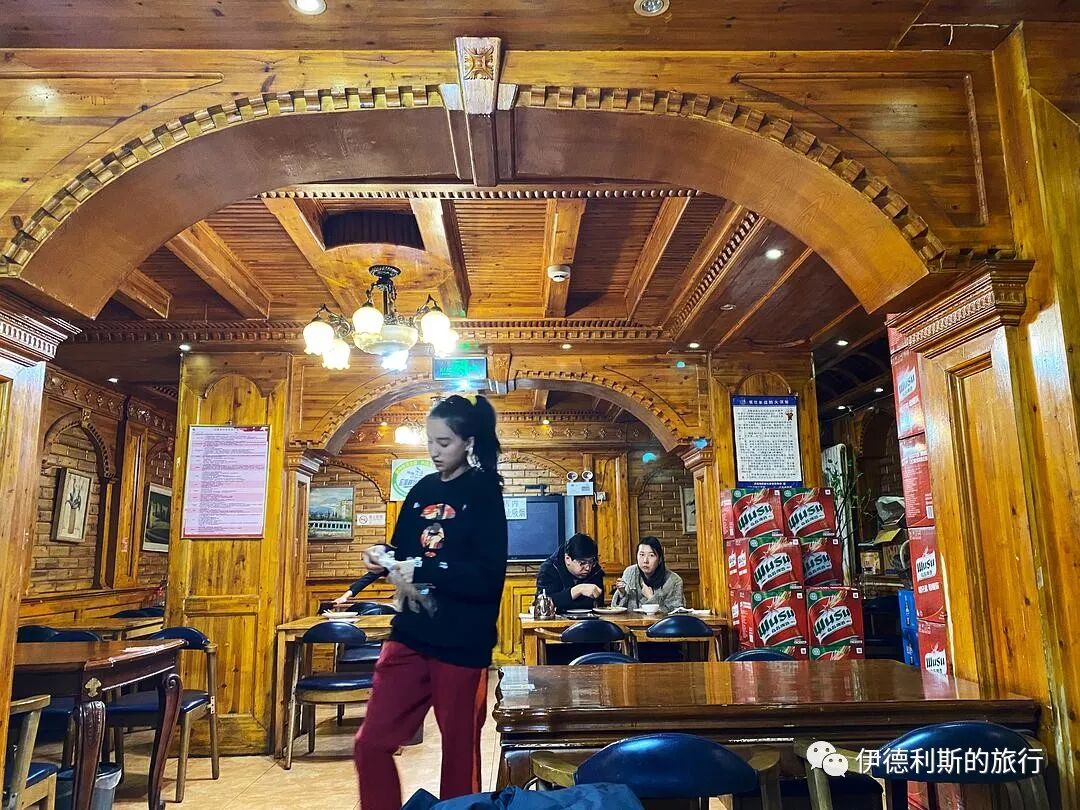
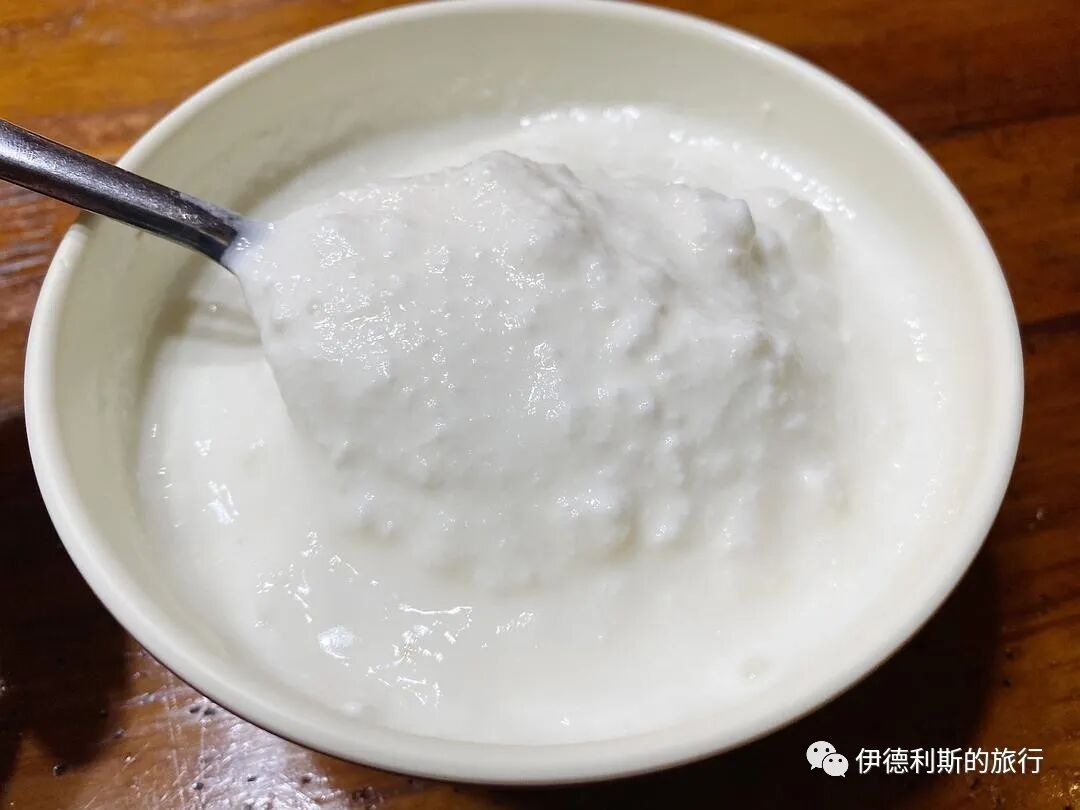
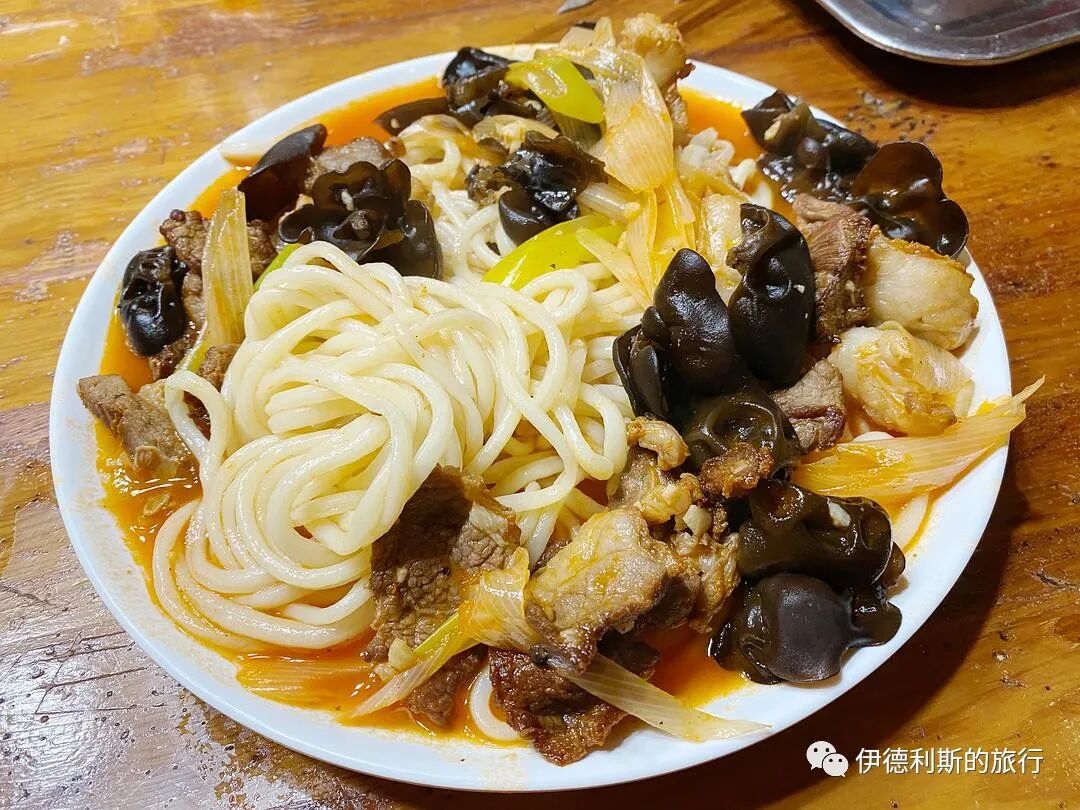
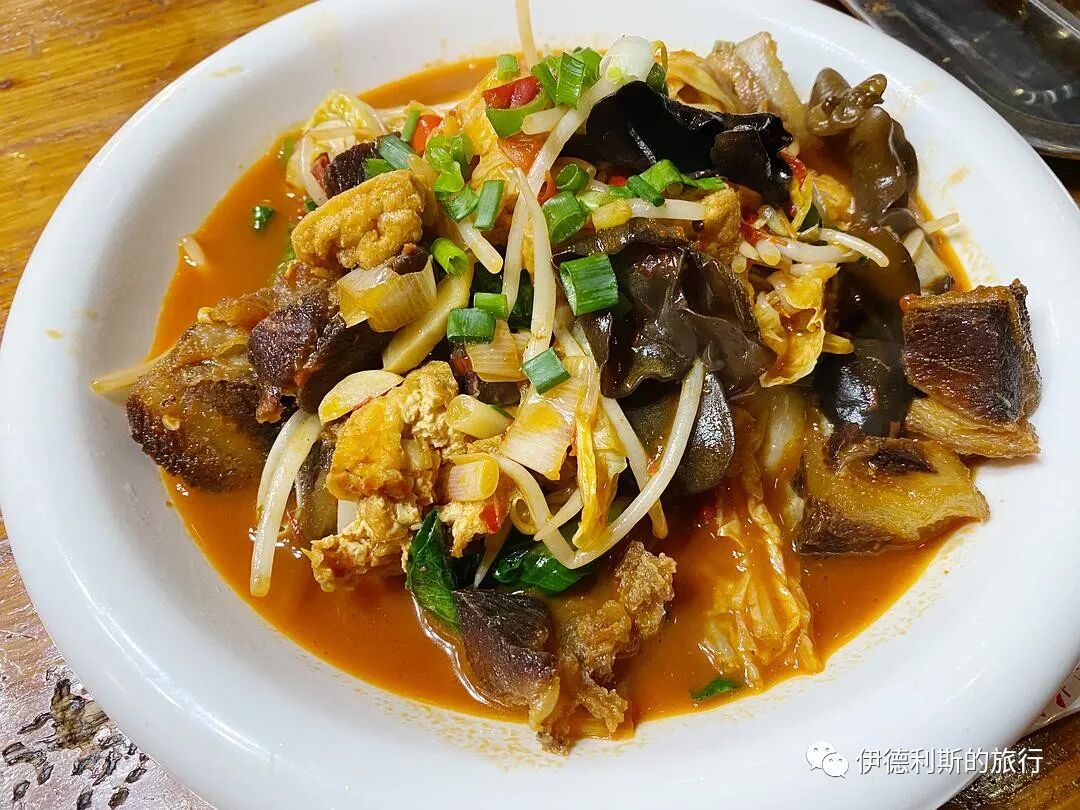
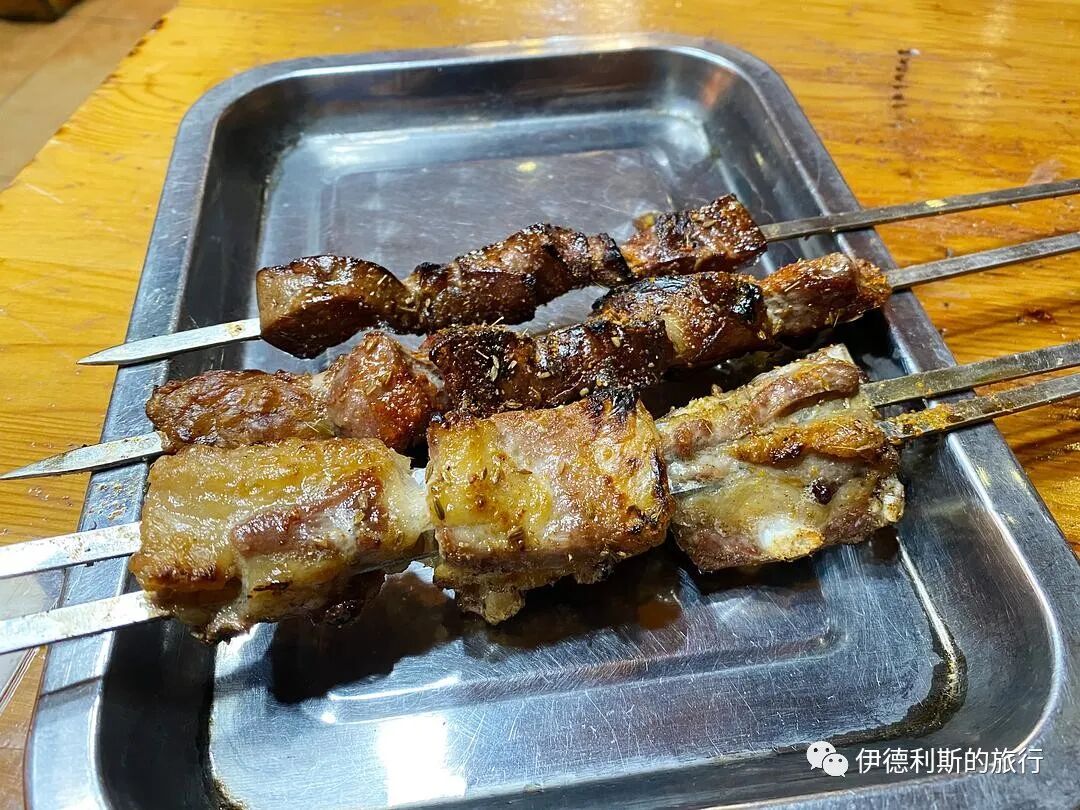
First, look at the shop name, then look at the freshly baked naan at the entrance, and then look at the interior decoration; it is absolutely like arriving in Erdaoqiao in a second. The staff are all Uyghurs, and when we walked in, a large Uyghur family was celebrating a birthday. We ordered yogurt, roasted lamb chops, lamb liver, lamb skewers (chuanr), Kashgar stew (Kashi duncai), and guirou langman. We wanted to order pigeon soup, but the waiter heard dough drop soup (gedatang) instead. Later, he told us they were out of pigeon soup and swapped it for lamb skewers.
Their yogurt is the most authentic thing on the menu! I have never had such authentic Xinjiang yogurt in Beijing. This homemade yogurt is twenty times better than the packaged Xinjiang brands in supermarket freezers, ten times better than the yogurt at chain restaurants like Bayi Laoye, and five times better than the yogurt at Uyghur spots like Baizuan. I would even say that many restaurants in Urumqi don't have yogurt as good as theirs.
The roasted meat is very fragrant and tender, and the liver is better than the one at Ali on Shenlu Street. The lamb chops are a bit tough, but some people love them that way. The meat in the guirou langman is very authentic; it is the kind that is a bit hard after being deep-fried. The noodles (langman) are a bit soft and average, not as good as the ones at Baizuan. The meat in the stew is a bit hard, maybe because they used air-dried meat, so we packed it to go to stew it again at home. Also, they didn't have the meat jelly (jiasha) listed on the menu and used fried tofu puffs instead, but the flavor was still very authentic.
Overall, I think this place is top-tier among Uyghur restaurants in Beijing, right up there with Ali and Baizuan. Next time I want to try their pilaf (zhuafan) to see how it tastes.
January 19, Kuqa Uyghur Restaurant, Crescent Moon (Wanwan Yueliang)
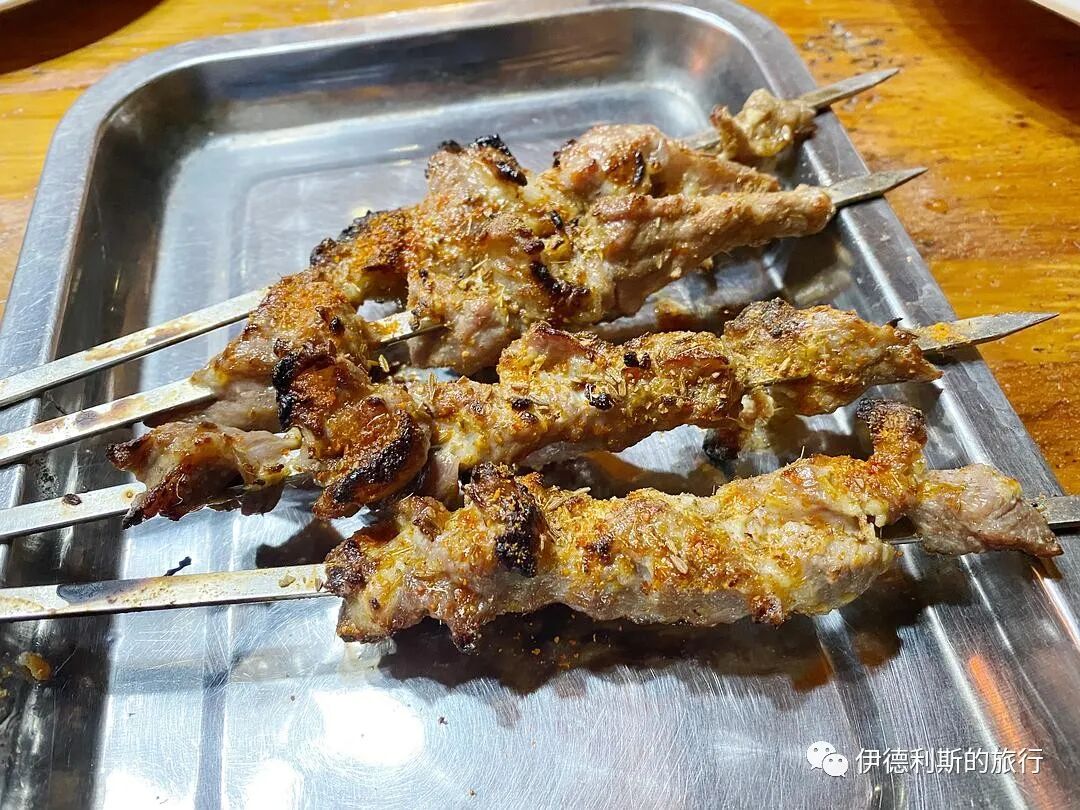
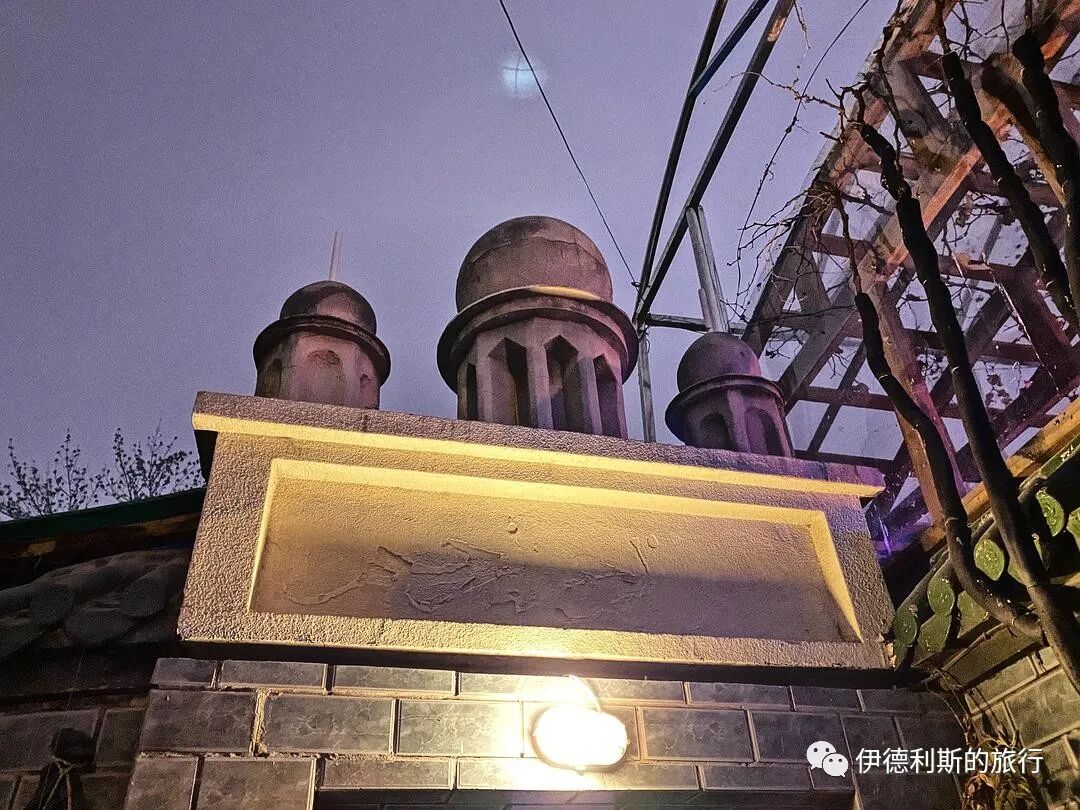
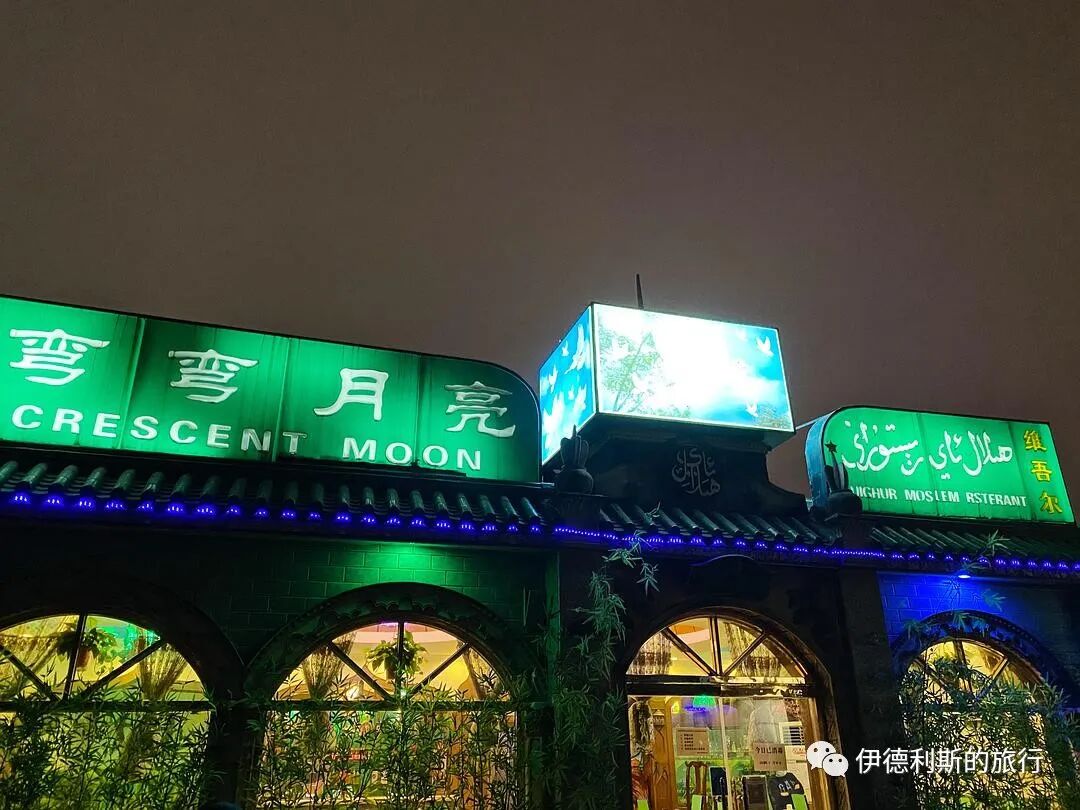
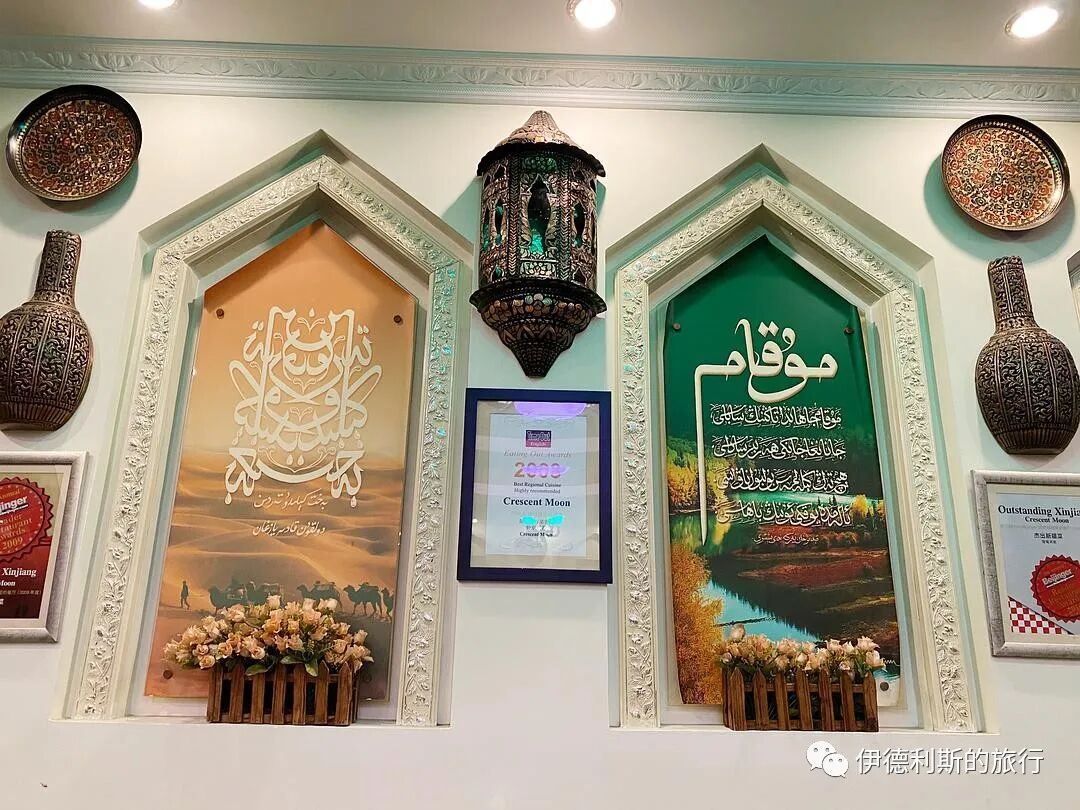
I ate at the Kuqa Uyghur Restaurant, Crescent Moon, on Dongsi Liutiao before seeing a play in the evening. This is truly the oldest Uyghur restaurant in Dongsi; I have been eating here for over a decade, ever since I was in middle school. To be honest, their quality isn't as good as what I've had in Xinjiang. In Beijing, they only rank as mid-tier, behind Baizuan, Ali, and Maihemuti.
This time I ordered my usuals: kebabs (kawapu), pilaf (poluo), and stew (huo'erdun). The roasted meat is great, no complaints there. The rice in the pilaf is fine, but their minced meat has always been too dry. The stew is the opposite; the potatoes and carrots are delicious, but the lamb chops are too tough and have very little lean meat.
In short, if I want to satisfy my longing for Xinjiang, I would definitely choose Ali or Baizuan first. But if I am in the Dongsi area for an exhibition or a play, grabbing a meal at Crescent Moon is fine too.
January 21, Yangfang Shengli Hot Pot, Liujiayao branch
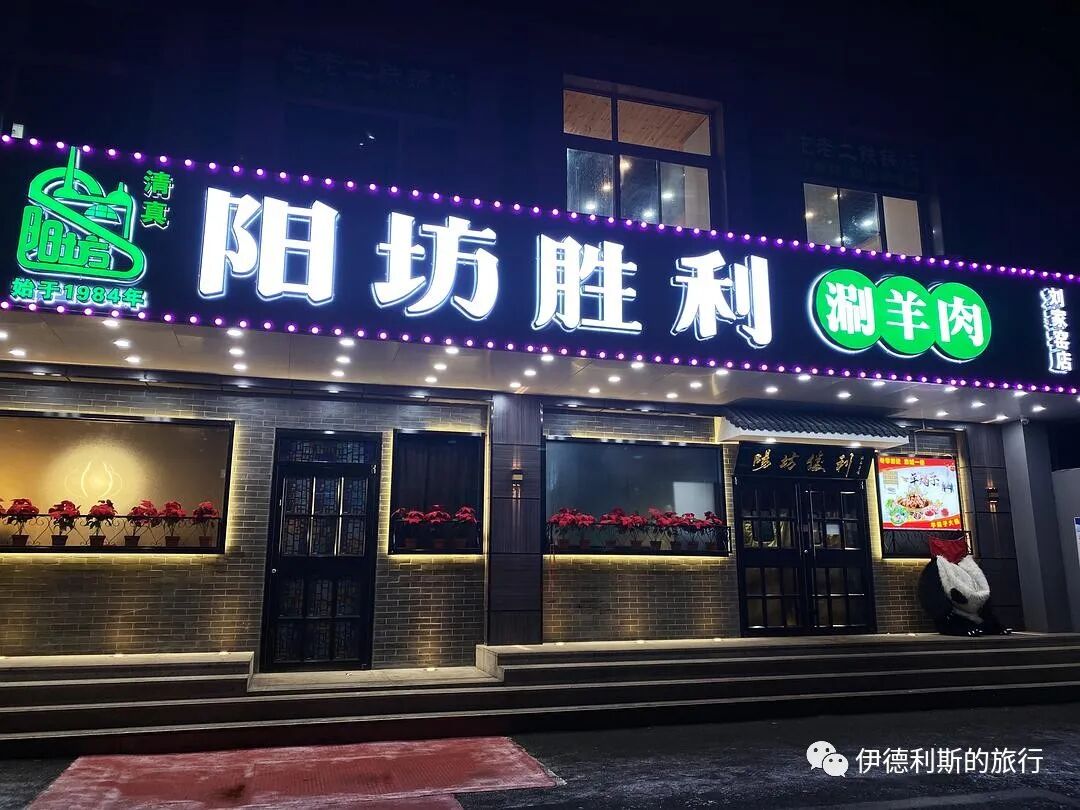
It rarely snows, so tonight we had a hot pot at Yangfang Shengli Shuanrou in Liujiayao, which opened in 2021! Although Yangfang Shengli Shuanrou is very famous, this was my first time eating there. I used to think they were mostly in the north, so I was surprised to see one open in the south.
To give a quick introduction, the main branch of Yangfang Shengli Shuanrou is located in a place called Xiguanshi. Hui Muslims from Xiguanshi followed Prince Yan north to Beijing in the early Ming Dynasty. Because they lived near the main trade route from Beijing to Zhangjiakou and were skilled in martial arts, many Xiguanshi Hui Muslims opened security escort agencies outside Qianmen during the Qing Dynasty. They specialized in protecting goods across the five northwestern provinces, mainly serving wealthy Shanxi merchants. People say Li Wuye, the master of the magic pellet in the novel 'Shi Gong An', was a Hui Muslim from Xiguanshi. The depictions of Li Guoliang, the 'Little Hero of the Golden Bow', and the Dongguangyu Escort Agency outside Qianmen in the novel 'Yongzheng Jianxia Tu' vividly show the life of the Xiguanshi Hui Muslim escort agencies during the Qing Dynasty. Because it sits on the essential path to the Mongolian grasslands, the mutton hot pot here is also very famous.
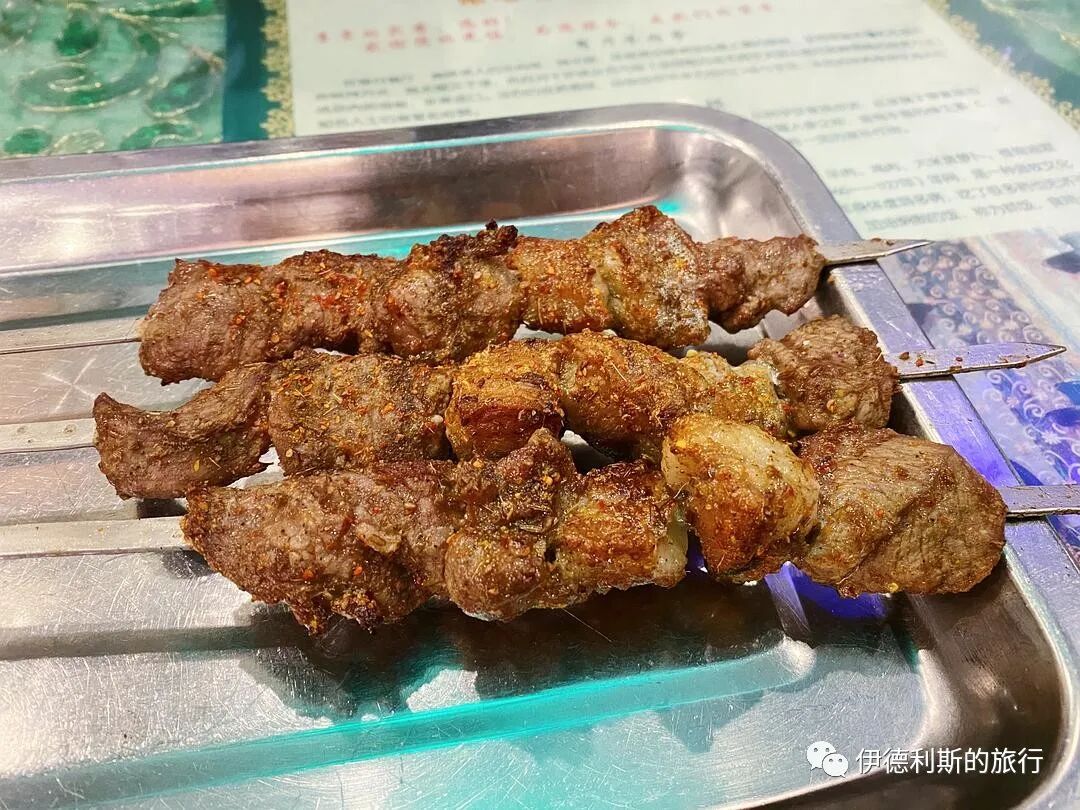
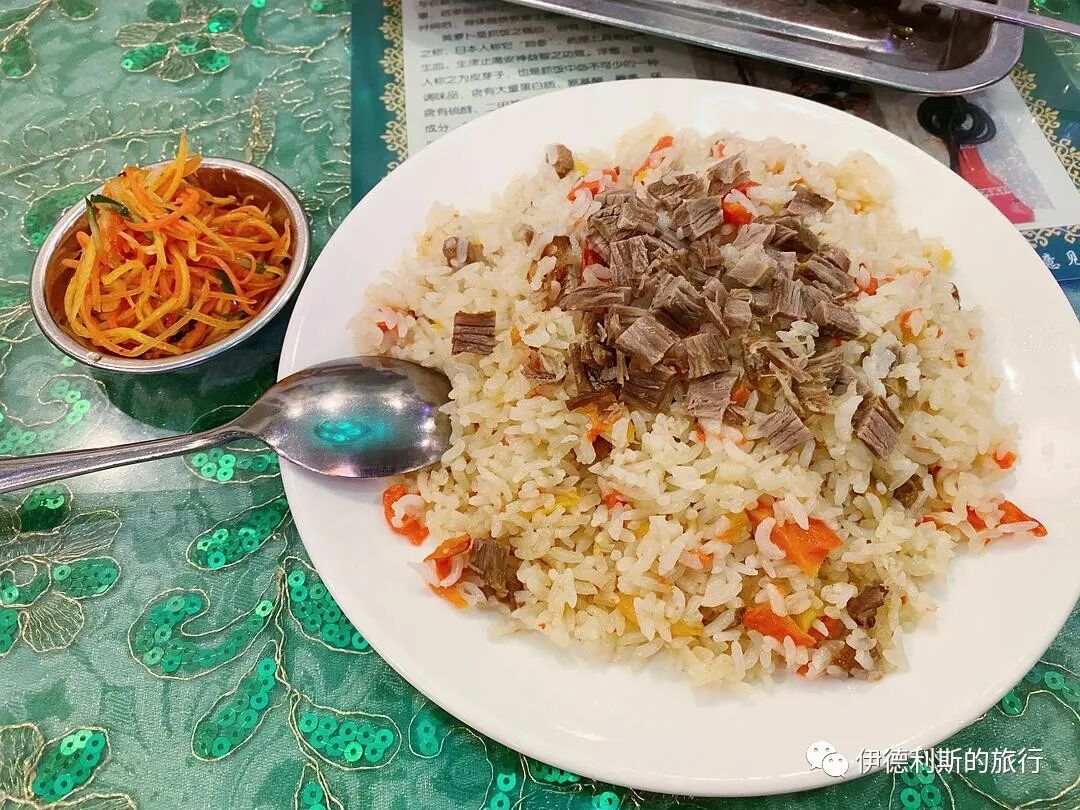
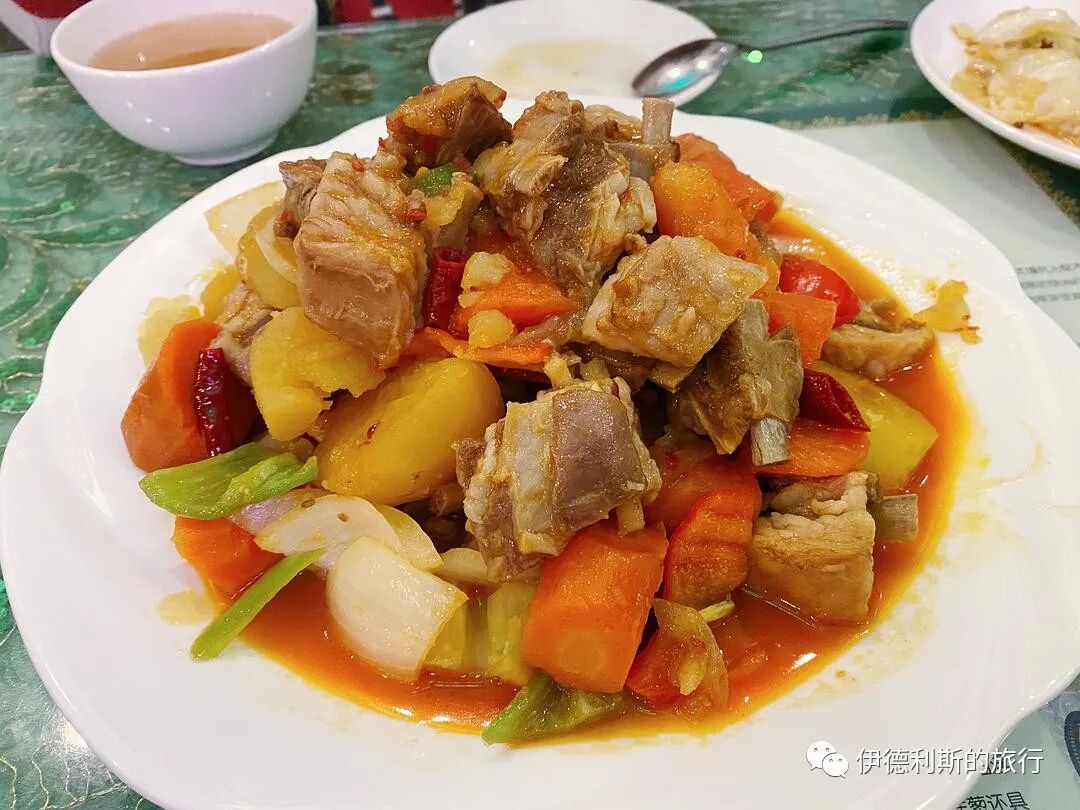
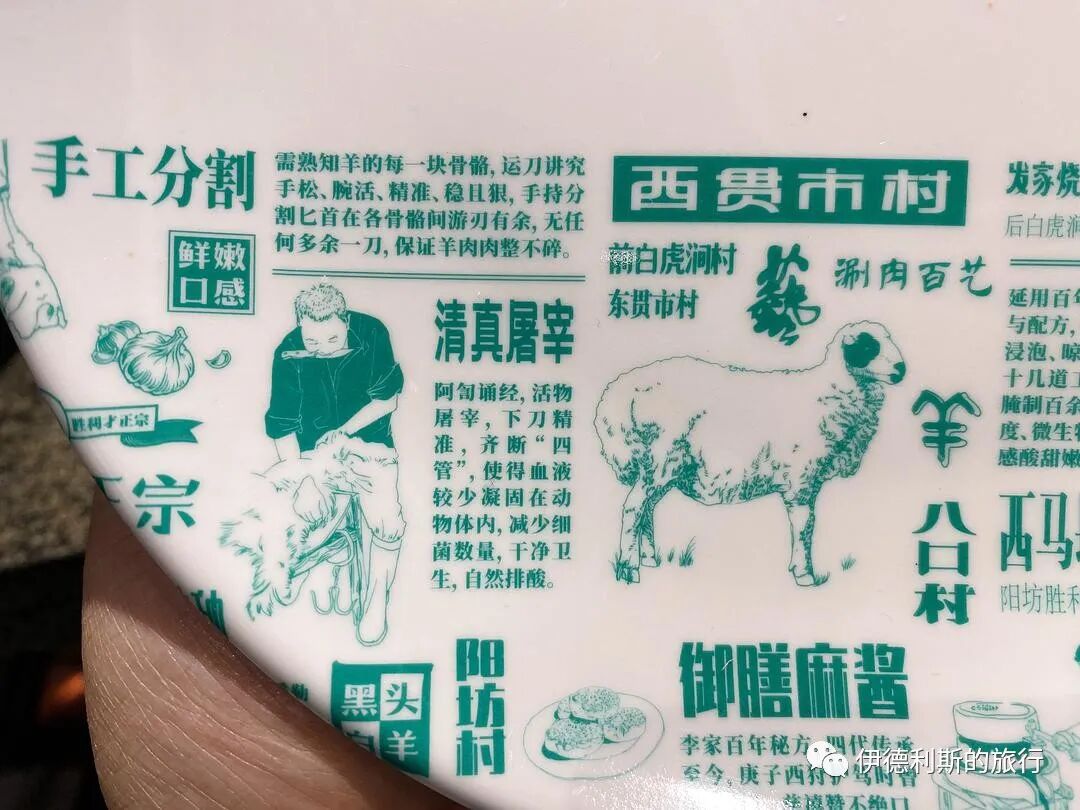
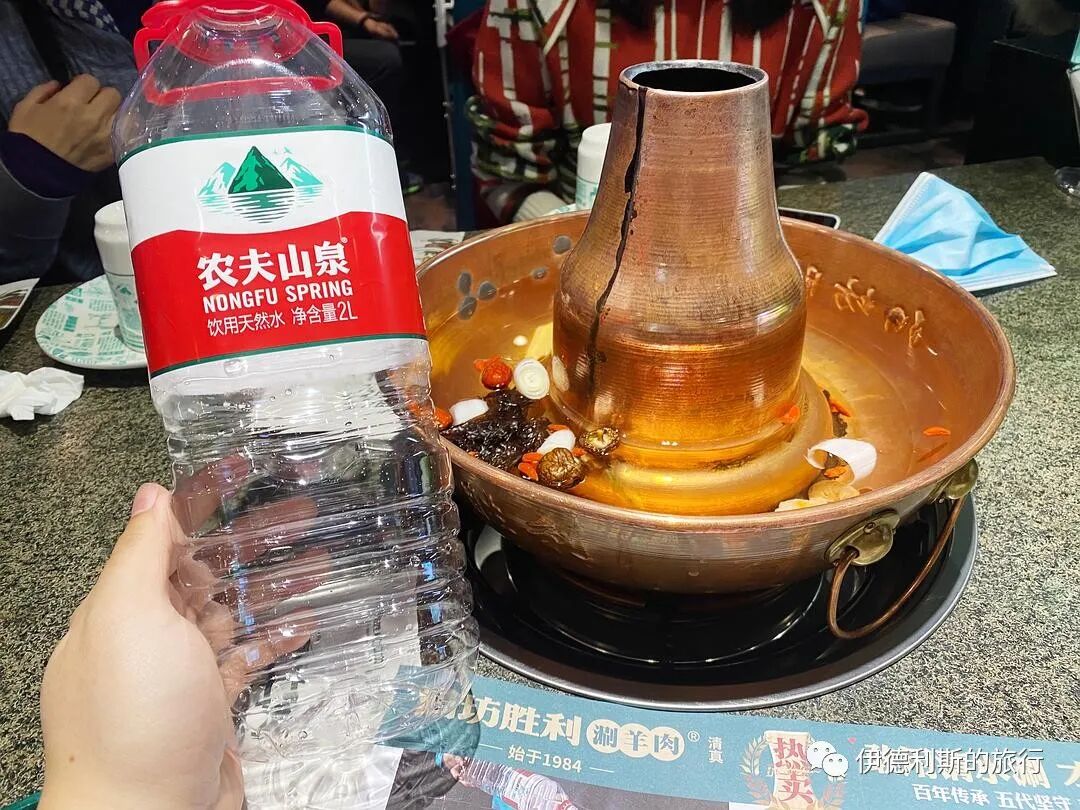
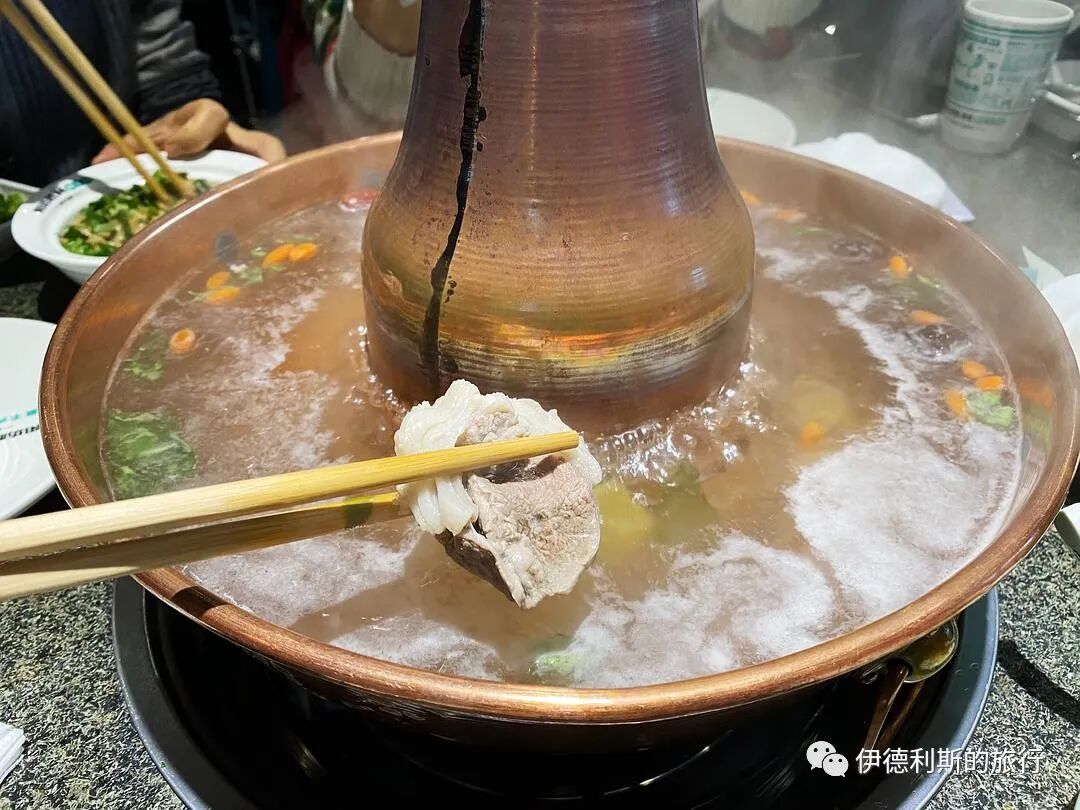
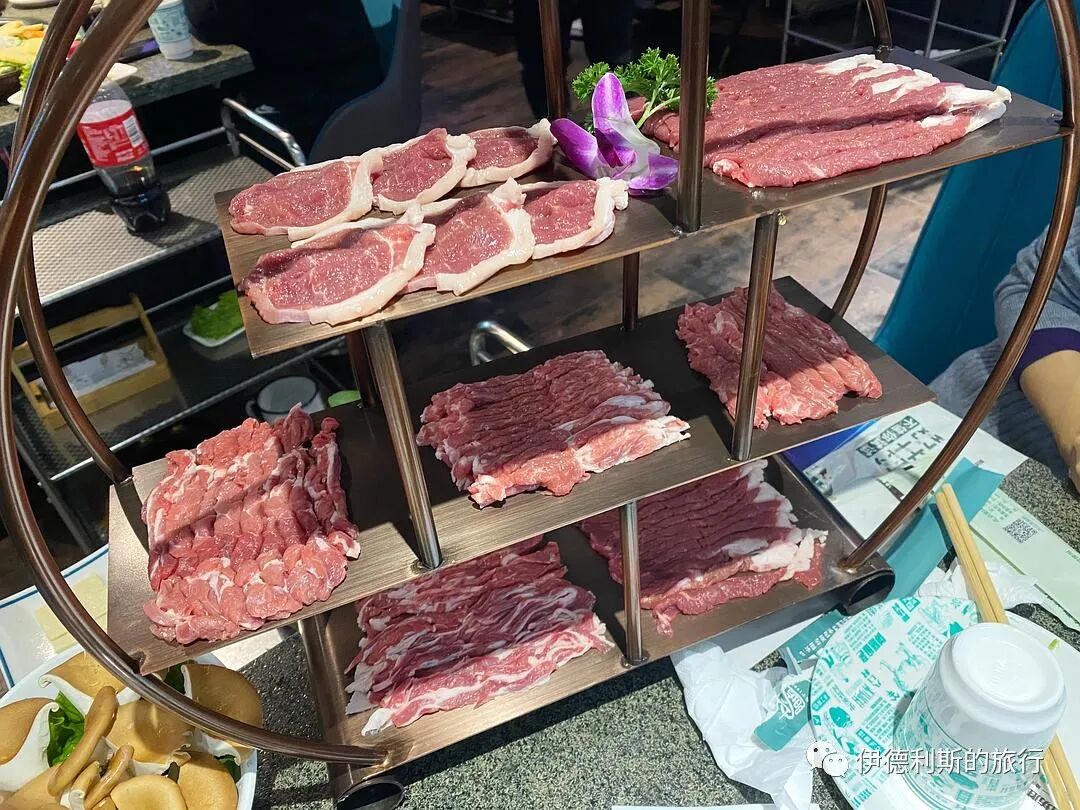
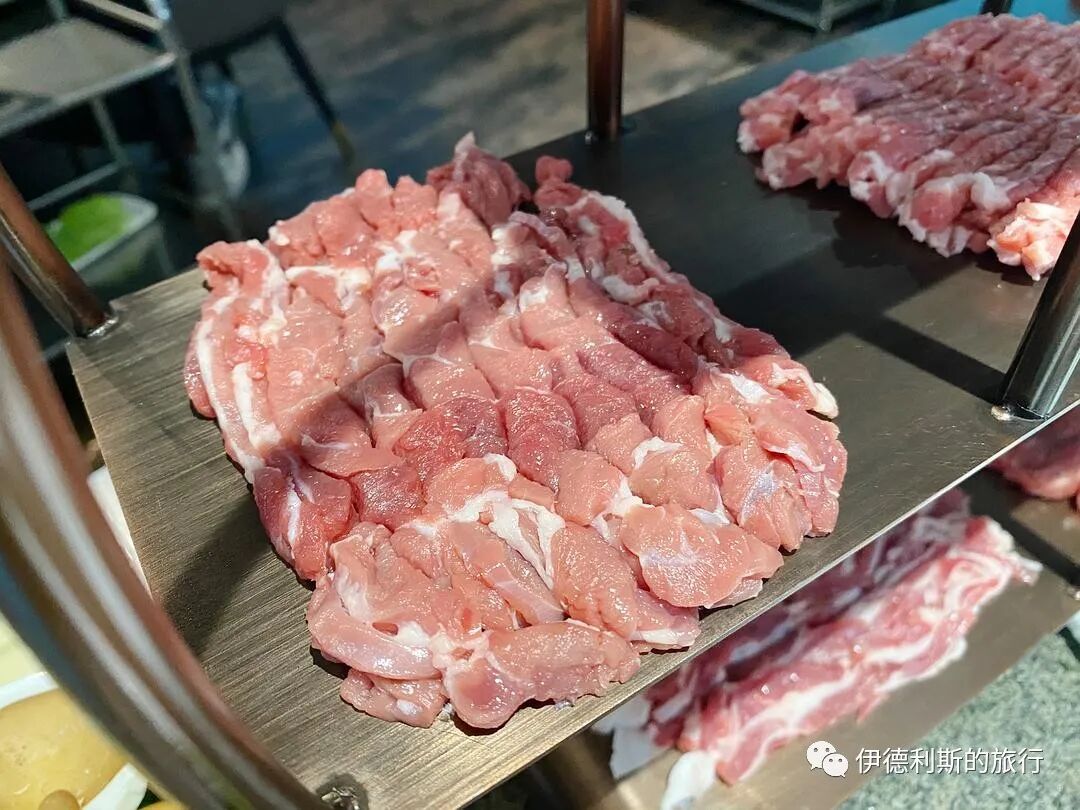
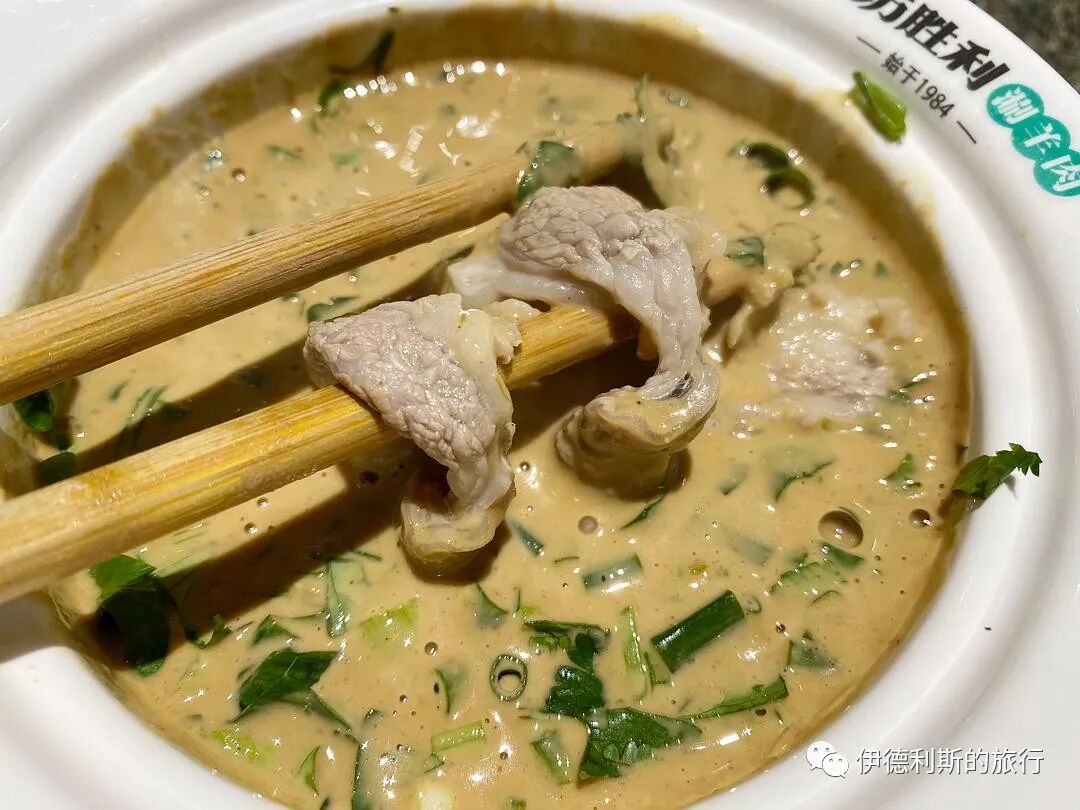
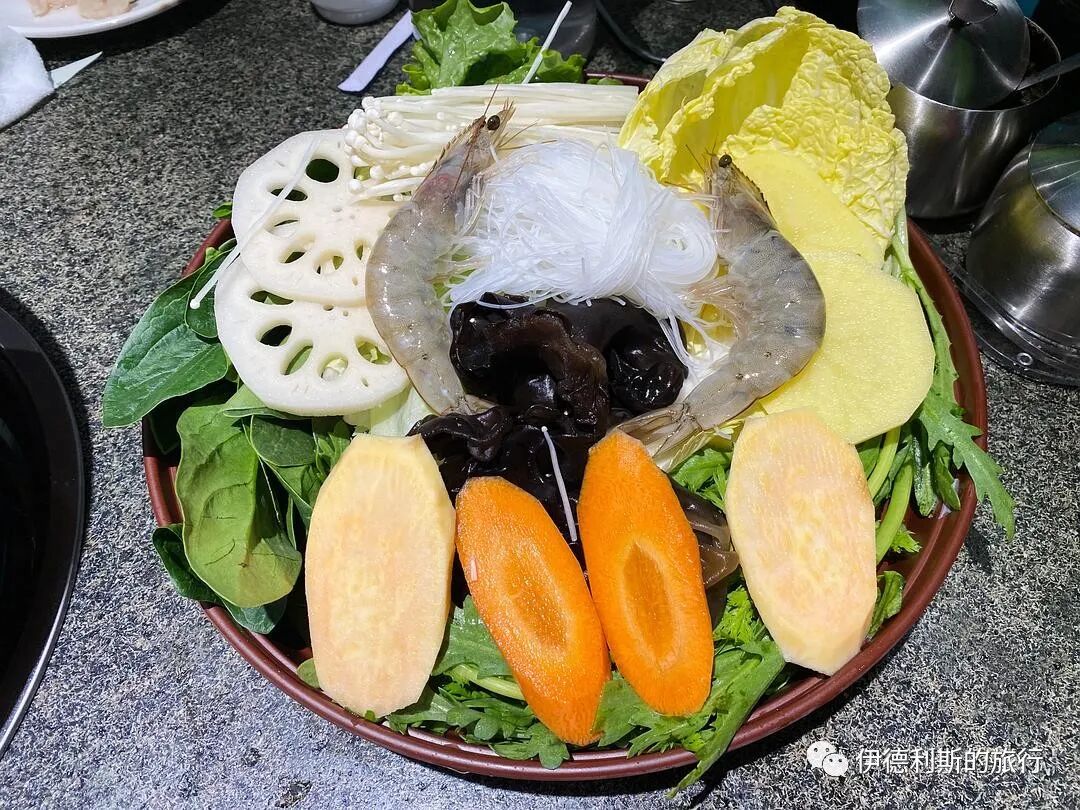
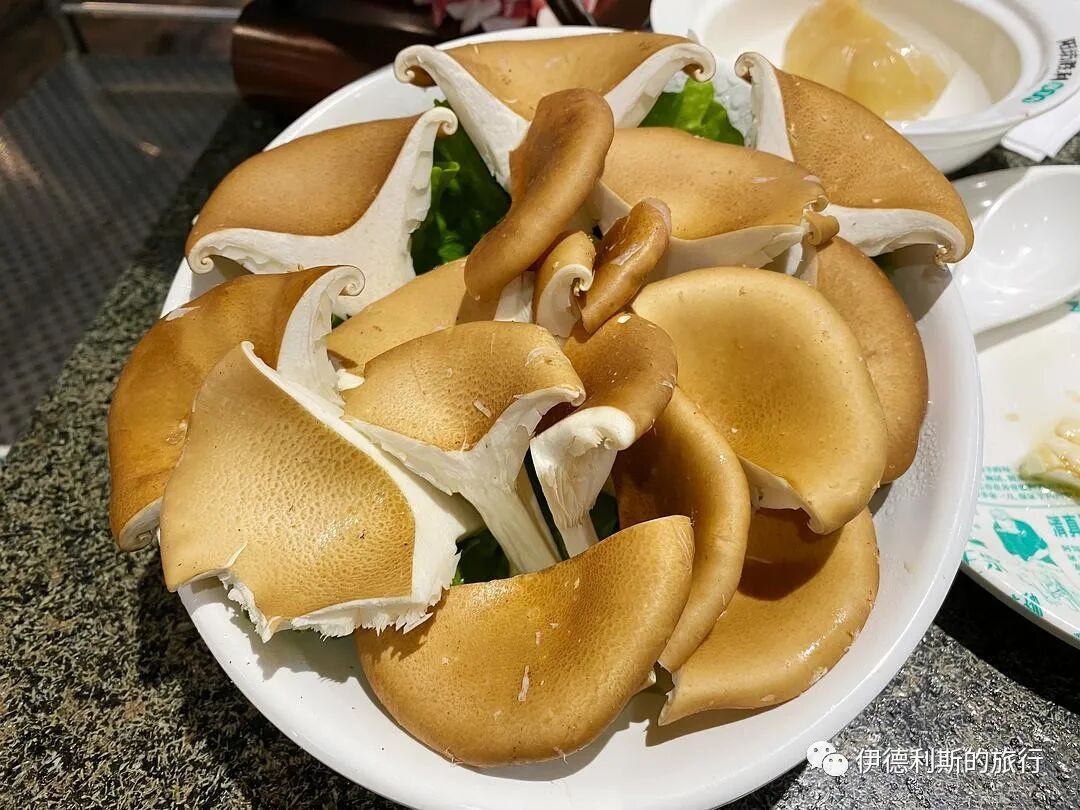
I feel that the Yangfang Shengli Shuanrou in Liujiayao is excellent in terms of environment, service, meat quality, and vegetable freshness. Our family was very satisfied, and we will come here often for gatherings. We ordered their whole lamb combo (lamb brain, 'half-side cloud' flank, lamb tendon, lamb spine, lamb 'emperor' cut, lamb rib, and lamb shoulder), a vegetable platter, crunchy tripe mushrooms, and frozen tofu. First, they opened a bottle of Nongfu Spring water and poured it into the pot, which felt very sincere, haha. They use 6-8 month old black-headed white lambs from Xilingol. The meat is truly fresh, and I personally feel the quality is better than the hot pot places I usually visit near Dongsi (I won't name them). Their pickled garlic (tangsuan) is also homemade, and the flavor is noticeably richer than the store-bought garlic at most hot pot restaurants.
Also, even though the place was very noisy during the dinner rush, the servers came immediately whenever we called. They never ignored us, so it feels like they really know how to run a business.
January 27, Qiqihar BBQ at Toupiqi.
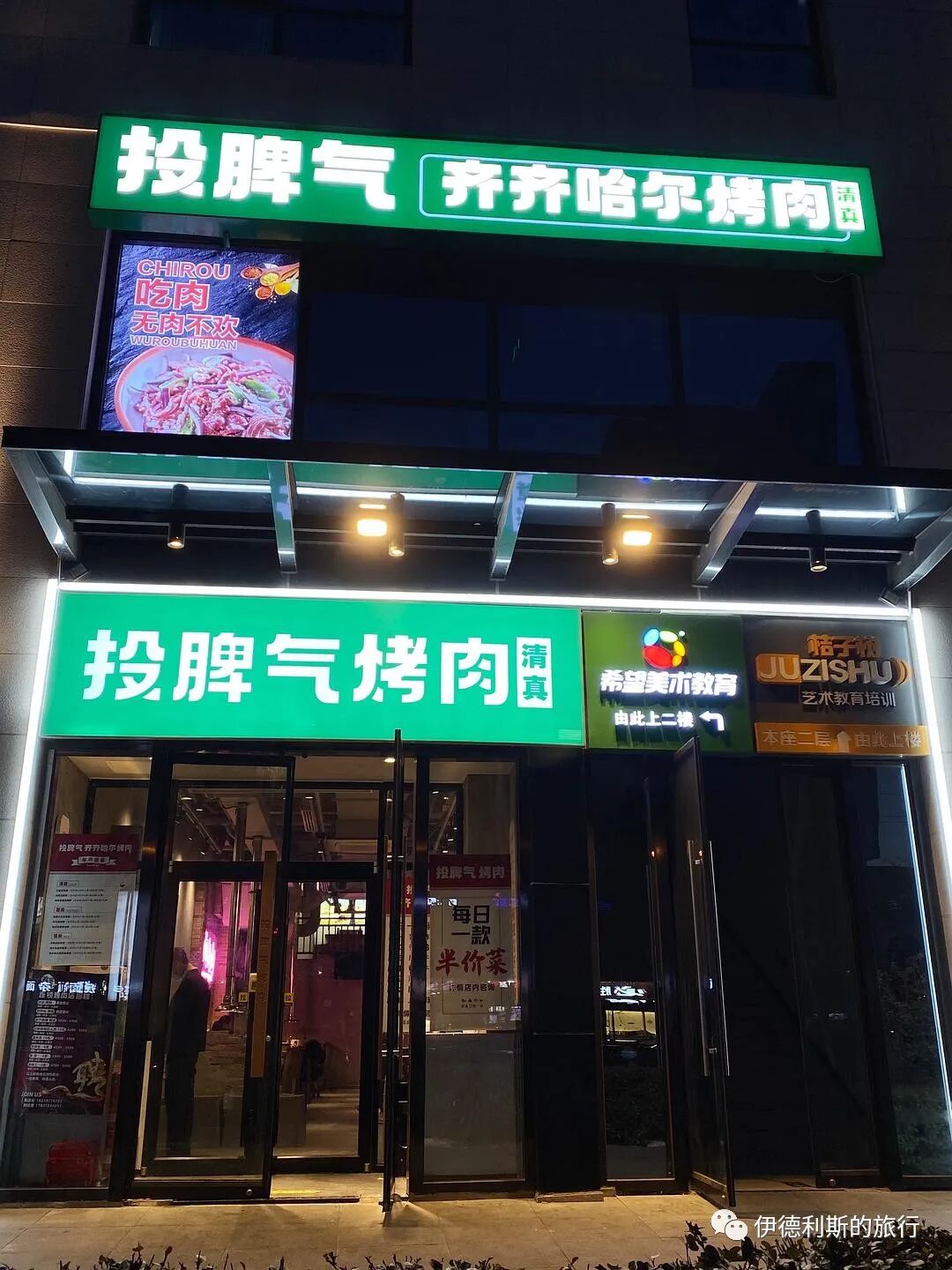
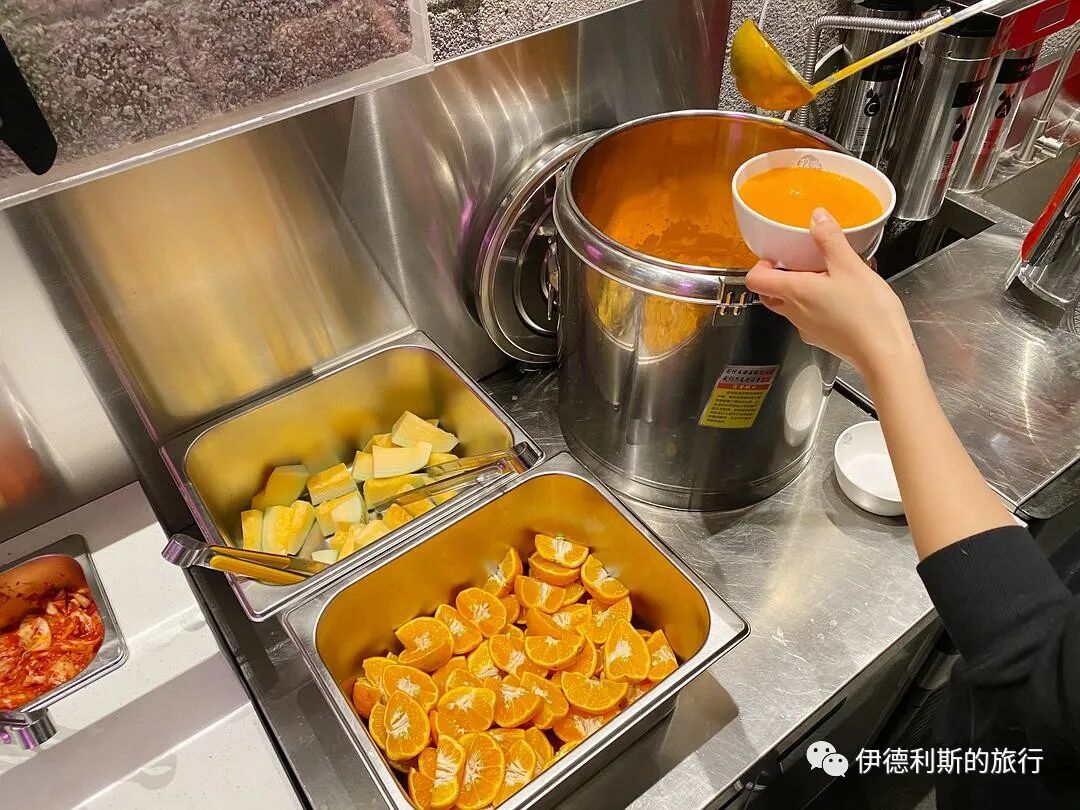
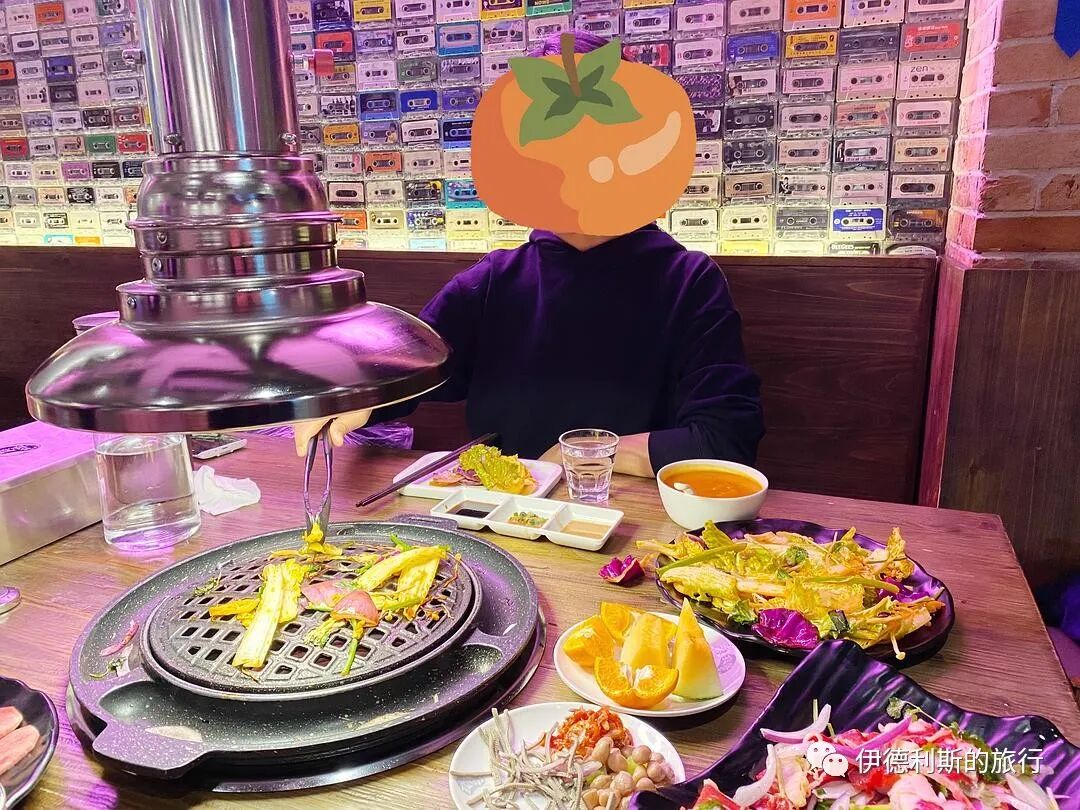
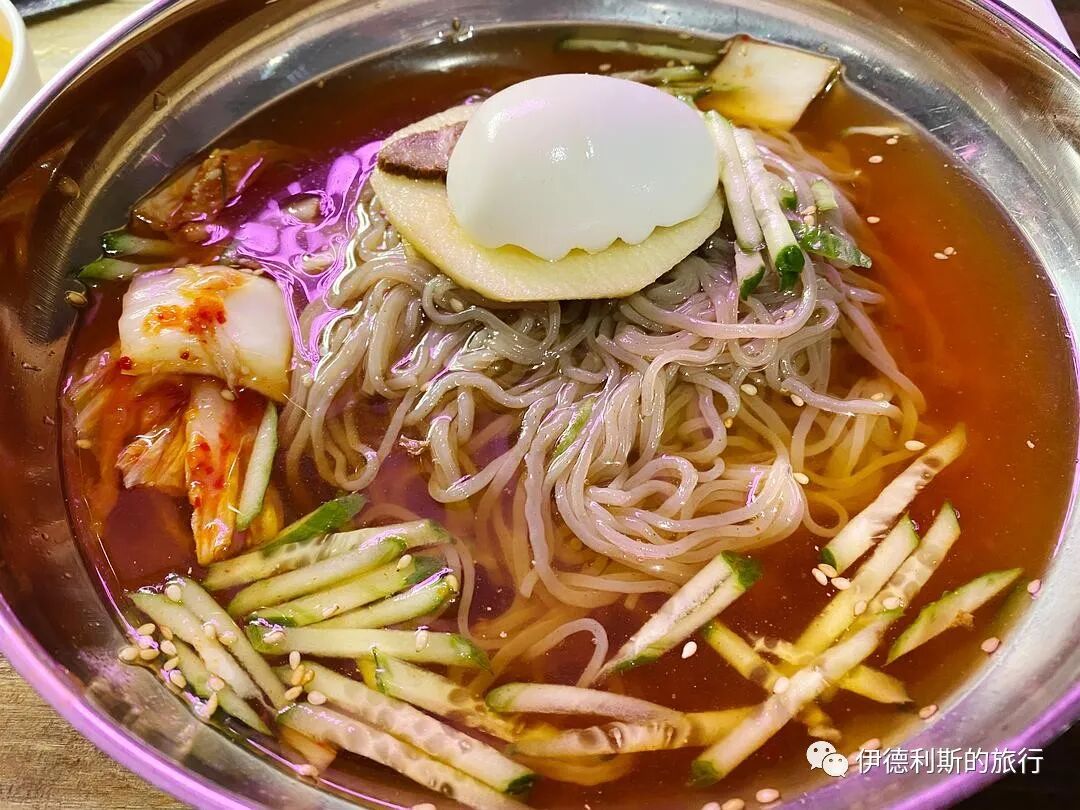
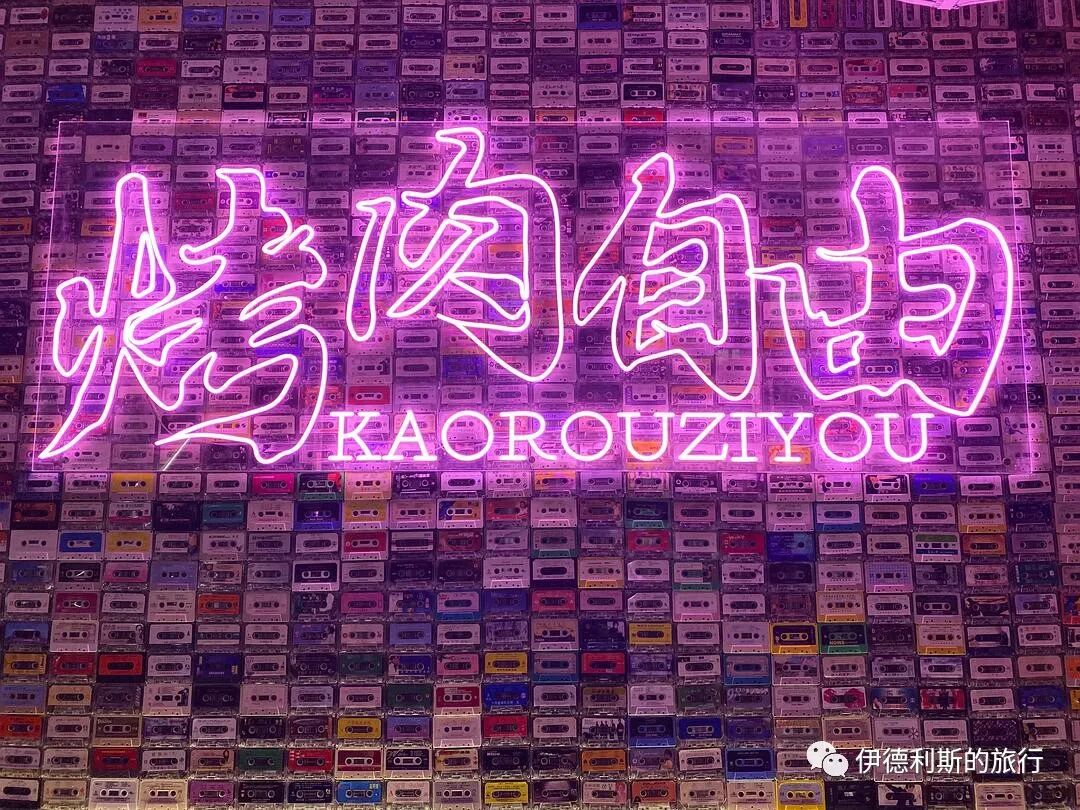
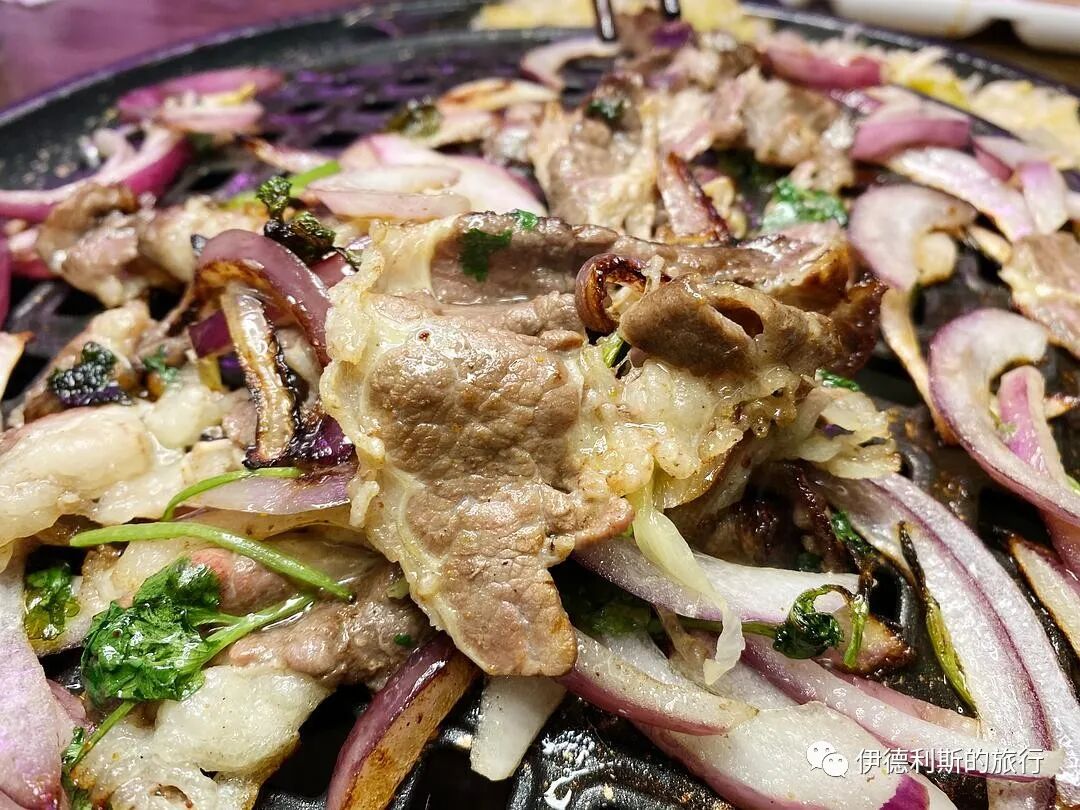
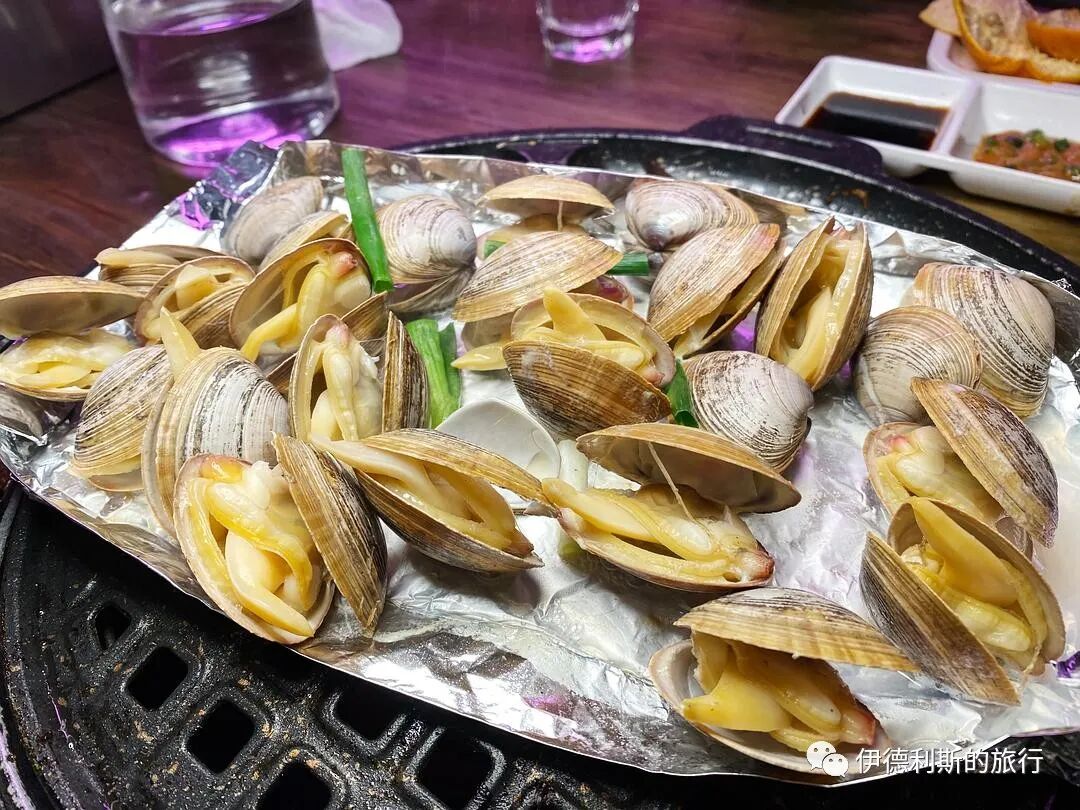
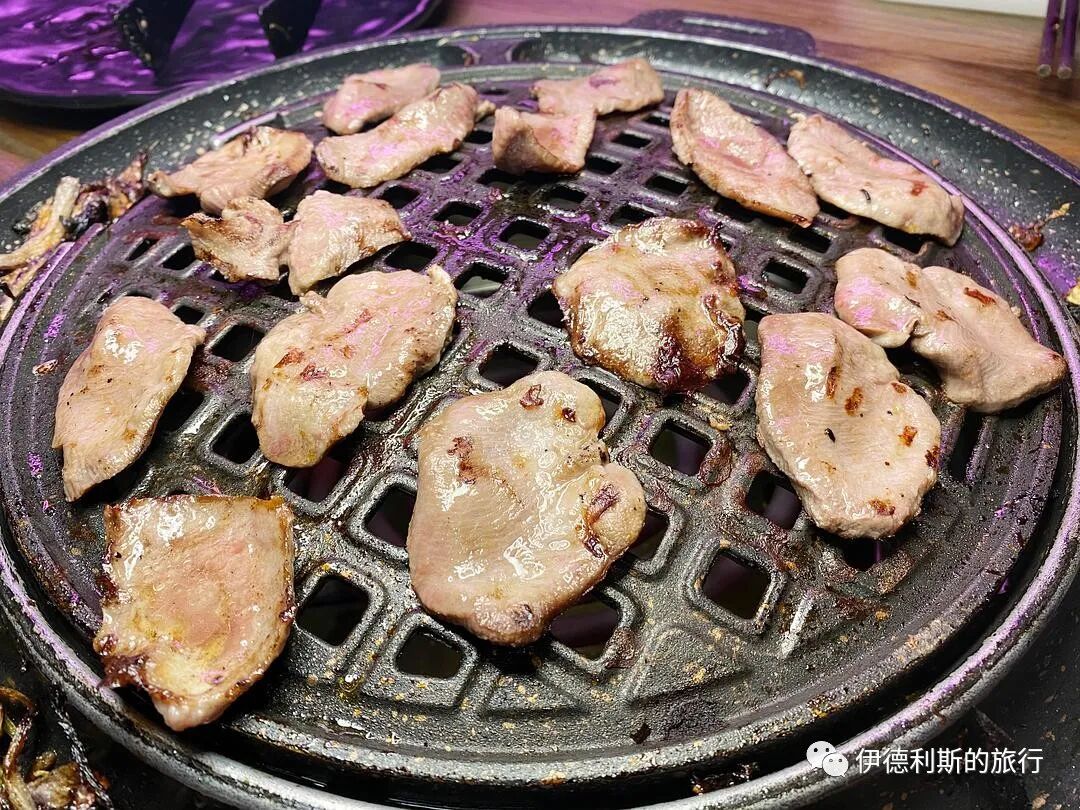
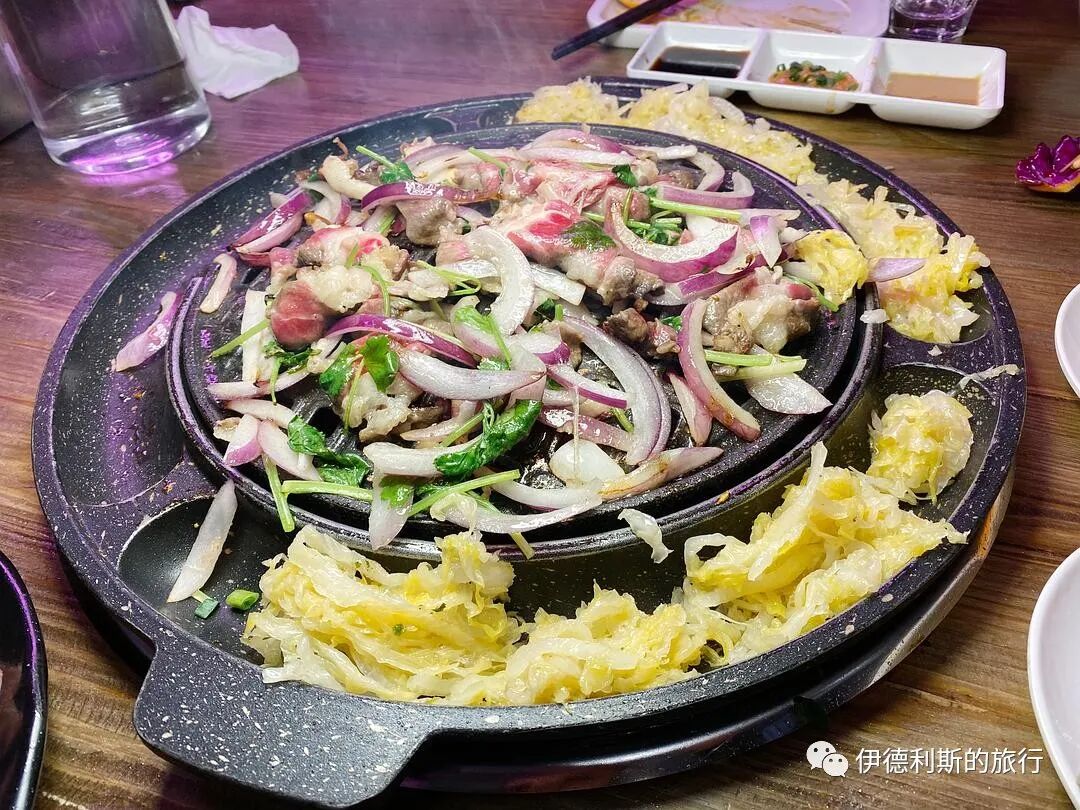
In the evening, we went to Toupiqi BBQ in the Weilaiyu area of Changying. It is a chain of Qiqihar-style BBQ, and this Changying branch is halal. We ordered freshly sliced family-style marinated meat, beef tongue, pickled cabbage (suancai), Dandong yellow clams, Jixi cold noodles (lengmian), and grilled vegetables. At the front desk, we helped ourselves to shredded tofu, peanuts, Korean kimchi, cantaloupe, oranges, and pumpkin porridge. The dipping sauces were also quite varied.
I really liked their yellow clams. When the cold noodles arrived, they were clumped together, likely because they had just come out of the fridge, but the taste was quite good. The marinated meat was okay, but the beef tongue felt a bit tough and the texture wasn't great. Overall, their food is decent, but I personally think their BBQ isn't as good as Qingu (though Qingu's fried chicken isn't great), I still prefer Qingu's BBQ. Speaking of which, Beijing now has Heilongjiang iron pot stew (Hao Shu) and BBQ, we are just missing a traditional Heilongjiang home-style restaurant! There used to be a Heilongjiang restaurant in Xihongmen called Xingyuege. I had their sweet and sour pork (guobaorou) and steamed dumplings (shaomai) there, but unfortunately, they have closed down.
January 29, Uyghur restaurant Xiapuna.
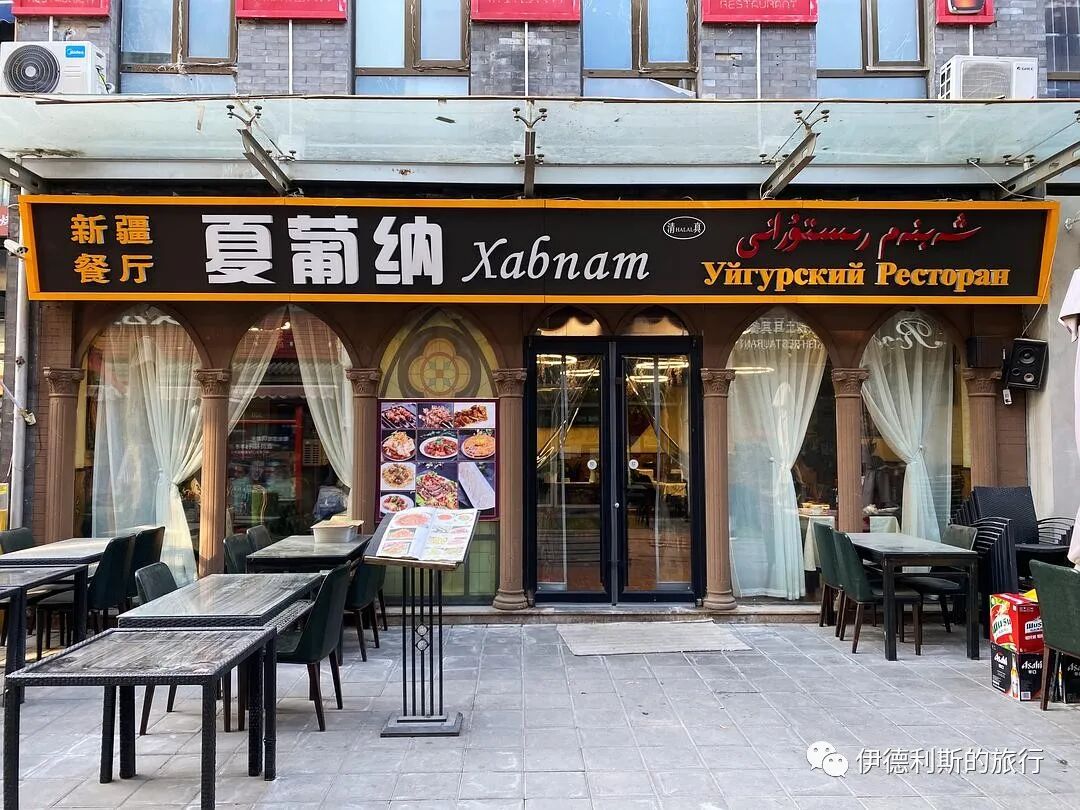
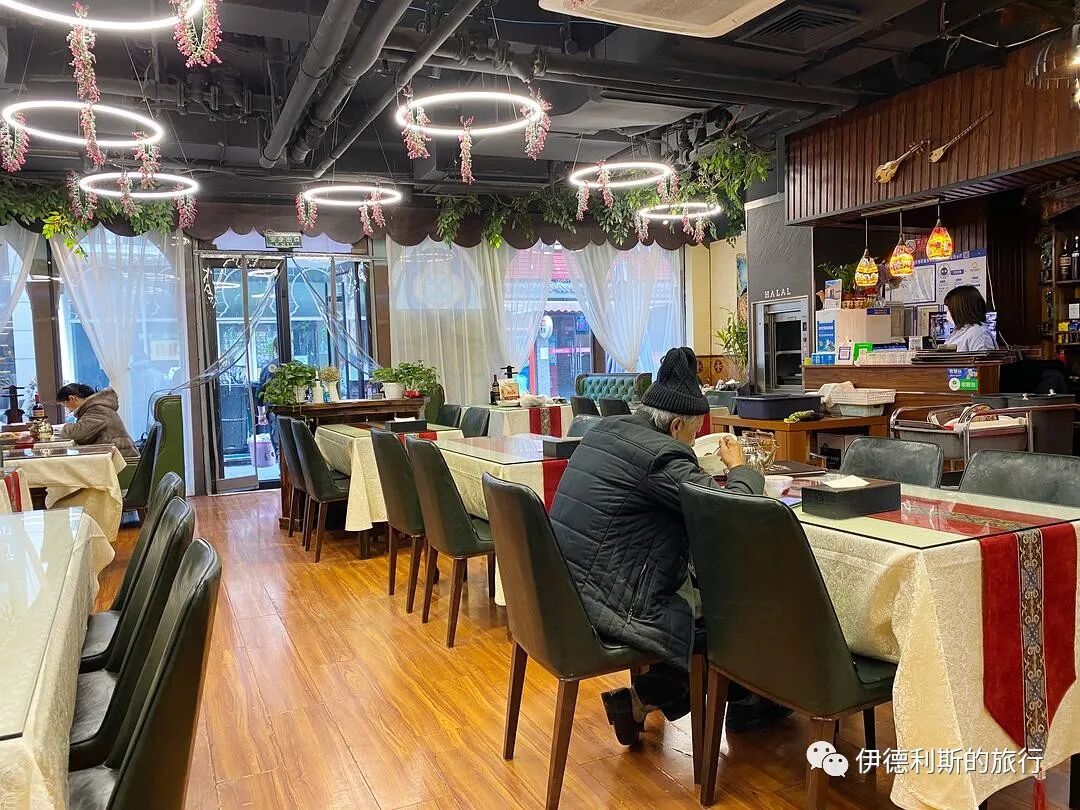
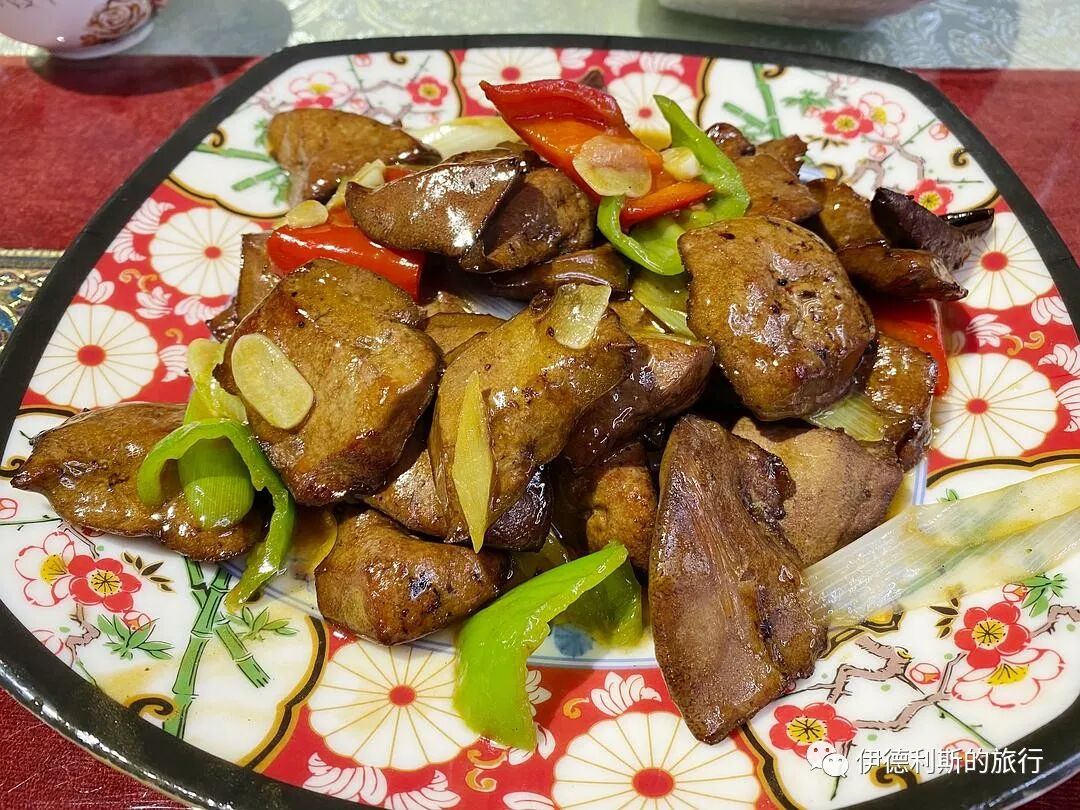
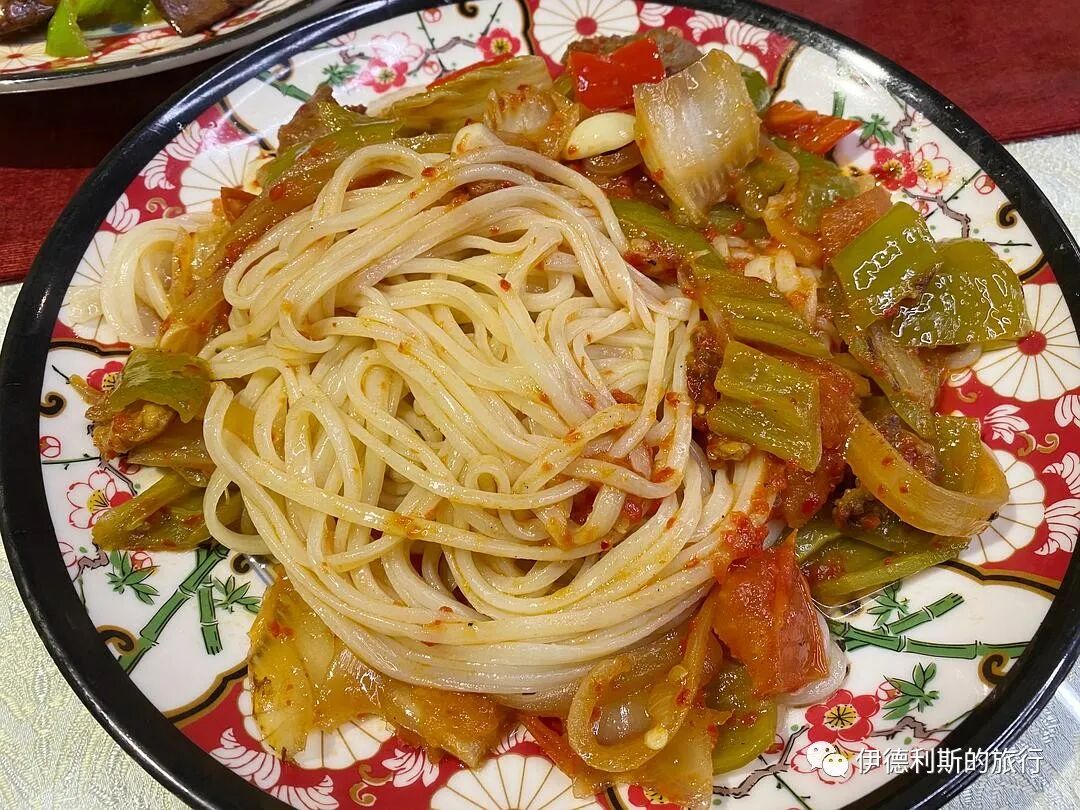
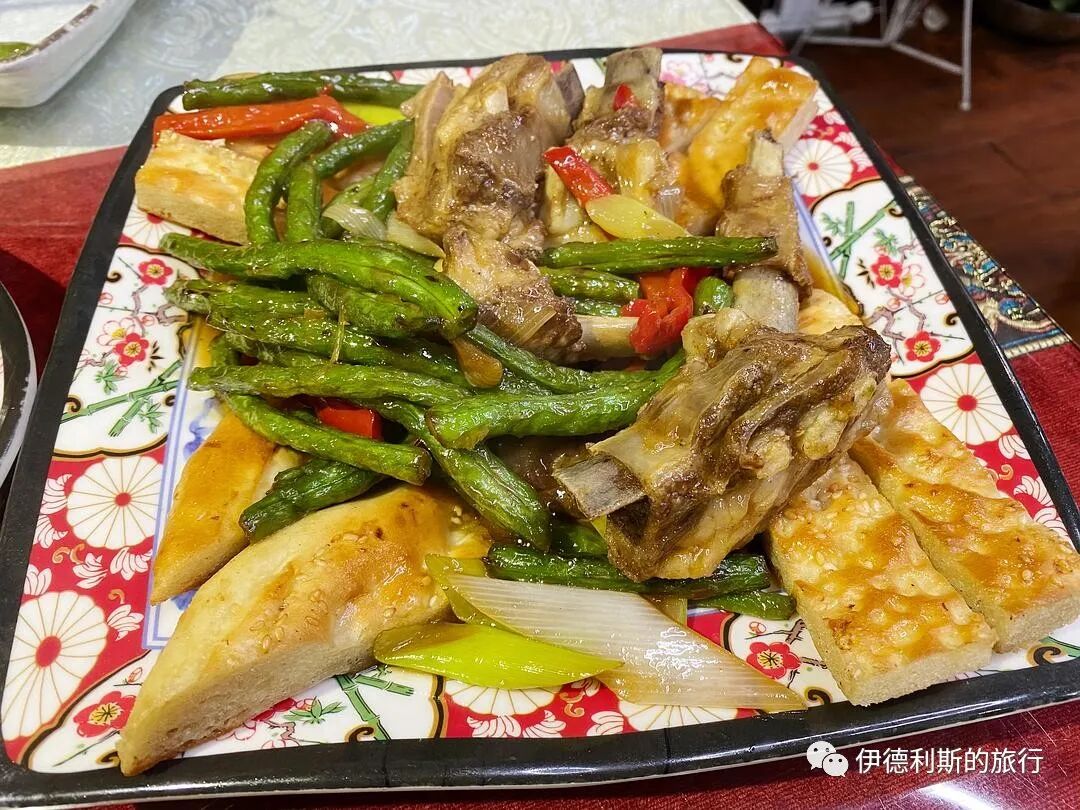
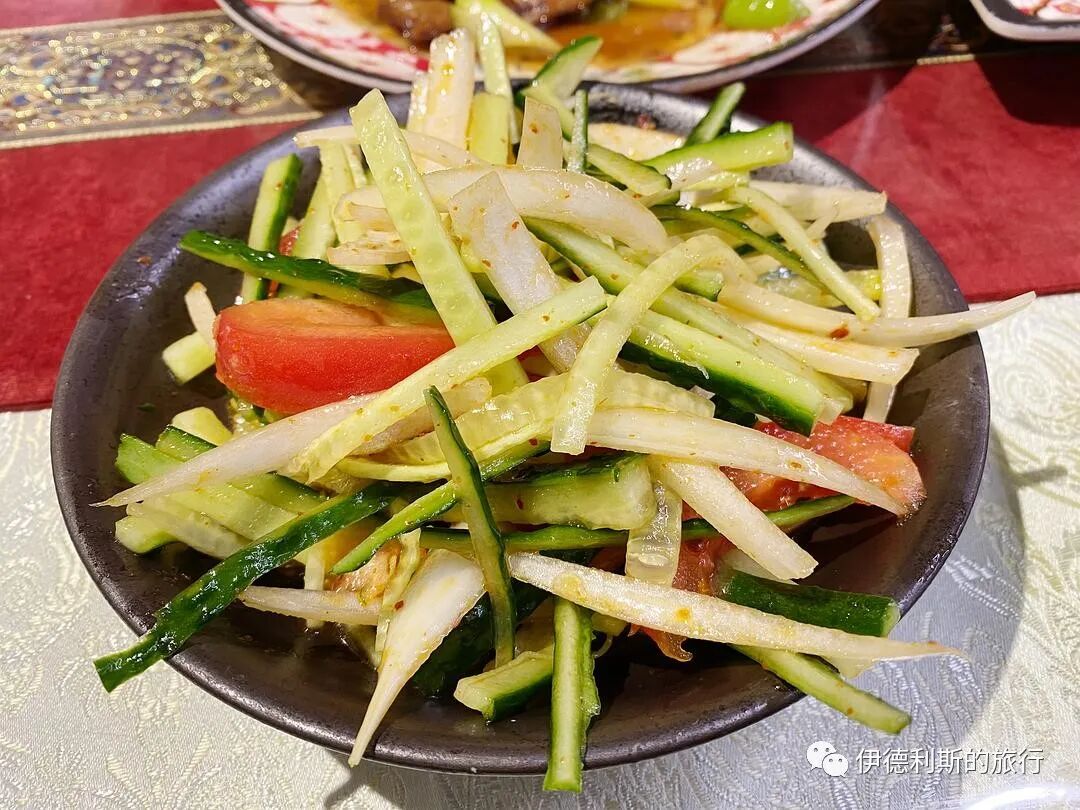
After ice skating in the afternoon, I ate stir-fried lamb liver, braised lamb chops with green beans, and home-style mixed noodles (banmian) at the Uyghur restaurant Xiapuna on Shenlu Street. We arrived at Xinjiang lunch time, and sure enough, all the diners in the room were Uyghur, haha.
Their stir-fried lamb liver is super delicious and incredibly tender. It is better than any grilled liver I have had at restaurants in Beijing, and after eating it, I do not even want to eat grilled liver anymore. The braised lamb chops with green beans (jiangdou) are also great. The beans are actually yardlong beans, and they are crispy and fragrant after being fried. The lamb must be from Xinjiang because it lacks the gamey smell found in Beijing. The flatbread (nang) is an oily version that was fried again, and soaking it in the lamb chop sauce is so appetizing.
The meat in the home-style mixed noodles is delicious, but they give you too little. The overall flavor is a bit bland, and the noodles are so thin that I first thought they were dried noodles (guamian). But they taste chewy, so they must be hand-pulled.
January 31, New Year's Eve dinner.
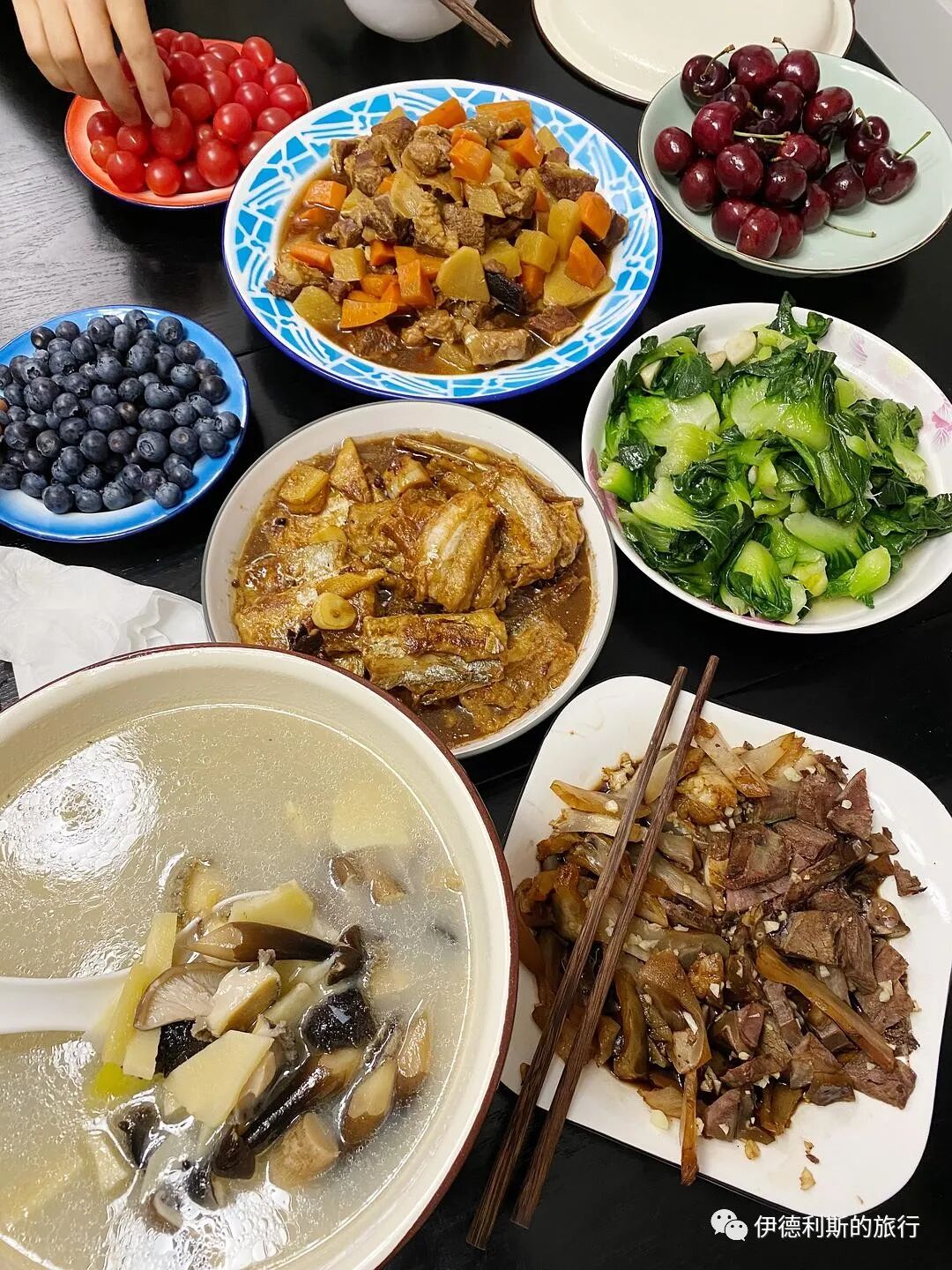
A dish I made with simple stewed meat.
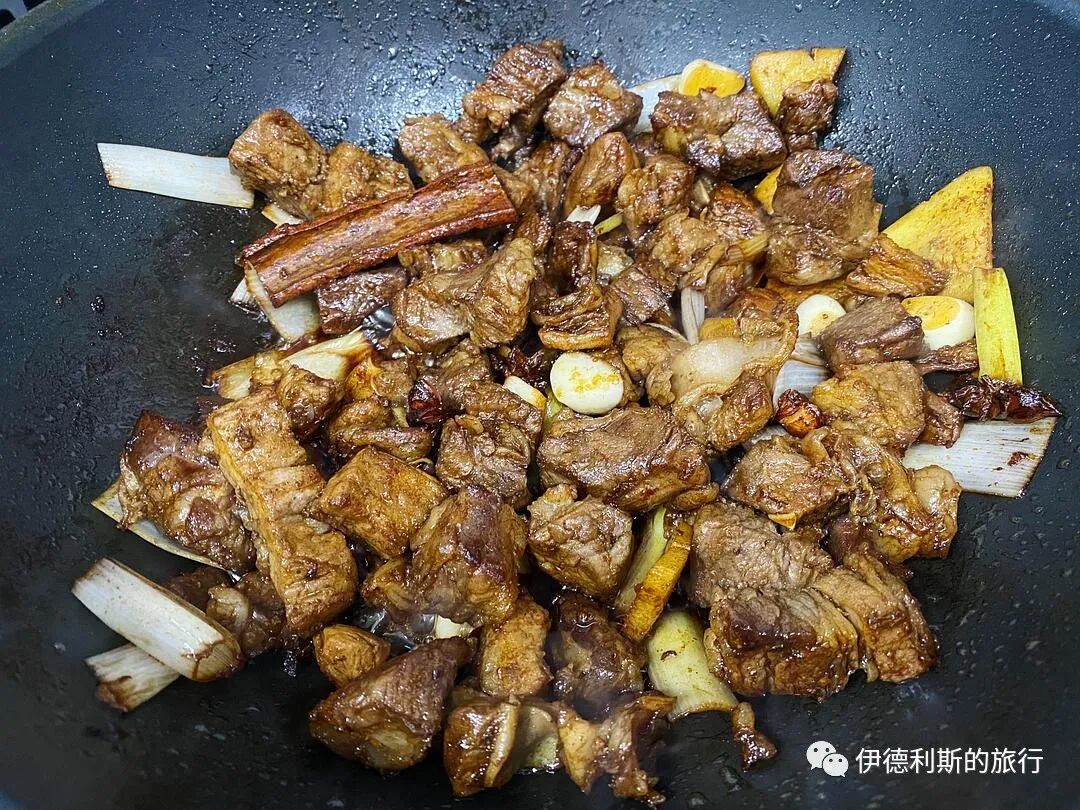
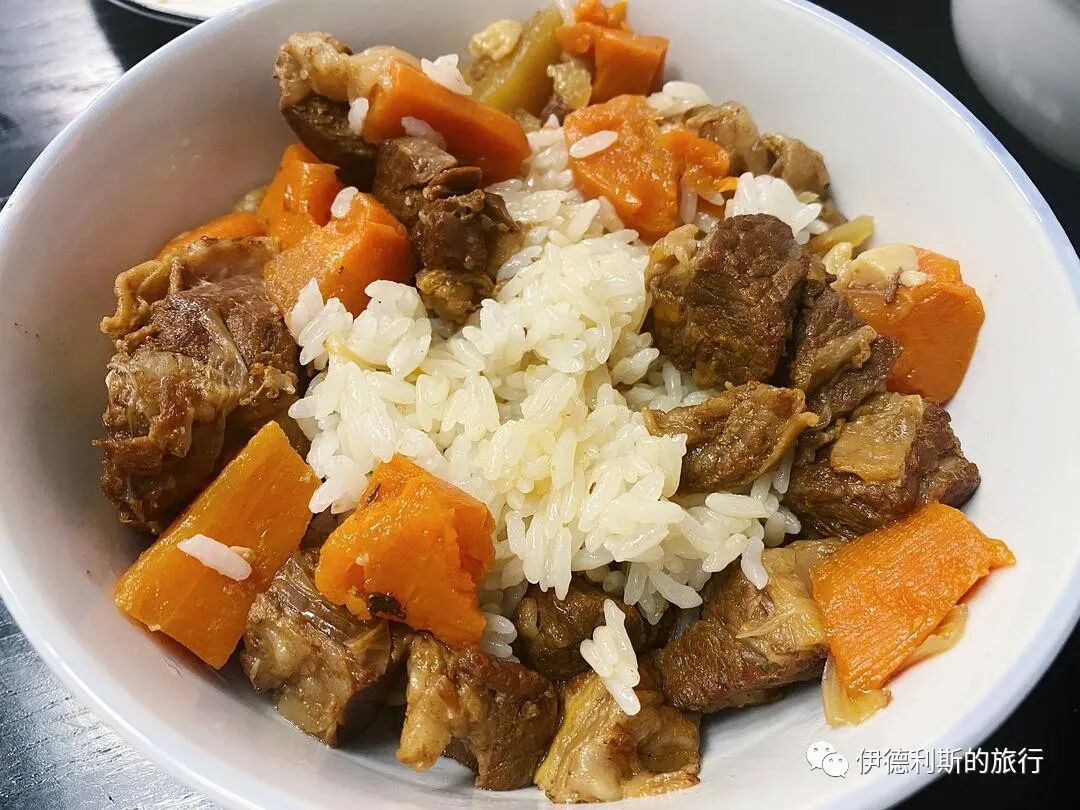
Stewed meat over rice.
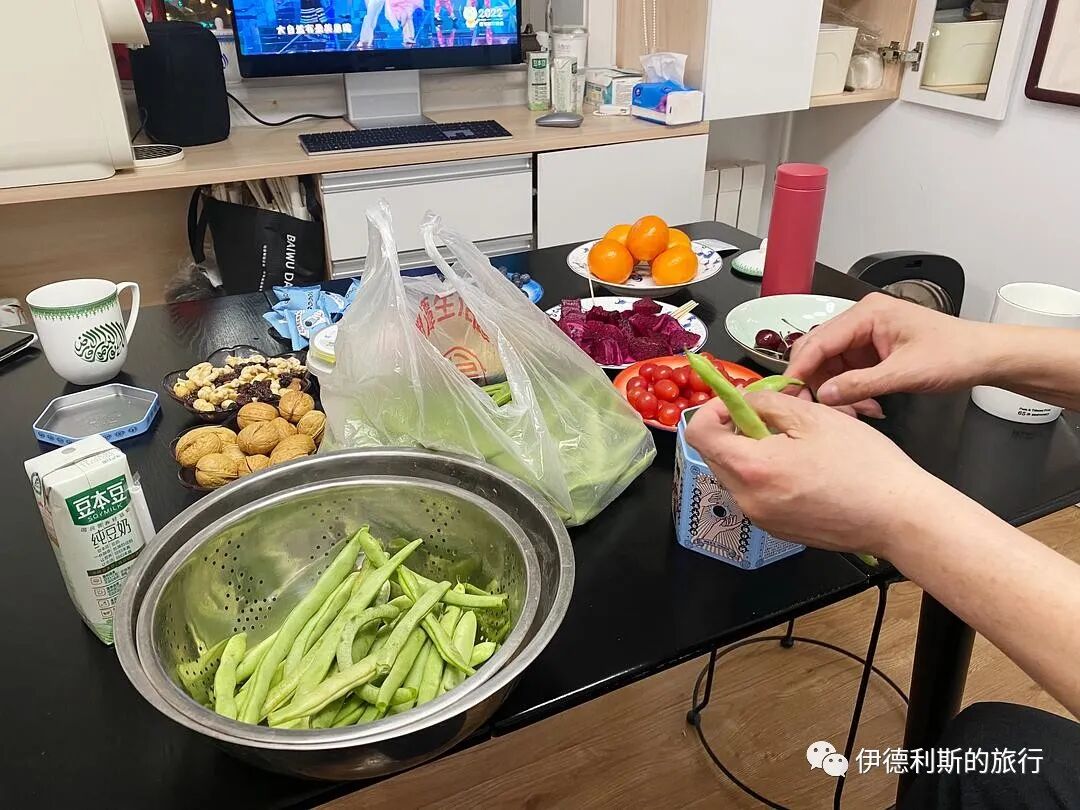
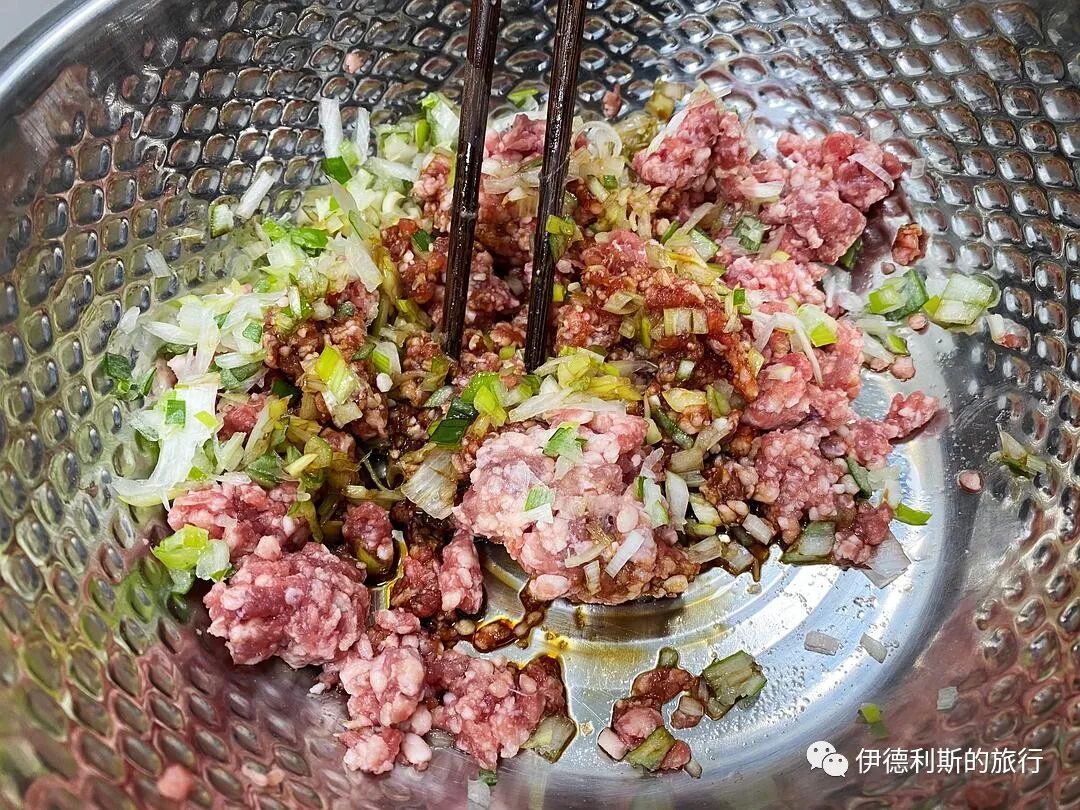
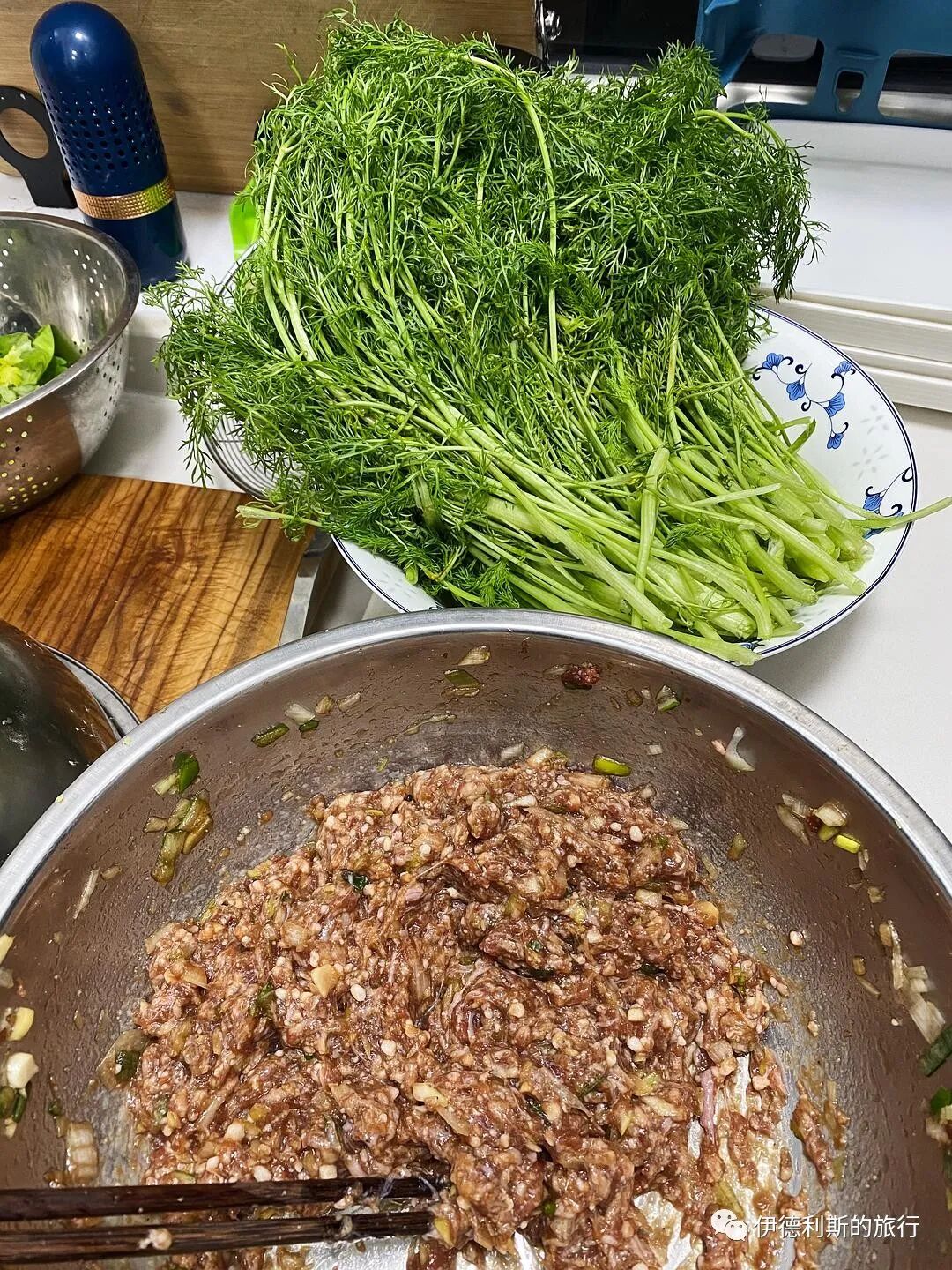
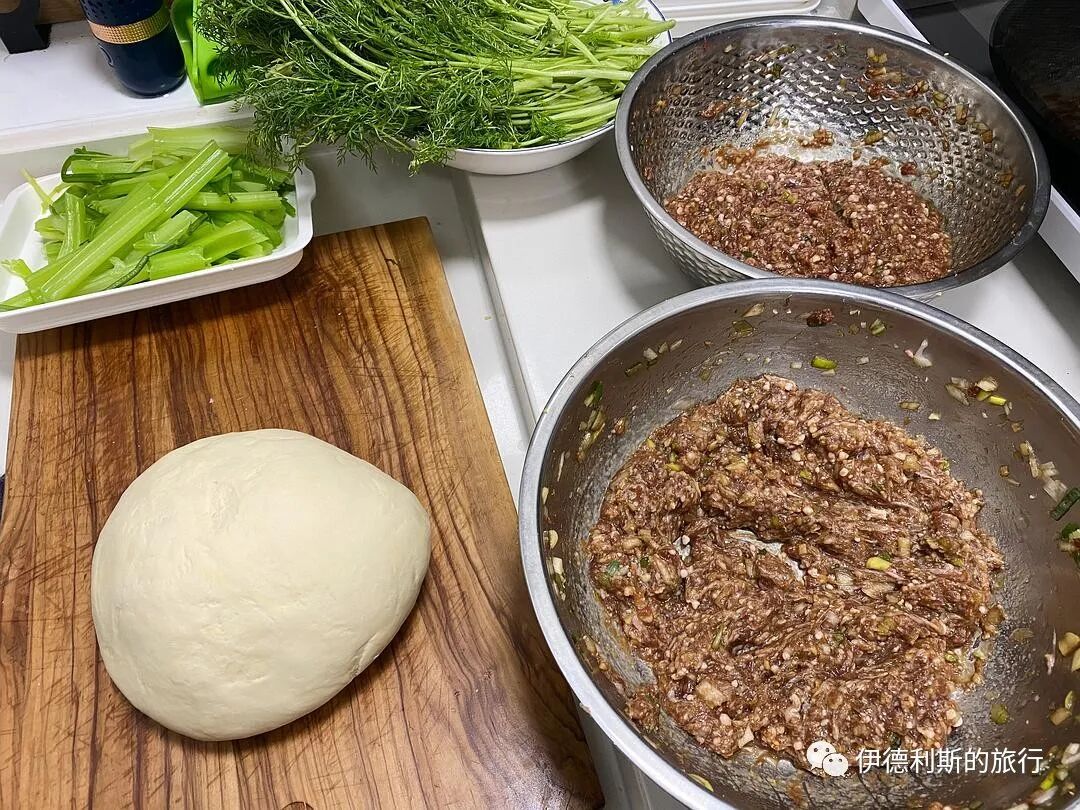
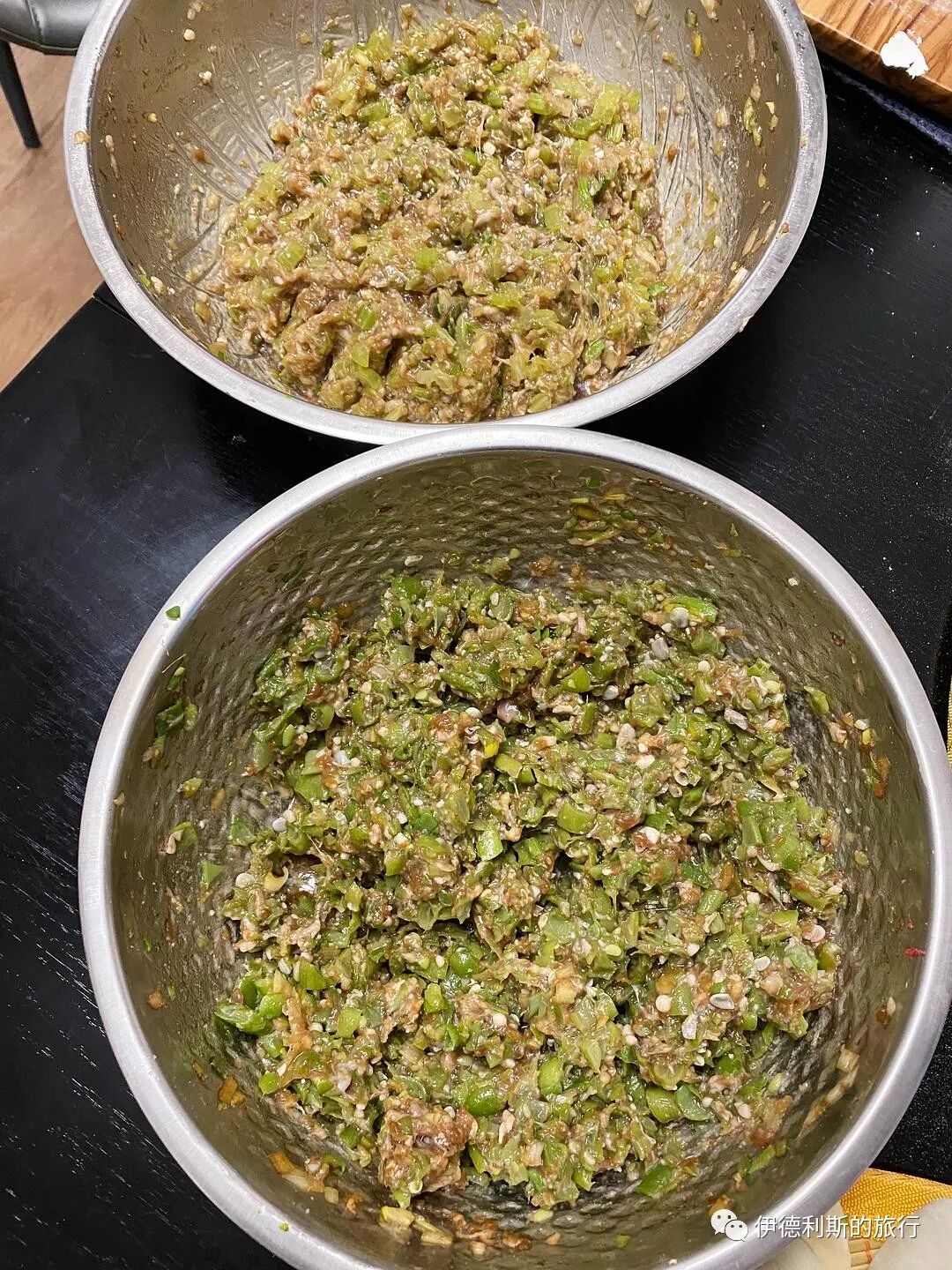
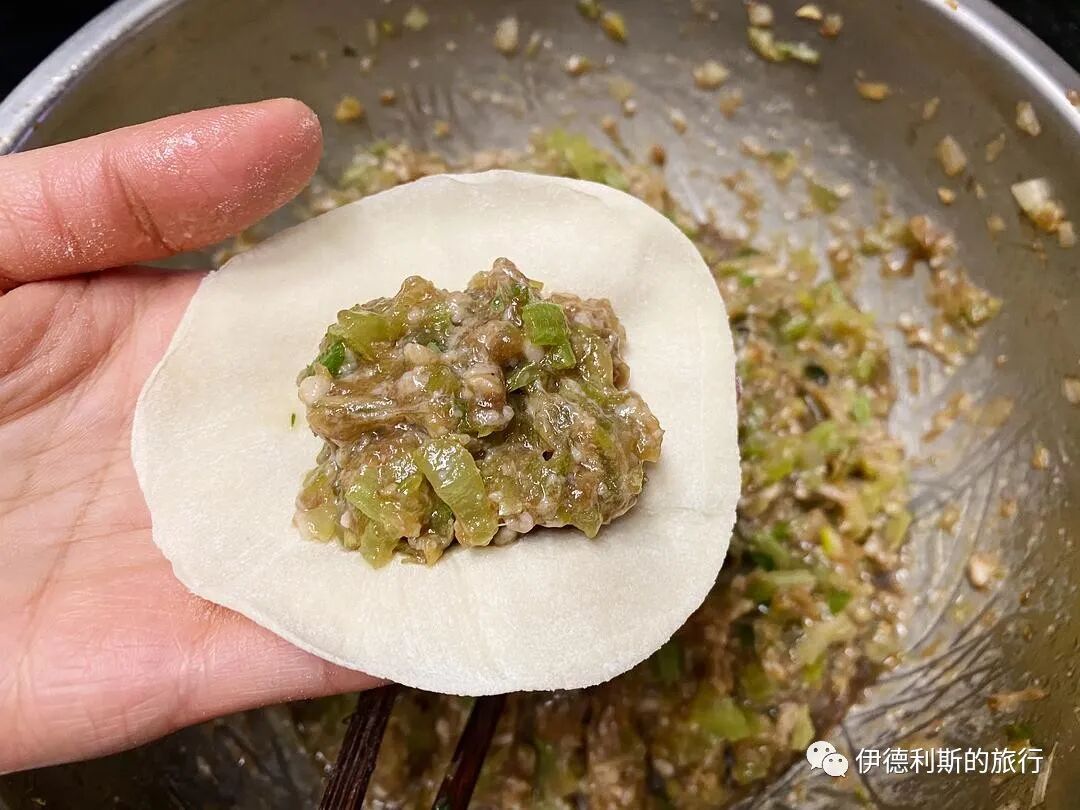
Everyone worked together to knead the dough and mix the filling.
February 1, eating dumplings (jiaozi).
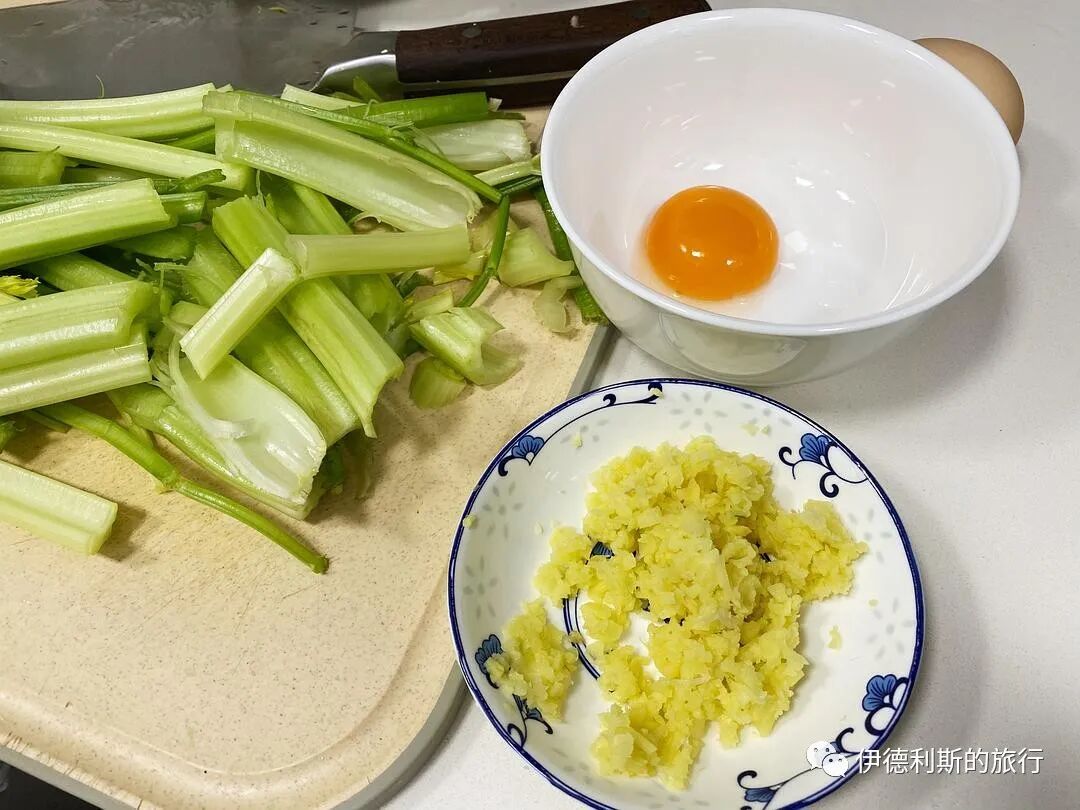
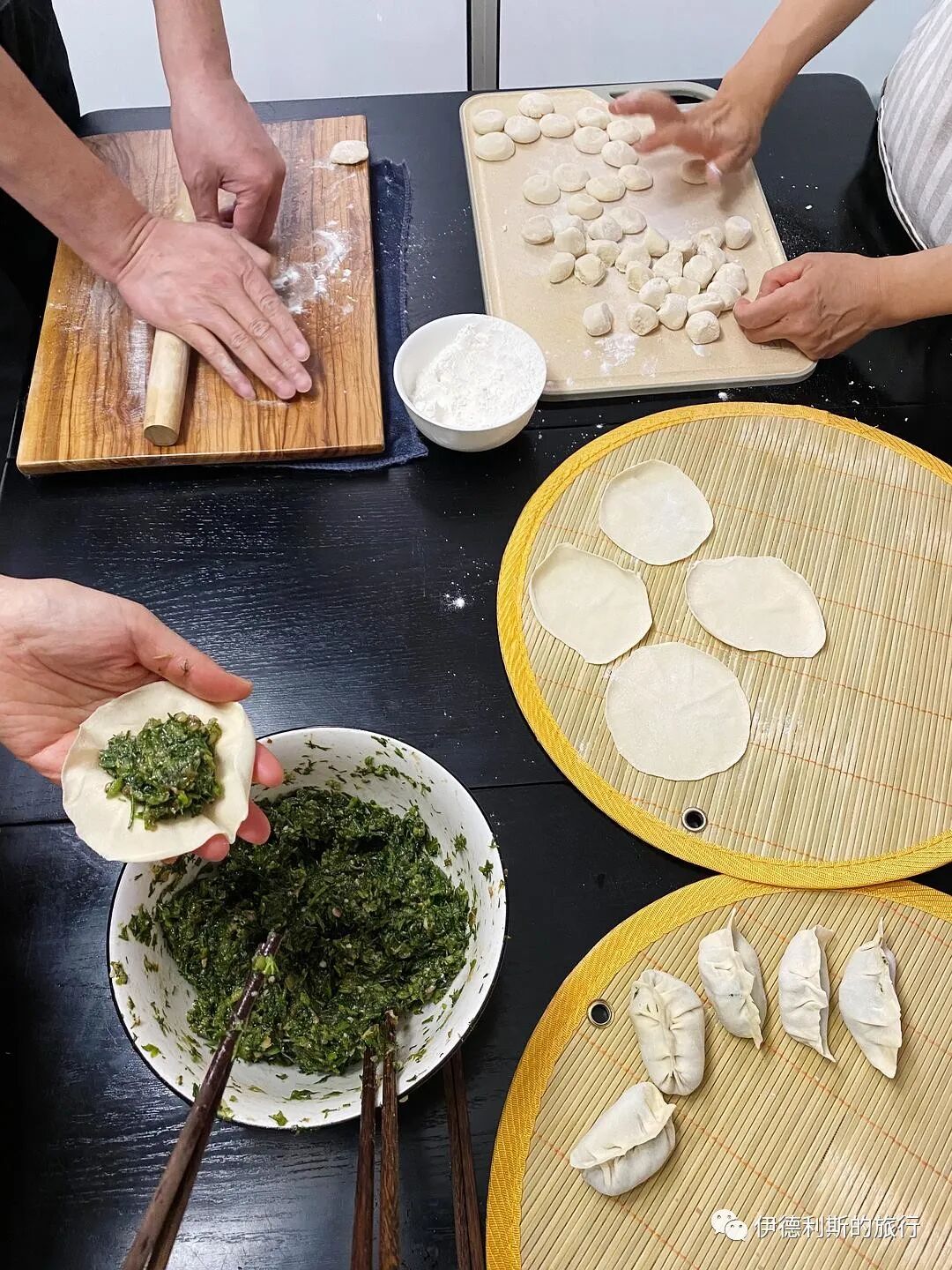
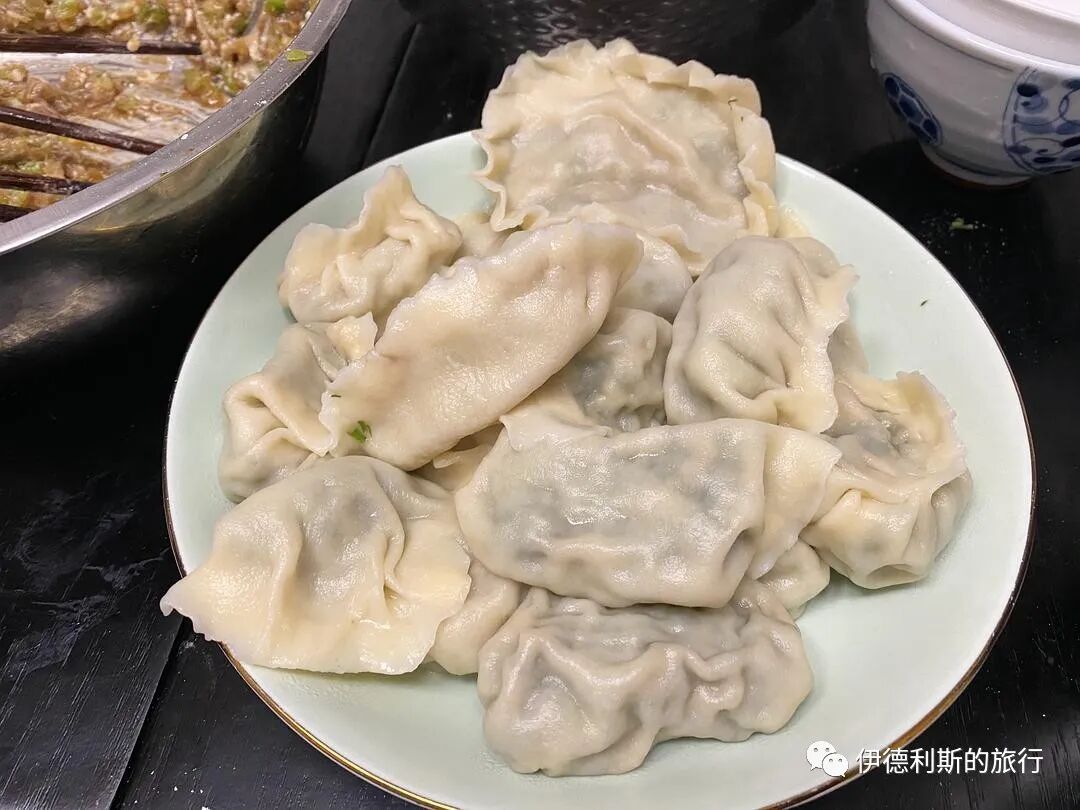
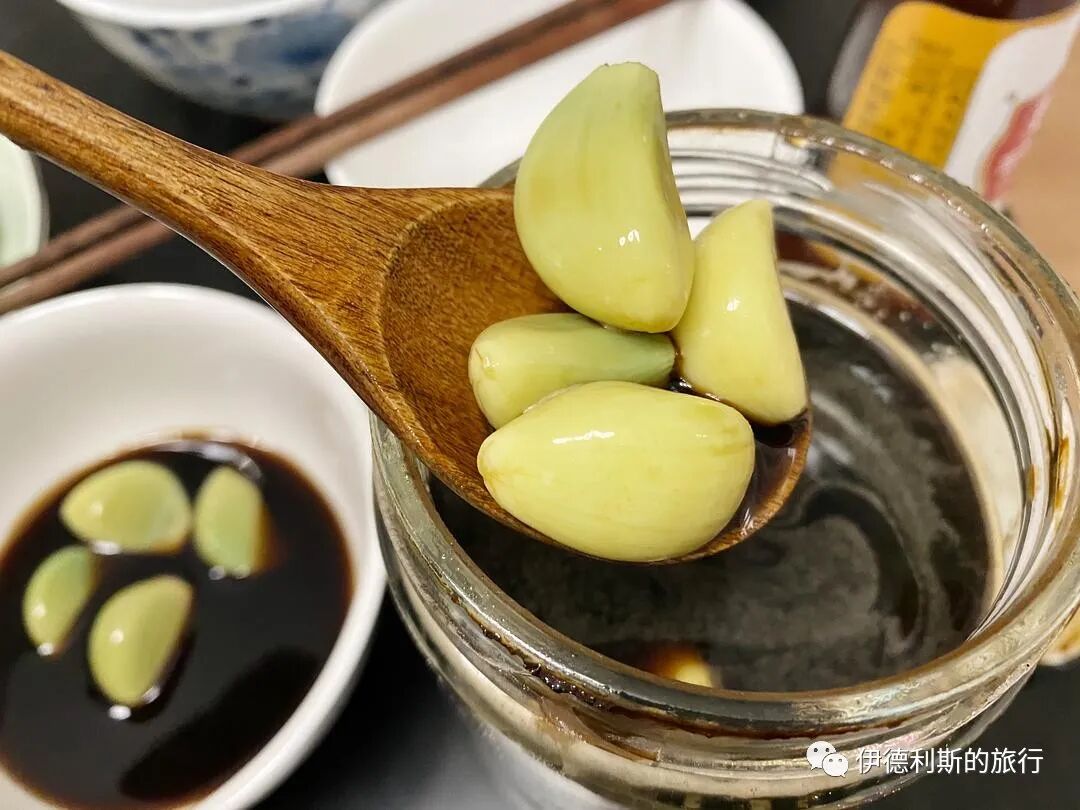
We ate the dumplings as we wrapped them, including lamb with lentils, beef with fennel, and beef with celery, using both Urumqi and Beijing wrapping styles. They were wrapped perfectly and tasted super delicious. Then we opened the Laba garlic (labasuan) that we pickled on Laba Festival, which also turned out great and smelled amazing. We used the leftover dough after finishing the filling to make hand-cut noodles.
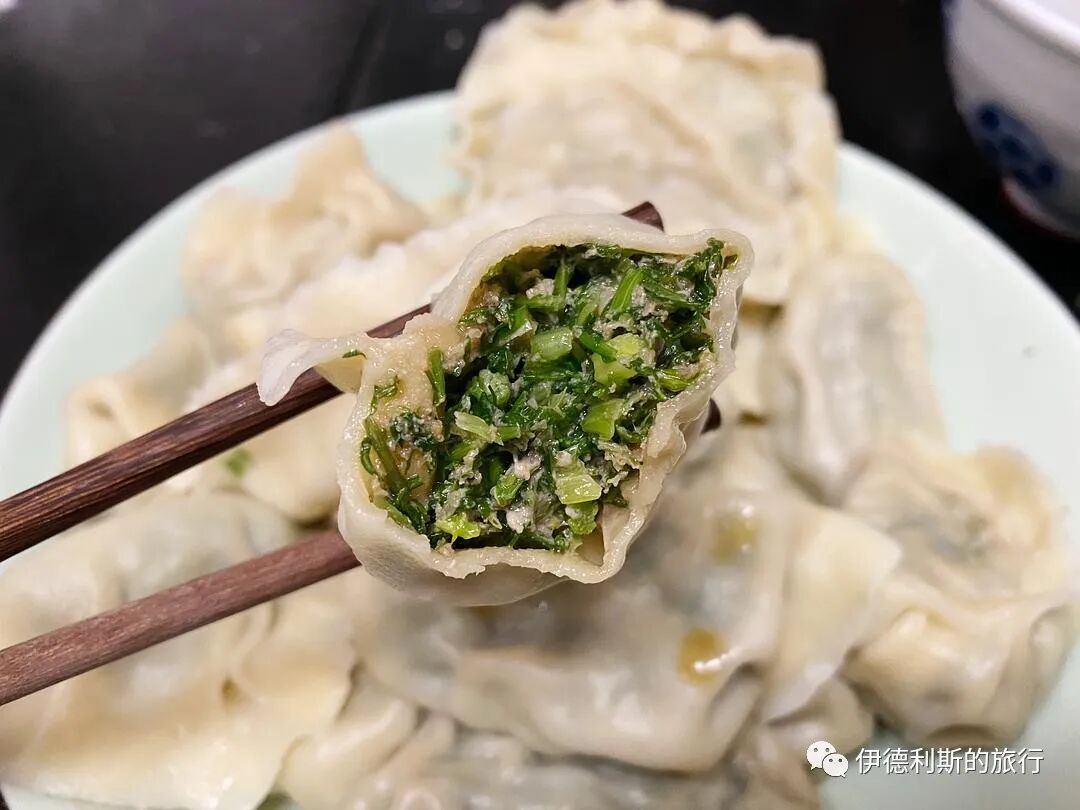
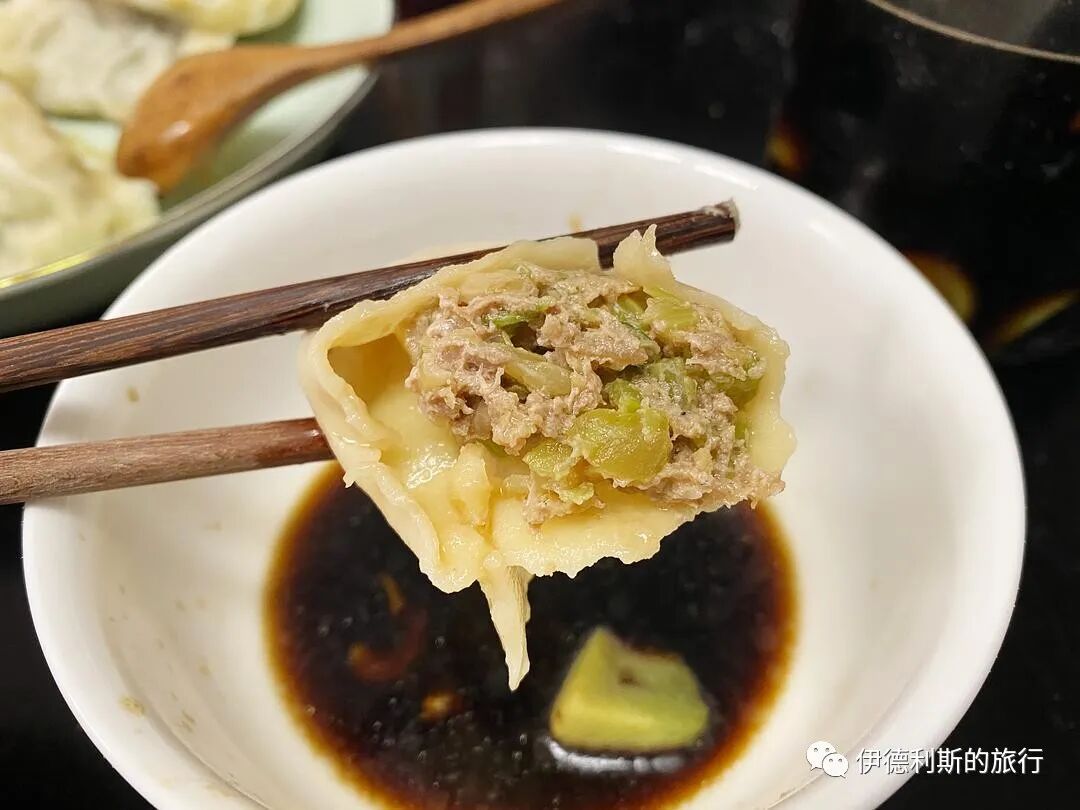
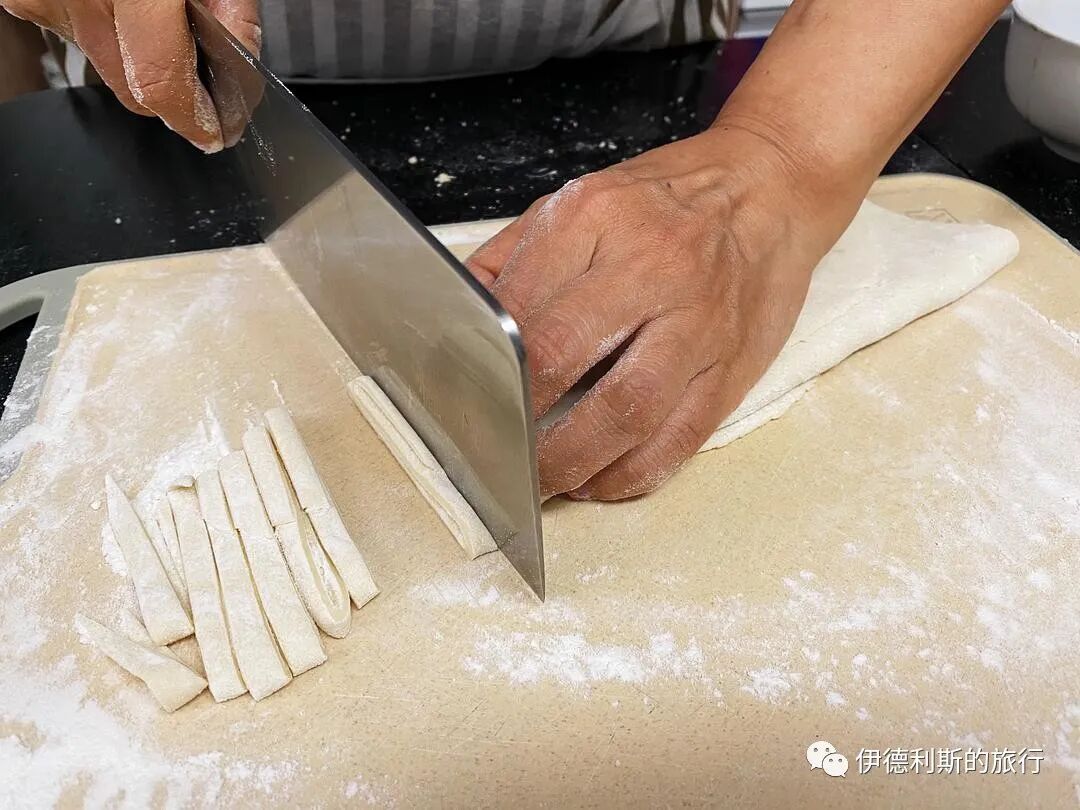
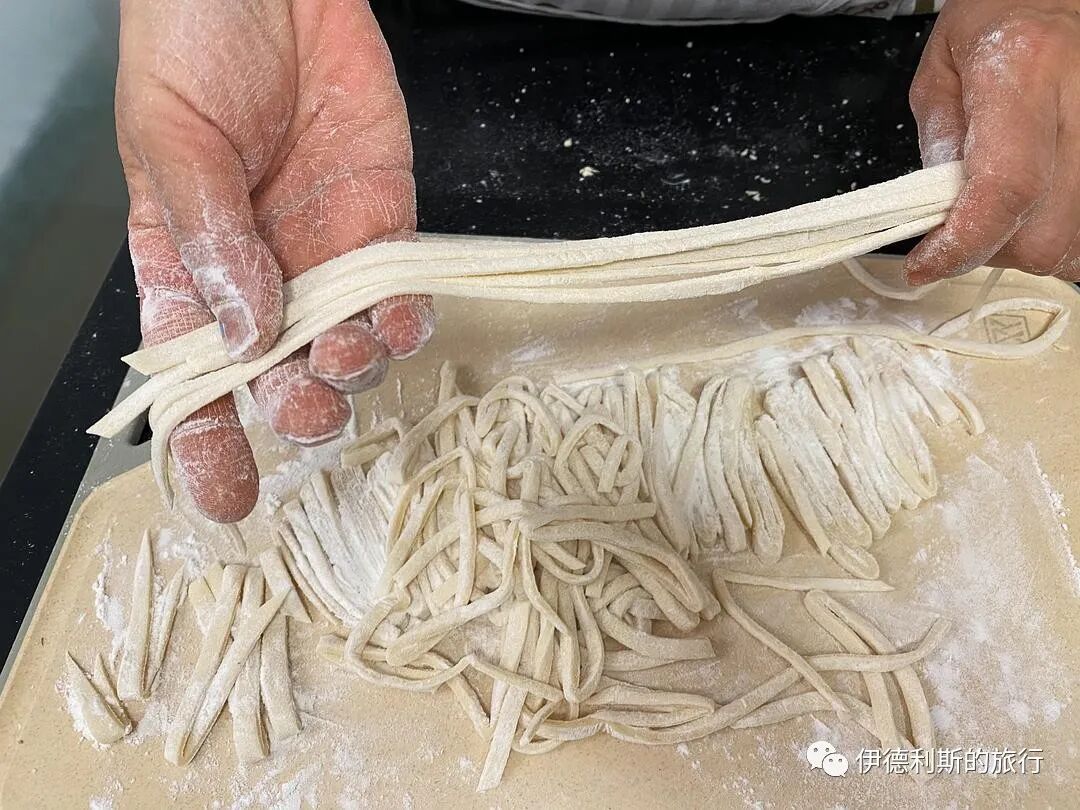
Then we had pan-fried dumplings (jianjiao) as well.
Summary: Beijing Winter Diary — Mosques, Halal Food and Muslim Heritage is presented here as a firsthand travel account in clear English, beginning with this scene: Everything I ate in Beijing between December 2021 and February 2022, starting with the resumption of Jumu'ah prayers in Beijing and ending with the Night Journey (Isra and Mi'raj) dinner. The account keeps its focus on Beijing Mosques, Halal Food, Muslim Heritage while preserving the names, places, food, and historical details from the Chinese source.
Everything I ate in Beijing between December 2021 and February 2022, starting with the resumption of Jumu'ah prayers in Beijing and ending with the Night Journey (Isra and Mi'raj) dinner. Thinking about winter during the summer, it feels so good to dine in at restaurants.
December 3, Xinyuezhai at Douban Hutong.
Alhamdulillah, the mosques in Beijing have finally opened. I attended Jumu'ah at Nandouyacai Mosque, then went to the nearby Xinyuezhai for beef noodles and a small bowl of beef.
December 4, clear-stewed lamb spine (yangxiezi).
I bought some lamb spine at the entrance of the Chaoyangmen Life Supermarket and made clear-stewed lamb spine at home.
You can add green beans and mushrooms to the leftover clear-stewed lamb spine.
December 9, Gulou Chimian at Jinbao Street.
After work, I went to Gulou Chimian on Jinbao Street to have my favorite braised lamb and Sichuan peppercorn noodle soup (huajiao cuamian). I never get tired of it, and even though they have so many kinds of noodles, I rarely try anything else. I also had the newly added deep-fried crispy pork (xiaosurou), which was quite fragrant and worth ordering again.
December 10, Longxianghui's flatbread stew (hubo).
The Gansu Pingliang restaurant Longxianghui on Dongsi North Street added flatbread stew, meat sauce noodles (saozimian), and cold noodles to their menu. I tried the flatbread stew last night, and it really suits my taste. Pingliang flatbread stew is the opposite of lamb pita soup (yangrou paomo). For lamb pita soup, you have to eat the semi-leavened bread quickly after soaking it, but for flatbread stew, the longer the fried dough sticks (youbangzi) soak, the better they taste.
December 17, home-cooked meal.
I made braised pomfret with diced potatoes, carrots, and cucumbers. Zainabu made braised eggplant with green beans and onions (piyanzi) with wood ear mushrooms. Zainabu's braised eggplant and green beans capture the essence of our Beijing home cooking, and I love it so much.
December 18, Urumqi Office in Beijing.
After visiting the Xinqiao Market at noon, I went to the Urumqi Office in Beijing at Chegongzhuang. I realized I hadn't been there in seven years. This was the Xinjiang restaurant I visited most when I was a kid. Most of my childhood memories of Xinjiang food come from here. I definitely didn't expect back then that I would eventually become a son-in-law from Urumqi, haha.
I ordered horse sausage (machangzi) and vegetable pilaf (zhuafan) to make my own horse sausage pilaf. The pilaf was oily and delicious, but the horse sausage wasn't oily enough and felt a bit dry. The grilled meat (kaorou) tasted great. The baked buns (kaobaozi) weren't very crispy, and I finished by ordering a mixed vegetable stew (huicai).
December 26, chain restaurant Quanzhou Beef House Niujiufen.
Passing through Xihongmen in Daxing, I ate at the chain restaurant Quanzhou Beef House (Niujiufen) inside the Livat shopping center. The famous Xue Family (Xuejia), known as the number one hot pot in southern Beijing from the Hui Muslim village of Xueying in Daxing, has opened three halal restaurants in Livat: Speed Pizza, Niujiufen, and Lou Sanshao. They are all halal, though you cannot tell from the outside.
I ate Quanzhou-style beef ribs, beef soup, abalone sauce vermicelli (mianxian), and drank seaweed jelly (shihuagao) made from agar-agar. Zainab really likes the taste of the Quanzhou-style soy-braised beef; it is not greasy and a little sweet.
December 27, Muyixuan Lamb Spine Hot Pot.
In the evening, I ate lamb spine hot pot at Muyixuan in Ping'anli.
January 9, Ali Restaurant on Shenlu Street.
Ali Restaurant on Shenlu Street uses pilaf (zhuafan) inside their rice sausages. It is the most authentic I have had in Beijing, and the other dishes were quite good too. The meat in the pilaf was very fragrant, though the liver slices were a bit tough.
Account.
January 10, Syrian restaurant One Thousand and One Nights.
It is my second wedding anniversary with Zainab, so we celebrated at One Thousand and One Nights after work. One Thousand and One Nights is a long-standing Arabic restaurant in Beijing. The owner is Syrian, and the shop opened in 2004, making it 17 years old now. When I was in middle school, I would pass by their place every time I went home from Chaoyang Park. Back then, they were the symbol of a high-end restaurant in my mind, perfectly matching the vibe of the embassy district. At that time, the major shopping malls in Sanlitun had not been built yet, so their place was really eye-catching. In the blink of an eye, more than ten years have passed, and I can finally afford to eat at One Thousand and One Nights.
To this day, One Thousand and One Nights remains the highest-class, most diverse, and best-tasting Arabic restaurant in Beijing. We ordered seafood soup, Kofta meatball soup, pine nut hummus, mozzarella cheese salad, Kashkash kebab, lamb mandi rice in a tagine, and cauliflower with eggplant. Except for the cauliflower and eggplant being a bit oily, everything else was delicious. Their lamb mandi rice is definitely the best I have had in Beijing. The lamb is fresh and tender, and the rice is filled with saffron, raisins, cashews, and various spices, making it smell amazing. The Kashkash kebab is made with parsley, green and red peppers, and garlic, which I think is a Syrian specialty.
January 14, Madeburg inside Chaoyangmen.
My second visit to Madeburg inside Chaoyangmen; I ordered a whole chicken, fries, and milk tea. I have fallen in love with their freshly made whole chicken. It is much better than burgers, haha. Putting on gloves and tearing it apart to eat is very satisfying. Freshly fried french fries are, of course, both fragrant and have a great texture. Boss Zhang said he found that pizza baked a little longer tastes even better than the standard way, so he shared one with me. I found that pizza baked a bit longer has a scent like naan bread and is both crispy and crunchy, haha.
Before leaving, I received a distributed Islamic calendar from Maidebao. When I got home, I took down the one from last year issued by the Grace Bookstore on Niujie Street and put up the new one. I feel that changing the Islamic calendar every year gives a special sense of ritual that a year has passed. The second month is Isra and Mi'raj, the third is Bara'at, the fourth is the start of Ramadan and Laylat al-Qadr, the fifth is Eid al-Fitr, the seventh is Arafah, Eid al-Adha, and the Islamic New Year, the eighth is Ashura, and the tenth is Mawlid. A new year begins just like that.
January 15, Indian food Mirch Masala.
I ate Indian food at Mirch Masala on Xiushui Street; the shop name 'mirch' means chili pepper. The restaurant is quite small, with two Indian guys, one as the chef and one as the waiter. It is not big but the food is delicious, reminding me of the South Asian eateries found everywhere in Dubai.
We ordered lamb korma curry, chicken biryani rice, masala tea, kadhai paneer (curry tofu), and their homemade yogurt. Putting the curry, rice, and yogurt on a plate and eating them together is especially fragrant. Finally, we packed the korma curry to take home, planning to add a little bit when we stir-fry dishes over the next few days.
Korma is a type of curry stewed with coconut milk or yogurt. The etymology of 'korma' comes from 'Qawirma' in Turkic, which originally meant to fry, but after evolving into the Urdu word 'Qormā', the meaning changed to stew. Korma is a classic Mughal court dish that started in the 16th century. People say Shah Jahan and his guests ate Korma at the banquet for the completion of the Taj Mahal.
Biryani is a Persian loanword in Urdu, also likely originating from the Mughal court. People say the Mughal imperial chefs created it by combining Indian spicy rice with Persian pilaf. In Mughal dynasty documents, the terms 'biryanis' and 'Pulao' (pilaf) appeared separately, and at that time, the two could be used interchangeably. It is generally believed that biryani is mixed with more spices than pilaf and has a stronger curry flavor.
The recipe for masala tea is not fixed, but it basically includes black tea, milk, sugar, cardamom, black pepper, and ginger. Other spices include cinnamon, star anise, fennel seeds, cloves, and so on.
Kadhai comes from 'Kataha' in the ancient Indian Prakrit dialect, meaning iron pot, which was even mentioned in the Ramayana. This cooking method is relatively popular in northern South Asia and Afghanistan.
January 16, Kashgar Mahmuti Restaurant.
In the afternoon, I went to the Kashgar Mahmuti Restaurant near Baiyun Temple. It is a restaurant that opened in 2005, yet this was my first time eating there. I used to stop at Jiasan and never walked any further. Who knew there was such a restaurant right next to Jiasan!
First, look at the shop name, then look at the freshly baked naan at the entrance, and then look at the interior decoration; it is absolutely like arriving in Erdaoqiao in a second. The staff are all Uyghurs, and when we walked in, a large Uyghur family was celebrating a birthday. We ordered yogurt, roasted lamb chops, lamb liver, lamb skewers (chuanr), Kashgar stew (Kashi duncai), and guirou langman. We wanted to order pigeon soup, but the waiter heard dough drop soup (gedatang) instead. Later, he told us they were out of pigeon soup and swapped it for lamb skewers.
Their yogurt is the most authentic thing on the menu! I have never had such authentic Xinjiang yogurt in Beijing. This homemade yogurt is twenty times better than the packaged Xinjiang brands in supermarket freezers, ten times better than the yogurt at chain restaurants like Bayi Laoye, and five times better than the yogurt at Uyghur spots like Baizuan. I would even say that many restaurants in Urumqi don't have yogurt as good as theirs.
The roasted meat is very fragrant and tender, and the liver is better than the one at Ali on Shenlu Street. The lamb chops are a bit tough, but some people love them that way. The meat in the guirou langman is very authentic; it is the kind that is a bit hard after being deep-fried. The noodles (langman) are a bit soft and average, not as good as the ones at Baizuan. The meat in the stew is a bit hard, maybe because they used air-dried meat, so we packed it to go to stew it again at home. Also, they didn't have the meat jelly (jiasha) listed on the menu and used fried tofu puffs instead, but the flavor was still very authentic.
Overall, I think this place is top-tier among Uyghur restaurants in Beijing, right up there with Ali and Baizuan. Next time I want to try their pilaf (zhuafan) to see how it tastes.
January 19, Kuqa Uyghur Restaurant, Crescent Moon (Wanwan Yueliang)
I ate at the Kuqa Uyghur Restaurant, Crescent Moon, on Dongsi Liutiao before seeing a play in the evening. This is truly the oldest Uyghur restaurant in Dongsi; I have been eating here for over a decade, ever since I was in middle school. To be honest, their quality isn't as good as what I've had in Xinjiang. In Beijing, they only rank as mid-tier, behind Baizuan, Ali, and Maihemuti.
This time I ordered my usuals: kebabs (kawapu), pilaf (poluo), and stew (huo'erdun). The roasted meat is great, no complaints there. The rice in the pilaf is fine, but their minced meat has always been too dry. The stew is the opposite; the potatoes and carrots are delicious, but the lamb chops are too tough and have very little lean meat.
In short, if I want to satisfy my longing for Xinjiang, I would definitely choose Ali or Baizuan first. But if I am in the Dongsi area for an exhibition or a play, grabbing a meal at Crescent Moon is fine too.
January 21, Yangfang Shengli Hot Pot, Liujiayao branch
It rarely snows, so tonight we had a hot pot at Yangfang Shengli Shuanrou in Liujiayao, which opened in 2021! Although Yangfang Shengli Shuanrou is very famous, this was my first time eating there. I used to think they were mostly in the north, so I was surprised to see one open in the south.
To give a quick introduction, the main branch of Yangfang Shengli Shuanrou is located in a place called Xiguanshi. Hui Muslims from Xiguanshi followed Prince Yan north to Beijing in the early Ming Dynasty. Because they lived near the main trade route from Beijing to Zhangjiakou and were skilled in martial arts, many Xiguanshi Hui Muslims opened security escort agencies outside Qianmen during the Qing Dynasty. They specialized in protecting goods across the five northwestern provinces, mainly serving wealthy Shanxi merchants. People say Li Wuye, the master of the magic pellet in the novel 'Shi Gong An', was a Hui Muslim from Xiguanshi. The depictions of Li Guoliang, the 'Little Hero of the Golden Bow', and the Dongguangyu Escort Agency outside Qianmen in the novel 'Yongzheng Jianxia Tu' vividly show the life of the Xiguanshi Hui Muslim escort agencies during the Qing Dynasty. Because it sits on the essential path to the Mongolian grasslands, the mutton hot pot here is also very famous.
I feel that the Yangfang Shengli Shuanrou in Liujiayao is excellent in terms of environment, service, meat quality, and vegetable freshness. Our family was very satisfied, and we will come here often for gatherings. We ordered their whole lamb combo (lamb brain, 'half-side cloud' flank, lamb tendon, lamb spine, lamb 'emperor' cut, lamb rib, and lamb shoulder), a vegetable platter, crunchy tripe mushrooms, and frozen tofu. First, they opened a bottle of Nongfu Spring water and poured it into the pot, which felt very sincere, haha. They use 6-8 month old black-headed white lambs from Xilingol. The meat is truly fresh, and I personally feel the quality is better than the hot pot places I usually visit near Dongsi (I won't name them). Their pickled garlic (tangsuan) is also homemade, and the flavor is noticeably richer than the store-bought garlic at most hot pot restaurants.
Also, even though the place was very noisy during the dinner rush, the servers came immediately whenever we called. They never ignored us, so it feels like they really know how to run a business.
January 27, Qiqihar BBQ at Toupiqi.
In the evening, we went to Toupiqi BBQ in the Weilaiyu area of Changying. It is a chain of Qiqihar-style BBQ, and this Changying branch is halal. We ordered freshly sliced family-style marinated meat, beef tongue, pickled cabbage (suancai), Dandong yellow clams, Jixi cold noodles (lengmian), and grilled vegetables. At the front desk, we helped ourselves to shredded tofu, peanuts, Korean kimchi, cantaloupe, oranges, and pumpkin porridge. The dipping sauces were also quite varied.
I really liked their yellow clams. When the cold noodles arrived, they were clumped together, likely because they had just come out of the fridge, but the taste was quite good. The marinated meat was okay, but the beef tongue felt a bit tough and the texture wasn't great. Overall, their food is decent, but I personally think their BBQ isn't as good as Qingu (though Qingu's fried chicken isn't great), I still prefer Qingu's BBQ. Speaking of which, Beijing now has Heilongjiang iron pot stew (Hao Shu) and BBQ, we are just missing a traditional Heilongjiang home-style restaurant! There used to be a Heilongjiang restaurant in Xihongmen called Xingyuege. I had their sweet and sour pork (guobaorou) and steamed dumplings (shaomai) there, but unfortunately, they have closed down.
January 29, Uyghur restaurant Xiapuna.
After ice skating in the afternoon, I ate stir-fried lamb liver, braised lamb chops with green beans, and home-style mixed noodles (banmian) at the Uyghur restaurant Xiapuna on Shenlu Street. We arrived at Xinjiang lunch time, and sure enough, all the diners in the room were Uyghur, haha.
Their stir-fried lamb liver is super delicious and incredibly tender. It is better than any grilled liver I have had at restaurants in Beijing, and after eating it, I do not even want to eat grilled liver anymore. The braised lamb chops with green beans (jiangdou) are also great. The beans are actually yardlong beans, and they are crispy and fragrant after being fried. The lamb must be from Xinjiang because it lacks the gamey smell found in Beijing. The flatbread (nang) is an oily version that was fried again, and soaking it in the lamb chop sauce is so appetizing.
The meat in the home-style mixed noodles is delicious, but they give you too little. The overall flavor is a bit bland, and the noodles are so thin that I first thought they were dried noodles (guamian). But they taste chewy, so they must be hand-pulled.
January 31, New Year's Eve dinner.
A dish I made with simple stewed meat.
Stewed meat over rice.
Everyone worked together to knead the dough and mix the filling.
February 1, eating dumplings (jiaozi).
We ate the dumplings as we wrapped them, including lamb with lentils, beef with fennel, and beef with celery, using both Urumqi and Beijing wrapping styles. They were wrapped perfectly and tasted super delicious. Then we opened the Laba garlic (labasuan) that we pickled on Laba Festival, which also turned out great and smelled amazing. We used the leftover dough after finishing the filling to make hand-cut noodles.
Then we had pan-fried dumplings (jianjiao) as well.
