
Best Halal Food Beijing: Chongqing Hot Pot, Temple of Heaven Snacks and Beef Ball Noodles
Reposted from the web
Summary: This Beijing halal food guide maps issue 32 of the series, including Chongqing hot pot, Temple of Heaven halal fast food, beef ball noodles, Beijing style snacks, and Ramadan iftar notes from Niujie Mosque.
Beijing Halal Food Map (32) is presented here as a firsthand travel account in clear English, beginning with this scene: I have been too busy to go out and explore shops during Ramadan. After breaking my fast in the evening, I soon have to start the Tarawih prayers. The account keeps its focus on Beijing Halal Food, Muslim Travel, Middle Eastern Food while preserving the names, places, food, and historical details from the Chinese source.
I have been too busy to go out and explore shops during Ramadan. After breaking my fast in the evening, I soon have to start the Tarawih prayers. I mostly break my fast at the Niujie Mosque. The mosque now provides tea and snacks every day for iftar. The main meals are usually boxed lunches provided by different elders in turns. It does not matter if the boxed lunch tastes good or not; what matters is the blessing inside. Providing an iftar meal for someone fasting earns the same reward. I hope those who are able will invite more friends (dosti) around them who are fasting to break their fast.
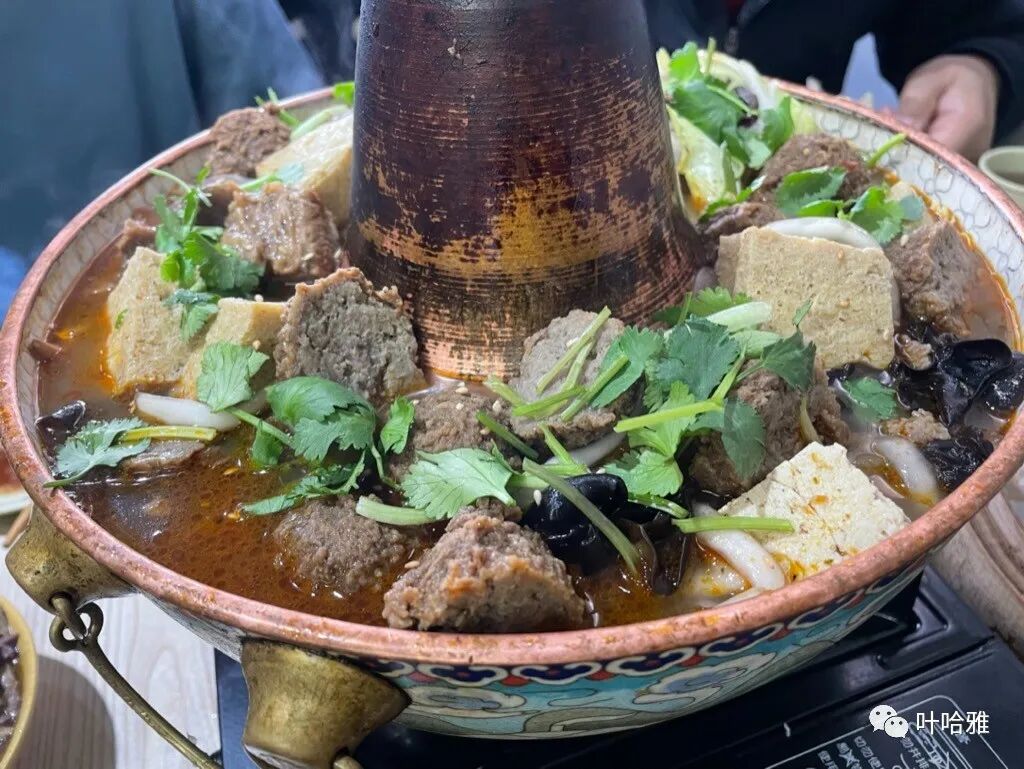
1. Hongxiaolu Authentic Chongqing Hot Pot
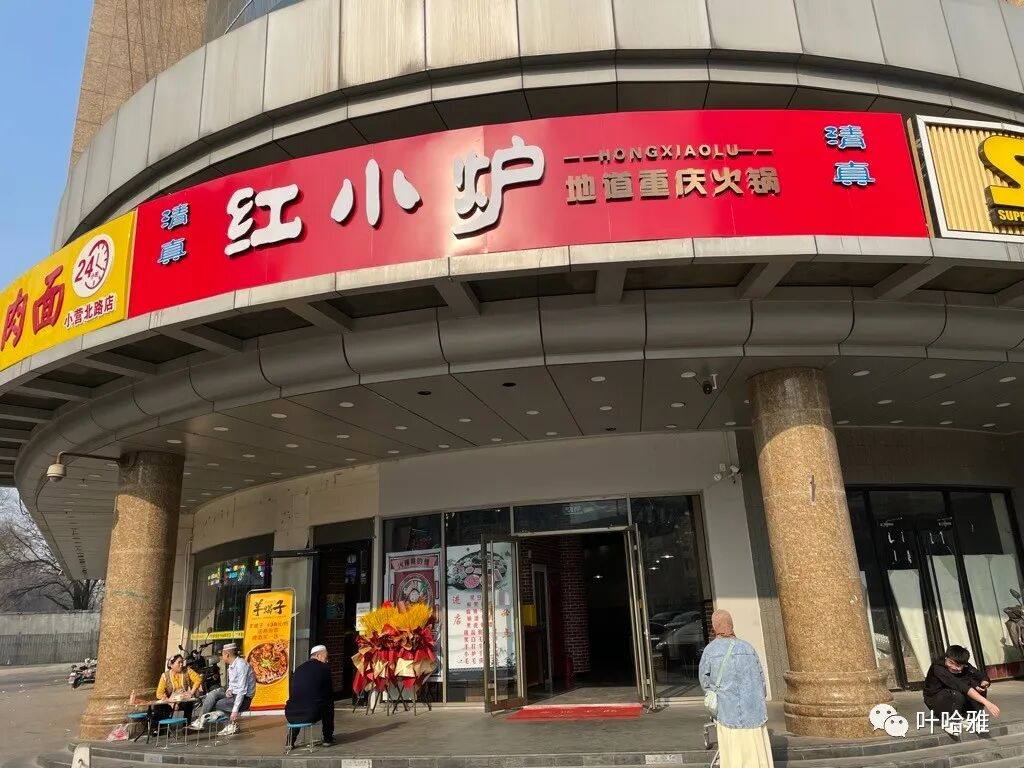
This is a newly opened Chongqing hot pot restaurant in Beijing, owned by a person from Zhangjiachuan, Gansu. According to the owner, they originally planned to join the Niububi franchise, but Niububi does not accept franchises, no matter how much money is offered.
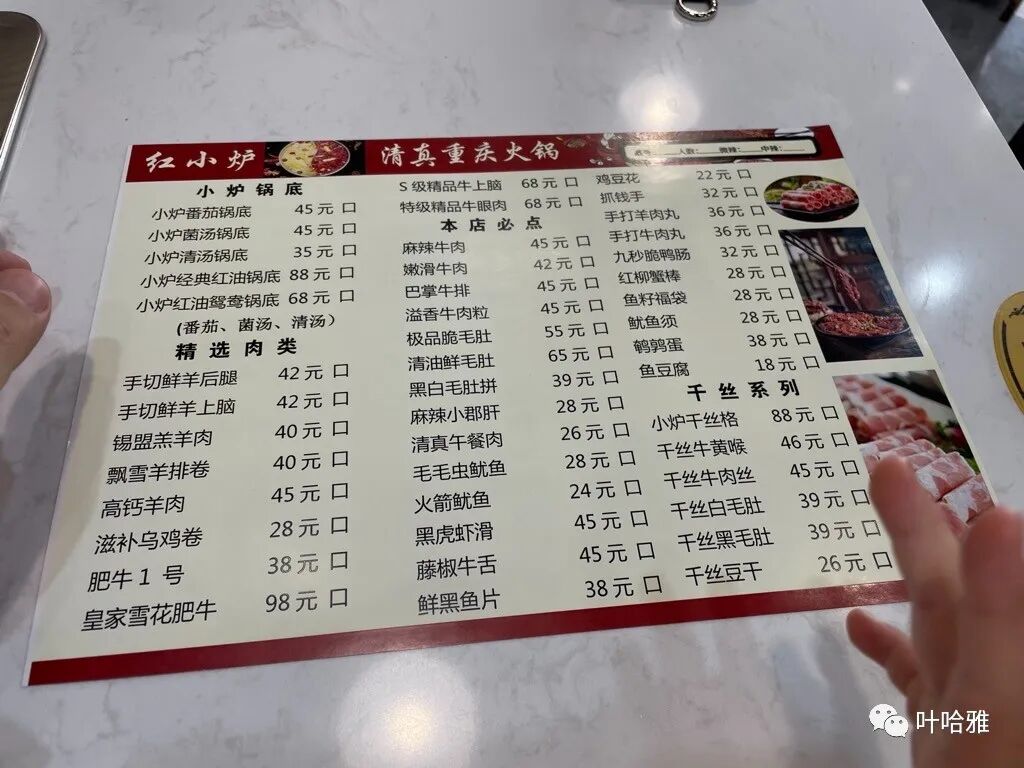
The style of this shop is slightly different from Niububi. Niububi is a Sichuan clear oil hot pot, which is different from Chongqing hot pot in terms of the soup base. Also, the prices here are cheaper than Niububi, and the dishes are slightly inferior to Niububi as well.
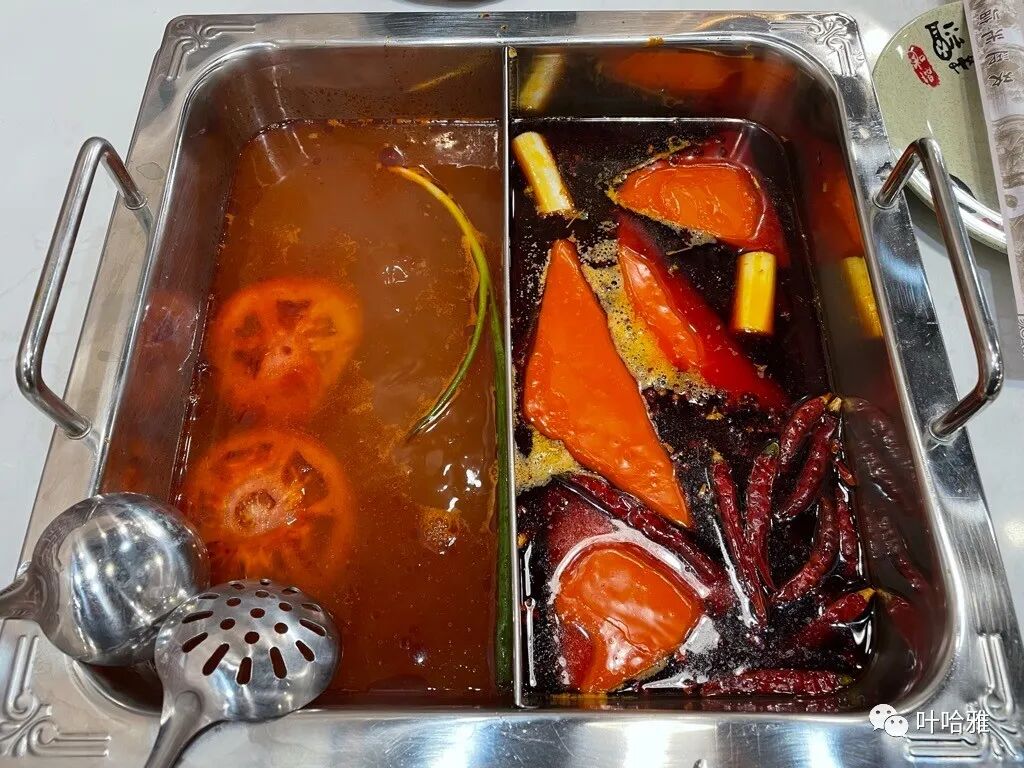
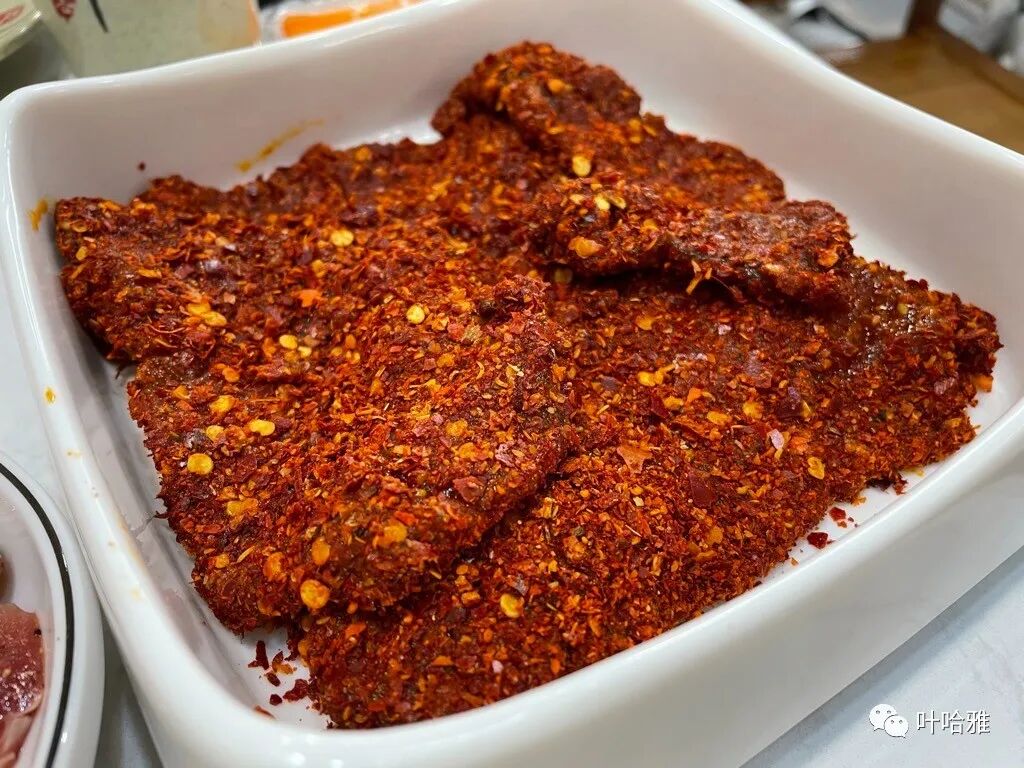
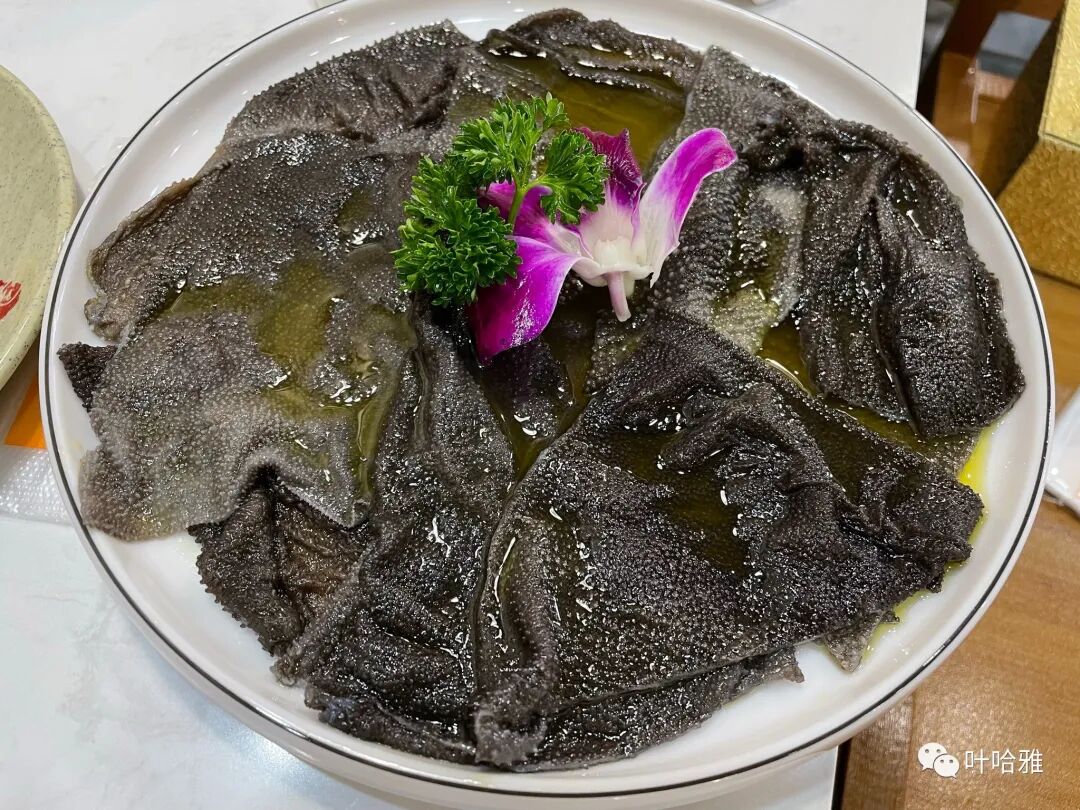
The shop is located on Xiaoying North Road in the Datun Subdistrict of the Asian Games Village. Next door is a hand-pulled noodle shop (lamian guan), and both are owned by the same person.
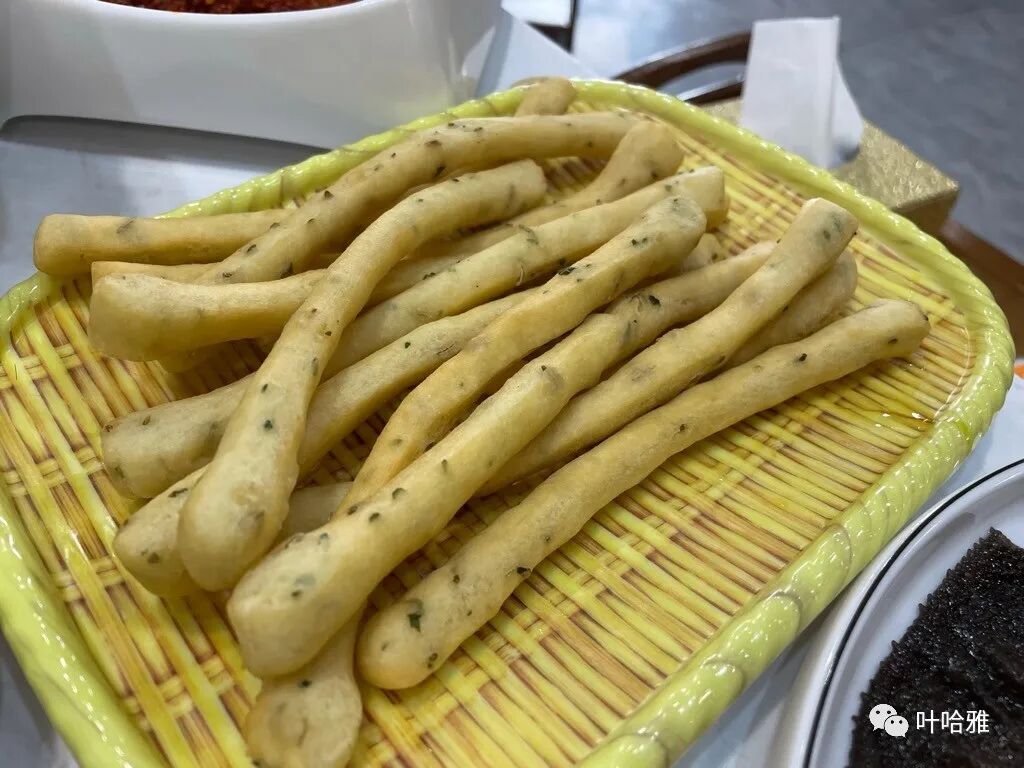
2. Ya'er Liji Small Restaurant
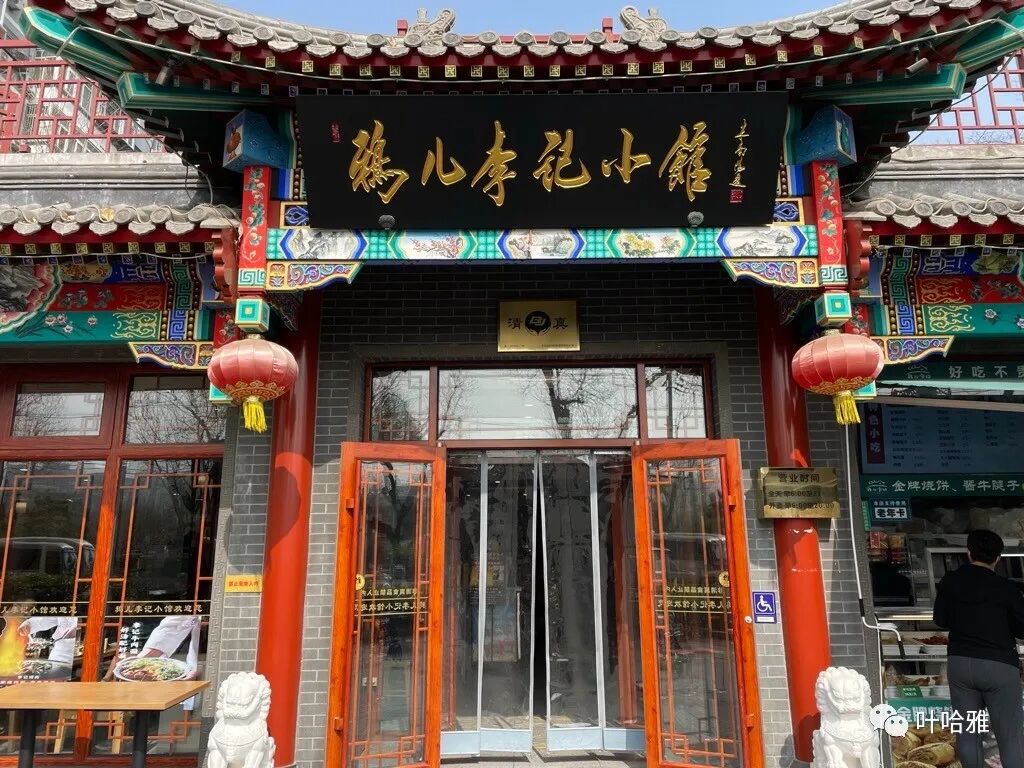
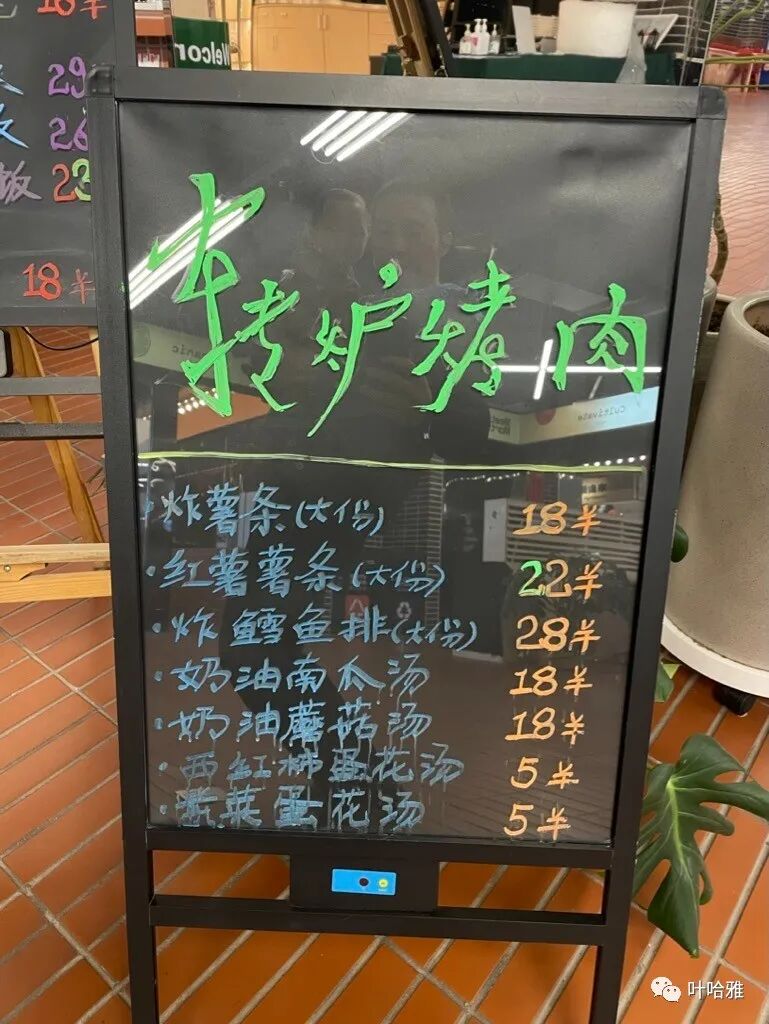
Ya'er Liji has opened a new fast-food spot at the south gate of the Temple of Heaven. They do not sell hot pot meat, only fast food and snacks.
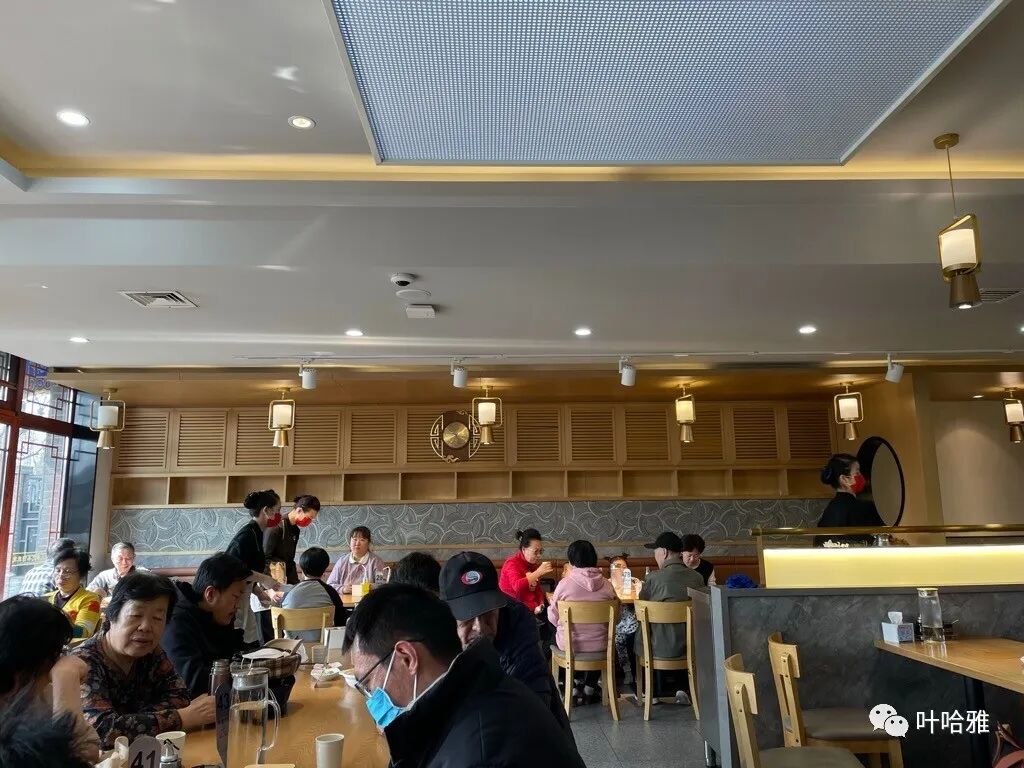
The highlights of their menu are Luxi beef rice, braised chicken rice (huangmenji mifan), and beautifully plated soybean paste noodles (zhajiangmian).
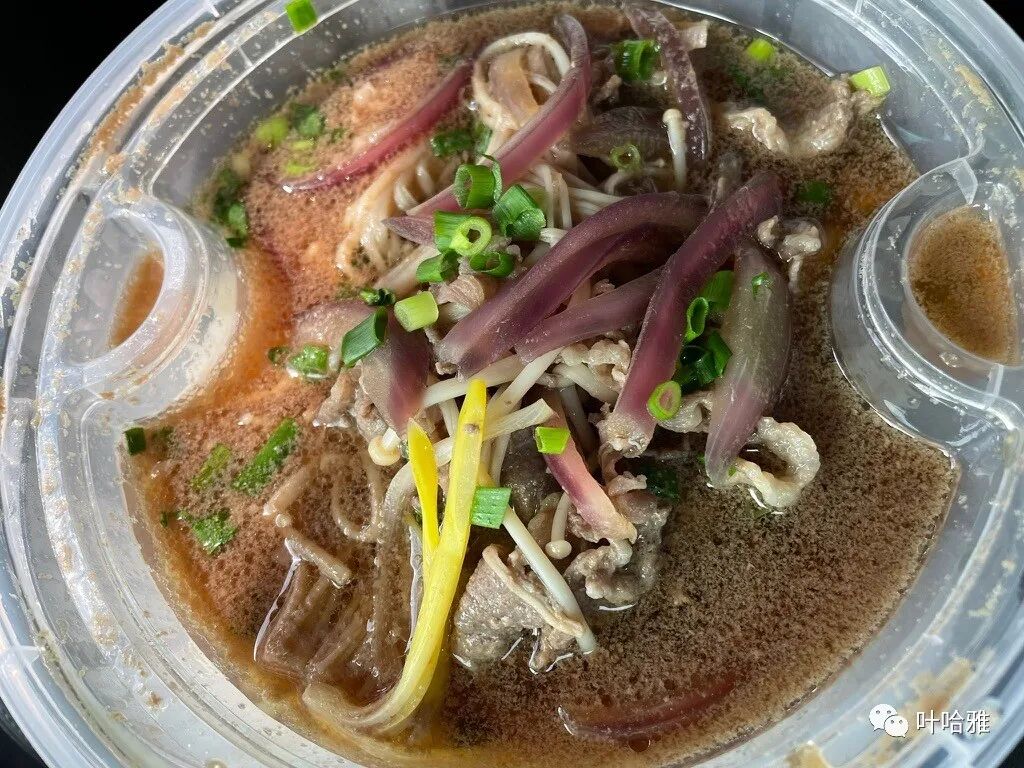
Luxi beef rice
Since the owner of Ya'er Liji is from Dezhou, Shandong, it makes sense that they make Luxi beef and braised chicken well, as braised chicken is also a Shandong specialty.
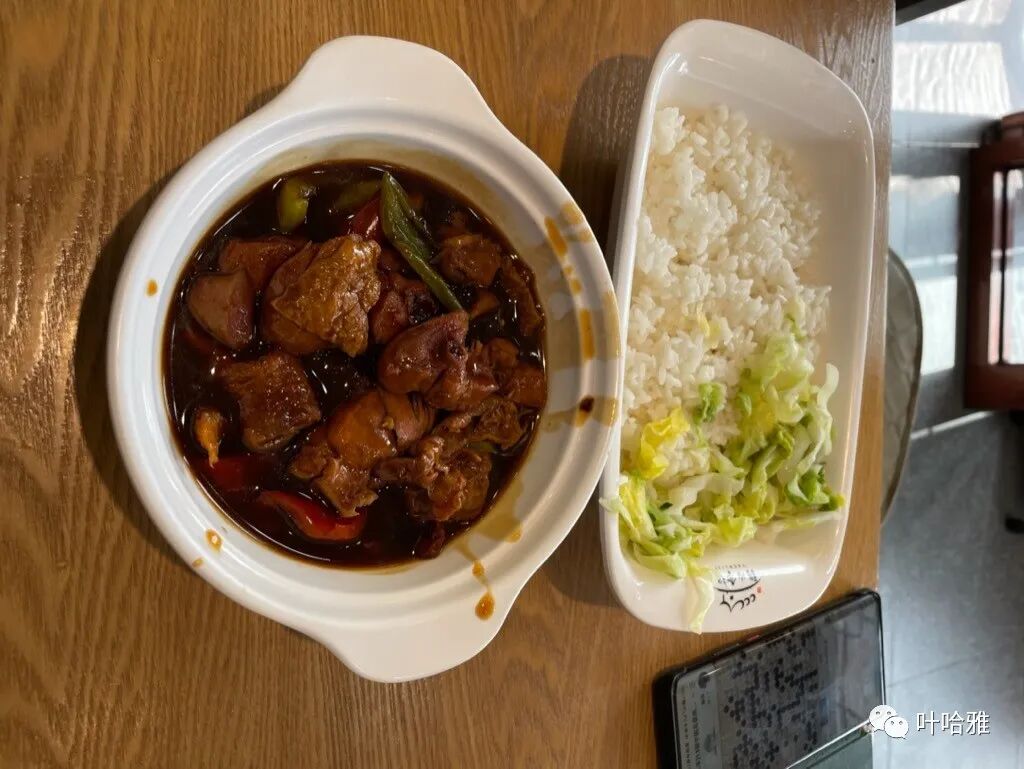
Braised chicken rice
Few ordinary restaurants make soybean paste noodles with much care, but this small shop puts effort into the vegetable toppings and provides a good variety. The only downside is that the noodles are not hand-rolled, so the texture is a bit lacking.
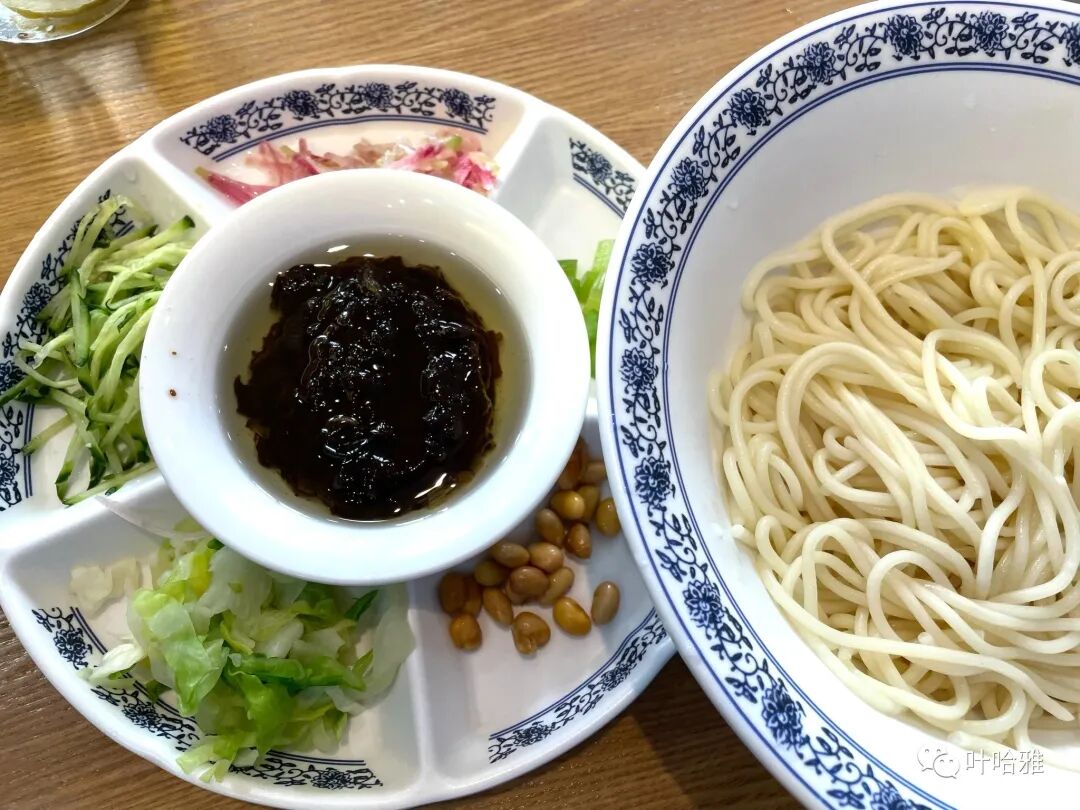
Soybean paste noodles (zhajiangmian)
3. Xiangqing Beef Ball Noodles
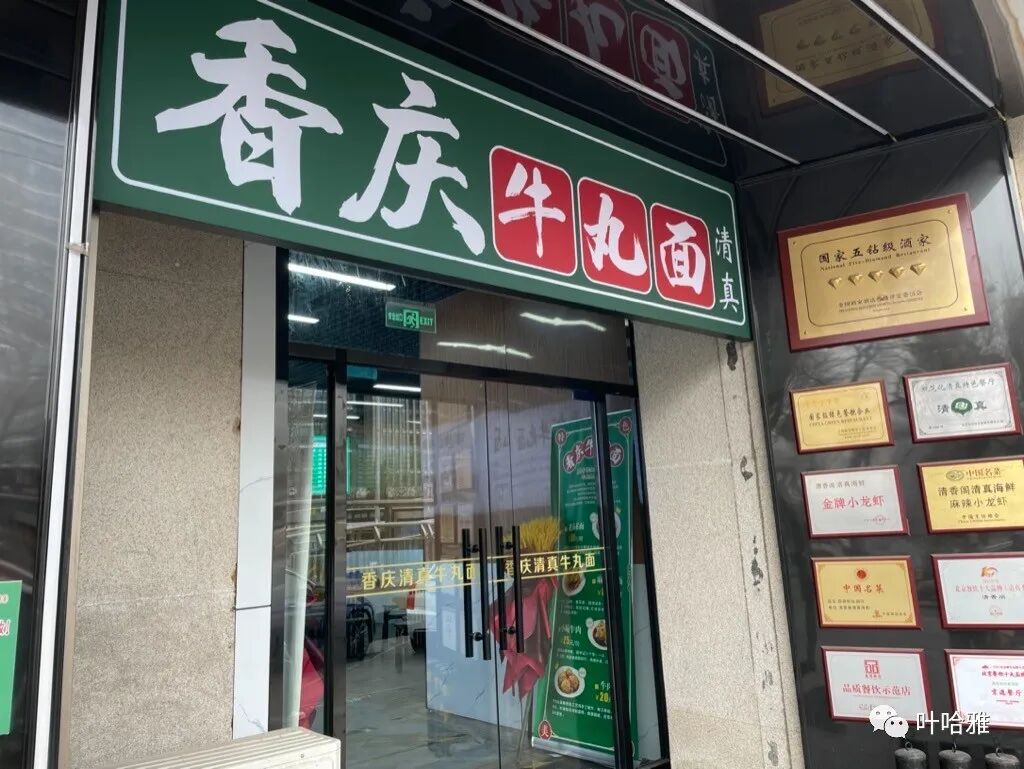
Xiangqing Beef Ball Noodles is a new brand at the Qingxiangge Tuanjiehu branch. This spot used to be Anhui beef flat noodles (banmian), but the sign has changed again.
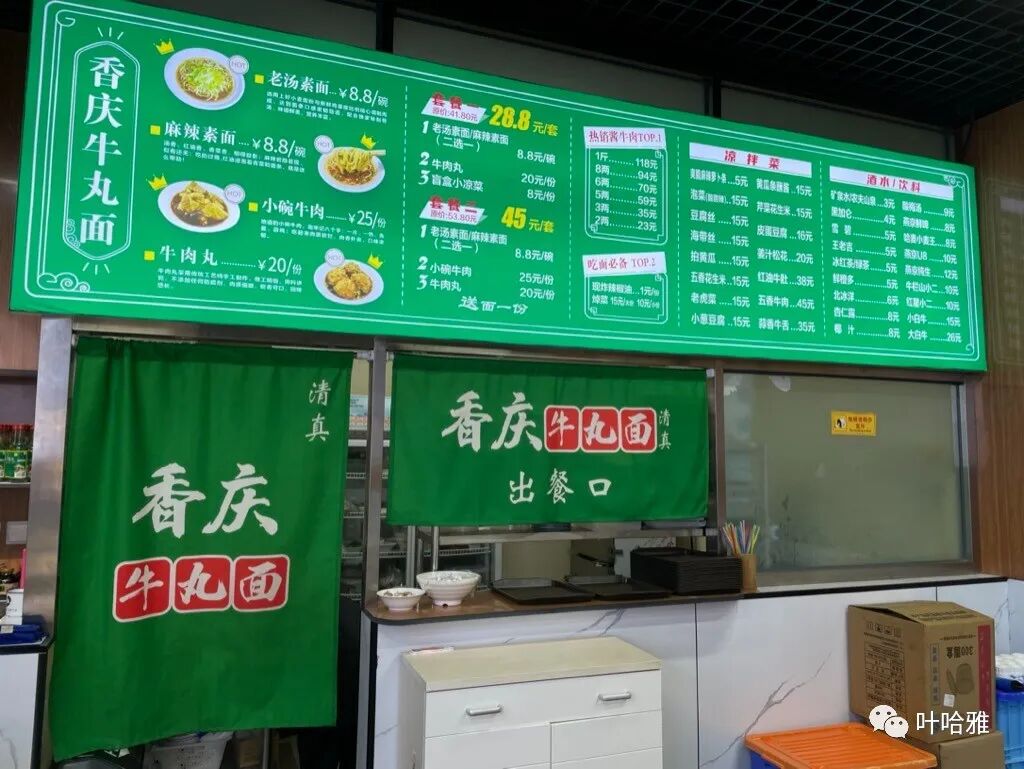
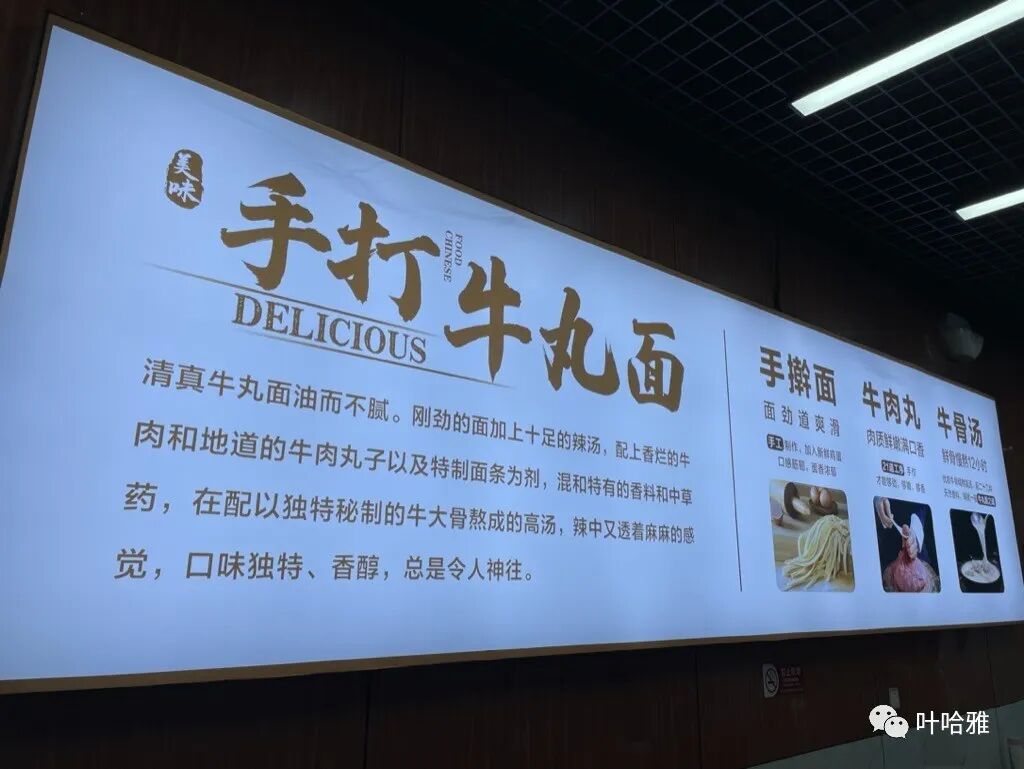
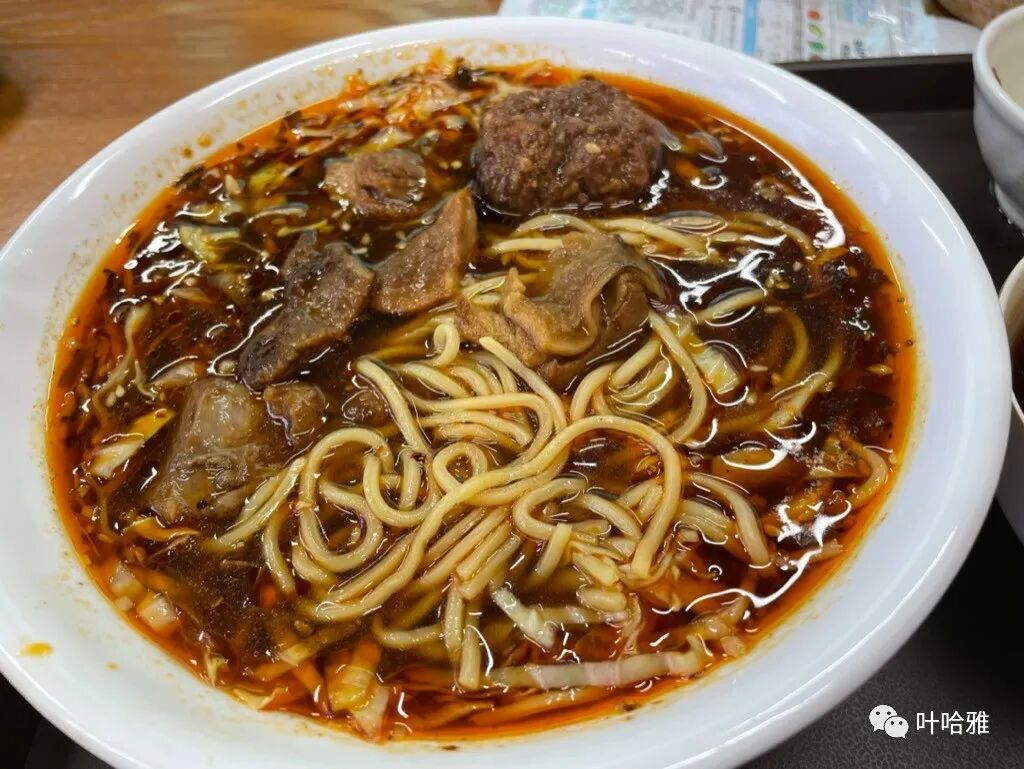
This noodle shop doesn't look like much from the outside, but the food is actually quite good. The spicy beef noodles with beef balls and a small bowl of beef are especially fragrant and affordable.
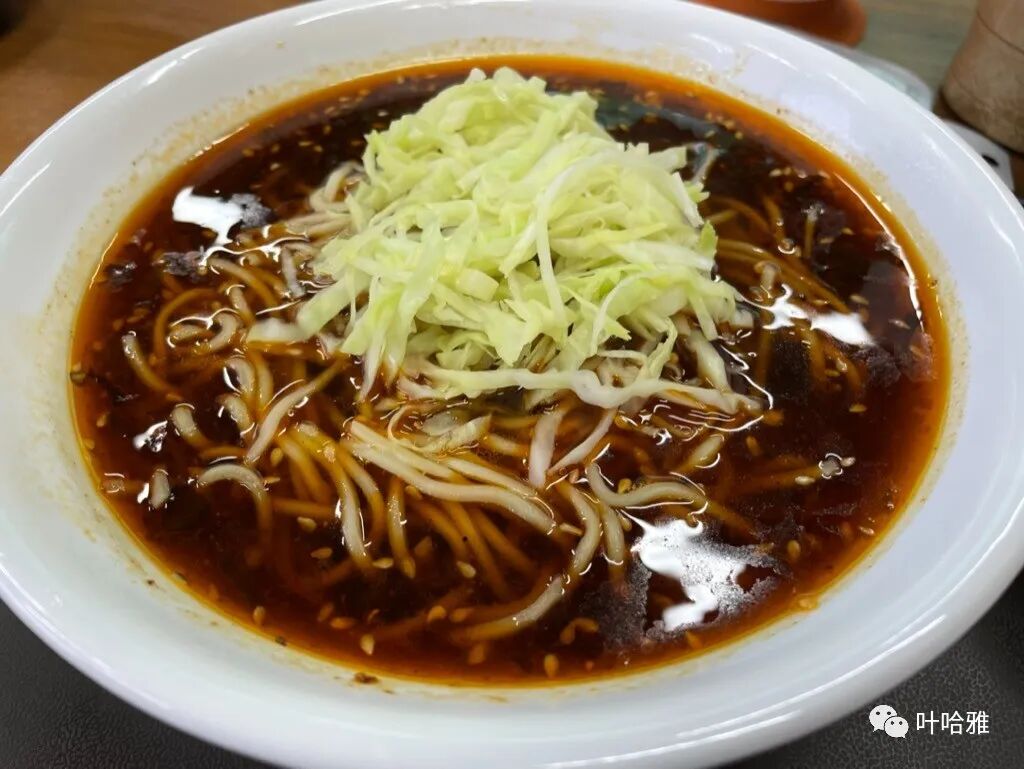
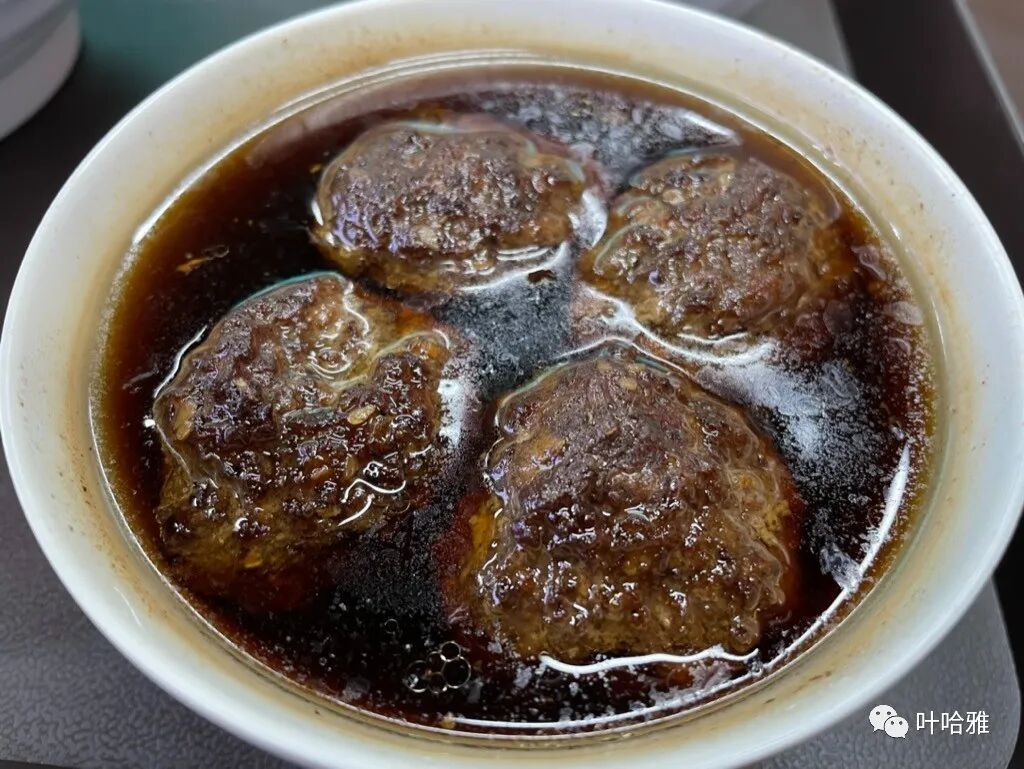
The small bowl of beef and the beef balls are stewed until very soft and tender, melting in your mouth with plenty of flavor.
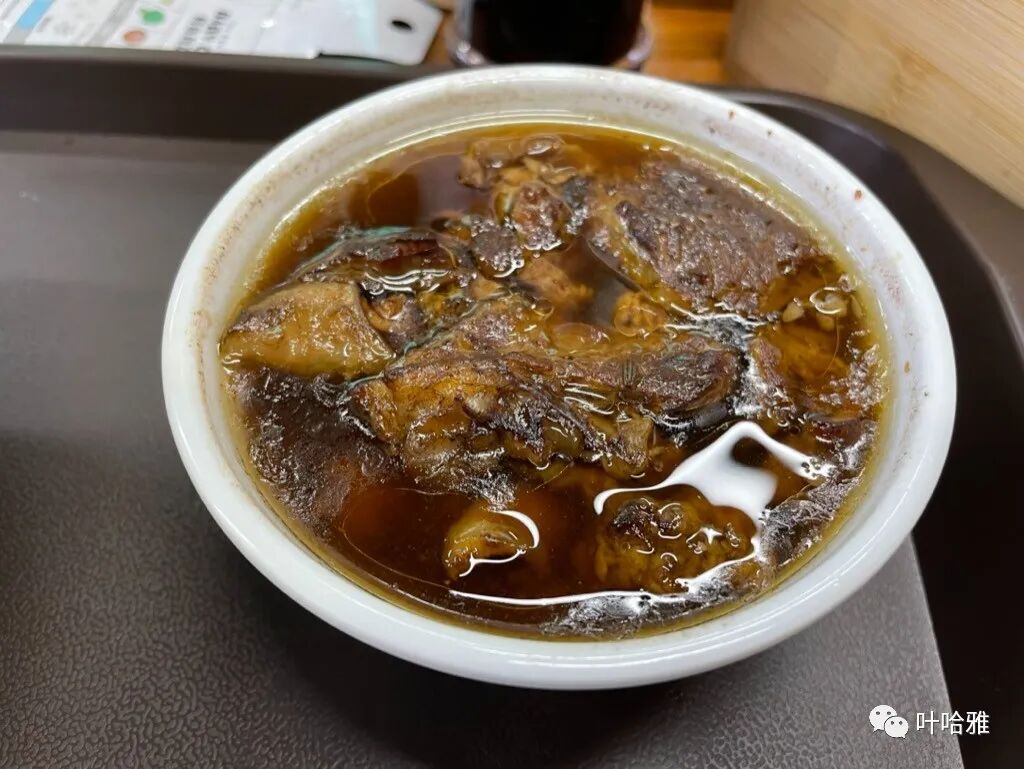
Small bowl of beef
Beef balls
4. Annei Laoma Steamed Dumplings (Dongba Branch)
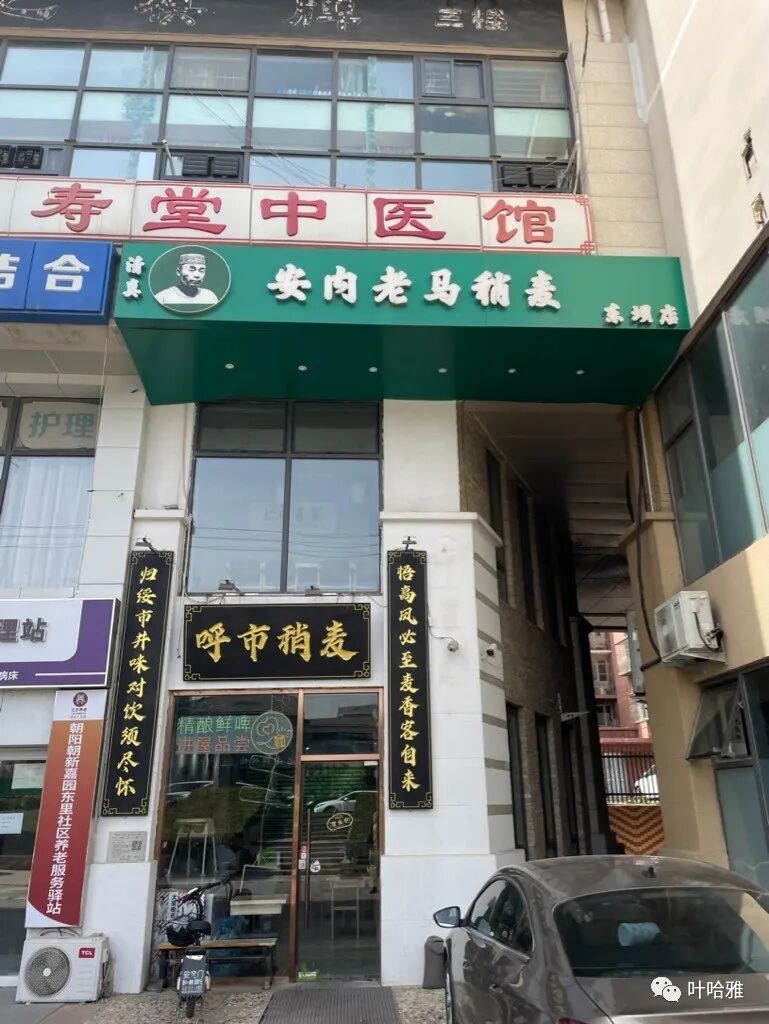
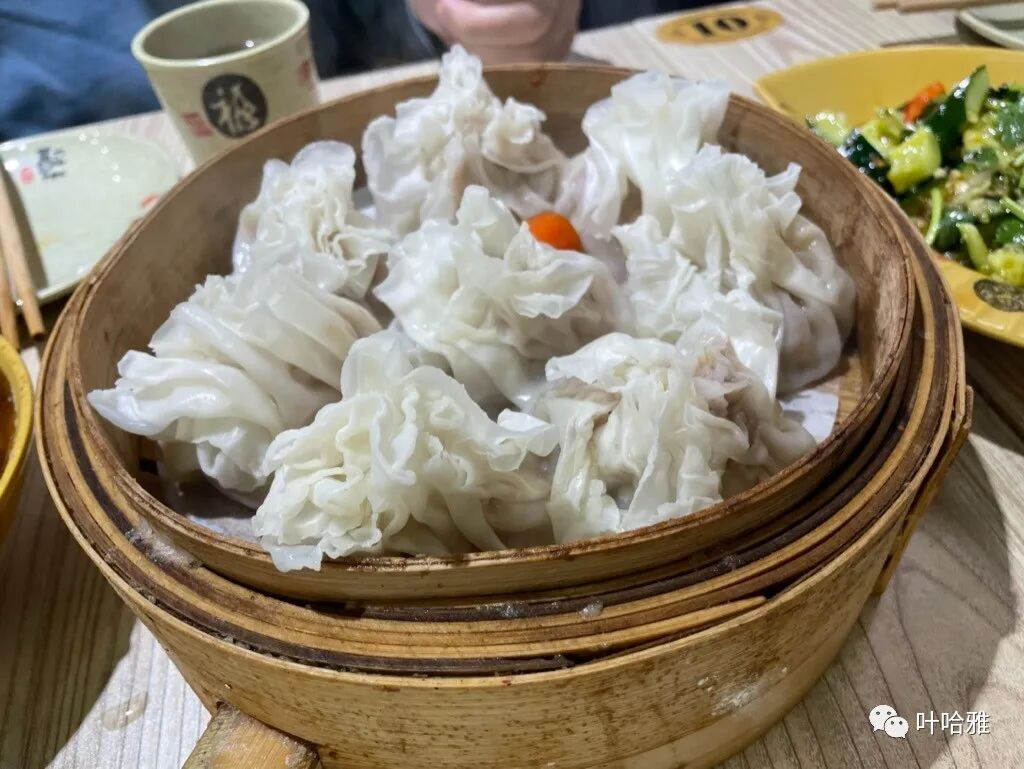
This is a branch of Annei Laoma Steamed Dumplings (shaomai) in Dongba. The menu is slightly different, and I think it tastes better than the main store.
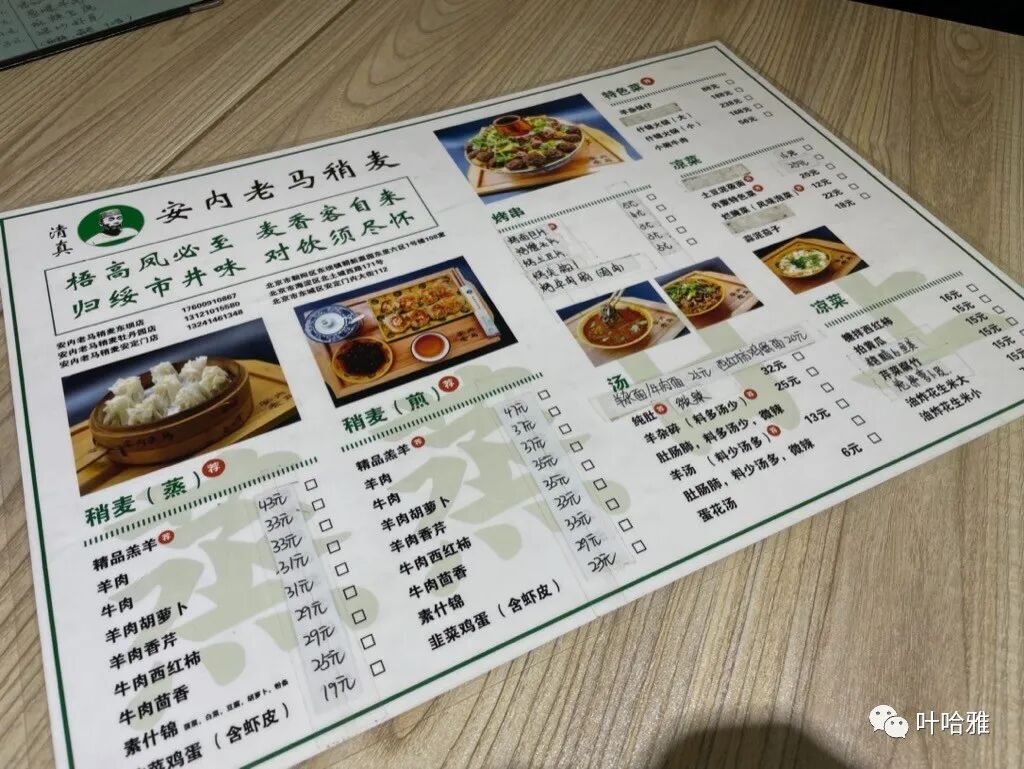
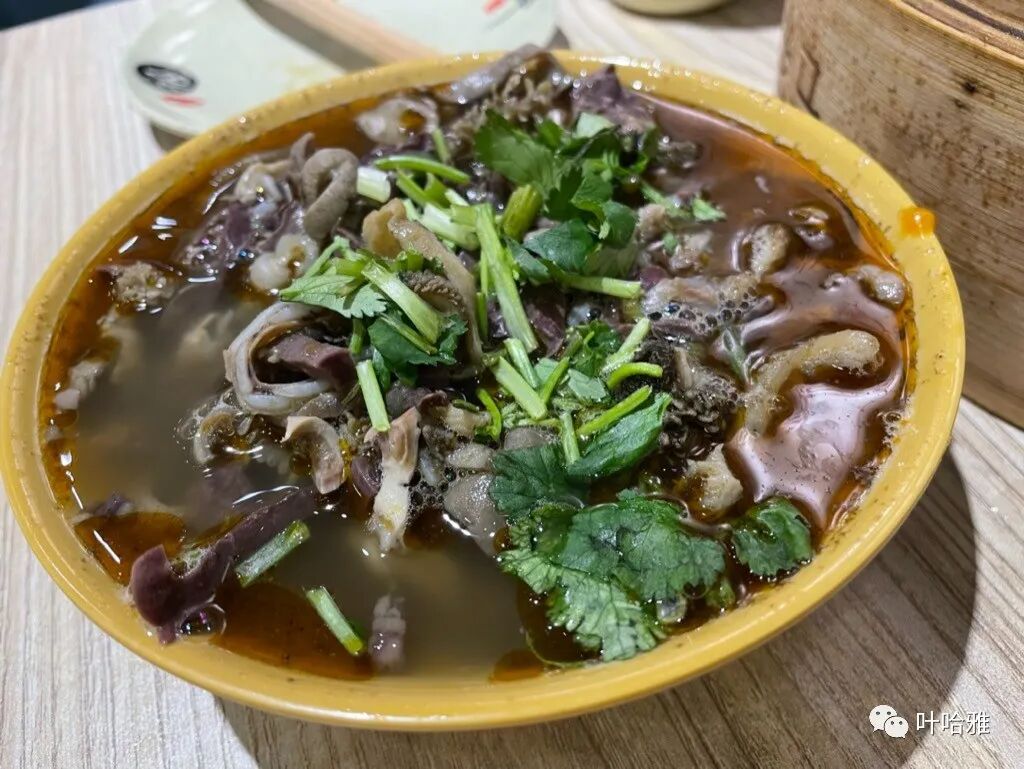
Besides the classic beef and lamb steamed dumplings, this branch serves Inner Mongolian-style lamb offal (yangza) and small hot pots, which the main store does not have.
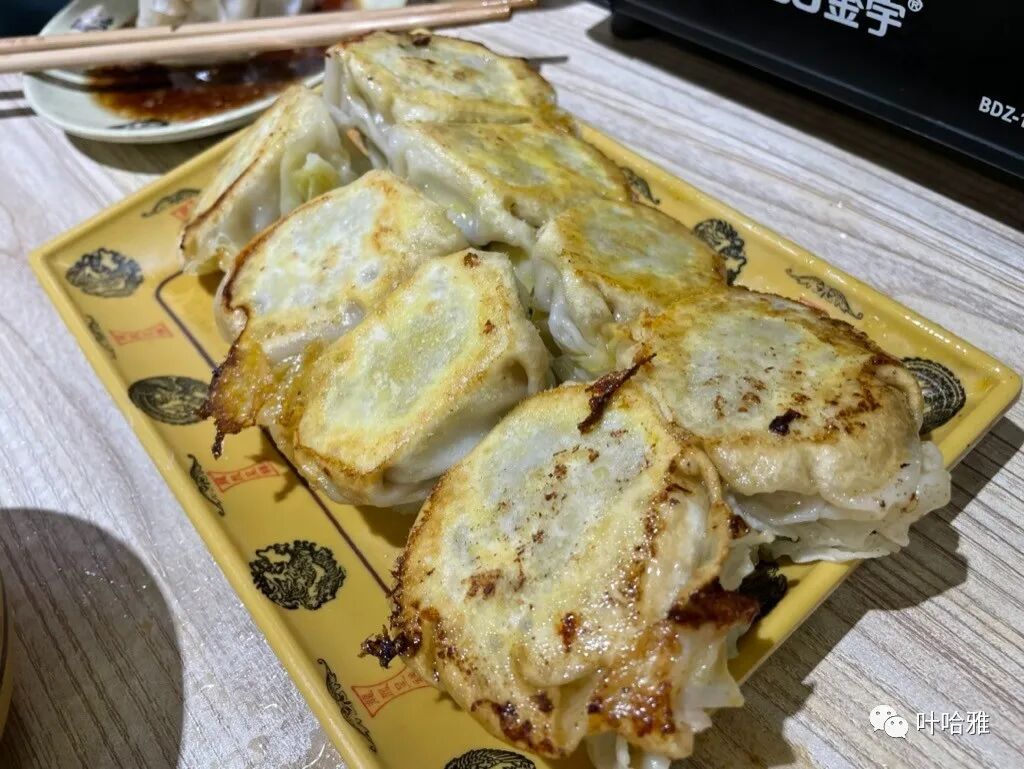
Pan-fried steamed dumplings (youjian shaomai)
Their lamb offal is just the Inner Mongolian style I like. It comes in a full bowl with plenty of finely sliced tripe, just like what I ate in Inner Mongolia.
5. MULU
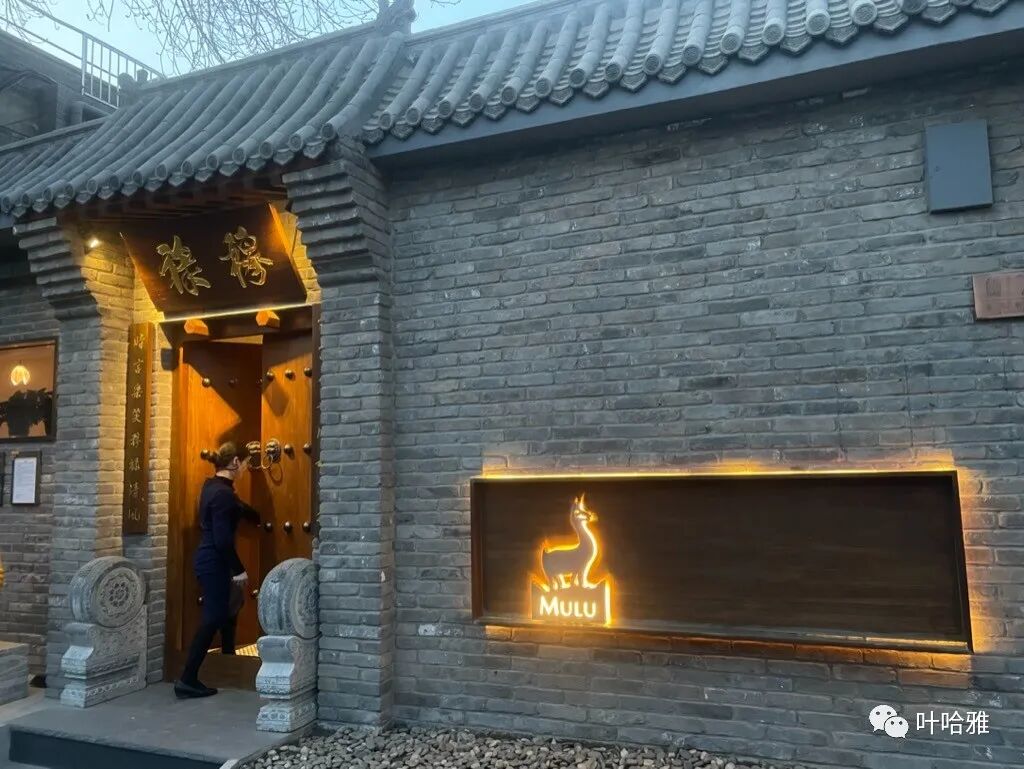
Mulu is a private Malaysian restaurant specializing in Southeast Asian flavors. It is the most expensive restaurant I have ever visited. You must book three days in advance and pay a deposit. They charge per person: 988 yuan for four main courses or 1488 yuan for six. They serve the dishes in order, just like a Western-style meal.
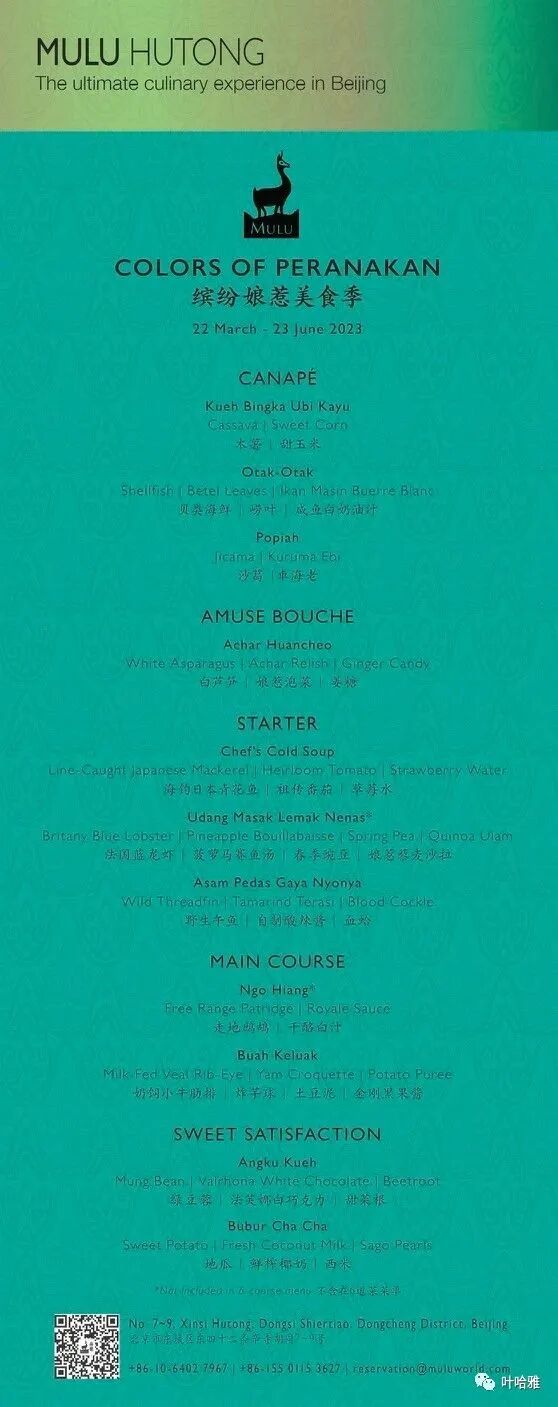
The menu for Monday through Friday.
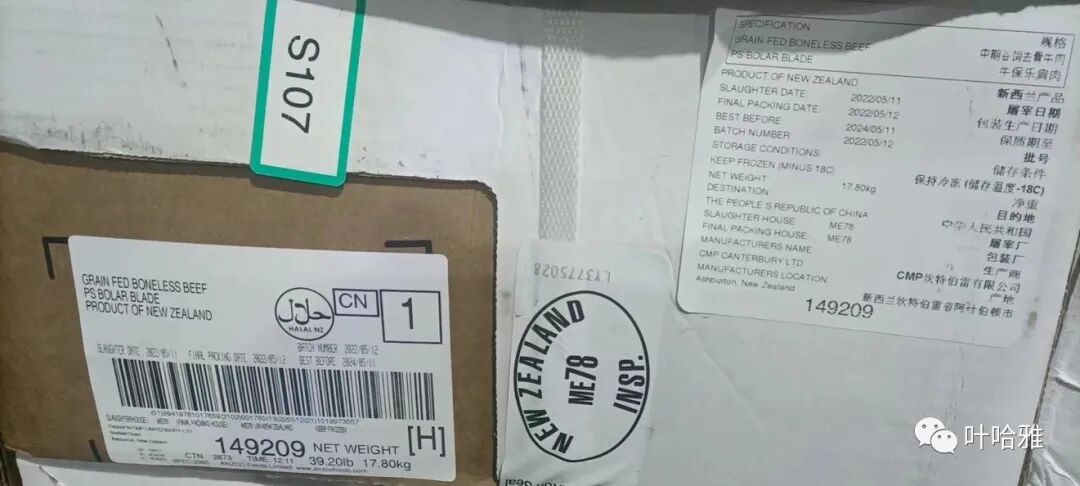
The restaurant is located in a hutong in the Dongcheng District. You need a reservation. The owner and head chef is a Malaysian Chinese person who mainly provides custom catering for various Southeast Asian embassies. Because of this, the ingredients are guaranteed to be halal, and the chef showed me where they come from.
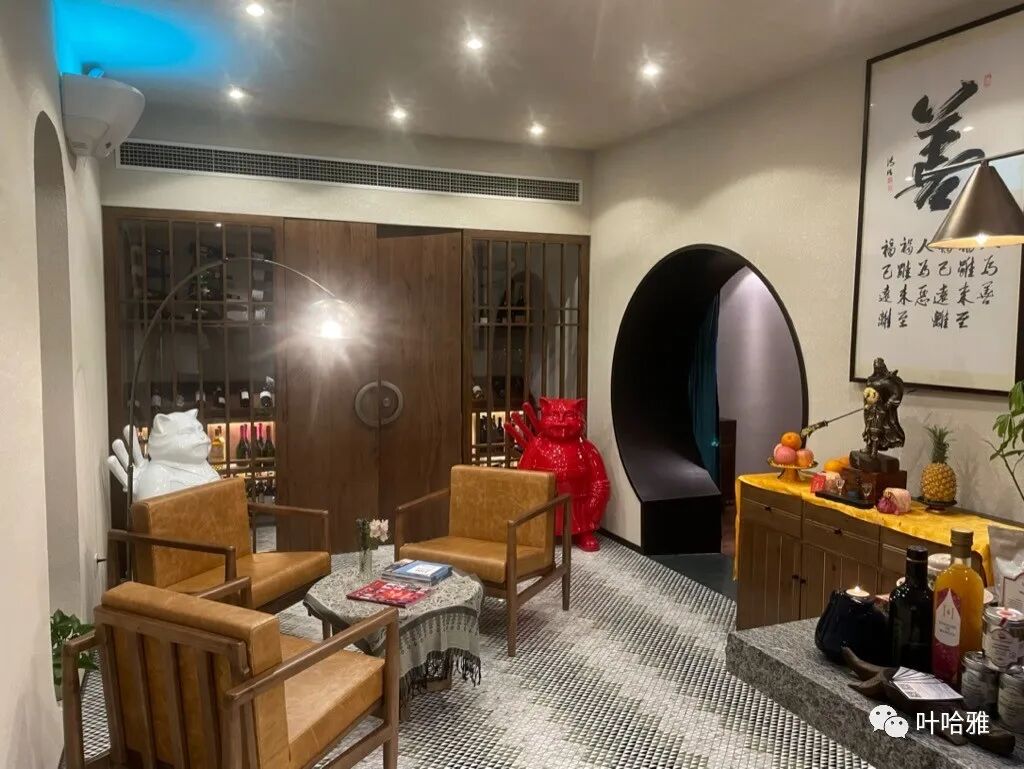
It is a private kitchen with a very intimate atmosphere. The only downside is that parking is difficult. There is only one parking space, and you need good driving skills to navigate a car into the hutong.
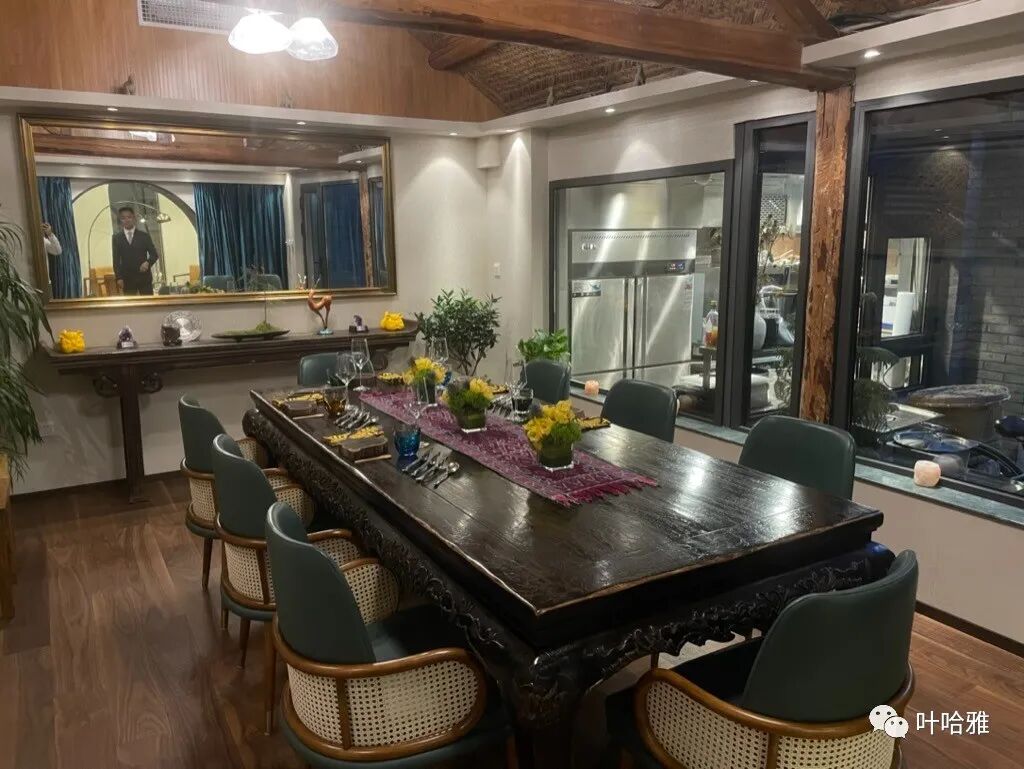
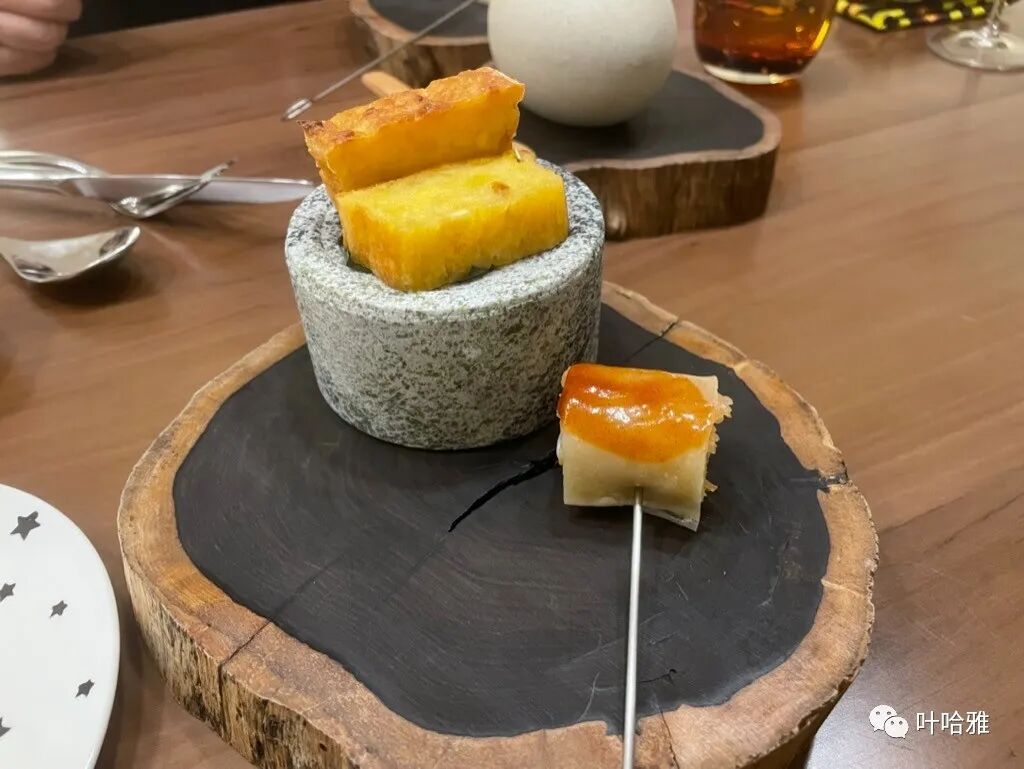
Before serving each dish, the chef explains the ingredients and the cooking process. Every guest gets an individual portion, and the chef brings out the raw ingredients to show us.
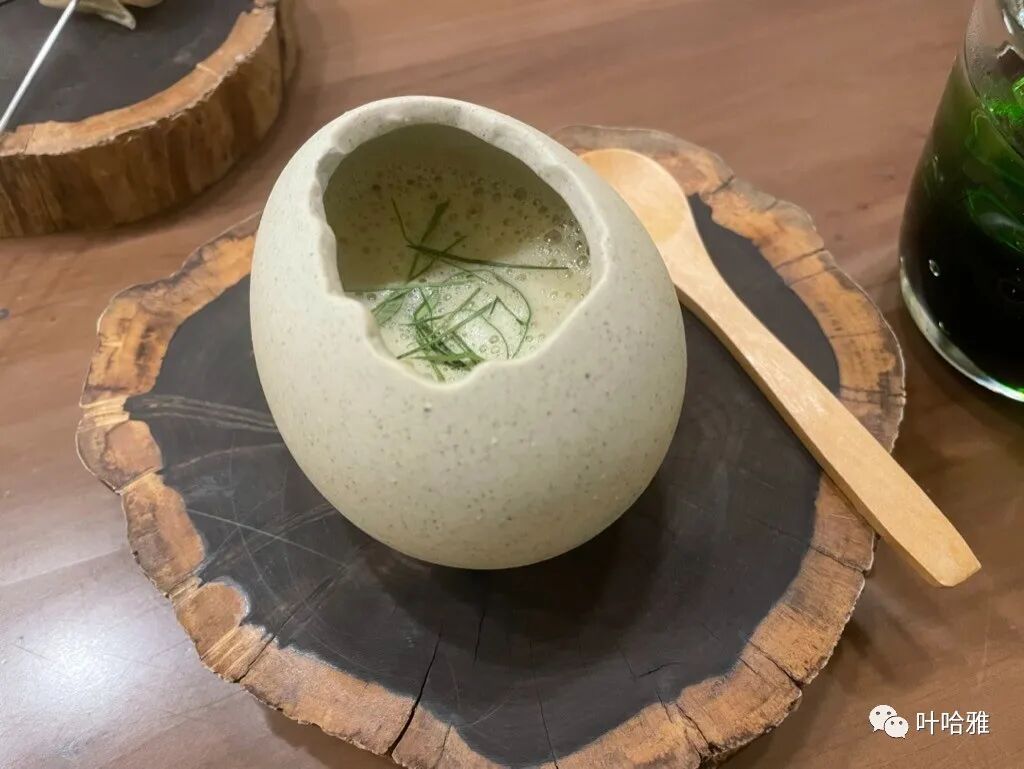
The portions are small. I can finish one in two or three bites, but it is perfect for women who want to eat elegantly and savor the flavors.
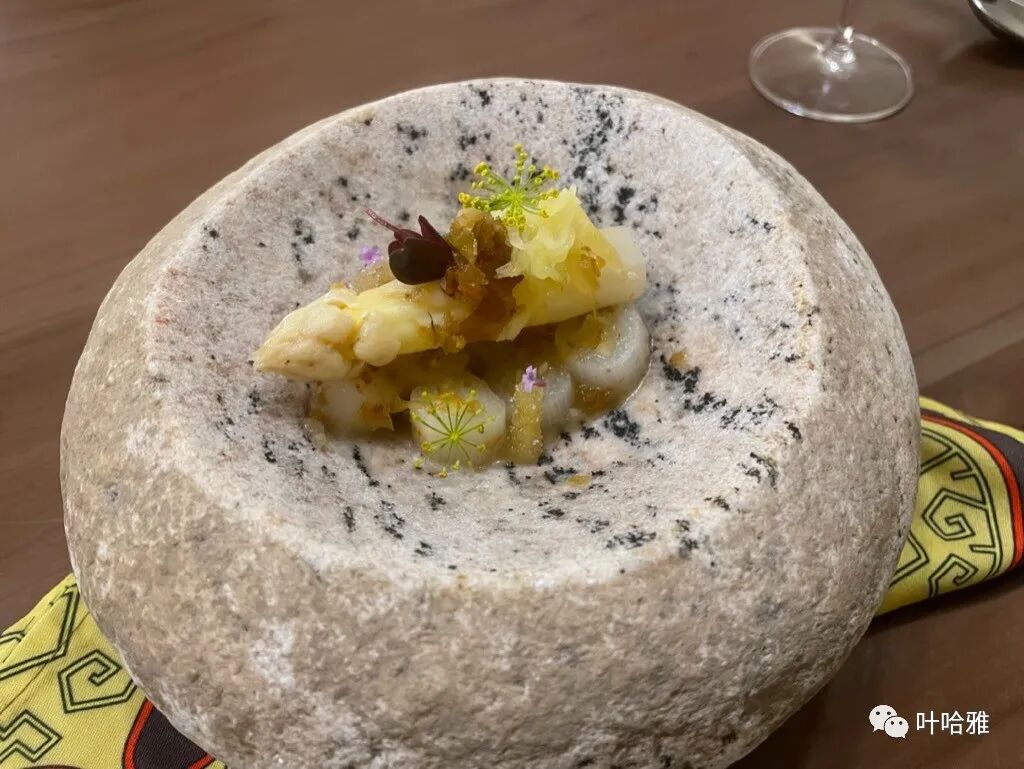
The Friday menu features Nyonya cuisine. Nyonya is another name for Malaysian Chinese people. It is very rare to find a halal version of this in Beijing.
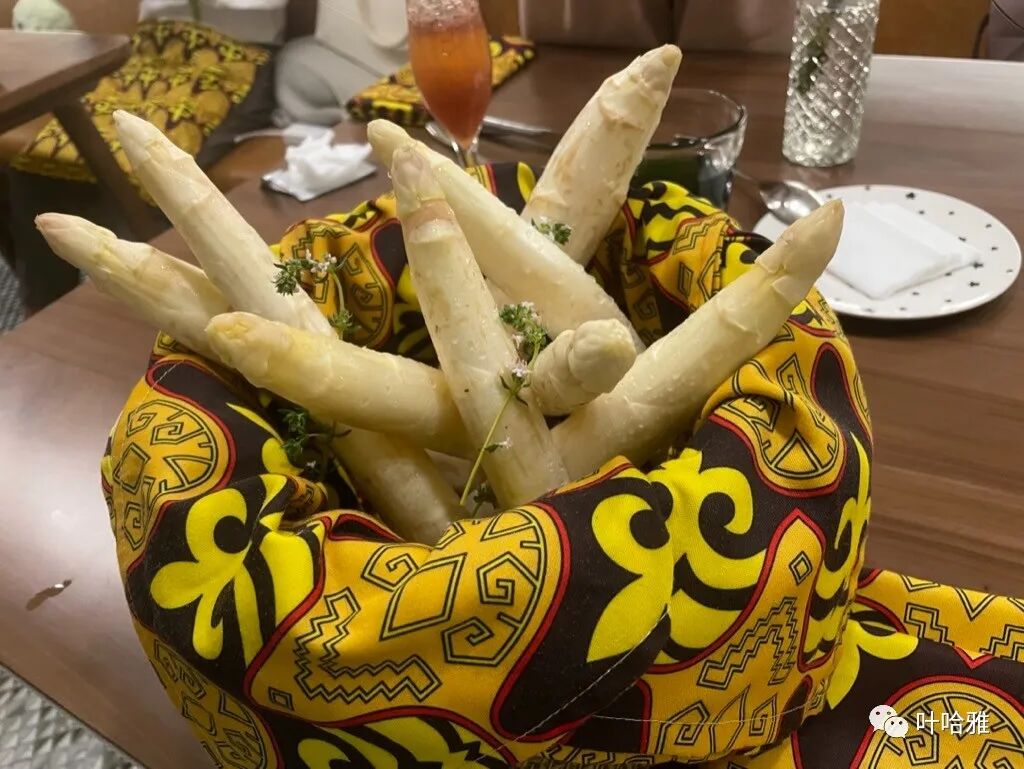
This is the white asparagus the chef showed us. You rarely see this in a regular market.
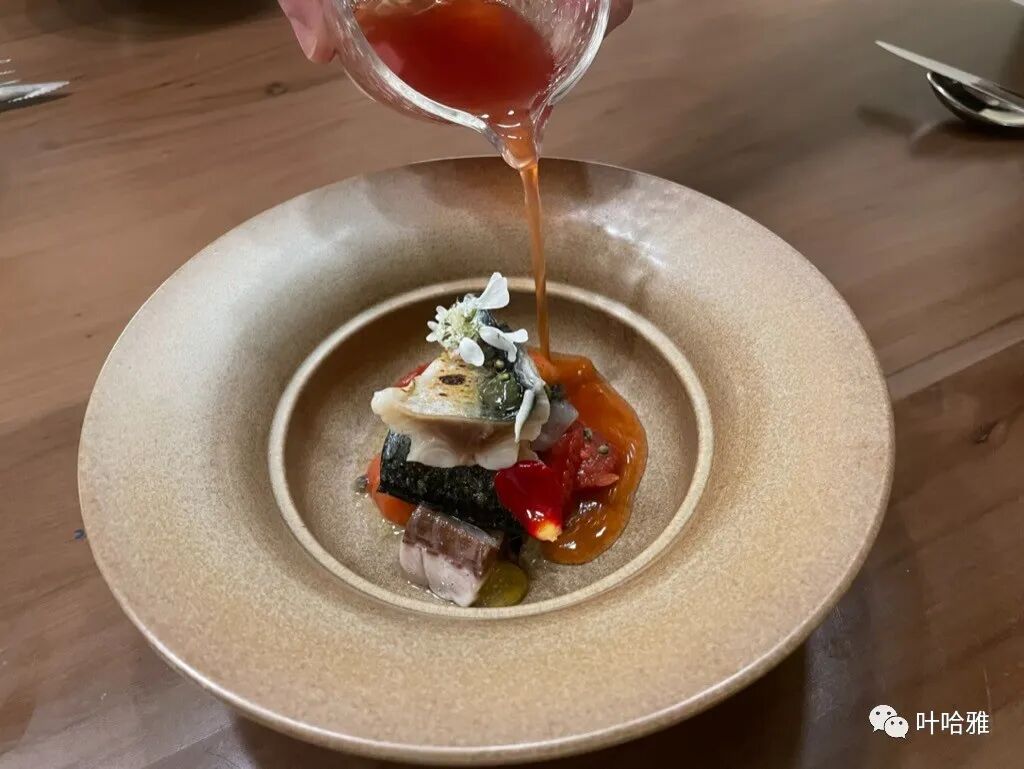
To improve the taste, the chef adds sauce to some dishes right at the table.
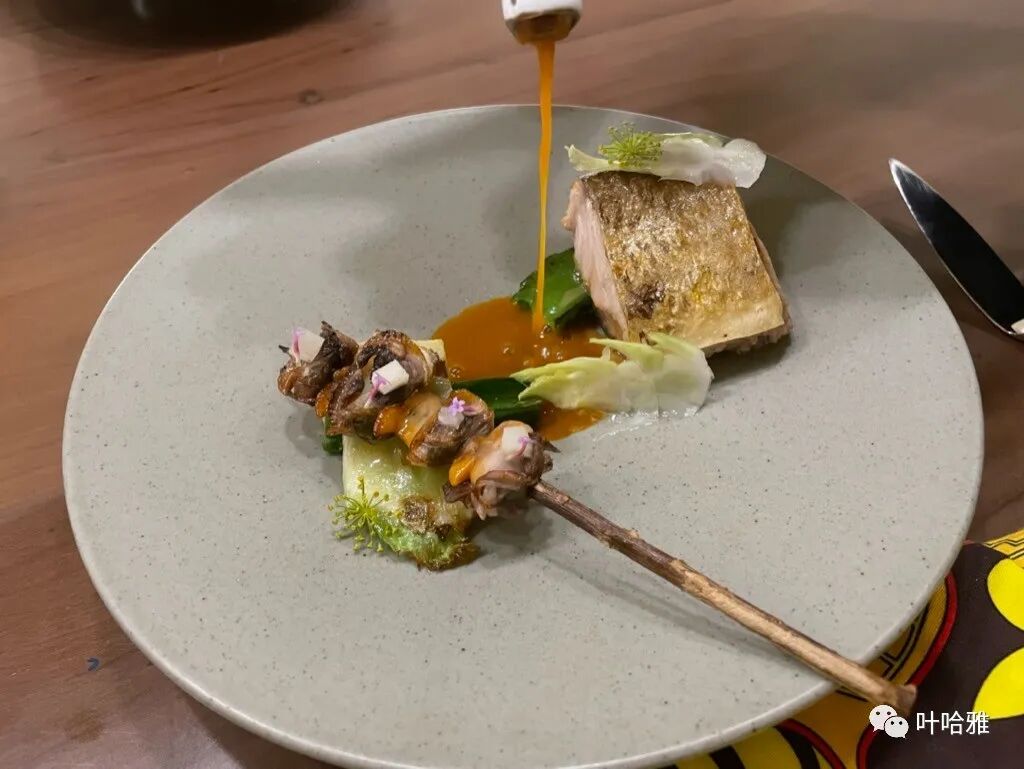
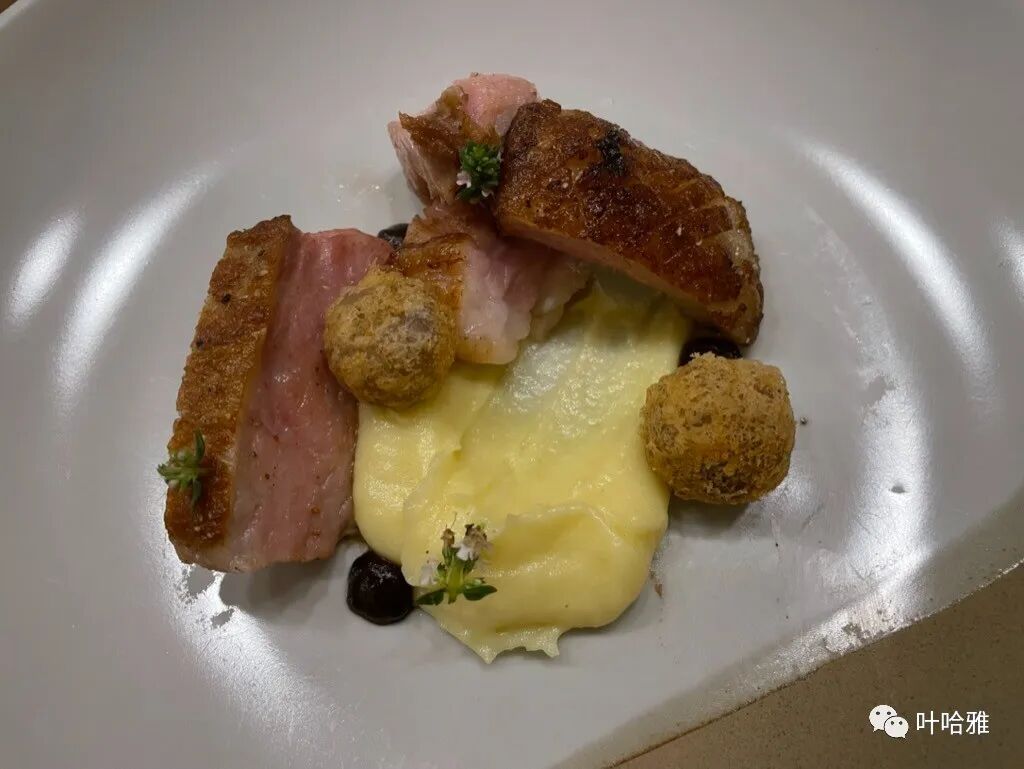
The creamy veal ribs have a strong milky aroma and are tender and juicy. There is no denying that their ingredients are very fresh.
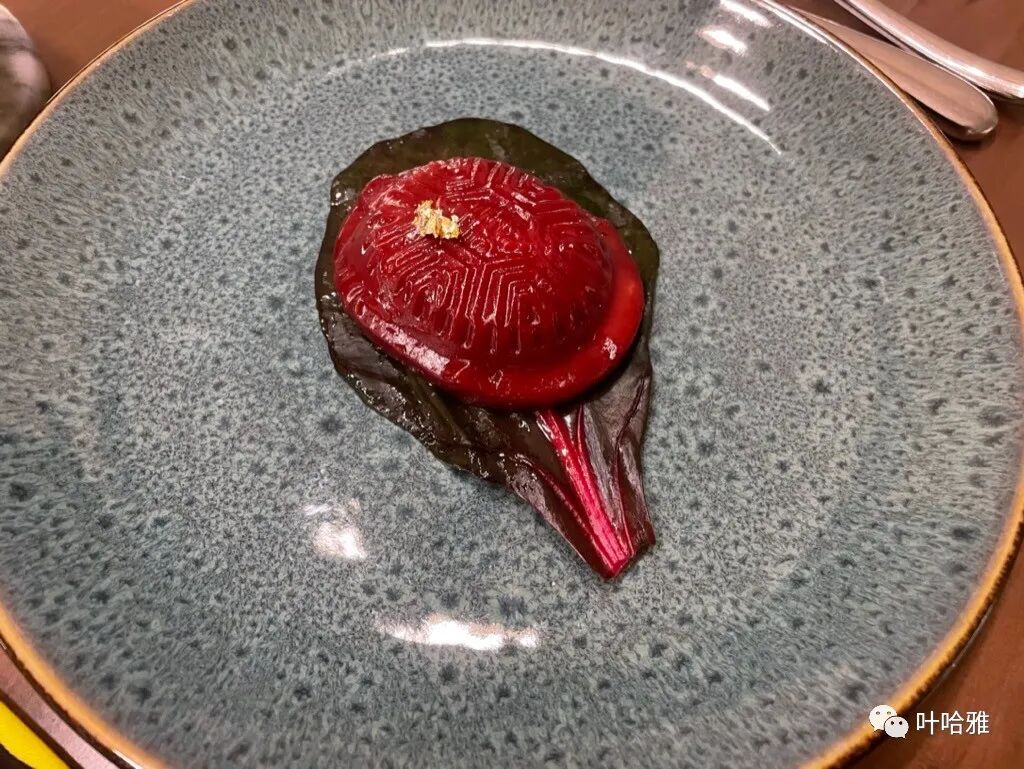
This turtle-shell-shaped dessert is made from beetroot and has a soft, chewy texture.
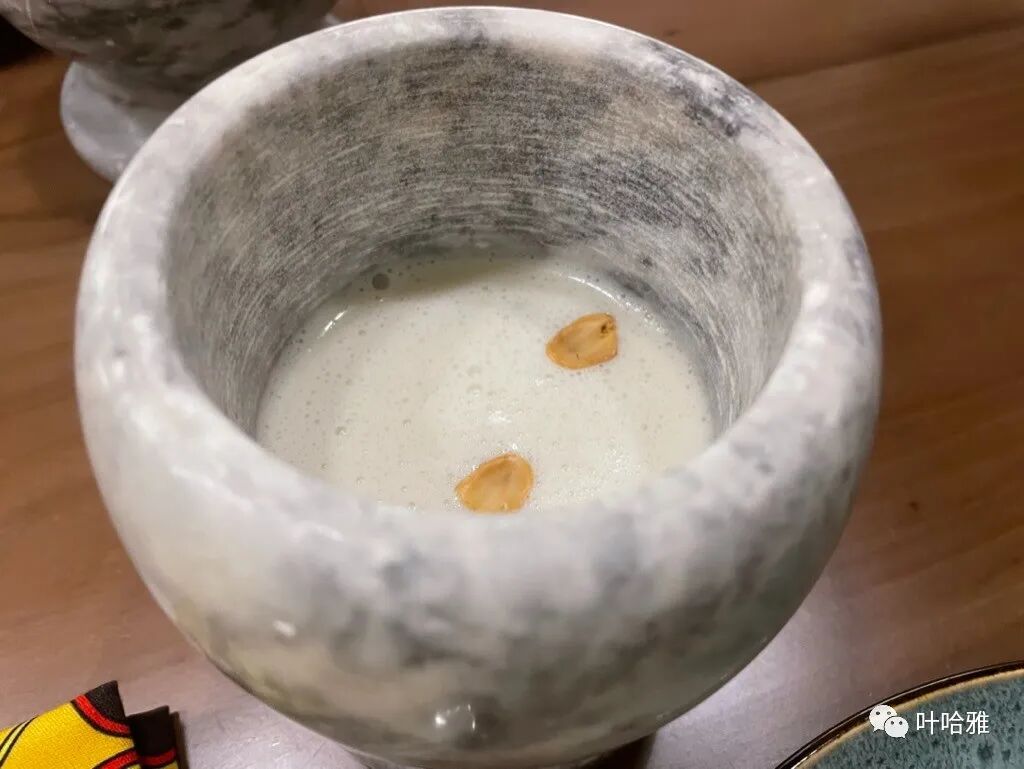
A small serving of sago dessert (ximilu) comes in a stone pot. The pot feels ice-cold to the touch, and the dessert is refreshing, sweet, and cool.
6. Dexiangshun Halal Restaurant
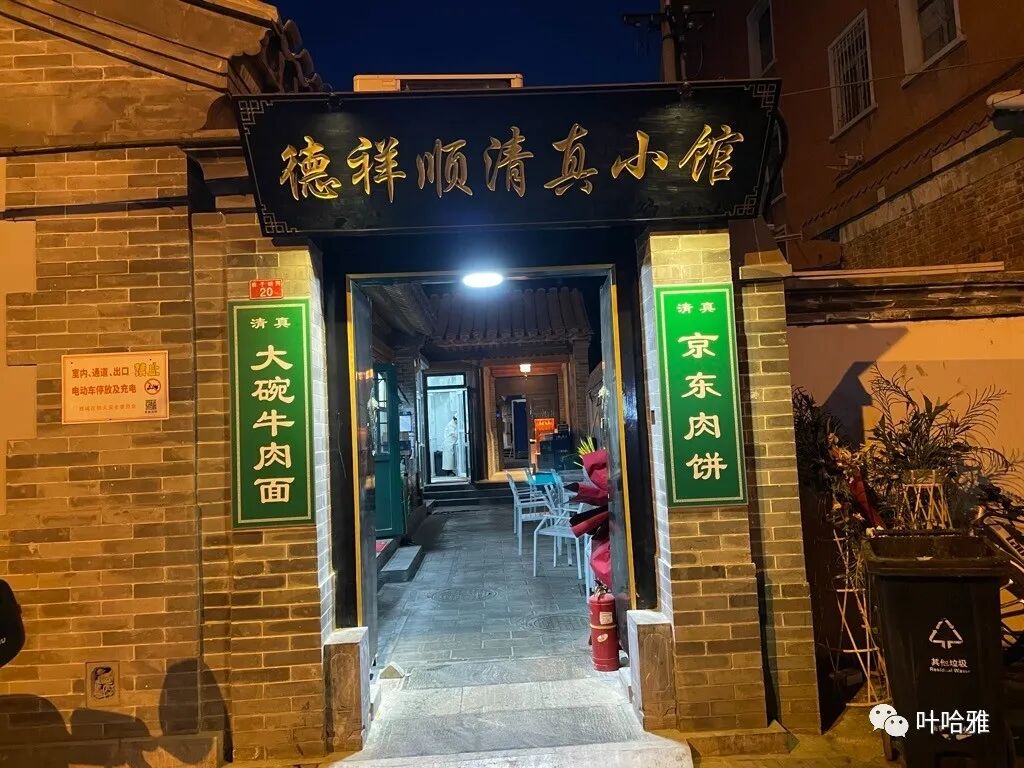
This new little restaurant on Jiaozihutong in Niujie looks plain from the outside, but the stir-fried dishes are quite tasty.
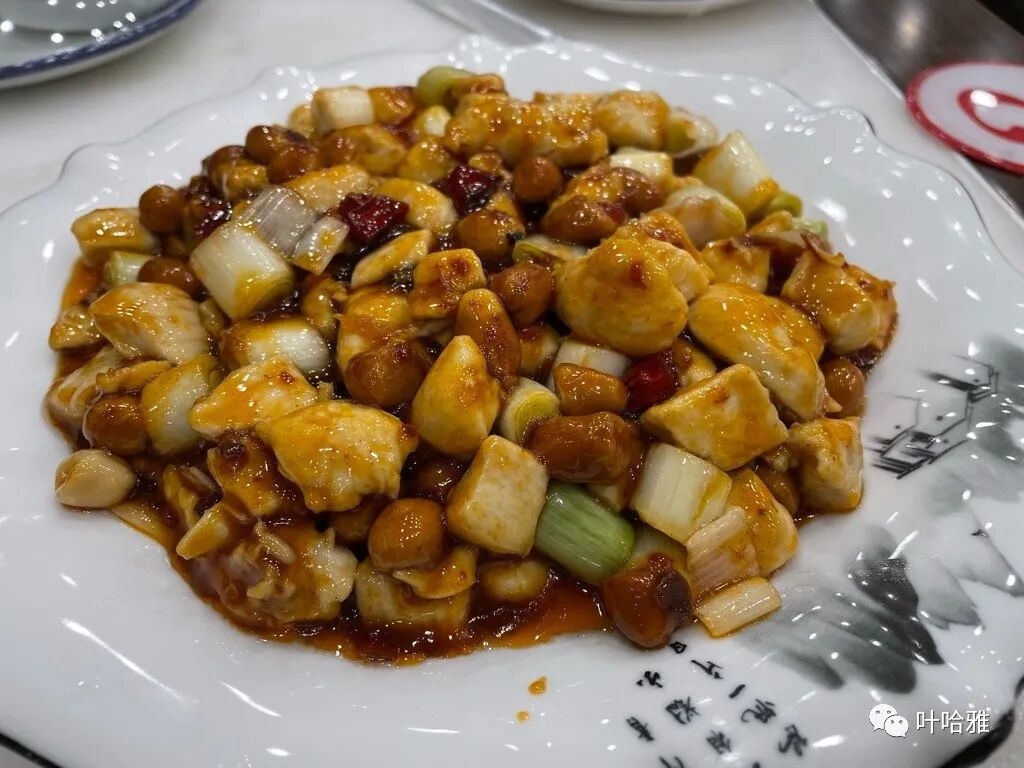
The kung pao chicken (gongbao jiding) is a standout. It tastes just like the version I had as a kid and goes perfectly with rice.
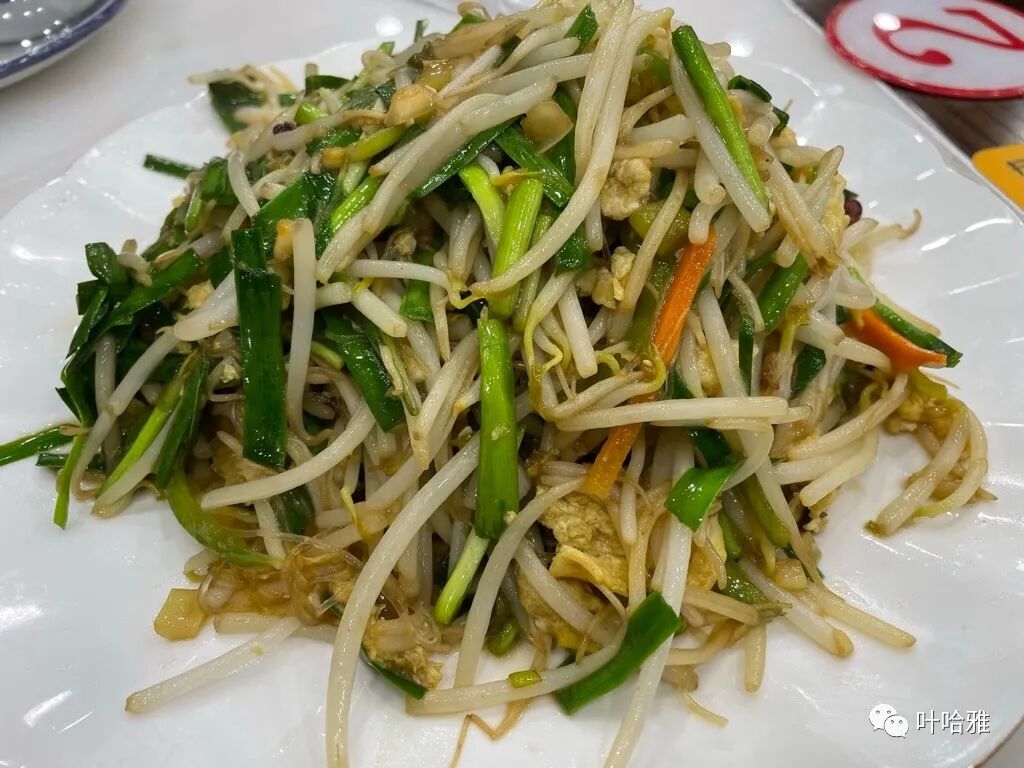
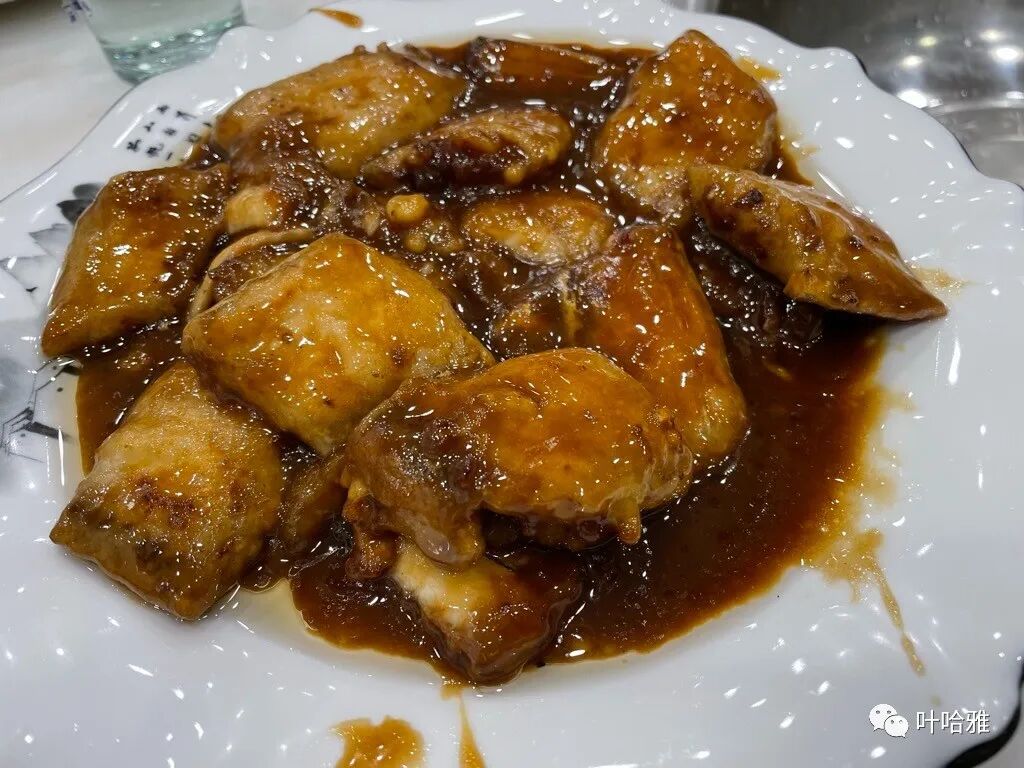
The stir-fried mixed vegetables (chaohecai) are also good. They have some off-menu items too, like the braised eggplant (shaoqiezi), which is delicious.
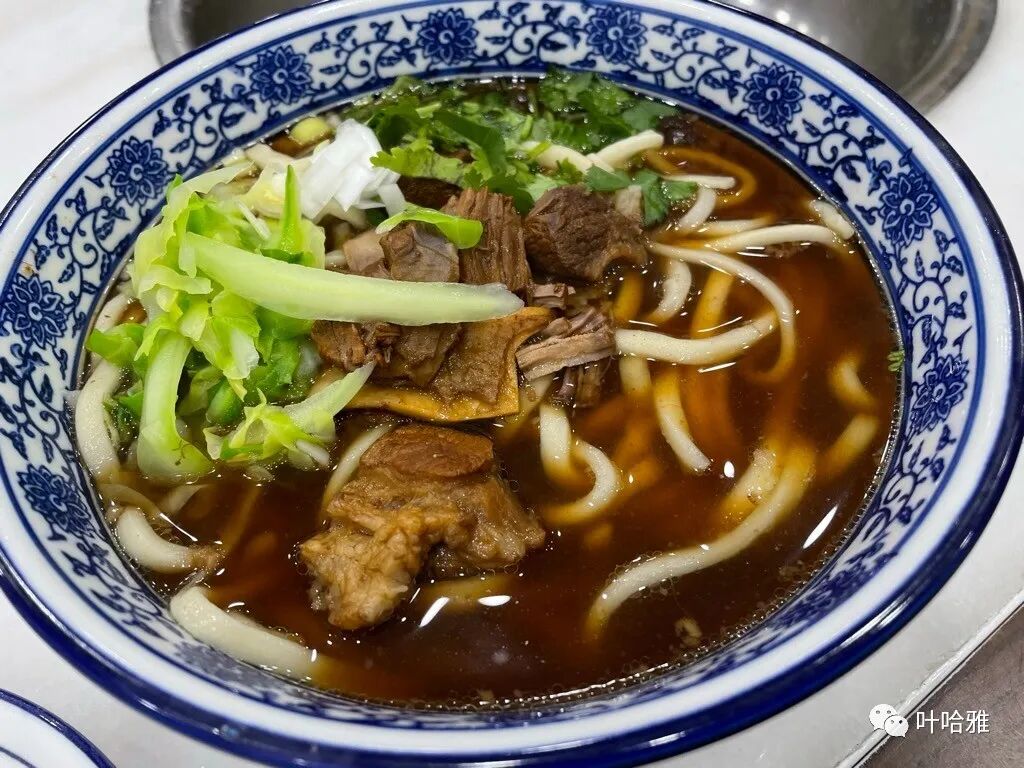
We tried almost everything on the menu and didn't find a single bad dish. It cost three of us less than 100 yuan, making it a great value.
7. 99th Arabic Barbecue
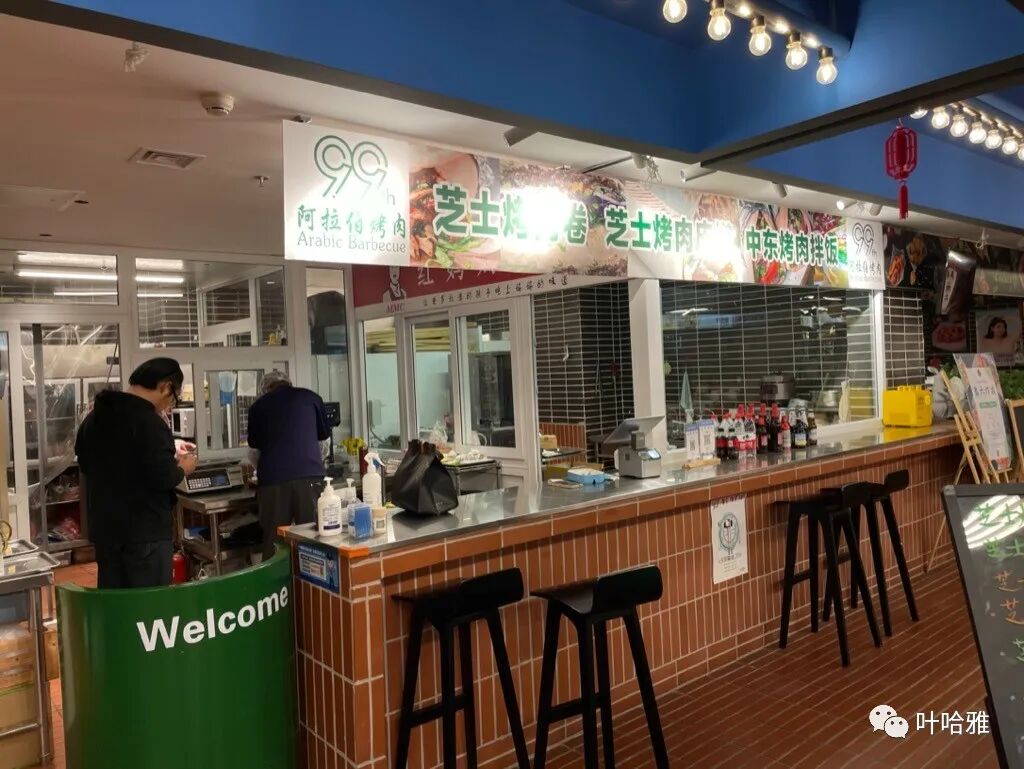
This shop is on the basement level of Euro Plaza in Shunyi. Even though it is called Arabic Barbecue, it has nothing to do with Arabia; it is run by Hui Muslims from Beijing.
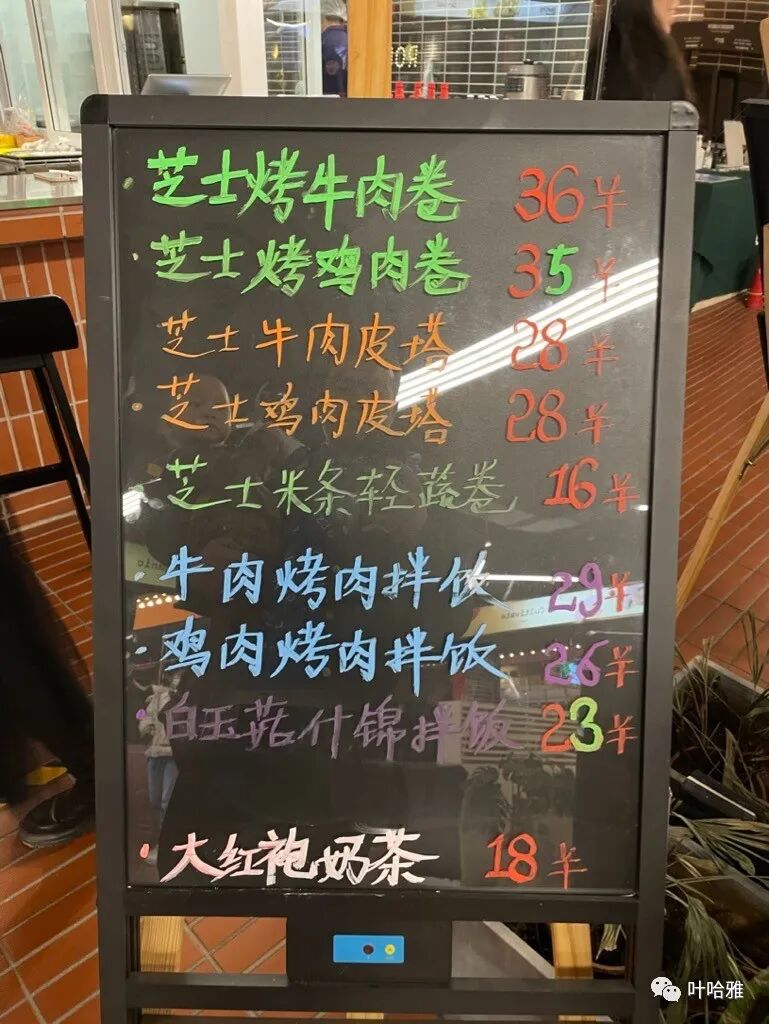
The owner is also preparing a music barbecue restaurant next door, but it has not opened yet.
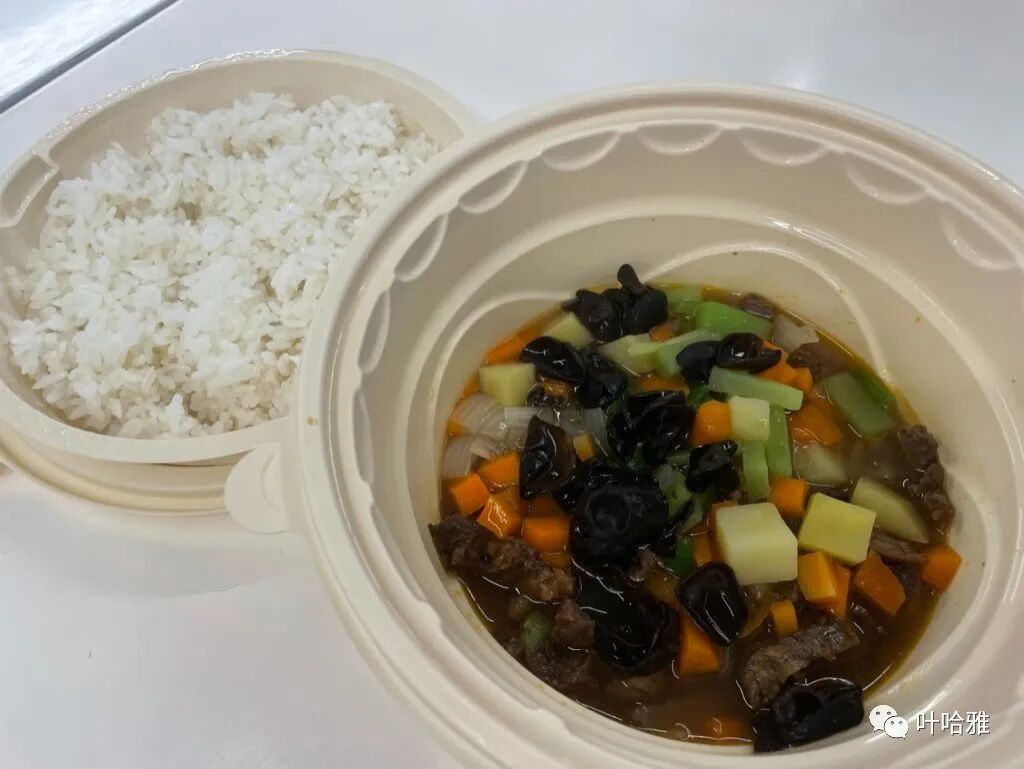
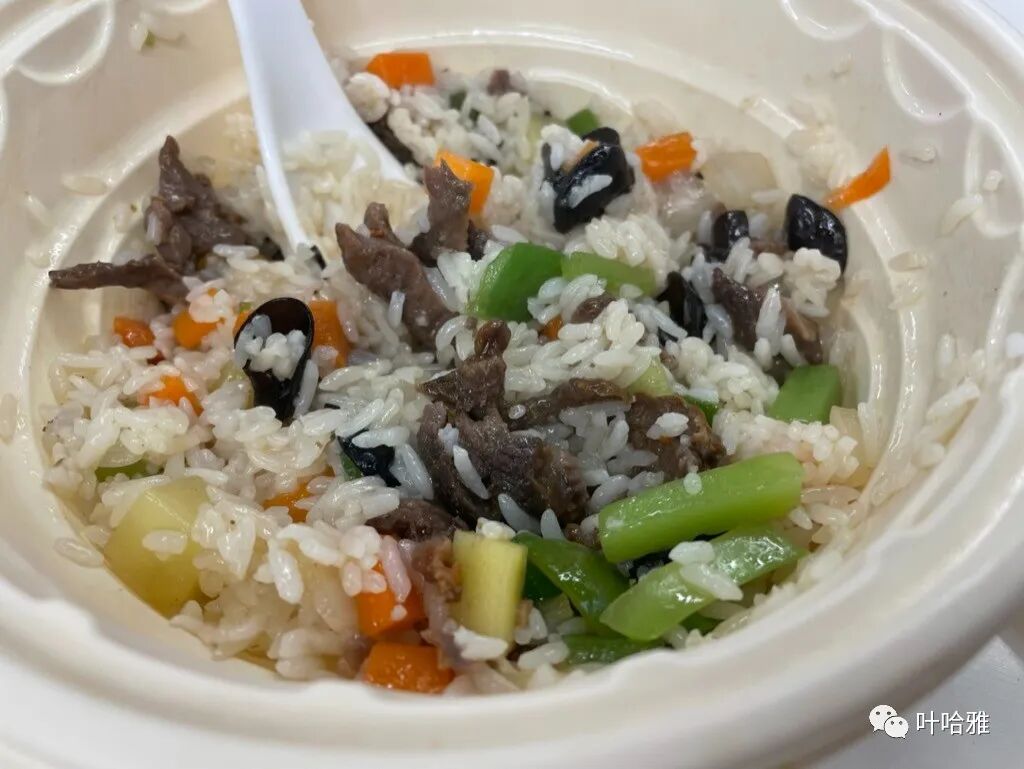
Their barbecue rice is really just a mixed rice bowl and has nothing to do with Arabic pilaf (zhuafan), but it tastes okay.
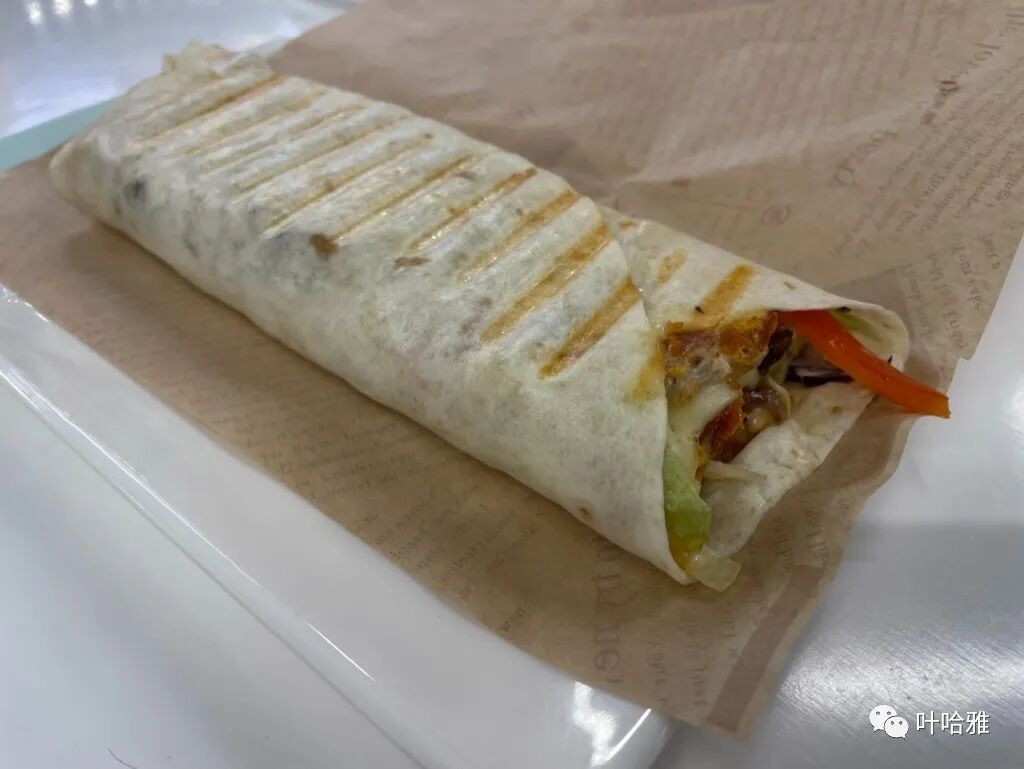
The barbecue wrap has a hint of Middle Eastern shawarma, but it still leans more toward a Chinese style.
This is the only halal shop on the basement level of Euro Plaza. I chatted with the manager and offered some suggestions for improvement.
8. Dastaan Indian Restaurant
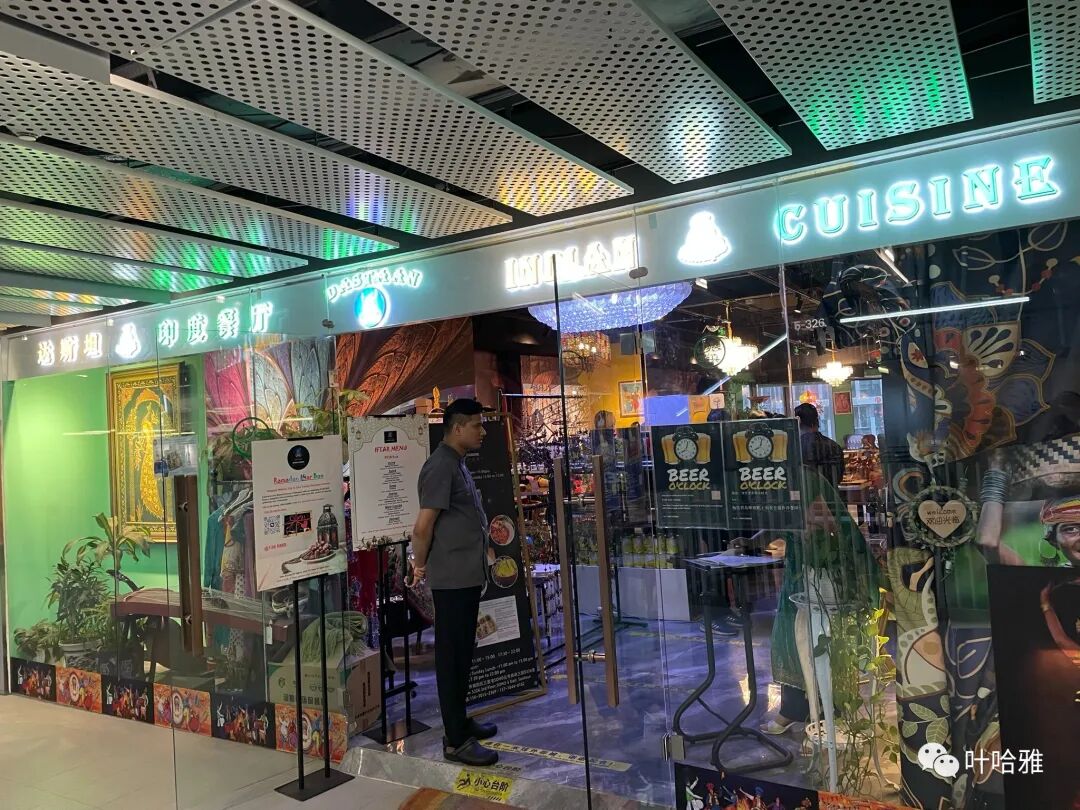
A South Asian restaurant opened on the third floor of Sanlitun SOHO Mall Building 5. The chef and servers are from Bangladesh. This year, April 14th was both Jumu'ah and the Bengali New Year. The restaurant prepared a special buffet for 248 yuan per person, featuring Bengali dishes and South Asian snacks, available only on that day.
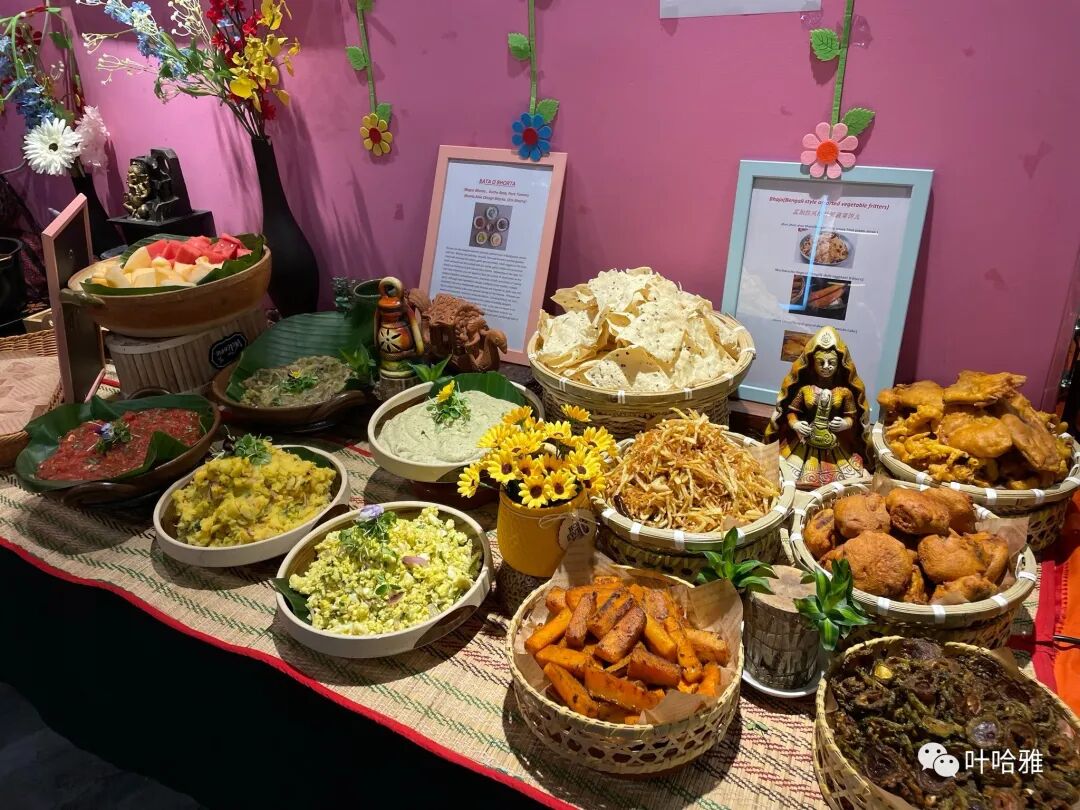
These are Bengali-style mixed vegetable fritters. The fried bitter melon was very unique, and the thin crispy cracker on top was truly thin, crunchy, and delicious.
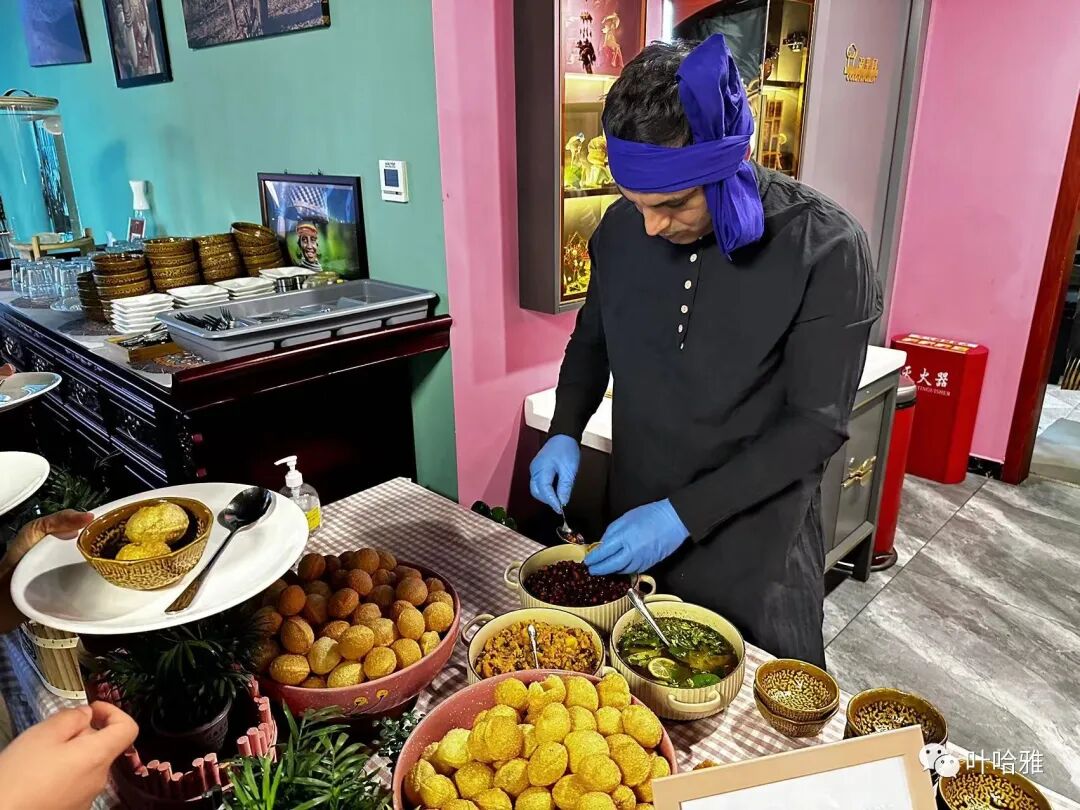
Phuchka (panipuri)
This snack of crispy balls filled with sour soup is panipuri, which appeared in the Indian movie Dangal. It is found in India, Pakistan, and Bangladesh. You must eat these balls immediately after they are filled with the soup, or they will get soggy and lose their texture.
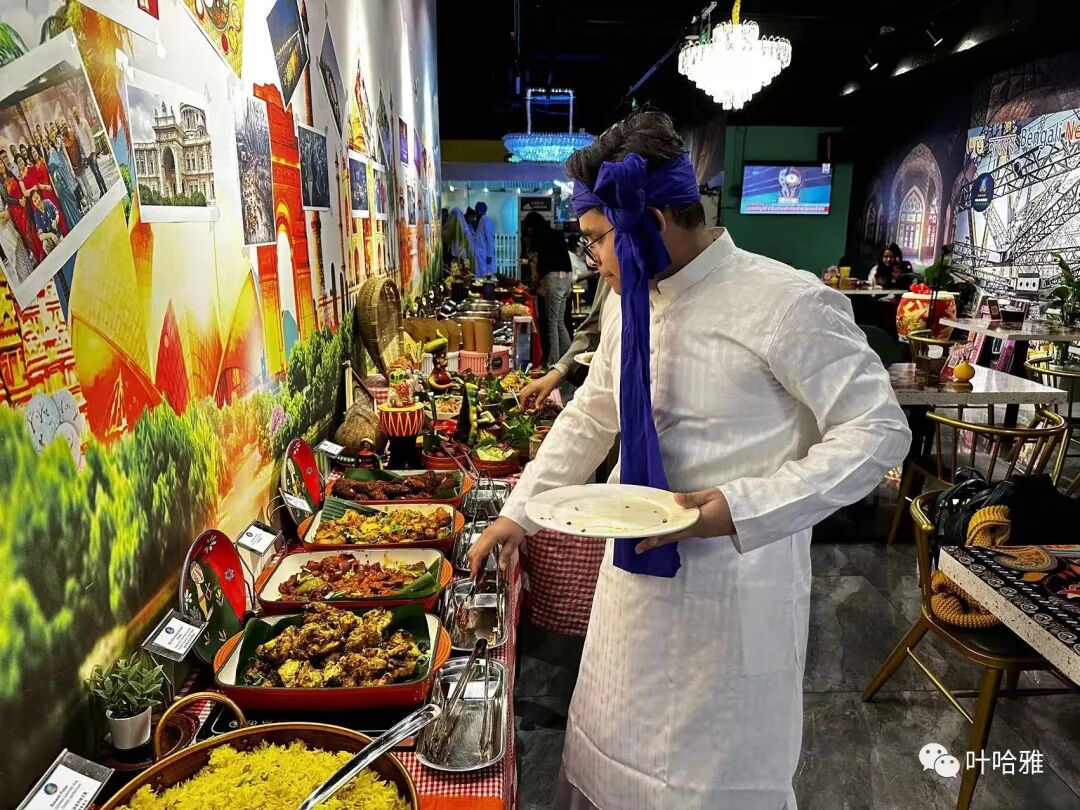
The Bengali server wearing a turban only speaks English.
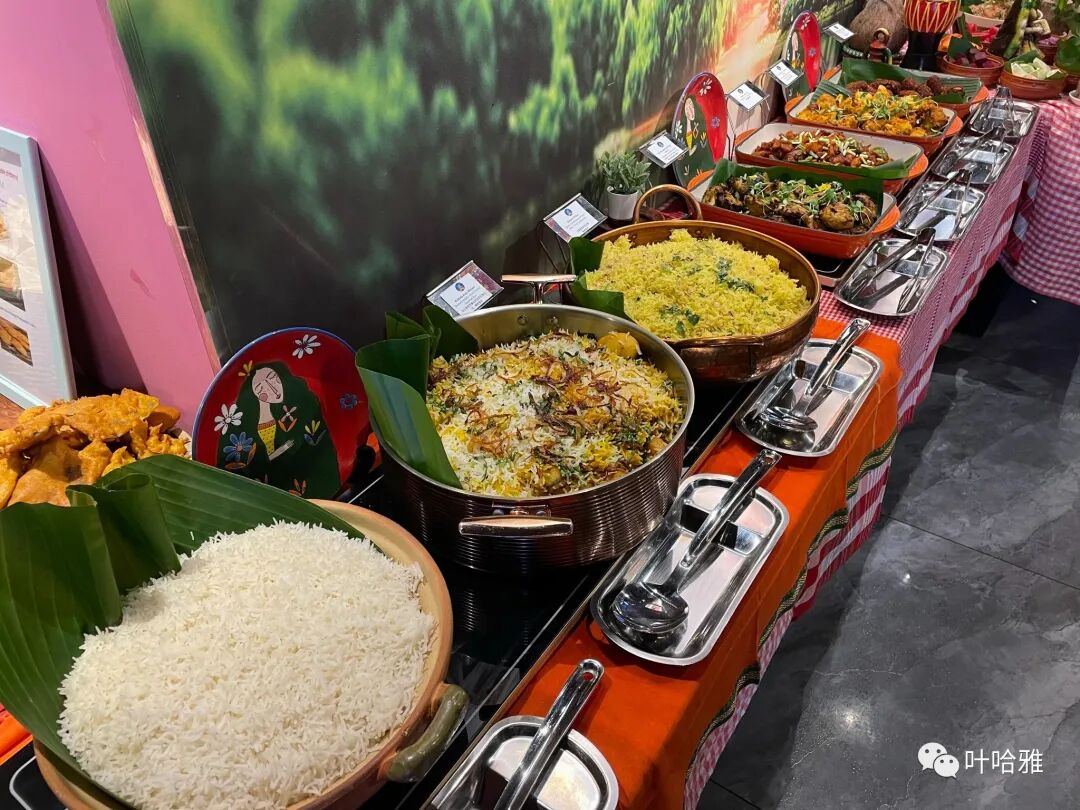
Three types of pilaf served with roasted chicken or beef are among my favorite South Asian foods.
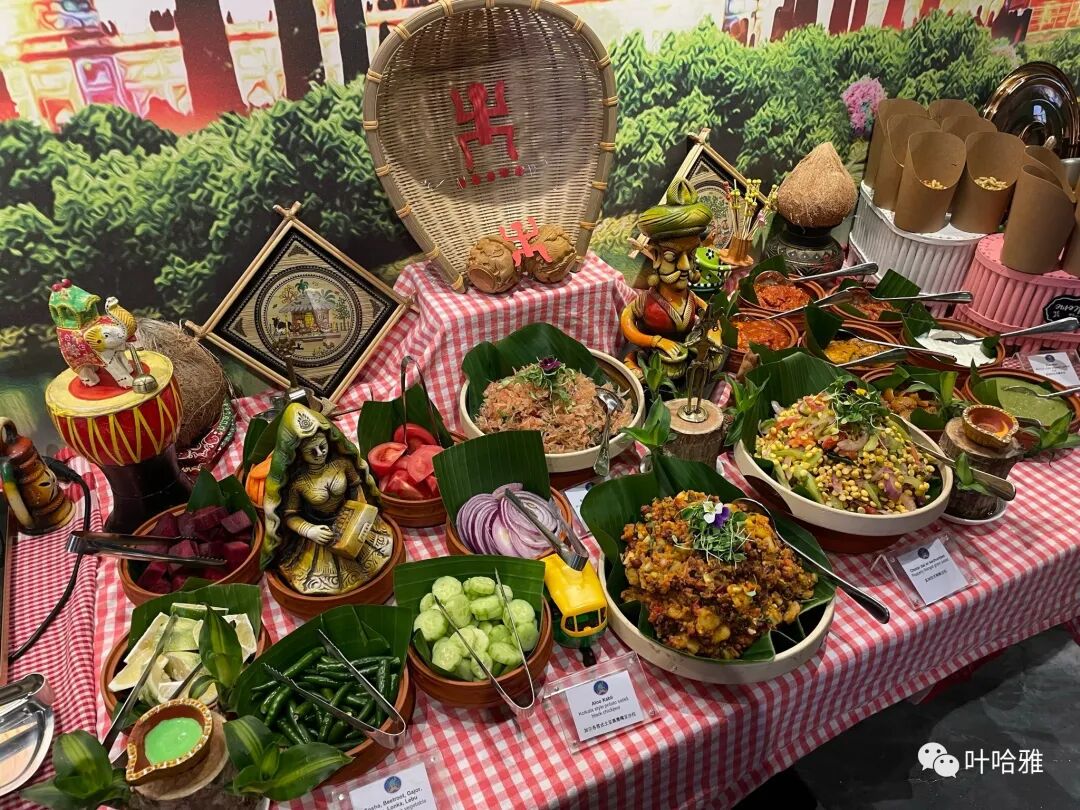
South Asian style salads include Kolkata-style potato and black chickpea salad and Bengali-style chili salad. Be warned, the chili is very spicy and I could barely handle it.
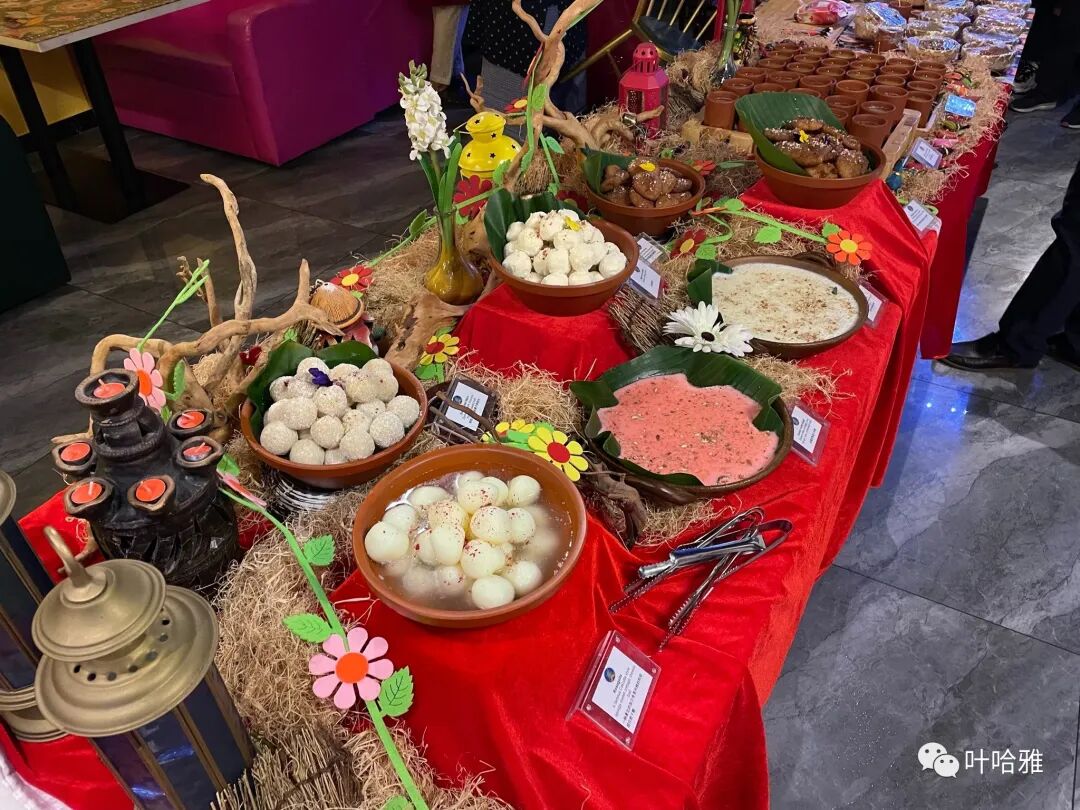
Kolkata soft white cheese, rose and nut sweet millet porridge, semolina with coconut-flavored sweet balls, and traditional Bengali rice porridge.
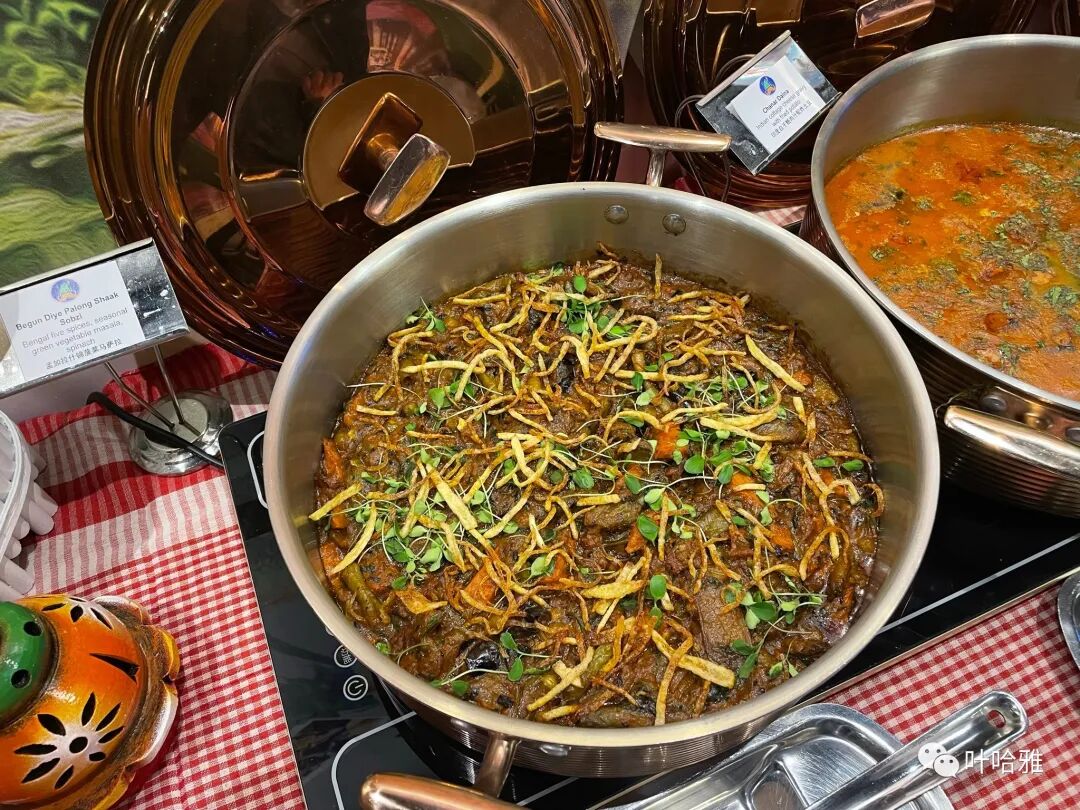
Bengali-style mixed spinach masala
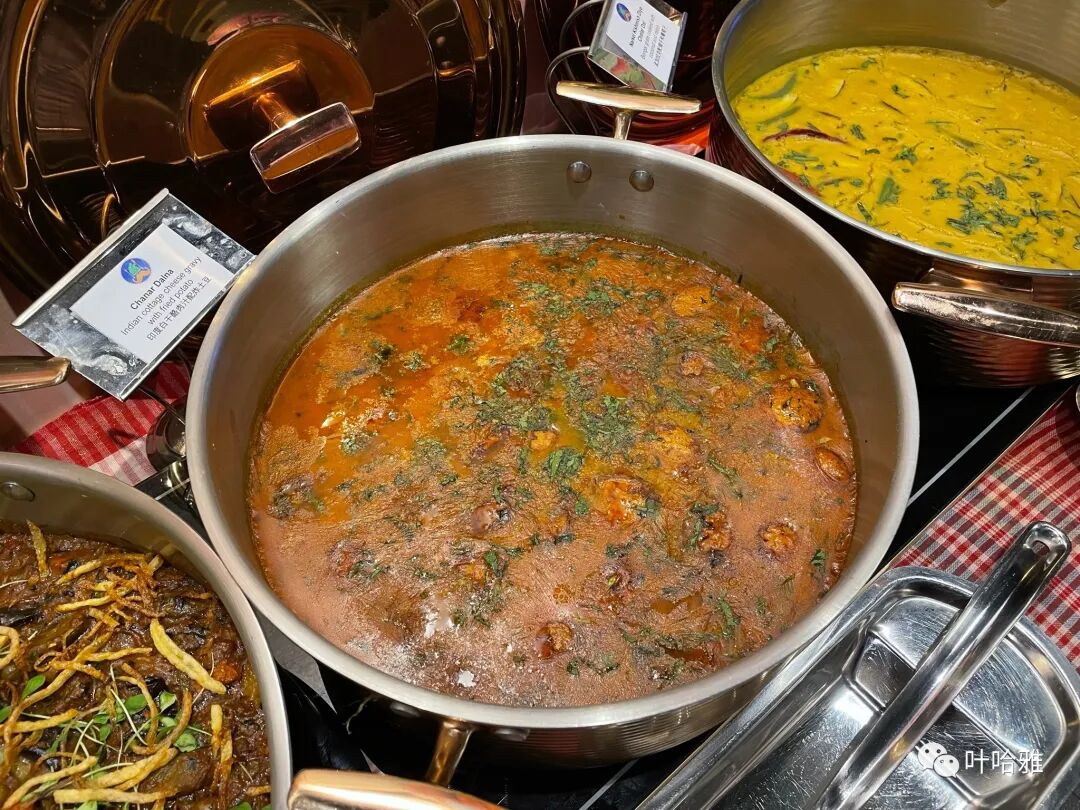
Indian white cheese chicken gravy with fried potatoes
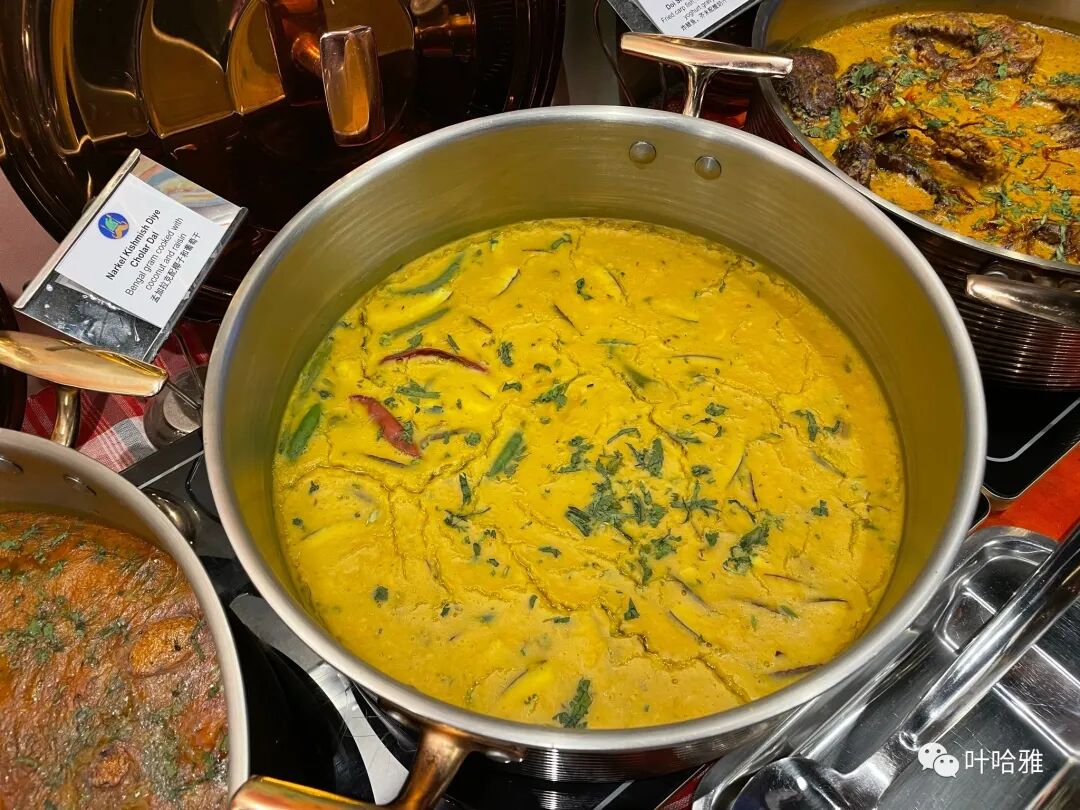
Bengali-style with coconut and raisins
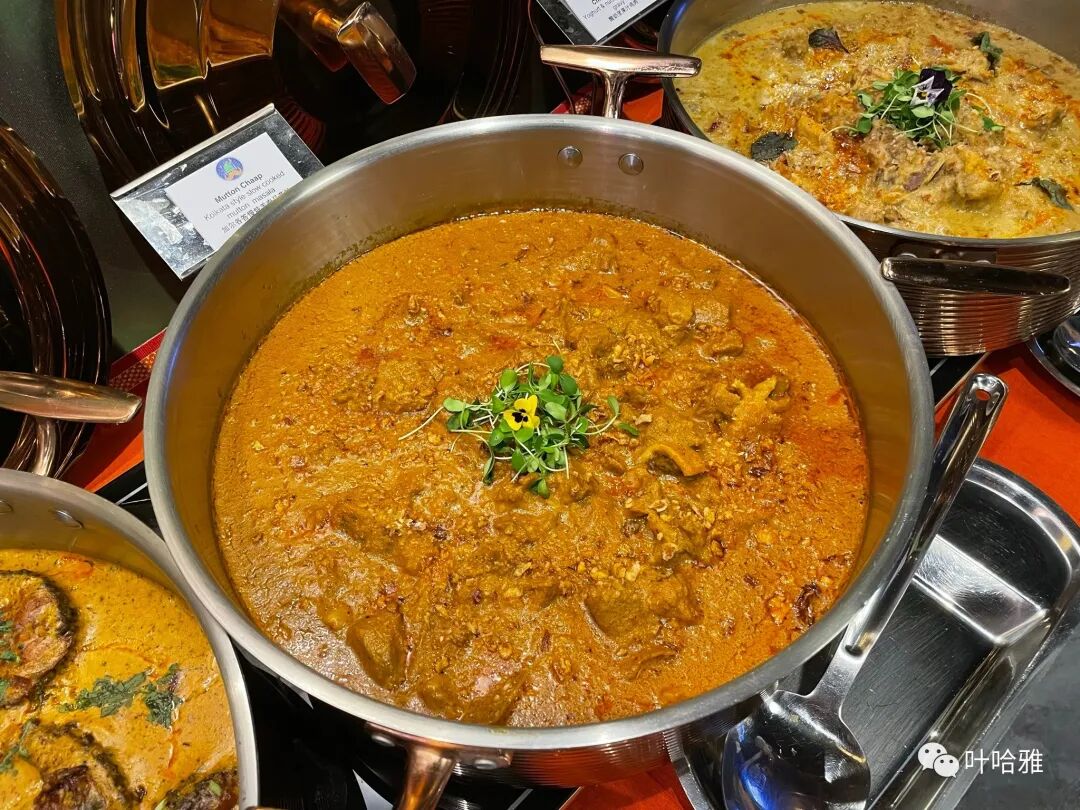
Kolkata slow-cooked lamb masala
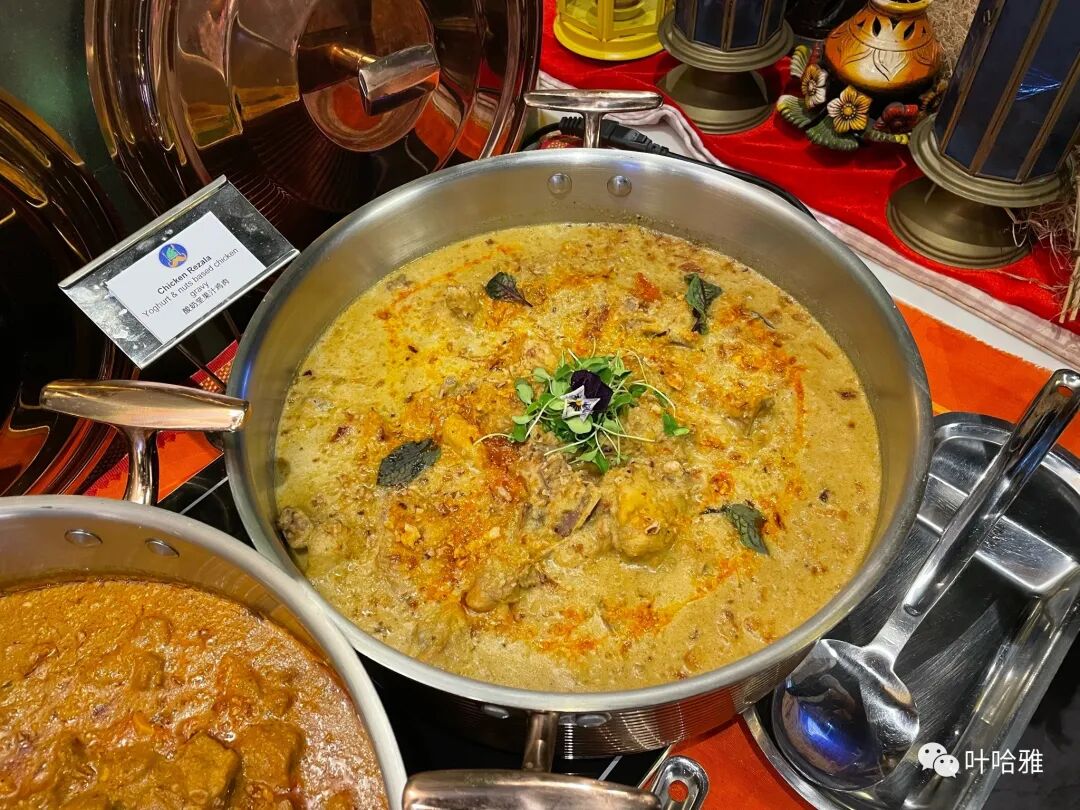
Yogurt and nut sauce chicken
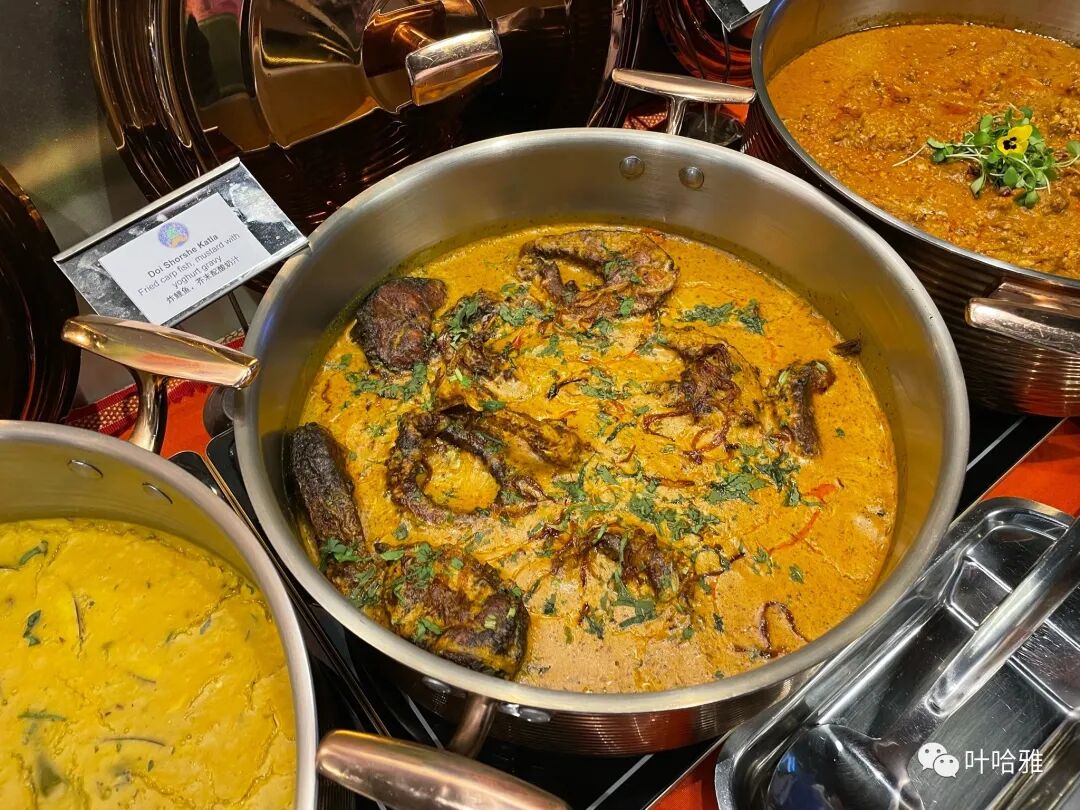
Fried carp with mustard and yogurt sauce
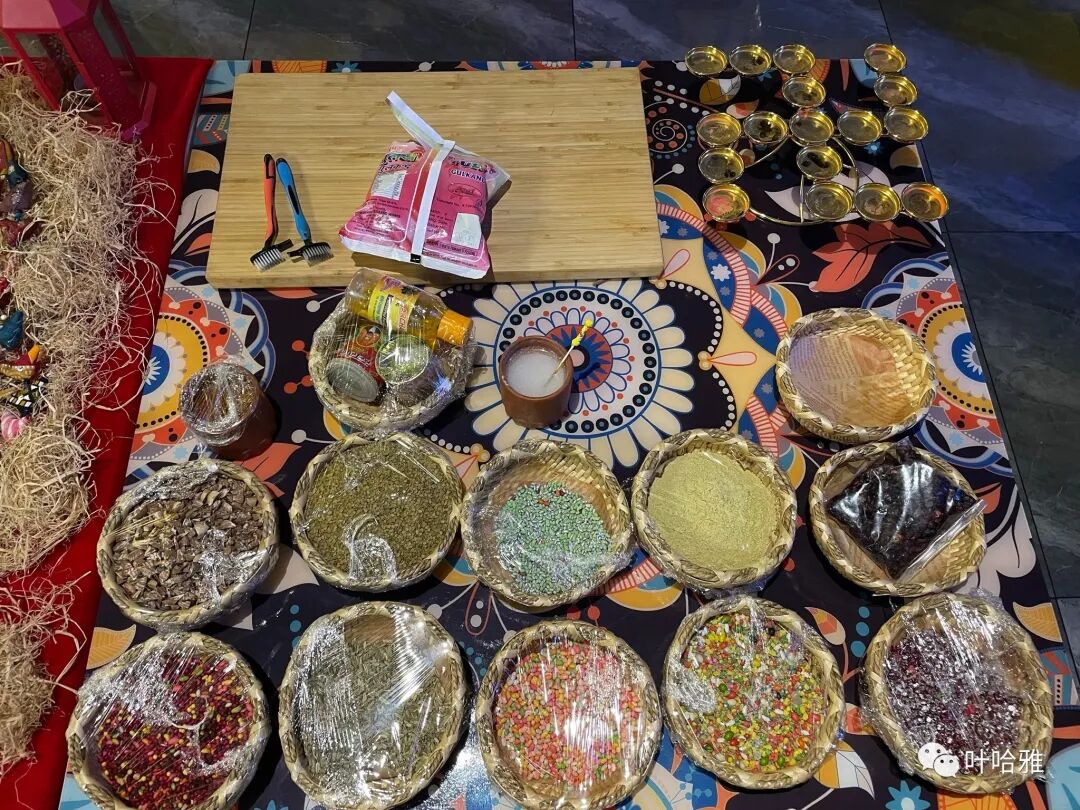
A colorful display of various spices.
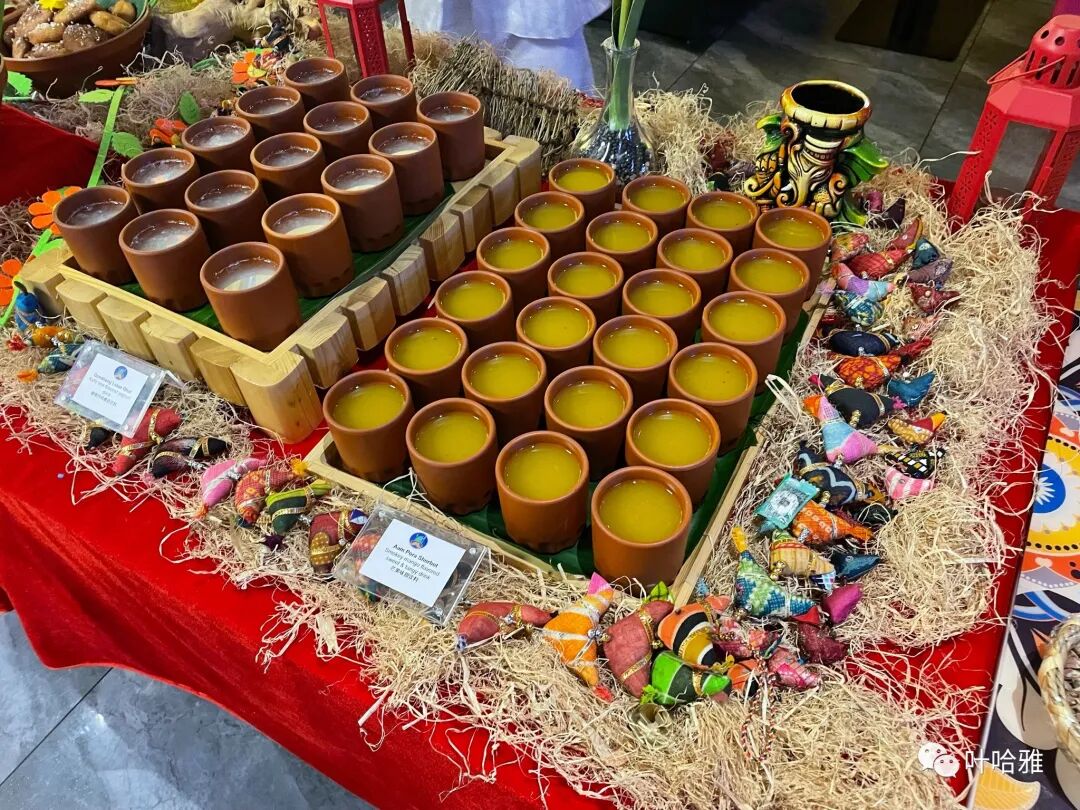
Lime-flavored yogurt drink and mango-flavored drink
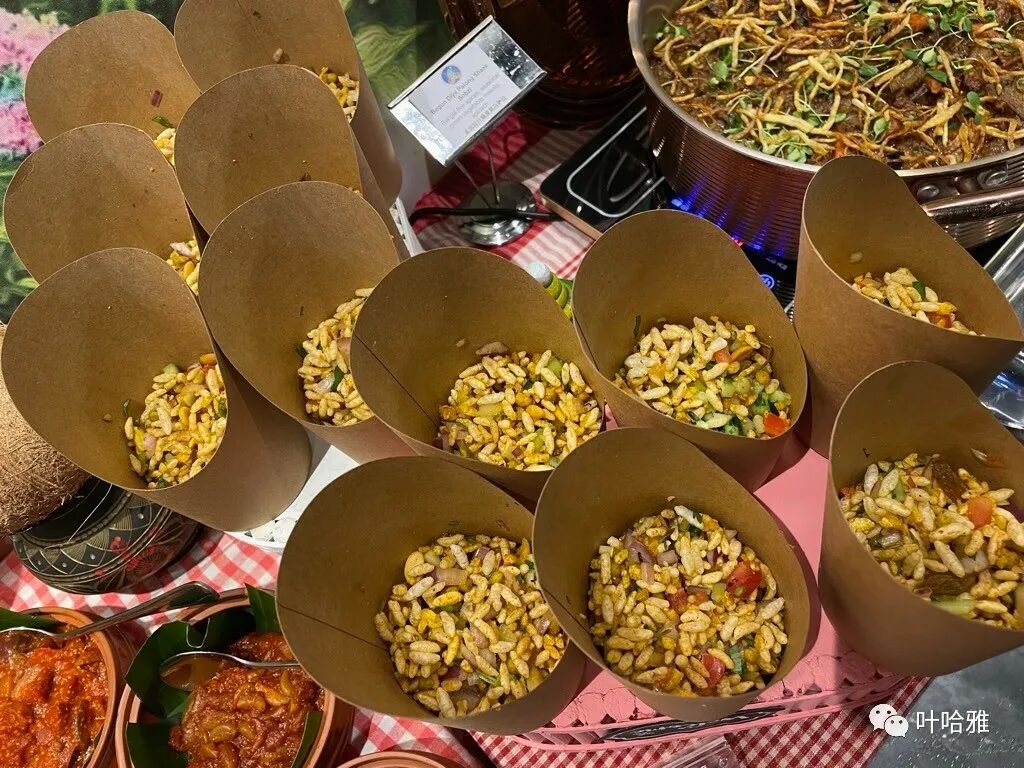
Bengali-style popcorn
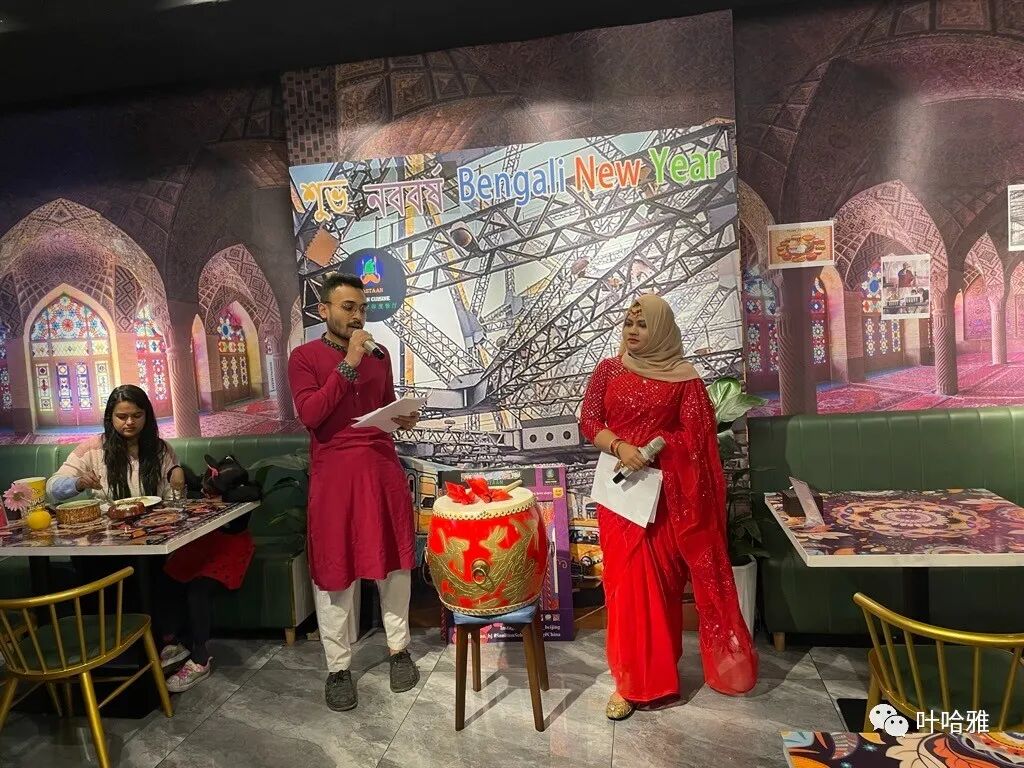
The host wears traditional clothing and speaks with a thick Indian accent to celebrate the arrival of the new year.
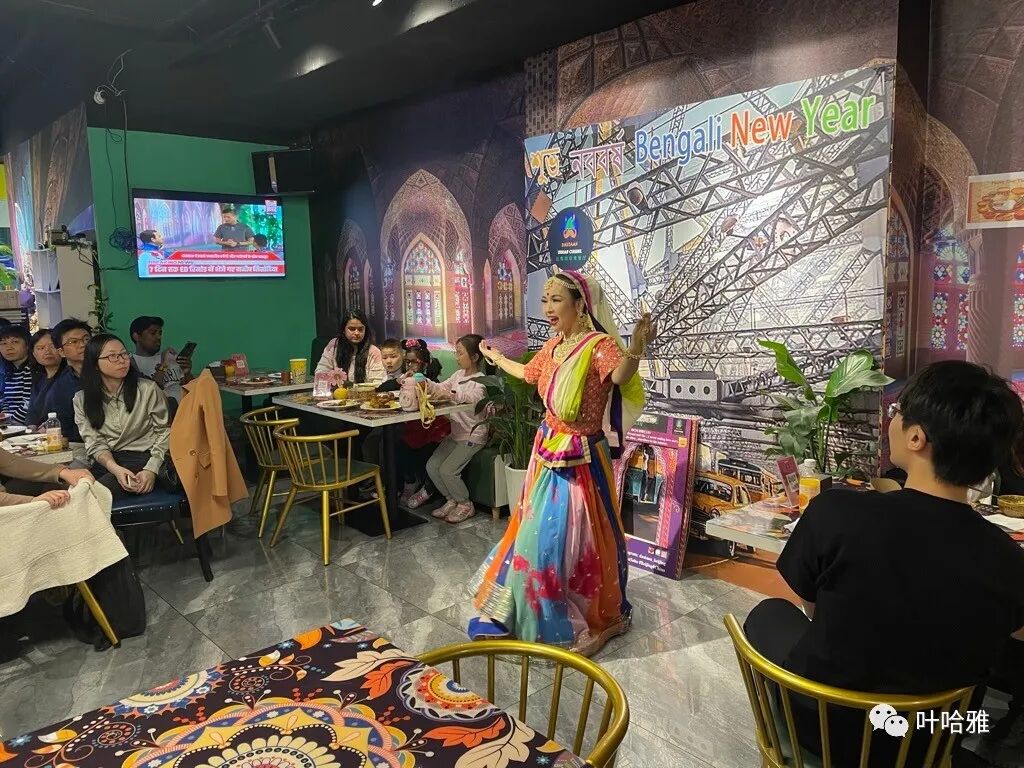
There is a dance performance during the meal, and the young lady dances very beautifully.
That is all for this collection. The text and photos are original, and you may not repost them without permission.
Summary: This Beijing halal food guide maps issue 32 of the series, including Chongqing hot pot, Temple of Heaven halal fast food, beef ball noodles, Beijing style snacks, and Ramadan iftar notes from Niujie Mosque.
Beijing Halal Food Map (32) is presented here as a firsthand travel account in clear English, beginning with this scene: I have been too busy to go out and explore shops during Ramadan. After breaking my fast in the evening, I soon have to start the Tarawih prayers. The account keeps its focus on Beijing Halal Food, Muslim Travel, Middle Eastern Food while preserving the names, places, food, and historical details from the Chinese source.
I have been too busy to go out and explore shops during Ramadan. After breaking my fast in the evening, I soon have to start the Tarawih prayers. I mostly break my fast at the Niujie Mosque. The mosque now provides tea and snacks every day for iftar. The main meals are usually boxed lunches provided by different elders in turns. It does not matter if the boxed lunch tastes good or not; what matters is the blessing inside. Providing an iftar meal for someone fasting earns the same reward. I hope those who are able will invite more friends (dosti) around them who are fasting to break their fast.
1. Hongxiaolu Authentic Chongqing Hot Pot
This is a newly opened Chongqing hot pot restaurant in Beijing, owned by a person from Zhangjiachuan, Gansu. According to the owner, they originally planned to join the Niububi franchise, but Niububi does not accept franchises, no matter how much money is offered.
The style of this shop is slightly different from Niububi. Niububi is a Sichuan clear oil hot pot, which is different from Chongqing hot pot in terms of the soup base. Also, the prices here are cheaper than Niububi, and the dishes are slightly inferior to Niububi as well.
The shop is located on Xiaoying North Road in the Datun Subdistrict of the Asian Games Village. Next door is a hand-pulled noodle shop (lamian guan), and both are owned by the same person.
2. Ya'er Liji Small Restaurant
Ya'er Liji has opened a new fast-food spot at the south gate of the Temple of Heaven. They do not sell hot pot meat, only fast food and snacks.
The highlights of their menu are Luxi beef rice, braised chicken rice (huangmenji mifan), and beautifully plated soybean paste noodles (zhajiangmian).
Luxi beef rice
Since the owner of Ya'er Liji is from Dezhou, Shandong, it makes sense that they make Luxi beef and braised chicken well, as braised chicken is also a Shandong specialty.
Braised chicken rice
Few ordinary restaurants make soybean paste noodles with much care, but this small shop puts effort into the vegetable toppings and provides a good variety. The only downside is that the noodles are not hand-rolled, so the texture is a bit lacking.
Soybean paste noodles (zhajiangmian)
3. Xiangqing Beef Ball Noodles
Xiangqing Beef Ball Noodles is a new brand at the Qingxiangge Tuanjiehu branch. This spot used to be Anhui beef flat noodles (banmian), but the sign has changed again.
This noodle shop doesn't look like much from the outside, but the food is actually quite good. The spicy beef noodles with beef balls and a small bowl of beef are especially fragrant and affordable.
The small bowl of beef and the beef balls are stewed until very soft and tender, melting in your mouth with plenty of flavor.
Small bowl of beef
Beef balls
4. Annei Laoma Steamed Dumplings (Dongba Branch)
This is a branch of Annei Laoma Steamed Dumplings (shaomai) in Dongba. The menu is slightly different, and I think it tastes better than the main store.
Besides the classic beef and lamb steamed dumplings, this branch serves Inner Mongolian-style lamb offal (yangza) and small hot pots, which the main store does not have.
Pan-fried steamed dumplings (youjian shaomai)
Their lamb offal is just the Inner Mongolian style I like. It comes in a full bowl with plenty of finely sliced tripe, just like what I ate in Inner Mongolia.
5. MULU
Mulu is a private Malaysian restaurant specializing in Southeast Asian flavors. It is the most expensive restaurant I have ever visited. You must book three days in advance and pay a deposit. They charge per person: 988 yuan for four main courses or 1488 yuan for six. They serve the dishes in order, just like a Western-style meal.
The menu for Monday through Friday.
The restaurant is located in a hutong in the Dongcheng District. You need a reservation. The owner and head chef is a Malaysian Chinese person who mainly provides custom catering for various Southeast Asian embassies. Because of this, the ingredients are guaranteed to be halal, and the chef showed me where they come from.
It is a private kitchen with a very intimate atmosphere. The only downside is that parking is difficult. There is only one parking space, and you need good driving skills to navigate a car into the hutong.
Before serving each dish, the chef explains the ingredients and the cooking process. Every guest gets an individual portion, and the chef brings out the raw ingredients to show us.
The portions are small. I can finish one in two or three bites, but it is perfect for women who want to eat elegantly and savor the flavors.
The Friday menu features Nyonya cuisine. Nyonya is another name for Malaysian Chinese people. It is very rare to find a halal version of this in Beijing.
This is the white asparagus the chef showed us. You rarely see this in a regular market.
To improve the taste, the chef adds sauce to some dishes right at the table.
The creamy veal ribs have a strong milky aroma and are tender and juicy. There is no denying that their ingredients are very fresh.
This turtle-shell-shaped dessert is made from beetroot and has a soft, chewy texture.
A small serving of sago dessert (ximilu) comes in a stone pot. The pot feels ice-cold to the touch, and the dessert is refreshing, sweet, and cool.
6. Dexiangshun Halal Restaurant
This new little restaurant on Jiaozihutong in Niujie looks plain from the outside, but the stir-fried dishes are quite tasty.
The kung pao chicken (gongbao jiding) is a standout. It tastes just like the version I had as a kid and goes perfectly with rice.
The stir-fried mixed vegetables (chaohecai) are also good. They have some off-menu items too, like the braised eggplant (shaoqiezi), which is delicious.
We tried almost everything on the menu and didn't find a single bad dish. It cost three of us less than 100 yuan, making it a great value.
7. 99th Arabic Barbecue
This shop is on the basement level of Euro Plaza in Shunyi. Even though it is called Arabic Barbecue, it has nothing to do with Arabia; it is run by Hui Muslims from Beijing.
The owner is also preparing a music barbecue restaurant next door, but it has not opened yet.
Their barbecue rice is really just a mixed rice bowl and has nothing to do with Arabic pilaf (zhuafan), but it tastes okay.
The barbecue wrap has a hint of Middle Eastern shawarma, but it still leans more toward a Chinese style.
This is the only halal shop on the basement level of Euro Plaza. I chatted with the manager and offered some suggestions for improvement.
8. Dastaan Indian Restaurant
A South Asian restaurant opened on the third floor of Sanlitun SOHO Mall Building 5. The chef and servers are from Bangladesh. This year, April 14th was both Jumu'ah and the Bengali New Year. The restaurant prepared a special buffet for 248 yuan per person, featuring Bengali dishes and South Asian snacks, available only on that day.
These are Bengali-style mixed vegetable fritters. The fried bitter melon was very unique, and the thin crispy cracker on top was truly thin, crunchy, and delicious.
Phuchka (panipuri)
This snack of crispy balls filled with sour soup is panipuri, which appeared in the Indian movie Dangal. It is found in India, Pakistan, and Bangladesh. You must eat these balls immediately after they are filled with the soup, or they will get soggy and lose their texture.
The Bengali server wearing a turban only speaks English.
Three types of pilaf served with roasted chicken or beef are among my favorite South Asian foods.
South Asian style salads include Kolkata-style potato and black chickpea salad and Bengali-style chili salad. Be warned, the chili is very spicy and I could barely handle it.
Kolkata soft white cheese, rose and nut sweet millet porridge, semolina with coconut-flavored sweet balls, and traditional Bengali rice porridge.
Bengali-style mixed spinach masala
Indian white cheese chicken gravy with fried potatoes
Bengali-style with coconut and raisins
Kolkata slow-cooked lamb masala
Yogurt and nut sauce chicken
Fried carp with mustard and yogurt sauce
A colorful display of various spices.
Lime-flavored yogurt drink and mango-flavored drink
Bengali-style popcorn
The host wears traditional clothing and speaks with a thick Indian accent to celebrate the arrival of the new year.
There is a dance performance during the meal, and the young lady dances very beautifully.
That is all for this collection. The text and photos are original, and you may not repost them without permission.
