
Muslim Travel Guide Asia: Oman Muscat Mosque Visit, Local Worship and Travel Notes
Reposted from the web
Summary: This Oman Muslim travel guide follows a transfer through Muscat and a mosque visit during a short city stay. It keeps the author's route from Beijing, overnight stop, mosque observations, and local worship details in source order.
I left Beijing and transferred at Muscat International Airport in Oman. My flight left the next day, so I slept in Muscat city before having to rush off again. I had almost no chance to see Oman, only catching a few glimpses from a taxi.
I spent a few days in Iran, and when I returned, I had more time, so I finally got a chance to see a mosque in Oman.
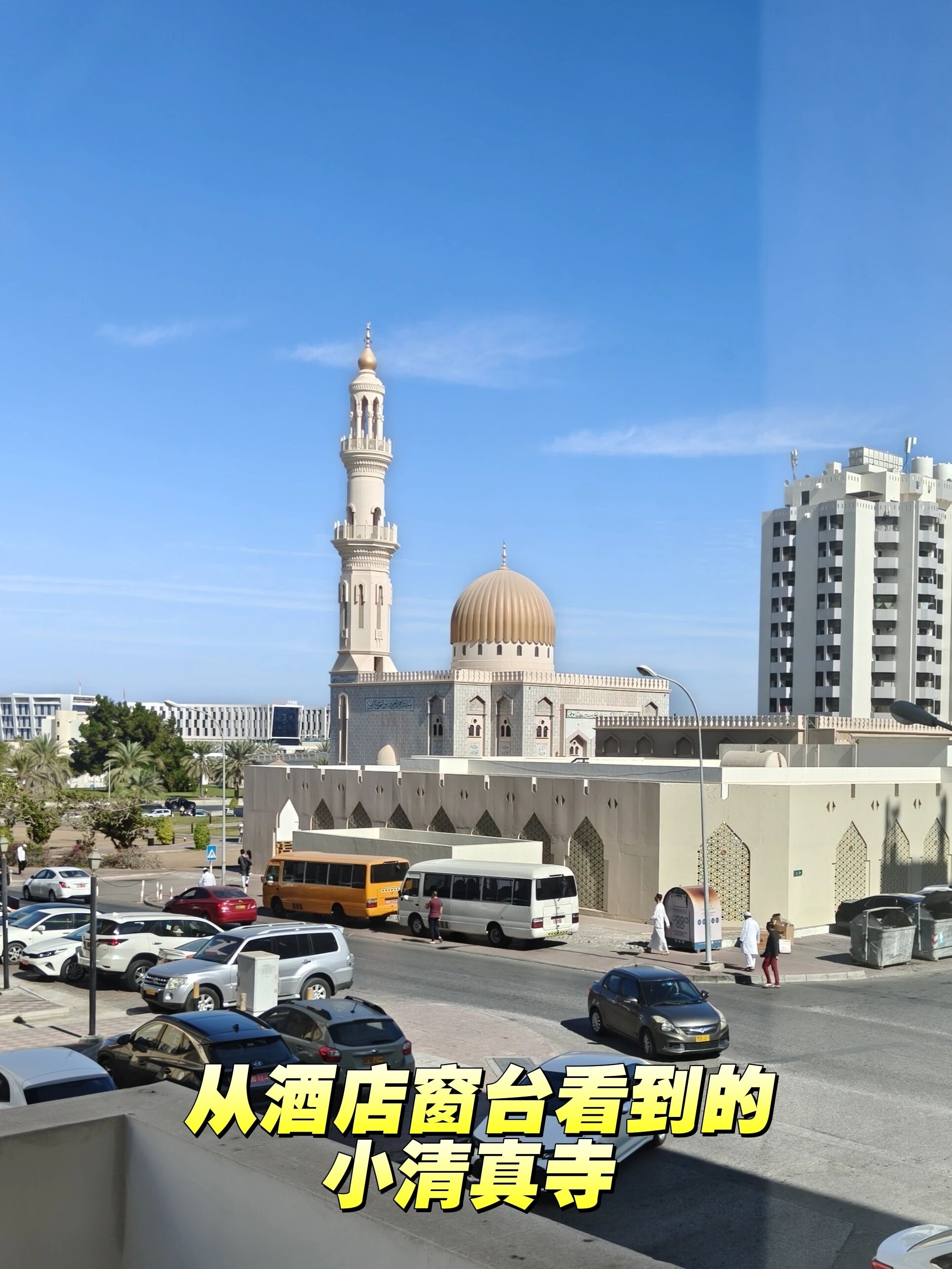
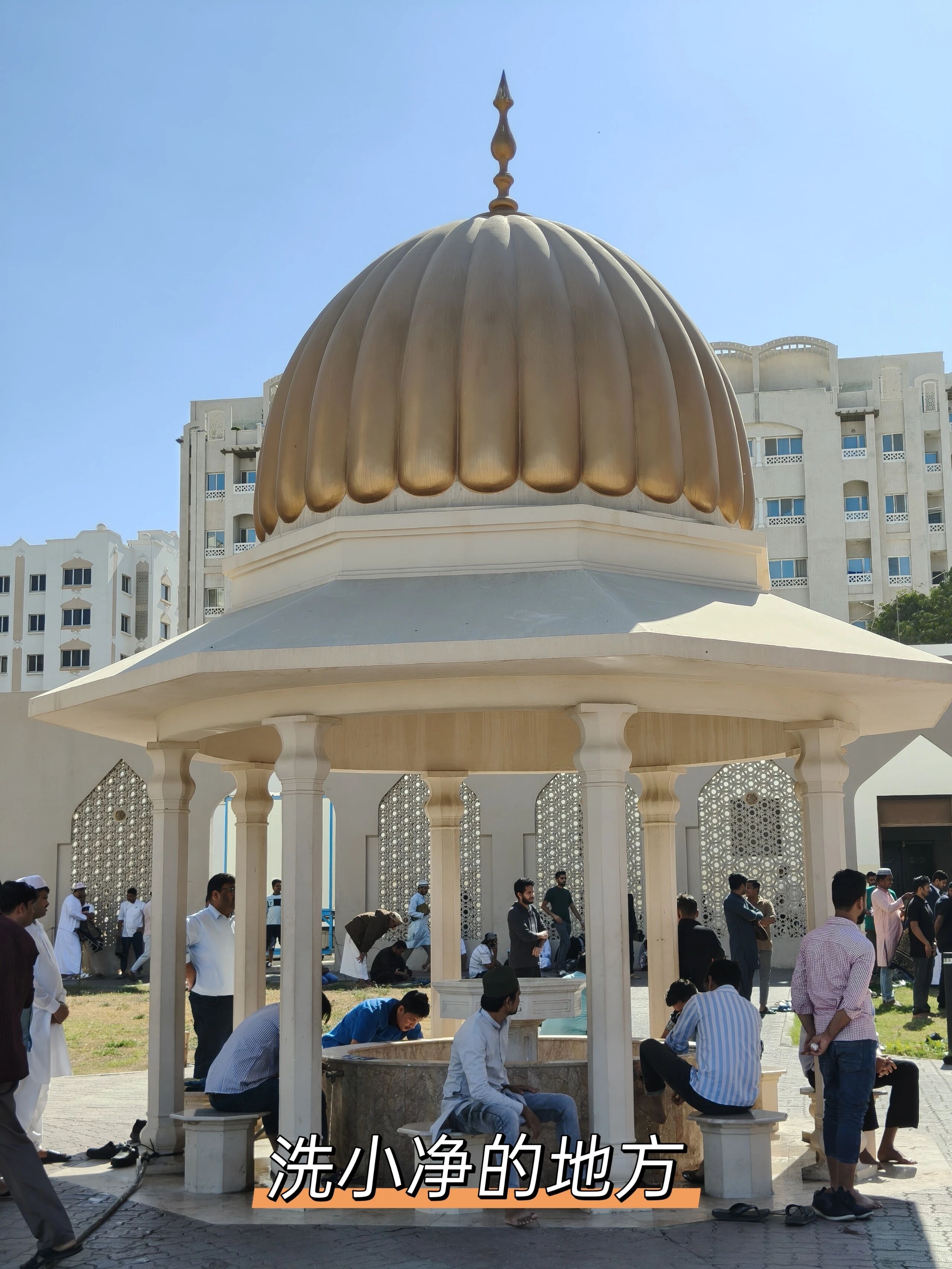
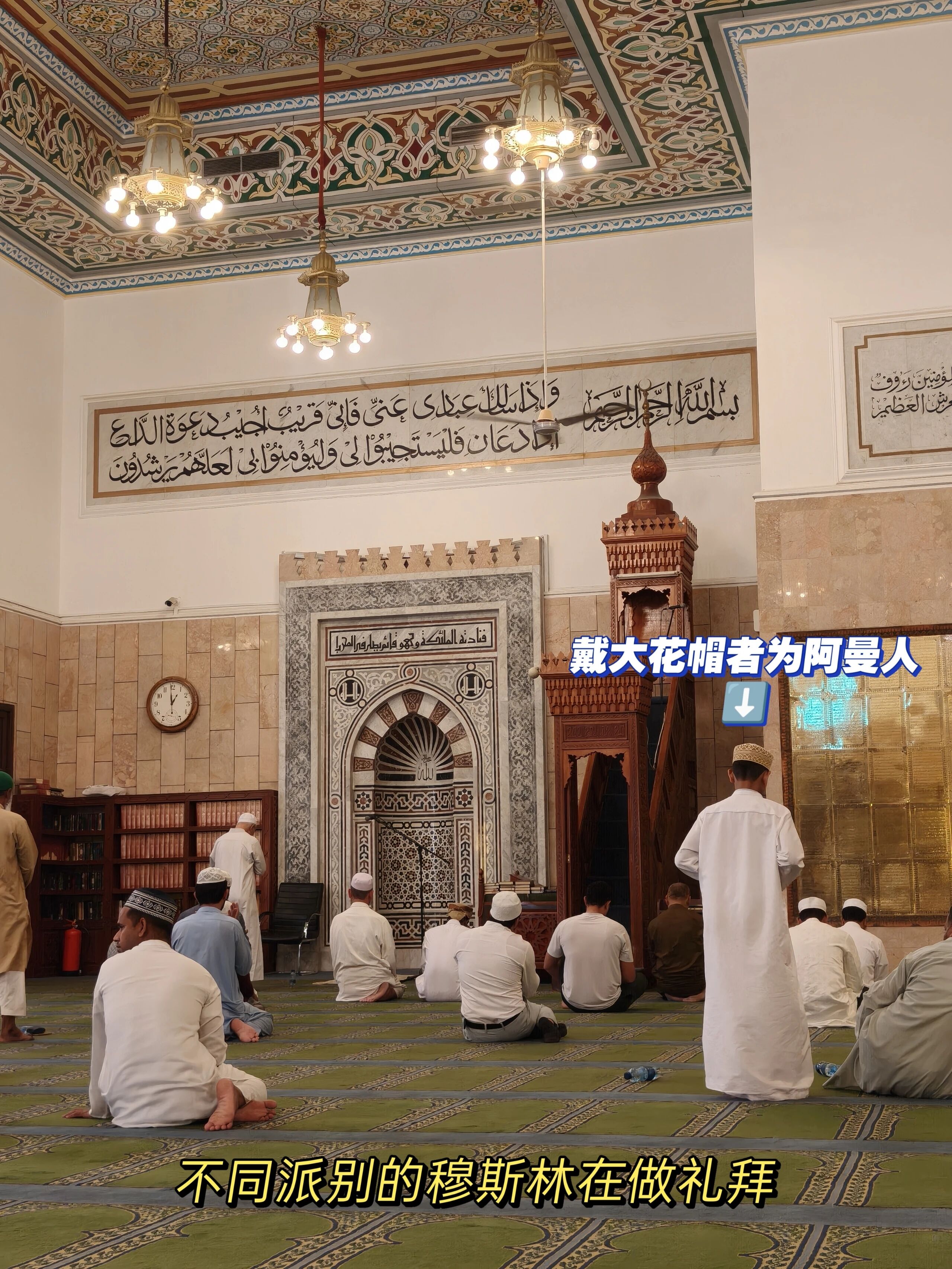
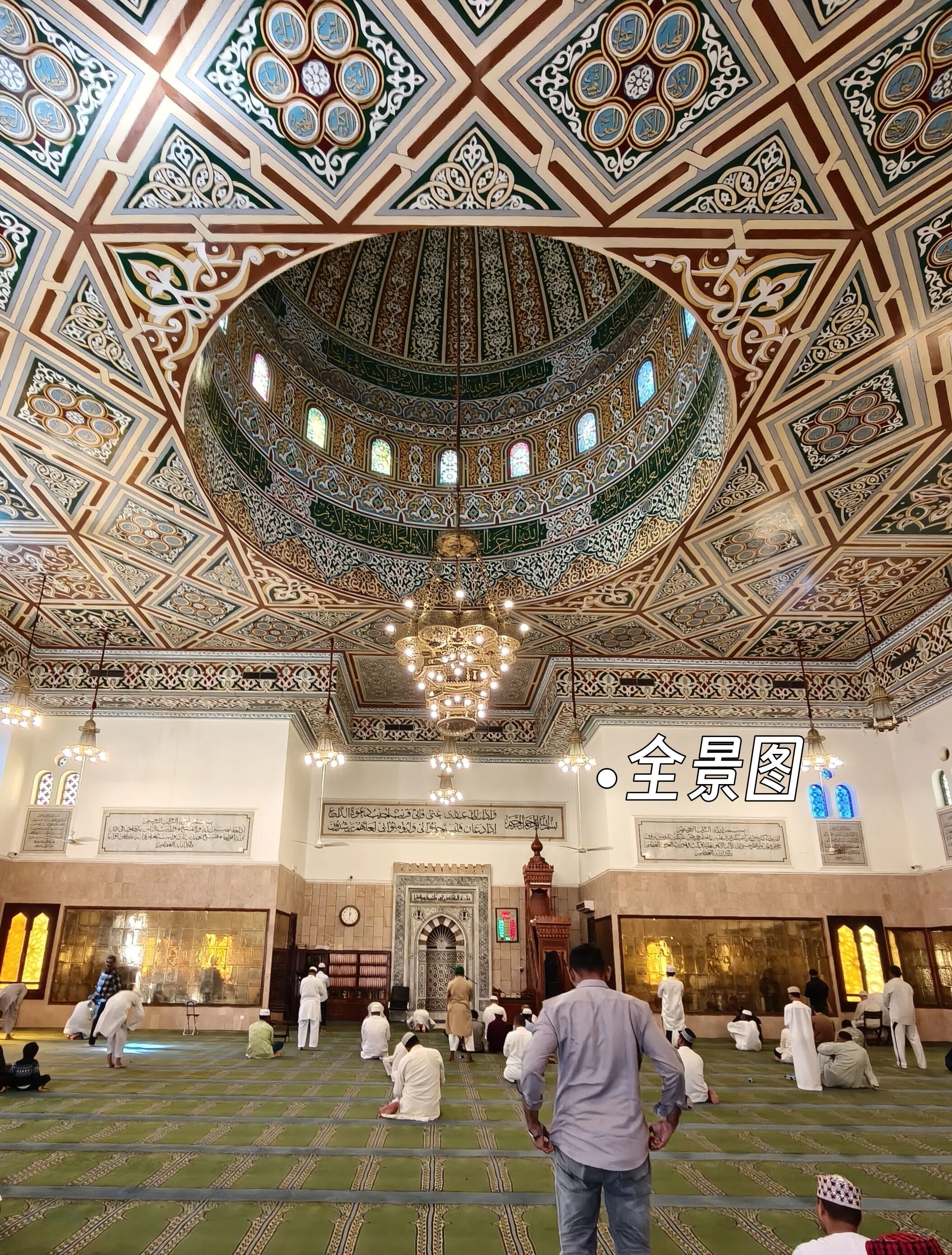
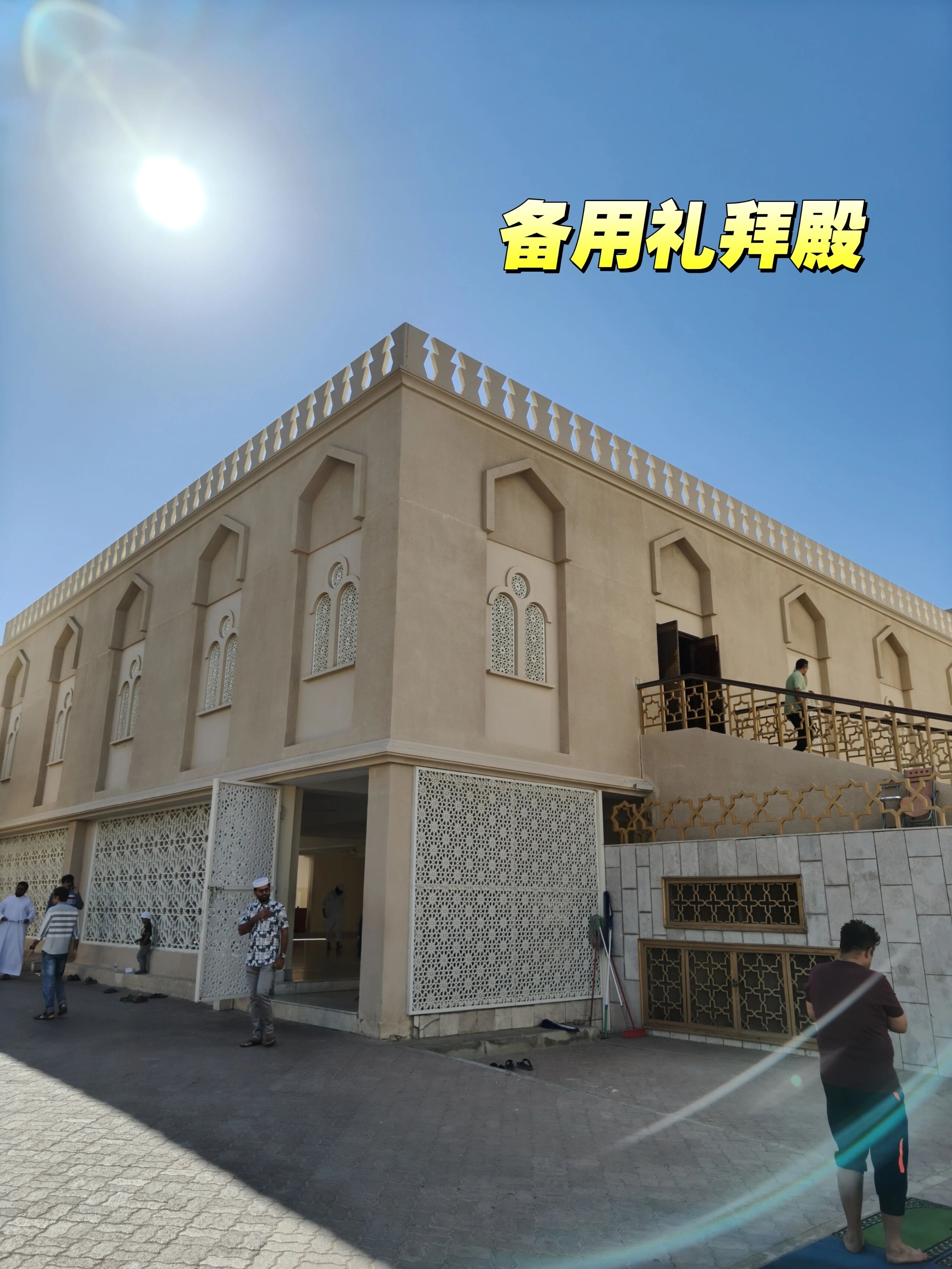
I paid in cash and booked the room in person, so I don't remember what the place was called. I only remember that it was a Friday. The sun was shining, and many people came to the mosque because Friday is the day for congregational prayer. The prayer hall was full, so people stood out in the courtyard.
From what I saw, the prayer line included not only locals dressed in Omani style, but also many Indians and Pakistanis. They belong to different sects, as most Omanis are Ibadi. This is a sect independent of both the Shia and Sunni branches.
The Indians and Pakistanis are mostly Sunni, with a small number of Shia.
Before going to Iran, I noticed there were a lot of South Asians in Oman. I wanted to find some local specialties around my hotel, but there were none. It was all Indian restaurants—South Indian, North Indian—or Western fast-food joints. Do Omanis not open their own restaurants?
I finished by going to a restaurant called Istanbul to have some Turkish food, but the place was packed with Indian people. It is not that I dislike Indian food, but I have already eaten so much of it in other countries that I wanted a change.
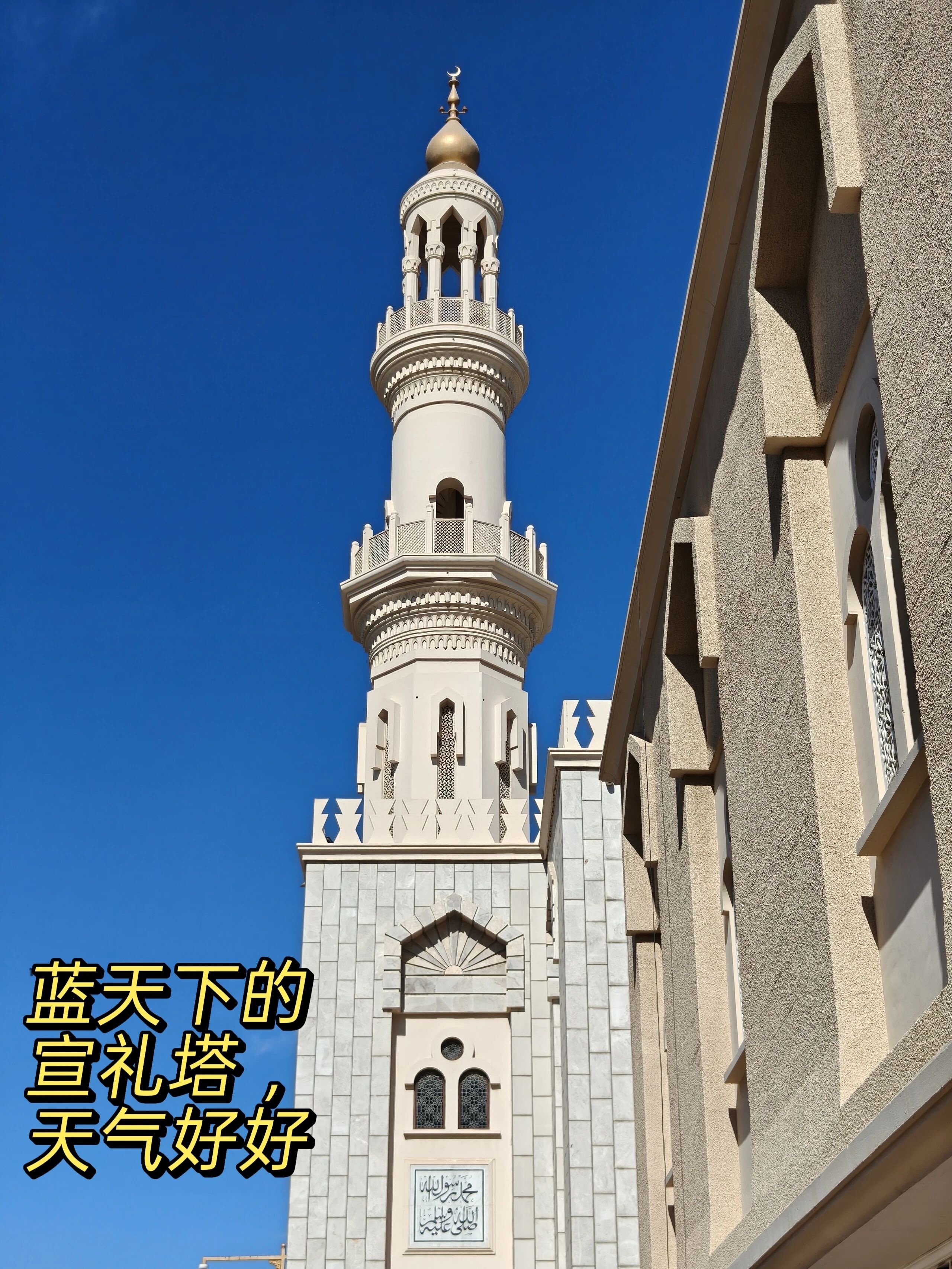
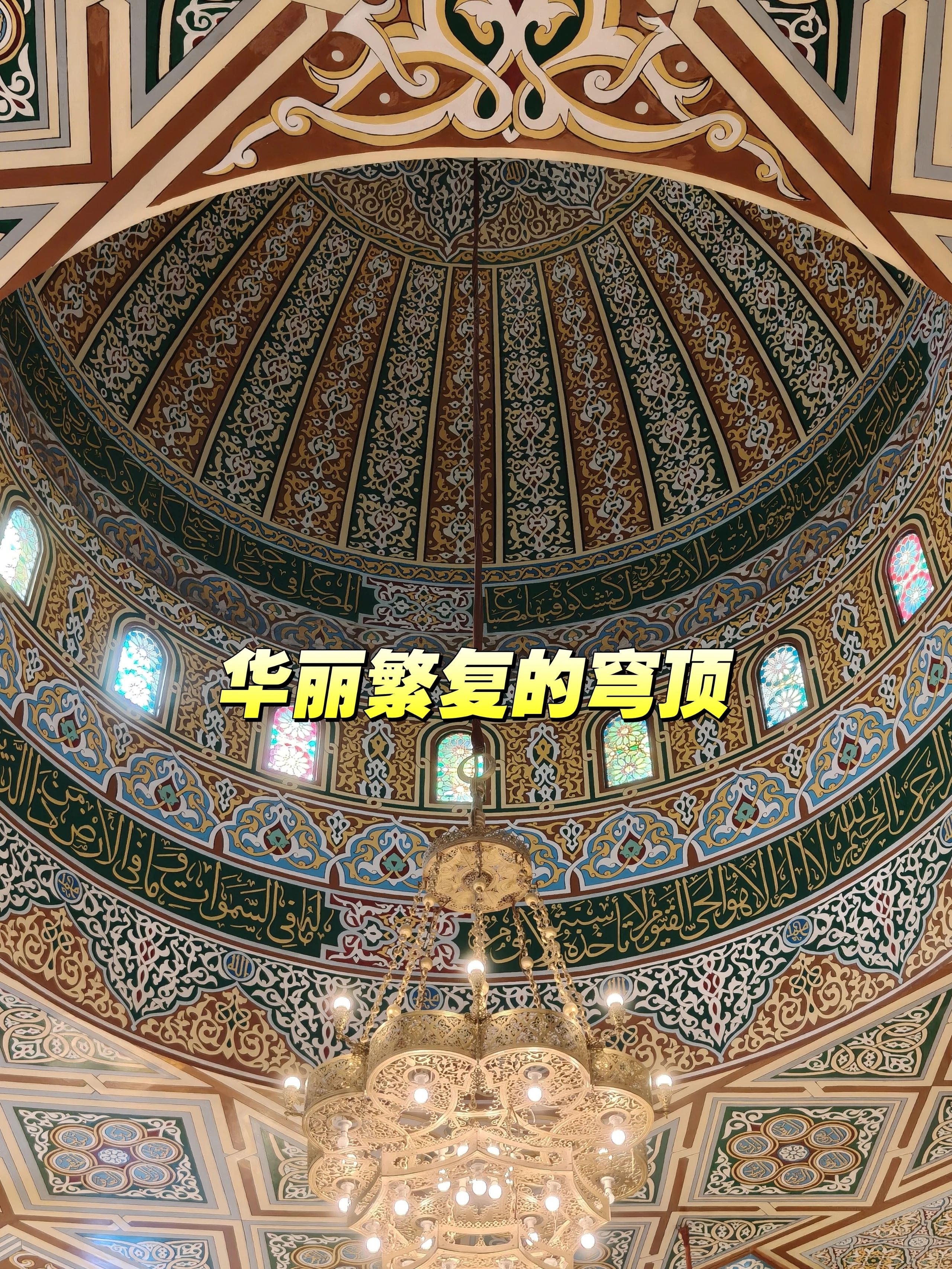
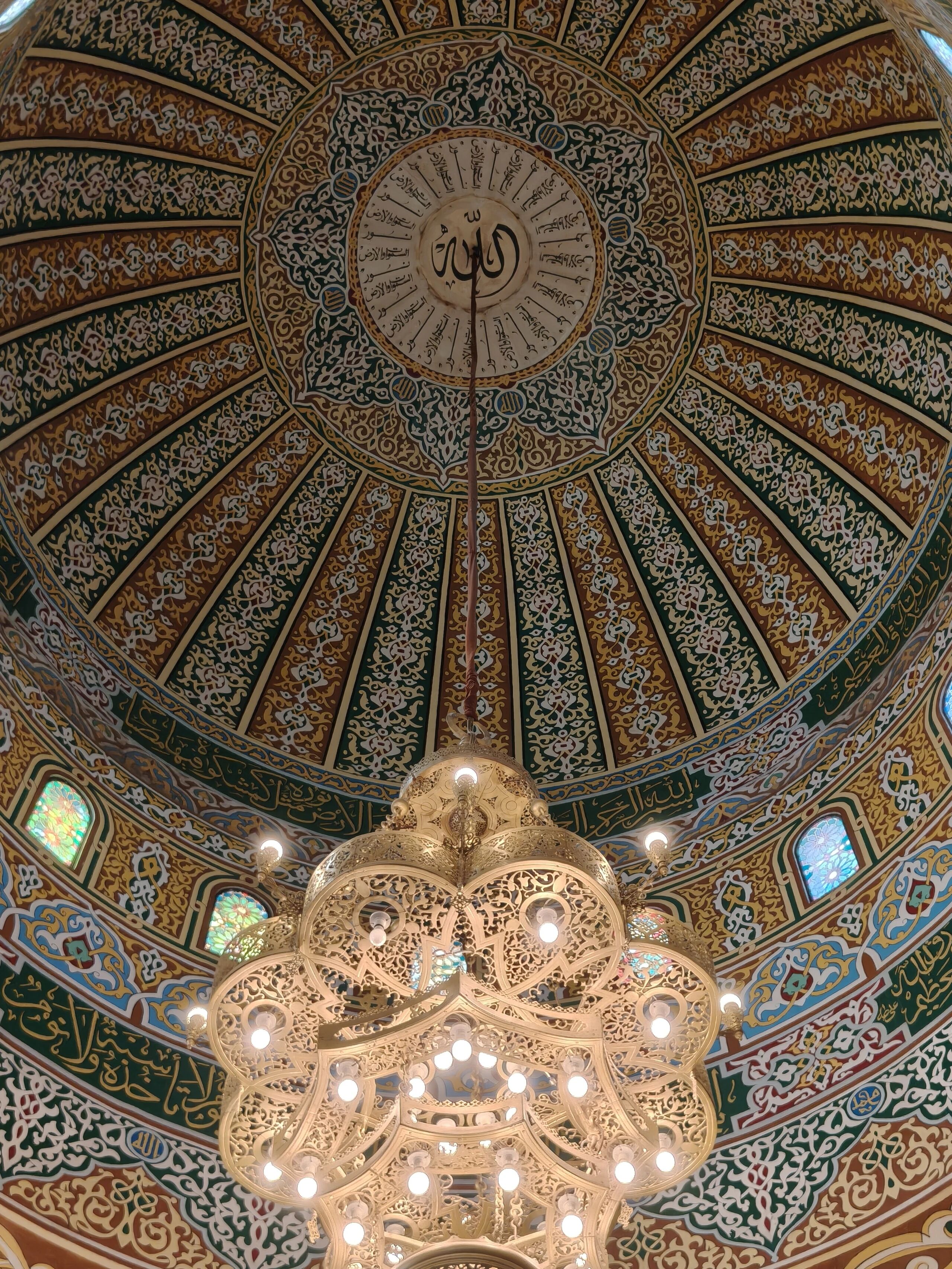
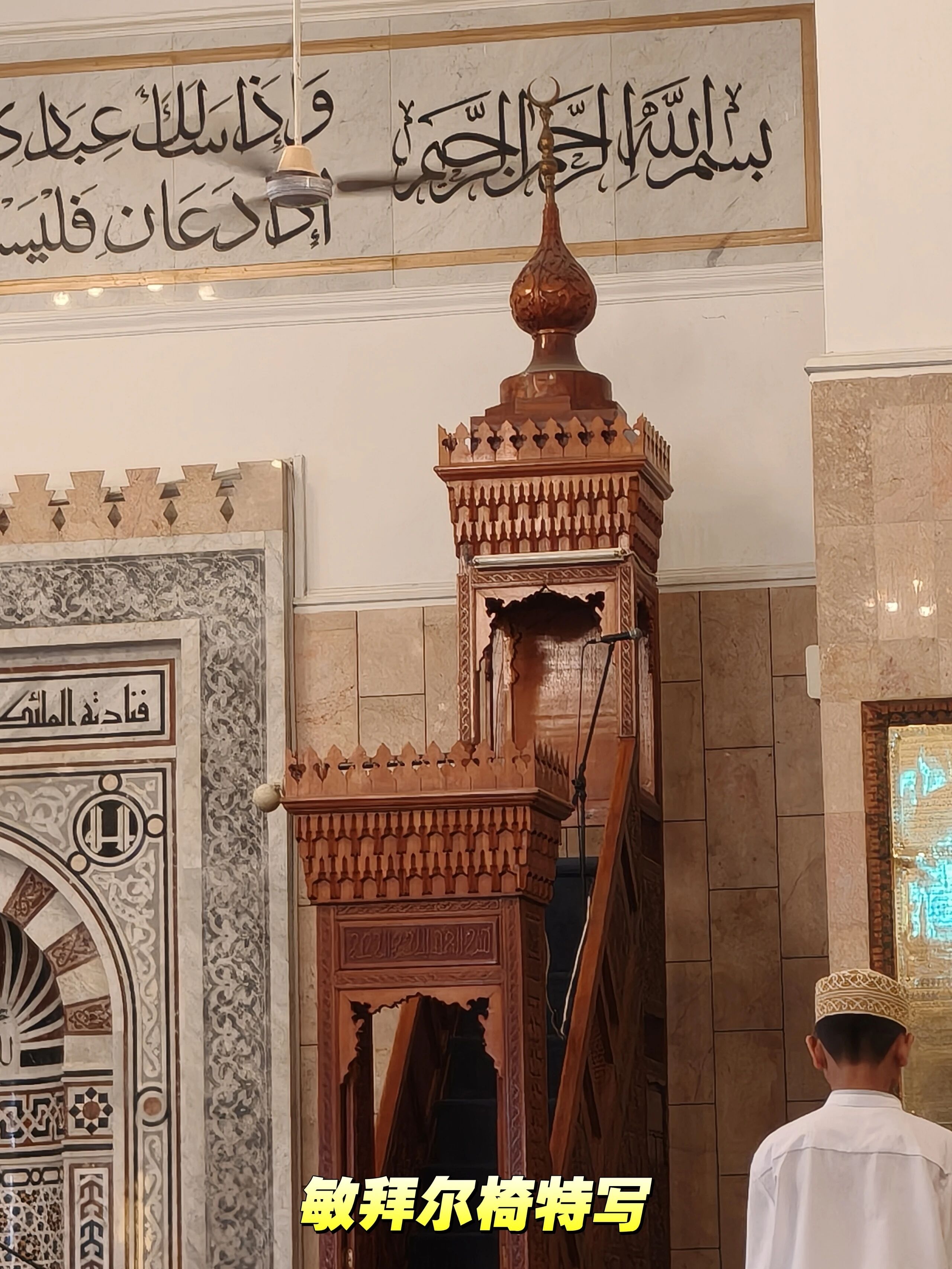
Since I arrived at the mosque, I decided to go inside and take a look. I waited until there were fewer people and then went inside. It was truly beautiful, and its style, color scheme, and craftsmanship were completely different from the mosques in Iran.
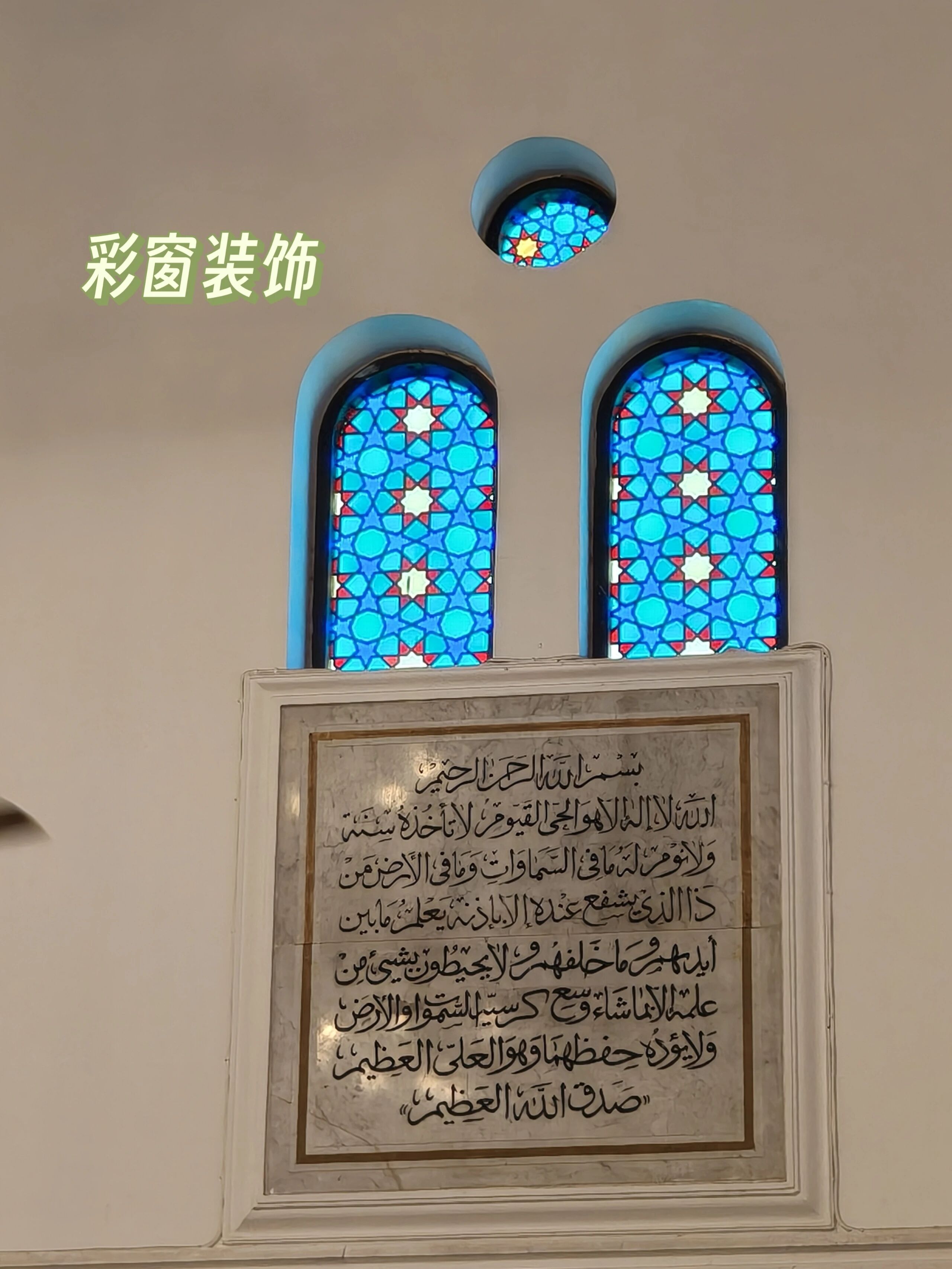
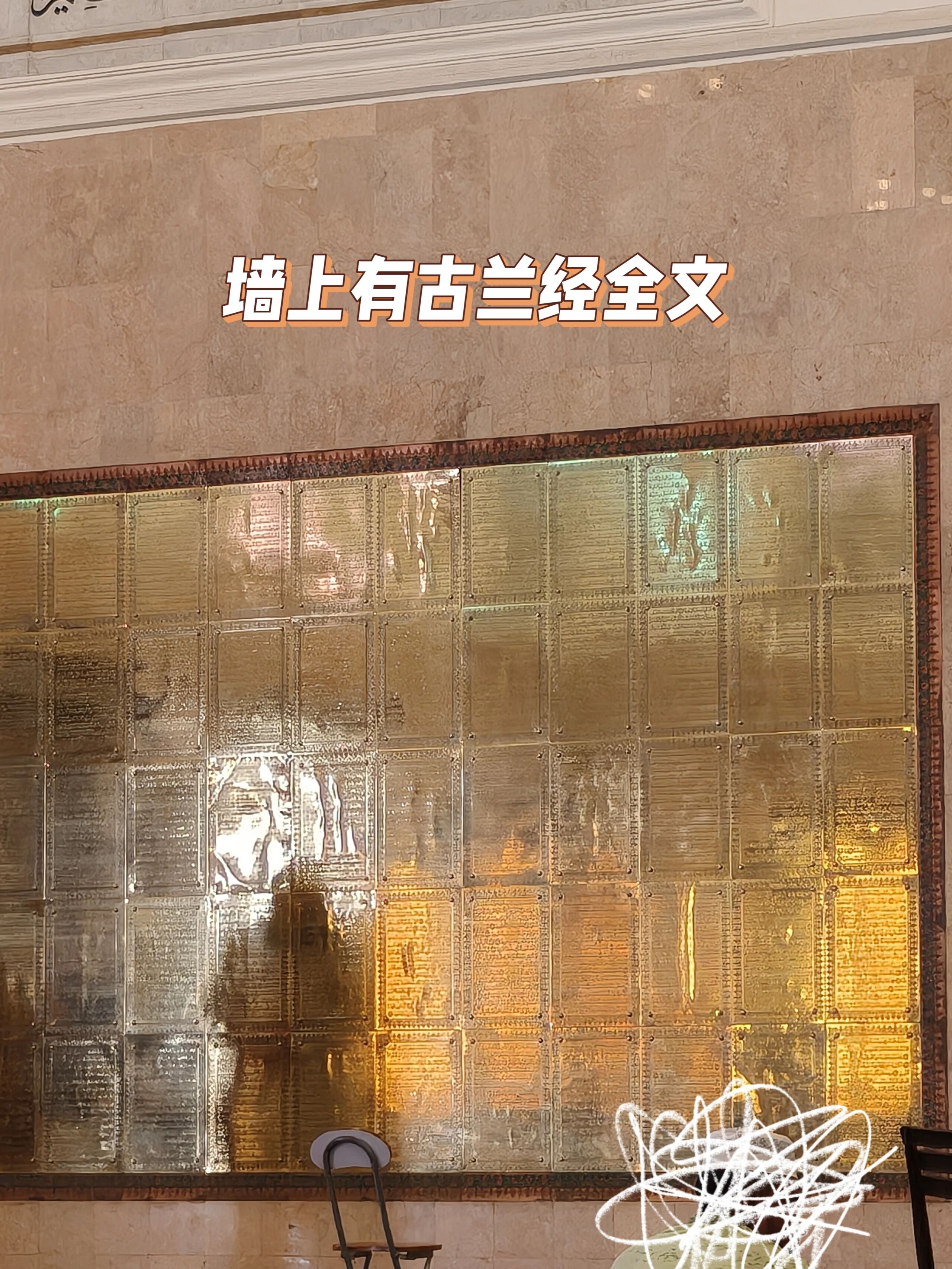
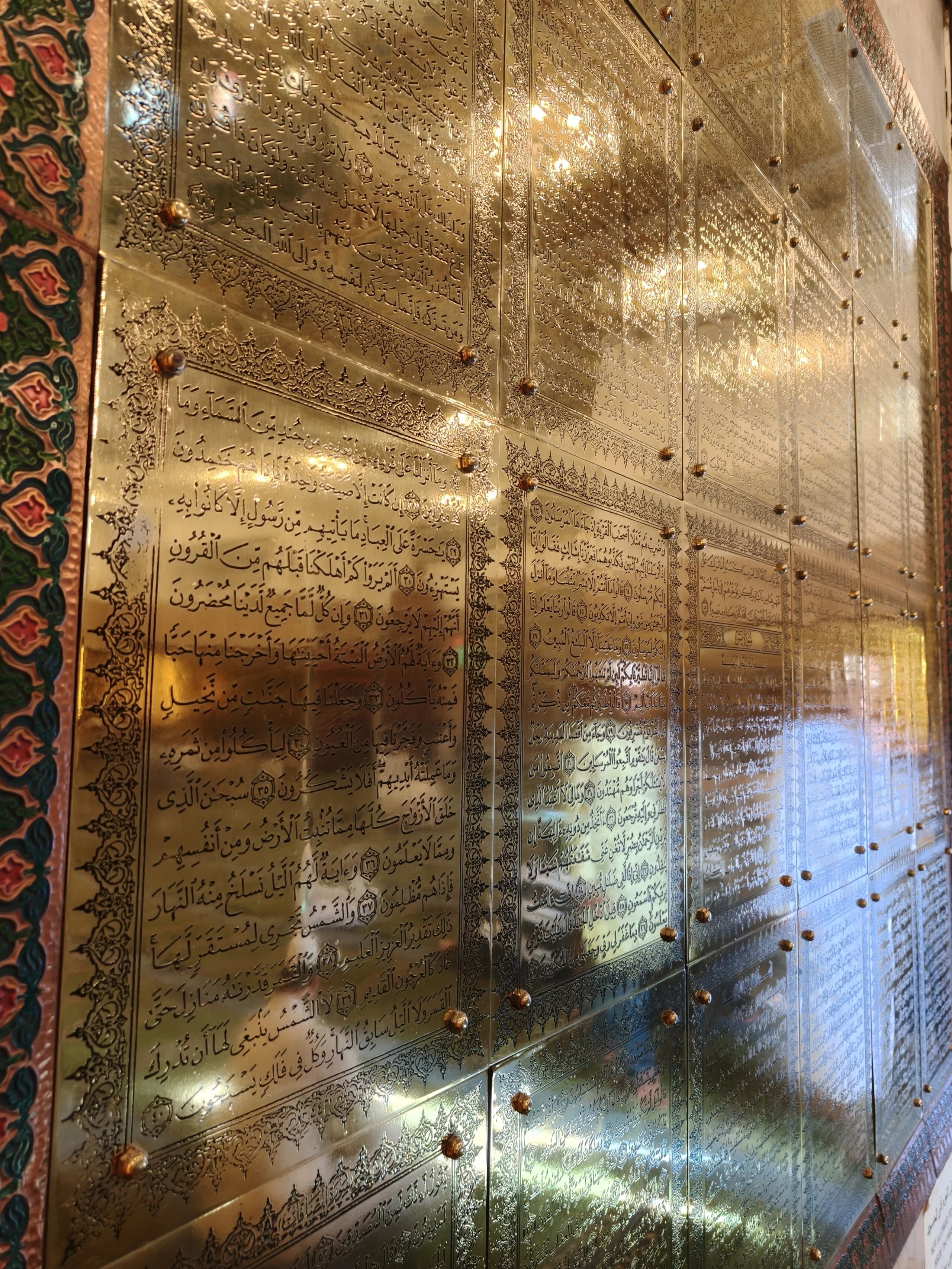
On the walls, besides the small stained-glass windows, I also found the entire Quran carved into the surface (photos 11 and 12). We actually have this back home in China, too; the Great Mosque of Xi'an on Huajue Lane, located inside the Muslim Quarter (Huimin Jie), has Quranic wood carvings in its prayer hall.
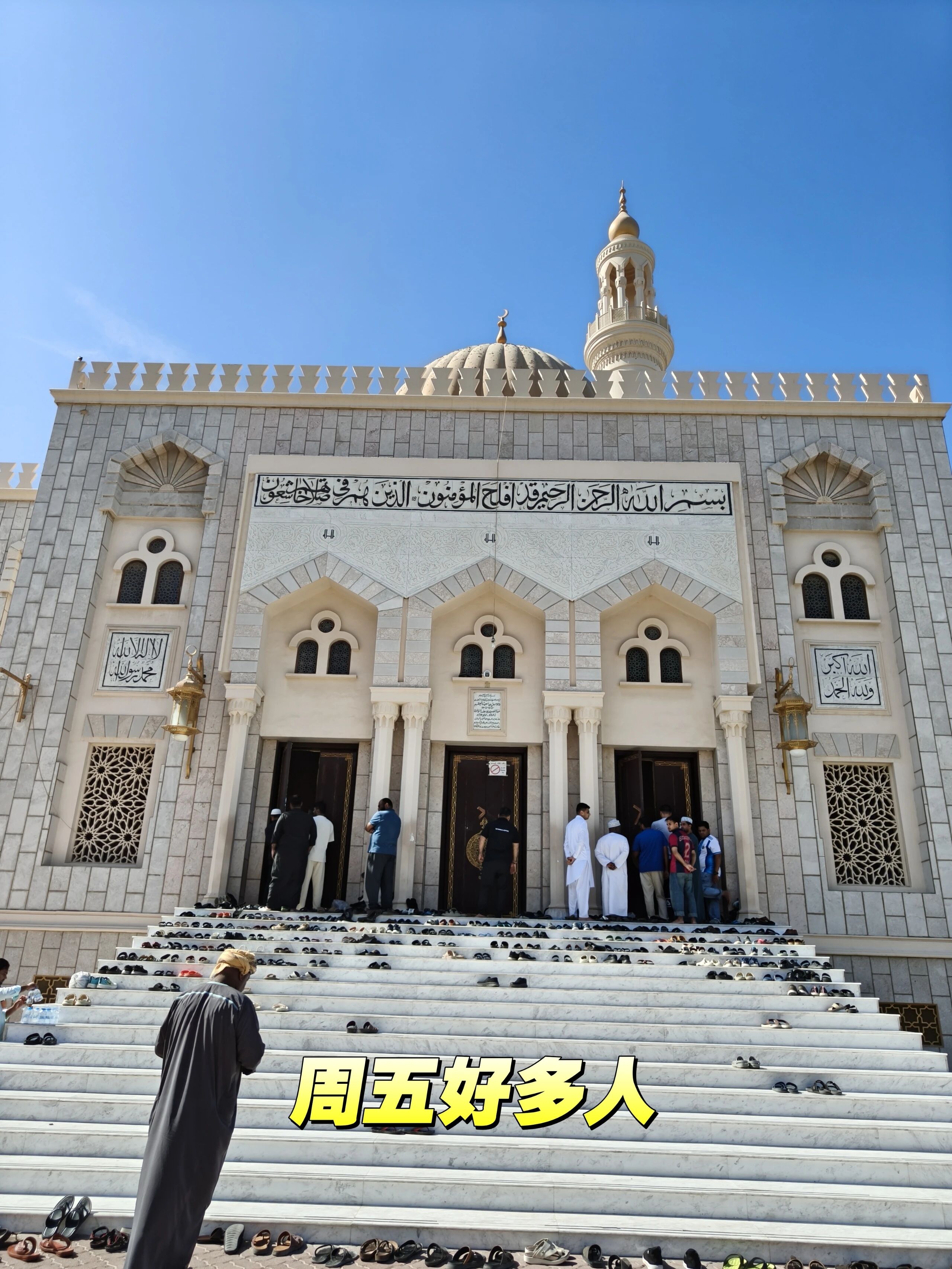
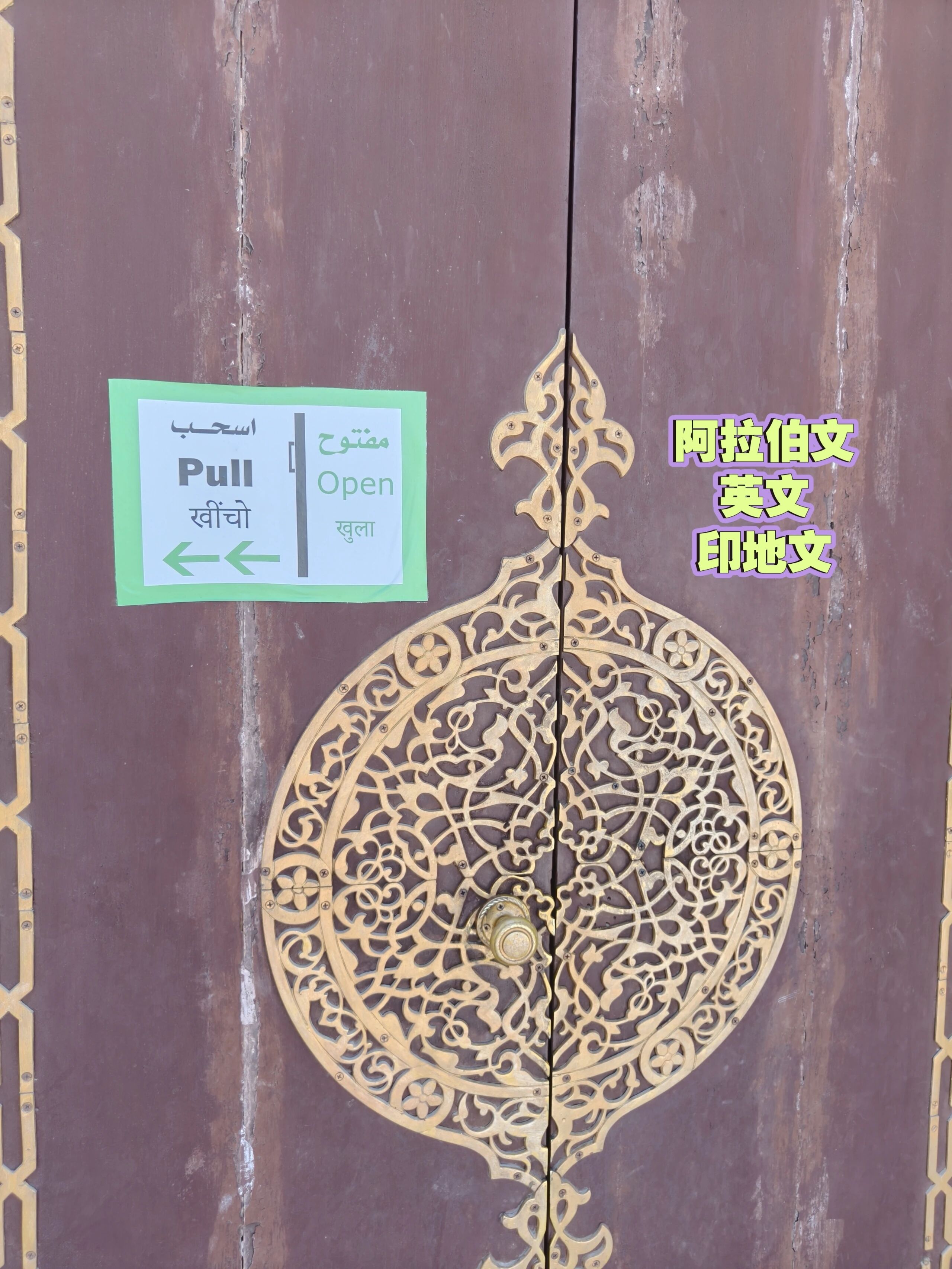
The mosque gate has signs in Arabic, English, and Hindi (photo 14), which shows just how many Indians work and do business here.
After the namaz ended, a young Indian man got busy again, handing out supermarket sale flyers to the people who had been praying.
Summary: This Oman Muslim travel guide follows a transfer through Muscat and a mosque visit during a short city stay. It keeps the author's route from Beijing, overnight stop, mosque observations, and local worship details in source order.
I left Beijing and transferred at Muscat International Airport in Oman. My flight left the next day, so I slept in Muscat city before having to rush off again. I had almost no chance to see Oman, only catching a few glimpses from a taxi.
I spent a few days in Iran, and when I returned, I had more time, so I finally got a chance to see a mosque in Oman.
I paid in cash and booked the room in person, so I don't remember what the place was called. I only remember that it was a Friday. The sun was shining, and many people came to the mosque because Friday is the day for congregational prayer. The prayer hall was full, so people stood out in the courtyard.
From what I saw, the prayer line included not only locals dressed in Omani style, but also many Indians and Pakistanis. They belong to different sects, as most Omanis are Ibadi. This is a sect independent of both the Shia and Sunni branches.
The Indians and Pakistanis are mostly Sunni, with a small number of Shia.
Before going to Iran, I noticed there were a lot of South Asians in Oman. I wanted to find some local specialties around my hotel, but there were none. It was all Indian restaurants—South Indian, North Indian—or Western fast-food joints. Do Omanis not open their own restaurants?
I finished by going to a restaurant called Istanbul to have some Turkish food, but the place was packed with Indian people. It is not that I dislike Indian food, but I have already eaten so much of it in other countries that I wanted a change.
Since I arrived at the mosque, I decided to go inside and take a look. I waited until there were fewer people and then went inside. It was truly beautiful, and its style, color scheme, and craftsmanship were completely different from the mosques in Iran.
On the walls, besides the small stained-glass windows, I also found the entire Quran carved into the surface (photos 11 and 12). We actually have this back home in China, too; the Great Mosque of Xi'an on Huajue Lane, located inside the Muslim Quarter (Huimin Jie), has Quranic wood carvings in its prayer hall.
The mosque gate has signs in Arabic, English, and Hindi (photo 14), which shows just how many Indians work and do business here.
After the namaz ended, a young Indian man got busy again, handing out supermarket sale flyers to the people who had been praying.
